Peanuts, Charlie Brown and Vince Guaraldi
Growing up in the seventies, although a great deal of US pop culture bled through into British life through the medium of television, much of it remained abstract and somewhat obscure. Common place mainstays of American life such as Thanksgiving, Halloween, Baseball and Proms were social curiosities to many Brits. International travel beyond Europe was still not common place at the time and England still had one foot very much in it past and was loyal to its own parochial traditions. As a child, although explanations could be found in books for all these cultural “differences”, they seldom provided a sense of context or understanding. For me, that came via the medium of another child, albeit a fictitious one. Namely Charlie Brown and his friends, courtesy of Charles M. Schulz.
Growing up in the seventies, although a great deal of US pop culture bled through into British life through the medium of television, much of it remained abstract and somewhat obscure. Common place mainstays of American life such as Thanksgiving, Halloween, Baseball and Proms were social curiosities to many Brits. International travel beyond Europe was still not common place at the time and England still had one foot very much in its past and was loyal to its own parochial traditions. As a child, although explanations could be found in books for all these cultural “differences”, they seldom provided a sense of context or understanding. For me, that came via the medium of another child, albeit a fictitious one. Namely Charlie Brown and his friends, courtesy of Charles M. Schulz.
Peanuts was syndicated in several UK newspapers and one of these was delivered to my home every day of the week. This was how I was introduced to the iconic, four panel, cartoon strip. It depicted a world from the children’s perspective; adults existed but were usually only alluded to, rather than shown. The trials and tribulations of Charlie Brown and all the other characters showed me that there was a universal commonality to childhood throughout the world. We all struggled with the complex social dynamics of school and the way we interact with our peers. There was and remains a wholesome honesty about Peanuts. It doesn’t shy away from childhood trauma but wisely depicts the profound significance and restorative value of friendship.
Because Peanuts reflected the daily lives of its central characters it naturally embraced the zeitgeist of the times. It was here I discovered the significance of Thanksgiving and the customs associated with Halloween. To my surprise these were far from esoteric and not too dissimilar to some of the festivals found in British life. Because of the foibles of UK broadcasting at the time, I specifically associate the television adaptations of Peanuts, with the summer TV schedule and the winter holidays. Even as a child, I enjoyed the minimalist visual style of the animation. Although this was most likely driven by costs, it captured the matter of fact style of the cartoon strip and allowed for focus on the central characters. I always thought these shows benefitted greatly by using child voice actors. As for the sequences depicting the interactions between Snoopy and Woodstock, they’re sublime.
And of course, it would be utterly remiss of me to reference the sixties and seventies television adaptations, without mentioning the indispensable soundtracks by Jazz Pianist, Vince Guaraldi. His musical interpretation of Charlie Brown’s world left a profound impression upon me as a child, which remains to this day. I recently discovered that all his work from these shows is available to buy. Let it suffice to say that music is indeed a touchstone for memories and nostalgia. Within seconds of listening to the track Linus and Lucy, I was transported back to the seventies, my mind awash with thoughts and feeling from that time. So, thank you Peanuts, Charlie Brown and Vince Guaraldi. I am indebted to you Charles M. Schulz. You provided me with a wider view of the world and helped a child understand it.








Shadow of War: Grinding to a Halt
After fifty plus hours of playing Middle-earth: Shadow of War, I have finally ground to a halt, in more ways than one. I have completed the Gondor, Shelob, Eltarial and Carnán quest lines, as well as the Brûz and Nemesis missions. I have also unlocked all the skills gained from the Shadow of the Past session play. Over the course of a fortnight, I’ve tackled all the “busy work” sub missions, such as the collectable Gondorian artefacts and Shelob’s memories. My approach to Middle-earth: Shadow of War has been very focused and methodical. As a result, I have conquered all the regions that are currently available. Each fortress is populated by epic level Orcs that are loyal to the “Bright Lord”. Overall, it has been a very enjoyable experience, although the quality of gameplay has been somewhat inconsistent. Middle-earth: Shadow of War has several flaws and the endgame is one of them.
After fifty plus hours of playing Middle-earth: Shadow of War, I have finally ground to a halt, in more ways than one. I have completed the Gondor, Shelob, Eltarial and Carnán quest lines, as well as the Brûz and Nemesis missions. I have also unlocked all the skills gained from the Shadow of the Past session play. Over the course of a fortnight, I’ve tackled all the “busy work” sub missions, such as the collectable Gondorian artefacts and Shelob’s memories. My approach to Middle-earth: Shadow of War has been very focused and methodical. As a result, I have conquered all the regions that are currently available. Each fortress is populated by epic level Orcs that are loyal to the “Bright Lord”. Overall, it has been a very enjoyable experience, although the quality of gameplay has been somewhat inconsistent. Middle-earth: Shadow of War has several flaws and the endgame is one of them.
Compared to the previous game, there is a degree of skills bloat this time round. Some do seem somewhat superfluous, such as the ability to poison kegs of grog from range. However, picking the right skills for your playstyle and gear build is key to success. Some of the skill modifiers are essential and give the player a distinct advantage. Freeze Vault and Shadow Strike variants (especially the one that summons the target towards you) help immensely. It should be noted that combat is more complex this time round. The higher density of enemies makes stealth far harder. Taking the high ground and considering your next move helps immeasurably. At street level, especially in the fortresses it is very easy to become overwhelmed by enemies at times. Freeze Pin, Elven Fire and Rage can be used tactically to subdue a primary target and then clear swarming enemies. As with the previous game, running away if things get out of hand is a valid tactic. Summoning a body guard or a dominated beast can also be fun, although flying a Drake with a keyboard is not exactly easy.
The third act of the game, is a series of Siege Missions which are especially gruelling. Initially these are quite engaging as you plan your tactics and equip your assault force with suitable skills. But there are ten stages to this part of the game, where you repeatedly defend your five major fortresses. Naturally, the difficulty increases the further you progress as well as the duration of each siege. It does become a little repetitive towards the end and you feel at times like you’re simply plugging holes in a dike. You go from capture point to capture point holding back the enemy and healing your high-level orcs. There is often a tipping point where you know that events have gotten beyond your control and you can feel the battle slipping away from you. Hence there is an element of monotony to this part of the game and if you’ve already cleared all the other quests in the game, it can feel like a treadmill.
During the course of my play through, I’ve also made some basic errors that have now come back to inconvenience me. One of these being the equipment challenge which allows you to upgrade specific legendary gear. One of the easiest sets to obtain in the game is the Bright Lord armour which is gated behind Ithildin doors. There are word puzzles to solve to open them. I obtained this set quite early on in the game and the gear scaled to the level I was at the time. To upgrade the gear, I had to recruit specific Orc captains. However, by this time I had killed, replaced or seeded all relevant enemies in the region and was unable to find any Orcs that met the criteria. The only way to resolve the issue would be to kill my dominated Orcs and allow new ones loyal to Sauron to spawn. As I didn’t relish this prospect, I simply collected another legendary armour set, via the vendetta system. As I am now at level cap, the gear drops where of a comparable rating.
The lore breaking story of Middle-earth: Shadow of War is very inventive but a bit farcical at times. It really does play fast and loose with the established canon and flat out contradicts it at times. But despite these transgressions it is still quite enthralling. The nemesis system and the personalities of the various Orc are still at the games core. However, the endgame suffers due to the gating of Orcs behind loot boxes. As a player you have far less of an emotional connection to an Orc that you’ve literally just obtained from a crate, over one that you’ve fought, dominated and grown accustomed to. Furthermore, even the top tier Orcs that fight for you are somewhat squishy. Pit fights also are far from an exact science and I’ve lost some über Orcs to surprisingly low-level enemies. Integrating a cash shop into this part of the game has clearly had a detrimental effect upon the final act of Middle-earth: Shadow of War.
I have now reached the stage where I shall take some time out from Middle-earth: Shadow of War. As previously mentioned, the last stage of the game has been a bit of a grind and I would rather wait now for further content to be released, rather than kill my passion by just pottering about achieving nothing in particular. The release time table for the DLC was announced yesterday and it would appear that there’s no further narrative driven content until 2018. I don’t mind new Orc tribes to conquer but I do prefer story based content over simple achievements. I don’t regret pre-ordering the game, as it has been fun to participate in an event as it happens. However, if Shadow of War follows the pattern set by Shadow of Mordor, then a drop-in price may well occur by the end of the year. Certainly, buying the game at a discount will help compensate for the weak areas in the gameplay.

Super 8 (2011)
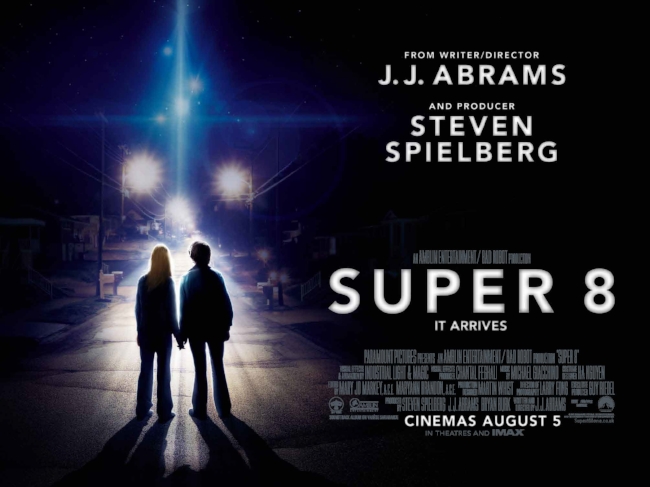
When you see the names of such cinematic luminaries as Steven Spielberg and J.J. Abrams together on the same movie poster, naturally your expectations are going to be high. Yet when watching the various trailers for Super 8, just prior to its release in 2011, I was somewhat cautious. I have discussed in the past at some length the ambiguous nature of trailers and that they can misrepresent a film. Yet even bearing this in mind at the time, I couldn’t help but feel that Super 8 seemed like a somewhat self-indulgent homage to Spielberg's earlier work. I subsequently saw the movie at the cinema in August that year and my suspicions were validated. However, over time I have spoken to several friends who are advocates of the movie, so I thought I’d watch it a second time. Sadly, I still find myself unable to label Super 8 as anything else other than adequate. Now I would hasten to add, that I use adequate within the context of both director’s body of work. An adequate film from either Mr Spielberg or Abrams is still superior to many of their competitors. But that's not the point. I simply expected better from such a project.
When you see the names of such cinematic luminaries as Steven Spielberg and J.J. Abrams together on the same movie poster, naturally your expectations are going to be high. Yet when watching the various trailers for Super 8, just prior to its release in 2011, I was somewhat cautious. I have discussed in the past at some length the ambiguous nature of trailers and that they can misrepresent a film. Yet even bearing this in mind at the time, I couldn’t help but feel that Super 8 seemed like a somewhat self-indulgent homage to Spielberg's earlier work. I subsequently saw the movie at the cinema in August that year and my suspicions were validated. However, over time I have spoken to several friends who are advocates of the movie, so I thought I’d watch it a second time. Sadly, I still find myself unable to label Super 8 as anything else other than adequate. Now I would hasten to add, that I use adequate within the context of both director’s body of work. An adequate film from either Mr Spielberg or Abrams is still superior to many of their competitors. But that's not the point. I simply expected better from such a project.
Super 8 is not a pure monster movie or creature feature. The alien aspect to the film is nothing more than a secondary plot device. This film is mainly about growing up in the seventies, adolescence and bereavement. A lot is done to try and recapture the look and feel of the decade, yet despite the production design and the cultural references, such as period music, CB radio and the use of period slang, the film doesn't quite work. Why? Because the central characters, although steeped in the superficial trappings of the time are a little bit too worldly, articulate, sensitive and thoughtful. They display to many modern sensibilities and concerns. Rather than producing an accurate portrayal of life at the times, Super 8 is very much Abrams homage to the era. And like most odes to a bygone era it paints a sentimental picture, rather than a credible one. That’s not to say that it is bad. It is simply unauthentic.
Don't get me wrong, the central characters played by Joel Courtney, Riley Griffiths and Elle Fanning, are very likeable. Too many movies churn out stereotypical depictions of children or go the opposite way and place them on pedestals. Super 8 features some amusing banter of the sort that kids of this era would have. All the actors involved give good performances. But they all seem a little too perfect, coming across more as archetypes rather than fully rounded characters. I am of a comparable age to J.J Abrams and my childhood was nowhere near as socially complex as that depicted in the movie. Nor were my friends overburdened with such talent or driven by such focused aspiration. What we have in Super 8 is very much an adult’s intellectual deconstruction of childhood, rather than a reflection of it. The boisterous shouting of The Goonies or the smart alec antics of The Monster Squad ring far truer to me.
However, looking beyond this tonal stumbling block, there are some very enjoyable cinematic references in Super 8, many of which seem to be from Mr Spielberg’s back catalogue. For example, a cars electrical system fails at a critical moment, only to come back on with a jolt. Then there's the iconic imagery of kids cycling round idyllic suburban neighbourhoods, free from parental control or interference. There are also subtle nods to films such as John Carpenter’s The Thing with electrical items vanishing, possibly to be utilised by the alien for some makeshift vehicle. There's also a nice theme that's developed in which all the local dogs flee the area. For me, it's these little creative anecdotes that if expanded upon would have given the movie more character and depth.
Yet director Abrams is content to leave these aspects unexplored, in favour of his child centric narrative. As this is the central theme of the film, I can understand why the adult characters are a lot less developed and given less screen time. As a plot device it actually strengthens the under lying theme of the lack of connection between father and son. However, Super 8 falls down quite considerably with regard to its lead villain, Airforce Colonel Nelec played by Noah Emmerich. He is purely arbitrary and denoted as evil purely by his military association and his penchant for killing people by lethal injection. Bad guys are often far more interesting than the virtuous heroes and it's a shame that we do not find out more about him in this instance.
J.J. Abrams has a strong visual sense, very much like Spielberg. There are some very clever images woven into Super 8 over its two-hour running time. The tanks driving through the children's playground for instance and the use of silhouettes. Michael Giacchino's score is very strong and underpins rather than overwhelms the proceedings. There is much to like about the film and if you are not disposed to be as analytical as I am, you will be entertained. But if it had broadened its remit and shied away from the perennial Hollywood trope of canonising beautiful, yet deceased mothers, it could have been a far more rewarding film. A more honest and less emotional depiction of the times, as well as a little more focus on characters and motive would have improved things greatly.


Highlander 2: The Quickening (1991)
I remember the abject disappointment I felt after seeing the 1991 release of Highlander 2: The Quickening. It was narratively disjointed and totally contradicted the premise of the original film. This was all courtesy of the completion bond company pulling the plug on the original production, due to spiralling costs and economic problems in Argentina where the movie was filmed. They then edited the film without the involvement of director Russell Mulcahy, allowing them to make a prompt release in an attempt to recoup their investment. The only flaw in this plan was that this version was universally reviled. Fans were outraged at the transgression of lore. Critics were confused. The only winner appeared to be Sean Connery who was allegedly paid $3.5 million for nine days of filming.
I remember the abject disappointment I felt after seeing the 1991 release of Highlander 2: The Quickening. It was narratively disjointed and totally contradicted the premise of the original film. This was all courtesy of the completion bond company pulling the plug on the original production, due to spiralling costs and economic problems in Argentina where the movie was filmed. They then edited the film without the involvement of director Russell Mulcahy, allowing them to make a prompt release in an attempt to recoup their investment. The only flaw in this plan was that this version was universally reviled. Fans were outraged at the transgression of lore. Critics were confused. The only winner appeared to be Sean Connery who was allegedly paid $3.5 million for nine days of filming.
Subsequently, after some complex legal chicanery, Mulcahy secured control of the film rights and brought out the Highlander II: Renegade Version in 1995. This removed the contradictory plot themes, re-instated previously removed footage and revamped effects shots. This resulted in a more coherent and enjoyable film that jettisoned the extraterrestrial elements of Brian Clemens screenplay and returned to the original concepts of the previous instalment. Despite these major changes the producers, Bill Panzer and Peter Davis still felt there were improvements to be made and brought out a further revised edit of the film in 2004, simply titled, Highlander 2: Special Edition. This included some minor scene alterations and focused more on improving the key visual effects sequences. Rather than catalogue the specific details of the differences between Highlander 2: The Quickening, Highlander II: Renegade Version and Highlander 2: Special Edition I've included a link to the IMDB. This more than adequately analyses all the various versions and their respective idiosyncrasies.
Highlander 2: The Quickening not only has an interesting development history, but a distinguished production pedigree. It’s very British affair, with many members of the crew being Bond veterans. There’s Second Unit Direction by Arthur Wooster, along with visual effects by John Richardson and Chris Corbould. The production design is very striking and there is excellent use of locations in Argentina. The studio work is also very impressive. The petrol tanker jack knife/explosion and freight train fight are all meticulously created. Most importantly, the chemistry between Lambert and Connery is still present in the film. The troubled production history is also a story in itself. If you get the chance to watch the documentary Highlander II: Seduced by Argentina, which is included on various DVD and Blu-ray releases, you get a good insight into the way independent films are financed. What exactly a completion bond is and what happens when the money men take steps to protect their investment, all becomes very apparent.
A lot of Highlander fans ignore this instalment in the franchise as they do not consider it to be canon. Personally, I think the next entry in the franchise is far worse and has a comparable amount of lore contradictions. Yet despite the troubled production, Highlander 2: The Quickening was one of the biggest earners of the series, pulling in three times as much as the original in the US. Its international sales were even higher. Furthermore, these box office returns are based on the initial theatrical print with all its plot flaws and contradictory elements. It is often a curious fact that a film may well be panned by the critics yet still manage to make a respectable financial return, often based on international market and not US box office earnings. Ultimately, Highlander 2: The Quickening regardless of its troubled production still proved lucrative to spawn further entries in the series.
Out of all the various incarnations, I would recommend the 2004 Highlander 2: Special Edition version of the film, as it’s the most polished version available. Hardcore fans may prefer the 1995 Highlander II: Renegade Version as it has a few additional scenes for the completists. I like this film series although I never felt the same way about the TV series and its subsequent move spinoffs. If like me you have a wider interest into the murky world of film production and the politics of movie making, then I would also urge you to watch this film along with the associated documentaries and extras that accompany it, as they are most insightful. Also, any film with a Stewart Copeland soundtrack cannot be bereft of merit. If all other arguments fail, then watch one version of this movie just to see Michael Ironside chewing the scenery. It is a thing of beauty.



Diary of a Podcaster Part 10
Last night, myself, Hannah and Chris (AKA Jaedia and Wolfyseyes) had an especially productive recording session. We managed to produce two hours of material in total and I’m confident that it can be whittled down into a coherent and enjoyable ninety-minute episode. What I especially enjoyed about this podcast recording was buoyant atmosphere and the flow of the conversation. I felt that we explored the various topics well and that the discussion felt natural. Ultimately, it will be the listeners who’ll determine whether this is the case or not but from my perspective the recording went well because the guests were a good choice. If you are pursuing a podcast format that has multiple hosts or regularly features guests, then it is important for there to be a rapport between all involved.
Last night, myself, Hannah and Chris (AKA Jaedia and Wolfyseyes) had an especially productive recording session. We managed to produce two hours of material in total and I’m confident that it can be whittled down into a coherent and enjoyable ninety-minute episode. What I especially enjoyed about this podcast recording was buoyant atmosphere and the flow of the conversation. I felt that we explored the various topics well and that the discussion felt natural. Ultimately, it will be the listeners who’ll determine whether this is the case or not but from my perspective the recording went well because the guests were a good choice. If you are pursuing a podcast format that has multiple hosts or regularly features guests, then it is important for there to be a rapport between all involved.
I’ve been very fortunate over the years as I’ve always worked with experienced podcasters or those who are confident public speakers. Therefore, the discussions are broad and follow a logical pattern. Each participant listens to the other and responds to the questions and points being raised. This means that the conversation moves forward and doesn’t flounder. If everyone gets on, then there is a more natural connection. Humour and confidence often go hand in hand. Many of my favourite podcasts that I regularly listen to, work so well primarily because the hosts work well together. That’s not to say that all parties involved have to agree with each other. Consensus is not always especially interesting. However, podcasters that know each other often means that the conversation runs its course more coherently. There is less tendency to talk across each other and for one individual to dominate the proceedings.
"I am Henry Kissinger and I do indeed have a sexy voice".
On occasion, there have been times when a guest has struggled with the dynamics of a podcast. Not everyone is confident when in front of a microphone and sometimes it’s simply the notion of being recorded that kills their enthusiasm. However, if I think there may be an issue, we sometimes spend some time “warming up”, with some casual conversation. This process can help immensely in helping all parties to relax and focus less on the process and more on the discussion. Also, and lot of issues can be fixed during the editing process. Lengthy pauses can be reduced accordingly and misspoken lines can be eliminated entirely. You can also improve the narrative structure of a show in post-production. If a point is made that would better serve at an earlier point in the conversation, then it can be moved accordingly. It should also not be forgotten that you can re-record material if you feel it can improve matters.
There are great advantages to recording a podcast with a group, or producing a show with a regular co-host(s). I have experimented this year with producing solo content and it is immensely difficult and comes with an entire set of other problems. I therefore have immense respect for my podcasting peers that produce regular shows in this fashion. It requires a great deal of dedication, focus and confidence. There is a lot of truth in the old adage of there being safety in numbers. The solo podcaster is the focus of scrutiny on their show. However, for the present it is a format that I am no longer going to pursue. Returning to the subject of yesterday’s recording session, as well as all the other positive aspects I’ve mentioned, it was also immense fun. We did a lot of laughing and I think that is an important litmus test. It also motivates me to keep podcasting.














Read the Label
Despite living in an age where access to information has never been easier, the concept of an informed choice still seems to elude a substantial percentage of the population. Take for example the new television show Gunpowder, which was broadcast last night at 9:10 PM on BBC One in the UK. The very fact that it is being broadcast after nine o’clock at night should be indicative of adult content. Otherwise it would have been broadcast prior to that time. The next logical step for any potential viewer, should have been to at the very least, to consult a TV Guide. This would have informed the audience of the show’s content. And being a drama set in a period of history in which Catholics were persecuted and publicly tortured, it would be logical to conclude that there may well be scenes of this nature. Furthermore, the first episode of the drama was prefixed by a warning about its content prior to broadcast. However, a small percentage of viewers were still surprised by the violent content and saw fit to complain about in either directly to the BBC or via twitter.
Despite living in an age where access to information has never been easier, the concept of an informed choice still seems to elude a substantial percentage of the population. Take for example the new television show Gunpowder, which was broadcast last night at 9:10 PM on BBC One in the UK. The very fact that it is being broadcast after nine o’clock at night should be indicative of adult content. Otherwise it would have been broadcast prior to that time. The next logical step for any potential viewer, should have been to at the very least, to consult a TV Guide. This would have informed the audience of the show’s content. And being a drama set in a period of history in which Catholics were persecuted and publicly tortured, it would be logical to conclude that there may well be scenes of this nature. Furthermore, the first episode of the drama was prefixed by a warning about its content prior to broadcast. However, a small percentage of viewers were still surprised by the violent content and saw fit to complain about in either directly to the BBC or via twitter.
It would appear that even in this day and age, there are still a lot of people that decide to watch programs blind. Therefore, it is not surprising that it is this group that frequently holds up their hands in horror at being exposed to something they do not care for. The fact that they brought the situation upon themselves seems to be conveniently ignored and typically the displeased viewer immediately seeks to find someone else to blame for this outrage. Take for example the latest series of the historical drama Victoria, currently being broadcast in the UK on ITV. A gay kiss prompted a small quantity of complaints that the tabloid newspapers were quick to capitalise on. We won’t stray into debating the homophobia but what amazes me is the fact that the inclusion of these scenes upset some people. Yet despite the scene being justifiable within the context of the drama, we still find a few voices claiming moral outrage and an erosion of “family values”. All too often one gets the sense that some folk are simply looking to be “offended” and that it’s become a national pastime.
Although we do live in broadly more tolerant times than we did forty years ago, a cursory trawl of the Internet shows a wealth of similar situations. There seems to be someone getting upset by what they’ve seen, read or heard, every day. Most of these incidences stem from the fact that people simply haven’t bothered to check what they are watching or what website they were visiting beforehand. This problem has reached such large proportions, that some organisations have seen fit to add an extra layer of consumer information in attempt to inform the public. One such example is the British Board of Film Classification, which are responsible for classifying and rating all cinema and video related material available in the UK. They call this additional tier of consumer advice on their website, “insight”. Often the detailed description of the movie’s content will include plot spoilers but once read a viewer would be under no illusion about the material included in the film. Below is the “insight” details for the horror movie Jigsaw.
Returning to the subject of television and the regulation of its content, people will argue that video on demand services such as Netflix negate the concept of the watershed. That is a valid point. Streaming allows continuous access to a broad range of material. This shift in viewing habits increasingly places the onus on the viewer to be even more aware of exactly what they are watching. It also demonstrates the importance of parental control over children’s viewing, a functionality that is built into most streaming platforms. Sadly, in an age where family and communal viewing is in decline and a television in every room is commonplace, too often such parental duties are neglected. “Will someone please think of the children” is a common refrain often heard after a child is upset by something they shouldn’t have seen. Yet if the parent or guardian had exercised their duties correctly to begin with, then the entire situation could have been avoided.
Of course, this problem also manifests itself in the world of video games. How often do we hear about parents who have gone to a retail outlet, purchased a game that clearly has a rating on the packaging stating that its intended for a mature audience, only to hand it over to a child? The fact that they have technically breached the law is always conspicuously overshadowed by their misplaced shock and indignation, when they subsequently see the nature of the game that their child is playing! The resultant outrage never ceases to amaze me. But of course, it’s always somebody else’s fault these days, isn’t it? And then the same problem spills out into music. A good many parents will have absolutely no idea of what their children may be listening to. Dare I mention reading material as well?
And therein lies the problem. You can provide the public with an indefinite amount of consumer advice but you cannot ensure that they’ll actually take heed of it. In a democratic society, there really isn’t an alternative way to tackle such problems. I do not like Draconian laws that favour the stupid minority at the inconvenience of the sensible majority. So, the only tactic we are left with is to continue to reiterate the message and to trust in attrition. In the meantime, next time some dumb ass complains in the public in the fashion I’ve described, I would strongly advocate that rather than give that missed guided individual the oxygen of publicity, we should simply point and laugh as loudly as we can. Stupidity may not be a crime but it is the ruination of Western civilisation and should be challenged wherever it appears.

















Pointing and Laughing
Jim Sterling’s latest comic creation, the Duke Amiel du Harcore, currently presents a weekly video in which he narrates comments written by self-professed “hardcore gamers”. These monologues ironically highlight the pomposity and lack of self-awareness that is so common to individuals possessing such a mindset. Sterling delivers them with his usual theatrical flair, ensuring that source material is presented literally, complete with all their punctuation and spelling mistakes. “Commentocracy” may not be big or particularly clever but it makes its satirical point and is an amusing diversion, providing a welcome break from the po-faced, default stance of the gaming community these days. It also seems to be hitting home and ruffling a few feathers because there has already been some push back from those Sterling seeks to mock.
Jim Sterling’s latest comic creation, the Duke Amiel du Harcore, currently presents a weekly video in which he narrates comments written by self-professed “hardcore gamers”. These monologues ironically highlight the pomposity and lack of self-awareness that is so common to individuals possessing such a mindset. Sterling delivers them with his usual theatrical flair, ensuring that source material is presented literally, complete with all their punctuation and spelling mistakes. “Commentocracy” may not be big or particularly clever but it makes its satirical point and is an amusing diversion, providing a welcome break from the po-faced, default stance of the gaming community these days. It also seems to be hitting home and ruffling a few feathers because there has already been some push back from those Sterling seeks to mock.
Contemporary gaming culture is in many ways a microcosm of everything that is currently wrong in western culture. It can be myopic, self-aggrandising, lacking in humility and rife with hyperbolic rhetoric. Critical thinking, introspection and comradery is hard to find. Too many gamers consider themselves the arbiter of its associated culture and there is still a percentage that mistakenly consider their personal efficiency at playing games to be some laudable achievement, commensurate with success at sports or in the arts. There is one particular blog that I read, whose author is so vain and delusional that they’ve constructed an internal narrative that paints them as a virtual Nietzschean Übermensch. Yet their prose show that they’re a somewhat emotionally damaged individual with an erroneous perspective of the world. Yet such is the nature of gaming these days. “Git Gud” culture and a bellicose, binary world view go hand in hand.
"As I said to Chancellor Metternich at the Congress of Strasbourg: Pooh to you with knobs on!"
It can be argued that debating such a position is the best way to challenge it. I myself enjoy the cut and thrust of a good discussion based around contrasting views. However, we are not currently living in an age where people will concede an argument if given evidence to the contrary. A point of view has become more of an act of faith, a symbol to embrace and a flag to rally round. It’s not about what is demonstrably or ethically right or wrong. It’s about how you feel. A contrary opinion is perceived by default as an attack upon your own. Someone questioning your position is ultimately questioning you. Hence, we see all the zealotry that was once exclusive to religion, manifesting itself around aspects of popular culture. If politics has become tribal, why shouldn’t all the other facets of our life? We’ve spent the last ten years racing to the bottom and we’ve finally arrived, spittle flecked and ready for battle.
However, when confronted with such a bullish and implacable mindset, there is an alternative to debating. There is always humour. Why waste valuable time and energy responding intellectually to professed gaming elitism, when you can simply point and laugh at the utter fatuousness of such a position. Historically, any dogma founded upon self-professed superiority is usually devoid of any capacity for self-deprecation. Philosophies of this kind seek validation and despise ridicule. Humour robs them of the gravitas that they seek and undermines the bogus credibility they espouse. If there was ever a time to justifiably mock and deride these rogue elements of the gaming community, the time is now. Hopefully, the Duke Amiel du Harcore will continue to rib those delusional gamers that haunt subreddits and forums, extoling the virtues of the “PC master race”. He may even encourage more of us to finally climb of the fence and tackle this blight on our community, by doing the same.
The Living Daylights (1987)
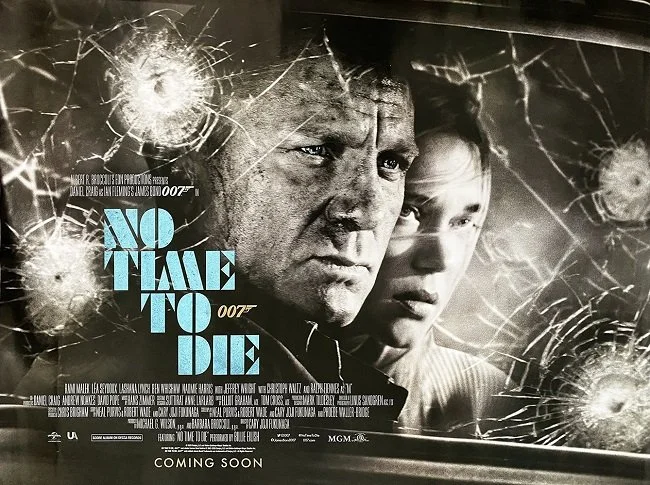
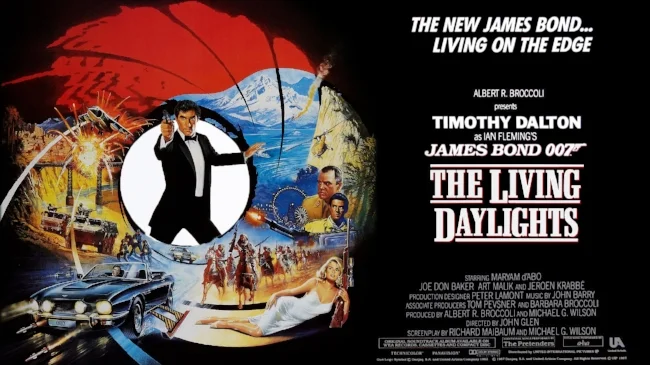
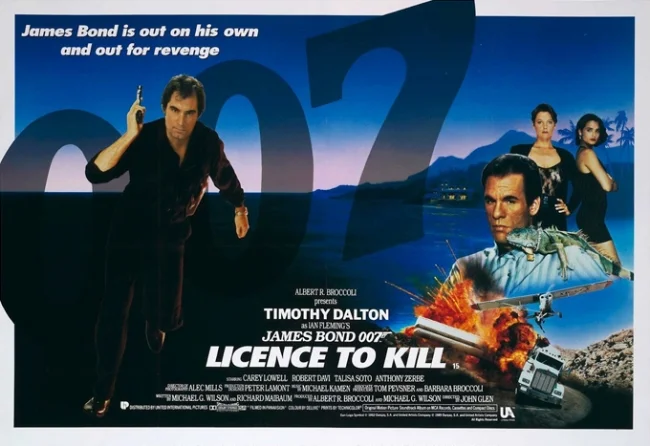
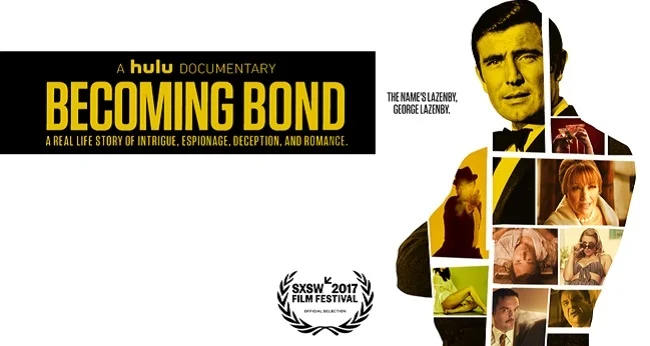
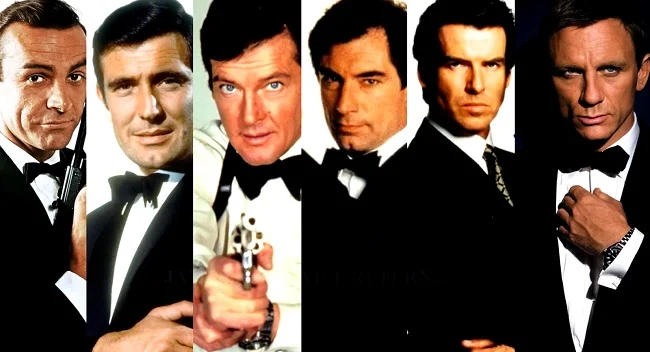
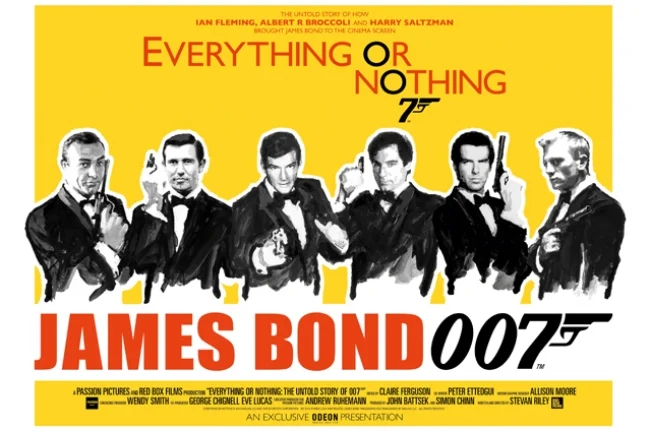
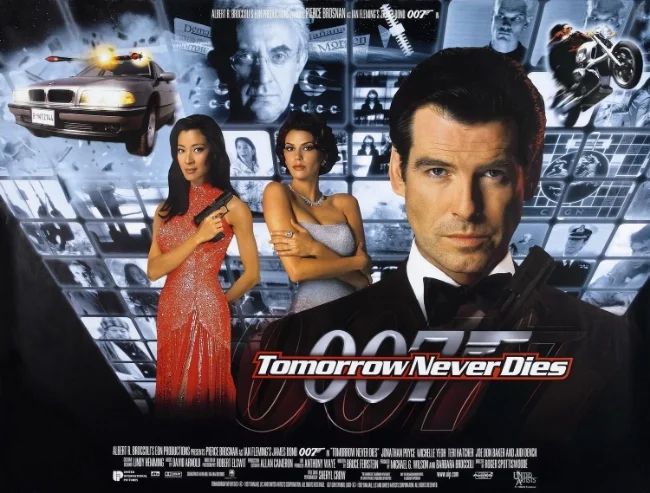
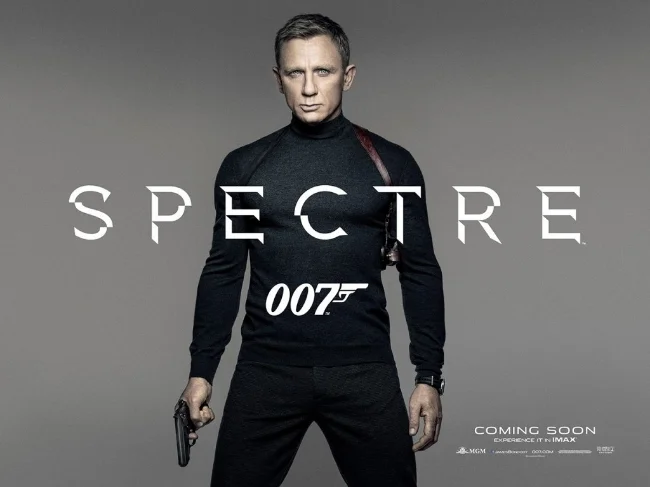
Timothy Dalton is possibly the most technically accomplished and prestigious actor to have played the iconic MI5 agent, James Bond. He was in fact asked by Cubby Broccoli to play the role back in 1969 shortly after Connery's departure from the franchise. Broccoli had been impressed by Dalton’s performance in The Lion in Winter. However, Dalton himself felt he was too young for the job at the time. After Roger Moore retired from the role in 1985 it looked like Pierce Brosnan would certainly to get the part. However, due to contractual reasons and prior commitments, he was not unable to fulfil the proposed shooting schedule. So, Dalton landed what was at the time, the most prestigious action role in film making, by default.
Timothy Dalton is possibly the most technically accomplished and prestigious actor to have played the iconic MI5 agent, James Bond. He was in fact asked by Cubby Broccoli to play the role back in 1969 shortly after Connery's departure from the franchise. Broccoli had been impressed by Dalton’s performance in The Lion in Winter. However, Dalton himself felt he was too young for the job at the time. After Roger Moore retired from the role in 1985 it looked like Pierce Brosnan would certainly to get the part. However, due to contractual reasons and prior commitments, he was not unable to fulfil the proposed shooting schedule. So, Dalton landed what was at the time, the most prestigious action role in film making, by default.
By 1987 there had been a major shift in the production of action movies. The traditional spy genre was in decline. "Cop Buddy" films were becoming increasingly popular and relying more on the major set pieces to bolster their appeal. The ubiquitous action hero was being transformed by such films as Lethal Weapon, Die Hard and Rambo. The expensive and complex action sequences that had for over a decade had been the exclusive province of the Bond franchise, were now becoming common place in many other movies. The competition was raising their game, so Bond needed to modernise and shake off some of the more archaic aspects of his heritage if he wished to remain a viable franchise. The change of actor presented the production with an ideal opportunity to address this very issue.
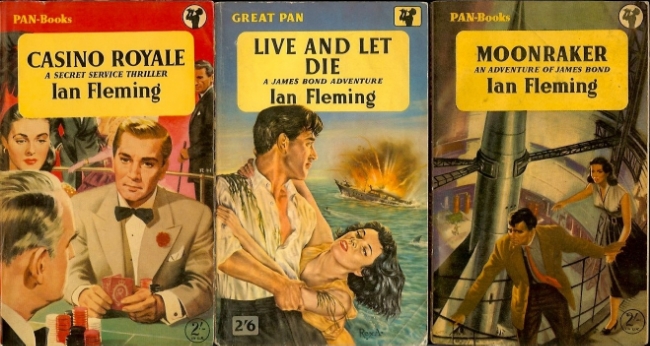
Director John Glenn decided to use Daltons acting skills as an opportunity to go back to basics and return Bond to the character found in the Fleming’s books. Out went the one liners to soft pedal the violence, that Moore had made his own during his tenure. The screenplay by Ricard Maibaum and Michael J. Wilson therefore maintained the charm along with the panache but it also introduced a ruthless and somewhat cold edge to Bond’s personality. Furthermore, the plot was dialled back from previous extremes to tell a more grounded story set in against the contemporary issues of the time. As a result, Bond this time round, finds himself up against rogue KGB officer, General Georgi Koskov (Jeroen Krabbé), who rekindles an old feud between the two governments respective security services, as a cover for his illegal arms and drugs trafficking in Afghanistan. As another concession to changing times was a subtle reduction in Bond’s promiscuity and a female lead (Maryam d'Abo) who had more depth than usual.
The Living Daylights is therefore a revisionist entry into the series. It stands out along with On Her Majesties Secret Service and For Your Eyes Only as being closer in spirit to the source text. As ever with the franchise this instalment has some very good action sequences and the hand to hand fights scenes are gritty and tough. This was the first film where Bond head butts an opponent, a move that had previously deemed “out of character”. The villainous Necros (Andreas Wisniewski) has a particularly vicious fight with a MI5 agent and at a one point, holds his face against a hot grill. It is a notable change of tone from the camper Roger Moore era. The Living Daylights also has less reliance on the ubiquitous gadgets of "Q" branch. They are present but not quite as preposterous. The overall effect of all these changes was to bring the series back in touch with reality after decades of excess and comic banter.
The Living Daylights also marks the last soundtrack in the Bond franchise to be scored by the great John Barry. He had up until this point written the score for eleven of the Bond films. His contribution to Bond per se is invaluable and certainly his unique lush style helped shaped the image and perception of the character. The title song for the movie, by Swedish band A-ha (Co-written by Barry) works very well as a signature motif throughout the film. The music cues used during Bonds roof top escape in Tangiers and the airfield battle in Afghanistan make use of clever variations of this theme. The film also features two songs by The Pretenders, who at one point were contracted to provide the title theme. However, the producers felt that A-ha were more commercially viable and hoped to repeat the success that they’d had with Duran Duran in the previous film. As ever the material from The Pretenders is of a high standard and Barry manages to work instrumental arrangements of both songs into both the romantic and action scenes. However, it is the piece Barry composed for the "Mujahadin" that stands out the most in the film. Its simplistic beauty encapsulates his talent and remains an example of his finest work.
The pre-digital visual effects work in The Living Daylights are also of note. Industry veteran John Richardson does wonders with traditional methods and techniques. The scale model Lockheed C-130 Hercules used at various points in the film is utterly convincing and the destruction of the Afghan trestle bridge at the film climax, is achieved by the use of a foreground miniature. The aerial sequences featuring stuntmen BJ Worth and Jake Lombard still impress thirty years on. Once again this proves how physical effects and genuine stunts have a great sense of credibility over their computer-generated counterparts. The climactic battle between Bond and Necros in the open cargo bay of a Hercules transporter is a benchmark in eighties action sequences.
Despite changes in public tastes and attitudes The Living Daylights still performed well at the box office. Critically the new bond movie met with a mixed reception but by and large Timothy Dalton was praised. His performance it tonally spot on and his acting range is more than adequate for the scope of the role. As an action movie it is well structured, involving with first class production values. As a Bond movie The Living Daylights has enjoyed a reassessment in recent years and is now seen as a wise change in the franchise’s game plan. However, as the eighties were drawing to a close, the producers were becoming increasingly concerned about the future of the franchise. They decided to tackle the competition head on with the next entry but the radical change in tone along with poor marketing ended up putting James Bond on hiatus for the next six years. It’s a shame because Dalton was never given an adequate chance to build a relationship with fans. I suspect he could have gone on to have made at least two more compelling movies but sadly he fell victim to production delays that ensued.

Hitman (2007)
Hitman apparently had a troubled production and it took several years for Eidos and IO Interactive to find studios that were prepared to finance and distribute the project. It was originally intended as a vehicle for Vin Diesel and he is still credited as an executive producer on the film. Various directors were associated with the project until Xavier Gens finally took the role. Gens was riding high at the time in France due to the critical success of his previous movie Frontier. However, stepping into mainstream corporate film making was a baptism of fire. The movie was subject to numerous re-writes and a lot of his material was reshot at the studios request. Locations were changed and plot devices were altered resulting in a very chaotic production. However, considering all these problems, the theatrical release of Hitman was not the disaster that some expected or claimed it to be. It’s actually a well-paced action film with good set pieces, a competent cast and an unusual setting. Is it high art? No. Is it satisfactory entertainment? Yes. However, I speak as someone who has no major attachment to the video game franchise that inspired it. Fans may differ.
Hitman apparently had a troubled production and it took several years for Eidos and IO Interactive to find studios that were prepared to finance and distribute the project. It was originally intended as a vehicle for Vin Diesel and he is still credited as an executive producer on the film. Various directors were associated with the project until Xavier Gens finally took the role. Gens was riding high at the time in France due to the critical success of his previous movie Frontier. However, stepping into mainstream corporate film making was a baptism of fire. The movie was subject to numerous re-writes and a lot of his material was reshot at the studios request. Locations were changed and plot devices were altered resulting in a very chaotic production. However, considering all these problems, the theatrical release of Hitman was not the disaster that some expected or claimed it to be. It’s actually a well-paced action film with good set pieces, a competent cast and an unusual setting. Is it high art? No. Is it satisfactory entertainment? Yes. However, I speak as someone who has no major attachment to the video game franchise that inspired it. Fans may differ.
I have often said that the action genre was in many ways, at its peak during the eighties. Although contemporary films can offer more sophisticated production values, back then movies had superior editing, physical stunts and most importantly, no requirement to pander to prevailing social trends or political dogma. As a genre they ran on their own internal logic and that was sufficient to sustain them. In this respect Hitman is a throwback to that era. It does not feel the need to provide the protagonists with an in-depth back story. It is simply not important to know the complexities of the title characters background. This is a genre movie and not a human drama. The esoteric nature of agent 47 is part of the character’s appeal. To explore it too far would be to negate his enigma. Mercifully, the film does not make this mistake. The dialogue is spartan and functional. There are hints at there being hidden depths to agent 47 but they are not dwelt on. The primary focus on the movie is the action, which is what fans expect from this sort of material.
Timothy Olyphant is suitably remote in the central role, yet still accessible and credible to viewers. He establishes a good rapport with Olga Kurylenko, who plays a material witness to a complex plot of subterfuge. He also acquits himself well in the action sequences, particularly the four-man sword fight, which is very well choreographed. The use of Eastern European locations, the involvement of Luc Besson and international pedigree of the film crew makes the film more exotic than usual. Hitman has quite a different look and feel than that of your typical US based action film. The globe spanning story line further broadens the appeal. The stunt coordination is solid and delivers the level of carnage associated with the franchise. However, it should be noted that like so many modern films of this genre, there are multiple versions available. The R rated theatrical print is quite strong but the unrated version certainly increases the levels of onscreen violence. It is this version that is currently available on Blu-ray in most regions.
The critics were not kind to Hitman upon its release, finding it hard to see any virtue in it. I personally can think of numerous other films based on video games that have been a lot worse. However, if you have a strong emotional connection to this particular series, then this may be a little too superficial for you. But that is the nature of screen adaptations of popular gaming franchises. They take the major themes, or aesthetic trappings of the source material and try to explore in a different way. Therefore, if you are a more forgiving action film aficionado, Hitman is a perfectly adequate genre offering. This mainly due to the respective performances by Timothy Olyphant and Olga Kurylenko. As ever, out of the two edits of the film, my recommendation is with the unrated version. It does gives the action scenes a more visceral edge. Sadly, the respective virtues of Hitman were not present in the 2015 reboot, Hitman Agent 47. That curious movie reeks of film making by focus group.
Orc Wars (2013)
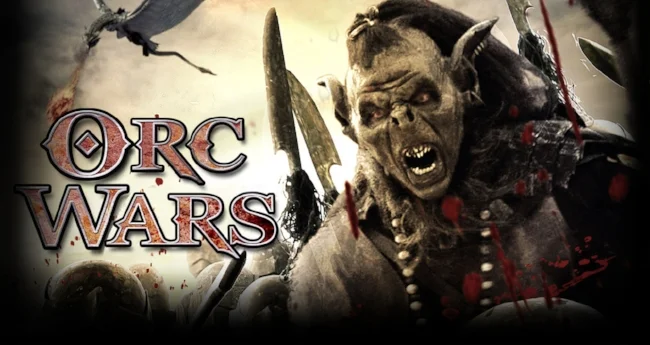
Having recently sat through Orcs! I decided to take a further chance and watch Orc Wars. It too is a very low budget film, although this time the finances were raised through crowdfunding. Sadly, it is not the fun, tongue in cheek, independent adventure movie the trailer and associated marketing implies. There is very little merit in this production. It's cheap, cheerful and although harmless, it clearly demonstrates that not all fan funded projects are good cinema. Some are just indulgences. The problem is in the title itself, which tries to sell an idea that the movie production is incapable of delivering. Instead of the spectacle of an army of a thousand Orcs pitted against the technological might of the US war machine, we get a few extras in ill-fitting costumes, running skirmishes against no-name actors on quad bikes and a few old Army Surplus vehicles. It's all rather lacklustre and underwhelming.
Having recently sat through Orcs! I decided to take a further chance and watch Orc Wars. It too is a very low budget film, although this time the finances were raised through crowdfunding. Sadly, it is not the fun, tongue in cheek, independent adventure movie the trailer and associated marketing implies. There is very little merit in this production. It's cheap, cheerful and although harmless, it clearly demonstrates that not all fan funded projects are good cinema. Some are just indulgences. The problem is in the title itself, which tries to sell an idea that the movie production is incapable of delivering. Instead of the spectacle of an army of a thousand Orcs pitted against the technological might of the US war machine, we get a few extras in ill-fitting costumes, running skirmishes against no-name actors on quad bikes and a few old Army Surplus vehicles. It's all rather lacklustre and underwhelming.
Ex-Marine John Norton (Rusty Joiner) buys a ranch in the remote American West hoping to escape from his troubled past. He subsequently encounters Elven Princess Aleya (Masiela Lusha) who has fled her home world via an interdimensional portal and is marooned on Earth. A convenient blind Native America Mystic called Whitefeather (Wesley John) informs Norton that he is the appointed guardian. He must defend the Princess from a marauding army of Orcs who wish to use her power to release their dragon god. After the simplistic narrative has been clumsily explained there then follows a series of low budget action scenes involving plastic replica guns with CGI muzzle flashes, along with some indifferently choreographed and poorly edited fight scenes.
The main saving grace of Orc Wars, is the fact that the Orcs themselves look pretty good. It’s clear that the producers spent most of the films meagre budget on the costumes and prosthetic effects. If you think that Orcs look and feel very similar to those seen in Peter Jackson’s The Lord of the Rings Trilogy, there's a specific reason for that. Apparently, props and costumes can be rented from Weta studios when not in use. However, the Orcs themselves cannot save this movie. The dialogue is poor as is the acting but there is a degree of convictions from the cast and director Kohl Glass. However, enthusiasm will only carry afilm so far. The cheeky homage to Zulu at the end of the movie made me spit my drink across the room. If you buy in to the notion of "it's so bad, it's good" then Orc Wars is an amusing ninety-minute diversion. Otherwise, best avoid it.
Orcs! (2011)
As a fan of the horror genre I’ve sat through numerous low budget films in my time. This has usually been at festivals or conventions. Sometimes watching something as part of a group, with likeminded individuals, makes a difference. You find yourself groaning in unison and the shared experience helps compensate for potential deficiencies. Watching questionable material in the comfort of your own home, purely on your own can be a lot tougher. However, due to my abiding love of the genre, I am prepared to cut a lot of cheap ass indie flicks considerably more slack than I would others. So, I'll endeavour to review Orcs! with as much impartiality as possible. Oh, and before we start, let us clarify the term Orcs. Although Middle-earth is not referenced in any way, this film is definitely about Tolkien's creations. Or at least their depiction in another well-known series of films.
As a fan of the horror genre I’ve sat through numerous low budget films in my time. This has usually been at festivals or conventions. Sometimes watching something as part of a group, with likeminded individuals, makes a difference. You find yourself groaning in unison and the shared experience helps compensate for potential deficiencies. Watching questionable material in the comfort of your own home, purely on your own can be a lot tougher. However, due to my abiding love of the genre, I am prepared to cut a lot of cheap ass indie flicks considerably more slack than I would others. So, I'll endeavour to review Orcs! with as much impartiality as possible. Oh, and before we start, let us clarify the term Orcs. Although Middle-earth is not referenced in any way, this film is definitely about Tolkien's creations. Or at least their depiction in another well-known series of films.
Orcs! is a modestly budgeted, independent comedy horror film, set in the fictitious Balancing Rock National Park. Ranger Cal (Adam Johnson) along with Cadet Ranger Hobart (the well-cast Maclain Nelson), discover that the parks visitors and staff are being brutally slain by an unseen force. Aided by Cal's ex-girlfriend and militant environmentalist, Katie (Renny Grames), the trio incompetently investigate the situation. It soon becomes apparent that the spate of deaths is not the work of rogue bears or bigfoot but a band marauding of Orcs (who have arrived and started killing folk for “some particular reason”). Cut off and enable to escape the park, our heroes make a last stand, vowing to make the Orcs sorry they messed with the US Parks Service. Low budget mayhem ensues.
Orcs! is very much a mixed bag. It starts with some fairly broad humour, setting up the central characters. I did find myself warming to the two leads. The action scenes and violence is not to strong and is often mitigated with a wry joke or quip. The Orcs themselves are fairly well realised. Considering the budget, the costumes and armour are well designed. The films greatest assets are several rather clever homages to Peter Jackson's trilogy. Hobart lampoon's Aragorn's tracking skills in a clever pastiche. There are also parallels with the battle of Helm's Deep. The use of drums to denote the massing of the orcs is another clever cinematic homage. Director James MacPherson, even manages to include nods to John Carpenter's Assault on Precinct 13 and James Cameron's Aliens. As is so common in indie flicks of this nature, the film makers do like to heap praise upon their cinematic idols.
But despite these endearing qualities, there are major plot holes and a lack of quality material to adequately fill the eighty-minute running time. Now, with this genre of film, it is not wise to de-construct the plot too much. Genre movies often run on their own unique internal logic. Yet a glaring mistake is made and perpetuated throughout the film. Towards the end, as the Orcs lay siege to the Rangers Headquarters, our heroes discover that the enemy hates the light. Yet for the previous thirty-five minutes, the Orcs have happily been running about in broad daylight. The final battle is also far too long and insufficiently action packed to merit its ponderous running time. I appreciate that financial constraints may well have been an impediment to the director’s vision, yet a more adept production would have been a little more innovative with the resources they had.
By and large I did enjoy Orcs! as I’ve always had a supportive streak towards this sort of production. Irrespective of the film deficiencies, I applaud all involved for at least attempting to do something different. It could be argued that with a larger budget and more involved script, the film would have been superior. Ten minutes of the running time could have been taken from the ending and used earlier on in the film to the productions overall advantage. It certainly would have helped to have explored the Orcs back story some more. As it stands, Orcs! is a flawed but creative low budget genre movie. If you have a broad liking for such movies and enquiring nature, then give it a go. If you like mainstream material and have a low threshold of tolerance for anything that isn’t slick, polished and “Hollywood” then you’d best give it a miss.
LOTRO: More Public Relations Problems
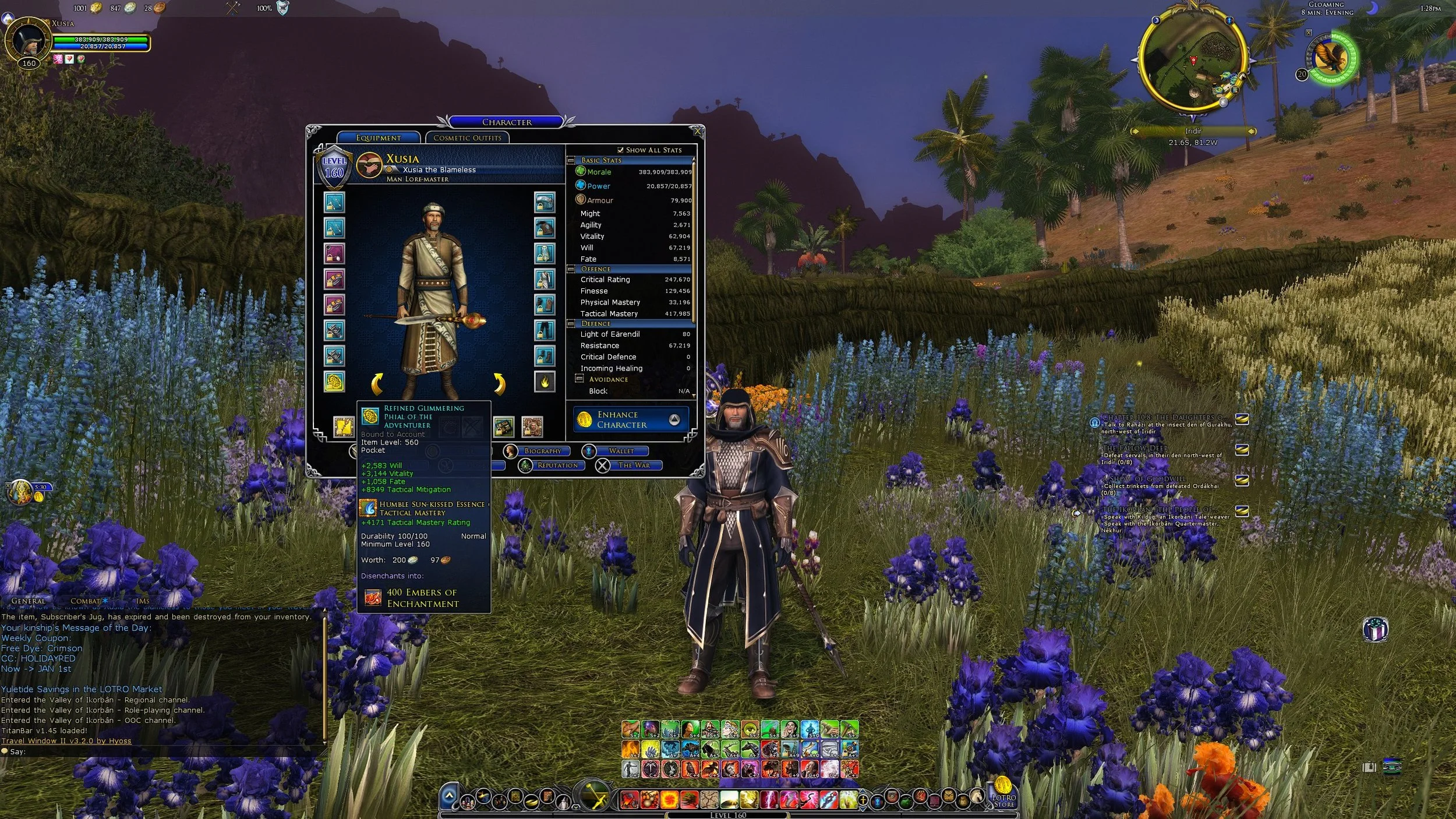
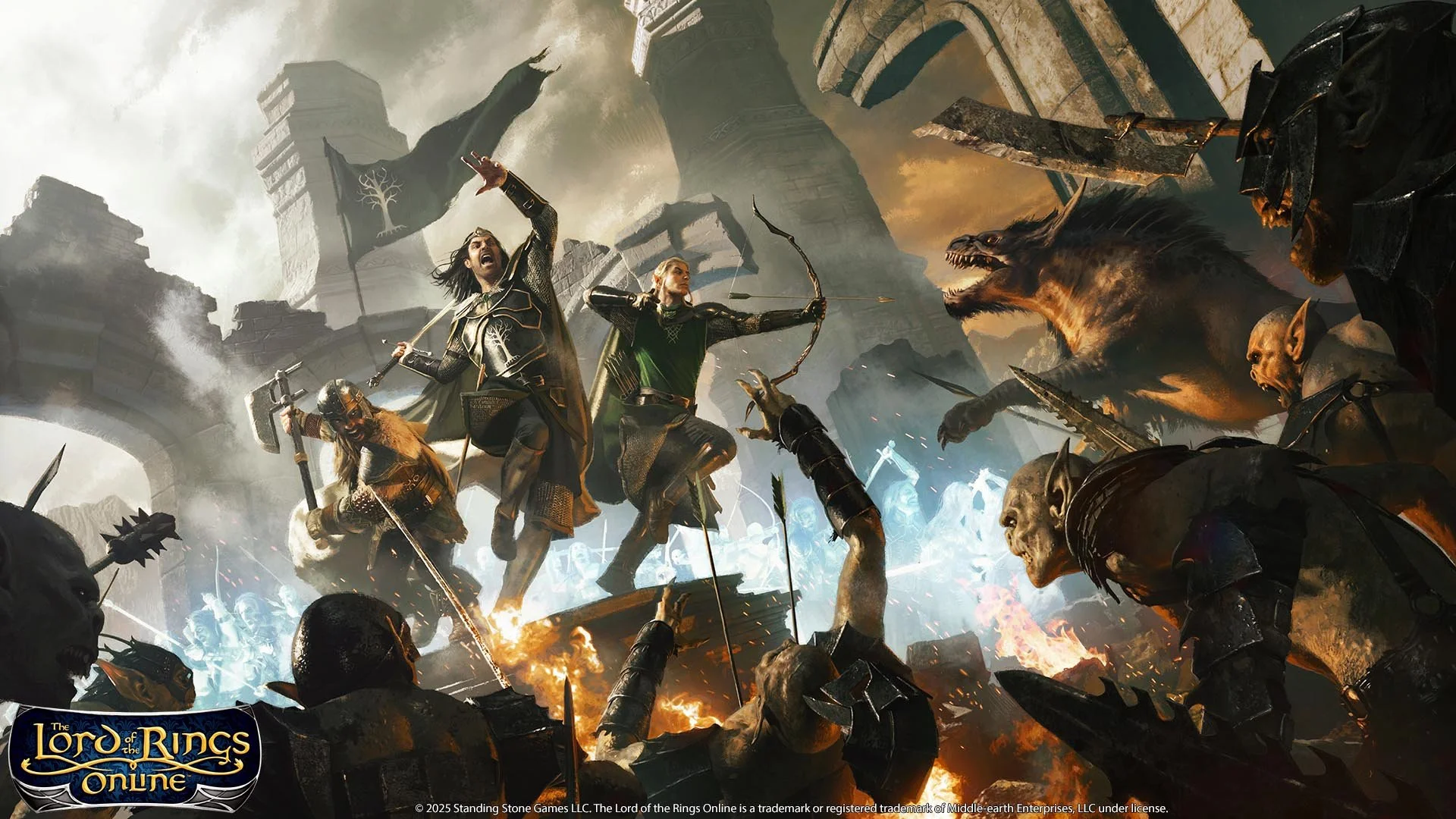
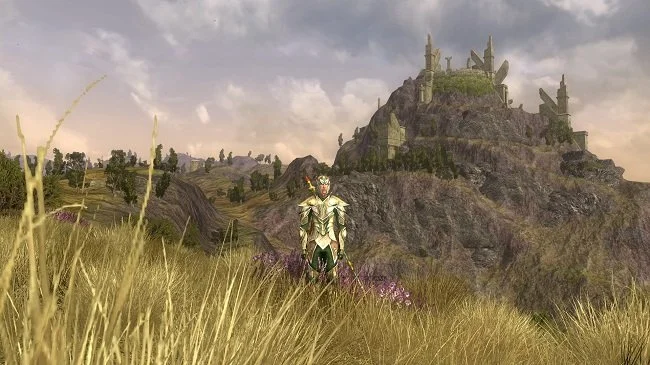
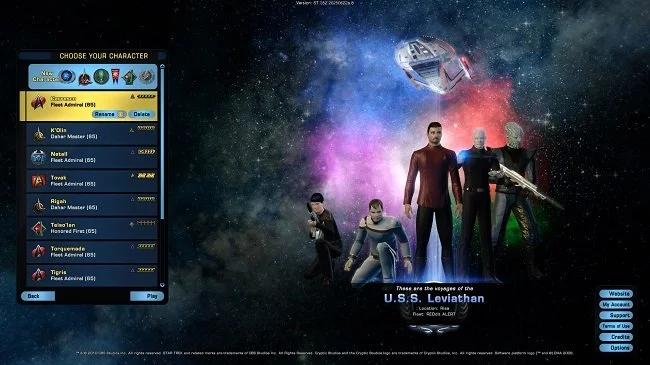
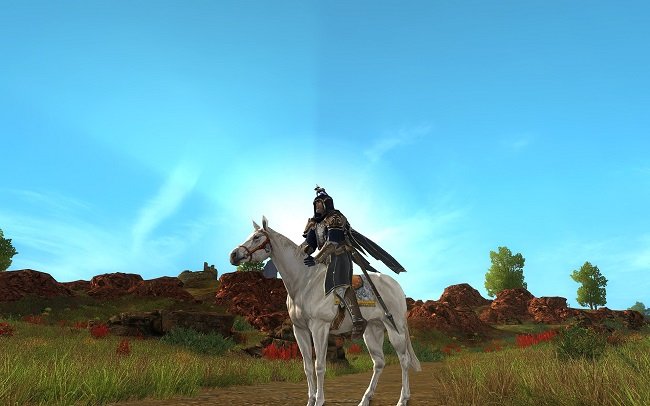
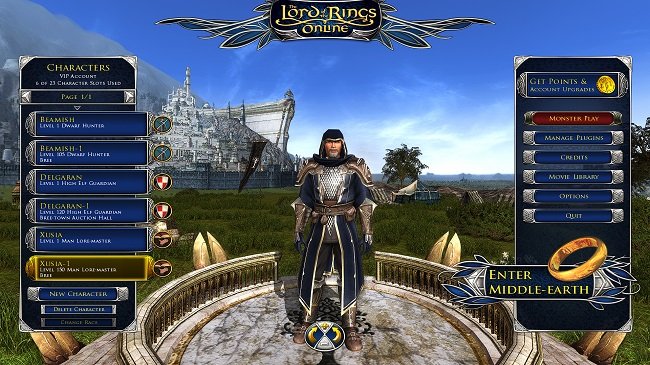
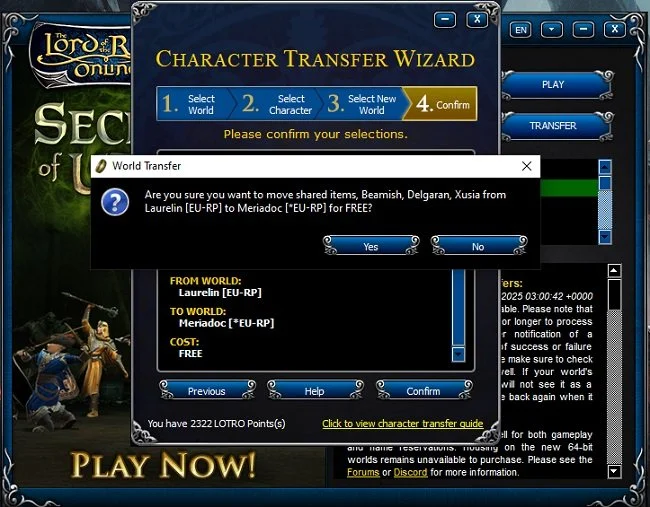
I’m not currently playing LOTRO but it hasn’t escaped my notice that there’s been a “wee stooshie” this week regarding Standing Stone Games handling of the “Incomparable Gear” debacle. To summarise, the cost of some specific high-end gear was set too low (about 75% cheaper than it should have been). Naturally, players bought these items from the barter vendor in good faith. Once the error was discovered, SSG’s initial solution was to patch the game and remove the item(s) from those who currently had it, without adequatecompensation. Naturally this was not well received by those affected by the issue, many of whom had bought the new items, then broken down and asset stripped the gear it was replacing. Drama, rancour and poor public relations ensued, further damaging community relations between SSG and the LOTRO player base. It should be noted that SSG is still trying to recover from the last marketing blunder they made back in July when they announced the profligate pricing range of the Mordor expansion.
I’m not currently playing LOTRO but it hasn’t escaped my notice that there’s been a “wee stooshie” this week regarding Standing Stone Games handling of the “Incomparable Item” debacle. To summarise, the cost of some specific high-end gear was set too low (about 75% cheaper than it should have been). Naturally, players bought these items from the barter vendor in good faith. Once the error was discovered, SSG’s initial solution was to patch the game and remove the item(s) from those who currently had it, without adequate compensation. Naturally this was not well received by those affected by the issue, many of whom had bought the new items, then broken down and asset stripped the gear it was replacing. Drama, rancour and poor public relations ensued, further damaging community relations between SSG and the LOTRO player base. It should be noted that SSG is still trying to recover from the last marketing blunder they made back in July when they announced the profligate pricing range of the Mordor expansion.
Like all problems of this nature, a compromise solution has been eventually found. Community Manager Cordovan released the following statement, although it can be cogently argued that the manner and tone of his previous comments have hardly helped the matter. “For players who already purchased Item Level 330 Incomparable gear, we have several options available. When the hotfix is released, already-purchased level 330 Incomparable items will be able to be disenchanted with the Flame of Ancalamir to return the full Ash of Gorgoroth cost, plus a number of Shadowed Essence Boxes equal to the number of Essence Slots on the gear. Already-purchased Item Level 330 Incomparable Gear will also have its stats adjusted to be approximately equivalent to the level 330 rare gear available through the High-Enchanter, and the Essence Slots will remain. This allows players to utilize the gear if they choose. Following the hotfix, Incomparable gear will have its correct vendor cost.”
It would appear that some LOTRO players are still not entirely happy with this solution but I get the impression that SSG are now done with this issue. Sadly, once again we see a lack of proactive community management and a lack of sensitivity towards paying customers. Stepping back from this issue per se and looking at the bigger picture, it presents yet further proof that SSG’s QA processes are inadequate. Too often “preview builds” from the Bullroarer test server are released into the live game environment with a wealth of bugs, flaws and mistakes. Players have raised this issue time and time again but their legitimate concerns habitually fall upon deaf ears. It’s become a common place to see SSG scrabbling franticly to release a patch or hotfix, within days of major new content going live. As I mentioned in previous posts, we should remember that SSG is just a new label and that the core LOTRO team is the same from the Turbine days. This new broom obviously doesn’t sweep clean.
Returning to the matter of the gear debacle, it’s a textbook example of poor customer service. This problem should have never made it into the live game to begin with, however it did. SSG should have held their hands up, admitted to a mistake and taken this hit directly on the chin. Under UK consumer legislation if you have already bought an item that was incorrectly priced, the retailer has to accept the transaction as it stands. That’s exactly what SSG should have done; let those who bought the gear at the incorrect price, keep it and then fix the problem so the error didn’t continue. If they had done all this with a healthy dose of self-deprecating humour, then the entire problem could have been avoided. Such goodwill would no doubt done much to improve ongoing community relations. But SSG seems to lack such business acumen and chose to do the opposite. Their high-handed attitude as well as their “blame and inconvenience the customer” mindset is incredibly counterproductive. This blunder is certainly not the final nail in LOTRO’s coffin but it is yet another unnecessary “own goal”. And there have been so many in the game’s history. Player goodwill is not an infinite resource. Therefore beware, Standing Stone Games.
Update:
Today's hotfix for this issue, did not go well. It "incorrectly reduced the power of Level 330 Incomparable items acquired through the new Instances and Gorgoroth Steel-bound Lootboxes" according to Community Manager Cordovan. Therefore as a sign of goodwill SSG have granted all players 50 Mithril Coins from the LOTRO Store with the Code MORDORMITHRIL, now through October 22nd, 1/Account. This is a positive step forward. Let us hope that the next hotfix that comes this weekend resolves the issue for good.




Jury Service
If you wish to enjoy the benefits of living in a “civilised” and democratic society, then there are certain “obligations” that the state calls upon its citizens to fulfil. Taxation is one. It’s is not especially popular but most rational people understand that the machinery of government and the provision of public services needs financing. Another example of a “civic duty” is jury service. All UK citizens have a right to trial by jury of my peers, should the need require. Naturally, these juries have to be filled with people, so you may well be invited to serve if you meet the following criteria.
- Between the ages of 18 and 70 years old.
- Registered to vote in parliamentary or local government elections.
- A registered citizen in the UK, the Channel Islands or the Isle of Man for at least five years since their 13th birthday.
If you wish to enjoy the benefits of living in a “civilised” and democratic society, then there are certain “obligations” that the state calls upon its citizens to fulfil. Taxation is one. It’s is not especially popular but most rational people understand that the machinery of government and the provision of public services needs financing. Another example of a “civic duty” is jury service. All UK citizens have a right to trial by jury of my peers, should the need require. Naturally, these juries have to be filled with people, so you may well be invited to serve if you meet the following criteria.
Between the ages of 18 and 70 years old.
Registered to vote in parliamentary or local government elections.
A registered citizen in the UK, the Channel Islands or the Isle of Man for at least five years since their 13th birthday.
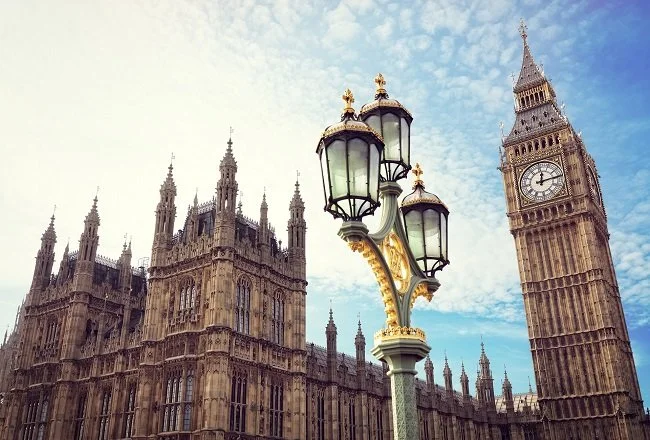
There are the usual caveats that may exclude you from participation, such as mental impediment and being a convicted criminal. The courts can also waive participation under extenuating circumstances. Four years ago, I received a letter for jury service at The Old Bailey in London. The court deals with major criminal cases from within Greater London. Trials at the Old Bailey, as at other courts, are open to the public; however, they are subject to stringent security procedures. As I was self-employed at the time and didn’t have any reasons not to attend, I happily went along. It proved to be a very interesting yet emotionally challenging experience. One that I regularly reflect upon, hence this post.
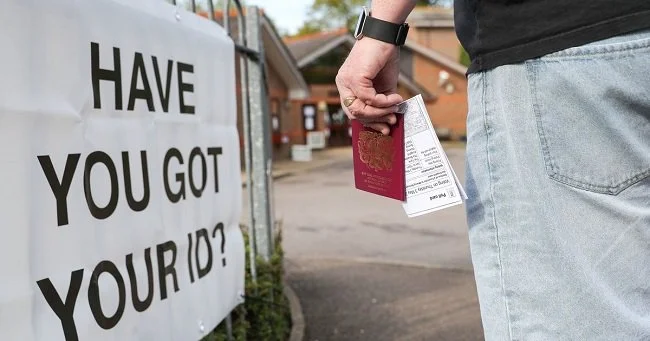
I arrived late at the Old Bailey in October 2013. There had been a major storm on the day in question and rail services were heavily disrupted. Luckily, many other serving jurors were also affected so there was no consequence for me being behind schedule. The first thing that struck me was the security at the main entrance to the court. I had to show my letter from the court services along with proof of identity. I then proceeded through a series of x-ray machines and metal detectors, while my personal effects were examined. I then went up to the juror’s lounge and had to sign the court attendance register. I then identified myself again at reception where I was assigned an ID badge. I was told to take a seat and wait to be called. Within an hour I and twenty-four other jurors were randomly called and taken down to one of the courts for a case that was about to begin. We were then split in to two groups of twelve. My group remained in the court we were in and the other were taken elsewhere. The Judge then asked if any of us came from a specific area of London or were familiar with the accused. No one indicated that they were. Both the defence and the prosecution barristers were happy with the jury’s demographics so the case then immediately proceeded.
It is this latter point that I found fascinating. Within minutes of being called down to the court we were sworn in (I got to choose between a faith based or a secular oath) and then allocated specific seats on the jury benches. The case then began within minutes. We were immediately shown CCTV footage from a bus in which a teenage boy stabbed another who was sitting. The prosecution made a short speech about establishing a case that this was an act of premeditated murder. The defence offered a counter argument that the accused was defending himself. I specifically remember thinking, “wow, I was not expecting things to get so heavy, so quickly”. The lady next to me was very upset by the footage that we watched and broke down in tears. The reality of death is seldom like how it is presented on TV. Needless to say, over the next few days, we were regaled with a far more detailed account of events. There was further CCTV footage from the vicinity of the attack, along with the testimony of the witnesses on the bus. The coroner proved to be very informative and not at all what I expected. Furthermore, the cross examination of the witnesses by each barrister was extremely low key and a far cry from the hyperbolic melodrama we see depicted on TV. As ever with life, it’s the little things that somehow leave the strongest impressions. The prosecution barrister had a fancy briefcase for all his legal documentation. It actually had a fold out flap on which he lent while holding forth in court. Conversely, the defence had a similar mannerism when public speaking but instead used a box of leaflets to similar effect.
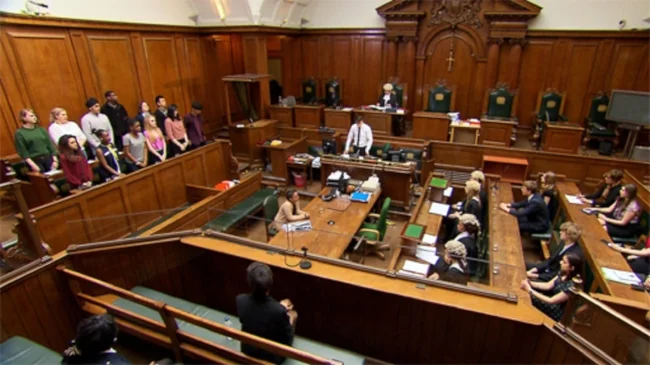
Another major point of interest in this experience were my fellow jurors. To my mind, the responsibility that had been placed upon our collective shoulders was immense. We had to decide another human being’s guilt or innocence. Depending upon our verdict that individual would then lose their liberty. I was concerned as to whether everyone else took the task in hand as seriously as I did. Thankfully they all did. In fact, the integrity of my fellow jurors did much to restore my dwindling faith in humanity. There was individual who I did think lacked the necessary rigour to undertake the task. Their attention would frequently wander and they had a propensity for garrulous inanities. However, they seemed to be content to go with the flow, which was essentially missing the point of jury service but it did make the proceeding a lot easy. Another gentleman sadly, took umbrage at some poorly phrased comments by fellow jurors which he felt were racially biased. He then decided to take a particular stance irrespective of the facts of the case, on a matter principle. There were also two other jurors who reached their positions regarding the verdict a little too quickly in my view and I suspect that where driven more by emotion, rather than the facts and logical thinking.
The case ran for two weeks and we spent three days deliberating our overall verdict. I was initially sceptical of guilty verdict. The CCTV footage was incomplete, as a key camera had failed on the bus and therefore didn’t provide essential footage. However, it was the forensic evidence that convinced me otherwise. Combined with the witness testimony and the CCTV footage which we did have, the facts indicated that the accused had struck first and not in self-defence. Furthermore, the nature of the injury demonstrated a level of force that could not be classified as anything other than deadly. Thus, we arrived at a verdict of guilty by eleven votes to one. The judge then thanked us for our service and gave us the option of being dismissed. However, due to unusual circumstances, the judge decided to pass sentence of the defendant that same day. The majority of the jury felt that as we had seen fit to reach this verdict, we should stay for the sentencing. So, eleven of us remained and listened to the judge pass sentence. The defendant although sixteen years old had been a minor when the offense took place. Therefore, a plethora of Home Office rules had to be applied which tempered the judge’s verdict. One consideration was that the defendant had spent nearly a year in a young offender’s unit, awaiting trial. The final sentence was seven years. Four years on, with “good behaviour”, the defendant may well now be eligible for parole.
I could write a lot more about this experience but I that’s not really practical. Plus, I guess even four years on I shouldn’t really give too many specifics of the case away. We were bound to silence at the time of the trial for obvious reasons. However, there are a few more random points that I would briefly like to make. It is often said that the senior judiciary in the UK are old and out of touch but this was not the case in this instance. This particular QC was worldly and understanding. He was very aware that due to the nature of the case, the defendant as well as many of the witnesses were young and may be intimidated by the formality of the court. He therefore waived a lot of the traditional trappings of the courts conduct to provide a more accommodating environment. Another thing that impressed me was the efficiency of the courts themselves. Considering the fluid nature of their work, they coped very well with managing the logistics. Oh and here’s a fun anecdote; one juror on another case was apparently always late back from lunch. Finally, after their third warning, the judge asked why they were late. “I bought a new coat in the sales. I save nearly a hundred pounds” they replied. And that is the amount they were subsequently fined for wasting the courts time.
Four years on, every now and then I still reflect upon my time on jury service. We live in troubling times and I have a somewhat sceptical outlook upon life and many of its major institutions. However, I found jury service to be a positive experience. The people I served with were a diverse but sound group of individuals. I felt that we did do the right thing by returning a guilty verdict and that justice was served. However, I cannot help but feel that there were no winners in this particular situation. The whole case, which I am not at liberty to describe in further detail, was an utter tragedy. If one chooses to stand back and look at the wider picture, both parties involved were a microcosm of so many of the social ills that blight this country. That however, is a much bigger discussion and not one I shall embark upon here. So, I’ll end this post as I started it, with the subject of “civic duty”. Having seen first-hand how the courts works, as well as how jurors still to this day take their role seriously, I believe that the system that we have in place is still inherently sound. It’s not perfect and I’m sure much can be done to improve it. Yet until we as a society come up with something better, I think we should stick with it. So if you ever get asked to participate, I would urge you to do it. It is both socially responsible and a very sobering personal experience.










Centurion (2010)
I have enjoyed Neil Marshall's body of work since his debut film Dog Soldiers back in 1999. Both it and his follow up movie The Descent were exceptional genre pieces. Doomsday was more of an indulgence, being a homage to similar such movies from the eighties. However, as I’m from the same generation as the director, I forgave this. Marshall is one of the few British film makers whose work maintains an inherent English perspective. Centurion continues to reflect this, tackling the enduring mystery of the demise of the Ninth Legion and offering an inventive explanation. Making good use of forest locations both in Surrey and Scotland, the film is a violent survivalist tale, with a few twists along the way.
I have enjoyed Neil Marshall's body of work since his debut film Dog Soldiers back in 1999. Both it and his follow up movie The Descent were exceptional genre pieces. Doomsday was more of an indulgence, being a homage to similar such movies from the eighties. However, as I’m from the same generation as the director, I forgave this. Marshall is one of the few British film makers whose work maintains an inherent English perspective. Centurion continues to reflect this, tackling the enduring mystery of the demise of the Ninth Legion and offering an inventive explanation. Making good use of forest locations both in Surrey and Scotland, the film is a violent survivalist tale, with a few twists along the way.

One again the director returns to the tried and tested theme of small group of individuals pit against a superior foe. After an efficient opening sequence which establishes the back story and sets the scene, we are presented with a Pictish assault upon the Ninth Legion. The battle is swift and decisive, leaving most of the men dead and the legion commander Gratus (Dominic West) captured by Celtic chieftain Gorlacon (Ulrich Thomsen). The plot then shifts its focus to an eclectic group of survivors led by Centurion Quintus Dias (Michael Fassbender) as they try to escape to the English border to warn the Roman forces of an impending attack. They are doggedly pursued by a Pict hunting party led by Etain (Olga Kurylenko), a mute woman seeks revenge for her murdered family who died at the hands of Imperial forces.
Centurion makes a school boy error in so far that it peaks in the first act of the film with its gritty ambush sequence. The plot fails to maintain exactly the same degree of intensity for the remainder of the movie. As a result, Centurion becomes noticeably less exciting as it progresses, slowing in the middle, to accommodate a romantic interlude between Quintus and a Pictish women (Imogen Poot) exiled for witchcraft. Like Doomsday before it, Marshall’s Centurion is more of a sequence of strong set-pieces rather than a cohesive linear story. The production design by Simon Bowles and cinematography by Sam McCurdy do however help compensate for the weakness of the narrative. Perhaps if the director had worked with an additional screen writer, the script may well have reached its full potential and had a greater depth.
Despite a strong cast, many of the support characters fail to meet their potential. West’s arrogant performance as a Roman officer counter balances Fassbender’s stalwart resolve. The pair easily carry the central roles well. Yet little is done with Olga Kurylenko's mute character beyond her superficial feral characteristics. It is a real shame because such a role has scope for a very interesting backstory. With a stronger screenplay, this could have been a superior action film, rather than simply a competent one. As it stands, Centurion is an acceptably entertaining historical action movie with solid set pieces and a steady pace. It is not the director’s strongest work but it is certainly with merit.
Killing Orcs and Taking Names
Middle-earth: Shadow of Mordor unlocked on Steam at 6:00 PM today and within minutes I was back in Mordor murdering Orcs once again. It is interesting sequel, to say the least. First off, I’ve not seen quite as much mainstream publicity for a game for a while. There has been a fair amount of TV advertising and every London Bus I see, seems to be adorned with promotional posters for the game. Next, this game is acutely aware that it’s a sequel and does everything it can to improve and embellish upon the previous instalment. Such a policy broadly works but there are times when there seems to be an overabundance of choice. Many of the core skills from the first game make a return but have a subset of modifiers. Not all of them seem that important or relevant. However, the new double jump is invaluable for navigating the environment which features numerous iconic locations such as Minas Ithil and Cirith Ungol. There’s also a far greater number of mobs about this time so stealth is not always an easy option.
Middle-earth: Shadow of Mordor unlocked on Steam at 6:00 PM today and within minutes I was back in Mordor murdering Orcs once again. It is interesting sequel, to say the least. First off, I’ve not seen quite as much mainstream publicity for a game for a while. There has been a fair amount of TV advertising and every London Bus I see, seems to be adorned with promotional posters for the game. Next, this game is acutely aware that it’s a sequel and does everything it can to improve and embellish upon the previous instalment. Such a policy broadly works but there are times when there seems to be an overabundance of choice. Many of the core skills from the first game make a return but have a subset of modifiers. Not all of them seem that important or relevant. However, the new double jump is invaluable for navigating the environment which features numerous iconic locations such as Minas Ithil and Cirith Ungol. There’s also a far greater number of mobs about this time so stealth is not always an easy option.
As with the previous game, if you’re a Tolkien purist then you may object to some of the liberties that the writers have taken with existing lore. Talion is still connected to the spirit of Celebrimbor and the game starts with the forging of a new ring, free from the power of Sauron. However, the crafting process weakens the Second Age Ñoldorin prince and he is separated from Talion. The Grave Walker eventually tracks him down, finding him in the clutches of Shelob. She will release him only if Talion freely gives her the new ring. As he has no other option Talion agrees and Celebrimbor is restored to him. Shelob encourages them to make war upon Sauron and suggests that the Palantir of Minas Ithil will aid them. However, Sauron has plans of his own and lays siege to the Tower of the Moon. Celebrimbor deems the city lost but Talion feels obliged to fight with his people. However, will the pair of them be able to withstand the Nazgûl and their leader the Witch-King of Angmar.
It's a bold narrative despite the canonical inconsistencies. Minas Ithil fell to the Nazgûl 939 years earlier in the third age but to be honest it doesn’t really matter. This is a game set more in Peter Jackson’s version of Middle-earth, rather than Tolkien’s. And once again it is the nemesis system that is the major selling point. The Orcs, Uruks and Ologs all have incredibly well written personalities and can be either sinister, repulsive or just plain crazy. They often have curious quirks and foibles that come dangerously close to parody but the humour is kept on the right side of the line, so it doesn’t get too silly. The game also has a wealth of minor quests and collectables, that some would describe as busy work. There are dozens of lore items to discover, each with a short-narrated anecdote connected to them. Then there are fragments of Shelob’s memory to collect. Furthermore, this time round there is gear to collect and upgrade.
So far, it all seems highly polished and very familiar. Having maxed out my previous character in the last game it is a little odd to be starting from scratch again and to be missing many of the skills I came to rely puon. They all have to be earned from scratch again. At present I cannot dominate Orcs and so I have had no reason to look any further in to the Fortress Siege system. I’m not required for the meantime to recruit an army to rival Sauron’s. I suspect that mechanic will be part of the endgame along with the requirement to use the loot box system. Exactly how long it takes to get there, is a subject of interest to me. The marketing of Middle-earth: Shadow of War suggests there is fifty to sixty hours of gameplay in the campaign. Considering that I spent £59.99 for the Gold Edition of the game, I hope that is the case. As and when I have to use the microtransaction mechanic in this game, I will write another blog post to discuss how I find it. For the present I will simply say, so far, so good.
The Dark Tower (2017)
Stephen King’s body of work has proven to be an invaluable source of material for film and television over the last forty years. The results have often been as varied as the books themselves. Because of the inherent differences between the respective mediums, sometimes the complexity and sheer scope of King’s work can be lost in translation from one to the other. It’s happened before with several high-profile adaptations and it will no doubt happen again. The Dark Tower is a classic example failing to capture the essence of King’s work. Trying to distil and convey a mythos that is spread over eight volumes, into a single movie is a tall order for any director and screen writer. It can be cogently argued that material of this sort is better suited to television where lengthy, complex story arcs can be indulged and characters can be explored at leisure. In fact, during it’s time in development hell, The Dark Tower was at one point destined to be adapted for the small screen. However, the desire to create a lucrative film franchise ultimately prevailed.
Stephen King’s body of work has proven to be an invaluable source of material for film and television over the last forty years. The results have often been as varied as the books themselves. Because of the inherent differences between the respective mediums, sometimes the complexity and sheer scope of King’s work can be lost in translation from one to the other. It’s happened before with several high-profile adaptations and it will no doubt happen again. The Dark Tower is a classic example failing to capture the essence of King’s work. Trying to distil and convey a mythos that is spread over eight volumes, into a single movie is a tall order for any director and screen writer. It can be cogently argued that material of this sort is better suited to television where lengthy, complex story arcs can be indulged and characters can be explored at leisure. In fact, during it’s time in development hell, The Dark Tower was at one point destined to be adapted for the small screen. However, the desire to create a lucrative film franchise ultimately prevailed.
As an action fantasy, The Dark Tower is rather traditional in its themes, use of archetypes and narrative structure. Teenager Jake Chambers (Tom Taylor) has recurring dreams involving a Man in Black (Matthew McConaughey) who seeks to destroy a Tower and bring ruin to the universe. He also sees a Gunslinger (Indris Elba) who opposes him. Jake's mother (Katheryn Winnick) and stepfather believe that he has been traumatised by his father's death the previous year and arrange for him to be taken into psychiatric care. However, Jake recognizes the Doctor and her staff from his visions. They are in fact monsters wearing human skin, so he subsequently escapes. Finding a portal in an abandoned house, Jake travel to Mid-World where he meets the legendary Gunslinger Roland Deschain. However, Deschain is a broken man who only seeks revenge for the death of his father (Dennis Haysbert). Can Jake convince him to save the Dark Tower and universe that it protects?
Although I have read many of Stephen King’s book, I am not familiar with the source material in this instance, beyond its initial premise. Therefore, I approached The Dark Tower with little or no preconceptions and a distinct lack of fan based baggage. What became very apparent while watching the film, was the pacing of the story and the flow of the narrative, which were very fast. Characters were introduced, plot points were explained and the story arc was propelled forward at an unusually quick pace. All of which smacks of a movie that has been excessively re-edited and retooled. I suspect the original vision of the movie was changed in post-production and revised for a different demographic.The film as it currently stands has a very simplistic and linear trajectory. There is little or no depth to any of the central characters and no insight into Mid-World beyond what we are shown. As a result, the film lacks any tension or dramatic hold over the audience. The Dark Tower does look like a high budget movie but its overall narrative has precious little substance. Its ninety-five-minute running time is far too short and the film needs at least another twenty to thirty minutes to expand upon its themes.
There are only three action sequences of note in The Dark Tower but they lack impact due to their arbitrary nature. The movie is also somewhat shy of violence and I suspect that a lot material was edited out. The camera moves way from such content, rather than substituting it with more bloodless material, as is the norm with PG-13 rated movies. The devil is in the detail. At one point a sniper is shot through the telescopic sight of his rifle. The optics shatter, his head whips back and then there is a fast cut to the next step in the action scene. It feels like there is a specific bullet hit missing and the rhythm of the scene just feels off. The net result of this lack of gritty action, as well as the condensed narrative, is that the entire film is somewhat indifferent. Rather than feeling enthused by the characters and their fate, there’s a distinct air of “so what” when the film ends. It’s a shame because The Dark Tower could have been a welcome change to the usual fantasy and super hero driven franchises. However, it looks increasingly unlikely that we’ll see a sequel to this movie in the immediate future due to its poor box office and critical reception.
Operation Avalanche (2016)
Conspiracy theories and found footage movies. Two genres with infinite scope to be tedious and uninspired on a low budget. Yet writer and director Matt Johnson manages to do something quite clever with both cinematic styles in his recent movie Operation Avalanche. He takes the basic conceit of the two formats and uses them to tell a tale based upon one of the most iconic moments of twentieth century history. Namely the moon landing of 1969. The results are surprising, intelligent and thought provoking, although a little uneven. Furthermore, I discovered this enjoyable curiosity via the GoodBadFlicks on You Tube. If you are interested in obscure and niche market genre creations then do check out this channel. It is informative, well presented and entertaining.
Conspiracy theories and found footage movies. Two genres with infinite scope to be tedious and uninspired on a low budget. Yet writer and director Matt Johnson manages to do something quite clever with both cinematic styles in his recent movie Operation Avalanche. He takes the basic conceit of the two formats and uses them to tell a tale based upon one of the most iconic moments of twentieth century history. Namely the moon landing of 1969. The results are surprising, intelligent and thought provoking, although a little uneven. Furthermore, I discovered this enjoyable curiosity via the GoodBadFlicks on You Tube. If you are interested in obscure and niche market genre creations then do check out this channel. It is informative, well presented and entertaining.
Back to Operation Avalanche. Director Matt Johnson, casts himself along with Owen Williams and Josh Boles as three graduate film makers hired by the CIA for their “A/V program”. Their work is not taken particularly seriously by senior staff and the trio soon find themselves facing dismissal. However, thy manage to talk their way into joining an ongoing operation searching for a Russian mole at NASA. Posing as an official government documentary crew they soon discover that there isn’t a mole but there is a major design flaw in the Lunar Module. This effectively makes the entire moon mission impossible and therefore a political and propaganda nightmare. It is at this point that Johnson’s character suggests that they fake the moon landing, thus guaranteeing the United States’ standing on the world stage. His bosses are initially sceptical but soon back the idea when they see how the plan can be carried out.
The central plot is great idea and the movie has sufficient plausibility to allow viewers to suspend their sense of disbelief for the first two acts. There are many popular culture and historical references during the course of the film which bolster the proceedings. Perhaps the cheekiest plot device is the referencing of Stanley Kubrick who is already a prime suspect among conspiracy theorists for “faking” the moon landings. In this instance, the team of CIA film makers pose as journalists and talk their way into an interview with Kubrick. A subsequent visit to the set of 2001: A Space Odyssey, allows them a chance to steal his special effects secrets and directly use them to help fabricate their own moon landing footage. I must admit this really did provoke an ironic chuckle from me. However, the estate of the late Stanley Kubrick did not see it this way and were singularly perturbed that his likeness had been used in such a fashion.
Unfortunately, the denouement of Operation Avalanche is somewhat disappointing. The CIA decides to clean house and eliminate any lose ends and the film develops into a formulaic chase scenario. This sadly mitigates the found footage angle of the plot. Up until this point the logic behind the plot device of continuously filming all that is happening is quite credible. Exactly why you would continue to do so when being pursued and shot at by government agents is questionable. Another minor niggle that works against the film is that the lead character, played by Matt Johnson, is not very likeable. He is bombastic, manipulative and a self-centred risk taker. These may well be necessary qualities in an agent but they’re hardly required traits in a cinematic hero. However, irrespective of its flaws, there’s a lot of creativity present in Operation Avalanche and it is sufficient to propel the movie forward at an entertaining pace. If we must have movies from such genres, then Operation Avalanche sets a solid precedence for the type we’d like more of.

Strictly Come Dancing 2017: Part 1
Yes, we’re three weeks into this year’s season of the BBC’s flagship entertainment show, Strictly Come Dancing (that’s the UK version of Dancing with the Stars for the benefit of US readers). The tabloid press has already started obsessing, dissecting and outright lying about the antics of a handful of minor celebrities as they struggle with the rigours of learning to dance. From now until Christmas, prime time Saturday night viewing on the Beeb will be suffused with the superficial glamour of showbiz, a barrage of camp innuendo and a mixture of well-honed muscles and wayward flesh as well as far too much make-up. You also get to choose whether to laugh along with heavily scripted and contrived comments from the professional judges. If we’re particularly fortunate we may even be blessed with a professional dancer meltdown as they balk at a “ill deserved” poor score (yes, we’re looking at you Brendan Cole).
Yes, we’re three weeks into this year’s season of the BBC’s flagship entertainment show, Strictly Come Dancing (that’s the UK version of Dancing with the Stars for the benefit of US readers). The tabloid press has already started obsessing, dissecting and outright lying about the antics of a handful of minor celebrities as they struggle with the rigours of learning to dance. From now until Christmas, prime time Saturday night viewing on the Beeb will be suffused with the superficial glamour of showbiz, a barrage of camp innuendo and a mixture of well-honed muscles and wayward flesh as well as far too much make-up. You also get to choose whether to laugh along with heavily scripted and contrived comments from the professional judges. If we’re particularly fortunate we may even be blessed with a professional dancer meltdown as they balk at a “ill deserved” poor score (yes, we’re looking at you Brendan Cole).
Now I have watched Strictly Come Dancing since 2005. It is ideal family viewing and is better than other reality shows because at its core, it's about people learning a very difficult artistic skill. As long as you accept it for what it is, which is an entertainment show rather than a straight dance contest, there is a great deal of fun to be had. Or that's the theory. I’ve been somewhat burned out on Strictly Come Dancing for the last three years and the prospects of watching another season was not especially appealing earlier on in the year. Because of the nature and more importantly, the popularity of the show, it has become a somewhat slickly oiled machine which follows an established formula. As a result, the last few seasons have left very little impression on me. There have been some outstanding dances but the celebrities have been somewhat bland and there has been a lack of anyone having a distinctive “journey”.
The judges until recently, have all become caricatures of themselves, which is exactly what the audience wants. However, the recent replacement of Len Goodman with Shirley Ballas has somewhat redressed the balance. Shirley seems to be both technically astute, as well as understanding of the human factor. So far, she has shown no penchant for pickling walnuts. However, we have seen in the last three shows, a broad spectrum of scores. And as ever the judges tend to have their favourites and seem to be encouraged to show this. So, if you’re expecting a broadly non-partisan experience from Strictly Come Dancing then you’re barking up the wrong tree. Nothing goes down better with the Great British public than binary choices and believe me, this show can get very tribal when it comes to public support of the dancing couples.
Another facet of the Strictly formula are the celebrity contestants, who also seem to follow a clear pattern. To date, those from a sporting, musical or TV background seem to have the best chances of claiming the trophy. Age and physical fitness is also plays a key part. So, it becomes very easy to guess which specific role each of the celebrities will play. Who will be the front runner (s) exhibiting a natural ability right from the get go. Who is wild card and which non-professional will assume the role of the self-improver. It is these individuals who often have the best “journey”. Then there is the pivotal position of the crowd-pleasing fool with no sense of rhythm. As long as they give it their all they usually remain on the show as far as Blackpool. And of course, let us not forget those who just can't dance and aren't even amusing. Plus, the show offers a great opportunity to judge people for the heinous crime of ageing without due care and attention.
Until this year, I thought that even Schadenfreude has its limits, so I was expecting to end my love affair with Strictly Come Dancing. But we live in proverbial “interesting times” and the world of late has become a very bleak and dark place. Hope is a scarce commodity at present and it is in such circumstances that I see the virtue in populist entertainment. That and the fact I absolutely adore Susan Calman and her entire approach to the Strictly phenomenon. Plus, I have a gut feeling that we’re going to have a controversy of some kind, shortly. I do like a controversy, especially if it’s of the magnitude of Sargent-gate. If a crap performer is kept on the show by the public at the expense of a more talented dancer, then there is scope for a national tabloid meltdown. Questions may well be asked in parliament. Then there’s the whole celebrity tittle-tattle of who’s having a sordid sexual dalliance with whom. It’s worryingly entertaining. So just to re-iterate, I'm not yet done with Strictly Come Dancing despite what I initially thought. I look forward to this year’s wardrobe choice that pushes the boundaries of "public decency" and live in the pious hope that someone will slap the smug grin of A J Pritchard’s face. Long live prime time, Saturday night, light entertainment.
Gaming Heresy: Part 1 My Gaming Epiphany
It’s been a while since I’ve had a rant, frothed at the mouth and vigorously shaken my clenched fist at clouds. If you do this too often when running a blog you can paint yourself into a corner. Ranting then becomes the defining aspect of how your writing is perceived. Another reason why I don’t want to write an endless succession of irate screeds about the failings of the gaming industry and its associated player communities, is because as I get older, I simply do not care as much about these things. The recent debacle about microtransactions in Middle-earth: Shadow of War, garnered nothing more than a raised eyebrow from me. A decade ago I would’ve been marshalling a restless lynch mob, armed with hoes, rakes and flaming torches. Time and old age have a habit of cooling one’s ardour. However, letting off steam can be very cathartic, so I’ve decided to inaugurate this infrequent column in which I shall vent my spleen about the things that displease me and express views that may well fly in the face of the prevailing consensus.
It’s been a while since I’ve had a rant, frothed at the mouth and vigorously shaken my clenched fist at clouds. If you do this too often when running a blog you can paint yourself into a corner. Ranting then becomes the defining aspect of how your writing is perceived. Another reason why I don’t want to write an endless succession of irate screeds about the failings of the gaming industry and its associated player communities, is because as I get older, I simply do not care as much about these things. The recent debacle about microtransactions in Middle-earth: Shadow of War, garnered nothing more than a raised eyebrow from me. A decade ago I would’ve been marshalling a restless lynch mob, armed with hoes, rakes and flaming torches. Time and old age have a habit of cooling one’s ardour. However, letting off steam can be very cathartic, so I’ve decided to inaugurate this infrequent column in which I shall vent my spleen about the things that displease me and express views that may well fly in the face of the prevailing consensus.
So, let us begin. Here’s a thought. Gaming is just another commercial leisure industry that is of no greater merit than TV, Movies and popular music. It’s driven primarily by commercial considerations, with art are ethics being secondary issues. Like other entertainment mediums it can be pitched at various ends of the intellectual spectrum and made to varying degrees of quality and professionalism. Although gaming can highlight specific issues and offer social commentary it has no more significant power to impact upon events than other artforms. Games themselves can on occasions be “art” but by and large, most products are just disposable entertainment. Just like a sitcom, an action movie or a pop song. Games are not special, important or unique, when compared to other leisure activities. The social aspects that so many extol exist because of the players themselves and the games are merely a conduit. Essentially, the expression “it’s just a game” is true. It’s not a denigration but simply a statement of fact.
Richard Nixon has no relevance to this article...
And if gaming per se is simply a commercial exercise in mainstream leisure and thus nothing exceptional, then surely the same must be said for fandom? Therefore, claims of gamers being problem solving savants and alternative, high end achievers are bogus. Gaming and its subset of related fandom is a breeding ground for a myriad of unpleasant opinions and facilitates antisocial behaviour. It is a microcosm of the entire “first world problems” mentality that blights Western popular culture. It contributes to the growing infantilization of public discourse and social interaction as well as playing directly into the hands of the “bread and circuses” policies of the political classes. Why waste your time campaigning, lobbying and fighting for universal healthcare, affordable housing and accountable government? Someone on a game development team has nerfed the Sword of Kagnazax and gimped your build, so why not send them death threats?
I was walking around a very large branch of WHSmith recently. Despite the proliferation of digital media, magazines have not yet vanished from the shelves. In fact the number of fan and enthusiast based publications available is still prodigious. Gardening, fishing, mud wrestling are all represented. It’s a similar story if you go online. There are forums and subreddits for every conceivable leisure activity. If you decide to dip your toe in the respective waters of each community you will find one common factor in them all. Drama. All discuss the minutiae of the object of their affection as if it were the meaning of life itself. It soon becomes very apparent that it is not really fandom that is the issue but people. The bastards. Show me a problem and I’ll show you someone called Colin who’s responsible. All of which is just further evidence that gaming is merely another facet of humanity’s habit of slapping itself on the back, while simultaneously kicking some other poor sod in the nuts. When put in such a context, the reality is clear. Gaming ain’t all that.
This is my gaming epiphany. It’s not something that happened on the road to Damascus or overnight in a Premier Inn outside of Chester. It has come about over a period of time in which the iniquities, trivialities and pomposities of both the gaming industry and its fans have been dripped upon me like Chinese water torture. Don’t get me wrong, irrespective of this rant, I enjoy gaming and do not regret the time I’ve spent pursuing it. I just see it for what it is; an amusing diversion, an enjoyable challenge and one of the many pointless activities we fill our lives with before death cold embrace and the inevitable void. Sadly, it is because my perspective is not a common one, that the gaming industry acts with the impunity that it does and treats its customer base so poorly. I wonder if there will be a major shift in perception among fans, in another twenty years? Only time will tell. In the meantime, a percentage of gamers will continue to shriek “Git Gud” and I’ll continue to shake my head at their misplaced sentiments and watch as democracy is dismantled around them.
The Purge: Anarchy (2014)
The Purge: Anarchy is an example of the curious and rare cinematic beast, a sequel that is superior to its predecessor. This time round the movie makes a greater effort to explore the themes associated around its premise and takes to the streets to show the impact of the purge upon the working class. It’s a far more political movie and all the better for it. You can’t have a story about a national event designed to implement social engineering in the most visceral of manners and try and keep it free from social commentary. Furthermore, The Purge: Anarchy features a far more agreeable and accessible group of protagonists this time round, creating a far more plausible sense of trepidation for audiences. The film is also more violent than the first instalment given the scope of its narrative.
The Purge: Anarchy is an example of the curious and rare cinematic beast, a sequel that is superior to its predecessor. This time round the movie makes a greater effort to explore the themes associated around its premise and takes to the streets to show the impact of the purge upon the working class. It’s a far more political movie and all the better for it. You can’t have a story about a national event designed to implement social engineering in the most visceral of manners and try and keep it free from social commentary. Furthermore, The Purge: Anarchy features a far more agreeable and accessible group of protagonists this time round, creating a far more plausible sense of trepidation for audiences. The film is also more violent than the first instalment given the scope of its narrative.
Shane (Zach Gilford) and Liz (Kiele Sanchez), a couple on the verge of splitting up, are driving home when their car breaks down just as the purge commences. They decide to try and make it across town, avoiding the various predatory gangs that are now roaming the streets. Meanwhile, waitress Eva (Carmen Ejogo), goes home to her sick father Rico (John Beasley) and teenage daughter Cali (Zoe Soul) and prepares to secure their apartment. She politely refuses offers of assistance from the building manager Diego. Later that night the tenement is assaulted by a paramilitary squad and Eva and Cali are captured. As they are being loaded into a truck, they are rescued by a rogue Police Sergeant (Frank Grillo) who is using the purge to seek revenge on the man who killed his son. Upon returning to the Sergeants car, they discover Shane and Liz hiding. The five people slowly make their way through the streets and attempt to survive the night in Los Angeles.
The Purge: Anarchy manages to maintain a credible air of tension. The set pieces are tight and because the lead characters are more than two dimensional, you can become emotionally invested in them. But the films greatest asset are the vignettes of associated purge culture that are offered to the audience. Eva’s father, Rico, sells himself to a rich family who wish to have a risk-free purge experience. In return his family receive a large cash sum. The movie goes on to highlight again and again that the poor are the group that bear the brunt of the purge. There are for example roving kidnap gangs that round up victims to be sold to the wealthy. The rich then auction off the prisoners so that they can be hunted in a controlled environment. However, the film does show that the door can swing both ways. While travelling through the financial district our protagonists come across a dead banker with a very contemporary message hung around his neck.
Out of the three movies that make up this franchise The Purge: Anarchy is by far the strongest. It tackles the subject of the purge effectively and through a series of dramatic threads, provides insight as to what the real ramifications of one night of state sanctioned anarchy would be. The disgruntled “super” Diego is a microcosm of all that is worse about the purge as a concept. He nurses a wealth of misconceived and unfounded grievances and uses them as a justification for his basest instincts. That is essentially where the horror of the purge lies. It shows how extremely thin the veneer of civilisation actually is and that abhorrent behaviour is not confined to any one specific demographic group.