Video Game Radio Stations
In 2000, I was the proud owner of a Sega Dreamcast. I had a broad selection of games for the console from multiple genres, including Metropolis Street Racer. This was an early example of an open world driving game which is noteworthy in itself. However, what stood out for me was that this was the first game that I had played which had in-game radio stations. Although this is something that is now de rigueur within this sub-genre, back then this was a novelty. The tracks were stored on the game CD but played selectively according to which radio station you were listening to when driving. The sound even broke up if you went into a tunnel. The songs were all original creations, rather than licensed properties. Although credited to faux bands and bogus artists, composer Richard Jacques wrote and arranged them all. I was especially fond of the Oasis inspired band Salford Quays and the track Live Your Life.
In 2000, I was the proud owner of a Sega Dreamcast. I had a broad selection of games for the console from multiple genres, including Metropolis Street Racer. This was an early example of an open world driving game which is noteworthy in itself. However, what stood out for me was that this was the first game that I had played which had in-game radio stations. Although this is something that is now de rigueur within this sub-genre, back then this was a novelty. The tracks were stored on the game CD but played selectively according to which radio station you were listening to when driving. The sound even broke up if you went into a tunnel. The songs were all original creations, rather than licensed properties. Although credited to faux bands and bogus artists, composer Richard Jacques wrote and arranged them all. I was especially fond of the Oasis inspired band Salford Quays and the track Live Your Life.
Since then I have played numerous games that make use of in-game radio stations and I’m always interested as to what material is included. Big triple A titles tend to use licensed music from established artists. The most obvious example being the Grand Theft Auto Franchise. A lot of time and thought is spent on curating playlists by the developers. Furthermore, a great deal of money is spent in securing the rights. When this process is done well, having the right song play while undertaking a complex mission or while cruising around an open world can make all the difference between an adequate gaming experience and a notable one. I still have clear memories of driving around Steelport in Saints Row: The Third in 2015 (when I bought the game as part of a bundle) and one particular track just being synonymous with mayhem and shenanigans. More on that later.
Grand Theft Auto V features an interesting selection of in-game radio stations. The game was released originally in 2013 but has been re-released on multiple generations of consoles over the course of its lifespan. During this time it has been continuously updated, to include additional music. Having sold 160 million units as of this year, many players have been introduced to classic tunes from the eighties and nineties through playing this game. On several occasions, I’ve been listening to a song on YouTube that has featured in this franchise, only to find a comment that reads along the lines of “I’m here because of GTA V”. This has included songs such as Small Town Boy by Bronski Beat, Baker Street by Gerry Rafferty and Rain by The Cult. Also more niche market tracks like John Wayne was a Nazi by MDC. Again I come back to my point that a good selection of music not only caters to a broad spectrum of musical tastes but adds a very atmospheric quality to the gameplay.
Naturally, I thought it would be fun to provide some examples of music that I’ve discovered via in-game radio stations. Rather than pick well known tracks, I have instead opted for earworms that are associated with playing a particular game. First off is Live Your Life by Salford Quays that I mentioned earlier from Metropolis Street Racer. It is a clever pastiche of Oasis, who themselves are a very derivative band. It may be bogus but it sticks with you.
Next we have Chow Mein by The Gaylords. Yes, I know, but this is from 1954. The song is featured in Mafia 2 and it is just so ridiculously archaic that it really can’t be taken seriously. I used to drive around the block if this track came on the in-game radio, just so I could listen to it all the way through.
Finally, indulge me with Save Me From Myself by Unknown Hinson. This psychobilly tune has worryingly plausible lyrics and a chorus that is insanely catchy. Sadly Mr Hinson said some off-colour comments about Dolly Parton and got himself cancelled but the track remains an integral part of Saints Row: The Third as far as I’m concerned. Feel free to mention songs you may have discovered via in-game radio stations.








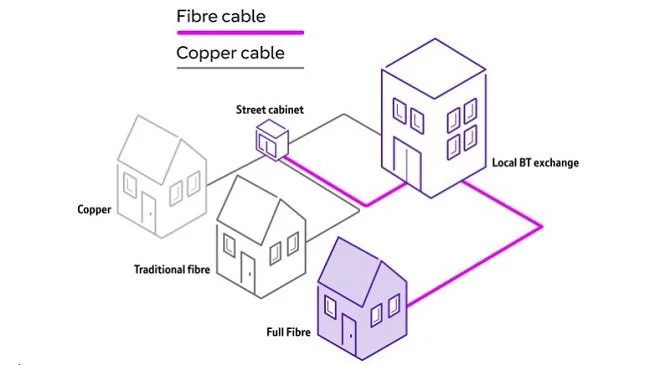
BT Full Fibre
There is still a major “digital divide” in the UK despite the issue being on the political agenda for the last decade or so. Rural areas still suffer from slow internet speeds and a lack of choice with regards to ISPs. It is the wealthy urban communities that tend to have the best internet infrastructure and thus the best services. There are many third party companies that have been proactively installing fibre and competing against former monopoly holder British Telecommunications in recent years. The borough where I live has already seen Virgin Media roll out its cable services and offer customers 1Gbps internet connections. Hence BT has expedited the implementation of its Full Fibre service over the last twelve months, in a proactive attempt to compete and win back its share of the market. They are currently offering a range of services at very favourable prices. Something I decided to avail myself of.
There is still a major “digital divide” in the UK despite the issue being on the political agenda for the last decade or so. Rural areas still suffer from slow internet speeds and a lack of choice with regards to ISPs. It is the wealthy urban communities that tend to have the best internet infrastructure and thus the best services. There are many third party companies that have been proactively installing fibre and competing against former monopoly holder British Telecommunications in recent years. The borough where I live has already seen Virgin Media roll out its cable services and offer customers 1Gbps internet connections. Hence BT has expedited the implementation of its Full Fibre service over the last twelve months, in a proactive attempt to compete and win back its share of the market. They are currently offering a range of services at very favourable prices. Something I decided to avail myself of.
As an existing BT customer, I have recently been paying for a Fibre to the Cabinet broadband service of 50Mbps. Our household’s existing package also includes BT TV; a terrestrial and IP TV package via a bespoke DVR, along with a SIM only mobile call plan and an old school analogue landline. This is hardly a bad service compared to other parts of the UK. However, having access to Fibre to the Premises and potential speeds of 900Mbps is a major selling point so I did some investigating to see what sort of upgrade I could get for a nominal price increase. I was pleasantly surprised by the results. We were offered a deal where we could keep all the extras such as the TV and SIM package exactly as it is and move on to Full Fibre 100 which is the base level FTTP service. It provides speeds of 150Mbps and for the first six month the price is discounted, meaning a saving of £10 a month. When the discount expires, the full price is still reasonable, so we accepted the offer.
Yesterday, a BT engineer came to our house and installed the new BT Full Fibre service. A new cable was connected to the property from the telephone pole outside. A small junction box was discretely installed on the side of the house and the cabling tidily hidden from view. A small hole was drilled through the outside wall into the corner of the spare room which I use as an office. The world’s smallest modem was then attached above the skirting board, next to my desk. The whole enterprise took less than an hour. I’ve kept my existing router which now connects to the new modem instead of the traditional BT master phone socket. Internet speeds were immediately at the rate specified. The disruption to internet access was minimal. Another change worth mentioning is that our previous telephone handset for the landline has been superseded by a new one which works via voice over IP.
The internet is an integral part of my day to day life. Hence, upgrading my home internet connection to FTTP is no different in my opinion to building an extension to my house or buying a bigger car to accommodate a growing family. I am simply increasing capacity to support increased usage. Nobody ever says “ I need less internet bandwidth”. The cost of this enterprise has been acceptable and within our household budget. We’ve signed another two year contract with BT but as our business relationship with them is equitable, this does not present any problems. Now that FTTP has been installed, the bandwidth can be increased at a future date if it is required. Once again, I consider myself very fortunate to live in an area where such infrastructure is in place and accessible. Should we move house in the future, I suspect that internet access will be a key factor in our search and overall choice.



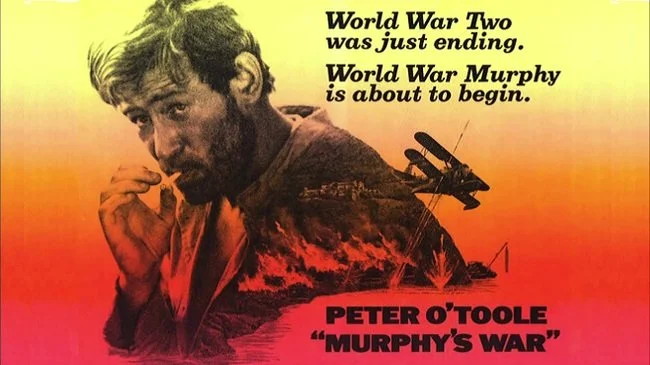
Murphy's War (1971)
During the last days of World War II, the British Merchant Navy ship Mount Kyle is torpedoed by a German U-Boat off the coast of Venezuela. The crew are subsequently massacred as they abandon ship, leaving one survivor, an Irish engineer named Murphy (Peter O’Toole). After being rescued by Louis Brezon (Philippe Noiret), a caretaker for an oil company which has a pipeline in the area, he is taken to a local missionary medical facility run by Dr. Hayden (Siân Phillips). Upon recovering, Murphy becomes determined to find the U-Boat that sank his ship and seeks revenge. However, as the war is clearly drawing to a close Dr. Hayden is reluctant to help him and tries to dissuade him from his plan as it may endanger the local community. In the meantime, Murphy finds a damaged Grumman J2F Duck floatplane from his ship and salvages it. With the assistance of Louis, he makes some improvised munitions and draws his plans against the Germans.
During the last days of World War II, the British Merchant Navy ship Mount Kyle is torpedoed by a German U-Boat off the coast of Venezuela. The crew are subsequently massacred as they abandon ship, leaving one survivor, an Irish engineer named Murphy (Peter O’Toole). After being rescued by Louis Brezon (Philippe Noiret), a caretaker for an oil company which has a pipeline in the area, he is taken to a local missionary medical facility run by Dr. Hayden (Siân Phillips). Upon recovering, Murphy becomes determined to find the U-Boat that sank his ship and seeks revenge. However, as the war is clearly drawing to a close Dr. Hayden is reluctant to help him and tries to dissuade him from his plan as it may endanger the local community. In the meantime, Murphy finds a damaged Grumman J2F Duck floatplane from his ship and salvages it. With the assistance of Louis, he makes some improvised munitions and draws his plans against the Germans.
I suspect that Murphy’s War was intended to be a minimalist exploration of the old adage “if you devote your life to seeking revenge, first dig two graves”. Written by Stirling Silliphant (The Enforcer, Towering Inferno) and directed by Peter Yates (Bullitt, The Deep and Krull), Murphy’s War teases the audience with several instances of potential narrative depths. What motivates U-Boat Commander Lauchs (Horst Janson) to shoot the crew of the Mount Kyle, as they pose no threat to him or his vessel? Is there a love triangle between Murphy, Dr. Hayden and Louis? Why is Murphy so motivated to destroy the U-Boat, considering he initially comes across as a reluctant seaman with little love for English Officers. There’s even a tenuous reference to the IRA. Is he deranged or honourable? These questions raise some interesting opportunities for the film to explore some timeless cinematic themes.
Sadly, even within the deliberately understated framework of seventies cinema, these elements are woefully neglected, leaving us with a matter of fact story that struggles to fill its 106 minutes running time. It’s all somewhat ponderous and very frustrating when considering the quality of the cast and production. Hence we have lengthy scenes in which Murphy struggles to fly the salvaged seaplane and then later, flying around the Orinoco River searching for his quarry. It’s all beautifully shot by veteran cinematographer, Douglas Slocombe, but it often feels like padding to bolster a story that isn’t anywhere near as deep as it likes to think. The climax of the film and Murphy’s subsequent Pyrrhic victory lacks any dramatic impact because there’s no explanation for his descent into a latter day Captain Ahab. The audience is left to ponder whether it was all worthwhile and I for one, broadly feel that it wasn’t. Considering the pedigree of this production, Murphy’s War should be much better.


A Month in Gaming
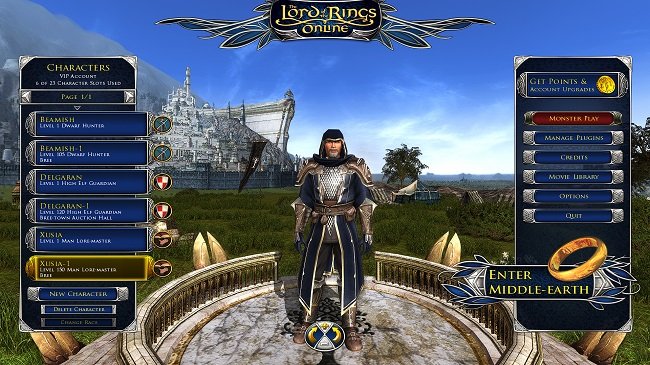
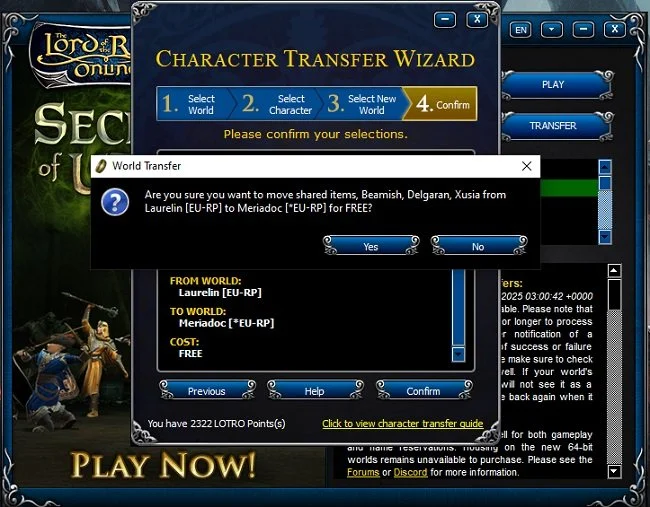
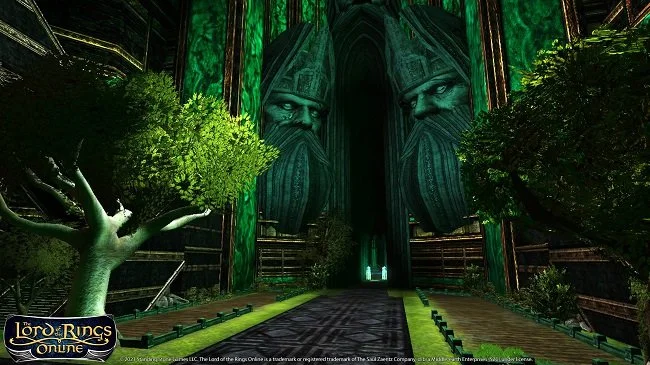
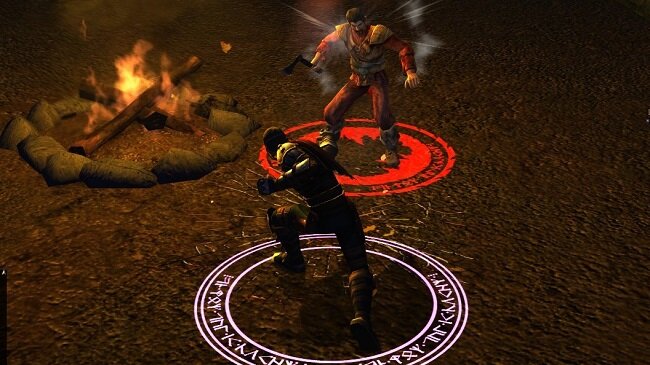
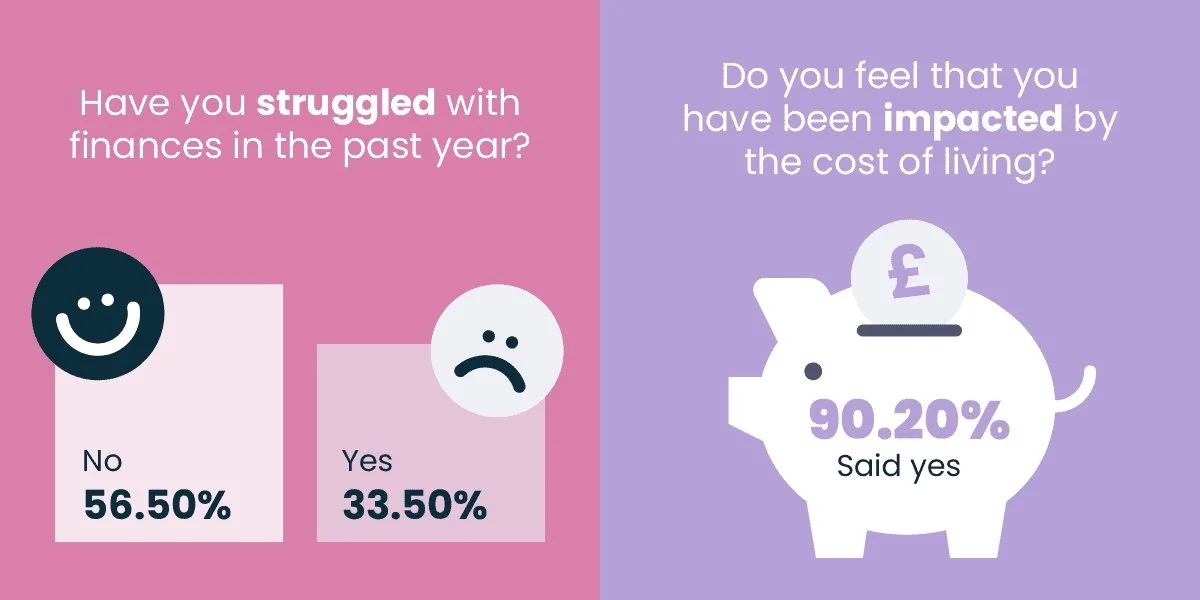
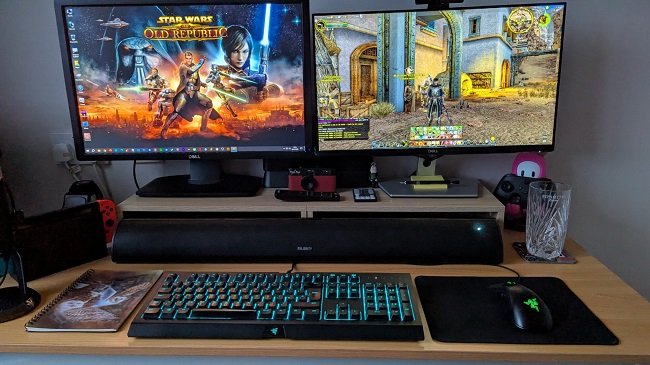
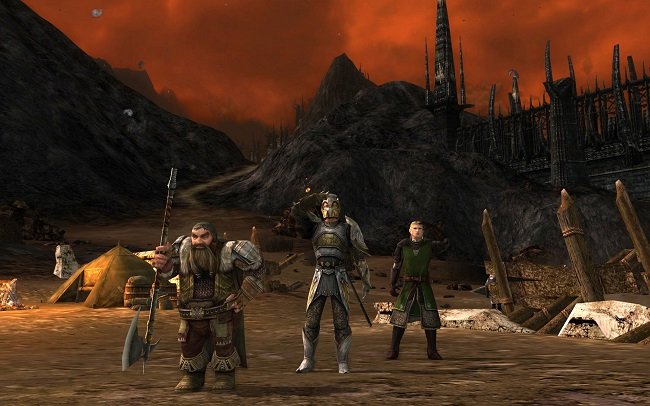
Usually I keep subscribing to an MMORPG, even if I’m not playing it that much. I like to have options in case I decide to log in on a whim. Especially if an absent friend returns to a particular game presenting an opportunity to catch up. However, the current economic climate is no longer something that I can ignore. Although far from having a low income, the current ongoing increase in the cost of living is becoming apparent, so I have been fiscally prudent and cancelled my monthly subscriptions to Star Wars: The Old Republic and The Lord of the Rings Online. Both have provided me with a lot of entertainment over the last three to four months but until new content becomes available, I can happily dispense with them for the meantime. Not only have I saved £17.98 on subscriptions, I shall no longer be making ad hoc purchases of in-game currencies. Something I have been doing a lot more than usual of late.
Usually I keep subscribing to an MMORPG, even if I’m not playing it that much. I like to have options in case I decide to log in on a whim. Especially if an absent friend returns to a particular game presenting an opportunity to catch up. However, the current economic climate is no longer something that I can ignore. Although far from having a low income, the current ongoing increase in the cost of living is becoming apparent, so I have been fiscally prudent and cancelled my monthly subscriptions to Star Wars: The Old Republic and The Lord of the Rings Online. Both have provided me with a lot of entertainment over the last three to four months but until new content becomes available, I can happily dispense with them for the meantime. Not only have I saved £17.98 on subscriptions, I shall no longer be making ad hoc purchases of in-game currencies. Something I have been doing a lot more than usual of late.
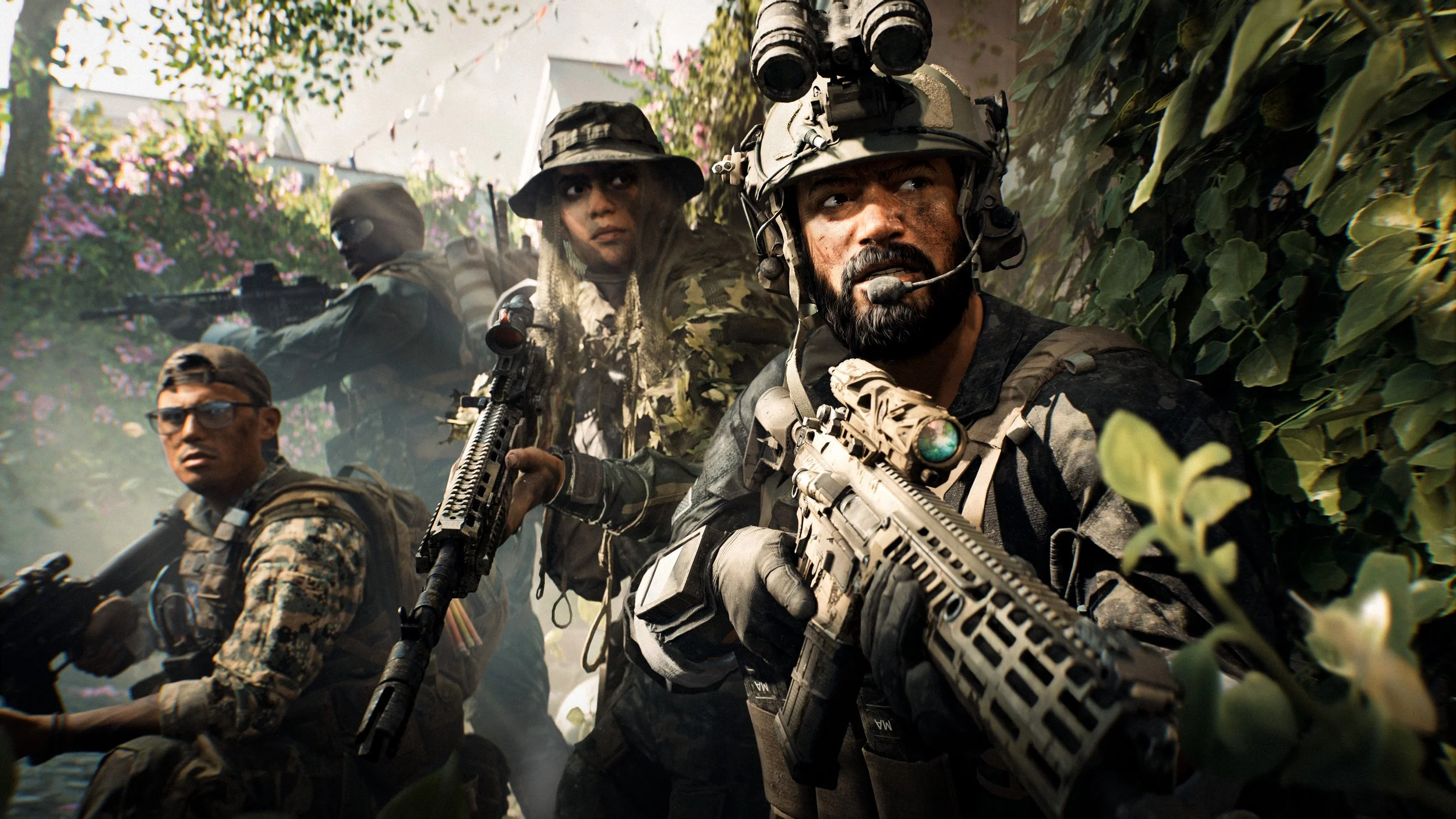
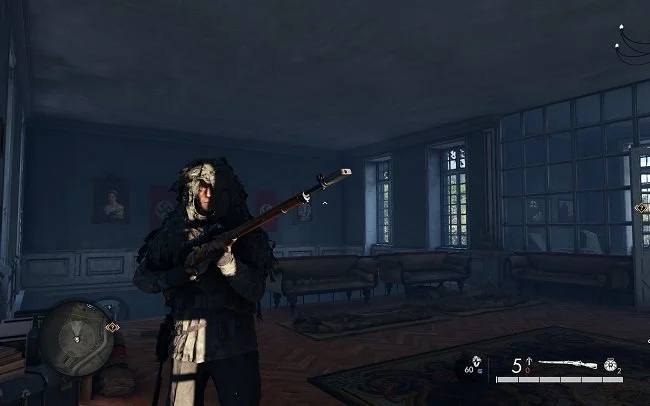
May saw the release of Sniper Elite 5 and as ever, I have found the game thoroughly engrossing. I have written a more substantial review elsewhere but I just want to reiterate how this franchise is the complete opposite of the fast paced insanity and lightning reflexes of Call of Duty. I find taking my time in Sniper Elite, tagging all targets and waiting for as long as it takes to make the right shot, is immensely satisfying. All too often, modern gaming is excessively frenetic, bombastic and overwhelming. Sniper Elite is the antidote to this. I also made a brief return to Fall Guys: Ultimate Knockout recently. It is still fun in small doses and the cosmetic aspect of the game is a major contributor to that enjoyment. As a Prime Gaming customer (part of being an Amazon Prime subscriber), there are frequently free outfits to claim each month. Despite having played this game for two years now, I still haven’t achieved being the “last player standing” and thus won a complete tournament.
I surprised myself recently by reinstalling Guild Wars 2. Again I’ve written at length in the past as to the point of returning to a game that requires me to spend time in a zone I loathe. However, unlike some other MMOs that require you to tinker with your client once it’s downloaded, or update a plethora of third party addons, installing Guild Wars 2 is really simple. The game launcher downloads at a reasonable rate and once done, you can jump straight back into the game. It even remembered all my personal settings. I quickly found my favourite character, a human ranger, where I left them in Queensdale and jumped into an event that used to be part of the “Champion Train”. I noticed that everyone now has mounts and was briefly tempted to look into this. I suspect that it will require a grind of some kind, so I’m going to nip this flight of fancy in the bud, immediately. Plus, why do I need a mount when I have a flying carpet?
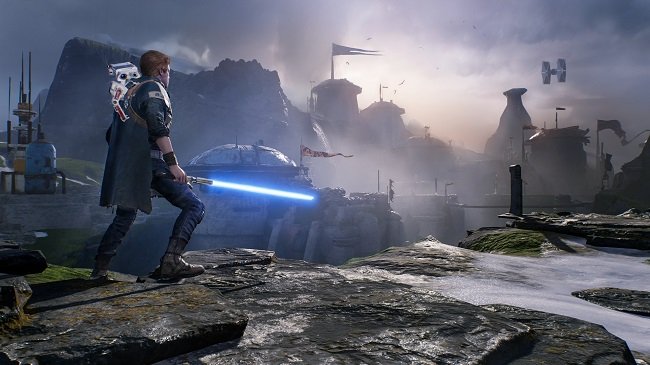
Over the forthcoming summer, I intend to tackle some of the games I have amassed across various platforms such as Epic and Steam. The first title I intend to explore is Jedi: Fallen Order as it has enjoyed a lot of praise and flown in the face of EA’s numerous claims over the last decade that single player games are “finished”. I’m also tempted to play through another Assassin’s Creed game, as I enjoyed Black Flag so much last year. I recently spotted that I had a copy of Control: Ultimate Edition, which has piqued my curiosity as I have no idea when or where I got a copy. This is what happens when you arbitrarily claim any free games offered to you. Hence I’m not lacking anything to play in the months ahead. It will be a pleasant change to be able to write about something new in the next instalment of “A Month in Gaming”, rather than the usual MMOs.






Partygate
I try to keep my thoughts on political matters to a minimum here at Contains Moderate Peril, mainly because UK politics and the current state of discourse associated with it has become an absolute shit show in recent years. Brexit broke traditional politics and has made matters far more tribal and partisan. The two main parties have declined from having clear ideologies, identities and manifestos, to becoming either a lobby group for the specific demographic group that supports them, or a conflicted, divided and schizoid shadow of its former self. I’ll let you work out which is which. Politics is no longer about governing a nation for the benefit of all its citizens. Now you simply pick a side and join the ongoing culture war against everyone and everything else. This rotten system produces rotten leaders. Hence, when Alexander Boris de Pfeffel Johnson became Prime Minister in December 2019, it was clear that the nation was taking a major risk on such a man. His failings as a politician and a person are a matter of public record for anyone who has the eyes to see them.
I try to keep my thoughts on political matters to a minimum here at Contains Moderate Peril, mainly because UK politics and the current state of discourse associated with it has become an absolute shit show in recent years. Brexit broke traditional politics and has made matters far more tribal and partisan. The two main parties have declined from having clear ideologies, identities and manifestos, to becoming either a lobby group for the specific demographic group that supports them, or a conflicted, divided and schizoid shadow of its former self. I’ll let you work out which is which. Politics is no longer about governing a nation for the benefit of all its citizens. Now you simply pick a side and join the ongoing culture war against everyone and everything else. This rotten system produces rotten leaders. Hence, when Alexander Boris de Pfeffel Johnson became Prime Minister in December 2019, it was clear that the nation was taking a major risk on such a man. His failings as a politician and a person are a matter of public record for anyone who has the eyes to see them.
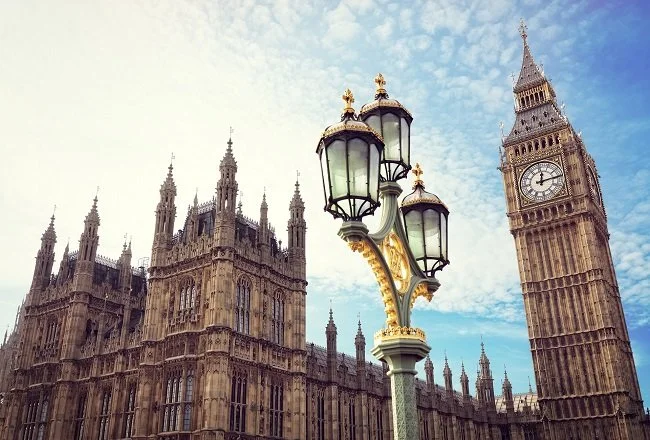
Over the last 2 years, Johnson has overseen a litany of political failures. Sadly, the only people with the power to remove him from office are his own MPs. The Conservative party has a long and established history of regicide. They will circle the wagons and defend their leader without question in a crisis, until it becomes clear that the aforementioned leader is an electoral liability and they could lose their own seats. Then the knives are unsheathed, as Margaret Thatcher, John Major, William Hague, Iain Duncan Smith and Michael Howard all found out. However, Johnson is proving to be the most slippery of eels. The fact that there is no clear successor is an invaluable get out of jail card for the PM. The UK is also in the midst of a major cost of living crisis, there’s a war in Europe and the government is about to embark upon a trade dispute with the EU. All of which are sound reasons why no one possibly wants the job at present. However, there’s one scandal that just doesn’t want to go away, like a wayward stool in an avocado coloured, seventies toilet. Partygate.
For those who live outside of the UK who may not be fully up to speed with this issue, I’ll try my best to summarise. If you wish for more detail, then do watch this video from last month by BBC journalist Ros Atkins. From March to December 2020, the UK was subject to some very stringent COVID-19 restrictions. In the run up to Christmas, there were concerns about a resurgence of the virus, so the rules governing social distancing, gatherings and general interaction were tightened. Simply put, people could not meet friends and families, socialising was out of the question and the idea of traditional Christmas celebrations were out of the question. People could not visit sick and dying relatives in hospitals. Funerals were heavily restricted. UK citizens made major personal sacrifices for the greater public good. Unlike the Prime Minister, his staff and various other Cabinet Ministers who broke their own rules as they partied and fraternised. Johnson is far from a complicated individual. He likes to be perceived as a “good guy” and “fun”. Hence, he brought a “play hard” culture with him when he took office. He sadly neglected the “work hard” part.
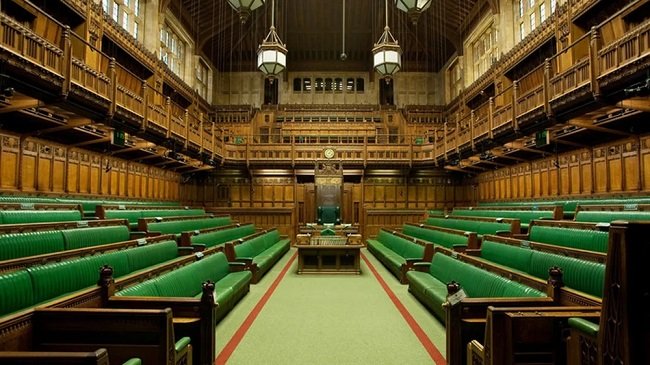
Now if you are a hardened cynic or feel disposed towards being politically obtuse, you may ask “is this really such a big deal. It’s just a party”. To which I would reply, it wasn’t one there were over a dozen and at least 8 have been subject to a Police investigation resulting in 126 fines, including the Prime Minister himself. But the parties are in many respects a misdirection. To quote Bruce Lee “it is like a finger pointing away to the moon. Don't concentrate on the finger or you will miss all that heavenly glory”. The biggest issue stemming from so-called Partygate is the Prime Minister denying any malfeasance. On multiple occasions, Johnson stated categorically in the House of Commons that there were no parties and all COVID-19 related regulations were followed. Yet he was fined for attending his own birthday party. Something he has justified by claiming he didn’t know it was a party. Let us take a moment to reflect upon this state of affairs. Johnson has denied any wrongdoing time and time again. Yet he is now the only ever serving UK Prime Minister to receive a fine for breaking the law. Laws that he oversaw through Parliament.
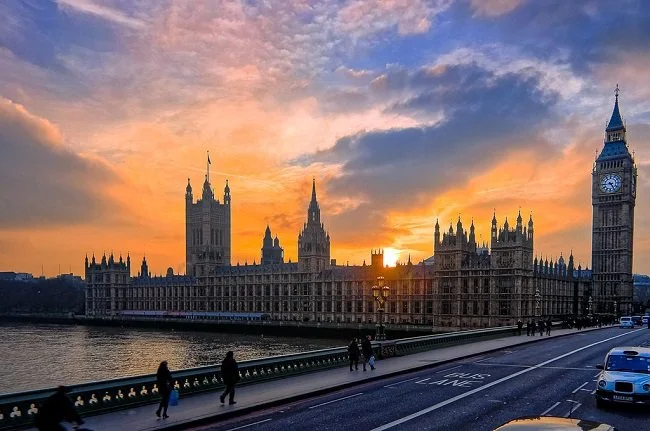
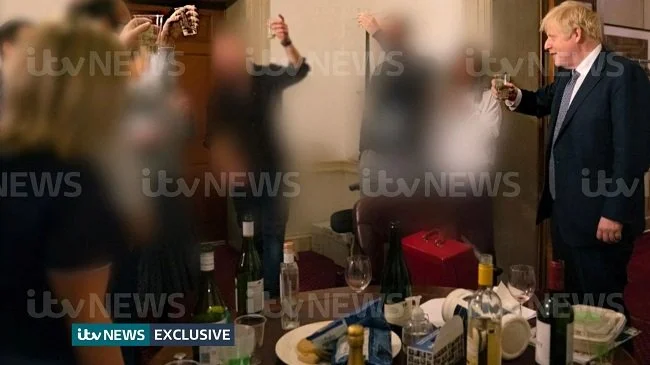
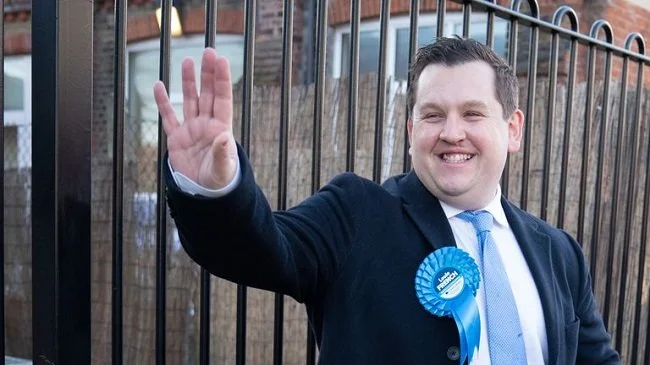
Today, after last week’s announcement by the Metropolitan Police that no further criminal action would be taken against the Prime Minister, several photographs have reached ITV News showing Johnson attending what any sane person would classify as a party. The photo shows at least 7 guests, the PM and were taken by an official photographer. 9 people in a room drinking and clearly socialising, with 6 open bottles of alcohol in view. 7 if they also drank the hand sanitiser. Naturally like all modern digital photos, it contains data pertaining to where and when it was taken. Allegedly that was on November 13th 2020. On 8th December 2020, Labour MP Catherine West asked the Prime Minister in the Commons if a party had taken place in Downing Street on 13th November. Johnson replied “No - but I am sure that whatever happened, the guidance was followed and the rules were followed at all times”. Was this a lie and a clear example of the PM misleading Parliament? Something that has always been considered a resigning offence.
The scandal that is Partygate has been rumbling on since December 2021. The continual drip, drip of information, photos and tip offs grew to the point where it was dominating the political agenda by the end of January this year. Hence Johnson appointed senior civil servant Sue Gray, Second Permanent Secretary in the Cabinet Office, to investigate the matter. Her report has already been delayed once, when in February the Metropolitan Police retrospectively decided to investigate the alleged lockdown infractions. However, her report is due to be published this week and will certainly ensure that the story once again dominates the headlines. Already, several important questions have emerged, prior to its publication. Why did Ms Gray meet with the PM to discuss the report last week? Although Johnson is Ms Gray’s boss, is it appropriate for these parties to meet without the minutes of that meeting being fully disclosed? And why have the Metropolitan Police fined people who attended the party in the picture published today but have not sanctioned the PM for a second time?
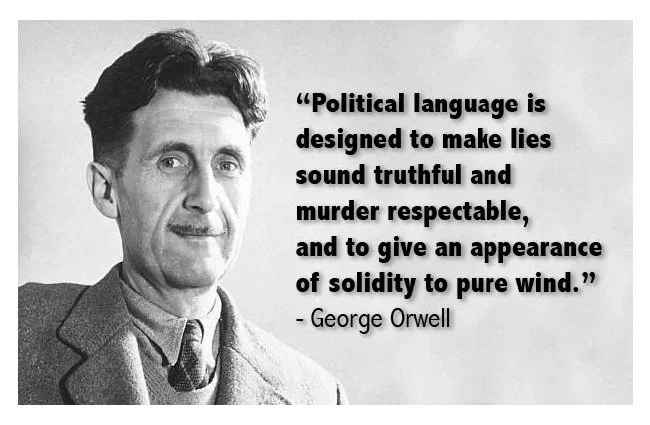
A politician's relationship with the truth is often a strained one. However, the role of Prime Minister requires that basic standards are adhered to. For want of another phrase you have to be “sound”, in the Yes Minister and Yes Prime Minister sense of the word. The UK is still a major player on the international stage although that soft power is fast evaporating. A Prime Minister has to be considered trustworthy by their international allies as well as their own electorate. They have to uphold the rule of law and their word must be considered bond. A proven liar cannot do such things and is a calamity for both domestic and international politics. A democracy in which the truth is openly scorned and deemed an impediment is a broken democracy. Sadly, this is where the UK currently stands. If Johnson remains in office then the only remaining route is down. However, the Gray Report may be a scandal too far. There are two By-elections coming up and if the Conservatives lose these seats there may be repercussions for the PM from his own party. I suspect that the PM is in an extremely uncomfortable position at present, both politically and personally. Has good fortune finally deserted him? I do hope so.








Losing Weight
I weighed myself this morning before writing this post. As of 6:05 AM today I weigh 188 lbs (13 stone 6 lbs or 85.3 kg). To give this data some sort of context I am 5’11 tall and 54 years old. Prior to my more recent weight gain, I have had an athletic build for most of my life. During my twenties and thirties, while I was still a smoker, my weight stayed around 133 lbs. When I quit my 30 a day cigarette habit I gained about 14 lbs or so over the following months and then stayed at that weight for a further decade. Even with the onset of middle age my weight has not been excessive and my build has accommodated any gain quite well. It has only been over the last 5 years that it has increased to a level that I consider to be neither flattering or healthy. This was brought home to me a few days ago when I saw my reflection in a mirror while on holiday. The incident has given me pause for thought and galvanised me to take action.
I weighed myself this morning before writing this post. As of 6:05 AM today I weigh 188 lbs (13 stone 6 lbs or 85.3 kg). To give this data some sort of context I am 5’11 tall and 54 years old. Prior to my more recent weight gain, I have had an athletic build for most of my life. During my twenties and thirties, while I was still a smoker, my weight stayed around 133 lbs. When I quit my 30 a day cigarette habit I gained about 14 lbs or so over the following months and then stayed at that weight for a further decade. Even with the onset of middle age my weight has not been excessive and my build has accommodated any gain quite well. It has only been over the last 5 years that it has increased to a level that I consider to be neither flattering or healthy. This was brought home to me a few days ago when I saw my reflection in a mirror while on holiday. The incident has given me pause for thought and galvanised me to take action.
To cut a long story short my excess weight has all gone on the front of my chest and my neck has thickened. My arms, legs and butt seem to have avoided this process. Currently, my profile is somewhere between Alfred Hitchcock and Mr. Greedy. Hence, bending down is difficult due to this bulk physically being in the way. The excess weight is also slowing me down and I find myself getting breathless when exerting myself. Shirts, T-shirts and jackets are now tight across my chest, restricting my breathing and generally contributing to an ongoing feeling of being uncomfortable. I was diagnosed last year with an irregular heartbeat and I’m sure my increase in weight has contributed to this. Setting aside the obvious health benefits of losing weight, I just don’t like the way I look at present. The world has no shortage of overweight, middle aged white guys and I don’t wish to add to their numbers.
I have always enjoyed my food, a habit I inherited from my father. I look forward to meals and consider them as something to relish, rather than just an arbitrary intake of bodily fuel. However, it is clear to me now that in recent years I have fallen into the trap of recreational eating and to a degree comfort eating. And it would be remiss of me not to state how much alcohol contributes to weight gain. Effectively since the first lockdown in 2020, I have treated day to day life like one continuous bank holiday, with regard to my drinking habits. I don’t think I have a drinking problem in any way. I just enjoy a social pint and drinking is an integral part of the UK cultural landscape. But I need to address this and will be abstaining from all forms of booze till the end of the month. I suspect that this may well be a key factor in any weight loss regime.
Like most things I do in life, I shall be working to a plan. Hence I will be logging meals and adjusting portion sizes. I will maintain a three meal a day regime with a moratorium on eating after 8:00 PM. I’ll use the existing health app on my phone (that goes with my smartband) to track my weight. I tend to adhere to processes and schedules more efficiently if I “gamify” them. Furthermore, I shall post my progress here as I find that writing about the various things going on in my life helps me process them. To clarify my goals, I am looking to lose initially 14 lbs (1 stone, 6.3 kg). If this is achieved easily and in a relatively short period of time (perhaps by the end of August), I may then set myself an additional target if I feel there is scope for further healthy weight loss. As ever I welcome comments and opinions, especially from those who are currently embarking upon a similar weight loss plan. If you are, then good luck.










“I’m Entitled to My Opinion and It Should Be Respected”
One of the most curious aspects of the modern corporate culture is the need for businesses to present some sort of ethical persona to their customers and the wider market. It is contradictory to say the least to watch such institutions that are by their very nature predatory, espouse a moral stance on social issues such as climate change and equality. Yet, this is something they do regularly, with a straight face and a tin ear. The recent leak of a draft document by SCOTUS to overturn Roe v. Wade has seen several companies take a stance and release press statements both externally and internally. However, an email sent to Sony staff by PlayStation CEO Jim Ryan, has proven more interesting than others. This is mainly due to Ryan reiterating a common “informal fallacy”; that everyone is entitled to their opinion and by default that opinion should be respected.
One of the most curious aspects of the modern corporate culture is the need for businesses to present some sort of ethical persona to their customers and the wider market. It is contradictory to say the least to watch such institutions that are by their very nature predatory, espouse a moral stance on social issues such as climate change and equality. Yet, this is something they do regularly, with a straight face and a tin ear. The recent leak of a draft document by SCOTUS to overturn Roe v. Wade has seen several companies take a stance and release press statements both externally and internally. However, an email sent to Sony staff by PlayStation CEO Jim Ryan, has proven more interesting than others. This is mainly due to Ryan reiterating a common “informal fallacy”; that everyone is entitled to their opinion and by default that opinion should be respected.
Ryan stated that Playstation employees, as well as customers are a “multi-faceted and diverse” community who hold “many different points of view”. He went on to say that staff and the company “owe it to each other and to PlayStation’s millions of users to respect differences of opinion among everyone in our internal and external communities. Respect does not equal agreement. But it is fundamental to who we are as a company and as a valued global brand”. The logical flaws in this statement stand out like a sore thumb and it would appear that critical thinking and constructing a sound argument are not part of Jim Ryan’s executive skill set. Mind you, such things are conspicuously absent from our politics and public discourse as well, so why should big business be any different?
Plato established a difference between personal opinion or a commonly held belief (doxa) and provable knowledge (episteme) in his theory of forms, over 2,000 years ago. It is still a viable distinction today. A personal opinion is subjective and often uncertain due to reliance upon interpretation, feelings and other nebulous factors. 1+1=2 is a fact that can be clearly proven. In most functioning democracies, all citizens have a right to hold an opinion irrespective of its veracity or rectitude. But that does not mean that one has a right not to have one’s opinion challenged. There is no legal, ethical or logical obligation to respect another’s opinion. Why for example, should any respect, courtesy or deference be extended to a view couched in bigotry and prejudice? Also why should an opinion that cannot be backed up by facts to establish its validity or merit be afforded some sort of protected status?
All too often the claim that “I’m entitled to my opinion and it should be respected” or similarly, “let us agree to disagree” is a means to try and avoid scrutiny and to account for one’s view. It is a petulant and churlish demand that one’s view is given equal consideration with one that can be substantiated. It seeks to establish false equivalence and if denied, often prompts claims of victimhood. It is the faux argument of choice by those that want to compete with knowledge and expertise, without doing the necessary “due diligence”. Too many people conflate losing an argument with losing the right to argue. Obviously in the case of Jim Ryan’s comments, calls to respect differing opinions is also about “cakeism”; trying to please all customers regardless of their perspective. It is not only an intellectually bankrupt stance but a cynical one. Sadly that seems to be a prevailing trait of modern corporate ideology.


Eurovision 2022
The Eurovision Song Contest is a lot of things but it is never dull. Even if the songs that make it through to the final are a little lacklustre, there’s always drama to be found in the scoring. The first round of votes come from national juries made up of professionals from the music industry. Hence there is a propensity to judge songs on their technical and marketing merits. This often means that the juries favour songs that don’t necessarily appeal to the public. However, this is addressed in the second round in which the viewers can vote. The only caveat is that you cannot vote for your own country. Hence things can really change after the professional jury votes are counted and the public votes are added to the overall score. And that is what happened last night. There was a massive public vote for Ukrainian entry Stefania by the Kalush Orchestra and they subsequently won the contest.
The Eurovision Song Contest is a lot of things but it is never dull. Even if the songs that make it through to the final are a little lacklustre, there’s always drama to be found in the scoring. The first round of votes come from national juries made up of professionals from the music industry. Hence there is a propensity to judge songs on their technical and marketing merits. This often means that the juries favour songs that don’t necessarily appeal to the public. However, this is addressed in the second round in which the viewers can vote. The only caveat is that you cannot vote for your own country. Hence things can really change after the professional jury votes are counted and the public votes are added to the overall score. And that is what happened last night. There was a massive public vote for Ukrainian entry Stefania by the Kalush Orchestra and they subsequently won the contest.
This outcome was predicted in advance by the media due to the wave of international support that has been maintained for Ukraine, since the Russian invasion began on 24th February this year. However, setting aside for a moment the sense of solidarity that is abroad, the song itself is an interesting, quirky and catchy mixture of folk and rap. Furthermore, if you watch the official video for Stefania, which has subtitles, it is a powerful statement on the current situation in Ukraine. I think British composer David Arnold summarised best the significance of this win and the relevance of Eurovision itself. Something that has often baffled the UK. “This is why Eurovision is an important cultural event that doesn’t deserve to be sneered at. I’ve been banging on about it for years but it really does have huge meaning for so many people and countries”.
Personally, I found this Eurovision Song Contest a little light on the theatrical performances that are so often associated with the competition. There were too many ballads and manufactured pop songs that have been contrived to follow the style and idiom of the mainstream. However, Norway and Moldova came up trumps and gave us the kitsch pantomime that so many of us love. And it would be remiss of me to not mention the menacing psycho-drama that was Serbia’s entry. But for me the biggest surprise of the night was how well Sam Ryder did for the UK. Considering last year the UK scored absolutely nothing, this was a most welcome change. The song Space Man is a solid earworm that channels Queen, Elton John and The Beatles. Overall this year’s Eurovision Song Contest was a solid evening’s entertainment. As ever, I enjoyed completing my score sheet at home and hanging out on Twitter, soaking up the communal aspect of this annual event.











Guilds Are Not Group Therapy
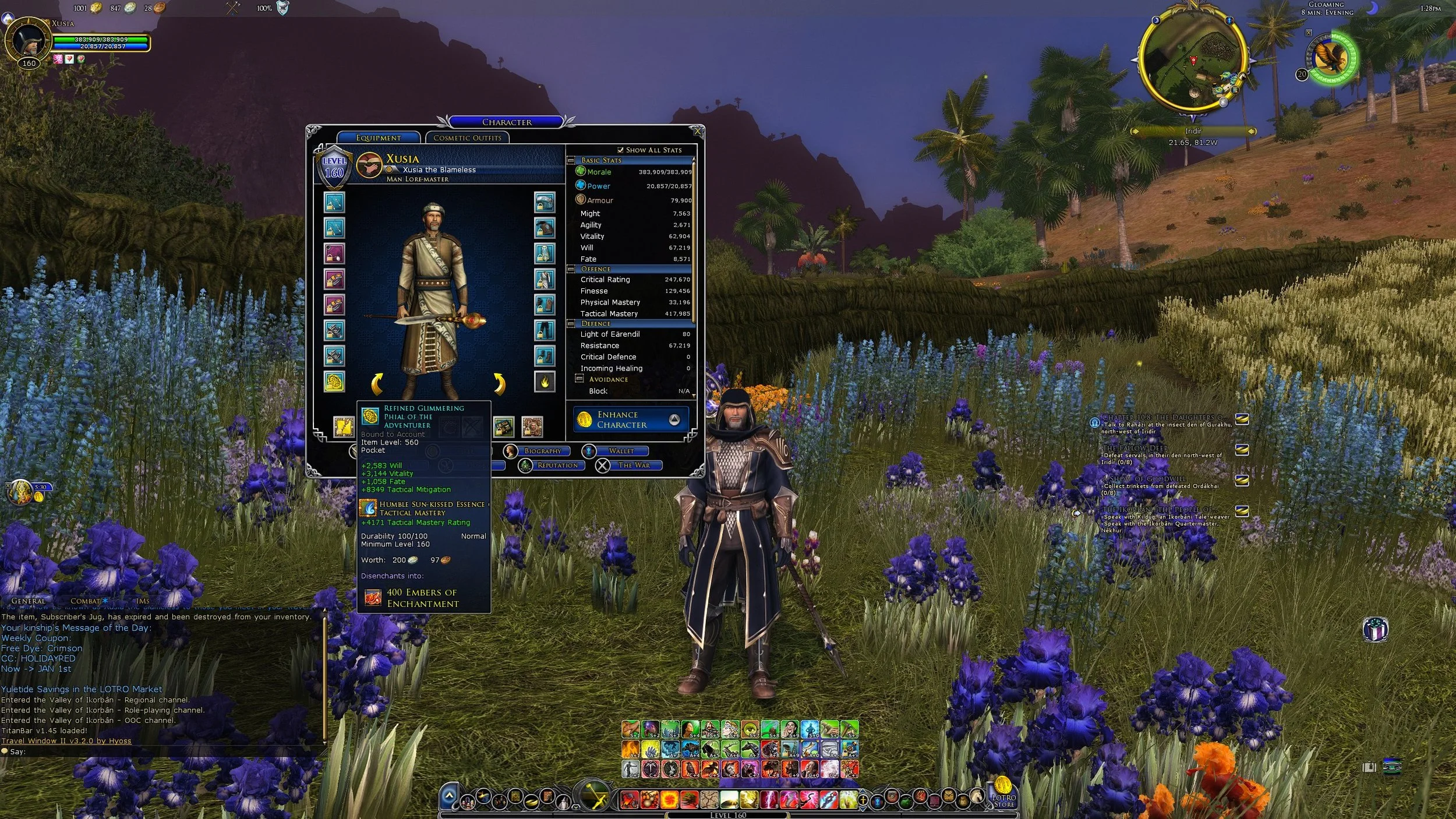
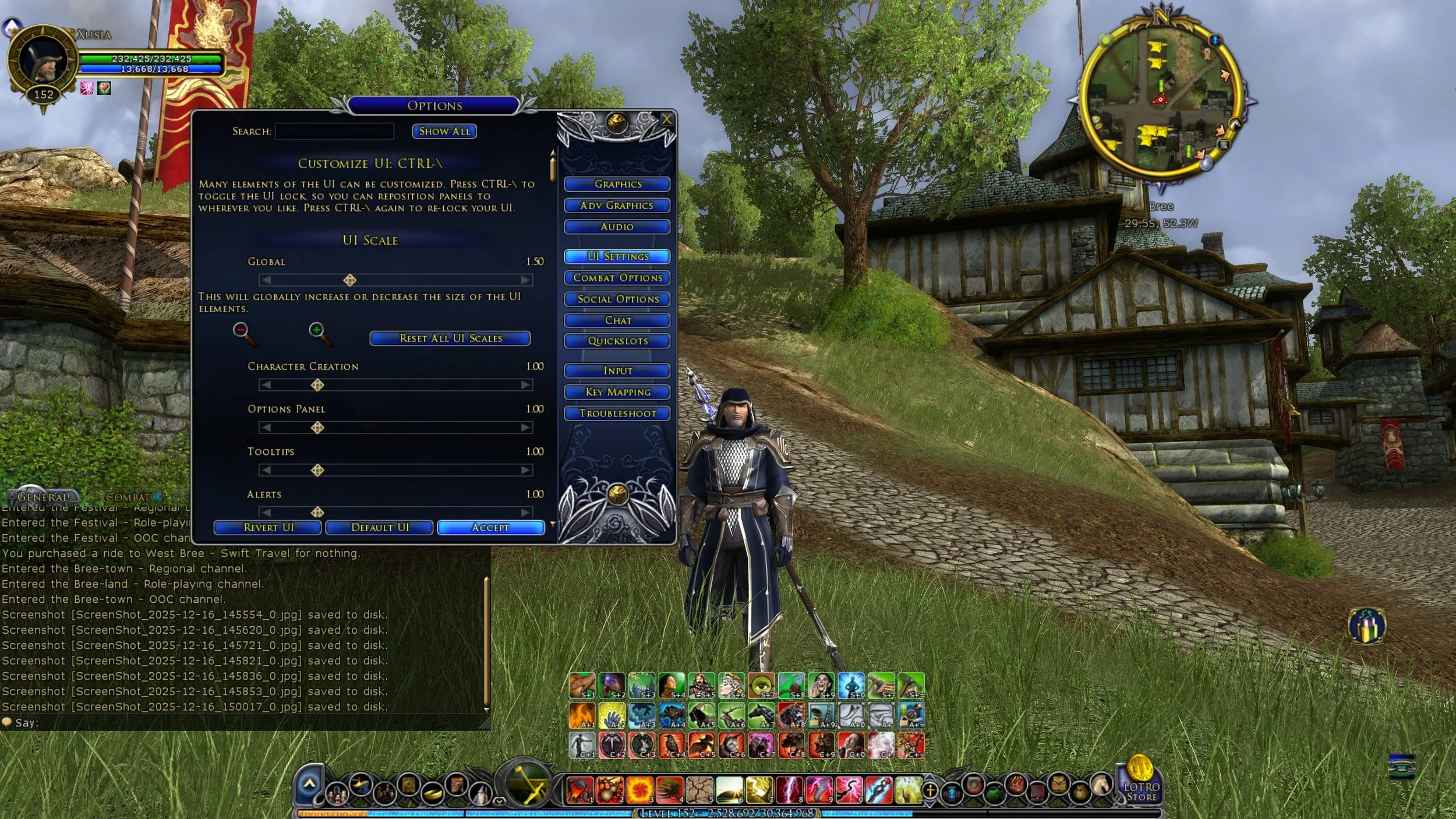
I was recently trawling through some screen captures from 2009, taken when I was a very active player in the MMORPG The Lord of the Rings Online. Several included the chat window as I hadn’t turned off the GUI when I pressed “print screen”. Hence I read a few fragments of chat which subsequently reminded me of a problematic situation our guild experienced for a couple of months. That being when someone joins your guild and at first seems like a good fit but later starts becoming difficult and unreasonable with regard to their expectations and online behaviour. The person in question in this instance eventually stated that they had mental health issues but by the time this was raised a lot of harm had been done to all parties concerned. They ended up leaving after an argument centred around perceived personal slights and a lack of support for their needs. It was an upsetting experience that was poorly handled, although it wasn’t any particular person’s fault.
I was recently trawling through some screen captures from 2009, taken when I was a very active player in the MMORPG The Lord of the Rings Online. Several included the chat window as I hadn’t turned off the GUI when I pressed “print screen”. Hence I read a few fragments of chat which subsequently reminded me of a problematic situation our guild experienced for a couple of months. That being when someone joins your guild and at first seems like a good fit but later starts becoming difficult and unreasonable with regard to their expectations and online behaviour. The person in question in this instance eventually stated that they had mental health issues but by the time this was raised a lot of harm had been done to all parties concerned. They ended up leaving after an argument centred around perceived personal slights and a lack of support for their needs. It was an upsetting experience that was poorly handled, although it wasn’t any particular person’s fault.
To summarise, a new player joined our LOTRO guild (kinship in the games own parlance) after grouping with some of our officers. They had been up to that point polite although a little shy and keen to learn and undertake group content. They did not use voice chat but would listen in and communicate via the chat window, which was not unusual as we had several other players that did this for a variety of reasons. After a while, especially when running instances and raids, they began to get frustrated with failure and when the group wiped. Although we never ever as a group blamed anyone, this person began to suggest we were inferring it. They also made a lot of suggestions regarding gameplay and strategy that were not relevant or useful. They had previously been an active player of another MMO and didn’t seem to understand that the mechanics and dynamics were not transferable.
It all culminated in a major argument one Friday night during a planned raid. Again a group wipe caused frustration for them. Supportive comments in chat about getting “back on the horse” were misinterpreted. Sub argument broke out via direct messages and then it started getting acrimonious. Eventually the guild leader interceded and politely suggested that the player take some time out to calm down and that they would happily listen to any legitimate concerns. It was at this point that the upset player declared to have mental health issues and that they were looking to the guild to work these through. It seemed that every positive thing said to placate and defuse the situation was taken the wrong way and they then quit the guild and vanished into the ether. A long and detailed in-game mail was sent the next day claiming bullying and callousness, none of which from my perspective was true. The player then either deleted or renamed their character and was subsequently untraceable.
Over the years, I have noticed that the MMO genre attracts a lot of people who have personal problems and who are facing mental health issues. MMOs offer a means of social interaction that is far more controlled and potentially manageable compared to those in real life. You can reinvent your persona and the way you are perceived. Chatting in text puts you far more in control of the situation. Hence you can see why MMOs are appealing to the introverted and those who wish a degree of privacy, while still having company and fun. However, the pendulum can swing equally the other way. Text driven chat can be a blunt tool. If you can’t see or hear someone, you can miss a lot of social cues. Irony and sarcasm are an obvious example. Plus, even online and within the superficially cosy atmosphere of an MMO, a lot of the problems from regular social interaction still persist. There are dominant personalities, cliques, power struggles and egos to deal with.
Hence, although I can see the allure of seeing an MMO as a safe or at least controlled environment to meet people and work through or address one’s personal problems, it strikes me as a far from appropriate environment to treat as a form of therapy. I’m sure some gamers may well contradict me and possibly cite positive examples of how they used their guilds as a medium for self healing. If that is the case then well done but I’m not sure if that is the prevailing experience. With regard to the anecdote I shared earlier, I was unaware of the person in question’s issues and even if they had talked about them earlier, would not have felt adequately equipped to help them beyond basic common decency. It also strikes me as a little unrealistic to expect too much from guild mates, when your main social bond is just playing and enjoying the game together.
Some guilds are set up to specifically cater to particular people or groups. To provide a safe space, a friendly environment and a support network. That is a different kettle of fish and a far cry from joining a casual guild of random players. It is difficult to gauge exactly what you should and should not expect from other players when joining a guild. I am happy to be welcoming and supportive to new players. But where does that social obligation end exactly? I find myself with more questions than answers. However, I feel that guilds are not an ideal medium for group therapy or as a means to self treat. I still look back on this incident from 2009 with a degree of upset. Did we do something wrong? Or were we wrong footed through no fault of our own? I wonder about the wellbeing of the individual concerned but as I previously stated, they vanished. Something that the internet accommodates quite well.
Naming Your Character in SWTOR
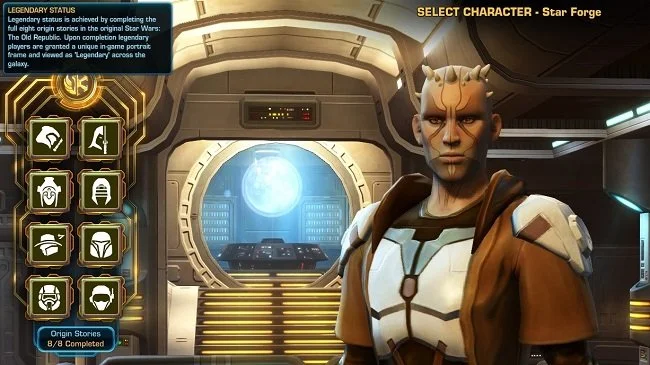
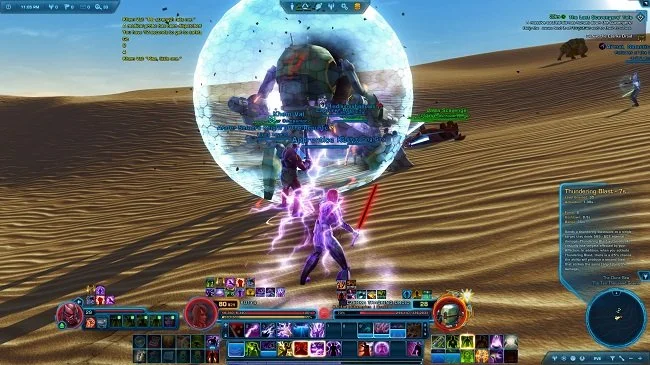
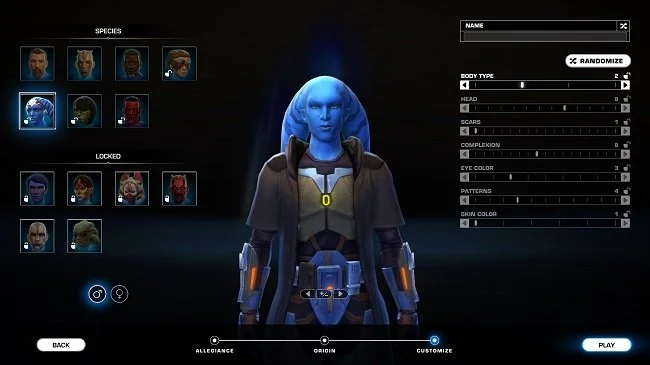
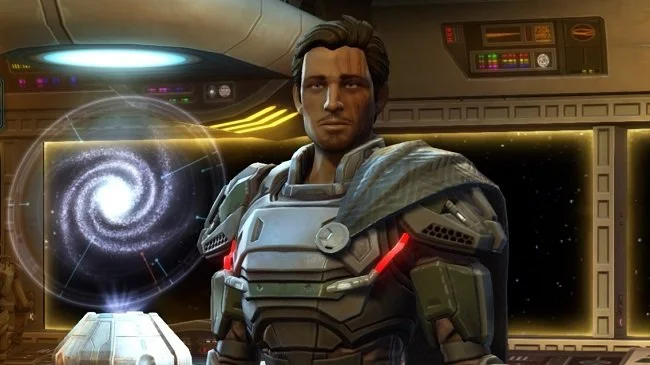
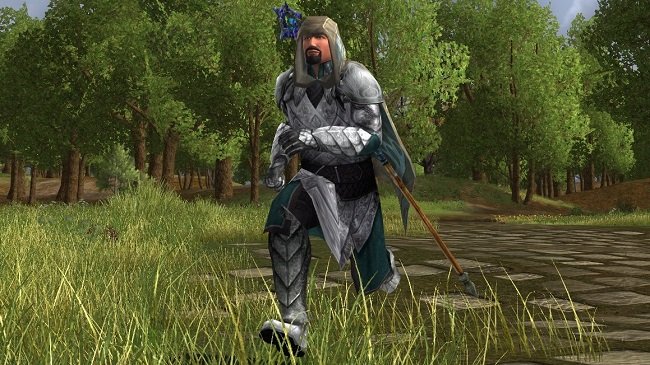
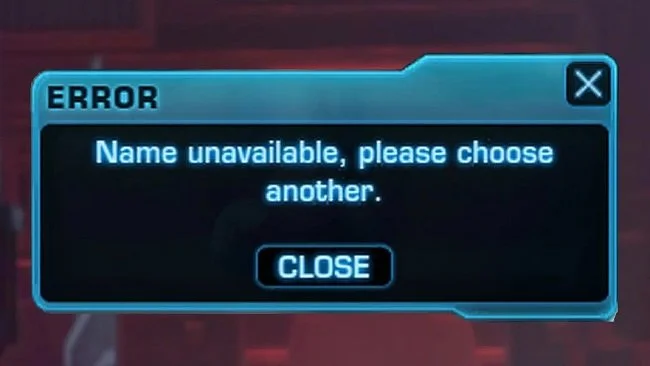
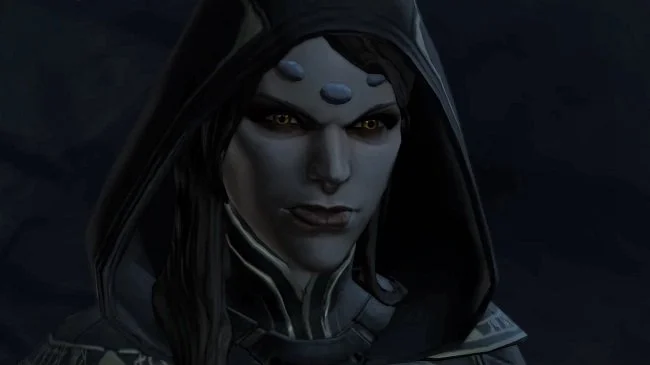
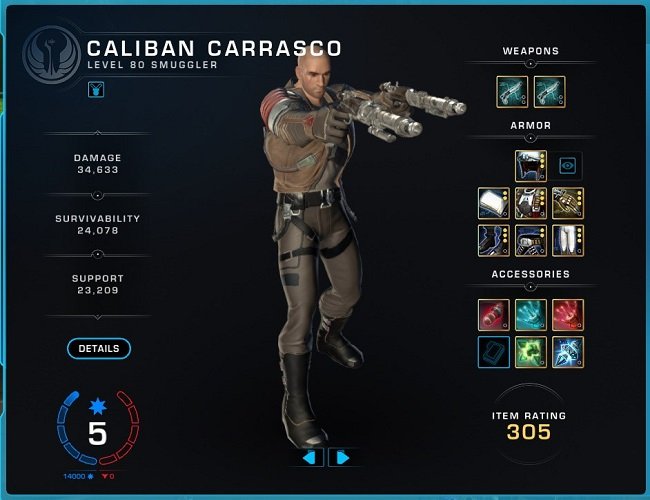
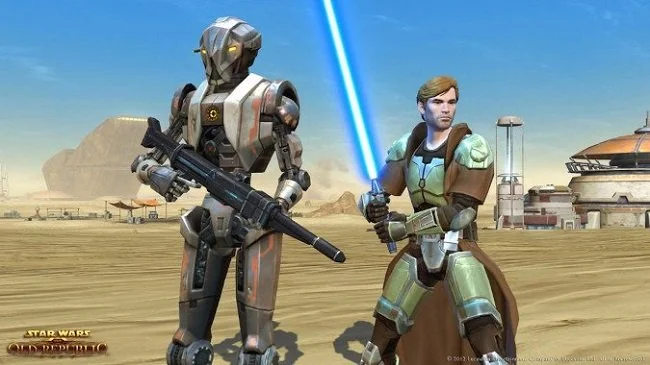
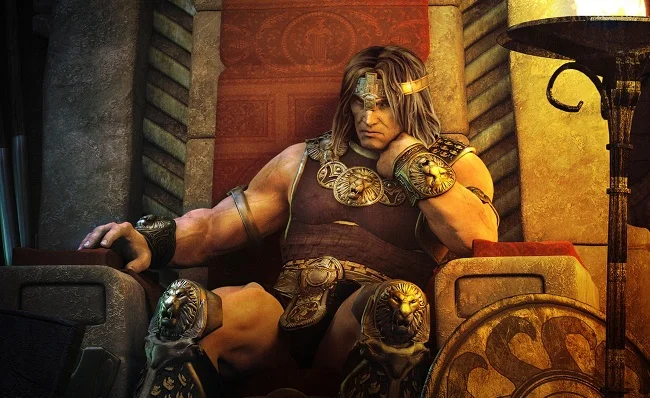
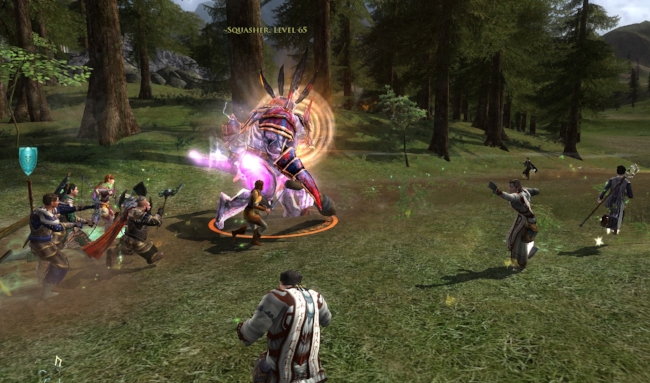
Star Wars: The Old Republic is over a decade old. That is quite a significant achievement for an MMORPG. Maintaining a stable player population is not easy and a lot of MMOs find themselves in a state of managed decline and then eventually shut down long before they’ve reached such an age. However, that is not the case with SWTOR. I recently returned to the game in February and as far as I can see, there is still a very active player base. However, I did come back just as a new expansion was launched. Conversely, as well as active players, there is also a lot of evidence of inactive players, by dint of the fact that I have really struggled to secure a “suitable” character name for one of my new alts. Specifically a Sith Warrior. It would appear that a lot of names are currently taken. I tried over thirty names before I found one that was available.
Star Wars: The Old Republic is over a decade old. That is quite a significant achievement for an MMORPG. Maintaining a stable player population is not easy and a lot of MMOs find themselves in a state of managed decline and then eventually shut down long before they’ve reached such an age. However, that is not the case with SWTOR. I recently returned to the game in February and as far as I can see, there is still a very active player base. However, I did come back just as a new expansion was launched. Conversely, as well as active players, there is also a lot of evidence of inactive players, by dint of the fact that I have really struggled to secure a “suitable” character name for one of my new alts. Specifically a Sith Warrior. It would appear that a lot of names are currently taken. I tried over thirty names before I found one that was available.
This problem seems to be specific to the Sith classes. Despite being ten years old and a lot of names being taken, it is not as difficult to secure the one that you want for other classes. This is because SWTOR supports the use of spaces and apostrophes in its naming convention. Hence if you are creative with spelling, it is fairly straightforward to make a first name and surname. However, Sith classes are more problematic if you wish to be “lore friendly”. Most Sith characters have a single name which is then prefixed with the title Darth. In SWTOR if you complete the first chapter of the Sith Warrior storyline you are awarded this title. Hence a lot of players create a character with a single name and use the in-game title system to prefix it with Acolyte and Darth accordingly as they progress through the story. Herein lies the problem.
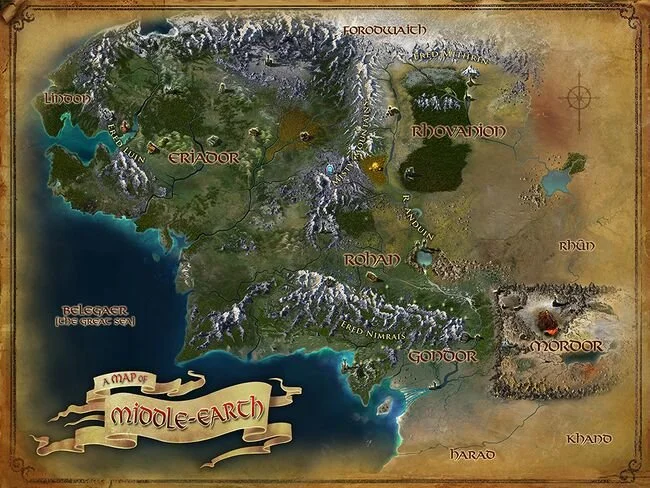
Therefore, if you are seeking a single name for your Sith character that reflects the lore of Star Wars then you’ll find your options quite limited. As a rule Sith characters have enigmatic, portentous names. Darth Tyranus or Sidious for example. Hence as a player you’ll be looking for words that can be augmented or general cool names like Obsidian or Malignant. However, all such variants are taken. After about a dozen failed attempts I then decided to try a less scattershot approach and drew up a list of names and worked through them. I included people and creatures from Roman and Greek mythology such as Manticore, Xenophon and Talos. I then translated interesting words into Latin, as these proved appropriate. For example, “monstrous” which translates to immanis. I even ended up trying the names of Numenorean Kings but to no avail.
Eventually, I found a name that worked. It required some spelling alterations and is three syllables instead of the more desirable two, but it hadn’t been taken so it was accepted. I had to plunder the annals of Cornish folklore to find a viable name. Thus my Sith Warrior is now Acolyte Khormoran. Comoran being the Giant that terrorised Cornwall during the reign of King Arthur. So all’s well that ends well. The pedantic may wish to point out that I could have spared myself a lot of hassle simply by creating a name with Darth in the title right at the outset. Indeed I could but then my character would have been sporting the title “Darth” before it was earned causing a lore and continuity calamity. However, regardless where one stands on such issues, the fact remains that finding the right name in a decade old MMO can be a problem. Which is why more recent games have introduced more flexible systems.



The Problem With Online Reviews
I recently broke the “free loop” on my smartband strap (and yes, I had to look that up to find the proper terminology). A quick search on Amazon verified that replacements were easily available. However, I couldn’t find any made by the manufacturer, Huawei, so I then started trawling through the third party clones. I narrowed the choice down to about three and then read their associated “reviews” made by those who may or may not (more on the latter shortly) have bought them. You wouldn’t think that something as innocuous as a silicon watch strap could engender such opprobrium and outrage. But apparently they do. As do so many other products and services. Hence the title of this post and my assertion that most online reviews are redundant. Perhaps it would be prudent to add a tenth level of hell to Dante’s Inferno which addresses this sorry issue.
I recently broke the “free loop” on my smartband strap (and yes, I had to look that up to find the proper terminology). A quick search on Amazon verified that replacements were easily available. However, I couldn’t find any made by the manufacturer, Huawei, so I then started trawling through the third party clones. I narrowed the choice down to about three and then read their associated “reviews” made by those who may or may not (more on the latter shortly) have bought them. You wouldn’t think that something as innocuous as a silicon watch strap could engender such opprobrium and outrage. But apparently they do. As do so many other products and services. Hence the title of this post and my assertion that most online reviews are redundant. Perhaps it would be prudent to add a tenth level of hell to Dante’s Inferno which addresses this sorry issue.
I am going to compliment all of us by assuming that we all know exactly what the function of a product or service review is. Sadly, it is clear by the reviews and comments left on so many sites such as Amazon, Argos, Curry’s and many, many other online retailers that a lot of people don’t. For example, I see no correlation between the font used on a product’s packaging and its ability to perform the function for which it is created. Yet I have seen reviews that suggest this. I have also read reviews for the most trivial of products that have somehow managed to enrage the customer to levels comparable to a Klingon Blood Feud. Exactly how a poorly made, novelty coaster can be seen as a slur on your honour and that of your Shaolin Temple is beyond me. Yet you’ll find these sorts of reviews and comments everywhere. When I was last at the Science Museum in London, someone had left a strident complaint in the visitors book (in capital letters) that it was all a bit too “sciency”.
Now there is scope for this post to become a sprawling catalogue of amusing anecdotes but I don’t think that is really necessary to validate my point. In principle, allowing customers an option to leave feedback about the products they’ve bought is a sound idea. It is sadly hamstrung by the reality that those who feel most disposed to avail themselves of such services, are often those least equipped to do so. Naturally, you have to allow for a percentage of comments that are just pure trolling. However, if you filter those out, you still find a wealth of irate customers who seem to feel that they have been actively conspired against. Upon reflection, such comments and reviews paint a very worrying picture of our society. It brings into question such things as the state of critical thinking, emotional literacy and appropriate behaviour in our wider society.
A lot of people certainly do seem to have unrealistic expectations regarding the products they buy. Is it wise to presume commensurate standards between buying a laptop and buying a multipack of fat balls for your bird feeder. Also, mass production always has scope for some items to fail quality control. If you are unfortunate to have a broken item delivered is it really likely that the manufacturers planned this like a Bond villain in a volcano lair? Is wishing death and damnation to all associated with the company until the tenth generation, really an appropriate response? And then there are those people who happily admit that they haven’t bought the product in question but feel compelled to join in, get involved and “contribute” to the discussion. This particular group worries the hell out of me and seems to be a direct result of the 24/7 society and the way we are driven towards continuous engagement, whether we wish it or not.
I managed to choose a new strap, despite the various comments that the manufacturers were “utter bastards” and that the product was not handmade from the finest materials and brought to my door on a silver platter. I worked out how to attach it without resorting to using a bread knife to saw it off, as one review complained. So far the strap has not presented any problems. If it lasts a year it will have merited its £5 cost. Have I learned a lesson as a result of this experience? Yes I have. I am not going to totally ignore user reviews and comments in future. But I will use any filter function judiciously. “Sort by relevance” is quite effective. If they want to add a means to ignore all crazy comments, I’d happily embrace that functionality. In a modern democracy it is hard to stop the “furiously hard of thinking” from expressing their views. I’d rather not play to their fears of being “cancelled”. But if I can mute their existence during my online experiences I’d consider that a win.















Benjamin Franklin (2022)
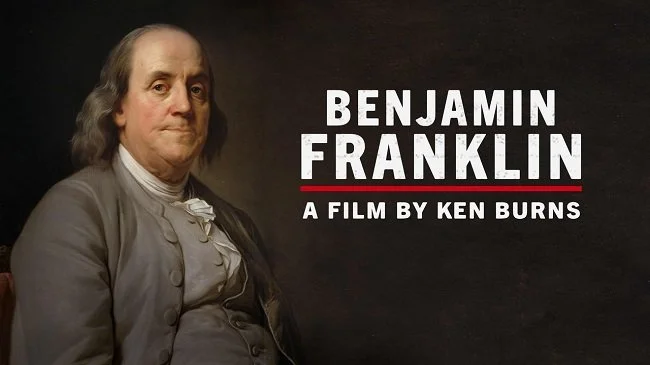
Benjamin Franklin is in many ways the most interesting of the American Founding Fathers. A self taught man who went on to become a polymath. An inventor, accomplished writer and publisher. A diplomat who successfully held multiple public offices. A loyalist who went on to become a “reluctant revolutionary”. A slave owner who eventually became an abolitionist. A questionable parent who favoured specific children over others, as well as a negligent husband. Franklin was all these things, as Ken Burns’ documentary takes great pains to highlight. A broad cross section of historians tackle these foibles and contradictions from multiple perspectives. As Joseph J. Ellis states, Benjamin Franklin was “a Nobel-calibre scientist, the greatest prose stylist of his generation, and probably the greatest diplomat in American history”. His legacy is chronologically analysed over four hours in two distinct episodes.
Benjamin Franklin is in many ways the most interesting of the American Founding Fathers. A self taught man who went on to become a polymath. An inventor, accomplished writer and publisher. A diplomat who successfully held multiple public offices. A loyalist who went on to become a “reluctant revolutionary”. A slave owner who eventually became an abolitionist. A questionable parent who favoured specific children over others, as well as a negligent husband. Franklin was all these things, as Ken Burns’ documentary takes great pains to highlight. A broad cross section of historians tackle these foibles and contradictions from multiple perspectives. As Joseph J. Ellis states, Benjamin Franklin was “a Nobel-calibre scientist, the greatest prose stylist of his generation, and probably the greatest diplomat in American history”. His legacy is chronologically analysed over four hours in two distinct episodes.
The first episode explores Benjamin Franklin's early life, covering his education or lack thereof, his talent for printing, his thirst for knowledge and personal improvement as well as his personal life. As he rises socially and becomes a man of the people in local politics, he is defined by drive for continuous civic improvement. The second episode explores his time in London and Europe and how events revealed the British Monarchy’s true perception of America’s place within its Empire. Burns and writer Dayton Duncan explore Franklin’s deeds in detail trying to separate measured and reliable facts, from reputation, myth and propaganda from his political enemies. Although a towering intellect, Franklin remains accessible and quite human. The breakdown in his relationship with his son William, the last governor of New Jersey, is quite sad due to him being on the opposite side of the political divide. Franklin also seems remorseful in later life for his failures as a husband.
Ken Burns continues to produce multiple documentaries, tackling key aspects of American history and culture, such as the Vietnam War, as well as iconic individuals like Ernest Hemmingway. Yet Benjamin Franklin is stylistically closer to his earlier work such as The Civil War, focusing on source text material and contemporary historical analysis due to the subject matter being outside of our 20th and 21st century experience. The production values are straightforward with historians, biographers and academics providing talking heads. Graphics, period artwork and music replace video footage and film archive material. As ever, a great deal of thought has gone into the voiceovers. Peter Coyote again provides dignified narration, while Franklin’s own words are brought to life by the charismatic Mandy Patinkin. By avoiding historical reenactments and favouring a lower key approach, Burns allows the audience to know and understand Franklin through his words and deeds.
What Ken Burns excels at is presenting history in such a way as to make it relevant to the present. Parallels are offered to the current status quo and it is up to the audience to determine if they hold water. Burns does not avoid unpleasant truths and is not averse to tackling problematic aspects of a person who is considered by some a sacred cow. The issues of slavery is addressed as well as Franklins views on race. Both are presented in an appropriate context. Benjamin Franklin is a worthy exploration of the man and the four hour running time, conveniently divided into two parts works extremely well. As a British citizen I was especially struck by the duality of the man who at first saw himself a staunch loyalist only to become an ardent seperatist. I also admire the fact that much of Franklin’s most famous achievements were undertaken in the last fifteen years of his life. He was building a nation with men half his age.








A Month in Gaming
I have confined my gaming to three MMORPGs in recent months and have not strayed into anything new. Time has been an issue due to a great deal of change in my domestic life. Hence The Lord of the Rings Online, Star Wars: The Old Republic and Star Trek Online have proven suitable for my needs. Being able to log into a game and commence an activity without any complicated preamble is convenient and currently suits my schedule down to the ground. I will be buying Sniper Elite 5 at the end of the month as this is a franchise that has always proven entertaining and engaging. While recently perusing the various game launchers I have installed, I took the opportunity to remove several games that I’m no longer playing or that have proven to be a “five minute wonder”. Hence I said goodbye to GreedFall, Tom Clancy’s Ghost Recon: Breakpoint and Days Gone. Their removal is no reflection upon their quality.
I have confined my gaming to three MMORPGs in recent months and have not strayed into anything new. Time has been an issue due to a great deal of change in my domestic life. Hence The Lord of the Rings Online, Star Wars: The Old Republic and Star Trek Online have proven suitable for my needs. Being able to log into a game and commence an activity without any complicated preamble is convenient and currently suits my schedule down to the ground. I will be buying Sniper Elite 5 at the end of the month as this is a franchise that has always proven entertaining and engaging. While recently perusing the various game launchers I have installed, I took the opportunity to remove several games that I’m no longer playing or that have proven to be a “five minute wonder”. Hence I said goodbye to GreedFall, Tom Clancy’s Ghost Recon: Breakpoint and Days Gone. Their removal is no reflection upon their quality.
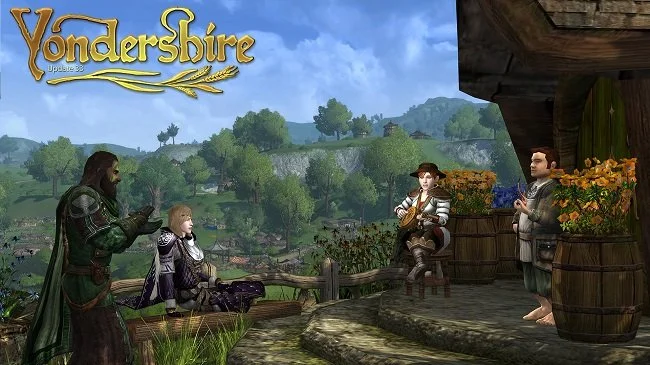
I’ve finally completed all outstanding content in LOTRO and find myself now kicking my heels. The conclusion of Fate of Gundabad was interesting and I felt that there was emotional depth to the character Mótsog. I have also enjoyed exploring both The Angle of Mitheithel and Yondershire. I like the way that Standing Stone Games is not just creating new content for endgame. Adding additional zones for players levelling alts makes good business sense. It also makes the game more attractive to returning players by offering them content that they previously haven’t played. At the time of writing this post, LOTRO is celebrating its 15th anniversary. Although this is a significant milestone and one I am pleased that the game has achieved, I am not especially interested in the celebrations themselves. I don’t find any of the activities engaging, nor do I find any of the gifts and prizes that can be claimed desirable. I prefer the functional over the cosmetic.
Despite some frustration with the post Knights of the Eternal Throne storyline in SWTOR, rather than quit I decided to continue to play through the remainder of the original game. So far I have completed the Imperial Agent and Trooper stories. Both were well conceived and executed, although I did find the Trooper a little underpowered as a class. Speaking of which, it would also appear that every class in the game has at least one companion that is an utter twat. I see absolutely no merit in companions such as Skadge and Kaliyo Djannis. They’re objectionable and their dysfunctional nature doesn’t provide any alternative insight. These aren’t anti-heroes that make philosophical points to counter traditional archetypes. These are just shitty people who are a pain in the butt. Mercifully, for every poorly conceived companion there are at least two who are well rounded and relatable.
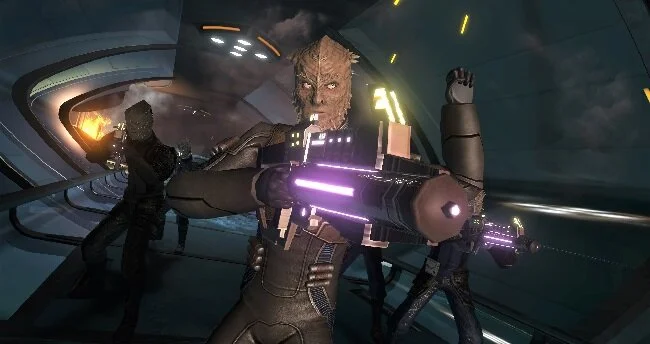
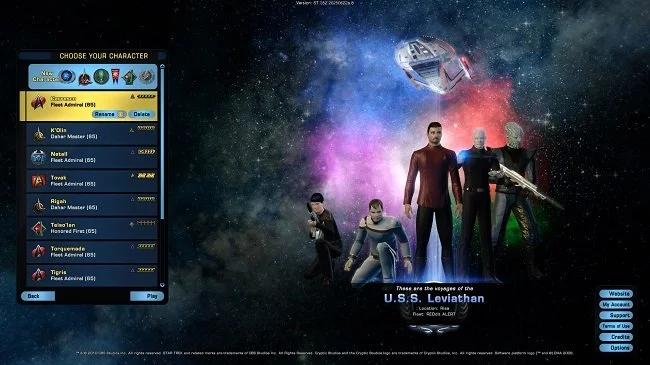
Moving on to my final gaming mainstay, STO, I continue to find this MMO ideal for quick fix entertainment. This game offers long term involvement but also excels at providing daily activities that can be quickly undertaken.In the last few months I have earned A600 Android (Combat Pet), a Tier 6 Jarok Alliance Carrier and sundry upgrade tokens for use on various alts. I’ve also continued working my way through the various story arcs in the main game and it has again proven a welcome reminder at how well developer’s Cryptic are at utilising the wealth of Star Trek lore to their advantage. Canonical characters and events are not just referenced or invoked as a lazy fan service, but drawn upon in ways that are relevant and that sustain an interesting narrative. I look forward to Star Trek: Strange New Worlds being integrated into the game.
Ennio (2021)
Giuseppe Tornatore’s sprawling documentary Ennio, is a finely detailed and absorbing exploration of prolific and iconic Italian composer Ennio Morricone. Despite its very traditional approach to its subject matter, looking at Morricone’s career chronologically, intercut with celebrity talking heads, it still manages to convey the unorthodox, innovative and experimental nature of the composer. The 156 minute running time is not necessarily the impediment that one expects. Rather it is the sheer weight of the emotional impact that comes from Morricone’s music that is at times overwhelming. Archival footage and a new and comprehensive interview recorded just prior to the composer’s death in 2020 is intercut with a wealth of audio cues and concert footage from a broad cross section of his work. The result is most illuminating with regard to the man and his approach to composing. The conclusion backed by many of those interviewed is that Ennio Morricone has shaped the nature of film music and elevated it to an artform.
Giuseppe Tornatore’s sprawling documentary Ennio, is a finely detailed and absorbing exploration of prolific and iconic Italian composer Ennio Morricone. Despite its very traditional approach to its subject matter, looking at Morricone’s career chronologically, intercut with celebrity talking heads, it still manages to convey the unorthodox, innovative and experimental nature of the composer. The 156 minute running time is not necessarily the impediment that one expects. Rather it is the sheer weight of the emotional impact that comes from Morricone’s music that is at times overwhelming. Archival footage and a new and comprehensive interview recorded just prior to the composer’s death in 2020 is intercut with a wealth of audio cues and concert footage from a broad cross section of his work. The result is most illuminating with regard to the man and his approach to composing. The conclusion backed by many of those interviewed is that Ennio Morricone has shaped the nature of film music and elevated it to an artform.
Morricone’s personal recollections of his youth and of his family’s poverty are candid. His Father, a trumpet player of some note, insisted his son learn music as a means to “put food on the table”. Morricone’s skill took him to the Saint Cecilia Conservatory to take trumpet lessons under the guidance of Umberto Semproni. He then went on to study composition, and choral music under the direction of Goffredo Petrassi. However, despite this very formal music education, Morricone took an innovative approach to his arrangements and would often use unorthodox sounds to add character to his work. During his tenure at RCA Victor as senior studio arranger, his contemporary approach found him working with such artists as Renato Rascel, Rita Pavone and Mario Lanza. As his reputation subsequently grew, composing for film became a logical and practical career progression. However, this was something that was looked down on by his more formal colleagues. A view that changed overtime as the calibre of his work became undeniable.
Ennio features a wealth of soundbites from prior interviews and new ones, from old friends, fellow musicians and admirers. Some are profound, some gush and others are curious by sheer dint of their inclusion. The views of Bruce Springsteen are somewhat hyperbolic and Paul Simonon makes a single obvious statement. However the insight we gain from classical composer Boris Porena is extremely thoughtful and interesting. As are the views of Hans Zimmer and Mychael Danna. There are also numerous personal anecdotes from assorted collaborators, including Joan Baez, Paolo and Vittorio Taviani as well as Roland Joffé. Baez recalls how Morricone intuitively wrote for her entire vocal range. The Taviani brothers reflected upon how they were at odds with the maestro only to be totally won over by work. Joffé reflects how Morricone wept when he saw The Mission, stating it didn’t need a score. Often it is Morricone’s own recollections that are the most intriguing. For someone of such exceptional talent he remains grounded, sincere and protective of his craft.
Director Giuseppe Tornatore naturally focuses on his own collaborations with Morricone, especially Cinema Paradiso, but overall Ennio is about the man, his philosophy and his joy of music. Some critics have inferred that this documentary is too Italian-centric but that is a crass complaint. Sixty years of Italian culture, both artistically and politically, are reflected in Morricone’s work. Hence there is significance in the reminiscences of Italian pop stars contracted to RCA who owe their success to Morricone’s innovative arrangements and production values. Ennio also features several anecdotes that are surprising and revealing, such as how the maestro missed an opportunity to write the soundtrack for Stanley Kubrick’s A Clockwork Orange. Long and at times a little overwhelming, Ennio is a fitting tribute to the great composer. It is also a testament to the skills of editor Massimo Quaglia for cogently assembling such a vast amount of information and sentiment into a coherent narrative.
Why I'm Not Leaving Twitter
A lot of people seem to be concerned about Elon Musk buying Twitter. Apparently the billionaire, who describes himself as a “free speech absolutist”, considers the social media platform to be a “digital town square where matters vital to the future of humanity are debated”. Really? I’ve obviously missed all that, unless it’s being done through the use of cat videos. Setting aside Musk’s penchant for hyperbole, legitimate concerns have been raised by various Human Rights groups regarding the new owner’s intent to reduce moderation on Twitter. Also will previously suspended accounts be reactivated? Hence, even in my quiet backwater of Twitter, I’ve seen several discussions about whether people should leave and a lot of concern for what is to come in the weeks and months ahead.
A lot of people seem to be concerned about Elon Musk buying Twitter. Apparently the billionaire, who describes himself as a “free speech absolutist”, considers the social media platform to be a “digital town square where matters vital to the future of humanity are debated”. Really? I’ve obviously missed all that, unless it’s being done through the use of cat videos. Setting aside Musk’s penchant for hyperbole, legitimate concerns have been raised by various Human Rights groups regarding the new owner’s intent to reduce moderation on Twitter. Also will previously suspended accounts be reactivated? Hence, even in my quiet backwater of Twitter, I’ve seen several discussions about whether people should leave and a lot of concern for what is to come in the weeks and months ahead.
For starters, let’s address some of the pachyderms that accompany this situation. Elon Musk is a “curious” character. His perception and personal experience of the nature of free speech will most certainly be different to ours, due to his wealth and power. Remember his “pedo guy” comments? He’s also a thin skinned individual who has often gone after journalists who are critical of him. So I don’t place any credence upon his claim to be a “free speech absolutist”. He’s a businessman and I therefore see his acquisition of Twitter as being a means to an end either for him directly or his peer group. Twitter may or may not be the “town square” that he claims it to be but it certainly is an immense source of useful information, from a corporate perspective. It is also a tool that not only reflects opinion but can potentially be used to shape it. That makes it important.
So what happens next? Is Twitter going to become even more of a Wild West under Elon Musk’s watch? Maybe. Maybe not. He does claim to have other aspirations for the platform and not all of them appear bad. I certainly would favour a clampdown on “bot” accounts. However, if people leave preemptively, especially those from minority groups or with specific political leanings, then that decline that everyone fears will be accelerated. Sometimes, conceding ground is a sound strategy but I don’t believe that is the case in this instance. You don’t counter opposing ideologies by ignoring them or dismissing them. You meet them head on and your arguments stand or fall on their merits. Education is a slow process at times. Retreating won’t achieve any of that. “The line must be drawn here! This far, no further!” if you want a motivational Star Trek quote to validate the argument.
I am fully aware that Twitter can be an utter cesspool at times. But broadly speaking that is not my own personal, daily experience. This is due to the fact that I control what does and doesn’t appear in my timeline. I often get the impression that a lot of people are using the default Twitter client and are not curating their timeline as well as they should. I expect Twitter to make some effort with regard to moderation and sanction when rules are broken but I also think it is incumbent on me to take an active role in managing what I am exposed to. Although I expect the local council to keep the streets clean, I still pay attention as to where I walk. If I step on a dog turd due to my own inattentiveness, that’s on me. Therefore, mute keywords and block users accordingly. It makes a surprising difference to your overall Twitter experience.
If you want a life that is totally devoid of risk, unpleasantness, upset and controversy then perhaps the best policy is to eschew all forms of social media. You may also wish to stay at home, avoid all family and personal relationships and any other form of direct human interaction. I’m not opposed to the concept of “safe spaces” but some mediums simply do not lend themselves to being one. Twitter is one example. Like a swimming pool, someone is always going to piss in it. Therefore, the most you can do is manage your own virtual borders and regularly curate your Twitter timeline. If done wisely your experience online can be very rewarding. Twitter will never be perfect, as it involves people who are by default “flawed”. As to how the platform performs under its new owner’s stewardship, perhaps a “wait and see approach” is appropriate. In the meantime, do what you can to protect yourself and focus on the positive aspects the platform provides.






Caring for the Elderly Part 16
Last December, my 91 year old Mother suffered a rapid mental decline and was hospitalised. We have subsequently learned that this is potentially due to another stroke. Whatever the exact medical reasons, my Mother has been left bed bound, unable to feed herself and in a state of mental confusion and distress. When she was discharged home in mid January it quickly became clear that the four care visits that were scheduled each day were not sufficient for her needs, despite the staff doing their best and my Sister and I providing additional support. Matters were further compounded by personal ill health and other external factors. My Sister has worked from home for the last two years but has now started a staged return to the office. As we felt would no longer be able to cope we turned to both Social Services and the local Mental health Team for any assistance that they could provide.
Last December, my 91 year old Mother suffered a rapid mental decline and was hospitalised. We have subsequently learned that this is potentially due to another stroke. Whatever the exact medical reasons, my Mother has been left bed bound, unable to feed herself and in a state of mental confusion and distress. When she was discharged home in mid January it quickly became clear that the four care visits that were scheduled each day were not sufficient for her needs, despite the staff doing their best and my Sister and I providing additional support. Matters were further compounded by personal ill health and other external factors. My Sister has worked from home for the last two years but has now started a staged return to the office. As we felt would no longer be able to cope we turned to both Social Services and the local Mental health Team for any assistance that they could provide.
Both sent staff promptly to visit my Mother in February and assess her needs. The consensus was that a Nursing Home placement would be the best solution. This immediately raised the issue of funding. Fees in the London area are on average about £1000 per week, although they’re lower elsewhere in the UK. If you cannot afford these, you can seek financial assistance via the Local Authority/Borough Council but the criteria is very strict and there is a shortage of available places. Simply put, due to budgetary constraints the Local Authority prefers that people are cared for at home. However, my Mother’s Social Worker suggested applying for NHS Continuing Healthcare. If a patient has specific healthcare issues that require a high degree of support or that are rapidly changing, then NHS funding can be provided. It is in many ways one of the “best kept secrets” of the UK healthcare systems, as so few people seem to be aware of it.
To cut a very long and complex story short, I completed a substantial amount of paperwork and supplied a lot of medical evidence for my Mother’s claim. I attended a three hour meeting via Microsoft Teams in early March to be told at the end that the recommendation going forward was that she wasn’t eligible. As a result, I then focused on a back up plan of taking equity out of my Mother’s home to fund her care. I was therefore very surprised to be told two weeks later that the panel making the final decision had reversed the recommendation and had awarded my Mother full NHS Continuing Care funding. This included the care that was being provided at home as well as a future Nursing Home placement. By the end of March we were contacted by the local NHS CHC team regarding vacancies at suitable homes in the area. Three places were discussed and within a week a room became available in a home that specialises in dementia care.
I am fully aware that my family has been extremely fortunate in our dealings with Social Services, the NHS and in navigating the bureaucracy arising from Adult Social Care. In four months we have made a great deal of progress. I’ve read a lot of forums and subreddits where carers share their experiences in looking after family members and one of the most commonest themes is the slow speed at which the administrative wheels turn. At the beginning of April I met with the manager of the care home that was offering my Mother a place. My Sister and I were also given a comprehensive visit of the premises, which was not a stage managed tour but a very clear insight into the daily life there. We were even shown around the laundry and kitchens. Based upon what we had seen and discussed, as well as the online reports from the Care Quality Commission regarding the home, my Sister and I decided to accept the placement and my Mother moved in on April 7th.
My Mother is often at her most lucid after her midday meal. I took the opportunity to try and explain the situation to her a few days prior to her move. She does not have “capacity” to use medical terminology but I felt obliged to try and explain such a major change to her life. I think she broadly understood that care in her own home was no longer the best option. Her attention wandered after 5 minutes or so but I felt compelled to discuss the matter with her. Perhaps it had more to do with me and the need to come to terms with my actions. I know I’ve made the right choice with regard to my Mother’s care but placing a loved one in a home is a major decision. However, I now think I have reconciled myself to the fact that I am no longer directly responsible for my Mother’s daily wellbeing. The baton has been passed to others and I need to trust them and allow them to do their job.
Update: Life is filled with change and is seldom static. I wrote the bulk of this post the day after my Mother went into care. She spent two and a half days there before becoming ill. On Sunday 10th of April she was taken to hospital and admitted with pneumonia and sepsis. She was given 24 hours to live. The hospital Chaplain sat with her that evening. Amazingly she slowly recovered over the next 12 days and was discharged on April 21st. Due to strict COVID-19 regulations I was not able to visit her in hospital and so I was looking forward to seeing her when she returned to the care home. Fate has intervened once again, as I was informed on April 22nd that she has now tested positive for COVID. She’s not going back to hospital but remains in poor health and is currently having difficulty swallowing. I suspect that she may not bounce back a second time. However, she is being very well cared for.



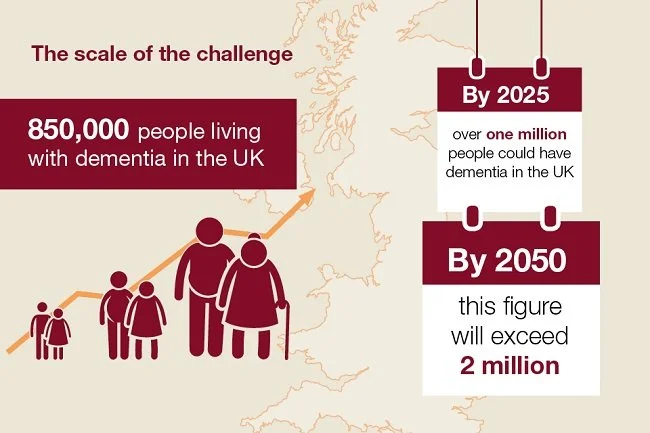
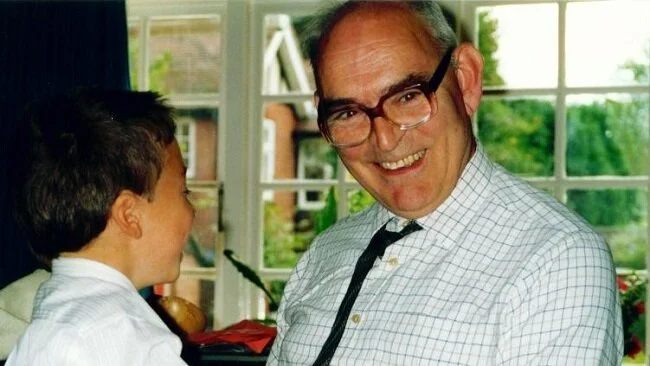




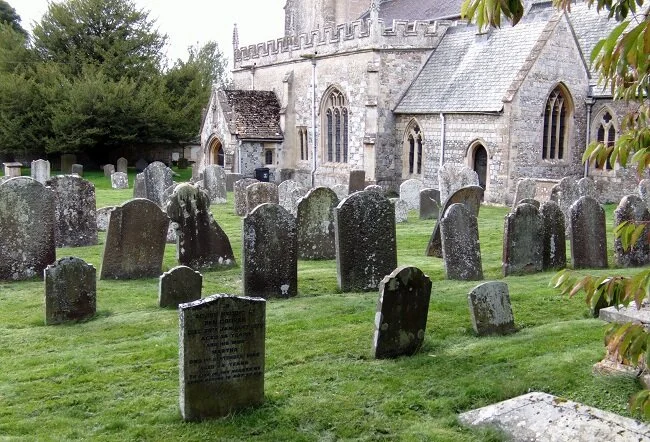

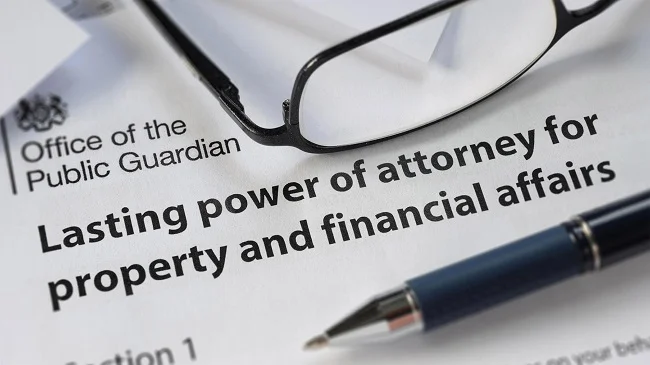

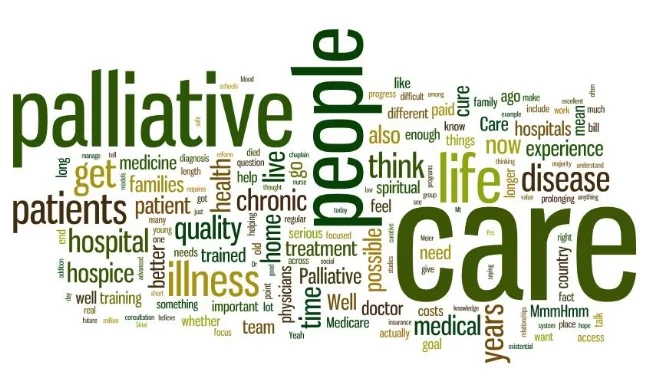




Gerry Anderson: A Life Uncharted (2022)
Gerry Anderson: A Life Uncharted is a documentary that focuses specifically on the man, rather than the shows that he created. If you are more interested in the latter then you would be better off watching Filmed in Supermarionation (2014), which provides a comprehensive overview of all productions, wrapped in a cosy blanket of nostalgia and fandom. Gerry Anderson: A Life Uncharted offers a more challenging viewing experience due to its honesty and candour. Gerry Anderson had a difficult childhood and suffered a bereavement early in life. During the course of this 88 minute exploration of his life it becomes clear that these traumas both drove his creativity as well as marred his own personal life. Furthermore, this documentary is also about a son looking for answers, as Jamie Anderson attempts to learn more about his father’s past.
Gerry Anderson: A Life Uncharted is a documentary that focuses specifically on the man, rather than the shows that he created. If you are more interested in the latter then you would be better off watching Filmed in Supermarionation (2014), which provides a comprehensive overview of all productions, wrapped in a cosy blanket of nostalgia and fandom. Gerry Anderson: A Life Uncharted offers a more challenging viewing experience due to its honesty and candour. Gerry Anderson had a difficult childhood and suffered a bereavement early in life. During the course of this 88 minute exploration of his life it becomes clear that these traumas both drove his creativity as well as marred his own personal life. Furthermore, this documentary is also about a son looking for answers, as Jamie Anderson attempts to learn more about his father’s past.
Gerry Anderson was born Gerald Alexander Abrahams in 1929. His secular Mother Deborah was frequently at odds with her Jewish husband Joseph and hence Gerry’s most formative years were blighted by the acrimonious and dysfunctional marriage of his parents. He was also subject to antisemitic abuse during his early school days which eventually led to his mother changing his surname by deed poll. Gerry idolised his older brother Lionel and always felt in his shadow. When Lionel died in a plane crash during World war II, Gerry was devastated. Needless to say these emotional issues both motivated and plagued him throughout his life. Gerry strove to escape the poverty of his youth and be successful. His scripts often featured strong father figures and absent mothers. His workaholic nature meant he often became estranged from his own family. He also struggled to maintain friendships beyond business.
Gerry Anderson: A Life Uncharted offers a broad spectrum of views and opinions. There is both old and new archive footage of Gerry talking quite candidly about his relationship with his parents, his failings as a parent and the deterioration of his marriage to Sylvia. It doesn’t always make for comfortable viewing but it is very credible and human. Contrary views are also aired from those who worked with him such as Roberta Leigh and three of his four children contribute in an equally candid fashion. From Gerry’s perspective, despite all his hard work he never seemed to reconcile himself to his success. He also felt that Sylvia over-stated her contribution to the success of AP Films and Century 21 and it is clear that he felt taken advantage of. Despite becoming successful and then subsequently losing it all, he eventually found happiness and stability with his third marriage to Mary Robbins.
A key part of Gerry Anderson: A Life Uncharted is its focus on Gerry’s struggle with dementia during the last few years of his life. It is a very personal account recounted from the perspective of son Jamie and mother and wife Mary. It will resonate with anyone who has first hand experience of a loved one succumbing to this condition and many of the anecdotes recounted will have a familiar ring to them. Yet despite the difficulty of dealing with such a debilitating illness, it is fascinating how Gerry managed to use his fame to raise public awareness, as well as £1 million for the Alzheimer's Society in a year. Tragically, when he finally passed away on Boxing Day 2012, Gerry had no memory of his life work or its popularity.
Gerry Anderson: A Life Uncharted takes a gamble by using deep fake technology in order to bring Gerry Anderson back to the screen, thus making the audio interviews more accessible. What viewers are presented with are a series of black and white scenes of Gerry sitting on a sofa talking to an interviewer off camera. The documentary clearly states its use before it begins and its inclusion does not in any way invalidate the authenticity or relevance of the actual audio interviews. Overall, if you wish to understand what drove Gerry Anderson to be so creative and successful, then Gerry Anderson: A Life Uncharted offers some insight. It also clearly shows the human cost as well. Fans who idolise their heroes may be uncomfortable with Gerry’s open admission of his own personal failings. Those with a capacity to separate their feelings of fandom from their curiosity will be rewarded with an engaging and somewhat melancholic documentary. Just bear in mind that some facts presented remain disputed and that this is documentary is weighted towards Gerry Anderson’s perspective.
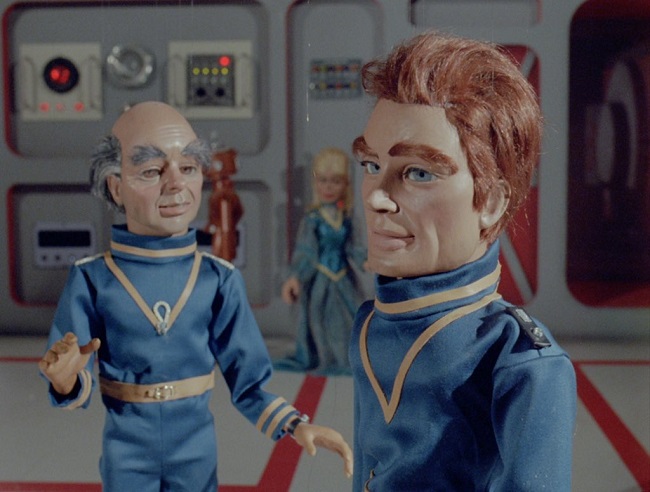

Thoughts on Work Part 3
As my caring commitments are now over, I find myself in the “interesting” position of being 54 years old and potentially returning to the job market. I use the phrase “potentially” because I am fortunate enough to have a financial safety net in place, so it is not as if I have to find gainful employment immediately. So there is no pressing requirement for me to claim Universal Credit and find work via the UK social security system, which is most fortunate. The DWP has a policy of actively pressuring benefit claimants into accepting any kind of work, irrespective of skills, after a few weeks as part of a policy of trying to keep the employment number low. I have no intention of going down that route and so will look for work in my own way and on my own terms.
A spoof résumé, or is it?
As my caring commitments are now over, I find myself in the “interesting” position of being 54 years old and potentially returning to the job market. I use the phrase “potentially” because I am fortunate enough to have a financial safety net in place, so it is not as if I have to find gainful employment immediately. So there is no pressing requirement for me to claim Universal Credit and find work via the UK social security system, which is most fortunate. The DWP has a policy of actively pressuring benefit claimants into accepting any kind of work, irrespective of skills, after a few weeks as part of a policy of trying to keep the employment number low. I have no intention of going down that route and so will look for work in my own way and on my own terms.
Over the years, my attitude towards the entire concept of work has evolved. At my age I am certainly not concerned about a career, nor am I especially concerned about how others perceive my relationship with work. Work is a quid pro quo although lots of employers seem to have forgotten this. I provide skills to undertake a pre-agreed set of tasks and get financial remuneration in return. Anything outside of that is bullshit. Simply put, I am not defined by work or anything like that. It is a means to an end. Nor do I find myself at a loose end without it. I can happily fill my days with activities and occupy myself. However, I cannot officially retire just yet for financial reasons. Hence I need a source of revenue. But it doesn’t need to be a fortune and therefore there are a lot more options available as to how I can earn it.
Spookily enough they had no vacancies for “head of secret police” or “ninjas”
So with all that in mind, I’ve created three new CVs (curriculum vitae/résumé). One with respect to my IT project experience, tailored to contract work. Another has been weighted towards general administrative experience (my time as a civil servant) and the last focuses upon my writing and podcast skills. I have registered with several job websites and have already started looking at what is out there. This has been most illuminating but not necessarily in a good way. I noticed that some job vacancies do not give any information about the salary. Apparently this is common practice in the US and some European countries. Needless to say I will have no truck with it. I am not going to apply for a position, attend an interview and invest valuable time and effort, only to find out that the pay is inadequate. The tail does not wag the dog.
At present I have a three tier plan with regard to employment. Plan A is focused around writing and podcasting. Can I monetise Contains Moderate Peril or can I write for someone else and get paid for it? Possibly. I’m also thinking about some new writing projects and websites that may lend themselves more to monetisation. I may also try to return to technical writing as I did this back in 2015. Plan B is a return to IT contracting. Oddly enough I received a phone call from a recruitment executive recently who still had my details. They reckoned I still had the necessary skills needed to find work, despite being out of the “game” for 6 years. And if the shit hits the fan, then there’s Plan C. This is the last resort where I take any job that covers my expenses. It is not a prospect I relish, working minimum wage for some 27 year old sociopath.
The office twat
I appreciate that my perspective on employment is not something that everyone has the luxury of sharing. Many people do not have savings to give them a degree of independence while they look for work. Your skills and abilities also determine how much say you have in looking for work as well as the kind of work you undertake. Certain jobs simply do not get the respect and recognition they deserve. We briefly paid lip service to this during the pandemic but it soon evaporated once the status quo resumed. At present the job market is weighted in favour of the employer rather than the employee and this does not make for good pay or terms and conditions. The increasing cost of living also means that many jobs no longer provide the financial security that they once may have done. Overall, it’s not the best time to be looking for work. However, regardless of the results, I’m sure the search itself will make a good blog post.


The Capricious Nature of “Lazy Writing”
A little over two months ago I returned to the MMORPG, Star Wars: The Old Republic. I have written recently about how this has been a pleasant experience and I certainly haven’t wanted for content to play through. SWTOR has always offered well conceived and complex stories. This is essentially the MMOs primary appeal to me. Hence I have recently caught up with Rise of the Hutt Cartel, Shadow of Revan, Knights of the Fallen Empire and Knights of the Eternal Throne. The episodic nature of the last two expansions have both good and bad points. However, the central story was solid and engaging. However, when I moved on to the next instalment of the main story, everything changed. Essentially, the plot had backed itself into a corner. So the writers took the easy way out and pursued a new storyline that completely invalidated everything that had happened previously. This infuriated me so I’ve stopped playing.
A little over two months ago I returned to the MMORPG, Star Wars: The Old Republic. I have written recently about how this has been a pleasant experience and I certainly haven’t wanted for content to play through. SWTOR has always offered well conceived and complex stories. This is essentially the MMOs primary appeal to me. Hence I have recently caught up with Rise of the Hutt Cartel, Shadow of Revan, Knights of the Fallen Empire and Knights of the Eternal Throne. The episodic nature of the last two expansions have both good and bad points. However, the central story was solid and engaging. However, when I moved on to the next instalment of the main story, everything changed. Essentially, the plot had backed itself into a corner. So the writers took the easy way out and pursued a new storyline that completely invalidated everything that had happened previously. This infuriated me so I’ve stopped playing.
For those who may not be familiar with SWTOR, the original plot of the MMO focuses on the ongoing war between the Republic and the Sith Empire. The expansion Knights of the Fallen Empire changes this as the Republic and Sith form an alliance against a new antagonist. The idea works well and is sustained over a further expansion, Knights of the Eternal Throne. However, in the following Iokath story line the alliance that you have worked continuously to nurture and sustain is arbitrarily dispensed with, just so the writers can conveniently return to the default situation without having to try hard. During the course of one conversation, I found my character being forced to make a decision to choose whether to support the Sith Empire or the Republic. For want of another phrase, this “lazy writing” pissed on everything that I had invested my time into for the last two months and I found that insulting.
This writing “technique” is not exclusive to video games. It is commonly used in film and TV as a convenient means to bring a narrative back “on track”. In other words, a way to take a story in the direction that you wish to take it, irrespective of whether that invalidates or contradicts what has happened previously. Take the 1992 film Aliens 3. The producers desperately wanted to contrive a situation in which the protagonist, Ellen Ripley (Sigourney Weaver), once again faced a solitary xenomorph in the hope of recreating the success of the original film. However, Aliens (1986), ended with Ripley safe from peril and given a second chance at motherhood by looking after Newt. There was even a hint at a romance with Corporal Hicks. Faced with such narrative obstacles, the writers for Alien 3 contrived a means for Ripley being impregnated by a facehugger while in suspended animation and a spaceship crash subsequently killed off both Newt and Hicks. Needless to say, the audience didn’t buy it.
What such “lazy writing” demonstrates is that no matter how attached we become to characters and stories in films and video games, they are ultimately products. Video games especially have a requirement to keep players not only engaged but also spending. In the case of SWTOR, dispensing with the “Eternal Alliance” was just a means to quickly get the story back on track, after two somewhat experimental expansions. I’m sure it did occur to writing staff that in doing so they mitigated everything that the player had done over the last two years. However, keeping the player base busy and subscribing was deemed more important. If the game and its business model had been better served by an even more obtuse plot development, no doubt that’s what would have happened. Hence, “enthusiastic sales and marketing” and “lazy writing” often go hand in hand. The former drives the latter, usually to the detriment of the product. In this respect SWTOR is far from unique.
LOTRO: Bullroarer Update 33 - Yondershire Beta #3
Standing Stone Games have a third preview of Update 33 for the MMORPG, The Lord of the Rings Online, available on the Bullroarer test server which ends tomorrow. This latest build includes all stables for the new zone. There are six in total, four of which are based in the Hobbits villages of Gamwich, Tighfield, Nobottle and Long Cleave. The mob population has increased since the last preview and all enemy encampments are now accessible. Most importantly, a map of Yondershire is now available clearly showing how the zone fits between The Shire and Ered Luin. Hence players now have sufficient details to be able to accurately appraise Yondershire which has a challenge level of 20-23. Furthermore, the map of Eriador has also been adjusted to show the new zone.
Standing Stone Games have a third preview of Update 33 for the MMORPG, The Lord of the Rings Online, available on the Bullroarer test server which ends tomorrow. This latest build includes all stables for the new zone. There are six in total, four of which are based in the Hobbits villages of Gamwich, Tighfield, Nobottle and Long Cleave. The mob population has increased since the last preview and all enemy encampments are now accessible. Most importantly, a map of Yondershire is now available clearly showing how the zone fits between The Shire and Ered Luin. Hence players now have sufficient details to be able to accurately appraise Yondershire which has a challenge level of 20-23. Furthermore, the map of Eriador has also been adjusted to show the new zone.
This latest beta has been of particular interest to me as there are some significant changes coming to the Lore-master class. My primary character in LOTRO is a Lore-master that I’ve played since 2008. Perhaps the biggest change is the removal of the “Sic’em” trait from the “Keeper of Animals” trait tree. This skill when used summons all Lore-master pets and causes substantial damage to target(s). However, it is a major resource hog and causes lag problems for groups in instance when used. So SSG have decided to retire it and replace it with “A Murder of Crows”. According to the developers this new skill “summons a cloud of crows around the target for 15s. It has a 2 minute cooldown. While they persist the crows inflict enormous damage and disorient their victim, reducing hit chance and increasing the damage of other attacks made against the target. Enemies within 7m of the main target also take constant damage from the cloud of circling avians (but are not debuffed)”.
Class changes are always a source of trepidation for players and it is always difficult to approach such changes in a way that pleases everyone. I remain cautiously optimistic regarding those currently listed on the Official LOTRO Forums. My Lore-master is currently traited for a red line DPS build and so the replacement of “Sic’em” doesn’t especially bother me but I can see how players are attached to the sheer bravado of this skill. I am more intrigued by the statement “damage of LM red line skills and effects in general has been improved” because even at level cap with a robust selection of gear from Steel-bound lootboxes, I still feel a little underpowered at times. So any positive adjustment will be well received by me. With regard to Update 33, it will be interesting to see if there will be a 4th beta test or whether SSG simply go ahead and release the current build.