Not Every Film Needs a Sequel
Sequels are not a modern cinematic invention, nor are lucrative film franchises. Son of Kong (1933) followed King Kong (1933) within a year. Universal ran a horror movie franchise starting with Dracula in 1931 which ran until 1956, ending with The Creature Walks Among Us. However, although striking it rich at the box office has always been the focus of mainstream Hollywood filmmaking, the studio system of the so-called golden age at least was committed towards making quality cinema and films were not just about brand recognition. As well as seeking big hits the major studios were also content to produce smaller budget films that were moderately successful. However, this approach changed substantially in the late sixties and early seventies when the major film studios of Hollywood were bought by corporations. Creativity and entertainment were subsequently tempered by a business strategy that saw art as a product to be sold and marketed.
Sequels are not a modern cinematic invention, nor are lucrative film franchises. Son of Kong (1933) followed King Kong (1933) within a year. Universal ran a horror movie franchise starting with Dracula in 1931 which ran until 1956, ending with The Creature Walks Among Us. However, although striking it rich at the box office has always been the focus of mainstream Hollywood filmmaking, the studio system of the so-called golden age at least was committed towards making quality cinema and films were not just about brand recognition. As well as seeking big hits the major studios were also content to produce smaller budget films that were moderately successful. However, this approach changed substantially in the late sixties and early seventies when the major film studios of Hollywood were bought by corporations. Creativity and entertainment were subsequently tempered by a business strategy that saw art as a product to be sold and marketed.
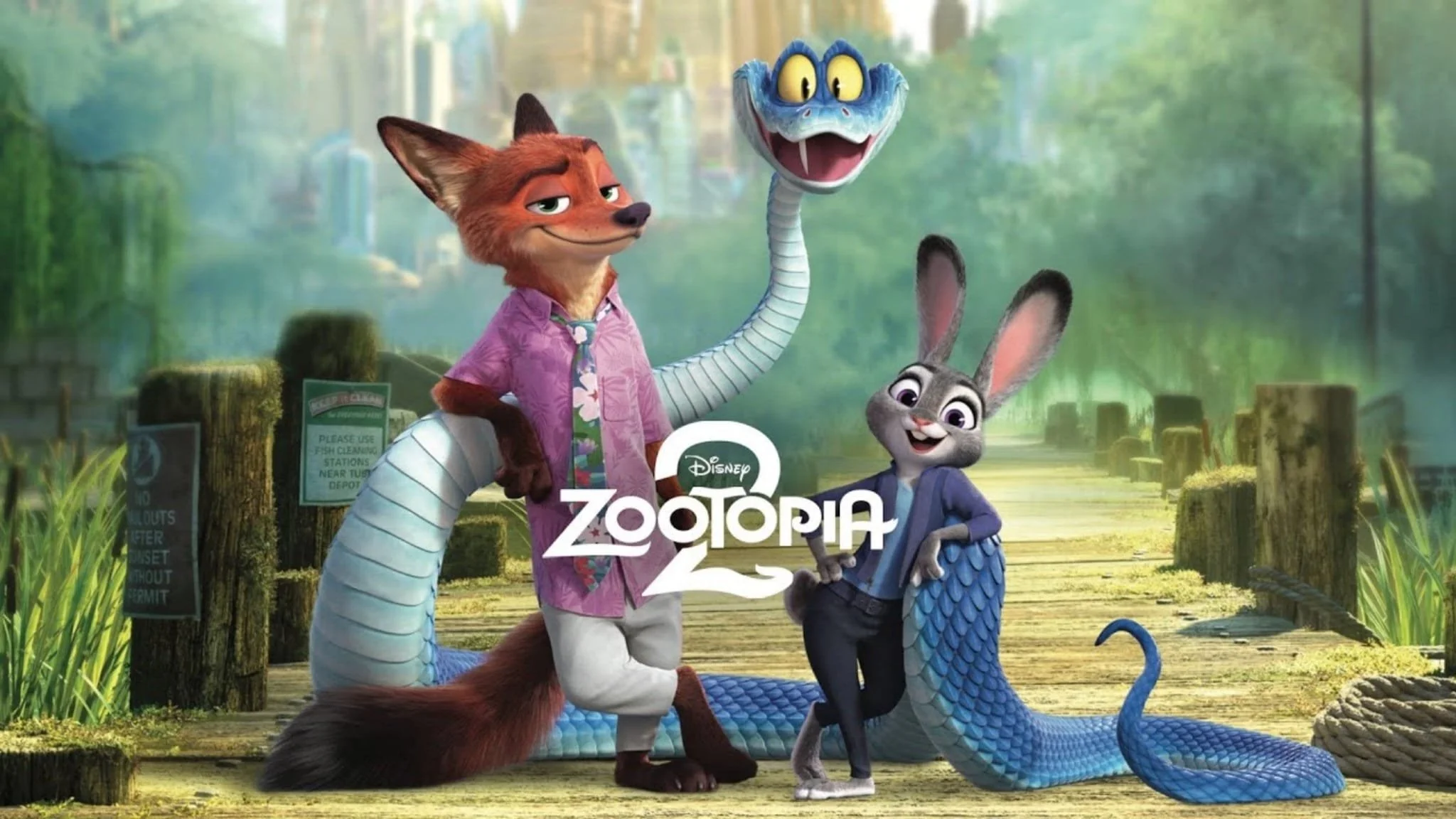
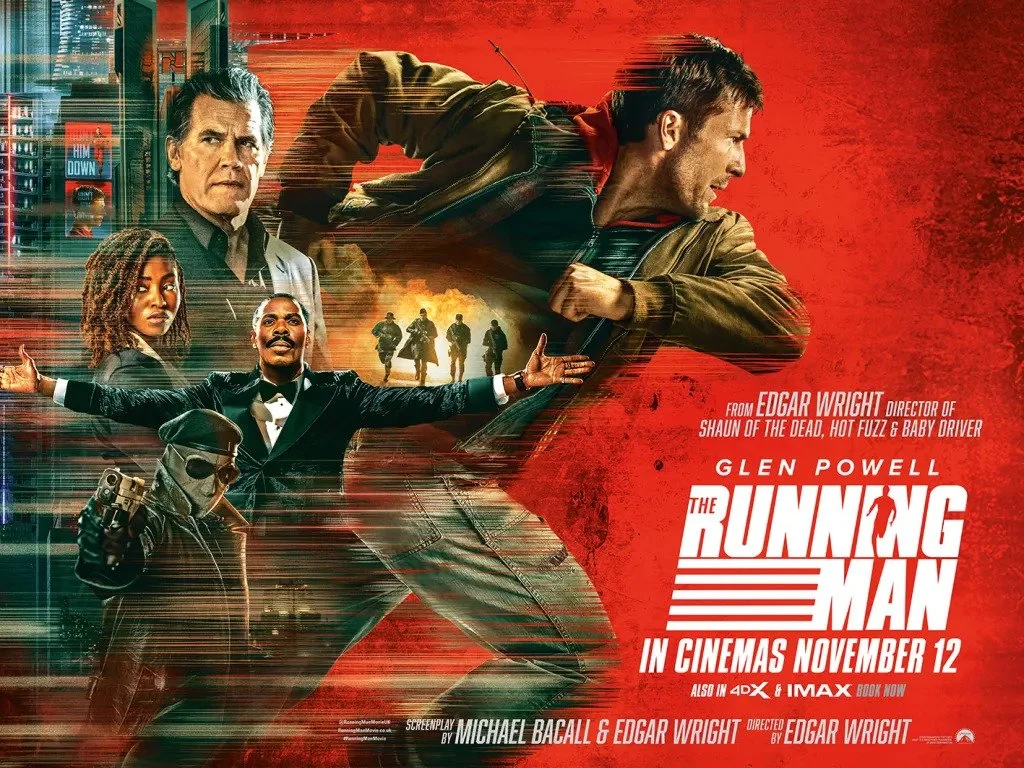
That’s not to say that good films haven’t been made since then, just that the current ethos makes things harder. The bloated structure inherent in modern business, means that as a script or concept passes through every corporate fiefdom, where “value is added” as everyone desperately tries to justify their existence in the chain of command. At present mainstream Western filmmaking is risk averse, while seeking infinite growth. Hence franchises, brand recognition, reboots, sequels and anything other than an original idea is looked to as a source of potential box office success. Perhaps the apex of this business strategy is the Marvel Cinematic Universe. A sprawling chain of films, more akin to a product line of toys. They are well made, formulaic and entirely self serving while marketed as a fan service. They certainly are entertaining to their fans but they are also profoundly changing the way films are perceived among those who have grown up with them.
I belong to a film related Discord server. One that tries to promote a broad spectrum of films from all countries and times. There was recently a big discussion around John Carpenter’s The Thing (1982) and it was very interesting to read the thoughts and opinions of those younger viewers who were not initially familiar with it. They knew it only by its reputation as being a horror movie milestone. After a specific weekend when everyone endeavoured to watch the film, the discussion picked up anew. Some of the reactions were quite surprising. A common “complaint” was that the nature of the mutating lifeform was never clarified in any detail. IE What was it, where did it come from and what did it want. Another recurring comment was regarding the ending. “Oh you can’t leave the story there. What happened next?” or words to that effect. And then there was the furious over analysis of the most trivial of plot points. Turns out people were looking for Easter eggs. Someone even watched the credits to see if there was a post credit sequence.
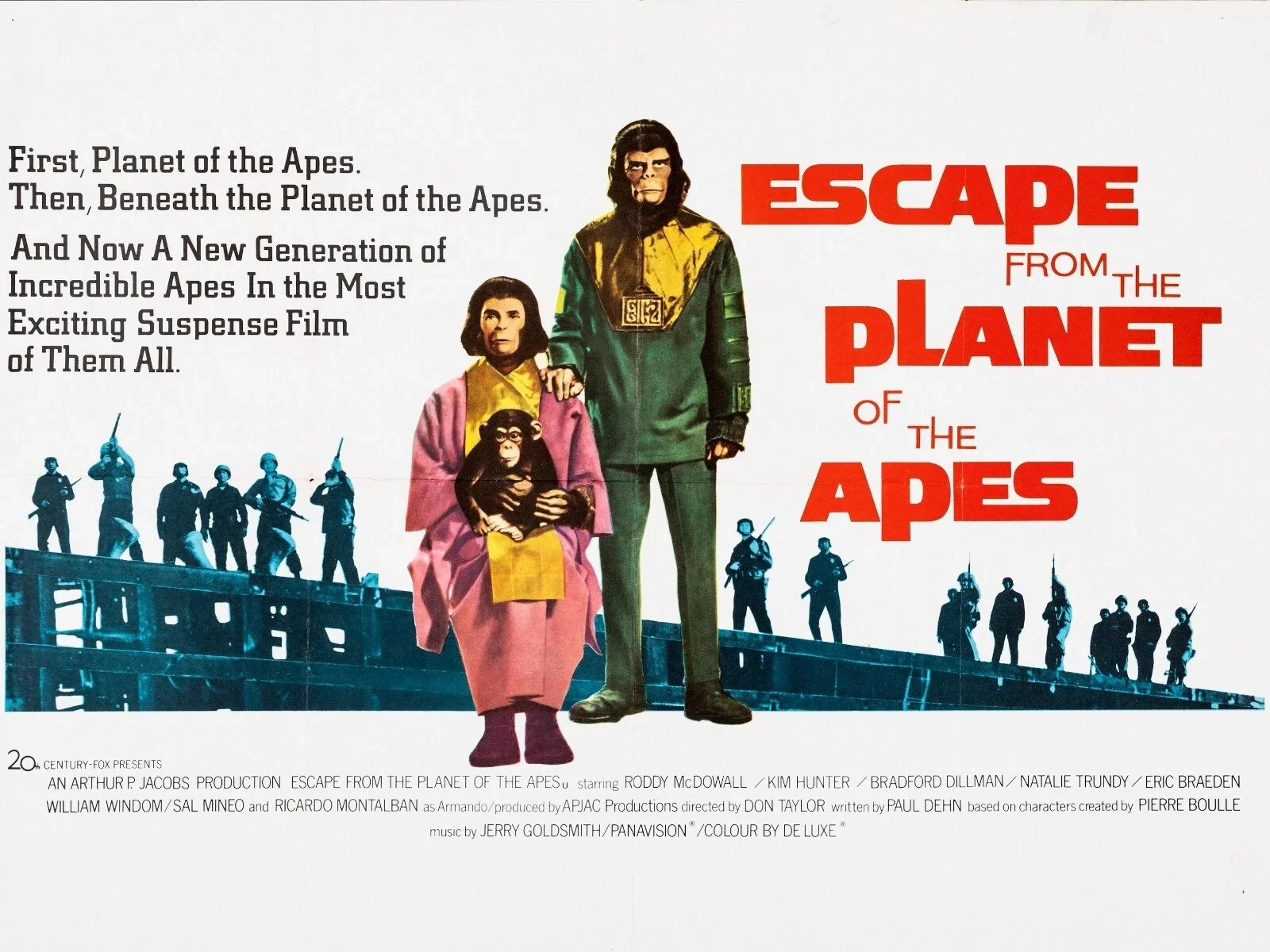
Simply put, there seems to be a broad cultural difference in one’s expectations about a film, based upon one’s age group and overall exposure to film. Because episodic cinema is now an integral aspect of big franchises, I understand why some people would see this as the industry standard. Yet not every story needs a further instalment. All too often sequels that try to extend a successful standalone film into a bigger franchise, just dilute the quality of the narrative. There are a few exceptions to this rule. Mad Max 2, Aliens and Psycho II, but by and large sequels tend to just tread familiar territory and add little that is new. A good standalone film is like a snapshot of life. In our own lifetime, we may have one single event that is radically different from daily life but once it passes, we return to the safe mundanity of our daily routine. The stories in films are somewhat like this. Unless of course you’re John McClane.
If a film is conceived from its pre-production to be the first in a franchise, then it has an impact on the way the story and the character arcs develop. Some instalment will inevitably be stronger and more compelling than others. The final film in a series also has to contend with meeting audiences expectations, which is a difficult thing to do. Another pitfall associated with any franchise is whether there will even be an end to the story, due to the law of diminishing box office returns. A regular film tells a complete story or provides as previously stated, a snapshot of a fictional world. The viewer at least has the satisfaction of having seen a complete and self contained cinematic work. Consider Akira Kurosawa’s Seven Samurai. It has a near perfect story arc which concludes in a definitive fashion. There is no need for a sequel because the film isn’t just about the characters or the deeds that they undertake. Its artistic merit resides within experiencing the film itself. Everything that there is to be gained is there already.


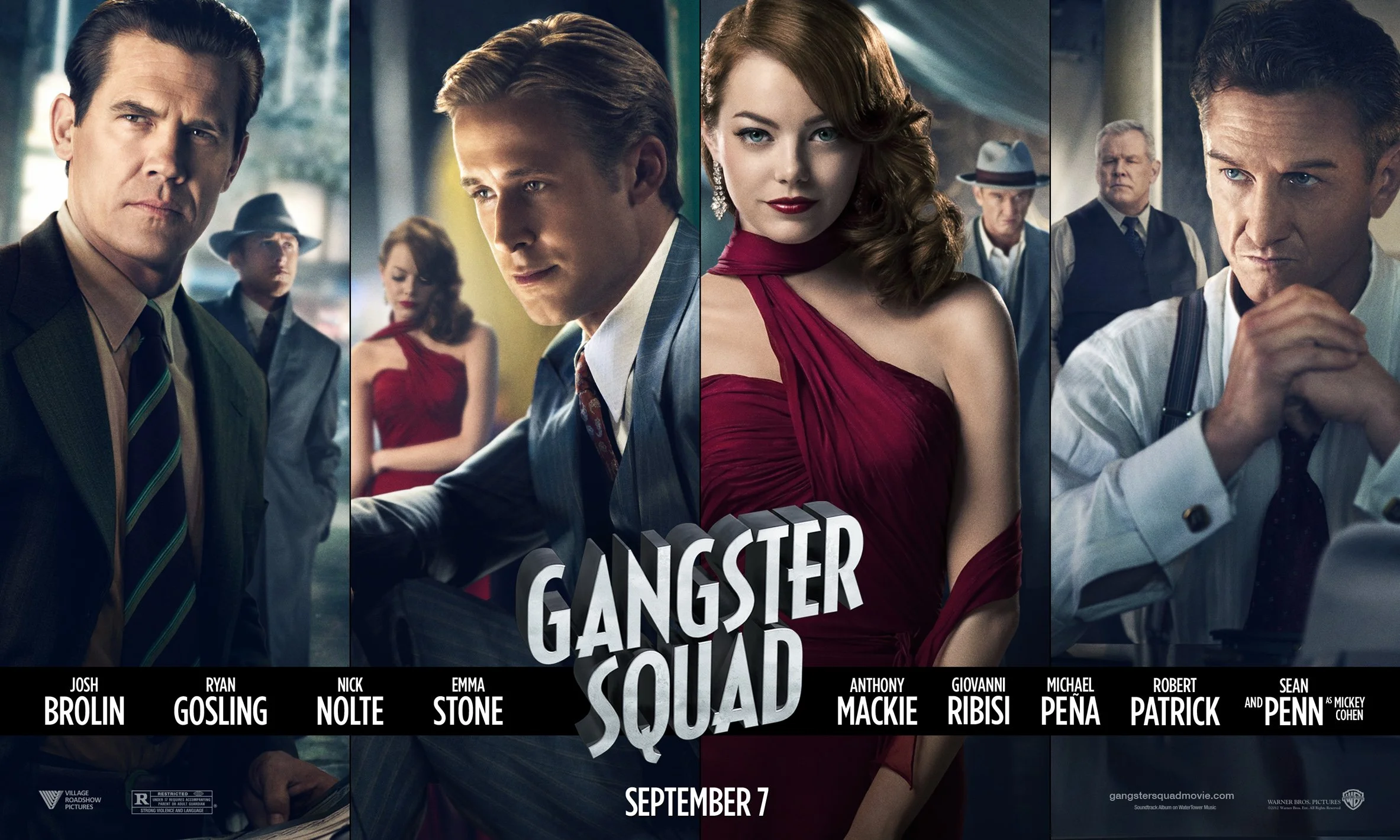
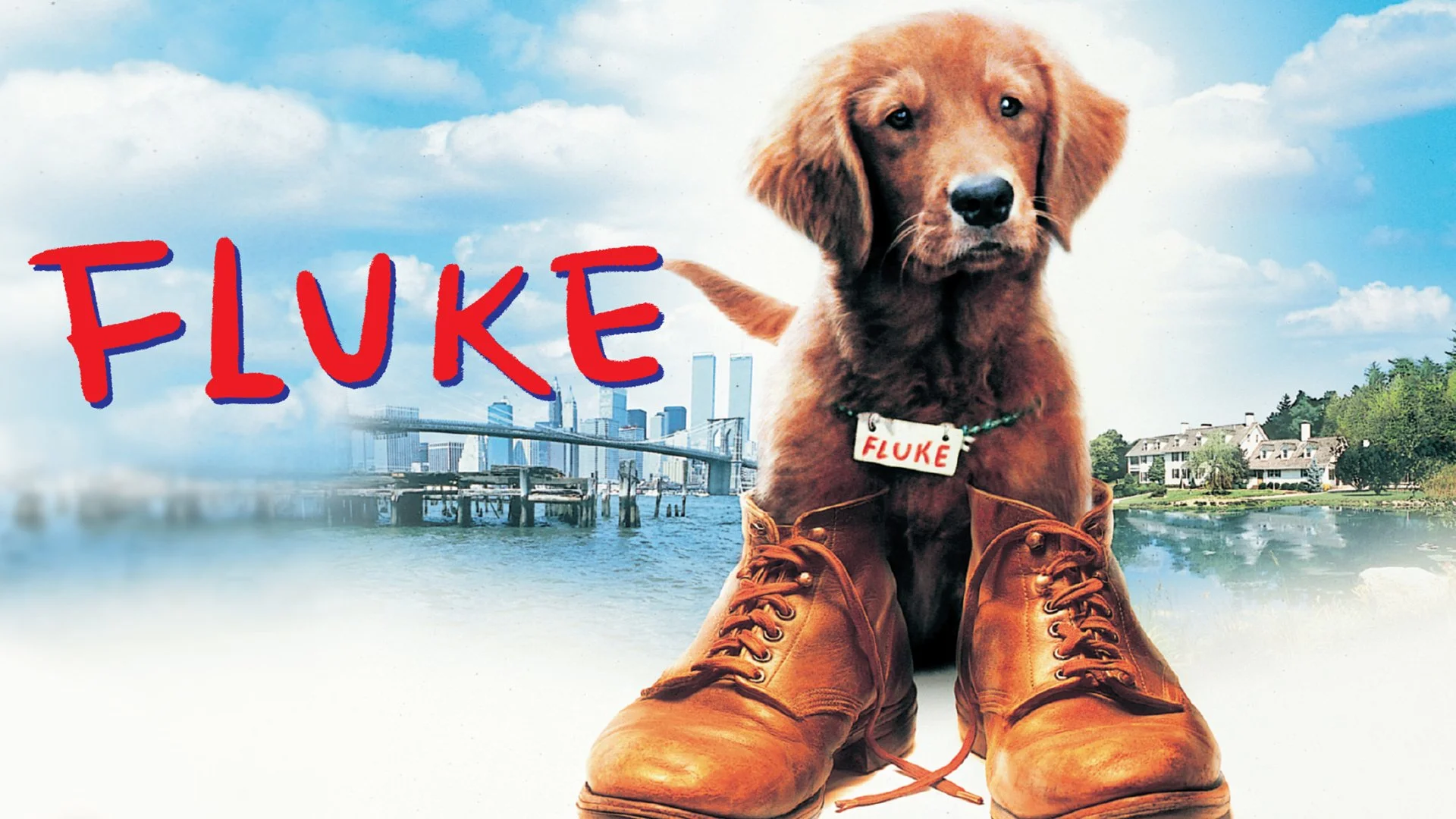
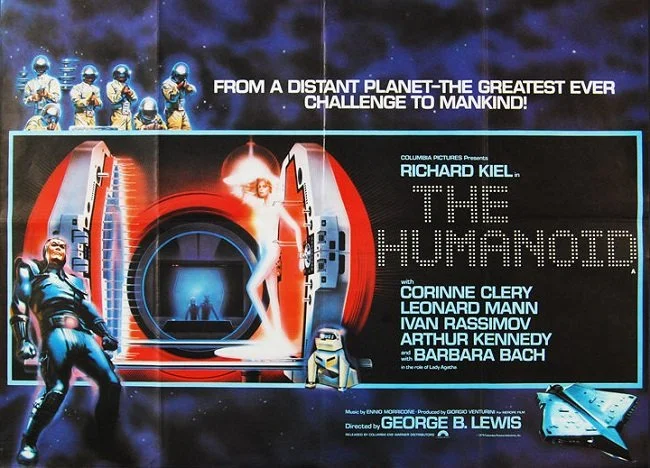




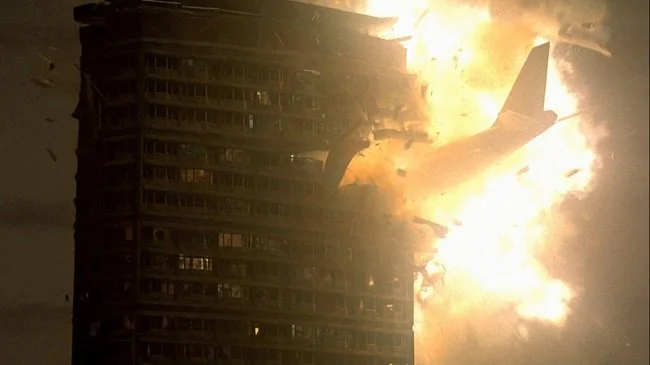
You Can’t Sit on the Fence Forever
I was recently reading a post published on Massively Overpowered about Activision Blizzard CEO, Bobby Kotick. The majority of comments were not well disposed towards the man, especially in light of the fact that previous allegations made against him regarding harassment and intimidation have been settled out of court. However, there were one or two comments that flew in the face of the overall opprobrium. That’s not to say that they were supportive of Mr Kotick. They were from people who wanted to “just play games” and effectively not have to be exposed to any discussion or judgement upon the iniquities of the video games industry. It’s a common refrain from some gamers. They wish to keep the realities of the world out of the games that they play. To treat an MMO, FPS shooter or strategy games as a form of leisure devoid of any socio-political implications. Something they can immerse themselves in for a while to “escape the stress of real life”. It’s a concept that seems fair enough in principle but when considered in practical terms is abstract and unworkable.
I was recently reading a post published on Massively Overpowered about Activision Blizzard CEO, Bobby Kotick. The majority of comments were not well disposed towards the man, especially in light of the fact that previous allegations made against him regarding harassment and intimidation have been settled out of court. However, there were one or two comments that flew in the face of the overall opprobrium. That’s not to say that they were supportive of Mr Kotick. They were from people who wanted to “just play games” and effectively not have to be exposed to any discussion or judgement upon the iniquities of the video games industry. It’s a common refrain from some gamers. They wish to keep the realities of the world out of the games that they play. To treat an MMO, FPS shooter or strategy games as a form of leisure devoid of any socio-political implications. Something they can immerse themselves in for a while to “escape the stress of real life”. It’s a concept that seems fair enough in principle but when considered in practical terms is abstract and unworkable.
Take a good hard look at the world around you. It is built upon free market capitalism and consumerism. Video games are a microcosm of such ideologies. An amusing diversion that you pay to access. That is why millions of dollars are spent developing them. Because a game that blends the right amount of psychological manipulation with user engagement, can hit the jackpot and yield a handsome return on investment. Some gamers are so invested in their game of choice, especially the MMO community, they lose sight of the fact that they’re consumers paying for a product. They see it as some sort of commensurate relationship between artist and patron and the video game industry is happy to perpetuate this fallacy. Sadly, video games are not inviolate, existing in their own ethically and politically neutral separate reality. They are made by people, working within a corporate hierarchy and as such are entwined with the inherent problems of such a system.
Video games are not any different from electronics, clothes and many other consumer items we buy on a regular basis. Those manufacturing them are poorly paid and have little or no benefits, while the prodigious profits that are generated are funnelled to the top of the corporate structure. Sadly, video games are far from free from the taint of modern business practises. And as consumers, we are contributing to these problems, irrespective of whether we are ideologically supportive of the system that causes them or not. You can as a gamer “just play games” if that is what you want to do but willful ignorance does not negate the iniquities of the triple A video games industry. Nor does it absolve you, or indeed any of us, of the fact that we’re supporting a business model that is discriminatory to people not too dissimilar to ourselves.
Now there is a rather tedious and ill conceived argument that usually gets trotted out in such situations. The one that states that you can’t voice any sort of criticism regarding exploitative business practises, while still using the services they provide. IE “best give up your mobile phone, cheap clothes and consumer goods and go live in a cave”. The notion being that there is an element of hypocrisy or at least cognitive dissonance to such a stance. All that is notionally correct, that does not invalidate the rectitude of the argument against bad corporate practises. Furthermore, one doesn’t have to wait for a consensus of universal moral perfection before seeking societal change. Change is made from within the imperfect system. Take a look at Western history over the last and current century. Civil rights and equality were fought for despite a substantial percentage of the population thinking that it wasn’t their problem. Perhaps they just “wanted to play games” or whatever the equivalent soundbite was at the time?
Maintaining a civilised, fair and equitable society is hard work. It requires rules and regulations to ensure that an acceptable standard of life exists for all. It also needs citizens to “give a shit”. Now I don’t expect everyone to be an activist 24/7. But there is a price for living in an orderly society. Jury service, voting and on occasion realising that helping and supporting others with their struggles is beneficial for our collective good. If you are content to live in a world where the prevailing mantra is “fuck it, it’s not my problem”, don’t be surprised if sooner or later someone will try and take something away from you. You can’t sit on the fence forever. Let us not forget the wise words of Martin Niemöller. So returning to the original point of discussion, I hope that ongoing pressure from both the public and staff results in meaningful change at Activision Blizzard. It’s in everyone’s best interests that it does.
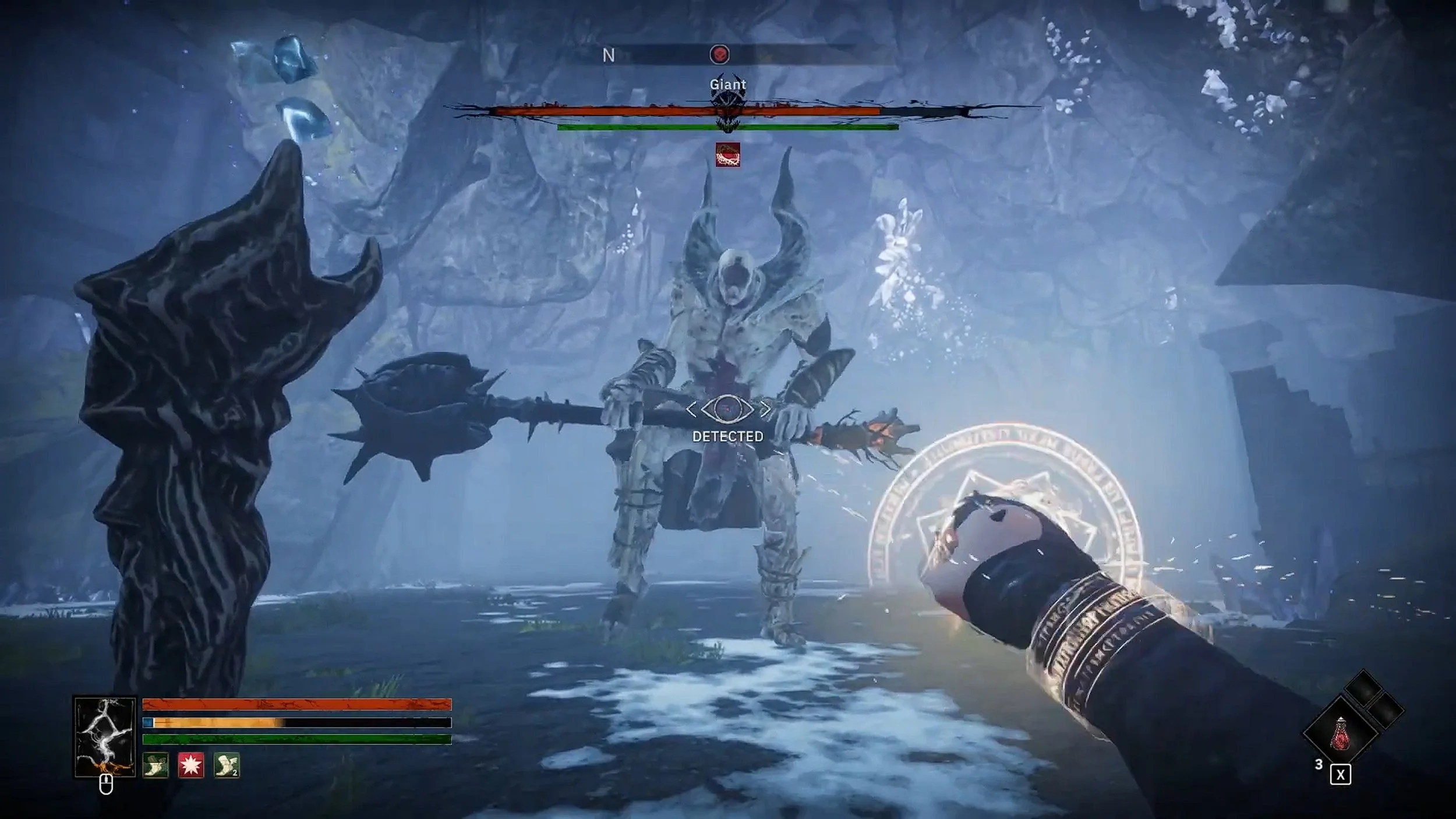
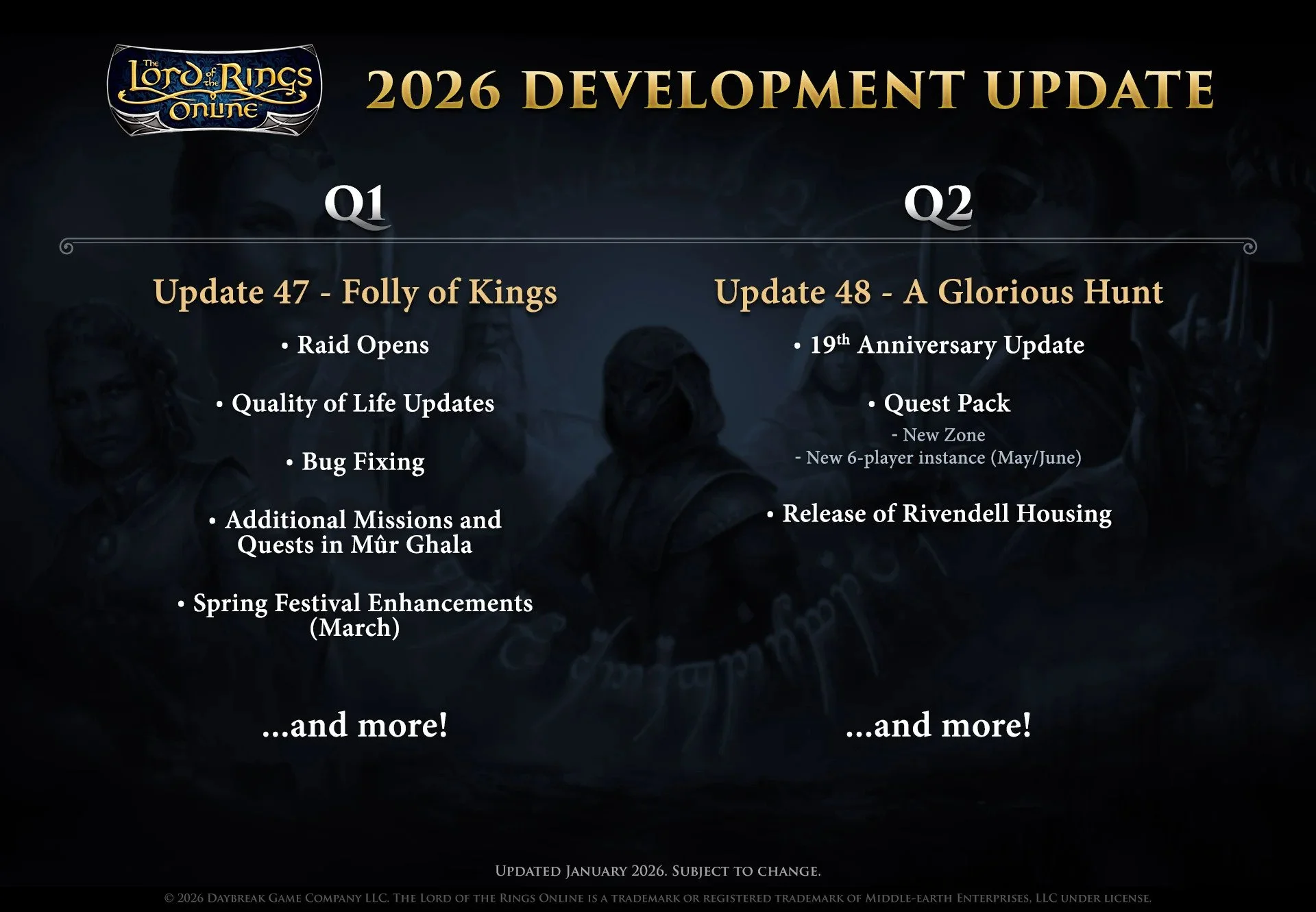








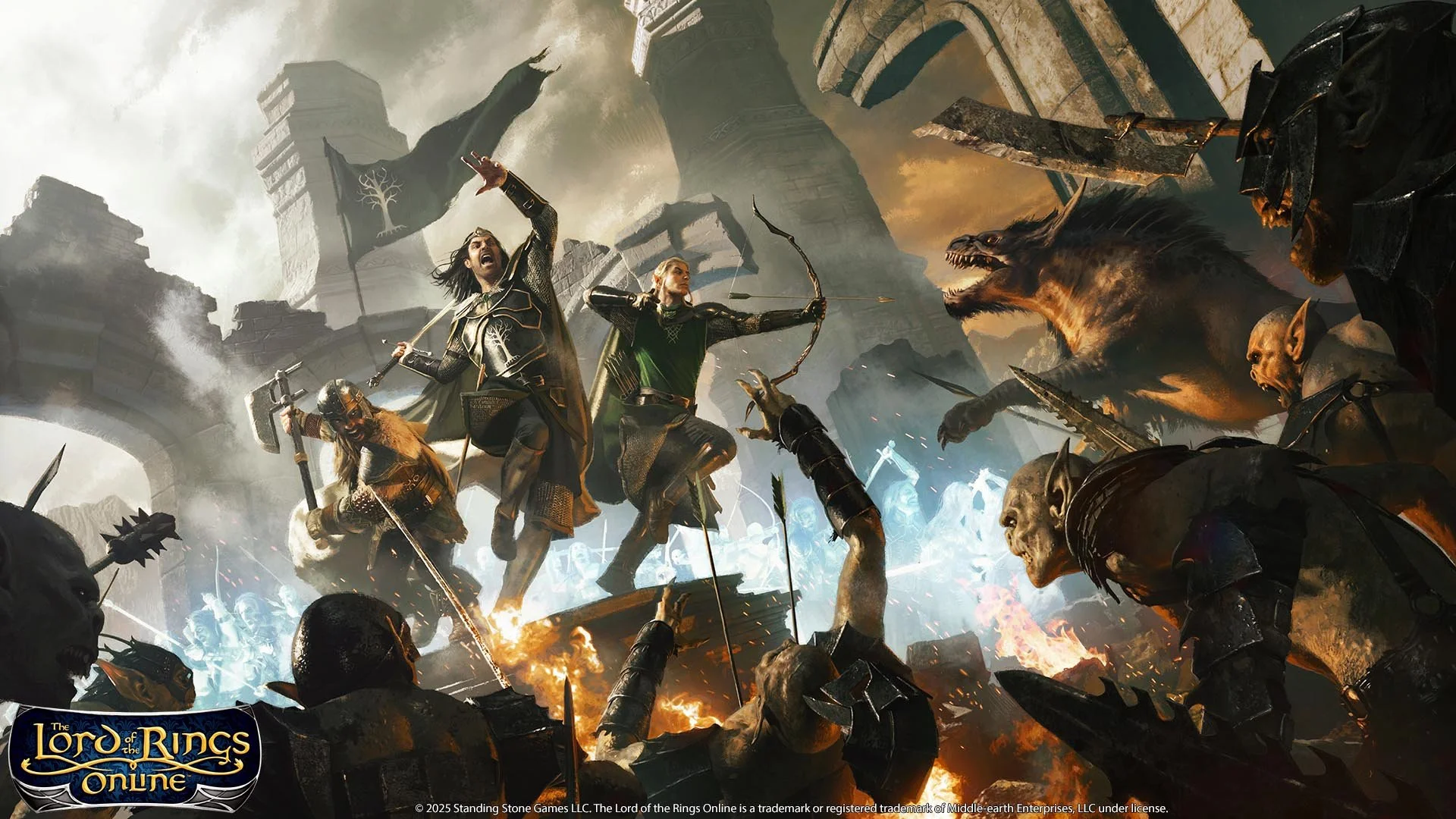
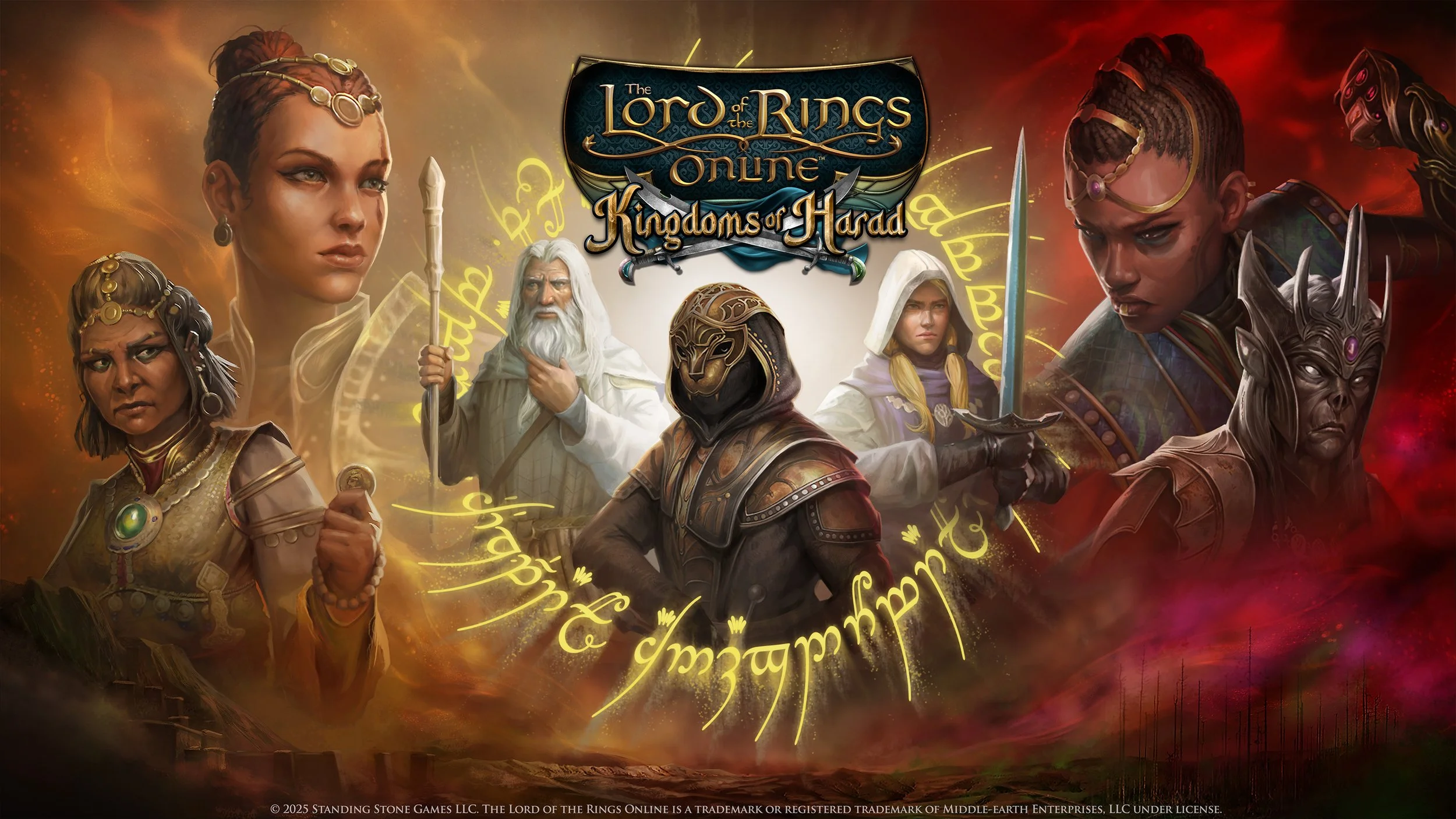
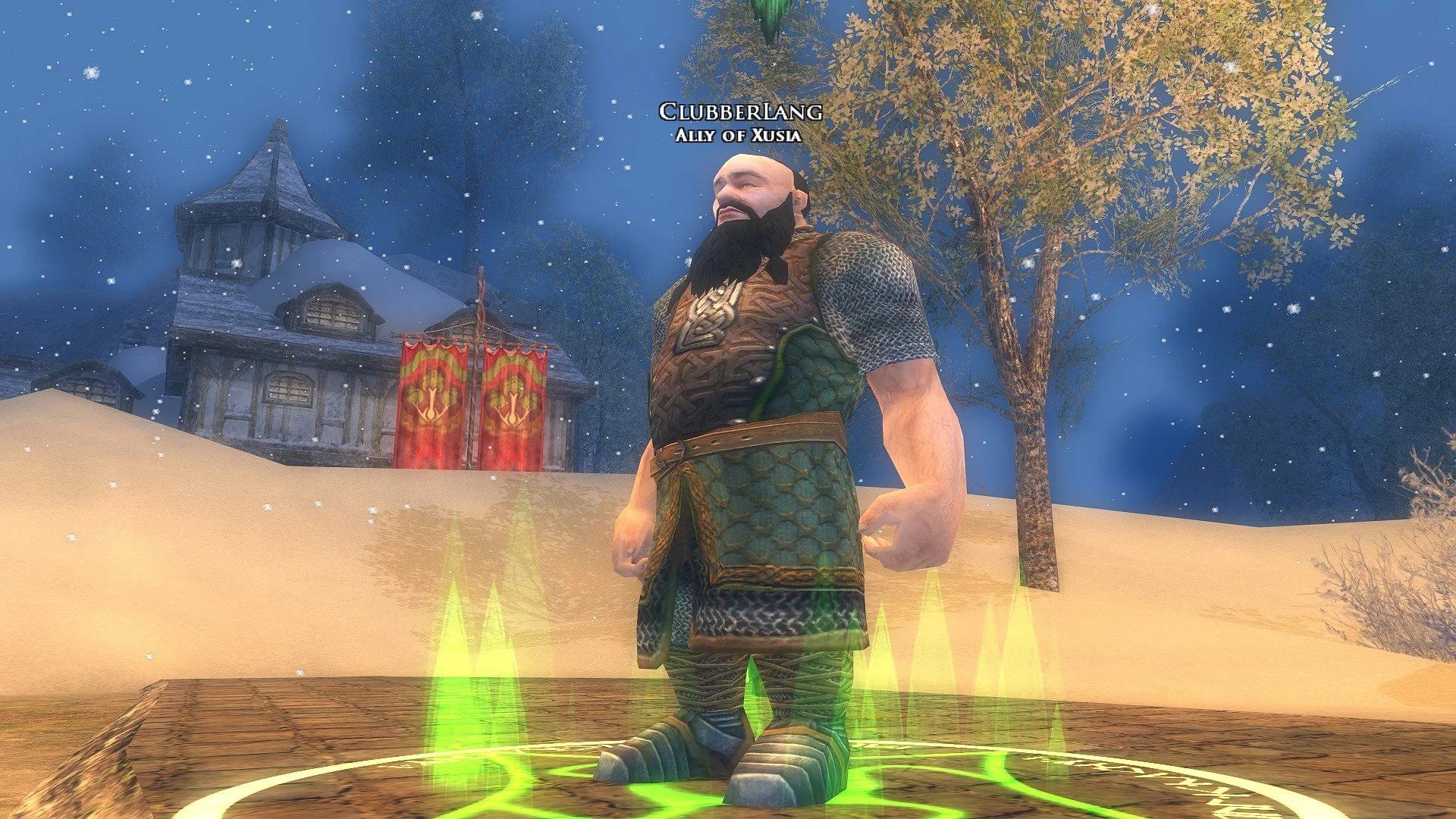
LOTRO: Thoughts on Fate of Gundabad
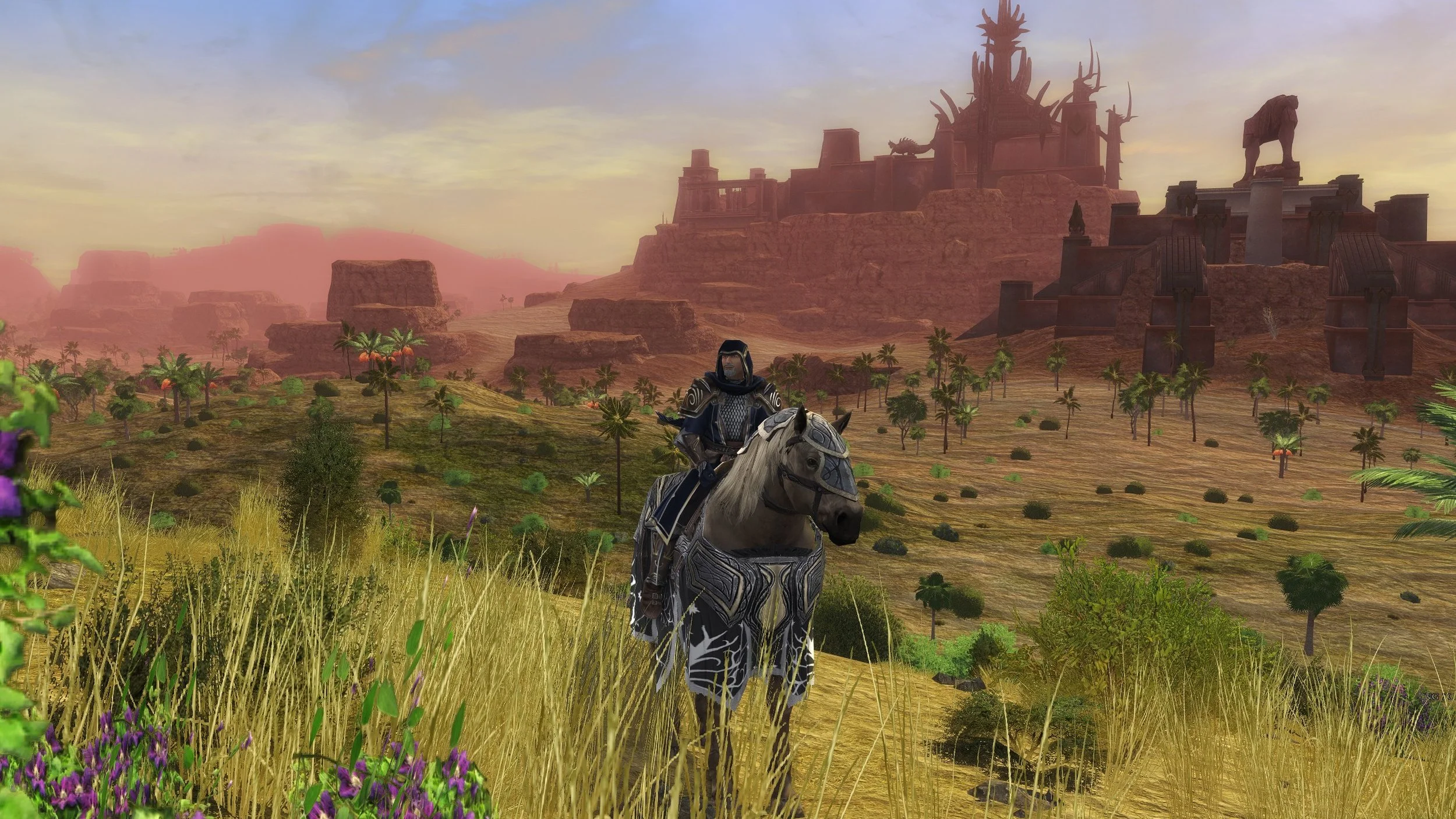
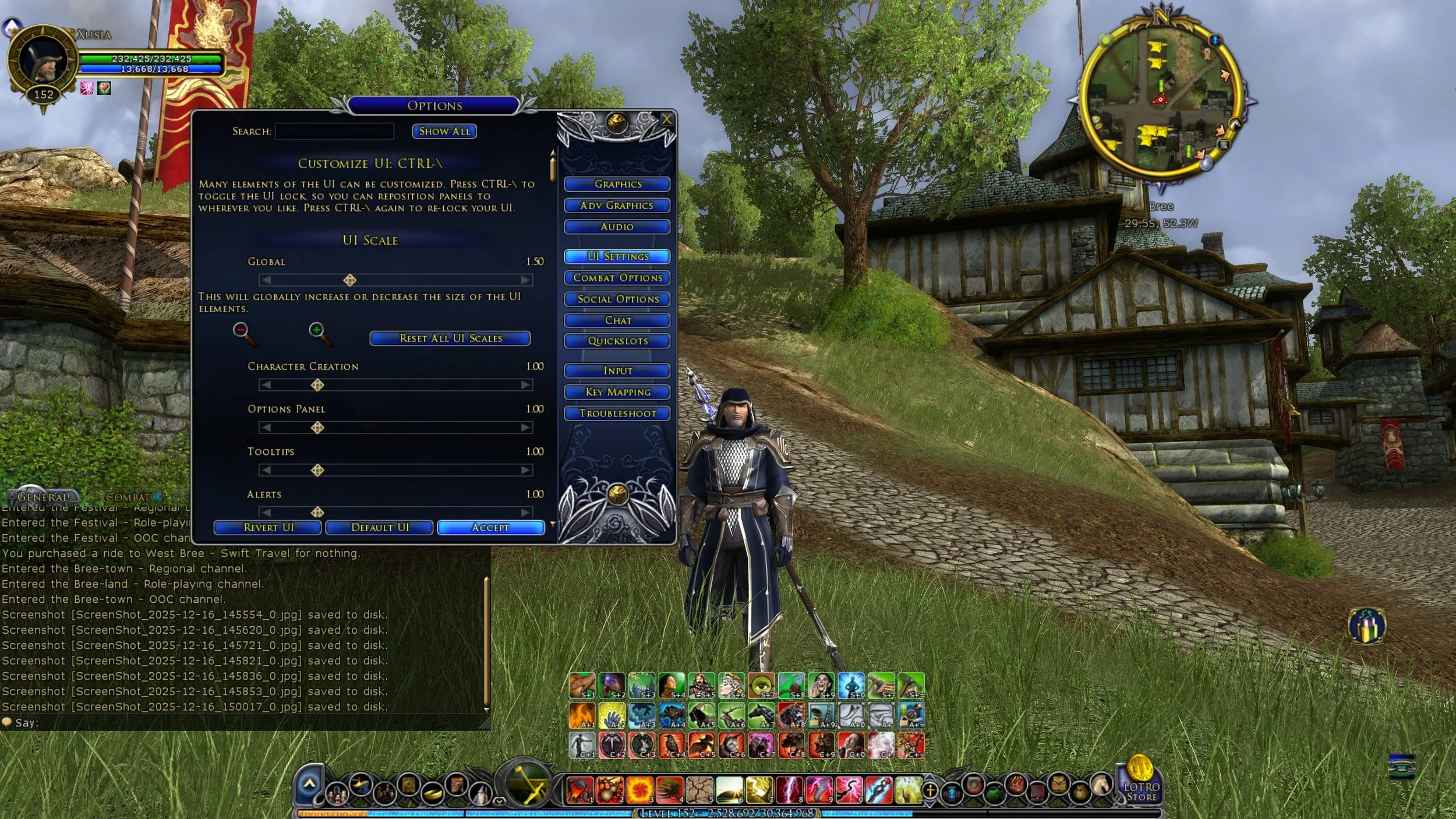
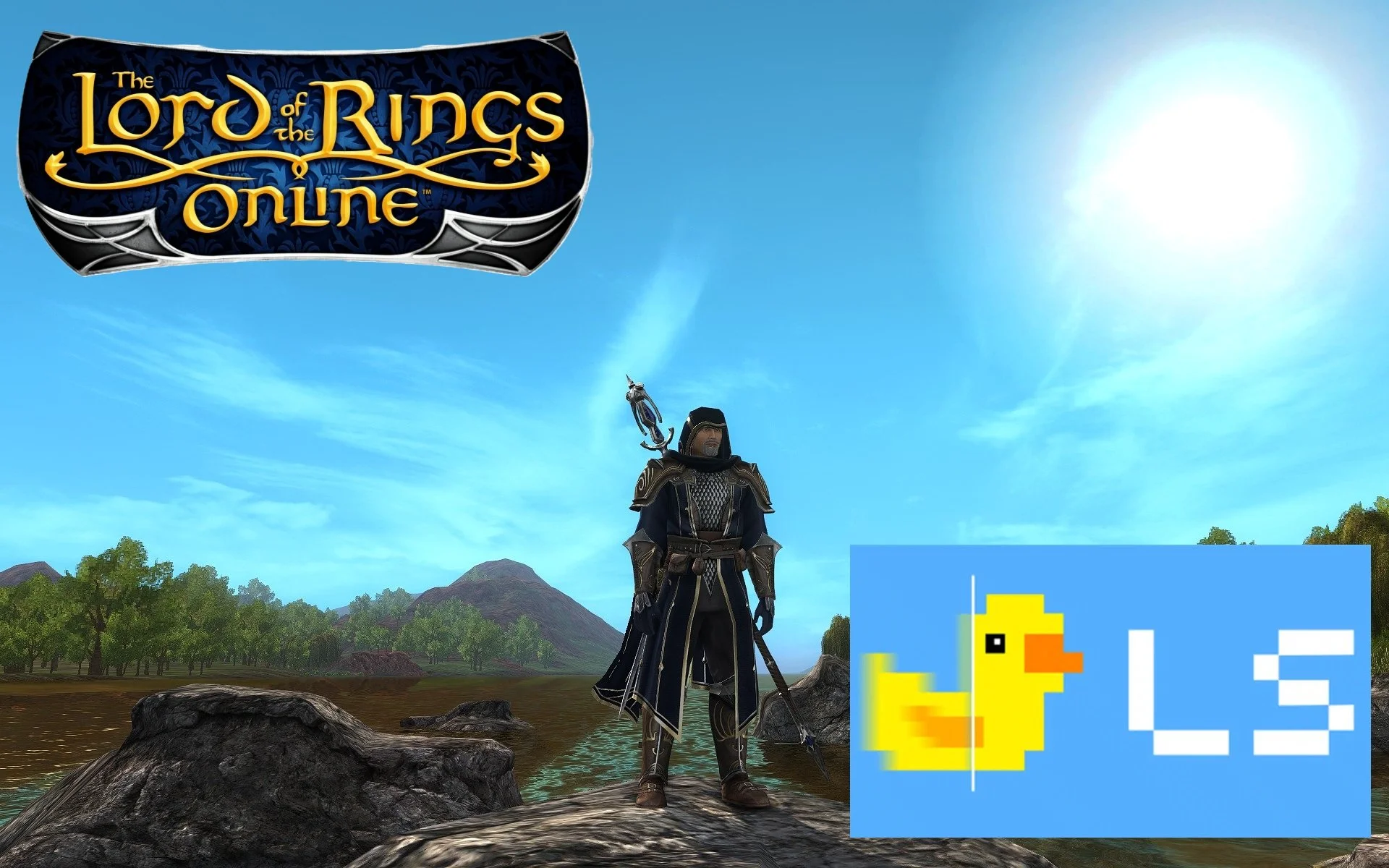
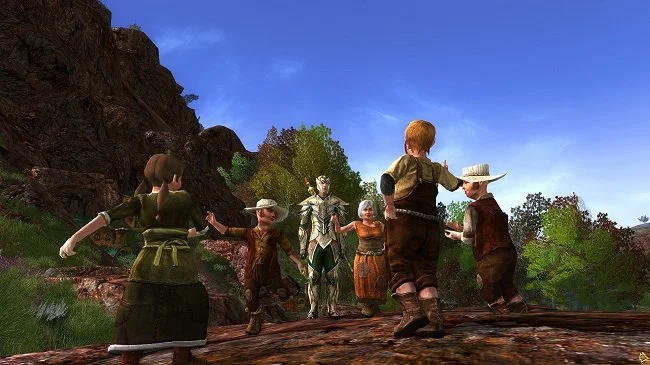
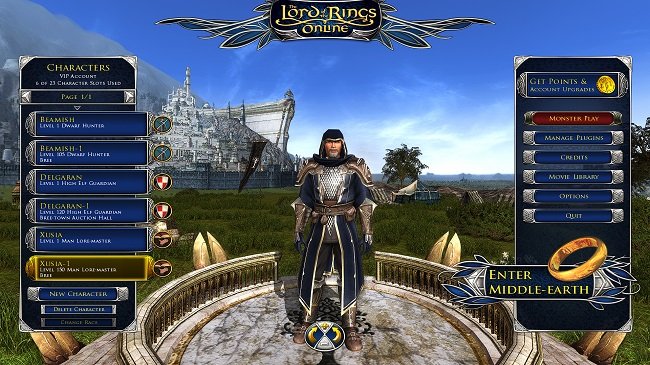
I’ve spent the last week catching up with recent content in The Lord of the Rings Online. I started the Update 30: Blood of Azog and struggled with the PVE quests, due to the stats nerf and LI change. I got to level 132 and then decided to replace my two Legendary Weapons on my Lore-master. I would like to thank Linawillow for their advice via social media. So much for the new system being easier to understand and implement. I now have new LIs that have boosted my stats sufficiently enough for me to deal with the mobs above 130. Hence I completed the story set in the Battle of Azanulbizar, which was very well conceived and implemented. It has a great deal of canonical detail and is engagingly presented. By the time I finished the Epic Story and side quests in the area, my character had reached level 136, so I decided to go straight to Gundabad.
I’ve spent the last week catching up with recent content in The Lord of the Rings Online. I started the Update 30: Blood of Azog and struggled with the PVE quests, due to the stats nerf and LI change. I got to level 132 and then decided to replace my two Legendary Weapons on my Lore-master. I would like to thank Linawillow for their advice via social media. So much for the new system being easier to understand and implement. I now have new LIs that have boosted my stats sufficiently enough for me to deal with the mobs above 130. Hence I completed the story set in the Battle of Azanulbizar, which was very well conceived and implemented. It has a great deal of canonical detail and is engagingly presented. By the time I finished the Epic Story and side quests in the area, my character had reached level 136, so I decided to go straight to Gundabad.
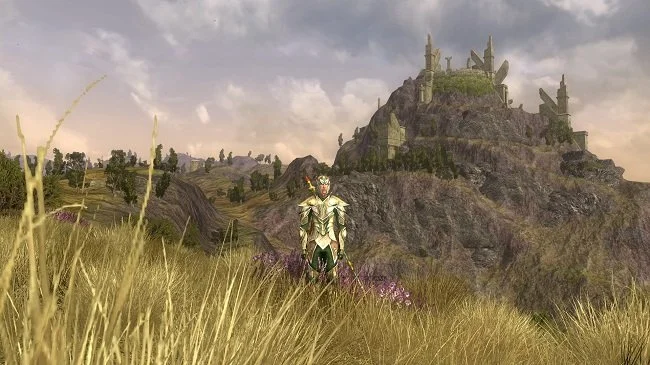
As I usually participate in the Bullroarer test preview of new content for LOTRO, I was already aware of the vertical dimension that is an integral part of the Delvings of Gundabad. Mattugard and Deepscrave are very reminiscent of Moria and one needs to reconcile oneself to the reality of navigating around such an environment. Thankfully, being several levels higher than the content of the area helps. So I have taken my time to explore these areas and have just taken quests as and when they’ve been offered. At present, there are lots of other players in the area, so if you do run into any difficulty or get lost, you are not without support. Whether you actually like the labyrinthine design is a matter of personal taste. If you stick to the main routes through the area, you will miss a great deal of discovery deeds. I find the best approach is to explore specific areas between stables and to be systematic in your approach.
To make my exploration of the entire zone a little easier, I used my supply of Mithril Coins to unlock access to all the new stables. I visited them using slow travel, as this also unlocks discovery deeds as you pass through an area. It also allows you to reconnoitre and determine the level and variety of mobs, without taking any unnecessary risks. When I do get into combat, although my new LI can deal significant damage, my moral takes quite a hit. I checked into this and it would appear that my armour and jewellery is now lacking. I last re-geared my primary alt back in January 2020, using lockboxes. I think it may be time to do this again but it makes sense to do so when I hit the new 140 level cap. By then I should have sufficient barter currency to buy reputation gear or alternatively, spend some money on lockboxes.
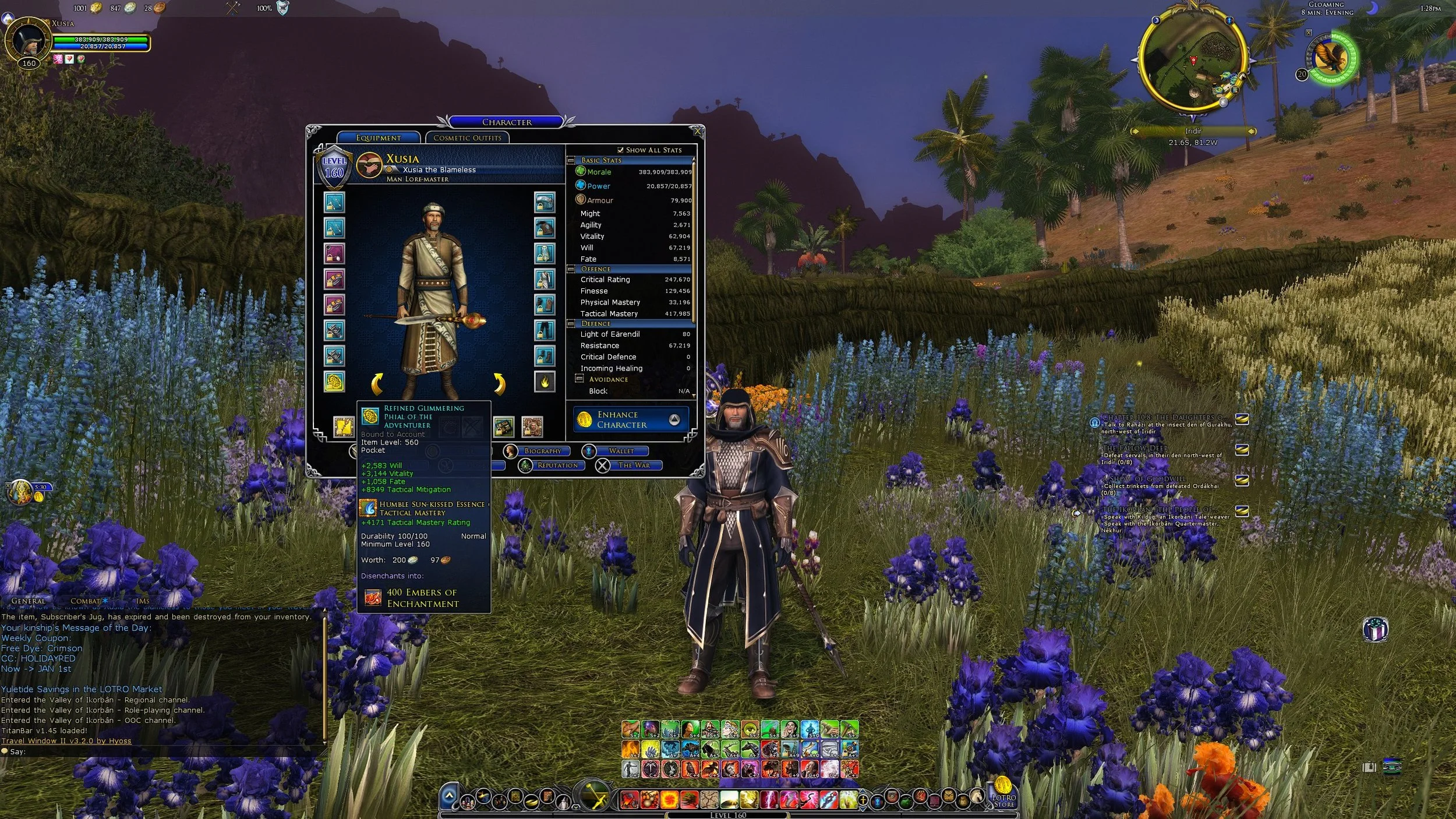
I have never been especially knowledgeable about the statistical side of LOTRO. I know what type of stats are beneficial to my class but I am not au fait with the minutiae of the system. Hence I tend to rely on how combat “feels”. It’s difficult to quantify but I tend to know when a fight is hard or more importantly, getting away from me. The new LI system has certainly boosted my stats and I now feel in control again but when I look at my alt’s stats in the character panel, the power creep is getting silly. I have over a million Tactical Mastery at present. This will no doubt increase further when I get to level cap. I can’t help but feel that when numbers become this big, they begin to fail to convey anything tangible to the average player. I wonder if LOTRO would benefit from a level “squish” as we saw recently in World of Warcraft or some other recalibration of stats.
One of the things I often find frustrating with the MMORPG genre is the gear cycle. Superior gear is usually gated behind reputation status, barter tokens or is just awarded when the player reaches the current level cap. This comes from a historical design choice where you earned intermediate gear at level cap and then went on to do group content such as raids to get the better gear. But very few players follow that route now. Hence it seems redundant to be awarded with the best gear once you hit level cap and have nothing else to do. Sadly LOTRO is still locked in this model. You need robust gear as you’re levelling and not having access to any is an impediment. This is why I didn’t start playing through Gundabad content until I was level 136. It means I will reach the new cap of 140 and re-equip my main character and then play through the remaining half of the expansion with an optimal build. I regularly inspect other players in my journeys and sometimes marvel at how they’ve come so far while indifferently equipped.
I was surprised to see that the Allegiance system has had a further faction added with this expansion. You can now affiliate with the Zhélruka, whose main hub is in the Hall of Vérnozal in Gundabad, which is convenient. There is a fast travel skill with a 5 minute cooldown which is invaluable if you’re currently questing in this region. Unlike the Mordor-expansion allegiances, the Zhélruka allegiance is scalable, allowing players with a minimum level of 20 and above to participate. It uses the Missions system, rather than zone specific PVE content that the previous allegiances did. It came as a pleasant surprise that developers SSG had added another. However, I’m not so well disposed toward the increase in virtue traits. These now cap at 80 which is a significant increase. I finally got the five that I currently have slotted on my primary character to level 75 a few months ago. I am somewhat peeved that I have to get on that particular treadmill again.
Returning to the subject of the new LI system, one of the consequences of this major revamp is that there is now a great deal of redundant NPCs throughout Middle-earth and a lot of superfluous rewards. The User Interface also retains some outdated features which will be confusing for players just beginning to use the Legendary Item system. It will be interesting to see if SSG makes an effort to remove these obsolete aspects of the game at some future point. There are also a lot of old items that still need to be replaced. I have half a dozen relic removal scrolls which I assume I will be able to exchange at some point for traceries removal scrolls. I suspect that there will be some players who will require a great deal of compensation, especially for store bought items
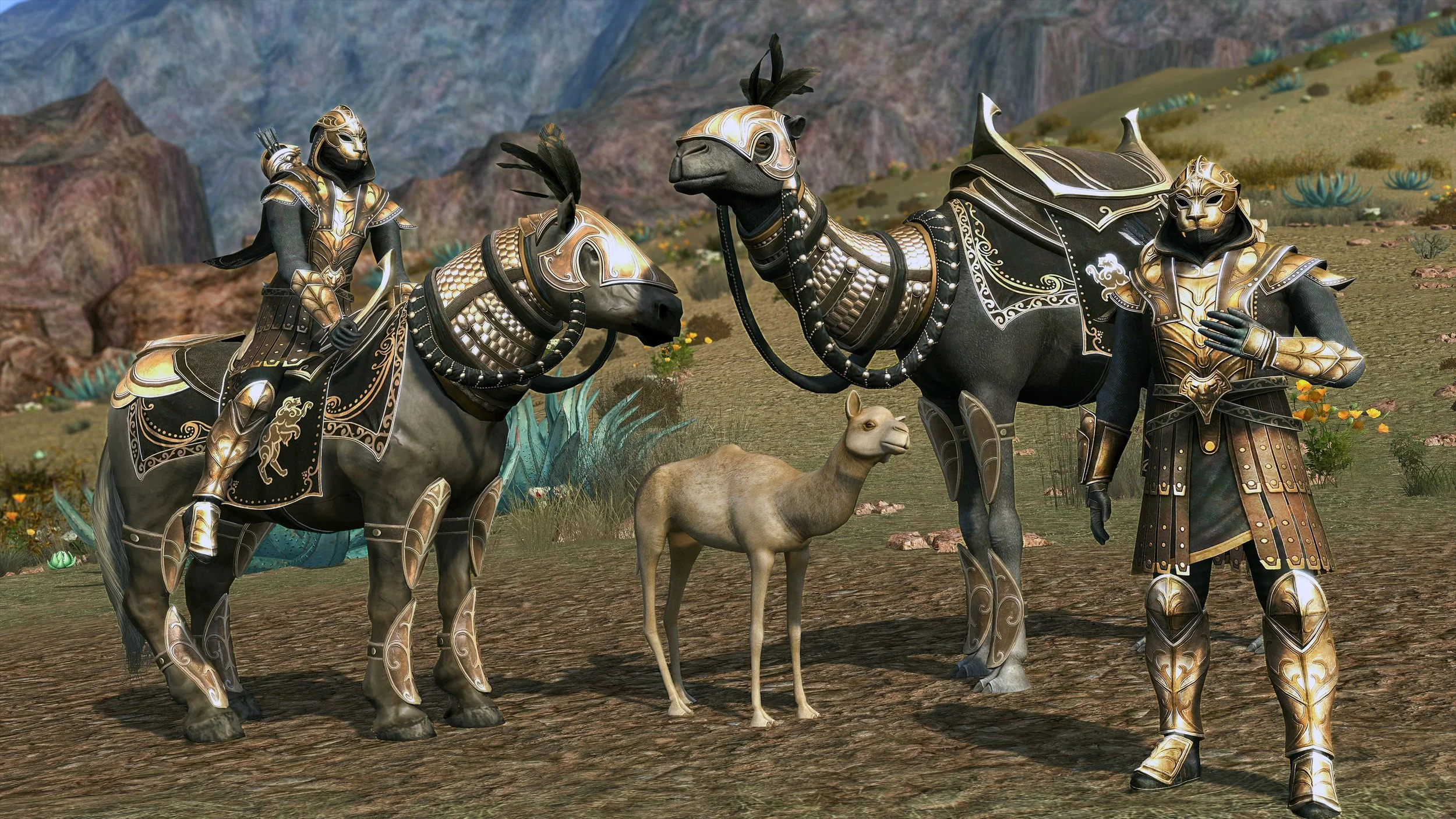
As I mentioned in a previous post, Fate of Gundabad is very much a question of more of the same. This seems to be the business model that Standing Stone Games have chosen and I suspect they are not going to change. If you are a returning player, then Fate of Gundabad will offer you a familiar experience. One that is reassuring and enjoyable as you know what the game has to offer but you’ll have a new story to immerse yourself in. If you are a regular player then that familiarity, untempered with time away from the game, may feel a lot more like repetition. As ever the story is well written and thought provoking. Bill Champagne’s soundtrack is sublime and he uses many of his established leitmotifs very effectively. There is a palpable atmosphere in Glooming Tarn, especially when the sombre and portentous music cues start to play. But overall, when looked at objectively, Fate of Gundabad is essentially just treading familiar ground.
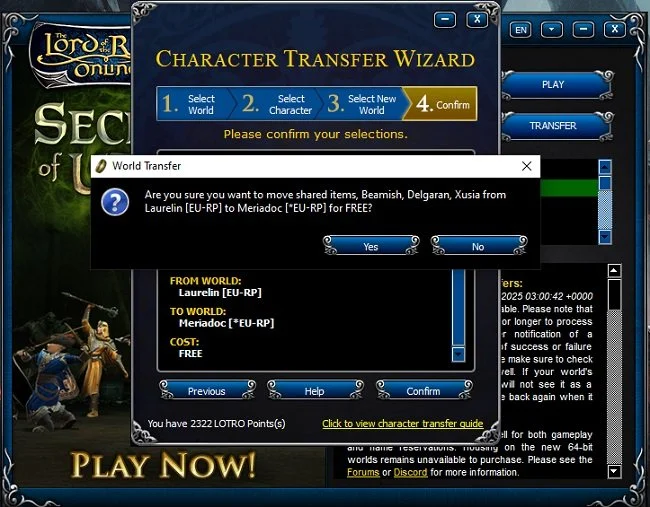
Regardless of my views on Fate of Gundabad, the expansion is certainly proving successful. The volume of players online on Laurelin server has meant that the dynamic layering system is active in most zones. In one respect this is indicative of an expansion that is engaging with players and finding an audience. Sadly the downside to this are server performance issues. Lag is a common place, especially when interacting with Mission NPCs. There are also delays with skill inductions and connecting to the chat server. It can be quite an impediment at times. No doubt SSG will address these issues in the weeks to come. Overall despite following a tried and tested formula, Fate of Gundabad is the strongest expansion LOTRO has seen for a while. It has a wide variety of maps, several ways to level and a robust narrative. The polish will come over the next few patches. But as the main story about the line of Durin comes to an end, it does raise the question where does the game go from here?




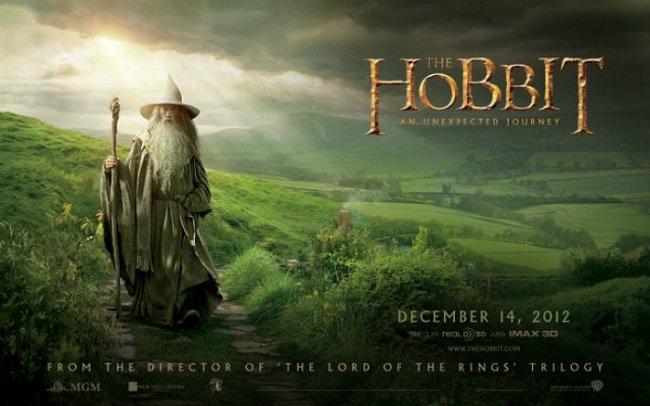
The Hobbit: An Unexpected Journey Extended Edition (2012)
This December marks the 20th anniversary of the release of The Fellowship of the Ring. The first instalment of Peter Jacksons' adaptation of J.R.R. Tolkien’s iconic novel, The Lord of the Rings. To celebrate this occasion, I shall post new reviews of the extended edition of all three films, as well as those of The Hobbit trilogy, which were made a decade later.
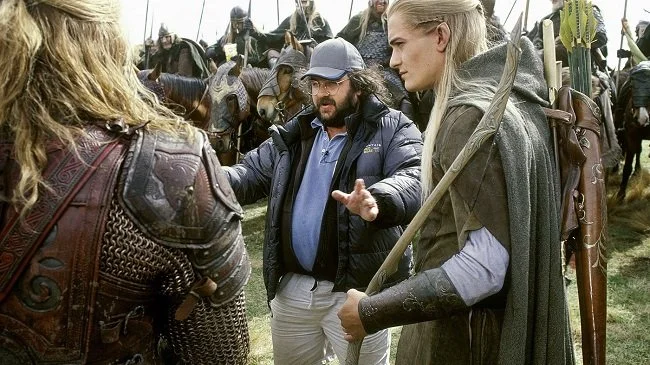
Firstly let me start by saying I think the word unexpected is very apt in respect of the first instalment of Peter Jackson's three part adaptation of Tolkien's prequel to The Lord of the Rings. It is genuinely surprising how well parts of the narrative had been adapted and interpreted. Similarly there are other aspects that are less successful. Overall the good outweighs the bad but only the most ardent fanboy or girl would think the movie flawless. When one considers its problematic production along with the change of directors, this is quite an achievement. I wonder how much of Guillermo del Toro’s material survived into Peter Jacksons, Fran Walsh and Philippa Boyens revised screenplay? Secondly, a decade on from The Lord of the Rings, there has been a further move away from physical visual effects and filming on photographic film. Both of these changes are noticeable in An Unexpected Journey but the presence of Peter Jackson and his very specific style of filmmaking maintains a very strong sense of continuity.
This December marks the 20th anniversary of the release of The Fellowship of the Ring. The first instalment of Peter Jacksons' adaptation of J.R.R. Tolkien’s iconic novel, The Lord of the Rings. To celebrate this occasion, I shall post new reviews of the extended edition of all three films, as well as those of The Hobbit trilogy, which were made a decade later.
Firstly let me start by saying I think the word unexpected is very apt in respect of the first instalment of Peter Jackson's three part adaptation of Tolkien's prequel to The Lord of the Rings. It is genuinely surprising how well parts of the narrative had been adapted and interpreted. Similarly there are other aspects that are less successful. Overall the good outweighs the bad but only the most ardent fanboy or girl would think the movie flawless. When one considers its problematic production along with the change of directors, this is quite an achievement. I wonder how much of Guillermo del Toro’s material survived into Peter Jacksons, Fran Walsh and Philippa Boyens revised screenplay? Secondly, a decade on from The Lord of the Rings, there has been a further move away from physical visual effects and filming on photographic film. Both of these changes are noticeable in An Unexpected Journey but the presence of Peter Jackson and his very specific style of filmmaking maintains a very strong sense of continuity.
Many of the production staff who worked on the original trilogy are present again for The Hobbit. Artists John Howe and Alan Lee as well as cinematography by Andrew Lesnie ensure that there’s a seamless continuation of the established aesthetic of Middle-earth. Howard Shore's magnificent score utilises leitmotifs we have previously heard in The Lord of the Rings trilogy. Furthermore, his new material is very strong and introduces some very portentous themes for the new characters. The film is technically superb but one expects nothing less from this film maker. Therefore I would like to focus more upon the narrative than the production design, because The Hobbit has been greatly expanded to accommodate its trilogy format. Is the story treated appropriately and presented in a way that will please both consummate fans and newcomers alike?
Broadly speaking I’d say yes. At least in this first instalment, An Unexpected Journey. If you are a Tolkien purist then you may be disappointed or upset by some of the changes that have been made. I sympathise with this perspective but understand the fact that Peter Jackson has to make the story accessible to a wider audience and that cinema is a very different medium to the written page. The key word is “adaptation” and the fact that film requires archetypes who have clear and traditional story arcs. Therefore characters and lore are altered to provide us with a definite hero and villain. That is not to say that the script deviates radically from the book, as it does not. The nuts and bolts of the story are there. But as with The Lord of the Rings, characters have to be refined and events compressed or augmented to satisfy the required tropes of cinematic “high adventure”.
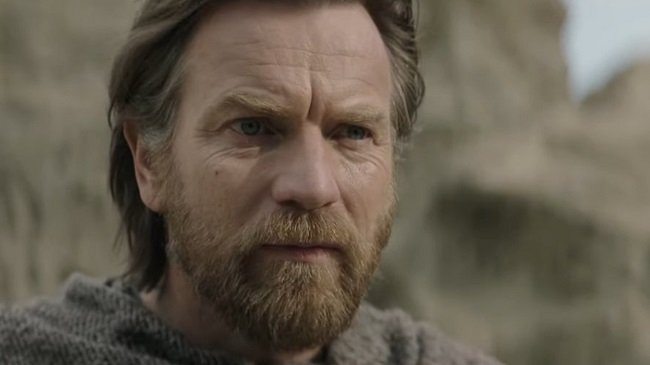
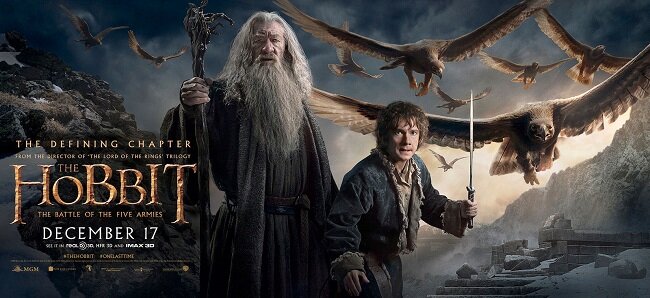
Hence we just get a far more heroic Thorin Oakenshield played by an exuberant and somewhat bombastic Richard Armitage. The character is simplified and presented as someone to root for. He is an exiled King whose family has suffered death and ruin. We also get a specific enemy to boo and hiss in the form of albino orc Azog. The role of Radagast the Brown (Sylvester McCoy) is expanded upon and acts as a conduit between the central plot and the backstory of the rise of the Necromancer in Dol Guldur. McCoy’s performance is mercurial and quite engaging. Once again Ian McKellen dominates the screen as Gandalf, a role he seems sublimely suited for. The casting of Martin Freeman as the young Bilbo Baggins is similarly perfectly conceived. He plays the hobbit with an air of curiosity and confusion, as he strays from his comfortable home in The Shire, out into the wider and more dangerous world.
However I do think that An Unexpected Journey has a pacing issue. We start with a rather traditional framing device in which old Bilbo (Ian Holm) is writing his memoirs on the eve of his going away birthday as depicted in The Fellowship of the Ring. The story then shows the fall of Dale and Erebor to the Dragon Smaug (who is teased and not fully seen). Finally after establishing the entire point of Bilbo’s forthcoming adventure to retake Erebor, events turn to a younger Bilbo (Martin Freeman) and his subsequent meeting with Gandalf. Introducing the twelve dwarves is another problematic aspect of the film. Some are granted a fair amount of screen time where others are hastily added to the narrative. The use of songs directly from the text is another embellishment that although is laudable from a lore standpoint, is questionable from a cinematic perspective. It takes a while for the movie to get under way from Bag End. It's curious because Peter Jackson has managed to take lengthy passages of text in the past and condense them quickly and efficiently without any dramatic loss. Consider the Council of Elrond in The Fellowship of the Ring.
With regard to the expansion of text, some of it works very well. I found myself pleasantly surprised by Sylvester McCoy's portrayal of Radagast (although I still think the Bunny Sled is a bridge too far) as well as the depiction of the White Council. I loved the way Gandalf rolled his eyes at the arrival of Saruman (Christopher Lee) and the way that Galadriel (Cate Blanchett) clearly holds Mithrandir in high regard. The film also greatly benefits from its mainly British and Antipodean cast. The commonalities between cultures, idioms and dialect aids the realisation of Tolkien's written work. The humour present in the film is not out of place, especially in the way that Elves and Dwarves do not get along. However, where An Unexpected Journey succeeds the best is in the way it handles the most iconic scenes from the book. Bilbo's encounter with Gollum (Andy Serkis) is truly menacing and a highlight of the film. The exchange of riddles is superbly realised and the chemistry between the two performers is palpable.
Peter Jackson has gained a reputation over the years for being able to craft complex and frenetic action scenes. It has become a selling point. Sadly my biggest criticism about An Unexpected Journey, is that there are possibly too many action scenes, with some too close together. The escape from the Great Goblin (Barry Humphries) is a very complex and extravagant set piece. Blink and you’ll miss what’s happening as Goblin limbs and heads fly left, right and centre. As soon as Bilbo and the Dwarves escape the Misty Mountains there is immediately another fiery denouement, as Thorin and company climb a copse of fir trees to avoid a Azog and a pack of wargs. Although technically well implemented it is somewhat taxing to the senses and after a while actually becomes quite dull. I appreciate the need to end the film on a high point and dramatic climax but again there persists this sense of uneven pacing. I must add that the ending is tempered by a wonderful codicil involving Smaug that is certainly a wonderful taster of things to come.
I am a Tolkien fan and also someone who enjoys quality film making. Sometimes you have to curb your enthusiasm for much beloved source material, as the requirements of film as a medium are specific and different. “Show don’t tell” is the defining mantra of cinema which can be difficult when adapting lore heavy, narrative books. There are flaws in An Unexpected Journey but they do not derail the entire story. The film is still very creative and can be exciting. It is also quite strong in content with quite hard edged action sequences. At its heart still lies director Peter Jackson's love for the Professor's work and despite moments of indulgence, this still comes across. Compromise is not always a dirty word and in this case is possibly a necessary tool in bringing this story to as wide an audience as possible. However, Jackson still makes the mistake of reducing complex and venerable characters to somewhat binary representations. Thorin is not easy to warm too and it is Balin (Ken Stott) who comes across as far more sympathetic, likeable and wise.
The extended edition of An Unexpected Journey includes 13 minutes of additional material to the theatrical release, which brings the running time to 182 minutes. The extra scenes are mainly embellishments and I would argue that they do not dramatically alter the tone and feel of the film. My thoughts are mostly the same for both the theatrical and extended edition. I suspect the uneven pacing that I’ve referenced stems from Peter Jacksons’ extrapolation of the story. The White Council scenes are a great idea but they also smack of a need to “join the dots” between this trilogy and the former. The flashback to the Battle of Azanulbizar is also well conceived as a means to give weight to the recurring theme of the misfortunes of Durin’s folk and to bolster the kingly nature of Thorin. However, the fact that Thorin is subsequently somewhat bellicose undermines this. However, Martin Freeman stands out and often compensates for the excessive action scenes. Existing Tolkien fans are probably better disposed to this new trilogy by default. However, although entertaining, there is a somewhat forced quality to this adaptation of The Hobbit. Casual viewers may well find it a little too self serving.


JFK Revisited: Through the Looking Glass (2021)
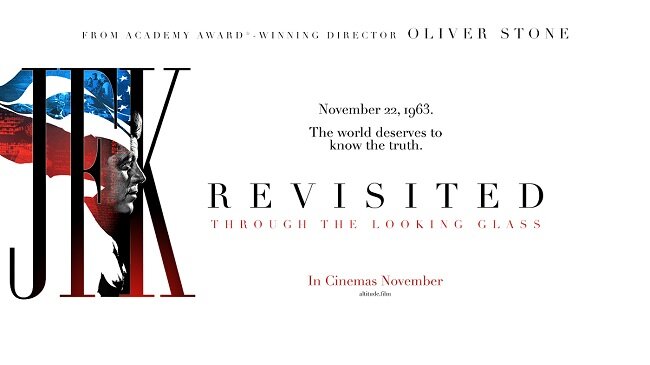
I am not a fan of conspiracy theories, nor those who are heavily invested in them. There are many reasons to repudiate such ideas but for me the main one is just a simple observation on human nature. Any major conspiracy, plot or cover up requires large swaths of people to participate and remain quiet about the facts. Yet one of the most common attributes of the human condition is peoples total inability to shut up. Simply put, most conspiracy theories don’t hold water because someone would have blabbed. Hence, documentaries about how the moon landings were faked or how 9/11 was an “inside job” tend not to “butter any parsnips” with me. However, JFK Revisited: Through the Looking Glass is a surprisingly different beast. I was surprised by its measured approach and its inferred conclusion. Has old age mellowed the filmmaker Oliver Stone?
I am not a fan of conspiracy theories, nor those who are heavily invested in them. There are many reasons to repudiate such ideas but for me the main one is just a simple observation on human nature. Any major conspiracy, plot or cover up requires large swaths of people to participate and remain quiet about the facts. Yet one of the most common attributes of the human condition is peoples total inability to shut up. Simply put, most conspiracy theories don’t hold water because someone would have blabbed. Hence, documentaries about how the moon landings were faked or how 9/11 was an “inside job” tend not to “butter any parsnips” with me. However, JFK Revisited: Through the Looking Glass is a surprisingly different beast. I was surprised by its measured approach and its inferred conclusion. Has old age mellowed the filmmaker Oliver Stone?
The assassination of John F. Kennedy, the 35th President of the United States, in 1963 was a landmark event. The murder of a serving president is no small beer and it has left a deep scar on the psyche of America. Especially in light of JFK’s policy of domestic reform and diplomatic engagement with the nation’s supposed “enemies”. Almost immediately after the tragic events it became apparent that there were inconsistencies in the evidence gathered from the subsequent investigation. These have never really gone away or been satisfactorily explained, so it was inevitable that legitimate reservations by both the press and the public would eventually lead to conspiracy theories concerning the true nature of the shooting. Then in 1991, filmmaker Oliver Stone explored the subject in-depth with his drama JFK.
Thirty years later, the director and writer returns to the subject with the documentary JFK Revisited: Through the Looking Glass. Due to a great deal of information now being formally declassified by the US government and available for public scrutiny, new information has come to light that seems to indicate a specific culprit. It would appear that a great deal of evidence was amassed by the Warren Commission which investigated the assassination and anything that didn’t support the clear narrative of “a lone gunman, working alone” was simply kept out of the final report. It is this information that is scrutinised and presented in this two hour documentary. The first part, narrated by Whoopi Goldberg, focuses on the new evidence. The second part, narrated by Donal Sutherland, explores the potential motives of the suspected party.
As for the finger of blame, it points squarely at the CIA. Furthermore, it does so in the most unsensational manner. By the time JFK Revisited: Through the Looking Glass reaches its conclusion, the evidence seems to be tediously plausible. There are no hyperbolic theories about secret organisations or complex plots financed by foreign powers to shoot the president. Just a rather credible assertion that the head of the CIA and a few hawkish senior members of the military didn’t like Kennedy’s policies or political leanings. The fact that he wanted to curtail US involvement in Vietnam was seen as unacceptable, unpatriotic and very bad for the economy. Hence the documentary implies that existing CIA assets were used and that Lee Harvey Oswald was specifically chosen because he could be conveniently disavowed and presented as a crank, as he was approaching the end of his operational use.
JFK Revisited: Through the Looking Glass does get a little over excited at times. The documentary does seem in a hurry to supply fact after fact for the viewer’s edification. A pause in the narrative from time to time would help audiences digest what they are being presented. Regardless of the pace this documentary is never dull, nor does it adopt the strident tone that those who immerse themselves in conspiracy theories often do. Even if you don’t agree with the manner in which the new evidence is interpreted, JFK Revisited: Through the Looking Glass most definitely shows that the overall 1963/4 investigation was flawed and therefore questionable. And because many politicians, journalists and writers have been sceptical for so long, the overall “conclusion” seems very plausible because it is not in any way unreasonable or extreme. Oliver Stone is also right that the debacle over JFK still has an impact on US politics today. He claims that Trump is a symptom of the ongoing fallout.





LOTRO: The Beginning of the End
The recent Fate of Gundabad expansion for the MMORPG The Lord of the Rings Online, has increased the game's level cap from 130 to 140. Mobs of 130 or above have seen a significant statistical increase. Hence if you play through PVE content or undertake an on level skirmish, you may well struggle to defeat your enemies. To compensate for this, if you create a new Legendary Item and replace your old weapons, you will see a boost in DPS that allegedly allows you to deal with the stronger mobs. In principle, this seems like an equitable quid pro quo. However, this is a very significant change to the game. What I and many other players find “surprising” is that the developers, Standing Stone Games, have done precious little to publicise this change in game dynamics. At present there is a major lack of information both in-game and on the official forums.
The recent Fate of Gundabad expansion for the MMORPG The Lord of the Rings Online, has increased the game's level cap from 130 to 140. Mobs of 130 or above have seen a significant statistical increase. Hence if you play through PVE content or undertake an on level skirmish, you may well struggle to defeat your enemies. To compensate for this, if you create a new Legendary Item and replace your old weapons, you will see a boost in DPS that allegedly allows you to deal with the stronger mobs. In principle, this seems like an equitable quid pro quo. However, this is a very significant change to the game. What I and many other players find “surprising” is that the developers, Standing Stone Games, have done precious little to publicise this change in game dynamics. At present there is a major lack of information both in-game and on the official forums.
Today I finally decided to try and replace my existing Legendary Items on my primary character. Replacing my maxed out, First Age Lore-master staff and book is not some trivial change. These two items have been with me for three to four years and have had a substantial amount of time and resources lavished upon them. The moment I unequip them I see a significant drop in my character’s stats. Hence it is very important to me that any new weapon is at the very least comparable to that which it is replacing. However, I found trying to understand the new LI system extremely difficult. I managed to purchase a new Lore-master staff and book and reforge them to my current level of 132. However, no information was offered regarding the realities of purchasing, equipping and managing traceries. Furthermore, no guidance is offered as to their respective interchangeability, set bonuses and restrictions.
Hence, there is scope for errors. Such errors cost in-game resources such as Ancient Scripts. These resources are scarce and can only be obtained by investing time and effort into the game. So players will have to either take a calculated risk and live with their choices, or simply leave their current LI alone until they can find the answers and reassurance they need. So far, the only people providing answers are the LOTRO community themselves. LOTRO Players have a guide on their website and it is useful insofar as how the new LI system works. However, if you want class specific advice then that is harder to come by. It may appear in the weeks to come when some of the more analytical LOTRO players write guides and post FAQ videos. However, for a player such as myself, until I feel confident enough to create new LIs, I won’t be touching this aspect of the game. As my character is effectively gimped if I keep using my old weapons, there is no point in playing as I cannot progress in a manner I find enjoyable.
So to summarise, one of the most important aspects of this MMO has been changed with virtually no support from the developers. The information vacuum potentially leaves players confused, unsure and frustrated as to what to do next. The resulting statistical imbalance makes progress to the new level cap extremely difficult. Now is it just me or is this a massive mistake on behalf of Standing Stone Games? To say that this course of action is an act of poor community relations is an understatement. Being impeded from playing a game by the game itself is ludicrous. It also tends not to make customers happy. If I can’t make any progress with my new LI build in the next few days, I’ll just go and play something else. That means the money I was going to spend on lockboxes when I hit the new level cap will be spent elsewhere. Standing Stone Games loss could well be Cryptics gain.
I have played LOTRO regularly since 2008. It is not a perfect MMO but it has its some unique points. The intellectual property is one and the community is the other. The game itself is big and sprawling, with numerous very well conceived storylines. Every now and then a reference, character or geographical feature will just strike a chord with the player and in those moments the game is at its best. However, LOTRO is also repetitive. Nothing really new has been added to the game in years. LOTRO survives by offering variations on a theme, more of the same and ultimately being the only multiplayer virtual Middle-earth game available at present. Depending upon your perspective, players are either part of an unique, exclusive, niche market experience or simply over a barrel.
The relationship between any game developer and its players should be an equitable one. Sadly, this has not been the case with LOTRO for a long time. Put simply the community does far too much heavy lifting with regard to the games promotion and the sharing of knowledge. It is also far too forgiving of SSG failings which in recent years have been many. Community relations are poor as are communications. The games monetisation is becoming increasingly questionable and this latest debacle over LIs has been tediously predictable. I and many other players saw it coming a mile off. The question now that I and other LOTRO players have to consider is how much more are we prepared to tolerate? Because SSG seems hellbent on making the same mistakes again and again. And their intransigence further diminishes the ever decreasing fun that the game offers.
Even if I can find a prompt solution to my LI problem and resume playing, I am faced with an expansion that really doesn’t offer anything intrinsically new. I essentially get the conclusion to a story and the opportunity to replace all my gear once again. Or I can create a new alt and play through content that I’m very familiar with. There is no alternative levelling path, no new systems to explore and master, nor any fun mini-games. LOTRO is like a restaurant that has an interesting theme but sadly hasn’t radically altered its menu for 14 years. For some that may well be a selling point. For others, such as I, it’s beginning to become less and less appealing. In many respects the most saddening aspect of this change in relationship is the air of indifference from SSG. I shall give it a week or two but it may be time for me to part company with LOTRO. If that is the case, I shall be genuinely sad as the fault will not lie with me.
Classic Movie Themes: Halloween
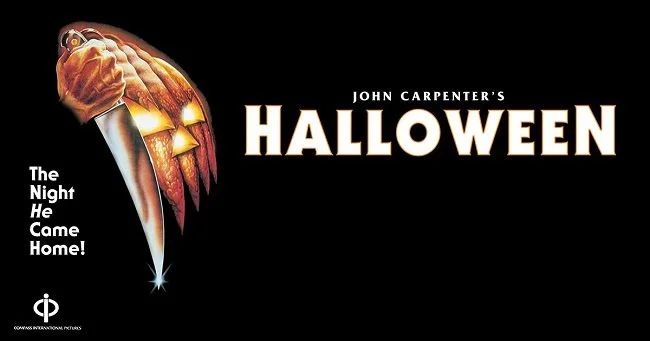
Halloween (1978) is both a genre and cinematic milestone. It made stars of Jamie Lee Curtis and director John Carpenter as well as kickstarting the slasher genre that dominated the box office for the next 15 years. Unlike many of the inferior imitations that followed in its wake, Halloween is not a gorefest but a far more suspenseful and unsettling film. It’s shocks and sinister atmosphere are the result of sumptuous panavision cinematography by Dean Cundey and inventive editing by Tommy Wallace and Charles Bornstein. Another invaluable asset to the film’s effectiveness is John Carpenter minimalistic synth and piano score which perfectly embellishes the film with an air of menace. After 33 years and various re-arrangements in subsequent sequels, the original Halloween Theme is still as effective today as it was when the film was first released.
Halloween (1978) is both a genre and cinematic milestone. It made stars of Jamie Lee Curtis and director John Carpenter as well as kickstarting the slasher genre that dominated the box office for the next 15 years. Unlike many of the inferior imitations that followed in its wake, Halloween is not a gorefest but a far more suspenseful and unsettling film. It’s shocks and sinister atmosphere are the result of sumptuous panavision cinematography by Dean Cundey and inventive editing by Tommy Wallace and Charles Bornstein. Another invaluable asset to the film’s effectiveness is John Carpenter minimalistic synth and piano score which perfectly embellishes the film with an air of menace. After 33 years and various re-arrangements in subsequent sequels, the original Halloween Theme is still as effective today as it was when the film was first released.
John Carpenter wanted a unique sound for Halloween despite the production’s modest budget. When composing the main theme he used the uncommon 5/4 time beat for a bongo drum and transferred that to piano, which resulted in the iconic melody. This uncommon sound works extremely well, clearly establishing a mood and tone that suits the film. Yet it also holds up well as a standalone piece of music. When used in the film, it is a practical audio cue to alert the audience to the presence of The Shape and potential onscreen danger. Yet the piece does not diminish in power, despite its repetition.The staccato piano rhythm with additional synthesizer chords combine to produce an evocative and infinitely flexible cue. It creates a palpable atmosphere for the film and its antagonist, yet it isn’t weighed down by excessive musical complexity.
30 years later and Halloween (2018) has proved to be a very interesting belated sequel. It features a new score by Carpenter, alongside his son, Cody Carpenter and godson Daniel Davies. The soundtrack revises the main theme and classic elements from the original as well as adding several new tracks. There is a broader use of contemporary synthesizers this time, as well as some interesting experimentation with guitar sounds. They add a real edge to a score which proves to be anything but an exercise in nostalgia. There is one cue that encapsulates the best elements of both the old and the new. The Shape Hunts Allyson. Featuring tremulous keyboards and punctuated witty grinding guitars and synths it captures an onscreen chase superbly. A variation of this cue was subsequently used at the climax of Halloween Kills (2021) and again is superbly effective in its powerful simplicity.







The Idiot Box
Thoughts on TV shows and my current viewing habits.
The last instalment of The Idiot Box was back in March. Since then Mrs P and I have watched several new shows and tried to diversify our viewing. She has had better luck than I. The issue for me is one of narrative complexity and genre saturation. Some popular shows are very straightforward in both their structure and their intellectual scope. A great deal of “police procedurals” fall into this category. The weekly stories essentially come down to “who is the murderer” with a side helping of the protagonist's ongoing “personal life”. I am currently watching the latest season of NCIS and it struck me how little credible investigative work the team now does. In the last episode that I watched, one of the central character’s mother-in-law was witness to a murder on a cruise ship. The plot was contrived, convoluted and more like that of a soap opera. Such content can be fun but it’s somewhat unsatisfying if viewed to excess.
Thoughts on TV shows and my current viewing habits.
The last instalment of The Idiot Box was back in March. Since then Mrs P and I have watched several new shows and tried to diversify our viewing. She has had better luck than I. The issue for me is one of narrative complexity and genre saturation. Some popular shows are very straightforward in both their structure and their intellectual scope. A great deal of “police procedurals” fall into this category. The weekly stories essentially come down to “who is the murderer” with a side helping of the protagonist's ongoing “personal life”. I am currently watching the latest season of NCIS and it struck me how little credible investigative work the team now does. In the last episode that I watched, one of the central character’s mother-in-law was witness to a murder on a cruise ship. The plot was contrived, convoluted and more like that of a soap opera. Such content can be fun but it’s somewhat unsatisfying if viewed to excess.
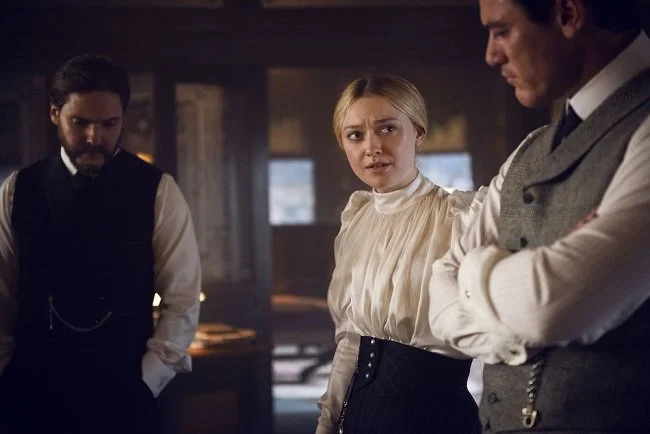
And at the other end of the spectrum we have shows that revel in their adult themes and mature content. The Alienist falls into this category. For those unfamiliar with this drama it is set in the late 19th century in New York. Newly appointed police commissioner Teddy Roosevelt calls upon Dr. Laszlo Kreizler (Daniel Bruhl), a criminal psychiatrist, and John Moore (Luke Evans), a newspaper illustrator, to conduct a secret investigation into a child prostitute serial killer. Joining them in the probe is Sara Howard, Roosevelt's headstrong secretary (Dakota Fanning). It is superbly written, with a solid cast and great production values. The stories are very interesting due to the historical setting and the emerging science, technology and social changes. But due to the nature of the investigation, the story explores poverty, sexual abuse and other human failings. Hence it is very bleak and a little bit squalid. Although thought provoking and dramatic, it is a challenging watch.
All of which raises the question, where are the shows that fall between these two extremes? Well they are out there. You just have to do quite a bit of searching and be prepared to try a variety of content on the understanding that you may not like it and end up abandoning it. I also think that a lot of UK and European TV shows occupy this middle ground due to budget and audience demographics. UK “police procedurals” tend to be a lot less hyperbolic and frenetic, compared to their US counterparts. The focus is far more on narrative depth to compensate for other potential constraints upon the production.
All things considered, I did manage to find some interesting new shows to watch. Some are quite cerebral and a couple I would categorise as the viewing equivalent of comfort eating. Here is a brief summary of what I’ve been watching since Easter to the present.
The Equalizer: This reboot of the eighties TV show is more akin to the two recent movies, than the original source material. It is in many ways utterly preposterous, with its flamboyant hero Robyn McCall (Queen Latifah) using her ex-CIA experience to right wrongs, along with her convenient team of skilled helpers. The show is certainly not afraid of addressing social issues and the realities of being an African-American. Yet it is quite sincere, easy entertainment, carried by the personality of its lead actor.
Clarice: This was a very interesting tangential sequel to The Silence of the Lambs, in which the subsequent career of Clarice Starling was explored. Starling, who is struggling to come to terms with her encounter with Buffalo Bill, finds herself part of a new Federal Taskforce that specialises in dealing with violent criminals. A subsequent investigation uncovers a high level conspiracy in which a major pharmaceutical corporation is committing murders under the pretence that they’re the work of a serial killer. This was a clever show with some interesting socio-political points to make. Sadly it was not renewed for a second season.
Unforgotten Season 4: There is obviously a great deal of mental and emotional strain involved in investigating murders, especially “cold cases”. Unforgotten depicts this intelligently and honestly. Season 4 had another harrowing story arc, outstanding performances and a hard hitting ending. Police work is not databases, car chases and eleventh hour psychological interrogations and last minute confessions. It’s foot work, lateral thinking and compassion. Unforgotten has all these in spades.
Debris: This was one of the smartest science fiction TV shows to come along for a while. It worked best when it’s internal lore was vague; the moment you clarify things it can undermine some of the inherent mystery. Sadly, this intriguing concept by J. H. Wyman (Fringe) about debris from an alien vessel and its strange powers, was cancelled, once again due to the TV network not understanding and having any faith in the show. The same thing happened with Wyman’s previous TV series, Almost Human.
The War: The military and tactical aspects of World War II has been thoroughly explored over the years, with The World at War possibly being the definitive TV documentary. Ken Burns’ takes a different approach examining events from the perspective of four US towns and how WWII impacted upon their economy, lives and world view. It is the personal stories of soldiers and their families that make this show so interesting. The recollections of Daniel Inouye (who won the Medal of Honor and went on to be a US Senator) are particularly poignant and stand out.
Endeavour: Season 8 appears to be the last in this prequel series to Inspector Morse. Morse is dangerously close to becoming an alcoholic and destroying his career. Fred Thursday’s son goes AWOL in Northern Ireland causing domestic strife. Oxford continues to have complicated murders and showrunner Russel Lewis still litters his scripts with niche market pop culture references, which are a delight. After three episodes the season reaches a definitive crossroads clearly linking one show with the other. It’s been a tremendous journey but all things must end.
Dan Brown’s The Lost Symbol: This TV show plays out just like the three big screen adaptations of Dan Brown’s other books. There’s lots of frenetic running between historic locations and pseudo-academia flying about to solve arcane clues. Ashley Zukerman plays a young Robert Langdon (played by Tom Hanks in the movies). It’s all a bit silly but if you want entertainment that isn’t too taxing, it’s a pleasant enough way to spend 42 minutes.
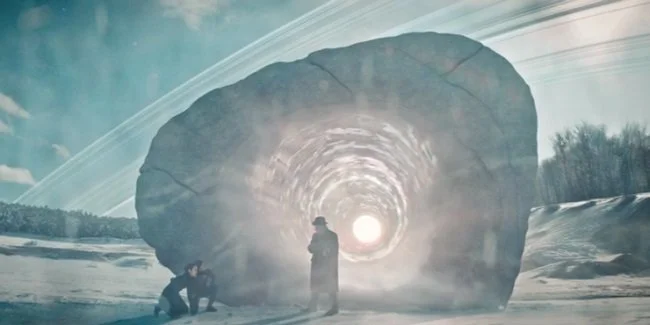


Finch (2021)
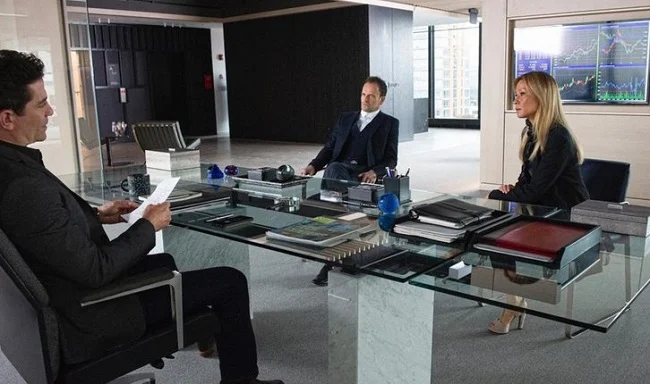
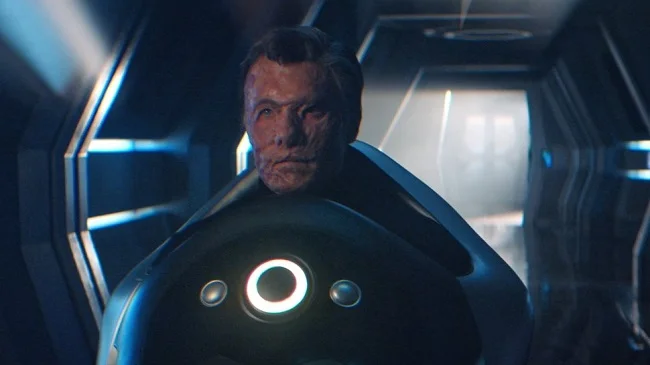
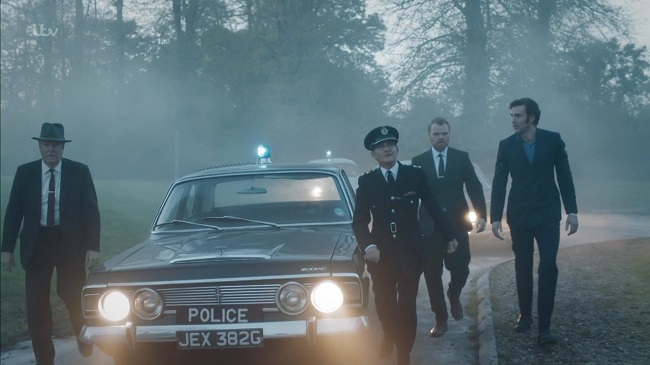
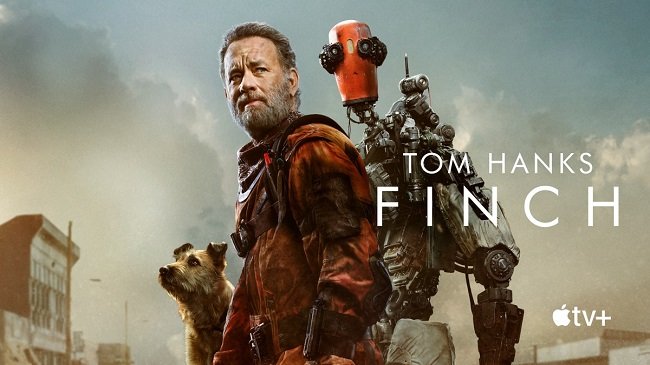
On paper Finch has little originality. The moment I read the plot synopsis and saw the first trailer I instantly thought of other such films as Silent Running, Short Circuit and Chappie. However, irrespective of its derivative concept and the fact it channels many of the major tropes of the genre, it does have three cards to play. Namely strong performances by Tom Hanks, Caleb Landry Jones and canine actor Seamus. Although not a genre milestone, Finch is a curiously pleasant post apocalyptic road movie. Despite travelling through the sun bleached vistas of a ravaged America, the story focuses on the three protagonists and their relationship. It is no small feat to find genuine sentiment in such a harsh environment and indeed in such a genre but Finch proves to be an engaging emotional journey. Once again the most effective explorations of the human condition are often through characters who are conspicuously not.
On paper Finch has little originality. The moment I read the plot synopsis and saw the first trailer I instantly thought of other such films as Silent Running, Short Circuit and Chappie. However, irrespective of its derivative concept and the fact it channels many of the major tropes of the genre, it does have three cards to play. Namely strong performances by Tom Hanks, Caleb Landry Jones and canine actor Seamus. Although not a genre milestone, Finch is a curiously pleasant post apocalyptic road movie. Despite travelling through the sun bleached vistas of a ravaged America, the story focuses on the three protagonists and their relationship. It is no small feat to find genuine sentiment in such a harsh environment and indeed in such a genre but Finch proves to be an engaging emotional journey. Once again the most effective explorations of the human condition are often through characters who are conspicuously not.
After a solar flare has destroyed the ozone layer, the planet Earth is a largely-uninhabitable wasteland scorched by ultraviolet radiation and subject to extreme weather events. Robotics engineer Finch Weinberg (Tom Hanks), lives with his dog Goodyear and a drone-robot Dewey in an underground laboratory in St. Louis. Whenever he ventures outside to search for supplies he is forced to wear an environment suit. Dying of radiation sickness, Finch builds an advanced humanoid robot to take care of his dog Goodyear once he dies. When a massive storm approaches St. Louis and threatens their safety, Finch, Jeff (as the robot name’s itself) Goodyear and Dewey head for San Francisco in a campervan. Due to their hasty departure, Jeff has only assimilated 72 percent of the data uploaded to him, leaving him with the mental capacity of a child. Despite his deteriorating health, Finch tries to teach Jeff about life and how to protect Goodyear. He also emphasises the dangers of the world that they live in.
Finch has solid production values and presents a credible vision of a world blighted by climate change. The CGI FX are at times understated, focusing on extreme weather and sun baked environments. Jo Willems cinematography and is both sweeping when dealing with the landscape and intimate when focusing on Finch and Jeff’s relationship. The screenplay by Craig Luck and Ivor Powell alludes to numerous big ideas and themes and is intelligent in subtle ways. The storm that drives Finch and his companions from his home is scheduled to last 40 days; a suitably biblical period of time. Yet despite the scope of the setting, Finch is content to think small in so far as characters and motivation. This is a story of a man with his own Father issues, struggling to become one himself. At the heart of the film is the perennial notion that when we come close to losing our own humanity, we find it again from the most unlikely sources. Performances are spot on and Hanks manages to smooth out some of the screenplays rough edges by the sheer weight of his on screen personality .
Some critics have focused upon what they see is a lack of jeopardy in the story. The fundamentals of survival are not focused upon as an ongoing problem. Food, water and power are not used to incur a sense of threat for the sake of the plot. The one encounter with humans is kept remote and we never directly see them. We hear their movement and finally they manifest themselves as the drivers of a car pursuing Finch. The film prefers to dwell on Finch’s fear of his fellow man, rather than the direct danger of his pursuers. The only time we get a wider understanding of man’s inhumanity to man is during a flashback sequence and that is mitigated to a degree by the idea that people do terrible things when hungry. What I believe that some reviews have overlooked is the fact that Jeff and Goodyear will be left alone when Finch dies and that is the central narrative source of concern.
I have no problems with sentiment in films if it is handled well. Too often it is not and US cinema has a penchant for mawkish, contrived, button pushing pathos rather than the more difficult, organically generated type. Fortunately director Miguel Sapochnik manages to avoid such pitfalls and when emotions come to a head, they are sincere and heartwarming. It makes a change to see the depiction of an artificial lifeform as an eager and curious child, as opposed to a psychotic killer or minor deity sent to save us. Overall, Finch is quite a satisfying post apocalyptic adventure, driven by characters and performances, rather than action and spectacle. Although it draws upon many familiar ideas, it still manages to provide an entertaining two hours and ends on a suitably upbeat note. It may also serve as a suitable starting point for viewers seeking similar genre offerings.







Staying in Hotels
For me, staying in a hotel is always an adventure, as it mainly happens when I’m taking a holiday or a short weekend break. I suspect that travelling habitually for business reasons probably puts a different complexion on the process. It may well dictate what sort of hotels you stay in. More than likely functionality, location and cost trump other more self indulgent factors such as aesthetic and ambience. Mercifully, travel has never been a major part of my working life and so hotels are still a source of excitement as they’re associated with fine meals, interesting scenery and good company. However, such hotels tend to come at a price as they’re catering more for tourism rather than business travel and therefore stays are not a regular occurrence. However, I had the pleasure of a short visit this weekend.
For me, staying in a hotel is always an adventure, as it mainly happens when I’m taking a holiday or a short weekend break. I suspect that travelling habitually for business reasons probably puts a different complexion on the process. It may well dictate what sort of hotels you stay in. More than likely functionality, location and cost trump other more self indulgent factors such as aesthetic and ambience. Mercifully, travel has never been a major part of my working life and so hotels are still a source of excitement as they’re associated with fine meals, interesting scenery and good company. However, such hotels tend to come at a price as they’re catering more for tourism rather than business travel and therefore stays are not a regular occurrence. However, I had the pleasure of a short visit this weekend.
It’s been a somewhat tough year, so Mrs P and I decided to visit some family down in Hampshire and thought we’d push the boat out and stay at The Crown Manor House Hotel in Lyndhurst. This prestigious 15th century listed Hotel is an independently owned Grade I listed building. The four star establishment is located in the heart of Lyndhurst Village, which considers itself the unofficial capital of the New Forest. As well as the charming period architecture and ambience, the hotel has numerous real log fires and a tranquil garden. The staff are extremely attentive and the award winning restaurant serves a variety of locally sourced food. Our compact double room was cozy, quiet and had a surprisingly spacious ensuite bathroom. The room had some quaint foibles due to its age, such as an uneven floor that caused the bed to list to one side but it certainly didn’t impact upon our sleep.
As an occasional hotel staying aficionado, I thought it would be useful to collate a list of things that are essential to a good overnight stay. Here are three important points that I abide by each time I stay away from home.
First off, when booking your room, see if you can secure one that does not overlook the main road or the car park. These are often the source of noise and constant comings and goings, so are best avoided if possible. This sort of information can be gleaned if you book over the phone as opposed to using a website. Similarly, having the room at the end of a corridor can also help mitigate noise made by other guests.
Hotel showers can be complicated with modern fittings. If you wish to avoid being scalded with a high pressure jet of steam or frozen by a waterfall of icy water, you may wish to investigate how the plumbing works prior to using it. Experiment with water temperature before stepping into the shower and once you have found an equitable water temperature setting, leave it as it is.
Breakfast is an integral part of any hotel stay. If you favour a traditional, full English breakfast, then set aside all notions of courtesy and etiquette. Buffets are no laughing matter and you have to negotiate your way around them efficiently and promptly to ensure you get an optimal selection of culinary delights. Reconnoitre the buffet prior to use. Familiarise yourself with the various hotplates, tureens and containers so you can access them with ease. Never worry about taking the last piece of black pudding. If the person behind you tuts, stare them down. They should have got up earlier. Remember, never take more than you need from a buffet but have no shame regarding returning for a second helping.
I really enjoyed our hotel stay this weekend and it was a welcome break from my usual routine. I enjoy being a guest and feel comfortable and at ease in a hotel environment. Not everyone does. Some folk prefer the familiarity of home. I just appreciate the brief respite from looking after another and having the roles reversed. I briefly considered pushing the boat out and booking a three day break over the Christmas season. However, after discussing the matter with Mrs P, we decided it would be better value to have several weekend breaks in 2022, which would cost the same as a single seasonal stay. Plus this gives us several trips to look forward to next year. As we shall not be doing any major international travel in the immediate future, I am happy to adjust my expectations and confine my leisure activities to the UK.






















“Play-to-Earn” is Not a New Concept
Do you remember the days when you bought a game and then played it and that was the full extent of your financial dealings with the company that had produced it? I do. Sadly those days have pretty much gone. As video games have become a more mainstream leisure activity, the business model associated with them has similarly evolved. Microtransactions introduced charges for additional content, which then paved the way for the “live service”. Video games have ceased to be standalone products and become yet another online leisure amenity that requires continuous payment to access. I’m sure developers working at the coalface of video games still harbour sincere desires to make a “good game” but it is clear that is not the goal of the big triple A publishers that finance them.
Do you remember the days when you bought a game and then played it and that was the full extent of your financial dealings with the company that had produced it? I do. Sadly those days have pretty much gone. As video games have become a more mainstream leisure activity, the business model associated with them has similarly evolved. Microtransactions introduced charges for additional content, which then paved the way for the “live service”. Video games have ceased to be standalone products and become yet another online leisure amenity that requires continuous payment to access. I’m sure developers working at the coalface of video games still harbour sincere desires to make a “good game” but it is clear that is not the goal of the big triple A publishers that finance them.
A cursory internet search quickly yields data regarding how the major video game publishers such as EA, Activision and Ubisoft are heavily invested in technology and patents that can be used to squeeze more money from their customer base. They have no earnest interest in producing good games but are more focused on how the product can make the player behave. They desire titles that yield a constant flow of revenue and their actions thus far show that they are not constrained by ethics and morality. They are happy to exploit those with addictive personalities, the neural divergent and the young. Hence it will come as no surprise that the industry titans are now turning their attention to blockchain technology and NFTs as a means to make their next generation of products even more financially lucrative.
Essentially the presence of these two latest buzzwords is a sign that the likes of EA, Activision and Ubisoft are preparing for “play-to-earn” gaming. Consider, if you will, the latest generation of “live service” games in which in-game currencies, items, services and even characters are subject to a predetermined scarcity. And that these virtual goods will have a real monetary value and are thus tradeable. The money earned by players will then unlock further content and thus the cycle perpetuates. Naturally the publishers will take a percentage of all transactions and therein lies the foundation of their new business model. What I find surprising about such proposals is not their very existence but the fact that the video games industry have only just got around to considering them?
For those gamers who may balk at the ethics of such a business model, it has existed to a varying degree for decades already. Since the turn of the century, the MMORPG genre has unofficially traded in-game resources for real money. Gold selling being the obvious example but there are other variations. Entire player accounts are traded online, as well as other non-account bound in-game items. However, all the money generated from such transactions at present goes to third parties. “Play-to-earn” ensures that the revenue stays with the publishers. And if you’re a “doubting Thomas” who feels that ethics and morality will trump capitalism, this idea has already been tried previously. Diablo III had a real money auction house in 2012 which ran for nearly two years. Consider that to be a beta test for Blizzard.
Therefore, I don’t think there is any doubt that “Play-to-earn” is coming. It already exists within Facebook gaming and some mobile games. However, I don’t think we’re going to wake up tomorrow and find that the triple A gaming landscape has changed overnight. Where loot boxes have trodden the fine line between gambling legislation and “surprise mechanics”, “play-to-earn”, with its trading in virtual commodities, will more than likely attract the attention of most countries' tax systems. Sorting out the legal aspects of such a game mechanic will be no small beer. But given the potential revenue that could be generated, I’m sure those video games publishers involved will lobby governments robustly to ensure that such games can exist legitimately. As for those gamers who are furiously clutching their pearls (or Mario plushies) in horror of the very notion of “play-to-earn”, there is an equal number who will see a means to make money, outside of traditional employment. Just like Twitch and YouTube afford similar opportunities.
It is this latter point that I would like to explore further. Let us embark on a thought experiment. First off, we must not just assume in our arrogance that European countries and North America are the sole target for “play-to-earn” games. In fact it is likely that they’ll initially launch in countries with less rigorous or “evolving” legislative procedures in place. Emerging economies with existing levels of poverty and cheap labour spring to mind. Naturally such an environment offers a potential means of income for those seeking employment. Thus when such games finally launch in Western countries they may well already have an established in-game economy up and running. Once again, rich consumers will initially seek to profit from the fruits of others labour. However, in a decade or so, the employment landscape in Europe and North America may not be the same as it is now. We may have a substantial level of unemployment due to technological advances and automation. “Play-to-earn” games may well be looked upon more favourably.
To summarise, “play-to-earn” as a concept is not new and may not be as unpalatable as some gamers would have you believe. All industries are subject to customer churn and therefore those gamers thinking that their departure from gaming sends some kind of message, may find themselves ignored by the major publishers, as and when they roll out games with real economies. However, the legality of managing such games is at present the biggest obstacle. Some political parties and institutions won’t like the concept of virtual work houses emerging as a means of providing employment. However, capitalism always seems to get its way eventually. Furthermore, by the time “play-to-earn” becomes any kind of reality, the current generation of gamers will probably be so conditioned to the iniquities of the industry, that they won’t offer any major ideological opposition.

Broadening Your Cinematic Horizons
I haven’t been to the cinema since December 2019 when I saw the last Star Wars: The Rise of Skywalker. Increasing ticket prices, along with the pandemic have kept me away. But perhaps the biggest contributory factor to my ongoing cinematic abstinence has been just a lack of interesting films being released. My local multiplex has become a platform for mainly big cinematic franchises. Compared to the seventies and eighties, there is considerably less choice regarding the types of films being shown. I am not saying that a broad variety of films are no longer being made, because that is not the case. What has changed is the medium by which we view them. Human dramas, art house films, comedies and many other genres that don’t command major box office taking are no longer being shown theatrically and are finding a home elsewhere.
I haven’t been to the cinema since December 2019 when I saw the last Star Wars: The Rise of Skywalker. Increasing ticket prices, along with the pandemic have kept me away. But perhaps the biggest contributory factor to my ongoing cinematic abstinence has been just a lack of interesting films being released. My local multiplex has become a platform for mainly big cinematic franchises. Compared to the seventies and eighties, there is considerably less choice regarding the types of films being shown. I am not saying that a broad variety of films are no longer being made, because that is not the case. What has changed is the medium by which we view them. Human dramas, art house films, comedies and many other genres that don’t command major box office taking are no longer being shown theatrically and are finding a home elsewhere.
This change in the way consumers access “content” has already happened within both the TV and music industries. Previously, a broad, centralised market which meant a common exposure to a variety of material has now shifted to niche platforms, channels and stations. The perennial business mantra of “greater choice” has led to audiences finding what they like but at the cost of being aware of any other kind of material. With regard to cinema such changes also have consequences. The segregation of content to specific platforms means that at the very least you’re limiting your choice to big cinematic franchises and tentpole releases. However, at worst, it leads to a form of cinematic ignorance which then contributes to a decline in the art of filmmaking. Hollywood is not known for taking risks. Until superhero movies stop making them money, that is what they’re going to continue to produce.
I count myself fortunate, as I was raised during the seventies and the three major UK TV channels used to regularly show old movies and by that I mean material from the early thirties to the late sixties. It would often take several years for major cinematic releases to get their first broadcast on analog, terrestrial television. In the eighties, video rental subsequently bridged the gap affording an opportunity to watch more recent material within the home. Hence I had a great deal of exposure to a very broad range of films. In an age where there were no video games or internet, often I would watch something with my parents out of default of anything else to do. Yet like watching “Top of the Pops”, the UKs premier music show at the time, I was presented with a wide variety of genres. As a result, I became accustomed to differing acting styles that evolved over the years as well as the pace of editing.
Two other factors secured my love of film and made it more than just a casual pastime for me. The first was joining the film club at school. I was again very fortunate to go to a senior school that focused not only on academia but the arts as well. One chemistry teacher had an abiding love of cinema and used to show fairly recent films. Afterwards there would be a discussion about the plot and the techniques used. It was a most illuminating experience. The second was joining the British Film Institute and attending screenings of classic films at the National Film Theatre on the London Southbank. It was here that I saw such giants of cinema as Ray Harryhausen and Vic Armstrong. Enjoying such events with an audience of like minded people is also a key factor and something I’ll discuss further in this post. Cinema is not a lone experience. Much of its enjoyment comes from the group experience and then discussing things afterwards.
As someone who enjoys cinema and all manner of films, I like to encourage those who are similarly disposed towards the medium to broaden their cinematic horizons. This is not driven by elitist snobbery but more of a sense of “why miss out on so much good stuff”? For example, if you like cheese why just limit yourself to cheddar? If such a philosophy seems reasonable to you and you would like to become more experimental in your viewing habits, here are a few suggestions that may help you achieve that endeavour.
Do not put arbitrary limits upon what you will or won’t watch. That’s not to say that you should throw caution to the wind. Still exercise some sense of choice but temper it. If you like contemporary horror, then why not try one from the nineties or an earlier period? Take measured steps, rather than jump into the deep end but do step outside of your usual comfort zone.
Context is king. Film reflects the prevailing social views and conventions of the time. Culture has changed greatly over the last 100 hundred years. Therefore, modern audiences will often be confronted with opinions and ideologies that are very different to what they are now. Hence it helps greatly to cultivate a sense of detachment when watching older films. You can enjoy or at least appreciate the artistry of a film such as Gone With the Wind, without endorsing its dated racial representations and social philosophies. Film in many ways are invaluable historical documents (not as in Galaxy Quest, though) and a window on the past.
Watching a film as part of a group can radically change the overall viewing experience. Charlie Chaplin viewed alone can seem very dated, repetitive and even unfunny. But watching the same material with friends or as part of a wider audience can change the dynamic. Horror and comedy produce discernable emotions and we pick up on that both consciously and subconsciously. You may well find Chaplin far more approachable in such an environment. With this in mind, join a film club. Alternatively, watch a live stream and participate in a shared experience that way. Talk and discuss both before and after watching a film (but never during).
Seek out informed people on social media. Learning about the provenance of a classic film or finding out about its troubled production history can really add to your enjoyment. It also helps to become familiar with the basics of filmmaking. If you understand the essentials of editing, framing shots, script writing, narrative arcs and styles of acting, it allows you to appreciate why some films are either venerated or reviled.
Eschew film snobbery. Cinema can be high art, mainstream entertainment and exploitative trash. It is perfectly feasible to be able to like and find merit in all of these manifestations. Also, don’t feel obliged to slavishly join the prevailing consensus of so-called “classics”. Don’t be deliberately contrary but if you don’t feel especially moved by a much loved film, then that’s fine. Just remember that the reverse is true. People are allowed to dislike the films you hold dear. Judge films on their own merit and within an appropriate context. Don’t make the mistake of comparing apples with oranges. One can admire Citizen Kane as well as enjoy the fun inherent in Treasure of the Four Crowns but to directly hold one up against the other is illogical.
If possible, find streaming platforms or TV channels that curate content that suits your needs. If you’re based in the UK then I wholeheartedly recommend Talking Pictures TV. It shows a wealth of old, obscure and even cult material. We also have the benefit of living in an age where most content can be watched in high definition. Seek out broadcasts and streams that show films in their correct aspect ratio, preferably without adverts and on screen graphics. However, don’t miss an opportunity to see something just because it’s not presented in an optimal fashion.
Finally, a love of film is like many other hobbies; inherently social. Talk about what you’ve watched and enjoyed. Write a blog, make videos on YouTube, or just chat on Twitter. Word of mouth and recommendations from friends can lead you to discover some real hidden gems (and a few turkeys). Don’t be afraid to experiment. If something doesn’t grab your attention then stop watching and try something else. Watching a film isn’t a legally binding contract in which once started, you’re compelled to continue to the end. As I said previously, why limit yourself. There are so many good films out there, from all over the world, covering every aspect of the human condition.
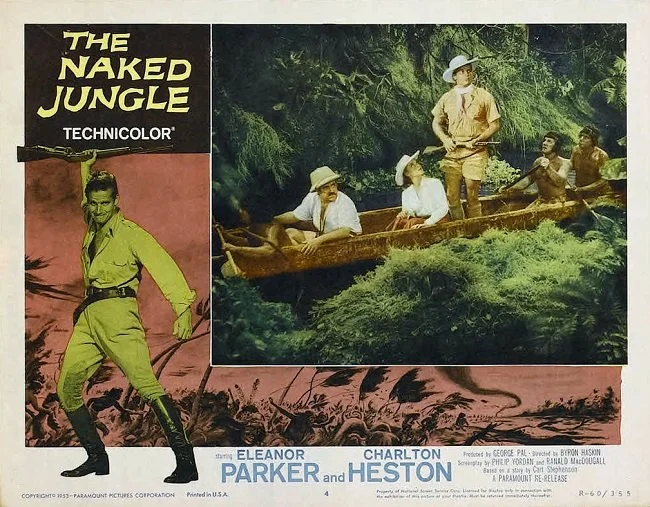
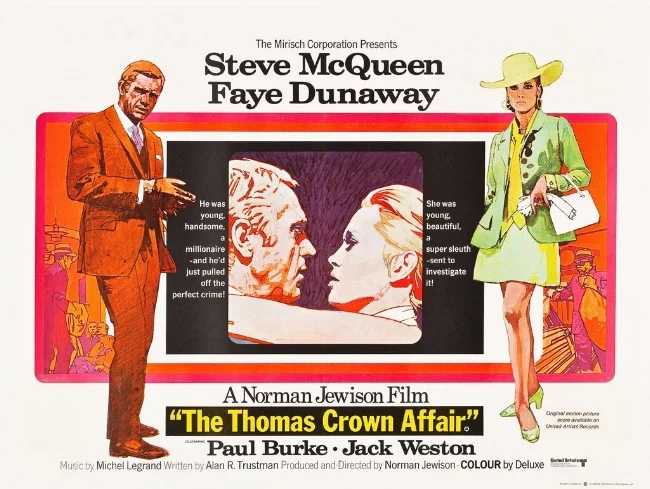
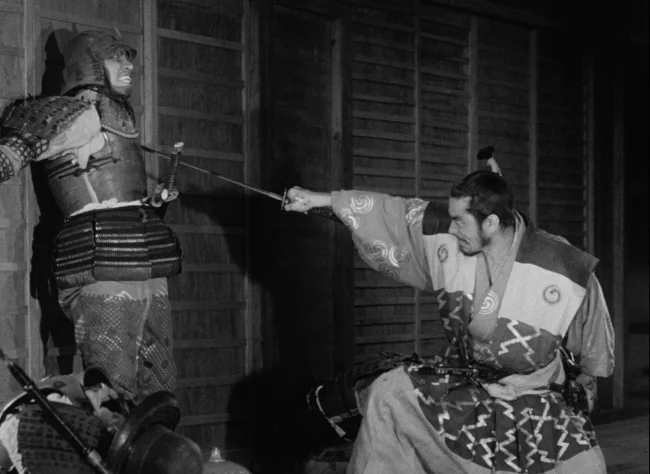
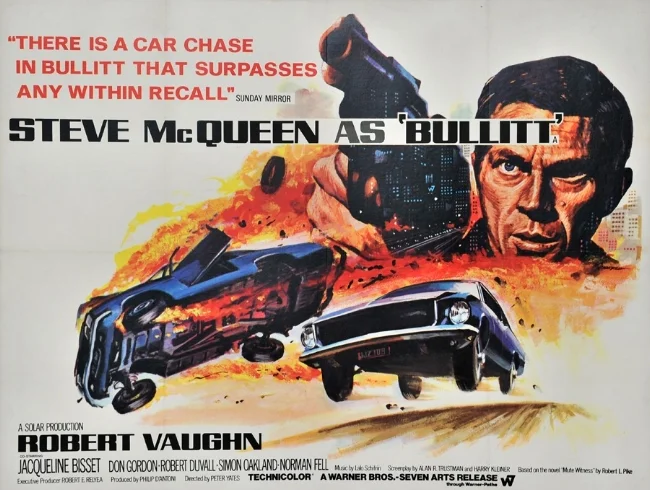
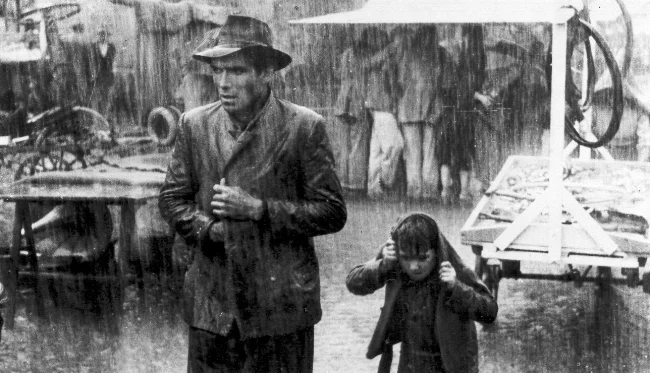
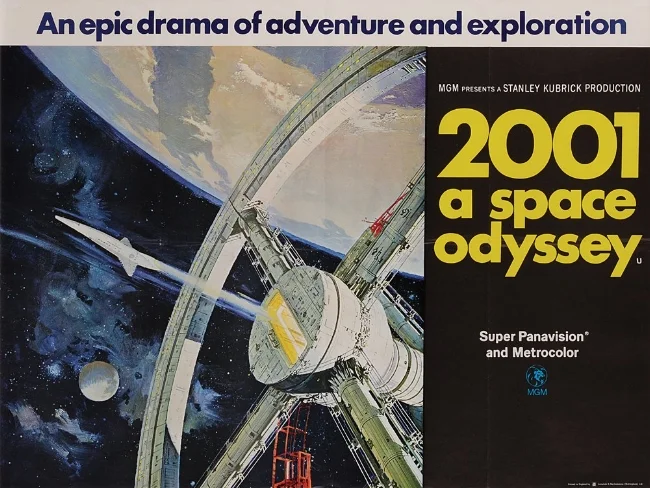
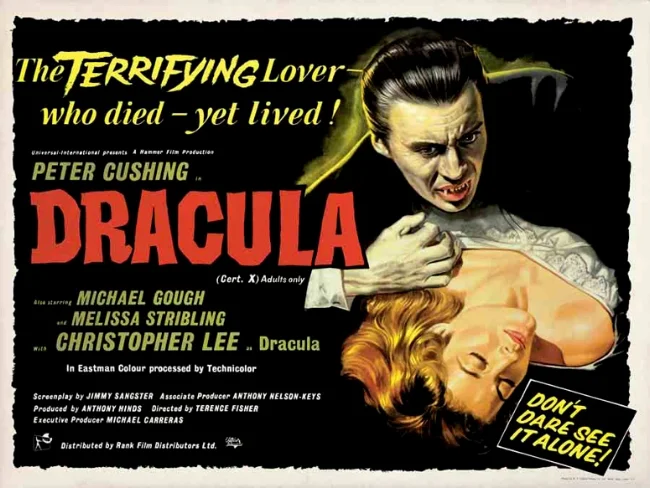
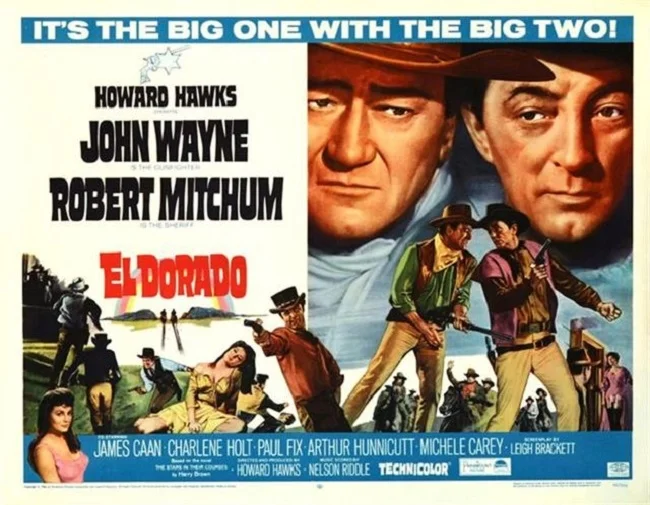
LOTRO: The Benefits of Being a VIP For a Month
I recently created a new Brawler class character in the MMORPG, The Lord of the Rings Online. This is the first time I’ve rolled a new alt while not subscribing. Hence I suddenly became aware that a great deal of features and functionality that I usually take for granted were not available. I started unlocking these services in a piecemeal fashion but soon realized that this wasn’t very cost effective. So I started digging around online to see what the exact benefits are of subscribing to LOTRO and becoming a VIP player. There is a comparison chart available if you do a Google search but it is far from comprehensive. For example a free player has to pay to unlock skill point set bonuses, which surprised me. Overall, the entire monetisation of LOTRO is somewhat arcane. However, if you subscribe for one month to become a VIP, when you stop paying you drop down to Premium player status, rather than return to that of a Free player. This has benefits.
I recently created a new Brawler class character in the MMORPG, The Lord of the Rings Online. This is the first time I’ve rolled a new alt while not subscribing. Hence I suddenly became aware that a great deal of features and functionality that I usually take for granted were not available. I started unlocking these services in a piecemeal fashion but soon realized that this wasn’t very cost effective. So I started digging around online to see what the exact benefits are of subscribing to LOTRO and becoming a VIP player. There is a comparison chart available if you do a Google search but it is far from comprehensive. For example a free player has to pay to unlock skill point set bonuses, which surprised me. Overall, the entire monetisation of LOTRO is somewhat arcane. However, if you subscribe for one month to become a VIP, when you stop paying you drop down to Premium player status, rather than return to that of a Free player. This has benefits.
So after some research, here is what I discovered regarding the benefits that are maintained on a per-character basis, when downgrading from VIP to Premium. It should be noted that the following benefits are only maintained for characters that have been logged into the game while the VIP status is active. To clarify, if you create a new alt while a Free player, upgrade your account to VIP and then log into the game with the aforementioned new alt, the following benefits persist when you stop subscribing and drop down to Premium. If you have an alt that you created as a Free player and do not log them in while a VIP, you will not see any benefits afterwards. Also note, these per-character unlocks also work for content that the character hasn't reached, due to level restrictions and other qualify criteria.
After downgrading from VIP to Premium you keep the following:
All trait slots unlocked for all your characters on all servers.
Swift travel from all stable NPCs.
Riding skill quest for all your characters at level 20.
All 5 inventory bags remain unlocked.
The currency cap of 2 gold for Free players and 5 gold for Premium players is lifted.
You keep access to the last level you reached within the Crafting Guild.
You can still access items placed in the shared wardrobe and dye them but you can no longer replace them.
You lose the following features after downgrading from VIP to Premium:
Two character slots (VIP has 7 by default, Premium has 5 premium. You may have to disable two characters).
Access to all quest packs and skirmishes.
Access to the Legendary Servers.
Shared wardrobe if not used by other alts (20 slots).
Rested 100% XP.
Monster play.
Ability to spend destiny points.
30 auction house listings.
Access to your Mailbox everywhere.
Access to crafting guild advancement.
As you can see there are tangible rewards to be had from subscribing, if for only one month and then dropping to Premium status. It is definitely superior to being a Free player. Ultimately your decision to do so is dependent upon your personal gaming budget and your own views on video game monetisation. However, it is useful to be aware of the differences in customer status in LOTRO. In the meantime do not forget the current offer available from Standing Stone Games in which they are giving away all quest packs within the game, permanently. The code LOTROQUESTS2021 can be redeemed up until the 31st of November. This combined with subscribing for one month and thus becoming a Premium player unlocks a significant amount of content and will save players a lot of money.
Old Bexley and Sidcup By-election Part 2
Political events in the constituency of Old Bexley and Sidcup have moved forward in the last few weeks, following on from the death of incumbent MP James Brokenshire on 8th of October. Although no formal announcement has yet been made regarding the date of the forthcoming by-election, the major political parties have started announcing the names of their respective candidates. There were initial concerns among some constituents that this safe Conservative Party seat may have been used as a means of parachuting in a candidate favoured by central office, rather than one determined by the local Conservative Association. Fortunately, that has not been the case. The UK Government currently enjoys a parliamentary majority of 79 seats and is therefore not in any urgent need of fast pathing further political allies.
Political events in the constituency of Old Bexley and Sidcup have moved forward in the last few weeks, following on from the death of incumbent MP James Brokenshire on 8th of October. Although no formal announcement has yet been made regarding the date of the forthcoming by-election, the major political parties have started announcing the names of their respective candidates. There were initial concerns among some constituents that this safe Conservative Party seat may have been used as a means of parachuting in a candidate favoured by central office, rather than one determined by the local Conservative Association. Fortunately, that has not been the case. The UK Government currently enjoys a parliamentary majority of 79 seats and is therefore not in any urgent need of fast pathing further political allies.
At present three candidates have been confirmed as standing for election. Louie French who is standing for The Conservative Party. Mr French has been a Bexley councillor for the last eight years and was Deputy Leader of Bexley Council from 2018 to 2021. He is a resident of the Borough and has a background in the financial services industry, working in the City of London. The late James Brokenshire was both a friend and mentor to Louie, therefore from a party political perspective, he is a logical choice to stand as The Conservative Party candidate. His existing familiarity with the borough and its constituents offers practical continuity. Considering the voting habits of constituents and the historical track record of by-elections held in Old Bexley and Sidcup, unless something radical occurs it is safe to consider that Louie French is the favourite candidate to win the seat.
Daniel Francis, a Bexley councillor and former leader of Bexley’s Labour group on the council, has been selected as Labour’s parliamentary candidate for the upcoming Old by-election. Daniel Francis represents Belvedere Ward on Bexley Council and grew up locally. He is married with two primary school aged children, one of whom has cerebral palsy and he campaigns on accessibility issues. Mr Francis served as leader of Bexley Labour group from 2017 to 2021 and is the shadow cabinet member for environment, transport and leisure. He was first elected to the council in 2000. In the 2019 election, Labour polled 23.5% of the vote. Since the constituency of Old Bexley and Sidcup was created in 1983 the electorate has only elected Conservative Members of Parliament.
The third candidate to be announced is Richard Tice, the leader of the party Reform UK. Formerly known as the Brexit Party, Reform UK is now presenting itself as a broader political entity with policies encompassing wider and more traditional issues. The party lost its 29 MEPs when the UK left the EU on 31 January 2020. At present it has three councillors nationally. Reform UK has been seeking parliamentary seats since 2019 but has not been successful so far. Mr Tice is a British businessman and CEO of the property investment firm. It will be interesting to see whether the presence of Richard Tice as both a candidate and the leader of his party will gain any traction with constituents and whether Reform UK can transition successfully from a single issue party. Furthermore, will his participation in the by-election increase media attention?
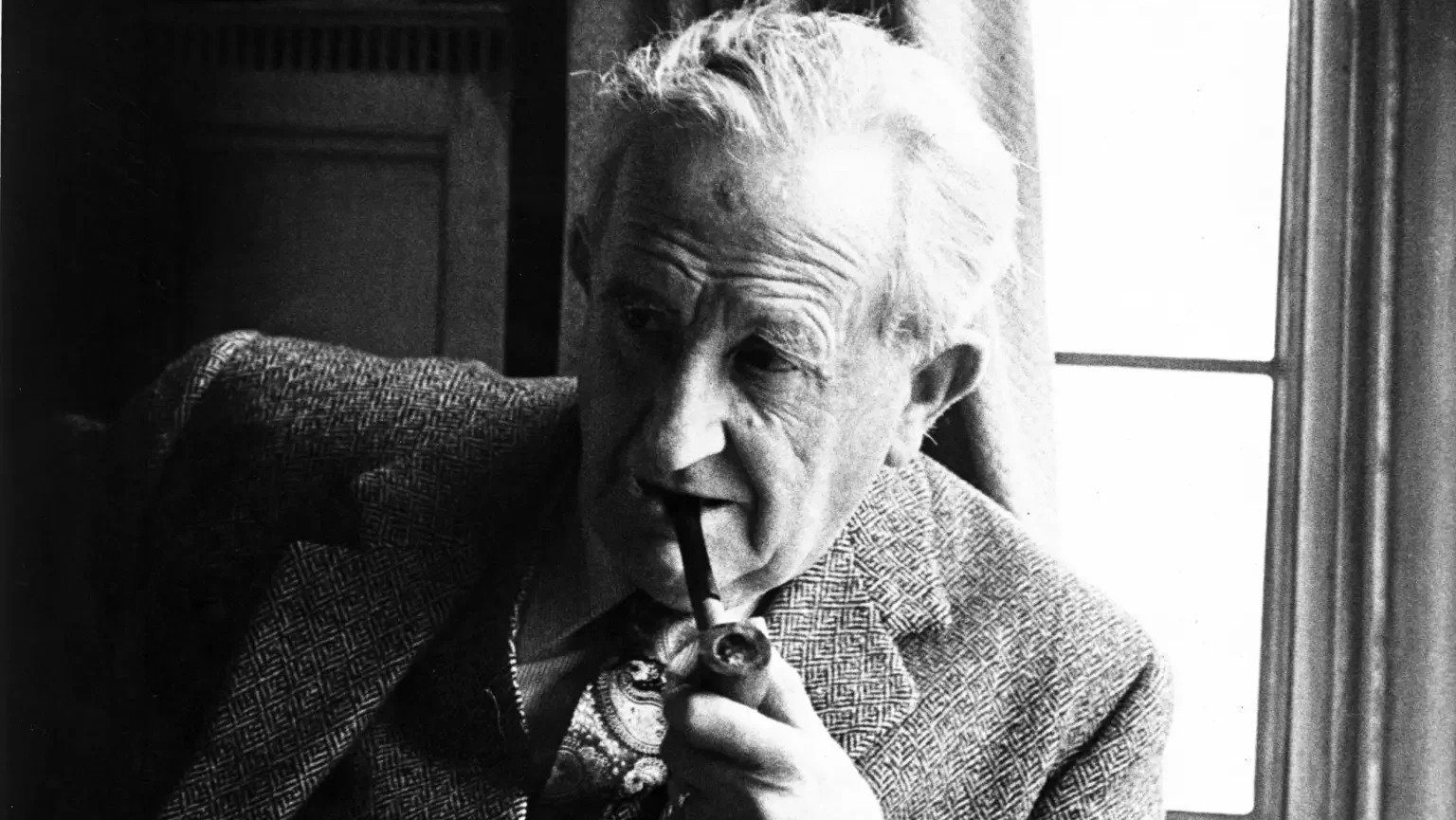



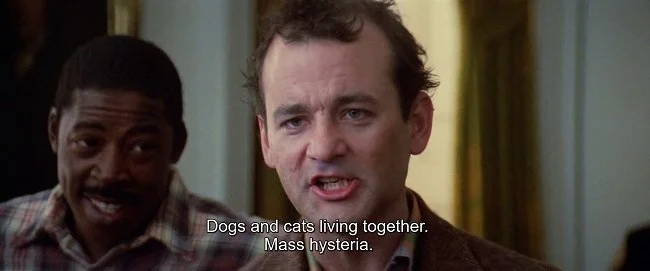














Revisiting Peter Jackson's The Lord of the Rings
In December it will be the twenty year anniversary of the release of The Fellowship of the Ring. The first entry in Peter Jackson’s trilogy of film adaptations of Professor Tolkien’s iconic novel, The Lord of the Rings. I was utterly swept up in the hype and media frenzy that persisted for three years around these movies between 2001 and 2003. I certainly have fond memories of seeing each film on the first day of its release at the prestigious Leicester Square Odeon in London. Broadly speaking I was very impressed with all three films at the time of their release. However, over the years excitement and fandom has been tempered with a greater degree of critical analysis and appraisal. Having recently watched the Extended Editions of all three films, remastered in 4K, I now think it would be pertinent to revise my thoughts on them and repost them here on Contains Moderate Peril. This initial post is intended more as an overview on the trilogy. I shall write three new in depth reviews in due course.
In December it will be the twenty year anniversary of the release of The Fellowship of the Ring. The first entry in Peter Jackson’s trilogy of film adaptations of Professor Tolkien’s iconic novel, The Lord of the Rings. I was utterly swept up in the hype and media frenzy that persisted for three years around these movies between 2001 and 2003. I certainly have fond memories of seeing each film on the first day of its release at the prestigious Leicester Square Odeon in London. Broadly speaking I was very impressed with all three films at the time of their release. However, over the years excitement and fandom has been tempered with a greater degree of critical analysis and appraisal. Having recently watched the Extended Editions of all three films, remastered in 4K, I now think it would be pertinent to revise my thoughts on them and repost them here on Contains Moderate Peril. This initial post is intended more as an overview on the trilogy. I shall write three new in depth reviews in due course.
One of the most striking aspects of Peter Jackson’s films is the overall production design and the aesthetics of Middle-earth in the Third Age. Fans had already started becoming accustomed to a common visual approach to Tolkien’s work, care of John Howe and Alan Lee, the artists that publisher Harper Collins had been using for several years prior to 1999 when filming started. Inviting both to be artistic designers on the films provided a sense not only of continuity but also of a formal aesthetic across the entire intellectual property. Both artists have a knack for combining real world historical elements, with fantasy creating styles of armour, weapons, architecture and clothing that looks real and credible. There is incredible attention to detail present in every element of the production, just as there is in Tolkien’s source text.
In a similar vein, filming in New Zealand was a wise decision as it provides such a diversity of environment and ecosystems. It really is ideal for recreating much of Middle-earth. Jackson’s visual realisation of The Shire is very lush and green. Similarly, the Southern Alps of the South Island effectively capture the spirit of Tolkien’s descriptions of the Misty Mountains and are very imposing. Filming outside of the US also had definite cost benefits to the overall production. However, not every geographical aspect of Middle-earth is as well represented. I have always felt that the Rangitata Valley did not adequately capture the rolling grass plains of Rohan. To my mind it wasn’t green enough. Rohirric culture is based upon both Goths, Scandinavians and the medieval Anglo-Saxons and so I envisage Rohan being more akin to European grasslands. However, such criticisms are far from a deal breaker in respect of one’s appraisal of the overall trilogy.
A key element in Tolkien’s writing is the use of music and how it is an integral part of all the cultures of Middle-earth. Composer Howard Shore wisely made Tolkien’s songs a key part of his soundtrack. As well as writing leitmotifs for central characters and recurring story themes, he also incorporated Sindarin text and other dialects into much of the ambient music to further embellish scenes. It really adds to the overall feeling of “world building”. In many ways his music for all three films feels like a character in its own right. His music also allows for the compression of the narrative and to convey plot points. When Aragorn heals the sick after The Battle of the Pelennor Fields, the music succinctly reinforces the visual images. Rather than having to explain that "the hands of the king are the hands of a healer" what the film shows is further reinforced by the accompanying score. However, although this is a joy for Tolkien fans, its subtleties may be lost on the casual viewer.
Peter Jackson also made a wise decision by casting a group of international character actors rather than smothering his production with box office stars. Sean Connery as Gandalf may well have broadened the appeal of the films but ultimately his larger than life persona would have been a poor fit for the nuances of the character. Casting Ian McKellen was a far more practical choice and proved infinitely more beneficial as the actor utterly made the role his own. Christopher Lee was another cany choice. Not only was he an experienced and subtle actor but a Tolkien scholar as well. The narrative complexity of The Lord of the Rings feature films did not need the additional burden of celebrity stars bringing their own baggage to the production. Using lesser known actors allowed audiences to focus upon their performances rather than be distracted by their sheer presence.
Tolkien’s body of work is remarkable for the way it successfully manages to encompass era defining events, yet still being able to tell the story of those caught up in them. This is something a lot harder to do on screen. Peter Jackson excels at creating complex and large scale set pieces but sometimes they tend to dominate the proceedings at the expense of narrative depth. It was one of the criticisms that Christopher Tolkien made, who felt that the focus of the movie was on action and spectacle at the expense of story and lore. I feel the reality lies somewhere in the middle. Certainly the Extended Editions of all three films addresses this issue, reinstating story content that was excised from the theatrical edits. Ultimately viewers have to come to terms with the fact that these three movies are Jackson’s “adaptation” and reflect upon the meaning of that term.
Hence we come to the thorny issue of how any film version of a complex book leads to key plot elements and characters being either simplified or removed for reason of accessibility. Personally I don’t especially like the “streamlining” of certain characters for the sake of the wider story, although I understand why Jackson did this. I feel that his portrayal of Theoden is somewhat bland, portraying him as a grief stricken King who is indecisive. I also feel it is incorrect to depict Aragorn as conflicted with self doubt. But these were done to make the plot more straightforward and understandable among mainstream viewers, who are not familiar with the books. I do like the extrapolation of the roles and relationship between Saruman and Wormtongue. Also having several Orc characters act as narrative conduits also works well. It is sad that Gil Galad and Elendil were also watered down or removed but it would have bloated the screenplay too much to include all canonical characters.
Twenty years on, I am not quite so enamoured with Peter Jackson’s trilogy and feel that there are elements that could have been improved or handled differently. However, there is still an inherent power to his films and he still merits a great deal of praise for crafting such an imposing adaptation of a book that many claimed was “unfilmable”. He definitely got specific elements one hundred percent right. The Amazon television production set in the Second Age of Middle-earth that is currently being filmed, is maintaining the same design and visual aesthetic. Howard Shore is also involved to keep a sense of musical continuity. All of which raises the point, will the next adaptation of The Lord of the Rings be via the medium of streaming television, rather than cinema? Such a platform is not burdened by running time constraints. It could therefore facilitate a more comprehensive realistion. Whatever the future brings, I don’t think Peter Jackson’s film will be the only ever adaptation of The Lord of the Rings.
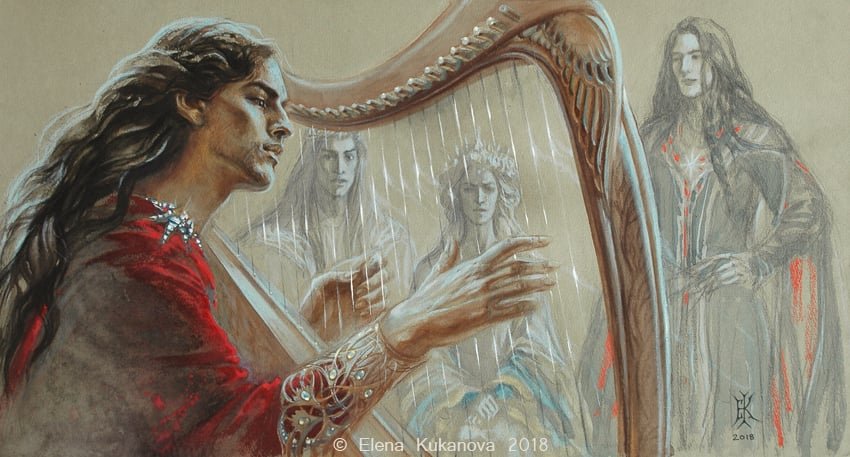

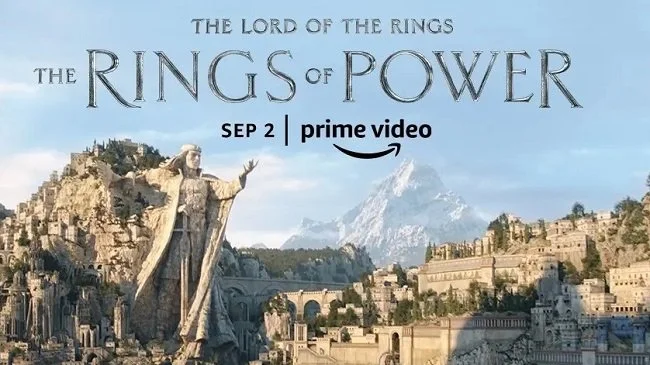

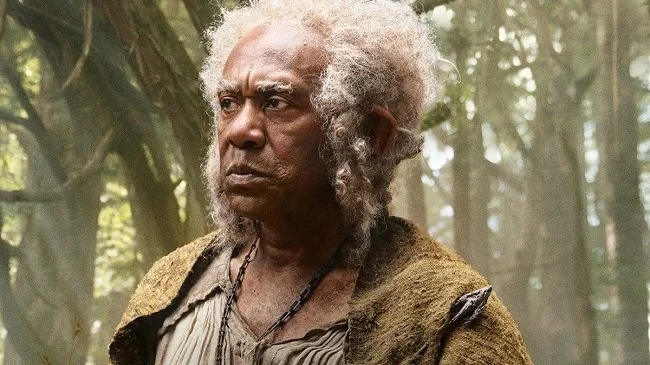


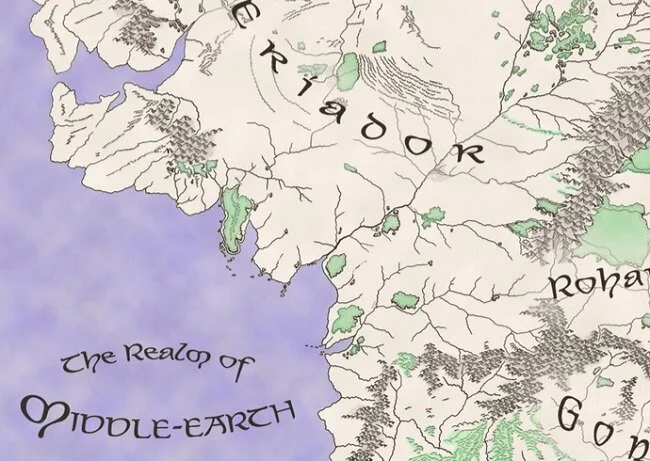
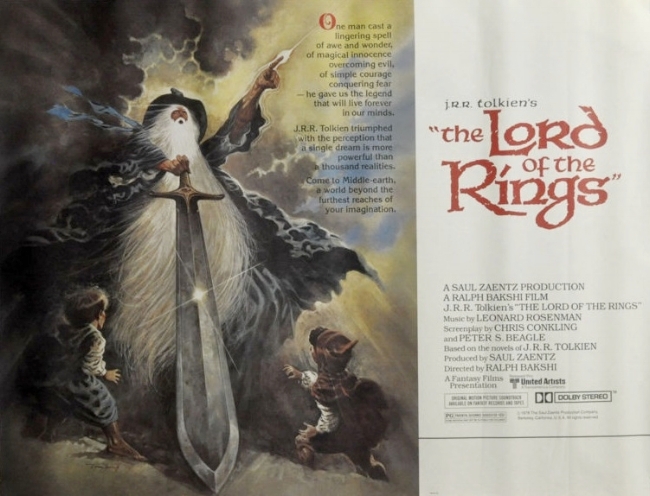

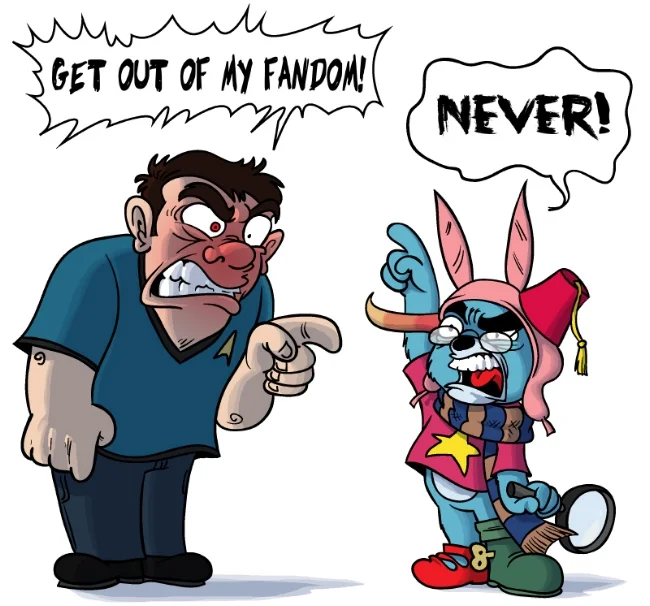
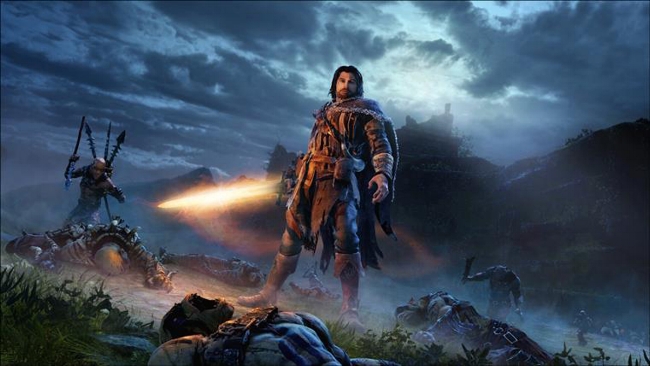
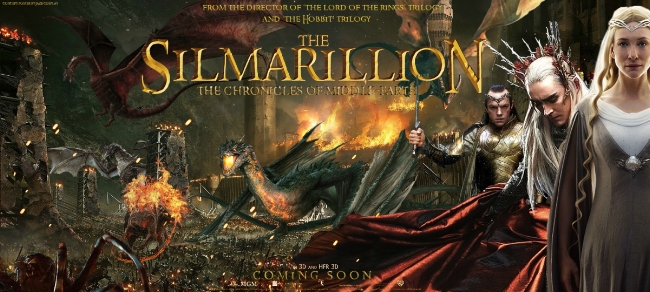
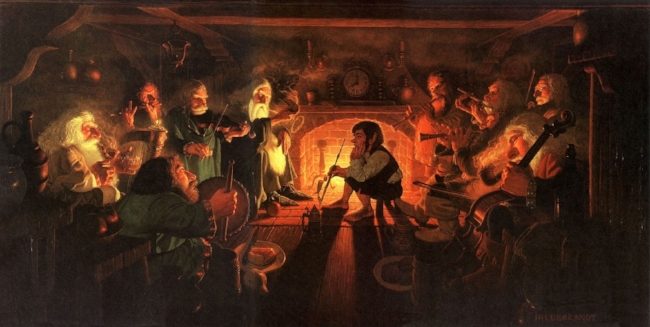
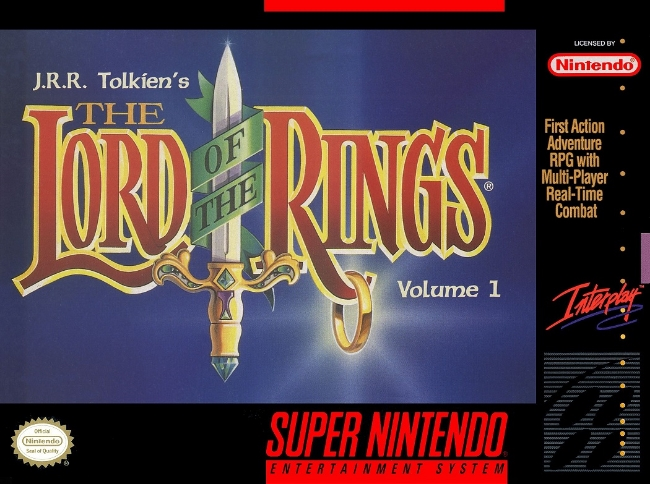
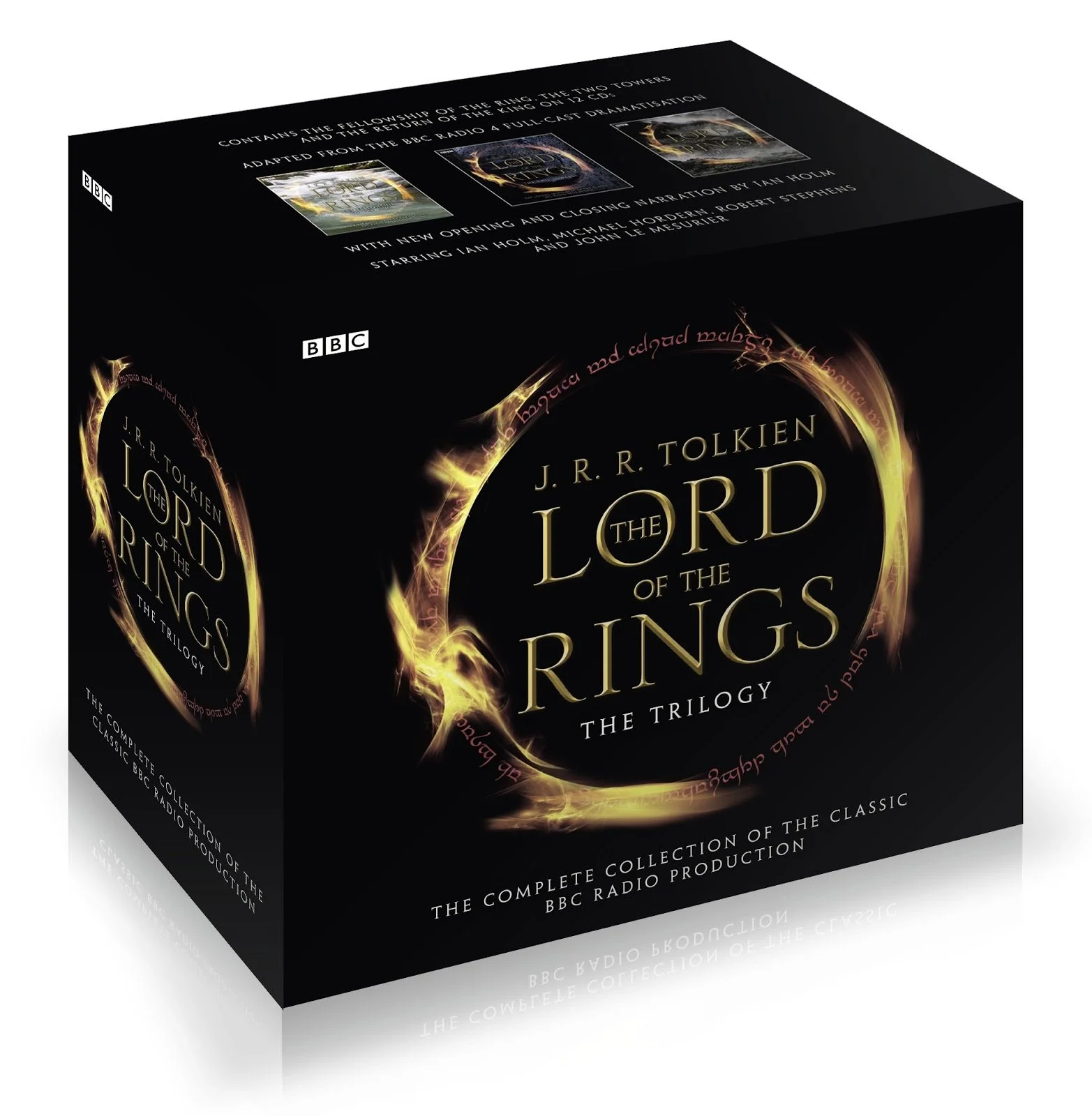
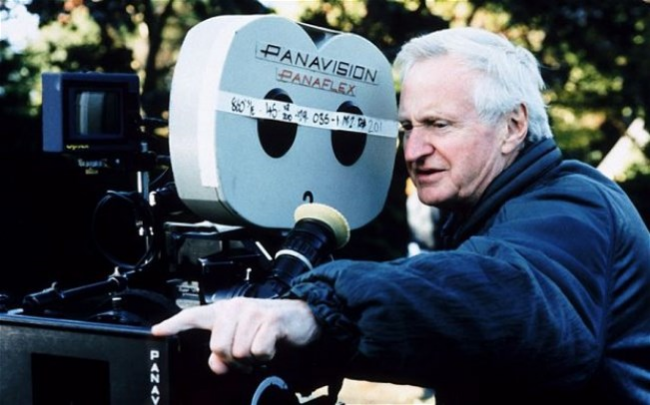

LOTRO: Tying Up Loose Ends
I discovered an excellent thread on the official Lord of the Rings Online forums today, created by Tesalion Lortus, which tackles the complicated subject of outstanding and unresolved storylines within the game. It is a very well researched and comprehensive post. I try my best to keep abreast of the various ongoing stories within the MMORPG but this list of plotlines that have yet to be completed, is a timely reminder of the sprawling narrative that Turbine/Standing Stone Games have woven over the last 14 years. The story is a major reason for this game’s longevity and many players enjoy the way it references and compliments so much of Tolkien’s overall lore. But it would appear that there are numerous story arcs that have not reached fruition, going back as far as the Helm’s Deep expansion that was released in 2013. Naturally, now that this matter has been highlighted so well, I am curious to see what SSG intends to do to resolve the situation.
I discovered an excellent thread on the official Lord of the Rings Online forums today, created by Tesalion Lortus, which tackles the complicated subject of outstanding and unresolved storylines within the game. It is a very well researched and comprehensive post. I try my best to keep abreast of the various ongoing stories within the MMORPG but this list of plotlines that have yet to be completed, is a timely reminder of the sprawling narrative that Turbine/Standing Stone Games have woven over the last 14 years. The story is a major reason for this game’s longevity and many players enjoy the way it references and compliments so much of Tolkien’s overall lore. But it would appear that there are numerous story arcs that have not reached fruition, going back as far as the Helm’s Deep expansion that was released in 2013. Naturally, now that this matter has been highlighted so well, I am curious to see what SSG intends to do to resolve the situation.
I won’t repeat all of the plot points provided in the original forum post. Here is sufficient to give you an indication of the scope of research that Tesalion Lortus has carried out.
The Bugdatish storyline.
Borangos the Horror and his plan.
The fate of Karazgar.
Thostír the Rank, a great fire-drake of the East.
Brathar Crack-helm and his Dourhands.
Jajax and his brother.
Where is Corudan?
Thankfully, one of the things that SSG does well is write complex and long term story arcs well in advance of their release. It is not unusual to find characters from the dim and distant past resurface years later in the LOTROverse. For example Atli Spider-bane, who we initially encounter at Archet in Bree-land at the start of the game, later returns at Lhingris in Mordor, on the far side of Cirith Ungol in the Morgul Vale. Then there is the enigmatic Trév Duvárdain warrior Aviar, who was exiled from her tribe and had her clan name removed. We first encountered her in Forochel. Living as a brigand, she was shown mercy by the Ranger Lothrandir. However, his compassion irked her and so she followed him and so she was ensnared by Saruman. This ultimately led to Lothrandir capture and imprisonment in Orthanc. Saruman called her Gun Ain (without name). During the ruin of Isengard she was again subject to the Rangers justice. On this occasion Halbarad renamed her “mercy” and set her loose. Perplexed, she wandered into Rohan and was shown kindness by Bingo Boffin when he met her at Grimslade. It is a rather unusual and redemptive story arc.
Tesalion Lortus thread on the forum regarding these multiple loose ends garnered a response from LOTRO developer, Made of Lions. They said “To be honest, we have so many of the items on this list earmarked for future quest stories already!” which is reassuring. Because if the history of gaming has proven anything it is that players remember everything and the internet is a pedants paradise. Plus I find continuity in storytelling integral to my enjoyment of LOTRO. Hence it is important that such standards are maintained for the sake of both the game. However, let us not forget that for every LOTRO player that revels in the dense narrative, there is always another who dismisses all quest texts and chooses to remain oblivious to the subtleties of the plot. It takes allsorts I guess. Although the latter group are free to play as they see fit, I feel that they are missing out on a key component of the game. Yet for some, the MMO genre is about “doing” and any framing story is purely an optional extra.
Petworth House and Park
On Thursday 21st of October, Mrs P and I decided to use our recently acquired National Trust membership and visit one of the many sites within driving distance. After perusing the brochure in true old school fashion, we decided to visit Petworth House and Park in West Sussex. This was primarily due to the collection of paintings on display by such artists as Turner, Gainsborough, Reynolds and Van Dyk. However, as I am a “non-driver” I made an error while planning the route. It wasn’t a navigational issue, I simply didn’t consider the distance and hence the time required to get there and back. So we spent over five hours travelling in comparison to just eighty minutes at the Petworth House. We wished to spend another ninety minutes or so walking around the grounds and Deer Park but decided if we wanted to get home at a sensible time, it was best to leave straight after viewing the paintings. This error didn’t spoil the day but the lesson has been learned and it’s not a mistake I’ll make again.
On Thursday 21st of October, Mrs P and I decided to use our recently acquired National Trust membership and visit one of the many sites within driving distance. After perusing the brochure in true old school fashion, we decided to visit Petworth House and Park in West Sussex. This was primarily due to the collection of paintings on display by such artists as Turner, Gainsborough, Reynolds and Van Dyk. However, as I am a “non-driver” I made an error while planning the route. It wasn’t a navigational issue, I simply didn’t consider the distance and hence the time required to get there and back. So we spent over five hours travelling in comparison to just eighty minutes at the Petworth House. We wished to spend another ninety minutes or so walking around the grounds and Deer Park but decided if we wanted to get home at a sensible time, it was best to leave straight after viewing the paintings. This error didn’t spoil the day but the lesson has been learned and it’s not a mistake I’ll make again.
Petworth House is located in the parish of Petworth, West Sussex, in England. It is a late 17th-century Grade I listed country house and grounds. It was extensively rebuilt in 1688 by Charles Seymour, 6th Duke of Somerset and further altered in the 1870s by the architect Anthony Salvin. It contains intricate wood-carvings by Grinling Gibbons, the Anglo-Dutch sculptor and wood carver. For centuries the manor of Petworth was the southern home for the Percy family, Earls of Northumberland. Petworth is famous for its extensive art collection made by George Wyndham, 3rd Earl of Egremont (1751-1837), containing many works by his friend J. M. W. Turner. It also has an expansive deer park which was landscaped by Capability Brown. Petworth contains the largest herd of fallow deer in England. The house and deer park were handed over to the nation in 1947 by Edward Wyndham, 5th Baron Leconfield.
Petworth has a notable collection of paintings and sculptures, including 19 oil paintings by J. M. W. Turner, who was a regular visitor to Petworth. There are several portraits by Van Dyck, carvings by Grinling Gibbons and Ben Harms, classical and neoclassical sculptures by John Flaxman and John Edward Carew, as well as wall and ceiling paintings by Louis Laguerre. There is also a terrestrial globe by Emery Molyneux, believed to be the only one in the world in its original 1592 state. All of which are displayed in the various state rooms and galleries of the house which are themselves opulent and of note. Staff are available in each display area and are very knowledgeable, answering questions and providing short talks on specific displays at fixed hours throughout the day. Paintings and exhibits are displayed in such a fashion that you can get close to them and examine them in fine detail.
If you have a liking for painters of this period then Petworth House is a fine place to visit. If I were to raise one criticism it is the following which I hasten to add, is currently being addressed. Due to the age of all exhibits, external light is minimised to prevent further damage and deterioration. Hence, blinds and curtains are partially closed and most paintings are lit by incandescent bulbs, providing a warm yellow light that impacts upon your view. You need to find the right angle to be able to see all the detail and enjoy the art to its best advantage. The National Trust is replacing these older fittings with newer LED lights that produce far less heat and a whiter, less intrusive form of illumination. Also the time of year also impacts upon ambient light levels in the house. Therefore, potential visitors may wish to take these factors into consideration before planning their trip, so they can pick a time for optimal viewing conditions.

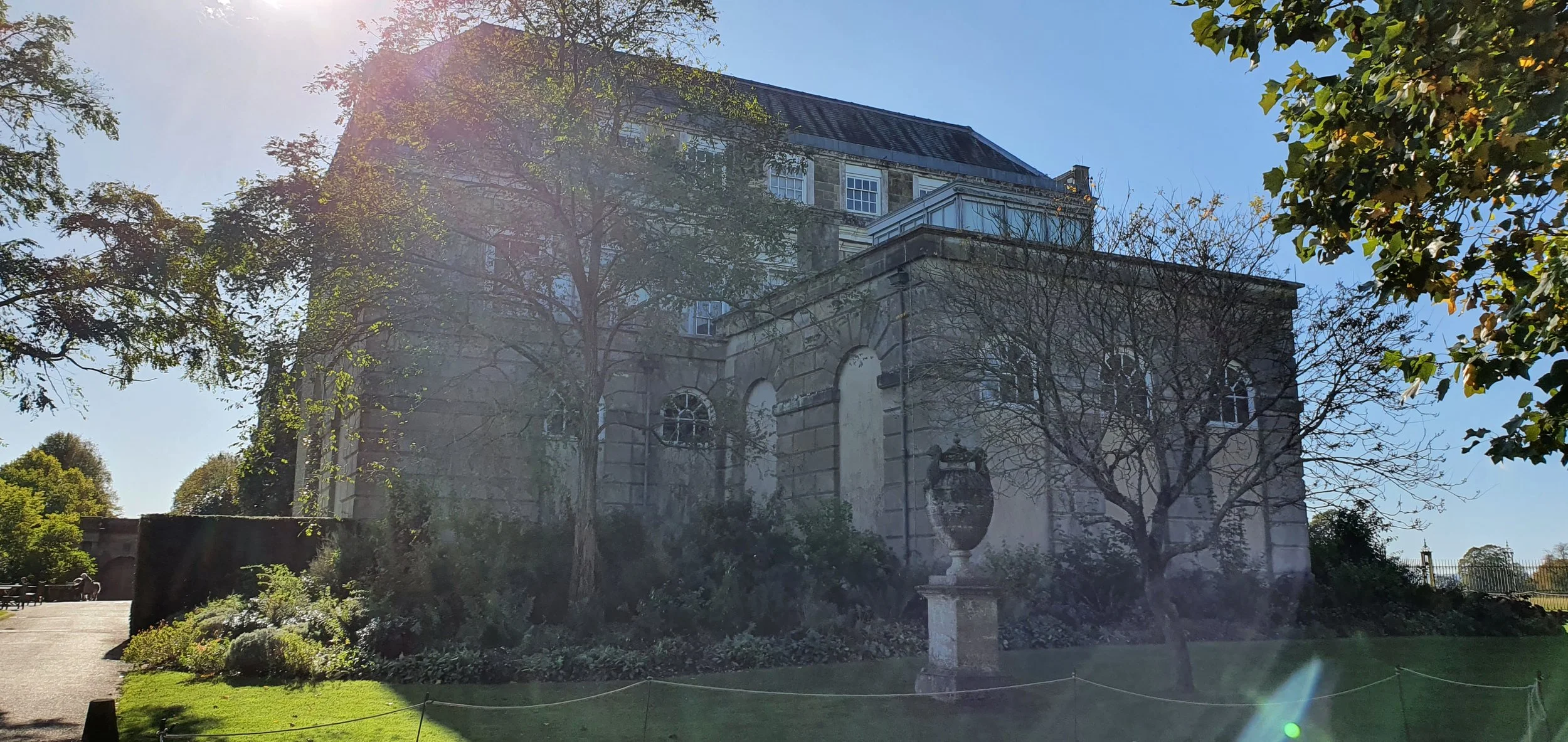
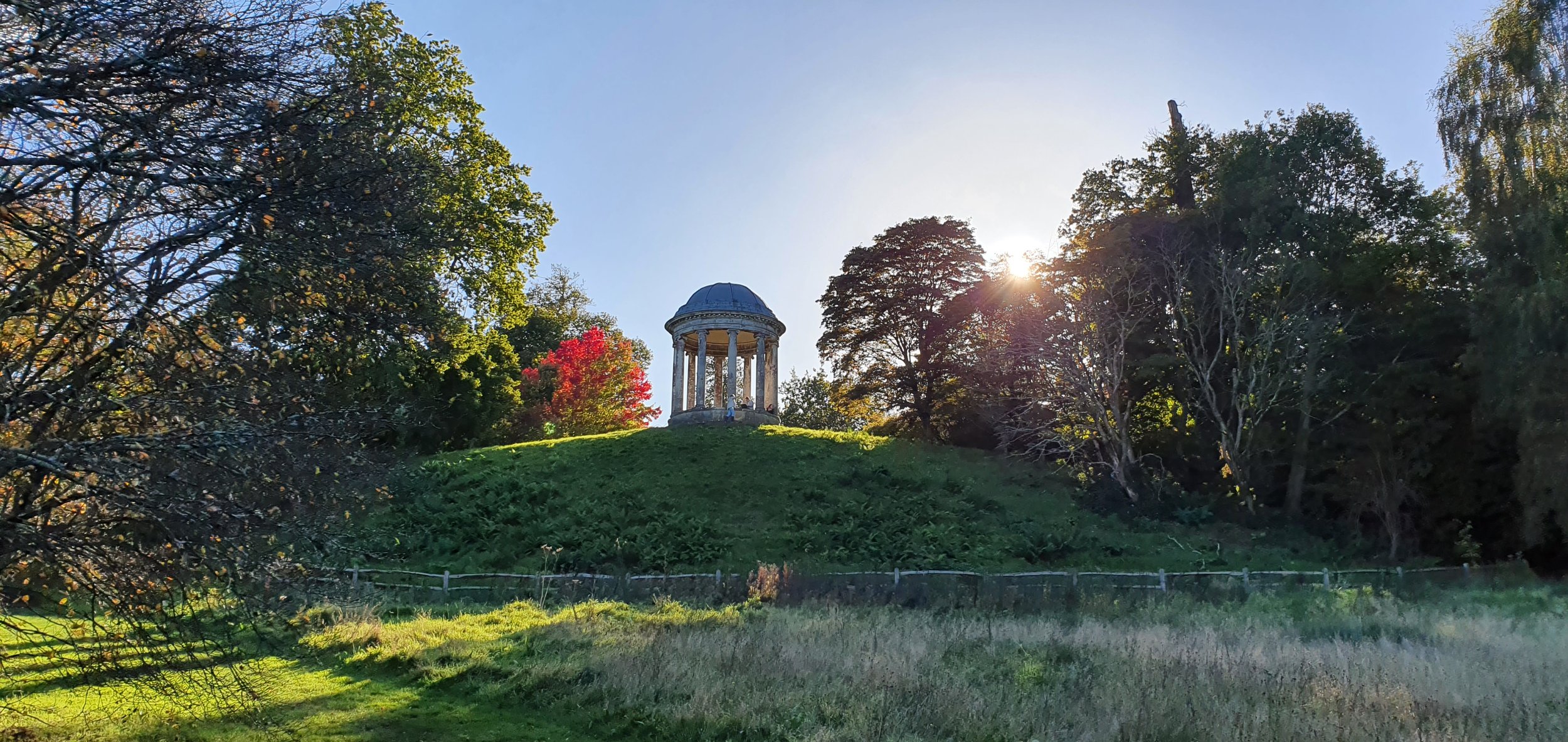
LOTRO: Fate of Gundabad Bullroarer Preview
Yesterday afternoon (UK time) Standing Stone Games made the forthcoming expansion for the MMORPG, The Lord of the Rings Online, available on the Bullroarer test server. This new release, Fate of Gundabad, is due to launch on the 10th of November which is under two weeks away. However, I suspect that this expansion has been under development for a while as it appears fairly complete without very little or no placeholder material. Players have already been providing feedback on the official forums and it would seem that the nuts and bolts of the area are in place and functional. There appears to be a substantial amount of new zones in this expansion with areas both above and below ground. It is worth mentioning straight away that if you are a LOTRO player who didn’t especially enjoy navigating your way through Moria, you will probably find the new areas underneath Mount Gundabad as equally frustrating. There are dense groups of Orcs and other enemy mobs to get past and I suspect these areas will be quite taxing.
Yesterday afternoon (UK time) Standing Stone Games made the forthcoming expansion for the MMORPG, The Lord of the Rings Online, available on the Bullroarer test server. This new release, Fate of Gundabad, is due to launch on the 10th of November which is under two weeks away. However, I suspect that this expansion has been under development for a while as it appears fairly complete without very little or no placeholder material. Players have already been providing feedback on the official forums and it would seem that the nuts and bolts of the area are in place and functional. There appears to be a substantial amount of new zones in this expansion with areas both above and below ground. It is worth mentioning straight away that if you are a LOTRO player who didn’t especially enjoy navigating your way through Moria, you will probably find the new areas underneath Mount Gundabad as equally frustrating. There are dense groups of Orcs and other enemy mobs to get past and I suspect these areas will be quite taxing.
The Fate of Gundabad expansion adds a new area that directly abuts next to the existing Elderslade map. The northern road that bypasses the Angmarim tower of Caivád Sâr leads to Câr Bronach, which was previously blocked by a locked gate. The player can now enter this area and the region very much in the idiom of Angmar to which it connects. There is a road that traverses Câr Bronach from east to west and leads to Nan Gurth. Midway along this road there is a very impressive Dwarven structure, Mur Shatraug, the Witch-gate. This is the northerly entrance to Gundabad. Enemies hold this entrance so entry is not easy. A second road strikes south west and circles round the western side of Mount Gundabad to an area called Welkin Loft. Due to the altitude this is a snowy zone and filled with ravines as the road travels up the mountainside. There are several Angmarim camps and the contested area of Uzdarulzahar, where Dwarves fight both Orcs and Frost Dragons.
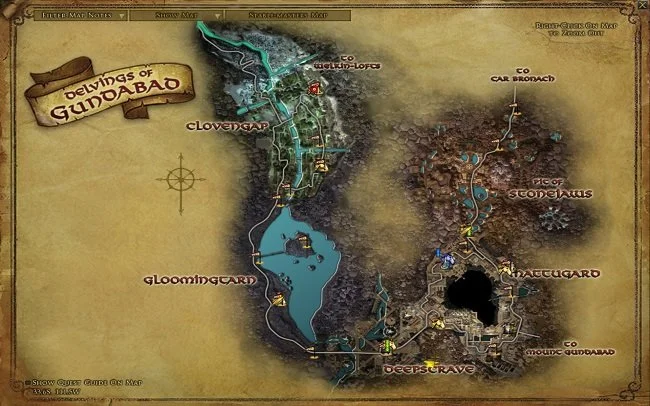
Upon entering Mur Shatraug entrance, there is an underground zone called The Delvings of Gundabad. It is split into five subzones, all of which form a broadly circular route running clockwise. The first Pits of Stonejaws is akin to The Glittering Caves in Helm’s Deep and the Foundations of Stone in Moria. It is a maze and rife with mobs. This area leads to Mattugard which is very much like Zelem Melek in Moria. There is an immense abyss in the centre of the map and a triangular road around it. Vast windows in the mountainside roof let in a pale light. On the eastern side of Mattugard is an exit which leads to the main entrance to Mount Gundabad in the Elderslade map, which is a contested zone. Mattugard is populated by Orcs, Grodbog Spitters and Goblins on Bats (yes you read that right). The next connecting area is Deepscrave which is similar to Mattugard but with more bridges and walkways. There are also infestations of bioluminescence growths encrusting the walls. This in turn leads to Glooming Tarn, which features an underground lake. It is filled with crystal spiders and looks similar to the Giants Causeways with its interlocking basalt columns. Finally, the road leads to Clovengap, the former garden city of the Gundabad Dwarves. There are lights, windows and lush green terraces as well as Wargs. Clovengap exists out onto the surface and Welkin Loft.
The new zones in Fate of Gundabad are large and totally in accord with the ongoing Epic story. If you enjoy Dwarven culture and its respective aesthetic in LOTRO then this expansion should prove enjoyable. However, there are very few entirely new assets on display apart from several reskinned mobs and a handful of relatively unique Dwarven structures. Pretty much everything else is a variation on established themes using assets that players are already familiar with. I suspect that a lot of players will find travelling throughout the Delvings of Gundabad to be an uphill struggle due to the mob density and the complex routes that SSG seem to delight in creating. As always, I’m sure the developers will attempt to compensate by providing a very engaging story as they so often do but I can’t help but feel that Fate of Gundabad is lacking the aesthetic inspiration found in prior updates such as Wells of Langflood and Vales of Anduin.
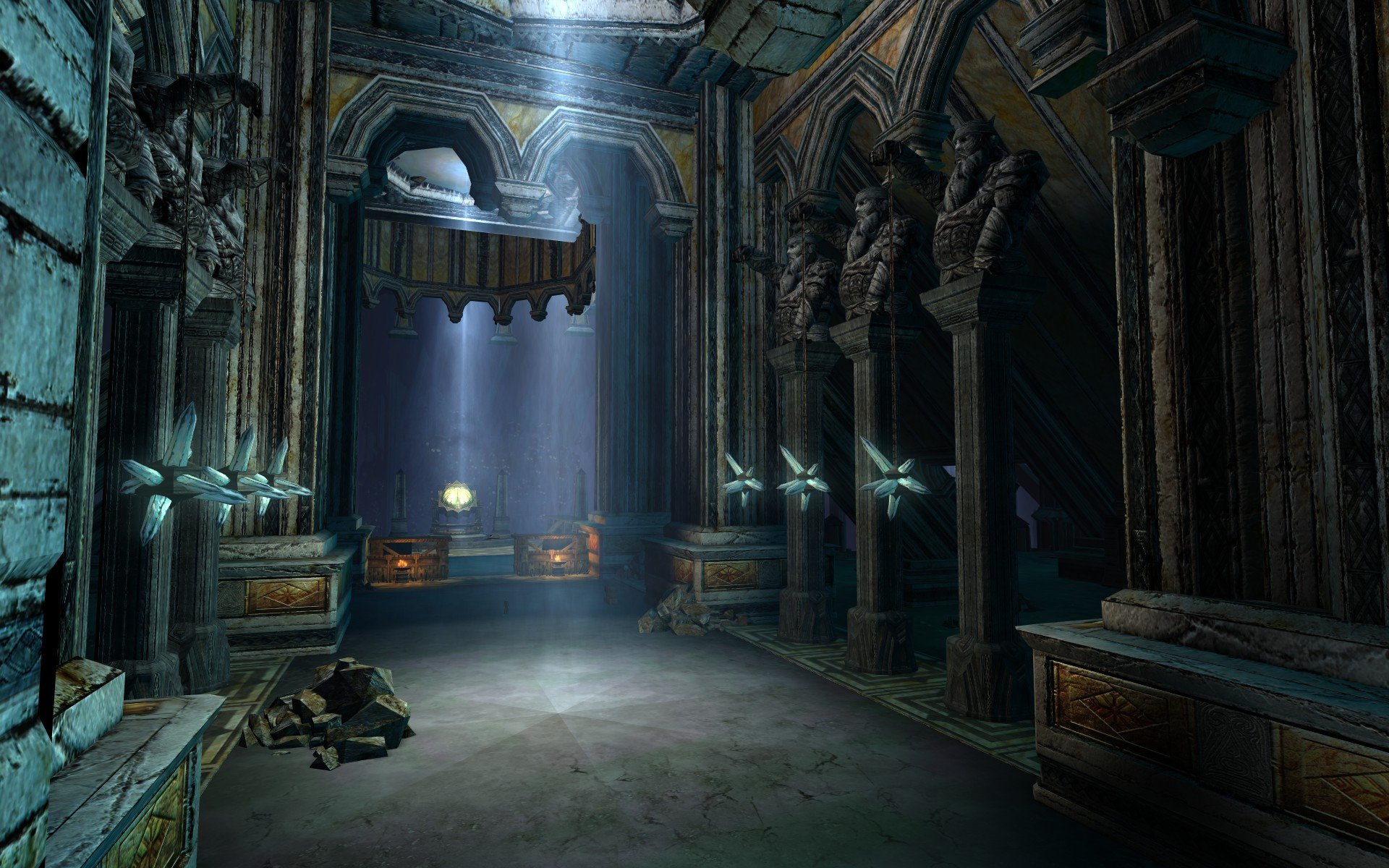
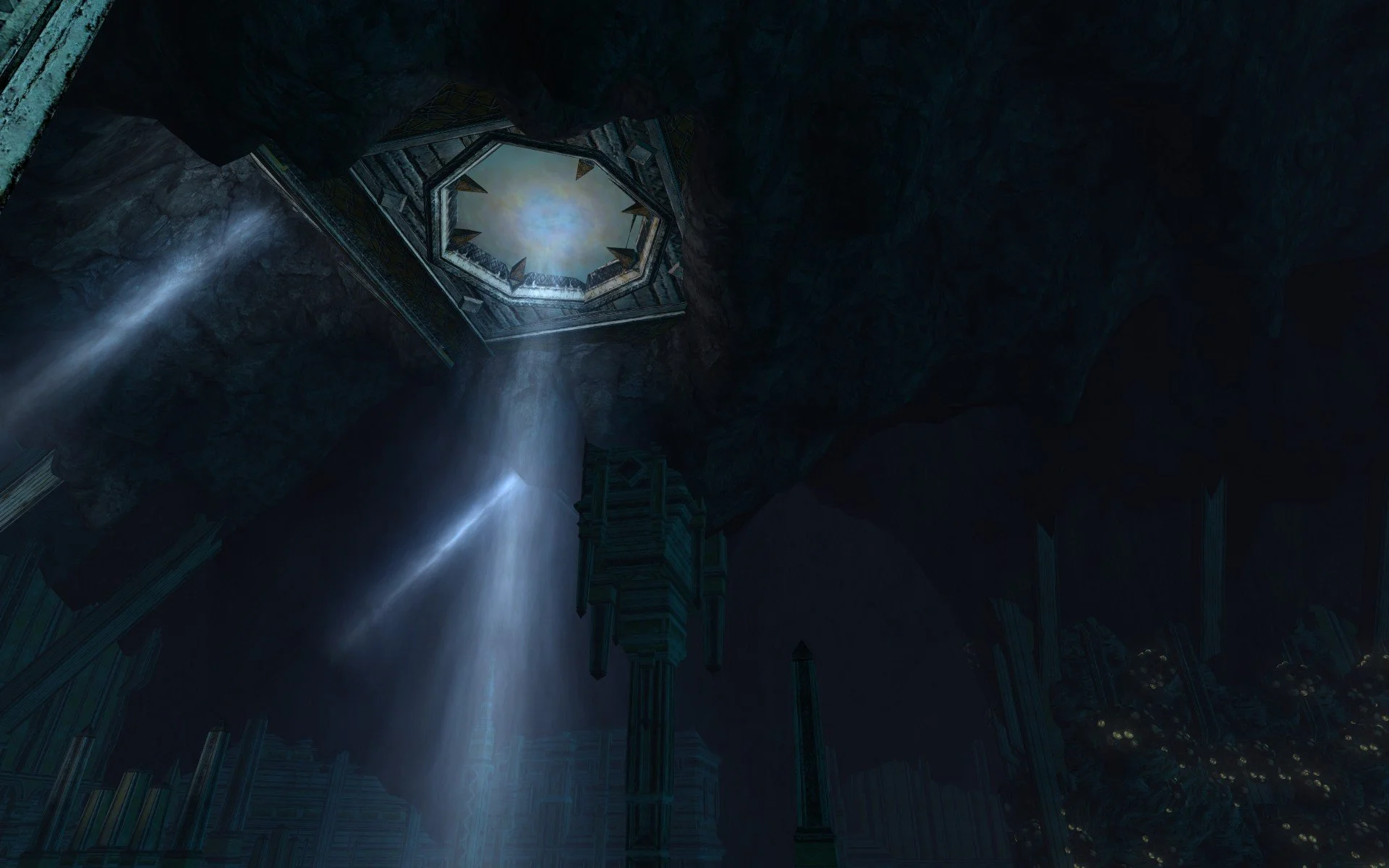
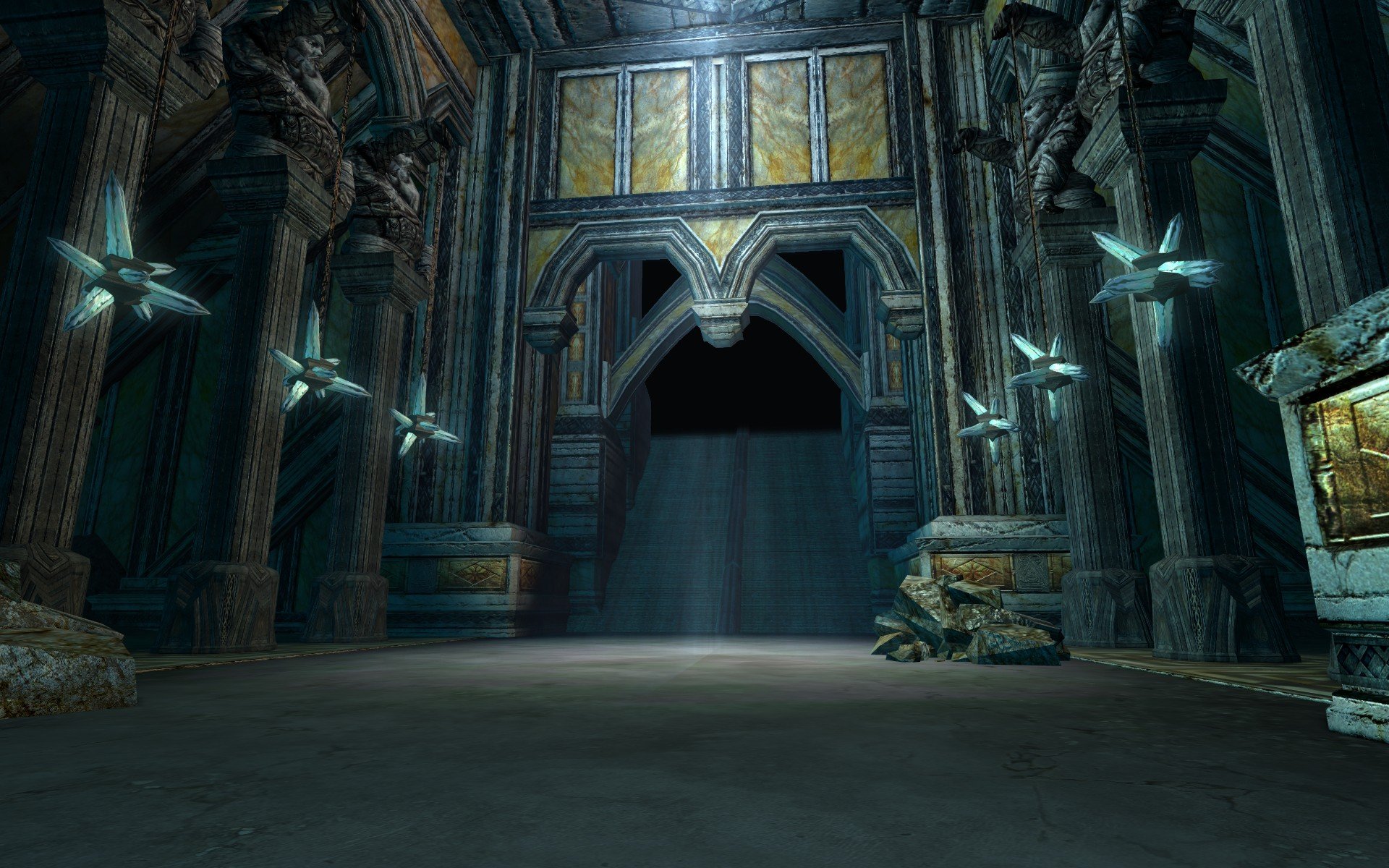
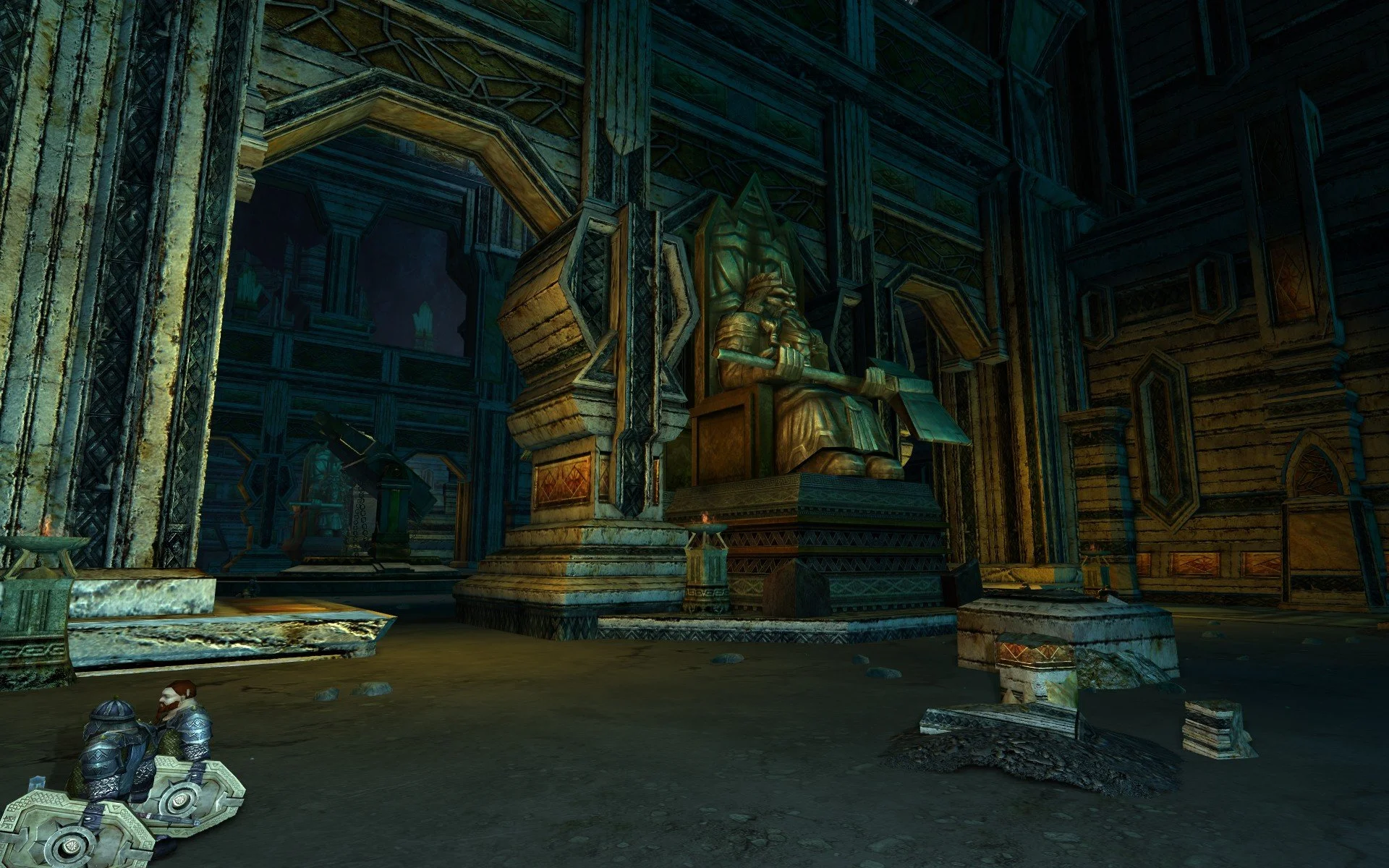
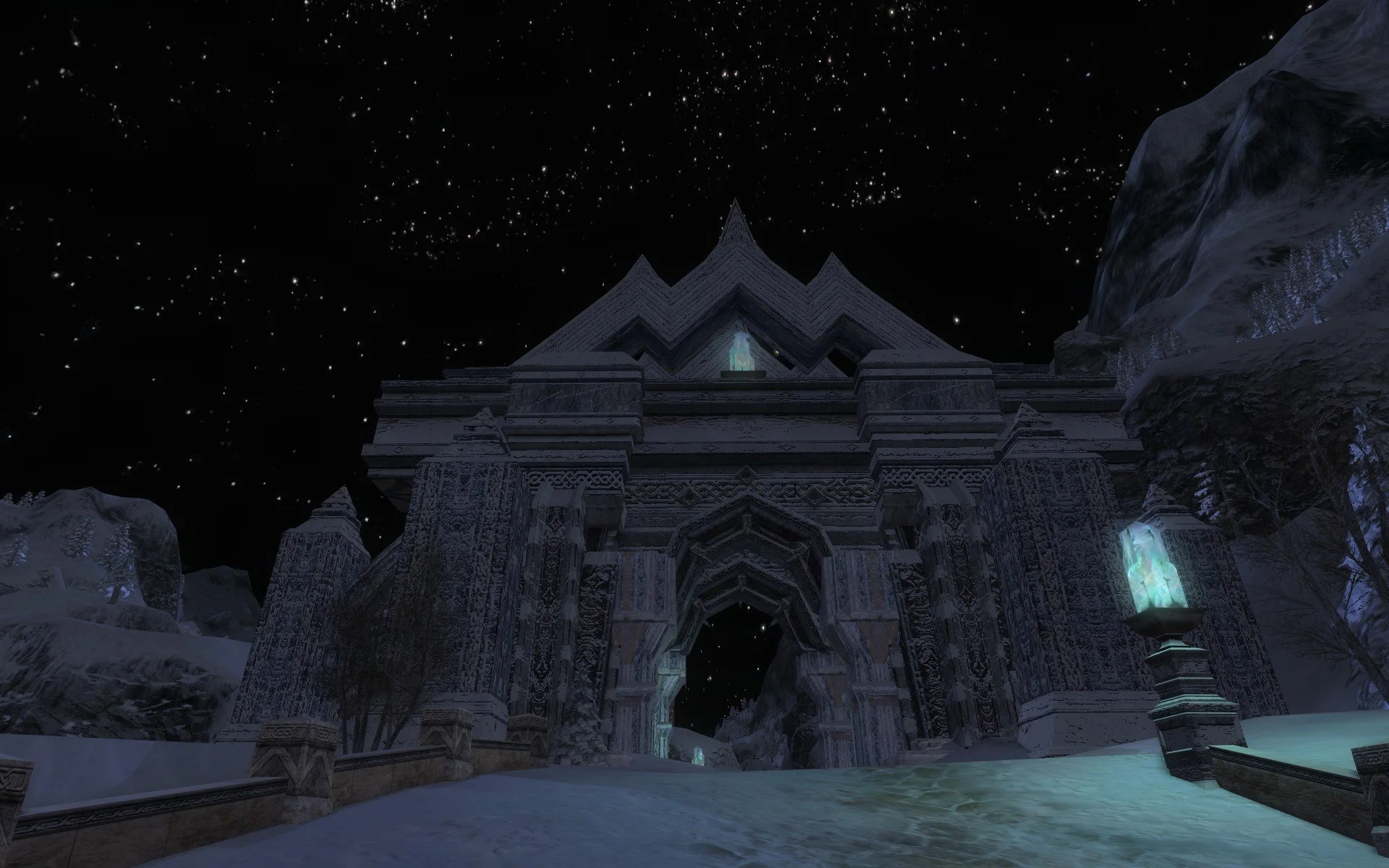
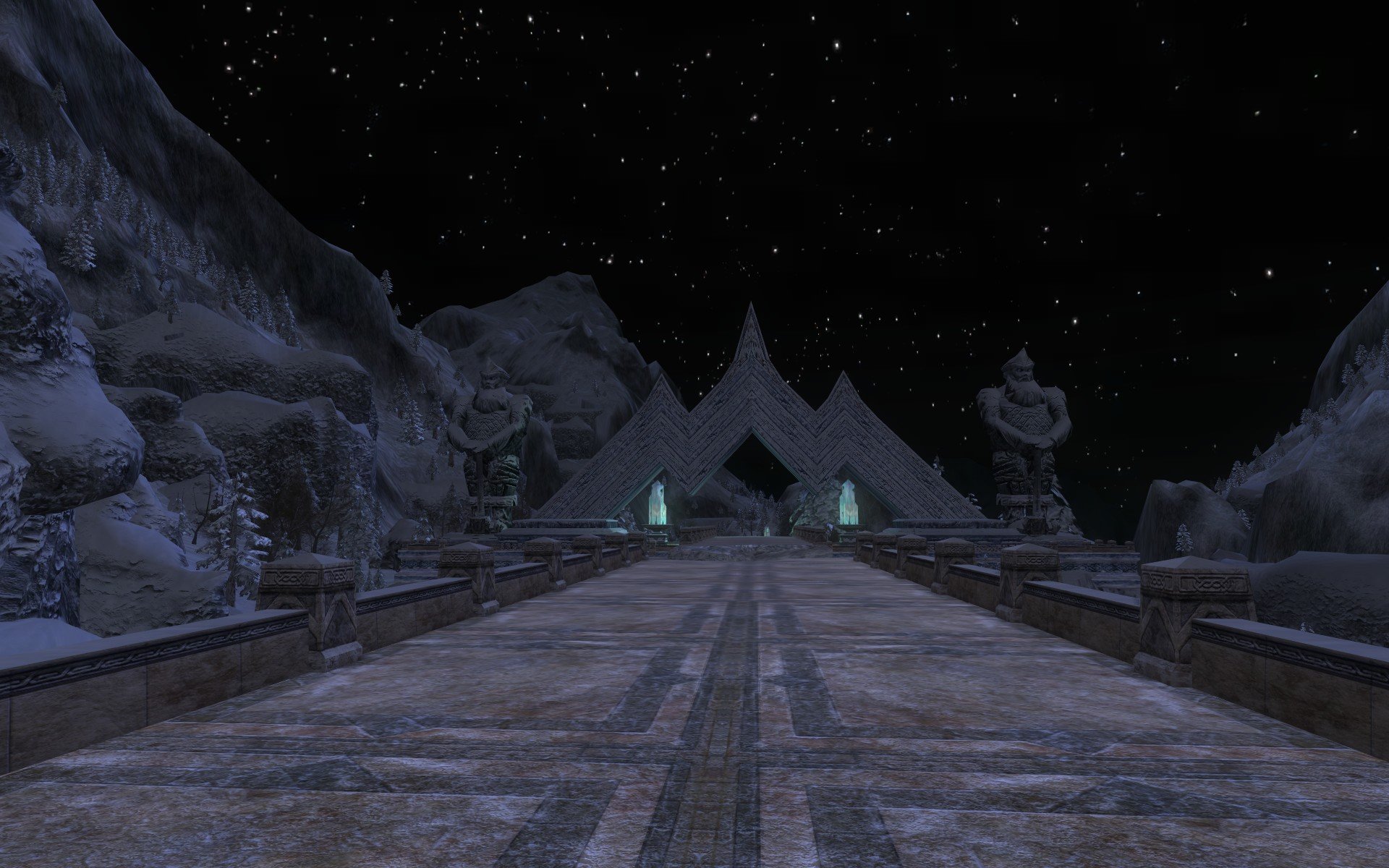
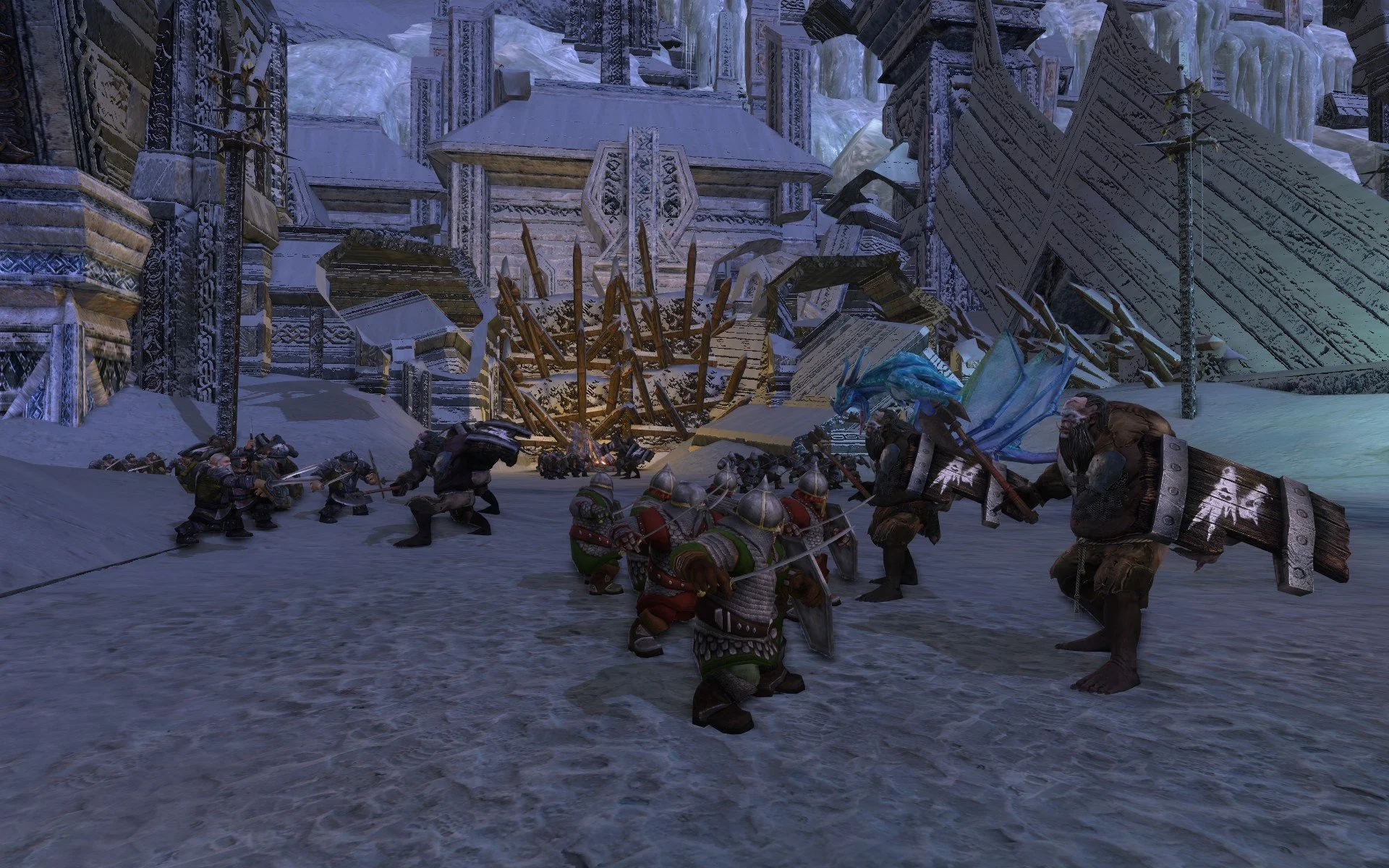
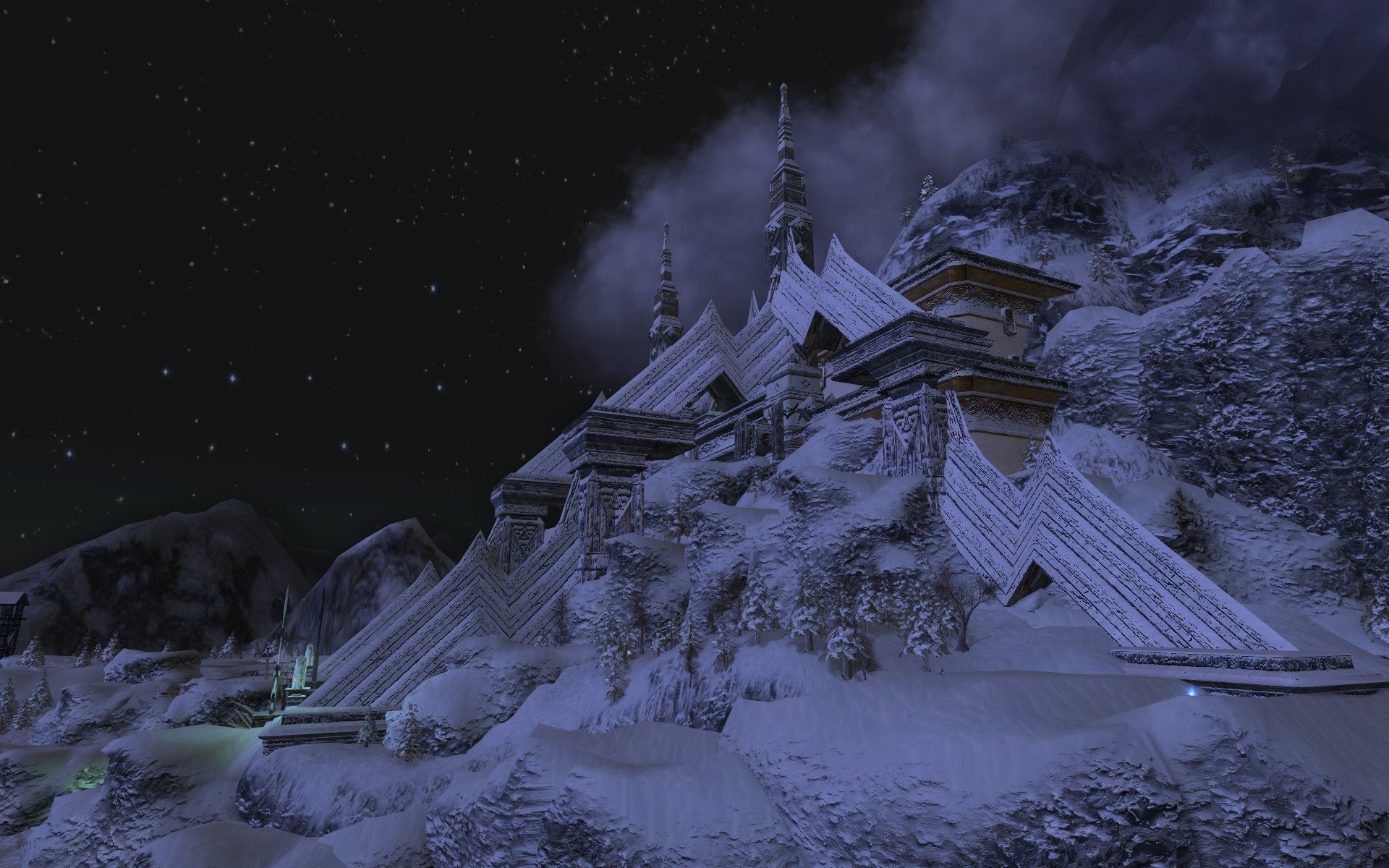
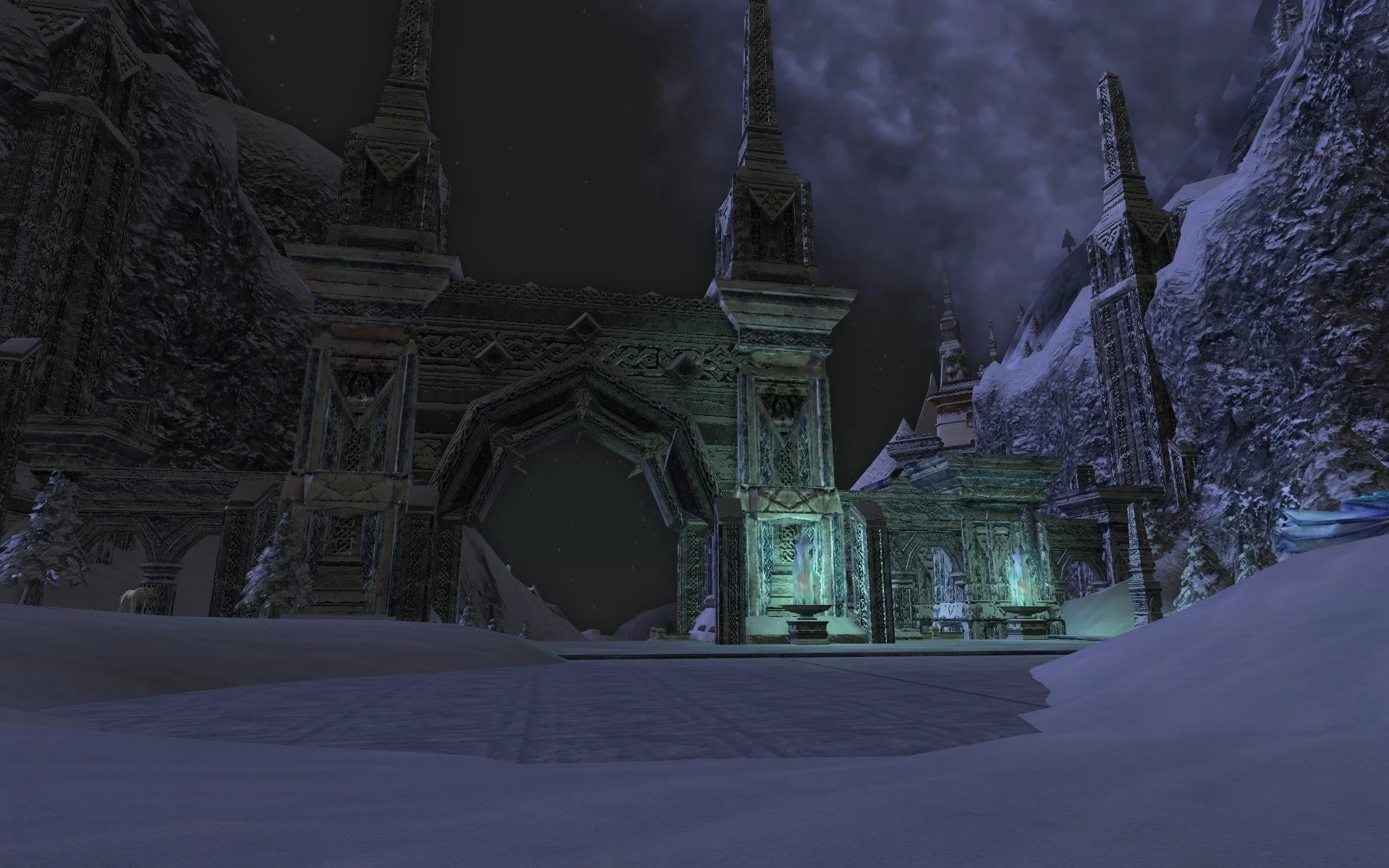
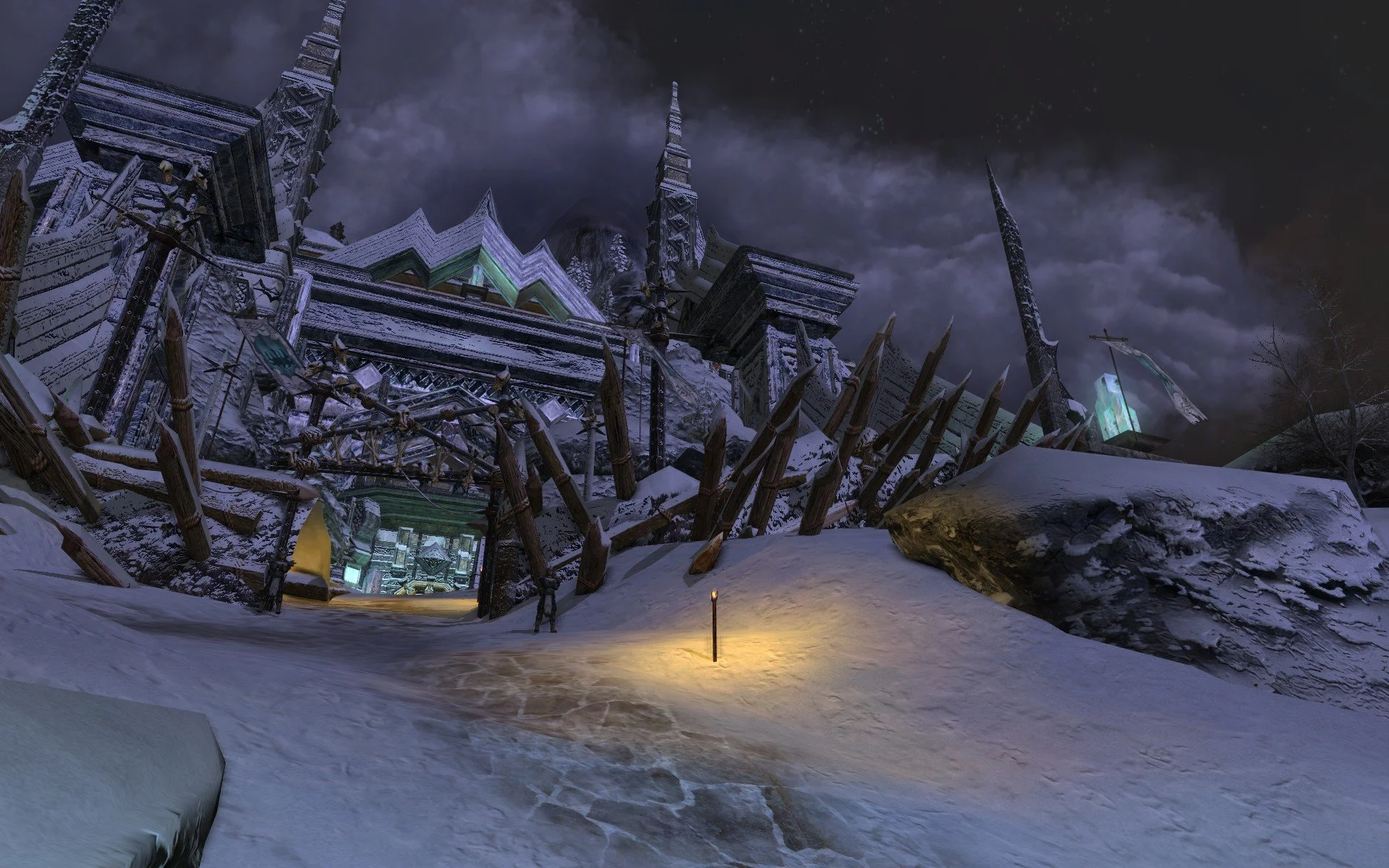
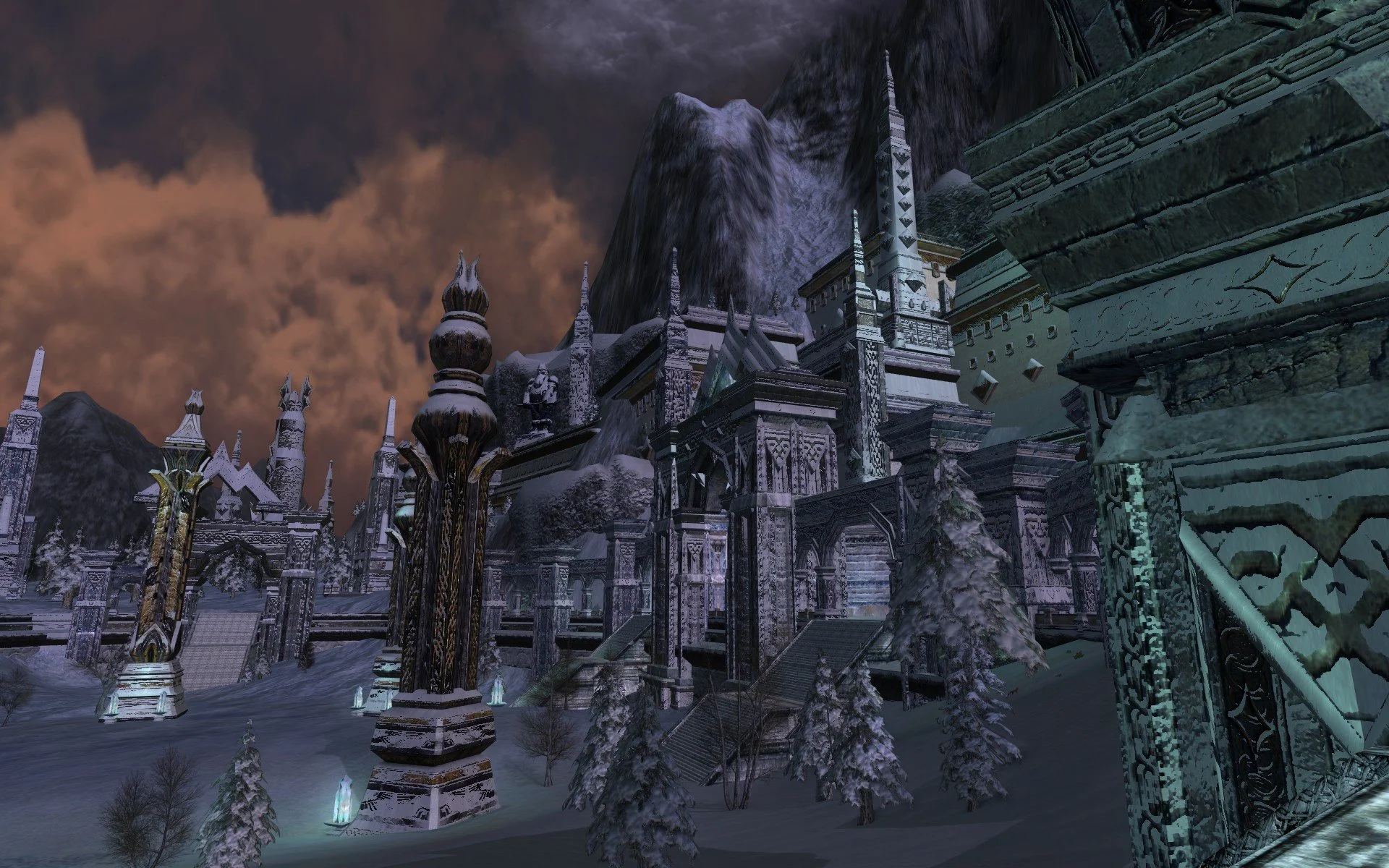
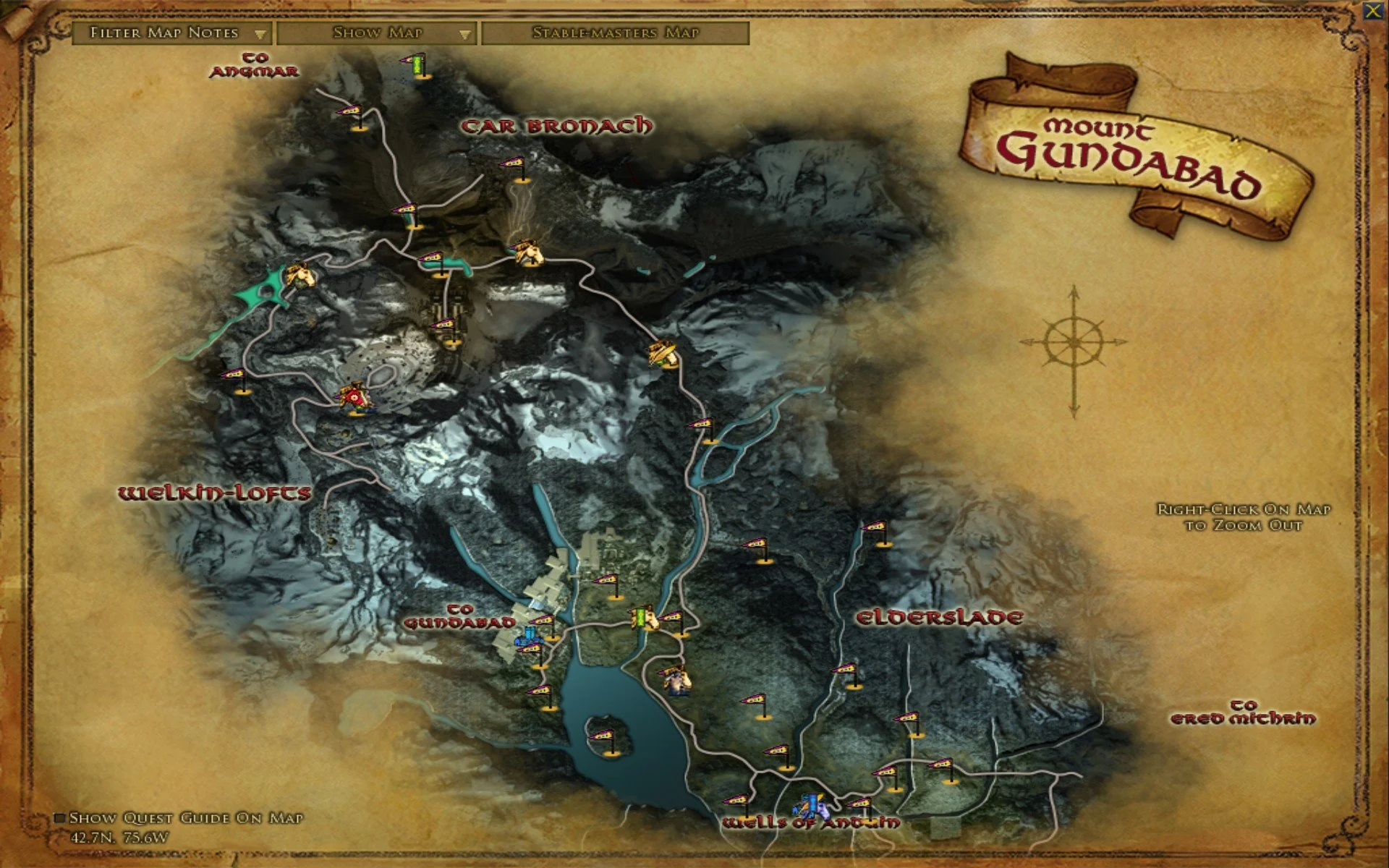
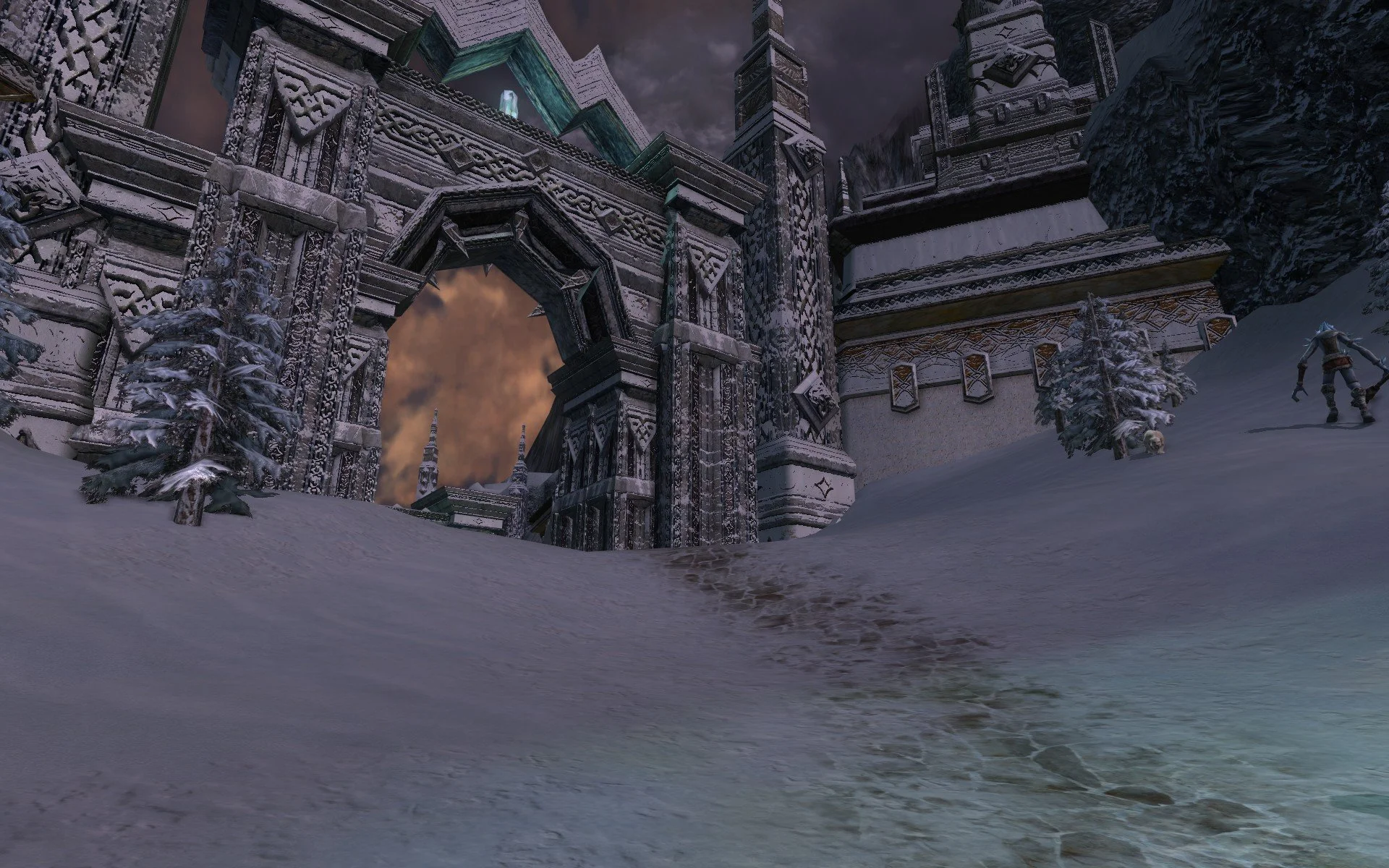
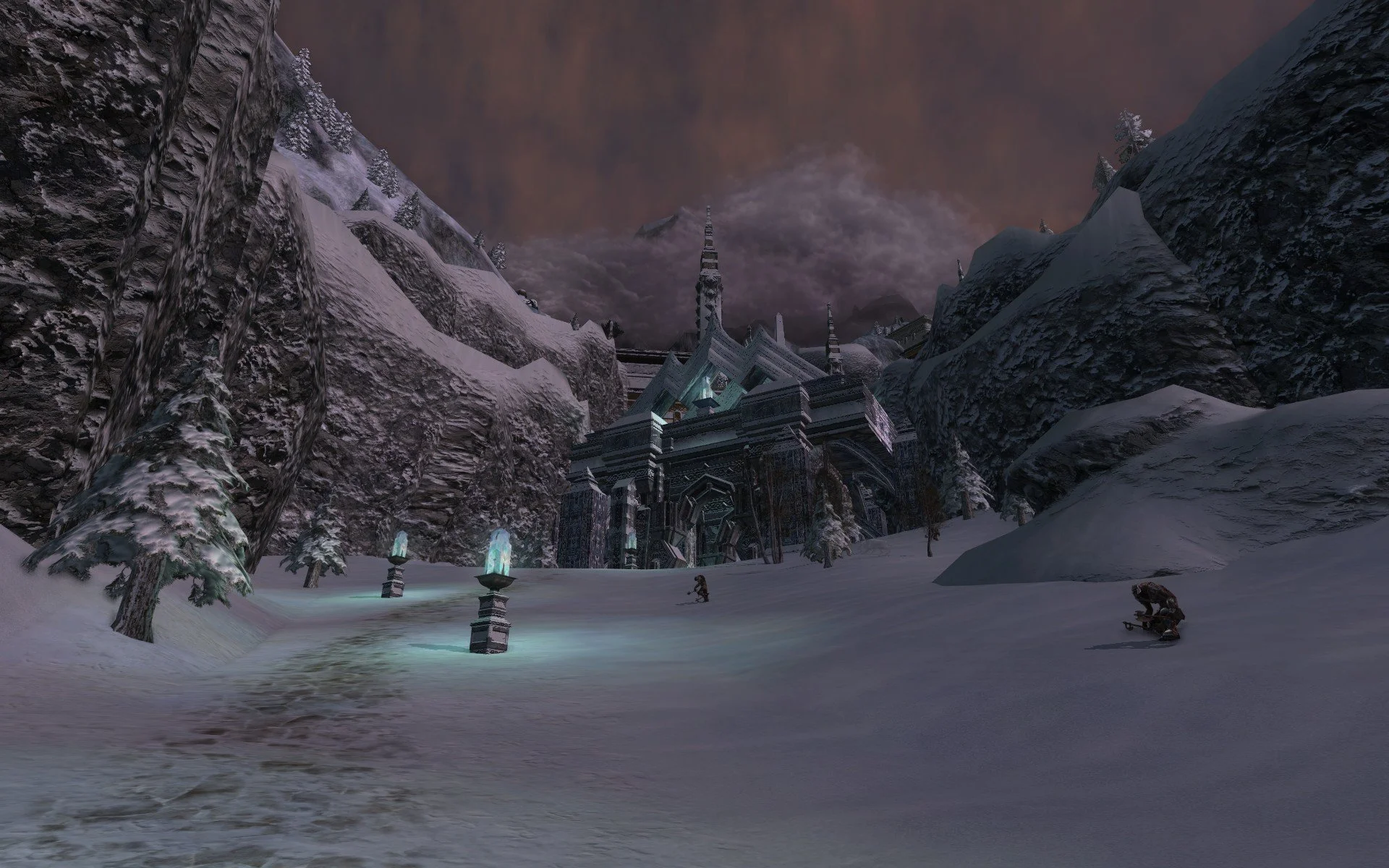
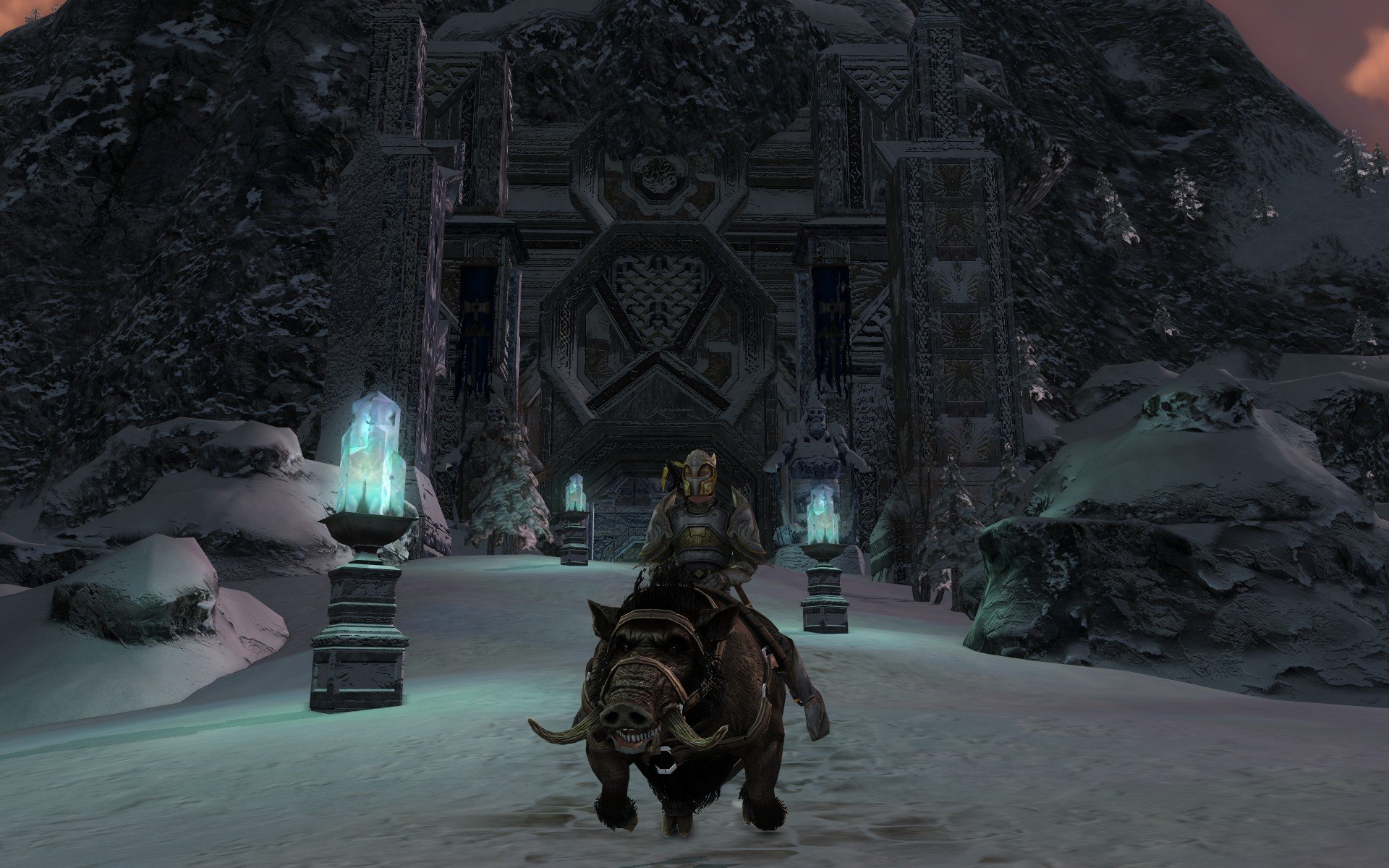
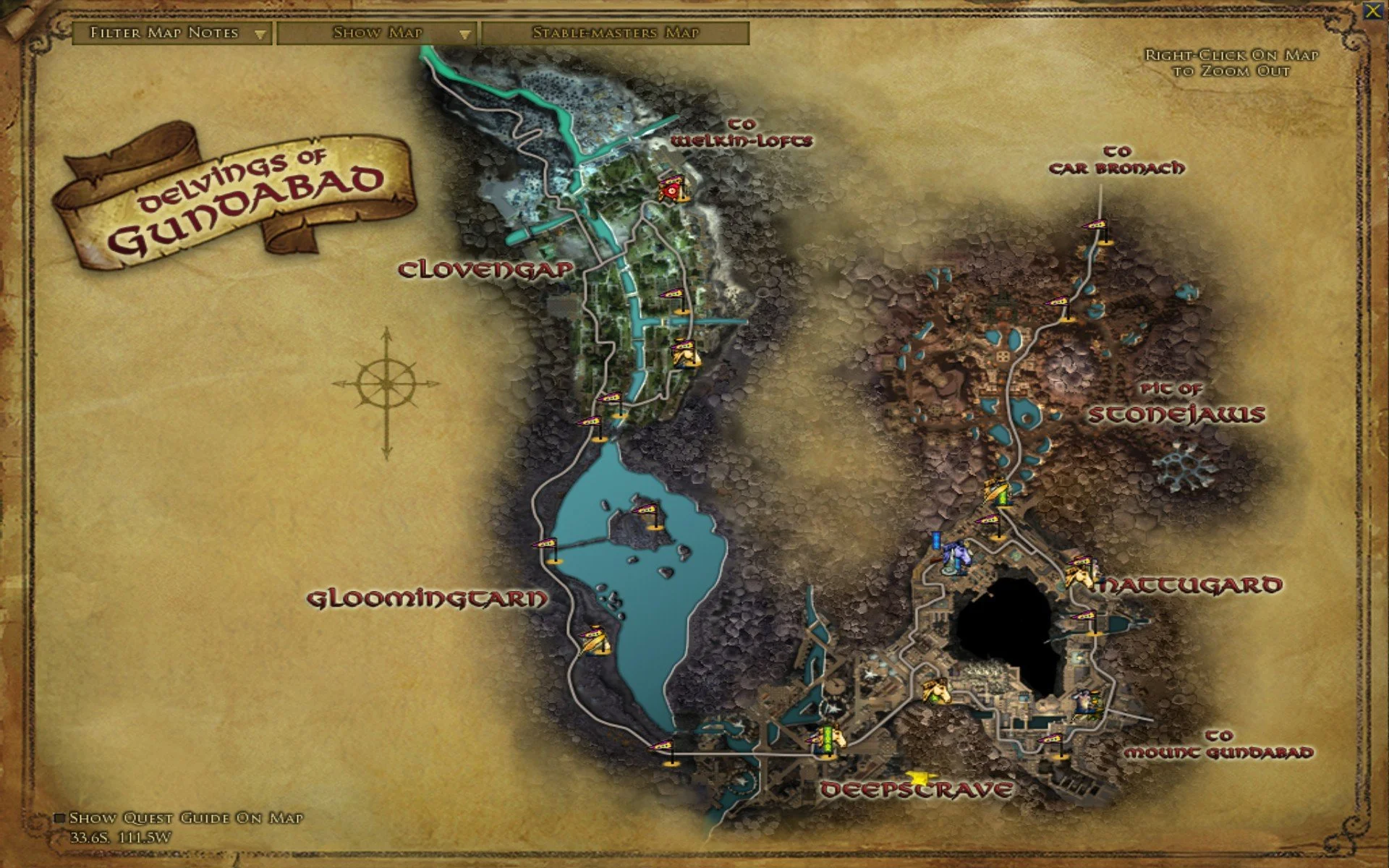
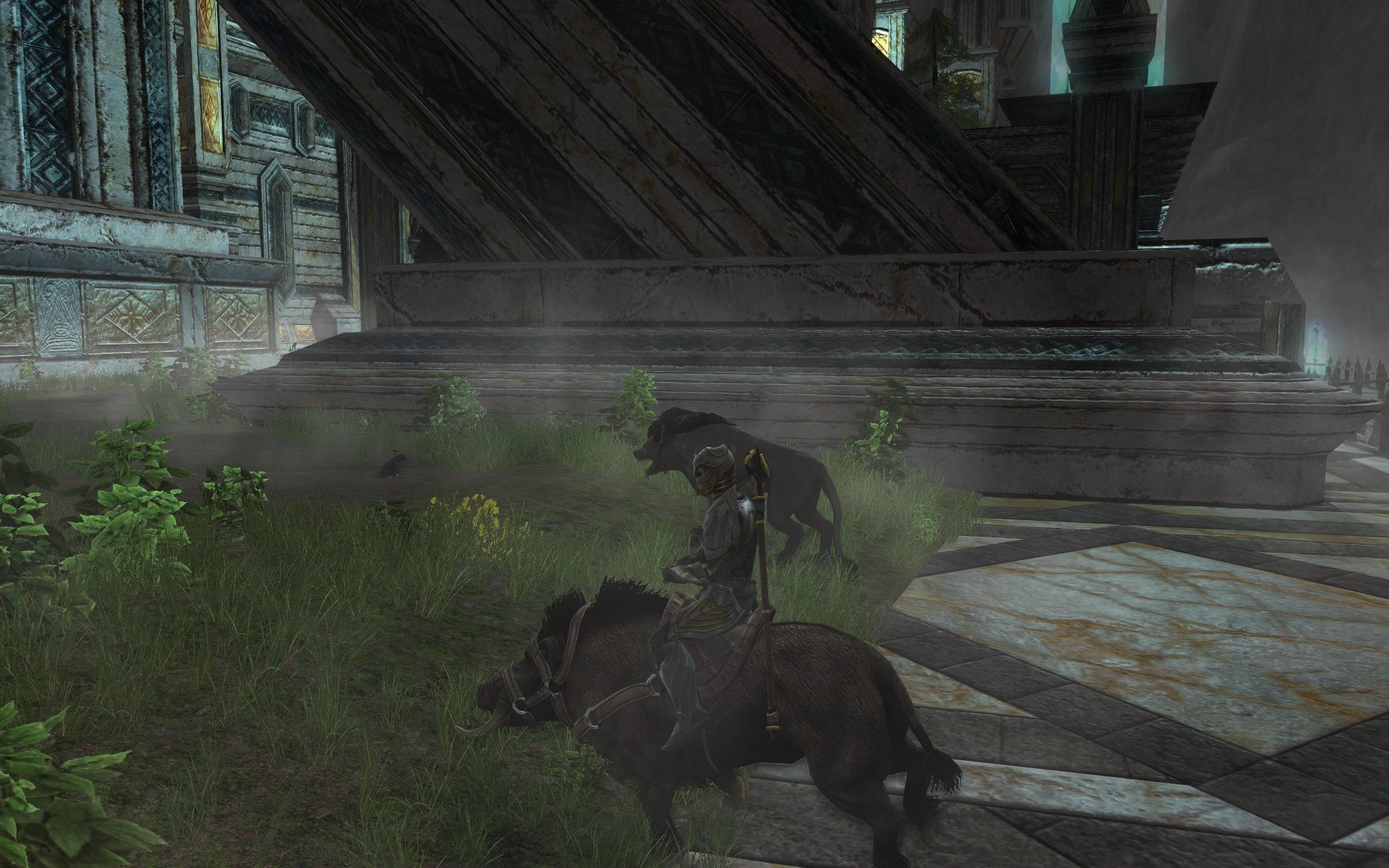
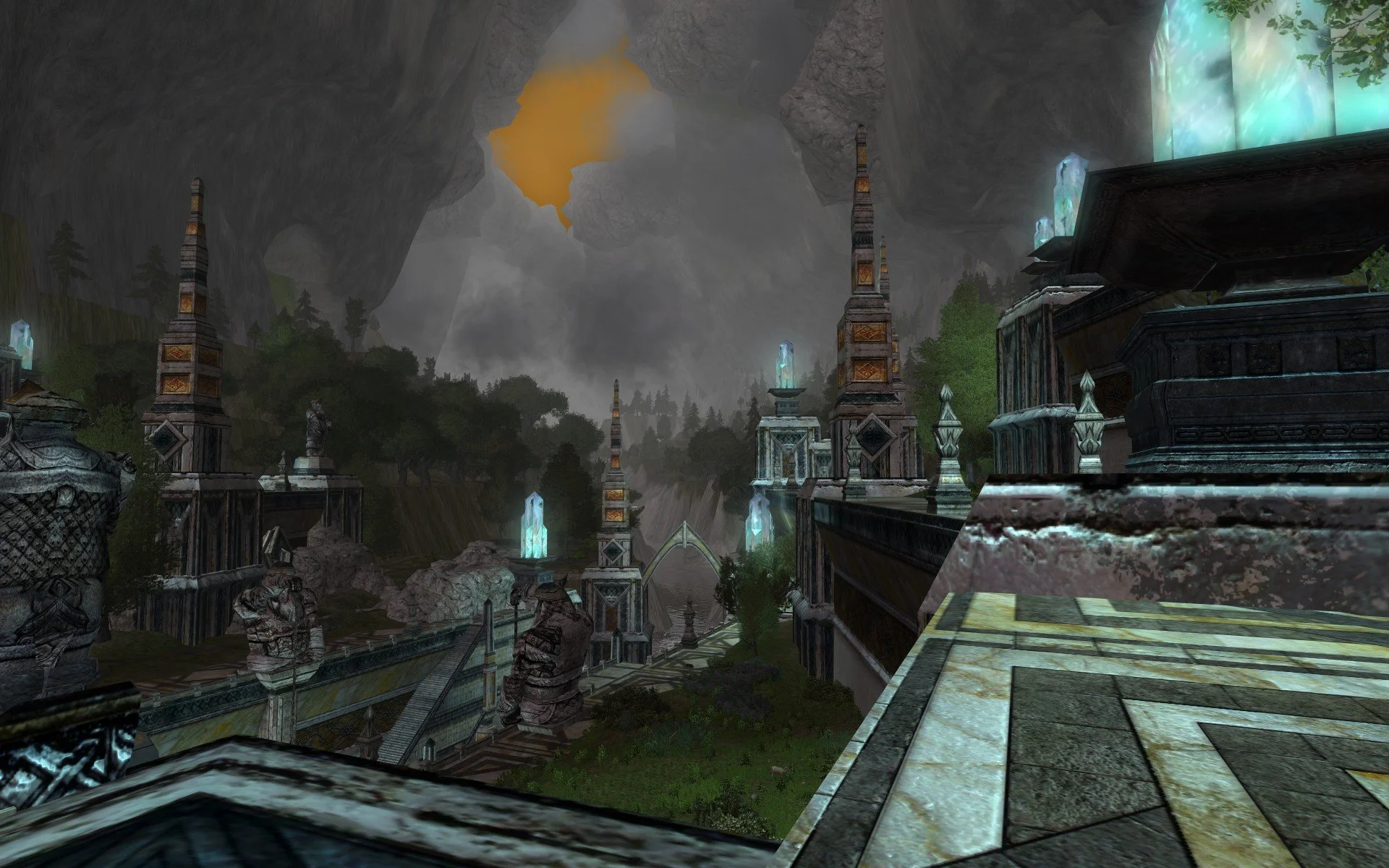
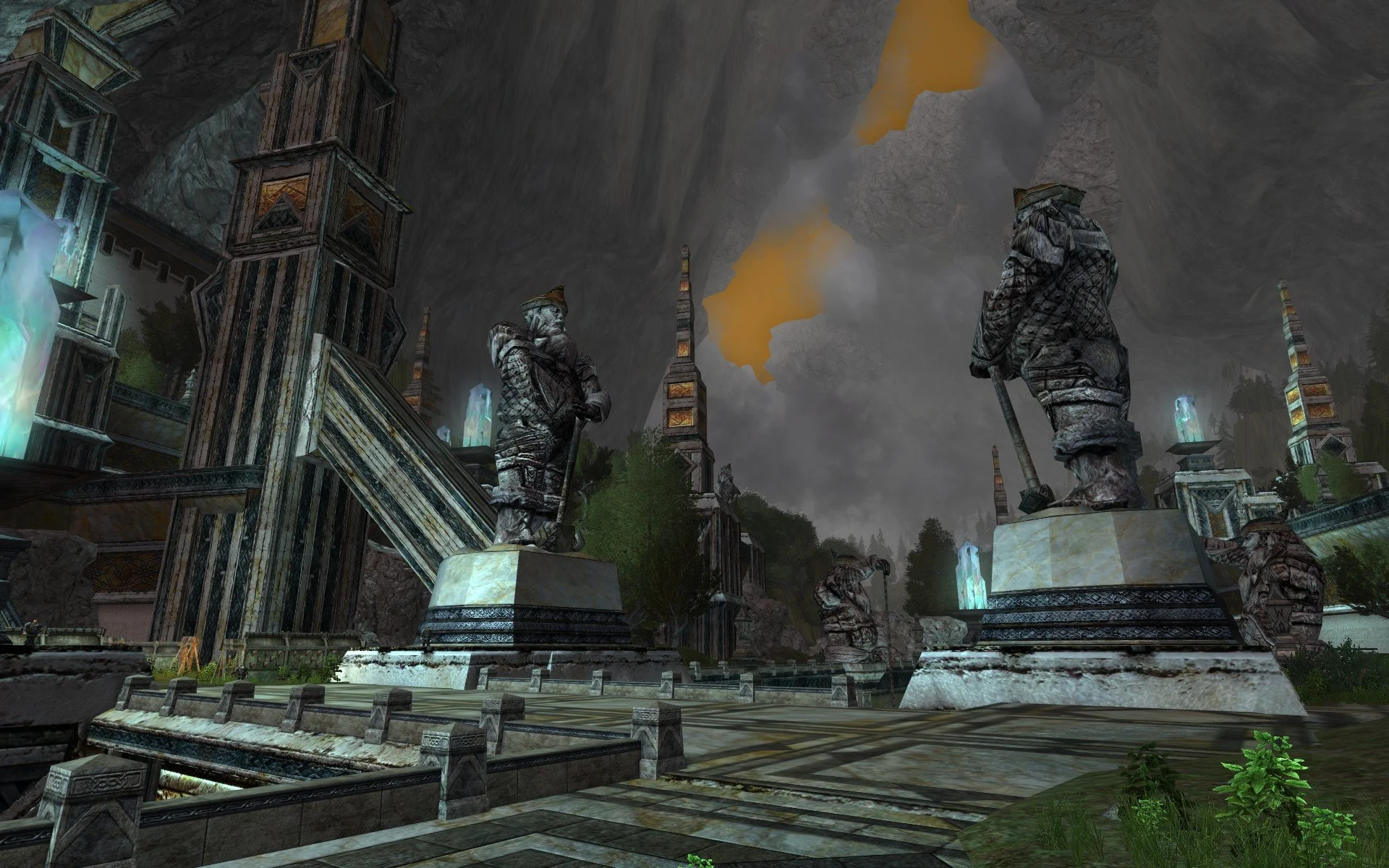
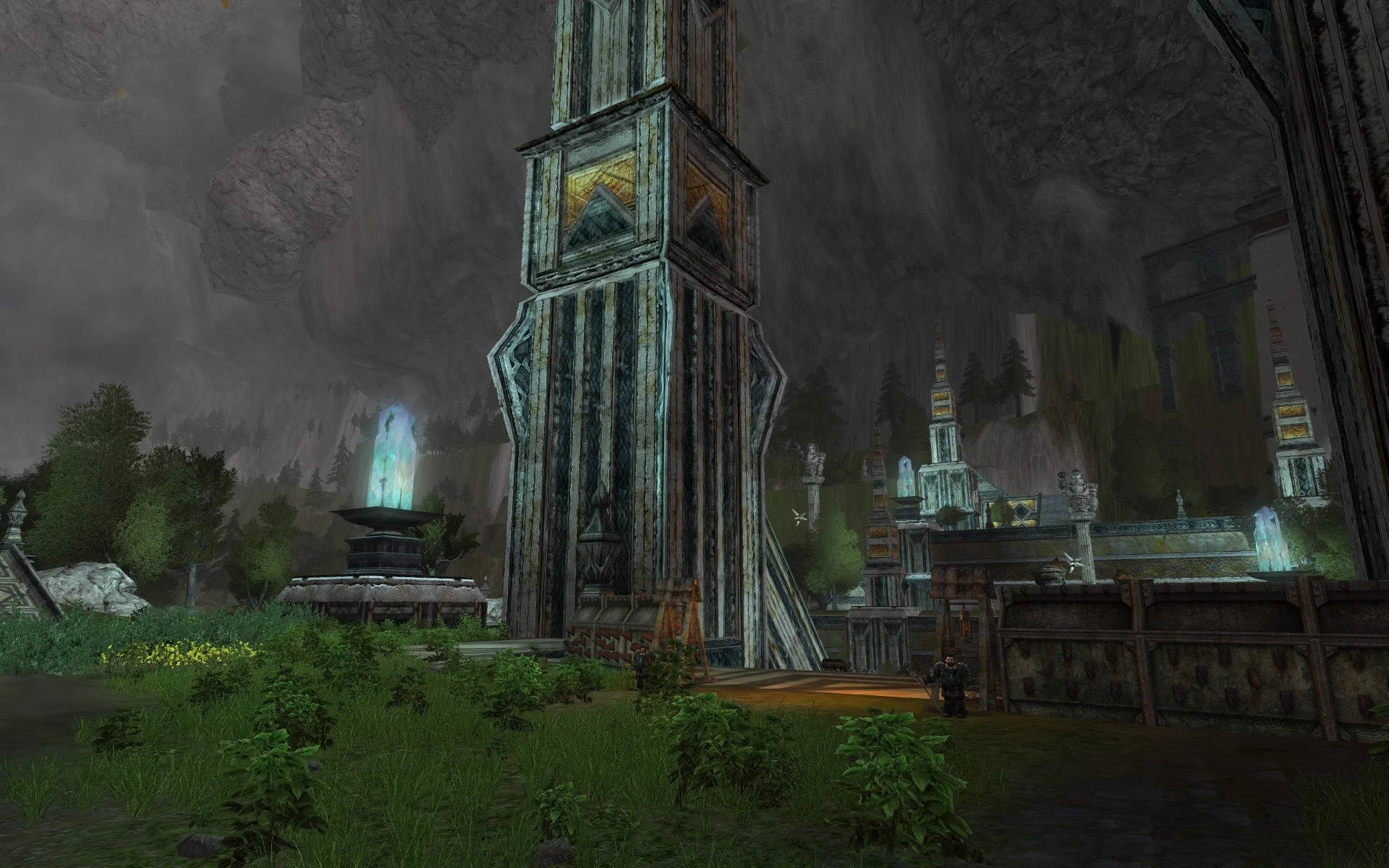
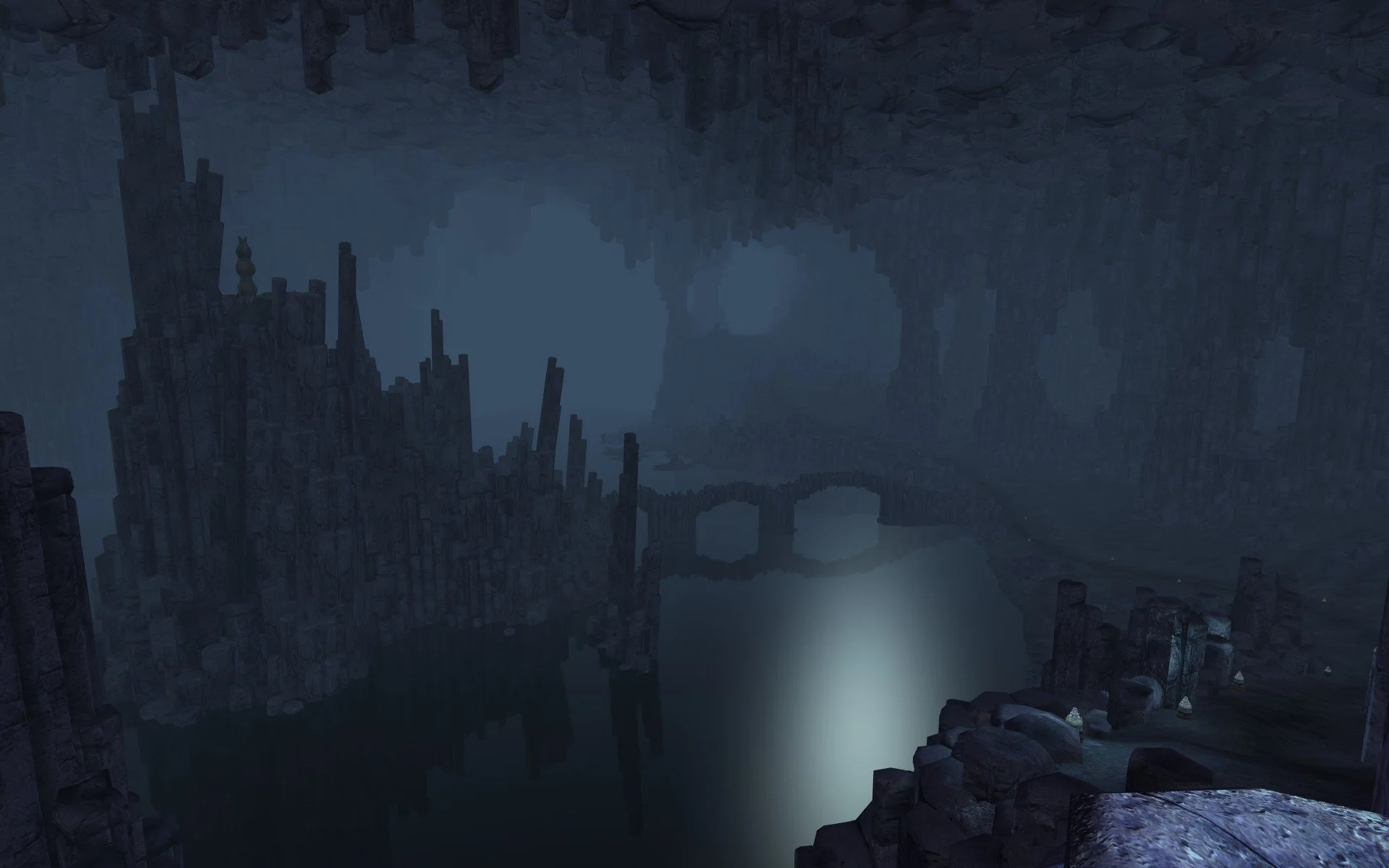
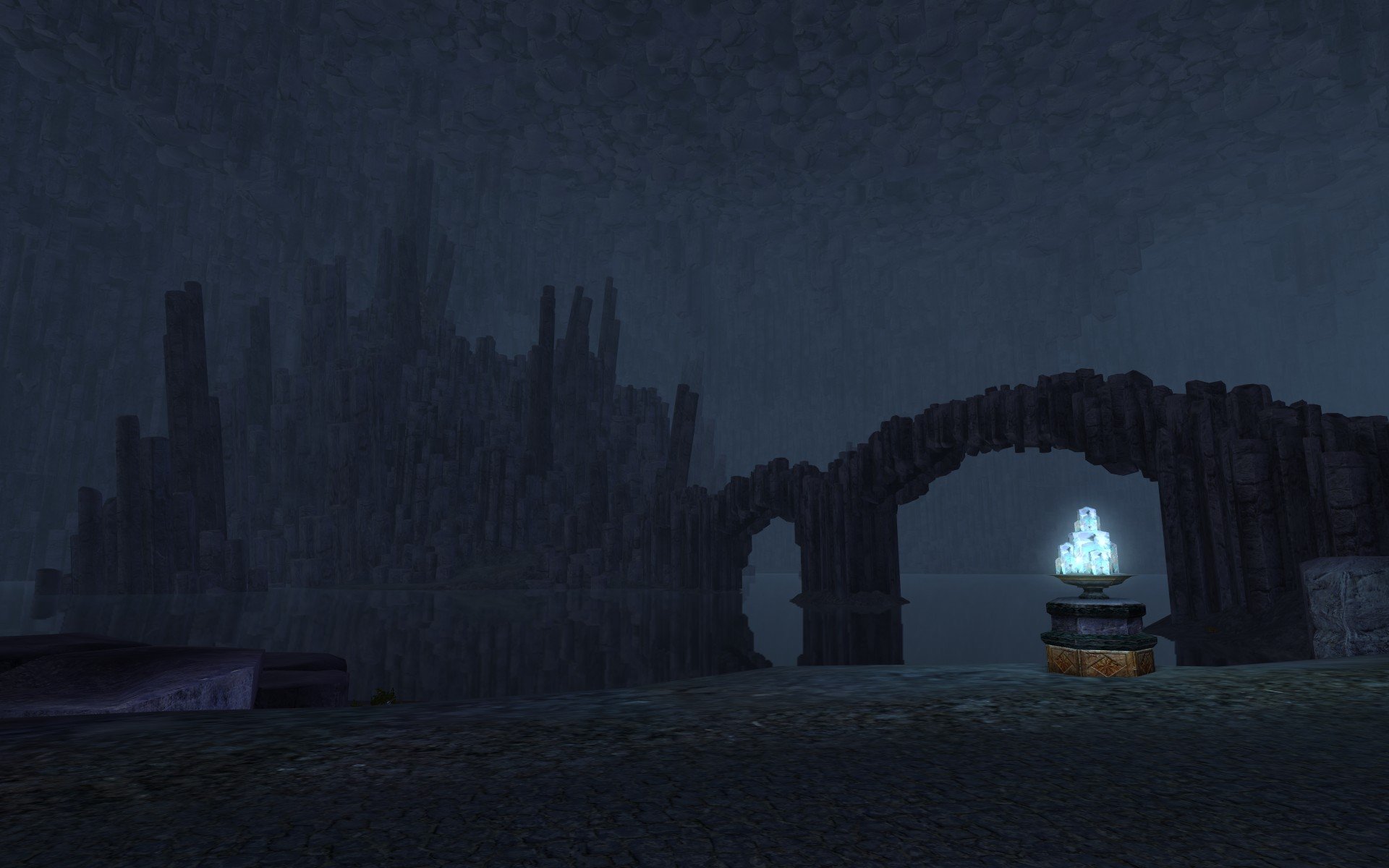
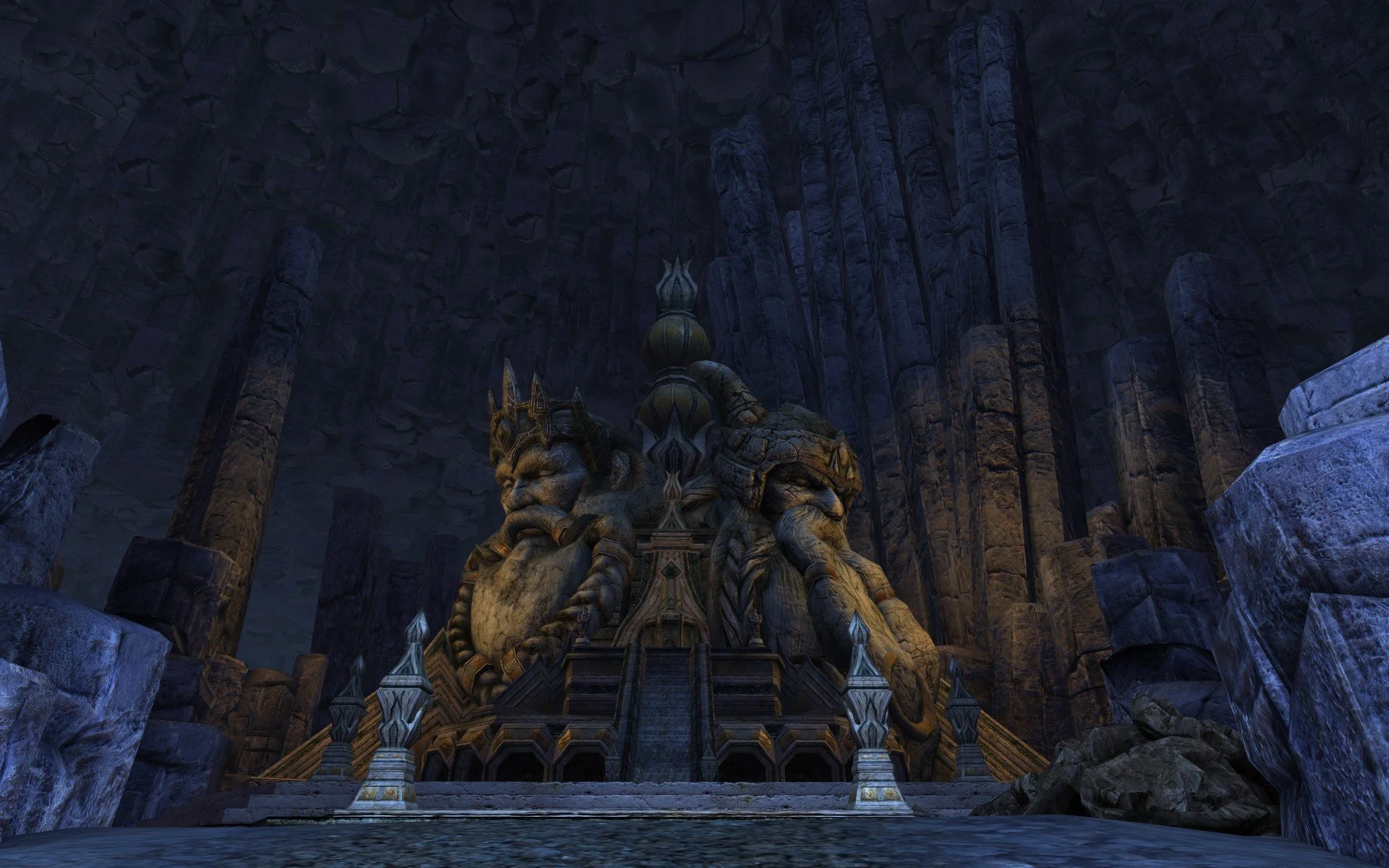
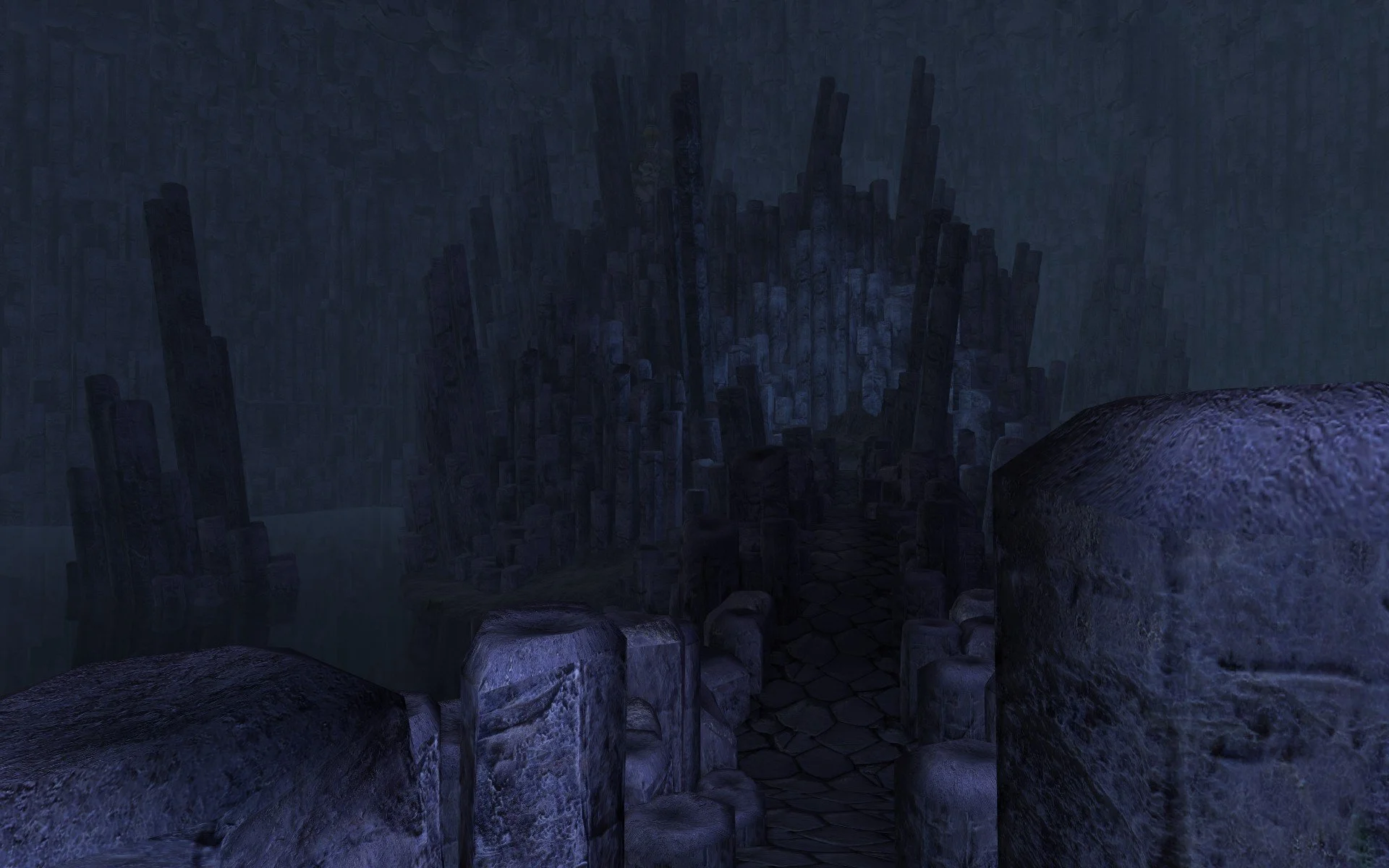
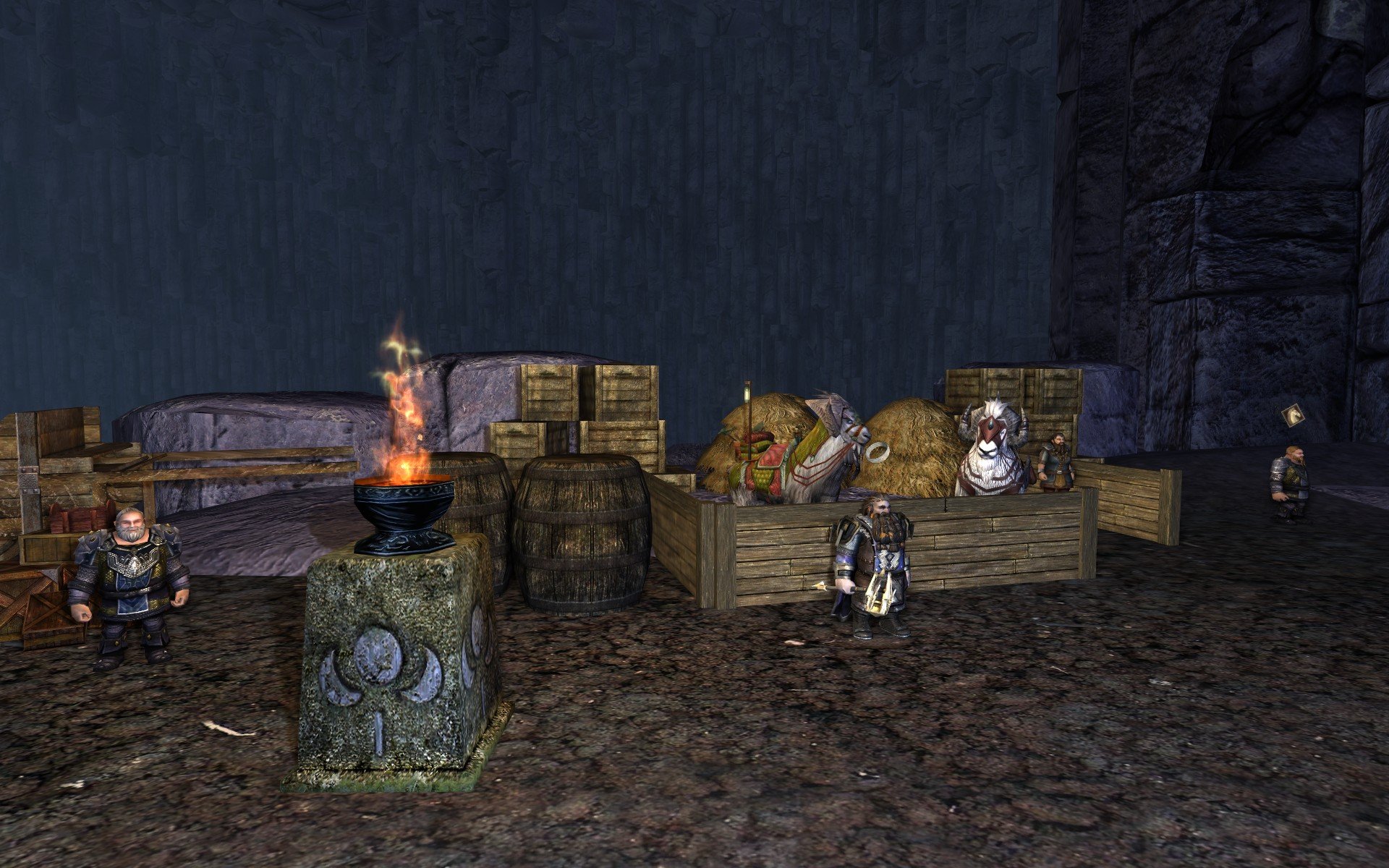
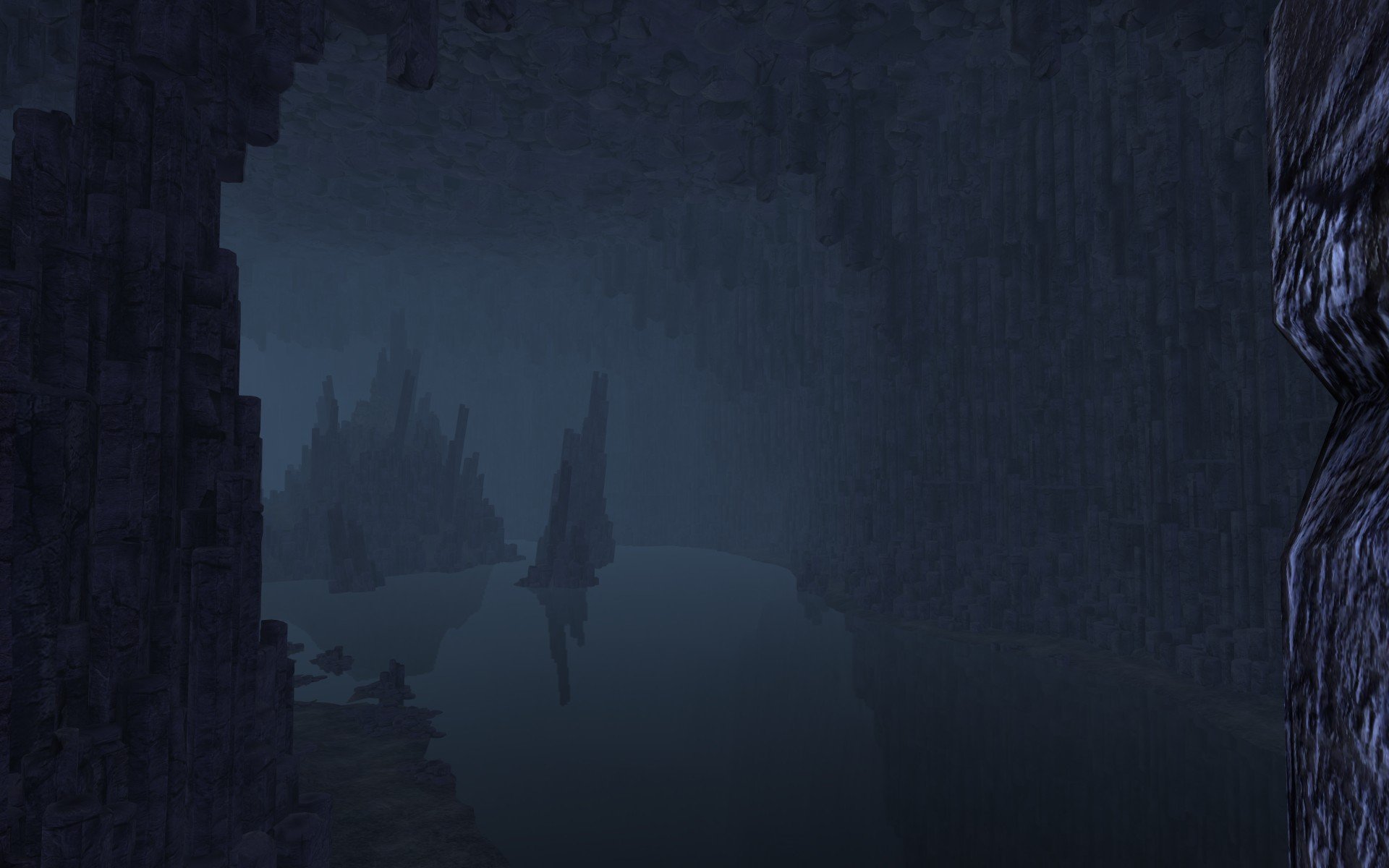
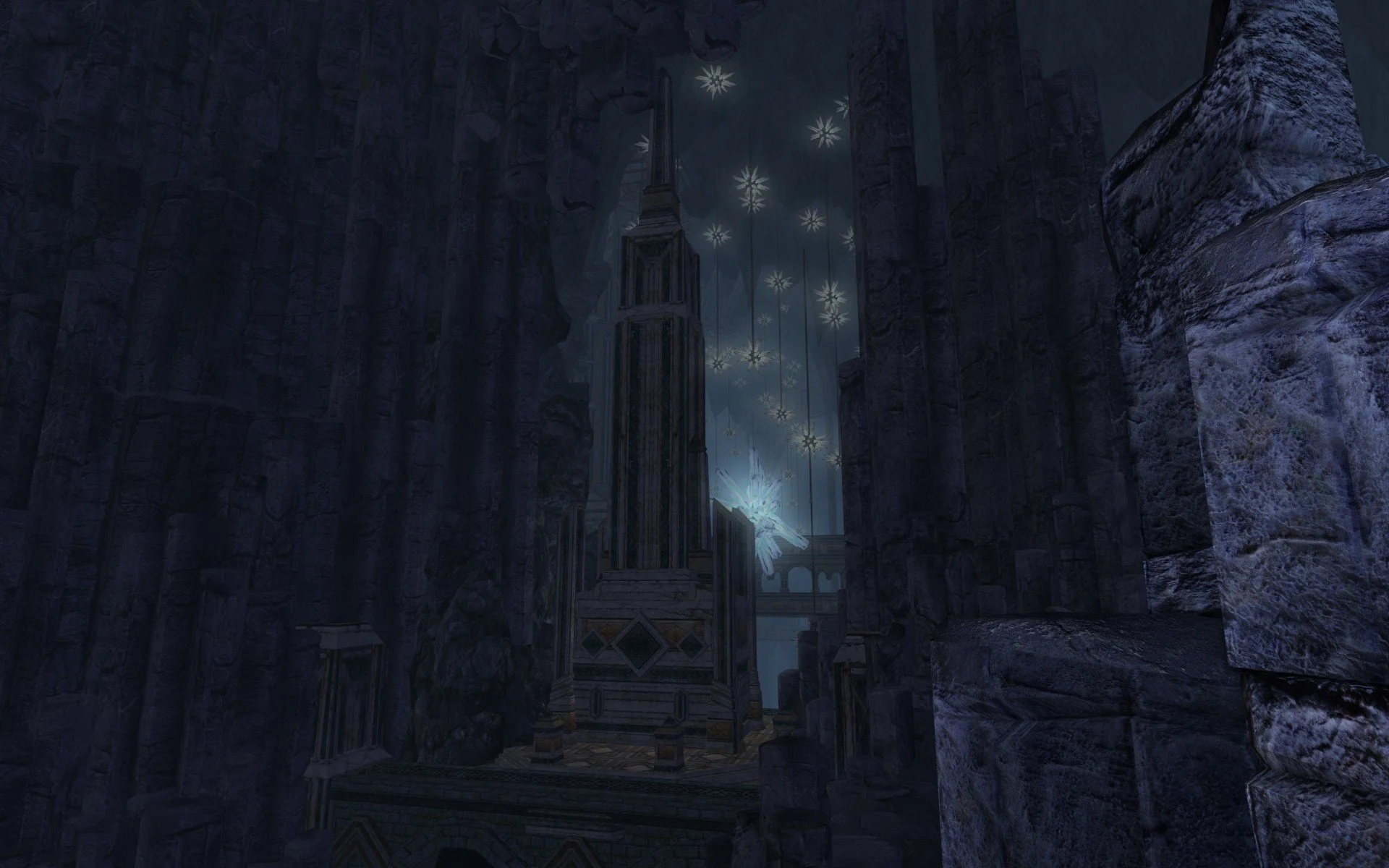
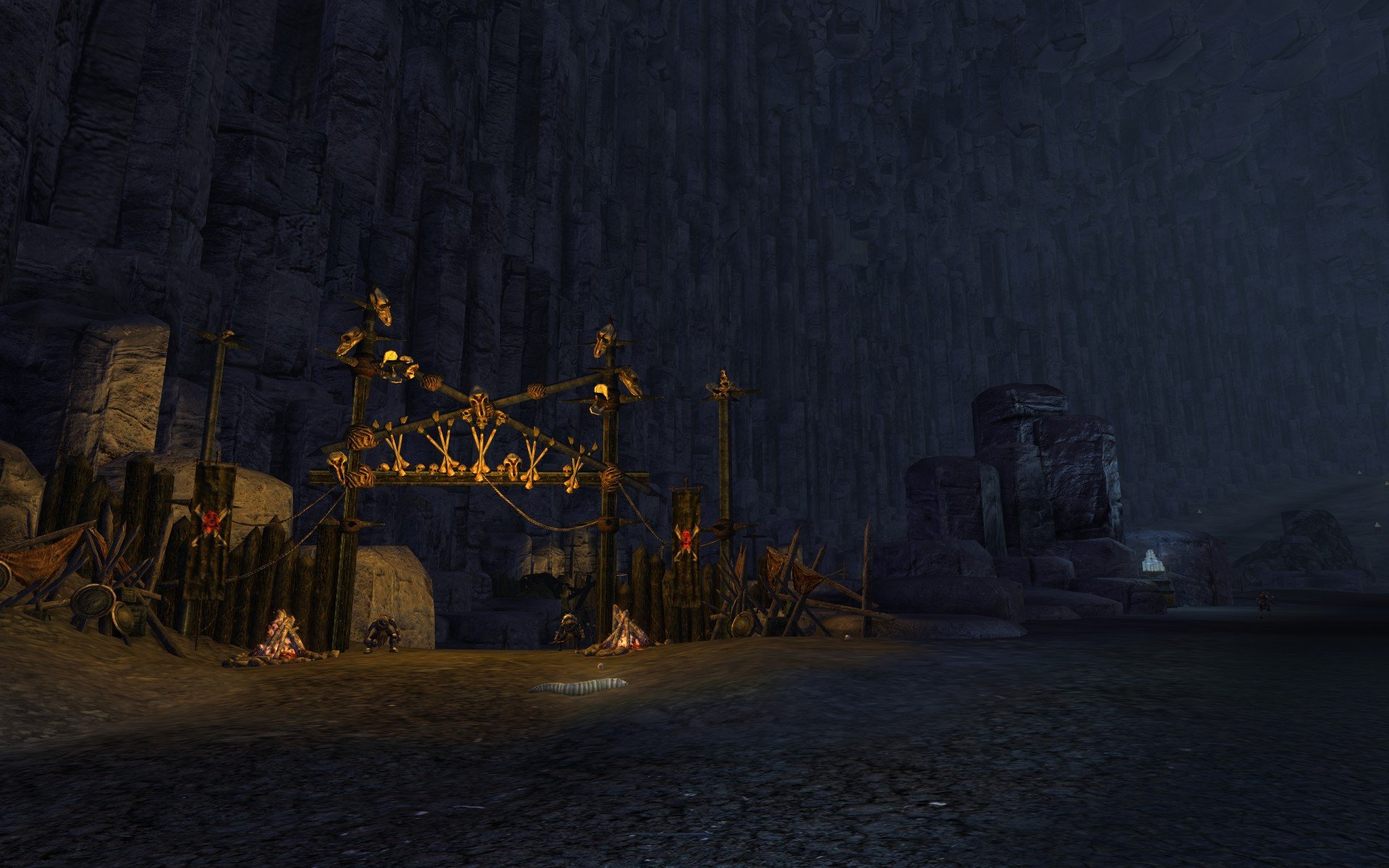
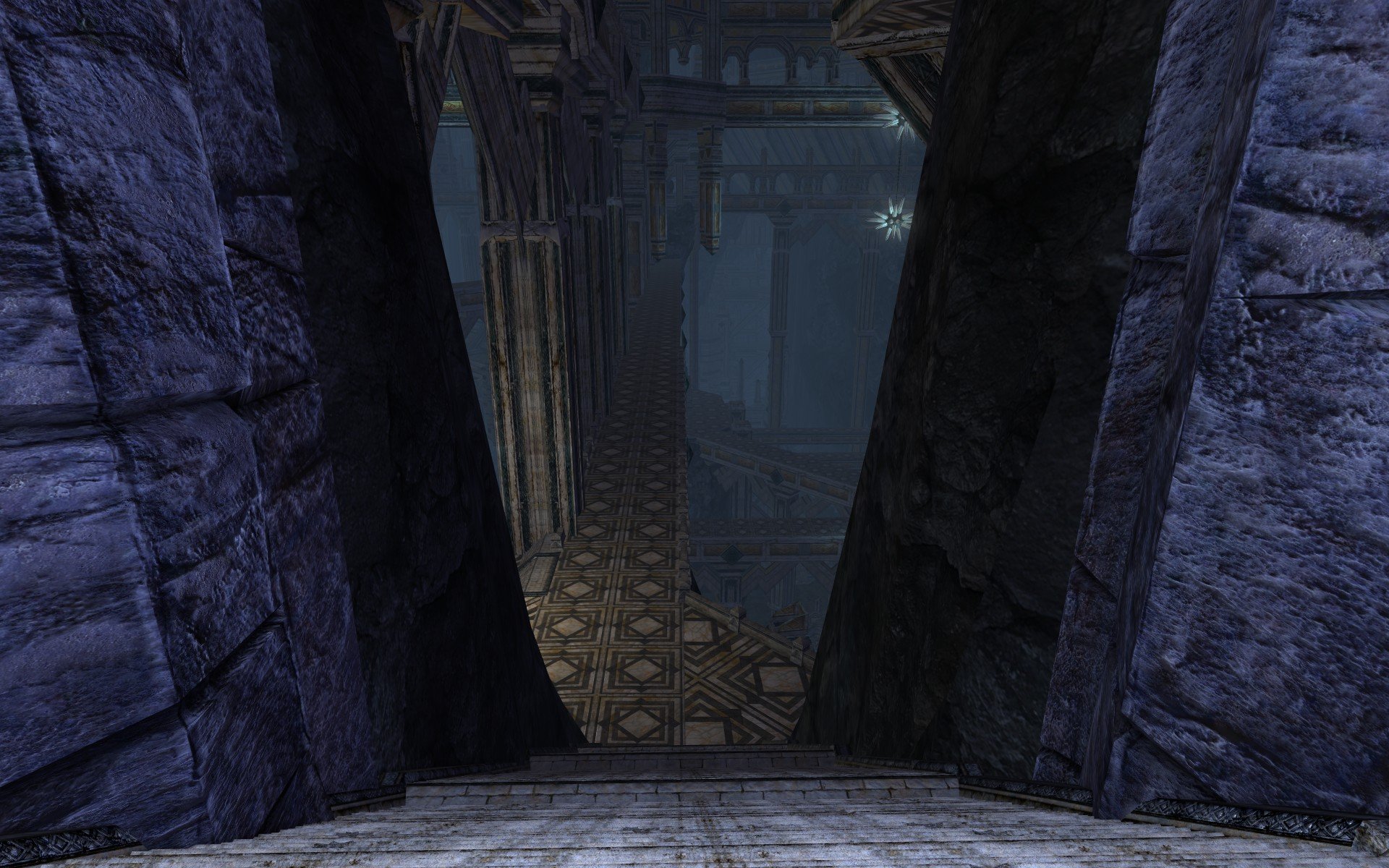
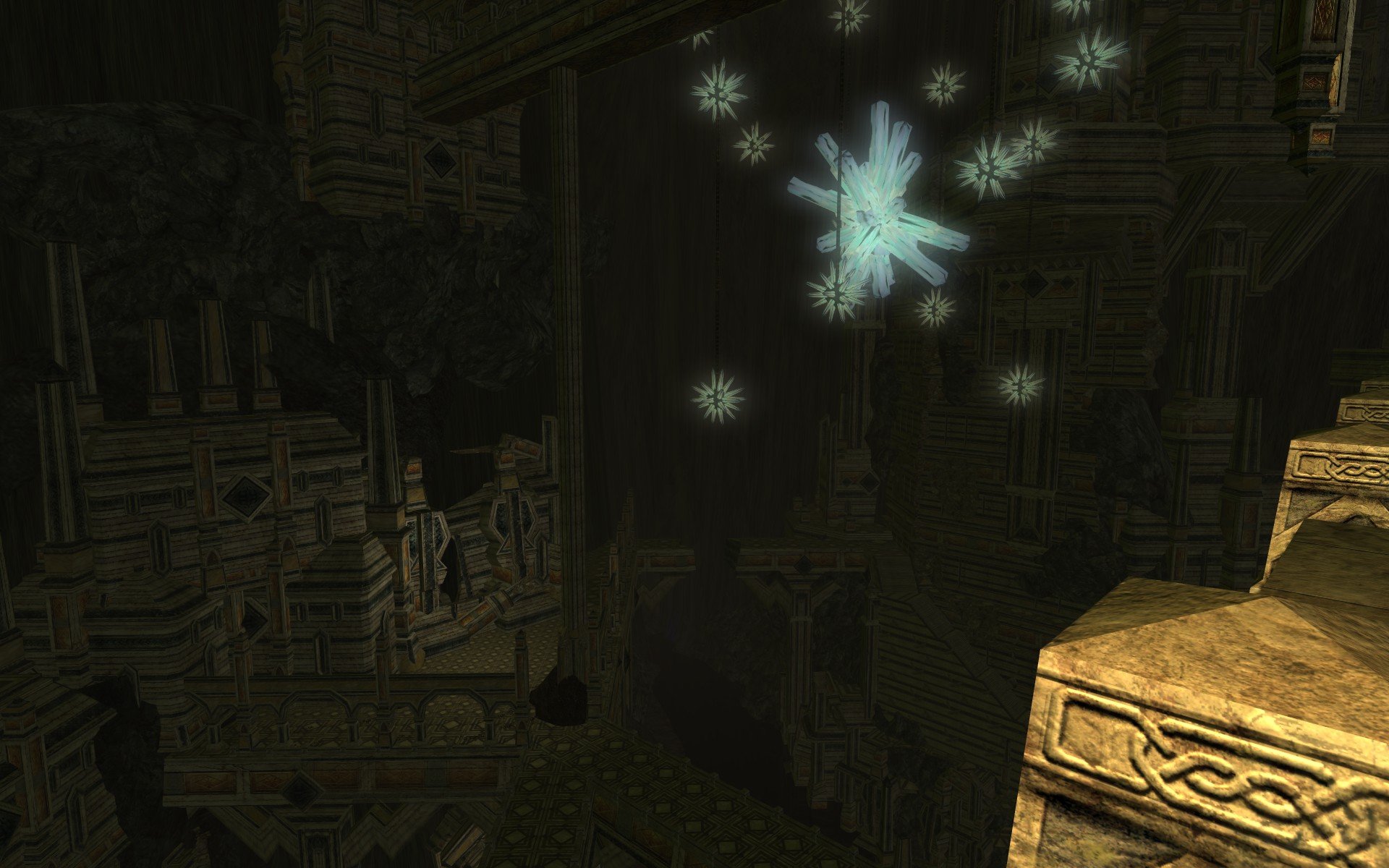
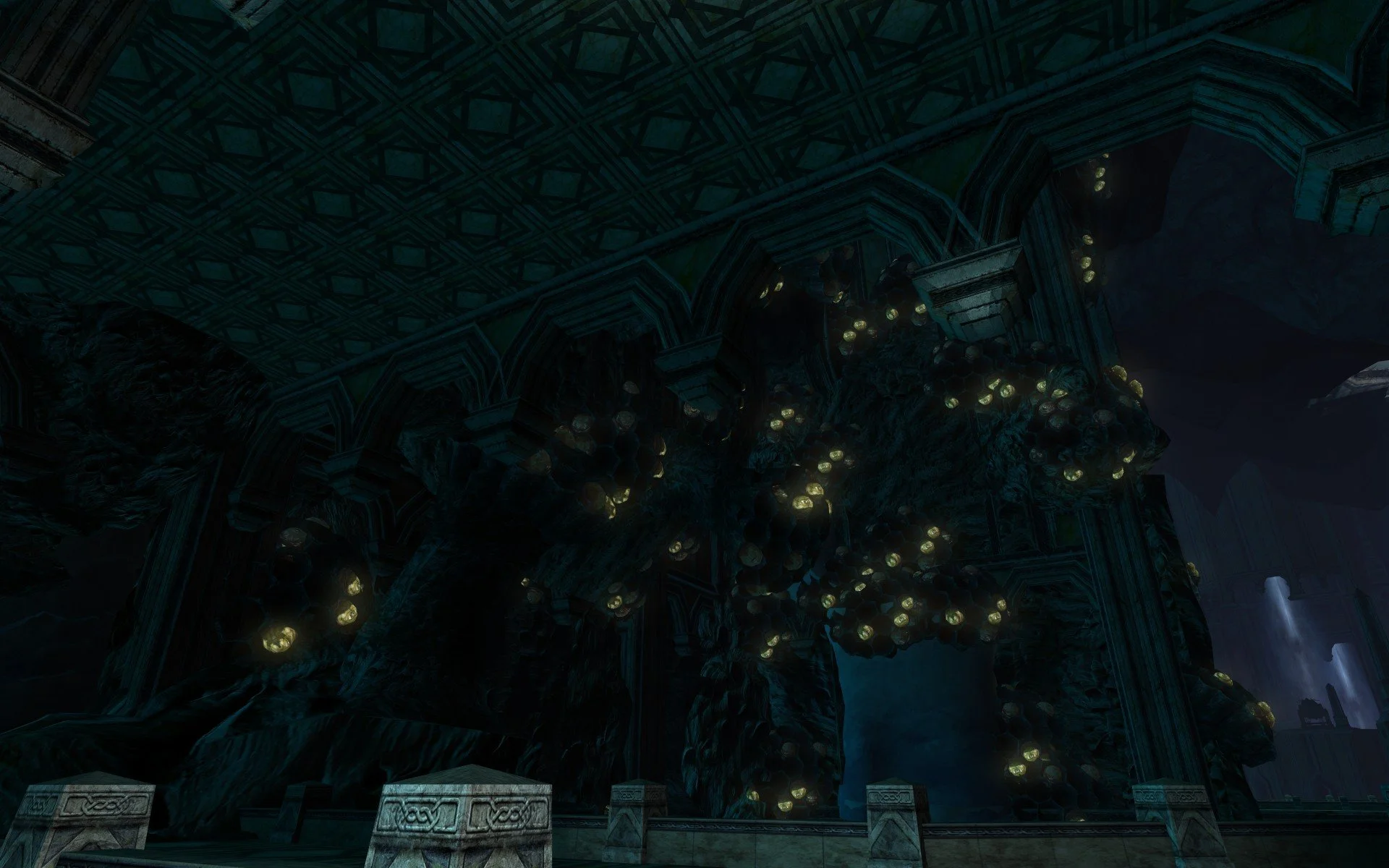
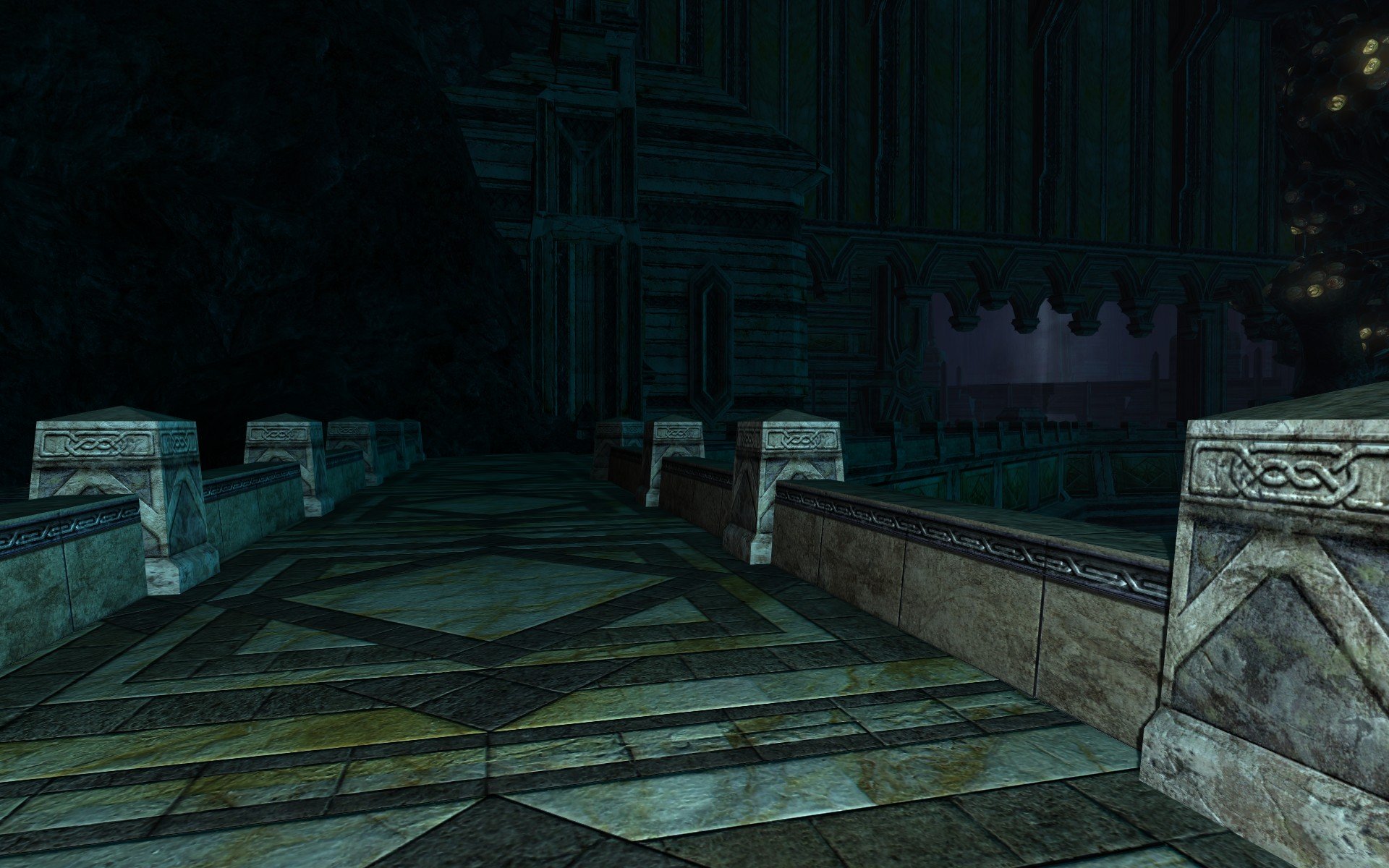
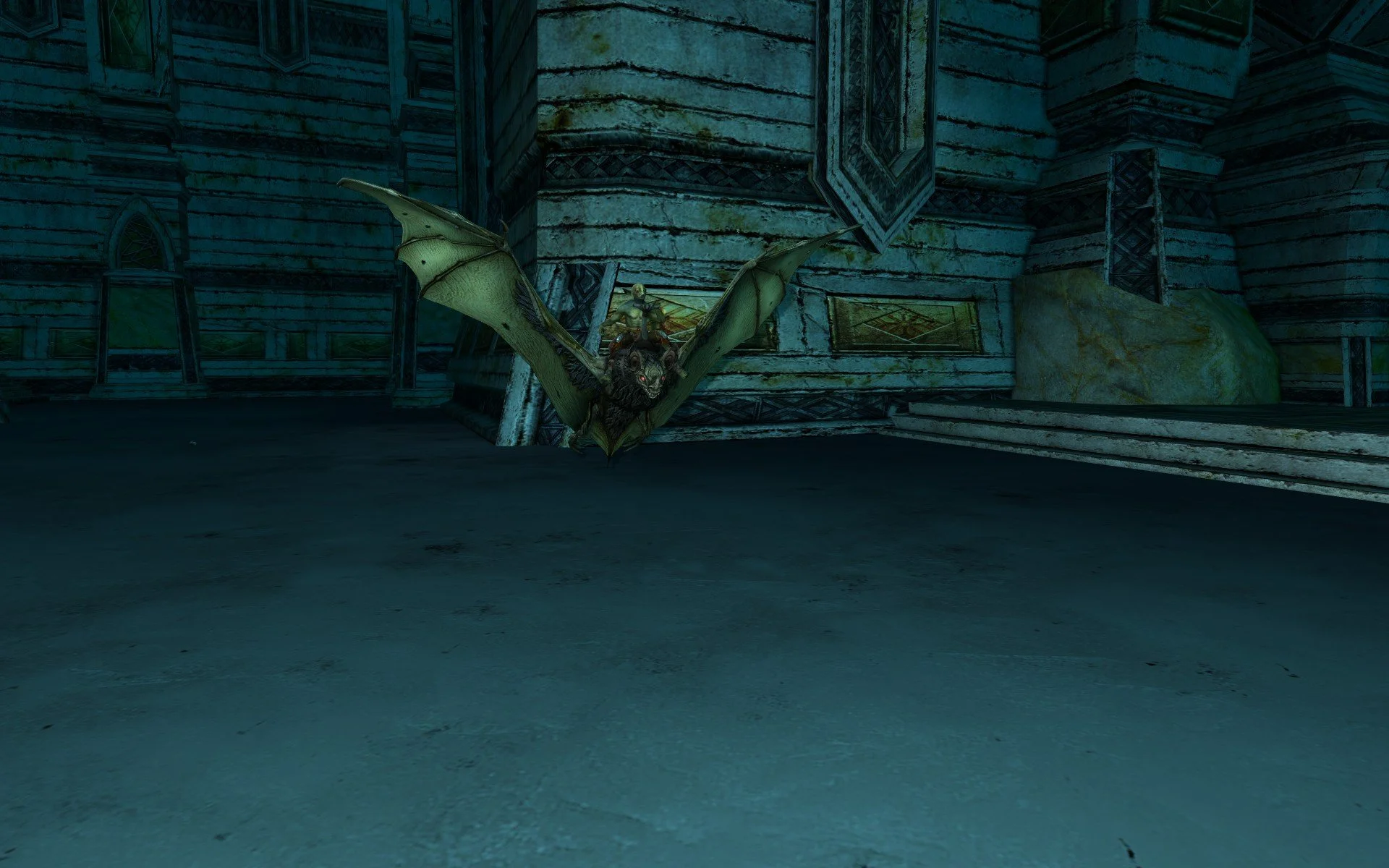
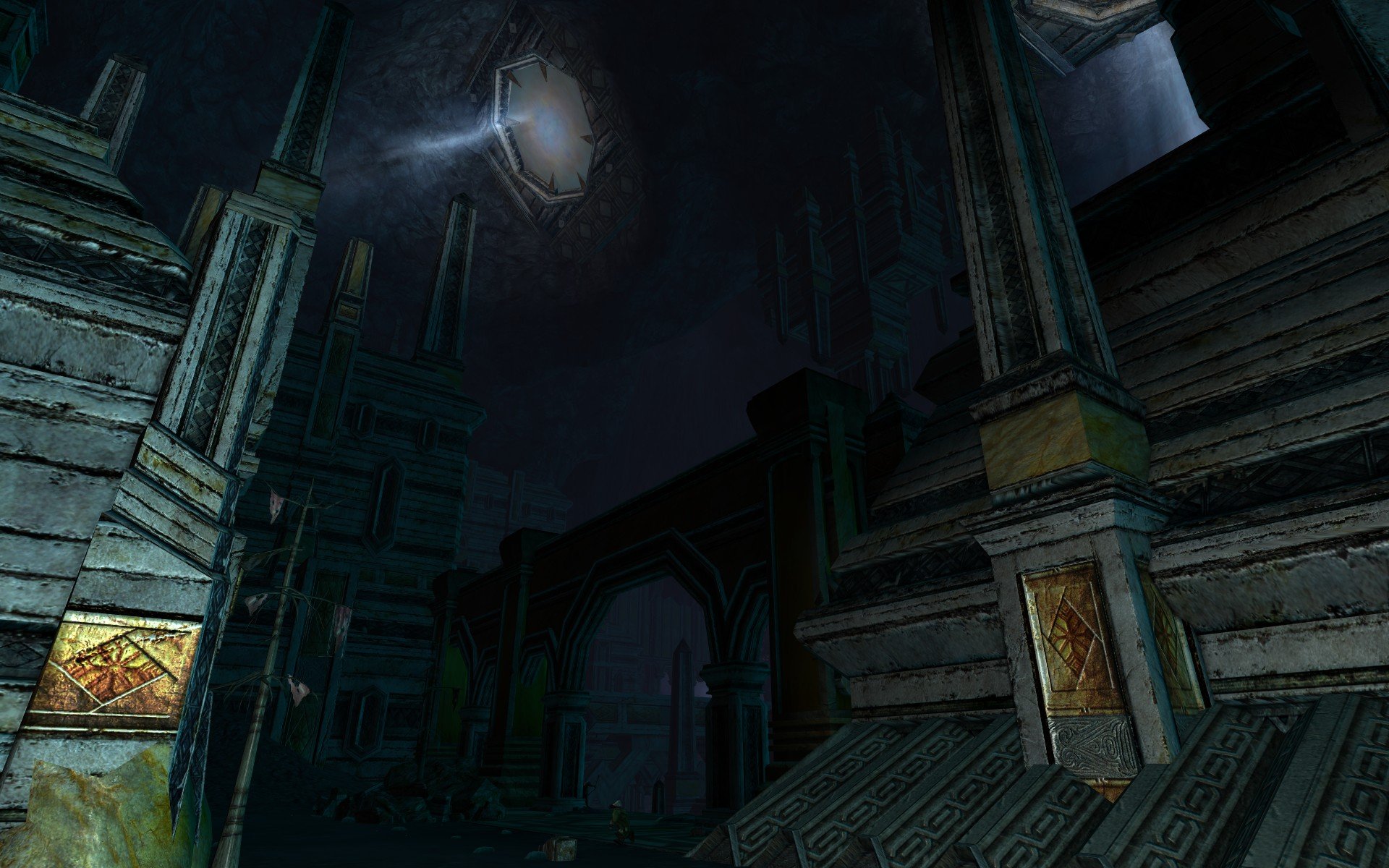
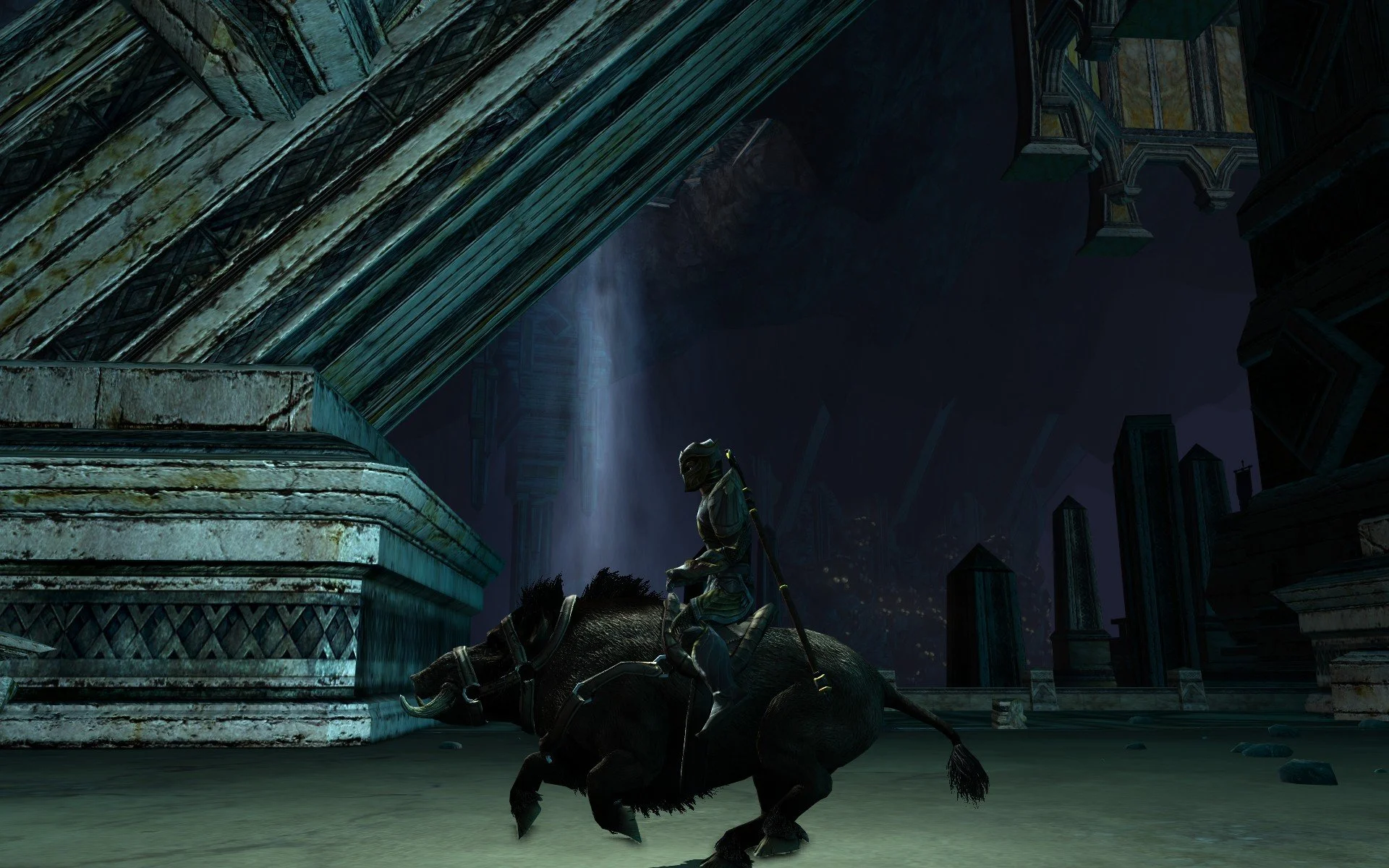
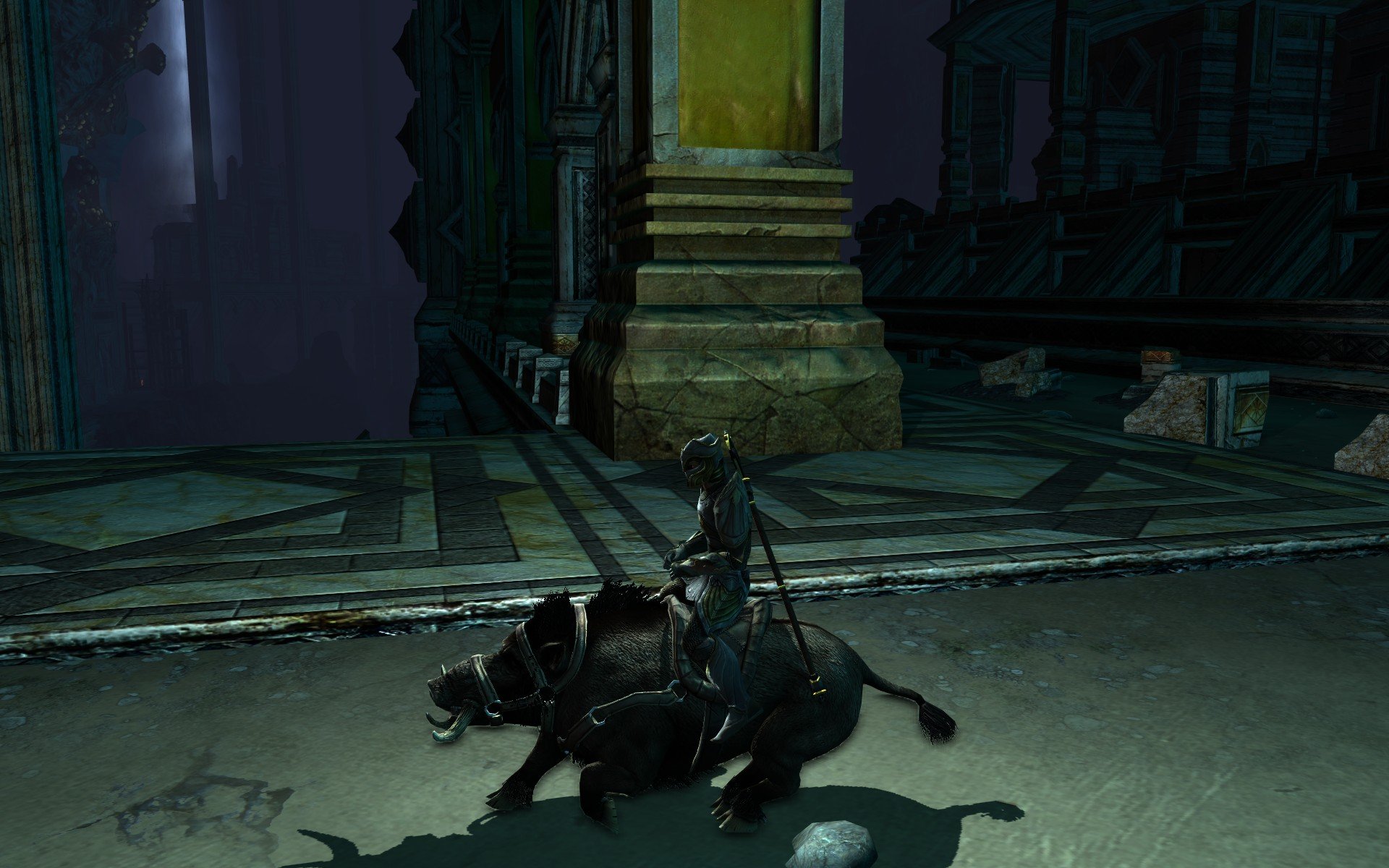
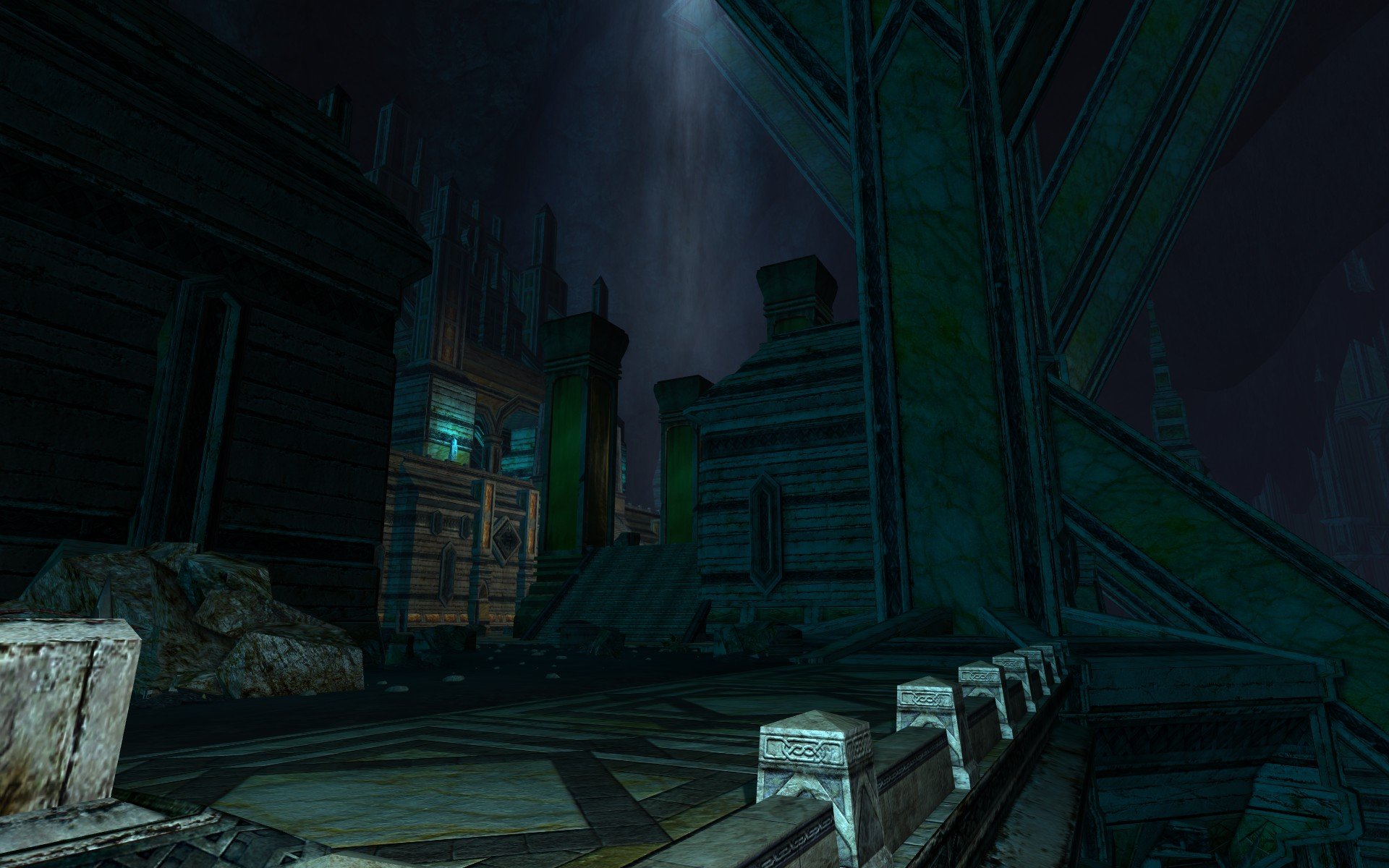
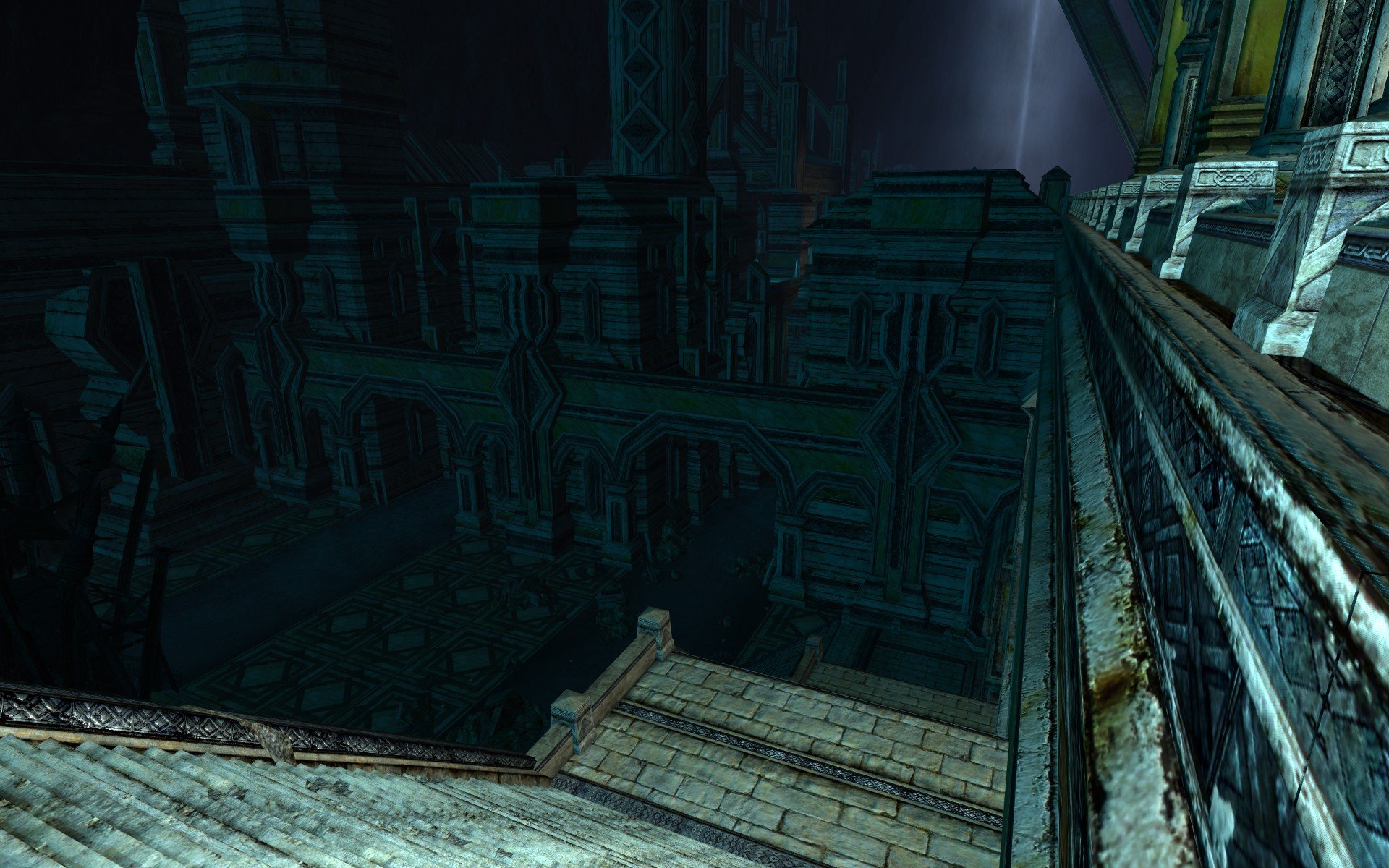
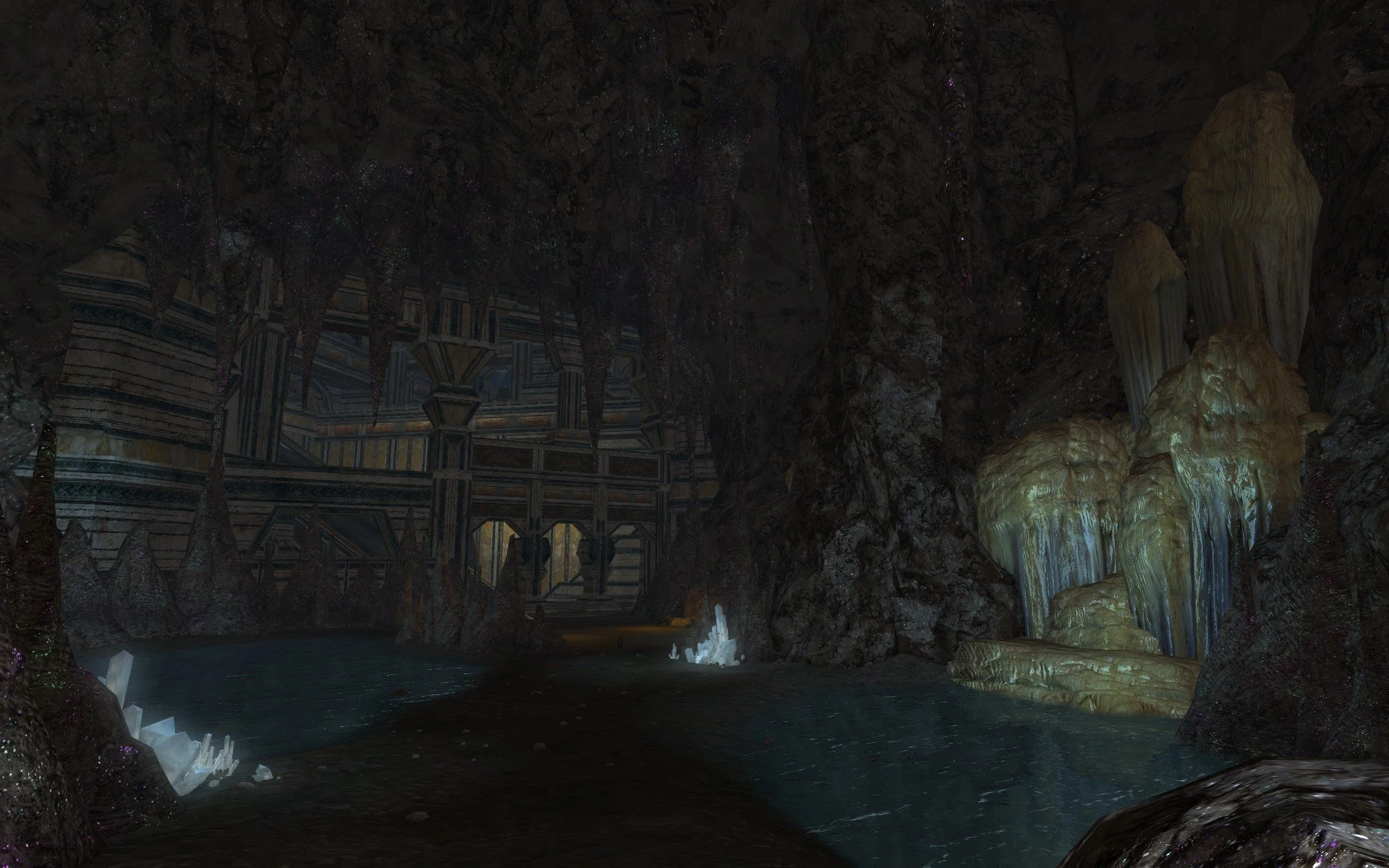
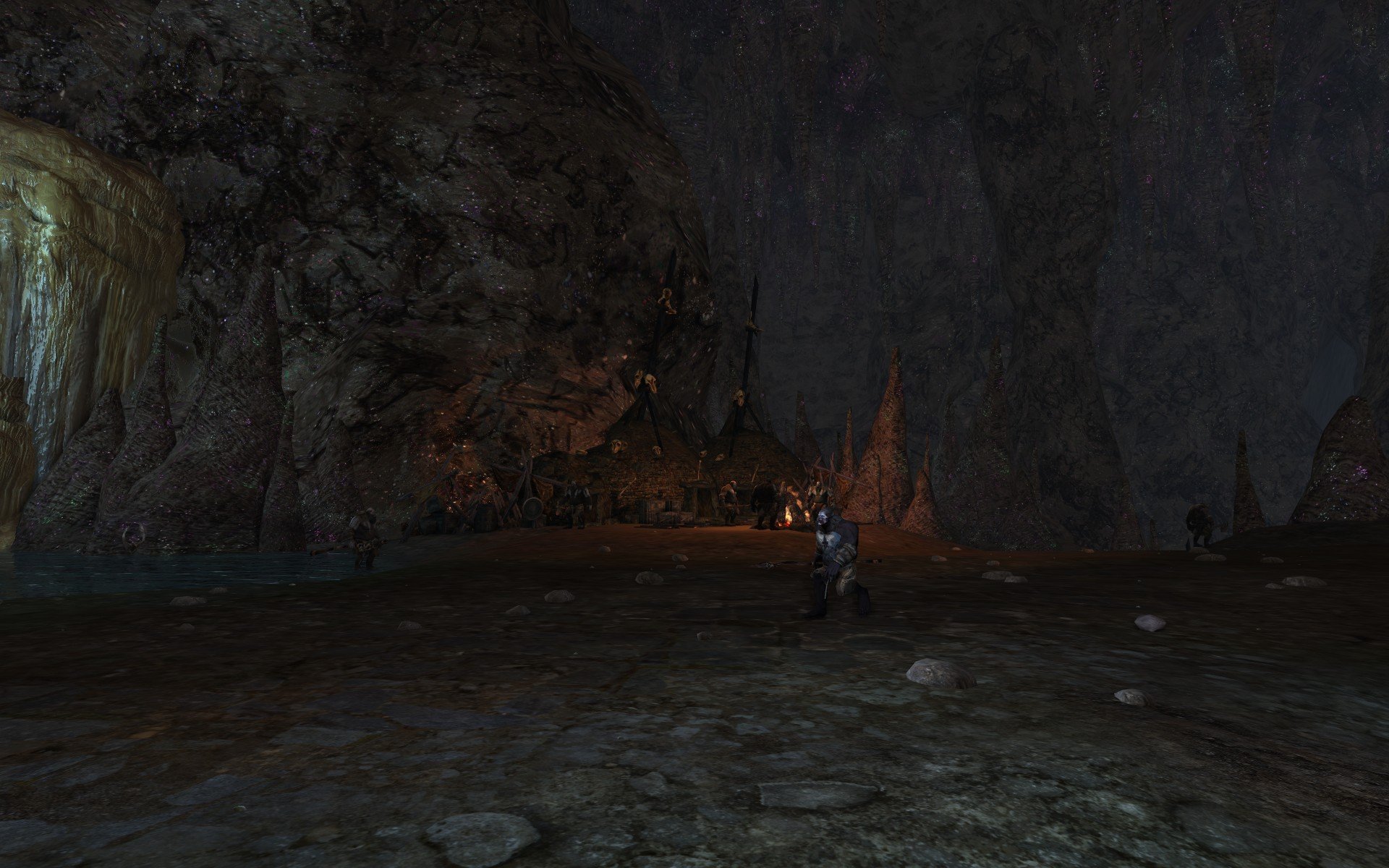
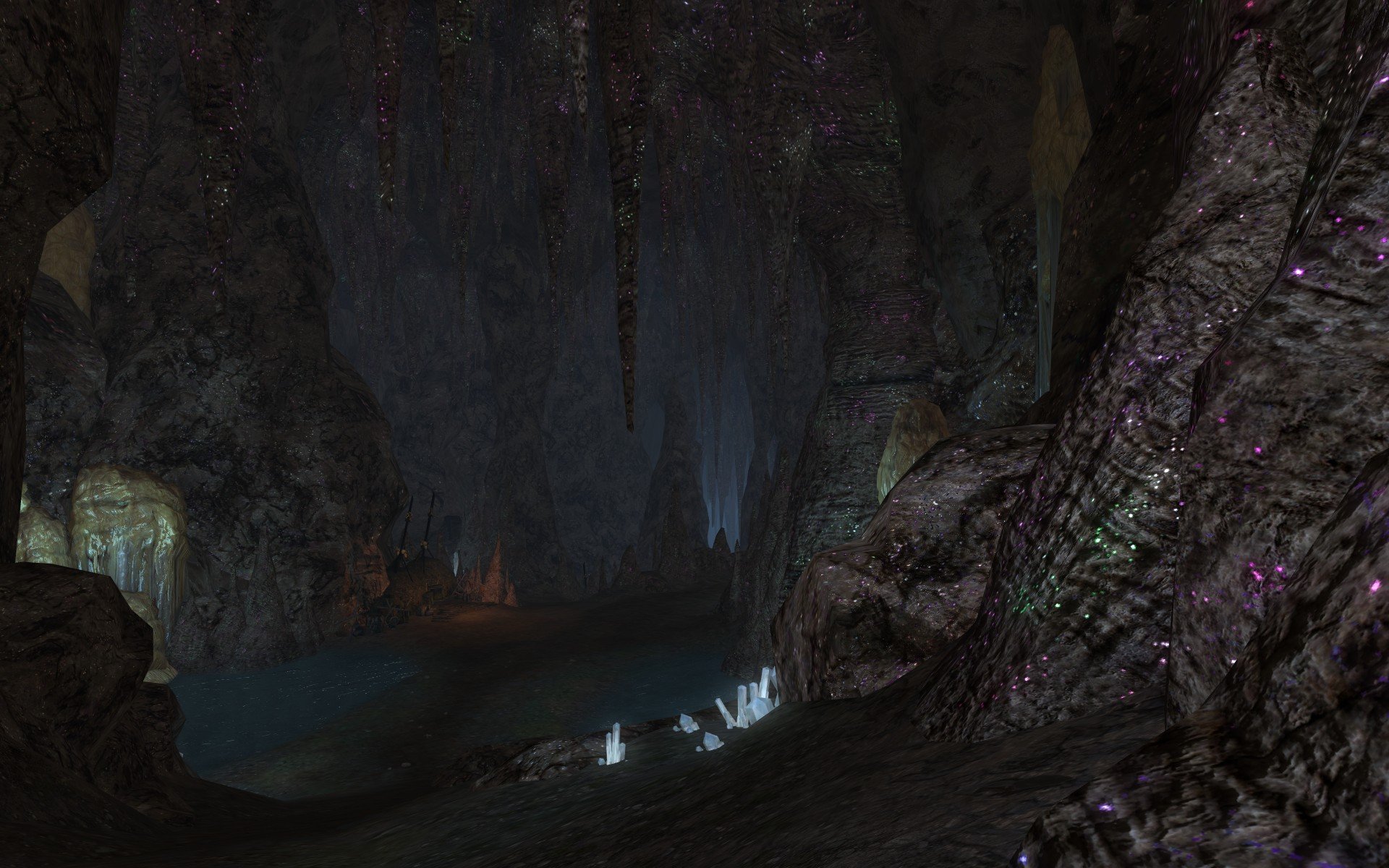
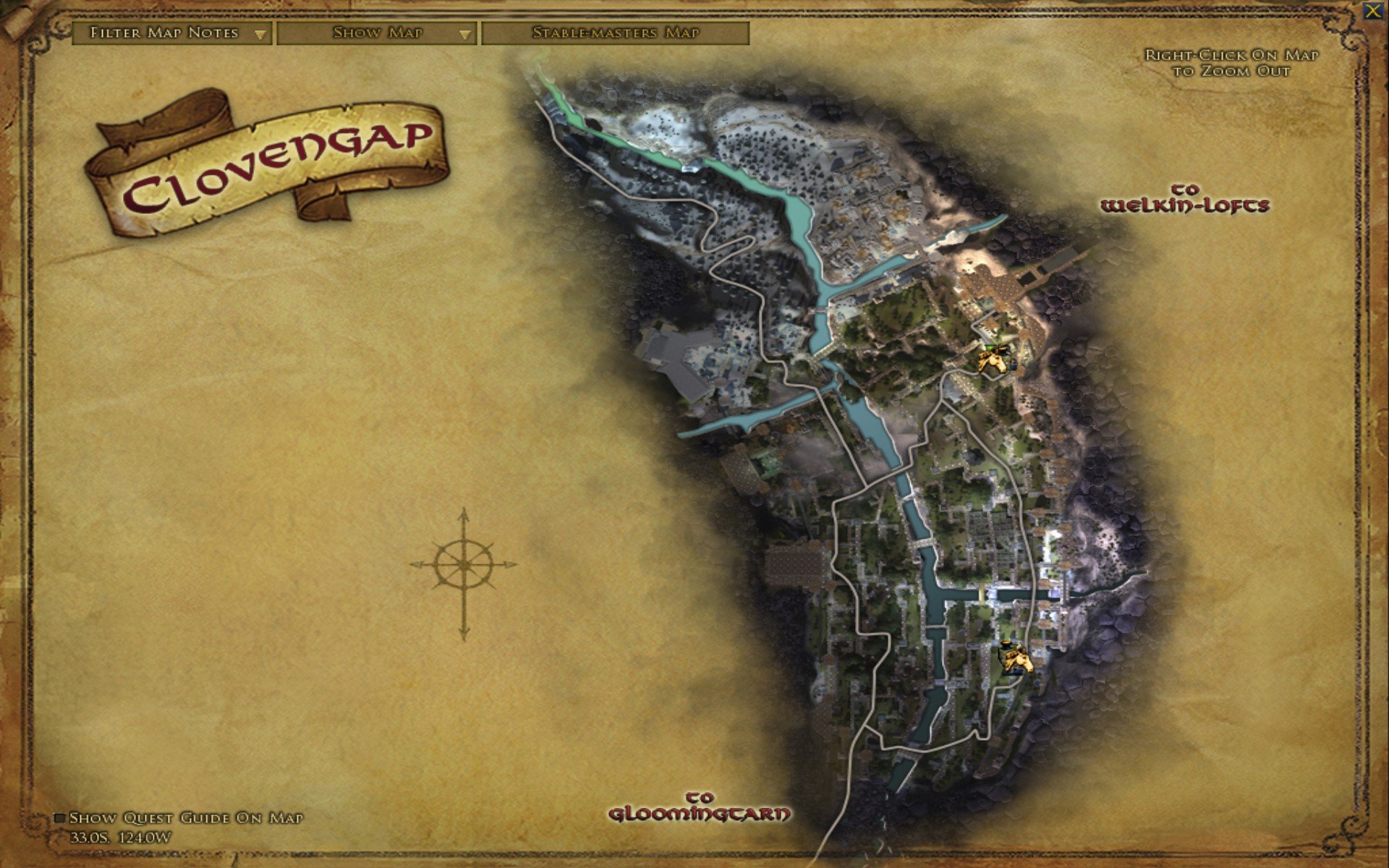
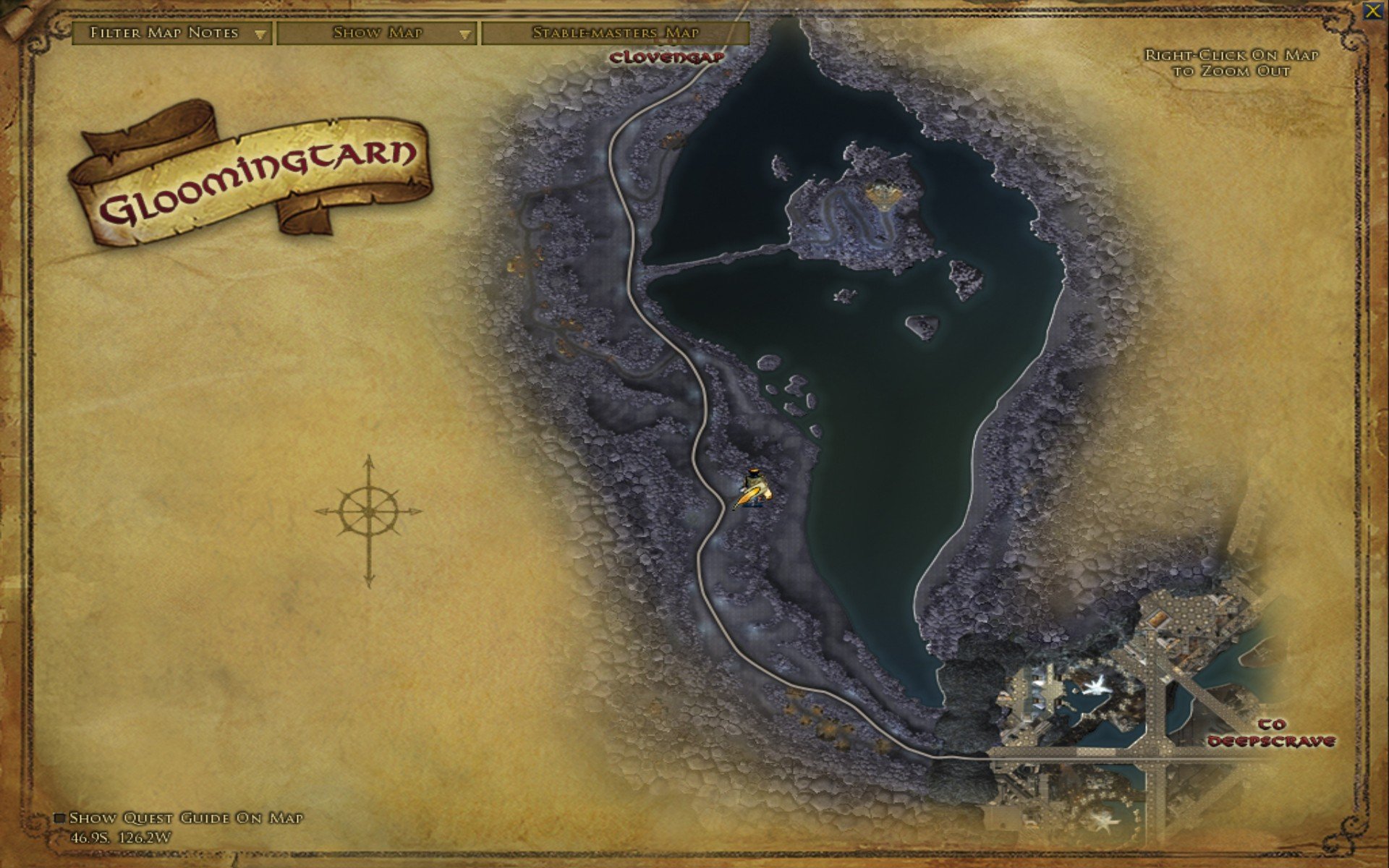
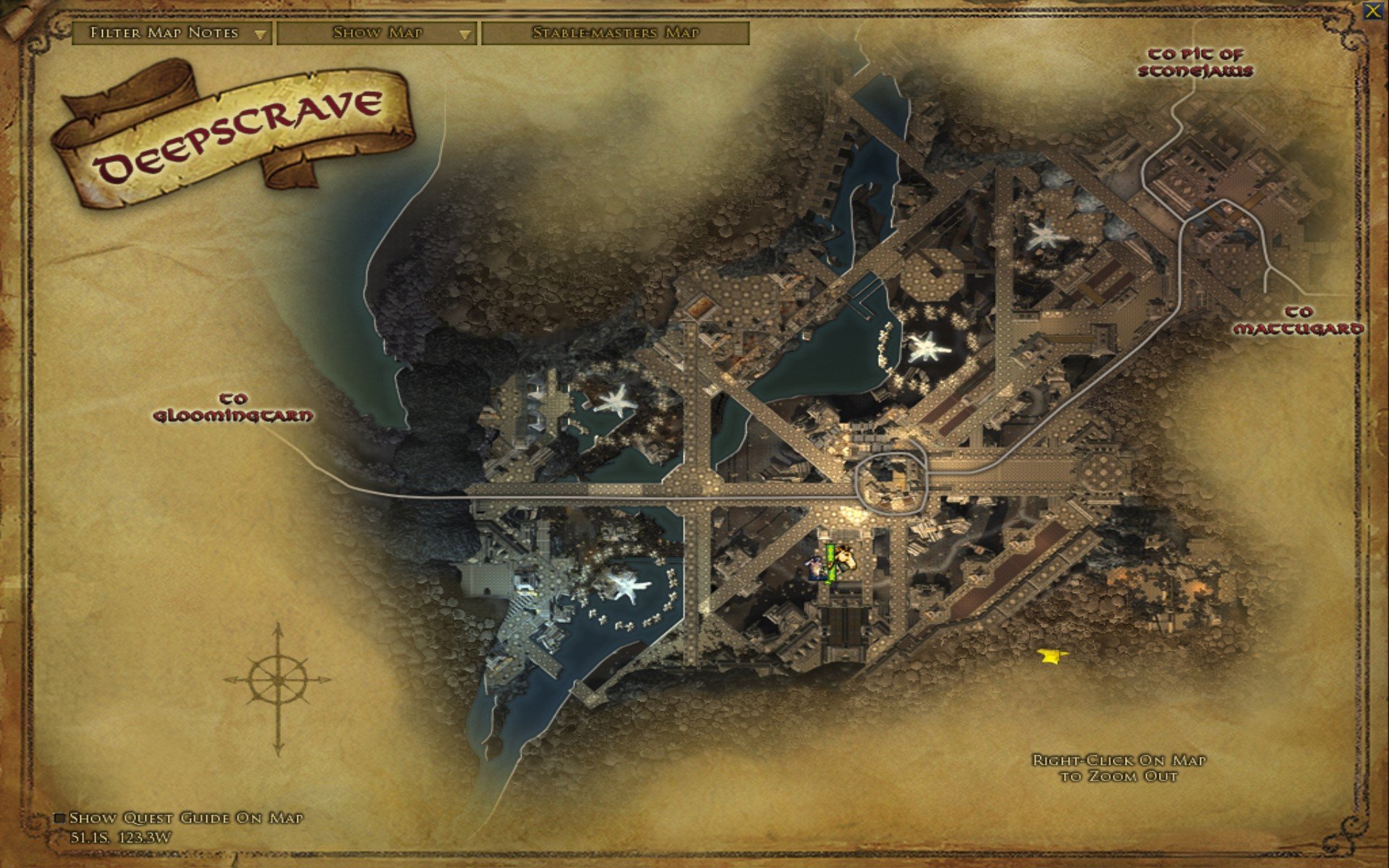
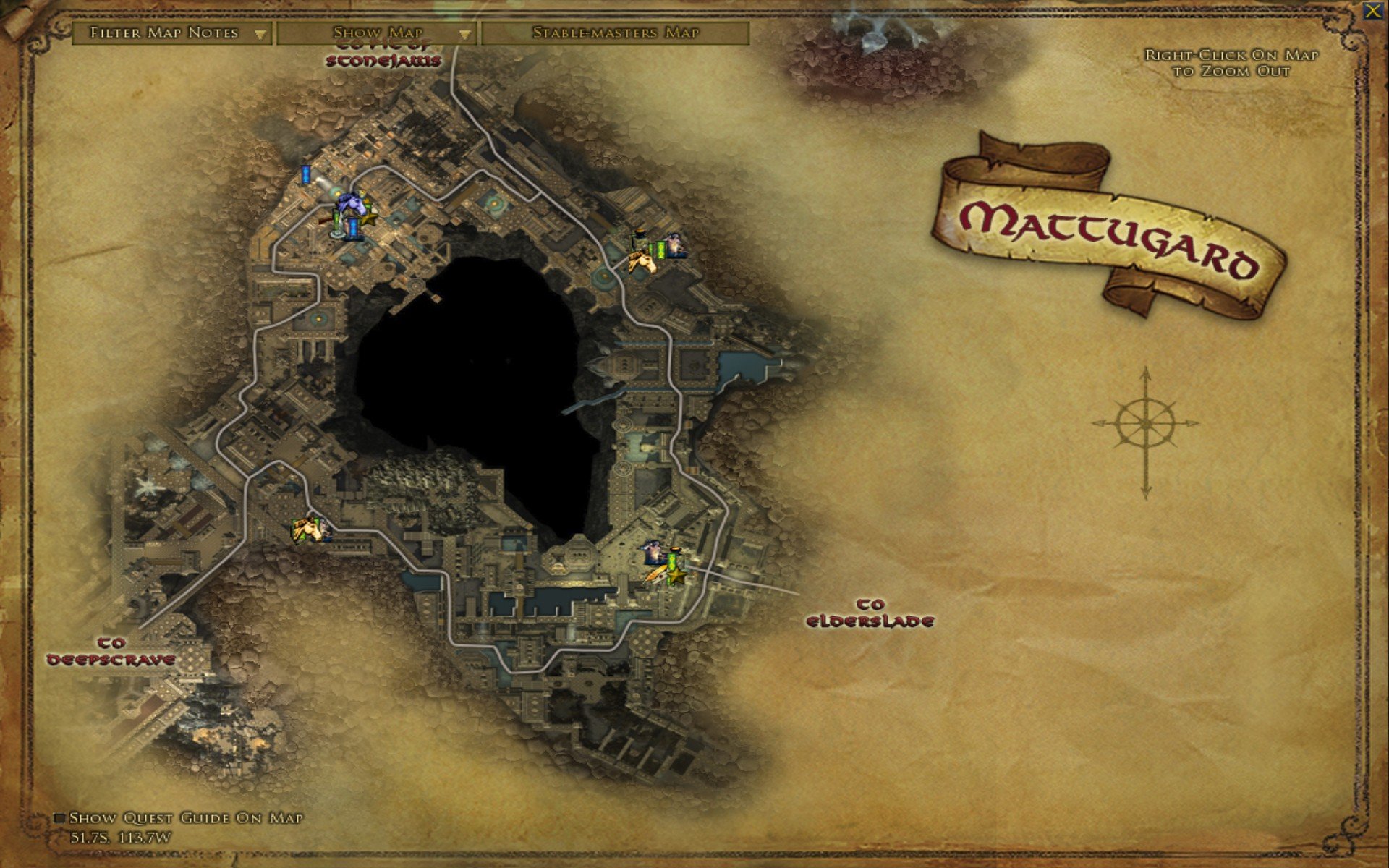
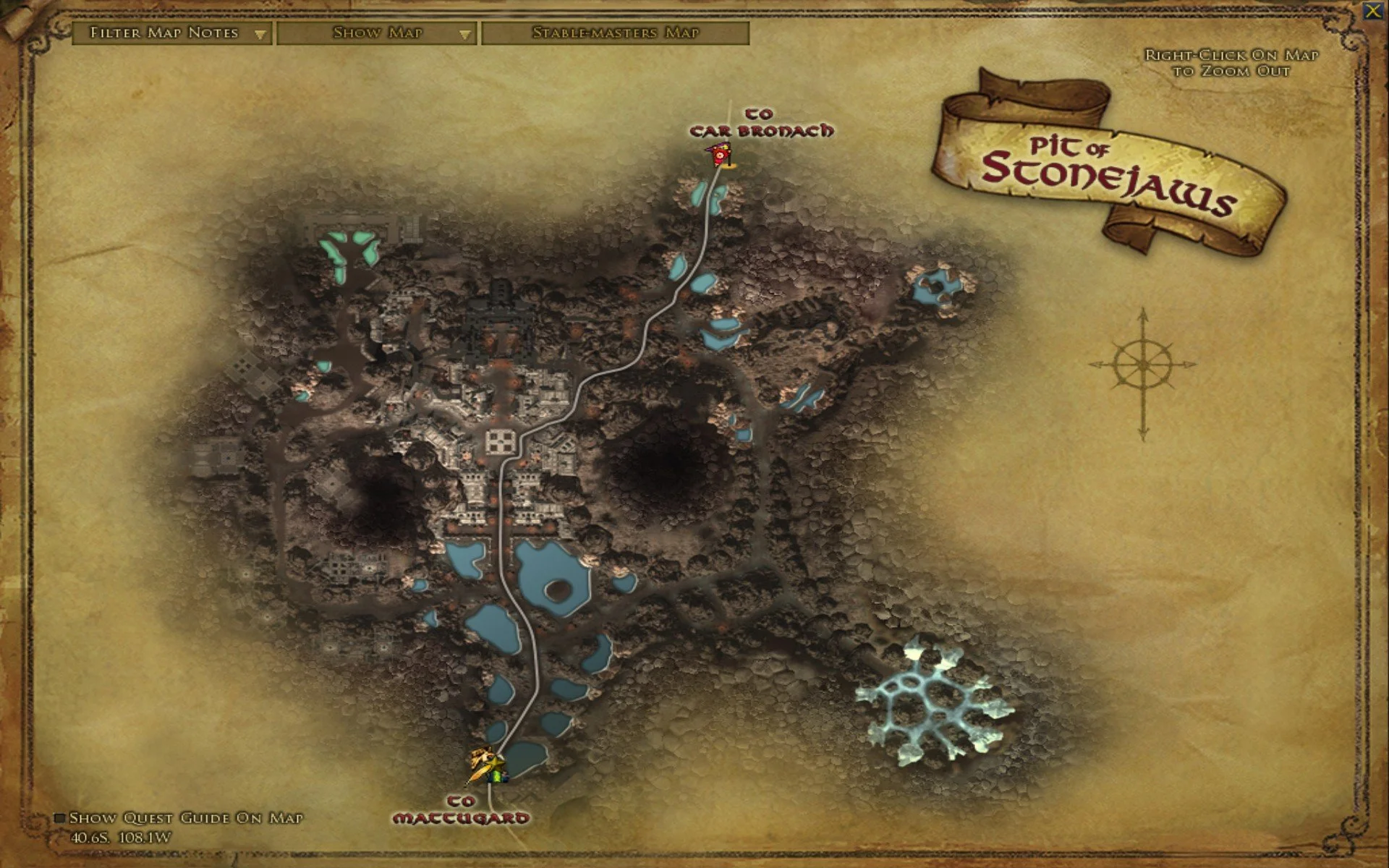
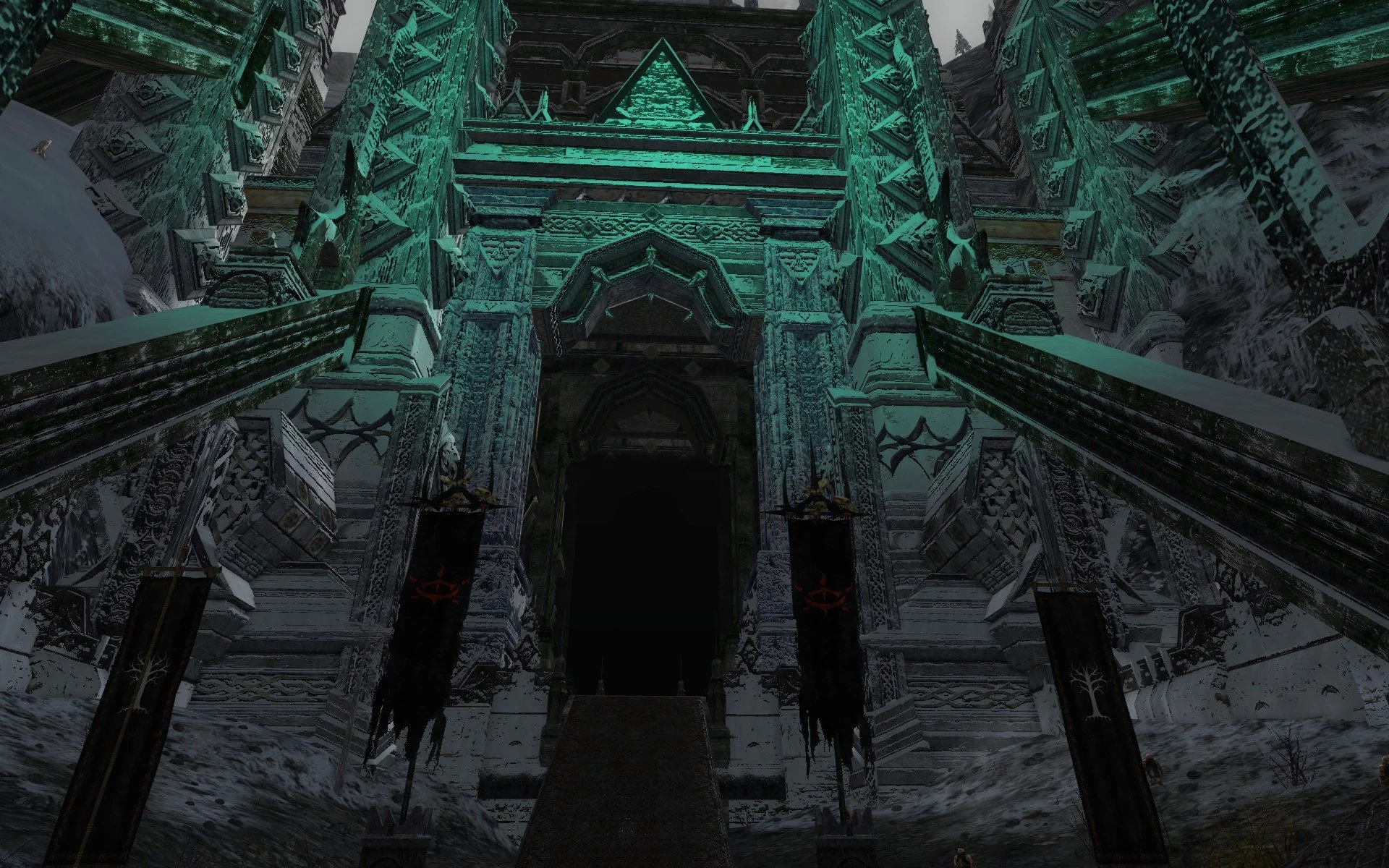
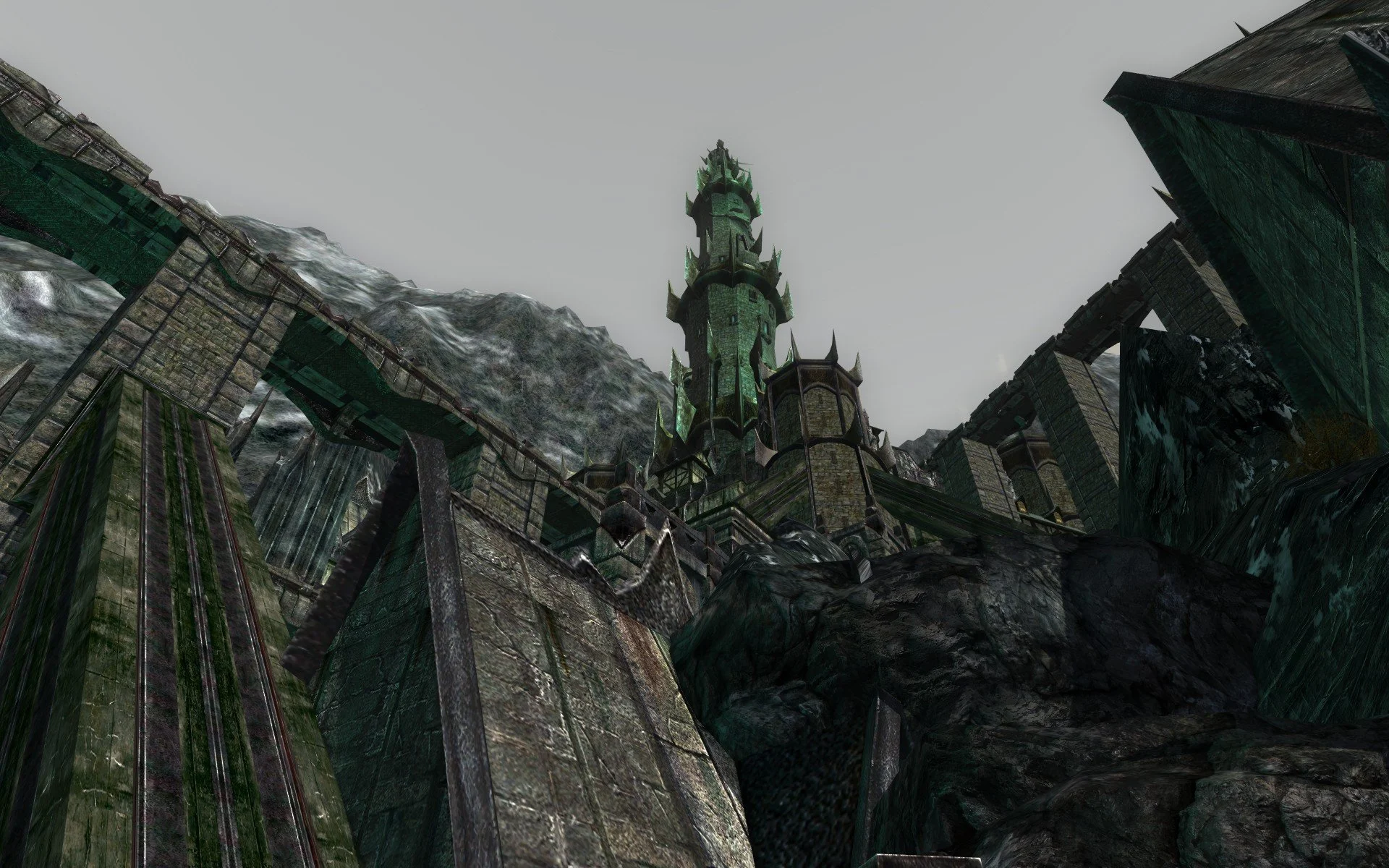
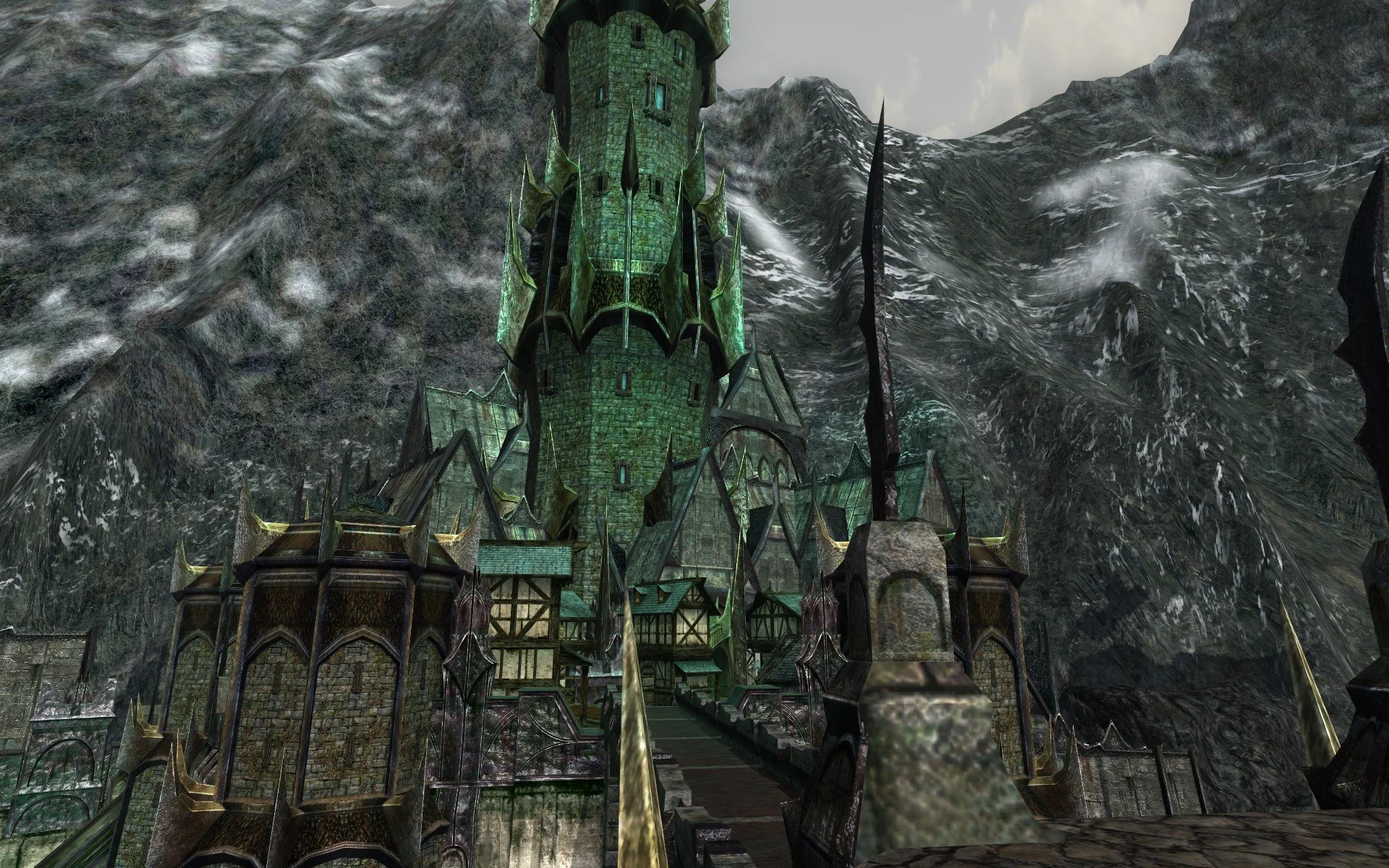
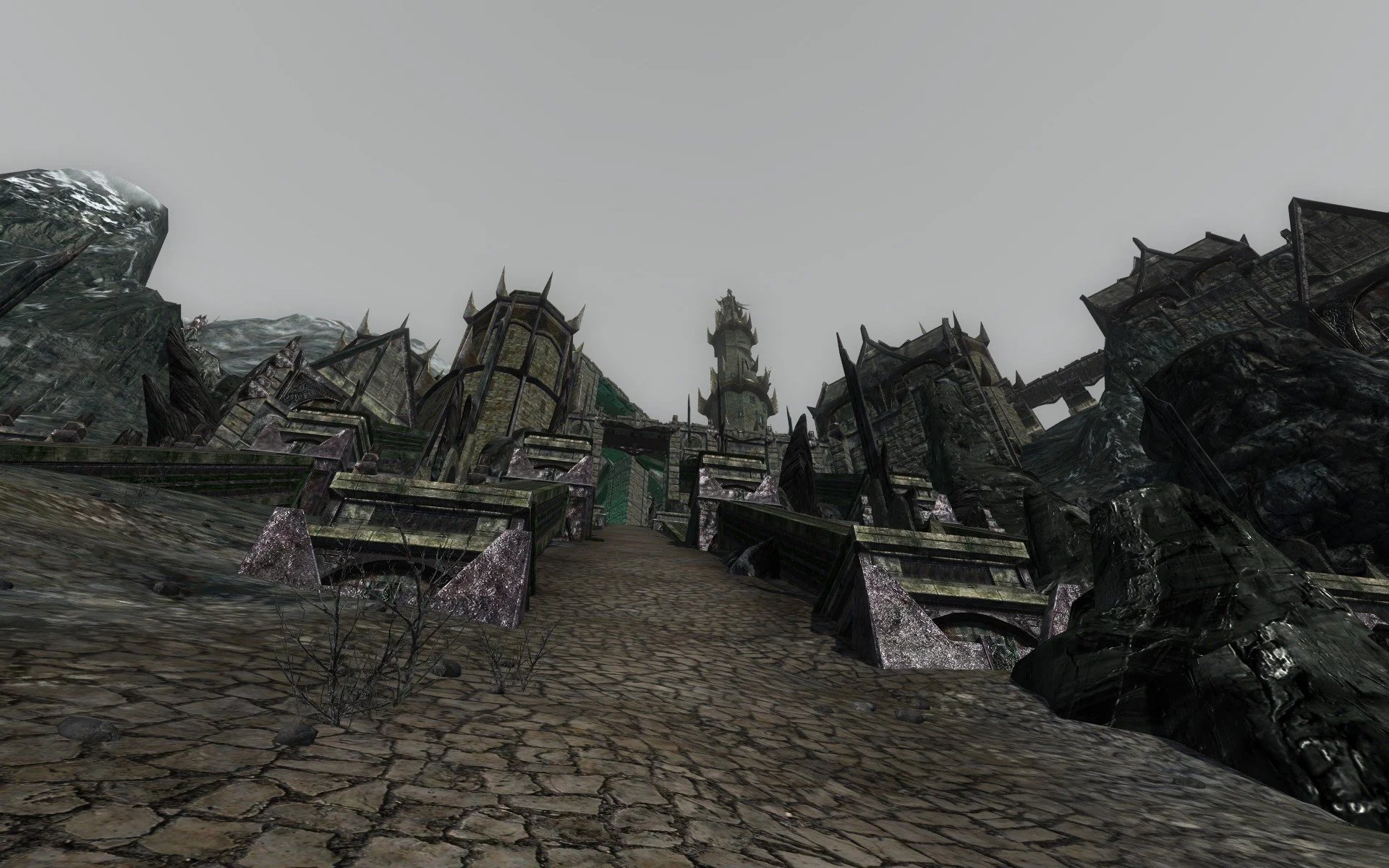
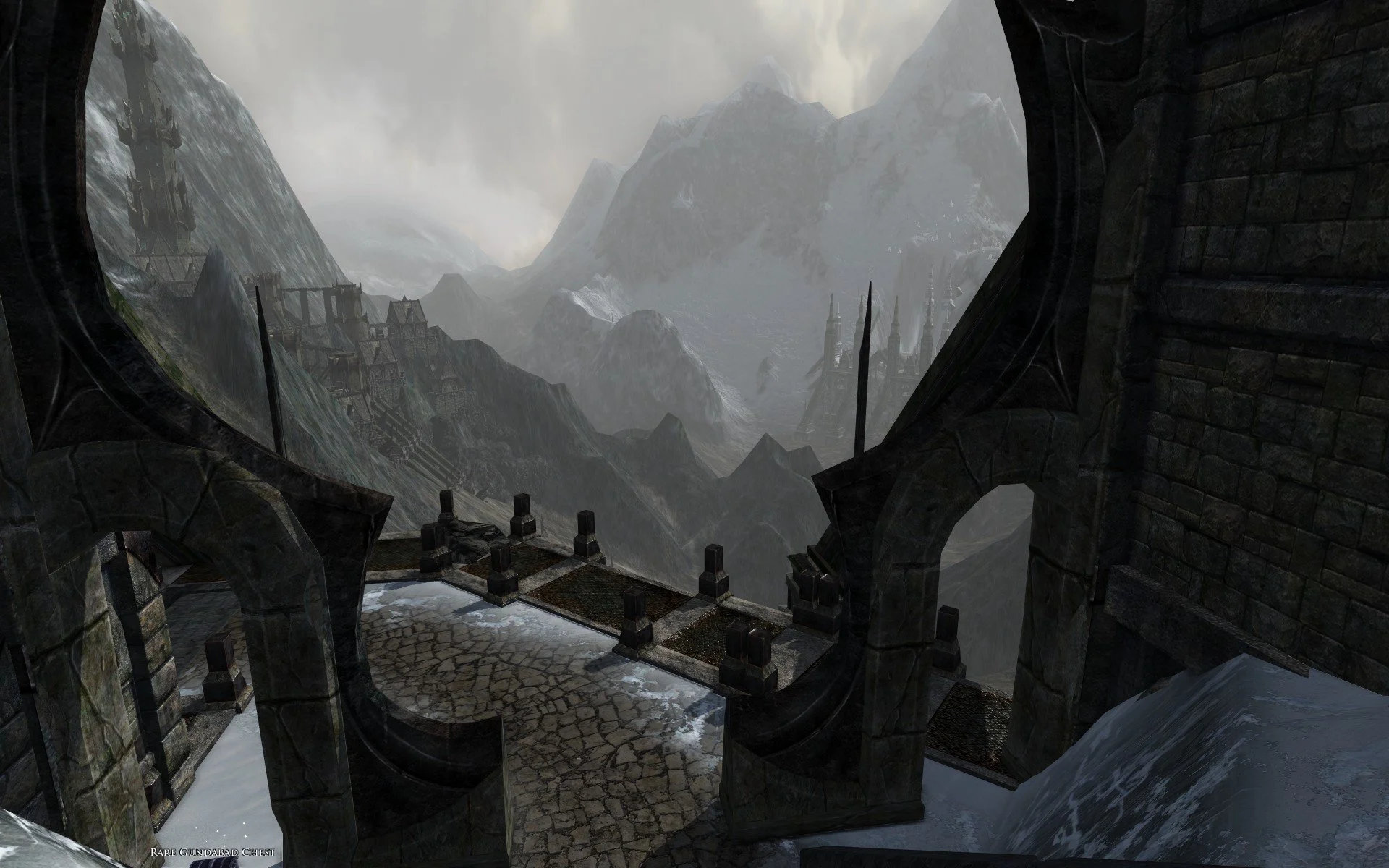
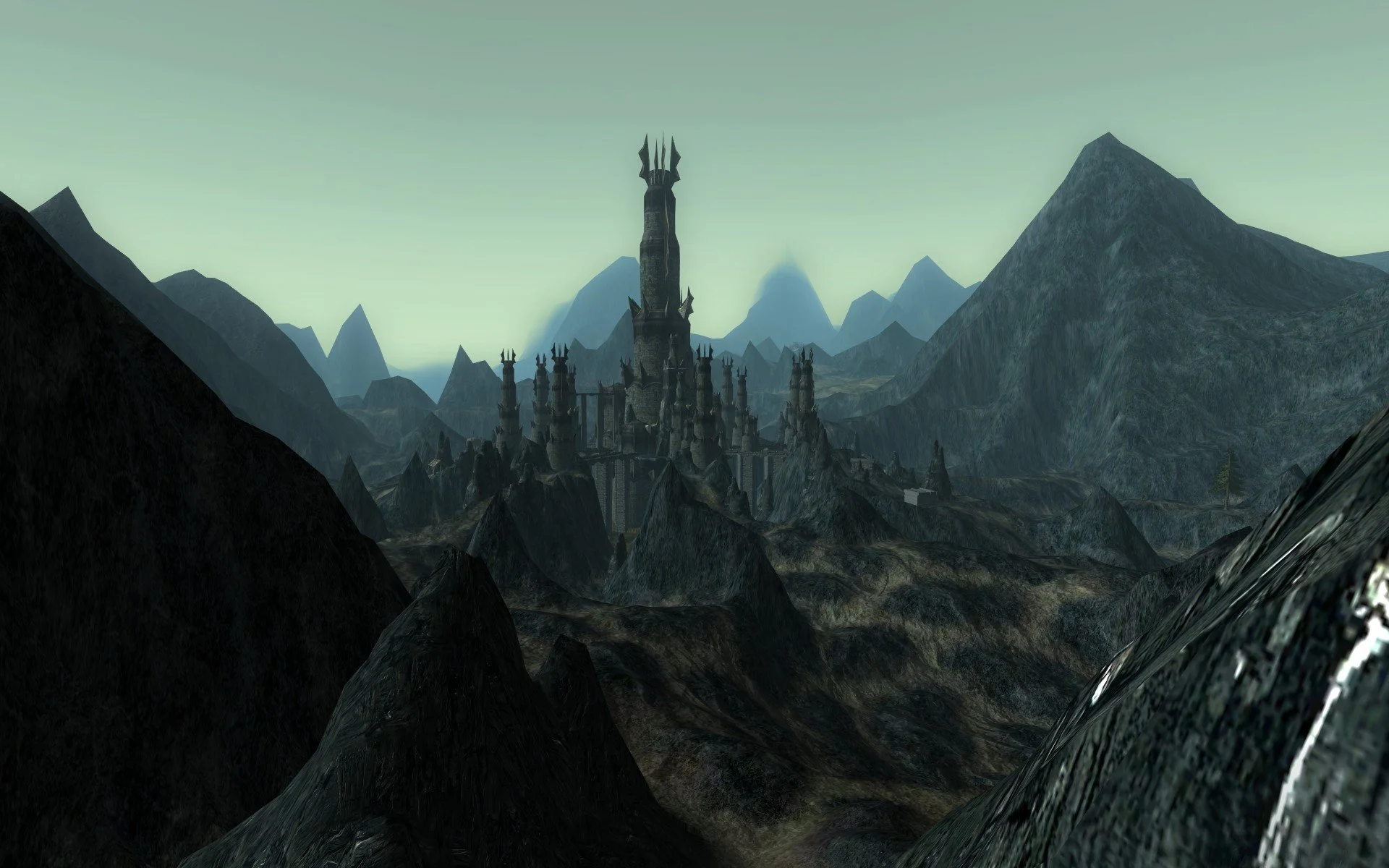
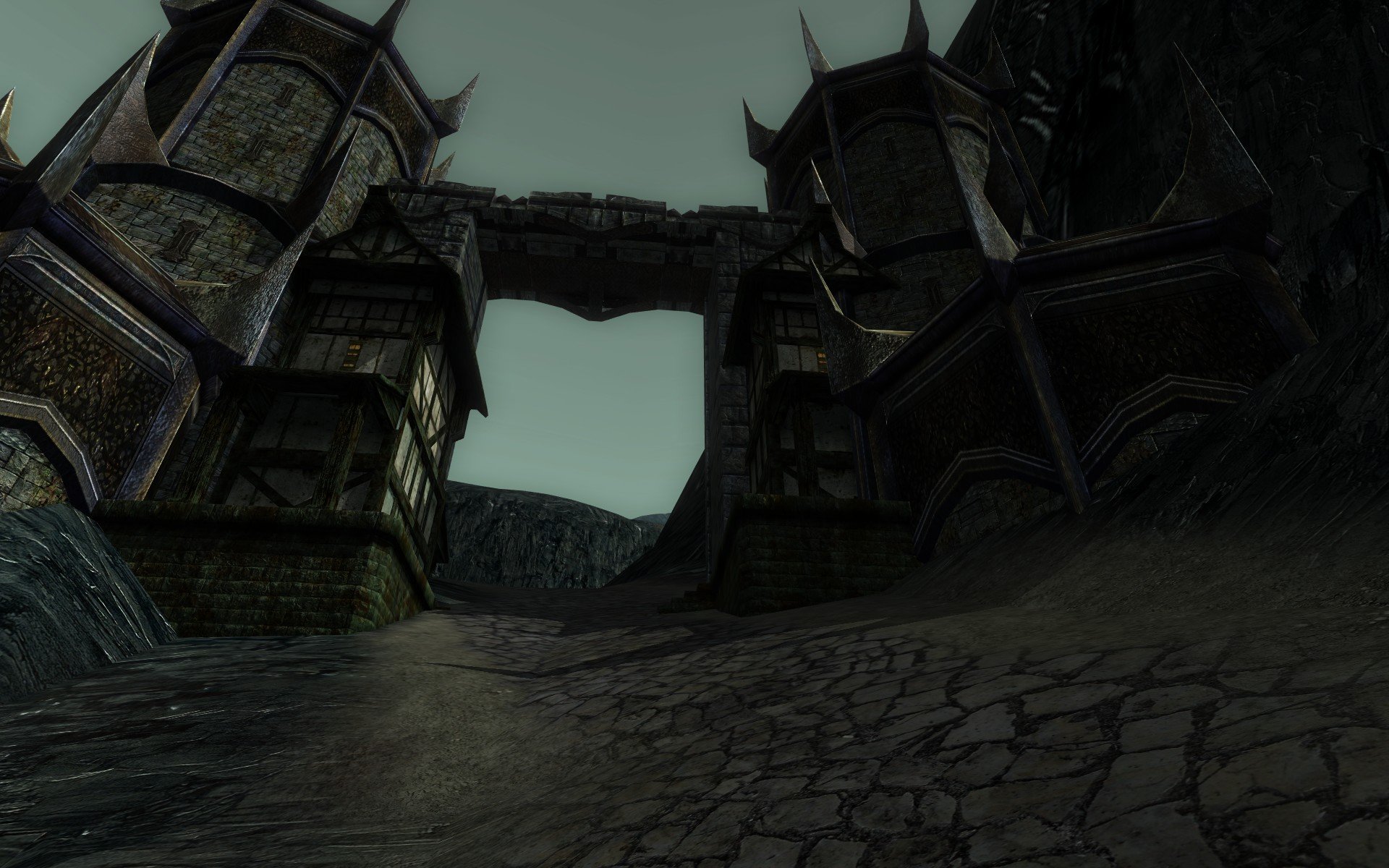
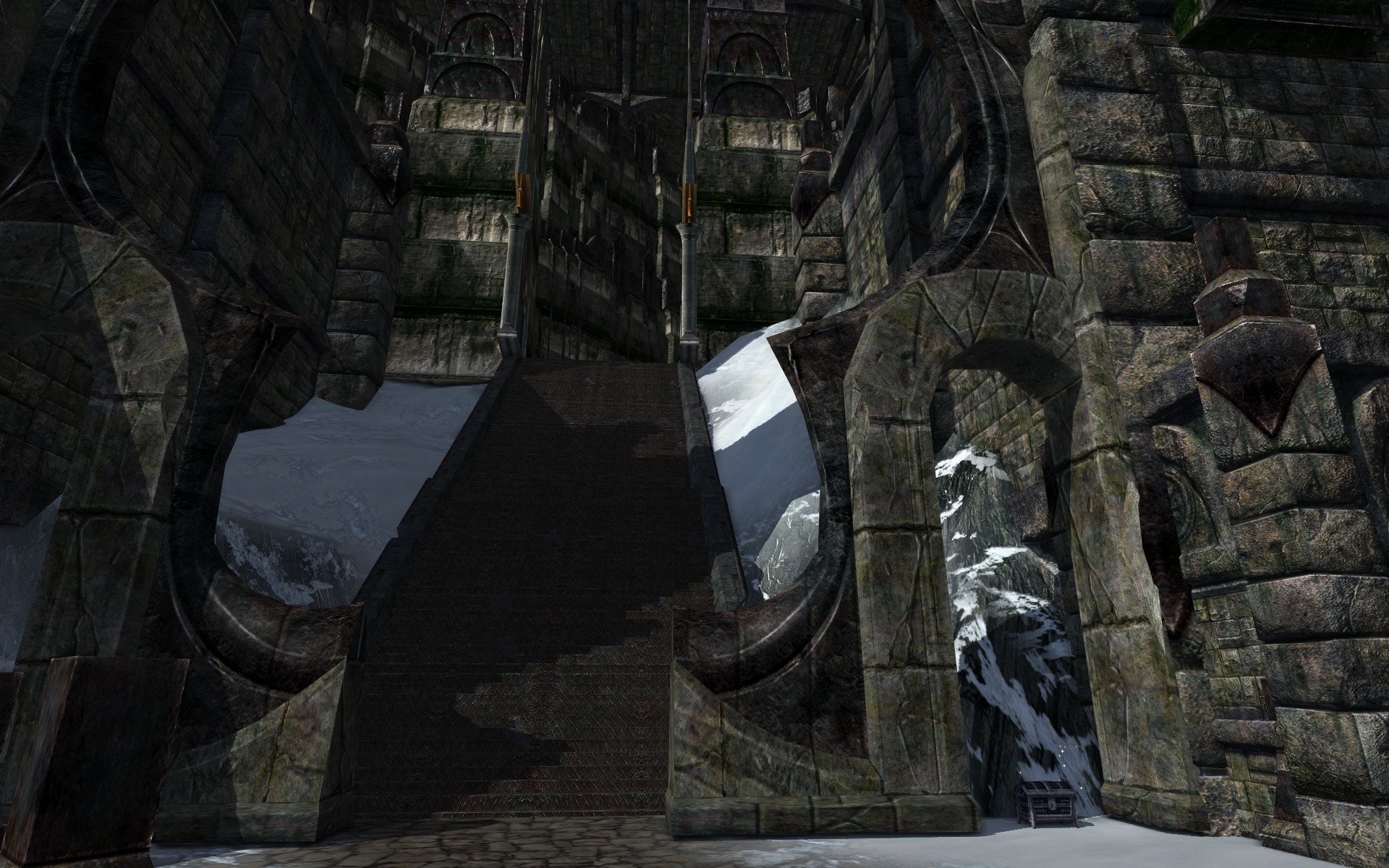
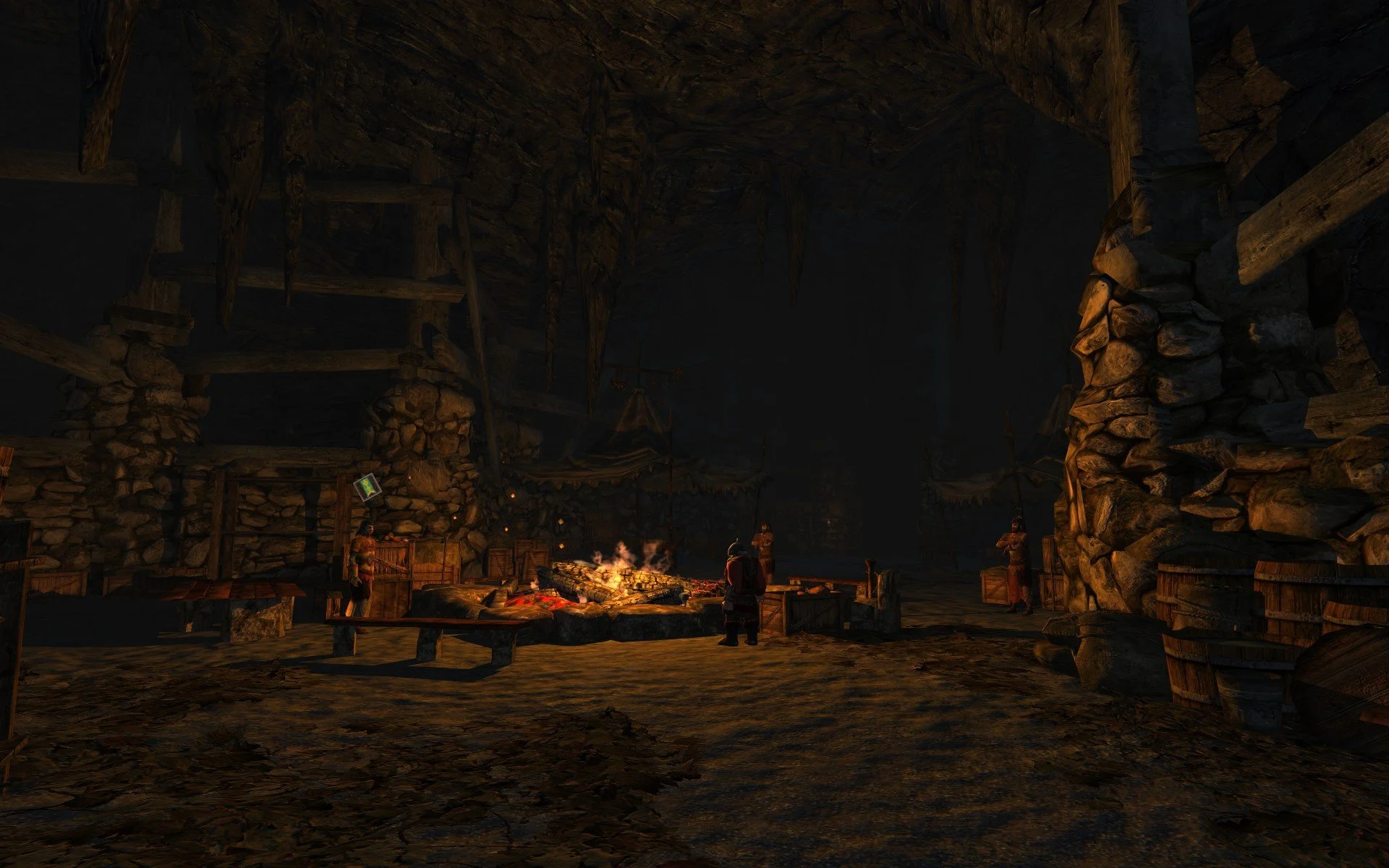
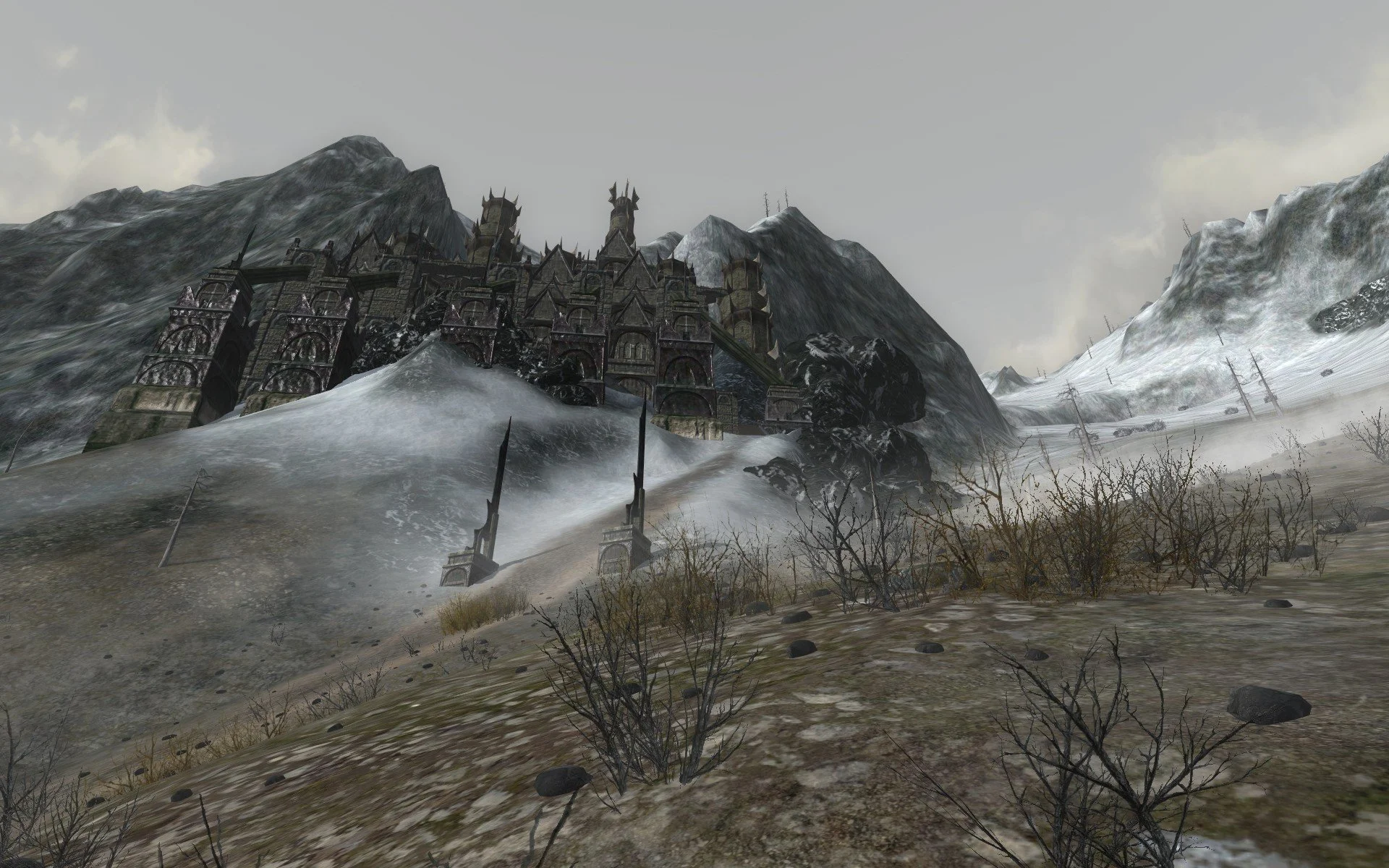
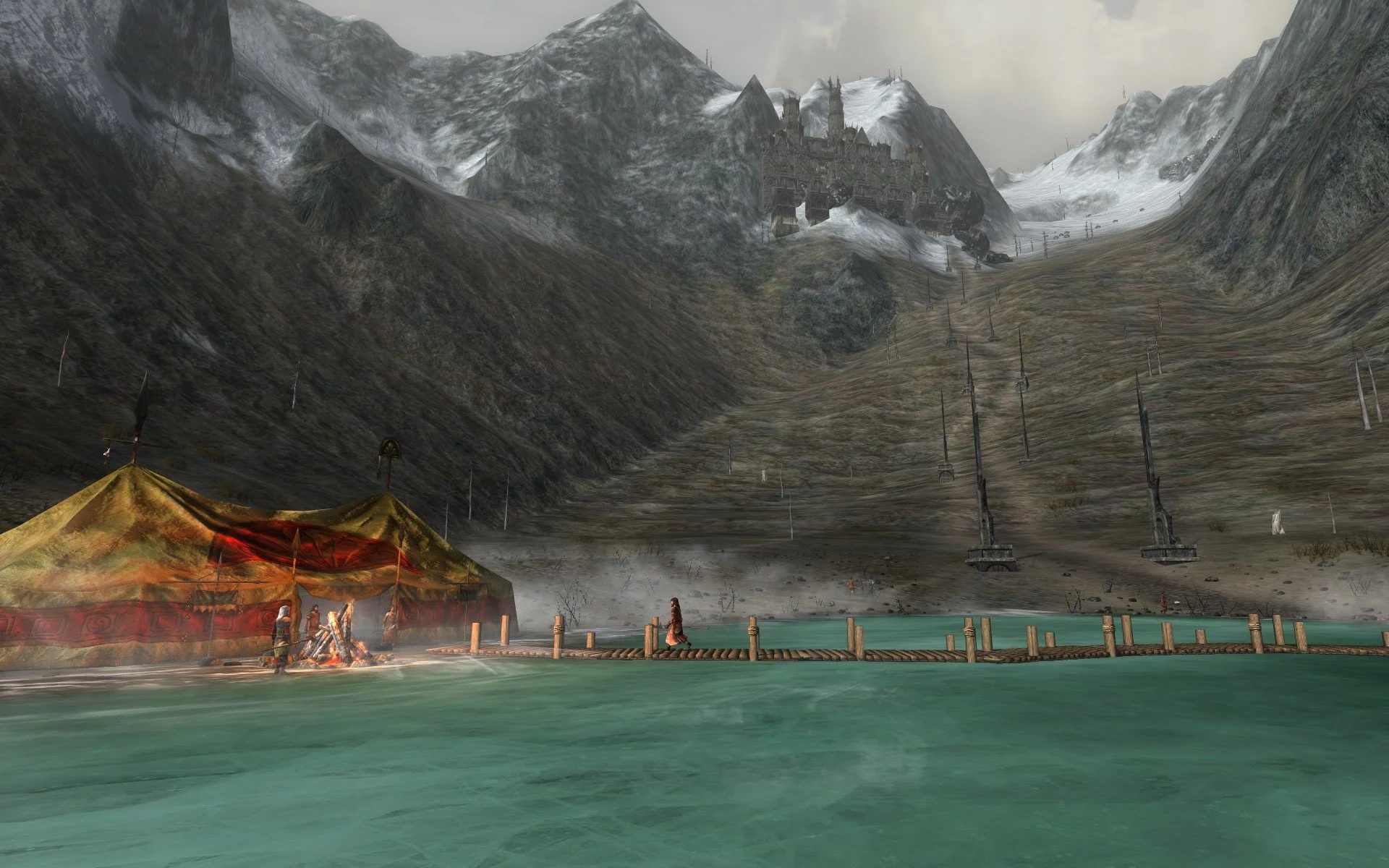
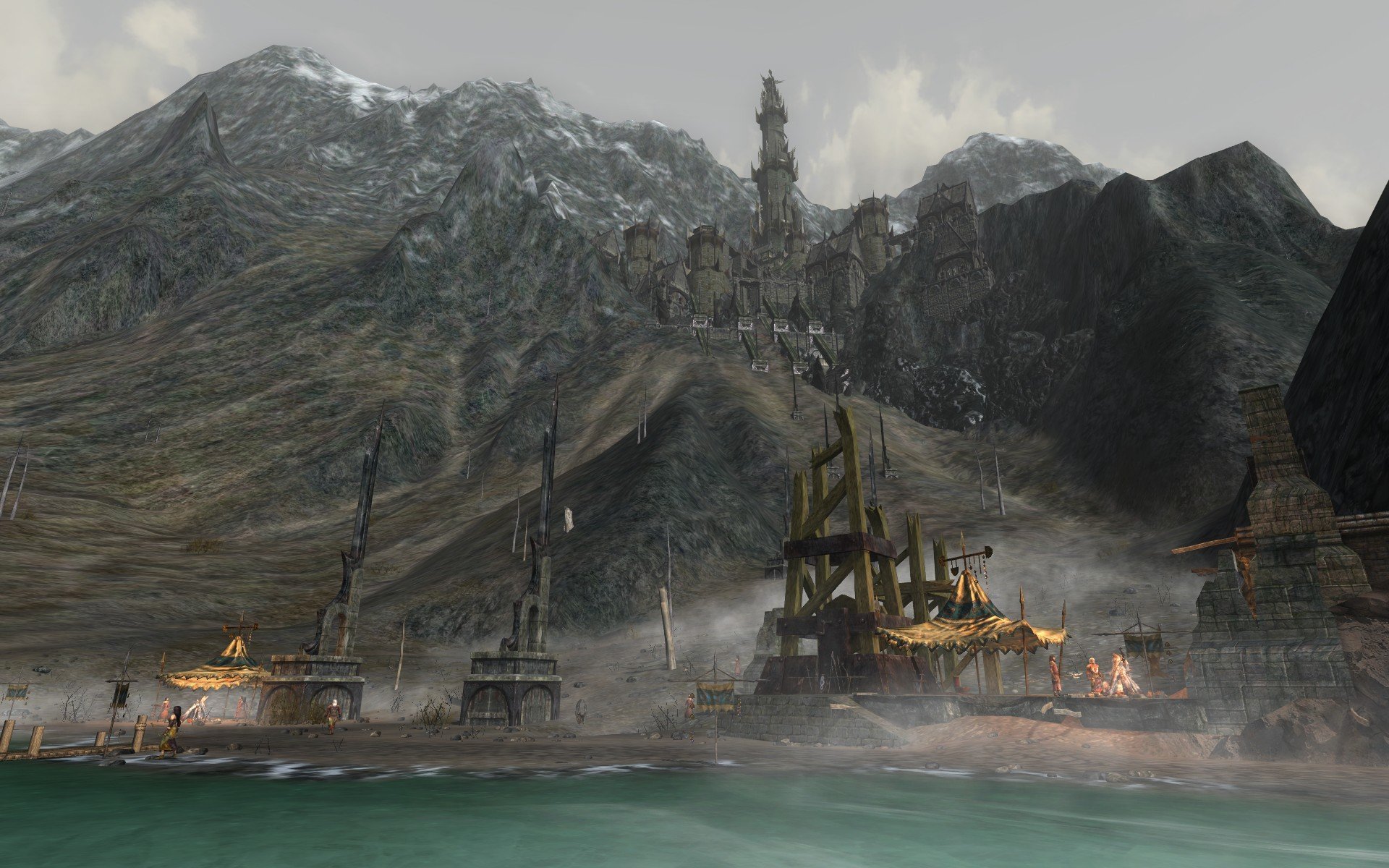
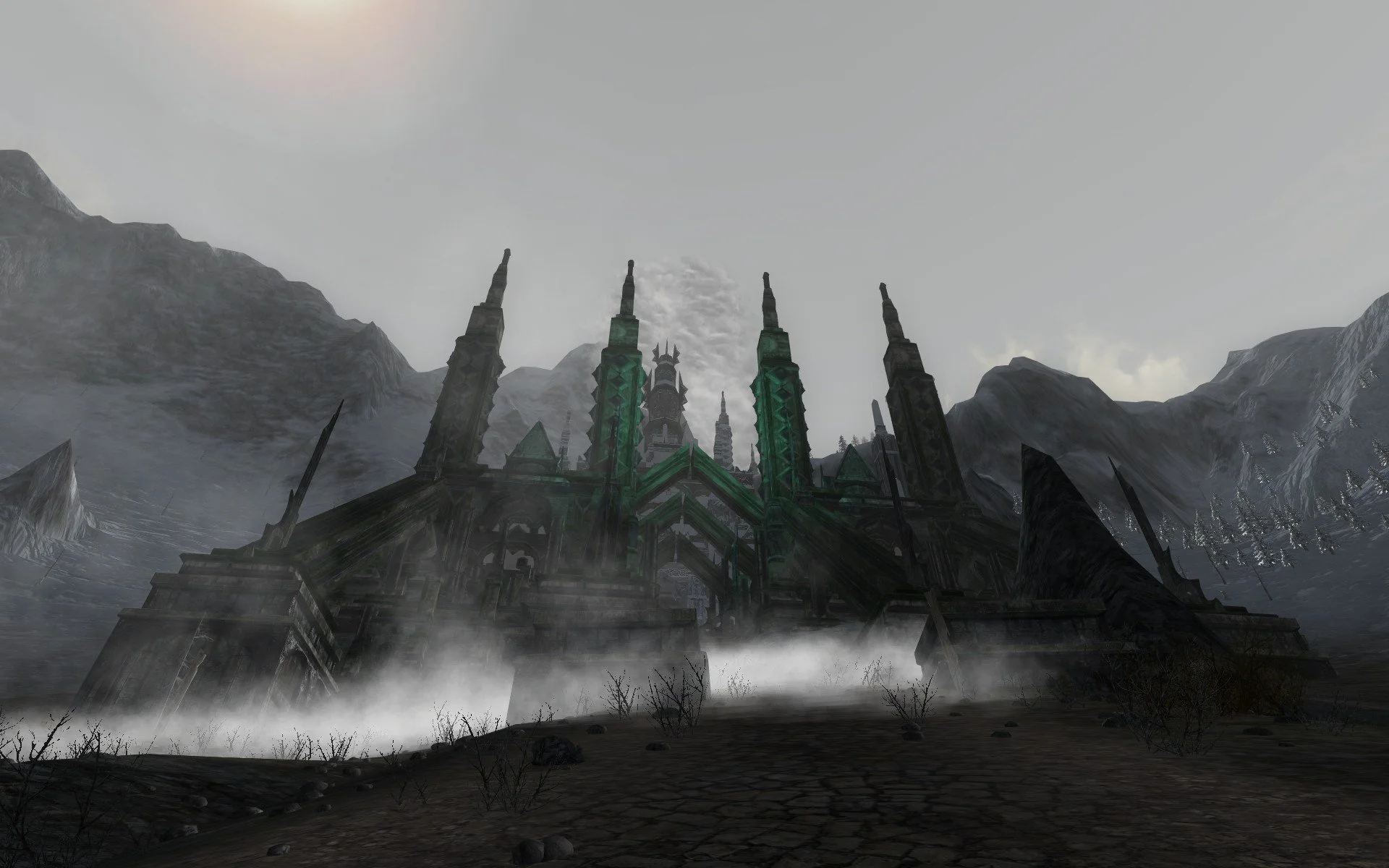
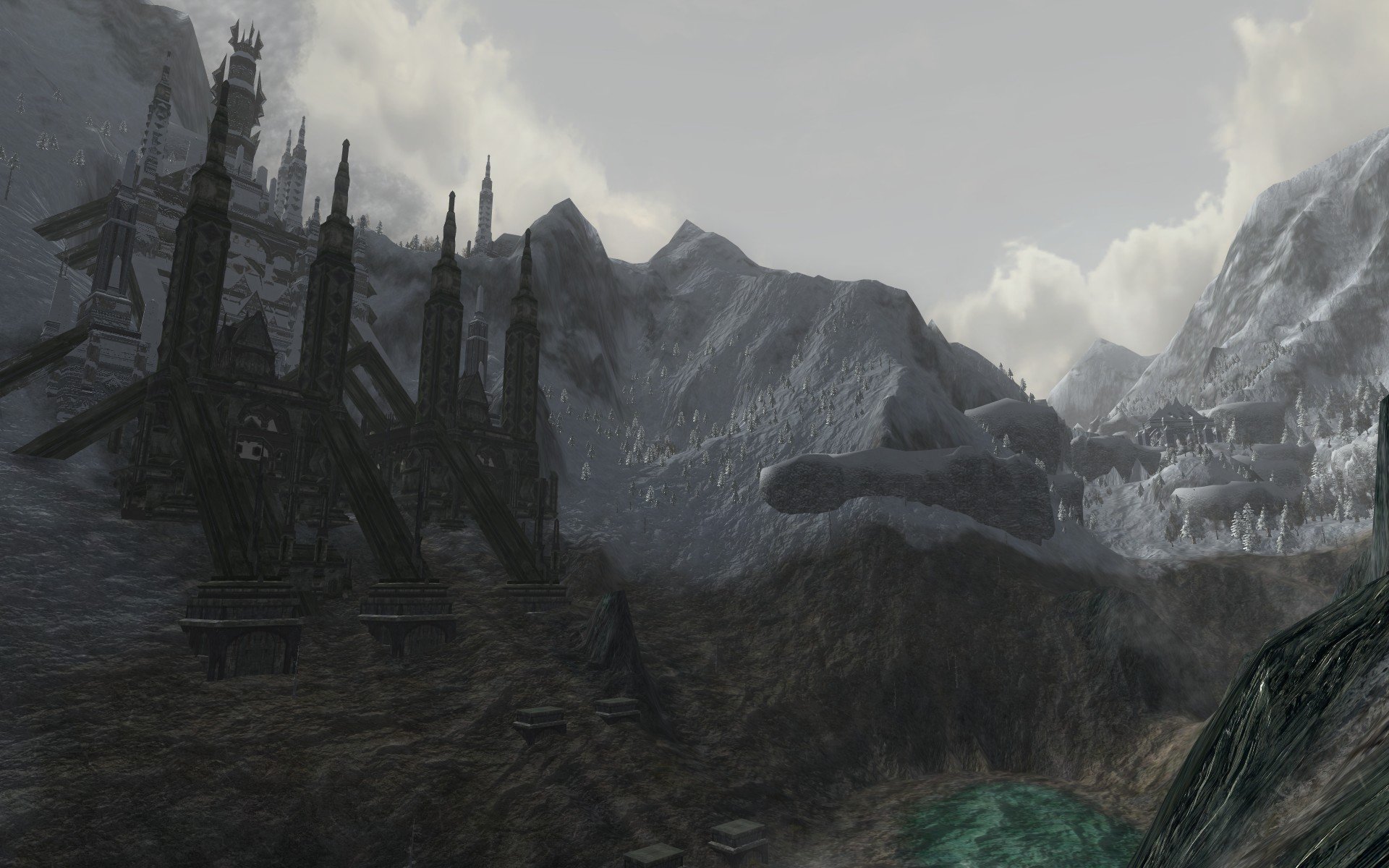
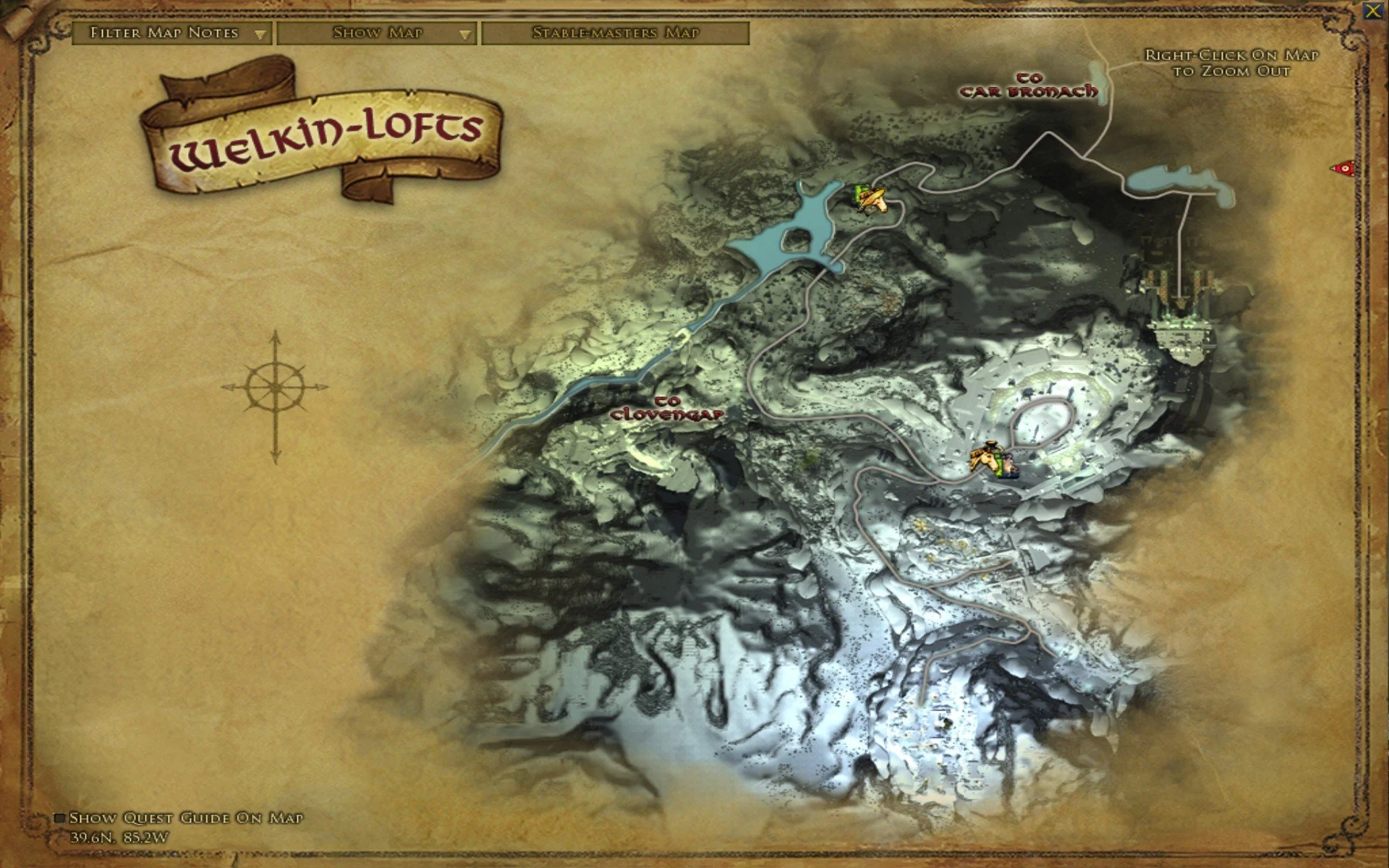
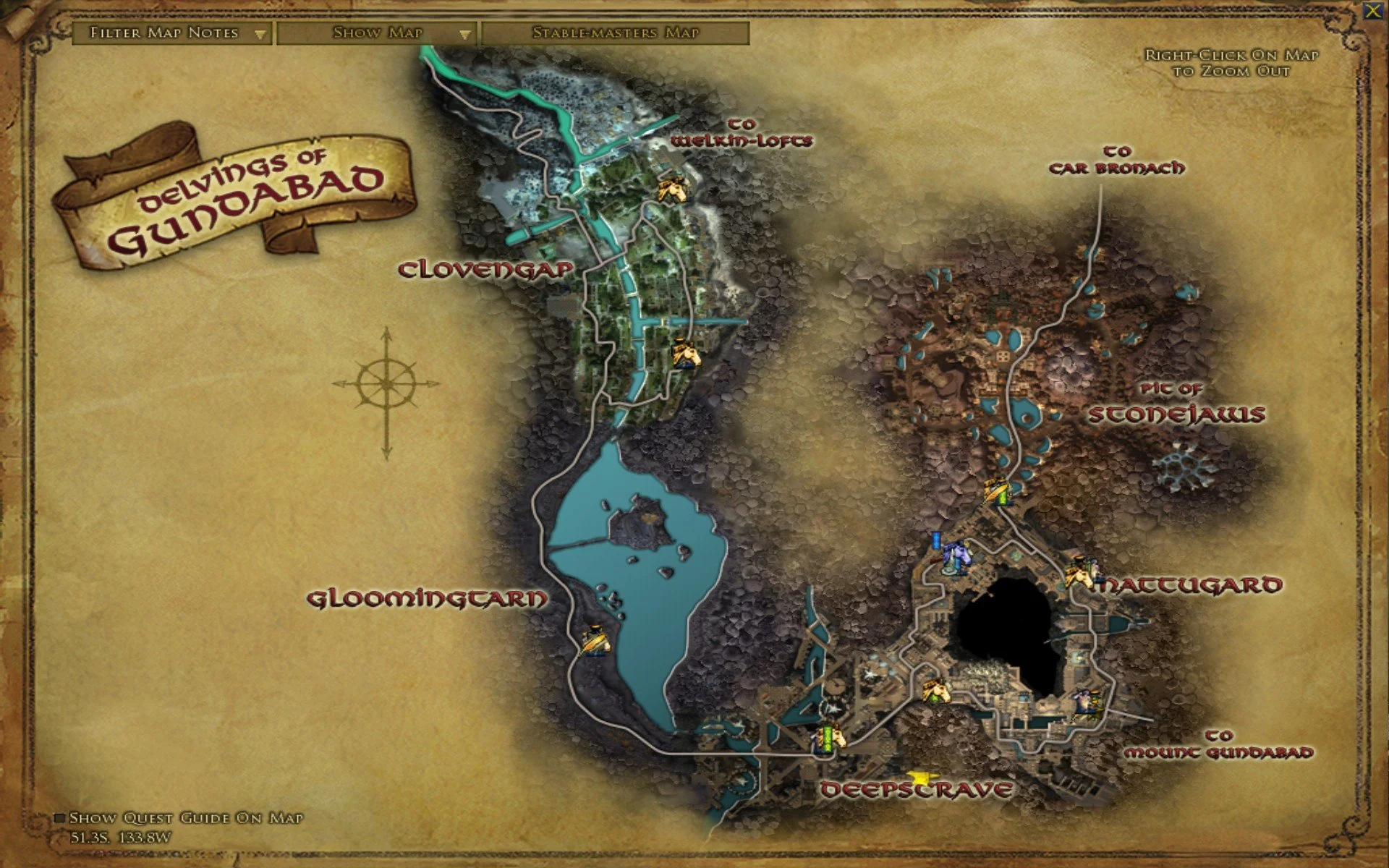
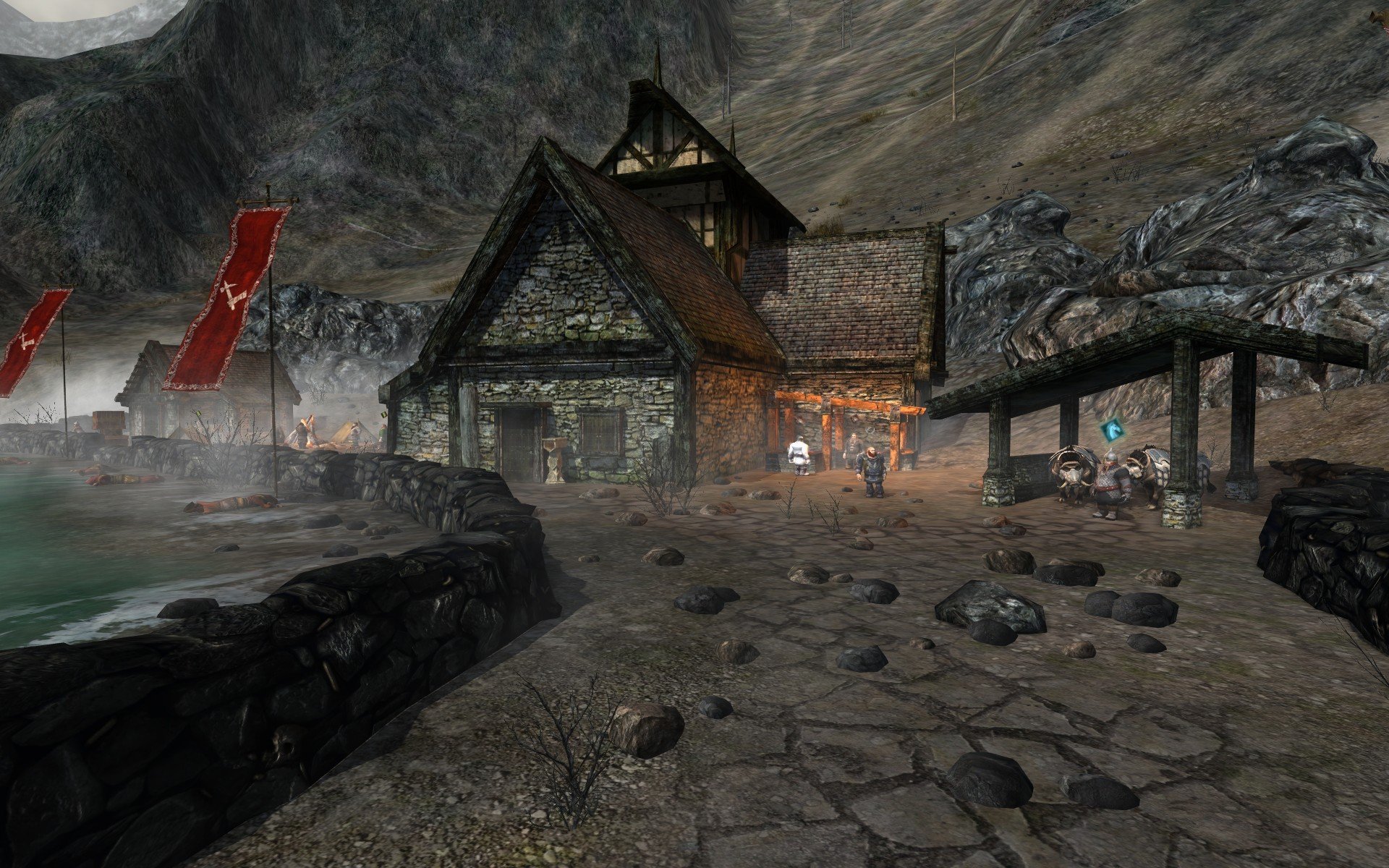
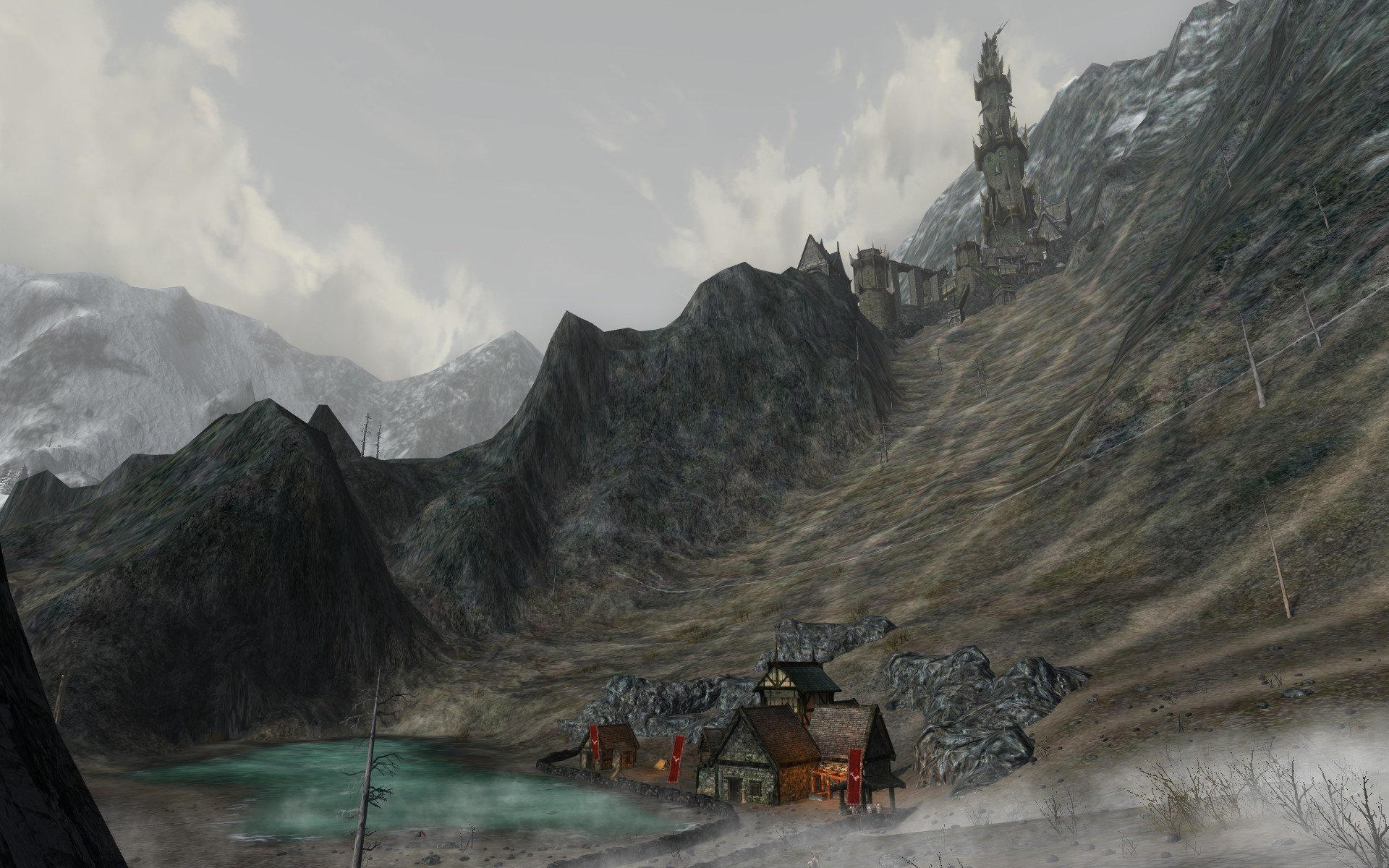
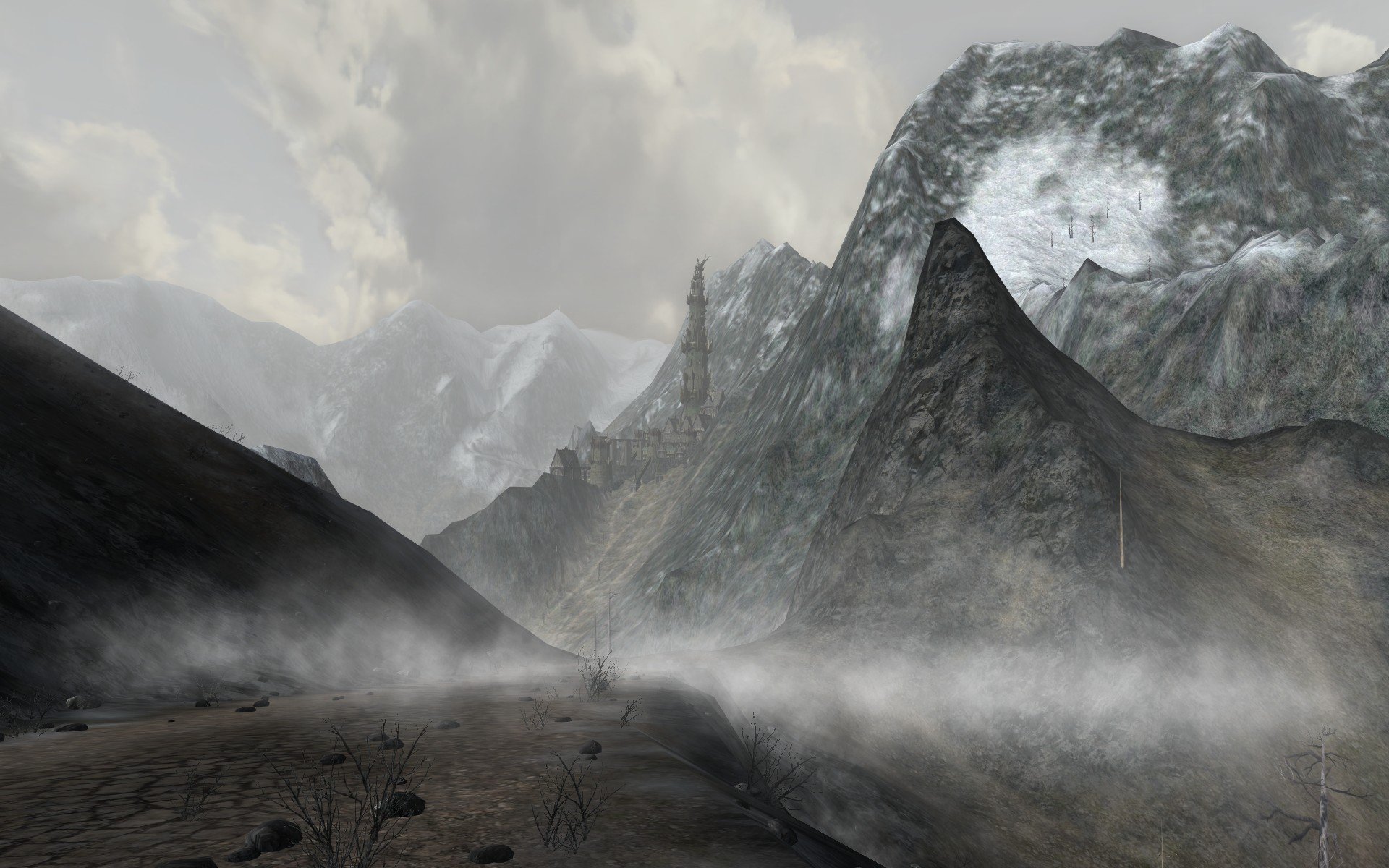
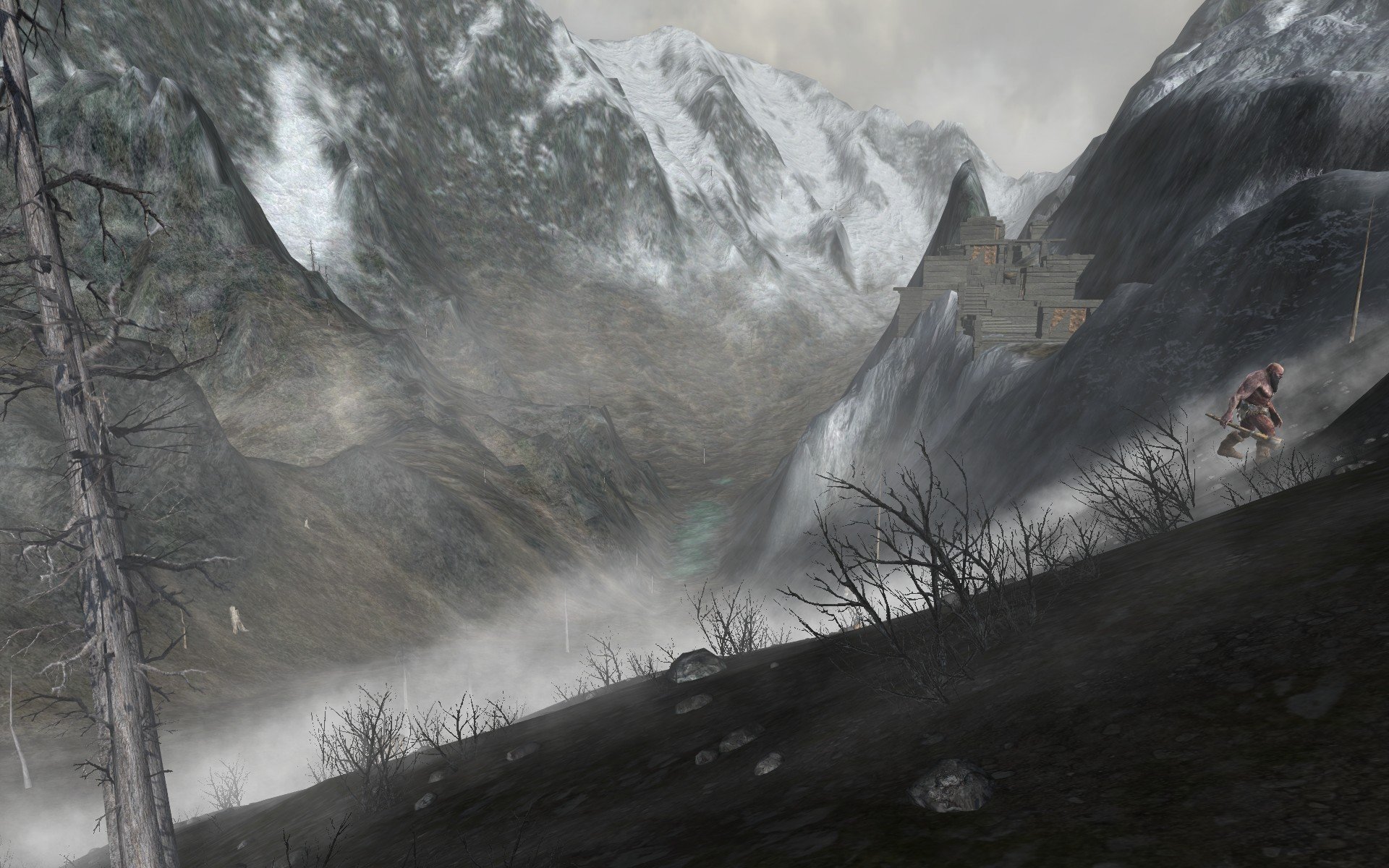
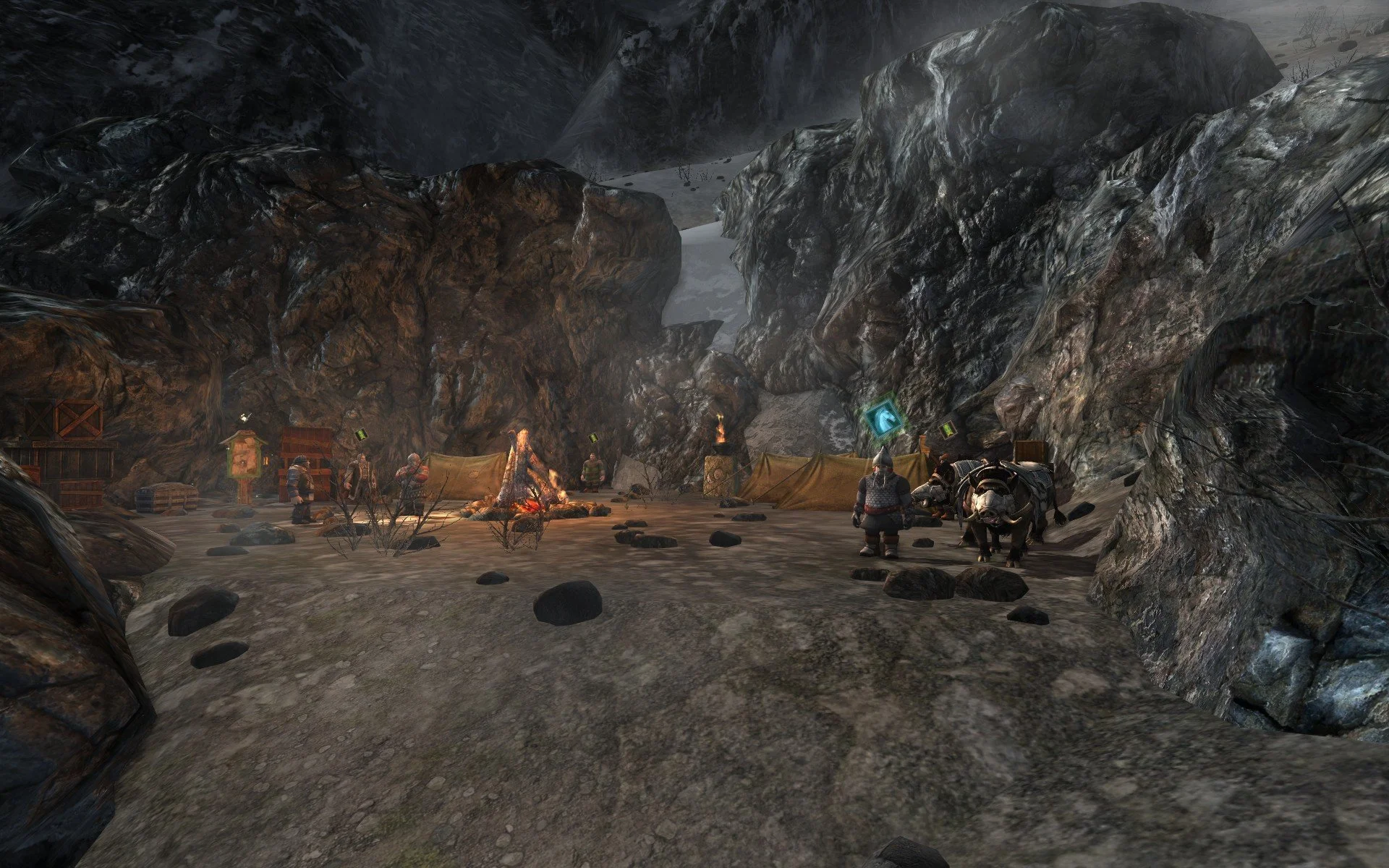
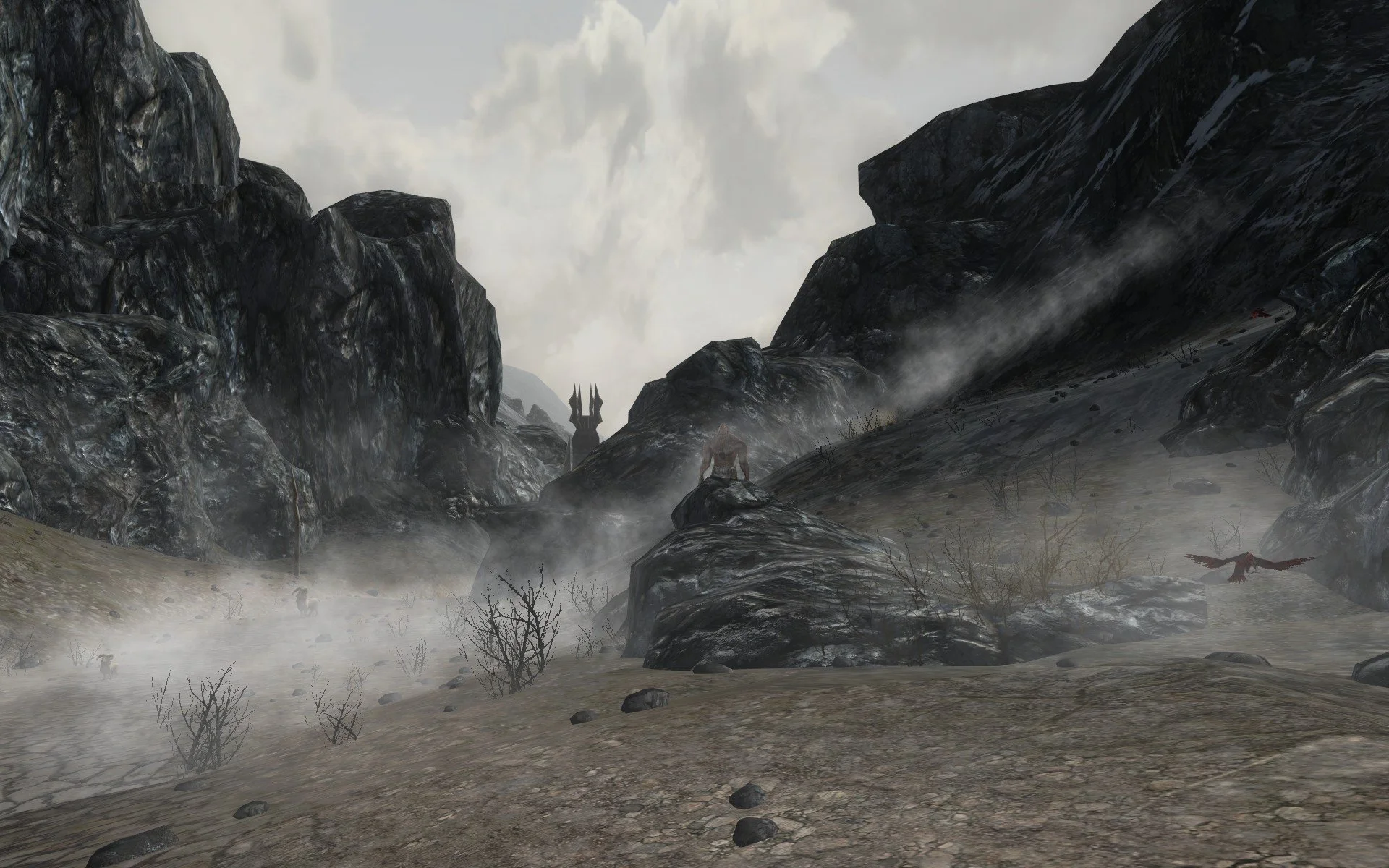
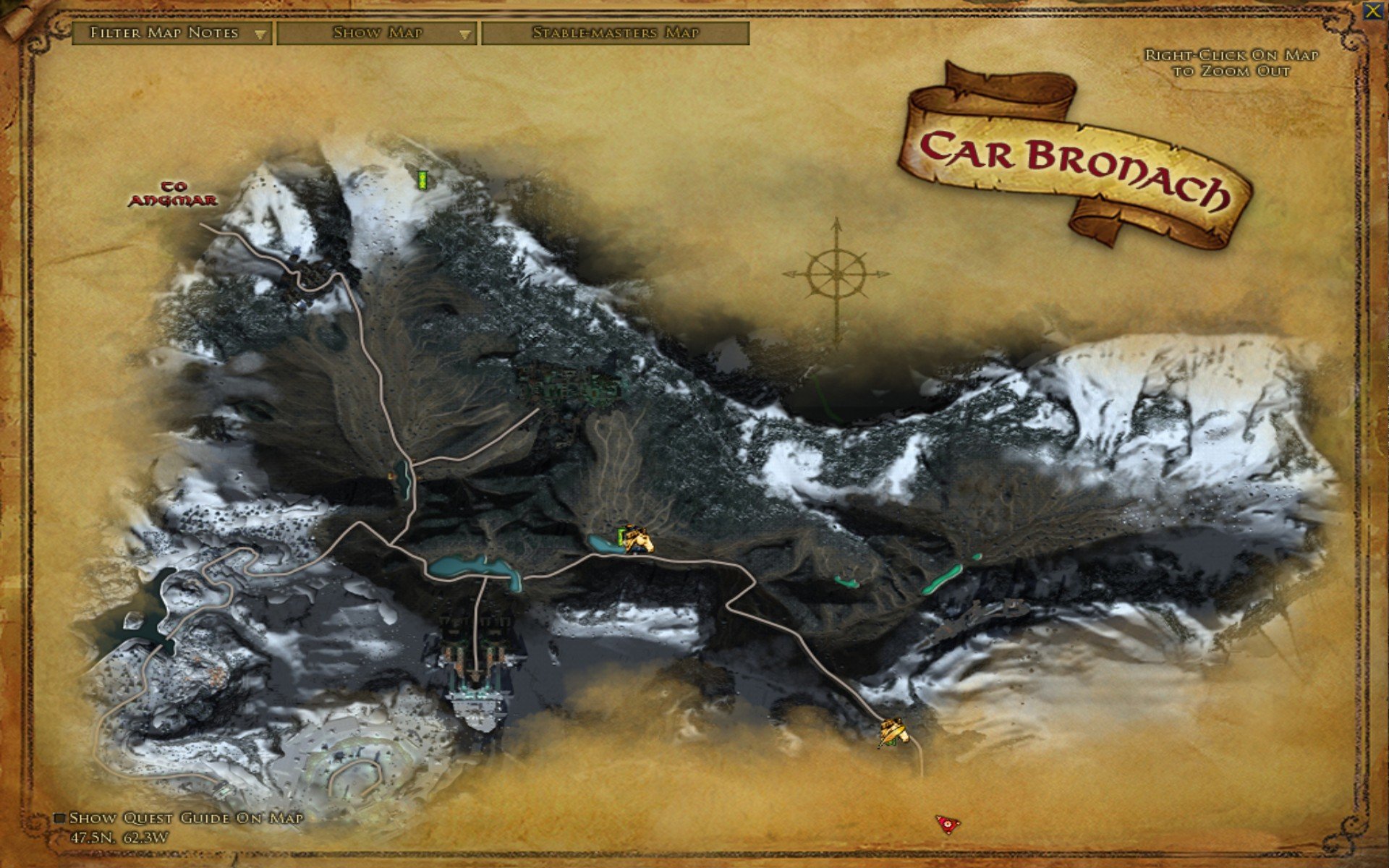
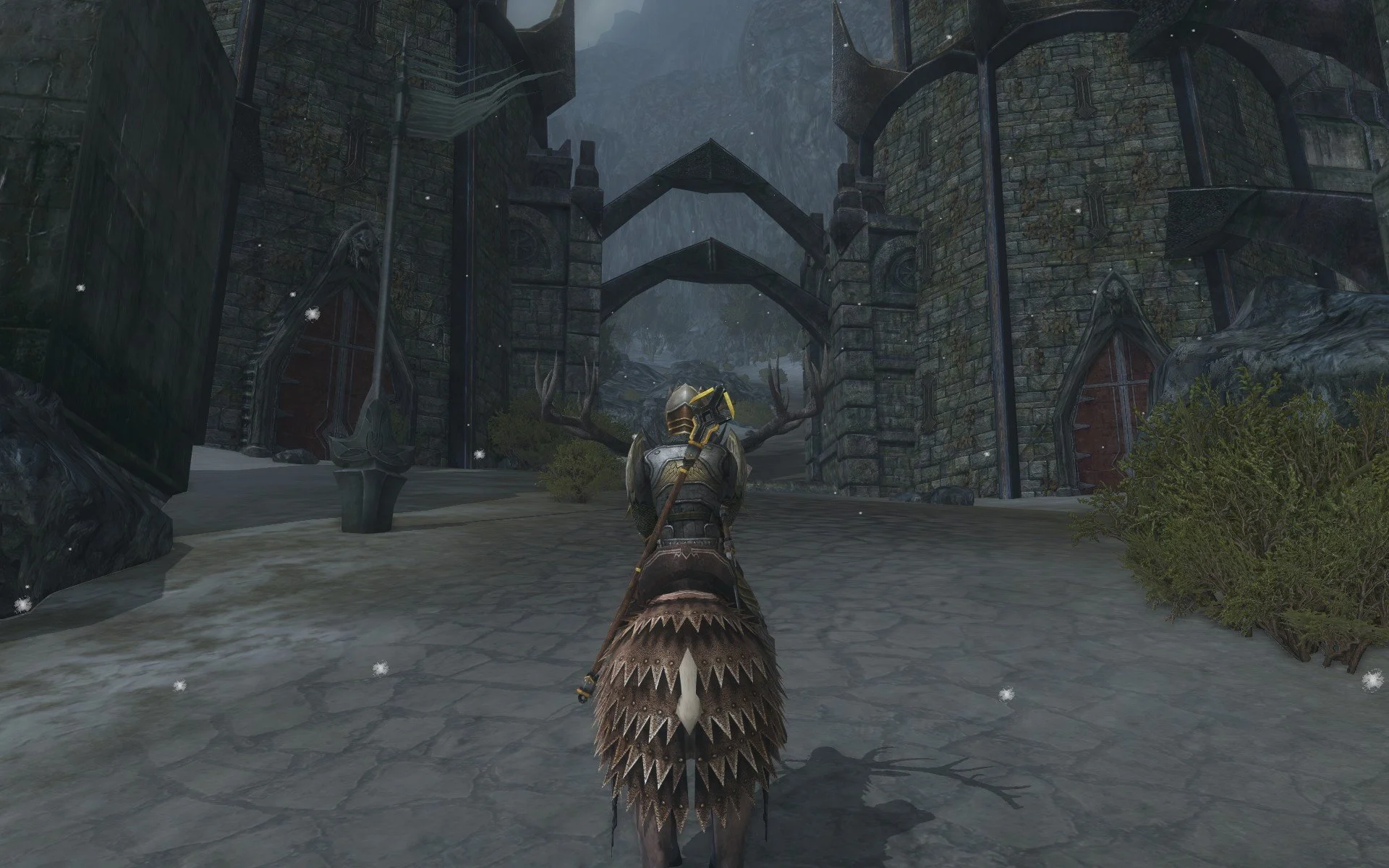
Retroactive Continuity
If you are old enough to remember the popular eighties “soap opera” Dallas, then you will no doubt be au fait with the infamous ninth season of the show. Having painted themselves into a corner with the death of a popular character, the writing team effectively revealed in the season finale that everything that had transpired in the previous thirty episodes had been “all a dream”. Let us take a moment to reflect upon the hubris of this “creative” decision. Did fans complain and roll their eyes at this utterly trite plot device? Yes, they most certainly did. But they also kept watching and the ratings increased. It got the writers out of a fix of their own making and allowed them to move on as if nothing had happened. It was a very high profile example of so-called retroactive continuity being used in a mainstream TV franchise and my first experience of such a narrative device.
If you are old enough to remember the popular eighties “soap opera” Dallas, then you will no doubt be au fait with the infamous ninth season of the show. Having painted themselves into a corner with the death of a popular character, the writing team effectively revealed in the season finale that everything that had transpired in the previous thirty episodes had been “all a dream”. Let us take a moment to reflect upon the hubris of this “creative” decision. Did fans complain and roll their eyes at this utterly trite plot device? Yes, they most certainly did. But they also kept watching and the ratings increased. It got the writers out of a fix of their own making and allowed them to move on as if nothing had happened. It was a very high profile example of so-called retroactive continuity being used in a mainstream TV franchise and my first experience of such a narrative device.
Nowadays, retroactive continuity or retcon is used far more often. It can be something as straightforward as replacing an actor for an established role with a new actor, as in Iron Man where James Rhodey Rhodes was first played by Terence Howard and then Don Cheadle. Or something more impactful such as rebooting a franchise as with Casino Royale in 2006 or Star Trek in 2009. Daniel Craig’s tenure as James Bond effectively began an entirely new five-film, self-contained story arc for 007 that ignored everything that had happened in the previous films. J.J. Abrams’ Star Trek used the narrative conceit of an alternative timeline as a means to tell new stories with existing characters. All of these examples successfully managed to retcon their respective franchises without any major critical or financial consequences. Most fans managed to successfully suspend their sense of disbelief and overcome any continuity or logical flaws. But the process isn’t always as seamless as this.
Take the Halloween horror film franchise. The original 1978 movie spawned a direct sequel Halloween II in 1981. This ended with the central antagonist dying in a fiery conflagration. Hence Halloween III: Season of the Witch (1982) is a standalone story. Creator John Carpenter then sold his interests in the franchise and so three inferior sequels were churned out based on the premise that Michael Myers had survived. Halloween IV: The Return of Michael Myers (1988), Halloween V: The Revenge of Michael Myers (1989) and Halloween VI: The Curse of Michael Myers (1995). Then in 1998 the first retcon took place with Halloween H20. This was a direct sequel to the first two films and ignored the story arc of parts 4 to 6. This was then followed by a further sequel Halloween: Resurrection in 2002. The franchise was then rebooted in 2007 with director Rob Zombie remaking the original film and then a sequel the following year. In 2018 a further retcon saw a new direct sequel to Carpenter’s original, confusingly called Halloween. A follow up, Halloween Kills, was released recently.
Retroactive continuity can be a useful tool in so far that changing established narrative events can provide a means to perpetuate a commercially viable and popular cinematic franchise. However there are consequences. Alien 3 featured a retcon that completely negated everything that happened in the previous movie, Aliens. A facehugger miraculously survived and managed to impregnate Ripley while she was in cryonic stasis. A convenient spaceship crash subsequently eliminated the characters of corporal Hicks and the child Newt. Something fans felt was especially mean spirited. The first season of the TV show Star Trek: Discovery saw a major visual and design retcon. Set just before the TOS era the production aesthetic was radically different from the established canon. Fans were not pleased and adjustments were made in the second season. And not only did Highlander II retcon the entire premise of the previous film, it subsequently retconned itself when three separate edits produced radically different stories.
The retcon has been an established part of film making for decades. Universal Studios used it extensively in the thirties and forties over the course of their commercially successful series of horror movies. Onscreen events were reframed to accommodate sequels, actors were replaced and lore bent to facilitate new plots. However, it can be cogently argued that the increase in retroactive continuity in recent years both in TV and cinema, ultimately stems from a creative system that is extremely risk averse. Experimentation with new and original concepts is an expensive gamble, compared to the proven track record of established franchises. Furthermore, if a franchise should suffer a less well received instalment, judicious retconning can be used to correct any mistakes. However retconning cannot cure an audience of boredom brought about by a continuous diet of the same content, just packaged differently. Ultimately, established trends run their course as the western and musical genres have proven.
Halloween Kills (2021)
Director and co-writer David Gordon Green scored a major hit with his direct sequel to John Carpenter’s 1978 masterpiece, Halloween. He managed to bring a fresh perspective and modern sensibilities to the slasher genre and furthermore gave us a very entertaining and tense horror film. It was a superb bookend to the original film and the only real criticism that could be levelled at it was the confusing decision to call it Halloween, just like the original, rather than something that clearly indicated that it was a sequel. Irrespective of this the film fared very well both with critics and audiences, becoming a box office hit. However, financial success all too often begets further demand. Hence a film that was originally intended to be a standalone and definitive sequel, suddenly morphed into the first instalment of a new trilogy. Halloween Kills is the second instalment of this new story arc and compared to its predecessor it is far less coherent and relevant.
Director and co-writer David Gordon Green scored a major hit with his direct sequel to John Carpenter’s 1978 masterpiece, Halloween. He managed to bring a fresh perspective and modern sensibilities to the slasher genre and furthermore gave us a very entertaining and tense horror film. It was a superb bookend to the original film and the only real criticism that could be levelled at it was the confusing decision to call it Halloween, just like the original, rather than something that clearly indicated that it was a sequel. Irrespective of this the film fared very well both with critics and audiences, becoming a box office hit. However, financial success all too often begets further demand. Hence a film that was originally intended to be a standalone and definitive sequel, suddenly morphed into the first instalment of a new trilogy. Halloween Kills is the second instalment of this new story arc and compared to its predecessor it is far less coherent and relevant.
Halloween Kills picks up immediately after the events of the previous film. Laurie Strode (Jamie Lee Curtis), her daughter Karen (Judie Greer) and her granddaughter Allyson (Andi Matichak) escape from Laurie’s house which they’ve set on fire with Michael Myers trapped inside. As they travel to hospital, firefighters attempt to put out the blaze and in doing so, accidentally set Michael free from the basement. He subsequently murders them all and heads into town. Meanwhile, a group of survivors from Michael’s original killing spree are commemorating their experience in a bar. This consists of Tommy Doyle (Anthony Michael Hall), Marion Chambers (Nancy Stephens), Lindsey Wallace (Kyle Richards) and Lonnie Elam (Robert Longstreet). After seeing news reports on Michael’s escape they decide that they can no longer live their life in fear and decide to go out and hunt him down. Back at the hospital Laurie undergoes emergency surgery. Karen is happy to leave matters to the authorities but Allyson wishes to join Tommy Doyle and seek revenge.
Halloween Kills has a strong pre-credit sequence in which an injured Officer Hawkins (Will Patton) is found after being attacked in the previous film. Hawkins then has a flashback to 1978 when he was a rookie officer and encountered Michael Myers for the first time. The continuity with John Carpenter’s original film is outstanding. The seventies aesthetic is strong and there are numerous references to events in the first film, such as the dead dog in the Myers house and the fact that Dr. Loomis shot Michael “six times”. The Dr. also makes an appearance courtesy of a double and not CGI. It is a gripping opening gambit with a sad subplot which sets the bar quite high. Unfortunately, this level of tension and narrative intrigue is not maintained throughout the remainder of the film. After the flashback events return to Haddonfield on 31st October 2018 and the film follows three story elements. Tommy Doyle searching for Michael, events in the hospital as Laurie recovers and of course Michael’s renewed murder spree.
Often horror films are guilty of not trying hard enough with regard to their story and characters. In the case of Halloween Kills, it is the opposite. It is clear that writers Scott Teems, Danny McBride and David Gordon Green want to imbue the proceedings with a sense of continuity and lore. This is a laudable endeavour but the net results are scenes that often feel like they are extremely contrived and elaborate set pieces that are designed to mirror a sequence from Carpenter’s original. We see this when Marion Chambers finds herself once again trapped in a car with Michael Myers on the roof, reaching for her through the windows. The early scene in the bar where the survivors of Michael’s first rampage meet up each year is filled with expository dialogue that just serves to bring the casual viewer up to speed with events.
Halloween Kills also reflects contemporary audience tastes and hence the set pieces and kills are not only violent but dwelt upon. Although creative and gory they are far removed from Carpenter’s original which was more focused on suspense. One series of murders features an amusing reference to Halloween III: Season of the Witch with the victims wearing Silver Shamrock masks. Yet despite many good ideas and call backs to the franchise’s lore, the story doesn’t fit together seamlessly. It often feels episodic and that it’s overreaching itself. The film’s main idea that fear is infectious and succumbing to it eventually turns us into monsters is never really developed beyond its initial premise. Late in the story arc, Officer Hawkins and Laurie (who is underused throughout the film) contemplate the nature of evil and exactly what Michael Myers is. But it comes far too late and again seems to have been introduced just so the writers can crowbar the story to fit a specific scene that the director decided to end on.
Halloween Kills is not a bad film. It is handsomely made and all involved in the production are obviously invested in trying to do the best that they can (the score is again outstanding). Instead I think over ambitious is a farer and more accurate label. If you are a casual viewer and not invested in this franchise, then you will get an adequate horror film with some strong shocks. But when viewed in comparison with the 2018 film, this instalment undoes much of its good work in revitalising the story and finding new angles to explore. Hence fans of the first movie are inevitably going to be disappointed. Essentially Halloween Kills feels like it is treading water until its next instalment Halloween Ends; a problem that can sometimes blight the middle film in a trilogy. Therefore some viewers may prefer to dispense with this new story arc and simply view the 1978 film as a standalone story. If you seek a definitive conclusion, perhaps you can find that in Halloween II (1981).