
Are You Not Entertained?
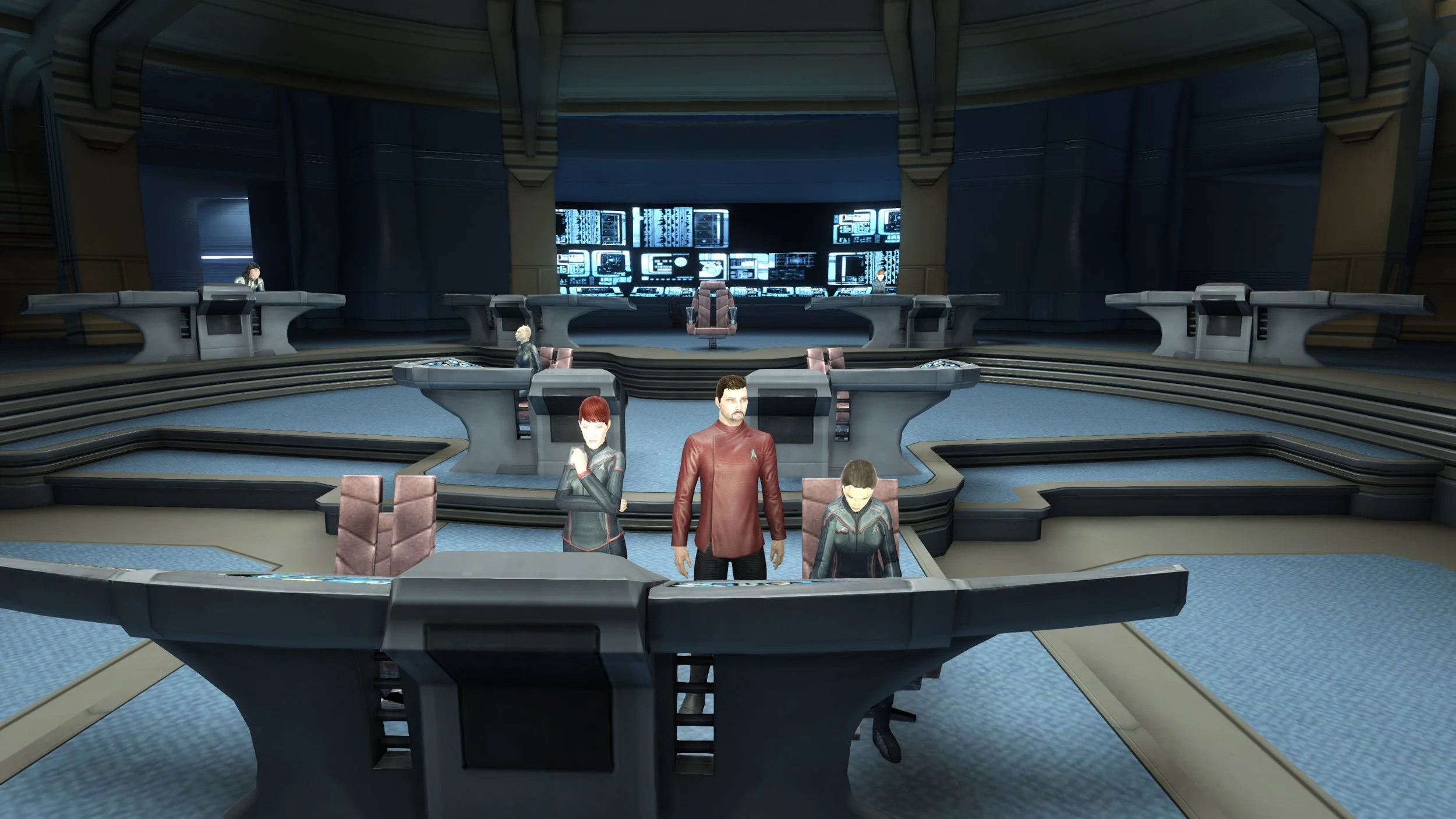
I distinctly remember when I finished the main story in Saints Row the Third and had completed the majority of the content available. I’d bought the game as part of a bundle for a mere £3.99 and had spent over sixty hours in-game, so overall, I considered this money well spent. But what made the experience particularly memorable, as I logged out of the game knowing that I was effectively done with it, there was an overwhelming sense of satisfaction. Not only was there the sheer value for money that I have mentioned, but I felt that I had been entertained (hence the Russell Crowe reference in the title of this post). This happened again recently when I completed the final DLC for Sniper Elite 4 and also when I finished the main story in Tom Clancy’s Ghost Recon: Wildlands. Although there was a sense of achievement, I predominantly felt pleased by the fact that I had fun. The latest expansion for Star Trek Online, Victory is Life made me feel this way too.
I distinctly remember when I finished the main story in Saints Row the Third and had completed the majority of the content available. I’d bought the game as part of a bundle for a mere £3.99 and had spent over sixty hours in-game, so overall, I considered this money well spent. But what made the experience particularly memorable, as I logged out of the game knowing that I was effectively done with it, there was an overwhelming sense of satisfaction. Not only was there the sheer value for money that I have mentioned, but I felt that I had been entertained (hence the Russell Crowe reference in the title of this post). This happened again recently when I completed the final DLC for Sniper Elite 4 and also when I finished the main story in Tom Clancy’s Ghost Recon: Wildlands. Although there was a sense of achievement, I predominantly felt pleased by the fact that I had fun. The latest expansion for Star Trek Online, Victory is Life made me feel this way too.
Subsequently, these ruminations have got me thinking about such issues as satisfaction, entertainment and public declarations that a game has been an overall positive experience. The latter is especially of interest to me because it is something I seldom see in my news feeds, twitter time line, or featured in the blogs I read. It could be a case of I'm looking in the wrong places, but I can't help but think that the notion of “entertainment” as a selling point is in some way overlooked. Too often criteria such as game mechanics or visual aesthetics are focused upon and deemed to be a game’s selling point. Is there an underlying message to the narrative or does the title in question have a killer new feature? Entertainment seems to be erroneously associated with perfection. Or dependent on mastering the skills to succeed when playing a game. Sometimes, trying to pin down exactly why a game in entertaining is difficult. But if it’s lacking in a title, it won’t be long before I put it aside and look elsewhere.
There are many things in life that when scrutinised, measured and analysed are judged not to be of the highest standard. However, that does not mean that they cannot be entertaining. A pop song may well be uninspired musically but can still infectious. A meal at a fast food chain may not be the most nutritious but it can be extremely satisfying. Movies often recycle the same old ideas and themes, but a new spin can lead to an entertaining diversion. Have lost sight of this with regard to games? I'm not averse to criticism so if a game is lacking in some capacity, then by all mean draw attention to it. But surely, if a flawed product has proven entertaining, then surely that needs to be reported and reflected upon. I think this issue is somewhat akin to the post I wrote recently about the use of the word “adequate”. I get the impression that is some quarters terms such “fun” and “entertaining” are considered superficial.
Gaming is very much about hype, marketing and "the next big thing" these days. Sometimes the public is let down by the developers failing to deliver on their promises and on other occasions the players themselves have unrealistic expectations. Yet despite both perceived and actual problems, titles still sell, and players spend substantial amounts of their money and time. Surely, they must derive some pleasure from these games and gain a modicum of enjoyment from their overall experience? Or do people play through titles, enduring an uninspired games inadequacies and inherent mediocrity with stoic fortitude? I certainly think the price that you’ve paid has some bearing on the matter. I recently bought No Man’s Sky at a considerable discount. I’ve subsequently discovered that it’s not really for me, but I’ve still had some fun messing around within its procedurally generated worlds. I suspect though that I would have enjoyed it less if I had paid the full price at launch.
I do see some of my fellow bloggers writing about games they’ve enjoyed and clearly exploring why they had fun and found it entertaining. But I do not see such sentiment as often within professional games journalism. It seems to be an aspect of gaming that is overlooked. Reviews will breakdown many facets of a game but neglect to state clearly whether it is fun or not. I'm not advocating mandatory evangelising about games, but I don't think we should be reticent about publicly declaring if a game has entertained us. Even if a game has flaws, that doesn't mitigate the fun we had while playing it. Perhaps that is why it is something that is dwelt on less. The subjective and nebulous nature of fun and entertainment are hard to quantify. And we do so live in an age that likes to render everything in to statistics and neatly label it. However, I think we need to eschew the binary and the penchant for taxonomy. A bit of honesty about whether we did enjoy a game may even help future development. After all, as Mr. Crowe said, "Is this not why you're here"?







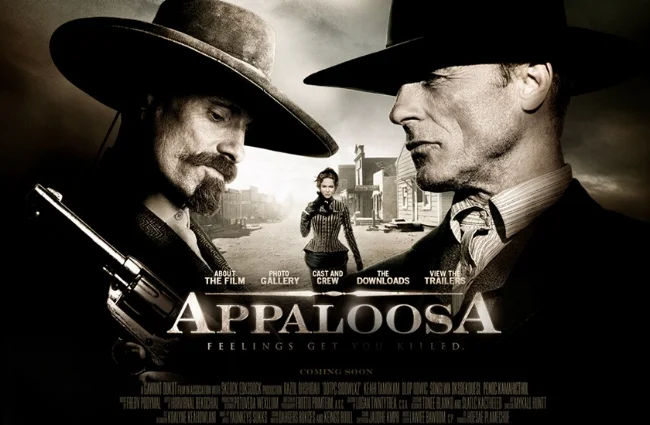
Appaloosa (2008)
I have been revisiting the western genre and reacquainting myself with some of its more cerebral examples. Ulzanna’s Raid (1972) and Tom Horn (1980) certainly helped remind me of the diversity of themes and the scope of subjects that this genre has explored over the years. Obviously due to the westerns decline in popularity, there are fewer examples to cite from recent years, although I would single out Open Range (2003) and 3:10 to Yuma (2007). However, Appaloosa (2008) is a movie that embodies all the narrative qualities that a good western can achieve and furthermore it does so without the need to re-invent the wheel. In structural terms, this is old school cinema and all the better for it.
I have been revisiting the western genre and reacquainting myself with some of its more cerebral examples. Ulzanna’s Raid (1972) and Tom Horn (1980) certainly helped remind me of the diversity of themes and the scope of subjects that this genre has explored over the years. Obviously due to the westerns decline in popularity, there are fewer examples to cite from recent years, although I would single out Open Range (2003) and 3:10 to Yuma (2007). However, Appaloosa (2008) is a movie that embodies all the narrative qualities that a good western can achieve and furthermore it does so without the need to re-invent the wheel. In structural terms, this is old school cinema and all the better for it.
Ed Harris directs, co-writes, co-produces, sings (a ballad over the end credits) and stars in this traditional Western, based on a book by Robert B. Parker. Unlike other revisionist or deconstructionist westerns, Appaloosa feels more like a genre classic like John Ford’s My Darling Clementine. The film focuses on the characters rather than action and although there are shoot-outs, they are not overstated. The production feels very authentic (if there is such a thing to be found in the mythology of the cinematic western) and the cinematography by Dean Semler is outstanding, reflecting the harsh landscape and stark functional towns.
Central to this film is the friendship between Harris’ marshal, Virgil Cole, and Viggo Mortensen’s deputy, Everett Hitch. It’s the sort of deep understated relationship where one character can finish another’s sentences. Often more is conveyed by what’s not said. Such friendships are based on loyalty and this is an integral theme in Appaloosa. The status quo is sorely tested by the introduction of Widow Renée Zellweger and crooked rancher Jeremy Irons. Harris and Mortensen, who co-starred in A History of Violence (2005) are superb and there is solid support from the likes of Timothy Spall and the underrated Lance Henriksen.
Harris directs well and focuses on modern parallels, especially the distinction between enforcing the law and just killing people. His film extols the old-world virtues of honour and loyalty. He also explores the theme of a woman trying to survive in a man’s world and the tough choices she has to make to get by. The climatic showdown is more about the battle between a man and his conscience, rather than two dimensional notions of good versus evil. This is a thoughtful and somewhat old-fashioned film, that will suit those in a reflective mood, rather than action fans. It also clearly showcases why the western is such a broad and flexible genre that never grows old.

Opinions, Debate and Courting Controversy
This post has been sitting in “draft” for a while and for the want of Blaugust Reborn, it may well have remained there. I guess I've held fire on writing it because I've gotten somewhat tired of pissing in the wind. Because that is what speaking out on certain subjects frequently feels like these days. There is a sense of tedious inevitability that any post that expresses an opinion on social issues or any form of societal marginalisation will eventually lead to a torrent of vile, ill-informed and just plain dumb comments. It puts me in mind of that quote from Platoon "Hell is the impossibility of reason". And you'll find precious little reason on the internet. What bothers me about all this is why does it have to always be this way? Is there anything that can be done? Well I believe there is.
This post has been sitting in “draft” for a while and for the want of Blaugust Reborn, it may well have remained there. I guess I've held fire on writing it because I've gotten somewhat tired of pissing in the wind. Because that is what speaking out on certain subjects frequently feels like these days. There is a sense of tedious inevitability that any post that expresses an opinion on social issues or any form of societal marginalisation will eventually lead to a torrent of vile, ill-informed and just plain dumb comments. It puts me in mind of that quote from Platoon "Hell is the impossibility of reason". And you'll find precious little reason on the internet. What bothers me about all this is why does it have to always be this way? Is there anything that can be done? Well I believe there is.
Before I start don't go looking for a miracle cure in this post because I don’t have one. What I am suggesting is fairly basic and certainly requires lots of time. In a nutshell, just keep writing and debating. Don't throw in the towel. I know it's very tempting sometimes, hence my pissing in the wind reference. Yet if we do, then the only information that remains out there is misinformation. Therefore, we should not shy away from speaking out on difficult matters. Furthermore, we can also do a lot to minimise the resulting shit storm that will more than likely will arise. Here are few thoughts on the matter.
Research and a well-constructed argument: Debating is a skill. There is also a process to discussing and arguing a point, the same way as mathematics and grammar have rules. Unfortunately, most folk don't consider either of these points and are happy to jump in feet first. It's a shame more schools do not teach critical thinking as it is an invaluable skill that can be brought to bear on so many aspects of life. However, it is prudent to consider that logic and objectivity cannot always be imposed upon a debate. Emotions do play a part and cannot necessarily be set aside. Especially if you have first-hand experience of the very matter being debated.
I believe Tobold asked the question "There cannot be any meaningful discussion of any subject if you start out by declaring only one side of the argument as valid". That is perhaps true of some subjects, especially if you are debating a matter that hinges on subjectivity and personal taste. However, in a debate regarding a subject such as racism, I cannot logically see any argument to validate a discriminatory stance. Some questions may well be open and shut cases but not all.
Life is not simple: If you are intending to hold forth on a particular subject, it never does any harm to remember that most problems are what they are because of their complexity. Which is a bummer because contemporary society really doesn't like or "do" complex (Brexit for instance). Listen to any radio phone-in, read any internet forum or just glance through a newspaper and you'll find many of the most difficult and contentious problems the world currently faces, distilled in to some rather glib and factually questionable sound-bites. Furthermore, the public lap these up because they're easy to remember and trot out. It's far easier to spout some superficial bullshit you gleaned from the pages of a tabloid, rather than spend time researching a subject and actually having to think.
Bear this in mind when you tackle a big issue. Question whether you are in a position to make a substantive point. Seek guidance from those who know what the wider implications are, such as academics and associated experts on the matter. Invite people to consider your views and reflect upon your stance. Do not just arbitrarily hector them or be excessively judgemental. There are actually times when being blunt, forceful and even rude are justified, but it need not be your default position and standard opening gambit. Aim to be disarmingly persuasive.
Change takes time: Progress is a long and often arduous path. Entrenched social attitudes and ideologies do not change overnight. Often it is a generational thing. For example, my parents were born in the Thirties and both have specific views on social status, race, religion, politics, patriotism and that other old favourite drugs. A quarter of the world was part of the British Empire during their most formative years and this era definitely shaped their world view. They have made some changes over the years but on some matters their beliefs hold strong. No amount of arguing will ever change that. However, such views are not so endemic with my own or my son’s generation. Simply put, some of the more unsavoury views from my parents’ generation will die with them. Change doesn't always come by winning "hearts and minds".
However, as with complexity, many people these days can't be doing with "long waits". Thus, we live in a time where knee-jerk reactions and crass, ill-conceived quick fixes abound. Why should gaming (or whatever else you’re advocating or lobbying for) be any different from politics? All I can really say to the ardent campaigner or blogger with a strong social conscience, is that it really helps to cultivate some patience.
Be measured and fair: If for example, you as a gamer want to lobby the games industry with regard to the depiction of women in games, there is ultimately a requirement for you to engage with those who are either a part of the problem or who seem to be indifferent to it. It's all about winning the middle ground and generating a head of steam. This process needs to be handled with subtlety and tact. Although passion is inspiring, and anger can be power (or so The Clash said), step too far over the line and perceived militancy (whether it is real or not) will work against you. It scares people and it may even drive those you need on-board to the other "side". So, pick your battles, be firm, measured and civil.
Another thing to be considered is the use of knowledge. Some gamers (and bloggers) are not as smart as others. Some folk are smart but driven by their emotions. It can therefore be easy sometimes for the intelligent or knowledgeable party to run rings around the other. Be careful in how you "wear" your intelligence. There's being clever and then there's wanting to be seen as being clever. Crushing a person publicly through Vulcan like logic does not necessarily mean that they will immediately recant their views and embrace yours. Quite the opposite. You may have made matters worse. Just watch them dig their heels in. You can be smart and make your point without being condescending or smug. However, that can be a difficult path to tread. Like it or loathe it, dealing with people in these situations requires a degree of diplomacy.

I sure we can all think of other points to add to the list. There's also an element of finding an approach that is right for you. Then of course there is always the option to simply not create content about anything controversial or to stray in to certain areas of debate. Whether you run a website, visit forums or partake of Twitter, you are not obliged to tackle the big issues. If you want to create content that simply focuses on the things you enjoy, be it kittens, making jam or grave robbing, then by all means do so. I am merely suggesting that if you feel the need to broach more complex subjects, then you should not be deterred by the facts that it is hard to engage with some groups and that progress and effecting change takes time as well as work.
As I get older I do find that my passions have tempered over time. I do not find the need to go on that many demonstrations, nor to hold an "absolute" opinion on everything under the sun. I do tend to focus on more immediate issues that affect myself and my family (like the closure of my local A&E) rather than wider international matters. But even in my most sceptical of moments, I cannot truly advocate a total withdrawal of interaction on social issues. Because that means handing the floor over to the idiot brigade and therein lies madness. Plus, if we all did that then blogging and most other forms of online content would be a lot less interesting.





















Nightbreed: The Cabal Cut (2012)
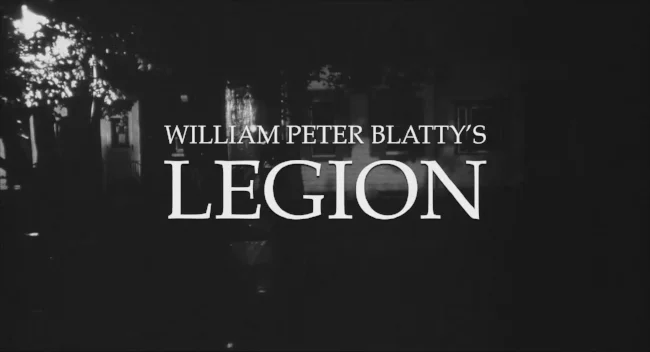
I originally saw Nightbreed upon its UK cinema release in 1990 and like so many others, was disappointed by the inconsistencies of the theatrical version. Over the next twenty-two years, the movie evolved its own mythos regarding the infamous studio interference that left Clive Barker's original vision undermined and neutered. However, in early 2012, Russell Cherrington, a senior lecturer in film and video production at the University of Derby, created a composite cut of the film using two workprints of the original movie that were sourced from VHS tapes, as well the DVD of the standard theatrical release. This version offered the most complete version of Barker's film available. It ran for 155 minutes and was been dubbed Nightbreed: The Cabal Cut. It was never intended as the director’s definitive version of the film and was primarily created to “encourage” the rights holders to allow Clive Barker to produce a director’s cut of his magnum opus.
I originally saw Nightbreed upon its UK cinema release in 1990 and like so many others, was disappointed by the inconsistencies of the theatrical version. Over the next twenty-two years, the movie evolved its own mythos regarding the infamous studio interference that left Clive Barker's original vision undermined and neutered. However, in early 2012, Russell Cherrington, a senior lecturer in film and video production at the University of Derby, created a composite cut of the film using two workprints of the original movie that were sourced from VHS tapes, as well the DVD of the standard theatrical release. This version offered the most complete version of Barker's film available. It ran for 155 minutes and was been dubbed Nightbreed: The Cabal Cut. It was never intended as the director’s definitive version of the film and was primarily created to “encourage” the rights holders to allow Clive Barker to produce a director’s cut of his magnum opus.
Nightbreed: The Cabal Cut was subsequently shown at various film festival around the world in 2012 and I saw it at a screening at FrightFest in August 2012. Despite issues with the picture quality of most of the new material, horror fans were more than happy to view this new version of the movie. There were high expectations that this cut would be a major milestone in horror cinema and that Nightbreed: The Cabal Cut would finally present Clive Barkers vision as he intended. However, that was not the case. Upon viewing the expanded version of Nightbreed, it became very clear that a lot of the flaws of the theatrical version were still present because they were inherent to performances and the screenplay. Although it was clearly a superior cut of the film, Nightbreed: The Cabal Cut was not the Citizen Kane of horror that so many fans had dreamed of.
The additional footage featured in Nightbreed: The Cabal Cut expands upon the relationship between Boone (Craig Scheffer) and his girlfriend Lori (Anne Bobby). There is more footage off Midian and a wider exploration of its various inhabitants. Then there is the extended finale and the original ending as opposed to the resurrection of “Buttonface”. These extra scenes are interesting and really helps clarify the story and further develop the characters. It certainly feels far more like a literal adaptation of Clive Barker's original novella Cabal. Some scenes in particular standout such as "Buttonface" calling to Dr Decker (David Cronenberg) to be "let out". Another change is that Detective Joyce (Hugh Quarshie) survives in this version, receiving only an injury rather than dying. His character shows a little more depth, as he objects to the Midian genocide. Overall Nightbreed: The Cabal Cut has more substance and there is a specific tonal shift that makes for a more thoughtful movie, whereas the theatrical print is mainly weighted toward spectacle.
Expanding the running time from 109 minutes to 155 minutes for Nightbreed: The Cabal Cut results in a movie that is too long. The expanded action driven third act seems to be the main culprit. It actually drags after a while. Also, despite more content, the central character of Boone is still somewhat thin. His initial dreams of Midian are somewhat glossed over and there is still a lack of gravitas in Craig Scheffer’s performance. The black humour and quips of Narcisse (Hugh Ross) are still divisive, either delighting or annoying the audience. However, the character does dies in this cut of the film. The rather poor song and the nightclub scene at the start of the movie really don’t help much either. Film makers seldom seem to be able to successfully capture the atmosphere of music venues or portray their audiences credibly.
It should also be noted that the Nightbreed: The Cabal Cut is certainly not a gorefest and does not appear to include any major increase in violence. The film is relatively understated in that respect, electing to focus on the grotesque rather than explicit. The most notable change in terms of violent material occurs during the flashback montage depicting the persecution of the “Nightbreed”. It is longer in this edit of the film and slightly more graphic in nature. There are more decapitations and a greater focus on trial by ordeal. The most unsettling scene in the movie still remains the forcible removal of a nipple ring, but that was also present in the theatrical cut. It can be argued that irrespective of depictions of physical violence, Nightbreed: The Cabal Cut is darker in tone and more unsettling, due to the expanded narrative.
Overall Nightbreed: The Cabal Cut is an interesting curio, but it is not the horror masterpiece that it could have been, because there are still fundamental problems with both the old and new material. However, it still has much to recommend it. The creature designs are outstanding and there is a sense of history and community among the denizens of Midian. The story does not quite have the same impact as it did two decades ago, because society has become more familiar with the notion of tolerance, which is one of the core themes. However, with its religious imagery, sexual undertones and inversion of good and evil, you can understand why this film bothered the conservative studio executives at the time of release. Nightbreed: The Cabal Cut puts meat on the bones of narrative and removes some of its major shortcomings. Although the shamelessly commercial original ending with the resurrection of Decker remains, it has been tempered with a message of hope as Boone seeks a new home for the “Nightbreed”.
Due to the success of Nightbreed: The Cabal Cut in 2012 as it was showcased around the world, a deal was struck between the rights holders Morgan Creek and Clive Barker. After finally gaining access to all material that was originally shot, Barker subsequently produced Nightbreed: The Director’s Cut in 2014. This is a third iteration of the film. This includes some additional expositionary scenes at the beginning of the movie, which have never featured in any other version. Barker’s aim was to further focus more on the occupants of Midian and reduce the slasher element involving Dr Decker as well as the action driven finale. Nightbreed: The Director’s Cut is the Barker’s preferred version of the movie and nearest to his original vision. It should be noted that in this 120-minute edit, Narcisse lives and Detective Joyce dies. It certainly removes some of the narrative bloat found in the third act of Nightbreed: The Cabal Cut.
Although much is further put right in Nightbreed: The Director’s Cut, the movie remains a flawed but intelligent experiment in cross genre film making. Ultimately the only real way for Clive Barker to overcome the shortcoming of the original troubled production would be to effectively remake the entire movie from scratch, but of course that will not happen. As a matter of personal choice, I prefer Nightbreed: The Cabal Cut out of all three versions of the movie. Mainly because I prefer the way the story pans out in this edit and the more substantial role played by Detective Joyce. All versions remain an interesting case study in the perils of studio-based film making. The only similar case of a movie that has been retooled to such an extent, is the Paul Schrader movie Dominion. Curiously enough this was yet another troubled Morgan Creek production. Need I say more?
Director Clive Barker has always been appreciative of the support that fans have shown over the years for this movie. Although Nightbreed: The Director’s Cut is his preferred version of the movie, he was aware that some fans had a fondness for Nightbreed: The Cabal Cut, with its everything but the kitchen sink, approach. After some negotiations with Morgan Creek, he was able to recreate Nightbreed: The Cabal Cut after producing Nightbreed: The Director’s Cut. This time round, it has less material sourced from VHS tape but still has some scenes of low visual and audio quality. So, there are at present, effectively three version of the film in circulation, although some are limited editions. The theatrical release of Nightbreed is still available on DVD and is shown on such platforms as Netflix. Nightbreed: The Cabal Cut and Nightbreed: The Director’s Cut have both been released on Blu-ray in the US. The former is an extremely limited pressing purely because Morgan Creek did not wish this version to impact upon sales of the director's cut. For those seeking a far more comprehensive breakdown of the difference between all versions of Nightbreed, there’s an exhaustive analysis over at Movie-Censorship.com









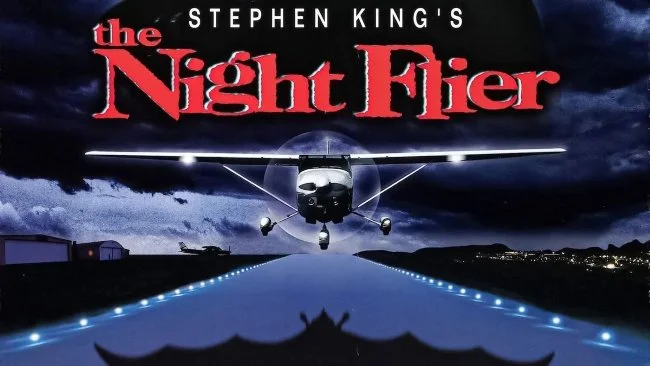
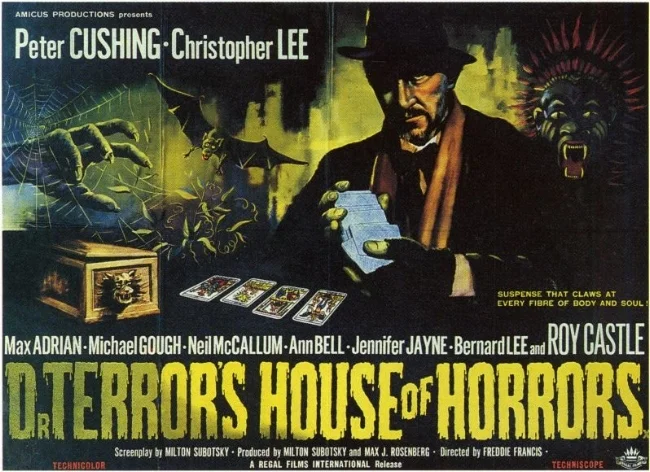

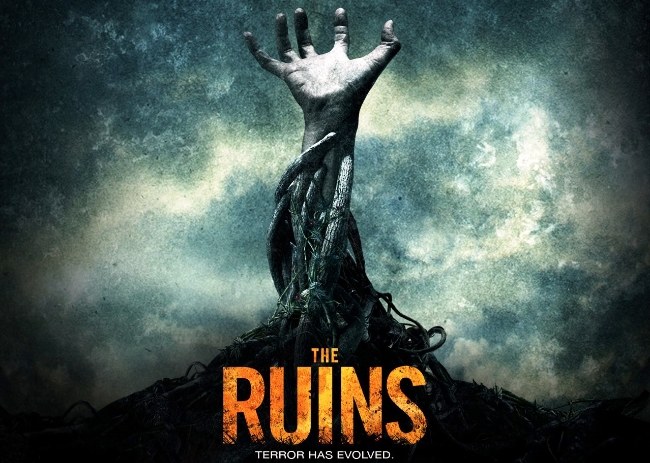
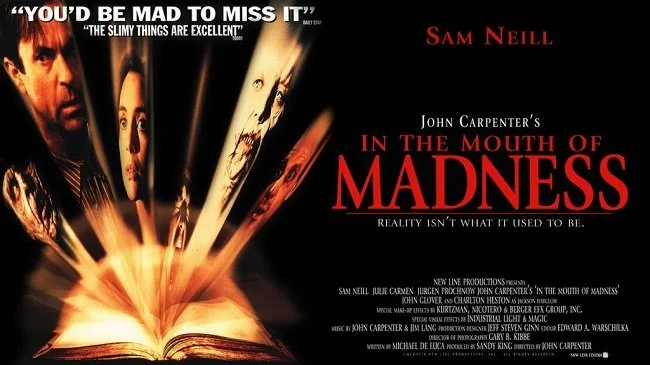
The Selfie
In recent weeks, I’ve had several conversations with friends and colleagues about photos, privacy and social media. All of which have undergone significant changes during my lifetime. I was asked why there are no photos of me on my Instagram account, or on my blog or Twitter profile? Well the answer is it has never occurred to me that there needs to be any, which probably seems like a dreadfully “old fashioned” attitude to those who our half my age. Privacy is another factor. I come from a generation where people by default, would address anyone they didn’t know formally as Mr or Mrs [insert surname here]. You didn’t call someone by their first name until you were invited to do (Despite being given permission to do so, I still call my relatives “Aunty” or “Uncle” instead of by their names). I’m also inherently distrusting of giving too much information away and still bear in mind the old adage that “familiarity breeds contempt”.
In recent weeks, I’ve had several conversations with friends and colleagues about photos, privacy and social media. All of which have undergone significant changes during my lifetime. I was asked why there are no photos of me on my Instagram account, or on my blog or Twitter profile? Well the answer is it has never occurred to me that there needs to be any, which probably seems like a dreadfully “old fashioned” attitude to those who our half my age. Privacy is another factor. I come from a generation where people by default, would address anyone they didn’t know formally as Mr or Mrs [insert surname here]. You didn’t call someone by their first name until you were invited to do (Despite being given permission to do so, I still call my relatives “Aunty” or “Uncle” instead of by their names). I’m also inherently distrusting of giving too much information away and still bear in mind the old adage that “familiarity breeds contempt”.
As for my attitude towards photos and especially “the selfie”, that’s been shaped by the decades I grew up in. As a child in seventies Britain, photographs were mainly the province of family gatherings, day trips and holidays. Although cameras weren’t that expensive and were fast becoming common place, the development process carried out by your local pharmacist didn’t foster that sense of immediacy and intimacy that smartphones now provide. Photos were orchestrated; an awkward and embarrassing social convention that we felt obliged to observe. They were then placed in albums and viewed during moments of introspection. Occasionally, those that were deemed of enough merit were framed. As for those awful people who had their holiday snaps of Sorrento converted into slides, which they then subsequently inflicted upon unlucky guests along with cheese and wine, well they were social pariahs.
Similarly, I took lots of photos of my own family when my son was growing up. Again, these were often stilted and of poor quality. However, by now we had entered the digital age. The main virtue of this technology is the ability to take “lots” of pictures. By the law of averages, some have to be adequate. But once your children reach a certain age and suddenly become physically allergic to their parents, then the family photos tend to stop. And so, it did with our son. Ironically, this is also about the same time he got his own phone and started copiously documenting his own life because by then it had become a social norm among his peers. Roll on another decade and he’s now a parent and has his own family. To this day, I am still amazed at the volume of data, photos and videos that he, his partner and their social group share. Furthermore, they’re also really laid back about notions of privacy and such like and so I find myself following a bunch of people half my age on Instagram and Facebook, being regaled on a daily basis about their holidays, tumultuous love lives and cosmetic surgery.
I recently visited Lyndhurst in the New Forest to see family. Mrs Peril and I (this is the designated name I’m authorised to use with reference to her. See again it’s all about maintaining privacy) stayed in a nice country hotel and I took a few pictures which I then tweeted. The point of the pictures where to highlight the hotel. From my own perspective adding myself into the frame, striking an exotic pose wouldn’t really add any value. If I were on holiday in Tuscany, viewing the historical remains of Etruscan culture, again I wouldn’t consider adding myself into the picture because I am not the subject matter. I certainly don’t need for myself to be in any holiday photo to verify that I was actually there and to make it more “real”. At the age of fifty, I’ve not yet visited anywhere via astral projection and tend to do my travelling in the traditional manner. As I tend to vacation with others, I usually have a reliable witness who can vouch for the fact that I did visit Clappersgate, should I suffer a head trauma or memory loss.
Now one of the commonest points that always comes out of conversations about “selfies”, is “don’t you like how you look”, or “are you worried people will think you a bit of a munter” or something to that effect. Well sorry to disappoint you Doctor Decker but I’m quite comfortable about my personal appearance. Am I an oil painting? No. Have I got a face like a smacked arse? No. Am I unhappy about myself in some psychological way? No. Could I do something to improve my appearance? Very possibly, but as I no longer have deal with clients, or play the dating and mating game, having a makeover isn’t my highest priority at present. As I haven’t recently been asked to appear in a Dickensian Freak Show, I suspect I am broadly acceptable to the wider public. Plus, what bearing do my looks have on my writing? Also, the moment you publish a “selfie” online, regardless of looks, you are handing ammunition to the online hate police and union of internet crazy people. Don’t fashion a stick and then hand it to others to beat you with.
So despite not indulging in the practise myself, I am still very intrigued by the rise of the "Selfie". Is it indicative in a major shift in our culture and collective psyche? Why exactly do people these days feel the need to maintain some sort of visual record that catalogues of all their deeds, that puts them at the heart of all external events going on around them? Is this just another sad reflection of the reality TV fuelled, wannabe, "me, me, me" culture, as some have posited. An opportunity to compete for some virtual title, by appearing to have a perfect life? A means to get validation from one’s peers and stifle feelings of inadequacy, fear and self-loathing. Or is it a far deeper emotional response to the end of numerous established socio-political shared values and a sense of societal stability? Are people posting their own brief moments of joy online as a way to assuage their own existential dread? Are “selfies” a plea for the universe to remember us as we all journey toward utter annihilation? Or is it simply a case that some people are just twats?
The “selfie” is something that we can joke about (as I have) or take seriously (I also like to do that to). Cultural changes happen for specific reasons after all. Perhaps this particular shift stems from a fundamental rethinking of who exactly a photo is intended for? In the past it was designed to preserve a memory, note an occasion or capture the image of something inherently beautiful. A visual equivalent of a journal entry of sorts. Hence when a photo was shared with others twenty-five years ago or more, it was often done in a face to face environment. Therefore, the photo was not made public and posted in an open, universally accessible environment. Now the opposite happens. Which makes me wonder (and Robert Plant as well) whether our photos our now primarily intended for others? In a world where our online presence is becoming as equally important as that based in real life, are photos documenting who and what we are, slowly becoming part of an ongoing virtual resume? It’s certainly food for thought. But I’m still not doing “selfies”.



















Outrage (2010)
Multi-talented Japanese actor, director and comedian Takeshi Kitano has gained a global reputation due to his cerebral exploration of Yakuza culture. In recent years he has moved away from this specific sub-genre and has focused his attentions on a series of human dramas, exploring such complex themes as the nature of reality and mortality. With Outrage (Autoreiji, 2010) he returns once gain to the subject of criminal clans. This time round, director Kitano has opted to reduce some of the more spiritual and philosophical elements of the narrative and has focused far more upon the brutal and political nature of Japanese organised crime. As a result, Outrage is horse of a very different colour, compared to earlier examples of his work, such as Boiling Point (1990) and Sonatine (1993).
Multi-talented Japanese actor, director and comedian Takeshi Kitano has gained a global reputation due to his cerebral exploration of Yakuza culture. In recent years he has moved away from this specific sub-genre and has focused his attentions on a series of human dramas, exploring such complex themes as the nature of reality and mortality. With Outrage (Autoreiji, 2010) he returns once gain to the subject of criminal clans. This time round, director Kitano has opted to reduce some of the more spiritual and philosophical elements of the narrative and has focused far more upon the brutal and political nature of Japanese organised crime. As a result, Outrage is horse of a very different colour, compared to earlier examples of his work, such as Boiling Point (1990) and Sonatine (1993).
The plot follows a struggle for power amongst Tokyo's Yakuza clans, who live in a curious world between legitimate business respectability and conventional criminal undertakings. The Sanmo-kai clan holds sway in the face of continuous betrayal and ever-changing allegiances from both other gangs as well as banks and corporations. The Sanmo-kai chairman learns that his deputy Ikemoto has struck an alliance with the drug-dealing Murase family and is displeased by this breach of discipline and etiquette. The ensuing retaliation triggers a wave of killings, territorial invasions and score settling while local law enforcement officers struggle to intervene, due to corruption and political conflicts. Takeshi Kitano plays an enforcer, Otomo, who finds himself caught amid these escalating events.
There is an almost clinical approach to the proceedings in Outrage and the introspective musings of Takeshi Kitano's earlier work are now replaced with a far slicker, rather stylised American approach to this particular genre. Hence the production boasts convoys of luxury vehicles and a cast clad solely in designer suits. This contrived designer aesthetic at times verges on parody. Frequently Outrage seems to play out in a faux and derivative representation of organised crime, which is itself already an artificial construct to begin with. Certainly, this aspect of the production does not greatly compensate for the films reduced narrative. The story mainly focuses on the traditional staples of the gangster genre. This is a study in greed, revenge and violence of which there is a lot and it is not for the squeamish. In a world were violence is common place, the film cleverly explores how ever-increasing acts of abhorrence are required to maintain the status quo.
Yet despite the films scaled down aspirations, it should be remembered that this is a Takeshi Kitano production and his work is streets ahead of many other mainstream directors, even when he's not on top form. The biggest saving grace of Outrage is the streak of gallows humour that runs through the entire film. As ever Kitano's performance is utterly compelling. This man has a quality that is hard to define but he definitely holds your attention. His can inspire loathing as equally as he can move us with his honest sentiment. Viewers who are new to this film makers work, should note that the prolonged sequences of people staring at each other or into the middle distance are perfectly normal and common place. They are also often precursors to acts of extreme violence or a major emotional outburst.
For western audiences, Outrage is very accessible, reminding me in a way of his earlier film Brother (2000) which was more tailored for the international market. But for those who are expecting the cerebral character studies of his earlier work, then you will not find it here. The film is a far more formulaic and somewhat predictable undertaking (apart from the end). It is a handsome if clichéd production but is bolstered by the presence of its director both in front and behind the camera. Fans of the Yakuza sub-genre and Japanophiles will still find much to enjoy. Note well that if you have more than a passing fear of the dentist and dental equipment then this movie may not be for you. For those who do find Outrage to be their “cup of tea”, then note that it is the first in a trilogy of movies.


Dream House (2011)
Despite being derivative of several other well-known notable genre films, Dream House has several positive attributes. With its strong cast and capable director, the movies offers a well-made and tense tale with solid production values. But like so many contemporary psychological thrillers and baroque stories with a twist, your overall enjoyment depends on how familiar you are with the genre. The biggest problem I encountered while watching Dream House was my own over familiarity with films of this kind. Hence, I saw the first major plot twist coming a mile off and subsequently accurately predicted the film’s outcome. Because of this it does make it somewhat difficult for me to be as objective as I should about Dream House. However, that is not to say that the movies multi-faceted plot won’t be a source of surprise to the more casual viewer.
Despite being derivative of several other well-known notable genre films, Dream House has several positive attributes. With its strong cast and capable director, the movies offers a well-made and tense tale with solid production values. But like so many contemporary psychological thrillers and baroque stories with a twist, your overall enjoyment depends on how familiar you are with the genre. The biggest problem I encountered while watching Dream House was my own over familiarity with films of this kind. Hence, I saw the first major plot twist coming a mile off and subsequently accurately predicted the film’s outcome. Because of this it does make it somewhat difficult for me to be as objective as I should about Dream House. However, that is not to say that the movies multi-faceted plot won’t be a source of surprise to the more casual viewer.
Will Atenton (Daniel Craig) quit his job as a publisher to spend more time with his wife Libby (Rachel Weisz), their two daughters (Taylor and Claire Geare) and start writing a novel. They move into a large new house, which unbeknown to them was the scene of a mass murder several years prior, in which a father allegedly murdered his entire family. Will subsequently learns that this man, Peter Ward, spent five years in a psychiatric hospital and has recently been released back into the community. Their neighbour, Ann Patterson (Naomi Watts), knows something about Peter Ward, but seems very reticent to discuss the matter with them. Wills daughters soon start seeing a stranger hanging around outside in the street and staring at their house. It’s not long before events take a sinister turn.
Director Jim Sheridan deliberately takes his time with the story telling, in an attempt to build tension and allow the audience to connect with the central characters. However, despite being an accomplished director of human dramas, he is burdened with a particular workman like script by David Loucka, which lacks any major polish. Still he manages to avoid a great many of the genre clichés that are rife in this type of movie and the production design, cinematography and general ambience are extremely competent. Dream House is therefore a very functional cinematic experience but not an especially atmospheric one. The strong cast (Elias Koteas, Marton Csokas) try their best to fill the narratives gaps but overall the premise and payoff are somewhat lacking in punch. The film does not push the boundaries of its PG-13/12 rating. There are some jolting moments and brief images of gunshot wounds. Prior to release the movies was re-edited from a “R” to a lower rating.
Dream House is very much a film of three very acts and sadly they don’t quite hang together as well as they could. The ending doesn’t quite provide the dramatic payoff that some may expect. There are also some logical plot holes that are best not pondered on too long. Once again these can all be attributed to the bland screenplay. Yet despite all these issues, the talented cast and professional production manage to keep the film afloat. So again, I return to my point that your familiarity with the genre will pretty much determine how much you’ll enjoy Dream House overall. For viewers who are not particularly well versed with similar films from the past thirty years years, the premise and twist ending of Dream House, and may prove adequate and sufficiently entertaining. For those who have more than a passing interest in the genre, there are shades of The Twilight Zone, and The Man Who Haunted Himself to be found.
The Silent House (2010)
The Silent House takes a very traditional haunted house story and develops it in a distinctly postmodern fashion. This Uruguayan horror film hinges on the concept of the entire film being shot in one take. Hence the tag line of “real fear in real time”. This takes the recent trend of filming with handheld digital cameras one step further, in an attempt to outdo the likes of Paranormal Activity and its subsequent sequel. It certainly creates a minimalist feel to the proceedings, similar to the myriad of supernatural reality shows that are currently popular on TV. By using the medium of digital cameras, smart phones and internet searches, the movies initially manages to sustain an authentic atmosphere. However, as the narrative proceeds the films flaws become more apparent.
The Silent House (La Casa Muda) takes a very traditional haunted house story and develops it in a distinctly postmodern fashion. This Uruguayan horror film hinges on the concept of the entire film being shot in one take. Hence the tag line of “real fear in real time”. This takes the recent trend of filming with handheld digital cameras one step further, in an attempt to outdo the likes of Paranormal Activity and its subsequent sequel. It certainly creates a minimalist feel to the proceedings, similar to the myriad of supernatural reality shows that are currently popular on TV. By using the medium of digital cameras, smart phones and internet searches, the movies initially manages to sustain an authentic atmosphere. However, as the narrative proceeds the films flaws become more apparent.
The plot is simple and revolves around Laura (Florencia Colucci) and her father Wilson (Gustavo Alonso) while they endeavour to renovate an old family home to prepare it for sale. Vacant and derelict, the house has no utilities, forcing them to rely on battery-operated lanterns to light their way. Laura becomes separated and soon finds she is trapped inside the house, with no contact with the outside world. It soon becomes clear that leaving may not be as easy as thought and that a supernatural presence is behind events. Director Gustavo Hernandez has technically constructed a competent production that certainly benefits from being set outside of the US. Minor cultural differences and references add an interesting veneer to a common place plot device and make it at first more palatable. However, once the initial premise has been set, the film fails to be anything more than be a series of well-executed set piece and never truly frightens in the manner the advertising suggests.
This seems to be the main problem with some contemporary horror cinema. It has lost the ability to illicit an emotional response from the viewer by the exploration of difficult themes and concepts. Instead those making the movies seem a little too focused on crafting a technical rollercoaster ride at the expense of character and emotional investment. Thus, with The Silent House we are simply subject to frequent acts of misdirection followed by an obligatory “boo” moment. It has been a substantial amount of time since I have seen a film that I found genuinely disturbing or suspenseful. I was hoping that this more obscure production would yield better results, but sadly it was not to be. What remains is a interesting international curiosity that squanders it's premise. The US remake that followed a year later maintains the same failings.
Blaugust Reborn: Event or Cause?
The Blaugust Reborn is an event, which promotes blogging and offers advice and guidance to those who have just started or who are toying with the idea of doing so. It has no agenda beyond providing encouragement and support. The advice that is offered through various veterans’ content creators collective experience, is just that, advice. It can be taken or ignored, because ultimately blogging is a very personal pastime and there really isn't a right or wrong way to do it. If doing what you do and the way that you do it brings you pleasure, then you've pretty much well nailed it. I see Blaugust Reborn as a benign undertaking. It has no agenda that I am aware of. In fact, I could argue that my involvement is a little self-serving, in so far as I hope that some great new blogs emerge from this year’s event that I can read on a regular basis. Overall, I see the Blaugust Reborn as a simple exercise in offering a helping hand. For me it's not any more complex than that.
The Blaugust Reborn is an event, which promotes blogging and offers advice and guidance to those who have just started or who are toying with the idea of doing so. It has no agenda beyond providing encouragement and support. The advice that is offered through various veterans’ content creators collective experience, is just that, advice. It can be taken or ignored, because ultimately blogging is a very personal pastime and there really isn't a right or wrong way to do it. If doing what you do and the way that you do it brings you pleasure, then you've pretty much well nailed it. I see Blaugust Reborn as a benign undertaking. It has no agenda that I am aware of. In fact, I could argue that my involvement is a little self-serving, in so far as I hope that some great new blogs emerge from this year’s event that I can read on a regular basis. Overall, I see the Blaugust Reborn as a simple exercise in offering a helping hand. For me it's not any more complex than that.
However, may not see it in such straight forward terms. A few years ago, when the equivalent event of Blaugust Reborn was the Newbie Blogger Initiative there was criticism from some quarters of the Blogosphere, who saw the it as an organised attempt to try and stamp some sort of standard identity upon new writers. It was even labelled as some sort of Orwellian Groupthink. There was a great deal of hyperbole involved and very little clear thinking. This view stemmed from the fact that a lot of those at the time participating in the NBI had written about their indifference to GamerGate and thus there was the ubiquitous binary backlash from those who equated ambivalence with holding a contrary view. However, this matter did highlight the fact that something as simple as benign as trying to offer help and support could be misconstrued.
I think what I found curious about the pushback that happened in NBI back in 2015 was the fact that someone saw fit to label the event as a "cause". This has got me thinking whether anyone thinks that Blaugust Reborn is a cause instead of an exercise in self-help? A supportive event is optional and non-threatening. A "cause" is a much more subtle beast. It has socio-political connotations. There is usually an undercurrent of moral rectitude. Causes seek to correct something. Something that is deemed to be currently wrong, hence the ethical undertone. Events simply facilitate, whereas causes will by their very nature have those that are diametrically opposed to them. Suddenly an activity goes from being functional (and fun) to something far more partisan.
Consider something like advice on weight loss and eating healthily. In essence it is a harmless stance to take and advocate. Yet if it is promoted in an overzealous and judgemental way and treated as a cause rather than optional guidance, it suddenly becomes a political football; something that is strongly resisted and reviled in some quarters as a form of social engineering. I don't want the Blaugust Reborn to fall into this trap. I don't want it to become burdened with ideologies and dogma. I want it to be perceived for what it is; an event that offers a helping hand and facilitates the participant to blog in a manner that suits them.
The thing about Blaugust Reborn is that the advice offered can be used in whatever way the author wishes. I could be argued that Blaugust Reborn could even end up facilitating writers who produce hateful content filled with bigotry and prejudice. So far from what I’ve seen of those who have signed up to participate, that seem unlikely but it’s not impossible. However, that goes with the territory and I do not fear those who have contrary views to my own. Blaugust Reborn is just a process. What people choose to do with the information they can obtain from it is their decision. It's a bit like running a woodwork class. If someone wants to use the knowledge they’ve gained to fashion a club instead of a chair, then that is their prerogative (feel free to add your own Bobby Brown gag here).
Now I realise that Blaugust Reborn is not defined by just one person's perception of it. It runs due to the involvement of multiple people, all of which probably have a unique view of exactly what the event is and what it aims to achieve. Yet I think that its inherent simplicity adds to its appeal. Therefore, I have made the assumption that other participants do not see it as a "cause". However, I may be wrong. I've been round the block several times and in my youth been involved in politics, trade union activities and various social issues. Yes, I have supported "causes". Sadly, none of them has been without problems or remained 100% true to their roots and goals. It is just the nature of ideologies and concept, that implementing them often requires compromise. But I don’t see Blaugust Reborn falling into this category though.
Age has taught me to be both mindful and sceptical of such things as "causes". Too often they can be a Trojan Horse for something more sinister. But again, I don’t see Blaugust Reborn being like that. So, I'm asking the following question out of curiosity to all who may be involved with Blaugust Reborn to a greater or lesser degree. How do you perceive this event? Or is it simply an exercise in self-help. Do you see it as part of a wider undertaking with greater meaning? Do you consider it as a cause? If so what do you want the event to achieve beyond helping content creators? Is it an open invite to all, or would you be concerned if someone with a “radical” online presence wished to get involved? It’s certainly food for thought. Feel free to comment.
Blogging and Self-Discipline
Although blogging is great fun and a very rewarding hobby, it is also at times hard work. I don't say that to discourage you, but it is a fact that needs to be considered by all embarking upon their content creation journey. Writing per se requires a degree of self-discipline. Without it, your aspirations will remain just that. Nothing will get done, posting will become irregular and you'll readers will simply lose interest and look for material elsewhere. So, what exactly do you need to be self-disciplined about? Well if you want to write posts regularly that are engaging and of a good standard then consider the following points:
Although blogging is great fun and a very rewarding hobby, it is also at times hard work. I don't say that to discourage you, but it is a fact that needs to be considered by all embarking upon their content creation journey. Writing per se requires a degree of self-discipline. Without it, your aspirations will remain just that. Nothing will get done, posting will become irregular and you'll readers will simply lose interest and look for material elsewhere. So, what exactly do you need to be self-disciplined about? Well if you want to write posts regularly that are engaging and of a good standard then consider the following points:
- Set aside a specific time to write, that is free from distractions.
- Find an environment that is conducive to writing.
- Establish a schedule that suits you and is sustainable.
- Strike the right balance with self-criticism and editing.
- Commit to your writing. Don’t do it half-heartedly.
I would also add not rushing or writing in the "heat of the moment". It is often a mistake to go off “half-cocked”. Also ensuring that you are factually correct and have linked to any source material that you may be discussing.
Now adhering to these criteria requires commitment and adds another layer of work to the process of writing. Ignoring them is often very tempting. However, you will not produce your best material by doing so. The writer that knocks out a post at the end of a busy day, while the TV blares in the background is likely to make mistakes. The writer that pens a vitriolic reply to an article they've misread will end up with egg on their face. Plus, there is no shortage of self-appointed internet policemen who will happily write a comment of epic proportions, pointing out how you made a schoolboy error over some minor detail. Poorly conceived posts and bad argument won’t gain you any traction with readers.
It is possible to do all the above and still have immense enjoyment from blogging. None of these suggestions have to be a chore. If you can factor them into your writing process, then they will become a lot easier. Your output will certainly be better as a result. Don't beat yourself up if you deviate from them from time to time. We're all human. I have on numerous occasions done the complete opposite of what I have suggested. In fact, while I was writing this post I wasted several minutes being side tracked by You Tube videos and a Discord thread featuring pet pictures.
Exactly how much of a process you impose upon your writing is ultimately up to you. There is no one size fits all. It may take some trial and error to find a routine that suits your specific needs. But having no process whatsoever is not likely to be beneficial. Therefore, do not see self-discipline as being a burden but more of a practical tool that contributes to your overall blogging experience. Self-discipline leads to a routine and a routine is great way of polishing your writing process. Please feel free to share any ideas you may have on writing routines or how you maintain self-discipline and motivation in the comments section below.
Classic TV Themes: Joe 90
You can write pages on Gerry Anderson's 1968 Supermarionation series Joe 90. There's the morally ambiguous premise of giving an emotionally immature nine-year-old the experiences of an adult. Then the psychological effects of allowing him to kill at will. Then there's the perennial issue of scientists prostituting their skills to the intelligence community. One can also reflect upon the absence of any major female characters in the series and how that may impact upon Joe himself. Finally, when one finally arrives she's a gold-digging bitch who tries to exploit Joe’s Dad, Professor McClaine. Joe 90 is certainly a psychiatrist’s dream subject.
You can write pages on Gerry Anderson's 1968 Supermarionation series Joe 90. There's the morally ambiguous premise of giving an emotionally immature nine-year-old the experiences of an adult. Then the psychological effects of allowing him to kill at will. Then there's the perennial issue of scientists prostituting their skills to the intelligence community. One can also reflect upon the absence of any major female characters in the series and how that may impact upon Joe himself. Finally, when one finally arrives she's a gold-digging bitch who tries to exploit Joe's Dad, Professor McClaine. Joe 90 is certainly a psychiatrist’s dream subject.
However, we won't dignify such pseudo-intellectual analysis here. Joe 90 simply has to be taken in context and viewed on its simple premise that every nine-year-old boy (at the time) wanted to be James Bond. If we apply modern sensibilities to everything made prior to 2000, then we’ll end up writing off everything. However, the most important aspect of Joe 90, that made the show so good was the get down funky theme tune, written by the immensely talented composer Barry Gray. Gerry Anderson wrote in his biography that the Joe 90 theme was a "dizzying piece of psychedelic pop art that could have been produced only in the late Sixties". A statement I whole heartedly concur with.
Curiously, when the series was syndicated internationally, changes were sometimes made. This was most noticeable for the Japanese release, where the catchy original title theme was completely replaced with a language specific song for that market. Now Japanese theme songs and pop music from the sixties is an entire sub-genre of its own, and I will not attempt explore this particular niche here. I will simply present you with both versions of the theme for your edification and entertainment. Feel free to comment.
1.) This is the original TV theme tune and not the commercial re-recording that was subsequently released as a single. This version includes the sound effects for the "BIG RAT" computer that gave Joe his special abilities.
2.) This is the Japanese theme song. If anyone can translate the lyrics, I would be very interested. It's not exactly Barry Gray, but it's kind of groovy in its own right.





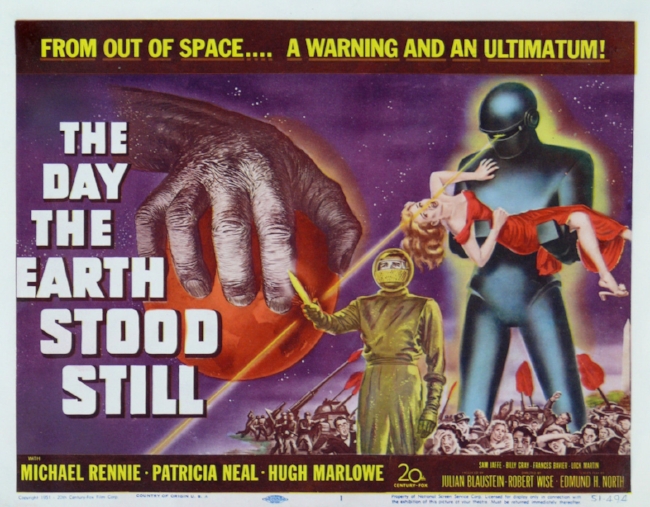
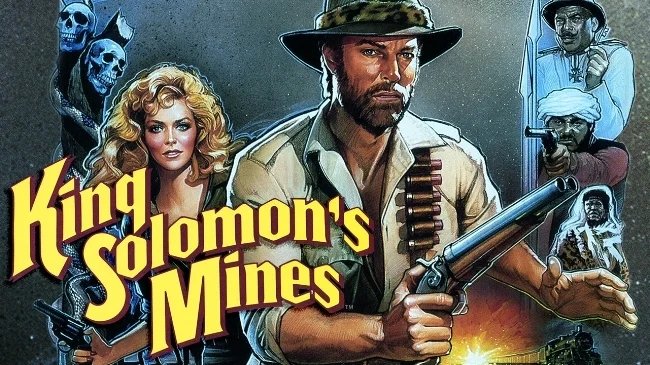
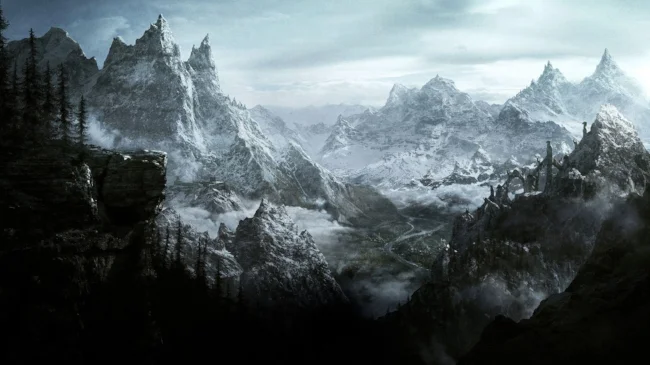


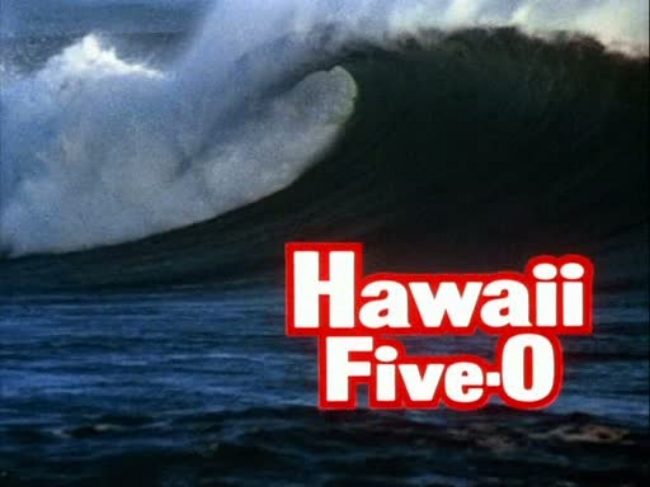
Time For a Makeover
This is another post for Blaugust Reborn prep week, that’s primarily aimed at the returning blogger. Again, there is advice here that is relevant to those just starting out with a new blog but there’s already a ton of good advice available for them. I’m focused more upon trying to encourage those who once had a blog (and subsequently abandoned it) to dust it off and start producing content again. In my last post, I offered some advice regarding such things as writing schedules and having a basic plan as to what subjects you want to explore and goals you may wish to achieve. This time let’s consider some simple and practical aspects of your actual blog template and hosting package.
This is another post for Blaugust Reborn prep week, that’s primarily aimed at the returning blogger. Again, there is advice here that is relevant to those just starting out with a new blog but there’s already a ton of good advice available for them. I’m focused more upon trying to encourage those who once had a blog (and subsequently abandoned it) to dust it off and start producing content again. In my last post, I offered some advice regarding such things as writing schedules and having a basic plan as to what subjects you want to explore and goals you may wish to achieve. This time let’s consider some simple and practical aspects of your actual blog template and hosting package.
Adaptive and responsive web design. Although there is a difference in methodology, both adaptive and responsive design formats ultimately deliver the same results. IE Webpages that are best suited for the device viewing them. Therefore, I would urge returning bloggers check their respective blog templates to ensure that they are mobile friendly. Why is this important? Go take a look at your stats and you’ll notice that a lot of traffic is coming via phones and tablets. 38% of the traffic to Contains Moderate Peril comes from mobile devices. Having a site that optimises the presentation of content to these platforms is essential. I’m amazed when browsing the web at how many sites still have a “one size fits all” approach. They’re a pain to read and it’s not especially professional.
Your blog logo. Branding is a major subject in itself. It makes sense to establish a consistent look and feel. However, unless you are producing merchandise, business cards, or have need of a portable booth for a trade show, you do not need a fancy scalable logo. Furthermore, they cost a crap ton of money if you use a professional design company. Therefore, I would recommend that everyone go check out Fiverr.com for reasonably priced alternatives. The website is a haven for freelance artists and designers. If you hunt through the crazy people (and there are a lot), you'll find plenty of quality talent available at extremely reasonable prices. Over the years I’ve used the site for website banners, podcast logos and voiceovers. If you’re über cheap you may even see a design that you can subsequently replicate yourself.
Purge your plugins. Holy crap, WordPress has plugins for everything. If you need to know what the temperature of your butt is as you sit in your chair gaming, there's a plugin for that. It's very easy to get carried away when installing them (a bit like mods for Skyrim). However, despite the benefits they do have an impact upon your site. They can interfere with template functionality and slow loading times. If your blog takes too much time to populate a page, then readers will move on. There's a lot to be said for running a lean and mean site. There's less to back up and less scope for stuff to go wrong. So, do yourself a favour and think twice before adding that plugin that tells you how many readers called Trevor are currently logged into your site.
Keep static content up to date. Quite a lot of blogs have static pages. These usually consist of things such as "about this blog", who the "contributors" are and how to "get in touch". Fairly straightforward content but it can change over time. For example, if you expand the scope of you blog you may need to update these individual pages. Contributors can come and go or expand their resume. Readers like to know who's who. It also adds a personal touch. Don’t forget to keep your "small print" or "disclaimer" page up to date as well. Rules change constantly online and as a blogger you don't want to be breaking laws unnecessarily.
Sharing and social media. Most blogs come with some sort of facility to promote your posts via social media. However, platforms come and go quite quickly so you may wish to ensure that you include the most relevant options. This can be done by either updating your blog template, keeping your Word press install up to date, or by using an appropriate plugin (although bear in mind the above point). You may also wish to use an internal thumbnail linking service such as LinkWithin if your own template doesn’t support one. This facility adds a selection of thumbnail pictures with links to older content on your site that is relevant to the post you are publishing. A WoW article will therefore generate a selection of links to similar material. This can be invaluable for keeping readers on your site and boosting page views, if that’s what your aiming to do.
Reader comments service. I have discussed the pros and cons of reader comments before. If you do decide to allow them you may wish to use the facility that comes with your blog or use a third-party service such as Facebook or Disqus. Choose wisely. Some of these facilities can be problematic as they are located elsewhere online and can impact on your sites loading times. Should you change services at a later date you may also lose your back catalogue of comments. I personally like any system that allows you to add the URL of your own site when leaving a comment. One of the great ways of raising your profile and generating traffic to your own site is by leaving comments elsewhere. It also contributes to that sense of building a community.
If you are seriously thinking of returning to your old blog (and I sincerely hope you do), all the above can be dealt with quite simply and does not have to be an immense chore. The simpler your blog, the easier it is to maintain it, although not everyone favours such a minimalist approach. But big or small, fancy or simple, giving your blog a practical makeover ensures that it loads and runs efficiently, leaving you free to write your content. It also means that readers can just get on perusing your posts and leaving comments without impediment.
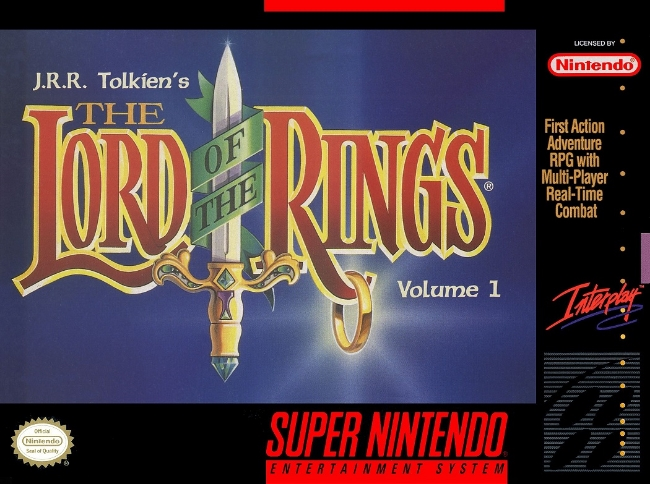
The Lord of the Rings: 10 Things You May Not Know About the Animated Film
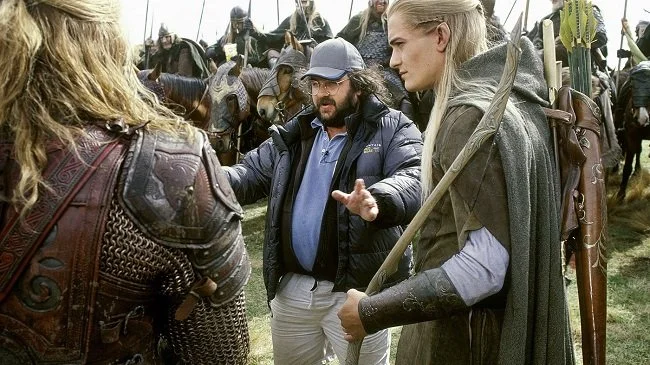
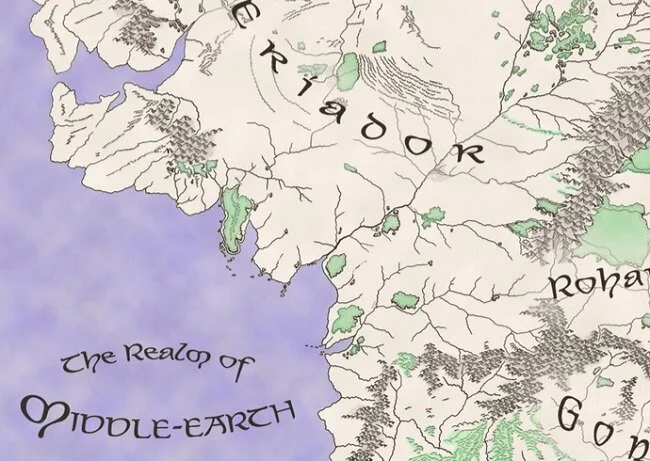
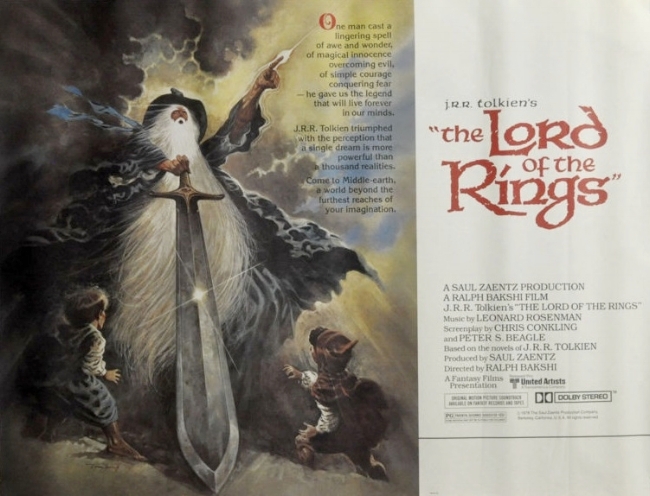
Ralph Bakshi’s 1978 adaptation of Tolkien’s The Lord of the Rings often polarises fan opinion. There is much to admire and there is also much to dislike in this 133-minute animated feature film. However, for many of us, this was our first visual foray into Middle-earth and for good or ill, it had an impact. You’ll certainly see several homages to it in Peter Jackson’s trilogy. And like so many cinematic adaptations of iconic books, The Lord of the Rings journey to the big screen was far from easy. Here are ten anecdotes regarding the film and its production.
Ralph Bakshi’s 1978 adaptation of Tolkien’s The Lord of the Rings often polarises fan opinion. There is much to admire and there is also much to dislike in this 133-minute animated feature film. However, for many of us, this was our first visual foray into Middle-earth and for good or ill, it had an impact. You’ll certainly see several homages to it in Peter Jackson’s trilogy. And like so many cinematic adaptations of iconic books, The Lord of the Rings journey to the big screen was far from easy. Here are ten anecdotes regarding the film and its production.
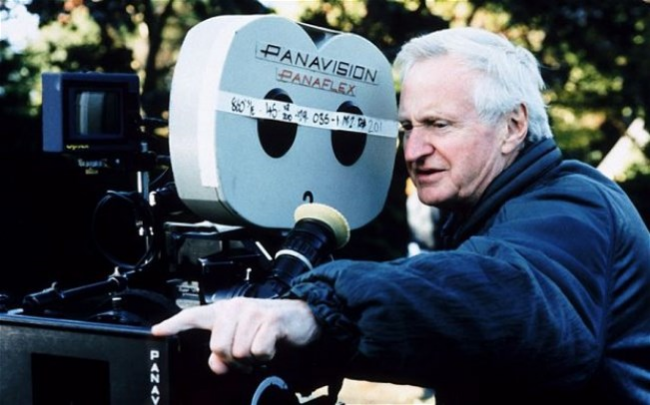
1.) In 1969, the rights to The Lord of the Rings were acquired by United Artists from Tolkien himself for the cost of $250,000. Film makers Stanley Kubrick and John Boorman both contemplated adapting the story.
2.) United Artists had to purchase the John Boorman script to allow the Bakshi production to commence. It cost $3 million and was immediately abandoned in favour of a more literal adaptation.
3.) An early draft of the new screenplay was written by Chris Conkling, who told most of the story in flashback from Merriadoc Brandybuck's point of view. After Ralph Bakshi and Saul Zaentz saw Conkling's first draft, they hired fantasy author Peter S. Beagle to re-write the script. He restored much of Tolkien's original dialogue.
4.) At two hours and thirteen minutes, this was the longest feature-length animated film made at that time. The production cost was $4,000,000
5.) Bakshi and his cast and crew went to Spain and filmed a substantial amount of material using actors and stuntmen in full costume. The footage was subsequently rotoscoped and integrated into the traditional animated material.
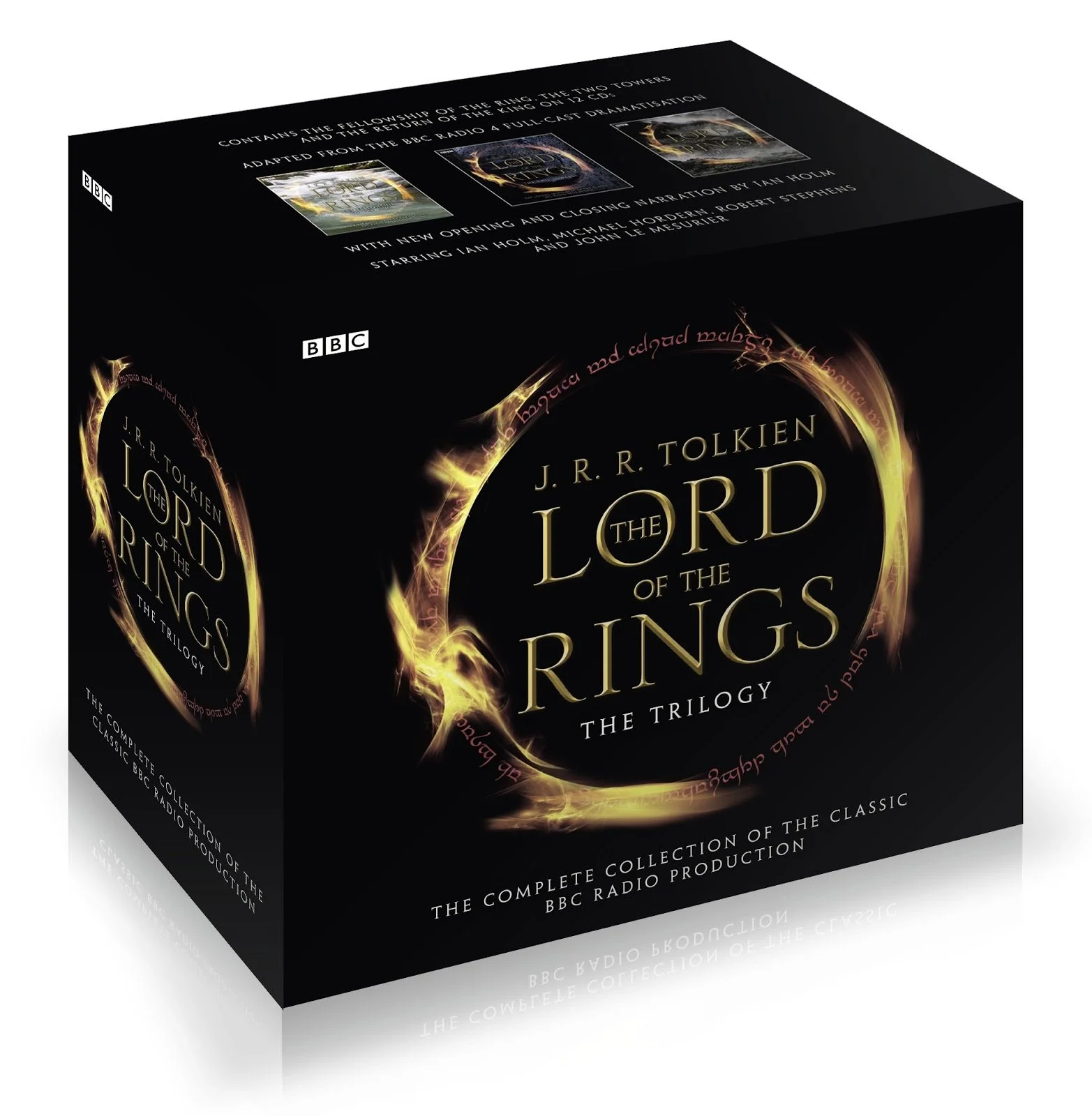
6.) Several of voice artists who worked on the Bakshi film, subsequently reprised their roles for the 1981 BBC Radio adaptation three years later. These were Michael Graham-Cox as Boromir and Peter Woodthorpe as Gollum/Smeagol.
7.) Numerous scenes where filmed and subsequently cut for technical reasons or for the pacing of the story. This included Gandalf’s battle with the Balrog as they fell into the abyss in Moria. Part of it can still be seen in the film during a flashback sequence.
8.) The film's score was composed by Holly wood veteran, Leonard Rosenman. Bakshi wanted to include music by Led Zeppelin but was hampered by complex legal and rights issues.
9.) The film was originally intended to be distributed as The Lord of the Rings Part One. According to Bakshi, United Artists executives told him that they were planning to release the film without indicating that a sequel would follow, because they felt that audiences would not pay to see half of a film.
10.) The film was adapted into comic book form with artwork by Spanish artist Luis Bermejo, under license from Tolkien Enterprises. Three issues were published for the European market and were not published in the United States or the UK due to copyright problems.







M R James: Ghost Writer (2013)
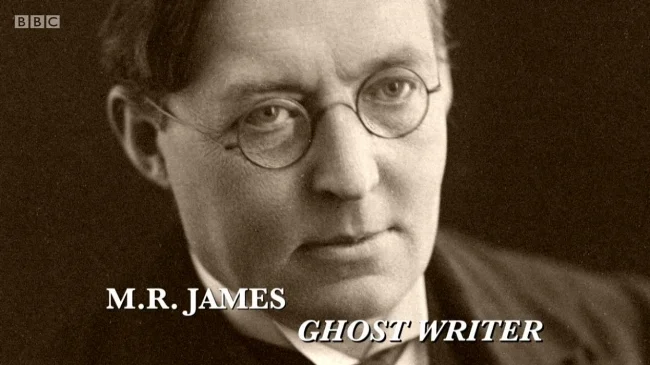
MR James: Ghost Writer is a sixty-minute documentary written and presented by Mark Gatiss, exploring the life of Britain's foremost ghost story writer. Gatiss, a long-time admirer of James, delves in to the life of the author from his devout Anglican upbringing and close-knit family life, through to his ascent to the summit of academia at King's college, Cambridge. The program seeks to discover what motivated this scholarly bachelor to create some of the most iconic and chilling ghost stories in English literature. By following in James’s footsteps, the documentary attempts to gain a greater insight in to the enigmatic author.
MR James: Ghost Writer is a sixty-minute documentary written and presented by Mark Gatiss, exploring the life of Britain's foremost ghost story writer. Gatiss, a long-time admirer of James, delves in to the life of the author from his devout Anglican upbringing and close-knit family life, through to his ascent to the summit of academia at King's college, Cambridge. The program seeks to discover what motivated this scholarly bachelor to create some of the most iconic and chilling ghost stories in English literature. By following in James’s footsteps, the documentary attempts to gain a greater insight in to the enigmatic author.
MR James: Ghost Writer explores in some depth the legacy of Mr James, emphasising his early life in Suffolk and the religious nature of his family. His academic prowess and near obsession with Medieval text and apocrypha clearly had an impact upon his writing, with much of the visual imagery from his writings being directly lifted from manuscripts he worked with on a daily basis. Only being familiar with James's work from a literary standing, I was greatly surprised by the great academic achievements of his life. His written treatise on illuminated Apocalypse manuscripts still remains an unparalleled achievement along with his rise to the office of provost and directorship of the Fitzwilliam Museum.
Despite the dry and formal nature of Victorian life, James was a surprising gregarious animal, taking an active part in college social life. Although he certainly reflected facets of the antiquarian characters that so often populated his stories, he was also a man of immense passion. His personal friendships were deep and of great importance to him, as correspondence with his inner circle demonstrate. His relationship with ex-pupil and illustrator James McBryde, succinctly demonstrates a profound platonic friendship of a type seldom seen these days. The documentary also addressed the impact of the "Great war" upon both James and the college and the subsequent way it influenced his later writing.
Perhaps the best aspect of Mark Gatiss's exploration of all things Jamesian, is the honest and fair way the subject of his "personal life" is explored. There is a trend in contemporary analysis to sometimes over zealously look for evidence modern schools of thought in those from prior eras. Several revisionist scholars seem to seize upon "examples" of a sexual subtext in the author's work and are then are happy to extrapolate this in to theories of suppressed homosexuality. Mr. Gatiss does not shy away from such notions but neither does he make any definitive conclusions. His interview with a former pupil of James whose father was also a close personal friend, perhaps sheds the most light upon the matter.
The visual and editing style of MR James: Ghost Writer is very compelling and follows a broadly linear narrative path, with many a tangential aside to explore illustrative points. Being a BBC commission project there a lot of use of footage from previous television adaptations in referencing James's literary work. The documentary effectively makes use of actor Robert Lloyd Parry, who recreates James celebrated readings of his stories at Christmas, to his fellow members of the " Chit Chat Club". Parry specialises in one-man performances of the work of M R James and provides some excellent readings from such stories as Canon Alberic's Scrapbook and A warning to the Curious.
Although it is an impossible task to definitively encapsulate a writer such as M R James in a single sixty-minute documentary, MR James: Ghost Writer certainly provides an interesting overview. Mark Gatiss has an obvious passion for the man and clearly identifies with him on many levels. However, this is far from an unobjective eulogy and depicts James as a man of his time with not particularly progressive attitudes on sexual equality or modernisation. I therefore whole heartedly recommend MR James: Ghost Writer not only established M R James fans but to wider scholars of the ghost stories who wish to learn more about one of the genres finest authors.












When Blogging Turns Bad
There’s currently a ton of useful advice coming out of the Blagust Reborn Prep Week. Most of which is specifically aimed at those who are blogging or creating content for the first time. However, I want to touch on a subject that some may think is a little inappropriate to raise at this point in the proceedings. Especially in light of the fact that Blagust Reborn is supposed to be about nurturing and not discouraging. But I believe that there’s a lesson to be learned from the tale I’m about to tell. I think it would be wiser for new writers, podcasters and streamers to be cognisant of it now rather than stumble into it three of four years down the road. Because a percentage of those who start content creation this August will continue to do so and find some measure of success with it. Success is a relative term but irrespective of that it can come with its own set of problems.
There’s currently a ton of useful advice coming out of the Blagust Reborn Prep Week. Most of which is specifically aimed at those who are blogging or creating content for the first time. However, I want to touch on a subject that some may think is a little inappropriate to raise at this point in the proceedings. Especially in light of the fact that Blagust Reborn is supposed to be about nurturing and not discouraging. But I believe that there’s a lesson to be learned from the tale I’m about to tell. I think it would be wiser for new writers, podcasters and streamers to be cognisant of it now rather than stumble into it three of four years down the road. Because a percentage of those who start content creation this August will continue to do so and find some measure of success with it. Success is a relative term but irrespective of that it can come with its own set of problems.
I've been writing all my life. It's something I always enjoyed, especially at school. There used to be a time when I use to write particularly lurid fiction. I remember Mr Deacon, an US exchange teacher who worked at my senior school for a while, telling me to tone it down. But he also gave me a lot of encouragement and it stuck with me. Writing is like many other things in life is an ongoing process of self-improvement and refinement. And as I've gotten older, I've found great comfort in being able to express my thoughts clearly through written words. I love a well-conceived, clear and logical argument. I eschew bluster, hyperbole and showboating. The former is a thing of skill and beauty. The latter is the province of the tabloid hacks, snake-oil salesman and politicians. Such is the power of words and writing. Although my abilities confine me to the realms of blogging and the odd piece of freelance writing, expressing myself through writing is both a joy and an invaluable means of personal therapy.
I'm not one for twenty-twenty hindsight but if I knew what I know now etc. and could have my proverbial time again, I'd would've liked to have made a career of writing in some shape or form. That's not to say that I perceive myself as a frustrated writer because I'm not. I'm just saying that writing is a career path that I would have liked to have pursued. At fifty, and in light of my current circumstances, that is not an immediate option. However, writing online has provided a good alternative. Hence, I've been blogging in one way or another for over a decade. I do so mainly for myself, but I won't lie about the fact that it’s nice to have an audience. Furthermore, that audience has grown over the years. For most of that time, I have chosen to write on a daily basis so as you can imagine, a sizeable body of work has accrued as a result of that. That output has had a tangible impact upon such things as page ranking and gaining traffic. Over half of the daily traffic for Contains Moderate Peril comes from older content found via a Google search. The movie reviews are especially good for this.
However, writing regularly is challenging. It requires commitment, organisation and a degree of self-sacrifice. When I was self-employed, I was able to dedicate time to content creation that others could not accommodate within the rigours of a nine to five job and a family life. Now as carer, although I have a busy schedule, there is still time for writing, although it is not always at an optimal time. But producing content is still hard work and the risk of burnout and fatigue is a real risk. I've also written in the past about the sense of obligation a writer develops toward their audience. Rightly or wrongly I think writers sometimes misconstrue the schedule they have chosen for themselves as a yolk imposed upon them by others. It is patently not the case but when stressed it’s odd how one’s perspective can be skewed. Despite advising others to write whatever and however they wish to, I struggle to do this myself. I find myself always leaning towards lengthy posts and like to ensure that they are coherent and as well structured as they can be. Overall my persistence and output has been well received and between 2014 and 2015, Contains Moderate Peril gained sufficient traffic to have to move to an alternative hosting package that could cope with the traffic.
Of late, I’ve had to juggle my writing output due to changes in my life. There have been gaps on days when I’ve been busy with my parent’s care. As a result, I’ve done some long and serious thinking about my current writing habits and where the entire Contains Moderate Peril thing is going. I feel that I've created this little bespoke brand over the years and I need to figure what I should do next with it. It certainly needs some thought because at present it just isn't working out the way I want it to and at times find myself feeling frustrated my own creation. This is a ludicrous and erroneous outlook but it's a hard feeling to shake. So, I'm going to try and rethink my writing habits and long-term goals. I may also decide to focus on specifics subjects and stop some content. I may overhaul the site. I may create a completely new one if the fancy takes me. Podcasting is a tougher subject altogether, but I still have aspirations here as well. Blaugust Reborn is my chance to ponder on all these points and work out a strategy. Perhaps documenting this process may prove beneficial to myself and others.
I guess the overall point of this post is that there is scope for blogging, like any other pastime or leisure activity to grow and start filling that strange twilight zone between a hobby and a job. As I said earlier, it's important to have focus and fortitude, but you also need to listen to your feelings. Especially when they start to become negative. Do not allow yourself to lapse into a state of blogging by obligation or writing under duress. Stay focused about what it is that you want to achieve and then stick with it. If things don't work out, then change them. Every post does not have to be a Pulitzer prize winner. You are supposed to be expressing yourself rather than continuously competing with yourself. But most of all, don’t allow burnout to reach that critical mass that ends with you rage quitting and deleting your blog. I’ve been there and done that and it doesn’t solve the problem as well as you’d think. So work hard and enjoy your content creation but don’t let it get the better of you. After all, the tail does not wag the dog.
Executive Decision Re-Edited Blu-ray Version (1996)
Stuart Baird’s Executive Decision was one of the better action films of the late nineties, with a stronger narrative and emphasis on characters, rather than just pure mayhem. Sporting a robust cast including Kurt Russell, David Suchet (Quelle surprise, a British actor playing a villain) and a willingness to break with convention (Steven Seagal dies in the first 45 minutes), Executive Decision is still an entertaining genre piece. Therefore, its arrival on Blu-ray in 2011 was keenly anticipated. However, placed on the back of the packaging of the US region-free release was a short and initially somewhat innocuous statement. “This R-rated version contains material different from the original R-rated version”. Exactly what does this mean?
Stuart Baird’s Executive Decision was one of the better action films of the late nineties, with a stronger narrative and emphasis on characters, rather than just pure mayhem. Sporting a robust cast including Kurt Russell, David Suchet (Quelle surprise, a British actor playing a villain) and a willingness to break with convention (Steven Seagal dies in the first 45 minutes), Executive Decision is still an entertaining genre piece. Therefore, its arrival on Blu-ray in 2011 was keenly anticipated. However, placed on the back of the packaging of the US region-free release was a short and initially somewhat innocuous statement. “This R-rated version contains material different from the original R-rated version”. Exactly what does this mean?
Well it has subsequently become apparent that Warner Bros have sourced a re-edited version of the film for its US Blu-ray release (and in all other territories). Specifically, cuts have been made to scenes where various characters are shown holding and reading the Quran. Please note that these alterations should not be confused with cuts that were made to the UK DVD release in 1997, in which Steven Seagal’s knife work at the start of the movie was truncated to obtain a lower rating. These new edits for Blu-ray have been made to address (and remove) the presence of a religious text that is used within the movie as a prop. If one compares the original 1997 US DVD copy of the film which is uncut, with the Blu-ray release, you’ll find that the following changes have been made to the film.
At 10:38, the scene in which the suicide bomber enters the London restaurant has shots of him holding the Quran aloft removed.
Then at 1:04:50 when David Suchet is talking to Halle Berry, similar material has been deleted. This includes him holding and leafing through the holy book.
Finally, between 1:37:04 to 1:37:11, shots of David Suchet praying are missing. This includes a scene in which a copy of the Quran can be seen on top of some radio equipment, next to him.
From a narrative point of view, these alterations do not have any tangible impact upon the story, or the characters and their motivation. However, many will argue that this is not the point. This rather arbitrary approach by Warner Bros doesn’t really achieve anything of significance, especially in light of the fact that the uncut version of the film has been in circulation globally on DVD for 13 years. It also seems paradoxical to remove one element of a film that can be perceived as offensive, when the very premise of the entire story can also be viewed in a similar fashion? Exactly who are these cuts supposed to appease? I was not aware of any major campaign against Executive Decision during its theatrical release or subsequent lifecycle on DVD. Is this more a case of the distributors having a guilty conscience or simply covering themselves legally?
Warner Bros have subsequently replaced the uncut 1997 DVD version of the movie with a new release that features the same re-edited version of the movie as the Blu-ray disc. However, the uncut version of the film still remains in circulation and can still be bought from retailers who still hold residual stock. For more specific details as to what versions are available in which regions please visit the Rewind: DVD Compare website, which provides a comprehensive breakdown and analysis. It remains to be seen as to what version of the film is currently in use on video on demand platforms and TV networks around the world.
The world has changed quite radically since 1996 and certainly post 9/11 and Iraq War sensibilities have had an impact upon such arbitrary tropes as the depiction of Islamic Fundamentalist Terrorists in cinema. Simplistic action movies like Executive Decision have given way to more nuanced films like Green Zone or Eye in the Sky. However, this retro-active editing of Executive Decision remains a curious anomaly because I am not aware of any other action of this kind being taken against similar movies from the same period. But then again, I cannot easily recall a comparable movie that featured the Quran as a visible prop. As to the moral rectitude and reasoning behind making these cuts to Executive Decision, that is a sperate debate altogether.

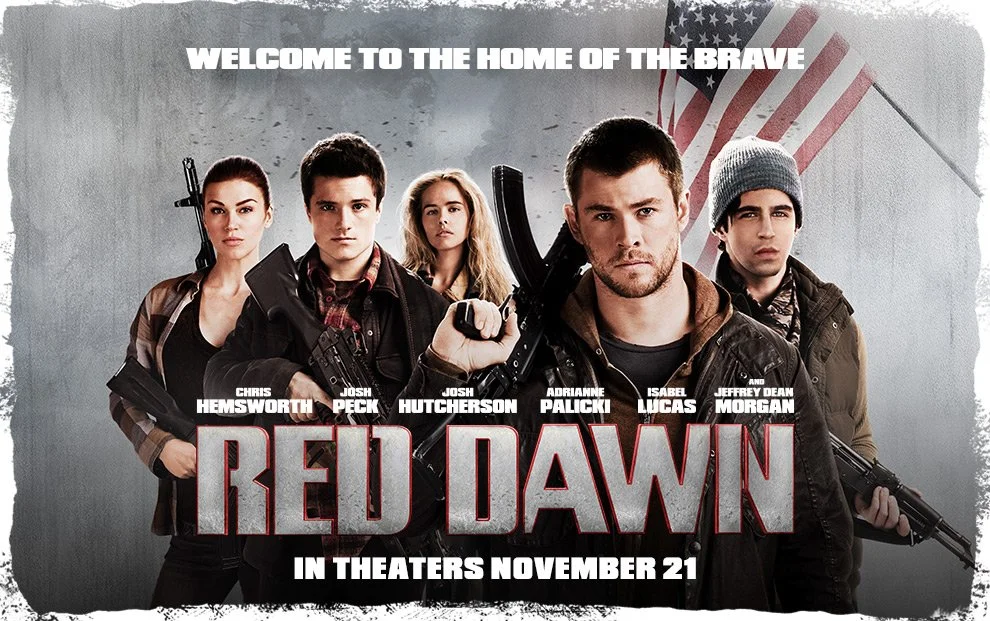



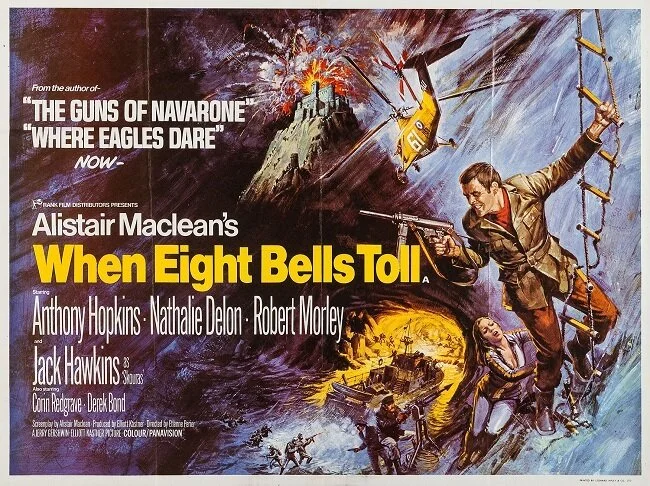
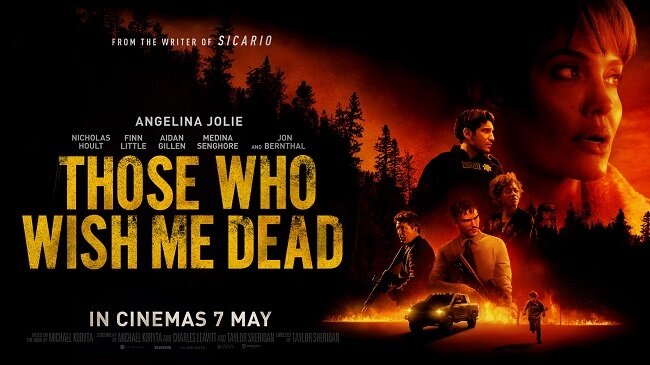

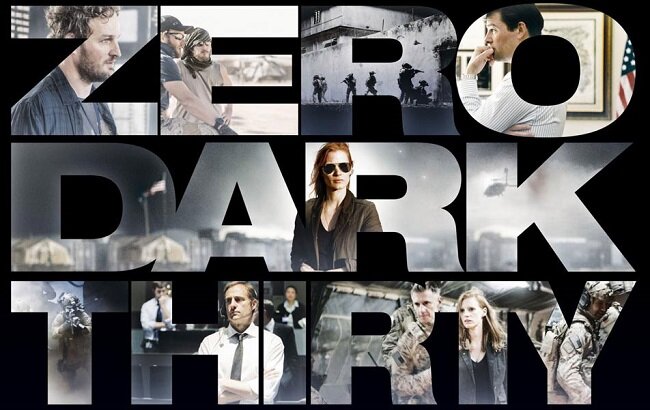
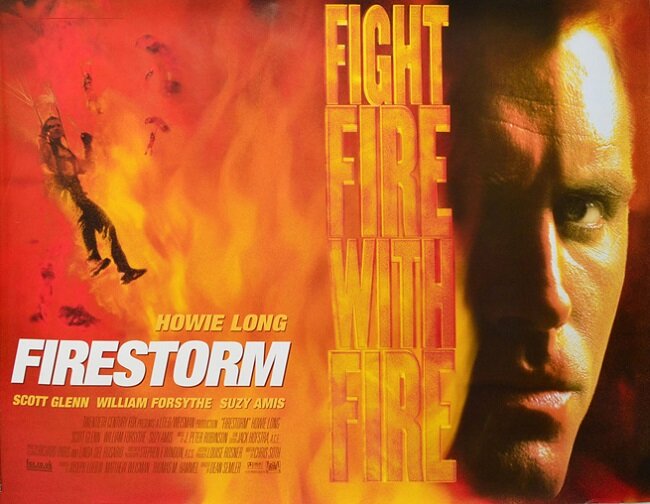




Dust Off Your Old Blog
It’s an old and all too familiar story. At some point, you thought “I know, let’s start a blog. I can write about the things that I enjoy and share my passion for river widening with others”. So you promptly went and opened up a free WordPress or Google Blogger account and jumped in feet first, without any semblance of a plan because who needs a plan, right? Then you quickly discovered that the witty epistles you hoped to write regularly were harder to produce than rocking horse droppings and finding time to write was proving hard; what with all the football on TV and the weekly meetings of the glee club. Plus, it also became apparent that something had gone horribly wrong with the internet and the CIA was obviously blocking your site content, because the army of fans you so righteously deserved had failed to manifest themselves. So you decided to pack it all in and instead try your hand at live streaming, because blogging is as good as dead (because Tobold said so) and you look really good in front of a camera (just remember to move the clothes horse out of shot first).
It’s an old and all too familiar story. At some point, you thought “I know, let’s start a blog. I can write about the things that I enjoy and share my passion for river widening with others”. So you promptly went and opened up a free WordPress or Google Blogger account and jumped in feet first, without any semblance of a plan because who needs a plan, right? Then you quickly discovered that the witty epistles you hoped to write regularly were harder to produce than rocking horse droppings and finding time to write was proving hard; what with all the football on TV and the weekly meetings of the glee club. Plus, it also became apparent that something had gone horribly wrong with the internet and the CIA was obviously blocking your site content, because the army of fans you so righteously deserved had failed to manifest themselves. So you decided to pack it all in and instead try your hand at live streaming, because blogging is as good as dead (because Tobold said so) and you look really good in front of a camera (just remember to move the clothes horse out of shot first).
Blaugust Reborn presents a perfect opportunity for lapsed bloggers to return to the fold and resume writing for the greater glory or humanity. Or at least for their own enjoyment and may be to be part of a wider community who have similar passions. As you are now older and wiser (because you are, aren’t you?) you realise that writing on a regular basis requires a degree of organisation and preparation. But the good news is that if you ensure that a few basic steps are in place, then you can embark of a blogging journey that should prove very enjoyable and rewarding. Now the following advice is mainly aimed at those who have previously blogged and have subsequently abandoned their respective sites. But the guidance here is also applicable to totally new bloggers. However, there is a lot more detailed information currently being collated over at the Blaugust Reborn Discord server that you may want to check out first if you are thinking of blogging, podcasting or creating content for the first time. I’m writing today to try and specifically coax those wayward ex-bloggers back online. Here are some ideas to consider.
Dust off your old blog. It is very tempting for returning bloggers to think to themselves “I don’t want to continue writing on my old site for [insert tortuous reason here]. I’d much rather start a new one”. The problem with this tactic is that you’ll then agonise over a witty, pithy blog name, what platform you should use and designing a slick logo. You’ll get bogged down with potentially unnecessary logistics, rather than applying yourself to writing. Joking aside, some people can sort all the above out really quickly, but for many budding writers (and I include myself in this group), if you provide us with any opportunity to procrastinate, then will take it and revel in it. For a large percentage of returning bloggers, it best not to invest too much time into the aesthetics and administrative aspects of your blog. Remember, you may ultimately not wish to or be able to sustain a writing schedule, so don’t waste time and money on new resources. Log into your old site, give it a bit of a spring clean and then get ready for the next stage.
Have some sort of plan. I like plans. So does Hannibal Smith. Having carried the can for major projects in the past that had substantial budgets, I’m a fully paid up exponent of the belt and braces school of thought. So I always tend to have a list of potential blog post ideas on the go. Some days I read what topics are doing the rounds on the various gaming websites. Other days I’ll just riff off something a fellow blogger has posted. Now everyone is different and not everyone likes or desires that level or organisation. That’s fine. Writing from the hip can be very effective when you’re fired up. But on those slow news days when the blogosphere is quietly turning over you may find your powder dry. So it doesn’t hurt to have a few ideas on standby. If you’re tackling a weightier subject or deciding to drop a major think piece than ensure you have done sufficient research. Some folk like to start with bullet points that they then flesh out into relevant paragraphs. There are lots of options and it’s down to you to find what’s right for you. Just bear in mind that it often helps to have thought about what your going to write before you do so.
Something is better than nothing. It’s your blog, so write as much or as little as you want. More to the point, write what you feel is enough. If you can make your point or collate your thoughts in one paragraph, then fair enough. Don’t feel obliged to bulk out your posts to some nebulous preconceived size. Filler stands out a mile and there’s nothing worse than “people who give vent to their loquacity by extraneous bombastic circumlocution” to quote Monty Python and highlight my point. Microblogging is a thing and it can work well. A quick post about how a boss fight went in an MMO last night can connect just as well with readers as a detailed analysis of the fight mechanics themselves. Don’t feel obliged to try and be Harper Lee, Suetonius or Roger Hargreaves. Your blog is about you and is your presence online. It therefore follows suite that it is done in a manner which pleases you. Readers who like 2,000-word, in-depth think pieces also like screenshots and posts about cosmetic items. It should also be noted that sometimes it is the most trivial and disposable posts that you make which prove to be the most popular. After a decade plus of writing online my most read post (which is no longer available) was a review of Top Cat: The Movie.
Write when you can and because you want to. In the past I have maintained a daily writing schedule and been happy to do so. However, my personal circumstances have changed over time and I’ve finally realised that not posting to my blog every day is not a personal failing or a crime against humanity. Therefore, do not impose an unrealistic writing regime upon yourself. Pick a time which is good for you and affords you the chance to think and martial your thoughts. Do not write because you feel obliged too. This will make you feel resentful about blogging and will often result in inferior work. Yes, there is an element of self-discipline when it comes to writing and there are times when you may have to shut the door and focus on the task in hand, but it should never be an insufferable burden. If you are in a suitably motivated state of mind, and writing in a comfortable environment conducive to writing, then you’re far more likely to produce material that you’re proud of and that will chime with readers. For those who choose to join the Blaugust Reborn Discord server, you’ll find an invaluable source of support and encouragement there to keep you motivated and thus writing.
I could add another half a dozen or so additional points to this list of advice for returning bloggers, but I believe the above are possibly the most essential. To summarise rekindle your old site, plan a few posts or jot down some ideas of where you want to go with your writing. Then write what you can and post whenever it is convenient. A happy and motivated blogger is in prime position to become an established and regular blogger. I should also point out that although the above advice references a gaming related blog, it is just as relevant to those writing about Etruscan pottery or the birds that gather on Mrs Coletart’s roof. The essential principles espoused here are also pertinent to podcasting, You Tubing (is that even a proper phrase? Answers on a postcard please) or any other form of online content creation really. Taking those initial steps back do not have to be as difficult and daunting as some would have you believe.
Caring for the Elderly: Part 4
There comes a stage in most people’s life when they start reflecting upon their own mortality. Both my parents have survived two strokes each and are now in the late eighties. At this point in their lives healthcare has moved on from correcting or remedying problems, to instead being more about holding the line and maintaining the status quo. A safe home along with an orderly daily routine provides a stable environment, which broadly allows them both to maintain an adequate degree of independent living. However, both are very aware that their faculties and overall health are gradually diminishing. Neither are naïve or foolish enough to deny this and in recent months have been quite candid about what the future will entail. Simply put both my parents are aware that they are currently “running the last lap”, to use one of their phrases.
There comes a stage in most people’s life when they start reflecting upon their own mortality. Both my parents have survived two strokes each and are now in the late eighties. At this point in their lives healthcare has moved on from correcting or remedying problems, to instead being more about holding the line and maintaining the status quo. A safe home along with an orderly daily routine provides a stable environment, which broadly allows them both to maintain an adequate degree of independent living. However, both are very aware that their faculties and overall health are gradually diminishing. Neither are naïve or foolish enough to deny this and in recent months have been quite candid about what the future will entail. Simply put both my parents are aware that they are currently “running the last lap”, to use one of their phrases.
The UK culturally and socially, still struggles when it comes to discussing death and the associated practical arrangements that accompany it. I certainly think that it is a subject that we need to be more candid about and that people are made aware of the importance of having a will in place along with a life insurance policy or a pre-paid funeral plan. Youth is often sceptical of old age which can at times feel a “million years away”. As a result, many people find themselves having to deal with an additional layer of administrative work when an illness or bereavement occurs. Thankfully, both my parents are products of their generation and have adequate provisions already in place. However, something came up recently that wasn’t previously covered, so I took my Father to the Doctor today to address it.
Having survived two strokes and being left disabled as a result of them, my Father’s greatest concern is suffering another such attack and finding himself robbed of further abilities. He does not believe in life at all costs and has clear lines drawn in the sand with regard to the quality of his life. Thus, under UK law he can elect not to be resuscitated if his heart stops, giving him a degree of peace of mind. Such a decision has to be formally noted and so today we went to our local General Practitioners Surgery and completed the relevant paperwork. My Father was interviewed by a Doctor who was familiar with his medical history. He was also asked if he fully understood the consequences of such a request. Once the Doctor had established that he was competent to make such a decision, he signed off the formal notice, gave a summary of the scenarios in which it could be used and then bid us good day. The process took about fifteen minutes. The documents official title is “Do Not Attempt Cardiopulmonary Resuscitation”.
The reason this matter came up, is because my Father is going into respite care next week for a fortnight and the Nursing Home asked if he had a “living will” or DNR (Do Not Resuscitate) notice. The likelihood of him have a stroke or related medical problem are not that high at present but still present a risk. If such an incident did take place while he was in care, then the staff would by default immediately attempt to revive him unless specifically instructed to do otherwise. Under the circumstances my Father felt it important to have such a provision in place. He personally feels that UK legislation is actually lagging behind public opinion with regard to end of life care and wider issues and felt that this process at least provided him with some say over his future and gave him a degree of agency. As his son I believe it is incumbent upon me to respect and support his wishes, regardless of whether or not I reciprocate them.
The UK has an ageing population and during the course of my lifetime, life expectancy has increased substantially. Current government data indicates that life expectancy at birth has now reached 79.5 years for males and 83.1 years for females. This is good news if you are hale and hearty and financially sound. It’s not such a good proposition if your medical problems make day to day life an insufferable burden. Perhaps in twenty years’ time the legal landscape will be more accommodating towards peoples needs. In the meantime, I would urge readers to at least reflect upon this topic and consider what their respective choices would be. It is a tough subject and there’s a broad spectrum of opinions out there. However, it is not wise to ignore a problem simply because it is unsettling or upsetting. In the worse possible scenario, we could find ourselves in a situation where we would like a specific course of action to be carried out, only for it to be ignored due to the lack of appropriate “paperwork”. I find that a far more frightening prospect.



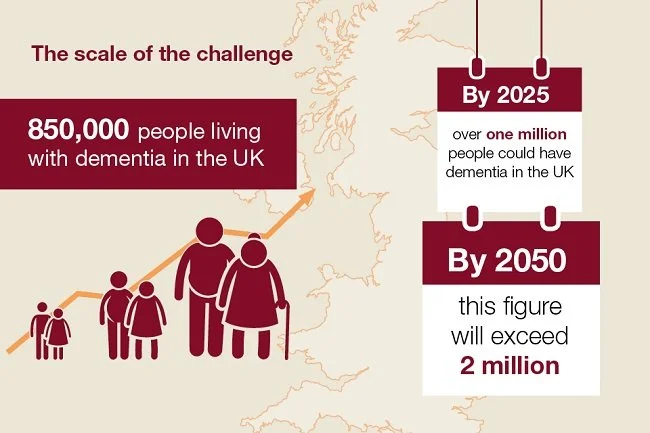








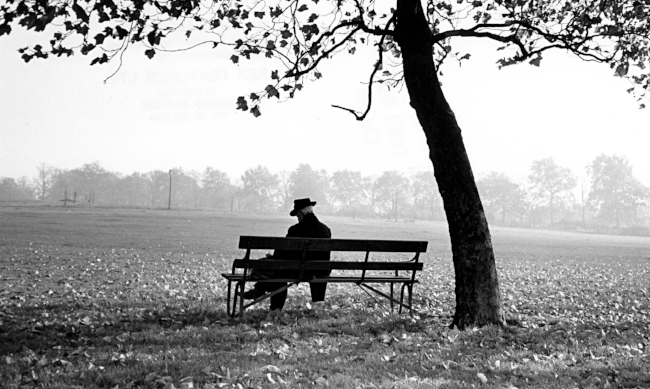





Not Playing World of Warcraft
World of Warcraft is still the biggest western MMO around and despite the ebb and flow of its player base, it remains a powerful presence within the gaming community. With the release of the pre-patch for the next expansion Battle of Azeroth yesterday, naturally there has been a wealth of blog posts as players dust off their subscriptions and return to the game. It’s a timely reminder that WoW was the MMO that made the genre more mainstream and commercially viable. For many gamers it was their stepping stone into other titles and sub-genres. The importance of World of Warcraft in gaming history and its place within pop culture is significant. The games success has bled through in to the mainstream. WoW is a known quantity outside of gaming circles and is social reference point, in the same way as Dungeons and Dragons, Batman or Star Trek.
World of Warcraft is still the biggest western MMO around and despite the ebb and flow of its player base, it remains a powerful presence within the gaming community. With the release of the pre-patch for the next expansion Battle of Azeroth yesterday, naturally there has been a wealth of blog posts as players dust off their subscriptions and return to the game. It’s a timely reminder that WoW was the MMO that made the genre more mainstream and commercially viable. For many gamers it was their stepping stone into other titles and sub-genres. The importance of World of Warcraft in gaming history and its place within pop culture is significant. The games success has bled through in to the mainstream. WoW is a known quantity outside of gaming circles and is social reference point, in the same way as Dungeons and Dragons, Batman or Star Trek.
However, as a gamer, if you do not play WoW or at least have some sort of history with it, you can find yourself in some kind of quasi MMO community minority group. It’s an "odd" phenomenon. Fellow blogger UltrViolet from EndgameViable goes so far as to say, “WoW expansions always make me feel like I just don't belong in the MMO genre”. Such is the status and ubiquity of the MMO. I wrote a while back about how “not liking sport”, especially football in the UK, can be a social impediment of sorts. In some respects, not playing WoW is the gaming equivalent of that. Often when talking to fellow gamers, especially those who enjoy the MMORPG genre, it is pretty much taken as read that you will have played the game at some point. Beyond a short trial, I’ve never really spent any major time playing WoW. It simply didn’t click with me. I didn’t and still don’t care for the aesthetics of the game, and I found the overall narrative tone to be a little too “knowing”.
My gateway MMO was LOTRO back in 2008 and right from the outset I liked the cut of its proverbial jib. I spent some time over the following years trying various other MMOs as they launched. Star Trek Online, Rift, The Secret World, Guild Wars 2 and SWOTR, to name but a few. However, for many gamers that was not the usual MMO route. Virtually every other gamer I know has a WoW background of some kind. Furthermore, the game is often further lionised due to it being associated with a particularly significant time in the gamers personal life. People have discovered the joys or gaming through WOW. Or had met the best friends of partners via it. WoW remains today, a safe and familiar haven for gamers going through tough times. Like a loyal pet or a much-loved book, WoW appears to at times transcend mere gaming to be a Mary Poppins-like presence that impacts upon gamers lives.
Overall, the current wave of excitement regarding Patch 8.0 does leave me feeling like a bemused spectator. To quote that great fictional character Ned Seagoon “Breakfast had just been served at Beauleigh Manor. I was at the window…looking in”. That is at least how WoW makes me feel sometimes. It’s like something quite “important” is going on but it always seems to be happening to somebody else. Now it is at this point that some may draw a similar parallel with EVE Online. That too is a monolithic game that casts a large shadow in the gaming community, allegedly. However, I feel that not playing WoW and not playing EVE, is an apples and oranges situation. Being outside of the current WoW hype makes me at times feel like I am missing out on something potentially fun. Observing EVE is more like rubbernecking a major road traffic accident. Either way, I am not sufficiently motivated to change my habits and start playing WoW. We exist as separate entities and never the twain shall meet. Like politicians and the truth, Love Island and human dignity or Star Wars fans and self-awareness.
Once again, an interesting talking point was raised over Massively Overpowered, but that’s hardly surprising as that is their schtick, so to speak. This time round the subject being dissected was Reddit and what happens when a gaming community finds more traction there than anywhere else. The thing is with Reddit is that it’s nowhere near as moderated as official forums and can in certain circumstances become a thorn in the flesh of a games developer, rather than an invaluable community resource. It was an engaging talking point that eventually started expanding into the more nebulous question of “how do you solve a problem like Reddit?” or thereabouts. I think this latter conundrum if worth pondering because Reddit as a platform isn’t going anywhere fast. Most games will have an official or unofficial presence there and love it or loathe it, such places are often a useful repository of information, if you can navigate the choppy waters therein.
Once again, an interesting talking point was raised over Massively Overpowered, but that’s hardly surprising as that is their schtick, so to speak. This time round the subject being dissected was Reddit and what happens when a gaming community finds more traction there than anywhere else. The thing is with Reddit is that it’s nowhere near as moderated as official forums and can in certain circumstances become a thorn in the flesh of a games developer, rather than an invaluable community resource. It was an engaging talking point that eventually started expanding into the more nebulous question of “how do you solve a problem like Reddit?” or thereabouts. I think this latter conundrum if worth pondering because Reddit as a platform isn’t going anywhere fast. Most games will have an official or unofficial presence there and love it or loathe it, such places are often a useful repository of information, if you can navigate the choppy waters therein.
From my own perspective, I find Reddit a nightmare to navigate, compared to bog-standard forums. I have the Reddit Enhancement Suite installed in my web browser, but I still struggle to find threads and keep up with them. I often have to use an external search facility to track down what I’m looking for. However, regardless of my personal likes and dislikes, Reddit seems to be the go to platform for online interaction and establishing communities. It’s appeal with the gaming community lies in the fact that it can provide an independent forum for debate, although some games publishers have elected to officially maintain a presence there. This freedom from corporate moderation is a double-edged sword and the source of many of Reddits problems. Contributors can be as measured or excessive in their discourse. If the majority choose to turn their online portal into a virtual latrine, then that is their prerogative. However, the matter becomes more complex when irrespective of its tone, a sub-reddit becomes the de facto place to go for news and information on a particular game. Some gamers will consider this a Hobson’s choice.
From what I’ve seen of Reddit based moderation, it all too often seems to be couched in going along with the perceived consensus of the site, rather than being impartial and fair. But then again, what can you expect from volunteers, drawn from a fan base who by nature are myopic about that which they love. Thus, the risk of creating a prevailing group think is high. That is why you will find sub-reddits that have become “echo chambers” although I do consider this a problematic term in itself. However, it will suffice for the broad point being made. Conversely, those official gaming presences on Reddit can be equally problematic. The need to control the narrative and temper an excess of criticism can effectively create the same problem only pointing towards the opposite end of the spectrum of views. Then you have the problem of the zealotry of the party faithful instead of that of the heretics.
For those people who do take a firmer moral stance, the other main issue associated with a presence on Reddit, is that even if you support just one particular sub-reddit, you are by association supporting the platform itself per se and thus all the unseemly content that it contains. As this puts some folk in an impossible moral position they effectively end up having to boycott the platform and so again miss out on a wealth of practical resources. It can also be argued that the Reddit community potentially misses out on their participation as well, and the moderating influence they could supply. Irrespective of whether it is true or not, Reddit has a reputation that proceeds itself and some folk who are ambivalent about forums to begin with, will just elect not to get involved in a community if they see that Reddit is the online portal of choice.
It is also worth considering that there may be a bigger issue here and Reddit actually may only be a symptom, rather than a cause. Rather than looking at the issue of partisan environments such a Reddit as being the thing that needs to be changed, perhaps we should take a step back and reflect upon whether its actually gamers that need fixing? Gamers are an ageing population who have had their views and opinions shaped by the times they’ve lived through. A lot has changed in my personal gaming lifetime. Business models, content delivery as well as gamer demographics themselves. Where I may recognise that things have moved on, market forces drive content creation and the basic fact that gaming is not my personal “bat and ball”, a lot of others haven’t. Change is not always popular or welcome and history shows there is always some form of pushback. Perhaps the unpleasant quarters of Reddit are simply manifestations of that? May be the entire phenomenon of angry sub-reddits (at least of the gaming kind) will dwindle in time, as the player base becomes filled with a new generation who less emotional baggage and prejudices?