
Caring for the Elderly Part 15
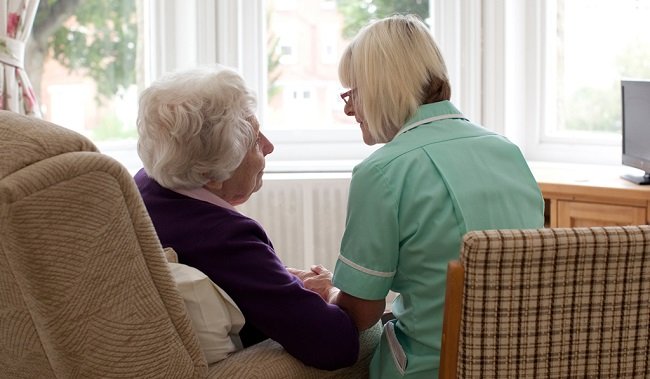
In this latest post I wish to discuss hospital admissions and how they can become a regular occurrence when caring for the elderly. Being immobile, losing agency with respect to one’s personal hygiene and being dependent on medical equipment can lead to health related problems, irrespective of good home care. For example, my late Father had limited mobility and spent most of his day sitting. Hence, he used a memory foam cushion to protest against pressure sores. He also slept in a hospital bed equipped with an air mattress for similar reasons. Despite having attentive carers twice a day, he was subject to regular skin complaints due to his diet (he was fed via a PEG tube) and lack of sunlight. Perhaps the biggest source of problems came from being catheterised. Despite scrupulous cleanliness he would still regularly contract urinary tract infections. As a result hospital admissions were frequent.
In this latest post I wish to discuss hospital admissions and how they can become a regular occurrence when caring for the elderly. Being immobile, losing agency with respect to one’s personal hygiene and being dependent on medical equipment can lead to health related problems, irrespective of good home care. For example, my late Father had limited mobility and spent most of his day sitting. Hence, he used a memory foam cushion to protest against pressure sores. He also slept in a hospital bed equipped with an air mattress for similar reasons. Despite having attentive carers twice a day, he was subject to regular skin complaints due to his diet (he was fed via a PEG tube) and lack of sunlight. Perhaps the biggest source of problems came from being catheterised. Despite scrupulous cleanliness he would still regularly contract urinary tract infections. As a result hospital admissions were frequent.
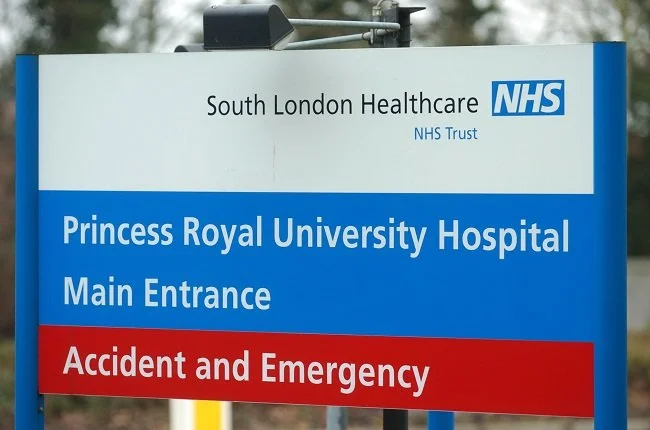
For the elderly a stay in hospital is often a double edged sword. The focus of care is often upon the problem that was the cause of the admission. Sometimes this to the detriment of other secondary issues. Due to the rapid deterioration of my Mother’s mental state in early December, she was admitted to hospital on the 16th of that month to see if it could be determined what was the cause. Due to her lack of “capacity” she was taken against her wishes, which in itself was a very traumatic event for both her and our family. She spent two weeks in one hospital where it was discovered that she had COVID-19 but was asymptomatic. During that time staff did a multitude of tests to see if there was a physiological reason for her mental decline. None was found, thus making her diagnosis more likely to be dementia brought on by old age, She was then transferred to a second hospital for another two weeks and stayed on a geriatric ward. She was discharged on Monday 17th January.
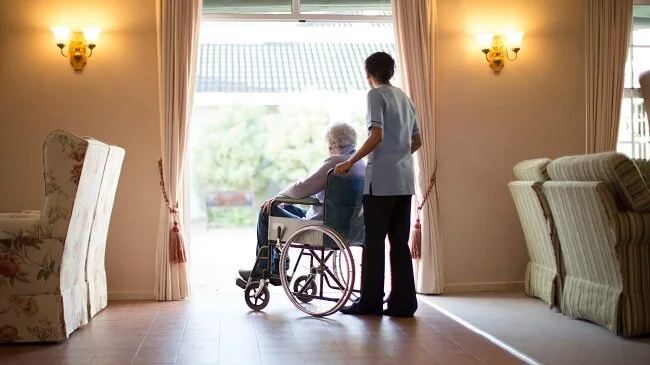
The four week stay in hospital, over Christmas and New Year, has taken a heavy toll on my Mother. The change of environment, the disruption to her routine, the tests and fear of being in hospital without seeing a familiar face has left her even more fretful and suspicious. She has lost more weight, now being about 112 lbs. She has become even frailer and can no longer stand to use the Molift for transport to the commode. Hence she is now permanently bedbound and cannot feed herself without assistance. Something the hospital staff neglected to tell me until 30 minutes prior to her discharge. In many ways my Mother is the embodiment of that rather arbitrary adage “if you don’t use it, you lose it”. And although in the great scheme of things it’s not so important, several items that went into the hospital with my Mother have failed to come back with her. Such as her Pro Heel Boots that protect her feet, which cost £80.
The pandemic has certainly made hospital stays a lot more complicated and this has naturally had an impact on what staff can and cannot do. It is reasonable to bear this in mind when making any assessment about the overall virtues of a stay in hospital. But COVID-19 notwithstanding, I believe that some hospital stays for the elderly can be a major contribution to their ongoing decline. In my Mother’s case the staff focused on trying to determine the cause of her mental state to the detriment of her physical wellbeing. She may well be COVID-19 free but at a terrible cost to her overall health. Furthermore, as they haven’t found a physical reason for her decline in capacity, both the medical staff and social services do not feel inclined to pursue a mental health diagnosis. Put frankly, no one wants to use the term dementia. There seems to be a deliberate policy of using far more vague and nebulous medical terms such as delirium and confusion. Possibly because the term dementia immediately dictates a very specific and expensive course of action. One that social services and the NHS may be reluctant to take.
At present my Mother is back home and bed bound. She is still confused, hearing voices and talking to them. She is distressed and tearful a lot of the time. She has four care visits a day. Each one involves two carers. She is dependent upon them to eat and drink. Both my Sister and I have tried to get her to drink water at times outside of the care visits but she will not take anything from either of us, as she believes we are trying to do her harm. After three days there have already been several incidents of her not allowing the carers to help her. Hence we find ourselves as a family exactly back in the same situation we were in when she was admitted. Naturally I am monitoring the situation but if my Mother continues to not drink sufficiently and to neglect herself, she is likely to get ill and be admitted to hospital again. I’m not sure if she would survive another stay at the age of 91 and in her current physical and psychological condition.





Caring for the Elderly Part 14
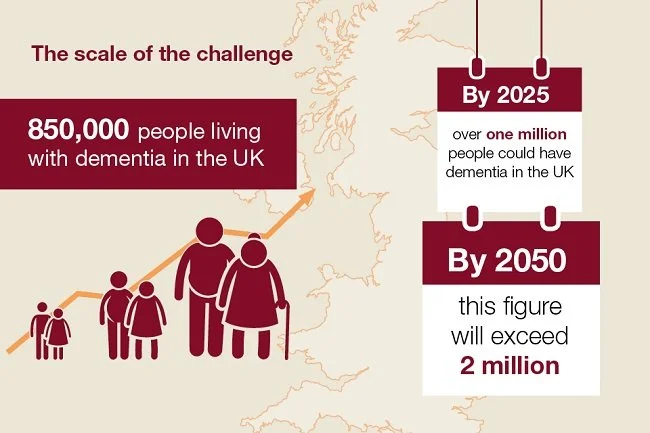
It has been over a year since I’ve written about this subject. The last post was about my late Father’s funeral. Since then life has gone on and my Mother’s ongoing care has become a fixed and somewhat uneventful regime. There are benefits to be gained from such a routine as it offers stability and certainty for both the carer and person being cared for. However, recently there has been a significant change in the status quo that warrants writing about. As always, my desire is to share some points and present my personal experiences in the hope that they may prove useful and informative to those in a similar situation or who may be just embarking upon their caring journey. The main subject of this post is a difficult one and something that is very hard to come to terms with. It is dementia. A medical condition that affects 1 in 6 people over the age of 80 in the UK.
It has been over a year since I’ve written about this subject. The last post was about my late Father’s funeral. Since then life has gone on and my Mother’s ongoing care has become a fixed and somewhat uneventful regime. There are benefits to be gained from such a routine as it offers stability and certainty for both the carer and person being cared for. However, recently there has been a significant change in the status quo that warrants writing about. As always, my desire is to share some points and present my personal experiences in the hope that they may prove useful and informative to those in a similar situation or who may be just embarking upon their caring journey. The main subject of this post is a difficult one and something that is very hard to come to terms with. It is dementia. A medical condition that affects 1 in 6 people over the age of 80 in the UK.
Dementia is a term used to describe a spectrum of symptoms affecting memory, thinking and social abilities severely enough to interfere with a patient's daily life. It isn't a specific disease per se. Several diseases can cause dementia. Though dementia generally involves memory loss, such symptoms have many different causes. Having memory loss alone doesn't mean you have dementia, although it's often one of the early signs of the condition. Alzheimer's disease is the most common cause of a progressive dementia in older adults but there are a number of other causes of dementia. Damage to or loss of nerve cells connected to the brain is the most common. Depending on which part of the brain is damaged, dementia can affect people differently and cause different symptoms. Depending on the cause, some dementia symptoms can be reversible. Others are progressive.
Due to my Mother’s lack of mobility she spends her days confined to one room. Each day she is washed and dressed with the assistance of carers and then transferred from her hospital bed to an orthopaedic chair in her room. Reading is her main form of entertainment. Due to her failing eyesight and hearing she has abandoned TV and music. She sadly reached this state of health just as the pandemic started in early 2020, so most of the home support services that usually are available have not been accessible. Hence visitors, day trips outside of the home, access to activity groups and physiotherapy have not been a regular option. Hence her engagement with the world is limited to myself, my sister and a handful of carers. Occasionally there have been visits from wider family but most of her peers and her own family have died. At the age of 91, my Mother has found herself socially isolated by ill health and circumstance. Her days are long, uneventful and she has nothing but her own thoughts and memories to reflect upon.
We all talk to ourselves from time to time when alone, and so I did not think it unusual when my Mother initially started doing this. Considering her environment and routine, it seemed quite logical. However, last weekend I noticed that it was a far more complicated dialogue that she was having. Instead of making the odd comment to jolly herself along like “oh you’ve lost your place in the book again. Where did I put that bookmark”, her conversations started becoming clearly addressed to third parties. Furthermore, these conversations were clearly upsetting her. Then this week, the morning carers started noticing that my Mother was agitated and engaged in arguments with people who were not there. She would become quite upset and cry. So when a convenient opportunity presented itself, I decided to broach the subject with her when she was having a calm moment. I was both heartbroken and fascinated by her comments.
My Mother is currently hearing voices. It would appear that her inner monologue and her subconscious thoughts are manifesting themselves as external voices. You or I may sometimes think when we’re down “have I made the right choices in my life” or “what will become of me”. For my Mother these thoughts manifest themselves as voices, external to herself. Often they will be the voices of deceased family members and friends. Often the conversations are very negative. It would appear the voices are encouraging her to be distrustful and are misleading her. What made this all the more troubling is that as my Mother told me this, she was lucid and clear. She paused from time to time because she was hearing another conversation in parallel while explaining things to me. Furthermore, she knows that this situation isn’t right and suspects that she is unwell. When I suggested she may have an infection she said quite candidly, “No, this is my imagination talking to me and I can’t stop it. I’m old and broken”.
Needless to say I called the family Doctor’s Surgery and a GP came to the home and thoroughly examined my Mother. No signs of an infection were found and subsequent tests have proven negative. My Mother may have had another stroke but the diagnosis is currently pointing to dementia. It does run in my Mother’s family. She has been referred to the Frailty Clinic. This specialist team conducts a Comprehensive Geriatric Assessment process to understand a person’s health and social care needs. The assessment enables early interventions to be tailored-made to the individual, to optimise their health and ensure a better quality of life. Interventions can include changes to medication, referral onto other services as well as discussing preferences for future care. The appointment is followed with a letter to the GP, summarising the clinic assessment outcomes and any recommendations. As present this service may be reduced due to current COVID-19 precautions but it does sound hopeful and interesting.
If my Mother is confirmed to have dementia and that the long term prognosis is that it will get worse over time, then the immediate practical question is how does this impact upon her ongoing care at home. Initial discussions with the Doctor focused upon whether my Mother is a danger to herself. At present this is not the case therefore, if we set aside for a moment my Mother’s auditory hallucinations and the upset it causes her, her daily care needs can be met. The carers are used to dealing with patients with such symptoms and so far my Mother’s eating and recreational habits have remained the same. However, one cannot ignore the emotional trauma that both my Mother, myself and my sister feel about the reality of the situation. I think the most harrowing aspect at present is that my Mother knows that she is not well.
I count myself fortunate that I live in a Borough where the NHS support services are quite robust. My local Doctors Surgery are also invaluable. So far everything that has been discussed as far as treatment has been done. A District Nurse came earlier today to take bloods to do comprehensive testing. I don’t feel abandoned in any way by the authorities. Maintaining a positive outlook, supporting my Mother and keeping an eye on my Sister’s wellbeing is a harder task. I find that if I engage with my Mother she stays relatively calm. However, I cannot be with her all day, everyday as I have other people dependent upon me. At present I am adopting a very “here and now” approach to this situation and I feel that is the best policy. Deal with things as and when they occur and don’t worry about what may happen a month or two from now. Writing about things is also a useful means for me to come to terms with them. In the meantime I shall keep concentrating on supporting my Mother.
Caring for the Elderly Part 13
The funeral service for my late Father was held today. As ever I would like to collate my thoughts and present them here in the hope that I may be able to assist someone else who is currently dealing with a bereavement. Funerals can be challenging at any time but are further complicated at the moment due to the various restrictions imposed due to the global COVID-19 pandemic. However, there is still scope to give a loved one a fitting send off. You just have to be a little more creative about it and try to be understanding of the current regulations regarding social gatherings. Despite my concerns today’s service at our local Borough crematorium went well, if such a term is appropriate. I feel that my Father was honoured appropriately and that his family and friends were able to pay their respects and celebrate his life in a manner that he would approve of.
The funeral service for my late Father was held today. As ever I would like to collate my thoughts and present them here in the hope that I may be able to assist someone else who is currently dealing with a bereavement. Funerals can be challenging at any time but are further complicated at the moment due to the various restrictions imposed due to the global COVID-19 pandemic. However, there is still scope to give a loved one a fitting send off. You just have to be a little more creative about it and try to be understanding of the current regulations regarding social gatherings. Despite my concerns today’s service at our local Borough crematorium went well, if such a term is appropriate. I feel that my Father was honoured appropriately and that his family and friends were able to pay their respects and celebrate his life in a manner that he would approve of.
When my Father died on September 16th one of the first tasks that followed was the registering of his death. During that process there was the option to include the details of which Funeral Directors you are utilising. As I had done some research prior to speaking to the registrar, I had already chosen the Co-op Funeralcare as my vendor of choice. I made this decision based on recommendations from two friends who had used their service and because of the comprehensive FAQ the company has on their website. They have clear guidance of what to do after a bereavement from registering the death, notifying all relevant third parties, administering a will and the etiquette and protocol of arranging a funeral. The information is clear and accessible. Co-op Funeralcare also has a range of products which suit a variety of budgets. They also offer environmentally friendly options and can accommodate humanist and non-religious services.
I subsequently booked an appointment with my local branch of Co-op Funeralcare and was seen five days after my Father’s death on 21st September. The Funeral Arranger was sympathetic, supportive and exceedingly helpful. We discussed a range of potential options for my Father’s funeral in a relaxed atmosphere. The offices are designed to be “homely” and less like standard corporate premises. The first question discussed is whether the deceased was to be buried or cremated. Cremation was the case in this instance. I then picked a coffin from an extensive range. As the family did not wish a viewing, there was no requirement for an open casket, embalming or any other morticians services. We then moved on to the logistics of the service. Usually the coffin is brought to the crematorium via a hearse. There are limousines available to bring family members. However, due to the lockdown there are restrictions on the use of limousines, so it is more efficient to simply make your own way to the crematorium. My Father wasn’t a religious man so there was no requirement for a minister of any kind. Hence, the overall costs for the funeral were quite low.
All of this was arranged on my first visit to the funeral directors. When I left, the date had been set for the service, which was to be held at the local Borough Crematorium. With regard to the costs, there were several payment plans available from the funeral directors, depending on the customer’s financial circumstances. I paid the entire cost by bank transfer the following day. Over the next week there were a few additional tasks to sort out. I had to choose two pieces of music to be played at the service. One for when guests arrive and take their seats in the chapel. The other at the end when they exit into the garden of remembrance. For the former I opted for Tchaikovsky: Souvenir d'un lieu cher, Op.42 - 3. Mélodie performed by Janine Jansen. I chose this because my Father played the violin in his youth and loved such music. For the second piece my Father had specifically requested Ich hatt' einen Kameraden ("The Good Comrade"). This is a popular tune played at German military funerals. My Father had a penchant for military culture, having done his National Service after WWII and then joined the Territorial Army in the Fifties. I must admit I was pleasantly surprised when the funeral director’s managed to find the latter track performed on the Trumpet by Dirk Jess. Apparently a lot of UK funeral directors use the Wesley Media library which is quite comprehensive.
I took some clothes to the funeral directors. Although my Father was in a closed casket, I wanted him dressed in his regimental blazer and tie, rather than just a funeral shroud. Another aspect associated with funerals are floral tributes. My Father left instructions that attendees not buy any as he considered this wasteful. Instead he suggested that a charitable donation was made in his name, in lieu of flowers. In this case his charity of choice was The Royal British Legion, which provides financial, social and emotional support to members and veterans of the British Armed Forces, their families and dependants. However, I did order a floral spray for the coffin, so it was not completely unadorned when placed on the catafalque. The final arrangement I had to make was creating and printing an Order of Service. There are plenty of online printers that offer this service, providing templates in all the most common formats, so this was not a major problem. Adobe also offers a free online service for editing photos. This proved useful in restoring an old photo of my Father, for use in the Order of Service.
Once all of the above preparations were made, it was simply a case of inviting family and friends to the service. Under current rules up to 30 people can attend a funeral in the UK. The service is allotted 30 minutes running time. Which brings me to today’s events; the funeral service itself. We all met at the Eltham Crematorium which has an outside waiting area inbetween it’s two chapels. At present the internal waiting rooms are closed. The noticeboard told us which of the two chapels our service had been assigned. The hearse arrived and I was greeted by the funeral director. We had been given a choice in advance as to whether a party of mourners wished to carry the coffin into the chapel. We decline this and my Father’s coffin was carried in by staff with suitable reverence. The first piece of music played and we entered and sat on the pews in a socially distanced manner. There were ten people in total. I welcome all attendees and then read my eulogy to my father. My Aunt, his only surviving Sister (93) then gave some lovely personal reminiscences about their childhood. Finally, one of my Father’s best friends spoke of their 65 year friendship and how they met in the Territorial Army. There was then a minute's silence for prayer and reflection. We then exited in the garden of remembrance and made small talk, as you do at such events. As there was no function or wake in light of the pandemic, we said our goodbyes and departed.
So these are my recent experiences of arranging and attending a funeral for a loved one in 2020. Due to my Father’s specific wishes, I don’t know if the service would have been radically different even if there wasn’t a pandemic. We may have used the limousine service and perhaps have sung a few of his favourite hymns but beyond that I don’t think there would have been too many further embellishments. Overall I did not find this an emotionally overwhelming experience and certainly feel that Co-op Funeralcare did much to make the arrangements and logistics as straightforward as possible. In the space of three weeks, I have administered as many of my Father’s affairs as I can. Some must now be dealt with by solicitors. I think the funeral service struck the right tone. There was deference and dignity but the speeches focused on celebrating my Father’s life. And so, now that everything that can be done, has been done, it’s a question of moving forward. In a week I can collect my father’s ashes. I’m sure the reality of my loss will catch up with me then and I shall grieve in my own way. But life goes on.
Caring for the Elderly Part 12
Long-term care can often end with a bereavement; which is a complex subject in itself. I will not be discussing grief in this post, as that is an immensely personal and subjective experience that we deal with in our own way. Instead, I would like to talk about the administrative and logistical problems that arise after someone has died and use my own recent experiences as an example. My Father died on Wednesday 16th September. He had a series of strokes in 2016 which left him disabled. Over the last four years his level of health has slowly deteriorated and his quality of life has subsequently diminished. This year saw a noticeable change not only in his well being but overall attitude. His stoical outlook finally faded and he lost all interest in life. He fell ill in mid August with Sepsis and then developed a lung infection. When I saw him last on Friday 4th September he told me he was tired and wanted “an end to it all”. Six days later he asked the Senior Doctor on the ward to stop treatment, which wasn’t working anyway. He died a week later on Wednesday 16th September. He was 91.
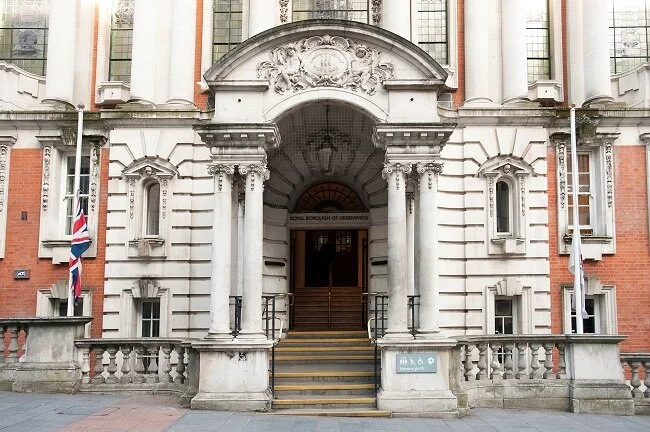
Greenwich Town Hall
Long-term care can often end with a bereavement; which is a complex subject in itself. I will not be discussing grief in this post, as that is an immensely personal and subjective experience that we deal with in our own way. Instead, I would like to talk about the administrative and logistical problems that arise after someone has died and use my own recent experiences as an example. My Father died on Wednesday 16th September. He had a series of strokes in 2016 which left him disabled. Over the last four years his level of health has slowly deteriorated and his quality of life has subsequently diminished. This year saw a noticeable change not only in his well being but overall attitude. His stoical outlook finally faded and he lost all interest in life. He fell ill in mid August with Sepsis and then developed a lung infection. When I saw him last on Friday 4th September he told me he was tired and wanted “an end to it all”. Six days later he asked the Senior Doctor on the ward to stop treatment, which wasn’t working anyway. He died a week later on Wednesday 16th September. He was 91.
In the UK the first and most important administrative task that needs to be done after a bereavement is to register the death of the deceased. Because my father died in Queen Elizabeth Hospital and not at home, his death had to be registered with Royal Borough of Greenwich and not Bexley where he lived. The Medical Examiner discussed my Father’s care with the Doctor who was responsible for his medical treatment and then called me to explain what cause of death they would be putting on the death certificate was Aspiration Pneumonia. They then notified the Registrar who set up a telephone interview with me. Traditional face to face meetings are suspended due to COVID-19. This phone call took place two day later. I went through some personal details that are required when registering a death. These are similar to those that are entered on a Marriage Certificate. I ordered 5 copies of my Father’s Death Certificate for administrative purposes. There was a fee for these. The registrar then gave me a code for the “Tell Us Once” website. This is a government online portal that confirms the details shown on the Death Certificate and notifies all relevant departments, such as tax, state pension etc.
What has become apparent during the course of my administrative endeavours is that it’s somewhat easier dealing with a bereavement if there’s a surviving spouse or partner. There is not always an immediate requirement for Probate in certain circumstances and fortunately my Mother meets these criteria. Therefore, the two most important administrative tasks currently outstanding are transferring my Father’s Teacher Pension to my Mother, along with having the deeds to the house put in her name. Both of these are common changes of circumstances and are well documented on their respective websites. The transfer of the pension requires the completion of a form and copies of my parents Marriage Certificate and my Father’s Death certificate. The house deeds are all managed via the Land Registry. This task is a little more complex but again due to the pandemic is now handled via the post, which means I don’t have to travel to the regional office in Croydon. I recently found a lot of paperwork pertaining to my parents paying off their mortgage in 1986, so I should have everything necessary. If I don’t the Land Registry can provide duplicates. Again there will be fees involved but nothing too expensive (although that is a relative term).
After the aforementioned tasks are completed, there are a few more outstanding changes of circumstance to be made but these are less complex. The UK has an ageing population and therefore bereavements are a common occurrence. Hence a lot of companies have a dedicated phone line and protocols in place to deal with such circumstances. So transferring account ownership of utility services such as gas, electricity, water, internet access along with Council Tax is relatively simple. Claiming the life insurance policy that my Mother had for my Father also appears to be straightforward and only requires the completion of a form along with a copy of the Death Certificate. My parents shared a joint bank account from which all major household bills are paid. The only change required here is to take my Father’s name off the account. His personal account is now “frozen” and will be closed. The assets will be paid to my Mother. All of which are within the tax threshold so there’s no dealings with HMRC.
Eltham Chapel
The only other administrative and logistical matter arising from my Father’s death is his funeral. Like most of the UK population, my Father will be cremated. At present Government Guidelines allow up to 30 people to attend the service, however, there is a major caveat regarding this depending upon the capacity of the Crematorium. Social distancing has to be observed. As of writing this post I haven’t yet been to the Funeral Directors, although I have an appointment for Monday. It will be interesting to see what size restrictions there will be if any. There will only be about 10 people well enough to come to my Father’s funeral anyway. Both my Mother and Sister will not be able to attend due to ill health. I’m also curious to see if Co-op Funeralcare (who I have contracted to deal with proceedings) offer more contemporary services. My Father stipulated that he didn’t want any floral tributes so I wonder if the funeral directors will set up a “JustGiving” page for charitable donations or whether that falls to me?
Once all the above has been carried out then all the major administrative tasks arising from My father’s death will have been done. Then there’s the more difficult task of going through his personal effects and deciding what to do with them all. This is another one of those situations where there isn’t a standard solution. For some people, this part of a bereavement is the most difficult to deal with, as it brings to mind so many personal memories. However, I am not overly sentimental about such things and my parents' house is cluttered and needs to be clear out. This will create space so I can make some home improvements. Hopefully this will help me make my Mother’s daily life better. Dealing with all these administrative issues is a very curious experience. I have experienced it once before when my Father-in-law died, so I was somewhat prepared this time. As bank accounts are closed and my Father’s details are erased from various companies and public bodies, it does bring home the fact that life goes on, regardless of an individual or a family's grief. But these tasks, painful as they may appear, have to be done. Ignoring them only makes a difficult situation worse.
Caring for the Elderly: Part 11
I last wrote a post about “caring for the elderly” in February. There have been significant changes in my family's fortunes since then and like anyone in a caring situation, the lockdown has had a major impact and sadly not for the good. As ever, I choose to recount my own experiences in the hope that they may be of some use to others who are in a similar situation. So to begin with, my Mother went into Respite Care just as the pandemic was hitting the UK and the lockdown was being implemented. Hence her stay in a nursing home was not the best experience. All the additional social activities usually on offer were suspended so all she effectively did was swap one sick room for another. She came back home just as my sister moved from working in London to working from home. Hence from March onwards both her and I have been caring for both my disabled parents on a daily basis. However, my sister has had to hold down a job at the same time.
I last wrote a post about “caring for the elderly” in February. There have been significant changes in my family's fortunes since then and like anyone in a caring situation, the lockdown has had a major impact and sadly not for the good. As ever, I choose to recount my own experiences in the hope that they may be of some use to others who are in a similar situation. So to begin with, my Mother went into Respite Care just as the pandemic was hitting the UK and the lockdown was being implemented. Hence her stay in a nursing home was not the best experience. All the additional social activities usually on offer were suspended so all she effectively did was swap one sick room for another. She came back home just as my sister moved from working in London to working from home. Hence from March onwards both her and I have been caring for both my disabled parents on a daily basis. However, my sister has had to hold down a job at the same time.
Both of our parents have noticeably declined both physically and mentally during the lockdown. The mobile library service has been suspended and family and friends naturally have not been able to visit. My Mum and Dad have a long list of low level medical problems that are usually treated at home. The Podiatrist and the ear clinician have both been absent for the last five to six months. However, there have been a few minor victories. I finally managed to get both parents dealt with by the same care company which has made scheduling visits a lot easier. This particular company has been quick to move to a phone based app, so I always know who is coming and at what approximate time. My Mother now also sees the district nurse team due to several foot injuries not healing properly. But even these two improvements to the situation do not greatly change the overall outcome. Both parents have a poor quality of life. My Mother spends the day in a chair and is simply fed and medicated. My Father is washed, dressed and placed in front of a TV for most of his day. They cannot do anything else without the assistance of several able bodied people.
However in the last calendar month there have been several radical changes to both my parents conditions. My mother has been getting community physiotherapy at home, where they have been attempting to improve her mobility. It is somewhat belated, considering she fell and broke her arm in late November last year. But that can’t be helped. Over a series of visits and physical tests it has been determined by the senior physiotherapist that although she can lift herself up out of a chair and stand, her knees cannot sustain her walking for more than a step or two. As of today she has been officially classified as immobile and will never walk again. Due to her hearing issues she was aware of some of what was discussed with her. But once the therapist left, I had to tell her in simpler terms that she could no longer walk and in doing so took away the last vestige of hope she’s been clinging to for the last ten months.
My father contracted another UTI in early August and went into hospital for five days. After treatment with antibiotics he met their criteria to be sent home. I was surprised and concerned by this decision. Just under two weeks later he developed sepsis and was rushed back to hospital, where we were told to expect the worse. However, contrary to medical expectations he has pulled through this life threatening situation. Sadly this has been achieved at a significant cost. His already diminished health has taken a further turn for the worst. He is now diabetic and can barely walk using a frame. He may also have long term renal problems. While he’s been in hospital my Sister has gotten ill. She suffers from Ulcerative colitis and is enduring the worst bout she ever had at present. She cannot do any caring task and now needs to convalesce herself. I have an ongoing injury with my left elbow and have now been told that the tendon may rupture if I do not rest. Effectively there are now three people in need of 24/7 care and I can no longer cope with such a situation.
Today, I visited my Father in hospital for the first time in nearly three weeks. I had to explain to him the significance of his change in health and the simple fact that he cannot be safely cared for at home. My Sister and I can no longer carry out our current caring duties and that after four and a half years there needs to be major changes. Effectively I told my Dad he needs to move into a nursing home to get the care he requires. I am fully aware that this is not an option he wants but he has decided to do it for his own good and that of the family. However, as you can imagine this was not an easy conversation to have and it was very traumatic for both of us. He is no longer engaged with his life and wants the current situation to end. I suspect that the stress and anxiety of a move to a new environment such as a residential nursing home is not going to be without consequences.
The events that I have recounted are far from unique to my family. Here in the UK we have an ongoing crisis with regard to adult social care. Improvements in medicine have extended life expectancy but there has not been a reciprocal change to social attitudes or government policy regarding dealing with the realities of an extended lifespan. The default position seems to be “life regardless of quality”. Both my parents are ill, tired and have little or no quality of life. Yet they are forced to endure a patentantly untenable situation because there is no mechanism to deal with it in any other fashion. Setting aside the loaded issue of “euthanasia”, all carers potentially face a situation where the demands placed upon them become impossible and they need to stop. Yet, we do not live in a world where there are universal, commonly accepted policies and social attitudes as to how to address such problems. Hence an already complex matter is further compounded by guilt and organisations with their own agendas and motivations. Social Services doesn’t always want the same as what the carer or patient wants.
Drawing upon my own first hand experiences, I would say the following to anyone who has chosen to care for an immediate family member. Once you have decided to embark on such a path, it is perfectly fair and justifiable to set parameters to your care and to consider the future. Caring is an act of love, compassion and often practical necessity. But it is not a wheel to break yourself upon. To be an effective carer means you have a duty to look after yourself as well. Help is available but you often have to actively seek it out and utilise it. If you qualify for assistance from the state or local authorities then take what is on offer. You deserve it and have paid for such services through taxation. Come to terms with the realities of old age and chronic illness. Things will inevitably get more complex and there will ultimately come a time when you can no longer provide effective care. You will have to defer to more specialised bodies. When this happens you will need a suitable exit strategy.
Of course all of these things are far more difficult to deal with in reality because you will be living in the middle of these events and emotionally caught up in them. But if you consider the bigger picture and make some preparations in advance, then may be when you reach the day like the one I’ve had today, then it may not be quite so traumatic. Sometimes you have to recognise that there isn’t always an optimal outcome. It may come down to choosing the least bad option from a very poor selection. Reflecting back upon many of the talking points that have arisen out of previous “caring for the elderly” posts, I do think we need to change as a society and not be so fearful of talking about old age and end of life care. We should encourage a healthy discussion of these issues among the young, so that they are more aware of what lies ahead and able to make suitable provisions. Perhaps it will then make the problems that arise in our autumn years less surprising and overwhelming.
Caring for the Elderly: Part 10
My Mother, who has had limited mobility for a decade, fell and broke her arm just before Christmas. She subsequently spent nine weeks at a specialist rehabilitation unit at our local hospital. During that time she had surgery on her arm to repair the fracture and extensive physiotherapy to try and increase her mobility. She was discharged at the beginning of February with a support package in place to facilitate her return home. Sadly, despite physiotherapy, she is immobile as the day she was admitted. Until she sees the Consultant at the Fracture Clinic and is told if her arm can bear weight, she is not allowed to do anything for herself. Hence she is currently having four home visits a day from two carers and is confined to her bedroom. The carers help her get washed, dressed and use the commode in her room. Naturally, the current situation and the inability to do anything for herself, along with the uncertainty of her long term recovery and future, is causing a great deal of anxiety not only for my Mother but the rest of the family as well. At present we have a 3 week wait before she gets to see the consultant.
My Mother, who has had limited mobility for a decade, fell and broke her arm just before Christmas. She subsequently spent nine weeks at a specialist rehabilitation unit at our local hospital. During that time she had surgery on her arm to repair the fracture and extensive physiotherapy to try and increase her mobility. She was discharged at the beginning of February with a support package in place to facilitate her return home. Sadly, despite physiotherapy, she is immobile as the day she was admitted. Until she sees the Consultant at the Fracture Clinic and is told if her arm can bear weight, she is not allowed to do anything for herself. Hence she is currently having four home visits a day from two carers and is confined to her bedroom. The carers help her get washed, dressed and use the commode in her room. Naturally, the current situation and the inability to do anything for herself, along with the uncertainty of her long term recovery and future, is causing a great deal of anxiety not only for my Mother but the rest of the family as well. At present we have a 3 week wait before she gets to see the consultant.
My Mother’s return home has inevitably caused some logistical problems. The first is managing the multiple visits by carers to the premises. My disabled Father has his own carers who tend to his needs twice a day, along with two visits from the District Nurse. My Mother now has four visits of her own. These comings and goings have been scheduled as to not conflict with my Sisters routine. She lives with my parents and has a fulltime job. Then there is the actual management of the carers themselves. Anyone who has had experience with such services will know it is somewhat of a lottery. Some are superb, some are adequate and others are barely competent and have to be micromanaged. So far the care company has broadly supplied staff who are very professional. Mainly, those coming to the house are experienced and adaptable. However, a few less experienced carers have come at the weekend and not shut doors or locked the premises properly, which is cause for concern. For the present, myself and my Sister are trying to accommodate this new daily regime during its initial stages. Sadly, I cannot be on site indefinitely and I need to have full confidence that all care duties are undertaken properly along with ensuring the house is secure.
The second issue is that although carers can assist my Mother with washing, dressing and toilet breaks, they cannot provide her with any long term companionship. In between visits, she is alone in her room without company of any immediate form of entertainment or interaction. I am concerned that there will be both physical and mental health consequences as a result of this. The local Community Physiotherapy Team has supplied an Orthopedic chair but my Mother struggles to sit up in it. After a week she is already developing lower back pain due to her posture. This could potentially worsen over the next three weeks if not addressed. Recent changes in my Mother’s medication, made while she was in hospital have also caused some problems. She is currently having difficulty swallowing which is worrying. And then there is the psychological aspect to my Mother’s condition. She spends large amounts of time, alone with only her own thoughts for company. She is bored, agitated and generally sad. Lack of mobility leads to continence issues which are distressing for a lady of her age. Having to be dependent on others to assist in washing, dressing and going to the toilet is not something that everyone is immediately comfortable with. Loss of dignity is a major contribution to her overall unhappiness.
So far we have spent a week as a family trying to find a routine that works. It has been a very fluid situation so far. There was an initial requirement for numerous practical items which we did not have. So we had to buy a hospital table, water jugs, lightweight cutlery and utensils, wet wipes, and sanitary disposal bags. My Mother’s bedroom had to be rearranged to accommodate a hospital bed, commode and Orthopedic chair. A lot of her personal items had to be cleared away to free up space for healthcare products and medication. As so many people are now coming and going from my Mother’s room, there needs to be space and clear access. I also had to remove the carpet and have easy to clean linoleum put down instead. When dealing with commodes, there is always scope for accidents and keeping the carpet simply wasn’t practical or hygienic. I managed to get my local GP to visit recently and she is concerned that being sedentary for 9 hours a day may cause additional health issues for my Mother. She also notes that simply waiting 3 weeks for an appointment while confined to a single room is not beneficial for her mental well being. Hence, I have asked Social Services to look into the possibility of short term respite care in an more suitable environment. If for whatever reason this cannot be provided, then we may bypass the Local Authority and simply self fund it. It will cost about £2,500 for 14 days.
At present everything hinges upon the Fracture Clinic appointment and whether the Consultant thinks my Mother’s left arm can now bear weight. If they say it can, then physiotherapy will resume and we can determine whether my Mother can increase her mobility. Naturally we want this to happen but we have to be realistic about the bigger picture. Irrespective of my Mother’s fall and subsequent broken arm, she has Chronic Arthritis and her mobility has always been destined to decrease regardless of other factors. There is a good chance that her current state of health is the new baseline. If she cannot rebuild the muscle in her left arm, then she cannot use her walking frame. If she cannot use her walking frame then she cannot come down stairs to the lounge and resume her normal habits. If the status quo prevails, then she faces being confined to one room and I cannot allow that to be the extent of her remaining life. Hence there may well be some tough questions to consider come the end of March. However, for the next two months it is just a waiting game. As ever, I am considering all possibilities and exploring them should they arise. It is a rather bleak undertaking for all concerned. We are hoping for the best while simultaneously planning for the worst.
Caring for the Elderly: Part 9
I always try to write the posts in this series in way that proves useful to others who are facing a similar experience. Caring, old age, illness and our own mortality are all matters that will cross our path sooner or later. This time I shall be addressing a subject that many of us tread carefully around. Some people will not countenance discussing it in any way, shape or form as it makes us uncomfortable or even scared. In Western culture death is often the elephant in the room; a topic that should not be avoided but frequently is, due to etiquette and other curious societal foibles. Hence, we use phrase like “passed” or “gone” instead of dead and we often invoke religious based platitudes, regardless of whether we have any particular faith or not. Simply put, our response to the inevitability of our own demise and that of those who we love is ambiguous to say the least. I hope in the years to come we grow up in this respect and find a comfortable means of making death socially acceptable to discuss and plan for.
I always try to write the posts in this series in way that proves useful to others who are facing a similar experience. Caring, old age, illness and our own mortality are all matters that will cross our path sooner or later. This time I shall be addressing a subject that many of us tread carefully around. Some people will not countenance discussing it in any way, shape or form as it makes us uncomfortable or even scared. In Western culture death is often the elephant in the room; a topic that should not be avoided but frequently is, due to etiquette and other curious societal foibles. Hence, we use phrase like “passed” or “gone” instead of dead and we often invoke religious based platitudes, regardless of whether we have any particular faith or not. Simply put, our response to the inevitability of our own demise and that of those who we love is ambiguous to say the least. I hope in the years to come we grow up in this respect and find a comfortable means of making death socially acceptable to discuss and plan for.
My Mother recently celebrated her 89th birthday. My Father was 90 in the Summer. As we’re currently halfway through November the subject of Christmas cards has raised its head. It’s a ritual for many households at this time of year. Due to my parents age and general health, writing is a challenge, so I usually address all of the envelopes and add any important messages or postscripts in Christmas cards. All the pair of them have to do is sign their name but even this has to be done over a period of days. Sadly, one of the most striking aspects of this process is the number of names in my parent’s address book that have been struck through. So many family members, friends and colleagues are no longer with us. Each year the number of cards sent, reduces further. Every now and then in the following spring, they’ll be a letter from a son or a daughter politely pointing out that the recipient of a recent card is now deceased. This gradual attrition of one’s social circle is yet another factor that can add to the inherent sadness of many elderly people.
Despite being 90 years old, my Father is the “baby” of his family. He has two Sisters; one is 92 and another who’s 94. Sadly, despite being a fixed constant in an ever-changing universe, my eldest Aunt was recently diagnosed with a terminal condition and is currently at home receiving palliative care. My Father has spoken to here on the phone but due to ill health he is not able to visit her. However, both are very pragmatic individuals who understand the nature of old age and its consequences. Yet their stoical nature doesn’t make the situation any easier. Usually in life, whenever we are faced with difficult matters, if we keep ourselves busy, throw ourselves into our work or at least have some degree of agency with regard to the problem, it greatly helps us to cope. Yet both my Father and my Aunt are at a stage where life is something that just happens to them, rather than an activity they’re actively participating in.
I feel that this is perhaps one of the biggest challenge’s carers face. Is there a way to find a positive aspect in such bleak situations? Well I believe so. Let us for a moment return to the Christmas card situation. Rather than focusing upon the absence of cards from those who are long gone, I try to draw attention to those that have been received. When a card arrives from surviving family, I encourage my parents to reflect on past good times. “Oh look, here’s one from Uncle Bill. Remember that time he took us Shrimping”. Often this can lead to a positive discussion and raise spirits. Naturally, conversations regarding the imminent death of a loved one are harder to spin in this fashion. But I tend to take comfort in a quote from Doctor Seuss, the American children’s author. “Don't cry because it's over, smile because it happened”. I think this especially relevant with regard to those we love. My 94-year-old Aunt has always been a force for good in my life. She has always been wise, patient, exciting (she had a Tiger skin in her lounge and stuffed animals due to her world travels) and most of all supportive. I think that these are the things that we should focus on at such times. I believe that is what my father is currently doing. It may not totally assuage the situation but I feel that it helps.
Caring for the Elderly: Part 8
I started writing this series of blog posts when I first became a carer back in 2016. The idea has always been to use my personal experiences as a point of reference for others. That is the main reason for this latest update. The things that are currently happening to me and my nearest and dearest may happen to you and yours. Over the last three years a lot has changed in my family’s collective life. Both my parents have gone from living relatively independently and managing their own affairs, to becoming disabled with long term degenerative medical conditions. Both are now housebound and require assistance with basic tasks such as washing and dressing, due to reduce mobility and frailty. My Father has been nil by mouth for three years and requires district nurse visits twice a day to deal with his medicine and catheter. My Sister has altered her working hours so she has more time available in the morning before she goes to work. I have given up work to become a fulltime carer. Between us the days is covered. The latest major change has been applying for power of attorney, which I wrote about in my previous post.
Queen Elizabeth Hospital. Woolwich
I started writing this series of blog posts when I first became a carer back in 2016. The idea has always been to use my personal experiences as a point of reference for others. That is the main reason for this latest update. The things that are currently happening to me and my nearest and dearest may happen to you and yours. Over the last three years a lot has changed in my family’s collective life. Both my parents have gone from living relatively independently and managing their own affairs, to becoming disabled with long term degenerative medical conditions. Both are now housebound and require assistance with basic tasks such as washing and dressing, due to reduce mobility and frailty. My Father has been nil by mouth for three years and requires district nurse visits twice a day to deal with his medicine and catheter. My Sister has altered her working hours so she has more time available in the morning before she goes to work. I have given up work to become a fulltime carer. Between us the days is covered. The latest major change has been applying for power of attorney, which I wrote about in my previous post.
My Mother will be 89 in October and my Father 90 in July. Medically speaking, neither of them has anything exceptional wrong with them. Both are afflicted with common ailments associated with old age. Heart issues, loss of hearing and eyesight as well as ever decreasing mobility. Both have had at least two strokes. Take anyone of their health problems out of context and they may well sound unremarkable, even trivial. But collectively they are difficult to manage. And physical issues are only half the picture. Old age, illness and a loss of control bring a wealth of mental and emotional pressures. My Mother is exceedingly skittish and finds the continual coming and going of carers, nurses and social services very upsetting. My Father, who has always been a very academic man is no longer able to pursue his passions. He can no longer read, write or use a computer. His mind is sound but his ability to do anything is greatly diminished. My Sister and I manage many things but if there is an area that gets somewhat sidelined it’s social interaction. We’re always doing things and my parents do not see enough new faces.
Caring of this kind is a difficult task because the most you can ever hope for as a carer is to maintain the status quo for as long as you can. Friends and colleagues are very kind and supportive, but comments such as “I hope (insert parent’s name) get’s better” are ultimately pointless because neither of them ever will. Their respective health will continue to decline over time and with each additional infection or bout in hospital. As a result of this things have reached a point now where it is proving extremely difficult to manage both my parents care simultaneously. A back injury has made my Mother even less mobile than normal. For the last five weeks she has been unable to get out of her bed and chair unassisted. Her regular trips to the toilet have meant that someone (mainly me) has to be present in the house at all times. My Father contracted yet another urinary tract infection (the third this year) at the same time and became prone to falling. This and the accompanying bowel incontinence proved very problematic. The infection ended with a hospital admission, two weeks ago.
Wilmington Manor Nursing Home. Dartford
Due to the pressures on the NHS, the hospital was keen to discharge him as soon as possible. However, my Sister and I simply could not deal with his return as although he was clear of the UTI, he was unable to get up and walk and was still suffering from diarrhoea. Having two immoveable adults in the house, who are both probe to falling when assisted was deemed too much of a risk. So to cut a long story short I contacted social services and “negotiated” some emergency respite care. Respite care is designed to relieve the pressure on carers temporarily relocating the person requiring care to a residential home or facility of that kind. However, although it is an invaluable service, it is not a simple as it immediately seems. Usually, a person does not go from hospital directly into respite care. However, my Father was awarded two weeks last July. However, he got sick 12 days into his previous stay and was hospitalised. Hence, we still had a balance of 6 days outstanding. Thus with a little “persuasion” the new stay was arranged. However, respite care only provides access to a home and nursing staff. Neither social services nor the nursing home take total ownership of the matter. Therefore, I had to pack a week’s supply of clothes, ensuring that they were all labelled. I also had to provide a week’s supply of meds, my Father’s liquid feed, the pump and the “giving sets” as well as a few personal items such as glasses and wash kit. This then had to be shipped to the home which in this instance wasn’t as local as I had hoped. I do not drive. Furthermore, it will fall to me to come to the home on his last day and pack all these items up and return them to his home, ensuring nothing has been lost.
So far, my Father has been away from home for two weeks. He is scheduled to return on May 29th. We as a family are hoping that during that time, he has regained a degree of his previous mobility because if not, then we are facing the same problem we had earlier. IE having to manage two immobile ageing adults. I suspect that if not now, by the end of the year we’ll have to consider the fact that we cannot meet his care needs at home any longer. For his own personal safety he will require the 24-hour attention provided by a nursing home. Naturally, this is a not a decision that is made lightly and comes with a wealth of other issues to consider. Although I want my Father’s care needs to be met, I also have to consider those of my Mother and wellbeing of myself and my sister. It is difficult to make such life changing choices without feeling guilty, that we’re letting him down or that we’re being judged by the various groups and organisations we deal with. Each family that faces such dilemmas must do so in their own unique way. Once the emotional and social concerns have been addressed then it’s time to consider the practicalities of such a choice, such as the financial implications. Nursing homes are expensive.
The UK has an ageing population and we are now entering an era where modern healthcare means that life expectancy may reach 100 years plus. However, the politics and social attitudes surrounding many of the associated issues of increasing old age have not significantly altered. Both my parents are old, frail and demonstrably unhappy. They endure because society feels obliged to help them but has no clear plan as to what to do next. It’s sad to think that the one factor that may eventually force a societal debate on this matter is more than likely to be the economics of the situation. When the cost becomes untenable on the public purse, then perhaps broader options, strategies and ideas will be considered. In the meantime, my family will endeavour to carry on within the confines of their own home. Yet health factors may well change this. Then there are other longer-term factors to consider. I am 51 and may well have to return to some state of employment in the near future or potentially suffer financially in my own old age. Again it doesn’t feel right to put money over other factors but I cannot risk putting my trust in the welfare state. The way UK politics are progressing there may not be one in a decade or so and there may also be considerable economic turmoil in a post Brexit world. For now my family will strive to hold the line.
Caring for the Elderly: Part 7
Since spring 2016, I have been running my parent’s domestic affairs. Due increasing ill health, neither can visit a bank, conduct business phone calls or deal with administrative paperwork such as utility bills, insurance policies and hospital appointments. However, there are limits on what I can and cannot do. Cheques and legal documents need signatures. UK data protection legislation often prohibits phone conversations with anyone other than the account holder. Hence despite being able to broadly deal with most things that come up, I sometimes have to involve my parents. This mean conversations on speaker phones which are difficult when both my parents have substantial hearing loss. So after some discussion with both of my parents, I have decided to pursue the power of attorney. At present this is specifically for my Father, as most bills and invoices are in his name.
Since spring 2016, I have been running my parent’s domestic affairs. Due increasing ill health, neither can visit a bank, conduct business phone calls or deal with administrative paperwork such as utility bills, insurance policies and hospital appointments. However, there are limits on what I can and cannot do. Cheques and legal documents need signatures. UK data protection legislation often prohibits phone conversations with anyone other than the account holder. Hence despite being able to broadly deal with most things that come up, I sometimes have to involve my parents. This mean conversations on speaker phones which are difficult when both my parents have substantial hearing loss. So after some discussion with both of my parents, I have decided to pursue the power of attorney. At present this is specifically for my Father, as most bills and invoices are in his name.
The power of attorney is a legal document that allows you to make decisions for, or act on behalf of an individual who is no longer able to or wishes to manage their own affairs. Currently in the UK there are two different types of power of attorney.
Ordinary power of attorney: This covers decisions about financial affairs and is valid for those who have mental capacity. It is suitable for a temporary period such as a hospital stay, extended holiday or for those who may be convalescing at home and want someone to act on their behalf.
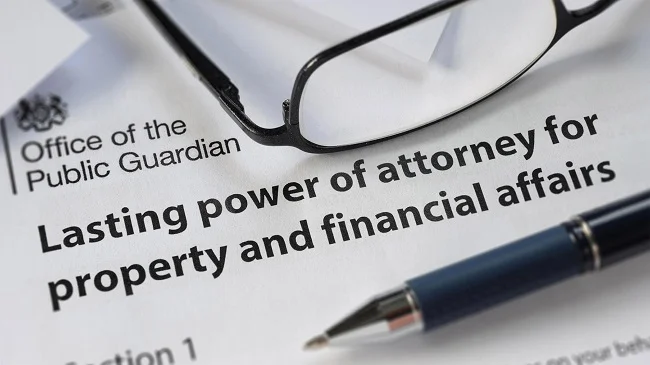
Lasting power of attorney (LPA): An LPA covers decisions about financial affairs, health and care. It is intended for those without mental capacity to run their own affairs, or individuals who no longer wish to make decisions for themselves due to ill health and or, lack of mobility. An LPA is appropriate for those looking after people with long term care needs.
In my family’s case, we decided upon an LPA in both my and my sister’s name. There were some straightforward forms to complete which needed to be witnessed by a family friend or someone who has known my Father for a while. There was a fee of £82 to pay the Office of the Public Guardian, which is a government department. The process take about 8 to 10 weeks to be administered and has several checks and balances to ensure there is no coercion or malfeasance. At the end the designated attorneys receive the appropriate paperwork that allows them to notify all concerned parties and start acting on behalf of those they represent.
This was a big step for out family. Caring is more than the sum of its parts and there is a need for diplomacy, especially when it comes to taking over responsibilities that previous belonged to others. My parents like most of their generation are fiercely independent and struggle with accepting a more passive role in their own lives. But we have reached a point now where I need to have as many tools available to me as possible to allow for me to adequately look after both my parents. There are monthly direct debits for unspecified services that need to be investigated. There are defunct insurance policies and warranties that need to be revised or dispensed with. There are bills that need to be paid monthly instead of quarterly or semi-annually. I also need to ensure that the various utility services are best deals and most preferential tariffs available. My parents are not hard up by current UK standards but they have a finite amount of money coming in each month and it needs to be administered prudently. Care costs for my Father increased by 25% this April and due to the ongoing decline in health with both of my parents, expenditure of this kind will inevitably increase.
Caring for the elderly often results in situations you never expected to find yourself in. Again I would advocate a proactive approach to all who find themselves in such a position. The power of attorney if implemented at a suitable juncture, allows you as a carer to address potential issues before they become a problem. It also affords comfort to those you are caring for as they know that everything is being addressed, bills are being paid and their family name remains in good standing with the businesses they deal with. It may sound old fashioned but paying the weekly paper bill really worries my parents. They hate to think that they owe someone money of have caused “inconvenience”. Therefore an LPA or your regional equivalent is something to be aware of and ready to utilise should the situation require it. Like so many things associated with care, it’s best to sort it in advance, rather than struggling to resolve a complex problem later on.
Caring for the Elderly: Part 6
Once again, I find myself writing about this subject in the hope that it will encourage others to reflect upon the nature of old age, illness and the consequences that arise from them. There is still a prevailing culture of not discussing and sometimes not even thinking about such matters, but both are an absolute certainty in everyone’s life. All too often people find themselves in extremely difficult situations brought about by such events and the difficulty and emotional trauma is increased due to there being no plan in place or provision to address matters. Therefore, I strongly advocate the following. Some may seem like very obvious points, but recent conversations I’ve had with other carers and people in similar situations, has shown that many people have not made even the most basic of provisions in this regard.
Once again, I find myself writing about this subject in the hope that it will encourage others to reflect upon the nature of old age, illness and the consequences that arise from them. There is still a prevailing culture of not discussing and sometimes not even thinking about such matters, but both are an absolute certainty in everyone’s life. All too often people find themselves in extremely difficult situations brought about by such events and the difficulty and emotional trauma is increased due to there being no plan in place or provision to address matters. Therefore, I strongly advocate the following. Some may seem like very obvious points, but recent conversations I’ve had with other carers and people in similar situations, has shown that many people have not made even the most basic of provisions in this regard.
Life insurance: There are a broad range of policies available and it really comes down to what you can afford and what you wish to achieve. You may wish to consider cover that pays during prolonged periods of illness or simply a policy that cover the expense of a funeral. It doesn’t have to be a complex or daunting process. Having life insurance in place affords you piece of mind that your loved ones will not be financially troubled if illness or death occur.
Last Will and Testament: Ensuring that you have a will is also a source of peace of mind. It ensures that your assets and property are smoothly transferred to those you choose and that your funeral arrangements are clear in advance. For most people it does not have to be a complex process and often a simple standard document will suffice. The absence of such a provision can lead to additional administrative and legal issues at a time when they are least needed.
Living Wills and Care Plans: I wrote in my previous post about DNR notices and again would like to highlight the importance of discussing in advance the long term wishes of the person you care for. Clear and honest communication are paramount, and it is counterproductive to shy away from such issues because it makes you feel awkward or sad. Everyone has their own unique view on what is acceptable and what is not when it comes to the quality of their own life. Therefore, it is practical to consider and plan for certain eventualities, regardless of whether they are imminent or not.
Another matter it is wise to consider in advance is the general increase in household expenditure that can occur as a result of getting old and infirm. Carers, medical supplies, house alterations and minor changes to one’s lifestyle all contribute to increased monthly spending. In the UK, there are benefits and allowances available to help with such costs, but they are often means tested. Sometimes families prefer to take control of such services themselves and make their own financial arrangements. In my father’s case, not only does he choose to employ a very specific care company to assist him twice a day, he also spends additional funds on disposable items such as batteries, kitchen towel and incontinence pants. All of which have a cost that adds to the monthly budget. Furthermore, my parent’s household produces a lot more domestic waste than the average home. They quickly found that the standard refuse bin was not adequate for their needs, so we had to apply for an additional one from the local authority.
Modern day life is very much focused on living in the moment. As a result, long term decisions are often overlooked or simply ignored. When you’re twenty-five or thirty, seventy is an abstraction and not something that you necessarily concern yourself with. Furthermore, those who are not in the highest paid jobs do not always have the luxury of saving or spending on long term schemes such as insurance policies. There are more pressing needs to deal and the future may not be one of them. However, it is folly to ignore the inevitable and addressing just some of these issues now is better than ignoring them completely. The internet can often shed light on schemes and payment plans that you may not know about. In fact, it is an area of some considerable growth. There are also a wealth of charities and trusts that can help you if you find yourself in a difficult position. Therefore, once again I would urge readers to look to their future and not to be caught out at a time when you least need additional problems and concerns.
Caring for the Elderly: Part 5
At the end of July, my Father went into Respite Care for two weeks. He was placed in a local private nursing home, via borough social services. The placement was intended to provide him a change of scenery and give the rest of the family with a short break from the ongoing caring requirements. Sadly, things did not work out well. After seven days away from home, my Father became ill and after three trips to A&E (over a period of four days), he was finally admitted to hospital with Aspiration Pneumonia. He was deemed to be at extreme risk by the medical staff and we were told at one point to “prepare for the worse”. However, despite being seriously ill, he recovered and much to everyone’s surprise was discharged and returned home after ten days. Sadly, his already impaired state of health has been further diminished. Three weeks on it is becoming clear that it is unlikely that he will return to the level of ability that he had at the start of July. His health and the quality of his life has been further reduced. Subsequently, the various healthcare professionals that deal with my Father have now started using the term palliative care.
At the end of July, my Father went into Respite Care for two weeks. He was placed in a local private nursing home, via borough social services. The placement was intended to provide him a change of scenery and give the rest of the family with a short break from the ongoing caring requirements. Sadly, things did not work out well. After seven days away from home, my Father became ill and after three trips to A&E (over a period of four days), he was finally admitted to hospital with Aspiration Pneumonia. He was deemed to be at extreme risk by the medical staff and we were told at one point to “prepare for the worse”. However, despite being seriously ill, he recovered and much to everyone’s surprise was discharged and returned home after ten days. Sadly, his already impaired state of health has been further diminished. Three weeks on it is becoming clear that it is unlikely that he will return to the level of ability that he had at the start of July. His health and the quality of his life has been further reduced. Subsequently, the various healthcare professionals that deal with my Father have now started using the term palliative care.
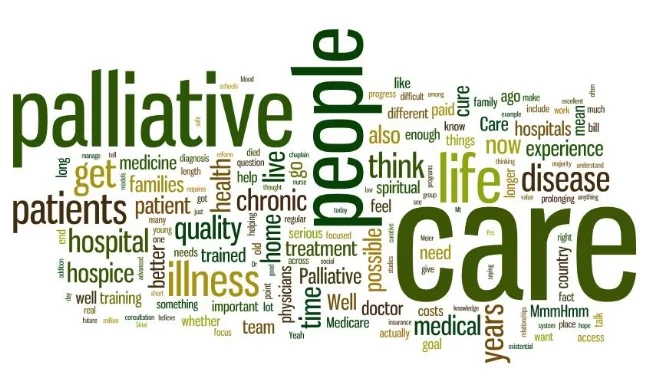
Palliative care is an often-misunderstood term. It does not just mean preparing for death, as many people think. Palliative care can and is utilised to serve the needs of those with life-threatening or terminal illnesses. But it also helps patients stay on track with their health care goals and maintain an optimal baseline. Palliative care is intended to improve the quality of life for those at any age, at any stage of serious illnesses. Ultimately it is a course of action design to facilitate symptom management and improving quality of life. It’s about how one can palliate a patient’s suffering, whether that suffering is physical, emotional, spiritual or financial. This also includes focusing upon the family of the patient as well, and those also involved in caring. As one Doctor put it “it’s about finding the best way for you to navigate your illness for you and your loved ones”. However, despite a clear definition of palliative care, what does all this mean in practical terms with regard to looking after my Father?
The two biggest changes to happen since being discharged from hospital are continence issues and general levels of strength. Prior to August my Father could get out of bed, wash and dress and navigate his home adequately. It was never a fast process and he would from time to time, run into difficulties but he could cope on his own, as long as someone was around to keep an eye out. He now has very limited reserves of energy and requires assistance getting out of his hospital bed and getting washed and dressed. This process is complicated further by a catheter and bowel incontinence. We were initially told that these issues were temporary, but it is now clear that they are not. So catheter care has been added to the District Nurses ongoing care plan and we have contracted a private care company to assist with twice daily ablutions. Our local Doctor has reviewed my Father’s current medication and has removed those no longer deemed relevant. The Dietician team have also made some adjustments to his night time feed (my Father has been nil by mouth since September 2016), which have significantly reduced vomiting and general stomach discomfort.
As I have mentioned before, there is still a taboo or fear about discussing matters associated with long term illness and death in Western society. As a carer I have recently joined an online support forum so that I can share my perspective and learn from others. I am still surprised by a percentage of people who despite being faced with extremely difficult, terminal scenarios, still seem reticent come to terms with their situation. Some look to a medical miracle to resolve matters, where others simply think that the status quo will just prevail. However, I have chosen to embrace the reality of my Father’s situation and decided that it is my duty to ensure I do what I can to improve his immediate situation. He is now very aware that he is running his last lap, as he chooses to phrase it and is as comfortable as a person can be in such circumstances. We have spoken at length, ensuring that everything is in place for the rest of the family when he is no longer here, and as a result this has brought a degree of clarity and peace of mind to day-to-day life. It’s not a good situation and the quality of his life is far from ideal, but it could also be a lot worse, especially if all of our family’s actions were governed solely by our emotions. But by deciding to tackle matters head on, talking to others and seeking professional advice and support, things are bearable.
Caring for the Elderly: Part 4
There comes a stage in most people’s life when they start reflecting upon their own mortality. Both my parents have survived two strokes each and are now in the late eighties. At this point in their lives healthcare has moved on from correcting or remedying problems, to instead being more about holding the line and maintaining the status quo. A safe home along with an orderly daily routine provides a stable environment, which broadly allows them both to maintain an adequate degree of independent living. However, both are very aware that their faculties and overall health are gradually diminishing. Neither are naïve or foolish enough to deny this and in recent months have been quite candid about what the future will entail. Simply put both my parents are aware that they are currently “running the last lap”, to use one of their phrases.
There comes a stage in most people’s life when they start reflecting upon their own mortality. Both my parents have survived two strokes each and are now in the late eighties. At this point in their lives healthcare has moved on from correcting or remedying problems, to instead being more about holding the line and maintaining the status quo. A safe home along with an orderly daily routine provides a stable environment, which broadly allows them both to maintain an adequate degree of independent living. However, both are very aware that their faculties and overall health are gradually diminishing. Neither are naïve or foolish enough to deny this and in recent months have been quite candid about what the future will entail. Simply put both my parents are aware that they are currently “running the last lap”, to use one of their phrases.
The UK culturally and socially, still struggles when it comes to discussing death and the associated practical arrangements that accompany it. I certainly think that it is a subject that we need to be more candid about and that people are made aware of the importance of having a will in place along with a life insurance policy or a pre-paid funeral plan. Youth is often sceptical of old age which can at times feel a “million years away”. As a result, many people find themselves having to deal with an additional layer of administrative work when an illness or bereavement occurs. Thankfully, both my parents are products of their generation and have adequate provisions already in place. However, something came up recently that wasn’t previously covered, so I took my Father to the Doctor today to address it.
Having survived two strokes and being left disabled as a result of them, my Father’s greatest concern is suffering another such attack and finding himself robbed of further abilities. He does not believe in life at all costs and has clear lines drawn in the sand with regard to the quality of his life. Thus, under UK law he can elect not to be resuscitated if his heart stops, giving him a degree of peace of mind. Such a decision has to be formally noted and so today we went to our local General Practitioners Surgery and completed the relevant paperwork. My Father was interviewed by a Doctor who was familiar with his medical history. He was also asked if he fully understood the consequences of such a request. Once the Doctor had established that he was competent to make such a decision, he signed off the formal notice, gave a summary of the scenarios in which it could be used and then bid us good day. The process took about fifteen minutes. The documents official title is “Do Not Attempt Cardiopulmonary Resuscitation”.
The reason this matter came up, is because my Father is going into respite care next week for a fortnight and the Nursing Home asked if he had a “living will” or DNR (Do Not Resuscitate) notice. The likelihood of him have a stroke or related medical problem are not that high at present but still present a risk. If such an incident did take place while he was in care, then the staff would by default immediately attempt to revive him unless specifically instructed to do otherwise. Under the circumstances my Father felt it important to have such a provision in place. He personally feels that UK legislation is actually lagging behind public opinion with regard to end of life care and wider issues and felt that this process at least provided him with some say over his future and gave him a degree of agency. As his son I believe it is incumbent upon me to respect and support his wishes, regardless of whether or not I reciprocate them.
The UK has an ageing population and during the course of my lifetime, life expectancy has increased substantially. Current government data indicates that life expectancy at birth has now reached 79.5 years for males and 83.1 years for females. This is good news if you are hale and hearty and financially sound. It’s not such a good proposition if your medical problems make day to day life an insufferable burden. Perhaps in twenty years’ time the legal landscape will be more accommodating towards peoples needs. In the meantime, I would urge readers to at least reflect upon this topic and consider what their respective choices would be. It is a tough subject and there’s a broad spectrum of opinions out there. However, it is not wise to ignore a problem simply because it is unsettling or upsetting. In the worse possible scenario, we could find ourselves in a situation where we would like a specific course of action to be carried out, only for it to be ignored due to the lack of appropriate “paperwork”. I find that a far more frightening prospect.
Caring for the Elderly: Part 3
I have written in the past about caring for the elderly. I have approached the subject from a personal perspective, as a carer with two disabled octogenarian parents, as well as considering the broader needs of a society with an ageing population. As it has been two years since I formally became a carer to both my parents, I thought I’d share my experiences on the many challenges that my family has faced over the last twenty-four months. I find doing so beneficial and maybe my anecdotes may be of value to others in a similar situation. As I’ve said in my original post, caring for a loved one is something we all potentially face at some point in our lives, and with an ageing population it becomes statistically more likely each year.
A stylised depiction of old age and caring, far removed from the reality.
I have written in the past about caring for the elderly. I have approached the subject from a personal perspective, as a carer with two disabled octogenarian parents, as well as considering the broader needs of a society with an ageing population. As it has been two years since I formally became a carer to both my parents, I thought I’d share my experiences on the many challenges that my family has faced over the last twenty-four months. I find doing so beneficial and maybe my anecdotes may be of value to others in a similar situation. As I’ve said in my original post, caring for a loved one is something we all potentially face at some point in our lives, and with an ageing population it becomes statistically more likely each year.
At the end of March 2017, my Father was discharged back to the care of his local Doctor. He had received six months of both physical and speech therapy via various health visitors and outpatients’ clinics after leaving hospital in October 2016. Despite the severity of his second stroke, the regular visits certainly improved his speech initially. However, once these stopped I noticed that he did not continue with any of the physical or vocal exercises he had been taught, despite encouragement from myself and my Sister. As a result, my hopes of maintaining the status quo have proven rash. My Father’s physical health and cognitive abilities are slowly declining. He cannot retain information and can no longer use his computer effectively. He lacks the manual dexterity to use a mouse and keyboard and his poor eyesight further compounds matters. Thus, his leisure activities are diminishing. He mainly watches familiar TV programs and listens to audio books,
Both my parents have limited mobility and can only walk very short distances. Visits to the Doctors and such like (of which there are many each month) require the use of a wheelchair, which then requires the booking of a Black Cab. Thankfully, as both are registered disabled and in receipt of the higher rate of Attendance Allowance, they qualify for The London Taxi Card scheme which provides them both with an allowance of 60 subsidised journeys each year. Sadly, trips out are usually functional, rather than leisure orientated. My Mother had an undiagnosed stroke roundabout Easter 2017 that has damaged her eyesight and impaired her hearing. However, she can still conduct her own business at the hairdressers which she visits each week. My Father suffers from chronic motion sickness so long taxi journeys are problematic. Even being in the wheelchair is now problematic. During Summer and Autumn, I tried to encourage him to walk short distances but his habitual falling over has effectively ended such plans.
Thus, both of my parents are increasingly housebound with a decreasing list of activities that they can pursue. I find this particularly tragic, as old age and infirmity has robbed them both of their favourite pastimes. My Father was an academic and use to read prodigiously. He liked advanced Mathematics and use to do calculus for pleasure. He can now just about read the newspaper and seldom remembers any once he’s finished. The one thing he longs to do is go out into the world and interact with people. Yet he cannot do so unattended and his poor speech and emaciated physique further complicates matters. My Mother is similarly limited in her social activities due to her lack of mobility. Her passion has always been gardening which she now has to enjoy via the help of a professional gardener. Hence both of them have lifestyles with very specicifc boundaries. Where myself and my sister can provide logistical and administrative support, what my parents really crave is companionship during the day.
Managing a household and day to day life can be challenging enough when you’re relatively young and healthy. For both my parents has naturally becomes a more complex matter. The two key factors I have found to keep things ticking over, are a well-maintained routines and communication. All appointments and trips out are planned in advance and noted on multiple calendars. The most important of which hangs in my parents lounge with everything noted in bold, easy to read text. All medication is logged upon receipt, with renewals dates determined and noted in advance. There is a white board in my Father’s bedroom for the morning and night nurses to leave messages regarding medicine and such like. I open all mail and correspondence for my parents and most bills and regular invoices are now paid by monthly direct debit. Paper work is filed after it has been actioned and I only trouble my parents with essential financial matters. However, it is important for both of them to maintain a sense of involvement in their own affairs, so they are included in all discussions and decisions and naturally have final say in how things are done. However, to assist myself and my sister in conducting business upon their behalf, we have had are names added to various utility accounts and services, so there are no security issues when either of us phone these companies.
There is often a mindset common to the older generation which is driven by such sentiments as “don’t make a fuss”, or “not wanting to be a burden”. Both my parents were children during World War II and are fiercely independent. They come from an era where personal responsibility was paramount to the point where sometimes pride would cause them to refuse legitimate help. However, the reality of their lives has tempered this outlook and I have actively encouraged both my parents to take whatever assistance is available. They have paid their taxes and contributed towards society in various ways during their lives, so I have convinced them that the whole situation is simply a matter of “quid pro quo”. Hence, they have claimed Attendance Allowance and have both qualified for it at the higher rate. Extra money doesn’t make up for their loss of independence, but the funds pay for practical things that improve their life such as a stair lift, disabled friendly showers and a multitude of grab handle strategically placed around the home. My Father greatly enjoys the mobile library that calls once a month and provides him with audio books. It should be noted that this is run purely by volunteers and receives very little local authority funding. My Mother likes the relative freedom her taxi card provides and enjoys her weekly trips to the hairdresser.
Finally, both my parents are very mindful of the roles carers play and have been insistent that both my Sister and I do not give up too much of our personal time and maintain our respective hobbies and interests. In 2016 I was going to close this blog, but my Mother was adamant that I did not give up and continued writing. As a carer it is important to recognise your personal limitations and not to beat yourself up, trying to do absolutely everything. A fatigued, stressed or demoralised carer is of no use to anyone. Sometimes you have to say no or draw lines in the sand regarding what you will or will not do. At present, my family is currently looking into respite care for a week, so we can firstly refurbish my Father’s bedroom and make it more user friendly. Secondly, we have recognised that everyone needs a break and a good night’s sleep. We are currently awaiting to see if we meet the criteria for the local authorities to help us. If not, we will look at alternatives. Such is the nature of caring. Despite all the planning and organising, it remains a fluid situation that can change at any time. In some respects, recognising that helps invaluably. As does simply taking time out and sharing one’s thoughts.
Tradesmen
I don’t care for the popular interpretation of the “Renaissance Man”. IE someone who attempts all jobs around the house. I’m a firm believer in deferring to professionals. If I need electrical work carried out, then I’ll happily hire an electrician. The same goes for plumbers, builders and decorators. I even employ a handyman for those niggling trivial jobs. There are several reasons why I take such an approach. First and foremost, I am fully aware of my limitations and what I can and cannot do. It’s a philosophy espoused by Harry Callahan, so who am I to contradict? If I want a job done, I want it done properly and not bodged. Secondly, if you formally employ someone to undertake a job that has been fully costed via bona fide quotation, then you have legal recourse should things go south. Thirdly, I do not care for manual labour. That is not to say I think it’s beneath me. Quite the opposite. I admire anyone who earns their crust through their physical toil. Nope, I just don’t like such work. I prefer using my mind not my back. Finally, I value my leisure time and do not want to see such a precious resource squandered. So, considering all these points, whenever certain jobs or chores arise, I pay others to do them.
I don’t care for the popular interpretation of the “Renaissance Man”. IE someone who attempts all jobs around the house. I’m a firm believer in deferring to professionals. If I need electrical work carried out, then I’ll happily hire an electrician. The same goes for plumbers, builders and decorators. I even employ a handyman for those niggling trivial jobs. There are several reasons why I take such an approach. First and foremost, I am fully aware of my limitations and what I can and cannot do. It’s a philosophy espoused by Harry Callahan, so who am I to contradict? If I want a job done, I want it done properly and not bodged. Secondly, if you formally employ someone to undertake a job that has been fully costed via bona fide quotation, then you have legal recourse should things go south. Thirdly, I do not care for manual labour. That is not to say I think it’s beneath me. Quite the opposite. I admire anyone who earns their crust through their physical toil. Nope, I just don’t like such work. I prefer using my mind not my back. Finally, I value my leisure time and do not want to see such a precious resource squandered. So, considering all these points, whenever certain jobs or chores arise, I pay others to do them.
Now I fully recognise that some people will undertake certain jobs around the home purely due to financial reasons. Hiring tradesmen to build or fix something is costly. This post is not intended to be critical of such individuals. I consider myself fortunate that my finances allow me to contract others. Furthermore, having worked in IT for nearly twenty-five years, often in a self-employed capacity, I understand the nature of market rates and the need to try balance your financial overheads with offering your client a competitive price. Therefore, I like to think that when I hire tradesmen myself, I am not a cheapskate. My own experiences over the years have lead me to conclude you get exactly what you pay for. So, considering all these points, I deem myself to be fairly well disposed toward tradesmen, at least in principle. By hiring them I am helping the wider economy, as well as myself.
Now that we have got all the measured prerequisites and caveats out of the way, in which I have hopefully established myself as a non-prejudicial, even hand and benevolent customer, let me now proceed to catalogue some of the problems I have had of late with tradesmen and the associated culture. My parents have not done any major home improvements since the late eighties. This means a lot of things are now breaking, failing and in need of replacement around their home. In the last few months, several electrical sockets have stopped working and some reading lights developed an intermittent fault. So, an electrician was required. Naturally my first port of call was to look online. I looked for those local to my parents and then once a short list was drawn up, I then tried to establish their reputations. There are many review sites around and although you can game the system, I think these sites can be broadly used as a benchmark.
Having found five electricians that met the criteria, I then proceeded to phone and discuss the work required. Let it suffice to say that four of those five, didn’t seemed especially enthusiastic about the work offered. To cut a long story short, I was brushed off with varying degrees of subtlety because the jobs were deemed to small and not generating sufficient revenue. Luckily the fifth was happy to do the work, which was carried out efficiently and to my complete satisfaction. Needless to say, this particular tradesman is now on my preferred list. Furthermore, I’ve discussed with him this concept of small jobs being trivial. He is aware that many of his colleagues take such a view but he personally takes a more pragmatic approach. I live in an area with a high percentage of elderly, retired homeowners. This means there is a substantial and reoccurring market for minor jobs. It’s a market that this particular individual is happy to serve. It yields as much, if not more revenue in the long run. Yet it is a market that is frequently ignored as tradesmen pursue the “big jobs”.
Another issue I’ve had of late is trying to ascertain what the current market rate is for certain types of work. My parents front garden is finally being turned in to a drive after fifty-seven years. This is mainly being done to accommodate the nurses and health visitors that care for my Dad and visit daily. Because this job is not classified as “trivial work”, I’ve not had problems finding companies willing to tender for it. However, I have had a very broad spectrum of quotes ranging from £4,000 to £10,000. I find this disparity, troubling. Someone is either quoting too cheap, which then infers substandard work. Or someone is charging too much which then makes me question their personal integrity and that of their business. Again, I have tried to do some research online to get a feel for current market rates but as this kind of work is out of my field of expertise, then it does feel like I’m making a calculated guess at times. Plus, the UK is a country that has major regional cost variations. Any service within Greater London, which is where my family live, is always more expensive.
In the immediate future, I have a gardener scheduled to do some clearance work in my parent’s garden. If their work is satisfactory, I’ll happily employ them myself to excuse me from mowing the lawn and pruning bushes. This particular tradesman was recommended to me by a colleague so I suspect that he will be sound. However, this nebulous referral system that so many people rely upon is far from bullet proof. What one person considers good work, may not be the same for another. Plus, not everyone has access to a network of friends and colleagues to make recommendations to begin with. Hence, we have seen an increase in review sites but as I mentioned early, these are not perfect. My concerns are not about dishonest reviews but simply that some trades and business types are represented. My son recently hired a plasterer. Tracking them down was an extremely difficult process. To cut a long story short, when asked why the he didn’t advertise, the plasterer replied he got sufficient work through word of mouth. Their work was so good that they always had another gig to go to. Such a business approach is fine for the tradesman but no so beneficial for potential customers out of the loop.
I believe that tradesmen should be free to find business in whatever fashion they see fit (with the usual caveats about working within the confines of the law). However, I do feel that the present process of finding and hiring them leaves a lot to be desired. I only say this anecdotally but during the course of my recent enquiries, I found that only half of those businesses I researched had an adequate online presence. Some only had a small website or Facebook page with contact details. Others had absolutely no online details apart from reviews written on third party sites. So far, those that I have employed have all had a solid online footprint, detailing professional credentials, prices and references. Furthermore, they have also used a lot of other technology for notifications and billing. So perhaps the change and gradual cultural shift from old school methods to modern practise is underway. Or at least I hope so. Because I need a gas fitter soon to replace an old boiler with a modern alternative and I don’t want to be chasing my own tail.

Caring for the Elderly: Part 2
In a previous post, written last summer, I mentioned my caring commitments and reflected upon the realities of being a carer. Since then my family’s circumstances have changed considerably and subsequently so have my own. In the UK, social care has become a major political issue and was a key area of debate for all parties in the recent election campaign. Although the UK has an aging population, then NHS broadly manages to deal with its needs. It is the social care that so often follows time spent in hospital, that causes a bottleneck. Too often, the local authorities struggle to find carers and have them in place when requested. This means that many patients are unable to be discharged and have to remain in hospital. Caring is a profession that seems to be greatly lauded and esteemed by politicians in principle but the reality is far different. Overall it is often a poorly paid job, with little or no employments rights or benefits.
In a previous post, written last summer, I mentioned my caring commitments and reflected upon the realities of being a carer. Since then my family’s circumstances have changed considerably and subsequently so have my own. In the UK, social care has become a major political issue and was a key area of debate for all parties in the recent election campaign. Although the UK has an aging population, then NHS broadly manages to deal with its needs. It is the social care that so often follows time spent in hospital, that causes a bottleneck. Too often, the local authorities struggle to find carers and have them in place when requested. This means that many patients are unable to be discharged and have to remain in hospital. Caring is a profession that seems to be greatly lauded and esteemed by politicians in principle but the reality is far different. Overall it is often a poorly paid job, with little or no employments rights or benefits.
My Father had two strokes last summer. To cut a long story short in the space of five months he went from being an active 87-year-old, who would go out shopping twice day, to a housebound invalid. He is now permanently nil by mouth and fed by a PEG tube in his adomen. Although his speech has improved he is no longer the eloquent academic that he used to be. He can’t do basic arithmetic and finds reading extremely taxing. His physical therapy has been as successful as it can be under the circumstances but he moves about the house with difficulty. He's not allowed to travel outside the home without a carer. Nurses call twice a day to give him his medication and he is fed synthetic liquid food, overnight via a pump.
Naturally a change of this nature has a major impact upon a patient and their family. There are many more matters to deal with beyond the immediate physical symptoms. Both my parents are no longer directly in charge of their day-to-day life and have become dependent on others. This upsets them greatly, as they feel “useless”, “a nuisance” and “redundant”. Both my sister and I have changed are daily routines considerably and although are happy to care for our parents, find the situation stressful and very saddening. The complete role reversal between parents and children is difficult to adjust to. I now manage every aspect of my parents lives, from their finances and running the home, to hair dressers appointments and visits from the chiropodist.
However, there are still many people who wish to help both the patient(s) and the carer. Every day, I encounter kind and compassionate people who do more than just their job. Practical help and the odd supportive words can come from the strangest of quarters. The receptionists at my local Doctors surgery are thorough and understanding. The local pharmacy staff have the patience of a saint and are so obliging. Shop staff will carry, fetch and hold open doors. Black cab drivers provide aid getting in and out of vehicles. The mobile library does more than lend audio books. They listen, chat and smile. As for the healthcare professionals, I simply cannot praise them enough. Their dedication is remarkable. For a somewhat jaded and cynical person such as I, these displays of genuine humanity are moving. And the reason why so many people are nice, often boils down to the fact that they’ve all experienced family illness. Everyone, sooner or later, needs the care of another.
In the last few weeks, life has gotten a little bit more challenging for my family and me. My “significant other” found out that she needs a triple by-pass. She is having surgery next week. Today, after a follow up eye examination, the consultant found evidence that my Mother may have had a stroke a month ago. As a result, she was admitted to hospital tonight. Once again, I will be relying on numerous carers to look after my nearest and dearest. Without them, my sister and I would struggle to cope. So as a sign of gratitude, I’ve been considering what I can do to repay all these peoples kindness. The only tangible thing I can do is write about the situation and promote the concept of “paying it forward”. It’s such a simple idea but small acts of kindness can have incrdibly positive effects.
Caring in the UK needs to remain squarely in the political agenda. It also needs to be a non-partisan issue. I shall be looking to add my voice to several charities that lobby with regard to this issue, in the weeks to come. We also need to change the public perception of caring. It may not require certain academic skills but that’s no reason to arbitrarily pigeonhole it and relegate its financial merit to minimum wage status. Caring is more than the physical and logistical sum of its part. It’s not something that everyone can do, despite what the DWP and the Job Centre may think. It requires, empathy, common sense and dare I say it, love. Considering how all our life expectancies are increasing, surely, we should be making sure there are sufficient resources, both human and financial, to deal with our collective futures?
The hectic pace of modern life, along with cultural taboo of dwelling on the future, means we often do not consider or put sufficient plans in place for our old age. We neglect our health, our pensions and very much live in the moment. Yet there is so much we can do now to improve things later, if we simply grasp the nettle and address things. Losing weight, quitting smoking, getting adequate sleep all pay dividends. Addressing coughs, joint pains and eye or ear problems when they happen can forestall other more serious issues later. Then there’s the thorny issue of the way we treat each other. Giving someone a lift to the clinic, checking on an elderly neighbour, or just being civil to a stranger you meet, make a real difference. You never know when someone is at their personal breaking point. The smallest kindness may lift someone from the deepest of despair.
Caring for our sick, elderly and vulnerable is all of societies responsibility. Yet we do not live in a country that fully understands or embraces such a concept at present. As a result many people go on looking after their own quietly, with great resolve and dignity. I spoke to a lady at the hospital tonight, broadly of similar age group to myself. She was also waiting outside the disabled toilets to ensure that a parent was okay. We made some small talk and then she candidly admitted “it’s tough isn’t it”. I agreed with her that caring was. “My husband has recently had a stroke” she said, “and Daddy has dementia”. “You have a lot to contend with” I replied. “Yes. It makes it difficult for me to fit in my Chemotherapy”. She had recently been diagnosed with Leukemia.
The Decline of the British Front Garden
My parents still live in the house they bought when they got married in 1960. It’s three bedrooms, end of terrace house in a leafy suburb, in South East London. Built in the 1930 as family homes, the street is still predominantly populated by owner occupiers; mainly couples raising families. Yet there is one change that has occurred in my life time that is very noticeable. Over the last forty years the front gardens have all but vanished to be replaced with drives and other kinds of off road parking. Out of approximately a hundred homes in the street, at present only three still have a front garden in the traditional sense. My parent’s house is one of these but this is soon to change.
My parents still live in the house they bought when they got married in 1960. It’s three bedrooms, end of terrace house in a leafy suburb, in South East London. Built in the 1930 as family homes, the street is still predominantly populated by owner occupiers; mainly couples raising families. Yet there is one change that has occurred in my life time that is very noticeable. Over the last forty years the front gardens have all but vanished to be replaced with drives and other kinds of off road parking. Out of approximately a hundred homes in the street, at present only three still have a front garden in the traditional sense. My parent’s house is one of these but this is soon to change.
My Father gave up driving soon after he retired in the late nineties. Up until then he was always content to park his car in the garage that is at the rear of his property, at the end of the back garden. There is a connecting alley way that runs parallel to the road where he lives. However, over the years, many resident found that the pre-war garages were too small to adequately accommodate contemporary vehicles and many also wished to get rid of them antiquated building materials. Thus, over time, more and more households have elected to give up their front gardens and park directly outside their front door. It should be noted that in my parent’s borough, before you build your drive, you must first apply to the local council to have the kerb dropped in the street and the pavement outside your home replaced with asphalt.
Both my parents are now in their late eighties and disabled. My Father had two strokes last year and is dependent on twice daily visits by the district nurse. Health visitors, dieticians and physiotherapists regularly call, so after a family discussion it was decided to finally make the change and after fifty-seven years give up the front garden. Furthermore, to accommodate the dropped kerb, a tree on the grass verge will have to be removed. Technically, the road in which my parents live is an Avenue so it is allegedly supposed to be lined with trees. However, over the years many trees have gone as well as front gardens. Both these situations do not sit well with me. I appreciate the realities of modern life and the nature of change but the decline of the British front garden has wider effects, other than just encouraging nostalgia.
My parent's road circa 1983
Over the past decade, the number of front gardens in the UK with gravel or paving instead of grass has tripled, now making up a quarter of all houses, a survey for the Royal Horticultural Society shows. This change is a contributory factor to the increase in flash flooding seen in urban areas. Furthermore, the loss of vegetation and grass from our streets also impacts upon city temperatures. The artificial surfaces absorb and retain or reflect the heat, contributing to the Urban Heat Island Effect. There is also a tangible impact upon wildlife and wider biodiversity. Certain species can no longer find a viable habitat with so many gardens gone.
Then of course there is the social and community aspect of this matter to consider. During the seventies, my Mother spent many an hour maintaining the front garden, mainly for pleasure, as she’s always been a keen amateur gardener. However, she also ensured that the lawn and flower beds were in good order due to the prevailing social conventions of the time. I won’t arbitrarily write these cultural habits off as bad things. The street was a lot more pleasing to the eye due to residents Rose bushes and fruit trees. It wasn’t unusual for passers-by to stop and exchange pleasantries regarding a well moved lawn. All these incidental conversations and good will were beneficial for the local community. It brought people together and forged bonds between neighbours.
However, time and tide waits for no one and the proliferation of cars over the last forty years has forced change. There are currently more than 38 million licensed vehicles on the UK's roads. Fifty years ago, there were only 11 million. Estate agents will often cite that off-street parking is a selling point to potential buyers. In areas where parking is at a premium, it can add substantial value to a property. Plus, people need a storage area for their waste and recycling bins. This is especially true in our Borough as we have two wheelie bins and three recycling boxes to accommodate. Gardening has also been side-lined as leisure activity for many household now, due to increased working hours and alternative, less arduous pastimes. So, we simply have to endure the decline of the British front garden because, there doesn’t seem to be any practical means to bring them back. It’s a shame in many respects because I think the suburbs have lost more than just character as a result.



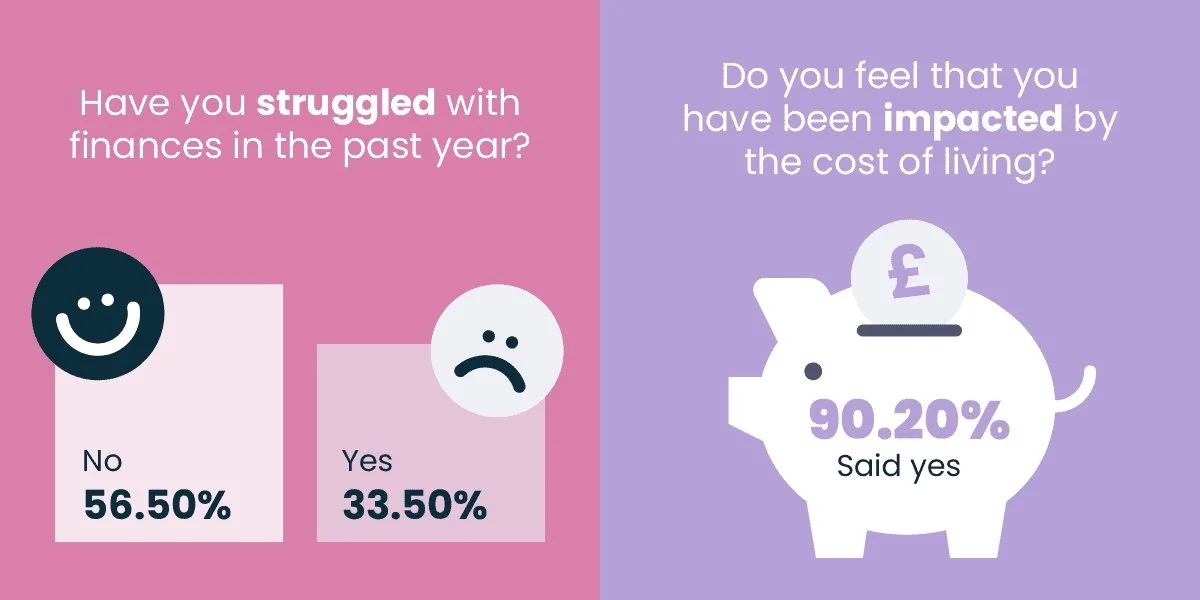





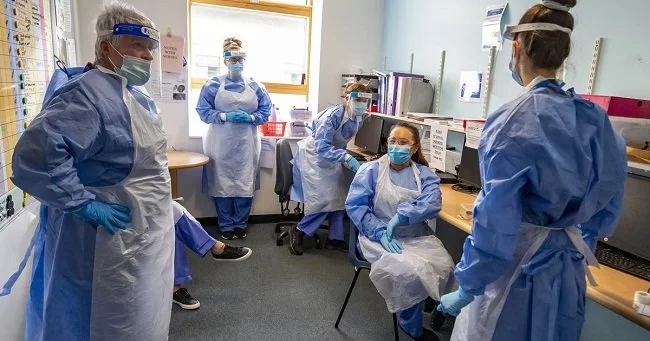

Caring for the Elderly
The UK population grew by half a million last year to 65.1 million, according to figures from the Office for National Statistics. Of that number 10% are over 75 years old. At present there are 6.5 million carers in the UK, many of whom are coping with an aging parent(s). As healthcare in the UK improves overall life expectancy, the population is rapidly aging which means that every year over 2.1 million adults become carers (although almost as many people find that their caring responsibilities come to an end). This turnover means that most families in the UK face this issue at some time and 3 in 5 people will become carers during their lives.
The UK population grew by half a million last year to 65.1 million, according to figures from the Office for National Statistics. Of that number 10% are over 75 years old. At present there are 6.5 million carers in the UK, many of whom are coping with an aging parent(s). As healthcare in the UK improves overall life expectancy, the population is rapidly aging which means that every year over 2.1 million adults become carers (although almost as many people find that their caring responsibilities come to an end). This turnover means that most families in the UK face this issue at some time and 3 in 5 people will become carers during their lives.
This spring, due to my 85 year old Mother’s declining mobility, I became her carer. My Mother is now Registered Disabled and I’ve taken early retirement from work to attend to her needs. Being self-employed it made sense for me to adopt this role, rather than my sister who has worked full time for civil service for the last thirty years. Changing her working practises now would have a major impact upon her pension and future prosperity. So I now focus on my Mother’s care and visit daily. I get a respite on weekends as my Sister takes the lead. My finances are in order and I work occasionally to ensure my economic stability. I have also moved to be nearer to my parents.
At present my caring duties are mainly administrative and logistical. I do paperwork, arrange appointments and do household chores. Once a week I take my Mother out in her wheelchair so she can visit the shops and have her hair done. Effectively I have taken on many of the duties normally carried out by my Father who can no longer do them due to old age. Neither of my parents have a single overarching medical problem, just a plethora of minor ailments that collectively impair the quality of their lives. At present through me and my Sisters intervention, a status quo is maintained. However this is not something that will continue indefinitely. Sadly the long term prognosis is that my parent’s health will continue to decline.
Something I have learned of late is that caring is more than just providing the practical support that the old need. There are other factors to consider such as my parents emotional well being. Both are fiercely independent and are far from comfortable with being reliant on others. That terrible phrase about “being a burden” comes up from time to time. There is also a lot of frustration because being old and feeling old are not the same thing. Therefore I endeavour to help my parents with good grace. I try not to get frustrated when they fret over minor things as I realise that it is not I who is relinquishing control of day to day matters. As far as I’m concerned my parents took care of me as a child and have always been there for me throughout my adult life, so it is only right and proper that I now address their needs.
Carers such as myself are far from saints. We’re just regular people trying to get by. We grumble and gripe with regard to our lot from time to time. There are arguments with are loved ones on occasions simply due to the stress all are subject to. Luckily there is support out there from fellow carers, charities, local authorities and even central government. My advice to all concerned is to put your pride in your pocket and take any help you can find. If you in turn can assist someone else then do so. The slightest assistance is often invaluable. Healthcare services often only covers emergencies but at least in the UK the government is canny enough to realise it’s more cost effective to help carers while in the home, before there’s a need for a hospital.
This week my Father took a turn for the worse. In the space of seven days he’s gone from being out and about to bed ridden. Again he doesn’t have any new medical problems but his existing ones just seem to be getting worse. At nearly 87 there’s a chance that he may well recover but there is also scope for things to deteriorate. Everything that can be done is being done so it really just comes down to a waiting game. At present I see it as my duty to keep the home ticking over and maintain a sense of order and calm. I try to keep a positive disposition as fear can be contagious and counterproductive.
There are many carers who have to cope with far more than me. However sharing my story has helped me order my own thoughts and provides a degree of catharsis. Perhaps I can in some small way provide some sort of help or support to others who are experiencing a similar situation or just embarking upon this challenging journey. I don’t have many words of wisdom to offer. I think the most important thing you can do is to have a frank and candid discussion with those that you are caring for. It helps clear the air. I find having a routine is also invaluable. It allows me to cope with the daily tasks. Also consider your loved ones feelings and reassure them that you’re motivated by love. I want my parents around irrespective of their health because I enjoy their company so. I think it’s essential to keep a sense of humour and laugh together at the absurdity of the situation.
If you and your parents are still relatively young, I guess the notion of caring for them may seem years away. However time has a terrible habit of running away from you and the next thing you know twenty five years have rolled by. It is also a sad fact that illness and infirmity can strike at any age. So it never does any harm to be prepared to some degree. The current economic climate may not lend itself to saving or paying for an insurance policy but I would urge all too at least consider the possibility of becoming a carer at some point. Therefore make whatever provision you can. I suspect that the statistic of 3 in 5 people becoming carers at some point will only get larger in the years to come.
Data via Carers UK and the Office for National Statistics
My Mother moved into a care home on April 7th this year. Her health was already very poor due to her age (91). She was bed bound, partially sighted, suffering from increasing hearing loss and unable to feed herself. Rapid onset dementia meant that her behaviour had become erratic and she was a danger to herself. Hence her caring needs could no longer be safely managed within a home environment. Fortunately the care home proved a good choice. For the past four months they have provided outstanding care and have treated my Mother with dignity, respect and genuine kindness. Sadly, during that time my Mother had several bouts of illness that saw her hospitalised four times. Eventually a PEACE plan (Proactive Elderly Advanced Care) was set up allowing treatment to be managed by the care home and local GP. Since July my Mother has enjoyed a stable environment and continuity of care.