
Day of the Dead (2008)
George A. Romero's Day Of The Dead (1985) is a bleak and remorseless masterpiece. The final entry in his “Dead Trilogy”, its central theme is that in a world on the brink of destruction, man is still the biggest threat to his own existence. It is well scripted, clinically accurate in its observations on human nature and thought provoking, despite having its budget cut just weeks before production commenced. 40 years later it is revered as a genre milestone and is considered one of Romero’s finest works. Sadly, the 2008 “remake” directed by Steve Miner, who has a background in slasher and exploitation movies, takes a contrasting approach, to say the least. It certainly has very little to do with Romero’s film and one can’t help but assume that it is nothing more than a cynical cash in. Setting aside comparisons with the original, this is not in any way a standout zombie film in its own right.
George A. Romero's Day Of The Dead (1985) is a bleak and remorseless masterpiece. The final entry in his “Dead Trilogy”, its central theme is that in a world on the brink of destruction, man is still the biggest threat to his own existence. It is well scripted, clinically accurate in its observations on human nature and thought provoking, despite having its budget cut just weeks before production commenced. 40 years later it is revered as a genre milestone and is considered one of Romero’s finest works. Sadly, the 2008 “remake” directed by Steve Miner, who has a background in slasher and exploitation movies, takes a contrasting approach, to say the least. It certainly has very little to do with Romero’s film and one can’t help but assume that it is nothing more than a cynical cash in. Setting aside comparisons with the original, this is not in any way a standout zombie film in its own right.
A group of soldiers led by Captain Rhodes (Ving Rhames) seal off a remote town in Colorado, due to an alleged viral outbreak. Corporal Sarah Cross-Bowman (Mena Suvari) soon suspects that matters are much worse when the infected’s symptoms change from coughing and nosebleeds, to necrosis and a penchant for cannibalism. Has Doctor Logan (Matt Rippy) from the CDC, been sent to help or is he part of a covert project that has gone awry? Cue mayhem, death, bad acting and teenagers in peril. Absolutely no cliche is left unturned from “let's split up” to the ubiquitous wisecracking, African American comic relief. There are ludicrous levels of pseudoscience even by this genre’s standards and the curious addition of zombies climbing around walls and ceilings like Spider-Man, which just doesn’t work.
Filmed mainly in Sofia, Bulgaria Day Of The Dead has a somewhat low budget feel. Cinematographer Patrick Cady does his best to create an atmosphere and cover the modest nature of the production. Yet rather than innovate, the film takes an “everything bar the kitchen sink” approach. Every possible trope from the genre is included and then poorly executed. The make up effects and prosthetics are adequate but the film lacks any standout set pieces. The digital fiery denouement is over far too quickly due to budgetary restrictions, making the ending lacklustre. Perhaps the biggest mistake that Day Of The Dead makes is when Private Bud Crain (Stark Sands) is bitten and becomes a zombie. He eschews his undead nature because he was a vegetarian when alive. Perhaps writer Jeffrey Reddick thought he was making a clever point but regardless of the intent it simply comes off as risible.
Steve Miner has been involved with some interesting films over the years. I enjoyed his homage to creature features, Lake Placid and the gothic Warlock. Two Friday 13th sequels loom large in his body of work. But this is far from his finest hour. Zack Snyder's 2004 remake of Dawn Of The Dead may not be to everyone’s tastes but it cannot be accused of being a shallow, teen oriented exploitation piece. This film most definitely can be. It would appear that the distributors got wind of its shortcomings and so it bypassed cinemas and was released direct to video. If you’re looking for a clever reimagining of a seminal film, offering new perspectives on the zombie genre, then you won’t find it here. If you wish to waste 90 minutes of your time watching an uninspired, generic horror vehicle that seeks to capitalise on the kudos associated with the original, then this remake will meet those requirements.




Restaurants
I really like dining out. I always have. As a child it was considered an adventure, mainly due to its rarity. As an adult I enjoy dining out as an excellent social activity and way to get to know people. It is also a means to discover new types of cuisine and experience meals that you haven’t tried before. I am happy to dine indoors in an atmospheric restaurant or outside if the weather and surroundings justify it. I prefer to sit away from larger tables as they tend to be noisier, and have a leisurely conversation with those I’m dining with. You can catch up with news and gossip or set the world’s wrongs to right. Music can add to the ambience, especially if it is culturally appropriate. Occasionally it can be intrusive but again, if you choose your table wisely, it can be avoided in such circumstances. For me, dining out is more than a practical necessity but a desirable social activity. However, I have friends who take exactly the opposite view.
I really like dining out. I always have. As a child it was considered an adventure, mainly due to its rarity. As an adult I enjoy dining out as an excellent social activity and way to get to know people. It is also a means to discover new types of cuisine and experience meals that you haven’t tried before. I am happy to dine indoors in an atmospheric restaurant or outside if the weather and surroundings justify it. I prefer to sit away from larger tables as they tend to be noisier, and have a leisurely conversation with those I’m dining with. You can catch up with news and gossip or set the world’s wrongs to right. Music can add to the ambience, especially if it is culturally appropriate. Occasionally it can be intrusive but again, if you choose your table wisely, it can be avoided in such circumstances. For me, dining out is more than a practical necessity but a desirable social activity. However, I have friends who take exactly the opposite view.
In the UK, there was a growth in restaurants during the early 1930s to accommodate a growing need by the middle classes. Dining out became more popular after WWII during the 1950s. A greater variety of cuisines became available over time, both from Europe and the UK Commonwealth. As mentioned earlier, dining out at either a humble cafe or restaurant was a rarity in my youth during the seventies. This was mainly due to the prevailing economic climate at the time and the fact that inflation was high. By the time I started my working life during the early nineties, it had become far more commonplace. Many pubs began modernising for a more “family friendly” clientele and providing food. Also by this time, there was a greater variety of restaurants and fast food outlets available, catering for all tastes and budgets. Hence today, dining out is an everyday event. My grandchildren consider it a normal activity and something that happens about once a week.
I like a broad spectrum of restaurants. I’ll happily go to McDonalds or a Wetherspoons pub for breakfast or a quick, convenient and cheap meal. Similarly, I have no prejudice when it comes to local cafes or other fast food outlets. They all serve a useful purpose. I also like to visit restaurants at the other end of the spectrum. Especially when entertaining friends. About twenty years ago, I was working for a financial and economic research company in central London and they would often wine and dine their respective clients. I was often invited along to answer any technology based questions (which never came up). As a result I went to two of the city’s most upmarket restaurants. The Coq d'Argent at Poultry and the OXO Tower at Blackfriars. Both were memorable experiences as these were very formal establishments with outstanding cuisine.
Over the years Mrs P and I have had several favourite restaurants. Places where we have enjoyed not only the food but the ambience. We used to visit a modest, family run Italian restaurant in Cranbourne Street, London and would often book a table after we had seen a show or some such outing. Sadly, the pandemic put pay to this friendly and pleasant establishment. Fortunately, a new Italian restaurant opened locally quite recently. It has proved to be exceptional and is a fine example of a multigenerational family business. The food is simple but exceedingly well made and the atmosphere is cheery and welcoming. Similarly we have discovered a nearby Indian restaurant that does an outstanding Sunday buffet. It is part of a small local chain with three branches in the area. The food is by far the best of its kind I’ve ever had.
The hospitality industry is a competitive one and sadly many businesses don’t survive. Chain outlets often dominate, squeezing out independent vendors. There is also a great deal of snobbery associated with dining out. I was in South Kensington recently and passed what was effectively a cafe. It offered a standard breakfast but due to its location in fashionable West London, saw fit to charge triple the price. It is also worth noting that not everyone enjoys dining out. Some people are not comfortable dining in public or with social meals. I know someone who “doesn’t see the point of restaurants” and just prefers to dine at home. For some the expense is still an issue. It all comes down to what you’re used to and what you prefer to do. For me, dining out is a major part of my social activities and a source of great pleasure.















Brompton Cemetery
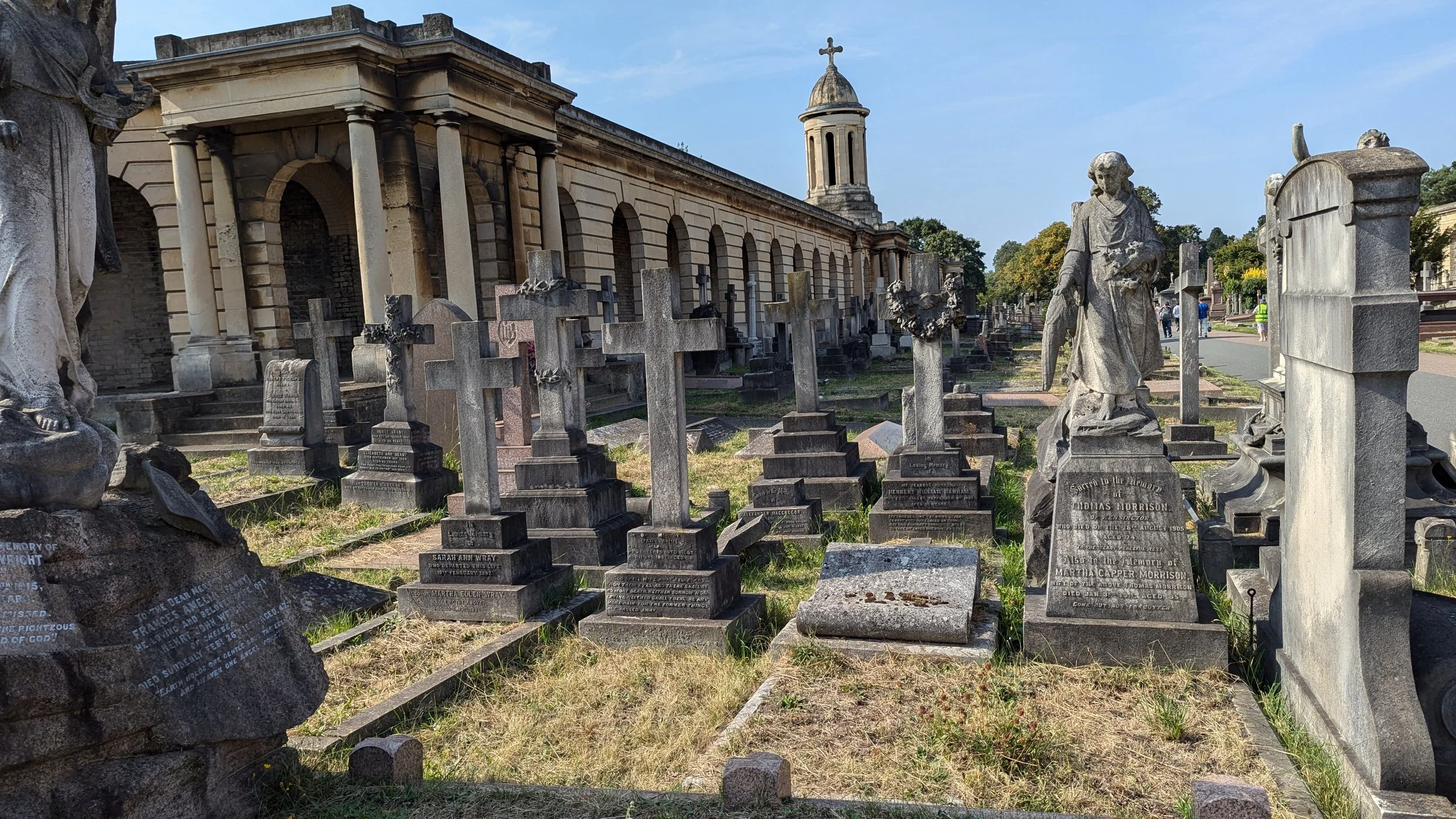
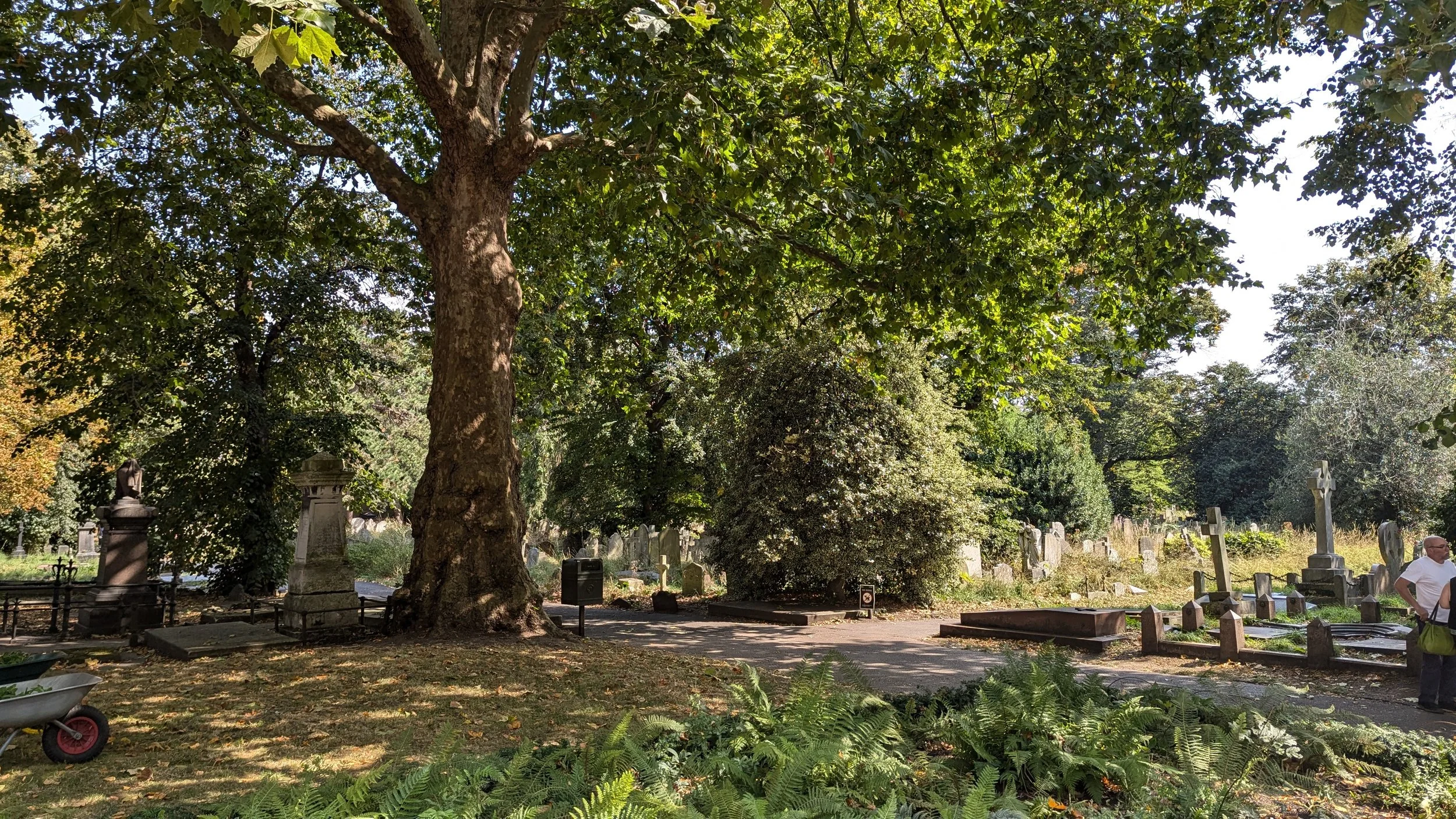
Today I went on an impromptu visit to Brompton Cemetery in West London. Established in 1837, the West of London and Westminster Cemetery (as it was originally known) is a private cemetery initially created as a business venture to capitalise upon the shortage of cemeteries within London. It also sought to cater to the prevailing culture of opulent Victorian funeral rites. However, after proving non profitable, the cemetery was bought by the UK government. It was subsequently incorporated into Crown Property and managed by The Royal Parks. It is one of Britain’s oldest and most distinguished garden cemeteries. There are currently 35,000 monuments, ranging from simple headstones to impressive mausolea. It is home to more than 205,000 resting places. The cemetery is also a haven for flora and fauna, providing a substantial semi rural environment amid urban central London.
Today I went on an impromptu visit to Brompton Cemetery in West London. Established in 1837, the West of London and Westminster Cemetery (as it was originally known) is a private cemetery initially created as a business venture to capitalise upon the shortage of cemeteries within London. It also sought to cater to the prevailing culture of opulent Victorian funeral rites. However, after proving non profitable, the cemetery was bought by the UK government. It was subsequently incorporated into Crown Property and managed by The Royal Parks. It is one of Britain’s oldest and most distinguished garden cemeteries. There are currently 35,000 monuments, ranging from simple headstones to impressive mausolea. It is home to more than 205,000 resting places. The cemetery is also a haven for flora and fauna, providing a substantial semi rural environment amid urban central London.
There are regular open day events and tours around Brompton Cemetery. These are often themed around such things as famous military personnel, noble interments and historical figures. We had hoped to visit the catacombs which are substantial but all the day’s tours were sold out. Fortunately, we were able to get tickets for a general, hour-long tour around the cemetery which features a selection of the most notable graves. These included the following:
Emmeline Pankhurst: Leading suffragette.
Joseph Bonomi the Younger: Sculptor, artist, Egyptologist and museum curator.
John Snow: Anaesthetist and epidemiologist.
Chief Long Wolf: Oglala Sioux and veteran of the Battle of Little Bighorn.
Hannah Courtoy: An enigmatic figure whose opulent Egyptian style tomb is surrounded in mystery.
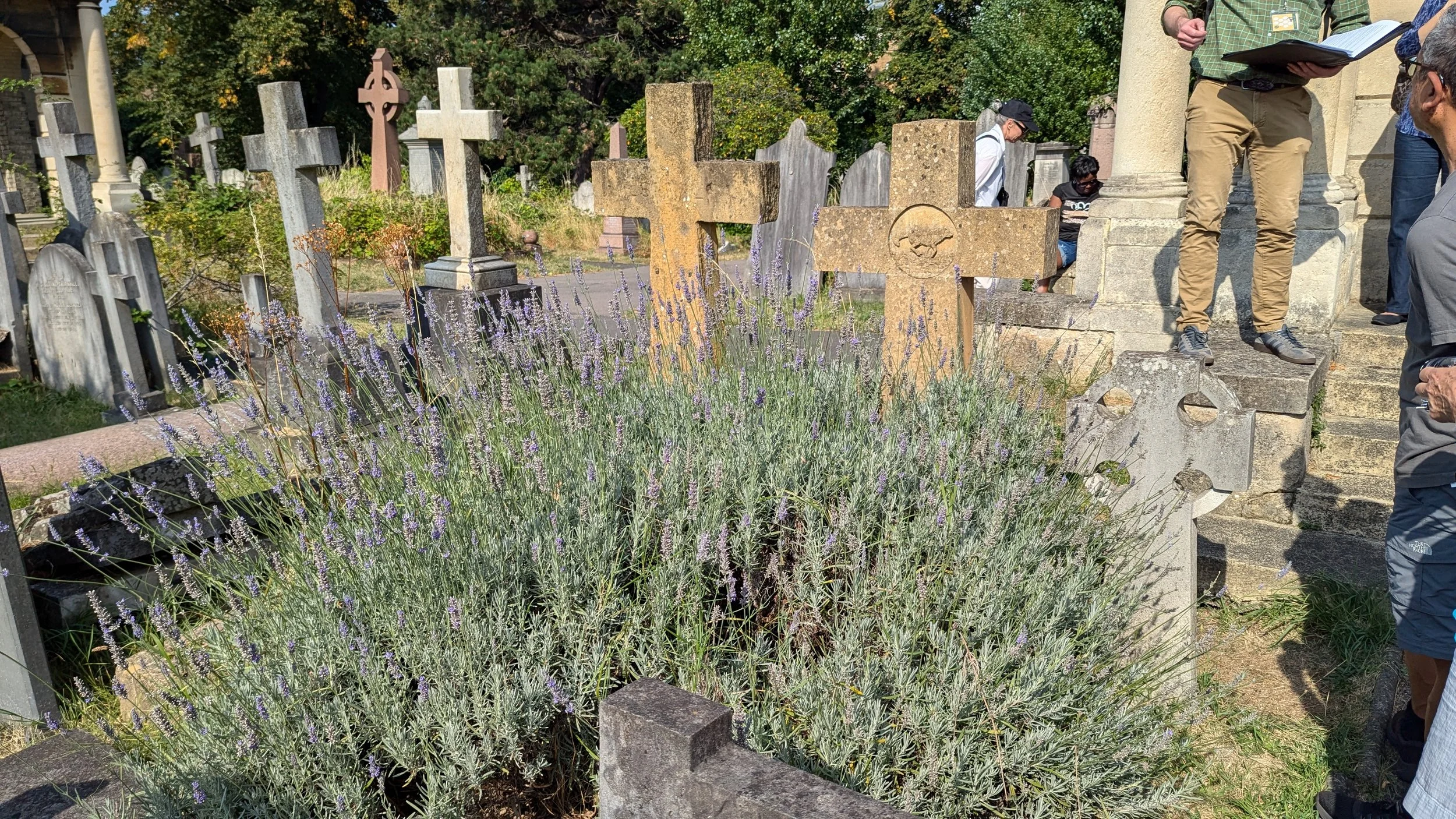
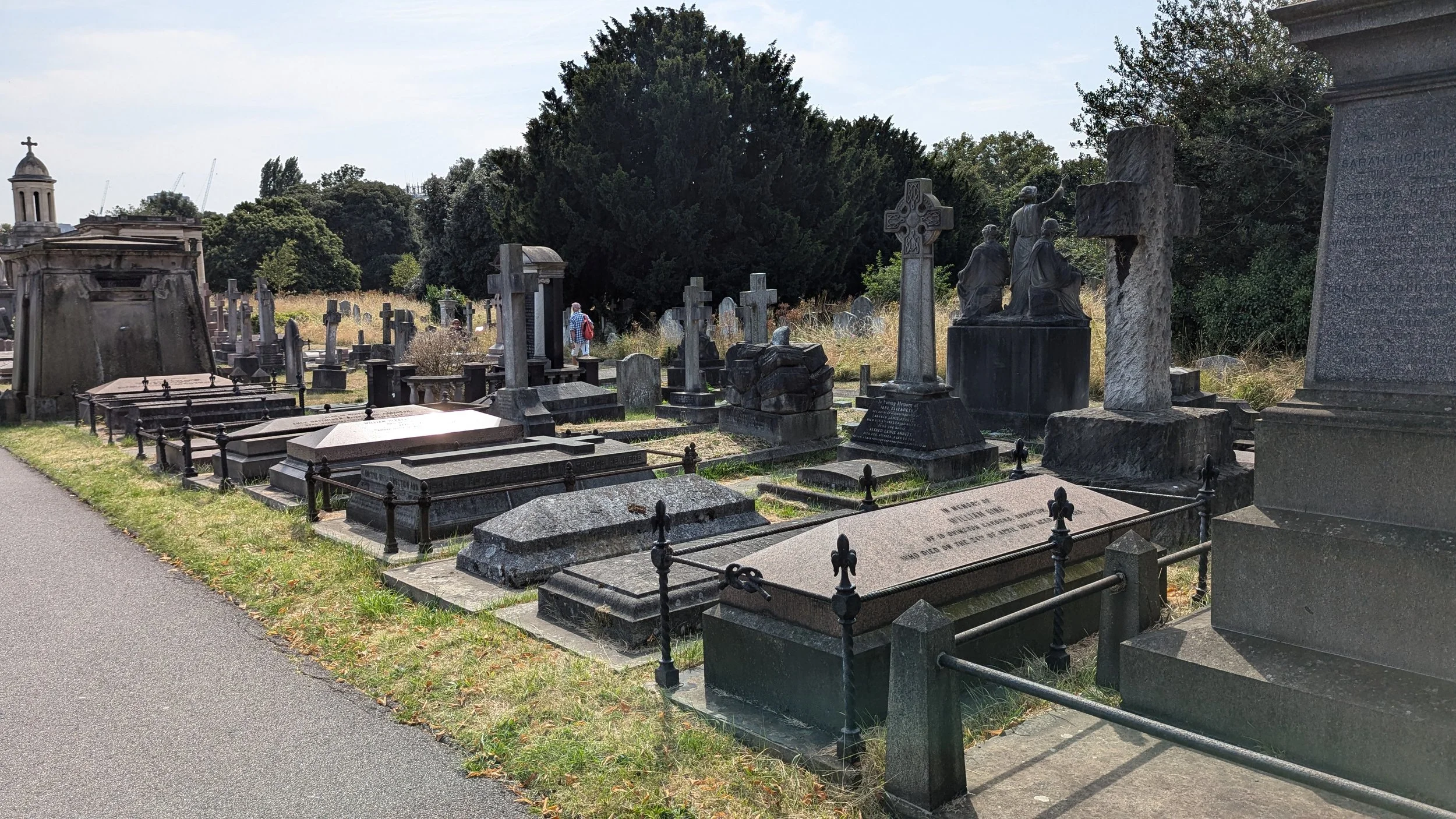
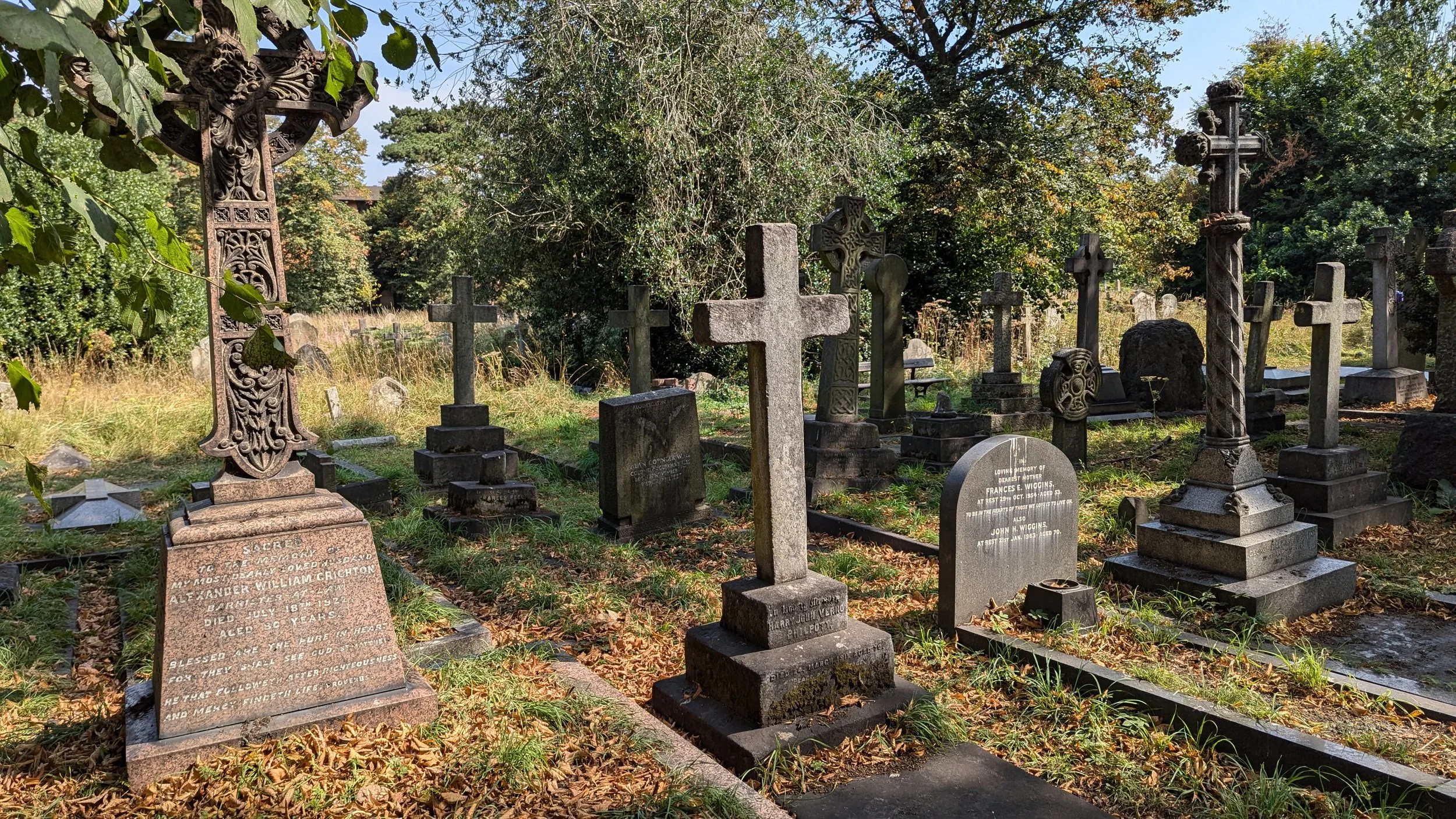
At first glance, it is somewhat incongruous to find such a decadent and substantive Victorian garden cemetery in the middle of central London, right next to Chelsea FC’s home grounds, Stamford Bridge. However, the cemetery is a relic from an age when death and funeral rites were far more complex and a significant aspect of the prevailing culture. Furthermore, expensive tombs were a form of conspicuous consumption and visiting cemeteries and admiring the architecture was considered morally uplifting and a broadening of one’s intellectual and cultural horizons. Nearly two hundred years later, Brompton cemetery now serves not only as a place of historical interest but also as a notable home for urban wildlife. As well as squirrels and crows, there are Kestrels and ring-necked parakeets. Throughout the year, there are such flowers as snow-drops, bluebells, wild lupin, foxgloves, broad-leaf pea, ferns and horsetail. This is a perfect environment for butterflies and other insects.
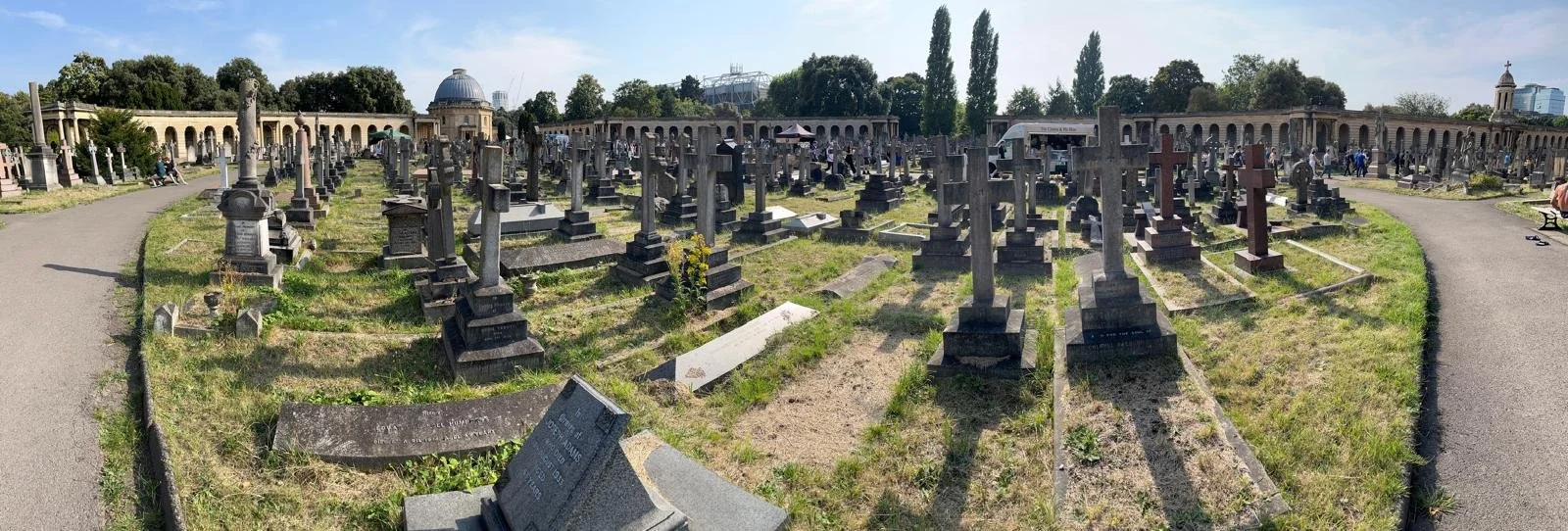
We started our tour at 3:00 PM on what was an unusually hot Sunday afternoon. It was 30 °C but fortunately there are quite a lot of trees to provide shade. The cemetery is laid out like a church with 4 central avenues forming a cross. Our guide took us round at a measured pace, spoke confidently and was happy to address any questions that arose. Sadly some of the graves are in a state of disrepair as the cemetery is not as well funded as it could be. The UK National Lottery has provided grants in the past for the upkeep of the grounds, particularly the chapel at the centre of the four avenues. Brompton Cemetery is a dog friendly environment with numerous taps and drinking bowls available. Overall, it was a most enjoyable afternoon out and I thoroughly recommend it, whether you’re just looking for a stroll or wish to immerse yourself in history and architecture.
Panoramic picture curtesy of Paul King.




























Thoughts on Blaugust 2024
Approximately 110 bloggers signed up to the Blaugust: Festival of Blogging this year. 60 of those were new to the event. They were either just starting out on their blogging adventures or trying to revitalise their existing activities. I fell into the latter group as I decided to use this yearly activity as a means to return to writing regularly, after a nine month absence. 31 days later I think the event has been a learning process and a voyage of self discovery for a lot of people, myself included. No matter how well you extol the virtues and merits of writing online, you cannot get away from the fundamental facts that it requires a commitment to write and that it will eat into your leisure time. Many people have a genuine urge to write but just get hamstrung by the finite nature of their free time. That is not a personal failure. It is just the nature of modern life. Therefore, if you just managed to get one post published over the last month, then well done. It’s 100% better than none.
Binky thinks you should blog about fish
Approximately 110 bloggers signed up to the Blaugust: Festival of Blogging this year. 60 of those were new to the event. They were either just starting out on their blogging adventures or trying to revitalise their existing activities. I fell into the latter group as I decided to use this yearly activity as a means to return to writing regularly, after a nine month absence. 31 days later I think the event has been a learning process and a voyage of self discovery for a lot of people, myself included. No matter how well you extol the virtues and merits of writing online, you cannot get away from the fundamental facts that it requires a commitment to write and that it will eat into your leisure time. Many people have a genuine urge to write but just get hamstrung by the finite nature of their free time. That is not a personal failure. It is just the nature of modern life. Therefore, if you just managed to get one post published over the last month, then well done. It’s 100% better than none.
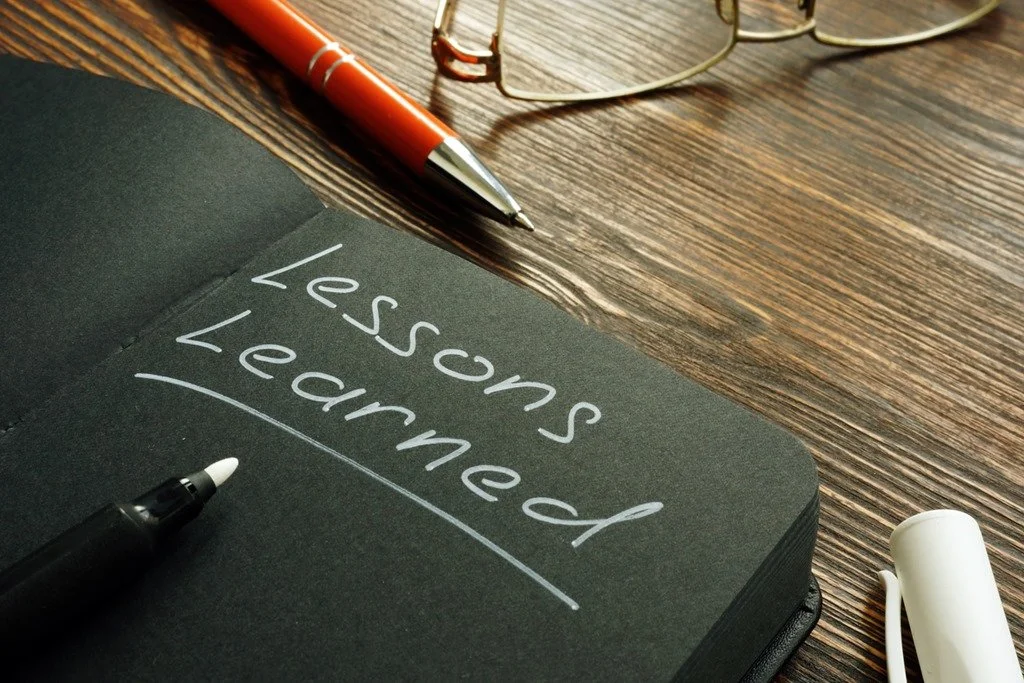
Blaugust is a good teacher. You will encounter technical skills such as time management, writing ahead of schedule and banking ideas. You can also discover what your blogging voice is and whether you will be writing short streams of consciousness, lengthy reviews, musing on specific subjects or long form reviews. You may decide to do none of these and find a different niche altogether. Blaugust has a knack of galvanising bloggers into action and experimenting with how, when and where they write. What platform you use to write and whether you want a domain are also decisions that may come up. Which of course is the point of the entire event. It’s not just about the technicalities of writing but wider issues as well. Sadly, not all of the lessons are happy ones. Some people discover that they cannot sustain the writing schedule they were hoping for, or realise that blogging isn’t actually for them.
Barnaby is shit posting about sport
However you’ve personally fared with Blaugust the community based around its Discord server is still available throughout the year. Many people find it both supportive and filled with useful resources. I certainly think having people posting links to their content and sharing thoughts on each other’s work is a major factor in maintaining a sense of motivation and engagement. Ultimately, that is the key to blogging. Once you’ve determined what you want to write about, how you’re going to do it and when you can fit it into your routine then the final piece of the puzzle is to sit down and write. Many people who have successfully written throughout Blaugust will now be faced with two possible courses of action. To continue in a way that suits them or to slowly reduce their output until they stop. That is not a judgement but a simple statement of fact. The dropoff rate after any writing event is a reality. It’s up to you how you address it.
I hope that a lot of the people who have completed Blaugust choose to continue. Each year I discover new blogs to follow and 2024 has been no different. I find it reassuring that people are still thinking and expressing themselves online. Furthermore, I hope you have enjoyed this month’s event as much as I have. Setting aside the practical lessons that Blaugust has to offer, I hope you have had fun. Informal writing such as blogging should be fun. As for me, I shall endeavour to continue writing on a regular basis. I am happy to do so at present and judging by my drafts folder, I have a lot of ideas for future posts. However, if you feel that your blogging journey is at an end or needs to take an extended break, there’s always next year. You can always take part again. In the meantime, don’t be a stranger. You know where to find us and everyone is welcome. Even Colin.






















More DIY
I fitted a new toilet seat today because the old one was broken. To be pedantic, it was the lid over the seat that was actually broken. It would appear they don’t support the weight of a 56 year old man who is reaching for a rubber ducky. However, the complexities of the circumstances leading to the lid breaking are ultimately irrelevant. The problem needed to be addressed as there were dangerous sharp edges. Therefore, to make things easier, I ordered the exact same make and model of toilet seat that I had previously bought in April 2021. Upon subsequent reflection, I do wonder how often the average person changes their toilet seat? Is three years considered a high turnover by the toilet seat statistical community? Who knows? But I digress. The new seat arrived today and in a fit of hubris I thought I’d quickly install it in the morning after showering. I reckoned it would only take half an hour or so. How foolish of me.

I fitted a new toilet seat today because the old one was broken. To be pedantic, it was the lid over the seat that was actually broken. It would appear they don’t support the weight of a 56 year old man who is reaching for a rubber ducky. However, the complexities of the circumstances leading to the lid breaking are ultimately irrelevant. The problem needed to be addressed as there were dangerous sharp edges. Therefore, to make things easier, I ordered the exact same make and model of toilet seat that I had previously bought in April 2021. Upon subsequent reflection, I do wonder how often the average person changes their toilet seat? Is three years considered a high turnover by the toilet seat statistical community? Who knows? But I digress. The new seat arrived today and in a fit of hubris I thought I’d quickly install it in the morning after showering. I reckoned it would only take half an hour or so. How foolish of me.
Now the reason I wanted the same model as before is because it has a quick release mechanism for taking off the seat. Therefore I was hoping I could simply swap out the broken seat with the new one and not have to mess about installing any fittings. The new seat could just click onto the existing posts. So I unpacked the replacement seat, lined up the holes on the hinge with the posts and lowered it down expecting it to conveniently click into place. Except that it didn’t. The existing posts were too thick. Hence I had to get on my hands and knees and reach under the toilet bowl and unscrew the current fittings. Now you may or may not know this but getting on the floor and into confined spaces is a bitch when you’re 56. The problem was further compounded as the existing wingnuts were done up “finger tight” by my son, so they were disinclined to yield.
I find that most problems are easier to solve after lunch, so I took an extended break and had a midday meal along with a couple of pints of beer for medicinal reasons, at a local cafe. Feeling suitably fortified I returned to the job in hand and decided rather than try and unscrew the wingnuts, I’d rotate the posts using an adjustable spanner. This strategy worked and the fittings became loose. I was then able to unscrew the wingnuts and remove the posts. After another beer (I was thirsty by this point), I then installed the new fittings that came with the replacement toilet seat. The posts lined up with the holes in the hinge and this time round the seat clicked securely into place. I stepped back to admire my handy work and basked in the glory of my victory accordingly. I assume this is how Marcus Agrippa felt after the Battle of Actium or all those Amish people after they built that barn in the film Witness.
There was a time when working with your hands was part of most people’s daily life. Furthermore, being a skilled craftsman was venerated by one’s peers and the wider community. Sadly, the days of many of us having practical skills are long gone. We live in a world where we don’t fully understand how everything in our homes actually works and certainly don’t have the necessary skills to fix things. In fact our lifestyle has become so disposable that it often doesn’t even cross our minds whether something can be repaired. Too often we seek to replace by default. My clumsy struggle to fit a toilet seat is in some respects quite shameful. I may have technical skills but they can’t put up shelves or install a shower. My father, who was a practical man, would have rolled his eyes at my incompetence. But this is the world we live in and I am not alone in my lack of DIY skills.
The Lord of the Rings: The Rings of Power Season 2
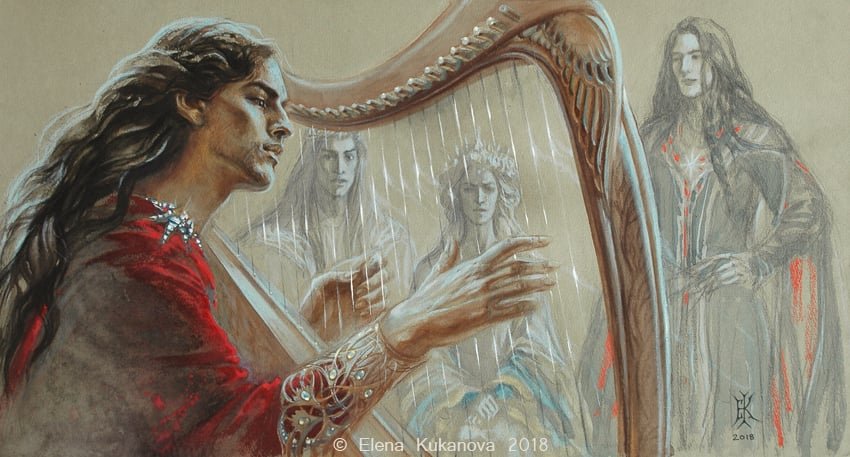
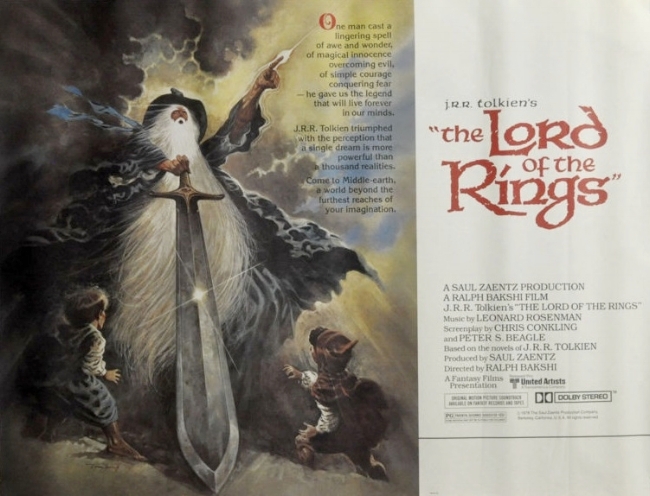
Two years ago, The Lord of the Rings: The Rings of Power premiered on Amazon Prime to mixed reviews and a tedious and predictable internet brouhaha. I have no interest in that debacle as I consider it spurious, to say the least. Representation is a commercial imperative for any big budget television production. As for any deviation from the established canon, that’s due to the show being an “adaptation” of Tolkien’s work. At no point were viewers promised a literal interpretation of the source text. Therefore I am only interested in legitimate critiques of the show based upon its production, writing and acting. As far as I’m concerned, the first season was broadly entertaining and had outstanding production values. Overall I enjoyed The Lord of the Rings: The Rings of Power as an exciting and inventive take on Tolkien’s legendarium. Hence, I have been looking forward to the second season, which began today.
Two years ago, The Lord of the Rings: The Rings of Power premiered on Amazon Prime to mixed reviews and a tedious and predictable internet brouhaha. I have no interest in that debacle as I consider it spurious, to say the least. Representation is a commercial imperative for any big budget television production. As for any deviation from the established canon, that’s due to the show being an “adaptation” of Tolkien’s work. At no point were viewers promised a literal interpretation of the source text. Therefore I am only interested in legitimate critiques of the show based upon its production, writing and acting. As far as I’m concerned, the first season was broadly entertaining and had outstanding production values. Overall I enjoyed The Lord of the Rings: The Rings of Power as an exciting and inventive take on Tolkien’s legendarium. Hence, I have been looking forward to the second season, which began today.
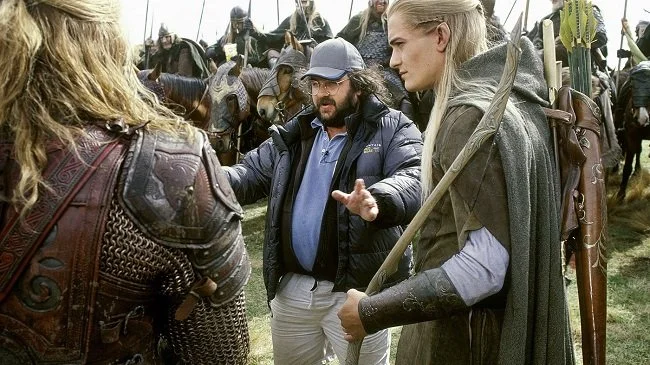
As I have only watched the first three episodes of Season 2, this is not a review. It is simply some initial thoughts. My opinion may change when I have seen all eight episodes. So far, relocation of the production from New Zealand to the UK does not appear to have had a detrimental impact on the show’s aesthetics or high quality. Weta FX and Industrial Light and Magic still continue to produce the lionshare of visual effects. Long term Tolkien illustrator John Howe, remains the main conceptual artist and although there has been changes in staff relating to costume and production design, there still appears to be a sense of visual continuity between this show and Peter Jackson’s feature films. Bear McCreary has also been retained to provide the score and has again provided some outstanding new themes. I was pleasantly surprised to see cast member Benjamin Walker singing “Golden Leaves” in Sindarin. Song is such an integral part of Tolkien’s work.
Narratively, Season 2 quickly resumes where the previous ended. Here are a few of the ongoing plot points. In an extended flashback we see why the transition of power from Morgoth to Sauron did not go well. We also get to see Sauron in an earlier physical guise played by Jack Lowden. The “meteor man” has reached Rhûn with Nori the Harfoot and it would appear that they are being tracked by the minions of a “Dark Wizard”. The unnamed sorcerer refers to the “meteor man” as an Istar, a Quenya term for “wise”. The Wizards of the Third Age were known as the Istari; “wise ones”. In Khazad-dûm, seismic activity caused by the eruption of Mount Doom leads to the collapse of many of the city’s light wells, disrupting the Dwarves’ means of food production. In Eregion, Sauron takes the guise of Annatar, Lord of Gifts and tricks Celebrimbor into making further rings of power.
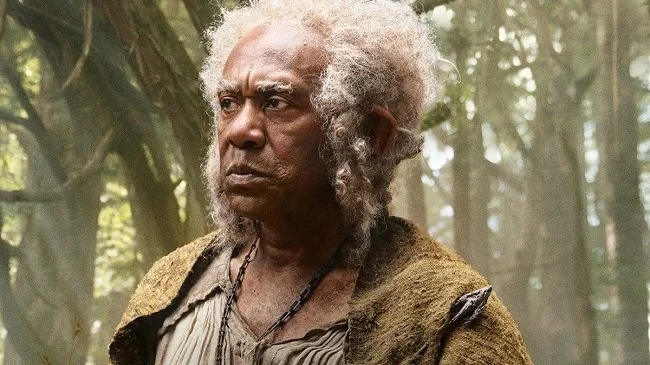
So far it seems that show runners, J. D. Payne and Patrick McKay, are working more within the parameters of Tolkien’s legendarium than previously. This may be due to the story moving forward into more closely defined “history”. The addition of further canonical characters such as Narvi (Kevin Eldon) and Círdan (Ben Foster) certainly makes the proceedings feel more “Tolkienesque”. Adar, the Dark Elf chieftain of the Orcs, is played by a different actor to season one but due to the prosthetic makeup, it doesn’t make any significant difference. I am extremely curious to see Rory Kinnear as Tom Bombadil and I saw via the IMDb that Jim Broadbent is providing a voice for what may be an Ent. I find the presence of so many established UK actors reassuring. Also the fact that the show uses Hammer’s old studios at Bray, in Berkshire.
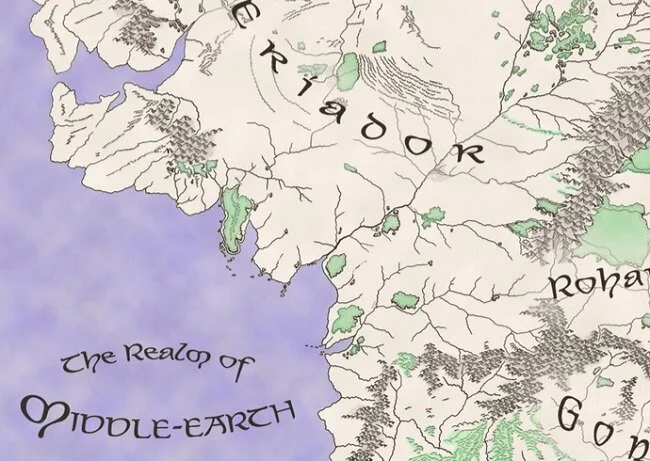
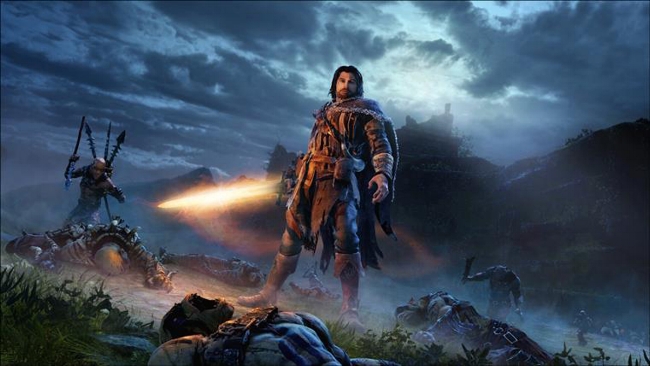
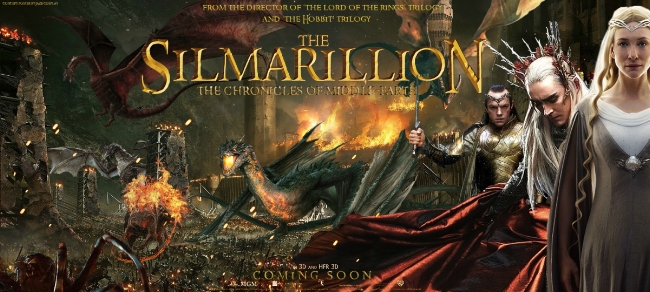
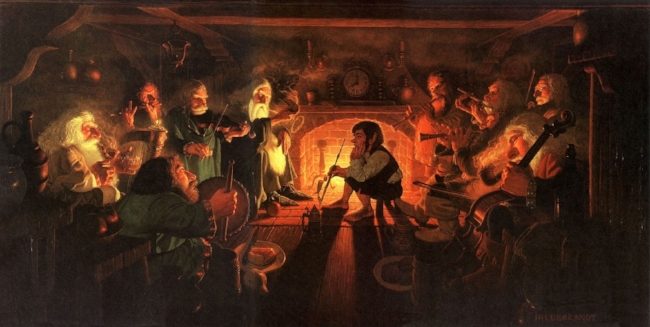
Season 2 of The Lord of the Rings: The Rings of Power has gotten off to a good start. With five more episodes to go, it can still cover a lot of ground. At present it is the non canonical material that holds my interest the most. The introduction of a “Dark Wizard” in Rhûn is not an implausible plot element. The Blue Wizards travelled to that region and were ultimately lost. Saruman himself dwelt there at one point. And then there is the Dark Elf Adar, allegedly one of the first to be corrupted by Morgoth. In another bold choice, there is a brief appearance in episode three of a female Orc holding an Orc baby. Rather than being perturbed by the creative choices of the showrunners, I find them a source of fascination. If I want pure Tolkien, then there are the source texts and audio productions to enjoy. The Lord of the Rings: The Rings of Power is ultimately just one of many interpretations of Middle-earth. I suspect in the years to come there will be more. Not all will be to everyone’s tastes. However, if they introduce people to the original texts then that is no bad thing.






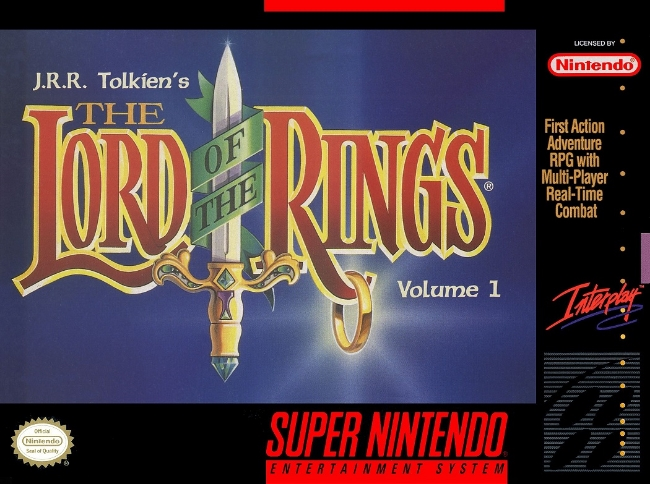
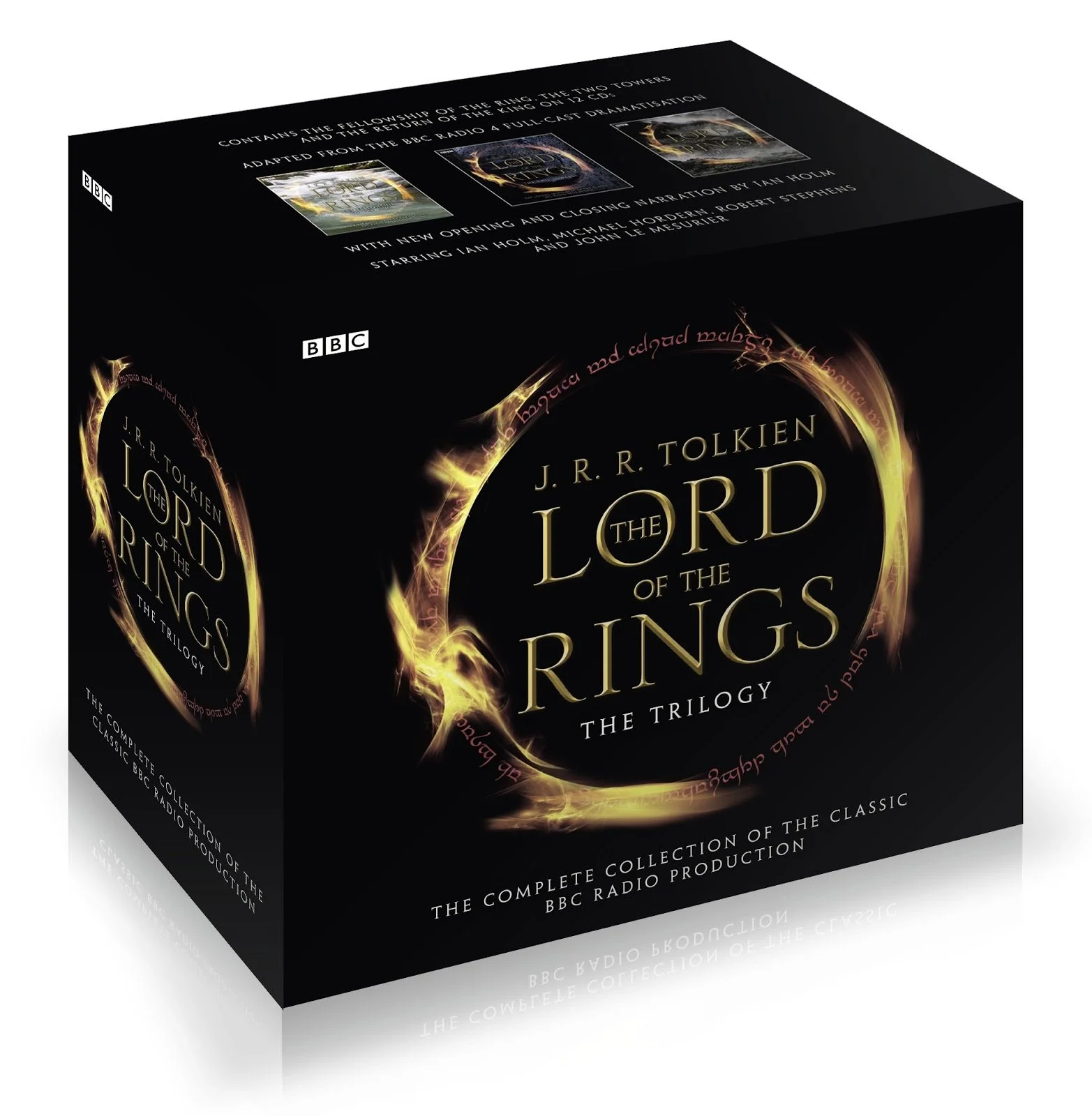
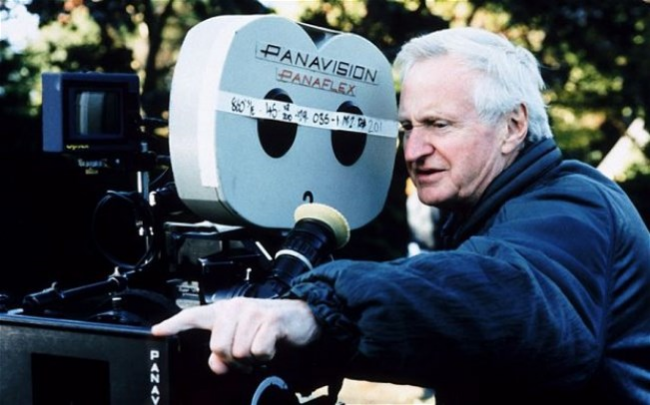

10 Wise Quotes
The last time I wrote a post about quotes I only included one proper example. That was because it was somewhat lengthy. So I filled the remainder of the article with film quotes, which I found amusing because I do like a good pop culture reference. However, it can be argued that they weren’t really in the spirit of the original writing prompt. So this time round I have collated ten proper quotations from various intellectuals, celebrities and bon viveurs. I also made sure that they’re not all from people who are dead. Many of them do come across as somewhat smug and self satisfied. Such is the nature of quotes. I think the main reason we sometimes feel this way is because a really good one hits home with its sage wisdom. So here are a few that I find interesting. I’ve added a brief annotation as to why I particularly like each one.
Gore Vidal
The last time I wrote a post about quotes I only included one proper example. That was because it was somewhat lengthy. So I filled the remainder of the article with film quotes, which I found amusing because I do like a good pop culture reference. However, it can be argued that they weren’t really in the spirit of the original writing prompt. So this time round I have collated ten proper quotations from various intellectuals, celebrities and bon viveurs. I also made sure that they’re not all from people who are dead. Many of them do come across as somewhat smug and self satisfied. Such is the nature of quotes. I think the main reason we sometimes feel this way is because a really good one hits home with its sage wisdom. So here are a few that I find interesting. I’ve added a brief annotation as to why I particularly like each one.
“Reality continues to ruin my life.” Bill Watterson
Ah, the enigma of American cartoonist Bill Watterson. He has an innate gift for wholesome sentimentality.
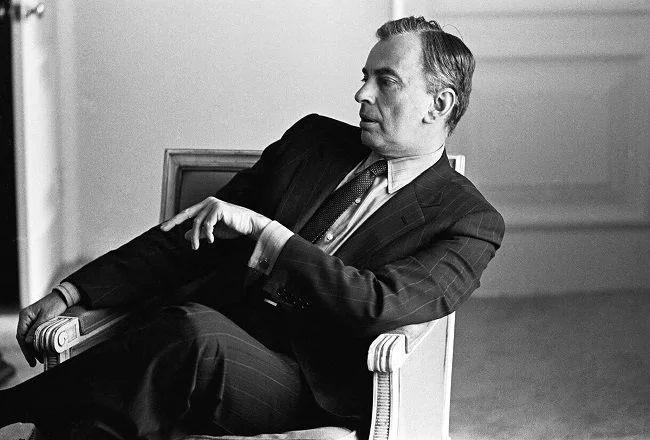
“The more money an American accumulates, the less interesting he becomes.” Gore Vidal
A few names spring to mind.
“You only live once, but if you do it right, once is enough.” Mae West
Mae West is a treasure trove of witty quotations. I wouldn’t dream of questioning the wisdom of the above quote.
“If Stupidity got us into this mess, then why can't it get us out?” Will Rogers
It never ceases to amaze me how stupidity thrives by standing on the shoulders of the wise and humane, who do all of society’s heavy lifting.
Carl Sagan
“We live in a society exquisitely dependent on science and technology, in which hardly anyone knows anything about science and technology.” Carl Sagan
My father lamented how when he was a child, you had a fighting chance of understanding how the things around you worked. A radio, a fridge, a car. Nowadays he said it was virtually impossible with regard to computers, networks and software.
“I don't think any of us grew up into the world we were hoping for or expecting.” Alan Moore
The media, the state and society have always misrepresented the world we live in. We now actively collude in this lie ourselves, via social media.
“Power is like being a lady... if you have to tell people you are, you aren't.” Margaret Thatcher
I’m not a fan of the UK’s first woman Prime Minister but I appreciate the sentiment in this quote.
Henry Rollins
“It’s sad when someone you know becomes someone you knew.” Henry Rollins
This quote is interestingly ambiguous. Does he mean death or when a friendship withers on the vine?
“A clever person solves a problem. A wise person avoids it.” Albert Einstein
I bet Rodgers and Hammerstein feel stupid now.
“Love, friendship and respect do not unite people as much as a common hatred for something.” Anton Chekhov
A sad but accurate observation. If you want a specific example I refer you to the UK tabloid press.
Bonus quote:
“Excuse me, sir! Can you direct us to the naval base in Alameda? It's where they keep the nuclear wessels.” Pavel Chekov
I did say I love a pop culture reference.
ChatGenie Questionnaire
I spent some time today, looking for a new internet questionnaire as they make for fun and quirky blog posts (by which I mean lazy and easy ones). Sadly, most of the search results that Google found were ones I’ve done already. So I thought why not ask the online AI, ChatGenie, to provide the questions? Surely it can’t be that difficult to come up with some interesting talking points? Well it turns out it is, because the 10 questions that the AI has provided are not especially inspired. However, I did find it amusing how ChatGenie justified itself, explaining where the mirth and hilarity lie in each of its questions. Therefore, here are my answers to what I am officially calling the ChatGenie Questionnaire. Feel free to complete it yourself.
I spent some time today, looking for a new internet questionnaire as they make for fun and quirky blog posts (by which I mean lazy and easy ones). Sadly, most of the search results that Google found were ones I’ve done already. So I thought why not ask the online AI, ChatGenie, to provide the questions? Surely it can’t be that difficult to come up with some interesting talking points? Well it turns out it is, because the 10 questions that the AI has provided are not especially inspired. However, I did find it amusing how ChatGenie justified itself, explaining where the mirth and hilarity lie in each of its questions. Therefore, here are my answers to what I am officially calling the ChatGenie Questionnaire. Feel free to complete it yourself.
Q: Do you cry easily? (This question encourages introspection as to how emotional you may be)
A: No. I was raised during the seventies in the UK and the prevailing culture was to not cry unnecessarily. The cliche of maintaining a stiff, upper lip was still commonplace. Age has brought a degree of wisdom and I have now tempered this emotional foible. When both my parents died, at the time I kept a stoical demeanour, mainly because I was the one dealing with everything and I needed to be “functional”. When everything was done, I allowed myself to grieve and cry accordingly. Oddly enough, I find that films have the power to stir my emotions the most. I remember when I saw Star Trek II: The Wrath of Khan for the first time. When Spock died I wept openly like I’d lost a brother.
Q: What's the most embarrassing song you secretly love to sing along to? (A lighthearted question that can spark hilarious answers.)
A: All Kinds of Everything by Dana, although I prefer the cover version by Slim Whitman from 1978. I can never remember the specific things named in the song, so I improvise. Fruit Bats, Orangutans, the Sudanese etc.
Q: If your life was a movie, who would play you and what genre would it be? (Get them thinking about their personality and how they see themselves.)
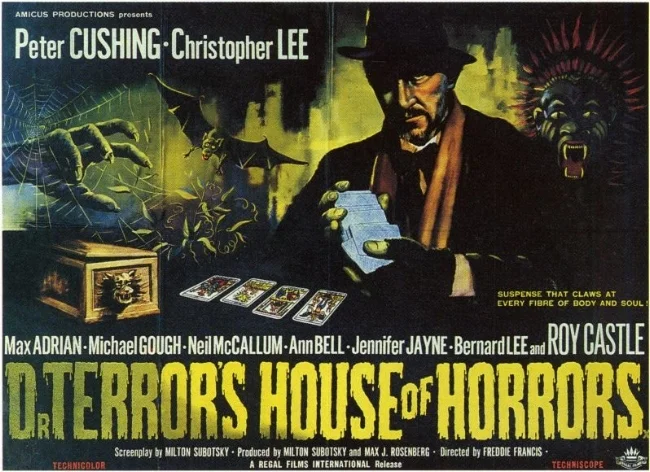
A: Peter Cushing and it would definitely be a horror film.
Q: What's the weirdest thing you've ever eaten and would you recommend it? (A fun and unexpected question that's sure to generate unique answers.)
A: Snails and squid. Snails are just like any other shellfish and their culinary merit depends upon the sauce they’re cooked and served in. As for squid, I don’t mind calamari (battered and fried squid rings) but find that the whole baby squids are too rubbery for my tastes. Overall, I’m not someone who will eat something just because it is considered weird. However, if a weird dish can be proven to be potentially tasty, I will theoretically consider eating it.
Q: You're stranded on a deserted island with only three items. What are they and why? (A classic question with a twist, encouraging them to think about their priorities.)
A: A supply of antibiotics for obvious reasons. I wouldn’t want to die as a result of a simple cut or insect bite. A firearm to take care of any potential dangers and a wind up radio. I could listen to the shipping forecast.
Q: If you could have dinner with any historical figure, who would it be and what would you ask them? (This question invites them to think about their interests and curiosity.)
A: I think a meal with Sir Archibald McIndoe would be rather interesting. He was a pioneering plastic surgeon from New Zealand who moved to the UK in 1930. During World War II he developed numerous pioneering techniques while treating badly burned Royal Air Force aircrew. His patients at the Queen Victoria Hospital in East Grinstead, Sussex, formed the Guinea Pig Club. This was a social club and mutual support network.
Q: What’s the best way to waste time? (A funny question that allows people to embrace their quirks.)
A: The best way to waste time is to do so in a guilt free fashion. I know too many people who are uncomfortable with their own personal leisure time and often feel guilty if they’re not doing something “productive”. Fortunately, I’m not one of them and I learned from my father that if you ever get a chance to take it easy in between all the hustle and bustle, then grab it with both hands.
Q: If you could invent a new holiday, what would it be and how would it be celebrated? (This encourages creativity and allows them to express their ideal world.)
A: I’d like to establish an international “If you can't say something nice, don't say nothing at all” day. It could alternatively be known as “Shut the fuck up” day. Its philosophy and merits are self-evident. Those who break the credo have “twat” written on their forehead for the rest of the week as penance.
Q: What's the most ridiculous conspiracy theory you believe in? (A playful question that can lead to some entertaining answers.)
A: I don’t believe in conspiracy theories or care for the associated culture. Occam’s razor is often a sufficient tool to invalidate most of them. Plus, most major conspiracies are predicated on secret plots. If there is one defining characteristic of humans, it is that most cannot keep their mouth shut. It’s an obvious contradiction.
Q: What's your favourite word and why? (A simple yet insightful question that reveals their personal preferences and vocabulary.)
A: According to an analysis of my blog posts, I use the word “nebulous” a lot. I do like it as it beautifully encapsulates anything vague, indistinct or ill defined. The thing is, I like lots of words. Why settle for just one?












Thinking Out Loud
If you want to buy a grapefruit spoon with an inlaid mother of pearl handle or 25Kg of exotic aquarium gravel, then a simple Google search (other search engines are available) will yield a multitude of results. However, the search engine does not fare so well with finding online communities. Many years ago I joined The LAMB (Large Association of Movie Blogs), which at the time claimed to be the world's largest movie blog directory/community. It was a useful website. From what I can see, this site is now partially dormant. New reviews are being posted but the directory service of other movie related websites seems unavailable. Hence I am looking for a comparable online community where I can share my film reviews and read other peoples. Trying to find one is proving quite difficult.
Once again, I have collated a series of random thoughts on “stuff and things”, as the expression goes. All of which is published under the title “Thinking Out Loud”, which is a recurring blog post.
Finding Online Communities
If you want to buy a grapefruit spoon with an inlaid mother of pearl handle or 25Kg of exotic aquarium gravel, then a simple Google search (other search engines are available) will yield a multitude of results. However, the search engine does not fare so well with finding online communities. Many years ago I joined The LAMB (Large Association of Movie Blogs), which at the time claimed to be the world's largest movie blog directory/community. It was a useful website. From what I can see, this site is now partially dormant. New reviews are being posted but the directory service of other movie related websites seems unavailable. Hence I am looking for a comparable online community where I can share my film reviews and read other peoples. Trying to find one is proving quite difficult.
I find that a lot of online communities have migrated to Discord for obvious reasons. Subreddits are also still an important focal point for shared interests. However, Discords by their nature do not lend themselves to creating easily navigable and searchable archives. They are more about informal discussions. Subreddits have their respective gatekeepers who often prefer to keep user debate confined within their own managed environment. Third party links and external sources are not always welcome. Hence I prefer conventional websites that collate and aggregate content. The only problem with this is that it’s becoming increasingly rare due to the associated work and cost. In the meantime, I shall continue searching as I’m sure a suitable community is out there.
Gaming Homework and Fear of Getting Things Wrong
Something that came up while I was struggling to familiarise myself with Dragon’s Dogma 2. A matter that is now a major aspect of gaming culture. Specifically, the requirement to have to research gameplay mechanics, classes and builds prior to actually playing a game. YouTube is the dominant medium for this requirement. I found myself watching various videos with titles such as “10 mistakes you don’t want to make” and “the best classes and vocations” before I even created a character in Dragon’s Dogma 2. Do you remember a time when games had tutorials that explained their own mechanics. You may be old enough to recall when media shipped with a physical manual. Such days have long gone.
However, not only is it expected these days that you have to do research via third parties to be able to work out how to play a game, there is now a considerable “risk” if you don’t. If you just pick a class and gear based purely upon “that looks cool”, then you will damn yourself to the seventh circle of gaming hell and have a chronic case of buyer’s remorse. How the hell did we get to this place? A place where there isn’t scope to just have fun partially on your own terms. If certain builds and combinations of in-game gear lead to poor experience, why put them in the game? Everything seems so formalised these days with regard to gaming. Hence we get prevailing metas and if you choose to ignore them you’re effectively gimping yourself. This “process driven” ideology seems to be bleeding through into everything nowadays. It ruined TED Talks and is ruining YouTube. Where will it end?
Continuously Outraged Fans are Wearisome
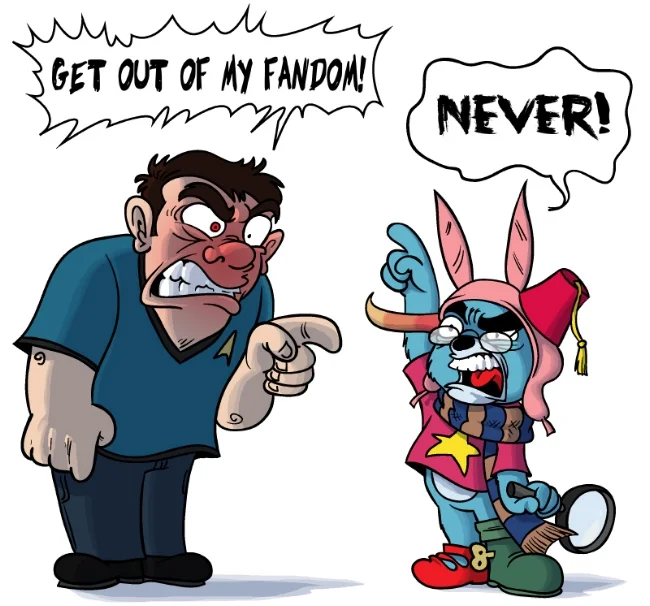
The second season of The Lord of the Rings: The Rings of Power begins on 29th August on Prime Video. Captain America: Brave New World is released theatrically on 14th February 2025. What do these both have in common? The criticism and anger of outraged fans. Yes the vocal minority are at it again, shouting at clouds because a film or TV show has dared to do something that they don’t care for. Be it a question of representation or a matter of “creative adaptation”. It is an especially tedious foible of fandom and is often not just about likes and dislikes, but driven by other cultural and political movements. The matter came up recently in the documentary A Disturbance in the Force about the infamous Star Wars Holiday Special. Writer, actor and director Kevin Smith had wise words to say on this matter. “When you have a bunch of people that love something and take it into their hearts, they claim it. And when these things don't behave the way we want them to, well, it seems like we've become a culture that doesn't know how to handle that”.







Thoughts on Blogging Part 19
I’ve been writing online for 17 years. During that time a modest audience has read my posts and occasionally commented on them, which is the accepted dynamic of blogging. Some of my posts are ephemeral. Others, such as film reviews, have greater longevity. Naturally I want people to read my output and I’ve noticed that the film reviews seem to generate a fair amount of traffic. After consulting my website analytics package, it would appear that the majority of readers find my reviews by searching Google. Promoting my writing via social media does very little. Another issue is that readers tend to read the post they found via their search and then leave. Despite there being links at the bottom of the post to similar material. Currently, my blog does not have an effective means of searching older posts. The landing page has only 20 posts listed. There are approximately 2,500 archived.
I’ve been writing online for 17 years. During that time a modest audience has read my posts and occasionally commented on them, which is the accepted dynamic of blogging. Some of my posts are ephemeral. Others, such as film reviews, have greater longevity. Naturally I want people to read my output and I’ve noticed that the film reviews seem to generate a fair amount of traffic. After consulting my website analytics package, it would appear that the majority of readers find my reviews by searching Google. Promoting my writing via social media does very little. Another issue is that readers tend to read the post they found via their search and then leave. Despite there being links at the bottom of the post to similar material. Currently, my blog does not have an effective means of searching older posts. The landing page has only 20 posts listed. There are approximately 2,500 archived.
Six years ago I wrote a tutorial post explaining how to effectively search Contains Moderate Peril. Each post has a list of keyword categories in the footer and if you click on these, it will list all other posts that have been labelled in the same way. There is also a calendar feature on the blog archive page, which shows all posts by dates. However, neither of these two means of searching the site are really intuitive or convenient. To date I am still seeking a suitable means that can be implemented within the current constraints of Squarespace and the specific templates this site uses (Trombone Shorty). I am also trying to determine a means of promoting my content online but in a manner I consider to be ethical. I don’t like misleading, hyperbolic clickbait. Nor do I want my social media accounts to be exclusively used to push my work.
There are plenty of websites that offer advice on marketing and promotion. Broadly, they all state the same things. Create targeted content, build a community via promotion on social media, collaboration with others and back links. SEO is a must. All of which makes sense but is not necessarily to everyone’s tastes. I have no objection with promotion and collaboration but I will not alter my writing style, just to chase an audience. I consider personal blogs to be in some respects like music or newspapers. You write in a certain idiom and that appeals to a specific group. For example, when I write about film I assume that the reader has a certain degree of investment in the subject and some knowledge. Technically, by changing my writing style I could reach a larger audience but that is not what I'm seeking to achieve. I am pursuing a different, smaller niche, which for me is more rewarding.
It is interesting to note that as my return to regular writing has coincided with the Blaugust: Festival of Blogging, there has been a modest increase in traffic to Contains Moderate Peril. I put this down to the various bloggers participating in the event, kindly showing an interest in my posts. As I’ve stated before, seeing any degree of interest in one’s work helps in maintaining the motivation to keep writing. Although the technological aspects of blogging have changed over the years, I suspect the basics remain the same. Readers return whenever new content is available, associated promotion via podcast, live stream or YouTube channel also helps. Giveaways and competitions will attract traffic and some will stick around. A catchy name doesn’t do any harm, although try not to pick something that may box you in at a future date. Finally, keep plugging away. If you throw enough faecal matter at a vertical brick structure, some will eventually adhere.









Caligula: The Ultimate Cut (1979)
There are many stories and anecdotes associated with the 1979 film Caligula. Many of which are apocryphal. However, there is absolutely no doubt that this was a troubled production, with artistic differences between the writer, director and producers. Hence the original theatrical release was not the arthouse, historical drama that it was intended to be. Instead Caligula ended up the most notorious multimillion dollar independent film of the seventies. Steeped in violence, hardcore pornography and acts of depravity, yet boasting an A list cast of British and European actors, a screenplay by the legendary Gore Vidal and an established Italian arthouse director, namely Giovanni “Tinto” Brass . This magnificent cinematic car crash of a film has maintained an interest with cult film enthusiasts, as well as scholars of cinema over the decades. This is mainly because there’s an optimistic school of thought that there is a far better film trying to get out.
There are many stories and anecdotes associated with the 1979 film Caligula. Many of which are apocryphal. However, there is absolutely no doubt that this was a troubled production, with artistic differences between the writer, director and producers. Hence the original theatrical release was not the arthouse, historical drama that it was intended to be. Instead Caligula ended up the most notorious multimillion dollar independent film of the seventies. Steeped in violence, hardcore pornography and acts of depravity, yet boasting an A list cast of British and European actors, a screenplay by the legendary Gore Vidal and an established Italian arthouse director, namely Giovanni “Tinto” Brass . This magnificent cinematic car crash of a film has maintained an interest with cult film enthusiasts, as well as scholars of cinema over the decades. This is mainly because there’s an optimistic school of thought that there is a far better film trying to get out.
For those unfamiliar with the film and its associated legend, Caligula was initially conceived as an historical drama about the rise and fall of the controversial Roman emperor. The film stars Malcolm McDowell in the title role, alongside Teresa Ann Savoy, Helen Mirren, Peter O'Toole, John Steiner, and John Gielgud. It was filmed in Rome at Dear Studios during 1976 and was intended to be a serious dramatic exploration of the theme that absolute power corrupts. Writer Gore Vidal wrote an original screenplay based upon historical sources to that effect. However, director Tinto Brass had other ideas and preferred the concept of Caligula being a born monster just waiting for an opportunity. Hence he rewrote the script with an emphasis on the sensational, although he kept much of the original dialogue. However, upon completion of principal photography, producer Bob Guccione (the publisher of Penthouse) took over editing of the film and shot additional pornographic scenes for inclusion in the theatrical cut. Controversy, outrage and lawsuits followed. Caligula then passed into cinematic legend.
Then in 2019, Thomas Negovan was hired to reconstruct a version of the film closer to the initial vision. Using the original camera negatives of 100 hours of footage unearthed in the Penthouse archive, along with an early draft of Gore Vidal’s script, Negovan has assembled a radically different cut of the film using alternate takes and abandoned footage. However, this has still proven a difficult undertaking as there is far from a consensus on what the original intentions of the production were. Was Caligula intended to be a pure historical drama or a stylised exploration of the themes of Roman decadence, filmed via the medium of Italian arthouse cinema? It would appear that Negovan has arrived somewhere between the two positions. There is now a clear thematic thread running through Caligula: The Ultimate Cut with the emperor portrayed as an anarchic free spirit who is consumed by his own desire to push the boundaries of his power. He is enabled by a coterie of sycophants and lackays, as well as political opportunists.
Film aficionados will spot the changes that Thomas Negovan has made immediately. The film opens with an impressive new animated title sequence featuring a young Caligula performing his eponymous dance. This has been created for the film by “Sandman” artist Dave McKean. Numerous key scenes are now shown in chronological order and many of the more infamous and salacious sequences make use of alternative takes. The new edit certainly presents a more nuanced performance by Malcolm McDowell and the actor himself is certainly pleased with the new edit. Helen Mirren has more screen time as Caligula’s wife, Caesonia, although the character is still somewhat underwritten. Overall there is a far more coherent narrative arc and the film no longer feels like a vehicle exclusively created for the depiction of debauchery and violence.

That being said, Caligula: The Ultimate Cut has not been thoroughly sanitised because it is impossible to do so. Hedonism and physical indulgence are baked into the film’s celluloid DNA. There is still a lot of male and female nudity, a double rape and a great deal of violence and tonal unpleasantness. In replacing certain shots with alternate material, the exploitative aspect of some scenes has been replaced with a somewhat colder and more clinical tone, which in some respects makes them more shocking. Especially the notorious fisting scene and the assassination at the end of the film, which involves an infanticide. Cinephiles will also lament the replacement of Bruno Nicolai’s original score along with the classical cues by Prokofiev and Khachaturian, with a new soundtrack by Troy Sterling Nies. It is nothing more than functional, where the original matched the baroque tone of the film.
Overall Caligula: The Ultimate Cut is probably the best cut of the film we’re ever likely to see. Has Thomas Negovan’s extensive reconstruction revealed a lost masterpiece amid the decadence and depravity of the previous theatrical edition? Not quite. The film remains a cinematic chimaera that veers between high drama and exploitative excess. It just does so in a far more coherent and efficient fashion this time round. It does highlight the baroque production design by Danilo Donati and showcase a far more rounded performance by Malcolm McDowell but this is never going to be a film that finds mass, mainstream appeal. This legendary production will remain a source of fascination for scholars of cinema but is ultimately too “out there” to become an accepted part of the established pantheon of arthouse masterpieces. It is a unique product of its time and now in this new version, a cinematic curate’s egg rather than a hot mess.







Longlegs (2024)
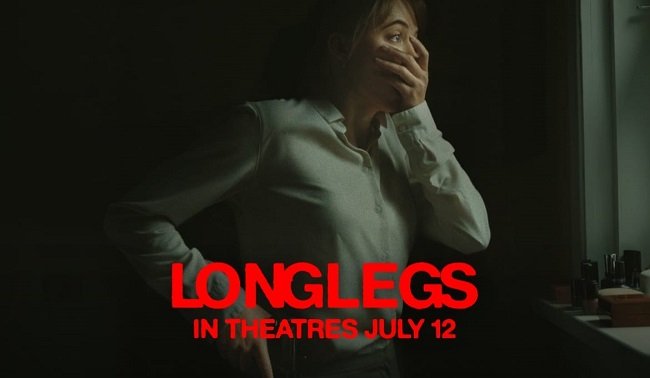
Although I was unaware of it, there was a guerrilla marketing campaign for Longlegs which was focused on the internet rather than traditional television adverts. Hence the film gained a lot of interest prior to its release and as well as some some disproportionate expectations. Then immediately after its theatrical debut, the matter was further compounded by a possible excess of gushing praise as the film was “over reviewed”. Therefore I maintained a degree of scepticism about Longlegs and tempered my expectations prior to watching it. Any film that is hailed as the next Silence of the Lambs, featuring a “traumatising” performance by Nicholas Cage needs to be keenly scrutinised so that its cinematic merits can be carefully separated from the surrounding hyperbole. After viewing I found Longlegs to be a finely honed, atmospheric and precisely targeted horror thriller but not the genre milestone that some would claim.
Although I was unaware of it, there was a guerrilla marketing campaign for Longlegs which was focused on the internet rather than traditional television adverts. Hence the film gained a lot of interest prior to its release and as well as some some disproportionate expectations. Then immediately after its theatrical debut, the matter was further compounded by a possible excess of gushing praise as the film was “over reviewed”. Therefore I maintained a degree of scepticism about Longlegs and tempered my expectations prior to watching it. Any film that is hailed as the next Silence of the Lambs, featuring a “traumatising” performance by Nicholas Cage needs to be keenly scrutinised so that its cinematic merits can be carefully separated from the surrounding hyperbole. After viewing I found Longlegs to be a finely honed, atmospheric and precisely targeted horror thriller but not the genre milestone that some would claim.
During the 1990s, FBI agent Lee Harker (Maika Monroe) is assigned by her supervisor William Carter (Blair Underwood) to an investigation of a series of murder-suicides in Oregon. In each case a father kills his family and then himself, leaving behind a letter with Satanic coding signed “Longlegs”. The handwriting belongs to a third party and not a family member. Hence Carter suspects that the crimes may have been instigated. Lee, who possibly has latent psychic powers, determines that each family had a 9-year-old daughter born on the 14th of the month. Furthermore, the murders all occurred within six days before or after the birthday itself and the murders form an occult triangle symbol on a calendar. Curiously, one date is missing. While talking to her mother Ruth (Alicia Witt), Lee receives a coded birthday card from Longlegs, warning her that revealing the source of the code will lead to her mother's murder.
Director Osgood Perkins creates a vivid visual and aural landscape which immediately draws the audience into the brooding sense of disquiet. The ambient soundtrack by Zilgi is sparse and often music is replaced by ominous tonal sounds. Perkins also furnishes just enough information both visually and within his screenplay, to keep viewers engaged but forcing them to fill in the narrative gaps themselves. At one point a character is shown to have a substantial supply of medication. Exactly what it is for is never specifically explained. Is it to treat a psychiatric condition of a specific illness? A character refers to the remote location where they and their daughter live and how no one visits them. Is this due to her being an unwedded mother or having some form of mental illness? Both would potentially make them a social pariah in small town America, during the sixties.
Nicholas Cage’s notable performance is not overplayed and his character only makes a few appearances during the film’s first act. His face is obscured initially and it is only during an FBI interrogation scene that we become aware of his curious demeanour. Again whether he is an albino or has acquired such a complexion by avoiding sunlight is never made clear. It is while he is questioned by agent Harker that Cage ups the ante and we become aware that he is not just another broken human being who has morphed into a serial killer. It is at this point that the film commits to a more overtly supernatural plotline, where initially it was deliberately more ambiguous. Beforehand, the murders and associated events could be potentially explained in more conventional terms.
Cinematographer Andrés Arochi does much to build the atmosphere. There are many night scenes with deep shadows and strong, contrasting pools of light. The overall colour palette is somewhat muted but white and red are used vividly. As a result the viewer is kept absorbed by the film’s aesthetic and it doesn’t immediately become apparent that this is a modest budget production with only a handful of characters. There are sufficient jump scares and a couple of scenes of jolting violence, to keep the audience's appetite sated for the staples of the horror genre. The film’s ending is as you would expect, given what has proceeded. Yet despite the series of murders and the implications of direct, satanic intervention, the film still feels restrained in its scope and doesn’t quite have the impact of a cinematic event that some claim it to be. However, less can be more and Longlegs is definitely superior to mainstream horror fare. Osgood Perkins is also a director to keep an eye on.







Handwriting
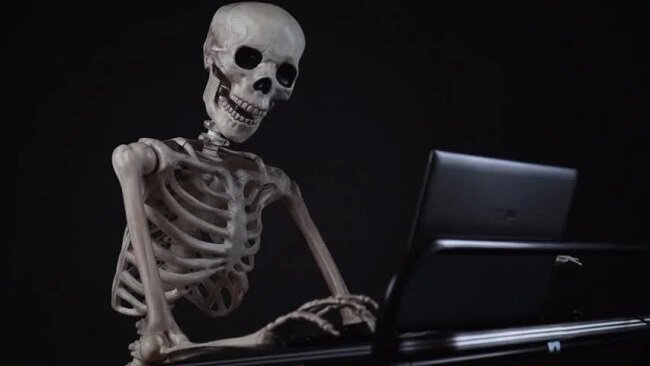
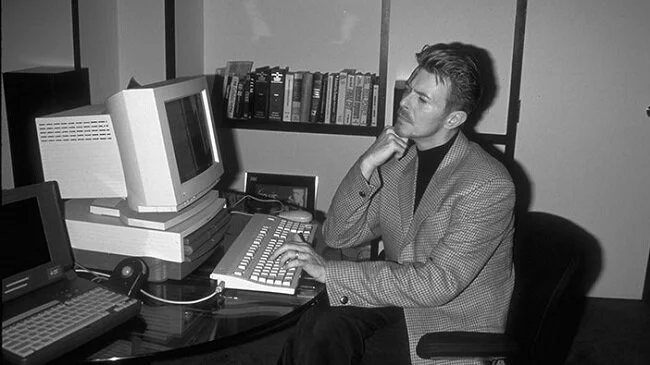
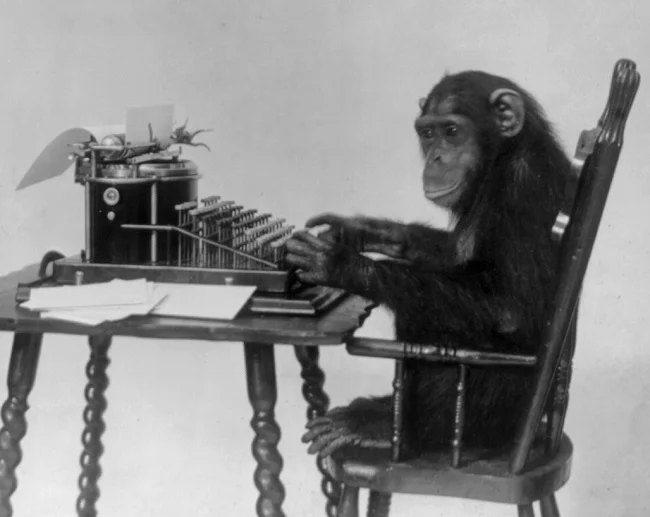
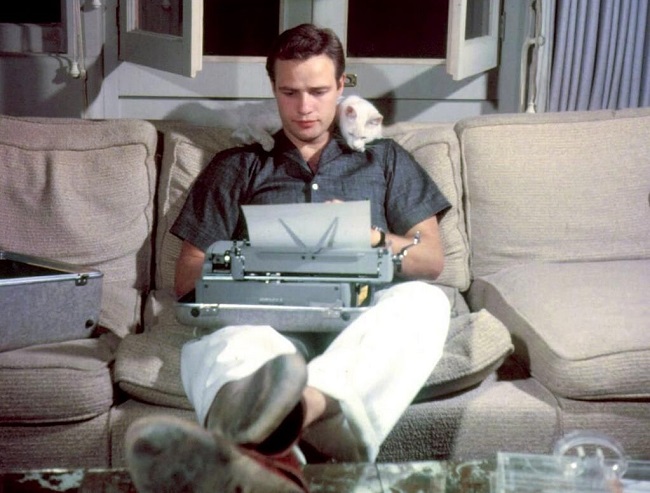
I recently had to complete some formal paperwork which required me to fill in various information by hand, in black ink. I sat myself at the dining room table and subsequently started writing the necessary information. To my surprise this proved quite difficult. After a few minutes of trying to write neatly, my right hand started cramping. The more I tried to concentrate and “write casually”, the harder it became. By the time I completed the form, my writing had deteriorated considerably. I was somewhat ashamed of the way I had scrawled over this legal document. To make things worse, I then remembered having handwriting lessons as a child. Overall, I was somewhat perturbed at my apparent loss of the ability to write. However, after some further thought, I wondered when was the last time I wrote anything longhand? Exactly how often do I put pen to paper nowadays?
I recently had to complete some formal paperwork which required me to fill in various information by hand, in black ink. I sat myself at the dining room table and subsequently started writing the necessary information. To my surprise this proved quite difficult. After a few minutes of trying to write neatly, my right hand started cramping. The more I tried to concentrate and “write casually”, the harder it became. By the time I completed the form, my writing had deteriorated considerably. I was somewhat ashamed of the way I had scrawled over this legal document. To make things worse, I then remembered having handwriting lessons as a child. Overall, I was somewhat perturbed at my apparent loss of the ability to write. However, after some further thought, I wondered when was the last time I wrote anything longhand? Exactly how often do I put pen to paper nowadays?
Upon reflection, the last time I wrote anything longhand, would have been last Christmas. The personal messages that I wrote in a few cards to friends. Beyond that I had to complete some legal paperwork in February and March but it really was no more than writing my signature. In fact even writing my name has become a rarity these days. I don’t write cheques anymore. I think the last time I used such an instrument of payment was about twenty years ago. The UK dropped the requirement for signing when using your credit card, roundabout 2002 or so. Thinking further back, when I started my first job for the UK civil service at the end of the eighties, there was still quite a lot of manual written work. A decade later when I left, all written work was done via a PC. Hence, it would appear that for a lot of people, myself included, modern life has no requirement to write with a pen.
A quick Google search verifies my own experience. Handwriting is no longer considered to be as essential as it once was. However some academics argue that handwriting is still an important skill due to its wider cognitive benefits. Handwriting engages different parts of the brain compared to typing. It can help with memory retention such as learning the alphabet. Handwriting can also help develop artistic skills and can provide an opportunity for a child to develop aspects of their own character. However, children today tend to be digital natives and often their first experiences with letters and spelling can be via that medium. Formal handwriting comes later and is certainly no longer developed as a specific skill. Neural divergence is another reason why handwriting is not treated so formally.
Things change. All major cultural shifts have advantages and disadvantages. Technology makes writing a lot more accessible. The digital written word can be disseminated far more quickly and equitably. Yet without the medium of technology, those words cease to exist. However, we still have written words from over 5,000 years ago, written on clay tablets. Setting aside the practical arguments, handwriting as it existed in the past was often a thing of beauty. Consider the script on the US constitution or the UK Magna Carta. I also have letters written by my grandparents and there is an earthy and honest beauty to their personal handwriting. Perhaps we have lost something special by shedding the necessity to write longhand. However, there is nothing to stop anyone concerned by this societal shift, in taking up handwriting as a hobby. Perhaps our need to conserve our heritage may lead to a resurgence?
Spotify
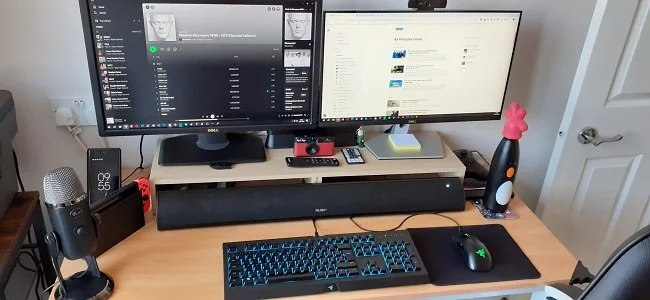
I currently have over 152 GB of music on my PC. Approximately 26,000 songs or pieces of music. These are in MP3, Flac and other formats. The files have been sourced from various CDs that I have owned over the years and subsequently “ripped”. Others have been bought from Amazon or other similar sources. In the past I have copied music from friends’ collections and vice versa. The files are mainly categorised by artist or name which is sufficient for me to be able to trawl through them to find what I want. I use foobar2000 as my music player of choice, mainly because it is updated by its developer, plays all major file formats and has no adverts. The interface is verging on the spartan but I prefer this minimalist approach, as I do not require an excess of features.
I currently have over 152 GB of music on my PC. Approximately 26,000 songs or pieces of music. These are in MP3, Flac and other formats. The files have been sourced from various CDs that I have owned over the years and subsequently “ripped”. Others have been bought from Amazon or other similar sources. In the past I have copied music from friends’ collections and vice versa. The files are mainly categorised by artist or name which is sufficient for me to be able to trawl through them to find what I want. I use foobar2000 as my music player of choice, mainly because it is updated by its developer, plays all major file formats and has no adverts. The interface is verging on the spartan but I prefer this minimalist approach, as I do not require an excess of features.
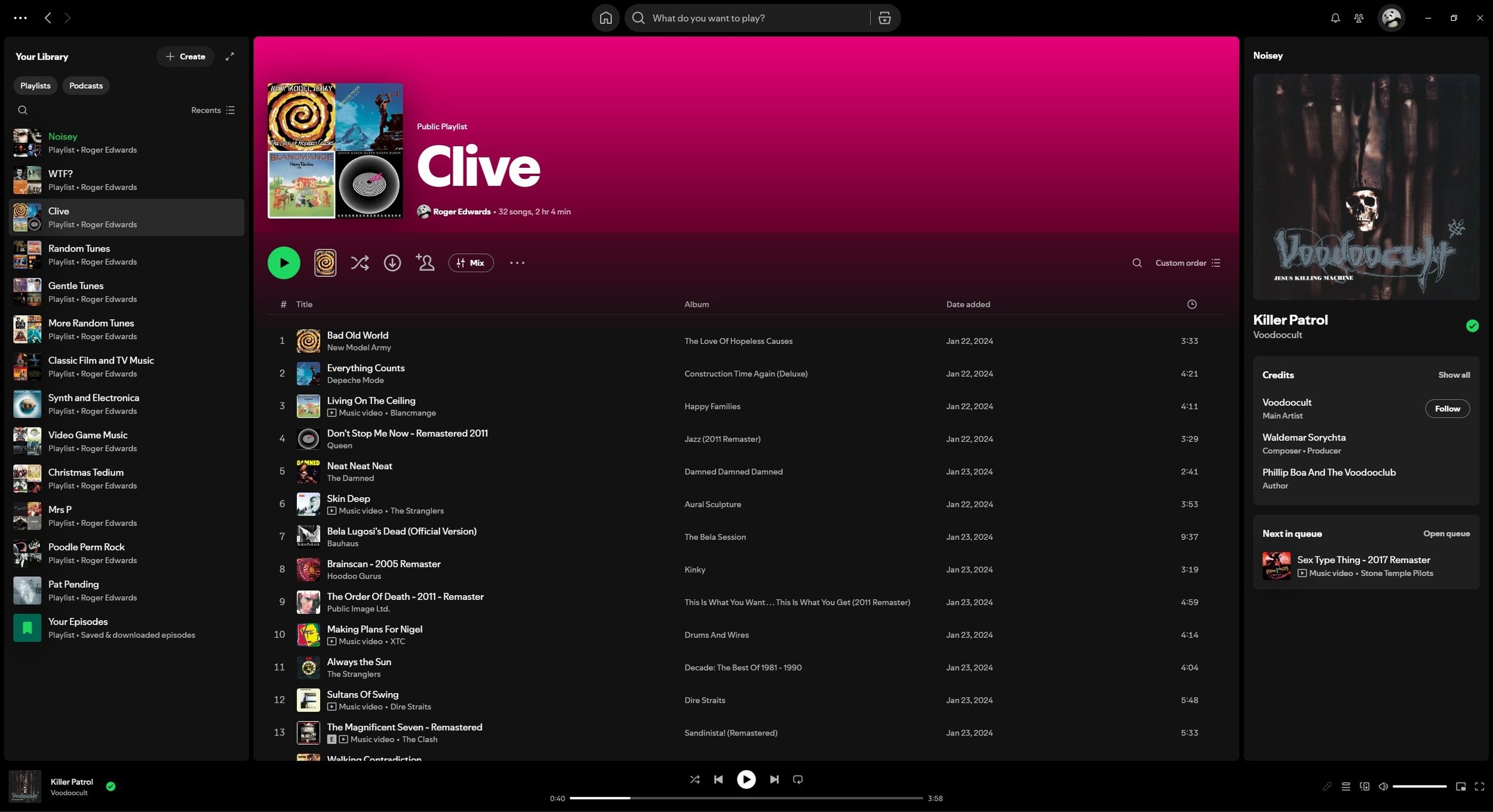
For the last decade or so, this has been my default music set up. As I spend a lot of time in my office, at my desk, this is how I’ve mainly listened to music. A few years ago I ditched the ageing desktop speakers that were attached to my PC and bought a good quality soundbar. It has been a great improvement. I also have a pair of Sony WH-CH520 Wireless Bluetooth Headphones for those occasions when I need to keep the noise down, or for when I’m travelling. However, several things happened in the last year or so which made me question the status quo. The first was Mrs P buying a new car. It didn’t come with a CD player. The second occurred at one of my son’s barbecues. A playlist was collated within minutes with many guests contributing via their existing streaming music accounts. This ensured that there was an equitable representation of all kinds of music, negating any arguments.
Hence, when I received an email offering a 3 month free trial of Spotify last Christmas, I jumped at the chance. Needless to say the flexibility of the platform, along with its substantive music catalogue made it pretty much a no brainer. I lived through the album era and although I like sleeve art, I’ve always found records an inconvenience and never bought into the culture of reverence for them. Similarly, I feel the same way about CDs. So when the MP3 format started to gain traction in the earlier 2000s I quickly adopted it as it had the advantages of superior storage and easy access. Hence, streaming music services are a logical progression. Spotify is convenient and offers easy access. It’s on my PC, phone, smartspeaker. We can also access it when out or in the car.
Setting aside the practical benefits of its accessibility, the other major appeal of Spotify is collating and sharing playlists. Playlists are an excellent means of curating music for specific moods and occasions. As I have an organisational streak to begin with, creating bespoke lists of songs is something I can happily do for hours. I also find sharing other peoples playlists a very useful means of discovering new songs and artists. I can do this with friends and celebrities alike. I recently accessed a list of songs curated by film director Edgar Wright and it was very much to my tastes. However, if you still like to listen to a specific album in order the tracks appear, you can still do this. Spotify will also try and recommend comparable artists based upon your listening history. It’s not a perfect system but it can be quite creative in its choices at times.
The obvious downside to using a streaming service, as opposed to playing the music I already have stored, is the cost. However, I can justify that by the increased accessibility I now enjoy. Another issue that happens from time to time, is not being able to find a specific track. Spotify doesn’t claim to be a definitive music source but it does allow you to add files locally. I have also experienced a few glitches from time to time. Specific songs added to a playlist will sometimes default to alternative versions or mixes for no discernable reason. Material will sometimes be greyed out and unplayable. Presumably due to copyright issues. However, these are minor complaints. So far Spotify justifies its cost by its convenience and so I am happy to endure the expenditure. There are wider issues to consider such as the cultural shift away from “owning” music, to just “renting” it but that is a discussion for another blog post.




Dining and Table Manners
I saw a post on social media recently which featured a picture of a plate with three slices of cake, along with a cake fork (also known as a pastry fork or dessert fork). I made a comment about using the right tool for the job and then thought how unusual it was to see this particular piece of cutlery these days. I then remembered that my American friends refer to cutlery as silverware, which then got me thinking about table manners and the associated social etiquette around dining. The internet does an excellent job of making the world smaller and because international English and US pop culture are so ubiquitous, you can be fooled into thinking that we’re all somewhat homogeneous in our habits and customs. That, however, is not the case and I have always found these minor differences fascinating. Hence I thought it would be a good subject to explore.
I saw a post on social media recently which featured a picture of a plate with three slices of cake, along with a cake fork (also known as a pastry fork or dessert fork). I made a comment about using the right tool for the job and then thought how unusual it was to see this particular piece of cutlery these days. I then remembered that my American friends refer to cutlery as silverware, which then got me thinking about table manners and the associated social etiquette around dining. The internet does an excellent job of making the world smaller and because international English and US pop culture are so ubiquitous, you can be fooled into thinking that we’re all somewhat homogeneous in our habits and customs. That, however, is not the case and I have always found these minor differences fascinating. Hence I thought it would be a good subject to explore.
My Grandson, is three years old. He has recently discovered that when he comes to stay with myself and Mrs P, we have quite a lot of rules. Particularly at dinner time. During which, we all sit at the table and the TV goes off. We use our cutlery primarily to eat and our hands when appropriate. Everyone stays at the table while eating and you don’t get to wonder off. If you need to go to the toilet, then you politely excuse yourself from the table. We all remain seated until everyone has finished their meal. Finally, the most controversial rule is, if you don’t eat your dinner, then you don’t get dessert. However, these rules are tempered by common sense. Therefore, we will not serve things that are obviously unpleasant to a three year olds palette. I also see no sense in bullying a child into eating something they don’t enjoy. However, I won’t let our grandchildren dine exclusively just on the things they want.
These rules are a variation of those I learned from my parents. However, ours are far more equitable compared to theirs. My mother and father grew up during World War II and endured rationing. Hence they adopted a scorched earth policy with regard to wasting food or any kind of food fad. To their generation, table manners and indeed manners per se were a direct reflection of your personal character. Hence you used the right cutlery in the correct manner. You didn’t chew with your mouth open, nor eat noisily. Although such codes have good intentions, I do feel that ultimately much of the Edwardian culture surrounding manners that endured in the UK until the seventies, was more about reinforcing class division than just promoting politeness. Hence I take a more flexible approach to such things.
Returning to the specifics of dining etiquette, here are a few differences between the UK, Europe, and the US. Let us start with knife and fork usage. In the UK and Europe, the fork is held in the left hand and the knife in the right. The fork is kept in the left hand even when eating, and food is either pushed onto the back of the fork with the knife, or impaled on the fork. Americans often use the “zigzag” method. They cut food with the fork in the left hand and knife in the right, then switch the fork to the right hand to eat, setting the knife down. With regard to starting a meal, in the UK it is customary to wait for everyone to be served before starting the meal. In countries like Italy and Spain, it’s polite to wait for the host to say “Buon appetito” or something similar before beginning. In the US, while it’s polite to wait for others to be served, in casual settings, it's common to start eating as soon as your food arrives. Naturally none of these rules are set in stone and practices vary.
Modern life is very different from that of the seventies, or the early nineteen hundreds. Dining, although an important aspect of family life and social interaction, is far less formal. However, I do feel it plays a vital role in bringing people together and learning social dynamics. I also believe that dining together is the quickest way to get to know someone, especially those from a different background. However, not everyone has the same relationship with food as I do. Nor do all enjoy the social dynamic of dining with company. I can fully appreciate how people of an introverted nature and the neural divergent can find the various conventions associated with social dining to be smothering and frustrating. Hence, if you prefer to dine on your own in a casual fashion, free from rules and spoon draining people with big personalities, then so be it.
I however enjoy social dining, mainly due to my love of food and because I do believe in its virtues. I am comfortable eating informally, be it at a drive-through or barbeque, or at formal dinner parties or restaurant. I like meals that are leisurely paced, with an emphasis on enjoying conversation and good company. On my few trips to Europe, I have especially liked that dinner often started late in the evening and was a lengthy process. As for the rules relating to salad forks or fish knives, if you’re not sure then just ask. I was at a fancy restaurant once and ordered snails in garlic sauce as a starter. I asked one of the waiters how one tackled such a delicacy and he happily instructed me in the use of the “tools” that I was presented with.
Inevitably, the subject of dining and table manners, segues into other tangential matters such as napkins (and folding them into swans and gibbons), what condiments you prefer, as well as what drinks you serve with a meal. I will quickly make the following points regarding these. If you’re dining with children, then napkins, kitchen towel, or some sort of moist cleaning wipe are essential. Condiments are so much more than salt and pepper these days. Hence have whatever chutneys, sauces, relish or garnish you see fit. If you want ketchup on your steak, damn everyone else, you go for it. Same goes for what you drink with a meal. If you want red wine with fish, fine. It’s your meal after all. The only advice I’d ever give freely is watchout for grapefruit spoons. And if I were to pick one rule associated with table manners that I think should be set in stone, it’s to thank your host or whoever has prepared the meal.
The Final Conflict (1981)
As a rule, it is always a challenge to end a trilogy of films successfully. Writing a satisfying denouement to a standalone movie is hard enough. To be able to conclude all pertinent story arcs and themes that have been sustained over three feature films, to everyone’s liking is far harder to achieve. In the case of The Final Conflict (1981), the last instalment of The Omen trilogy, writer Andrew Birkin does manage to resolve all of the external, internal and philosophical stakes, which are the fundamental components of a cinematic screenplay. Unfortunately, it is done in an incredibly underwhelming manner, which left audiences feeling cheated. The last time good defeated evil evil in such an unspectacular fashion was in Hammer’s To the Devil a Daughter (1976). This is why, in spite of solid production values, The Final Conflict is the least popular of the films about the Antichrist, Damien Thorn.
As a rule, it is always a challenge to end a trilogy of films successfully. Writing a satisfying denouement to a standalone movie is hard enough. To be able to conclude all pertinent story arcs and themes that have been sustained over three feature films, to everyone’s liking is far harder to achieve. In the case of The Final Conflict (1981), the last instalment of The Omen trilogy, writer Andrew Birkin does manage to resolve all of the external, internal and philosophical stakes, which are the fundamental components of a cinematic screenplay. Unfortunately, it is done in an incredibly underwhelming manner, which left audiences feeling cheated. The last time good defeated evil evil in such an unspectacular fashion was in Hammer’s To the Devil a Daughter (1976). This is why, in spite of solid production values, The Final Conflict is the least popular of the films about the Antichrist, Damien Thorn.
Damien Thorn (Sam Neill), is now 32 years old and head of his late uncle's international conglomerate, Thorn Industries. The US president appoints him Ambassador to Great Britain, which Thorn reluctantly accepts on the condition he also becomes head of the UN Youth Council. Thorn moves to the UK and continues his international scheming. However, an alignment of the stars heralds the Second Coming of Christ who, according to scripture, is to be born in England. Thorn subsequently orders all boys in the country born during the alignment to be killed. Meanwhile, Father DeCarlo (Rossano Brazzi) and six other priests recover the seven daggers of Megiddo, the only holy artefacts that can kill the Antichrist. They seek to hunt Thorn in the hope of killing him before he can destroy the Christ-child. But when the first assassin attempt goes awry, Thorn becomes aware of their plans.
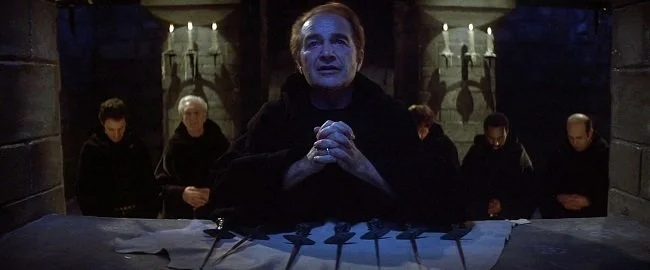
The Final Conflict benefits greatly from the casting of Sam Neil as Damien Thorn. He is suitably charming and brooding. Filmed mainly in the UK, the production values are high and the film uses such locations as Cornwall and North Yorkshire extremely well. The cinematography is handled by Phil Meheux and Robert Paynter, who were both stalwarts of the UK film industry at the time. Jerry Goldsmith’s score is magnificent and does much of the heavy lifting, adding a sense of gravitas and gothic dread. The screenplay includes some bold ideas with themes of political manipulation by Thorn industries, as they create the very environmental disasters that they subsequently supply aid to. Director Graham Baker does not shy away from the infanticides ordered by Damien Thorn. Although not explicit, it is a disturbing aspect of the story.
Yet, despite so many positive points, The Final Conflict runs out of steam after the first hour. Too many good ideas are not developed sufficiently. The international intrigue alluded to at boardroom level, takes place off screen. The film would have been substantially improved if we saw directly Damien Thorn travelling the world and engaging with refugees and becoming a champion of the people. Including international locations would have better conveyed his global reach. Damien also doesn’t get to spar with his adversary. Instead he berates and harangues Christ via a rather disturbing full size crucifix that he keeps locked in an attic. Perhaps the biggest mistake the film makes is with the extravagant and contrived set pieces that befall those who discover Damien Thorn’s true nature. These had become a hallmark of the franchise. The first two onscreen deaths work well but the rest fall somewhat flat and simply aren’t shocking enough. As for ending, it serves its purpose but nothing more.
Overall, The Final Conflict is a well made but disappointing conclusion to what was originally a very intriguing franchise. Perhaps with a larger budget and a broader narrative scope that made the story more international, it could have fulfilled its potential. It certainly should have been more ambitious with its death scenes as its two predecessors were. Sadly instead of a decapitation with a sheet of glass or bisection by a lift cable, we have to make do with a high fall from a viaduct and a couple of stabbings. And then there’s the underwhelming ending. The more you think about it, the more you wonder how the studio thought this would be an appropriate ending. As it stands, The Final Conflict is watchable but offers nothing more than a perfunctory ending to the story of the rise and fall of Antichrist, Damien Thorn. Adjust your expectations accordingly.
Pot Plants
A week or so prior to Christmas, I bought a succulent in a decorative penguin pot. To be honest it was the pot that initially attracted me. I placed it on the window sill of my office to add some character. It resides next to a fossilised ammonite shell, my wallet, a small pot that has my door keys in it and a tortoise ornament. In the New Year, I bought a cactus and placed it at the other end of the window sill. I have a habit of naming various items in my home. Hence the cactus and succulent are known respectively as Burke and Hare. I won’t waste your time trying to explain how my mind works. I’m not usually the sort of person that likes an excess of clutter but I like the fact that the window sill has some degree of ornamentation. It makes what is essentially a functional room, a little more personal.
Burke
A week or so prior to Christmas, I bought a succulent in a decorative penguin pot. To be honest it was the pot that initially attracted me. I placed it on the window sill of my office to add some character. It resides next to a fossilised ammonite shell, my wallet, a small pot that has my door keys in it and a tortoise ornament. In the New Year, I bought a cactus and placed it at the other end of the window sill. I have a habit of naming various items in my home. Hence the cactus and succulent are known respectively as Burke and Hare. I won’t waste your time trying to explain how my mind works. I’m not usually the sort of person that likes an excess of clutter but I like the fact that the window sill has some degree of ornamentation. It makes what is essentially a functional room, a little more personal.
Eight months later, I am somewhat amazed that these two plants are still alive. I have watered them infrequently, mainly because I keep forgetting to do so. However, I think more through luck than judgement, I have treated them in a manner that is appropriate for their species. However, when dusting the window sill the other day, it occurred to me that they have grown somewhat and more than likely need to be repotted. As I am not a genocidal maniac by default, I decided in a fit of good humour to relocate Burke and Hare to more suitable accommodation. I was curious to see if I extended some degree of care, how much longer they would live and how big would they grow etc. Oh, the folly of hubris.
I mentioned that I was going to transplant my plants to Mrs P and she kindly bought me a new ornamental pot. She only managed to get one at the time. So today we went back to the garden centre and I bought another identical ornamental pot. In a fit of enthusiasm I also bought a small bag of potting mix that is suitable for both plants. I say small, it was 3 litres which is far more than I need. As it was getting near lunchtime, we left and I was feeling somewhat pleased with myself. However, that was all to change because like most things done on a whim, I hadn’t thought it through. Later in the afternoon, I decided to watch a couple of YouTube videos so I didn’t make any crass errors when it came to repotting Burke and Hare. Sadly, after watching the first video it became abundantly clear that I had already done so.
Hare
It turns out that both plants need to be in a suitably sized plant container with drainage holes at the bottom. These brown plastic pots are then placed inside the fancy, ornamental pots which serve a purely aesthetic purpose. I’m sure this is obvious to gardeners and people running cannabis farms but it really didn't occur to me. So I then had to measure the ornamental pots to ensure that I bought the correct size of inner pots. I managed to trackdown some that are 8.5 centimetres wide and 7 centimetres high. The catch was the minimum amount I could buy on Amazon was 10. Next I noticed on the YouTube videos that people often cover the potting mix with a small layer of decorative stones. Apparently this keeps insects from making a home in the soil. Again Amazon wanted to sell me an excessive quantity. I ended up buying a kilogram of the stuff.
It is now Sunday evening. For the present Burke and Hare remain in their old pots. So far a total of £27 has been spent in an attempt to relocate them. Hopefully the outstanding items purchased from Amazon will arrive tomorrow and I can attempt repotting in the evening. In the meantime, I’ve been watching more YouTube videos and have discovered further logistical issues that I will need to address. The biggest being how do you lift a cactus out of its pot without sustaining multiple injuries. So far I’ve been advised to use either bubble wrap or a pair of oven gloves. No wonder I have never previously been interested in gardening. This entire episode is a textbook example of what happens when you do things without prior research and a comprehensive plan. Nothing is ever easy. Furthermore, there are no such things as cheap hobbies.
More British Slang Words and Phrases
About a year ago, I wrote a post about British slang words and phrases. Using fifteen examples, I endeavoured to explain their definition, provenance and the context in which they are commonly used. I then provided an example sentence of each word or phrase for reference. This proved such a popular post (it didn’t), that I thought it would be beneficial if I gave some further examples (Again I didn’t. I just needed to write a quick blog post, with minimal effort). So here is another selection of slang words and phrases that are used in common parlance in the UK, for your amusement, edification and consideration. Some are relatively self explanatory. Others are somewhat tenuous and arcane in their origins.
Manor is a UK slang term for turf or territory
About a year ago, I wrote a post about British slang words and phrases. Using fifteen examples, I endeavoured to explain their definition, provenance and the context in which they are commonly used. I then provided an example sentence of each word or phrase for reference. This proved such a popular post (it didn’t), that I thought it would be beneficial if I gave some further examples (Again I didn’t. I just needed to write a quick blog post, with minimal effort). So here is another selection of slang words and phrases that are used in common parlance in the UK, for your amusement, edification and consideration. Some are relatively self explanatory. Others are somewhat tenuous and arcane in their origins.
All Right: A generic greeting that is used between friends and acquaintances. The standard response is to say “all right” back. It is not an invitation to say no and then list in detail all the reasons why you’re not all right. “All right Colin”. “All right Geoff”.
Dodgy: A person or object that is questionable or suspect in some fashion. The guy down the pub who sells stolen gear out of his van is what you’d call dodgy. Food can also be so. “Blimey Colin, you stink. Was that kabab you had last night dodgy?”
Faffing About: To waste precious time, expending an excessive amount of effort on a relatively simple task. “Oi Colin, stop faffing about. How long does it take to put on a clean duvet cover?”
Innit: A contraction of the phrase “isn't it” or “is it not”. Often used in a rhetorical fashion at the end of a sentence. Similar to how a bellicose American would say “Am I right?”
Jake the Peanut: A loud, brash, over confident person (usually a man) who suffers from the Dunning-Kruger effect. The same as Jack the Lad, Charlie Potato and Billy Big Bollocks. “Look at Colin with his Ray-Bans and corduroy flares. He thinks he’s Jake the Peanut”.
Kip: To sleep. “Colin, don’t forget to put some cream on the cat’s piles. I’m gonna have a kip for an hour”.
Leo Sayer’d: To be intoxicated by alcohol and sing in a high pitched manner, similar to the popular vocalist Leo Sayer.
Mate: An informal term of respect used when addressing a man or woman without using their name. Used instead of the more formal sir or madam. “Oi mate. You can’t park there”.
Muppet: An informal noun for stupid or foolish person. “Colin, flush the toilet after using it, you muppet”.
Pissed: To be intoxicated by alcohol. Not angry as in the US sense of the word. “Colin’s well pissed after that bottle of floor polish”.
Skive: To avoid work or duty by leaving early. “Where’s Colin? Has he skived off down the pub?”
Slag Off: To talk to someone in a deliberately rude or derogatory fashion. “Why are you always slagging off Colin?”
Taking the Piss: To mock or make fun of. “Colin’s fed up with everyone constantly taking the piss out of him”.
Wee Stooshie: A Scottish term for a small brawl. A difference of opinion that ends in violence. Often fueled by alcohol. “I see Colin had a wee stooshie with the Salvation Army band that were playing in the High Street”.
The English language is constantly evolving and as a result, words continuously come and go from the national lexicon. It can be argued that you can ascertain a person’s age by some of the phrases and slang that they use. Possibly their respective socioeconomic group as well. Posh folk (by which I mean the monied and titled upper classes) do seem to have a completely separate dialect. As do the under twenty fives but that has always been the case. As for the above words and phrases, I would hazard a guess that readers from Australia and New Zealand will find similarities between UK slang and their own. Europeans, who are often multilingual, will probably be likely to adapt to the curious foibles of colloquial English. As ever, please feel free to leave your thoughts below and share any interesting phrases or expressions of your own.
Coronary Heart Disease
This morning I had an appointment at the Cardiology Outpatients clinic at St. Thomas’ Hospital, in Southwark, London. The hospital, located across the Thames from the Houses of Parliament, is easily accessible from three nearby tube stations (subway), one major train station and numerous buses. As well as having an extensive A&E department, St. Thomas’ also provides a broad range of healthcare services such as maternal medicine, gastrointestinal surgery, ophthalmology, pain medicine and plastic surgery. The hospital specialises in cardiovascular care and was the first to perform a mitral valve replacement on a beating heart. It is also home to nursing and surgical colleges. The current site has served community needs since 1871. The hospital has existed in some shape or form since the 12th century. There is a pleasant ornamental garden outside the main entrance that overlooks the river and Lambeth bridge.
This morning I had an appointment at the Cardiology Outpatients clinic at St. Thomas’ Hospital, in Southwark, London. The hospital, located across the Thames from the Houses of Parliament, is easily accessible from three nearby tube stations (subway), one major train station and numerous buses. As well as having an extensive A&E department, St. Thomas’ also provides a broad range of healthcare services such as maternal medicine, gastrointestinal surgery, ophthalmology, pain medicine and plastic surgery. The hospital specialises in cardiovascular care and was the first to perform a mitral valve replacement on a beating heart. It is also home to nursing and surgical colleges. The current site has served community needs since 1871. The hospital has existed in some shape or form since the 12th century. There is a pleasant ornamental garden outside the main entrance that overlooks the river and Lambeth bridge.
I was at the hospital to have a stress echocardiogram. Two years ago I was diagnosed with coronary arteriosclerosis and this was a routine test to determine if there were any significant changes in my condition. Stress echocardiography is a test that uses ultrasound imaging to show how well your heart muscle is working to pump blood to your body while physical, pharmacological, or electrical stress is applied to the heart. In my case I was given the drug atropine to increase my heart rate, while I squeezed a pair of stress balls. The procedure took about an hour and was a little uncomfortable towards the end, due to the elevated heart rate. Fortunately, the results of the test showed only a minor progression of my ongoing heart disease, which can be managed within my current treatment strategy. The results have been sent to my local GP and I may or may not have my dosage of bisoprolol (beta blocker) increased.
There is absolutely nothing unusual about a man of my age (56) having coronary arteriosclerosis. It is a result of your heart's blood supply being blocked or interrupted by a build-up of fatty substances in the coronary arteries. Over time, the walls of the arteries can become furred up with fatty deposits. Furthermore, heart disease of this kind is caused by lifestyle factors, such as diet, smoking and regularly drinking excessive amounts of alcohol. Due to the fact that processed foods make up a substantial part of our diets nowadays, heart disease is very common in the UK. At present, there are around 7.6 million people living with heart and circulatory diseases. This statistic includes everything from conditions that are inherited, to those that develop later in life, such as coronary heart disease, atrial fibrillation, heart failure, stroke and vascular dementia. Here is some further information from the British Heart Foundation.
Around 4 million males and 3.6 million females are living with heart and circulatory diseases in the UK.
We estimate that in the UK more than half of us will get a heart or circulatory condition in our lifetime.
Around twice as many people are living with heart and circulatory diseases in the UK than with cancer and Alzheimer’s disease combined.
Heart and circulatory diseases cause around a quarter (27 per cent) of all deaths in the UK; that's more than 170,000 deaths a year, or 480 each day – one every three minutes.
Around 49,000 people under the age of 75 in the UK die from heart and circulatory diseases each year.
Whenever discussing medical matters, it is important to maintain an appropriate sense of perspective. Since the British Heart Foundation was established in 1961,the annual number of deaths from heart and circulatory diseases in the UK has fallen by nearly half. The UK is at the forefront of heart disease research and the NHS has a proven track record of diagnosing and treating it. I have found over the last two years that coronary arteriosclerosis is entirely manageable. A few sensible changes in diet and lifestyle, along with some common place medicines help maintain the status quo. I take the following tablets each day. Bisoprolol (25mg), atorvastatin (40mg) and aspirin (75mg). As a result, I can still pursue all the same activities that I always have. Sometimes I have to adjust the pace at which I do things and any activity at floor level is challenging but you simply develop techniques to work around these.
I am very fortunate that I live in the UK and as such medical treatment is free at the point of use. The only costs I have to pay for are my prescription fees, which are subsidised. My medication is supplied bi-monthly and I am charged a flat fee £9.90 per item. Hence I pay £19.80 for the bisoprolol and atorvastatin. I buy aspirin “over the counter” as they are cheaper that way. The only other aspect of my ongoing healthcare is a weight loss regime which is very much a work in progress. I say this because to celebrate the positive results of today’s test, I ended up at our local Italian restaurant, which may seem somewhat contradictory to my ongoing medical needs. However, as my heart consultant pointed out, preventative healthcare is about adjusting and managing lifestyles and not necessarily abandoning them by default. Everything in moderation, including moderation, as Oscar Wilde said.




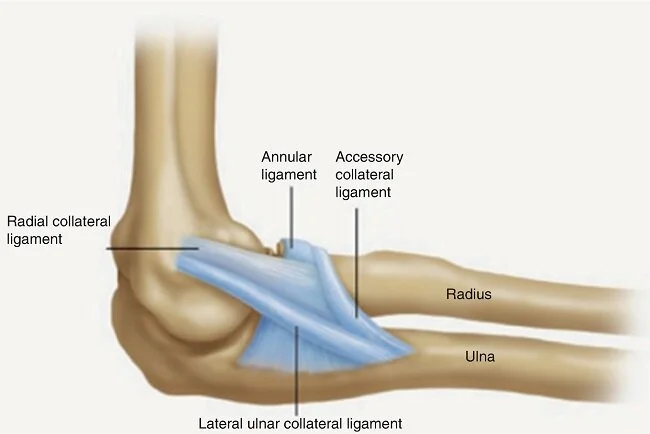


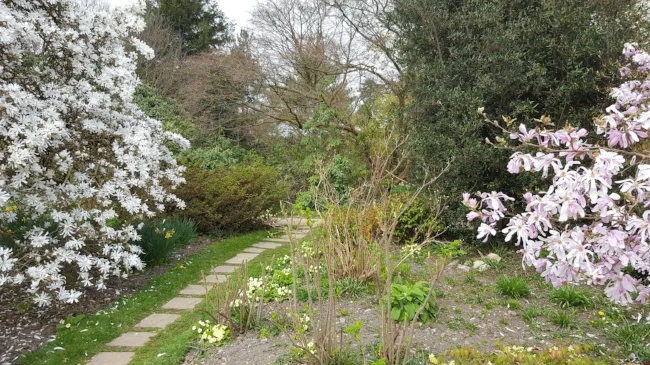

No Blade of Grass (1970)
During the seventies, the growing environmental concerns of the general public were beginning to appear as plot themes in both mainstream and independent film making. The science fiction genre proved the most practical medium for this with films such as Zero Population growth and Soylent Green. Cornel Wilde’s No Blade of Grass takes a different approach using an ecological disaster as the premise for a survival movie. As with Wilde’s previous movies The Naked Prey and Beach Red, the message is delivered clearly and with all the subtlety of a kick in the groin. Yet the director’s honesty carries weight as he boldly depicts how the trappings of modern civilisation are quickly stripped away in the face of impending disaster. Perhaps it was this candour that upset sections of the viewing public, who didn’t wish to confront the fragility of their own society or dwell upon their own potential for violence. Certainly the film’s distributor MGM were sufficiently bothered by what they saw, that they re-edited the movie prior to release to tone down some of the stronger content.
During the seventies, the growing environmental concerns of the general public were beginning to appear as plot themes in both mainstream and independent film making. The science fiction genre proved the most practical medium for this with films such as Zero Population growth and Soylent Green. Cornel Wilde’s No Blade of Grass takes a different approach using an ecological disaster as the premise for a survival movie. As with Wilde’s previous movies The Naked Prey and Beach Red, the message is delivered clearly and with all the subtlety of a kick in the groin. Yet the director’s honesty carries weight as he boldly depicts how the trappings of modern civilisation are quickly stripped away in the face of impending disaster. Perhaps it was this candour that upset sections of the viewing public, who didn’t wish to confront the fragility of their own society or dwell upon their own potential for violence. Certainly the film’s distributor MGM were sufficiently bothered by what they saw, that they re-edited the movie prior to release to tone down some of the stronger content.
Based on John Christopher’s novel The Death of Grass published in 1956, No Blade of Grass starts with a new strain of virus that has devastated the rice crops in Asia causing a major regional famine. Soon a mutation appears in Europe infecting all types of grasses including all grain crops. The subsequent food shortages rapidly lead to social disorder, looting and possibly even cannibalism. The UK parliament start to consider desperate measures to cope with the situation. Architect and war veteran John Custance (Nigel Davenport) decides to flee London along with his wife Ann (Jean Wallace), young son Davey, teenage daughter Mary (Lyn Fredrick) and her scientist boyfriend Roger Burnham (John Hamill). They intend to travel to Westmorland in Cumbria where John's Brother, David (Patrick Holt), has a farm. Many trials and tribulations beset them as they travel north and the group quickly find themselves having to adapt both physically and morally to a rapidly changing and hostile world.
John Custance is an archetypal alpha male and embodiment of the British officer class. He is pragmatic and is quick to adapt to the deteriorating situation. But he has moral and ethical limits. So when he forms a curious relationship with a young man called Pirrie (Anthony May), it is for a very specific reason. Pirrie is a sociopath who will happily turn a gun on anyone that impedes the ongoing plan. John determines he’s a necessary tool who can do some tasks that he may balk at. This becomes very clear when we first meet Pirrie at the local gun shop where he works. He doesn’t hesitate to shoot his boss and throw in his lot with John Custance when he learns of his plan to leave London. It is this initial instance of lawlessness that marks the families rapid moral decline. Later, after having been robbed themselves, the Custance family kill a couple in a farmhouse who refuse to give them shelter. “We have to fight to live, do you understand that?” John tells his young son and his friend. “Like the Westerns?” one replies. “Yes, like that”.
No Blade of Grass is very heavy handed with its themes and moral pronunciations. At the start of the film, the affluent dine in a restaurant while a news report on TV shows the realities of the ongoing famines elsewhere in the world. There are montages of stock footage showing pollution and sick animals to hammer home the message that this is a self-inflicted catastrophe. But like the director’s other films there is an earnestness to the proceedings. Sadly this gets somewhat lost in along the way due to the film’s exploitation trappings. There are numerous shootouts between civilians and the Army as well as other acts of violence. And then there’s a gratuitous double rape. The movie even manages to include footage of a real childbirth before a climactic battle between our group of survivors and a motorcycle gang, complete with Viking helmets. Wilde also uses flashforwards as well as flashbacks, colour filters and slow motion to make his point. There is even a bleak but charming folk song performed by Roger Whittaker that plays over the start and end credits.
Violence is a reoccurring theme in all of Cornel Wilde’s films. As a director he often depicts that violence is key to survival and can galvanise people into action to forge something greater. However it can also lead to self-destruction and comes at a cost. John Custance learns that there is a price to pay for collaborating with the likes of Pirrie and that often manifests itself as human collateral damage. Social collapse and the realities of returning to a neo-feudal existence do not seem to be compatible with John’s old-world principles and ideals. His attempts to “preserve the heritage of man’s greatness” bear little fruit at the end of the film. He secures a safe place to live in the remote North of England but it takes a great deal of slaughter to do so. Furthermore the motley group of survivors he picks up along the way still harbour all the flaws of the old world, such as racial prejudice, greed and notions of exceptionalism. No Blade of Grass is a clumsy and somewhat lurid piece of film making. It certainly won’t be to everyone’s taste yet it is an interesting curiosity.