
Strictly Come Dancing Versus Dancing with the Stars
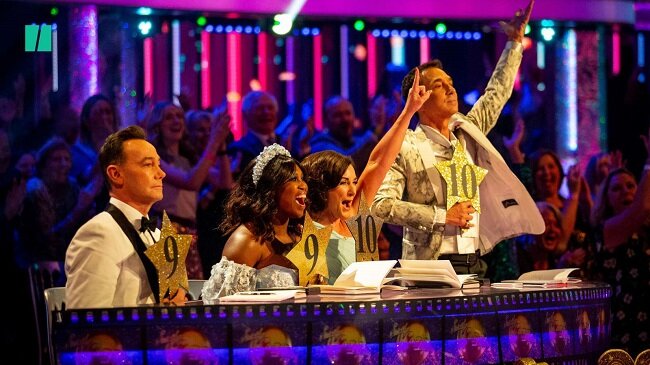
As I’ve mentioned before, the one piece of reality TV that I avidly watch is Strictly Come Dancing. I’ve been a regular viewer since 2005. Once you’ve got your head around the format and have fully understood what the show is and is not, it makes for entertaining viewing. Strictly is not a pure dance competition by any shakes. If it were, then the public wouldn’t have any say in who remained on the show and it would all be left to the professional judges. But such a show would have very limited appeal. Hence, we have audience participation and all the theatrics of reality television. Talent and ability can be trumped by popularity and frequently is. Over the last fifteen years, the shows formula has been finely tuned and we now find ourselves with a very controlled format. The broad spectrum of celebrities fulfil the role of various archetypes and the judges all have distinct roles to play. But at its heart the show is still about people learning to dance (or not) and that is a difficult skill to master. For me therein lies the entertainment.
As I’ve mentioned before, the one piece of reality TV that I avidly watch is Strictly Come Dancing. I’ve been a regular viewer since 2005. Once you’ve got your head around the format and have fully understood what the show is and is not, it makes for entertaining viewing. Strictly is not a pure dance competition by any shakes. If it were, then the public wouldn’t have any say in who remained on the show and it would all be left to the professional judges. But such a show would have very limited appeal. Hence, we have audience participation and all the theatrics of reality television. Talent and ability can be trumped by popularity and frequently is. Over the last fifteen years, the shows formula has been finely tuned and we now find ourselves with a very controlled format. The broad spectrum of celebrities fulfil the role of various archetypes and the judges all have distinct roles to play. But at its heart the show is still about people learning to dance (or not) and that is a difficult skill to master. For me therein lies the entertainment.
Now Strictly Come Dancing is a franchise and after finding success in the UK, the format has been exported all over the globe. You’ll find versions of the show being broadcast in over 40 countries. In the US (and in other territories) the somewhat esoteric British title of the show has been replaced with the more self-explanatory Dancing with the Stars. As this is the most accessible both linguistically and logistically, of all the international versions, I decided to watch an episode or two to see how it stacks up with the BBC’s show. So I sat down this morning with Mrs P and caught up with last night’s instalment of Dancing with the Stars, which I just happened to find lying around the internet. I took a few notes while viewing because there were some important subtle differences between this incarnation and the UK equivalent.
In the UK, Strictly has become a major part of British popular culture. This is not just a successful show but a major institution. You know that Autumn has arrived when Strictly mania returns to our screens and the season last right the way up to Christmas. It is the BBCs flagship entertainment show on Saturday night, where it is broadcast live. The results are then recorded the same evening and broadcast on Sunday. A cursory Google search clearly shows that Dancing with the Stars is a very popular show in the US but it doesn’t seem to have quite the same cultish following. Furthermore the US seasons are shorter lasting about 12 weeks. It should also be noted that TV network ABC has two seasons a year. The format is broadly the same with regard to celebrities. Both countries draw upon personalities from the sporting, music and entertainment industries. The US professional dancers naturally have a similar high pedigree as those in the UK, although they don’t seem to be such a focus of the show.
Dancing with the Stars is broadcast on a Monday night in the US. Because it airs on a commercial network, there are liberal quantities of commercial breaks. In fact the entire show appears very time conscious to my British eyes. The videos showing the celebrities training are far more condensed and focused. It would appear that the dances are about 10 or so seconds shorter as well, lasting about 75 to 80 seconds in total. Which then brings me to the judge’s comments. Although Dancing with the Stars features UK judges Len Goodman and Bruno Tonioli on their panel of four, they take a slightly different approach to their comments, compared to the UK. Comments tend to be broadly more positive. Yes there are technical criticisms but even celebrities who have just performed atrociously are still given at least one upbeat comment. The scores are more generous as well. Former NBA star Lamar Odom, struggled with his Viennese waltz last night. He managed the to follow the steps but lacked any “performance”. However, the scores ranged as follows. 5, 7, 4, 4. It would seem that fellow permanent judge Carrie Ann Inaba and guest judge Leah Remini boosted the overall score.
The other most significant difference between Strictly Come Dancing and Dancing with the Stars is the voting system. In the US show, the judge’s votes are combined with those of the public to determine the ranking on the leader board. The judges then decide which one of the two lowest scoring contestants gets to remain on the show. Again it’s all done very promptly and efficiently. Whereas in the UK, the voting is a similar combination of the judges’ marks and votes from the public via a phone in and the internet. However, the bottom two contestants then have a “dance off” and then the judges decide accordingly. It’s a more dramatic process and sometimes the “dance off” provides a celebrity with a second chance to dramatically improve. Due to the show being a popularity competition as well, sometimes a very competent dancer with a poor fan base can find themselves dancing to stay on the show.
Having made this comparison between the two different versions of the show, I don’t actually think one is specifically superior to the other. Both formats are designed to serve the needs of each respective audience. In the US, Dancing with the Stars is a popular show but it isn’t the cult hit that it is in the UK. Therefore, the spritely running time and the focus on the dancing, with less attention on the trappings and “the journey”, allows for an efficient Monday evening program. Where Strictly Come Dancing in the UK is a three-ring circus and all the better for it. Not only do you have the sprawling Saturday night show with extra dances by the professional dancers and the tense Sunday evening results, but a daily spinoff show and continuous social media content, providing fans with their fix during the week. It all reflects that this is the BBC’s autumn flagship entertainment show. Ultimately, these different variations show the flexibility of the format and that whatever version you choose to watch, it all works very well.

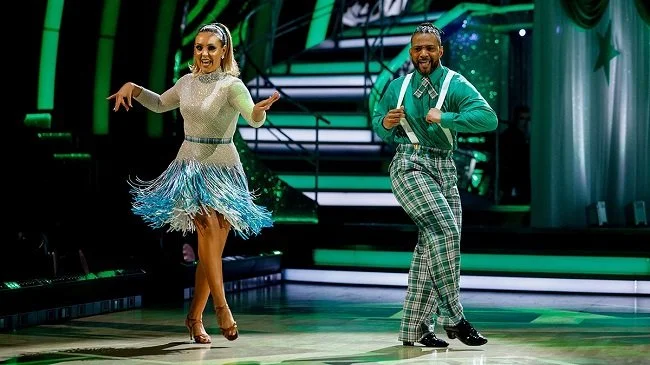

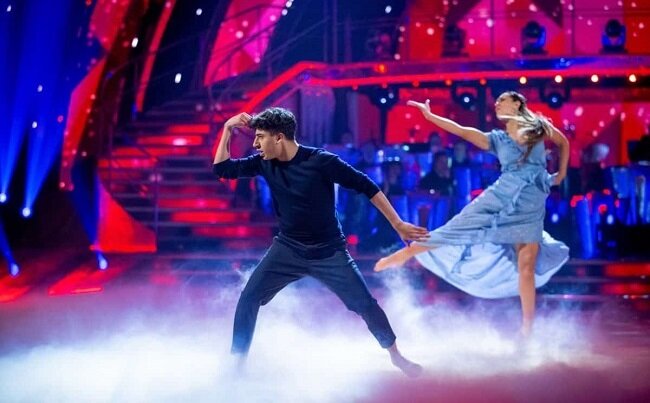



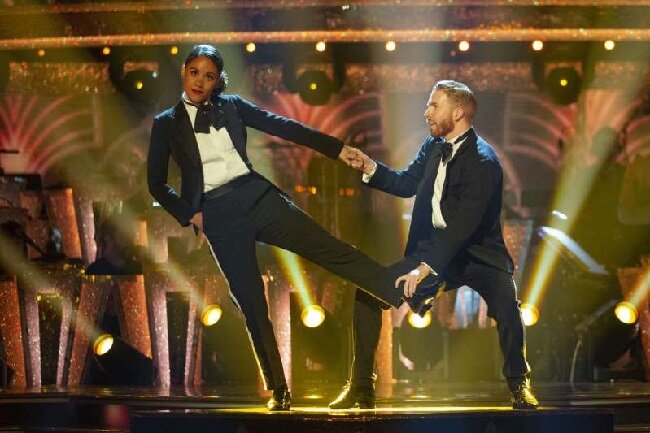



Strictly Come Dancing 2019: Part 2
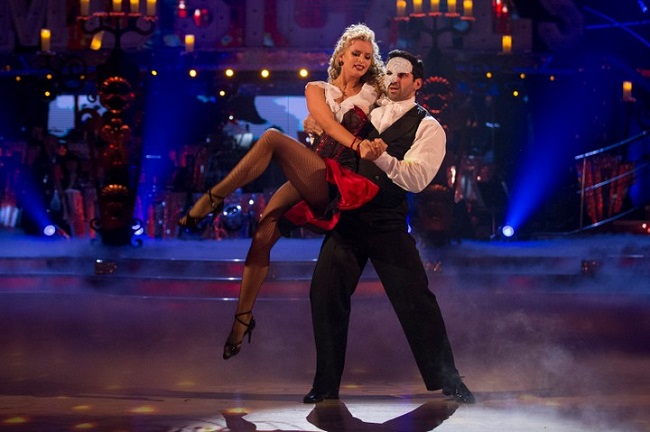
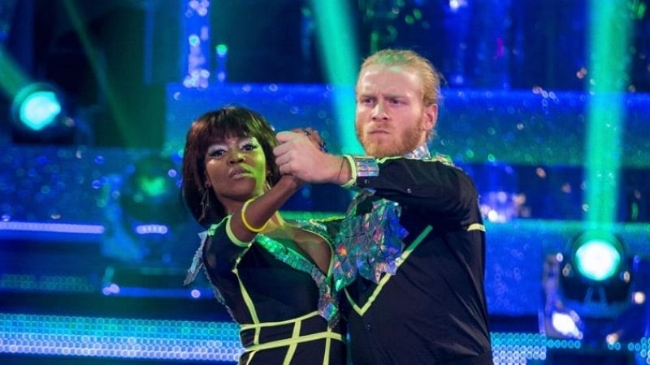
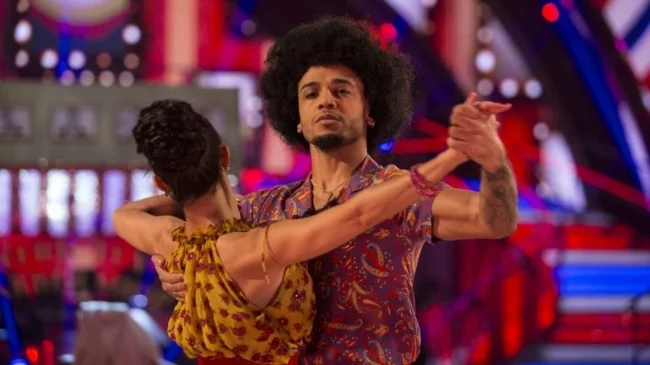
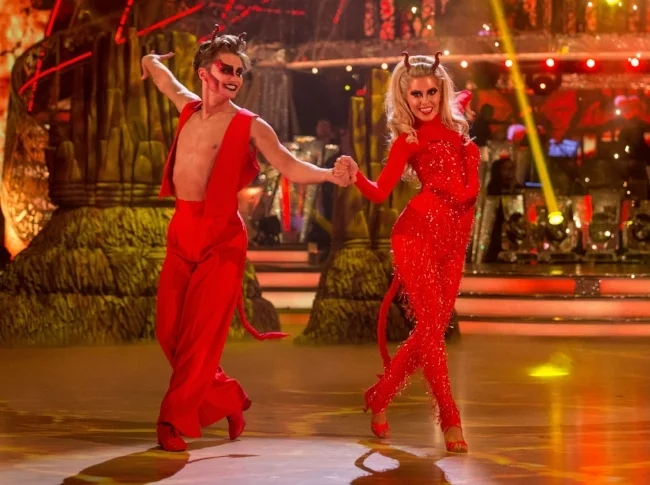
There really is an excess of genuine talent in this year’s show. It’s week three and the standard has been raised yet again. Michelle Visage and Giovanni Pernice delivered a smouldering Quickstep to Cabaret, proving once again that it is unwise to write anyone off based purely on age. Furthermore actress Catherine Tyldesley dancing with Johannes Radebe stunned the audience and judges alike with a Rumba to the ballad Shallow from the film A Star is Born. The Rumba is a notoriously difficult dance to perform and to pull off such a feat so early on in the season was quite incredible. And we were also treated to our first Street Dance, with Dev Griffin and Diane Buswell performing an outstanding Aladdin themed routine. Considering that Diane had an accident during the week, it made such an assured performance even more remarkable. And let us not forget Kelvin Fletcher and Oti Mabuse’s robust Charleston.
There really is an excess of genuine talent in this year’s show. It’s week three and the standard has been raised yet again. Michelle Visage and Giovanni Pernice delivered a smouldering Quickstep to Cabaret, proving once again that it is unwise to write anyone off based purely on age. Furthermore actress Catherine Tyldesley dancing with Johannes Radebe stunned the audience and judges alike with a Rumba to the ballad Shallow from the film A Star is Born. The Rumba is a notoriously difficult dance to perform and to pull off such a feat so early on in the season was quite incredible. And we were also treated to our first Street Dance, with Dev Griffin and Diane Buswell performing an outstanding Aladdin themed routine. Considering that Diane had an accident during the week, it made such an assured performance even more remarkable. And let us not forget Kelvin Fletcher and Oti Mabuse’s robust Charleston.
Mike Bushell once again gave a frenetic and entertaining turn on Saturday’s show. What he lacks in technique is made up for with his commitment to the routine and the spirit of Strictly. It is obvious to all and sundry that he’s really enjoying himself and giving his all. I often find such celebrities of similar ability, somewhat trying but I’m warming to Mike because he just takes everything on board and gives one hundred percent (and you can’t give anything more can you?). I think he can achieve a higher standard if things are kept simple and he focuses on technique. Katya often comes up with rather theatrical routines designed to play to her partners strengths. However, I suspect it would be in Mike’s best interest to have a simple and more traditional routine that gives him some straightforward moves that he can not only learn but master. He can do better.
Which brings me on to David James. His American Smooth to Seal's Kiss from a Rose with professional partner Nadiya Bychkova was a significant improvement over his previous two dances. His progress was also reflected in the judge’s comments, all of which indicated that he is finally finding his feet and moving forward. Now let us be realistic about reality of his Strictly journey. I do not think we will see an miraculous improvement and a surprise seizing of the trophy. But I feel he deserves a few more weeks to up his game. There’s nothing viewers like more than persistence and a contestant finding their dancing mojo. I just hope that another week of being in the dance off doesn’t dampen his spirits. As for Anneka Rice well she thoroughly deserved to be there. Her Charleston with Kevin Clifton lacked any distinct classic moves and often her partner seemed to be simply providing a diversion for her woeful lack of musicality. It was an act of kindness to vote her off and set her free.
Finally, the BBC appears to be struggling with keeping the results of the show secret. At present, after the main competition is broadcast live on Saturday evening, the votes and the dance off are recorded and broadcast 24 hours later. It’s all seems a little unnecessary to me as the show use to have the main competition and results in one evening. The bottom line is that there’s a 24-hour period during which the BBC has to rely upon the goodwill of audience members and production staff to keep the quiet. However, in recent years, several dedicated websites have started posting the results roundabout midnight. It would appear now that some folk are openly sharing the outcome of Saturday’s show on Twitter, while travelling home, thus undermining the pretence of the Sunday show. You can argue until you’re blue in the face as to the moral rectitude of such behaviour but that doesn’t solve the matter. Perhaps it’s time to simply shelve the Sunday show and just extend Saturday’s coverage to include the results.
The Kentucky Fried Movie (1977)
Written by Jim Abrahams, David Zucker, Jerry Zucker and directed by John Landis, The Kentucky Fried Movie is an eclectic collection of skits, parodies and bogus commercials, lampooning what you’d see on seventies TV or in the movie theatres of the time. The sketches are fast paced and many feature well known faces from TV and cinema such as Bill Bixby, George Lazenby, Donald Sutherland and Henry Gibson. Some of the parodies may not “connect” with modern audiences who may not get the source references but for every skit that misses the mark, there are at least two others hit the target. Overall, it’s a litany of visual gags, stupid humour and endless puns and wordplay. Just what you’d expect from the team that went on to bring you Airplane! and Top Secret! The Kentucky Fried Movie is at its best when it satirises the movie industry, with such wonderful faux movies trailers as Cleopatra Schwartz; a blaxploitation action movie featuring a foxy African American vigilante and her devout Hasidic Jew partner.
Written by Jim Abrahams, David Zucker, Jerry Zucker and directed by John Landis, The Kentucky Fried Movie is an eclectic collection of skits, parodies and bogus commercials, lampooning what you’d see on seventies TV or in the movie theatres of the time. The sketches are fast paced and many feature well known faces from TV and cinema such as Bill Bixby, George Lazenby, Donald Sutherland and Henry Gibson. Some of the parodies may not “connect” with modern audiences who may not get the source references but for every skit that misses the mark, there are at least two others hit the target. Overall, it’s a litany of visual gags, stupid humour and endless puns and wordplay. Just what you’d expect from the team that went on to bring you Airplane! and Top Secret! The Kentucky Fried Movie is at its best when it satirises the movie industry, with such wonderful faux movies trailers as Cleopatra Schwartz; a blaxploitation action movie featuring a foxy African American vigilante and her devout Hasidic Jew partner.
There’s some rather broad humour in The Kentucky Fried Movie. But it also serves quite well as a reflection of cinema and public attitudes of the time. The trailer for the faux porno flick Catholic High School Girls in Trouble, not only crassly raises a wry smile ("More shocking than Behind the Green Door. Never before has the beauty of the sexual act been so crassly exploited!") but reminds us that pornography was on the fringes of becoming mainstream and was seriously analysed by some movie critics. And then there are some dry send ups of public service announcements. In United Appeal for the Dead Henry Gibson speaks at great length about how “death” is the number one killer in the United States and what his charity can do to help those who have died lead a normal life. That's Armageddon, featuring George Lazenby, parodies every Irwin Allen disaster flick made. There’s even an angry Gorilla sketch that includes an early Rick Baker ape costume. And let’s not forget Danger Seekers, the show that follows those intrepid men who live for the thrill of adventure and risk.
However, the movie's centrepiece, A Fistful of Yen, is by far the jewel in the crown. This spot-on parody of Enter the Dragon and the martial arts genre clocks in at thirty plus minutes. The UK government hires Loo (Evan C. Kim playing a Bruce Lee lookalike with an Elmer Fudd voice) to penetrate Dr. Klahn's (Han Bong-soo) mountain fortress and destroy his operation. Loo refuses the mission at first, but happily agrees once he is told “but you’ll have the chance to kill fifty, maybe sixty people”. The jokes are not only obvious takes on standard tropes of martial arts cinema but there’s also a clever deconstruction of the pseudo philosophy and dialogue inherent in the genre (“you have our gratitude”). This is the most obvious precursor to later Jim Abrahams, David Zucker and Jerry Zucker productions such as The Naked Gun. It should also be noted that the actual fight scenes in A Fistful of Yen are competently constructed and hold up quite well on their own.
The Kentucky Fried Movie is not in any way a sophisticated satire. The humour is far from nuanced or cerebral but it barrels along at a pace, throwing gag after gag at viewers. By the law of averages, whatever your taste in humour, some of them will land. If it’s watched on its own terms and with an eye on the context of the times (IE not being politically correct) then it will entertain. Both the writing team and the director went onto bigger and better things in the years after the movies’ release. But their style and many longstanding jokes were created and refined here. For example we see an early iteration of the See You Next Wednesday gag, common to many subsequent John Landis movies. Also Jim Abrahams, David Zucker, Jerry Zucker reference their abiding love for The Wizard of Oz at the end of A Fistful of Yen. A theme that later showed up in Top Secret!



A Month in Gaming
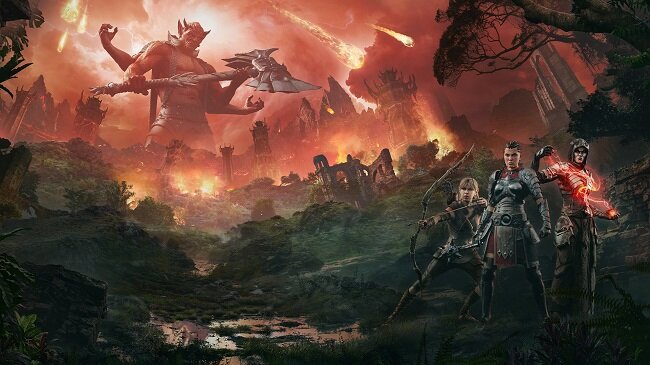
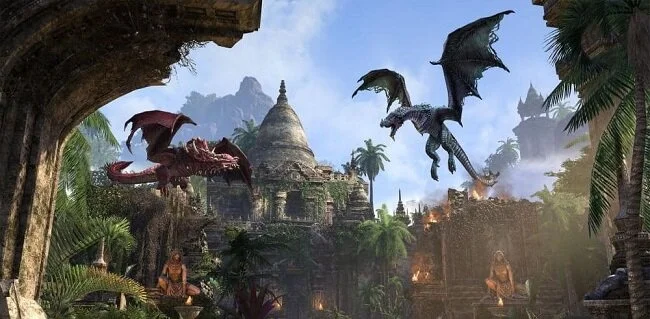
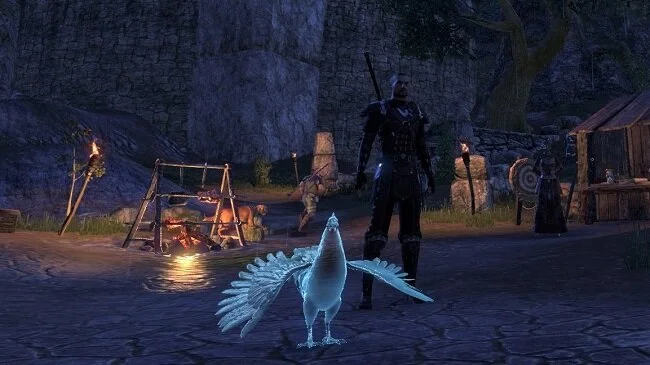
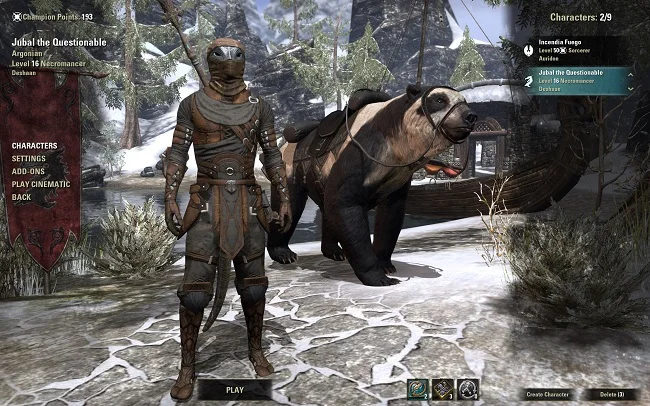
September saw The Elder Scrolls Online becoming my primary gaming focus. No real surprises there as I’ve been having so much fun of late with this MMORPG. I managed to get my Argonian Necromancer to level cap and then had the fun task of trying to equip them suitably. I don’t quite know why this aspect of gaming appeals to me so much but I just get a real kick out of trawling around looking for appropriate gear. I tend to enjoy it in all the MMOs I play. There’s just something inherently satisfying about equipping a new piece of armour or jewellery and seeing your stats noticeably increase. This process is even more enjoyable in ESO as there isn’t any server wide auction house, so you have to travel around from region to region, individually checking each guild trader you find. It really is virtual shopping. Once I managed to find the right gear for this character, I promptly created a new Imperial Dragon Knight and started playing through the Daggerfall Covenant storyline as it the one faction I haven’t yet completed. Oh and in ESO cosmetic pet news, the ghost chicken (official name Spectral Chicken) is outstanding.
September saw The Elder Scrolls Online becoming my primary gaming focus. No real surprises there as I’ve been having so much fun of late with this MMORPG. I managed to get my Argonian Necromancer to level cap and then had the fun task of trying to equip them suitably. I don’t quite know why this aspect of gaming appeals to me so much but I just get a real kick out of trawling around looking for appropriate gear. I tend to enjoy it in all the MMOs I play. There’s just something inherently satisfying about equipping a new piece of armour or jewellery and seeing your stats noticeably increase. This process is even more enjoyable in ESO as there isn’t any server wide auction house, so you have to travel around from region to region, individually checking each guild trader you find. It really is virtual shopping. Once I managed to find the right gear for this character, I promptly created a new Imperial Dragon Knight and started playing through the Daggerfall Covenant storyline as it the one faction I haven’t yet completed. Oh and in ESO cosmetic pet news, the ghost chicken (official name Spectral Chicken) is outstanding.
I decided to buy a single player game on a whim and ended up purchasing the Untitled Goose Game. As I’ve already written a more specific post about that title, I won’t bang on about it too much here but it is a delightful diversion. It provides not only plenty of mirth and merriment but it also reminded me that not all game developers and publishers are complete bastards who will happily steal your eye and comeback for the socket. Furthermore, the games success may now lead to some DLC being developed which is fine by me. The game has topped the download charts on the Nintendo Switch console in the UK and Australia. It has even beaten one of Nintendo's own highly anticipated games, the Legend of Zelda: Link's Awakening.
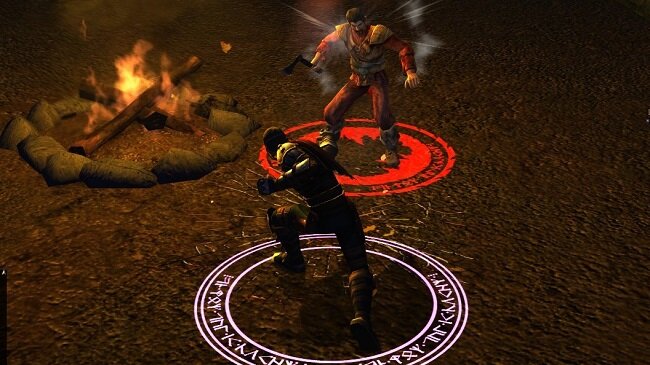
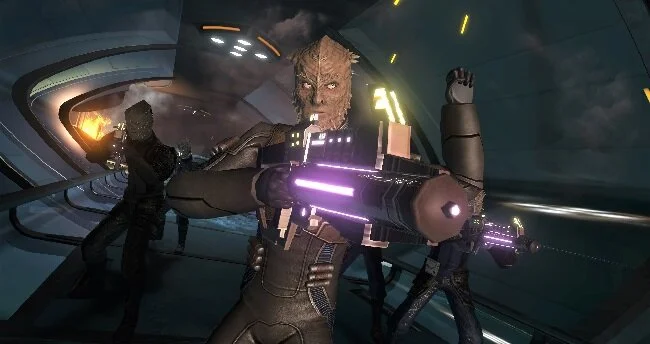
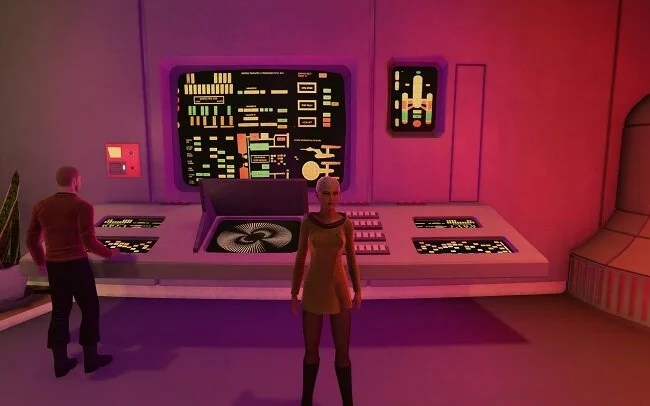
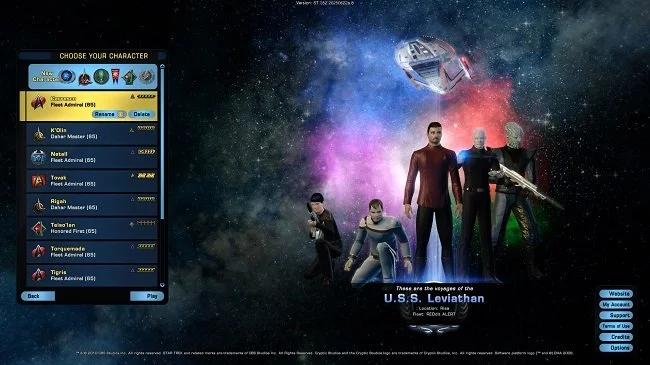
There’s an ongoing event in Star Trek Online which pays out a Tier 6 Elachi ship with a complete set of crescent beam weapons. So I’ve been dutifully logging in an running a dedicated TFO and 2 easy patrols to earn the necessary XP. And while I’ve been doing this, I’ve decided that I might as well complete the daily “endeavours”. Gaining resources and building up account wide perks always pays off in the long run. And as I’m on the subject of Cryptic games, I reinstalled Neverwinter as I predicted last month. Bearing in mind I last tried this game during the beta test in 2013, I was very surprised to still find my original character. Naturally, I have no recollection as to how to play this game but I shall find the time to give it a second go. It certainly has plenty of content available.
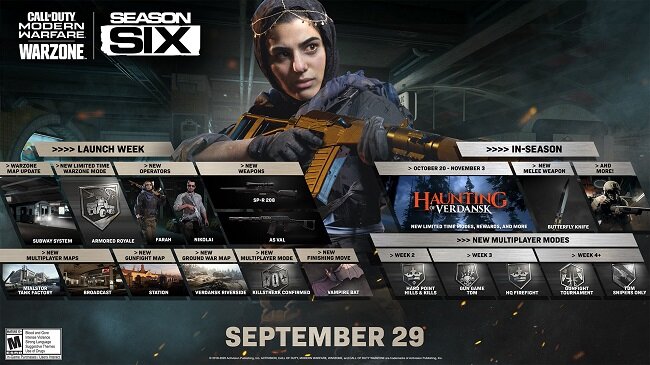
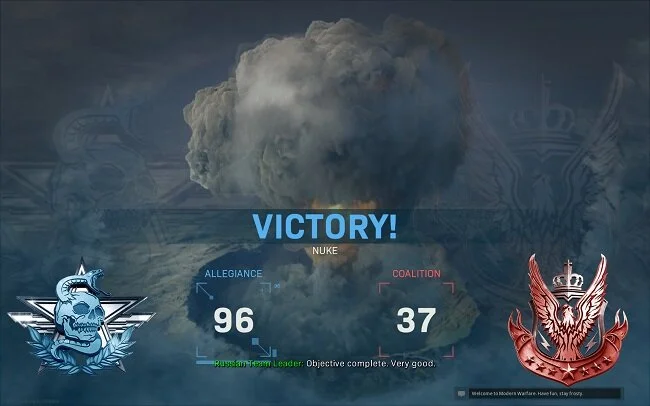
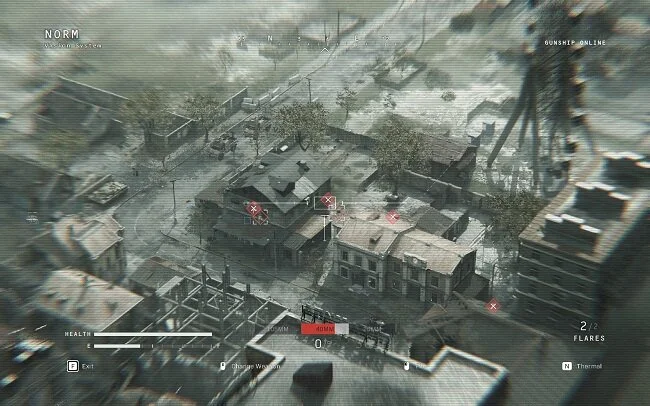
I also gave Guild Wars 2 another try but it didn’t take long to remind me that all the issues with the Heart of Thorns expansion are still present in the game. Plus I’ve never found any particular aspect of this MMO to get especially invested in. I find the lore unfathomable and I’m never quite sure about the intricacies of the major stories. It is very playable and easy to jump in and out of but for me at least, the game lacks a lasting hook of some kind to keep me engaged. I tried the retail version of Mario Kart Tour and the Ghost Recon Breakpoint beta. Both failed to impress and I’ve written a separate post about how unbelievably shitty their respective business models are. Unfortunately I didn’t get around to trying the Modern Warfare reboot beta. There’s not enough hours in the day to keep up with half the things we’d like to, especially when it comes to gaming.
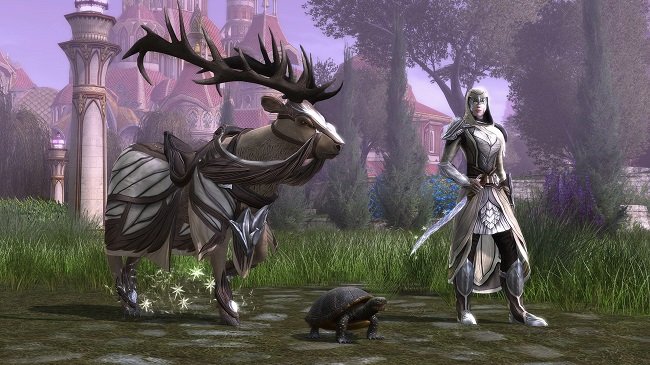
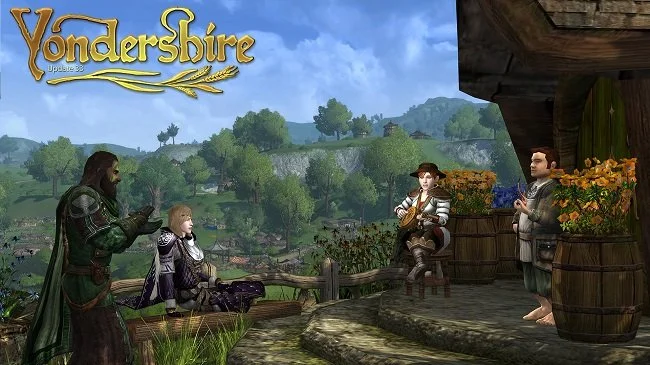
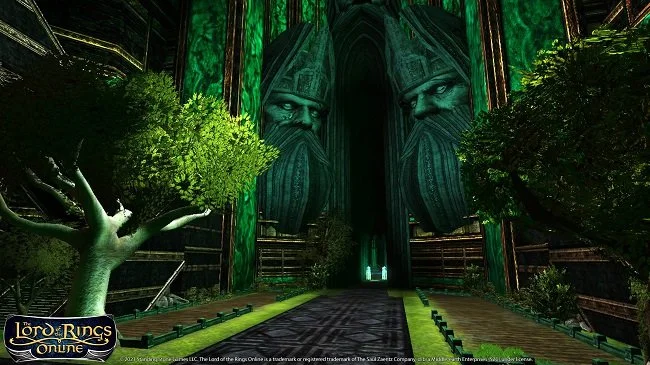
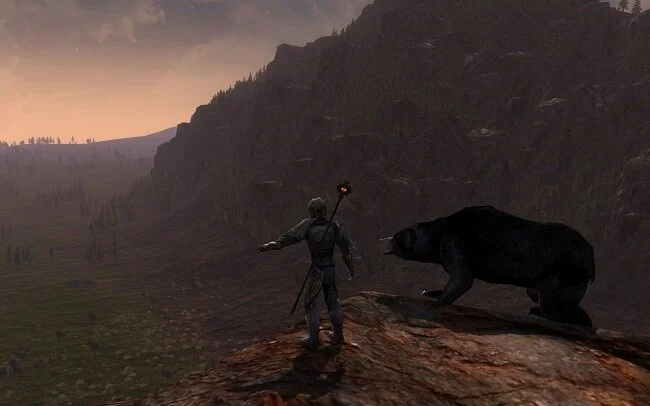
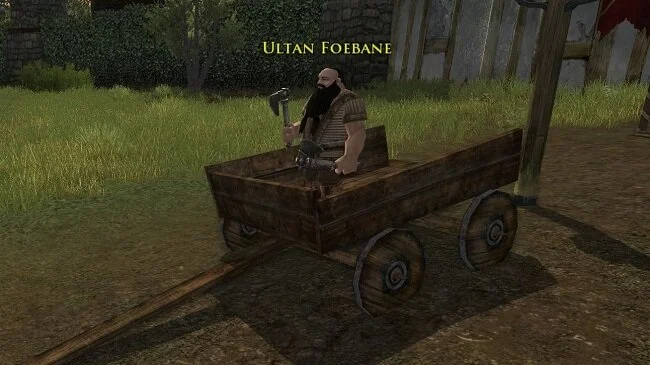
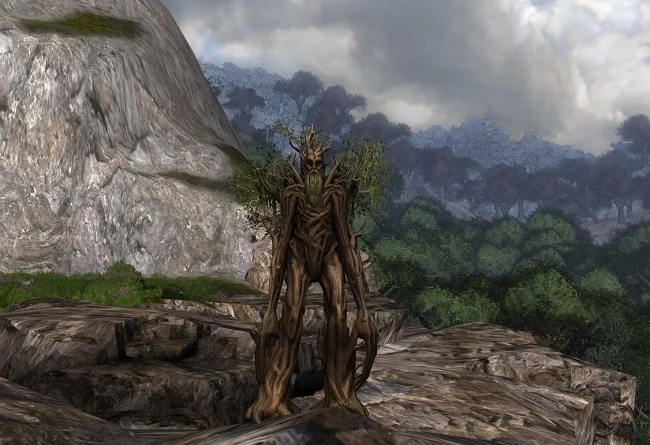
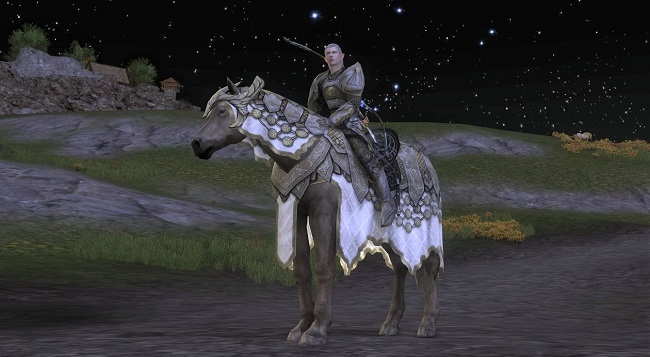
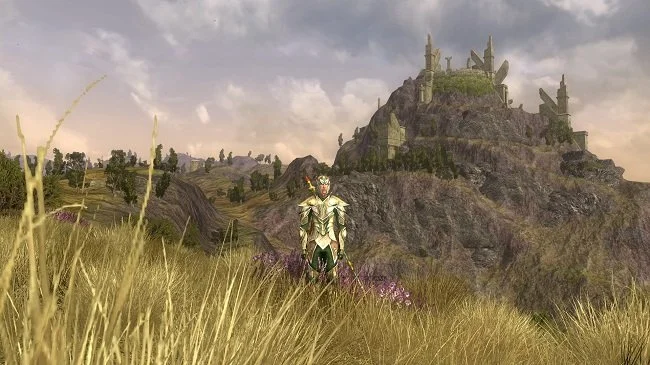
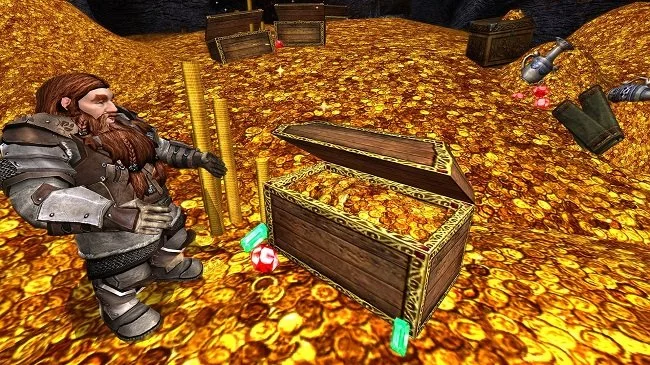
I genuinely tried to make some progress in LOTRO but I’m still floundering just outside Mordor with my High Elf Guardian. Once I commit to the battle on the slag hills outside the Black Gate, then it’s straight onto Mordor and I’m just not ready to grind through there again, even if I’m over levelled. I also failed to take my Lore-master any further through Vales of Anduin. The region is appealing but I always seems to have something inherently more interesting to do in another game. I did try the new Stout-Axe Dwarf race on the Bullroarer test server and enjoyed the creative way that SSG have crowbarred them into the existing Epic Story. I think I’ll buy the new Minas Morgul expansion a little closer to launch. After reviewing the various options, I’ll probably just purchase the base edition as I don’t require any of the additional consumables.
So that’s the summary of what I’ve been up to over the last 30 odd days. I’ll be back in early November with a further breakdown of this month. I haven’t made any firm plans as of yet and will likely just see where my fancy takes me. I have quite a lot on in real life at present and it needs to take priority. So any gaming time is a bonus at the moment, so it’s best not to try and aspire to potentially unrealistic goals and targets. Due to this time of year being a popular release period, I may well make another game purchase on a whim.


Excessive Monetisation
I have numerous happy memories from playing Super Mario Kart on the SNES back in the early nineties. It was at the time and remains so today, a truly great game because it’s fun, very accessible and inherently social. Hence over the years there have been multiple iterations of Mario Kart across all of Nintendo’s platforms. All of which have been well received and provided gamers with what they want. In many ways it is one of key titles that have made Nintendo a global success as a gaming company and a brand. If you see any advertising featuring Mario and friends in go-karts, then it can be taken as read that the game will be a yet another great instalment of the franchise. Or can it? Which brings me neatly (and sadly not happily) to Mario Kart Tour; Nintendo’s latest foray on mobile platforms.
I have numerous happy memories from playing Super Mario Kart on the SNES back in the early nineties. It was at the time and remains so today, a truly great game because it’s fun, very accessible and inherently social. Hence over the years there have been multiple iterations of Mario Kart across all of Nintendo’s platforms. All of which have been well received and provided gamers with what they want. In many ways it is one of key titles that have made Nintendo a global success as a gaming company and a brand. If you see any advertising featuring Mario and friends in go-karts, then it can be taken as read that the game will be a yet another great instalment of the franchise. Or can it? Which brings me neatly (and sadly not happily) to Mario Kart Tour; Nintendo’s latest foray on mobile platforms.
Mario Kart Tour is a litany of gacha mechanics, multiple currencies and gated content. It’s a game that’s designed upon grinding through levels and earning currencies. Racing go-karts appears to be very much a secondary consideration. Naturally the game has the traditional Nintendo aesthetic, with the colourful environment and characters looking great on a modern smartphone screen. But it’s all superficial, as the game itself is hideously compromised by its monetisation. Characters, tracks and vehicles are locked behind pay walls that you can grind for, or if you prefer, spend some money to access. In its base form Mario Kart Tour is little more than a gaming tease. If you want to actually play the game in any meaningful sense, then you have to pay. And then there’s the insanity of the Gold Pass, a £4.99 monthly subscription allowing access to the 200cc racing class, which gives the highest point rewards and the best races. A price point that also buys you access to Apple Arcade and a hundred of the best mobile games around.
However, Nintendo are not the only company that’s happy to push ahead into the realms of excessive monetisation. Ubisoft have seen triple A gaming as a “service” for several years. However, the recent release of Tom Clancy's Ghost Recon Breakpoint takes monetisation to new levels. There’s such a degree of microtransactional content it’s almost as if Ubisoft are trolling their player base. Skill points, crafting materials, weapons and their associated upgrades, are available to be purchased, right from the get-go. All of which have a direct impact on gameplay. And folk use to balk at the idea of a paid season pass. Plus some of the items in the in-game store are exclusives and not available by any other means other than paying. Considering that the base game (or should I say empty shell of a game) costs £60, it raises the question exactly how much must a player spend to have access to everything? Assuming that you are then presented with a fully functional game. I’m sure the answer to that question will emerge in the days to come.
Yet despite the egregious nature of such excessive monetisation being as plain as the nose on your face, a large percentage of gamers don’t appear to care. Mario Kart Tour was downloaded by 90 million unique users in its first week, which is six times more than Nintendo's second most popular game. It is too soon to ascertain sales data for Tom Clancy's Ghost Recon Breakpoint as the game is currently in early access for those who pre-ordered and formally launches on Friday October 4th. But this is one of Ubisoft flagship franchises and I’m sure anticipated sales will feature heavily in their Q4 revenue targets. The bottom line is there is a lot of cognitive dissonance in the gaming community. People are happy to pay lip service to complaints of excessive monetisation yet end up doing the complete opposite and supporting the very thing that is the “problem”. Some gamers are enabling and validating the questionable practises of certain publishers and in doing so contribute to video games being held hostage by untrammelled greed.
Video games are a commercial undertaking and no one thinks that game developers and publishers shouldn’t be able to make a profit. But like any other consumer industry, video games needs to be a balanced and realistic quid pro quo. Payment should provide you with a fully functional game. Paid additional content should be an adjunct and not integral to the proceedings. If there must be microtransaction then make them cosmetic, although this also comes with its own set of problems, depending on the games core demographics. But the whole concept of “pay to start” is questionable in so far as you have not really been sold an entire product that is fit for purpose. Logicly, there will come a point when companies such as Ubisoft will go too far and finally the majority of gamers will simply say “no”. The film industry has had several tent pole movies woefully underperform leading to a re-calibration of business practises. Will we eventually see a record number of triple A games fall flat on their face? It’s not impossible. But the biggest question is when?




Destiny 2 Goes F2P
I bought Destiny 2 shortly after it originally launched in October 2017, mainly due to the positive word of mouth comments of friends and colleagues. I got a good deal at the time from an online CD key vendor. As I have enjoyed FPS titles in the past and Destiny 2 also has elements of the MMORPG genre, I spent some time in-game levelling my character. Certainly I had no complaints about the nuts and bolts of the game. The graphics are good and the games systems appropriate and responsive. Combat is fast and dynamic and there is always something to do if you just wanted to jump into some action. But after some time my interest in the game waned. The central story wasn’t exactly compelling and as I was playing solo, there wasn’t any strong social aspect keeping me logging in. So after a few months I stopped playing and moved on to something else.
I bought Destiny 2 shortly after it originally launched in October 2017, mainly due to the positive word of mouth comments of friends and colleagues. I got a good deal at the time from an online CD key vendor. As I have enjoyed FPS titles in the past and Destiny 2 also has elements of the MMORPG genre, I spent some time in-game levelling my character. Certainly I had no complaints about the nuts and bolts of the game. The graphics are good and the games systems appropriate and responsive. Combat is fast and dynamic and there is always something to do if you just wanted to jump into some action. But after some time my interest in the game waned. The central story wasn’t exactly compelling and as I was playing solo, there wasn’t any strong social aspect keeping me logging in. So after a few months I stopped playing and moved on to something else.
Because I try to keep up with the ongoing tsunami that is daily gaming news, it recently came to my attention that developer’s Bungie has ended its relationship with Activision and the game was no longer going to be available on the Battle.Net game launcher. I was therefore curious to see which platform the game migrated to. I even briefly harboured thoughts of trying the game again. However, my initial good humour upon learning that the game was to be available via Steam was quickly dispelled when I learned that Destiny 2 was also going “Free to Play”. I know it’s illogical and I am fully conversant with the “sunk cost fallacy” but I always get the feeling that I’m getting rooked when a game that I own goes F2P. Perhaps on some psychological leveI, I resent the fact that some bastard is getting something free that I had to pay for. On a more serious note, F2P transitions always come with issues.
If like me, you have previously bought Destiny 2 and wish to transfer your existing characters and paraphernalia, this can be done via your existing Bungie account. You simply have to link to your Steam account and then the game will appear in your library. However, at the time of doing this (mid-afternoon UK time on Tuesday October 1st), the system was under a great deal of strain due to the volume of players availing themselves of the service. It took me about three or four attempts before I got anything vaguely resembling a confirmation message. The game finally appeared in my Steam library about an hour later. At some point I’ll look into what sort of status my account has in the revised, post F2P hierarchy of Destiny 2. Will I be deemed a premium player or a VIP? Or does my previous custom count for nowt and for me to be a “good citizen” Bungie now expect me to buy the new Shadowkeep expansion?
Because of my age, I experienced the early days of PC gaming and the business model of those times. You bought a product and owned it. Sometimes you’d get some additional free DLC. But any significant additional content was chargeable, however not at the same price of the base game. I fully realise that times change and we now live in the era of games “as a service”. You don’t just buy something anymore. Content is gated behind pay walls and games are built from the ground up with monetisation determining their structure and form. Yet despite comprehending these things and realising that I can vote with both my wallet and my feet if I don’t like something, deep down on an emotional level, such changes really don’t sit well with me. I have an irrational resentment that someone is getting something free of charge, that I had to pay for. It’s an odd state of affairs. I don’t even play Destiny 2 anymore and have no strong attachment to the game. Yet I moved my account today and the only reason for doing this boils down to “I paid for this”. It can be odd at times being human.
The Idiot Box
Thoughts on TV shows and my current viewing habits.
In August Elementary finally came to an end after seven years. The last season spanned a tighter than usual 13 episodes and introduced a new and very contemporary archnemesis; tech giant Odin Reichenbach (James Frain). Although it can be argued that the story arc was very formulaic, it also drew upon many elements of Conan Doyle’s original stories. Holmes realises that he may have to sacrifice himself to take down a foe and protect those nearest to him. Then there is the issues of his “death”. For many viewers such as myself, the final season wasn’t so much about a clever narrative but simply seeing what happened to all the major cast members. Broadly, it was all very satisfactory. Spoiler Alert. Captain Gregson retired and Marcus remained at the NYPD instead of taking his position with the US Marshal service. Joan finally adopted a child and Morland was killed while trying to broker one of his high-level deals. All story lines were brought to a neat and acceptable end. Furthermore the door was clearly left open for a future revival of the show if required.
Thoughts on TV shows and my current viewing habits.
In August Elementary finally came to an end after seven years. The last season spanned a tighter than usual 13 episodes and introduced a new and very contemporary archnemesis; tech giant Odin Reichenbach (James Frain). Although it can be argued that the story arc was very formulaic, it also drew upon many elements of Conan Doyle’s original stories. Holmes realises that he may have to sacrifice himself to take down a foe and protect those nearest to him. Then there is the issues of his “death”. For many viewers such as myself, the final season wasn’t so much about a clever narrative but simply seeing what happened to all the major cast members. Broadly, it was all very satisfactory. Spoiler Alert. Captain Gregson retired and Marcus remained at the NYPD instead of taking his position with the US Marshal service. Joan finally adopted a child and Morland was killed while trying to broker one of his high-level deals. All story lines were brought to a neat and acceptable end. Furthermore the door was clearly left open for a future revival of the show if required.
Mindhunter Season 2 has proved to be an improvement over the first series. The focus has moved away from FBI Special Agent Holden Ford (Jonathan Groff) and now Bill Tench (Holt McCallany) and Professor Wendy Carr (Anna Torv) have been given more scope to develop. Bill’s young son was inadvertently involved in the killing of another child which has put his marriage under a lot of strain. Wendy continues to navigate the male dominated corridors of power and struggles with her own closeted sexuality. As with the first season the interviews with the various serial killers prove absolutely hair raising, with much of the dialogue coming from original FBI transcripts. Season 2 also benefitted from a continuous story arc exploring the Atlanta child murders. It was both harrowing and depressing to see countless children’s deaths ignored by the authorities due to entrenched racism and the way in which politics and business colluded to sweep matters under the carpet once a potential culprit was found.
Although there has been plenty to watch over the last four months since I last wrote an instalment of The Idiot Box, I am getting a little tired at the way that successful genres quickly become popular band wagons. After years of the fantasy genre being underrepresented, we now find a glut of such material. I was briefly interested in Carnival Row as I initially thought it was simply going to be a period set, police procedural like Ripper Street. But then it became clear that it was just another “fantasy” based drama with little originality. I’m also completely over anything about superheroes, so have given The Boys a wide berth, despite it getting good reviews. The basic premise is just so uninspiring. However, I am looking forward to Star Trek: Picard when it’s released in early 2020 because it is part of a long-established franchise. I’m curiously optimistic about The Witcher series which looks more promising than expected.
Here’s a summary of what else I’ve been watching:
Dead Pixels. A UK sitcom about a fictitious MMORPG called Kingdom Scrolls and an eclectic group of players. After years of perpetuating stereotypes about gamers, Dead Pixels is possibly the first major comedy that successfully captures some of the quirky foibles of the gaming community. It’s funny and honest as it’s not afraid to show some of the less positive attributes associated with gamers.
The Shining (1997). A two-part miniseries directed by Mick Garris, that follows Stephen Kings source text a lot more closely than the Kubrick movie. It is functional and adequate but suffers from a low budget and some poor CGI. The grandeur of the 1980 version is lost. There’s a nice performance from Steven Weber who has a far more measured decent into insanity than Jack Nicholson. I enjoyed the cameo from Melvin Van Peebles as Dick Hallorann.
Chernobyl. This is an utterly compelling docudrama that just reeks of authenticity. The science is chilling, as is the myopic nature of the Soviet authorities’ response to the unfolding crisis. The performances are measured and the tone is tragic. However, it’s a difficult watch as it quickly becomes apparent that many of the cast have doomed themselves to a singularly unpleasant demise.
The Twilight Zone Season 5. I started watching the first season of The Twilight Zone April 2018 and over recent months have slowly worked my way through the entire back catalogue. The first three seasons certainly have the best episodes. Season 4 moved from a 25-minute format to 50 minutes and some of the stories cannot sustain that running time and are ponderous. Season 5 saw a return to the original duration but the stories are not so strong. Still, I am glad that I’ve taken the time to fully acquaint myself with this iconic show. It may be a cliché but this was ahead of its time and although various other shows have tried to replicate its success, few have succeeded.
The Terror: Infamy. The first season of The Terror was the big television surprise of 2018. A curious blend of fact, historical conjecture and mysticism. It was a delightful slow burn drama and a solid analysis of mental disintegration in adverse conditions. Season 2 is a radically different beast but no less fascinating. Set during the internment of Japanese Americans citizens during World War II, this is another measured foray into horror. The ghost story being told is relatively straight forward but it is the cultural trappings that make it quite different and compelling. Plus its always a pleasure to see George Takei in anything.
Instinct. I was most surprised this show got a second season. It’s a curious hybrid of police procedural, forensic psychology with Alan Cumming starring as Dr. Dylan Reinhart; an author, university professor and former CIA operative who now consults for the NYPD. The show also focuses on Reinhart’s relationship with his husband Andy (Daniel Ings), a lawyer-turned-bar owner who still uses his law skills to help their mutual friends when needed. It’s all somewhat contrived and tries to cover a little too much ground but I watch it mainly because of Cummings, who holds it all together and sports some wonderfully flamboyant suits.
TV To Do List:
Evil. I stumbled across this show while looking for reviews of another. The plot sounded intriguing; a sceptical forensic psychologist allies with a priest and a contractor to investigate purported supernatural incidents. So I’ve decided to give it a go. Robert and Michelle King who created the show have an established pedigree with titles such as The Good Wife and The good Fight. And I'm a sucker for anything with Michael Emerson in. So let’s see how it pans out.
The Dark Crystal: Age of Resistance. I really want to catch up with this show. The Dark Crystal is a grossly underrated movie. The sort of experimental film making that thrived briefly during the post Star Wars period. Plus anything with puppets and animatronics caters to my tastes. I suspect I’ll binge this show over a couple of nights in October.






Strictly Come Dancing 2019: Part 1
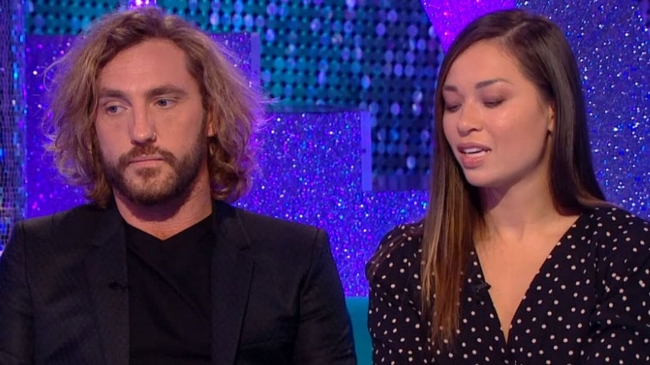
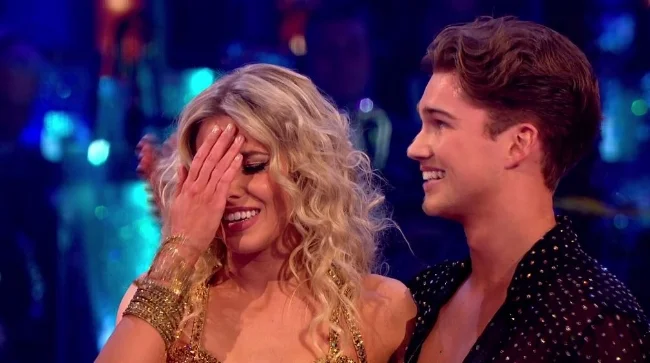
There is obviously some sort of psychological comfort in being spoon fed the same content, again and again and again. Because that is what Strictly Come Dancing, the BBC’s flagship Autumn entertainment show, definitely does. And I don’t mean that in a derogatory way, because once again, I am one of the 8 million viewers avidly watching this seasonal ritual. But is must be said, that the show is incredibly formulaic and that the production team are expert at playing upon all the foibles of the format. Hence every September we get a wide spectrum of “celebrities” eager to learn how to dance. All of whom fall neatly into the various categories that have been established over the last 15 years. There are those who display an innate ability right from the start. Then there are the determined improvers. We also have wild cards whose content wildly changes in quality. Another favourite are the rhythmically challenged whose embarrassing failures are deemed “entertaining”. And let us not forget those who are just hopelessly out of their depth and you know are going to fall at the very first hurdle.
There is obviously some sort of psychological comfort in being spoon fed the same content, again and again and again. Because that is what Strictly Come Dancing, the BBC’s flagship Autumn entertainment show, definitely does. And I don’t mean that in a derogatory way, because once again, I am one of the 8 million viewers avidly watching this seasonal ritual. But is must be said, that the show is incredibly formulaic and that the production team are expert at playing upon all the foibles of the format. Hence every September we get a wide spectrum of “celebrities” eager to learn how to dance. All of whom fall neatly into the various categories that have been established over the last 15 years. There are those who display an innate ability right from the start. Then there are the determined improvers. We also have wild cards whose content wildly changes in quality. Another favourite are the rhythmically challenged whose embarrassing failures are deemed “entertaining”. And let us not forget those who are just hopelessly out of their depth and you know are going to fall at the very first hurdle.
Which leads me very neatly onto this evening result show. After two episodes a clear hierarchy has been established and at present, everyone respective position on the leaderboard is justifiable. The top five have all shown a degree of talent and have worked diligently to do so well after just a few weeks. Those at the bottom may well have put in the hours but do not seem to have a comparable amount of talent. And therefore it was absolutely no surprise to find the bottom two celebrity contenders, David James and James Cracknell in the dance off. Furthermore, James was a dead cert to go out and has now done so. Now I admire anyone who has the courage to stand in front of a live TV audience and attempt to do something as deeply personal as dancing. It is a complex skill that is both physically and mentally demanding. It also requires a degree of bravado. So fare play to James for trying his best, especially in light of his recent recovery from a brain injury. But you have to question the wisdom of embarking upon such an enterprise, when you patently cannot clap in time or have any semblance of musicality. James was both physically and emotionally awkward and it was clear from the get-go that dancing in public simply wasn’t for him.
Another interesting facet of this year’s Strictly pantomime is the perceived “rewarding and punishing” of the various celebrity dancers. Kevin Clifton has always been a firm favourite with the core audience for a while but his personal life seems to have prejudice this perception. Since his popular win with celebrity Stacey Dooley last year, the UK tabloids have been filled with salacious gossip about their relationship and the collateral damage it has caused to others. Hence Kevin has been partnered with Anneka Rice, who although is a popular figure with the public, is not likely to progress too far into the competition. Conversely, Anton Du Beke, a pro dancer who has far too often been saddled with the most hopeless partners, has been blessed this year with actress Emma Barton. Emma has already demonstrated a degree of ability and now needs to find her dancing mojo. She’s definitely one to file under “wild card” and I expect her to have a textbook “Strictly journey”.
Finally, the BBC has decided to go all in with Strictly in its annual ratings battle with commercial broadcaster ITV. Apart from the weekly show on Saturday evening there’s Strictly Come Dancing: It Takes Two, an analytical companion show that runs from Monday to Friday. Hosted by Zoe Ball and now Rylan Clark-Neal, this behind the scenes and gossip program has been expanded from 30 minutes to 45 and has also been moved from BBC Two to BBC One. The Beeb have also ramped up the online components of the show. All dances can be revisited on YouTube and there is a Strictly presence on all social media platforms. This is also the second year where some of the celebrity dancers have been drawn from social media personalities and influencers. This is a direct attempt to widen the demographic appeal of the show and reach a younger audience. Last year it was Joe Sugg, this time round it’s Saffron Barker. Both have sizeable online followings. It should be noted that Saffron Barker has shown some talent and is currently one of the bookies favourites. However, things don’t always go to plan with Strictly. There’s always scope for upsets. As the expression goes, watch this space.
Classic Movie Themes: The Long Good Friday
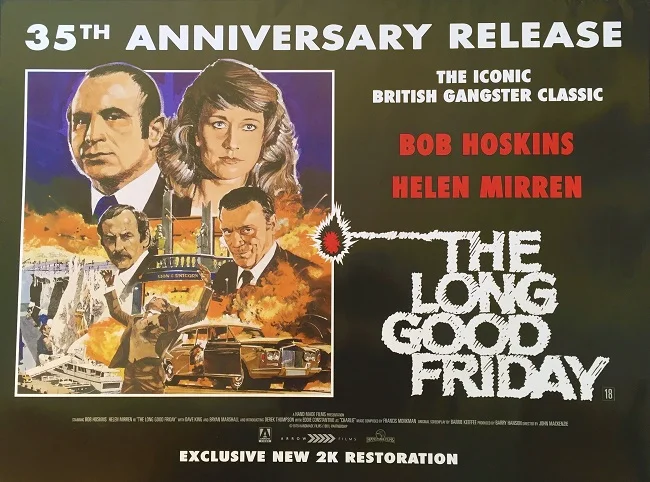
The Long Good Friday not only launched then career of Bob Hoskins but remains a uniquely British take on the gangster genre. Featuring authentic performances and a credible plot, the screenplay touches upon many of the social and political issues of the time; police corruption, the IRA, urban renewal and the decline of industry, along with EEC membership and the free-market economy. It’s a gritty and unrelenting drama that is still relevant today. Furthermore, the film is filled with quotable dialogue and has several stand out scenes that showcase Bob Hoskins’ smouldering performance. It’s also offers of “who’s who” of British character actors and there is one sequence still has the power to shock even today.
The Long Good Friday not only launched then career of Bob Hoskins but remains a uniquely British take on the gangster genre. Featuring authentic performances and a credible plot, the screenplay touches upon many of the social and political issues of the time; police corruption, the IRA, urban renewal and the decline of industry, along with EEC membership and the free-market economy. It’s a gritty and unrelenting drama that is still relevant today. Furthermore, the film is filled with quotable dialogue and has several stand out scenes that showcase Bob Hoskins’ smouldering performance. It’s also offers of “who’s who” of British character actors and there is one sequence still has the power to shock even today.
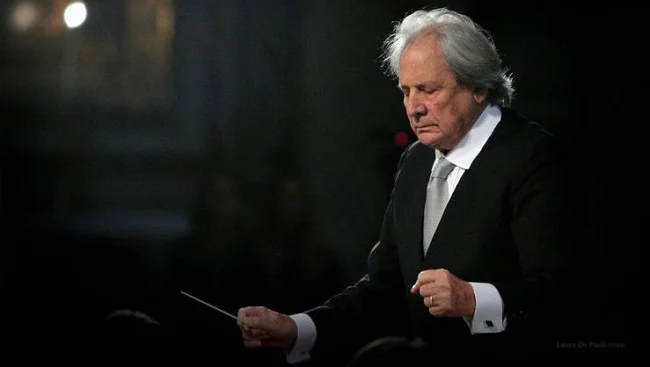
One of the many elements that contribute to The Long Good Friday being such a seminal movie is the score by Francis Monkman. A classically trained composer, conversant with multiple musical instruments, Monkman’ was the founder member of both the bands Curved Air and Sky. His score is a striking electronic synth hybrid featuring the talents of Herbie Flowers, Kevin Peek, and Tristan Fry. The addition of Stan Sulzmann and Ronnie Aspery on saxophone lends an interesting juxtaposition to the various tracks. It’s all evocative of mid-seventies UK police procedurals dramas with a blend of pulsing synths that you found in TV science fiction at the time. Yet despite its curious antecedents, it works very well on screen reflecting the story’s themes of old giving way to the new.
The Long Good Friday title theme is a brassy, pulsing affair. It is used several times throughout the film and works the best in an early scene when Harold Shand (Bob Hoskins) arrives at Heathrow airport after a flight on Concorde. It superbly establishes his character as he confidently strolls through customs after setting up a major deal with the Mafia in the US. “Fury” is a very interesting cue as it starts with a dark electronic passage as the Harold discovers the magnitude of his predicament. It evolves into a powerful and soulful sax driven piece as Harold washes the blood from himself after a frenzied attack. Both tracks are from the recent anniversary soundtrack album where the remastered score is finally available in stereo.





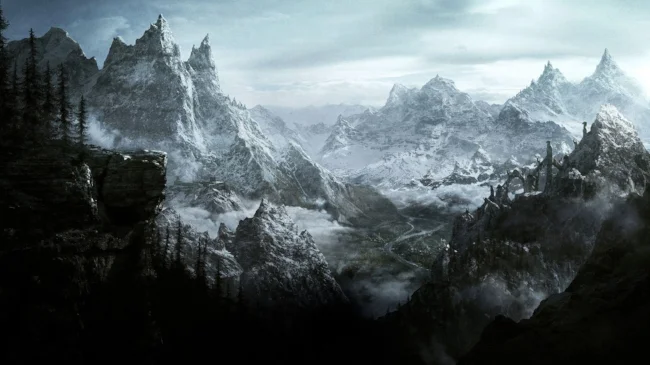


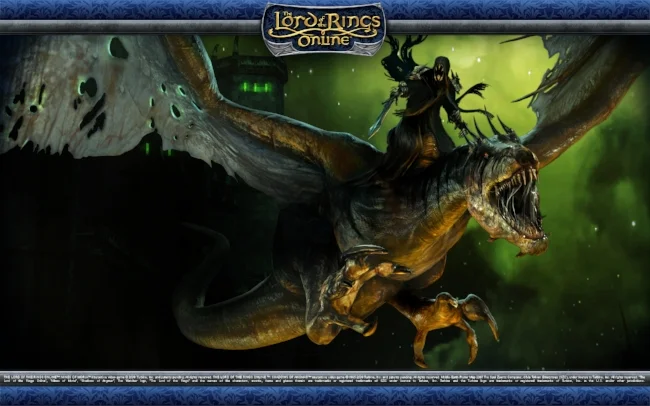
A Welcome Return or Just Repeating a Mistake?
When I first started playing MMOs, it was very easy to maintain a degree of “gaming monogamy”. The Lord of the Rings held my attention for two years, without any distractions because everything was new to me at the time. But eventually, the allure of other genre titles became too great that I moved on to pastures new. And so I spent between 2009 and 2014 trying numerous other games. Star Trek Online, Age of Conan, Aion, Guild Wars 2, Star Wars: The Old Republic, The Secret World, Neverwinter, WildStar and The Elder Scrolls Online to name but a few. If a game took my fancy, I would invest a great deal of time and make substantial progress. Conversely, if the “shoe didn’t fit”, it was quickly dispensed with. For example World of Warcraft never “clicked with me. It’s no reflection on the game itself. I just didn’t warm to any aspect of it. Similarly, the reality of EVE Online was vastly different to what I had imagined and expected.
Aion. July 2011
When I first started playing MMOs, it was very easy to maintain a degree of “gaming monogamy”. The Lord of the Rings held my attention for two years, without any distractions because everything was new to me at the time. But eventually, the allure of other genre titles became too great that I moved on to pastures new. And so I spent between 2009 and 2014 trying numerous other games. Star Trek Online, Age of Conan, Aion, Guild Wars 2, Star Wars: The Old Republic, The Secret World, Neverwinter, WildStar and The Elder Scrolls Online to name but a few. If a game took my fancy, I would invest a great deal of time and make substantial progress. Conversely, if the “shoe didn’t fit”, it was quickly dispensed with. For example World of Warcraft never “clicked with me. It’s no reflection on the game itself. I just didn’t warm to any aspect of it. Similarly, the reality of EVE Online was vastly different to what I had imagined and expected.
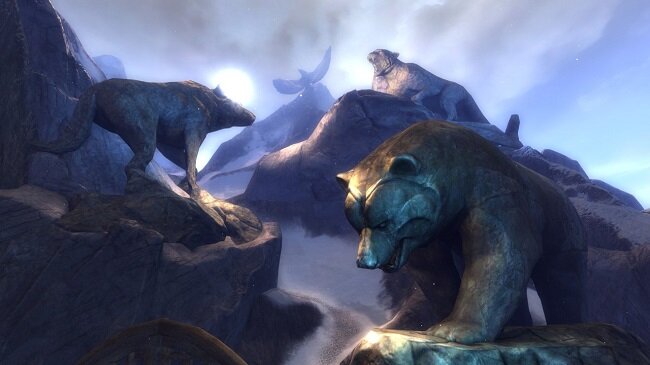
Hence, I’ve left numerous MMOs behind me in my gaming wake over the years. Games that I learned were not for me. Or were they? The thing is, I’m not immune to cognitive dissonance. I’m quite capable of holding two contradictory ideas simultaneously. Namely, that hardy perennial among gamers, “I know I didn’t like [insert game title here] last time I played but maybe it’s changed”. And so due to a combination of factors, I have recently found myself revisiting several MMOs I have previously parted company with. Because of the recent coverage of Guild Wars 2 on the Massively OP Podcast, I decided to reinstall the game and return to Tyria. Much to my surprise, I rediscovered that I had three characters at level cap. A Human Ranger, a Norn Warrior and a Charr Engineer. My primary alt was still based in Queensdale which brought back pleasant memories of the “Choo Choo” or Queensdale Express. In fact within a few minutes of pottering around the zone, I began to recall how the various game systems and mechanics work. It began to feel like putting on a comfortable pair of slippers. And then I ported to the Maguuma Jungle and things rapidly went South.
Guild Wars 2 Beta. April 2012
The Heart of Thorns expansion killed my enjoyment of Guild Wars 2. If memory serves, I lasted until summer 2016 and then I quit the game. The “verticality” of the new zone and the grinding for Mastery Points to get the gliding skill and such like, were and remain the primary problem. That and the fact that this expansion made playing solo demonstrably harder and more reliant on others. Path of Fire may well do much to redress these issues but I’ll have to trudge through the first expansion before I can reap any benefits of the second. And as I play MMOs for primarily for pleasure and do not welcome any enterprise that “gets on my tits”, to coin a phrase, I shall be progressing no further in Guild Wars 2. I mistook the MMO for an absent friend because I was focused on my enjoyment of the base game. But the first expansion remains just as frustrating as it originally was and so all I’ve done is repeat a mistake by reinstalling things. I won’t get fooled again. No honestly, I won’t.
Neverwinter Beta. March 2013
So, fresh from this lesson, I decided that it would be a really good idea to ignore what I had just learned and retry Neverwinter. This a game I haven’t played since the beta test in 2013. Unlike Guild Wars 2, I really couldn’t remember much about the game. The only things that stuck in my mind was the combat which was a curious action hybrid. But beyond that, the game didn’t leave that much of an impression upon me. I was most surprised when I found my original avatar still available. However, for practical reasons I think it best to roll a new alt as I have no idea how the game plays. But over the next day or so, I will give this MMO another go. It’s odd that despite being an inferior game to Guild Wars 2, this is the one that seems to be more welcoming. Perhaps I didn’t play sufficiently to become prejudice against Neverwinter. Or may be after a while, suppressed memories will come flooding back. Perhaps my experiment to revisit older MMOs is already a forgone conclusion and these games have been abandoned for obvious and legitimate reason. Either way, it all makes for ideal material for a blog post. If there are any interesting developments I’ll keep you posted.
The Big Bus (1976)
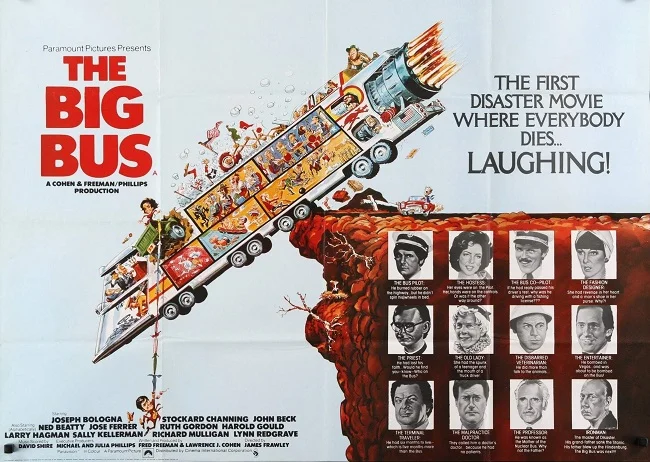
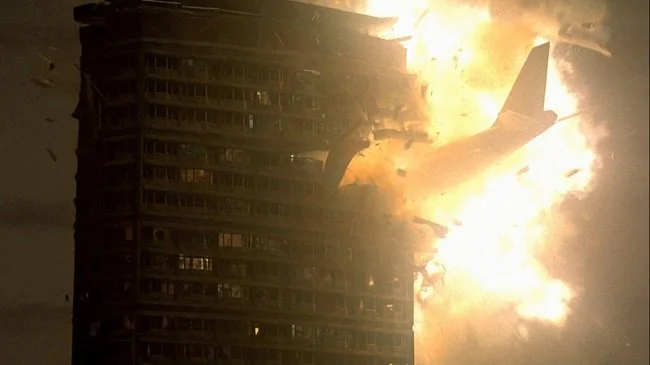
Being a child of the seventies I have a soft spot, cinematically speaking, for the various disaster films of that time. Iconic titles such as The Towering Inferno, The Poseidon Adventure and Airport franchise. The latter was superbly lampooned in the 1980 movie, Airplane! by Jim Abrahams, David Zucker and Jerry Zucker. The team of writer/directors went on to make numerous other comedies in a similar idiom. However Airplane! was not the first major spoof of this particular genre. Four years earlier, director James Frawley made The Big Bus which similarly sends up the standard tropes of all major disaster movies. Where Airplane! was right on the money, The Big Bus is a little more scattershot in its approach and takes a while to find its feet. But James Frawley had a background in TV comedy, having worked on The Monkees TV show, and he does much within the limitations of the films budget. The films greatest asset is that it keeps up the pace. If a gag doesn’t work then don’t worry, there’s another immediately afterwards.
Being a child of the seventies I have a soft spot, cinematically speaking, for the various disaster films of that time. Iconic titles such as The Towering Inferno, The Poseidon Adventure and Airport franchise. The latter was superbly lampooned in the 1980 movie, Airplane! by Jim Abrahams, David Zucker and Jerry Zucker. The team of writer/directors went on to make numerous other comedies in a similar idiom. However Airplane! was not the first major spoof of this particular genre. Four years earlier, director James Frawley made The Big Bus which similarly sends up the standard tropes of all major disaster movies. Where Airplane! was right on the money, The Big Bus is a little more scattershot in its approach and takes a while to find its feet. But James Frawley had a background in TV comedy, having worked on The Monkees TV show, and he does much within the limitations of the films budget. The films greatest asset is that it keeps up the pace. If a gag doesn’t work then don’t worry, there’s another immediately afterwards.
The titular bus is in fact a nuclear-powered articulated vehicle that can carry 100 passengers on a luxurious non-stop trip from New York to Denver. However, someone seems hellbent on sabotaging Coyote Bus Lines new flagship project and a bomb goes off at the lab where it is being prepped for its maiden voyage. Professor Baxter (Harold Gould), is seriously injured while the driver and co-driver are killed. Hence, Baxter’s daughter, Kitty (Stockard Channing), has to find new driver. Kitty turns to a former lover, Dan Torrance (Joseph Bologna), to drive the bus. Dan is currently in disgrace within the bus driver community, after a serious crash at Mount Diablo and allegations of eating the passengers. However, he accepts the job and recruits “Shoulders” O’Brien (John Beck) to be his co-driver, who unbeknownst to him is narcoleptic. The bus departs New York along with all-star cast including Lynn Redgrave, Richard Mulligan, Sally Kellerman, Rene Auberjonois, and Ruth Gordon. However, the real star is bus itself AKA “The Cyclops”. Which features a bar (with Murphy Dunne as lounge singer), a bowling alley and an exclusive captain’s dining room. However, the saboteur has no intention of giving up and plants another bomb onboard. Hilarity ensues along with a never-ending barrage of verbal and sight gags.
The Big Bus hits many of its marks as it dismantles a well-known genre. Many of the cast are exactly the sort of actors that would have appeared in genuine disaster movies. Character actors such as Ned Beatty, Larry Hagman, Bob Dishy, Jose Ferrer, and Howard Hesseman. And then there’s David Shires score which totally gets the musical idiom of these movies and delivers a suitably hyperbolic soundtrack. Like Airplane! there are many sight gags and a strong streak of absurdist humour. There’s a bar fight in which a milk carton is broken and used as a weapon and then there’s the recurring gag of “Shoulders” O’Brien constantly falling asleep at inopportune moments. I was not familiar with actor Joseph Bologna and his previous body of work but he gives a good performance as the flawed hero. It should also be noted that The Big Bus is a little more rating conscious and doesn’t stray as far into adult humour as Airplane! Plus there’s a lot of conspicuous product placement which obviously helped with the movies financing.
The Big Bus doesn’t outstay its welcome, clocking in at sensible 88 minutes. The ending is a little lacklustre compared to the first two acts and it seems that the writers Lawrence J. Cohen, Fred Freeman were a little lost as to how to wrap things up. However, there is still much to enjoy. There are several good physical stunts involving The Cyclops which would nowadays been done with CGI. The cast chews the scenery exactly as you expect them to. René Auberjonois is rather good as a priest on the brink of losing his faith. However, despite being very well intentioned, The Big Bus only did moderate box office upon release and received mixed reviews. Director James Frawley later directed The Muppet Movie and subsequently returned to television Over the years, The Big Bus has lost its crown to Airplane! which is a shame. It isn’t as polished or as accomplished as its predecessor but it certainly pioneered the zany parody genre. Furthermore, it can still raise a wry smile.








LOTRO: Minas Morgul Pre-Order
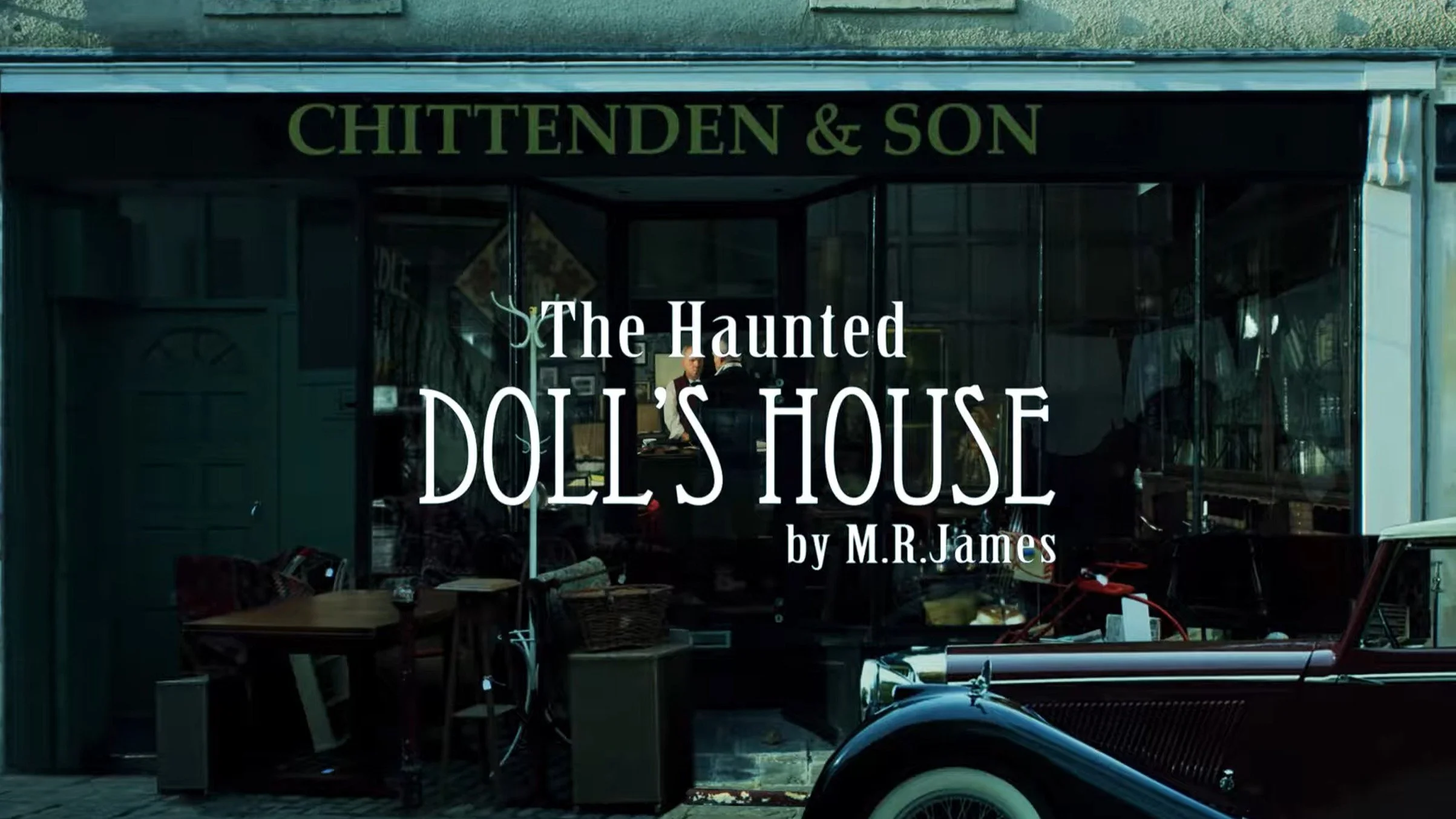
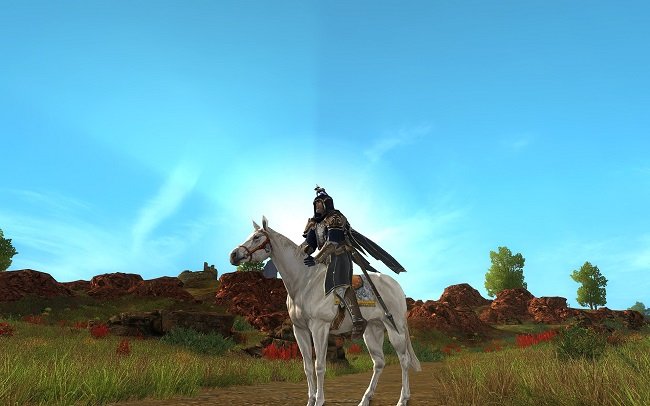
The forthcoming Minas Morgul expansion for The Lord of the Rings Online, became available for pre-order today. Furthermore, Update 24.3 was also released, making the new race of Stout-Axe Dwarves immediately available for those who have purchased the aforementioned expansion. Minas Morgul will provisionally be launched on Tuesday 29th of October, although Standing Stones Games have stated that this may be delayed for a few days should there be any technical issues. As with the previous expansion, Mordor, there are three versions of the game with a variety of additional baubles and trinkets available. These are mainly cosmetic items and sundry buffs and boosts. The pricing ranges from $40 for the Basic Edition, $80 for the Collector’s Edition and $130 for the Ultimate Fan Bundle. Again, as with the last expansion, the respective value of the most expensive tier is currently being “disputed” by players, although having logged into the game, it is already clear that many people have already bought it.
The forthcoming Minas Morgul expansion for The Lord of the Rings Online, became available for pre-order today. Furthermore, Update 24.3 was also released, making the new race of Stout-Axe Dwarves immediately available for those who have purchased the aforementioned expansion. Minas Morgul will provisionally be launched on Tuesday 29th of October, although Standing Stones Games have stated that this may be delayed for a few days should there be any technical issues. As with the previous expansion, Mordor, there are three versions of the game with a variety of additional baubles and trinkets available. These are mainly cosmetic items and sundry buffs and boosts. The pricing ranges from $40 for the Basic Edition, $80 for the Collector’s Edition and $130 for the Ultimate Fan Bundle. Again, as with the last expansion, the respective value of the most expensive tier is currently being “disputed” by players, although having logged into the game, it is already clear that many people have already bought it.
All editions of Minas Morgul come with the following content. Over 250 New Quests. 7 New Instances. Updated Crafting Guilds. Further instalments in the Black Book of Mordor Storyline. A new Shelob Raid and “more”. It should be noted that the instances and raid will follow in patches after launch of the expansion. Furthermore, according to developer’s Stand Stone Games “Minas Morgul will take you on an expedition deep into the Morgul Vale in search of answers to a mystery that spans three thousand years. The words of the shade of Isildur will unearth secrets and visions of the Second Age that have remained untold until now, revealing playable landscape and new adventures from a crucial time in Middle-earth’s history”. There is also yet another increase in the game’s level cap from 120 to 130. Thus creating a new gear check for those who wish to have appropriately levelled armour and jewellery.
For long term LOTRO players, SSG’s announcement and overall marketing strategy for this new expansion holds no surprises. This is pretty much exactly what they did when they launched Mordor in late 2017. The appeal of Minas Morgul is aimed predominantly at core players, although the Character Level Boost to 120 may be of interest to new players who wish to join and play with friends at cap. SSG seem to have found a content release schedule that works well for them, offering an ongoing diet of “same meat, different gravy” which satisfies core players. For those who do not feel the need to pre-order the expansion, it will be available for purchase via the in-game store with LOTRO points in March 2020. Base Edition (includes the Minas Morgul Region & Instances only) is priced at 2495 Points. For those who just want to unlock the Stout-Axe Dwarf race, it will cost 1000 Points.





Fear of Missing Out
According to Wikipedia Fear of Missing Out (or FOMO) is “a pervasive apprehension that others might be having rewarding experiences from which one is absent". Now that may sound to some as a somewhat trivial concern. One that encapsulates the concept of “first world problems” and “Generation Me”. Yet for many, it is a genuine concern. “Fear of missing out” is a not too distant cousin of “fear of being excluded”. Something that is a common part of bullying culture. FOMO plays to human insecurities and we live in times where people feel increasingly vulnerable. If you want further evidence of the veracity of FOMO, consider how it is something that marketing departments now actively seek to play upon and uses for leverage. A recent leaked document for the Entertainment Software Association (ESA) outlined how they wish to streamline and revitalise the ailing E3 trade show. One suggestion is to make "exclusive/appointment only activations for select attendees who will create buzz and FOMO”.
According to Wikipedia Fear of Missing Out (or FOMO) is “a pervasive apprehension that others might be having rewarding experiences from which one is absent". Now that may sound to some as a somewhat trivial concern. One that encapsulates the concept of “first world problems” and “Generation Me”. Yet for many, it is a genuine concern. “Fear of missing out” is a not too distant cousin of “fear of being excluded”. Something that is a common part of bullying culture. FOMO plays to human insecurities and we live in times where people feel increasingly vulnerable. If you want further evidence of the veracity of FOMO, consider how it is something that marketing departments now actively seek to play upon and uses for leverage. A recent leaked document for the Entertainment Software Association (ESA) outlined how they wish to streamline and revitalise the ailing E3 trade show. One suggestion is to make "exclusive/appointment only activations for select attendees who will create buzz and FOMO”.
For good or ill, it would seem that FOMO is now facet of twentieth century culture. Much like reaction videos, shit posting and the most intellectually bereft member of society being allowed on national television. Furthermore, I cannot claim to be impervious to this malady. I have discussed in the past how I was an avid “early adopter” of technology two decades ago. Something I cannot simply chalk up to just enthusiasm and zeal. FOMO did play a part in this. And then there has been times when fandom has become a job, rather than a leisure activity. I have a friend who still likes to remind me of the numerous times I got up at some ridiculous hour to watch videos that I had to return to Blockbusters, later that day. As a movie fan, it has always been difficult to try and keep up with all the new releases as well as older classics. It’s something I take a far more measured approach to these days but again in the past, FOMO was a factor driving the mentality that I had to “do it all”.
Recently, I took stock of my interests and pastimes. I decided to recalibrate my expectations and aspirations and that meant making some changes. Subsequently, I took to Twitter and spent some time reflecting upon who I was following. I believe the maximum number of people you can follow realistically is about 150. I’m currently over that number by a sizeable amount but I did prune about thirty of so accounts I was following. I based my decision upon how often an account tweeted and whether they were big on interacting with others. I did feel the occasional pang of guilt but ultimately you have to be realistic about what you can and cannot do. Following an excess of people on Twitter just leads to having your timeline swamped and increases the chance of missing something important amid all the white noise. There were also a few people who I couldn’t remember as to why I was following them.
I carried out the same exercise on Feedly and removed several blogs that didn’t seem to be producing any content on a regular basis. As predicted, the drop off rate after Blaugust was noticeable. I also had several blogs on my list that have been dead for a long time and it was merely nostalgia on my part keeping them there. I am also getting somewhat tired of commercial video gaming websites. They have a tendency to regurgitate the same company press releases where it is only the think pieces and long form articles that really interest me. So I have purged many of these. I’ve also shed some of the movie news websites I was following, as these aren’t really broad enough and tend to be too focused on “superhero” movies. And while I’ve been “downsizing” the extent of my online content consumption, I also unsubscribed from numerous YouTube channels. The commercial ones were exceedingly predictable and many of the “non-professional” content creators seemed to have ground to a halt. May be this medium is no longer the cash cow that many assumed it was. And then there’s my gaming “wish lists”. They got kicked into touch as well after a healthy dose of realism.
Here are some fun facts about the “average persons” lifespan. We spend about a third of our lives asleep. That’s 30 years plus. Joe public also spends about five years on the phone during the course of their life. A human brain can store up to a quadrillion separate bit of information in its longterm memory during our “three score years and ten”. Then add to that mix, time spent working, raising children and perhaps most importantly, procrastinating. The bottom line is you’re never going to fit in everything that you want to do. Nope. Not going to happen. The reality of the situation is that FOMO should be logically replaced by AOMO; acceptance of missing out. It’s a mindset I’ve eased myself into over the last decade. Pick what you want to do wisely. Be realistic and honest with yourself about what you can and cannot fit into your schedule. As for FOMO, isn’t it better to do several things well and enjoy them thoroughly, rather than attempting to do too many things at once and doing them badly? You’d think so. But then again people are seldom logical.
















Gaming and the Language of "Them Versus Us"
Language is an evolutionary thing. It changes over time, reflecting the needs of the culture that use it. Furthermore, each unique sub-set of society seems to create and utilise its own bespoke lexicon. From business, science, politics, religion, to sports and other leisure activities, all use terminology that is unique to their own group. Overtime some of these terms’ crossover from one niche to another to eventually find broad mainstream acceptance. It is a fascinating process and one I think has accelerated in recent years due to the growth of social media.
I have written before about the subject of gaming semantics and the fact that some terms are so ambiguous and not clearly defined. This subsequently leads to skewed debates and discussion, as there is not a mutually agreed frame of reference of definition. This time I want to focus on another linguistic issue that it currently blighting the discourse surrounding games. That being the proliferation of pejorative terms and ill-conceived labels, which are used not to describe but to discredit. It sadly adds to the increasingly bi-partisan nature of all public debates these days and reinforces my current stance of not defining myself by a pastime that I pursue. The gaming community is becoming increasingly intolerant and I don't wish to be associated with such things.
Language is an evolutionary thing. It changes over time, reflecting the needs of the culture that use it. Furthermore, each unique sub-set of society seems to create and utilise its own bespoke lexicon. From business, science, politics, religion, to sports and other leisure activities, all use terminology that is unique to their own group. Overtime some of these terms’ crossover from one niche to another to eventually find broad mainstream acceptance. It is a fascinating process and one I think has accelerated in recent years due to the growth of social media.
I have written before about the subject of gaming semantics and the fact that some terms are so ambiguous and not clearly defined. This subsequently leads to skewed debates and discussion, as there is not a mutually agreed frame of reference of definition. This time I want to focus on another linguistic issue that it currently blighting the discourse surrounding games. That being the proliferation of pejorative terms and ill-conceived labels, which are used not to describe but to discredit. It sadly adds to the increasingly bi-partisan nature of all public debates these days and reinforces my current stance of not defining myself by a pastime that I pursue. The gaming community is becoming increasingly intolerant and I don't wish to be associated with such things.
Something that often comes up in discussions about PVP, is the term "carebear". Initially this was a term that was jokingly employed to describe players that preferred the social interaction of PVE content and avoided player versus player gameplay. Now it seems to be a routine epithet to negatively label anyone who doesn't advocate any of the competitive aspects of gaming. If you do not like PVP, or end-game raiding, warzones, skirmishes or the like you are a "carebear". The implication being that caring and compassion are negative things and potentially a sign of weakness. It is a blanket term design to be besmirch and standard ammunition in ad hominem attacks.
During the seventies, UK national politics was extremely binary. The right was focused on privatisation, small government and the free market with the left advocating the welfare state, social responsibility and equality. It was during this period that I first became aware of the term "do gooder"; a term broadly meaning a well-meaning but unrealistic or interfering philanthropist or reformer. Yet overtime it simple degenerated into a pejorative label for anyone who's politics were not sufficiently right wing enough. Any sort of policy that advocated fairness or parity was lambasted with this term, to the point where it became nothing but a vacuous buzz word. The reason I mention this is because the exactly the same thing is happening today with the trite label "social justice warrior".
In recent years games discourse has sunk under the weight of these sorts of terms. Any sort of meaningful and mature discussion is obscured under a swath of pointless and ultimately meaningless terms. "Feminazi", "delicate snowflake", "filthy casual gamer" and other such names are bandied about, dragging the debate away from a level playing field and into the playground. Combine this sort of rhetoric with the prevailing mindset that eschews reason, critical thinking and scope to disagree in a civil fashion and all rational discussion ends. The winner is simply those who shout loudest. History has shown us that such groups are seldom the best informed.
When this sort of philosophy prevails it ultimately does more harm than good. Sadly at present, too many gamers are busy indulging in territorial pissing that they are oblivious to the fact that they are befouling their own waterhole. It's only a matter of time before the well is truly poisoned. If gaming culture genuinely wants to improve for everyone's benefits then it needs to start thinking. That begins with the language that we use towards each other. The alternative is to continue down the current road and let those who want to watch Rome burn, do so to the detriment of all. In the meantime there will be those that disassociate themselves from the mainstream and set up isolated safe havens for likeminded gamers. However that doesn't really fix the long-term problems. Are smaller more fragmented markets and communities ultimately good for gaming?
Shorne
Due to the surprisingly good weather, Mrs P and I paid an impromptu visit to the village of Shorne in Kent yesterday. It’s a small community about 3 miles east of Gravesend. Where most of the new houses are located in a shallow valley, the old village is built upon higher ground and has a great view of the Thames Estuary, stretching from Gravesend to Southend-on-sea. Shorne Wood Country Park is also nearby. This area of woods was once part of the large Cobham Hall Estate. In 1987 it came into the ownership of Kent County Council and was redeveloped for public use. There are several places of interest in Shorne such as Mill Cottages, Mill House and the remains of Shorne Mill. There are also some ancient barrows dating from Neolithic period. However, we had come specifically to visit St Peter and St Paul Church and place flowers on a friend’s grave.
Due to the surprisingly good weather, Mrs P and I paid an impromptu visit to the village of Shorne in Kent yesterday. It’s a small community about 3 miles east of Gravesend. Where most of the new houses are located in a shallow valley, the old village is built upon higher ground and has a great view of the Thames Estuary, stretching from Gravesend to Southend-on-sea. Shorne Wood Country Park is also nearby. This area of woods was once part of the large Cobham Hall Estate. In 1987 it came into the ownership of Kent County Council and was redeveloped for public use. There are several places of interest in Shorne such as Mill Cottages, Mill House and the remains of Shorne Mill. There are also some ancient barrows dating from Neolithic period. However, we had come specifically to visit St Peter and St Paul Church and place flowers on a friend’s grave.
St Peter and St Paul Church dates back to Saxon era, although the site has been extended several times over the years. The north aisle was built around the end of the twelfth century. Randall Chapel on the south side of the chancel was added in the late thirteenth century. The south aisle to the nave and its arcade were built in the fifteenth century as were the tower and porch. The Church also boasts some fine stained glass circa eighteen hundred and an opulent font with seven carved panels. The churchyard is still open for burials and had a recent extension in 2000. The older parts have graves dating back three hundred years. The village war memorial stands just inside the main gate. At present the church is having the roof retiled and the exterior is partially obscured by scaffolding. However, all services are being maintained and the visitors are still welcome.
We spent a very pleasant morning in Shorne. After visiting the churchyard we took a leisurely stroll around the village, taking in the various sites. There are several timbered cottages of note and Crown Lane commands a great view over the fields leading down to the estuary. The roads are somewhat steep and there are a few places where the narrow roads are without any pavement, so it is wise to keep on the right, facing the oncoming traffic. After some sight seeing we visited the Rose and Crown; a friendly local pub which dates back to the reign of Henry VII. This is very much the epitome of a rural “public houses” with low timbered ceilings and sedate atmosphere. The perfect place to pause and reflect after a mornings walking. Overall, Shorne is well worth a visit, especially for those who are interested in church history and architecture as well as country walks.




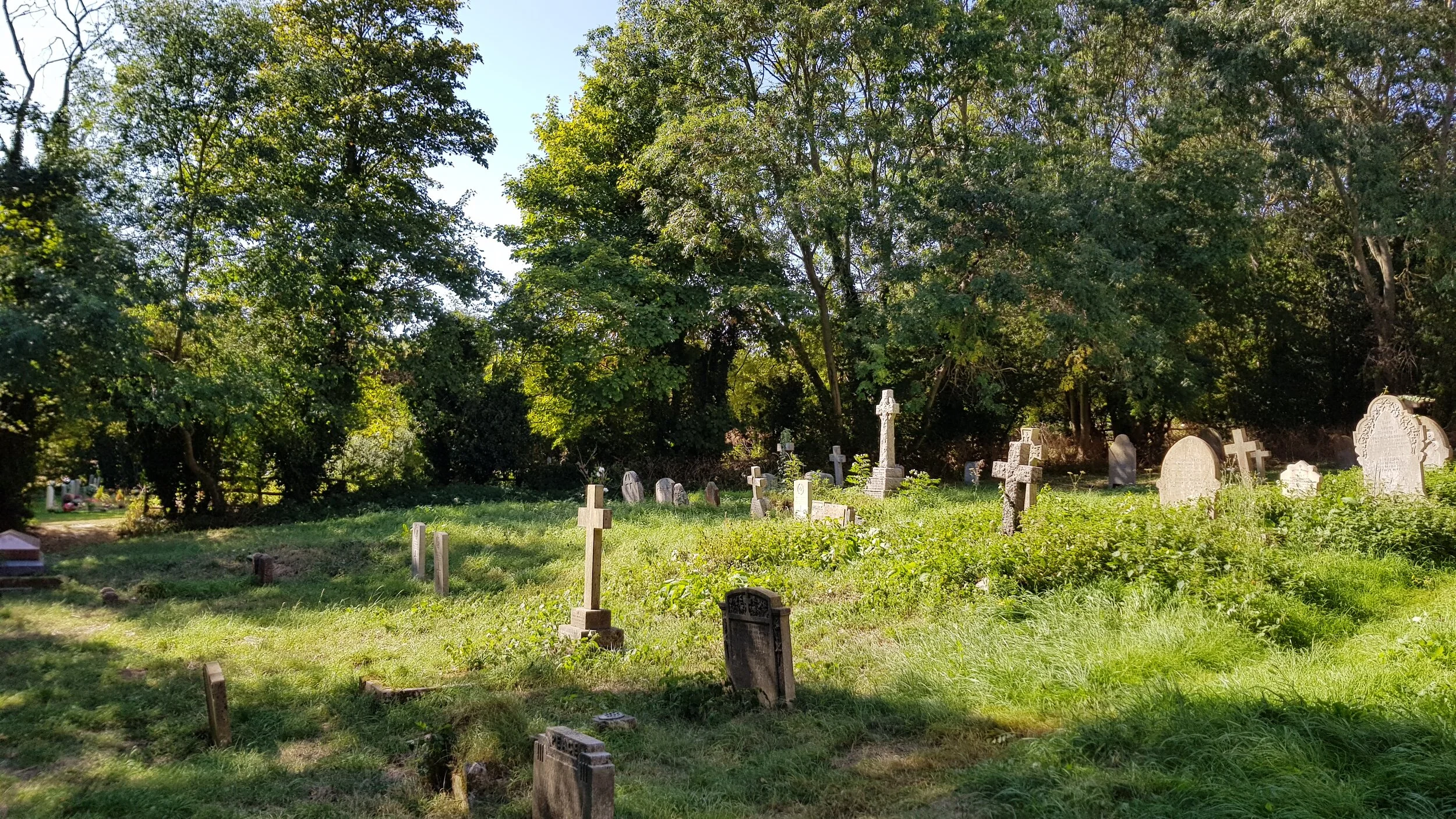

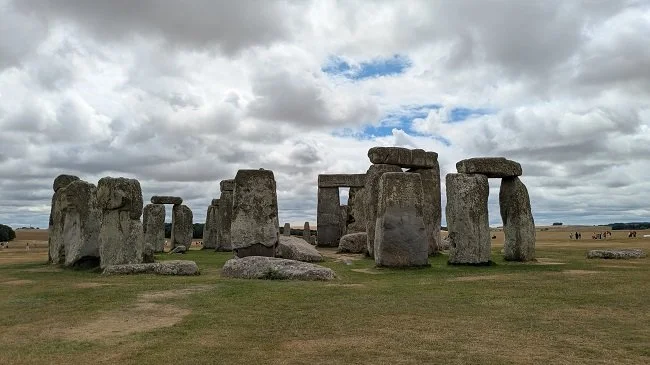
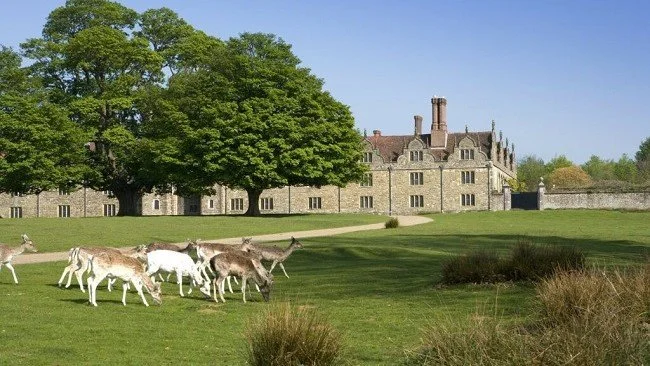


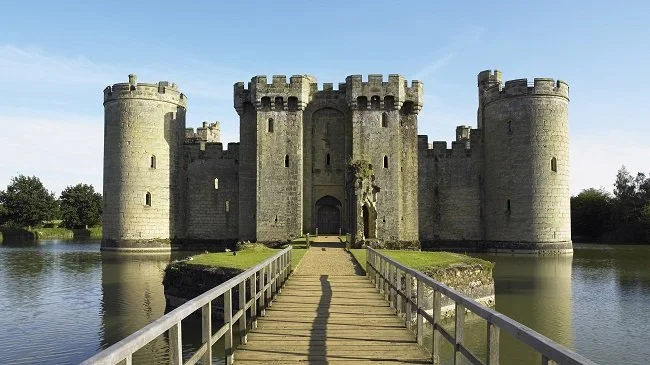

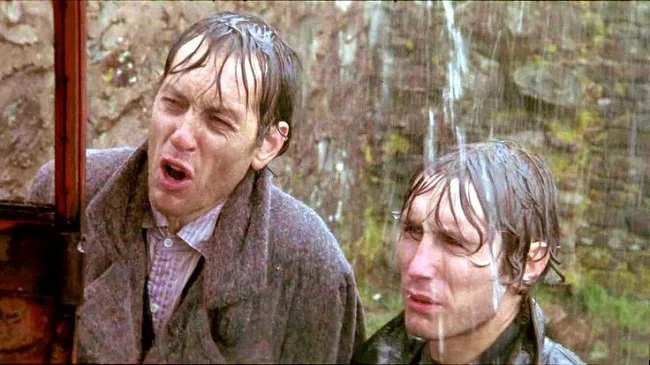






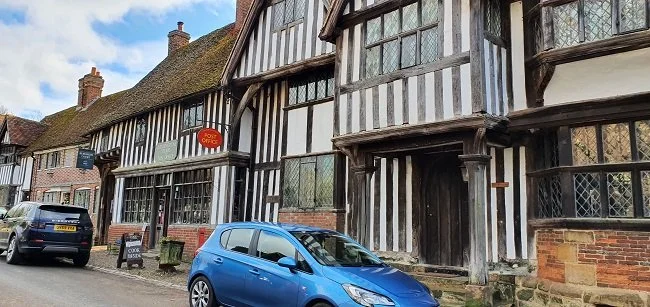









Untitled Goose Game
I totally missed any marketing or hype surrounding the Untitled Goose Game. I simply stumbled across it today while logged into the Epic Store to claim 6 free Batman games. There was a video at the top of the landing page with that catchy title and it instantly chimed with me. I’ve had several run-ins with the Canada Geese at my local park over the years and so I’m somewhat familiar with their penchant for assholery and general douchebaggery. So a game about a troublesome Goose is not a big ask. The quirky animation style and colour palette really caught my eye, so I read the marketing blurb and then bought the game blind on a whim. So much for “advertising doesn’t work on me”, although I believe there’s more to my impulse purchase than meet’s the eye. But my respective psychiatric state is not what is being scrutinised here. The key question is whether the game is any good? Well, in short, the answer is a resounding “yes”. Allow me to elucidate.
I totally missed any marketing or hype surrounding the Untitled Goose Game. I simply stumbled across it today while logged into the Epic Store to claim 6 free Batman games. There was a video at the top of the landing page with that catchy title and it instantly chimed with me. I’ve had several run-ins with the Canada Geese at my local park over the years and so I’m somewhat familiar with their penchant for assholery and general douchebaggery. So a game about a troublesome Goose is not a big ask. The quirky animation style and colour palette really caught my eye, so I read the marketing blurb and then bought the game blind on a whim. So much for “advertising doesn’t work on me”, although I believe there’s more to my impulse purchase than meet’s the eye. But my respective psychiatric state is not what is being scrutinised here. The key question is whether the game is any good? Well, in short, the answer is a resounding “yes”. Allow me to elucidate.
Narratively speaking, Untitled Goose Game is both minimalist and succinct. You get to play as a Goose who leaves the local pond and sets out to bother a small village. There is a check list of achievements such as entering a garden, stealing various items such as keys or a rake and generally being an utter nuisance to the various humans you encounter. The controls are straight forward and logical. Once you’ve cleared the various achievements in one area you move on to the next and strive to get on even more people’s nerves. In gaming terms this is a very straight forward proposition. The systems are not complex although things are more challenging than you may think. But like any good game and by that, I mean a game that grabs you and hits the spot right from the get-go, the devil is in the detail. Untitled Goose Game boast numerous small, yet perfectly conceived, embellishments that elevate it.
The opening tutorial is not only functional but also clearly establishes the games pitch. You’re a Goose. An annoying, asshole of a Goose whose about to embark on some anatine shenanigans. The flat-shaded texture art style, point and click movement and comforting piano score (an adaptation of Debussy’s Préludes) intuitively come together the moment you waddle out of the bushes with an exuberant honk. The waddling is further bolstered by soft slapping of webbed feet. It’s a powerful start. Within moments you have totally bought into the MacGuffin that you’re a Goose, raring to cause mayhem and get on some people’s tits. And as you do so, it’s fabulous. Genuinely funny. Even cathartic.
There’s something incredibly benign about the whimsical world you get to explore. It’s filled with an abundance of objects to interact with and appears to be in some sort of temporal bubble. It has some superficial modern trappings yet is not overly complex. Is that a sixties vibe to the aesthetic and hints of The Prisoner? Or is it more Camberwick Green? Either way the style is captivating. Certainly there are elements from classic LucasArts adventure games with the puzzle solving elements. Yet this is superbly juxtaposed with the stealth elements which feel very modern. Some situations just lend themselves to going in all guns blazing. Other scenarios require timing and a measure of planning. If things go wrong it inevitably ends in a chase with more than just a hint of Benny Hill to it all. And all the time there’s the constant pleasure of hitting X and the spacebar to flap your wings vigorously and honk at all and sundry.
I suspect that developers House House are conversant with many other entertainment genres other than the video games industry. As mentioned previously it’s the attention to detail that is telling. There is keen awareness of the mechanics of silent comedy, of framing action cinematically and complementing the visuals with music. And if you really want to ponder Untitled Goose Game at a deeper level, I’d say it’s an incredibly soothing and therapeutic game. We live in very troubling times. All too often life is something that happens to us rather than something we participate in. Untitled Goose Game offers the release of being an utter git but does so in a very measured fashion. We are not inflicting physical violence upon in-game NPCs but instead participating in low level mischief, reciprocal to that which life often has in store for us. This tempered, non-violent bad behaviour is extremely relaxing and inherently wholesome, compared to shooting someone in the face in an FPS.
The PC version of Untitled Goose Game appears to be exclusive to the Epic Store. At the price of £11.99 it is an utter bargain. As a game it’s one of those rare examples where the stars aligned and pretty much all elements have fallen into place. Unlike so many contemporary games which are burdened with complexity, decisions and tendency to punish the player if they choose unwisely, Untitled Goose Game simply offers an opportunity to “be”. It sets out its stall and allows the players to immediately come to terms with the task in hand. You’re a Goose. Go make yourself a nuisance. Don’t worry about it. Because you’re a Goose and this is what they do. I’m not sure if it’s some sort of bizarre form of method acting or the video game equivalent of the Rorschach test. But it’s great fun and an absolute hoot. Or should that be a honk?
Stout-Axe Dwarf Preview
As Standing Stone Games successfully “got away” with adding High Elves to The Lord of the Rings Online as a playable race in late 2017, then it is only logical that they expect to do exactly the same with Stout-Axe Dwarves this year. Furthermore, as High Elves were introduced with the Mordor expansion, it’s not unreasonable to assume that Stout-Axe Dwarves will similarly be tied to the forthcoming Minas Morgul expansion. Just remember that Mordor came in three varieties and the base edition did not include the High Elf class. So keep an eye out for the various versions of Minas Morgul, when it is announced. But let’s not kid ourselves, core LOTRO players are usually lore enthusiasts and eager to support the game that they love, so I see no reason for this new race to be rejected by the playerbase. Dwarves have their fans, so I’m sure that Stout-Axe Dwarves will be welcomed into the game and find their niche.
As Standing Stone Games successfully “got away” with adding High Elves to The Lord of the Rings Online as a playable race in late 2017, then it is only logical that they expect to do exactly the same with Stout-Axe Dwarves this year. Furthermore, as High Elves were introduced with the Mordor expansion, it’s not unreasonable to assume that Stout-Axe Dwarves will similarly be tied to the forthcoming Minas Morgul expansion. Just remember that Mordor came in three varieties and the base edition did not include the High Elf class. So keep an eye out for the various versions of Minas Morgul, when it is announced. But let’s not kid ourselves, core LOTRO players are usually lore enthusiasts and eager to support the game that they love, so I see no reason for this new race to be rejected by the playerbase. Dwarves have their fans, so I’m sure that Stout-Axe Dwarves will be welcomed into the game and find their niche.
Bullroarer test server currently has an early preview of the Stout-Axe Dwarf class. As ever, it’s a beta test so there is scope for change. There are some subtle aesthetic differences between the Stout-Axe and the Longbeards. Their beards are shorter and often braided, along with their hair. The passive skills for the new race also vary from traditional Dwarves. Unyielding Will gives a will, vitality and mitigations boost. Wrought by the Black Lands gives a shadow mitigation buff. This makes sense as the race hails from Mordor. Shadow of the Eye reduces vitality. Doom of Dràsa’s Folk reduces fate. Again the lore justifys this as the Stout-Axes are a subjugated people. And like regular Dwarves there is a One-Handed Axes passive trait. It should also be noted that it looks like SSG have overhauled the character creation screen, as the default models appear to have been updated.
SPOILER ALERT:
The introductory story for the Stout-Axe Dwarves is set in Mordor circa T.A. 3017. The plot conceit being that Dràsa’s Folk where one of the seven Dwarven Houses. When Sauron sought to take their ring of power, they resisted and were subsequently enslaved and taken to Mordor. After creating your Stout-Axe character you find yourself, labouring in the depth of Barad-dûr. There are rumours that Sauron is to release one of his captives and one of your eager companions wants to use this opportunity to mutiny and escape. After some arbitrary task involving cleaning and working, you find yourself amid an uprising. During the ensuing pandemonium you break out of the Black Fortress. The scene then changes to Ered Luin. Obviously, your character has traversed much of Middle-earth only to encounter the Dourhands. When you recognise that Skorgrím Dourhand and Ivar the Blood-hand are allied to the same evil that you have fled, you seek out the Longbeards at Thorin’s Hall to warn them. It is at this point the story joins the existing storyline for that region.
Once again, SSG have managed to craft an intriguing tale that embellishes the lore without breaking it. Or does it? I seem to recall during the Mordor quest line that Gimli had no specific knowledge of Dwarves hailing from Mordor. Dialogue from the quest “A Land of Ash and Shadow” appear to support this. Legolas: “Gimli has found old tools of dwarf-make in this ruin, and though he will not speak of it, unease has crept into his mind. If ever dwarves dwelt within Mordor, it seems their fate was not a pleasant one and that their line is long ended”. Furthermore, when you complete that quest and find a Stout-Axe body Gimli exclaims "So dwarves still dwell in Mordor, but where have they made their home”. But as the Stout-Axe story has your character introduce themselves to Dwalin, there is a contradiction here. Also the Epic Story has you interact with Gimli on numerous occasions as you level up thus causing further narrative issues.
Now there is a good chance I may have overlooked a story element or am misremembering things. Or perhaps SSG intend to revise the various story elements. They have done so in the past. Remember how “The Assault on Archet” originally featured the Angmarim Commander Éogan arriving in the burning town to claim Amdir. And how this was later changed to feature a more sinister Cargûl and the Blackwold villain Calder Cob. Perhaps they have something similar in mind to address this. But regardless of the potential lore disparities, the new Stout-Axe story is a surprising good addition to the game. I suspect it will appeal more to long term players with a penchant for alts, rather than new players who may want a less lore heavy start to their adventures in LOTRO. It will be interesting to see how SSG polish this new starter experience in the weeks ahead.
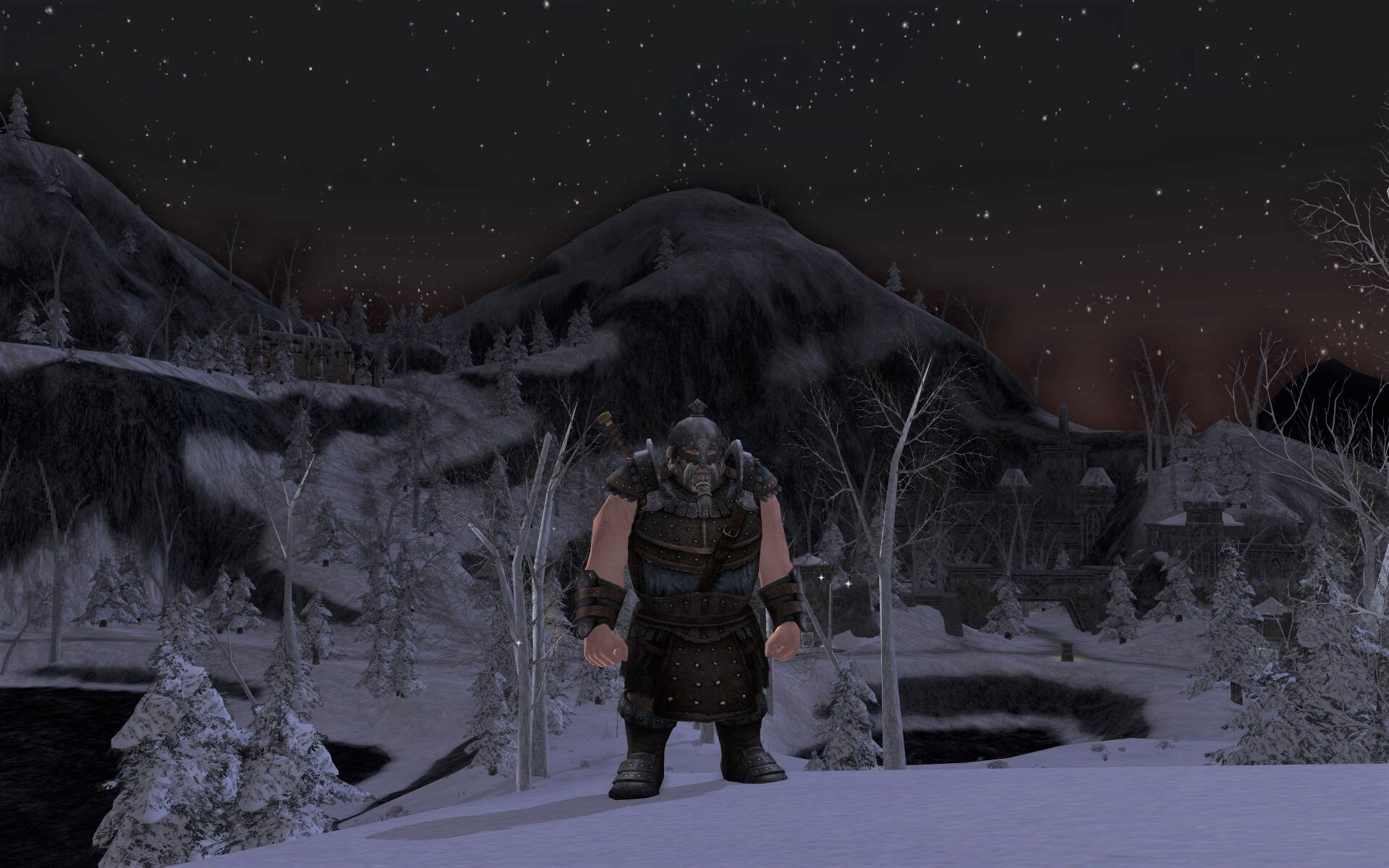
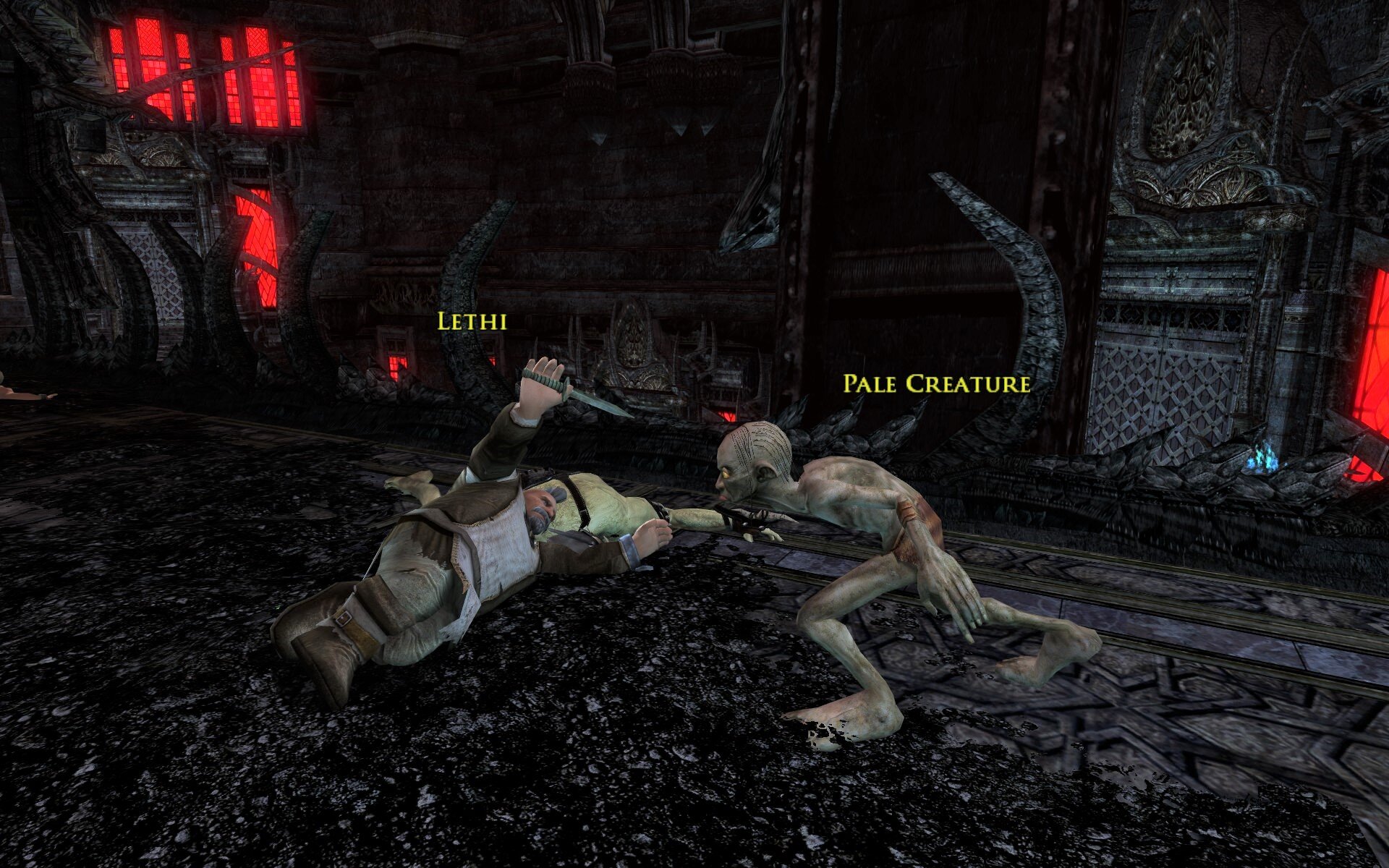
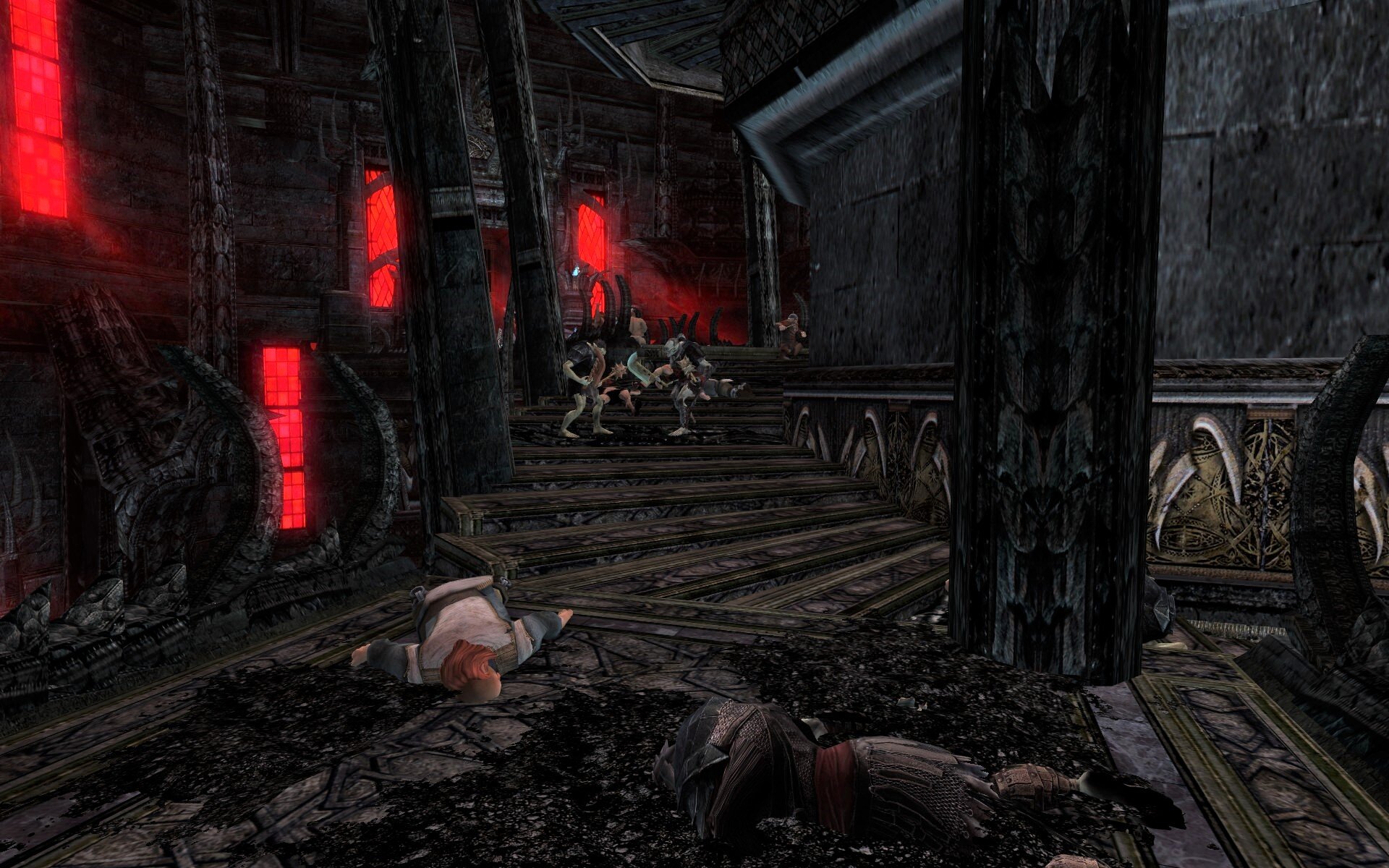
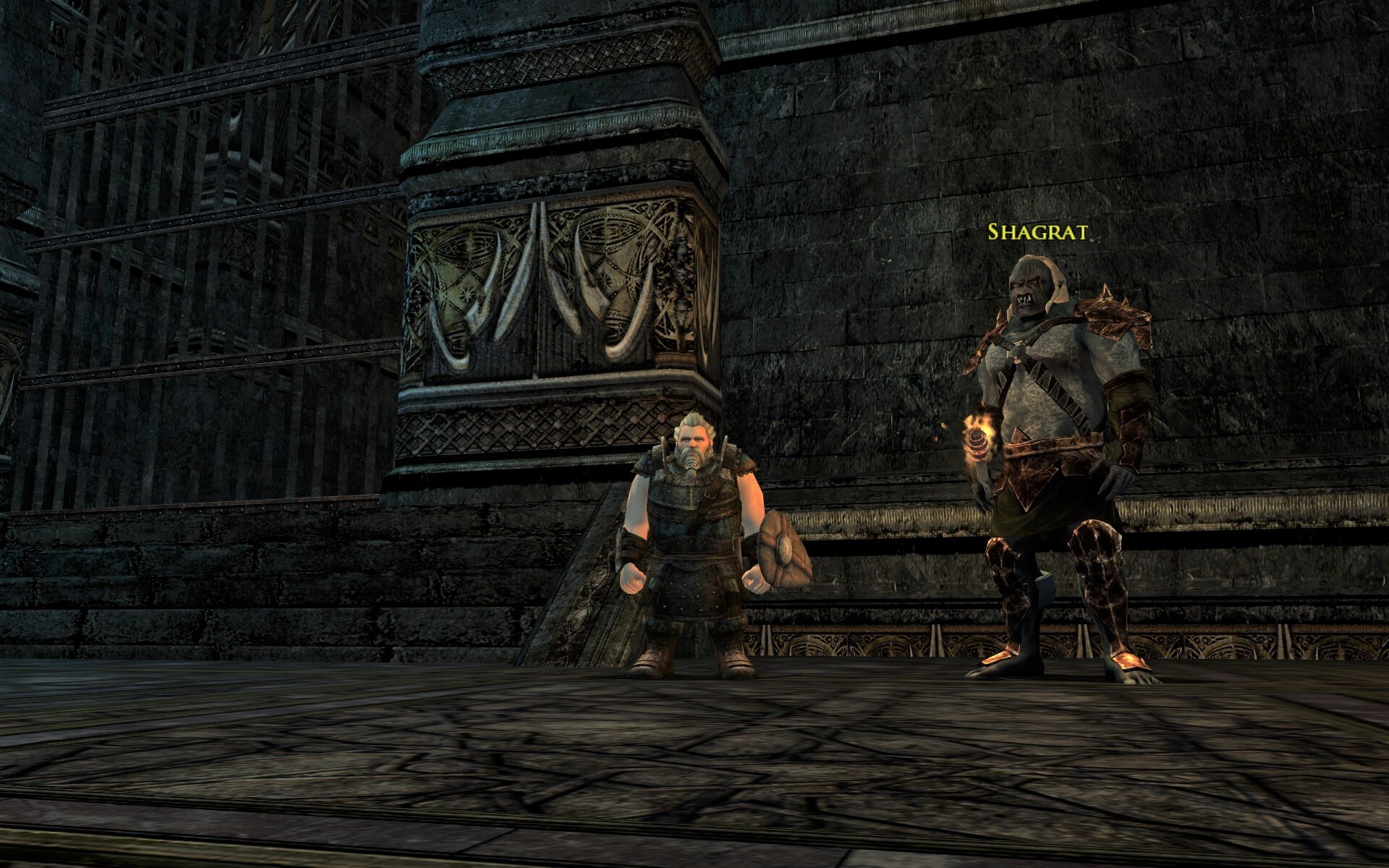
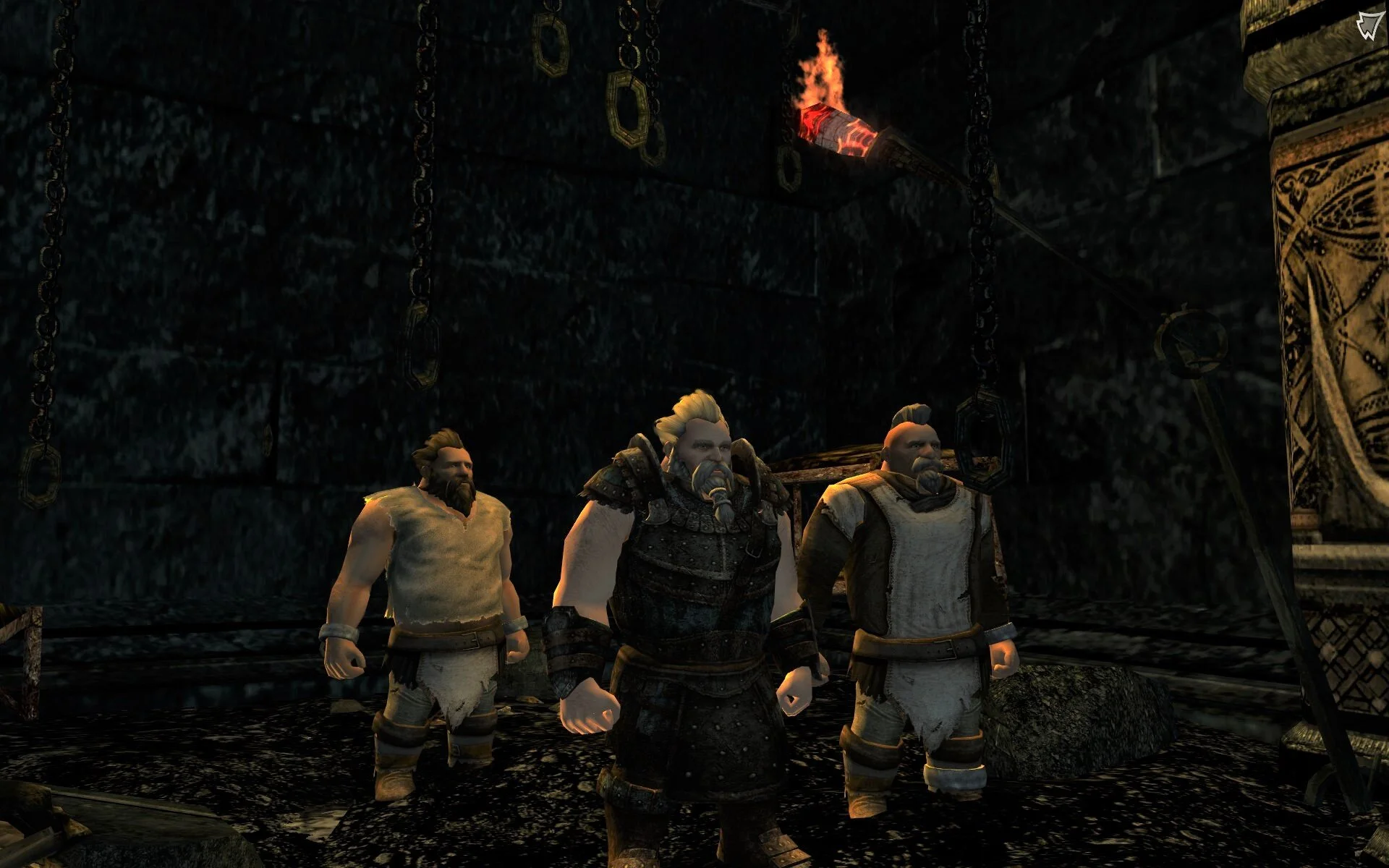
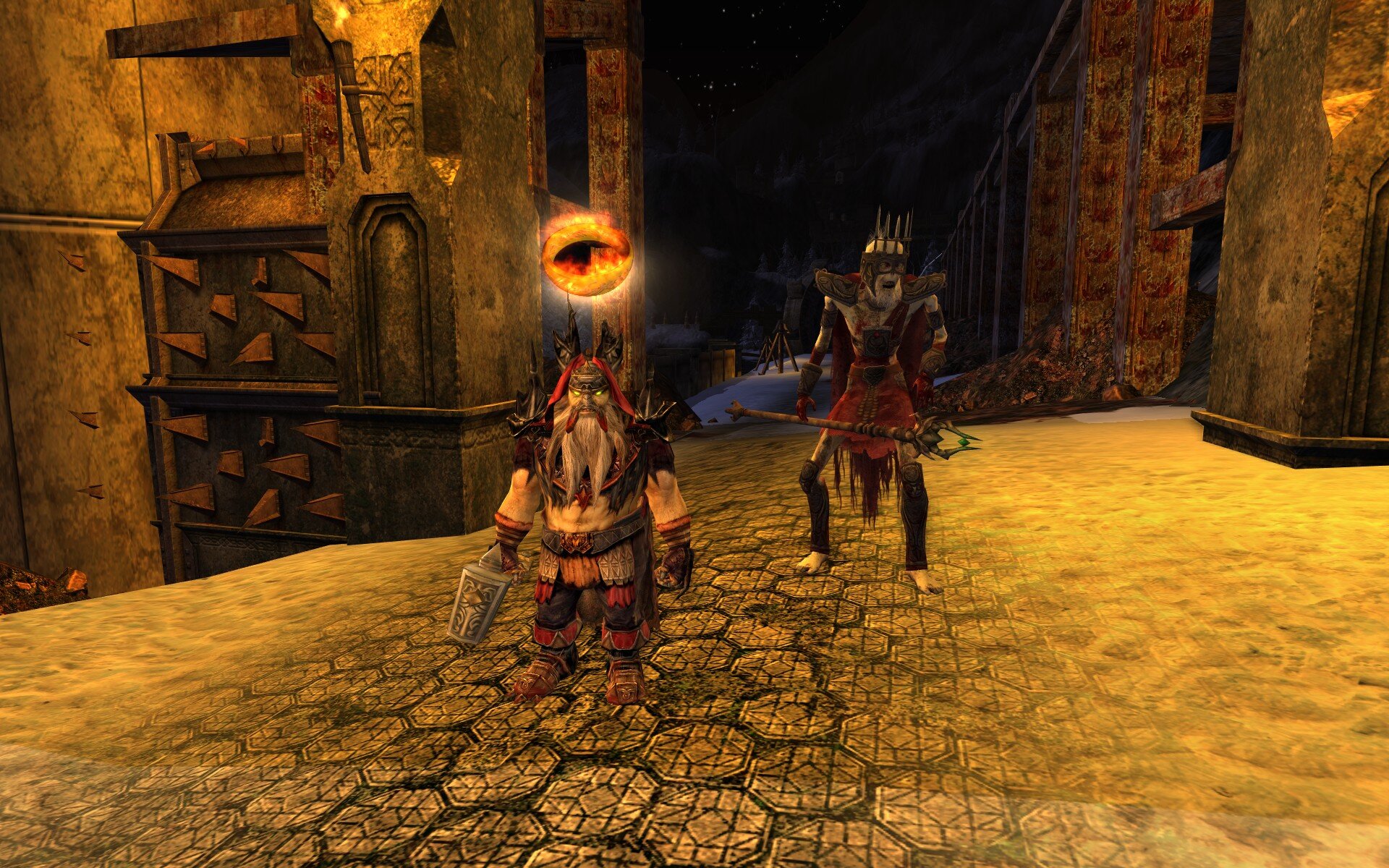
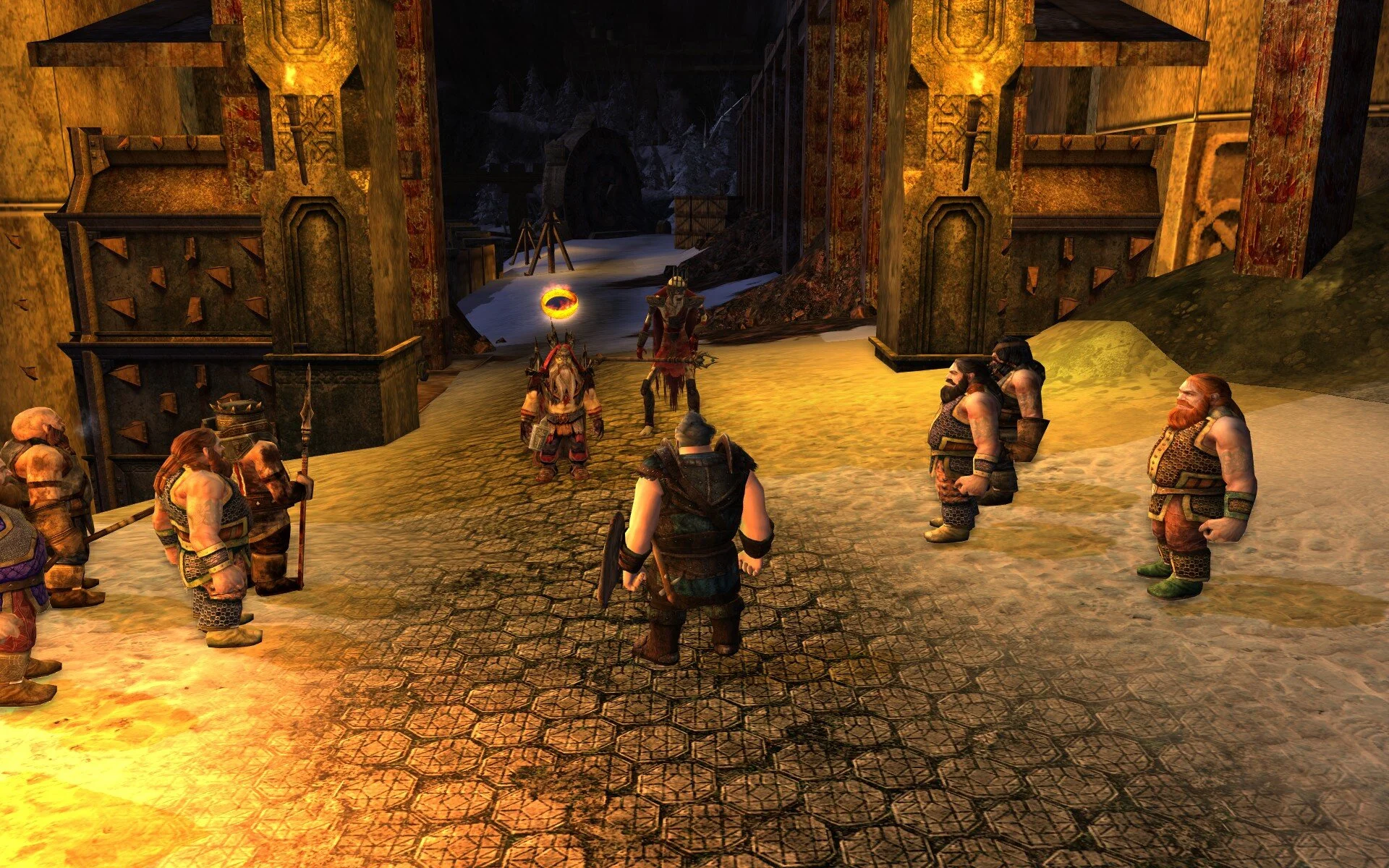
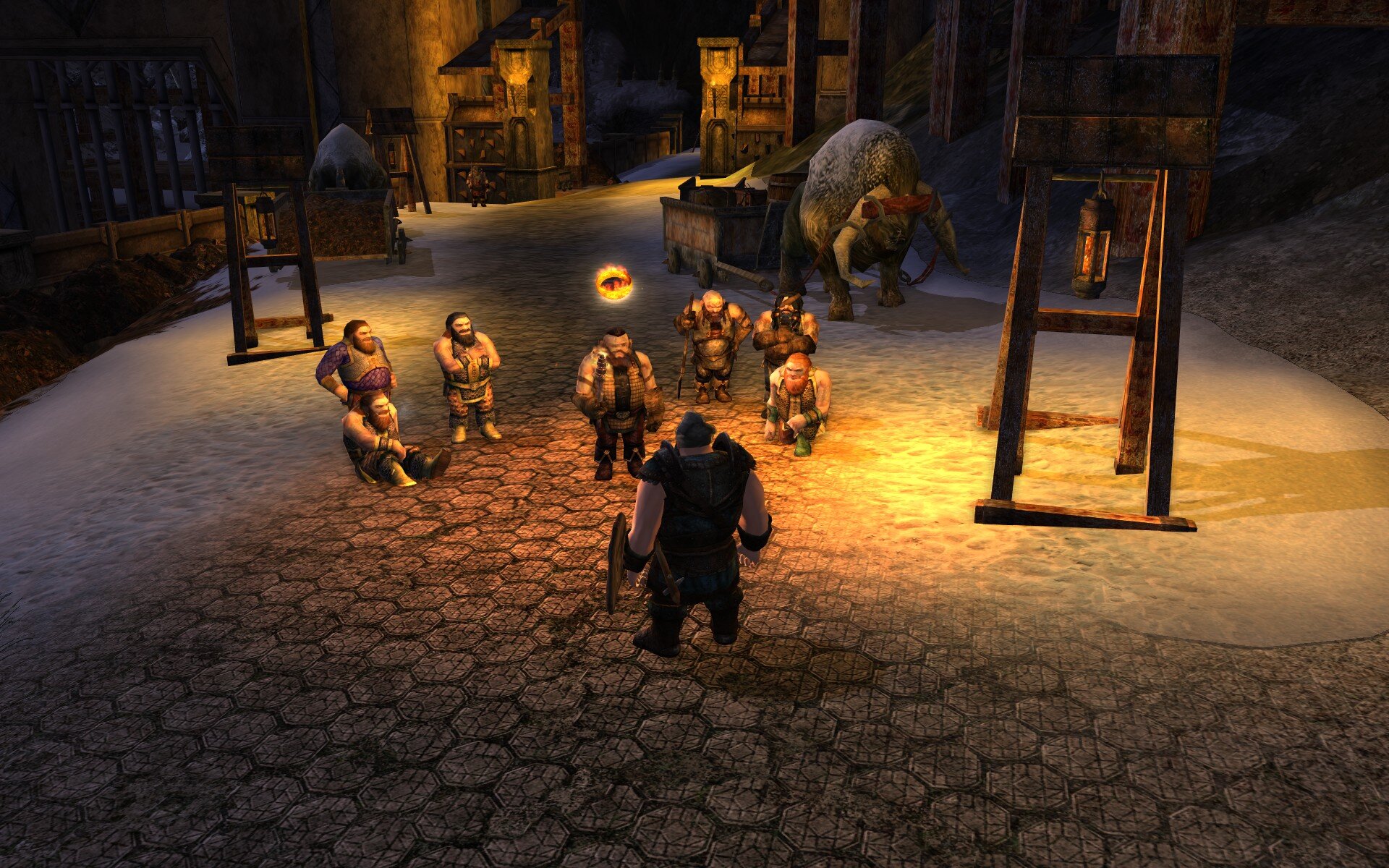
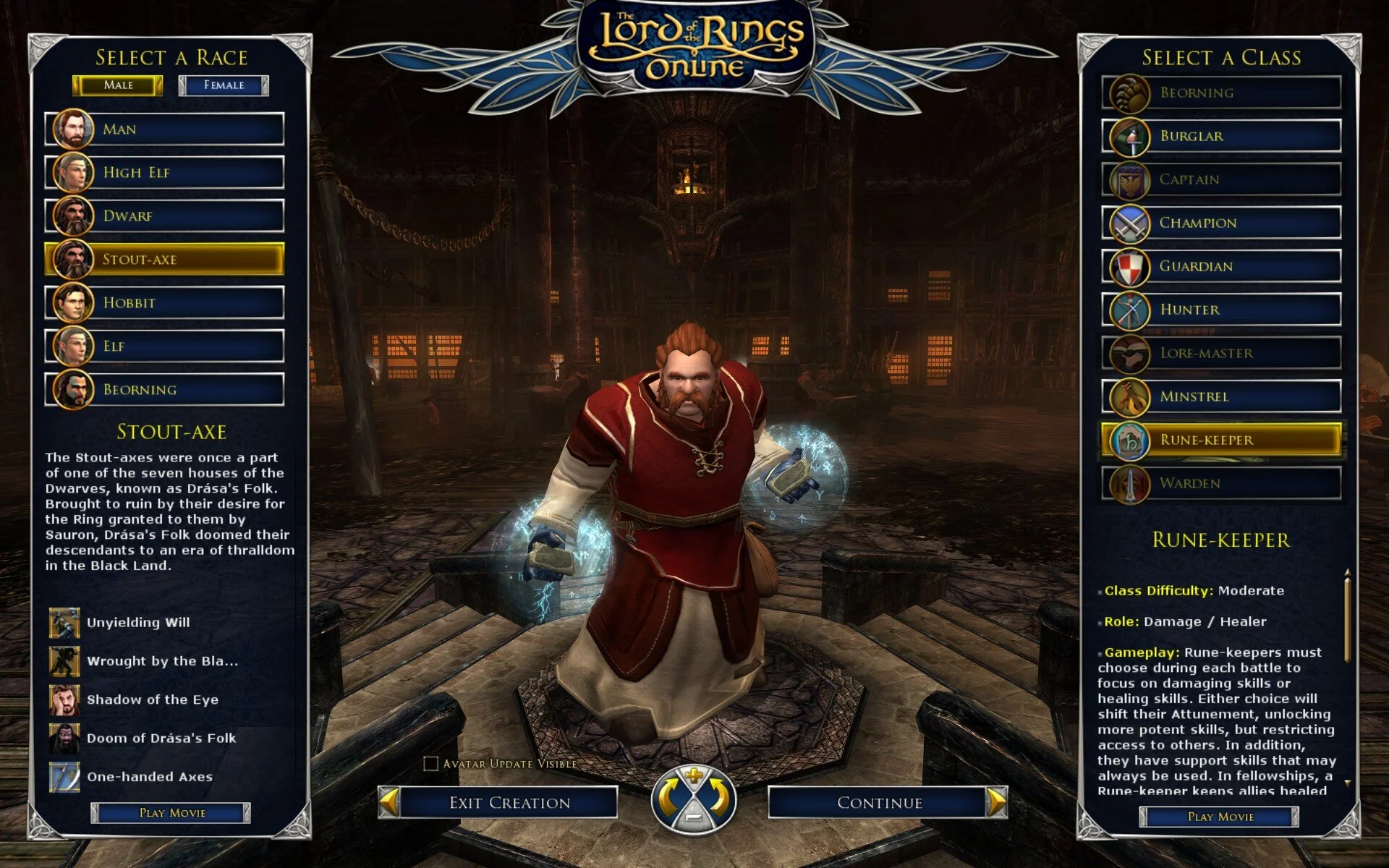
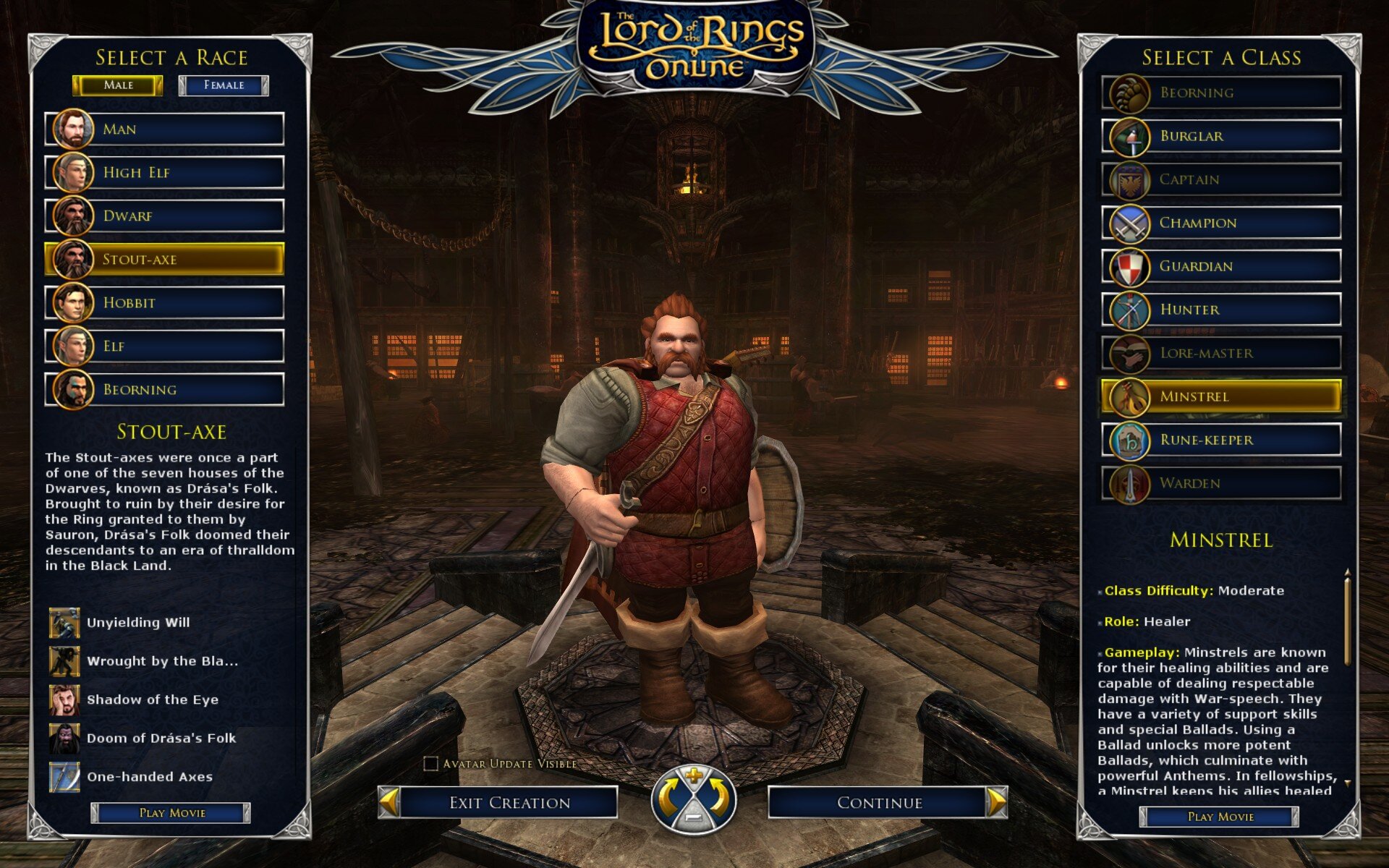
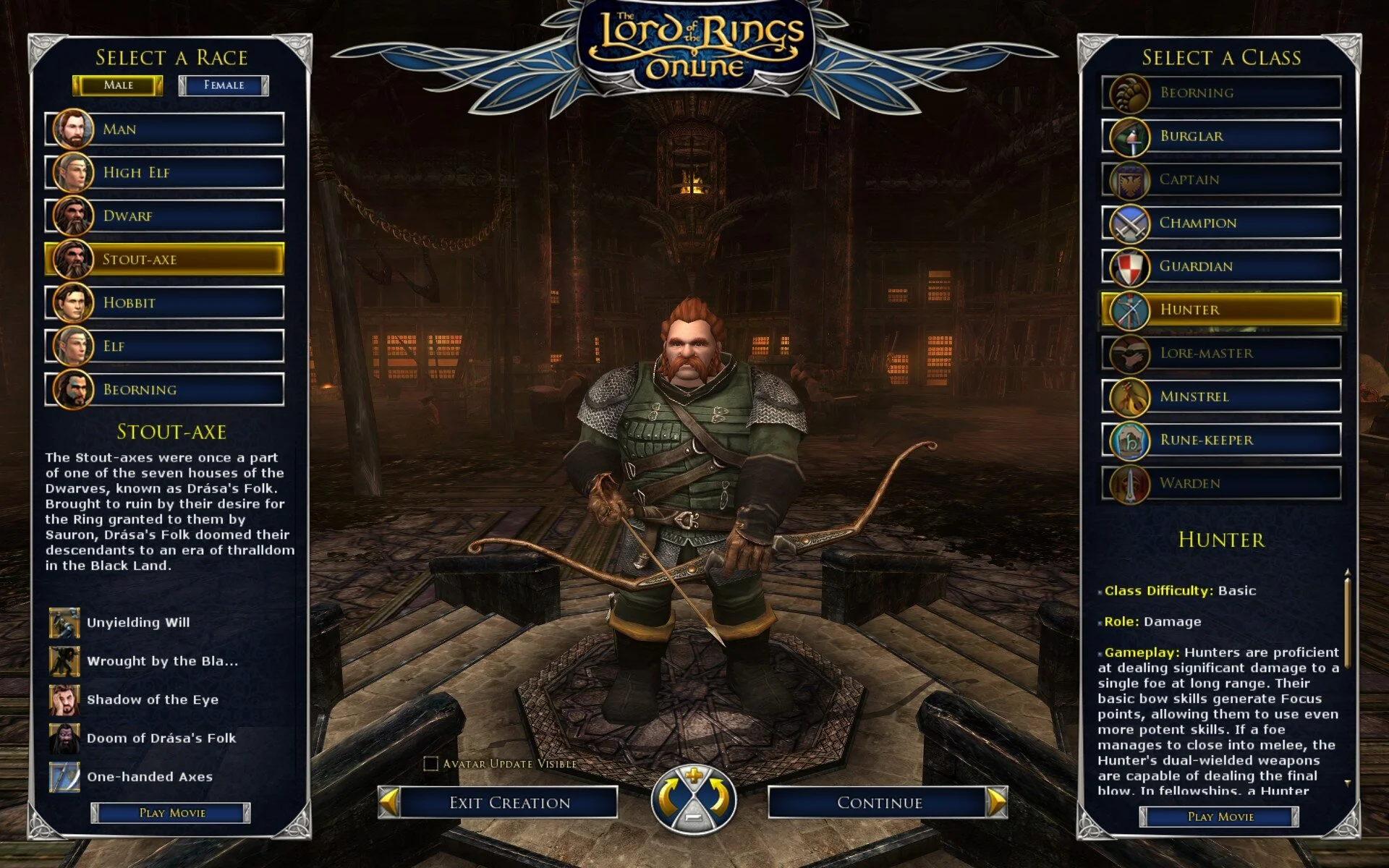
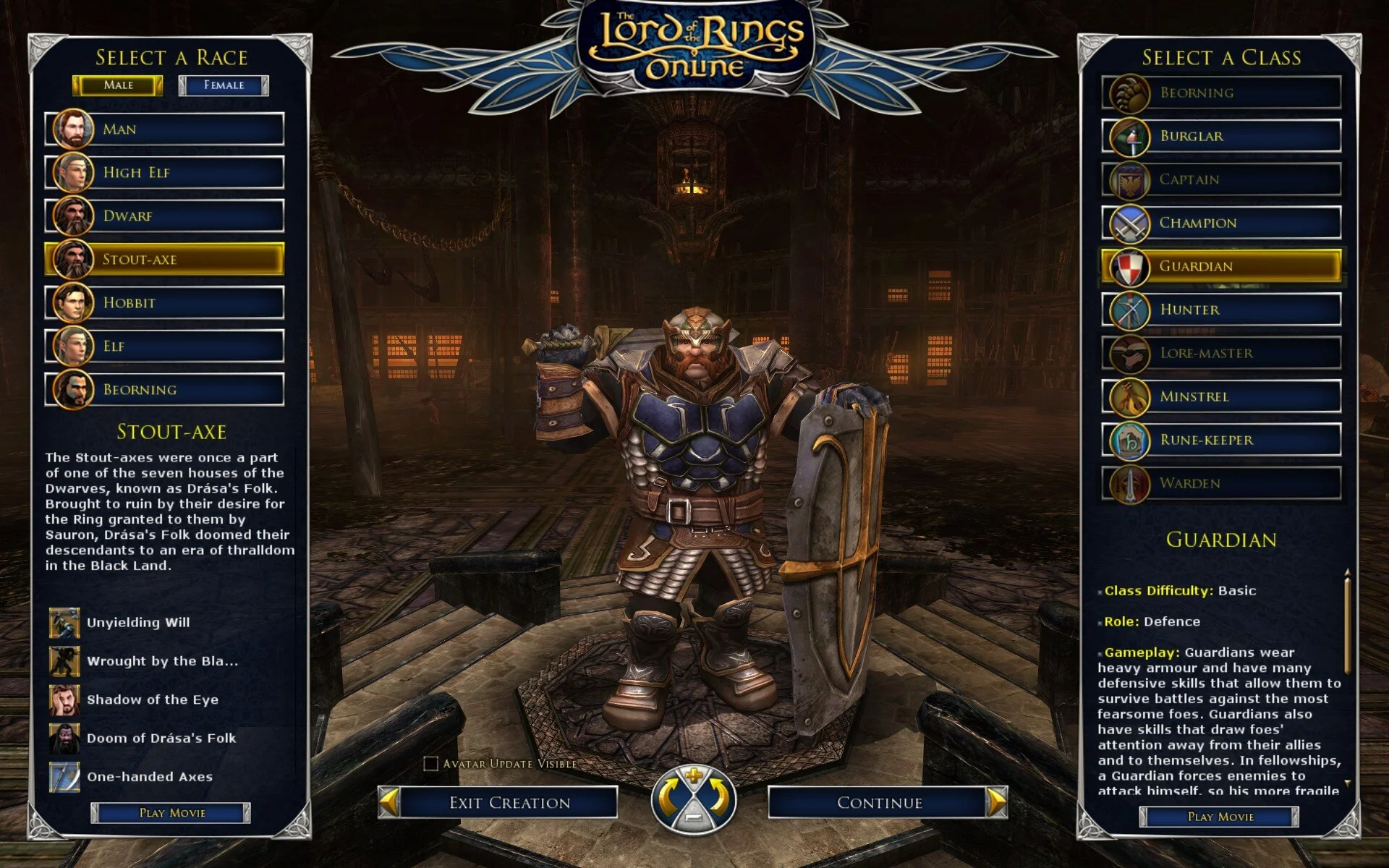
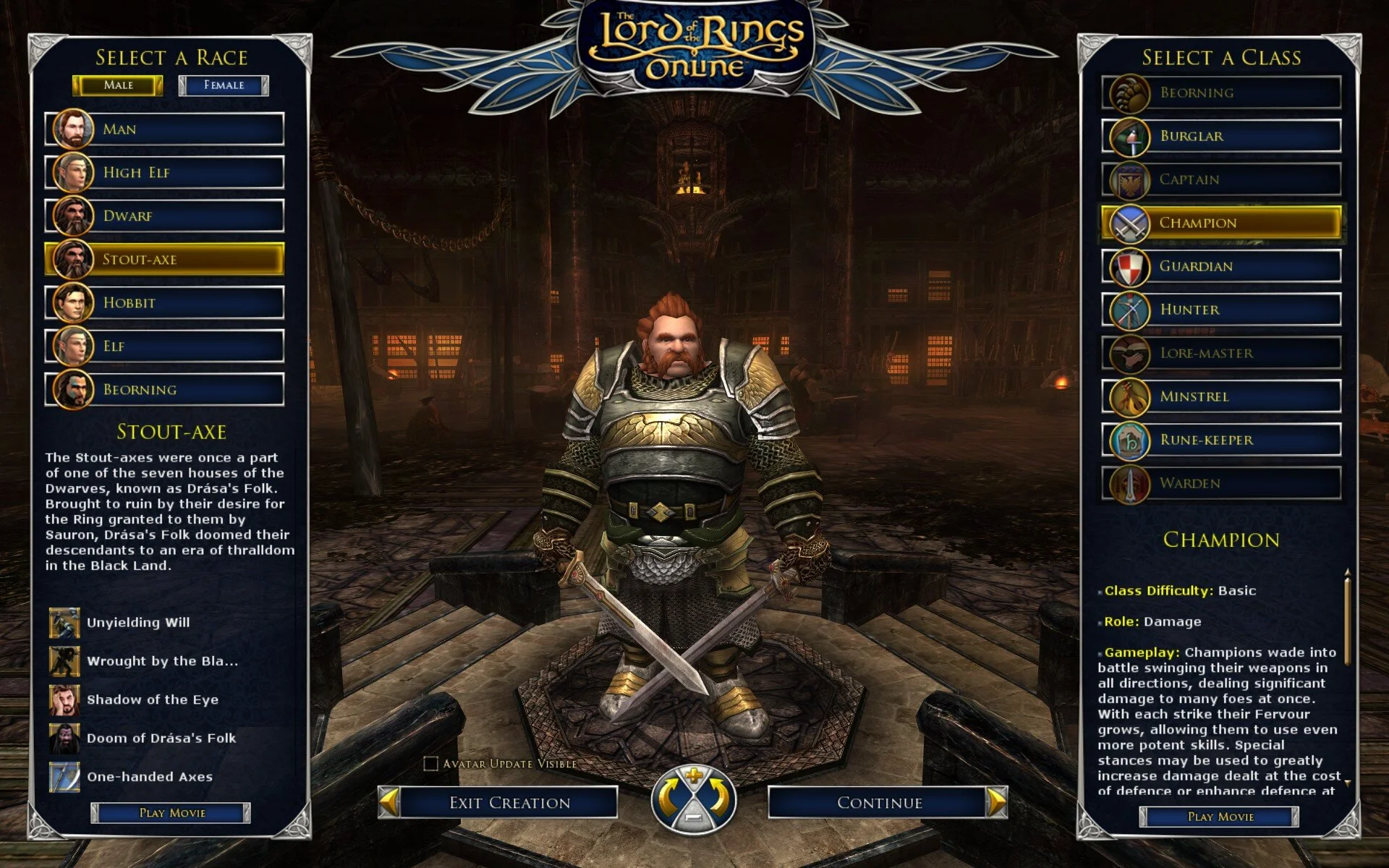
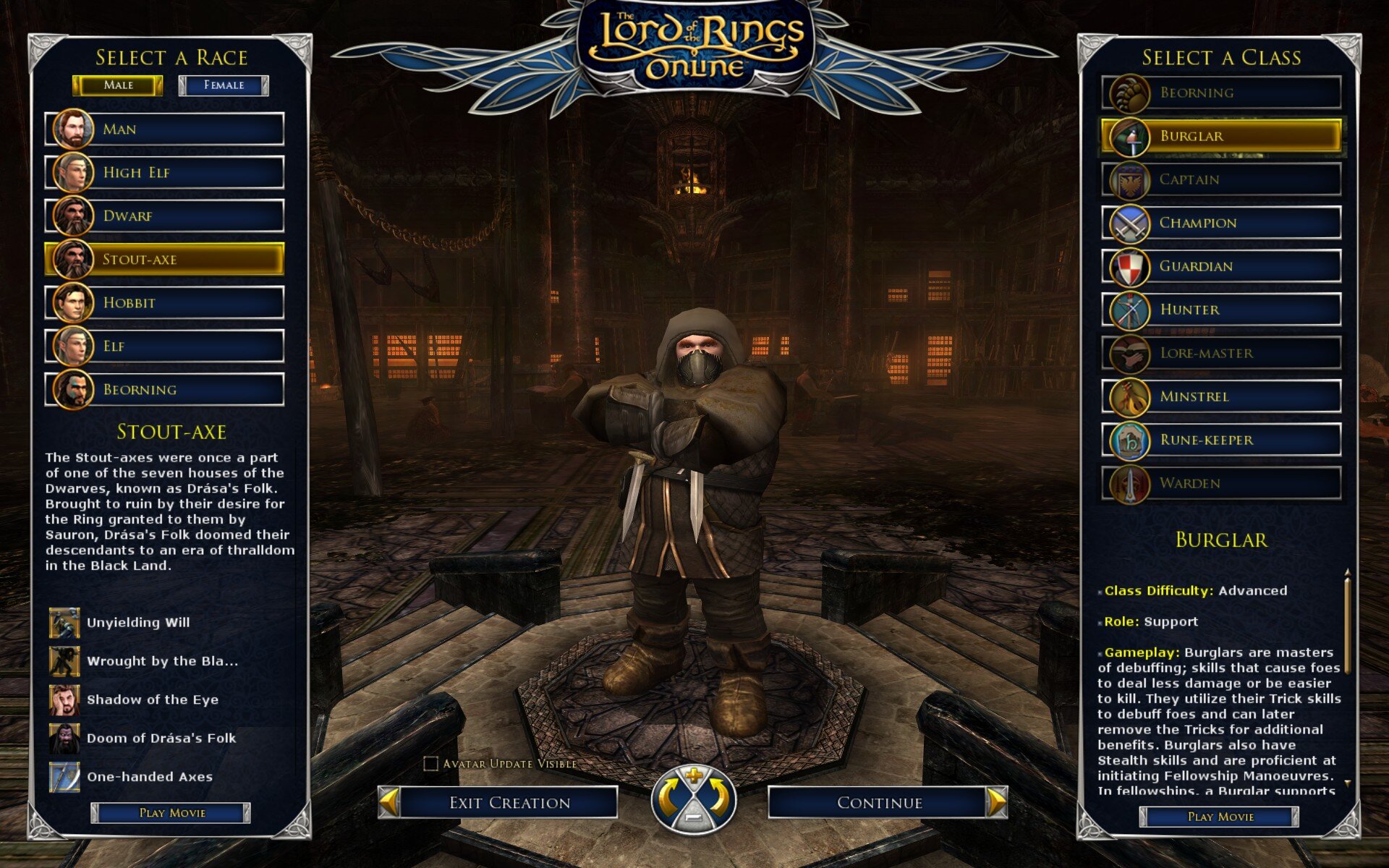
More Walking for Pleasure
I’ve written previously about walking for pleasure and its respective health benefits. I’ve decided that I wish to do more than just walk locally and for mainly functional reasons. Walking to the shops is good exercise but somewhat lacking in places of interest and areas of natural beauty, unless your definition includes the local Indian Restaurant and betting shop. So in an attempt to expand the scope of my travels, I’ve downloaded a few bespoke walking apps to my phone that are relevant to the local area. The most notable is the BexleyWalks app. Bexley being the London Borough in which I live. Although I enjoyed these suggested walks, they have covered a lot of familiar territory. Yes, it has been interesting to follow the various routes and pause to read about the local area history. But many of the walks are based in an area I’ve lived in for four decades. I need to travel further afield to somewhere I don’t know so well.
I’ve written previously about walking for pleasure and its respective health benefits. I’ve decided that I wish to do more than just walk locally and for mainly functional reasons. Walking to the shops is good exercise but somewhat lacking in places of interest and areas of natural beauty, unless your definition includes the local Indian Restaurant and betting shop. So in an attempt to expand the scope of my travels, I’ve downloaded a few bespoke walking apps to my phone that are relevant to the local area. The most notable is the BexleyWalks app. Bexley being the London Borough in which I live. Although I enjoyed these suggested walks, they have covered a lot of familiar territory. Yes, it has been interesting to follow the various routes and pause to read about the local area history. But many of the walks are based in an area I’ve lived in for four decades. I need to travel further afield to somewhere I don’t know so well.
Luckily, South East London has the Green Chain Walk. This is a linked system of open spaces covering five London boroughs. Bexley, Bromley, Lewisham, Greenwich and Southwark. The Greater London Council (now the Greater London Authority) created this Green Chain of 300 open spaces to protect them from building activity in 1977. The various paths cover a mixture of urban and rural areas and offer a wealth of sites and places of interest. The 18th century Gothic folly of Severndroog Castle, the Art Deco glamour of Eltham Palace and birdwatching at Southmere, among the boats and fishermen. This also includes numerous parks such as Plumstead common and Oxleas Woods. The walk also includes the wildlife and replica dinosaurs of Crystal Palace Park, Horniman Museum and Gardens and the Thames Barrier. The entirety of the route is well signposted throughout. All signs show the 'G-C' logo and text "Green Chain Walk". There are also numerous apps that can be used to navigate this extensive network.
I’ve also started trawling though websites like meetup.com to see if I can find a local walking group. It would be nice to enjoy walking with a group of like-minded people and I often find that I stick with new projects more consistently when I commit to a third-party group. In the meantime, I’ve joined the Cool Dudes Walking Club, run by comedian and long-time walker Marek Larwood. Marek has documented his walks and day trip for a while on his You Tube channel. In between the quips and humour, I have found them very useful as well as entertaining. Recently he has created a separate channel for his walking activities and has shared several ambitious walks that he has undertaken. This includes a four-day journey around the Isle of Wight coast. Although it is not a walking club in the traditional sense (as of yet there have been no formal group walks organised), it does present an opportunity to interact with other walking enthusiasts on social media. And the perks of membership are outstanding. These include a “Cool Dudes Walking Club pencil, badge, membership card and terrible hand drawn map of Britain”.
Finally, as South East London appears to be enjoying the last vestige of summer, I went for a brief stroll through Old Farm Park. My home backs onto the Western end of this public space, although the Eastern end is still allegedly awaiting development after the council sold the land in 2016. With temperatures reaching a pleasant 67° Fahrenheit (19.44° Celsius), a short stroll round the park proved most enjoyable. Greater London has a lot of infrastructure and housing problems due to the ad hoc fashion it which it has grown during the post war years. However, one thing it doesn’t lack is green spaces. Yet in such times as these, who can say how much longer such precious public resources will remain protected? It’s a terrible cliché to invoke but it’s very much a case of use it or lose it. Whenever local authorities look to sell such land, they frequently try to bolster their position by claiming that the park in question isn’t being used. Therefore it’s essential that the public walk their dogs, hold activities and generally ensure that these local resources are utilised in a high-profile fashion. Which brings me nicely back to my initial point about walking.
Arabian Adventure (1979)
Before I begin, let’s just take a moment to remind ourselves about the notion of historical context. Movies, like so many other aspects of popular culture, reflect the prevailing attitudes of the time they were created. The reason I mention this is because within a few minutes of watching Arabian Adventure, viewers will become abundantly aware that the movie is very much product of British film making from the late seventies. If you are particularly sensitive on such issues as identity and gender politics, as well as historically accurate depictions of cultures and societies then watching this movie may prove jarring. If however, you view it through the prism of historical context and do not try to judge it against contemporary standards, then it may be an easier experience.
Before I begin, let’s just take a moment to remind ourselves about the notion of historical context. Movies, like so many other aspects of popular culture, reflect the prevailing attitudes of the time they were created. The reason I mention this is because within a few minutes of watching Arabian Adventure, viewers will become abundantly aware that the movie is very much product of British film making from the late seventies. If you are particularly sensitive on such issues as identity and gender politics, as well as historically accurate depictions of cultures and societies then watching this movie may prove jarring. If however, you view it through the prism of historical context and do not try to judge it against contemporary standards, then it may be an easier experience.
Evil caliph Alquazar (Christopher Lee) offers the hand of his daughter Princess Zuleira (Emma Samms) in marriage to Prince Hasan (Oliver Tobias) if he can complete a perilous quest for a magical rose. With the help of a young street urchin Majeed (Puneet Sira) and his faithful pet monkey, the pair have to face fire breathing monsters, a malevolent genie (Milton Reid) and treacherous swamps to reach their prize. The plot is very simplistic and generic. No archetype is left unturned. Lee smoulders, Tobias is heroic and Samms is just there to look good (it is a shockingly vacuous role for a female lead). Every conceivable cliché associated with Western interpretations of traditional Eastern tales is present and it all comes across as a pastiche of Sinbad, Ali Baba and Aladdin. The cast is conspicuously Caucasian and the production is mainly set bound at Pinewood studios. The optical, miniature and matte painting effects by veterans such as George Gibbs and Cliff Culley are simplistic, entertaining but hardly convincing.
The film was the last of several fantasy movies directed by Kevin Connor and produced by John Dark during the seventies. The previous being The Land That Time Forgot, At the Earth's Core and Warlords of Atlantis. However, despite having the biggest budget of all these productions, it failed to find an audience at the box office. In a post Star Wars world, it all seems a bit twee, lacking in scope and excitement. There’s little to recommend it to modern audiences as it all seems dated, cheap and a little awkward due to the racial and cultural stereotyping. From a movie buffs perspective, Arabian Adventure is a veritable who’s who of stalwarts of the UK film industry from the late seventies. The cinematography is by Alan Hume who would go onto film Return of the Jedi and several Roger Moore Bond films. It’s always nice to see such genre favourites as Shane Rimmer and the great Peter Cushing. But overall the movie is a far cry from Zoltan Korda’s The Thief of Bagdad and its box office failure is mainly due to being in the wrong place at the wrong time, just as audiences taste were changing.
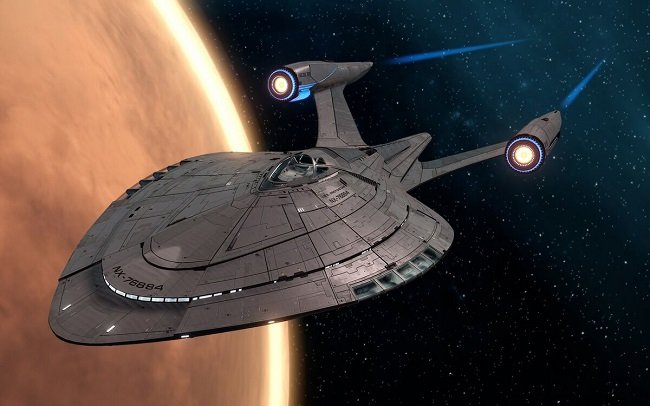

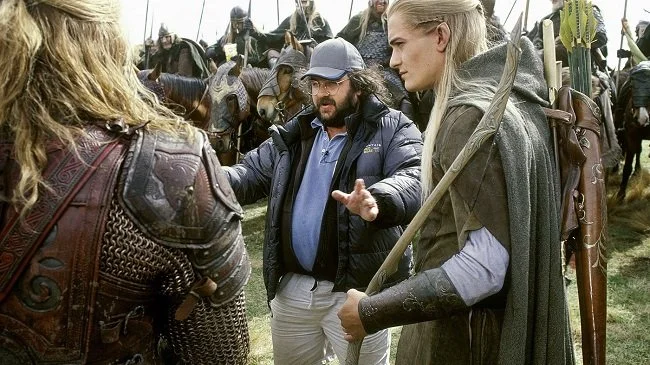
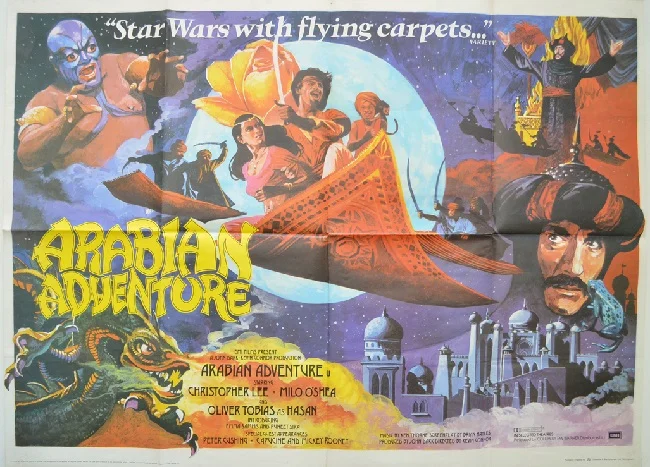
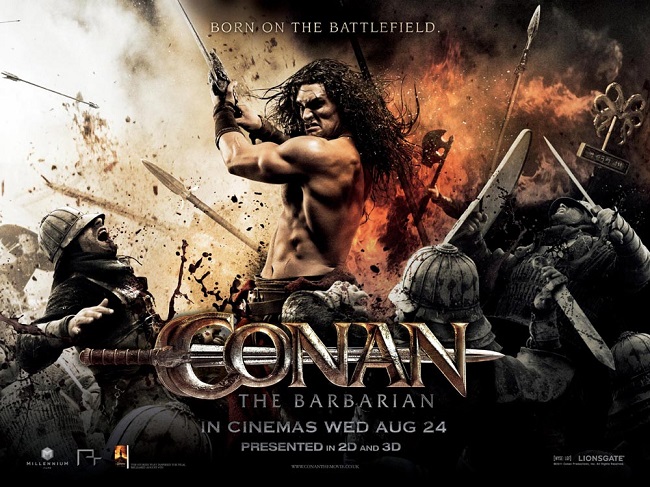

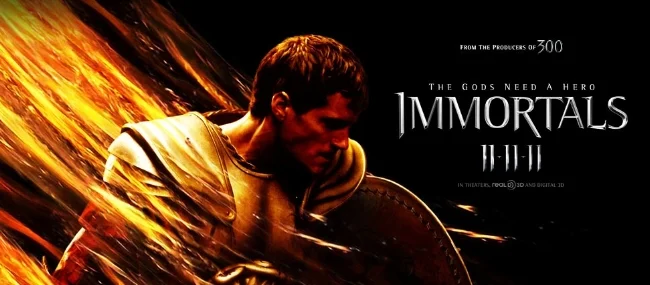
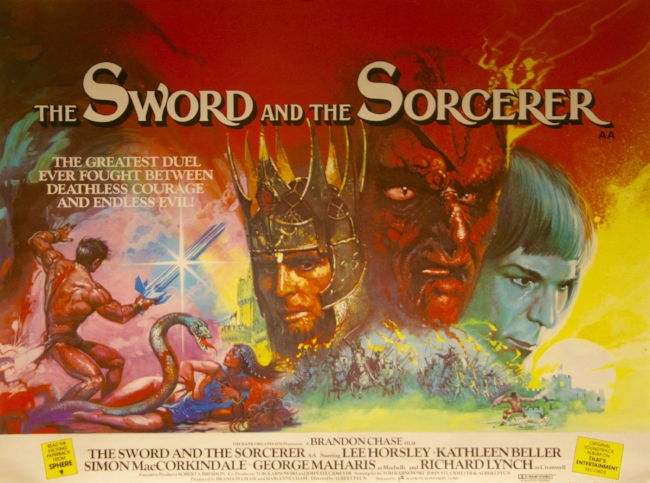
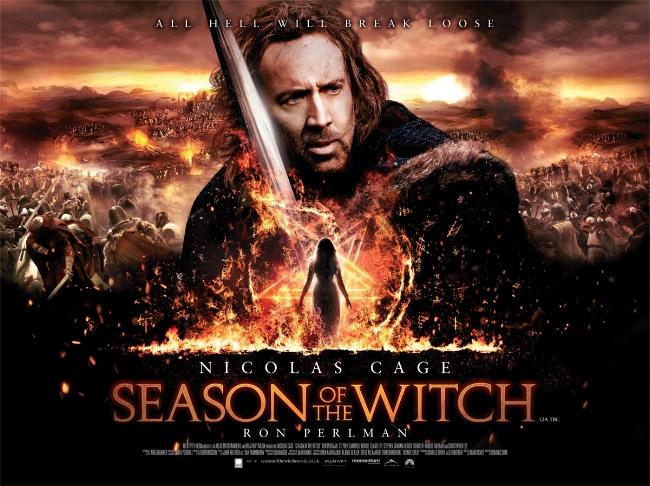
The Problem with MMO Economies Part 2
A few years ago, STO developers Cryptic, added a new system to the game that allowed players to re-engineer gear and alter the various modifiers associated with each item. One of the reasons behind this move was to reduce the hyperinflation associated with high end gear that has the most desirable statistics. If players could re-engineer the items that they desired it would undermine the trade in such items on the exchange. Needless to say this plan didn’t succeed and the market did not radically alter. The overall cost of the resources required to successfully re-engineer a piece of equipment ended up being comparable or even more than the price of a similar item being sold on the exchange. Similarly, the legendary progression servers in LOTRO had a brief period of economic stability and fiscal prudence when they were launched. Initially, no one section of the playerbase had more resources than others. A year on and now the same issues of inflation and excessive prices have happened with a tedious sense of inevitability. Can anything be done to stabilise MMO economies?
A few years ago, STO developers Cryptic, added a new system to the game that allowed players to re-engineer gear and alter the various modifiers associated with each item. One of the reasons behind this move was to reduce the hyperinflation associated with high end gear that has the most desirable statistics. If players could re-engineer the items that they desired it would undermine the trade in such items on the exchange. Needless to say this plan didn’t succeed and the market did not radically alter. The overall cost of the resources required to successfully re-engineer a piece of equipment ended up being comparable or even more than the price of a similar item being sold on the exchange. Similarly, the legendary progression servers in LOTRO had a brief period of economic stability and fiscal prudence when they were launched. Initially, no one section of the playerbase had more resources than others. A year on and now the same issues of inflation and excessive prices have happened with a tedious sense of inevitability. Can anything be done to stabilise MMO economies?
If MMO developers wanted to seriously address this matter, it would require designing a game with a far more controlled and regulated in-game economy. It would also require a far more interventionist approach in managing the ebb and flow of in-game resources. IE controlling the availability of specific resources and items, as well as imposing taxes and fees upon auction house transactions. Such an approach would certainly be perceived as “political” from certain quarters of the gaming community and would not be well received. Given the levels of political and socioeconomic illiteracy among some players, it would more than likely play into the ongoing culture wars we see across all levels of society in western democracies. And it can also be argued that “trading” is one of the few social elements left in the MMO genre. Plus it’s also a “game within a game” for many players. If this is fundamentally altered or regulated to the point of “no fun”, then its effectively just another nail in the coffin of the old school concept of the MMORPG. I’m not too sure how many nails the playerbase can endure.
Grinding out rewards and obtaining rare and unique items is a fundamental motivator for many MMO players. For those without the time to pursue such goals, buying these things from the in-game auction house is a credible alternative. There are still a few ships in STO that are demonstrably superior to others. If you are unable or unwilling to spend real world money on multiple loot boxes to get one of these ships, then there is always the exchange and the option to buy what you desire for energy credits. It may well be an immense uphill struggle but it can be done. If you remove such an avenue from the game you are effectively barring certain players from achieving their goal. That sends very clear message to the playerbase and not a positive one. There are already enough obstacles for new players of long established MMOs. If a player feels that they cannot reach their full potential then why should they continue to play. Life isn’t a meritocracy but we broadly seem to like the illusion of one.
Conversely, if resources and rewards are too readily available and easily acquired, it does much to mitigate a great deal of the challenge and motivation to play. It is always fun to log into a MMO test server and instantly receive all the gear you desire from the live server. But the novelty soon wears off. Players like to have goals to work towards and if you negate that you really are pulling the carpet out from under them. I don’t agree with the philosophy that things given freely have no inherent value but I do agree that familiarity breeds contempt. The optimal path is somewhere in between, so let players earn their rewards but make the journey credible. Overall, I don’t know what the long-term solution to this chicken and egg conundrum is, as it requires that developers and players alike must “unlearn what they have learned”. Perhaps it will fall to a small developer to make a bold experiment one day and create a game with an economy that breaks the existing mould. In the meantime I’m sure this problem will persist and we’ll still see regular articles decrying the status quo and asking for something to be done. Gaming like any other aspect of human culture is cyclical.