
Staying in Hotels
For me, staying in a hotel is always an adventure, as it mainly happens when I’m taking a holiday or a short weekend break. I suspect that travelling habitually for business reasons probably puts a different complexion on the process. It may well dictate what sort of hotels you stay in. More than likely functionality, location and cost trump other more self indulgent factors such as aesthetic and ambience. Mercifully, travel has never been a major part of my working life and so hotels are still a source of excitement as they’re associated with fine meals, interesting scenery and good company. However, such hotels tend to come at a price as they’re catering more for tourism rather than business travel and therefore stays are not a regular occurrence. However, I had the pleasure of a short visit this weekend.
For me, staying in a hotel is always an adventure, as it mainly happens when I’m taking a holiday or a short weekend break. I suspect that travelling habitually for business reasons probably puts a different complexion on the process. It may well dictate what sort of hotels you stay in. More than likely functionality, location and cost trump other more self indulgent factors such as aesthetic and ambience. Mercifully, travel has never been a major part of my working life and so hotels are still a source of excitement as they’re associated with fine meals, interesting scenery and good company. However, such hotels tend to come at a price as they’re catering more for tourism rather than business travel and therefore stays are not a regular occurrence. However, I had the pleasure of a short visit this weekend.
It’s been a somewhat tough year, so Mrs P and I decided to visit some family down in Hampshire and thought we’d push the boat out and stay at The Crown Manor House Hotel in Lyndhurst. This prestigious 15th century listed Hotel is an independently owned Grade I listed building. The four star establishment is located in the heart of Lyndhurst Village, which considers itself the unofficial capital of the New Forest. As well as the charming period architecture and ambience, the hotel has numerous real log fires and a tranquil garden. The staff are extremely attentive and the award winning restaurant serves a variety of locally sourced food. Our compact double room was cozy, quiet and had a surprisingly spacious ensuite bathroom. The room had some quaint foibles due to its age, such as an uneven floor that caused the bed to list to one side but it certainly didn’t impact upon our sleep.
As an occasional hotel staying aficionado, I thought it would be useful to collate a list of things that are essential to a good overnight stay. Here are three important points that I abide by each time I stay away from home.
First off, when booking your room, see if you can secure one that does not overlook the main road or the car park. These are often the source of noise and constant comings and goings, so are best avoided if possible. This sort of information can be gleaned if you book over the phone as opposed to using a website. Similarly, having the room at the end of a corridor can also help mitigate noise made by other guests.
Hotel showers can be complicated with modern fittings. If you wish to avoid being scalded with a high pressure jet of steam or frozen by a waterfall of icy water, you may wish to investigate how the plumbing works prior to using it. Experiment with water temperature before stepping into the shower and once you have found an equitable water temperature setting, leave it as it is.
Breakfast is an integral part of any hotel stay. If you favour a traditional, full English breakfast, then set aside all notions of courtesy and etiquette. Buffets are no laughing matter and you have to negotiate your way around them efficiently and promptly to ensure you get an optimal selection of culinary delights. Reconnoitre the buffet prior to use. Familiarise yourself with the various hotplates, tureens and containers so you can access them with ease. Never worry about taking the last piece of black pudding. If the person behind you tuts, stare them down. They should have got up earlier. Remember, never take more than you need from a buffet but have no shame regarding returning for a second helping.
I really enjoyed our hotel stay this weekend and it was a welcome break from my usual routine. I enjoy being a guest and feel comfortable and at ease in a hotel environment. Not everyone does. Some folk prefer the familiarity of home. I just appreciate the brief respite from looking after another and having the roles reversed. I briefly considered pushing the boat out and booking a three day break over the Christmas season. However, after discussing the matter with Mrs P, we decided it would be better value to have several weekend breaks in 2022, which would cost the same as a single seasonal stay. Plus this gives us several trips to look forward to next year. As we shall not be doing any major international travel in the immediate future, I am happy to adjust my expectations and confine my leisure activities to the UK.




















“Play-to-Earn” is Not a New Concept
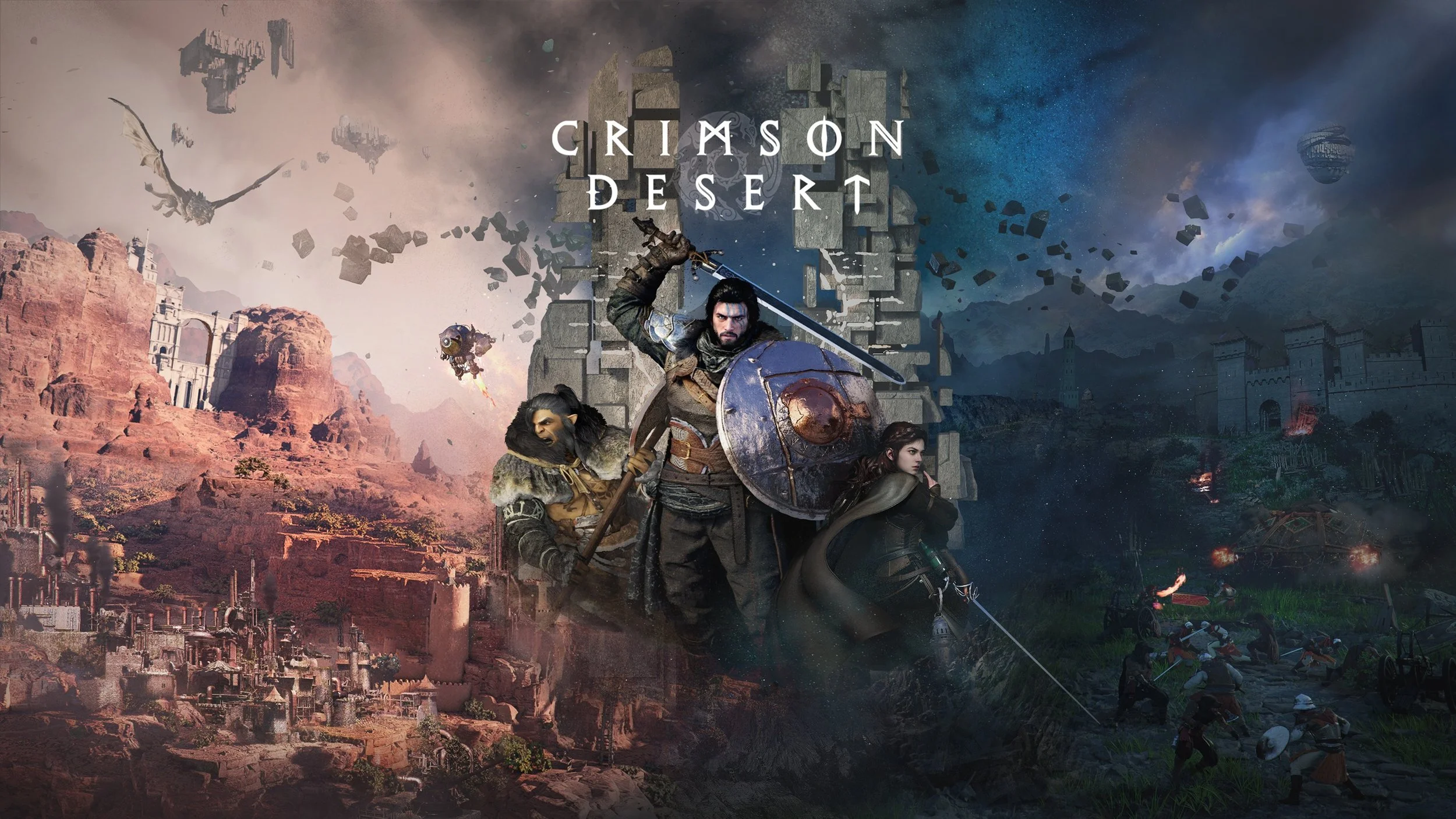
Do you remember the days when you bought a game and then played it and that was the full extent of your financial dealings with the company that had produced it? I do. Sadly those days have pretty much gone. As video games have become a more mainstream leisure activity, the business model associated with them has similarly evolved. Microtransactions introduced charges for additional content, which then paved the way for the “live service”. Video games have ceased to be standalone products and become yet another online leisure amenity that requires continuous payment to access. I’m sure developers working at the coalface of video games still harbour sincere desires to make a “good game” but it is clear that is not the goal of the big triple A publishers that finance them.
Do you remember the days when you bought a game and then played it and that was the full extent of your financial dealings with the company that had produced it? I do. Sadly those days have pretty much gone. As video games have become a more mainstream leisure activity, the business model associated with them has similarly evolved. Microtransactions introduced charges for additional content, which then paved the way for the “live service”. Video games have ceased to be standalone products and become yet another online leisure amenity that requires continuous payment to access. I’m sure developers working at the coalface of video games still harbour sincere desires to make a “good game” but it is clear that is not the goal of the big triple A publishers that finance them.
A cursory internet search quickly yields data regarding how the major video game publishers such as EA, Activision and Ubisoft are heavily invested in technology and patents that can be used to squeeze more money from their customer base. They have no earnest interest in producing good games but are more focused on how the product can make the player behave. They desire titles that yield a constant flow of revenue and their actions thus far show that they are not constrained by ethics and morality. They are happy to exploit those with addictive personalities, the neural divergent and the young. Hence it will come as no surprise that the industry titans are now turning their attention to blockchain technology and NFTs as a means to make their next generation of products even more financially lucrative.
Essentially the presence of these two latest buzzwords is a sign that the likes of EA, Activision and Ubisoft are preparing for “play-to-earn” gaming. Consider, if you will, the latest generation of “live service” games in which in-game currencies, items, services and even characters are subject to a predetermined scarcity. And that these virtual goods will have a real monetary value and are thus tradeable. The money earned by players will then unlock further content and thus the cycle perpetuates. Naturally the publishers will take a percentage of all transactions and therein lies the foundation of their new business model. What I find surprising about such proposals is not their very existence but the fact that the video games industry have only just got around to considering them?
For those gamers who may balk at the ethics of such a business model, it has existed to a varying degree for decades already. Since the turn of the century, the MMORPG genre has unofficially traded in-game resources for real money. Gold selling being the obvious example but there are other variations. Entire player accounts are traded online, as well as other non-account bound in-game items. However, all the money generated from such transactions at present goes to third parties. “Play-to-earn” ensures that the revenue stays with the publishers. And if you’re a “doubting Thomas” who feels that ethics and morality will trump capitalism, this idea has already been tried previously. Diablo III had a real money auction house in 2012 which ran for nearly two years. Consider that to be a beta test for Blizzard.
Therefore, I don’t think there is any doubt that “Play-to-earn” is coming. It already exists within Facebook gaming and some mobile games. However, I don’t think we’re going to wake up tomorrow and find that the triple A gaming landscape has changed overnight. Where loot boxes have trodden the fine line between gambling legislation and “surprise mechanics”, “play-to-earn”, with its trading in virtual commodities, will more than likely attract the attention of most countries' tax systems. Sorting out the legal aspects of such a game mechanic will be no small beer. But given the potential revenue that could be generated, I’m sure those video games publishers involved will lobby governments robustly to ensure that such games can exist legitimately. As for those gamers who are furiously clutching their pearls (or Mario plushies) in horror of the very notion of “play-to-earn”, there is an equal number who will see a means to make money, outside of traditional employment. Just like Twitch and YouTube afford similar opportunities.
It is this latter point that I would like to explore further. Let us embark on a thought experiment. First off, we must not just assume in our arrogance that European countries and North America are the sole target for “play-to-earn” games. In fact it is likely that they’ll initially launch in countries with less rigorous or “evolving” legislative procedures in place. Emerging economies with existing levels of poverty and cheap labour spring to mind. Naturally such an environment offers a potential means of income for those seeking employment. Thus when such games finally launch in Western countries they may well already have an established in-game economy up and running. Once again, rich consumers will initially seek to profit from the fruits of others labour. However, in a decade or so, the employment landscape in Europe and North America may not be the same as it is now. We may have a substantial level of unemployment due to technological advances and automation. “Play-to-earn” games may well be looked upon more favourably.
To summarise, “play-to-earn” as a concept is not new and may not be as unpalatable as some gamers would have you believe. All industries are subject to customer churn and therefore those gamers thinking that their departure from gaming sends some kind of message, may find themselves ignored by the major publishers, as and when they roll out games with real economies. However, the legality of managing such games is at present the biggest obstacle. Some political parties and institutions won’t like the concept of virtual work houses emerging as a means of providing employment. However, capitalism always seems to get its way eventually. Furthermore, by the time “play-to-earn” becomes any kind of reality, the current generation of gamers will probably be so conditioned to the iniquities of the industry, that they won’t offer any major ideological opposition.


Broadening Your Cinematic Horizons
I haven’t been to the cinema since December 2019 when I saw the last Star Wars: The Rise of Skywalker. Increasing ticket prices, along with the pandemic have kept me away. But perhaps the biggest contributory factor to my ongoing cinematic abstinence has been just a lack of interesting films being released. My local multiplex has become a platform for mainly big cinematic franchises. Compared to the seventies and eighties, there is considerably less choice regarding the types of films being shown. I am not saying that a broad variety of films are no longer being made, because that is not the case. What has changed is the medium by which we view them. Human dramas, art house films, comedies and many other genres that don’t command major box office taking are no longer being shown theatrically and are finding a home elsewhere.
I haven’t been to the cinema since December 2019 when I saw the last Star Wars: The Rise of Skywalker. Increasing ticket prices, along with the pandemic have kept me away. But perhaps the biggest contributory factor to my ongoing cinematic abstinence has been just a lack of interesting films being released. My local multiplex has become a platform for mainly big cinematic franchises. Compared to the seventies and eighties, there is considerably less choice regarding the types of films being shown. I am not saying that a broad variety of films are no longer being made, because that is not the case. What has changed is the medium by which we view them. Human dramas, art house films, comedies and many other genres that don’t command major box office taking are no longer being shown theatrically and are finding a home elsewhere.
This change in the way consumers access “content” has already happened within both the TV and music industries. Previously, a broad, centralised market which meant a common exposure to a variety of material has now shifted to niche platforms, channels and stations. The perennial business mantra of “greater choice” has led to audiences finding what they like but at the cost of being aware of any other kind of material. With regard to cinema such changes also have consequences. The segregation of content to specific platforms means that at the very least you’re limiting your choice to big cinematic franchises and tentpole releases. However, at worst, it leads to a form of cinematic ignorance which then contributes to a decline in the art of filmmaking. Hollywood is not known for taking risks. Until superhero movies stop making them money, that is what they’re going to continue to produce.
I count myself fortunate, as I was raised during the seventies and the three major UK TV channels used to regularly show old movies and by that I mean material from the early thirties to the late sixties. It would often take several years for major cinematic releases to get their first broadcast on analog, terrestrial television. In the eighties, video rental subsequently bridged the gap affording an opportunity to watch more recent material within the home. Hence I had a great deal of exposure to a very broad range of films. In an age where there were no video games or internet, often I would watch something with my parents out of default of anything else to do. Yet like watching “Top of the Pops”, the UKs premier music show at the time, I was presented with a wide variety of genres. As a result, I became accustomed to differing acting styles that evolved over the years as well as the pace of editing.
Two other factors secured my love of film and made it more than just a casual pastime for me. The first was joining the film club at school. I was again very fortunate to go to a senior school that focused not only on academia but the arts as well. One chemistry teacher had an abiding love of cinema and used to show fairly recent films. Afterwards there would be a discussion about the plot and the techniques used. It was a most illuminating experience. The second was joining the British Film Institute and attending screenings of classic films at the National Film Theatre on the London Southbank. It was here that I saw such giants of cinema as Ray Harryhausen and Vic Armstrong. Enjoying such events with an audience of like minded people is also a key factor and something I’ll discuss further in this post. Cinema is not a lone experience. Much of its enjoyment comes from the group experience and then discussing things afterwards.
As someone who enjoys cinema and all manner of films, I like to encourage those who are similarly disposed towards the medium to broaden their cinematic horizons. This is not driven by elitist snobbery but more of a sense of “why miss out on so much good stuff”? For example, if you like cheese why just limit yourself to cheddar? If such a philosophy seems reasonable to you and you would like to become more experimental in your viewing habits, here are a few suggestions that may help you achieve that endeavour.
Do not put arbitrary limits upon what you will or won’t watch. That’s not to say that you should throw caution to the wind. Still exercise some sense of choice but temper it. If you like contemporary horror, then why not try one from the nineties or an earlier period? Take measured steps, rather than jump into the deep end but do step outside of your usual comfort zone.
Context is king. Film reflects the prevailing social views and conventions of the time. Culture has changed greatly over the last 100 hundred years. Therefore, modern audiences will often be confronted with opinions and ideologies that are very different to what they are now. Hence it helps greatly to cultivate a sense of detachment when watching older films. You can enjoy or at least appreciate the artistry of a film such as Gone With the Wind, without endorsing its dated racial representations and social philosophies. Film in many ways are invaluable historical documents (not as in Galaxy Quest, though) and a window on the past.
Watching a film as part of a group can radically change the overall viewing experience. Charlie Chaplin viewed alone can seem very dated, repetitive and even unfunny. But watching the same material with friends or as part of a wider audience can change the dynamic. Horror and comedy produce discernable emotions and we pick up on that both consciously and subconsciously. You may well find Chaplin far more approachable in such an environment. With this in mind, join a film club. Alternatively, watch a live stream and participate in a shared experience that way. Talk and discuss both before and after watching a film (but never during).
Seek out informed people on social media. Learning about the provenance of a classic film or finding out about its troubled production history can really add to your enjoyment. It also helps to become familiar with the basics of filmmaking. If you understand the essentials of editing, framing shots, script writing, narrative arcs and styles of acting, it allows you to appreciate why some films are either venerated or reviled.
Eschew film snobbery. Cinema can be high art, mainstream entertainment and exploitative trash. It is perfectly feasible to be able to like and find merit in all of these manifestations. Also, don’t feel obliged to slavishly join the prevailing consensus of so-called “classics”. Don’t be deliberately contrary but if you don’t feel especially moved by a much loved film, then that’s fine. Just remember that the reverse is true. People are allowed to dislike the films you hold dear. Judge films on their own merit and within an appropriate context. Don’t make the mistake of comparing apples with oranges. One can admire Citizen Kane as well as enjoy the fun inherent in Treasure of the Four Crowns but to directly hold one up against the other is illogical.
If possible, find streaming platforms or TV channels that curate content that suits your needs. If you’re based in the UK then I wholeheartedly recommend Talking Pictures TV. It shows a wealth of old, obscure and even cult material. We also have the benefit of living in an age where most content can be watched in high definition. Seek out broadcasts and streams that show films in their correct aspect ratio, preferably without adverts and on screen graphics. However, don’t miss an opportunity to see something just because it’s not presented in an optimal fashion.
Finally, a love of film is like many other hobbies; inherently social. Talk about what you’ve watched and enjoyed. Write a blog, make videos on YouTube, or just chat on Twitter. Word of mouth and recommendations from friends can lead you to discover some real hidden gems (and a few turkeys). Don’t be afraid to experiment. If something doesn’t grab your attention then stop watching and try something else. Watching a film isn’t a legally binding contract in which once started, you’re compelled to continue to the end. As I said previously, why limit yourself. There are so many good films out there, from all over the world, covering every aspect of the human condition.
LOTRO: The Benefits of Being a VIP For a Month
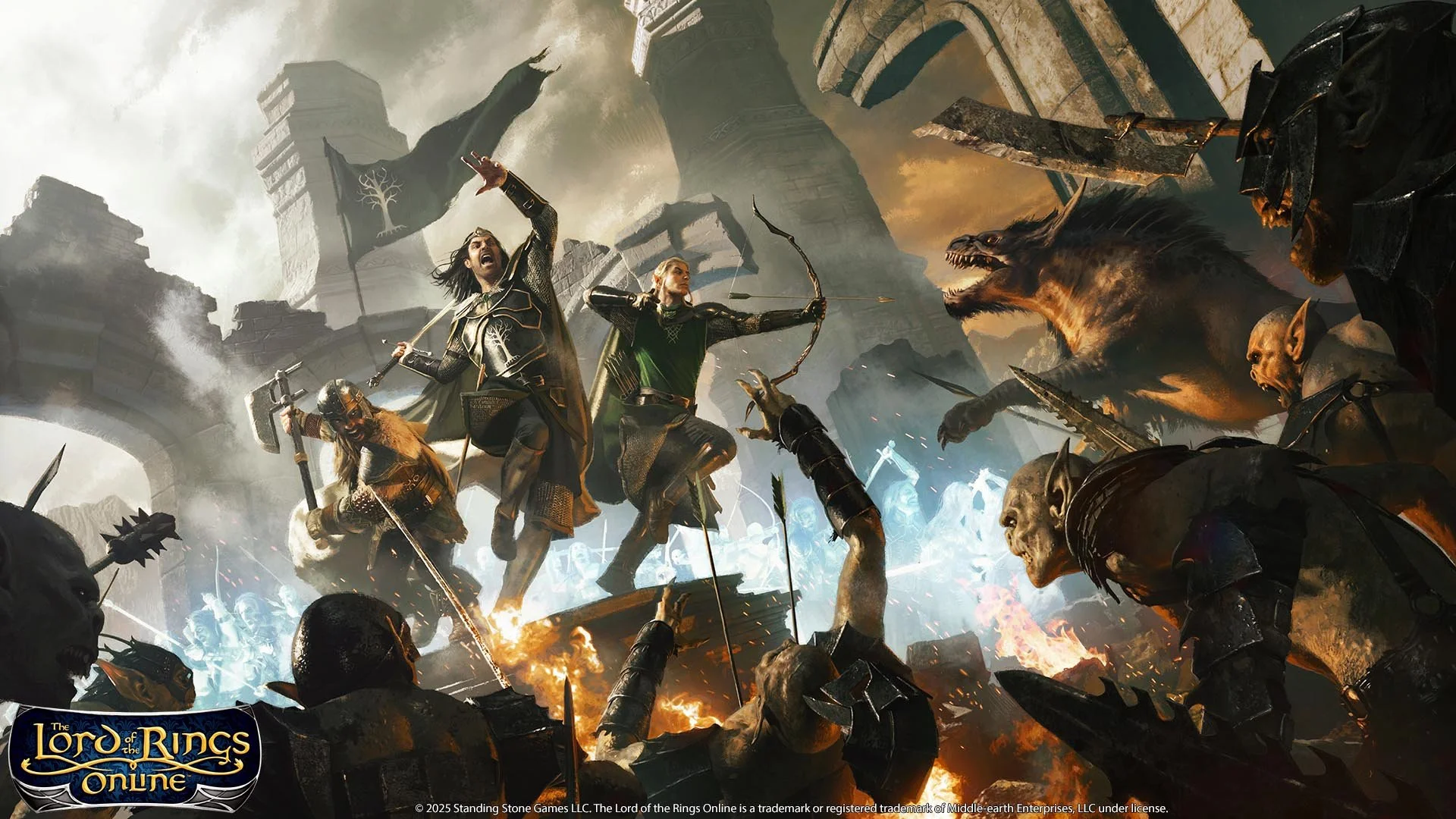
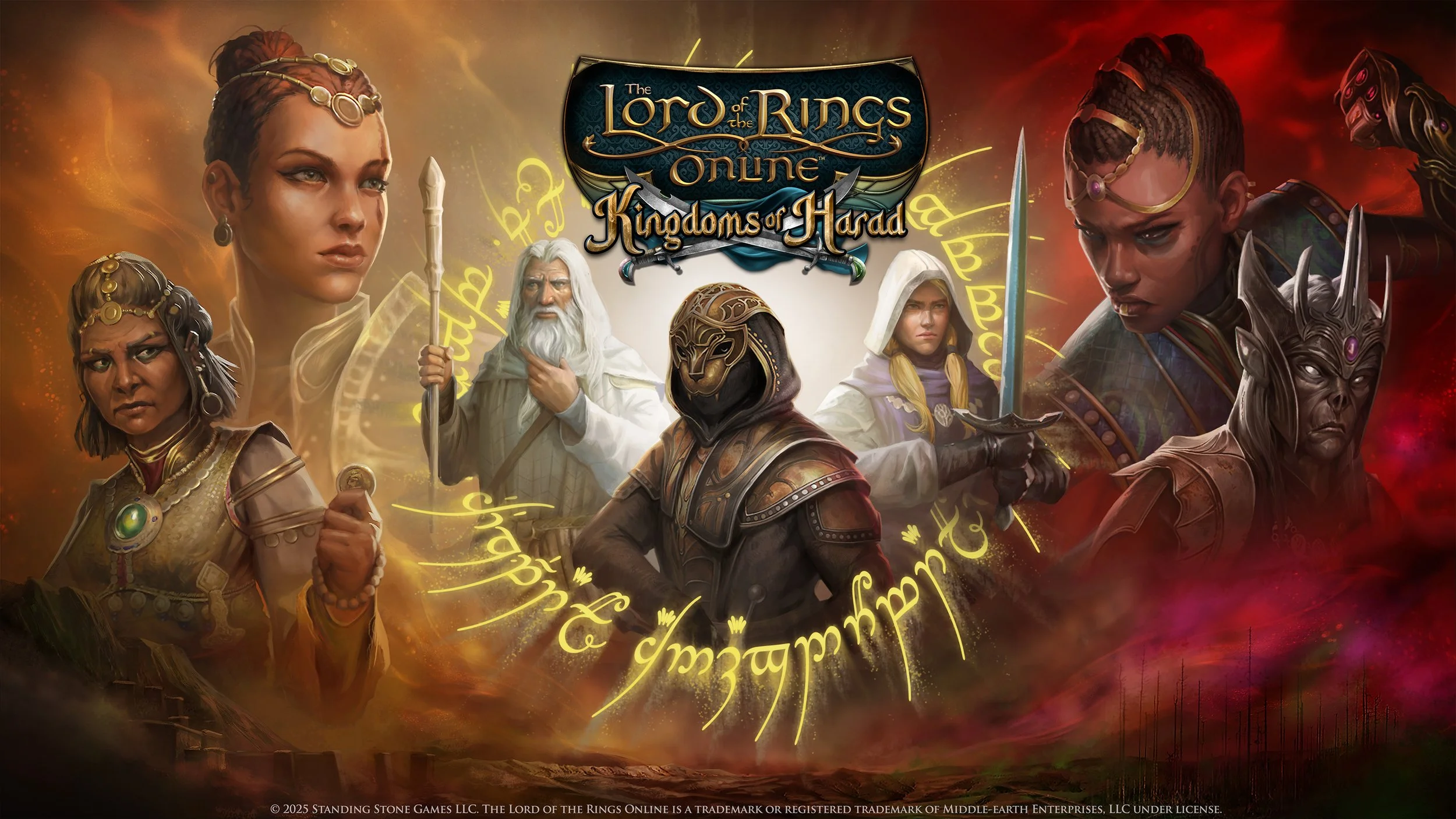
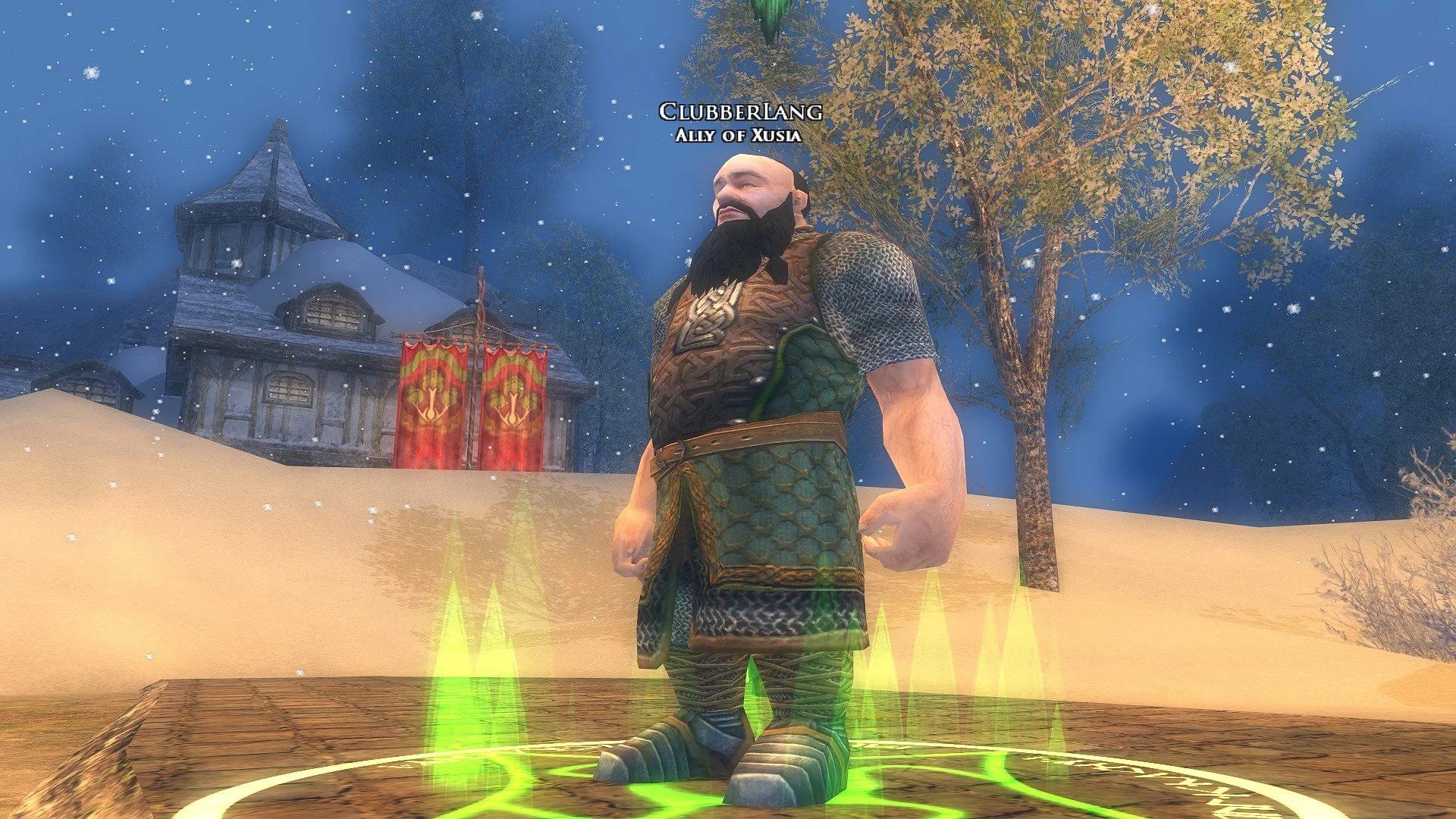
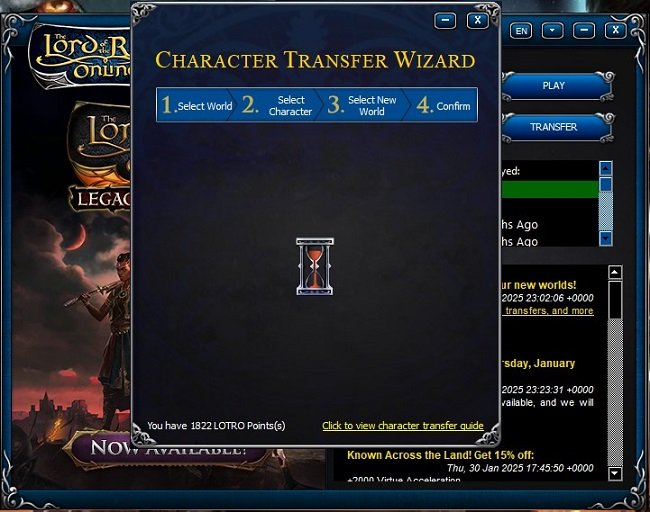
I recently created a new Brawler class character in the MMORPG, The Lord of the Rings Online. This is the first time I’ve rolled a new alt while not subscribing. Hence I suddenly became aware that a great deal of features and functionality that I usually take for granted were not available. I started unlocking these services in a piecemeal fashion but soon realized that this wasn’t very cost effective. So I started digging around online to see what the exact benefits are of subscribing to LOTRO and becoming a VIP player. There is a comparison chart available if you do a Google search but it is far from comprehensive. For example a free player has to pay to unlock skill point set bonuses, which surprised me. Overall, the entire monetisation of LOTRO is somewhat arcane. However, if you subscribe for one month to become a VIP, when you stop paying you drop down to Premium player status, rather than return to that of a Free player. This has benefits.
I recently created a new Brawler class character in the MMORPG, The Lord of the Rings Online. This is the first time I’ve rolled a new alt while not subscribing. Hence I suddenly became aware that a great deal of features and functionality that I usually take for granted were not available. I started unlocking these services in a piecemeal fashion but soon realized that this wasn’t very cost effective. So I started digging around online to see what the exact benefits are of subscribing to LOTRO and becoming a VIP player. There is a comparison chart available if you do a Google search but it is far from comprehensive. For example a free player has to pay to unlock skill point set bonuses, which surprised me. Overall, the entire monetisation of LOTRO is somewhat arcane. However, if you subscribe for one month to become a VIP, when you stop paying you drop down to Premium player status, rather than return to that of a Free player. This has benefits.
So after some research, here is what I discovered regarding the benefits that are maintained on a per-character basis, when downgrading from VIP to Premium. It should be noted that the following benefits are only maintained for characters that have been logged into the game while the VIP status is active. To clarify, if you create a new alt while a Free player, upgrade your account to VIP and then log into the game with the aforementioned new alt, the following benefits persist when you stop subscribing and drop down to Premium. If you have an alt that you created as a Free player and do not log them in while a VIP, you will not see any benefits afterwards. Also note, these per-character unlocks also work for content that the character hasn't reached, due to level restrictions and other qualify criteria.
After downgrading from VIP to Premium you keep the following:
All trait slots unlocked for all your characters on all servers.
Swift travel from all stable NPCs.
Riding skill quest for all your characters at level 20.
All 5 inventory bags remain unlocked.
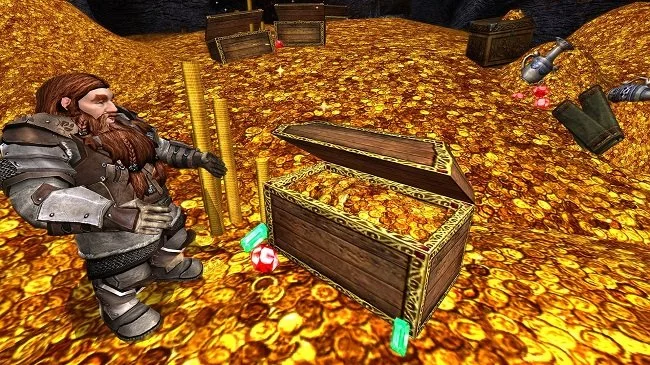
The currency cap of 2 gold for Free players and 5 gold for Premium players is lifted.
You keep access to the last level you reached within the Crafting Guild.
You can still access items placed in the shared wardrobe and dye them but you can no longer replace them.
You lose the following features after downgrading from VIP to Premium:
Two character slots (VIP has 7 by default, Premium has 5 premium. You may have to disable two characters).
Access to all quest packs and skirmishes.
Access to the Legendary Servers.
Shared wardrobe if not used by other alts (20 slots).
Rested 100% XP.
Monster play.
Ability to spend destiny points.
30 auction house listings.
Access to your Mailbox everywhere.
Access to crafting guild advancement.
As you can see there are tangible rewards to be had from subscribing, if for only one month and then dropping to Premium status. It is definitely superior to being a Free player. Ultimately your decision to do so is dependent upon your personal gaming budget and your own views on video game monetisation. However, it is useful to be aware of the differences in customer status in LOTRO. In the meantime do not forget the current offer available from Standing Stone Games in which they are giving away all quest packs within the game, permanently. The code LOTROQUESTS2021 can be redeemed up until the 31st of November. This combined with subscribing for one month and thus becoming a Premium player unlocks a significant amount of content and will save players a lot of money.



Old Bexley and Sidcup By-election Part 2
Political events in the constituency of Old Bexley and Sidcup have moved forward in the last few weeks, following on from the death of incumbent MP James Brokenshire on 8th of October. Although no formal announcement has yet been made regarding the date of the forthcoming by-election, the major political parties have started announcing the names of their respective candidates. There were initial concerns among some constituents that this safe Conservative Party seat may have been used as a means of parachuting in a candidate favoured by central office, rather than one determined by the local Conservative Association. Fortunately, that has not been the case. The UK Government currently enjoys a parliamentary majority of 79 seats and is therefore not in any urgent need of fast pathing further political allies.
Political events in the constituency of Old Bexley and Sidcup have moved forward in the last few weeks, following on from the death of incumbent MP James Brokenshire on 8th of October. Although no formal announcement has yet been made regarding the date of the forthcoming by-election, the major political parties have started announcing the names of their respective candidates. There were initial concerns among some constituents that this safe Conservative Party seat may have been used as a means of parachuting in a candidate favoured by central office, rather than one determined by the local Conservative Association. Fortunately, that has not been the case. The UK Government currently enjoys a parliamentary majority of 79 seats and is therefore not in any urgent need of fast pathing further political allies.
At present three candidates have been confirmed as standing for election. Louie French who is standing for The Conservative Party. Mr French has been a Bexley councillor for the last eight years and was Deputy Leader of Bexley Council from 2018 to 2021. He is a resident of the Borough and has a background in the financial services industry, working in the City of London. The late James Brokenshire was both a friend and mentor to Louie, therefore from a party political perspective, he is a logical choice to stand as The Conservative Party candidate. His existing familiarity with the borough and its constituents offers practical continuity. Considering the voting habits of constituents and the historical track record of by-elections held in Old Bexley and Sidcup, unless something radical occurs it is safe to consider that Louie French is the favourite candidate to win the seat.
Daniel Francis, a Bexley councillor and former leader of Bexley’s Labour group on the council, has been selected as Labour’s parliamentary candidate for the upcoming Old by-election. Daniel Francis represents Belvedere Ward on Bexley Council and grew up locally. He is married with two primary school aged children, one of whom has cerebral palsy and he campaigns on accessibility issues. Mr Francis served as leader of Bexley Labour group from 2017 to 2021 and is the shadow cabinet member for environment, transport and leisure. He was first elected to the council in 2000. In the 2019 election, Labour polled 23.5% of the vote. Since the constituency of Old Bexley and Sidcup was created in 1983 the electorate has only elected Conservative Members of Parliament.
The third candidate to be announced is Richard Tice, the leader of the party Reform UK. Formerly known as the Brexit Party, Reform UK is now presenting itself as a broader political entity with policies encompassing wider and more traditional issues. The party lost its 29 MEPs when the UK left the EU on 31 January 2020. At present it has three councillors nationally. Reform UK has been seeking parliamentary seats since 2019 but has not been successful so far. Mr Tice is a British businessman and CEO of the property investment firm. It will be interesting to see whether the presence of Richard Tice as both a candidate and the leader of his party will gain any traction with constituents and whether Reform UK can transition successfully from a single issue party. Furthermore, will his participation in the by-election increase media attention?














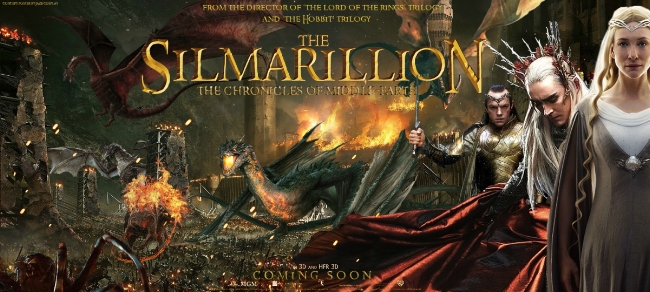
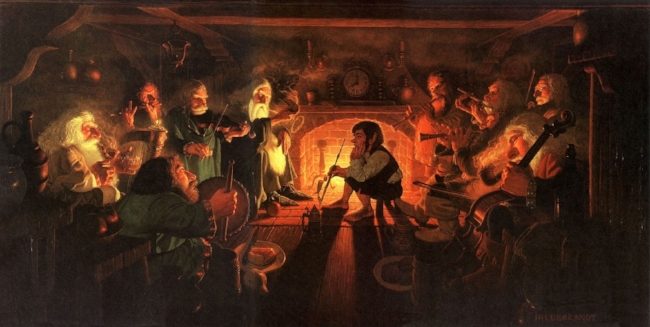
Revisiting Peter Jackson's The Lord of the Rings
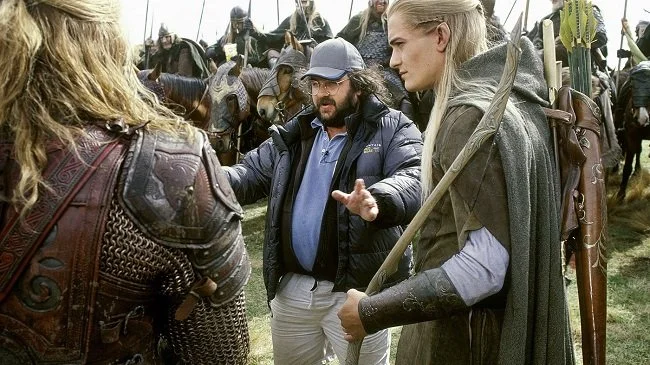
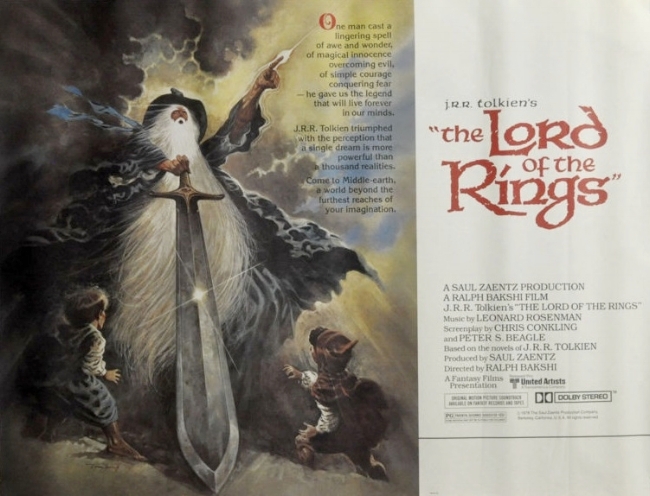
In December it will be the twenty year anniversary of the release of The Fellowship of the Ring. The first entry in Peter Jackson’s trilogy of film adaptations of Professor Tolkien’s iconic novel, The Lord of the Rings. I was utterly swept up in the hype and media frenzy that persisted for three years around these movies between 2001 and 2003. I certainly have fond memories of seeing each film on the first day of its release at the prestigious Leicester Square Odeon in London. Broadly speaking I was very impressed with all three films at the time of their release. However, over the years excitement and fandom has been tempered with a greater degree of critical analysis and appraisal. Having recently watched the Extended Editions of all three films, remastered in 4K, I now think it would be pertinent to revise my thoughts on them and repost them here on Contains Moderate Peril. This initial post is intended more as an overview on the trilogy. I shall write three new in depth reviews in due course.
In December it will be the twenty year anniversary of the release of The Fellowship of the Ring. The first entry in Peter Jackson’s trilogy of film adaptations of Professor Tolkien’s iconic novel, The Lord of the Rings. I was utterly swept up in the hype and media frenzy that persisted for three years around these movies between 2001 and 2003. I certainly have fond memories of seeing each film on the first day of its release at the prestigious Leicester Square Odeon in London. Broadly speaking I was very impressed with all three films at the time of their release. However, over the years excitement and fandom has been tempered with a greater degree of critical analysis and appraisal. Having recently watched the Extended Editions of all three films, remastered in 4K, I now think it would be pertinent to revise my thoughts on them and repost them here on Contains Moderate Peril. This initial post is intended more as an overview on the trilogy. I shall write three new in depth reviews in due course.
One of the most striking aspects of Peter Jackson’s films is the overall production design and the aesthetics of Middle-earth in the Third Age. Fans had already started becoming accustomed to a common visual approach to Tolkien’s work, care of John Howe and Alan Lee, the artists that publisher Harper Collins had been using for several years prior to 1999 when filming started. Inviting both to be artistic designers on the films provided a sense not only of continuity but also of a formal aesthetic across the entire intellectual property. Both artists have a knack for combining real world historical elements, with fantasy creating styles of armour, weapons, architecture and clothing that looks real and credible. There is incredible attention to detail present in every element of the production, just as there is in Tolkien’s source text.
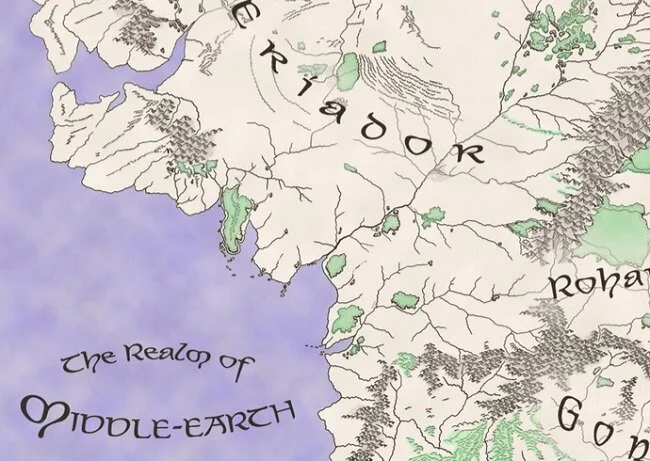
In a similar vein, filming in New Zealand was a wise decision as it provides such a diversity of environment and ecosystems. It really is ideal for recreating much of Middle-earth. Jackson’s visual realisation of The Shire is very lush and green. Similarly, the Southern Alps of the South Island effectively capture the spirit of Tolkien’s descriptions of the Misty Mountains and are very imposing. Filming outside of the US also had definite cost benefits to the overall production. However, not every geographical aspect of Middle-earth is as well represented. I have always felt that the Rangitata Valley did not adequately capture the rolling grass plains of Rohan. To my mind it wasn’t green enough. Rohirric culture is based upon both Goths, Scandinavians and the medieval Anglo-Saxons and so I envisage Rohan being more akin to European grasslands. However, such criticisms are far from a deal breaker in respect of one’s appraisal of the overall trilogy.
A key element in Tolkien’s writing is the use of music and how it is an integral part of all the cultures of Middle-earth. Composer Howard Shore wisely made Tolkien’s songs a key part of his soundtrack. As well as writing leitmotifs for central characters and recurring story themes, he also incorporated Sindarin text and other dialects into much of the ambient music to further embellish scenes. It really adds to the overall feeling of “world building”. In many ways his music for all three films feels like a character in its own right. His music also allows for the compression of the narrative and to convey plot points. When Aragorn heals the sick after The Battle of the Pelennor Fields, the music succinctly reinforces the visual images. Rather than having to explain that "the hands of the king are the hands of a healer" what the film shows is further reinforced by the accompanying score. However, although this is a joy for Tolkien fans, its subtleties may be lost on the casual viewer.
Peter Jackson also made a wise decision by casting a group of international character actors rather than smothering his production with box office stars. Sean Connery as Gandalf may well have broadened the appeal of the films but ultimately his larger than life persona would have been a poor fit for the nuances of the character. Casting Ian McKellen was a far more practical choice and proved infinitely more beneficial as the actor utterly made the role his own. Christopher Lee was another cany choice. Not only was he an experienced and subtle actor but a Tolkien scholar as well. The narrative complexity of The Lord of the Rings feature films did not need the additional burden of celebrity stars bringing their own baggage to the production. Using lesser known actors allowed audiences to focus upon their performances rather than be distracted by their sheer presence.
Tolkien’s body of work is remarkable for the way it successfully manages to encompass era defining events, yet still being able to tell the story of those caught up in them. This is something a lot harder to do on screen. Peter Jackson excels at creating complex and large scale set pieces but sometimes they tend to dominate the proceedings at the expense of narrative depth. It was one of the criticisms that Christopher Tolkien made, who felt that the focus of the movie was on action and spectacle at the expense of story and lore. I feel the reality lies somewhere in the middle. Certainly the Extended Editions of all three films addresses this issue, reinstating story content that was excised from the theatrical edits. Ultimately viewers have to come to terms with the fact that these three movies are Jackson’s “adaptation” and reflect upon the meaning of that term.
Hence we come to the thorny issue of how any film version of a complex book leads to key plot elements and characters being either simplified or removed for reason of accessibility. Personally I don’t especially like the “streamlining” of certain characters for the sake of the wider story, although I understand why Jackson did this. I feel that his portrayal of Theoden is somewhat bland, portraying him as a grief stricken King who is indecisive. I also feel it is incorrect to depict Aragorn as conflicted with self doubt. But these were done to make the plot more straightforward and understandable among mainstream viewers, who are not familiar with the books. I do like the extrapolation of the roles and relationship between Saruman and Wormtongue. Also having several Orc characters act as narrative conduits also works well. It is sad that Gil Galad and Elendil were also watered down or removed but it would have bloated the screenplay too much to include all canonical characters.
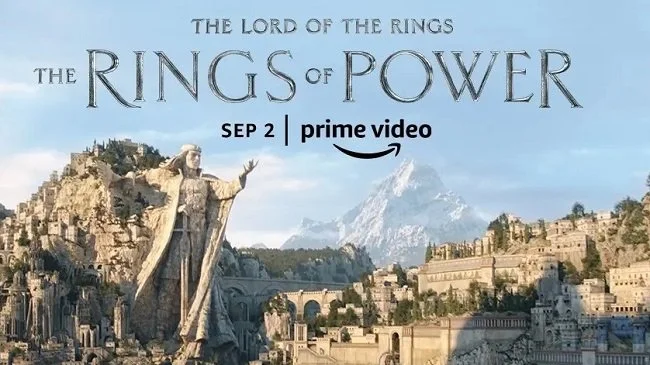
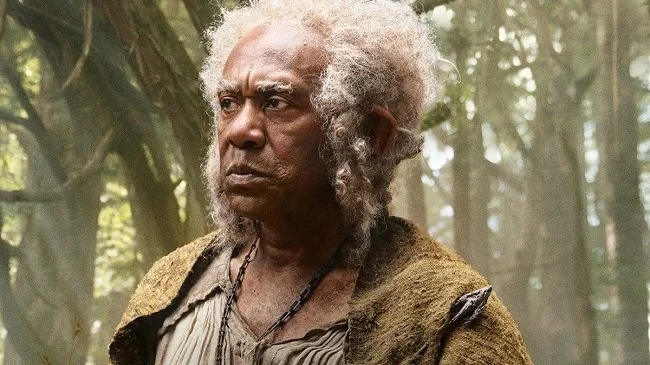
Twenty years on, I am not quite so enamoured with Peter Jackson’s trilogy and feel that there are elements that could have been improved or handled differently. However, there is still an inherent power to his films and he still merits a great deal of praise for crafting such an imposing adaptation of a book that many claimed was “unfilmable”. He definitely got specific elements one hundred percent right. The Amazon television production set in the Second Age of Middle-earth that is currently being filmed, is maintaining the same design and visual aesthetic. Howard Shore is also involved to keep a sense of musical continuity. All of which raises the point, will the next adaptation of The Lord of the Rings be via the medium of streaming television, rather than cinema? Such a platform is not burdened by running time constraints. It could therefore facilitate a more comprehensive realistion. Whatever the future brings, I don’t think Peter Jackson’s film will be the only ever adaptation of The Lord of the Rings.







LOTRO: Tying Up Loose Ends
I discovered an excellent thread on the official Lord of the Rings Online forums today, created by Tesalion Lortus, which tackles the complicated subject of outstanding and unresolved storylines within the game. It is a very well researched and comprehensive post. I try my best to keep abreast of the various ongoing stories within the MMORPG but this list of plotlines that have yet to be completed, is a timely reminder of the sprawling narrative that Turbine/Standing Stone Games have woven over the last 14 years. The story is a major reason for this game’s longevity and many players enjoy the way it references and compliments so much of Tolkien’s overall lore. But it would appear that there are numerous story arcs that have not reached fruition, going back as far as the Helm’s Deep expansion that was released in 2013. Naturally, now that this matter has been highlighted so well, I am curious to see what SSG intends to do to resolve the situation.
I discovered an excellent thread on the official Lord of the Rings Online forums today, created by Tesalion Lortus, which tackles the complicated subject of outstanding and unresolved storylines within the game. It is a very well researched and comprehensive post. I try my best to keep abreast of the various ongoing stories within the MMORPG but this list of plotlines that have yet to be completed, is a timely reminder of the sprawling narrative that Turbine/Standing Stone Games have woven over the last 14 years. The story is a major reason for this game’s longevity and many players enjoy the way it references and compliments so much of Tolkien’s overall lore. But it would appear that there are numerous story arcs that have not reached fruition, going back as far as the Helm’s Deep expansion that was released in 2013. Naturally, now that this matter has been highlighted so well, I am curious to see what SSG intends to do to resolve the situation.
I won’t repeat all of the plot points provided in the original forum post. Here is sufficient to give you an indication of the scope of research that Tesalion Lortus has carried out.
The Bugdatish storyline.
Borangos the Horror and his plan.
The fate of Karazgar.
Thostír the Rank, a great fire-drake of the East.
Brathar Crack-helm and his Dourhands.
Jajax and his brother.
Where is Corudan?
Thankfully, one of the things that SSG does well is write complex and long term story arcs well in advance of their release. It is not unusual to find characters from the dim and distant past resurface years later in the LOTROverse. For example Atli Spider-bane, who we initially encounter at Archet in Bree-land at the start of the game, later returns at Lhingris in Mordor, on the far side of Cirith Ungol in the Morgul Vale. Then there is the enigmatic Trév Duvárdain warrior Aviar, who was exiled from her tribe and had her clan name removed. We first encountered her in Forochel. Living as a brigand, she was shown mercy by the Ranger Lothrandir. However, his compassion irked her and so she followed him and so she was ensnared by Saruman. This ultimately led to Lothrandir capture and imprisonment in Orthanc. Saruman called her Gun Ain (without name). During the ruin of Isengard she was again subject to the Rangers justice. On this occasion Halbarad renamed her “mercy” and set her loose. Perplexed, she wandered into Rohan and was shown kindness by Bingo Boffin when he met her at Grimslade. It is a rather unusual and redemptive story arc.
Tesalion Lortus thread on the forum regarding these multiple loose ends garnered a response from LOTRO developer, Made of Lions. They said “To be honest, we have so many of the items on this list earmarked for future quest stories already!” which is reassuring. Because if the history of gaming has proven anything it is that players remember everything and the internet is a pedants paradise. Plus I find continuity in storytelling integral to my enjoyment of LOTRO. Hence it is important that such standards are maintained for the sake of both the game. However, let us not forget that for every LOTRO player that revels in the dense narrative, there is always another who dismisses all quest texts and chooses to remain oblivious to the subtleties of the plot. It takes allsorts I guess. Although the latter group are free to play as they see fit, I feel that they are missing out on a key component of the game. Yet for some, the MMO genre is about “doing” and any framing story is purely an optional extra.
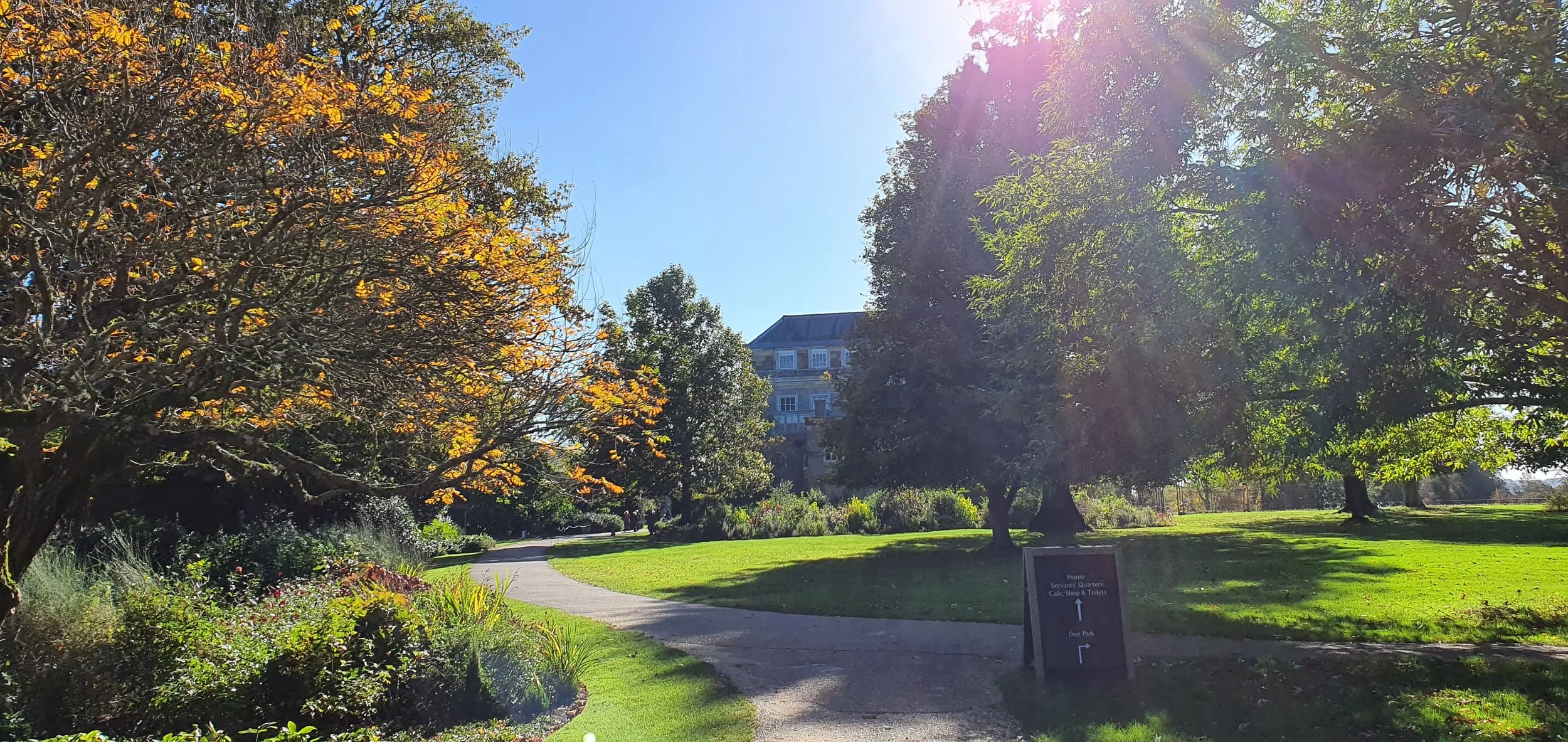
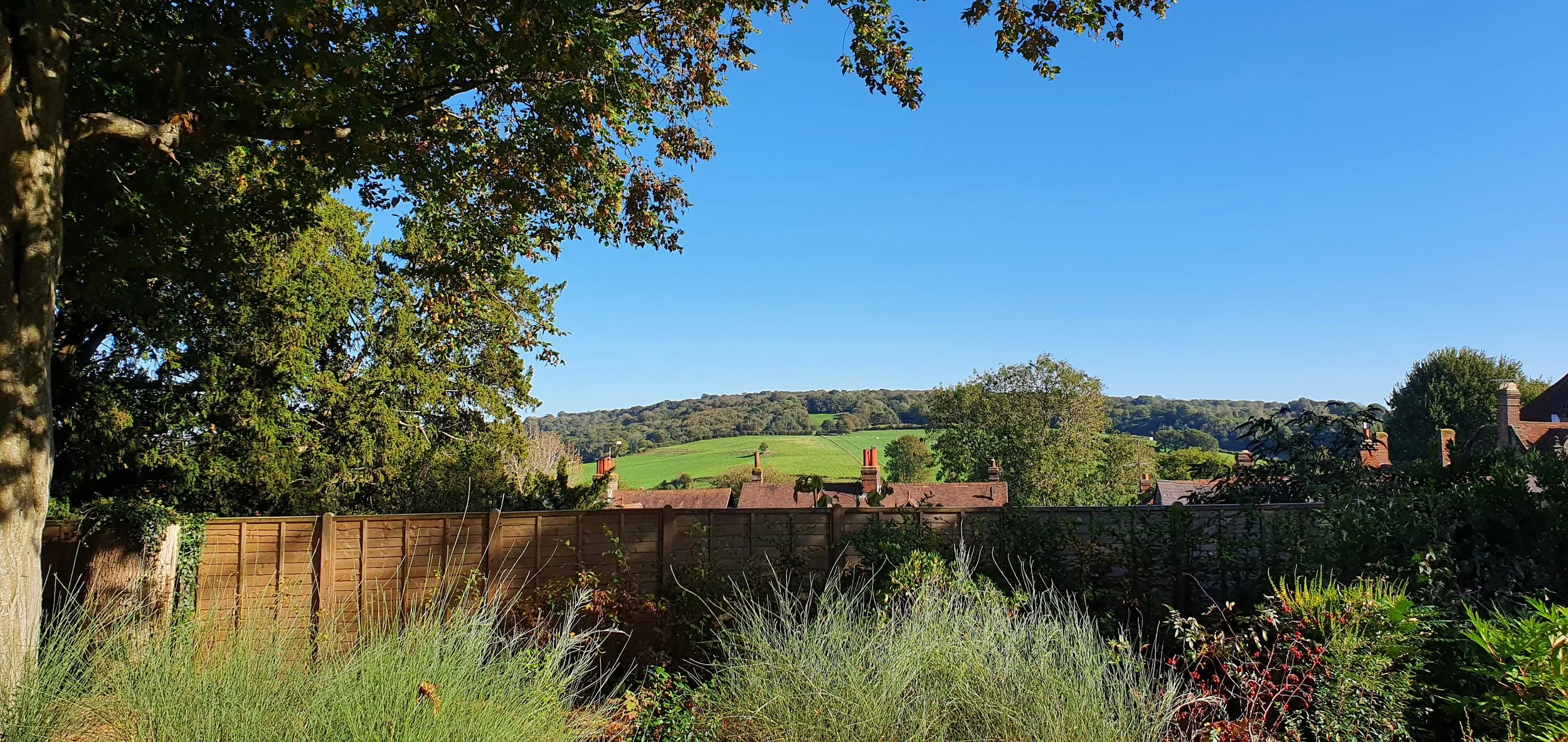
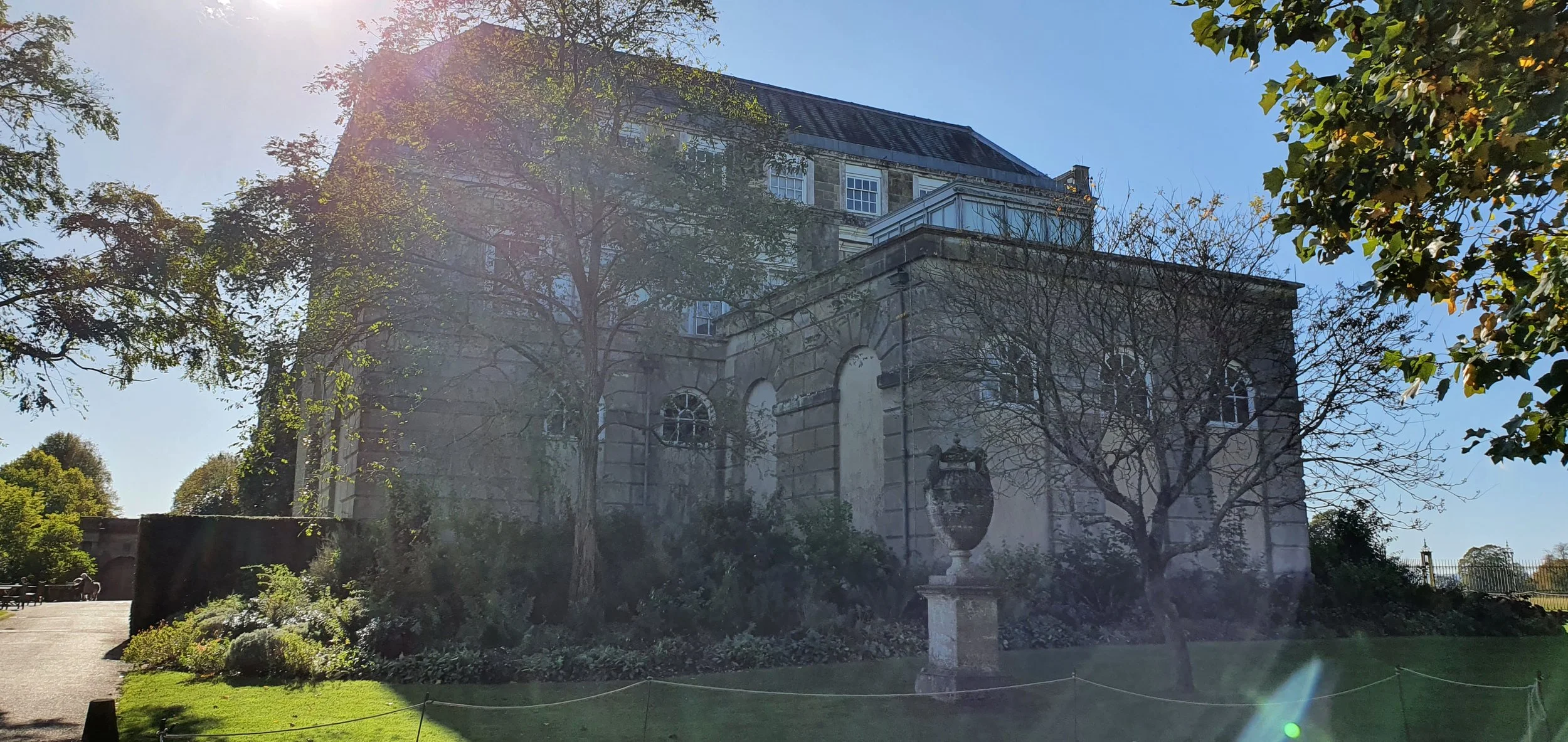
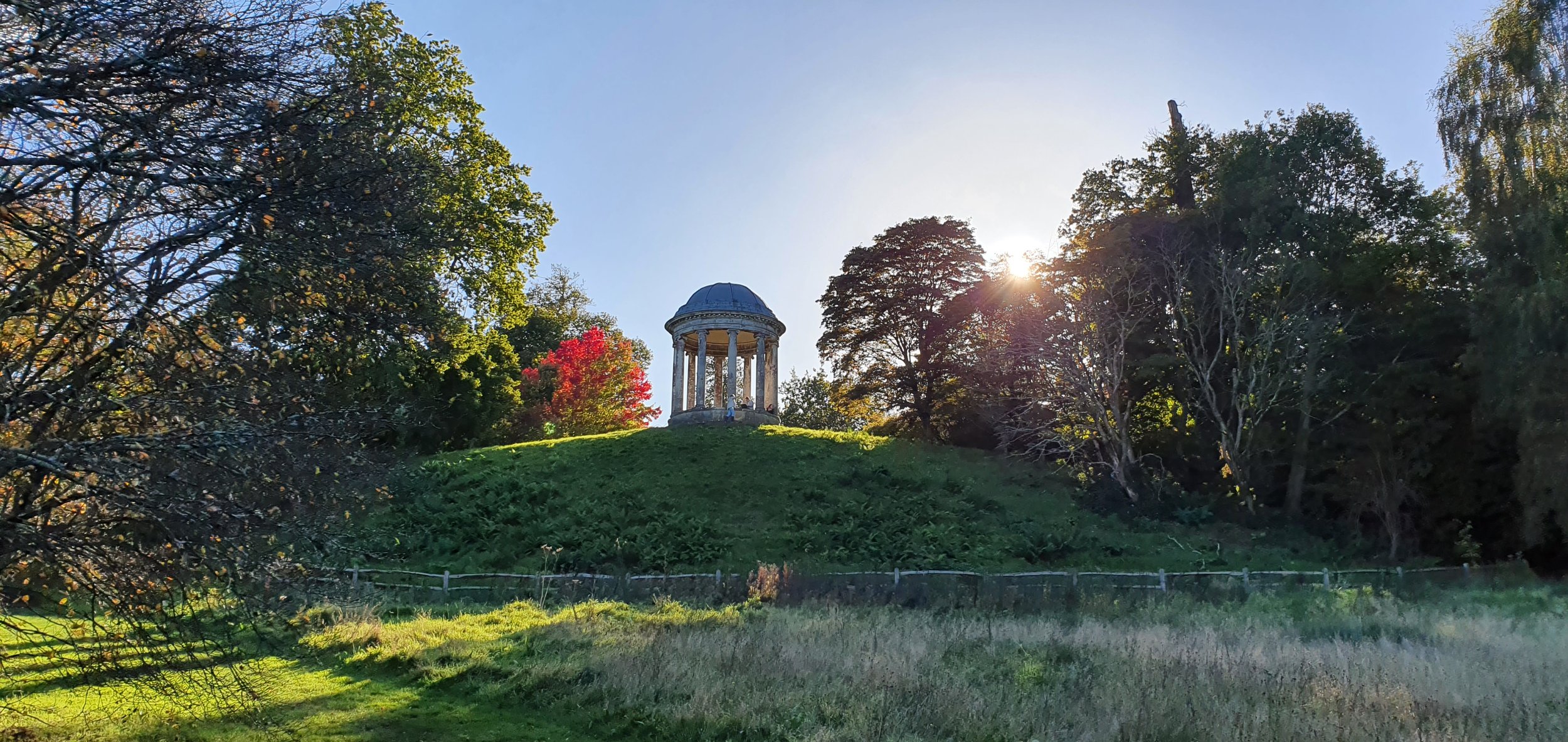
Petworth House and Park
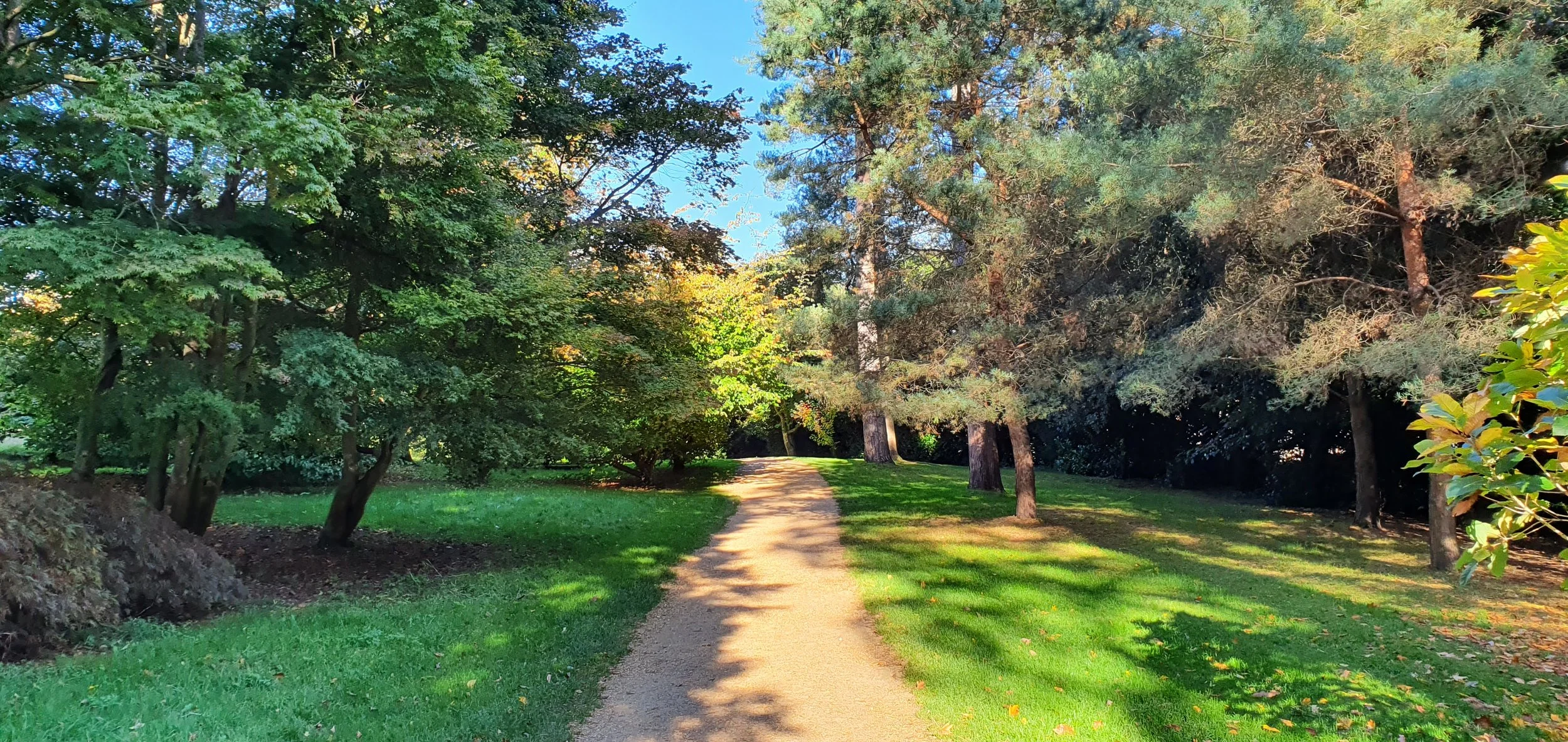
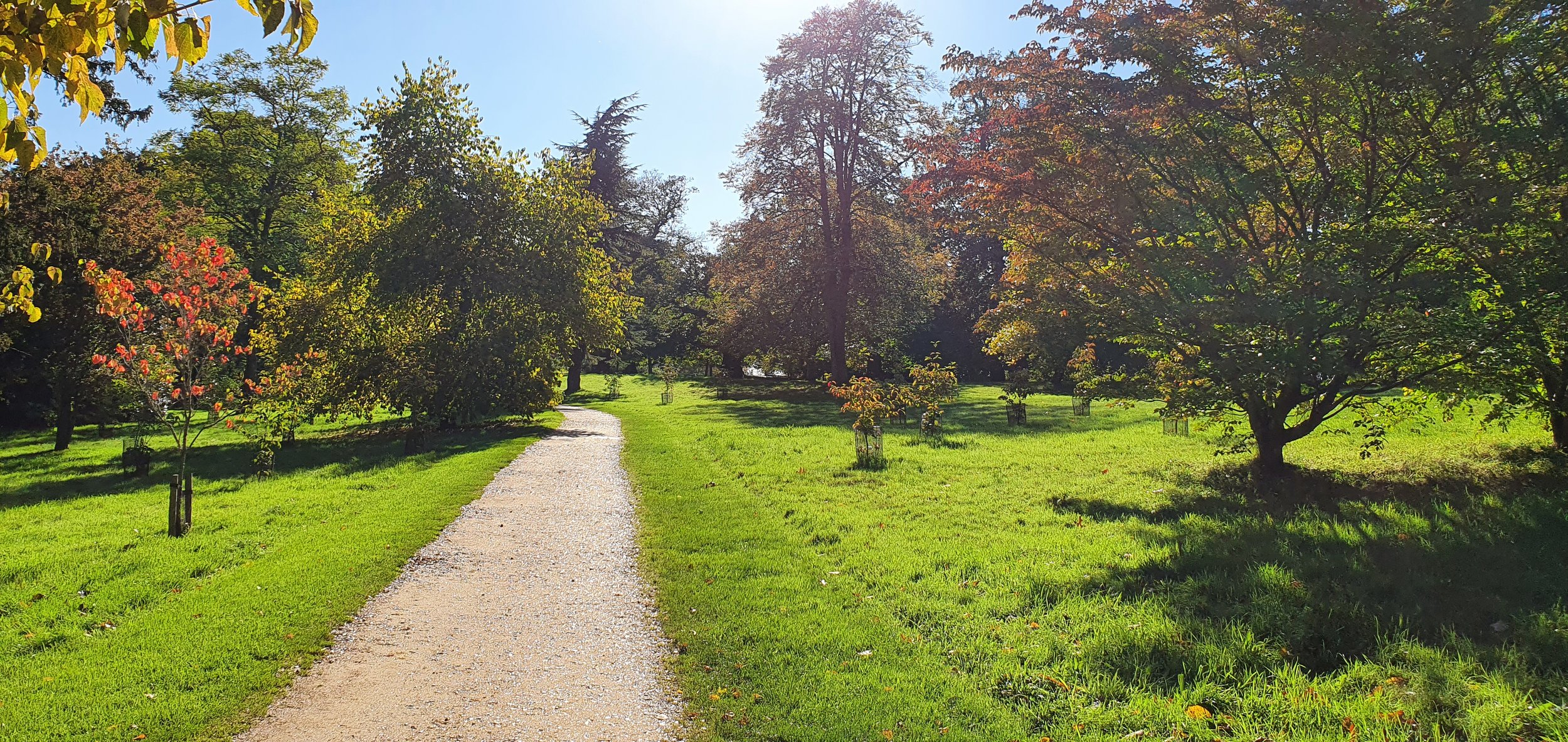
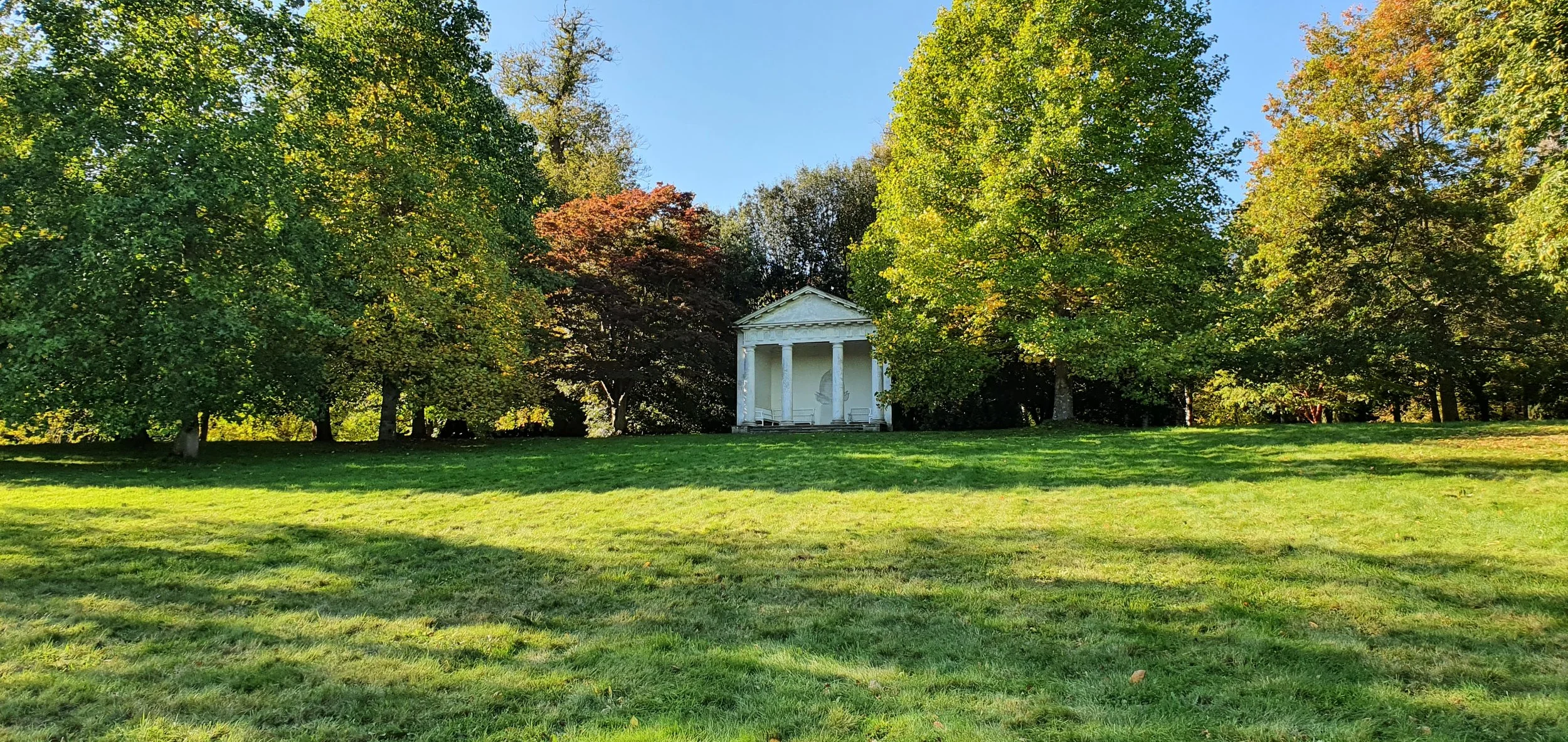
On Thursday 21st of October, Mrs P and I decided to use our recently acquired National Trust membership and visit one of the many sites within driving distance. After perusing the brochure in true old school fashion, we decided to visit Petworth House and Park in West Sussex. This was primarily due to the collection of paintings on display by such artists as Turner, Gainsborough, Reynolds and Van Dyk. However, as I am a “non-driver” I made an error while planning the route. It wasn’t a navigational issue, I simply didn’t consider the distance and hence the time required to get there and back. So we spent over five hours travelling in comparison to just eighty minutes at the Petworth House. We wished to spend another ninety minutes or so walking around the grounds and Deer Park but decided if we wanted to get home at a sensible time, it was best to leave straight after viewing the paintings. This error didn’t spoil the day but the lesson has been learned and it’s not a mistake I’ll make again.
On Thursday 21st of October, Mrs P and I decided to use our recently acquired National Trust membership and visit one of the many sites within driving distance. After perusing the brochure in true old school fashion, we decided to visit Petworth House and Park in West Sussex. This was primarily due to the collection of paintings on display by such artists as Turner, Gainsborough, Reynolds and Van Dyk. However, as I am a “non-driver” I made an error while planning the route. It wasn’t a navigational issue, I simply didn’t consider the distance and hence the time required to get there and back. So we spent over five hours travelling in comparison to just eighty minutes at the Petworth House. We wished to spend another ninety minutes or so walking around the grounds and Deer Park but decided if we wanted to get home at a sensible time, it was best to leave straight after viewing the paintings. This error didn’t spoil the day but the lesson has been learned and it’s not a mistake I’ll make again.
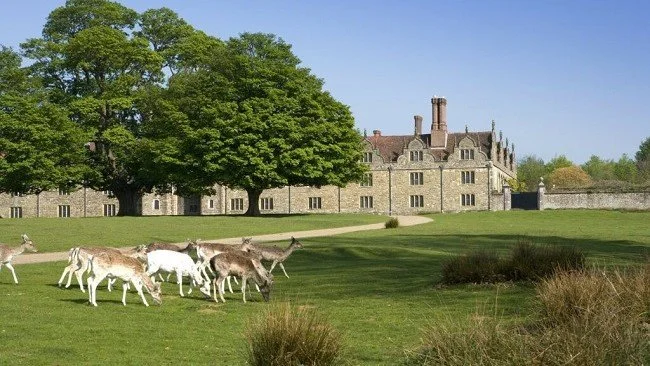
Petworth House is located in the parish of Petworth, West Sussex, in England. It is a late 17th-century Grade I listed country house and grounds. It was extensively rebuilt in 1688 by Charles Seymour, 6th Duke of Somerset and further altered in the 1870s by the architect Anthony Salvin. It contains intricate wood-carvings by Grinling Gibbons, the Anglo-Dutch sculptor and wood carver. For centuries the manor of Petworth was the southern home for the Percy family, Earls of Northumberland. Petworth is famous for its extensive art collection made by George Wyndham, 3rd Earl of Egremont (1751-1837), containing many works by his friend J. M. W. Turner. It also has an expansive deer park which was landscaped by Capability Brown. Petworth contains the largest herd of fallow deer in England. The house and deer park were handed over to the nation in 1947 by Edward Wyndham, 5th Baron Leconfield.
Petworth has a notable collection of paintings and sculptures, including 19 oil paintings by J. M. W. Turner, who was a regular visitor to Petworth. There are several portraits by Van Dyck, carvings by Grinling Gibbons and Ben Harms, classical and neoclassical sculptures by John Flaxman and John Edward Carew, as well as wall and ceiling paintings by Louis Laguerre. There is also a terrestrial globe by Emery Molyneux, believed to be the only one in the world in its original 1592 state. All of which are displayed in the various state rooms and galleries of the house which are themselves opulent and of note. Staff are available in each display area and are very knowledgeable, answering questions and providing short talks on specific displays at fixed hours throughout the day. Paintings and exhibits are displayed in such a fashion that you can get close to them and examine them in fine detail.
If you have a liking for painters of this period then Petworth House is a fine place to visit. If I were to raise one criticism it is the following which I hasten to add, is currently being addressed. Due to the age of all exhibits, external light is minimised to prevent further damage and deterioration. Hence, blinds and curtains are partially closed and most paintings are lit by incandescent bulbs, providing a warm yellow light that impacts upon your view. You need to find the right angle to be able to see all the detail and enjoy the art to its best advantage. The National Trust is replacing these older fittings with newer LED lights that produce far less heat and a whiter, less intrusive form of illumination. Also the time of year also impacts upon ambient light levels in the house. Therefore, potential visitors may wish to take these factors into consideration before planning their trip, so they can pick a time for optimal viewing conditions.

LOTRO: Fate of Gundabad Bullroarer Preview
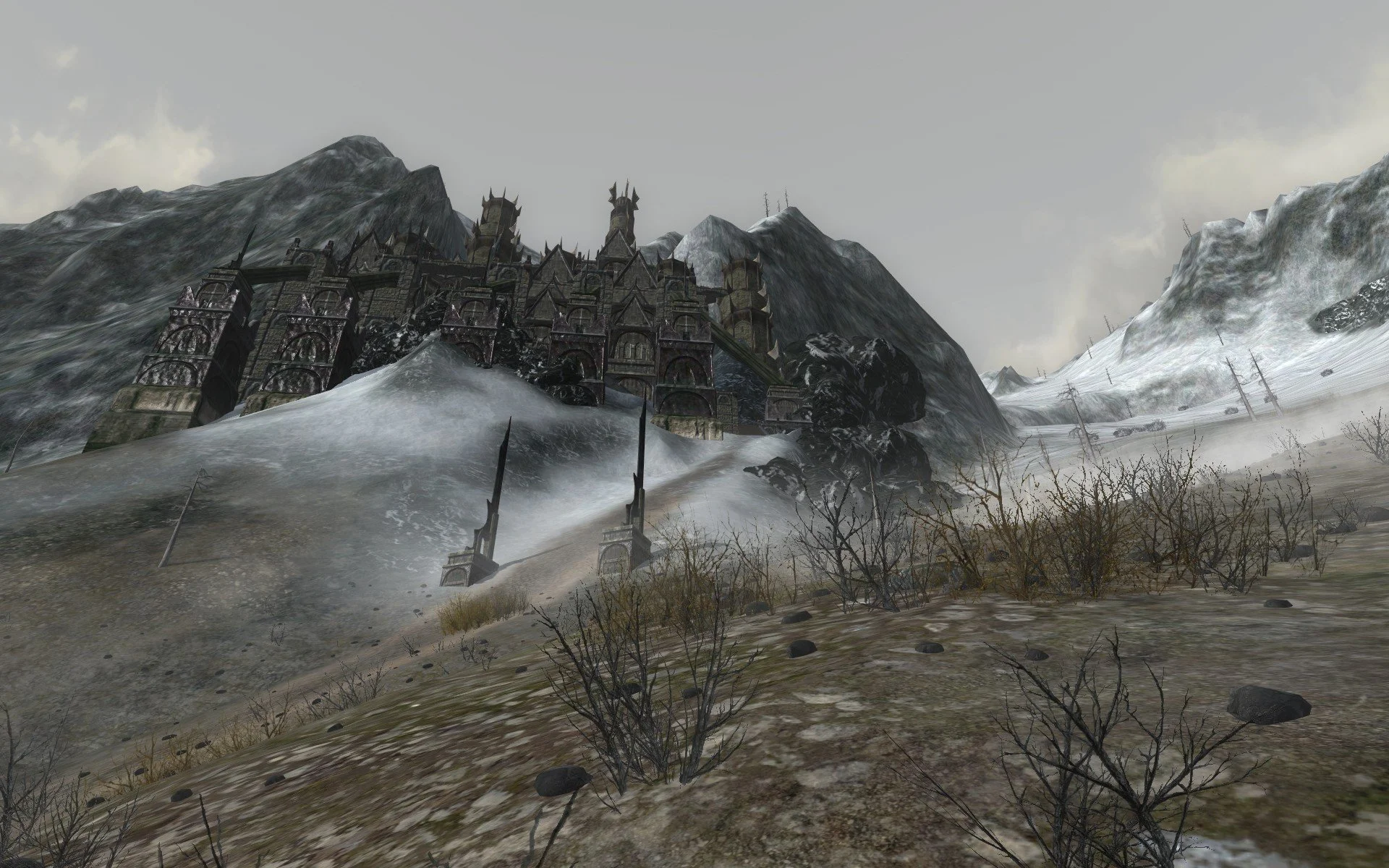
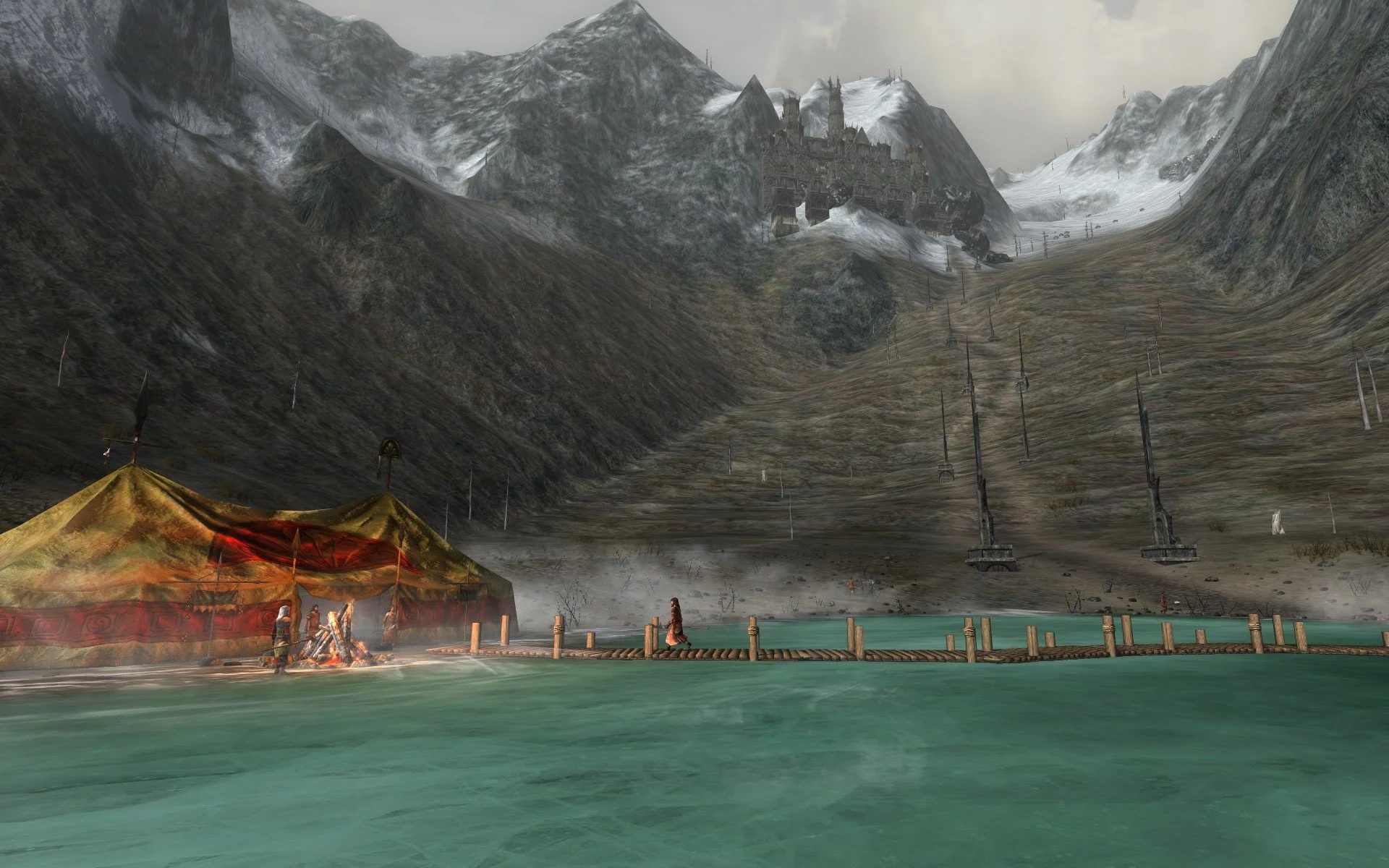
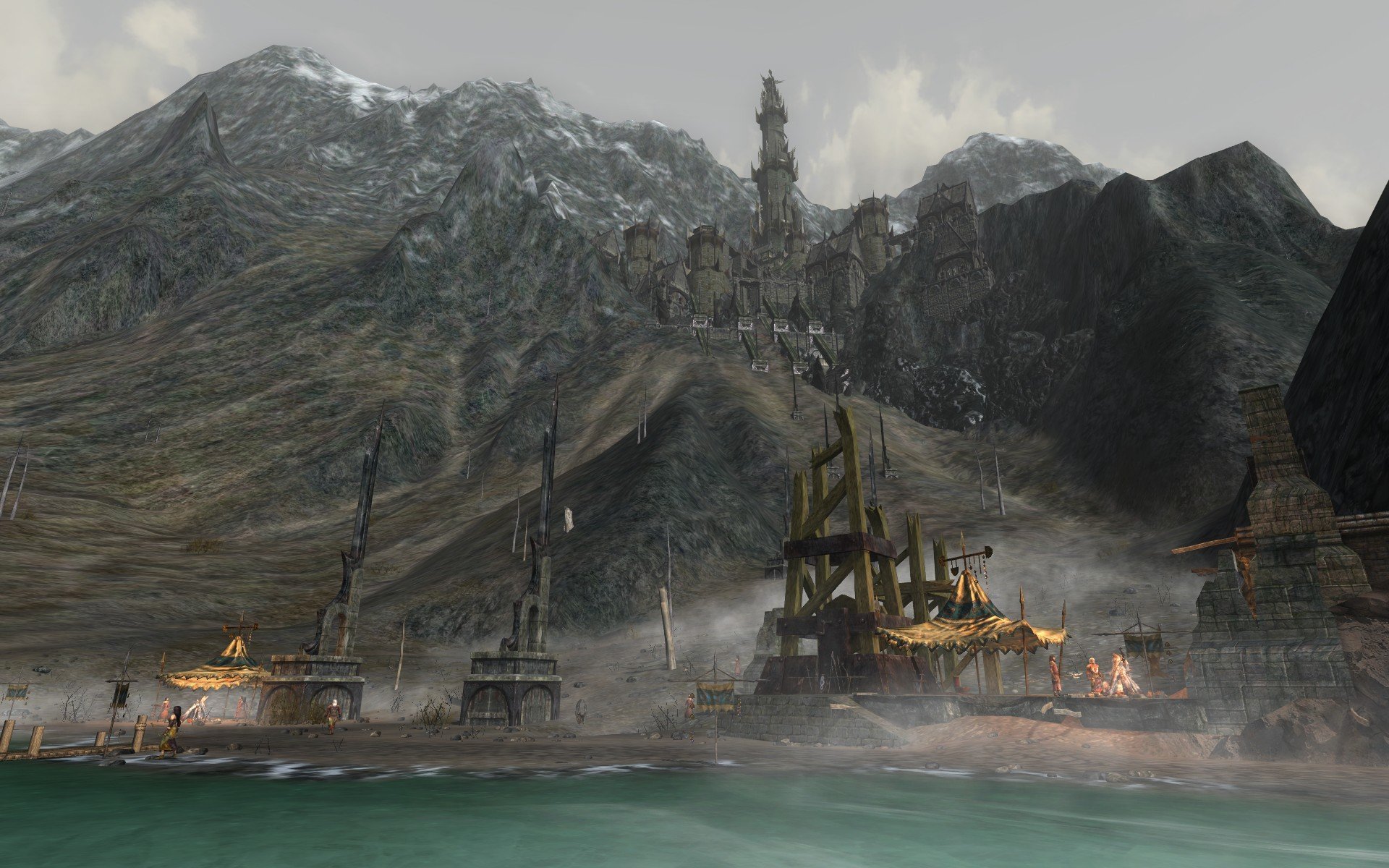
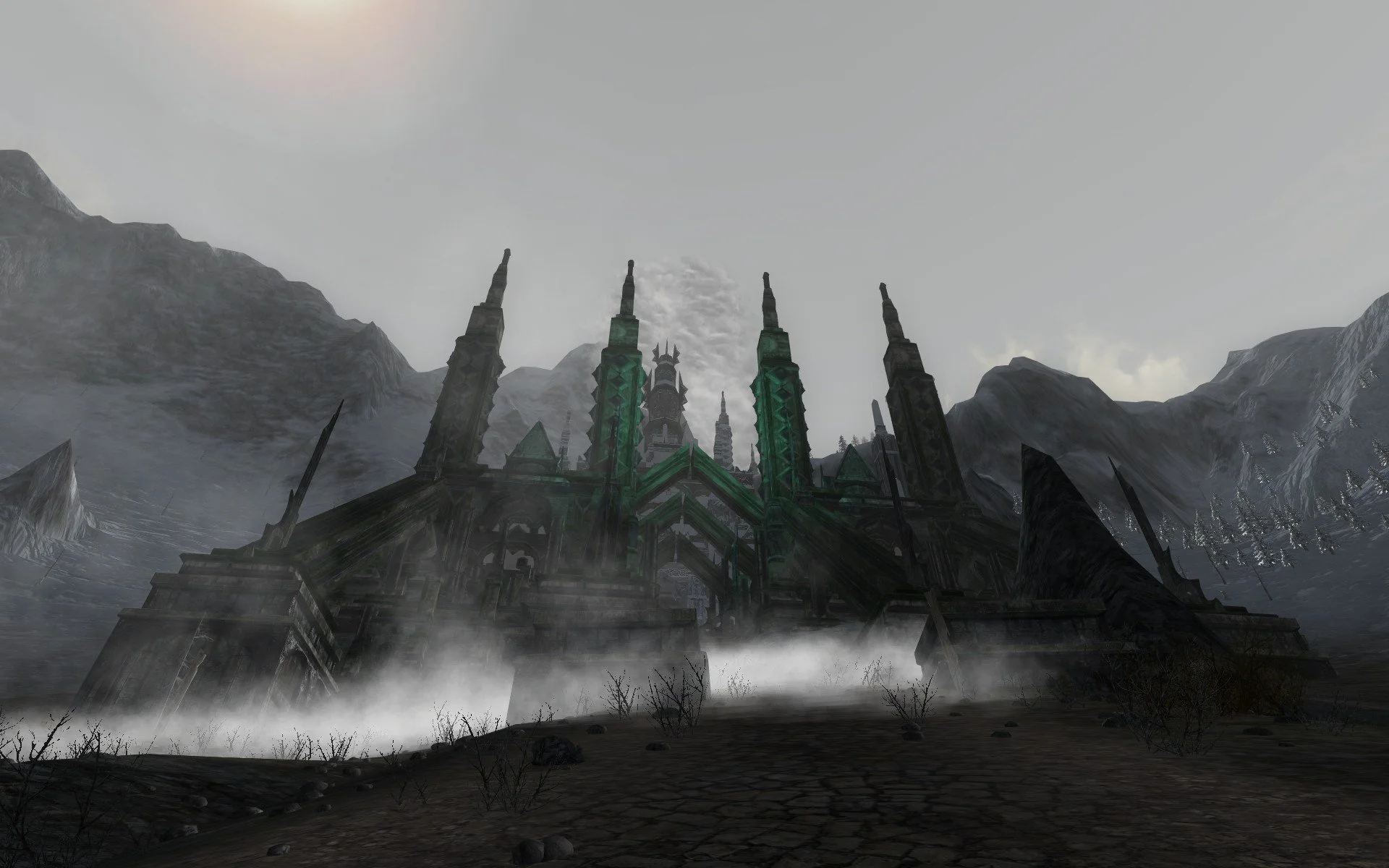
Yesterday afternoon (UK time) Standing Stone Games made the forthcoming expansion for the MMORPG, The Lord of the Rings Online, available on the Bullroarer test server. This new release, Fate of Gundabad, is due to launch on the 10th of November which is under two weeks away. However, I suspect that this expansion has been under development for a while as it appears fairly complete without very little or no placeholder material. Players have already been providing feedback on the official forums and it would seem that the nuts and bolts of the area are in place and functional. There appears to be a substantial amount of new zones in this expansion with areas both above and below ground. It is worth mentioning straight away that if you are a LOTRO player who didn’t especially enjoy navigating your way through Moria, you will probably find the new areas underneath Mount Gundabad as equally frustrating. There are dense groups of Orcs and other enemy mobs to get past and I suspect these areas will be quite taxing.
Yesterday afternoon (UK time) Standing Stone Games made the forthcoming expansion for the MMORPG, The Lord of the Rings Online, available on the Bullroarer test server. This new release, Fate of Gundabad, is due to launch on the 10th of November which is under two weeks away. However, I suspect that this expansion has been under development for a while as it appears fairly complete without very little or no placeholder material. Players have already been providing feedback on the official forums and it would seem that the nuts and bolts of the area are in place and functional. There appears to be a substantial amount of new zones in this expansion with areas both above and below ground. It is worth mentioning straight away that if you are a LOTRO player who didn’t especially enjoy navigating your way through Moria, you will probably find the new areas underneath Mount Gundabad as equally frustrating. There are dense groups of Orcs and other enemy mobs to get past and I suspect these areas will be quite taxing.
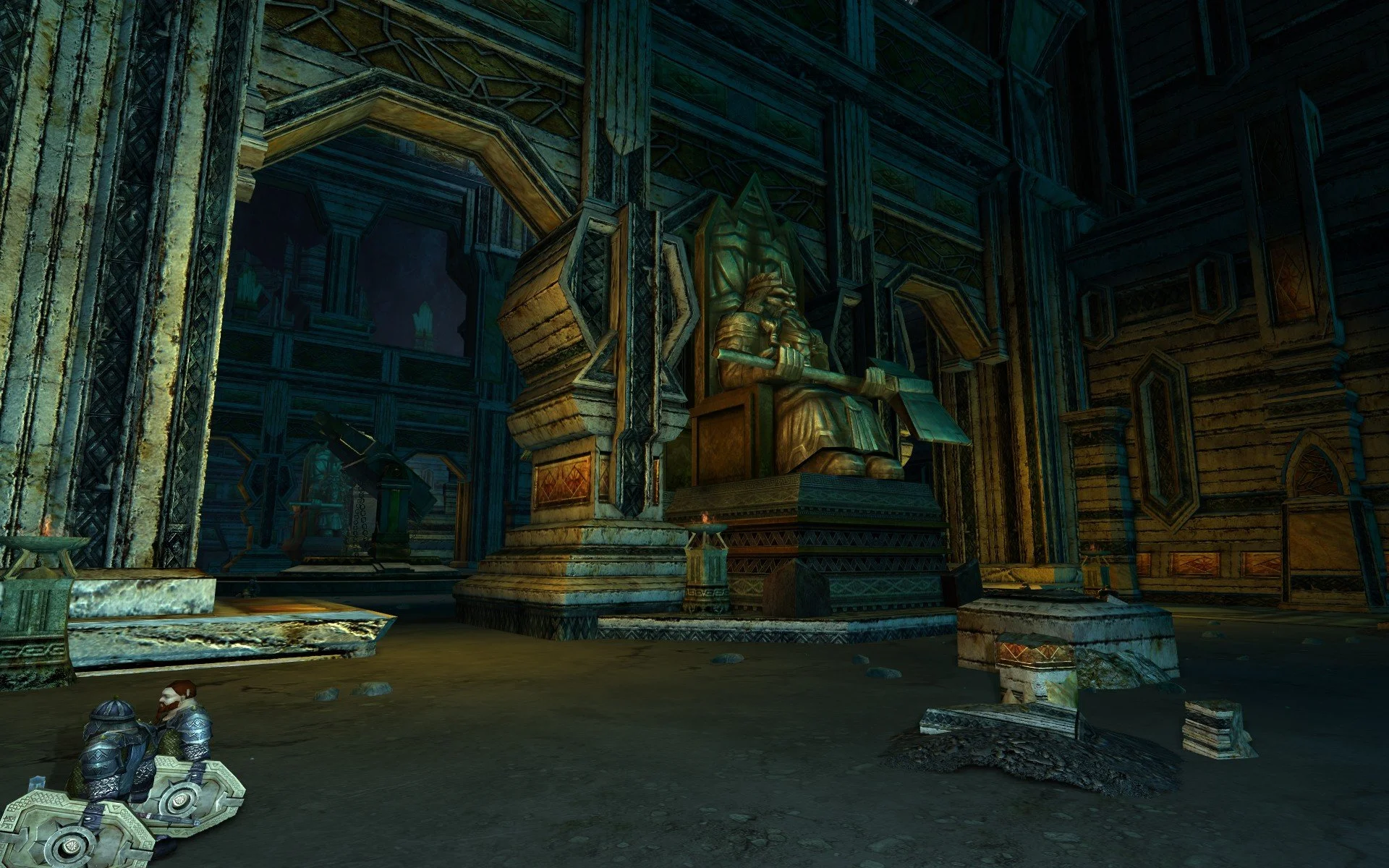
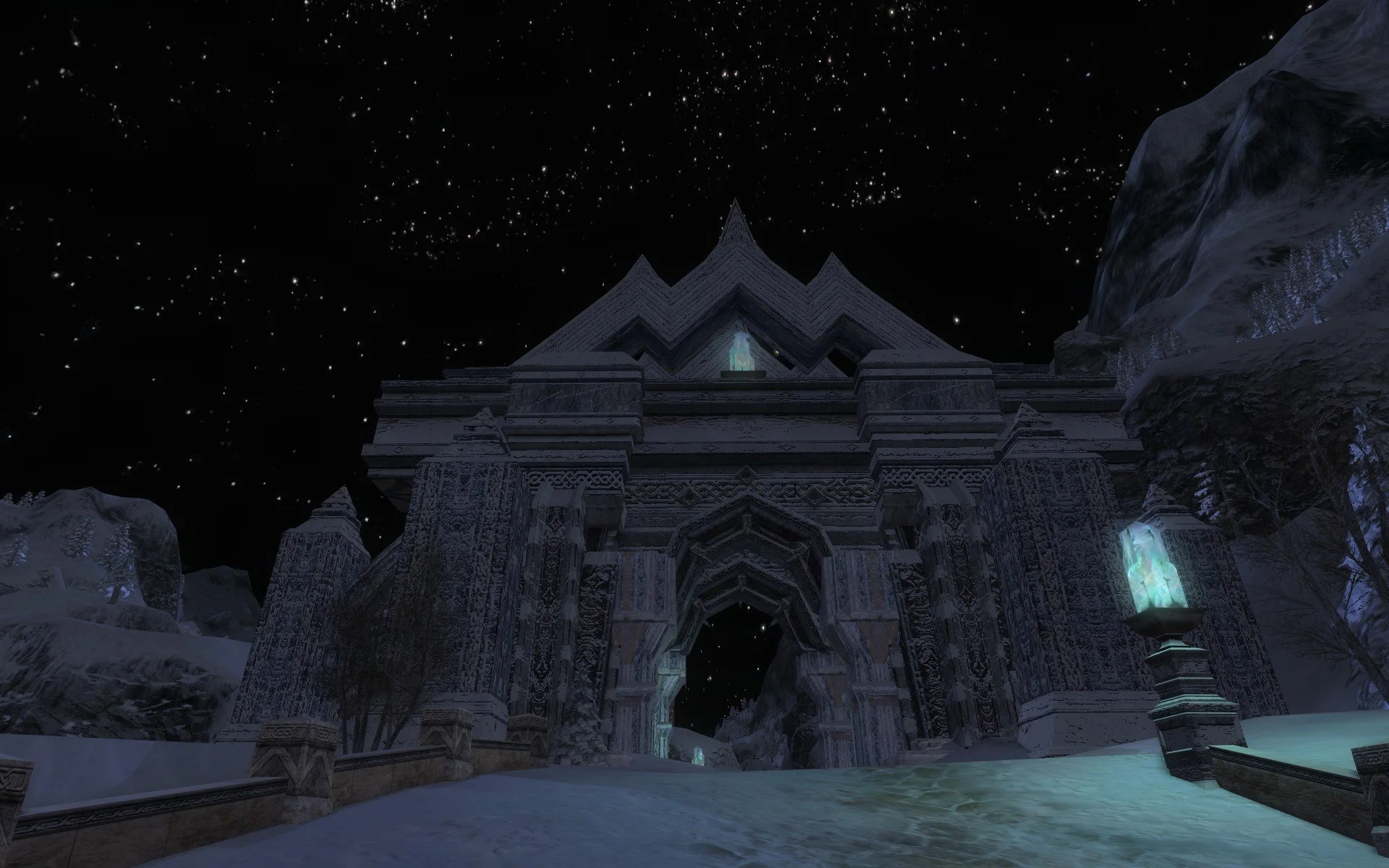
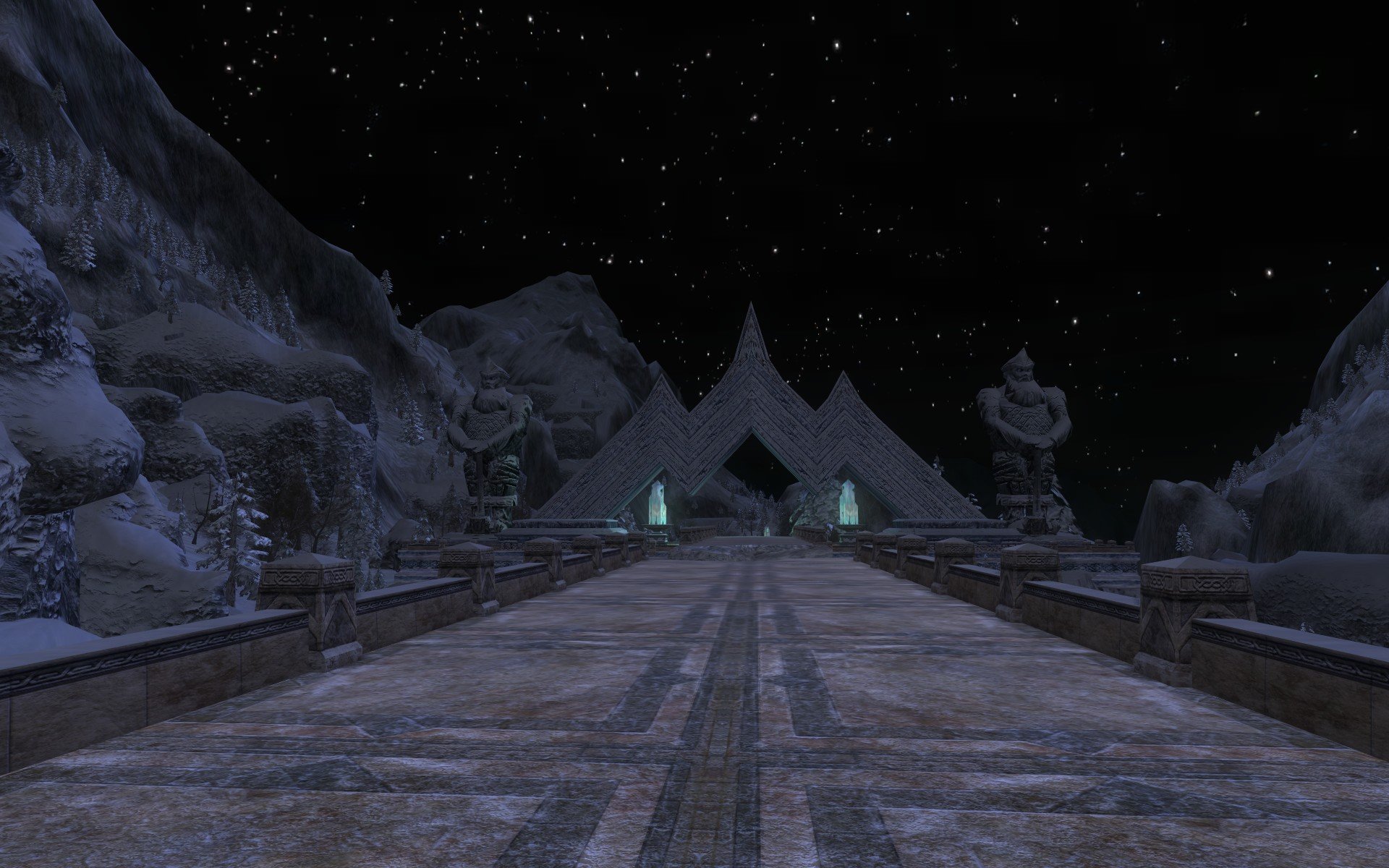
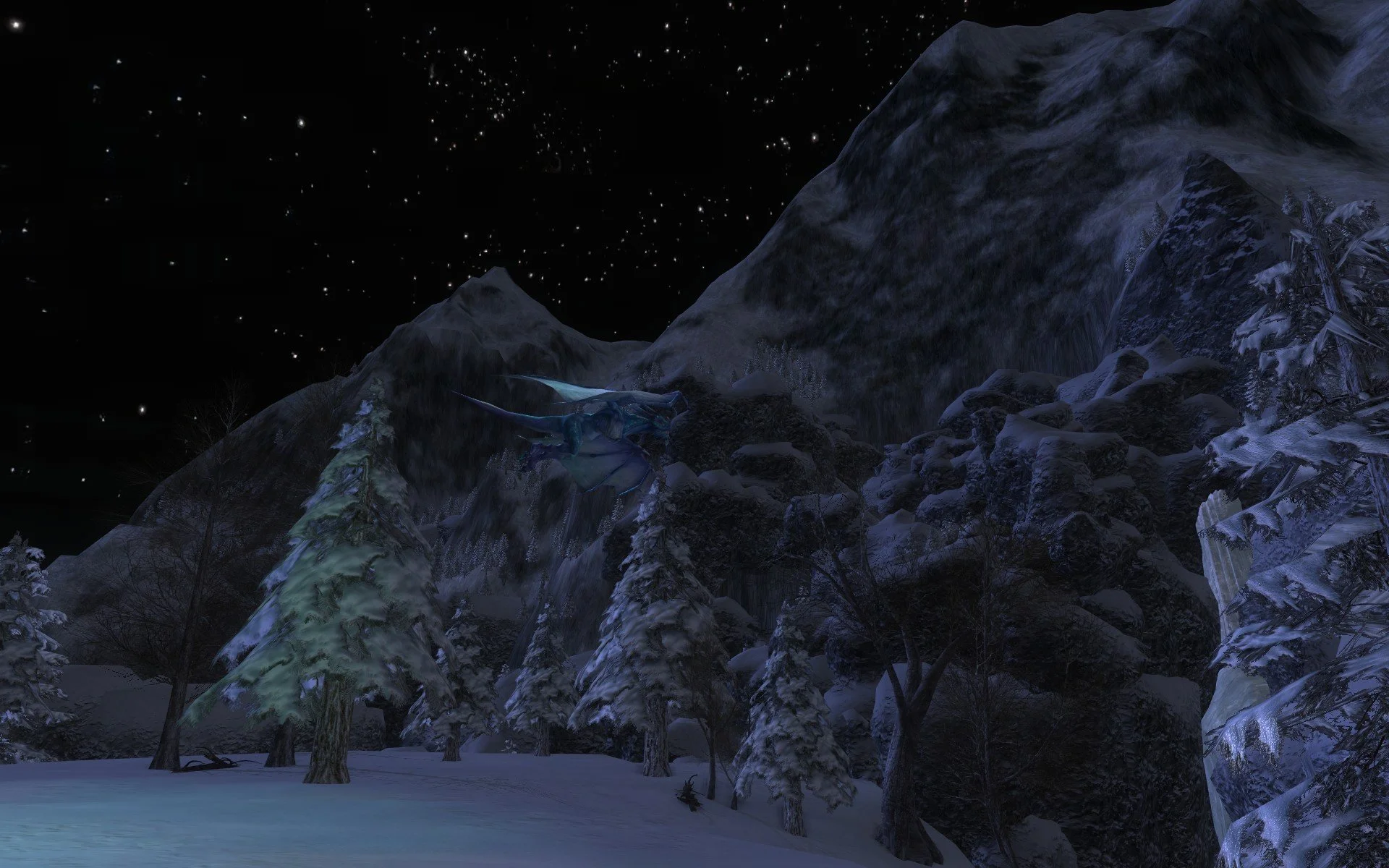
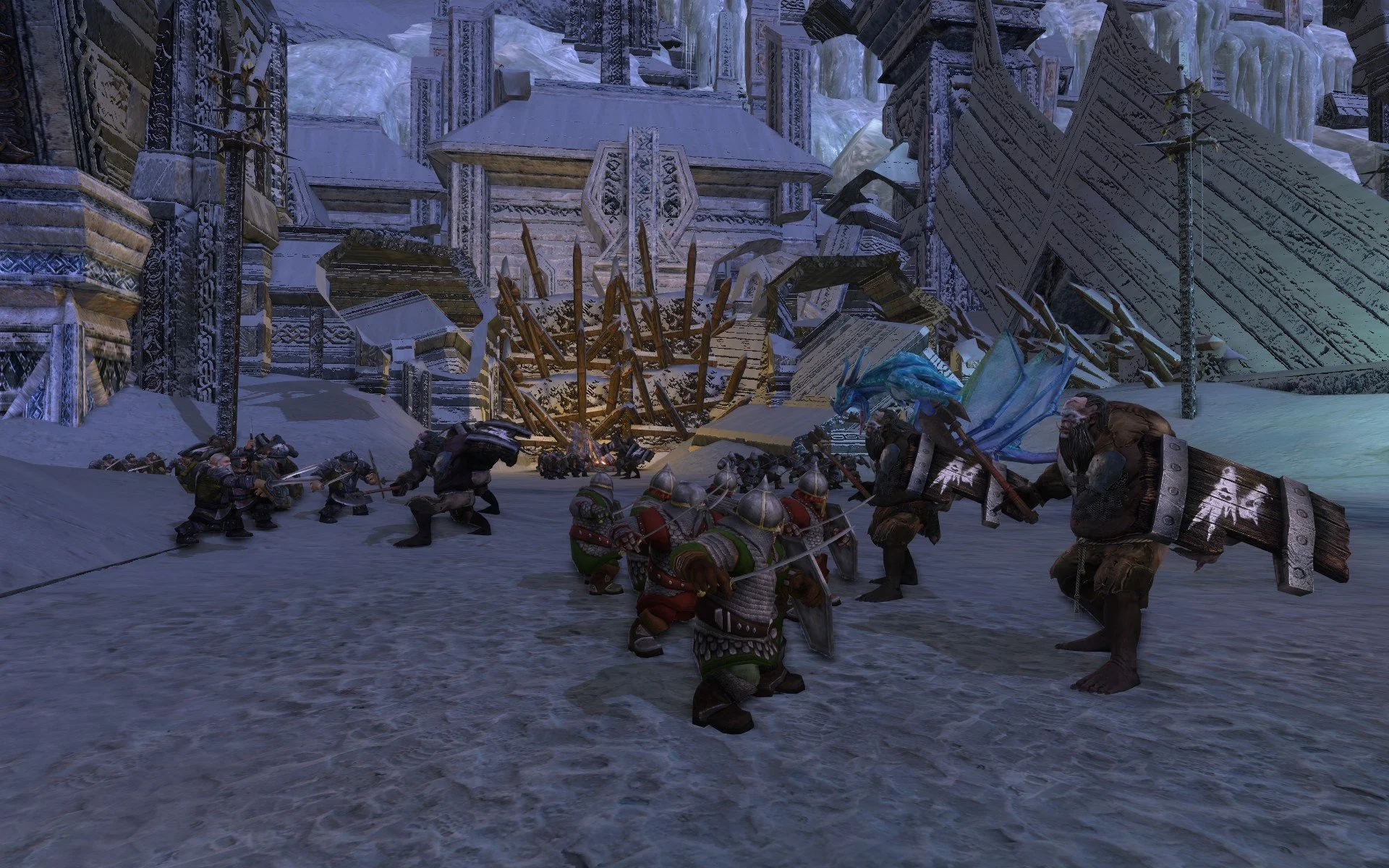
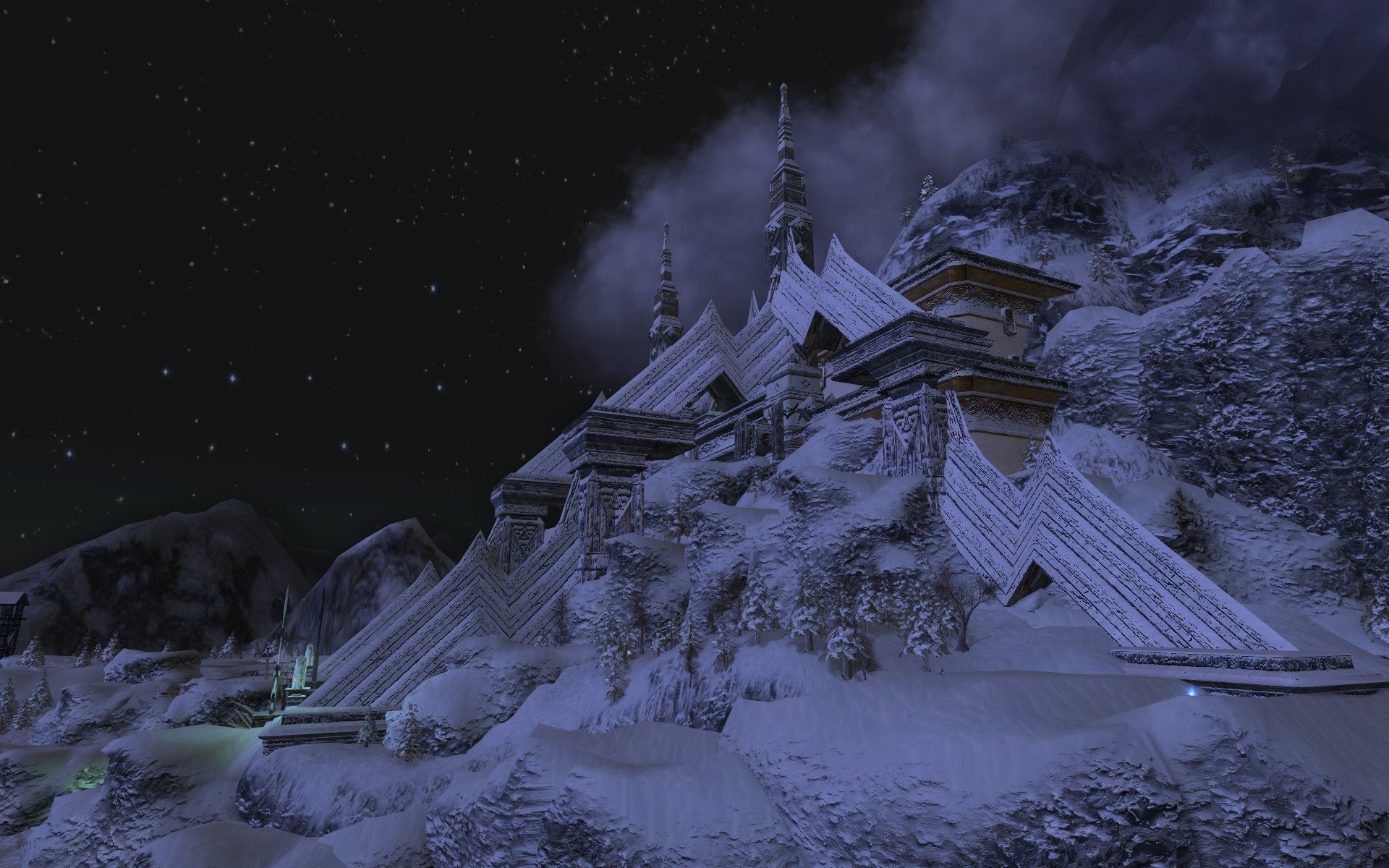
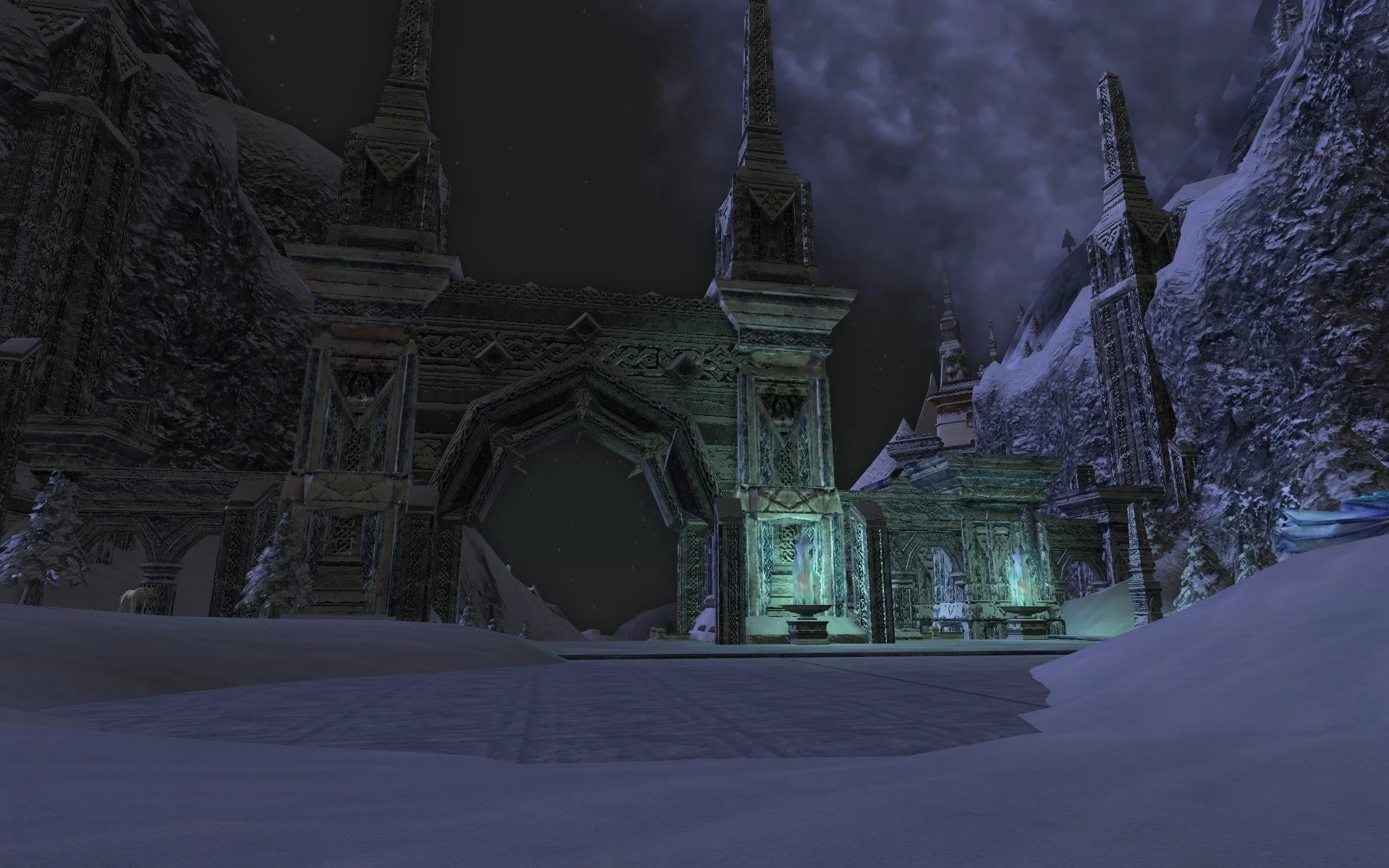
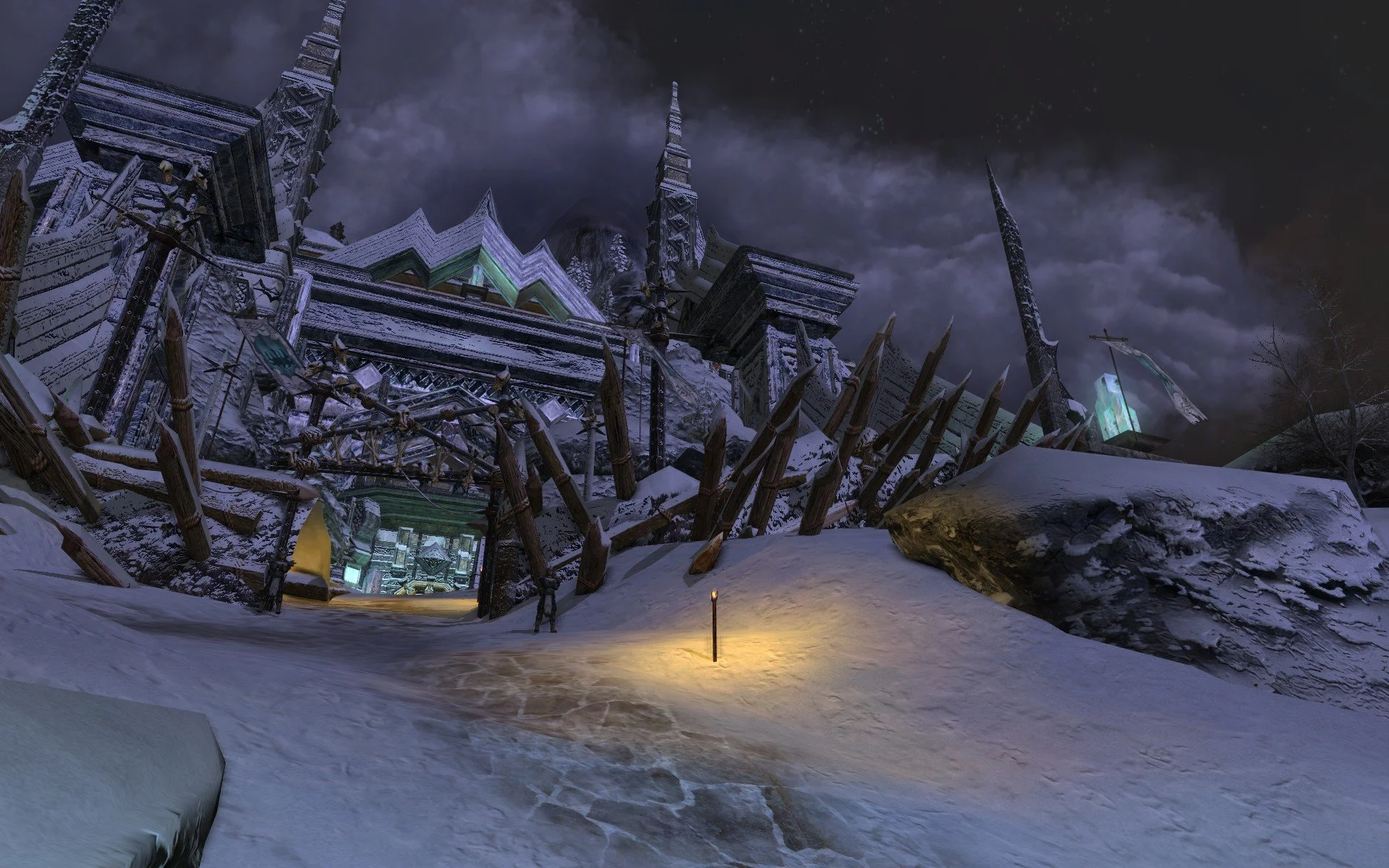
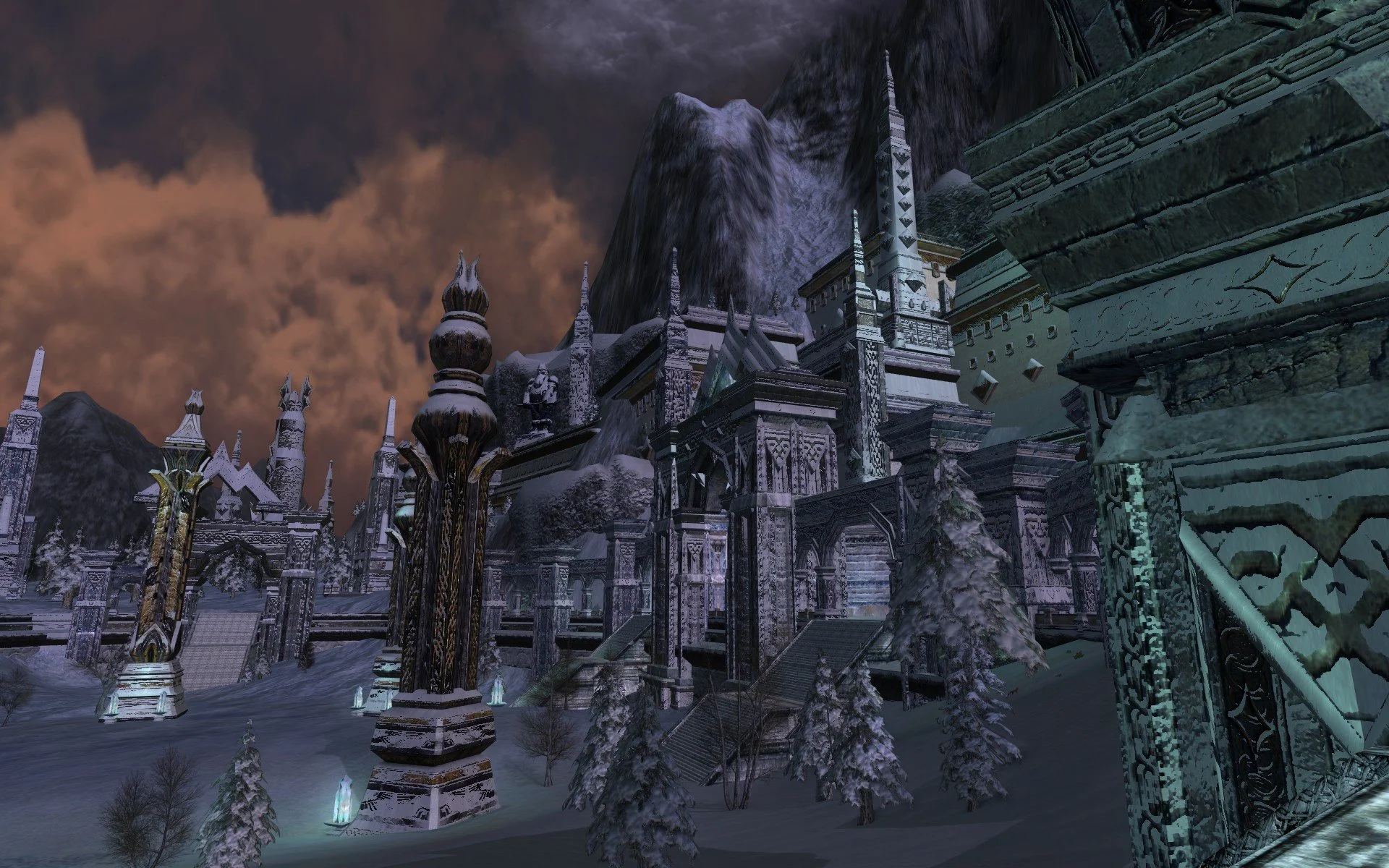
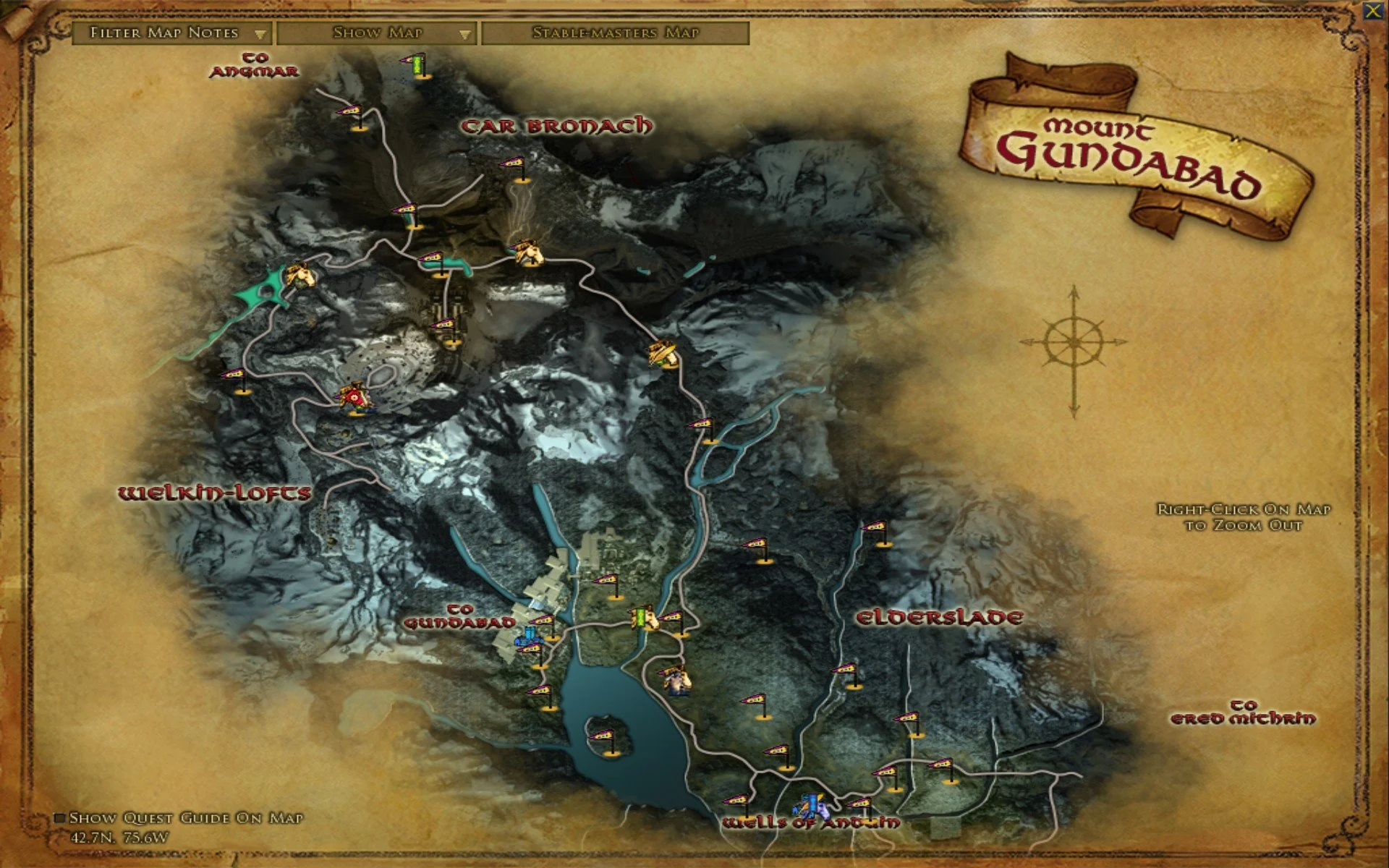
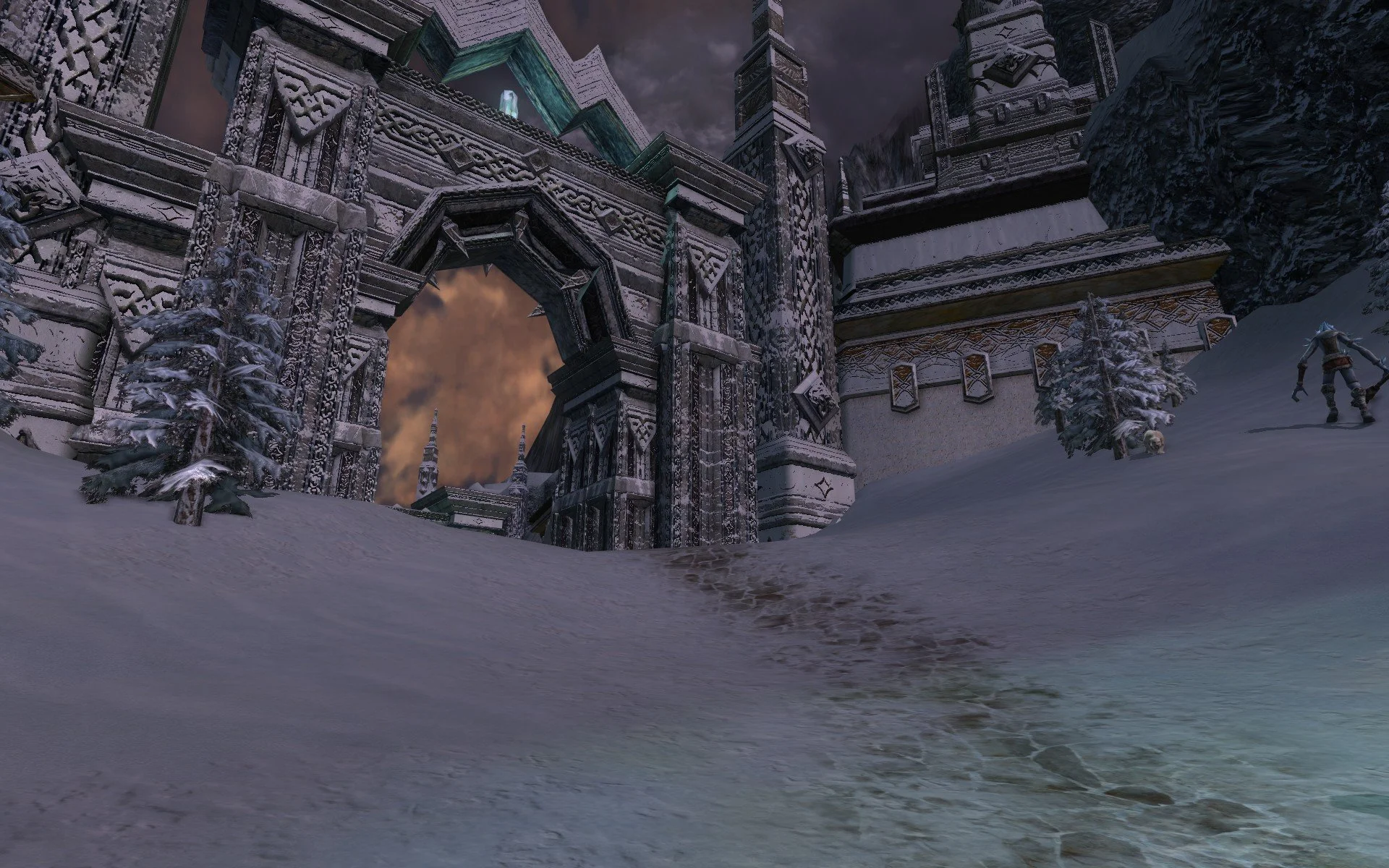
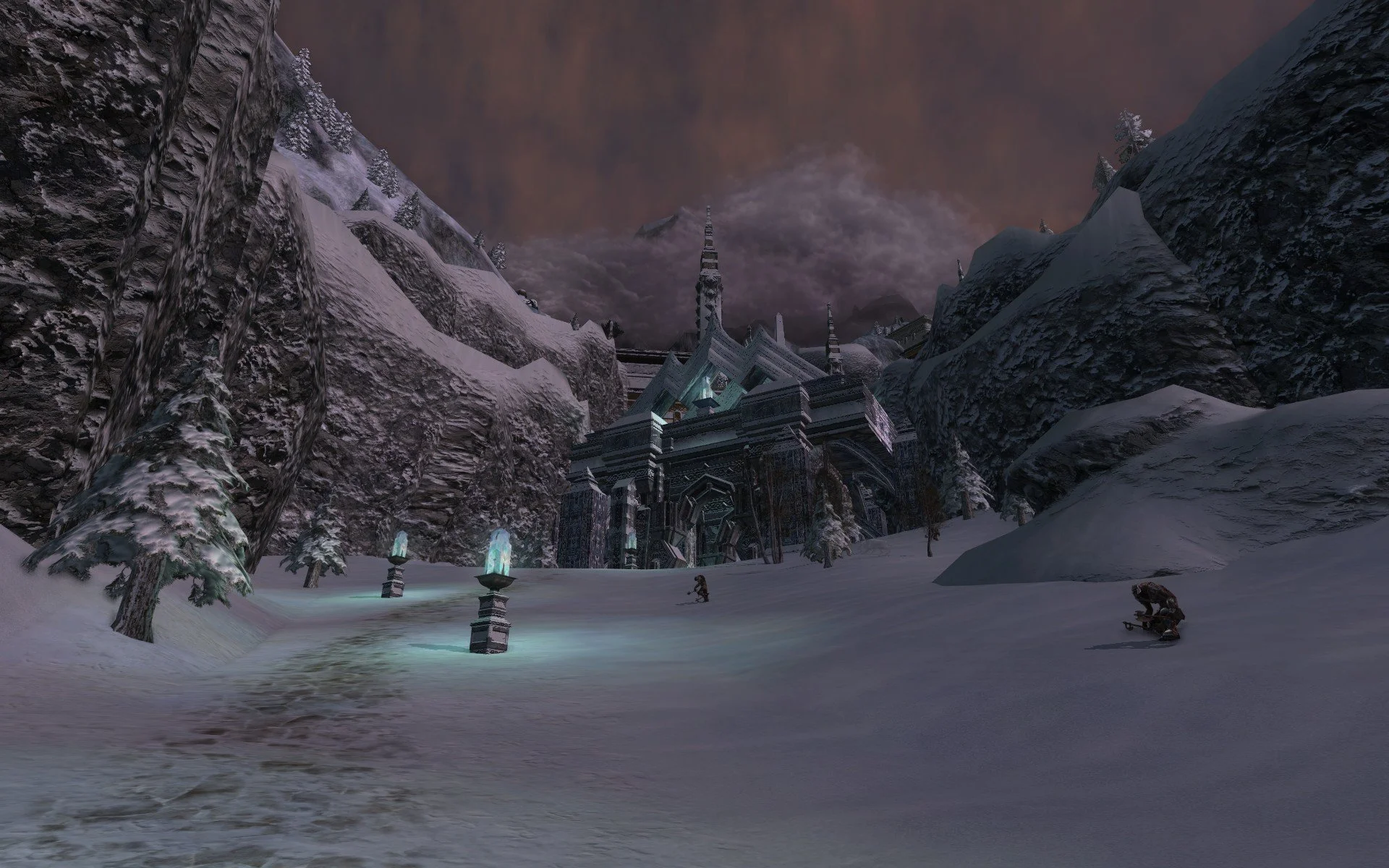
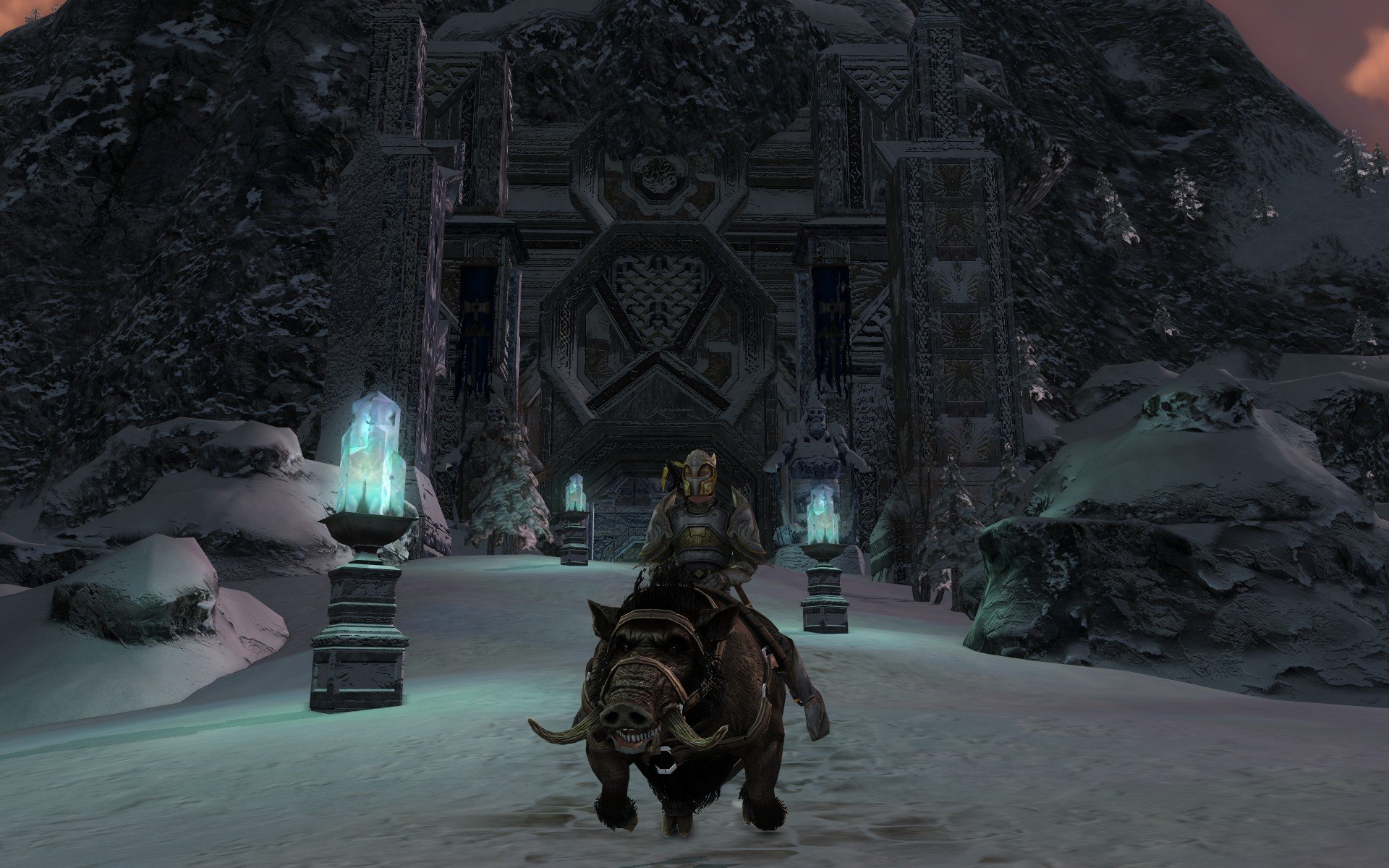
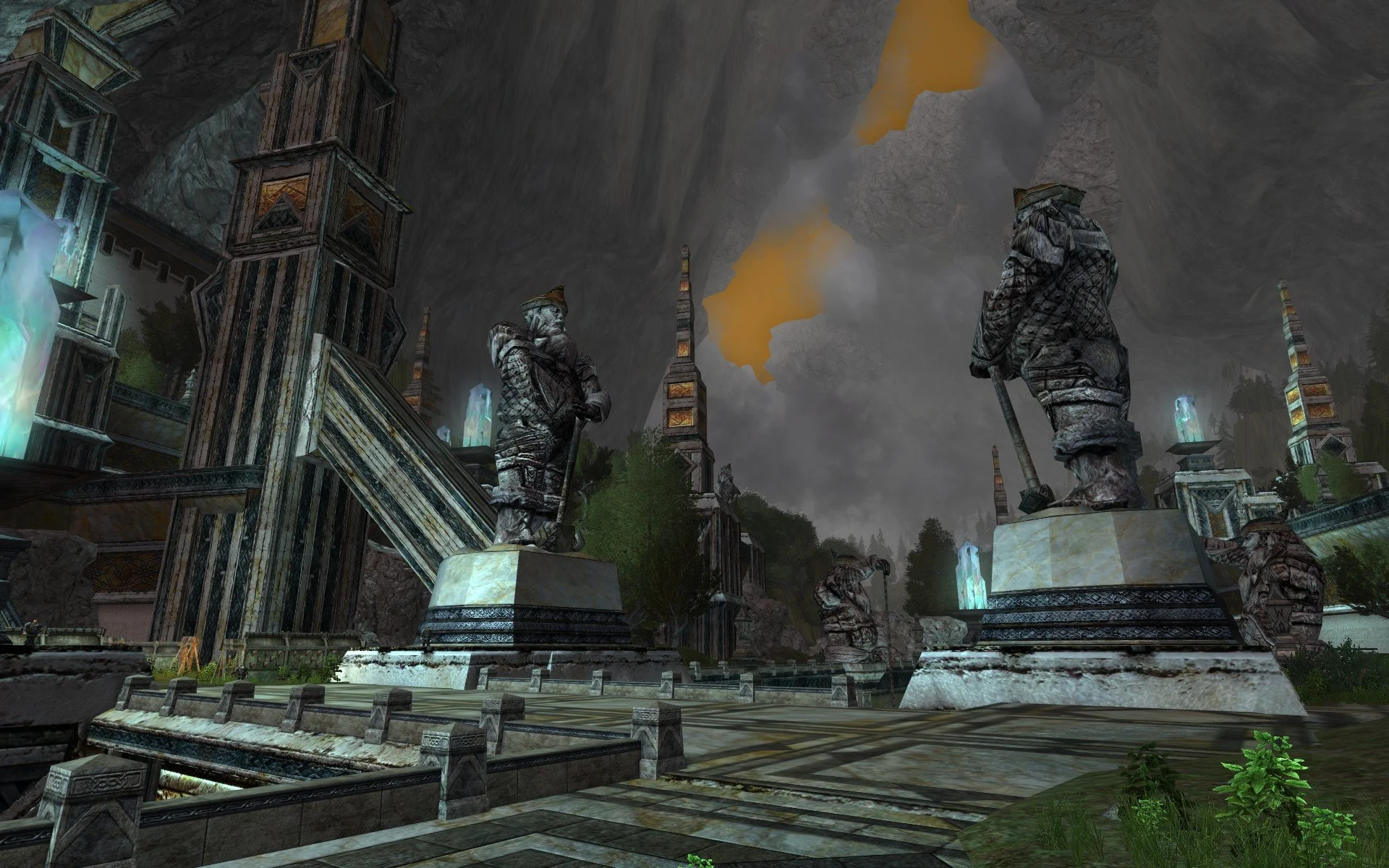
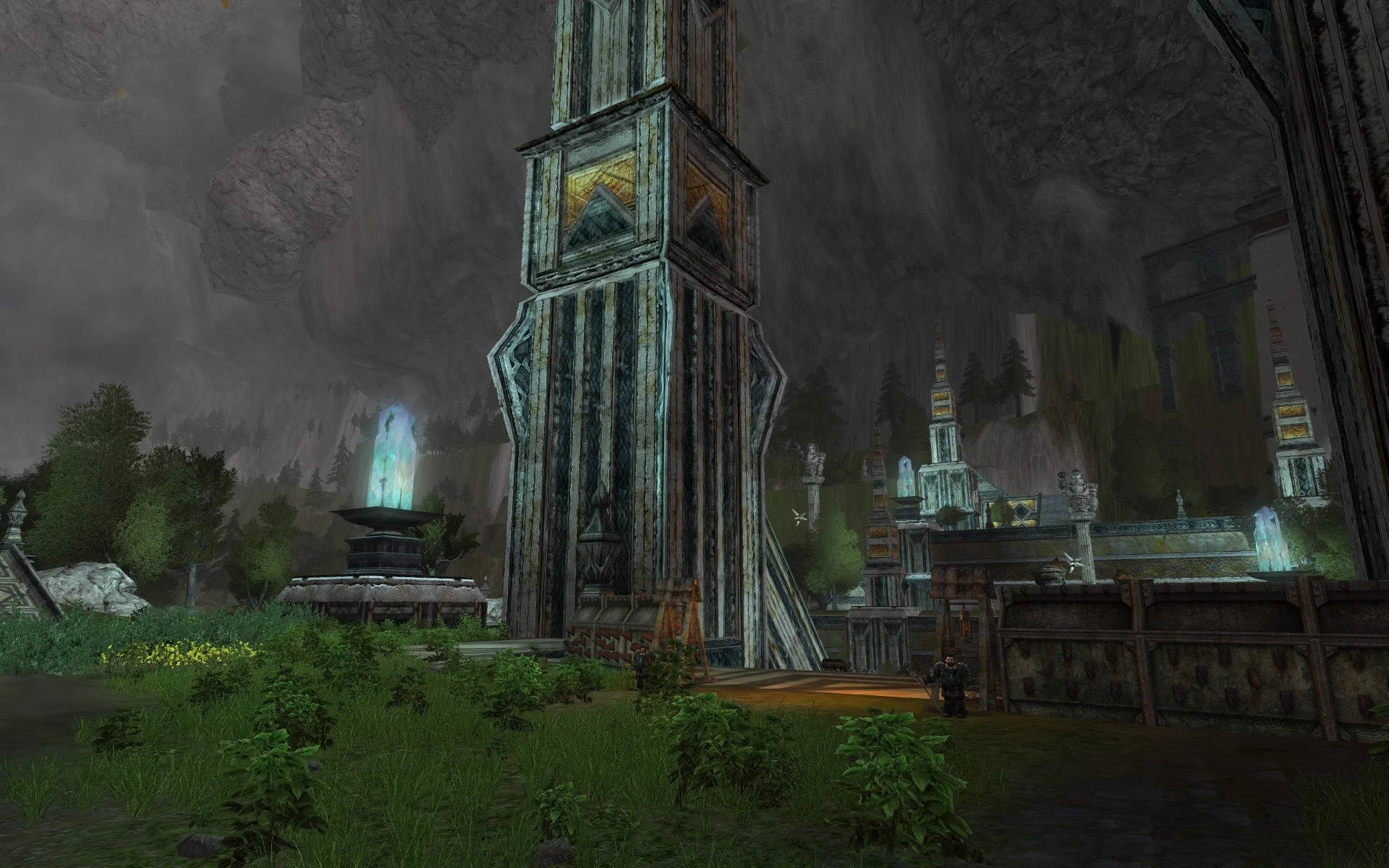
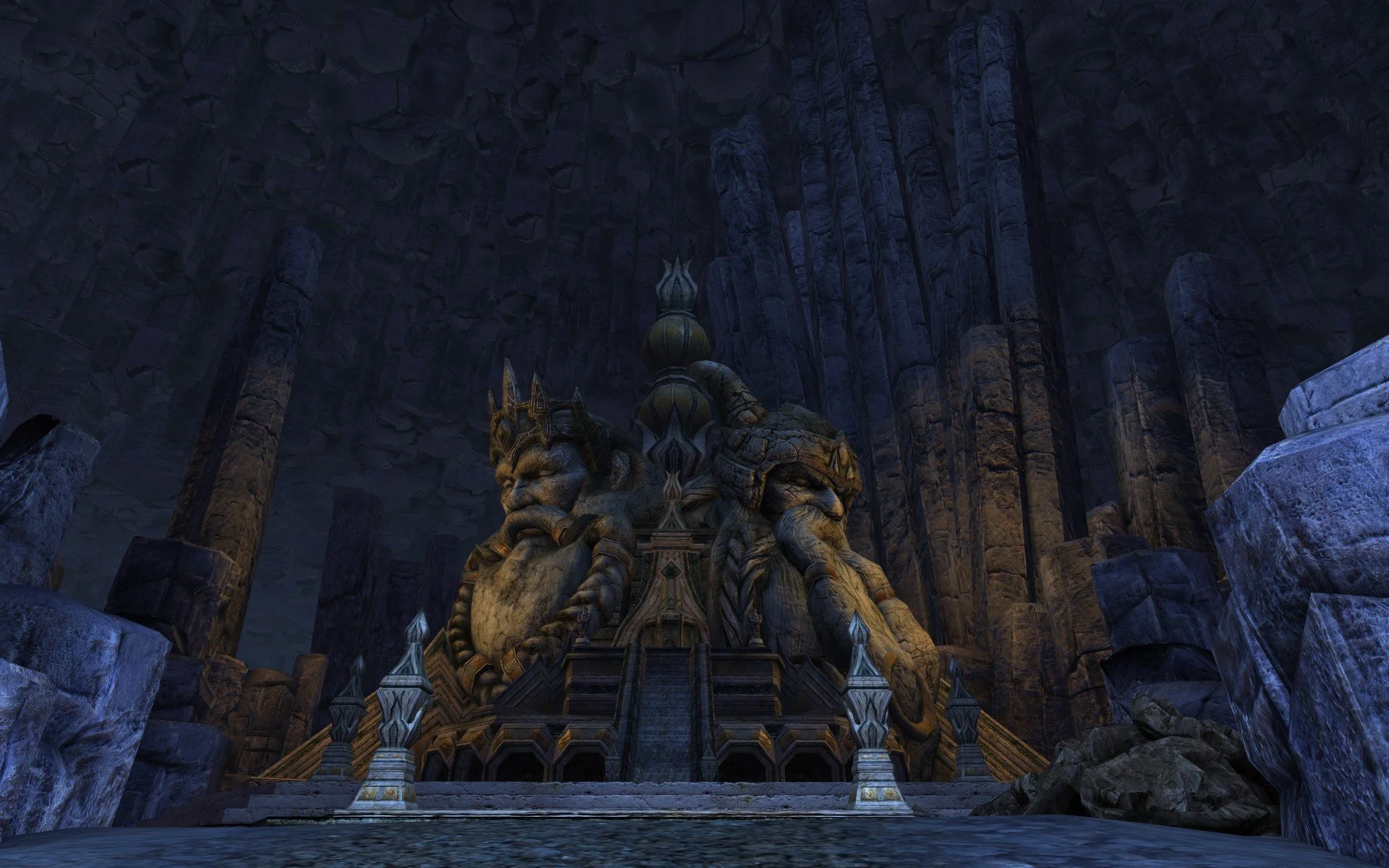
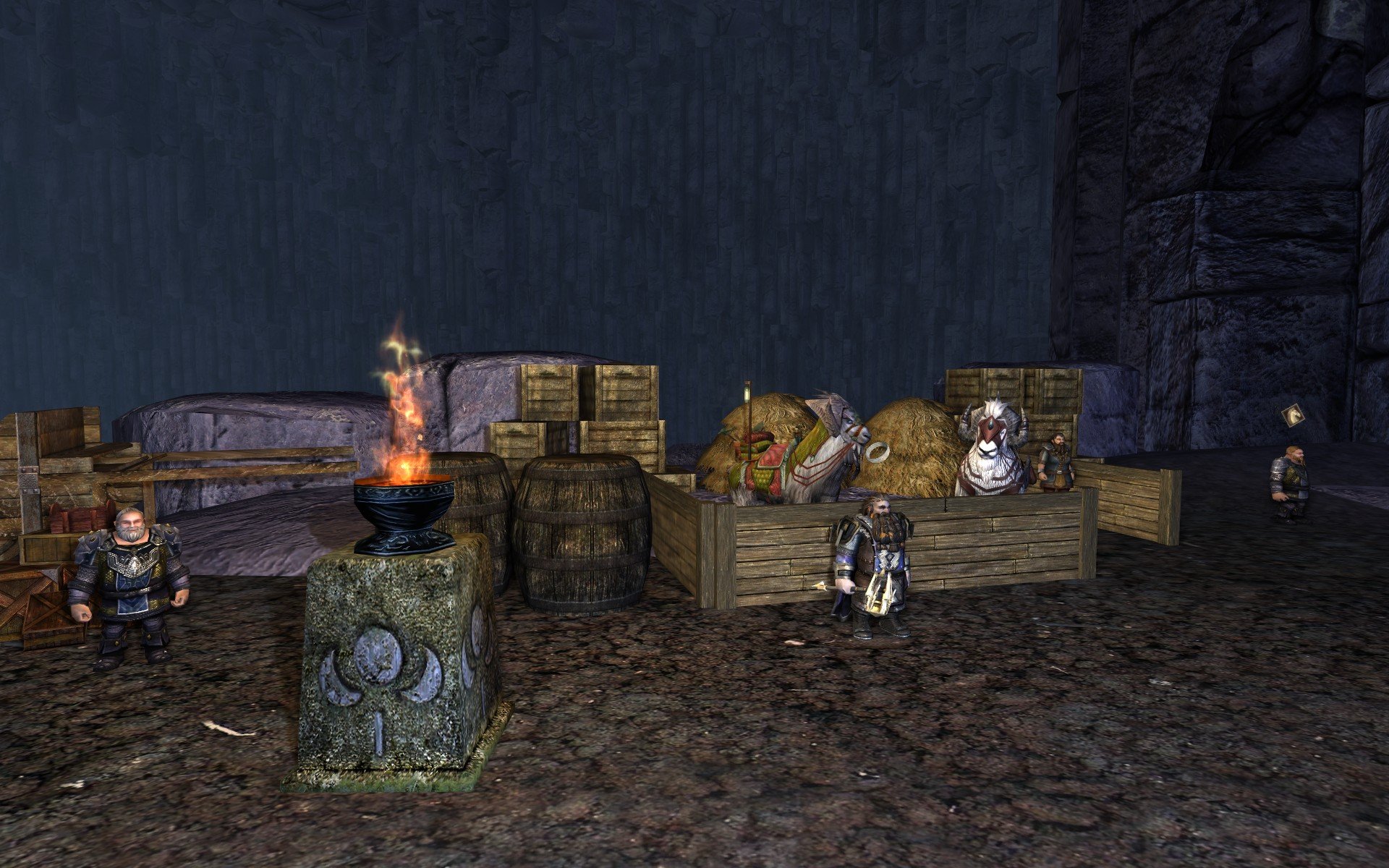
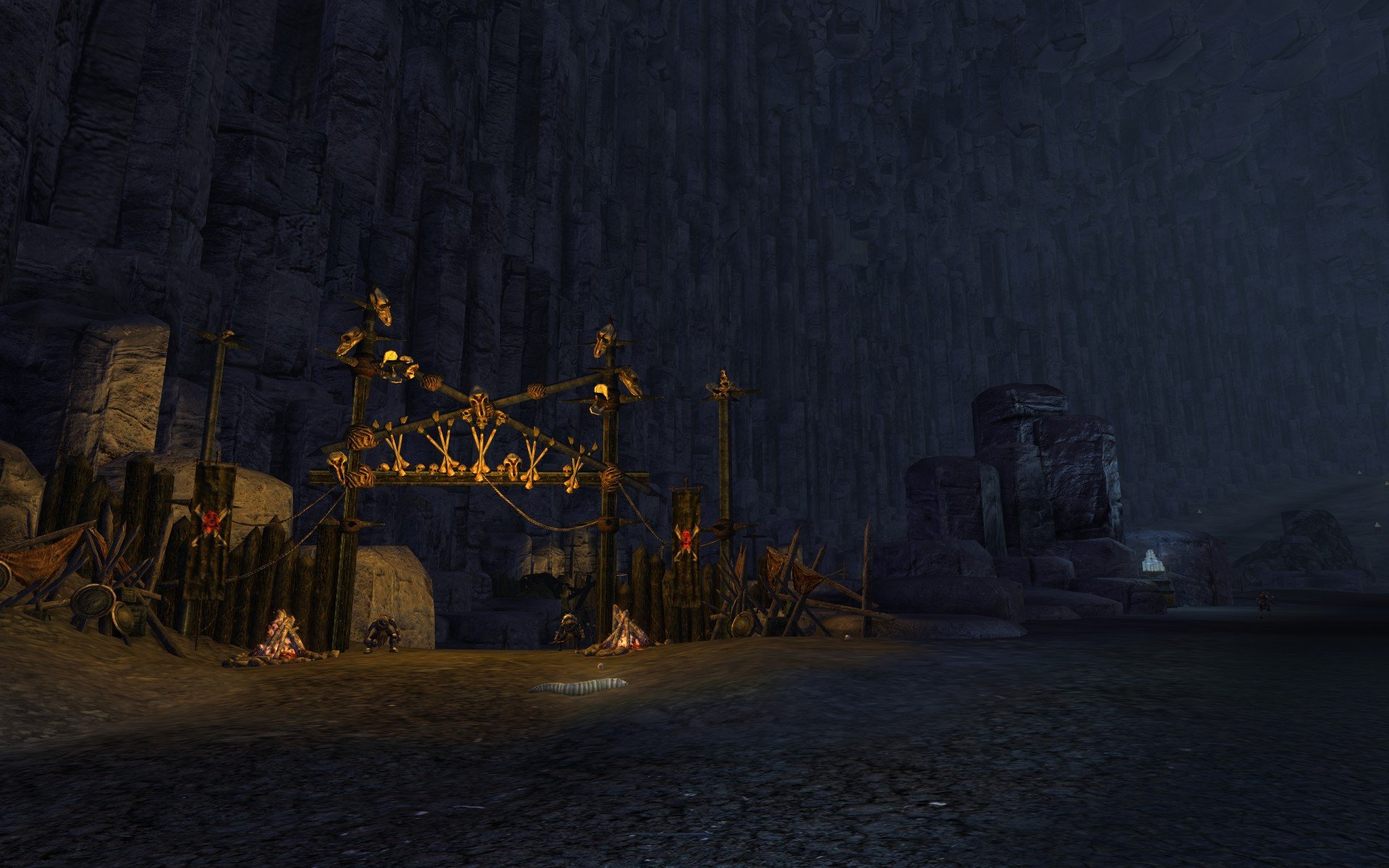
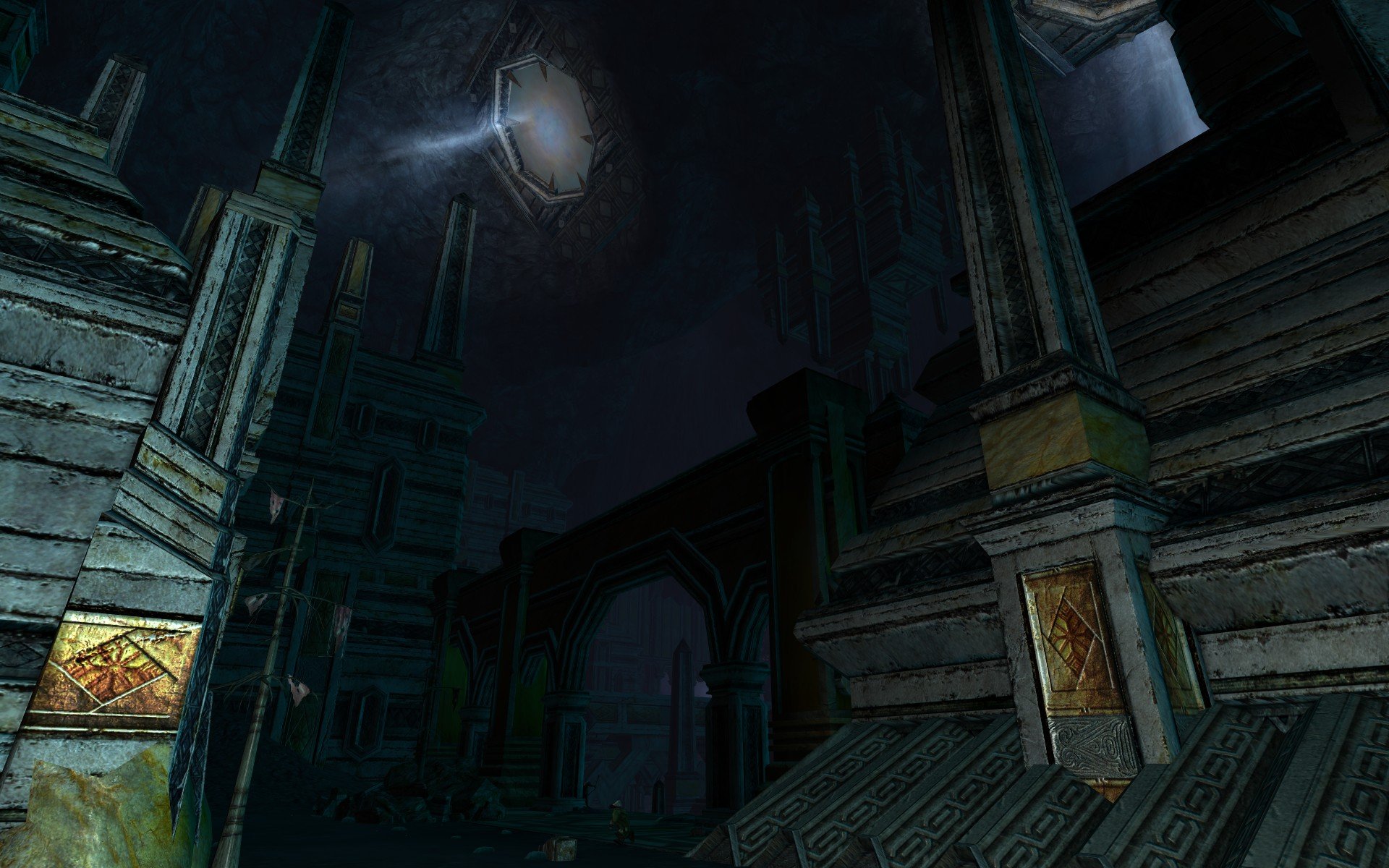
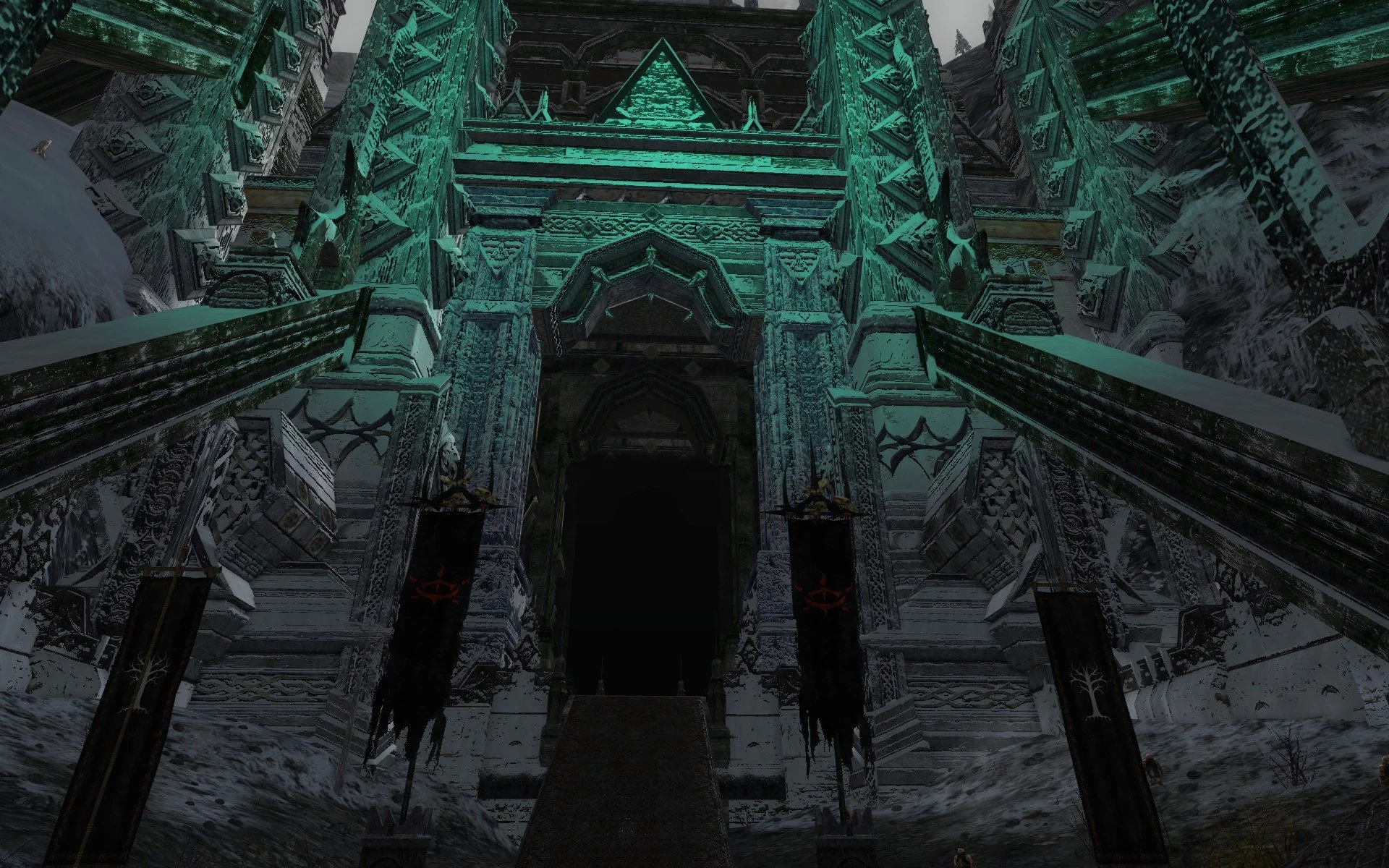
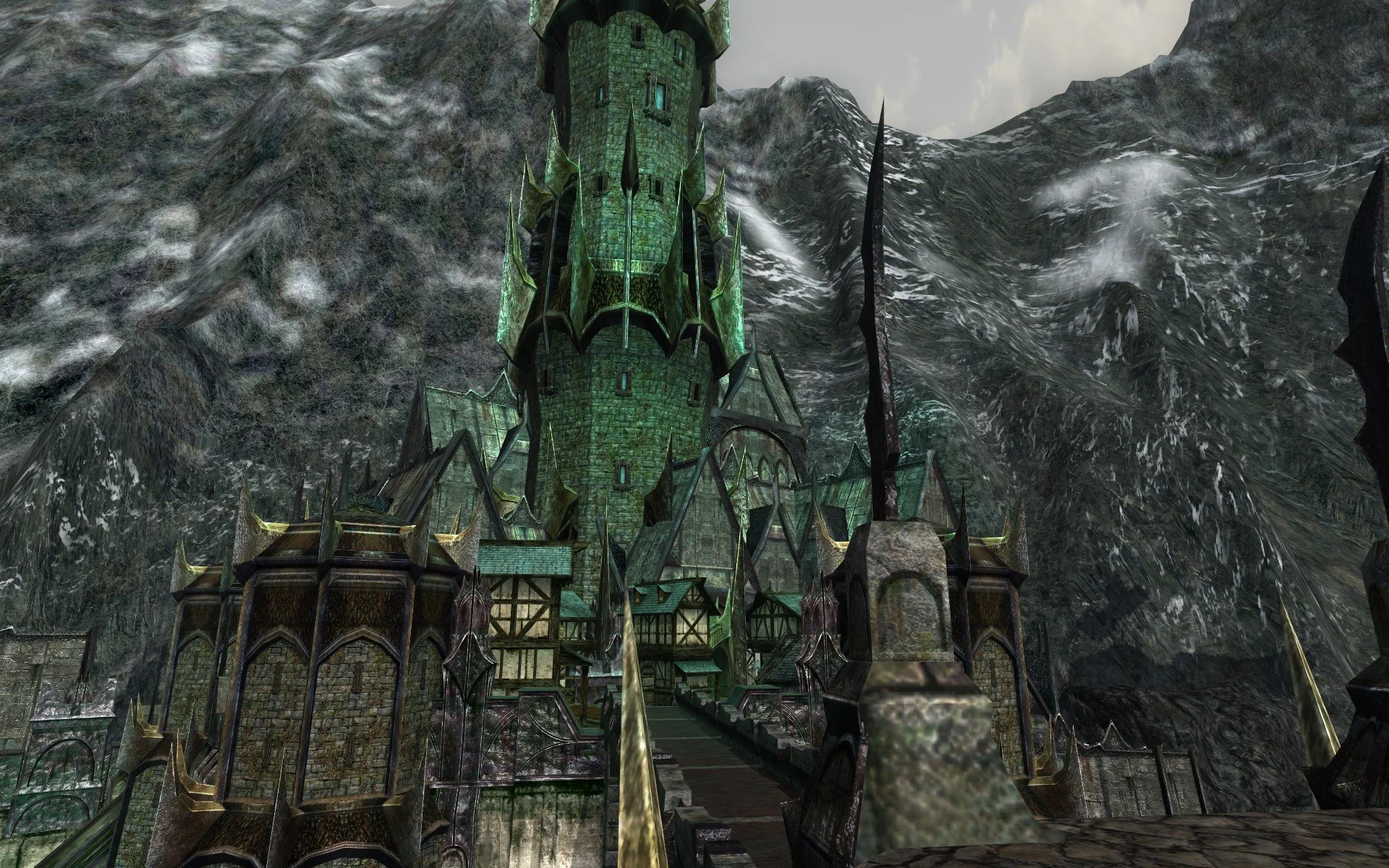
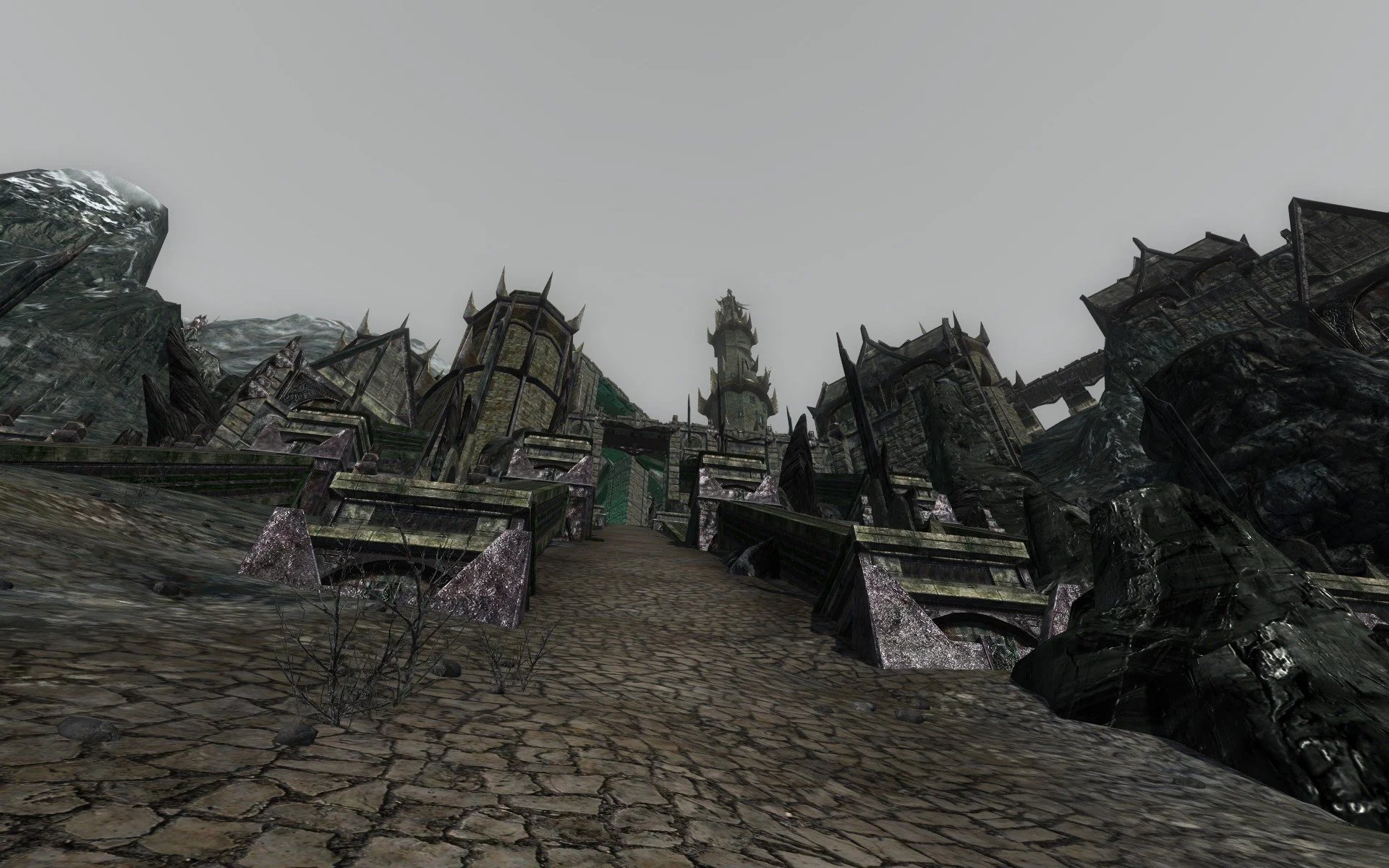
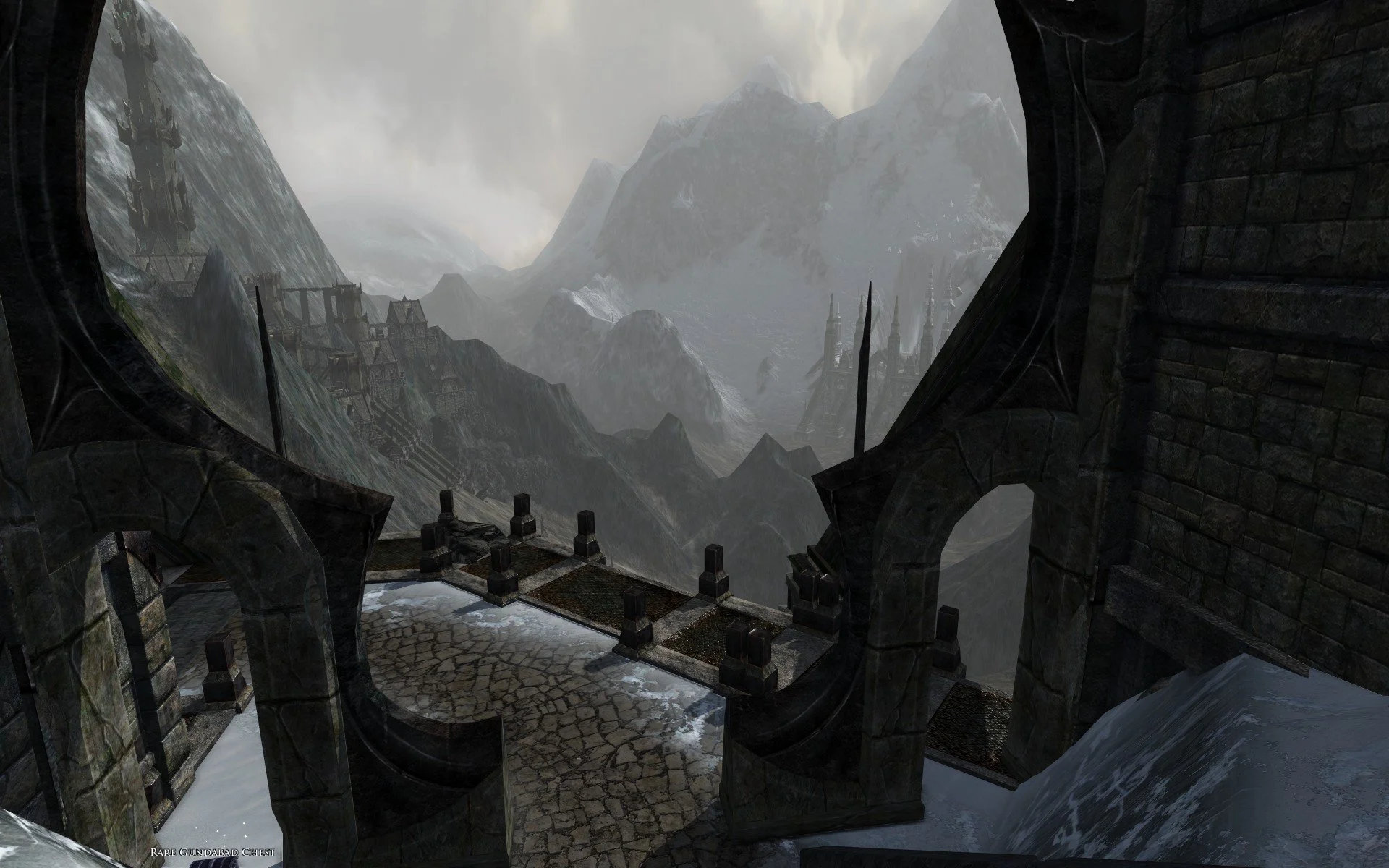
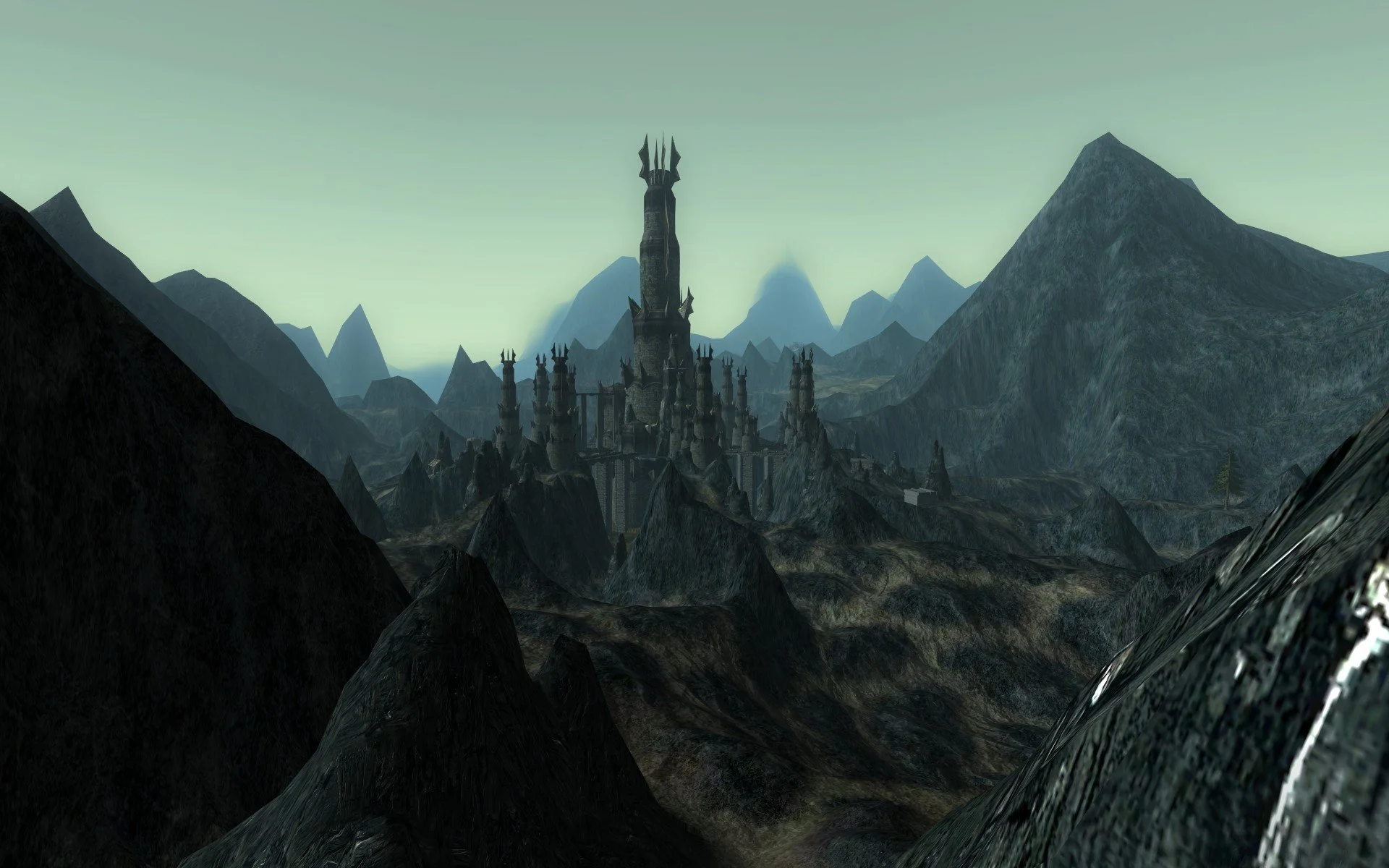
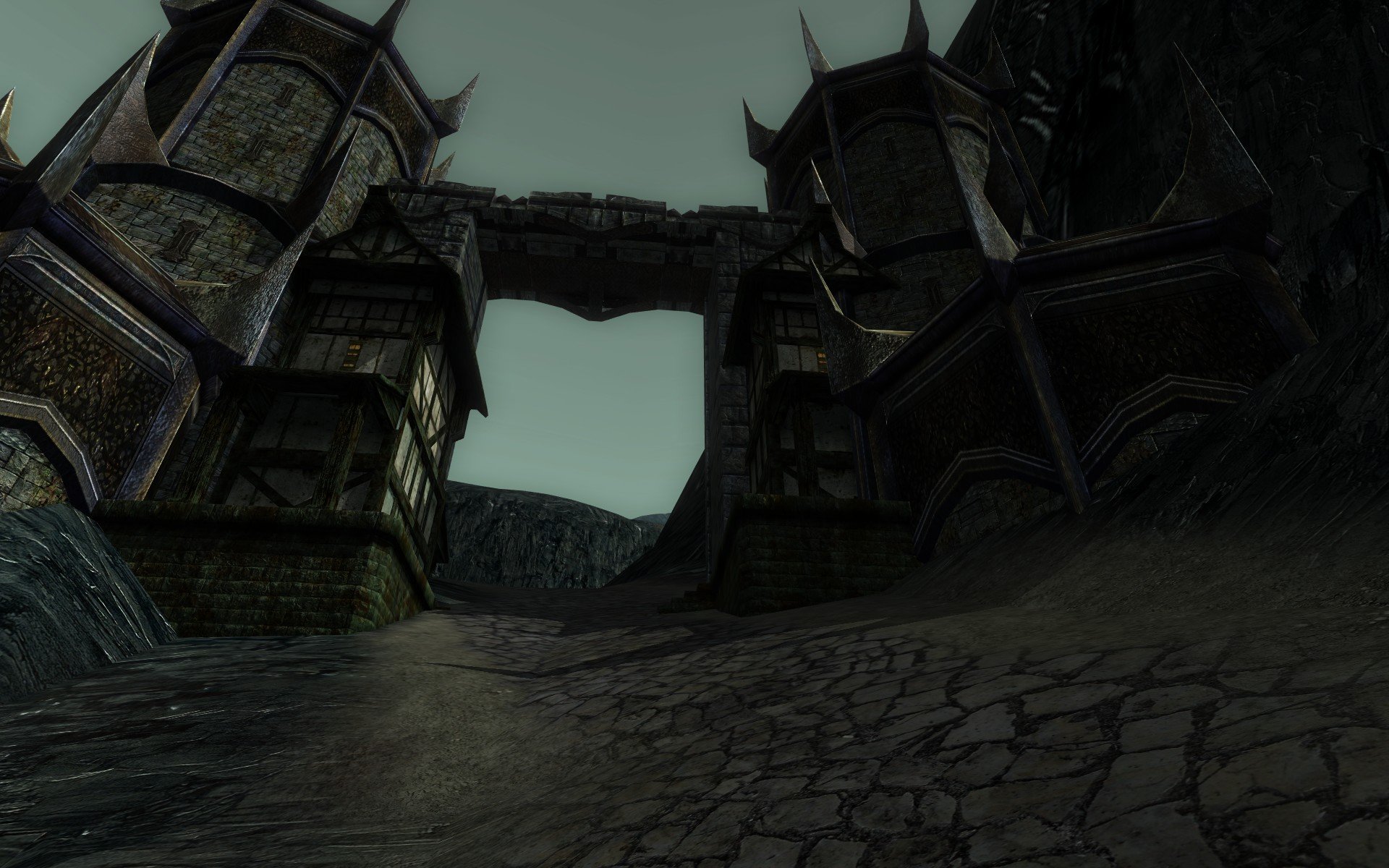
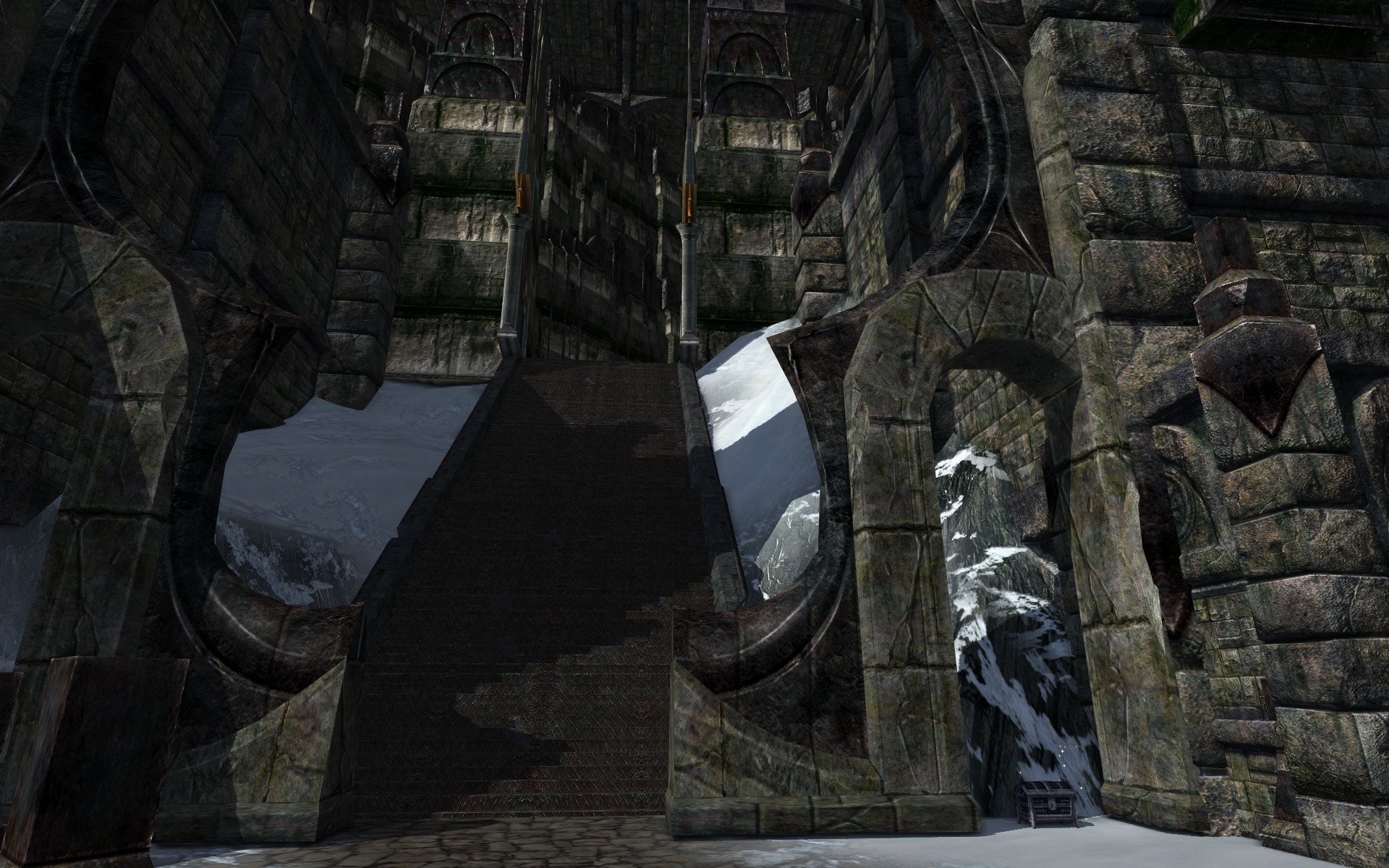
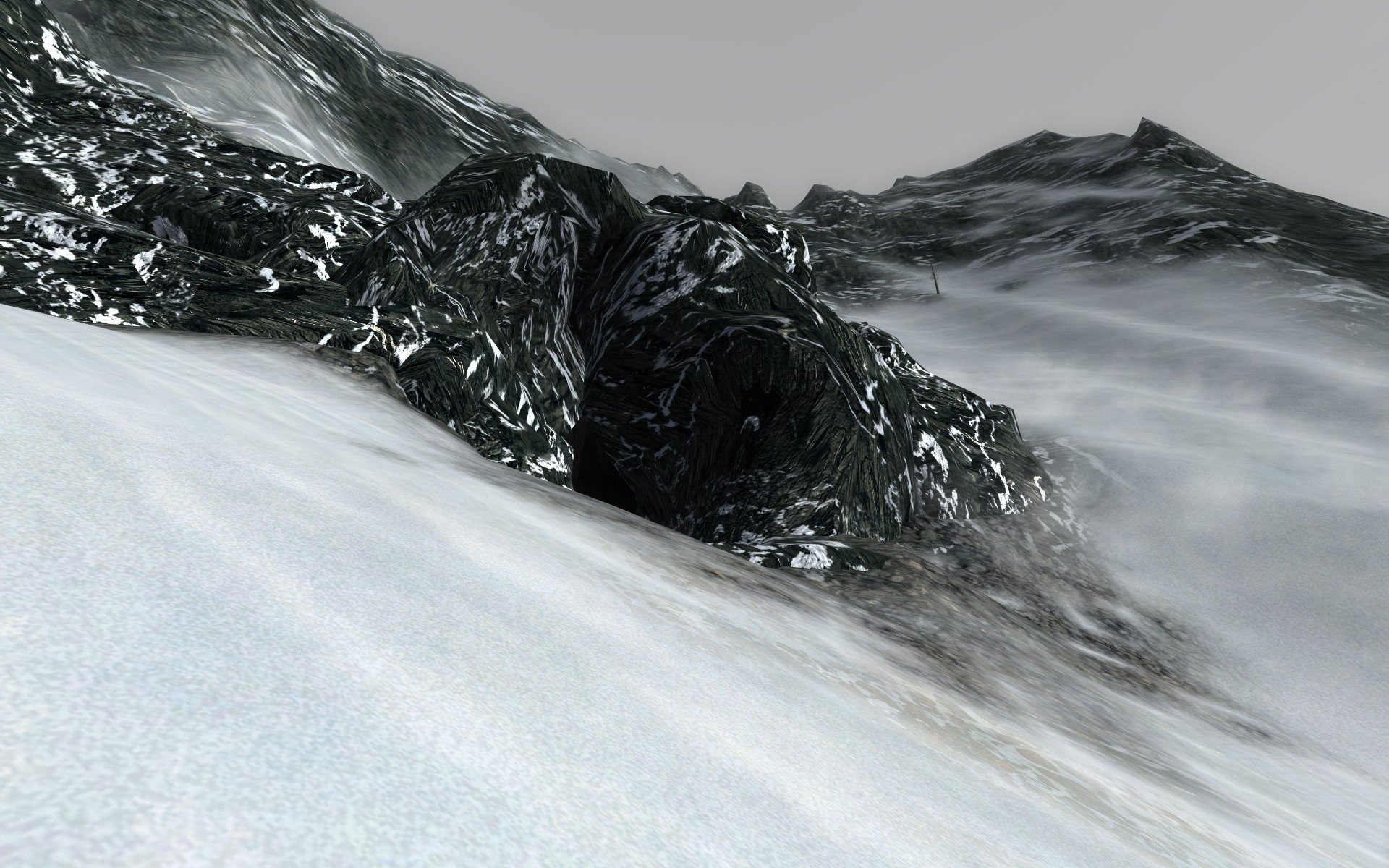
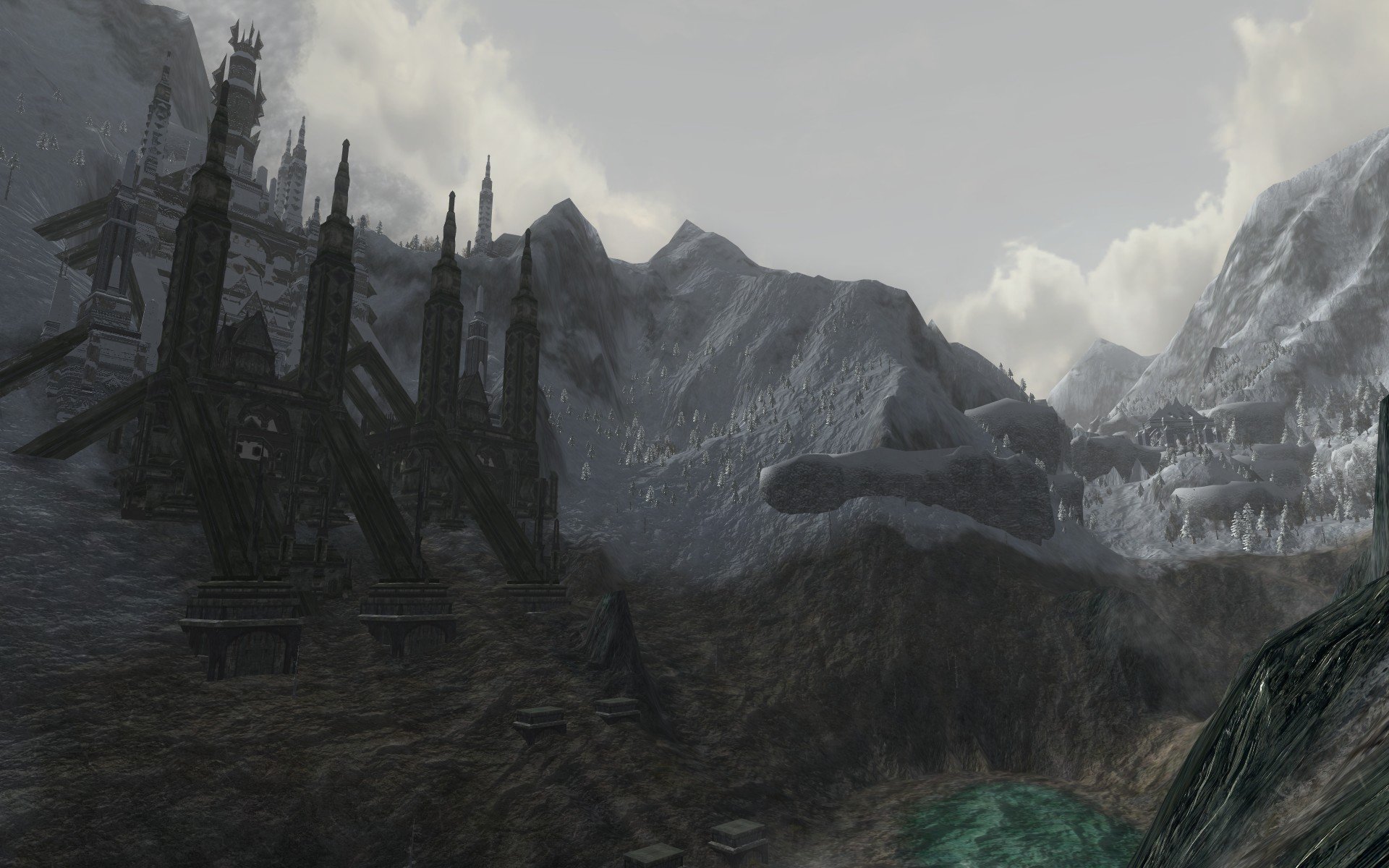
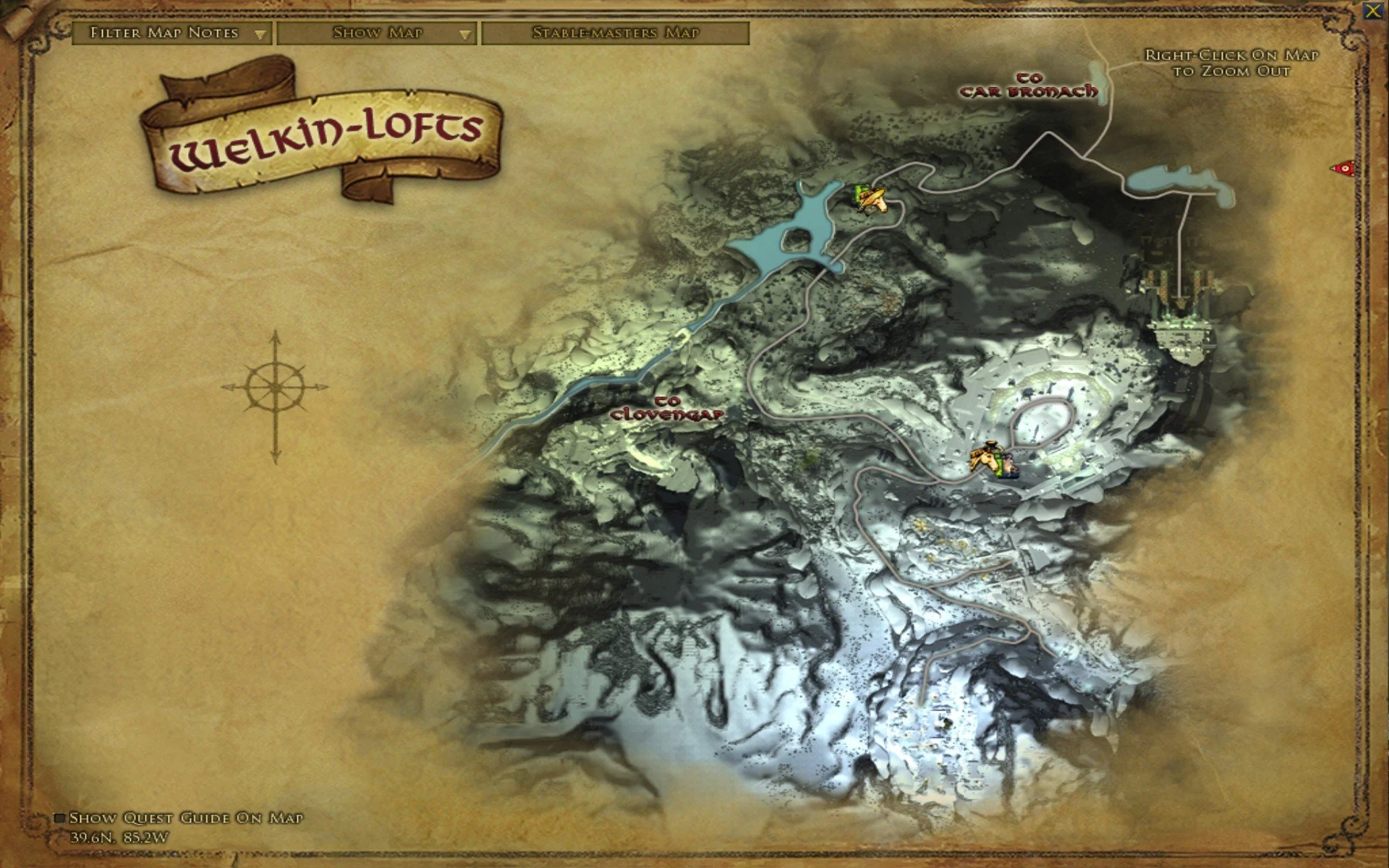
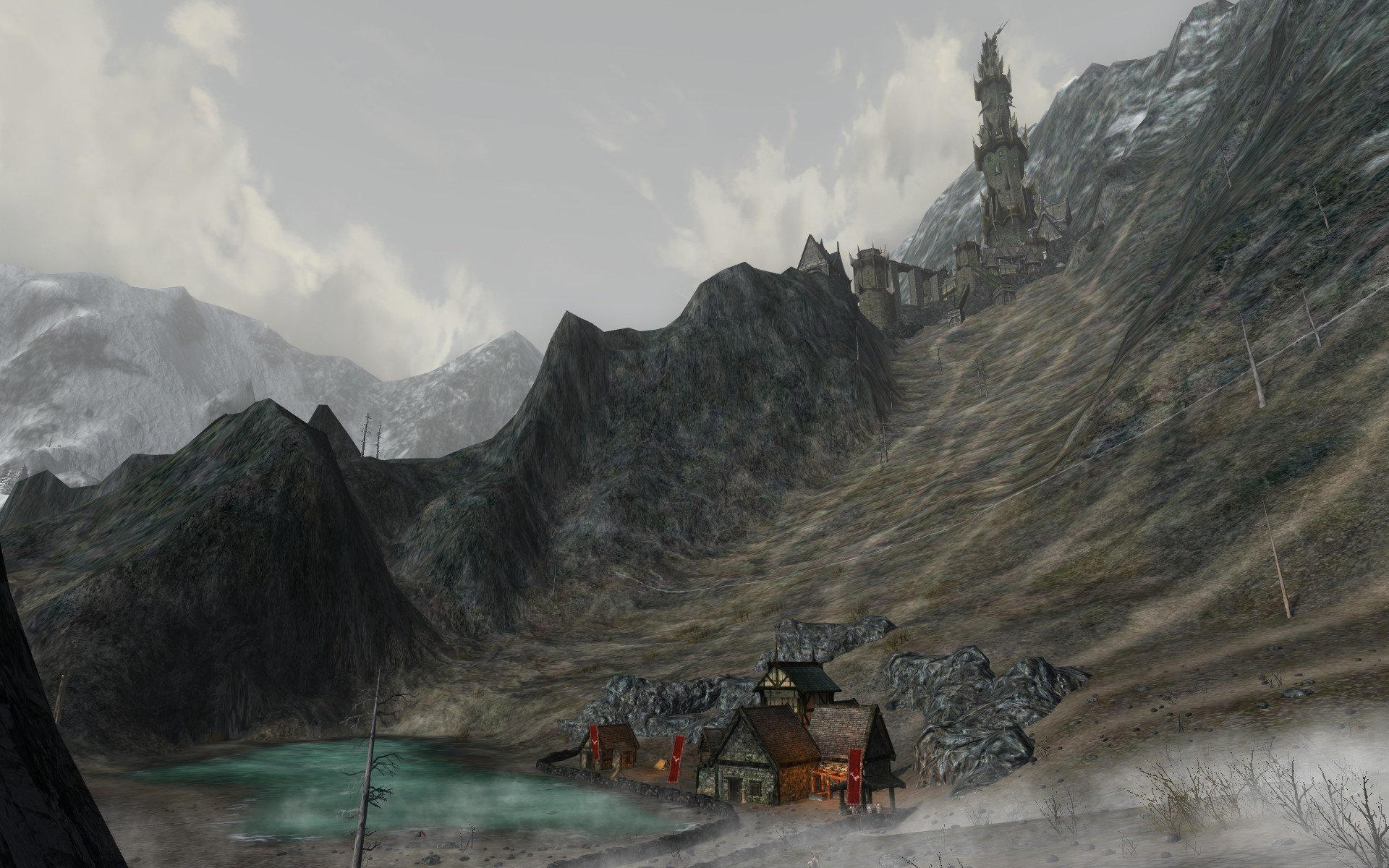
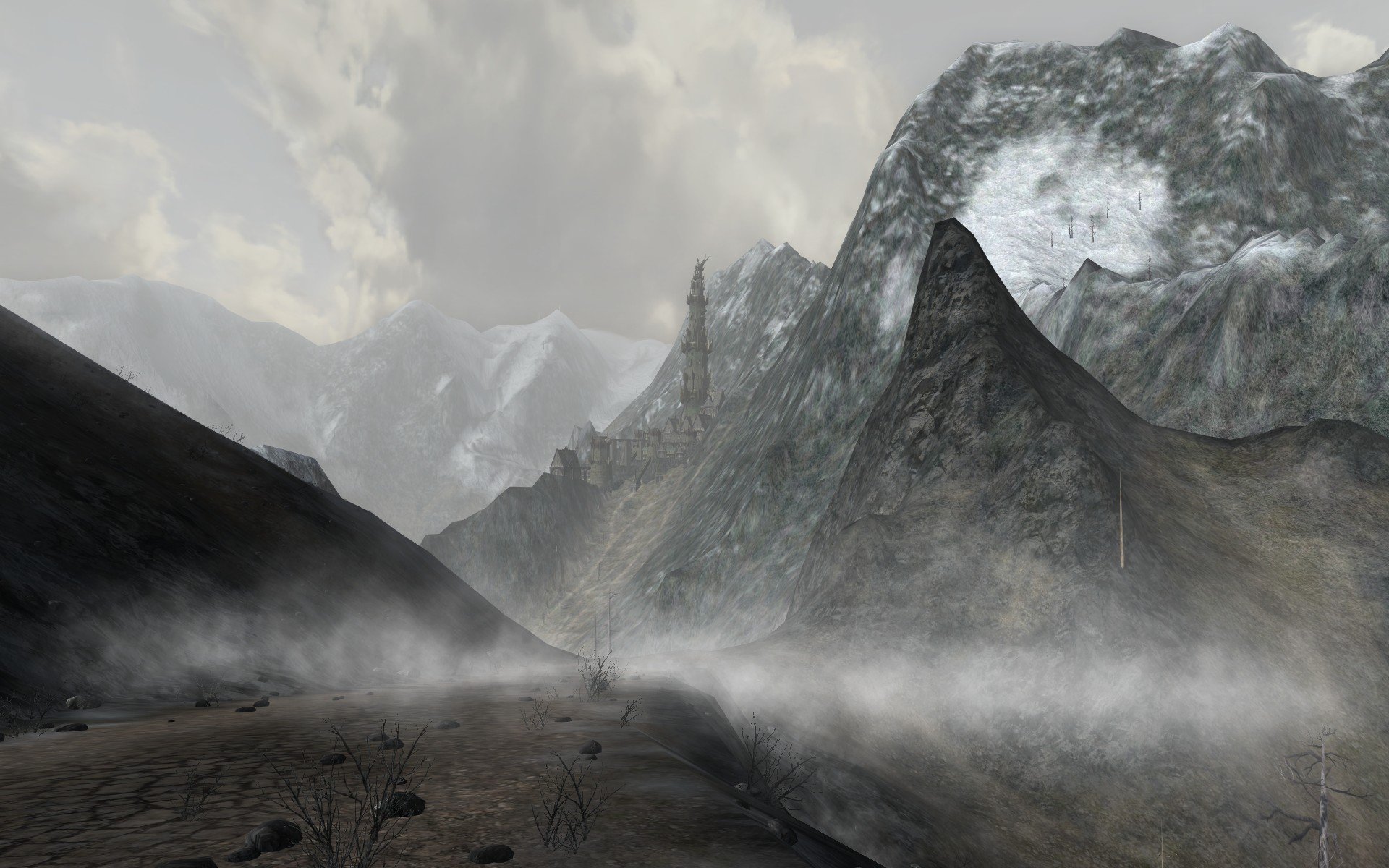
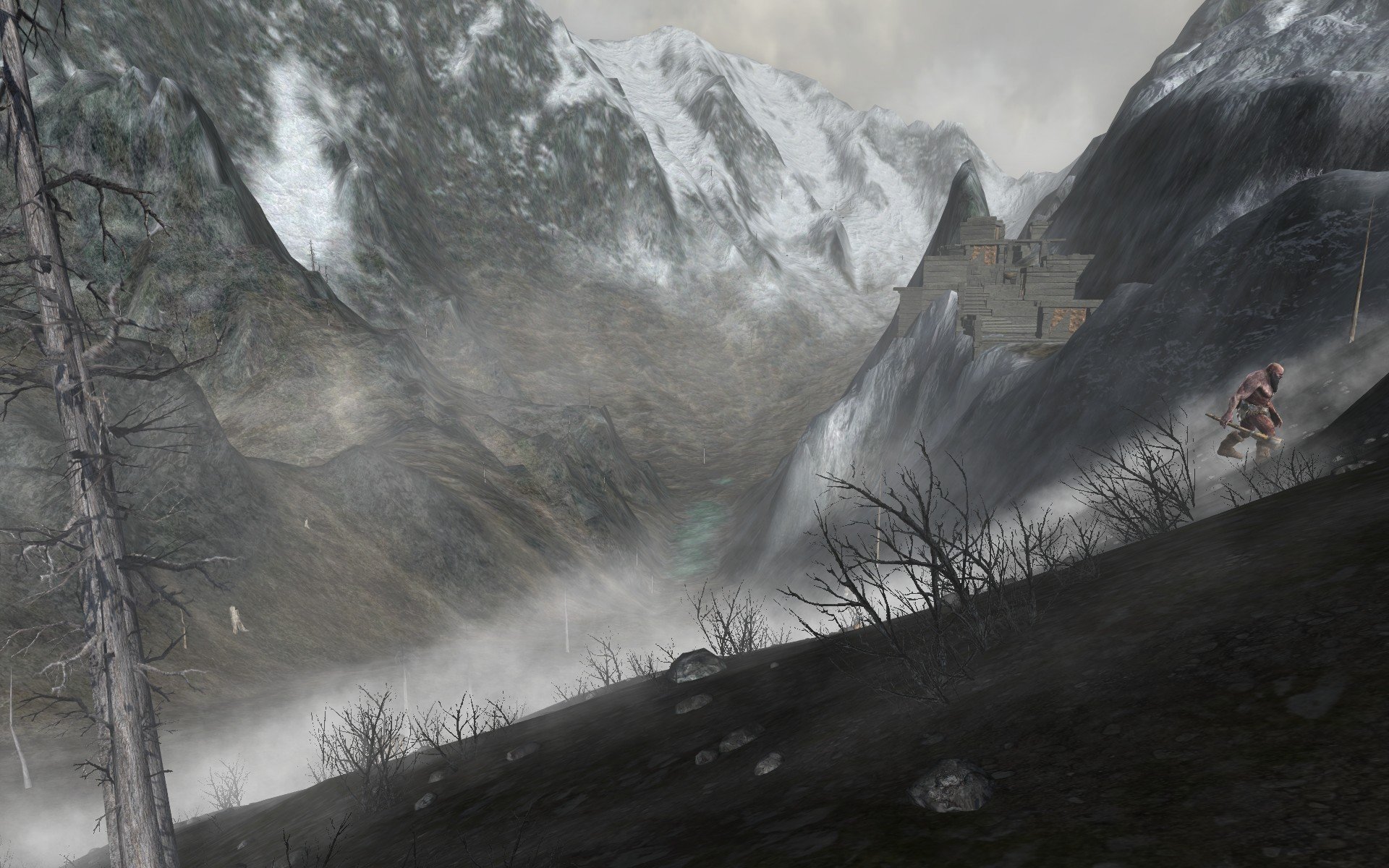
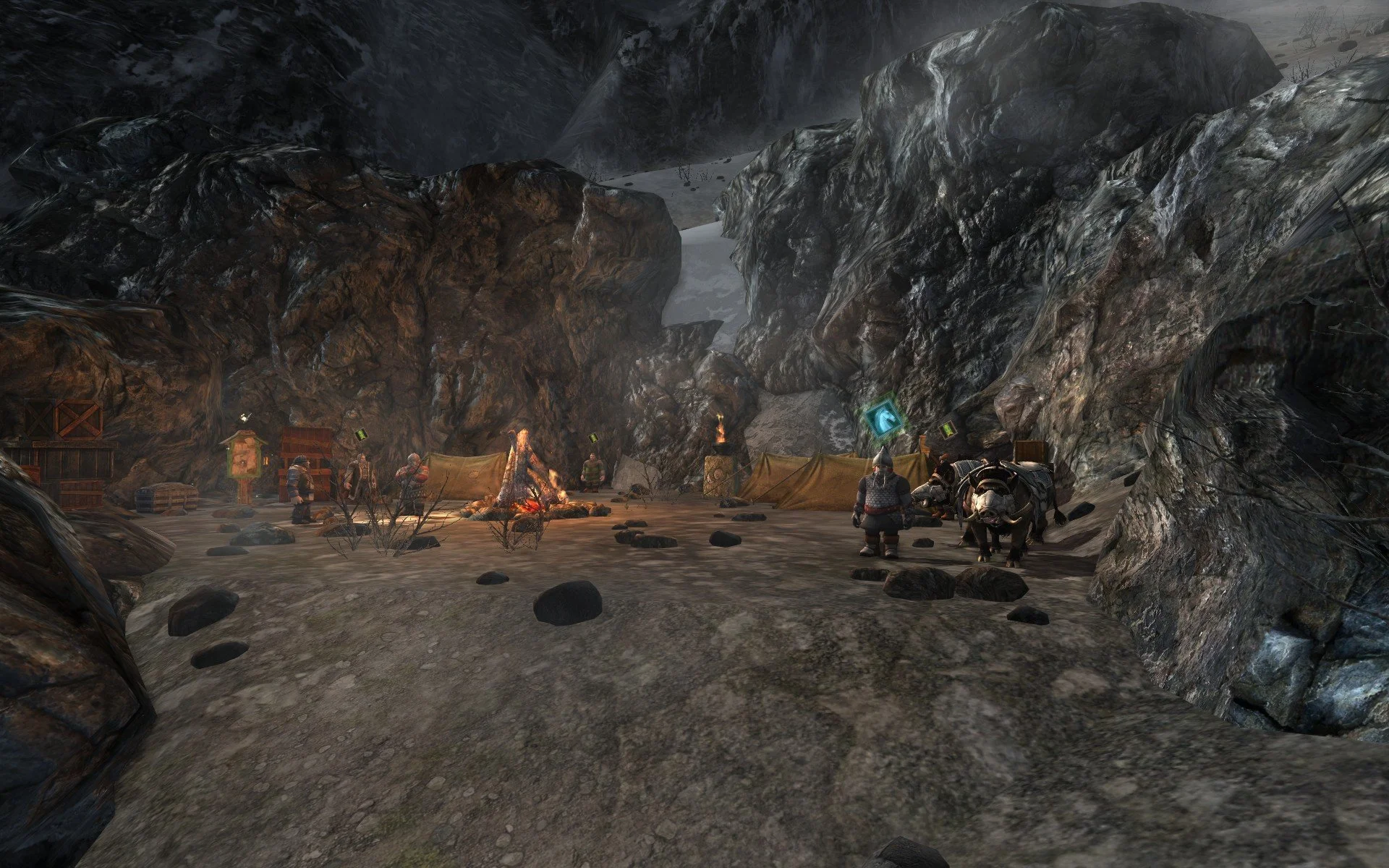
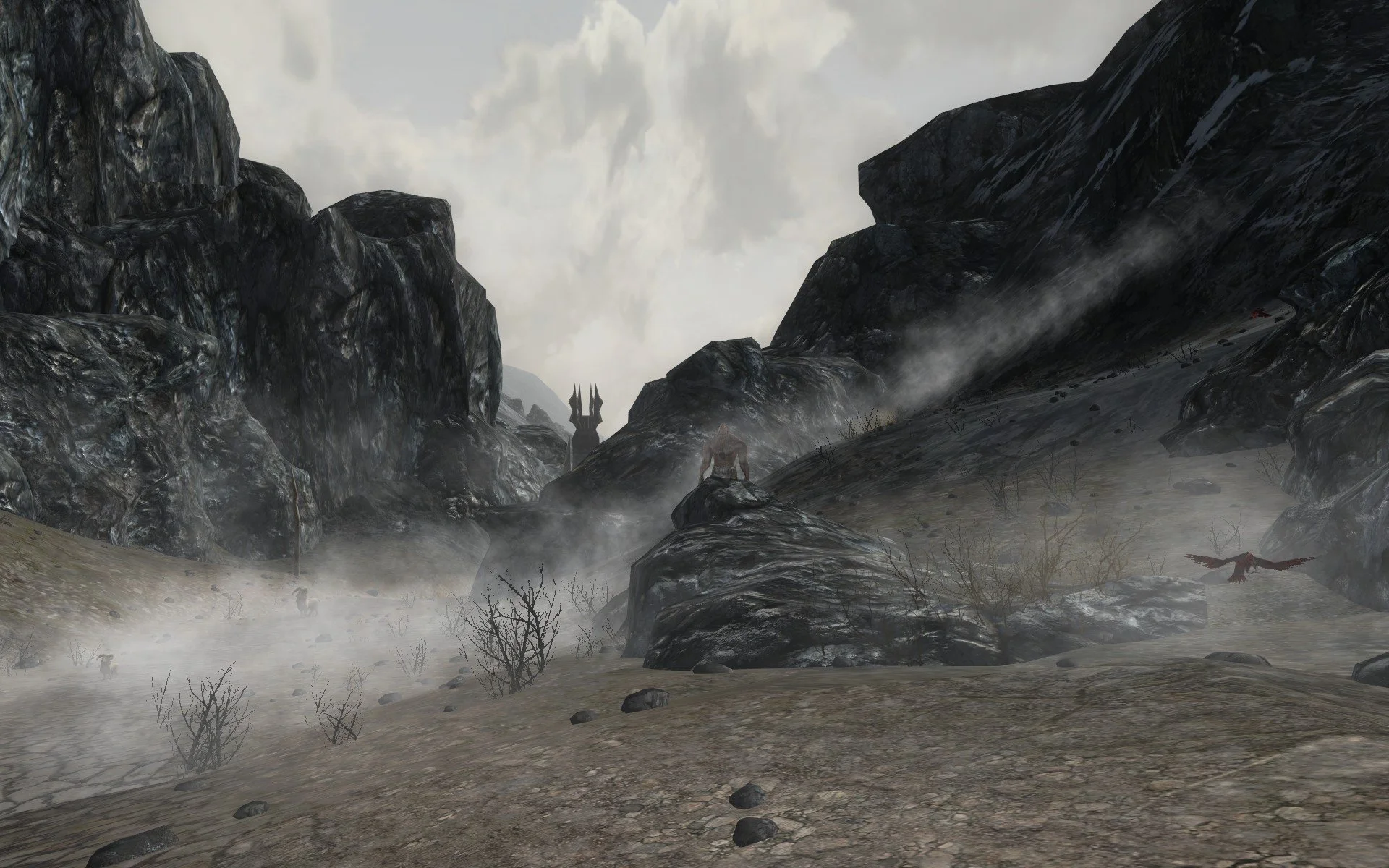
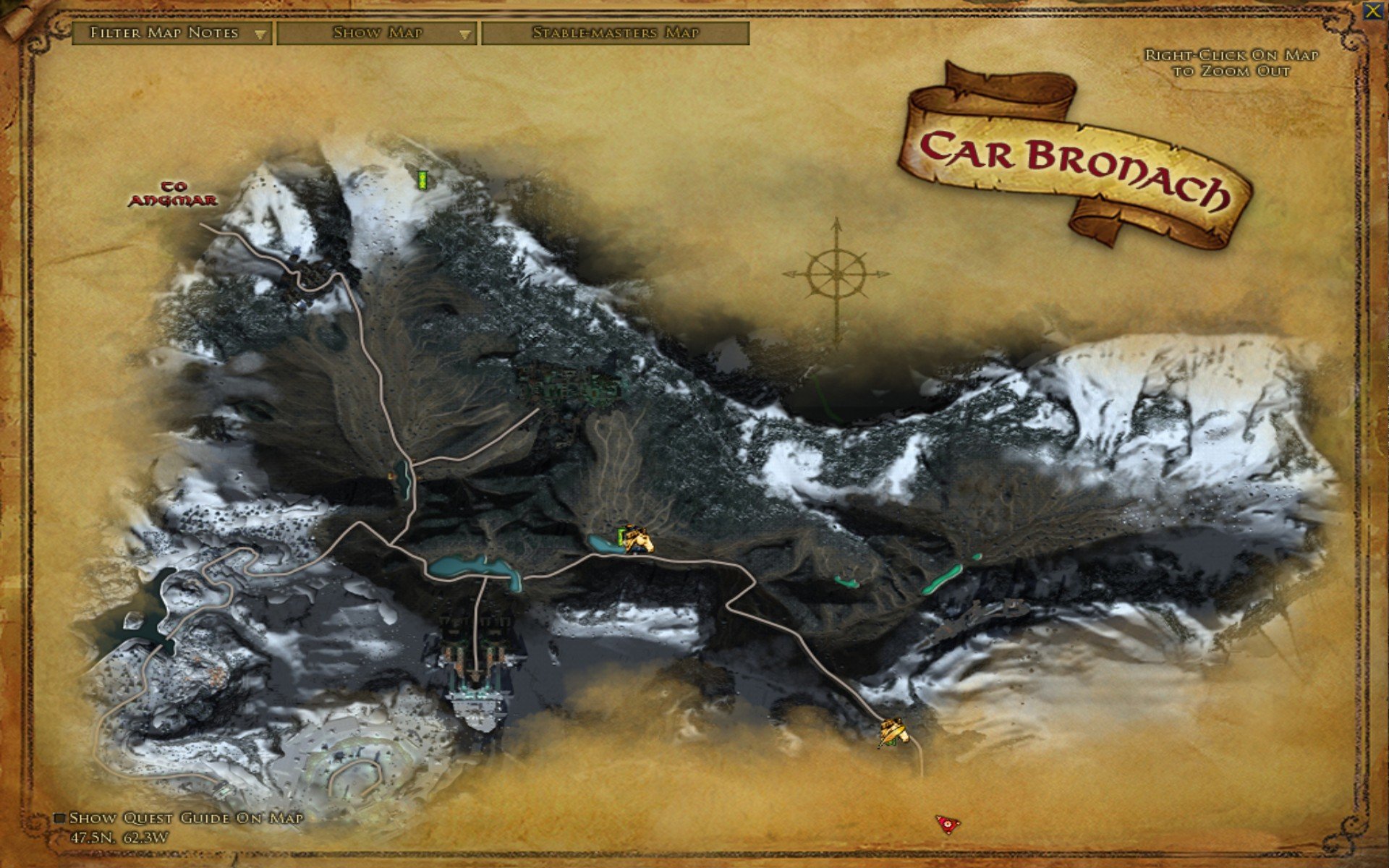
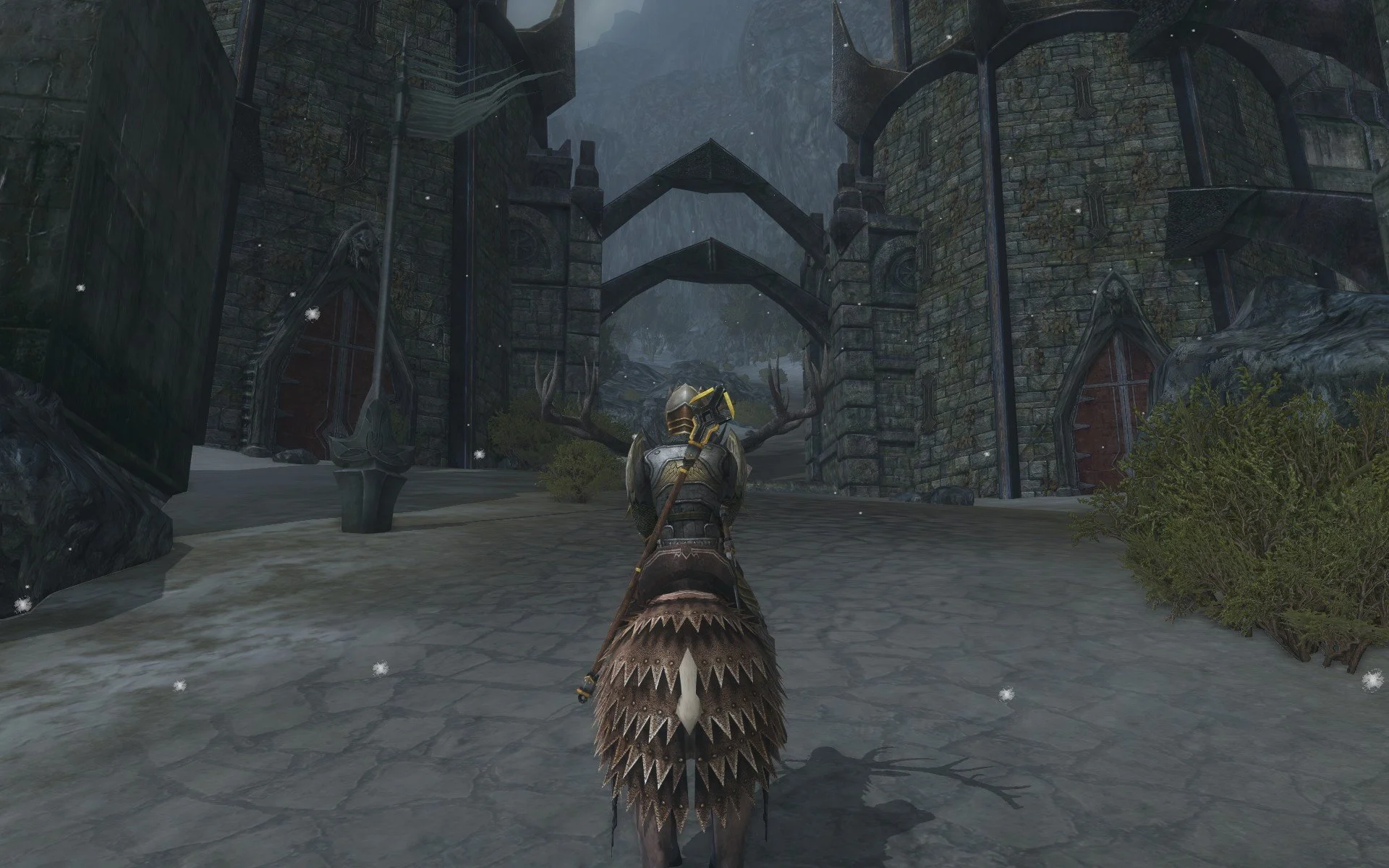
The Fate of Gundabad expansion adds a new area that directly abuts next to the existing Elderslade map. The northern road that bypasses the Angmarim tower of Caivád Sâr leads to Câr Bronach, which was previously blocked by a locked gate. The player can now enter this area and the region very much in the idiom of Angmar to which it connects. There is a road that traverses Câr Bronach from east to west and leads to Nan Gurth. Midway along this road there is a very impressive Dwarven structure, Mur Shatraug, the Witch-gate. This is the northerly entrance to Gundabad. Enemies hold this entrance so entry is not easy. A second road strikes south west and circles round the western side of Mount Gundabad to an area called Welkin Loft. Due to the altitude this is a snowy zone and filled with ravines as the road travels up the mountainside. There are several Angmarim camps and the contested area of Uzdarulzahar, where Dwarves fight both Orcs and Frost Dragons.
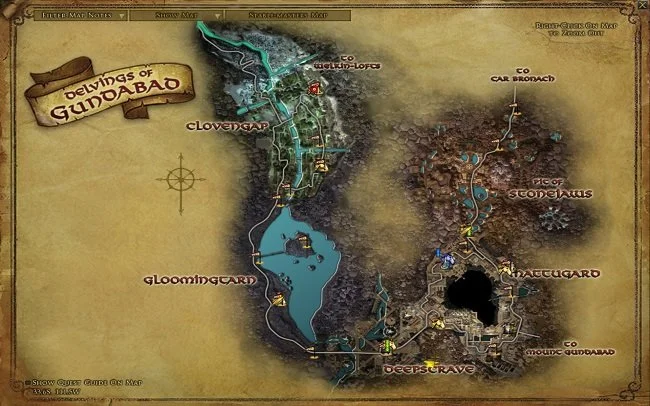
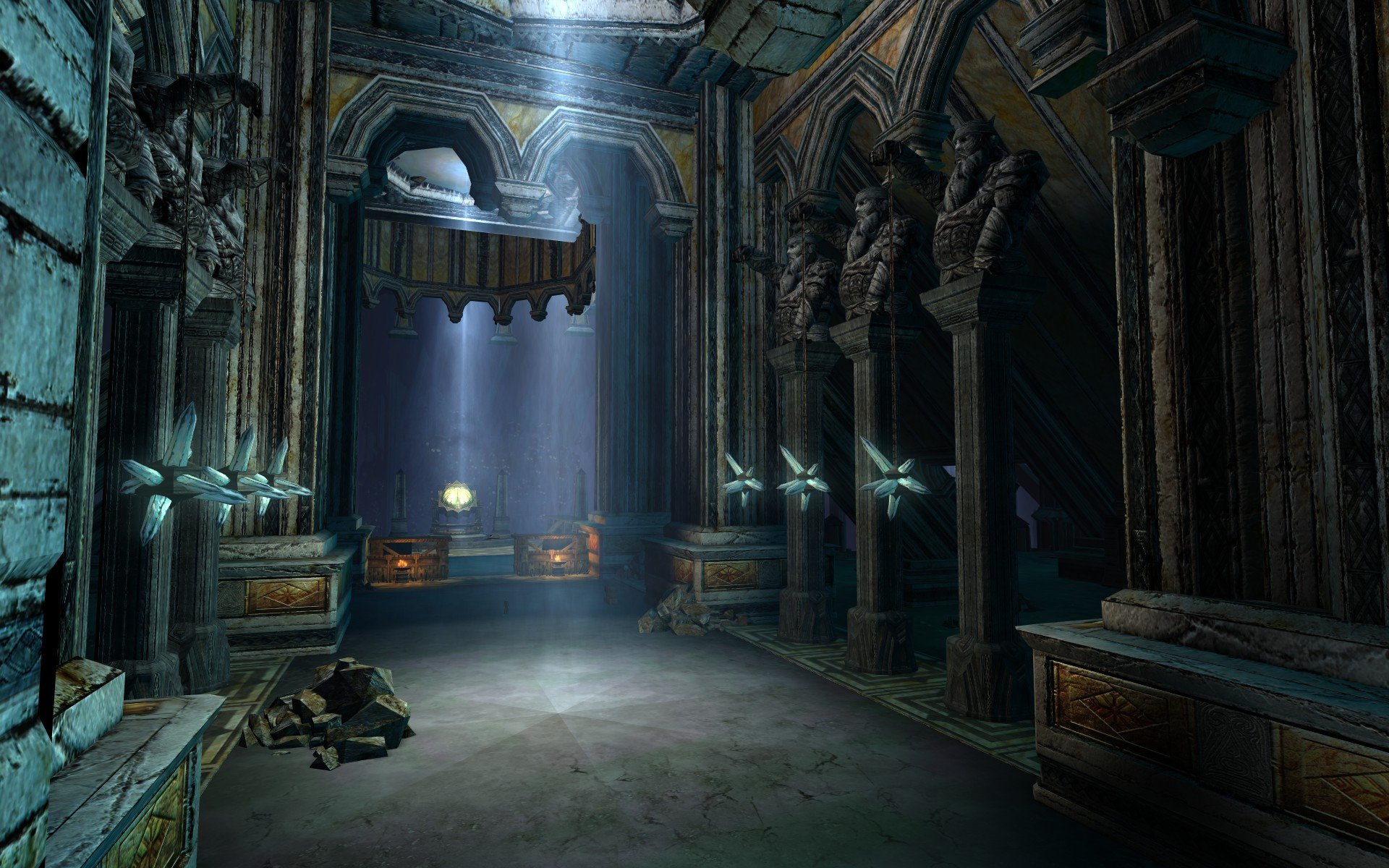
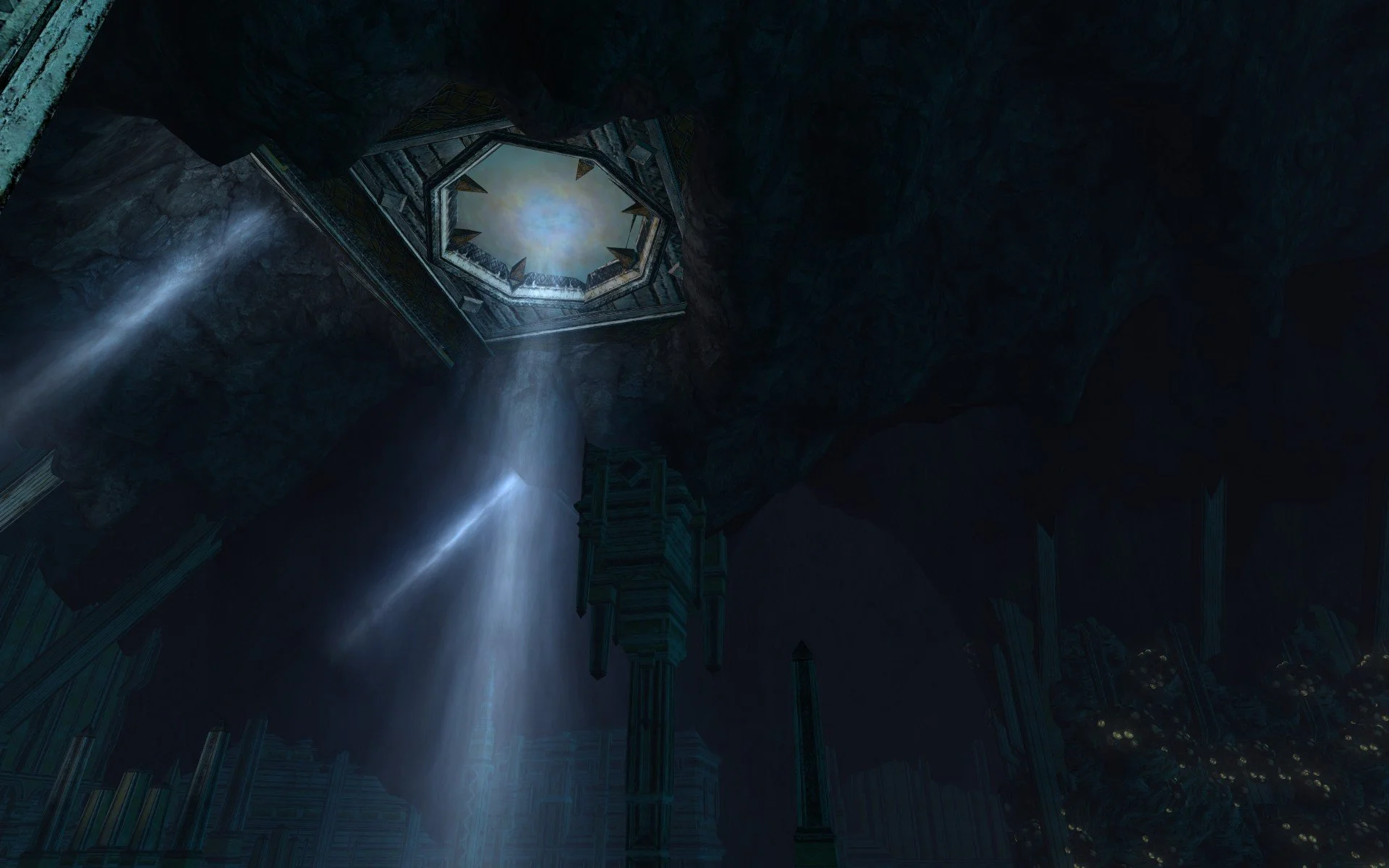
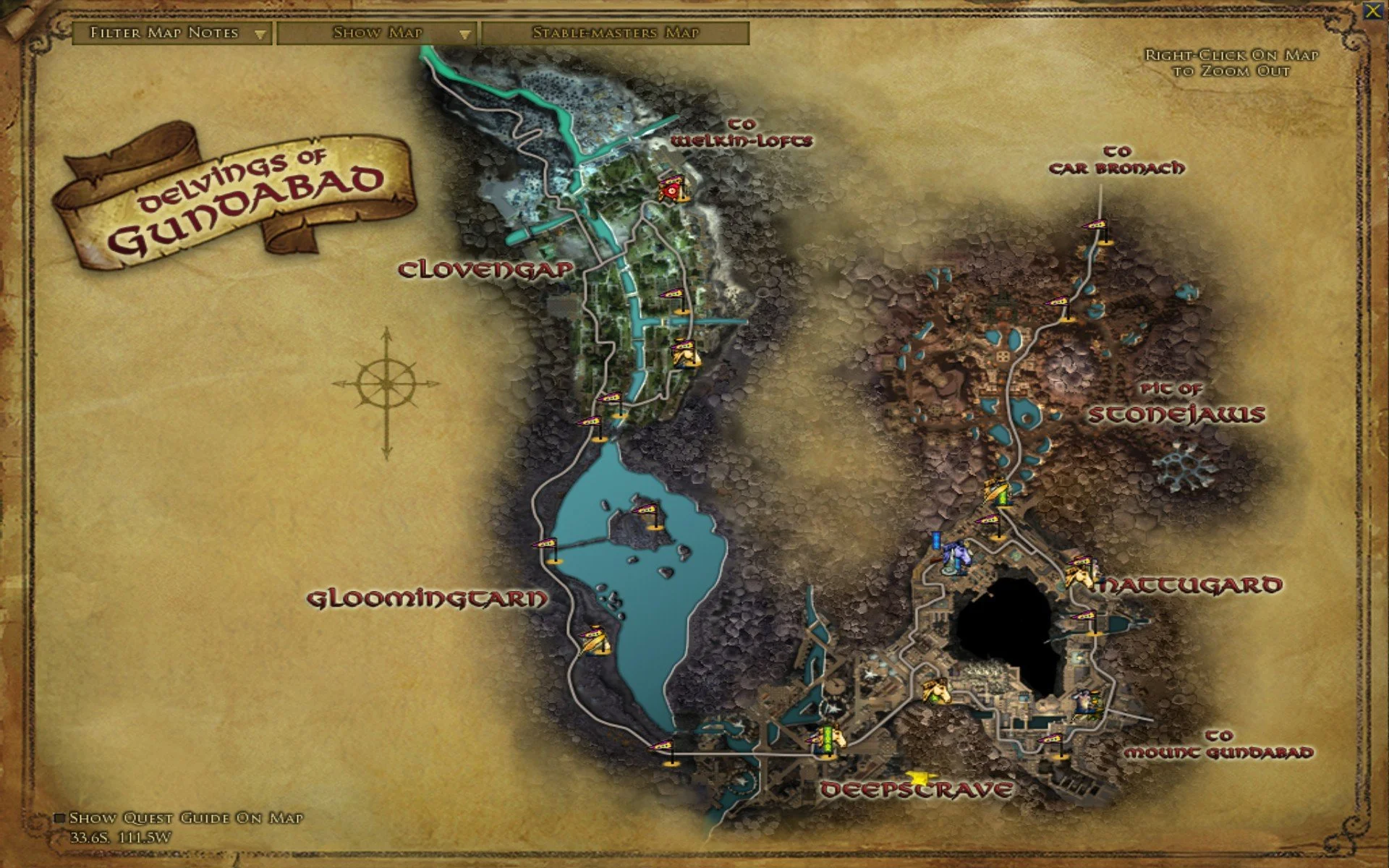
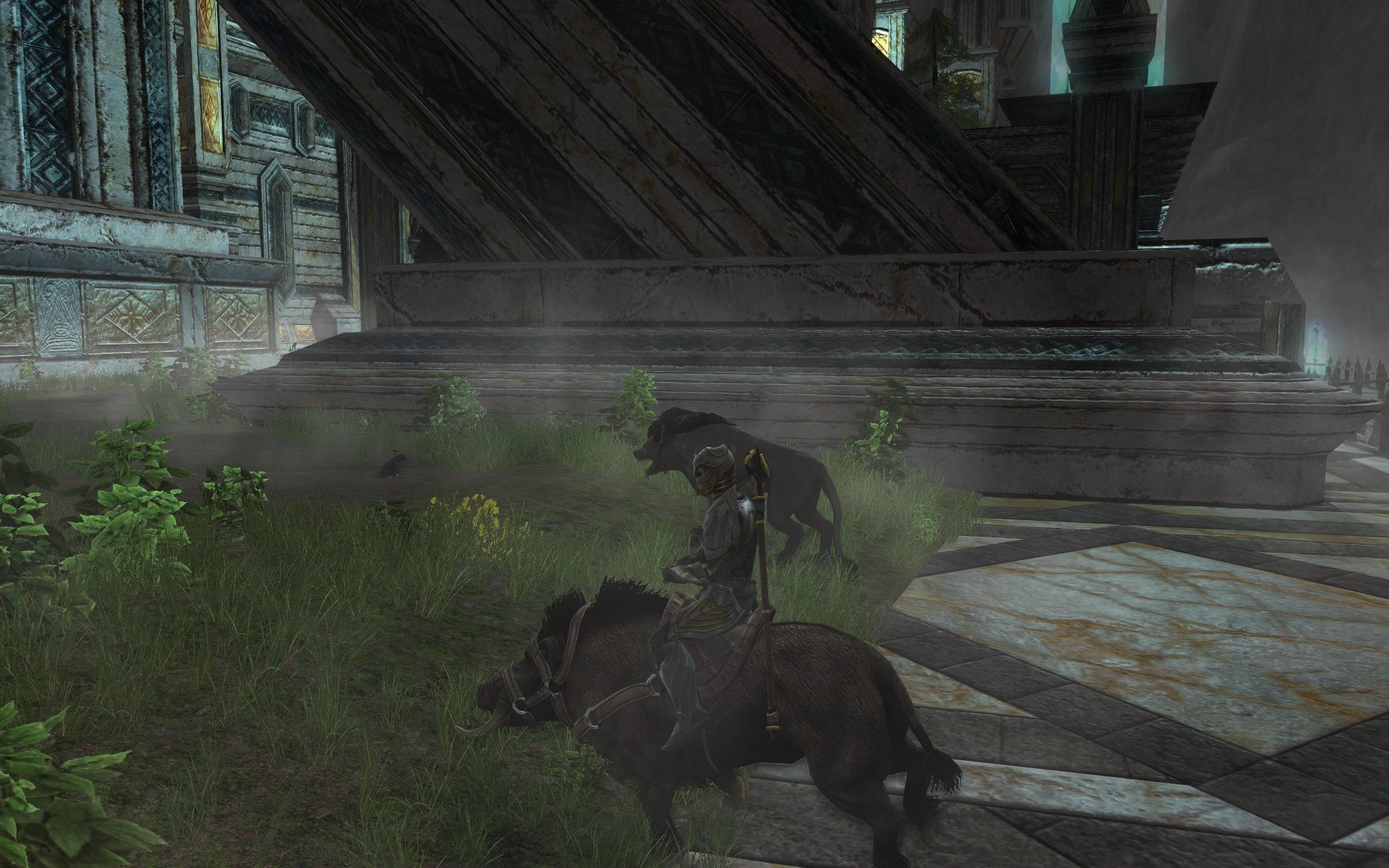
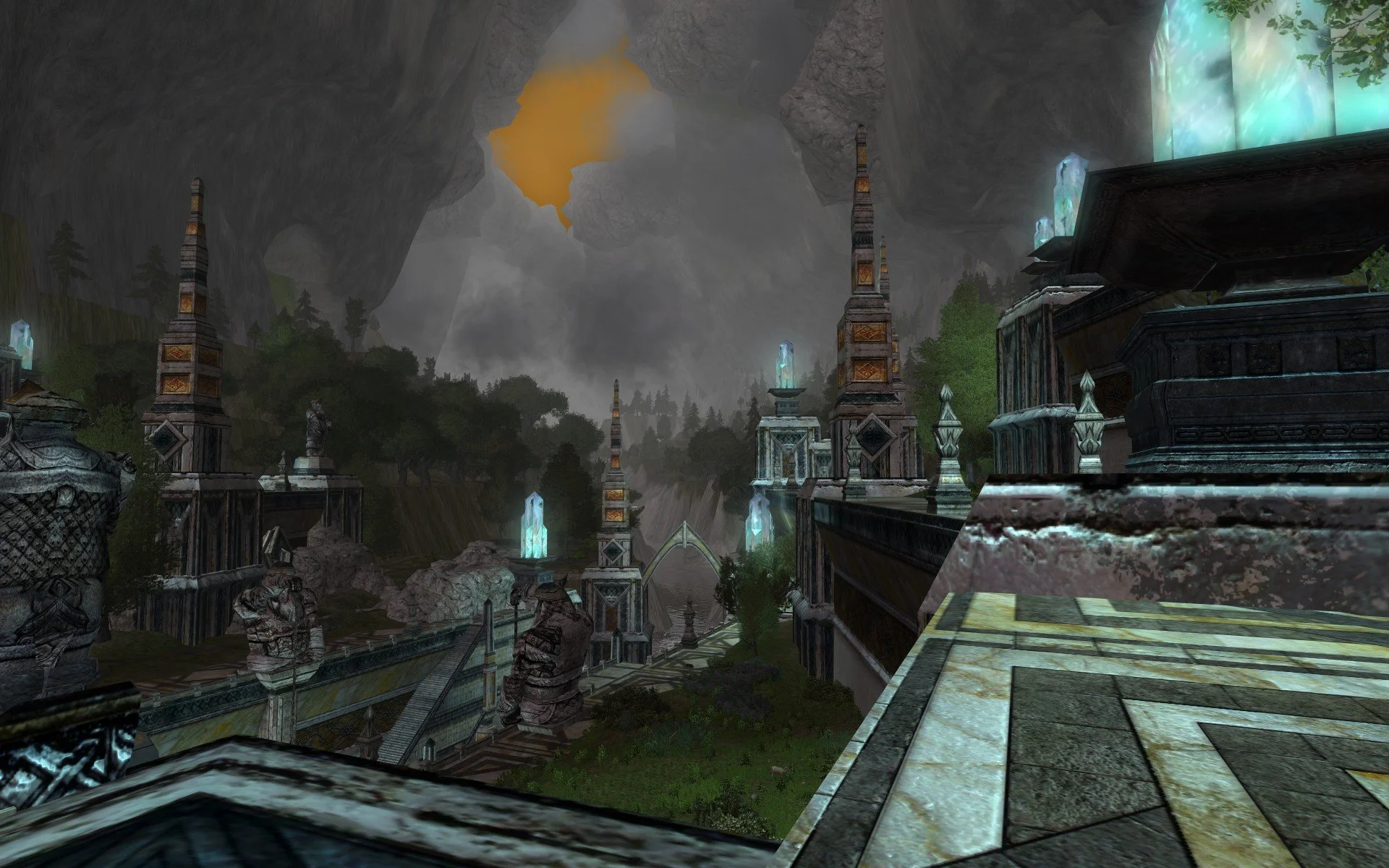
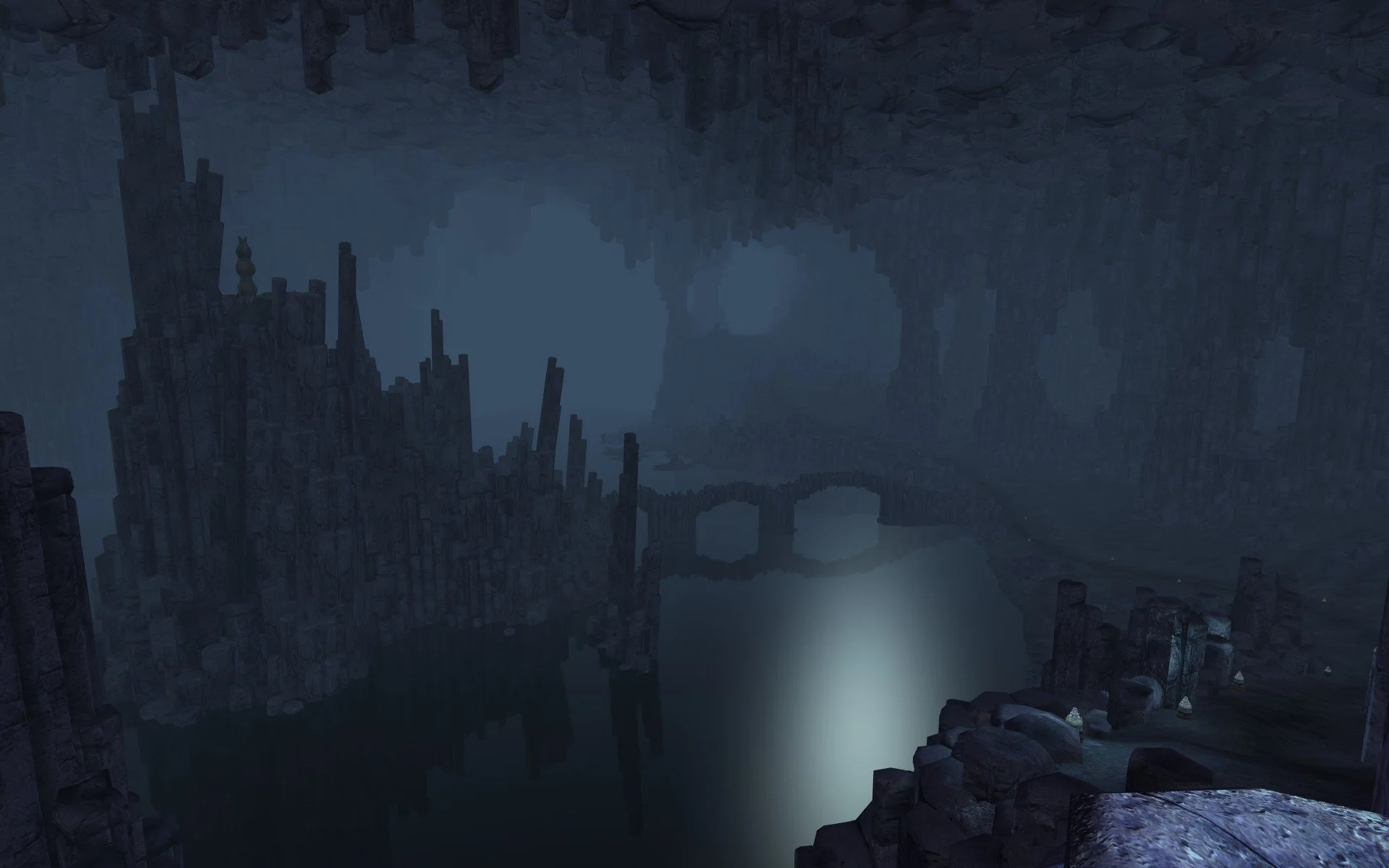
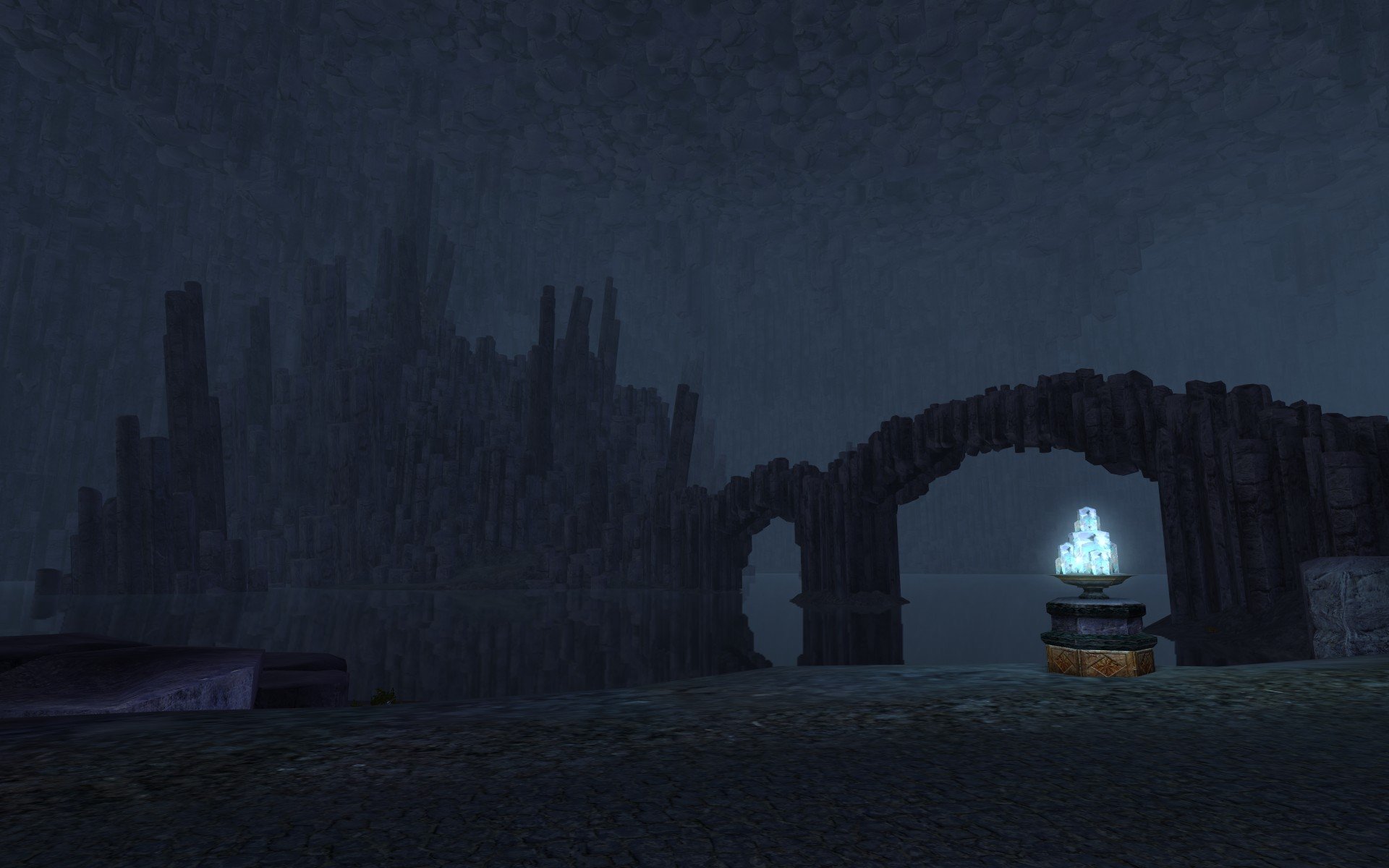
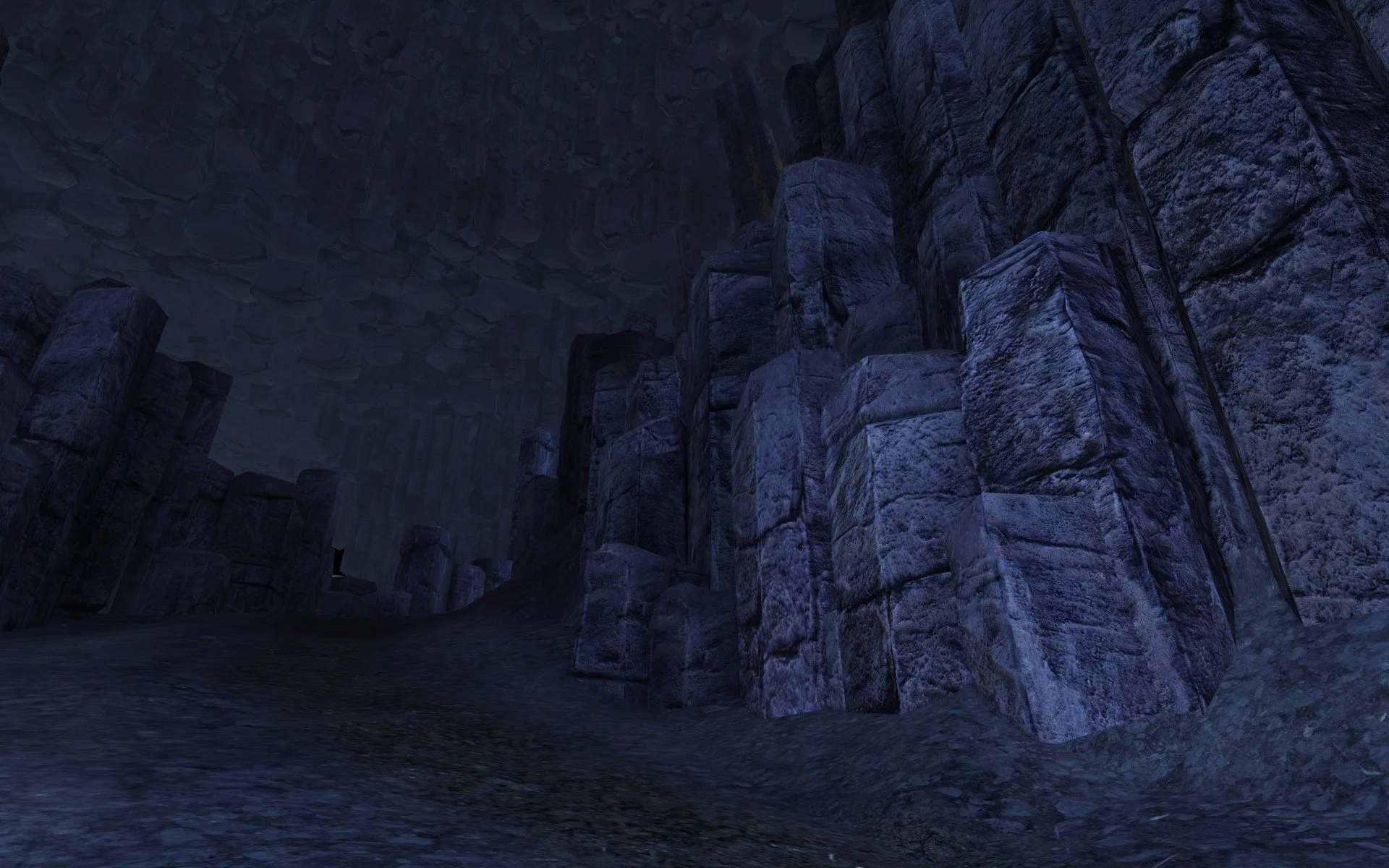
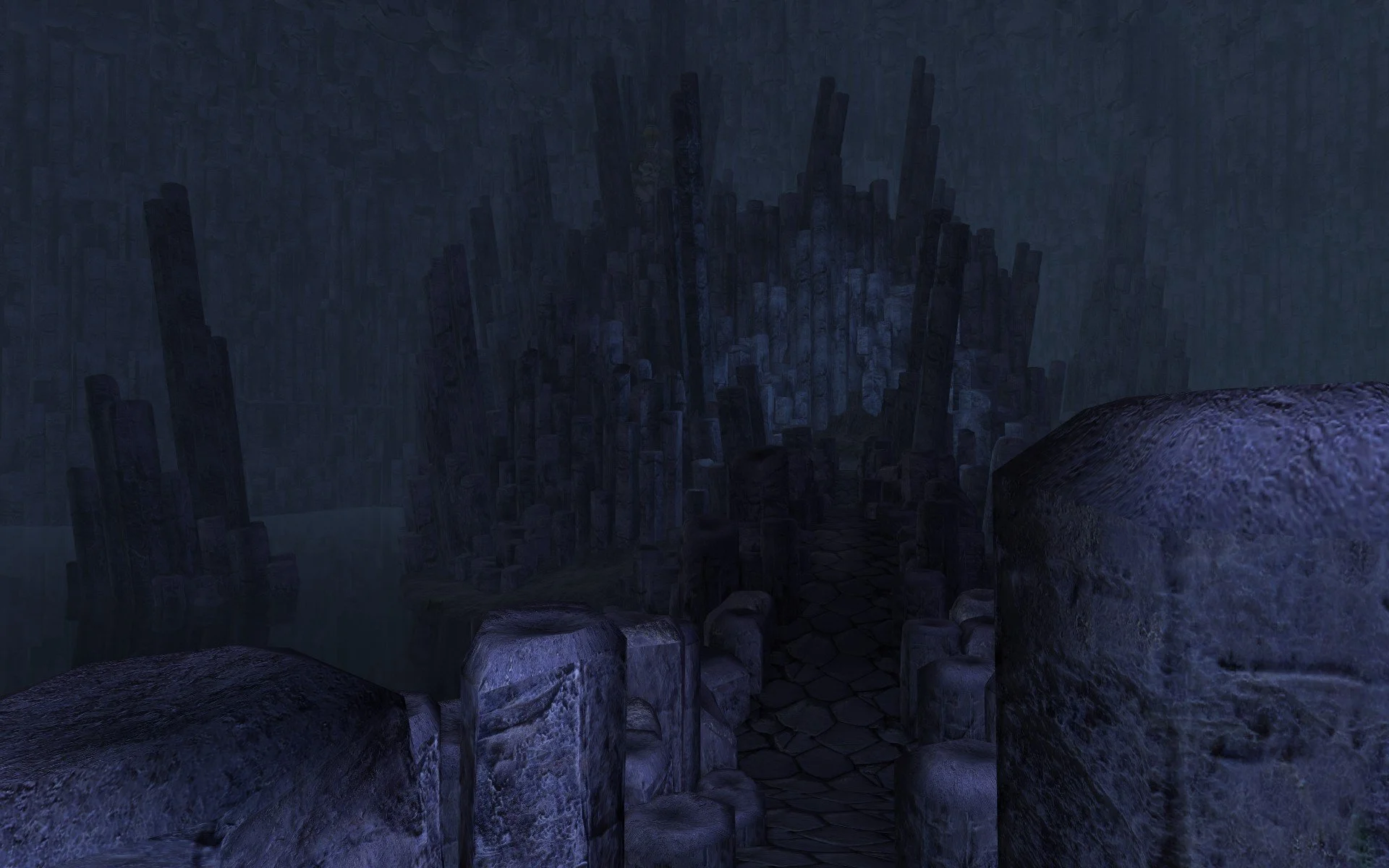
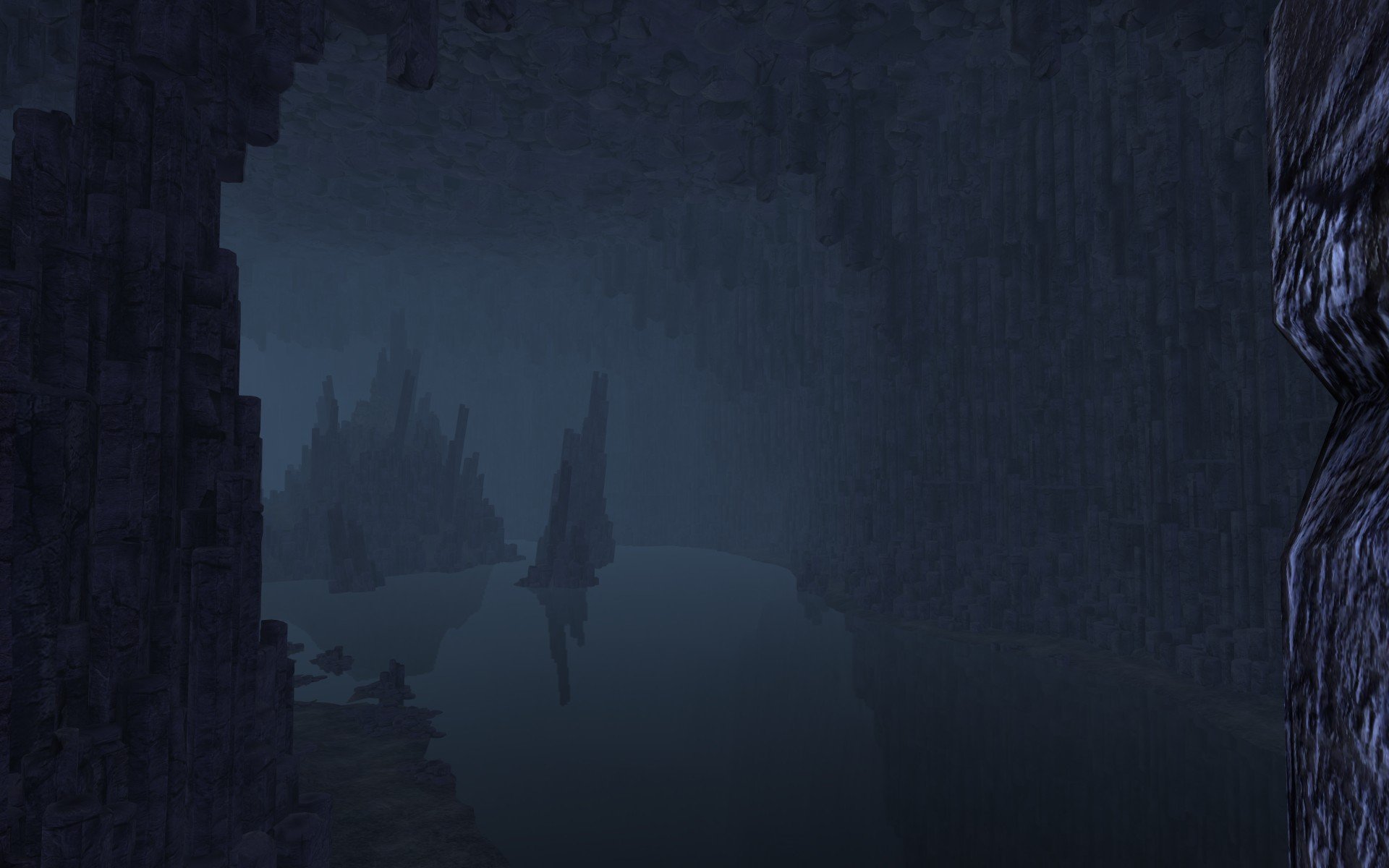
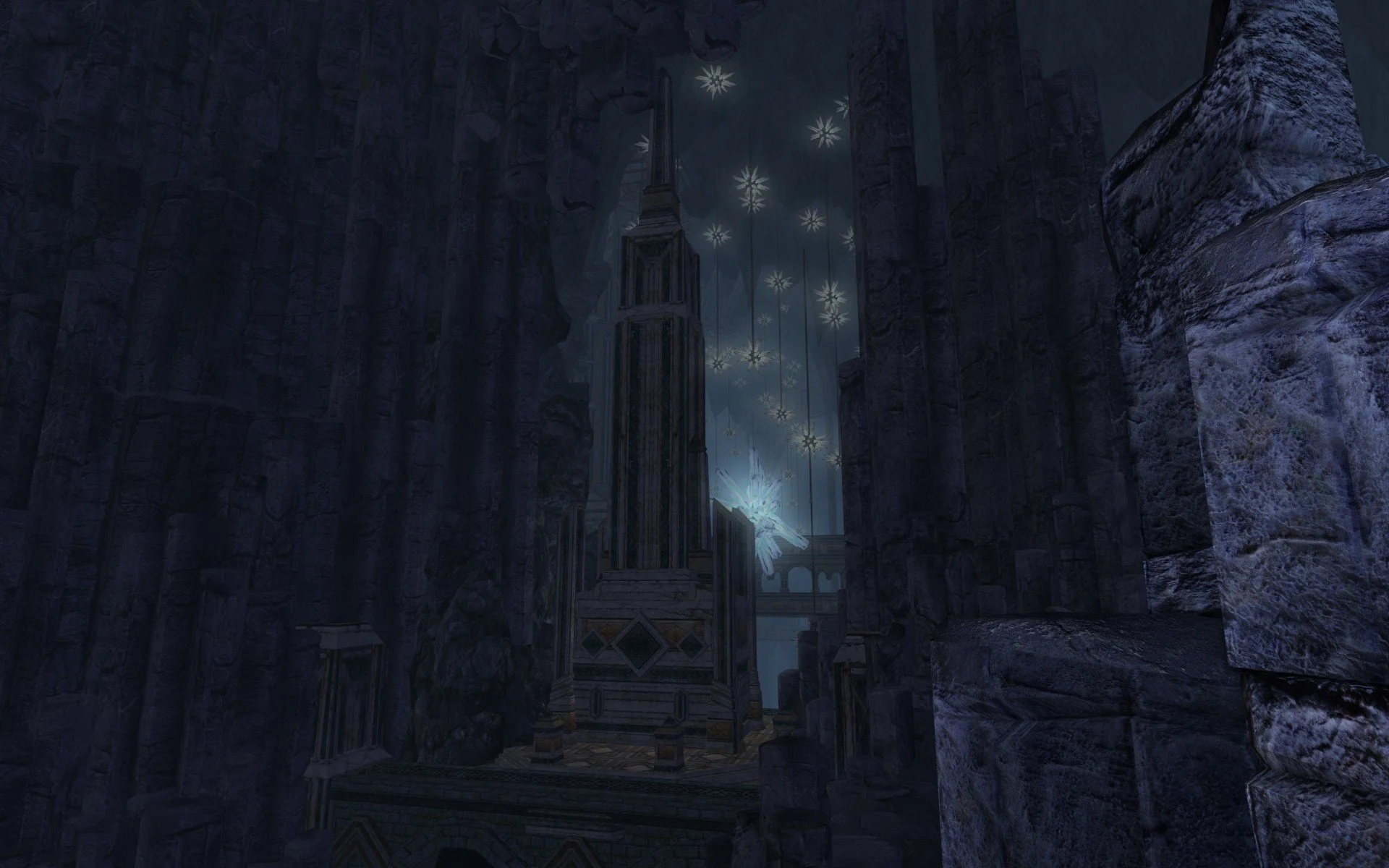
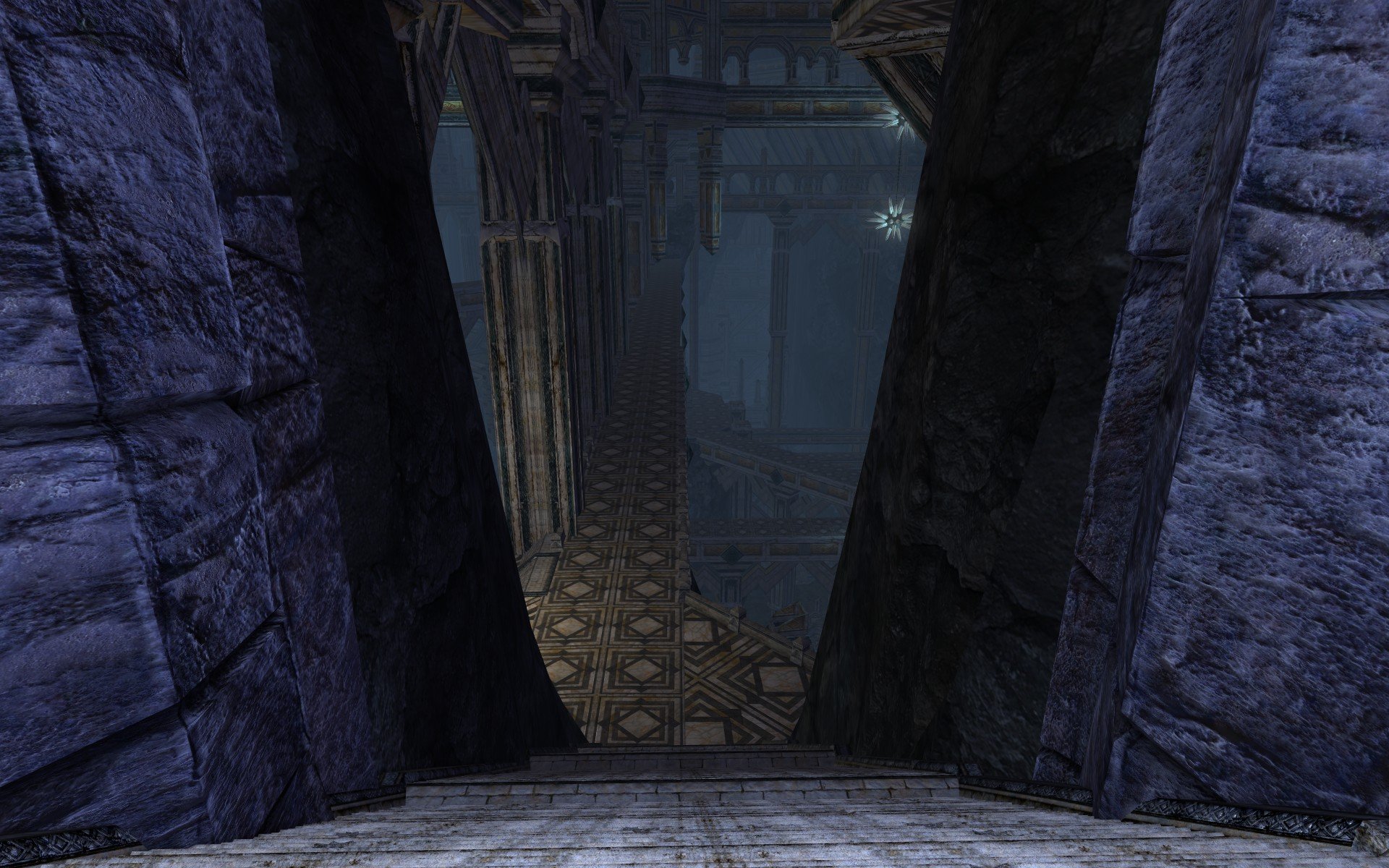
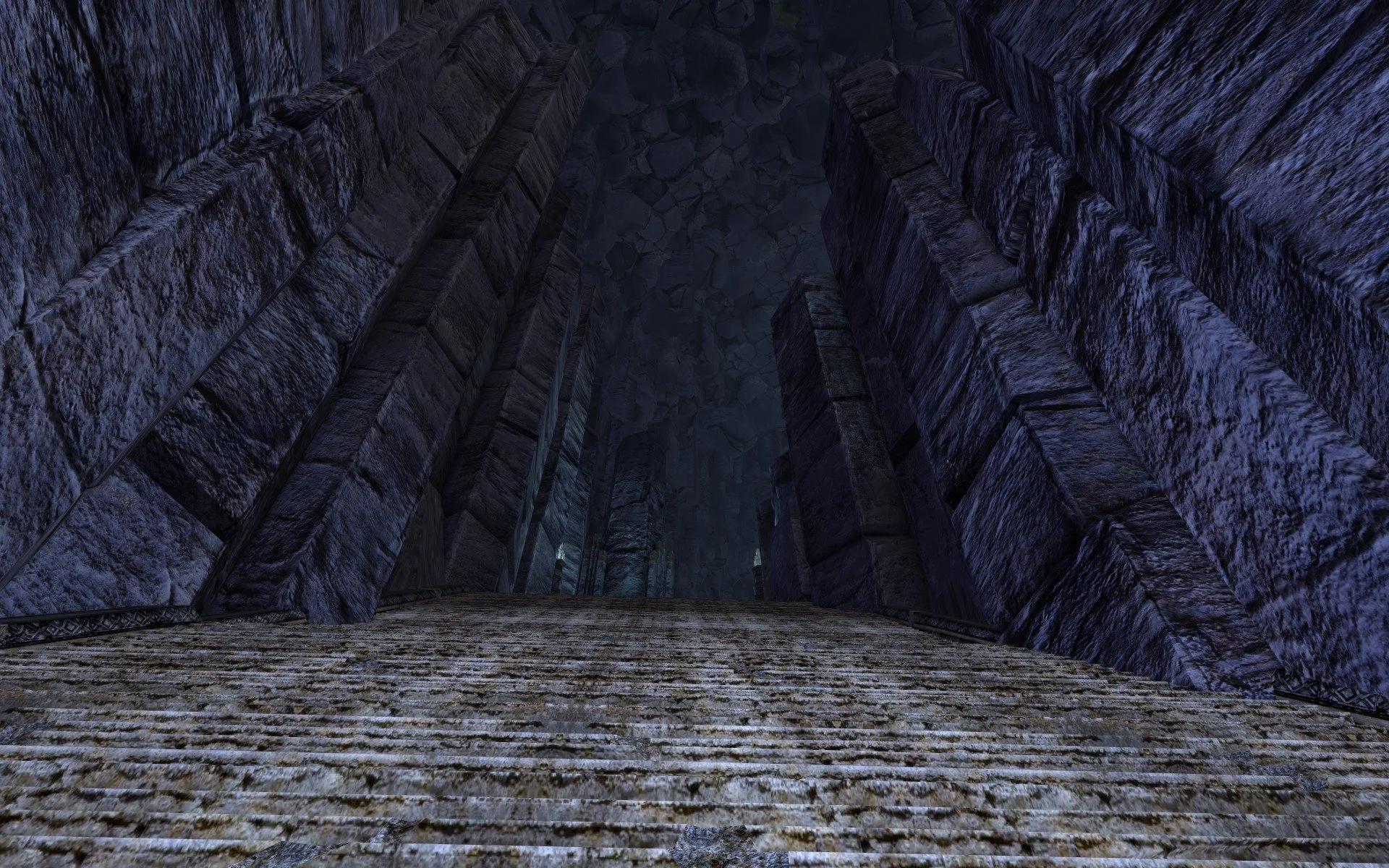
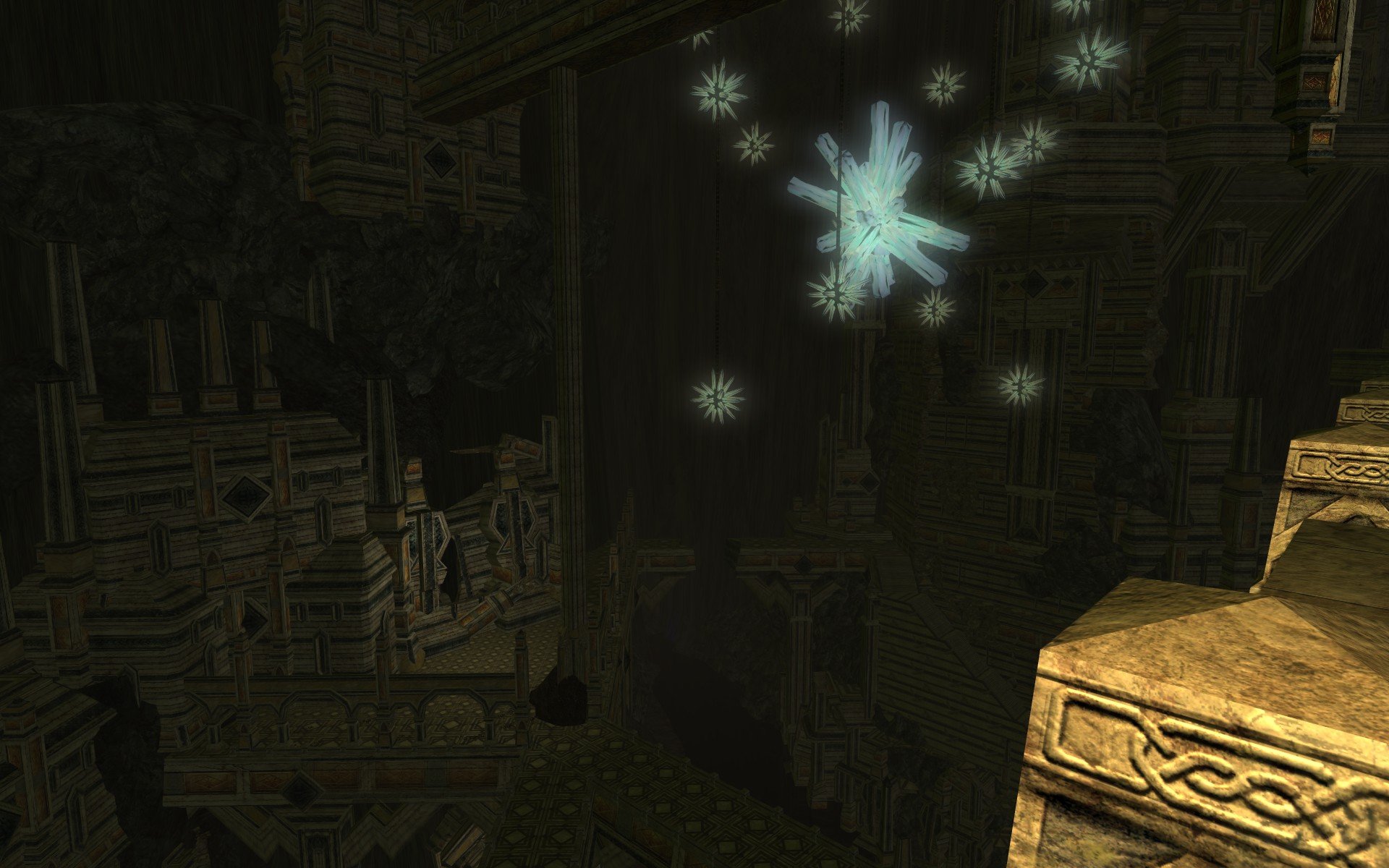
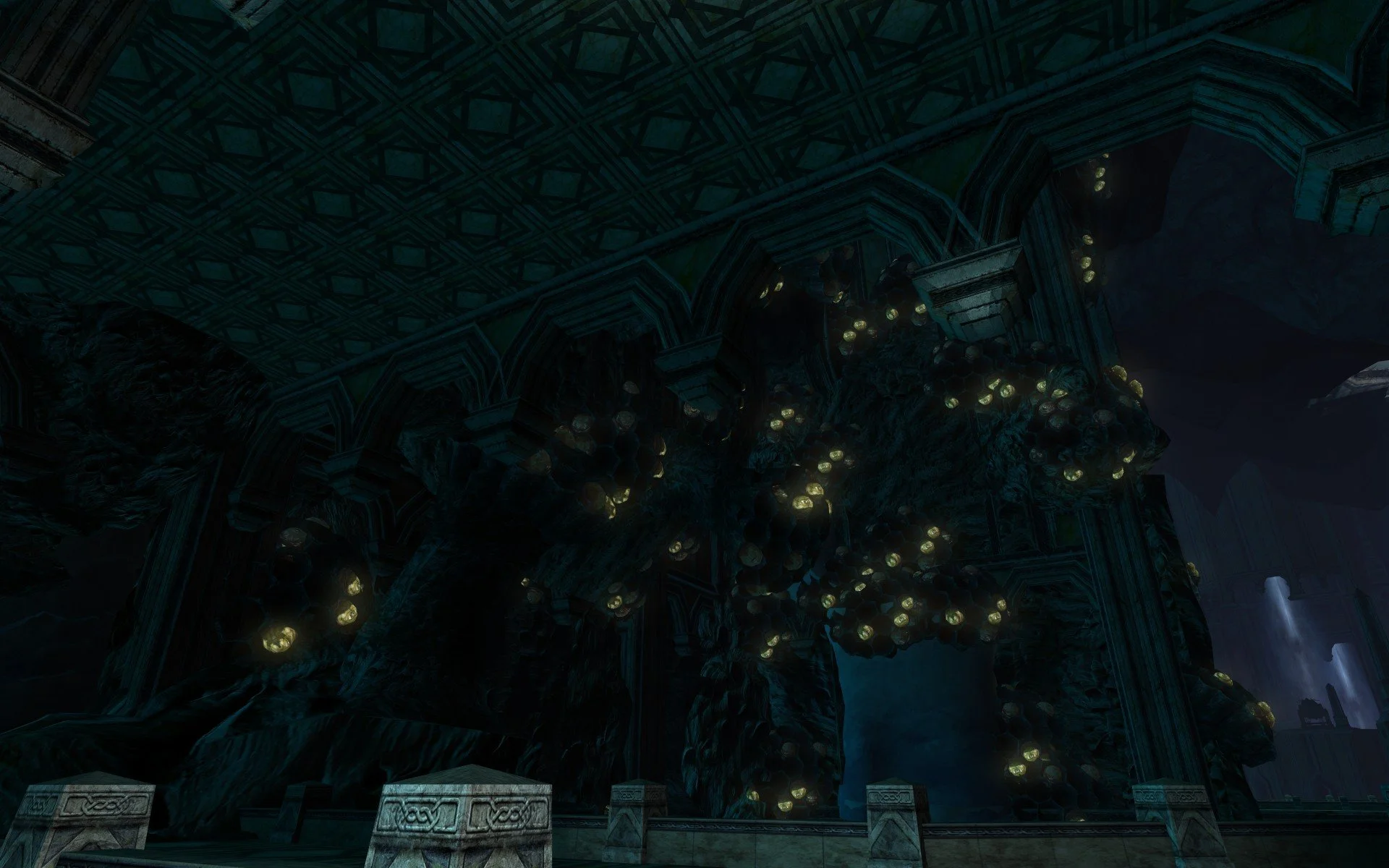
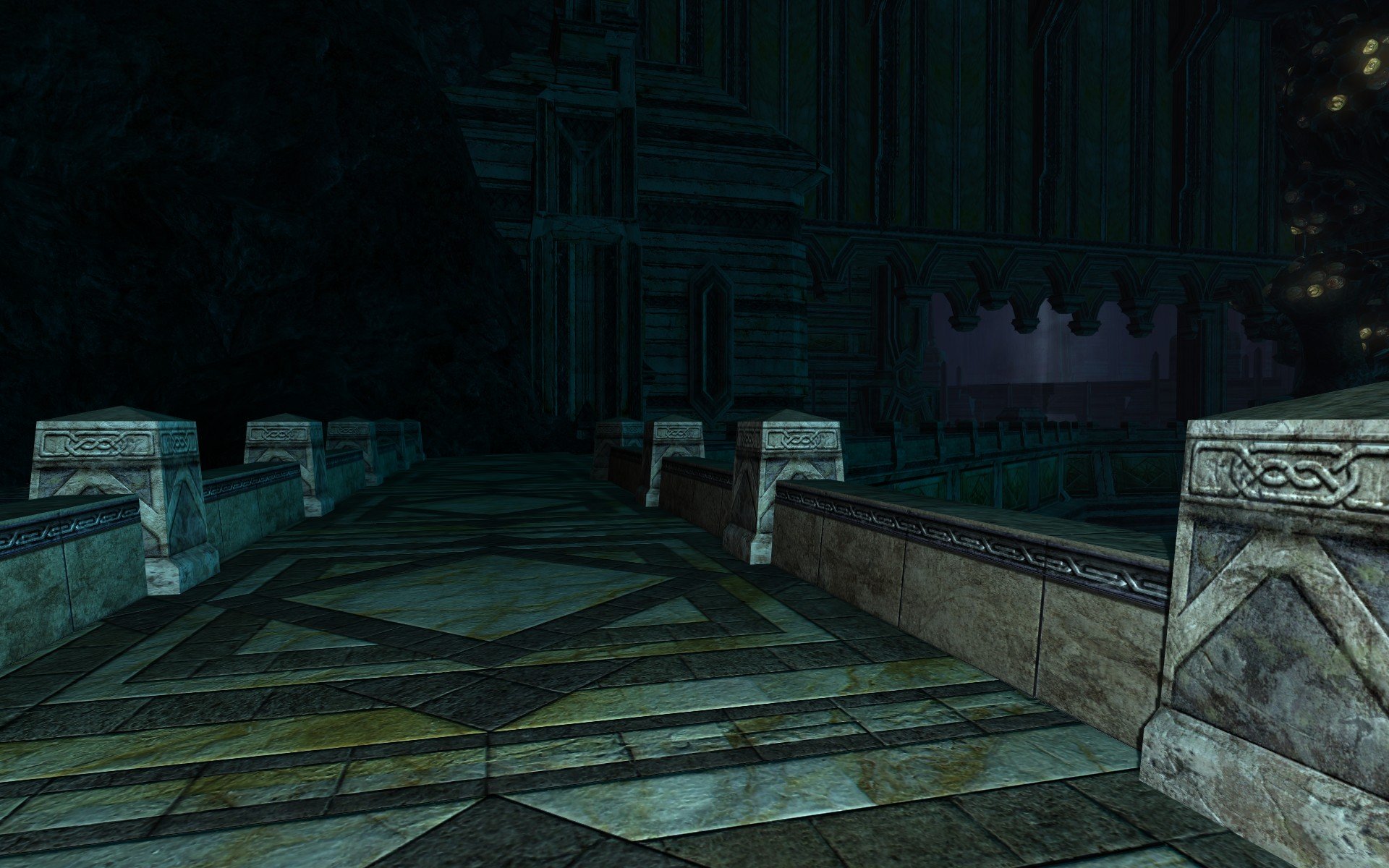
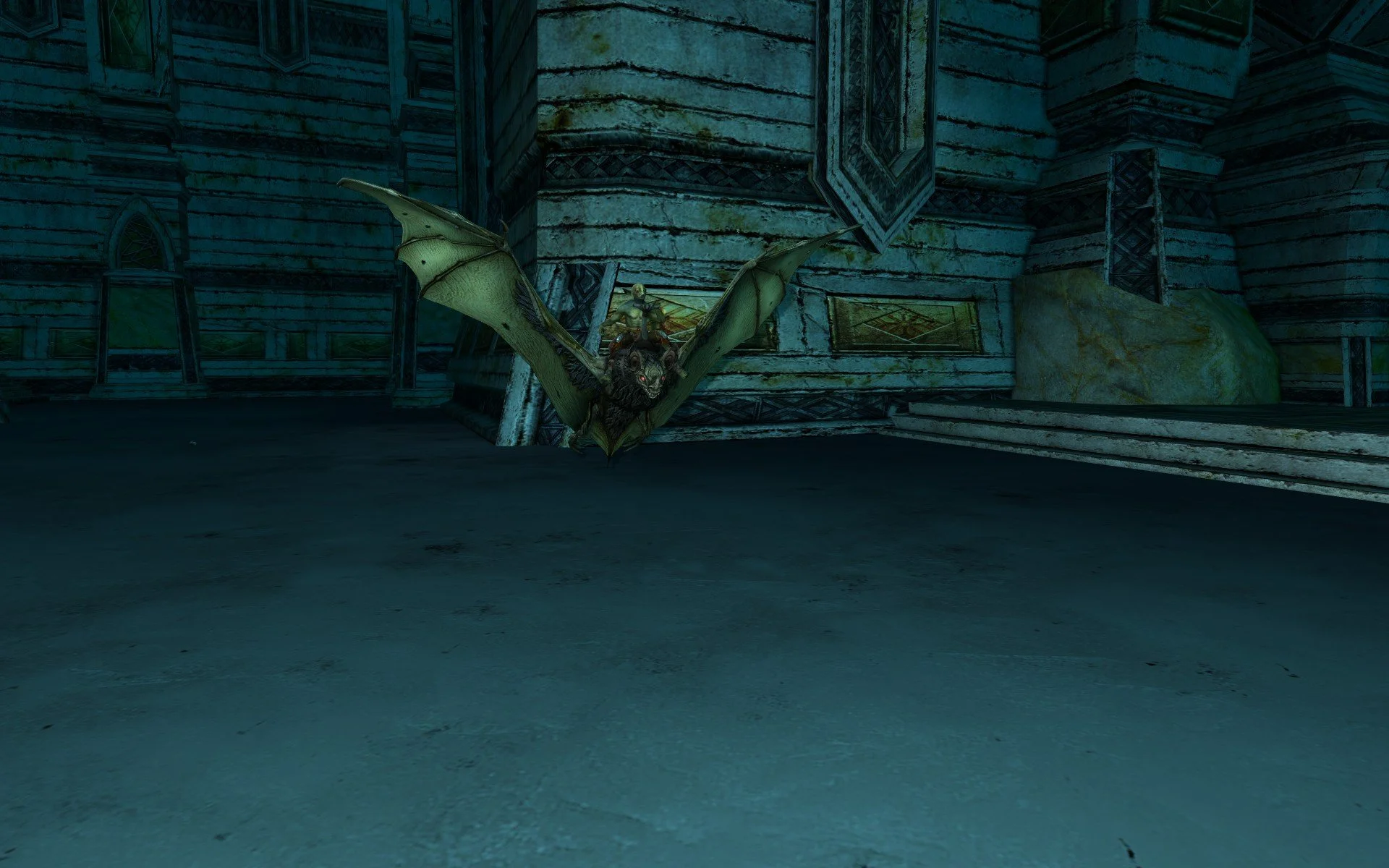
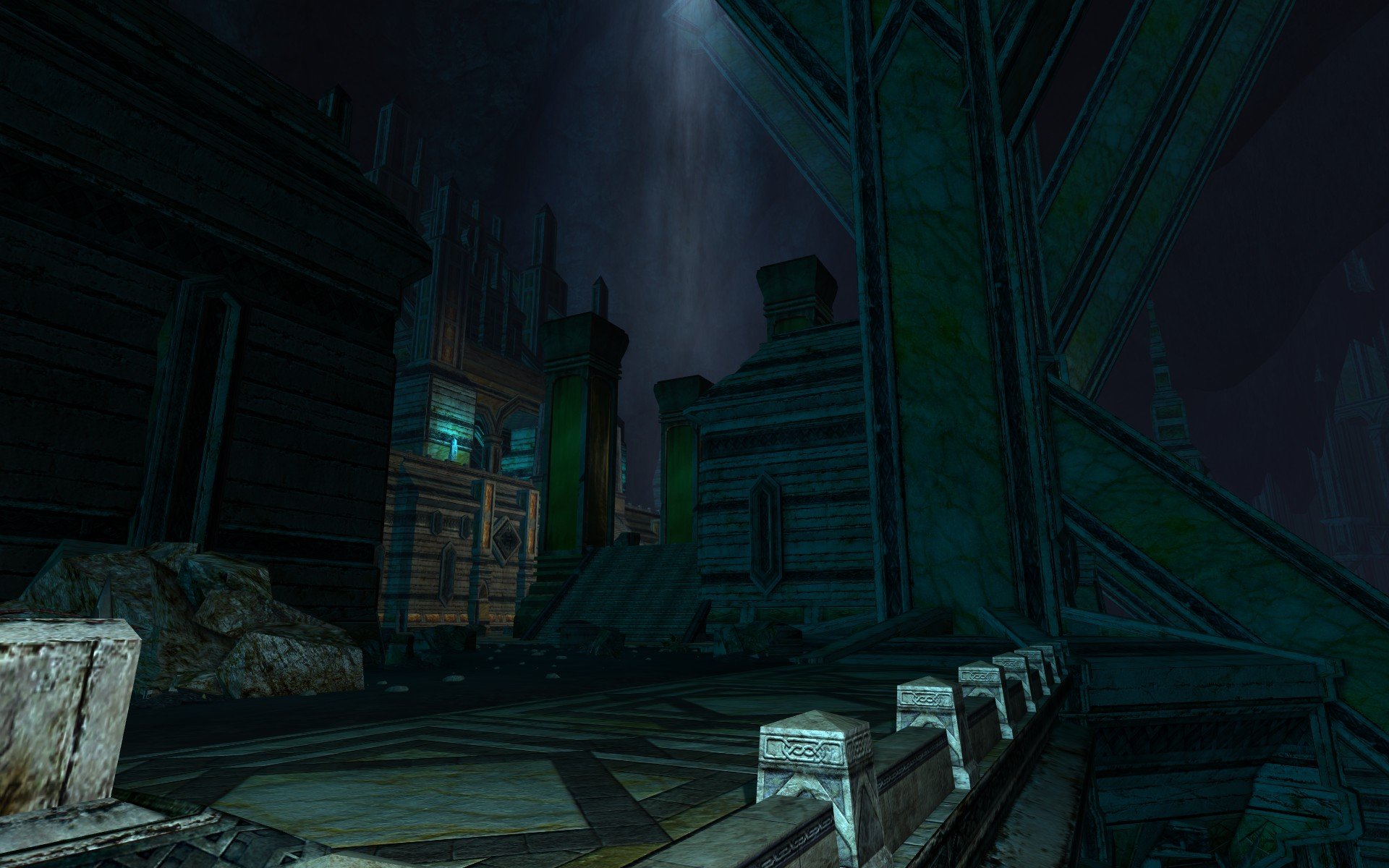
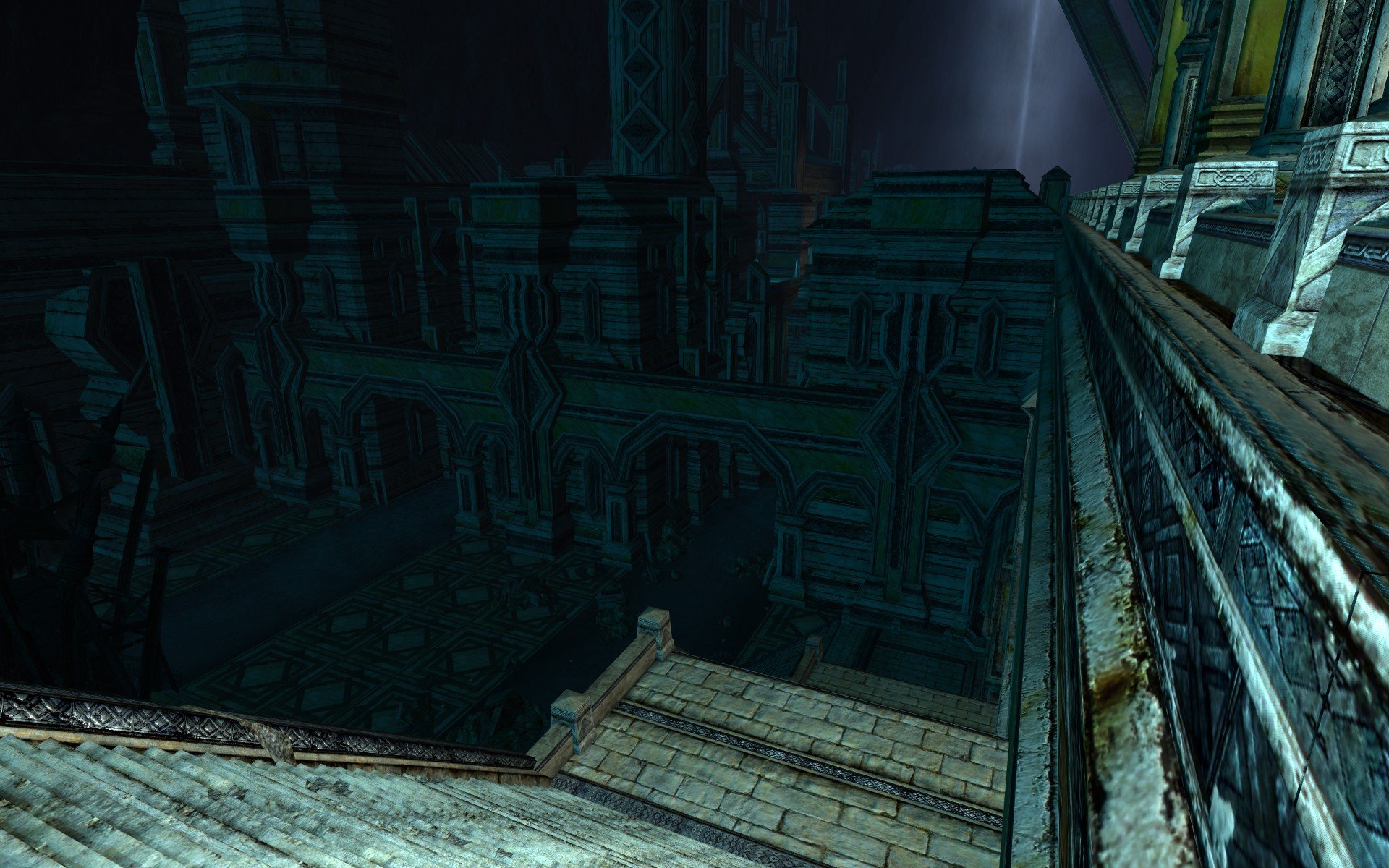
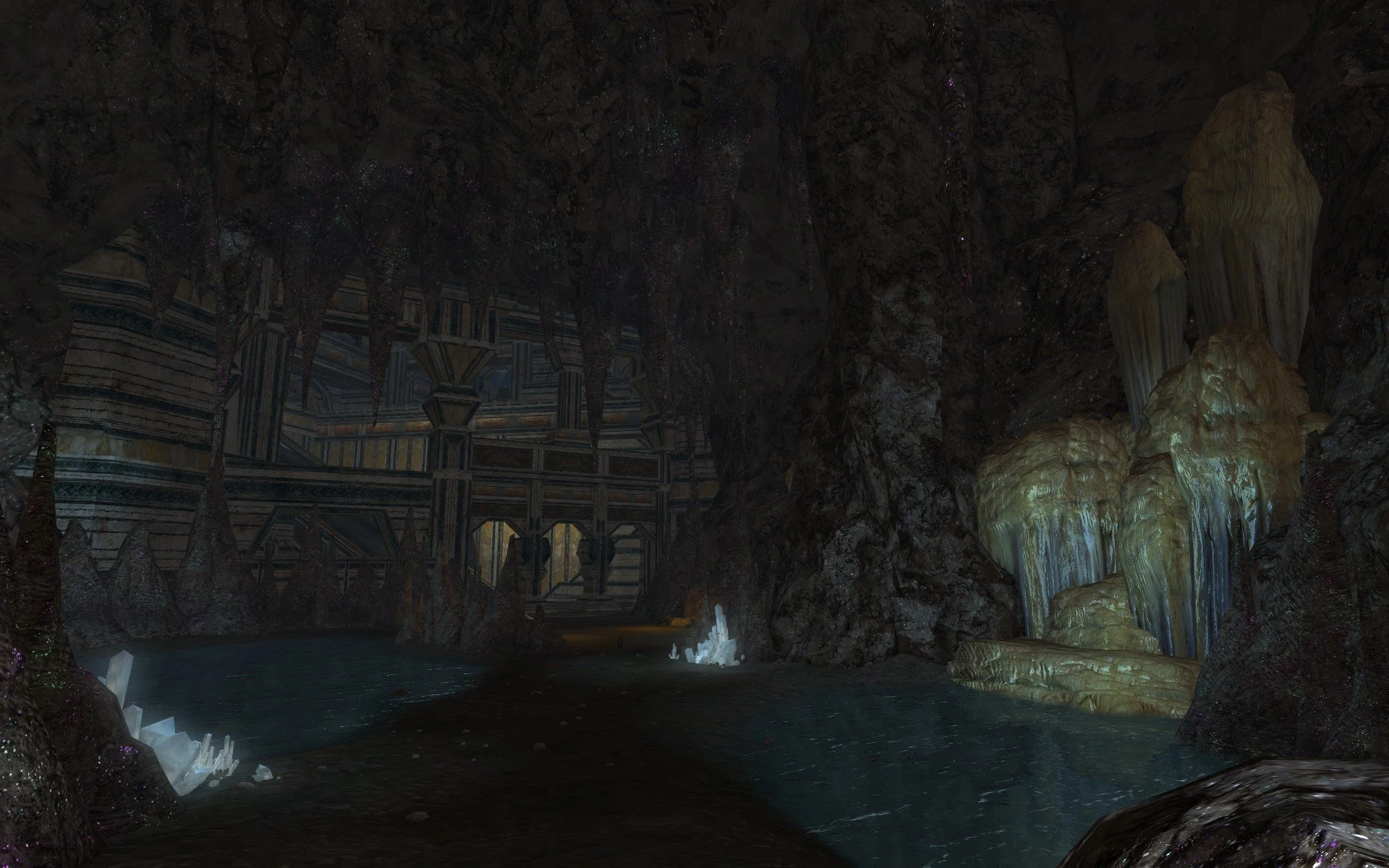
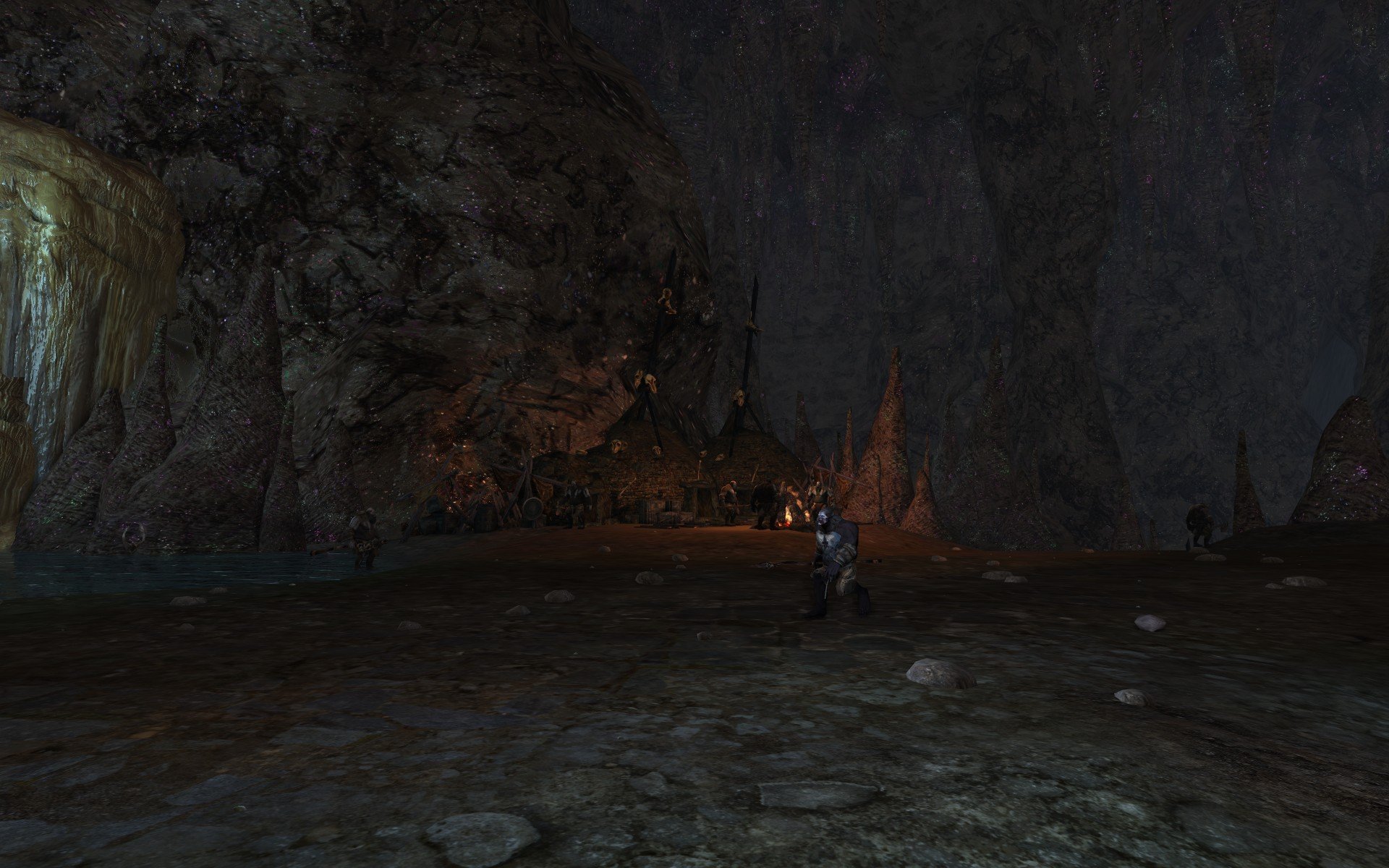
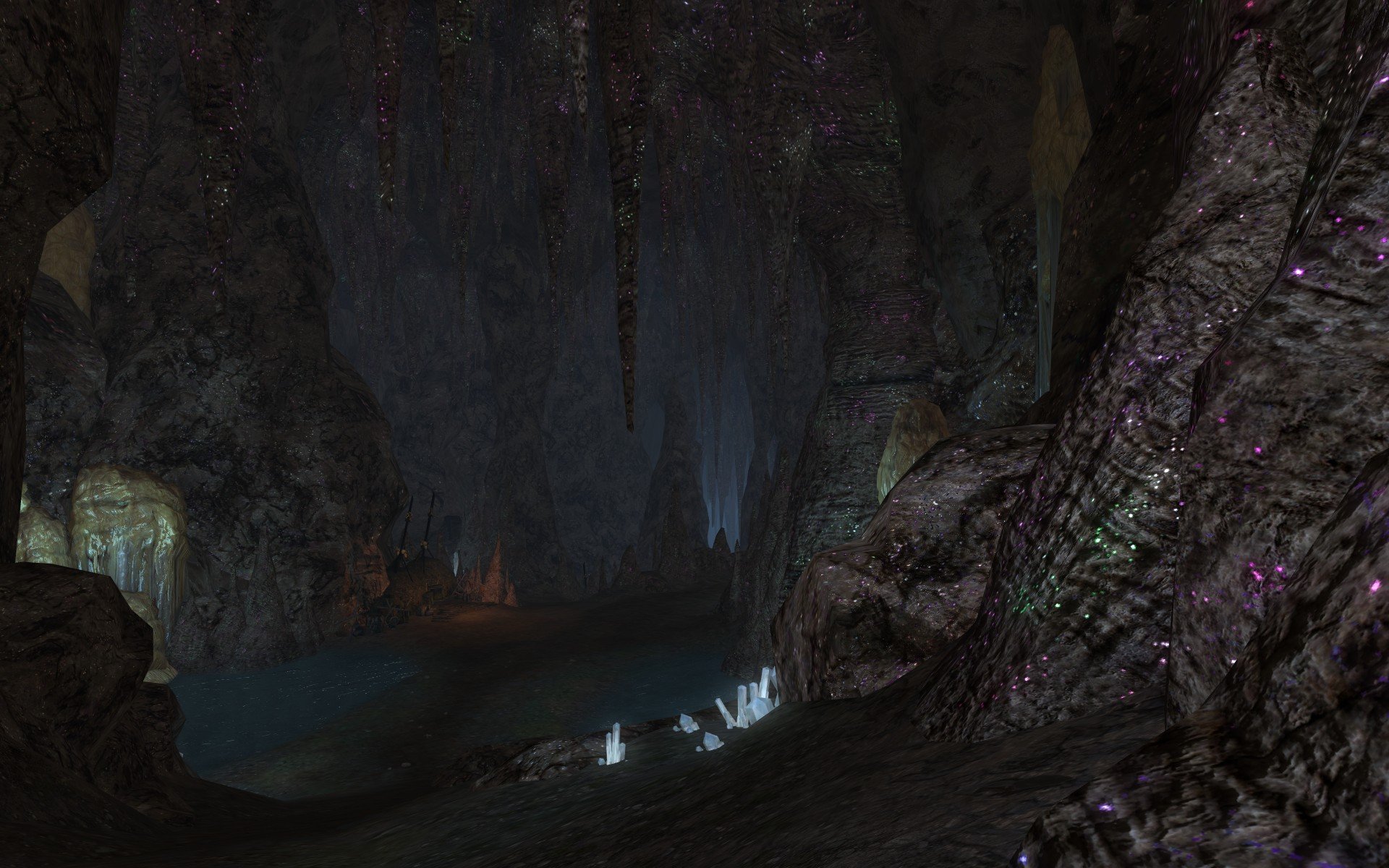
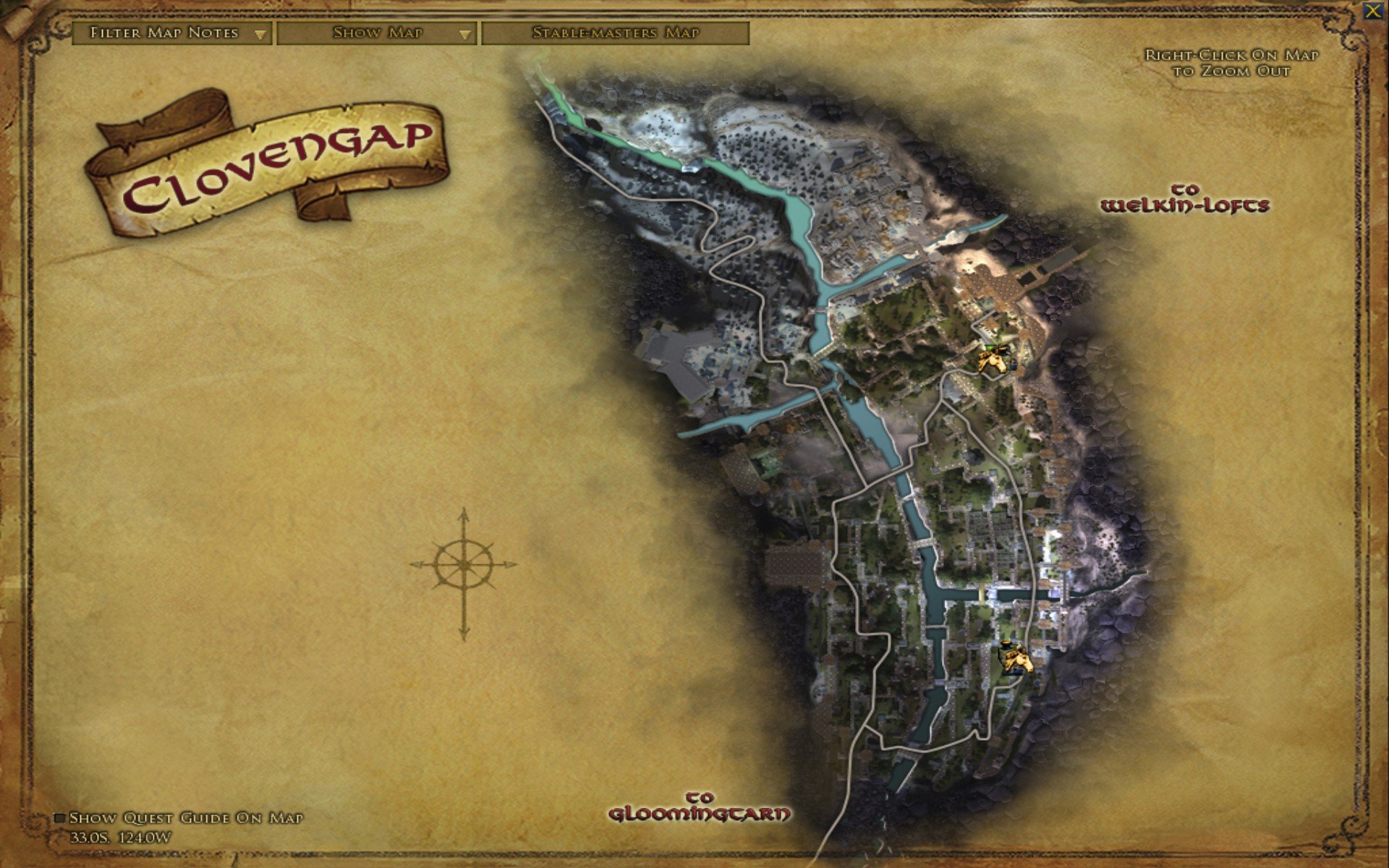
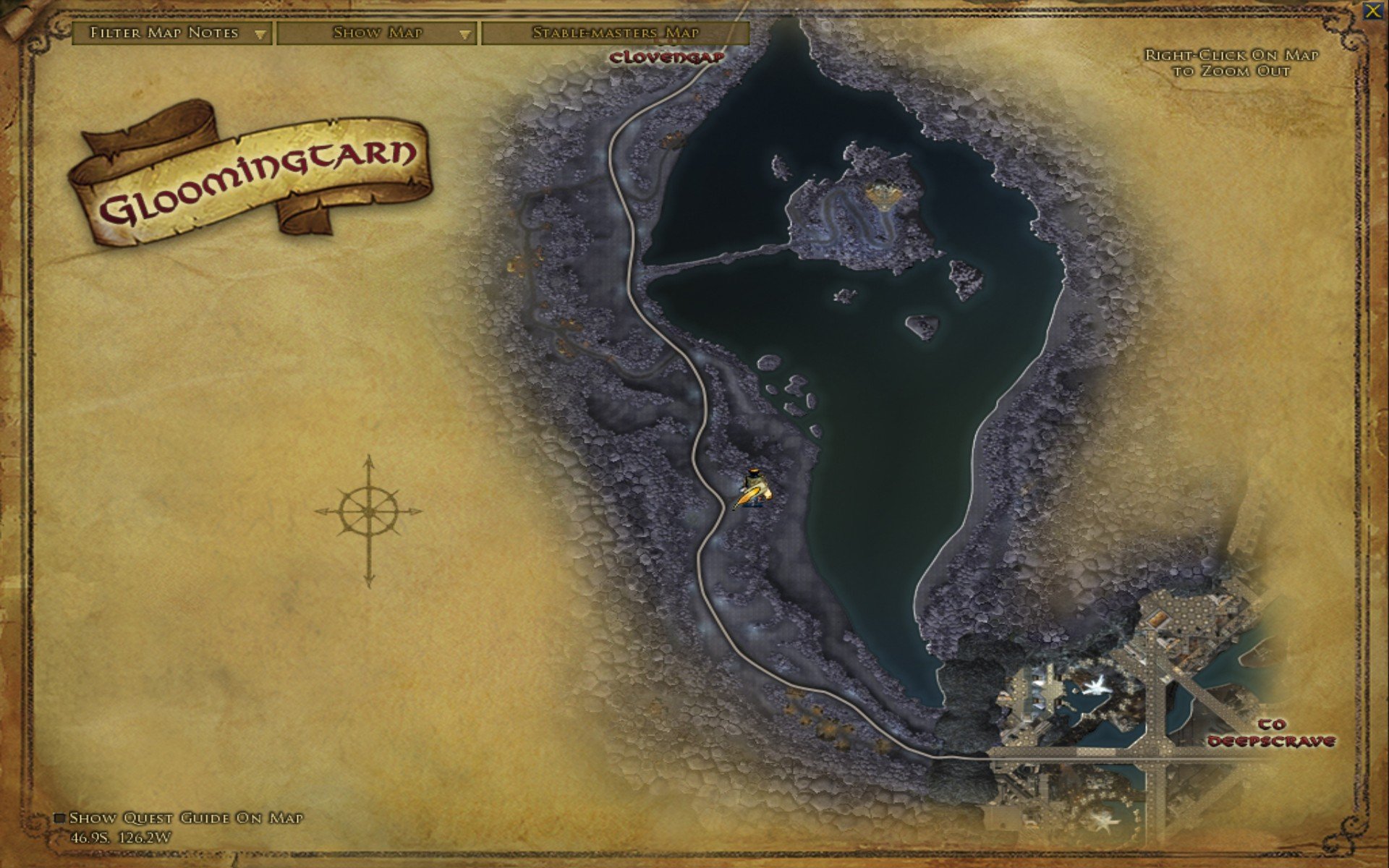
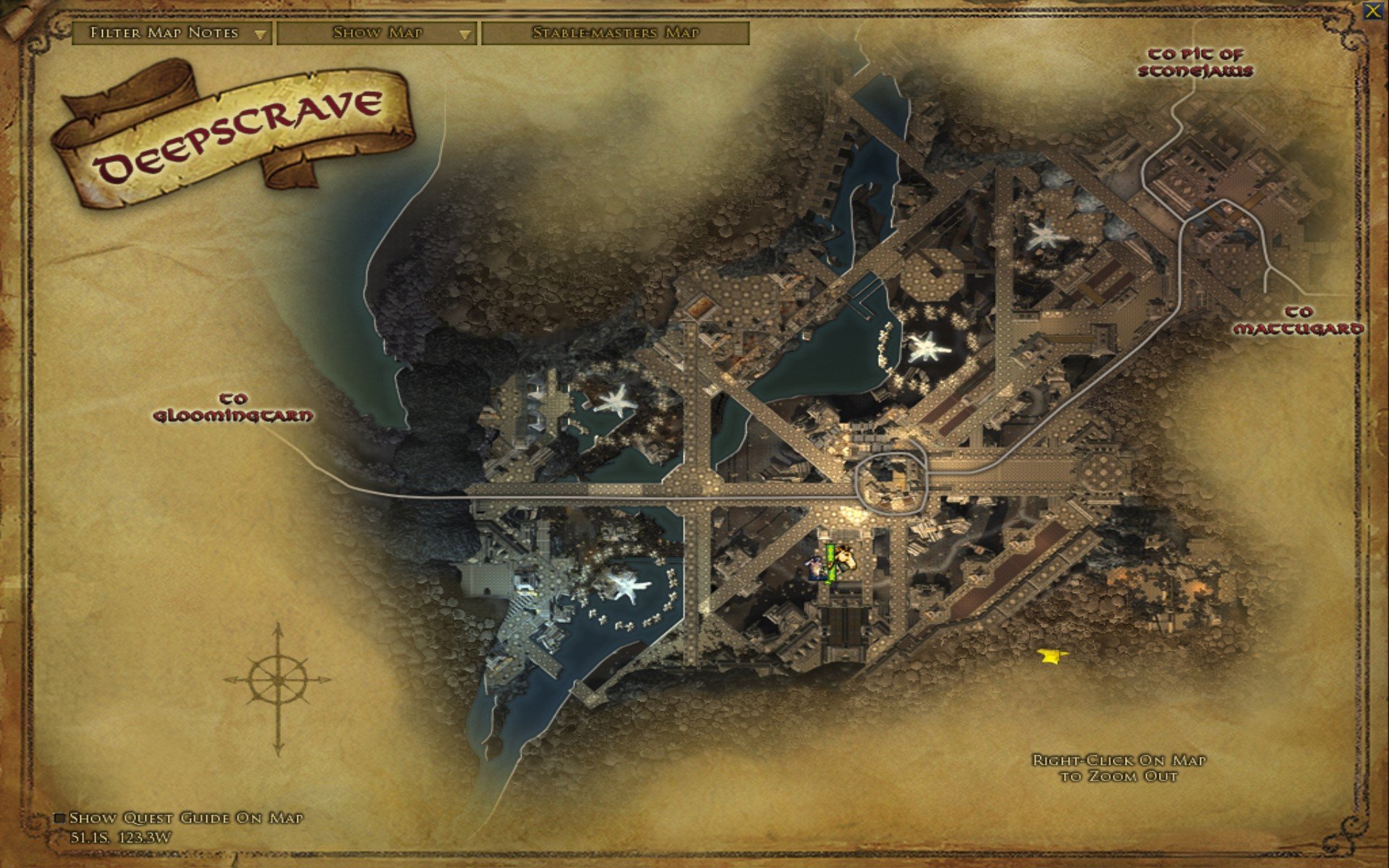
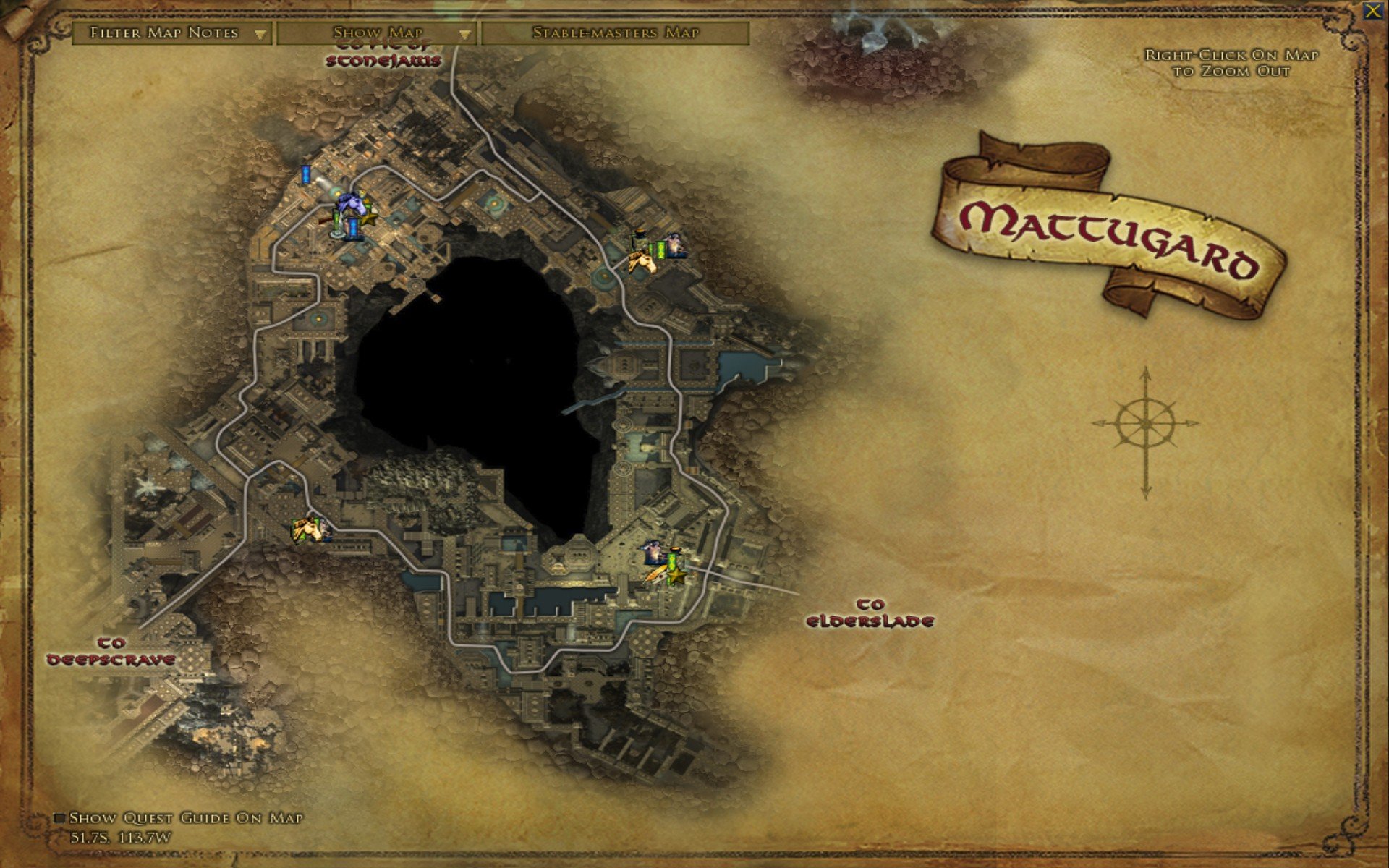
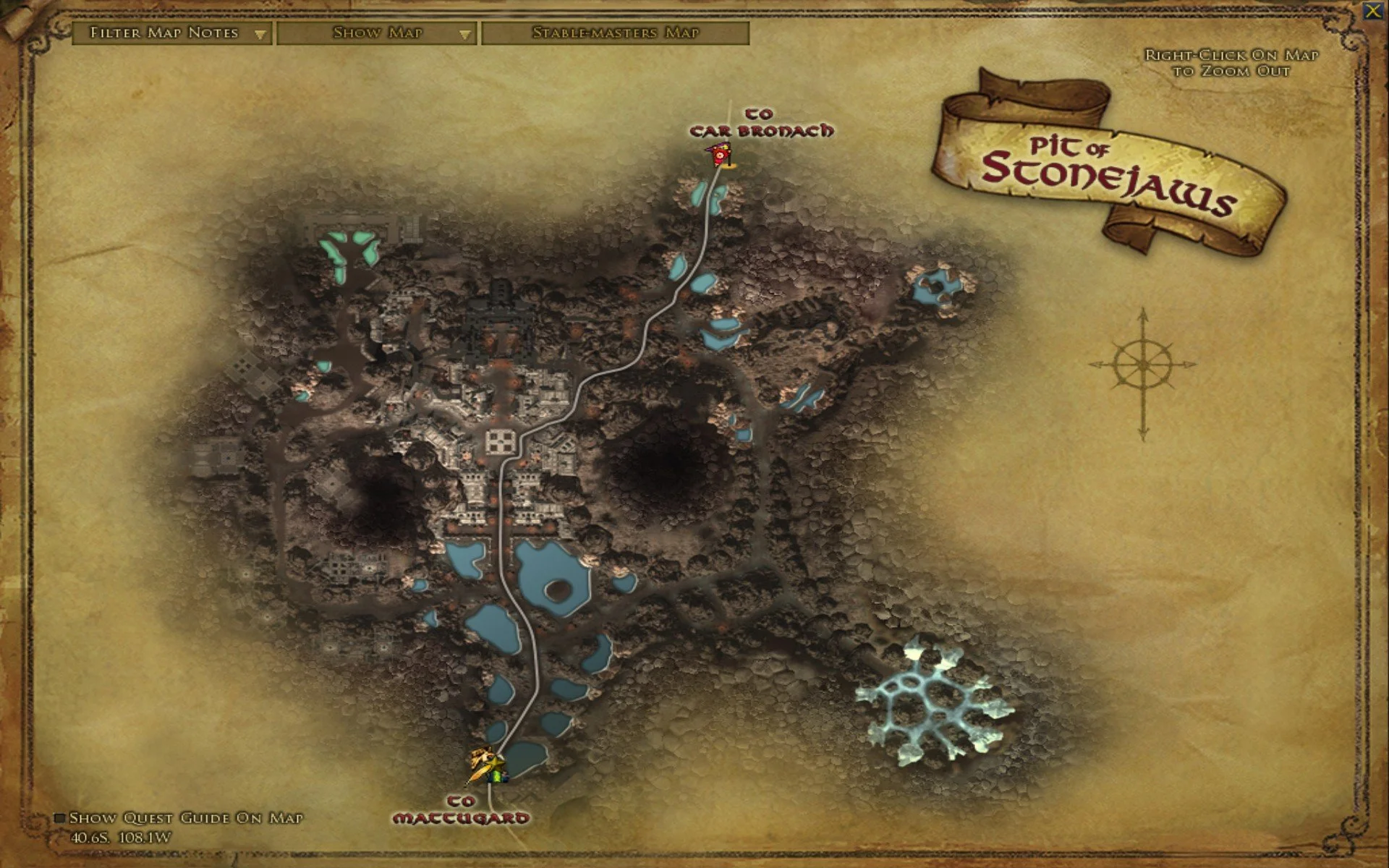
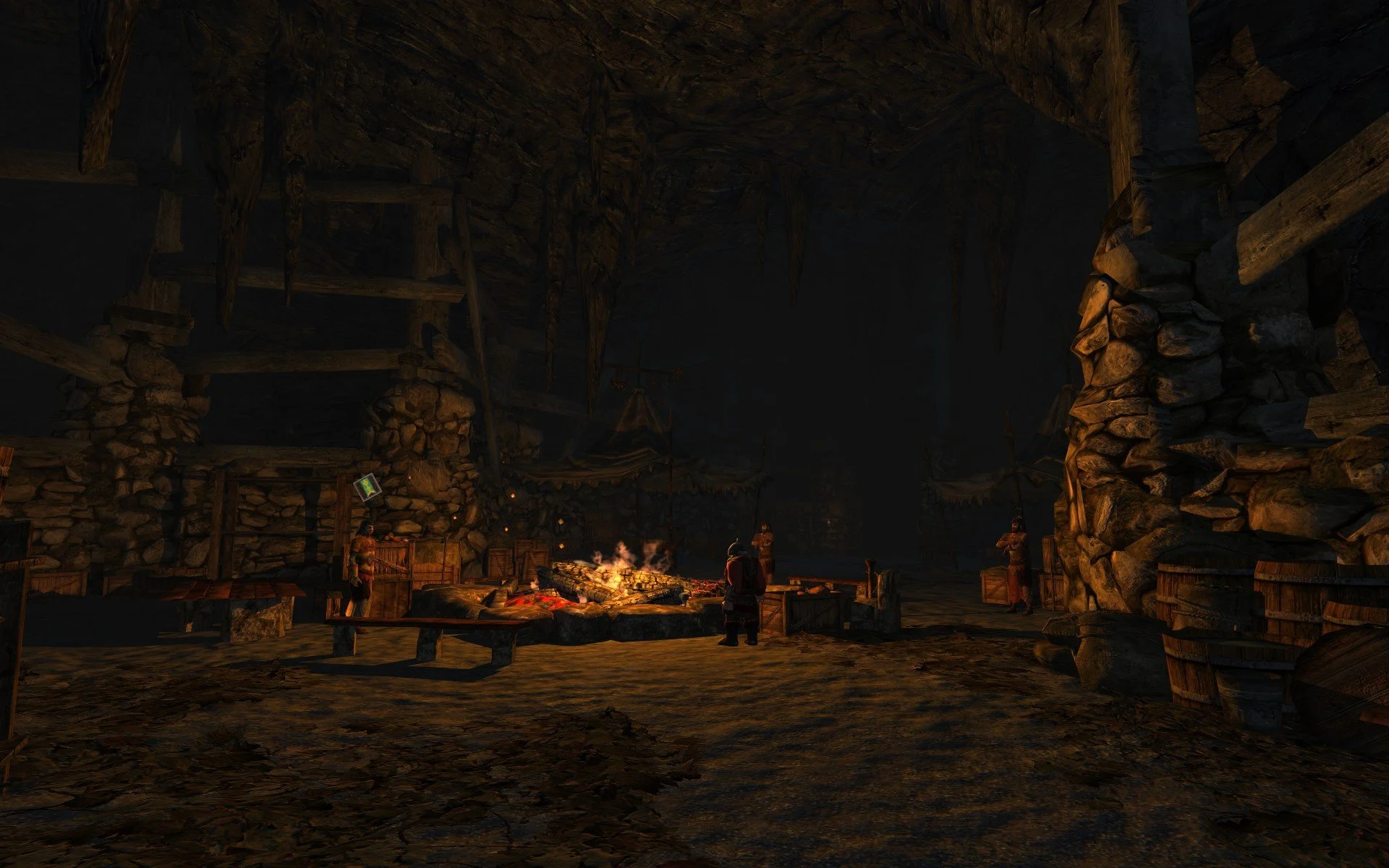
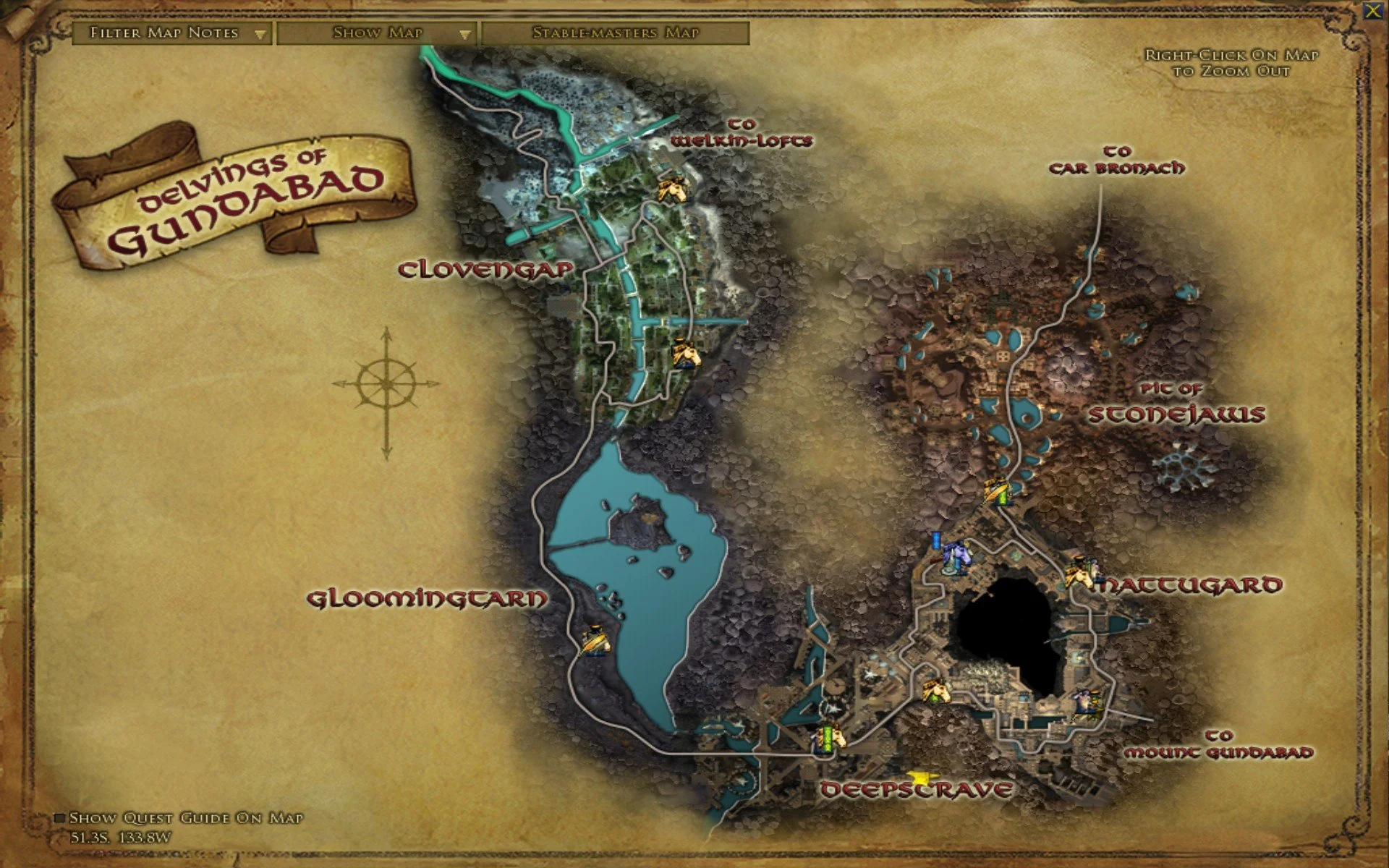
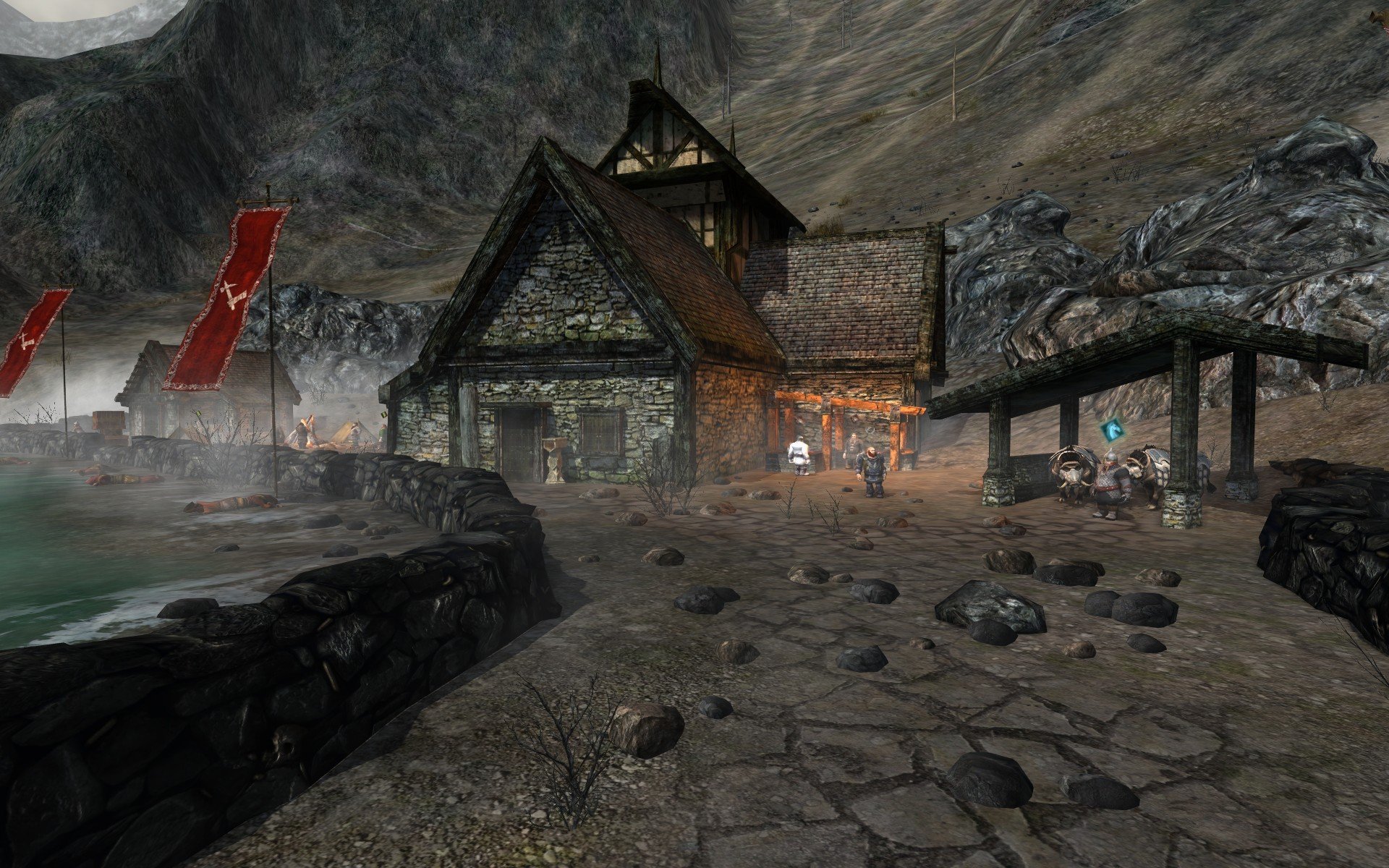
Upon entering Mur Shatraug entrance, there is an underground zone called The Delvings of Gundabad. It is split into five subzones, all of which form a broadly circular route running clockwise. The first Pits of Stonejaws is akin to The Glittering Caves in Helm’s Deep and the Foundations of Stone in Moria. It is a maze and rife with mobs. This area leads to Mattugard which is very much like Zelem Melek in Moria. There is an immense abyss in the centre of the map and a triangular road around it. Vast windows in the mountainside roof let in a pale light. On the eastern side of Mattugard is an exit which leads to the main entrance to Mount Gundabad in the Elderslade map, which is a contested zone. Mattugard is populated by Orcs, Grodbog Spitters and Goblins on Bats (yes you read that right). The next connecting area is Deepscrave which is similar to Mattugard but with more bridges and walkways. There are also infestations of bioluminescence growths encrusting the walls. This in turn leads to Glooming Tarn, which features an underground lake. It is filled with crystal spiders and looks similar to the Giants Causeways with its interlocking basalt columns. Finally, the road leads to Clovengap, the former garden city of the Gundabad Dwarves. There are lights, windows and lush green terraces as well as Wargs. Clovengap exists out onto the surface and Welkin Loft.
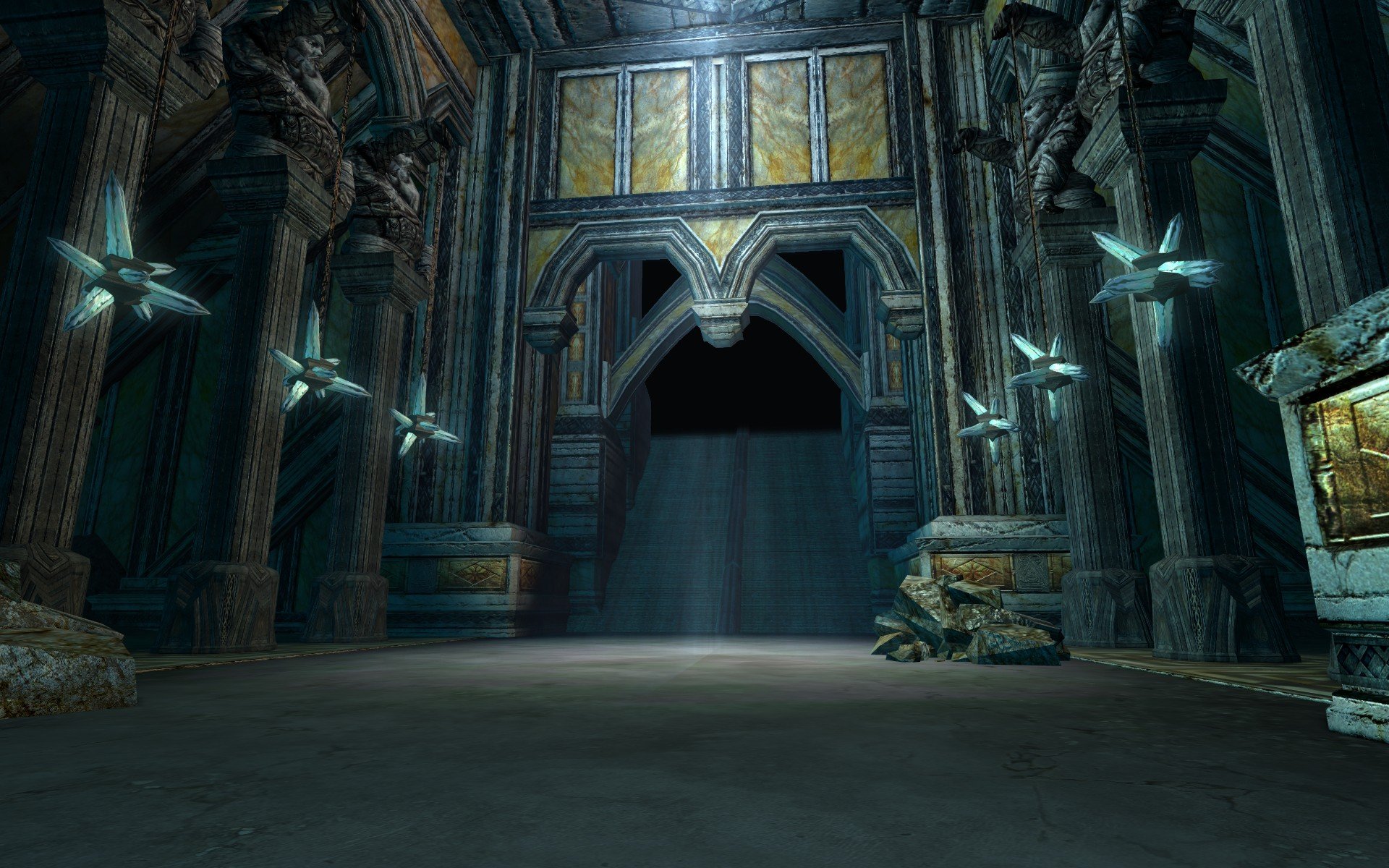
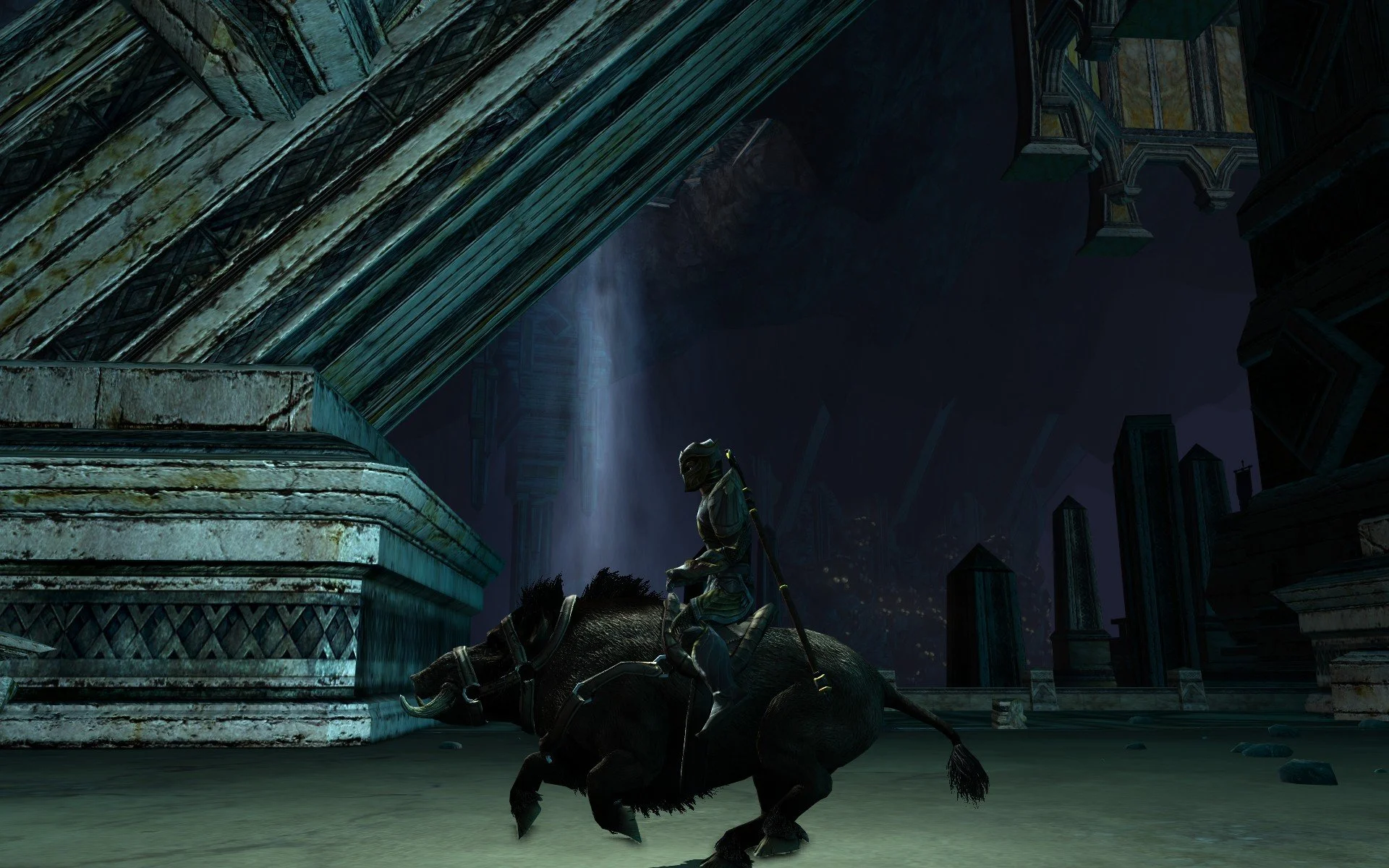
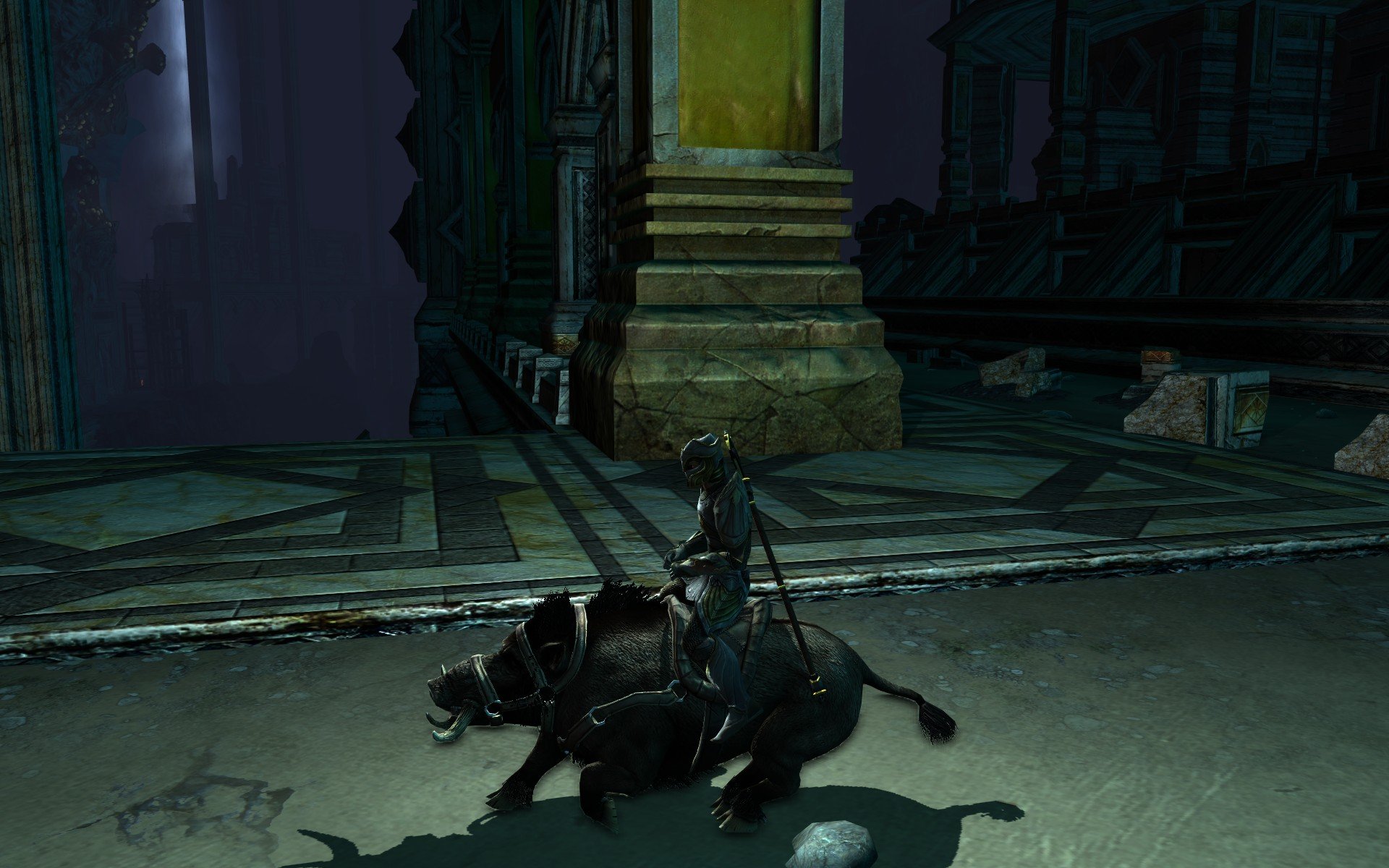
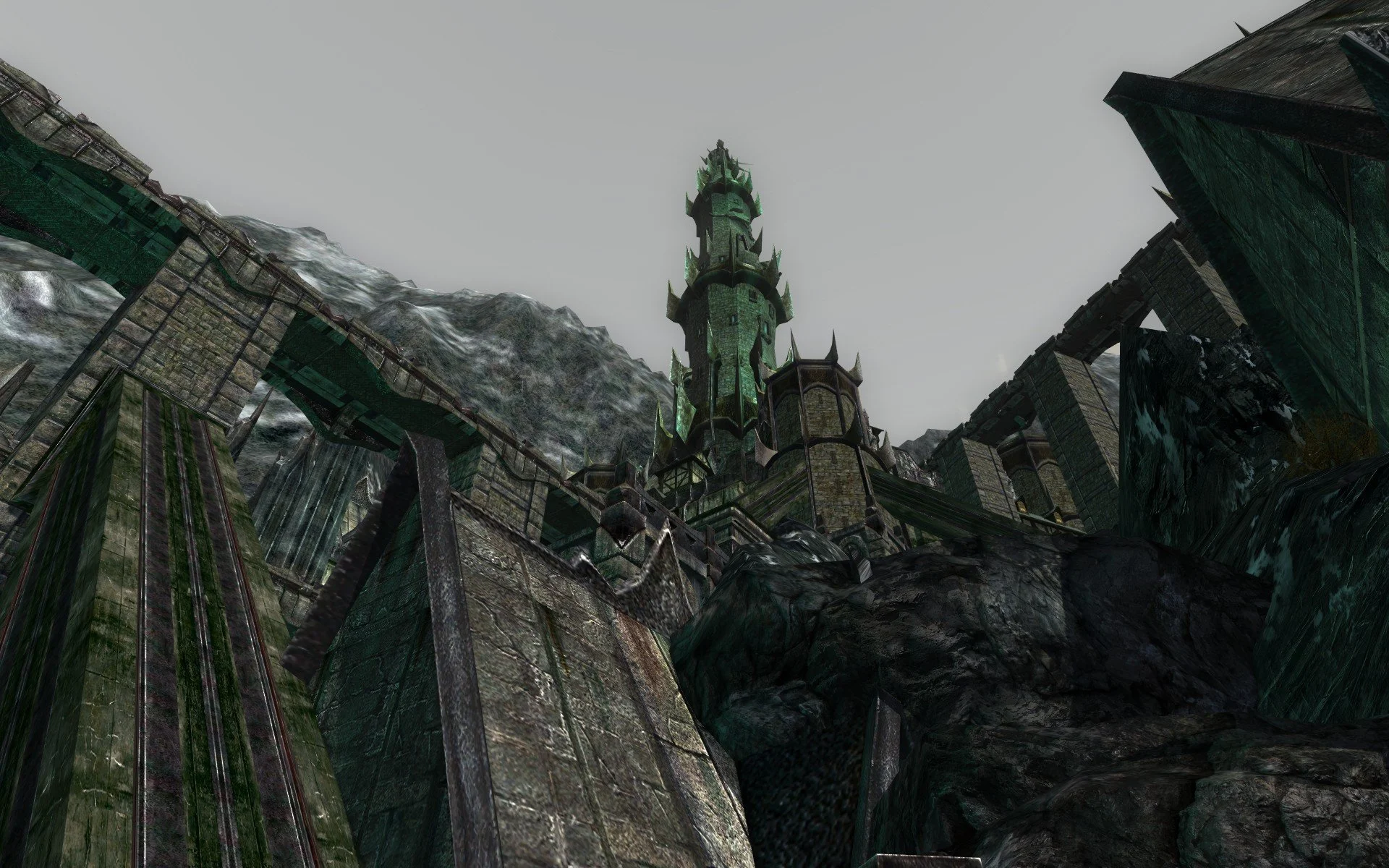
The new zones in Fate of Gundabad are large and totally in accord with the ongoing Epic story. If you enjoy Dwarven culture and its respective aesthetic in LOTRO then this expansion should prove enjoyable. However, there are very few entirely new assets on display apart from several reskinned mobs and a handful of relatively unique Dwarven structures. Pretty much everything else is a variation on established themes using assets that players are already familiar with. I suspect that a lot of players will find travelling throughout the Delvings of Gundabad to be an uphill struggle due to the mob density and the complex routes that SSG seem to delight in creating. As always, I’m sure the developers will attempt to compensate by providing a very engaging story as they so often do but I can’t help but feel that Fate of Gundabad is lacking the aesthetic inspiration found in prior updates such as Wells of Langflood and Vales of Anduin.
Retroactive Continuity
If you are old enough to remember the popular eighties “soap opera” Dallas, then you will no doubt be au fait with the infamous ninth season of the show. Having painted themselves into a corner with the death of a popular character, the writing team effectively revealed in the season finale that everything that had transpired in the previous thirty episodes had been “all a dream”. Let us take a moment to reflect upon the hubris of this “creative” decision. Did fans complain and roll their eyes at this utterly trite plot device? Yes, they most certainly did. But they also kept watching and the ratings increased. It got the writers out of a fix of their own making and allowed them to move on as if nothing had happened. It was a very high profile example of so-called retroactive continuity being used in a mainstream TV franchise and my first experience of such a narrative device.
If you are old enough to remember the popular eighties “soap opera” Dallas, then you will no doubt be au fait with the infamous ninth season of the show. Having painted themselves into a corner with the death of a popular character, the writing team effectively revealed in the season finale that everything that had transpired in the previous thirty episodes had been “all a dream”. Let us take a moment to reflect upon the hubris of this “creative” decision. Did fans complain and roll their eyes at this utterly trite plot device? Yes, they most certainly did. But they also kept watching and the ratings increased. It got the writers out of a fix of their own making and allowed them to move on as if nothing had happened. It was a very high profile example of so-called retroactive continuity being used in a mainstream TV franchise and my first experience of such a narrative device.
Nowadays, retroactive continuity or retcon is used far more often. It can be something as straightforward as replacing an actor for an established role with a new actor, as in Iron Man where James Rhodey Rhodes was first played by Terence Howard and then Don Cheadle. Or something more impactful such as rebooting a franchise as with Casino Royale in 2006 or Star Trek in 2009. Daniel Craig’s tenure as James Bond effectively began an entirely new five-film, self-contained story arc for 007 that ignored everything that had happened in the previous films. J.J. Abrams’ Star Trek used the narrative conceit of an alternative timeline as a means to tell new stories with existing characters. All of these examples successfully managed to retcon their respective franchises without any major critical or financial consequences. Most fans managed to successfully suspend their sense of disbelief and overcome any continuity or logical flaws. But the process isn’t always as seamless as this.
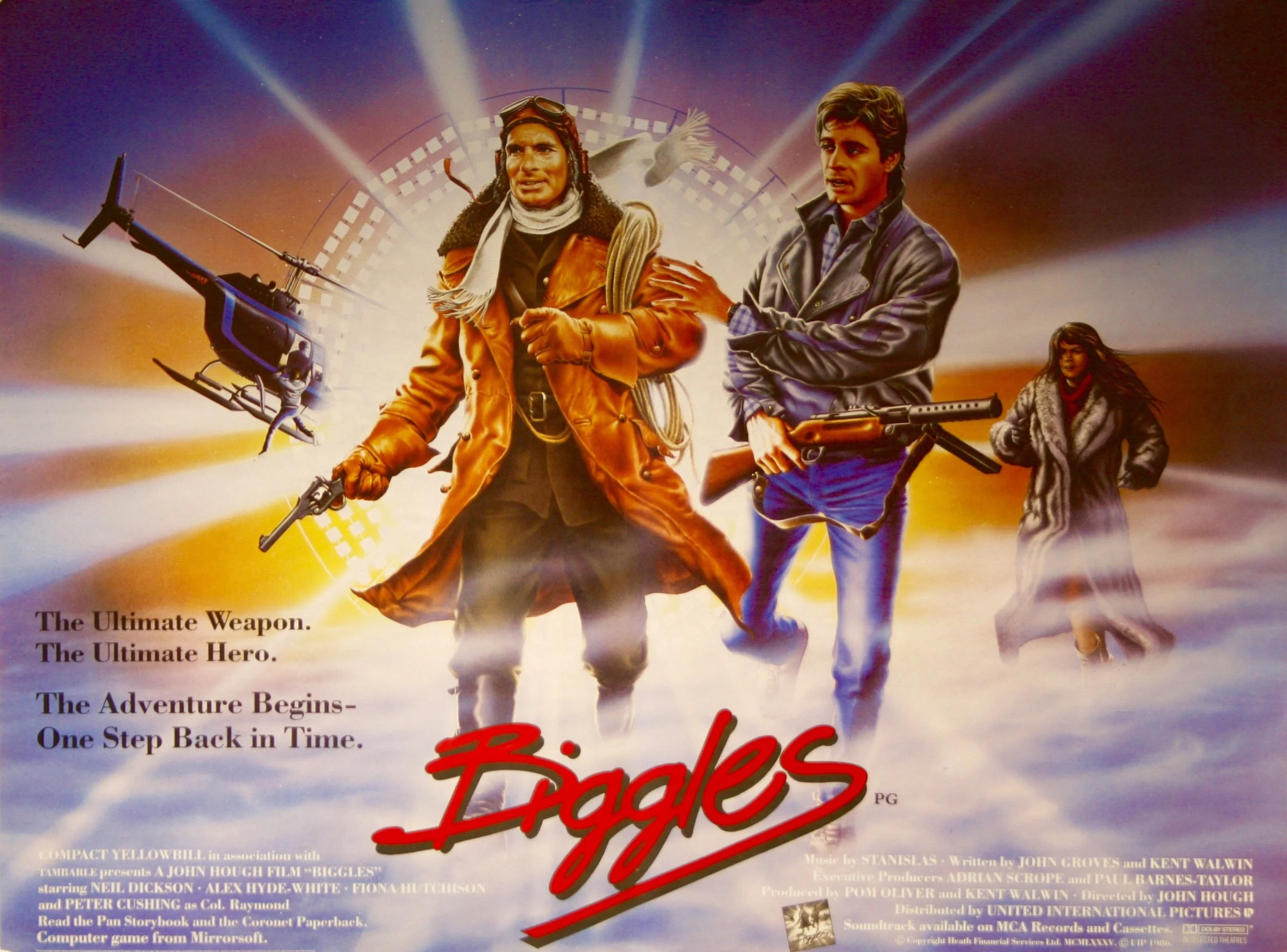
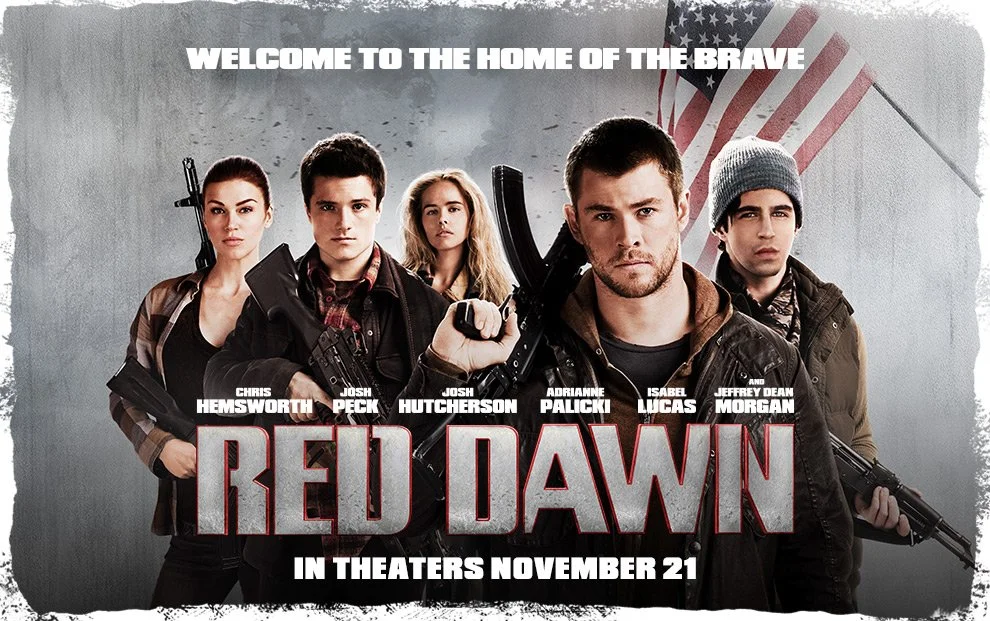
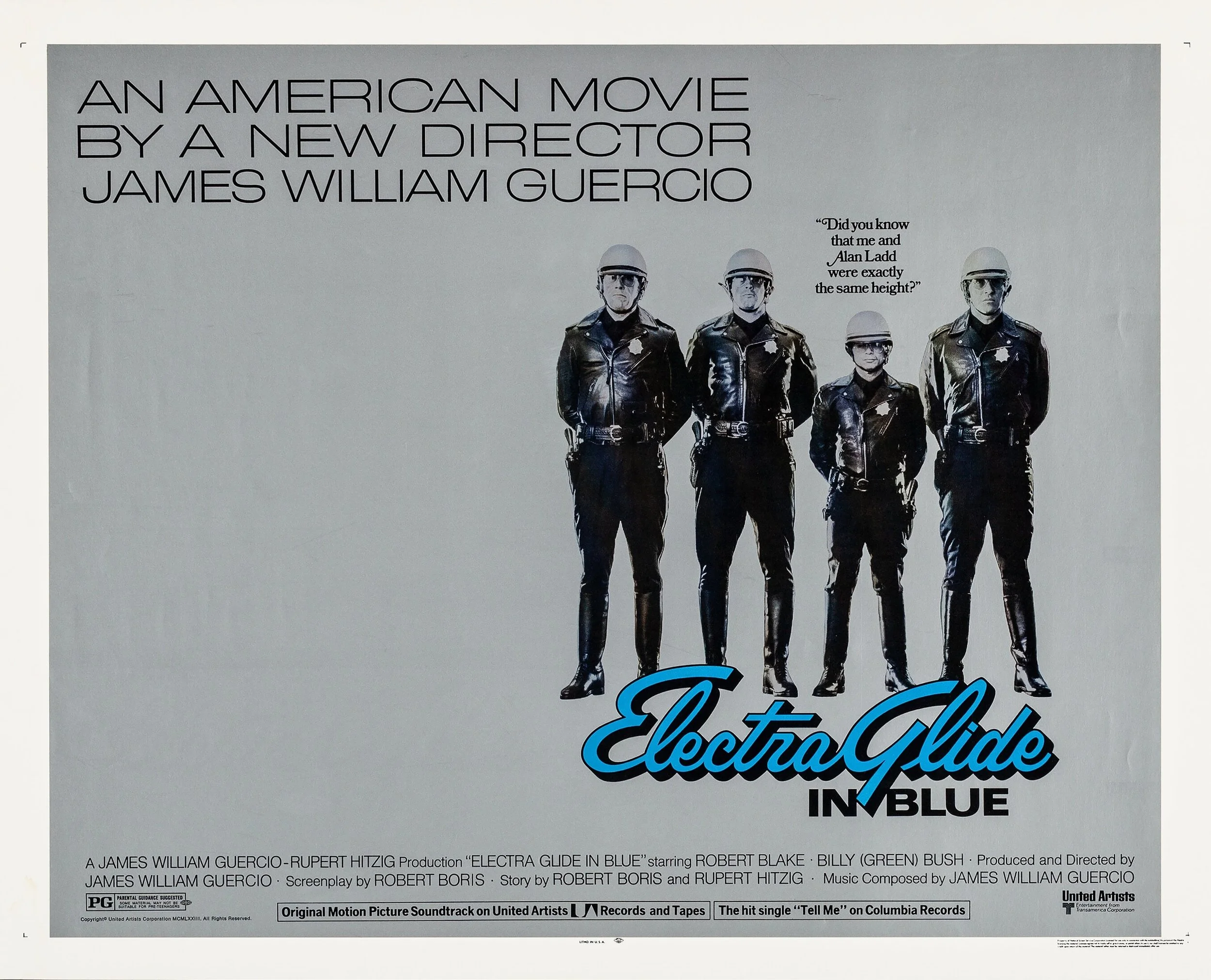
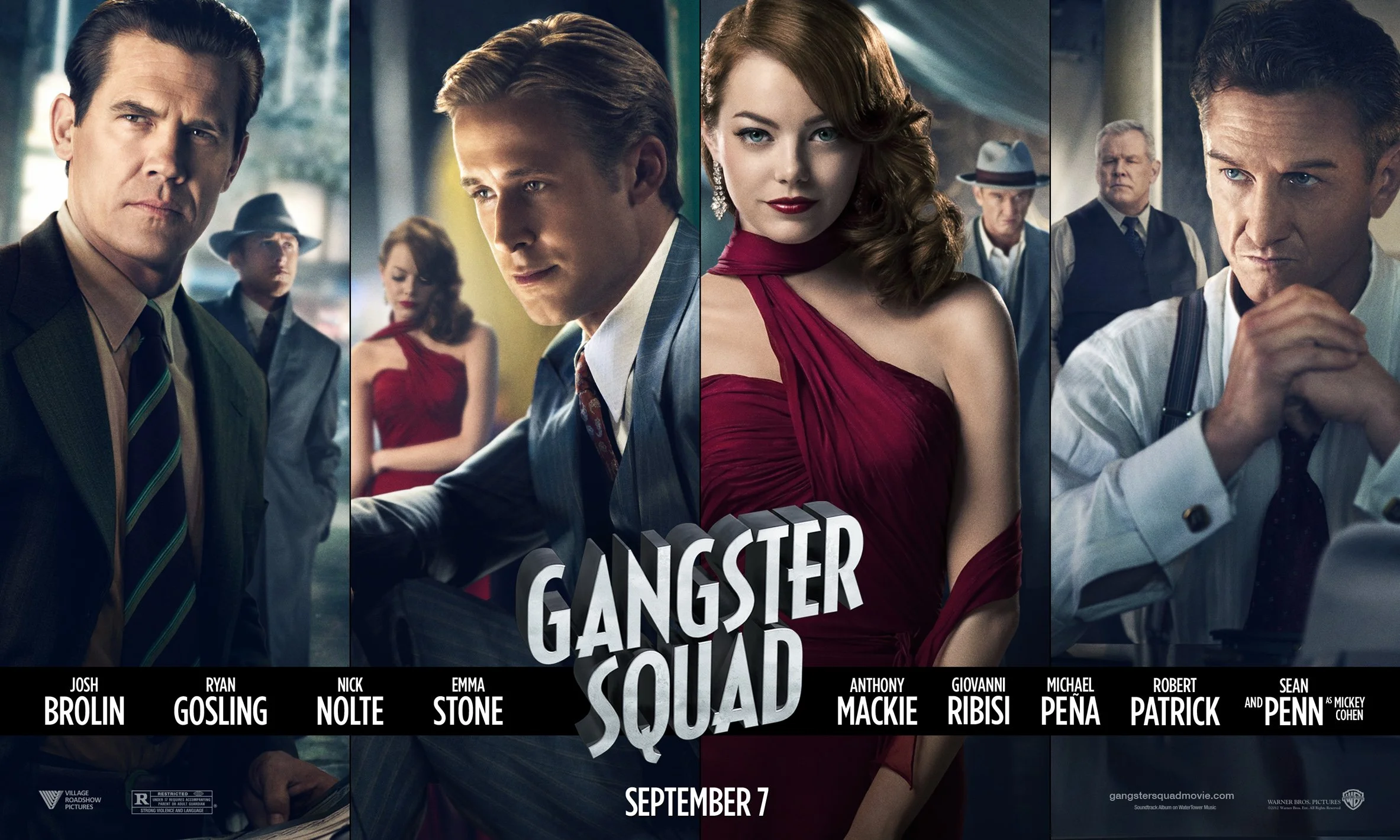
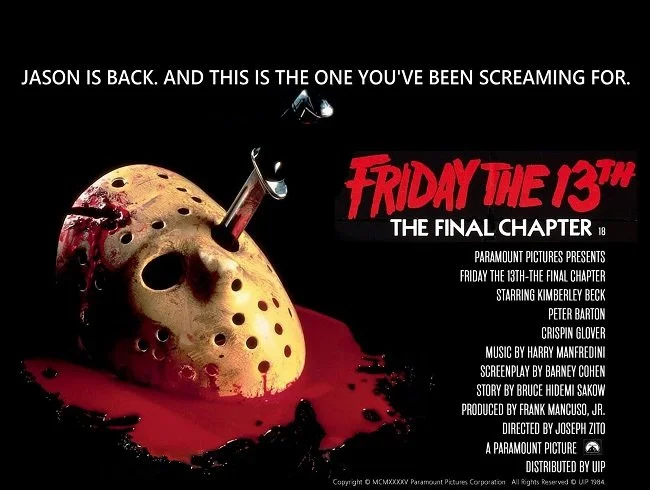
Take the Halloween horror film franchise. The original 1978 movie spawned a direct sequel Halloween II in 1981. This ended with the central antagonist dying in a fiery conflagration. Hence Halloween III: Season of the Witch (1982) is a standalone story. Creator John Carpenter then sold his interests in the franchise and so three inferior sequels were churned out based on the premise that Michael Myers had survived. Halloween IV: The Return of Michael Myers (1988), Halloween V: The Revenge of Michael Myers (1989) and Halloween VI: The Curse of Michael Myers (1995). Then in 1998 the first retcon took place with Halloween H20. This was a direct sequel to the first two films and ignored the story arc of parts 4 to 6. This was then followed by a further sequel Halloween: Resurrection in 2002. The franchise was then rebooted in 2007 with director Rob Zombie remaking the original film and then a sequel the following year. In 2018 a further retcon saw a new direct sequel to Carpenter’s original, confusingly called Halloween. A follow up, Halloween Kills, was released recently.
Retroactive continuity can be a useful tool in so far that changing established narrative events can provide a means to perpetuate a commercially viable and popular cinematic franchise. However there are consequences. Alien 3 featured a retcon that completely negated everything that happened in the previous movie, Aliens. A facehugger miraculously survived and managed to impregnate Ripley while she was in cryonic stasis. A convenient spaceship crash subsequently eliminated the characters of corporal Hicks and the child Newt. Something fans felt was especially mean spirited. The first season of the TV show Star Trek: Discovery saw a major visual and design retcon. Set just before the TOS era the production aesthetic was radically different from the established canon. Fans were not pleased and adjustments were made in the second season. And not only did Highlander II retcon the entire premise of the previous film, it subsequently retconned itself when three separate edits produced radically different stories.
The retcon has been an established part of film making for decades. Universal Studios used it extensively in the thirties and forties over the course of their commercially successful series of horror movies. Onscreen events were reframed to accommodate sequels, actors were replaced and lore bent to facilitate new plots. However, it can be cogently argued that the increase in retroactive continuity in recent years both in TV and cinema, ultimately stems from a creative system that is extremely risk averse. Experimentation with new and original concepts is an expensive gamble, compared to the proven track record of established franchises. Furthermore, if a franchise should suffer a less well received instalment, judicious retconning can be used to correct any mistakes. However retconning cannot cure an audience of boredom brought about by a continuous diet of the same content, just packaged differently. Ultimately, established trends run their course as the western and musical genres have proven.

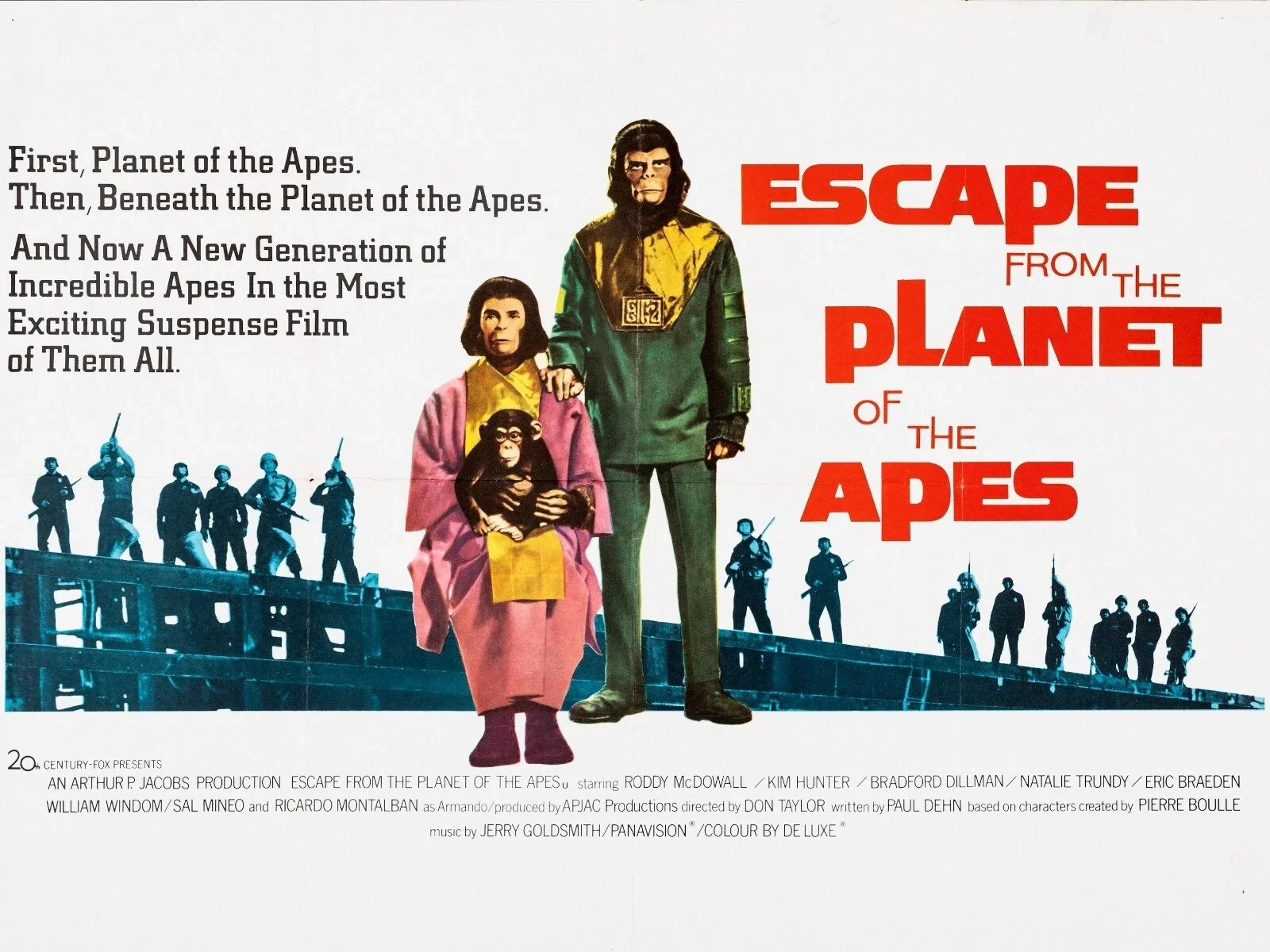




Halloween Kills (2021)
Director and co-writer David Gordon Green scored a major hit with his direct sequel to John Carpenter’s 1978 masterpiece, Halloween. He managed to bring a fresh perspective and modern sensibilities to the slasher genre and furthermore gave us a very entertaining and tense horror film. It was a superb bookend to the original film and the only real criticism that could be levelled at it was the confusing decision to call it Halloween, just like the original, rather than something that clearly indicated that it was a sequel. Irrespective of this the film fared very well both with critics and audiences, becoming a box office hit. However, financial success all too often begets further demand. Hence a film that was originally intended to be a standalone and definitive sequel, suddenly morphed into the first instalment of a new trilogy. Halloween Kills is the second instalment of this new story arc and compared to its predecessor it is far less coherent and relevant.
Director and co-writer David Gordon Green scored a major hit with his direct sequel to John Carpenter’s 1978 masterpiece, Halloween. He managed to bring a fresh perspective and modern sensibilities to the slasher genre and furthermore gave us a very entertaining and tense horror film. It was a superb bookend to the original film and the only real criticism that could be levelled at it was the confusing decision to call it Halloween, just like the original, rather than something that clearly indicated that it was a sequel. Irrespective of this the film fared very well both with critics and audiences, becoming a box office hit. However, financial success all too often begets further demand. Hence a film that was originally intended to be a standalone and definitive sequel, suddenly morphed into the first instalment of a new trilogy. Halloween Kills is the second instalment of this new story arc and compared to its predecessor it is far less coherent and relevant.
Halloween Kills picks up immediately after the events of the previous film. Laurie Strode (Jamie Lee Curtis), her daughter Karen (Judie Greer) and her granddaughter Allyson (Andi Matichak) escape from Laurie’s house which they’ve set on fire with Michael Myers trapped inside. As they travel to hospital, firefighters attempt to put out the blaze and in doing so, accidentally set Michael free from the basement. He subsequently murders them all and heads into town. Meanwhile, a group of survivors from Michael’s original killing spree are commemorating their experience in a bar. This consists of Tommy Doyle (Anthony Michael Hall), Marion Chambers (Nancy Stephens), Lindsey Wallace (Kyle Richards) and Lonnie Elam (Robert Longstreet). After seeing news reports on Michael’s escape they decide that they can no longer live their life in fear and decide to go out and hunt him down. Back at the hospital Laurie undergoes emergency surgery. Karen is happy to leave matters to the authorities but Allyson wishes to join Tommy Doyle and seek revenge.
Halloween Kills has a strong pre-credit sequence in which an injured Officer Hawkins (Will Patton) is found after being attacked in the previous film. Hawkins then has a flashback to 1978 when he was a rookie officer and encountered Michael Myers for the first time. The continuity with John Carpenter’s original film is outstanding. The seventies aesthetic is strong and there are numerous references to events in the first film, such as the dead dog in the Myers house and the fact that Dr. Loomis shot Michael “six times”. The Dr. also makes an appearance courtesy of a double and not CGI. It is a gripping opening gambit with a sad subplot which sets the bar quite high. Unfortunately, this level of tension and narrative intrigue is not maintained throughout the remainder of the film. After the flashback events return to Haddonfield on 31st October 2018 and the film follows three story elements. Tommy Doyle searching for Michael, events in the hospital as Laurie recovers and of course Michael’s renewed murder spree.
Often horror films are guilty of not trying hard enough with regard to their story and characters. In the case of Halloween Kills, it is the opposite. It is clear that writers Scott Teems, Danny McBride and David Gordon Green want to imbue the proceedings with a sense of continuity and lore. This is a laudable endeavour but the net results are scenes that often feel like they are extremely contrived and elaborate set pieces that are designed to mirror a sequence from Carpenter’s original. We see this when Marion Chambers finds herself once again trapped in a car with Michael Myers on the roof, reaching for her through the windows. The early scene in the bar where the survivors of Michael’s first rampage meet up each year is filled with expository dialogue that just serves to bring the casual viewer up to speed with events.
Halloween Kills also reflects contemporary audience tastes and hence the set pieces and kills are not only violent but dwelt upon. Although creative and gory they are far removed from Carpenter’s original which was more focused on suspense. One series of murders features an amusing reference to Halloween III: Season of the Witch with the victims wearing Silver Shamrock masks. Yet despite many good ideas and call backs to the franchise’s lore, the story doesn’t fit together seamlessly. It often feels episodic and that it’s overreaching itself. The film’s main idea that fear is infectious and succumbing to it eventually turns us into monsters is never really developed beyond its initial premise. Late in the story arc, Officer Hawkins and Laurie (who is underused throughout the film) contemplate the nature of evil and exactly what Michael Myers is. But it comes far too late and again seems to have been introduced just so the writers can crowbar the story to fit a specific scene that the director decided to end on.
Halloween Kills is not a bad film. It is handsomely made and all involved in the production are obviously invested in trying to do the best that they can (the score is again outstanding). Instead I think over ambitious is a farer and more accurate label. If you are a casual viewer and not invested in this franchise, then you will get an adequate horror film with some strong shocks. But when viewed in comparison with the 2018 film, this instalment undoes much of its good work in revitalising the story and finding new angles to explore. Hence fans of the first movie are inevitably going to be disappointed. Essentially Halloween Kills feels like it is treading water until its next instalment Halloween Ends; a problem that can sometimes blight the middle film in a trilogy. Therefore some viewers may prefer to dispense with this new story arc and simply view the 1978 film as a standalone story. If you seek a definitive conclusion, perhaps you can find that in Halloween II (1981).







Laptops Have Changed
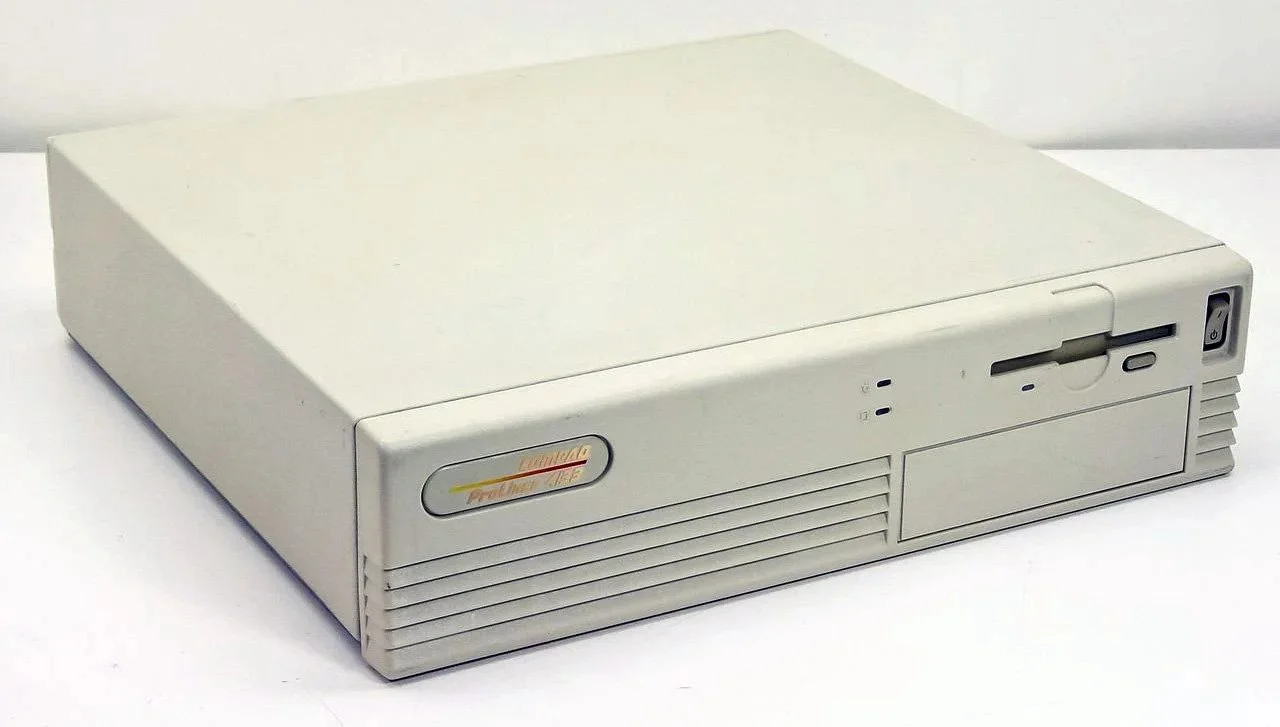
I am spending more and more time at my Mother’s house due to my caring duties. Hence I recently determined that I need a laptop so I can continue to write during some of the slacker moments. For a while I’ve been using my sister’s but to put it succinctly it’s an obsolete piece of shit that runs slower than a rusty abacus. So I decided to buy a Chromebook as they offer a means to do what I need to do but on a fiscally prudent budget. However, due to a complicated administrative error that I can’t be bothered to go into here, I have ended up with a more traditional laptop running Windows 10. Mercifully this has not cost me anymore than I initially planned to spend, so ultimately I have come out ahead in this situation. Hence, I now own a Dell Inspiron 15 3000. It has a 15.6” Full HD display, an AMD Ryzen 5 3500U processor, Radeon Vega 8 graphics, 8 GB RAM and a 256 GB SSD. Not a bad spec, considering I was originally intending to get a Chromebook.
I am spending more and more time at my Mother’s house due to my caring duties. Hence I recently determined that I need a laptop so I can continue to write during some of the slacker moments. For a while I’ve been using my sister’s but to put it succinctly it’s an obsolete piece of shit that runs slower than a rusty abacus. So I decided to buy a Chromebook as they offer a means to do what I need to do but on a fiscally prudent budget. However, due to a complicated administrative error that I can’t be bothered to go into here, I have ended up with a more traditional laptop running Windows 10. Mercifully this has not cost me anymore than I initially planned to spend, so ultimately I have come out ahead in this situation. Hence, I now own a Dell Inspiron 15 3000. It has a 15.6” Full HD display, an AMD Ryzen 5 3500U processor, Radeon Vega 8 graphics, 8 GB RAM and a 256 GB SSD. Not a bad spec, considering I was originally intending to get a Chromebook.
I haven’t owned a laptop for about 15 years. Man, how things have changed. My new laptop is a fairly thin and surprisingly quiet device. It is also relatively light. I can remember a time when manufacturers would sometimes attempt to cram a full size, top-of-the-range processor into a huge and ungainly chassis in their pursuit of performance. It would seem that physical media drives are now consigned to the history books, as this laptop is conspicuously lacking any peripherals of this nature. The damn thing also spoke to me when I booted it up for the first time, with Cortana kicking in and making some soothing comment about taking care of configuring things. And then there’s the ubiquity of the internet. It is assumed that this shiny new laptop will be immediately connected to a high speed, wireless internet connection so that the operating system can update itself and I can then have swathes of meaningless bullshit pumped to my desktop.
Therefore, the streamlined modern laptop with its lack of peripherals (beyond an external mouse) is a lightweight affair. I found my Father’s old laptop bag and have started using it. The modest sized AC adapter doesn’t add too much to the overall weight and so carrying the laptop between houses is hardly a chore. In the past I have purchased outsized rucksacks and struggled under the excessive load of my laptop like a Bolivian pack mule. I suppose this improvement in portability is another marketing point, although I don’t feel disposed towards taking my laptop with me everywhere and “working on the fly”. For me a busy McDonalds is hardly a conducive environment for writing but each to their own. Certainly the 1080p display is convenient for watching either YouTube or my own collection of film and TV content. Apparently this laptop also has Bluetooth, so it is easy to connect earbuds. Again functionality such as this or a webcam used to be considered as additional, whereas now it is just standard.
I suppose the biggest change underpinning laptops is their perceived function and more to the point, how they go about providing that. In the past (and by this I mean in my experience between 2000 and 2010) the laptop was a means to provide all the functions of your desktop PC and office network but at home or on the move. Hence there were numerous peripherals that would go hand in hand with a top of the range laptop. Nowadays, the laptop is more of a conduit that assumes by default the presence of the internet, so that the device can connect to the cloud resources we all rely upon these days. Gone are the requirements of local installations of important software, as we now use web based apps. Such an approach certainly takes a load off the laptop per se but it also means that the user is dependent on the internet and any loss of service greatly impacts upon productivity. As the title of this post states, laptops have changed.



















LOTRO: Problems With the Revised Legendary Item Systems
NB. If you have a strong feeling of deja vu while reading this post, it’s not just you. Most of the points raised here were mentioned previously a few weeks ago when I wrote about my experiences during the beta testing of Update 30.3 on Bullroarer server. I’m sure long time LOTRO players will not be at all surprised by what is discussed in this post.
Developer’s Standing Stone released Update 30.3 for the MMORPG The Lord of the Rings Online today. This includes the new Brawler class and the revised Legendary Item system. The latter has proven to be problematic. Firstly, there has been no support information from SSG as to how the new system works. There is no in-game tutorial or quest that orientates the player. In fact unless a player opens up the LI window and discovers that there is a new “appraise” button added to the UI, they could easily continue playing totally oblivious to the revised system. Secondly, all the bugs and glitches that were highlighted by players on the test server have not been addressed and have been ported over to the live servers. Unless you are the type of player who is heavily invested in the game and has kept abreast of the various threads about the revised LI system on the official forums, you will have to muddle through the best you can. Furthermore, you will be at risk of making mistakes, wasting valuable in-game resources and potentially gimping your new LI.
NB. If you have a strong feeling of deja vu while reading this post, it’s not just you. Most of the points raised here were mentioned previously a few weeks ago when I wrote about my experiences during the beta testing of Update 30.3 on Bullroarer server. I’m sure long time LOTRO players will not be at all surprised by what is discussed in this post.
Developer’s Standing Stone released Update 30.3 for the MMORPG The Lord of the Rings Online today. This includes the new Brawler class and the revised Legendary Item system. The latter has proven to be problematic. Firstly, there has been no support information from SSG as to how the new system works. There is no in-game tutorial or quest that orientates the player. In fact unless a player opens up the LI window and discovers that there is a new “appraise item” button added to the UI, they could easily continue playing totally oblivious to the revised system. Secondly, all the bugs and glitches that were highlighted by players on the test server have not been addressed and have been ported over to the live servers. Unless you are the type of player who is heavily invested in the game and has kept abreast of the various threads about the revised LI system on the official forums, you will have to muddle through the best you can. Furthermore, you will be at risk of making mistakes, wasting valuable in-game resources and potentially gimping your new LI.
What makes this situation even more frustrating is that it was utterly predictable. SSG has a track record of ignoring player feedback, committing to deadlines and launching broken updates. This course of action always ends in a community management disaster which is further exacerbated by the developer's tone deaf, highhanded approach to dealing with PR problems and their total inability to learn from past mistakes. I and many other long time LOTRO enthusiasts find the latter to be the most egregious offense. The way the company seems to deliberately set itself at odds with its players (who are also customers) and then blithely walks inexorably into a problem of their own making is staggering. Ultimately, such behaviour sends a very clear message. There is clearly a conflict of interests somewhere in the chain of command and it is proving detrimental to the games evolution and customer relations.
I spent most of the evening talking to kinfolk as well as fellow LOTRO players on Discord and Twitter trying to ascertain whether I had missed some key information regarding Update 30.3 and important LI revision. Sadly, I concluded after several hours that this wasn’t the case. There is no easily accessible in-game resource that either provides directly, or points towards a guide for the new LI system. Eventually I found a useful document, created by Helcawen as a means to help orientate their kinship members. It is an informative guide but is still subject to change as it reflects the “broken” system as it currently is. Apparently SSG have made one post on the new LI system but unless you are especially adept at using the official forums it’s hardly easy to find. However, there is no shortage of player feedback cataloguing the issues that they are discovering about the new LI system.
Many of the resources that are used in the new LI system, such as XP runes, have to be used in a specific order or else the player doesn’t get the maximum benefit from them. Then there is the cap on resources such as Ancient Scripts which means you are forced to spend them before you can acquire any more. And then there is the increase in options to spend Mithril Coins to unlock and upgrade resources. Not only has this become more prevalent but the system is currently broken with Tracery levels exceeding the level of the LI that they’re used in. It would also appear that the most powerful Traceries are exclusive to lootboxes. But for me, the biggest problem is with replacing a Legendary Item that has been maxed out. Simply put, you do not get sufficient resources to create a commensurate replacement. Considering the time, effort and money that I’ve put into my existing LI this is an unacceptable situation and a deal breaker.
Assuming that SSG are going to “fix” the new LI system, I don’t think I shall touch my level cap Lore-master staff and book l currently have on my primary character. I shall wait until the Fate of Gundabad expansion launches in November and ensure I’ve reached the new level cap of 140 before I make any important changes. I shall also be watching very carefully how SSG handles this situation because my patience is finally exhausted with them and their cavalier attitude. If I cannot replace my LI with something comparable then I see no reason to keep playing. As a paying customer, I don’t like downgrades of service or having something taken from me. For years players have debated the future of LOTRO and pondered its fate. I believe that SSG have reached a point where their actions are directly harming the game and alienating players. They’ve been warned time and time again about the consequences of their actions. If things go ill for them, then they are the architect of their own demise and deserve no sympathy.
Old Bexley and Sidcup By-election Part 1
Last week James Brokenshire, MP for the constituency of Old Bexley and Sidcup, died of lung cancer at the age of 53. He had held this parliamentary seat since 2010 and maintained a strong majority throughout the 2015, 2017 and 2019 general elections. Hence the constituency of Old Bexley and Sidcup is considered a “safe seat” for the Conservative Party. In fact it has only ever returned MPs from that party since its creation in 1983. As a result of Mr Brokenshire’s death, there will now be a by-election held in the constituency of Old Bexley and Sidcup to return a new MP to parliament. What makes this local election a little more interesting than usual, is that it will not be taking place against a wider ongoing national election. Therefore, there is scope that local issues may well play a greater part in the electioneering of all participating parties.
Last week James Brokenshire, MP for the constituency of Old Bexley and Sidcup, died of lung cancer at the age of 53. He had held this parliamentary seat since 2010 and maintained a strong majority throughout the 2015, 2017 and 2019 general elections. Hence the constituency of Old Bexley and Sidcup is considered a “safe seat” for the Conservative Party. In fact it has only ever returned MPs from that party since its creation in 1983. As a result of Mr Brokenshire’s death, there will now be a by-election held in the constituency of Old Bexley and Sidcup to return a new MP to parliament. What makes this local election a little more interesting than usual, is that it will not be taking place against a wider ongoing national election. Therefore, there is scope that local issues may well play a greater part in the electioneering of all participating parties.
The parliamentary procedure for holding a by-election are as follows. The Chief Whip of the political party whose MP held the vacant seat starts the process by “moving the Writ”. This is a motion requesting “that the Speaker do issue his Warrant to the Clerk of the Crown to make out a new Writ for the electing of a Member to serve in this present Parliament for the constituency of .... in the room of…”. The Speaker puts the question to MPs to decide whether to agree to the motion. If MPs agree it becomes an Order for the Speaker. The Speaker then issues a Warrant to the Clerk of the Crown who then sends the writ to the Returning Officer, who is responsible for the administration of the by-election. A new Writ is usually issued within three months of the vacancy. The by-election timetable is between 21 and 27 working days from the issuing of the writ.

As the current UK government enjoys a majority of over 80 seats, there is no pressing political need to hold this by-election as soon as possible. Therefore it seems logical that it will more than likely happen in early 2022. However, nothing is in tablets of stone so there is a possibility it could take place prior to Christmas, as did the last General election in 2019. A more important factor than the prospective date, is the issue of the candidates fielded by each respective party. As mentioned previously, Old Bexley and Sidcup is a safe seat for the Conservative Party. Hence, it is broadly expected that whoever becomes the Conservative candidate will subsequently win the by-election, due to the established voting patterns of the constituents. Old Bexley and Sidcup is a predominantly white, middle-class suburb of South-East London and as such is seen as a Tory “heartland”.
Like any political party, the Conservatives have their own unique set of rules with regard to candidate selection. In the past, Conservative party selection was largely in the control of the local Constituency Associations, however there was an approved list held at party HQ to be considered. In recent years the approved list has been replaced and a more equitable assessment board convened ensuring greater ethnic diversity and more female representation. However, local Constituency Associations still have a major say in candidate selection. Therefore under normal circumstances, there shouldn’t be any controversy surrounding the new Conservative candidate. However, the current Prime Minister Boris Johnson isn’t known for being a “stickler for the rules”. There is a degree of concern among the constituents of Old Bexley and Sidcup, as to whether a candidate could be “imposed” and parachuted into a convenient safe seat.
Time will tell as to what happens next. There is scope for the entire by-election to be a straightforward and uncontroversial process. Equally, things may go the opposite way. UK politics have become very unsettled in the last six years, Traditional voting patterns, party loyalties and general public opinions have shifted and not necessarily along traditional party lines. Furthermore, the Conservative party has radically changed since 2019. Many moderate MPs did not stand for re-election in the last general election. Although Old Bexley and Sidcup may still be a Tory safe seat, that doesn’t mean that the constituency is by default, well disposed toward Boris Johnson and his particular brand of politics. It will be interesting to see if such sentiments are reflected in the by-election.
Up and Down Voting User Comments
I was reading an article on Eurogamer this morning when I noticed that like so many other websites, it allows readers to vote user comments either up or down. It is a functionality that has become increasingly more commonplace in recent years. I would hazard a guess that Reddit set the trend for this so-called “social tool” and is the source of its ubiquity. If, like me, you are someone who finds the rectitude of this system “questionable”, you can set the filtering options in such a fashion so you can effectively disable the results of up or down voting. But that means taking a few minutes of your time to alter the comment settings, which means that a lot of people simply won’t bother to do it. Thus a lot of readers will miss out on content that their peers have deemed to be of little or no value, irrespective of whether or not that is actually the case. I find this a very disturbing concept and the ongoing use of up or down voting a worrying trend.
I was reading an article on Eurogamer this morning when I noticed that like so many other websites, it allows readers to vote user comments either up or down. It is a functionality that has become increasingly more commonplace in recent years. I would hazard a guess that Reddit set the trend for this so-called “social tool” and is the source of its ubiquity. If, like me, you are someone who finds the rectitude of this system “questionable”, you can set the filtering options in such a fashion so you can effectively disable the results of up or down voting. But that means taking a few minutes of your time to alter the comment settings, which means that a lot of people simply won’t bother to do it. Thus a lot of readers will miss out on content that their peers have deemed to be of little or no value, irrespective of whether or not that is actually the case. I find this a very disturbing concept and the ongoing use of up or down voting a worrying trend.
So what is the philosophy behind up and down voting of reader comments? Well those that oversee its implementation will tell you that it is a process for discovering and promoting the best comments that readers have submitted, therefore maximizing engagement and increasing the value of the content and the overall user experience. A more cynical take is that such systems are a means by which you can gamify leaving comments. The interactive element may not necessarily yield the up voting of the best comments but it encourages user interaction and increasing clicks, which means greater exposure to paid posts and advertisements. The associated dopamine rush that comes with up or down voting, or posting a comment that proves popular is tangible and makes it far more likely that readers will return. You’ve added fun but fun does not necessarily equate with value.
But the road to hell is paved with good intentions. Up and down voting comments only allows the best and most useful comments to rise to the top if the readers vote without personal bias and all approach the process with an ethical and altruistic outlook. Naturally this is not the case nine times out of ten. Up and down votes more often than not are just used as a dislike option, with people voting comments down simply because they don't agree or care for them. The process then becomes a means of controlling and silencing dissenting opinions. Thus, popularity eventually trumps validity and relevance. Critical thinking goes into decline. Websites become tribal echo chambers and so the culture wars tediously rumble on. All fun is subsequently leached out of all human interaction and so the world becomes just a little bit shittier each day, until life becomes an inescapable black hole of despair.
It can be argued that most means of airing opinions are ultimately subject to some sort of editing. The letters page of a newspaper selects what it deems are pertinent comments. The television talk show also maintains a degree of control over what is discussed and how. Yet editors are usually accountable to some degree for their decisions and are ultimately driven by a policy from their owners or shareholders. The up and down voting is simply driven by the capricious whims of “the crowd”, which I find even more concerning. Although being able to avoid things that you don’t like sounds initially quite alluring, it is actually counterproductive and hinders a broad and well balanced world view. It can also be used as an unscrupulous political tool that trivialises debate and public discourse. Sadly, because it allows people to ”stick it to the fascists”, or alternatively “own the liberals”, I don’t see up and down voting comments going away anytime soon.
MMO Tropes: “Kill Ten Rats” and Fetch Quests
“The MMO genre is rife with its own set of tropes; recurring themes and motifs that have become established and ubiquitous. All of which are ideal material for a hastily produced, lazily conceived, recurring blog post”.
The MMORPG genre is a curious subset of video games. Not only is it predicated on violence against the individual, institutions and “others”, as so many video games are but also species-specific genocide and general mass extinction of fauna and flora. It is easy to understand how this gaming specific trope came about. Early MMOs often had very little or no narrative driven quests and players simply levelled their characters by gaining XP from any sort of combat. Be that against other players, mobs or general in-game wildlife. What is far more perplexing is why such an arbitrary mechanic still persists in the modern MMO. Is it simply due to “laziness” and the fact that it’s easy to implement and rely upon? Or is there more to it than that?
“The MMO genre is rife with its own set of tropes; recurring themes and motifs that have become established and ubiquitous. All of which are ideal material for a hastily produced, lazily conceived, recurring blog post”.
The MMORPG genre is a curious subset of video games. Not only is it predicated on violence against the individual, institutions and “others”, as so many video games are but also species-specific genocide and general mass extinction of fauna and flora. It is easy to understand how this gaming specific trope came about. Early MMOs often had very little or no narrative driven quests and players simply levelled their characters by gaining XP from any sort of combat. Be that against other players, mobs or general in-game wildlife. What is far more perplexing is why such an arbitrary mechanic still persists in the modern MMO. Is it simply due to “laziness” and the fact that it’s easy to implement and rely upon? Or is there more to it than that?
Two decades or so ago, early MMOs and indeed the RPG genre needed to establish certain concepts to new players. Mechanics that now are so well known that they are even understood outside of gaming in wider popular culture. Specifically the idea of progression and levelling your character (not to be confused with “levelling up” and other nebulous political soundbites). Giving a new player a simple task to demonstrate levelling and XP gain, while they are still within the game tutorial is a logical learning tool. It clearly equates completing a task with the gaining of XP and thus increasing in level. Tutorials in MMOs tend to be within very controlled environments, so the player can tentatively undertake the task free from risk. Often these safe areas at the start of games take place in dungeons or a castle, thus the liquidation of rodents as an object lesson does not seem out of place.
And because the MMO genre is utterly self plagiarizing, this simple instructional mechanism quickly became commonplace, then ubiquitous, then a standing joke and eventually a tedious played out meme. Many MMOs have transplanted the “kill quests” from its functional place in the tutorial and made it a mainstay of PVE questing. Sometimes a great deal of effort will be put into contriving a narrative to justify such tasks but all too often it is just bandied about as filler content. Some games have even tried to make “kill ten rats” into something ironic and self-deprecating but these attempts to satirise the genre seldom work. A dull and uninteresting task can remain a dull and uninteresting task, especially if no effort has been put into the “packaging”.
“Kill ten rats” has morphed over time and has become subsumed into another MMO hardy perennial; the fetch quest. This is a mission that sends a player to a remote area(s) of the game world to collect a selection of items that are required for “reasons”. Often the desired object(s) are in a contested area that is densely populated by mobs, thus making acquiring them difficult, tedious or both. Frequently upon returning to the quest bestower, a follow up mission is provided in which you have to return once again to the contested area to collect further materials. Again, this was cutting edge MMO content two decades ago but nowadays, it is simply seen as an unnecessary and uninspired grind. Players are very familiar with the various tricks of the trade that game developers use and so such content doesn’t in any way enthuse those having to carry it out.
What both of these game mechanics highlight are the inherent limitations of what you can do within the confines of an MMO. Although the term MMO is appended with RPG, often these games do not have the technical sophistication of their single player cousins. Hence MMOs weighted towards progression systems, resource management, varying your build and so forth. As far as interaction goes within the game world, it is often based on “click” on a NPC for narrative, or a resource for collection, or on a mob to initiate combat. Stories, voice acting, narrative choices and cutscenes are the veneer applied to these things to make them engaging. A good game essentially asks you to “kill ten rats” but in such a way that it doesn’t feel like “killing ten rats”. Sometimes the developers get away with it. Other times they don’t. The latter is never a good thing.
Arthur C. Clarke's Mysterious World (1980)
Television programmes that deal with the so-called supernatural, mysterious and the unexplained are commonplace these days. They fill the schedules of channels that used to broadcast quality wildlife, historical and scientific documentaries. All too often these shows focus on the sensational nature of their subject matter and lack any real objectivity, analysis and scientific rigour. The idea is not to impartially explore a subject to determine its veracity but to simply provide a degree of spectacle for as broad a viewing demographic as possible. However, that was not always the case. Back in 1980, Yorkshire Television produced Arthur C. Clarke's Mysterious World. A high profile exploration thirteen-part British television series looking at unexplained phenomena from around the world. The presence of Clarke, who introduced and book-ended the various subjects the show explored, brought a degree of impartiality and credibility to the proceedings.
Television programmes that deal with the so-called supernatural, mysterious and the unexplained are commonplace these days. They fill the schedules of channels that used to broadcast quality wildlife, historical and scientific documentaries. All too often these shows focus on the sensational nature of their subject matter and lack any real objectivity, analysis and scientific rigour. The idea is not to impartially explore a subject to determine its veracity but to simply provide a degree of spectacle for as broad a viewing demographic as possible. However, that was not always the case. Back in 1980, Yorkshire Television produced Arthur C. Clarke's Mysterious World. A high profile exploration thirteen-part British television series looking at unexplained phenomena from around the world. The presence of Clarke, who introduced and book-ended the various subjects the show explored, brought a degree of impartiality and credibility to the proceedings.
Arthur C. Clarke's Mysterious World was not intended to be a highbrow exploration of the subject nor was it designed just to infer the truth of the various mysteries that it focused upon. It was meant to provide an overview on well known subjects such as UFOs and the Loch Ness monster, providing first hand anecdotes, potential scientific explanations and logical conjectures. If there wasn’t a definitive explanation to a mystery Clarke would state this as being the case. However his standing in the scientific community meant that he wasn’t providing a tacit endorsement of supernatural theory and fringe beliefs. As each episode was only twenty five minutes long, they were not attempting to be the last word on the matter. However this approach found a comfortable mainstream, centre ground that the viewers found acceptable.
In the first episode, Clarke himself set out his approach to analysing each mystery. Each was categorised as either a mystery of the first, second or third kind. The first being phenomena which were mysterious to our ancestors but are now understood, such as a solar eclipse. The second being phenomena which are as yet unexplained but where we have several clues that suggest a potential answer or credible theory. Ball lightning was cited as an example of this. Finally the third was applicable to those phenomena for which we have no rational explanation. The various cases were then explored in short segments of eight minutes duration, narrated by Gordon Honeycombe. Eyewitnesses often recounted their experiences and then experts and academics would attempt to rationalise what had happened. The eye witnesses did have an opportunity for rebuttal and then Clarke himself would pronounce upon the matter in an independent manner.
Over the course of the thirteen episode season, Arthur C. Clarke's Mysterious World looked at the following mysteries. Sea monsters, Bigfoot and the Yeti, stone circles, the Tunguska event, UFOs as well as subjects such as Nazca lines, megalithic structures and phenomena such as raining fish and the “canals of Mars”. All of which had not been solely catalogued by one show before and brought into the UK viewers collective consciousness. The enigmatic opening credits featuring the Mitchell-Hedges Crystal “skull of doom” certainly left an impression, especially with younger viewers such as myself. Usually such material was looked down upon by UK critics yet the presence of a respected writer and academic such as Clarke who appeared to have a genuine interest in these phenomena, did seem to temper peoples scepticism. Viewing figures were sufficient to lead to two follow up series. Arthur C. Clarke's World of Strange Powers in 1985 and Arthur C. Clarke's Mysterious Universe in 1994.
I recently revisited Arthur C. Clarke's Mysterious World and found it to be just as engaging as I remember. It is presented in the formal style of the time with interviews and simple graphics. Clarke, often filmed in Sri Lanka, is even handed and measured in his thoughts and conclusions. Unlike the sensational hyperbole that is deliberately employed in contemporary shows. Due to the age of the series, some of the mysteries discussed have now been determined as hoaxes or have been relegated from their status as mysteries of the third kind, to the second. This includes the previously mentioned “skull of doom” which has been found to date from the 19th century and is not a three thousand year old artefact. Overall, Arthur C. Clarke's Mysterious World still maintains its original remit. Exploring mysteries with a degree of scepticism while still enjoying their inherent appeal and excitement. It’s a shame that so many modern shows can’t find this balance.



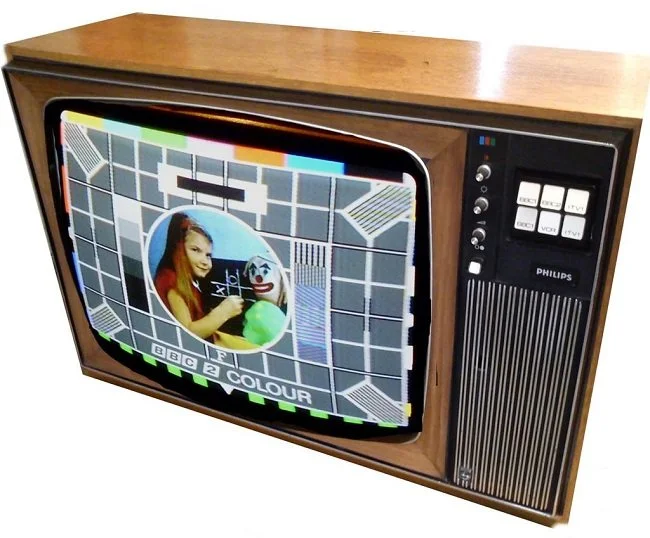








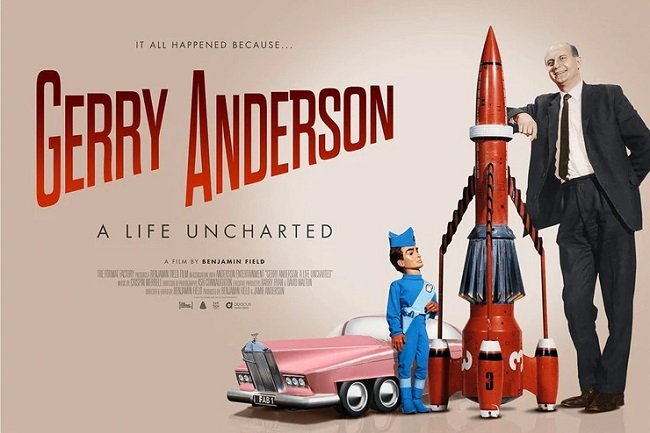
A Month in Gaming
September has been and gone and the nights are now drawing in. Usually this time of year is ideal for gaming but sadly I’ve had a lot on over the last 30 days and as a result there’s been precious little time for gaming or indeed writing. Such is life. When I did have some leisure time, MMOs were the easiest way to get a quick gaming fix, as per usual. Standing Stone Games announced that the next expansion for The Lord of the Rings Online would be released in November and that a revision of the Legendary Item system would be coming prior to that. Hence I took a look at the beta builds on the Bullroarer test server and then started prepping my various alts on the live servers, to get ready for this major change. I also managed to complete the latest event in Star Trek Online. However, beyond these straightforward tasks I didn’t really get to do much more.
September has been and gone and the nights are now drawing in. Usually this time of year is ideal for gaming but sadly I’ve had a lot on over the last 30 days and as a result there’s been precious little time for gaming or indeed writing. Such is life. When I did have some leisure time, MMOs were the easiest way to get a quick gaming fix, as per usual. Standing Stone Games announced that the next expansion for The Lord of the Rings Online would be released in November and that a revision of the Legendary Item system would be coming prior to that. Hence I took a look at the beta builds on the Bullroarer test server and then started prepping my various alts on the live servers, to get ready for this major change. I also managed to complete the latest event in Star Trek Online. However, beyond these straightforward tasks I didn’t really get to do much more.
I toyed with the idea of playing New World. I had taken part in an earlier beta test and found elements of the game to be quite appealing. I especially enjoyed the combat which I felt was both fluid and had a sense of physicality. Yet the minimal plot, voice acting and general “old school” approach made the overall game feel somewhat archaic to me. And so I decide not to purchase it and get swept up in the excitement of a new MMO launch. However, it can be very interesting to observe such a phenomenon. Many of my blogging colleagues have been documenting their experiences and it can be very interesting reading multiple perspectives upon different aspects of the game. Plus the perennial question of what is a “good MMO launch” has been raised once again. Personally I am too old and impatient to have to deal with logon queues and for daily, rolling patches to fix content.
I did manage to log into Call of Duty: Modern Warfare. Rather than play Warzone, I opted for Team Deathmatch with AI bots. I cranked up the difficulty and it proved quite taxing but on the plus side, it was nice to be able to play a game without any angry commentary in chat and more importantly people cheating with aimbots, or rage quitting the game and closing it for everyone as they were hosting. I am a big advocate of multiplayer games having AI bots as an alternative to live play. Playing against bots means you can practice and work upon your skills as well as just enjoy gameplay at a level that you can cope with. For many players it is potentially the only time that they’ll be able to access certain weapons, kill streaks and such like. Although playing with others is an integral part of such games as CoD:MW, it is always good to have options that don’t make your enjoyment totally dependent on others
Sadly, I am not using my Nintendo Switch much as I expected. I assumed that the handheld device would easily lend itself to short bursts of intermittent gameplay, which reflects my current schedule. But this doesn’t seem to be the case, although I do think this comes down to the sort of games one has. I may need to buy some new titles that lend themselves to casual gameplay, or 30 minute sessions over a long period of time. Perhaps the RPG Disco Elysium will fit that bill. I think the most I did in September with my Switch was update the software. At least now it supports bluetooth earbuds.
As for October, I’m not sure If it is wise to make any major gaming plans. I am toying with the idea of using an old hard drive to upgrade to Windows 11, to see how it performs. If there are any major issues I can easily return the original drive without any inconvenience. I guess that LOTRO and STO will fill the gaming gap, as per usual. As and when I get more time, I may look around for something new to play. It may be time to step outside of my comfort zone and try something different. The last few times I’ve done this the results have been positive.
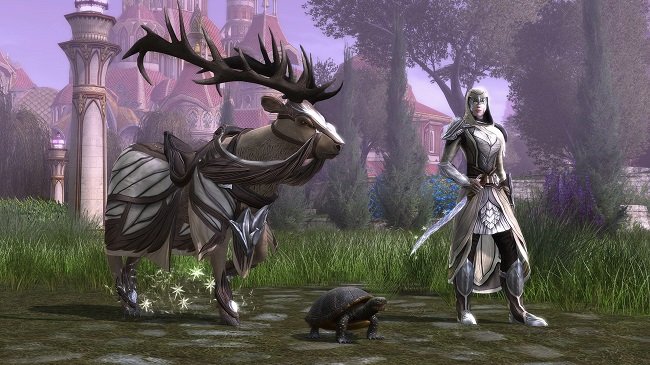
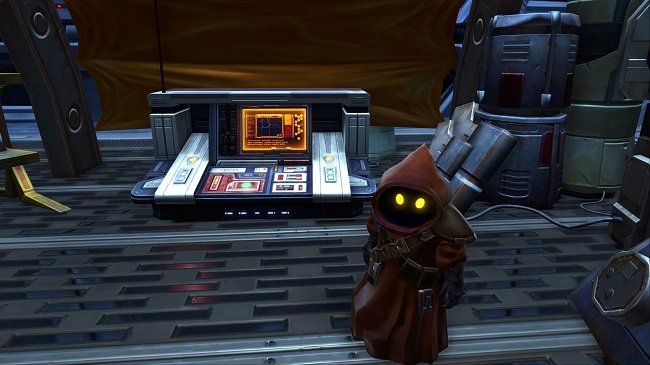
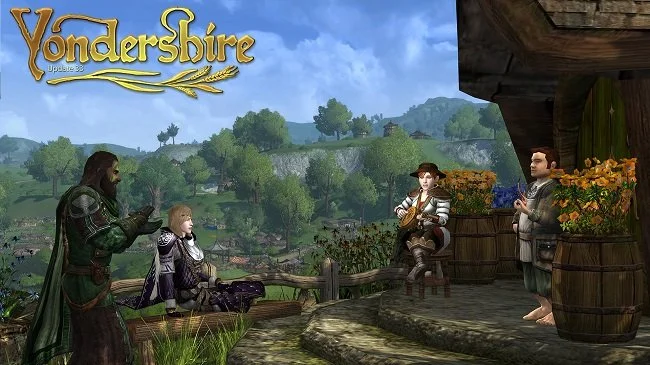
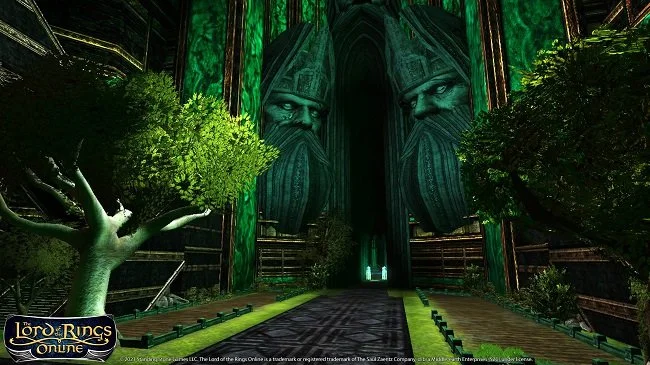
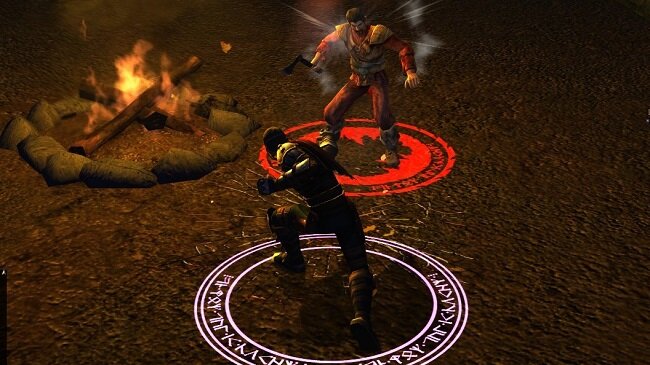
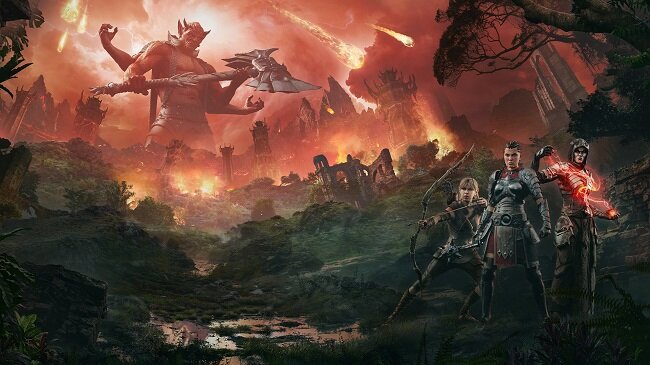

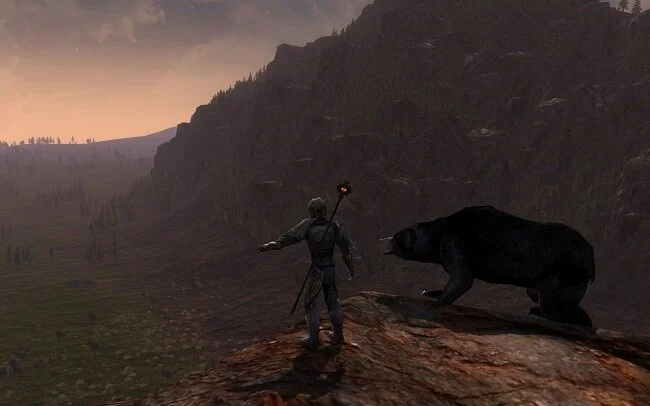


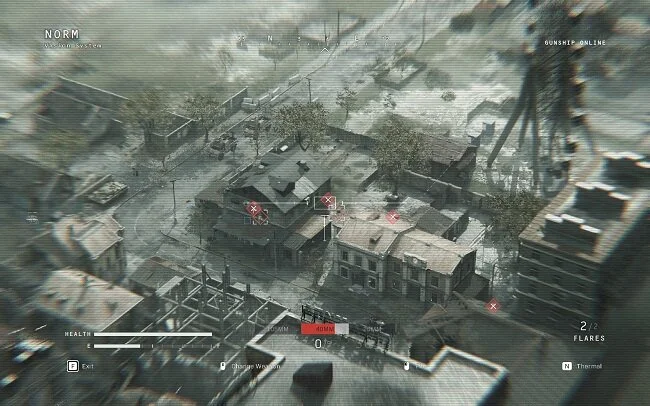
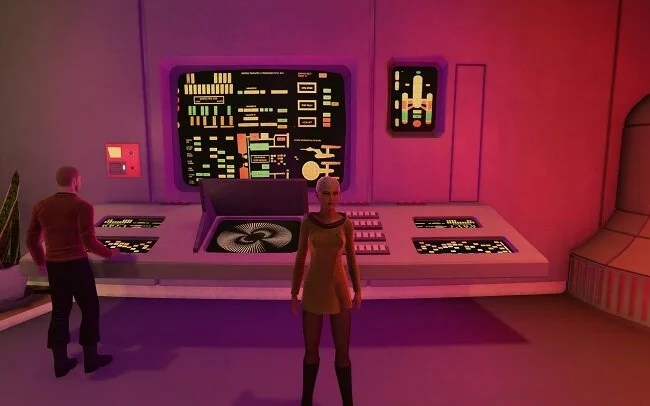

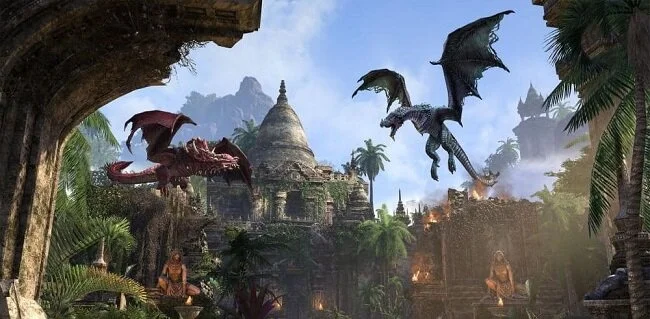
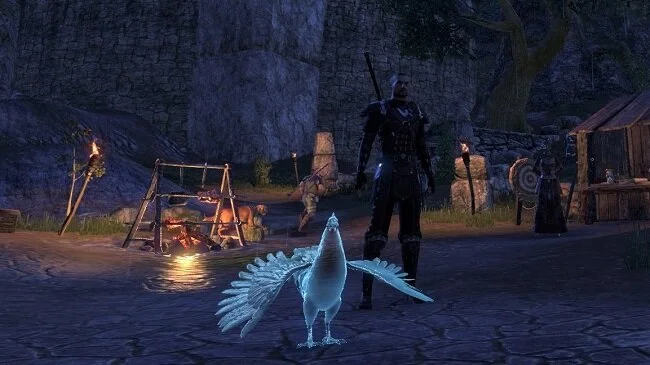
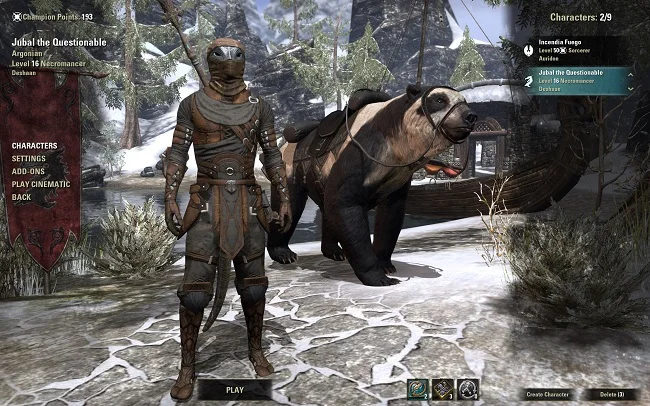
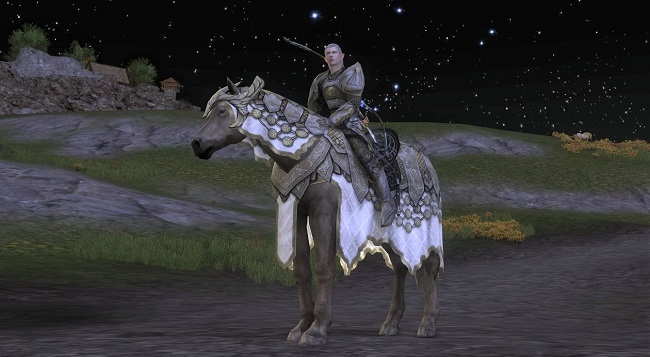
LOTRO: Bullroarer Update 30.3 and Legendary Item Conversion
Bullroarer Update 30.3 - Beta 3 is currently live on The Lord of the Rings Online test server. This latest build focuses on Brawler Class and New Legendary Item System. As a player whose primary character (a level cap Lore-master) has two Legendary Items that are currently “maxed out”, I have been very interested in the revisions that developer’s Standing Stone Games have been working on. However, having logged into the test server last night and tried the new system, I now have reservations regarding the current build and concerns regarding several issues associated with converting an existing LI to a new one. I will try to keep my thoughts on the matter as clear and as simple as possible because despite changes, the new LI system is still very arcane. The average LOTRO player who struggles with the intricacies of the current game mechanics may possibly find the revised process just as complex.
Bullroarer Update 30.3 - Beta 3 is currently live on The Lord of the Rings Online test server. This latest build focuses on Brawler Class and New Legendary Item System. As a player whose primary character (a level cap Lore-master) has two Legendary Items that are currently “maxed out”, I have been very interested in the revisions that developer’s Standing Stone Games have been working on. However, having logged into the test server last night and tried the new system, I now have reservations regarding the current build and concerns regarding several issues associated with converting an existing LI to a new one. I will try to keep my thoughts on the matter as clear and as simple as possible because despite changes, the new LI system is still very arcane. The average LOTRO player who struggles with the intricacies of the current game mechanics may possibly find the revised process just as complex.
Therefore, before I commence my summary of what I see as being the key problems, I would strongly urge those players who are already au fait with the existing LI system to read the thread on this current test build, over on the official LOTRO forums. Many of the posts there are made by long time, experienced players who share similar concerns to mine. They have supplied lots of data and technical analysis to substantiate the perceived problems.
Upon logging into Bullroarer (after having copied my level cap Lore-master), I opened the Legendary Item window to find that my Lore-master staff (which was maxed out and imbued) was missing. This is a known bug in the build. Some crafted weapons do not register. So I then converted my First Age Lore-master book (again imbued and fully maxed out), using the handy button at the bottom right hand corner of the LI window. I received 66 Enhanced Runes (Lvl 121), 4800 Ancient Script, 240 Enhanced Runes (Lvl 121), 8 Fragmented Morgul Traceries. Now to cut a long story short, the new constituent parts provided, when applied to a new LI were not sufficient to create a replacement weapon of commensurate quality. I tried this and when I equipped the new weapon and compared my characters stats on a before and after basis, they were not the same. The drop was between 15% to 20% which is quite significant.
The main point of contention appears to be with the current conversion compensation. There have been examples of non-imbued level cap LIs yielding the same rewards as imbued maxed out FA LIs. This obviously needs to be addressed. Then there is the wider issue of compensation for existing items associated with the old LI system. Shards, empowerment scrolls, crystals, relic boxes, runes, legacy replacement scrolls, scrolls of combination, legacy replacement scrolls and the like. All of which will be rendered obsolete when this update launches. Players will expect something back in return for these, especially for items bought from the LOTRO store. And another point of contention is when is the optimal time to convert your existing LIs? When Update 30.3 officially launches on October 13th or will it be wiser to wait until after Fate of Gundabad expansion launches on November 10th when players have reached the new level cap?
There are two weeks left until the proposed launch of the New Legendary Item System. Naturally anything currently being beta tested can potentially be changed. However, SSG has a track record of not always fixing systems and mechanics in beta and often releases updates that are still flawed. I would also argue that this revised system for LIs is still convoluted and doesn’t lend itself to being easily understood. I worry that players are going to log into LOTRO to find that the new LI system does not provide them with a commensurate weapon compared to what they already have and that there may not be adequate compensation for obsolete items. Let us remember that LIs require a significant investment of time, resources and for some player money. The last thing SSG needs are players that feel that something has been taken away from them.
Therefore, let us hope that these issues are remedied in the next fortnight and that SSG takes onboard the feedback that players are currently giving them. If more time is required, then the launch of Update 30.3 needs to be pushed back. Risking a debacle that may even eclipse the one that happened in 2013 when the skills tree was introduced, is a foolish and unnecessary risk. Yet I cannot help but feel that SSG are blithely walking into yet another problem of their own making. In the meantime I am going to level some additional LIs in the remaining two weeks to create additional resources for a suitable new weapon. If I ultimately find myself in a situation where I am demonstrably “hobbled”, statistically speaking, by the coming changes and have to repeat the work that I’ve already done, then it may be time for LOTRO and I to part company. I’m sure I’m not the only person considering this.
LOTRO: Following an Established Formula or Demonstrating a Lack of Vision?
Standing Stone Games have announced that Fate of Gundabad, the next expansion for the MMORPG The Lord of the Rings Online, will launch on November 10th. Pre-orders are now available and like the last three expansions, the latest will be available in three different versions. A Standard Edition which retails for £30. A Collector’s Edition with some additional items priced at £60. And then there’s the so-called Ultimate Fan Bundle which is loaded with trinkets and baubles. This costs £100. Whether the more costly versions offer anything tangible and of “value” is obviously subjective and is already up for debate. However, there are no real surprises here. This pricing model has been established since August 2017 and the release of Mordor. And the game content is similarly formulaic.
Standing Stone Games have announced that Fate of Gundabad, the next expansion for the MMORPG The Lord of the Rings Online, will launch on November 10th. Pre-orders are now available and like the last three expansions, the latest will be available in three different versions. A Standard Edition which retails for £30. A Collector’s Edition with some additional items priced at £60. And then there’s the so-called Ultimate Fan Bundle which is loaded with trinkets and baubles. This costs £100. Whether the more costly versions offer anything tangible and of “value” is obviously subjective and is already up for debate. However, there are no real surprises here. This pricing model has been established since August 2017 and the release of Mordor. And the game content is similarly formulaic.
Fate of Gundabad will contain new PVE quests, raids and instances. There will be new reputation factions and because of the increase of level cap from 130 to 140, new gear to obtain. A new class, the Brawler, will be included (where in the past we’ve had new races), as well as new crafting levels to earn and recipes to gain. Effectively, players of LOTRO will be getting more of what they have already. Variations on existing themes. In the past I’ve used the analogy of a fast food franchise, where you know what you’re getting and it is always consistent. This comparison is not meant in a derogatory manner and simply highlights what developers SSG are offering. However, LOTRO is 14 years old and the game is showing its age. Nothing radically different has been added to the game for a long time. Are SSG following an established formula or simply showing a lack of vision?
Not so long ago when EG7 acquired Daybreak Game Company, there was a brief period of optimism, mainly due to the promising statements made by then CEO Robin Flodin. However, he’s now left the company and the acting CEO is Ji Ham, who has been CEO of Daybreak for the last six years. The success of Ji Ham’s tenure at Daybreak is debatable. The perspective of a gamer who has seen beloved titles closed or left in maintenance mode will naturally differ from an investor who is focused purely on the bottom line. I am curious to see whether titles such as LOTRO will get any of the upgrades that were referenced in last year’s investor presentation from EG7. Or whether energies will be diverted elsewhere, now that Flodin has left the scene. Remember that EG7 are currently developing a triple A MMO based upon a licensed property.
I have a great fondness for LOTRO but my relationship with the MMO has certainly changed over time. I now find myself in a position where I am not very enthusiastic for this forthcoming expansion. It isn’t offering anything new, other than a new class. In the past resources, staffing and a host of other reasons have been cited as to why SSG haven’t done anything radical with LOTRO under their tenure as developers. I now think that they no longer have the in-house skills and expertise that they did a decade ago. Therefore they produce “more of the same” because that’s all they have the capacity to do. All things considered, it may be time to replace the fast food analogy I’ve previously applied to LOTRO. It’s now like meeting up with an old school friend who hasn’t moved on in life and is still doing the same things they did back in the day. Mind you, couldn’t the same observation be applied to most ardent players of LOTRO?