Dead Heat (1988)
Throughout the eighties, two of the most commercially successful genres in Hollywood were buddy cop movies and horror films. Therefore it was inevitable that someone, somewhere would eventually combine them. Dead Heat is a comedy action movie with both horror and science fiction elements. If you think such an eclectic blend of themes is a little incongruous, then watching the movie will validate your assumption. All things considered, Dead Heat is a bit of a mess. However, despite its faults, of which there are several, it remains quite an enjoyable film. A textbook example of the over the top eighties action movie, utterly removed from established police procedures and indeed reality. It is also one of two feature films directed by renowned film editor, Mark Goldblatt, whose credits include Rambo: First Blood Part II, RoboCop and Terminator 2: Judgment Day.
Throughout the eighties, two of the most commercially successful genres in Hollywood were buddy cop movies and horror films. Therefore it was inevitable that someone, somewhere would eventually combine them. Dead Heat is a comedy action movie with both horror and science fiction elements. If you think such an eclectic blend of themes is a little incongruous, then watching the movie will validate your assumption. All things considered, Dead Heat is a bit of a mess. However, despite its faults, of which there are several, it remains quite an enjoyable film. A textbook example of the over the top eighties action movie, utterly removed from established police procedures and indeed reality. It is also one of two feature films directed by renowned film editor, Mark Goldblatt, whose credits include Rambo: First Blood Part II, RoboCop and Terminator 2: Judgment Day.
“Loose cannon” LAPD cops, Roger Mortis (Treat Williams) and Doug Bigelow (Joe Piscopo), are hot on the trail of a gang that are robbing jewellery stores. After a chaotic shootout the gang are shot dead and the subsequent autopsies by coroner Dr. Rebecca Smythers (Clare Kirkconnell) indicates that they were dead prior to the robberies. Doug and Roger follow a lead to Dante Pharmaceutical, a company owned by millionaire industrialist Arthur P. Laudermilk (Vincent Price). While investigating the company headquarters, Roger is attacked by another animated corpse. After suffocating in a decompression chamber, Roger is resurrected via an experimental machine that Rebecca and Doug have discovered in a secure laboratory. However, Roger’s new lifespan is only twelve hours, giving him little time to complete his investigation.
Dead Heat telegraphs exactly what sort of film it is within the first ten minutes. The reanimated thieves are dense comic foils to the cool detectives who endorse their clichéd credentials by driving around in a convertible and playing “upbeat rock music” (according to the Blu-ray subtitles). Treat Williams is the suit wearing straight guy, where Joe Piscopo is the “chews with his mouth open”, uncouth sidekick with a mullet. The latter of the two lead characters will either irritate or amuse you. The jokes are a bit hit and miss and due to the brevity of the theatrical edit, the story line doesn’t quite add up. There are several other versions of the film with some additional scenes that do make the plot a little more linear. However, the action scenes are suitably excessive and the prosthetic effects are very well realised. Sadly, many of them did not make it into the US theatrical version in their entirety due rating restrictions at the time.
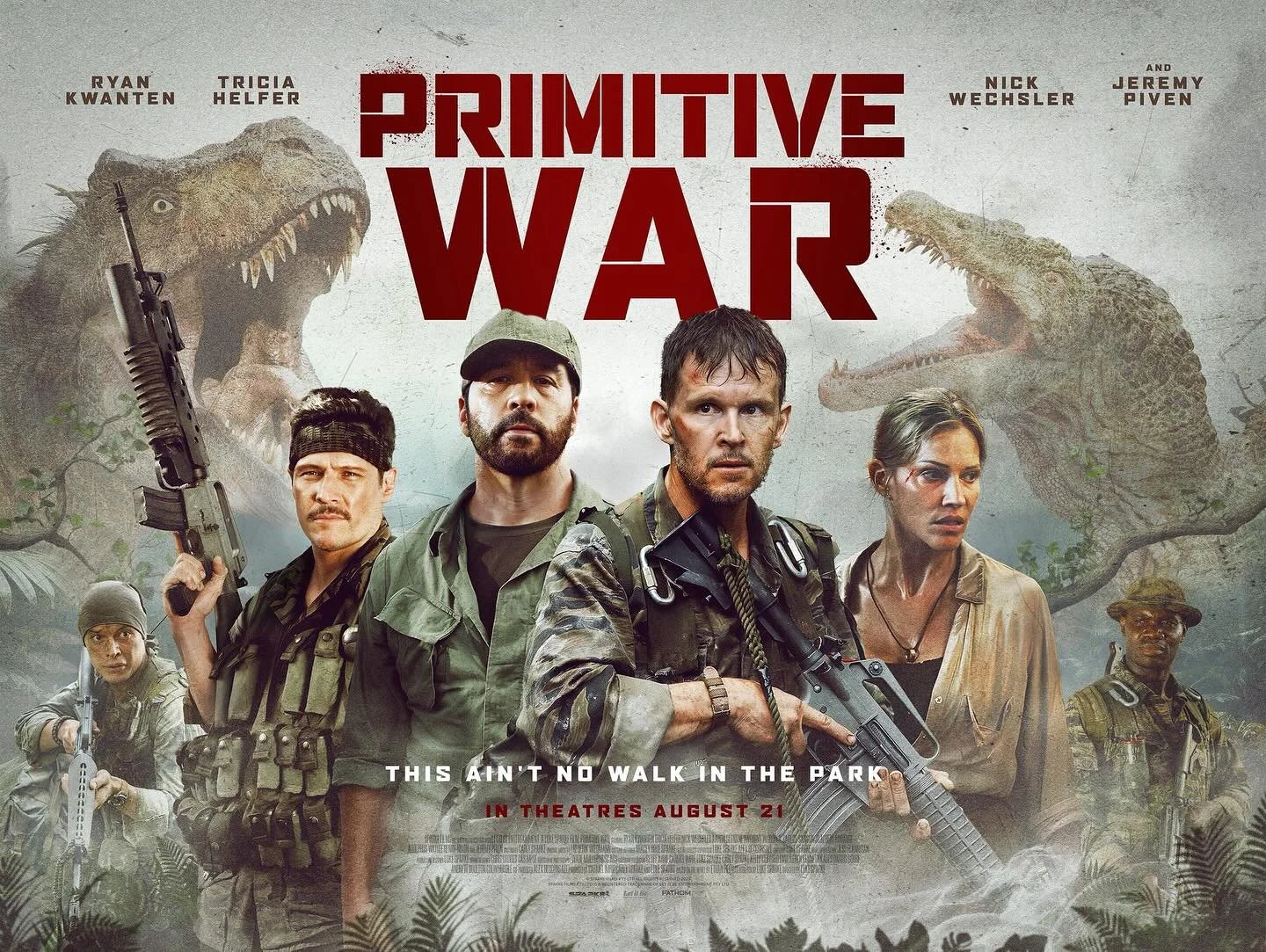
Dead Heat is fast paced and never dull, with Treat Williams doing much of the heavy lifting. Veteran character actor Darren McGavin also delivers, despite the screenplays shortcomings and his limited screen time. Keye Luke (Gremlins) and Robert Picardo (Star Trek: Voyager) also have cameo appearances. But the standout scene of the entire film is when Roger and Doug follow a lead to a Chinese restaurant which has a prototype resurrection machine. This results in a multitude of items on the menu coming back to life and attacking our heroes. It is filled with old school, practical effects and is both unpleasant and droll. So if you can accommodate the plot holes, the tonal inconsistency and Joe Piscopo’s “love him or loathe him” performance, then Dead Heat may well amuse you. It is very much a product of its time and is the sort of film that would struggle to find a backer these days.









Nightmares (1983)
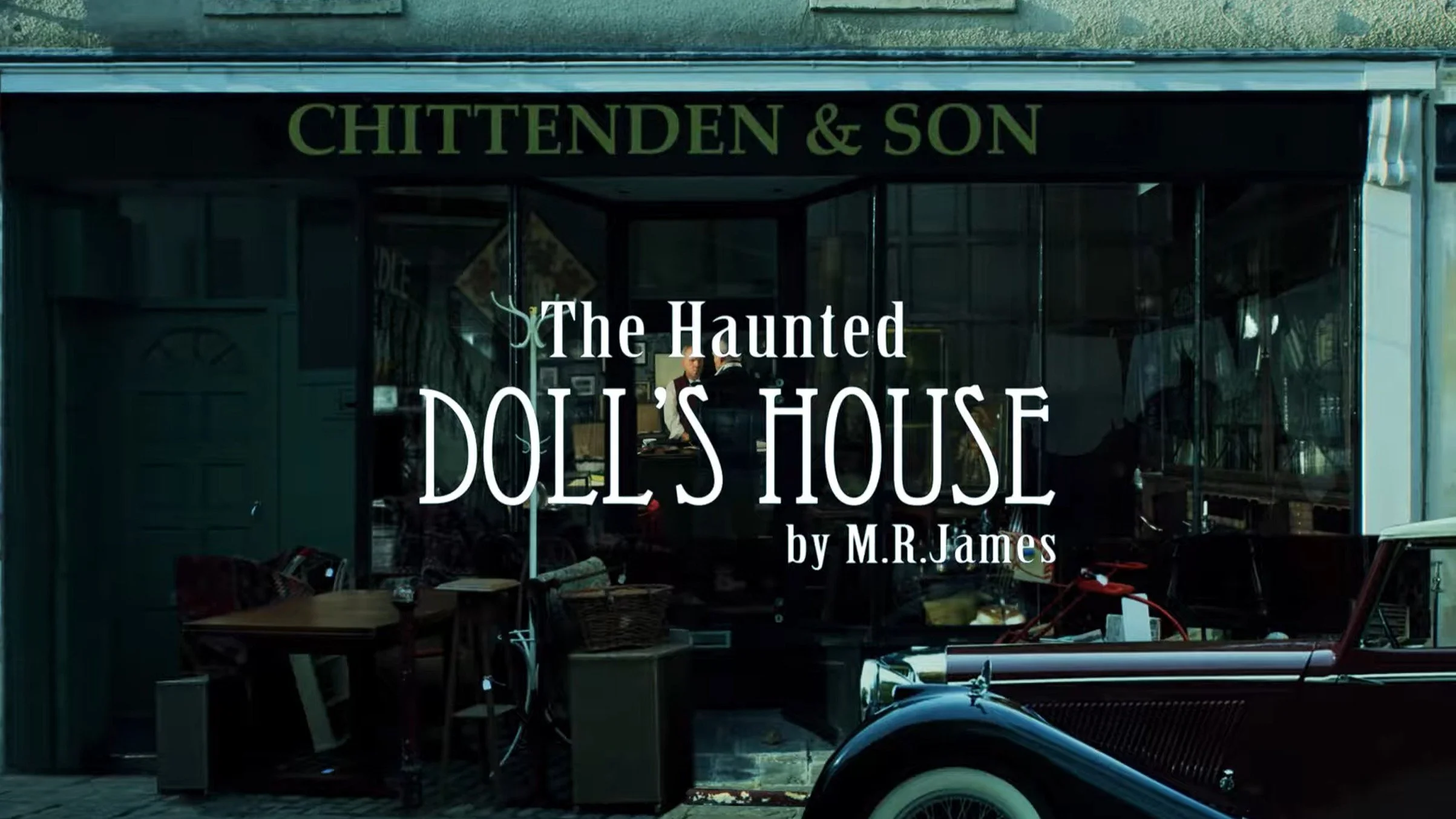
Due to the commercial success of George A. Romero’s Creepshow in 1982 and the Twilight Zone: The Movie in 1983, there was a resurgence of anthology horror films in the eighties and nineties. Nightmares is one of many “portmanteau movies” that followed and is neither the worst, or the best that the genre has to offer. Originally conceived as a pilot for a NBC TV show, the completed film was deemed too “intense” for television and eventually released theatrically with an “R” rating. Judged by today’s standards, it is not especially violent and the strongest content is in the first chapter of the four part story. Written by Jeffrey Bloom and Christopher Crowe, both of whom have a background in popular seventies television, Nightmares has the look and feel of a TV production.
Due to the commercial success of George A. Romero’s Creepshow in 1982 and the Twilight Zone: The Movie in 1983, there was a resurgence of anthology horror films in the eighties and nineties. Nightmares is one of many “portmanteau movies” that followed and is neither the worst, or the best that the genre has to offer. Originally conceived as a pilot for a NBC TV show, the completed film was deemed too “intense” for television and eventually released theatrically with an “R” rating. Judged by today’s standards, it is not especially violent and the strongest content is in the first chapter of the four part story. Written by Jeffrey Bloom and Christopher Crowe, both of whom have a background in popular seventies television, Nightmares has the look and feel of a TV production.
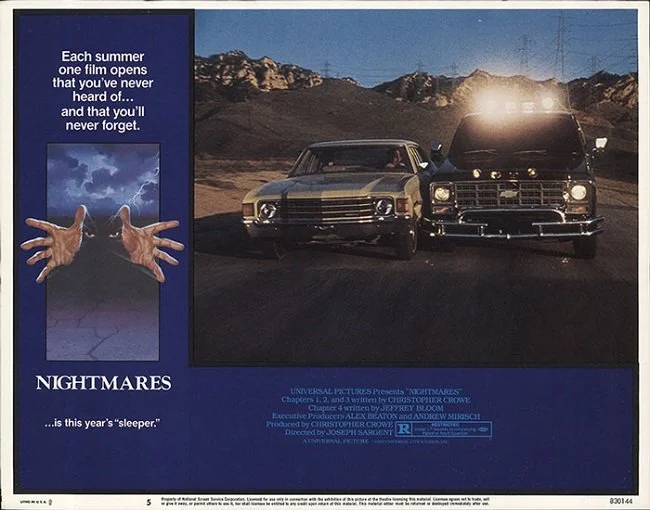
The first story, Terror in Topanga, follows a homicidal patient who escapes from a mental institution and attacks a police officer. Meanwhile, chain smoking housewife Lisa (Christina Raines) drives to the local store to buy cigarettes. Will their paths cross? The second chapter, The Bishop of Battle, follows teenager J.J. (Emilio Estevez) obsessive battle to reach the mysterious thirteenth level of a video game in his local arcade. J. J. learns that all is not quite as it appears. The third chapter, The Benediction, stars Lance Henriksen as priest Frank MacLeod, who leaves his parish after a crisis of faith. He is stalked on a remote desert road by a black pickup truck that has murderous intent and potentially supernatural origins. The final chapter, Night of the Rat, features a suburban family (Richard Masur, Veronica Cartwright and Brigette Andersen) being menaced by a particularly large and intelligent rat.
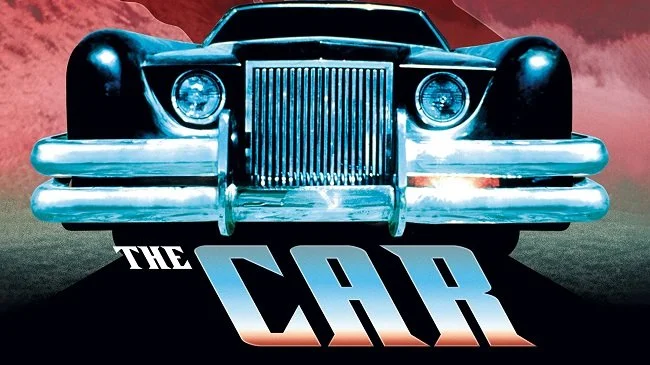
Nightmares is efficiently directed by veteran filmmaker Joseph Sargent. However, the inherent problem with portmanteau films is ensuring that all stories are equally engaging. Sadly that is not the case here. Terror in Topanga is the most efficient of the four chapters. It sets out its stall and delivers a suitable climax to its story arc. But the next instalment, The Bishop of Battle is a major tonal shift from horror to fantasy and an obvious and uninspired tale. The Benediction offers a variation on an established theme (see Duel or The Car) but is carried by the presence of Lance Henriksen. Night of the Rat, which was intended to be the bravura ending to Nightmares, is somewhat stilted due to a weak script and an unlikeable lead character. Yet despite these inconsistencies Nightmares doesn’t out stay its 99 minute running time. It manages to get its pacing right. Something other anthologies often fail to do.
When viewed with a contemporary eye, Nightmares has some interesting points of interest. Setting aside the trope of the escaped murderer, Terror in Topanga uses smoking as a central plot device. Something that seems somewhat archaic today. The Bishop of Battle provides a window not only on arcade culture from the eighties but touches upon hardcore punk, with songs by Black Flag and Fear. The Benediction features a truck stunt that was used heavily in the marketing of the film. Such a thing would nowadays be done digitally, but here it is a physical effect and more impressive for it. Overall, Nightmares now serves mainly as a nostalgic reminder of the popularity of the anthology genre during the horror boom of the eighties. It is an amusing diversion for those well disposed towards such material and may play better to those who grew up during this era.

Crawl (2019)
It is no secret that the film industry relies on a handful of common tropes as the mainstay of their cinematic output. It uses timeless themes, storylines and archetypes that have featured in folk tales, plays and literature throughout history. Hence their familiarity with audiences around the world. Where the skill in filmmaking lies is to take a common, well known idea and interpret it in a new and innovative fashion. Akira Kurosawa took Shakespeare’s MacBeth and retold the tale through the prism of Japanese feudalistic culture. The result, Throne of Blood, is considered a masterpiece. Similarly, The Lion King retells the same story through the medium of animation and anthropomorphic wildlife. All of which proves that the key to successfully retelling a familiar tale is to be creative with regard to setting, presentation and perspective.
It is no secret that the film industry relies on a handful of common tropes as the mainstay of their cinematic output. It uses timeless themes, storylines and archetypes that have featured in folk tales, plays and literature throughout history. Hence their familiarity with audiences around the world. Where the skill in filmmaking lies is to take a common, well known idea and interpret it in a new and innovative fashion. Akira Kurosawa took Shakespeare’s MacBeth and retold the tale through the prism of Japanese feudalistic culture. The result, Throne of Blood, is considered a masterpiece. Similarly, The Lion King retells the same story through the medium of animation and anthropomorphic wildlife. All of which proves that the key to successfully retelling a familiar tale is to be creative with regard to setting, presentation and perspective.
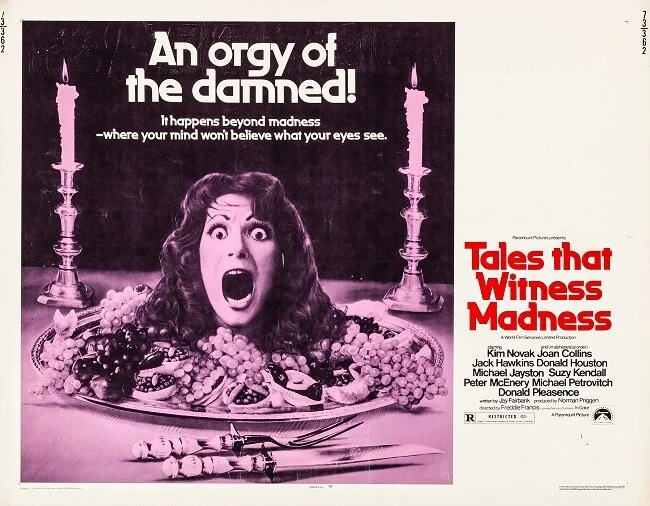
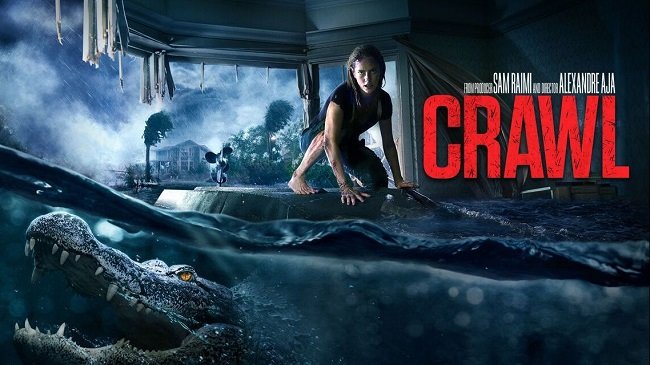
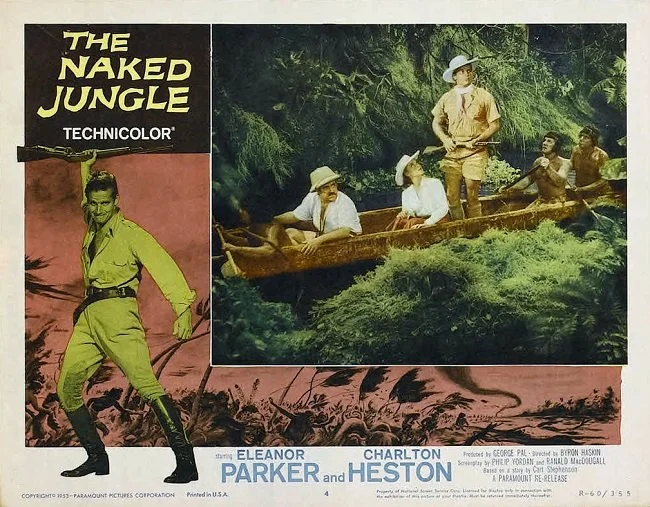
Which neatly brings me to Crawl. A creature feature where the central “McGuffin” is a group of people trapped by wayward wildlife. Hollywood has explored this plot device many times before. Consider The Naked Jungle (1954) in which Charlton Heston faces a swarm of South American ants. Then there is Hitchcock’s The Birds (1963). More recently Bait (2012) features a group of people trapped in a flooded supermarket along with a Great White Shark after a tsunami. Crawl (2019) has a father and daughter trapped in a house during a hurricane. Due to the Florida setting the dangerous beasties are Alligators on this occasion. What makes the film a cut above the average genre outing is a solid script with plausible characters and a decent cast that give life to the proceedings. Director Alexandre Aja builds a genuine sense of tension and punctuates the 87 minute running time with some robust set pieces.
Filmed in Belgrade, the production seamlessly recreates Florida. The digital effects convincingly depict a hurricane and the Alligators are a mixture of animatronics and CGI. But the film’s greatest assets are the main performances by Kaya Scodelario as Haley Keller and Barry Pepper as Dave Keller. Daughter Haley is an aspiring swimmer and her estranged father Dave is her former coach. The screenplay by Michael Rasmussen and Shawn Rasmussen keeps the scope of the narrative simple and immediate, resulting in a plausible family dynamic. The wider cast is minimal and although some characters are merely “red shirts” intended to expedite the threat of the Alligators with their timely deaths, the screenplay doesn’t treat them in a totally arbitrary fashion. The scenes of violence, are well realised, suspenseful and surprisingly unpleasant.
Crawl is content to stick within the parameters it has set itself and concentrates on telling its story to the best of its ability. There is an assumption from some critics that genre movies are by their nature, no more than the sum of their parts. Those with a more enlightened perspective believe that all types of film can craft well told stories and explore deep themes. Crawl is a prime example of an old story told from a fresh and different perspective. Yes, it does include horror elements but that is not all that it has to offer. At its heart this is a film about the perennial theme of fathers and daughters, which Crawl explores this well. It also has a point to make about climate change. However, if you’re just looking for a quality creature feature, complete with jump scares and grisly shocks, then the film also delivers this in spades.


How Important is Your Operator Skin?
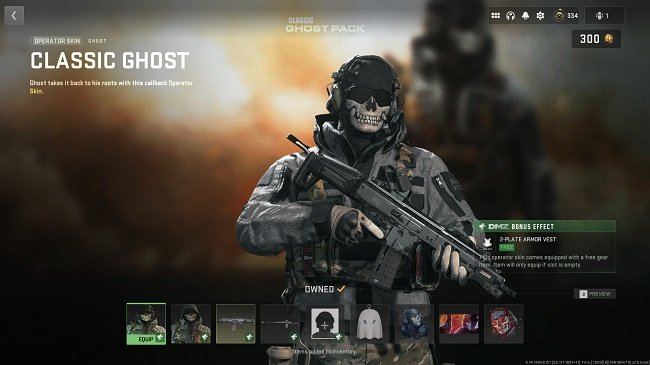
I don’t mind buying an occasional bundle from the store in DMZ, although it is often the weapon blueprint that determines my choice. Today I bought Overgrown 2, which includes the Ghillie Monster operator skin, to see if it offered any significant advantage. However, as I am not what you would call a “top tier” player, my subsequent experience and anecdotal evidence is hardly compelling. If you go prone in the desert, a shrubbery or among general herbidacious flora then it does offer a degree of camouflage. However, in suburban areas and the outlying villages of Al Mazrah, you look like a Wookie on a daytrip and I can’t see any advantage. So upon reflection, two questions spring to mind. Firstly, do any of the skins currently available in the game offer any tangible benefits? If not is it just a question of operator skins are 100% cosmetic and just about tickling a players fancy and getting them to put their hand in their pockets.
I don’t mind buying an occasional bundle from the store in DMZ, although it is often the weapon blueprint that determines my choice. Today I bought Overgrown 2, which includes the Ghillie Monster operator skin, to see if it offered any significant advantage. However, as I am not what you would call a “top tier” player, my subsequent experience and anecdotal evidence is hardly compelling. If you go prone in the desert, a shrubbery or among general herbidacious flora then it does offer a degree of camouflage. However, in suburban areas and the outlying villages of Al Mazrah, you look like a Wookie on a daytrip and I can’t see any advantage. So upon reflection, two questions spring to mind. Firstly, do any of the skins currently available in the game offer any tangible benefits? If not is it just a question of operator skins are 100% cosmetic and just about tickling a players fancy and getting them to put their hand in their pockets.
As to the tangible, practical benefits of specific operator skins, I am not aware of any hard data on the matter. The only observations I can bring to bear on the subject are those born out of common experience. IE What we can all see. As previously mentioned, ghillie suits do offer some camouflage in appropriate areas, depending on their respective colour. Similarly outfits that are predominantly black have benefits in darker areas and at extreme range. Ashika Island with its underground network and closely packed buildings favours darker coloured operator skins. Traditional operator skins featuring regular camouflage military apparel also follow suit. But these minor benefits do not make a player undetectable. A thermal scope on a weapon or a handheld spotter device reveals players regardless.
All the benefits listed above are situational and as DMZ feature a multitude of ecosystems, a green ghillie suit will only be beneficial in a limited amount of regions. It will potentially stand out due to contrast in others. And it is this latter point that may be the Achilles Heel of purely cosmetic operator skins. Especially those operator skins that are excessively colourful, and flamboyant. As Call of Duty frequently licences content from major pop culture franchises, there is currently a Shredder (from teenage Mutant Ninja Turtles) operator skin available in the game. Although it is very striking and I can see the appeal, it stands out like a sore thumb in most in-game environments. Another consideration regarding non-standard operator skins is that they are more prone to clipping through walls, which can be fatal.
Overall, I think that the potential benefits of certain operator skins are modest and that as ever, it is the skill of the player that is the greatest factor in their success. I personally like the option to customise the look of my character in any video game I play and have my own particular preferences. Hence I have no objection to a broad selection of operator skins in the in-game store when playing DMZ. I won’t necessarily purchase “novelty” skins such as Rambo, John McClane and RoboCop, which were available in the previous version of Warzone. But I don’t have any “ideological problem” with such content being available in the game. Video games are a leisure activity and therefore they should be fun. The FPS genre has a tendency to attract some players who take it all very seriously, which can be wearisome. A little levity goes a long way.



A Month in Gaming
Here we are again with another summary of my gaming activities in recent months. Or in this case since last September. It’s been a while but I’ve been on a blogging hiatus until recently. However, I’ve kept myself busy gaming wise and often I find the hunt for news video games, just as entertaining as I do playing them. Perhaps that could be a future blog post. Back to the matter in hand. Gaming wise, pretty much all things related to the MMORPG genre are currently on the back burner. I’ll give specifics later but I am taking a break from these for the present. I am currently looking at trying games outside my usual comfort zone and also trying to test whether you can or cannot teach an old dog new tricks. Fortunately, the answer appears to be yes you can. Enough summation, on to the specifics.
Here we are again with another summary of my gaming activities in recent months. Or in this case since last September. It’s been a while but I’ve been on a blogging hiatus until recently. However, I’ve kept myself busy gaming wise and often I find the hunt for news video games, just as entertaining as I do playing them. Perhaps that could be a future blog post. Back to the matter in hand. Gaming wise, pretty much all things related to the MMORPG genre are currently on the back burner. I’ll give specifics later but I am taking a break from these for the present. I am currently looking at trying games outside my usual comfort zone and also trying to test whether you can or cannot teach an old dog new tricks. Fortunately, the answer appears to be yes you can. Enough summation, on to the specifics.
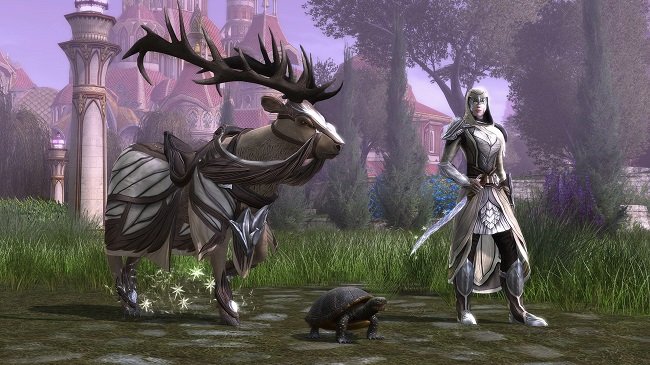
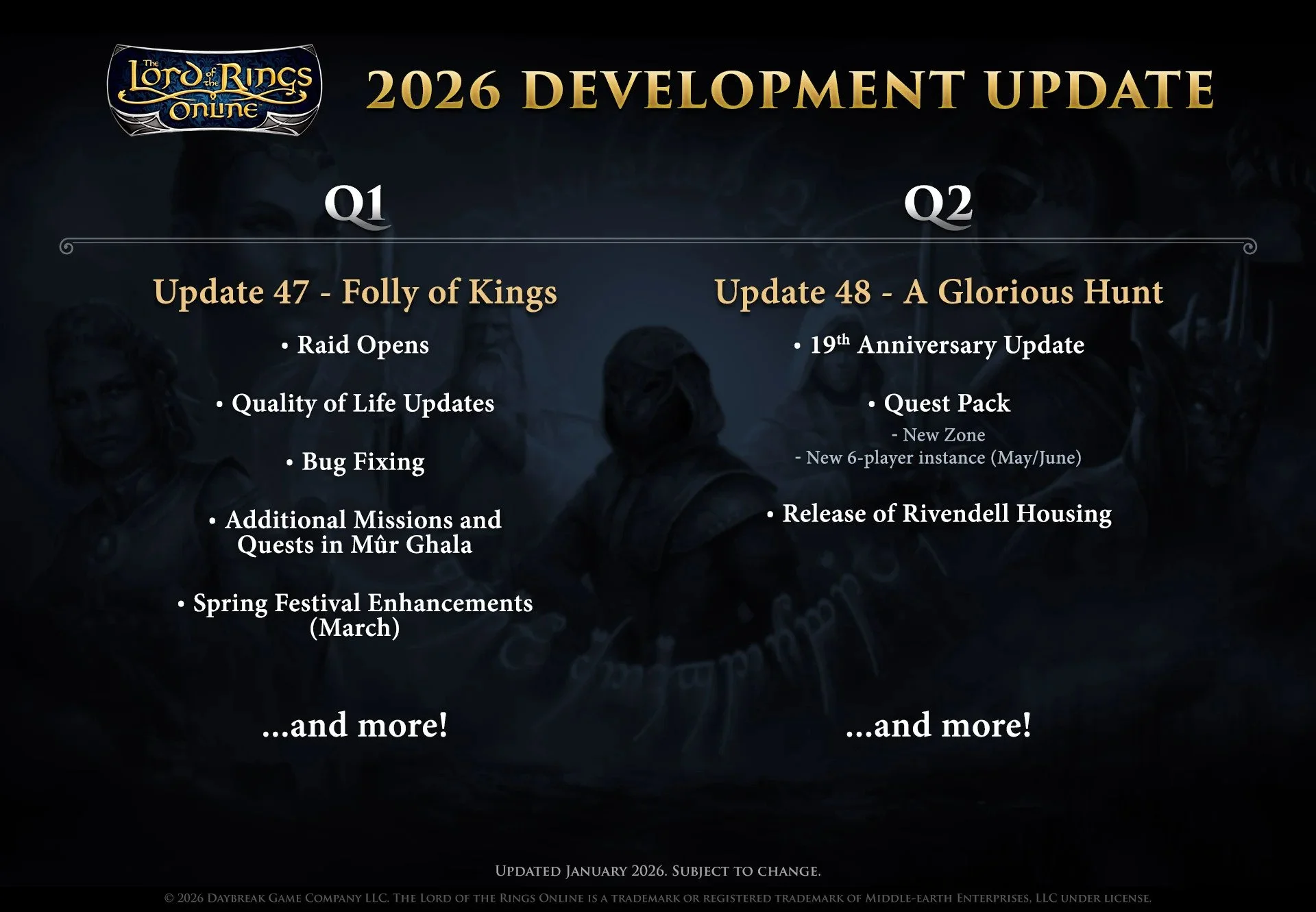
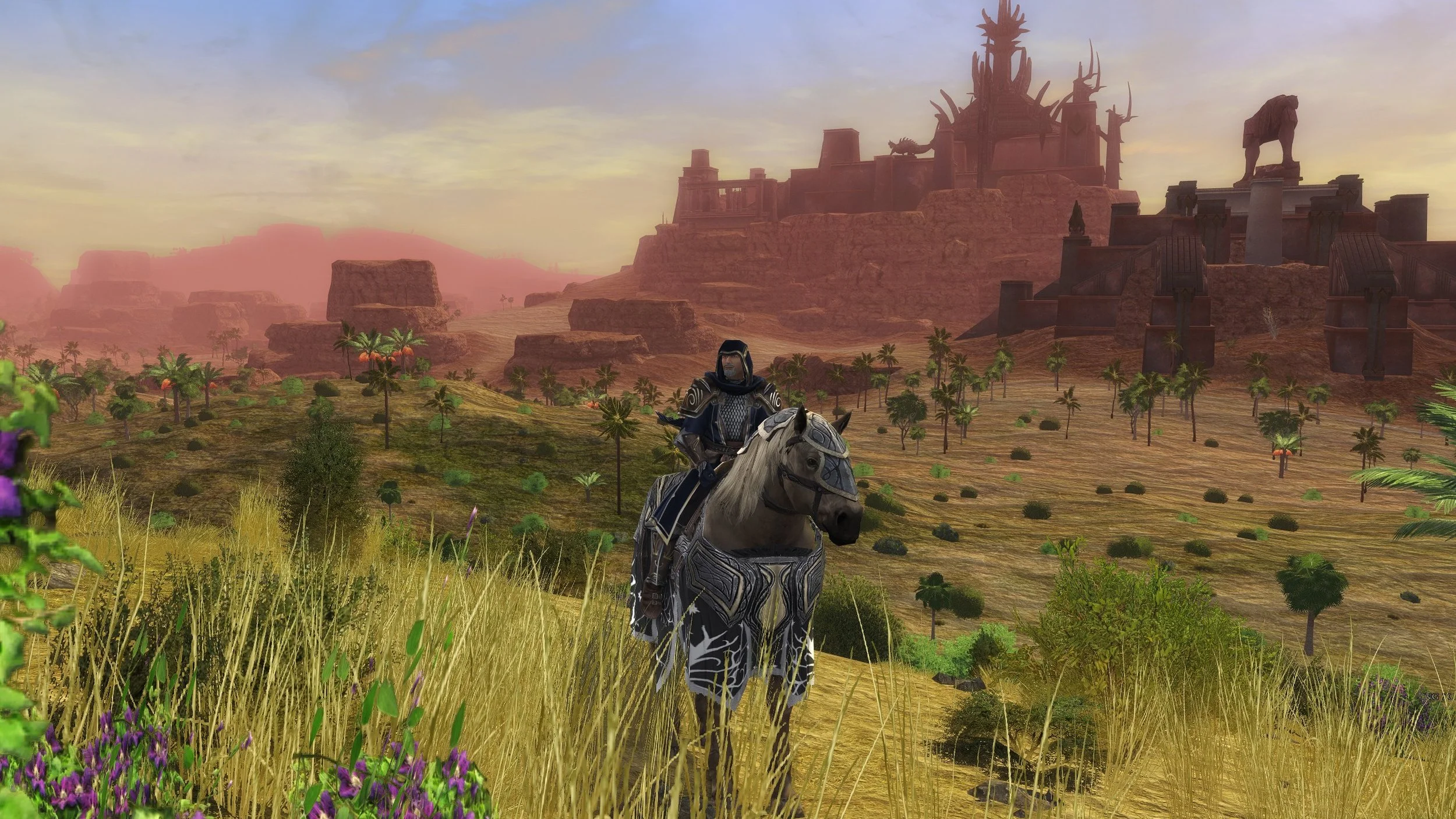
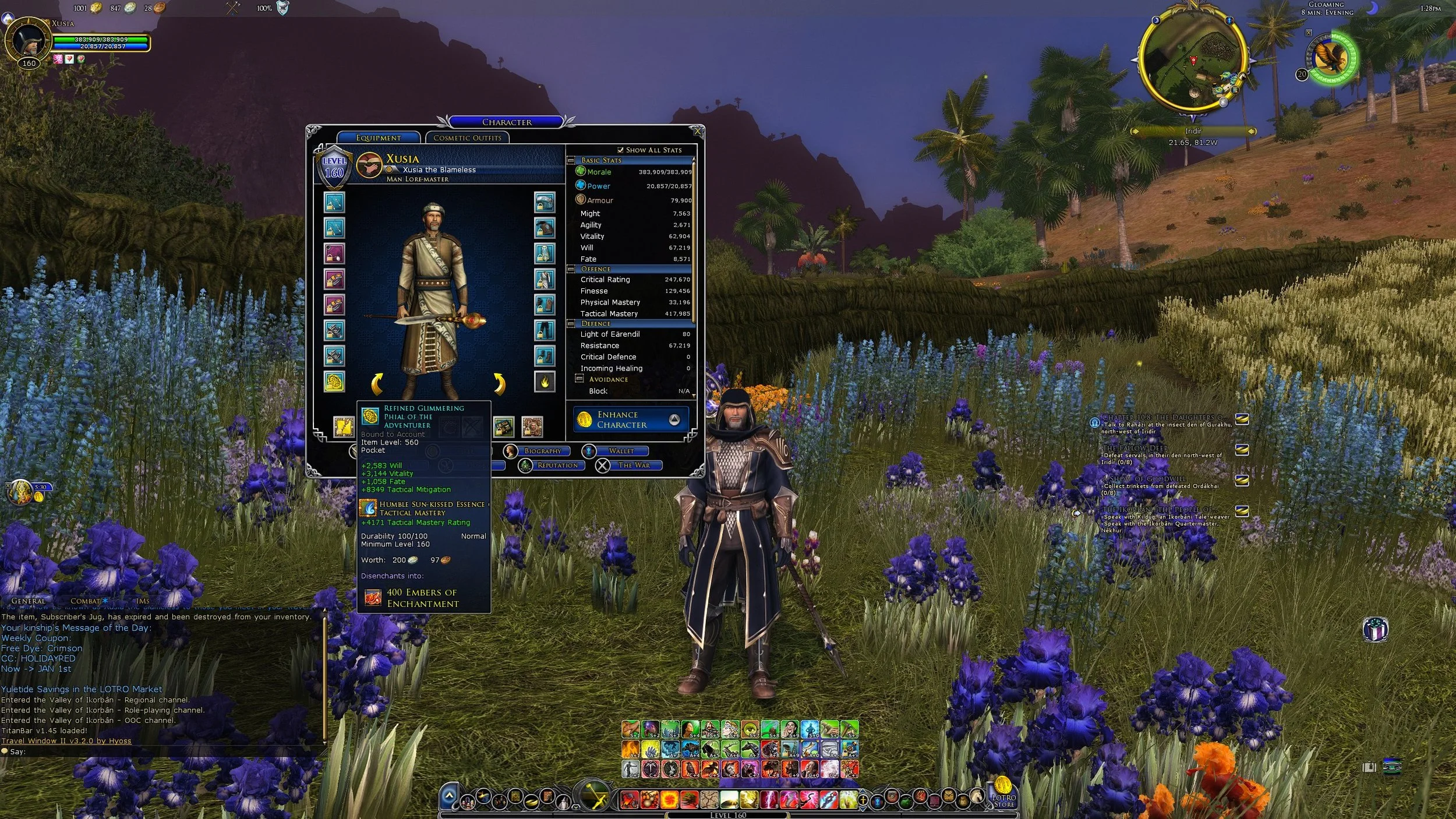
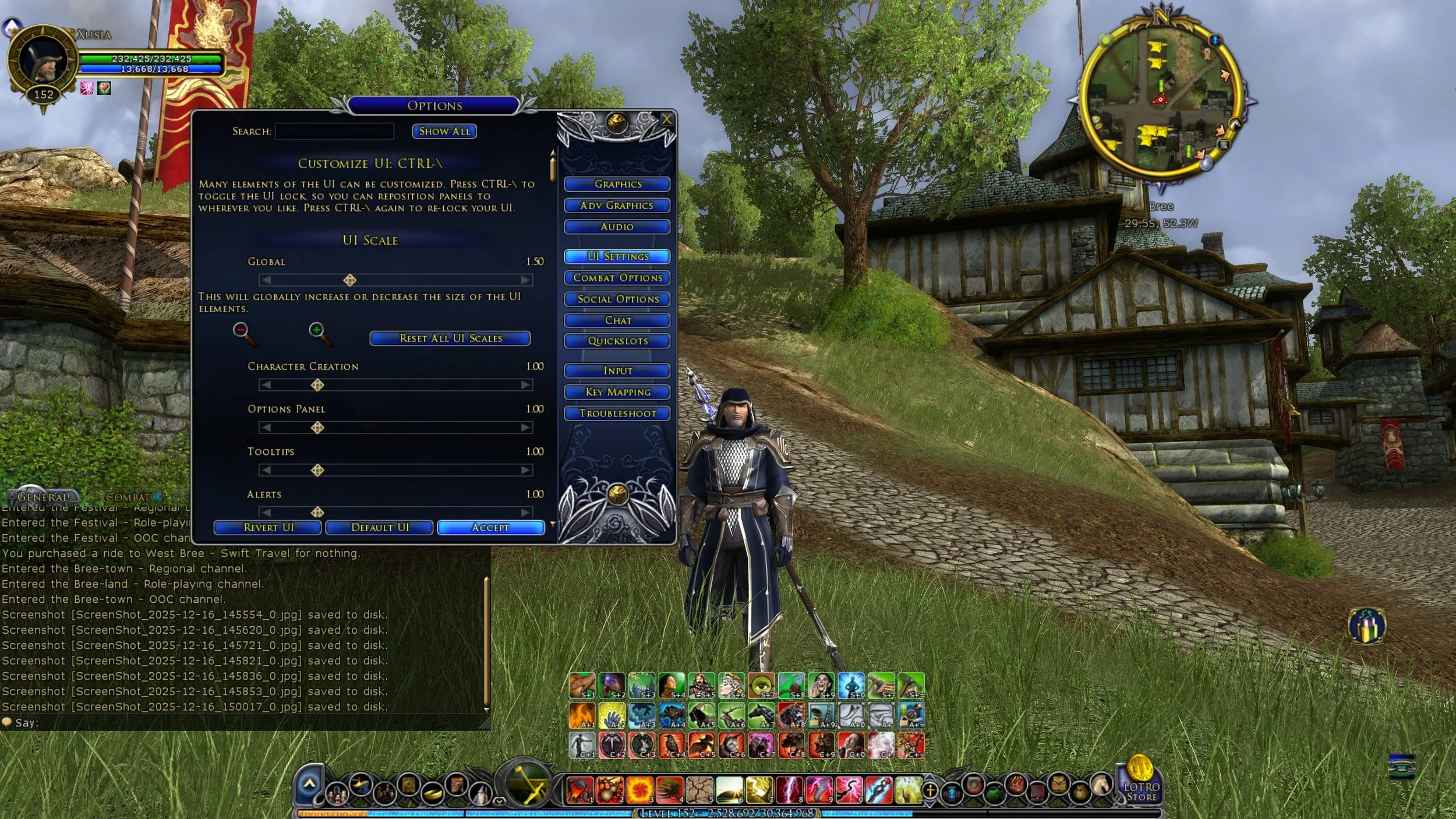
LOTRO Update 34: Before the Shadow. Let me state for the record that I still consider The Lord of the Rings Online to be a robust and entertaining realisation of Middle-earth. It has kept me entertained since late 2008. If you are new to the game there is a ton of content, a huge amount of lore references and a supportive and friendly community. But the last update had very little to offer veteran players. The new content was aimed at level 1 to 32 players. So apart from a new story, nothing much of note was added to the game for those with level cap characters and that is pretty much why I’m tired of this game. All it ever offers is “more of the same”.
Due to changes within EG7, I suspect a lot of the promised updates like the graphics overhauls and the console version will never be carried out and LOTRO is fated to remain essentially as it is. No major new systems or gameplay mechanics will be added. Just variations on existing content. For me that is no longer sufficient to hold my interest. Hence I played through some of Update 34: Before the Shadow when it was released last November but after a few days I just stopped logging in. I didn’t feel especially upset. In fact it felt like the right response. When you’re done, you’re done.
Red Dead Redemption 2. I returned to this RPG in January and picked up exactly where I left off in 2020. The plot was still familiar to me so it really was a seamless continuation. I played through the main story and was amazed at what a compelling experience it was. As I’ve already written a blog post about this remarkable game I won’t repeat myself too much but I consider this to be one of the best video games ever. Great game play, a compelling narrative and a feeling of immense satisfaction when you reach the end. It also keeps you thinking and reflecting upon it for days afterwards. As all great art does.
Hogwarts Legacy. Controversy aside, I really enjoyed this game. It offered everything I personally wanted from a Hogwarts themed video game. I was surprised at the quality of some of the companion side quests, especially the Sebastian Sallow story arc. I will happily return to the game if further DLC is released and I may at a future date play through the entire thing again with a new character. If they are in another house there are some unique storylines. In the meantime, the only content left to me to do is some completionist, busy work, so for the present I’ve finished with this title. It did provide over 70 hours of entertainment.
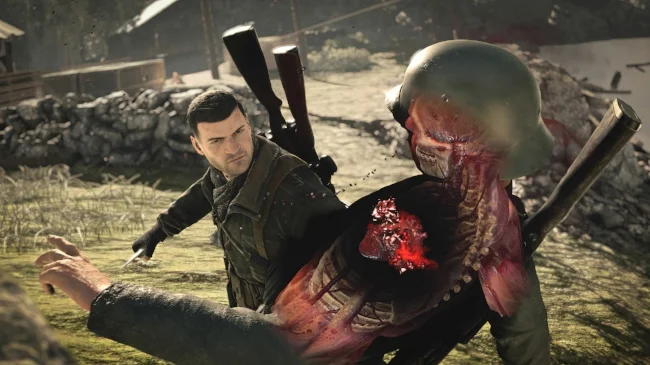
Sniper Elite 5. Nowadays, most games have a relatively short life cycle. One year is usual, so I was quite surprised to discover that Sniper Elite 5 was to get a second season pass with another “years worth” of content. New maps, new weapons, new cosmetic skins. Some may argue it’s all a bit thin but I just fundamentally like the concept behind this game. Slow, measured and tactical driven gameplay for those who want it. For those who like to run and gun, that is still an option. This fifth iteration of the game has really refined the sniping mechanics and the weapons customisation means you really can create a loadout that suits your need and style. I like the stealthy approach and setting booby traps and the game excels at this. Invasion mode where another player can gatecrash your game and hunt you down, still keeps me on my toes. I’ll happily play for another year.
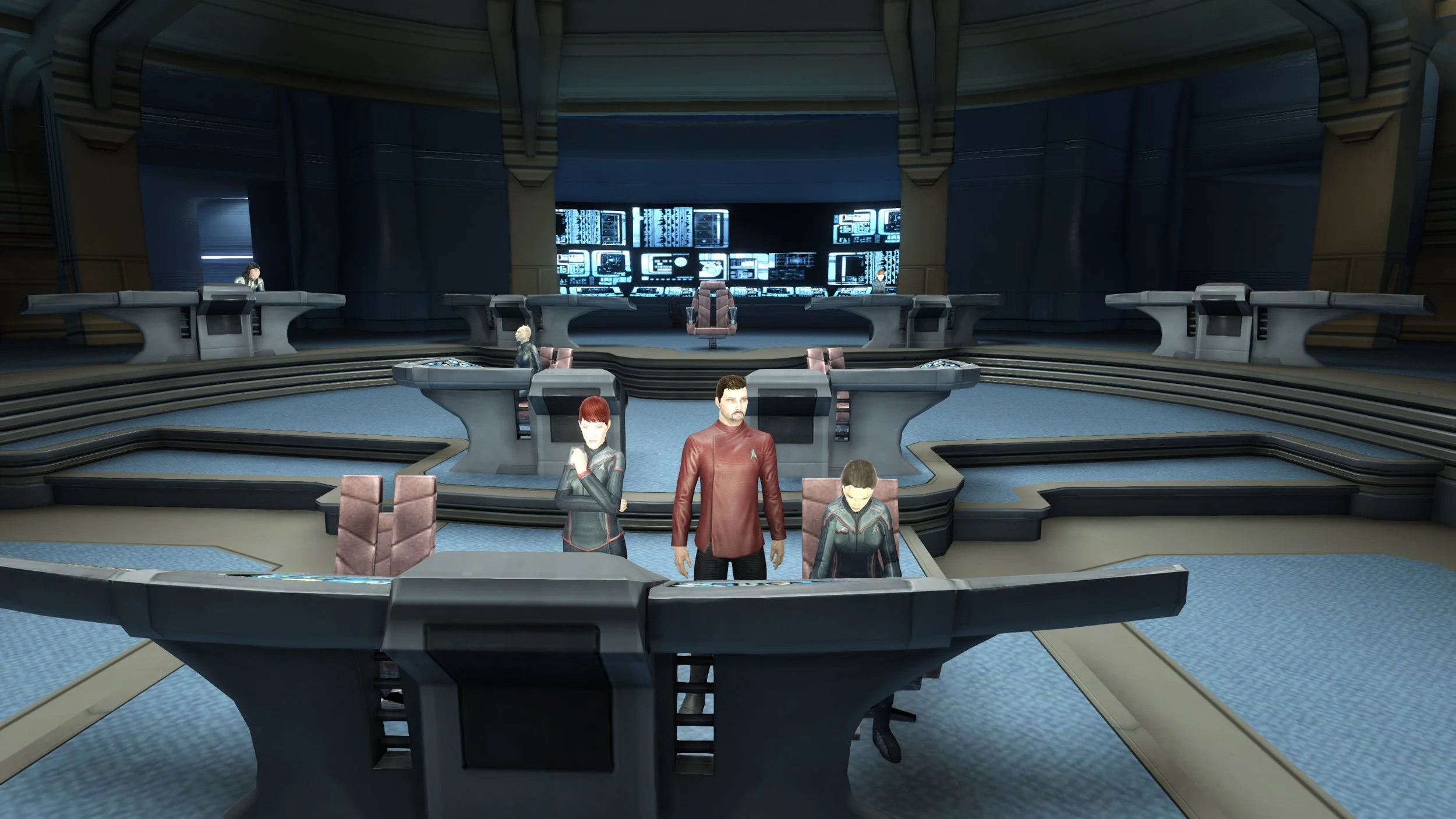
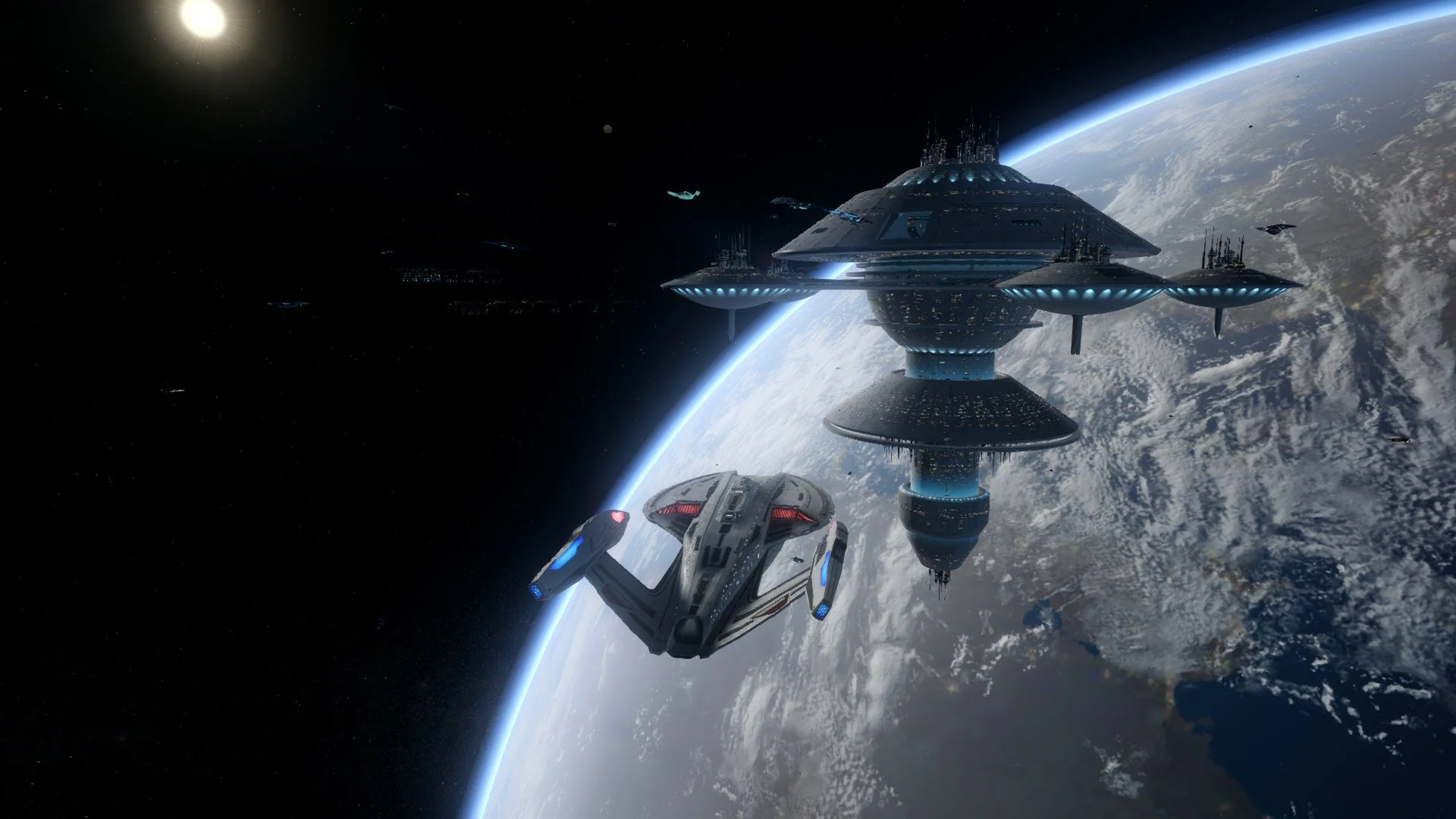
Star Trek Online. What I like about this MMORPG is that you know exactly where you stand with it. You can complain about the monetisation, the ground combat and “lack of diplomatic missions” but the game doesn’t lie to you about its nature. STO is the gaming embodiment of a quid pro quo. If you grind a new event, you get a reward. If you grind all the events scheduled throughout the year, you get a bigger reward. There’s always something to do in this game. If you have time to kill, then you can play through all story arcs on all factions. There’s a lot. Alternatively, if you just have 30 minutes of gaming time, why not do the latest Task Force Operation? This is why STO is always in my gaming rotation.
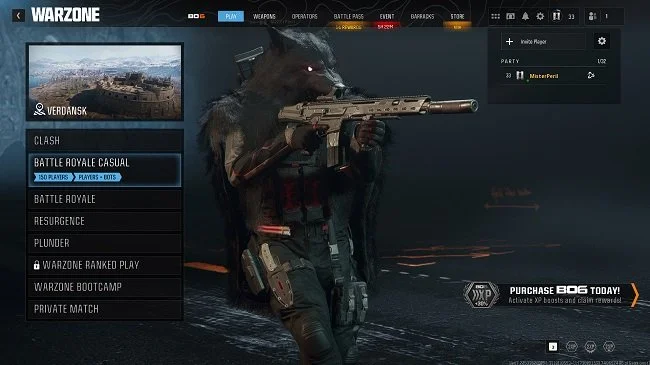
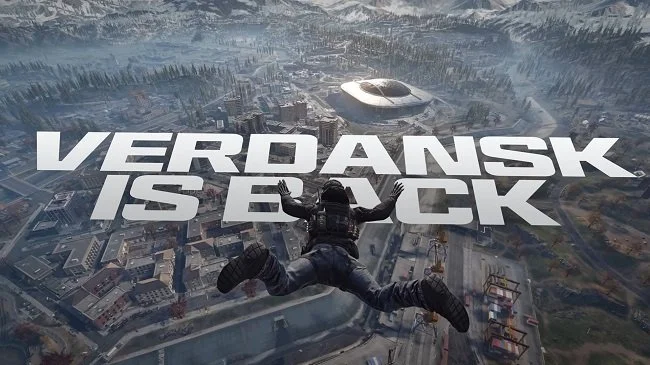
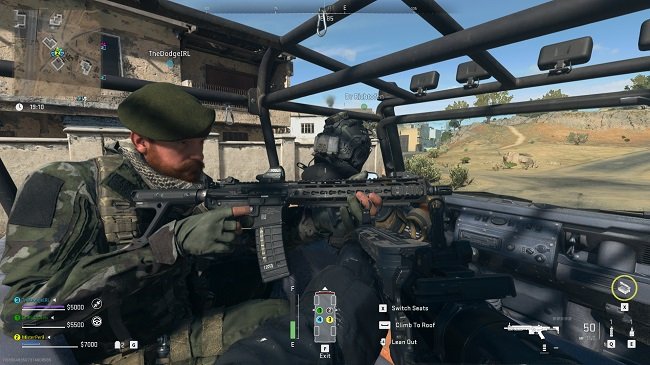
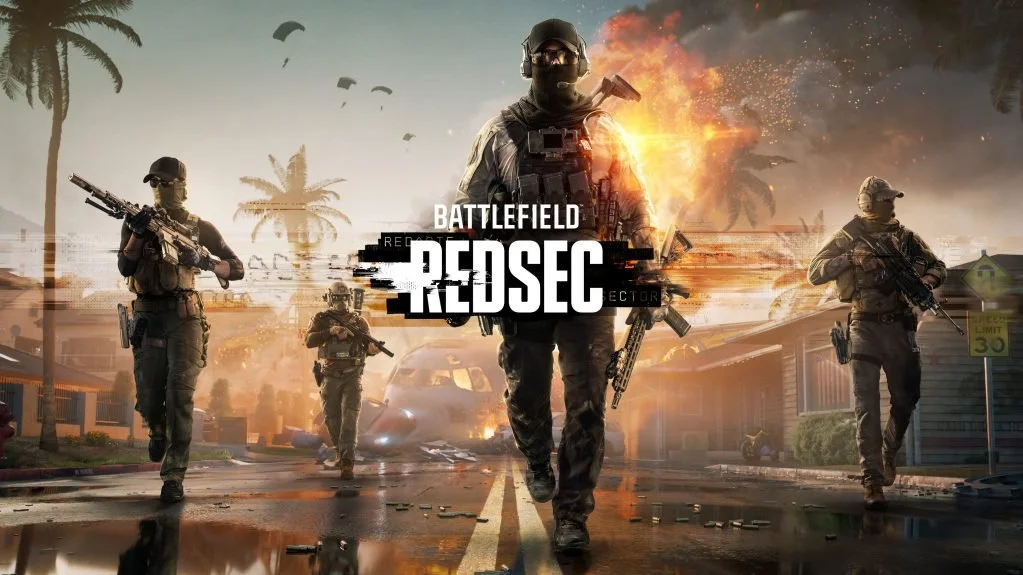
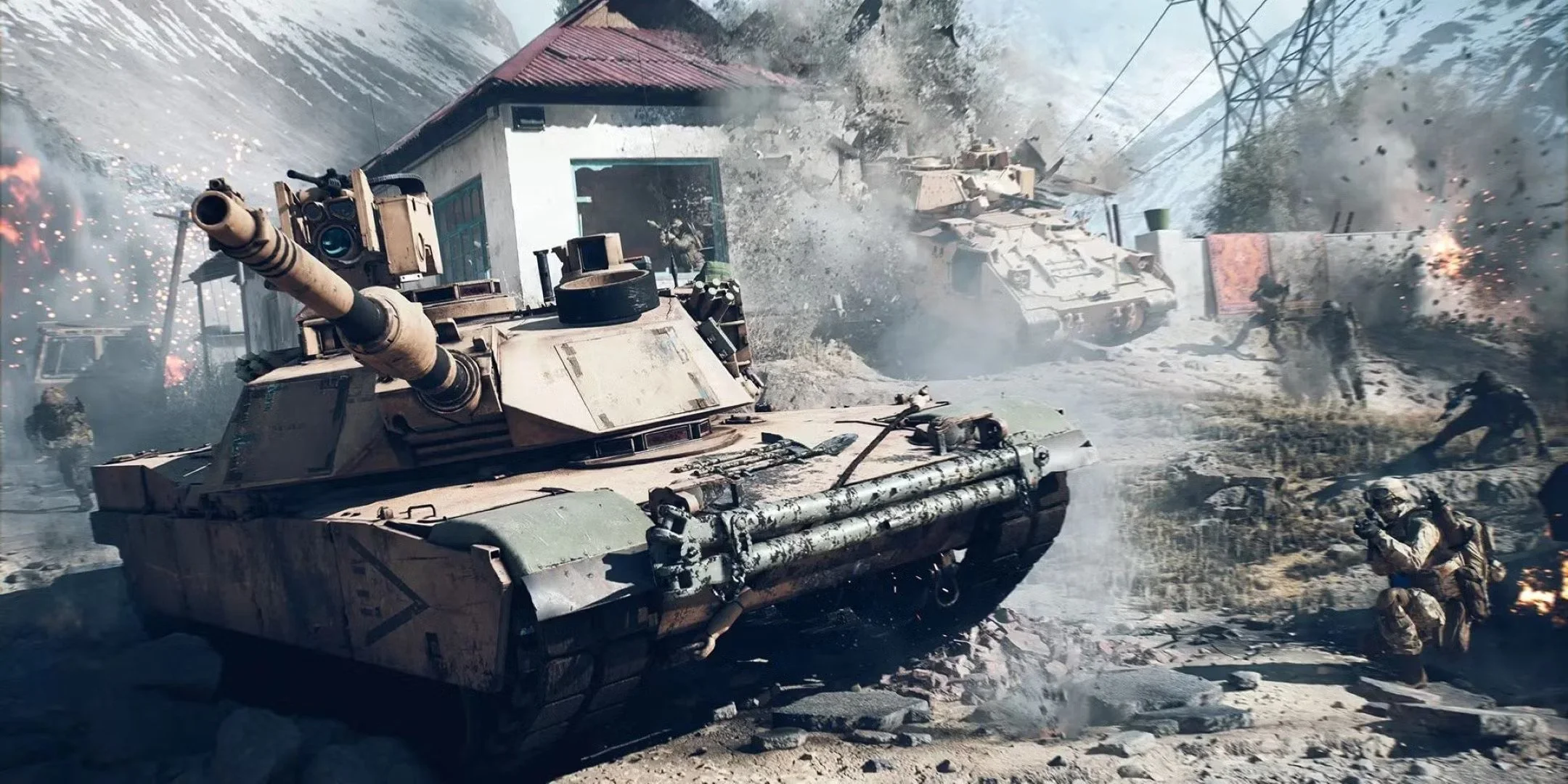
Warzone 2.0 DMZ. I ended up buying a new graphics card because of Call of Duty: Modern Warfare II, when it was released last November. The latest iteration of the franchise also saw the release of a new version of Warzone, its free multiplayer counterpart. I’m simply not a good enough player to get the most out of the battle royale mode but the new DMZ variant, which is an extraction shooter, is damn compelling. Yes the game is flawed at present and a lot of the community are sociopathic but occasionally you get a game that hits the spot perfectly. You find a good squad, play in a coordinated fashion and gain some phat loot. And any fool that crosses your path, gets wrecked. You then exfil in the helicopter, under the cover of smoke, back in time for corn flakes. These are the days when gaming is good.
The Hunter: Call of the Wild. Finally, I bought this hunting game after watching a “let’s play” video on YouTube and am happy to report that it is a very interesting alternative take on the "first person shooter" genre. The game is slow, methodical and surprisingly immersive. It rewards patience. I didn’t think this genre would have any appeal for me but it is certainly holding my interest at present. It also has a substantial playerbase and community on reddit who are happy to share tips and information. I wasn’t expecting any of this which is an added bonus.
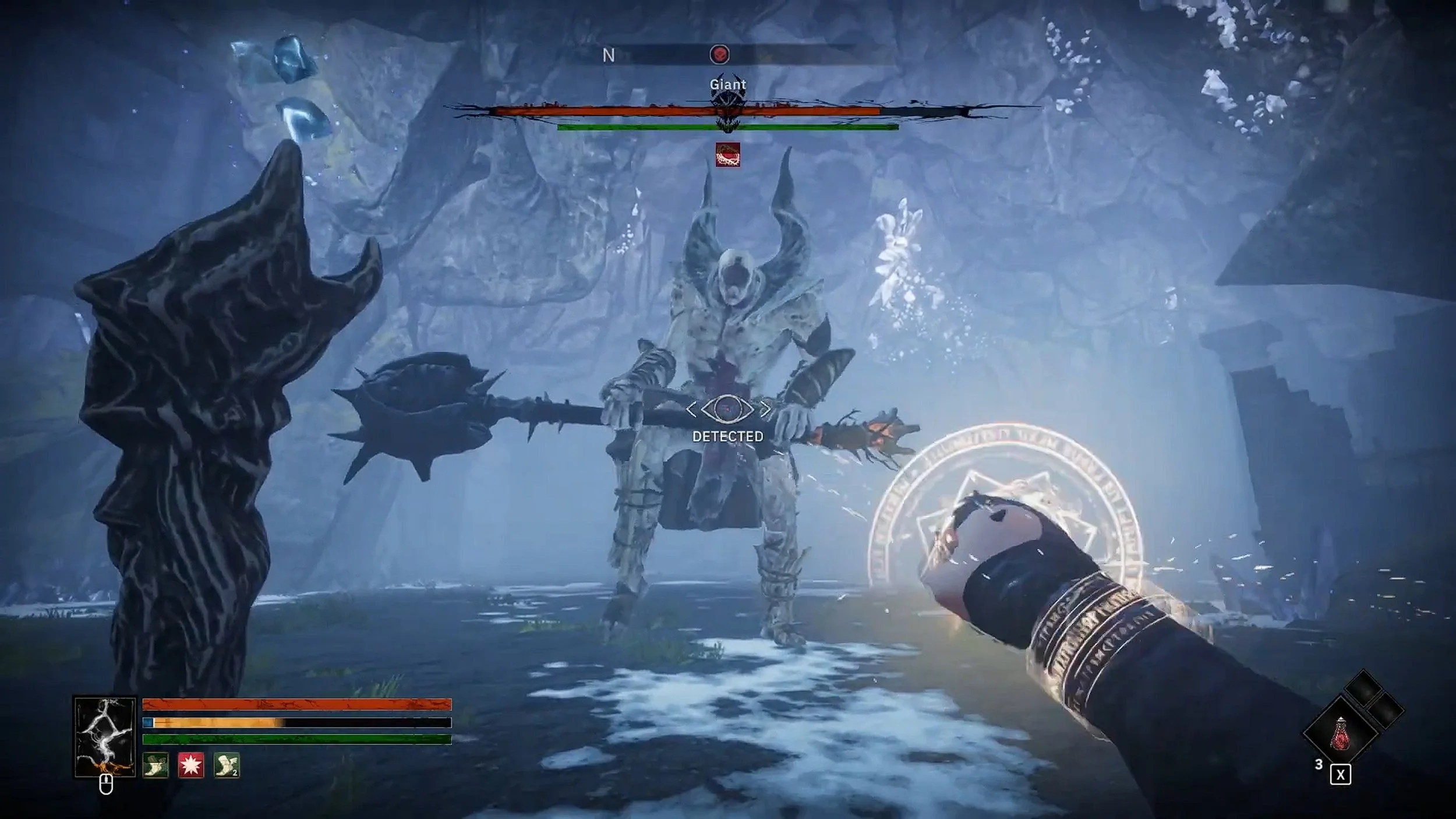

The Hunter: Call of the Wild
I have always dismissed hunting games as “not my thing”. Perhaps that stems from my ambivalent views about hunting per se. Yet after recently watching a YouTube video for The Hunter: Call of the Wild, I revised my opinion. The footage showed a slow and thoughtful game and I was also surprised to see that there was a campaign with a story. Hence I decided to step outside of my comfort zone and give the game a try. The base edition can be purchased for £20 on Steam and there is a wealth of optional DLC. I bought a bundle that included some additional maps, weapons packs and a dog that can be used for tracking. I also bought a quad bike as this is invaluable for traversing the open world, which is enormous. As ever with steam, the installation was easy and hassle free and within an hour I found myself exploring Layton Lake District, which is based upon the Pacific Northwest geographic region.
I have always dismissed hunting games as “not my thing”. Perhaps that stems from my ambivalent views about hunting per se. Yet after recently watching a YouTube video for The Hunter: Call of the Wild, I revised my opinion. The footage showed a slow and thoughtful game and I was also surprised to see that there was a campaign with a story. Hence I decided to step outside of my comfort zone and give the game a try. The base edition can be purchased for £20 on Steam and there is a wealth of optional DLC. I bought a bundle that included some additional maps, weapons packs and a dog that can be used for tracking. I also bought a quad bike as this is invaluable for traversing the open world, which is enormous. As ever with steam, the installation was easy and hassle free and within an hour I found myself exploring Layton Lake District, which is based upon the Pacific Northwest geographic region.
The Hunter: Call of the Wild was released in 2017, yet has been continuously supported by developers Expansive Worlds since then. Over the last five years the game has received new content and had its systems revised. The last patch was 14th March this year and it appears that there is a robust community of players. The game, much to my surprise, supports multiplayer gameplay and does something most unusual in so far as you can play on maps you don’t own while in co-op mode. This “try before you buy” approach is most equitable. Furthermore, the DLC seems to be functional and doesn’t fall into the “pay to win” category. There are cosmetic skins, weapons packs and most significantly, new maps featuring locations from all over the world. The prices are reasonable, although if you do decide to be a completionist and buy everything, you will end up spending an additional £115 on top of the base game.
Upon starting The Hunter: Call of the Wild, the player finds themselves on a jetty in the Layton Lake District, armed with an entry level rifle, revolver and shotgun. The tutorial (more on this later) and story is supplied via the Huntermate handheld device. This is a cross between a GPS tracker and a cell phone. You receive updates, missions and back story details via the reserve warden Colton “Doc” Locke. The Huntermate can display details of tracks, droppings and blood trails. It is also a means of taking screen captures in-game as it has a photo mode. From here the game quickly has you learning the basics of tracking, using lookout points which open up locations of note on the map and finding outposts. The latter are bases where the player can purchase resources, change their loadout, access their dog and quad bike, if purchased. Outposts also facilitate quick travel.
Hunting games are by their very nature, stealth games and The Hunter: Call of the Wild is no exception. This is a genre where it is beneficial to take a slow and methodical approach. Tracking is simple in principle but far trickier in reality. The player has to keep their noise level down (this is tracked by an in-game meter) and be aware of the wind direction as their scent can give their presence away (again there is a HUD display for this). Lures can be used to attract animals and the optional dog is great for tracking wildlife. Animals are also subject to a night and day cycle. There are also specific locations to be found where wildlife graze and drink water. All these factors come to bear when hunting. Due to the expansive open world, the quad bike is invaluable, although it is also noisy so has to be abandoned when you get near your quarry.
Talking of noise, sound design is an integral part of The Hunter: Call of the Wild. The ambient sounds are both atmospheric and functional. Footsteps alter depending upon where you walk and what you walk upon. Animal sounds can alert you to their presence but conversely, they may also tip you off when they have detected you. Wind, rain and moving water all contribute to the overall environmental atmosphere. At night, the sound design becomes positively alarming at times, utilising animal sounds that you may not immediately expect from such creatures as deers and rabbits. The game uses ambient music sparingly but each map does have its own bespoke theme which is appropriate. There is also support for Dolby Atmos and it showcases all the aforementioned attributes well. Sound is so often the one aspect of game design that gamers are inattentive of, turning it down or even off.
When it comes to actually shooting an animal, the game offers a similar amount of complexity to tracking. An appropriate calibre firearm has to be selected depending on the prey. Ammunition also is a key factor offering improved accuracy or penetration. Lying prone stabilises your shot but sway is still a factor, so the game uses a “hold your breath” mechanic found in most FPS games. However, perhaps the most important skill is choosing where to aim for a “quick, clean kill”. This requires the player to learn about animal anatomy and how shots to vital organs are the most desirable. Be warned, most of your initial kills will not be instantaneous and will require the player to track a blood trail to find their deceased target. Animals that you have successfully killed can be examined to determine where the bullets penetrated and what damage they did. There’s even a posthumous x-ray mode.
Now some may find all of this distasteful but I would point out that a game such as Sniper Elite does all the above but the target of choice are people, so I am not going to debate the morality of this particular game here. So far, The Hunter: Call of the Wild has proven absorbing, leisurely and at times quite impressive in the scope of its virtual world. I was pleasantly surprised by the narrative campaign and love my dog, which has skills that you can level up. The game is mainly in first person but can optionally switch to third when riding on a quad bike. Sadly, the tutorial is woefully lacking, leaving you dependent on internet searches. Also running and walking seem a little off and akin to wading through molasses. But these quibbles aside, the game’s greatest appeal is its pacing, which eschews the boisterous nature of so many other genres. The Hunter: Call of the Wild rewards the player who wants to take their time and consider their plan of action.
Adulthood
When I was a child I often dreamt about the “wonders” of the “grown up” world. I would muse upon this while in bed, peeved by the fact that the adults were now indulging in some magnificent activity that was beyond my comprehension and that I was excluded from. What exactly did adults do during the time I was at school or asleep? It was obvious there were gaps in my knowledge and in my naivety, I had the most fanciful speculations. Life for a child in the UK during the seventies was a very regimented process. School dominated the day. This was followed by a short period of “freedom” upon returning home, a meal, homework, some TV and then bed. Furthermore you were constantly reminded by adults to be content being a child. “You don’t want to grow up too quickly” I was told on many occasions. Apparently this part of my life was the best bit. So I rolled with the situation and got on with my childhood. Yet the adult world was still there, like something on the horizon that was always out of reach. Hence my nocturnal flights of fancy.
A simple visual metaphor
When I was a child I often dreamt about the “wonders” of the “grown up” world. I would muse upon this while in bed, peeved by the fact that the adults were now indulging in some magnificent activity that was beyond my comprehension and that I was excluded from. What exactly did adults do during the time I was at school or asleep? It was obvious there were gaps in my knowledge and in my naivety, I had the most fanciful speculations. Life for a child in the UK during the seventies was a very regimented process. School dominated the day. This was followed by a short period of “freedom” upon returning home, a meal, homework, some TV and then bed. Furthermore you were constantly reminded by adults to be content being a child. “You don’t want to grow up too quickly” I was told on many occasions. Apparently this part of my life was the best bit. So I rolled with the situation and got on with my childhood. Yet the adult world was still there, like something on the horizon that was always out of reach. Hence my nocturnal flights of fancy.
Five decades later the reality of adult life is abundantly clear to me as I have followed my parents down a similar path of employment, marriage and raising a family. I realise now that while I was a child in bed, my parents were not having a “fantastic adventure”. They were simply sitting exhausted, watching something on TV, trying to catch a few minutes respite from the rigours of their busy lives. I understand this now because I have done the very same myself. At some point in my midteens I suddenly realised that I wasn’t going to be ushered into a secret “adults club” upon becoming 18, where I would be given the “adults guidebook to life”. I realised that my parents were just “winging it”. Buying a home, getting a mortgage and enrolling your children in school were all things that they had to address as they came up. Cooking, cleaning and running a home were also skills learnt on the fly.
A Dickensian Treadmill
Being a grown up is essentially a combination of routine, obligation and managed stress, punctuated with brief moments of joy. I cannot emphasise the latter enough. I fear that modern society far too often pedals the myth to teenagers that adulthood is all about fun, enjoyment and doing the stuff that you want. Social media compounds this misconception further, fooling people into thinking that the staged managed and curated images they see are what adulthood is really like. The reality is that for most people, life as an adult is not a continuous cavalcade of fun but a functional and repetitive process, dominated by work. Perhaps the most beneficial thing that an adult can have in their life is stability. A stable job that you know inside out makes the working day more manageable. Less stress at work often leads to less stress at home. Stress is the societal blight of this century.
Another defining aspect of adulthood is embracing, or at least accepting, the concept of personal responsibility. When you move out of the family home for the first time, you suddenly realise that it’s down to you to ensure there’s food on the table and that you pay your rent or mortgage each month. Clothes don’t magically wash and iron themselves. The recycling doesn’t teleport itself to the curb awaiting collection. If you don’t do these arbitrary tasks, then there are consequences. Some may be minor inconveniences. Others such as failure to pay your utility bills or taxes will leave you seriously at risk of sanction. But all of these things are framed as “boring” or a “drag” if you’ll pardon my sixties hip-speak. People all too often want the pleasures and freedoms of adult life but without the baggage that goes with it such as responsibility and accountability.
A Victorian family photo
However, I don’t believe it is all doom and gloom. Modern adulthood is not the same as it used to be. My parents lived in a society that was very formal and rigidly structured. There were three stages to life. Childhood, middle-age and old age. The notion of a teenager was yet to be constructed by the advertising industry. Each age group had its own modes of behaviour and even dress. I look at pictures of UK society during the seventies and people often appear to look older than they actually were. Plus doing something “inappropriate for your age” was a common criticism. Once you became an adult you were expected to put away “childish things”. Comics were replaced by reading “the classics”. Romance and relationships were indulged for a short window of time then you were expected to settle down and put such things behind you. Old age was for gardening, voluntary work and awaiting death.
Nowadays such rigid social conventions have faded. The way one dresses, behaves and what social activities you pursue are no longer defined within strict age based parameters. There’s still ageism but it’s nowhere near as bad as it used to be. No people embrace new hobbies and pastimes in old age, seek new relationships and even have families. You can still indulge the same interests from your childhood into adult life. Maybe this is why I am comfortable being an adult. Unlike my parents, I am doing it slightly on my own terms. I certainly don’t envy the young, especially teenagers. They are growing up in a rapidly changing and less stable world. Oh and before I go, let’s lay to rest that awful phrase “adulting”. Being an adult isn’t a mode that you turn on and off. It is a personal epiphany, an acceptance of a social contract and the adopting of a philosophical lifestyle. Either you are or you aren’t an adult. Biological maturity and society’s chosen age of majority are not the same thing.















More Games We Cannot Play
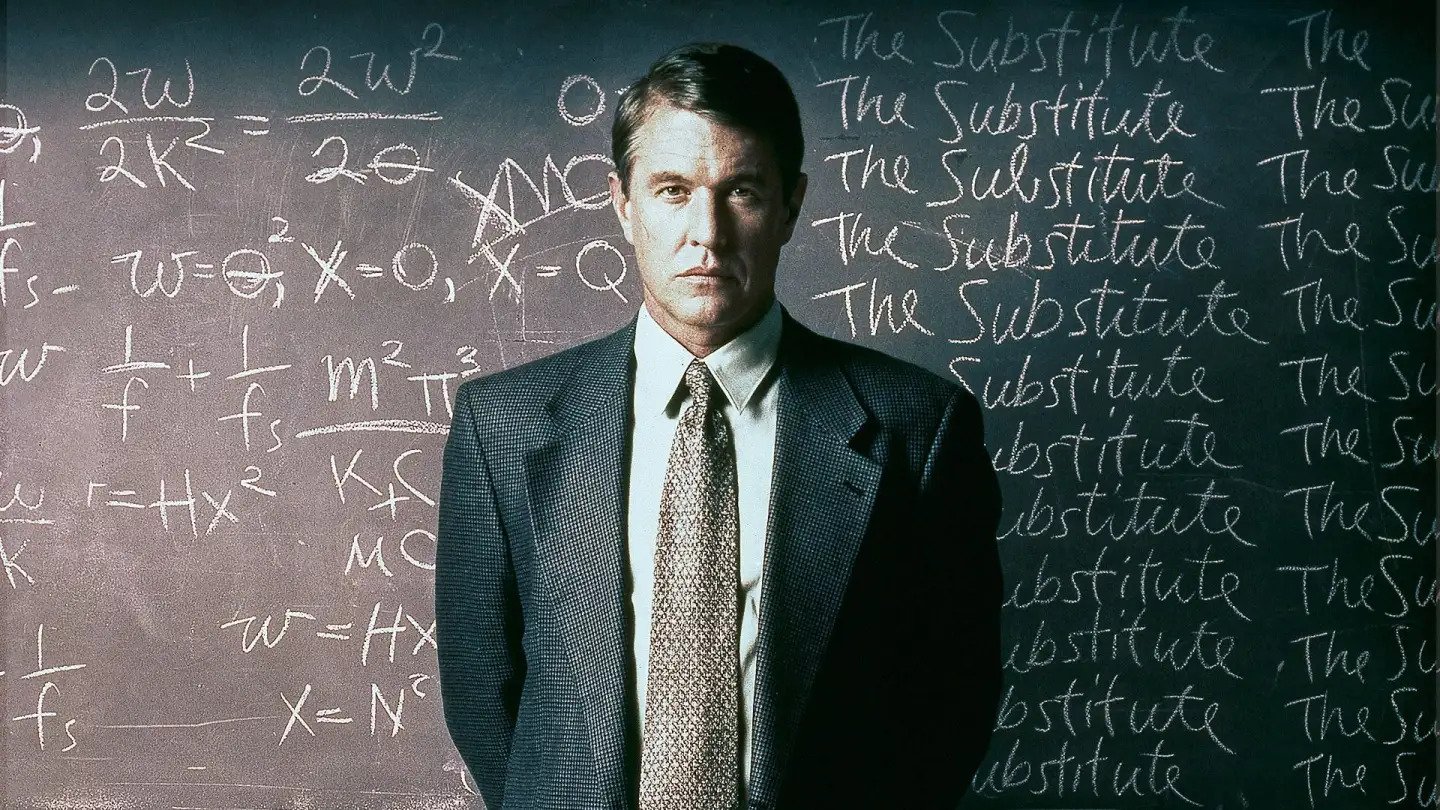
Nearly six years ago, I wrote a post about games that I wanted to play but couldn’t due to my inherent lack of skill and coordination. Since then I have also written about several games that I would like to enjoy but can’t, because they’re multiplayer and I do not know anyone else that plays them. I have also pointed out in subsequent posts that my personal experience of some games is nothing like that shown in the promotional videos. This is often due to the two aforementioned reasons. C’est la vie. Such is the nature of video games. Some you can play, others you can’t. Fortunately the latter doesn’t happen that often and by and large, I get by just fine. However, recently the phenomenon of “games we cannot play” has raised its ugly head once again. So I thought I’d share my latest thoughts on the matter.
Nearly six years ago, I wrote a post about games that I wanted to play but couldn’t due to my inherent lack of skill and coordination. Since then I have also written about several games that I would like to enjoy but can’t, because they’re multiplayer and I do not know anyone else that plays them. I have also pointed out in subsequent posts that my personal experience of some games is nothing like that shown in the promotional videos. This is often due to the two aforementioned reasons. C’est la vie. Such is the nature of video games. Some you can play, others you can’t. Fortunately the latter doesn’t happen that often and by and large, I get by just fine. However, recently the phenomenon of “games we cannot play” has raised its ugly head once again. So I thought I’d share my latest thoughts on the matter.
The First Person Shooter genre is no easy ride. The most popular titles are the embodiment of twitch gaming, where the nimble fingered and quick witted rule and those adjusting their Pince-nez and squinting at their monitors are destroyed. But they can be very entertaining and often the developers will build mitigations into the various game systems to help those on a “death streak”. Also if you can’t out gun other players you can sometimes out think them, so even the slower gamer can still enjoy such franchises as Call of Duty, Battlefield and Fortnite. However, if you want a really hardcore FPS which focuses on realism and with minimal perks, then there is Hell Let Loose. This World War II themed game features 50 vs. 50 battles between two teams of either Germans, Americans and Soviets forces.
The Tactical Brit plays Hell Let Loose
Hell Let Loose is a tough FPS with no regenerating health, weapons with iron sights and squad based dynamics. It requires coordination, situational awareness and skill. The maps feel authentic and combat is compelling and intense. No matter how good a player you are, you will die. Frequently. Sadly, I find the game so punishing as a whole, I cannot enjoy it personally. If you wish to succeed in Hell Let Loose, then you have to commit to the game and dedicate yourself to learning the maps, honing your skills and cultivating a group of like minded friends. For me that is too steep a learning curve and I don’t think the “journey” would be fun. So for the present I have relegated Hell Let Loose from a game I play to a game I watch other play on Twitch or YouTube.
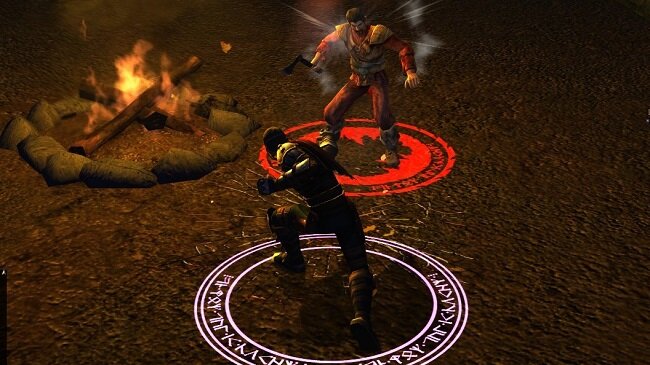
Another title that I recently tried is Dark and Darker. If you’ve ever wondered what would happen if you took an extraction shooter such as Escape From Tarkov and crossed it with Morrowind, then you end up with Dark and Darker. You create your character from a selection of classic fantasy classes, then form a group either with friends or “random players” and then enter the dungeon. You undertake missions, cross swords with other players and then you exit. This is another game where the reality of playing is different from what you think it may be. The first person perspective is difficult when it comes to swordplay and using a bow. The maps are hard to learn and at present in the game’s development (early access), the segregation of new and seasoned players is not always effective. This can lead to unbalanced encounters with other players. Dark and Darker is also a game where if you play with a group of friends you will enjoy a far superior experience to simply playing solo or with random players.
Character creation in Dark and Darker
Finally, I wish to return to the matter of my Nintendo Switch. There are a wealth of good games available for this handheld device but I have now concluded after two years that buying this was a mistake. It’s not just a question of not enjoying games via a handheld device, I think it is entirely down to being institutionalised by my existing gaming habits. I equate gaming with playing via my PC. I also spend a great deal of my time sitting at my desk reading, writing and perusing the internet. The PC is the hub of these activities. I even connected my Nintendo Switch to one of my monitors so I could play while at my desk but to no avail. It remains this adjunct to my existing status quo and despite trying, I can’t change my perspective. But ultimately, that’s okay. You can’t accommodate and embrace everything, be it in gaming or in real life. There are games we cannot play and indeed consoles we can’t either.
Thoughts on Blogging Part 18
As a blogger we are often told by our peers not to obsess over website traffic and statistics in general. There is a degree of sense in this. We should be primarily focused on writing, maintaining an equitable schedule and staying motivated. Stats can have a negative effect on the latter. However, one cannot ignore the subject either. As a writer, at some point you do want people to actually read your material, or else what is the point? I have therefore always kept an eye on traffic and have attempted to grow my readership overtime. The results have been varied. In my experience, you do slowly build up an audience by being persistent with your writing. But you also have to promote your work, which is a job in itself. It’s also something that not everyone is comfortable with. “Therein lies the rub” as the expression goes. How do you attract readers without compromising your own standards?
As a blogger we are often told by our peers not to obsess over website traffic and statistics in general. There is a degree of sense in this. We should be primarily focused on writing, maintaining an equitable schedule and staying motivated. Stats can have a negative effect on the latter. However, one cannot ignore the subject either. As a writer, at some point you do want people to actually read your material, or else what is the point? I have therefore always kept an eye on traffic and have attempted to grow my readership overtime. The results have been varied. In my experience, you do slowly build up an audience by being persistent with your writing. But you also have to promote your work, which is a job in itself. It’s also something that not everyone is comfortable with. “Therein lies the rub” as the expression goes. How do you attract readers without compromising your own standards?
No doubt the following anecdote will not come as a surprise to others, but it caught me unaware. I have been on a writing hiatus since last September and only post content about two times a month on my blog. However, I recently decided to write a humorous piece about Call of Duty Warzone 2.0 DMZ, as I’ve been playing the game a lot lately. Due to the niche nature of the post, I chose to publish it on the DMZ subreddit, rather than my own blog. But in every other respect I treated it as I would a regular post. To cut a long story short, when you post on reddit you can find statistics at the footer showing how well it has performed. Only the author and the moderators can see this data. This particular post was viewed 32,500 times in approximately 36 hours. To put that into perspective that’s the equivalent of a quarter of my yearly traffic for my entire blog in just one and half days. A single post on Contains Moderate Peril never garners such traffic.
Now it is important to maintain a degree of perspective with regard to this. The DMZ subreddit has over 44,000 subscribers which is a substantial audience to begin with. Any post that touches on a popular talking point about the game will gain as much traction with the subreddits readership. But what this subreddit or any other potentially offers to writers, is an opportunity to raise their profile. A chance to build brand recognition. Yes I know that’s an appalling term that may make some of you shudder but that’s ultimately a big part of blogging. Often your readers not only visit your blog for your work but because they relate to you on some level. Hence a presence across multiple platforms, using a universal brand or handle, is a great way to build an online identity and increase awareness, directly or indirectly, of your writing.
Like many suggestions associated with blogging, this one means essentially more work. But that is the nature of the beast. Answering comments on your blog, so readers feel involved and want to come back is more work (something I always fail to do). Streaming, producing videos or a podcast as well as writing regularly is more work. Leaving comments on a popular website, forum or discord is more work. Posting material on a subreddit is exactly the same. However, if your motivation to write is wavering because you feel that you are spitting in the wind, then it can be very uplifting to get some traction elsewhere. It also serves as a timely reminder that if you want to succeed as a writer and build an audience, then you have to step outside of your comfort zone and “sell yourself”. And if you’re not writing at all, as I am at present, then you’ll get nowhere.















Refugees, Gary Lineker and the UK Culture Wars
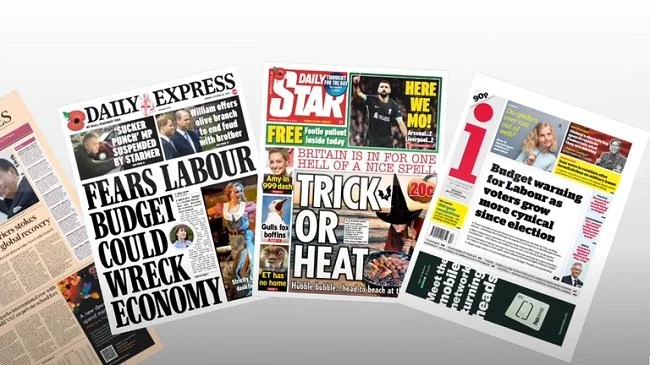
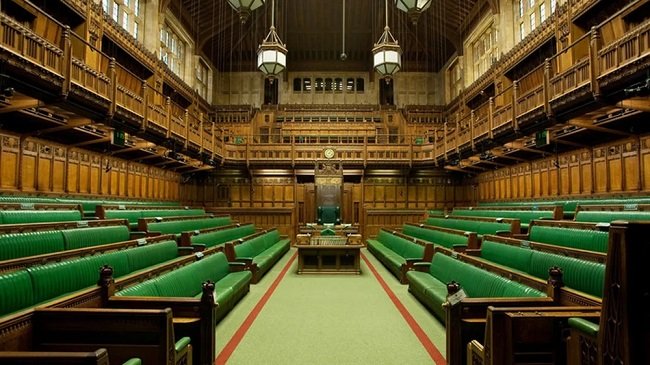
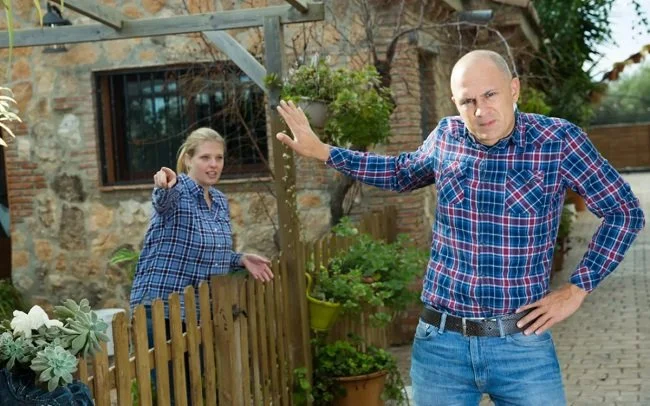
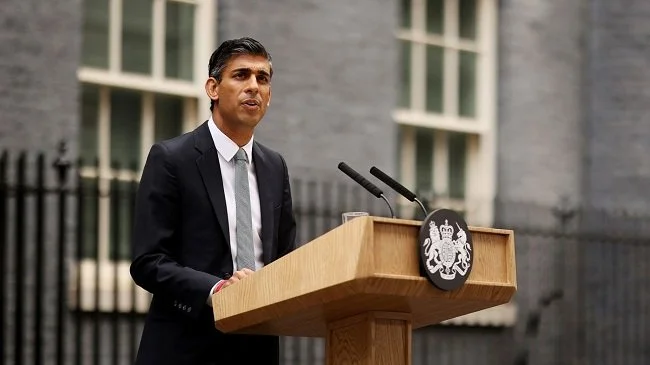
Okay, keep up as there’s a lot of ground to cover. The UK government is currently suffering in the opinion polls and after 13 years in office, is facing potential oblivion at the next general election. In an attempt to shore up support among the party faithful, the Prime Minister, Rishi Sunak, is currently pursuing a hardline with regard to immigration. According to Ipsos, as a political issue about 29% of the electorate consider immigration to be a major problem. The remainder either think current levels are manageable or have no substantive view on the matter. However, as a “culture war” issue that can be weaponized by the tabloid press, which often has direct links to the Conservative Party in the UK, immigration is a hill to die upon. Hence you will find a lot of rhetoric that is anti-immigration and any contrary view is tarred with trite pejorative terms such as “lefty”, “liberal” and “woke”.
Okay, keep up as there’s a lot of ground to cover. The UK government is currently suffering in the opinion polls and after 13 years in office, is facing potential oblivion at the next general election. In an attempt to shore up support among the party faithful, the Prime Minister, Rishi Sunak, is currently pursuing a hardline with regard to immigration. According to Ipsos, as a political issue about 29% of the electorate consider immigration to be a major problem. The remainder either think current levels are manageable or have no substantive view on the matter. However, as a “culture war” issue that can be weaponized by the tabloid press, which often has direct links to the Conservative Party in the UK, immigration is a hill to die upon. Hence you will find a lot of rhetoric that is anti-immigration and any contrary view is tarred with trite pejorative terms such as “lefty”, “liberal” and “woke”.
Which brings us to the new Illegal Migration Bill, which is intended to “take back control of our borders, once and for all”, according to PM Rishi Sunak. The proposed legislation is specifically designed to target the small boats that cross the English Channel from France to the UK. Under the new law, asylum claims by those who travel to the UK via illegal means will be rendered inadmissible. The migrants will be detained, deported and banned from returning, Furthermore, the Illegal Migration Bill will be applied retrospectively, impacting on those already awaiting an asylum claim while being “housed” at immigration processing centres. However, the proposed bill risks breaching the Human Rights Act. Furthermore, UNHCR (UN Refugee Agency) is “profoundly concerned” by the proposed plan which it sees as a “clear breach” of the 1951 Refugee Convention. Conversely, the UK Home Secretary, Suella Braverman, believes the bill is “compatible with international law.”
UK Home Secretary Suella Braverman
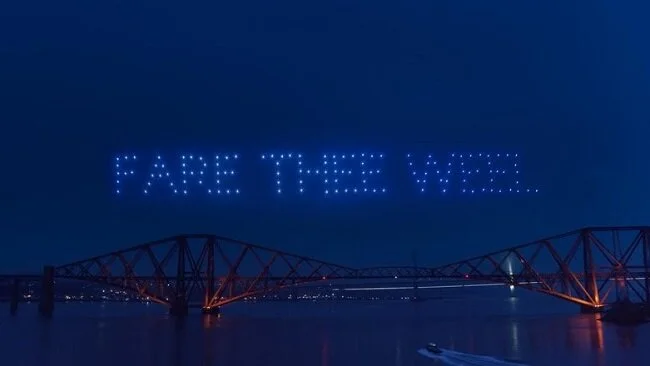
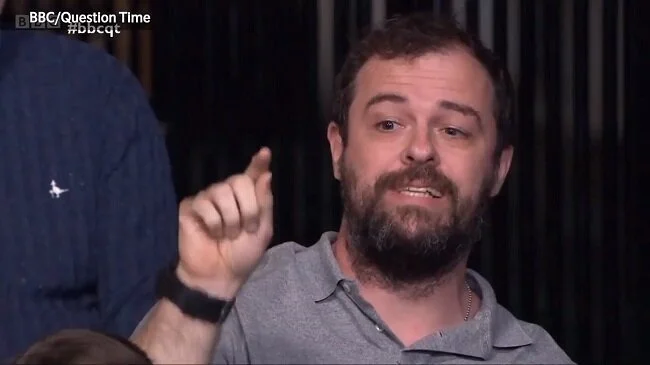
As the UK government indulges in what is essentially performative politics which do not address the real issues around immigration, there has been a degree of pushback and condemnation of the proposed legislation across the political spectrum of the commentariat. Enter Gary Lineker, retired professional football player, sports pundits and presenter of Match of the Day, the BBC’s flagship football program with an audience in excess of 20 million viewers. Gary is an active participant on Twitter and other social media and has expressed opinions in the past on politics and social issues. He is broadly left leaning and is well liked among both sports fans and the general public. The tabloid press and those on the political right loath him. On Tuesday March 7th Mr Lineker made the following tweet while discussing the Illegal Migration Bill with others online.
“This is just an immeasurably cruel policy directed at the most vulnerable people in language that is not dissimilar to that used by Germany in the '30s, and I'm out of order?”
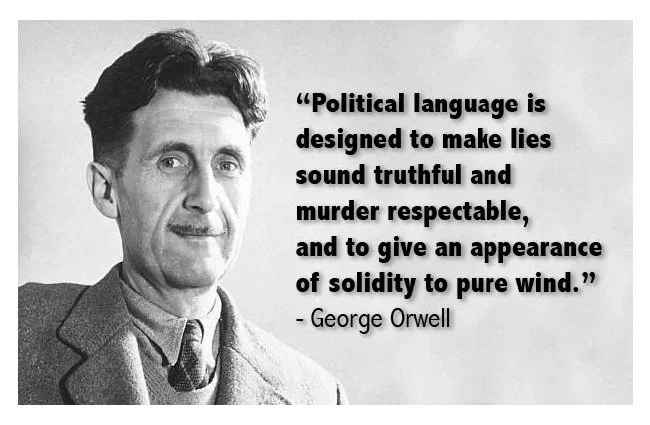
Needless to say as UK political discourse is becoming very much like that of the US, a storm of “outrage” and “indignation” has ensued over the last 4 days. The tabloid press and some Conservative MPs are “offended” at being labelled “Nazis”, although this was not actually done. Demands have been made upon the BBC to take action against Mr Lineker. Hours of spittle flecked invective has spewed from the right of the commentariat and the story has dominated the mainstream news cycle. Sadly, an intelligent and rigorous debate over the rectitude of the Illegal Migration Bill has not taken place and instead we have endured a cavalcade of “pearl clutching” over a member of the electorate having the gall and the temerity to express an opinion. An opinion that is critical of the government and that some have chosen to take offence at.
UK Tabloid The Daily Mail reacts accordingly to Gary Lineker’s Tweet
I suspect that after Gary Lineker made his comments, those who see him as a political and cultural foe probably thought that this was a golden opportunity to attack and neutralise him. Especially if an apology or a suspension could be forced. However, events have not panned out as some have expected. Yesterday, the BBC after growing political pressure took action against Gary Lineker. Initially they had asked him to temporarily step back from presenting Match of the Day while they clarified their policy regarding employees and social media. However, when he refused to apologise for his comments on Twitter they suspended him. This course of action has raised serious questions about the impartiality and independence of the BBC. Have they caved in to political pressure from the government? Then there is the fundamental issue of freedom of speech and Mr Lineker’s right to express an opinion.
The matter has become further complicated by a show of solidarity for Mr Lineker by professional colleagues. Fellow Match of the Day presenters Ian Wright, Alan Shearer and Alex Scott have all declined to be on Saturday night’s show. Match of the Day commentator Steve Wilson has also decided not to take part on the show. Furthermore, a spokesman for the Professional Footballers Association said “We have been informed that players involved in today's games will not be asked to participate in interviews with Match of the Day”. And it would appear that Football Focus, another BBC sports show scheduled for Saturday, has been cancelled as staff have chosen to withdraw in support of Mr Lineker’s suspension. It appears that this turn of events has left the BBC without an exit strategy with regard to the overall situation.
BBC Sport Match of the Day
If one looks beyond the obvious culture war hyperbole of this debacle there are several serious points to consider. Firstly there’s the matter of whether Gary Lineker can express a personal opinion while employed by the BBC. If he were a journalist then he would not be able to do so but as a pundit and presenter, employed in a freelance capacity he is not bound by such rules. The rules are somewhat ambiguous, although he is expected broadly not to court controversy. But there have been many other individuals employed by the BBC that have not done so, such as the journalist Andrew Neil. As to the matter of the BBC’s impartiality to the government, this seems to have wavered recently with several political appointments. The current chairman of the BBC, Richard Sharp, donated £400,000 to the Conservative Party and helped to arrange an £800,000 loan for the former Prime Minister Boris Johnson. Another member of the BBC board, Sir Robbie Gibb, was the former communications director for ex-PM Theresa May.
Beyond the contortions of the BBC as it ties itself in knots, there is the wider issue of those in the government who are “offended” by Gary Lineker’s comments. Many of those currently “outraged” are railing against things that have not been said. Mr Lineker did not use the phrase Nazi or directly invoke the Holocaust in a casual fashion. He succinctly pointed out that the rhetoric surrounding the proposed new legislation and the wider debate regarding immigration was couched in the sort of language used in Germany during the 1930s and that this was divisive and problematic. A point that was recently made by 83 year old Holocaust survivor Joan Salter to Home Secretary, Suella Braverman. Such wilful ignorance and deliberate misinterpretation by some MPs is another example of the performative nature of modern politics. It also highlights the lack of self awareness of certain politicians who remain oblivious or indifferent to the offence their actions have caused to many voters.
Conservative MP Lee Anderson, known for his performative outrage, has a TV show on “news” channel GB News
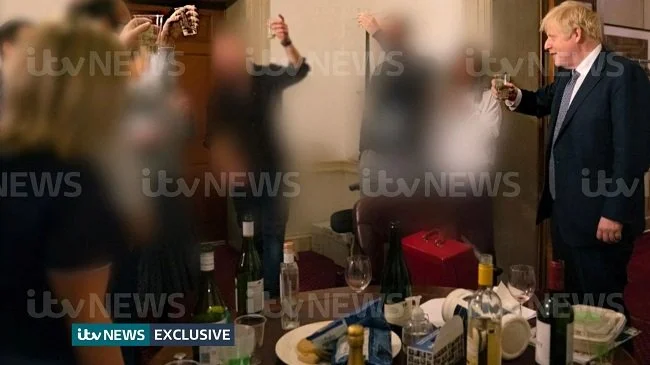
The question on many people’s lips is how this matter will resolve itself. If Gary Lineker stays true to his principles he may end up terminating his association with the BBC and Match of the Day. The show may even fold entirely which would be a crushing blow to the BBC, whereas I’m sure Mr Lineker would quickly find alternative employment. As to the political pressure and the ire of the tabloid press, this may soon be directed elsewhere as the government lurches from one scandal to another. On March 20th former prime Minister Boris Johnson will be giving evidence to the Committee of Privileges as to whether he misled parliament. Plus there are the ongoing revelations being serialised in The Times newspaper regarding the leaked cabinet WhatsApp messages. Hence I suspect that this particular battle in the UK culture wars is not going to yield the results that some hope it will. I’m not even sure if the majority of the UK electorate have an appetite for such things.







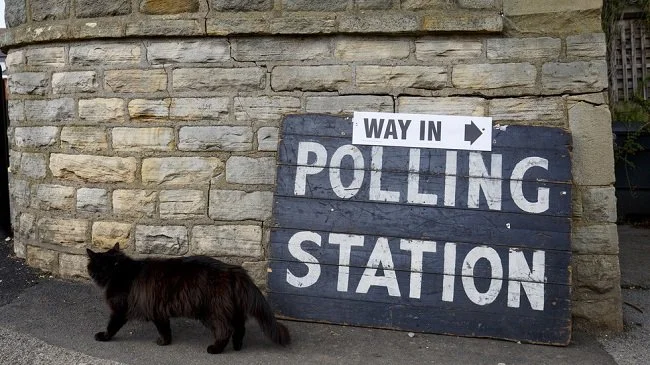
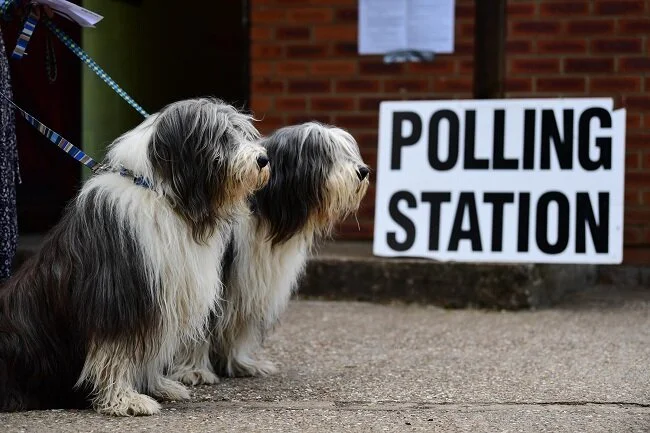


UK Voter ID
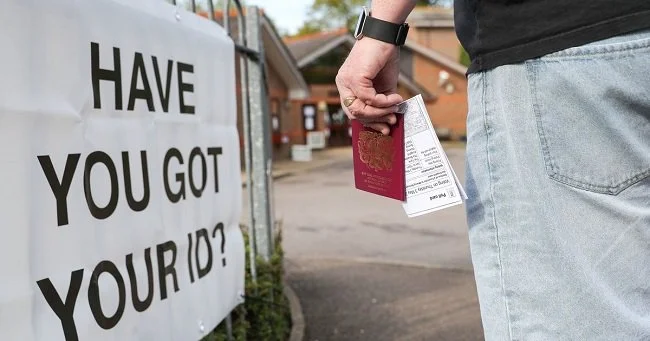
Last April, the Election Act 2022 became law within the UK. The Act introduced a requirement for all those voting in-person to produce photo identification when attending a polling station. This is the first time that such an ID has been required. Prior to this, voters could either bring their polling card to verify their identity at the polling station, or confirm their registered address from the electoral roll with staff. Now a UK driving licence or passport are considered the primary means of identity. A list of additional photo identification that has been deemed acceptable, is available on the UK government website. For those members of the electorate who do not have any of the qualifying ID, there is a Voter Authority Certificate available, which can be applied for online. This photo ID is linked to the applicants National Insurance Number. For further impartial information on photo ID and registering to vote, visit the The Electoral Commission website.
Last April, the Election Act 2022 became law within the UK. The Act introduced a requirement for all those voting in-person to produce photo identification when attending a polling station. This is the first time that such an ID has been required. Prior to this, voters could either bring their polling card to verify their identity at the polling station, or confirm their registered address from the electoral roll with staff. Now a UK driving licence or passport are considered the primary means of identity. A list of additional photo identification that has been deemed acceptable, is available on the UK government website. For those members of the electorate who do not have any of the qualifying ID, there is a Voter Authority Certificate available, which can be applied for online. This photo ID is linked to the applicants National Insurance Number. For further impartial information on photo ID and registering to vote, visit the The Electoral Commission website.
At first glance, the Election Act 2022 will come as no surprise to those living in Europe. Many countries have a requirement for formal ID to be able to vote. However, many European countries have national identity cards schemes making voter ID easy and non-discriminatory. The UK does not currently have a national identity card scheme and has instead chosen to base its voter ID requirement upon documents that are purely optional and not universal among the electorate. Although the Voter Authority Certificate provides a photo ID that is acceptable it is not issued to voters by default and instead has to be personally applied for. In light of this, exactly why has the UK government made changes to a process that has existed and functioned in an acceptable manner for decades? Furthermore are these changes to the UK voting system for the better?
Previously your polling card or just confirming your name and address was sufficient evidence to allow you to vote in the UK
The central argument for the Elections Act 2022, as made by the UK government , is to address alleged voter fraud, especially with postal votes. Due to an ageing population and a workforce that increasingly works outside of traditional “office hours”, there has been an increase in postal voting in recent years. In the 2019 General election 18% of the UK electorate voted by post. However, in-depth analysis by The Electoral Commision and other independent bodies have found little evidence of any kind of voter fraud. Between 2015 and 2019, during which three general elections were held and 153 million in-person votes were cast, only 88 allegations were made of voter fraud. Between 2010 and 2018, there were just two convictions for voter fraud. Due to the size of the UK electorate and the manner in which ballot papers are manually counted, the process does not easily lend itself to fraud. Hence the government's arguments underpinning the Elections Act 2022 are spurious.
It seems to be an inevitable and logical conclusion that the primary reason for the Elections Act 2022 is to marginalise the 1.1 million voters that currently do not hold a UK passport or driving licence. This group is mainly made up of the long term sick, the disabled, those in low income jobs or unemployed. All of which are socioeconomic groups that statistically tend not to vote for the Conservative Party, which has been in office for the last 13 years. Another group who will be impacted by the new legislation are those between the ages of 18 and 25. In the 2019 United Kingdom general election 56% of voters aged 18–24 voted Labour, whereas 67% of 70+ voters voted Conservative, according to polling by YouGov. Upon considering these facts, the Elections Act 2022 is nothing more than a deliberate move to try and disenfranchise a specific part of the UK electorate for political reasons. It is no different from traditional gerrymandering in its insidious nature.
The Oyster card, which allows travel on the tube (metro) in London, is sufficient photo ID for the over 60s to vote, but insufficient ID for anyone under that age
Sadly, although the Elections Act 2022 is a poor and dishonest piece of legislation, it is a reality that has to be endured at the present. Perhaps if there is a change of government in the next election, this legislation will be amended or repealed. Perhaps it is time for the UK to finally have a mature and measured debate about national identity cards. However, those are matters for another day. In the meantime I urge everyone who is eligible to vote in the UK and who does not possess any of the requisite photo ID, to apply and obtain the Voter Authority Certificate. Due to the volatile nature of UK politics at present, there may well be an election sooner rather than later. Because of the nature of the First Past the Post voting system, it is important to ensure as large a voter turnout as possible, especially in marginal constituencies. Voting is a fundamental right of UK citizens and should not be interfered with by any party or institution.
Red Dead Redemption 2: A Genre Milestone
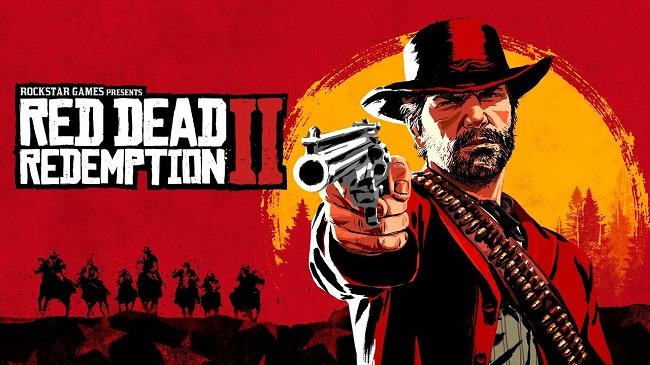
I started playing Red Dead Redemption 2 on the PC upon its release in late 2019. Although I enjoyed it, I was distracted by other matters at the time and so I drifted away in early 2020. To cut a long story short, I recently picked up exactly where I left off, because I felt the need for a big, narrative driven, RPG gaming experience. Red Dead Redemption 2 certainly meets those requirements. A few days ago I finished the main story and having played through sufficient side quests and challenges, decided to call it quits. Since then I have been musing on both the game itself and the experience I had while playing through it. Simply put, I consider Red Dead Redemption 2 to be a genre milestone and one of the most significant and impressive examples of video games that I have experienced over the course of my life, along with the likes of The Elder Scrolls V: Skyrim and The Witcher III: Wild Hunt.
I started playing Red Dead Redemption 2 on the PC upon its release in late 2019. Although I enjoyed it, I was distracted by other matters at the time and so I drifted away in early 2020. To cut a long story short, I recently picked up exactly where I left off, because I felt the need for a big, narrative driven, RPG gaming experience. Red Dead Redemption 2 certainly meets those requirements. A few days ago I finished the main story and having played through sufficient side quests and challenges, decided to call it quits. Since then I have been musing on both the game itself and the experience I had while playing through it. Simply put, I consider Red Dead Redemption 2 to be a genre milestone and one of the most significant and impressive examples of video games that I have experienced over the course of my life, along with the likes of The Elder Scrolls V: Skyrim and The Witcher III: Wild Hunt.
In film, TV or literature, the quality of writing as well as the depth and accessibility of the characters are key elements in determining a consensus upon quality. For example Conan Doyle’s Sherlock Holmes is such an enduring and much loved fictional character due to his rich and relatable personality. He is both aloof, yet compassionate, complex and intriguing. Readers of Sherlock Holmes quickly become invested in his character and care about his actions and deeds. A well written character transcends the text and feels like someone real. And that is exactly how I feel about Arthur Morgan in Red Dead Redemption 2. After over 75 hours of gameplay, I feel that I have travelled on Arthur’s emotional journey as he transcends his life of petty crime and cruelty and learns the value of empathy as he seeks to make his life count for something.
Sumptuous graphics
The Western genre is a superb medium for exploring and analysing the human condition and Rockstar Games have done exactly that in Red Dead Redemption 2. The technical aspects of the game are certainly a major contributory factor to the games critical and commercial success (which I’ll leave to others to analyse). But the other half of the equation is the story, its characters and the themes that are explored and presented to the player to consider. Red Dead Redemption 2 is a tale of a changing world and a group of people whose lifestyle is fast becoming an anachronism. It examines what happens when the right of the individual to live their life in their own way comes into conflict with society and all its cultural and political baggage. And most of all, it is about reassessing your world view and personal values and learning that there are things of value and worth outside of one’s own life and experience. It is also about redemption.
Writers Dan Houser, Michael Unsworth and Rupert Humphries utilise many of the classic tropes, associated with the genre throughout Red Dead Redemption 2. Especially those found in classic Western cinema. The Van der Linde gang in the game are in many ways similar to Pike Bishops crew in Sam Pekinpah’s The Wild Bunch (1969). Both are trying to live an “independent” lifestyle in a rapidly modernising world, driven by a libertarian philosophy and notions of honour among thieves. The clash of cultures in Red Dead Redemption 2 leads to betrayal and inevitably to death at the hands of former allies, again reminiscent of Peckinpah's Pat Garrett and Billy the Kid (1973). Against this background there are several intense character studies. Charismatic gang leader Dutch Van der Linde is one, as he slowly slides from ideological certainty into psychosis, like Colonel Kurtz in Apocalypse Now (1979). Yet the other gang members are no less interesting.
John Marston
Hosea Matthews, a senior gang member and ageing conman and Rains Fall, the head of a defeated Native American tribe, represent those who are fully aware of the change that is fast approaching. Both see resistance to modernity as a pointless endeavour that will only lead to death. Furthermore, they are troubled by the unwillingness of those they love to accept reality. Gang member John Marston is caught between the lifestyle he’s only ever known and the need to leave it for the sake of his wife and son. Then there is Sadie Adler, a widow who in her own words becomes a monster for the sake of revenge. Her story arc is made more poignant by the fact that she knows what is happening to her yet seems powerless to stop it. Black Indian Charles Smith is in many ways the gang’s conscience. His racial heritage makes him the most marginalised of all characters and yet he is the most humane, being profoundly wise and pragmatic.
But it is Arthur Morgan’s story arc which is the fulcrum of the narrative in Red Dead Redemption 2. Within the first few missions he is seen to be a paradoxical character. He is fiercely loyal and supportive of his fellow gang members but dispassionate and brutal to those outside. Yet his world view and behaviour begins to change when he becomes aware of the consequences of his actions. His encounter with an ill debtor who he beats, has grave consequences for both parties and it starts a chain of events which causes him to question the point of his life. Arthur finds that acts of compassion have merit. He encounters organised religion and sees people of faith and although they don’t quite convince him of their ideology, they stir in him a need to atone. As his gang faces extinction at the hands of the Pinkerton Agency he feels that some have to at least survive, despite knowing that he is personally doomed.
Arthur Morgan
Red Dead Redemption 2 allows the player to experience Arthur’s journey in a very practical way. The facial animations and the voice acting greatly enhance the dialogue. Arthur’s actions are relatable, especially when his conscience gets the better of him and he sighs and returns to a situation he would rather walk away from, such as helping someone who has been robbed and abandoned. His kindness toward Jake, John Marston’s son, is also touching. His relationship with his horse is genuine and loving. When it is shot at the end of the story, it is especially moving when Arthur embraces the dying animal and just says “thank you”. Arthur’s fate is partly determined by the player’s choices throughout the game. If his honour rating is high at the end, then his demise is fitting. You kind of expect “Knockin’ on Heaven’s Door” by Bob Dylan to play.
The killcam in Red Dead Redemption 2 is somewhat Walter Hill-esque
Some films, TV shows and video games will cynically try to manipulate the players feelings in an attempt to establish a well rounded character. Standard tropes and themes will be applied in a “push button” fashion. A bad guy does something unspeakable just to establish his credentials. A hero will do something selfless because that is what they do. Quality writing stands out when it goes the extra mile and tries to explore a character’s motive. Red Dead Redemption 2 achieves this through an intelligent and accessible narrative that doesn’t deal in absolutes or present life as a binary choice. Its characters exhibit personality traits that we may have seen or experienced ourselves. It has light, shade and at times ambiguity. It is a genuinely moving story that lingers after the player has completed the game. It is this ability to elicit a truly emotional response and a degree of contemplation that is a hallmark of genuine art.






Hogwarts Legacy: Initial Thoughts
Before we begin let me address the issue of the “baggage” that accompanies anything associated with the author J.K. Rowling. I don’t like it when complex social or political issues are framed as a simple binary choice, usually with one side claiming righteousness and the other being presented as an anathema. I believe in equality and personal freedoms but such matters are often complex and rife with nuance and subtleties. Anyone who suggests otherwise is either misinformed or deliberately misleading you. Hence I won’t be drawn into the arbitrary nature of the protests that surround the “Wizarding World” as they strike me as a Hobson’s Choice which do little to address the real points of debate. I am a great fan of H.P. Lovecraft’s Cthulhu Mythos, but I reject his position on eugenics. Thus, I believe it is possible to be able to separate an artist or their personal worldview, from their work. But this is a personal decision and people can choose to do the opposite.
Before we begin let me address the issue of the “baggage” that accompanies anything associated with the author J.K. Rowling. I don’t like it when complex social or political issues are framed as a simple binary choice, usually with one side claiming righteousness and the other being presented as an anathema. I believe in equality and personal freedoms but such matters are often complex and rife with nuance and subtleties. Anyone who suggests otherwise is either misinformed or deliberately misleading you. Hence I won’t be drawn into the arbitrary nature of the protests that surround the “Wizarding World” as they strike me as a Hobson’s Choice which do little to address the real points of debate. I am a great fan of H.P. Lovecraft’s Cthulhu Mythos, but I reject his position on eugenics. Thus, I believe it is possible to be able to separate an artist or their personal worldview, from their work. But this is a personal decision and people can choose to do the opposite.
Moving on to the matter in hand, it is interesting that it has taken so long to produce a game with the scope of Hogwarts Legacy. I suspect that during the height of Harry Potter mania in the mid 2000s, the technology didn’t exist to support such a project. I always thought that the MMO genre would be the best fit to provide a virtual Hogwarts where players could choose a house, learn magic and fight dark wizards. Yet the heyday of the MMO has now been and gone. However, open world gaming has evolved significantly in recent years, providing the tools necessary to create a suitable home for the franchise. Hence, Hogwarts Legacy offers much that fans wish from the iconic school of wizardry. An interactive Hogwarts simulator that allows the player to experience the intricacies of the school, complete with moving staircases, sentient painting and all its hidden secrets.
Hogwarts itself is a stone labyrinth that accurately reflects the depictions we’ve all seen in the eight feature films. The Great Hall is beautifully realised and the enchanted ceiling is stunning. You can also spend several hours customising the Room of Requirement. Then, when outside, you can mount a broom and explore all the turrets and battlements of Hogwarts, along with the grounds, local forests and lake. All of which are not immediately accessible but are made available at a measured pace so the player is not overwhelmed. Considering these aspects of the game, Hogwarts Legacy is a fascinating example of virtually satisfying the wish fulfilment that arises from popular culture nostalgia. Game developers Avalanche Software have demonstrated a keen eye for discerning what players want from such a game and have succinctly tapped into the essence of the franchise.
If a player is not content with roaming around Hogwarts in the small hours of the night seeking out its secrets via the use of stealth and lockpicking spells, they can visit the nearby town of Hogsmeade. This also provides substantial fan service as it hits all the associated beats from the books and films. Vendors, quests and points of interest abound and the untamed countryside is filled with threats, ruins and magical artefacts. The threat to one’s safety is quite real and so players must not allow their joy of the environment to cloud their judgement. Trolls, goblins and other creatures pose a real challenge even on the default game setting. Fortunately, the combat system feels very appropriate. Offensive and defensive spells work well when chained in the right combination, as long as the player moves and maintains situational awareness.
Overall combat in Hogwarts Legacy is reminiscent of both Warner Bros. Middle-earth and Batman games. There is a fluidity and rhythm to fighting an enemy where using minor skills will continuously build power to unleash a more potent one. Standing your ground and mashing keys is not really a wise policy. To get the most out of the game it is best to learn the advanced version of certain spells to make unlocking doors, stealth and other tactical skills more viable. Prioritise what best suits your style of gameplay when unlocking the skills tree. If you wish to gain XP so you can level your character quicker, using the Battle Arenas is the most effective method. Here you fight waves of enemies which provide the best XP outside of quests. For players who have bought the Digital Deluxe version of the game, there is access to the exclusive Dark Arts Battle Arena.
The main story of Hogwarts Legacy is functional, atmospheric but not really remarkable. It explores a Goblin insurrection which although well acted, doesn’t really impart a greater insight into the complexities of the established, canonical world. The central character that the player directs through the game is merely a conduit and nothing more. You can customise their appearance but beyond that, they are not a landmark gaming character such as Geralt of Rivia or Arthur Morgan. Many of the NPCs are purely functional as well. They serve their purpose but do little else. Also, at times, the inherent Britishness of Hogwarts is replaced with an international game developer’s perception of Britishness which is not the same thing. Some players will find that the game doesn’t offer enough interaction with other students and staff. It is not a school simulator per se with a requirement to attend regular lessons. Again I must reiterate that Hogwarts Legacy aim is to create a Hogwarts experience in totality .
Having played for a day, I think that the game finds the right balance to a very difficult gaming equation. Compromises have had to be made to produce a manageable virtual Hogwarts. Setting the game in a different period of history also avoids getting caught up in canonical baggage from the source text. I also feel that the omission of Quidditch was a sad but wise decision. To do justice to the sport would essentially require a game of its own. Rendering it to a basic mini-game in Hogwarts Legacy would be very disappointing. However, it would appear that Hogwarts Legacy has been very well received so far and I suspect that sales figures are going to be substantial. There is scope therefore that developers Avalanche Software may create further DLC for the game and may revisit some of the aspects that may be perceived as lacking.
I in the meantime will continue to play through the game and soak up the ambience. So far my character, Telemachus Musgrave, has joined Slytherin House and I suspect he may pursue a path, indirectly or directly toward the Dark Arts. Overall, Hogwarts Legacy gets more right than it does wrong. It’s an open-world adventure that distils the charm and character of the Wizarding World and offers challenging combat. The story, although straight forward, feels right and fits the source material well. Frequently when you feel the game has no further surprises to offer it springs another dose of nostalgic charm that makes you smile. It gets the tone just right and manages to tap into what it is that fans enjoy. I had forgotten quite how much I have enjoyed this franchise over the years and it would appear that I am not alone in this. Its appeal seems to be surprisingly enduring, irrespective of the wider controversies that dog it.
What Do You Know About Your Political Representative?
I am writing this post from the perspective of a UK citizen, but the sentiments expressed are applicable to anyone who lives in a country where you have democratically elected local political representation. IE someone who is supposed to advocate on behalf of your community or for you personally as the duly elected political representative. Here in the UK, the country is divided into 650 constituencies, each returning one Member of Parliament. Irrespective of whether you voted for your MP or whether you support the political party that they belong to, they are obliged to represent you and advocate on your behalf, if you request it. Such is the relationship in principle between constituents and MPs in the UK. It is important to be aware that your local MP is not a delegate whose sole purpose is to represent majority constituency views. Under the UK political system, an MP makes decisions on behalf of constituents and can take a position counter to local opinion, if they feel that is in the best interest of the constituency.
I am writing this post from the perspective of a UK citizen, but the sentiments expressed are applicable to anyone who lives in a country where you have democratically elected local political representation. IE someone who is supposed to advocate on behalf of your community or for you personally as the duly elected political representative. Here in the UK, the country is divided into 650 constituencies, each returning one Member of Parliament. Irrespective of whether you voted for your MP or whether you support the political party that they belong to, they are obliged to represent you and advocate on your behalf, if you request it. Such is the relationship in principle between constituents and MPs in the UK. It is important to be aware that your local MP is not a delegate whose sole purpose is to represent majority constituency views. Under the UK political system, an MP makes decisions on behalf of constituents and can take a position counter to local opinion, if they feel that is in the best interest of the constituency.
Towards the end of 2021 our local MP and former cabinet minister James Brokenshire sadly died. Subsequently there was a by-election and Louie French was duly elected. Old Bexley and Sidcup constituency is considered a “safe seat” for the Conservative Party, although it should be noted that their majority dropped by 20%. This however is more to do with the electorate's dissatisfaction with the government and the state of UK politics, rather than a reflection upon Mr French. As an ex-councillor Mr French has already experience of local borough politics and it would appear, judging from his website, that he is primarily focused on addressing the needs of his constituents. He is currently campaigning for increased local funding and is against cuts to local services such as transport, healthcare and local policing. This is further reflected in his contributions to parliamentary debates which also shows an interest in animal welfare.
At present Mr French is a backbench MP and does not hold a ministerial position. Hence it is perfectly reasonable to see him advocate in such a practical fashion for the constituency that he represents. However, Mr French is a Conservative MP and as such is expected by default to vote with the government on any legislation they plan to pass. As a constituent of Old Bexley and Sidcup, I am curious to know what views Mr French holds on the major issues facing the UK at present. Although there is “government policy” and the official “party line”, there is not a consensus on taxation, public spending, Brexit and the cost of living crisis among MPs. The Conservative Party is currently rife with factions across a spectrum of right wing views. It should also be noted that in the General Election of 2019 the party effectively expelled all moderates and centrists. Hence I am keen to know where Mr French fits into this political landscape at present.
For the sake of transparency, I am not a supporter or member of any UK political party and vote tactically. I don’t subscribe to trite, blanket narratives such as “all politicians are liars” or “they’re just as bad as each other”. Such comments are designed to avoid any difficult thinking, to opt out of any responsibility as a voter and simply maintain the status quo. I am sceptical but not cynical and like logical, reasoned debate, driven by critical thinking. I despise the “footballification” of politics and blinkered tribalism. There are politicians that I admire and respect on both sides of the house, which reflects my own broad and diverse political outlook. Thus I want to know where Mr French stands on the UK Online Safety Bill, the Policing Bill, Brexit, trade deals, taxation, the current wave of strikes, the future of the NHS and much more. Because I’ve looked online and I can find little or no information regarding these points.
Louie French had only been a MP for 6 months last year, when Boris Johnson was ousted from office as Prime Minister. During the tumultuous events of last summer, I did not hear Mr French express any opinion on the matter. Was he unhappy with the PM’s conduct or did he see no problem at all? It is important to know because for myself and many other constituents, the PM’s behaviour was beyond the pale. Hence we expected some sort of indication of Mr French’s opinion. He has already said he has no intention of being a “career politician”, thus I see no reason why he needs to be deliberately ambiguous in what he says. One of the things that I dislike most about contemporary politics is the manner in which many MPs refuse to commit to any position or opinion, for fear that it may “come back to haunt them”. “Cakeism” is self-serving and a sad indictment of character.
And so we arrive at the point of this post. What do you know about your political representative? Because I believe if you are the right person to represent the needs of your local community at any level, then I think you need to be transparent in your views. I accept that someone can change their views and am politically and emotionally mature enough to see that as a positive thing. When facts change it is logical to change your mind. I will also concede that on some of the more “complex” political and social issues, it is a valid stance to still be “collating” your opinion. But I won’t accept that it is reasonable to willfully avoid expressing a view or an opinion, purely as a political tool and a matter of convenience. If an MP is effectively “too afraid” to say what they think, then perhaps they should reconsider their career. I for one would not want to be represented by such an individual.
Therefore I think it is fair to ask your political representative what they personally believe in, so you can assess them politically and get a measure of their character. I would also argue that you also need to know about their business interests and affiliations. Naturally, my outlook will put me at odds with current political practices. UK politics at times strives to exist separate from reality and observable facts. It tries to be everything to everyone, while simultaneously committing to nothing, yet claiming the exact opposite. Hence maintaining a coherent position is an anathema and political kryptonite. Yet that is what I and much of the electorate want. Because if you don’t say what you mean, how can you mean what you say? I shall monitor Mr French over the course of 2023 to see if he does express a view on anything other than his established brief. I may even ask him, as one of his constituents. Sadly, I don’t feel optimistic about the outcome.
Guillermo del Toro's Pinocchio (2022)
Guillermo del Toro's Pinocchio is a bold and inventive take on Carlo Collodi's classic story of the puppet that aspires to be a “real boy”. As you would expect from the director, it is a far cry from Disney’s 1940 version, taking a more bleak and sinister tone. Despite songs and exuberant set pieces, Guillermo del Toro's Pinocchio is an exploration of grief, death and even fascism. The screenplay by Guillermo del Toro and Patrick McHale also tackles the complexities of the relationship between parent and child. It is a remarkable example of stop motion animation and is visually very striking. However, it is a somewhat niche market adaptation and is not exactly easily accessible to children or the furiously hard of thinking. It comes as no surprise that this cinematic venture was green lit by Netflix, which appears to be the new home of the experimental, rather than a mainstream studio.
Guillermo del Toro's Pinocchio is a bold and inventive take on Carlo Collodi's classic story of the puppet that aspires to be a “real boy”. As you would expect from the director, it is a far cry from Disney’s 1940 version, taking a more bleak and sinister tone. Despite songs and exuberant set pieces, Guillermo del Toro's Pinocchio is an exploration of grief, death and even fascism. The screenplay by Guillermo del Toro and Patrick McHale also tackles the complexities of the relationship between parent and child. It is a remarkable example of stop motion animation and is visually very striking. However, it is a somewhat niche market adaptation and is not exactly easily accessible to children or the furiously hard of thinking. It comes as no surprise that this cinematic venture was green lit by Netflix, which appears to be the new home of the experimental, rather than a mainstream studio.
In Italy during World War I, a carpenter Geppetto (David Bradley) in a small village loses his son, Carlo (Gregory Mann), during an aerial bombardment by Austro-Hungarian forces. Geppetto plants a pine cone near his grave and spends the next twenty years grieving. A cricket named Sebastian J. Cricket (Ewan McGregor) takes up residence in the pine tree that subsequently grows. One day, angered by his prayers to restore his son being ignored, Geppetto cuts the tree down in a fit of drunken rage and makes a new son out of the wood. He leaves the puppet unfinished when he passes out, but the blue Wood Sprite takes pity upon him and brings the puppet to life, christening him Pinocchio (Gregory Mann again). The Sprite encounters Sebastian who lives in Pinocchio’s chest and promises to grant him a wish if he acts as Pinocchio's guide and conscience.
Although the essential “beats” of both the original story and Disney’s adaptation are present in Del Toro’s film, there are elements of Frankenstein as well as nods to Spielberg’s AI: Artificial Intelligence (2001) and Clive Barker’s Nightbreed (1990). Pinnochio is the archetypal “monster” who ironically is more human than his antagonists. Del Toro eschews the rather clumsy metaphor of a physical transformation into a real boy and instead explores the theme as a spiritual and philosophical journey. He even manages to touch upon the allure of fascism to the young, when Italian authorities take an interest in Pinocchio due to his undying nature. As ever magic is a force of nature, neither entirely benign or evil and this is reflected in the two Sprites that feature in the story. Both boast a Chimera like appearance which Del Toro has explored in previous films and have flawed motives.
The production design and creative supervision are outstanding with the film drawing heavily upon such diverse visual influences as Norman Rockwell and Hieronymus Bosch. Composer Alexandre Desplat provides a melancholic and tragic soundtrack and Del Toro co-wrote the lyrics to the songs that punctuate the two hour running time. Again these are not the celebratory or validatory numbers one associates with mainstream animated films. These are far more forlorn and heartbreaking. Yet they work within the context of the film. Guillermo del Toro's unique approach to filmmaking manages to pull all these eclectic elements together. His recurring themes of life, death and difference underpin this imaginative and bold retelling of Pinnochio. Fans of his work will embrace it, as will lovers of quality cinema and animation. Casual viewers may well struggle with such a radical variation on a theme.







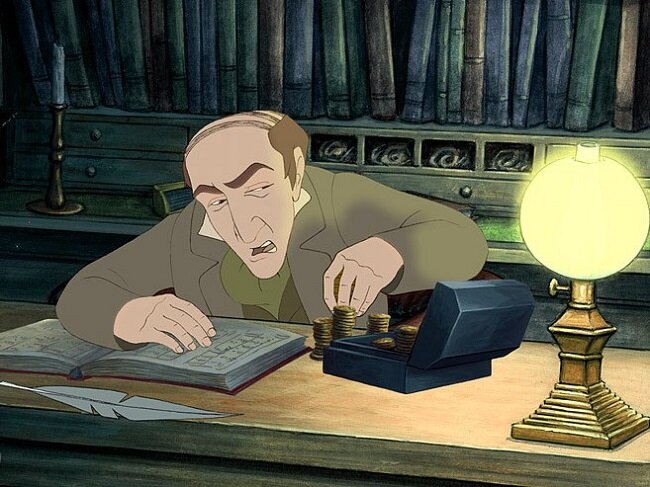

Goodbye 2022
This is my third attempt at writing this post. The first was a little too philosophical, tackling the nature of adult life and how it is a far cry from the childish notions I had about being a “grown up” when I was seven. The second was just a list of the various shit that has gone down in my life over the last twelve months and it felt far too much like whinging. Hopefully this one is more succinct and even handed. 2022 was not a good year, personally speaking. My family and I experienced a lot of health issues and my mother died after a rapid decline. Hence there has been a lot of stress and anxiety which has left me feeling tired and somewhat jaded. Due to the subsequent changes in my personal circumstances, I now find myself at somewhat of a “loose end”. I feel the need to channel my energies into something but I’m not sure exactly what at present.
This is my third attempt at writing this post. The first was a little too philosophical, tackling the nature of adult life and how it is a far cry from the childish notions I had about being a “grown up” when I was seven. The second was just a list of the various shit that has gone down in my life over the last twelve months and it felt far too much like whinging. Hopefully this one is more succinct and even handed. 2022 was not a good year, personally speaking. My family and I experienced a lot of health issues and my mother died after a rapid decline. Hence there has been a lot of stress and anxiety which has left me feeling tired and somewhat jaded. Due to the subsequent changes in my personal circumstances, I now find myself at somewhat of a “loose end”. I feel the need to channel my energies into something but I’m not sure exactly what at present.
Do I have any plans for 2023? Not at the moment. I have some administrative chores to deal with regarding my late mother’s estate, but beyond that I don’t have any specific ideas as to how to spend my time over the next twelve months. For the present I am content to just “be” and in the current economic and political climate, long term plans may not be viable. I suspect that nationally and internationally speaking, 2023 is going to be a very challenging year. I am concerned about the cost of living crisis in the UK and the state of domestic politics. It comes as no surprise that the Collins English Dictionary chose “permacrisis” as the word of the year. I suspect that the proverbial chickens (economically and politically speaking) will be coming home to roost this year and if that is the case, the most one can do is to try and weather the storm.





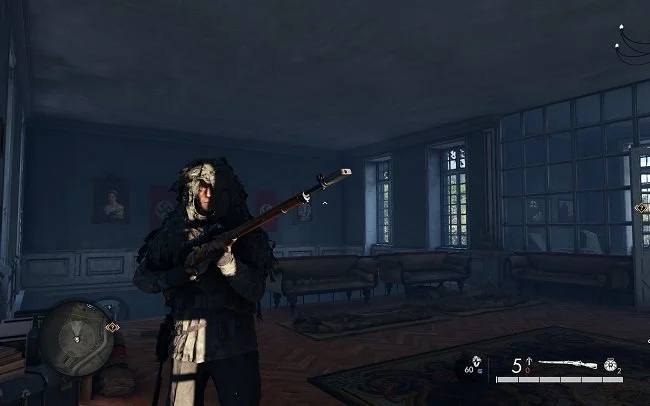





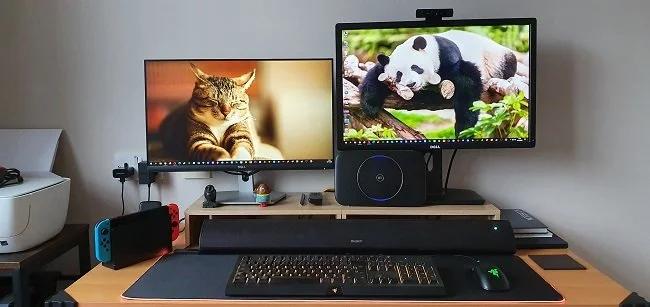
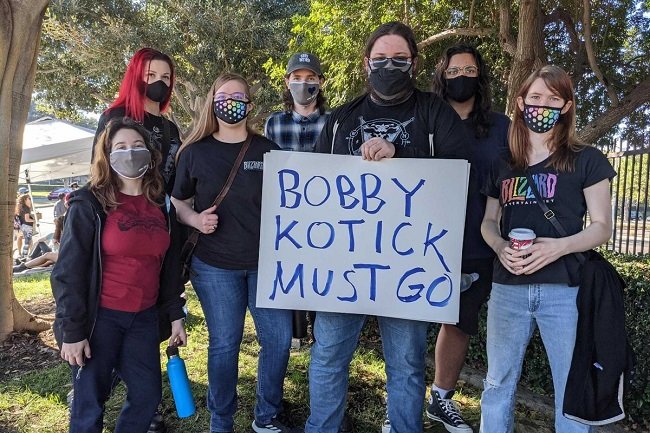

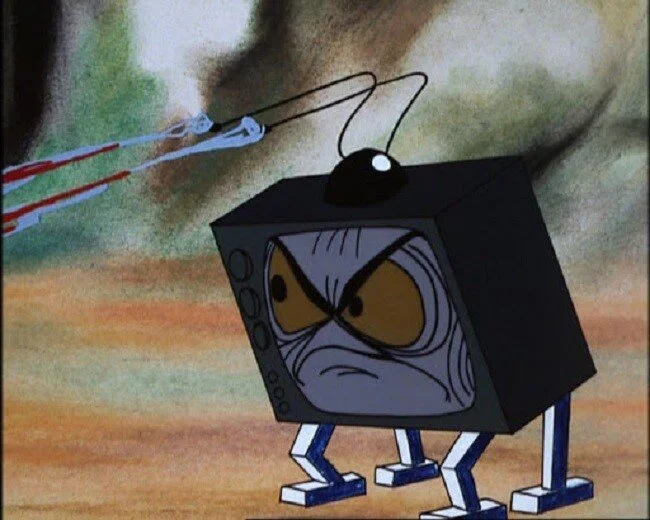

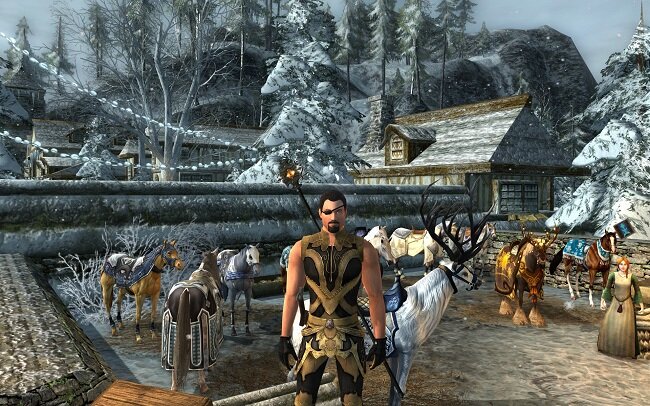

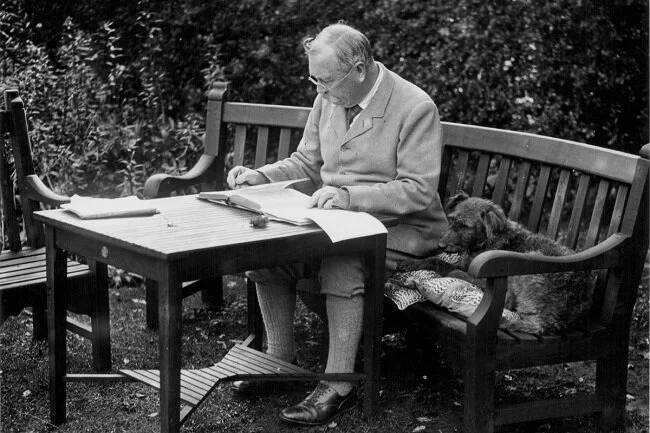

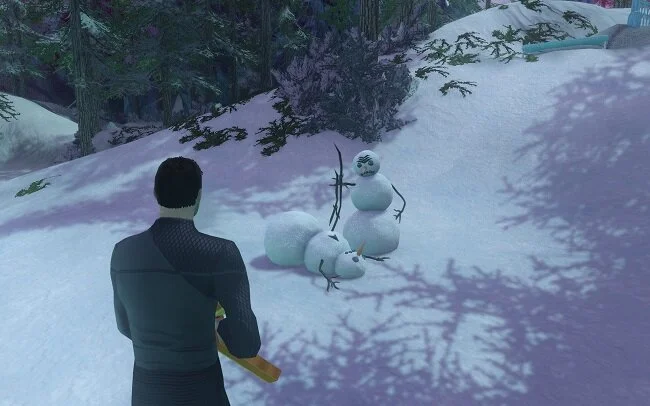


A Year in Blogging
So far I have written 135 blog posts in 2022. Not much compared to previous years, but frankly I’ve become a little despondent with writing in recent months (I shall expand more upon that in a moment). Hence, since October I have been enjoying a break from regular blogging. I have written sparingly and pursued other leisure activities. Given that my post output has gone down, it would be logical to assume that there has been a commensurate drop in web traffic to Contains Moderate Peril, but this is not the case. Overall, my monthly statistics have remained the same, proving once again that most of my readership find my written content via Google searches, rather than reading new material on a daily basis. This has given me much food for thought and added to my ongoing reflection upon my writing activities.
So far I have written 135 blog posts in 2022. Not much compared to previous years, but frankly I’ve become a little despondent with writing in recent months (I shall expand more upon that in a moment). Hence, since October I have been enjoying a break from regular blogging. I have written sparingly and pursued other leisure activities. Given that my post output has gone down, it would be logical to assume that there has been a commensurate drop in web traffic to Contains Moderate Peril, but this is not the case. Overall, my monthly statistics have remained the same, proving once again that most of my readership find my written content via Google searches, rather than reading new material on a daily basis. This has given me much food for thought and added to my ongoing reflection upon my writing activities.
Bloggers write for different reasons and their motivations are equally diverse. I write primarily for myself but I see no shame in wanting others to read it too. Afterall, the medium is a form of communication and that process is a much more enjoyable experience if it is multilateral. It’s the same with podcasting. It all seems a waste of time if you script, record and edit a show and no one listens to it. So it may be unfashionable to say so but one of the reasons I have become fed up with blogging after 15 years is because I do feel at times that I’m just spitting in the wind. Am I talking about internet fame and fortune? No. As a wise man once said “Fame, it’s an empty purse. Count it, go broke. Eat it, go hungry. Seek it, go mad”. What I am referring to is building a healthy audience and contributing to a community. I used to feel that was the case about a decade ago. It just doesn’t quite feel that way anymore.
However, it is not all doom and gloom. I happily wrote continuously for a month during this year’s Blaugust event. Which sheds some insight into my personal psychology. I will happily fail to meet my own targets and goals, but when I make a commitment to a third party I cannot break it. It’s funny how I’m socially conditioned this way but that is another blog post entirely. Back to the matter in hand, I am currently considering a staged return to writing. This time of year makes it a lot easier because I can write a lot of pieces that are all variations of “a year in (insert subject matter here)”. I am also ruminating upon a new project. Something I can channel my energies into. Perhaps it is time to step outside of my normal comfort zone of writing and podcasting and do something different. We shall see. The New Year is fast approaching.
Warzone 2.0 DMZ
I like an analogy as a literary device, so here’s one for you. Video games are like parties. How so? In the following ways. They quite never live up to your expectations. The best ones are the ones you never go to, according to the “anecdotes” you’re told afterwards. And there’s always someone crying and throwing up at 2:00 AM. Okay, the last one isn’t quite relevant but the overall sentiment of the first two is sound. The reason I have used this visual metaphor is because both parties and multiplayer video games sell themselves on the alleged quality of their respective social dynamic. They supposedly offer you fun with your friends and a unique, memorable experience. However, the reality is a lot more lacklustre. Warzone 2.0 DMZ is a prime example. What enjoyment there is to be had in playing this game is offset by the iniquities of many of its players as they race to the proverbial bottom.
I like an analogy as a literary device, so here’s one for you. Video games are like parties. How so? In the following ways. They quite never live up to your expectations. The best ones are the ones you never go to, according to the “anecdotes” you’re told afterwards. And there’s always someone crying and throwing up at 2:00 AM. Okay, the last one isn’t quite relevant but the overall sentiment of the first two is sound. The reason I have used this visual metaphor is because both parties and multiplayer video games sell themselves on the alleged quality of their respective social dynamic. They supposedly offer you fun with your friends and a unique, memorable experience. However, the reality is a lot more lacklustre. Warzone 2.0 DMZ is a prime example. What enjoyment there is to be had in playing this game is offset by the iniquities of many of its players as they race to the proverbial bottom.
For those who are unfamiliar with this latest permutation of Call of Duty: Warzone, DMZ is a squad or solo based incursion into a large open world map. You enter with basic gear and weapons and loot on the fly as you travel the zone. There are contracts that award both cash and weapons. These may be securing and uploading intel, rescuing a hostage or eliminating other squads. The map is populated by AI bots that are no joke and there are also vehicles that can be used to traverse the region. Each round lasts 25 minutes and once a player has gained sufficient loot or completed what they wish to achieve, there are “exfil” locations on the map where the player can summon air transport and leave. These are often contested by AI bots and other players looking for easy pickings. It’s a well conceived gaming scenario with a lot of scope for fun. Theoretically.
If you peruse YouTube, you’ll find plenty of videos showing top tier gamers playing Warzone 2.0 DMZ very effectively in squads. They complete lots of contracts, run rings round the AI bots and eliminate any other operators (other players) they encounter. It can be very entertaining to watch the game played well. However (and there is always a however) I, and many other players, will never get to experience the game in such a fashion. I don’t know anyone who plays Warzone 2.0 DMZ and hence I have to join squads with random players or go solo. The latter is fun but does put you at a disadvantage. There is safety in numbers and squadmates can revive you if you are “downed”. But random squads are exactly that, random, and therefore an utter lottery. If you use voice chat (not everyone does), then there's no guarantee that everyone speaks the same language. Even if you do, there’s a good chance that not everyone wants to do the same thing, hence making the group invalid. Hence random squads are often a massive gamble.
I’ve played a lot of Warzone 2.0 DMZ recently and have kept a simple log of how well each game has gone. After a hundred plus games, about 1 in 10 has proven to be a positive experience. By this I mean that players have been communicative (IE we agreed where to go and what to do), helpful and very mindful that not everyone has the same level of skill. Gear and weapons were shared and we successfully extracted from the DMZ. So far I had about ten games in which I felt I experienced Warzone 2.0 DMZ as the developers intended. For the other ninety or so times, it has been chaotic and ended in someone picking a unnecessary fight with the AI bots or another squad of operators. Yes XP has been earned, but it is frustrating to lose a decent loadout due to poor planning or someone just biting off more than they can chew. IE charging into an area before spotting the AI bots or driving a vehicle when you’re not especially good at it. Some games have lasted no more than five minutes.
I’ve written in the past about whether it is realistic to have expectations of other players when “pugging”. I believe I used Task Force Operations in Star Trek Online as an example and I concluded that it’s best to expect the worst. The difference in this case is that grouping is an optional extra in STO, where in Warzone 2.0 DMZ it is pretty much the raison d'etre of the entire game. Playing collaboratively with others yields superior results than going it alone. Yet “pugging” in Warzone 2.0 DMZ is often an awful experience, especially if you have voice and proximity chat enabled. So many of the players are puerile, bellicose, unco-operative and socially dysfunctional that it leeches a great deal of joy out of the gameplay. Text chat is equally as bad filled with abuse, prejudice and the arrogant hubris and ill manners that so often goes hand in hand with youth. The community has very little class and even its ubiquitous victory cry of “let’s go” is as vacuous as it is trite.
Warzone 2.0 DMZ can still be a source of enjoyment and entertainment. Even if you “pug” and expect the worst, you can still sometimes be pleasantly surprised when another player does bother to revive you or drives back to pick you up when you’re separate from the group in a firefight. Running 20 or 30 indifferent or bad games still presents an opportunity to learn the map and to become familiar with key locations such as ammunition depots etc. You quickly learn not to be hamstrung by your own high standards. That’s not to say you should be an asshole like most other players, but if your squadmates are making poor decisions or being a liability it is perfectly okay to go do your own thing. Overall, if you’re not in a position to play with friends, then temper your expectations about Warzone 2.0 DMZ and autogroup. Turn off voice chat and expect the worst. Anything more is an added bonus. Warzone 2.0 DMZ can be a good game, in spite of its players.
Andor (2022)
Andor is not like other entries in the Star Wars canon. It explores the human, social and political consequences of rebelling against an oppressive, totalitarian regime. The writing is intelligent and well observed, choosing to focus on the average citizens of the Empire and the nature of their daily lives. Andor also explores the ineffectual politicians and the way the senate are self serving and ultimately impotent. The Emperor is remote and instead we see how Imperial colonialism works at a grassroots level. It is an all too familiar depiction, born out of historical fact, such as Vichy France during World War II. Petty thugs and aspiring psychopaths happily align themselves with their Imperial overlords and actively oppress their own people. As for the Empire, and in particular the ISB (Imperial Security Bureau) it is rife with infighting, personal fiefdoms and all the flaws of similar institutions from the real world.
Andor is not like other entries in the Star Wars canon. It explores the human, social and political consequences of rebelling against an oppressive, totalitarian regime. The writing is intelligent and well observed, choosing to focus on the average citizens of the Empire and the nature of their daily lives. Andor also explores the ineffectual politicians and the way the senate are self serving and ultimately impotent. The Emperor is remote and instead we see how Imperial colonialism works at a grassroots level. It is an all too familiar depiction, born out of historical fact, such as Vichy France during World War II. Petty thugs and aspiring psychopaths happily align themselves with their Imperial overlords and actively oppress their own people. As for the Empire, and in particular the ISB (Imperial Security Bureau) it is rife with infighting, personal fiefdoms and all the flaws of similar institutions from the real world.
Andor is by far the most nuanced and thoughtful entry so far in Disney’s Star Wars universe. However, although I and others are happy to heap praise upon the production it does have one particular Achilles Heel. Andor conspicuously highlights how puerile and unsophisticated all previous entries in the established canon are. When George Lucas wrote Star Wars it was designed to be a traditional high adventure. A mythology that dealt in archetypes, intended to convey a simple moral message. The baddies were bad and the goodies were good. Evil was defeated and the galaxy restored to order under the benevolent guidance of the New Republic. Lucas painted with broad brushstrokes and hence the realities of a revolution were not explored beyond a superficial manner. This approach worked fine for a self-contained trilogy of films pitched at a broad and youthful audience 45 years ago.
That audience has now grown up and some have become writers, producers and directors in the film and TV industry. Finally with Andor, the Star Wars franchise is being treated as more than just a big budget, science fantasy genre vehicle. Andor is essentially a political drama. If you took away the veneer of technology and the wider science fiction trappings this could easily be a drama about the Roman or British Empire and a critically acclaimed costume drama. I am reminded of how in 2006, the James Bond franchise was reinvented in a similar more adult fashion, with the release of Casino Royale. The caricature excesses of the Roger Moore era and the glossy, generic formula of the Brosnan period were laid to rest with a far more gritty, personal and character driven depiction of Bond. Very few franchises attempt such a revision and even fewer succeed if they try. Yet Andor has.
I am curious to see where Star Wars goes after this. Can this franchise sustain weighty dramas such as Andor as well as episodic, action fodder in the cliffhanger serial idiom, such as The Book of Boba Fett? Or are they destined to become ill suited bedfellows? Furthermore, does this more cerebral revisionist approach to the rebellion render the original trilogy obsolete due to their lightweight portrayal of political turmoil? Depending on how any future spinoff shows are presented and received, I suppose the fans will determine the answer. Personally, I would like more of this adult idiom, rather than a return to the established space opera genre. Star Wars has now undeniably changed, due to Andor. Although it has effectively solved the problem of the franchises’ simplicity, it may also have paved the way for further issues that will have to be addressed at a later date.








The End of Twitter?
I have been using Twitter since 2010 and to cut a long story short, although it can be a virtual septic tank of human bile, ignorance and stupidity it can also be very informative and uplifting. I rely on Twitter for the latest news and find it far more immediate and succinct than traditional TV bulletins. When the shit hits the fan, as far as I’m concerned Twitter is the way to stay abreast of a developing story. Furthermore, I very much enjoy the social element of Twitter and the online banter with those I follow and who follow me. Twitter doesn’t do anything particularly unique but it did it first and hence everyone is in one place. That makes it invaluable. Sadly, if Elon Musk continues to mess with things to the point of breaking the Twitter community, then I will be forced to go elsewhere. Some folk are jumping ship already. Because of Musk’s erratic nature there’s a prevailing atmosphere that something is going to happen and it’s not going to be good.
I have been using Twitter since 2010 and to cut a long story short, although it can be a virtual septic tank of human bile, ignorance and stupidity it can also be very informative and uplifting. I rely on Twitter for the latest news and find it far more immediate and succinct than traditional TV bulletins. When the shit hits the fan, as far as I’m concerned Twitter is the way to stay abreast of a developing story. Furthermore, I very much enjoy the social element of Twitter and the online banter with those I follow and who follow me. Twitter doesn’t do anything particularly unique but it did it first and hence everyone is in one place. That makes it invaluable. Sadly, if Elon Musk continues to mess with things to the point of breaking the Twitter community, then I will be forced to go elsewhere. Some folk are jumping ship already. Because of Musk’s erratic nature there’s a prevailing atmosphere that something is going to happen and it’s not going to be good.
My biggest concern is that the existing Twitter community is going to fragment, with online friends migrating to multiple alternative platforms. It may also cause some existing Twitter users who are already disillusioned with the existing status quo, to simply quit social media. With respect to those Twitter accounts that I follow for news and information, rather than social engagement, I wonder what will be the new platform of choice to reach an audience. I don’t want to have to maintain multiple social media accounts across multiple services. And I am not going to pay for the service that I already have enjoyed free of charge for the last 12 years. The only people who potentially benefit from a fragmented community are the traditional media outlets. Print media in the UK hates the fact that Twitter provides a platform that can challenge their news agenda and give the public the right of recourse.
I’ve always take a “belt and braces” approach to life and so, although it hasn’t happened as of yet, I am already working on my Twitter exit strategy. Anecdotally, it would seem that Mastodon is the next best place to go, so I have set up an account there. Unfortunately, this endeavour seems to have fallen at the first hurdle as I’ve still not received my verification email to make my new account active. This doesn’t bode well for a platform that some claim is the anointed successor to Twitter. Assuming that I can set up and start using Mastodon, there then remains the issue of which client to use. I currently use Tweeten for Twitter and am looking for identical functionality in a third party Mastodon client. However, nothing I’ve seen so far seems to offer that. It is so important to get the data that you want, presented in an accessible manner or else you run the risk of drowning in white noise and bullshit when it comes to social media.
I’ve written posts in the past about becoming reliant on free services, only to then have them withdrawn or monetised. We’ve all been down this road before so if the worst case scenario happens and Twitter goes to the wall, at least we won’t be caught off guard. However, the thing about Twitter is that there are so many potential ways you could monetise it without having to restrict usage or radically alter the way it functions. Sadly, that doesn’t seem to be Elon Musk’s intent. I am naturally sceptical of billionaires per se and especially so in his case because he is “anomalous” (the politest thing I could say about him). However, Twitter is now his “bat and ball” and so if he wants to neuter it for political or business reasons, then that is his prerogative and there’s nothing much the average user can do about it. If it all ends up going south, it was fun while it lasted.
Update: I managed to get myself on Mastodon and it is not an exact Twitter clone. It appears to require a lot more curation and interaction for it to yield the results that I want. Those seeking for a “like for like” replacement may wish to look elsewhere.