
Before we begin let me address the issue of the “baggage” that accompanies anything associated with the author J.K. Rowling. I don’t like it when complex social or political issues are framed as a simple binary choice, usually with one side claiming righteousness and the other being presented as an anathema. I believe in equality and personal freedoms but such matters are often complex and rife with nuance and subtleties. Anyone who suggests otherwise is either misinformed or deliberately misleading you. Hence I won’t be drawn into the arbitrary nature of the protests that surround the “Wizarding World” as they strike me as a Hobson’s Choice which do little to address the real points of debate. I am a great fan of H.P. Lovecraft’s Cthulhu Mythos, but I reject his position on eugenics. Thus, I believe it is possible to be able to separate an artist or their personal worldview, from their work. But this is a personal decision and people can choose to do the opposite.
Moving on to the matter in hand, it is interesting that it has taken so long to produce a game with the scope of Hogwarts Legacy. I suspect that during the height of Harry Potter mania in the mid 2000s, the technology didn’t exist to support such a project. I always thought that the MMO genre would be the best fit to provide a virtual Hogwarts where players could choose a house, learn magic and fight dark wizards. Yet the heyday of the MMO has now been and gone. However, open world gaming has evolved significantly in recent years, providing the tools necessary to create a suitable home for the franchise. Hence, Hogwarts Legacy offers much that fans wish from the iconic school of wizardry. An interactive Hogwarts simulator that allows the player to experience the intricacies of the school, complete with moving staircases, sentient painting and all its hidden secrets.
Hogwarts itself is a stone labyrinth that accurately reflects the depictions we’ve all seen in the eight feature films. The Great Hall is beautifully realised and the enchanted ceiling is stunning. You can also spend several hours customising the Room of Requirement. Then, when outside, you can mount a broom and explore all the turrets and battlements of Hogwarts, along with the grounds, local forests and lake. All of which are not immediately accessible but are made available at a measured pace so the player is not overwhelmed. Considering these aspects of the game, Hogwarts Legacy is a fascinating example of virtually satisfying the wish fulfilment that arises from popular culture nostalgia. Game developers Avalanche Software have demonstrated a keen eye for discerning what players want from such a game and have succinctly tapped into the essence of the franchise.
If a player is not content with roaming around Hogwarts in the small hours of the night seeking out its secrets via the use of stealth and lockpicking spells, they can visit the nearby town of Hogsmeade. This also provides substantial fan service as it hits all the associated beats from the books and films. Vendors, quests and points of interest abound and the untamed countryside is filled with threats, ruins and magical artefacts. The threat to one’s safety is quite real and so players must not allow their joy of the environment to cloud their judgement. Trolls, goblins and other creatures pose a real challenge even on the default game setting. Fortunately, the combat system feels very appropriate. Offensive and defensive spells work well when chained in the right combination, as long as the player moves and maintains situational awareness.
Overall combat in Hogwarts Legacy is reminiscent of both Warner Bros. Middle-earth and Batman games. There is a fluidity and rhythm to fighting an enemy where using minor skills will continuously build power to unleash a more potent one. Standing your ground and mashing keys is not really a wise policy. To get the most out of the game it is best to learn the advanced version of certain spells to make unlocking doors, stealth and other tactical skills more viable. Prioritise what best suits your style of gameplay when unlocking the skills tree. If you wish to gain XP so you can level your character quicker, using the Battle Arenas is the most effective method. Here you fight waves of enemies which provide the best XP outside of quests. For players who have bought the Digital Deluxe version of the game, there is access to the exclusive Dark Arts Battle Arena.
The main story of Hogwarts Legacy is functional, atmospheric but not really remarkable. It explores a Goblin insurrection which although well acted, doesn’t really impart a greater insight into the complexities of the established, canonical world. The central character that the player directs through the game is merely a conduit and nothing more. You can customise their appearance but beyond that, they are not a landmark gaming character such as Geralt of Rivia or Arthur Morgan. Many of the NPCs are purely functional as well. They serve their purpose but do little else. Also, at times, the inherent Britishness of Hogwarts is replaced with an international game developer’s perception of Britishness which is not the same thing. Some players will find that the game doesn’t offer enough interaction with other students and staff. It is not a school simulator per se with a requirement to attend regular lessons. Again I must reiterate that Hogwarts Legacy aim is to create a Hogwarts experience in totality .
Having played for a day, I think that the game finds the right balance to a very difficult gaming equation. Compromises have had to be made to produce a manageable virtual Hogwarts. Setting the game in a different period of history also avoids getting caught up in canonical baggage from the source text. I also feel that the omission of Quidditch was a sad but wise decision. To do justice to the sport would essentially require a game of its own. Rendering it to a basic mini-game in Hogwarts Legacy would be very disappointing. However, it would appear that Hogwarts Legacy has been very well received so far and I suspect that sales figures are going to be substantial. There is scope therefore that developers Avalanche Software may create further DLC for the game and may revisit some of the aspects that may be perceived as lacking.
I in the meantime will continue to play through the game and soak up the ambience. So far my character, Telemachus Musgrave, has joined Slytherin House and I suspect he may pursue a path, indirectly or directly toward the Dark Arts. Overall, Hogwarts Legacy gets more right than it does wrong. It’s an open-world adventure that distils the charm and character of the Wizarding World and offers challenging combat. The story, although straight forward, feels right and fits the source material well. Frequently when you feel the game has no further surprises to offer it springs another dose of nostalgic charm that makes you smile. It gets the tone just right and manages to tap into what it is that fans enjoy. I had forgotten quite how much I have enjoyed this franchise over the years and it would appear that I am not alone in this. Its appeal seems to be surprisingly enduring, irrespective of the wider controversies that dog it.
For the last six years, Echoes of Angmar, the “unofficial” server for the MMORPG The Lord of the Rings Online, has quietly gone about its business. Its existence has been a known quantity during this time but it has never really become a major talking point. Providing an iteration of LOTRO from November 2007, those who wished to play the “classic” version of the game did so and everyone else stuck with the official version. Middle-earth Enterprises issued a cease-and desist letter in August 2022 but I get the impression it was a formality rather than a serious endeavour to close this unofficial version of the game down. Since then, the two versions of the game have co-existed without any fuss. I briefly tried Echoes of Angmar when they were conducting stress tests and found it a pleasant nostalgia trip for a few days. Ultimately it was not something I wanted to play habitually but it was good to be reminded of how LOTRO was when I started playing in 2008.
World of Warcraft: Forever becomes available today at 23:00 GMT in the UK. Having participated in multiple MMORPG launches over the years, I expect server queues, lag and difficulty securing character names, if you haven’t done so already. I’m sure once people finally log into the game it will be very atmospheric and affable. Due to the volume of players in the starter areas, I suspect not much will get done but I find that game launches are more about the experience and creating memories, rather than progression. Although I am excited about the launch, I think what happens over the next thirty days, has the potential to be far more interesting and significant. I expect there will be record numbers of new players trying WoW Forever tonight and in the days to come. No doubt many will find everything to their satisfaction. However, I am curious about those who try the game and decide that it is not for them. I’m interested in those who potentially quit.

2026 is proving to be a good year for the MMORPG, Star Trek Online. After wrestling control of their game back and reassembling “the band”, IE as much of the original development team as possible, Developers Cryptic are slowly but steadily addressing the games multiple flaws. This is a much needed undertaking as STO has stagnated for a long time. However, over the last twelve months Cryptic have revised multiple elements of the game such as a general overhaul of Deep Space Encounters and the Endeavour system. These improvements have been well received by players but the jewel in the crown of this ongoing project has been the reinstating of several classic Episodes back into the game, all be it in a revised format. STO needs more story content because sadly what has been released in recent years has been of a lesser standard compared to the halcyon days of the Agents of Yesterday and Victory is Life expansions.

Upon starting up the Battle.net launcher this evening, I was confronted by a message stating that I needed to uninstall the Beta version of World of Warcraft: Forever, now that the testing had finished. So I clicked on the icon and off it went. I didn’t spend as much time in the Beta test as I would’ve liked but certainly enjoyed what I did. I familiarised myself with the UI and controls and endeavoured to get a feel for the way the game handles. I tried three classes during this Beta. Hunter, Warlock and Warrior. However, I haven’t spent enough time with each class to make any sort of decision as to which one will become my main. Having no history with WoW is in some respects a bonus, because I have no inherent prejudices and I am completely oblivious as to the prevailing game meta. I made sure that my research did not overwhelm me with information as this game is very much a dream for spreadsheet aficionados.
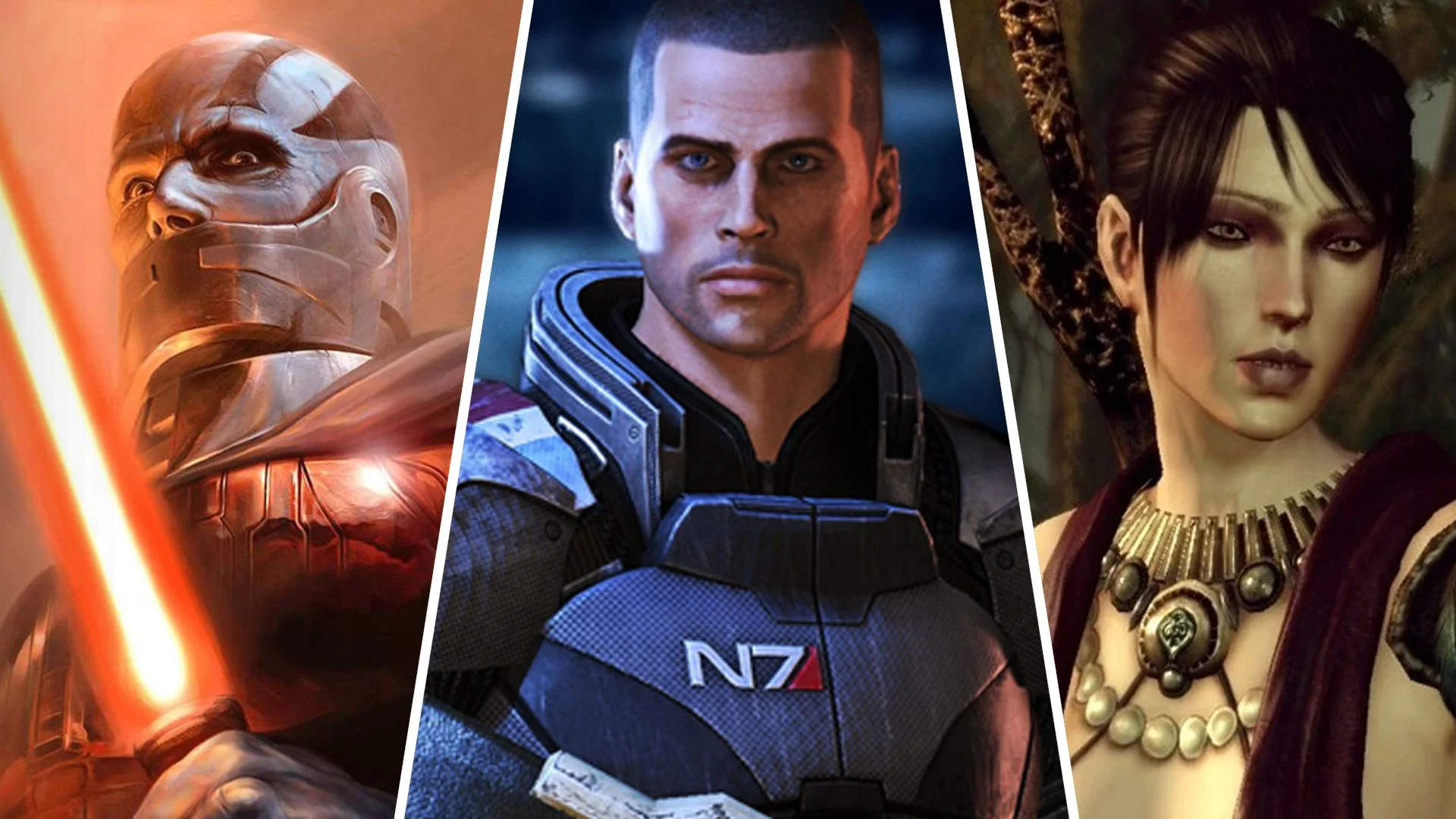
On Thursday the news broke that BioWare, the “legendary” video game developer behind such titles as the Dragon Age and Mass Effect franchises, has been closed down. The Canadian developer specialising in role-playing games was founded in 1995 and found millions of fans with its complex, branching narratives systems. Its parent company Electronic Arts decided to close the studio as part of a wider financial restructuring across their entire business. The closure of BioWare after 31 years, means the loss of 400 jobs. It is this aspect that saddens me the most, as the current job climate is poor enough but the entire video games industry is contracting at present so finding work within the same field is a challenge. The time or year doesn’t help either but then it can be cogently argued that there is never a good time to become unemployed. Naturally there has been an outpouring of sympathy, sadness and opprobrium from fans.
I began work on Project Questa on the 27th of September, because I couldn’t get Khazad Voice TTS to work on my PC. Since then I’ve spent several days a week working on my AI narrator utility and have made steady progress. Last time I wrote about the project the production pipeline ran as follows. DXCam, OpenCV, Windows OCR and Microsoft Speech API (SAPI). Over time, I determined that Tesseract was a better OCR and that Kokoro TTS produced superior narration. However, in the last week I found that constant fine tuning across different aspects of the production process was not really producing any significant improvements. The main problems were capturing text from dialogue windows that required scrolling, as well as overall latency in producing narration. A delay over 5 seconds is too long in my assessment. Hence I decided to fundamentally change the overall approach to dialogue capture.
I started playing MMOs in late 2008 by which time the genre was clearly established and dominated by one particular title, World of Warcraft. I chose to play The Lord of the Rings Online, mainly because of my love for the intellectual property the game is based upon. I still play LOTRO today. However, I was very aware of popularity and significance of WoW at the time. It pretty much set the rules for how you design a MMO and it did much to move on from the previous gameplay parameters set by such titles as Ultima Online and EverQuest. It was also the MMO that every other developer was trying to beat. Another compelling factor regarding WoW is that everyone I knew at the time was either actively playing it or had done so at some point. It was for many gamers, the go-to title for socialising. Finally around early 2010, I tried a free trail of WoW to “see what all the fuss was about”. Simply put, I felt that it wasn’t for me.
Over the course of the last 16 years, the MMORPG Star Trek Online has changed greatly. What started as a disjointed, rushed game with unfinished systems and a lack of overall cohesion has now evolved into streamlined MMO with clearly defined systems and very strong narrative arcs. Let it suffice to say that STO makes very good use of its license and the intellectual property it is built upon. Although new content has been continuously added to STO over time and refinements are regularly rolled out, the developer’s have also removed content from the game in the past, that they feel is substandard or too dated in it presentation. Hence in October 2018 Cryptic took out the following eight missions from the game, with the proviso that they would be updated and replaced at a latter date. Until fairly recently, STO players had given up hope on this ever happening and the episodes being reinstated. Eight years is a long time.
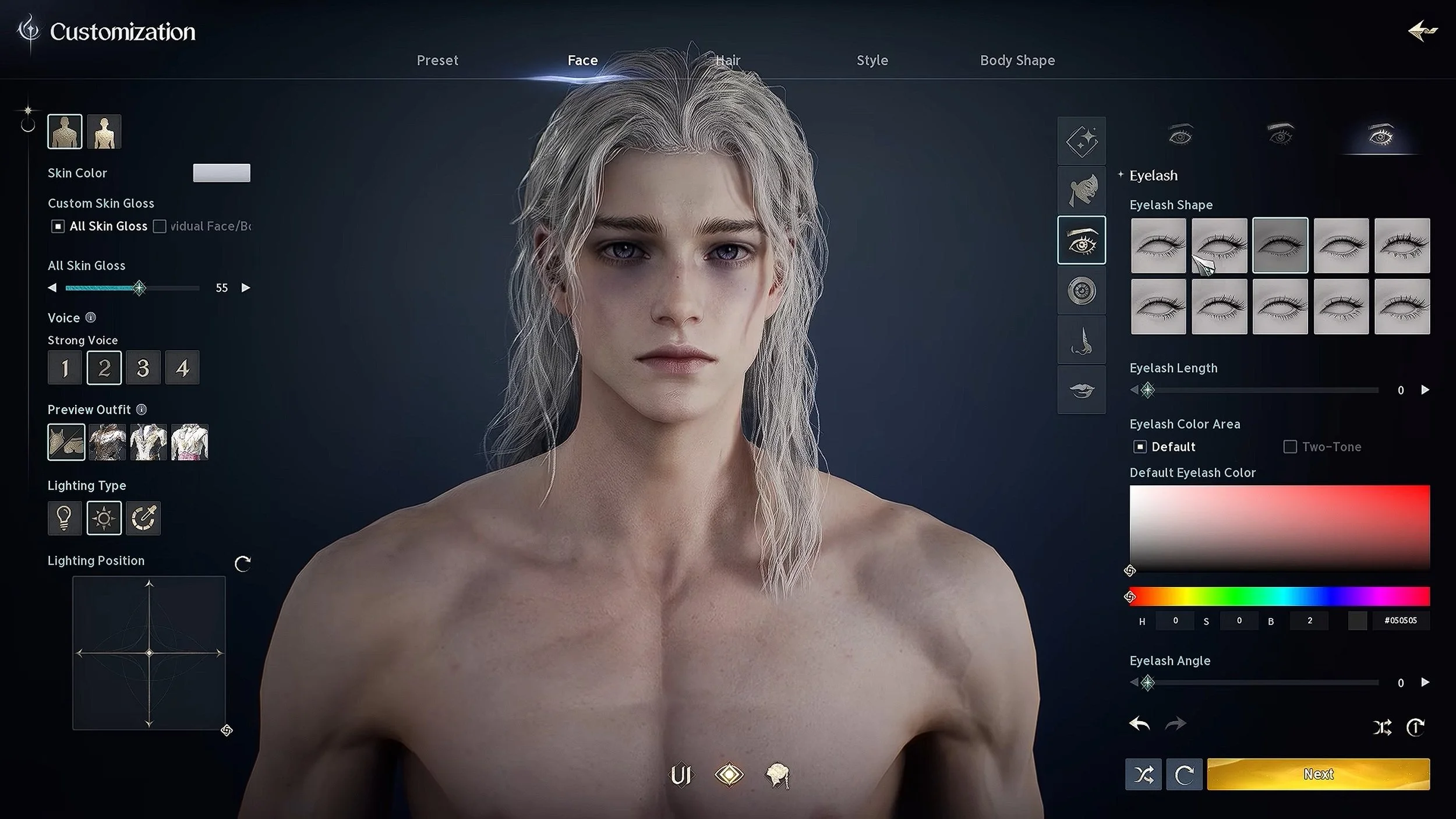
One of the things that I enjoy when playing a new video game is character customisation or character creation. I will spend hours trawling through settings, changing the most minute and consequential aspects of my avatars appearance. I am certain that there is a psychological aspect to this particular game mechanic and that it says something about you as a person. Are your creations shaped just by a need to look good in-game or is there more to it? Are they external manifestations of your sexual preferences or thoughts on body image. Do you treat them as characters from a book that exists in your mind. Do you aspire to recreate the likeness of people you know or admire? Do you strive to make your avatar look like you? Whatever the reasons, it would seem that character creation is something that a lot of gamers enjoy. Hence I am not alone in my borderline obsession. What you look like in-game is equally as important as your character’s name.

I was playing Battlefield 6 recently and was experimenting with the mortar. If you stick with it and take some time to become familiar with its foibles, it can be an effective weapon. It can suppress the enemy, destroy equipment and provide useful cover for your own team. I remember thinking “I wonder if artillery could sustain a game on its own”. Artillery is an interesting feature in Hell Let Loose, although it is a little more complex in its game mechanics. I believe artillery is also available in Wardogs. I therefore spent a while looking online to see if there was a dedicated artillery simulator available or at least a game where it was a key feature. There nearest thing I found was Iron Nest, a dieselpunk heavy artillery game which looks interesting but isn’t quite what I seek. So I parked this idea and moved. Tonight, while perusing YouTube, I stumble across a teaser trailer for a game called Flak Simulator, currently under development by Horseman Interactive. It appears to be exactly what I am looking for.
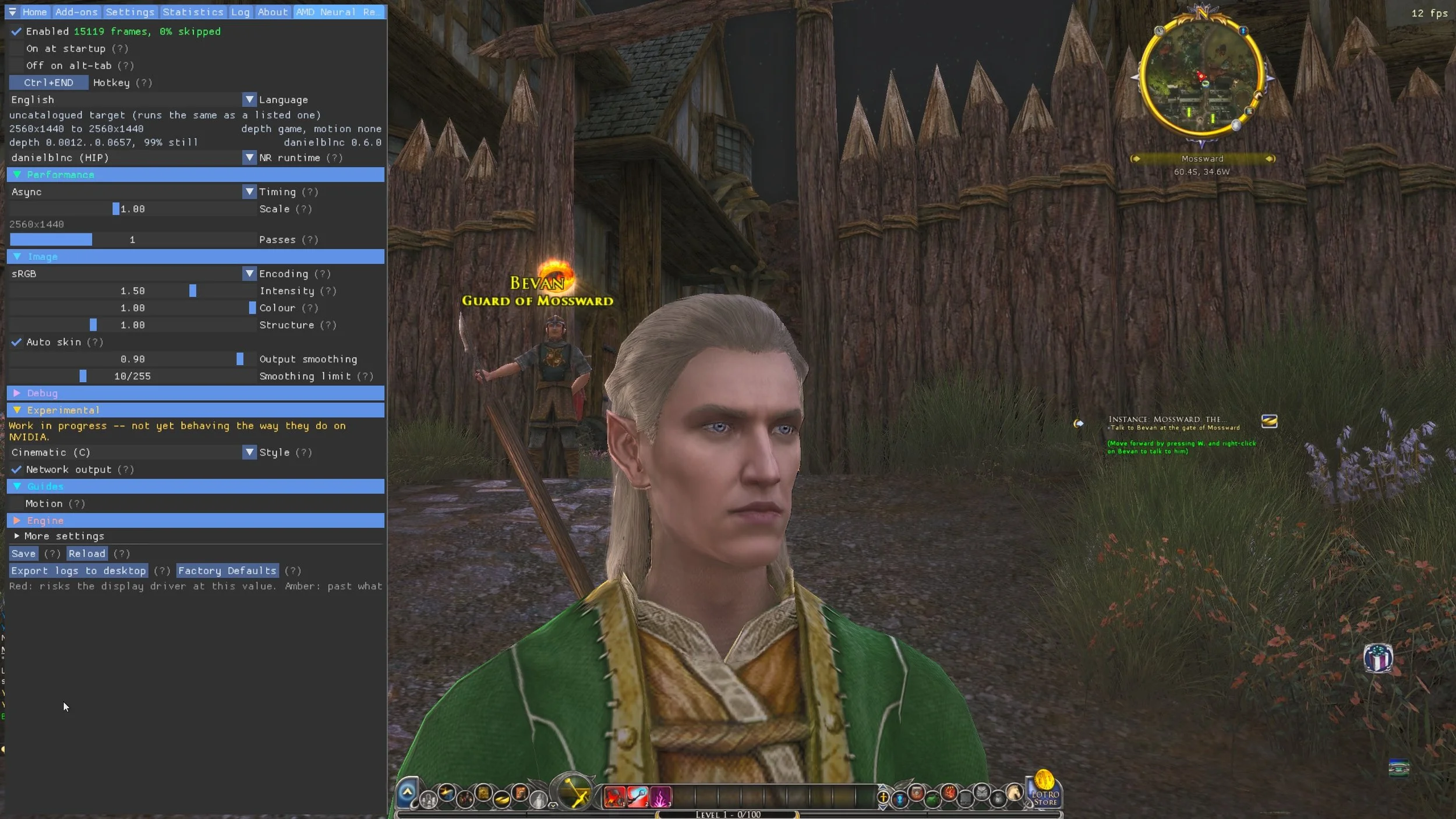
I recently tried to use DLSS 5 Manager with the MMORPG, The Lord of the Rings Online. Unfortunately, things didn’t work out. Today I undertook a similar experiment with AMD Neural Rendering, which is a broadly comparable product. Both utilities use 3D-Guided Neural Rendering, an AI technology that alters how lighting, reflections, and textures look in a game. Instead of just upscaling the image like older versions, DLSS 5 uses an AI network to instantly "re-render" lighting and material responses over the game's layout, achieving photorealistic details that would normally negatively impact a graphics card's performance. Or to put it in less fancy terms, the game graphics are enhanced and modified, although it is highly subjective as to whether the end results are an improvement. However, as a game such as LOTRO is unlikely to ever receive a major graphical overhaul, tools such as these are the nearest players will get to revised graphics.
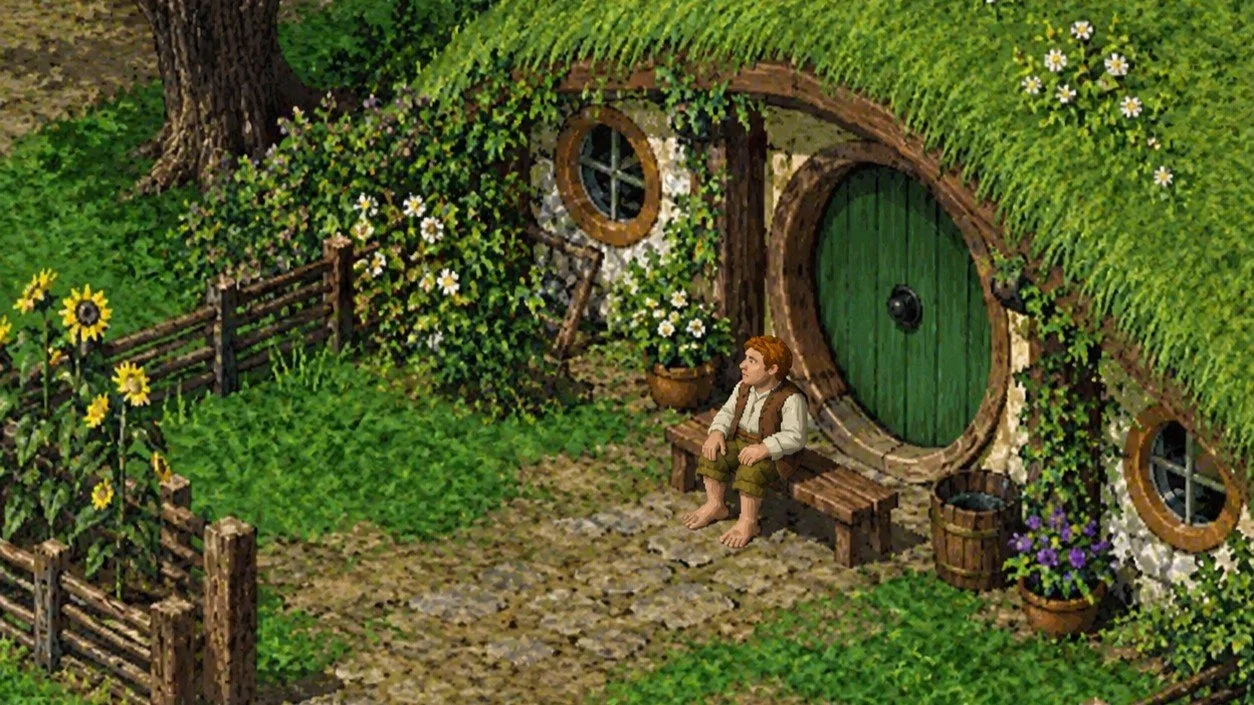
The core game code and engine for the MMORPG, The Lord of the Rings Online, is about 24 years old. LOTRO began originally as Middle-earth Online, developed by Sierra On-Line in 1998. Turbine took over full development of the project in 2003/2004 when their parent company, Vivendi Universal Games, acquired Sierra. The content that had already been developed by Sierra was abandoned and Turbine created a new game using structural elements such as the UI and game engine from their previous release Asheron’s Call 2 from 2002. The Lord of the Rings Online: Shadows of Angmar was officially released in April 2007. Hence, the active public release code is 19 years old. Despite continuous expansion and updates, along with a recent migration to 64-bit architecture, the foundations of LOTRO retains a nearly twenty year old legacy framework. This frequently contributes to modern technical hurdles and engine constraints.
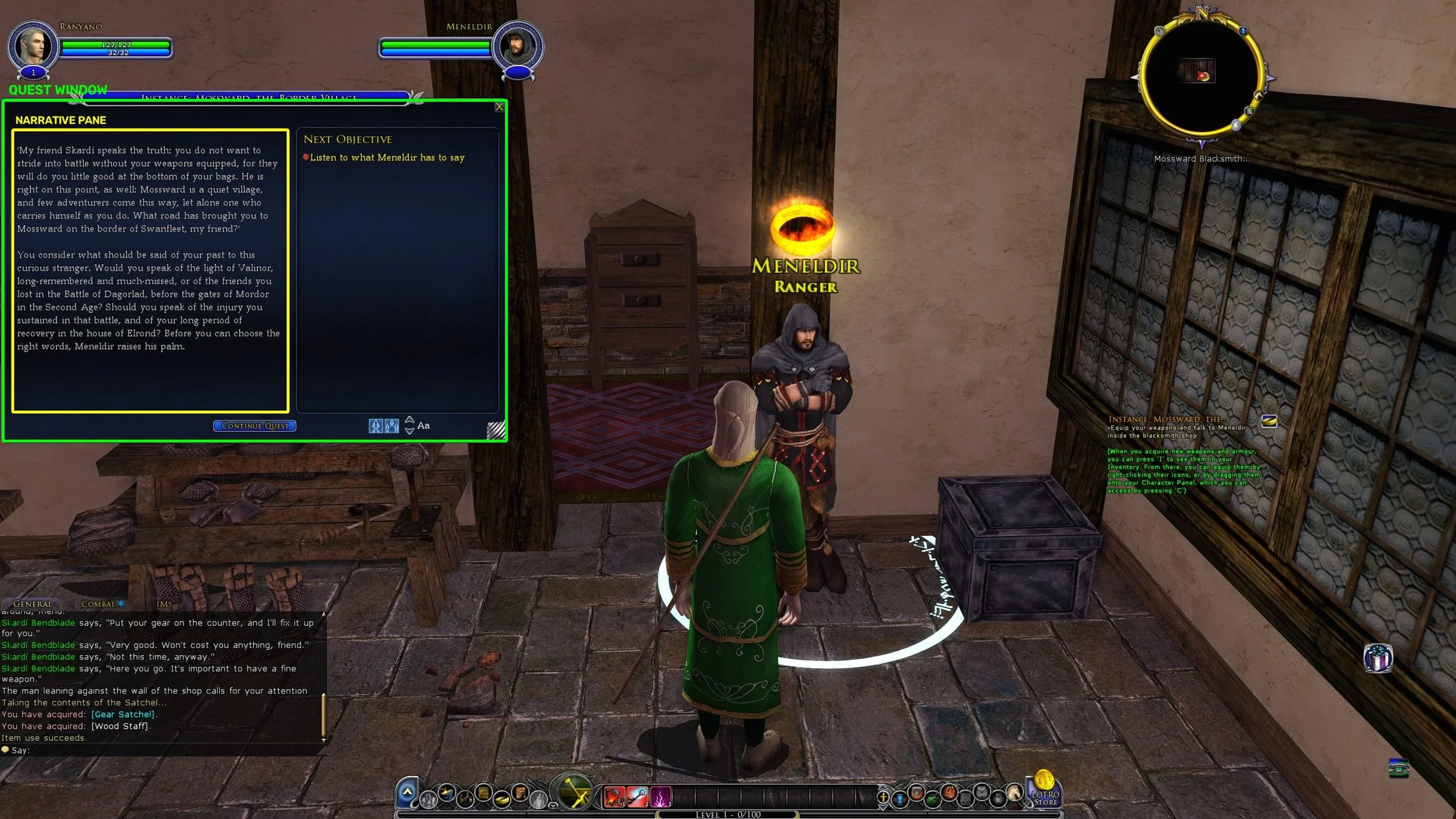
A few years ago, there was a fan created project to provide voice narration of NPC dialogue in the MMORPG, The Lord of the Rings Online. This mainly involved capturing the text in the quest dialogue windows and then sending it to OCR software, before using a text-to-speech program to read it. LOTROVoice as it was known, broadly worked but the creator stopped developing it as it proved troublesome to maintain. However, I recently discovered Khazad Voice TTS which is a separate project that does pretty much the same. I went so far as to install this “immersive AI narrator for LOTRO” after seeing a YouTube video of it being used successfully. Sadly I ran into issues configuring Khazad Voice TTS, because I have two monitors and LOTRO runs on the secondary (by my choice) and not the primary. I couldn’t “lasso” the dialogue windows in LOTRO during the calibration set up, which effectively prevented me from completing the process.
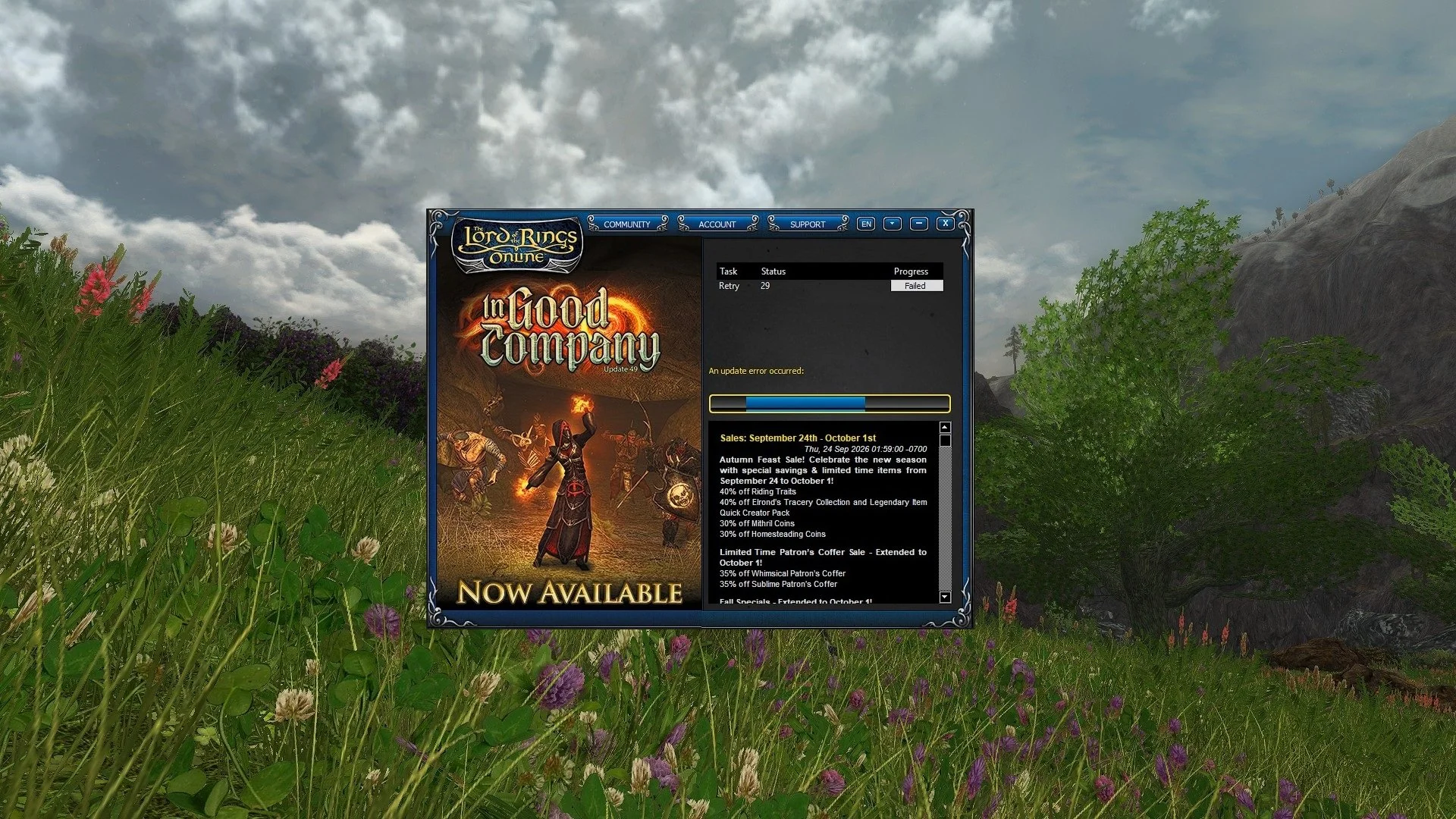
Throughout yesterday and early today, there was an issue logging in to the MMORPG, The Lord of the Rings Online. Upon starting the game launcher, it would attempt to connect to the patch server to download the latest game update. This process would start but then subsequently stall at 33%. The launcher would then attempt to reconnect to the patch server every 60 seconds but could not make any further progress. Some players found that if they left it long enough, it would eventually complete the download and the launcher then progress to the next screen where they could input their username and password. However, for the majority of LOTRO players the problem would simply persists and the launcher would be stuck in a loop. Some players attempted to reinstall the game or use the repair data facility in the launcher but neither of these proved to be successful workarounds. The patch sever needed to be bypassed to resolve the issue.
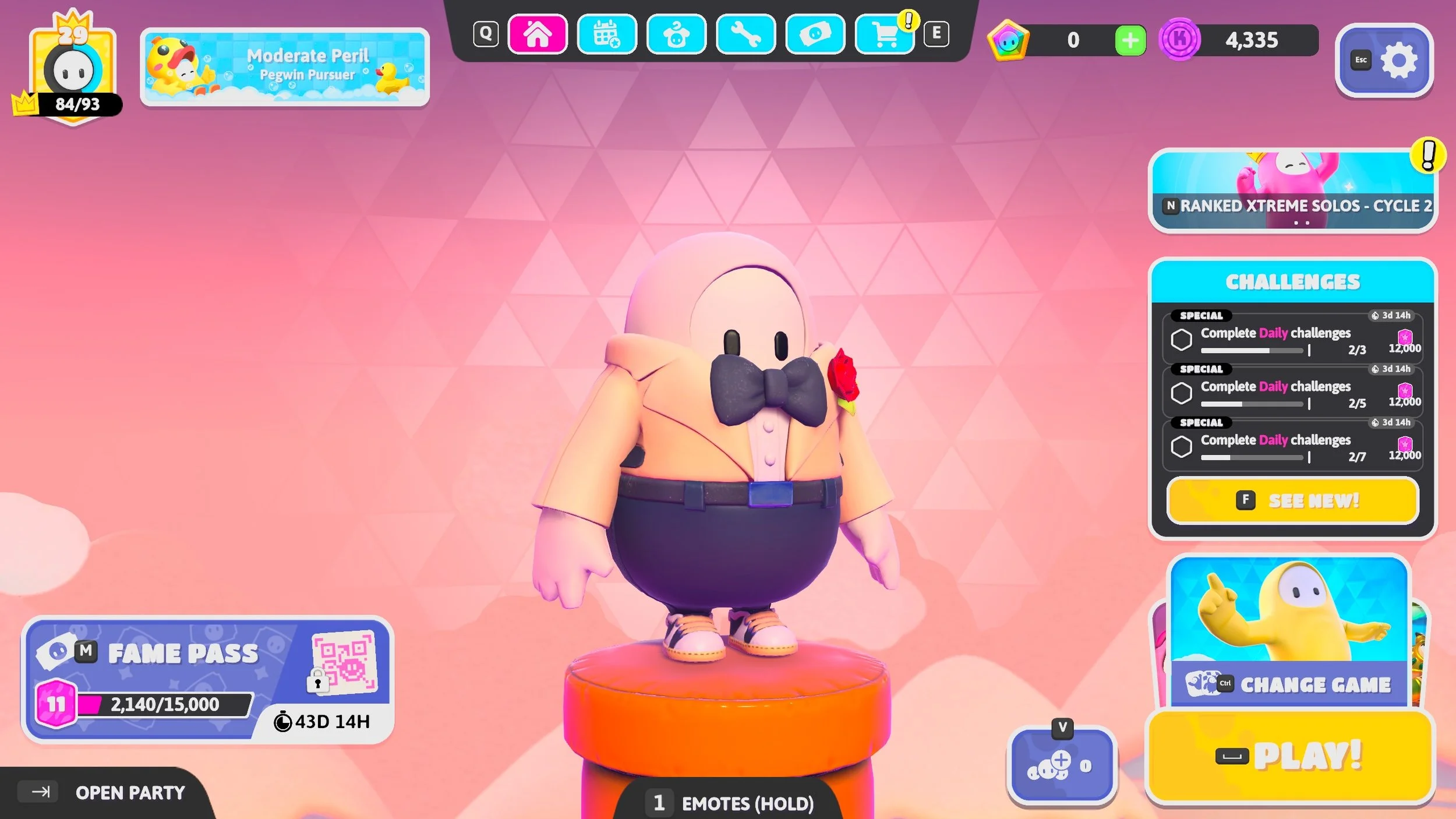
I’ve been playing Fall Guys since its launch in early 2020, during the start of the pandemic. It is a fun, family friendly multiplayer game which is has proven popular with my grandchildren. Despite the game’s acquisition by Epic, it has maintained a sufficient level of popularity that has seen it ported to all major gaming platforms. Fall Guys is free to play but like most multiplayer games, there is a season pass and an in-game store. However, these monetised aspects are not essential to enjoy the game and the overall marketing of emotes and skins is nowhere near as invasive as it is in Roblox. In fact many of the players I see while in-game have default skins, indicating a regular casual player base. However, although game seems to be maintaining its popularity, it has several bugs that appear to be be persistent. Bugs that the developers claim have been resolved. Some can be addressed by players. Other at present cannot.

I find the concept of in-game radio stations fascinating. They’re an enjoyable aspect of open world video games and I have discovered several artists this way. They’re certainly a big deal as far as Rockstar Games are concerned, because the music selected for GTA VI is another important facet of the overall marketing campaign. So far, between two trailers and the sprawling extended look on Netflix, it has been determined that Tom Petty, the Pointer Sisters, Sexyy Red, Depeche Mode, Phil Collins, Birdman, Lil Wayne and the Bellamy Brothers are all part of the game soundtrack. That’s a very eclectic selection so far. Furthermore, there will be a 34 track album released on physical media (vinyl and CD) in conjunction with Atlantic Records.

Two years ago I wrote a post about fine tuning your graphics in the MMORPG The Lord of the Rings Online. Apart from installing ReShade and using AMD Adrenalin, the options were somewhat limited, due to the game’s age and multiplayer status. Since then, I’ve been playing LOTRO with the game settings maxed out, a custom ReShade profile to make the colour palette more vivid and Radeon Image Sharpening enabled within the AMD software. The game looks clear, crisp and the draw distance is pretty good for an ageing game but I still wish the graphics could be tweaked further. Hence, I’ve been trawling the internet in a vain attempt to see if I can find any third party utilities that could be used to enhance LOTRO further. During the course of my search I stumbled across DLSS 5 Manager. This is an open-source, intelligent utility and one-click mod installer designed to inject and manage Nvidia's DLSS 5 neural rendering features, ReShade, and OptiScaler into PC games.
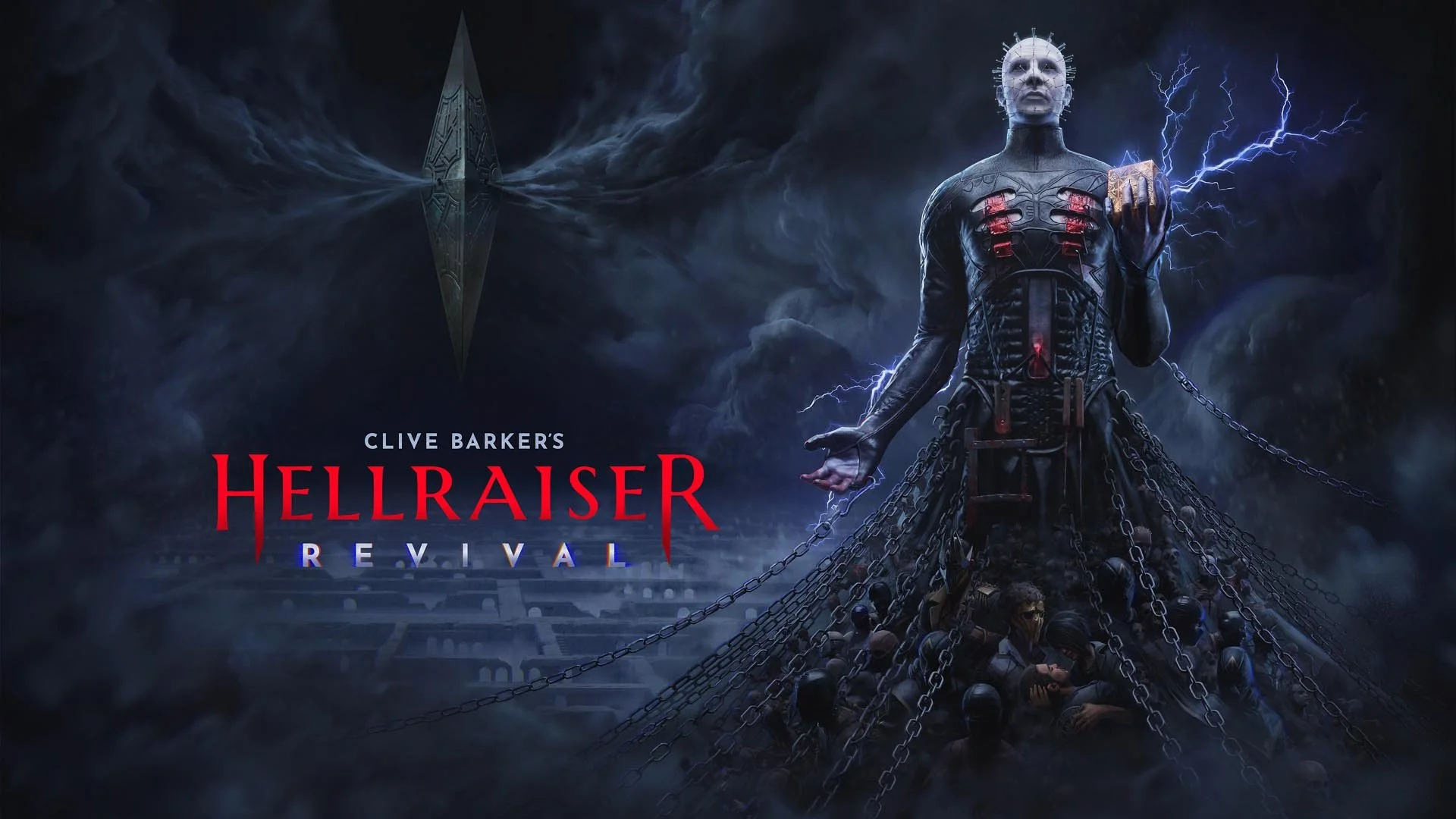
Hellraiser (1987) was one of he most innovative and intelligent horror films of the eighties, with its cerebral and sophisticated exploration of pleasure, pain and the supernatural. Sadly what was a great concept for a single film was turned into yet another horror franchise. The resulting series of increasingly inferior sequels ultimately diminished the central idea. However, in recent years several horror “brands” have found a new lease of life via the medium of video games, so the announcement of Hellraiser: Revival last summer piqued my interest. The fact that author Clive Barker was directly involved certainly raised my expectations. However, even though video games have a history of depicting sex and violence, would the medium be able to fully embrace the true nature of Barker’s original novella and original film. Having played through the newly released demo for Hellraiser: Revival, I believe the answer is a yes.
Are video games becoming easier? It’s a perennial subject that is frequently discussed by those who play them. Often the question of whether they have actually become easier is not the focus of the debate, as it seems to be broadly recognised that it is the case. Instead, discussion of this matter tend to drift into the rectitude of this change. Debate’s of this nature are usually awash with subjective opinions and personal preferences which are then put forward as objective facts. It’s not just a question of video games becoming easier, it’s the fact that making them easier is “wrong” and those who want them as such are “not proper gamers” etc. The hours that have been lost to this pointless, tedious debate are uncountable. However, I digress. Let us return to the matter of video games becoming easier, because although fans discuss this a lot and have plenty to say, you don’t often hear from the developers on this subject.
Some video games lend themselves to being set aside and resumed at a later date with zero consequences. These are often casual games with no major goals other than having fun while playing them. Fall Guys is a great example of this. You have a cartoony avatar that participates in zany group races, filled with obstacles. You run, jump, climb but the controls are far from difficult. You may well become skilled but such things are mitigated by the other players as they stumble around. You’re not at the mercy of apex players or “try hards”. It is not a game about winning and mastering techniques. The fun comes from playing it and the unique experience you have each time. I’ve been playing this game, on and off, since it’s launch in 2020 and in that time I have only ever won once (winning requires you to win a series of 4 to six individual races). However, whenever I pick up my controller and play Fall Guys, I have fun and the game lifts my spirits.
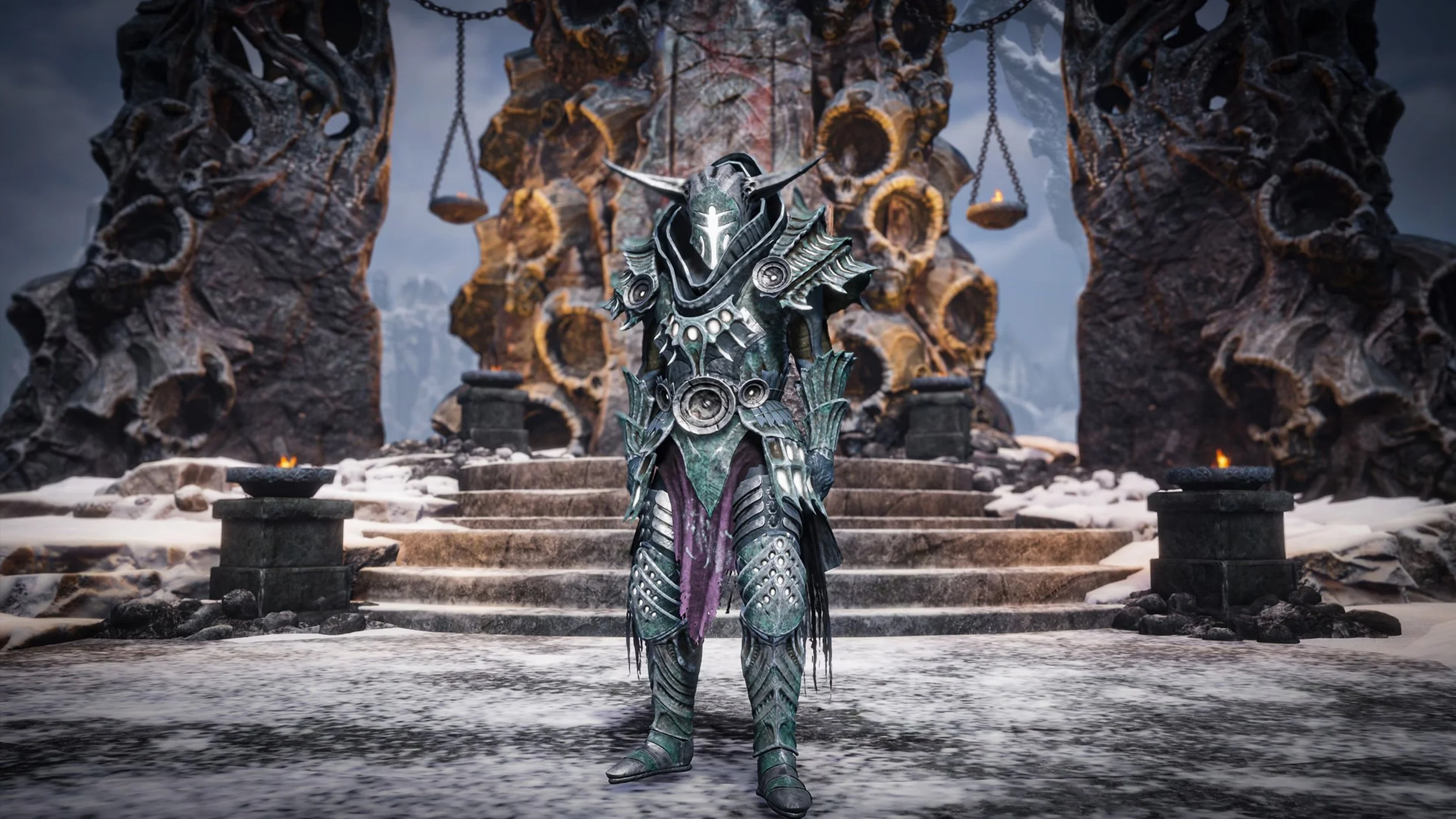
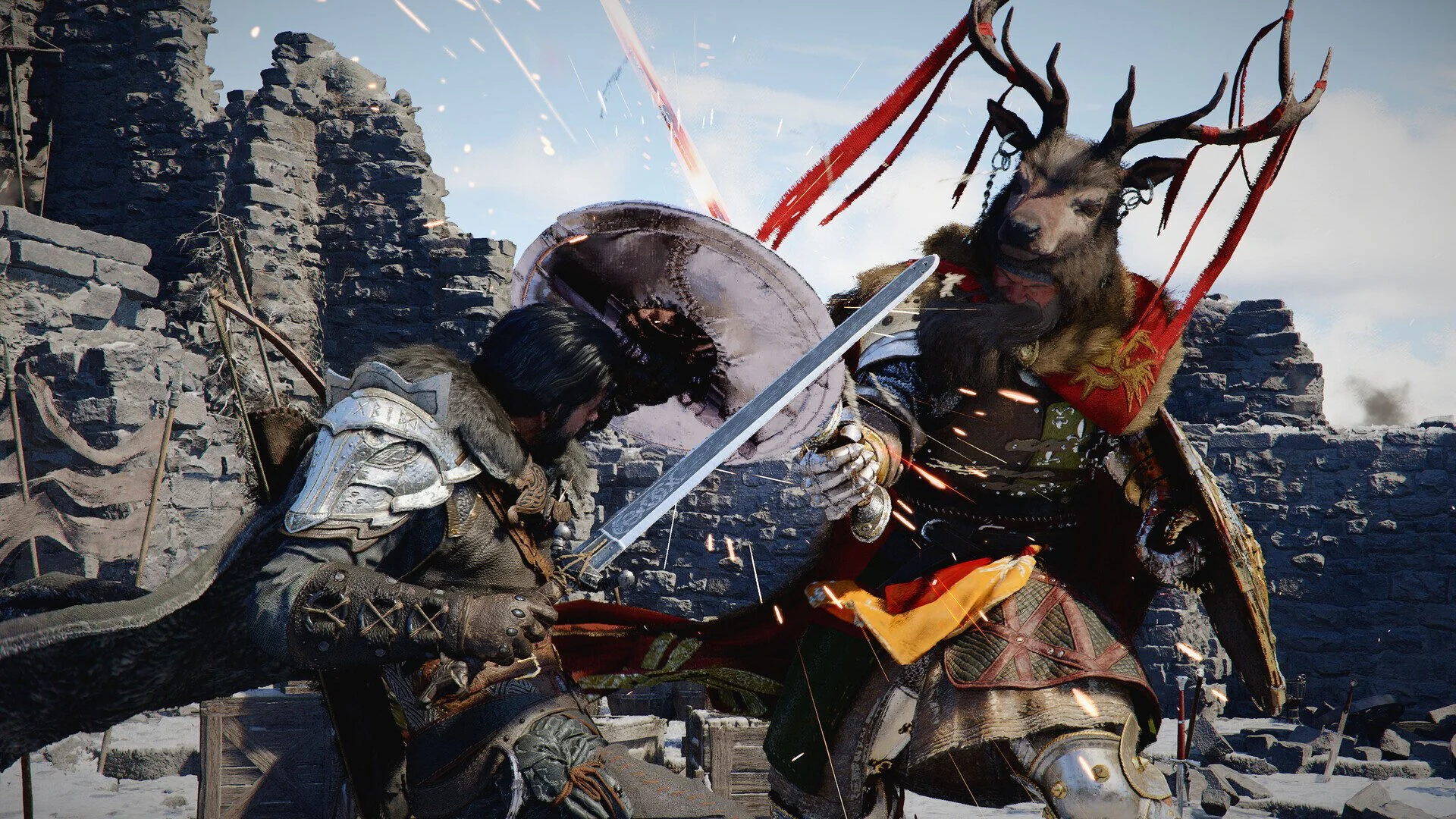
I recently completed the main story in Tainted Grail: The Fall of Avalon. In total I spent about sixty hours playing the game. I began at the start of the year, then took a break for a while but returned to it recently because I wanted to see if I could unlock a specific ending. I did manage to do this. Like so many other RPGs, Tainted Grail: the Fall of Avalon has a central storyline, along with a wealth of side quests, based around factions in specific zones. I think I possibly completed about a two thirds of these. However, once I finished the main story, my interest in the game began to wane. I finally left my character in the last major quest hub in case I wish to return at a future date. I then logged out of the game and uninstalled it from my PC to free up space for whatever I was to play next. In this case its The Sinking City 2. None of this is a negative reflection on Tainted Grail: the Fall of Avalon. I enjoyed the time I spent playing this quirky RPG. I simply had my fill and left to play something else.

On Tuesday 11th April, Aspyr Media rather surprisingly re-released The Lord of the Rings: War in the North, a co-op action-RPG from 2011. This game was delisted in late 2019, possibly due to changing rights ownership or a license expiring. Hence, I was somewhat discombobulated by the return of this title to all major gaming platforms. Mind you, the Embracer Group (through its subsidiary Middle-earth Enterprises) still controls the worldwide commercial and video game licensing rights for The Lord of the Rings and The Hobbit. Furthermore they have explicitly stated that they have plans for more games. It would appear this also means re-releasing and updating old favourites. It is also worth noting that they own Aspyr Media, which is also a bit of a giveaway. Let it suffice to say that this re-release and sparked enthusiastic online debate as to whether any other he Lord of the Rings themed games from the same era will receive a similar makeover. Judging by the internet chatter, there’s potentially a market for them.
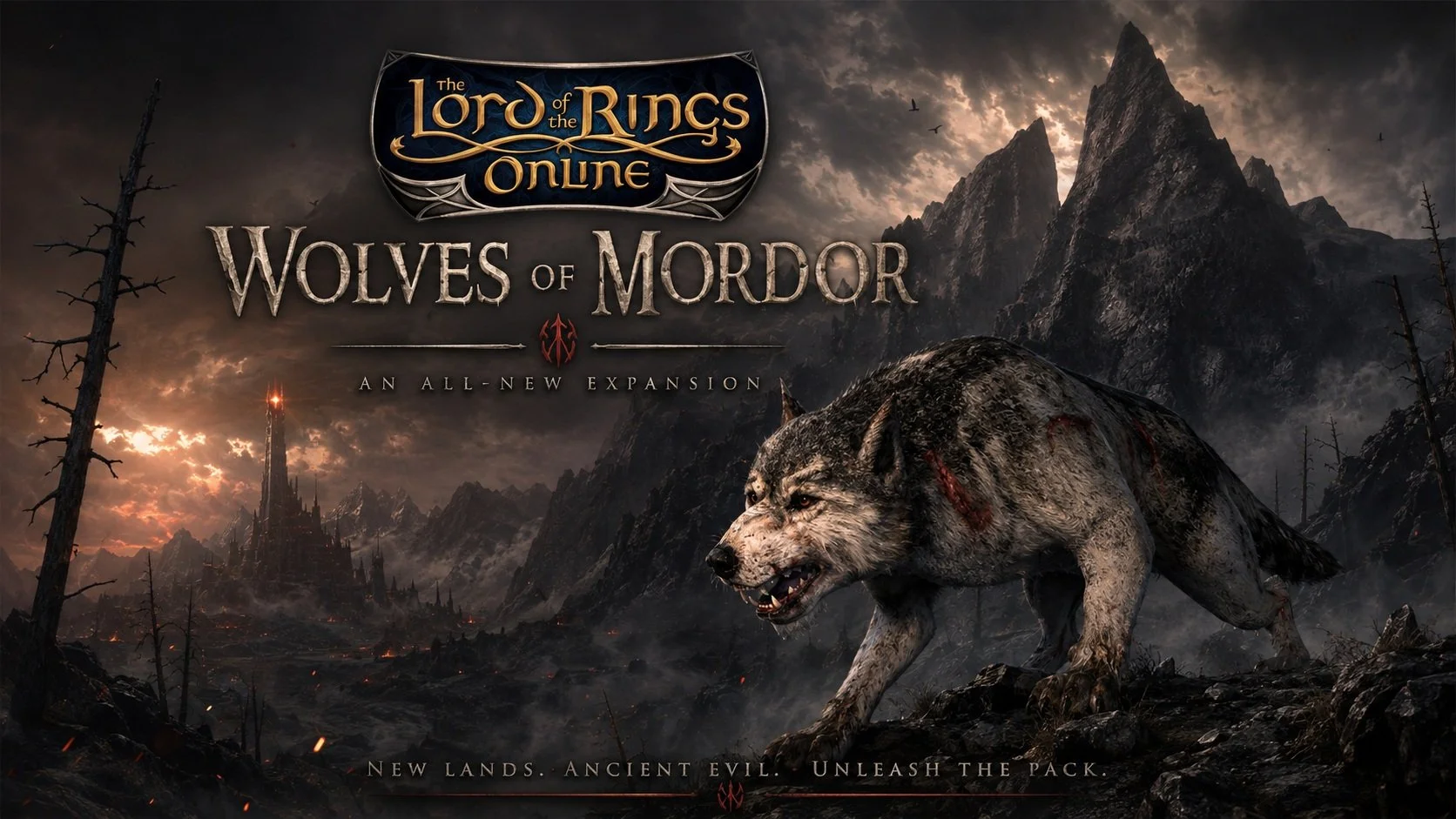
The next expansion for the MMORG, The Lord of the Rings Online, was announced on the 1st August, via the gaming website MMORPG.The Wolves of Mordor, which will launch later in the year, appears ambitious in scope as it will include two new game systems as well as the obligatory story update. This expansion takes place in Draugardh located in the North East of Mordor, beyond the Plateau of Gorgoroth. It includes the new zones of Heledhris, Parth Rhavas and Nan Ogol. These vary environmentally ranging from the arid, volcanic and semi-tropical. Players will encounter the Daugrim in these regions, Werewolves but not in the modern sense. This is not the lycanthropy of Eastern European legends but in the established Tolkien idiom of fell spirits inhabiting the bodies of Wolves. The region also sees the return of the Woses and players can expect to encounter Elves and scouts from Gondor. As ever with LOTRO expansions, there will be new instances as well as a raid.
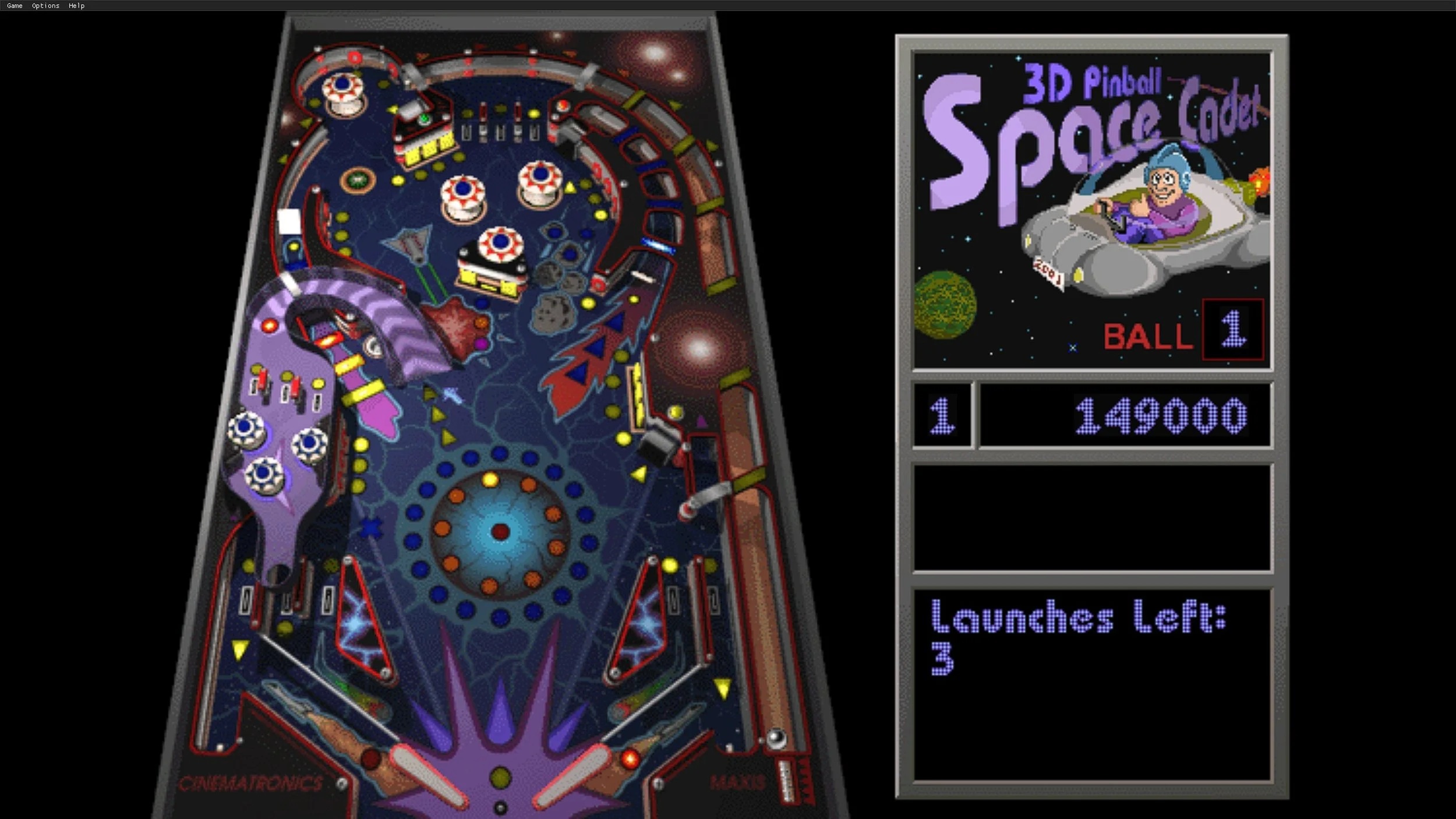
This is a post about the power of nostalgia and how sometimes, interacting with something from your past, be it physically or mentally, can produce a very strong and tangible emotional reaction. In some instances, this can be the result of something that you have specifically set out to do. On other occasions you can wander into a sense of nostalgia purely by chance. Today I experienced a very strong sense of nostalgia while watching a YouTube video and then again when I sought to replicate what I had seen. The video showed someone installing Windows 95 on to an old 486 PC from that era. The Window’s start up sound really touched a nerve (but in a good way) and then when the guy in the video launched Space Cadet 3D Pinball, a game that shipped with the operating system, I felt a strong compulsion to track down a copy and install the game myself, thus revisiting something that was an integral part of my life in 1995.
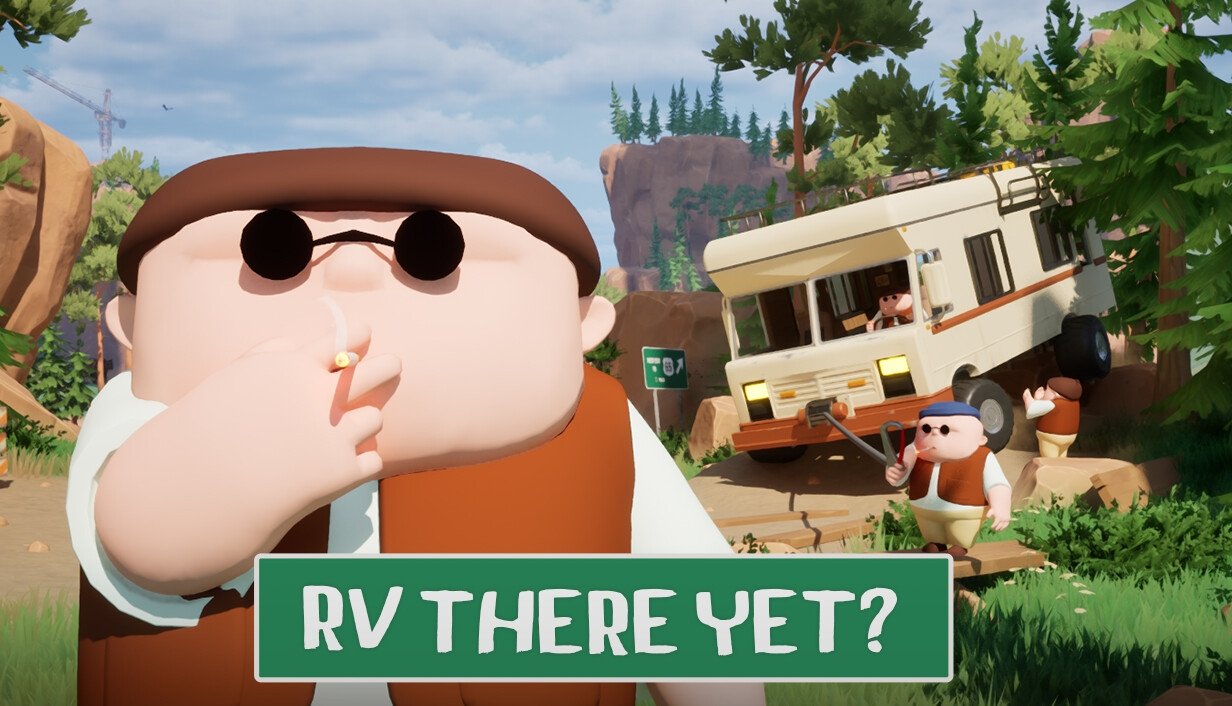
RV There Yet? is possibly the most entertaining game I’ve never played. My vicarious pleasure regarding this title has come exclusively from watching two popular YouTubers, JackFrags and WillFromWork, play through the game over a series of videos. It has been immensely amusing to watch and I have empathised a great deal as the group of four players has struggled with the game’s unpredictable mechanics and their own team’s dynamic. I could go and buy RV There Yet? myself but I doubt if I would ever have a gaming experience anywhere close to what I’ve watched online recently. So in some respects watching these videos has been an interesting alternative as I’ve been entertained, which ultimately is the point of video games. Perhaps there is a deeper philosophical point here that the game developers should reflect upon, as they’ve lost a potential sale. However, that is separate discussion for another day.
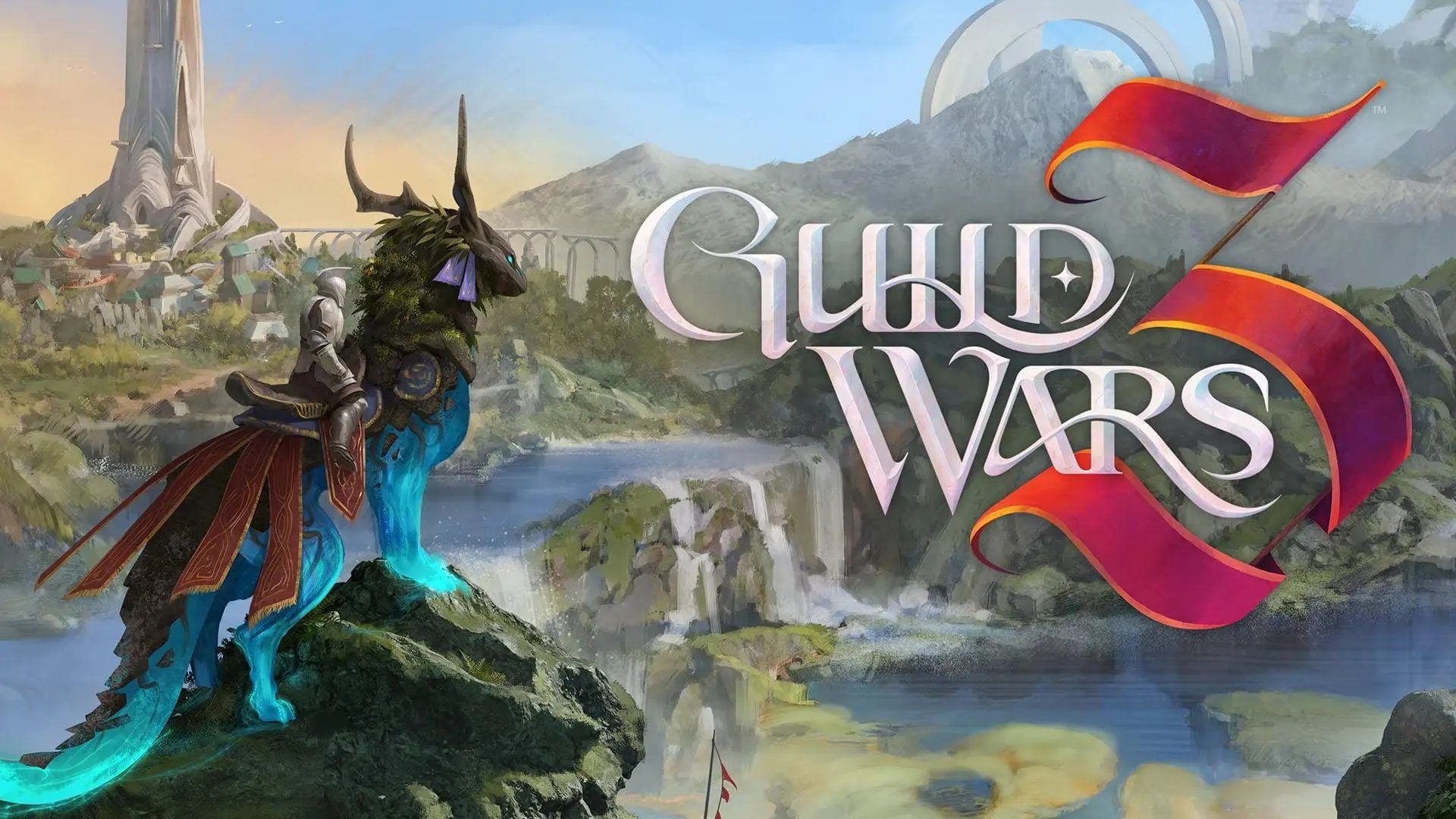
I don’t keep up with gaming news as much as I use to but several noteworthy announcement have come to my attention of late. Firstly, there’s an expansion, Songs of the Past, coming for the Witcher III: Wild Hunt in 2027. No doubt this is to pave the way for the Witcher IV. Next, I also found out about Hand of Fate: Horde. I liked this franchise and was saddened to learn that the original studio, Defiant Development, closed. Hence is was a pleasant surprise to see this new game being developed by members of the original studio. The third announcement was regarding Guild Wars 3. A new MMORPG in active development by a major studio is no small feat and is certainly good news for fans of this franchise and the genre per se. However, once you look beyond this news this announcement raises several questions and has certainly given me pause for thought. Let us take a few moments to consider them.
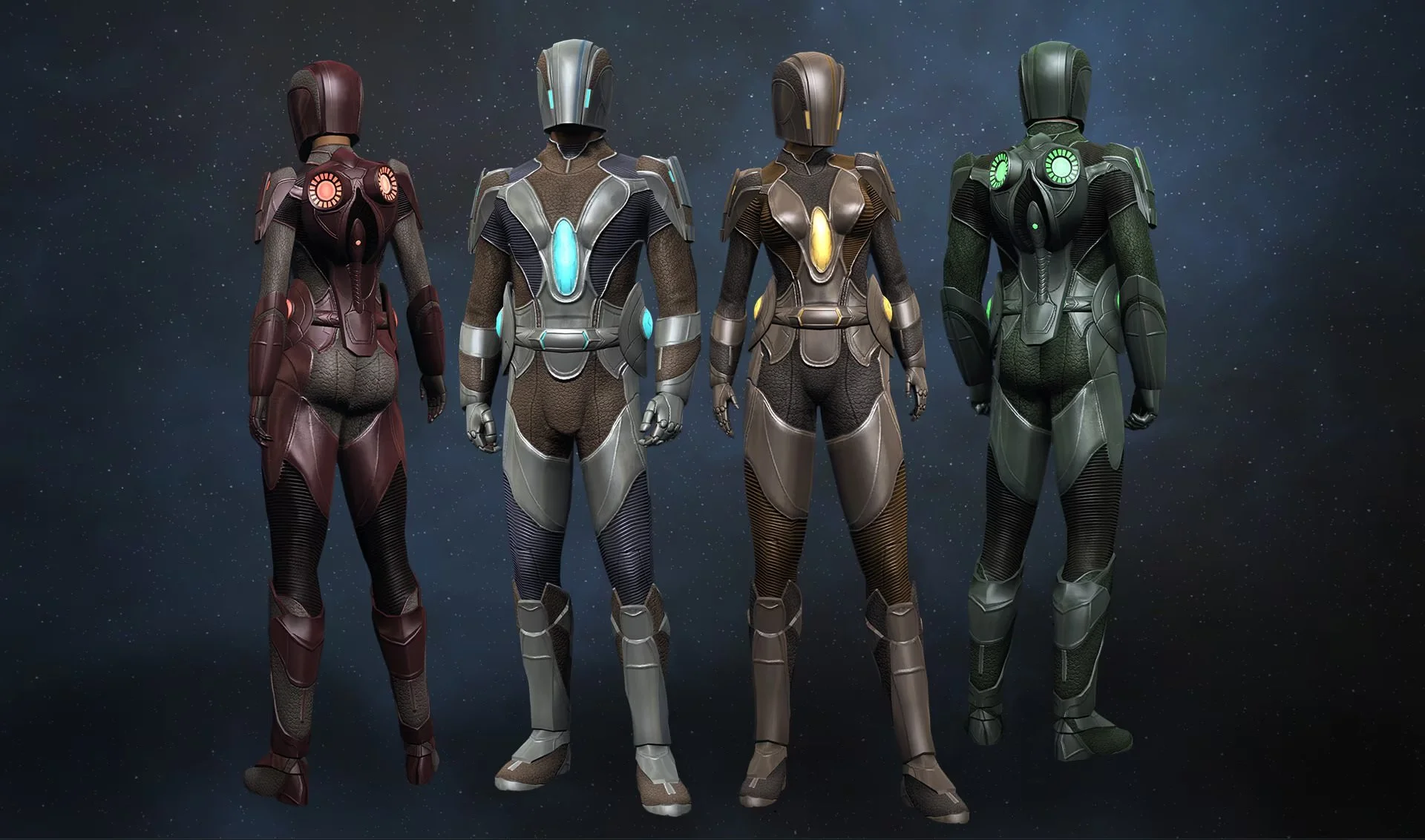
Star Trek Online has many in-game systems that are common to the MMORPG genre. The reputation system is one such example. In STO there are 13 reputation factions. Once a player has reached level 50 they may start progressing through the 6 reputation tiers of each one. Players gain progression through daily projects (20 hours in duration). Hourly projects are also available though they yield less reputation advancement and are limited to three times a day. Hence 20 hour projects are consider by default the most efficient way to gain rep. Projects require 30 Faction Specific Marks (earned via various activities in-game), 15,000 Energy Credits (standard in-game currency) and 2000 Expertise points. The most efficient way to tackle the reputation grind is to build up the necessary resources in advance and then at a designated time each day, start all 13 respective projects. Upon completion projects yield a player bound lockbox containing a random space or ground weapon, a console or Elite Marks which can be used to acquire faction gear.

Thursday 29th October was a milestone for Project Questa. I completed the core build for the utility after copious testing. Over the last week several issues have come to light over such things as the size of the quest bestowal window, OCR mistaking punctuation for text and voice latency during narration. All of which have now been resolved to a degree that is acceptable. During the course of solving these problems a lot of ideas and considerations have emerged and as a result, I think it best to set out an overall scope of work for Questa. This is to avoid mission creep and to set out clearly what Questa will and will not offer. Furthermore this list is now effectively closed, so I have a clear path set before me. It is also worth noting that as this is a “one man band” project, I reserve the right to pack it all in, if circumstances dictate. I don’t plan to do so at present but life can play wild cards from time to time.