
A Year in Social Media
Although Twitter has changed a great deal since 2010, when I first joined, I still find it very enjoyable experience. It is my primary social media platform compared to Facebook and Instagram. Don’t get me wrong, I’ve had to mute several people (including some whom I like) and a ton of keywords over the last twelve months, so my timeline doesn’t become a portal into the seventh circle of hell. Contrary to the usual arguments that get trotted out, I don’t live in an echo chamber. I follow a diverse and eclectic group of people with a broad range of view and opinions. I simply filter out those who hold a binary view on all major issues and have with a predilection for being bellicose, bombastic and crass. If your default reaction to everything is get angry first and ask questions later, I think I can live without your opinions. Be that as it may, 2017 has been an especially rewarding year with my Twitter friends and I have greatly appreciated their company.
Although Twitter has changed a great deal since 2010, when I first joined, I still find it very enjoyable experience. It is my primary social media platform compared to Facebook and Instagram. Don’t get me wrong, I’ve had to mute several people (including some whom I like) and a ton of keywords over the last twelve months, so my timeline doesn’t become a portal into the seventh circle of hell. Contrary to the usual arguments that get trotted out, I don’t live in an echo chamber. I follow a diverse and eclectic group of people with a broad range of view and opinions. I simply filter out those who hold a binary view on all major issues and have with a predilection for being bellicose, bombastic and crass. If your default reaction to everything is get angry first and ask questions later, I think I can live without your opinions. Be that as it may, 2017 has been an especially rewarding year with my Twitter friends and I have greatly appreciated their company.
Like many people of my age, I’ve found that my personal social circle has shrunk over the years. It is simply the reality of growing older. I have a handful of close friends who I endeavour to see every few months, but my social life isn’t anything like it was when I was twenty. But I’m fine with this because I regularly interact with like minded individuals on Twitter. Through the process of day-to-day banter, I’ve got to know a lot of people. Despite being from various corners of the globe and different backgrounds, there is so much common ground. I like to check in with folk on Twitter, exchange ideas and post pictures and anecdotes about the absurdity of life in the UK. It’s great fun when others do the same and I find out about some minor cultural difference where they live, that I wasn’t aware of. Also, like some others out there, it’s been a difficult year for me. There’s been a lot of illness in my family. Sometimes the odd kind remark on social media can really make the difference. It has for me.
Although I still write and podcast, I no longer look to social media to drive traffic to my work. It actually makes up a small percentage of my blog traffic. Persistently posting material every day seems to be the best way to raise your profile but that’s a separate matter. Twitter now is mainly for fun and that is the way it will remain until it ceases to be so. However, I have learned a few things this year about the foibles of social media. I tweeted a minor political post to the TV and Radio broadcaster James O'Brien in Autumn, which he then subsequently retweeted. For the next two days my timeline was swamped by notifications of further retweets and comments that I was automatically copied into. It made conducting my usual badinage difficult. I also made the mistake of correcting someone who had misinterpreted something I had written. Sadly, as it was to do with an ongoing political demonstration, you can guess how it ended. For the next six hours I was copied into an argument that grew exponentially between so many people, that ignoring or muting them all became impossible.
I have two old friends that have moved to the US and we have a private Facebook page where we catch up. Apart from this one activity my relationship with this social media platform has declined. Frankly I’m bemused why it remains so popular with people, however a casual perusal of Facebook groups and pages has shown me why it is such a great tool for political propaganda. With regard to Instagram I’m afraid I have turned into one of those persons who just posts picture of his grandchildren. But this is the nature of social media. You use the platforms that suit you in a manner that fits your needs. If I were thirty years younger and embarking upon a career as a professional writer, I would certainly look into how to harness these powerful tools to my advantage. But I’m not, so I’ll more than likely just continue to post my own “unique brand” of humour online and hang out with my Twitter chums in 2018. And why not, as the late, great Barry Norman use to say.











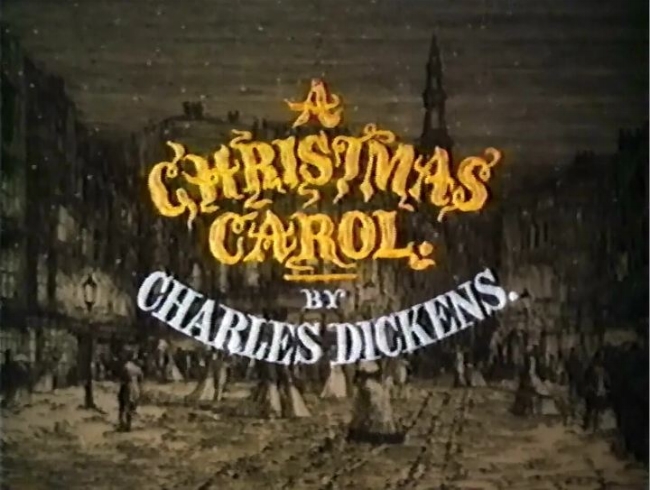
A Christmas Carol (1999)
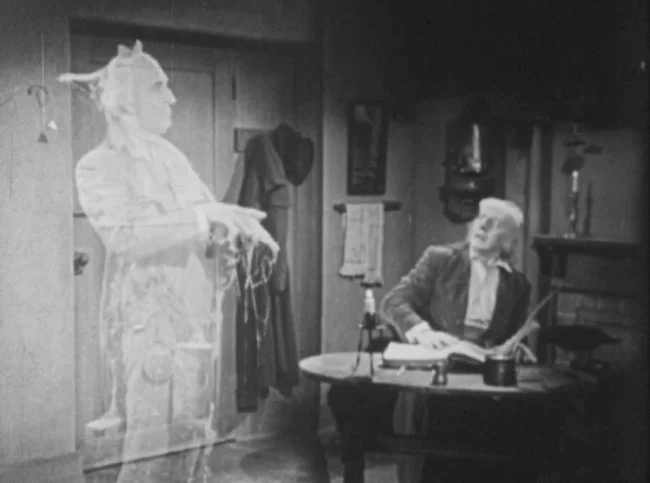
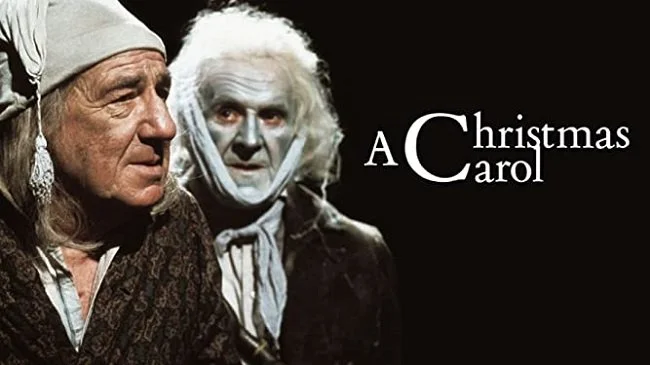
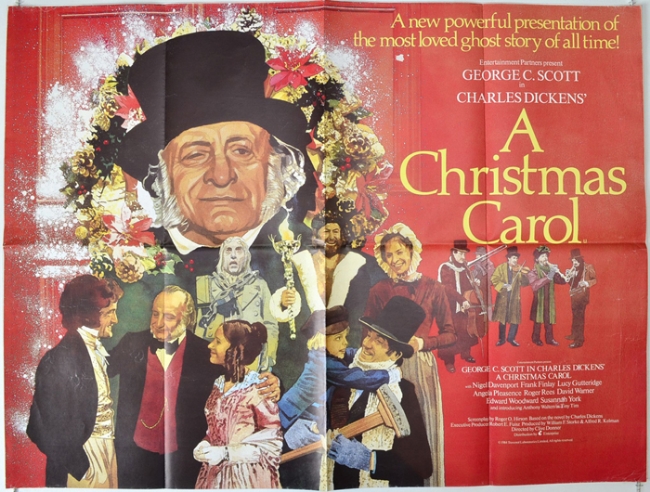
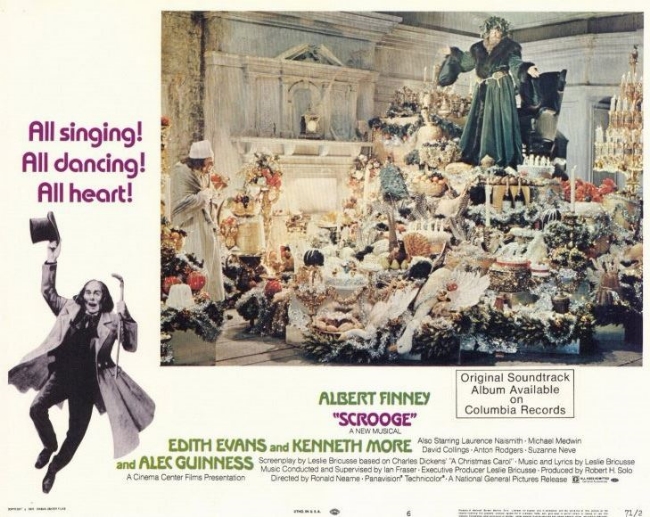
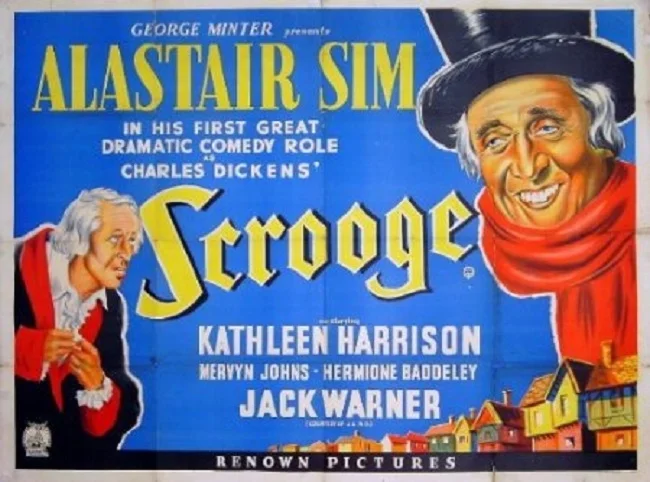
This version of Dickens novel is a very serious and somewhat sombre affair. Patrick Stewart not only stars in this 1999 TV movie but also has a producer credit. Anyone who is familiar with the actor will be aware of his long-standing passion for this tale, as he has starred in several one-man stage performances and narrated an audio book version. Stewart plays his Scrooge as more of an arrogant and aloof businessman. It’s a different Scrooge to that of George C. Scott or Alistair Sim. Here he is much more fearsome and bitter than he is cold and loathsome. Richard E. Grant is a touching, vulnerable Bob Cratchit, who looks decidedly poor and malnourished. There is a more tangible depiction of real poverty here than in other adaptations. The three ghosts are portrayed in a manner closer to the source text, although I could have done without the glowing eyes of the Ghost of Christmas Yet to Come.
This version of Dickens novel is a very serious and somewhat sombre affair. Patrick Stewart not only stars in this 1999 TV movie but also has a producer credit. Anyone who is familiar with the actor will be aware of his long-standing passion for this tale, as he has starred in several one-man stage performances and narrated an audio book version. Stewart plays his Scrooge as more of an arrogant and aloof businessman. It’s a different Scrooge to that of George C. Scott or Alistair Sim. Here he is much more fearsome and bitter than he is cold and loathsome. Richard E. Grant is a touching, vulnerable Bob Cratchit, who looks decidedly poor and malnourished. There is a more tangible depiction of real poverty here than in other adaptations. The three ghosts are portrayed in a manner closer to the source text, although I could have done without the glowing eyes of the Ghost of Christmas Yet to Come.
In many ways, apart from Patrick Stewart’s presence, what makes this version of A Christmas Carol standout from others is its attention to detail and the inclusion of many minor details from Dickens story. For example, Scrooge travels with the Ghost of Christmas Present and visits people from all walks of life celebrating Christmas. This includes Lighthouse Keepers, Sailors, Coal Miners and even convicts in Prison. It’s an important aspect of the text that shows how Scrooge slowly begins to understand the wider meaning of Christmas and its significance to people. There’s also a greater focus upon Fred’s Christmas Day party which provides an explanation as to why he doggedly indulges his obnoxious Uncle year after year. We also get to see more of the escapades or Mr Topper, who is conspicuously single.
It’s a curious thing that for a production that spends so much time and effort, bringing such an accurate depiction of the story to the screen, it paradoxically makes quite a few changes to the original colloquial dialogue. Perhaps this was a conscious decision to try and make the film more accessible to contemporary audiences. Given the budgetary limitations, the film has quite a handsome production design although it can be a little studio bound at times. Overall this is a sufficiently different production that maintains one’s interest, despite being familiar with the story arc. If I were to venture one criticism of this version, it would be that it does feel at time more like a lecture on Dickens’ work, lacking in personal warmth. Yet it compensates for this with its level of detail.





Why I'm Still Sceptical About Virtual Reality
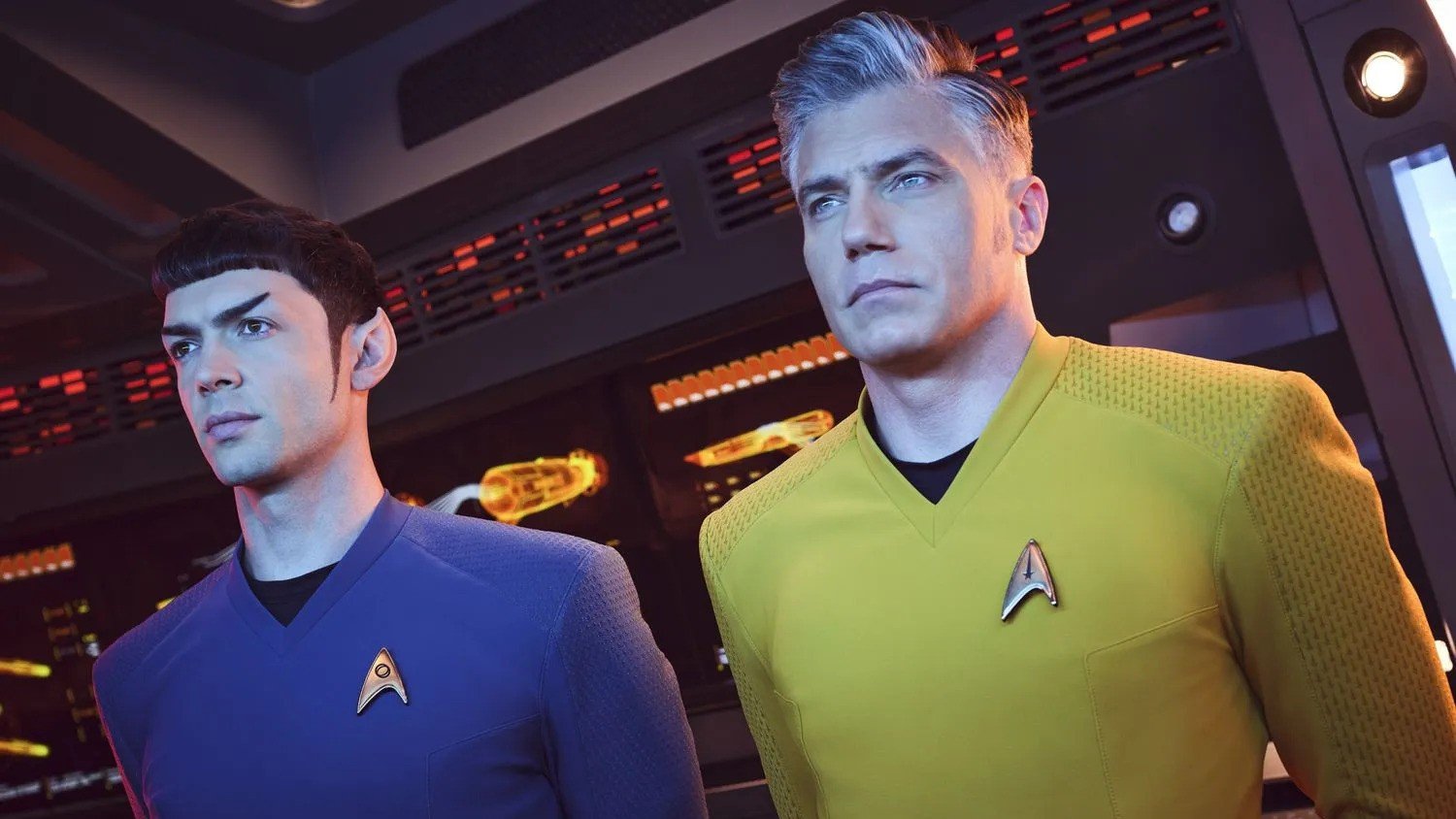
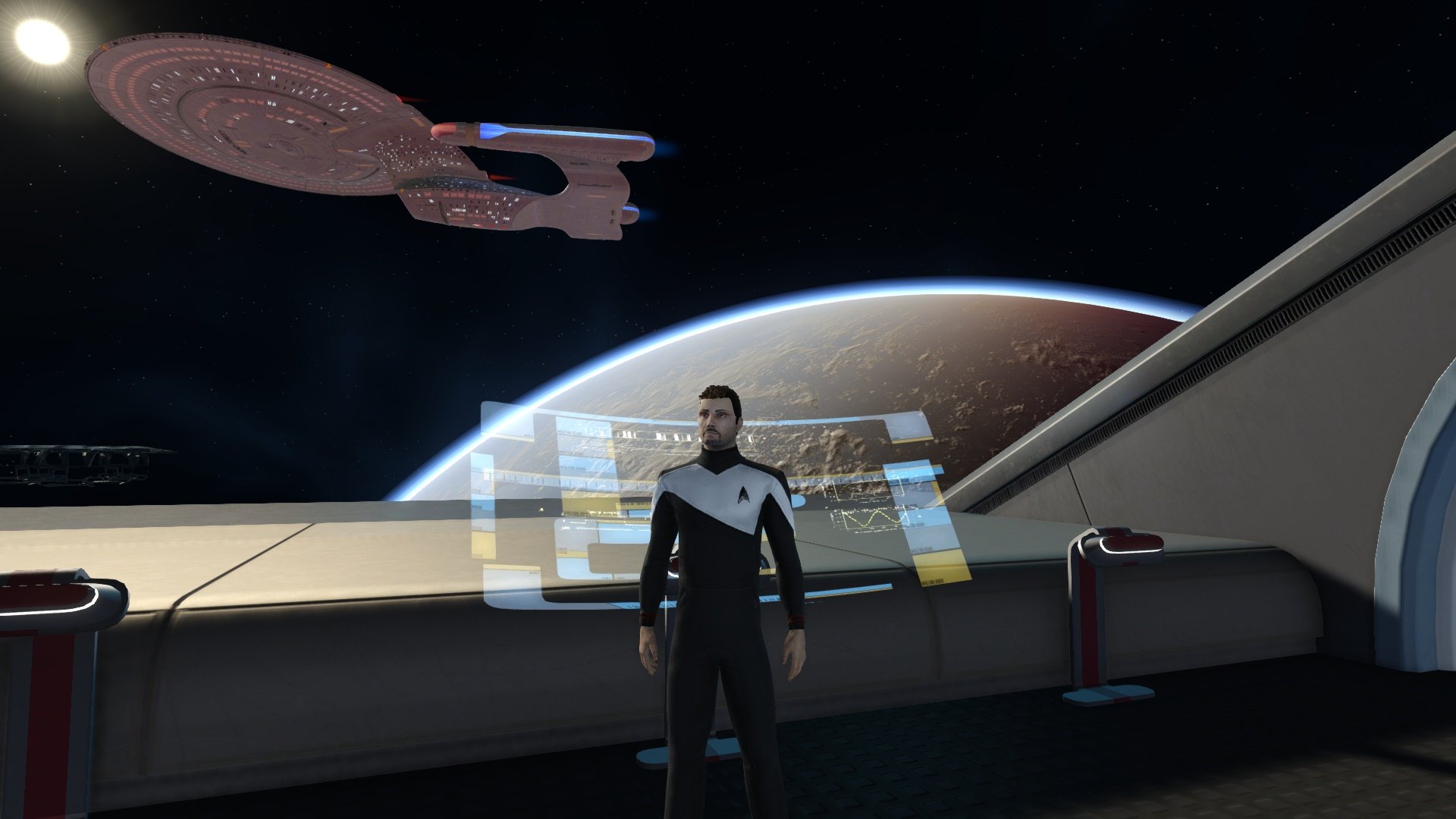
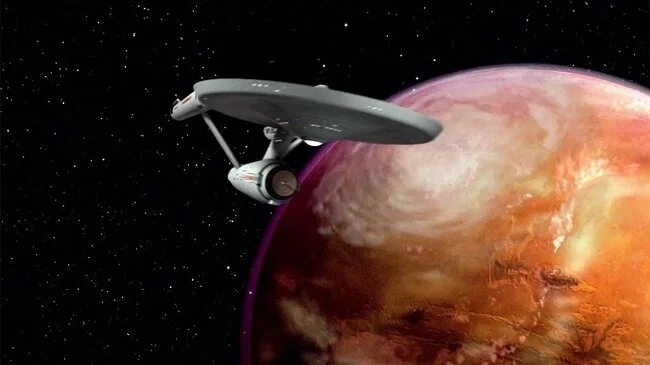
Earlier today I Star Trek: Bridge Crew as it’s currently on sale reduced by 50%. Now you may politely think to yourself “what has that got to do with the price of Brussel Sprouts”? Well, it is a game that has been primarily designed for use with a VR headset. However, the latest patch released yesterday, allows for the game to be played conventionally without a VR headset, using either a controller or keyboard and mouse. If we take a moment to pause and reflect on this change it is quite significant. A VR game just opted to broaden its appeal and accessibility. Does this not tell us something about the current uptake of VR gaming? Is it a case that it is not the industry “game changer” that some predicted? Surely not, I here you say.
Earlier today I Star Trek: Bridge Crew as it’s currently on sale reduced by 50%. Now you may politely think to yourself “what has that got to do with the price of Brussel Sprouts”? Well, it is a game that has been primarily designed for use with a VR headset. However, the latest patch released yesterday, allows for the game to be played conventionally without a VR headset, using either a controller or keyboard and mouse. If we take a moment to pause and reflect on this change it is quite significant. A VR game just opted to broaden its appeal and accessibility. Does this not tell us something about the current uptake of VR gaming? Is it a case that it is not the industry “game changer” that some predicted? Surely not, I here you say.
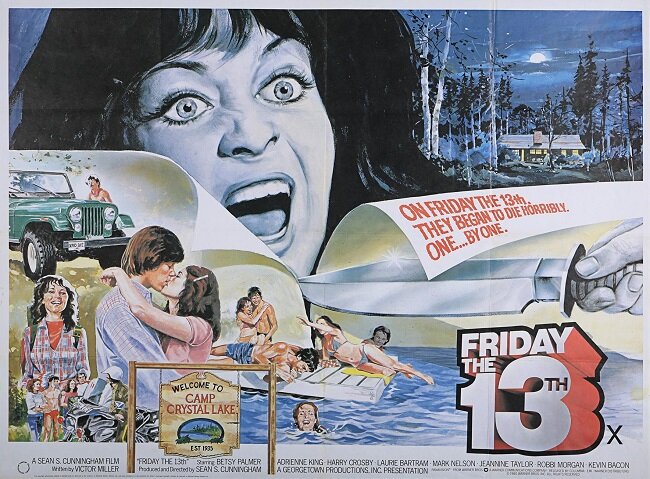
I consider the subject of virtual reality in gaming to be very akin to that of 3D and 48FPS in cinema. All have a place in specific markets and can potentially enhance certain products. But none of these enhancements are universally required for all future content. For example, I have always thought that 3D works best in key genres and that it's essentially gimmicky nature enhances horror movies and other material of a sensational and exploitative nature. Friday the 13th 3D was the epitome of this. However, a movie such as Glengarry Glen Ross does not require such a cinematic conceit. It really comes down to common sense. And therefore, exactly the same argument is applicable to virtual reality.
Specific genres of games would be enhanced immensely from a fully immersive 3D environment presented via virtual reality. Consider the sort of gaming experience VR could bring to Skyrim, Shadows of War or any of the major MMO? Yet I'm sure we can also think of a wealth of games that do not require such an all-encompassing embellishment such as this? Simplicity and a stripped back GUI are part of the appeal of a game such as Stardew Valley. I don’t think a title such as this would see any sort of improvement through being accessible in VR. Not every product needs to be adapted for this medium. However, can we rely on the gaming industry to be so discerning? Trends are seldom bucked and more often than not are slavishly adhered to.
For me one of the most off-putting aspects about VR is the requirement for a bulky headset to be placed on the head effectively isolating you from your real-world environment. It is one of the reasons why I don't like watching 3D movies for too long. I saw The Last Jedi recently in 3D (out of necessity), and due to its length watching in that format was particularly challenging. Likewise, I suspect a long gaming session with a VR headset would be curtailed once I hit a state of sensory overload. Nausea and motion sickness are already known issues. I hope that adequate research is undertaken regarding any potential long-term health issues. It only a matter of time before there is scaremongering in the tabloids about the perils of VR.
In some respects, VR is yet another example of the gaming industry becoming too enamoured with the technical trappings of its business. The best games ultimately have something far simpler at their core. An engaging concept or mechanic. A strong narrative or easy accessibility. If a game has these qualities, then the front end does not always have to be adorned with bells and whistles. Yet I suspect that only a few companies will have the foresight to realise this or the courage to be sparing with the use of virtual reality. I have a suspicion when an economically viable form of VR is achieved that there may be as much disappointment with them medium as there is joy. As for 2017, so far it has not proven to be the break-out year for VR.
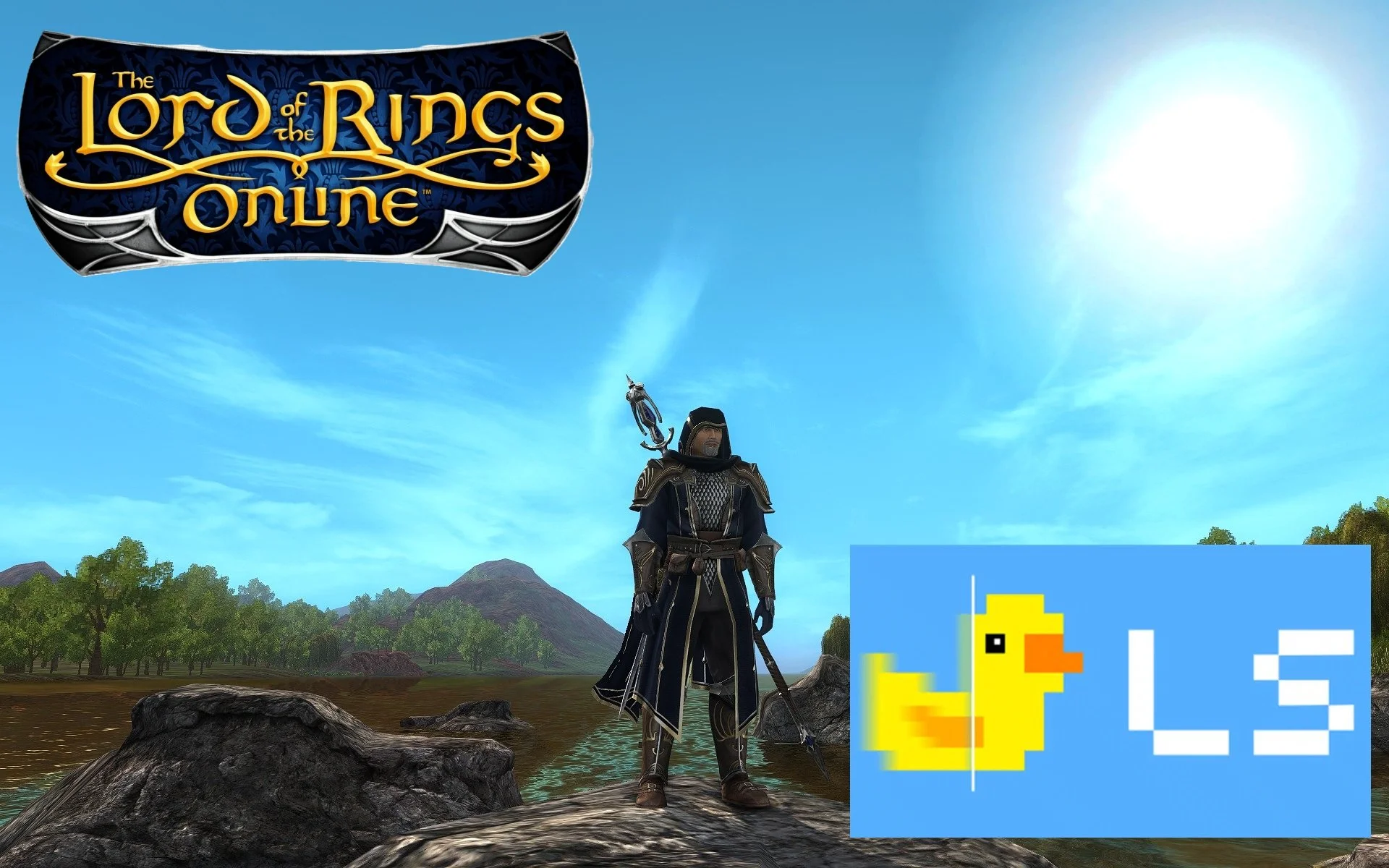
Classic Game Themes: The Lord of the Rings Online
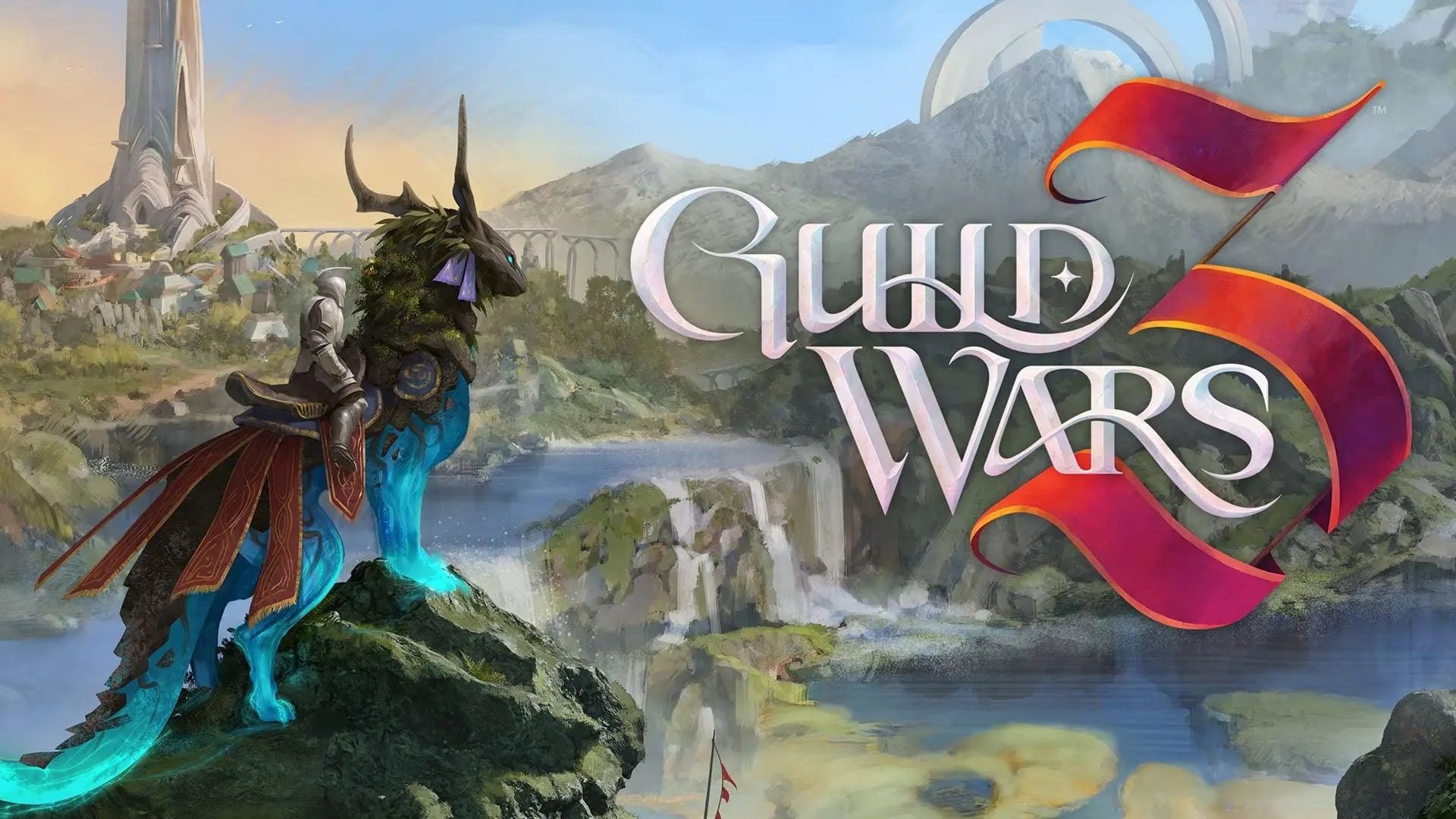
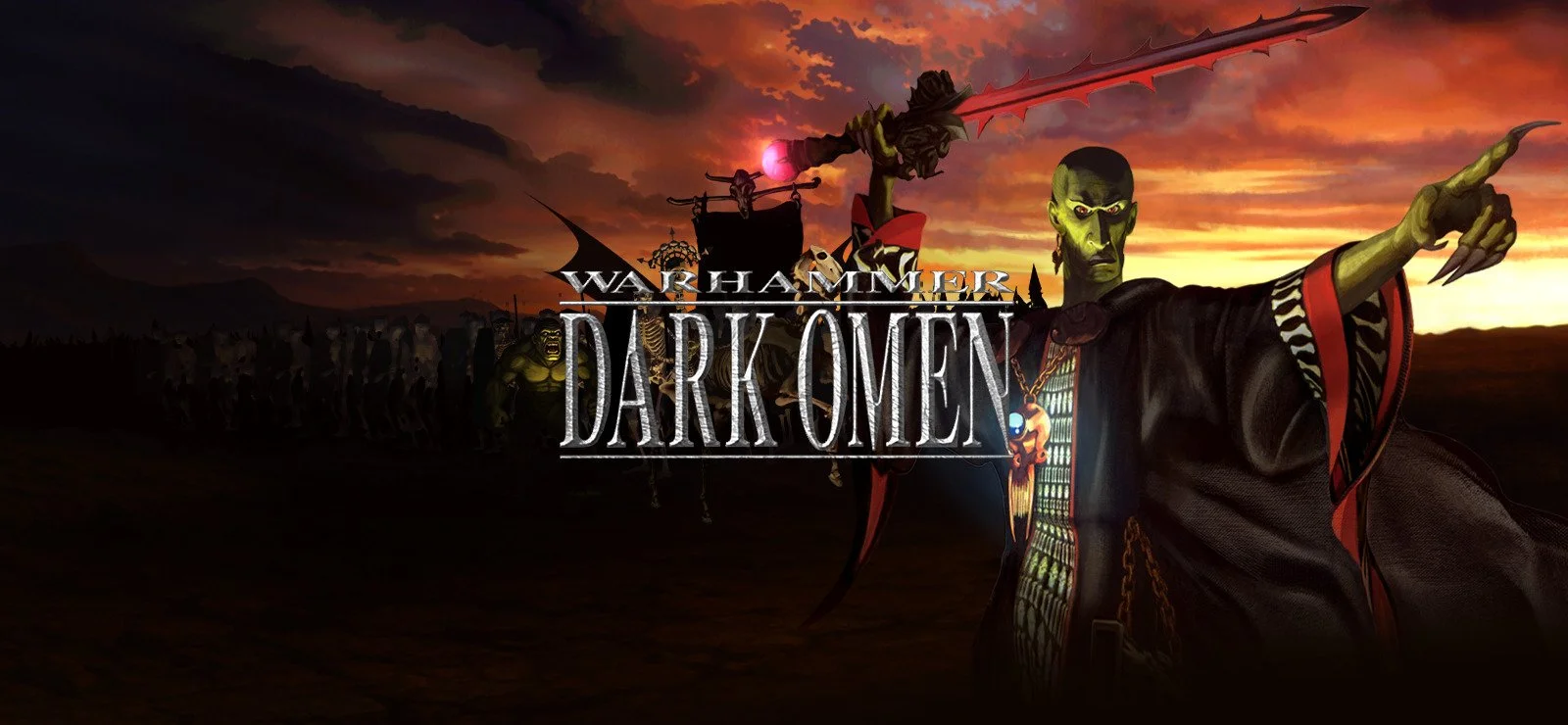
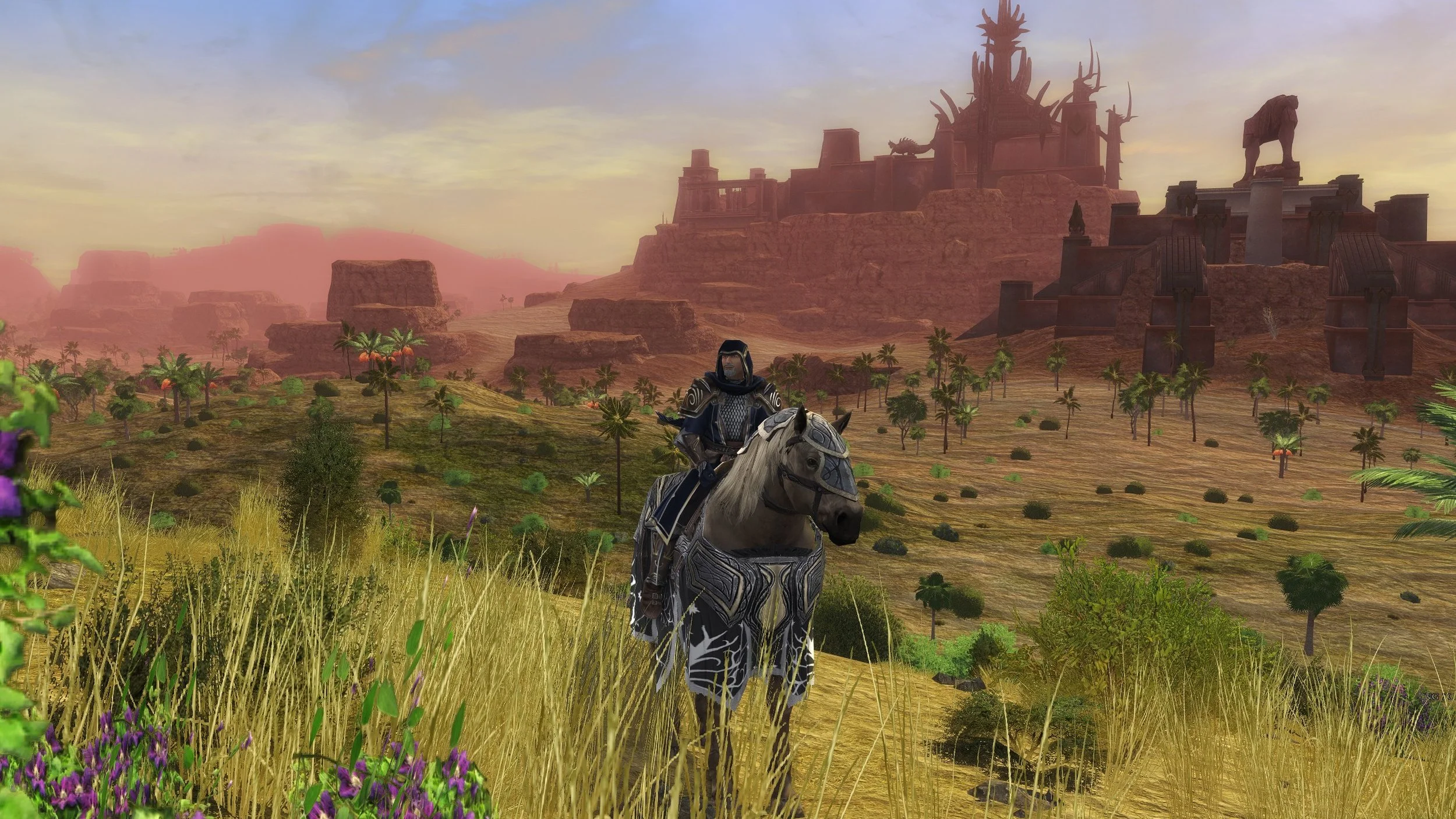
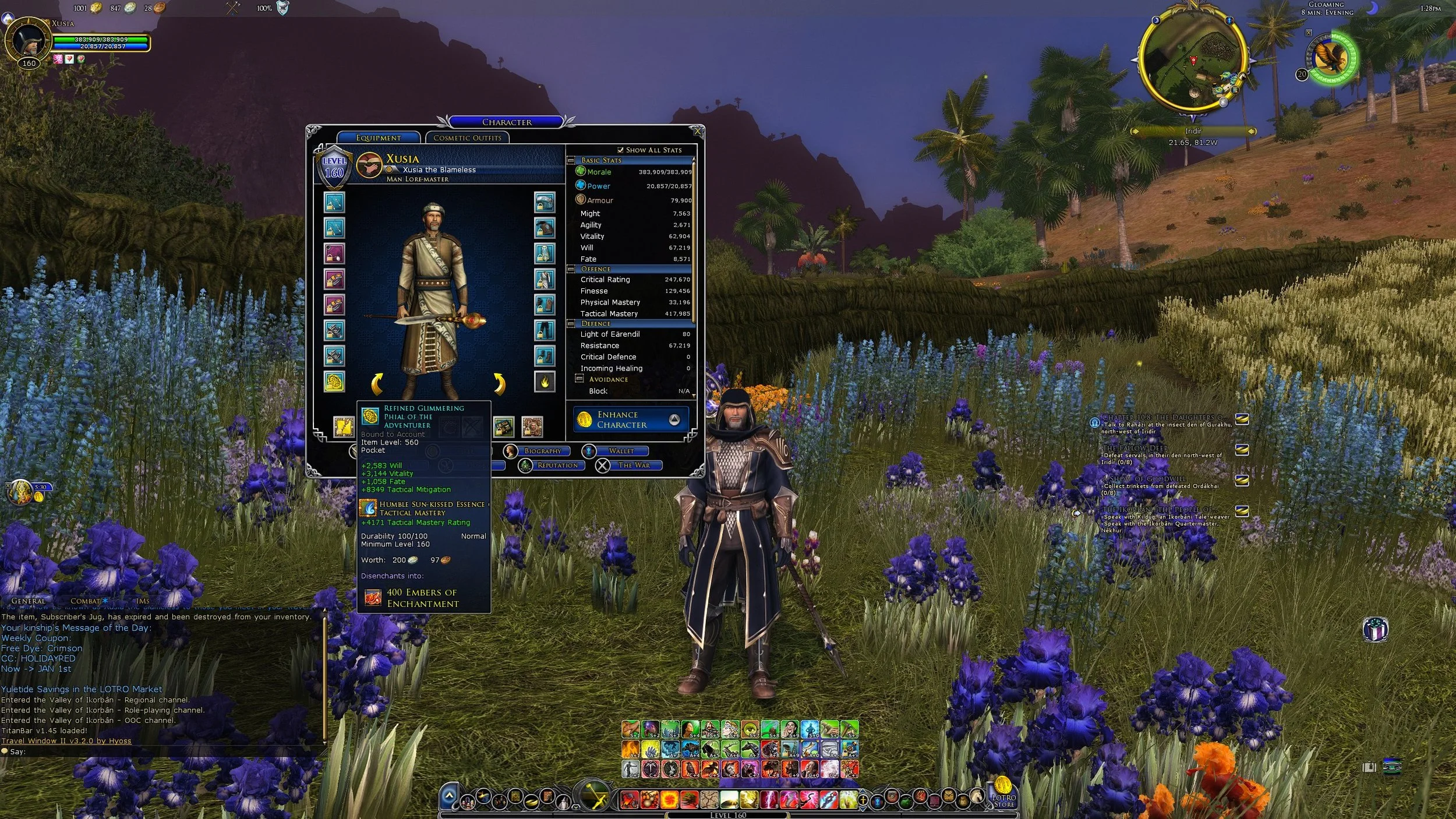
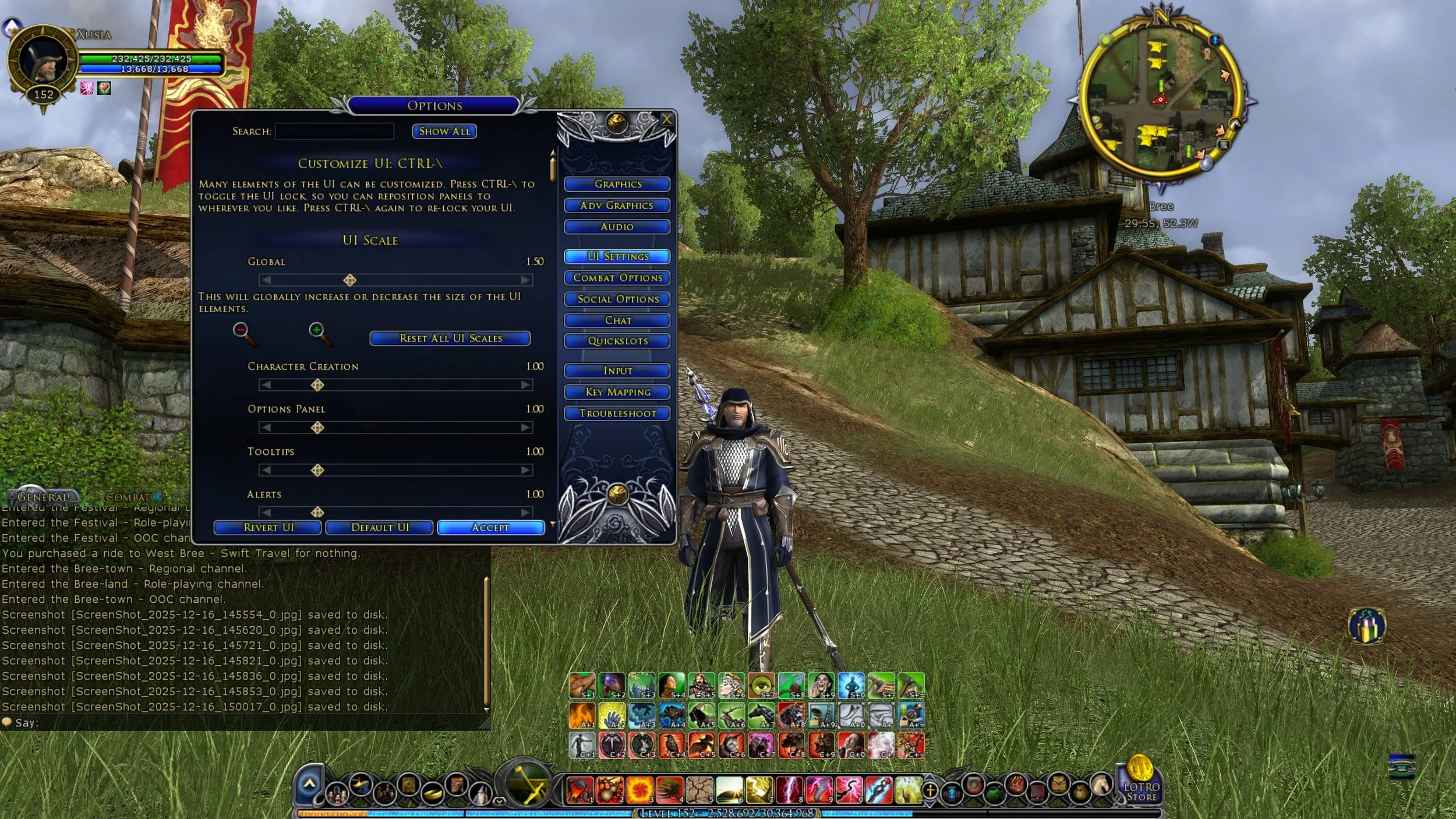
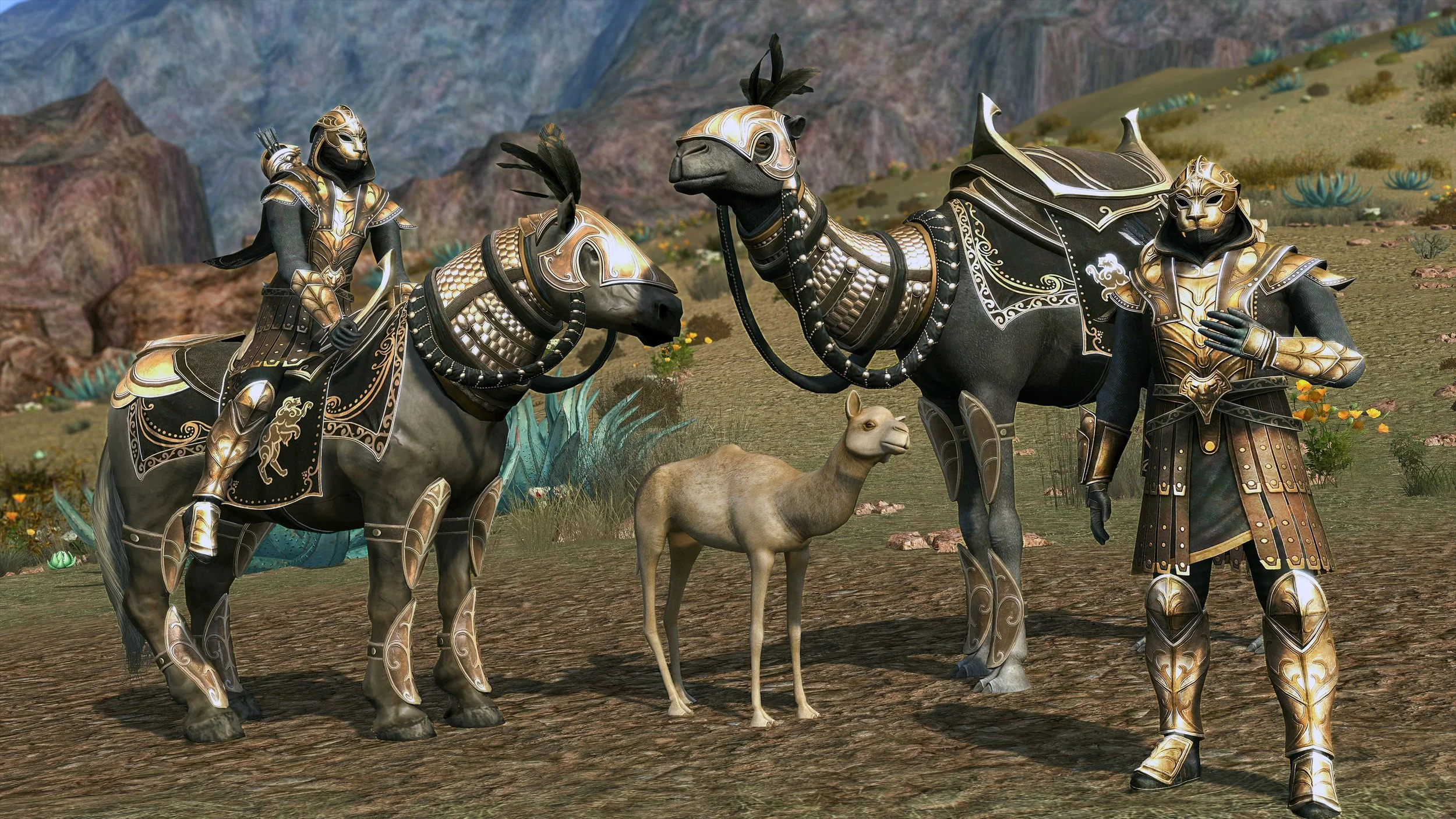
One of the most compelling aspects of The Lord of the Rings Online is its soundtrack. The score, mainly written by Chance Thomas and featuring additional material by Stephen DiGregorio, is comparable to that of any major feature film in its scope, sophistication and musical accomplishment. Chance Thomas favours a leitmotif for each race and culture which then vary as the game’s narrative progress. Stephen DiGregorio focuses more upon thematic or ambient pieces that capture the spirit of an area or region. Despite different styles and approaches, both composers contribute to a vivid score that has become an additional character in the overall game over the last decade. Middle-earth is an immense world with an ever-present sense of history and deep lore. The soundtrack for the game taps into this narrative vein and uses it to create a rich and nuanced audio soundscape.
One of the most compelling aspects of The Lord of the Rings Online is its soundtrack. The score, mainly written by Chance Thomas and featuring additional material by Stephen DiGregorio, is comparable to that of any major feature film in its scope, sophistication and musical accomplishment. Chance Thomas favours a leitmotif for each race and culture which then vary as the game’s narrative progress. Stephen DiGregorio focuses more upon thematic or ambient pieces that capture the spirit of an area or region. Despite different styles and approaches, both composers contribute to a vivid score that has become an additional character in the overall game over the last decade. Middle-earth is an immense world with an ever-present sense of history and deep lore. The soundtrack for the game taps into this narrative vein and uses it to create a rich and nuanced audio soundscape.
Over the past ten years, selected material from the games soundtrack have been available on limited edition CDs and digital download. Sadly, a comprehensive release has never been forthcoming. This year’s tenth anniversary saw a new compilation become available, but it contained only a few unreleased tracks. It is a great shame that a more substantial collection has not been produced as I believe there are plenty of dedicated LOTRO fans who would jump at the opportunity to own a comprehensive CD collection of the games entire soundtrack. At present the only way to access all the music contained within the game is data mine it from the installation files. This is a relatively complex task and produces a substantial directory of files in .ogg format, none of which are named.
Because the majority of music that features in LOTRO is written by Chance Thomas, he often becomes the focus of attention when discussing the games soundtrack. His work is of the highest calibre and he certainly seems to have a strong understanding of the musical needs of the game. As a result, his works sometimes eclipses that of Stephen DiGregorio. Personally, I do not consider Stephen’s work to be inferior. There are several of his tracks that I have great affection for. If I have one complaint it is mainly to do with the arrangement, which at times sounds like it is using the most basic of synthesisers and musical sequencers. However, I have often thought that this has been due to budget. Hiring quality composers is more than likely expensive enough. Performing and recording with a full orchestra in a studio is probably prohibitive financially, hence there is a reliance on more economical solutions.
Because of my personal history with LOTRO (it was the first MMORPG that I played) and my enjoyment of the soundtrack, I thought I would post several tracks that are among my favourites. It’s a difficult choice as there is a decade’s worth of material to choose from spanning numerous updates and expansions. There is also a minor issue regarding track names as they can vary depending on what material you have. For example, on the original Shadow of Angmar soundtrack digital download there is a track called “Let us sing together”. This features again on the 10th anniversary CD under the name of “The House of Tom Bombadil”. It’s a minor complaint but it can cause a degree of confusion. Some of the tracks on the anniversary album are also alternative recordings or edited versions of the cues that feature in the game.
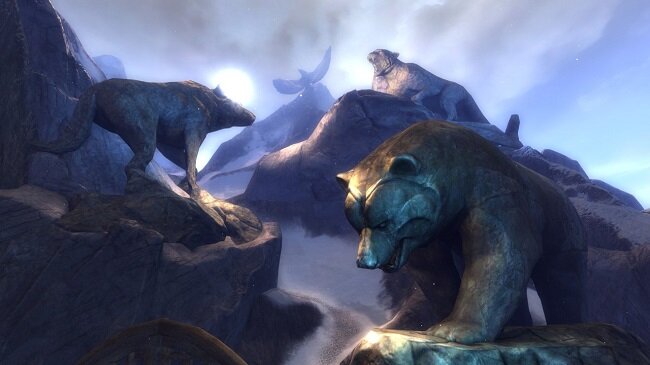
Silent Hope plays as you stand on the threshold of Bag End and look out across Hobbiton. Taken from the Shadows of Angmar soundtrack and composed by Chance Thomas, the track is the very essence of LOTRO. Whenever listening to this particular piece of music I always reflect upon Frodo and Sam embarking upon their momentous journey, yet holding on to their inherent Hobbit common sense and decency. It a sublime music cue.
The Hollin Gate is the first track on the Mines of Moria soundtrack by Chance Thomas. It a beautifully realised track that encapsulates the fading Elven beauty of the region. It also has a vaguely portentous quality to it, hinting at the mystery and adventure that lies ahead.
Triumphant Will is from the Helm’s Deep soundtrack by Stephen DiGregorio and plays during several of the Epic Battles. With its harmonious vocalisation and sequential nature is has a hint of Morricone about. This is a track I would very much like to hear performed by a full orchestra and choir as it would improve it immensely.
Corruption and High Treason features on the Riders of Rohan soundtrack and is by Chance Thomas. It’s a subtle variation of the main Rohan theme for the region. When it plays out at night in Snowbourn, it is wonderfully atmospheric, reflecting the earthy beauty of Rohan and the ongoing intrigue of Saruman in the region.
Finally, the last track I’ve chosen has been extracted direct from the game and therefore I do not know its correct name. It is an ambient piece that plays in and around Minas Tirith prior to the Battle of Pelennor Fields. Composed by Stephen DiGregorio it is a wistful and introspective piece reflecting an ailing Gondor. Again, when I listen to it I here shades of the great Morricone in the lead trumpet. A beautiful piece.






Kingsman: The Golden Circle (2017)
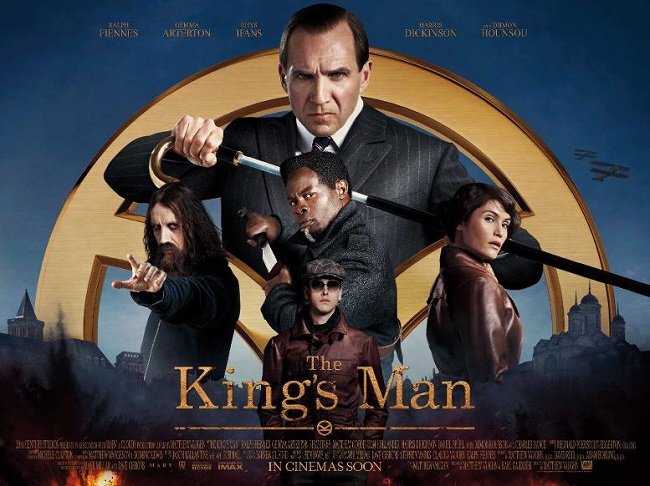
Matthew Vaughn’s sequel to his hit 2015 movie is a curious affair. At times it hits the same heights of its predecessor, but it also frequently misses the mark and lapses into self-indulgence. The stylised approach of the first movie is maintained and again the spy genre is skewered and satirised with a keen eye. Yet as this is a sequel there’s a requirement to be bigger than before and it is this exponential growth that at times tips the balance between keeping the audience on board with the joke and simply over egging the entire concept. A clever cameo featuring Elton John, later becomes an extended joke that then drags on to be a clumsy vignette that out stays its welcome. This succinctly highlights the flaw that runs throughout the film. It’s a real shame that Kingsman: The Golden Circle is so uneven because it has moments of great potential and an absolute superb score.
Matthew Vaughn’s sequel to his hit 2015 movie is a curious affair. At times it hits the same heights of its predecessor, but it also frequently misses the mark and lapses into self-indulgence. The stylised approach of the first movie is maintained and again the spy genre is skewered and satirised with a keen eye. Yet as this is a sequel there’s a requirement to be bigger than before and it is this exponential growth that at times tips the balance between keeping the audience on board with the joke and simply over egging the entire concept. A clever cameo featuring Elton John, later becomes an extended joke that then drags on to be a clumsy vignette that out stays its welcome. This succinctly highlights the flaw that runs throughout the film. It’s a real shame that Kingsman: The Golden Circle is so uneven because it has moments of great potential and an absolute superb score.
Plot wise it’s all somewhat arbitrary. After an unexpected encounter with failed Kingsman initiate Charlie Hesketh (Edwards Holcroft), Eggsy (Taron Egerton) finds that the Kingsman organisation has been virtually wiped out. Along with Merlin (Mark Strong), the pair follow the Doomsday protocol, which leads them to Statesman, a secret American organisation posing as a Bourbon whiskey distillery in Kentucky. They soon learn that the attack upon them was made by Poppy Adams (Julianne Moore) head of the Golden Circle drug cartel who is now blackmailing the US government through the use of poison drugs, to legalise and regulate the sale of proscribed substances. Eggsy also discovers that his former partner and mentor Harry Hart is alive but has lost all memory of his time working for Kingsman. Over the top action, CGI violence and laddish dialogue ensues.
There are some very entertaining ideas featured within Kingsman: The Golden Circle. Poppy Adams’ jungle lair sports an enjoyably kitsch fifties aesthetic, featuring gleaming bowling alleys, diners and nail salons. Because she trusts technology more than people the film features a pair of sinister robot dogs. Then there’s the fun idea of Statesmen, the US equivalent of the Kingsman organisation who sell fine liquor rather than hide behind a Saville row tailors. It boats a quality cast featuring the likes of Jeff Bridges, Pedro Pascal, Halle Berry and a somewhat underused Channing Tatum. There also a clever homage to 007 and On Her Majesties Secret Service, with an amusing set piece in a cable car and mountain Alpine lair. Yet in-between such promising scenes there are several less involving subplots such as the ongoing relationship between Eggsy and Princess Tilde. Also, the laddish humour strays from lampooning to endorsing at times and again there is an ill judged “joke” involving intimately placing a tracking device on a female suspect.
The extended limb-breaking, CGI assisted fight scenes feel even more procedural than last time around, but they fail to top Harry’s church massacre from the previous movie. Thus, we end up with a movie that feels flabby and could easily have fifteen minutes being excised from it’s running time. I must admit, I did like the bold and somewhat controversial idea of the US President secretly facilitating Poppy Adams drug based epidemic, as it would win the war on drugs in one go. But for every good idea in Kingsman: The Golden Circle there are others that fail to engage. I get the impression that writer/director Michael Vaughn perhaps spent too much time servicing fans needs at the expense of focusing on what made the first film witty, knowing and on point. Kingsman: The Golden Circle is not an out and out failure, but it is annoyingly uneven and as a result somewhat unsatisfying. I expect such problems from mainstream Hollywood blockbusters but not from more independently minded film makers. If we must have a third instalment, let us hope Mr Vaughn keeps his eye firmly on the ball next time.







Time for a New Phone Again
Two years ago, I renewed my contract with Vodafone and upgraded my mobile handset to a Samsung Galaxy S6. It has served me well over the last twenty-four months but the battery has been playing up of late and the phone barely survived a day on a full charge. Luckily, I became eligible for a new handset last week, so I decided upon the Samsung Galaxy S8. Now technophiles and phone aficionados have all informed me (AKA bored me) that there’s a newer Samsung handset being released in spring 2018. But my relationship with gadgets and the like has radically changed and I am no longer compelled to be at the cutting edge of technology. The S8 is more than adequate for my needs and is a tried and tested model. It arrived today and mercifully migrating all my personal data was an easy process, thanks to cloud based backups.
Two years ago, I renewed my contract with Vodafone and upgraded my mobile handset to a Samsung Galaxy S6. It has served me well over the last twenty-four months but the battery has been playing up of late and the phone barely survived a day on a full charge. Luckily, I became eligible for a new handset last week, so I decided upon the Samsung Galaxy S8. Now technophiles and phone aficionados have all informed me (AKA bored me) that there’s a newer Samsung handset being released in spring 2018. But my relationship with gadgets and the like has radically changed and I am no longer compelled to be at the cutting edge of technology. The S8 is more than adequate for my needs and is a tried and tested model. It arrived today and mercifully migrating all my personal data was an easy process, thanks to cloud based backups.
Annoyingly, the tariff that I’ve enjoyed for the last two years has now been retired and I was forced to move to another, which has resulted in a £6 a month increase. Subsequently, I now have a larger data allowance, not that it’s required, as I have a plethora of wireless networks saved on my phone. Whenever I visit someone these days, one of the first questions I ask is “what are your Wi-Fi details?” or something similar. Such is modern life. Frankly, the entire manner in which I use my phone has changed in recent years. Where it used to be a work tool, it is now mainly an administrative platform for my parent’s needs. I have multiple taxi apps, as well as others designed to re-order medication and book hospital and clinic visits. My calendar is a litany of appointments for others rather than myself.
My phone is currently the primary means for me to listen to podcasts. I travel a lot locally and this presents a lot of “dead time” that is ideal for catching up with my favourite shows. I also like to carry a selection of my own music, as my esoteric tastes don’t always align with streaming services. Luckily the S8 has a Micro SD card slot so I can bring what I like with me. WhatsApp is also an invaluable way to stay in touch with my wider family. Samsung phones have also had quality cameras for several years now and I do find myself taking more photos these days. Furthermore, it’s not all pictures of the grandchildren. We live in such an absurd world I often take a snap of anything that I find odd or quirky. Despite its flaws, I also still enjoy twitter and will often tweet while out and about, pointing out the strange foibles of life. Having a robust and quality phone allows me to do all these things easily.
I recent months I have made a concerted effort to separate myself from my phone in specific social and domestic situations. I still find the contemporary social etiquette regarding phone use a little discombobulating. I won’t dismiss out of hand the addictive nature of phones as I recently took time out to monitor how much I used mine and I do find myself checking it more and more. Hence I’m trying to show a degree of restraint. However, putting aside the issue of manners, I am of the opinion that phones are for better or for worse, essential tools nowadays. As a carer, managing the logistics of my parent’s lives would be far more difficult without the convenience of a phone. I recently went to a wedding in Hampshire and my phone was an invaluable navigational aid. I even paid in a shop recently for some miscellaneous crap using my Samsung Pay. So, while some folk may look to their flashy new phone for bragging rights, I see mine as an extension of my desktop computer. Either way, I wouldn’t be without it.


















Friday the 13th: The Game
Released in May this year, Friday the 13th: The Game was initially met with both cries of delight and howls of derision. The game’s a great idea in principle and is certainly an incredibly faithful homage to the franchise. It looks the part, has a great atmosphere and a superb soundtrack. However, it was buggy and flawed upon release and now six months later, still has a lot of problems. Some of these are performance issues and bog-standard QA matters. Things that the developers can hopefully address. It is fair to say that patches have been forthcoming, and the game has improved but still remains a work in progress. Sadly, there are other problems that may prove harder to fix. These are inherent flaws in the gameplay which can potentially discourage players from actively participating in the game in full. And as ever with any title that is founded upon co-op online gameplay, you have the inevitable problems of trolling, douchebaggery and general assholery. As I found out within minutes of logging into the game for the first time tonight.
Released in May this year, Friday the 13th: The Game was initially met with both cries of delight and howls of derision. The game’s a great idea in principle and is certainly an incredibly faithful homage to the franchise. It looks the part, has a great atmosphere and a superb soundtrack. However, it was buggy and flawed upon release and now six months later, still has a lot of problems. Some of these are performance issues and bog-standard QA matters. Things that the developers can hopefully address. It is fair to say that patches have been forthcoming, and the game has improved but still remains a work in progress. Sadly, there are other problems that may prove harder to fix. These are inherent flaws in the gameplay which can potentially discourage players from actively participating in the game in full. And as ever with any title that is founded upon co-op online gameplay, you have the inevitable problems of trolling, douchebaggery and general assholery. As I found out within minutes of logging into the game for the first time tonight.
I bought Friday the 13th: The Game today because the latest patch finally adds an offline play mode against bots. This presents an invaluable opportunity to try the game out and learn it’s subtleties and foibles at your own pace. Something you can’t always do online. Sadly, the patch was delayed so I found myself having to use the “quick play” facility and rely on a random pick up group. Like many contemporary co-op titles, Friday the 13th: The Game has voice chat enabled by default. Let it suffice to say that on my very first game, I was greeted by a player trolling the rest of the group in the lobby. This pretty much set the tone for the remainder of the game. I spent about two and a half hours playing both on European and North American servers and found that about half of the players I encountered had absolutely no inclination to participate properly. Often, I’d find that the majority of the PUG would focus on unlocking achievements or simply messing about. It is also a common occurrence for players to abandon the game once they become bored or have achieved what they want.
For those who are unfamiliar with this game, it’s an asymmetrical multiplayer, semi-open world, third-person survival horror game. The game maps vary in size but are all variations of the rural summer camps featured in the film franchise. Eight players can group together, with one being randomly assigned as Jason Vorhees. The rest are councillors that have to either escape from the area or hide and wait out the timer. Games tend to be about twenty minutes or so in length. To escape you can either repair a car or a boat and use that as a means to leave, or you can fix the camp phones and call the local police. If you do this, they arrive on the perimeter of the game map and you escape once you reach their patrol vehicles. Different councillors have different abilities. Some are stealthy, others are strong. You can also arm yourself with various items. Jason has several unique abilities, such as heightened senses that allow him to home in on councillors. He can also warp around the map. Naturally, he has multiple kill animations that can be unlocked. On paper, all the elements are present to make this an engaging homage to the eighties movies.
However, potential and reality often differ greatly. The key to success in Friday the 13th: The Game is to play collaboratively, to communicate and to be situationally aware. Sadly, you are highly unlikely to find any of these elements in a PUG. What you get, is either a group of people doing their own thing, or a group of people bellowing at each other all desperately trying to take charge. And of course, you run the risk of the usual trolling and antisocial behaviour that comes with random internet encounters. During my limited gameplay so far, I’ve found that most people have their own standard way of playing. The police where often called quite early on in each game and experienced players then made a swift exit. On one occasion I spent twenty minutes hiding in a tent which allowed me to survive the game but did not make for interesting gameplay. Then there are issues like aggro tagging and players that abandon the game because they’ve become bored. This is not a real issue if they are councillor but if Jason leaves the game it can be a nuisance. Hence, the reality of this game when playing online, is vastly different from one’s expectations. Conversely, if you have friends that own this game, you can organise a private group and have great fun, or so I would imagine.
There is a learning curve to Friday the 13th: The Game, especially when it comes to mastering playing as Jason Vorhees. New players with dreams of racking up a major body count within minutes of logging into the game, are in for a big surprise and not necessarily a good one. I’m hoping that the offline bot option will improve the situation once the patch is released but as it stands at present, this game is flawed, and that flaw is being relaint on other people. At present, I summarise Friday the 13th: The Game as an expensive online version of “hide and seek”. It has a slick and creative veneer that oozes nostalgia, especially with its soundtrack by Henry Manfedini, who scored so many of the feature films. But beyond those trappings it’s a somewhat hollow experience. Your fun and enjoyment are dependent on who you play with and how well you function as a team. Pick up groups are not known for guaranteeing any of these things. Therefore, it may be prudent for those who have a great affection for the franchise, to wait a little longer before buying, to see if future patches and hotfixes improve the game.
The Muppet Christmas Carol (1992)
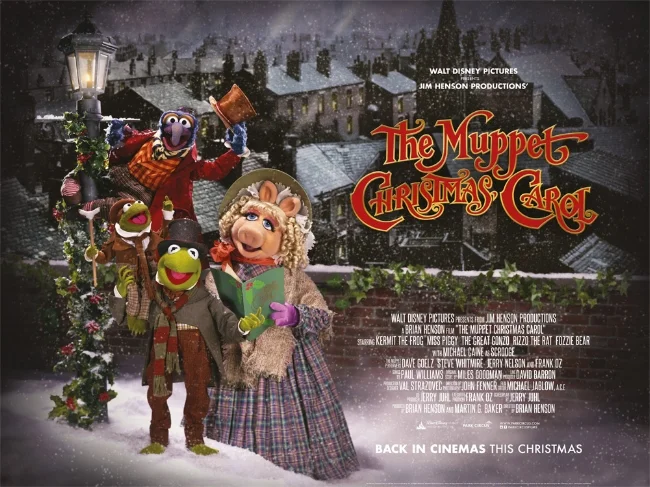
The Muppet Christmas Carol was the first Muppet feature film to be made after the death of Jim Henson. The production maintains his standards and style throughout, although due to the plot, this is a somewhat dark Muppet film. It’s also the one most affectionate of the Muppets movie. The plot follows Charles Dickens's original 1843 novel quite closely with the added bonus of The Great Gonzo playing Dickens himself as an ever-present narrator. Michael Caine provides an excellent performance as Ebenezer Scrooge that wouldn’t be out of place in serious adaptation. Caine attacks his role with his acting prowess and does not end up playing second fiddle to The Muppets themselves. As ever with Muppet movies, neither Caine or any other member of the cast ever question the fact that the Muppets aren’t human.
The Muppet Christmas Carol was the first Muppet feature film to be made after the death of Jim Henson. The production maintains his standards and style throughout, although due to the plot, this is a somewhat dark Muppet film. It’s also the one most affectionate of the Muppets movie. The plot follows Charles Dickens's original 1843 novel quite closely with the added bonus of The Great Gonzo playing Dickens himself as an ever-present narrator. Michael Caine provides an excellent performance as Ebenezer Scrooge that wouldn’t be out of place in serious adaptation. Caine attacks his role with his acting prowess and does not end up playing second fiddle to The Muppets themselves. As ever with Muppet movies, neither Caine or any other member of the cast ever question the fact that the Muppets aren’t human.
In many respects, this is probably one of the most faithful film adaptation of the novel to date. Much of the dialogue is taken directly form the source text. With quotes such as "If they would rather die, they had better do it, and decrease the surplus population”, there is potential to scare younger viewers, yet it works very well. The script, production design and humorous tone balance well with the classic tales more sinister elements. The film's score composed by Miles Goodman with songs written by Paul Williams facilitate the stories subtler themes, making them accessible to younger viewers. "Doomed, Scrooge, you're doomed for all time, your future is a horror story, written by your crimes”, sing the ghosts of the deceased Marley brothers (AKA Statler and Waldorf) in a catchy expositionary ditty. I must admit over the years this soundtrack has really grown on me and I now enjoy such standout tracks as It Feels Like Christmas and Thankful Heart.
The Muppet Christmas Carol does well in tackling this classic tale’s darker elements. It tempers the best aspects of Dickens cautionary narrative with The Muppets signature brand of humour. However, this approach doesn’t negate the drama. "Should we be worried about the kids in the audience?" ask Rizzo Rat. "Nah," says Gonzo. "This is culture." I actually think presenting literary classics in such a fashion makes them more accessible to the audience and may encourage some to tackle the original books. For those who are less interested in the narrative pedigree of this adaptation and who just wish to be entertained, then The Muppet Christmas Carol hits the mark. There is a cornucopia of sight gags, background shenanigans and subtle references, on top of the usual upfront, zany humour from The Muppets. So, if you wish for a different spin on this classic season tale, why not give it a try. You may be surprised by how good an adaptation it is.
Strictly Come Dancing 2017: Part 8
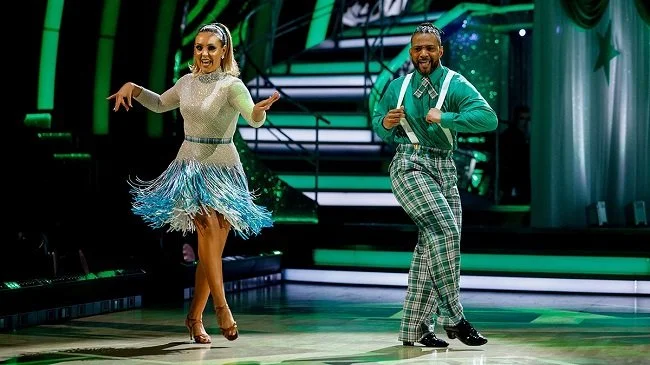
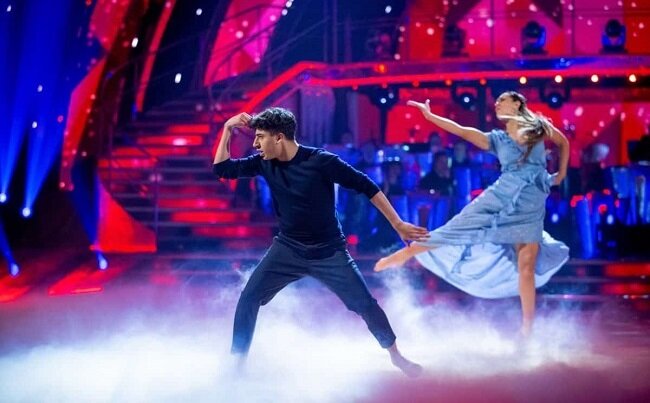
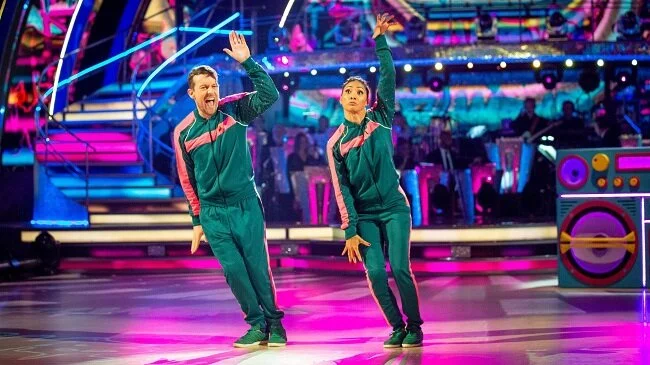
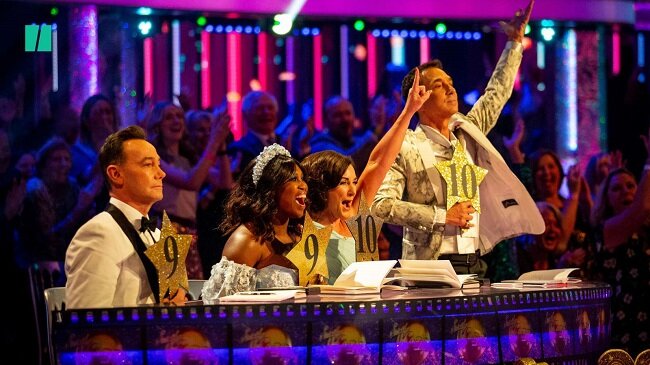
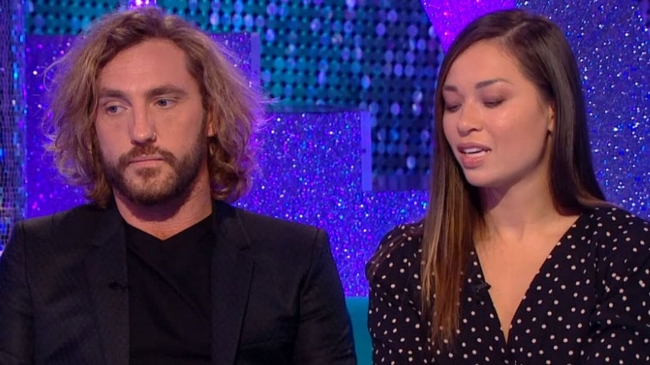
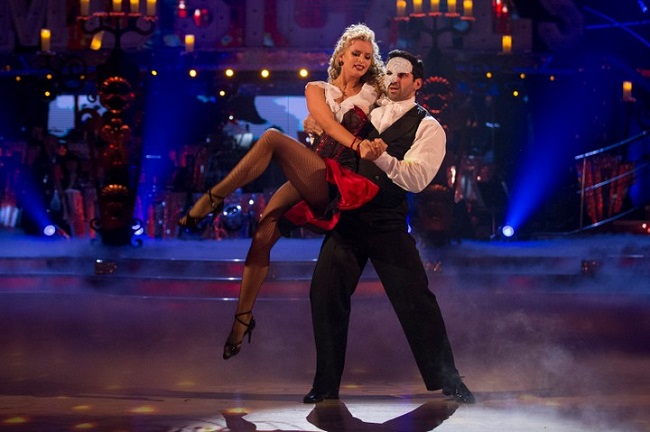
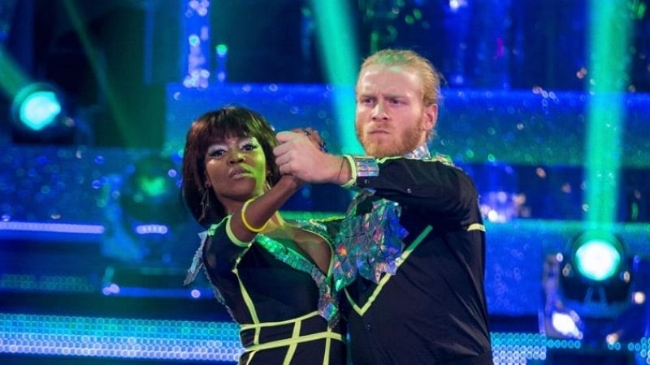
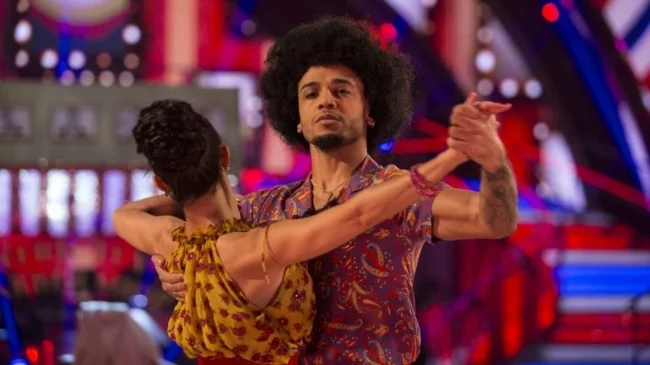
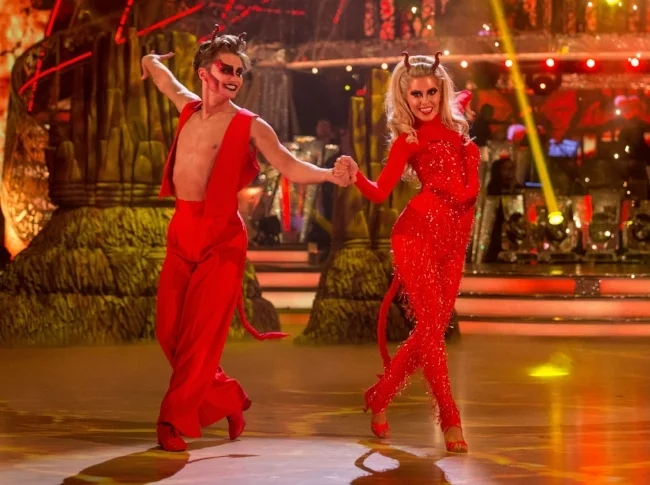
In recent week’s Joe McFadden has been widely tipped to win Strictly Come Dancing 2017, having crept up the leader board with a series technically polished and spirited performances. Labelled by head judge Shirley Ballas as a “dark horse” he has quickly become a thoroughbred in the eyes of most bookies’ to become this evenings favourite to win. Joes has proven not only to be a consistently good performer but a popular one too, as he was the only one of tonight’s finalist never to have been in the bottom two. He has in many ways been a classic example of the celebrity that embarks upon the “Strictly journey” and this evening, all the hard work paid off as he lifted the glitterball trophy for this years show. Let us not forget that this is also Katya Jones night as well. She has choreographed some incredible artistic and intelligent routines this season and has clearly understood what works best for her partner.
In recent week’s Joe McFadden has been widely tipped to win Strictly Come Dancing 2017, having crept up the leader board with a series technically polished and spirited performances. Labelled by head judge Shirley Ballas as a “dark horse” he has quickly become a thoroughbred in the eyes of most bookies’ to become this evenings favourite to win. Joes has proven not only to be a consistently good performer but a popular one too, as he was the only one of tonight’s finalist never to have been in the bottom two. He has in many ways been a classic example of the celebrity that embarks upon the “Strictly journey” and this evening, all the hard work paid off as he lifted the glitterball trophy for this years show. Let us not forget that this is also Katya Jones night as well. She has choreographed some incredible artistic and intelligent routines this season and has clearly understood what works best for her partner.
All that remains now is for the tabloid press to pick over the bones of the last 13 weeks in tomorrow’s newspapers. I’m sure they’ll still manage to dredge up some alleged sexual improprieties or imply that certain contestants where sabotaged. I’m sure they’ll be claims of bias, vote tampering and racism, as per usual. It’s a shame that every year when this show arrives to entertain a somewhat drained and fatigued British public, quarters of the UK press blight it with their “journalistic” race to the bottom and need to sell newspapers. But berating a parasite for being parasitical is foolhardy. Let us therefore put aside this unseemly facet of Strictly culture and focus on the wealth of good cheers that can be found online regarding the show. Like myself, there are countless of thousands of fans who have been thoroughly entertained this year.
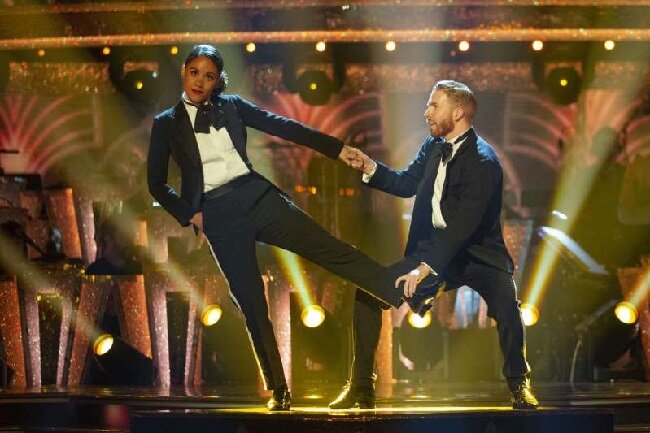
Which leads me neatly to my final points. It is not a cliché but a fact to say that each year, the standard of celebrity dancing improves significantly on Strictly. 2017 has once again raised the bar even higher and it does make you stop and pause when considering where we go from here? Will we ever see a season where the standard of contestant is considerably lower and exactly how would the public react to such a situation. Also, will the producers and showrunners tweak with the format again, as they have this year? The four-pair finale worked well but would get a little clumsier if expanded any further. And it would be remiss of me not to mention Head Judge Shirley Ballas. I have enjoyed her measured, fair and supportive input this year and hope she does return in 2018. She compliments the existing team perfectly and has dispelled the memories of Len Goodman and his pickling proclivities. So as this year’s Strictly Come Dancing ends, it just remains for me to say “rest” and “shake it all out”. Or if you prefer “keep dancing”.






Gaming Is More Than Competition
According to one gaming blogger “the whole gaming scene is competition”. Yeah. That’s what I thought to. I’m not going to link back to the article this quote came from because I don’t wish to give this individual the oxygen of publicity. I believe that the prism through which they view the world is cracked, giving them a skewed, spurious and erroneous outlook on pretty much everything they write about. They also appear to lack any ability for self-contemplation and the possibility that they may be wrong. So rather than getting side tracked by them personally, I thought I’d simply focus on their fallacious statement. Competition is simply one of many facets of the gaming scene. For some it is the only thing that counts but there are many other gamers for whom competition never even crosses their mind. Gaming as a pastime offers a wealth of other benefits and opportunities, other than competing against players.
According to one gaming blogger “the whole gaming scene is competition”. Yeah. That’s what I thought to. I’m not going to link back to the article this quote came from because I don’t wish to give this individual the oxygen of publicity. I believe that the prism through which they view the world is cracked, giving them a skewed, spurious and erroneous outlook on pretty much everything they write about. They also appear to lack any ability for self-contemplation and the possibility that they may be wrong. So rather than getting side tracked by them personally, I thought I’d simply focus on their fallacious statement. Competition is simply one of many facets of the gaming scene. For some it is the only thing that counts but there are many other gamers for whom competition never even crosses their mind. Gaming as a pastime offers a wealth of other benefits and opportunities, other than competing against players.
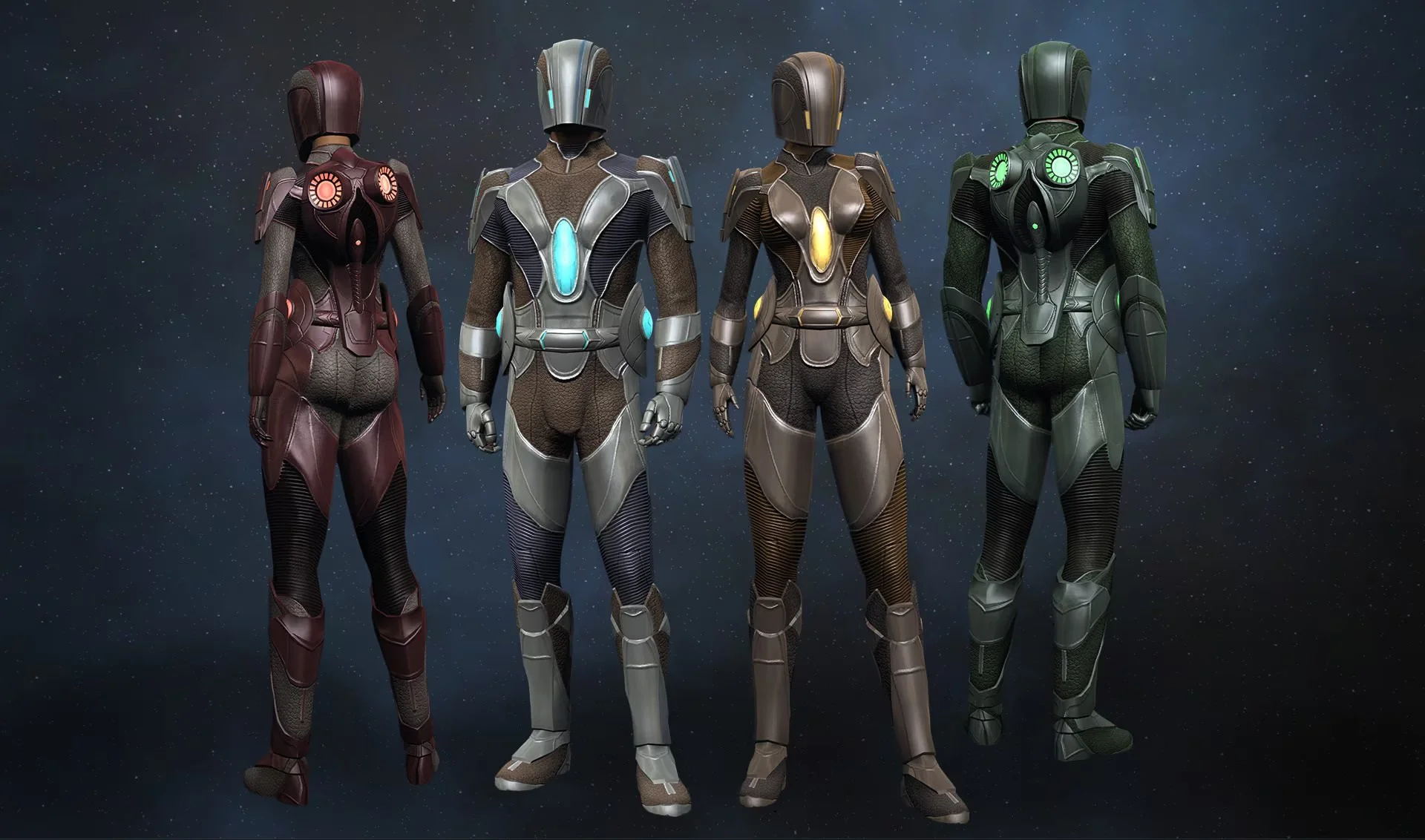
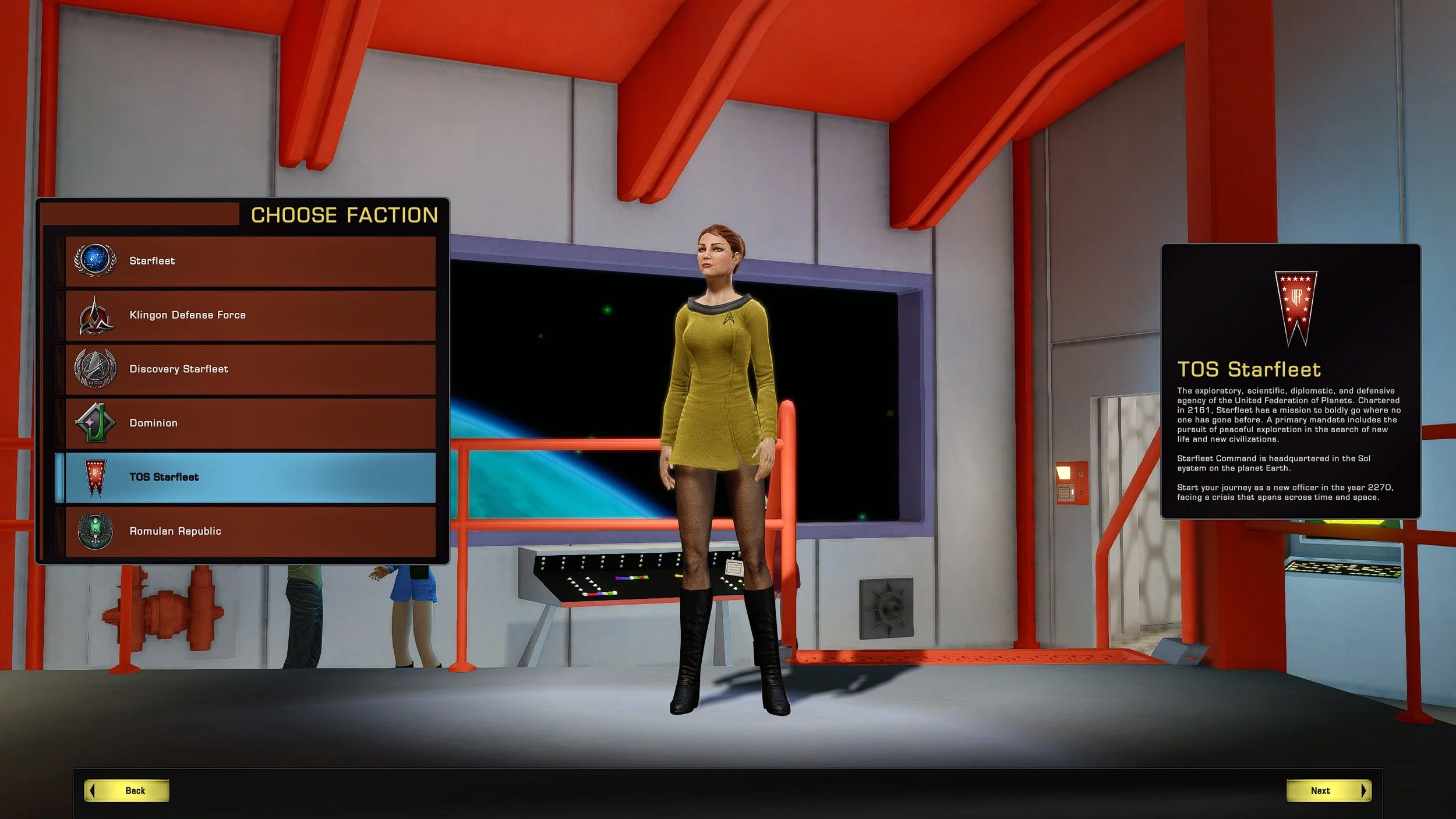
For me, I find setting goals and working towards achievements, are integral to my gaming experience. It is often applicable to multiple genres of games. I can work towards obtaining specific set of gear in Shadow of War or I focus on meeting all the requirements for a specific build in Star Trek Online. Furthermore, I will often pursue such achievements at a pace that suits me. Then there is the prospect of collaboration in multiplayer games which can be very rewarding, be it with friends or strangers. The raids I’ve played through in LOTRO have always been cordial affairs, as the groups have often been mature players who are focused on the experience, not the reward. It is through mutual help and not competition that a lot of knowledge and experience is shared. Often goals and collaboration go hand in hand, as there can be guild related achievements that benefit all. I frequently find that in-game progression based upon mutual trust, rather than competition, fosters a better atmosphere and a superior experience overall.
Then there’s perhaps the most fundamental aspect of gaming culture that our mystery blogger hubristically dismisses out of hand. People play for fun. Yes, you can have fun playing competitively but isn’t that dependent on winning? From what I’ve seen online, I think the concept of “the fun is in taking part” is dead in competitive circles. Putting competition aside, there many players who take their pleasures in the most innocuous aspects of gaming. Exploring an open world, creating a new outfit, collecting and meta deeds. The list goes on and on. Life is difficult and problematic enough as it is. Not everyone wants to jump on yet another acrimonious, pressure driven, competitive treadmill when it comes to their precious leisure time. I find it curious that some people view “fun” as a problem. As if it’s childish and somehow ear marks you as lazy or ineffective. Ask any psychologist and they’ll point out that an absence of it in your life is bad for you. I wonder if there’s any link between the anti-fun brigade and those people who lack a sense of humour?
Things change over time and we live in an era of accelerated change. Back in the eighties, coin-op gaming was based upon competitive behaviour. It’s how the industry financed itself. But to dogmatically cling to this definition nearly forty years on is a mistake, as competition is not the foundation of gaming anymore. And before the usual suspects trot out that tired argument that life is all about competition, there’s a lot of data out there to prove that it is not the only effective model to live by. Many modern businesses have horizontal management structures. Collaboration, mutual delegation and non-hierarchical systems are common place. As for competition in education that too is a highly debated field and a separate post. Competition does have a part to play but it is not the be all and end of things and certainly is not the only way to perceive gaming. Frankly I wonder if this competitive zealotry is simply a way to bolster a fragile ego? Who can say. But like most binary arguments, it lacks nuance and falls wide of the mark.
Star Wars: The Last Jedi (2017)
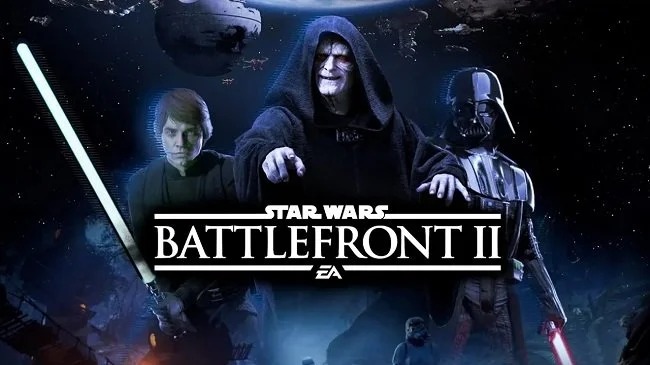
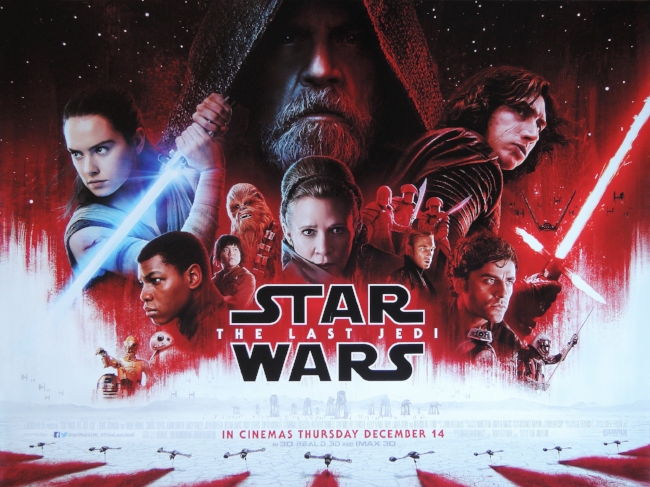
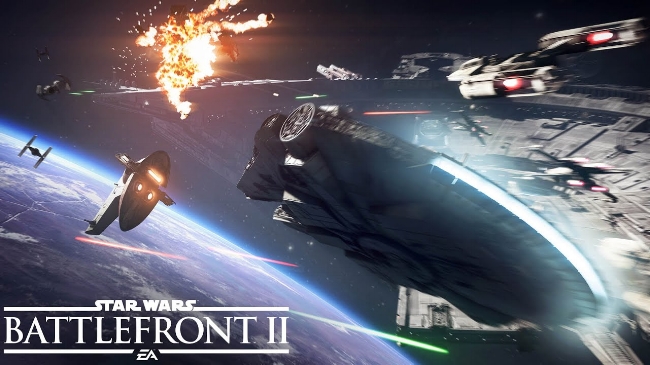
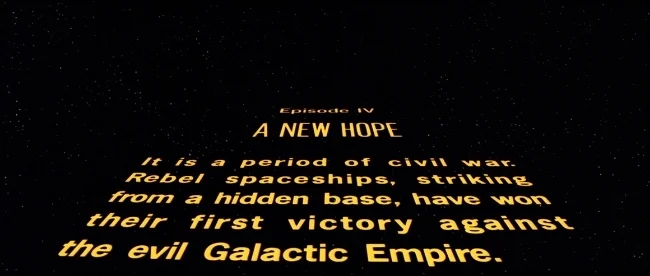
Star Wars has always been about high adventure. The franchise has been outstanding in its creative vision, as well as eminently enjoyable but it has never been as deep as some of the themes and ideas that it has touched upon. George Lucas tried to provide a more complex narrative with his prequels, but it became lost in the clumsy screenplays. Instead of creating political intrigue and complexity, it all seemed somewhat incoherent and naive. Finally, Star Wars: The Last Jedi manages to achieve something that we saw briefly in Episode V. Thematic depth. The latest movie takes a franchise that has primarily been about spectacle as well as entertainment and re-invigorates it with a far greater narrative scope. There are real performances from Mark Hamill and Adam Driver, as well as complex philosophical musings on weighty themes. Finally, Star Wars like a fine wine, has matured and can now provide fans with a more substantial and nuanced story. Simply put, Star Wars has grown up and hence forward it can be more than just a space opera.
Star Wars has always been about high adventure. The franchise has been outstanding in its creative vision, as well as eminently enjoyable but it has never been as deep as some of the themes and ideas that it has touched upon. George Lucas tried to provide a more complex narrative with his prequels, but it became lost in the clumsy screenplays. Instead of creating political intrigue and complexity, it all seemed somewhat incoherent and naive. Finally, Star Wars: The Last Jedi manages to achieve something that we saw briefly in Episode V. Thematic depth. The latest movie takes a franchise that has primarily been about spectacle as well as entertainment and re-invigorates it with a far greater narrative scope. There are real performances from Mark Hamill and Adam Driver, as well as complex philosophical musings on weighty themes. Finally, Star Wars like a fine wine, has matured and can now provide fans with a more substantial and nuanced story. Simply put, Star Wars has grown up and hence forward it can be more than just a space opera.
Rian Johnson continues where JJ Abrams left off and it soon becomes clear that The Last Jedi is not going to be such an obvious reworking of A New Hope as The Force Awakens was. He carefully directs and manages multiple plot threads as they simultaneously play out. To prevent any major spoilers, I’ll summarise the plot simply. Rey begins her Jedi training with a reluctant Luke Skywalker, who is unsettled by her immense potential with the Force and psychic connection with Kylo Ren. Meanwhile, the Resistance retreats from the might of the First Order who are on the verge of finally eliminating them. Can Fin and Resistance engineer Rose Tico them find a way to infiltrate the First Order command ship and sabotage it, buying time for the Resistance fleet to escape. As ever there’s a lot going on and the movie ensures that there are the required set pieces, drama and plot twists, tempered with humour and fan boy references. But writer/director Rian Johnson brings more to the table this time and the central themes are timeless conundrums that have provided drama since the theatre of ancient Greece.
During the second act of The Last Jedi, the narrative splits into three stories. Finn and Rose Tico pursue an elusive pirate and computer coder who may be able to assist them. X-wing pilot Poe Dameron clashes with Vice Admiral Amilyn Holdo over her strategy as the Resistance retreats from the First Order. And Rey seeks the help of an indifferent Luke Skywalker on the remote planet of Ahch-To. It is this latter thread that is the heart of the movie. The trinity of Luke, Rey and Kylo Ren and how they are bound together is by far the most engaging idea. There is an Arthurian quality to this aspect of the film. I was very much reminded of Malory’s Le Morte D’arthur and the notion of a “A king without a sword, a land without a king”. At one-point Luke Skywalker admits that the Jedi may have fundamentally misinterpreted the force because all their actions have ultimately been ruinous. It’s minor comment with a great deal of weight, like a major shift in religion dogma, or when a long held scientific theory is overturned. This notion could lead to a possible renaissance in Jedi culture, led by Rey in future movies.
The Last Jedi, like The Force Awakens, further highlights the passing of the torch from old characters to new. Rose Tico (Kelly Marie Tran) is particularly interesting, providing a window into the world of all those people living under the First Order. All she has known is oppression and cruelty, which she succinctly articulates while on the Casino world of Canto Bight. Yet her motivation in the face of such injustice is not based upon revenge or hatred. I cannot remember the exact line, but she philosophically muses that “It’s not about destroying what you hate, but saving what you love”. Then there is the is Vice Admiral Amilyn Holdo played by the dignified Laura Dern. Wise and experienced in both politics and war she clashes with the impetuous Poe Dameron who foolishly misreads her motives. Benicio del Toro also appears as the enigmatic “scoundrel” DJ. I was surprised how he effectively points out that the war is not as black and white as Finn suspects. It’s interesting the way the moral absolutes of the previous films are not universally upheld this time round. Again, this is evidence that the narrative has become deeper and more nuanced.
Of course, it wouldn’t be a Star Wars film without John Williams. It is an undisputable fact that his scores for the previous seven movies have been integral to their success. The Last Jedi presents him with a wonderful opportunity to revisit many beloved themes. The late Carrie Fisher plays a pivotal role in the films proceeding and it was extremely poignant to hear the Princess Leia theme once again. It’s a truly exquisite piece and within the context of the film, profoundly moving. Again, I have to be careful to avoid spoilers but let it suffice to say that a much-loved character returns and it was an absolute pleasure to listen to the subtle reworking of their leitmotif. Yet of all the music that has featured in the Star Wars movies, for me the jewel in the crown is the sublime and moving Force theme. It plays out at the climax of The Last Jedi and considering the importance of the scene, it is especially poignant
However, with most movies, there are a few negative points to reflect upon. None of them are sufficient to undermine the movie overall but they do at times cause a lull in the proceedings. There was a little too much humour for my taste. Some of it works but other jokes, quips and sight gags fall short. I think the The Force Awakens found a better balance in this respect. There is also an excess of production affectations and visual FX indulgences, particularly with regard to some of the exotic alien lifeforms The Porg’s are somewhat superfluous and seem to be present only as comic foils to Chewbacca. There is also a curious rock dwelling creature that Luke milk’s. Why? Furthermore, the native caretakers of the Jedi Temple on Ahch-To serve no purpose other than to be the butt of some arbitrary slapstick humour. Also, as with the previous movie there are still many unanswered questions and unfilled gaps in the plot. We still know very little about Supreme Leader Snoke, apart from the fact that he is powerful in the ways of the force. It would have been nice to have known a little more about his backstory and his motivation. I was somewhat surprised by the way his story line panned out. Despite its 152-minute running time I still get the impression that significant parts of The Last Jedi were excised. For example, Captain Phasma remains woefully underused.
One thing is very clear. The ending of The Last Jedi closes the book on many aspects of the Star Wars universe that I and so many others grew up with. It leaves scope for a lot of new characters to step in and take multiple plot points and new concepts forward. All things considered this tonal shift in the franchise may not be to all fans liking but these films are not the exclusive province on the self-perceived faithful. Star Wars has grown beyond the confines of the original trilogy. Imbuing the narrative with these Wagnerian undertones such as pondering fate, the nature of our own deeds and the price we ultimately pay has finally allowed Star Wars to become a new incarnation of the classic mythology that George Lucas set out to replicate. Sadly, he lacked the literary skill to realise that dream. Rian Johnson thankfully does not. Hence the plot device of the Jedi order having to completely rethink its appraisal and relationship with the force raises many interesting possibilities. Simply put, after forty years, Star Wars has finally transcended its pulp origins and taken its first step towards becoming the quality fantasy drama it deserves to be.








Behaving Badly
Over recent years, there seems to have been a lot of moral navel gazing regarding the survivalist sub-genre of games. Apparently, The Forest, 7 Days to Die and Rust (to name but a few) are just murder simulators. Some cursory research shows a myriad of similar titles available, that offer comparable game dynamics, driven by equally questionable moral imperatives. Although such titles are a niche market, they seem to be a popular and lucrative offshoot from traditional gaming. The perennial question seems to be do these games facilitate abhorrent behaviour? Are they a haven for sociopaths? Or is it all just a means for lazy games journalist to indulge in cheap hyperbole and gain easy web traffic? My instincts and sceptical nature tend to suspect the latter. However, my curiosity has been piqued and I want to find out first-hand what these games have to offer and what sort of communities exist around them.
Over recent years, there seems to have been a lot of moral navel gazing regarding the survivalist sub-genre of games. Apparently, The Forest, 7 Days to Die and Rust (to name but a few) are just murder simulators. Some cursory research shows a myriad of similar titles available, that offer comparable game dynamics, driven by equally questionable moral imperatives. Although such titles are a niche market, they seem to be a popular and lucrative offshoot from traditional gaming. The perennial question seems to be do these games facilitate abhorrent behaviour? Are they a haven for sociopaths? Or is it all just a means for lazy games journalist to indulge in cheap hyperbole and gain easy web traffic? My instincts and sceptical nature tend to suspect the latter. However, my curiosity has been piqued and I want to find out first-hand what these games have to offer and what sort of communities exist around them.
MMOs are a genre of game that are based on group interaction. By their very nature these games often attract people who like to share, mentor, help and establish communities. The rather trite phrase "care bear" has grown out of this phenomenon. MMOs are often placed on the opposite end of the spectrum to PVP orientated gameplay. However, I do not think that all positive social behaviour in MMOs is due to an inherently righteous mindset. In the past, my collaborative endeavours in many games has often been driven by necessity and not some moral compulsion to be nice to my fellow man. Positive interaction with others is simply a means to an end. A way to achieve the goals. These games do not offer any alternative mechanics that deliver similar results. Therefore, I have to follow a specific course of action although it is not born of altruism.
However, post-apocalyptic survival games offer different means for players to achieve their own personal goals. The “problem” is that these alternative routes are frequently perceived as morally ambiguous. Furthermore, there is often the assertion that behaving abhorrently in a game is somehow a litmus test of a player’s true nature in the real world. Patently, this is flawed thinking and a classic example of complex ideas requiring in-depth research and consideration, being presented as a binary choice. Something that is the norm these days. Now I would be a fool to suggest that the survival genre does not have its share of socially and emotionally maladjusted individuals. It patently does, as has the rest of gaming. But it would be crass to tar all players with the same brush. Survival games offer a challenge both tactically and logistically, once you look beyond their ethics.
Sadly, we live in an age obsessed with value judgements and perceived personal morality. Pigeon holes and labels abound. Thus, this genre has been subject to a great deal of negative publicity and is often an easy target for those seeking the moral high ground. Perhaps that’s why I’m attracted to such games. Just so I can take a contrary view to the self-righteous. Sadly, I have not played any of these aforementioned games so far. Solo play is not the best way to experience them. A nomadic existence in a predatory game is far harder than being part of an organised group. However, this may shortly change as I’ve recent acquired a bundle of games that includes Rust. So, I am contemplating a social experiment. It would be interesting to find a group of players and spend some time exploring the game. Will principles and morals prevail over the law of the Jungle?
I make no bones about the fact that I relish a degree of virtual abhorrent behaviour. I've never really considered myself to be an especially "good" or "bad" person. I exist between the two extremes of moral behaviour like every other human being I know. I also think there is some merit in the concept of catharsis and I wish to see if that is a factor with such games. So, I shall install Rust tomorrow and spend some time researching the basics and familiarising myself with the game. I shall then see if there is a community to join and see if I can become part of an organised group of some kind. At the very least all this will provide a degree of self-contemplation and a blog post (or two). I also think there is the scope to have some fun. Although, exactly what the nature of that "fun" is remains to be seen.
The Mists (2007)
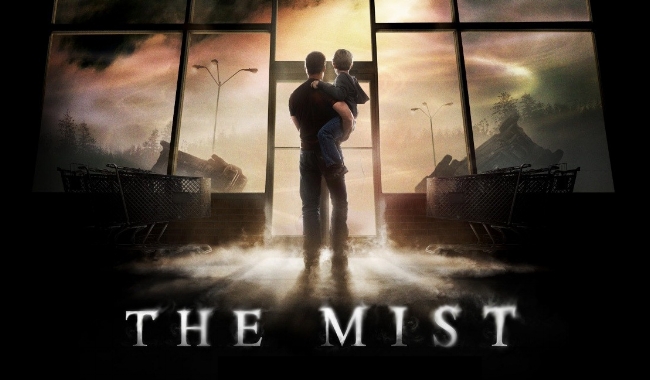
Frank Darabont achieved both critical acclaim and mass appeal with his adaptations of The Shawshank Redemption and The Green Mile. In 2007 he returned once again to the work of Stephen King with his film version of The Mist. It’s a sideways step away from human drama into a more genre piece, yet it still retains a very traditional story at its heart. Once you look beyond the superficial elements of "creature feature" plot, you get yet another well written character study by an ensemble cast, again focusing on how the human condition deals with extreme situations. The particular route it takes and some of the themes it explores may not be to everyone's taste. However, it still focuses on characters and performances. It is also a movie that ends with a somewhat unexpected plot development, that some viewers may find a little extreme. It is one of those film related twists that if known in advance, greatly diminishes once enjoyment of the film.
Frank Darabont achieved both critical acclaim and mass appeal with his adaptations of The Shawshank Redemption and The Green Mile. In 2007 he returned once again to the work of Stephen King with his film version of The Mist. It’s a sideways step away from human drama into a more genre piece, yet it still retains a very traditional story at its heart. Once you look beyond the superficial elements of "creature feature" plot, you get yet another well written character study by an ensemble cast, again focusing on how the human condition deals with extreme situations. The particular route it takes and some of the themes it explores may not be to everyone's taste. However, it still focuses on characters and performances. It is also a movie that ends with a somewhat unexpected plot development, that some viewers may find a little extreme. It is one of those film related twists that if known in advance, greatly diminishes once enjoyment of the film.
Set in yet another small and unobtrusive town (the kind Stephen King exalts), The Mist starts with an unexpected and extreme storm. This inclement weather forces David Drayton (Thomas Jane) and his family retreat to their basement. When they emerge in the morning a tree has crashed through the front window of his house and the power is out. David and his young son go into town for supplies, leaving his wife behind. It’s at the general store where David first realises something is horribly wrong. A man, covered in blood, races into the store screaming “there’s something in the mist!”. Shortly after an unnatural mist rolls across the town and leaves the store cut off and isolated. From this point on the The Mist focuses on how fragile the social bonds of a community and how thin the veneer of a civilised society really is. It’s not long before friends and neighbours turn against each other, with logic and reason being replaced with blame and fear.
The Mist is more than just some monster movie. It’s a careful and inciteful examination of human nature. Darabont’s screenplay develops each character carefully and the film’s real thrills comes from following his group of terrified survivors, rather than the curious beats that accompany the mist. Their individual emotional journeys and the way they fall apart in different ways as they lose hope, makes for compelling viewing. Some turn to God and fatalism, others strive to be logical, where a few remain in denial and pay dearly for their refusal to face facts. David Drayton however, simply refuses to give up, although this is shown not be without ramifications. As ever this is where director Frank Darabont excels. He has a keen eye for social dynamics and credible characters, constructing a worryingly realistic microcosm of American society. Ten years on this film feels worryingly prescient.
Thomas Jane carries the film with his central performance as an artist turned temporary leader. But it’s not just Jane that turns in a solid performance here. The ensemble cast of quality actors not only embody their respective characters but specific facets of contemporary US society. Toby Jones, the quiet and unassuming junior manager of the store, proves to be a robust and stoic character. Marcia Gay Harden excels as the towns religious zealot, happy to use events to fuel her own prejudices. It's been a while since I wanted to see the "bad guy" in a film get what they deserved, quite so much. Such is the strength of her performance. The Mist again shows Darabont's ability to emotionally connected with the central characters. It is what makes the film so effective. You want them to be safe and you're genuinely upset when some meet a brutal end. The mindless hypocrisy of some characters as they clutch at straws and change their allegiance, to simply survive is also plausible and gripping. Perhaps it makes us feel uncomfortable because it rings so true.
If there’s any flaw in the film, it’s in the mechanics of Darabont’s script, which at times leans towards the predictable. All those the cast and characters are compelling, there are few surprises about who will turn out bad and who will be a unsung hero. But like everything Darabont does The Mist connects so well with its audience on an emotional level, that you can forgive these weaknesses. The film’s monsters are there mainly to serve as a catalyst for a much deeper, emotive and thought-provoking story. Although it should be noted that the film does contains a degree of strong violence and language. The creatures themselves are also creative and baroque. The Mist is a clever, character-driven horror film and a human drama. It could also be considered as a metaphor for genocide and ethnic cleansing. You decide. The Mist is recommended to fans of human drama, strong performances and is not the exclusive province of the horror buff.

Blackadder's Christmas Carol (1988)
By 1988 Blackadder had run for three seasons in the UK and had seen the central character of Edmund Blackadder evolve from a seedy incompetent to a cunning, scheming, evil genius who was always frustrated at the last moment. Cleverly written by Richard Curtis and Ben Elton and superbly portrayed by Rowan Atkinson, Blackadder was very much at the cutting edge of British comedy of the time. It managed to mix physical humour, with verbal sparring, sarcasm, dry self-deprecation and irony. It was popular with a very broad spectrum of viewers.
By 1988 Blackadder had run for three seasons in the UK and had seen the central character of Edmund Blackadder evolve from a seedy incompetent to a cunning, scheming, evil genius who was always frustrated at the last moment. Cleverly written by Richard Curtis and Ben Elton and superbly portrayed by Rowan Atkinson, Blackadder was very much at the cutting edge of British comedy of the time. It managed to mix physical humour, with verbal sparring, sarcasm, dry self-deprecation and irony. It was popular with a very broad spectrum of viewers.
Therefore, a one-off Christmas special was inevitable. However, unlike many other extended episodes of popular TV shows, Blackadder's Christmas Carol managed to maintain the high standard of previous episodes. The satirical reworking of Dicken's classic tale is the perfect vehicle for Blackadder and his foil Baldrick (Tony Robinson). The central conceit of the plot is having this particular incarnation of Blackadder, starting off as "kindest and loveliest" man in England. However, after a visit from the Spirit of Christmas (Robbie Coltrane) who shows him the misdeeds of his ancestors, it's not long before he concludes that "Bad guys have all the fun".
Blackadder's Christmas Carol packs a lot in to its forty-two minute running time. It manages to satirise the entire Dickensian idiom of writing, attack such sacred cows as British Royalty as well as allude to social issues such as the infant mortality rate and the chronic alcoholism that existed within the working class at the time. Despite the overriding cynical nature of British comedy, there is still a positive message to be gained from the proceedings. Edmund is ultimately cheated by his own misanthropy; however, the moral codicil is still delivered with a delicious sense of irony.
Following this Christmas special, Blackadder continued for a fourth season the following year and subsequently ended while at the peak of its success. Blackadder Goes Forth, set in World War I managed to raise the bar even higher, ending in a final episode that transcends comedy and makes a poignant statement about the nature of war. However, Blackadder's Christmas Carol serves as a suitable point of entry for those unfamiliar with the show. It is seasonally appropriate and a great parody of Dicken’s iconic novel.
Strictly Come Dancing 2017: Part 7
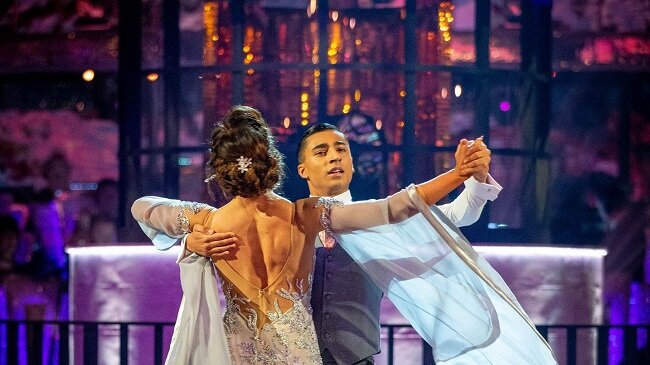
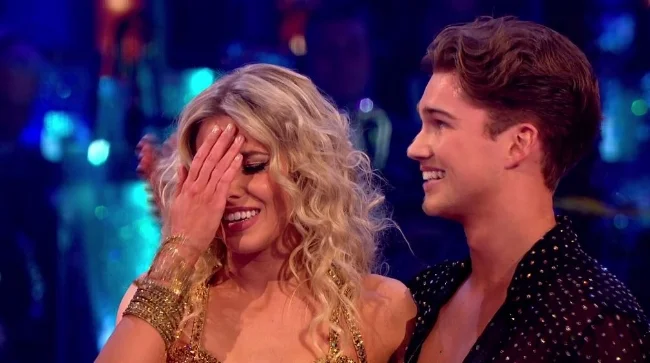
Singer Mollie King went into this week’s semi-final as the bookies' favourite to be voted off the show, and it has proven so. I appreciate that Mollie has been training hard and applied herself to the advice given to her by the judges. However, it would appear that she has plateaued with regard to her level of skill and performance several weeks agao. Sadly, nerves and the pressure of the night got the better of her on Saturday and her Samba was not well received. It was hesitant and lacked polish. She partially redeemed herself with an elegant waltz, although it is fair to say that she simply wasn’t in the same league as the other celebrity dancers. The judges seemed to be a little too generous with their marks for this dance, possibly to spare her any further distress because Mollie was visibly upset.
Singer Mollie King went into this week’s semi-final as the bookies' favourite to be voted off the show, and it has proven so. I appreciate that Mollie has been training hard and applied herself to the advice given to her by the judges. However, it would appear that she has plateaued with regard to her level of skill and performance several weeks agao. Sadly, nerves and the pressure of the night got the better of her on Saturday and her Samba was not well received. It was hesitant and lacked polish. She partially redeemed herself with an elegant waltz, although it is fair to say that she simply wasn’t in the same league as the other celebrity dancers. The judges seemed to be a little too generous with their marks for this dance, possibly to spare her any further distress because Mollie was visibly upset.
But this is the nature of Strictly Come Dancing. Although not a true dance competition, it still is a very demanding experience both physically and mentally. It also comes with a great deal of tabloid scrutiny. The rumours and gossip that stem from the show fuel a great deal of hyperbole and sensationalism in the popular press. Mollie’s alleged relationship with her professional dance partner AJ Pritchard has been a major “talking point” this year. Now this is not a problem as long as it remains external from the show. One can choose whether to read such tittle tattle or ignore it. Yet this year, the so-called “showmance” between the couple has bled through into the live show, being referenced by both hosts on several occasions. Was this done to try and gain leverage with the viewers and boost her support? If that was the case, it strikes me as being somewhat crass and arbitrary. A bit like playing the terminally ill grandparent card on The X Factor.
Either way, it’s a redundant point now as Mollie faced Gemma in the dance off and it became immediately clear that the judges would vote her off the show. Cue a tearful farewell and the standard claims that Mollie is an “amazing person” or some such other superlative. How that label has lost its value in recent decades. Now it’s just a case of preparing for next week’s final. Although I have a lot of time and respect for Debbie McGee and would be happy to see her win, I think Joe and Katya are in a strong position to take this year’s trophy. Katya has a knack for creative choreography that provides Joe with a character to explore and project. I have a suspicion that their show dance will be something spectacular and will win the hearts of viewers. Then again, I could be completely wrong. That is the nature of the show and the public vote.
Trailers and Spoilers
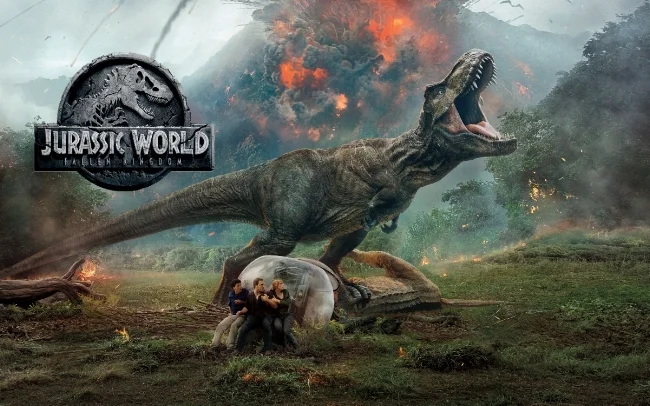
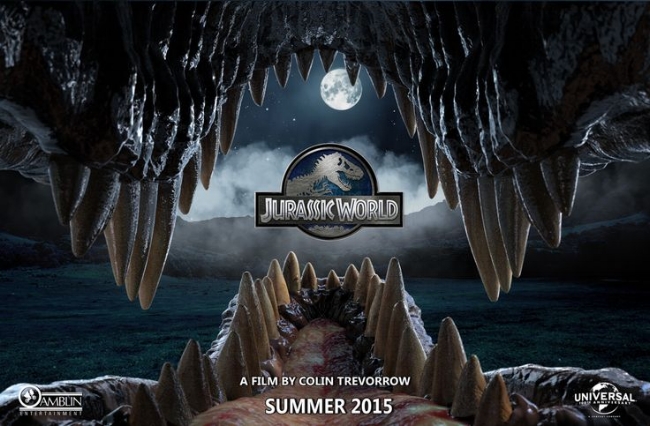
The first major trailer for Jurassic World: Fallen Kingdom has just arrived and even by contemporary standards, it does give a great deal of the film’s plot away. It’s also not coy about showing off the latest dinosaurs that feature in the movie. Overall, as a trailer it certainly does its job and whet’s the audiences appetite. I am certainly interested in seeing this blockbuster next summer. But as ever with anything that happens online, there has been a degree of push back from those who feel that it shows too much and that it should have come with spoiler warnings. Some are arguing that this culture of “showing the best bits” is a recent phenomenon but a cursory review of classic movie trailers on You Tube, will show you that this has always happened.
The first major trailer for Jurassic World: Fallen Kingdom has just arrived and even by contemporary standards, it does give a great deal of the film’s plot away. It’s also not coy about showing off the latest dinosaurs that feature in the movie. Overall, as a trailer it certainly does its job and whet’s the audiences appetite. I am certainly interested in seeing this blockbuster next summer. But as ever with anything that happens online, there has been a degree of push back from those who feel that it shows too much and that it should have come with spoiler warnings. Some are arguing that this culture of “showing the best bits” is a recent phenomenon but a cursory review of classic movie trailers on You Tube, will show you that this has always happened.
So, is there a solution to this problem, if indeed it is actually a problem. Because not everyone sees potential spoilers as a negative thing. Movies are now pitched at international markets as they are dependent on the global box office returns to recoup their prodigious production costs. Japan has always been an important sales region and in recent years China has become increasingly important to sales. Both of these countries often have trailers tailored to their specific tastes and market research shows that these viewers like to know as much about what will happen in a movie as possible. Hence a trailer such as that for Jurassic World: Fallen Kingdom will be warmly received. Plus, there is also evidence to show that western objections to “showing too much” is mainly age related. The old complain where the young (who are often the target audience) do not.
So it would seem that the die has been cast and this style and approach to marketing big budget movies is just a fact of life. As for the solution that I mentioned, the most prudent action would be to just avoid watching any trailers and to keep yourself informed about such movies by simply reading text articles or even just relying upon word of mouth. The internet has utterly changed the way films and produced and sold, with the whole process now being a public spectacle. Things will never return to the way they were, so it is best to adjust accordingly. As for Jurassic World: Fallen Kingdom, I have no doubt that it will clean up at the box office as did its predecessor. Dinosaurs remain a source of fascination for both children and adults and movies such as this simply feed that passion.


The Protector (1985)
During the course of the eighties Jackie Chan made several attempts to break into the US film market and show case his unique talent to American audiences. However, all of these movies failed both critically and at the box office. The US producers had a poor grasp of how best utilise his abilities and market him appropriately. Chan’s work up unto this point had been mainly comedy action movies, with liberal amounts of slapstick and Eastern humour. US film makers simply wanted to shoehorn his prodigious stunt and martial arts abilities into the standard US action movie formula of the time. It was a classic example of trying to mix oil with water and to this day, none of Jackie Chan's US films from this period can hold a candle to his Hong Kong based output. However, The Protector has an interesting production history and although far from a great film, had a impact upon Chan’s career.
During the course of the eighties Jackie Chan made several attempts to break into the US film market and show case his unique talent to American audiences. However, all of these movies failed both critically and at the box office. The US producers had a poor grasp of how best utilise his abilities and market him appropriately. Chan’s work up unto this point had been mainly comedy action movies, with liberal amounts of slapstick and Eastern humour. US film makers simply wanted to shoehorn his prodigious stunt and martial arts abilities into the standard US action movie formula of the time. It was a classic example of trying to mix oil with water and to this day, none of Jackie Chan's US films from this period can hold a candle to his Hong Kong based output. However, The Protector has an interesting production history and although far from a great film, had a impact upon Chan’s career.
![The Protector.mp4_snapshot_01.21.07_[2017.12.10_21.58.03].jpg](https://images.squarespace-cdn.com/content/v1/54e310f0e4b0f4a6ba3ac899/1512943132612-4V5VI8KQBNVSKN7NG8EA/The+Protector.mp4_snapshot_01.21.07_%5B2017.12.10_21.58.03%5D.jpg)
The Protector is a prime example of not getting Jackie Chan. It contains many elements that you do not usually see in his films, such as excessive violence, nudity and profanity. The film's director, James Glikenhaus (The Exterminator, The Soldier) had thrashed out a water tight contract that gave him strict creative control. Possibly his aim was to create an Eastern Clint Eastwood? But this sort of street cop action flick would have better suited Chuck Norris or another established star. Chan seems to be very uncomfortable in the role and it certainly does not reflect his established style. The set pieces and stunt work are adequate by US standards but failed to achieve the levels of his back catalogue. Apparently, Glickenhaus would be satisfied after as little as eight takes, which was heresy by Jackie Chan's standard. The dialogue is especially clumsy and makes no concessions to the fact that Mr Chan's English was poor at the time. Despite robust support from character actor Danny Aiello, the entire proceedings are somewhat stilted.
Subsequently, Jackie Chan refused to release the finished film in the far east in its original version and shot new scenes and re-edited the movie. After reducing the violence and all of the profanity and nudity, a new subplot was added with extra characters. New action sequences were also filmed and they were inserted to compliment the original. However, because of this bad experience, Chan eventually went on to make Police Story which is a seminal film and one of his finest works. The Protector in its US format is therefore not recommended to anyone other than diehard fans. There is the added irony of Jackie Chan singing the excruciating end title song, which again belies the fact that the man has had considerable success as a singer in Hong Kong. For the more curious see if you can track down the expanded Hong Kong version which Chan re-crafted from this mess. It is far from his best material but is a very interesting experience when viewed knowing its production history.
STO and the Humble Bundle Jingle Jam 2017
This month’s Humble Bundle is a collaboration with the Yogscast, featuring a collection of indie games, DLC, game soundtracks and sundry other odds and sods. There are 25 items in the bundle and so far, six have been revealed. As December progresses you’ll find out what other goodies are included. If you can’t wait, there’s a leaked list here. By paying the base price of $35 (about £26.16) you’ll unlock the entire package. Furthermore, lurking within this bundle is the rare TOS Bridge Officer pack for Star Trek Online. This includes holographic versions of iconic Star Trek TOS characters such as Spock, McCoy, Scott, Chekov, Uhura, Sulu, and Rand which you can add to your bridge officer roster and make part of your away team. For fans of both the game and the TV show this is quite a big deal. So far, codes for the rare TOS Bridge Officer pack, are usually only available at convention giveaways or on occasional livestreams. So naturally this is an enticing offer.
This month’s Humble Bundle is a collaboration with the Yogscast, featuring a collection of indie games, DLC, game soundtracks and sundry other odds and sods. There are 25 items in the bundle and so far, six have been revealed. As December progresses you’ll find out what other goodies are included. If you can’t wait, there’s a leaked list here. By paying the base price of $35 (about £26.16) you’ll unlock the entire package. Furthermore, lurking within this bundle is the rare TOS Bridge Officer pack for Star Trek Online. This includes holographic versions of iconic Star Trek TOS characters such as Spock, McCoy, Scott, Chekov, Uhura, Sulu, and Rand which you can add to your bridge officer roster and make part of your away team. For fans of both the game and the TV show this is quite a big deal. So far, codes for the rare TOS Bridge Officer pack, are usually only available at convention giveaways or on occasional livestreams. So naturally this is an enticing offer.
However, £26 plus is still quite a lot of money for an additional game resource, which although fun is not really essential to the MMO. I could for example spend that money on the game Hand of Fate 2 and cogently argue that it is better value for money. But the heart wants what the heart wants and other dubious excuses, leaving me with a minor moral dilemma. I could justify the purchase of the bundle on the grounds that the money is all going to both British and international charities. But then again, I wouldn’t mind playing Hand of Fate 2 at some point over Christmas, once all the guests have pissed off and I’m left mercifully alone and I’ve already donated to some worthy causes. So rather than agonise about this matter on my own, I thought I’d share it with you dear reader(s) and at the same time dress this first world problem up as an informative, news based, blog post. I may have to read through the list of other titles included in the Jingle Jam bundle and see if any of them are worth investing in.
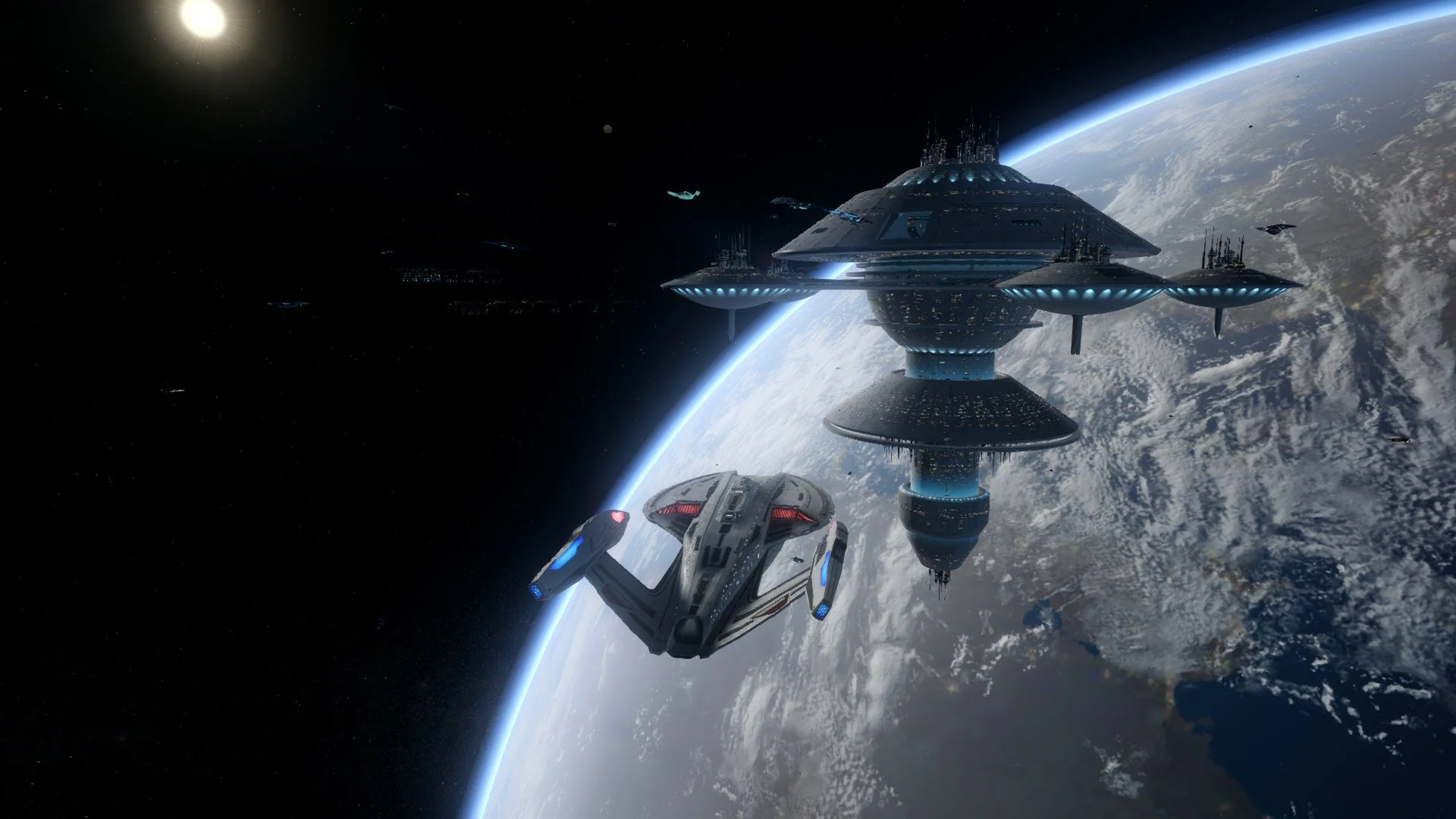

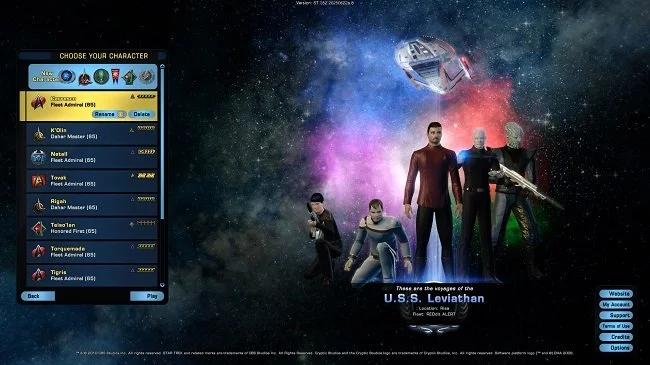
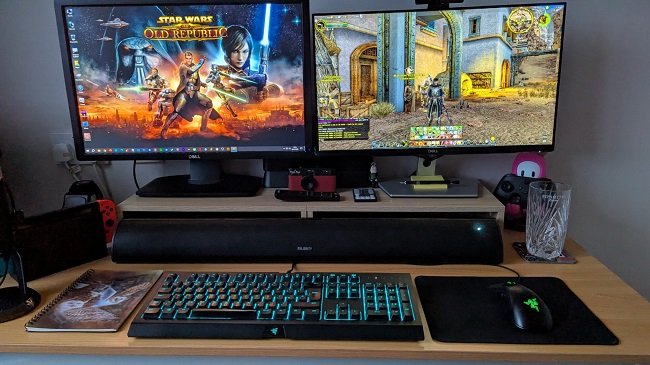
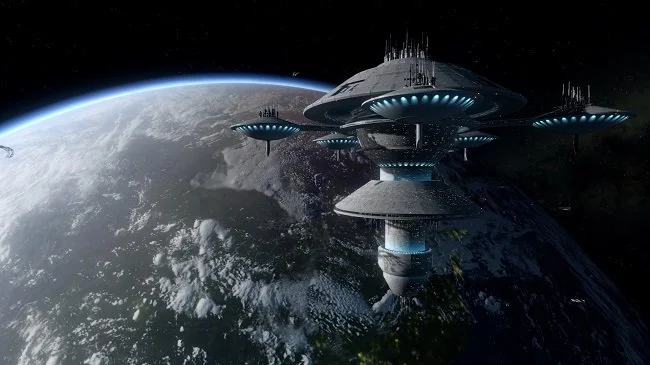
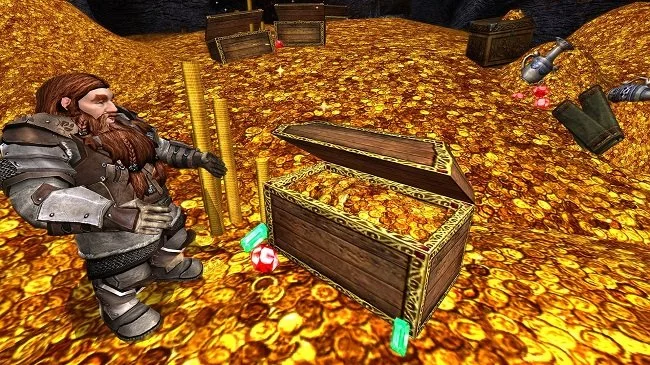
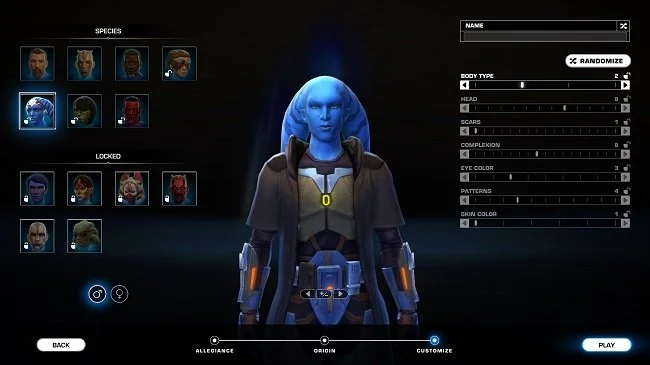

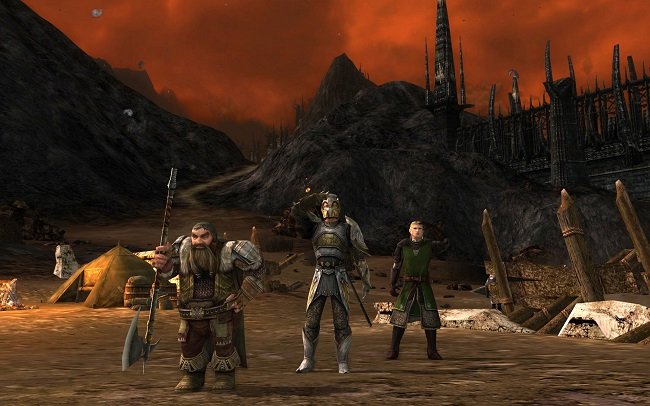
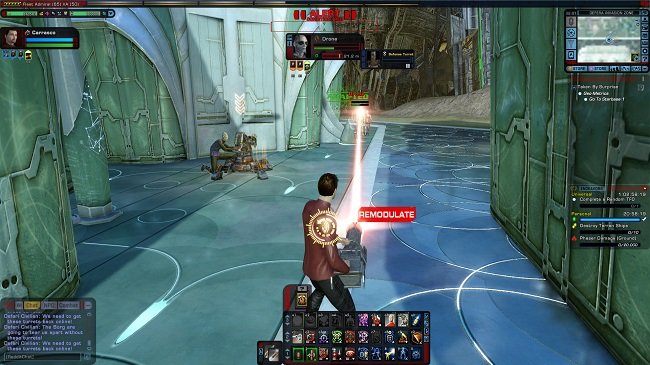
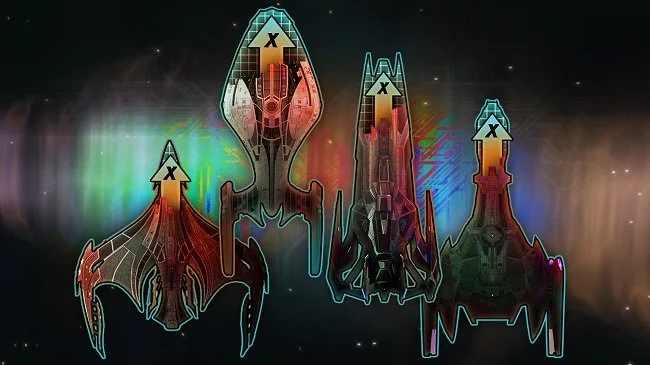
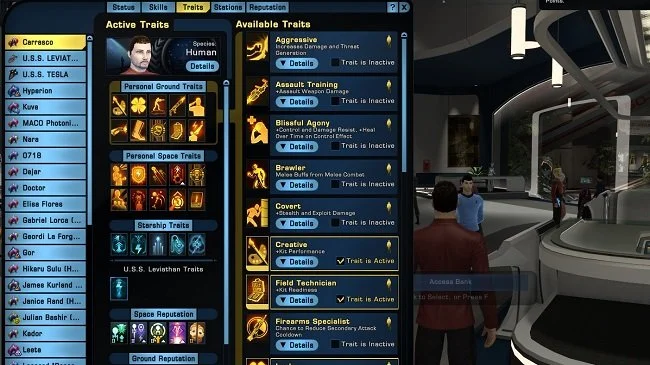
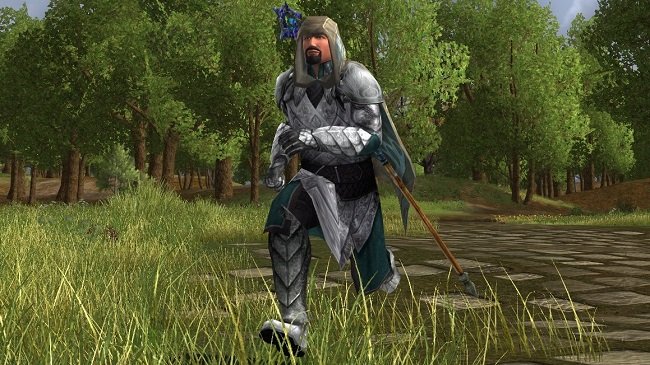
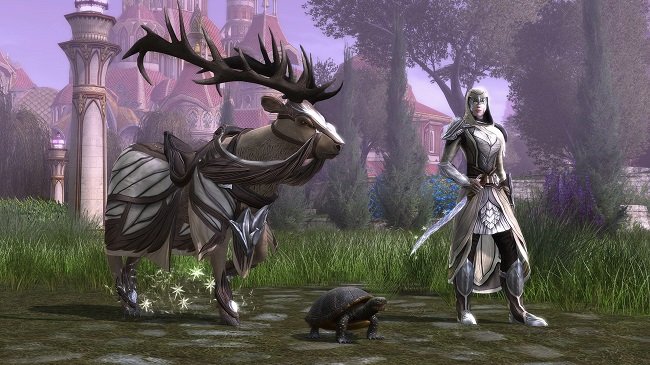
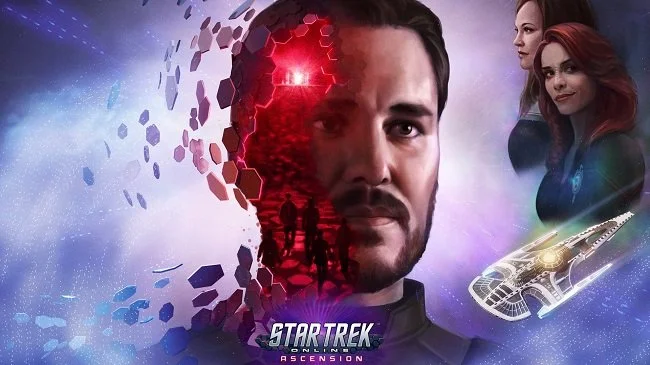
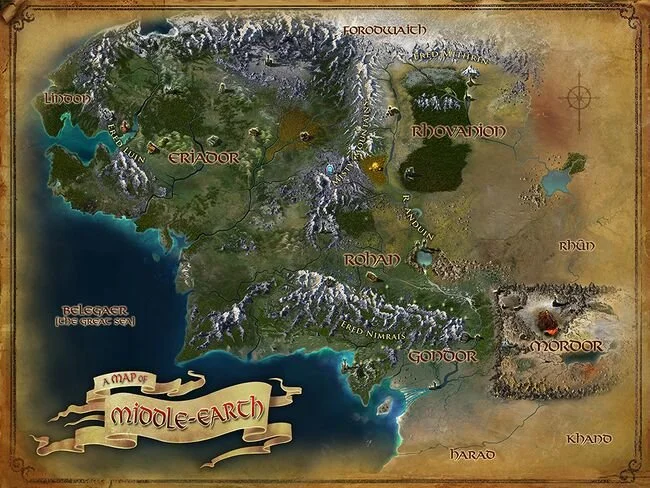
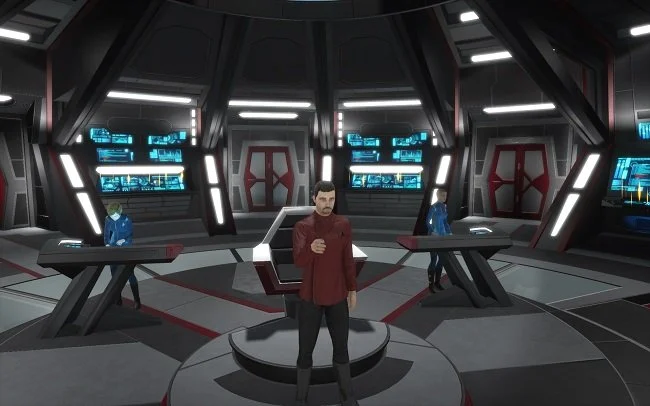
The MMO Blogosphere Is Alive and Well
Popular gaming blogger Tobold asked whether the MMO Blogosphere was still alive in a recent post on his site. He stated, “as far as I can see that decline has continued over the last decade, powered both by the general decline of blogging as a form of expression on the internet in favour of tweeting, and by the decline of MMORPGs as a form of gaming in favor of other multiplayer games”. Needless to say, there were numerous comments to the contrary left on the article in question. Furthermore, several gaming bloggers debated the point further on their own platforms. As I have a dog in this fight, to coin a somewhat inappropriate and unsavoury phrase, I thought I’d add my thoughts to the debate. And as ever, the answer is somewhat complex because Tobold’s question is erroneously reductive.
Popular gaming blogger Tobold asked whether the MMO Blogosphere was still alive in a recent post on his site. He stated, “as far as I can see that decline has continued over the last decade, powered both by the general decline of blogging as a form of expression on the internet in favour of tweeting, and by the decline of MMORPGs as a form of gaming in favor of other multiplayer games”. Needless to say, there were numerous comments to the contrary left on the article in question. Furthermore, several gaming bloggers debated the point further on their own platforms. As I have a dog in this fight, to coin a somewhat inappropriate and unsavoury phrase, I thought I’d add my thoughts to the debate. And as ever, the answer is somewhat complex because Tobold’s question is erroneously reductive.
The golden age of the MMORPG is certainly behind us and we shall not see the like of it again. However, there were specific factors linked to the popularity of this particular genre that were contextual and linked to the time. Yet despite these factors the genre remains popular and still commands large player numbers. Furthermore, games of this idiom have been subject to major changes in style and mechanics in recent years. Whether you, me or Tobold like it or not, the very definition of the MMORPG has evolved. Which is why major commercial sites such as Massively Overpowered now cover titles such as Grand Theft Auto Online and Destiny 2. What constitutes an MMO now is arguably different from what it was in the early 2000s. Therefore, Tobold is mistaken to render things down to a “like for like” comparison.
Blogging has also changed and adapted over time. Twitter, You Tube and Streaming have emerged to provide alternative platforms for discussion, fandom and social interaction. All of these mediums have their place and some have become popular because of brevity and convenience that they provide. They also have the advantage of lower barriers to entry. Writing effectively and maintaining an audience requires a degree of skill, a lot of time and stoic dedication. Yet, fans of the MMO genre still actively do these things and I have RSS subscriptions to dozens of active blogs writing such material. There are still guides and resources for classic MMOs such as LOTRO, Guild wars 2 and STO available. The existence of the aforementioned Massively Overpowered website is also evidence of the healthy state of the genre and its associated fandom. Many of those who regularly comment on that site run their own blogs.
Longform writing and analysis of the MMO genre is therefore still a “thing”. In fact, there’s a lot of longform writing about most things available online. It never really went away despite new mediums emerging. With respect to blogging about MMOs, it may well have lost its thunder to You Tube and Twitch TV, but to be honest, it’s a genre that lends itself more to the written word anyway. I also think favouring longform writing is the prerogative of age. The generation of gamers that I am part of, has grown up together and still uses the older mediums such as a blogs, as the means to pursue their passions. So, I am happy to lend my voice to the growing chorus that has politely refuted Tobold’s assertion. The MMO Blogosphere is doing okay because I get up each morning and read multiple new posts about the genre via Feedly.


















A Christmas Carol (1969)
Over the last few years I’ve reviewed several adaptations of Charles Dickens seasonal story A Christmas Carol. As I stated previously one of the stories greatest strength is that it lends itself perfectly to multiple interpretations. I recently had the good fortune to rediscover the animated version from 1969 by Air Programs International. I remember seeing this animated short as a child but could not recollect sufficient details to allow me to track it down via the IMDB. Then by complete chance, I stumbled across it again on You Tube while doing some research.
Over the last few years I’ve reviewed several adaptations of Charles Dickens seasonal story A Christmas Carol. As I stated previously one of the stories greatest strength is that it lends itself perfectly to multiple interpretations. I recently had the good fortune to rediscover the animated version from 1969 by Air Programs International. I remember seeing this animated short as a child but could not recollect sufficient details to allow me to track it down via the IMDB. Then by complete chance, I stumbled across it again on You Tube while doing some research.
This forty-six-minute-long adaptation was produced by an Australian animation company and has some curious and amusing regional embellishments. The voice acting lapses into Australian accents from time to time and there is an odd song dovetailed into Fred's visit to his Uncle Ebenezer. It's as if the production team where toying with the idea of making a musical and then had second thoughts. However, despite these foibles the functional animation and aesthetic style is grimly appropriate, capturing the grey and dreary Dickensian winter.
The most innovative aspect of this particular adaptation is the inventive depiction of Marley’s Ghost. Unlike other versions of the story that portray Marley as a spectral version of his former human self, here we have a very stylised ghost. His hair is more akin to naked flames which is a rather interesting interpretation of the source text. "The Ghost sat perfectly motionless, its hair, and skirts, and tassels, were still agitated as by the hot vapour from an oven". In addition, the sightless black sockets are rather ghoulish, making this one of the most sinister portrayals of the character.
Overall this is a functional adaptation that manages to convey the key elements of the story. To be honest the story is quite difficult to spoil, unless you are a particularly blinkered film maker. As this version was specifically designed to be pitched at younger audiences, there is some levity introduced into the proceedings. Scrooge continuously stifles a sneeze throughout the story, something that he cannot resolve until he is "redeemed". There are far worse adaptations of this classic tale, so for those who are curious or are just interested in the art of animation, here is the 1969 version for your enjoyment.