
Changing Internet Service Provider
Yesterday we changed internet service providers. We moved from EE (formerly BT) to Plusnet. The transition went surprisingly well, mainly due to the existing infrastructure remaining the same. We’ve had fibre to the premises (FTTP) since 2022 so this was essentially an administrative change. The previous ISP terminated their service at 1:30 AM in the morning, while I was playing Star Trek Online. By 6:30 AM I received a message from Plusnet that the new service was live. It took about an hour to configure the new Netgear Nighthawk RS100 router (I bought my own) and get all our household devices attached to the new network. The connection is running at exactly the same speed and stability as it had under the previous supplier. At present a 1Gbps connection is sufficient for our needs. The main factor that has driven this change is cost. We are currently paying £28 per month for internet access which is a competitive price in the UK.
When we had FTTP set up, the Optical Network Terminal (ONT) was installed in the spare room at the front of the bungalow. I use this room as my office. Hence the router is located here and sits on the lower shelf of a table, next to my desk. I have an ethernet connection to my PC. However, the wifi in our lounge has always been quite low, due to the brick walls. Furthermore, we have our home media equipment setup in the fireplace, which compounds the problem. Previously I was using a wifi extender, which connected to a mini-hub. The TV, Media player, Blu-ray player and Satellite box all have ethernet connections. Unfortunately, this wifi extender did not perform well with the new router, mainly due to its age. However, after searching through my stash of IT related bric-a-brac, I found a pair of powerline adaptors, so I was able to replace the wifi extender. The equipment in the fireplace now has a 60Mbps connection.
As part of this change of service, we finally said goodbye to our landline. When we moved over to FTTP, the old analogue line was disconnected but we retained a VOIP landline purely for incoming calls. Mainly because several clinics and other healthcare institutions still contacted us via our old telephone number. We have addressed this issue now and made sure that all calls of this nature come purely to our mobile phones. Hence there was no longer a reason to keep the landline and it has finally been decommissioned. It is a curious milestone as we’ve had that number since 2003 and had access to a landline all our adult life. However, the culture associated with telecommunications has changed radically in the last twenty five years and by and large, landlines have become an anachronism for most people. As have the concept of voice calls. The majority of those I do receive nowadays are marketing and other spam.
Our new ISP is providing an identical service to the old one over exactly the same infrastructure. Hence this change has not been about seeking an upgrade in internet speed or superior technical support but getting a better deal. The best deals in the UK for internet and cell phones always seem to be for new customers. Brand loyalty is not especially well served. We left EE mainly because they could not or would not offer us a competitive price. So we have contributed to market churn and taken advantage of a “new customer” deal with Plusnet. We know what price we shall be paying over the next twenty four months and if a more favourable one can be found at the end of that period, we will move once again. It strikes me as a risible and unsustainable course of action but if that is the way to ensure the most economic price, then so be it.
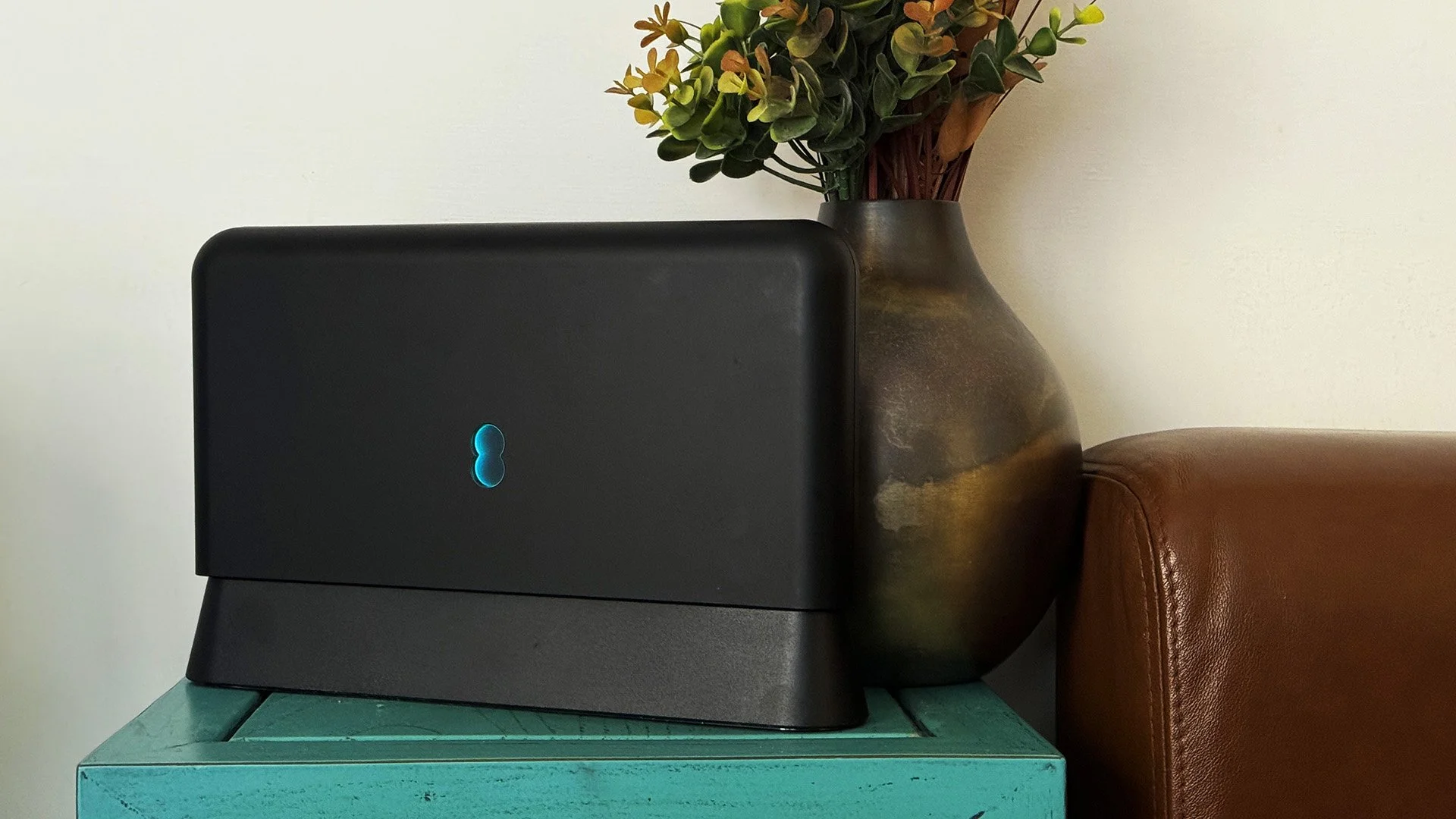

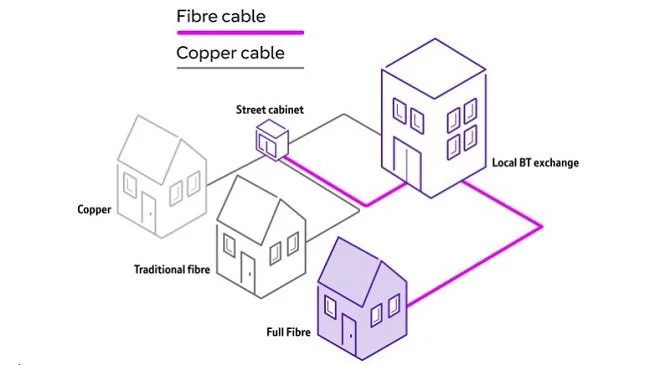

Yesterday we changed internet service providers. We moved from EE (formerly BT) to Plusnet. The transition went surprisingly well, mainly due to the existing infrastructure remaining the same. We’ve had fibre to the premises (FTTP) since 2022 so this was essentially an administrative change. The previous ISP terminated their service at 1:30 AM in the morning, while I was playing Star Trek Online. By 6:30 AM I received a message from Plusnet that the new service was live. It took about an hour to configure the new Netgear Nighthawk RS100 router (I bought my own) and get all our household devices attached to the new network. The connection is running at exactly the same speed and stability as it had under the previous supplier. At present a 1Gbps connection is sufficient for our needs. The main factor that has driven this change is cost. We are currently paying £28 per month for internet access which is a competitive price in the UK.