
More Gaming Amnesia
I wrote back in January 2018 about “gaming amnesia” and how if you step away from a game for a while, then often you can forget not only the basic control layout but the essential mechanics as well. Well I’ve had a couple of further instances of this recently and it got me thinking as to whether there’s a finite amount of game related data you can retain at one time. I suspect the answer is yes and that it all comes down to the old “use it or lose it” maxim. If you’re not playing a complex game regularly, then the knowledge gets superseded by information you have a more pressing need to access. Hence I do not think I’m experiencing the early signs of dementia of anything like that. Nonetheless, it can be quite frustrating and age is also a factor. Our reactions do slow as we get older and quickly recollecting information becomes more of a chore.
I wrote back in January 2018 about “gaming amnesia” and how if you step away from a game for a while, then often you can forget not only the basic control layout but the essential mechanics as well. Well I’ve had a couple of further instances of this recently and it got me thinking as to whether there’s a finite amount of game related data you can retain at one time. I suspect the answer is yes and that it all comes down to the old “use it or lose it” maxim. If you’re not playing a complex game regularly, then the knowledge gets superseded by information you have a more pressing need to access. Hence I do not think I’m experiencing the early signs of dementia of anything like that. Nonetheless, it can be quite frustrating and age is also a factor. Our reactions do slow as we get older and quickly recollecting information becomes more of a chore.
I decided to log into Read Dead Redemption 2 a few days ago. I bought the game last November and played it regularly until early January when I decided to focus on another title. I found my character at the edge of a lake with my trusty steed nearby. There is a very close bond between the main character and his horse in this game and it’s a central theme of the story. So I walked up to my horse Roach (yes I did name him thus) and pressed what I thought was the key to mount up. Instead I delivered a robust right hook to his body. Naturally, my equine chum took a dim view of this and promptly lashed out, kicking with his back legs. I lay twitching in a pool of blood, contemplating that this never happened to Randolph Scott or Audie Murphy. To cut a long story short (as Spandau Ballet would say) I couldn’t recollect any of the key mappings.
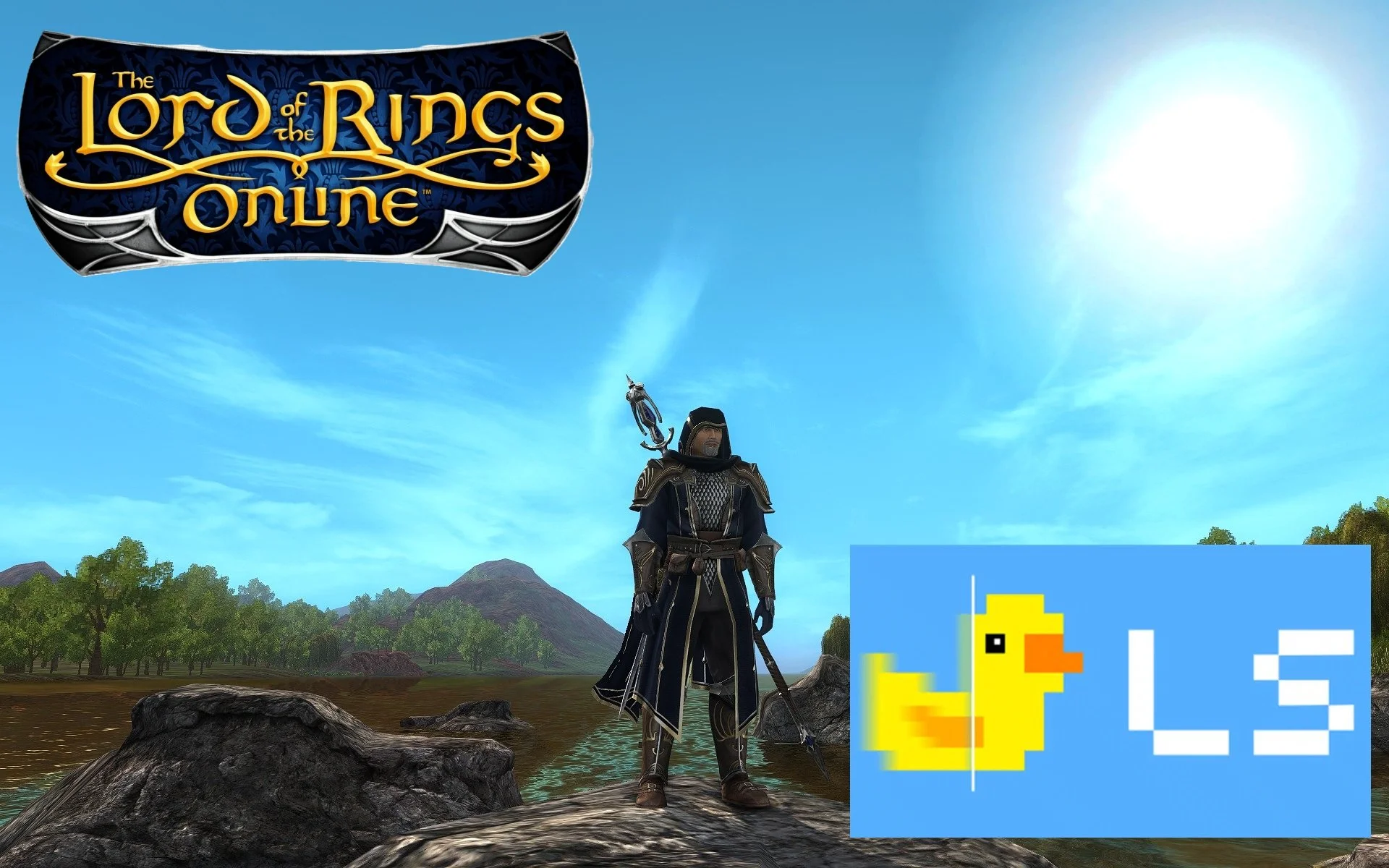
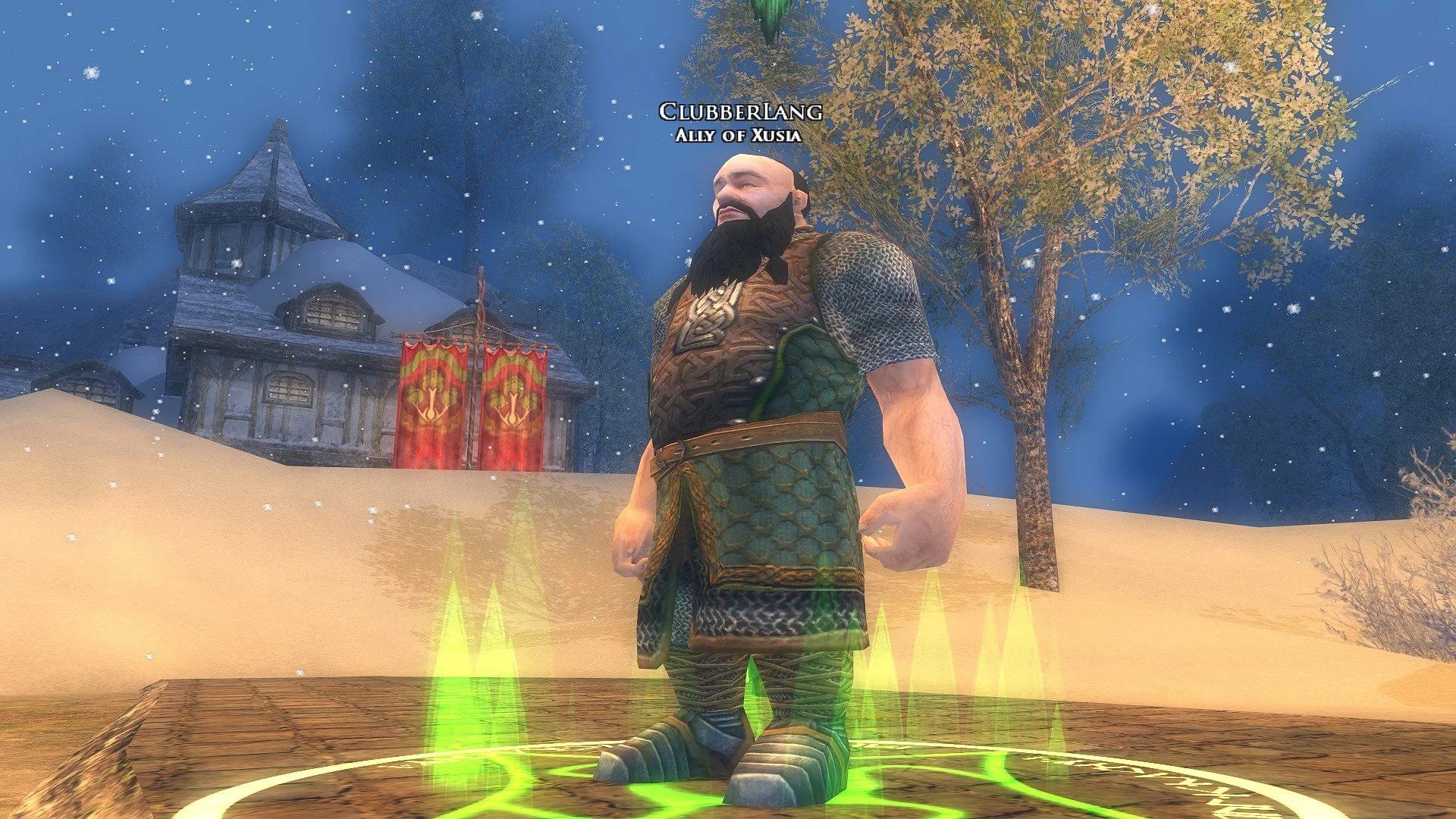
Another example I would like to cite is navigating the depth of the Mines of Moria in LOTRO. Now I spent a lot of time back in 2009 learning the quaint and esoteric routes around this sprawling subterranean metropolis. There was a time when I could ride an in-game goat from Durin’s Threshold in Eriador, right the way through to the First Hall and out into Rhovanion. Furthermore, I could do all this from memory, while eating a sandwich and recording a podcast. I recently found myself utterly lost around Zelem-melek, endlessly going round in circles in Khufdul-tharâkh, shouting at no one in particular about how it would be bloody useful to have a GPS system in this bastard game. I eventually started writing down my route and making notes of landmarks, so I wouldn’t keep looping back to the same locations.
Joking aside, there are several good reasons that mitigate my bout of “gaming amnesia”. Read Dead Redemption 2 is a console port and the thing I often find about such games is that they map the keys in a most unusual way. You often find that WASD doesn’t control movement but some other utterly bizarre alternative permutation. And with regard to Moria, I was reminded by a fellow player that the area has been extensively redeveloped since its initial release in 2008. So perhaps I’m not as incompetant as I initially thought. However, I do think that it would be useful if more developers included a tutorial that could be accessed at any point during the proceedings. All too often, your hand is held purely at the beginning of a game and it is assumed that once you’ve learned the basics, you’ll forever have them at your fingertips. Patently that is not the case. I’m also sure that I’ll experience “gaming amnesia” again quite soon.Especially in light of me returning to both Neverwinter and Call of Duty.



The Devil Inside (2012)
Following in the wake of The Last Exorcism (2010) which enjoyed box office success, The Devil Inside also includes two staples of horror cinema: supernatural possession and the found footage/faux documentary genre. On paper these themes have the potential to yield an interesting drama. Sadly that is not the case with The Devil Inside which excels at neither and is distinctly average at best. It lacks the gravitas and visceral power of The Exorcist and even the sensational shock value of Paranormal Activity. The plot focuses upon Isabella (Fernanda Andrade), an American woman who sets out to make a documentary about her mother who murdered three members of the clergy. She was judged insane and subsequently sent to a mental hospital in Italy. Isabella meets two priests, Father Ben Rawlings (Simon Quarterman) and Father David Keane (Evan Helmuth) who explain that her mother's condition may be due to demonic possession.
Following in the wake of The Last Exorcism (2010) which enjoyed box office success, The Devil Inside also includes two staples of horror cinema: supernatural possession and the found footage/faux documentary genre. On paper these themes have the potential to yield an interesting drama. Sadly that is not the case with The Devil Inside which excels at neither and is distinctly average at best. It lacks the gravitas and visceral power of The Exorcist and even the sensational shock value of Paranormal Activity. The plot focuses upon Isabella (Fernanda Andrade), an American woman who sets out to make a documentary about her mother who murdered three members of the clergy. She was judged insane and subsequently sent to a mental hospital in Italy. Isabella meets two priests, Father Ben Rawlings (Simon Quarterman) and Father David Keane (Evan Helmuth) who explain that her mother's condition may be due to demonic possession.
The Devil Inside explores an alleged Catholic conspiracy as well as the perceived conflicts between science and religion, through a very familiar classic plot device. The film subsequently proceeds to tick off many standard genre conventions such as physical contortions, torrents of verbal abuse, knowledge of secrets and of course sporadic bouts of violence. The story unfolds from the perspective of two priests who are the subject of a documentary film. The performances are adequate from a relatively unknown cast, although British actor Simon Quaerterman has subsequently gained wider exposure through his recurring role in HBO’s Westworld. The narrative has occasional elements of interest in-between the standard genre tropes. For example, it is nice to see a depiction of a priest who is not questioning his vocation for a change.
The Devil Inside is simply too insubstantial to carry any cinematic weight. There are a few jolts and jumps along the way, but they are often contrived and telegraphed. Plus most people will not accept the basic conceit of this film that the Catholic Church conducts exorcisms willy-nilly. However, I did find the denouement of this movie to be interesting. It is incredibly abrupt and for many viewers potentially unsatisfactory, leaving a multitude of unanswered questions. This sort of nihilistic ending is very reminiscent of seventies cinema. It is obvious that the contrived ending is driven more by marketing, as the movie closes with a statement that the case is still under investigation and provides a URL for further details. The website is now defunct but you can view an archived copy via the Wayback Machine.
The Devil Inside provides at most a minor diversion for casual viewers. It certainly is not going to win any fans among longterm horror fans. Yet the depressing fact remains that this sort of low budget, derivative exploitation fodder fares well at the box office. The viral marketing appeals to the youth market, who like these films due to their similarity to the “creepypasta” you find on YouTube. Hence The Devil Inside made $101,758,490 worldwide. Not bad for a movie that cost $1,000,000 to make. Therefore, if you are new to the horror genre, do yourself a favour and watch The Exorcist or even The Blair Witch Project rather than The Devil Inside. The commercial success of such movies may mislead new horror fans into thinking that this is as good as it gets.









The Importance of Making Notes
As this is the start of Blapril prep week, I thought I’d share an important aspect of my blogging experience. As ever, I would like to state that what works for me may not necessarily work for you. We all approach writing in our own unique way and ultimately it’s all about doing what is appropriate for you. I find that having some processes in place helps me immensely with my writing. And perhaps the most fundamental of these is having a way to manage my thoughts. I’m sure many of us have experienced a situation where a good idea has occurred to us or we’ve thought of a good counterpoint to something we’ve read and thought “I must write that down”. Sadly, we then all too often fail to do so and hence we waste potential blogging “gold”. Which is why I want to talk about the importance of making notes.
As this is the start of Blapril prep week, I thought I’d share an important aspect of my blogging experience. As ever, I would like to state that what works for me may not necessarily work for you. We all approach writing in our own unique way and ultimately it’s all about doing what is appropriate for you. I find that having some processes in place helps me immensely with my writing. And perhaps the most fundamental of these is having a way to manage my thoughts. I’m sure many of us have experienced a situation where a good idea has occurred to us or we’ve thought of a good counterpoint to something we’ve read and thought “I must write that down”. Sadly, we then all too often fail to do so and hence we waste potential blogging “gold”. Which is why I want to talk about the importance of making notes.
If you’re writing a post that has a fundamental point to make or indeed several, then it helps if you take a structured approach. One of the easiest ways to start this process is to simply write down bullet points. You don’t even have to do this in order initially. Just write them down as they occur to you, as you would in a brainstorming exercise. You can then group them together or eliminate those that may not be necessary. These bullet points can then be fleshed out with further detail and developed into paragraphs. You now have the beginnings of a coherent post. For example, if I am reviewing a movie, I write down my thoughts as they come to me while watching. Later I collate them according to their type IE are they related to the acting and casting, writing and direction, or production design etc. The benefits of taking notes is that you can immediately record your thoughts and guarantee that you do not forget a point you wish to focus upon later. I often write blog posts sometime after the initial notes are made.
My notes for Tomb Raider (2018). A review I have yet to write up.
Notes can also be useful not just when writing a blog post but for planning them. We all have days when we’re lacking in inspiration. So why not just keep a rolling list of potential blog post ideas and add to it as and when something of interest springs to mind. Saving interesting articles you’ve read online to something like Pocket can be very useful as well. You won’t have to waste valuable time later trying to track down the material you wish to reference. And sometimes, even saving a picture or a screen capture can be useful for triggering a discussion at a later date. As for how you make your notes, that is entirely down to you. I have multiple notebooks in my office and in the lounge where I watch movies. I recently tried to change to a more modern method and decided to try Microsoft OneNote which I installed on my phone and tablet. It proved too convoluted for my needs, although I’m sure others may feel more comfortable with this medium. Another alternative is to use a voice recorder. Most smartphones have them.
I find that notes provide an excellent way of transcribing my initial thoughts and impressions. They also allow me to marshal my thoughts and create cogent debates and think pieces. Simply put, for me they are the foundation of all my writing and therefore an integral part of my content creation process. However, if you favour different writing styles, such as an unedited stream of consciousness, then the structure that notes bring may not be required or even beneficial to that process. But if you write reviews or are debating a point, then there is a need for structure and that begins with taking notes. Notes can offer improved focus and attention to detail, as well as comprehension and retention skills. They can also teach prioritisation and organisational abilities. They can also boost your creativity by providing clarity. Which is why I’m such a strong advocate of their use.























Learning How to Live Stream Part 2
It’s been a year since I wrote my last post about “learning to live stream”. I think that should give you a very clear indication of how well I’ve progressed. I mainly stopped streaming after a few experiments last March because of the time requirement involved. The only window of opportunity I had “go live” was from between 9:00PM and Midnight. That would have meant cutting into time I spend with Mrs P. Plus, due to health reasons, she often goes to bed before me. And as I use the spare bedroom as an office, my constant babble would have kept her awake. So this is yet another project that got shelved. However, a year later I find myself with a lot more time on my hands due to the current “global situation”. So today I fired up SLOBS once again and tried to get back on the horse. As with my previous experience, there’s a lot of fine tuning to be done if you want to live stream to any standard. So this latest outing was mainly a technical test to determine what needs to be changed in my current set up.
It’s been a year since I wrote my last post about “learning to live stream”. I think that should give you a very clear indication of how well I’ve progressed. I mainly stopped streaming after a few experiments last March because of the time requirement involved. The only window of opportunity I had “go live” was from between 9:00PM and Midnight. That would have meant cutting into time I spend with Mrs P. Plus, due to health reasons, she often goes to bed before me. And as I use the spare bedroom as an office, my constant babble would have kept her awake. So this is yet another project that got shelved. However, a year later I find myself with a lot more time on my hands due to the current “global situation”. So today I fired up SLOBS once again and tried to get back on the horse. As with my previous experience, there’s a lot of fine tuning to be done if you want to live stream to any standard. So this latest outing was mainly a technical test to determine what needs to be changed in my current set up.
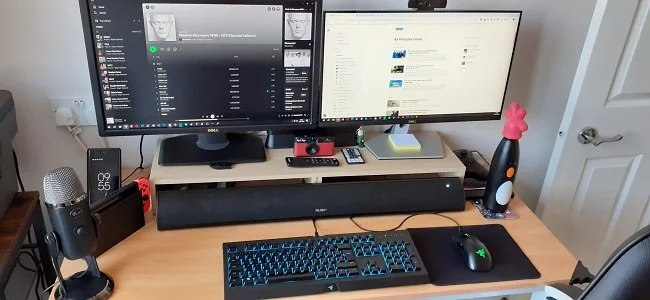
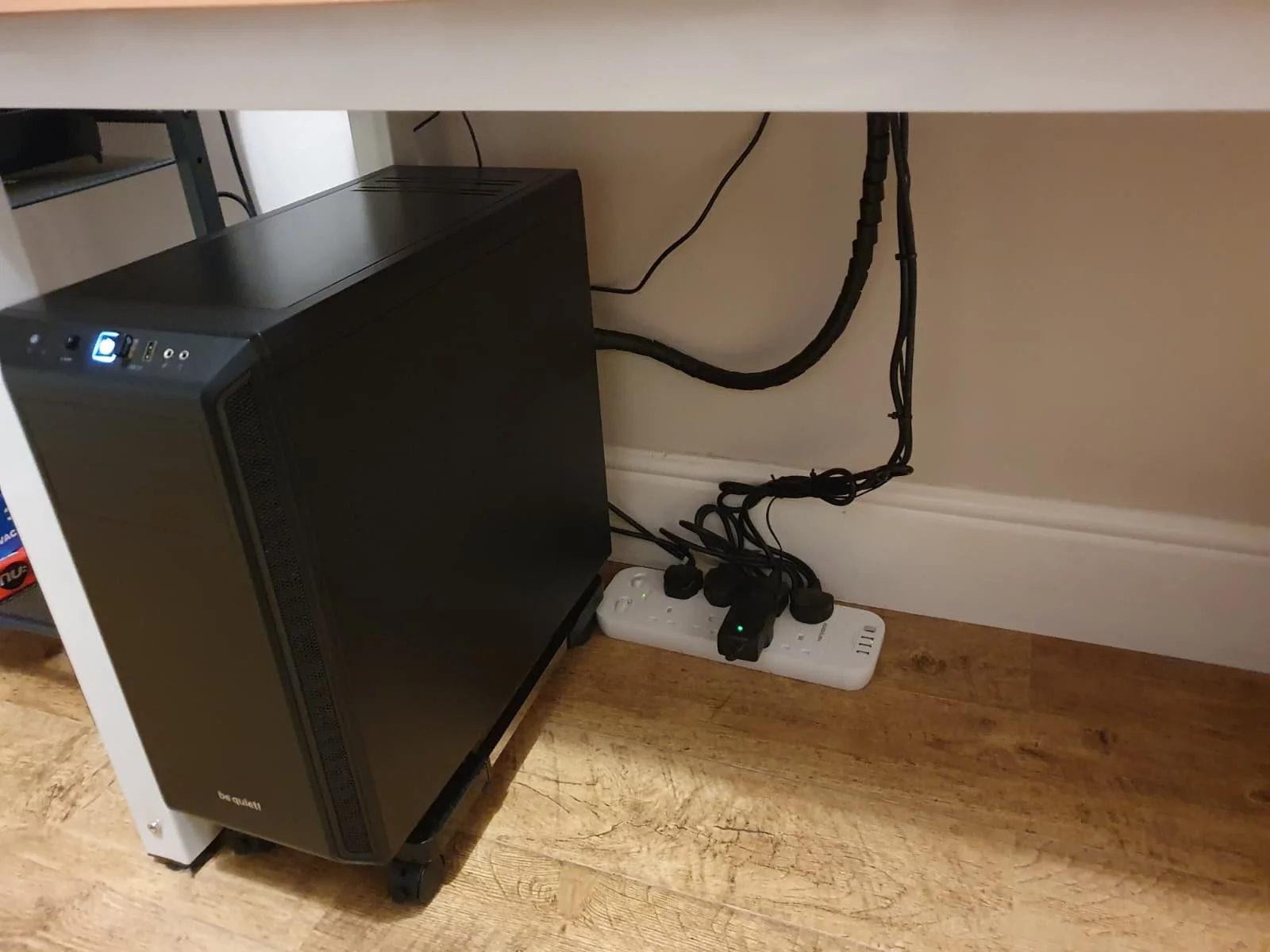
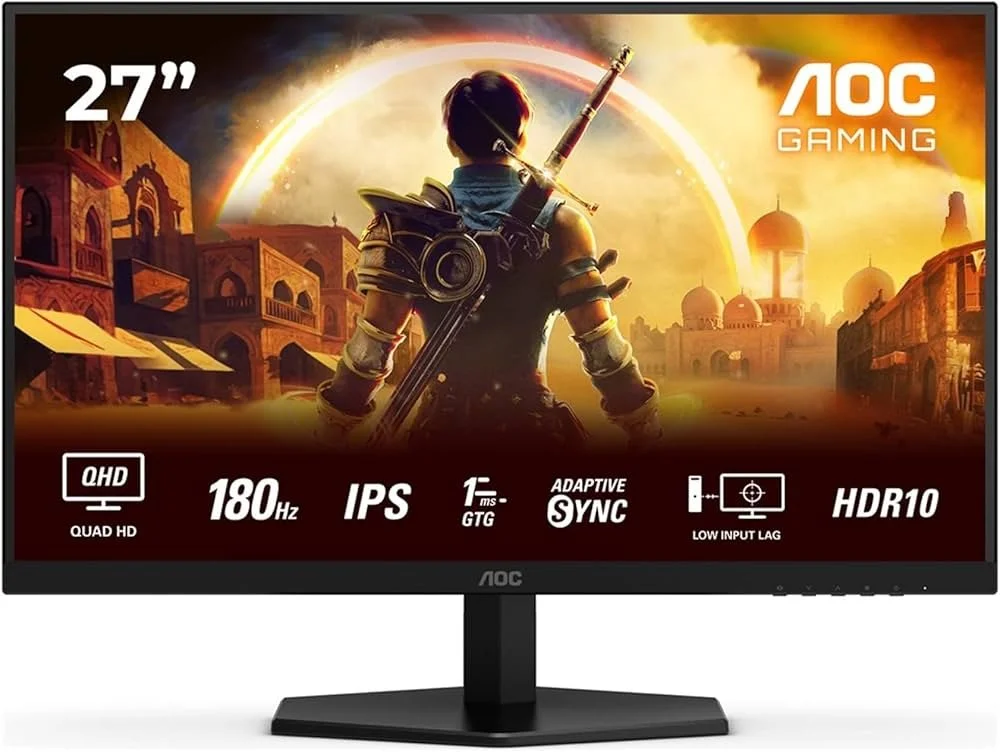
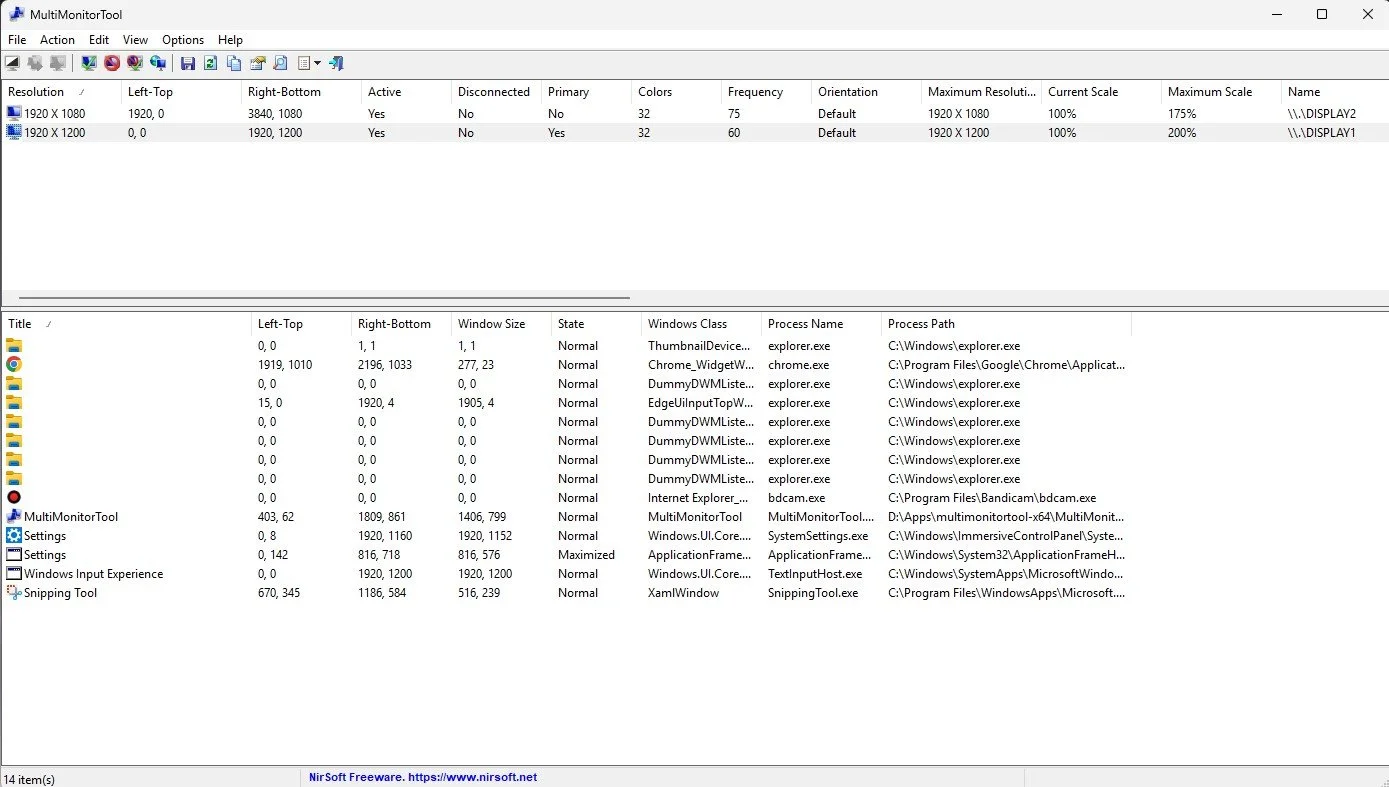
First off, I’m running a different PC this time round. To cut a very long story short, there is a Intel Graphics chipset on the Gigabyte Motherboard but the AMD Ryzen 5 3600 doesn’t support it and requires a discrete graphics card. So I couldn’t run a second monitor this way, as I did last year. However, my current NVIDIA GTX 1050Ti has 3 outputs; DVI, HDMI and DisplayPort. So after buying a DVI to VGA adapter, I managed to attach a second Acer X223W LCD monitor (1680 x 1050) and reconnected my existing primary Dell U2412M monitor (1920 x1200) with a DisplayPort cable. The cost was minimal (about £13 in total) and all items were delivered from Amazon in a matter of days.
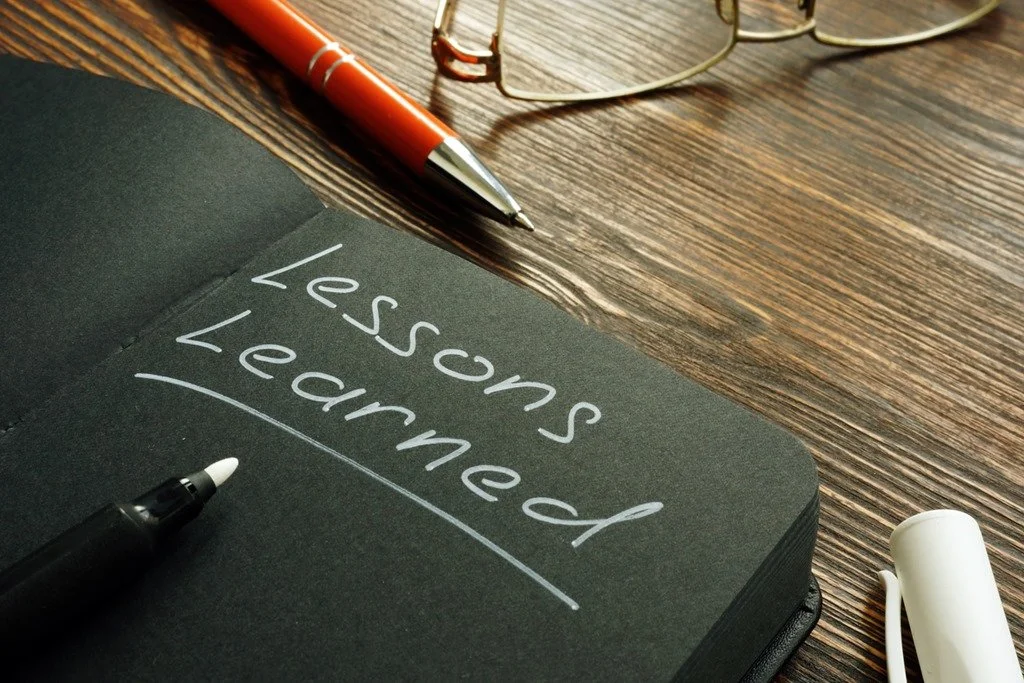
The next issue has been tweaking various settings in SLOBS. Something that remains very much a work in progress. It took a while to resolve the “there was an error fetching your channel information" error message. Google presented a simple solution; enabling 2FA (Two Factor Authentication). However, it took several attempts before my Twitch Account recognised that this facility had been turned on. And then there’s the fiddling with settings. I play games at a default resolution of 1920 x 1200 (16:10) but the stream outputs at generic 1920 x 1080 (16:9) and so the image is distorted. I managed to resolve this issue after I stopped broadcasting. I also need to display my Twitch account Chat Channel on my second monitor so I can keep up with any comments. I suspect this wasn’t working earlier due to the 2FA issues, so I had to use my Fire HD 10 as an alternative means. It’s far from ideal. Another lesson learned is to stop using my headset and to switch to desktop mic. I was surprised how hot my ears and head got.
At present another matter that’s complicating this process is my own personality. I like things to be just so and it bugs the hell out of me when they’re not. I’ve yet to master the subtleties of SLOBS interface and many of its settings are not immediately clear to me. Hence every few minutes I’m Googling questions and then having to watch various YouTube videos for answers. I may have to speak to other streamers and see if I can essentially “crib” their settings as I’m sure that for many, this is a fairly generic process. In the meantime, I’ll try and persevere. If I stream every couple of days, I’m sure I can iron out some of the obvious imperfections and improve the overall presentation. As for sprucing up my “banter”, that’s a whole different blog post.


















Get Ready for Blapril 2020
Apparently, I’m not the only one who thinks that all this spare time that many of us now have, can be put to good use. Belghast over at Tales of the Aggronaut, has brought forward his yearly blogging and content creation festival Blaugust and rechristened it Blapril. As the name indicates, this event will now run throughout April. Blapril is primarily a festival of blogging (although it offers much that is relevant to other types of content creation) designed to bring together and encourage new or lapsed bloggers. It is also an ideal opportunity for existing writers to renew their motivation and up their game. The event provides a means to share information and offer valuable advice based upon personal experiences. Blapril is about community, mutual support and sharing content. As I mentioned in a previous post, self isolation is in many ways the perfect time to take up blogging, podcasting, live streaming or generally creating some form of online content. If you’re looking for a gentle nudge to start any of these activities, Blapril 2020 can provide it.
Apparently, I’m not the only one who thinks that all this spare time that many of us now have, can be put to good use. Belghast over at Tales of the Aggronaut, has brought forward his yearly blogging and content creation festival Blaugust and rechristened it Blapril. As the name indicates, this event will now run throughout April. Blapril is primarily a festival of blogging (although it offers much that is relevant to other types of content creation) designed to bring together and encourage new or lapsed bloggers. It is also an ideal opportunity for existing writers to renew their motivation and up their game. The event provides a means to share information and offer valuable advice based upon personal experiences. Blapril is about community, mutual support and sharing content. As I mentioned in a previous post, self isolation is in many ways the perfect time to take up blogging, podcasting, live streaming or generally creating some form of online content. If you’re looking for a gentle nudge to start any of these activities, Blapril 2020 can provide it.
So if you’re interested in taking part in Blapril, there are several ways to do so. The first step is to fill out the Sign-Up Form for Blapril 2020 which can be found here. This is so the event organisers can track progress, “amplify” the promotion of your work and ensure that new bloggers get the support they may need.
There is also a Blapril Discord server which can be found here. This is the third year it has been active and there is quite a substantial community that is continuously active.This is an ideal place to say “hi”, seek answers and most importantly share your content each day in the appropriately named “share-your-content” channel.
When sharing your content on social media please use the hashtag #Blapril2020 for tracking purposes.It makes it easier for those keeping up with the event to find content.
Feel free to chat and interact with those participating in Blapril as it is very much a community event and part of the fun is getting to know the community. Mentors are available to help out with more immediate, hands on advice. There is also a “gaming-together” channel on Discord for those who may want to play socially.
There is also a Media Kit page with official graphics that you can use to promote your work and the event.
“write, Jamf…”
Blapril is not as a few misguided people have suggested in the past, a means of trying to foster some sort of “groupthink” approach to content creation. Quite the opposite is true. It is an event designed to encourage doing things your way. There is no one size fits all approach to blogging, podcasting etc. If you’re happy just writing about Animal Crossing: New Horizon or the bulbs you’ve just planted in your back garden, then that’s fine. Blapril is about helping people find a new hobby and having fun while doing it. And in light of the present circumstances, fun is going to be a much needed commodity. So ignore the self appointed “Fun Stasi” and get ready for Blapril. I’ll be helping out as a mentor and I’m already preparing a list of blog posts and toying with the idea of a podcast (it won’t happen you know but a man can dream). I look forward to reading a lot of new content and chatting with new friends on Discord.
Riddick (2013)
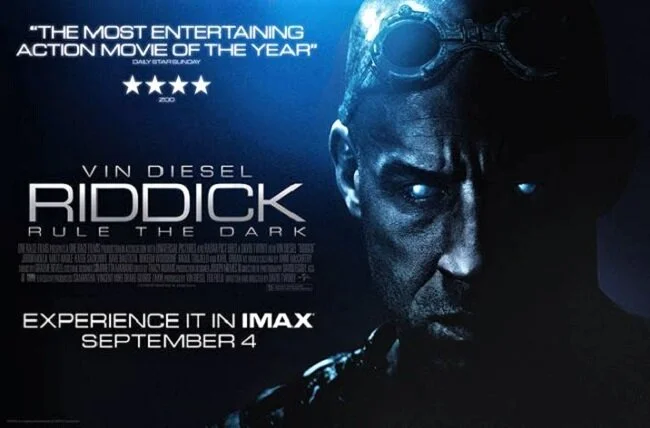
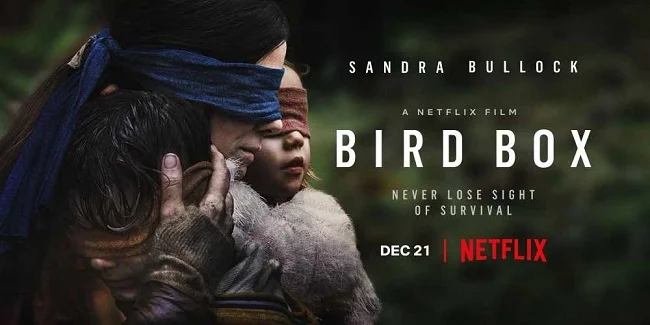
Contrary to the endorsement on the above poster, Riddick was not "the most entertaining action movie of the year" in 2013. It was just an adequate third instalment in a rather ambitious franchise, that has failed to grab the wider public's attention. That’s not to say that they didn’t make money. This is after all the third movie. Writer and Director David Twohy has done his best to try and make the character of Riddick (Vin Diesel) more than the sum of his parts and I admire both of them for their persistence. Unfortunately, Riddick just isn't engaging or complicated enough a protagonist to sustain a franchise of this nature. The anti-hero was sufficient to drive the original Pitch Black back in 2000 which had some good ideas but just couldn't sustain the overarching and overblown Chronicles of Riddick in 2004. This instalment is competently made but ultimately superfluous.
Contrary to the endorsement on the above poster, Riddick was not "the most entertaining action movie of the year" in 2013. It was just an adequate third instalment in a rather ambitious franchise, that has failed to grab the wider public's attention. That’s not to say that they didn’t make money. This is after all the third movie. Writer and Director David Twohy has done his best to try and make the character of Riddick (Vin Diesel) more than the sum of his parts and I admire both of them for their persistence. Unfortunately, Riddick just isn't engaging or complicated enough a protagonist to sustain a franchise of this nature. The anti-hero was sufficient to drive the original Pitch Black back in 2000 which had some good ideas but just couldn't sustain the overarching and overblown Chronicles of Riddick in 2004. This instalment is competently made but ultimately superfluous.
After the epic scope of part two, Riddick is a far more minimalist movie and in some ways is a partial reboot of the original, following a broadly similar plot. Leaving the Necromongers and Vaako (an incredibly brief cameo from Karl Urban), Riddick is betrayed and marooned on a barren planet. Wounded, he finds himself having to fend of a group of bounty hunters, some of whom have specific personal grudges against him. Writer and director Twohy once again toys with the idea of trying to redeem a morally reprehensible murderer and we have such arbitrary tropes as generic bad guys who sneer and look mean, as well as the old cliché of grudging respect between men of war. The dialogue is hard boiled and most of the plot elements have an all too familiar ring to them.
The acting and script are nothing special and although neither are they shockingly bad. It is all just predictably obvious. There a rather crass sub-plot involving lesbian mercenary Dahl (Katee Sackhoff) who begins to warm to the heterosexual charms of Riddick, which is dumb even by genre standards and considering contemporary sexual politics, somewhat insulting. As ever, the production values are slick despite the lower budget with plenty of creature mayhem, violence and macho posturing. Twohy has an eye for planetary vista's and can certainly craft a good action scene. Free from the pretensions of Chronicles of Riddick and trying to create a more complicated franchise, this third instalment returns to a more standard and user friendly formula. The character of Riddick is better suited to a more focused narrative such as this.
After twenty years and three movies, I think it would be wise for both Messrs Twohy and Diesel to call it a day with regard to the ongoing adventures of Riddick. I don't really see where you can take this particular anti-hero next and more importantly, I am not sure if many viewers would be especially disposed to do so. Again I feel that praise is due for director Twohy, for at least trying to do something different and for the determination in trying to sell the character of Riddick to the public. However, I think it's clear that there is not enough narrative meat on the bones to make people care about him. It will be interesting to see if a fourth sequel emerges or whether Twohy moves on from this franchise. Perhaps the latter would be wiser as his previous movies such as Below and A Perfect Getaway were very promising.
NB. There are two versions of Riddick available. The standard theatrical cut and an extended Director’s cut, which includes 5 minutes of slightly expanded dialogue scenes and some additional nudity. This review is based upon the latter.






COVID-19 Pandemic 2020 Part 1
The COVD-19 Pandemic is an unprecedented global event and the way day to day life has changed so rapidly over the last few weeks is deeply unsettling. Hence I’m writing this recurring post as a coping mechanism; a means to process what is happening and observe how society is reacting to the ongoing crisis. And first off, let me state that I’ve already spoken to two people today, who do not see a Global Pandemic as being a crisis. Yes because we live in a post truth world where some people labour under the delusion that all opinions are of commensurate value, there are still people who “feel” that this is all an overwrought brouhaha. I suspect “crazy people watch” may become a major part of my writing. So where to begin exactly? Well I guess the best thing to do is to explain what my personal situation is.
The COVD-19 Pandemic is an unprecedented global event and the way day to day life has changed so rapidly over the last few weeks is deeply unsettling. Hence I’m writing this recurring post as a coping mechanism; a means to process what is happening and observe how society is reacting to the ongoing crisis. And first off, let me state that I’ve already spoken to two people today, who do not see a Global Pandemic as being a crisis. Yes because we live in a post truth world where some people labour under the delusion that all opinions are of commensurate value, there are still people who “feel” that this is all an overwrought brouhaha. I suspect “crazy people watch” may become a major part of my writing. So where to begin exactly? Well I guess the best thing to do is to explain what my personal situation is.
I live in South East London. Bexley Borough is your archetypal middle-class suburb. It grew over the first three decades of the twentieth century offering family homes, good schools and plenty of parks and recreational land. And it has continued doing this. It is a wealthy Borough with an ageing population. 17% of the 280,000 residents are over 65. Politically this is a Conservative Party safe seat and as you may expect, the electorate were predominantly in favour of Brexit. I have lived here for most of my life and am therefore very familiar with its facilities, resources and denizens. As of the time of writing (early morning on Saturday March 21st) there are 31 confirmed cases of Coronavirus in the Borough. It was 5 this time last week.
I live with Mrs P in a Bungalow. It is an ideal size for the pair of us and the lack of stairs suits her health needs. Mrs P currently has two fused vertebrae in her neck and has been in continuous pain for the last 3 months. She also has a heart condition and underwent triple bypass surgery in 2017. She had further heart issues this January and is still under the care of the cardiovascular clinic. Hence she is in a high risk group for COVID-19. My parents are similarly in a high risk group. They live one road away along with my Sister. She is currently working from home, so for the present I have reduced the time I spend tending to my 90 year old disabled Father. Despite the ongoing crisis he is still receiving two visits a day from the District Nurse and carers. Without their assistance he would get ill very quickly. I only recently discovered he is on the “critical medication” list with the Central Access Team. My disabled Mother is currently in Respite Care for two weeks at a local Nursing Home.
For the present, I am restricting my journeys out to checking with my Father and Sister, essential shopping visits and collecting prescriptions from the Pharmacist. Mrs P may move in with my Son next week and provide childcare for our two Granddaughters, now that the schools are closing. This will be for no more than two weeks and then my Son, who is a “key worker” for TFL, should go on leave. However, for the last two weeks, shopping has proven increasingly difficult due to panic buying from certain quarters of the community. What started out as a run of toilet paper a week ago has now spread to a wider range of products. As of today my local Co-op supermarket looks like it has been robbed. However, as I tend to go shopping every day, I’ve managed to ensure that both households have adequate stocks of essentials. I’ve also ensured that all necessary repeat prescriptions have been filled or are pending at the Doctor’s Surgery.
And this is one of two issues that concerns me at present. I have no problem with the idea of eating less and rationing my food intake. If anything it will do me good as my weight has gone up of late. It is access to medical services and medication that plays on my mind. In the last week the Pharmacist no longer allows customers direct access to the entire shop. A reception area has been created and only 4 customers are allowed in at a time. They either drop off or collect their prescription. If they want anything else the staff have to get if for them as access to the shelves is now prohibited. This is a necessary precaution but it greatly slows down the flow of customers. Due to increased pressure on staff, the turnaround time on repeat prescriptions has gone from 3 to 5 working days. Furthermore, the local Doctor’s Surgery has suspended the booking of all appointments and the walk in clinic. Calls are screened to focus on priority patients and telephone triage is used for intermediate conditions.
Finally, my second concern at present is my Mother. As I mentioned she is currently in a local Nursing Home for two weeks respite care. Since she was discharged from hospital at the start of February it has been intensive work caring for her. Her lack of mobility means she needs continuous care throughout the day. Hence my Sister and I were most grateful to have a reduction in our caring duties with her being away. At present she is scheduled to return home on the 30th of March. This presents some problems. I shall have to break my scaled self isolation to visit her on a daily basis. My Sister is working from home and due to the nature of her job, will be genuinely working 9 to 5. So it will fall to me to do as much as I can. My Mother’s return will also mean the reinstatement of 4 daily carer visits. Effectively the increase in people coming to the home will put all concerned at greater risk. There’s a possibility that if events get worse, the Nursing Home may go into lockdown with all who are currently there, staying put. This would keep my Mother safe in a secure environment indefinitely but I cannot count on this.
This is an initial summary of how the current crisis is impacting upon my extended family. As ever, it quickly becomes apparent while watching the news that others have it far worse. I intend to continue to write about all aspects of this situation as it unfolds. For the present, I’m monitoring what happens in France, Germany and Italy as they are broadly comparable nations to the UK. Please feel free to comment and share your thoughts on how this situation is affecting your day to day life. In the meantime stay safe and use the internet to check on those who may need help. We may well all be incarcerated to a degree but we can use our social networks to direct potential help to those who need it. And just staying in touch with online friends is good for everyone’s collective moral.




















Thoughts on Blogging Part 12
Due to the ongoing Global Pandemic, many people are now finding themselves working from home or having to stay in for health or childcare reasons. Hence there has been a marked increase in online leisure activities. Steam has been hit by a record number of concurrent users and Netflix and Amazon prime have both seen an increased demand upon their respective streaming services. If you’re not commuting then you are freeing up a substantial amount of hours each week. This potential abundance of “free time” along with a practical need to channel your energy into something to prevent yourself from going “stir crazy”, presents some interesting opportunities. Many people who have previously expressed an interest in writing and content creation now have the leeway to do so. Naturally, as a writing enthusiast and a long time blogger, I am happy to encourage such activities.
Due to the ongoing Global Pandemic, many people are now finding themselves working from home or having to stay in for health or childcare reasons. Hence there has been a marked increase in online leisure activities. Steam has been hit by a record number of concurrent users and Netflix and Amazon prime have both seen an increased demand upon their respective streaming services. If you’re not commuting then you are freeing up a substantial amount of hours each week. This potential abundance of “free time” along with a practical need to channel your energy into something to prevent yourself from going “stir crazy”, presents some interesting opportunities. Many people who have previously expressed an interest in writing and content creation now have the leeway to do so. Naturally, as a writing enthusiast and a long time blogger, I am happy to encourage such activities.
I have been part of a wider content creating community for over a decade now and it struck me as soon as this situation developed that a lot of people were going to find themselves quarantined at home with time on their hands. Leisure time is usually a premium commodity these days but I suspect that a lot of people will not be prepared for such a rapid change in fortune. Plus having to work at home, possibly cheek by jowl with your entire family, is going to require some sort of “safety valve” to release the stress such confinement inevitably brings. So in many respects now is an ideal time to start a new hobby. If it is pursued in a measured way then writing, podcasting, live streaming or creating videos may well provide not only a pleasurable leisure activity but also a means to interact and communicate with others. Something that we have taken for granted up until now.
“Sod off and go and do something constructive, instead of continuously bothering me, you sweaty galloot”
For the sake of my example I shall focus upon writing but obviously the points I hope to make are applicable to other forms of content creation. Writing your thoughts down regarding any subject provides a sense of focus. Often when we marshall our thoughts it leads to a clearer understanding of a subject. It is also a process that we can control 100%. Such things are good for your mental wellbeing while we’re all in lockdown. If you start a blog and write regularly, having a schedule provides a clear routine. Structure is beneficial when in self isolation. Plus writing more often will improve your literacy skills. And then there is pleasure to be found in sharing your words with others, building an audience and becoming part of a social community. No matter how niche your chosen subject may be, there’s always an audience to be found. It is often this interaction that is the most rewarding aspect of writing and it subsequently fuels your creativity and desire to continue.
So if you’ve always toyed with the idea of blogging about your favourite games, movies or your cats, then why not grab yourself a free account over at wordpress.com and give it a go. Alternatively maybe you’ve always wanted to do some live streaming? Well now’s the time to do it. It’s not that hard to figure out. Even I’ve managed it. The same goes for YouTube. The barriers to entry are very low and there’s a wealth of online help available to get you started. It would be great to get a positive from a negative and see a resurgence in all kinds of content creation during these difficult times. And if you still need a nudge or the safety net of a community that you can draw upon for advice and guidance, then I wouldn’t be surprised if you see a lot of online communities rally and offer a helping hand. Don’t pass up on a golden opportunity. What would you prefer? To look back on 2020 as the year you were terminally bored while you holed up for 3 to 4 months. Or for it to be the year you started a new hobby that got you through a difficult period? The choice is yours.
Completing the Minas Morgul Expansion
Despite taking a short break out of pure frustration, I decided to grit my teeth and try to finish the Minas Morgul expansion for The Lord of the Rings Online over the last few days. As I suspected, once you start questing in Minas Morgul itself, it all becomes very homogenous. The circles of the city are deliberately ponderous to navigate and the quests are padded out with generic filler content that requires you to kill multiple types of mobs. Furthermore, Minas Morgul itself is a “lagfest” and you can often find yourself instantly in combat with a mob lurking immediately outside the door of the Rangers camps. The density of the enemies means that you’re continuously pulling aggro when travelling form A to B. And you often find yourself rubberbanding and stuttering due to the poor build of the city. Completing all of the various tiers of the city is a grueling task and upon completion you’re immediately sent to Thuringwath which has many of the same problems. Although some of the quest stories are well conceived, the realities of completing much of the content in Minas Morgul make it very much an uphill struggle.
Despite taking a short break out of pure frustration, I decided to grit my teeth and try to finish the Minas Morgul expansion for The Lord of the Rings Online over the last few days. As I suspected, once you start questing in Minas Morgul itself, it all becomes very homogenous. The circles of the city are deliberately ponderous to navigate and the quests are padded out with generic filler content that requires you to kill multiple types of mobs. Furthermore, Minas Morgul itself is a “lagfest” and you can often find yourself instantly in combat with a mob lurking immediately outside the door of the Rangers camps. The density of the enemies means that you’re continuously pulling aggro when travelling form A to B. And you often find yourself rubberbanding and stuttering due to the poor build of the city. Completing all of the various tiers of the city is a grueling task and upon completion you’re immediately sent to Thuringwath which has many of the same problems. Although some of the quest stories are well conceived, the realities of completing much of the content in Minas Morgul make it very much an uphill struggle.
So far I have completed the Circles of Wrath, Sorrow, Madness and am currently working on the aptly named Circle of Despair. To break up the monotony, I decided to tackle the Epic Story as I wanted to see the conclusion of the Black Book of Mordor. I was suitably impressed by the way the writers tied up all the loose ends, especially the manner in which Gothmog met his fate. The link to Golodir and the lineage of his sword Dúnachar was intriguing. I also liked the way that the author of the Black Book, the Zhelruka Dwarf Voin, turned out to be a benign character and was rather moved in the final scene in which he said goodbye to his wife and son and went off to die. I enjoyed the subtle inference that he may have found Thafar-gathol. Once again the musical score by Bill Champagne was outstanding and greatly enhanced the drama. The final epilogue where you have to decide who gets the Black Book proved interesting and presented three interesting choices. I decided it should be returned to Khîl Tale-spinner as he is a descendant of Voin. But I did flirt with the notion of giving it to Karazgar.
As ever with LOTRO, it is the strength of the stories and characters, along with the realisation of the world itself which are the game’s greatest strengths. Hence these have been the aspects of the Minas Morgul expansion that I’ve enjoyed the most. As I approach the completion of this expansion I am pleased that I have reached level cap with a relatively robust build. The gear I obtained from opening 22 Adventurer's Steel-bound Lootboxes has made a significant difference to my performance. In recent weeks I have added additional tiers to my LI Legacies and have also upgraded most of the settings. I am also levelling my slotted virtue traits, now that the level cap has been increased to 68. Yet despite these positive points, I cannot help but feel that this expansion is very much a product of two very distinct parts. I very much enjoyed the first section set during the Second Age. However, the second part feels notably weaker, with a lot of arbitrary content thrown together in a slapdash fashion. As for the new raids, I have not experienced these as of yet and am not likely to due to my kinship being quiet of late.



Classic Movie Themes: Friday the 13th
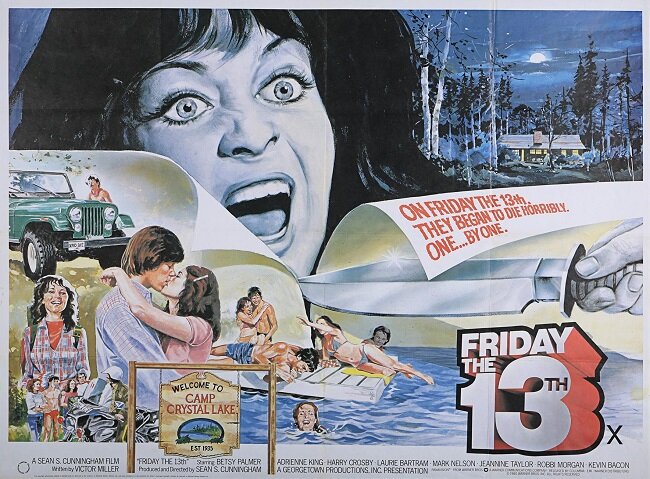
It was Friday the 13th yesterday, so I thought it was about time that I added Harry Manfredini’s iconic score to the annals of Classic Movie Themes. The 1980 slasher movie Friday the 13th has become as legendary in the pantheon of cinematic horror history as John Carpenter’s Halloween. Although there are marked differences between these two films, both use minimalist musical scores extremely effectively to punctuate the proceedings and embellish the overall atmosphere. However, Manfedini did not want to provide viewers with obvious audio cues during scenes of building tension. He preferred to focus his score upon the activities of the franchise's iconic killer, Jason Voorhees, and hence have strong musical cues when he was on screen. This approach meant that he had to use a unique musical motif to denote potential tension, without diminishing its effect on the audience by excessive use of obvious and melodramatic cues.
It was Friday the 13th yesterday, so I thought it was about time that I added Harry Manfredini’s iconic score to the annals of Classic Movie Themes. The 1980 slasher movie Friday the 13th has become as legendary in the pantheon of cinematic horror history as John Carpenter’s Halloween. Although there are marked differences between these two films, both use minimalist musical scores extremely effectively to punctuate the proceedings and embellish the overall atmosphere. However, Manfedini did not want to provide viewers with obvious audio cues during scenes of building tension. He preferred to focus his score upon the activities of the franchise's iconic killer, Jason Voorhees, and hence have strong musical cues when he was on screen. This approach meant that he had to use a unique musical motif to denote potential tension, without diminishing its effect on the audience by excessive use of obvious and melodramatic cues.
Harry Manfredini’s solution was to craft a combination of simple echoing chords combined with a vocal track which repeated the phrase "ki ki ki, ma ma ma". The concept was that these words were some kind of subliminal message; a corrupt version of "kill her, mommy" which would plague Pamela Voorhees, the protagonist from the first movie. Over the course of the franchise, Manfedini became far more adept of using this motif, which he subsequently expanded with the addition of some frenetic strings. This motif would play when something was about to happen on screen, ramping up the tension rather than mitigating it by more overt musical telegraphing. John Williams used a similar technique with his original score for Jaws. Furthermore, Manfredini would often use variations of this cue as musical red herrings, often culminating in a non-fatal jump scare.
Due to the longevity of the Friday the 13th franchise, Harry Manfredini has revised and expanded his work many times. The theme used for the opening credits of the original movie is in many ways the best example. It encapsulates the immediacy of his work and incorporates the "ki ki ki, ma ma ma" motif at its most unique point in history. Another standout version of the main title theme is for Friday the 13th Part III (1982) which was released in 3D. He again reworked the essential principles of basic cue into a pulsing new version with a distinct synth and disco vibe. Finally as an added bonus, I wanted to quickly reference Friday the 13th: A New Beginning (1985) and the song that features while Violet (Tiffany Helm) indulged in that very eighties activity, robot dancing. His Eyes by Australian New Wave Band (and shameless Ultravox plagiarists) Pseudo Echo has gained a curious cult following over the years among Friday the 13th fans.








Waiting for the New Middle-earth MMO
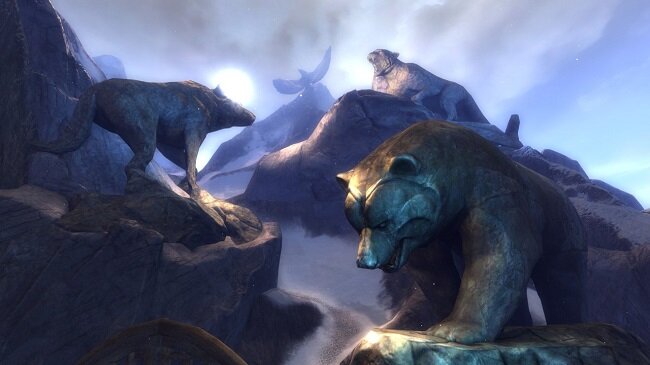
In late 2018 it was announced that Amazon Game Studios and Leyou were collaborating on massively multiplayer online game for PC and consoles set in Middle-earth. Ongoing development is being handled by Athlon Games, a global developer and publisher of free-to-play console and PC games. The studio is a subsidiary of Leyou Technologies Holdings Limited. But beyond the fairly vague press releases that can be found on the Athlon Games website (the last was posted in July 2019), little detail has emerged about the project. There has been unsubstantiated rumours that the project may well tie-in with the forthcoming Amazon Prime TV show that is set in the Second Age of Middle Earth. However, there is little information at present in the public domain to fully substantiate this or any of the other ongoing speculation. Hence, the entire situation raises some interesting questions and I’m sure like me, you have probably pondered some of them. Here are just a few that have crossed my mind.
In late 2018 it was announced that Amazon Game Studios and Leyou were collaborating on massively multiplayer online game for PC and consoles set in Middle-earth. Ongoing development is being handled by Athlon Games, a global developer and publisher of free-to-play console and PC games. The studio is a subsidiary of Leyou Technologies Holdings Limited. But beyond the fairly vague press releases that can be found on the Athlon Games website (the last was posted in July 2019), little detail has emerged about the project. There has been unsubstantiated rumours that the project may well tie-in with the forthcoming Amazon Prime TV show that is set in the Second Age of Middle Earth. However, there is little information at present in the public domain to fully substantiate this or any of the other ongoing speculation. Hence, the entire situation raises some interesting questions and I’m sure like me, you have probably pondered some of them. Here are just a few that have crossed my mind.
Will this title be directly competing with Standing Stone Games MMORPG The Lord of the Rings Online?
Exactly what sort of MMO will this new LOTR based game be, as the very term MMO is extremely elastic these days.
Will the appropriate licensing body allow two games from the same genre to exist simultaneously?
Exactly what business model will this new MMO have?
What iteration of the franchise will this game be based upon? Will it draw directly from the Peter Jackson movies (like games such as Middle-earth: Shadow of Mordor and Middle-earth: Shadow of War) or will it create a unique vision of Middle Earth as with SSG’s LOTRO?
Due to the lack of any definitive information, all we can presently do is speculate about the answers to these questions. Firstly, as to “do we need another The Lord of the Rings themed MMO”, I certainly think the market can sustain one. Competition can be a healthy thing and it is nice as a consumer to have choice. Products can co-exist harmoniously if they provide different experiences. I am always interested in seeing different people’s visions of Professor Tolkien's work, such as artists like Alan Lee, John Howe and Ted Nasmith, so for me a new game would be welcome purely from an creative and aesthetic perspective. There is also a wealth of lore that is available to be developed into new storylines. This is something that Turbine and Standing Stone Games have managed to do successfully over the past thirteen years. Any new game can easily explore an aspect of Tolkien’s work that hasn’t been touched by any previous product. There is no need to simply tread old ground.
Now if this new The Lord of the Rings themed MMO is marketed in direct competition to LOTRO, then I would expect it to be a very different beast, based around the mechanics and systems that are currently popular within the genre. I do not see any benefit in simply creating an MMO that replicates what exactly LOTRO does. I would not be surprised if this new MMO was closer to The Elder Scrolls Online in its systems design. It is also worth considering licensing arrangements. When Star Wars: The Old Republic was released in late 2011, a decision was made to close the older MMO Star Wars Galaxies. Exactly why this happened has never been officially discussed, so we do not know if this was solely about concerns over competition. However, the legal rights for Tolkien’s work are administered by a completely different body, so it doesn’t mean that a similar fate necessarily awaits LOTRO. But it is prudent to at least reflect upon what happened to SWG.
Personally, I would like to see a less linear game with a far more open world environment, dynamic content that is proximity based and the chance to develop charterers that aren't solely based around combat. To be able to lose oneself in a virtual Middle Earth, where you are free to explore, craft, farm, trade or simply aimlessly meander, would be a massive step forward for fans of the IP. But I am fully aware that what delights me may well deter other gamers and that ultimately any game is going to have to find a balance between the new and established systems that are economically viable. The development costs required to create a truly open world version of Middle-earth would be substantial and more importantly, the risk of such an experimental project would potentially be the biggest obstacle. Conversely, just using Tolkien’s world for yet another PVP or Battle Royale game would in my view be a waste of the franchise.
I'm sure that many interested parties will be keeping an eye on Athlon Games over the next year to see how this new MMO pans out. Let us hope that further information is forthcoming regarding its development and its specific nature. However, a quality MMO is not made overnight and so I’m not optimistic that I’ll be playing this new game any time soon. If it is tied to the Amazon Prime TV show, then the games launch may also depend on whether that show gains any traction. Furthermore, the TV show may well be intended to run over numerous seasons and try and emulate the sustained success of Game of Thrones. If that's the case then this new MMO may not appear until the TV show has hit its peak popularity. And if the show is not well received the game could well be cancelled before release. Therefore, it may well be best for Tolkien fans to simply just keep an eye on this project and continue to focus on those games such as LOTRO that do currently exist and provide a specific service.
Old is New
If you keep up with news in the MMORPG community, you’ll be aware that there has been a recent resurgence in “rogue server” offering emulation services for titles that have officially closed. City of Heroes and Star Wars Galaxies continue to sustain a player base and the level of interest clearly indicates that this is not just due to mere nostalgia. Simply put these games maintain an audience because they are good. They’re well designed, engaging and rewarding to play. Similarly, remastered games are proving to be both popular and commercially successful. Resident Evil 2 which was released last year has sold over 5 million copies and received critical acclaim. It currently has a rating of 91% on Metacritic (for those who put stock in such things). Pundits are already predicting that the remake of Final Fantasy VII will enjoy similar success. Again when you analyse the reviews and critiques available online, you find that these remastered titles fare well due to their inherent quality. Is this something newer games are lacking?
If you keep up with news in the MMORPG community, you’ll be aware that there has been a recent resurgence in “rogue server” offering emulation services for titles that have officially closed. City of Heroes and Star Wars Galaxies continue to sustain a player base and the level of interest clearly indicates that this is not just due to mere nostalgia. Simply put these games maintain an audience because they are good. They’re well designed, engaging and rewarding to play. Similarly, remastered games are proving to be both popular and commercially successful. Resident Evil 2 which was released last year has sold over 5 million copies and received critical acclaim. It currently has a rating of 91% on Metacritic (for those who put stock in such things). Pundits are already predicting that the remake of Final Fantasy VII will enjoy similar success. Again when you analyse the reviews and critiques available online, you find that these remastered titles fare well due to their inherent quality. Is this something newer games are lacking?
Games commentator Jim Sterling touches upon this subject in the latest edition of The Jimquisition (09.03.20). He strongly believes that too many contemporary so called “triple A” games are hobbled by microtransactions and content gated behind paywalls. Season passes promise future content thus justifying incomplete titles to be released and that creativity and innovation are sidelined when creating a game as a “live service”. Hence he states it is customer dissatisfaction with current games that makes remastered titles more appealing. They present an opportunity to play through a game with any impediment, interruption or requirement to pay more money to access further content. Furthermore, these are titles that hail from an era where the creative focus was on the gameplay and new ideas were not subordinate to business imperatives. All are cogent points that I broadly agree with, as I’ve experienced all of these over several decades of gaming.
The mainstream video game industry is not known for responding quickly or adapting promptly to new situations. Once a successful trend is established it is frequently slavishly followed. Hence multiple genres have each experienced a brief time in the sun. All too often a couple of games will arrive late to the proverbial party and fail to find an audience and quickly close. Some titles will even get canned while in development, if the marketing tide has turned. However, sooner or later the boardrooms of these multi billion dollar companies have got to notice what is selling and what is not. EA stated a few years ago that single player games were done as a genre and yet Star Wars Jedi: Fallen Order, a conspicuously single player game without live service trappings, has proven very successful. No matter how glacial the rate of change may be, sooner or later major publishers are going to connect the dots and see what is selling and more importantly why it is doing so. At this point will the old become new? Only time will tell.
Making Your Own Fun
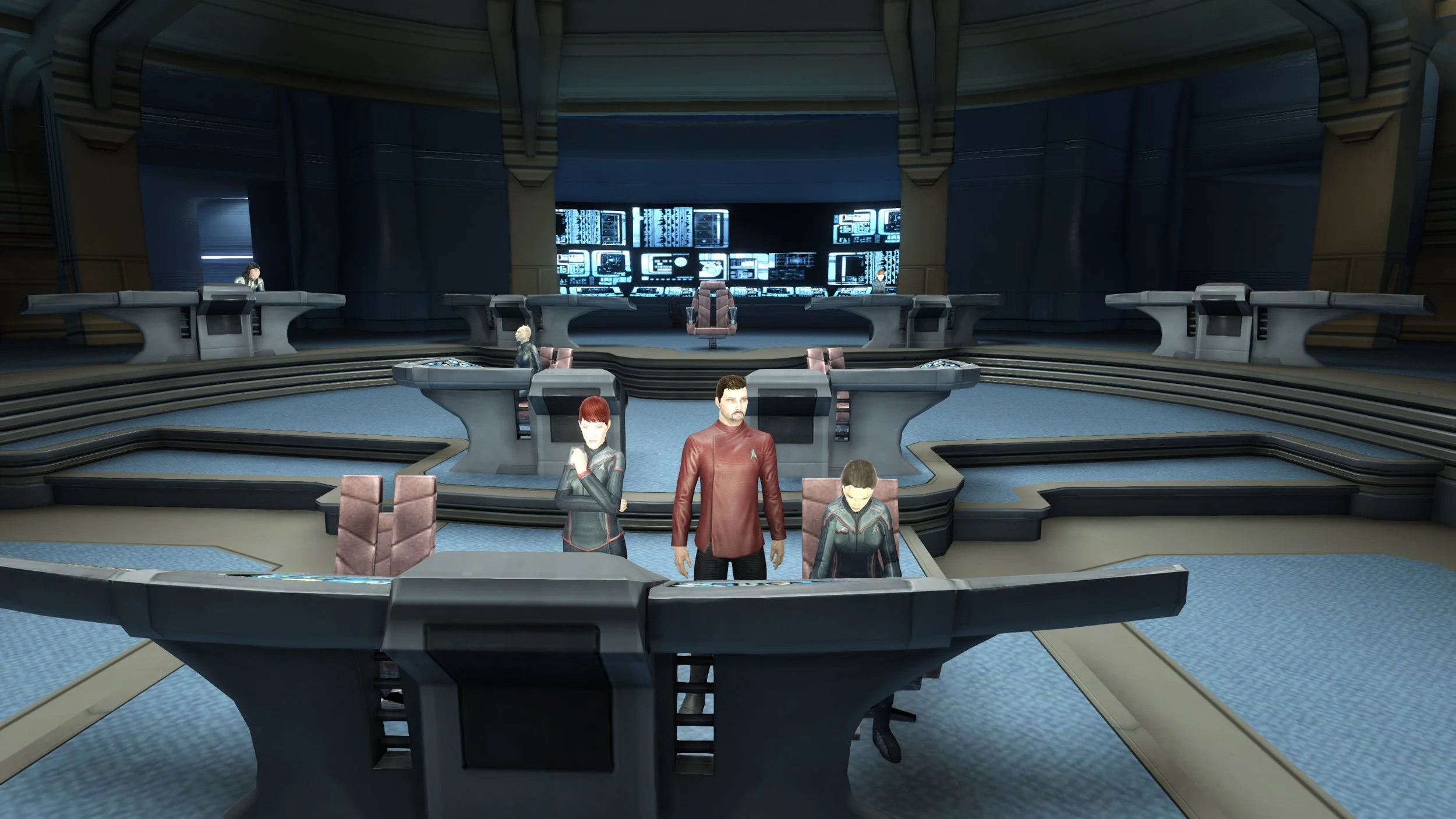
I’ve yet to read a cogent definition of the term “emergent gameplay”, so it won’t feature in this post because I’m not sure if I fully grasp the concept. It seems to be a very elastic term. However, what I will say is that sometimes you run out of officially sanctioned tasks to do, when playing an MMO. You find yourself having completed all quests and missions, languishing at level cap with acceptable gear and kicking your virtual heels. It is at this point one of two things happens. You either find a means of keeping yourself engaged with the game, or you logout and find something else to play. Too often have I done the latter. At present, I’m currently at the “what should I do now” stage both in The Lord of the Rings Online and Star Trek Online. This time rather than just temporarily abandoning these games, I intend to set myself some new goals and effectively make my own fun. It may or may not work. But at the least it will make for a couple of blog posts.
I’ve yet to read a cogent definition of the term “emergent gameplay”, so it won’t feature in this post because I’m not sure if I fully grasp the concept. It seems to be a very elastic term. However, what I will say is that sometimes you run out of officially sanctioned tasks to do, when playing an MMO. You find yourself having completed all quests and missions, languishing at level cap with acceptable gear and kicking your virtual heels. It is at this point one of two things happens. You either find a means of keeping yourself engaged with the game, or you logout and find something else to play. Too often have I done the latter. At present, I’m currently at the “what should I do now” stage both in The Lord of the Rings Online and Star Trek Online. This time rather than just temporarily abandoning these games, I intend to set myself some new goals and effectively make my own fun. It may or may not work. But at the least it will make for a couple of blog posts.
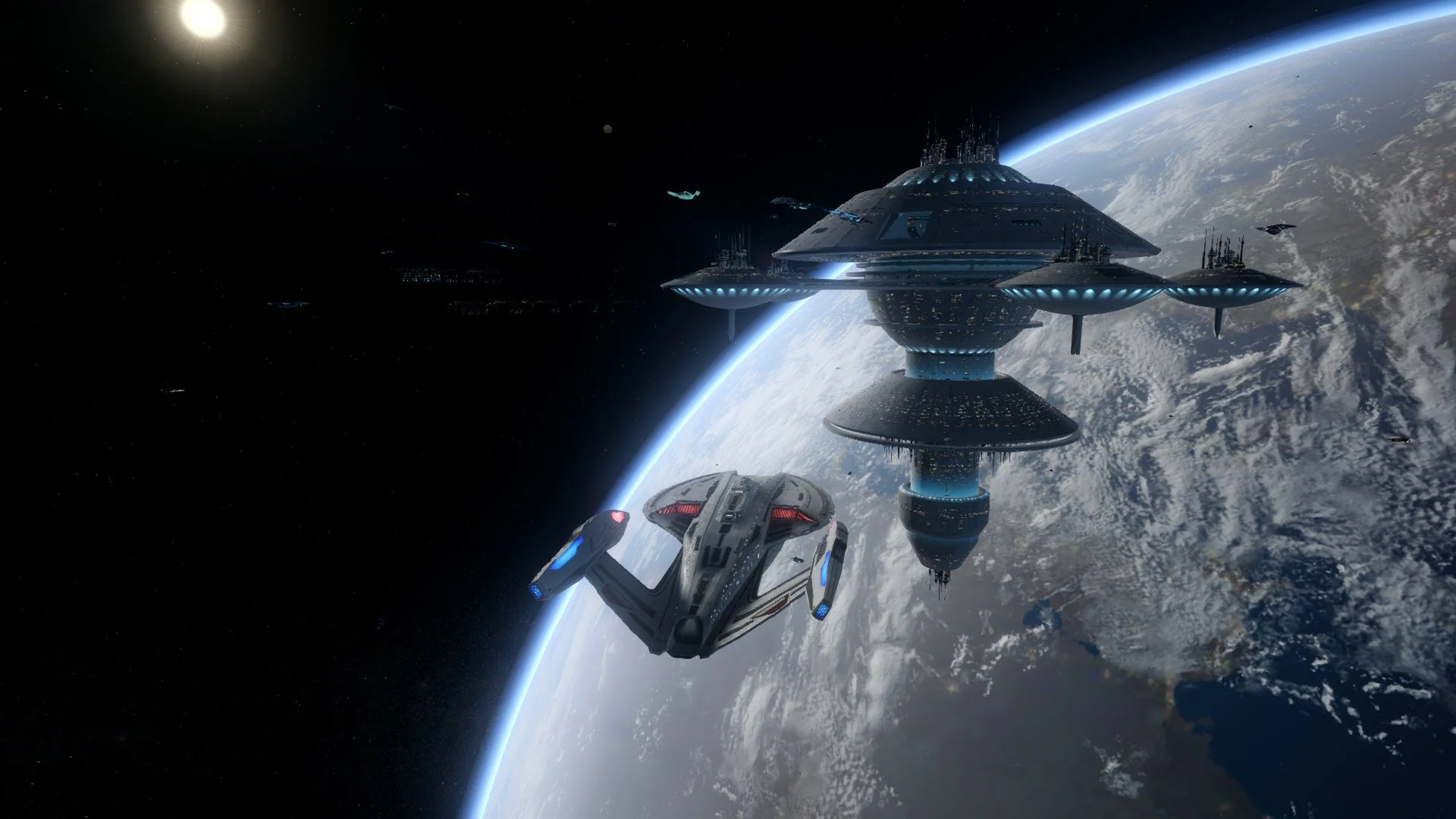
I still have a hankering for a Tier 6 Constitution Class ship in STO. Specifically one from the TOS era, rather than the Kelvin Timeline or DISCO period. However, to get one I’ve either got to buy the 10th Anniversary Legendary Ship Bundle (which requires selling a kidney) or open a ton of Infinity Promotion Research & Development Packs. You can either buy these for Zen (real money) or Energy Credits (ingame currency) via the Exchange. Occasionally a reward pack containing one of these ships does come up for sale on the Exchange but this is usually between 1.5 and 2 billion Energy Credits. Which leads me neatly on to the subject of earning this in-game currency. Some MMOs are laid back when it comes to generating revenue. STO is not one of them. Something that Cryptic has tried to address over the years. So I thought it would be interesting to see how many Energy Credits I could earn in a fixed period of time. This would then be an interesting litmus test to see if a player could realistically raise the necessary funds to buy one of these ridiculously expensive vessels. So having blown all my in-game cash, I’m going to see how much I can raise over the next 28 days. Watch this space for further details.
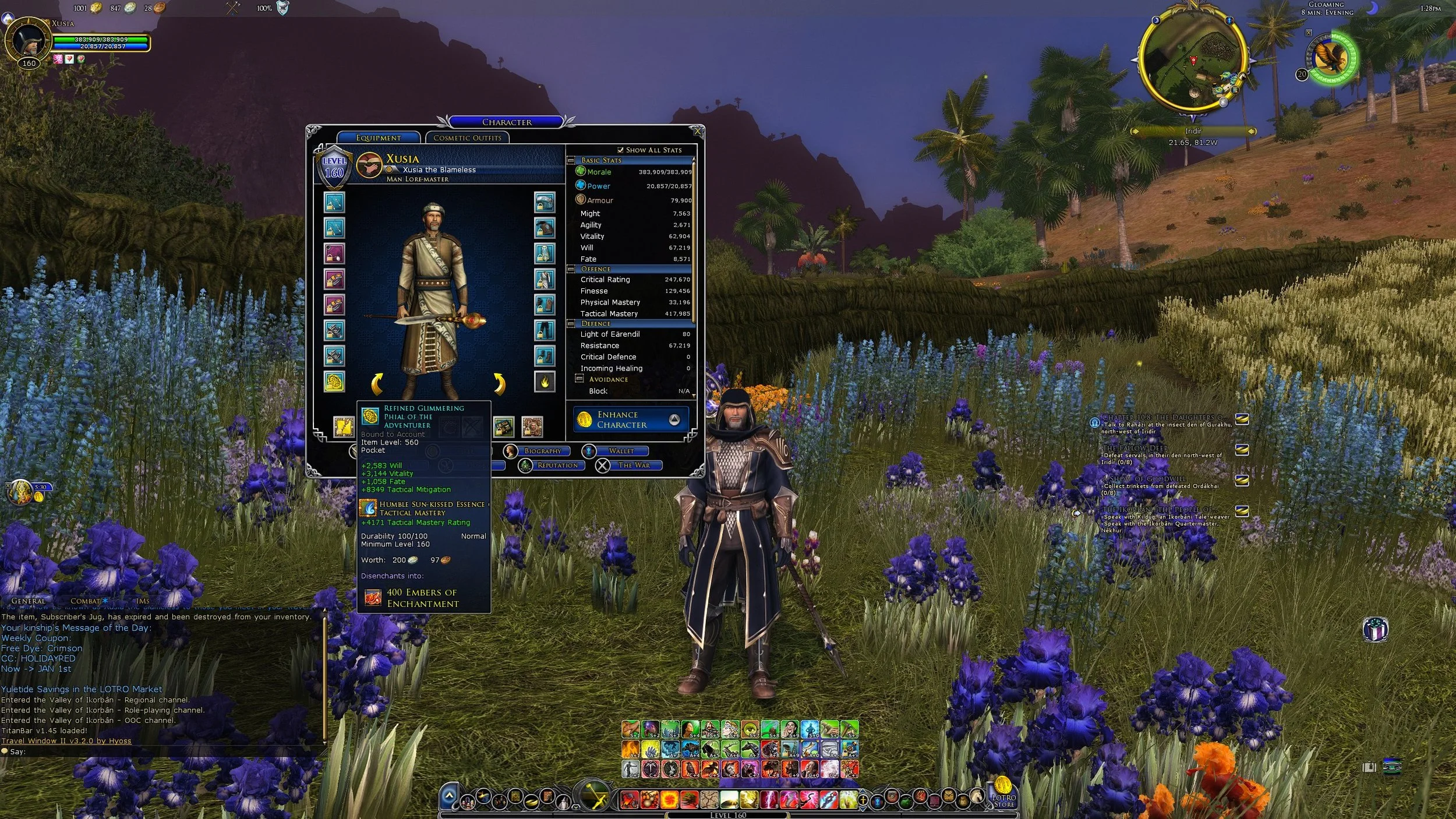
Meanwhile in LOTRO, I’m going to grasp the nettle and see what I can do to improve my Legendary Items. There has got to be another way to earn Anfalas Scrolls of Empowerment, other than just running the same old Minas Tirith dailies. I shall search through all my festival and rep related barter currencies and see if there’s anything that can be cashed in. This reminds me of yet another promise that Turbine/Standing Stone Games have yet to make good on; a decent currency exchange program or a universal barter currency. And if grinding chores for LI improvement fails to excite me (and I suspect it that it will) there is always completing deeds to raise the level of slotted virtue traits. The level cap has now been raised to 68, so there’s scope for statistical improvement if these are maxed out. And if both these options are a washout, I may just do some buying and selling on the auction house. Playing the markets in an MMO has always been a fun way to enjoy commodities trading without any of the risk of its real world counterpart.
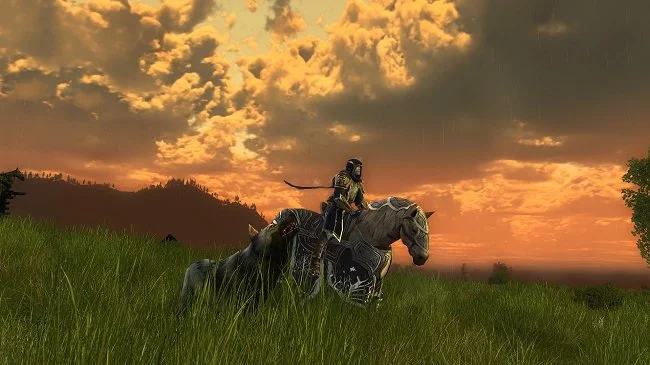
Many of my gamer friends and colleagues make their own fun when playing MMOs. Some will set themselves “iron man” criteria for their ongoing gameplay, playing within fixed builds or specific gear sets. Others confine themselves to specific expansions or just continuously roll new alts. I often find players in my kinship/fleet/guild busy achieving accolades, completing obscure deeds and generally pursuing that game in an unconventional manner. Thankfully the MMO genre lends itself to these kinds of extracurricular activities. There can be pleasure and enjoyment found in many obscure aspects of the virtual worlds we visit. For example, I will sometimes log into LOTRO and just ride around where my fancy takes me, enjoy the aesthetics of the world. If the MMO genre didn’t offer these kind of adaptable freedoms I think a lot of these games would soon lose their audience once they had exhausted traditional content. So here’s to making your own fun and doing things your way. The fact that this annoys certain types of gamers makes it all the more enjoyable.
Scary Stories to Tell in the Dark (2019)
I’m not familiar with the original series of children’s books that Scary Stories to Tell in the Dark is based upon. From what I’ve read, it would appear that the film manages to channel the spirit (if you’ll pardon the pun) of the short stories by Alvin Schwartz, via the four supernatural vignettes that feature in the movies plot. Furthermore, the illustrations featured in the original publications, by Stephen Gammell, have obviously influenced the visual effects and production design of the movie. However, despite being marketed as a portmanteau movie, Scary Stories to Tell in the Dark is much more than that. The framing story is more than just an arbitrary pair of cinematic bookends, designed to wrap around the proceedings. It is entwined into the central narrative and the four supernatural meta stories. Rather than being a pure anthology movie, Scary Stories to Tell in the Dark is at its heart, a film about the nature and inherent power of stories themselves.
I’m not familiar with the original series of children’s books that Scary Stories to Tell in the Dark is based upon. From what I’ve read, it would appear that the film manages to channel the spirit (if you’ll pardon the pun) of the short stories by Alvin Schwartz, via the four supernatural vignettes that feature in the movies plot. Furthermore, the illustrations featured in the original publications, by Stephen Gammell, have obviously influenced the visual effects and production design of the movie. However, despite being marketed as a portmanteau movie, Scary Stories to Tell in the Dark is much more than that. The framing story is more than just an arbitrary pair of cinematic bookends, designed to wrap around the proceedings. It is entwined into the central narrative and the four supernatural meta stories. Rather than being a pure anthology movie, Scary Stories to Tell in the Dark is at its heart, a film about the nature and inherent power of stories themselves.
Set in the small town of Mill Valley, Pennsylvania, in 1968, the plot focuses on three high school students. Stella (Zoe Colletti), Chuck (Austin Zajur) and Auggie (Gabriel Rush) go out to celebrate Halloween. When a prank goes wrong, they're chased by the school bully Tommy (Austin Abrams) and forced to hide at the local drive-in. A mysterious drifter Ramón (Michael Garza) let's them hide in his car and in return for his help, they decide to take him to the neighbourhood haunted house; the infamous Bellows Mansion. The town was founded by the Bellows family who grew rich from the paper mill they built. However, local legends state that the Bellows family incarcerated their daughter Sarah and kept her locked in a darkened room. She would whisper ghost stories through the wall to scare the local children. While investigating the derelict mansion, Stalla finds an old book which appears to be Sarah's. She takes it home and while reading it, a new story appears before her very eyes. It appears to be about the local bully Tommy. The following day he is reported as missing. Another story subsequently appears in the book. This time it’s about Auggie. Is the book hunting the three friends?
Scary Stories to Tell in the Dark makes the most of its $28 million budget. It has a stylised late sixties production design, along with vivid and colourful lighting. The visual aesthetic of Roman Osin’s cinematography greatly adds to the atmosphere. The youthful cast are engaging and deliver good performances. The screenplay by Dan and Kevin Hageman focuses upon their perspective of events and confines adults characters such as the local Sheriff (Gill Bellows) and Stella’s Father (Dean Norris) to the sidelines. The spectre of the Vietnam War, the national draft and the oppressive nature of small town life also hangs over the proceedings. Our protagonists are on the periphery of the adult world and their respective futures do not look especially good. Posters for Richard Nixon seeking election encapsulate this dismal period in US history. It is against this backdrop that the story explores the power of words and narratives. How they can have both a positive and negative effect. And that adult life is filled with ambiguity and this often manifests itself in the use of nuanced language.
The actual “scary stories” that befall the cast are grim and inherently creepy rather than overtly violent. Yet that is not to say that they are not disturbing. And therein lies the rub or at least has been a talking point associated with this movie. Scary Stories to Tell in the Dark despite being drawn from children’s literature, is too ghoulish and frightening for such a young demographic. Despite being rated PG-13 in the US, the BBFC saw fit to award it a 15 rating in the UK and a lot of that simply comes down to tone. Something that you cannot address by re-editing. Hence we have a story about teenagers having to deal with the supernatural, which is potentially of more interest to adult viewers, rather than its target audience. Gore hounds of all ages will be disappointed. However, despite this possible contradiction, the film still performed acceptably at the box office and may well garner a sequel. The story certainly has scope for one.
Because of the pedigree of all associated with this production, Scary Stories to Tell in the Dark makes for absorbing viewing and superior genre entertainment. The assured direction by André Øvredal (Trollhunter, The Autopsy of Jane Doe) offers not only a series of grim supernatural tales but also a degree of emotional intelligence and metaphorical depth. The adult world is not as black and white as our heroes think and coming of age is often bittersweet. Where The Monster Squad explored such themes through horror and humour, this movie achieves it with ghosts and melancholy. The ending resolves the immediate plot but does not deliver a textbook happy ending. The surviving characters are changed and realise that their future lies outside of Mill Valley. I would definitely like to know what happens next and see the central characters progress on their emotional journey. The answers to which lies in Sarah Bellow’s book of stories. I hope it is opened again.
Countdown (2019)
I believe that Countdown received an unnecessarily hard time from the US critics. Don’t get me wrong, I’m not saying that Countdown is a masterpiece. It is not. But it is adequate. A phrase that a lot of people could do with reacquainting themselves with. I won’t retread old ground, as I’ve written about this subject before. I simply think that many people (and critics are people) just have unrealistic expectations when it comes to movies. Not every film created should be, or can be a boundary pushing, cinematic masterpiece. Once again I will invoke my cuisine analogy. There are Michelin five star rated restaurants and then there are fast food franchises. Both serve a purpose, cater for a specific market and can provide relative pleasure. Therefore comparing “like for like” is a critical mistake and based upon a misplaced assumption of false equivalence. Which brings me onto Countdown. It is not The Shining. Nor is it Plan 9 from Outer Space. But it is as I said, “adequate”.
I believe that Countdown received an unnecessarily hard time from the US critics. Don’t get me wrong, I’m not saying that Countdown is a masterpiece. It is not. But it is adequate. A phrase that a lot of people could do with reacquainting themselves with. I won’t retread old ground, as I’ve written about this subject before. I simply think that many people (and critics are people) just have unrealistic expectations when it comes to movies. Not every film created should be, or can be a boundary pushing, cinematic masterpiece. Once again I will invoke my cuisine analogy. There are Michelin five star rated restaurants and then there are fast food franchises. Both serve a purpose, cater for a specific market and can provide relative pleasure. Therefore comparing “like for like” is a critical mistake and based upon a misplaced assumption of false equivalence. Which brings me onto Countdown. It is not The Shining. Nor is it Plan 9 from Outer Space. But it is as I said, “adequate”.
A group of friends download an app called "Countdown" that predicts when the user will die. When Courtney sees that she has just a couple of hours to live, she refuses a ride home from her drunken boyfriend Evan. She is later killed by a supernatural creature when the “countdown” app on her phone reaches zero. Evan crashes his car at the same time of her death. A branch pierces the passenger seat, where she would have sat. At the hospital, Evan tells nurse Quinn Harris (Elizabeth Lail) that he is afraid to have surgery as the app predicts that he will die at the same time. Sceptical of the teenagers concerns, the hospital staff decide to download the app and Quinn learns that she has only three days of life. When Evan mysteriously dies in an accident, Quinn buys a new phone only to find that the app is already installed. She subsequently meets Matt Monroe (Jordon Calloway) when leaving the phone store and learns that his imminent death has also been predicted by the app. So the pair team up and their subsequent investigations uncover a spate of deaths associated with it.
Countdown is a low budget, modern take on the classic ghost story Casting the Runes by M. R. James, with more than a nod towards the Final Destination franchise. Gone are scraps of parchment with runic symbols which are neatly replaced by phone app. This in a nutshell, is what Countdown has to offer; a modern spin on a classic and established plot concept. The film makes a decent attempt at creating a sense of atmosphere and the jump scares are efficiently delivered. There is a recurring visual device in which victims keep seeing an indistinct figure in reflections, which is never there when they turn and look directly. It is a simple device but effective. The mixing of modern technology and biblical demonology also works quite well as the screenplay by Justin Dec doesn’t overthink it, or try to explain every aspect of it. The lead protagonists are not obnoxious, as they so often are in this genre and some of the supporting characters are quite quirky and droll. Derek the cell phone store manager and Father John, the expert on the occult, being clear examples of this.
Countdown also widens its narrative scope by including a subplot about a senior doctor who’s a sexual predator. This brings some interesting and very contemporary moral and ethical questions into the story. Something that gets amplified in the final act, when it is mooted that maybe this abusive man could be used as a surrogate sacrifice, to save another “more deserving” persons life. Another bold piece of moral manoeuvring comes when the lead characters need to examine the terms and conditions of the “killer app”; something they naturally neglected to do themselves initially. So they persuade a drunken conspiracy theorist (who is also a Holocaust denier) to install the app, thus potentially putting him in harms way. I didn’t expect such a plot device and I quite enjoyed it. It’s an indication that Countdown is at least trying to do more than just retread familiar territory. The film’s resolution does “takes liberties” with its own rules and there is a set up for a possible sequel. However, if viewed as convenient and undemanding entertainment, then Countdown serves its purpose. You’ll find far worse horror movies available.
A Month in Gaming
The problem I find with monthly gaming articles is that they tend to cover ground that I’ve already written about over the last 4 weeks in other blog posts, only in less detail. So here is the brief version of my gaming activities throughout February. I played through the entirety of the Star Trek Online 10th Anniversary event and received the new hybrid Tier 6 ship. I enjoyed the new 2 part feature episode and have managed to maintain a schedule of doing “odds and sods” to keep myself busy. STO is currently my primary game. I’ve ground to a halt in The Lord of the Rings Online, as soon as I start questing in Minas Morgul itself. It is simply too uninspiring and grindy an area. So I’ve focused on completing deeds for virtue experience and daily repeatable quests for Anfalas Scrolls of Empowerment. Due to constraints upon my schedule, I decided to temporarily stop my subscription to ESO Plus, as I simply do not have the time to invest in The Elder Scrolls Online at present. ESO is a good game and deserves attention when played. Committing to multiple MMOs at once is always a mistake.
The problem I find with monthly gaming articles is that they tend to cover ground that I’ve already written about over the last 4 weeks in other blog posts, only in less detail. So here is the brief version of my gaming activities throughout February. I played through the entirety of the Star Trek Online 10th Anniversary event and received the new hybrid Tier 6 ship. I enjoyed the new 2 part feature episode and have managed to maintain a schedule of doing “odds and sods” to keep myself busy. STO is currently my primary game. I’ve ground to a halt in The Lord of the Rings Online, as soon as I start questing in Minas Morgul itself. It is simply too uninspiring and grindy an area. So I’ve focused on completing deeds for virtue experience and daily repeatable quests for Anfalas Scrolls of Empowerment. Due to constraints upon my schedule, I decided to temporarily stop my subscription to ESO Plus, as I simply do not have the time to invest in The Elder Scrolls Online at present. ESO is a good game and deserves attention when played. Committing to multiple MMOs at once is always a mistake.
I tried to return to Red Dead Redemption 2, which I believe I’m currently halfway through. Sadly, again this is a game that you have to apply yourself to if you wish to get the most from it. The quests need to be read and savoured, rather than rushed through. So I’ve put this game on hold as well, although I do intend to finish it as I have a lot to say about its complex and challenging narrative structure. I bought two other games in February. Deathtrap Dungeon and Gang Beasts. The former is a wonderful old school adventure game, told as a narrative story. I’ve written a more comprehensive post already about this title, so if you’re interested at all, I would urge you to read my thoughts there. And I purchased Gang Beasts in a Steam sale. Sadly, I neglected to read a comprehensive breakdown of the game specifications and discovered that there is no single player mode at present. This silly physics driven comedy fighting game is great fun when played competitively with others but I was expecting a single player versus bots mode. This was entirely my own fault and stands as a reminder that you should always to do your research thoroughly first before buying a new game.
I’ve been using GoG Galaxy as a one stop game launcher for a while now and I must admit it saves a lot of hassle and seems to be working well. I have it launch by default upon Windows startup and it allows me to fire up any title I have installed from one location and avoid trawling through multiple launchers to find what I want to play. It’s also very convenient to import all your game libraries into one place, so you actually have a fighting chance of seeing what you’ve purchased over the years. I have dozens of obscure titles from bundles and giveaways that are just gathering virtual dust. If it wasn’t for GoG Galaxy, I wouldn’t even know about half of these. I am hoping to install and play some of them over Easter as part of a new ongoing recurring blog post series. GoG Galaxy also does a pretty good job of collating all my social and friends list so I can see who is online. With further functionality under development, I see no reason at present to stop using this product.
I suspect that March will be more of the same for me, with regard to my gaming activities. I shall continue with one predominant MMO and possible experiment with another single player game. Beyond that I have no immediate gaming goals at present, apart from the fact that it’s better to be playing something rather than nothing. I’ll report back in April.
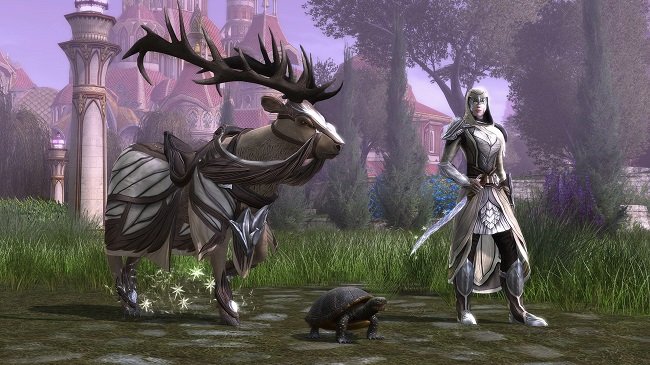
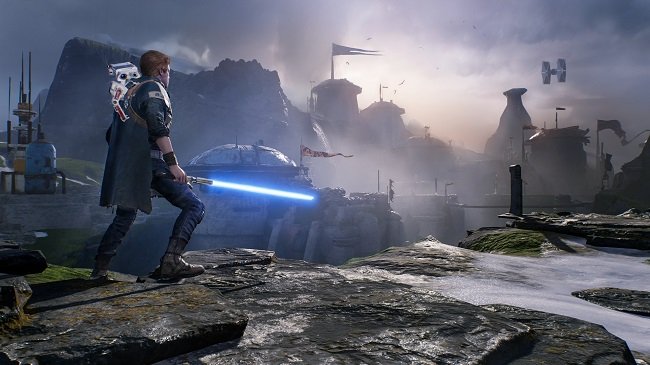
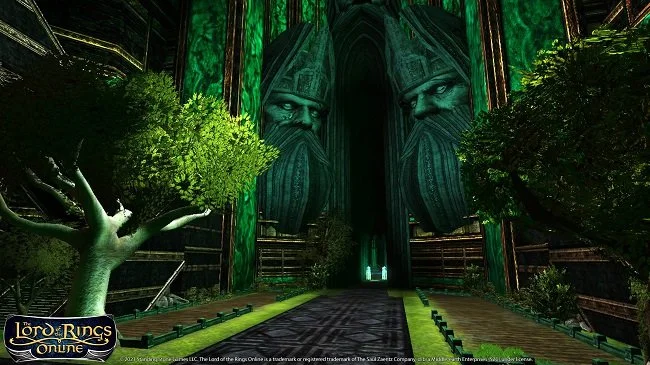
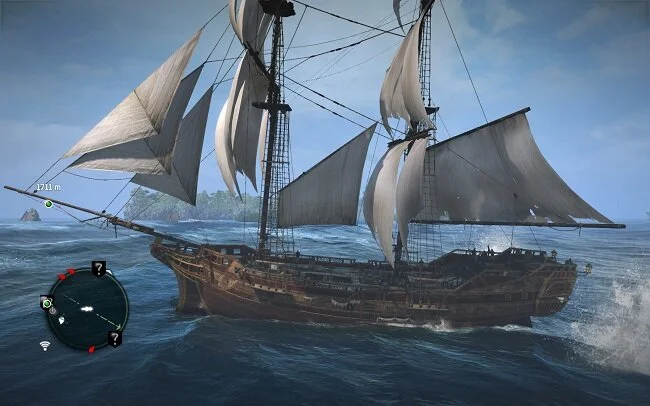
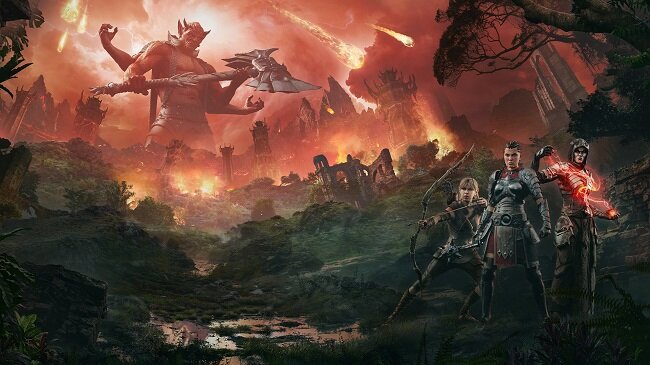

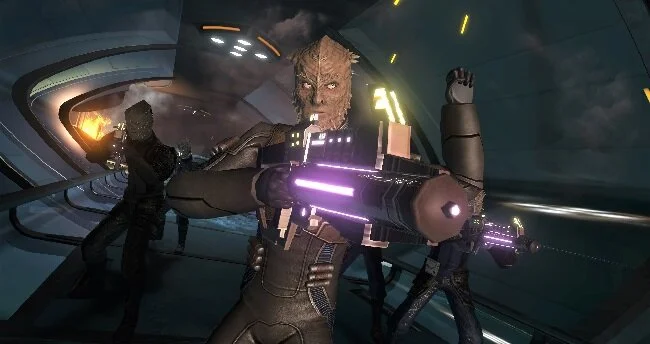
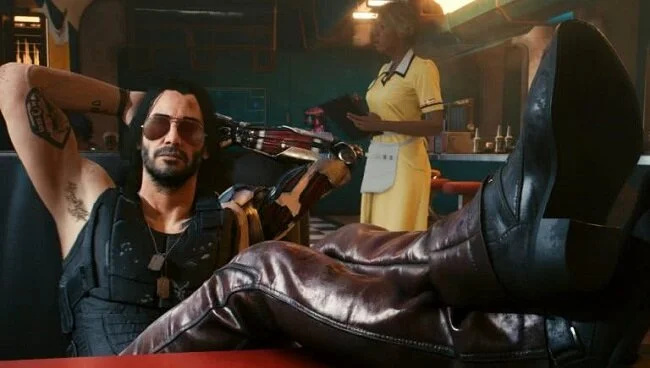
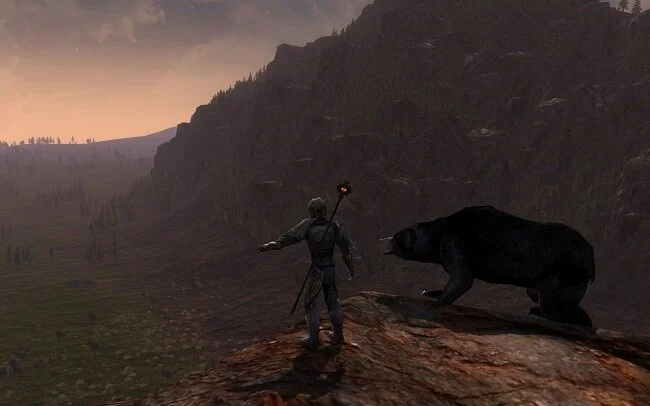
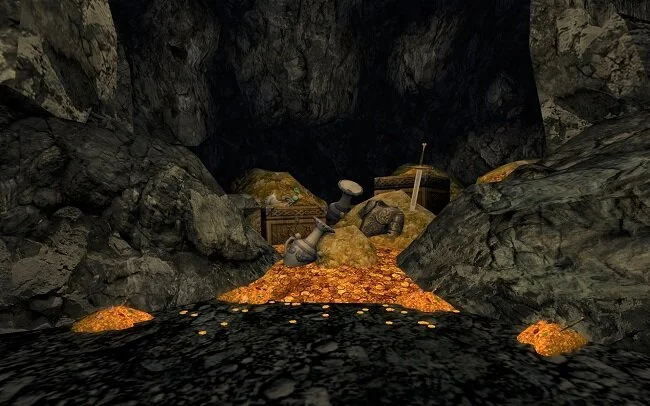
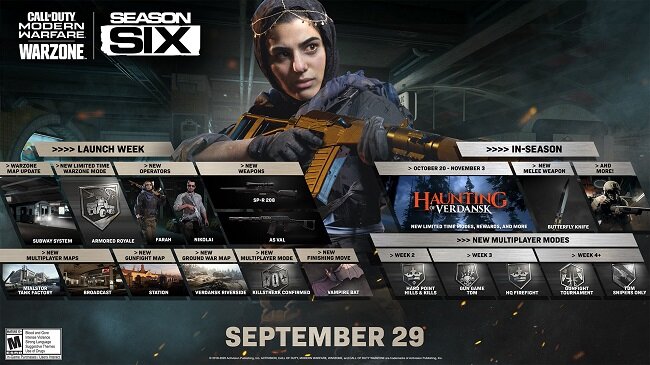

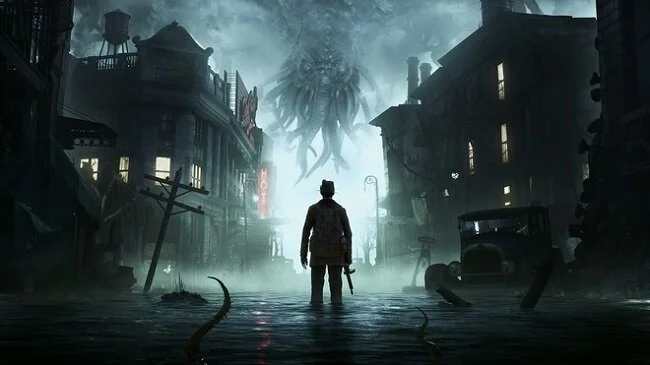
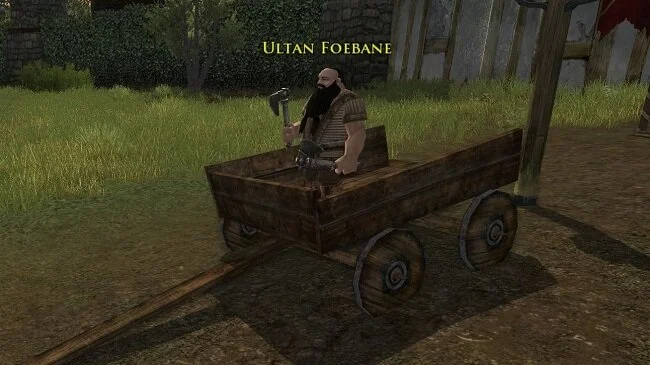
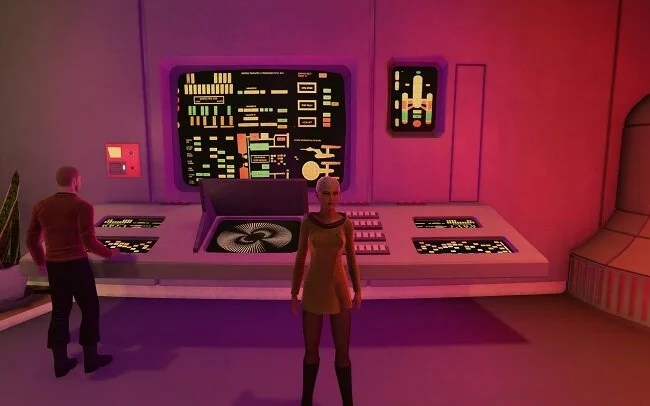

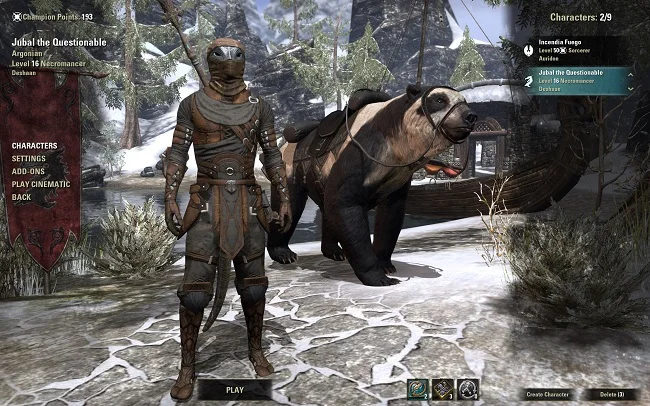
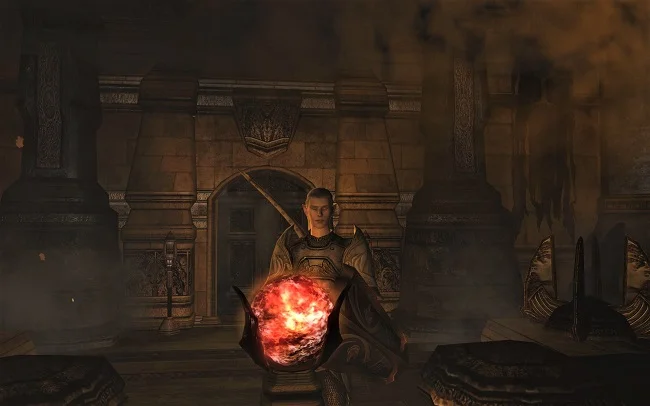
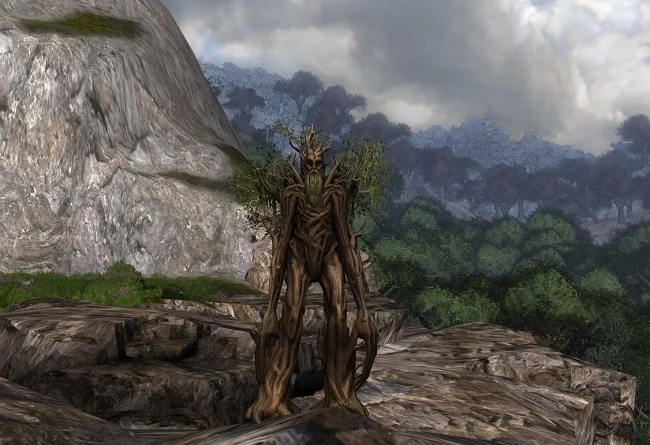
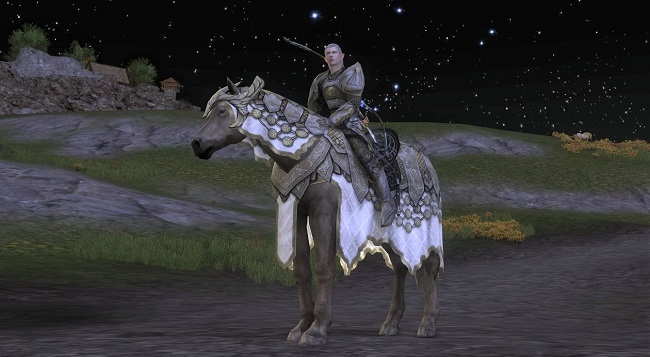
The Idiot Box
Thoughts on TV shows and my current viewing habits.
The last instalment of Idiot Box was back in September 2019. Despite the Christmas holidays and being very busy in general, I have managed to watch some good TV shows over the last five month. As ever, there has been plenty of quality material to choose from and I still have an ever growing “watchlist” for all the content I cannot currently accommodate. It is interesting to note that most of the shows I watch are via streaming services. Out of the various titles I discuss in this post, only one was viewed via digital terrestrial network television. Furthermore, we started watching an hour after the broadcast commenced, so that we could bypass the commercial breaks. Watching anything in this fashion is my least favourite means of viewing television and because it happens so infrequently, it is quite jarring when it occurs.
Thoughts on TV shows and my current viewing habits.
The last instalment of Idiot Box was back in September 2019. Despite the Christmas holidays and being very busy in general, I have managed to watch some good TV shows over the last five month. As ever, there has been plenty of quality material to choose from and I still have an ever growing “watchlist” for all the content I cannot currently accommodate. It is interesting to note that most of the shows I watch are via streaming services. Out of the various titles I discuss in this post, only one was viewed via digital terrestrial network television. Furthermore, we started watching an hour after the broadcast commenced, so that we could bypass the commercial breaks. Watching anything in this fashion is my least favourite means of viewing television and because it happens so infrequently, it is quite jarring when it occurs.
The Crown: The third season of this prestigious Netflix show covers historical events from 1964 to 1977 and the role the UK Monarchy had to play in them. These begin with Harold Wilson's election as prime minister and ending with the Queens Silver Jubilee. The Aberfan disaster was a standout episode and explored how the precedence of Royal visits in such situations, was established. There was a greater focus on Prince Charles and family interferences in both his investiture as Prince of Wales and his personal relationship with Camila Shand. The change of cast to more mature actors was seamless and the standard of writing remained high and insightful. I find myself oddly invested in this show mainly because it covers a period of time during which I was growing up. Many of the historical events that are depicted, I was aware of as a child but had little interest or understanding of their significance. To see them in a wider context now is most illuminating.
The Witcher: My initial point of contact with this franchise was via their video game adaptations. However as television is an entirely different medium, I adjusted my expectations accordingly. Broadly I enjoyed the first season of The Witcher, although I was initially confused by its non-linear timeline. The character development was more in depth than I was expecting and rather than being given swathes of exposition about the “Continent” and its history and customs, the viewer was simply exposed to elements of these as the story unfolded. There was a lot of sexual content in the show but it is entirely relevant to the proceedings. Witchcraft is often entwined with human sexuality and free from the restrictive dogma of traditional religions. By the last episode I was left with my interests piqued and clearly wanting more. And as for casting Henry Cavill, it worked out fine as far as I’m concerned.
COBRA: This UK set drama proved to be far better than the sum of its parts. The initial premise set out in the first episode appeared to frame the narrative as a disaster story with borderline science fiction elements (the calamity afflicting the UK in the story being a solar storm). However, it quickly changed into a political thriller about civil unrest brought about by power outages. It touched upon many “hot topics” such as migrant detentions, anti-establishment sentiments and the economic and social divide between London and other parts of the UK. It was odd and vaguely compelling to see Robert Carlyle as a Conservative Prime Minister and David Haig was excellent as duplicitous and scheming Home Secretary. There were also some rather good low key CGI visual effects that worked very well. As I said, it was all unexpectedly entertaining.
Star Trek Picard: Star Trek has always reflected the world in which we live. During the sixties TOS channeled many optimistic, inclusive and progressive narratives which were still prevalent in the post Kennedy years. TNG was broadcast while such events as the fall of The Berlin Wall took place. Thus the show often explored concepts of reunification and forging uneasy truces. For me, what I like about STP is not only the central character, who is still multifaceted and engaging but the bold storyline in which the Federation has lost it ways due to an excess of “politics”. It is a world weary show, where social contracts have failed and the future has lost its utopian status. It isn’t to everyone's taste and it is clear that a lot of people just wanted more TNG in an identical idiom. However, that is not what Patrick Stewart wanted to do, so that is not what they got. I like it and am interested to see where it goes and whether any optimism will manifest itself.
Endeavour: The latest season of Endeavour sees the arrival of the seventies and a serial murderer prowling the towpath of the local canal. Is this one brutal muder to many for DI Fred Thursday? The cumulative effect of investigating violent crime seems to be taking its toll and also causing division between Thursday and Morse. Season seven covers a lot of ground in just three episodes and strays into rather bleak and unhappy territory, especially for Chief Inspector Bright. As ever, it is smart with lots of pop culture references and superb performances. I suspect that next year’s season will be the last of this period police drama.
Unforgotten: Because Endeavour came and went so quickly, Mrs P and I decided to revisit the first series of Unforgotten. We subsequently watched all available seasons and eagerly await the series four which is currently being filmed. What make’s this show so different from others is that the actual solving of the crime is only half of the narrative. The other 50% of the story is the “emotional splash damage” and “fallout” caused by investigating these cold cases. The level of technical accuracy in depicting real policing is outstanding and the acting is always top drawer. The central characters of Detectives Cassie Stuart and Sunil "Sunny" Khan (played by Nichola Walker and Sanjeev Bhaskar) are both credible and likeable. Over 18 episodes we get an insight into their very normal personal lives and an understanding of the emotional stress that solving historical cases causes to all involved. Often the subjects explored are incredibly sad and disturbing but the writing is so measured and intelligent that events never spills into melodrama, nor denigrate the difficult subjects.
As an addendum to this post, we abandoned a couple of shows that we were watching previously. We stopped watching Instinct as it really didn’t have anything new to say. I suspect that is why it was cancelled by the network. We also stopped viewing Evil, mainly because of time constraints. We may return to it later on in the year. I decided not to proceed with season 2 of Project Blue Book. Despite a good cast and fine production values, the show just seemed to be retreading familiar ground and not offering anything different within the confines of the “alien conspiracy” sub genre. Time is always precious therefore I strongly advocate dispensing with shows you’re not enjoying.










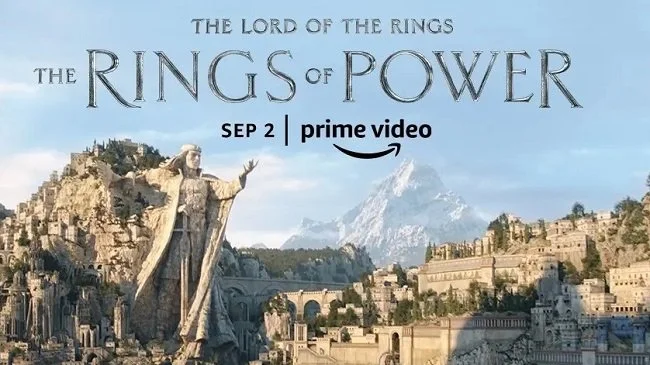

Star Trek Online: The Admiralty System and Farming Dilithium
Dilithium is one of the major currencies that can be earned in the MMORPG Star Trek Online. It is given as a reward for playing through Story Missions, Task Force Operations (group PVE content), Duty Officer Assignments and other aspects of the game. Dilithium is initially awarded as ore. The player then has to refine it to be able to spend it. Furthermore, there is a cap of 8,000 Dilithium ore refined per day. Once refined, players can use Dilithium to purchase various items and services ranging from new ships, as well as space and ground equipment. Dilithium is also used in upgrading or re-engineering equipment. Another benefit of Dilithium is that it can be exchanged for Zen, STO’s premium currency. Although Zen is primarily bought with real money, Cryptic provides an in-game exchange service in which players can trade surplus Dilithium for Zen. The exchange rate can fluctuate and has steadily risen over the last ten years. Yet despite this, Dilithium continues to be a tangible and much desired resource.
Dilithium is one of the major currencies that can be earned in the MMORPG Star Trek Online. It is given as a reward for playing through Story Missions, Task Force Operations (group PVE content), Duty Officer Assignments and other aspects of the game. Dilithium is initially awarded as ore. The player then has to refine it to be able to spend it. Furthermore, there is a cap of 8,000 Dilithium ore refined per day. Once refined, players can use Dilithium to purchase various items and services ranging from new ships, as well as space and ground equipment. Dilithium is also used in upgrading or re-engineering equipment. Another benefit of Dilithium is that it can be exchanged for Zen, STO’s premium currency. Although Zen is primarily bought with real money, Cryptic provides an in-game exchange service in which players can trade surplus Dilithium for Zen. The exchange rate can fluctuate and has steadily risen over the last ten years. Yet despite this, Dilithium continues to be a tangible and much desired resource.
Due to the value players place upon Dilithium, many create multiple alts so that they can farm it on a daily basis. The easiest means to do this are Duty Officer Assignments and the Admiralty System. Both are card based mini games, involving assigning Duty Officers or Ships with appropriate statistics to a specific mission. These virtual tasks are time based and if completed with a positive outcome, yield a modest supply of Dilithium as a reward. Now with any such undertaking, the merits of the time to cost ratio are subjective. If you have two or three alts, it will take about 5 to 10 minutes to log in and set up the various tasks that will net you the Dilithium you require. However, there are players that farm across dozens of alts, spending up to an hour or more setting up the appropriate missions. A long time favourite has been the Klingon Admiralty campaign as it yields the most Dilithium. Dedicated players can easily gain a 70K plus of Dilithium across a dozen alts. And STO has lots of very dedicated players. Hence, many have built up substantial stock piles of Dilithium over time.
It is this glut of Dilithium that has prompted STO’s developers, Cryptic, to once again take action. In the past cosmetic items have been made available for purchase with Dilithium to try and absorb some of the surplus stock. Then the much coveted Phoenix Prize Pack would from time to time appear, again purchasable for Dilithium only. But the problem persists and for Cryptic it is indeed a problem. As a developer and a business, they would prefer players to buy Zen with real money, rather than stockpiled Dilithium. However, simply removing the Dilithium exchange service would be a PR nightmare, so they have just announced plans to alter the Klingon Admiralty Campaign, so that instead of rewarding players with actual Dilithium ore, it will instead give them a voucher for Dilithium that can be used on Fleet Projects. Essentially, this is a form of Dilithium that cannot be exchanged and can only be used for one specific purpose. Naturally, this “revision” has been met with a somewhat mixed response among the STO community. Casual players such as myself, tend not to farm Dilithium beyond what can be acquired on just one character. I gain enough each time I play to upgrade gear but have never raised sufficient to buy tangible amounts of Zen. But there are a substantial amount of players that run Dilithium farming as a cottage industry and this change will set them back.
Cryptic’s “reset” is not quite as catastrophic as some players would have you believe. It is a nuisance to those who farm and will impact upon how much Dilithium they can obtain a day. But it didn’t take long for some rather comprehensive actions plans to emerge on the official STO subreddit. Knowledgeable players have already suggested alternative means of farming Dilithium. Specific Duty Officer Assignment chains have been recommended, along with trading Duty Officers themselves. Then there is creating new alts, leveling and claiming account wide rewards from previous Delta, Gamma and Temporal events. The bottom line is resourceful players will find a way to continue farming Dilithium. It may even have the positive side effect of seeing players return to previously ignored parts of the game, such as the Ground Battlezone in the Solanae Dyson Sphere. Currency adjustments are always tricky to implement both logistically and “politically”. On this occasion I think Cryptic have managed to find the right path between both.
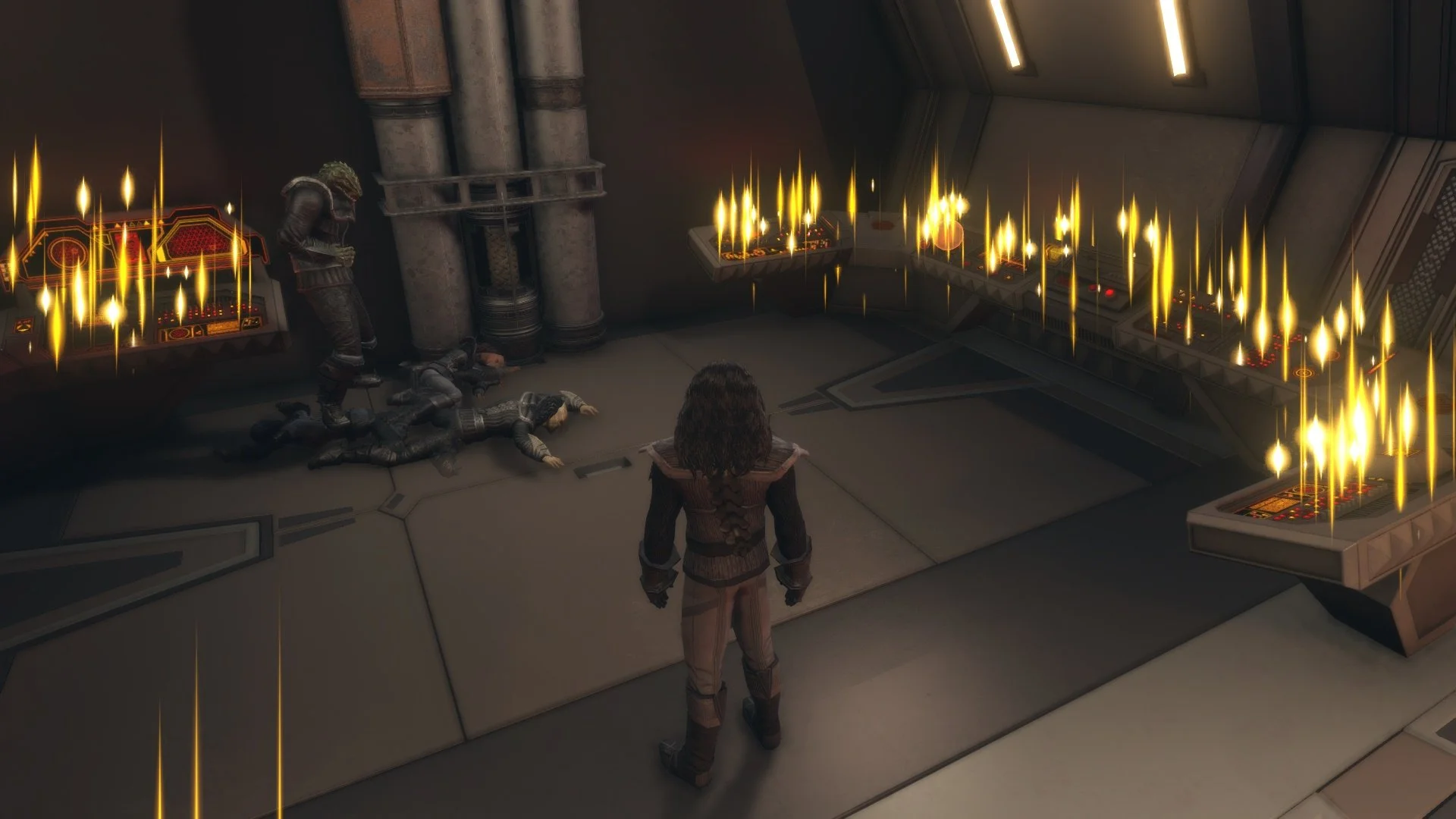
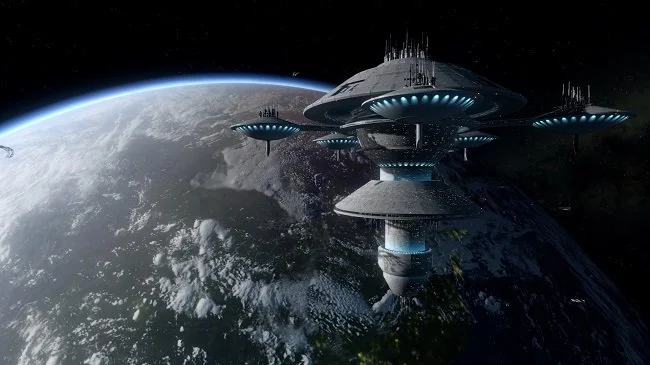
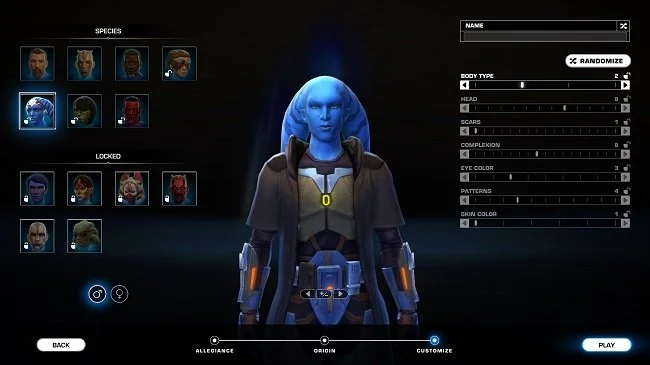

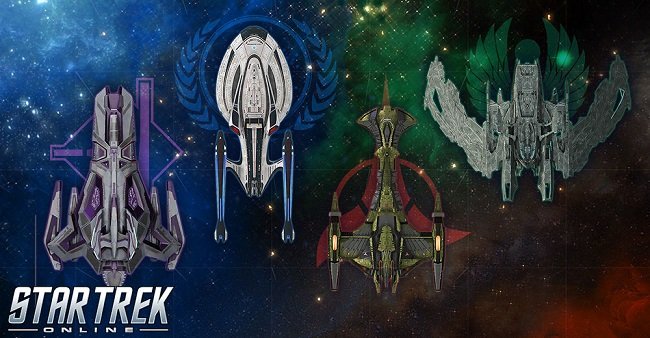
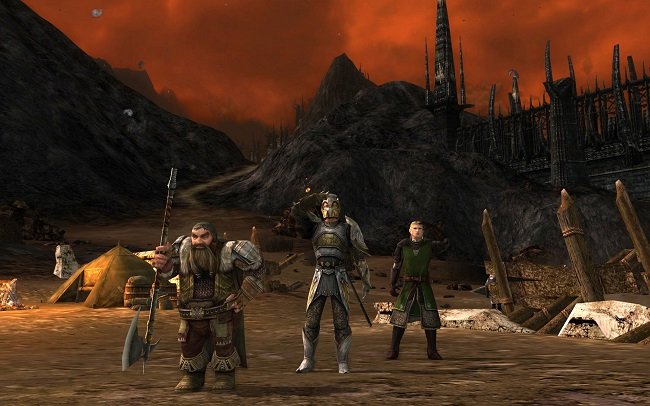
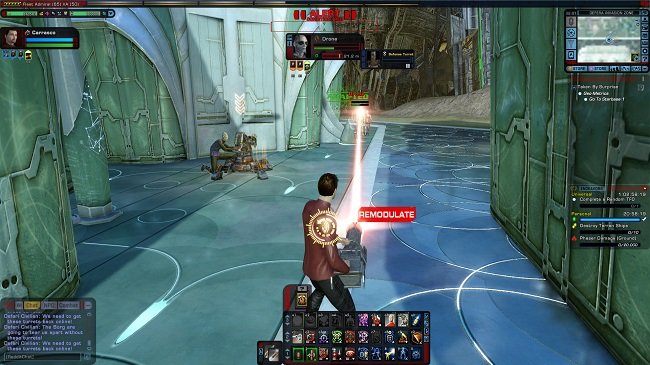
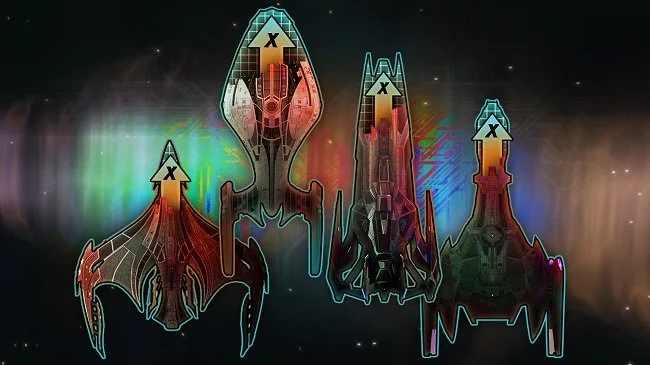
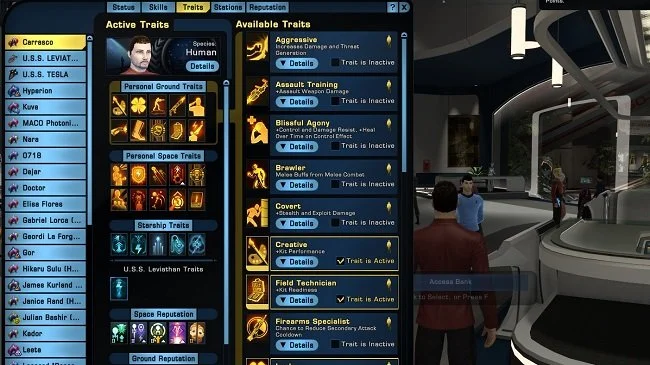
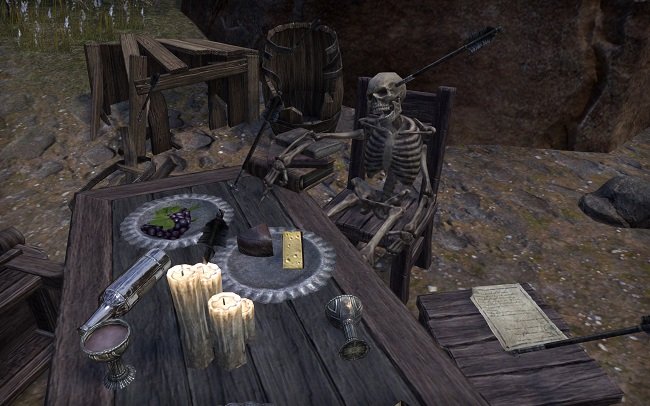
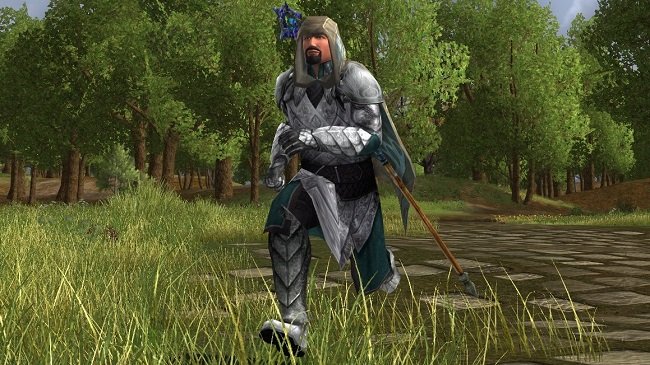
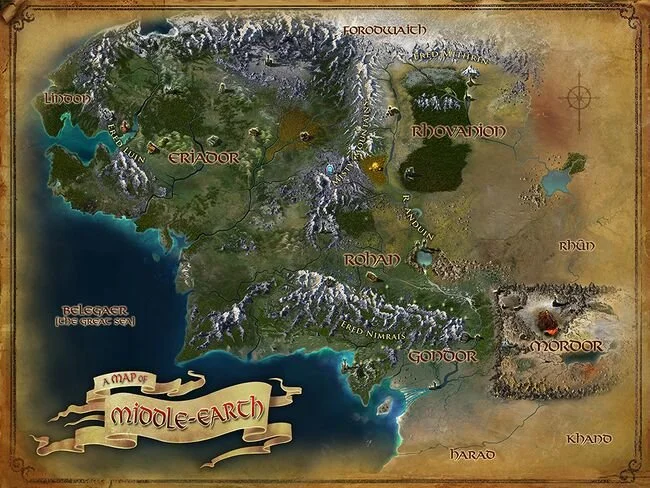
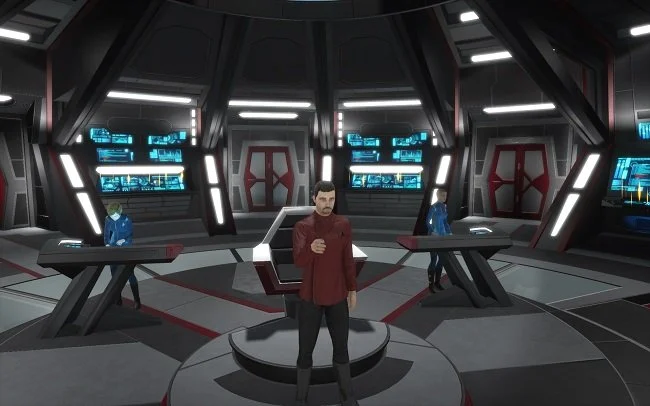
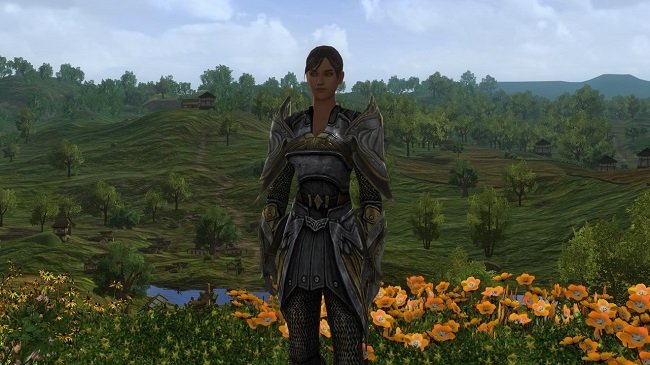
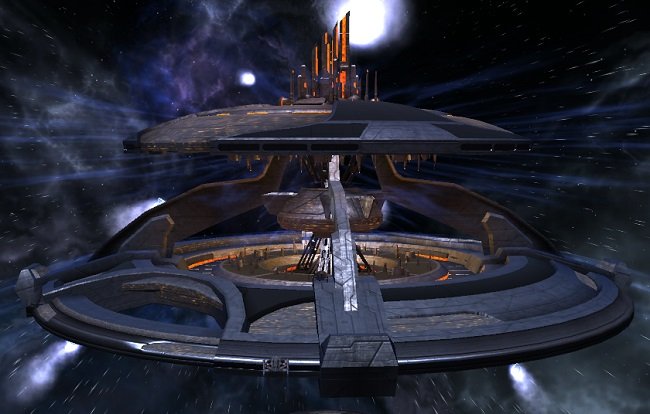
“It’s Only a Game” and Other Perennial Arguments
Irrespective of one’s opinion (or lack thereof) of the “popular” streamer and gamer Ninja, one cannot deny that he has both influence and reach in certain quarters of the gaming community. Hence when he makes a statement such as the one he did recently on Twitter, it will inevitably become a talking point and cause ripples within the current gaming zeitgeist. “The phrase "it’s just a game" is such a weak mindset. You are okay with what happened, losing, imperfection of a craft. When you stop getting angry after losing, you’ve lost twice. There’s always something to learn, and always room for improvement, never settle”. For the sake of context, something that is sometimes lost due to the brevity of Twitter, Ninja is a Professional Gamer (among other things) so naturally this has a bearing upon his gaming worldview. However, even bearing this in mind, he hasn’t really said anything new. A robust rejection of the old “it’s only a game” statement is a hardy perennial argument in the gaming community. One that makes me roll my eyes and sigh heavily every time I see it, as it’s been addressed so many times.
Irrespective of one’s opinion (or lack thereof) of the “popular” streamer and gamer Ninja, one cannot deny that he has both influence and reach in certain quarters of the gaming community. Hence when he makes a statement such as the one he did recently on Twitter, it will inevitably become a talking point and cause ripples within the current gaming zeitgeist. “The phrase "it’s just a game" is such a weak mindset. You are okay with what happened, losing, imperfection of a craft. When you stop getting angry after losing, you’ve lost twice. There’s always something to learn, and always room for improvement, never settle”. For the sake of context, something that is sometimes lost due to the brevity of Twitter, Ninja is a Professional Gamer (among other things) so naturally this has a bearing upon his gaming worldview. However, even bearing this in mind, he hasn’t really said anything new. A robust rejection of the old “it’s only a game” statement is a hardy perennial argument in the gaming community. One that makes me roll my eyes and sigh heavily every time I see it, as it’s been addressed so many times.
There are so many ways to counter this argument. Not all games are competitive challenges nor need to be experienced as one. Then there’s the fact that people play games for different reasons. Not everyone sees every activity as an opportunity for continuous self improvement. In fact rendering the entire human condition into terms of winning or losing is not really the most flexible philosophy for navigating life. And then there’s the concept that failure is an invaluable learning tool and that it should be embraced instead of eschewed. All of these and many more counter points have often been employed to address the assertion that if you’re not learning and improving, then you’re playing the game wrong. But the one aspect of Ninja’s comments that I’d like to focus upon is the notion that you need to get “angry” and that not having an emotional response to losing is a failing. I find it a troubling comment because of his fanbase and audience. They tend to be mainly teenagers and young people. Gamers who play such titles as Fortnite and Apex Legends. Many of whom are just starting out in life and having to find their way around the complexities of the modern world. I don’t believe that encouraging anger as a means of motivation is the best advice one can give or that it will yield positive results.
Anger is an emotional response. There is such a thing as “righteous anger” but I don’t think it is relevant to losing a video game. It’s something I more associate with lobbying and campaigning. The survivors of the Grenfell Tower fire have a justifiable reason to be legitimately angry. Losing your shit because you lost a game of Fortnite seems somewhat shallow and self indulgent. Exactly what or whom are you angry with anyway? Yourself for your own poor performance? Well that may well be a legitimate concern but wouldn’t it be more useful to turn that rage into a dogged determination to improve? And as for anger at your opponent, well that’s something you need to come to terms with if you wish to grow emotionally. If competitive gaming of any kind evolves into a mass sulk-fest, then all you end up doing is driving people away. I don’t like to be around people continuously losing their temper and getting angry. Ill worlds and behaviour promote ill feelings. Plus I don’t consider emotional outbursts to be some form of uncompromised self expression. What ever happened to such concepts as being gracious in defeat, learning from your mistakes and the spirit of the game. Is there no longer joy in competing or is it now just a case of winning and everything else is “crap”?
Another aspect of Ninja’s comments that has given me pause for thought, is that they seem to reveal a need for validation. Competitive gaming is like many other sports, driven by aspirations to be the best. There’s nothing wrong with such motivations but they can also be fueled by a desire for ego stroking and public adulation. Furthermore, when I see terms like “craft” it clearly indicates to me that here is someone who considers what they’re doing to be a serious and skilled undertaking. In this instance it is Ninja’s perspective on competitive gaming. But such sentiments necessarily apply to the gamer who’s playing at home for their own amusement, or with friends for the fun of social interaction. The validation that Ninja has sought and found in his relationship with gaming, may not exist for others who pursue their hobby in a different manner and for different reasons. Youth has enough social pressures placed upon them in the 21st century. Seeking some sort of fulfilment through professional gaming is not going to be readily available or even possible for all. I wouldn’t like it to see it advocated as yet another path to happiness.
The “it’s only a game” argument comes back regularly like a bad penny. Looking back at my own writing, I seem to get a blog post out of the subject at least once a year. That and the other old favourite, “you’re playing wrong”. However, despite my advocacy that a healthy sense of detachment is good with regard to all passionate pursuits, I do understand why someone like Ninja finds his hackles rising when the old “it’s only a game” adage is trotted out. I believe it comes down to the fact that the statement carries a whiff of dismissal. That in some circumstances, the person using this old chestnut is putting down, pooh-poohing or looking down on something that others have invested a great deal into. I do believe that some games can be art and that gaming per se is as valid a leisure pursuit as fishing or Kabbadi. However, there are those (and it’s usually a generational divide) who think the opposite. Where I and possibly Ninja differ, is that I don’t worry about others opinions, nor feel the need to convince them otherwise. I do not wish or need their approval. Wouldn’t it be easier to simply evangelise about what you love to those who already do the same, rather than demanding “respect” from those who don’t wish to give it?
Considering the platform that Ninja commands, it would be nice to see him disseminating more nuanced and thoughtful ideas. But I guess when you have reached his position in the gaming food chain, his perspective is naturally going to be somewhat skewed. When I first saw his comments, I was initially reminded of how certain sports personalities, particularly boxers and cage fighters, sometimes regale us with their thoughts on contemporary masculinity, racial diversity and sexual politics. Often these are considered to be out of step with modern sensibilities and “progressive” thinking. But again when one considers such individuals, their personal background and world experiences, it’s hardly surprising that they hold such worldviews. So taking stock of the situation, I guess Ninja’s comments should not come as a surprise. Nor the ensuing debate. Life is cyclical, so I see no reason why gaming culture should be any different. The only thing that changes as a result of the passage of time is my response. 15 years ago I’d stridently refute Ninja’s perspective and add my voice to the growing cacophony. Now I just muse upon the flaws inherent in such tweets, if indeed they are indeed flaws. Or is this just another manufactured debacle because Fortnite has another season starting soon?
Deathtrap Dungeon: The Interactive Adventure
I watched Welsh Troll stream Deathtrap Dungeon: The Interactive Adventure this morning and was instantly hooked by this bold new adaptation of a much beloved adventure gamebook. So I subsequently purchased the game via Steam for £7.99 which is a very reasonable price. Despite being in early access, this game’s old school appeal is instantly apparent. Based upon the 1984 book by Ian Livingstone, it perfectly captures the tone and spirit of source text. Rather than providing a visual depiction of navigating a dungeon as previous video game adaptations have done, the developers, Branching Narrative, have opted for a minimalist narrative interpretation. Hence we have actor Eddie Marsan sitting in a battered leather chair, telling the story of Baron Sukumvit's "Trial of Champions” and how those who undertake the challenge must traverse a dangerous subterranean labyrinth, from which none have ever returned. There are occasional illustrations to orientate the player but overall this is an intimate experience between the player and narrator, without an excess of visual distractions. It focuses on the power of imagination and storytelling.
I watched Welsh Troll stream Deathtrap Dungeon: The Interactive Adventure this morning and was instantly hooked by this bold new adaptation of a much beloved adventure gamebook. So I subsequently purchased the game via Steam for £7.99 which is a very reasonable price. Despite being in early access, this game’s old school appeal is instantly apparent. Based upon the 1984 book by Ian Livingstone, it perfectly captures the tone and spirit of source text. Rather than providing a visual depiction of navigating a dungeon as previous video game adaptations have done, the developers, Branching Narrative, have opted for a minimalist narrative interpretation. Hence we have actor Eddie Marsan sitting in a battered leather chair, telling the story of Baron Sukumvit's "Trial of Champions” and how those who undertake the challenge must traverse a dangerous subterranean labyrinth, from which none have ever returned. There are occasional illustrations to orientate the player but overall this is an intimate experience between the player and narrator, without an excess of visual distractions. It focuses on the power of imagination and storytelling.
When first published, books with branching narratives were quite a novelty. However, despite the innovation of the format they are essentially a linear experience. Therefore, simply duplicating that structure visually, may not necessarily make for a “good” gaming experience. Hence developers Branching Narrative have decided to add additional mechanics, so that the player has more involvement in the unfolding story and a degree of control over their character’s performance. As a result, there are battles where the players statistics are combined with the score from the roll of a pair of dice. There are also the option to use consumables to heal or to boost stamina. The player can also tactically withdraw if they see fit to do so, although that too comes with a penalty. Then there’s an inventory system for storing items that you find along the way. These further add an element of interaction, affording the player more than just a series of binary choices. Furthermore, fights can potentially be avoided if a door can be opened and an obstacle bypassed. But such a choice may again have consequences. All these decisions impact on the story’s outcome, making it more like a video game without compromising the original narrative format
I grew up in the seventies and eighties when adventure gamebooks and Dungeons and Dragons were commonplace aspects of a child’s entertainment (or at least within the social circles that I moved in). Deathtrap Dungeon: The Interactive Adventure immediately taps into this sense of nostalgia and also references wider aspects of pop culture from those decades. Seeing Eddie Marsan so eloquently narrate this dungeon adventure, made me reflect upon such TV shows as Jim Henson’s The Storyteller and the BBC’s Jackanory. The additional game mechanics that Branching Narrative have added ensure that this is more than just a story with multiple endings. The player has more agency over their character's fate and the save feature even allows you to “correct” a mistake or poor decision if you wish to. Overall, Deathtrap Dungeon: The Interactive Adventure is a very intelligent and immensely enjoyable adaptation of an old classic. It is a great contrast to the overblown visuals of many contemporary, so-called Triple A video games. For the best results, play at a time when you won’t be disturbed and at a measured pace, in an environment without any additional distractions. That way you can savour the game’s atmosphere and Eddie Marsan’s dramatic narration.