
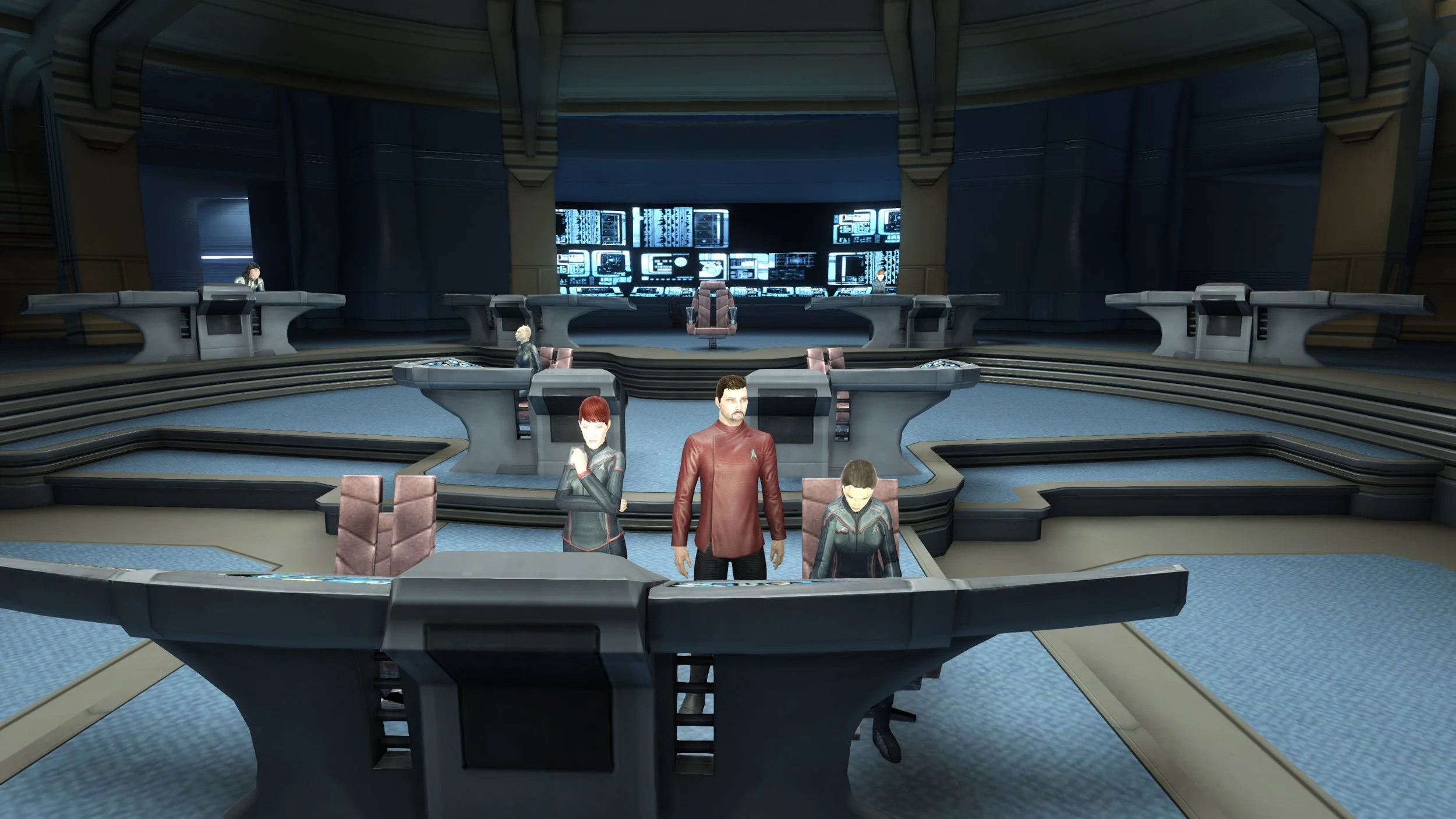
Star Trek Online in 2026
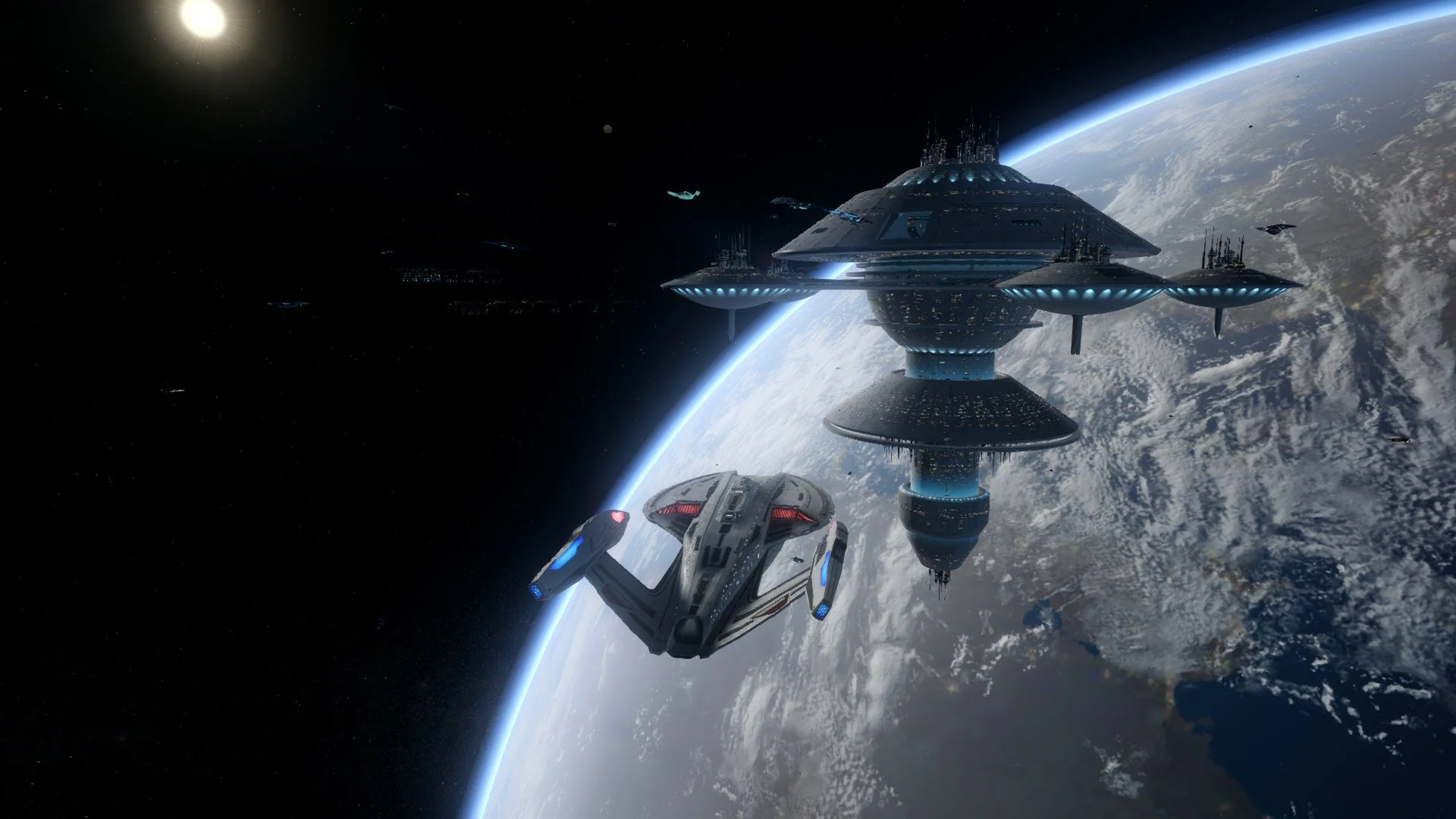
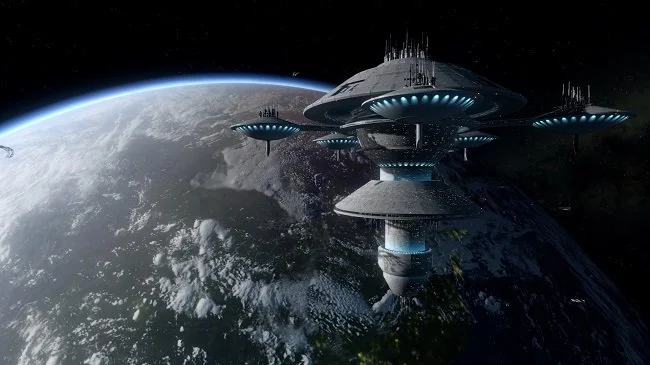
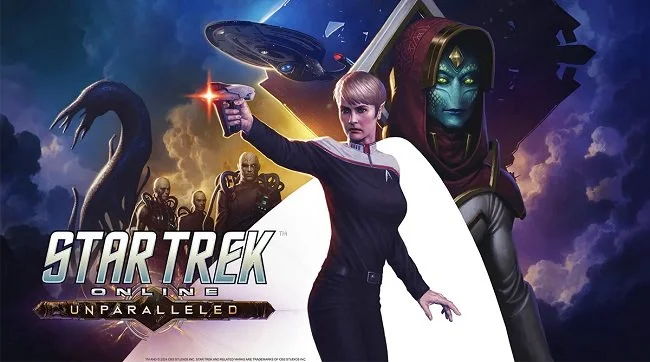
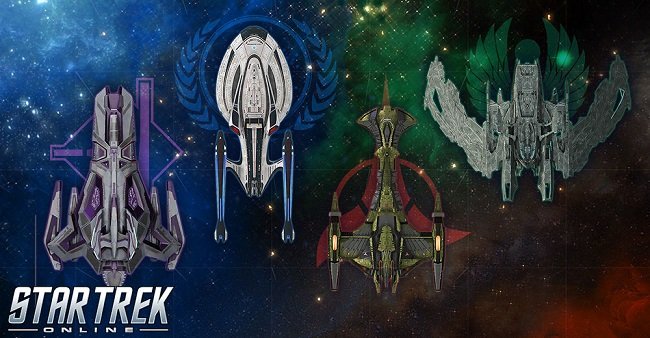
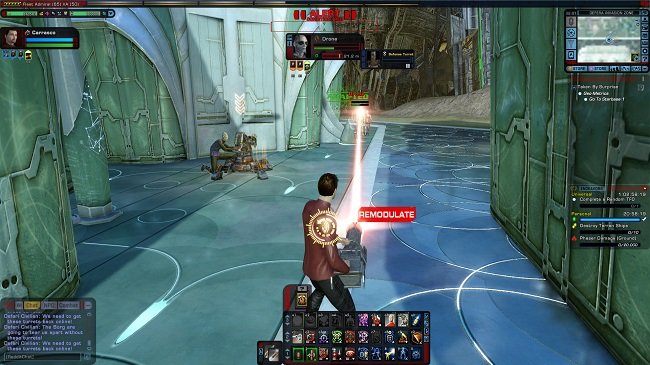
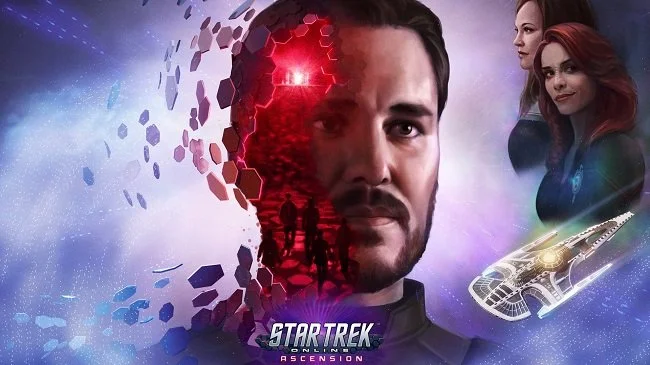
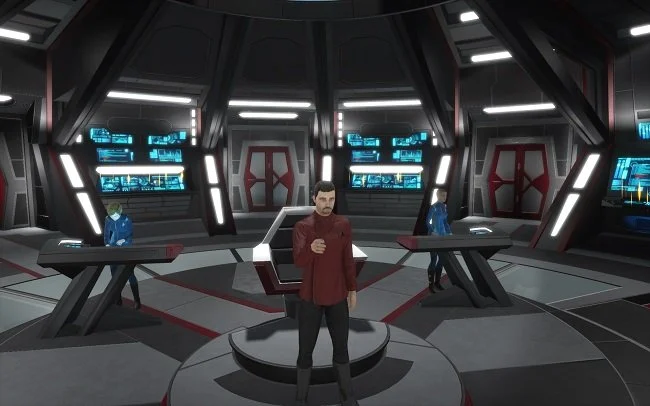
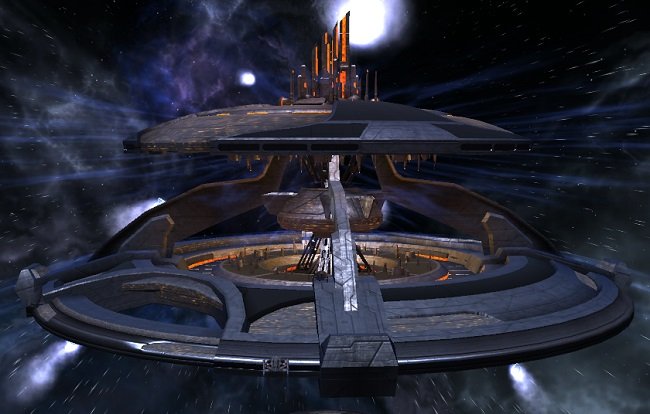
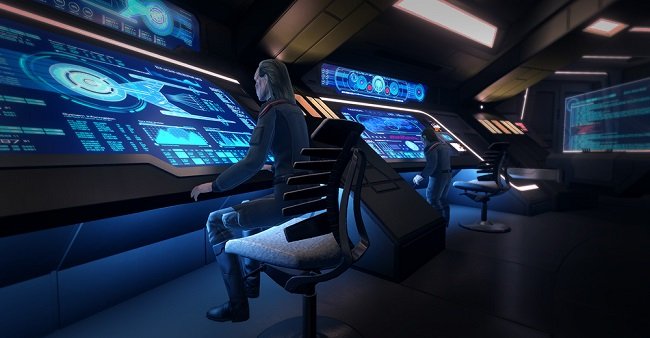
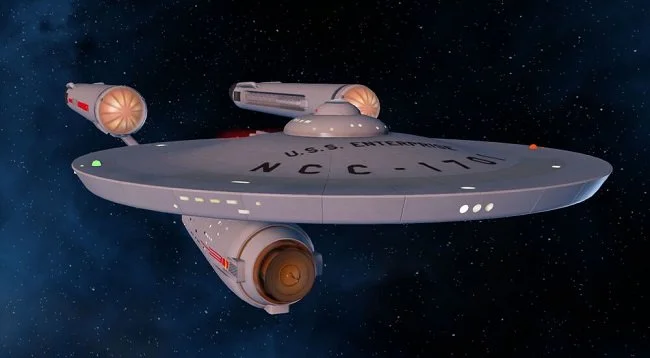
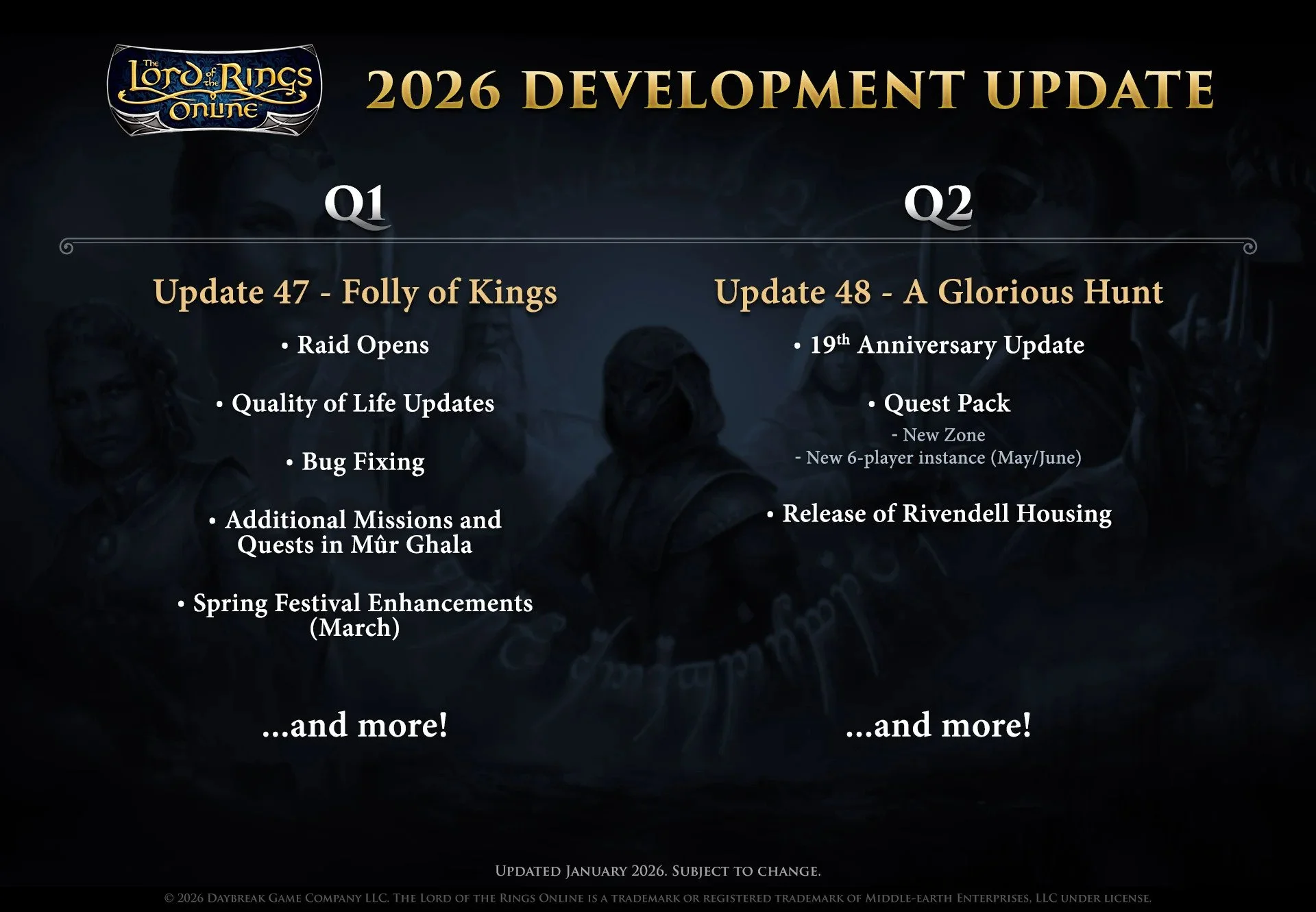
This year is the 60th anniversary of Star Trek. The original TV show was first broadcast in the US on September 8th 1966. If you search online you’ll find details of lots of related events. There are documentaries, conventions, new TV shows and even some video games in development. However, what you won’t find are any details regarding what will be happening with the MMORPG Star Trek Online. So far no road map for 2026 has been posted online by the developers but it is still quite early in the New Year. That being the case, I am not especially optimistic about there being any major plans waiting to be revealed. It is not as if DECA Games have demonstrated or stated any major ambitions for STO beyond keeping the endless events treadmill going and regularly adding content to the in-game store, during their development tenure. The ongoing story arc drags on inexorably and is as dull as ditchwater.
This year is the 60th anniversary of Star Trek. The original TV show was first broadcast in the US on September 8th 1966. If you search online you’ll find details of lots of related events. There are documentaries, conventions, new TV shows and even some video games in development. However, what you won’t find are any details regarding what will be happening with the MMORPG Star Trek Online. So far no road map for 2026 has been posted online by the developers but it is still quite early in the New Year. That being the case, I am not especially optimistic about there being any major plans waiting to be revealed. It is not as if DECA Games have demonstrated or stated any major ambitions for STO beyond keeping the endless events treadmill going and regularly adding content to the in-game store, during their development tenure. The ongoing story arc drags on inexorably and is as dull as ditchwater.
In recent years Star Trek as a franchise has seen a resurgence in public interest, due to some good TV shows. Sadly, absolutely nothing has been done by DECA Games to capitalise upon this, apart from adding themed, purchasable items from the new shows, into the in-game store. It all seems a somewhat wasted opportunity and a little sad, as this MMORPG has always had a great deal of potential. The change of developers from Cryptic to DECA Games in 2024 was a good opportunity to start improving the quality of story content and to address the huge amount of bugs and “jank” that have been inherent in STO since its launch in 2010. Sadly, the recent transition away from DECA Games back to the residual Cryptic Studios and wider ownership and publishing issues in late 2025 have stalled any major changes. The game has ticked over with a minimal amount of new content, which tends to be just more of the same. I wouldn’t say that STO is in maintenance mode but it’s not far from it.
I did some searching online to see what things had been discussed over the course of 2025 as potential projects, or areas of improvement. I only found two. The first being a feasibility study to see if the game engine could be upgraded or replaced. At present the game runs on the proprietary Cryptic engine, made by the original developers. This dates back to 2000 and although it has been updated over the years, it is still essentially running on two decade old code. Naturally, I would love to see STO running on something more robust and contemporary, such as Unreal Engine but I suspect the cost of porting the game to this would be unfeasible. Especially in light of the fact that the current publishers, Project Golden Arc, were formed after a management buyout from the Embracer Group. It will take a while for these business changes to take effect and no doubt finances may be scarce.
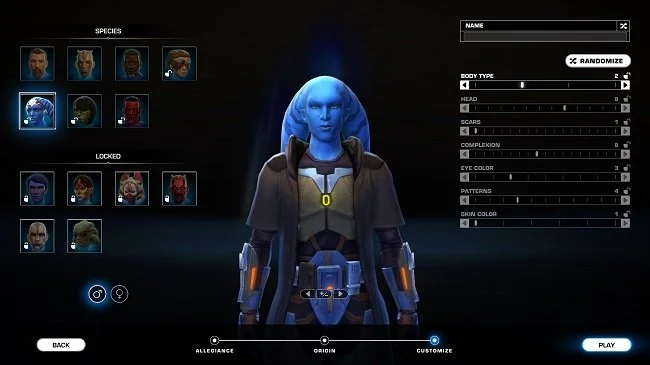
Another proposal that has been discussed in forums is a continued focus on character customisation, specifically race and gender changes, along with improvements to core gameplay systems. All of which sounds broadly positive but is also vague with respect to detail. Hence this doesn’t really sound like anything more than bug fixing. Which when added to the vague and let us be realistic, unlikely change of game engine, means that there isn’t much that we know about what is coming to STO this year. At this point in such a post, I’d usually say something conciliatory. Especially in light of the game effectively returning into the hands of some of the original developers. But frankly I am beyond that. There are other enjoyable franchise based MMORPGs that already have regular content updates and a coherent road map for the immediate future. I’ll be focusing on those games for the foreseeable future. Which is something I shouldn’t be saying in the year Star Trek celebrates its 60th anniversary.



My Local Cinema Part 2
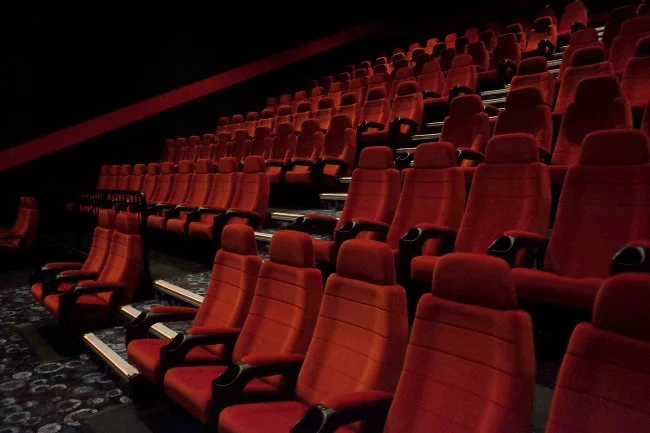
I last wrote about my local cinema in late October 2025. The Sidcup Storyteller had shut and the local authority, Bexley Council, was negotiating with the management of the Castle Cinema in Hackney to run the establishment. Fortunately for all, a deal was struck and the cinema re-opened just before Christmas under the new name of the Castle Sidcup. I had the pleasure of seeing Zootropolis 2 there just after New Year and enjoyed not only the film but the cosy and friendly atmosphere of the newly refurbished cinema. It is convenient to be able to see new films locally and the fact that it is one bus ride away or a leisurely walk in good weather, makes it far more likely that I will actually go to see new releases, rather than watch them at home. The Castle Sidcup also has very competitively priced ticket prices which makes it a more inviting prospect compared to the two local chain multiplexes.
I last wrote about my local cinema in late October 2025. The Sidcup Storyteller had shut and the local authority, Bexley Council, was negotiating with the management of the Castle Cinema in Hackney to run the establishment. Fortunately for all, a deal was struck and the cinema re-opened just before Christmas under the new name of the Castle Sidcup. I had the pleasure of seeing Zootropolis 2 there just after New Year and enjoyed not only the film but the cosy and friendly atmosphere of the newly refurbished cinema. It is convenient to be able to see new films locally and the fact that it is one bus ride away or a leisurely walk in good weather, makes it far more likely that I will actually go to see new releases, rather than watch them at home. The Castle Sidcup also has very competitively priced ticket prices which makes it a more inviting prospect compared to the two local chain multiplexes.
The Castle Sidcup is an independent, community-driven cinema, run by the same small team behind The Castle Cinema in Hackney. Not being part of a chain, the Castle Sidcup is striving to show a broad variety of cinematic content. This will include the best new releases, outstanding independent films as well as family favourites. There are also future plans to screen cult classics and host film clubs and special events. The management also intends to facilitate a range of accessible and community-focused screenings including baby screenings, relaxed screenings and more. The cinema also supports audio description, HoH subtitles and amplified audio. All of which is intended to make the Castle Sidcup an invaluable community asset and sounds very promising.
I am quite interested that the Castle Sidcup is available for private hire. I think it would be nice to have a screening of a classic film such as John Carpenter’s The Thing and have a few friends join me. For someone with a keen interest in cinema, that would be an excellent birthday present. There is also the potential for wider events and activities. I used to attend lots of small, independent film festivals in the eighties and nineties. Such events are less common these days and tend to be overshadowed by larger, more corporate undertakings or longstanding events that have become too commercial. I’d be interested to learn what the cost and logistics would be of putting on a Contains Moderate Peril film festival. I shall investigate accordingly. In the meantime it is reassuring to have a local cinema once again and I shall endeavour to use it more over the year ahead.

Instruction Manuals
I try not to let the failings of contemporary capitalism get to me but such a mindset is very hard to maintain. From time to time it does just piss you off and you know damn well that there’s nothing you can do about it. So to begin this tale, at the end of November, our Indesit washer/dryer gave up the ghost after a valiant twelve year lifespan. As a result of this household appliance’s stirling work, it was decided to buy another from the same manufacturer. Their website informed me that the model that had just broken was no longer being produced. However, it recommended two newer appliances that had comparable specifications and more importantly the same size. This washer/dryer had to fit into a fitted kitchen unit. To cut a long story short, a model was chosen, purchased, delivered within 48 hours and installed. The broken predecessor was subsequently taken away. The wonders of modern consumer culture!
I try not to let the failings of contemporary capitalism get to me but such a mindset is very hard to maintain. From time to time it does just piss you off and you know damn well that there’s nothing you can do about it. So to begin this tale, at the end of November, our Indesit washer/dryer gave up the ghost after a valiant twelve year lifespan. As a result of this household appliance’s stirling work, it was decided to buy another from the same manufacturer. Their website informed me that the model that had just broken was no longer being produced. However, it recommended two newer appliances that had comparable specifications and more importantly the same size. This washer/dryer had to fit into a fitted kitchen unit. To cut a long story short, a model was chosen, purchased, delivered within 48 hours and installed. The broken predecessor was subsequently taken away. The wonders of modern consumer culture!
The aforementioned process all sounds very good, doesn’t it? Broadly speaking it is. All that there was left to do was to come to grips with the operation of the new washer/dryer. However, there was one small thing that proved to be a major impediment to this process. We didn’t get a physical manual with the appliance. It would appear that getting any printed instructions with white goods nowadays is a thing of the past. To put this succinctly, that is a fucking nuisance. A manual is immediate, by which I mean it is close to hand and can be quickly perused. It is also wholly independent of any other requirement. You just need hands and the ability to read and think, to use it. Sadly, the time, effort and cost it takes to produce a printed manual has been deemed far too excessive and the ruination of the bottom line according to big corporations. So they have been dispensed with.
If you find yourself sans manual for the device you’ve just purchased, fear not. You can always go to the manufacturers website and download a PDF version. All you require is a phone or PC with internet access along with some PDF reading software. You also need to know what the fuck you’re doing. Because all the aforementioned steps come with an assumption of knowledge, experience and a willingness to use technology. Something that a substantial number of customers may not wish to do, or be able to do. Now in my case, I sought out an appropriate PDF version of the instruction manual which I then printed out. Mrs P who is the primary user of the household washer/dryer for “reasons”, doesn’t warm to technology based solutions. Hence presenting here with a printed (and stapled) manual was a step forward in addressing this problem.
Most modern washer/dryers come with a wealth of bespoke washing cycles for all sorts of situations and scenarios. Have you spilt sancerre on your cravat? Do you need to get blood out of your chinos after dismembering a corpse? Are you having to do an emergency wash of whatever your grandson was wearing to get god knows what off his clothes? That sort of thing. However, most households tend to use two or so washes at most, for their daily requirements. The thing is this becomes quite difficult to determine, if the PDF instructions are poorly written/translated and also have graphics missing from the PDF. Graphics that represent the appropriate buttons on the sodding washer/dryer. Oh how we laughed (we fucking didn’t). We managed to guess some functionality but ended up having to watch a YouTube video by a helpful engineer. He had a regional accent.
Let it suffice to say that after an online search, it would seem that a lot of other people who bought the same make and model of washer/dryer, were equally pissed off by the lack of a manual and the utterly shit quality of the PDF instructions. One person was attempting to rewrite and share them online but had been told to “cease and desist” by the manufacturers. The mind boggles. Having online resources is fine in principle, as there are always people who are happy to use their phones. However, online resources should not be the only means of providing instructions for a product. Not everyone uses their phone in such a fashion. Not everyone is familiar with PDF files. Not everyone wants to search for the answers via YouTube. But untrammelled capitalism is self-serving and cuntish by nature. Unless legally compelled to do something it seldom does so by default. Hence my and others desire for printed manuals is ultimately irrelevant. “Grr”. Shakes fist at clouds etc.


Tainted Grail: The Fall of Avalon - Initial Thoughts
I first played The Elder Scrolls V: Skyrim in June 2013. This was over 18 months after the game’s initial release and the base game and DLC were bundled together in a “Legendary” edition. Although a seasoned gamer at the time, familiar with the RPG genre with such titles as Mass Effect and Grand Theft Auto IV, I had not played a game from this franchise before. It only took a few hours of gameplay to realise that this was a special title. The scope of the story, the art design and the size of the world were immediately notable. Tamriel was immersive in a way I had not experienced with other titles. Often simply traversing the terrain and watching the dawn break while the game soundtrack swelled, was sufficient to hold my attention. I instantly picked up on the voice acting of Christopher Plummer and Max Von Sydow. All of which indicated that this was a gaming landmark.
I first played The Elder Scrolls V: Skyrim in June 2013. This was over 18 months after the game’s initial release and the base game and DLC were bundled together in a “Legendary” edition. Although a seasoned gamer at the time, familiar with the RPG genre with such titles as Mass Effect and Grand Theft Auto IV, I had not played a game from this franchise before. It only took a few hours of gameplay to realise that this was a special title. The scope of the story, the art design and the size of the world were immediately notable. Tamriel was immersive in a way I had not experienced with other titles. Often simply traversing the terrain and watching the dawn break while the game soundtrack swelled, was sufficient to hold my attention. I instantly picked up on the voice acting of Christopher Plummer and Max Von Sydow. All of which indicated that this was a gaming landmark.
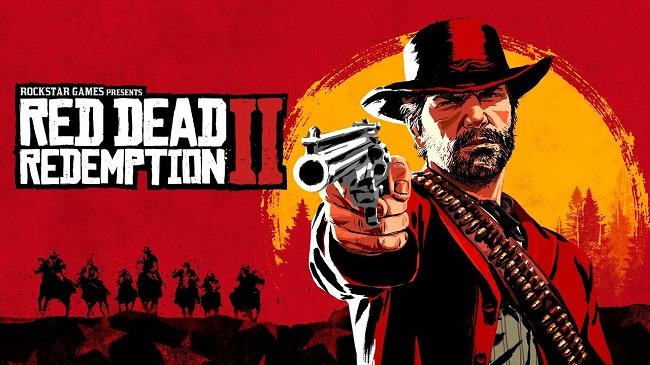
I spent 286 hours over the next 18 months playing through the game and its DLC. When I ran out of new content to play in the game, I spent hours experimenting with mods. During that time, I became familiar with the subtleties of the various in-game systems within Skyrim. It was a wrench to leave but eventually new titles lured me away. However, the game left a very strong impression upon me and continues to do so today. For me, it is what I immediately think of when someone mentions a fantasy based action RPG. As such, Skyrim is a hard act to follow. I’ve played other RPG’s since then, many of which have been good. But few have the same emotional impact, with the possible exception of Witcher III: Wild Hunt and Red Dead Redemption 2. However, I recently stumbled upon Tainted Grail: The Fall of Avalon and the associated buzz around it. Is this game the spiritual successor to Skyrim?
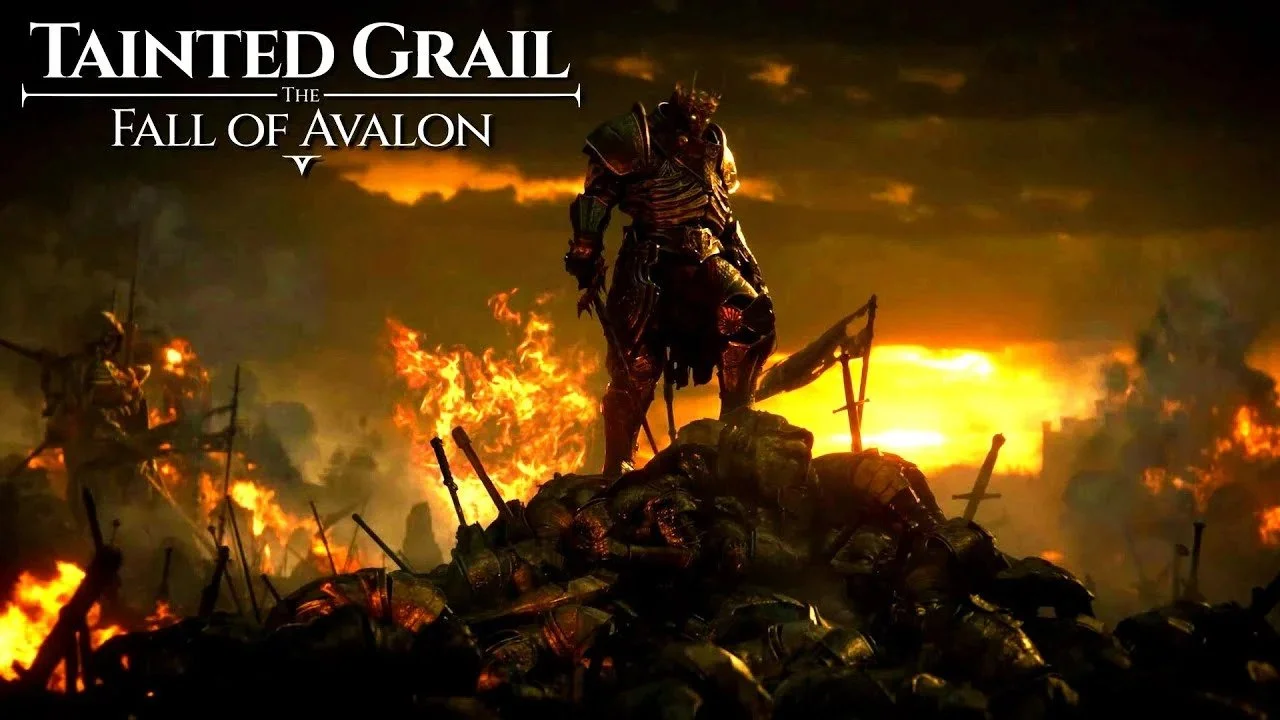
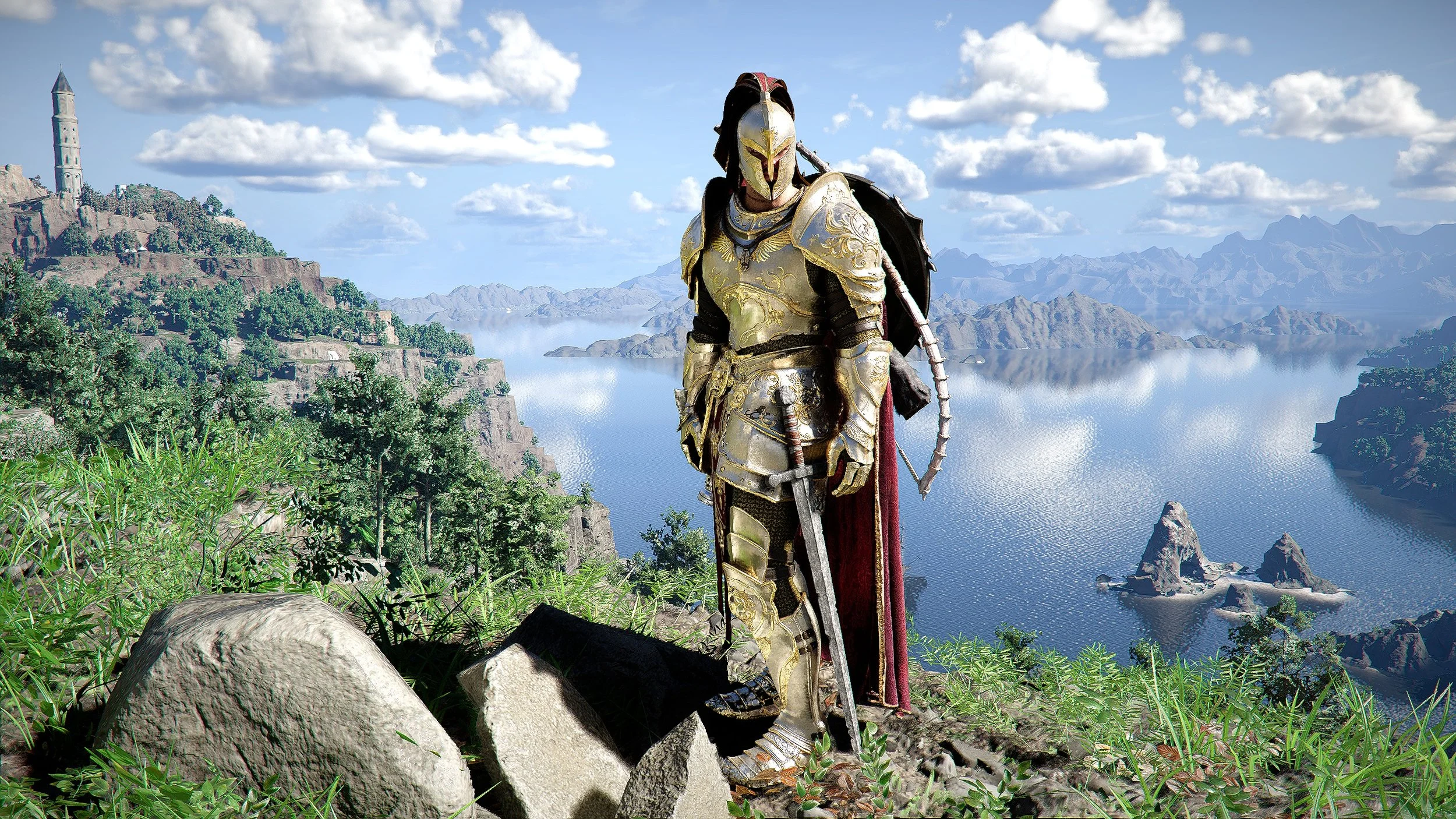
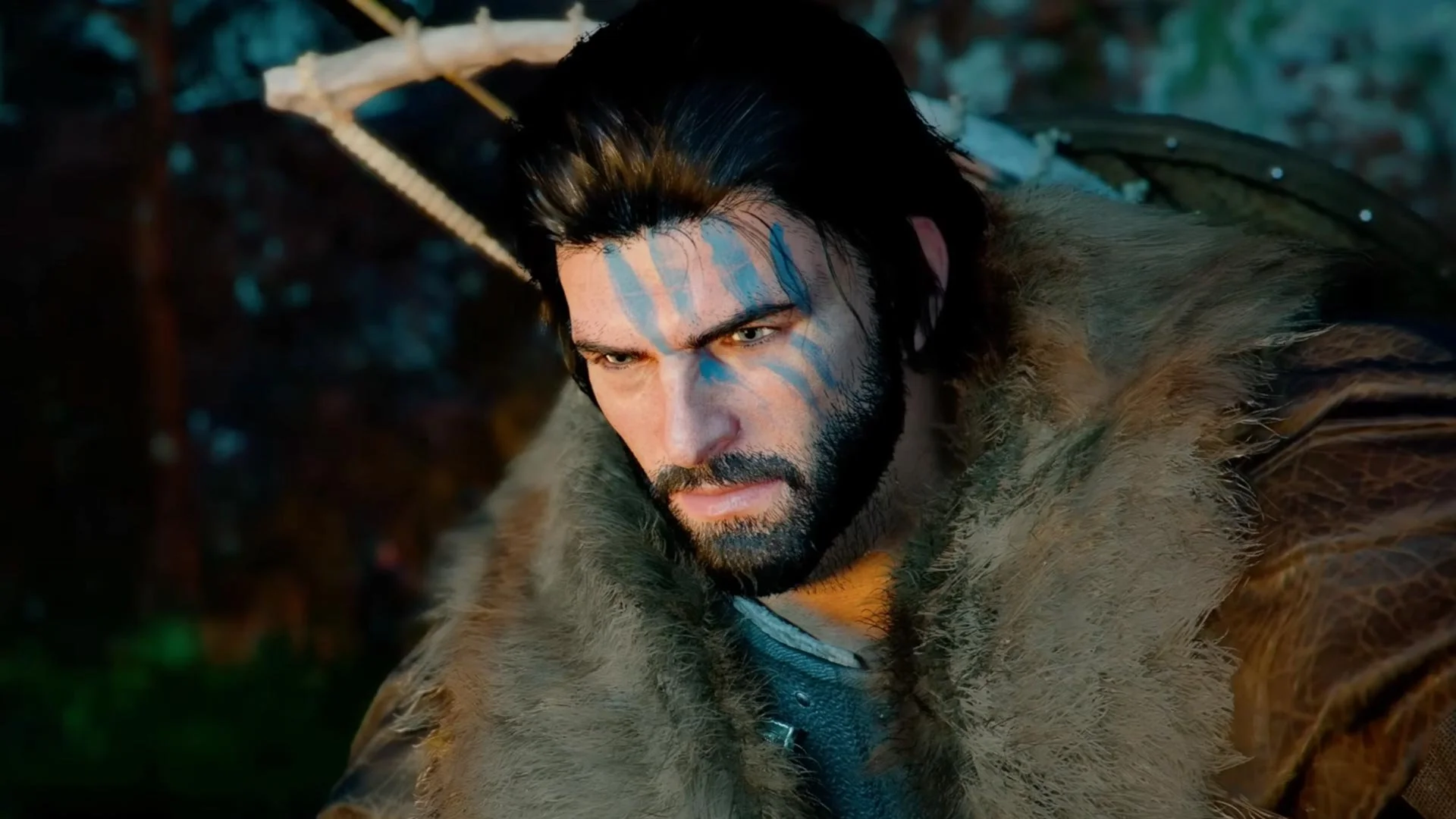
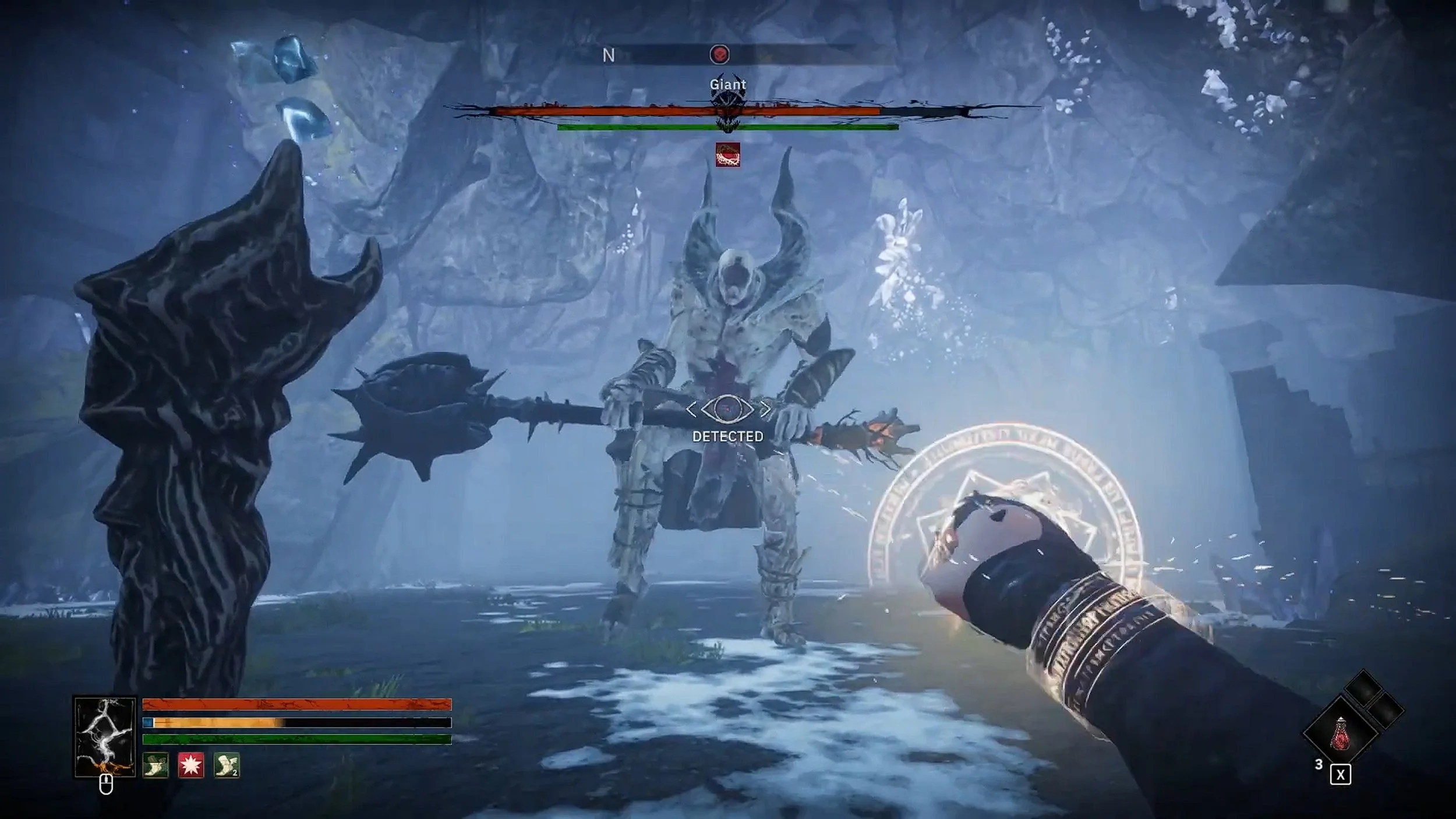
Tainted Grail: The Fall of Avalon is an Indie fantasy based action RPG made by Questline and published by Awaken Realms. Played primarily in first person, although there is third person support, this game draws heavily from Bethesda games, especially Skyrim. Set on the island of Avalon, you undertake various quests in a decaying realm that is slowly being assimilated by the “Wyrdness”. You are aided by the spirit of Arthur Pendragon in your journey across three distinct zones. There are abilities and skills to level along with points to spend in skillstrees. Crafting comes in the form of cooking, smithing and alchemy. The game is also awash with loot. All in all, Tainted Grail: The Fall of Avalon at first glance does strike as a shameless clone of Skyrim, yet there are subtle distinctions that give it an identity of its own. The more you play the more these become apparent.
Perhaps the most noticeable is the art design. The game has a striking aesthetic, drawing from both H. R. Giger and the Cthulhu Mythos. The ambient music and sound design are also very good, instantly creating an enigmatic atmosphere. At night when the threat level from the “Wyrdness” increases, the soundscape becomes especially disconcerting. NPCs are also quite engaging, often flying in the face of your expectations. Traditionally, vendors in RPGs are functional or expositional in nature. Here, they can be quite quirky and off beat. While exploring a minor crypt, I discovered an oddly friendly supernatural entity who was quite chatty. I was expecting a fight and instead I got an amusing quest that resulted in a permanent skill increase. So despite appearing generic, Tainted Grail: The Fall of Avalon has subtle differences. This extends not only to the world and NPCs but to in-game systems as well.
An essential aspect of the RPG genre is character progression. In this game, while your overall level increases at quite a sedate pace, default skills grow upon use. Hence when out in the world, whenever you run, jump, sneak, craft, or fight with specific weapons or spells, these skills are levelling. Furthermore, there are no level restrictions imposed by your stats or due to the points you’ve spent in the various skills trees. You get better at crafting by making things and are not excluded due to a recipe level. Initially, when your crafting abilities are low, you may well fail to produce a top tier item but persistence remedies this. As for skills points themselves, they’re quite plentiful and so you can afford to be generous in how you spend them. Assigning one in a new tree can often lead to a useful set of improvements. For example, spending points in Practicality enhances crafting as well as increasing damage to enemy weak spots. It also reduces both stamina and mana costs.
Combat is challenging, once you move on from the story prologue. This is not a game where you stand your ground and key mash. Movement, parrying and blocking are essential for melee combat. If you prefer to use magic then it all comes down to mana management and finding the right combination of spells. You can equip two spells or weapons per weapon slots, of which you have four. You then hot swap between these according to your combat requirements. You can summon multiple AI companions if you like and attempt to rush enemies. For those who favour traditional weapons, swords have weight and as such take a time to swing. Combat is therefore about timing and the more satisfying as a result. Enemies can also vary greatly in power and often you have no idea how strong they are until you attack them. Therefore it pays to be cautious when exploring and is wise not to jump into a fight unnecessarily.
Over the course of future blog posts, I shall be exploring various aspects of Tainted Grail: The Fall of Avalon in more detail. Mainly because this game has taken my fancy. It is doing something familiar but doing it in its own way and not always in a manner you would expect. To use an analogy, if Skyrim is Star Wars then Tainted Grail: The Fall of Avalon is Battle Beyond the Stars. This game is inherently janky, although with each patch the jank is slowly being addressed. It is also very old school because the games it is emulating are themselves old school. But it has a charm and character of its own and I admire the ambition of the developers who are trying to do, with a small team, the same thing that a multimillion dollar mainstream studio has already done. And they’re putting their own stamp on the results. That is a rare quality these days. That and a game that is actually “fun”.









Zootopia 2 AKA Zootropolis 2 (2025)
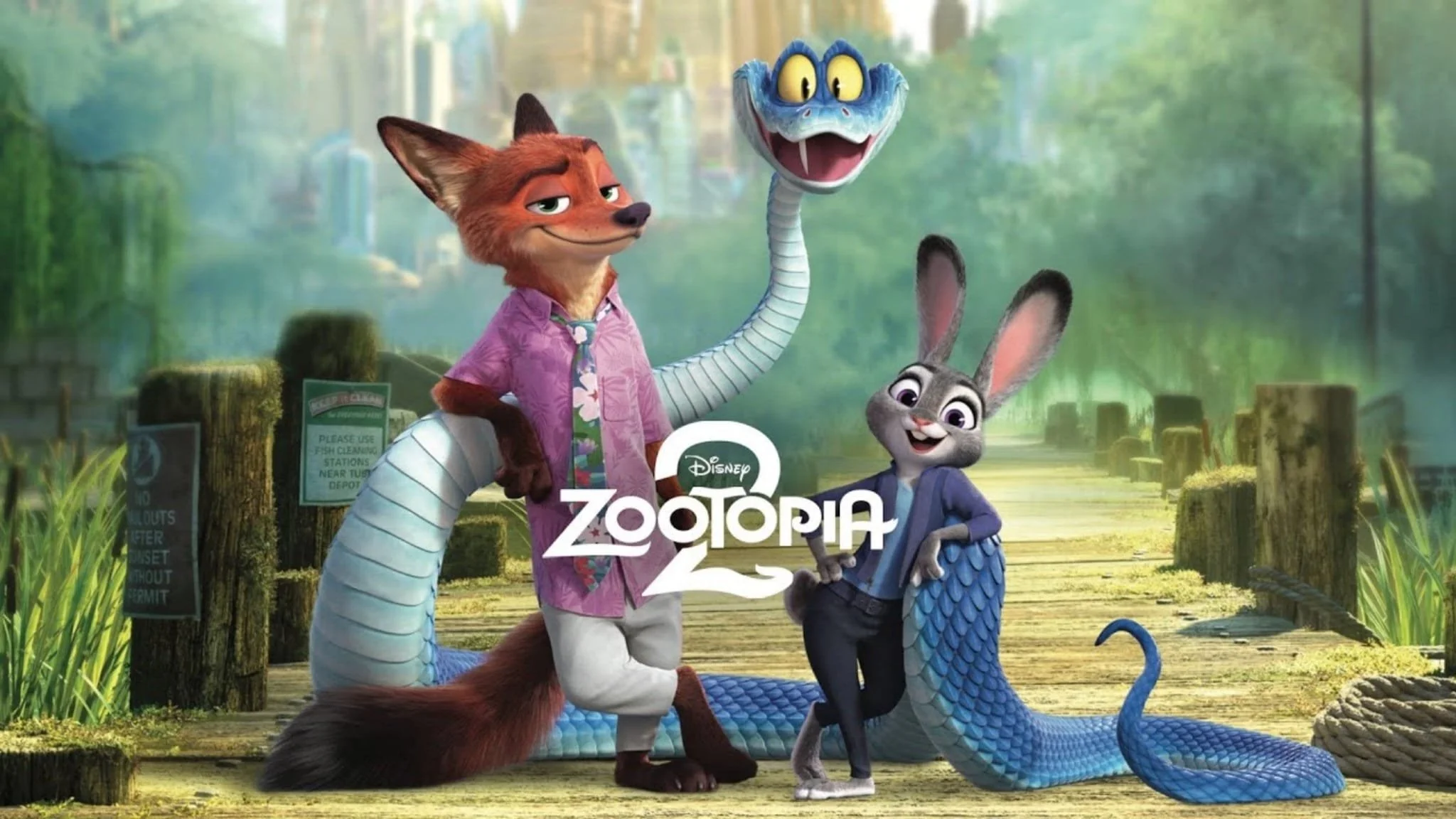
It is not unusual for Disney to change film titles when marketing them outside of the US. In 2016 they renamed the animated feature film Zootopia to Zootropolis in the UK and Europe to avoid trademark conflicts with other existing businesses. For example there is a Danish zoo which already holds the “Zootopia” name. Similarly, in Germany there is a children’s book which caused copyright conflict, which led to the film being released under the title Zoomania. Such changes, although practical for legal reasons, can sometimes cause a degree of confusion. Especially as there are numerous, low budget productions companies that go out of their way to produce similarly titled “mockbusters” whenever there are big, tentpole, releases. So for clarity, Zootopia 2 has been released in the UK as Zootropolis 2.
It is not unusual for Disney to change film titles when marketing them outside of the US. In 2016 they renamed the animated feature film Zootopia to Zootropolis in the UK and Europe to avoid trademark conflicts with other existing businesses. For example there is a Danish zoo which already holds the “Zootopia” name. Similarly, in Germany there is a children’s book which caused copyright conflict, which led to the film being released under the title Zoomania. Such changes, although practical for legal reasons, can sometimes cause a degree of confusion. Especially as there are numerous, low budget productions companies that go out of their way to produce similarly titled “mockbusters” whenever there are big, tentpole, releases. So for clarity, Zootopia 2 has been released in the UK as Zootropolis 2.
After the events of the first film, Judy Hopps (Ginnifer Goodwin) and Nick Wilde (Jason Bateman) are now officially partners at the Zootopia Police Department (ZPD). However, after an operation goes awry, due to Hopps’ over eager nature, Chief Bogo (Idris Elba) sidelines them. After finding some shed skin, Judy begins to believe there might be a snake in Zootopia. Nick is sceptical as snakes and other reptiles have been exiled from the city since an incident at its founding. Further clues lead the pair to the Zootenial Gala, celebrating the centennial anniversary of the city’s founding. It soon becomes apparent that the founding family of Lynxes have a dark secret and that a grave miscarriage of justice has been covered up for years. However, Judy and Nick are framed and are forced to go on the run.
Despite a 9 year gap between the release of the first film and this sequel, Zootropolis 2 is immediately engaging mainly due to the strength and appeal of the central characters. The jokes come thick and fast, with plenty of slapstick humour and sight gags. As ever with animated films, action scenes are very frenetic and demand your concentration to see all that is going on. The screenplay by Jared Bush contains the usual pop culture references and clever asides for adult viewers. Hence we have clever homages to The Silence of the Lambs and The Shining. The voice cast is sumptuous and sprawling, ranging from artists such as Shakira and Ed Sheeran, Alan Tudyk, John Leguizamo and Jenny Slate. Guessing the identity of a celebrity voice actor is part of the fun of the film. It took me a few minutes to identify the ever excellent Danny Trejo, as Jesús, a plumed basilisk lizard.
The story, although entertaining, is a little drawn out with several lengthy set pieces unnecessarily expanding its running time. However, this is standard operational procedure these days for films of this kind. Although not as novel as the first film, Zootropolis 2 is engaging, funny and handles sentiment very well. It is interesting how a lot of mainstream Hollywood films are currently exploring traditional themes and focusing on subtexts of equality, inclusion and social cohesion. All of which seems to fly in the face and provide a counter narrative to aspects of contemporary US politics. As for the usual bi-partisan criticism and pushback that occurs when such material is present in mainstream entertainment, it has not harmed the box office returns for Zootropolis 2. The film has earned globally $1.475 billion, having cost $150 million to make. So much for “go woke, go broke”.








The Running Man (2025)
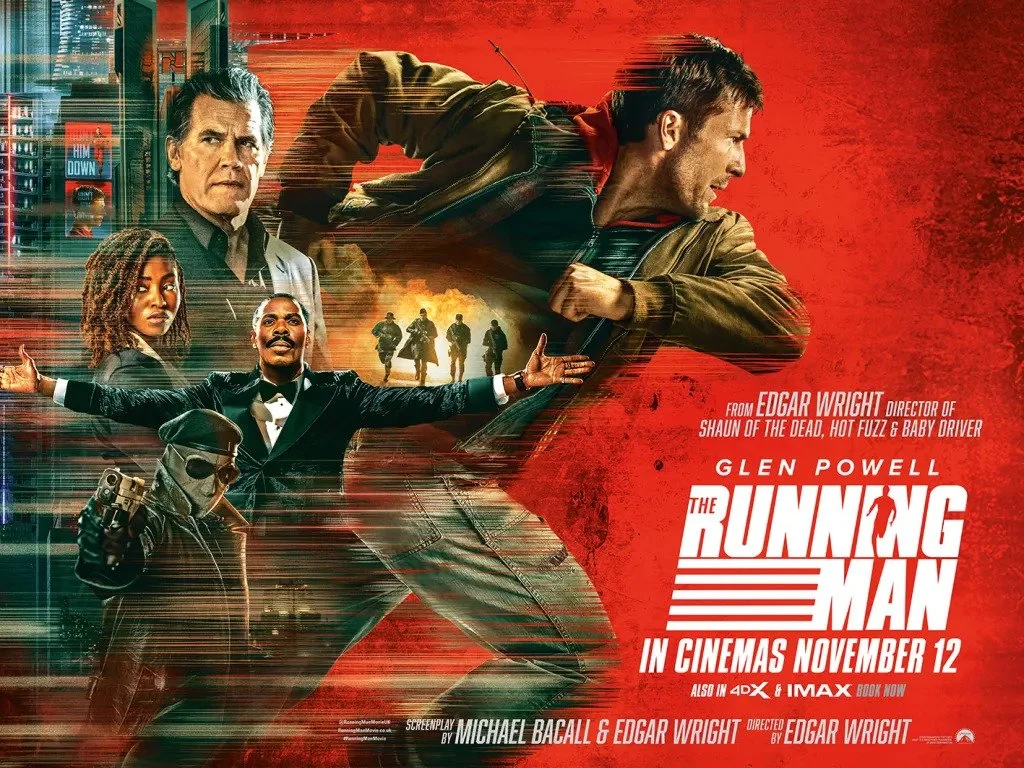
Stephen King’s dystopian story, The Running Man, was previously adapted very loosely in 1987, as a vehicle for Arnold Schwarzenegger. That version focused mainly on the “Battle Royale” element of the story and leaned heavily into Arnie’s personality, rather than the politics of the book. It also wasn’t well received by the author. Edgar Wright’s remake follows the source text a lot more closely and is far more interested in its political themes and wider social commentary. Furthermore, this version re-establishes the everyman quality of the hero of Ben Richards, rather than him being the muscle bound, ex-military hero as per Mr. Schwarzenegger’s prior interpretation. This time round, The Running Man uses a lot of the visual and narrative tropes of contemporary reality TV, making this forty three year old story very relevant to today’s viewers and couching the film in a style that is recognisable and accessible.
Stephen King’s dystopian story, The Running Man, was previously adapted very loosely in 1987, as a vehicle for Arnold Schwarzenegger. That version focused mainly on the “Battle Royale” element of the story and leaned heavily into Arnie’s personality, rather than the politics of the book. It also wasn’t well received by the author. Edgar Wright’s remake follows the source text a lot more closely and is far more interested in its political themes and wider social commentary. Furthermore, this version re-establishes the everyman quality of the hero of Ben Richards, rather than him being the muscle bound, ex-military hero as per Mr. Schwarzenegger’s prior interpretation. This time round, The Running Man uses a lot of the visual and narrative tropes of contemporary reality TV, making this forty three year old story very relevant to today’s viewers and couching the film in a style that is recognisable and accessible.
In the near future, the United States is governed by an authoritarian media conglomerate known simply as the Network. The majority of the public exist in poverty with minimal access to healthcare, while the Network distracts the populace with low-quality, violent game shows and reality television. The most popular show is “The Running Man”, in which "runners" have the opportunity to win $1 billion by surviving a 30 day, nationwide manhunt, by the Network's five “hunters”. Provided with $1,000 and a 12-hour head start, “the runners” must document their experiences daily, or they will lose their earnings yet still remain targets for the hunt. Ben Richards (Glen Powell), a blacklisted blue collar worker, enters the show desperate to earn money to pay for his daughter’s healthcare. The TV show’s producer, Dan Killian, instantly senses that Richard’s maybe an exceptional contestant and a means to achieve the highest ratings ever.
British director Edgar Wright takes a calculated risk by not smoothing the rough edges of the central character of Ben Richards. Although he’s a man with a moral code and fierce loyalty to his family, his anger issues can diminish some of the audience’s sympathy for him. However, as it is this very quality that makes him a perfect candidate for the predatory TV shows that abound in the authoritarian state, it is a necessary evil. As ever, the director cleverly uses gallows humour, intelligent “needle drops” and clever dialogue to make his point. The action scenes are well handled and not too hyperbolic in scope. Shot in London, Glasgow and Bulgaria, the film looks refreshingly unamerican and pivots well between the grimy, run down aesthetic of the poor neighbourhoods and the neon modernism of the rich suburbs.
Glen Powell is well cast and his character has a logical arc. He also acquits himself well in the action scenes and the use of CGI is minimal. Josh Brolin is plausible as the scheming producer of this titular TV show and exudes appropriate insincere charm. Colman Domingo has a lot of fun with the role of Booby T, the slick host of the nation’s favourite show, whipping up the audience with his inflammatory and hyperbolic rhetoric. If there is a weak character then it is Evan McCone played by Lee Pace. Although the main “hunter” of the story, Pace has little to do apart until the third act when his role becomes mainly expository. However, this aside, The Running Man is a fast paced, clever and slick re-imagining of a somewhat bleak novel. It is not just another generic action movie and clearly shows the hallmark of its director’s persona and style.
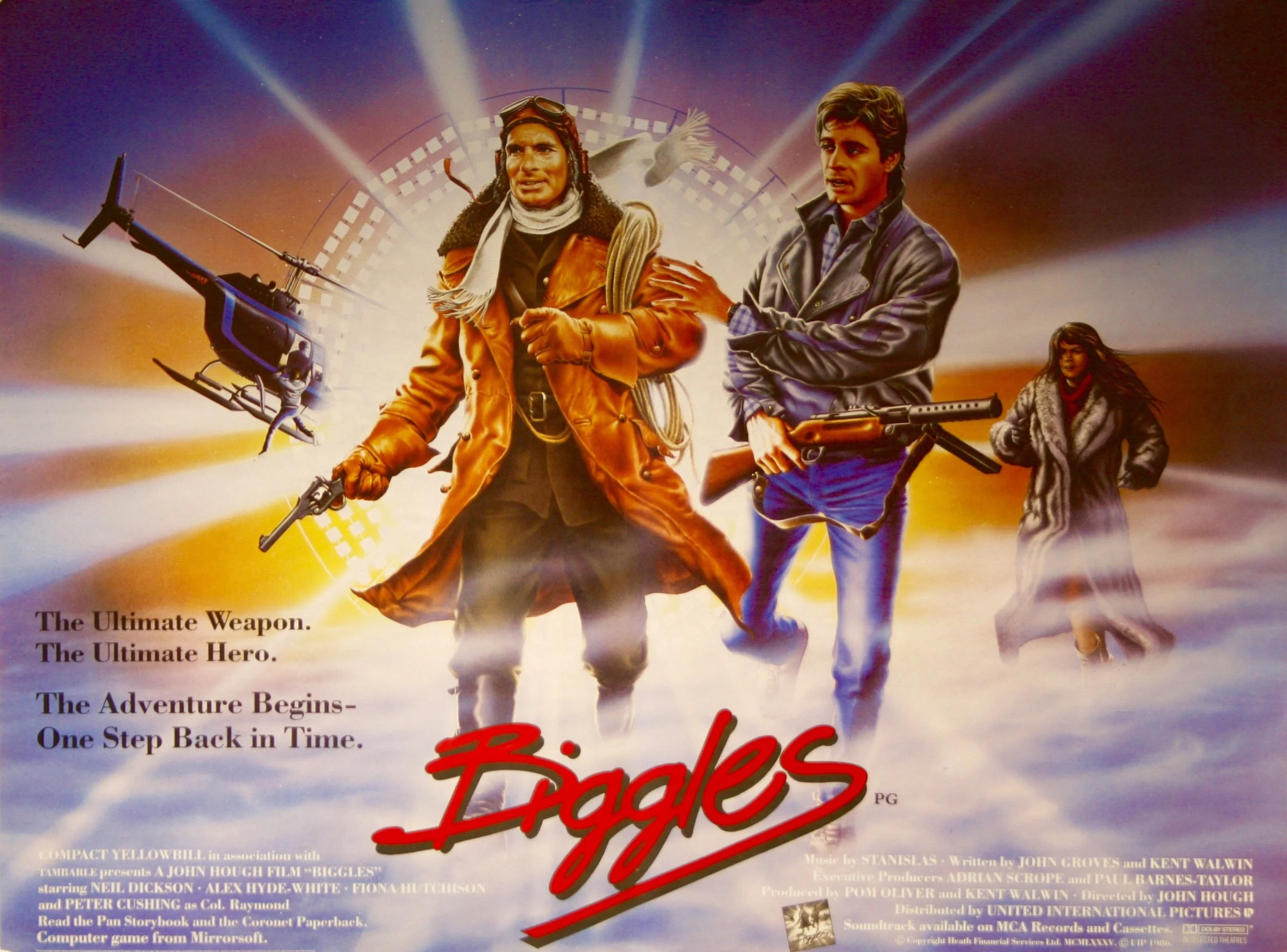
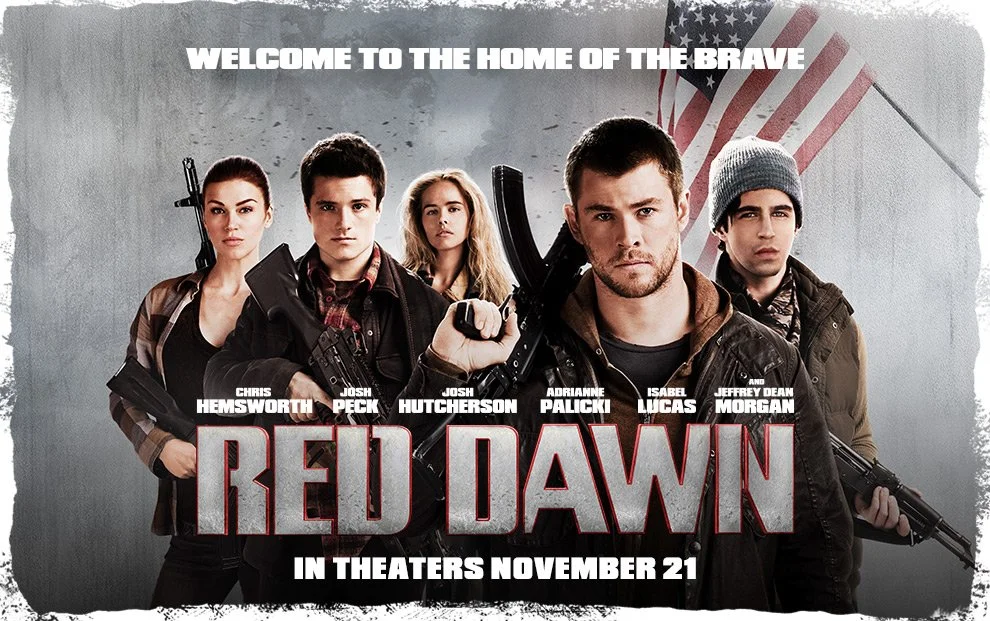
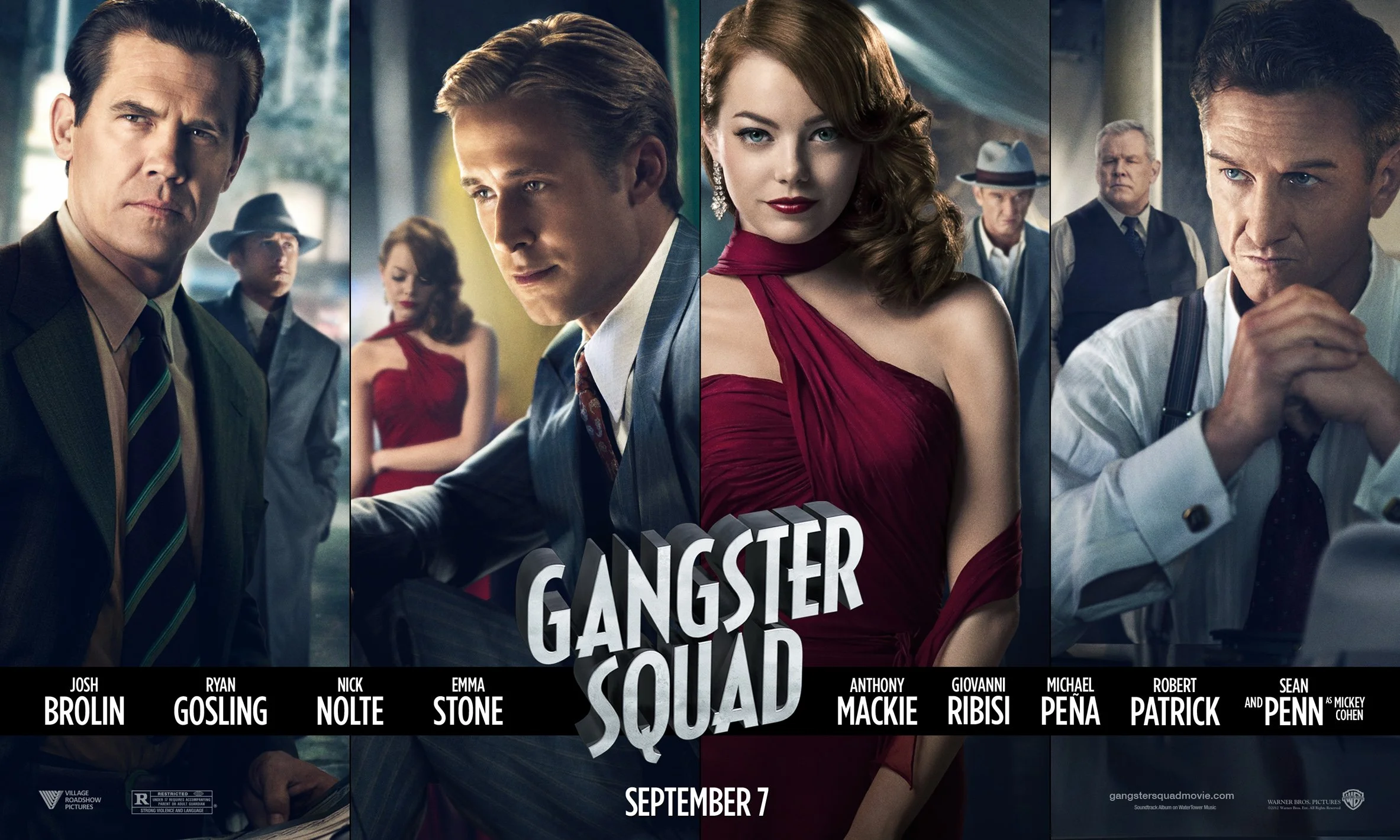

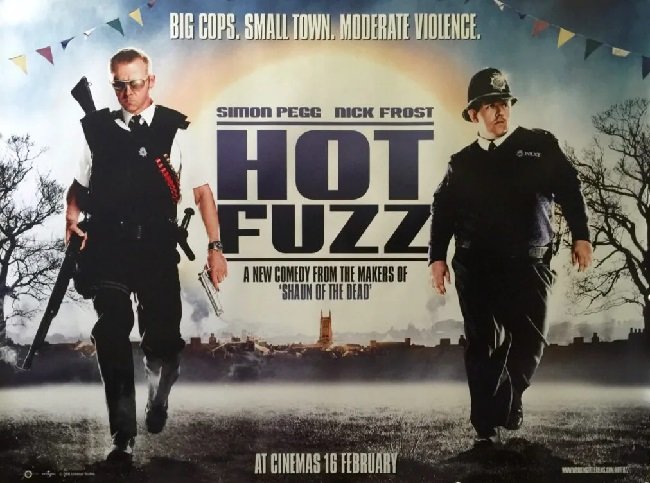







New Year: Taking Stock of Your Life
I don’t really celebrate New Year’s Eve anymore. By that I mean, I don’t go to the pub or any other social gatherings. Nor do we have guests ourselves. Mrs P often doesn’t stay up to midnight. Mainly because she tends to go to bed relatively early, by default. One year changing to another seems a somewhat arbitrary excuse for a celebration to me. However, I realise that New Year is a big deal for some. I used to work with someone who said, very philosophically, that Christmas was for the children and New Year was for the adults. He was of Scottish antecedents and so New Year’s Eve was of more cultural significance to him. Also if you’ve had a difficult, problematic or traumatic 2025, then I fully understand that you may well be happy to see the back of 2025 and look to 2026 to be a significantly better year. Or at least, not to be as shit.
I don’t really celebrate New Year’s Eve anymore. By that I mean, I don’t go to the pub or any other social gatherings. Nor do we have guests ourselves. Mrs P often doesn’t stay up to midnight. Mainly because she tends to go to bed relatively early, by default. One year changing to another seems a somewhat arbitrary excuse for a celebration to me. However, I realise that New Year is a big deal for some. I used to work with someone who said, very philosophically, that Christmas was for the children and New Year was for the adults. He was of Scottish antecedents and so New Year’s Eve was of more cultural significance to him. Also if you’ve had a difficult, problematic or traumatic 2025, then I fully understand that you may well be happy to see the back of 2025 and look to 2026 to be a significantly better year. Or at least, not to be as shit.
However, one positive thing New Year does offer is an opportunity to take stock. I’m not talking about trite resolutions that the tabloid press are so fond of championing at this time of year. “New year, new you” sort of bullshit. I mean being brave and looking at your own life and giving serious consideration to what you can do to improve matters for yourself and possibly other people. You may also want to take a look at the state of the world. Be careful with this one as it can be a bit depressing. Although you may not be in a position to make any major changes there are lots of smaller scale things that we can do to help make life a little less shit. Taking stock should not be feared but embraced. A simple and honest audit of your personal status quo with a view to making some alterations. A chance to set some realistic and obtainable goals as well as a means to improve your state of mind.
I took time out from my usual activities at the end of April 2025. I went away for a short break to the Kent coast and was fortunate enough to have experienced some pleasant weather. I explored the picturesque town of Whitstable and relaxed at Margate Harbour. It was exceedingly restful to have a change of scene and be somewhere else for a change. During this time I candidly took stock of my life and the wider world in general. I am now a 58 years old man with more time behind me than I have in front of me. The world is also changing and I would argue not for the better. So I’ve been reflecting on both the past and the future. It has proven to be a valuable exercise and I feel better for it as I now have some clarity as to where I’m going. I have also made some decisions. Hopefully decisions that will address some of the things concerning me.
I won’t bore you with my various plans to improve my health or pursue various new writing projects. Because those aren’t really radical challenges. Improving my health is an imperative and therefore will be addressed simply because I fear the alternatives. The writing and associated projects will be done because they are a major source of pleasure and a creative outlet for me. The real and potentially challenging change I wish to make is to simply be more positive in my outlook on life. To make a concerted effort to find the good in situations and people and to dial back the skepticism. I want to be the person who after identifying an issue or problem, then has a cunning plan to address it. I believe this to be an important goal because legitimate concerns over what might happen both in your own backyard or globally are causing good people to retreat into their own personal inland empire.
I fully appreciate why disengaging from aspects of the world is a means to protect one’s mental wellbeing but it can also be part of a wider retreat from life. This concerns me because I keep coming back to the famous quote attributed to Edmond Burke. “The only thing necessary for the triumph of evil is for good men to do nothing”. My gut is telling me that 2026 is not the year to do this. I think we need to hold the line. I’m not saying that we all need to become militant, firebrand activists. I just think we need to do what we can within the context of our own lives. Speak out if appropriate or undertake small acts of kindness. Praise those who merit praise. Admonish those who don’t. Be kind. Be strong. Be true. At the very least don’t be an asshole. There are far too many of those already. I’m certainly going to give it a go, although I have no idea how it’s going to work. In the meantime “Merry New Year” as Eddie Murphy said in Trading Places. Take stock and act. See you in 2026.












A Year in TV
I have not watched as much TV as I usually do, this year. Mainly because I have become a little weary of the ways contemporary TV is produced, especially with regards to streaming shows. Due to the costs, shows such as Star Trek: Strange New Worlds only have 10 episodes per season. Simply put, the season begins to hit its stride and then is abruptly over. This problem (if you see it as such) is then further compounded by there being a significant wait between seasons. In the case of STSNW it was two years between season two and season three. Not all shows fall foul of this. Apple TV produces two seasons of the excellent espionage drama Slow Horses at a time, ensuring a prompt release schedule. However, even this has issues. Due to the complexity of the plots of many contemporary TV shows, something that is a marketing point, some viewers cannot remember the plot after a twelve month hiatus. Network TV shows seldom have these issues with each season being 20 plus episodes long and story arcs that are seldom as complex.
I have not watched as much TV as I usually do, this year. Mainly because I have become a little weary of the ways contemporary TV is produced, especially with regards to streaming shows. Due to the costs, shows such as Star Trek: Strange New Worlds only have 10 episodes per season. Simply put, the season begins to hit its stride and then is abruptly over. This problem (if you see it as such) is then further compounded by there being a significant wait between seasons. In the case of STSNW it was two years between season two and season three. Not all shows fall foul of this. Apple TV produces two seasons of the excellent espionage drama Slow Horses at a time, ensuring a prompt release schedule. However, even this has issues. Due to the complexity of the plots of many contemporary TV shows, something that is a marketing point, some viewers cannot remember the plot after a twelve month hiatus. Network TV shows seldom have these issues with each season being 20 plus episodes long and story arcs that are seldom as complex.
I find the formula of the obligatory cliffhanger ending for each season, to keep viewers “keen”, rather wearisome. Again, each season of Slow Horses is a self contained story, based on a specific novel. I wish more shows took this approach. I don’t relish having to watch summary videos on YouTube to refresh my memory. However, I think this is symptomatic of a wider malady that is affecting modern TV. Despite high production values, adult themes and complex narratives, many feel to me as well crafted contrivances but contrivances no less. Essentially big budget and immaculately made curate’s egg. There have been several shows that I have started watching and have been broadly entertained by, yet I have at some point abandoned them simply because on some level I just couldn’t be bothered to continue. Furthermore, I didn’t see my abandonment to be a loss. I stopped watching The Last of Us season 2 for this very reason.
Another thing that has come to my notice is the gulf between what shows get written about in the online press and what the public actually watch. For example Succession was dissected in great detail by critics and had praise heaped upon it. However, despite respectable viewing figures, it is not by any means the most popular show on TV. NCIS and Tracker have far more substantive audiences but seem to be more written about on entertainment websites rather than formal online newspapers. This to me is evidence of the ever increasing cultural divide that is becoming apparent in western culture. People not only live and work in their own bespoke bubbles but can also have separate viewing habits. Another growing factor is “TV poverty”. Succession is a cable/streaming show whereas NCIS and Tracker are available on digital terrestrial TV. The cost of subscribing to multiple “premium content” platforms is simply too prohibitive.
I won’t list all the shows that I have enjoyed this year but I will name a few. Dept. Q was a very absorbing contemporary crime drama. Mark Gatiss was excellent in Bookish, channeling a great deal of Agatha Christie and sporting a handsome post WWII production design. Season 2 of Andor totally nailed the zeitgeist with its sociopolitical commentary. Alien Earth was far better than I was expecting and worked well within its canonical restrictions. Murder Before Evensong found the sweet spot between cozy drama and grim murder mystery. Season 2 of NCIS Origins is also maintaining a high standard of writing that is sadly lacking in its long running predecessor. Dark Winds continued to be a solid police drama, following two Navajo Tribal Police officers in the seventies. There were several popular shows that I decided not to watch for various reasons. I chose not to get on the hype train with regard to The Traitors and Pluribus.
Finally, I have noticed that I do not seem to watch comedy anymore. Apart from the occasional standup special by a comedian that I like, I don’t really watch any comedy panel shows anymore, such as Would I Lie To You, or entertainment shows such as Taskmaster. My granddaughters like US sitcoms such as Young Sheldon and Georgie & Mandy’s First Marriage but I find them incredibly bland. Safe, non-controversial entertainment that is amusing but no more. I like satire and sadly, it appears to be running scared at the moment for obvious reasons. However, I did watch The Franchise in late 2024 and was hoping for a second season of its excellent dissection of a film studio that definitely isn’t Disney. Sadly, it’s been cancelled. Which brings me back to my original point about annoying foibles of modern TV production. Add great shows being cancelled to the list.
LOTRO: Reaching the New Level Cap
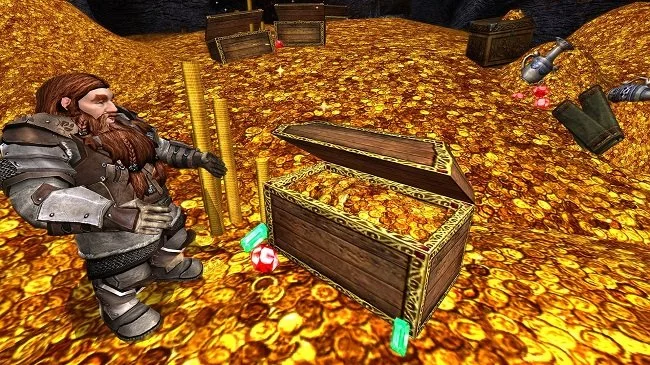
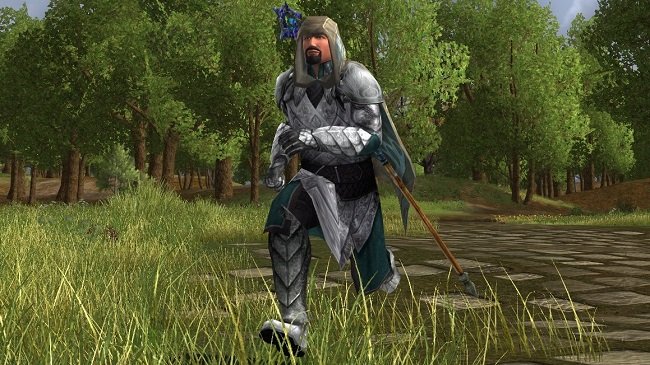
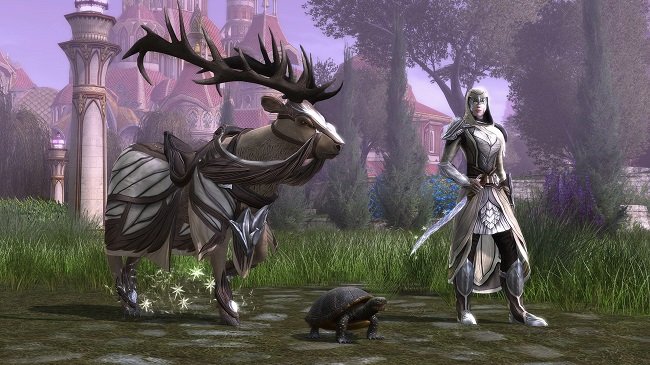
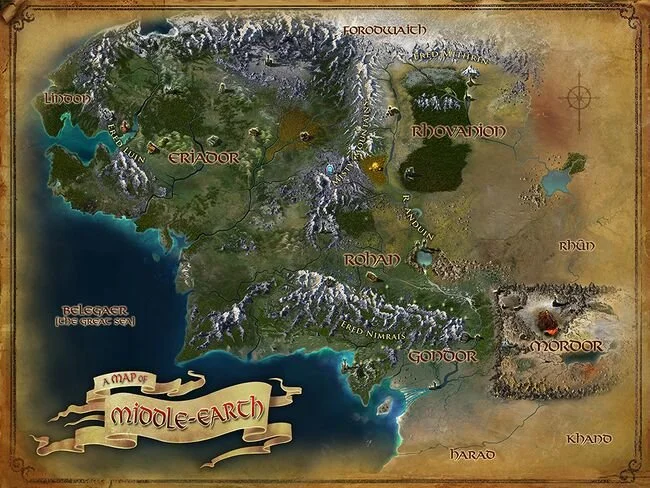
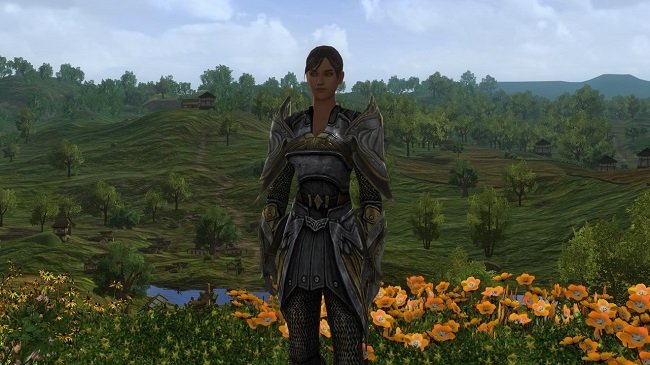
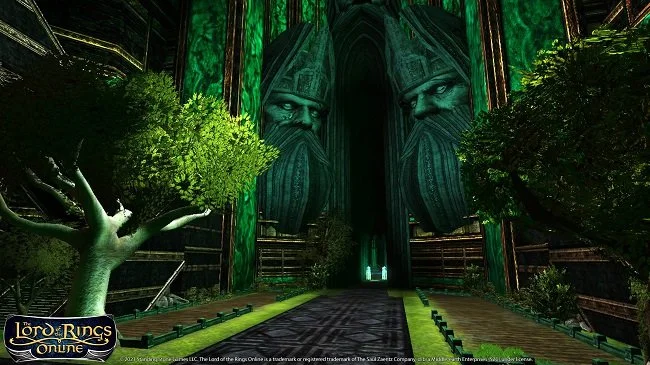
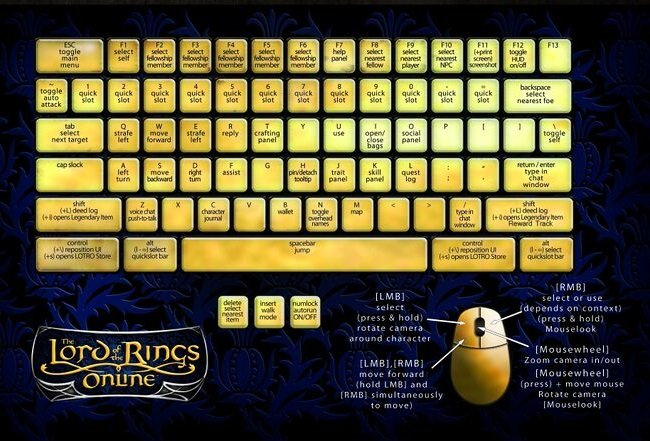
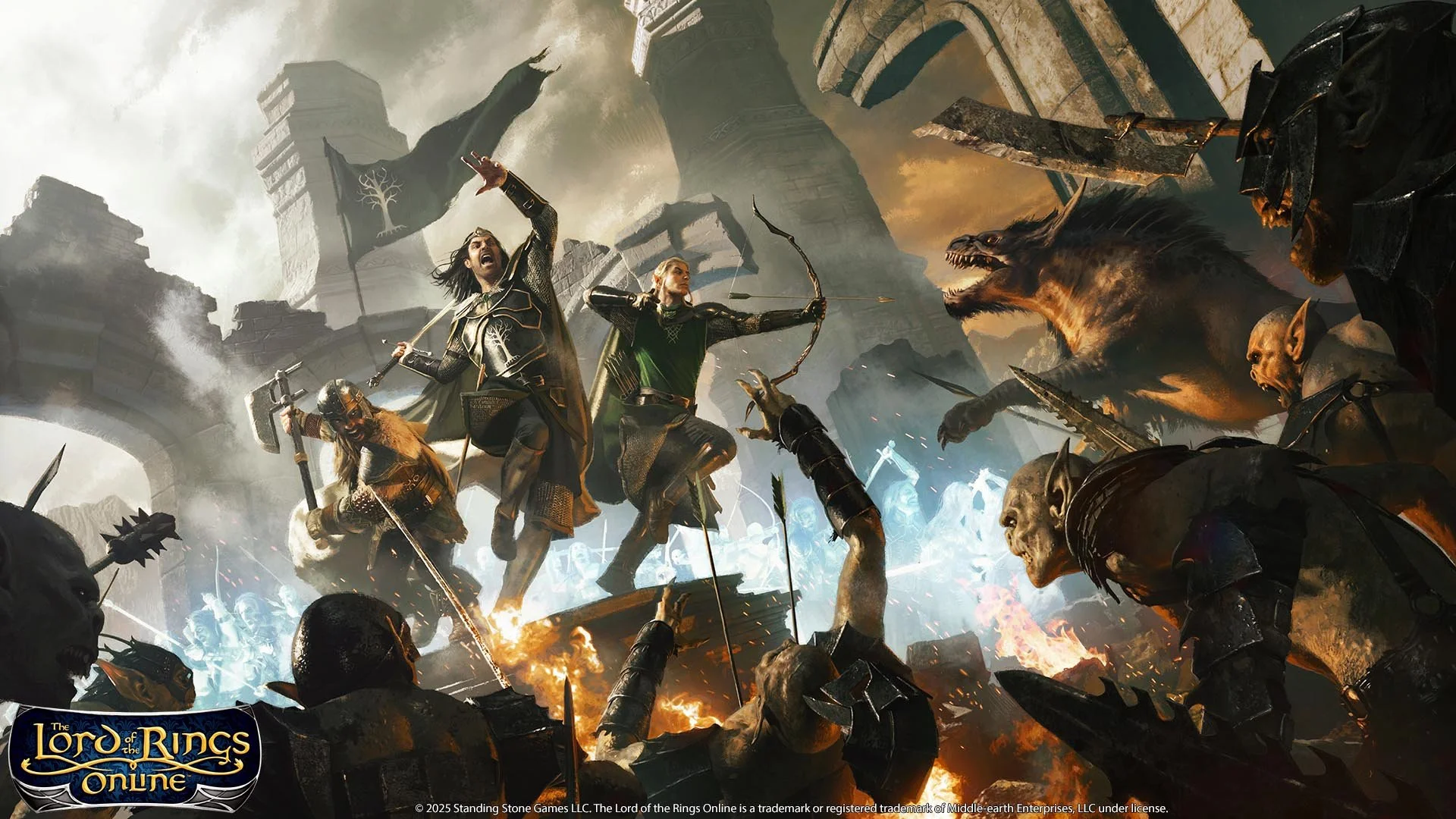
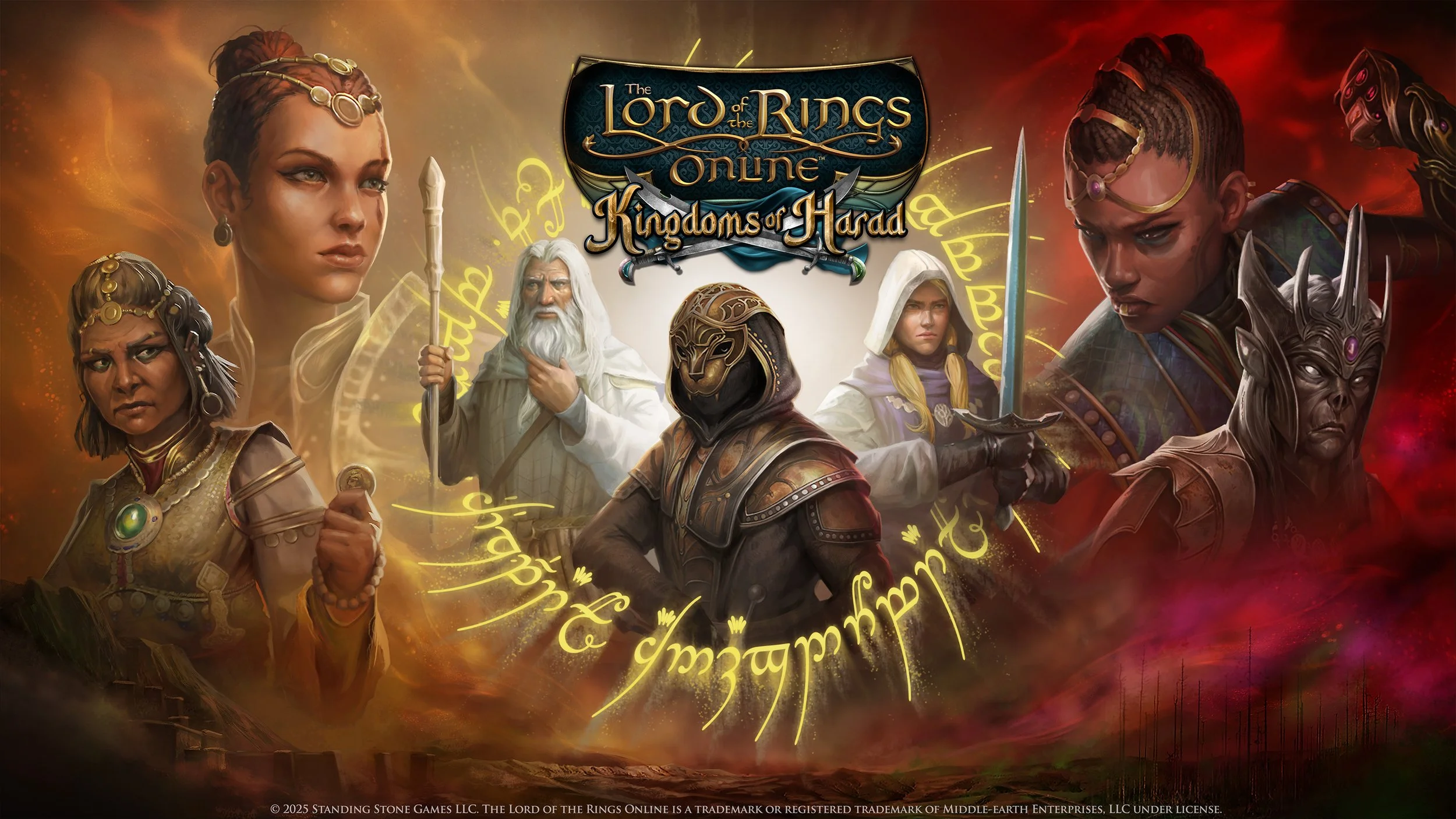
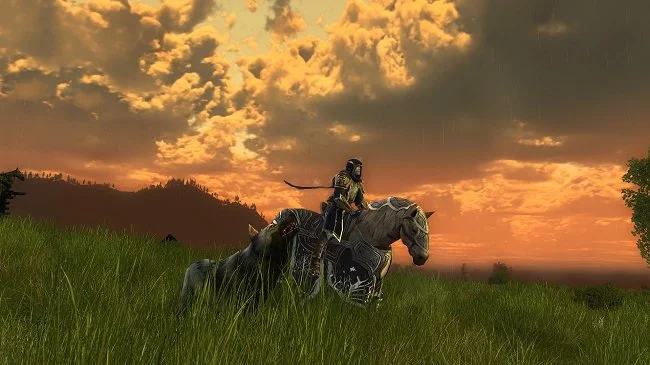
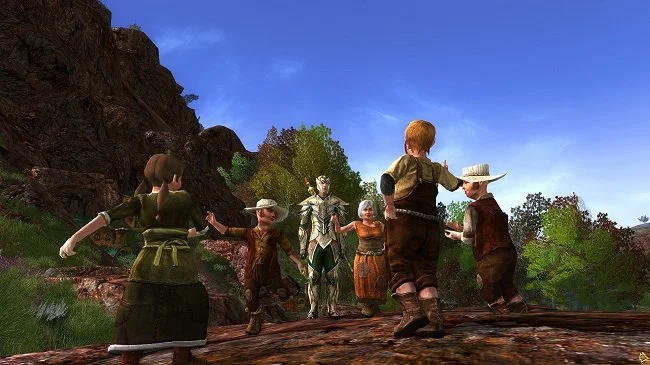
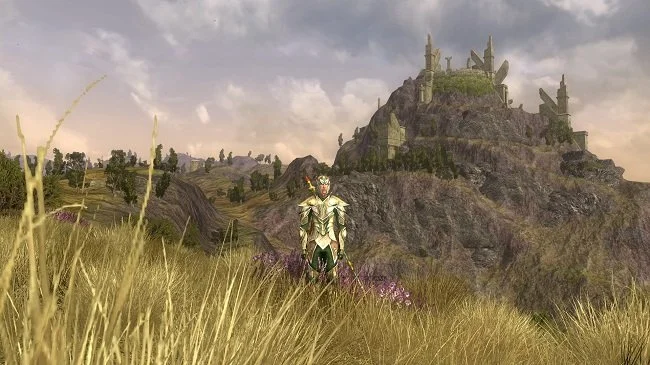
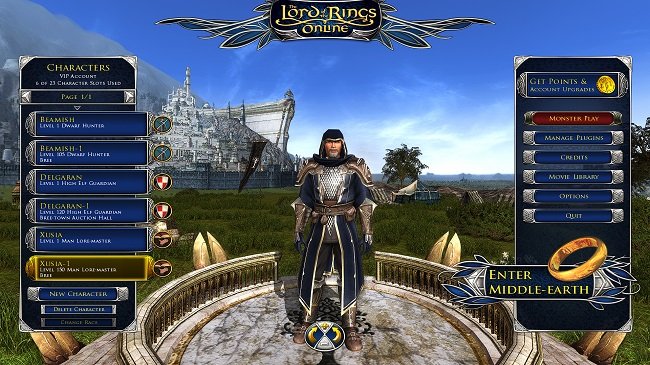
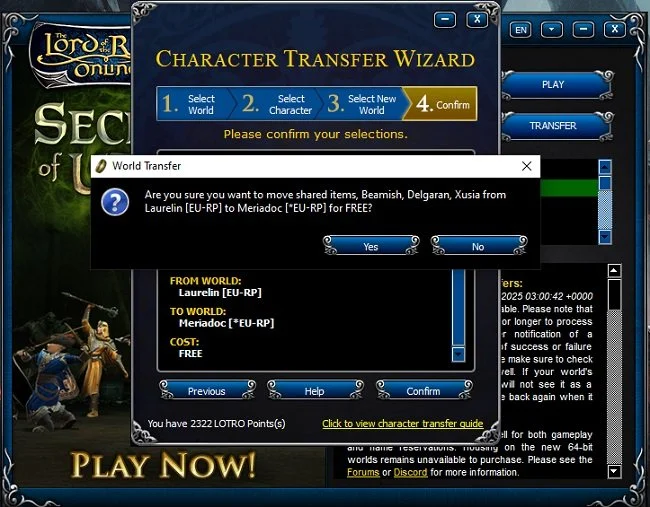
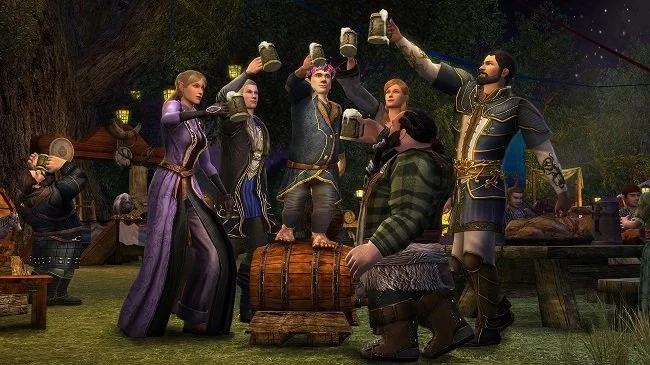
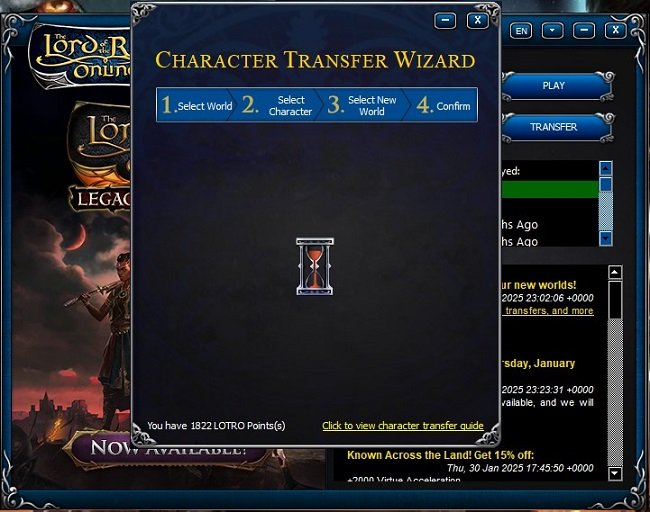
The latest expansion for the MMORPG The Lord of the Rings Online, Kingdoms of Harad, launched on December 3rd. With this release the level cap was raised from 150 to 160. It should also be noted that the cap for virtue traits was also raised from 96 to 100. Naturally these changes meant that there is a requirement to replace all armour and jewellery once the new cap is reached. Similarly Legendary Items have to be reforged and any traceries upgraded or replaced. If you follow the Epic Story it will lead you from quest hub to quest hub. The main quest rewards, along with those from side quests will provide adequate gear as you slowly progress towards the new level cap. The new raids, instances and missions/delvings then provide a means to acquire higher quality level 160 gear. LOTRO and indeed, many other MMOs are consistent in this methodology.
The latest expansion for the MMORPG The Lord of the Rings Online, Kingdoms of Harad, launched on December 3rd. With this release the level cap was raised from 150 to 160. It should also be noted that the cap for virtue traits was also raised from 96 to 100. Naturally these changes meant that there is a requirement to replace all armour and jewellery once the new cap is reached. Similarly Legendary Items have to be reforged and any traceries upgraded or replaced. If you follow the Epic Story it will lead you from quest hub to quest hub. The main quest rewards, along with those from side quests will provide adequate gear as you slowly progress towards the new level cap. The new raids, instances and missions/delvings then provide a means to acquire higher quality level 160 gear. LOTRO and indeed, many other MMOs are consistent in this methodology.
The only problem with this approach is that it is at odds with my own personal gaming philosophy. I don’t like the concept of getting the best items at the end of your progression, when from my perspective, I don’t really benefit from them as I usually cease playing at this point. I do not participate in raids or any of the endgame group content, so rewarding me at this point seems redundant. I would like to acquire better quality gear as I progress towards the new level cap so that I am robustly equipped to deal with the PVE content. By default I like my characters to be “overpowered” when playing through new regions. Other players may prefer a more challenging approach and want to be evenly matched against landscape mobs, but I favour being prepared, as powerful as possible and playing on my own terms.
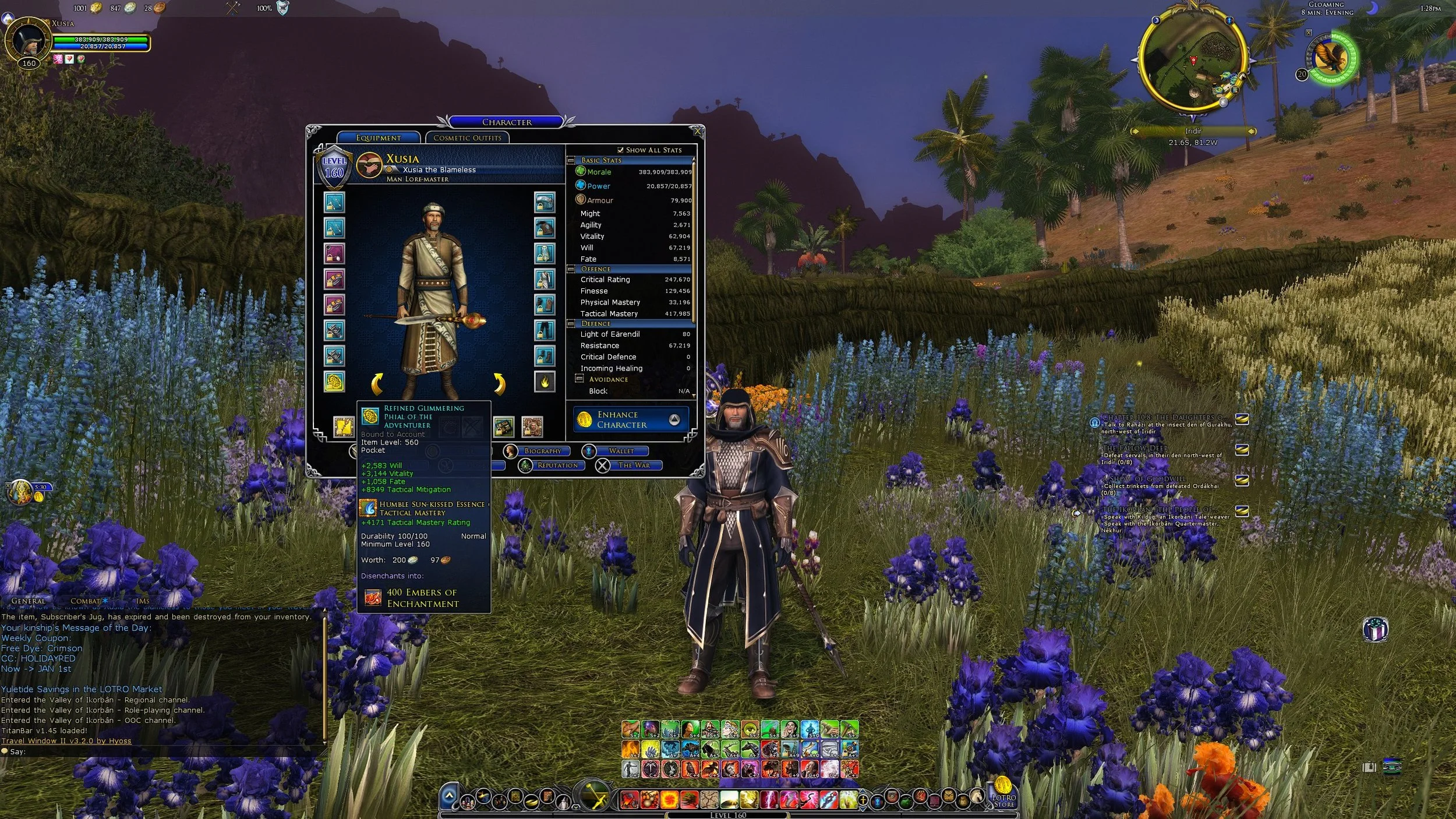
Rather than just playing through the various PVE quests featured in the last two expansions (as I have yet to complete them) to reach the new level cap, I decided upon a different approach. As soon as the Yuletide Festival started on December 11th, I began running all events on a daily basis to gain easy XP. I used various consumable items that provide XP boosts as well as spending destiny points for similar benefits. I also began a rotation of the following offensive skirmishes which can be completed quickly. Trouble in Tuckborough. Thievery and Mischief, The Icy Crevasse, Strike Against Dannenglor and Battle in the Tower. Hence, after a week of fairly casual gameplay, I reached the new level cap of 160. An added benefit of this focused approach was that I also made significant progress in the Legendary Item Reward Track.
Upon reaching level 160, I had to replace all my existing gear. To do this I followed the same method that I used when the cap was raised to 150 back in November 2003 when the Corsairs of Umbar expansion was released. I bought 40 Black Steel Lockbox Keys with the LOTRO points I earned through subscribing all year. The resulting Embers of Enchantment I gained from opening lockboxes were sufficient to replace all my armour and half of my jewellery from the barter vendor. Furthermore it is mainly Teal quality gear. I also replaced all the traceries on my Legendary Items with my supply of Ancient Scripts that I had earned from the Reward Track. I filled the remaining outstanding items with older gear from reputation traders. This new gear may not be the best available in LOTRO, as that is gated behind raids and delvings but it is superior to crafted items and standard quest rewards.
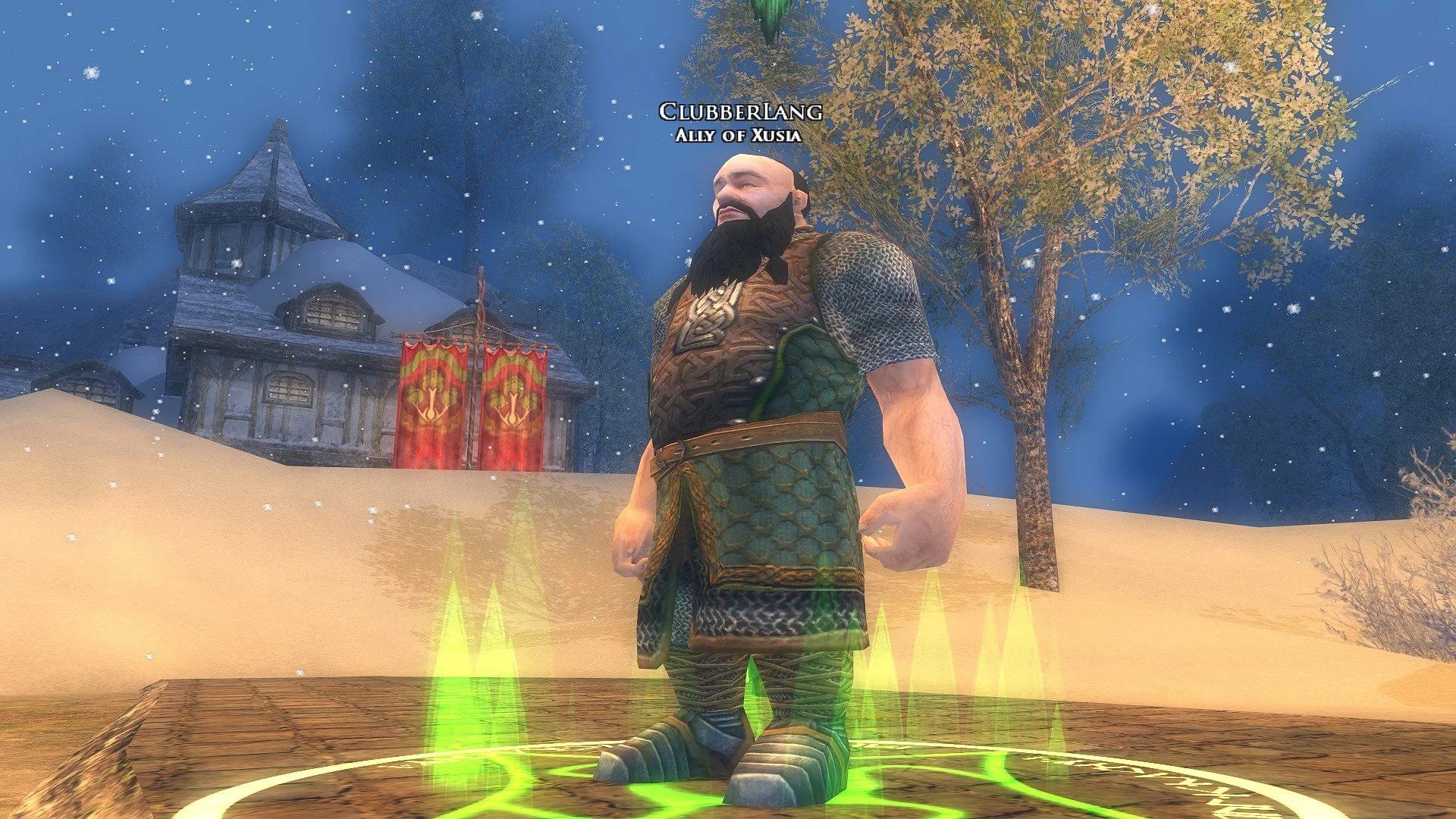
I can now begin playing through the latest two expansions knowing that my primary character in LOTRO, a Lore-master that I’ve played since December 2008, is as robust and well equipped as they can be. By negating future concerns about gear, I can focus on the story and playing the content. I don’t feel the need to rush to level cap because I have already reached it. Furthermore, apart from levelling the traceries on my LIs over the next year or so, I do not have to worry about replacing my armour or jewellery for a long time. If circumstances provide me with a superior item, I will happily replace the existing one as it can be disenchanted in Ember of Enchantment. This recyclable quality is very beneficial. I recognise that how I play LOTRO may not suit others but the fact that the game is flexible enough to accommodate such differing approaches is one of its greatest strengths.




A Year in Gaming
It is customary in a post such as this to list the various games that I’ve played over the last twelve months and share my thoughts on them. Wider analysis of the video game industry is also de rigeur. Unfortunately, I don’t really feel disposed to do either of those two things. My thoughts on the games I’ve played have already been published and can easily be accessed via the links at the bottom of this post. As for the video game industry, it suffers the same flaws as music, TV and cinema. There is creativity and innovation out there but it is often drowned out by mainstream products which are demonstrably inferior due to their inherent mediocrity. As for the business side of things, we once again clearly see the failings of the corporate management class. Sadly, they do not face the consequences of the mistakes that they make.
It is customary in a post such as this to list the various games that I’ve played over the last twelve months and share my thoughts on them. Wider analysis of the video game industry is also de rigeur. Unfortunately, I don’t really feel disposed to do either of those two things. My thoughts on the games I’ve played have already been published and can easily be accessed via the links at the bottom of this post. As for the video game industry, it suffers the same flaws as music, TV and cinema. There is creativity and innovation out there but it is often drowned out by mainstream products which are demonstrably inferior due to their inherent mediocrity. As for the business side of things, we once again clearly see the failings of the corporate management class. Sadly, they do not face the consequences of the mistakes that they make.
I once thought that being a relatively new creative industry, there was something “special” about the video game industry. I had a naive notion that the commercial imperatives were somehow kept in check by the artistic vision of those working on the creative side of things. Nope, that conceit quickly fell apart like a cheap suit upon exposure to the facts. There are game developers that strive to balance their business needs along with their creative ideas, while trying to look after their staff as well as they can but it is not the norm in any way. The video game industry is just as greedy, exploitative and unethical as any other and those who work in it suffer the same iniquities as employees from any other industry or sector. Low pay, shitty terms and conditions and sociopathic bosses are a universal constant it would seem.
Sadly, another aspect of video game culture that is a regular source of eye rolling are “militant fans”. What can I say about this demographic that hasn’t been said already? Not much. The usual suspects are exceedingly wearing with their lack of objectivity and self-awareness, gatekeeping and reactionary demeanour. Sadly, for those who view pop culture from the sidelines, these individuals are often misconstrued as being the default “gamers”. I was watching some YouTube videos by Josh Strife Hayes recently and he has started prefixing his content with multiple caveats in a vain attempt to calm the furiously hard-of-thinking who confuse subjective criticism and analysis with a personal attack. It seldom works though, so I favour simply telling them to fuck off. It is a waste of time to even engage with these fools.
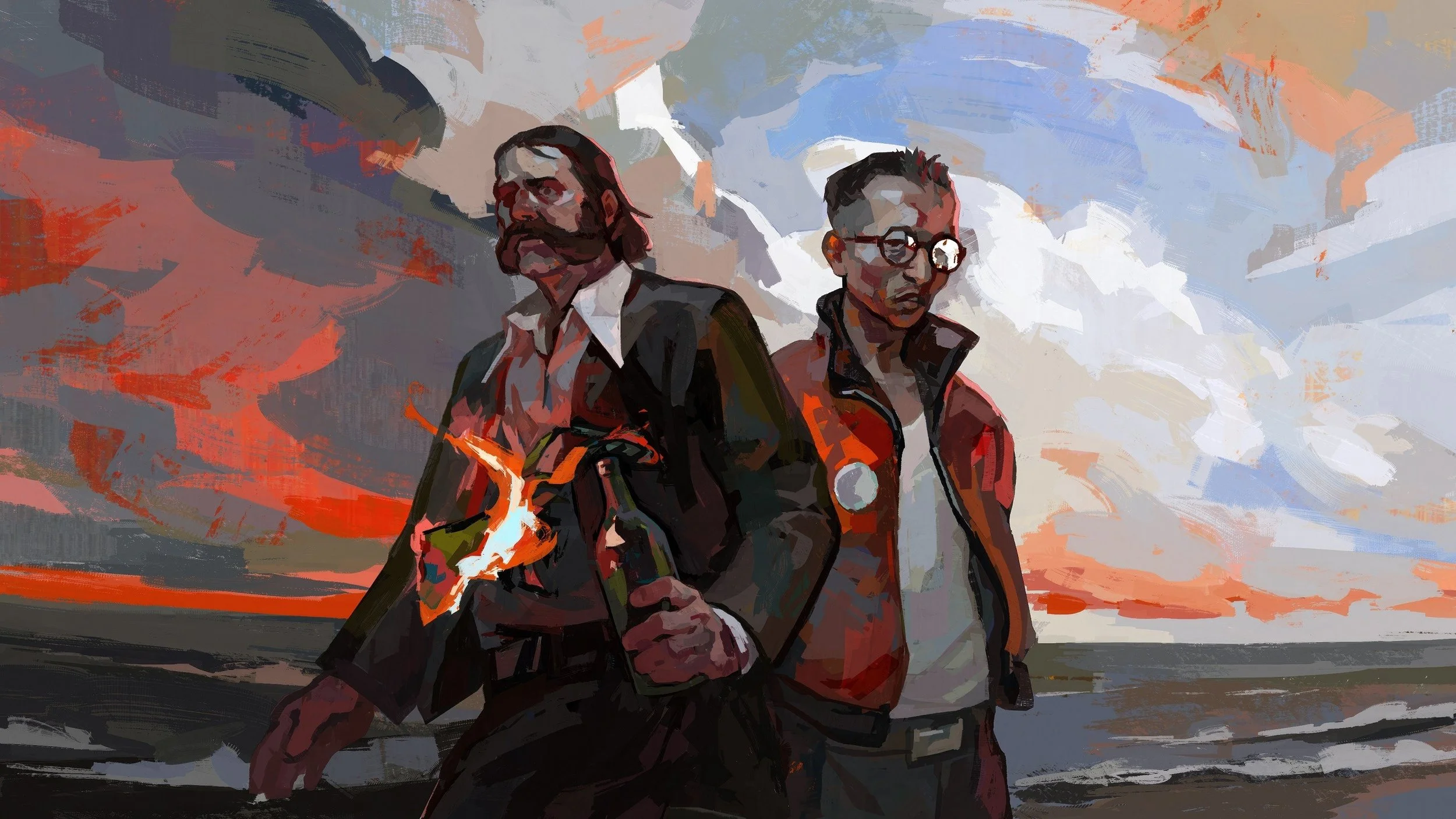
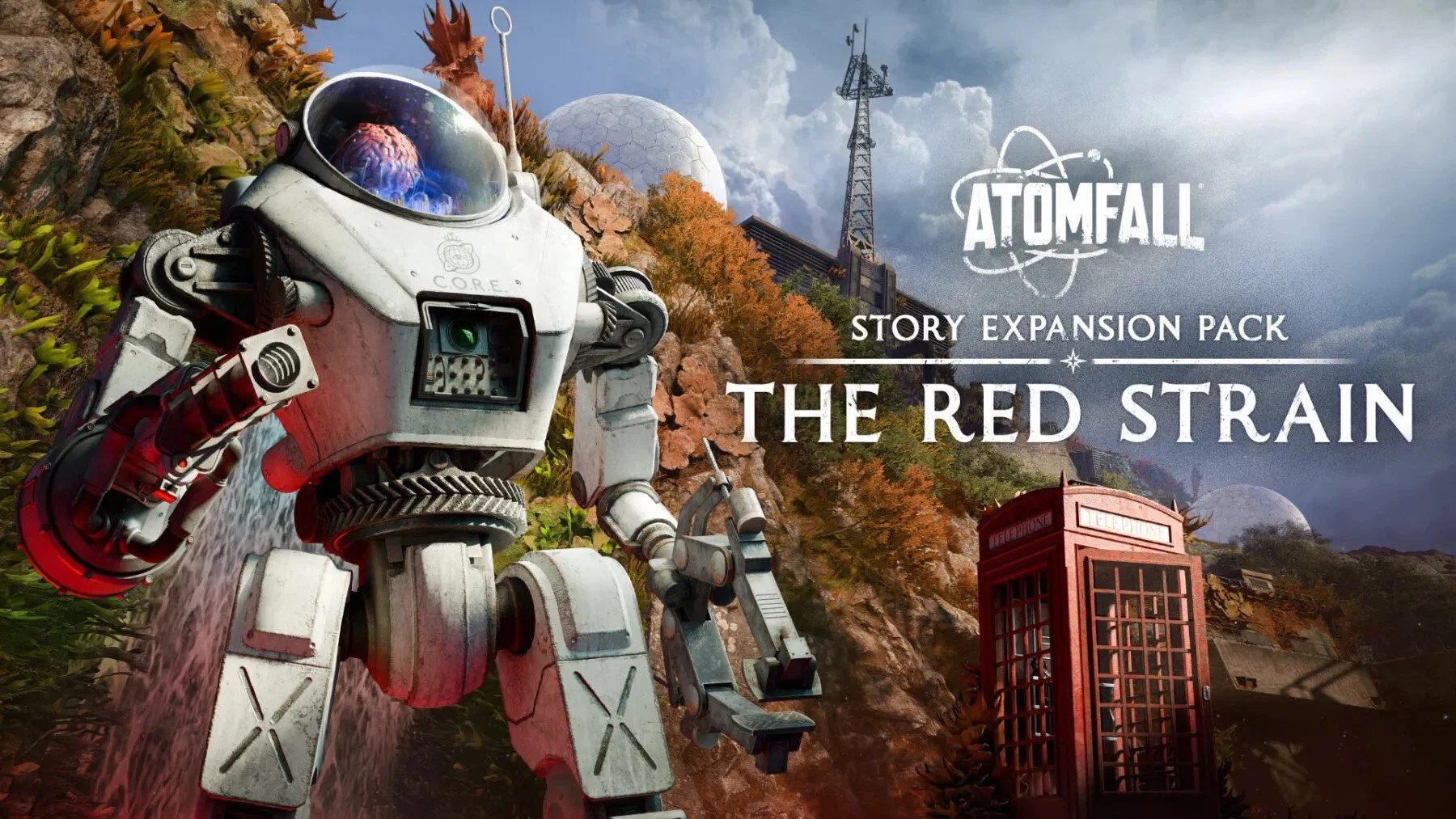
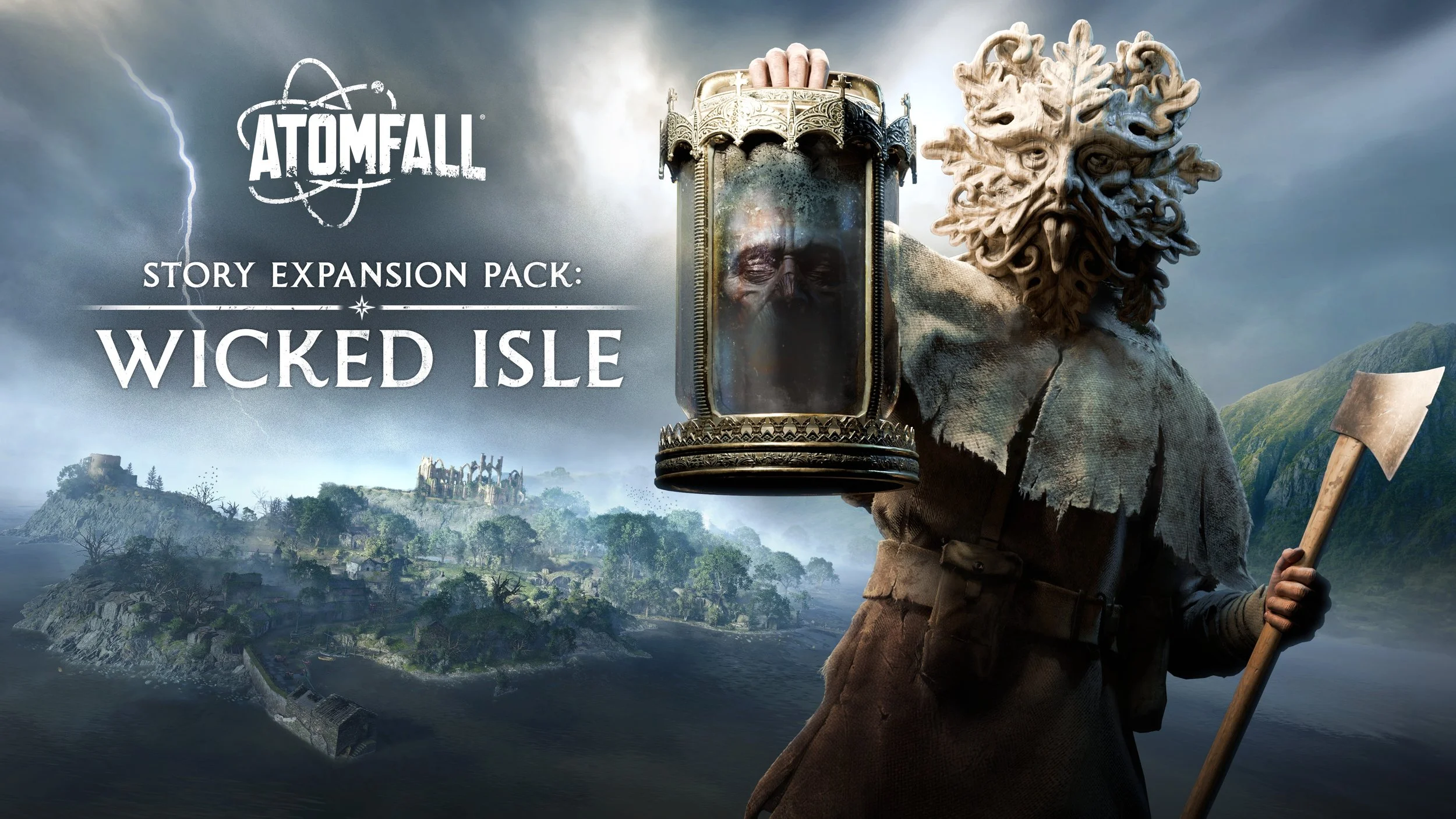
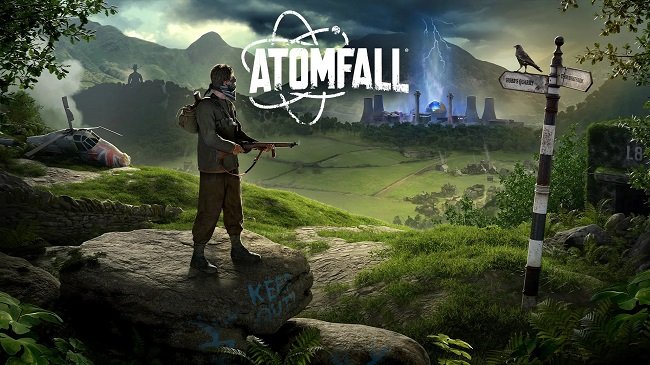
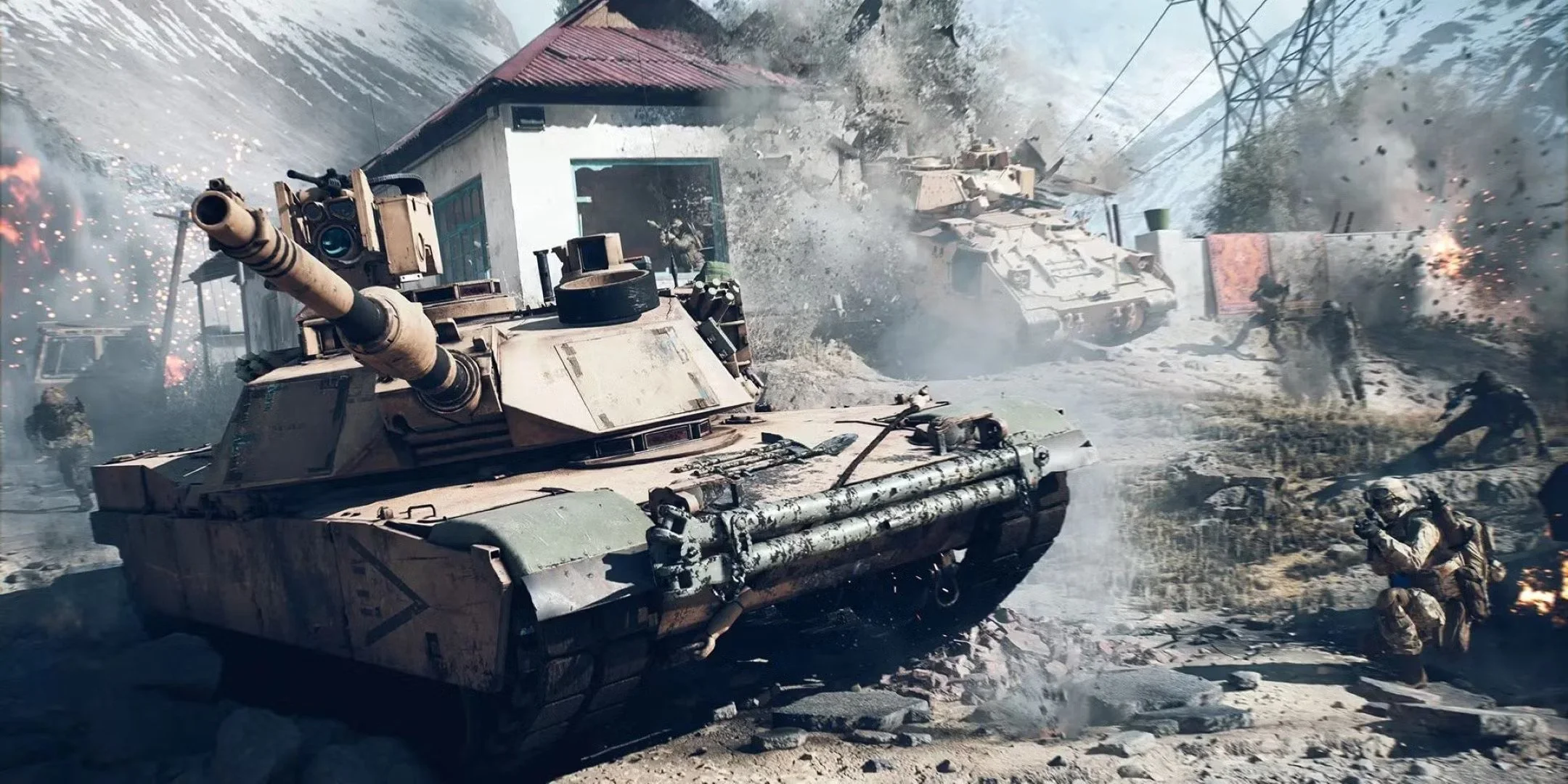
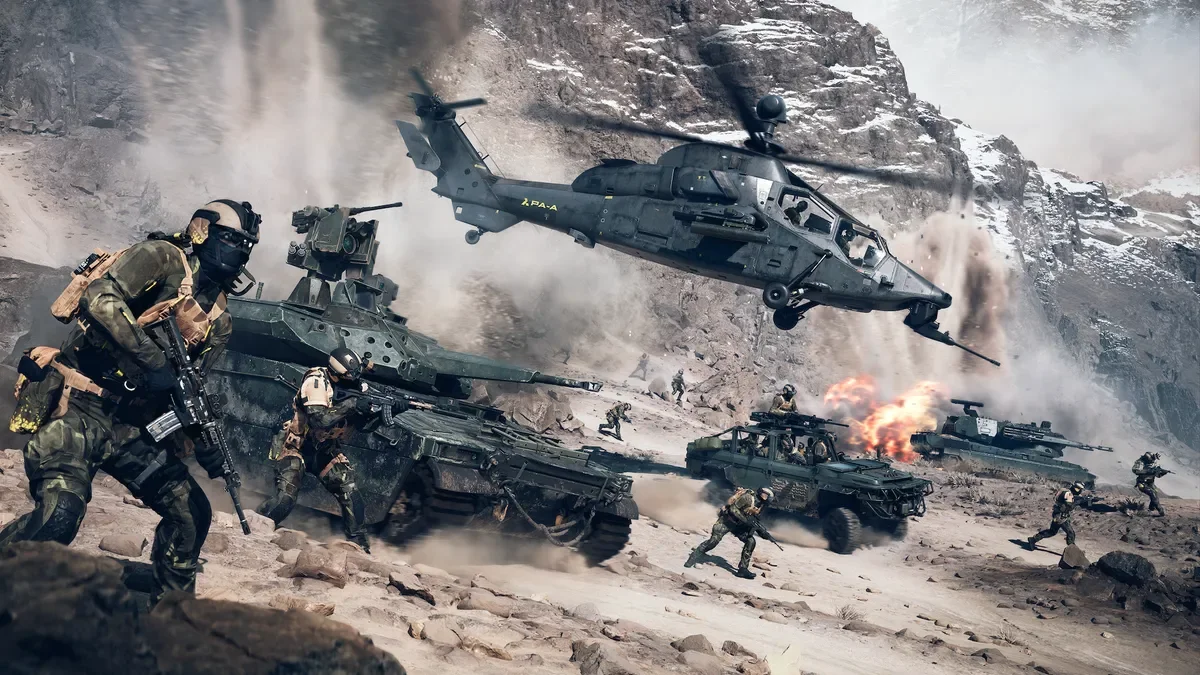
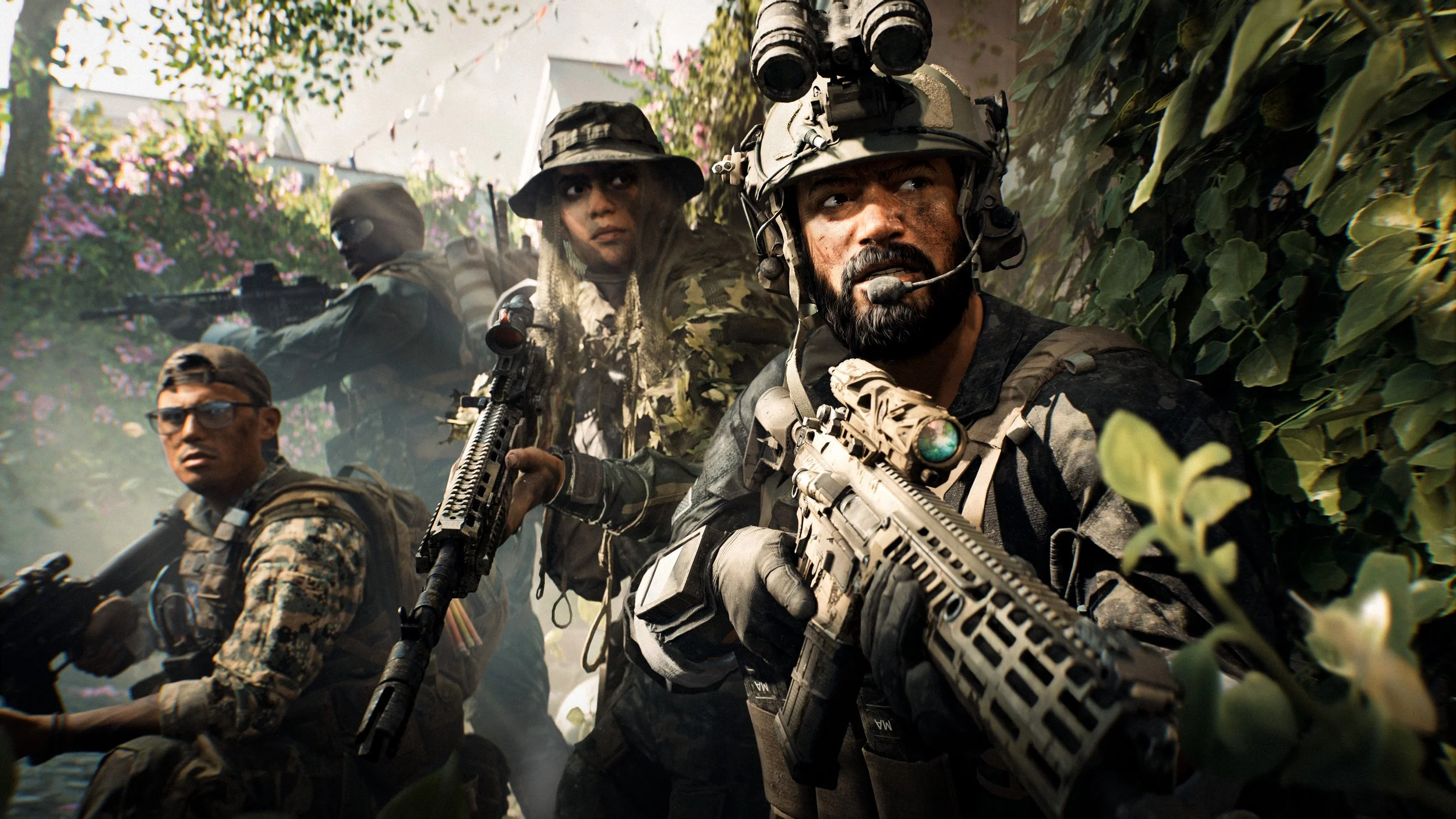
Reflecting on 2025, playing video games still brings me pleasure. Especially when I find those that have good writing and contain challenging ideas. Hence I got a great deal of mileage out of Atomfall and finally completing Disco Elysium. MMOs such as The Lord of the Rings Online have also kept me busy and in a good way. But a lot of games that I play are just “filler”. The same way that some books or films are just okay and serve their purpose of occupying me in an acceptable fashion. Once you’re done, you move on. The fact that I own somewhere in the region of nearly 1,000 video games but have possibly only bought 10% of those says a lot about the ephemeral nature of the video game industry. It also raises the question of sustainability. The myth of infinite growth has already greatly harmed triple A gaming. Will the industry contract further in 2026? Feel free to make your predictions in the comments.


A Year in Blogging
I began 2025 with a fairly strong writing streak, publishing posts about games, technology and even air fryers. Sadly, this burst of enthusiasm gradually tailed off between April and June. I can’t even recollect if there was any particular “real world” reason for this or whether it was just a case of I wasn’t especially motivated. Fortunately, I started writing again in July in preparation for Blaugust: Festival of Blogging and subsequently wrote throughout the entirety of August. Revamping my blog in September and moving it to the latest version of Squarespace proved a positive move and since then I have kept up a writing schedule of posting to Contains Moderate Peril every second day. At present I have a lot of draft posts pending and I am not struggling to come up with ideas and write in general. I intend to nurture this positive approach and see if I can build upon it in 2026.
Cake is an important part of my writing process
I began 2025 with a fairly strong writing streak, publishing posts about games, technology and even air fryers. Sadly, this burst of enthusiasm gradually tailed off between April and June. I can’t even recollect if there was any particular “real world” reason for this or whether it was just a case of I wasn’t especially motivated. Fortunately, I started writing again in July in preparation for Blaugust: Festival of Blogging and subsequently wrote throughout the entirety of August. Revamping my blog in September and moving it to the latest version of Squarespace proved a positive move and since then I have kept up a writing schedule of posting to Contains Moderate Peril every second day. At present I have a lot of draft posts pending and I am not struggling to come up with ideas and write in general. I intend to nurture this positive approach and see if I can build upon it in 2026.
I have been part of a wider, informal blogging community for fifteen years. During that time a lot of people have come and gone. However, a core group of habitual writers still regularly post their thoughts. Something that I find immensely reassuring. Although I only know them through their writing, exchanging comments on each other’s blogs and conversations on social media, I am immensely fond of our community. I actually gain creative strength through reading their work, their comments online and their general good nature and amiable disposition. Although we’re quite an eclectic bunch from various parts of the world, we all have a common interest in sharing our thoughts online, along with our bemusement of the current state of the world. I feel I should make some sort of Bilbo Baggins quote here about liking people. I’m sure you get the point.
As I mentioned earlier, this year’s Blaugust: Festival of Blogging was very well attended and I discovered a lot of new bloggers. I have hundreds of active blogs in my feed reader and I find it very encouraging that so many are still writing online, rather than using other mediums. I was also reminded this year that things change and that there isn’t a “one size fits all” approach to writing online. Hence I feel I should be fully supportive of microblogs, or those who choose not to have comments on their posts. The important fact is that they’re writing and sharing with the wider community. Also let us not forget that bloggers are people and behind the text there are folk dealing with the day-to-day bullshit of real life and that sometimes life is hard and unkind. Hence a kind word and some human empathy is important. Unless it’s Colin. He can go piss up a rope.
With 2026 fast approaching, I fully intend to keep writing and maintaining a fairly regular schedule of content for Contains Moderate Peril. I’m not sure what the Chinese bots that regularly scrape the site make of my musings but I thought I’d give them a mention, as they are the lionshare of my audience growth this year. As for this year’s ambition of increasing traffic and building a wider audience, it hasn’t been a total failure. Overall there’s been a 16% increase in visitors, which upon mature reflection and sober consideration, is better than a 16% decline. I also have a couple of projects on the go at present that I’m hoping to launch in the New Year. However, it is pertinent to remember that quote about the plans of mice and men. In the meantime, to all my fellow bloggers I would like to say thanks for all the interesting posts in 2025. Keep writing.

Digital Jukeboxes
I was in a pub last night, catching up with friends before Christmas, when I noticed on the wall something I haven’t seen in a pub for a very long time. A jukebox. In my experiences most of the pubs I go to take one of the following two approaches to background music. They either have a sound system and exclusively manage any music via personally curated playlists from behind the bar. Or they have no music at all. The Wetherspoons chain of pubs broadly follow the latter policy and actively use it as a marketing point. Quiet pubs for clientele that just want to talk can be popular. Hence finding an accessible jukebox was a blast from the past. During the late eighties and early nineties, I regularly visited my local pub and often used the jukebox there, which at the time, was operated by an ever changing store of CDs. The jukebox I encountered last night was digital.
I was in a pub last night, catching up with friends before Christmas, when I noticed on the wall something I haven’t seen in a pub for a very long time. A jukebox. In my experiences most of the pubs I go to take one of the following two approaches to background music. They either have a sound system and exclusively manage any music via personally curated playlists from behind the bar. Or they have no music at all. The Wetherspoons chain of pubs broadly follow the latter policy and actively use it as a marketing point. Quiet pubs for clientele that just want to talk can be popular. Hence finding an accessible jukebox was a blast from the past. During the late eighties and early nineties, I regularly visited my local pub and often used the jukebox there, which at the time, was operated by an ever changing store of CDs. The jukebox I encountered last night was digital.
Naturally I was curious about this device so I went and investigated. The first thing I noticed on the LED screen was that the jukebox had an app associated with it, from which I could select and pay for songs if I wanted. I was surprised to see that this jukebox still had the option to pay by coin. I have subsequently learned that some have contactless card readers as another means of paying. I also noted that it cost £1 to play one song. Being a digital device, the jukebox offered thousands of songs from multiple artists and I was quite surprised at the range of material that was available. Searching via the touchscreen was easy. You can also see the current song queue, so you know when your choice will be played. Overall the device was intuitive to use. As for the cost, a pound is not going to break the bank and simply comes out of the change after buying a round of drinks.
Because I was quite intrigued as to how such an old school institution as jukeboxes still exists in today’s world, I did a little further research today and was quite surprised by the results. Digital jukebox suppliers offer a profit sharing business model where venues get a free machine with no upfront cost. Sharing the revenue with the supplier, typically on a 50/50 split, with the venue keeping half of the earnings after music charges are deducted. This allows pubs, bars, and clubs to offer modern music without investment, generate extra income and improve customer experience (allegedly, depending upon your stance on music in pubs). The suppliers handle installation, maintenance and music updates. I couldn’t find any data on what percentage of revenues reaches the artists but I suspect it is comparable to services such as Spotify.
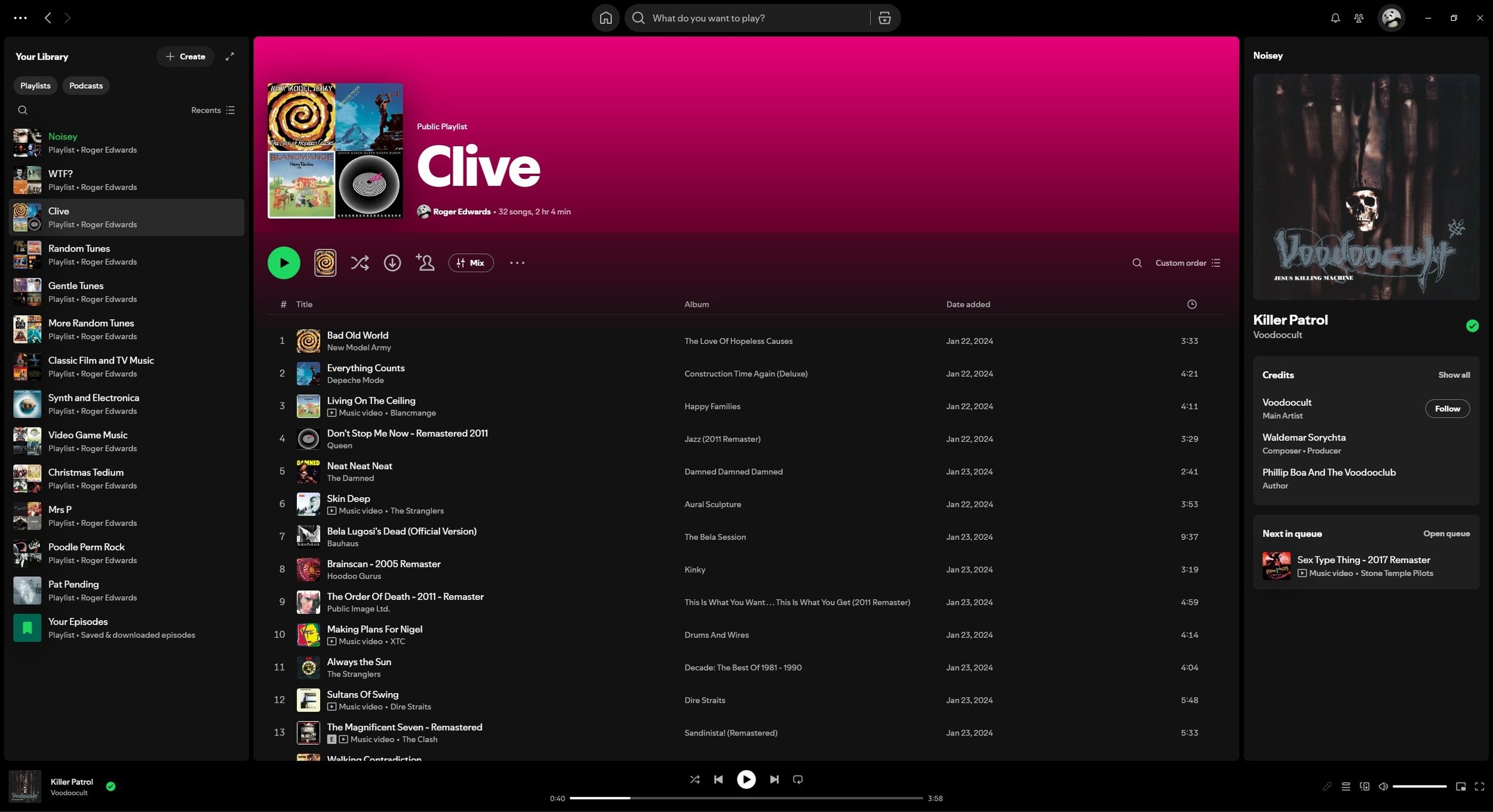
There are times when I go to the pub and I want some peace and quiet so I can concentrate on conversation with my friends. There are other times when I am happy to have some background music and to be able to choose something to listen to myself. It’s nice to be able to sing along with a familiar song that catches the mood. It can also be fun to put on a “crowd pleaser” and watch others get into it. I’m not averse to playing something that is annoying from time to time, just for the hell of it. Hence, I was pleased to see that jukeboxes have survived the various cultural changes of the current century and still exist in pubs and clubs. The modern iterations may not be as stylish and iconic as their fifties and sixties predecessors but they still serve the same basic purpose. I think there is comfort to be had in having access to music in pubs that isn’t exclusively controlled by the landlord.





The Passage of Time
Today is my 58th birthday. It would appear that I have existed for nearly six decades. Put another way, I am over half a century old. All of which has given me pause for thought with regard to the passage of time. A phrase that is often bandied about, but what exactly does it mean? As I understand it, the “passage of time” refers to our perception of the flow of time and how we experience its movement. This is something distinct and different from objective time as measured by clocks. Our subjective experience of time can vary due to multiple factors. Two common examples are how time can feel like it's flying by when we're having fun and enjoying something or dragging its feet when you’re enduring something dull. Other factors are whether we are applying ourselves to a task, concentrating and general activity. Such focus can make time pass quickly.
Today is my 58th birthday. It would appear that I have existed for nearly six decades. Put another way, I am over half a century old. All of which has given me pause for thought with regard to the passage of time. A phrase that is often bandied about, but what exactly does it mean? As I understand it, the “passage of time” refers to our perception of the flow of time and how we experience its movement. This is something distinct and different from objective time as measured by clocks. Our subjective experience of time can vary due to multiple factors. Two common examples are how time can feel like it's flying by when we're having fun and enjoying something or dragging its feet when you’re enduring something dull. Other factors are whether we are applying ourselves to a task, concentrating and general activity. Such focus can make time pass quickly.
Perhaps the most important consideration regarding the passage of time is our age. Current research suggests that as we age, our perception of time passing can change. Older adults often feel like time is accelerating and the passage of days, weeks and months is quick. Some argue it is because we become aware of the wealth of years that are behind us and the finite amount of time ahead of us. Conversely, young children feel that the passage of time is slow. School days drag and the Summer holidays seem infinite This time the theory is reversed. Children have only experienced a short passage of time,over their lives. They still have a substantial amount of years ahead of them and that impacts on their perception. I suspect these ideas to be true, as I certainly feel that time goes faster for me. Even though I am now retired, my week has a schedule and regular events. All of which seem to fly past.
As for my actual age, I am beginning to think that it can no longer be conveniently crowbarred into that catch all phrase, “Middle-age”. I have even given some thought as to how much time I have left. My parents both lived into their early nineties which is a very good “innings” to coin a very British phrase. However, before I consider this longevity to be an immutable family trait, I should take into consideration several Uncles and Aunts that died early, mainly through heart disease which is conspicuously inheritable. Some people consider it morbid to dwell on one’s mortality. I think it should be given some thought from time to time. Due to medical advances, I may have more time left than I think but how much of that will be of an acceptable quality? Sadly, there’s no way at present of knowing, so I simply consider myself fortunate to still be here and enjoying a good standard of life.
Does the passage of time confer wisdom by default? I think not. I know people who journey through life with their eyes figuratively closed. Something I try not to do. I think mistakes have to be made to teach some lessons, which is why I find any philosophies that eschew failure or seek to avoid it are problematic. Time is also not necessarily a healer, although it can provide a sense of perspective and allow one to grow tolerant of our hurts. The passage of time is a fundamental aspect of human experience, influencing our memories, expectations and sense of self. Philosophers have long debated the nature of time and its relationship to consciousness. Overall, I think the passage of time is an interplay between objective time and our subjective experiences. It may just be a confidence trick, created by the Swiss and the Royal Observatory at Greenwich.

LOTRO: Standing Stone Games Test UI Scaling
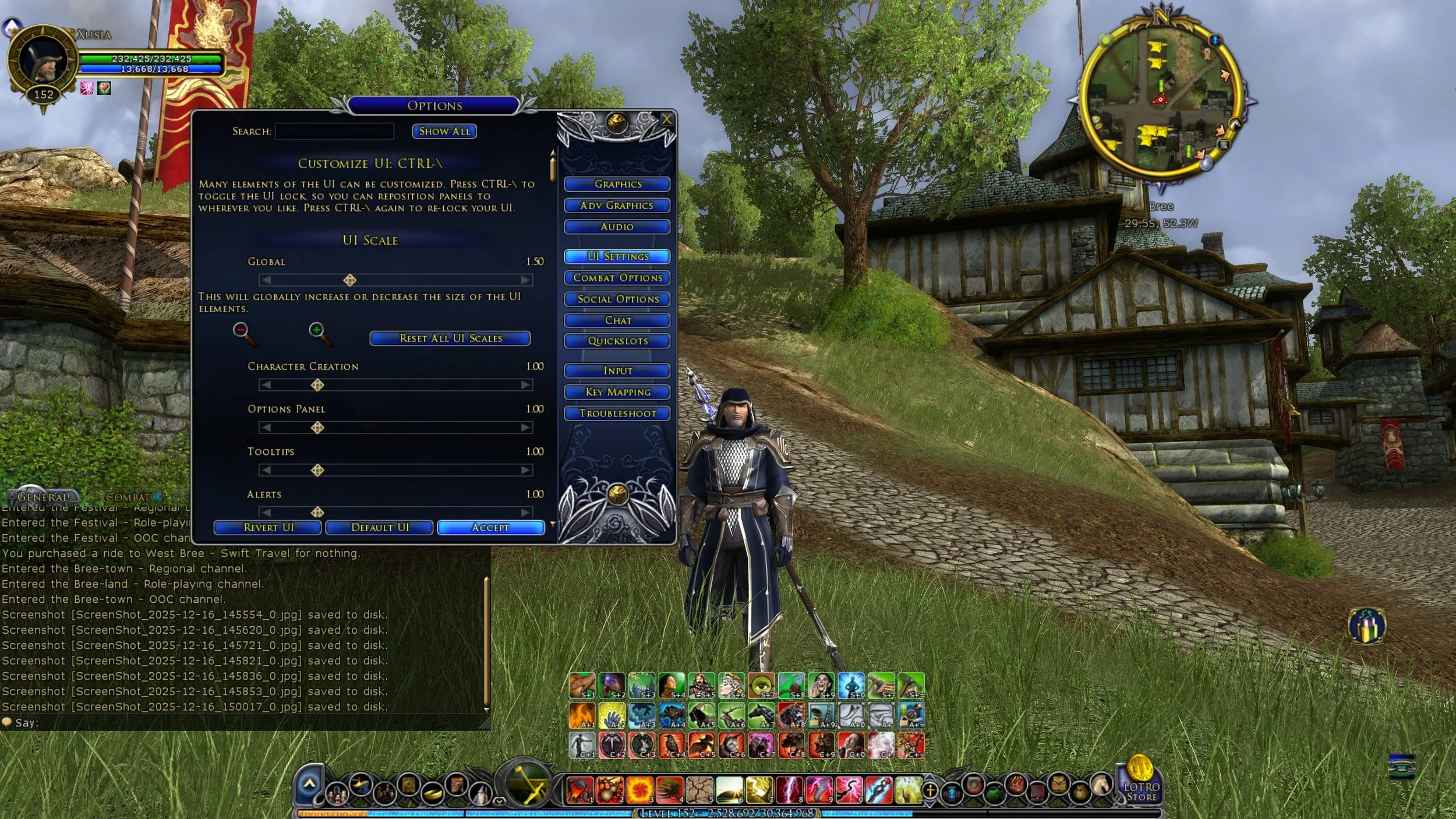
Today Standing Stone Games began beta testing Update 46.1 for the MMORPG The Lord of the Rings Online. The current preview on the Bullroarer test server is mainly for the new instance cluster that comes with the Kingdoms of Harad expansion which launched a few weeks ago. However, it would appear that this latest preview has another feature or note. One that should please LOTRO players. Contrary to what a lot of people thought, myself included, SSG have been working on a scaling UI for 2K and 4K monitors and the results are now available for testing from today Monday 15th through to Friday 19th December. Until now the main workaround to the lack of UI scaling has been to use either Nvidia or AMD graphics software to upscale the game from 1920 x 1080, or a third party app such as LosslessScaling. Having an official solution is a far better option.
Today Standing Stone Games began beta testing Update 46.1 for the MMORPG The Lord of the Rings Online. The current preview on the Bullroarer test server is mainly for the new instance cluster that comes with the Kingdoms of Harad expansion which launched a few weeks ago. However, it would appear that this latest preview has another feature or note. One that should please LOTRO players. Contrary to what a lot of people thought, myself included, SSG have been working on a scaling UI for 2K and 4K monitors and the results are now available for testing from today Monday 15th through to Friday 19th December. Until now the main workaround to the lack of UI scaling has been to use either Nvidia or AMD graphics software to upscale the game from 1920 x 1080, or a third party app such as LosslessScaling. Having an official solution is a far better option.
I logged into the LOTRO test server earlier this evening and had a look at this new scaling UI functionality and feel overall that it is a massive improvement. There is a main UI slider that increases all onscreen elements proportionally. There is also the option of changing the size of specific elements, such as in-game bags, item tooltips or onscreen alerts. At present this is a work in progress so there are some minor issues with icons looking a little low definition or tearing. Also the mouse arrow is not scalable at present, which is a nuisance. However, this ongoing project by SSG has other benefits. Loading screen graphics are no longer stretched, nor are the older in-game maps. Perhaps in the long run, these will all be replaced with higher resolution versions but in the meantime, having these images in the right aspect ratio is a step in the right direction.
Already there is a lively discussion on the official LOTRO forums about these changes on the test server. Furthermore, SSG is endeavouring to take on board the respective feedback. I suspect that not every suggestion will be implemented or can be but I certainly think that the end results, once they go live, will be infinitely better than what we have at present. LOTRO is an ageing game, so dissecting and tinkering with such ancient code is problematic. Hence it is laudable that SSG has started to tackle this issue. The fact that this work has been carried out quietly in the background when many LOTRO players felt that this project has stalled, is most promising. Perhaps other “quality of life” changes are also being addressed behind the scenes and will be rolled out in a similarly unexpected fashion over 2026. All of which has the potential to bring players back to the game and extend LOTRO’s lifecycle.

A Year in Technology
Looking back at my various posts regarding “technology” this year, a recurring theme has been my ongoing attempts to replace certain mainstream products with alternatives that do the job in-hand better, don’t require constant updates, aren’t bloated by superfluous functionality and are more cost effective or even ethical. Needless to say, this has proven quite hard. Hence I was unable to find a suitable replacement email client for Microsoft Outlook and end my subscription to Microsoft 365 Personal. The main problem is that most alternative software won’t support my email archive due to differences in the mailbox format. One possible work around is to install an older and therefore, non-subscription version of Outlook but this raises support and compatibility issues. It would be a lot easier to divest myself of a lot of mainstream software if I was starting from scratch.
Looking back at my various posts regarding “technology” this year, a recurring theme has been my ongoing attempts to replace certain mainstream products with alternatives that do the job in-hand better, don’t require constant updates, aren’t bloated by superfluous functionality and are more cost effective or even ethical. Needless to say, this has proven quite hard. Hence I was unable to find a suitable replacement email client for Microsoft Outlook and end my subscription to Microsoft 365 Personal. The main problem is that most alternative software won’t support my email archive due to differences in the mailbox format. One possible work around is to install an older and therefore, non-subscription version of Outlook but this raises support and compatibility issues. It would be a lot easier to divest myself of a lot of mainstream software if I was starting from scratch.
AI is currently everywhere and seems to be the biggest talking point of the year. I have mixed feelings on the subject as I feel that it can be a useful tool in some specific circumstances. I like AI tools that can be used to fix photos, as I am currently cataloguing my parents’ prodigious collection. Some of the pictures are from the start of the last century and have a lot of damage. I occasionally use AI for collating basic data. The sort of information that is not disputed or subject to political misrepresentation. However, I don’t agree with AI being used to bypass paid creativity and sadly that appears to be at the vanguard of its use. I’m sure Disney’s $1 Billion investment in OpenAI will end with negative consequences for the existing animators, voice artists and other creative employees. I look forward to an EU law that mandates that the use of AI has to be declared when buying a product or service.
Another notable aspect of 2025 has been the ongoing war between ad blockers and their respective corporate opponents. YouTube has pushed back hard against such apps and browser extensions. Although advertisements can still be blocked, there are notable delays, sometimes commensurate with the blocked adverts running time, before the desired video will actually play. Advertising has become more pervasive and invasive, even finding a foothold on my Windows 11 lockscreen and desktop. Fortunately such features can be removed. Advertising on social media also became problematic and is harder to remove or bypass. All of which indicates an advertising market that is declining, or at least fragmented, hence corporations are pursuing “their piece of the cake” more aggressively. Again, shareware, freeware and companies offering a one time payment, rather than a subscription become more appealing.
A short break at the end of October served as a timely reminder of the ubiquitous nature of the internet in our life and our reliance upon it for both work and leisure alike. I found myself in an environment (a static caravan) that did not have internet access by default and I briefly lost connectivity. It certainly gave me pause for thought about how I live my life. In the meantime while grappling with this philosophical crisis, I resolved the immediate problem by internet tethering to my phone. Another recent change is how I fill “dead time”. Over this year I have pivoted from reading while waiting for a bus, train or travelling, to relying on my phone to entertain me. This is mainly via the internet, with games such as Roblox. It’s not something I’m particularly proud of and I shall try and address this in the New Year. Using the internet for leisure is fun but everything in moderation.
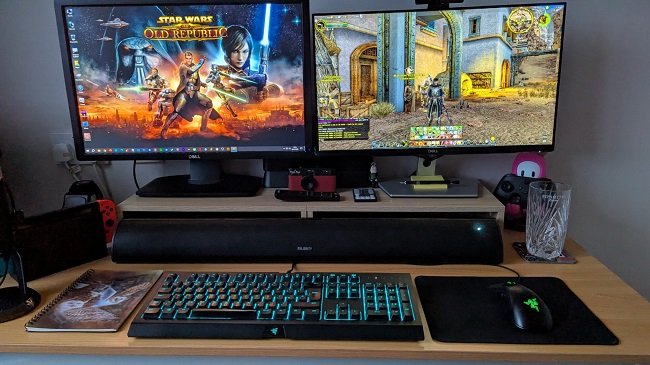
I bought a little new technology this year, mainly out of necessity. My phone needed replacing due to battery bulge and my ageing monitors were becoming difficult for me to see clearly. So I bought a new handset and a pair of 2K monitors. I hope that I can future proof my current desktop PC for another 24 months. Looking forward to 2026, my next technology based endeavour is to see if I can ditch Windows as an operating system for everyday use. Perhaps set up a dual boot PC with a bare bones install of Windows for running games and some variation of Linux, such as Zorin OS, for everything else. I also need to continue with locking down my phone and making web browsing via that device as good an experience as using my PC. Overall technology is losing its appeal. Too often causes just as many problems as it solves. It also tends to serve the manufacturers needs more than the customers.

A Year in Social Media
I created a Bluesky account a little over a year ago. I was initially somewhat sceptical of adopting a third social media messaging platform, because I had become quite comfortable using Mastodon as a replacement for Twitter/X. However, certain individuals that I wished to continue to follow were migrating to Bluesky, so I followed suit. It has always been my long term goal to pick one of these two newer services and make it my sole point of presence in social media terms. So far that hasn’t happened. Hence a year on I find myself juggling three such platforms. Twitter/X, Mastodon and Bluesky. I post links to my blog posts on all of these services. To be honest none of them generate any tangible traffic but this is how you promoted your website or blog 15 years ago and old habits die hard.
Twitter/X, Mastodon and Bluesky
I created a Bluesky account a little over a year ago. I was initially somewhat sceptical of adopting a third social media messaging platform, because I had become quite comfortable using Mastodon as a replacement for Twitter/X. However, certain individuals that I wished to continue to follow were migrating to Bluesky, so I followed suit. It has always been my long term goal to pick one of these two newer services and make it my sole point of presence in social media terms. So far that hasn’t happened. Hence a year on I find myself juggling three such platforms. Twitter/X, Mastodon and Bluesky. I post links to my blog posts on all of these services. To be honest none of them generate any tangible traffic but this is how you promoted your website or blog 15 years ago and old habits die hard.
One of the main reasons for moving to Bluesky was the decline of Twitter/X once Elon Musk took over the corporate reins. Although you can still theoretically control what you see or don’t see in your timeline, Musk circumnavigated these settings and so I am still seeing content I have no desire to see and things I find interesting becoming harder to find. Hence Bluesky initially felt like rolling back the clock. Sadly, a year on and despite a greater degree of control, I still find that too much politics finds its way into my timeline. Most of it hails from the US and I simply will not dignify such culture war, zero sum game, intellectually bankrupt bullshit into my life. I’m not especially keen on the same sort of shit that originates from UK politics. It is tedious and pointless, at least for me. I don’t think I’m a priority target for any lobby group seeking to sway opinion.
Therefore, 2025 has been notable for my declining participation on such social media. I promote my writing, communicate with online friends and follow a few folk who do interesting things. I like to check out what’s going on among peers but that’s more of a daily thing nowadays. It used to have Twitter/X open all the time on my PC. I think going forward, I will probably withdraw from Twitter/X in 2026, because to continue using it is questionable. I shall also review my continued use of Bluesky and at the very least mute a lot of names and keywords because I just don’t want to know about somethings. Stepping back from sociopolitical issues is good for your mental wellbeing, as is minimising your exposure to fools and the furiously hard of thinking. Overall, my plan is to focus more on Mastodon as my platform of choice. It seems to have more of a community ambience, with a focus around shared interests. I like its old school vibe.
Instagram and Facebook
I use Instagram to keep up with immediate family members. My son and daughter in-law use it prodigiously. I briefly increased my output on this platform while on holiday in Croatia this summer but overall I tend to use it to passively consume the nonsense that the algorithm feeds me. And man is that algorithm good and figuring out the trivial nonsense that appeals to me. When you step back from scrolling and consider the technology behind these platforms it is both equally fascinating and scary. Its addictive quality is also worrying. However, I’ve noticed an unpleasant trend regarding what you choose to view. If you watch such content as Fail Army or any other material that can be described as “humourous accidents” the algorithm starts feeding more extreme material. Fortunately you can filter out such content but the fact that it escalates in this way is concerning.
One of the problems with social media is that everyone favours differing platforms, hence I maintain a presence on Facebook simply to keep in touch with some friends who exclusively use it. Earlier this year my account was compromised and I logged in to find I was now Silke Kraus from Düsseldorf. Hence I created a new account. Despite providing minimal details for my user profile and expressing few interests, I started getting content recommendations from such vile and scurrilous calumniators (to coin a Dickensian phrase) as The Daily Mail, Daily Express and Reform UK, by default. These can be filtered out but seem to return regardless, proving how this platform’s owners have a clear political affiliation and agenda. Again, next year I shall see if I can encourage my friends to move to another platform because I don’t really want to be associated with this propaganda tool.
Age Verification and Social Media Bans
I wrote a while ago about the age verification requirement that has become mandatory for certain online services in the UK, due to the Online Safety Act. Although well intentioned it misses the mark and can be easily circumnavigated. Such legislation is never good in the long term as it ultimately fails those it seeks to protect and brings the law into disrepute. Any lobby that arises against it will ultimately be usurped and become a trojan horse for more sinister political forces who want a totally unregulated environment. In Australia, as of this month they’ve gone so far as to ban social media access on specific platforms for under 16-year-olds. This has impacted upon 2 million young users. I am not against protecting children but find state intervention a blunt tool. Again I ask, shouldn’t parents be the first line of defence? No doubt my “year in social media|” summary next year will show if this “bold move” has proven positive.
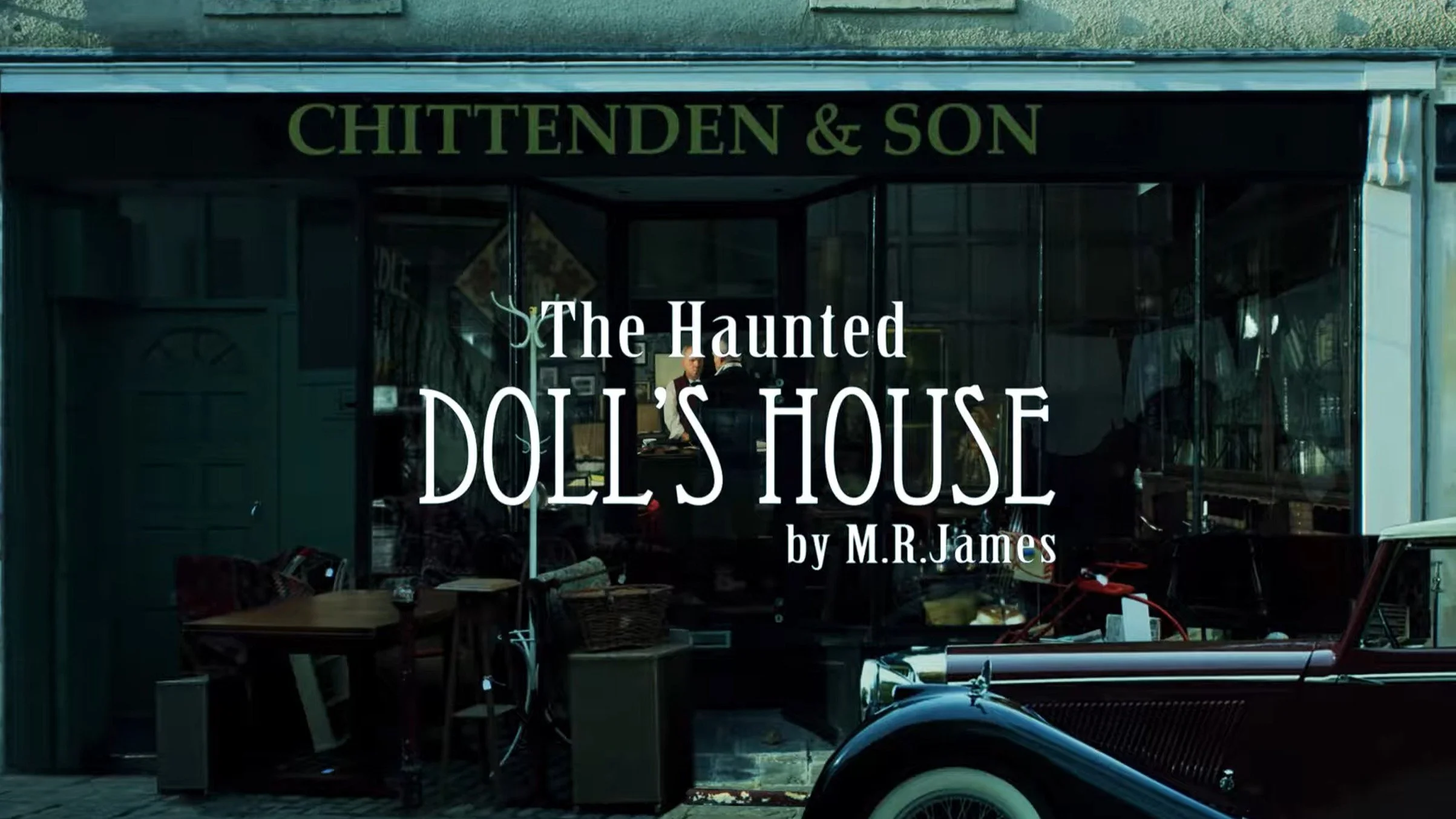
The Haunted Doll’s House (2012)
The Haunted Dolls House is a short film based on a story by M.R. James about a unique antique that is subject to supernatural phenomenon. Adapted by Stephen Gray and David Lilley, this is the third of three short films based upon James’ work that the pair have made. It stars Steven Dolton as Mr. Dillet, a collector of antique dolls houses, who acquires a bargain only to discover that it harbours a ghostly secret. Made on an extremely modest budget over the course of 2012 this clever, innovative and rather sinister adaptation is a fine example of short film creativity. It manages to offer a unique visual depiction of M.R. James’ classic story whilst capturing the unsettling quality of the author’s work. Like so many independently made short films it is clearly a labour of love, made with modest resources. It succinctly captures the spirit of the author’s work and is both innovative and rewarding.
The Haunted Doll’s House is a short film based on a story by M.R. James about a unique antique that is subject to supernatural phenomenon. Adapted by Stephen Gray and David Lilley, this is the third of three short films based upon James’ work that the pair have made. It stars Steven Dolton as Mr. Dillet, a collector of antique doll’s houses, who acquires a bargain only to discover that it harbours a ghostly secret. Made on an extremely modest budget over the course of 2012 this clever, innovative and rather sinister adaptation is a fine example of short film creativity. It manages to offer a unique visual depiction of M.R. James’ classic story whilst capturing the unsettling quality of the author’s work. Like so many independently made short films it is clearly a labour of love, made with modest resources. It succinctly captures the spirit of the author’s work and is both innovative and rewarding.
The Haunted Doll’s House creates an interesting period atmosphere of the early nineteen twenties and sets the scenes for the ghostly events. Professional antique collector Mr. Dillet seems very pleased with his latest acquisition and sits late into the night cataloguing its contents by dictating into a Phonograph Recorder. However, as Mr. Dilet lists the respective details, they seem to become more intricate each time he checks them. Perhaps he is just overly tired? He subsequently retires to bed for the evening, however he is woken during the night when a strange light illuminates the doll's house. It would appear that the latest addition to his collection has something to show him. A rather disturbing story plays out among the antique’s occupants; a family of dolls consisting of a husband and wife, two children and a bedridden Grandfather.
The director's use of stop motion animation is a major positive asset for this adaptation. The minimalist character design of the dolls and the lack of dialogue do not in any way hinder the narrative. The silent actions of the puppets not only clearly convey the story but embellish it with a great deal of atmosphere and pathos. In many ways it plays out like a sinister episode of Camberwick Green and I do not mean that in a derogatory manner but as the highest possible compliment. The transition from animation to live action is cleverly done and provides an appropriate codicil to this supernatural tale. The Haunted Doll’s House makes good use of its eleven minute running time making it an ideal seasonal ghost story. It is a fine example of the high quality independent short films that you can often find online, if you take the time to search them out. The Haunted Doll’s House is available to watch on YouTube.
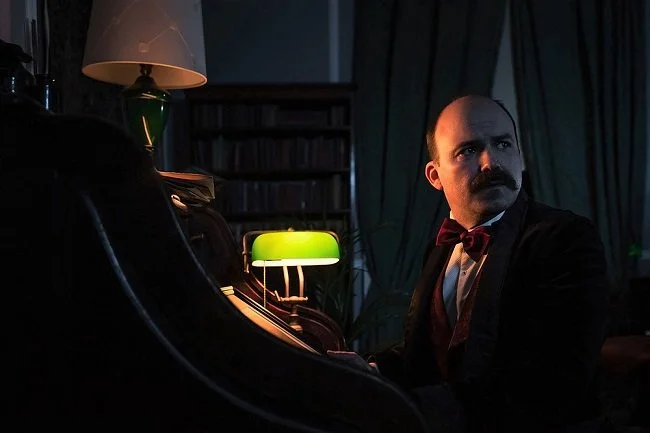
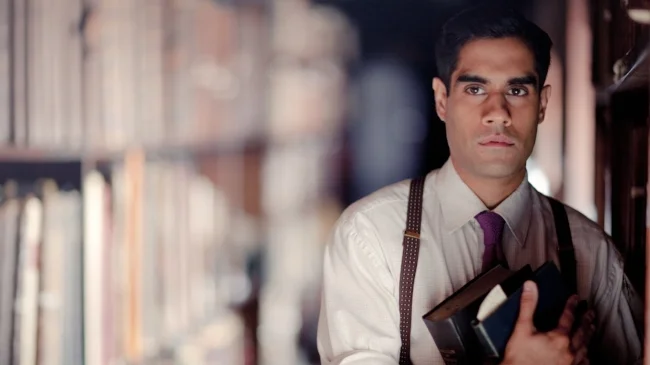
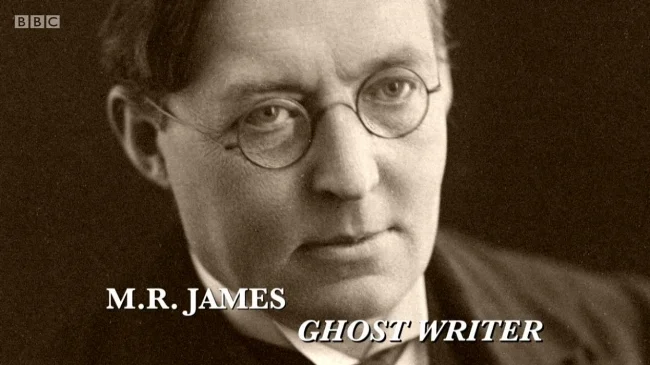
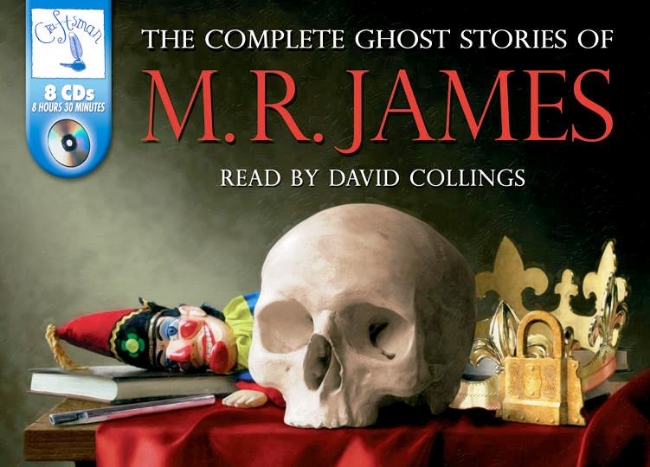
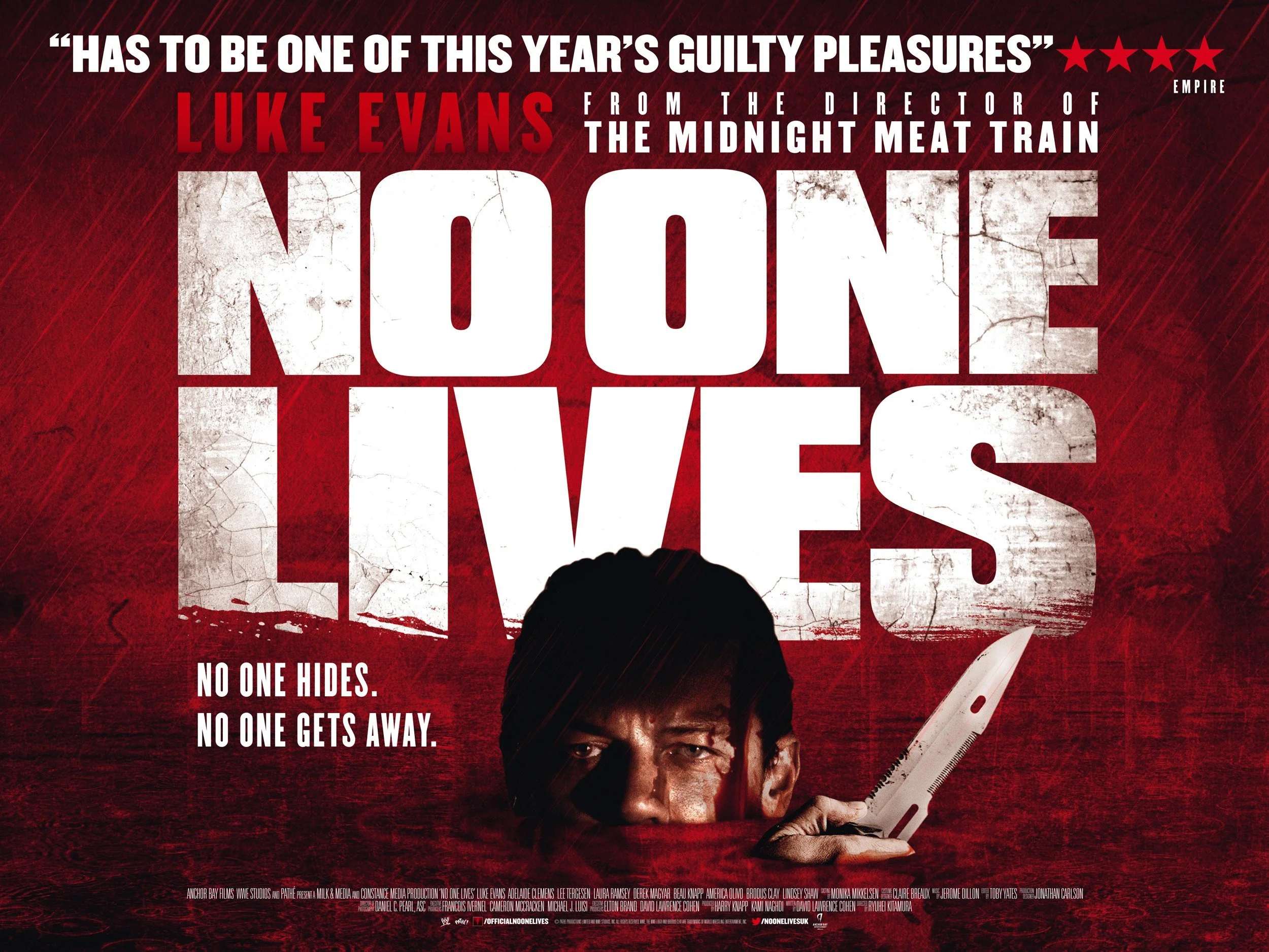
No One Lives (2012)
A lot of people may know Luke Evans from the live action version of Beauty and the Beast or Peter Jackson’s The Hobbit trilogy. With his matinee idol good looks, charming Welsh demeanour and his “smoky” tenor singing voice, he projects a sense of old school stardom. Which brings us to No One Lives; a film which is a radical departure from his previous work. His performance is disconcerting to say the least and the film is somewhat unhinged. Directed by Ryuhei Kitamura, who made an interesting adaptation of Clive Barker’s The Midnight Meat Train, this cinematic outing is similarly replete with robust shocks and gore. There are some interesting ideas about the nature of violence, Stockholm Syndrome and whether one should deny or embrace one’s nature. However, these are ultimately minor asides. Philosophical musings in between bouts of surprisingly striking unpleasantness.
A lot of people may know Luke Evans from the live action version of Beauty and the Beast or Peter Jackson’s The Hobbit trilogy. With his matinee idol good looks, charming Welsh demeanour and his “smoky” tenor singing voice, he projects a sense of old school stardom. Which brings us to No One Lives; a film which is a radical departure from his previous work. His performance is disconcerting to say the least and the film is somewhat unhinged. Directed by Ryuhei Kitamura, who made an interesting adaptation of Clive Barker’s The Midnight Meat Train, this cinematic outing is similarly replete with robust shocks and gore. There are some interesting ideas about the nature of violence, Stockholm Syndrome and whether one should deny or embrace one’s nature. However, these are ultimately minor asides. Philosophical musings in between bouts of surprisingly striking unpleasantness.
After a burglary goes awry, a small town gang of robbers consider how to recoup their losses. Led by Hoag (Lee Tergesen), the gang consists of his brother Ethan (Brodus Clay), his daughter Amber (Lindsey Shaw), his girlfriend Tamara (America Olivo), Amber's boyfriend Denny (Beau Knapp) and the volatile Flynn (Derek Magyar). Flynn targets a couple passing through town, assuming that the expensive car and trailer means that they’re rich and easy pickings. The couple, Betty (Laura Ramsey) and “The Driver” (Luke Evans) are taken to an abandoned gas station by Ethan while Flynn searches their car. Betty, clearly distressed by events, commits suicide. Meanwhile Flynn discovers a woman held captive in the car trunk. She is Emma Ward (Adelaide Clemens) who was kidnapped 8 months ago. The gang quickly realise they’ve crossed paths with a predator and are in serious danger.
No One Lives quickly sets out its stall and keeps moving over an efficient 86 minutes. What is effectively a blending of the slasher and revenge genres is somewhat elevated above the average by an enigmatic performance by Luke Evans. The screenplay by David Cohen focuses on the dynamic between kidnapper and victim. Adelaide Clemens gives a good performance as a woman determined to survive and not become just a “victim”. Luke Evans’character remains suitably vague, with little back story. He often lapses into introspective musing about his own nature, much to the confusion of his “mediocre” prey. When asked if he’s a serial killer he retorts “A serial killer? Sweet Jesus, no. Serial killers deal in singularities. I’m a numbers guy”. When another victim states how they don’t deserve what is happening, he blithely agrees and commiserates that she is “just unlucky”.
Shot on 16mm film, No One Lives has a grimy aesthetic that suits the subject matter. Cinematographer Daniel Pearl was the DP on Tobe Hooper’s Texas Chainsaw Massacre. Next to Luke Evans’ compelling presence, the second standout aspect of this film are the set pieces. Japanese Australian Director Ryuhei Kitamura constructs some singularly unpleasant death scenes and knows exactly how to fish hook horror fans. He also explores some interesting themes, for those who want something a little deeper but they are presented as optional extras. No One Lives will primarily appeal to horror aficionados due to several “squishy” WTF moments. It also works as a thriller but casual viewers may find the excess of unpleasantness a little too gruelling. The film is certainly an interesting addition to Luke Evans’ resume. I hope he does more like this.
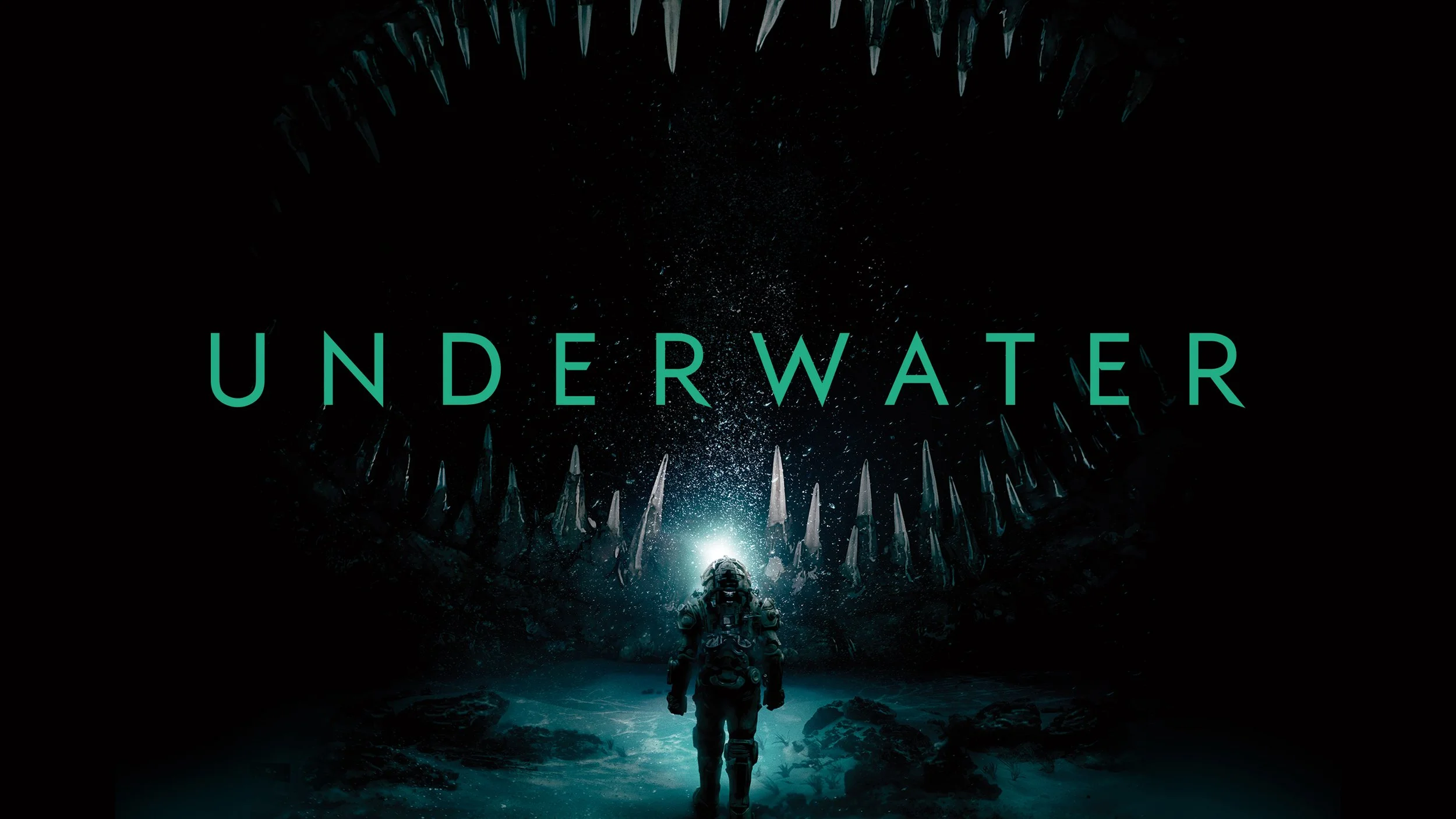
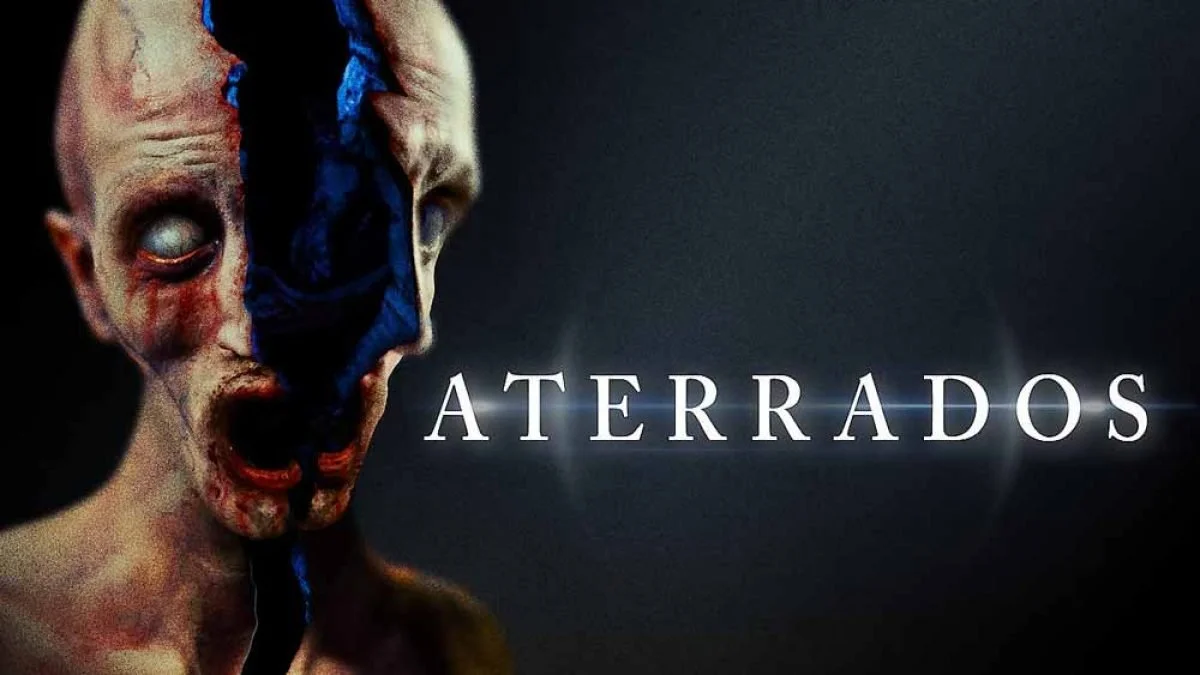

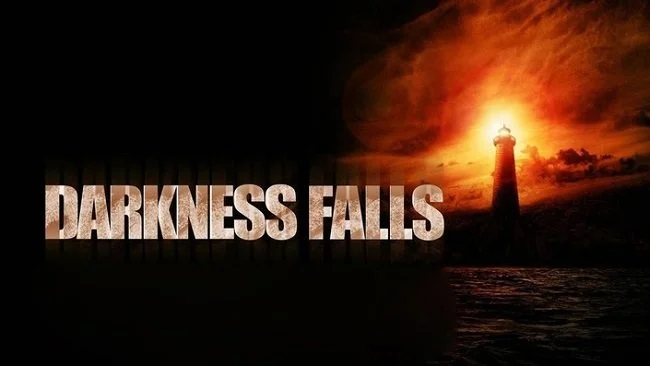
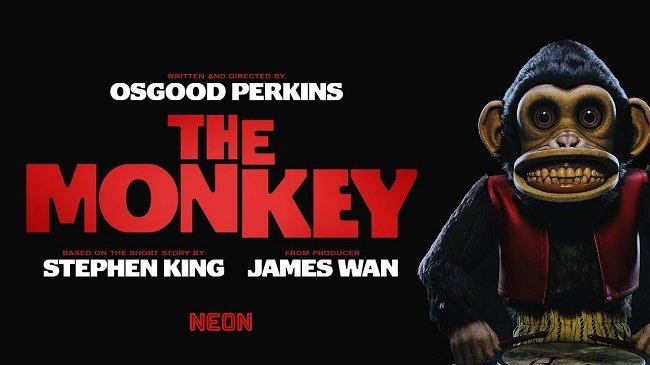


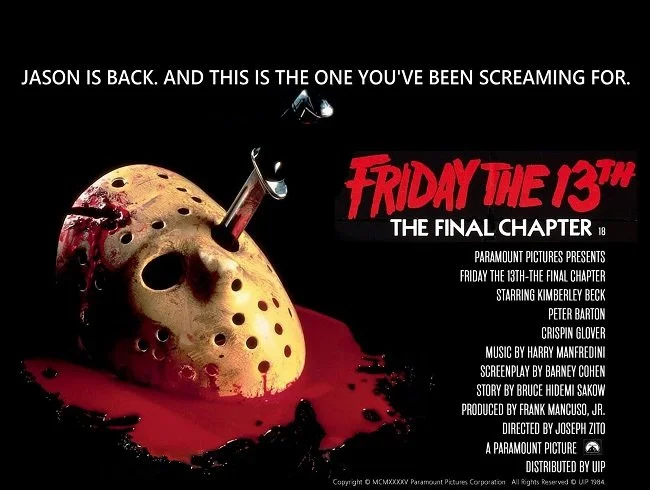

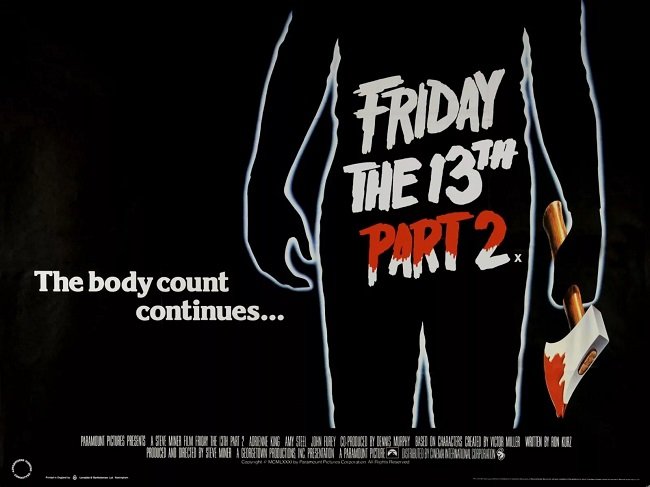


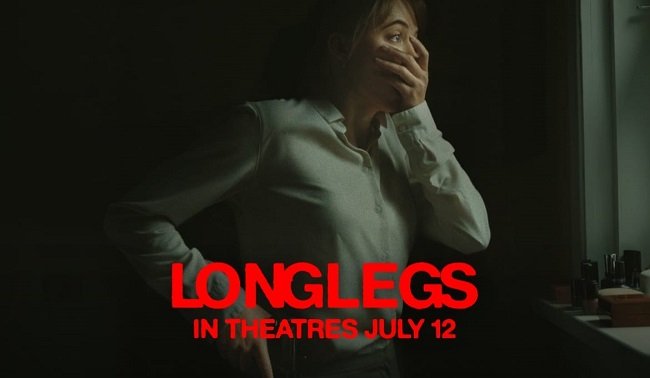


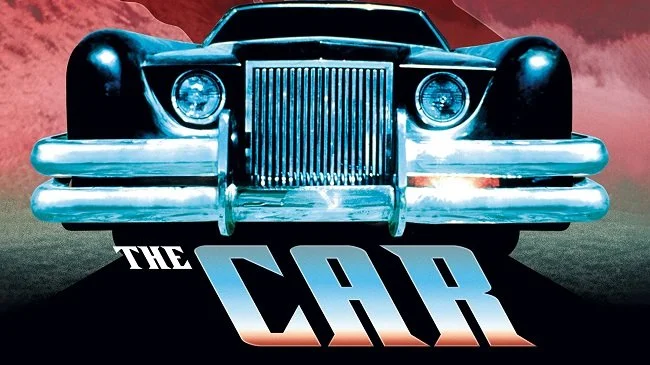
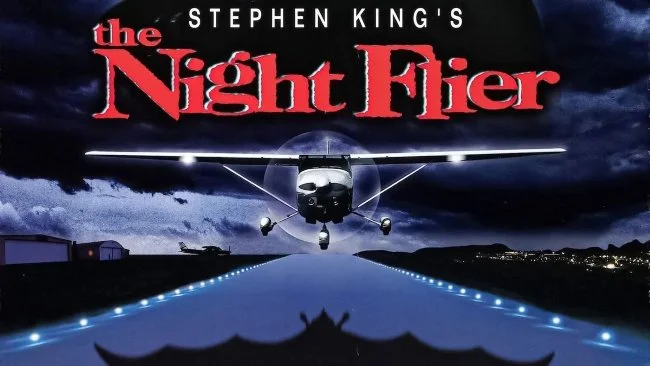
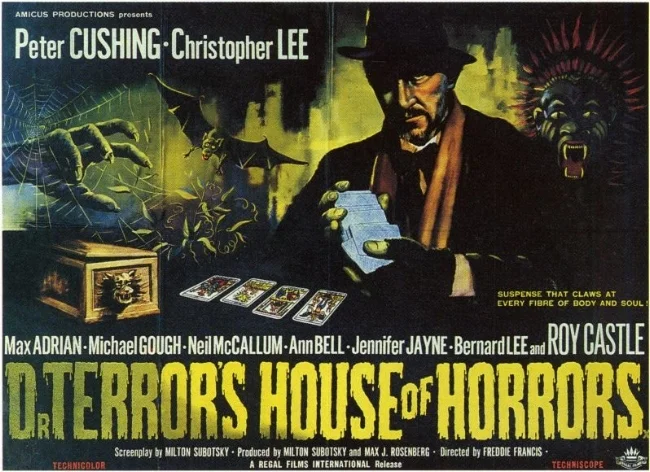

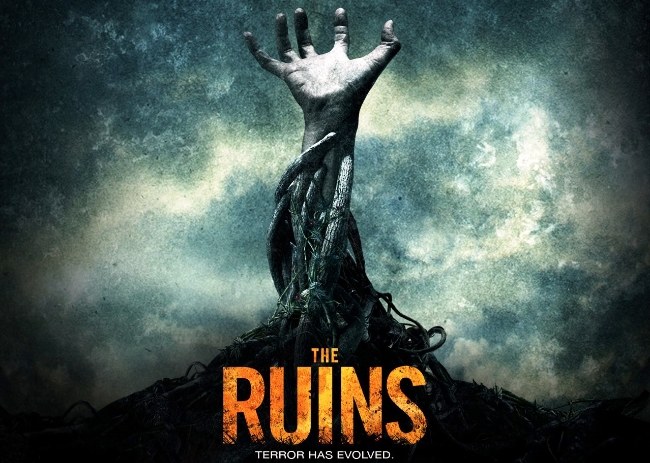
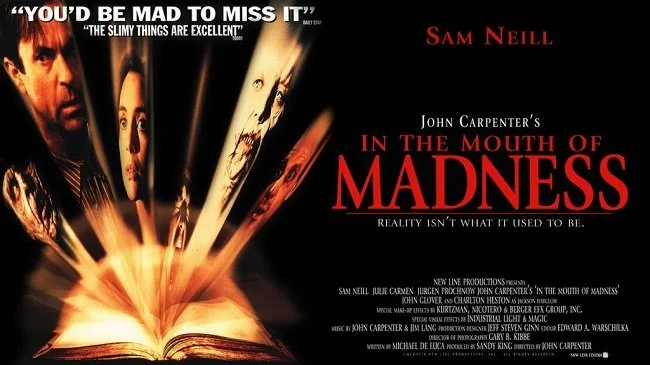
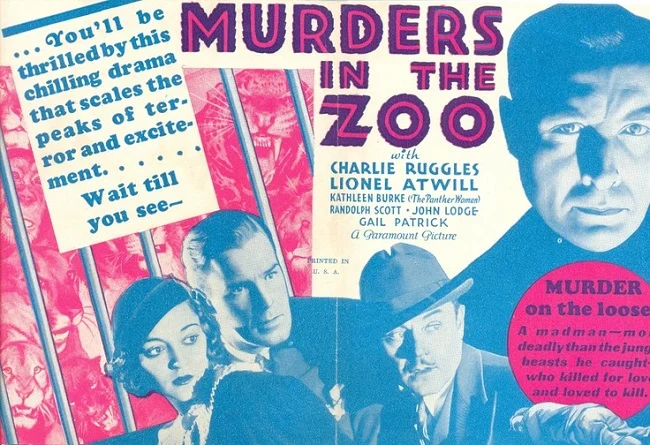

Origin Story
Have you noticed how politicians, pundits and media commentators will often throw around phrases and buzzwords when discussing the news and other major political talking points? “Cultural Marxism” and “Metropolitan Elite” are two examples that spring to mind. Often it is clear that the person using these phrases has no idea what they mean or what their provenance is. Perhaps you’ve thought that it would be useful to learn more about these terms or the background behind certain institutions or movements. If this is the case then I wholeheartedly recommend the Origin Story podcast. To quote from their website “What are the real stories behind the most misunderstood and abused ideas in politics? From Conspiracy Theory to Woke to Centrism and beyond, Ian Dunt and Dorian Lynskey dig into the astonishing secret histories of concepts you thought you knew”.
Have you noticed how politicians, pundits and media commentators will often throw around phrases and buzzwords when discussing the news and other major political talking points? “Cultural Marxism” and “Metropolitan Elite” are two examples that spring to mind. Often it is clear that the person using these phrases has no idea what they mean or what their provenance is. Perhaps you’ve thought that it would be useful to learn more about these terms or the background behind certain institutions or movements. If this is the case then I wholeheartedly recommend the Origin Story podcast. To quote from their website “What are the real stories behind the most misunderstood and abused ideas in politics? From Conspiracy Theory to Woke to Centrism and beyond, Ian Dunt and Dorian Lynskey dig into the astonishing secret histories of concepts you thought you knew”.
I discovered the Origin Story podcast a few episodes into season one. I was aware of Ian Dunt as a journalist and had read his book How to be a Liberal, which is an extremely interesting history of Liberalism as a movement and how that has changed over time. I was not familiar with the writer Dorian Lynskey but subsequently read his book, 33 Revolutions a Minute, which was an excellent history of protest songs and political songwriting. What quickly caught my attention about the podcast was how both hosts make complex and sometimes rather scholarly subjects fun and engaging, while still retaining appropriate levels of intellectual rigour. All of which helps put the listeners at ease when the show tackles such complexities as The Partition of India or Stalin’s purges.
The standout feature of the Origin Story podcast is that each episode is well-researched and informative. This is because both hosts prepare for each season of the show by reading prodigiously. They also list all their information sources which is very useful. With episodes between anything from an hour to ninety minutes running time, the topic at hand is analysed to a high level and from multiple angles. If the facts run counter to established but incorrect assumptions, then both hosts will happily highlight such points. Both Churchill and Gandhi are shown to have been flawed human beings in reality, despite their saintly contemporary reputations. The show also places a great deal of significance upon historical context while not using it as an excuse. Overall Origin Story handles the issue of balance and bias well, with both hosts acknowledging their own worldviews and politics but endeavouring to keep them separate from the discussion.
Considering how potentially dry some of the subject matters can be, both Dorian and Ian are engaging and humorous hosts. They clearly get on and have the measure of each other, frequently riffing off each other’s comments and asides. Sometimes the language can be a little ripe but this fits well within the informal style of the podcast. Both have analytical minds and have clearly thought a great deal about the subjects that they explore. The tone of the show is just right, making the discussion accessible to a wide audience. However, thinking is required. The production values are professional. Like all podcasts, over time some injokes have emerged such as Dorian’s dualistic relationship with definitions found in the Oxford English dictionary. There’s also a potential drinking game stemming from how often George Orwell is referenced and maniacal figures from modern history whose nickname was “Bunny”.
Origin Story began in May 2022 and is currently in its eighth season. During this time it has covered a broad range of subjects. This includes McCarthyism, Conspiracy Theory, Centreism, Neoliberalism, Climate Denial and Eugenics. The latest season is dedicated to a History of Socialism which has episodes about Karl Marx, The UK Labour Party and the Sixties Movements and the New Left. The show has also looked at individuals of note such as Elon Musk, Ayn Rand, Benjamin Netanyahu and Martin Luther King Jnr. There have also been some interesting pop culture analyses of Superheroes, Doctor Who and the history of the British Board of Film Censors/Classification. One of the most notable and in some ways significant episodes is a dissection of Russell Brand. It’s a far from pleasant listen but incredibly informative.
Origin Story is available free of charge with adverts from all major podcast outlets. There is also a Patreon edition which features longer episodes which are released earlier. They are also sans adverts. At present the podcast market is awash with shows about politics and social issues. Many of which are extremely partisan with a clear agenda. If you want something more factual, that explains and provides relevant background information, rather than hectoring you with alarmist propaganda, then Origin Story is the podcast for you. It offers a great way to find out about the major social and political talking points of the moment and the ideas that drive them. It does so in a fun and laid back fashion. A bit like going down the pub and being schooled by your smart friends, rather than the lounge bar bore.



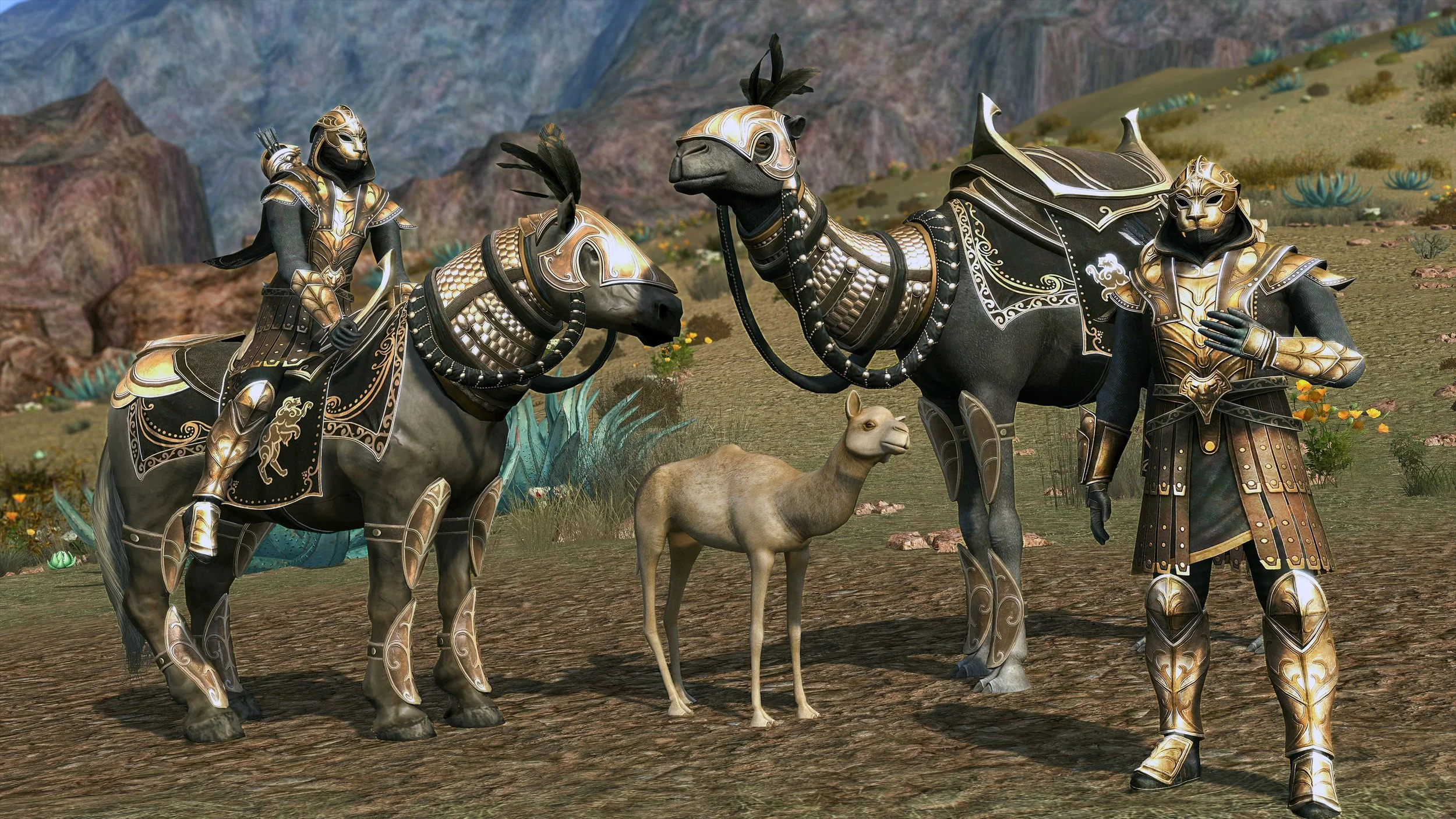
LOTRO: The State of the Game in Late 2025
Kingdoms of Harad, the 13th expansion for the MMORPG The Lord of the Rings Online, was released today. Highlighting developer’s Standing Stone Games continuing commitment to this eighteen year old game. As 2025 draws to a close, I thought it would be prudent to reflect upon the current state of LOTRO and to consider what may come next year. Two words that I associated with this MMO are stable and consistent. The playerbase is loyal and dependable. Player numbers never greatly decline nor do they notably expand. LOTRO fills a very specific gaming niche and one of the reasons it retains its players is that there is no suitable alternative game. Although there is not a great deal of data in the public domain, it is generally accepted that LOTRO has an older player demographic and that many are consummate Tolkien fans.
Kingdoms of Harad, the 13th expansion for the MMORPG The Lord of the Rings Online, was released today. Highlighting developer’s Standing Stone Games continuing commitment to this eighteen year old game. As 2025 draws to a close, I thought it would be prudent to reflect upon the current state of LOTRO and to consider what may come next year. Two words that I associated with this MMO are stable and consistent. The playerbase is loyal and dependable. Player numbers never greatly decline nor do they notably expand. LOTRO fills a very specific gaming niche and one of the reasons it retains its players is that there is no suitable alternative game. Although there is not a great deal of data in the public domain, it is generally accepted that LOTRO has an older player demographic and that many are consummate Tolkien fans.
This is the third expansion for the game that is set in the South of Middle-earth. Although many aspects of the MMO remain consistently good, such as the story telling and character development, I personally haven’t warmed to this area. Umbar, Harad and Khand are not especially detailed regions within Tolkien’s writing. I feel that the game developers have drawn too much from a stereotypical depiction of Middle-eastern culture. The sort you see in Western pop culture depictions of Sinbad and Ali Baba. For me it is an incongruous contrast to the established regions of Middle-earth. I’d rather these areas had just remained alluded to within the game, the same way they are in the Legendarium. However, what I am describing is a matter of taste. I’m sure there are LOTRO players who feel the opposite.
The latest expansion sees an increase in the level cap from 150 to 160. Thus there will be a need to replace all your existing jewellery, weapons and armour equipped on your alts. It may feel somewhat arbitrary but levelling remains an important element to many players, as does the gear treadmill. No doubt there will be an increase in the virtue traits level cap, so there is plenty to work towards over the month ahead. The expansion will at some point include new raids and instances but these really are a niche requirement and only a nominal amount of players playthrough such content. There are no new classes or races and Kingdoms of Harad does not include any new systems or mechanics. However, this should come as no surprise as SSG tends to work within established confines.
The most significant event for LOTRO this year was the migration to 64-bit servers and the regional consolidation. The lag issue that has plagued this MMO for years has definitely improved but has not been totally eliminated. The main issue that SSG faces is a knowledge gap, as the majority of staff that built the game have gone. It’s not a case of SSG not wanting to fix issues but the fact that they can’t. Hence the game still cannot adequately support 2K and 4K gaming. It is the main reason why LOTRO always gets “more of the same”. Quests, instances and missions are known quantities. More ambitious projects such as overhauling the deed log have proven far harder. There is also a long list of issues that SSG have said that they will “look into” that remain outstanding. Standardising event or faction based barter currency is one example. Removing outdated systems from the HUD being another.
If you pay attention to the press releases from the business side of the Daybreak Game Company, it is clear that LOTRO is financially sustainable within its existing parameters. It has a stable playerbase and yields a sufficient ROI to keep moving forward. However, it was made clear by CEO Ji Ham that the much touted graphics upgrade and console version of the game would not go ahead because of the cost. He stated that they could get a new game for the price. LOTRO players have conjectured whether the cancellation of Amazon’s The Lord of the Rings based MMO, will have an impact upon LOTRO. Could it mean further investment? I think not. The video game industry is contracting at present and is extremely risk averse. LOTRO continues because it generates sufficient revenue within its operational parameters. It is not seen, in business terms, as anything more than the sum of its parts.
LOTRO players have a strong emotional attachment to the game. I also believe that the developers SSG do the best with the budgets and resources they have to work with. However, I think that it is unrealistic to expect anything more from this vintage MMO other than what it currently offers. I believe I said exactly the same thing 3 or 4 years ago in a similar post. Hence, for me the most sensible thing to do going into 2026 is be content that LOTRO still endures. At some point in the New Year a roadmap for the next twelve months will be published, although I don’t expect any surprises. A year-long content schedule will be sufficient to keep me happy. Anything else is a bonus. Due to the tumultuous nature of the video game industry at present, perhaps it isn’t wise to look any further ahead. The road may not go “ever on and on” forever.