
The House on the Borderland by William Hope Hodgson (2000)
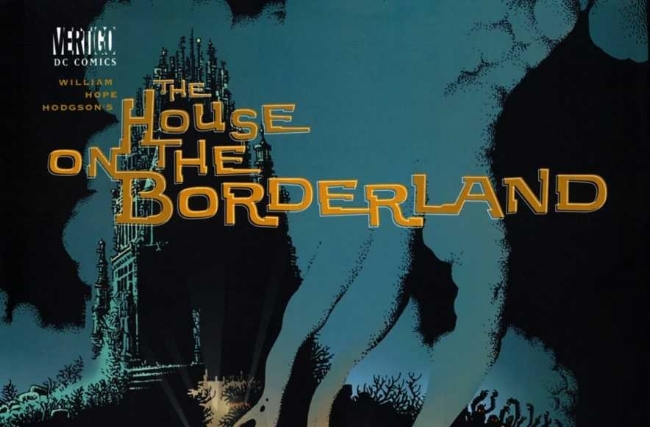
The House on the Borderland is a Vertigo comics graphic novel version of the 1908 baroque supernatural story by Edwardian writer, William Hope Hodgson. Adapted by Richard Corben and Simon Revelstroke, with illustrations are by Richard Corben of Hellblazer and Heavy Metal fame, The House on the Borderland proves to be a bold and innovative visual retelling of a rather densely narrated tale. The story tells a tale of two gentlemen on a week’s fishing holiday in the Irish village of Kraighten in the mid-fifties. Whilst exploring the local countryside they discover the ruins of a very curious house that appears to have been swallowed by a sinkhole. They subsequently find what appears to be the diary of its former owner. The torn pages seem to hint at an evil presence that was slowly and irresistibly encroaching upon the property. The author alludes to other events such as strange beasts in the ground at night and his own worsening nightmares. Is any of it to be believed, or is it simply the ravings of a deluded mind?
The House on the Borderland is a Vertigo comics graphic novel version of the 1908 baroque supernatural story by Edwardian writer, William Hope Hodgson. Adapted by Richard Corben and Simon Revelstroke, with illustrations are by Richard Corben of Hellblazer and Heavy Metal fame, The House on the Borderland proves to be a bold and innovative visual retelling of a rather densely narrated tale. The story tells a tale of two gentlemen on a week’s fishing holiday in the Irish village of Kraighten in the mid-fifties. Whilst exploring the local countryside they discover the ruins of a very curious house that appears to have been swallowed by a sinkhole. They subsequently find what appears to be the diary of its former owner. The torn pages seem to hint at an evil presence that was slowly and irresistibly encroaching upon the property. The author alludes to other events such as strange beasts in the ground at night and his own worsening nightmares. Is any of it to be believed, or is it simply the ravings of a deluded mind?
William Hope Hodgson’s original novel is an extremely difficult story to adapt to the graphic novel format. Most of the source text is written as diary entries, in which it describes arcane forces, astral projection and esoteric visions. Blending supernatural paranoia, fantasy and Lovecraftian horror in a first-person narrative that hints rather than discloses, it’s a tough book to crack. Yet Corben and Revelstroke make an inspired effort in condensing the text and visually extrapolating the complex descriptions. The artwork is innovative and does a good job of capturing the dark and eldritch tone of the story. The text adaptation strives to be as faithful to the source material as it can, yet inevitably has to relinquish on some of the more esoteric themes which are too difficult to render visually. However, the essential ideas of the original story are not only present but prove to be quite accessible. The understated approach of the artwork in keys scenes captures the menace conveyed by William Hope Hodgson in his original story.
Featuring an introduction by comics luminary Alan Moore that offers an affectionate appreciation of Hodgson's contribution to the horror genre, The House on the Borderland is a valiant attempt to bring a classic cerebral work to a wider audience via a very visual medium. Ultimately, the adaptation cannot offer the exact same experience as reading the original novel, but it must be applauded for bringing such material to a wider audience. It certainly succeeds in tapping into that disquieting quality that porcine horror can have, hinting at beasts who may well have a comparable intelligence to humans, while harbouring an inherent enmity to us as a species. Hopefully after reading The House on the Borderland, graphic novel horror fans will subsequently seek out and familiarise themselves with William Hope Hodgson’s other work, which is the equal to that of H.P. Lovecraft. I would certainly like to see further visual adaptations of the authors back catalogue.

Classic TV Themes: Hawaii Five-O
I grew up during the seventies when network TV shows still put a lot of thought and effort into such things as their theme tune. It was a decade littered with memorable tracks that captured the essence of the shows they came from. Many have now become integral aspects of popular culture, leading to countless internet memes as well as becoming the ringtones of choice for many a fortysomething. However, things are very different now. You can have a staggeringly good theme for your show, but it can't possibly be longer than thirty seconds. And don’t think for a moment that viewers can listen to it again at the end, as it has now become standard practice to compress the credits into a third of the TV screen and preview what's coming next, while some link announcer spouts inanities. Mercifully, cable and streaming companies tend to treat their TV shows with greater respect. The lack of commercial advertising ensures a longer program duration and hence more focus on a theme tune. However, network TV still commands big audiences, yet hasn’t in recent years produced any TV show themes of note.
I grew up during the seventies when network TV shows still put a lot of thought and effort into such things as their theme tune. It was a decade littered with memorable tracks that captured the essence of the shows they came from. Many have now become integral aspects of popular culture, leading to countless internet memes as well as becoming the ringtones of choice for many a fortysomething. However, things are very different now. You can have a staggeringly good theme for your show, but it can't possibly be longer than thirty seconds. And don’t think for a moment that viewers can listen to it again at the end, as it has now become standard practice to compress the credits into a third of the TV screen and preview what's coming next, while some link announcer spouts inanities. Mercifully, cable and streaming companies tend to treat their TV shows with greater respect. The lack of commercial advertising ensures a longer program duration and hence more focus on a theme tune. However, network TV still commands big audiences, yet hasn’t in recent years produced any TV show themes of note.
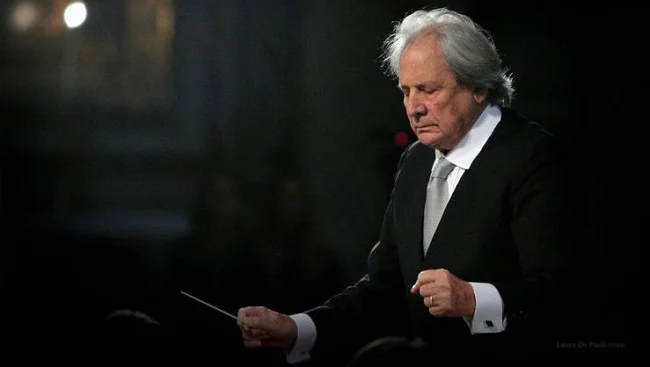
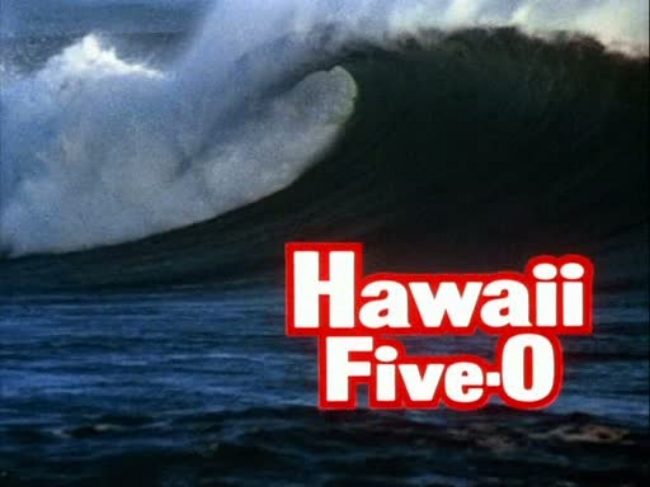
For me the track that embodies the traditional notion of the TV theme tune and elevates it to an art form, is Morton Steven's Hawaii Five-O theme. I cannot think of a piece of music, born of a TV show that is quite as evocative and inspirational. For years there has not been an original recording available so fans and enthusiasts have had to slum it with indifferent cover versions (which I hate). However, in 2012 the only legitimate soundtrack album was finally re-released on CD. It contains a studio extended version of the main theme along with incidental music from one the episode Operation Smash. It is a crisp and tight arrangement of the theme and superior to all previous version in circulation.
In 2010 the show was rebooted and has proven to be surprisingly popular. It is currently in its 8th season. However, at the time the question on everyone’s lips was would the main theme be retained, or would it be jettisoned for something else? Luckily common sense prevailed so the classic iconic theme and title credits were cleverly recreated. But the process was not exactly problem free. Brian Tyler, a composer with a respectable pedigree in film and TV, was brought on-board to manage the soundtrack production. He initially toyed with idea of re-arranging Stevens seminal theme tune. Let it suffice to say that test audiences did not warm to it and after some overtly negative feedback the it was replaced with a more traditional arrangement. This recording even included some of the session musicians that worked on the original track in 1968. Sadly, the demands of modern TV broadcasting still had an impact on the completed piece of music. Modern title sequences on popular network shows are now no more than thirty second and so the theme was shortened to meet this requirement. However, the full version can be found on the official soundtrack album to season one and is version posted below along with the original from 1968.







Star Wars Begins (2011)
Star Wars Begins is a detailed documentary by film maker Jamie Benning that explores the creation of what is now considered to be the most iconic movie of the seventies; namely Star Wars. It features a wealth of deleted scenes, alternate takes, behind-the-scenes footage, bloopers, original on set audio recordings and a great deal of commentary by the original cast and crew. As far as I’m concerned, it is the most thorough and in-depth analysis of Star Wars I have yet to see. Frankly it beats hands down, any of the officially sanctioned documentaries that have appeared over the year on the various DVD and Blu-ray releases of the trilogy.
Star Wars Begins is a detailed documentary by film maker Jamie Benning that explores the creation of what is now considered to be the most iconic movie of the seventies; namely Star Wars. It features a wealth of deleted scenes, alternate takes, behind-the-scenes footage, bloopers, original on set audio recordings and a great deal of commentary by the original cast and crew. As far as I’m concerned, it is the most thorough and in-depth analysis of Star Wars I have yet to see. Frankly it beats hands down, any of the officially sanctioned documentaries that have appeared over the year on the various DVD and Blu-ray releases of the trilogy.
It is Benning’s feature-length approach of his documentary that follows the flow of the original movie, that makes it so compelling. As the Star Wars itself plays, all aspects of the production are crossed referenced and annotated as they appear on screen. The documentary is also a very illuminating insight into the US and British movie industry of the times. Despite having a prodigious wealth of information to convey, the documentary handles the pace of material well and the viewer has time to digest what is shown and discussed without getting overwhelmed. This is a considerable achievement for a documentary, which can be a difficult format to master. Star Wars Begins is most certainly a painstaking labour of love, but the hard work pays off with an even-handed film that finds the right balance between interesting facts and pacing.
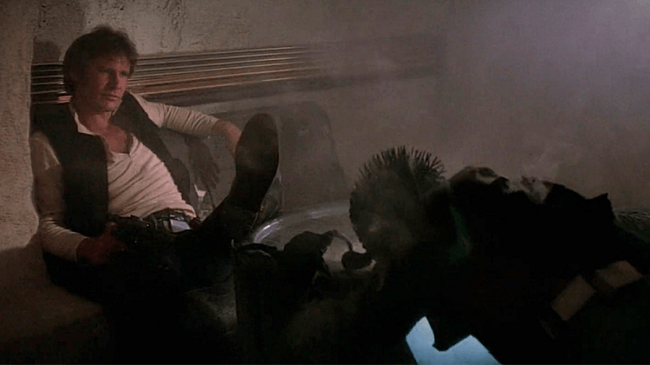
The documentary also succeeds in catering to both hardcore fans and the more casual viewer. If you have not seen some of the famous deleted scenes, such as Han's original meeting with Jabba the Hutt or Luke's dialogue with his friend Biggs Darklighter then you are in for a treat. Some of the original on-set audio is extremely amusing such as actor Dave Prowse speaking Darth Vader's lines in a West Country accent. Overall what the documentary does is offer a totally fresh perspective on Star Wars which helps re-invigorate one’s enjoyment of the classic trilogy. Until Disney’s renewal of the franchise in recent years, the second trilogy of prequels did cast a shadow over the original three movies.
Another thing I've learned from Star Wars Begins is that some aspects of the original movie were intended to be more violent. This is something that has always been present in Lucas's work but certainly it didn't come to the forefront until the second trilogy. For example, stills from the Cantina set show that Ponda Baba's initial fate was meant to be far more unpleasant than just losing his arm. Then there is the matter of Han Solo shooting Greedo from under the table. The entire "Han shot first" debacle shows that the character was initially intended to be perceived in a very different way. Yet movies are often by nature evolutionary things, especially on big productions. Often scenes will be reshot if they don’t work out, or if a better idea is mooted. Plus, as Star Wars Begins points out, a production of this nature had never been done before and many of those involved were flying by the seat of their pants.
Director Benning has also made similar documentaries for both The Empire Strikes Back and Return of the Jedi. It should be noted that these ‘filmumentaries’ are unofficial and fall within a somewhat grey area with regard to their “status”. They are completely non-profit making and made with full acknowledgement to the appropriate copyright holders. So far, the new copyright holders Disney seem content to let sleeping dogs lie, however there is no guarantee that things will remain that way. Therefore, I would urge all fans of Star Wars to seek them out and watch them while they're still available on Jamie Benning's Vimeo channel because they are quite unique.








Twitch.tv
Until recently I’ve been somewhat sceptical of Twitch. I’ve tried in the past to find both content and personalities that chime with me but have seldom had much success. Sadly, all too often I find the humour and general banter of some streamers to be not to my liking. Then there is the issue of channel monetisation. I appreciate that streaming is a business for some and that there is a requirement to attract subscribers and encourage donations, but I do feel that it’s not always approached in an appropriate fashion. Twitch and streaming culture is often aimed towards the younger viewer. Being of an older age group, the light and casual approach to presentation and interaction is not always to my taste. However, I have now managed to find some streamers who are more to my liking and have subsequently reviewed my opinion on the medium.
Until recently I’ve been somewhat sceptical of Twitch. I’ve tried in the past to find both content and personalities that chime with me but have seldom had much success. Sadly, all too often I find the humour and general banter of some streamers to be not to my liking. Then there is the issue of channel monetisation. I appreciate that streaming is a business for some and that there is a requirement to attract subscribers and encourage donations, but I do feel that it’s not always approached in an appropriate fashion. Twitch and streaming culture is often aimed towards the younger viewer. Being of an older age group, the light and casual approach to presentation and interaction is not always to my taste. However, I have now managed to find some streamers who are more to my liking and have subsequently reviewed my opinion on the medium.
For me, Twitch is as much about the audience viewing as it is about the individual streaming. Part of the attraction of the platform is the scope for interaction between streamer and viewers. I find that streams that attract substantial audiences lose this quality quite quickly. The text chat scrolls up at a prodigious rate and the moderators will often struggle to separate appropriate questions and banter from general shenanigans and trolling. I also find that some of the commercial streams and official channels of known corporations to be as bland and as hollow as mainstream television. However, a when you put an entertaining and gregarious streamer together with a small but enthused audience, you’ll often be rewarded with a very enjoyable two-way conversation.
Fortunately, my concerns over being able to find suitable content and streamers has benefitted recently by Twitch adding a “communities” option to their browse feature. In the past you had to search for material you like by game only. The addition of this button (although it is still in beta) means that it is easier to track down streamers with similar interests and aspirations. At present is somewhat rough and ready, lacking somewhat in variety. However, there are some promising categories such as tabletop, painting and fitness. It is reassuring to see this side of Twitch, which for to long seems to have been dominated my core gamers, focused on achievement, speed runs and competitive gaming. If handled properly, there is scope for it to become a much broader media platform, which is possibly what its owner, Amazon is considering.
Finally, it would be remiss of me not to mention the Twitch community that I’ve recently discovered. The Moogle’s Pom Tavern is a collective of streamers “who focus on chill streams where we share positivity and of course, video games”, to quote their website. What I like the most about this friendly group, is their upbeat and laid-back perspective on gaming. It all done for fun, rather than any other motivation. The streams are engaging, with a lot of banter. You soon get to know everyone and it’s very much like a social evening down the pub with mates. A lot of the participant do other creative projects, so they’re an invaluable source of information as well. Overall, it’s a great place to hang out, away from the some of the more brash and bellicose aspects of Twitch. So, if you feel so inclined, do checkout their schedule and come along and have a chat. It may make you revise your opinion on streaming, as it did with me.

Paul (2011)
Critics were somewhat split over Paul when it was released in the UK in spring 2011. The absence of director Edgar Wright from the production, was cited as a weakness. Critics also felt the film was generally too mainstream and did not play sufficiently to Simon Pegg and Nick Frost's strengths. There were the usual claims of the whole premise being a self-indulgence. However, rather than cross reference Paul against similar films or compare it to material from the stars back catalogue of work, it should be judged on its own merit. On reflection, it is nowhere near as week as some claim it to be. You don’t often get big studio comedies that happily explores what is still considered a niche market genre. If approached with the right outlook, then Paul can be an entertaining diversion with plenty of laughs.
Critics were somewhat split over Paul when it was released in the UK in Spring 2011. The absence of director Edgar Wright from the production, was cited as a weakness. Critics also felt the film was generally too mainstream and did not play sufficiently to Simon Pegg and Nick Frost's strengths. There were the usual claims of the whole premise being a self-indulgence. However, rather than cross reference Paul against similar films or compare it to material from the stars back catalogue of work, it should be judged on its own merit. On reflection, it is nowhere near as week as some claim it to be. You don’t often get big studio comedies that happily explores what is still considered a niche market genre. If approached with the right outlook, then Paul can be an entertaining diversion with plenty of laughs.
Paul succeeds because it takes a very broad approach to its themes and subjects. Popular culture has absorbed enough sci-fi references to make a lot of the gags very accessible to the general public. Yet there is still much to satisfy the inner geek of the more hardcore fans. Frost and Pegg's natural chemistry together carries the film greatly, along with the traditional transatlantic culture clash. There are some clever references to convention culture and fandom itself, especially with a scene when our pair of heroes meets their favourite author. Paul himself is very well realised and perfectly voiced by Seth Rogen. He provides the sort of wise cracking cynicism audiences expect. The film's running time is ideal with seldom a lull in the pace. This is important with comedy as so many get it wrong.
Paul does have a few weaknesses though. There are more obvious concessions to the mainstream, such as clichéd gay jokes, generic car chases and a somewhat contrived and unconvincing romantic sub-plot. Luckily, these minor aspects are not enough to spoil the overall production and are minor quibbles rather than cardinal sins. Plus, a killer cameo performance by Sigourney Weaver, is more than enough to rectify and other deficiencies in the narrative. The visual FX are more than adequate, and the film looks fine for a mid-budget production. The final act is formulaic but not annoyingly so. You get pretty much what you expect from Paul and that’s not a bad thing. Sometime when viewing at home you want a easy choice and some undemanding viewing.
Ultimately, it is the basic plot device that is the films greatest asset. Paul an alien, finds himself reliant on two guys who are essentially aliens themselves within the country they're touring and society itself. The movie also explores the pros and cons of "geekdom" rather well and gently ribs the culture, rather than openly mocks. This is often a difficult thing to do, but director Greg Mottola gets the tone right. Paul certainly provides a platform for the English's love affair with profanity. Although it is not gratuitous, the choice words do come thick and fast at times. But overall, Paul proves to be a genuinely funny, well observed, accessible sci-fi comedy and I think that this film’s reputation will improve over the years to come.





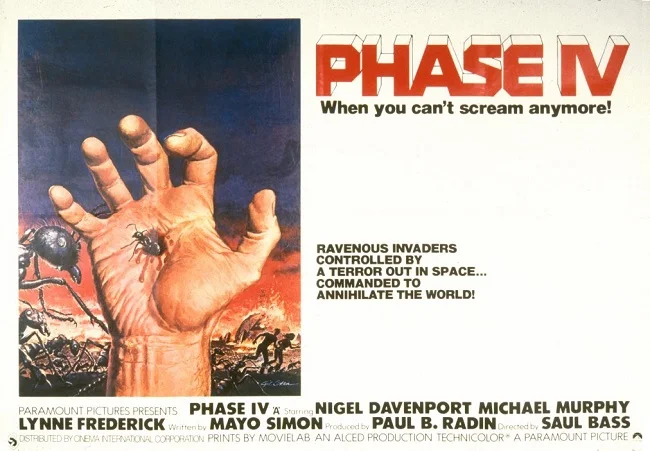


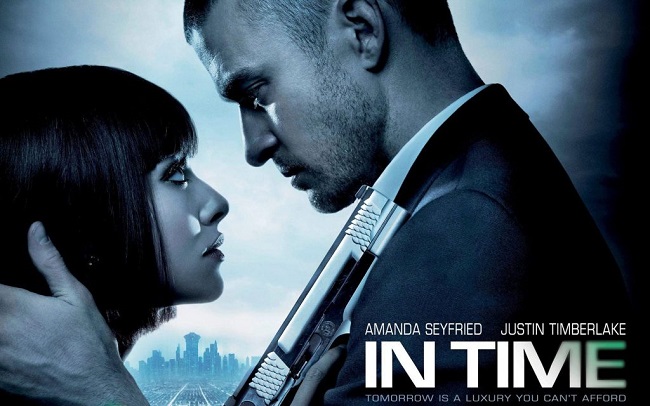
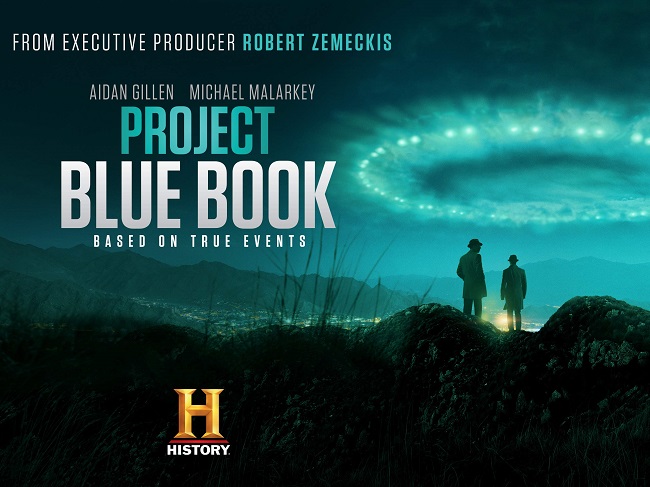
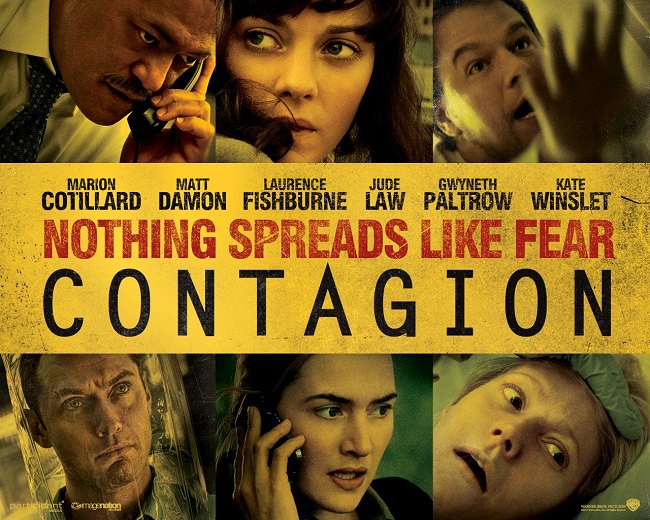
Guilds, Kinships and Fleets
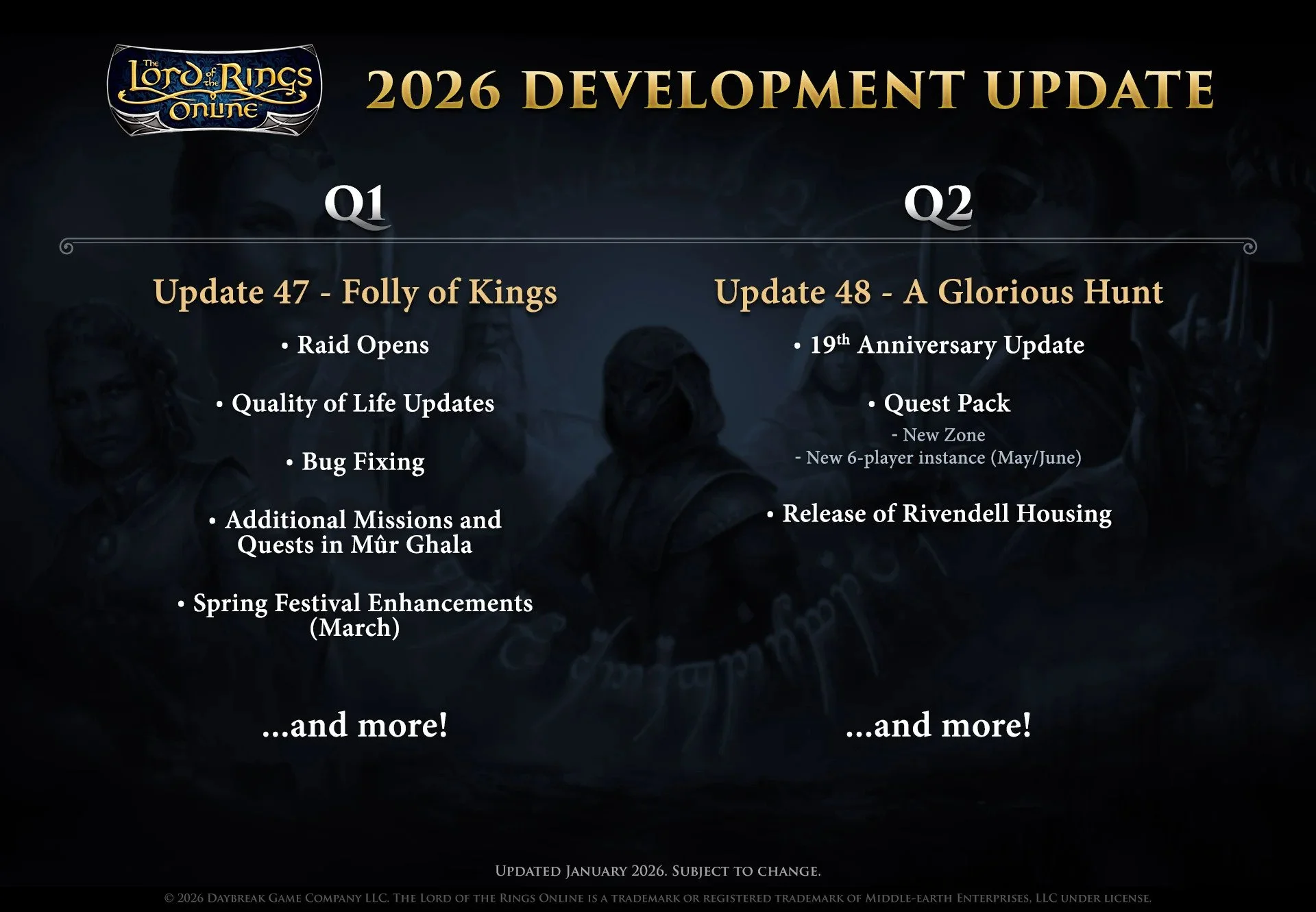
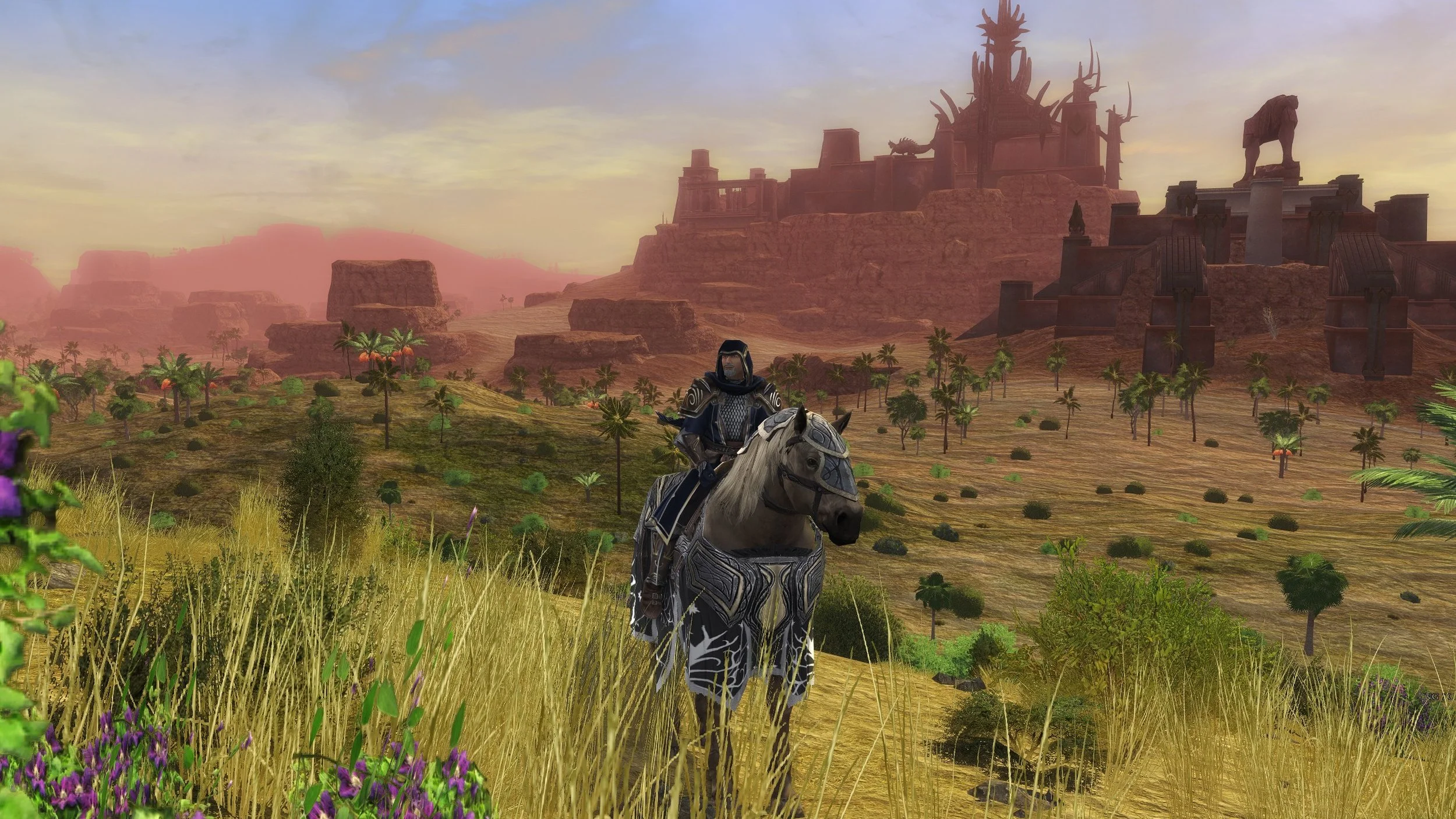
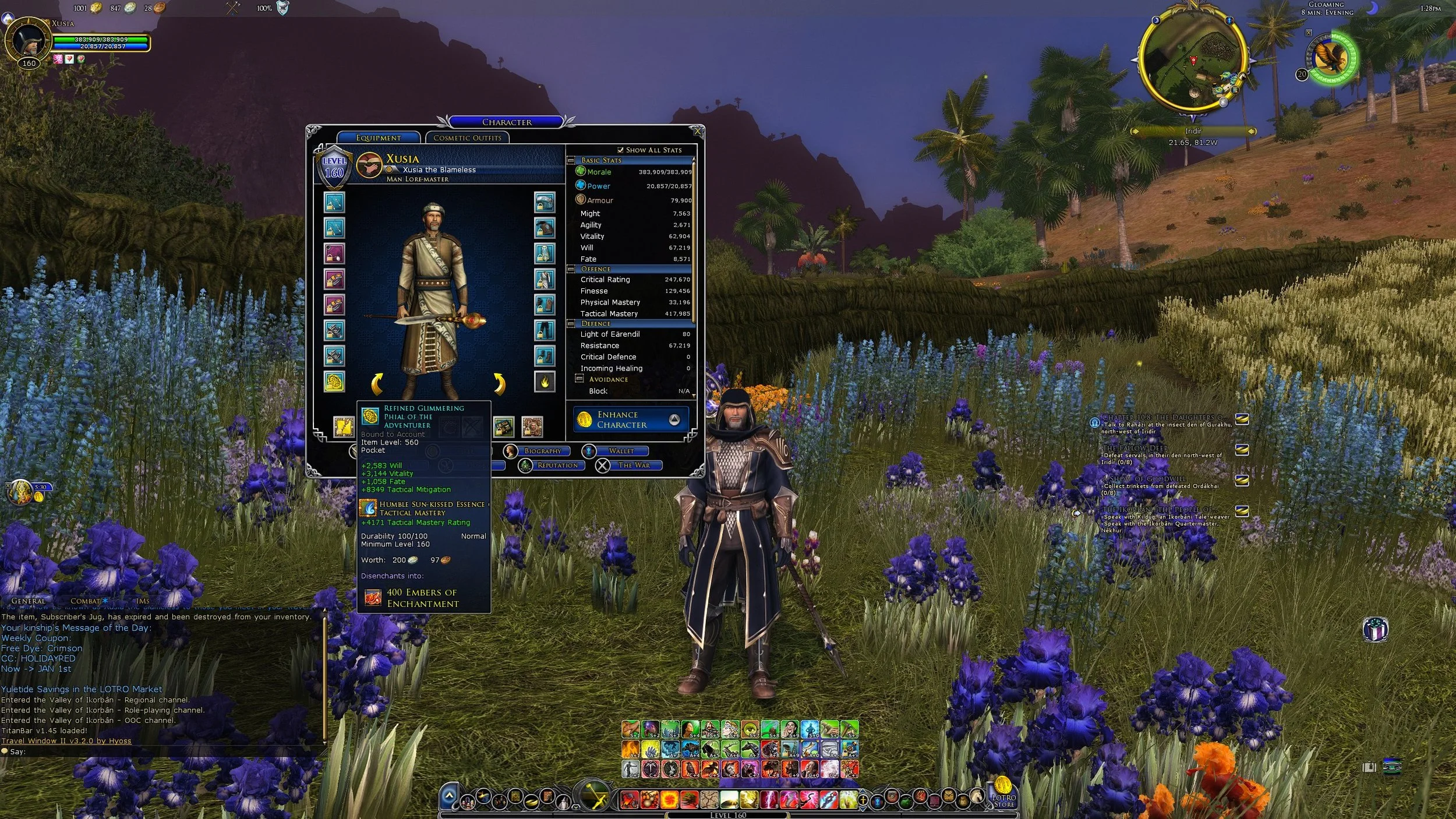
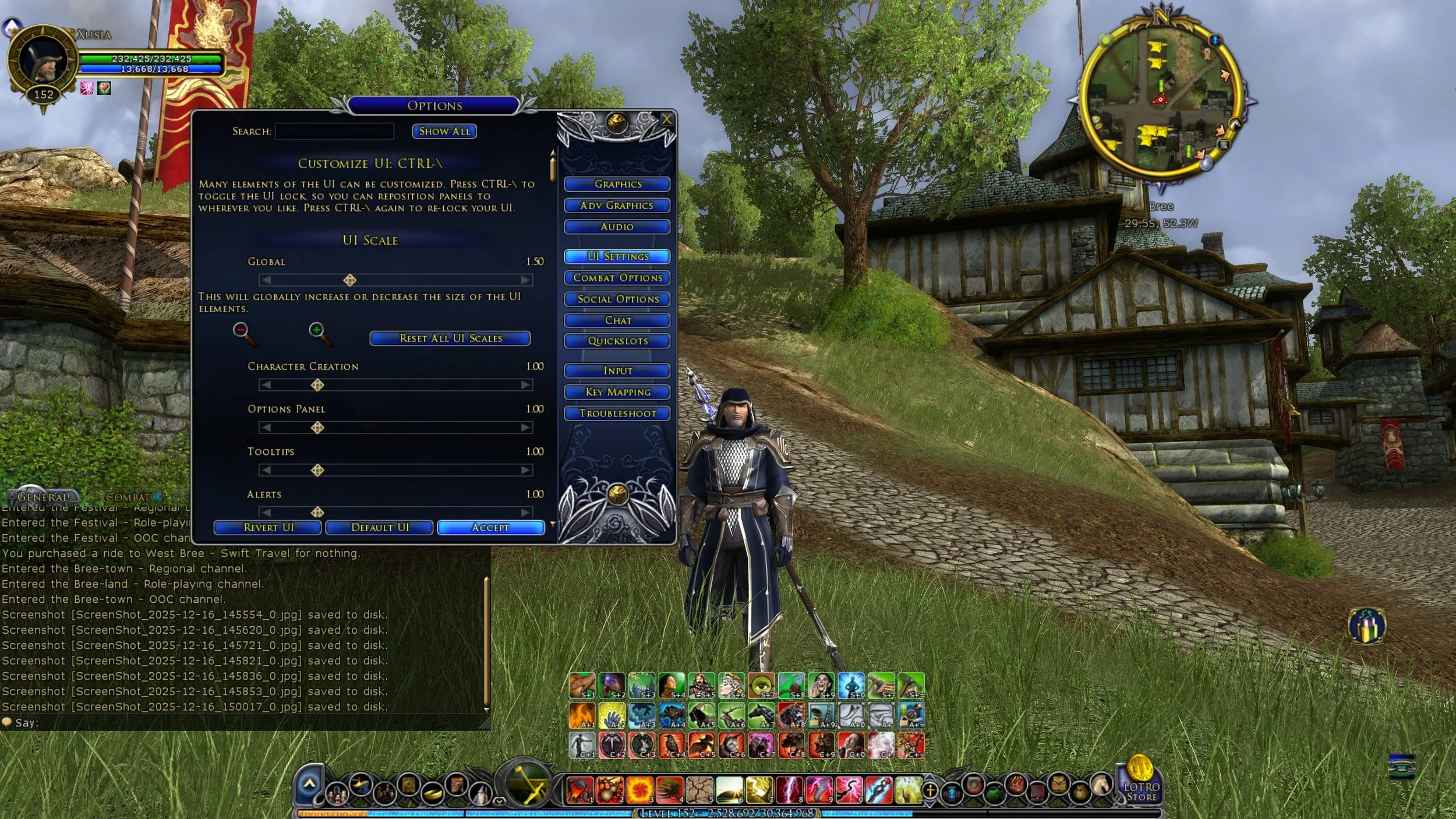
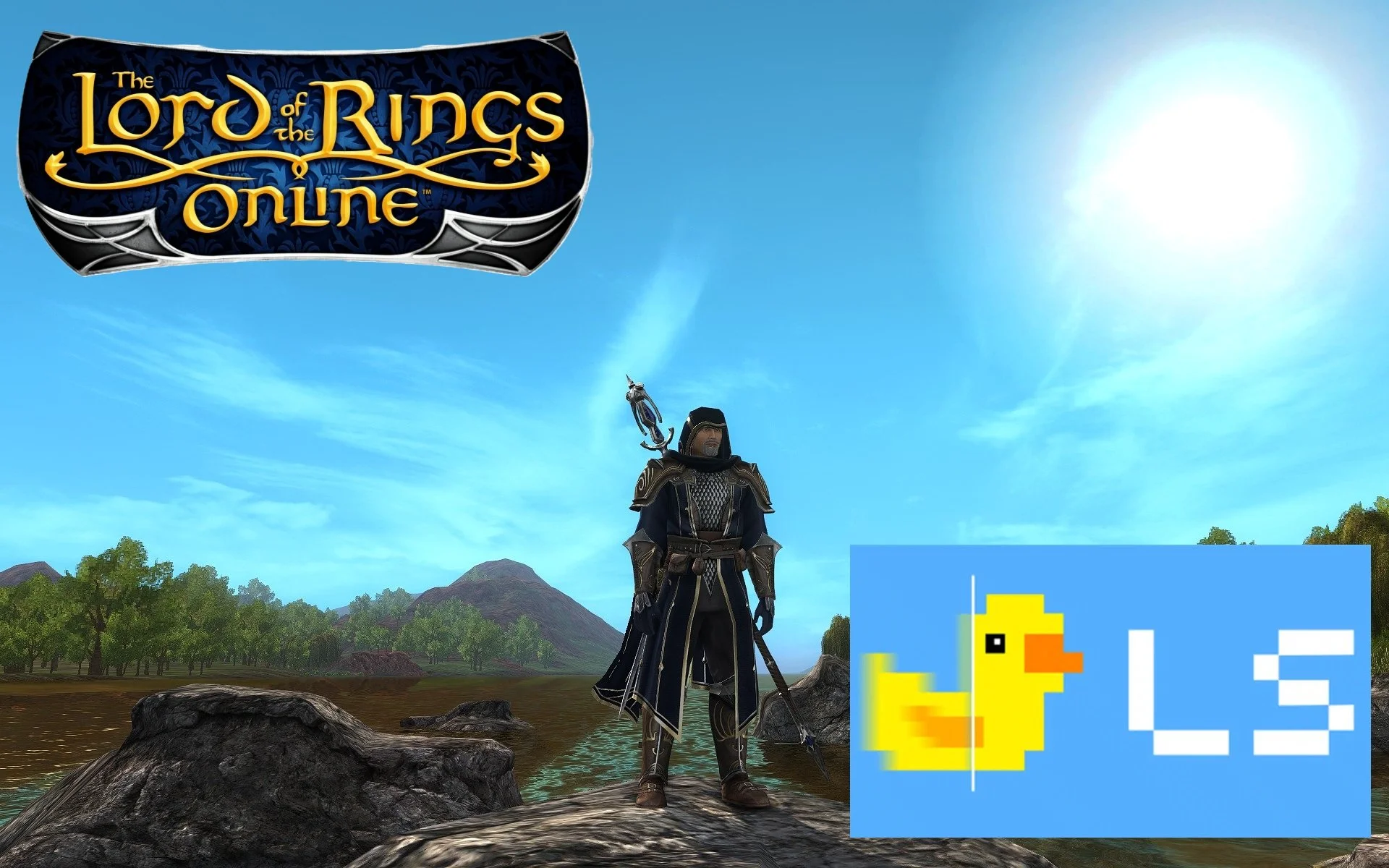
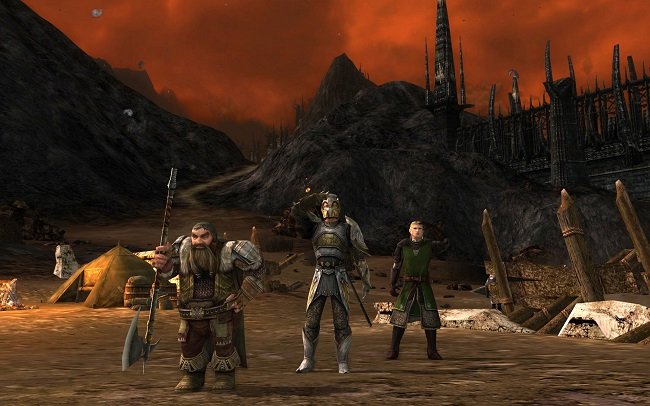
I’ve been in the same LOTRO kinship (a.k.a. guild) since 2009. It’s relatively small in size, made up of a core group of about 20 players and their various alts. Everyone knows each other, and we all get along. There’s a broad spectrum of members from across the UK and Europe and the average age is about 35 plus. We’ve had some drama in the past from a few individuals, but they’ve either left or stopped playing. I don’t recollect there ever being an occasion when someone was. After ten years the kinship is at a point where it just ticks over without any major problems. There are events and activities for those who wish to participate, or if you prefer to simply potter about Middle-earth, then you’ll be left to do so. In the past we’ve had our own kinship website and forums, along with TeamSpeak server and other external support facilities. Bu all of these have fallen by the wayside as the Kinship has evolved. We now just focus on playing the game. Overall, the kinship is a friendly bunch and a good fit for my casual style of gameplay, which is why I’ve remained a member for nine years.
I’ve been in the same LOTRO kinship (a.k.a. guild) since 2009. It’s relatively small in size, made up of a core group of about 20 players and their various alts. Everyone knows each other, and we all get along. There’s a broad spectrum of members from across the UK and Europe and the average age is about 35 plus. We’ve had some drama in the past from a few individuals, but they’ve either left or stopped playing. I don’t recollect there ever being an occasion when someone was. After ten years the kinship is at a point where it just ticks over without any major problems. There are events and activities for those who wish to participate, or if you prefer to simply potter about Middle-earth, then you’ll be left to do so. In the past we’ve had our own kinship website and forums, along with TeamSpeak server and other external support facilities. Bu all of these have fallen by the wayside as the Kinship has evolved. We now just focus on playing the game. Overall, the kinship is a friendly bunch and a good fit for my casual style of gameplay, which is why I’ve remained a member for nine years.
LOTRO was my first MMO and when I started playing in 2008, co-operative play was the key to progression. Much of the games content was not solo friendly, therefore joining a kinship would at that point, greatly enhance a player’s experience. However, over time things have changed. Not just for LOTRO but for many other games from the MMO genre. Despite having played Guild Wars 2, The Secret World, Rift and SWTOR, I’ve never joined a guild for any of these games. There was (and remains for me) no compelling reason to do so. When I started playing LOTRO, part of the charm of the game and indeed the genre, was the social aspect. For me the notion of playing online with others was still a novel experience. However, as newer MMOs emerged, I found that I was more concerned with their gameplay and narrative, rather than cultivating new friendships. Furthermore, due to the increase in casual gaming, more recent MMOs are far more casual friendly.
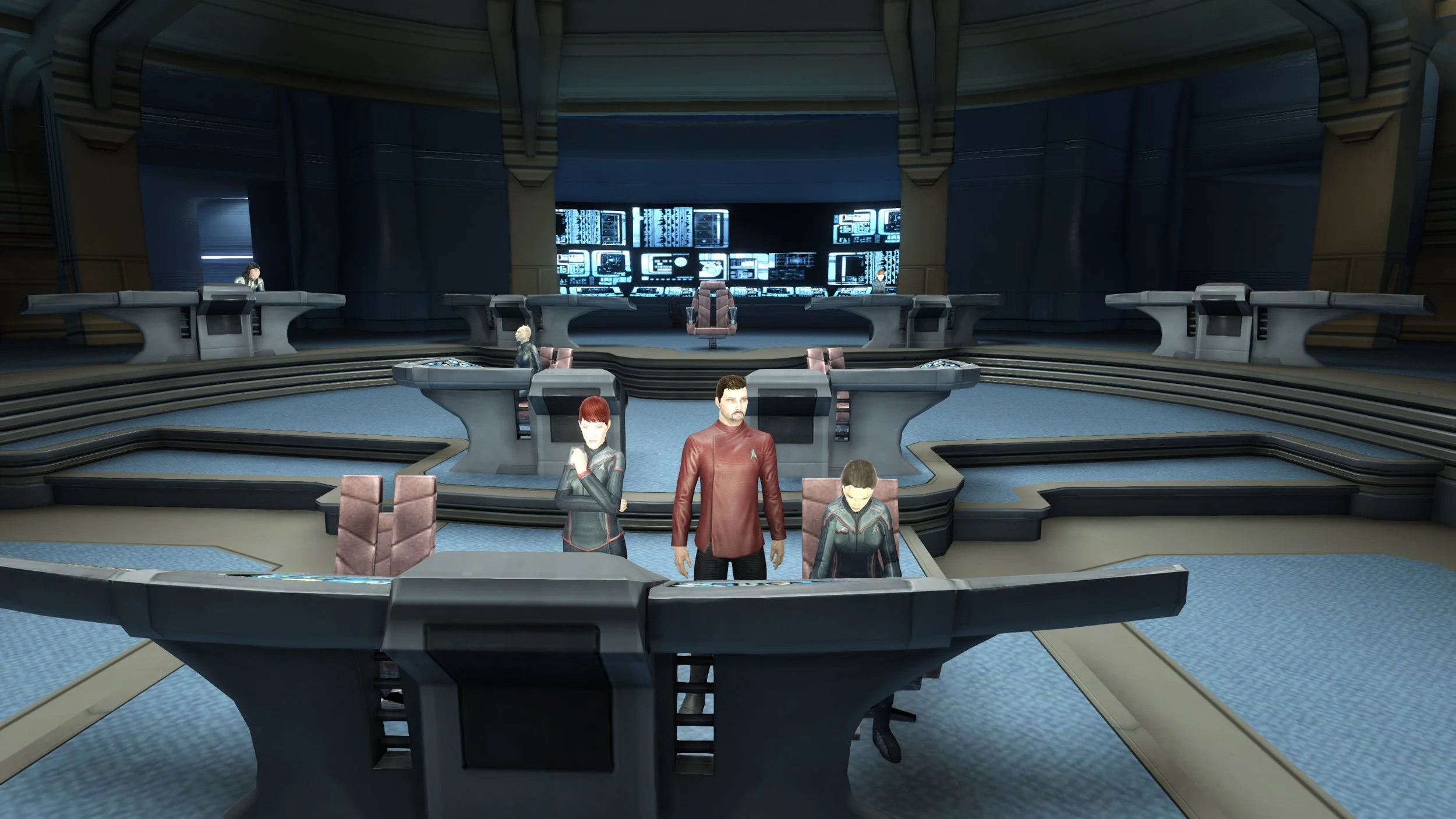
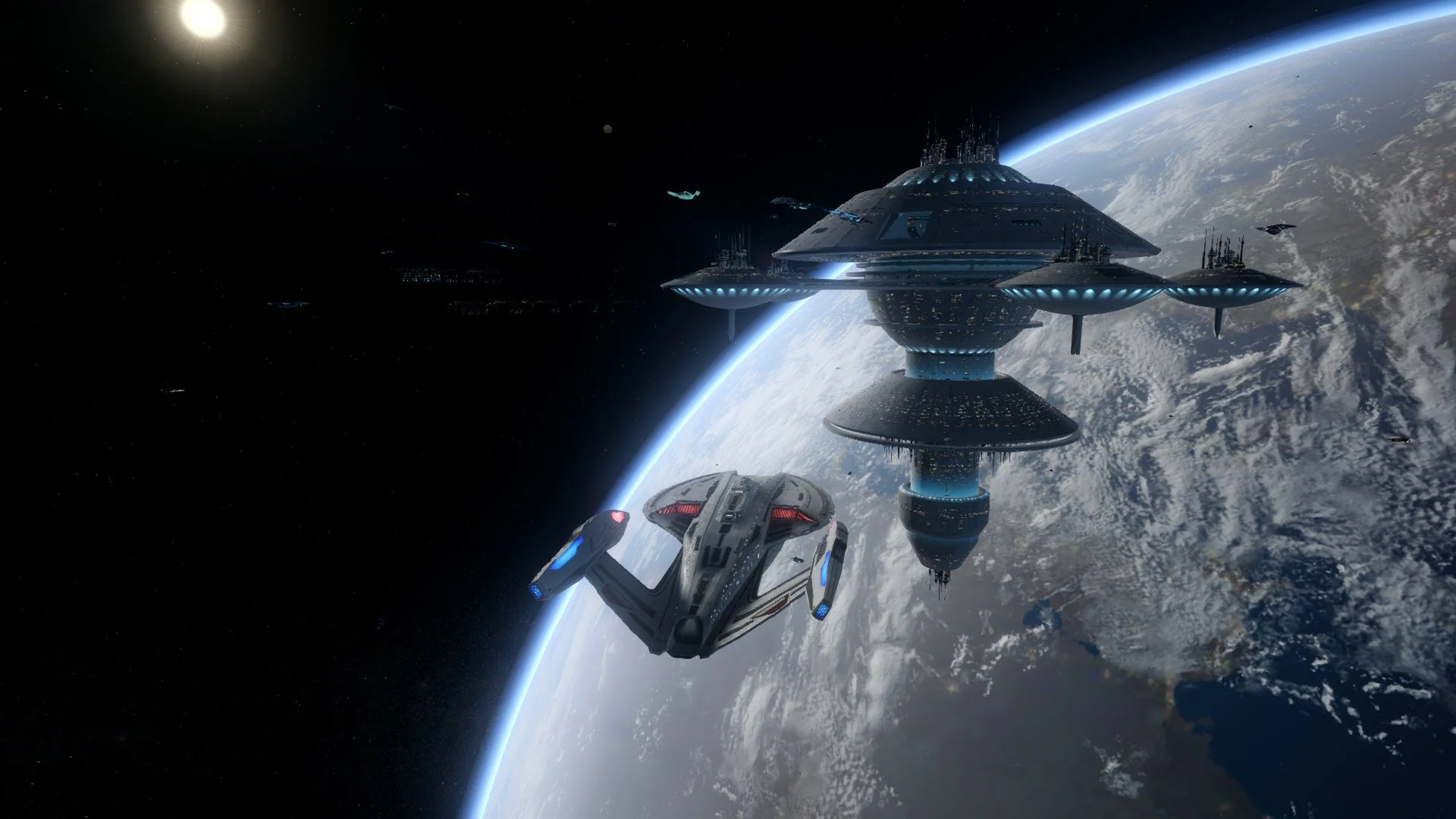
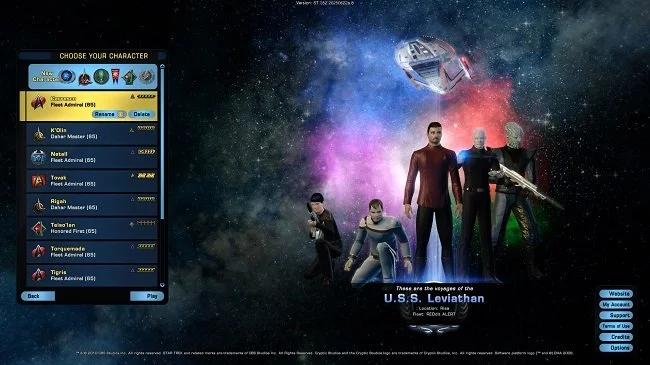
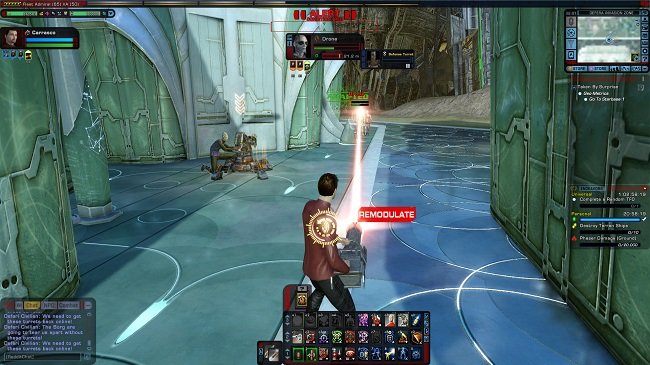
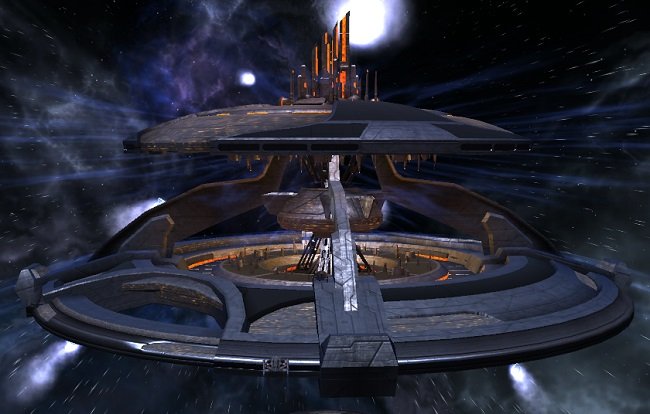
There are always exceptions to the rules, though. The Fleet system in Star Trek Online offers a wealth of benefits and a player is potentially limiting their options if they do not join one. Fleet holdings such as the Starbases and dilithium mines are maintained by players contributing resources. Once holdings reach optimal capacity, they can provide gear, weapons and consumables, all of which are of a superior quality to that from standard vendors. It’s a relatively similar situation in The Elder Scrolls Online. Being in a guild allows access to quality crafted items which are not so readily available elsewhere. Hence in both these games I have joined guilds, simply to gain access to these facilities. In STO I am a member of REDdit Alert Fleet and although they are a friendly bunch, I am not socially active within it. I maintain a level of civility and ensure I contribute to the fleet projects but beyond that I tend to keep myself to myself and pursue my own goals within the game.
Playing any MMO successfully requires a substantial investment of time. The same can be said about joining a guild. A guild is more than just a collective designed to facilitate group content. It is often a closely knit social group in which members become firm friends, get to know each other and provide mutual support. They can become very intimate environments, sometimes doubling as group therapy or a virtual pub in which players can blow off steam after a tough day at work. For me, my best experience in a guild coincided with my best experience with an MMO. It was during a two-year period of my life in which I had the time and inclination to dedicate to both a leisure activity and a social group. It was a time that I enjoyed immensely. Now, although I like the social aspects of guilds in STO and ESO, they are mainly a means to an end. However, if I ever get nostalgic, all I have to do is return to my LOTRO kinship to be reminded of prior good times.
Star Trek Online: New Ships, Old Prices
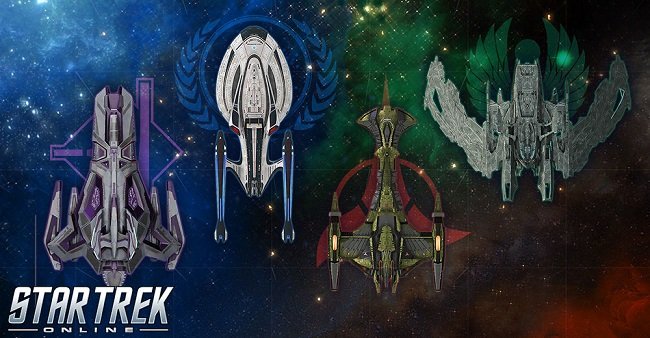
Yesterday saw a lot of new content come to Star Trek Online. First off, we saw the start of the eighth anniversary event and the opportunity to earn a Bajoran Interceptor. There’s also a new featured episode; Scylla and Charybdis which further explores the Tzenkethi story line. And then there’s the release of the new Discovery lock box, which ties STO into the new Star Trek: Discovery television show. New lock boxes, means new ships. This time round there’s an opportunity to win a Tier 6 Crossfield-class Science Vanguard which boasts a formidable array of stats. Judging by the discussion on the official STO subreddit, the new vessel seems to have been very well received by the player community. The universal console, Mycelium Ambush, when activated temporarily disables ships weapons and transports the vessel forward. It then releases an energy pulse, impeding the engines of nearby enemy vessels while enhancing your own starship's weapons. After a few seconds, multiple torpedoes are launched, and your starship's weapons are disabled again in order to transport back to the original position.
Yesterday saw a lot of new content come to Star Trek Online. First off, we saw the start of the eighth anniversary event and the opportunity to earn a Bajoran Interceptor. There’s also a new featured episode; Scylla and Charybdis which further explores the Tzenkethi story line. And then there’s the release of the new Discovery lock box, which ties STO into the new Star Trek: Discovery television show. New lock boxes, means new ships. This time round there’s an opportunity to win a Tier 6 Crossfield-class Science Vanguard which boasts a formidable array of stats. Judging by the discussion on the official STO subreddit, the new vessel seems to have been very well received by the player community. The universal console, Mycelium Ambush, when activated temporarily disables ships weapons and transports the vessel forward. It then releases an energy pulse, impeding the engines of nearby enemy vessels while enhancing your own starship's weapons. After a few seconds, multiple torpedoes are launched, and your starship's weapons are disabled again in order to transport back to the original position.
Now considering that the new Discovery lock boxes have only been available for 24 hours, it would appear that many players have been stockpiling keys in preparation for its launch. Subsequently, despite being a rare drop many players have acquired the new Crossfield-class Science Vanguard and they are readily available on the exchange. The price is currently around 620 million energy credits, which is a tidy sum. The ship has also turned up for sale on third party websites available for sale at $125. Furthermore, the arrival of new ships has not depressed the prices of older vessels. Both Kelvin timeline ships are still holding steady at 260 million energy credit and the jewel in the crown of STO, the Tier 6 Constitution class Cruiser remians over 1.5 billion energy credits. So far, the economy adjustment that was anticipated by the introduction of the re-engineering system has yet to happen, although it is still only early days.
The problems STO faces with its in-game economy are really no different from many other MMOs. Frequently, the accumulation of wealth becomes a meta game in its own right. LOTRO has a similarly skewed game economy with everyday items that can be easily gathered, priced extremely high. This is not through supply and demand, but simply because such prices can be charged and paid for. Because gold is simply created in MMOs, rather than linked to any other sort of economic resource to base its levels, it doesn’t take long for hyperinflation to occur. Hyperinflation is detrimental to new and returning players. It can often lead to the auction service becoming the exclusive province of the virtually super rich. Hence we see the introduction of money sinks to try and remove surplus capital from games. These may be auction house fees, non-craftable consumables or housing fees. However money sinks seldom return a game’s economy back to a state of normality.
Cryptic have adjusted the in-game economy of STO several times over the last eight years. It is now far harder to earn energy credits, the games primary currency, than it was four years ago However, the damage is already done and there’s an immense amount of currency in circulation, often stockpiled by power players. The game’s crafting and upgrade system is also a contributory factor to hyperinflation. Until recently, if you craft and upgrade a ships weapon for example, there has been no control over which modifiers are added to it. Hence players would sell on items that didn’t meet their expectations. These items then flood the in-game auction house at inflated prices, as players seek gear with the attributes they require. The new re-engineering system is supposed to make obtaining the modifiers that you desire easier. It will allegedly level the playing field and make players less reliant on crafted items for sale on the exchange. Cryptic hope that this system will ultimately depress prices and eventually lead to less superfluous items entering the game’s financial ecosystem.
MMO economies are strange and esoteric beasts. Despite external factors created by developers, designed to slow and divert wealth creation, it is frequently impossible to slow player progression and dampen their enthusiasm. MMO gamers often rise to the occasion and embrace grind rather than capitulate to it. I suspect that it will take a considerable amount of time before we see any major change in the STO economy. Furthermore, the re-engineering system may well remove the surplus of crated items on the exchange, but I cannot see it impacting upon the prices of rare Tier 6 vessels. If someone is prepared to pay 1.5 billion energy credits for the latest and rarest of ships then the prices will remain as they are. The only other alternative is to make such items bound which would then incur a new set of problems, along with a great deal of player outrage. So for the meantime it is simply a question of watching and waiting to see in what direction the STO market goes.


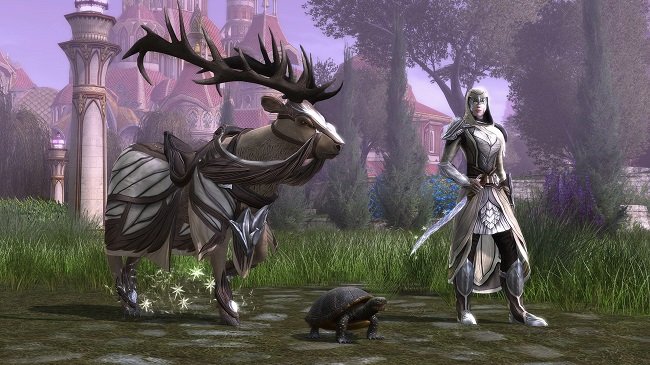
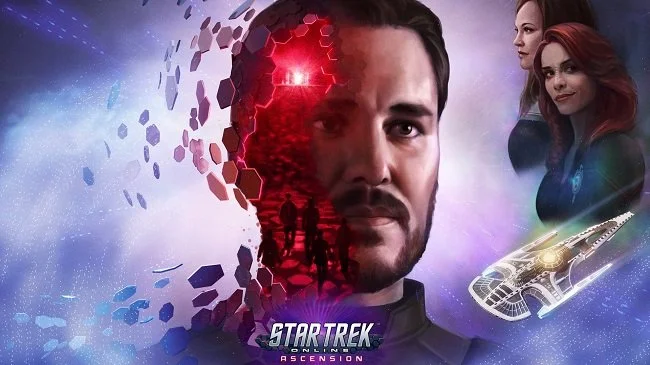
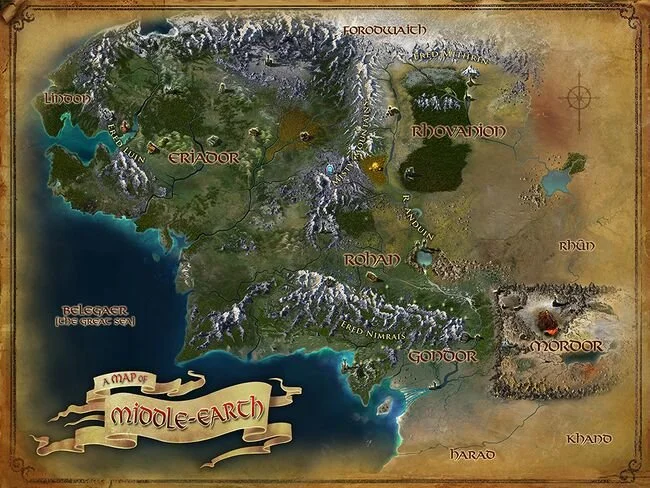
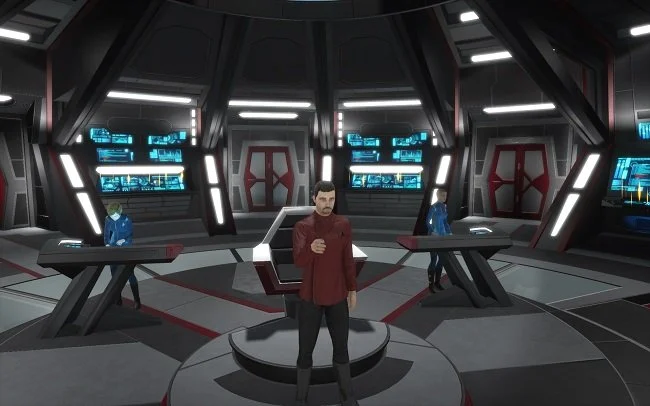
Alik’r Desert Dolmen Farming
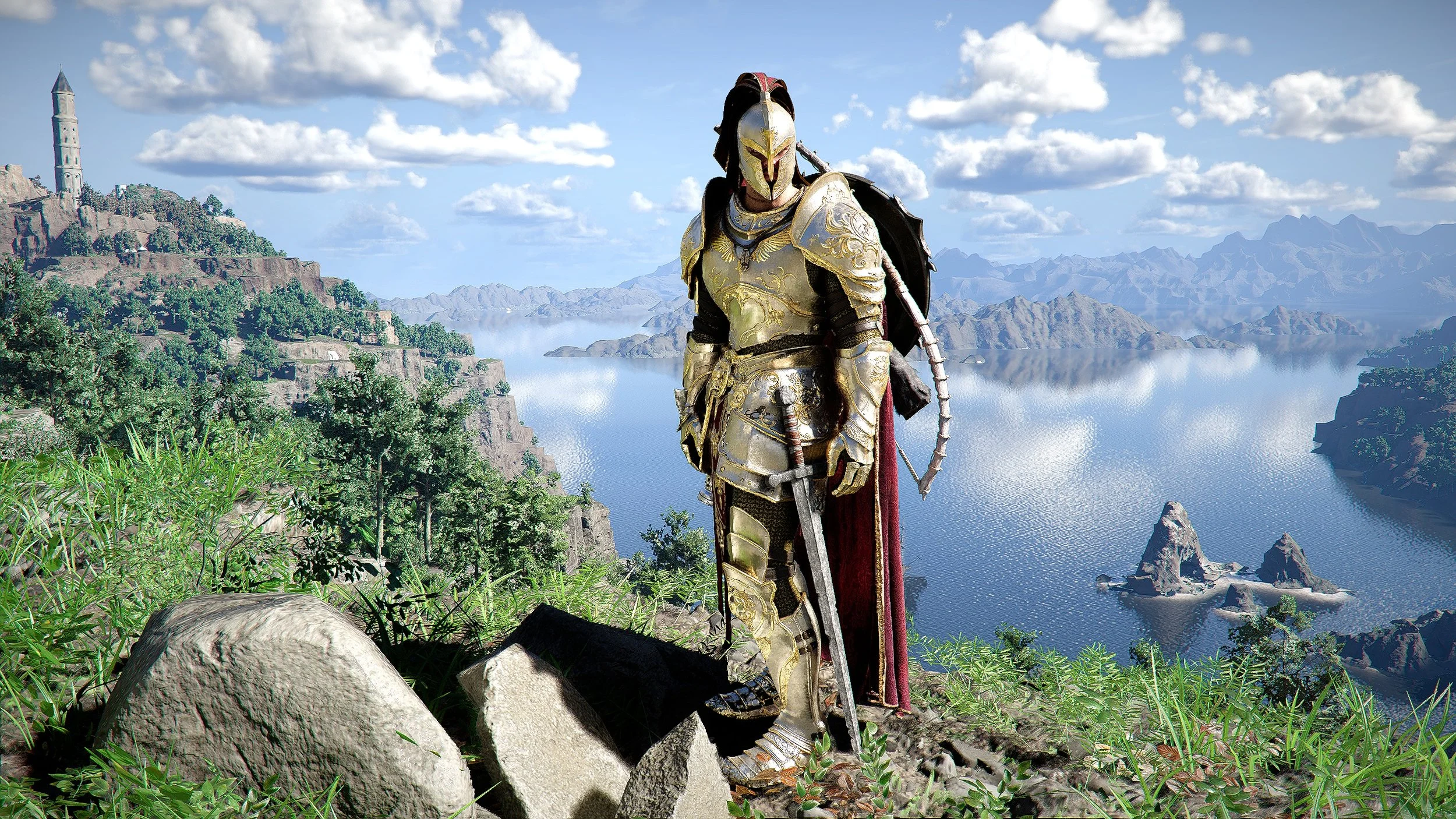
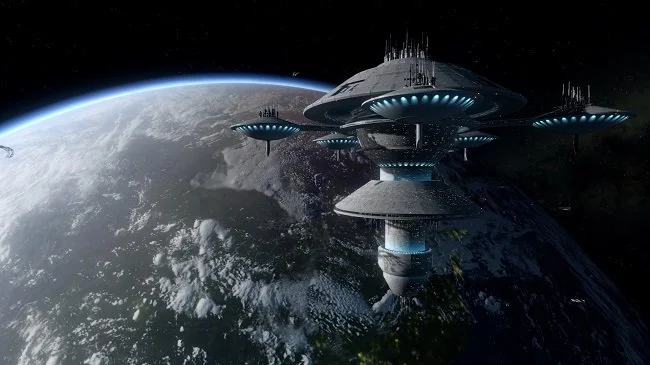
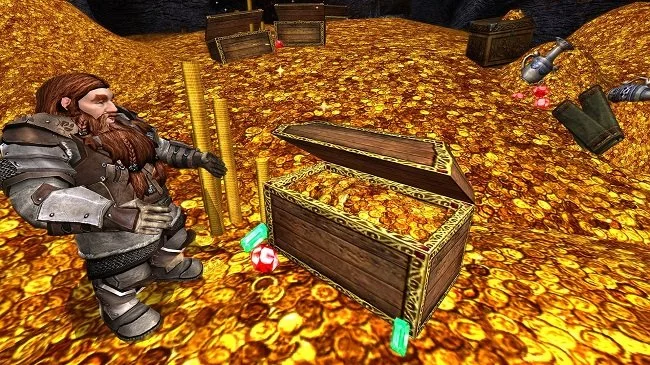
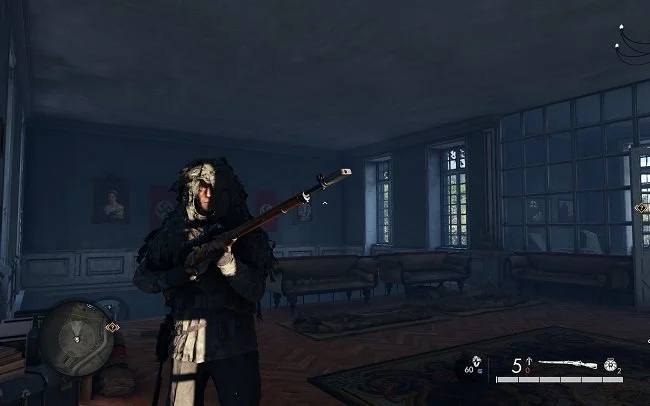
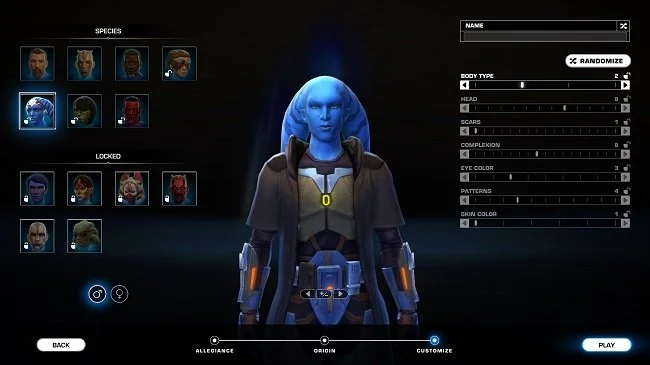
Back in 2014 when I was still regularly playing Guild Wars 2 a popular way to level up quickly, as well as grind various rewards, was to join the Queensdale Champion Train. The region was home to multiple Champion level bosses and groups would farm these for hours on end. On arriving in Queensdale, if you wished to join the “train” and farm the various bosses, it was customary to ask “choo choo” in zone chat. You’d then be informed where the “zerg” was and you could catch up with it accordingly. Such are the quaint and esoteric customs associated with the MMO genre. The Queensdale Champion Train eventually got nerfed by ArenaNet and the bosses downgraded, so that it ceased being a viable undertaking. The reason I mention this is because I recently discovered a very similar set up in The Elder Scrolls online. Namely Alik’r Desert Dolmen Farming.
Back in 2014 when I was still regularly playing Guild Wars 2 a popular way to level up quickly, as well as grind various rewards, was to join the Queensdale Champion Train. The region was home to multiple Champion level bosses and groups would farm these for hours on end. On arriving in Queensdale, if you wished to join the “train” and farm the various bosses, it was customary to ask “choo choo” in zone chat. You’d then be informed where the “zerg” was and you could catch up with it accordingly. Such are the quaint and esoteric customs associated with the MMO genre. The Queensdale Champion Train eventually got nerfed by ArenaNet and the bosses downgraded, so that it ceased being a viable undertaking. The reason I mention this is because I recently discovered a very similar set up in The Elder Scrolls online. Namely Alik’r Desert Dolmen Farming.
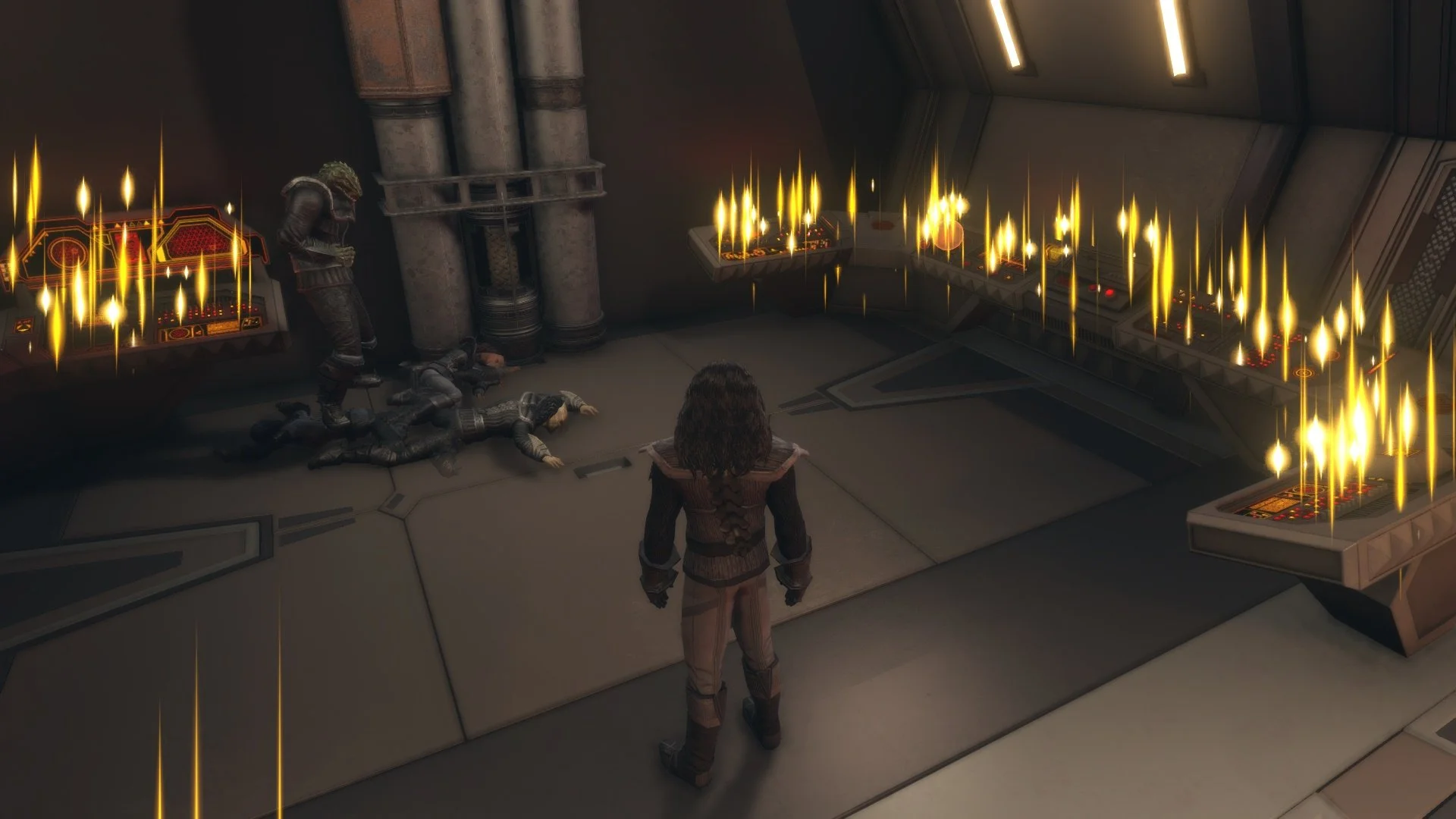
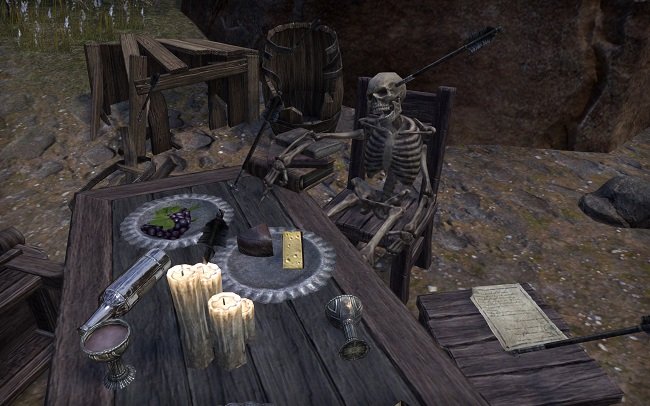
For those who don’t know, here is a brief explanation of how this player driven event works. Dark Anchors or Dolmens are specific places where the forces of Molag Bal set an "anchor" point to pull Tamriel into Coldharbour. Each zone has 3 Dolmens (except Cyrodiil). The Dark Anchors are activated when fanatical cultists spawn around the Dolmen and begin incantations to open them. Once active these become world events. You can see the effects and hear the incantations from far away, and a horn will sound when the portal is opened. Evil forces then mount an incursion which has to be repelled. Once the event has finished and the Dark Anchors closed, a chest spawns with various rewards. Naturally Dolmens can be used as a means to gain XP quickly and level up.
The reason the Alik’r Desert is popular for Dolmen farming is because there are wayshrines (quick travel teleporters) conveniently close to each location. The Aswala Stables Wayshrine is near to the Hollow Waste Dolmen, Goat's Head Oasis Wayshrine is well placed for the Myrkwasa Dolmen and Shrikes Aerie Wayshrine is at the foot of the hill of the Tigonus Dolmen. Furthermore, the Dolmen respawn quickly in this region and it is not to difficult to complete each and swiftly travel to the next. As with Guild Wars 2, if you enquire in zone chat, you can ascertain where the current “zerg” is. If you type “+ Dolmen” in chat you can potentially join any group farming in the area. Grouping increases XP gain by 10% and also shows the location of the group leader on the map.
I have spent some time recently farming Dolmen in this fashion and it certainly does allow you to level quite quickly. Because content scales in ESO, it’s not as if you out level the regular story quests in the game. Naturally some purist players will pooh-pooh this play style. There’s also the possibility that ZeniMax might nerf this situation in the future if they choose to. One of the reasons ArenaNet nerfed the Champion farming in Guild Wars 2 was because they felt that the “zerg” disrupted new players in what was essentially a low-level area. Whether a similar situation occurs in ESO remains to be seen. In the meantime, I’m going to “make hay while the suns shines” and continue to supplement my regular progression through ESO with such Dolmen farming.
The Commuter (2018)
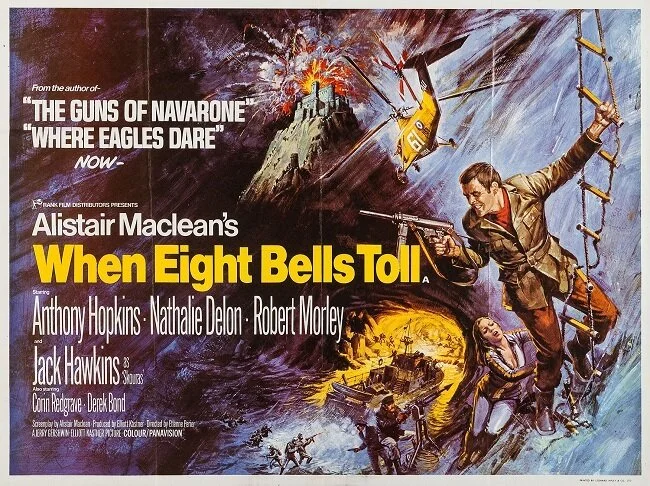
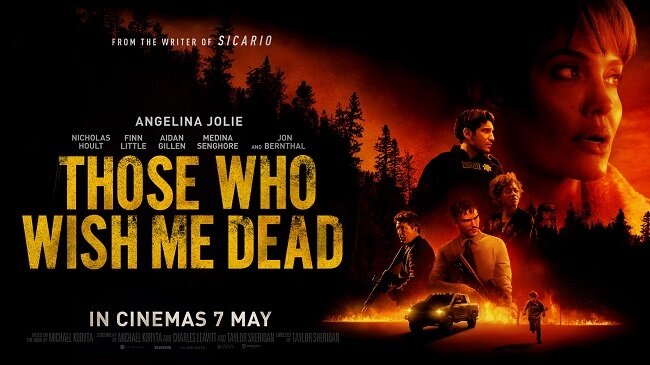
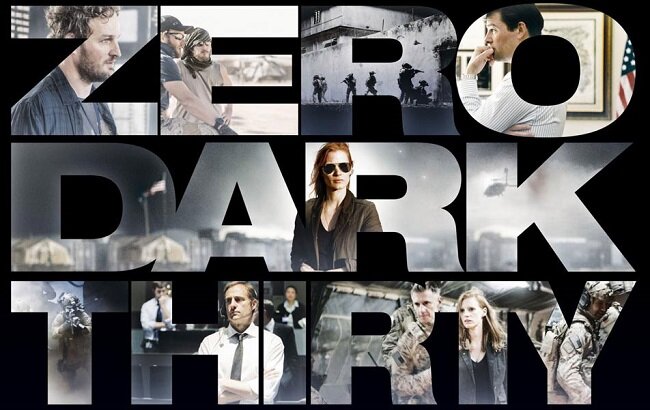
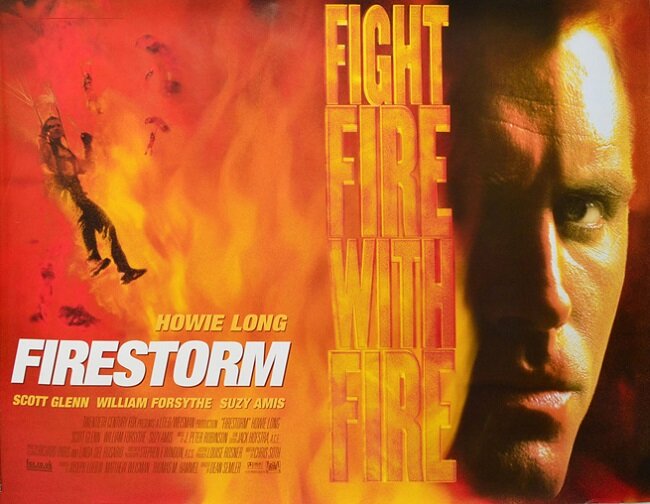
There are action movies. There are subsets of action movies such as the martial arts, heroic bloodshed and the “Die Hard on a [insert mode of transport here]”sub-genre. And then there are Liam Neeson action movies which are a unique a form of films in their own right. Because few actors have achieved what Liam Neeson has done. Some actors start their careers stuck in low budget, exploitation films, only to claw their way up the greasy pole until the wow us with a serious performance and effectively re-invent themselves as a quality character actor. Liam Neeson has done the reverse. After making his mark as a serious actor, with an Oscar nomination under his belt, he then took a serious change in direction to become an action movie star in his mid-fifties. In doing so he found himself a completely new audience and proved a star at the box office. It’s a curious yet strangely laudable achievement. This leads us neatly onto The Commuter. It’s Neeson’s swansong to the action genre, as he has subsequently announced that he’s retiring from this type of movie.
There are action movies. There are subsets of action movies such as the martial arts, heroic bloodshed and the “Die Hard on a [insert mode of transport here]”sub-genre. And then there are Liam Neeson action movies which are a unique a form of films in their own right. Because few actors have achieved what Liam Neeson has done. Some actors start their careers stuck in low budget, exploitation films, only to claw their way up the greasy pole until the wow us with a serious performance and effectively re-invent themselves as a quality character actor. Liam Neeson has done the reverse. After making his mark as a serious actor, with an Oscar nomination under his belt, he then took a serious change in direction to become an action movie star in his mid-fifties. In doing so he found himself a completely new audience and proved a star at the box office. It’s a curious yet strangely laudable achievement. This leads us neatly onto The Commuter. It’s Neeson’s swansong to the action genre, as he has subsequently announced that he’s retiring from this type of movie.
Our titular commuter is an insurance manager named Michael McCauley. He rides the train every day to a somewhat perfunctory office job. When Michael is made redundant just as his son is about to apply for colleges, he and his wife (Elizabeth McGovern) face financial ruin. However, he is thrown a potential lifeline when a mysterious woman played by Vera Farmiga, offers him a deal of Faustian proportions. All he has to do is use his skills to identify a passenger on board “who doesn’t belong”, mark them with a tracker and then walk away with a large sum of money in cash. He is given no further details and told not seek them. As she leaves our mystery lady hints that she knows that prior to his career in insurance, that Michael was a cop. However, all is not as it seems and Michael soon learns that’s he doesn’t really have a choice in the matter, as his wife has been kidnapped. However, this is a Liam Neeson movie and naturally our hero is not going to capitulate to the bad guys demands. Punching and mayhem ensues, a solid supporting cast are given nothing to do and logic goes out the window. Overall it’s a bit silly. However, it is also incredibly entertaining too.
The Commuter begins with in an impressive opening montage which references the changing seasons and varying weather conditions while travelling to New York City. It’s quite an artsy start to the movie which briefly kindles a fool’s hope that this may be a more complex and cerebral action movie. However, the overly complex set up soon dispels any notions of this. Furthermore, once the tortuous plot has been established, it is quickly jettisoned and as the movie progresses, the narrative contradicts and confuses itself further. However, all of this is mitigated by Mr Neeson punching, hitting and bludgeoning sundry bad guys while wisecracking like a Roger Moore tribute act. In a selfless attempt to mitigate the sheer incredulity of a man of Neeson’s mature years fighting his way through an army of mercenaries, the screenplay features several scenes where he references his own age “ironically”. It’s all like an ultra-violent version of Poirot, whose suffering from existential angst. However, beating someone with an electric guitar proves to be somewhat therapeutic.
The Commuter marks the fourth collaboration between Neeson and director Jaume Collet-Serra; a curious film maker who seems to have created and filled a niche market in the action genre, somewhere between Tony Scott and Antoine Fuqua. His films, include Neeson’s Unknown (2011), Non-Stop (2014) and Run All Night (2015). The Commuter is an unashamed variation on an established theme. Not only does Collet-Serra plagiarise classic elements of the action genre but he even plunders his own back catalogue. To call The Commuter Hichcockian would be far too generous, possibly even libellous. If you take a moment to step back and logically assess what is happening, you will find yourself wondering how anyone would choose to finance such a preposterous load of arse gravy. Yet, there is a single mitigating factor that defuses any incredulity the viewer may have and absolves them of any guilt they may have for watching. And that is Liam Neeson; a man who punches wolves, is Lion Jesus and fights trains. I don’t know of any actor currently at work in Hollywood who has such public goodwill. So go see The Commuter and rejoice in the high-concept of a sexagenarian action star.







Beta Testing Dauntless
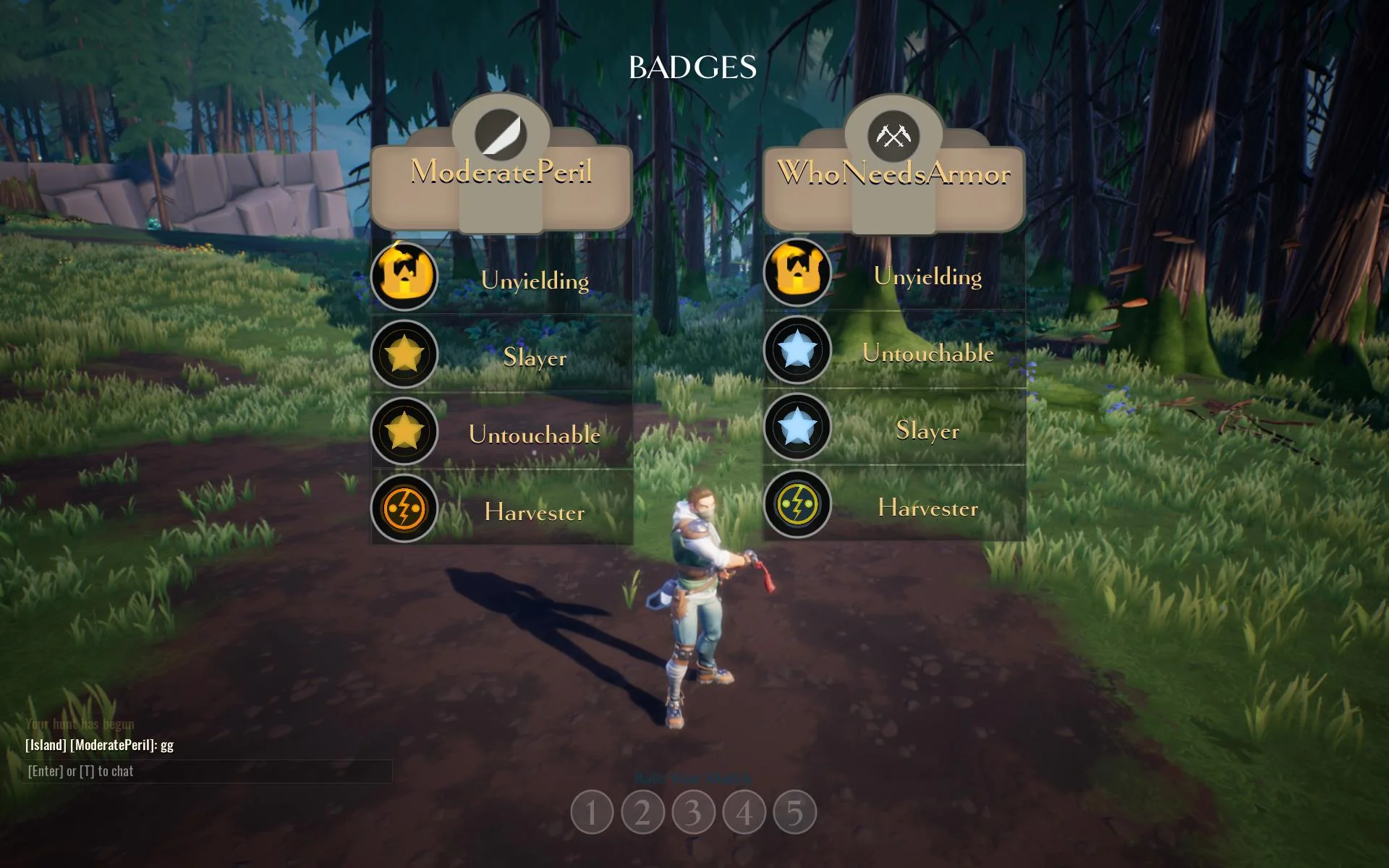
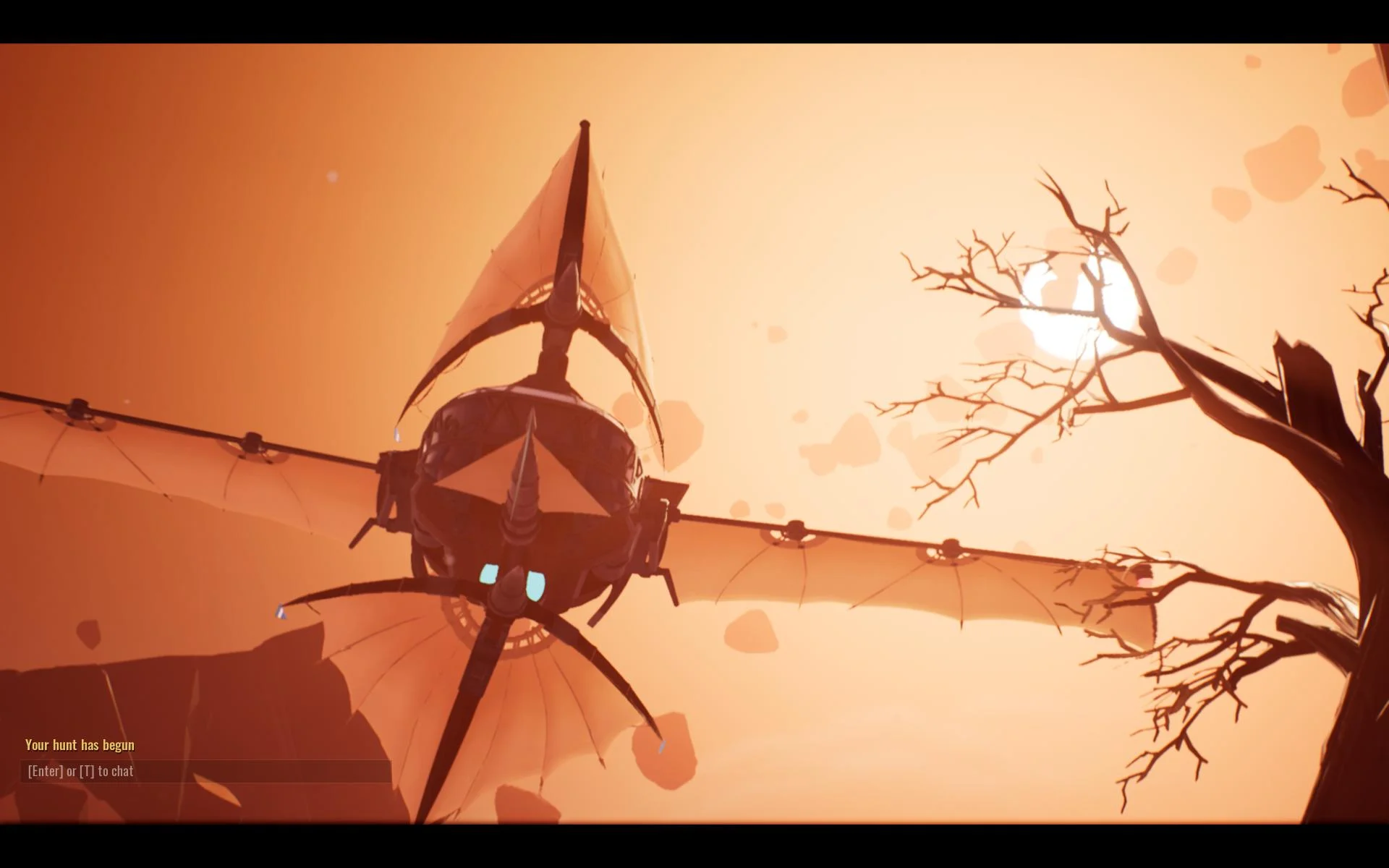
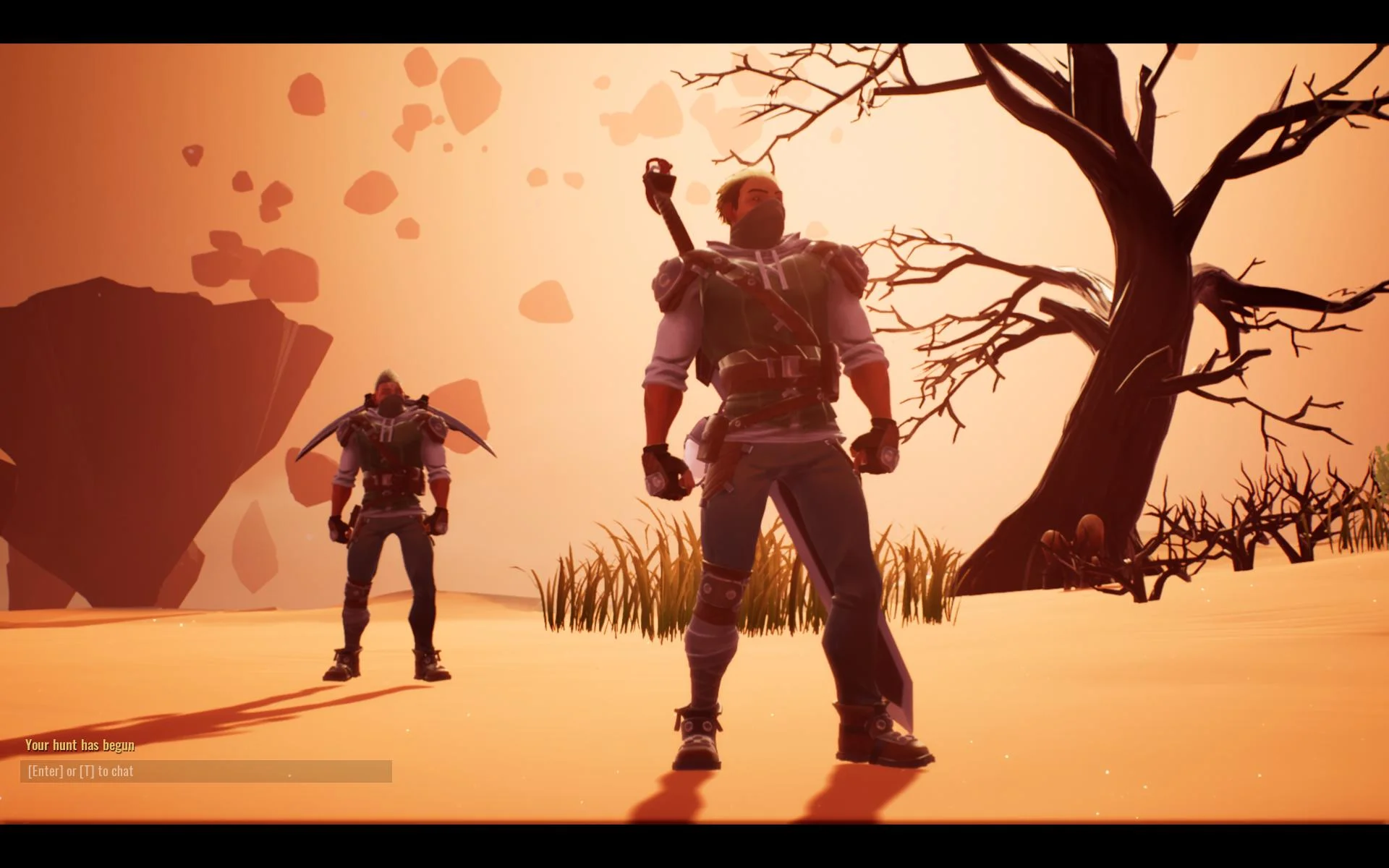
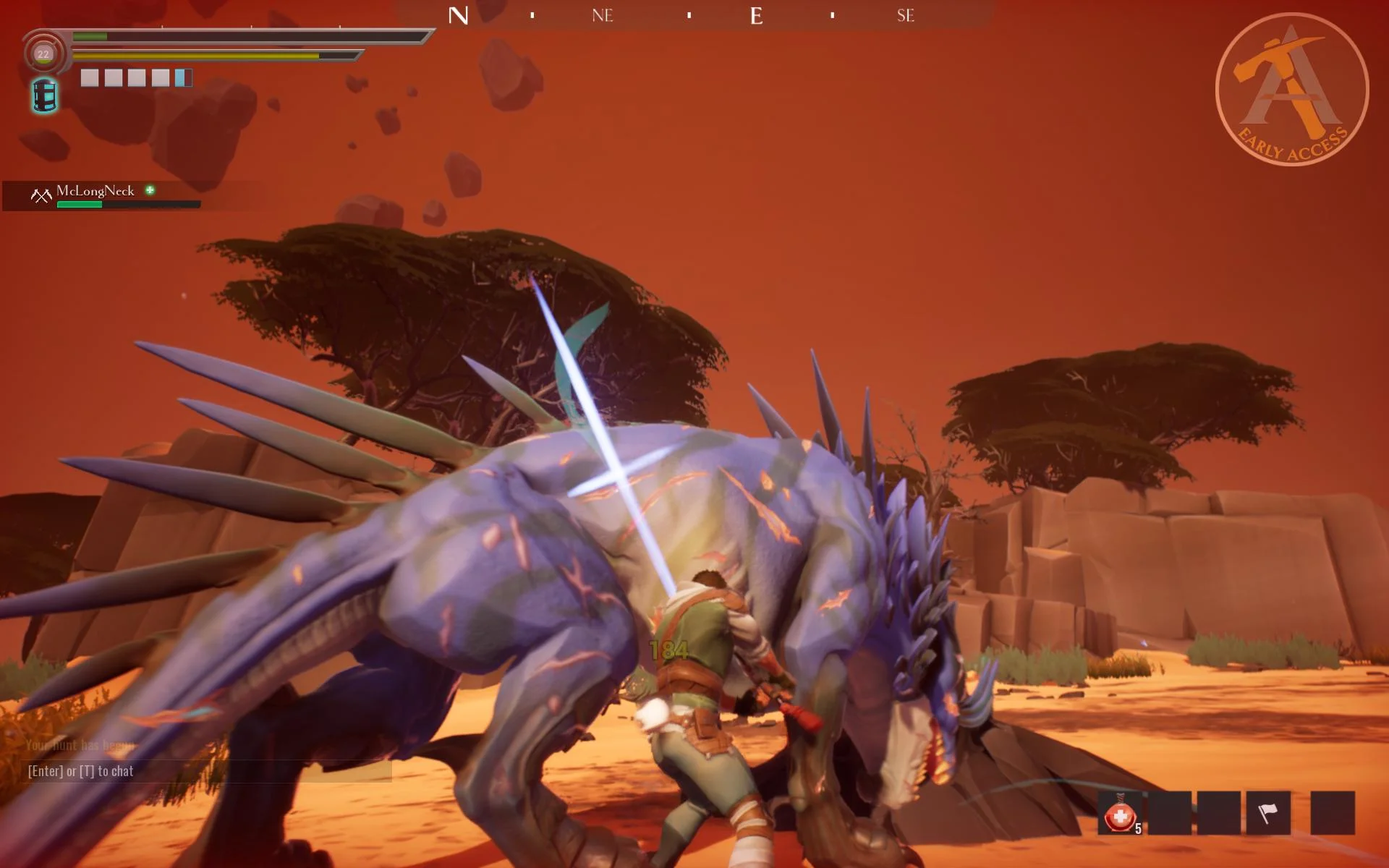
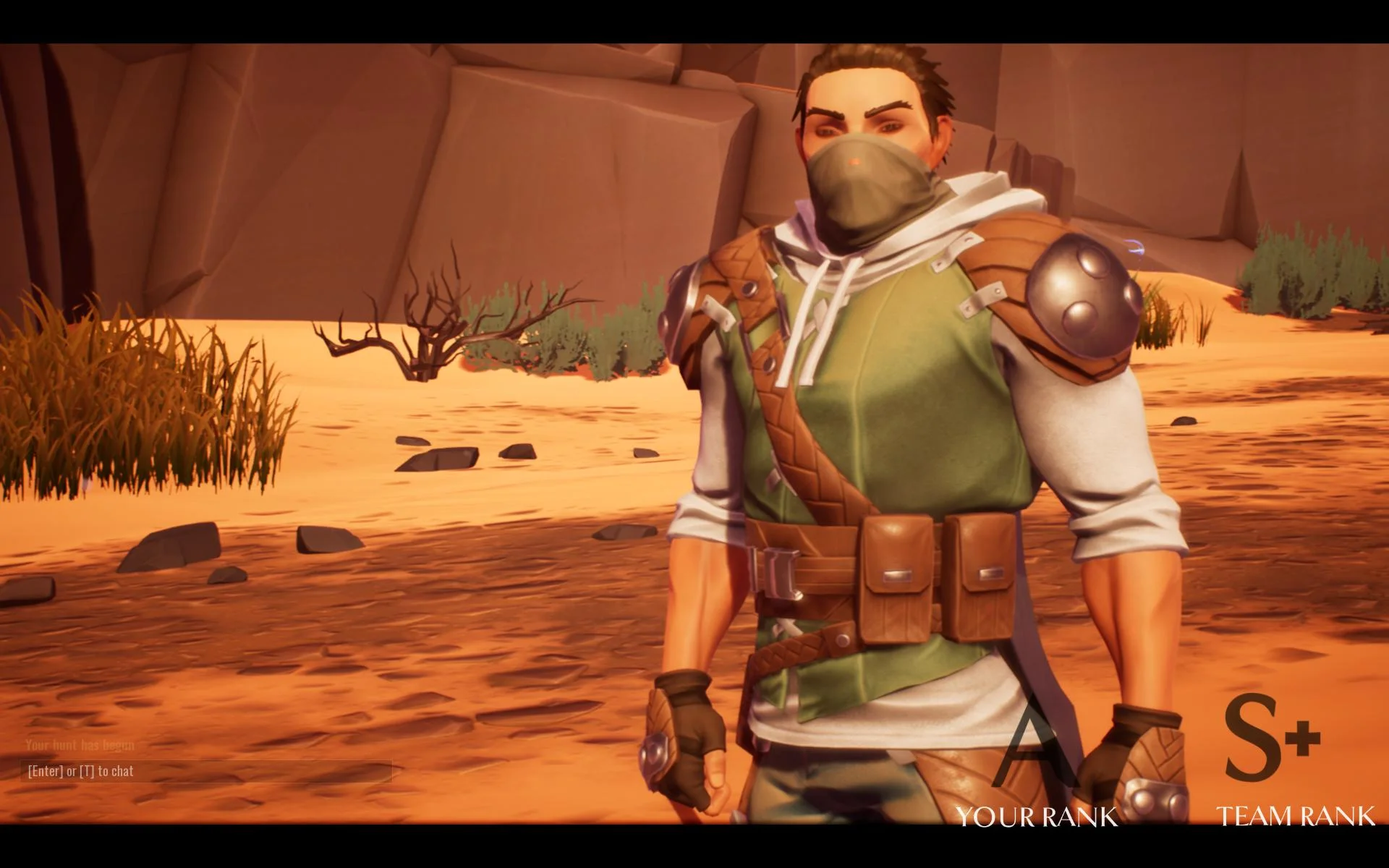
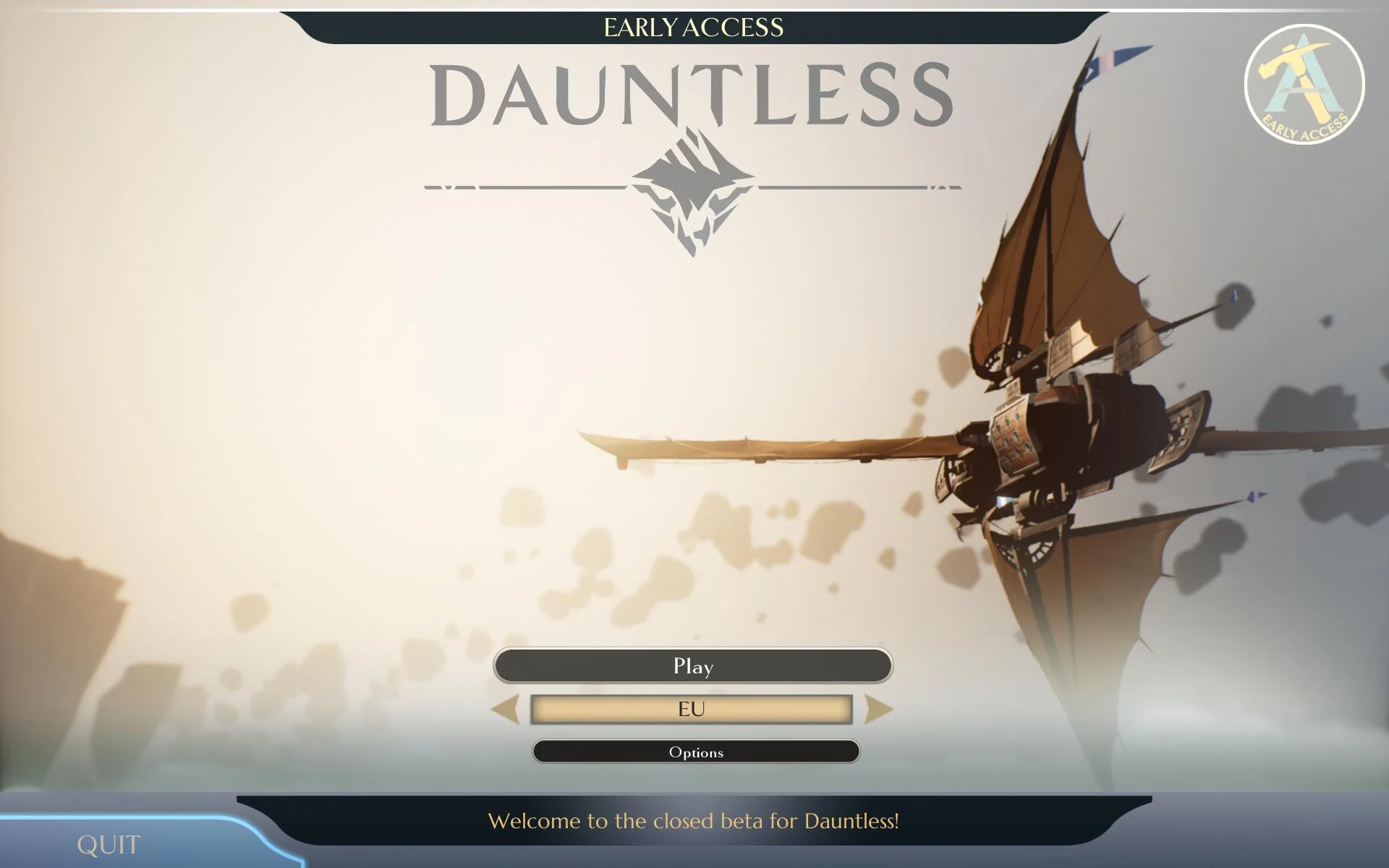
Dauntless is a game based on reading the signs and reacting quickly. If you prefer to simply mash buttons then you’ll find yourself on a hiding to nothing. This co-operative fantasy-based RPG is set in a time when cataclysmic event has torn the world apart, releasing gigantic beasts that prey on the surviving humans. Players take on the role of Slayers who hunt these Behemoths, collecting loot that they use to craft and upgrade weapons. When hunting, the game plays as a third-person action game with players using a combo system to attack, while monitoring their own health and stamina gauge. Such hunts can take upwards of twenty minutes of in-game time to complete. The game can be played both as single player or co-operatively with up to four people. If your team works collaboratively, has the right gear and is au fait with reading the Behemoths body language, then Dauntless is an immensely enjoyable endeavour.
Dauntless is a game based on reading the signs and reacting quickly. If you prefer to simply mash buttons then you’ll find yourself on a hiding to nothing. This co-operative fantasy-based RPG is set in a time when cataclysmic event has torn the world apart, releasing gigantic beasts that prey on the surviving humans. Players take on the role of Slayers who hunt these Behemoths, collecting loot that they use to craft and upgrade weapons. When hunting, the game plays as a third-person action game with players using a combo system to attack, while monitoring their own health and stamina gauge. Such hunts can take upwards of twenty minutes of in-game time to complete. The game can be played both as single player or co-operatively with up to four people. If your team works collaboratively, has the right gear and is au fait with reading the Behemoths body language, then Dauntless is an immensely enjoyable endeavour.
Dauntless is currently in beta and is still a work in progress. However, it is regularly updated and the version that I played this afternoon is by far the most complete game experience I’ve had so far. It still lacks things like a mini map but the developers, Phoenix Labs, have certainly been busy focusing on the nuts and bolts of the game, such a weapon damage and the various combination moves. I also feel that there’s a more tangible difference between the various weapon types. They’re becoming more distinctive with their special second attacks, and making a choice now seems less arbitrary. The Chain Blades with their evasive grapple and teleport-dash are now a good choice for players who don’t favour such a full-on melee style of combat. There are potions and other boosts to craft which you can utilise to your tactical advantage. However, Dauntless does not have the excessive intricacies of other games of this genre.
Obviously, since it was announced Dauntless has been constantly compared to Monster Hunter: World. However as ever with games, this is was a classic apple versus orange scenario. Dauntless is easier to solo, for one thing, though the developer is still working on the best way to optimise the single player experience. I believe there was an experiment with bots in the closed alpha but it proved unpopular. As it stands in the current iteration of the game Dauntless scales according to group size. There are also certain weapons that are more effective against specific Behemoths. Yet conversely, there are no support only weapons and success in the game is no dependent solely on having a balanced team. Dauntless takes a flexible approach to consumables which are mainly focused on AOE heals, buffs and debuffs rather than the precise use of special ammunition or traps. There is also no risk of friendly fire.
At present Dauntless does not feature an enthralling storyline. What’s in place is functional and serves a purpose, guiding the player to the appropriate quests. The only major decision the story offers in this build is what faction to join. But I don’t see narrative being a primary selling point for Dauntless. This is a game about going head-to-head with beats with nasty sharp pointy teeth. The Behemoths are the stars of the game, particularly the Shrike, which conjures up the memory of Ori and the Blind Forest. The minimalist art style actually suits the needs of the game and the procedurally generate landscapes are also creative. Usually the fantasy genre is flamboyant in its use of colour but Dauntless favour a very organic use of pastel shades. There is one trade off when using procedurally generated environment and that is it negates any facility to explore, beyond simply doing so to gather.
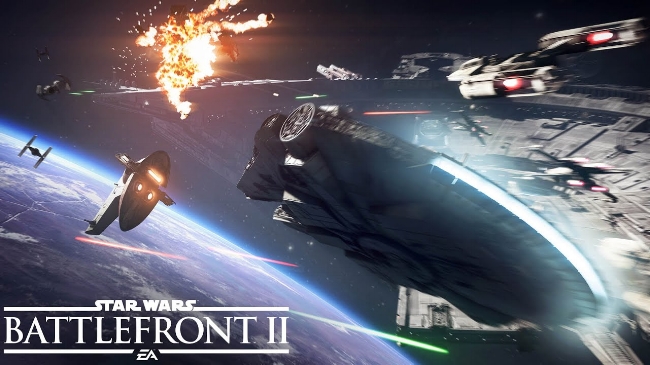
As a F2P game, Phoenix Labs has to find an appropriate means to monetise Dauntless. Since the Star Wars: Battlefront II debacle, the developers have decided to remove loot boxes from the game Phoenix Labs said that this isn’t “entirely reactive” to the recent turn against the free-to-play system but admit they’re “not deaf” to the backlash. Across the industry, developers and organisations like PEGI, the FTC, and the UK Gambling Commission, are being asked to take a stand for or against loot boxes. Phoenix Labs have indicated they wish to follow a model similar to Warframe and Path of Exiles “where you choose the things that you're purchasing.” The developers describe this approach as “a lot more player-first.” Obviously, it is prudent to reserve judgement until the final release of the game, which should be later this year. However, so far developers Phoenix Labs do seem to be responding to their players needs in an equitable manner.
Cowboys & Aliens: Extended Edition (2011)
Jon Favreau’s genre mashup Cowboys & Aliens embodies Hollywood’s current penchant for the high concept movie. I imagine when this film was pitched to the executive board at the studio, it was only a matter of seconds before it was given the green light. The western in recent years has become a commercially viable genre once again. Plus, anything with aliens usually strikes gold at the box office. Put them together with a director who has a track record of producing commercial successful material (Iron Man, The Jungle Book) along with several bankable box office stars (Daniel Craig, Harrison Ford) and you’ll definitely have a winner on your hands? Except on this occasion the movie was received poorly by both the critics and the public alike. With a production cost of $163 million, Cowboys & Aliens only made $178 million worldwide. So what exactly went wrong?
Jon Favreau’s genre mashup Cowboys & Aliens embodies Hollywood’s current penchant for the high concept movie. I imagine when this film was pitched to the executive board at the studio, it was only a matter of seconds before it was given the green light. The western in recent years has become a commercially viable genre once again. Plus, anything with aliens usually strikes gold at the box office. Put them together with a director who has a track record of producing commercial successful material (Iron Man, The Jungle Book) along with several bankable box office stars (Daniel Craig, Harrison Ford) and you’ll definitely have a winner on your hands? Except on this occasion the movie was received poorly by both the critics and the public alike. With a production cost of $163 million, Cowboys & Aliens only made $178 million worldwide. So what exactly went wrong?
Cowboys & Aliens is a flawed movie. The two genres actually intersect far less on screen that you expect. The explanation for the alien incursion on earth is somewhat weak, even by the standard of these sorts of movies, involving their requirement for gold. Furthermore, as the story proceeds it gets diverted on side issues associated with secondary cast members. However, instead of embellishing the story, it tends to slow the pace and adds nothing of substance to the narrative. There are sequences when the blending of the sci-fi and westerns genres works well but they are mainly action scenes. Obviously with a film of this budget you cannot fault the technical aspects of the production. The alien design and associated culture is very well realised. Yet the movie ultimately doesn’t meet one’s expectations. If you think about other western crossover movies like Red Sun, which featured cowboys and samurai, that too fell down in the same fashion as this one. Both films fail to balance the elements of their respective genres and spend to much time setting up the narrative rather than pursuing it.
The cast are one of Cowboys & Aliens greatest assets, although some are somewhat squandered. Daniel Craig and Harrison Ford carry the production by their screen presence. One smoulders in a minimalist fashion, while the other exudes that gruff cynicism that seniority brings. The remainder of the quality cast are not quite so lucky as they’re given precious little to work with. They serve to expedite the story and no more. This is a criminal waste of fine character actors such as Keith Carradine, Clancy Brown and Sam Rockwell. And when we are presented with a scene that should be pivotal to the story arc and the emotional development of the characters, it tends to fall flat rather than resonate with any dramatic impact. Favreau seems to be far too interested in all aspects of the production, bar the performances. When you consider the writing credits, consisting of Roberto Orci, Alex Kurtzman, Damon Lindelof, Mark Fergus and Hawk Ostby, it does indicate that the screenplay has gone through numerous iterations and revisions. Certainly, the movie seems to have strayed from the source graphic novel.
Those who will get the most out of Cowboys & Aliens will be viewers who are less familiar with the sci-fi genre. So many of the ideas and concepts present in the film have been done before and unfortunately for this movie, done better. So many questions and ideas are raised by the story but go unexplored or are just glossed over. What it does provide is adequate genre movie making in the modern idiom, that is sufficiently entertaining for those who are undemanding. It sadly does nothing more which is a damn shame, as this could have been a far better movie in the hands of more experienced film makers. Someone with a track record of taking common ideas in new directions. Someone like Alex Cox, Walter Hill, or even Duncan Jones. What would they have brought to the proceedings? Sadly, at present Hollywood has too many directors who understand the mechanics of film making and can manage a complex effects driven production, but who seem to have lost a fundamental connection to the narrative cinema.
The theatrical version of Cowboys & Aliens ran for 119 minutes. The Extended Edition or Extended Director’s Cut at it was marketed in Europe, adds a further 16 minutes of material. This is mostly minor plot embellishments and character interactions. There are two additional scenes where wounds are treated but they are far from explicit. This longer version still falls within the parameters of a 12/PG-13 rating. Further details can be found at movie-censorship.com along with screen captures of the new material.
Insidious: Chapter 3 (2015)
Although I enjoyed Insidious: Chapter 2 it was somewhat constrained by the events of the first movie. It did it best to creatively extricate itself from the corner its predecessor had painted itself in to, but it didn’t really leave much scope for a direct sequel. Hence the producers wisely elected to follow the movie up with a prequel that explored an earlier case that crossed the path of psychic Elise Rainier (Lin Shaye). This change in direction proved surprisingly beneficial for the franchise providing an opportunity to meet new characters and a new antagonist. Despite being the third entry in the series, Insidious: Chapter 3 maintains the standard set by chapters one and two and proved to be a hit at the box office and with fans alike.
Although I enjoyed Insidious: Chapter 2 it was somewhat constrained by the events of the first movie. It did it best to creatively extricate itself from the corner its predecessor had painted itself in to, but it didn’t really leave much scope for a direct sequel. Hence the producers wisely elected to follow the movie up with a prequel that explored an earlier case that crossed the path of psychic Elise Rainier (Lin Shaye). This change in direction proved surprisingly beneficial for the franchise providing an opportunity to meet new characters and a new antagonist. Despite being the third entry in the series, Insidious: Chapter 3 maintains the standard set by chapters one and two and proved to be a hit at the box office and with fans alike.
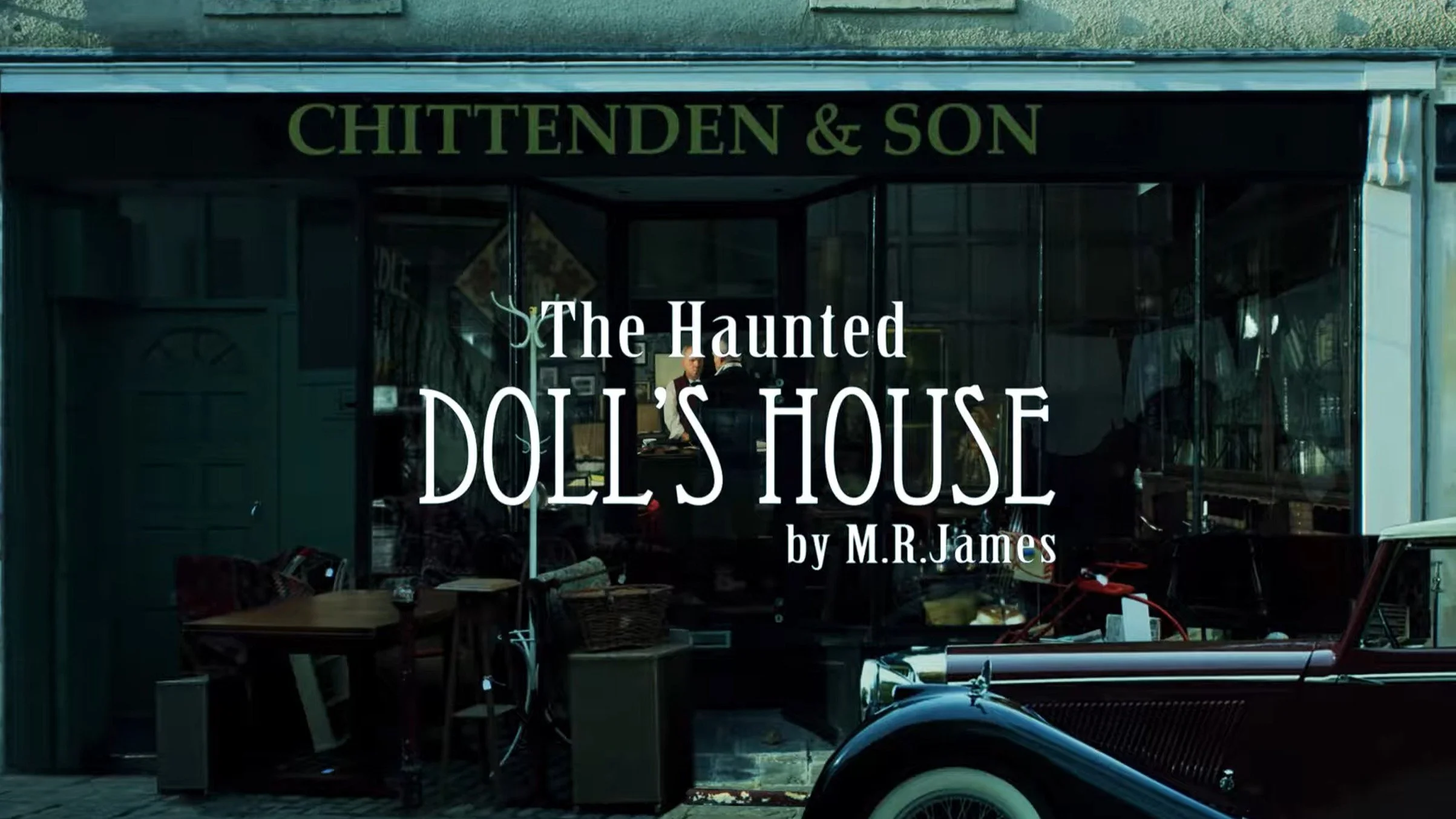
Several years before The Lambert Haunting, retired psychic Elise Rainier reluctantly helps teenager Quinn Brenner (Stefanie Scott) contact her dead mother, Lillith, who died the year before. However, she urges Quinn not to try and contact her mother again after sensing a malevolent force. Subsequently, Quinn starts seeing a mysterious figure who waves to her. After attending an audition for a school for performing arts, Quinn is distracted by the figure, leading to her being knock down by a car, leaving her bed ridden with two broken legs. Further supernatural events occur, and it soon become apparent that “the man who cannot breathe” has sinister intentions. Quinn’s brother suggests that perhaps the amateur internet demonologists Specs and Tucker (Leigh Whannell and Alex Sampson) can help, but the case proves to be beyond their experience. As matters get worse, it becomes clear that the only person who can help Quinn is Elise.
Insidious: Chapter 3 creates a sinister atmosphere within its urban setting. The apartment block in which the story is set is suitably gothic in its state of disrepair. The new supernatural antagonist is surprisingly creepy and there are several scenes in which “the man who cannot breathe” is effectively used. The oily black foot prints that appear are eerily disturbing. As with many modern horror films, the emphasis is on jumps and scares rather than violence and these are delivered efficiently. What elevates Insidious: Chapter 3 above the average are an eclectic mix of characters that are surprisingly likeable. Stefanie Scott’s Quinn Brenner is not your standard caricature of a teenage girl and is a positive protagonist. Again, Lin Shaye does most of the heavy lifting as Elise Rainier. She once again delivers a compassionate, yet vulnerable performance and she holds viewers attention when on screen. There are also some droll moments with Specs and Tucker.
The movies strengths lie in the first two acts, with the building suspense and the sinister encroachment of the supernatural into an everyday environment. The denouement, which once again takes place in “the Further”, although well executed is a little too familiar. However, Insidious: Chapter 3 is overall an entertaining instalment in the series and certainly fairs better than the Ouija franchise. It is satisfying to see a genre of film that is heavily marketed towards a teen audience, prove successful due to the presence of an older character. The film also ends with a codicil that references the impending events of the first two movies and this circular narrative does provides a good sense of continuity. Considering all the commercial pressures that exist with regard to the horror genre these days, I do like The Insidious franchise and the way it has managed to create a niche for itself.








Video Games and Business Models
A recent roundtable podcast from Massively OP, along with a post over at MMO Bro, have both touched upon the thorny issue of business models for the MMO genre. Things have changed a great deal over the last two decades and we’ve come a long way from the days of the monthly subscription. Back then, purchasing a game and a subscription provided unfettered access to all content that was currently available. There were no cash shops, selling cosmetic items and convenience based items. You just paid, played and pursued your gaming. And because MMOs were a somewhat niche market pastime at this stage, this business model proved sufficient to sustain the market. However, improvements in graphics and processing power facilitated a new generation of MMOs, which coupled with the growth in home internet access, meant that the genre gained a wider popularity. However, gaining more customers and expanding your consumer base comes with its own set of problems and success can be a double edged sword.
A recent roundtable podcast from Massively OP, along with a post over at MMO Bro, have both touched upon the thorny issue of business models for the MMO genre. Things have changed a great deal over the last two decades and we’ve come a long way from the days of the monthly subscription. Back then, purchasing a game and a subscription provided unfettered access to all content that was currently available. There were no cash shops, selling cosmetic items and convenience based items. You just paid, played and pursued your gaming. And because MMOs were a somewhat niche market pastime at this stage, this business model proved sufficient to sustain the market. However, improvements in graphics and processing power facilitated a new generation of MMOs, which coupled with the growth in home internet access, meant that the genre gained a wider popularity. However, gaining more customers and expanding your consumer base comes with its own set of problems and success can be a double edged sword.
Early MMOs often lacked clearly delineated quests and quest hubs per se, relying upon players to figure out many of the logistical requirements to level themselves. This open world, sandbox approach along with a lack of hand holding meant that players had to be patient and prepared to invest time when playing. Increased popularity led to an influx of new players who weren’t necessarily as disposed to participate under such parameters. Hence the MMO became, for better or for worse, more casual friendly and progressing through content became more streamlined and procedural. As a result, developers soon found that some players would voraciously consume content and that new material could not be created to meet demand. Suddenly the subscription business model proved to be an Achilles Heel for the industry, as players with nothing to do unsubscribe.
Is this the only reason for the demise of the subscription business model? Over at the MMO Bro it is viewed with a distinct lack of nostalgia. They even argue that it perpetuated grind in game design. Yet grind is often present in all games of this genre regardless of the business model because developers simply cannot produce content fast enough. The example of WoW cited in the post may be true, but it isn’t necessarily applicable to other games. I have revisited my notes and blog posts from the days when LOTRO, STO and SWTOR were subscription games and they didn’t strike me as excessively grindy at the time. The amount of content available in an MMO is also dependent on your point of entry into a game. I have recently started playing ESO again, and there is plenty of material for me to explore. However, if you have been playing continuously since launch, then that may not be the case.
As for the “spit in the face of loyalty” allegation, it’s sadly no different from other subscription services and is frankly a reality of life, regardless of moral rectitude. If you stop paying for Netflix, then you cease to have access to the service. People don’t quibble about this, so what makes MMOs so different? The F2P business model theoretically allows you to technically keep playing a game after you cease paying, but often the reduction of service will hobble the player. It also depends on the game and their particular approach. Although I agree that customer loyalty should count for something, we live in a world where more often than not is doesn’t, so complaining about it in these circumstances seems somewhat illogical. I also think that the argument that subscribing to an MMO locks you in, thus reducing the likelihood of you trying other titles is purely subjective. I cannot effectively play more than three MMOs simultaneously and frankly the notion of a subscription focusing me on a single title is possibly a good thing, due to the good old “sunk cost” fallacy.
I have never seen the purpose of a subscription or any particular business model to provide customers with a level playing field. I consider it merely as a fee to access content. The whole level playing field concept was born from a time when MMOs were niche market products and more imbued with the egalitarian motives of some of their developers. This philosophy is often incompatible with business needs. Furthermore, I come from a generation that bought products and considered a sense of ownership to be important. However, times change whether we like them or not, and now the notion of selling a product to the customer just once and not receiving any additional revenue is no longer favoured. Hence we face the age of “everything as a service” with add-ons and upgrades to suit your needs. But there are consequences to changing your approach to business. The subscription business model discouraged transient players or those who only wish to troll and disrupt. Removing barriers may increase revenue but can impact upon the quality of a player base and community. F2P viewed from certain perspectives can be compared to removing security from the night club door.
I believe the main reason the subscription model was replaced wasn’t due to any ethical, moral or philosophical failings. It was simply due to economics. All business models are usually conceived for the benefit of the shareholders first and the customer second. Subscriptions didn’t die due to gamers campaigning against them. The model failed due to the old conundrum of supply and demand. F2P and B2P hybrids with cash stores and optional subs with benefit, simply buy the developers more time by attracting a wider client base. One that isn’t as hardcore as some old school subscribers. Overall this is a tale of changing economics and not much else. New technology is another culprit in forcing business to radically overhaul long established practices. The digital age is slowly replacing ownership of physical items with the provision of services. Subscriptions were merely a convenient solution for the games of the time. To ascribe them any further attributes or view them with more sinister motives is possibly a mistake.
Why Does the Games Industry Seem So Dysfunctional?
Write here...If you take a look at video game industry at present, it isn’t exactly enjoying universally good PR. 2017 saw numerous damaging revelations such as the “loot box” debacle, several high-profile studios going to the wall (and not just because of financial mismanagement), and more recently there have been serious allegations of bullying and sexual harassment within several high-profile studios. Despite being a “modern” industry it seems to have all the flaws of those that have existed for centuries with respect to abuses of power and financial skulduggery. This raises the question "why does this industry seem so dysfunctional?" Just because gaming is a multi-billion-dollar business we naturally assume that successful companies are efficiently run, by competent captains of industry as well as skilled and professional staff. It is therefore confusing when this illusion is shattered due to evidence to the contrary. This begs the question, why do these institutions so often have metaphorical feet of clay?
If you take a look at video game industry at present, it isn’t exactly enjoying universally good PR. 2017 saw numerous damaging revelations such as the “loot box” debacle, several high-profile studios going to the wall (and not just because of financial mismanagement), and more recently there have been serious allegations of bullying and sexual harassment within several high-profile studios. Despite being a “modern” industry it seems to have all the flaws of those that have existed for centuries with respect to abuses of power and financial skulduggery. This raises the question "why does this industry seem so dysfunctional?" Just because gaming is a multi-billion-dollar business we naturally assume that successful companies are efficiently run, by competent captains of industry as well as skilled and professional staff. It is therefore confusing when this illusion is shattered due to evidence to the contrary. This begs the question, why do these institutions so often have metaphorical feet of clay?
To start let me declare my own background as my own experiences are relevant to this discussion. I have worked in IT for over twenty-five years in both the private and public sector. I started in first line support and worked my way up to running my own consultancy, from which I retired in 2016. I have worked for companies such as HP, Symbian and government departments such as the NHS as well as the DWP. I have been directly involved in several national projects, some of which have been successful while others have failed miserably. None of these situations are identical to the gaming industry, but I believe there are a lot of similarities between the way big businesses work and make decisions. I also read a lot about the gaming industry and at times find it a lot more interesting than the actual products that they develop. This has often been the focus of our discussions here at Contains Moderate Peril both in posts and on the podcast. Therefore, when I read stories about the iniquities of the gaming industry, I often view them through the prism of business, rather than fandom.
So, returning to the initial question of dysfunction, I would argue that the gaming industry is no different from any other major business or governmental entity. Politics, big business and the entertainment industry are as equally rife with the same problems you will find with smaller employers. In fact, I think a lot of people would be surprised at the similarities. Both ends of the spectrum have issues with under qualified staff, office politics, feedback loops, laziness and that social phenomenon that is “square pegs in round holes”. The latter group seems to be subject to a quota system that no company is excused from. Despite rigorous recruitment processes, there always seem to be a small percentage of wildcards that somehow seem to slip through the intense screening. Or alternatively, we later discover that the screening isn’t that thorough to begin with. Then of course there is the Dunning-Kruger effect which impacts on all social groups both in and outside of business. It is possibly one of the commonest problems of our time.
The problem is that the general public erroneously assumes that successful big companies have gained their status through efficiency and vision; that their internal business structure is a model of the best methodologies and practises. Sadly, this is often not the case. Corporations suffer from the same flaws as smaller enterprises but have the advantage of monopolies, more effective marketing and sheer momentum due to their monolithic size. Then there is of course the concept of being "too big to fail". Often a major business will be granted a lot more leeway by during difficult times because of their overall potential. Creative accounting is also a factor, as having a legion of financial experts and financiers at your beck and call, means that you can present a positive financial image, whether there is one or not. Smaller companies cannot hide behind such smokes screens as easily.
As consumers, need to take a lot of people and companies off the pedestals on which we've been placed them. This is especially relevant to gamers where the cult of personality and brand loyalty still hold sway. We also have to make a clear distinction between the creative staff within a business and those in senior management. One group may well care more for the end product, while the other has a totally different agenda and more financially orientated goals. It is also prudent to consider the issue of size. I have found that the successful management of people decreases exponentially as the size of that group grows. There is also a wealth of data available on all the inherent flaws of managing staff via a traditional business hierarchy. Ironically, a lot of the attributes that are encouraged to be successful in modern business, actually seem contrary to the moral and ethical behaviour we expect in a civilised society. It is this paradox that seems to be the Achilles heel of all business, regardless of their nature or size.
So next time we find ourselves surprised by some example of big business making bad decisions, take a moment to reflect upon the following. The launch of “New Coke” in 1985, Kodak’s failure to market digital cameras despite being a leader in its development, and Blockbusters rejection of a buyout by Netflix in 2000. In light of these, it is hardly surprising when you discover that the developer of your favourite MMO has clumsily handled a PR situation, or not listened to player feedback. It’s not gaming as an industry that is dysfunctional per se, but the fact that so many gamers have a skewed perspective of it. We make judgements with our hearts and fail to use whatever sense of business acumen we may have. We also tend to romanticise certain jobs because the end product is “cool”. Yet, if you visited a game developer’s offices, you’d probably find a work environment not that different from your own. Staff are more than likely grumbling about pay, the failings of the boss and Tim in HR. Ultimately it is that random human factor that breeds dysfunction, so it is inevitable that it spreads everywhere. So why should the games industry be any different?
Unstoppable (2010)
Tony Scott seemed to specialise in loud, bombastic, high octane action films. He was the master of the hi-tech set piece. His body of work succinctly encapsulated what commercial Hollywood is about. Why understate, when you can overstate. Why circumnavigate, when you can blow it up. Why talk when, you can shout. Yet despite these qualities, he often managed to walk the fine line between entertainment and sensory overload. Through strong casting and hardboiled yet dry screenplays, his overblown tales were frequently engaging and would prove a hit with both the audience and critics alike. It’s quite an achievement to when you think about, maintaining commercial success and retaining public goodwill.
Tony Scott seemed to specialise in loud, bombastic, high octane action films. He was the master of the hi-tech set piece. His body of work succinctly encapsulated what commercial Hollywood is about. Why understate, when you can overstate. Why circumnavigate, when you can blow it up. Why talk when, you can shout. Yet despite these qualities, he often managed to walk the fine line between entertainment and sensory overload. Through strong casting and hardboiled yet dry screenplays, his overblown tales were frequently engaging and would prove a hit with both the audience and critics alike. It’s quite an achievement to when you think about, maintaining commercial success and retaining public goodwill.
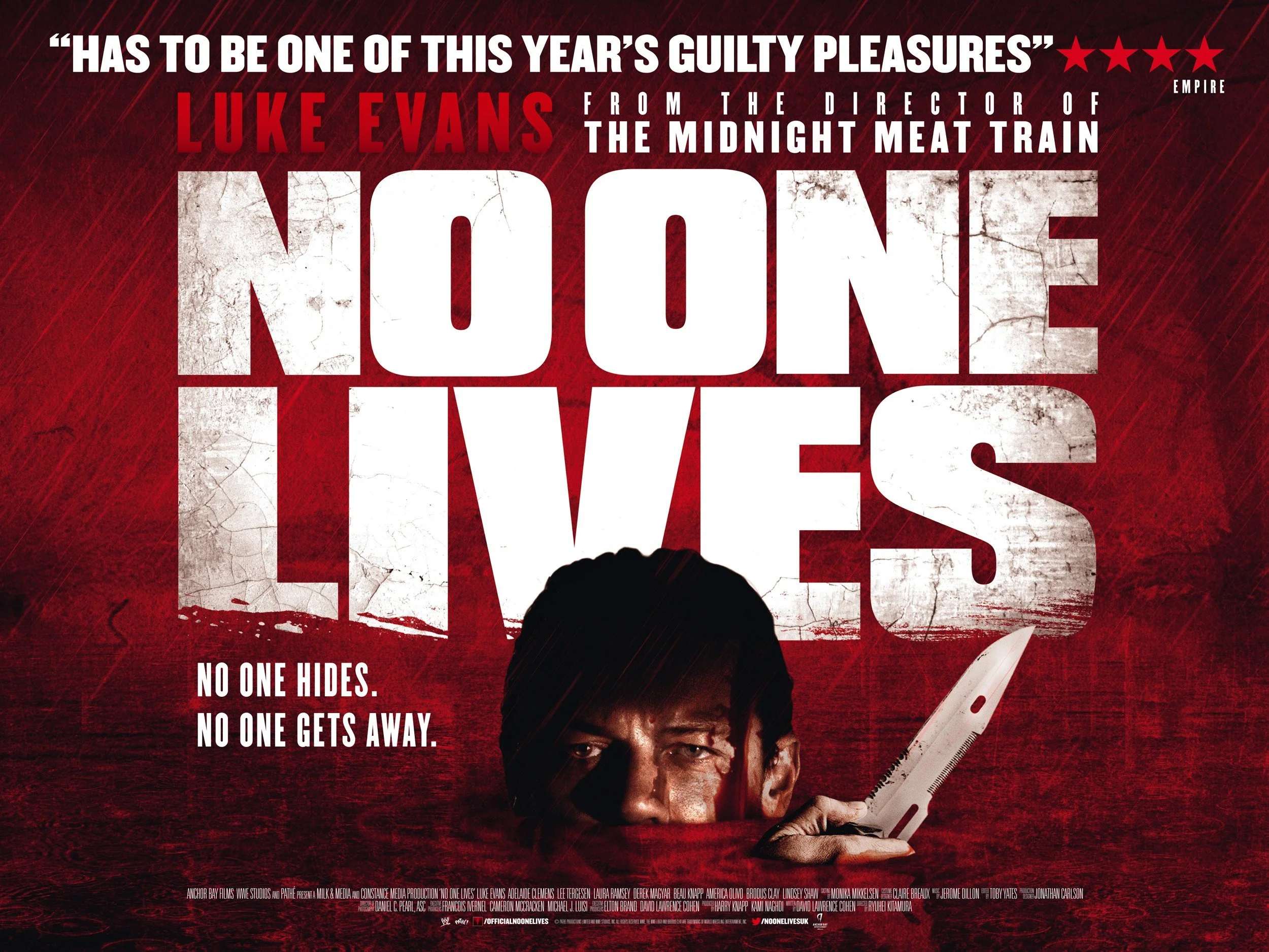
So, bearing this in mind, I decided to watch Unstoppable, the last movie that Scott directed. We can dispense with a detailed plot analysis of Unstoppable. This is a runaway train movie. Every cliché you can think off associated with this situation and the disaster genre per se, is thrown into the mix. Chris Pine and Denzel Washington play the blue-collar heroes. It is the standard sensei and pupil relationship. Kevin Dunn is the corporate lickspittle for the train owners. Rosario Dawson, the feisty rail traffic controller. Shame they couldn't work Helen Hayes in somewhere. Breaks slip, trains race out of control, shouting ensues. It’s all exactly as you’d expect and what modern budgets and contemporary FXs will allow.
It serves no purpose to start picking holes in the plot, which are numerous. This is Hollywood and therefore the screenplay is not designed to be scrutinised rigorously. The film is allegedly based on real life events, but the similarity ends at the inclusion of a train and two members of staff. Beyond that, it all comes down to artistic license. Why have a rigorous, character driven narrative when you can drive a train into every conceivable obstacle imaginable. Such as other trains, fuel storage depots, school kids, the disabled, kittens. Okay it's not quite as bad as that but you get the idea. Of course, all of these threats result in people shouting at each other. Nothing telegraphs danger, angst and conflict more than raised voices. Right?
I'm sure it comes as no surprise to you, that it all ends as one would expect. Why wouldn't it? It would be box office suicide with this sort of product to spring some sort of left field plot device in the final act. Furthermore, the film does not out stay its welcome. The navigate their way through their performances with ease and are still good for this sort of film. Let's face it, Denzel Washington is seldom bad. So, in a nutshell, Unstoppable is the cinematic equivalent to a can of Red Bull. It's fine in small doses and provides a superficial, exhilarating jolt. There's nothing wrong with that, although I wouldn't want it all the time. I couldn't cope with all the shouting and I’m sure I’d go deaf in the long run.
Fix or Replace?
I was sitting at my desk on Sunday afternoon, diligently typing away at a blog post, when I heard an audible hiss and then felt my seat slowly descending. The gas lift piston in my office chair had broken after just 18 months of use. Now I don’t consider myself to be overweight (I’m 5′ 11″ and weigh 178 lbs) so, I put this event down to mechanical failure rather than an excessive load. Either way I was left with a chair that was too low down and not fit for purpose. I’m a big advocate of ensuring that your workspace is user friendly and conforms to health and safety standards. If you don’t have an appropriate chair you can seriously damage your health. So, I decided to look for a replacement chair online and soon discovered that there’s a wealth of choice. Prices range between £25 and £300. But the thing is, I like my current chair. It’s nothing fancy but it’s comfortable. Furthermore, it’s a good size for my office which isn’t especially large. So, I decided to see if fixing the chair was a viable option instead.
I was sitting at my desk on Sunday afternoon, diligently typing away at a blog post, when I heard an audible hiss and then felt my seat slowly descending. The gas lift piston in my office chair had broken after just 18 months of use. Now I don’t consider myself to be overweight (I’m 5′ 11″ and weigh 178 lbs) so, I put this event down to mechanical failure rather than an excessive load. Either way I was left with a chair that was too low down and not fit for purpose. I’m a big advocate of ensuring that your workspace is user friendly and conforms to health and safety standards. If you don’t have an appropriate chair you can seriously damage your health. So, I decided to look for a replacement chair online and soon discovered that there’s a wealth of choice. Prices range between £25 and £300. But the thing is, I like my current chair. It’s nothing fancy but it’s comfortable. Furthermore, it’s a good size for my office which isn’t especially large. So, I decided to see if fixing the chair was a viable option instead.
A little research showed that gas lift pistons are fairly generic, and I soon found a replacement that had the right dimensions. So, I bought it via Amazon Prime and it arrived this morning. Now I’m not big on DIY and I usually get professionals in to do any jobs around the house. However, I put this chair together when I bought it is 2016, and therefore new that the gas lift piston could be swapped out. So, to cut a long story short I made the change this afternoon when the replacement part arrived. I had to use a bench vice and a Birmingham Screwdriver to get the broken gas lift piston out of the seat fitting, but beyond this there were no major problems. Needless to say, the chair has now been fixed for the princely sum of £10.95 which is very reasonable. I can also add that I’m currently typing this post with a smug, self-satisfied look on my face, as I usually just replace most items whenever they break, fail or wear out. Which then provides a convenient stepping stone into a broader point about “replacement culture”.
Pretty much all consumer products are designed to be replaced these days, rather than repaired. A new printer costs less than a pack of ink cartridges. Socks from Primark are so cheap they can be effectively thrown away after use, if you are feeling profligate. If your washing machine or fridge fails these days, not many people have warranty cover. More often than not, rather than have an engineer diagnose the fault and order parts, it’s quicker and more convenient to simply buy a new one and have it delivered. The last three decades has seen a fall in prices of “white goods” which has lead to a change in consumer attitudes. A new fridge, vacuum or iron where expensive purchases in the seventies and built to last. Furthermore, labour saving gadgets were maintained to extend their lifespan. I can remember my Father machining spare parts for household items such as the washing machine, during my youth. Colour televisions were so costly, there was a booming rental industry. However, manufacturing has slowly become automated and as a result costs have fallen. A TV is now a disposable item, rather than your prize home possession.
The fast pace of technological change has lead to not only a fall in prices but the growth of upgrade culture. We are encouraged to replace perfectly viable and functional items with newer ones, simply because they offer alleged improved functionality. In many respects a lot of consumer items are now subject to the same whims and foibles of the fashion industry. Certain products are equated with wealth, opulence and success so consumers are “compelled” to ensure that they have the latest and “best”, to assuage their existential angst. Frankly are relationship with purchasing goods is now as broken as our relationship with food. However, as small and insignificant as it may be, I am pleased with my decision to fix my chair today. It proves a point that we don’t always have to simply buy more stuff. On a serious note our current consumer habits are unsustainable, and something will have to give sooner or later. I suspect in the years to come we might well see a return to getting things fixed. So perhaps it’s wise to get into the habit now.




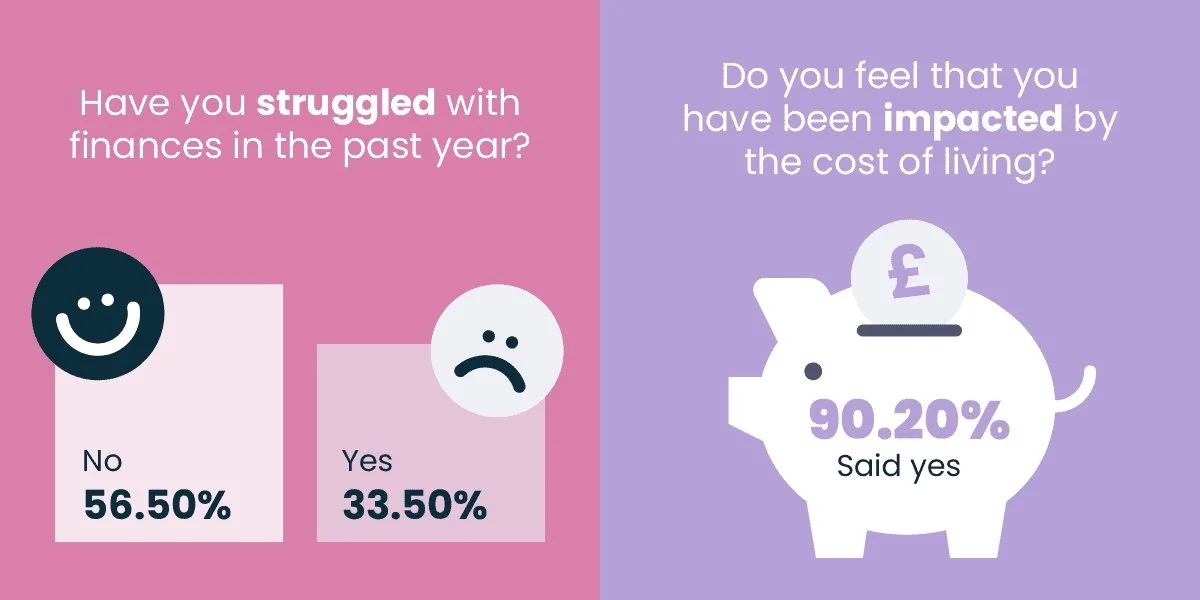



















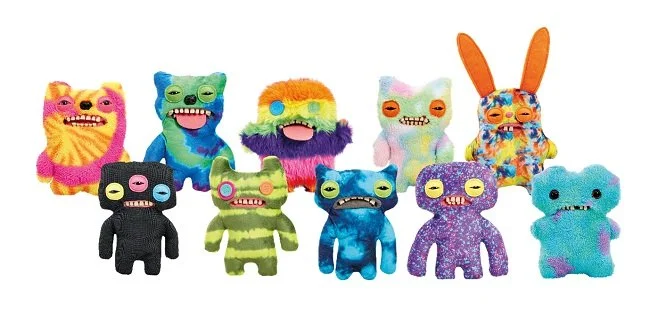

Indie Game: The Movie (2012)
Indie Game: The Movie is a genuinely fascinating documentary not only about the machinations video games industry but also the blood, sweat and tears that go into any creative process. It is a film that really does give you pause for thought and encourages you to reflect upon what you may want in life. It clearly shows the true cost and the star reality of any labour of love. It should be required viewing in schools and colleges for any wannabe who dreams of being on a reality shows and achieving a fast path to their perceived heart’s desire. Such is the impact of the documentary’s message.
Indie Game: The Movie is a genuinely fascinating documentary not only about the machinations video games industry but also the blood, sweat and tears that go into any creative process. It is a film that really does give you pause for thought and encourages you to reflect upon what you may want in life. It clearly shows the true cost and the star reality of any labour of love. It should be required viewing in schools and colleges for any wannabe who dreams of being on a reality shows and achieving a fast path to their perceived heart’s desire. Such is the impact of the documentary’s message.
Indie Game: The Movie focuses on four independent game developers. One, Jonathan Blow has already achieved success via his game Braid. This thoughtful, introspective man who has fulfilled his dream, still feels that his work has not been fully understood by the wider public. It becomes very clear that the creation of his game was not a purely financial undertaking and that he sees it as a wider artistic endeavour. His experiences are subsequently cross referenced against three other developers, labouring to bring their magnum opus to the commercial markets.
Edward McMillen and Tommy Refenes, the creators of Super Meat Boy (which has subsequently proven very successful) are shown burning the midnight oil and moving heaven and earth to meet the rigorous timetable set for them by Microsoft. It becomes very clear that although they want their game to do well commercially, the main thing is to create something akin to the games they grew up with. That is by far the most important thing to them. It is a very personal statement and it should resonate with any writer, musician or film maker.
Phil Fish is shown taking his game Fez to the PAX trade show. Four years in the making and still incomplete, he has to deal with the legal fallout of failed business partnership, along with impatient fans who have gone from eager consumers to rabid, disaffected trolls. The stress is very evident with both sets of developers, although they face different issues. One has the immediate problem of his family getting into debt to keep his dream afloat, another face potential legal action. All stare failure directly in the eyes. These aren't corporate executives with alleged nerves of steel. These are real people like you and I and it is quite traumatic watch.
Indie Game: The Movie depicts the independent gaming world as being equally blighted by corporate bullshit as any other industry. There are deadlines, small print and ever-changing goal posts. The work required is prodigious and there is little or no advance funding. Tommy Refenes, a diabetic to begin with, does not look well for a great deal of this documentary. The reality of the situation is back breaking work, a crappy diet, no social life, and the only light at the end of the tunnel being the possibility of scoring a hit. It is not glamorous, hip or a bohemian lifestyle choice. It certainly makes the mundane nature a lot of nine to five jobs look a lot more appealing.
On a side note this is a beautifully crafted piece of film making. It is handsomely shot and well edited, presenting the material in a palatable story arc. It is not overtly biased and although it references the developer’s views on the mainstream commercial gaming industry, it does not offer any overt soap boxes. Overall Indie Game: The Movie is about people making a personal creative and artistic statement and the consequences of doing so. In that respects the documentary has appeal beyond the confines of gaming. It is one of the most emotionally engaging documentarys that I have seen, and I heartedly recommend it.



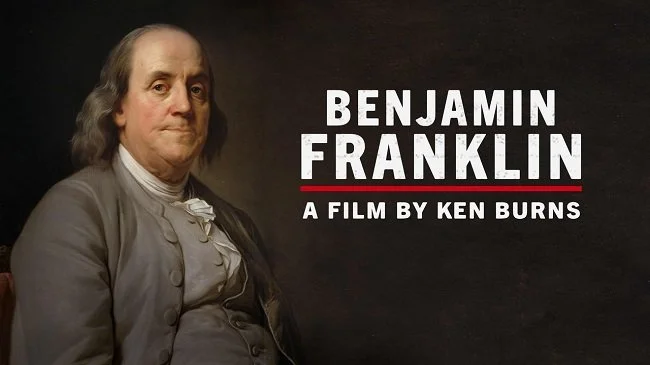




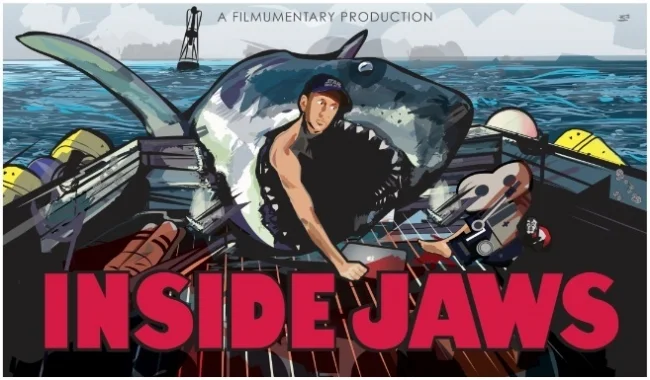


Darkest Hour (2017)
Darkest Hour, unlike many other biopics, focuses specifically on the initial weeks of Winston Churchill’s first term of office as Prime Minister, in May 1940. It paints a picture of an unwanted leader who inherits the role due to political expediency, rather than through universal support. Considered by the King as a dangerous adventurer and overshadowed by previous policy failures such as the Gallipoli landings and the Indian famine, Churchill is without allies and under pressure to appease the Germans. Director Joe Wright, sets the pieces on the chess board succinctly and within a few minutes audiences are brought up to speed with the prevailing historical situation. It is against this setting that that Darkest Hour then explores Churchills uphill struggle to rally a nation that appears to have no appetite for war and fend off political assassination. With the imminent defeat of the British Army in France and the prospect of a humiliating surrender at Dunkirk, should he seek a negotiated settlement with Germany, via Italian diplomatic sources?
Darkest Hour, unlike many other biopics, focuses specifically on the initial weeks of Winston Churchill’s first term of office as Prime Minister, in May 1940. It paints a picture of an unwanted leader who inherits the role due to political expediency, rather than through universal support. Considered by the King as a dangerous adventurer and overshadowed by previous policy failures such as the Gallipoli landings and the Indian famine, Churchill is without allies and under pressure to appease the Germans. Director Joe Wright, sets the pieces on the chess board succinctly and within a few minutes audiences are brought up to speed with the prevailing historical situation. It is against this setting that that Darkest Hour then explores Churchills uphill struggle to rally a nation that appears to have no appetite for war and fend off political assassination. With the imminent defeat of the British Army in France and the prospect of a humiliating surrender at Dunkirk, should he seek a negotiated settlement with Germany, via Italian diplomatic sources?
It becomes apparent quite quickly that Darkest Hour is not your typical historical drama nor a traditional exploration of Churchill. Although the screenplay references the political machinations of the time, it also delves into the Prime Minister’s personal life and the importance of his wife, Clementine (Kristin Scott Thomas) in tempering the more bombastic aspects of his personality. His new secretary Elizabeth Layton (Lily James) also provides a window into the world of the general public and offers him an invaluable reality check. However, at the heart of Darkest Hour is a sublime performance by Gary Oldman. Some actors may well lapse into a parody of Churchill, especially when working under so much prosthetics makeup effects. Oldman does not do this and projects a nuanced and very convincing interpretation of the man. It certainly is the very definition of an Oscar winning performance but is Darkest Hour itself, a movie of a comparable high standard?
There has been criticism that Darkest Hour at times makes the classic mistake of telling rather than showing. The screenplay by Anthony McCarten, has a lot of dialogue that serves as expositionary cues, providing nuggets of information for the viewers edification. For example, Churchill admits to Anthony Eden that King George VI has never forgiven him for supporting Edward VIII during the abdication. However, I consider this and other scenes to be a matter of accessibility. Not all viewers will be familiar with the historical and socio-economic outlook of the times. What some see as clumsy narrative exposition, I consider to be potentially useful facts designed to accommodate a global audience. I do agree that the so called “referendum on the underground” scene is somewhat contrived and possibly could have been handled in a less melodramatic fashion. Perhaps through correspondence that Churchill had received. Yet again, this plot device serves a purpose in distilling the mood of the British public into a quantifiable scene.
If you step back and judge Darkest Hour as a whole, it is a tremendously rousing film and an enthralling depiction of a key period of UK history. Gary Oldman offers us a flawed but likeable Winston Churchill that encapsulates many of the man’s foibles. Certainly, the screenplay references many of his infamous quips such as referring as to Clement Attlee as a “sheep in sheep’s clothing”. Then there is and the notorious jibe he made when he was interrupted while on the toilet, and informed that the Lord Privy Seal was waiting to see him. “I'm sealed on The Privy and can only deal with one shit at a time” was his response. However, where both Darkest Hour and Gary Oldman excel is during the final part of the film, when Churchill addresses Parliament and delivers his famous “fight them on the beaches” speech. It’s a superbly staged scene with the House of Commons swathed in symbolic shadows, punctuated with shafts of light. Churchill’s words win the day and so begins the slow turning of the tide in World War II. “What just happened?” asks a confused MP. “He just mobilised the English, language and sent it into battle” replies Lord Halifax.
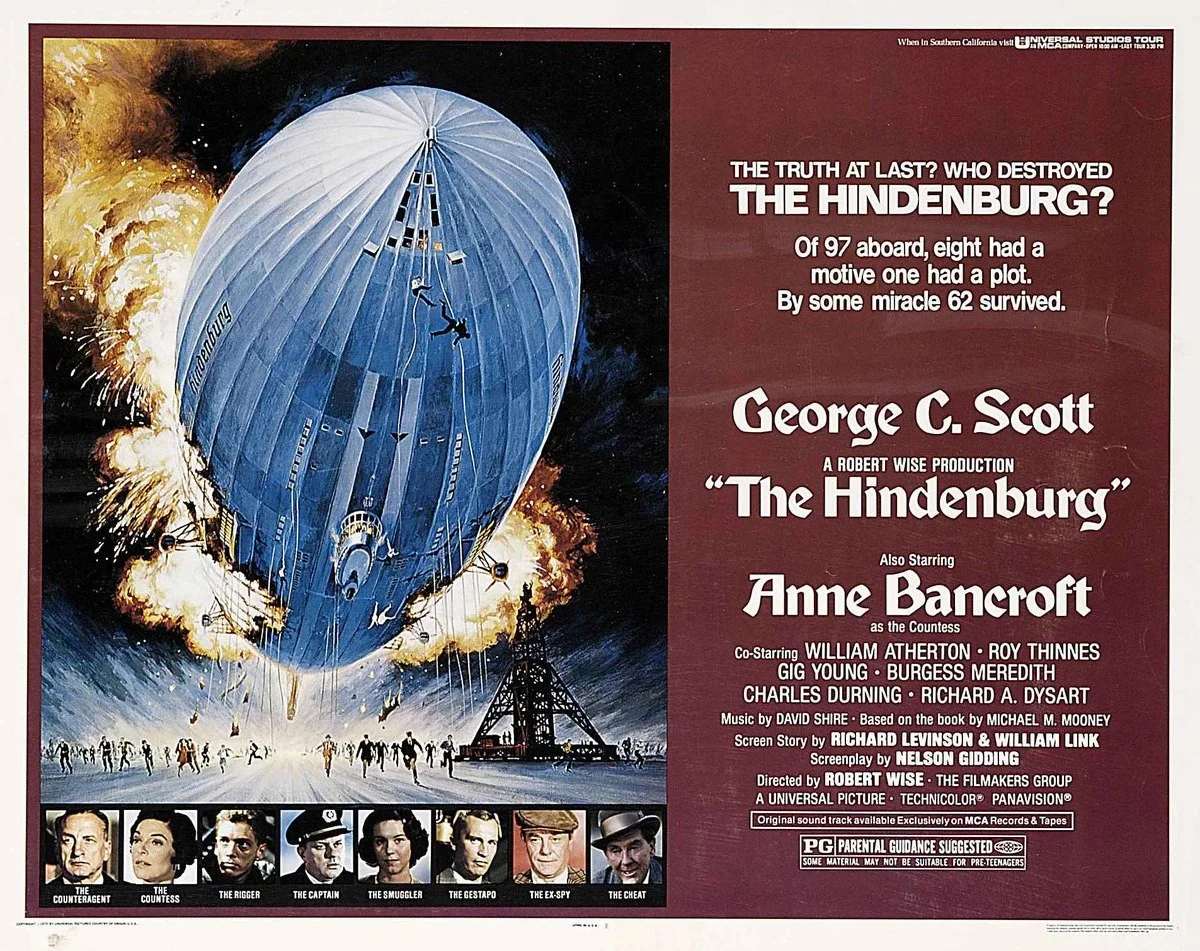

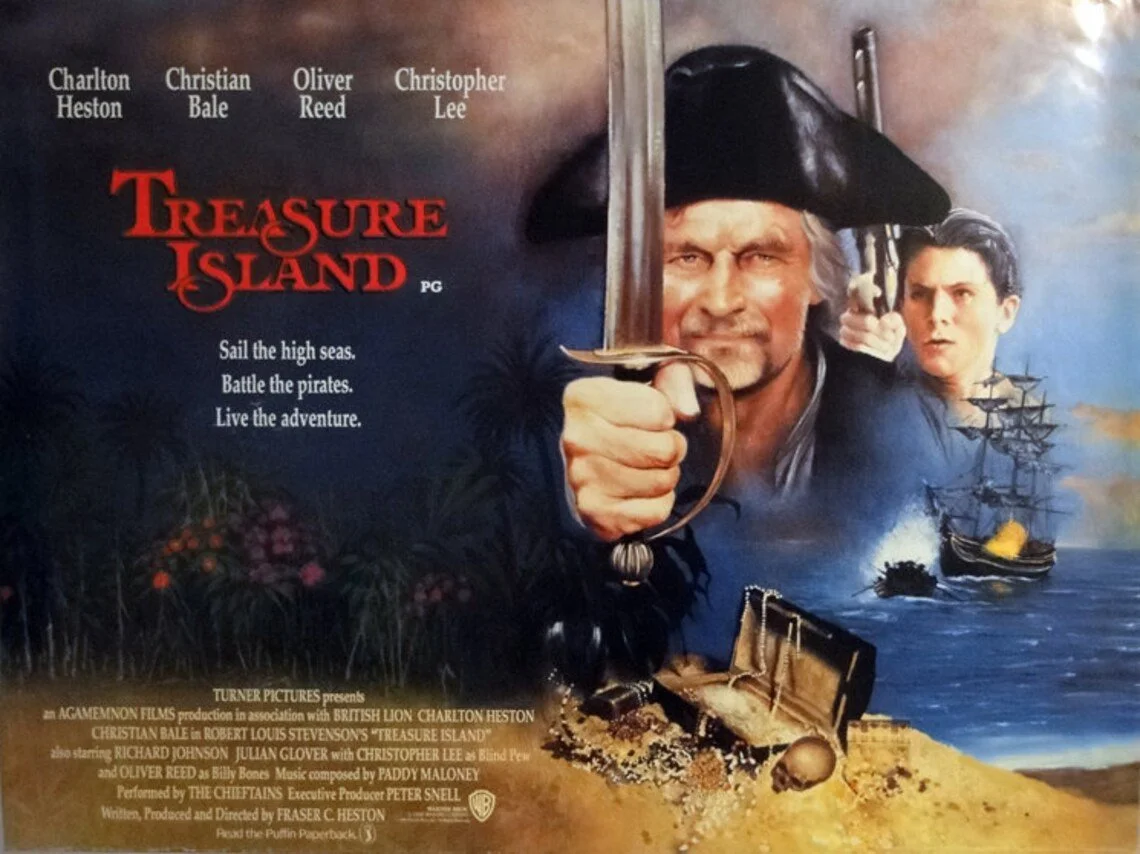
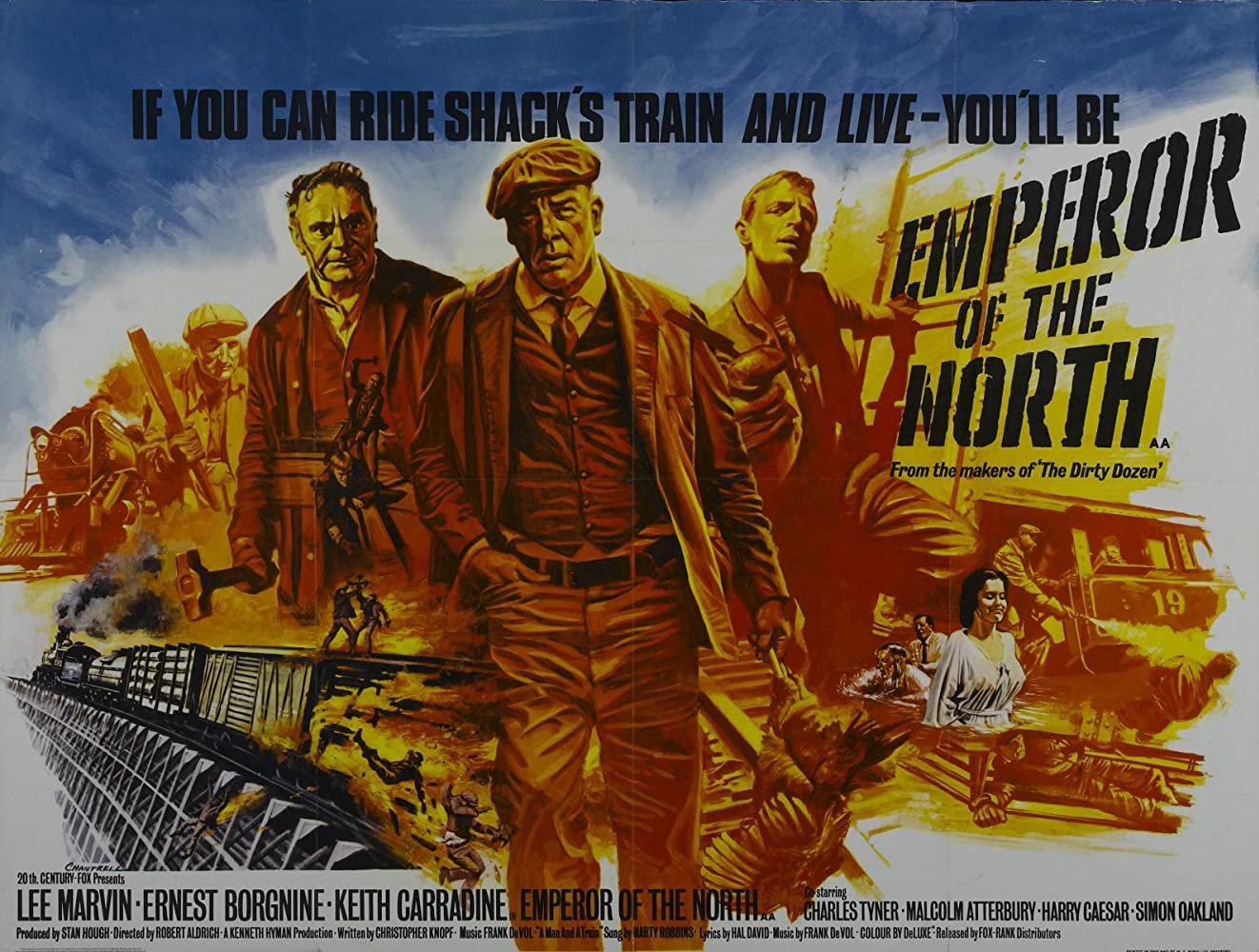


World of Warcraft: Looking for Group (2014)
Despite having played a broad spectrum of games in my time, I've never really had much dealings with the Blizzard. Beyond owning Overwatch, a game I’ve long stopped playing and trying a free trial of both World of Warcraft and Hearthstone, I have little personal experience of their games. However, I am fully aware of their product range and their reputation within the gaming industry. Overwatch has taught me how well-conceived and polished their games can be. Blizzard may not be incredibly innovative, but they learn from others and produce titles with all the elements that work well. Sadly, I have no real affinity to their flagship MMORPG, as my point of entry with that genre was LOTRO. My interest in World of Warcraft mainly stems from a business perspective and the place it holds in gaming history. Overall my curiosity about the game, its community and culture is mainly academic. So, I finally got around to watching the documentary World of Warcraft: Looking for Group that showcased at Blizzcon in 2014 and was subsequently released on You Tube thereafter.
Despite having played a broad spectrum of games in my time, I've never really had much dealings with the Blizzard. Beyond owning Overwatch, a game I’ve long stopped playing and trying a free trial of both World of Warcraft and Hearthstone, I have little personal experience of their games. However, I am fully aware of their product range and their reputation within the gaming industry. Overwatch has taught me how well-conceived and polished their games can be. Blizzard may not be incredibly innovative, but they learn from others and produce titles with all the elements that work well. Sadly, I have no real affinity to their flagship MMORPG, as my point of entry with that genre was LOTRO. My interest in World of Warcraft mainly stems from a business perspective and the place it holds in gaming history. Overall my curiosity about the game, its community and culture is mainly academic. So, I finally got around to watching the documentary World of Warcraft: Looking for Group that showcased at Blizzcon in 2014 and was subsequently released on You Tube thereafter.
Despite being three years old and there being major changes to the game in that period, I was hoping that the hour-long film would be relatively informative about the MMO. Sadly, World of Warcraft: Looking for Group is a curious mix of marketing, nostalgia, talking heads and self-congratulation rather than an in-depth analysis of a financially successful game and cultural phenomenon. If you are looking for a rigorous dissection of how Blizzard created one of the most financially lucrative games ever and the way it changed the gaming landscape, then look elsewhere. This is not an independent analysis but more of an ode to the community and the fans. That in itself is not without merit and certainly it’s nice to see the community recognised. But it means that the discussion is somewhat partisan and contains all the tropes and memes one associates with modern day public relations. Viewers may well learn something of the game’s history, but it's not as thorough as some may hope and a lot of the sound bites from the players are somewhat generic. They are often applicable to any MMO.
Overall, I think that World of Warcraft: Looking for Group is ultimately meant as a tribute to the games player base, as a friendly “attaboy” or virtual high five for their loyalty and support over the years. Sometimes a bit of mutual back slapping goes a long way in buying good will. One thing is for certain; there aren't any other Western MMORPGs that warrant or could justify having such a documentary of this nature made about them. Blizzard's ongoing success with World of Warcaft is a prodigious feat and is attributal an esoteric mixture of skill, business acumen and being in the right place at the right time. The latter quality is possibly a reason why they haven’t seen fit to create a second game of this nature. Although metaphors about lightning striking twice are technically inaccurate, they certainly applicable in this case. So, if you have a history with World of Warcraft then you may wish to watch World of Warcraft: Looking for Group for a fix of nostalgia. For those seeking a more nuanced analysis, you may wish to try another gaming documentary, which appears to be a growing genre.
Keeping Busy in Star Trek Online
Unlike other MMOs, there are always plenty of events scheduled in the Star Trek Online. The game includes a handy calendar which provides information on what is planned for the months ahead. It’s a clever way to keep the players engaged and occupied and as a result, STO is the game that I tire with the least and dabble with most. Where other games will often end the year with a nebulous Producer’s letter which offers a road map hinting at what lies ahead over the next twelve months, STO just gets on with things. Q’s Winter Wonderland event is drawing to a close next Thursday, but already we have two new events that have launched today. The Arena of Sompek makes a welcome return with its five-man survival battle against endless waves of mobs. Then we have a Featured Episode Replay, offering an opportunity to repeat specific missions and receive rewards that have been previously retired, such Breen and Romulan Bridge Officers and Epic Ground devices such as The Shard of Possibilities and the Ophidian Cane.
Unlike other MMOs, there are always plenty of events scheduled in the Star Trek Online. The game includes a handy calendar which provides information on what is planned for the months ahead. It’s a clever way to keep the players engaged and occupied and as a result, STO is the game that I tire with the least and dabble with most. Where other games will often end the year with a nebulous Producer’s letter which offers a road map hinting at what lies ahead over the next twelve months, STO just gets on with things. Q’s Winter Wonderland event is drawing to a close next Thursday, but already we have two new events that have launched today. The Arena of Sompek makes a welcome return with its five-man survival battle against endless waves of mobs. Then we have a Featured Episode Replay, offering an opportunity to repeat specific missions and receive rewards that have been previously retired, such Breen and Romulan Bridge Officers and Epic Ground devices such as The Shard of Possibilities and the Ophidian Cane.
There’s another change on the horizon for STO. At present upgrading gear is very much a lottery as you have no control over the modifiers that you receive. However, this will soon change with the games new re-engineering system. Players will be able to alter the mods that don’t suit their build or are deemed as sub-optimal to their game play. Re-engineering will utilise a new currency, salvage, a resource granted through the recycling of unwanted gear. Cryptic are currently working on the specifics of the system and it will soon be tested on Tribble server. Re-engineering will also showcase some new epic mods as an incentive. In a recent blog post Cryptic said “We hope re-engineering will be a way for neophyte and veteran Captains alike to better create equipment that matches their particular playstyles and builds.” The new mechanic will hopefully have a knock-on effect on the games economy, reducing Energy Credit creation and the existing surplus of unwanted gear on the exchange.
Star Trek Online is also due an expansion in 2018. So far, all we know about it is that it will be focused on Deep Space Nine, the Dominion, and possibly the Gamma Quadrant. As the TV show Star Trek: Deep Space Nine is twenty-five years old this year, it makes sense to return to this region and explore the story further. Cryptic have previously made all new content for the game free of charge, so unless they have a radical change of policy, the next expansion should follow suite. Then in February we have the eighth anniversary of STO. This will mean a special project that will offer a new ship as a reward. Perhaps Cryptic may take the opportunity to tie the game into Star Trek: Discovery? And as well as all this, we can expect regular events such as First Contact Day and the Summer and Winter Festivals. If there’s a Friday the 13th in the year, we’ll also see the episode Hearts and Minds make an appearance. As you can see STO has a busy schedule for 2018, with plenty to do. Unlike other examples of the genre, STO appears to be in a good place at present with a lot of content lined up. Hence it remains my go to MMO for the fourth year.