The Protector (1985)
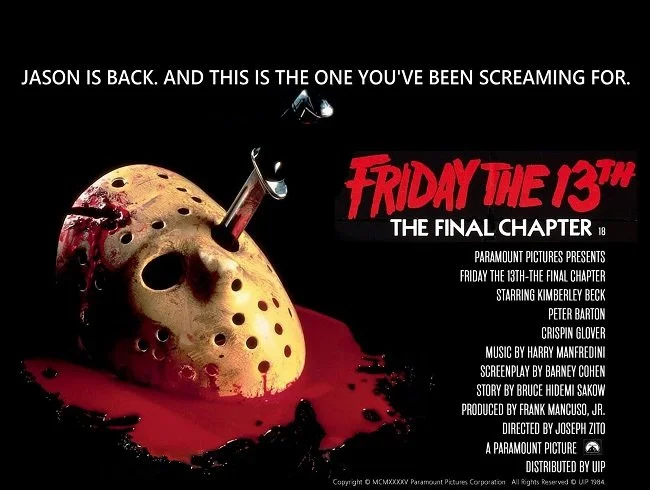
During the course of the eighties Jackie Chan made several attempts to break into the US film market and show case his unique talent to American audiences. However, all of these movies failed both critically and at the box office. The US producers had a poor grasp of how best utilise his abilities and market him appropriately. Chan’s work up unto this point had been mainly comedy action movies, with liberal amounts of slapstick and Eastern humour. US film makers simply wanted to shoehorn his prodigious stunt and martial arts abilities into the standard US action movie formula of the time. It was a classic example of trying to mix oil with water and to this day, none of Jackie Chan's US films from this period can hold a candle to his Hong Kong based output. However, The Protector has an interesting production history and although far from a great film, had a impact upon Chan’s career.
During the course of the eighties Jackie Chan made several attempts to break into the US film market and show case his unique talent to American audiences. However, all of these movies failed both critically and at the box office. The US producers had a poor grasp of how best utilise his abilities and market him appropriately. Chan’s work up unto this point had been mainly comedy action movies, with liberal amounts of slapstick and Eastern humour. US film makers simply wanted to shoehorn his prodigious stunt and martial arts abilities into the standard US action movie formula of the time. It was a classic example of trying to mix oil with water and to this day, none of Jackie Chan's US films from this period can hold a candle to his Hong Kong based output. However, The Protector has an interesting production history and although far from a great film, had a impact upon Chan’s career.
![The Protector.mp4_snapshot_01.21.07_[2017.12.10_21.58.03].jpg](https://images.squarespace-cdn.com/content/v1/54e310f0e4b0f4a6ba3ac899/1512943132612-4V5VI8KQBNVSKN7NG8EA/The+Protector.mp4_snapshot_01.21.07_%5B2017.12.10_21.58.03%5D.jpg)
The Protector is a prime example of not getting Jackie Chan. It contains many elements that you do not usually see in his films, such as excessive violence, nudity and profanity. The film's director, James Glikenhaus (The Exterminator, The Soldier) had thrashed out a water tight contract that gave him strict creative control. Possibly his aim was to create an Eastern Clint Eastwood? But this sort of street cop action flick would have better suited Chuck Norris or another established star. Chan seems to be very uncomfortable in the role and it certainly does not reflect his established style. The set pieces and stunt work are adequate by US standards but failed to achieve the levels of his back catalogue. Apparently, Glickenhaus would be satisfied after as little as eight takes, which was heresy by Jackie Chan's standard. The dialogue is especially clumsy and makes no concessions to the fact that Mr Chan's English was poor at the time. Despite robust support from character actor Danny Aiello, the entire proceedings are somewhat stilted.
Subsequently, Jackie Chan refused to release the finished film in the far east in its original version and shot new scenes and re-edited the movie. After reducing the violence and all of the profanity and nudity, a new subplot was added with extra characters. New action sequences were also filmed and they were inserted to compliment the original. However, because of this bad experience, Chan eventually went on to make Police Story which is a seminal film and one of his finest works. The Protector in its US format is therefore not recommended to anyone other than diehard fans. There is the added irony of Jackie Chan singing the excruciating end title song, which again belies the fact that the man has had considerable success as a singer in Hong Kong. For the more curious see if you can track down the expanded Hong Kong version which Chan re-crafted from this mess. It is far from his best material but is a very interesting experience when viewed knowing its production history.







STO and the Humble Bundle Jingle Jam 2017
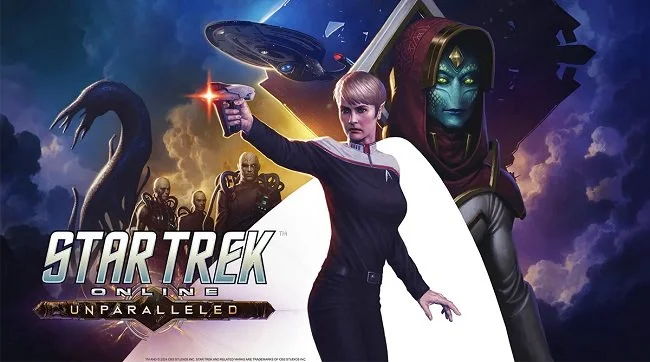
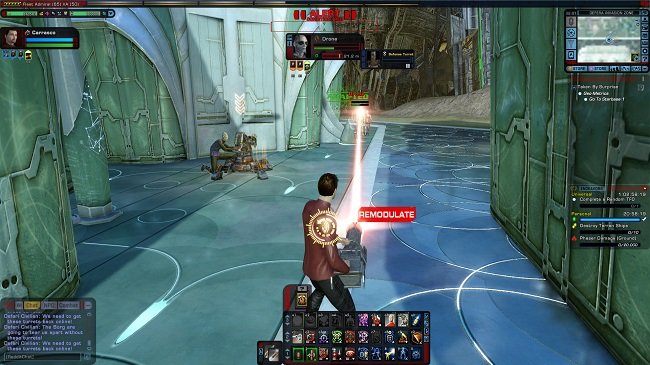
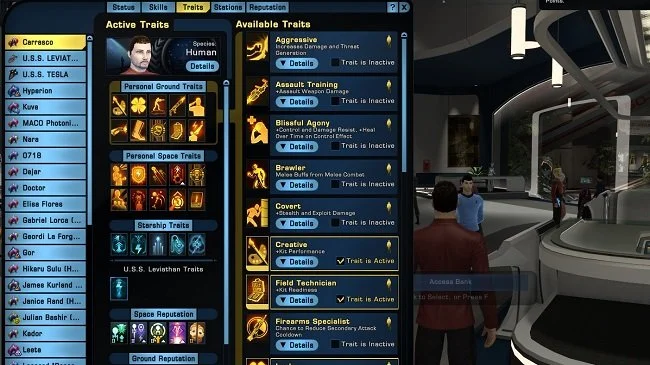
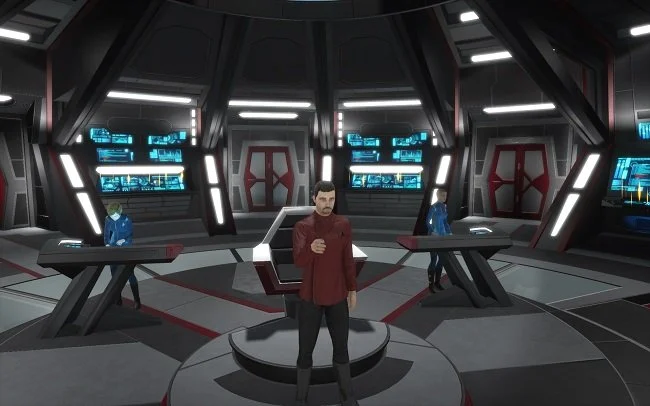
This month’s Humble Bundle is a collaboration with the Yogscast, featuring a collection of indie games, DLC, game soundtracks and sundry other odds and sods. There are 25 items in the bundle and so far, six have been revealed. As December progresses you’ll find out what other goodies are included. If you can’t wait, there’s a leaked list here. By paying the base price of $35 (about £26.16) you’ll unlock the entire package. Furthermore, lurking within this bundle is the rare TOS Bridge Officer pack for Star Trek Online. This includes holographic versions of iconic Star Trek TOS characters such as Spock, McCoy, Scott, Chekov, Uhura, Sulu, and Rand which you can add to your bridge officer roster and make part of your away team. For fans of both the game and the TV show this is quite a big deal. So far, codes for the rare TOS Bridge Officer pack, are usually only available at convention giveaways or on occasional livestreams. So naturally this is an enticing offer.
This month’s Humble Bundle is a collaboration with the Yogscast, featuring a collection of indie games, DLC, game soundtracks and sundry other odds and sods. There are 25 items in the bundle and so far, six have been revealed. As December progresses you’ll find out what other goodies are included. If you can’t wait, there’s a leaked list here. By paying the base price of $35 (about £26.16) you’ll unlock the entire package. Furthermore, lurking within this bundle is the rare TOS Bridge Officer pack for Star Trek Online. This includes holographic versions of iconic Star Trek TOS characters such as Spock, McCoy, Scott, Chekov, Uhura, Sulu, and Rand which you can add to your bridge officer roster and make part of your away team. For fans of both the game and the TV show this is quite a big deal. So far, codes for the rare TOS Bridge Officer pack, are usually only available at convention giveaways or on occasional livestreams. So naturally this is an enticing offer.
However, £26 plus is still quite a lot of money for an additional game resource, which although fun is not really essential to the MMO. I could for example spend that money on the game Hand of Fate 2 and cogently argue that it is better value for money. But the heart wants what the heart wants and other dubious excuses, leaving me with a minor moral dilemma. I could justify the purchase of the bundle on the grounds that the money is all going to both British and international charities. But then again, I wouldn’t mind playing Hand of Fate 2 at some point over Christmas, once all the guests have pissed off and I’m left mercifully alone and I’ve already donated to some worthy causes. So rather than agonise about this matter on my own, I thought I’d share it with you dear reader(s) and at the same time dress this first world problem up as an informative, news based, blog post. I may have to read through the list of other titles included in the Jingle Jam bundle and see if any of them are worth investing in.


The MMO Blogosphere Is Alive and Well
Popular gaming blogger Tobold asked whether the MMO Blogosphere was still alive in a recent post on his site. He stated, “as far as I can see that decline has continued over the last decade, powered both by the general decline of blogging as a form of expression on the internet in favour of tweeting, and by the decline of MMORPGs as a form of gaming in favor of other multiplayer games”. Needless to say, there were numerous comments to the contrary left on the article in question. Furthermore, several gaming bloggers debated the point further on their own platforms. As I have a dog in this fight, to coin a somewhat inappropriate and unsavoury phrase, I thought I’d add my thoughts to the debate. And as ever, the answer is somewhat complex because Tobold’s question is erroneously reductive.
Popular gaming blogger Tobold asked whether the MMO Blogosphere was still alive in a recent post on his site. He stated, “as far as I can see that decline has continued over the last decade, powered both by the general decline of blogging as a form of expression on the internet in favour of tweeting, and by the decline of MMORPGs as a form of gaming in favor of other multiplayer games”. Needless to say, there were numerous comments to the contrary left on the article in question. Furthermore, several gaming bloggers debated the point further on their own platforms. As I have a dog in this fight, to coin a somewhat inappropriate and unsavoury phrase, I thought I’d add my thoughts to the debate. And as ever, the answer is somewhat complex because Tobold’s question is erroneously reductive.
The golden age of the MMORPG is certainly behind us and we shall not see the like of it again. However, there were specific factors linked to the popularity of this particular genre that were contextual and linked to the time. Yet despite these factors the genre remains popular and still commands large player numbers. Furthermore, games of this idiom have been subject to major changes in style and mechanics in recent years. Whether you, me or Tobold like it or not, the very definition of the MMORPG has evolved. Which is why major commercial sites such as Massively Overpowered now cover titles such as Grand Theft Auto Online and Destiny 2. What constitutes an MMO now is arguably different from what it was in the early 2000s. Therefore, Tobold is mistaken to render things down to a “like for like” comparison.
Blogging has also changed and adapted over time. Twitter, You Tube and Streaming have emerged to provide alternative platforms for discussion, fandom and social interaction. All of these mediums have their place and some have become popular because of brevity and convenience that they provide. They also have the advantage of lower barriers to entry. Writing effectively and maintaining an audience requires a degree of skill, a lot of time and stoic dedication. Yet, fans of the MMO genre still actively do these things and I have RSS subscriptions to dozens of active blogs writing such material. There are still guides and resources for classic MMOs such as LOTRO, Guild wars 2 and STO available. The existence of the aforementioned Massively Overpowered website is also evidence of the healthy state of the genre and its associated fandom. Many of those who regularly comment on that site run their own blogs.
Longform writing and analysis of the MMO genre is therefore still a “thing”. In fact, there’s a lot of longform writing about most things available online. It never really went away despite new mediums emerging. With respect to blogging about MMOs, it may well have lost its thunder to You Tube and Twitch TV, but to be honest, it’s a genre that lends itself more to the written word anyway. I also think favouring longform writing is the prerogative of age. The generation of gamers that I am part of, has grown up together and still uses the older mediums such as a blogs, as the means to pursue their passions. So, I am happy to lend my voice to the growing chorus that has politely refuted Tobold’s assertion. The MMO Blogosphere is doing okay because I get up each morning and read multiple new posts about the genre via Feedly.





















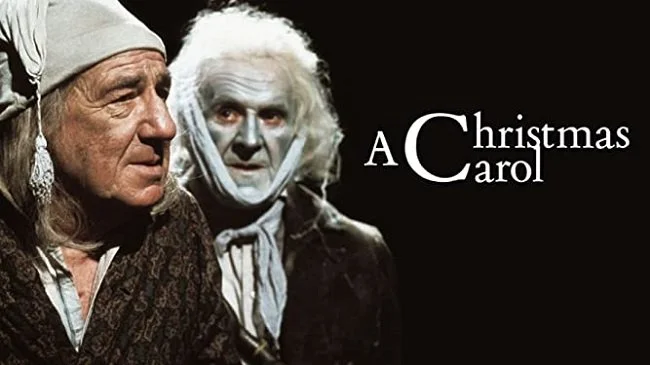
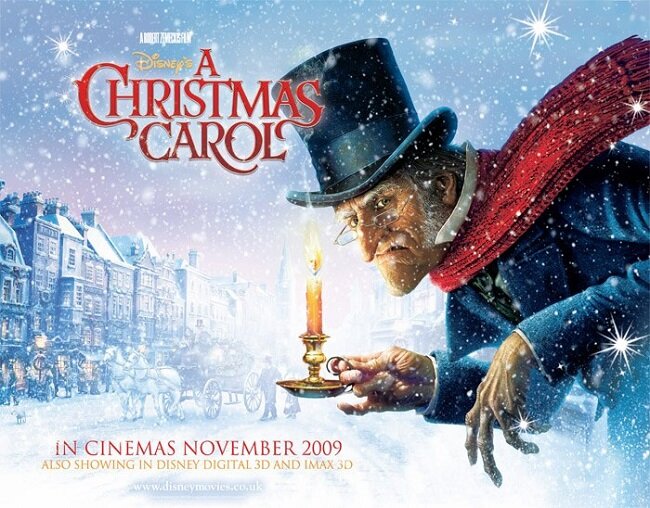
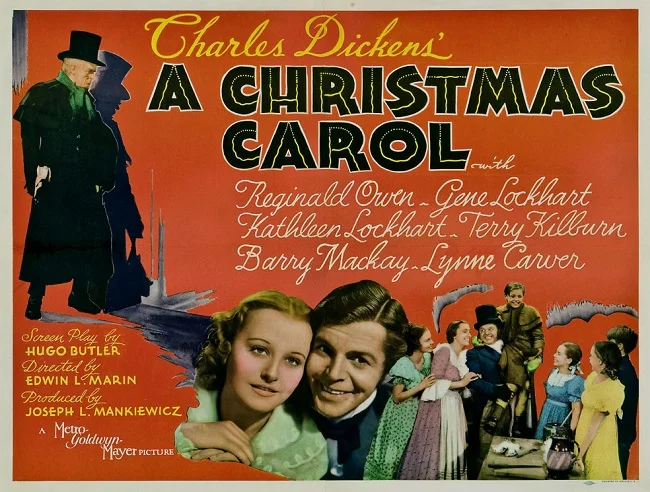
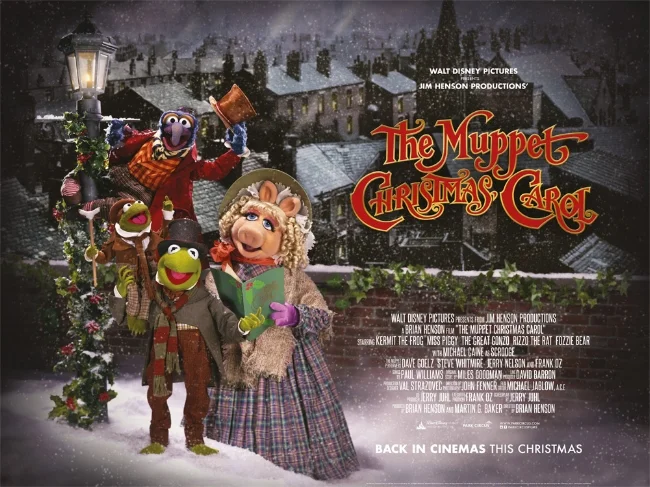
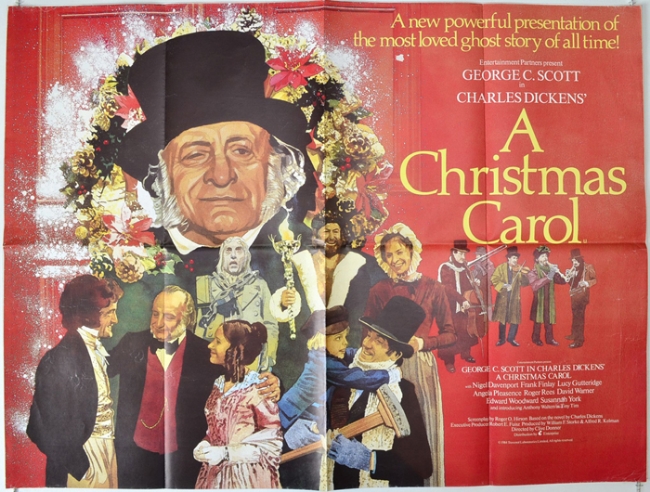
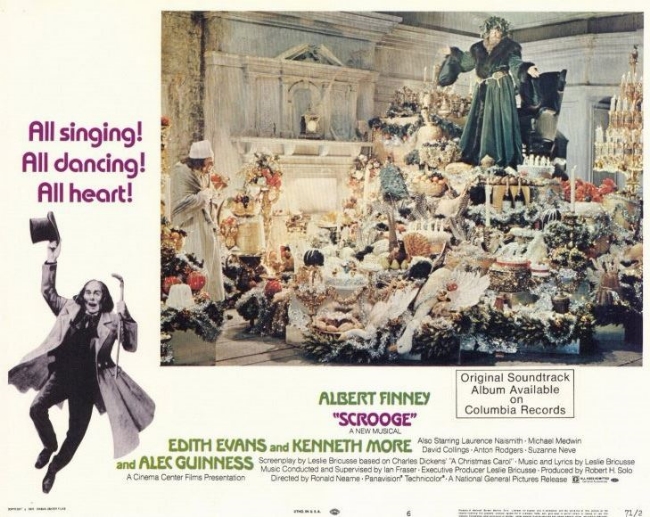
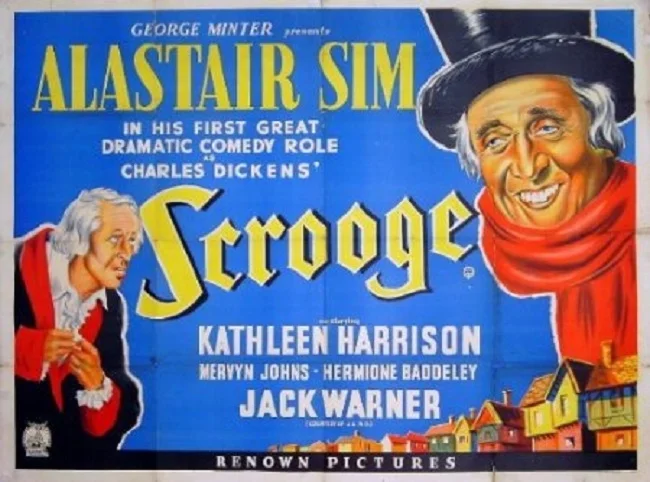
A Christmas Carol (1969)
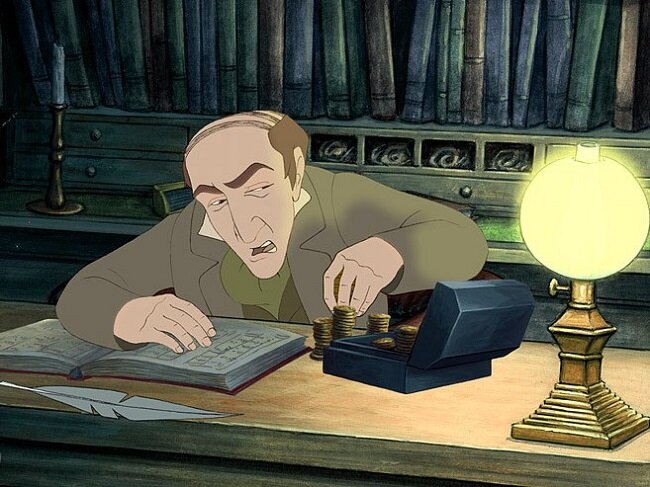
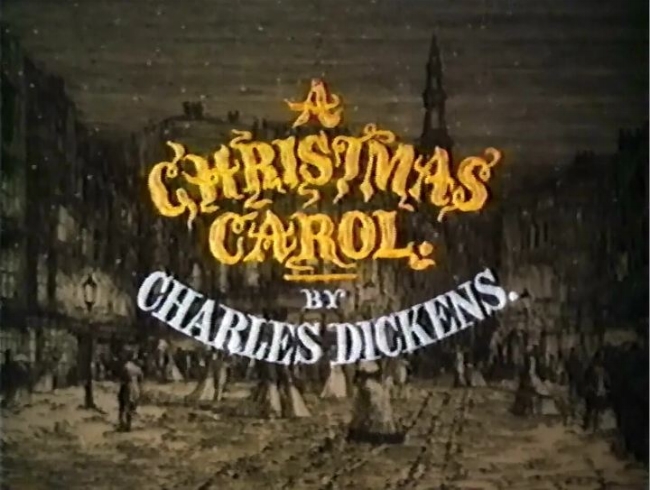
Over the last few years I’ve reviewed several adaptations of Charles Dickens seasonal story A Christmas Carol. As I stated previously one of the stories greatest strength is that it lends itself perfectly to multiple interpretations. I recently had the good fortune to rediscover the animated version from 1969 by Air Programs International. I remember seeing this animated short as a child but could not recollect sufficient details to allow me to track it down via the IMDB. Then by complete chance, I stumbled across it again on You Tube while doing some research.
Over the last few years I’ve reviewed several adaptations of Charles Dickens seasonal story A Christmas Carol. As I stated previously one of the stories greatest strength is that it lends itself perfectly to multiple interpretations. I recently had the good fortune to rediscover the animated version from 1969 by Air Programs International. I remember seeing this animated short as a child but could not recollect sufficient details to allow me to track it down via the IMDB. Then by complete chance, I stumbled across it again on You Tube while doing some research.
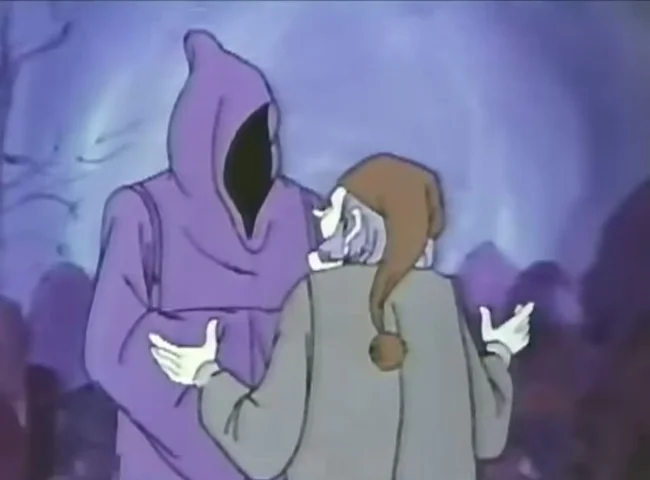
This forty-six-minute-long adaptation was produced by an Australian animation company and has some curious and amusing regional embellishments. The voice acting lapses into Australian accents from time to time and there is an odd song dovetailed into Fred's visit to his Uncle Ebenezer. It's as if the production team where toying with the idea of making a musical and then had second thoughts. However, despite these foibles the functional animation and aesthetic style is grimly appropriate, capturing the grey and dreary Dickensian winter.
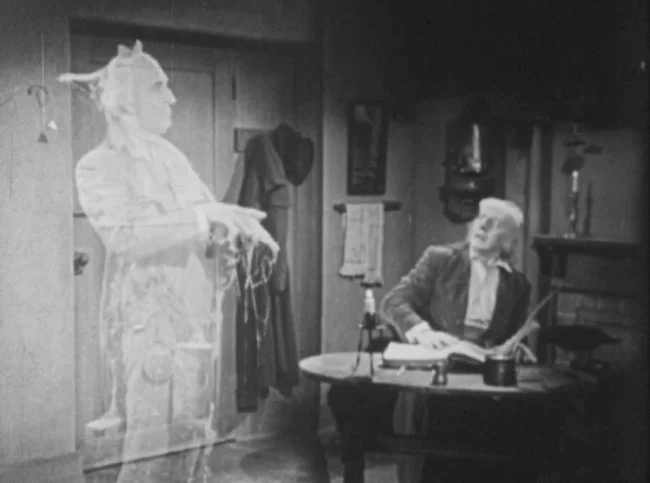
The most innovative aspect of this particular adaptation is the inventive depiction of Marley’s Ghost. Unlike other versions of the story that portray Marley as a spectral version of his former human self, here we have a very stylised ghost. His hair is more akin to naked flames which is a rather interesting interpretation of the source text. "The Ghost sat perfectly motionless, its hair, and skirts, and tassels, were still agitated as by the hot vapour from an oven". In addition, the sightless black sockets are rather ghoulish, making this one of the most sinister portrayals of the character.
Overall this is a functional adaptation that manages to convey the key elements of the story. To be honest the story is quite difficult to spoil, unless you are a particularly blinkered film maker. As this version was specifically designed to be pitched at younger audiences, there is some levity introduced into the proceedings. Scrooge continuously stifles a sneeze throughout the story, something that he cannot resolve until he is "redeemed". There are far worse adaptations of this classic tale, so for those who are curious or are just interested in the art of animation, here is the 1969 version for your enjoyment.





Strictly Come Dancing 2017: Part 6
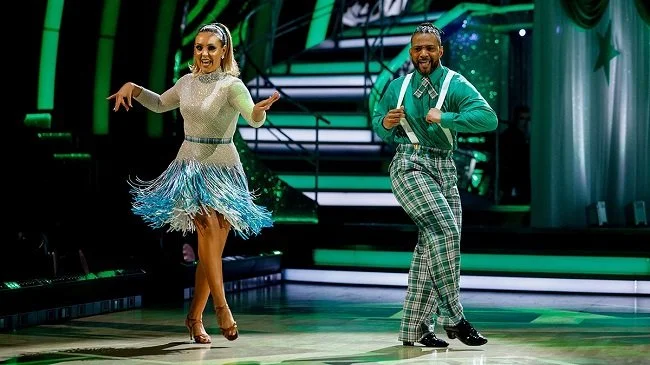
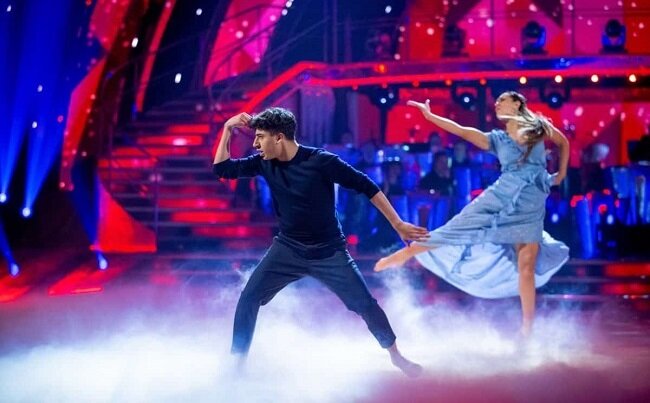
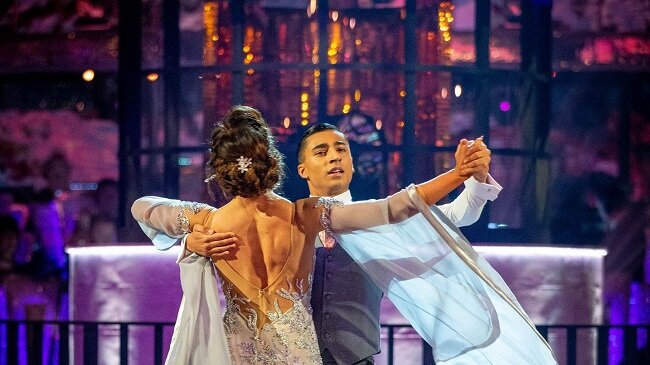
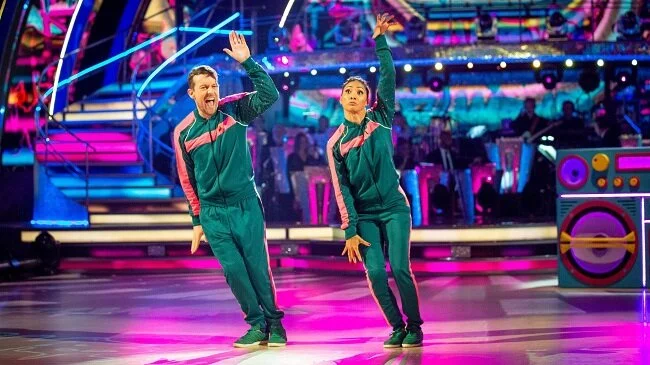
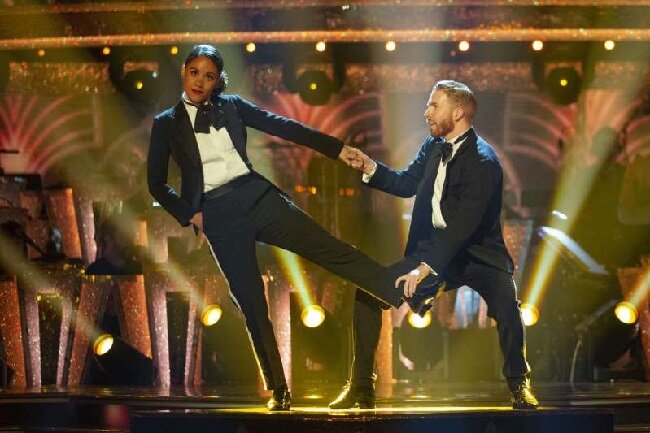
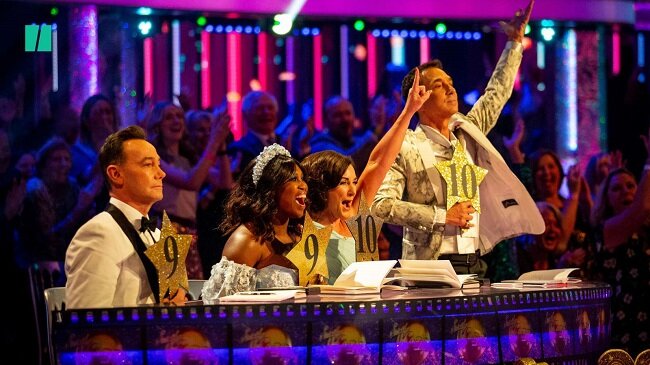
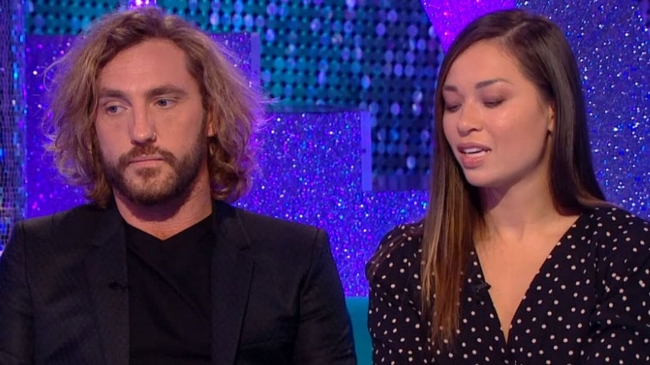
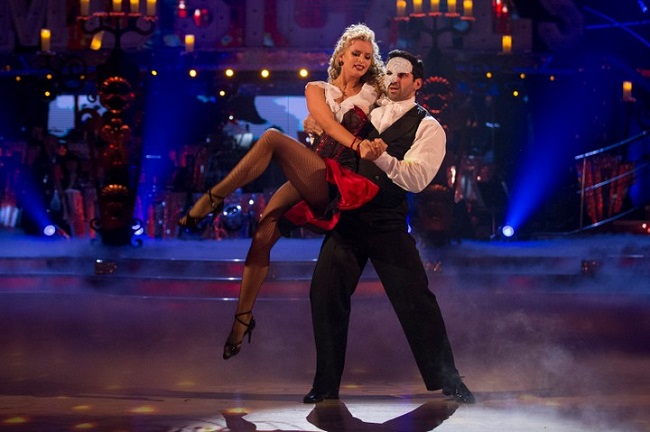
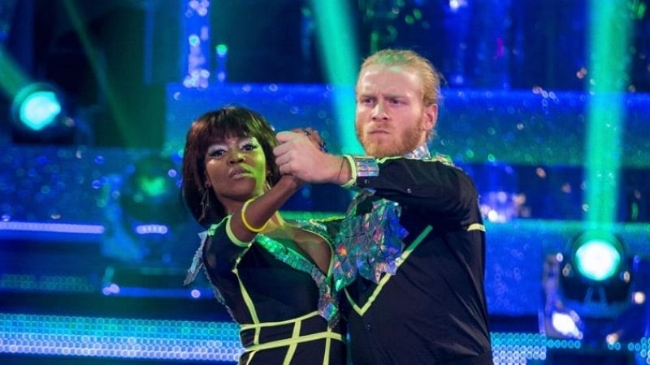
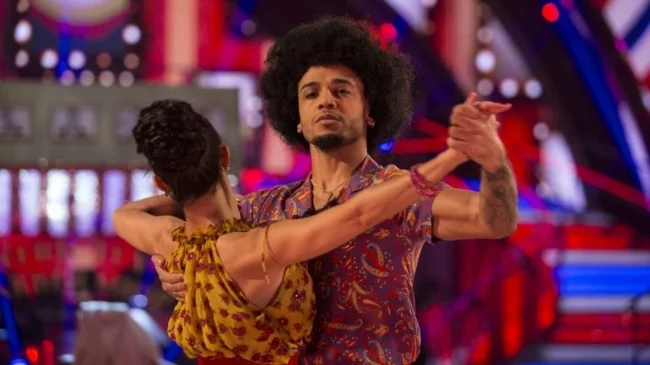
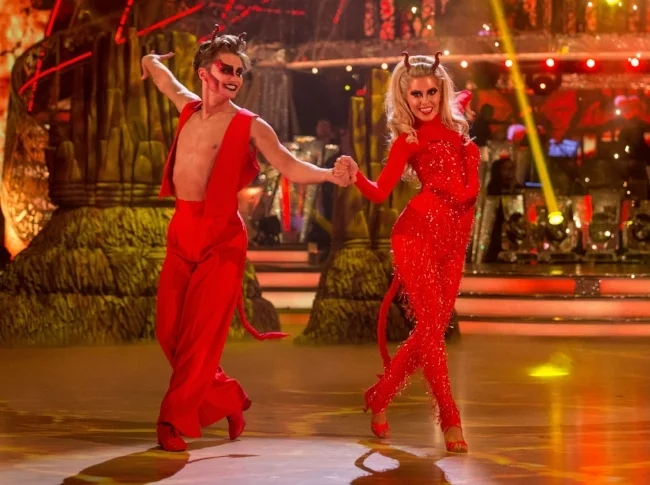
Strictly Come Dancing 2017 is proving to be quite the rollercoaster ride. Each week it seems that there is potential for an upset and Saturday night proved no different. The fact that Davood and Nadiya scored poorly with their Argentine Tango was quite a surprise. The relatively low spread of points put them squarely at the bottom of the leader board and made them prime candidates for the dance off. Personally, I thought this was a damn shame because Davood has significantly improved in recent weeks and has embraced the Strictly journey. However, it was a shock to see Alexandra and Gorka fighting to stay on the show once again. Sadly, the outcome of the dance off was a forgone conclusion. Alexandra was technically outstanding and gave a spirited performance. She had something to prove after last week's difficult Rhumba and I thought she came back with a vengeance. Sadly, the public thought otherwise. I’m sure being in the dance off yet again will be a disappointment for her. However, for the present she is safe.
Strictly Come Dancing 2017 is proving to be quite the rollercoaster ride. Each week it seems that there is potential for an upset and Saturday night proved no different. The fact that Davood and Nadiya scored poorly with their Argentine Tango was quite a surprise. The relatively low spread of points put them squarely at the bottom of the leader board and made them prime candidates for the dance off. Personally, I thought this was a damn shame because Davood has significantly improved in recent weeks and has embraced the Strictly journey. However, it was a shock to see Alexandra and Gorka fighting to stay on the show once again. Sadly, the outcome of the dance off was a forgone conclusion. Alexandra was technically outstanding and gave a spirited performance. She had something to prove after last week's difficult Rhumba and I thought she came back with a vengeance. Sadly, the public thought otherwise. I’m sure being in the dance off yet again will be a disappointment for her. However, for the present she is safe.
I'm of the opinion that despite being favoured by the judges and quarters of the press, Alexandra doesn't enjoy as big a fan base as some would surmise. The fact that she has been consistently good since week one may actually be working against her. Viewers like the narrative of progression and growing artistically. They want to champion a celebrity who blossoms and tire quickly of those who are good from the get go. It's a pattern we have seen before. There is also a school of thought that those at the top of the leader board will automatically attract votes, although this theory is often wrong. So, after considering the foibles of viewer voting and the precedents set by previous shows I think it is unlikely that Miss Burke will win Strictly Come Dancing 2017. I fully expect her to be a finalist but not lift the trophy. But winning is not necessarily everything. I would not be surprised to see her starring in a hit West End show a year from now.
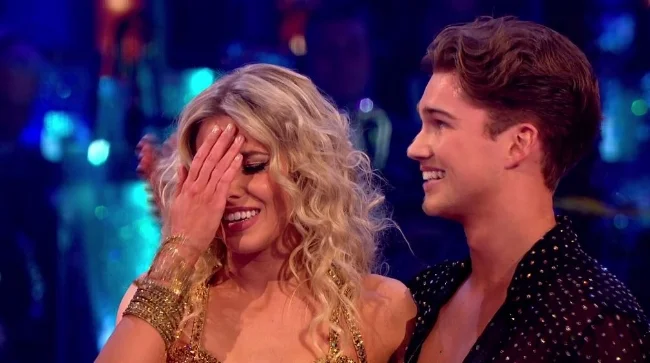
Certainly, the dynamics of the remaining two episodes has now changed considerably. Davood’s departure is potentially good news for Debbie and Giovanni as well as Joe and Katya. Both of these pairs are now strong contenders to win. Voting by the public tends to increase in the final stages of the competition as people realise the importance of their vote. As for Mollie and A J, as well as Gemma and Alijaz, there future is somewhat less predictable. Mollie is steadily improving but still seems to lack a degree of stamina and more importantly confidence. Gemma has veered between exceptionally good performances and those that have been problematic. It is this inconsistency that presents a weakness. Can she put her own doubts behind her and produce a more polished performance? This is why It Takes Two is such essential viewing, during the week, as I believe it provides a good indication of how well the celebrities are taking to their new dances. It’s also a litmus test as to their state of mind, which is integral to their success.






Destiny 2: Level 20
I bought Destiny 2 on a whim and have so far enjoyed playing through the campaign. My approach to the game has been somewhat casual, so I’ve equipped gear based upon common sense, rather than an in-depth knowledge of the games mechanics. This approach has proven adequate until today, when I finally hit level 20. Now I find moving forward through the game that I feel somewhat under powered and that combat is more taxing. I don’t feel that I’m doing sufficient damage to enemies. That subsequently has an impact upon my enjoyment of the game because I always find that there’s very fine line to tread when it comes to combat. If you can one shot everything then it quickly becomes quite dull. However, if it takes too long to grind down a target the game tips over into becoming a chore. It’s difficult to ascertain exactly where the sweat spot is, and it may vary from gamer to gamer. However, I distinctly feel that I’ve been struggling so today I decided to remedy the problem.
I bought Destiny 2 on a whim and have so far enjoyed playing through the campaign. My approach to the game has been somewhat casual, so I’ve equipped gear based upon common sense, rather than an in-depth knowledge of the games mechanics. This approach has proven adequate until today, when I finally hit level 20. Now I find moving forward through the game that I feel somewhat under powered and that combat is more taxing. I don’t feel that I’m doing sufficient damage to enemies. That subsequently has an impact upon my enjoyment of the game because I always find that there’s very fine line to tread when it comes to combat. If you can one shot everything then it quickly becomes quite dull. However, if it takes too long to grind down a target the game tips over into becoming a chore. It’s difficult to ascertain exactly where the sweat spot is, and it may vary from gamer to gamer. However, I distinctly feel that I’ve been struggling so today I decided to remedy the problem.
It is at this point in the proceedings that the “git gud” brigade will smugly point to the wealth of information there is available for Destiny 2 and “cordially extend an invitation” to read it. So that’s what I’ve been doing this afternoon and this is what I’ve learnt. Destiny 2 is based upon the acquisition of loot. It’s a classic gear grind which is not such a bad thing. There are worse game mechanics. However, getting new gear is based heavily on chance. You may get lucky and pick up a rare blue engram only to find it’s below your current level. Or you may finally get a new legendary purple weapon to find there’s no significant increase in stats. It’s all somewhat of a lottery, yet you have to live with it as it’s the only means to increase your power once you hit level cap. For me this is a minor nuisance. I get that Bungie has to have a carrot on the end of the stick to keep players engaged but I don’t like “luck” based systems. I prefer to know what criteria needs to be met for a specific goal and then work towards it. The chance of getting zero return on my “time investment” does not excite me.
Then there are the benefits associated with being in a clan. Destiny 2 is a social game and there are perks to be gained through these organisations. However, although I have friends playing Destiny 2, many are based in the US or tied to different platforms. So, finding a suitable group is not as easy as it first appears. I tend not to join guilds in any game unless I know at least one member within their ranks. I am too old and impatient to risk finding myself in a toxic community. Also, my casual approach and laissez-faire attitude tends not to endear me to the more dedicated gamer. So, bearing all this in mind, I suspect my progress within the game may now slow. However, if I get lucky with loot drops, perhaps my current under powered status may improve. Depending on how I progress, I may or may not buy the season pass. Fortunately, if things do not work out, I have plenty of alternative games to focus upon. I guess if I write another post about Destiny 2, it will mean things have worked out favourably, which would be nice as I do enjoy what the game fundamentally offers.


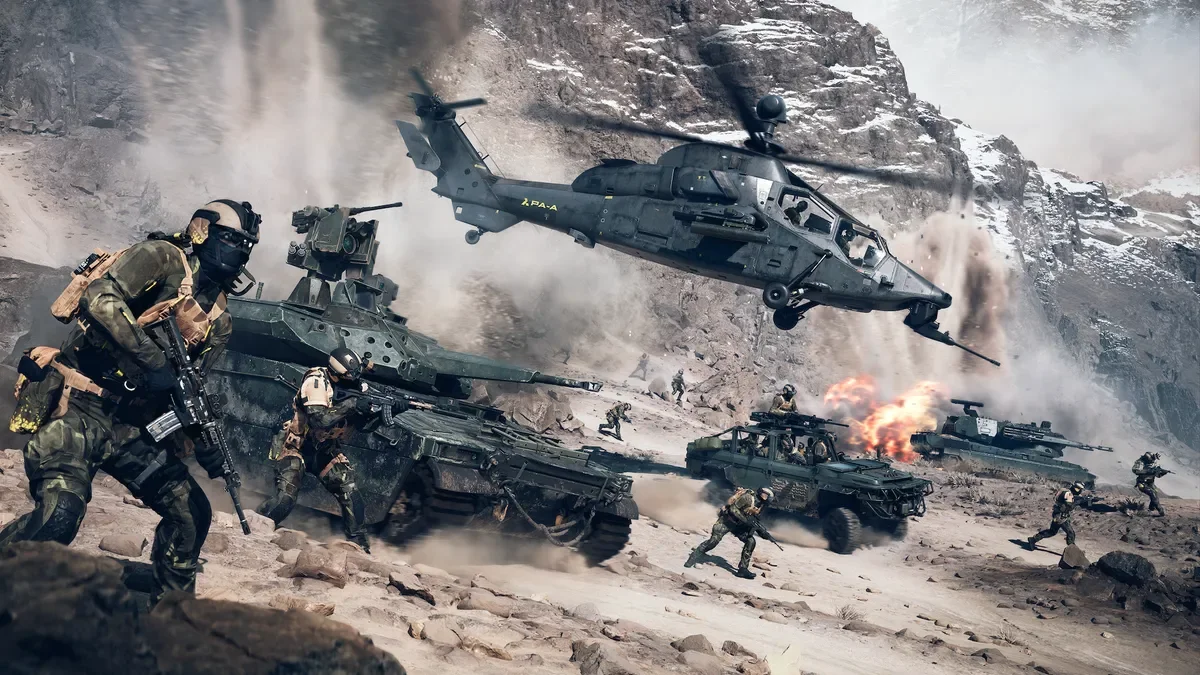
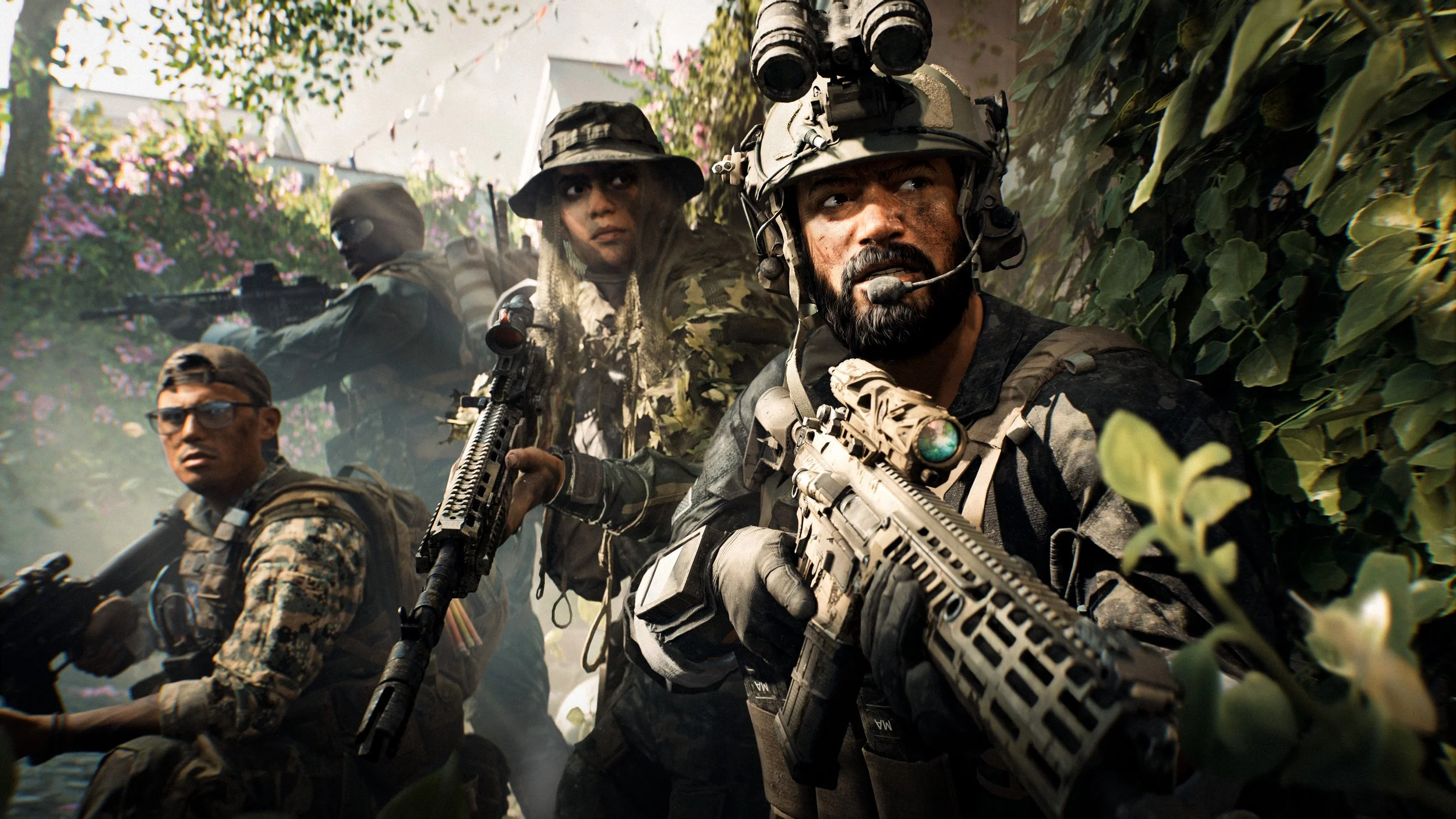
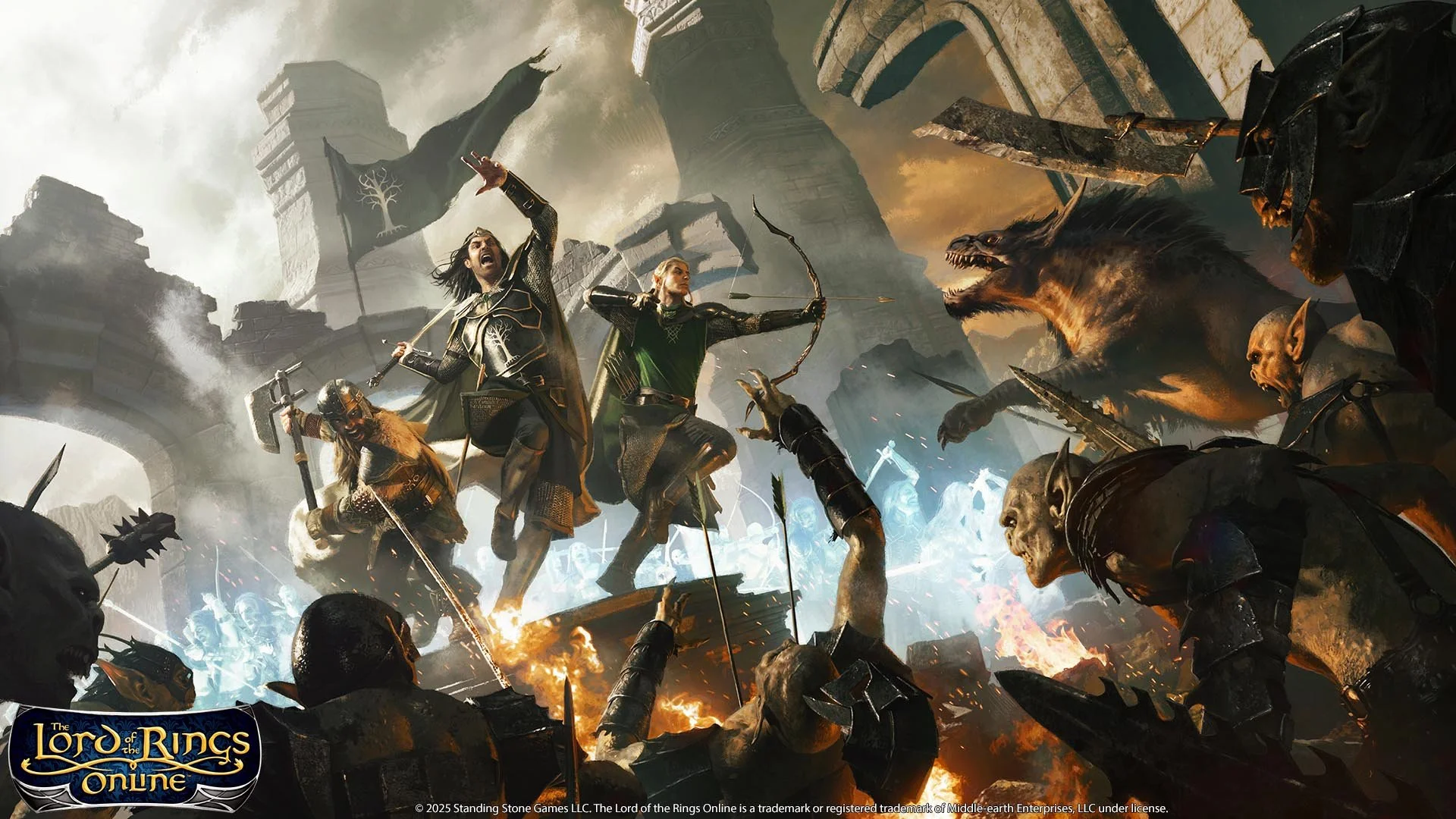
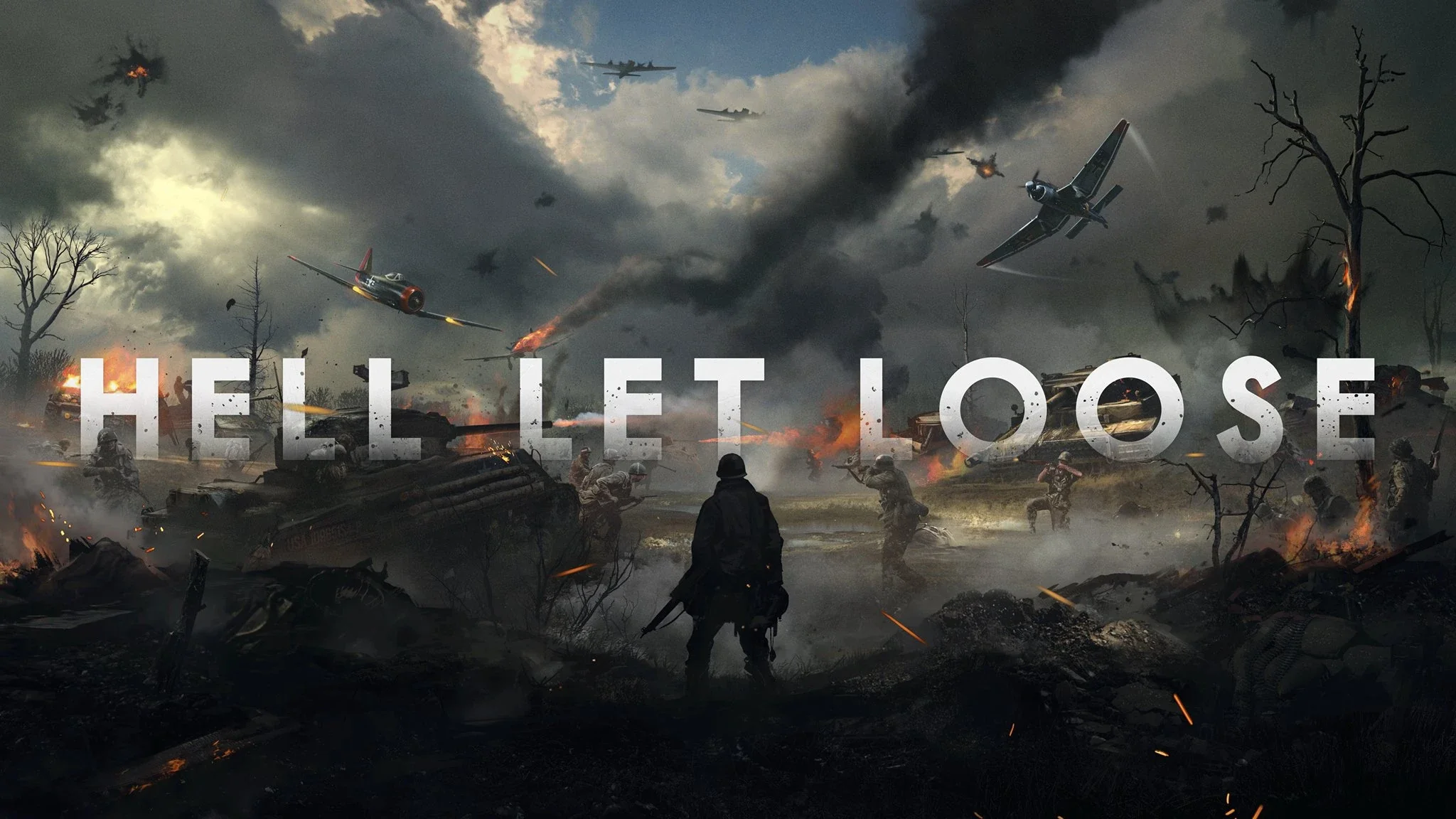

Story Driven Gaming
This is a collaborative post debating merits of emergent storytelling vs. static storytelling between myself and TheBro from MMOBro. After reading this, make sure to check out his side of the debate!
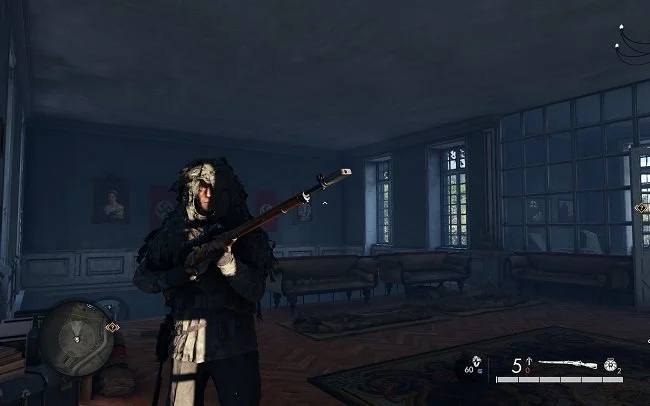
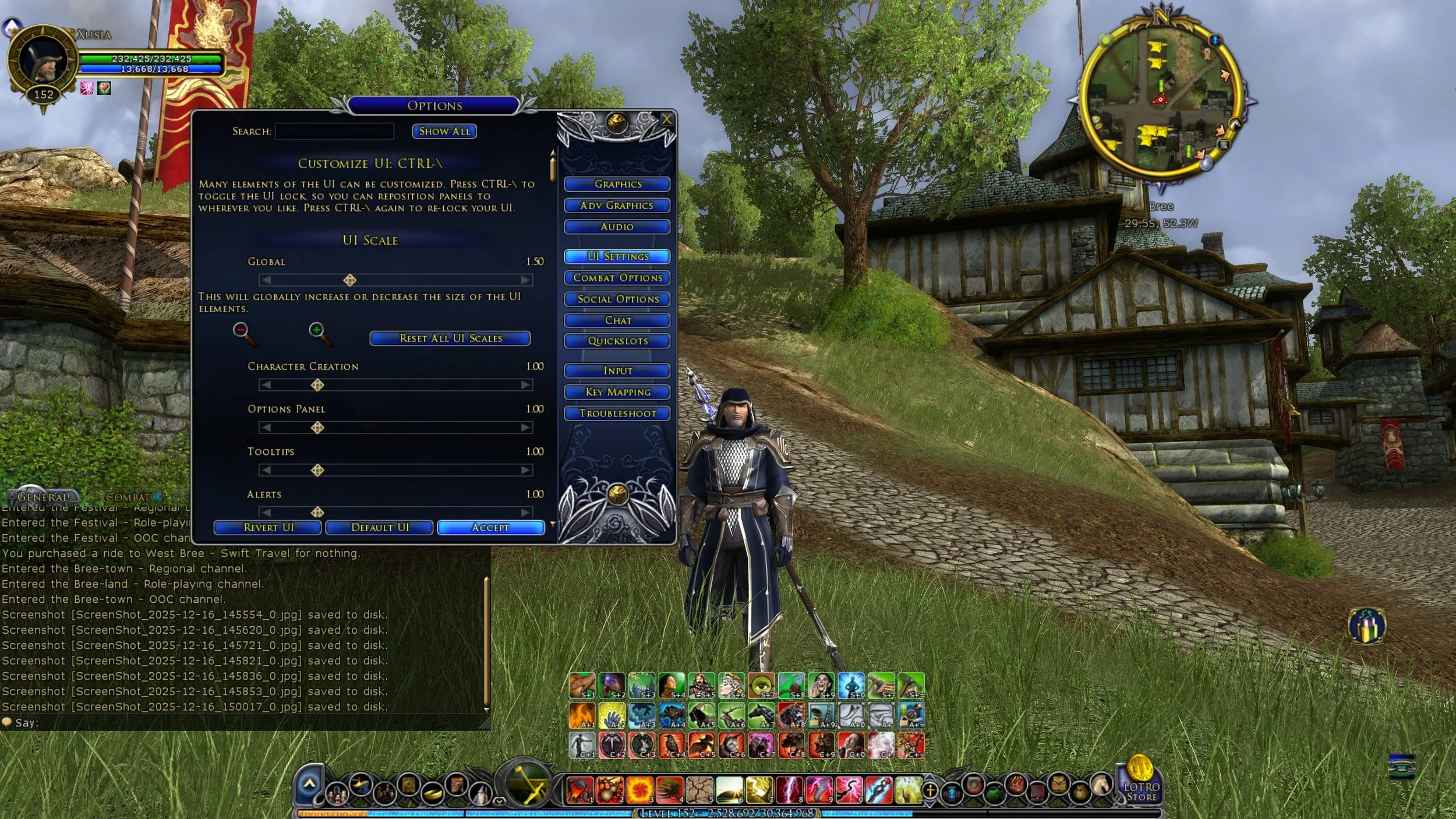
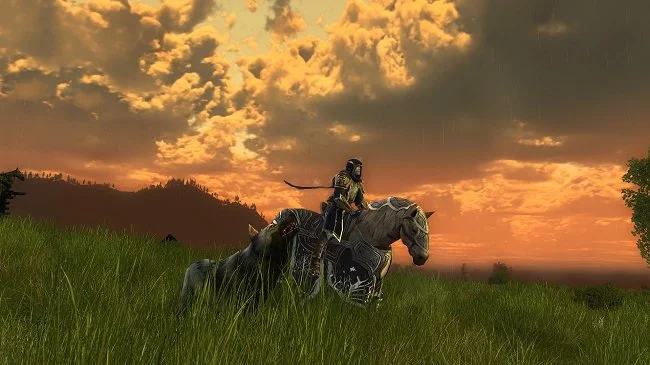
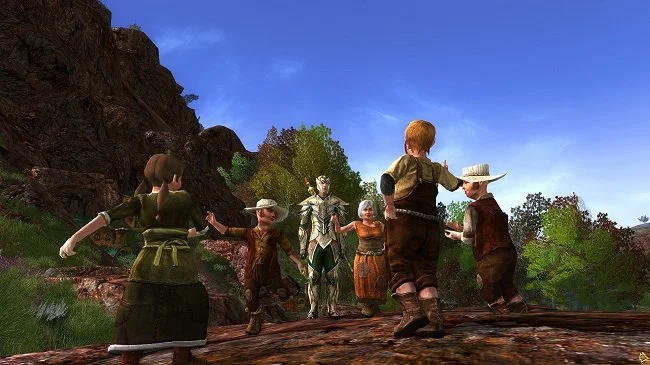
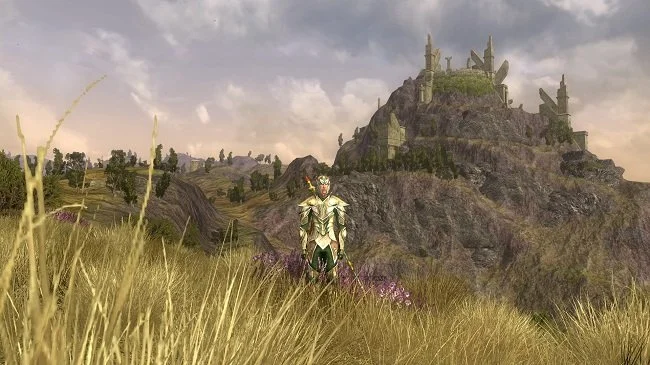
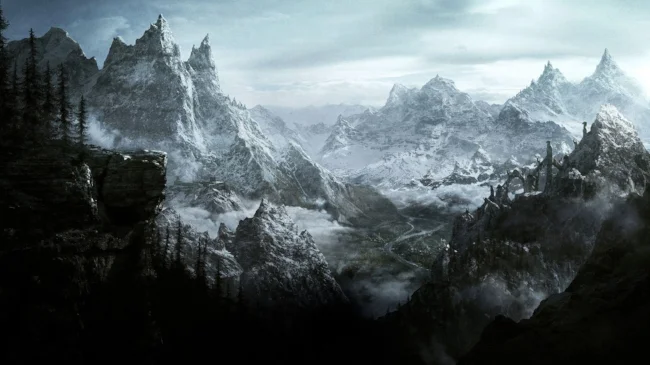
As I peruse my Steam library, it becomes very apparent that the titles I’ve spent the most time playing are those with complex and involving traditional, linear narratives. This is hardly surprising as I’ve always liked stories and have a strong affection for books with in-depth lore and complex faux histories. It is one of the reasons I enjoy Professor Tolkien’s work and therefore gravitate towards games that expand upon these intellectual properties. Games such as LOTRO and even Middle-earth: Shadow of War. Both endeavour to explore the mythology of Third Age from an alternative perspective. Through the Elder Scrolls V: Skyrim, I discovered a wealth of lore and entered a living, breathing world. Then of course there is the MMORPG Star Trek Online, that until recently has been the only source of new Star Trek content. All these diverse titles from multiple genres have one thing in common. A strong narrative that underpins each game.
This is a collaborative post debating merits of emergent storytelling vs. static storytelling between myself and TheBro from MMOBro. After reading this, make sure to check out his side of the debate!
As I peruse my Steam library, it becomes very apparent that the titles I’ve spent the most time playing are those with complex and involving traditional, linear narratives. This is hardly surprising as I’ve always liked stories and have a strong affection for books with in-depth lore and complex faux histories. It is one of the reasons I enjoy Professor Tolkien’s work and therefore gravitate towards games that expand upon these intellectual properties. Games such as LOTRO and even Middle-earth: Shadow of War. Both endeavour to explore the mythology of Third Age from an alternative perspective. Through the Elder Scrolls V: Skyrim, I discovered a wealth of lore and entered a living, breathing world. Then of course there is the MMORPG Star Trek Online, that until recently has been the only source of new Star Trek content. All these diverse titles from multiple genres have one thing in common. A strong narrative that underpins each game.
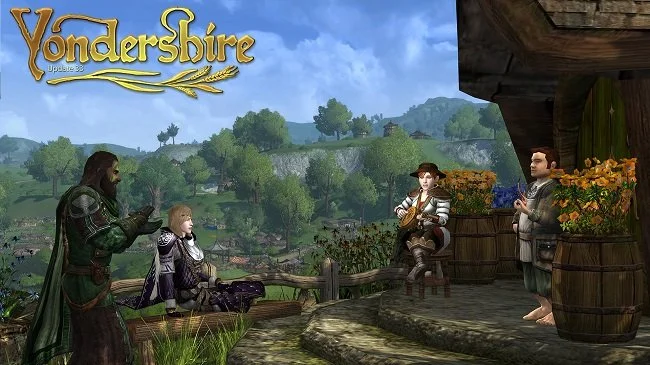
Often when gaming, once the player looks beyond the scope and setting of the title, they will find a set of repeatable tasks, endeavours and targets to achieve. RPGs and especially the MMORPG genre are built upon such systems. If I am to shoot, explore or resource farm within a game, all of which can be quite arbitrary at times, then I do like to have some motivation or narrative explanation as to why I am doing these things. These game mechanics actually become less arduous if I am provided with an interesting enough narrative and a world with its own internal logic. Star Trek Online for example can justify the most innocuous of tasks with a healthy dose of its unique technobabble. The grinding nature of the rebuilding of Hytbold, a major quest line in LOTRO back in 2012, was eased considerably by the well-crafted storyline that accompanied the undertaking.
However, a strong story can achieve more than simply justifying repeatable daily quests or progression grinds. Take an RPG such as The Witcher 3: Wild Hunt. I cannot remember a game that tackled adult themes and socially complex issues, so well. The central characters were very well defined with flaws and common foibles, making them extremely credible and identifiable. As a result, the player becomes thoroughly invested in the characters and has a clear emotional stake in their fate. For me The Witcher 3: Wild Hunt often felt like taking part in an interactive novel. Now such a concept may not be to all gamers liking, however when you consider the cultural significance of the story it is hardly surprising that they are an intrinsic part of gaming. We as a society reflect upon our history, politics and ethics through fictional narrative. I see games with epic linear narratives to be an extension of this concept. Furthermore, as games are not locked into a single outcome, as with a book, there is scope for interaction and to have multiple outcomes.
However, although I am a big advocate for strong stories and complex plots in gaming, I am not dismissing the alternative out of hand. Emergent storylines and player created content is ideal for certain genres and can add a very human element to gameplay, especially in the MMO genre. But emergent content is a very broad term and therefore one has to be careful to make appropriate comparisons. Early MMOs often took a less structured approach in terms of narrative. Ultima Online being a clear example of this. The narrative experience where shaped by the activities of player guilds and their interactions. High profile betrayals and assassinations would alter power struggles. Economic manipulation would also have an impact upon persistent worlds. We still see all these aspects today in EVE Online with its territorial wars, bank heists and political subterfuge.
However, these events and emergent stories have several disadvantages. They are unique and time specific. For those who were present and participated, they may well be exceptionally gripping and entertaining but if you weren’t their then you missed it all. An embedded narrative has no expiry date. Another consideration is that emergent stories and interaction often stem from the players being active in the community beyond the game itself. Guilds socialise, plot and scheme outside of the game via forums and subreddits. Social groups have hierarchies with people playing specific roles. Yet MMOs are filled with “average players” who are not always involved with the wider aspects of a game. For them, emergent stories and events are something that happen to other people, assuming they get to hear about them at all. These more passive players only experience the outcome, rather than shape it. Perhaps it can therefore be argued that player generated content is really only of benefit to the more involved player. The player with the time and inclination to devote a great many hours to a single game.
Another concern I have regarding players shaping the narrative and direction of events in a game such as EVE Online, is that the driving force may not always be a positive or pleasant one. The socio-political dynamic of games of this ilk too often manifests as betrayal, hostile acquisition or economic chaos. Although these are good themes narratively, I tire of the continual race to the bottom that such behaviour encourages. We have enough of this in real life and I do not always wish to find such thing reflected in games, especially MMOs. It is also worth considering that the open world environment that encourages emergent gameplay is an incentive to some and a source of confusion to others. I have spoken to players in both Guild Wars 2 and The Elder Scrolls Online, who are lost without the structure of clear cut quest hubs and mission objective. Choice is not always a good thing and suits all taste. And let us not forget that player generated content in such games as LOTRO. This is often roleplay driven and centred around telling tales, reading poetry and playing in a band. For those of a creative persuasion this is hog heaven. For others it again proves to be a somewhat passive or even exclusionary experience.
Then there are those players who are never going to be interested in a story based narrative of any kind. They are not motivated by plot or characters and will skip all quest explanations and in-game cutscenes. This is the kind of gamer whose pleasure hinges upon achievement, leader boards and the actual process of playing. Competitive games do not need a narrative, although there is a backstory to titles such as Overwatch. Games of this idiom are driven by league tables and success. The reward is pride and bragging rights. In fact, you could strip back the details regarding some games setting and who the various factions are, choosing to present them as simply the red and blue team in arena number three. Because if the gameplay is fun and challenging, then that will suffice for some gamers.
Like novels and movies, a narrative driven game can provide more than just an enjoyable ride. It can focus and raise awareness of complex moral, social and political issues. MMOs and RPGs can inform and make us think about difficult matters. Of course, that is not to everyone liking and some wish games to be entirely free of such elements. But for me, I find narrative games to be the next step in our ongoing evolving relationship with storytelling. Although I am not averse to MMOs and other genres that focus on player generated narratives, I favour the traditional story based approach. Hardly surprising from someone who enjoys writing. However, there are many views on this matter other than my own perspective and ass ever there is no definitive right or wrong answer. For an alternative take on this subject, The Bro over at MMOBro has written an interesting piece favouring emergent storytelling.
Diary of a Podcaster Part 12
Ever had what you thought was a great idea for a podcast that looked good on paper but turned into something quite different, once you started recording? Well I had that experience on Sunday evening and today I am dealing with the results. It all started with an innocuous Twitter conversation (don’t many things I hear you say) which highlighted a minor cultural difference between the US and the UK. Having recorded with an American co-host for many years this is a common occurrence, so I decided to make it the theme of the next Contains Moderate Peril podcast. I initially thought of several fun examples that could be discussed; the British obsession with the weather, cheese-rolling and Morris dancing. However, rather than take a scattergun approach, I decided to list specific categories in the show notes. Subjects such as school, work, food, social customs and public holidays were added for discussion and I believe that is where thing started to go wrong.
Ever had what you thought was a great idea for a podcast that looked good on paper but turned into something quite different, once you started recording? Well I had that experience on Sunday evening and today I am dealing with the results. It all started with an innocuous Twitter conversation (don’t many things I hear you say) which highlighted a minor cultural difference between the US and the UK. Having recorded with an American co-host for many years this is a common occurrence, so I decided to make it the theme of the next Contains Moderate Peril podcast. I initially thought of several fun examples that could be discussed; the British obsession with the weather, cheese-rolling and Morris dancing. However, rather than take a scattergun approach, I decided to list specific categories in the show notes. Subjects such as school, work, food, social customs and public holidays were added for discussion and I believe that is where thing started to go wrong.
Braxwolf and Syl kindly joined me for the recording and being respectively American and Swiss, are eminently equipped to contribute to the proceedings. What became clear after about thirty minutes of recording was that the discussion was becoming a bit dry and formal in tone. I was hoping it was going to be lighter as the initial Twitter discussion had been. So, we then focused on some more fun examples and the tone of the debate shifted. However, it has become clear in the editing process today that the show is a little uneven and I have decided to record some further material at a later debate that focuses on the trivial rather than the serious. Certainly, I attribute no blame to my guests and think I perhaps tried to impose too rigid a structure on the recording session. Syl has also stated that perhaps the listeners should be given more credit and may be content with a more formal discussion. This is a good point. However, for the time being this show remains under development and will be re-edited with additional content and released in the New Year.
In the meantime, this situation presents me with a gap in my current podcasting schedule, such as it is. I’m currently publishing a new show once a month, usually toward the end of that period. Due to some positive feedback I received recently regarding some material Brian and I covered in 2015, I’ve decided to produce a compilation. Yes, it would appear that if in doubt, a clip show can save your bacon. Ironically, that is indeed one of the subjects that will be making a return. Our discussion of bacon and eggs was great fun to record and found an audience upon its initial release. So, I’ve decided to produce a food based “greatest hits” show that will include the aforementioned topic as well as the follow up debate we had about fruit and vegetables. I shall record a new introduction and some framing links placing the various discussions in context. Whether it works or not remains to be seen and will more than likely be the theme of the next instalment of Diary of a Podcaster.

















Mirror Invasion
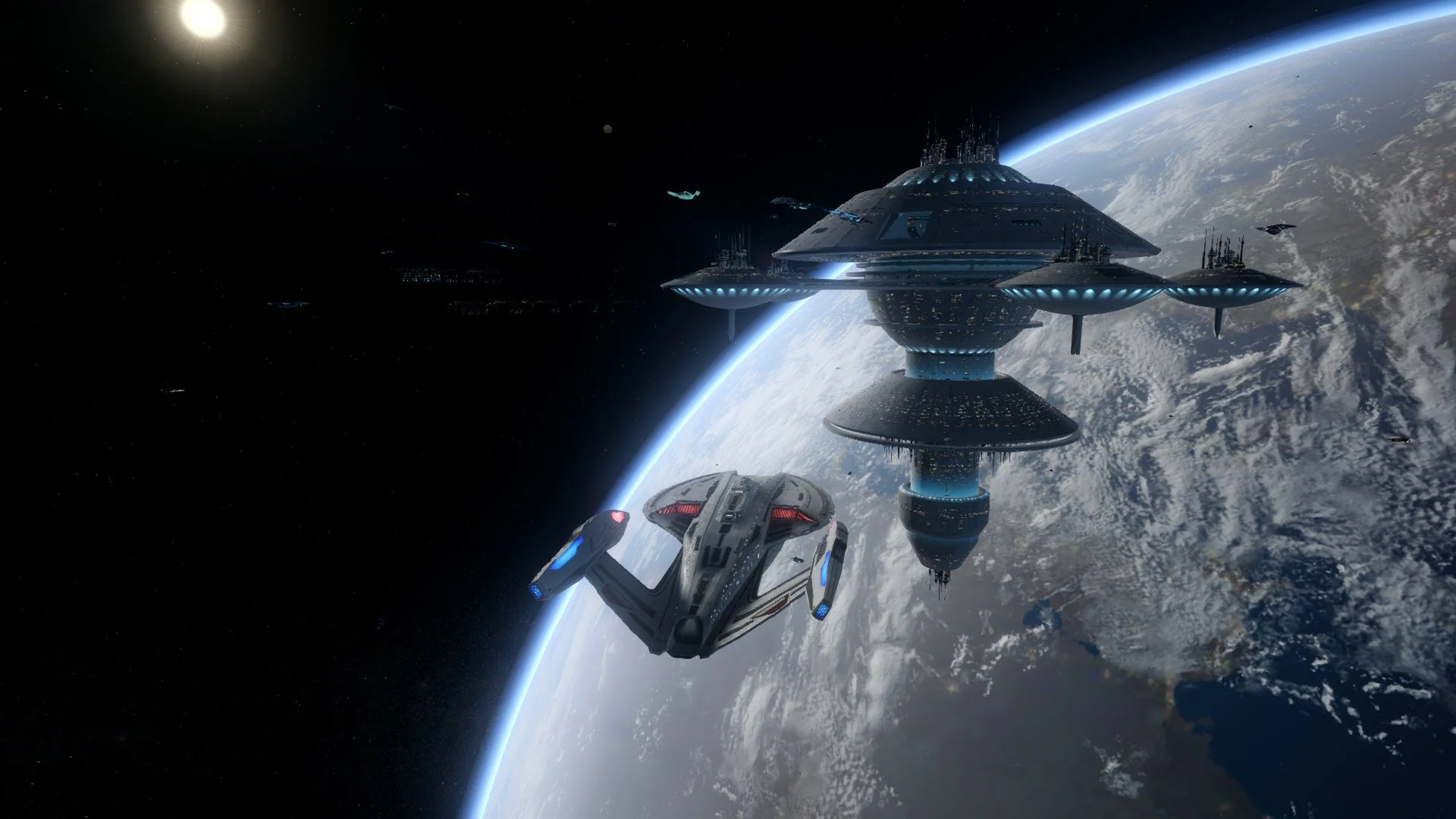
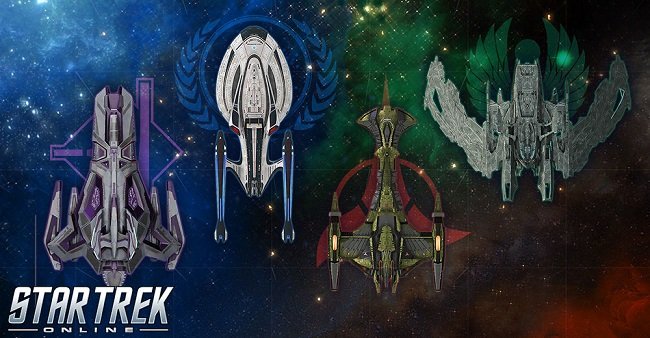
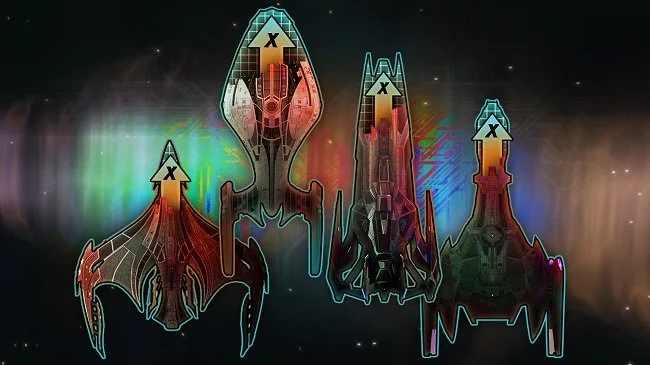
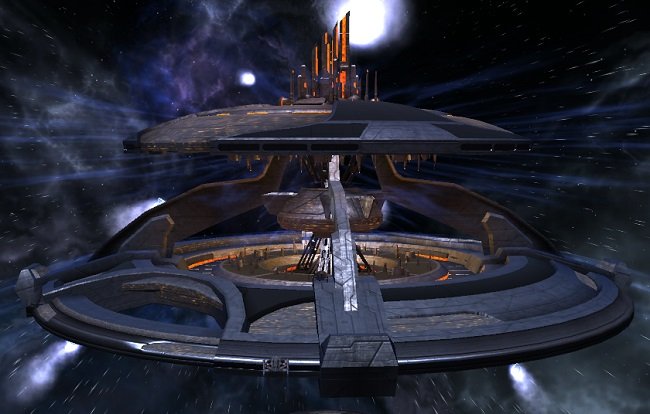
The Mirror Invasion, also known as the Terran Empire Incursion, is no stranger to Star Trek Online. This five-man event has appeared six times since its launch in 2104. Despite some minor revisions and different event rewards, the basic premise remains the same. The players must defend Vauthil Station from a Terran Empire assault from the Mirror Universe. Rifts appear and have to be closed before they unleash enemy vessels. There are also four power substations that charge the stations defences, that have to brought online. In the final stage of the event, an enemy Dreadnought and support squadron make a final attack on the station. It’s a fun ten-minute team event and if tackled correctly, is not too challenging. Science vessels can close rifts quicker than other classes and Command ships can initiate the power substations more efficiently. Players are awarded a Multidimensional Transporter for playing this event. By turning in 14 Transporters through the Reputation System, players will receive Dilithium Ore, Reputation Marks and the new Interphasic Instability console.
The Mirror Invasion, also known as the Terran Empire Incursion, is no stranger to Star Trek Online. This five-man event has appeared six times since its launch in 2104. Despite some minor revisions and different event rewards, the basic premise remains the same. The players must defend Vauthil Station from a Terran Empire assault from the Mirror Universe. Rifts appear and have to be closed before they unleash enemy vessels. There are also four power substations that charge the stations defences, that have to brought online. In the final stage of the event, an enemy Dreadnought and support squadron make a final attack on the station. It’s a fun ten-minute team event and if tackled correctly, is not too challenging. Science vessels can close rifts quicker than other classes and Command ships can initiate the power substations more efficiently. Players are awarded a Multidimensional Transporter for playing this event. By turning in 14 Transporters through the Reputation System, players will receive Dilithium Ore, Reputation Marks and the new Interphasic Instability console.
Sadly, there is a problem with the Mirror Invasion. A problem that has been present for a while and one that remains uncorrected by Cryptic. Upon joining this event, either via the PVE queue system which auto groups you with other players or through creating a private encounter, you can simply spawn and go AFK, allowing the event to run without any discernible player interaction. You may get reduced rewards for not passing the all the event challenges but you will receive the Multidimensional Transporter. This is because the Mirror Invasion is driven by it ten-minute duration and it is the passage of time that triggers different stages of the event. You can safely neglect to close the rifts and allow the vessels to swarm the area without any major consequence. If Vauthil Station gets too damaged it simply initiates repair protocols. Eventually the Station fires an anti-tachyon pulse and forces the Mirror Universe forces back to their dimension, clearing the area. The final Dreadnought attack can be similarly ignored until the timer expires.
Some STO players consider this situation an exploit, where others do not. Naturally this is hotly debated but I think that particular discussion is essentially missing the point. This is a significant flaw in the event design and anything that actively encourages players to not engage with the activity erodes the relationship between the player and game. This is not the first time this has happened in STO either. There is a similar defect in the First Contact Day event where you can bypass the scavenger hunt to upgrade your replica Phoenix. It further disheartening to know that both of these problems are known to Cryptic but do not seem to be high on their priority list. Then there is the “social” issue of going AFK in pickup groups. Unless this is something that is mutually agreed by all parties, it does seem somewhat ill-mannered to take a seat while others do all the work. Again, encouraging such behaviour through a correctable flaw is bad for STO and its community. Sadly, Cryptic are not known for being quick off the mark, so I suspect this problem will persist.
Strictly Come Dancing 2017: Part 5
No one is safe. I’m sure it’s a thought that all remaining contestants on Strictly Come Dancing are currently thinking. Week 10 has been and gone and found front runner Alexandra Burke in the dance off against the delightful Susan Calman. Obviously, the moment this was announced, the outcome was a forgone conclusion. But it proves as I said last week that the spread of public votes may not be that wide and if a celebrity finds themselves in the middle of the linerboard then they are at serious risk. There can be no “bad weeks for the remaining contestants, from now on. Every dance now has to be undertaken with as much confidence and technical accuracy as possible. I suspect that unless Gemma raises her game and Mollie continues to improve they too may be potential dance off candidates next week. As for Alexandra, I would hazard a guess that she will focus very much on ironing out any technical issues and will return with a show stopping performance, next Saturday. The lady is extremely motivated and competitive.
No one is safe. I’m sure it’s a thought that all remaining contestants on Strictly Come Dancing are currently thinking. Week 10 has been and gone and found front runner Alexandra Burke in the dance off against the delightful Susan Calman. Obviously, the moment this was announced, the outcome was a forgone conclusion. But it proves as I said last week that the spread of public votes may not be that wide and if a celebrity finds themselves in the middle of the linerboard then they are at serious risk. There can be no “bad weeks for the remaining contestants, from now on. Every dance now has to be undertaken with as much confidence and technical accuracy as possible. I suspect that unless Gemma raises her game and Mollie continues to improve they too may be potential dance off candidates next week. As for Alexandra, I would hazard a guess that she will focus very much on ironing out any technical issues and will return with a show stopping performance, next Saturday. The lady is extremely motivated and competitive.
However, let us take a moment to reflect upon the departure of Susan Calman. Susan was one of the reasons I have returned to actively watching Strictly Come Dancing. Unlike other celebrities Susan has absolutely no prior dance experience and at first glance could have been labelled the “fun” contestant. Yet she has surprised us all, as well as herself, by her progression and improvement. Not only has she learnt how to dance but she has brought an unbridled joy to the show. In many respects she has embodied the essence of Strictly and represent all that is good and rewarding about the journey. Each year, the public will champion a celebrity that they perceive as an underdog and keep them in the show. Sometimes this is done for entertainment value and on occasions I believe this is done simply as pushback against the judge’s formal approach to marking performances. But I believe this year that Susan stayed on the show for so long simply because the public loved her and her genuine outlook. She will be missed.
Next Saturday is the Quarter Final of Strictly Come Dancing as well as being Musical Week. It presents the celebrities with an opportunity to really to sell themselves. Up and till now I’ve been voting intermittently, for those who have impressed me. But I haven’t consistently supported a specific couple. I believe from now that the voting will start to get very tribal and if you have a favourite celebrity, then your support will be essential for them. As I’ve said time and again over the years, Strictly Come Dancing is an entertainment show and the winner does not lift the trophy purely buy being technically the best. It often comes down to who the public thinks deserve to win, which puts a very different complexion on things. Both Joe and Davood are potential champions, whose good nature and self-improvement could prove a challenge to technically excellent front runner, Alexandra. Yet I still feel that Debbie McGee is a wild card and personally I would like to see her succeed and shatter the myth about Strictly always being the prerogative of the young. Roll on next Saturday.
The Peril of Leaving Comments
I recently decided to try and comment more on websites and blogs, mainly in a shameless attempt to raise my own writing profile. I live in hope that people will be enamoured with my “puckish epigrams” and follow the breadcrumb trail back here. However, leaving comments takes time because I cannot just post a few succinct words. I always end up typing several paragraphs because brevity often leads to a point being misconstrued. We do after all live in an age where people actively look for offense regardless of whether it’s there or not. However, I digress. What I enjoy about leaving comments on blog posts and website articles, is the chance to exchange ideas and to riff off other people. I also find that by marshalling my thoughts and leaving a comment elsewhere, it can lead to me subsequently expanding on those ideas and developing them into a blog post for Contains Moderate Peril. So overall, I advocate leaving comments and feedback.
I recently decided to try and comment more on websites and blogs, mainly in a shameless attempt to raise my own writing profile. I live in hope that people will be enamoured with my “puckish epigrams” and follow the breadcrumb trail back here. However, leaving comments takes time because I cannot just post a few succinct words. I always end up typing several paragraphs because brevity often leads to a point being misconstrued. We do after all live in an age where people actively look for offense regardless of whether it’s there or not. However, I digress. What I enjoy about leaving comments on blog posts and website articles, is the chance to exchange ideas and to riff off other people. I also find that by marshalling my thoughts and leaving a comment elsewhere, it can lead to me subsequently expanding on those ideas and developing them into a blog post for Contains Moderate Peril. So overall, I advocate leaving comments and feedback.
And of course, as you’ve probably guessed, the previous statement comes with a caveat. Actually, it’s probably not so much of a caveat but more of an element of risk. That being that you have absolutely no control over what happens next. Allow me to give you an example. Earlier in the week, there was a post over at Massively Overpowered regarding how Disney forced EA to temporarily disable the lootboxes in Star Wars Battlefront II. I left a comment to the effect that it was a positive result and that at least we as gamers knew what to do in the future. IE Complain to the licence holder and not just the developer. Use a company’s PR vanity against them. I then ended the comment with a throw away remark about how we needed to figure out exactly what we all wanted. Because there isn’t a “universal dream”. Gamers are a bit like the Judean People’s Front versus the People’s Front of Judea.
What followed next in a way proved my point. Another gamer directly replied with a few ideas regarding the “universal dream”. “Not to be exploited by corrupt and greedy corporations; Not to be physiologically programmed into degenerate gamblers; not to have communist/SJW re-education and propaganda corrupting our games and media. I am sure you can add a few things to this dream list but it’s a start”. Well yes, I do indeed have a few things to add and more importantly, a lot to remove. Like 90% of what they said. The only thing I broadly agree with is there first point, although I wouldn’t couch it in such hyperbolic language. I think EA’s lootbox system is crass and the fact they had the gall to try it, is mildly insulting. However, the rest of the views stated are simply ill conceived and reek of tabloid journalism and the associated mindset. I could have replied but suspected it would lead to on of those circular conversations that achieves nothing other than the raising of blood pressure and an unnecessary expenditure of energy.
This minor event reminded me of a similar situation I had a few years ago while I was waiting for a bus. A random stranger joined me at the bus stop and a brief exchange of words was had regarding the approximate time of the next bus. Then suddenly, out of know where, the guy blurted out a few derogatory comments about a specific ethnic group. It wasn’t a crazy tirade. Just a few sentences, said in a calm and measured way but still overtly racist. I remember at the time thinking, where the hell did that come from and then getting really angry because there was this inherent assumption in his confidence to make such comments, that I too was a bigot. Furthermore, when considering both these anecdotes about random left field statements, I worry that there’s a risk that you can get inadvertently tarred with the “crazy” brush in such situations. Stupidity splash damage is one way to describe it.
Once again, an old adage has proven true. No good deed goes unpunished. Except I’m not sure if I can really define me leaving a comment on a website as a good deed but hey, most analogies don’t stand up to close scrutiny. Guess this is similar to the recent discussion a few of us bloggers had on twitter about how the articles you feel are your best don’t garner the traffic you’d like and that disposable posts can sometimes break big. Similarly, a comment you feel strongly about may only get a reply from some random crazy person and a glib remark can be perceived as being more than the sum of its parts and deeply insightful. I guess both of these first world, social media “dilemmas” are a direct result of daring to interact with other sentient, carbon based life forms. It’s an activity that always comes with an element of risk.
Black Friday
I have been subject to a continual barrage of emails over the course of the week, promoting Black Friday sales. These have covered everything from power tools to medical supplies, children’s toys and even granite work surfaces. Obviously. there’s also been a lot of promotions for discount games. This eclectic mix reflects the fact that I use my online accounts to purchase items for my entire family. I hate to think what the various analysts and number crunchers make of this. My Amazon recommendations includes both urine bottles and Thomas the Tank Engine paraphernalia. But I digress, I’m sure pretty much all of us have been battered around the head and shoulders this week by various kinds of unsubtle marketing. However, I am happy to report that I have not succumbed to this “encouragement”. The simple fact is that I don’t need anything at present so have bought nothing. Furthermore, I had an epiphany nearly two decades ago, when I discovered that buying stuff really doesn’t make you feel any better, solve any of your problems or fulfil any of the inferred promises of the advertisements.
I have been subject to a continual barrage of emails over the course of the week, promoting Black Friday sales. These have covered everything from power tools to medical supplies, children’s toys and even granite work surfaces. Obviously. there’s also been a lot of promotions for discount games. This eclectic mix reflects the fact that I use my online accounts to purchase items for my entire family. I hate to think what the various analysts and number crunchers make of this. My Amazon recommendations includes both urine bottles and Thomas the Tank Engine paraphernalia. But I digress, I’m sure pretty much all of us have been battered around the head and shoulders this week by various kinds of unsubtle marketing. However, I am happy to report that I have not succumbed to this “encouragement”. The simple fact is that I don’t need anything at present so have bought nothing. Furthermore, I had an epiphany nearly two decades ago, when I discovered that buying stuff really doesn’t make you feel any better, solve any of your problems or fulfil any of the inferred promises of the advertisements.
Economically speaking, the Black Friday pre-Christmas sales have become increasingly important to retailers and in the UK are a big indicator of consumer confidence and a litmus test of how well the public feel the country is fairing. So far from the numbers that have filtered through today, it would appear that spending is up 6% over last year. But before we put out the bunting and shout “Yay for the UK economy”, let’s temper our enthusiasm with the fact that consumer debt (mainly unsecured loans via credit cards) is currently £200 billion. That’s for a country with a population of 65 million. And at a time when interest rates are finally rising after a decade. Oh, and let’s not forget that minor political and economic event known colloquially as BREXIT. That may also have a bearing on the situation with regard to the value of the pound, the cost of living and future consumer borrowing.
If you take time to reflect upon the big picture, it’s a very sorry state of affairs. We live in a society where many are trapped in low paid jobs with little chance of opportunity or improvement. Many are deeply unhappy with what they do for a living and see little chance of life getting any better due to a decline in social mobility. Social media has lifted the scales from the public eyes and the divisions between the haves and the have nots are laid bare. The country currently bitterly divided and rational thought is in retreat. The decline in institutions such as the church, along with a waning of a sense of community has resulted in a nation of “individuals” desperately trying to assuage their personal sadness through retail therapy. It’s a recipe for disaster and 2018 is potentially the year when the proverbial chickens come home to roost. I am not optimistic that things are going to get better soon, nor do I have faith in any politicians to fix these problems. But hey, that was a sweat deal you got on an electric haemorrhoid massager.












LOTRO: Pilgrims in a Barren Land
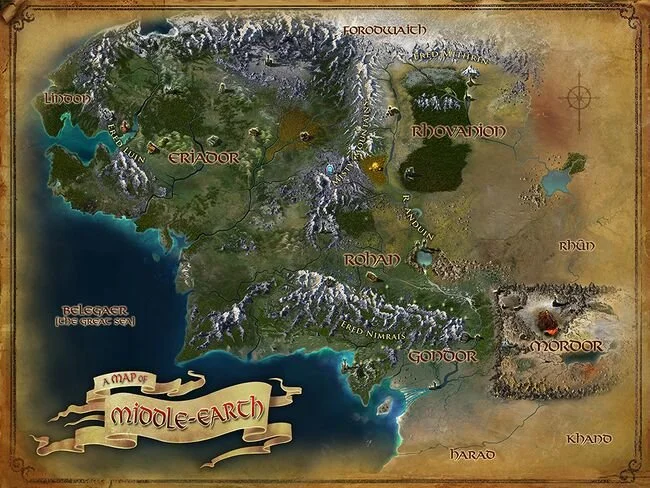
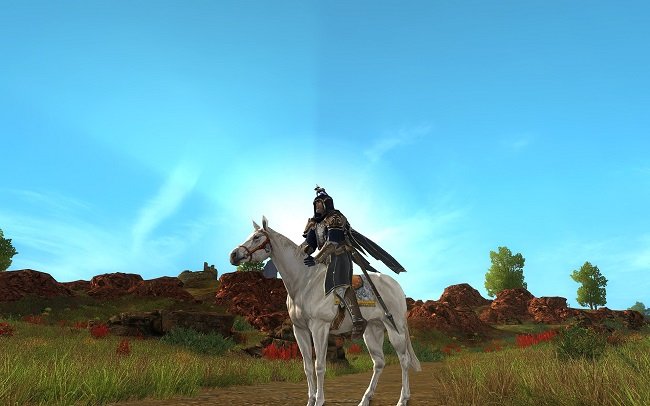
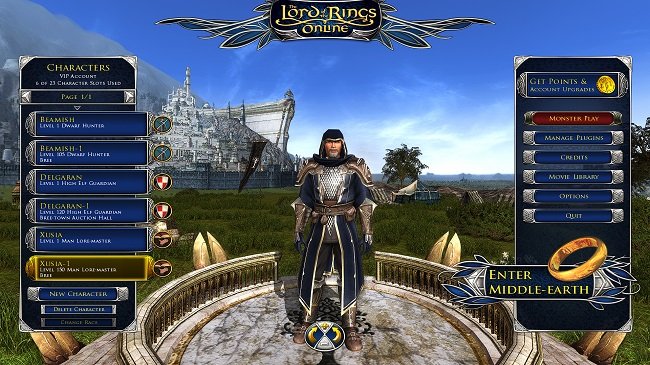
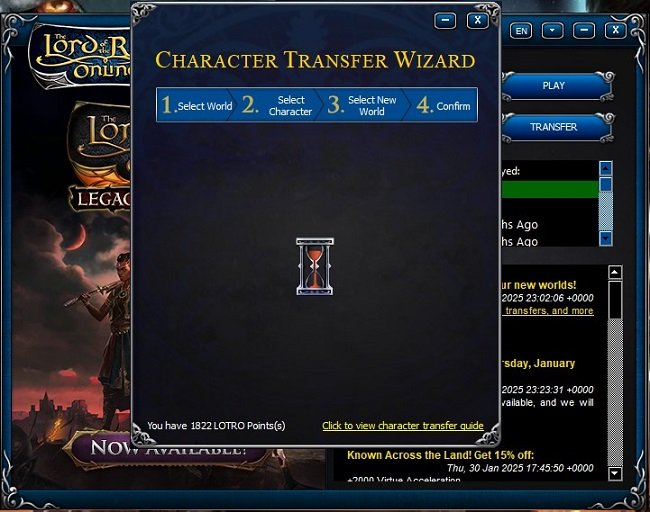
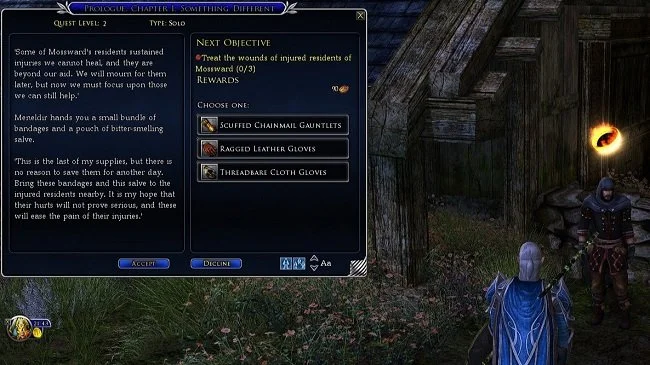
I bought the Mordor expansion for LOTRO in August but apart from playing through the prologue, I made no further progress. I was getting somewhat burnt out with MMOs at the time, so I decided to take a break and pursue other games. I was prompted to return to the LOTRO today by the recent Executive Producer’s Letter from Rob Ciccolini and the announcement that Update 22, coming in 2018, takes the story to Northern Mirkwood. Iconic locations such as Thranduil's Court, Dale, Laketown, and Erebor will feature in the epic story. Looking further ahead another future destination is Minas Morgul and a showdown with Shelob, who so far, we’ve only met briefly from a first-person perspective in a cut scene. Naturally I’m interested in where Standing Stone Games takes the story next, so I need to ensure that I have reached level cap by the end of the year, which isn’t that far away. Hence, it’s back to Mordor. Shame I don’t like Mordor.
I bought the Mordor expansion for LOTRO in August but apart from playing through the prologue, I made no further progress. I was getting somewhat burnt out with MMOs at the time, so I decided to take a break and pursue other games. I was prompted to return to the LOTRO today by the recent Executive Producer’s Letter from Rob Ciccolini and the announcement that Update 22, coming in 2018, takes the story to Northern Mirkwood. Iconic locations such as Thranduil's Court, Dale, Laketown, and Erebor will feature in the epic story. Looking further ahead another future destination is Minas Morgul and a showdown with Shelob, who so far, we’ve only met briefly from a first-person perspective in a cut scene. Naturally I’m interested in where Standing Stone Games takes the story next, so I need to ensure that I have reached level cap by the end of the year, which isn’t that far away. Hence, it’s back to Mordor. Shame I don’t like Mordor.
My problem with Mordor is that it’s perpetually dark, extremely convoluted to navigate and filled with a high density of mobs. It certainly looks the part and the various storylines are as creative as ever but it’s a tough grind to slog through. The enemies are difficult to kill and if you’re playing solo, every kill takes twice as long as normal, until you upgrade your gear with that which drops. Now I realise this is a deliberate design choice by SSG to try and encourage group play. However, I don’t like being dependent on others and often play at very late or early hours, thus missing those in my kinship. Let it suffice to say that at present I have to play through Mordor in short burst because otherwise I get bored and frustrated with it. Mercifully, I still have quests to complete in the Drúadan Forest, Beacon Hills and in Ithilien and the Wastes of Dagorlad. These don’t offer such good XP now that I’ve tipped over into level 106, although they do provide a welcome break and an alternative means to reach the current cap. I think tackling some of these Mordor quests above level will ease their difficulty.
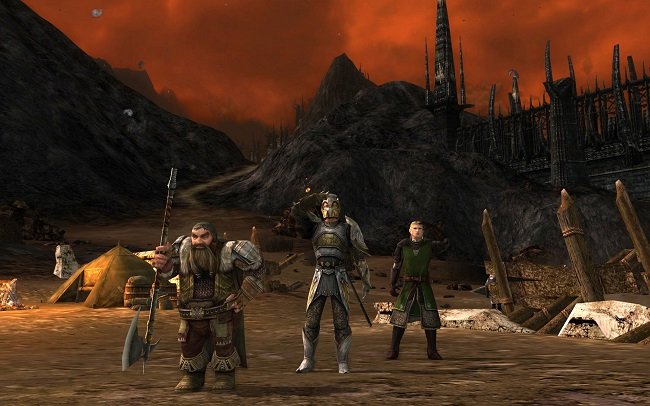
It would appear that there is a significant increase in gear stats as you progress through Mordor and of course there is the buff/debuff of the Light of Eärendil versus the Shadow mechanic. All of which offer a “challenge”. If you’re the sort of player who likes to be tested and enjoys MinMaxing then Mordor is certainly a suitable environment for such tastes. I however, like to approach matters in a more pragmatic fashion. I like to be overpowered and to “steam roll” my way through the opposition, in a “shock and awe” manner. To achieve this, I have currently switched to the blue trait line for my Lore-master, relying on my more robust pets to do a lot of tanking and aggro holding. It appears to work so far, although you do have to selectively summon and dismiss your pets to avoid pulling too many mobs and getting swamped. If things really do get out of hand in a combat situation I do use my Landscape Soldier, although this can sometimes cause more problems than it solves. To date Landscape Soldiers are still very difficult to control and have a habit of stationing themselves a little too far away, often straying into place you’d rather they didn’t.
Finally, SSG are currently tinkering with Update 21.3 - Beta #4 on the Bullroarer test server. It looks like they’re looking at reducing the level that Ash of Gorgoroth can be obtained via both the landscape and instances. Ash is required to barter for top tier gear. Let it suffice to say, that it would appear that this change is being made to try and “encourage” players to buy the Gorgoroth Steel-Bound Lootbox, which will be the only other alternative means of obtaining it. Need I mention that this proposed change has not been well received by the community. Given the current debacle regarding lootboxes in Star Wars Battlefront II and the fact that such gaming mechanics are now coming to the attention of the legislature both in the US and Europe, is this really a wise move by SSG? Is the need to push lootboxes an indication that the game is not meeting its revenue projections. This is certainly a subject to watch in the weeks to come, while I grin my way through the barren land of Mordor.




Is Vanity the Achilles Heel of the Game Industry?
On the eve of the launch of Star Wars Battlefront II last Friday, DICE General Manager Oskar Garbrielson released a statement stating that paid microtransactions were to be disabled in the game for the immediate future. It was a major reverse of policy after several weeks of increasing debate and acrimony about the subject from Star Wars fans and wider gamers. It has now come to light that the decision was due to pressure from the rights holders themselves. Disney Head of Consumer Products and Interactive Media Jimmy Pitaro is apparently the driving force behind this U-turn. Naturally with a major movie release only weeks away and the prospect of huge merchandise sales over the holiday season, no one at Disney wanted to see a media circus that could impact upon their bottom line. What happens in the new year when the controversy has died down and the movie leaves the cinemas, remains to be seen. I suspect we have not seen the back of the loot crate issue but for the meantime the problem has been side-lined.
On the eve of the launch of Star Wars Battlefront II last Friday, DICE General Manager Oskar Garbrielson released a statement stating that paid microtransactions were to be disabled in the game for the immediate future. It was a major reverse of policy after several weeks of increasing debate and acrimony about the subject from Star Wars fans and wider gamers. It has now come to light that the decision was due to pressure from the rights holders themselves. Disney Head of Consumer Products and Interactive Media Jimmy Pitaro is apparently the driving force behind this U-turn. Naturally with a major movie release only weeks away and the prospect of huge merchandise sales over the holiday season, no one at Disney wanted to see a media circus that could impact upon their bottom line. What happens in the new year when the controversy has died down and the movie leaves the cinemas, remains to be seen. I suspect we have not seen the back of the loot crate issue but for the meantime the problem has been side-lined.
This entire matter is emblematic of a wider issue surrounding marketing, branding and PR. One that bleeds through into multiple facets of day to day life. We live in a curious world where politicians, communities and businesses are often very protective of their “image” and “reputation”. These may be hard earned through years of doing the right thing or simply be the product of proactive PR and spin. But the bottom line is no one wants to be negatively labelled these days, even if that label is justified. Hence, we live in a world were racists don’t like to be called such and companies hate to be perceived as “greedy”, although that is the nature of the very system that predicates their existence. Everyone seems to want to act with impunity but still be seen as a good guy and be able to hang out with fans at community events and bask in the warm glow of public adulation. It’s hypocritical and it stinks. Sadly, we allow it.
So, EA and DICE were told to stand down and this whole problem has temporarily been defused because Disney doesn’t want their image tarnished, although a little research will show they’re far from angels. Has this move worked? Well initial sales may be a little slow of Star Wars Battlefront II but it’s early days yet and I don’t see the game bombing any time soon. Fans also have very short memories and are their own worst enemy in so far as making a stand. People like to posture but they seldom care to go without and that is the only way to effect real change. What happens next with this game is still up for grabs. However, it does prove that vanity and “public perception” are the industries Achilles Heel and we should as gaming consumers continue to use this to effect the changes that we want. All we need to do now is figure out exactly what those are, as a cursory glance around the internet shows that gamers do not share a universal “dream”.
Strictly Come Dancing 2017: Part 4
Blackpool always brings out the best in the celebrity dancers, due to its immense entertainment heritage and standing within the world of professional dancers. So, it wasn’t surprising to see some couples raise their game and make significant improvements with their routines. Gemma showed that she had listened to the judges’ comments and delivered a polished and elegant performance. She also appeared to have noticeably rediscovered her confidence. Mollie also delivered a far better routine which corrected many of the issues that have plagued her in previous weeks. I would argue that it was her best dance of the series. And once again, Susan poured her heart and soul into her time on the dance floor, delivering another spirited performance that found favour once again with the public, if not the judges.
Blackpool always brings out the best in the celebrity dancers, due to its immense entertainment heritage and standing within the world of professional dancers. So, it wasn’t surprising to see some couples raise their game and make significant improvements with their routines. Gemma showed that she had listened to the judges’ comments and delivered a polished and elegant performance. She also appeared to have noticeably rediscovered her confidence. Mollie also delivered a far better routine which corrected many of the issues that have plagued her in previous weeks. I would argue that it was her best dance of the series. And once again, Susan poured her heart and soul into her time on the dance floor, delivering another spirited performance that found favour once again with the public, if not the judges.
And once again there was an element of surprise when recent front runner Debbie McGee found herself in the dance off with people’s favourite Jonnie Peacock. However, I did feel that the outcome was somewhat arbitrary so didn’t feel that Debbie’s place on week ten’s show was under threat. But what this situation does demonstrate is the importance of public votes and that the potential distribution of them is possibly far closer than what people imagine. I suspect that although fans and supporters vote in large numbers there may not be anyone who has a demonstrable lead. I also suspect that some members of the public vote for multiple celebrities, having a clear favourite yet also acknowledging those who have done well and those they feel are being “picked on” by the judges. Public votes are often driven by emotion rather than an adherence to technical dance quality.
In the last few years, the BBC have been asked several times as to why they don’t release details of the public voting figures. I must admit, it would be very interesting to see such an analysis and to determine whether there is a clear pattern or whether it’s a far more reactionary process. However, when this question was last raised in 2016, a spokesperson for the show said “releasing voting figures could affect the way that people vote, and also have an impact on the participants. We therefore do not disclose the exact voting figures”. Both are good points. Knowing a contestant’s standing in a voting league table could indeed lead to tactical voting, plus it would add an additional layer of pressure for the celebrities to deal with. Ultimately, it is probably a sound decision to withhold this kind of information, at least during the duration of the current season.





Classic Game Themes: Shadow of War
The soundtrack for Middle-earth: Shadow of Mordor by Gary Schyman and Nathan Grigg was a dark and brooding affair, reflecting the tragedy of its central characters. It was a score based upon haunting strings, low vocals and ominous tones. However, both composers have crafted a somewhat different soundscape for the sequel Middle-earth: Shadow of War. It should be noted that if you are an ardent fan of Howard Shores scores for Peter Jackson’s movies, that Gary Schyman and Nathan Grigg’s approach to Middle-earth is quite different, although both are orchestral works. Shores grandiose themes often reflected the enormity and history of Middle-earth. Here the music is more personal, channelling the emotions of those who stories unfold against such momentous events.
The soundtrack for Middle-earth: Shadow of Mordor by Gary Schyman and Nathan Grigg was a dark and brooding affair, reflecting the tragedy of its central characters. It was a score based upon haunting strings, low vocals and ominous tones. However, both composers have crafted a somewhat different soundscape for the sequel Middle-earth: Shadow of War. It should be noted that if you are an ardent fan of Howard Shores scores for Peter Jackson’s movies, that Gary Schyman and Nathan Grigg’s approach to Middle-earth is quite different, although both are orchestral works. Shores grandiose themes often reflected the enormity and history of Middle-earth. Here the music is more personal, channelling the emotions of those who stories unfold against such momentous events.
The first theme we encounter is with the games main menu. It is in fact an instrumental version of the song Fires of War which later plays across the end credits. This time round the music takes a different approach with a more positive and uplifting undercurrent. The stygian darkness of Mordor has been swapped for a more stoical mood and opening theme features swelling staccato strings. The central melody does still feature the high overtone along with the violins that were present in the first game but it feels very different this time, with a more optimistic spin. Talion is no longer seeking revenge but to over throw Sauron himself and this driving passion is reflected in the soundtrack.
Once you start following the narrative of the central story and move beyond Minas Ithil, the soundtrack feels much closer to the tense and portentous ambience of the original title, with choral parts and low register piano interludes. There are not so many leitmotifs used this time round and the score is more of an evolving soundscape. This suits the game play far more appropriately. For the sake of continuity, many of the themes associated with Talion’s specific abilities are used again. This includes the magnificent Caragor Riding with its off-kilter beat, Cello and vocalisation of the Ring Lore. Overall Middle-earth: Shadow of War boasts a very accomplished soundtrack and a worthy successor to its predecessor.






Star Wars Revisited (2008)
Back in 2008, I discovered a fan edit of George A. Romero’s iconic Dawn of The Dead and was very impressed with the way that enthusiasts can now re-edit and re-imagine any film of their choice, using commonly available tools. I subsequently spent some time looking into this entire sub-genre further and found that one of the most popular franchises to be fan edited was naturally Star Wars. One of the first fans edits of this kind I watched was a "Grindhouse" version of A New Hope that had been retitled The War of The Stars. It was fun and tried to be different but overall it was simply an amusing diversion. Something that could viewed as a in joke among fans. Not all of the fan edits out there are particularly good and as a genre it can be very uneven. Yet through word of mouth it became quite apparent that one particular Star Wars fan edit seemed to be getting a great deal of attention and praise from both the fan and wider community. Namely Star Wars Revisited by Adywan.
Back in 2008, I discovered a fan edit of George A. Romero’s iconic Dawn of The Dead and was very impressed with the way that enthusiasts can now re-edit and re-imagine any film of their choice, using commonly available tools. I subsequently spent some time looking into this entire sub-genre further and found that one of the most popular franchises to be fan edited was naturally Star Wars. One of the first fans edits of this kind I watched was a "Grindhouse" version of A New Hope that had been retitled The War of The Stars. It was fun and tried to be different but overall it was simply an amusing diversion. Something that could viewed as a in joke among fans. Not all of the fan edits out there are particularly good and as a genre it can be very uneven. Yet through word of mouth it became quite apparent that one particular Star Wars fan edit seemed to be getting a great deal of attention and praise from both the fan and wider community. Namely Star Wars Revisited by Adywan.
Now, I need to impress upon you, that Star Wars Revisited isn't just a case of moving a few scenes around and adding deleted footage from alternate sources. This is a labour of love of unparalleled magnitude. Material has been re-shot, miniatures remade and animatronics reproduced. All of which has then been seamlessly integrated into the film. Certain scenes have been modified to either replace the changes made by George Lucas. Other material has been replaced to improve perceived deficiencies. Star Wars Revisited is more than an attempt to present the movie as it was seen back upon its 1977 release. It is also a revisionist piece of work driven by an inherent love of the source material. It is quite staggering what has been achieved, especially when you consider that this is the work of a member of the public and not a film studio.
Now the changes are far too numerous for me to list here. For those of you that wish to digest them in detail, follow the link to the Star Wars Revisited blog. I've added a few screen captures below to give you a taste of the changes that have been made. NB Star Wars Revisited was created using standard definition source material. Adywan has announced that he will be producing a 720p version.
Imperial Star Destroyers now patrol around the Death Star as well as the sentry TIE Fighters. The infamous "Imperial March" from TESB has been added to the score for this scene.
When the Rebel HQ picks up "enemy fighters" on their long range scanners, we now get to see the incoming squadron sent to engage the Rebels.
Finally, Chewie gets a medal! It's very clever the way the new scene has been edited so that Princess Leia can put it round the Wookies neck.
Because of the viral nature of the internet, Adywan's fan edit has built up quite a following within the Star Wars community. Star Wars Revisited has been well received, so as a result, he has been diligently working on a revisited version of The Empire Strikes Back for the last few years. This has recently been released and I shall be focusing on the specifics of that edition in another blog post. In the meantime, I would recommend readers to seek out Star Wars Revisited. Now there are obviously some copyright issues regarding fan editing, so common sense dictates that we tread around that issue quite carefully. I will therefore not link to it directly. However, Google is your friend. Track this version down and watch it. Then ponder what a resourceful fan has managed to achieve on their own and compare it to the multiple changes that George Lucas has made over the years. I would be very interested to hear your opinion as to which is the better cut of the movie.







The Rambo Phenomenon (1982 - 2008)
The cinematic character of John J Rambo is heavily associated with the politics of the eighties and the ascending right-wing attitudes of the era. His name has entered the popular sub culture and means different things to different people. His name is used as a pejorative term by certain political lobbies, who see him as stereotypical incarnation of blind patriotism and “might is right” minsdet. It is a name also sadly linked to the Hungerford Massacre in the UK by Michael Ryan in 1987. It was alleged, particularly by tabloid newspapers, that Ryan was inspired by the film Rambo: First Blood Part II, with some claiming he wore armed-forces style clothing. Rambo was cited as an example of a negative media influence, which was particularly relevant in the wake of the controversy over video nasties in the UK at that time. It is now claimed that Ryan had never seen the film, but the allegations provided sensationalist headlines and imagery and so the label stuck.
The cinematic character of John J Rambo is heavily associated with the politics of the eighties and the ascending right-wing attitudes of the era. His name has entered the popular sub culture and means different things to different people. His name is used as a pejorative term by certain political lobbies, who see him as stereotypical incarnation of blind patriotism and “might is right” minsdet. It is a name also sadly linked to the Hungerford Massacre in the UK by Michael Ryan in 1987. It was alleged, particularly by tabloid newspapers, that Ryan was inspired by the film Rambo: First Blood Part II, with some claiming he wore armed-forces style clothing. Rambo was cited as an example of a negative media influence, which was particularly relevant in the wake of the controversy over video nasties in the UK at that time. It is now claimed that Ryan had never seen the film, but the allegations provided sensationalist headlines and imagery and so the label stuck.
US President Ronald Reagan made reference to the character on several occasions during his two terms in office. Upon the release of 39 American hostages in June 1985 said, “after seeing Rambo last night, I know what to do next time this happens”. Hardly diplomatic words. Several months later, pleading for tax reform, Reagan said, “Let me tell you, in the spirit of Rambo, we're going to win this thing”. These extraordinary references by an American president attest to the power and ubiquity of the Rambo phenomenon. That fact that a contrived cinematic character could become a powerful political metaphor is still intriguing. Even today Rambo remains a name that gets a reaction and invokes an emotional response. However, often people’s perceptions are erroneous, based around popular headlines rather than an awareness of the central character himself. If we look at the history of the character, it is not as black and white as it first appears.
The first film featuring John Rambo was First Blood, released in 1982 and directed by Ted Kotcheff. It took David Morrell's traumatised twenty-year-old character and turned him into a 36, melancholic and philosophical veteran. The film also made some subtle plot alterations to negate any moral ambiguity that featured in the novel. Stallone is put upon and although violently breaks out of the Police station, does not kill first. Where as in the book, Rambo, instinctively reacts to provocation due to his military training and guts one of the police officers. Kotcheff's tried to tackle the wider issue of how a nation treats it war veterans, especially in light of a military defeat, whereas the book focused on a generation of youth that had been rendered dysfunctional and homicidal due to their training and experience. It is a surprisingly thoughtful film and very much a horse of a different colour, compared to what followed.
Rambo: First Blood Part II was released in 1985 and rather than reflecting on America's historical wounds, offered a populist fantasy in which John Rambo got to re-write history and rescue a group of POWs from Vietnam. It was a massive commercial success and succinctly reflected the social and political mood of the US at the times. There is absolutely no attempt to objectively look at the complex issues that lead to the failure of the Vietnam war. We are instead presented with arbitrary bad guy stereotypes, whose evil status is denoted by their penchant for looking through binoculars fiendishly and speaking in hackneyed foreign accents. School boy politics aside, the film was a solid action vehicle for Stallone and sealed his action star status. It was competently directed by George P. Cosmatos and superbly shot by legendary cinematographer Jack Cardiff. The body count is ludicrously high and Rambo special forces skills go from the credible to the incredible.
By 1988 the world was changing rapidly. The Cold War was slowly coming to an end as Russia entered a new period of Gasnost and Perestroika. Due to production delays, the plot of Rambo III centring around rescuing Colonel Trautman from Afghanistan, seemed somewhat out of step with current affairs. However, the basic premise of the bond of friendship between student and master was sound and the film directed by veteran second unit director Peter MacDonald, supplied copious amount of action. However, due to the backlash in the UK against the franchise by the tabloid press, allegedly over the Hungerford massacre, the film was heavily censored. This arbitrary knee jerk reaction achieved nothing tangible and in subsequent years, all cuts have been waived by the BBFC. This entry is perhaps the most underrated in the series and curiously enough adds a slightly more flippant and humorous facet to Rambo's character.
In Rambo, the fourth instalment of the franchise, directed in 2008 by Stallone himself, finds our protagonist rescuing a group of Christian missionaries, from the Burmese military. Unlike the previous two sequels, there is far less of a political dimension to the story. The Burmese army are simply a catalyst for the action and are not explored in any depth. This time Rambo presents us with the age-old dilemma about the use of violence against violence. The Burmese Army brutally shoot, blow up, bayonet, burn, mutilate, and rape the innocent villagers. Yet exactly the same retribution is visited upon them. One of the Christians muses that it is never justifiable to use violence or to kill. Ironically (or predictably) he beats a soldier to death with a stone at the films climax. Is this an effective illustration of the inevitability of violence? Other films have argued otherwise. Ghandi depicts the destiny of a nation, changed through nonviolent protest. However, he was not faced with the prospect of genocide.
Film critic Mark Kermode slated Rambo as totally morally bankrupt, a claim also made against the 1985 instalment. Stallone counters this argument by stating that violence is simply human nature. It is what we are. A point that is often unpalatable to some intellectual quarters, possibly because it is so near to the truth. The writer Robert A. Heinlein proposed that violence has settled more issues in history than has any other factor and that all actions in human society are governed by force. The very act of voting is a manifestation of exerting one’s dominance. Also, there is the debate that violence can be justified if the cause is morally valid. It is intriguing that the Christians depicted in the 2008 film Rambo, are at odds with their faiths historical legacy on this very issue.
Debating the wider moral and philosophical aspects of this franchise is not as easy a question as one would expect. Is the entire Rambo phenomenon broad escapist entertainment or a politically incorrect cinematic slaughter house? Is it a revisionist western or nihilistic sanguinary pornography? Despite initial statements that a fifth film may manifest itself, Stallone appears to have put that idea to bed. It would seem that the final images of part four, with John Rambo returning to his family home is indeed to be the definitive ending. For good or ill, Rambo has become an integral part of 20th century pop culture and the name has assumed a wider meaning and become part of the contemporary lexicon. Some argue that cinema does not set the cultural agenda but merely reflects it. If that is so, then don’t shoot the messenger, especially when he's an ex Green Beret.
Finally, it would be impossible to write about the Rambo series without mentioning the work of composer Jerry Goldsmith. He provided the score for the first three films and after his death, Brian Tyler continued with his main themes for the fourth movie. Goldsmith's music for the franchise is very accomplished and adds an additional layer to the central character. His various cues especially for the action sequences demonstrates how a musical score can enhance a film. Posted below is the main theme for the first film, which is has become synonymous with the Rambo character and encapsulates the late composer’s immense talent.
Thoughts on Blogging Part 1
There wasn’t a Newbie Blogger Initiative this year and I was saddened by that. I’ll make no bones about the fact that I liked this yearly event and the way for a few months after it, you’d see a lot of interesting new blogs spring up, filled with optimism and passion. But, what’s done is done, and life goes on. It’s up to others to pick up that particular torch and run with it, if they wish to see the event to return. I also miss a lot of my colleagues and peers’ blogs and the comradery that stemmed from the associated community. Again, this is a natural and inevitable attrition process, caused by that thing known as “life”. So, to combat my current melancholic malaise, I thought I’d collate a few of my thoughts about writing online and set them down in a semi-regular post, the same way as I do about podcasting.
There wasn’t a Newbie Blogger Initiative this year and I was saddened by that. I’ll make no bones about the fact that I liked this yearly event and the way for a few months after it, you’d see a lot of interesting new blogs spring up, filled with optimism and passion. But, what’s done is done, and life goes on. It’s up to others to pick up that particular torch and run with it, if they wish to see the event to return. I also miss a lot of my colleagues and peers’ blogs and the comradery that stemmed from the associated community. Again, this is a natural and inevitable attrition process, caused by that thing known as “life”. So, to combat my current melancholic malaise, I thought I’d collate a few of my thoughts about writing online and set them down in a semi-regular post, the same way as I do about podcasting.
So, to begin with, Sarah (AKA AlternativeChat) made a throwaway comment a while ago on Twitter about “getting something noticed”. I took this to be a reference to her prodigious written output. I tweeted back that “I've written several pieces that I'm proud of. However, they never got the traffic I hoped for. That's the nature of the beast, I guess”. I then pointed out the post that has garnered the most traffic during my seven years of blogging was a review of Top Cat: The Movie. That was posted on an older version of this website and ironically isn’t even available anymore. Then fellow blogger Wilhelm Arcturus added that “There is an inverse relationship between investment/effort and popularity. My most popular posts are ones I knocked out on a whim”. A sentiment that I concur with. Fellow blogger Gevlon expressed similar sentiments
All of this got me thinking about statistics and traffic. I’ve written in the past how it is important for the budding blogger not to become obsessed with these things. However, they can also be a very useful tool. Wilhelm himself, regular breaks down the traffic to his site and writes about it. Not in a self-aggrandising way but just as a means to gauge what topics are popular and to track how his writing patterns have changed over time. I used to blog regularly about the MMO LOTRO, as it was for several years the focal point of my gaming. It is not now and thus it doesn’t occur as often as a point of discussion. It is not unusual for the long-term blogger (or Tom Jones) to broaden their writing horizons over time, to accommodate the ebb and flow of their interests and passions. I have done it several times.
Writing a blog is a personal choice and peoples motivation varies. Most like myself, often site an enjoyment of writing as a primary factor. It could therefore be argued that for a purist blogger, who is not in any way driven by matters of ego, shouldn’t care if their blog remains unread. However, many of us write as a means to communicate our passion for something. Therefore, an audience, comments and feedback are important. Our writing is an invitation to friendly interaction and an exchange of ideas, although such concepts are becoming increasingly alien in the current binary climate. This last point paradoxically offers another reason to write. I use my blog as a means to marshal my thoughts and to try and understand what is happening in the world. Articulating your concerns can have a therapeutic value. Also, meeting those who are equally perplexed by the status quo can be rewarding.
A fellow blogger who wrote a very popular MMO fansite, once told me that they considered their writing as a public service in a way. I do not think the remark was born out of vanity. It simply reflected their enjoyment of participating in a wider community. However, they also remarked that once you embark down such a road, especially if you are receiving a high level of traffic, it can turn your passion in to a chore. They also told of how when they finally reached a point when they wanted to end their writing commitment, that they received from some quarters a lot of criticism and even aggression. It’s curious how some fans go from enjoying free content, to expecting it and treating it as if it were a product that they paid for. Mercifully, I’ve not encountered such problems. I would not claim to have such a large audience, nor do I see my writing as a public service. But I do at times struggle to maintain a regular posting schedule. It’s something that’s common to all bloggers, most of whom would like to write more than they do.
Finally, I discovered that blogger Isey has a page called “Writers Resting in Paradise” over at their website IHasPC. It lists many blogs that have ceased regular posting and have gone quiet. I believe the criteria to get on this list is to not post for six months or more. However, it should be noted that you do find from time to time, that hibernating blogs suddenly revive as the author gets bitten by the blogging bug again. Stropp recently started posting again over at Stroppsworld, which is nice to see. Being a fan of the written word, I always prefer to read someone’s thoughts than watch a live stream or a video. Visual mediums have their place and can be fun and compelling. Yet the written word provides scope from greater analysis and expression, due to the subtleties of the English language. Reading others use of words and how they choose to communicate their thoughts is fascinating and an invaluable insight into that person.
Wanted: Dead or Alive (1987)
Wanted: Dead or Alive was a popular western TV show from the fifties starring Steve McQueen. It told the story of Josh Randall, a Confederate war veteran and bounty hunter. It ran for three seasons and is mainly notable for launching the career of its star. The 1987 action movie, Wanted Dead or Alive, starring Rutger Hauer, tenuously links to the television show, however that’s where the similarities end. Ex-CIA operative turned bounty hunter Nick Randall (Hauer) at one point shares a brief anecdote about a Grandfather who used to tell him tall tales of the old west. That is the only reference to the television show that the movie makes. Beyond that, Wanted: Dead or Alive is pretty much a standard eighties action film with a better than average script and cast of supporting actors. It also features the decades most ubiquitous plot device, the stereotypical group of fanatical Arab terrorists.
Wanted: Dead or Alive was a popular western TV show from the fifties starring Steve McQueen. It told the story of Josh Randall, a Confederate war veteran and bounty hunter. It ran for three seasons and is mainly notable for launching the career of its star. The 1987 action movie, Wanted Dead or Alive, starring Rutger Hauer, tenuously links to the television show, however that’s where the similarities end. Ex-CIA operative turned bounty hunter Nick Randall (Hauer) at one point shares a brief anecdote about a Grandfather who used to tell him tall tales of the old west. That is the only reference to the television show that the movie makes. Beyond that, Wanted: Dead or Alive is pretty much a standard eighties action film with a better than average script and cast of supporting actors. It also features the decades most ubiquitous plot device, the stereotypical group of fanatical Arab terrorists.
Director Gary Sherman has made some interesting films during his career. This includes such cult classics as Death Line, Vice Squad and Dead and Buried. All are low budget features that manage to offer a different take on stock movie tropes and story lines. Here he assembles some good character actors such as Robert Guillaume, Jerry Hardin and Hugh Gillin, playing an assortment of duplicitous company men. The plot has a little more depth than most brainless action films of the time. Not only is there the excitement of a straight forward man hunt but an extra political layer showing the divisions within the various security services, each with their own agenda. This perhaps compensates for the celebrity miscasting of Gene Simmons of KISS fame, as the terrorist Malak Al Rahim. His performance is questionable and yet it’s also the sort of eye rolling, scenery chewing excess that fans of this genre like.
The modern audience may find the action scenes somewhat low key but that’s the way it was back then in the eighties. Large budgets and excess were not as abundant as they are now and there is a cogent argument to be made for more minimalist vehicles of this kind today. At least all the stunt work and prosthetics are genuine in-camera effects. It is also fun to see what passed as cutting-edge technology backing the mid-eighties, with car phones and non-windows based computers. Rutger Hauer provides a suitably laid-back performance and his presence lifts the movie above the mundane. The witty one liners and banter do not mitigate the story's point. Wanted Dead or Alive also benefits from a bravura ending with one of the best pay off lines of the decade. Watch if you are an eighties action film fan or a Rutger Hauer aficionado.