Everything That is Wrong With Management Hierarchies in a Nutshell
The following video appeared in my Twitter timeline three months ago. Upon watching it, I was annoyed on multiple levels and it takes quite a lot to get me agitated these days. I felt disposed towards writing a blog post about what I had seen. However, other stuff came up, as it always does and I ended up writing something else and this post ended up consigned to the “phantom zone” that is “draft posts”. However, I had a conversation today with someone online, that started a train of thought that led me back to this Tweet and my draft post. Someone used the word “literally” when they clearly meant something figuratively and it made me think about how so many people use words incorrectly. Not being able to express yourself clearly and accurately is a major problem. With regard to the anecdote featured in the video it is a clear demonstration of this. It also raises a lot of other issues, all of which are the bane of management.
The following video appeared in my Twitter timeline three months ago. Upon watching it, I was annoyed on multiple levels and it takes quite a lot to get me agitated these days. I felt disposed towards writing a blog post about what I had seen. However, other stuff came up, as it always does and I ended up writing something else and this post ended up consigned to the “phantom zone” that is “draft posts”. However, I had a conversation today with someone online, that started a train of thought that led me back to this Tweet and my draft post. Someone used the word “literally” when they clearly meant something figuratively and it made me think about how so many people use words incorrectly. Not being able to express yourself clearly and accurately is a major problem. With regard to the anecdote featured in the video it is a clear demonstration of this. It also raises a lot of other issues, all of which are the bane of management.
Essentially, the guy referenced in the story didn’t understand what “random” means. Furthermore, he couldn’t adequately articulate what it was that he actually wanted the developer to do. On several occasions he reacted retrospectively to the results presented, requesting changes that he had not previously expressed. So not only was he ignorant of a word’s definition he was incapable of stating what he ultimately desired, in this case the parameters of the sequence he wanted the songs played in. The results were ultimately achieved but the manager's communication and handling of the situation were inefficient and potentially had a cost impact upon the process. Rather than enhancing workflow and production through management of staff, this individual directly but probably unbeknown to themselves, hampered and held up development.
There are many problems that blight management culture and vertical hierarchies. Cronyism, direct entrants into a grade who are overqualified but under experienced and those who are just bereft of empathy and social skills. Management often have a degree of power which sadly attracts the socially dysfunctional, the sociopathic and those who just like to fuck with people. Managers should be able to do everyone else’s job, have both authority and “soft” people skills. They should lead by example. Sadly most fail these criteria. It seems to me that the only qualification required nowadays to manage staff is having a pulse. However, putting aside a wider critique of the role, I consider communications to be the biggest issue and possibly the most common failing. I have never worked in the video game industry but I have certainly encountered comparable examples of this anecdote. You’ve probably done the same.
If you’re looking for this post to come up with a solution to this malady then I must disappoint you. Getting the right people into the right positions is a difficult and complex problem and takes a lot of time, money and effort. Something a lot of businesses just don’t want to do. Hence you get square pegs in round holes or managers who are patently out of their depth without any idea that they are so. Again I will advocate the merits of self employment, where possible. If you work for yourself and have a shit manager then you only have yourself to blame. Beyond that, all I can advise is to document everything and ensure that you have a backup copy of your paper trail. Where possible, if someone is being vague, seek clarity. “What do you mean by that” is a useful phrase. But in a business world where the Dunning–Kruger effect is rife, what can’t be cured must be endured. I’m not a religious person myself but God obviously loves crap middle management because he certainly makes a lot of them.














The Blight of “Bro Culture” and “Boys Club” Mentality
During the summer of 2007 I was working as part of a team of IT contractors undertaking a major hardware rollout for a large smartphone software developer in London. I could spend a substantial amount of time setting up the backstory to this anecdote but upon mature reflection, I don’t think it is actually necessary. Let it suffice to say that the company was mainly staffed by men between the age of 25 and 50. The team of contractors that I was working with had a similar demographic. This is hardly surprising, as IT is still a male dominated field. Both the company that I was directly working for and the one we were providing support services to were very similar in their corporate culture. It was informal with a “work hard, play hard” ethic. Disputes and major decisions were often resolved by public arguments and there was a very clear hierarchy that sadly wasn’t based on intellect or decorum.
During the summer of 2007 I was working as part of a team of IT contractors undertaking a major hardware rollout for a large smartphone software developer in London. I could spend a substantial amount of time setting up the backstory to this anecdote but upon mature reflection, I don’t think it is actually necessary. Let it suffice to say that the company was mainly staffed by men between the age of 25 and 50. The team of contractors that I was working with had a similar demographic. This is hardly surprising, as IT is still a male dominated field. Both the company that I was directly working for and the one we were providing support services to were very similar in their corporate culture. It was informal with a “work hard, play hard” ethic. Disputes and major decisions were often resolved by public arguments and there was a very clear hierarchy that sadly wasn’t based on intellect or decorum.
Drinking culture is far more robust and commonplace in the UK compared to other countries. A swift pint at lunch time is not unusual and drinks after work throughout the week is part of the working landscape. However, on this occasion, it was far more in your face. Hence the standard of behaviour among employees often took a nose dive in the afternoon. The job often felt like a night out, rather than a short term contract. It also reminded me of the last few years I spent at school. Cliques and an “in crowd” were quickly established. Anyone who didn’t quite fit in became the butt of jokes which soon descended into bullying. The few women that worked in the building, mainly in admin, HR and support roles were badgered constantly. The cleaning staff were also subject to racist abuse and regularly taunted. Yet despite all this, because the work was getting done, no one felt the need to do or say anything. Plus in the view of the senior staff, it was all just “high” spirits and anyone complaining should “get over themselves”.
The sad thing about this story is that it is not in any way unusual. “It happens everyday” as Tom Jones wisely stated. Furthermore, if I or anyone else had attempted to do something about the situation it would have ended with our contracts being terminated. There may well have been lasting consequences with regard to being blacklisted by certain recruitment agencies for not being a team player. Because this “boys club” mentality is everywhere. It’s everywhere because it stems from the way society in Western Democracies are constructed and run. Power, opportunity and expectations are all centred around white men. Many people don’t like the phrase “white privilege” and it is misunderstood and frequently misused. So rather than invoke it, I’ll ask a very simple question for people to reflect upon and answer honestly. If you are a white man living in the US, UK or any of the major European countries would you ever want to be any other gender or ethnicity? (For further exploration of this, see Chris Rock).
All of which brings me on to the current debacle regarding Blizzard Entertainment. A sickening shit show which although appalling comes as absolutely no surprise. I have never been a fan of Blizzard. When I started playing MMOs roundabout 2008 I was aware of the behemoth that was (and to a degree still is) World of Warcraft but found the culture surrounding the game’s developers unpalatable. After watching footage from BlizzCon I wasn’t impressed by the strutting, preening narcissism I saw on display. The public Q&A sessions further solidified my opinion, as women were condescended to and those who didn’t fit into the “bro” hierarchy were mocked. Furthermore, the hardcore fans are equally part of the problem as they are the ones treating developers and popular industry figures as if they’re seventies rock stars. It’s hardly surprising when the usual suspects started acting as such.
In the months to come, Blizzard Entertainment will twist itself in knots trying to deny, deflect, and mitigate the charges that have been levelled at them by California Department of Fair Employment and Housing. They have lots of money and an army of lawyers so this isn’t going to be a simple lawsuit. I don’t see them “beating this rap” but I do question whether anything will truly change. Some minor sacrificial lambs will be offered up as a sign of supposed contrition and possibly a senior member of staff such as J. Allen Brack may have to fall on their sword. But they’ll leave with a full pay-out as part of a backroom deal and as history has shown us, it never harms their career in the long run (think Louis C. K.). We’ll also get the obligatory espousing of the “lessons must be learned” mantra but it will be as honest and credible as a politician’s promise. And as for those who work at the coalface in companies such as Blizzard Entertainment, there may well be a cessation of overt harassment but they’ll potentially suffer in other ways and find that there’s no future for them there.
Until we as a society decided to unequivocally address the blight of the “boys club” then it isn’t going to change. What is required are some fundamental sea change in the way we raise our children so that we instil a sense of equality right from the start. We need to also eliminate the gender specific roles and concepts we force both consciously and subconsciously upon the young as they grow up. And in the meantime while we have to endure a generation who have entrenched views that cannot be altered, we need to police and enforce the existing legislation that is in place that protects those who are harassed and marginalised. As for Blizzard Entertainment, they already have form for being the worst sort of corporate entity. They have no principles or sense of obligation to anyone or anything other than themselves. As a result they fully deserve the ire that is coming their way and I would actively encourage you to lend your voice and actions to it, if you can.
I have twin granddaughters. They’re six years old (how the hell did that happen?) and I already see the effects that consumerism and societal expectations have upon them. They are already concerned over how they look, what boys think about them and have clear ideas about gender specific roles. Hopefully as they grow older they will gain the insight and wisdom to shed this cultural baggage, rather than let it define them. As and when they reach an age where they start thinking about their careers and the job market, unless society radically changes in the next 12 years, I will offer them the following advice. Where possible work for yourself and not others. Eschew male dominated, corporate environments. Maintain a network of other skilled female freelancers. Police your workspace and document everything. All of which is advice that is indicative of a broken system but it is the only way to ensure that the wolves are held at bay. Until the “boys clubs” and “bro culture” are finally consigned to the annals of history.
Thoughts on Bereavement
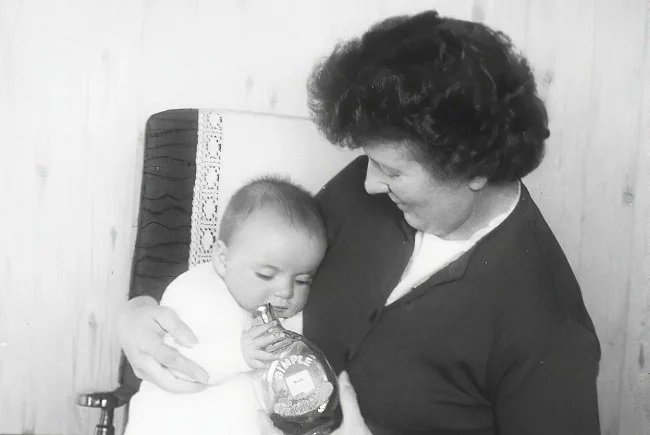
Yesterday, Saturday 17th July, was my late Father’s birthday. He would have been 92. As my granddaughters were staying over the day was upbeat, boisterous and fun due to their exuberance. Today as the bungalow returns to its normal levels of noise and excitement, I have spent some time quietly reflecting upon the nature of bereavement. When my father died last September I was focused upon the practicalities of arranging a funeral during a pandemic, ensuring that his estate was processed and that all possible provisions were made for my disabled 90 year old Mother. These things have now been done and it is only recently that I have had the time to process my own grief. The first Father’s Day (20th June in the UK) without him was naturally a milestone and his birthday has proven similarly so. However, today’s introspection has been beneficial and hence I felt the desire to write about him and share some thoughts on the nature of bereavement.
Yesterday, Saturday 17th July, was my late Father’s birthday. He would have been 92. As my granddaughters were staying over the day was upbeat, boisterous and fun due to their exuberance. Today as the bungalow returns to its normal levels of noise and excitement, I have spent some time quietly reflecting upon the nature of bereavement. When my father died last September I was focused upon the practicalities of arranging a funeral during a pandemic, ensuring that his estate was processed and that all possible provisions were made for my disabled 90 year old Mother. These things have now been done and it is only recently that I have had the time to process my own grief. The first Father’s Day (20th June in the UK) without him was naturally a milestone and his birthday has proven similarly so. However, today’s introspection has been beneficial and hence I felt the desire to write about him and share some thoughts on the nature of bereavement.
Don’t worry, I’m not going to portray my father as a “plaster saint” or place him on a pedestal. He was a mortal man and as such had all the strength and weakness that we all share. He certainly made no claim upon perfection. No, this post is more an attempt at some self therapy and a means for me to try and articulate how I miss him. Specifically, how I miss his company and talking to him. Because my Father’s ability to explain, tutor and impart knowledge is possibly his defining characteristic. He was a teacher by nature but not in an excessively didactic fashion. He had a knack for making things interesting. If you ever got him on a subject upon which he was knowledgeable and passionate he could hold forth in a most engaging fashion. It was like he had a delightful homemade pack lunch and he would happily share it with you. In this case the lunch was knowledge. As he got older, whenever you saw my Father at a family gathering he was always surrounded by nieces, nephews and such like while he made origami and answered their questions on life, the universe and everything.
If you are fortunate, when you are young you see your Father as an indomitable force that cannot be bested. He knows all the answers to your homework, he can make things out of wood and can reverse a car like James Bond. When you become a teenager, that relationship changes and their old school values and the leather arm patches on their cardigans strike you as very old fashioned. When you finally get a job and take on some adult responsibility yourself, then you suddenly see them again in a totally new light. I certainly enjoyed my Father’s company the most in the last 15 years. The cliche about old wines can be true. We would talk and I found his insight to be at times quite profound. Unlike some from his generation he was not constrained by certain social attitudes and cultural baggage. Because he was an academic, logic, facts and reason ultimately won out. He adapted and even embraced modernity quite well and I admire him greatly for that.
In 2016 my Father suffered a series of strokes that robbed him of his independence and many of the things he loved best in life. He was by nature a bon viveur, enjoying good food and good company. He spent the last 5 years of his life fed by a PEG tube. He also could no longer read or use his computer to write acerbic letters to the tabloid newspapers. Yet he suffered these indignities with stoicism and remained as sharp as a tack, although he took longer to express himself. He became very philosophical during this time and our conversations were quite incredible on occasions. He managed to separate himself from his medical condition and analyse and reflect upon it calmly without rancour or recrimination. Sadly, the pandemic of 2020 used up the last of his stamina and he grew tired of his lot. I only saw him once in hospital before he died and although I fully appreciate why this was so, it still feels like an unsatisfactory resolution.
Bereavements are an inevitability for all of us. My Father had a good life by his own admission and many people do not make it to 91. He was more than ready to go and it would be crass and selfish for me to wish for him to have endured a little longer. However, his departure has left a gap in my life and it manifests itself in the absence of his good company and sage wisdom. I watched some classic Tom and Jerry cartoons recently from the golden era and I missed him chuckling along. But that seems to be in a nutshell the nature of the loss of a loved one. The wonderful memories that bring joy are immediately followed by a pang of grief and sadness. It’s a strange, symbiotic relationship between a shared past and the loss of the love that was its foundation. You can’t have one without the other.
I think of my Father every day. He frequently pops up in conversations. Anecdotes are shared with loved ones and friends, along with a smile. And although it is both bitter and sweet simultaneously, I take comfort in the fact that it’s a marvellous legacy to leave behind. To be remembered with fondness is a good thing. In some foolish way, I feel that living on in the hearts and minds of those whose lives you have touched is a form of immortality. So I shall continue to miss my dear old Dad, as I used to refer to him as. Because, it is a constant reminder of the love we shared and the fact that he was a man, like so many others, that just tried to muddle through and do his best for those he cared for. I consider this to be a fitting epitaph and something to aspire to myself.












Policing Our Online Communities
It would appear that Discord has a toxicity problem. No, I’m not at all surprised either. Online social platforms attract such issues by their very nature. Discord is far from unique in this respect and is simply the latest online service to join an ever growing list of social platforms to become a hotbed of iniquity. However, I do applaud them for their transparency. They regularly publish reports on the “state” of their service and they don’t try to hide the problem. In fact to combat the problem Discord have recently acquired Sentropy Technologies, who have developed an AI designed to combat toxic behaviour with its “data-driven moderation tools”. Naturally all parties have high hopes that they can tackle the issue. I, on the other hand, do not. Because technology alone is not the solution to the problem. It never is. Has facial recognition software, CCTV and biometric passports solved all the problems that they were supposed to? No they have not.
It would appear that Discord has a toxicity problem. No, I’m not at all surprised either. Online social platforms attract such issues by their very nature. Discord is far from unique in this respect and is simply the latest online service to join an ever growing list of social platforms to become a hotbed of iniquity. However, I do applaud them for their transparency. They regularly publish reports on the “state” of their service and they don’t try to hide the problem. In fact to combat the problem Discord have recently acquired Sentropy Technologies, who have developed an AI designed to combat toxic behaviour with its “data-driven moderation tools”. Naturally all parties have high hopes that they can tackle the issue. I, on the other hand, do not. Because technology alone is not the solution to the problem. It never is. Has facial recognition software, CCTV and biometric passports solved all the problems that they were supposed to? No they have not.
There are two major problems associated with any service that facilitates the social gathering of people online. The first is an old and very well known one. Anonymity. Discord, Twitter, Instagram and dozens of other platforms don’t really make any serious attempt to verify who you are. If you’re sufficiently tech savvy you can create an account for most services without providing any details that reveal your true identity. The moment you ensure anonymity you effectively forgo any semblance of accountant ability. The most that can happen is that your account gets closed. The second factor that has a bearing on the matter is size. When a community grows over a certain size, it becomes virtually impossible to police it with automated moderation tools and processes. Furthermore, people are very good at circumnavigating rules and regulations. All too often, unhackable get hacked and the impenetrable gets circumnavigated. It’s one of the reasons I’m not overly confident about Sentropy.
Although there are not any quick and easy solutions to these problems, I think there are steps we can take ourselves that can contribute to improving the quality of our online communities and keeping them equitable. Especially with regard to Discord servers which have become ubiquitous these days. These tend to start off as quite small and intimate environments that end up growing over time. However, if some basic procedures are put in place from the start you can keep them from spiralling out of control. The first is to have a clear set of rules and a code of behaviour. Set out what you will and won’t tolerate. That way offenders can never plead ignorance. Lead by example. Politely correct minor transgressions and don’t allow double standards. If a friend breaks the rules then treat them the same as those you don’t know as well. Consistency is key to establishing a fair system.
Secondly, have moderators and let your community know that you have moderators. Be proactive. If you see something that is anomalous and you’re not sure if it’s a joke or something more serious, then make enquiries. Be civil, seek clarification and if the problem was a false positive, then move on. However, if you have a bona fide offender that you caught “bang to rights”, then sanction them according to your rules. If they need to go, then show them the door. Tell them which rule they violated and the consequences of such an act. Then end the conversation and ditch them. You owe them nothing more. This is not a question of free speech. This is a private Discord server with a clear set of rules. And if you do have to dispense with someone, reference their departure to your community but don’t allow a debate about it.
Sometimes, Discord servers can grow in popularity and managing invitations becomes an issue. Smaller servers are usually populated by friends inviting friends. Pre-existing social bonds tend to keep things cordial. However, such screening protocols become less robust the moment you allow open invitations. A possible compromise would be to have a system where an existing and established member of the Discord server has to vouch for anyone they invite. If they make a mistake and bring someone to the server who then becomes a problem, their invitation privileges are temporarily revoked. Bringing this minor level of accountability can prevent a potential faux pas. This particular approach has worked well in several of the MMO guilds I’ve joined over the years.
I don’t believe there’s any substitute for real online community policing. AIs may well be able to parse text and look for keywords and phrases. But often bullying and hectoring is a question of semantics and the deliberate use of ambiguous language that can be interpreted in several ways. I do not doubt that automated moderation tools will intercept ill humoured abuse from a young gamer who is hot under the collar. But will it really pick up on the subtle needling the lifelong malcontent and bully uses? I’m not so sure. However, human intervention also comes with its own set of problems. It is inherently labour intensive and no one wants to do it, as it’s quite a responsibility. And then you have to make sure that the person who has taken the job is not a closet sociopath themselves. But if we want to reclaim our online spaces then we have to show willing and someone has to shoulder the burden. It’s how we police our communities in the real world.
Diaries
There has been a great tradition of keeping diaries and journals for many centuries. Though they may seem at first glance, mundane, unimportant and even self indulgent they are extremely valuable historical documents. Compared to other source material, diaries are often unambiguous and can indirectly reference a wealth of important detail, providing a useful overview of the world at the time of writing. They reflect the perspective of ordinary people and everyday life, unencumbered by wider considerations faced by historians. For example, consider the diaries of Samuel Pepys or Anne Frank. There are also a lot of personal benefits to keeping a diary. They can help improve self-awareness, your memory and metacognition. They also provide stress management, reduce procrastination and have a positive effect upon one’s mental wellbeing.
There has been a great tradition of keeping diaries and journals for many centuries. Though they may seem at first glance, mundane, unimportant and even self indulgent they are extremely valuable historical documents. Compared to other source material, diaries are often unambiguous and can indirectly reference a wealth of important detail, providing a useful overview of the world at the time of writing. They reflect the perspective of ordinary people and everyday life, unencumbered by wider considerations faced by historians. For example, consider the diaries of Samuel Pepys or Anne Frank. There are also a lot of personal benefits to keeping a diary. They can help improve self-awareness, your memory and metacognition. They also provide stress management, reduce procrastination and have a positive effect upon one’s mental wellbeing.
The reason I mention all this is because I found a diary of mine recently, while going through my later Father’s paperwork. It was for the year 1977, when I was 9 years old. Needless to say, it was my Father’s idea for me to keep a diary. He felt it would improve my English skills and be “fun”. I personally didn’t have any inclination to do such a thing and I did so under duress. This becomes more apparent as the year progresses and the entries become shorter, less informative and increasingly indicative of a child who has no interest in what they’re doing. However, even as it is, I genuinely believe that there is some useful information to be found in my diary, although it is not there by intent. I frequently obliquely refer to things that were commonplace at the time, which are quite different now. The other thing that’s clear is that my family and I were very much a product of the times.
So exactly what revelations are hidden in my diary entries? Well being nine, naturally my school routine is referenced frequently. What stands out immediately is that corporal punishment was still common place in 1977. I refer to the Headmaster, Mr Green, caning several boys “who were naughty”. He would on occasion patrol the corridors of my junior school with a cane under his arm if he felt there was “mischief in the air”. Looking back now and assessing Mr Green with the eyes of an adult he was a Belfast Orangeman and militant protestant. He was often condescending to the female teachers and held exactly the sort of attitudes you’d expect from such a person from such a background at that point in time. Another interesting aspect of school which differs from now is the approach to exams and assessments. At the end of each term there were intelligence (IQ), mathematics and English tests. The results were read out in class in order of success, so everyone was acutely aware of the abilities of their peers.
In 1977 there were only three terrestrial TV channels available in the UK. Those channels did not run 24 hours a day and VCRs were not yet commonplace. Hence TV was considered a bonus leisure activity from a child’s perspective. I reference in my diary how I would rush home from school to watch Time Tunnel. I also mentioned watching The Six Million Dollar Man and Charlie’s Angels. However, reading was a major pastime and I would do so some nights instead of watching TV. Going to the library was a ritual and a source of great pleasure. One entry expresses my excitement of managing to secure three Asterix books. I also spent my pocket money on books. I would sometimes accompany my Father on a Saturday, while he did chores such as going to the butchers and paying the paper bill. Sometimes we’d visit a genre oriented book shop in Welling called The Edge of Forever. My Father would buy books by Isaac Asimov or Arthur C. Clarke, while I’d spend my money on Doctor Who novels (which were adaptations of episodes).
Going away on holiday during the summer was not a common occurrence for my family. My Father was refurbishing the house, a room at a time and hence this is where the household finances were focused. However, 1977 was an exceptional year and we spent 10 days on the Isle of Wight in a rental cottage. On mature reflection the self catering holiday was hardly a break for my Mother but the change of scene was welcome. It rained for 4 of the 10 days but we still managed to do quite a lot (although that is a relative term). I enjoyed the Blackgang Chine theme park and was traumatised by the spooky wax museum at Brading. The museum is now a pub and a restaurant but Blackgang Chine is still open. I saw a recent video of it on YouTube and it’s exactly the same. The diary notes that I lost a frisbee that was bought for me and was subsequently beaten. Raising a child in the seventies involved a surprising amount of casual violence.
My diary also reflects the social etiquette and culture of the UK at the time. For example my Father wouldn’t start mowing the lawn on a Sunday until after 11:00 AM. Sunday was a very dull day from a child’s perspective because nothing was open and it very much felt like the world had dropped down a gear. Reading through the year’s entries it becomes clear that myself and my sister were very self sufficient and made a lot of our own entertainment. We did go out as a family to parks, museums and such like during the school holidays but it was incumbent upon us not to bother the adults and expect to be entertained constantly. The phrase “I’m bored” was forbidden in our household as my Father would say “an intelligent mind is never bored”. The diary also mentions how in April we went to see the remake of King Kong. This is interesting insofar as it shows the time delays between international releases dates. The film was screened in the US in December 1976.
Children these days are superficially very worldly. The TV and internet brings them face to face with all the glories and iniquities of humanity as soon as they’re capable of looking at a screen. My diary entries reflect a less busy time and casts me in a very earnest light. I was a child and content to be one, judging by what I wrote. School was not a struggle for me and I did well academically at this point in my life. I had forgotten how much I enjoyed swimming but it appears to be an important part of my life, according to what I’ve written. I did guffaw hard at one particular entry in which I had a stomach ache after a meal and my Mother said with classic parental wisdom and authority that it was because I talked too much while eating. My diary also shows me how fortunate I have been and that by the standards of the time, I had a very happy childhood with two loving and supportive parents. Not everyone is fortunate.
Euro 2020 and Political Bandwagons
We live in unique and unparalleled times in which public figures can make a clear and unambiguous critical statement on Monday and then completely contradict themselves by the end of the week. Perhaps the saddest aspect of this recent shift in political discourse is the way we the UK public blithely accept it. It’s become so commonplace that we no longer treat it as a “WTF?” moment. The politically savvy shrug it off with a sigh as the latest tactic in the ongoing culture wars, while the credulous willingly go along with this premeditated reshaping of reality because their side is “owning the liberals”. It makes me cringe as I type these words but this is what political and social discourse has come to in the UK. It is no longer about competing political ideologies or strongly held principles but just trite, tribal loyalties. Many political commentators refer to this process as the “footballfication” of politics.
We live in unique and unparalleled times in which public figures can make a clear and unambiguous critical statement on Monday and then completely contradict themselves by the end of the week. Perhaps the saddest aspect of this recent shift in political discourse is the way we the UK public blithely accept it. It’s become so commonplace that we no longer treat it as a “WTF?” moment. The politically savvy shrug it off with a sigh as the latest tactic in the ongoing culture wars, while the credulous willingly go along with this premeditated reshaping of reality because their side is “owning the liberals”. It makes me cringe as I type these words but this is what political and social discourse has come to in the UK. It is no longer about competing political ideologies or strongly held principles but just trite, tribal loyalties. Many political commentators refer to this process as the “footballfication” of politics.
If you wish to see a textbook example of this process then look no further than the Euro 2020 tournament which reaches its final today. For those who live outside of the UK, I cannot stress enough how integral football is to the country's popular culture and national identity. It is a staple of public discourse serving multiple purposes. It is a convenient conduit for nationalism when needed and at other times a microcosm of the tabloid press’ negative obsession with class, racism and the objectification of women via WAG culture. Football is a multi billion pound industry that simultaneously infuriates and delights both its fans and the national commentariat. Hence the delayed UEFA European Football Championship has arrived at exactly the right time, offering an opportunity for national catharthcism after the ravages of COVID-19 and the perfect platform for the worst sort of tubthumping nationalism from the incumbent government.
However, before focusing upon today’s final between England and Italy, let’s take a moment to reflect upon the nation’s perspective of the “beautiful game” a month ago. There was a great deal of popular press and public pushback after the recent England vs Croatia match in June when the England squad “took a knee” before the game started. Some sections of the crowd booed their own team. Several government ministers such as the Home Secretary Priti Patel and numerous serving MPs took to social media to criticize the England team for daring to express any sort of political opinion (despite being registered voters). And the popular press (that is 80% right leaning in the UK) queued up to hector the players for “lecturing them”. Mind you that is a national pastime. Much of what passes for sports journalism in the UK is just a vehicle to attack white working class players and impugn those of ethnicity.
So that was the lie of the land just under a month ago. Today we find ourselves as a nation in the unusual position of England being in the final of a major international tournament, with a genuine chance of winning. A national team that in previous years has been disconnected, and poorly managed has now been transformed into a cohesive and viable squad. Both manager and the team have taken public criticism on the chin and faced the sling and arrows of outrageous fortune with fortitude and dignity. I am not in any way a sports fan and am not qualified to offer an in-depth analysis but something different has occurred this time round and it is noticeable. All involved have obviously felt they have something to prove and to quote the great Sam Gamgee “you have shown your quality, sir - the very highest”. However, this situation has now presented a bandwagon and we now have to endure the unseemly spectacle of the very worst of us trying to follow in the wake of the very best.
On Wednesday England beat Denmark and all the usual suspects went into full Shaggy mode (as in the song “It wasn’t me”) and instantly reversed their position from that of three weeks ago. Hence the Home Secretary trotted out her insincere support for the England team on social media, despite the fact she is currently spearheading legislation that would potentially have kept many of the squad’s parents from entering the UK. And several tabloid press rabble rousers suddenly became very enthusiastic and generous with their praise. But perhaps the most sickening in its inherent moral bankruptcy was the pitiful display by our current Prime Minister Boris Johnson. A man whose career has been defined by his complete lack of belief in any idea, concept or institution other than his own advancement, gurning as he desperately tried to associate himself with something positive. Populist politics has no truck with culture but will happily attach itself to it like a parasite, when it is expedient to do so.
What concerns me the most is whatever the outcome of today’s final, there is political gain to be had either way. Such is the beauty of a cleft stick. Either end can be used to beat you. In a perfect world an England win would be a shot in the arm to all genuine football fans and a moral boost to a nation that has been down by both COVID-19 and Brexit. But we live in a very imperfect world and an England win would also provide ammunition, bragging rights and propaganda for the current government and their side of the culture wars. It could be used to bolster the lies about “Global Britain” and add fuel to the fire of British exceptionalism (by which Johnson really means English exceptionalism). Conversely, a loss could aid the rights victim mentality and the specious notion that poor old Blighty is being persecuted by Johnny Foreigner, especially that mean EU. And irrespective of either outcome, political capital is a short lived gain. Within weeks the status quo would return and professional footballers would be relegated back to their status of pampered billionaires or the questionable sons of criminals by those exiting the bandwagon.
There have always been political bandwagons as they are useful vehicles to focus the ongoing national narrative on simple, binary issues. They are by nature lazy, knee jerk exercises in the worst sort of political and social bun fighting but they get traction. We currently have a government that was elected on a lie and that does not have any tangible vision for the country beyond their own nebulous soundbites. Therefore the bandwagon is an increasingly useful tool, especially Euro 2020, with its additional nationalist perspective. Astute political commentators have suggested that most of the UKs woes stem from the fact that it just hasn’t found a role for itself in the modern world and that it clings too much to its past. Some have gone as far to say that perhaps the nation only voted for Brexit as a means to feel good about itself and that this could be served just as well by winning a football tournament.
You cannot keep politics out of sport. Wherever there is money, athletes from all walks of life and a mass audience often drawn heavily from specific socioeconomic groups you will inevitably get expressions of political allegiance and ideology. Sometimes these views will be divergent and factional within sport itself. However, sometimes using such a platform as sport can be very powerful as Marcus Rashford discovered in 2020 with his campaign for free school meals during the lockdown. This is something that politicians both fear but also find alluring. They fear it because they are terrified of youth and its often honed sense of morality. These things are alien to them and they cannot control them. But they are attracted to the reach that sports men and women have and they covet it. So it is no surprise why so many of the political and chattering classes are currently circling Euro 2020 waiting to either feast on the remains of a defeat, or soar upon the thermals coming from a fevered victory. We’ll know which one by tomorrow.









Fear of Missing Out (Again)
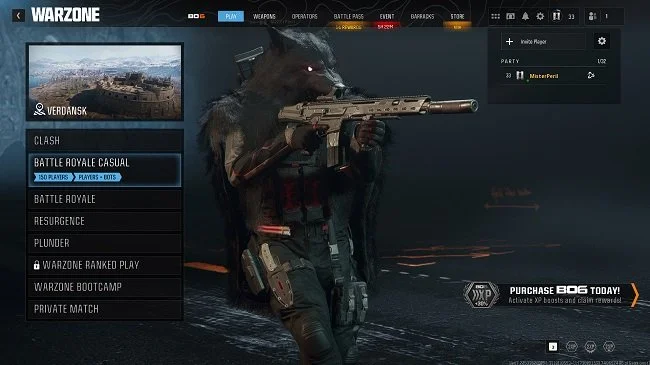
On May 20th, John McClane and Rambo were unceremoniously crowbarred into Call of Duty: Warzone as cosmetic skins available from the in-game store. If you felt that your life would be spiritually enriched by such a purchase then it cost about £34 for both, resulting in the community accusing Activision (and not Hans Gruber) of being an exceptional thief. Two weeks later the offer ended and the skins were withdrawn. Those who had missed the proverbial boat were left to cry into their beer and shake their fists at the capricious nature of the gods. Because “fear of missing out” is very real and all leisure industries know this and are happy to capitalise upon it. Never mind children and those adults who have learned to control their sense of compulsion. Capitalism’s reply is simply “am I my brother’s keeper”? Because loot boxes, limited time events and cosmetic products are just surprise mechanics”.
On May 20th, John McClane and Rambo were unceremoniously crowbarred into Call of Duty: Warzone as cosmetic skins available from the in-game store. If you felt that your life would be spiritually enriched by such a purchase then it cost about £34 for both, resulting in the community accusing Activision (and not Hans Gruber) of being an exceptional thief. Two weeks later the offer ended and the skins were withdrawn. Those who had missed the proverbial boat were left to cry into their beer and shake their fists at the capricious nature of the gods. Because “fear of missing out” is very real and all leisure industries know this and are happy to capitalise upon it. Never mind children and those adults who have learned to control their sense of compulsion. Capitalism’s reply is simply “am I my brother’s keeper”? Because loot boxes, limited time events and cosmetic products are just surprise mechanics”.
There is an inherent appeal to being part of something that is currently happening. To be at the cutting edge of something new or at the heart of a major event or talking point. It’s nice to belong, be part of a community and be able to say at a later date “I was there”. If you want to be less generous, it all can at times feel like a throwback to one’s adolescent years and not being excluded from the “in crowd”. One could even stray into the realm of armchair expertise and conjecture about the psychology of FOMO. Is it all part of the ongoing decline of society and the rise of the individual and consumer? Do we long to connect with others or are we just infantilised, emotionally stunted, perpetual teenagers who are incapable of countenancing going without? FOMO is indeed a complex social issue but as a business tool it is as plain as the nose on your face. People don’t like to miss out, so regularly offer them short term deals and watch the money come rolling in.
Is this man missing out or has he been deliberately excluded due to his choice of knitwear?
In my youth, I was often an early adopter. I was enamoured with new technology and would jump in feet first when a new product launched. I did this for a while with video games, often participating in alpha and beta testing and then enduring the iniquities of a bad launch. But I am older and wiser now, having learned the hard way. I’ll wait for an operating system, hand held device or game to be out some time nowadays before contemplating buying it. Let others ensure the bugs, flaws and lack of functionality. Most importantly, I am not fundamentally tormented by the notion that other people are having more fun than me at any time of the day. Doing things I can’t do or can’t afford to do. Because it’s a futile concept that if taken to extremes, will leave you constantly dissatisfied and envious.
A pop culture reference to contracts
Sure there are plenty of people who are currently indulging their personal vices or having a bacon sandwich, while I am not. But there are also people going to bed hungry or being tortured by the secret police, while I am not (although Mrs P does make me take out the recycling). FOMO is very much a first world problem and is very much underpinned by a sense of entitlement. I believe this may be a generational thing as I don’t remember anyone handing me a legally binding contract during my first day of school that stated that I’d always have “everything” and always “get my own way”. Joking aside, for me it is just a practical reality that you can’t do all the things you’d like. Occasionally I will have a pang of envy that I’ve not got that experience of playing World of Warcraft or that I have no association with sports. But these feelings are short-lived. Rather than worry about what I can’t do, I prefer to focus on what I can and therefore enjoy it all the more.
NB: I previously wrote a post about FOMO on 24th of September 2019. When you’ve been blogging for as long as I have some subjects are bound to come around more than once.
A Cyclical Discourse
Two years ago I wrote about how so much of the public discourse surrounding video games is accusatory, partisan and bellicose. It was written in response to a Tweet from game reviewer and YouTube personality, Jake Baldino, who was perplexed at why his hobby of choice was becoming so “shitty”. More recently I touched upon how I appear to be repeating myself with regard to my gaming commentaries, here on this blog. It seems that many of the subjects and talking points discussed via Contains Moderate Peril come back time and time again. Today media pundit James Stephanie Sterling explored the subject of “cyclical gamer discourse” in the latest episode of their topical gaming show The Jimquisition. It’s a stark and rather angry analysis of how the same debates habitually return and that nothing is ever learned from the heated debates associated with them. Sterling ended their 18 minute video with the bleak conclusion that “You have two choices when it comes to game discourse. Repeat yourself or shut up”.
Whatever it is, the way you tell your story online can make all the difference.
Two years ago I wrote about how so much of the public discourse surrounding video games is accusatory, partisan and bellicose. It was written in response to a Tweet from game reviewer and YouTube personality, Jake Baldino, who was perplexed at why his hobby of choice was becoming so “shitty”. More recently I touched upon how I appear to be repeating myself with regard to my gaming commentaries, here on this blog. It seems that many of the subjects and talking points discussed via Contains Moderate Peril come back time and time again. Today media pundit James Stephanie Sterling explored the subject of “cyclical gamer discourse” in the latest episode of their topical gaming show The Jimquisition. It’s a stark and rather angry analysis of how the same debates habitually return and that nothing is ever learned from the heated debates associated with them. Sterling ended their 18 minute video with the bleak conclusion that “You have two choices when it comes to game discourse. Repeat yourself or shut up”.
I tend to cast a wide net, when reading and researching about the video game industry. Hence I visit the official forums and subreddits of numerous games, as well as follow a broad spectrum of industry pundits and members of the commentocracy. I like to keep abreast of games I don’t play but feel are important to the video games industry. I also watch videos by internet personalities that I do not necessarily agree with, because I think that it is important to know what all quarters of the gaming community’s views are. However, the downside of this is that I am exposed to a lot of the aforementioned cyclical discussions and the shit storms that so often accompany them. It is true to say that the term video games discourse is a very broad church with intelligent and informed debate at one end of the spectrum and shitposts, memes, and "hot takes" at the other. Unfortunately, it is the latter which seems to gain the most traction and most publicity. As the old adage goes, man bites dog is much bigger news than dog bites man.
Whatever it is, the way you tell your story online can make all the difference.
This cyclical discourse ultimately proves that there is a status quo both in the video games industry and among the player base. Sadly that status quo is not a pleasant one and as such it has a negative impact upon the gaming community and the video game industry. Members of both groups, especially those in any sort of community relations, soon tire of being in the firing line. So we end up losing far too many of our brightest and best. I wouldn’t be surprised if James Stephanie Sterling eventually throws in the towel and moves on to pastures new. The question remains, where do we go from here, if there is indeed a next stage to this process to move on to. Unfortunately, I think the answer is effectively nowhere at present. Gamer culture doesn’t seem to accommodate any kind of critical thinking. It’s partisan nature precludes moving on and prefers to pick at old wounds and perceived grievances. Therefore, this cyclical discourse is not going away anytime soon. What can’t be cured must be endured.








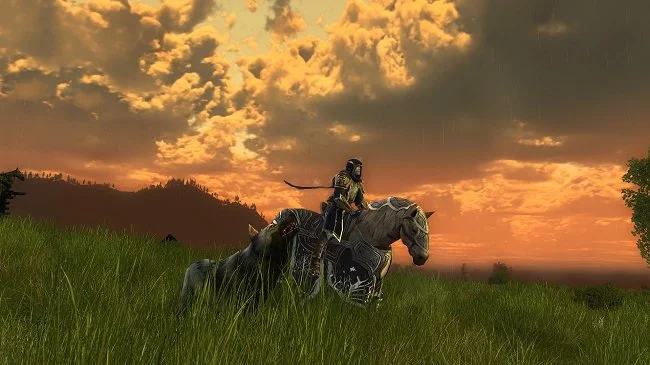
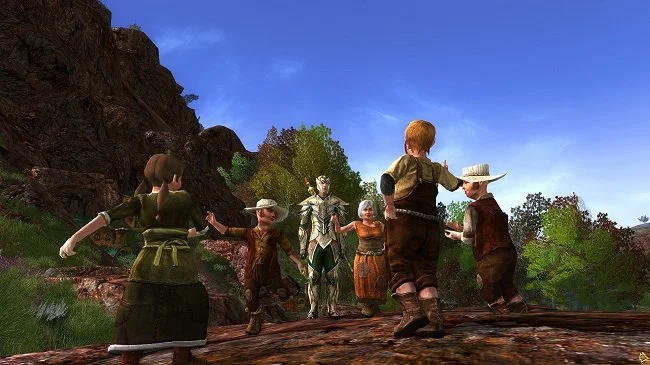
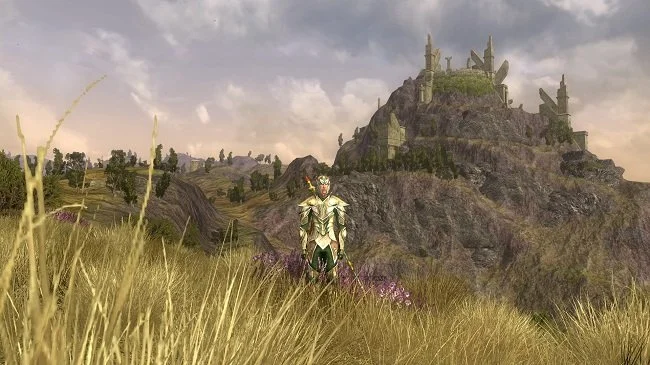
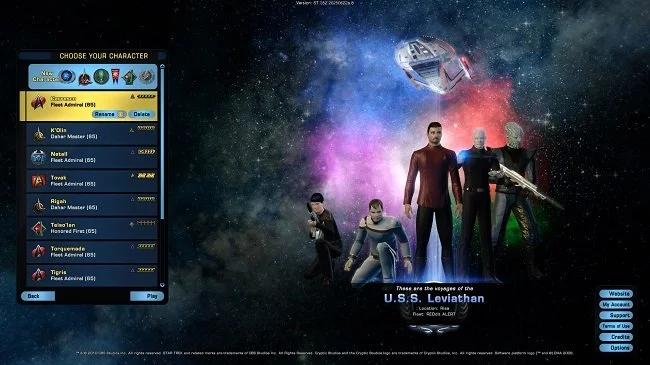
Fandom or Obsession?
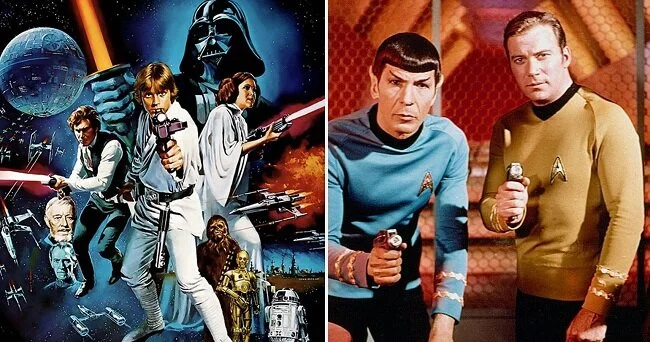
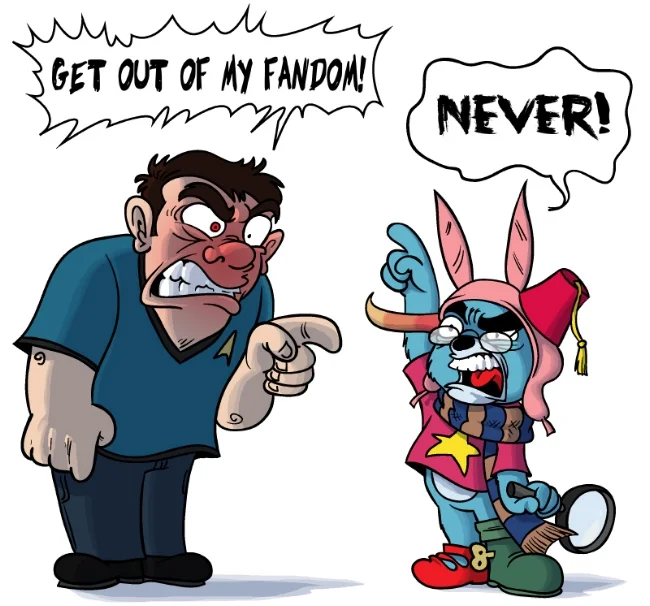
In my youth, I took my fandom very seriously. I would brook no criticism of the various objects of my affection. I would robustly defend them in lengthy forum comments, filled with the sort of detail and lack of self awareness that only an ardent fan can bring to bear. Nowadays, it’s a different story altogether (insert Airplane gag here). I still enjoy Thunderbirds, Star Trek, The Lord of the Rings but I do not consider them unassailable, sacred cows. If other’s scorn them, that is their prerogative. Age not only brings you more keys and things that require charging, it also grants the realisation that it doesn’t matter what others think. Furthermore, reboots, reimaginings and revivals cannot harm your memories or “ruin your childhood”. Has Gus Van Sant’s ill conceived 1998 remake of Psycho harmed in any way Hitchcock’s classic original. Any answer other than “no” is at the least spurious and at worst naval gazing bullshit, served on a platter of hyperbole and attention seeking.
In my youth, I took my fandom very seriously. I would brook no criticism of the various objects of my affection. I would robustly defend them in lengthy forum comments, filled with the sort of detail and lack of self awareness that only an ardent fan can bring to bear. Nowadays, it’s a different story altogether (insert Airplane gag here). I still enjoy Thunderbirds, Star Trek, The Lord of the Rings but I do not consider them unassailable, sacred cows. If other’s scorn them, that is their prerogative. Age not only brings you more keys and things that require charging, it also grants the realisation that it doesn’t matter what others think. Furthermore, reboots, reimaginings and revivals cannot harm your memories or “ruin your childhood”. Has Gus Van Sant’s ill conceived 1998 remake of Psycho harmed in any way Hitchcock’s classic original. Any answer other than “no” is at the least spurious and at worst naval gazing bullshit, served on a platter of hyperbole and attention seeking.
For me fandom is a benign activity which I share with others via this blog or twitter and occasionally takes me to the BFI Southbank in London, where I spend several hours enjoying the company of like minded individuals. However, and this is a big “however”, there appear to be an ever growing group of fans at the extreme end of the spectrum. Fandom turned up to 11 to use a Spinal Tap analogy. When these folk latch onto something that they like they go all in. The thing that they love preoccupies them constantly and they analyse and dissect every conceivable aspect of that which they love. It is easy and possibly a little condescending to invoke an analogy of the conspiracy theorist that has a “wall” with all their data on it but there is a grain of truth in the imagery. YouTube is filled with videos where fans discuss the most extravagant theories and hypothesise about meaning, subtext and future developments of the things they like.
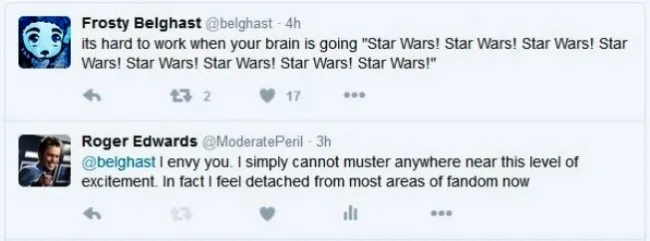
Films and especially television shows are naturally a focal point for fandom. They also provide the perfect environment for the über fan. Now if folk wish to dedicate themselves to such levels of devotion, so be it. Sadly, this position is often just one step away from crossing the line and becoming the toxic, fundamentalist fandom we’ve all seen in recent years. Consider the associated gatekeeping, zealotry and non-inclusional bullshit that has emerged around the Star Wars franchise in recent years. Not every über fan is guilty of such behaviour but if you draw a venn diagram you’ll find that many toxic fans are those who have become wedded to their “cause”. But if we set aside for a moment the matter of toxic fandom and simply concentrate on borderline obsessive fandom, it seems to come at a rather big price. Because there is a fundamental flaw inherent in investing really heavily in a TV show, book or film. You may well have placed it upon a pedestal for your personal adulation but you have no control over it and are ultimately dependent upon its creator to determine its course of direction.
All of which brings me on to Line of Duty, known jokingly by those “without a dog in the fight” as Lionel Duty, courtesy of UK comedian Gary Delaney. For those who may not know, Line of Duty is a British police procedural television series created by Jed Mercurio. It has run for six seasons and has gained enormous popularity due to its densely plotted storyline and robust performances by its cast of character actors. Audience figures have grown from 3.8 million viewers to 12.85 million over the last nine years. The latest season has turned analysis of the show into a national pastime, which has then been splashed across most of the national tabloids, throwing further fuel onto the fire. Naturally Line of Duty has its devoted über fans and they have devoted a lot of time and energy into hypothesising about the season conclusion. Last night, the final episode was broadcast and the relevant storylines neatly tied up. And within minutes the internet was filled with the bitter tears of fundamentalist fans who were “disappointed”, like the children of Thulsa Doom at the end of Conan the Barbarian.
Which one is Lionel?
It is not my intention to mock, judge or indulge in schadenfreude. Okay it is just a little bit. But I think there is one observation worth making about this situation. It was both predictable and inevitable. Lionel Duty fans are pissed at Jed Mercurio because he ultimately wrote what was in his own head, rather than what was in theirs. Damn these authors with their creative control over their intellectual property. I think when fans go all in and stray from affection into obsession, then they ultimately separate themselves from the source of their fandom. The continuous analysis, discussion and conjecture becomes more important than the source material. Sadly, fans disappointed with the conclusion of Line of Duty have made the same mistake as gamers who have pre-ordered games only to find them underwhelming upon release. Both groups filled the gaps in their knowledge with their own aspirations, only for reality to teach them otherwise. My advice is to temper your fandom and not to lose sight of its context. Because it would appear that über fans are perpetually dissatisfied and this entire scenario will happen again when the next “big thing” arrives.




Personal Health
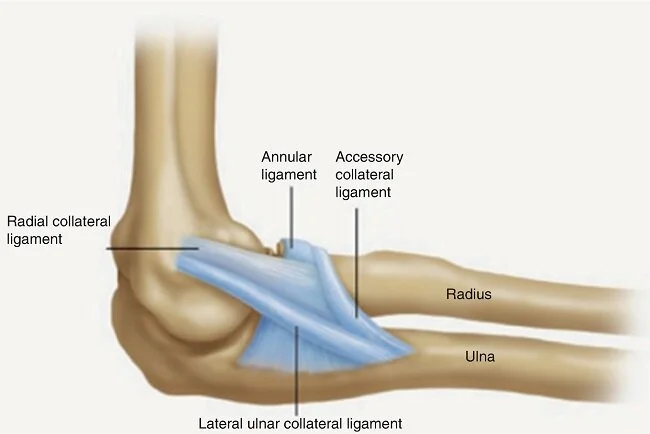
Let’s not beat about the bush. 2020 proved detrimental to a lot of people’s physical and mental health. Myself included. I sustained an injury to my left arm roundabout May last year when I inadvertently lifted something excessively heavy while using the vacuum cleaner. The net result has been a tendon injury that has persisted for nearly twelve months. Its unpleasant longevity stems from the fact that long-term rest is required for the injury to heal and my lifestyle doesn’t lend itself to “not using an arm for 4 to 6 months. Hence this painful problem has dragged on far too long. Naturally, being in pain continuously takes a toll on one’s mental health. So I’ve not been in my usual focused state of mind. Hence my writing output has taken a nosedive, which then further feeds my dour outlook. Mercifully, the arm is finally on the mend. I’ve figured out a routine that allows me to function and fulfil my obligations, while resting the limb sufficiently to heal. Now it is time to focus and address two other health issues that have emerged over the last year.
Let’s not beat about the bush. 2020 proved detrimental to a lot of people’s physical and mental health. Myself included. I sustained an injury to my left arm roundabout May last year when I inadvertently lifted something excessively heavy while using the vacuum cleaner. The net result has been a tendon injury that has persisted for nearly twelve months. Its unpleasant longevity stems from the fact that long-term rest is required for the injury to heal and my lifestyle doesn’t lend itself to “not using an arm for 4 to 6 months. Hence this painful problem has dragged on far too long. Naturally, being in pain continuously takes a toll on one’s mental health. So I’ve not been in my usual focused state of mind. Hence my writing output has taken a nosedive, which then further feeds my dour outlook. Mercifully, the arm is finally on the mend. I’ve figured out a routine that allows me to function and fulfil my obligations, while resting the limb sufficiently to heal. Now it is time to focus and address two other health issues that have emerged over the last year.
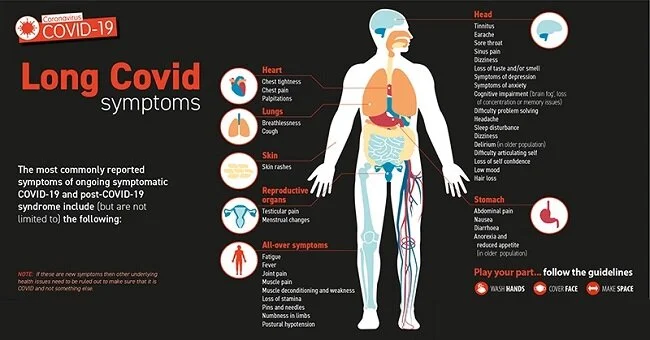
I had COVID-19 in April 2020. I was ill for two weeks and then the most immediate symptoms stopped. However, I have not returned to what I would consider a state of normal health since then. For a year now I have felt lethargic (even after 10 hours sleep), been subject to joint pains and muscle cramps, as well as finding it harder to concentrate and remain focused. I’ve lost most of my sense of smell and have had sinus and chest related issues, all of which seem to be indicative of mild infection. However, subsequent tests have found nothing of this nature. To try and distill these things into a single phrase is hard but ultimately I’ve felt “perpetually exhausted” for the last 12 months. I wake up each morning feeling exactly like I usually feel after having an extremely busy day. Fortunately, my local Doctor's Surgery is very good and I’ve had a positive response from my GP. To cut a long story short, after a few tests, I have been formally diagnosed with Post COVDID Syndrome or “Long COVID” as it’s more commonly known in the press. Unfortunately, this is an illness that is still somewhat nebulous and furthermore, difficult to treat. But at least it’s now on my health records.
The second health issue is more common and yet despite being straightforward to address, has a major stumbling block. Yes, we’re talking about being overweight and the inherent difficulties associated with weight loss. I have treated all three of the UK lockdowns as a continuous bank holiday and have eaten and drank accordingly. I am currently about 191lbs and I need to get back to about 168 and then stay there. I am physically uncomfortable due to the extra weight I am carrying around and it is obviously contributing to my ongoing sense of lethargy. So radical action is required. Therefore, I am going to give up all alcohol for a month and cut my food intake by 50%. Furthermore all money that would be spent on indulgence food is going to be saved and used for something more practical. Simply put I don’t like what I see in the mirror. So game on. Let’s see if the weight comes off as easy as it goes on.
Finally, I was listening to an audiobook today and I was confronted with a few thoughts from the writer Alan Moore. He referenced how creativity can stem from boredom. I must admit I have become indillent over the last few months with regard to my writing. This has led to me becoming somewhat indifferent to blogging. However, this comment really struck a chord with me and I immediately returned to my desk and started writing. It would appear that he is right because I feel far more disposed towards writing at the present and have managed to write several posts so far today. So I think I am going to try and increase my writing schedule, because not writing has had a negative effect upon my demeanour. As is so often in life, the solution to many of our problems is in our own hands and just requires us to focus our will upon them. So I’m going to set some clear goals and work toward them. Hopefully this will restore both my body and mind to a better state of equilibrium.






Twitch: The Gift that Keeps on Giving but Not Necessarily in a Good Way
Upon mature and sober reflection it is clear that I am not part of the core demographics associated with Twitch and the culture of live streaming. That is not to say that I don’t “understand it” in that tedious old person idiom, You know that cultural construct where people from one generation just arbitrarily decide to not get and deliberately be at odds with something the young folk do. Nope, I get the whole streaming thing. That’s it’s about communities, engaging and entertaining your audience in a way they find fun and accessible. Twitch can be many things to many people. So I do get it, okay. I just don’t especially care for it. That’s just me and my personal taste, shaped by my age and cultural baggage. I prefer longform content and intellectual rigour. Twitch is more weighted towards fun and the superficial. There’s nothing wrong with either of those things but I find people trying to be excessively upbeat, striving to be humorous (when so many of us patently aren’t) and “right on” to be a little wearing at times.
Upon mature and sober reflection it is clear that I am not part of the core demographics associated with Twitch and the culture of live streaming. That is not to say that I don’t “understand it” in that tedious old person idiom, You know that cultural construct where people from one generation just arbitrarily decide to not get and deliberately be at odds with something the young folk do. Nope, I get the whole streaming thing. That’s it’s about communities, engaging and entertaining your audience in a way they find fun and accessible. Twitch can be many things to many people. So I do get it, okay. I just don’t especially care for it. That’s just me and my personal taste, shaped by my age and cultural baggage. I prefer longform content and intellectual rigour. Twitch is more weighted towards fun and the superficial. There’s nothing wrong with either of those things but I find people trying to be excessively upbeat, striving to be humorous (when so many of us patently aren’t) and “right on” to be a little wearing at times.
Like any sort of social media platform, Twitch has grown and evolved overtime. Therein lies part of the problem. A percentage of early adopters see it purely as a core gaming medium and don’t care for its varied and more social contemporary uses. And like any public forum, be it physical or virtual where human beings congregate and interact, the wider socio economic and political complexities of western culture bleed through and impinge upon events and behaviour. If you add the financial benefits of being a successful streamer and influencer, along with the ego issues associated with any kind of performance art, there’s plenty of scope for people to assume positions of self appointed gatekeepers and for any debate to turn into a shit storm. It is also worth pointing out that certain spaces that start out as being male dominated often become more accessible over time. This often leads to conflict with one group feeling, rightly or wrongly, that they’ve been thrown out of their own party.
He doesn’t like her or something like that
So with this in mind, I’m sure it won’t come as a surprise to anyone that Twitch is the regular source of controversies. If you cast your mind back to 2015 you may recollect "concerns" about the sartorial choices made by some female streamers. In fact one “popular streamer”, Sky Williams (remember that asshole), decided to post a video expressing his “thoughts” on the matter. I'm sure you can figure out what happened next. As ever there was a succinct distillation over at Kotaku. Then in 2019 Twitch started cracking down on what they labelled as “sexually suggestive” apparel, after streamer Quqco wore a Chun-Li cosplay outfit, which led to her being suspended for three days. The latest instalment in this tedious, episodic saga is “Hot Tub streaming”. Yes, that is a thing and as you can probably surmise, it has proven a boon for some streamers (have a guess which ones) and has antagonised others (again tax your brain and see if you can figure out who).
I wonder how many of the participants in any of these debacles have stopped for a moment, taken a step back and considered how it looks to the wider world? Precious few I would hazard a guess. Furthermore, the net result of this dispute is that more and more reasonable and level headed gamers withdraw from engaging with the wider community. This is particularly relevant for female gamers. I consider the marginalisation of any group to be an act of folly. However, when you look at this issue that has persisted on Twitch over the years, it comes down to two main reasons. Those who wish to maintain the status quo that serves their needs. Namely old school, male core games who see the platform as “their bat and ball”. And then there’s the perennial “problem” of women entering an alleged shared space and using it successfully, much to the chagrin of the self appointed gatekeepers.
Sleep streaming is also a thing
I find all arguments regarding how a female streamer should dress and the subsequent impact that it has upon the medium, as spurious. Too many are based on subjective moral and ethical viewpoints. Therefore, there are no absolute truths to be found here and such nuanced subjects shouldn’t be presented as a binary argument. Often the ultimate arbiter is the law often. As for Twitch, it has specific guidelines regarding dress standards and as long as streamers stay within those then the matter is effectively closed. Hence "slut shaming" or labeling people "Twitch frauds" are just tiresome strawman arguments. You only have to read some of the comments on the Kotaku articles, linked above, to see opinions shaped by cultural, religious and political agendas. Many seem to have more than a whiff of moral superiority and that misplaced mindset that mistakes a strongly held personal conviction as a universal truth.
The fact that there is serious money to be had from live streaming also muddies the waters and makes things far more contentious. Is this really about an ethical issue or the fact that someone has figured out a marketing schtick that is supposedly more effective than another? It's curious how advocates of an unfettered free market suddenly adopt a far more protectionist approach when they suddenly find themselves on the wrong side of a dividing line. There is an element to this debate that is remarkably similar to the political smack talk or corporate rivalry. What's more it's rather insulting to your audience to try and dress up your business concerns as moral outrage. I'd respect some people a lot more if they simply said this is about making money and that they feel their line of revenue is under threat co’s someone else out thought them.
“Hello, I’m an academic” (Noam Chomsky to be exact)
It has been postulated by many academics that this is the century of "self" and that western culture has effectively given up on wider socio-political ideologies. Rather than work cohesively as a collective for our mutual benefit, we simply apply our consumerist outlook to all situations. We equate our personal expenditure as means of gaining individual representation. Everything is viewed and analysed through the prism of how it affects us personally, rather than as a group. This manifests itself in all aspects of our life, including gaming. Couple this with a decline in critical thinking and the ability to effectively debate and you end up with something like the current bunfight over “Hot Tub streaming”. Thus, by our own hands we fashion the very walls that divide our community. Furthermore, we fail to learn the lessons from the previous debacle. What was that quote again about why we can't have nice things?
Same Meat, Different Gravy
Seeing Raph Koster back in the gaming news headlines has proven a timely reminder that no matter how things change, they remain the same. The video games industry has moved on in many ways with regard to technology and now enjoys mainstream appeal. However there are also areas where virtually no progress has been made. Hence Mr Koster’s protestations that the MMO genre has not yet reached its full potential. I started blogging about MMOs and other games around 15 years ago. I have an archive of my previous posts and spent some time recently looking at material I wrote back in 2007 and 2008. The subjects ranged from bad game launches, broken mechanics, staff redundancies, questionable business models, poor community relations and that perennial favourite, toxic communities. Many of which were written from the perspective of someone who was very invested in the genre and who had a degree of optimism for the future. Silly me to quote Paul Chuckle.
This is in fact Yorkshire Pudding with gravy, rather than meat but the analogy still stands…
Seeing Raph Koster back in the gaming news headlines has proven a timely reminder that no matter how things change, they remain the same. The video games industry has moved on in many ways with regard to technology and now enjoys mainstream appeal. However there are also areas where virtually no progress has been made. Hence Mr Koster’s protestations that the MMO genre has not yet reached its full potential. I started blogging about MMOs and other games around 15 years ago. I have an archive of my previous posts and spent some time recently looking at material I wrote back in 2007 and 2008. The subjects ranged from bad game launches, broken mechanics, staff redundancies, questionable business models, poor community relations and that perennial favourite, toxic communities. Many of which were written from the perspective of someone who was very invested in the genre and who had a degree of optimism for the future. Silly me to quote Paul Chuckle.
If you peruse any of the major video game news websites today, you’ll find that there’s still plenty of issues with bad game launches, broken mechanics, staff redundancies, questionable business models, poor community relations and asshole gamers. In fact the growth of social media has in some ways magnified these problems, bringing them to a wider audience’s attention, therefore intensifying any argument that may stem from them. The bottom line is its 2021 and nothing much appears to have changed. Magic Legends has had a broken soft launch. Outriders has had server issues. Dare I mention Cyberpunk 2077? Warzone continuously has to patch content that the previous patch has broken. Activision-Blizzard just made 190 staff redundant while their CEO got a $200 million bonus. Standing Stone Games have to be put in a virtual half nelson to talk to their customers. And just like a rat, you’re never more than six feet away from a douchebag gamer.
“Boo”…
So why haven’t some things changed? Why are the usual suspects still pulling the same old shit? Why haven’t we reached the gaming “promised land”? Well there are numerous contributory factors that have led to the current outcome but perhaps the two biggest of these are the way capitalism functions and how consumers respond to this. Contrary to what some may believe, capitalism isn’t about giving consumers what they want but maintaining a financial status quo. The video game industry’s raison d'être is to make money for the shareholders and executive staff. The creation of a video game that is fit for purpose is a secondary consideration. And a large percentage of consumers continuously enable the worst practises of the big publishers. Buying into damaging business practises such as pre-order culture, early access, soft launches, road maps and live services. Like Joseph de Maistre’s quote about getting the government we deserve, the same can be said about triple A games.
“Yay” etc.
Logically, it is not all doom and gloom. There are smaller game developers who have business relationships with less predatory publishers and between them good quality games are produced and sold. But not everyone has exposure to such products and companies. All too often it’s the wealthiest companies that have the biggest reach and thus dominate the market, despite selling flawed, broken and incomplete products. I may no longer be buying such games but I’m just one person. Sales data in the public domain shows that lots of other people are. Therefore, despite a growing degree of consumer pushback, I don’t think a critical mass is anywhere near being yet reached, which is why I don’t expect an industry wide sea change anytime soon. Hence I wouldn’t be at all surprised to find Mr. Koster is still evangelising the same ideas and concepts, a decade from now and that the MMO genre still hasn’t met its full potential. The only thing I am certain about is that Bobby Kotick will still be raking it in.
Fandom: Experiencing the Same Thing Differently
I like films. I have done so since I was a young child, mainly because we watched them as a family. Furthermore, both my parents weren’t just casual viewers. They were fans who were knowledgeable about their hobby. Plus they came from a generation where going to the cinema was a major part of their life and a very accessible pastime. Hence my love of film, filmmaking and analysis. But like any form of fandom, it can often be a very broad church. For example, I may be at a social gathering such as a dinner party or a fundraising event for the Humber and District Catholic River-Wideners Club and I strike up a conversation with a stranger. The stilted conversation turns to film (or more informally “movies) and for a brief moment, there is the possibility of a shared interest. However, if the other party then indicates that they are a committed advocate of the works of Ben Stiller, then that common ground evaporates like a politician's promises after election day.
I like films. I have done so since I was a young child, mainly because we watched them as a family. Furthermore, both my parents weren’t just casual viewers. They were fans who were knowledgeable about their hobby. Plus they came from a generation where going to the cinema was a major part of their life and a very accessible pastime. Hence my love of film, filmmaking and analysis. But like any form of fandom, it can often be a very broad church. For example, I may be at a social gathering such as a dinner party or a fundraising event for the Humber and District Catholic River-Wideners Club and I strike up a conversation with a stranger. The stilted conversation turns to film (or more informally “movies) and for a brief moment, there is the possibility of a shared interest. However, if the other party then indicates that they are a committed advocate of the works of Ben Stiller, then that common ground evaporates like a politician's promises after election day.
Belghast wrote a very interesting blog post today about “subculture and gatekeeping” and how fandom is often very personal as we seek to define ourselves during our teenage years. Hence it can lead to a sense of ownership and even gatekeeping. Tangentially, one sentence in the post stood out for me and is relevant to the theme of this post. "RHCP (Red Hot Chilli Peppers) had sorta been one of those arcane signals of belonging that helped us find more members of our tribe. Even though that “tribe” was contorted as fuck because none of us actually had the exact same ideals or beliefs or even hobbies". That is a succinct description of the point I was making earlier. E.g. “I like movies. You like movies as well? Oh, you like those movies”. Again we return to the concept that fandom as a broad church and that a shared interest does not guarantee that you and the other party will have lots of other things in common. Something I discussed at length in a post about a shared love of Tolkien and how I was surprised when I found out that his work found traction with politicians I’m “at odds” with.
However, differing opinions can be a good thing and provide an alternative perspective upon a shared interest. They can also provide an opportunity to reappraise something. Film criticism is not pure science. One can make comments made upon objective facts, such as how well a film is edited, the quality of the cinematography and other technical aspects of the production. But whether a joke is funny, a character is likeable or a story arc is engaging or not is ultimately very personal and subjective. It comes down to taste and one’s own expectations. Which brings me to the point that sparked this post in the first place. The 1978 conspiracy thriller, Capricorn One. Blogger and writer Syp shared his thoughts on the film over at Mutant Reviewers. They differ from mine and it would appear that the aspects of the film that I specifically like, Syp does not. I like the seventies hard boiled dialogue and focus on verbal exposition. I also didn’t have an issue with the pace of the film.
I briefly spoke to Syp via Twitter regarding this, not to instigate a fanboy bunfight but to determine his perspective and it highlighted some very interesting points for me. Contemporary film and TV has a particular idiom and certainly a very fast pace, compared to material from the eighties and older. Hence if you are watching a TV show from the seventies or a movie from the forties, then it requires a form of mental recalibration so that you’re prepared for the obvious stylistic and technical differences. That is fine if you are approaching the content in a scholarly fashion or for an in depth critical analysis. If you’re simply watching for entertainment, then having to make that shift in perspective is quite a big ask and not necessarily one that is conducive to having fun. It is important to remember that we don’t all have the same relationship with a shared fandom and that we don’t all approach it with the same intent.
Every form of fandom has its own set of self appointed gatekeepers. They’re often also responsible for perpetuating an apocryphal dogma and trying to convince us it’s somehow legitimate. For example, in film fandom there is the cult of Stanley Kubrick in which any deviation from the consensus of his genius is deemed as heresy. Although I will strongly argue positively regarding the technical and thematic talent of the filmmaker, I would not say that all his work is accessible to everyone. The “detonator” for this particular debate being 2001: A Space Odyssey. As far as I’m concerned it is perfectly acceptable not to like a so-called “cinematic great”. I don’t care for Ridley Scott’s Blade Runner. I recognise the skill inherent in its making and I understand it’s cultural significance (like certain literary classics) but I don’t warm to the film.
So today was a timely reminder that the only universal constant in fandom is the inherent difference between fans themselves. I shall continue visiting Mutant Reviewers specifically because they will continue to offer an alternate view to my own, on many films that I love. Furthermore, those views are backed up with valid arguments, which is good because reviews that aren’t are ultimately just a series of unqualified statements. I will also continue to gently encourage people to step outside of their personal boundaries and to give wider material a try. However, I won’t give them a hard time if they do so and subsequently don’t enjoy the experience. Fandom is about shared enjoyment and enthusiasm, although paradoxically, that itself can be used to reinforce hierarchies and can lead to preposterous gatekeeping and the nonsensical “true fan” fallacy. Stay clear of all that. You do you. And if you really like the work of Ben Stiller, then so be it.











Goodbye Politics
Today, I logged on to Twitter and unfollowed over 50 accounts. These included journalists, social commentators and some everyday folk who are ardent activists. It’s not something I especially wanted to do. In fact clicking the unfollow button for some accounts was especially difficult. But I had to do it. Despite the fact I am a level headed and analytical person, I can no longer tolerate the decline of UK politics and current state of national discourse. Rational debate has been replaced with tribalism and every possible subject conceivable is now presented as a partisan bun fight and you have to pick a side. For over a decade I have been politically homeless because I no longer think that any of the major UK political parties are fit for purpose. No one is interested in any form of national unity, tackling the big issues and equality. There’s a conspicuous lack of tangible, long term plans and policies. Political parties are just self serving lobbyists for specific interest groups. If you aren’t one of them or don’t fit favourably into their world view, you are effectively the enemy.
Today, I logged on to Twitter and unfollowed over 50 accounts. These included journalists, social commentators and some everyday folk who are ardent activists. It’s not something I especially wanted to do. In fact clicking the unfollow button for some accounts was especially difficult. But I had to do it. Despite the fact I am a level headed and analytical person, I can no longer tolerate the decline of UK politics and current state of national discourse. Rational debate has been replaced with tribalism and every possible subject conceivable is now presented as a partisan bun fight and you have to pick a side. For over a decade I have been politically homeless because I no longer think that any of the major UK political parties are fit for purpose. No one is interested in any form of national unity, tackling the big issues and equality. There’s a conspicuous lack of tangible, long term plans and policies. Political parties are just self serving lobbyists for specific interest groups. If you aren’t one of them or don’t fit favourably into their world view, you are effectively the enemy.
This endless conflict is deliberate and serves a specific purpose. It is essential to the “divide and conquer” ethos that is the foundation of contemporary politics. And if you have an iota of self awareness, decency and an interest in life beyond yourself and your own personal circumstances, it is utterly soul destroying. Because the daily diet of barefaced lies, the never ending refutation of objective reality and the prevailing mean spirited, sociopathic attitude that drives it all is poison. I now find myself in a situation where this unrelenting Orwellian nightmare is having a detrimental effect upon my mental and physical health. The problems that beset the UK are not going to go away anytime soon and are more than likely going to get worse. I believe the UK is following in the cultural and political wake of the US and that we are going to have to endure a period of populists madness before sanity returns.
At present the UK is sitting on a tinderbox of both private and public debt. The “First Past the Post” political system is an unrepresentative relic of the 19th Century that can be gamed and manipulated to political advantage. We have an uncompetitive economy that no longer has traditional industries but has failed to fully embrace the new. The financial sector strangles the real economy along with any means of change. And the electorate have largely abandoned reason in pursuit of dogma and blame culture and the press is dominated by client journalism. Notions of equality, the dissemination of wealth, society, collective responsibility and shared values have all been sacrificed on the altar of individualism, consumerism and capitalism. People no longer agree to disagree. A contrary opinion is a personal attack and cannot be tolerated. The various social groups that make up the UK effectively hate each other and they are not reticent about saying so. Contemporary politics feeds upon this divide and ensures that the status quo prevails, thus serving the needs of those in power.
Hence I am keeping the media circus that is UK news and politics at arm's length from now on. Part of me thinks that’s a terribly selfish thing to do. Because I have the luxury of switching off as my personal circumstances are not as bad as others. There are lots of people who are going to find themselves on the wrong side of the political and social divide in the next decade and it’s going to be a terrible experience for them. And it’s not just going to be the usual social demographics. A lot of folk who thought they were doing okay have been wrong footed by the pandemic and have had to use the welfare state and other institutions that they were previously sceptical about. And they have found them wanting and not as the tabloids told them. Without going into too much personal detail, due to my age I have a couple of options available to me which means I can move out of London and simply try to live out the remainder of my life away from the shitshow that is UK culture wars.
So goodbye politics, I am done with you. I can’t stop thinking about the song Bad Old World by New Model Army. I don’t consider myself in any way to be an ardent activist but it doesn’t sit right with me turning my back in this fashion. However this mess isn’t of my making and I’d argue that it is politics that is failing the public and not vice versa. Some may argue that it’s just a case of sour grapes and that my view is simply born of my “side” not being in charge so to speak but that is just such an intellectually weak argument. My position is driven by the fact that UK politics has simply dispensed with the pretense that it is anything other than self serving. I can’t do anything about these problems democratically at present and I don’t want to have my nose rubbed in the iniquities of the present government on a daily basis. So for the sake of my sanity, I am taking myself out of the arena (if I may quote John Morlar). You wish to do so too. I wouldn’t blame you. In the meantime, god help any politician that knocks on my front door this May, canvassing for votes.
COVID-19 Pandemic 2021 Part 9
Over the last year, the UK government has mishandled many aspects of the COVID-19 Pandemic. However, the ongoing national vaccination program is not one of them. Taking the initiative while the major pharmaceutical companies were still developing their vaccines, the UK government has ordered 407 million doses from multiple manufacturers. The aim is to vaccinate everyone aged 18 or over in the UK with one dose by the end of July. This does not include children until further research is carried out regarding safety. At present the Covid vaccine is not compulsory. Two vaccines, developed by Pfizer-BioNTech and Oxford-AstraZeneca, are currently being used in the UK. A third, from Moderna, has also been approved. All three have proven to be effective at preventing people from becoming seriously ill and dying from Covid-19. The Oxford vaccine offers protection against the “Kent” variant currently dominant in the UK. Early research suggests that the other brands do the same.
Over the last year, the UK government has mishandled many aspects of the COVID-19 Pandemic. However, the ongoing national vaccination program is not one of them. Taking the initiative while the major pharmaceutical companies were still developing their vaccines, the UK government has ordered 407 million doses from multiple manufacturers. The aim is to vaccinate everyone aged 18 or over in the UK with one dose by the end of July. This does not include children until further research is carried out regarding safety. At present the Covid vaccine is not compulsory. Two vaccines, developed by Pfizer-BioNTech and Oxford-AstraZeneca, are currently being used in the UK. A third, from Moderna, has also been approved. All three have proven to be effective at preventing people from becoming seriously ill and dying from Covid-19. The Oxford vaccine offers protection against the “Kent” variant currently dominant in the UK. Early research suggests that the other brands do the same.
As of Thursday, 25th February 2021, 19,177,555 people in the UK have had their first dose of the vaccine. 736,037 have received their second. Studies in England and Scotland have found that within weeks of getting a first dose, the risk of being admitted to hospital falls by at least 75% for the over 80s. There is further evidence that vaccines can reduce the spread of the virus too. Health workers who were vaccinated with one dose reduced their risk of catching the infection by 70%, another study found. It should be noted that the approved vaccines require two doses to provide the best protection against the virus. To ensure a prompt roll-out, the UK's chief medical officers have suggested a 12 week gap between doses. This approach is now supported by the WHO which says giving two doses 8 to 12 weeks apart increases the Oxford vaccine's effectiveness and provides greater protection.
The reason I’ve taken such an interest in this matter is because on Tuesday, 23rd February, I received my first dose of the Pfizer-BioNTech vaccine. Because I am a carer to my disabled Mother, I received a text message from my local Doctor’s Surgery inviting me to book an appointment at my local Hospital. The clinic that has been set up there runs into the evening so I arranged an appointment for 6:50 PM. The entire process was very efficiently handled, with orderly queues, prompt handling of paperwork (you have to sign a consent form) and experienced Nurses handling the vaccination. After receiving the first dose you are required to sit and wait for 15 minutes to ensure you don’t have an adverse reaction. The entire process lasted no more than 45 minutes. The Hospital was also only thirty minutes walk from my home. I received a certificate the size of a business card that states the date and batch number of my first vaccination. It will be updated when I receive my second dose.
Because of my personal circumstances, I know of several people who have died of COVID-19. Before my Mother became immobile, I used to take her once a week to her hair salon. Many of the customers are of a senior age group and I found out recently that a couple known to my Mother died just before Christmas due to the virus. My Son works for Transport For London and due to the nature of the industry, many of his colleagues have caught COVID-19 and some have sadly died as a result. So for my family, this pandemic is not something that just seems to happen to other people. I was ill will COVID-19 last April and it was a thoroughly unpleasant experience. Hence the vaccine rollout throughout the UK is significant to myself and my family. Mrs P, my Mother and Sister are all in high risk categories due to underlying health conditions. Fortunately, to date, all have now had their first vaccinations. This has afforded us a great sense of relief and done much for our respective mental wellbeing.
Although the UK vaccination rollout is currently proceeding well, it must not be seen as a “get out of jail card” and an immediate solution to the pandemic. It is important to keep the existing protocols in place to keep infection rates low and prevent further spread of the virus, while the public is being immunised. It is also concerning that certain sections of the public are ambivalent about having the vaccine. As the grandson of a General Practitioner, I support science and am confident in the scientific method. But it is crass to be dismissive of other people’s fears and concerns. I hope that progress can be made to convince people to take the vaccine or else I fear that COVID-19 will linger as an illness of the poor and minorities. Something that will only create further division and unrest in the UK. In the meantime, I look forward to receiving my second vaccination and am cautiously optimistic that restrictions may be reduced by late Summer.






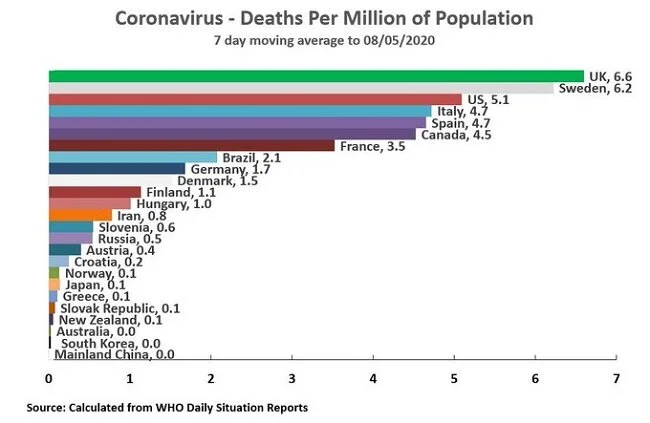


The Junk Cupboard
Whether you are tidy by default or not, there is always a cupboard, a draw, a room, a basement or an attic in your home that can conveniently store items until you can properly determine what to do with them. Over time, the contents of this temporary storage space will grow as it is continuously topped up. Eventually circumstances dictate that you must go through this ad hoc collection, because you need to find something specific or because there is simply no space left. Either way, this is often a Herculean task and one we feel well ill disposed towards undertaking. But needs must when the Devil drives, as the saying goes. Hence, the other day I had to go through the cupboard in the space room (which I like to think of as my office but this is disputed). Like most chores that are continuously deferred, it didn’t take as long as I anticipated.
Whether you are tidy by default or not, there is always a cupboard, a draw, a room, a basement or an attic in your home that can conveniently store items until you can properly determine what to do with them. Over time, the contents of this temporary storage space will grow as it is continuously topped up. Eventually circumstances dictate that you must go through this ad hoc collection, because you need to find something specific or because there is simply no space left. Either way, this is often a Herculean task and one we feel well ill disposed towards undertaking. But needs must when the Devil drives, as the saying goes. Hence, the other day I had to go through the cupboard in the space room (which I like to think of as my office but this is disputed). Like most chores that are continuously deferred, it didn’t take as long as I anticipated.
The cupboard in “the office” is actually a fitted unit. It has been used to store surplus bed linen, the grandchildren’s toys and what is best described as “old technology”. This consists of power adaptors from old or discarded equipment, VGA and DVI cables, old hard drives, mice and keyboards. Then there are USB hubs, patch cables, Bluetooth dongles and a mountain of software on various media. I could list more items but I’m sure you get the picture. It’s amazing how disposable technology has become and more to the point how it now fills and clutters are home. Now I wrote not so long ago a post about passing on old technology and I believe I may have even referenced this very cupboard. Sadly, after emptying the entire contents out, I discovered that there is very little that can be used or salvaged.
Furthermore, the pandemic and ongoing lockdown makes it very difficult to dispose of this sort of household waste. The local Borough has a very good recycling policy and a depot where under usual circumstances, you can drop off old equipment with ease. However, at present these premises are somewhat overwhelmed. They are short staffed due to COVID-19 and swamped as people such as myself are using their spare time to sort through their old rubbish. Hence I haven’t been able to dispose of anything by this method. I managed to find a couple of local charities that would be interested in items such as keyboards, monitors and ageing PCs but again the lockdown made arranging a prompt collection impossible. So I sadly decided to place most of the cabling, software and small peripherals into my standard household refuse for collection. As long as it is packaged correctly the council said it is acceptable to dispose of it this way.
As of today this cupboard has been cleared of the majority of its content. The grandchildren’s toys have been sorted, tidied and the broken ones disposed of. The bed linen has now been placed in an Ottoman and is now far easier to access when required. The majority of the old tech items were placed in black refuse sacks and placed in the appropriate wheelie bin. It was somewhat discombobulating to see a box of DOS disks being binned, along with an early nineties MP3 player and a BT Hub 3 (ADSL router). These were at one point items with a cost associated with them but now it’s just superfluous plastic and copper to be recycled. I kept an old PC base unit and a spare monitor but pretty much everything else went. I was tempted to see if the TOCA Touring Cars game for the PC would still run but I suspect it won’t on Windows 10, so that went too.
I am not a hoarder by nature and regular readers may be aware, from the occasional picture I post of my desk, that I like order and good organisation. However, it was most satisfying to finally clear this cupboard. I did something similar last September with all my clothes. The criteria there was, if something hasn’t been worn for over 18 month then it can go. That too was a cathartic experience. However, perhaps the most curious part of this tale lies in what this newly found cupboard space has been used for. I recently collected my Father’s ashes from the Crematorium. His mortal remains currently reside in a plastic container that has been tastefully packaged in a cardboard box. It weighs about 5lbs or so. He left instructions for his ashes to be interred with his parents but in the present lockdown, I cannot travel to the designated location. So for the meantime, he resides in the cupboard with a signed photograph of Peter Cushing and all my podcasting equipment. I’m sure he would laugh at the situation.
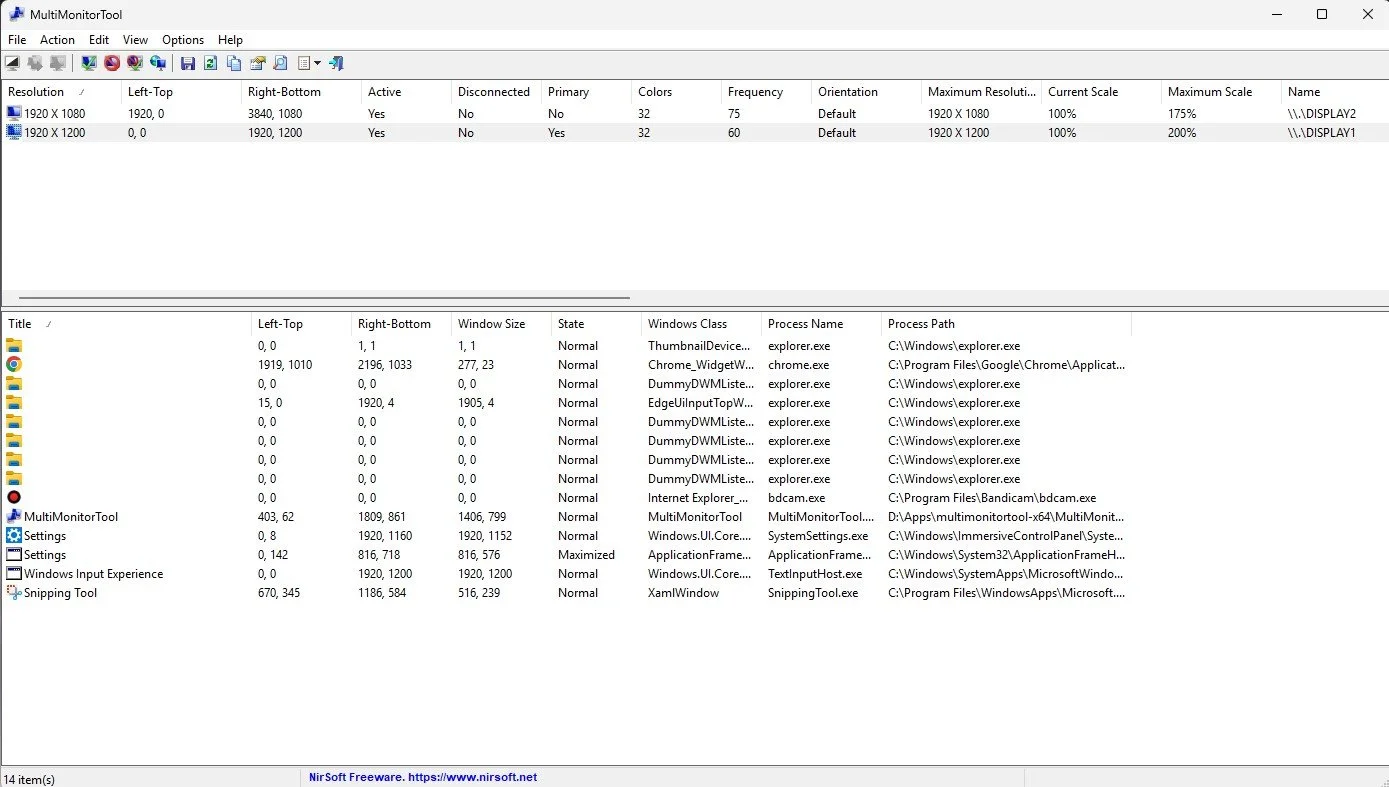

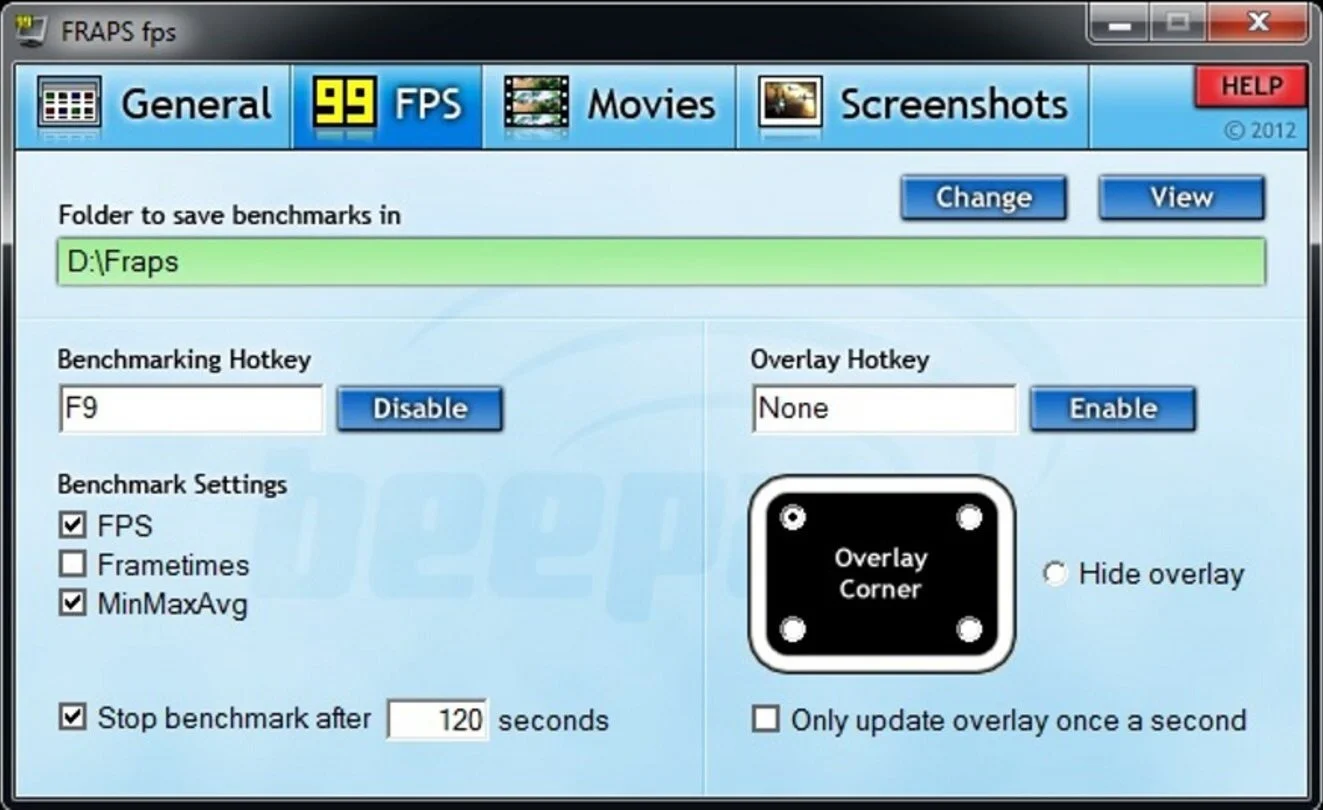











COVID-19 Pandemic 2021 Part 8
It is now ten months since The World Health organization declared a global pandemic. The UK is now enduring its third lockdown. The only difference this time is that we are now facing several new strains of COVID-19 and the public is divided over the restrictions. The Government has consistently failed over the last year to take any meaningful action and the country effectively finds itself back at square one. To date, the UK has no functional test and trace system in place, nor are the country’s borders fully controlled in an effective manner. Flights from certain countries are banned but connecting flights can circumnavigate this problem. Only now are passengers tested for COVID-19 on arrival. PPE and glass vials are in short supply. Post Brexit “administrative issues” now threaten to delay stocks of the Pfizer-BioNTech COVID-19 Vaccine. The National Health Service is struggling to cope. All these issues are further exacerbated by a partisan press and a population that appears to be at war with itself.
It is now ten months since The World Health organization declared a global pandemic. The UK is now enduring its third lockdown. The only difference this time is that we are now facing several new strains of COVID-19 and the public is divided over the restrictions. The Government has consistently failed over the last year to take any meaningful action and the country effectively finds itself back at square one. To date, the UK has no functional test and trace system in place, nor are the country’s borders fully controlled in an effective manner. Flights from certain countries are banned but connecting flights can circumnavigate this problem. Only now are passengers tested for COVID-19 on arrival. PPE and glass vials are in short supply. Post Brexit “administrative issues” now threaten to delay stocks of the Pfizer-BioNTech COVID-19 Vaccine. The National Health Service is struggling to cope. All these issues are further exacerbated by a partisan press and a population that appears to be at war with itself.
Now it is a common refrain from certain quarters not to “politicise” the response to the ongoing crisis. However, such a claim is risible and staggeringly crass. The UK Government is currently led by a strong Conservative Party majority. Furthermore they have been in power continuously since 2010 and have therefore shaped the political landscape of the country during that time. Hence not only are they directly responsible for their immediate response to the pandemic, which has clearly been driven by their political ideology but they are also responsible for the national services and infrastructure that are currently failing to cope. It would appear that a decade of cuts, politically driven underfunding and semi-privatization has left many institutions woefully under equipped to deal with the current situation. Let us not delude ourselves. Government policy and the Prime Minister himself are directly responsible for where the UK finds itself at present. A country with the third highest COVID-19 death rate in the world (weekly average deaths per million).
Sadly, how we got to this point is far from a mystery and is the inevitable consequence of decades of political, educational and sociological decline. If this pandemic had struck during the seventies or eighties, I believe it would have been handled better by both the governments and the population of the time. Politicians, public institutions and a sense of society were all more robust back then. However, hindsight does not really alter where we are now. The important issue is what happens next. Vaccinating the nation is the top priority although it doesn’t immediately resolve the problem of COVID-19. Even if everyone in the country could be vaccinated by tomorrow, it would take a while for infection rates to fall. However, rolling out the vaccine is proving problematic at present and the Government has made a controversial decision regarding the time period between doses. Pfizer, the manufacturer of one brand, recommends 21 days between doses. The UK Government has elected to change this to 12 weeks to ensure more people initially receive the vaccine. Again, we find UK policy at odds with other countries.
The question on everyone’s lips is obviously, what happens next? Well for the immediate future, I suspect just more of the same. I do believe that the UK population will eventually be fully vaccinated, although I think that may not be until the end of the year. There will be a percentage of the population that will choose not to do so and therefore there will still be regional, localised COVID-19 outbreaks. I suspect that the virus will become something we have to live with, like seasonal flu. Beyond controlling pandemic, the UK is facing a worsening economic recession. Unemployment is rising and will continue to do so. Inflation is now becoming an increasing worry. And then there is the ongoing fallout of leaving the EU. At some point the cost of the pandemic has to be addressed so there is the threat of increased taxation and a return to austerity. If the postponed Council and Mayoral elections are held this year (and it remains to be seen if they are), then I suspect there may be a strong protest vote. For those hoping that 2021 will be an improvement on the previous year, it may be wise to revise your expectations.


Keeping Up
I was a teenager during the eighties and the music that I listened to at the time was a major part of my overall experience. My musical taste influenced how I dressed and sometimes even determined friendships. Going to a gig and seeing music performed live was a major rite of passage. Furthermore, due to there only being a handful of TV channels in the UK at the time, meant that certain key programs were responsible for the dissemination of a broad spectrum of musical genres. Hence, while you waited for a band that you liked to come on, you’d sit and be exposed to a wealth of different artists. Something that tends not to happen nowadays as there is far more choice available. My passion for music persisted throughout the nineties and then began to wane round about the turn of the century. Work and the practicalities of daily life made it increasingly difficult to “keep up”. I used to read the music press and know about contemporary artists. I no longer do this. I often don’t even know what the current Number 1 record is.
I was a teenager during the eighties and the music that I listened to at the time was a major part of my overall experience. My musical taste influenced how I dressed and sometimes even determined friendships. Going to a gig and seeing music performed live was a major rite of passage. Furthermore, due to there only being a handful of TV channels in the UK at the time, meant that certain key programs were responsible for the dissemination of a broad spectrum of musical genres. Hence, while you waited for a band that you liked to come on, you’d sit and be exposed to a wealth of different artists. Something that tends not to happen nowadays as there is far more choice available. My passion for music persisted throughout the nineties and then began to wane round about the turn of the century. Work and the practicalities of daily life made it increasingly difficult to “keep up”. I used to read the music press and know about contemporary artists. I no longer do this. I often don’t even know what the current Number 1 record is.
The last twenty years has seen a major shift in focus of youth culture. The sales of physical media such as CDs have declined and music is now consumed via streaming services or even YouTube. The concept of the album is waning. Consumers favour selected tracks and personally curated playlists, rather than sitting down and studiously listening to all the tracks from a classic album in order. Traditional terrestrial TV no longer commands the audiences that it used to. Streaming TV means we can watch what we want, when we want. Subsequently, younger people no longer make TV such a focal point of their leisure activities. Twitch, YouTube are often their first ports of call for information, news and finding out about the things they enjoy. And then there are video games. A medium that for many is now the major social hub of their online activities. For many, games are where you find out about music and pop culture by the references that exist within them. Traditional mediums are no longer a core facet of their culture. Therefore the following article on the Guardian website came as no surprise. If you’re sceptical, ask any parent who has a child old enough to be enamoured with Fortnite.
I see no point in lamenting these social changes, nor passing judgement upon them. As Spock said “change is the essential process of all existence” and who am I to contradict such wisdom? Being au fait with a particular subject can at times feel like a job in itself. Certainly, keeping abreast of the music I liked felt that way during my teen years. It took time and effort to read the music press and then listen to everything. Plus this interest would then compete with my love of cinema, as both would monopolise large swathes of time. Frankly, reaching an age when I could let some of these things slide was a major relief. Between 2006 and 2011 I worked as an IT contractor and would often find myself in an environment in which a radio would be on all day, often tuned to a generic commercial channel. It is interesting how exposure to such a thing, even if you are not consciously paying attention to it, suddenly increases your familiarity. For a short period I became aware of the UK charts once again.
For over a decade, I have been writing to varying degrees about the video games industry and that has become a focal point of interest and fandom for me. Like music in my youth, this has dictated what I read, what media I consume online and has even had an impact upon the social circles in which I move. Sadly, I find that my excitement for this genre is waning, as it has exactly the same failings as other entertainment industries. And so I find myself once again at a point where I feel it is time to simply stop immersing myself in this particular interest. That not to say that I shall ignore it outright. I shall simply start to slow down my consumption of industry news and stop trying to be aware of all major new releases and industry trends. I shall swap being proactive with reactive. If an interesting nugget of gaming news crosses my path or I encounter a new game that has become a talking point, I shall no doubt write about such things. But I no longer feel the need to spend the first 90 minutes of my day, trying to read dozens of gaming news articles via Feedly.
One of the best lessons anyone can learn in life is that you cannot do everything. Once I made peace with this concept I felt a lot better in myself. Therefore it is not so difficult nowadays to let a hobby or pastime go. I miss podcasting but I cannot see myself fitting all the work it entails into my schedule. At present I have sufficient time to play games, watch movies and read. Those activities provide me with sufficient material to write about. But I no longer feel a compulsion to totally immerse myself into my leisure activities, nor do I seek to be an “armchair expert”. It no longer bothers me if someone mentions an artist that I’m not immediately familiar with. If I’m sufficiently interested then Google will yield an answer. Therefore, I am content to embrace the cyclical nature of fandom, hobbies and interests. I prefer now to savour a bottle of fine wine rather than strive to consume the entire vintage.
Looking After Your Mental Wellbeing
Very few people had a “good” 2020. I won’t bore you with a list of my personal woes as I’m sure you have plenty of your own. Plus everything is relative. We shouldn’t compare apples with oranges. Like many people, I now find myself fatigued by the ongoing global events and the conspicuous absence of normality. I like to consider myself quite a robust person. I have endured difficult times in the past and have come through them by remaining calm and focused. However, the nebulous and seemingly never ending nature of the global pandemic is extremely wearing. Let it suffice to say that I feel singularly unmotivated at present. Writing, which is usually a great pleasure, is currently a chore. I am also troubled by something that I personally find most unusual. A sense of sadness. And it doesn’t seem to want to go away.
Very few people had a “good” 2020. I won’t bore you with a list of my personal woes as I’m sure you have plenty of your own. Plus everything is relative. We shouldn’t compare apples with oranges. Like many people, I now find myself fatigued by the ongoing global events and the conspicuous absence of normality. I like to consider myself quite a robust person. I have endured difficult times in the past and have come through them by remaining calm and focused. However, the nebulous and seemingly never ending nature of the global pandemic is extremely wearing. Let it suffice to say that I feel singularly unmotivated at present. Writing, which is usually a great pleasure, is currently a chore. I am also troubled by something that I personally find most unusual. A sense of sadness. And it doesn’t seem to want to go away.
I recently wrote about plans for the New Year and mentioned a personal weight loss and fitness regime. I think I will now add to that a mental health element to try and maintain calm and stable demeanour. Looking after your mental health shouldn’t be a last minute consideration, only to be worried about when things go wrong. It should be treated the same as our physical health and given as much consideration. So I’ve done a little reading online to see if I can find some simple tips to improve my mental wellbeing. There’s plenty of information out there but it’s also a field rife with quackery. Luckily the UK NHS has some practical and straightforward advice. Essentially these are reframe unhelpful thoughts, be in the present, sleep well, connect with others and try to live a physically healthy lifestyle. Sound advice although it may not be as easy to implement it all.
I certainly will extol the merit of reframing unhelpful thoughts. Once you become aware of how you react in specific situations (which may be in a negative way), you can change such behaviour. Cognitive behavioural therapy is simple in principle but it can be life changing. Being in the moment is also a liberating state of mind. I tend not to look any further than the month ahead at present and focus on what is at hand, rather than worry about issues that haven’t yet become a direct problem. Sleep is an issue for me at present. My smart band collates data on the quality of my sleep and it’s not as good as it could be. Essentially my problem is one of relaxation. My mind is often still actively engaged when I should be sleeping. So I’ve been trying to find a way to mentally drop down a gear in the late evening.
“Seek and you will find” as the expression goes. Last night I was idly channel surfing when I stumbled across The Joy of Painting on BBC iPlayer. It’s been a while since I watched this show, yet within minutes the calming tones of Bob Ross and his gentle wordplay (“happy trees”) had defused my tension and replaced it with a sense of composure. This morning I felt that I had enjoyed a better night’s sleep. So I think the key in the future is to try and avoid an excess of “stimulus” after a certain time. I certainly think having a cut off point for social media or watching the news may be beneficial. I’m not advocating going cold turkey and shutting oneself off from the world. But I do think there comes a point in the day where it’s best to put some things back in their respective box and keep others at arm’s length.
I’d be very interested to hear from readers who have their own equivalent to watching Bob Ross as well as whatever methods they use to maintain a healthy state of mind. We are fortunate that we live at a time where talking about one’s mental wellbeing is no longer so difficult. The old school stiff upper lip mindset has been debunked as it often results in emotionally broken people. I hope I can find my sense of mental equilibrium again and see a return of my usual levels of motivation. And let us not forget to share a kind word with those we interact with both online and in day to day life. In these difficult times it is important to be aware that not everyone has the same support networks. Also not everyone will be coping the same and some folk still tend to put on a brave public face. Kenneth Williams said it the best. “Drowning, not waving”. So let us not add to each other’s problems.



This Year's Plan
This is a public service announcement. Don’t waste your time with traditional, grandiose, pie in the sky New Year resolutions. The key to success is to set yourself realistic and achievable goals. Further incentivise them by including some sort of reward upon their completion. If involving a third party makes it more likely that you’ll achieve these endeavours then do so. Don’t waste your own time and sell yourself short by chasing things you know are patently unrealistic. Pursue things that are beneficial or even pragmatic. Also, ignore others who publicly set prestigious goals. You know the “type”. Those tedious over achievers who feel the need to compete on absolutely every level. Do not concern yourself when they hit their targets. It’s not about them. It’s about you. Life is relative. Focus on what you can do and then go about doing it. I’ve said this all before in previous New Year blog posts but sensible advice merits repeating.
A pop culture reference about plans
This is a public service announcement. Don’t waste your time with traditional, grandiose, pie in the sky New Year resolutions. The key to success is to set yourself realistic and achievable goals. Further incentivise them by including some sort of reward upon their completion. If involving a third party makes it more likely that you’ll achieve these endeavours then do so. Don’t waste your own time and sell yourself short by chasing things you know are patently unrealistic. Pursue things that are beneficial or even pragmatic. Also, ignore others who publicly set prestigious goals. You know the “type”. Those tedious over achievers who feel the need to compete on absolutely every level. Do not concern yourself when they hit their targets. It’s not about them. It’s about you. Life is relative. Focus on what you can do and then go about doing it. I’ve said this all before in previous New Year blog posts but sensible advice merits repeating.
I usually try to set myself some goals at this time of year. Sometimes I like to plan a new project. I tried live streaming last spring and discovered that it wasn’t for me. I would very much like to return to podcasting on a weekly basis. However, I’ve given a lot of thought to this and a few other potential projects and decided not to pursue any of them. This is due to several reasons. The pandemic isn’t going to vanish overnight and I believe that the restriction currently imposed where I live will continue. Hence I shall continue to be confined to my home and therefore must consider Mrs P and our shared environment. Mrs P is currently unwell and awaiting seeing her cardiac consultant. Her health and well being are a priority. And then there’s my current state of mind. I am tired and still processing a bereavement. I don’t feel that it’s wise to go all in on a project when I should be dealing with more immediate issues.
Tom Hanks collects typewriters
So upon mature reflection I’ve decided to do the following for the immediate future. Maintain a more organised daily routine, continue writing as often as I can and pursue a straightforward weight loss and health regime. I’m going to start going to bed earlier and consequently getting up at a fairly regular time. I think 7:00 AM should be manageable. My smart band gives me details on the quality of my sleep and it’s not that good. As soon as I’m awake I shall get cracking as I find I’m at my most productive in the morning. I shall also keep a basic “to do” list and ensure that tasks do not get deferred or overlooked. I may try and find some podcast to gatecrash and if there are any writing events in 2021 I shall participate in them. But I’m keeping my ambitions simple so that they can be maintained. My long term plan to adapt The Golden Voyage of Sinbad into a West End musical has been deferred for practical reasons.