
Doctor Sleep Director’s Cut (2019)
Bringing Doctor Sleep to the big screen is a tall order for any filmmaker. Yet director Mike Flanagan (who also wrote the screenplay) manages to tread boldly along this difficult cinematic path. He delivers not only a credible sequel to Kubrick’s unique movie but also manages to adapt Stephen King’s follow up book fairly coherently. Yes, compromises have been made as Kubrick’s version of The Shining strayed far from the source text and therefore trying to dovetail legacy lore into King’s multi-layered follow up novel is a difficult task. However, Flanagan manages to craft a thoughtful and character driven tale which advances the themes present in both the previous film and the source text of the original book and its follow up. Doctor Sleep is not a rollercoaster ride filled with jump scares and convenient gore. It is a slow burn that builds atmosphere and tension. It also offers a strong sense of continuity and fans of the previous instalment will enjoy the sense of nostalgia this new film provides with it’s litany of subtle homages and asides. It is not without flaws but it is an interesting example of a more cerebral horror movie.
Bringing Doctor Sleep to the big screen is a tall order for any filmmaker. Yet director Mike Flanagan (who also wrote the screenplay) manages to tread boldly along this difficult cinematic path. He delivers not only a credible sequel to Kubrick’s unique movie but also manages to adapt Stephen King’s follow up book fairly coherently. Yes, compromises have been made as Kubrick’s version of The Shining strayed far from the source text and therefore trying to dovetail legacy lore into King’s multi-layered follow up novel is a difficult task. However, Flanagan manages to craft a thoughtful and character driven tale which advances the themes present in both the previous film and the source text of the original book and its follow up. Doctor Sleep is not a rollercoaster ride filled with jump scares and convenient gore. It is a slow burn that builds atmosphere and tension. It also offers a strong sense of continuity and fans of the previous instalment will enjoy the sense of nostalgia this new film provides with it’s litany of subtle homages and asides. It is not without flaws but it is an interesting example of a more cerebral horror movie.
It becomes apparent quite quickly while watching Doctor Sleep, that this isn't your run of the mill horror film. The standard of writing, performances and general tone of the film is far more nuanced than most genre outings. The screenplay doesn’t shy away from showing Dan Torrence (Ewan McGregor) hitting rock bottom, as he becomes an alcoholic to drown out the “shining”. A one night stand, in which he robs the woman he’s slept with, has far reaching consequences. Yet far from alienating audiences, the clever writing fosters a sense of sympathy as Dan subsequently moves to a new town and meets Billy Freeman (Cliff Curtis), an ex-alcoholic who helps him turn his life around. As he embarks on a new voyage of self-discovery, Dan finds a positive use for his “gift” when he starts work in a Hospice. He comforts patients as they approach death, calming them with personal visions from their past.
Running in parallel with Dan Torrence’s story, is that of Abra Stone (Kyliegh Curran). Abra has a similar “shining” ability to Dan but of a far greater magnitude. It frightens her parents and alienates her from her school friends. As she reaches out with her psychic abilities, she attracts the attention of Rose the Hat, who is the leader of the cult the True Knot. Rose (Rebecca Furguson) and her group are psychic vampires that feed upon “steam” or psychic essence. The group kidnap, torture and kill children to feast upon their steam, as it keeps them young and fuels their supernatural powers. Once aware of Abra’s presence, Rose sets her sights on her as a potential limitless food supply. Inevitably, Dan crosses path with both Rose the Hat and Abra, leading to a confrontation that can only be resolved by revisiting the now deserted Overlook Hotel. Perhaps the demons that await Dan there, can serve another purpose.
Doctor Sleep has certainly more highs than lows and focuses on being a disturbing character study with a building atmosphere, rather than a gorefest. Apart from one murder which is very disturbing by its very nature, rather than what is actually shown, the film is not overly reliant on violence. Performances are good and there is some very clever casting of actors who have a comparable style and appearance to Shelley Duvall, Jack Nicholson and Scatman Crothers. Some plot elements such as Dan’s struggle to not become his Father are explored well. Abra brings something more to the proceedings, rather than just the standard trope of a teenager with a supernatural power. Sadly, Rose the Hat is somewhat lacking as a villain. This has nothing to do with Rebecca Furguson per se but mainly the way the character is realised. Simply put Rose is not threatening enough and doesn’t exude sufficient malevolence, despite her penchance for child murder. Yet despite these minor shortcomings, there is sufficient depth to Doctor Sleep to keep discerning horror fans engaged.
I did not see the theatrical cut of Doctor Sleep upon its release in UK cinemas. I watched the Director’s Cut which adds an additional 30 minutes of character development to the film. This version is well paced, brooding and encompasses a broad spectrum of plot elements. However, even this extended version still leaves some themes and characters underdeveloped. Dan’s recovery from alcoholism is somewhat swift and his job as an orderly is shown but not fully explored. Bruce Greenwood has an interesting cameo as Dr. John Dalton and it would be nice to find out more about the man. But Stephen King is notorious for multiple characters in his books and that cannot always be easily accommodated in the confines of a mainstream film. All things considered, Mike Flanagan could have ended up falling between two stools while trying to to justice to King’s intricate work and riffing off Kubrick’s seminal movie. The results are not 100% perfect but Doctor Sleep strives to do justice to both groups of fans. The film offers a reassuring sense of familiarity to those wedded to Kubrick’s vision and manages to take the characters forward and allow them to grow and tell a new story, rather than just retread old ground. Popular consensus is that the extended version is the more successful of the two edits.









Terminator: Dark Fate (2019)
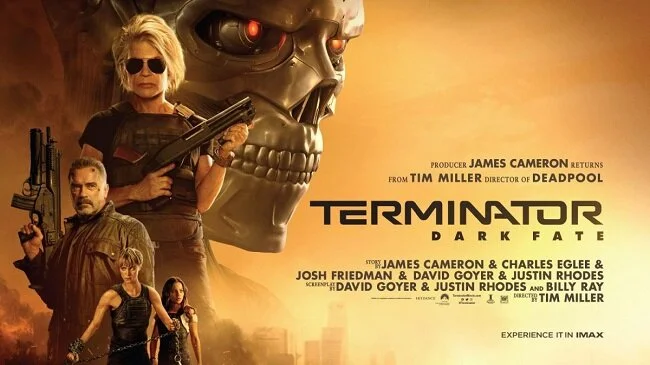
Sequels and reboots are hardly a new concept and have been a part of Hollywood culture since the 1930s. The success of the Universal Horror movies from that era being a prime example of direct follow ups and retconned movies. However, there is one fundamental rule that distinguishes a good sequel from a bad one. You should never mitigate, undermine or make irrelevant the events of the previous movie, just to provide your new film with a raison d'être. For example, the events of Aliens do not contradict or trivialise those that happened in Alien. In fact with that franchise there is a very clear logical progression between the two movies. The same is true for Mad Max and Mad Max 2 or Star Wars and The Empire Strikes Back. The key is to progress a story, enhance it or explore things from an alternative angle and bring something new to the cinematic table. Sadly this philosophy is all too often lost on corporate film making. Which means that many sequels are just tedious replays of prior films. Terminator: Dark Fate falls squarely into this category.
Sequels and reboots are hardly a new concept and have been a part of Hollywood culture since the 1930s. The success of the Universal Horror movies from that era being a prime example of direct follow ups and retconned movies. However, there is one fundamental rule that distinguishes a good sequel from a bad one. You should never mitigate, undermine or make irrelevant the events of the previous movie, just to provide your new film with a raison d'être. For example, the events of Aliens do not contradict or trivialise those that happened in Alien. In fact with that franchise there is a very clear logical progression between the two movies. The same is true for Mad Max and Mad Max 2 or Star Wars and The Empire Strikes Back. The key is to progress a story, enhance it or explore things from an alternative angle and bring something new to the cinematic table. Sadly this philosophy is all too often lost on corporate film making. Which means that many sequels are just tedious replays of prior films. Terminator: Dark Fate falls squarely into this category.
Objectively, Terminator: Dark Fate plays out as a greatest hits of the Terminator franchise. Due to the way that Terminator 2: Judgement Day concluded, the future existence of Skynet has been definitively stopped. Therefore for this new film to justify its existence it has to contrive another comparable future threat and does so with a new rogue AI called Legion. So despite Judgement Day being averted, we are simply presented with a new dystopian future (because obviously Legion perceives mankind as a threat) and a new Terminator (Rev-9 model played by Gabriel Luna) sent back in time. Naturally, if there’s a Terminator on the loose, then they have to have a target. This time round it is Daniella Ramos (Natalia Reyes), a young woman who works in an automobile assembly factory. She is rescued and protected (as was Sarah Connorin the original movie) by a soldier from the future. The major difference being this time, is that Grace (Mackenzie Davis) has been cybernetically enhanced thus making her more capable in tackling Terminators.
Perhaps the most egregious offense that Terminator: Dark Fate commits is dealing with the conundrum of John Connor. With Judgement Day averted both John and his Mother Sarah were theoretically free to live out the remainder of their lives in peace. But the production’s need to include actress Linda Hamilton into the story (and thus increase the film marketability) requires a rather mean spirit plot twist that effectively negates the entire point of the first two films. To say more would spoil the film’s plot for those who have yet to see it but it really is a poor idea and has upset many ardent fans of this franchise. This narrative device also paves the way to crowbar Arnold Schwarzenegger into the proceedings as yet another T-800 model Terminator from the original Skynet timeline. There are some attempts in the screenplay by David Goyer, Justin Rhodes and Billy Ray to try and play against type, with this particular Terminator living out the rest of his existence as an average member of society. But the scenario envisaged is purely designed for easy laughs and offers nothing of substance beyond its inherent novelty.
Effectively all that Terminator: Dark Fate offers during its 128 minute duration is a retread of previous plot elements from the other movies and a series of noisy and frenetic action scenes, all of which are derivative and soulless, with no genuine sense of threat. Is the film poorly made? No not at all. Is it entertaining on any level? Yes. In a superficial way. But it has nothing to offer beyond that and it is utterly redundant. Beyond the need to make a film studio some money, Terminator: Dark Fate cannot really justify its existence. It adds nothing to the existing canon and lore and makes for rather ponderous viewing. The return to an R Rating provides no tangible benefits either, other than the scope for violence for violence sake. Sadly, the mainstream film making industry has no concept of integrity or art and is utterly lacking in self awareness. So I’m sure given some time, a focus group will attempt to resurrect this franchise yet again at a future date, only to make exactly the same mistakes.





A Month in Gaming
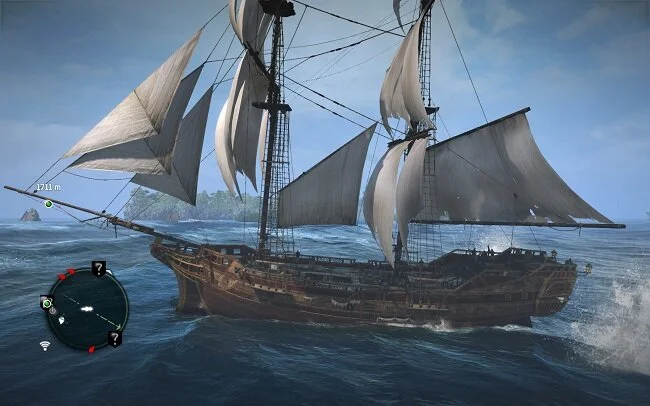
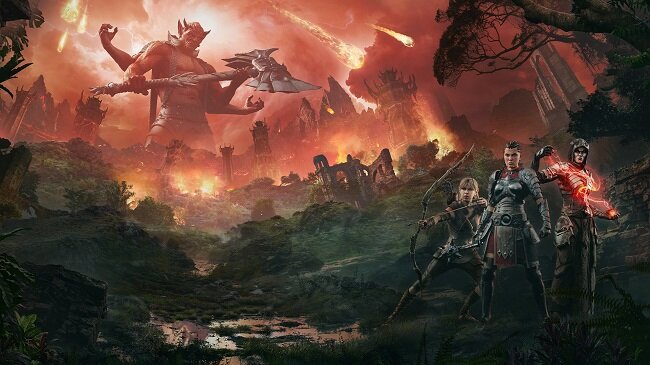
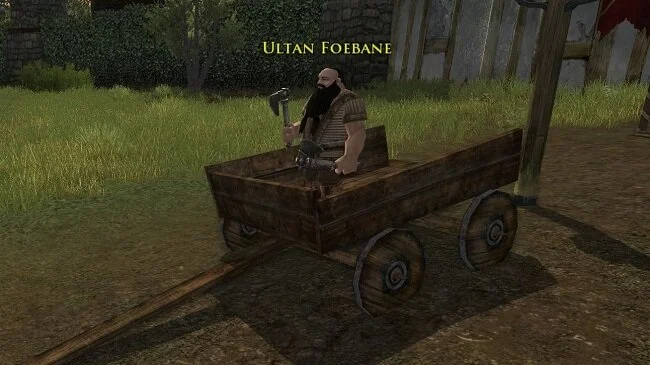
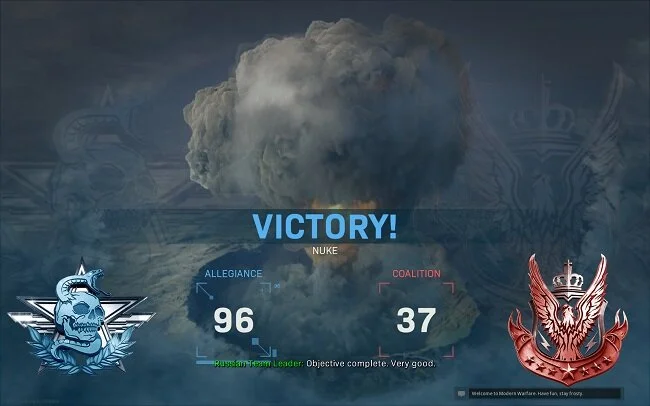
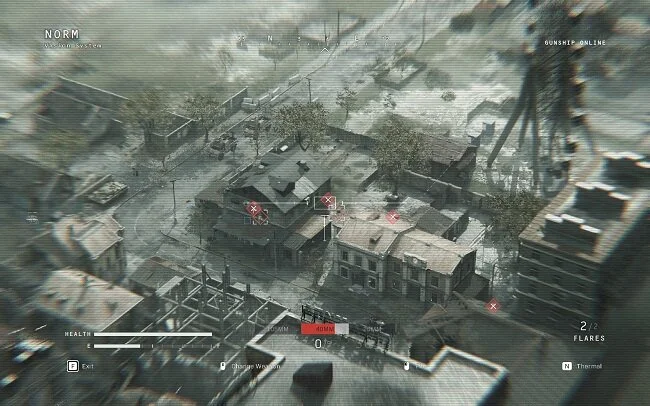
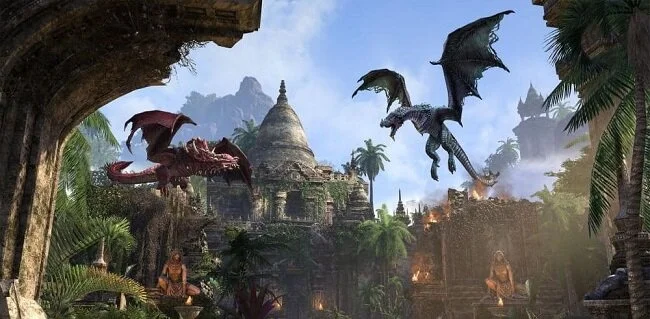
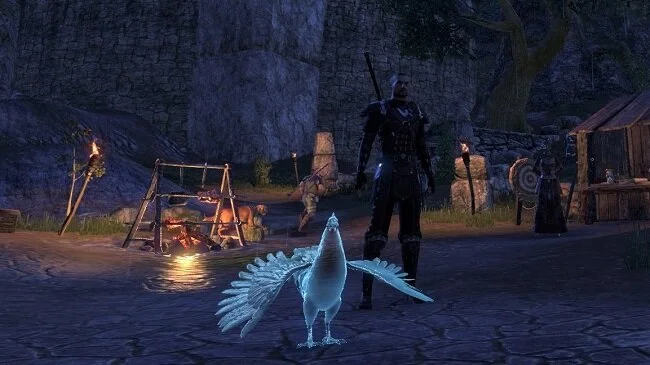
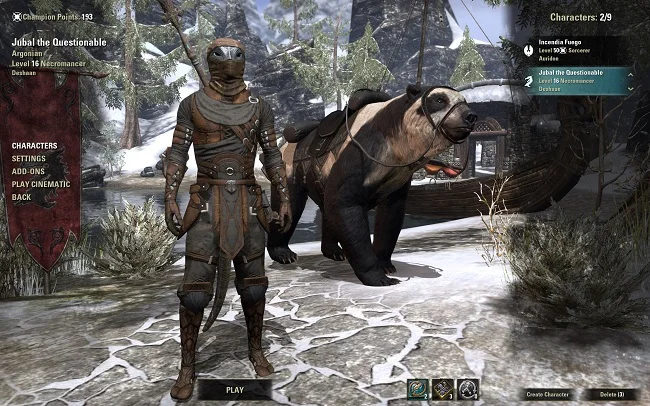
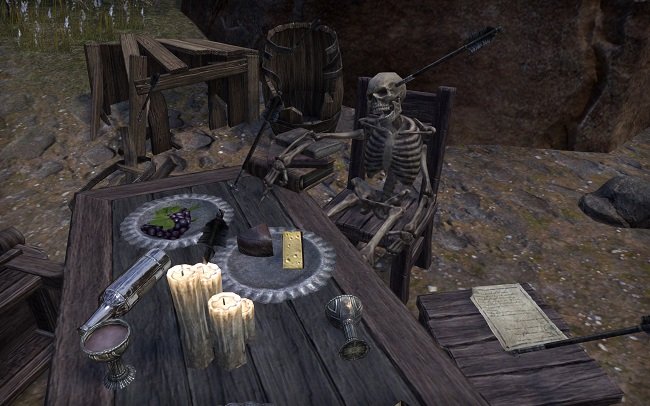
So much for the New Year. January has now been and gone and 2020 just seems to be barrelling along. As ever, due to my real world commitments, I’ve been pushed for time over the last thirty one days. Therefore, most of my gaming has been targeted “binge” sessions conducted late at night. However, I do find playing through episodic content over several hours to be a very productive means of making progress in MMOs. So overall January has been an enjoyable experience, game wise. Due to my circumstances, I have deferred starting any new single player games and have focused primarily on two titles; The Lord of the Rings Online and Star Trek Online. Sadly, The Elder Scrolls Online has been relegated to being played just once a week, usually on a Wednesday night when I meet up online with friends. My exploration of Vvardenfell will have to wait until later in the year, as I cannot sustain three MMOs to any great degree.
So much for the New Year. January has now been and gone and 2020 just seems to be barrelling along. As ever, due to my real world commitments, I’ve been pushed for time over the last thirty one days. Therefore, most of my gaming has been targeted “binge” sessions conducted late at night. However, I do find playing through episodic content over several hours to be a very productive means of making progress in MMOs. So overall January has been an enjoyable experience, game wise. Due to my circumstances, I have deferred starting any new single player games and have focused primarily on two titles; The Lord of the Rings Online and Star Trek Online. Sadly, The Elder Scrolls Online has been relegated to being played just once a week, usually on a Wednesday night when I meet up online with friends. My exploration of Vvardenfell will have to wait until later in the year, as I cannot sustain three MMOs to any great degree.
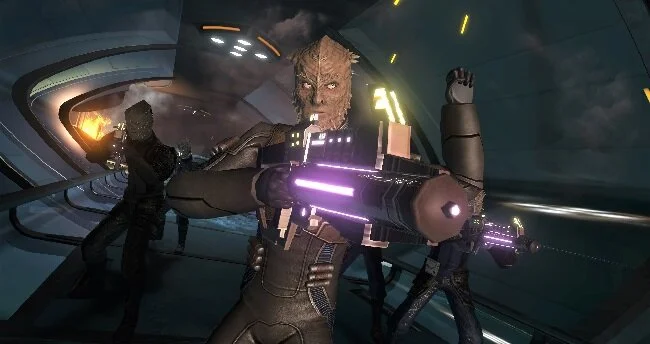
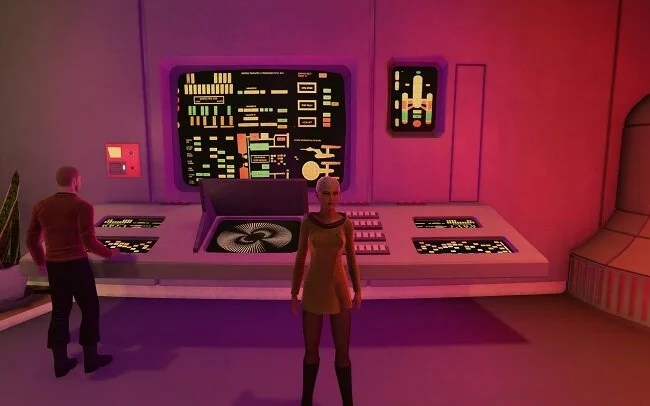
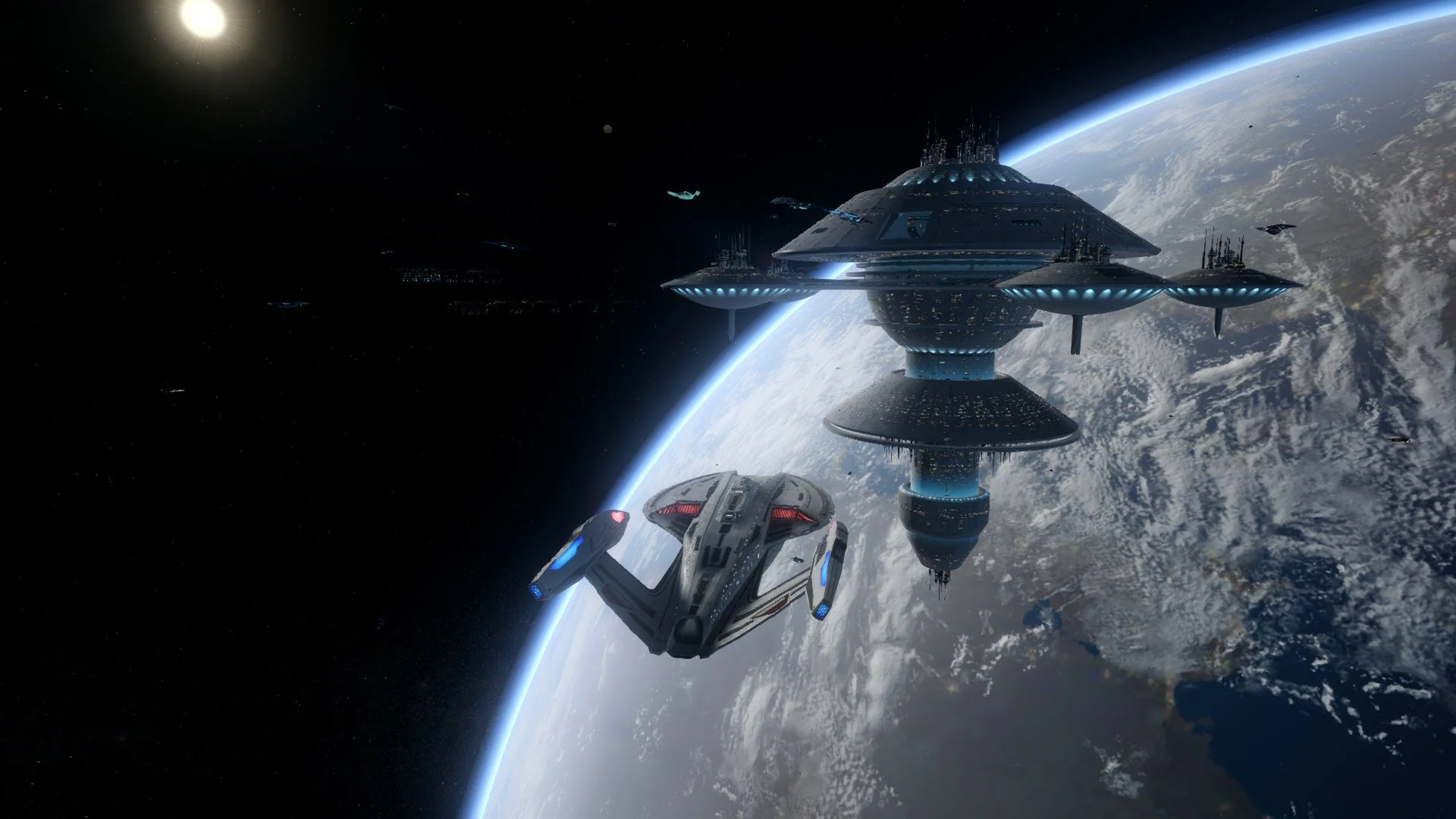
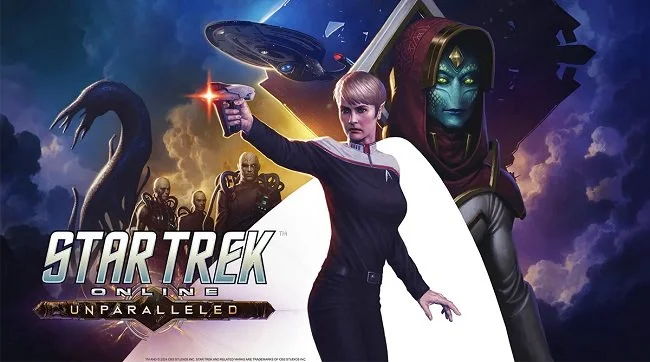
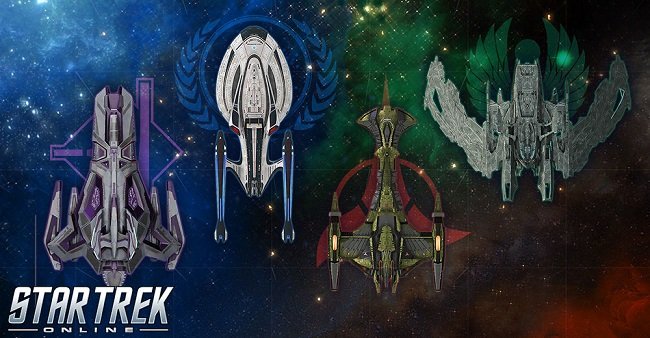
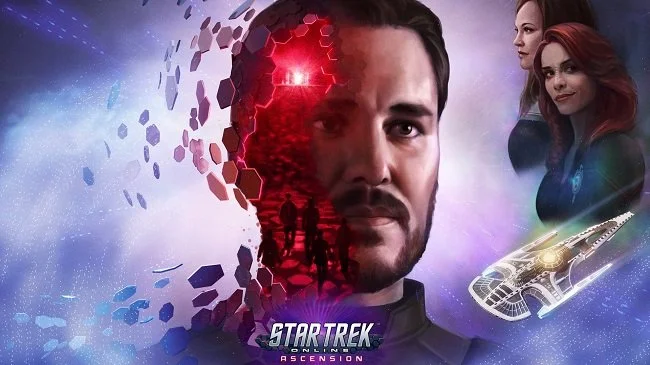
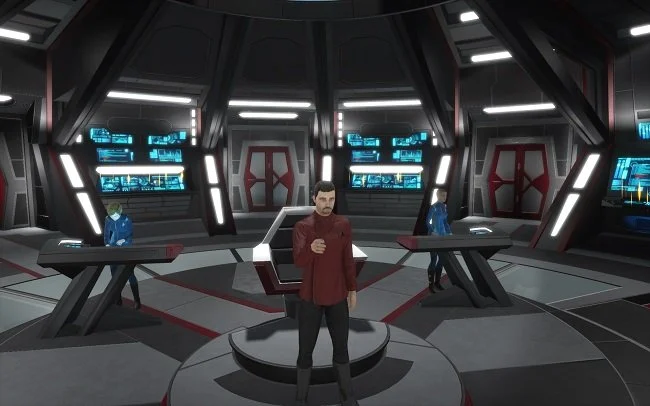
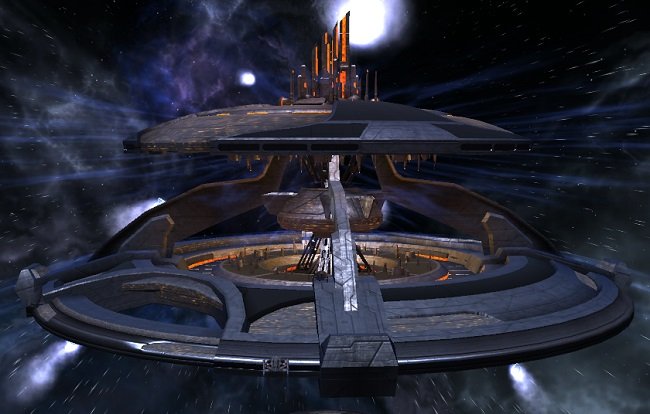
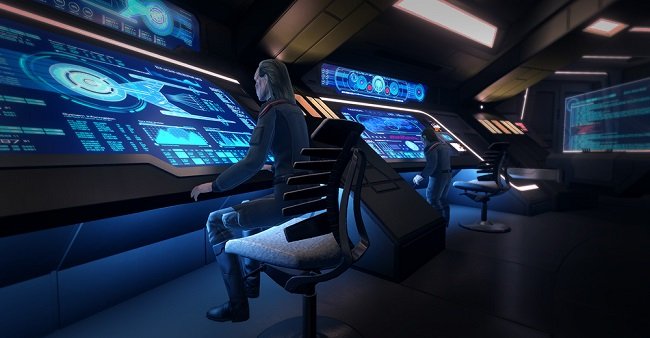
Currently STO is celebrating its 10th Anniversary. To mark this auspicious occasion, Cryptic have released a two-part feature episode starring Seven of Nine (Jeri Ryan) and Michael Burnham (Sonequa Martin-Green). The pair find themselves transported to the planet Excalbia, last seen in the TOS episode “The Savage Curtain” and facing further “tests” as the Excalbians explore the human concepts of good and evil. It is a dynamic and action packed story which revisits many classic scenarios from the game. Seven has some killer quips and Burnham is a welcome addition to the ever growing STO family. The anniversary also offers an opportunity to earn a new hybrid Tier 6 ship, which draws upon Federation, Klingon and Romulan design. Naturally the ongoing event has meant that a lot of lapsed players are returning to the game and as a result, the Reddit Alert Fleet (of which I am a member) is exceedingly busy. However, there has been a degree of controversy over the 10 ship Legendary Bundles that is being released on February 13th. As ever the pricing is quite high (about £200) and Cryptic have decided not to sell these desirable vessels individually. However, this issue notwithstanding, it is nice to see the game thriving at present. Ten years is a laudable milestone for any MMO to reach.
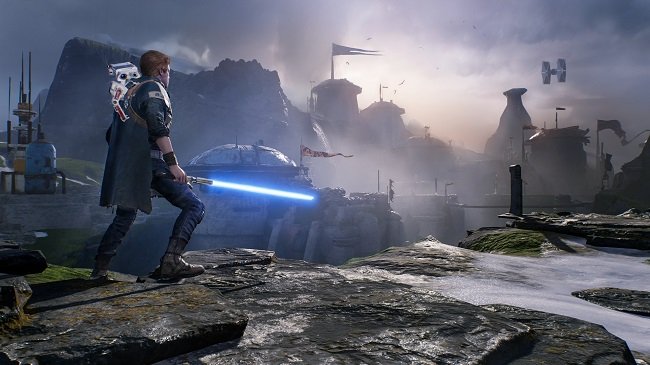
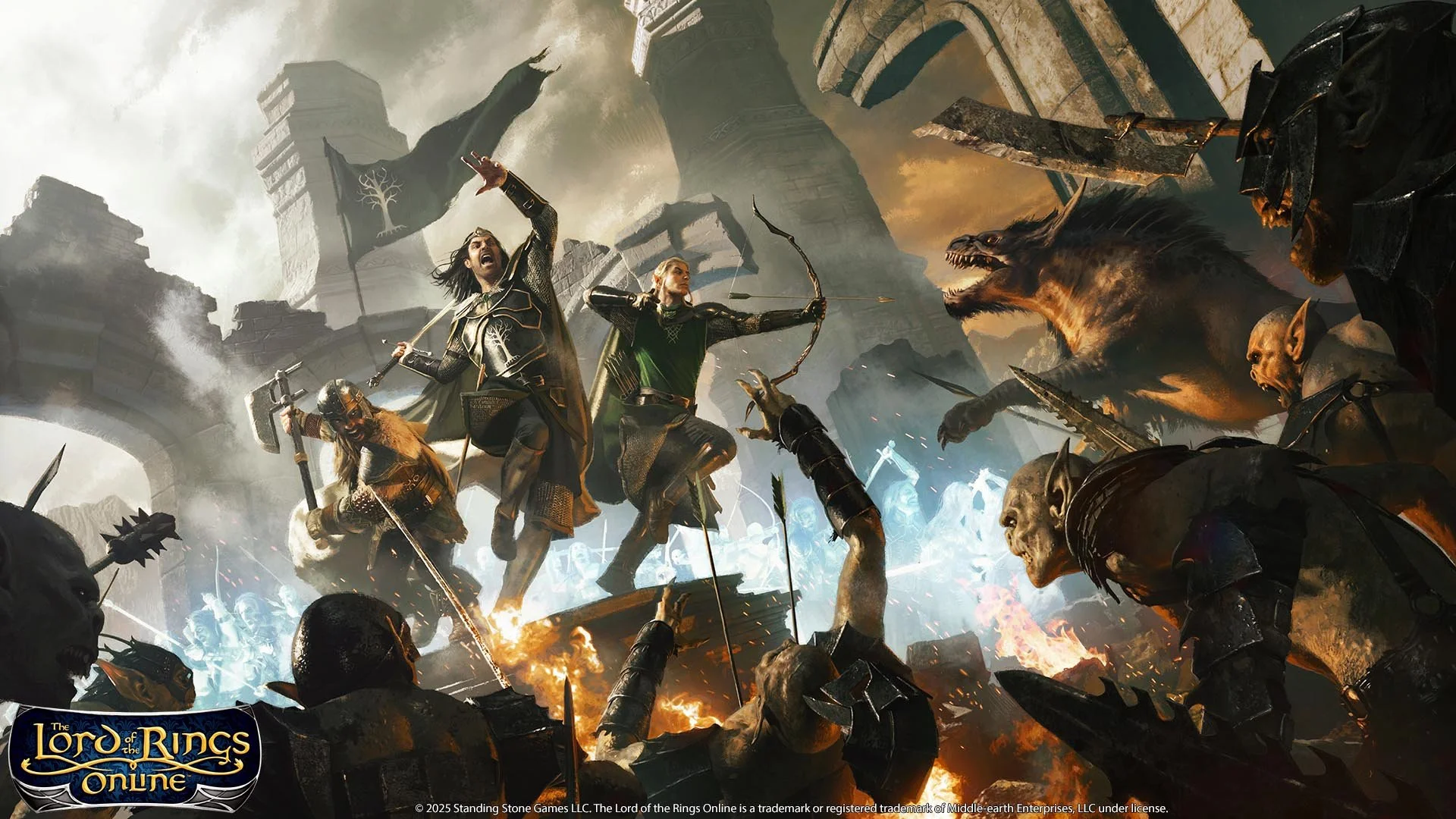
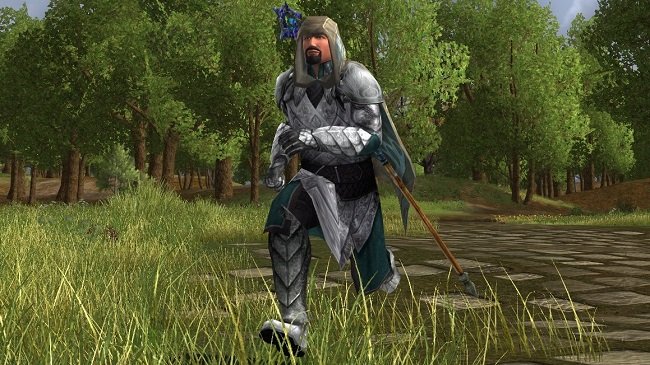
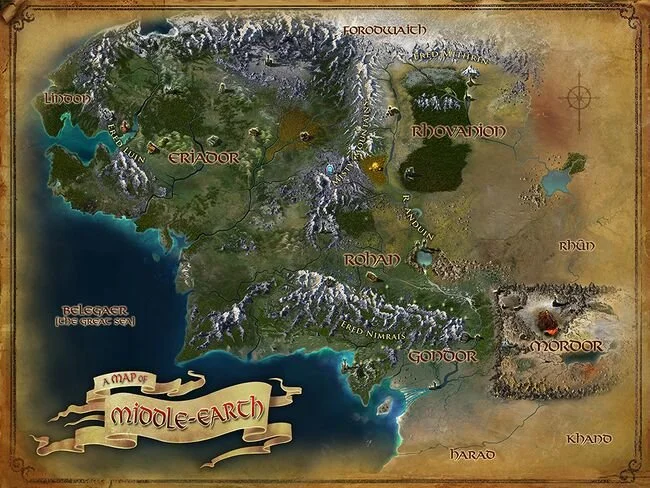
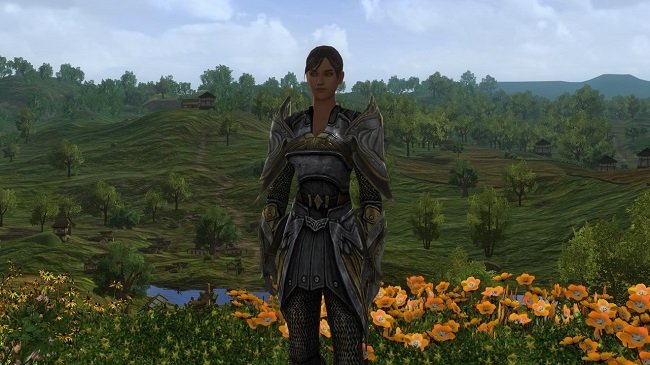
I have completed the Vales of Anduin in LOTRO and have diligently applied myself to the new Minas Morgul expansion. I have already shared my thoughts on the first half of the expansion, set in the Second Age of Middle-earth, which I found to be narratively enjoyable but a little too padded with fetch and slayer quests. The same rings true of the other half of the game set in Imlad Morgul. The central story is sound and each of the secondary quest hubs has an additional tale that feeds into the main Epic Quest. But again when visiting each area the player is given a multitude of arbitrary tasks to do. I cannot help but return to my initial conclusion that Minas Morgul is not a genuine expansion in comparison to its predecessors. It feels like something cobbled together from outstanding material and lacks anything additional or bespoke. However, criticisms aside, my recent re-gearing from loot boxes, along with focus upon virtues and increasing my LI legacies, has certainly made my level cap Lore-master a far more robust and even formidable character. I consider this to have been the best gaming achievement of January.
Putting aside what I’ve actually done in-game over the last month, I would like to briefly mention “gaming news”. As someone who considers video games as a major aspect of my leisure time, I have always liked to know what’s going on in the wider gaming community, along with the industry itself. Hence I’ve always read a broad selection of websites and subreddits etc. Sadly, I am finding these outlets are becoming increasingly partisan. The gaming industry seldom covers itself in glory and often the behaviour and attitude of a large percentage of the gamers is far from edifying. Simply put gaming is increasingly becoming yet another aspect of the ongoing Culture War which blights contemporary politics and national dialogue. Rather than feeling I’m part of an international community based on mutual understanding and a shared, common experience, it seems that I’m habitually told to pick a side in some tedious, bi-partisan argument and then just shout at those in so-called opposition. I find this an intellectually bankrupt proposition and am ill disposed towards doing such things. I do not see any evidence at present that 2020 is going to halt and reverse this process.



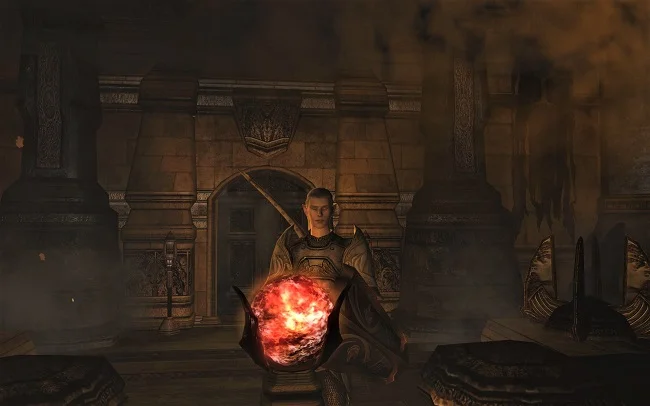
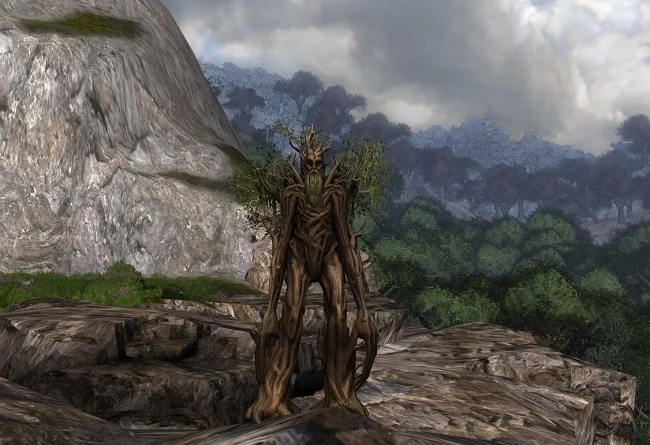
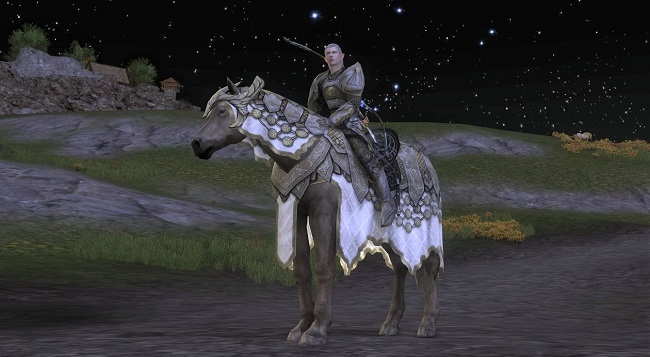
5 of My Favourite Quality-of-Life Mechanics in MMOs
Over the years I’ve played numerous MMOs (to varying degrees of success). As a genre there are certain game mechanics that are standard and common to most games. Initially during the “golden age” of the MMORPG, there was a focus on collaborative team player. This meant that successfully undertaking group content required a spectrum of players in specific roles. This particular mechanic has diminished over the years but the genre still has numerous common tropes. Quest hubs, reputation factions, gear grinds and vertical levelling are just some that spring to mind. However, many developers in this field attempt to polish and refine these “default” systems, often with interesting results. So I thought I’d cite some specific examples of what I call “quality-of-life mechanics”. Frequently these are bog standard facets common to the MMO genre, that have been polished and refined in a particular game. Small things that just make a game more manageable and provoke a positive reaction as well.
Over the years I’ve played numerous MMOs (to varying degrees of success). As a genre there are certain game mechanics that are standard and common to most games. Initially during the “golden age” of the MMORPG, there was a focus on collaborative team player. This meant that successfully undertaking group content required a spectrum of players in specific roles. This particular mechanic has diminished over the years but the genre still has numerous common tropes. Quest hubs, reputation factions, gear grinds and vertical levelling are just some that spring to mind. However, many developers in this field attempt to polish and refine these “default” systems, often with interesting results. So I thought I’d cite some specific examples of what I call “quality-of-life mechanics”. Frequently these are bog standard facets common to the MMO genre, that have been polished and refined in a particular game. Small things that just make a game more manageable and provoke a positive reaction as well.
Neverwinter: Quest Path.
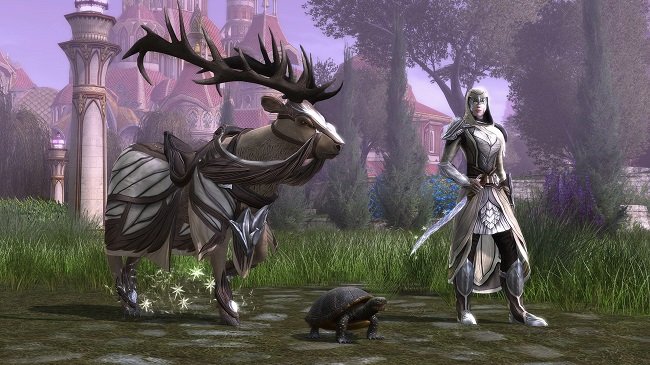
It frankly annoys me the way some game designers go out of their way to make navigating around their virtual world so damn difficult. Cities are often complex with non-linear road layouts and there are frequently esoteric quirks that you just have to figure out the hard way. I’m sure somewhere there’s a self satisfied dev whose smirking at how clever they’ve been, as you run around a major quest hub in an increasingly frustrated state, looking for a particular NPC or item. However Cryptic have addressed this matter head on with the Quest Path facility in the MMO Neverwinter. If you want a helping hand this game mechanic provides a sparkly trail that takes you directly to your next quest location. It is simple, functional and also purely optional. Purists can learn their way around if they prefer. Where as casual players, those with a poor sense of direction or individuals who prefer to focus on other aspects of the game can opt to avail themselves of this service. I really wish this was available in more MMOs.
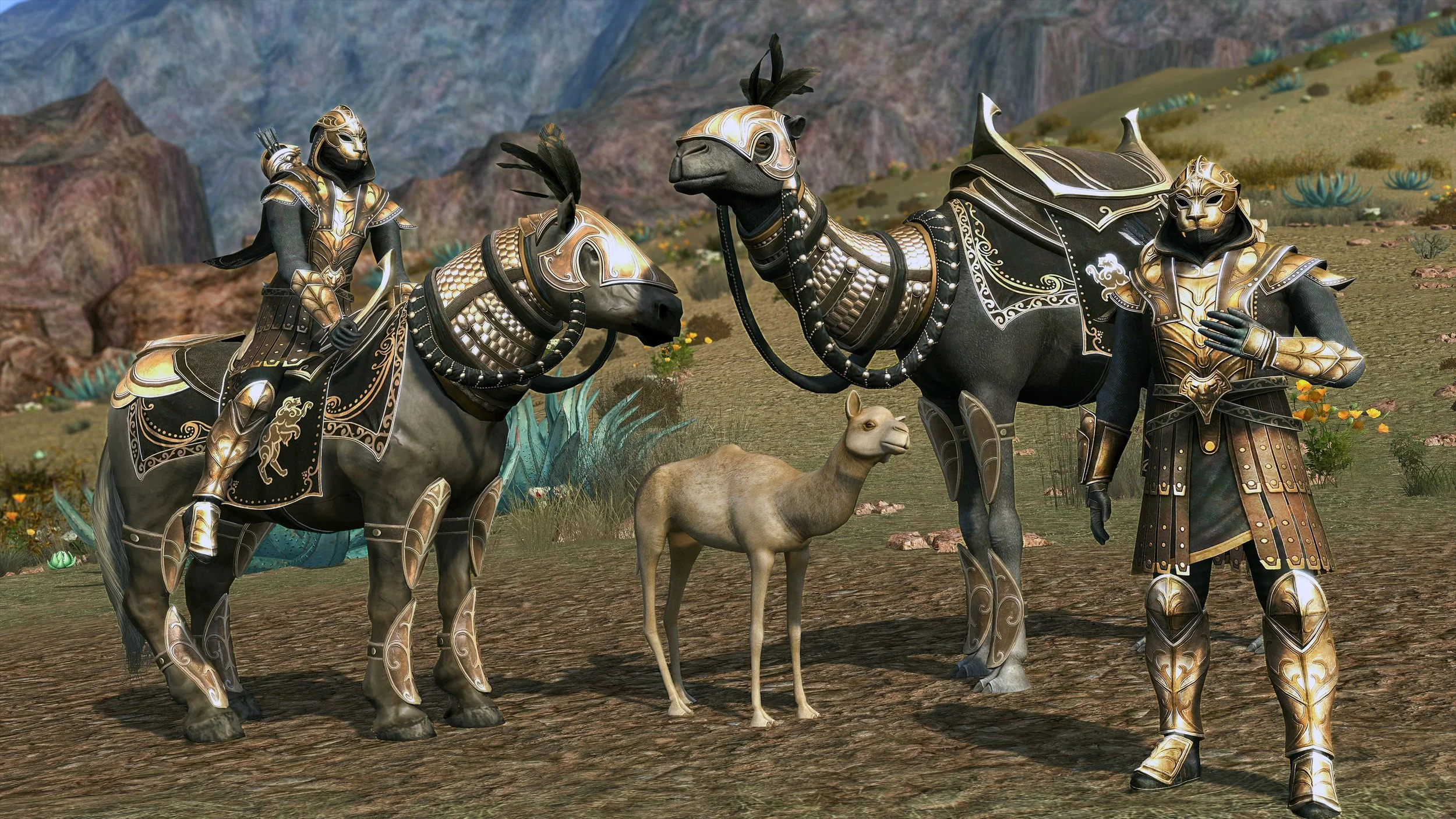
The Elder Scrolls Online: Content Scaling.
Many older MMOs suffer from a common problem. Increases in level cap, along with an ever growing catalogue of content, lead to older material becoming redundant. There is no incentive to play older, lower level quests once you have reached level cap nor to revisit completed regions and instances. Furthermore, new players cannot play with veteran friends due to their obvious level differences. This is just poor game design and it also antagonises players. However, two years after its initial release, The Elder Scrolls Online tackled this very issue in late 2016 with the One Tamriel update. This allowed players of any level, in any faction, to travel to any other PvE zone and tackle appropriately-scaled content. Hence a veteran player can now group a newbie and both will equally benefit with regard to XP and loot drops. It is literally a “game changing” achievement that makes the game far more inclusive and open ups a wealth of previously gated content. Should this not be a default system in every MMO?
Star Trek Online: Upgrading Gear and The Exchange.
Cryptic’s MMO ode to the Star Trek franchise is far from perfect. Even after 10 years it still sports numerous bugs and as a game has never really hit its full potential. However, it does get a lot right and exudes an appropriate Trek vibe. It also includes not one but two straightforward systems that improve the game immensely. The first is the opportunity to upgrade gear and even change the statistical modifiers on it. Therefore if you take a liking to a Mark I item at the start of the game, you can retain it and upgrade it as your character progresses through the 65 levels. Yes, this can be quite a costly process with regard to using in-game resources but does means that not every item is doomed to obsolescence. You don’t have to unceremoniously ditch something you’ve worked hard to obtain. And the other thing that I feel STO does very well is its own unique version of “auction house” or The Exchange as it’s known in this case. Firstly STO runs on one shard, so there is a substantial customer base to interact with. Secondly, there are no listing fees at all. Thirdly, the moment an item sells you are notified and the cash (Energy Credits) go straight into your virtual wallet. Although hyperinflation is a thing (as it is in most MMOs), at least you don’t have to worry about selling items quickly and efficiently.
The Lord of the Rings Online: Auto Loot.
I find it ironic that one of the most old school and somewhat dated MMOs around, still manages to have a game system in place that is still lacking from more recent titles. The Lord of the Rings Online added auto loot to the game with the Rise of Isengard expansion back in 2011. Until then, you had to approach a defeated foe and manually collect your loot on a per item basis or as a whole. At the most you could assign this process to a specific key and hoover everything up within a small AoE but it was a pain. Sifting through loot at source always has been and remains so a potential problem. But auto loot changed this and did so in a radical fashion. The moment you now defeat an enemy, all loot is directly placed in your bags. Again for those who wish to sift manually, this setting can be toggled off but for us busy, lesser mortals, we can just blast through an area indulging in mass slaughter, safe in the knowledge that all loot has been collected. The only thing you have to be aware of is your respective bag space, and if you screw that up there’s a very generous overflow system. Again, shouldn’t this be the norm?
So these are five examples of “quality-of-life mechanics in MMOs” that I find invaluable. I’m sure there are plenty of others out there that can be referenced. Feel free to leave comments below of examples that you enjoy and would like to mention.




LOTRO: The Scarcity and Cost of Essential Items
I wrote recently about how I completely re-equipped my Lore-master using lootbox gear and purchasing new items using Ember of Enchantment. This did significantly boost my overall statistics and make an improvement in my combat performance. But something has still felt “off” and it was only a few days ago that I finally figured out exactly what it was. My Legendary Weapons are still wanting. I found myself standing next to another level 130 Lore-master while handing in a quest, so I decided to inspected their build. Luckily they hadn’t opted to remain “private” so I could examine exactly what gear they had and the statistics on their LI (Legendary Items). Although their armour and jewellery was broadly comparable to mine, their LIs were far superior. And it all came down to “Legacies” and what tier they were. Mine are currently level 69 and 70 on my First Age Staff. And on my First Age Lore-master Book, they are level 65 and 66. At present, until I unlock further legacy tiers, my LIs are not earning any XP and that is irksome.
I wrote recently about how I completely re-equipped my Lore-master using lootbox gear and purchasing new items using Ember of Enchantment. This did significantly boost my overall statistics and make an improvement in my combat performance. But something has still felt “off” and it was only a few days ago that I finally figured out exactly what it was. My Legendary Weapons are still wanting. I found myself standing next to another level 130 Lore-master while handing in a quest, so I decided to inspected their build. Luckily they hadn’t opted to remain “private” so I could examine exactly what gear they had and the statistics on their LI (Legendary Items). Although their armour and jewellery was broadly comparable to mine, their LIs were far superior. And it all came down to “Legacies” and what tier they were. Mine are currently level 69 and 70 on my First Age Staff. And on my First Age Lore-master Book, they are level 65 and 66. At present, until I unlock further legacy tiers, my LIs are not earning any XP and that is irksome.
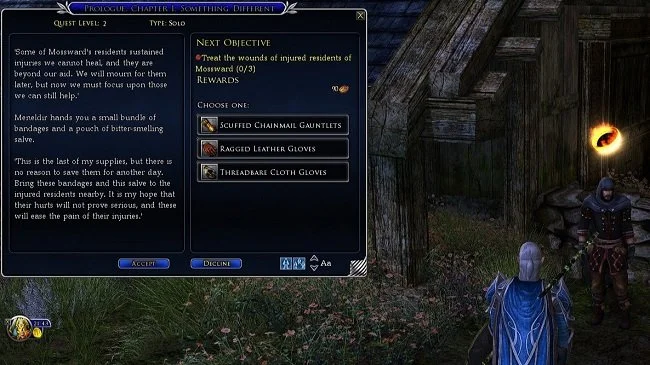
As you can see from the picture below, the main legacy and the secondary legacies on this Lore-master’s LIs are all substantially higher than mine. This player has therefore applied a lot of Anfalas Star-lit Crystals and Anfalas Scrolls of Empowerment to them both. These are essential resources that are not casually acquired. If you wish to stockpile such items you need to farm the Minas Tirith repeatable dailies and regularly undertake the featured instance. The various festivals that occur during the year can also provide another useful source. But if you are serious about acquiring a substantial supply of these, then you need to maintain a daily schedule and repeat a lot of content. Once again this is a prime example of how older MMOs reward the continuous participation of the “loyal” players and disincentivise the casual player. The only other alternatives are to try and purchase these items via Auction House (which is impossible due to the hyper inflation that is rampant in the game), or to use the LOTRO Store.
If you want your character to be adequately equipped at level cap then you need to spend as much time and attention on your LIs as you do your gear. Simply put Anfalas Star-lit Crystals and Anfalas Scrolls of Empowerment are essential items. It would be nice if LOTRO had mechanics that allowed you to trade in or deconstruct old barter currency or gear into a universal currency, so players who do not have the time (or inclination) to grind for essential items, had an alternative means of obtaining them. But the bottom line is that such a major overhaul is not coming to LOTRO. Standing Stone Games more than likely lack the in-house expertise to retrofit such a system and even if the skills are there, why should they do such a thing when the store provides a lucrative alternative? In the meantime, I’ve trawled through my barter wallet and used what I have to purchase a few more Anfalas Scrolls of Empowerment. I managed to do all three of the Minas Tirith instances over the weekend and earned a few more but I cannot see myself farming these on a daily basis. Repeating these instances at level 130 it is a dull undertaking. Thinking about this matter has also made me consider how do casual players with multiple alts, address this issue. I suspect they don’t. Which means that there must be many other LOTRO players with lacklustre LIs.





LOTRO: Solving a Gear “Problem” with Money
Before I crack on, I would like to point out that I’ve put the word “problem” in quotes, to reference the fact that this is an opinion and not a universal fact that confronts all players of the MMORPG, The Lord of the Rings Online. Now that’s out of the way, let me start by saying that the way in which game developers think you should play their products can at times be at odds with how the players like to do things themselves. LOTRO is a classic MMORPG in so far as the player is expected to level their characters playing a variety of PVE content, then play repeatables to obtain intermediate gear, then pursue endgame content such as raiding. Simply put, it means you get the best gear once you’ve arrived at level cap and not while you’re levelling. Usually PVE content is not too problematic if you maintain a relevant build and gear according to level. However, LOTRO does have several zones and expansions that are “wild cards. For example Mounted Combat in Rohan is a nuisance for melee classes. And then there’s the gear check and increase in mob difficulty that occurs in both Mordor and Minas Morgul expansions.
Before I crack on, I would like to point out that I’ve put the word “problem” in quotes, to reference the fact that this is an opinion and not a universal fact that confronts all players of the MMORPG, The Lord of the Rings Online. Now that’s out of the way, let me start by saying that the way in which game developers think you should play their products can at times be at odds with how the players like to do things themselves. LOTRO is a classic MMORPG in so far as the player is expected to level their characters playing a variety of PVE content, then play repeatables to obtain intermediate gear, then pursue endgame content such as raiding. Simply put, it means you get the best gear once you’ve arrived at level cap and not while you’re levelling. Usually PVE content is not too problematic if you maintain a relevant build and gear according to level. However, LOTRO does have several zones and expansions that are “wild cards. For example Mounted Combat in Rohan is a nuisance for melee classes. And then there’s the gear check and increase in mob difficulty that occurs in both Mordor and Minas Morgul expansions.
Now my approach to MMOs has been consistent since I first started playing the genre in 2008. I am not especially enamoured with end game content and tend to enjoy PVE based levelling the most. I don’t harbour any notions about “challenges” or “testing one’s mettle”. Nope, I run on the sound military principle of ensuring that you are as well equipped as possible at all times. For example, when I was levelling an alt in 2019 I used account bound barter currencies to ensure they had the best gear every 10 levels. I was not content with lacklustre drops and found that investing in good skirmish sets increased my overall performance. The bottom line is when playing an MMO I like to be overpowered. Which brings me nicely to my current situation. I am halfway through the latest LOTRO expansion and I have hit level cap. Questing in the Morgul Vale now lies ahead of me and I suspect that it is going to be a slog. Hence I want to be OP so I can negate the purposely contrived slow pace set by the developers.
After completing the first half of the latest expansion, Mordor Besieged, I acquired a new set of Green quality gear. It was superior to that I had earned through the Vales of Anduin but it still felt underwhelming. It offered survivability but no discernible “edge”. So I decided to conduct an experiment to see if I could get better equipment now, rather than waiting to finish the expansion. Having searched my Barter Wallet I had no currency that I could use that would yield superior gear. So I decided to see what I could get via Adventurer's Steel-bound Lootboxes. So I bought £30 worth of LOTRO points (LP) with some Christmas gift money and then proceeded to buy 22 Black Steel Key. These are purchased from the LOTRO Store for 195 LP each, or 5x for 900 LP. I then opened 22 lootboxes which gave mainly Embers of Enchantment along with buffs, boosts, cosmetic items, essences and the occasional item of gear. I then bought further jewellery and gear with the Embers. I also disenchanted old gear and some of the items I obtained that were duplicates or unwanted cosmetics.
This post is not the time or place for a debate on the subject of “pay to win”. I shall leave that for another day. However, I have included in this article two pictures which show my Lore-masters stats before and after I re-equipped using lootboxes. Broadly, I am happy with the results. I have had my stats boosted across the board with only Critical Rating taking a hit. I can adjust this by replacing an essence or two. After I replaced my gear I ran a skirmish (Thievery and Mischief) and certainly didn’t struggle as I have previously. Defeating the encounter bosses was far quicker than before and I never felt I was in any jeopardy. Light armour classes often feel squishy and now I believe that quality has been mitigated. Mobs don’t take so many hits to die and the pace of combat seems to have returned to a more equitable rhythm. Fights no longer seem like a reactive process but a proactive one. I prefer this.
Now, this simple test is far from scientific and I’m sure a more invested player would have produced far more data on the statistical difference between builds. Then there’s the argument that the current gear progression offered by the new expansion is not a problem per se and my outlook is just down to my personal foibles. Something I wouldn’t argue against. I am simply advocating using whatever resources you have available to ensure you are as optimally geared as possible. I’d rather that process didn’t require the spending of additional money and I’m also not asking for raid gear to be available outside of raids themselves. However, regardless of where you stand on such issues, LOTRO is a game that was developed when prevailing MMO trends were a lot different. The genre has changed a lot in ten plus years. I remember when Turbine (now SSG) introduced the long term project of rebuilding the town of Hytbold in Rohan, as a means of earning top tier gear, outside of raiding. It would be nice to have something comparable now. However, I think the developers have discovered that this gap in the gear market that I have highlighted, can be monetised and that is how it will be treated from now on.
Thoughts on the Minas Morgul Expansion
I was afforded some free time this weekend, so I logged in to The Lord of the Rings Online and blitzed through about half of the Minas Morgul expansion and managed to reach the new level cap of 130 ( I was level 128 when I started). I finished the first two new chapters of The Black Book of Mordor and completed Mordor Besieged; the section of the new expansion that is set in the Second Age on the plateau of Gorgoroth. It’s a curious and initially engaging part of the game. In the past LOTRO aficionados have only been able to briefly access iconic events of the past through session play where they get to be someone else, via a short story driven instance. Mordor Besieged offers a revised area of the existing Mordor map; namely Dor Armath. All though a desolate place in the Second Age, this region is not the wasteland we see in the Third Age. The landscape has several active fortresses held by both sides and The Nazgul roam freely. But there is little of real substance to do here (a point I shall return to) and after a while it gets somewhat repetitive.
I was afforded some free time this weekend, so I logged in to The Lord of the Rings Online and blitzed through about half of the Minas Morgul expansion and managed to reach the new level cap of 130 ( I was level 128 when I started). I finished the first two new chapters of The Black Book of Mordor and completed Mordor Besieged; the section of the new expansion that is set in the Second Age on the plateau of Gorgoroth. It’s a curious and initially engaging part of the game. In the past LOTRO aficionados have only been able to briefly access iconic events of the past through session play where they get to be someone else, via a short story driven instance. Mordor Besieged offers a revised area of the existing Mordor map; namely Dor Armath. All though a desolate place in the Second Age, this region is not the wasteland we see in the Third Age. The landscape has several active fortresses held by both sides and The Nazgul roam freely. But there is little of real substance to do here (a point I shall return to) and after a while it gets somewhat repetitive.
But as ever with LOTRO, the “gold” is in the story that Standing Stone Games have crafted. On this occasion there are several interesting interpretations of the lore. Firstly, there is the battle on the slopes of Mount Doom in which Sauron is defeated. Tolkien says in his text “at the last the siege was so strait that Sauron himself came forth; and he wrestled with Gil-galad and Elendil, and they both were slain, and the sword of Elendil broke under him as he fell. But Sauron also was thrown down, and with the hilt-shard of Narsil Isildur cut the Ruling Ring from the hand of Sauron and took it for his own”. This is directly reflected in a cutscene which shows both Gil-galad and Elendil injuring Sauron and then getting burned by the power of the One Ring. However, Sauron himself collapses after expending such power and being wounded twice. Isildur then cuts the ring from a greatly weakened Sauron’s hand. This differs from from Peter Jackson’s adaptation that shows Isildur being the far more proactive in the Dark Lord’s demise.

Secondly, in the Lost Lore of the Last Alliance, if you collect all the pages and read the text in order, it states that Gil-galad uses two of the Elven Rings to destroy the Black Gate by summoning a firestorm. However, wielding two rings nearly kills him and he swears he will not do such a thing again. As dramatic as this may be it contradicts the source text. Tolkien states the following. "But the Elves fled from him; and three of their rings they saved, and bore them away, and hid them. Now these were the Three that had last been made. But Sauron could not discover them, for they were given into the hands of the Wise, who concealed them and never again used them openly while Sauron kept the Ruling Ring". Using two Elven rings to force your way into Mordor doesn’t sound much like “concealing” to me. But LOTRO is an adaptation of Tolkien’s work, designed to accommodate the needs of the MMORPG genre. It’s best not to be too picky about lore or as you’ll find that a lot of the game doesn’t hold up to close scrutiny.
Usually in LOTRO, the Epic Story moves events forward and regional quests support or embellish the wider ongoing narrative. In Mordor Besieged, it doesn’t quite feel that way. There’s a lot of “treading water”. Some parts of the Epic are just superfluous exposition and only about half is of any importance. Most of the zone quests are of the “fetch” or “slayer” variety despite some fun lore references (such as the inclusion of Hobbits from the Gladden Fields in The Last Alliance). Overall, the entire first half of this expansion seems to be somewhat drawn out and could have been a free update in its own right. Which begs the question is Minas Morgul really a true expansion. Or is it two updates? Or a hybrid made of material left over from the Mordor expansion from two years ago, that has been retooled and padded out so as to be called an “expansion”? I hope the next half offers more. I have enjoyed my experience so far but on a critical level Minas Morgul has been lacking in depth of content.
Midway (2019)
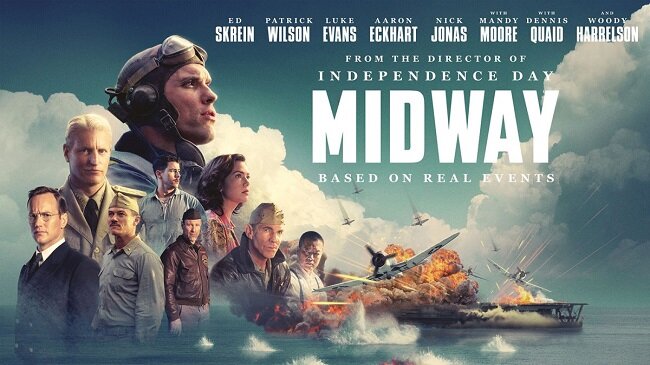
Big budget, historically driven movies that set out to recount key events of World War II are a rarity these days. If you ignore the bombastic inanities of Michael Bay’s Pearl Harbor (2001), then you have to go back to the late seventies to films such as A Bridge Too Far to find a suitable example. This is why Roland Emmerich’s Midway came as a genuine surprise. When I saw a trailer for the film last October, I was flummoxed that such a production had been made. My initial concerns were that it would focus on spectacle rather than historical fact and trivialise events of great military and historical importance. After having watched Midway, I am pleased to report that this is a surprising throwback in many ways. The film covers the events of the Japanese attack on Pearl Harbor, the subsequent Doolittle Raids on Tokyo by the US and the Battle of Midway, both succinctly and accurately. Furthermore, much of the cast play real veterans who participated in these events. Overall this is an entertaining and informative movie that feels like a relic from fifty years ago. However, its docudrama aspirations also make for somewhat generic character development.
Big budget, historically driven movies that set out to recount key events of World War II are a rarity these days. If you ignore the bombastic inanities of Michael Bay’s Pearl Harbor (2001), then you have to go back to the late seventies to films such as A Bridge Too Far to find a suitable example. This is why Roland Emmerich’s Midway came as a genuine surprise. When I saw a trailer for the film last October, I was flummoxed that such a production had been made. My initial concerns were that it would focus on spectacle rather than historical fact and trivialise events of great military and historical importance. After having watched Midway, I am pleased to report that this is a surprising throwback in many ways. The film covers the events of the Japanese attack on Pearl Harbor, the subsequent Doolittle Raids on Tokyo by the US and the Battle of Midway, both succinctly and accurately. Furthermore, much of the cast play real veterans who participated in these events. Overall this is an entertaining and informative movie that feels like a relic from fifty years ago. However, its docudrama aspirations also make for somewhat generic character development.
Midway faces the dilemma that historical movies of this kind often encounter. How to balance the exposition of factual events along with a plethora of real life characters and weave both elements into a narrative arc. All too often characters have little scope for development and end up being simple archetypes. Ed Skrein as Lieutenant Richard Dick Best, typifies this. He tries to bring a sense of urgency to the proceedings as he journeys from strong headed risk taker to a seasoned officer, responsible for the men in his command. Sadly the screenplay presents this in a very formulaic way. Patrick Wilson has perhaps the greatest dramatic scope as Lieutenant Commander Edwin T. Layton, who is driven to ensure that Naval Intelligence gets things right at Midway after the disaster at Pearl Harbor. Overall, the strong cast of character actors does not get in the way of the proceedings but you do feel that you’d like to know more about them all, other than just a basic text book summary.
It is obvious that a great deal of research has gone into the visual effects in Midway. Broadly, the depiction of both Naval and air battles ring true. But at times there is an element of digital “showboating” when the onscreen action slips into spectacle, possibly at the expense of technical accuracy. Dive bombing is by its very nature a high risk undertaking but is there really a need to embellish the drama with last minute escapes from explosive fireballs and planes skimming the wave as they desperately attempt to climb? CGI also lacks the sense of mass and physical presence that filming with real ships and aircraft offers. But as such relic of World War II are in short supply, one cannot be too critical of the films production design. Midway tries to present the scale of the loss of life on both sides without getting bogged down in too much graphic violence. Broadly in works well within the confines of the PG-13 rating.
Unlike older war movies, Midway is not driven by a gung-ho imperative and does not arbitrarily paint the Japanese as two dimensional caricatures. There are brief nods to Japanese geo-political expansion at the beginning of the film and Japanese Naval tactics and motivations are shown to balance those of the US. Midway does go on to show the consequences of the Doolittle Raid and how the Chinese Nationalists faced reprisals for helping American pilots. There is no mention of Japanese-American internment. Overall, if you are interested in military dramas or are looking for an action driven war movie, then Midway can provide both. The character development and screenplay are somewhat basic but they successfully underpin the action sequences and move the story from A to B. Despite the very modern approach to direction, editing and aesthetics, there is a retro quality to the film. It is interesting to see a modern production whose primary remit is to educate, rather than just to provide disposable entertainment.

LOTRO: Catching Up With Content
I regularly fall behind the latest content release for The Lord of the Rings Online. So it is not uncommon for me to “binge play” in an attempt to catch up with others in my kinship. The November release of the Minas Morgul expansion (which I have now grudgingly purchased) raised the level cap to 130. I managed to gain nearly 5 levels recently by repeating the Yule Festival daily quests and supplementing them with skirmishes. I used a lot of rested XP and bought a lot of progression perks with Destiny Points. However, as I mentioned in a previous blog post, I was struggling in the skirmishes as I was geared for level 120, so I decided to return to playing PVE content in the Vales of Anduin. As this content is designed for players at level 120, it has proven a more equitable player experience; especially as I was level 125 when I returned to the Wolf-denes. I was able to progress through the zone, focusing on the various quests stories and not having to continuously worry about being underpowered and at risk of defeat. Last night I completed Update 24 and have managed to reach level 128 with my Lore-master. I now feel that I am adequately prepared for the new expansion.
I regularly fall behind the latest content release for The Lord of the Rings Online. So it is not uncommon for me to “binge play” in an attempt to catch up with others in my kinship. The November release of the Minas Morgul expansion (which I have now grudgingly purchased) raised the level cap to 130. I managed to gain nearly 5 levels recently by repeating the Yule Festival daily quests and supplementing them with skirmishes. I used a lot of rested XP and bought a lot of progression perks with Destiny Points. However, as I mentioned in a previous blog post, I was struggling in the skirmishes as I was geared for level 120, so I decided to return to playing PVE content in the Vales of Anduin. As this content is designed for players at level 120, it has proven a more equitable player experience; especially as I was level 125 when I returned to the Wolf-denes. I was able to progress through the zone, focusing on the various quests stories and not having to continuously worry about being underpowered and at risk of defeat. Last night I completed Update 24 and have managed to reach level 128 with my Lore-master. I now feel that I am adequately prepared for the new expansion.
There are certain advantages to “binge playing” an MMO. First you get a far clearer picture of how your progress through the game impacts upon your character’s abilities. Virtues, reputation and LI progression have all notably increased as I have comprehensively played through the Epic Story and all regional quest hubs. I have maxed out the virtue of Wisdom and have now set Honesty to benefit from the ongoing XP gain. These longer, lengthier play sessions allow you to make specific decisions about your character’s stats and then tangibly see them grow. It does feel different to intermittent game play and gives you a sense that you’re in more control. Plus having spent more time becoming re-acquainted with the subtleties of my main alt, I have subsequently been able to trawl through my vault and make informed decisions about what to keep and what to dispense with. I have numerous essences that are no longer relevant so they have gone to other alts. The ongoing questing has also provided some useful new intermediate gear. I’ll take any statistical boost no matter how big or small. Anything that makes proceeding through Minas Morgul as frictionless as possible is a boon.
The second bonus that I find comes from “binge playing” is that I get to focus far more on the quest narratives. The regional quests often link and underpin the main story line, providing subtle lore references and interesting vignettes. The Vales of Anduin has been exceptionally beneficial in this way. It was a pleasure to return to Goblin Town and I like the concept of the various post fall-of-Mordor power struggles that occur all over Middle-earth. The incursion of Gundabad Orcs into the Misty Mountains was very plausible as well as fun. I also liked the story of Old Mad Ubb and his legend among the Woodmen of the region. His true identity was not too difficult to discern but was a nice canonical reference. The expansion of Radagast’s role in the game was also welcome and I was even prepared to go along with the expansion of the lore to explain the Ungoledain. However, developer’s Standing Stone Games also include a lot of “filler” quests in the zone. For every good story mission, there will be several or more “fetch” or “kill” quests. The Gladden Fields is a prime example of this. Sometimes there’s a fine line between enjoying an area and then feeling that you just want to leave because its has outstayed its welcome, due to the ponderous list of chores you are offered.
So the next step for my Lore-master will be to head off to the Morgul Vale and continue with the Black Book of Mordor story. I have spoken to fellow LOTRO players and my kin mates and have received mixed views and opinions about the latest expansion. The story is supposed to be good but the reality of questing in this zone is a bit of a grind. There are a lot of repetitive journeys to specific areas to carry out the most arbitrary of tasks. Mob density is also quite high, making travel from A to B a chore. Plus it is a dark and dour zone as the lore dictates but that doesn’t always make for a good experience. The memory of Mordor and its “testing” nature still lingers in the back of my mind. I hope that Minas Morgul is not cut from exactly the same cloth. However, if that is the case, I can always focus my attention on other endeavours. I can return to previous zones and finish various deeds to increase my virtues. I can also focus on featured instances and roving threats and see if I can earn sufficient barter currencies for new gear. Or I could even focus on levelling my High Elf Guardian who remains on the slag hills outside the Black Gate. Who knows, we may even get a Producer’s Letter at some point with a road map for LOTRO in 2020. That would be most welcome.
Thoughts on Blogging Part 11
The New Year is often a time for revised plans, renewed ambitions and a desire to get back on the proverbial horse when it comes to content creation. More often than not, many of these lofty ambitions wither on the vine or fall victim to our propensity for indolence. Which is why I think it is prudent to ensure that any goals that you set for yourself are realistic and attainable. If for example, you have just started blogging, then it is wiser to focus on developing and maintaining a writing schedule, rather than trying to get a million page views in your first month. Impossible goals lead to disappointment which can then crush your optimism. Measured, targeted achievements, obtained over a credible time period may not seem so satisfying but they get the job done. Which is why I have given a great deal of thought to my own blogging goals for 2020. I am not going to alter or replace the blog template, nor am I going to embark upon too many side projects such a streaming or creating video content. Although I’d like to do such things I cannot sustain them or cope with the volume of work they will create. This year I am just going to try to create as much written content as possible and focus on expanding brand awareness.
The New Year is often a time for revised plans, renewed ambitions and a desire to get back on the proverbial horse when it comes to content creation. More often than not, many of these lofty ambitions wither on the vine or fall victim to our propensity for indolence. Which is why I think it is prudent to ensure that any goals that you set for yourself are realistic and attainable. If for example, you have just started blogging, then it is wiser to focus on developing and maintaining a writing schedule, rather than trying to get a million page views in your first month. Impossible goals lead to disappointment which can then crush your optimism. Measured, targeted achievements, obtained over a credible time period may not seem so satisfying but they get the job done. Which is why I have given a great deal of thought to my own blogging goals for 2020. I am not going to alter or replace the blog template, nor am I going to embark upon too many side projects such a streaming or creating video content. Although I’d like to do such things I cannot sustain them or cope with the volume of work they will create. This year I am just going to try to create as much written content as possible and focus on expanding brand awareness.
For years, I’ve been using Microsoft Word as my primary means of writing blog posts. It serves my needs and is a very robust piece of software, filled with bells and whistles that I seldom ever use. However, there can be some compatibility issues from time to time but these are seldom the fault of Microsoft. Contains Moderate Peril is hosted via Squarespace and they’re constantly tinkering with the “backend”. I often log in to post an article only to discover a subtle change to the UI. Until recently I could import a Word Document without any formatting issues. However, a recent change now means that additional spaces are added between paragraphs and hyperlinks are lost. No doubt Squarespace will alter this in the long term but it makes for extra work in the meantime. Hence, I have started using Google Docs to create posts. At present there are now issues when I copy and paste the content into the post editor and then there’s the added bonus of accessibility. Google Drive allows me to access my draft documents from anywhere. At present, I spend a lot of time at my parents house. Using Google resources means I can write on the fly and be more productive, despite being away from my home office.
One of the keys to finding an audience is to promote your content on social media. It’s not something that everyone is good at and it can also make you feel very self conscious. One aspect of social media is that you are shamelessly drawing attention to yourself and that’s not to everyone’s liking. But it is a necessary evil so its best approached as a job. Out of all the various social media platforms, I find that Twitter is the most efficient means to promote my writing and generating traffic. However, to gain any traction requires a sizeable following of like-minded people who share common interests. I initially gained my Twitter following between 2010 and 2013 and it was mainly down to holding regular giveaways. I offered game codes, Blu-rays and DVDs as prizes and made leaving a comment on the post and following me on Twitter, as part of the means of entry. It broadly worked. Although some people would follow and then later leave, most seem to have stuck around. I wish to increase the size of my Twitter following so am going to reinstate the giveaways and hold them monthly. As I said earlier it can feel a bit of an impersonal Quid Pro Quo but I feel it is one of the more socially acceptable means of promotion.
I am also currently experimenting with Instagram to see if I can develop a presence there. I have an existing account that I have so far used just for family related content. However, I have now purged this of photos of my Granddaughters and such like and warned existing followers that I shall be changing tack. The idea is to try and create a community of followers and to focus on movies and TV. The medium lends itself to posting a screen capture of a scene from a classic film and then throwing it open for comments. This could also be used to promote existing film reviews that I’ve written. Of course it may not work and this may not be the right use of this platform but it’s worth a try. Social media can be flexible but it can also be an online cul-de-sac. In the past I’ve experimented with Facebook and building a community there. I had a website plugin that easily facilitated posting exiting blog content direct to Facebook. But I found that instead of bringing readers to my blog, it simply developed into a separate online presence of it own. as I didn’t want to have to manage multiple communities I stopped doing this and now just use Facebook to keep in touch with friends who have emigrated.
But no matter what ideas you can come up with to increase your readership, the fact remains that the best way to grow your blog is to just keep writing and posting new articles. Google seems to bear this out, as my film reviews are frequently found via online searches and make up a substantial amount of my overall blog traffic. It is a somewhat clichéd old adage but “if you throw enough crap at the wall, some will eventually stick”. Write about what you enjoy and just stick with it. Talk to other bloggers or comparable content creators. Keep at it and you will develop a style and the standard of your material will improve. But above all, just keep writing. Find a time of day that works for you and get your thoughts down on virtual paper. Remember, each blog post doesn’t have to be a masterpiece. Three coherent paragraphs should suffice. But a degree of determination and self discipline, so that you do actually do some writing, will yield results in the long run. It’s also rewarding to set a New Year’s Resolution, or long term goal that you do actually achieve.
















Restricting Player Representation in Video Games
Belghast wrote a succinct and personal rebuttal today regarding the iniquities of restricting player representation with video game characters. Escape from Tarkov creator’s Battlestate Games, are currently involved in a rather tired and predictable controversy over the lack of playable female characters in the aforementioned title. If you want chapter and verse about this sorry state of affairs then visit The Verge who have all the salient information. Part of me can’t help feeling that it’s 2020 so shouldn’t we all be done with kind of bullshit? Apparently that’s not the case and some parts of society and indeed the world, still think its the 1950s. Sadly the video game industry seems to be a habitual offender when it comes to these sorts of debacles. Their desire to self flagellate and elect to be continuously on the wrong side of history is perplexing. So once again it is time to counter yet another false narrative and shed some light via the medium of facts, rational thinking and logic on that increasingly lonely place known as reality.
Belghast wrote a succinct and personal rebuttal today regarding the iniquities of restricting player representation with video game characters. Escape from Tarkov creator’s Battlestate Games, are currently involved in a rather tired and predictable controversy over the lack of playable female characters in the aforementioned title. If you want chapter and verse about this sorry state of affairs then visit The Verge who have all the salient information. Part of me can’t help feeling that it’s 2020 so shouldn’t we all be done with kind of bullshit? Apparently that’s not the case and some parts of society and indeed the world, still think its the 1950s. Sadly the video game industry seems to be a habitual offender when it comes to these sorts of debacles. Their desire to self flagellate and elect to be continuously on the wrong side of history is perplexing. So once again it is time to counter yet another false narrative and shed some light via the medium of facts, rational thinking and logic on that increasingly lonely place known as reality.
Deciding between content creation or gender representation is often presented as some sort of Hobson’s choice by some developers. The argument being that if you divert resources into creating “female” character models, you’ll bankrupt the game studio, they’ll be no more regular content and all the staff’s children will go without shoes. This is the sort of spurious bullshit argument that second rate politicians trot out when trying to defend cuts to vital services. The most simple and obvious question is why do we have to choose? Why can’t we have both? Plus if you really are pushed for resources and have to choose, which I seldom believe to be a legitimate reason, I’d take representation first and foremost as it will bring more players to your game, thus increasing revenue that can then go towards creating new content. Where is the business sense in alienating 50% of your potential customers? Plus, as a business, if your revenue is so low that such decisions are having to be made to begin with, you may want to reconsider what industry you work in.
Putting aside the respective moral and ethical rectitude of such ideals as equal representation and diversity in video games, let us consider it from alternative perspectives. Social issues do not always have to be examined through the prism of what society perceives to be right or wrong. Representation as a marketing and business angle is now a very real thing. One could go so far as to say it is becoming a financial imperative. Disney after years of eschewing this concept, have now come full circle and embraced it. Compare the white Anglo-Saxon princess of Sleeping Beauty (1959) to the likes of Moana (2016). We now live in an era of unparalleled diversity and representation with popular, multi billion dollar franchises such as the Marvel Cinematic Universe. Would Black Panther have been made two decades ago? Of course not. I’m sure this change may not be purely driven by a sense of altruism but more through business acumen. However, what is important is that the change has happened and continues to do so.
Now objection on lore grounds can hold water on occasions but many examples are just spurious. I’d argue that this is the case in this instance and that Battlestate Games are either too lazy or too institutionalised to do or say otherwise. Too often resistance to social change simply come downs to an unreconstructed worldview by parts of the existing customer base and the male dominated video games industry. They simply don’t like social progress and anything that differs from their mindset is seen as an assault upon them personally. This highlights wider societal ills, like the fact we don’t as a society universally teach critical thinking. Or the fact that criticism of an idea that you may personally hold, isn’t a personal attack on your character. Plus people these days don’t want to be held to account for their actions. The growth in societal cognitive dissonance is worrying. But I digress. Essentially, all of this is “just too bad” for the usual suspects. Identity politics doesn’t appear to be going away. And from a business perspective, just take a look at the success of the PG-13 film rating. There is a financial sweetspot when it comes to making a movie accessible to a wider audience. The same is true of video games with regard to representation.
As for those individuals over at Battlestate Games, all I can really say with regard to their recent Twitter statement and current stance on this issue, is that that they’ll “pay the price for your lack of vision”, if I may quote the Emperor Palpatine. This is not a moral threat but simply a prediction that you’ll suffer financially by being on the wrong side of this particular debate. Players like to see themselves represented in the virtual worlds that they inhabit. Happy players are more disposed towards staying in-game and spending money. Furthermore, the modern gamer often wants the companies that they support, to act in an ethical fashion and reflect contemporary values. As previously pointed out, it ultimately doesn’t matter if developers do this pragmatically, as long as they just do it. Failing to do so just sends a very clear message that certain potential customers are not welcome. Since when has that been a recipe for financial success?
Star Trek Online: Ten Years On
Star Trek Online had a troubled development. Originally the rights to develop an MMORPG based upon the Star Trek franchise were held by Perpetual Entertainment. However, the company ran into financial difficulties and the project subsequently stalled in 2007. The license, as well as any game content were subsequently transferred to Cryptic in early 2008 but this did not include any existing game code. Hence, after gaining little more than some concept art, Cryptic had to create an entirely new game from scratch. Furthermore as part of the deal in acquiring this coveted license, they were tied to the launch date that had been set for the previous developers.Therefore when Star Trek Online was released in early 2010 it was far from perfect. The game was weighted towards Federation characters and the Klingon faction could only be unlocked once you had taken a Starfleet Officer to the then level cap of 40. However, the game at launch did feature voice acting from Zachary Quinto, Chase Masterson and Leonard Nimoy.
Star Trek Online had a troubled development. Originally the rights to develop an MMORPG based upon the Star Trek franchise were held by Perpetual Entertainment. However, the company ran into financial difficulties and the project subsequently stalled in 2007. The license, as well as any game content were subsequently transferred to Cryptic in early 2008 but this did not include any existing game code. Hence, after gaining little more than some concept art, Cryptic had to create an entirely new game from scratch. Furthermore as part of the deal in acquiring this coveted license, they were tied to the launch date that had been set for the previous developers.Therefore when Star Trek Online was released in early 2010 it was far from perfect. The game was weighted towards Federation characters and the Klingon faction could only be unlocked once you had taken a Starfleet Officer to the then level cap of 40. However, the game at launch did feature voice acting from Zachary Quinto, Chase Masterson and Leonard Nimoy.
The following few years were difficult as Cryptic attempted to polish the game in subsequent updates. Throughout 2010 that game was patched for known bugs, new playable species were added, along with Featured Episodes (story based quests that made up a long term, narrative arc). Cryptic also released a set of tools for players to create their own content and the Foundry subsequently became an integral part of the game. Yet despite their hard work, Cryptic found their immediate future in peril when parent company Atari decided to “divest” its various business interests. However, in May 2011, Chinese developer and publisher Perfect World stepped in and acquired Cryptic as a studio, its existing licenses and development team. By summer the game was having a UI overhaul, a revision to ground combat and the Klingon First City on Qo’noS. The new owners investment lead to an expansion of the development team which then produced the Defera Adventure Zone, Duty Officer system and a skill revamp. There was also a shift in business model and so in early 2012 STO went Free-to-play.
The period between 2012 and 2016 was in many ways a boom time for STO. There were regular story content updates, three free of charge expansions (Legacy of Romulus, Delta Rising and Agents of Yesterday) and numerous new game systems. These included Captain Specialisations, an overhaul of sector space to make it less “instanced” and several new Fleet resources. Reputation factions were also added, along with further playable races. STO always had new content in development and scheduled. Furthermore, more and more actors from the various TV shows were returning to voice their characters in game. Despite the gaming public being sceptical of the F2P business model at the time, it subsequently proved to be one of the more equitable examples. The game was ported to consoles by late 2016, something that was originally intended when the STO was conceived. Yet despite the growth and expansion during this period, STO still had to play catch up as a result of the initially rushed development. Bugs have been fixed but many still prevail. Due to the ebb and flow of staff and development priorities, many facets of the game have been abandoned. The Mac client was decommissioned, as was the Star Trek Online Gateway which allowed players to access stats and data, outside of the game.
Since 2017, although there was the release of a fourth, Deep Space Nine themed expansion (which really encapsulated the idiom of the show), much of the new content produced for the game has been co-operative PVE based material, repeatable daily missions and event based projects that reward the player with gear. A lot of this has been linked Star Trek: Discovery. There have been some new traditional story based missions but they have been fewer and far between. Cryptic are still remastering older content and although I must admit they’re doing it well, the pace is somewhat slow. Several iconic missions are still conspicuously absent and the game has had so many overhauls and restructurings, the narrative content is somewhat fragmented and difficult to follow due to plot holes caused by absent material. STO still has an issue with a lot of story and game systems being buried in more esoteric portions of the user interface. And then there is the game economy; the bane of many an MMO. Inflation for high end items and ships is rife.
And so to the present. STO is fast approaching its 10th anniversary. Naturally, Cryptic are making noises about there being major celebrations. No doubt there will be a new Tier 6 ship giveaway and the usual baubles and trinkets one expects with MMOs. But at present there has not been any clarification of the long term “road map” for the game. STO has a healthy and more to the point, loyal core player base. Like The Lord of the Rings Online, the intellectual property attracts fans and keeps them simply because there is no other comparable game. But if you visit the official STO subreddit you will find that players have a wide variety of desires and expectations from the game. Crafting is a neglected area, as it exploration and diplomatic themed content. Cryptic have brought patrols back to the game but considering the number of planetary systems that exist in the game, there are still insufficient numbers. Players are concerned about the lack of variety in builds and how optimal loadouts continue to prevail. STO is also a game that has no imperative to play collaboratively. Task Force Operations require weight of numbers but not players playing specific roles. Notions of the traditional MMO trinity have long since vanished. There is also no meaningful endgame as such. Chasing maximum DPS seems to be the only viable pursuit at level cap. That or a focus on cosmetic appearance, known in-game as “Space Barbie”.
Again, I return to the comparison with fellow MMORPG LOTRO. The reason that the Middle-earth based game has survived over a dozen years is because the developers always focus on the core requirement of its players; namely the regular provision of new narrative content that explores the source material’s lore. Turbine and now Standing Stone Games have added much to the game over the years but they have always ensured, even during lean periods, that there was an additional story driven quests to undertake. People come to STO because it is Star Trek. They want access to a virtual version of Gene Roddenberry’s vision so they can explore the worlds and themes that Star Trek has created over fifty years. Stories that touch upon iconic episodes or reference obscure aspects of canonical lore are always appreciated and warmly welcomed. Yet this sort of content appears to be in decline as Cryptic dither over whether to make the game meet its potential or simply exploit the latest iteration of the show to contribute towards STO just being another “live service”. The 10th anniversary is the perfect opportunity to put STO back on track and for the game to be all it can be. Let us see what happens next.
Bad Monster Movies
I was chatting with some friends recently about monster movies and creature features as they have been a mainstay of cinema for as long as the medium has existed. At it’s best, a good cinematic monster or monsters are a metaphor for examining a societal ill or it can also be a clever MacGuffin to explore the human condition. Clive Barker’s troubled film, Nightbreed being a prime example of this where the monsters are the persecuted protagonists and the humans are terrible creatures, lacking empathy. However, be your narrative deep or simple, if you’re going to have a monster in your film, then try to do it right. A poorly realised design or badly implemented, low budget visual effects can work against the credibility of your creature and there are no shortage of cinematic examples. So I thought it would be fun to list a few “bad” movie monsters. I try to provide some context with each example as to why each particular monster didn’t quite work. Naturally I have not in anyway created a definitive list and would be happy for readers' comments if they have other examples they’d care to share.
I was chatting with some friends recently about monster movies and creature features as they have been a mainstay of cinema for as long as the medium has existed. At it’s best, a good cinematic monster or monsters are a metaphor for examining a societal ill or it can also be a clever MacGuffin to explore the human condition. Clive Barker’s troubled film, Nightbreed being a prime example of this where the monsters are the persecuted protagonists and the humans are terrible creatures, lacking empathy. However, be your narrative deep or simple, if you’re going to have a monster in your film, then try to do it right. A poorly realised design or badly implemented, low budget visual effects can work against the credibility of your creature and there are no shortage of cinematic examples. So I thought it would be fun to list a few “bad” movie monsters. I try to provide some context with each example as to why each particular monster didn’t quite work. Naturally I have not in anyway created a definitive list and would be happy for readers' comments if they have other examples they’d care to share.
Watchers (1988). Here is a great title to start with, being a very poor adaptation of Dean R. Koontz novel of the same name. The subtleties and pathos of the original story have been replaced with eighties big hair courtesy of Corey Haim. On the plus side, Michael Ironside provides a characteristic performance of borderline psychosis. The downside being the OXCOM, the renegade government experiment at the centre of the story. It really is a shoddy example of uninspired animatronics and full body prosthesis.
Prophecy (1979). John Frankenheimer’s environmental thriller features a monster that Starburst magazine referred to as Smokey the Bear with acne. The creature created by the Burman studios, remains hidden or only partially glimpsed for most of the film’s running time. However, a few scenes do make it abundantly clear that it is nothing more than a man in a suit, diminishing the tension. The crew seemed to fail to grasp how to light and reveal the beastie effectively. A flambéd Yogi Bear has only so much shock value.
Conan the Destroyer (1984). Carlo Rambaldi’s Dagoth is interesting design, yet the physical execution is extremely poor to the point of being laughable. Even director of photography Jack Cardiff with all his skills cannot light or frame the scenes featuring this creature in such a way that improves them. It is curious that a film of this budget, with an otherwise handsome production design, tolerated such a poor effects sequence. Perhaps stop motion would have been a better option?
Contamination (1980). This Italian cash in of Alien features numerous sequences of people exploding after exposure to an extraterrestrial’s eggs. When it is finally revealed, the monstrous alien Cyclops is a rather uninspired and conspicuously static creature. Using the hypnotic power of its glowing eye, it lures badly dubbed actors to their death via it’s rubber proboscis. You expect poorly realised monsters in low-budget films, but there’s a fine line between poor and crap.
The Dark (1979). Originally intended as a zombie film to be directed by Tobe Hooper, the producers changed their mind halfway through shooting and decided to cash in on the Star Wars boom. Subsequently, after a change of director, The Dark became an alien entity on the rampage movie. This particular alien resembles a rather tall homeless person, with a poor complexion and lasers shooting from his eyes. Only watch this if you have a black belt in bad movie tolerance.
White Buffalo (1977). Wild Bill Hickok (Charles Bronson) and Crazy Horse (Will Sampson) join forces to defeat a mythical White Buffalo that has blighted their lives. Nice John Barry score, good performances from the lead actors in this odd cross genre western that was poorly marketed. The titular beastie, courtesy of Carlo Rambaldi (again), can be clearly seen on tracks. Much of the mechanical apparatus used to create the creature’s movements is also on display. With some better editing this could have all been avoided.
Slugs (1988). Loosely based on Shaun Hutson’s book, this low-budget horror features killer mutant slugs that have somehow evolved large pointy teeth etc. Most of the effects work consists of a rubber slugs applied to wound prosthetics and these scenes work well. However, on a few occasions the slugs are shown in close-up as the pictures above shows. Utterly ludicrous I’m sure you’ll agree. Pass the salt.
Rawhead Rex (1985). Clive Barker’s short story about an elemental pagan god and its subsequent rampage through an Irish Town, is intelligent and has many themes. All such subtleties are jettisoned in this low-budget horror exploitation film. The nine-foot beast from the source text is replaced by a tall man in ragged clothes with animatronic head. It all looks a bit silly, especially when he urinates on a priest. The monster’s technical shortcomings should have been left off camera as much as possible.
Island of Terror (1966). The “Silicates” featured in Island of Terror are a form of life based upon Silicon instead of Carbon. Spawn from an accident while trying to find a cure for cancer, these beasties digest human bone, leaving a shapeless corpse behind. They can also divide and multiply like any other kind of cell. Peter Cushing may well save the day in this unusual science fiction horror movie but he cannot distract us from the exceeding cheap and immobile creature effects.
I Am Legend (2007). The Vampires of Richard Mathesons’s original story are replaced by Darkseekers in this adaptation. These are emaciated quasi zombies that fear light. The film itself is a poor adaptation, by an uninspired director, starring a former box office star. It features unimaginative CGI created monsters that are devoid of any threat, substance or pathos. If you want a textbook example of a big budget monster movie that utterly fails to understand the genre, look no further.
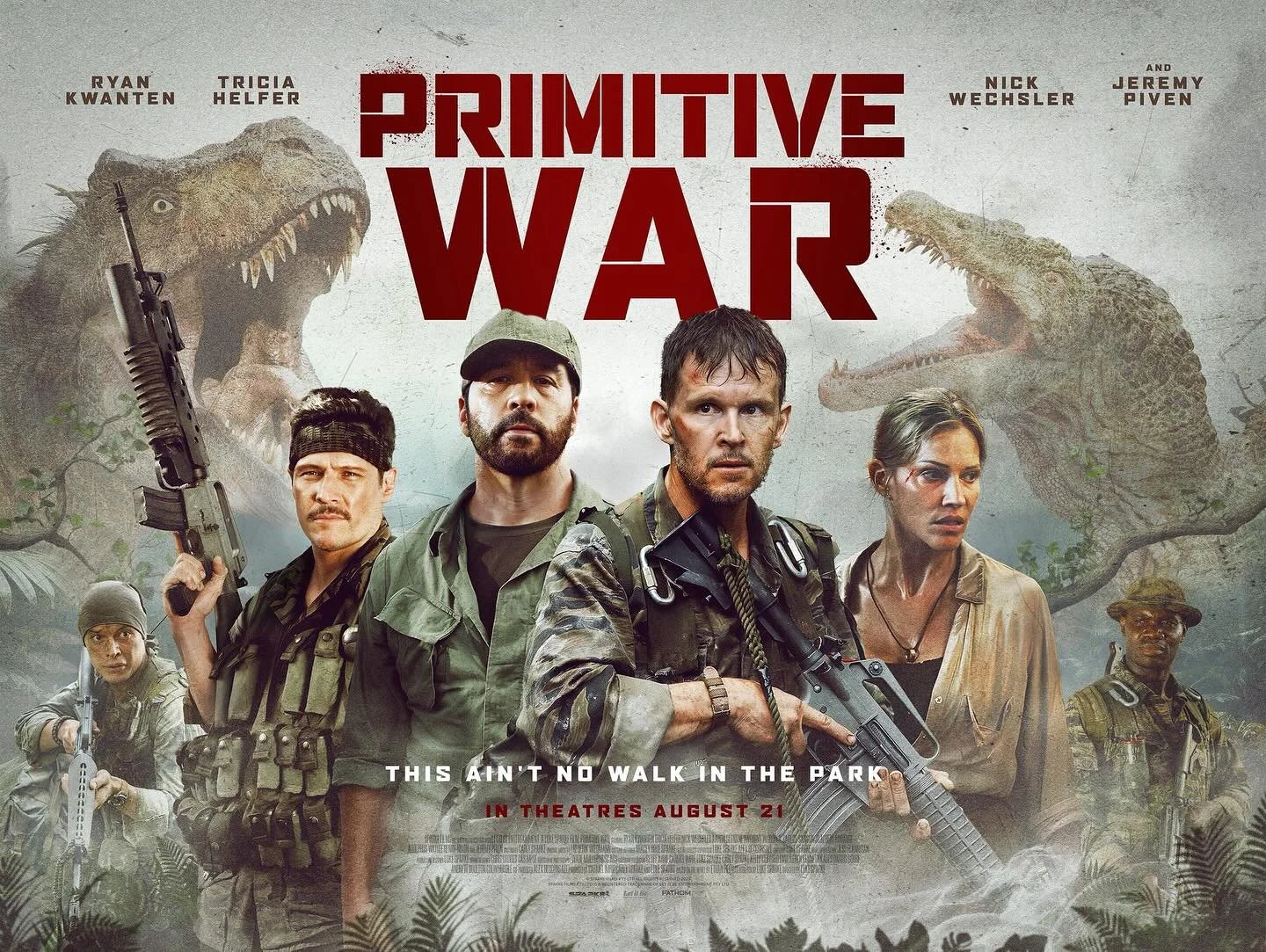
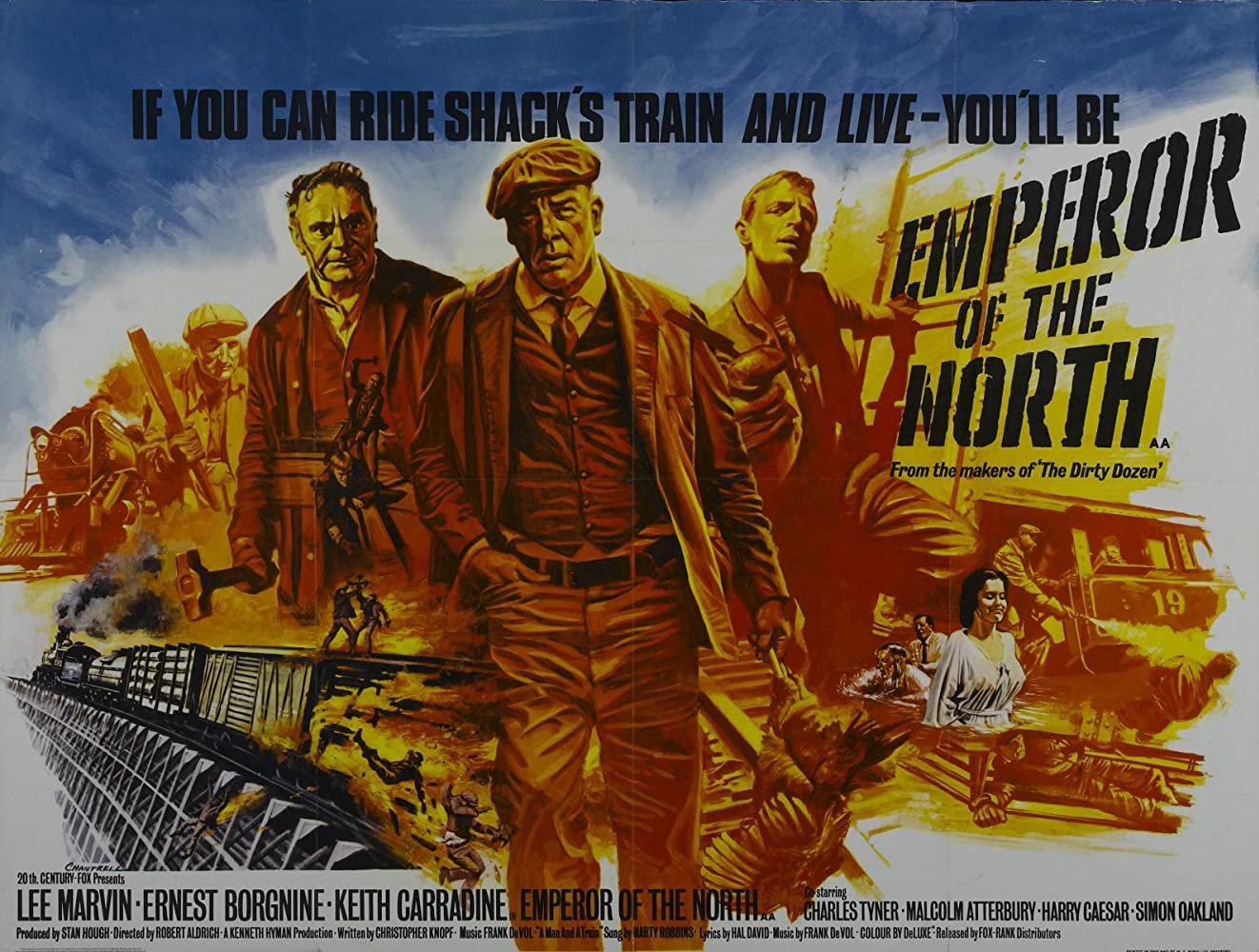
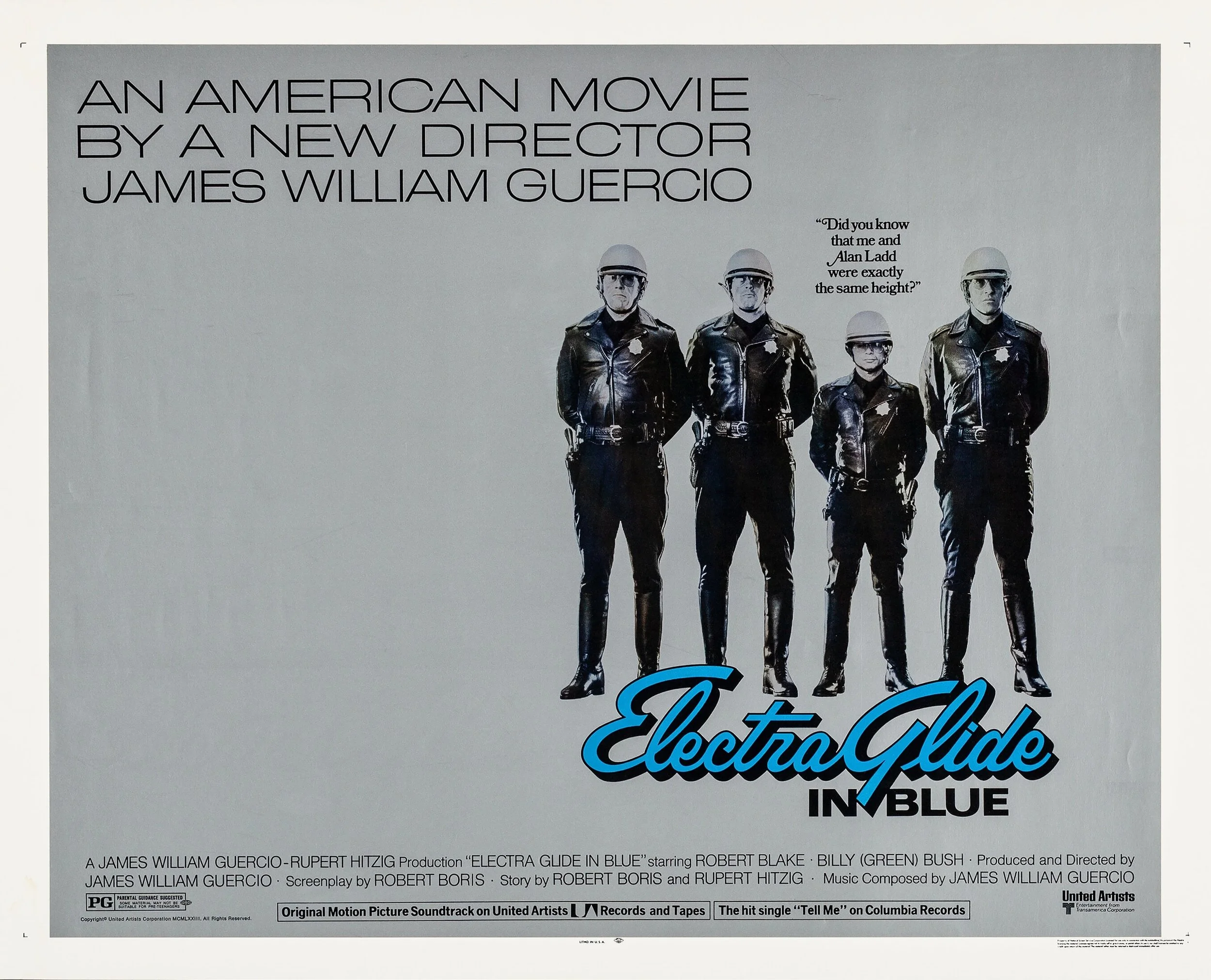




Classic Movie Themes: Game of Death
Game of Death was Bruce Lee’s fourth Hong Kong martial arts movie. Due to the success of his previous films he found himself in a position where he could finally write and direct a project himself. Filmed in late 1972 and early 1973, the film was put on hold midway through production when Hollywood offered him a starring role in Enter the Dragon. He died shortly after completing the US backed movie that made him an international star, so Game of Death remained unfinished. Several years later the rights to the raw footage were sold and recycled for a new movie, that kept the name but bore little resemblance to Lee’s original vision. For most of Game of Death, Kim Tai-jong and Yuen Biao double for Bruce Lee and it is only in the final act that audiences actually get to see about 12 minutes of material that he shot himself. The 1978 release of Game of Death, directed by Robert Clouse, is a mess but remains a cinematic curiosity. The scenes which genuinely feature Bruce Lee are outstanding, even in an abridged form.
Game of Death was Bruce Lee’s fourth Hong Kong martial arts movie. Due to the success of his previous films he found himself in a position where he could finally write and direct a project himself. Filmed in late 1972 and early 1973, the film was put on hold midway through production when Hollywood offered him a starring role in Enter the Dragon. He died shortly after completing the US backed movie that made him an international star, so Game of Death remained unfinished. Several years later the rights to the raw footage were sold and recycled for a new movie, that kept the name but bore little resemblance to Lee’s original vision. For most of Game of Death, Kim Tai-jong and Yuen Biao double for Bruce Lee and it is only in the final act that audiences actually get to see about 12 minutes of material that he shot himself. The 1978 release of Game of Death, directed by Robert Clouse, is a mess but remains a cinematic curiosity. The scenes which genuinely feature Bruce Lee are outstanding, even in an abridged form.
Game of Death was marketed to capitalise on Lee’s international fame and appeal. Due to his iconic status it was packaged in a comparable idiom to a Bond film. Hence the opening credits to Game of Death are lurid and literal; very much like the work of Maurice Binder on the various James Bond movies. And then there is the score by John Barry that lends a certain classy ambience to the proceedings. The main theme is brassy, sumptuous and oozes style in the same way that Barry brought those qualities to the 007 franchise. Variations of this cue are subsequently used during all the major fight scenes in the film. Musically it works best with the footage in the film’s climax which was shot by and features Lee himself. The presence of such a noted film composer elevates the status of Game of Death, despite its many flaws. However, the Catonese and Mandarin dialogue versions of the movie feature an alternative soundtrack by Joseph Koo, who was an established composer in the Hong Kong movie industry.
The complete soundtrack for Game of Death was recently released by Silva Screen and also includes the score for Roger Vadim’s Night Games from 1980. The soundtrack contains all major cues featured in the film along with the song “Will This Be The Song I'll Be Singing Tomorrow” performed by Colleen Camp, who also starred in the film. I suspect it was hoped that this number would do well on the strength of the movie but it is far from memorable with its overly fastidious lyrics and melancholy tone. Here is the main title theme which underpins Game of Death. It is instantly recognisable as a John Barry compositions, as it exhibits all his musical hallmarks. It is far more grandiose in its scope than the quirky scores of Bruce Lee’s earlier work. If Lee had lived perhaps the Hollywood studios would have attempted to pigeonhole him into more sub Bond style movies as Game of Death strives to. Irrespective of such idle speculation, John Barry’s work remains as iconic as Lee himself and effortless reflects his charisma and physical prowess.

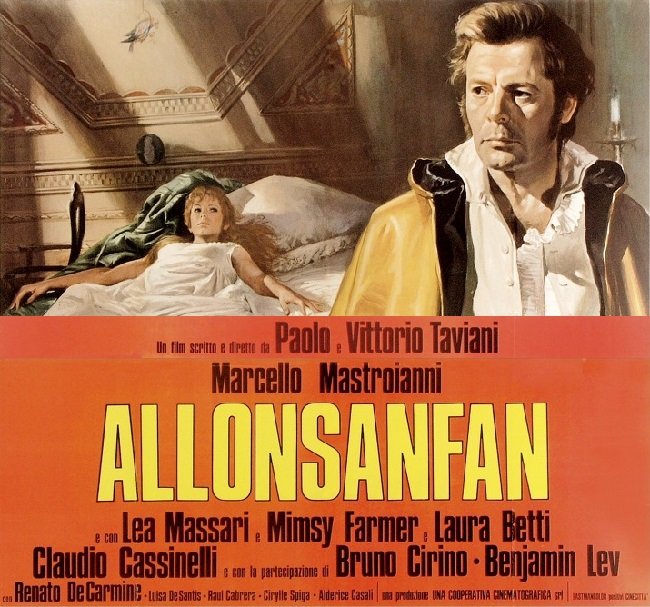
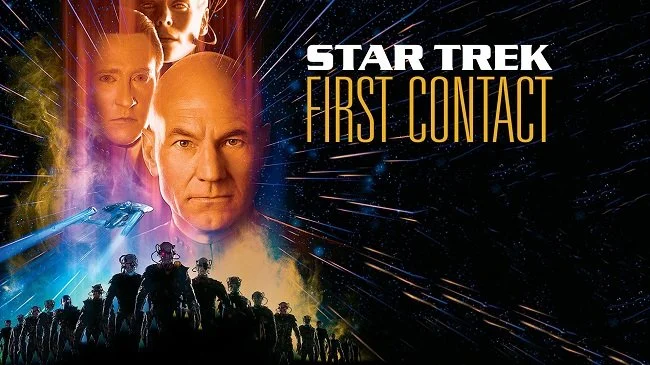
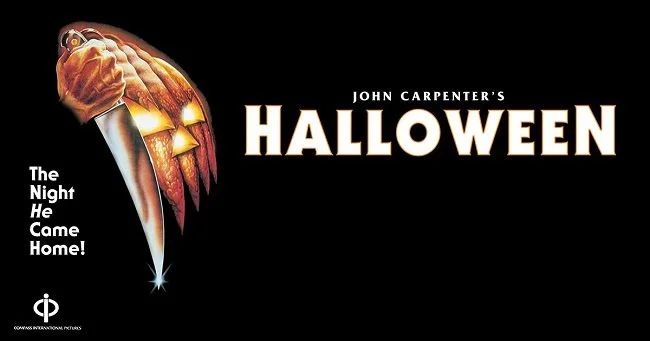
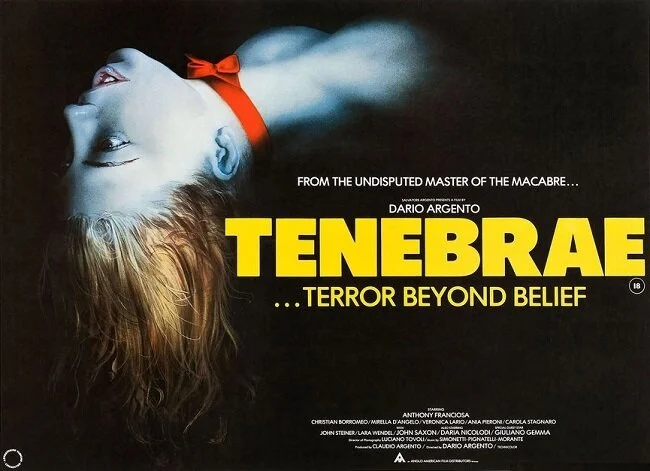
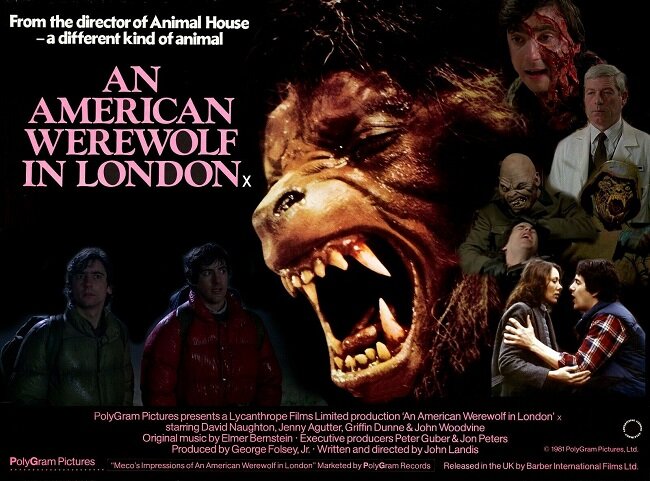
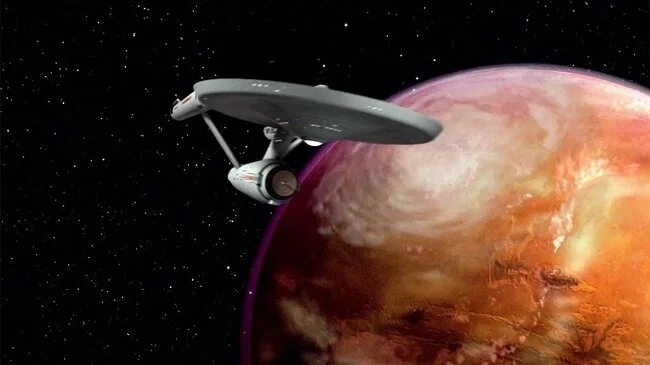

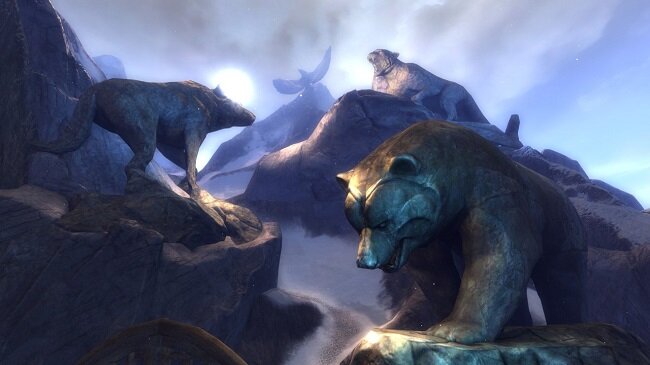

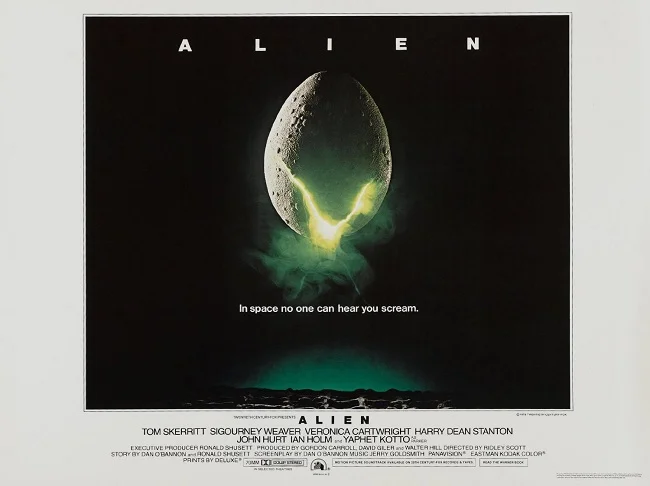

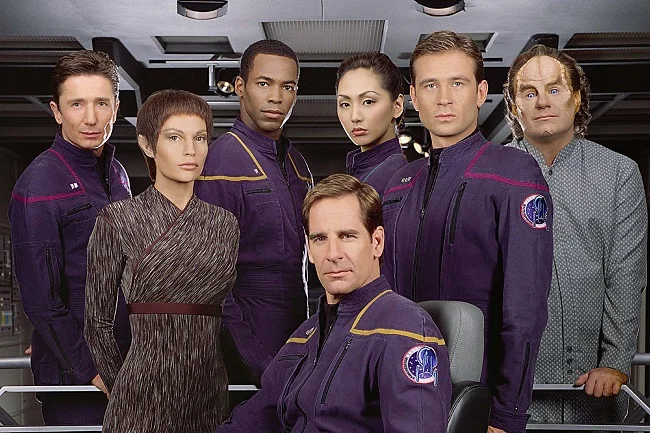
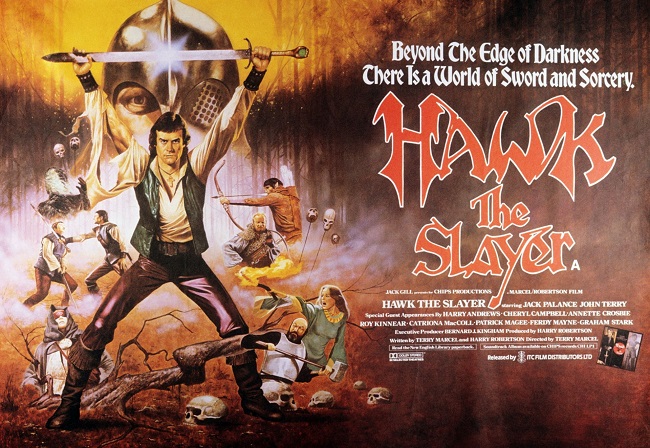
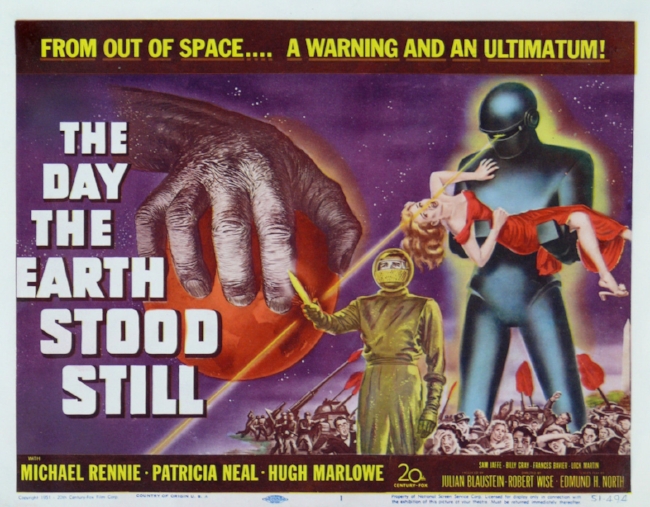
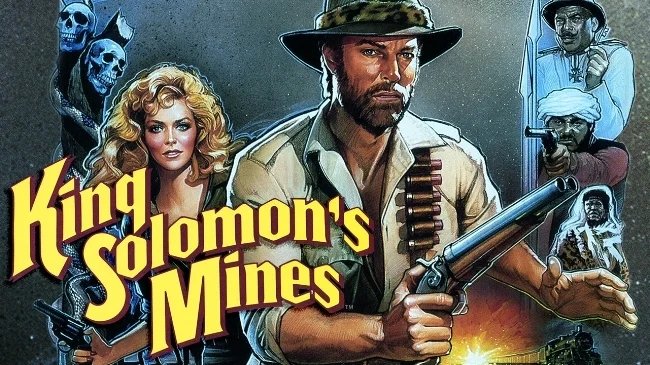
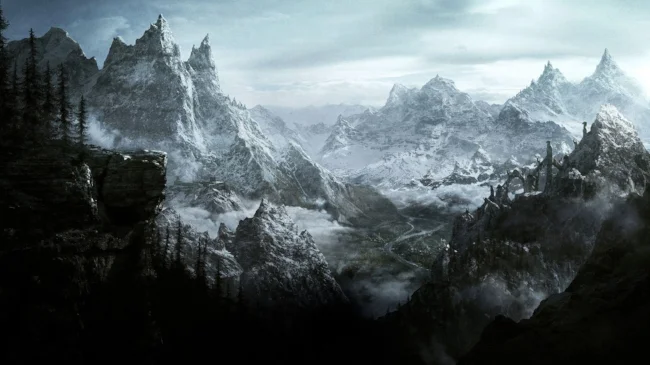


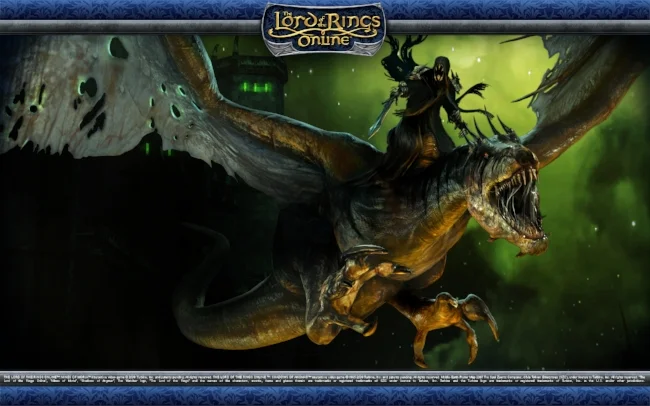
Ad Astra (2019)
In the near future, a series of mysterious power surges strike the Solar System, endangering all human life. Astronaut Major Roy McBride, is selected by U.S. Space Command (SpaceCom) to investigate their source near Neptune. The surges are linked to the "Lima Project", a failed experiment from 26 years earlier, that was intended to search for intelligent life outside of our solar system. The ship’s antimatter drive is potentially malfunctioning and responsible for the energy surges. Roy’s investigation is further complicated by the fact his Father H. Clifford McBride (Tommy Lee Jones), led the "Lima Project" and has not been heard from for 16 years after reaching Neptune. Having been told that Clifford may still be alive, Roy is joined by his father's old associate Colonel Pruitt (Donald Sutherland) whose loyalties remain ambiguous. Roy, who is noted for remaining calm under pressure, shows little emotional reaction to the news about his Father. As he and Pruitt travel covertly from Earth, to the moon and then onto Mars, it becomes clear that there is more to the mission than meets the eye. Will Roy remain emotionally detached or will old wounds impair his judgement?
In the near future, a series of mysterious power surges strike the Solar System, endangering all human life. Astronaut Major Roy McBride, is selected by U.S. Space Command (SpaceCom) to investigate their source near Neptune. The surges are linked to the "Lima Project", a failed experiment from 26 years earlier, that was intended to search for intelligent life outside of our solar system. The ship’s antimatter drive is potentially malfunctioning and responsible for the energy surges. Roy’s investigation is further complicated by the fact his Father H. Clifford McBride (Tommy Lee Jones), led the "Lima Project" and has not been heard from for 16 years after reaching Neptune. Having been told that Clifford may still be alive, Roy is joined by his father's old associate Colonel Pruitt (Donald Sutherland) whose loyalties remain ambiguous. Roy, who is noted for remaining calm under pressure, shows little emotional reaction to the news about his Father. As he and Pruitt travel covertly from Earth, to the moon and then onto Mars, it becomes clear that there is more to the mission than meets the eye. Will Roy remain emotionally detached or will old wounds impair his judgement?
Many critics felt that Ad Astra fell between two stools with its cold, clinical approach to space travel and its intermittent action scenes. I did not feel this way for the first third of the movie and accepted the lunar chase scene as relevant to the plot. Within the confines of the story, the Moon is colonised by multiple nations and there are territorial disputes. Hence violating borders could indeed provoke a military response. However the film contradicted its own adherence to science at the end of the first act to accommodate a most unusual, unexpected but ultimately superfluous suspense sequence. This somewhat jaded my view of Ad Astra for the remainder of its running time and I got the distinct feeling that perhaps there was studio pressure put upon writer and director James Gray to balance the existential self contemplation of the plot with some accessible action sequences for the less “intellectually invested” viewers. Furthermore the much anticipated ending in which Father and Son meet, lands wide of the mark, failing to meet expectations both narratively and philosophically.
One cannot fault the quality of the production with much of the technology and science on display in Ad Astra being credible and well realised. The 100 million dollar budget seems to have gone mainly into the films visual effects and production design. Performances from all involved are good, as you would expect from such an ensemble cast. But as Ad Astra progresses the ideas run out of steam and suddenly there is nothing to sustain the drama beyond the visuals and the hope that matters will be resolved in a satisfactory or at the least adequate fashion. And it is sadly the latter that is only achieved. For a movie that strives to deal with the near future in a Kubrickeques manner and explore the complexity of family relationships in an idiom similar to Greek Mythology, it fails to deliver at its dramatic climax. Furthermore, not only is the accurate depiction of science suspended when it finds itself at odds with the drama, so is narrative credibility. One scene where Roy is discovered illegally stowing away on a rocket, ends so abruptly and violently that it verges on the absurd.
However, despite losing its way Ad Astra does at least do something unusual that flies in the face of popular belief with one of the stories core themes. It postulates the idea that there is no other intelligent, sentient life in the universe and that we are as a species are just an anomaly that is utterly alone. Such a statement is very bold and thought provoking. But the Science fiction genre often works best when it is a MacGuffin for a human story. And there is a lot on offer in Ad Astra that could fuel that very process. Yet the production seems to have made the classic mistake of getting the cart before the horse and focusing more on the aesthetics and ambience of space travel, at the expense of the emotional heart of the story. But I will also give the film credit for having the best unnecessary primate attack and explosive decompression scene in any movie. It’s just a shame that it served no real purpose here than to add some contrived tension, in lieu of the genuine article.
Diary of a Podcaster Part 16
Life is often about the things we’d like to do or wished we had done, rather than the things we’ve actually achieved. My last post in this blog series was back in 2nd October 2018 and the last podcast that I published was in January 2019. Since then most attempts to produce more content of this kind have come to nought, as spare time for both recording and editing have been in short supply. However, I did manage to record some material on the 22nd of December with my long-time co-host Brian. The idea was to release the finished podcast as a surprise show at the end of the year. However, due to real world commitments, that deadline has not been met. Now there’s a surprise. I do intend to finish editing the show and may add some extra material to make it a little more topical. But overall, I am not too upset by this delay, because in the process of organising this podcast, I discovered a quick and convenient means of recording via Discord. Something that has been seen as Holy Grail of podcasting over the years.
Life is often about the things we’d like to do or wished we had done, rather than the things we’ve actually achieved. My last post in this blog series was back in 2nd October 2018 and the last podcast that I published was in January 2019. Since then most attempts to produce more content of this kind have come to nought, as spare time for both recording and editing have been in short supply. However, I did manage to record some material on the 22nd of December with my long-time co-host Brian. The idea was to release the finished podcast as a surprise show at the end of the year. However, due to real world commitments, that deadline has not been met. Now there’s a surprise. I do intend to finish editing the show and may add some extra material to make it a little more topical. But overall, I am not too upset by this delay, because in the process of organising this podcast, I discovered a quick and convenient means of recording via Discord. Something that has been seen as Holy Grail of podcasting over the years.
The two of the main obstacles that face anyone hoping to produce a podcast are scheduling guests and recording. Getting your co-hosts online at a mutually convenient time has always been a complex task, akin to herding cats. And then finding a simple and reliable recording package is also a challenge. I initially started recording podcasts back in 2010 and used Skype to facilitate the conversation and numerous third-party apps to record the proceedings. These were often created by gifted amateurs and would often break once Skype was updated. Eventually I started using Zencastr which offers a bespoke VOIP service and records each track individually. As a web-based solution this proved good although there were glitches every once in a while, as well as occasional syncing issues. And then I came across Craig, just before Christmas. You simply invite Craig to your Discord server and then use simple text commands in your chat channel to start and stop recording voice chat. Upon finishing your recording Craig will send you a Direct Message with links to download your files. There is a choice of formats available and each participant is on a separate track. The icing on the cake for me is downloading the files as an Audacity project, ready for editing.
Peter Cushing recording an early podcast
However, it is worth remembering when making a podcast, that irrespective of whether you have the best recording system in the world, it cannot compensate for those participants with cheap microphones who sit at the bottom of a well or out in the middle of busy traffic, while shaking Maracas or using a Belt Sander. Plus no amount of post-production editing can improve poor material. But I guess that those sorts of problems are for another blog post. I’m hoping that the technical success of my most recent podcast recording will kick start my productivity once again. Maybe I can press gang a few of my former podcasting colleagues into appearing as guest on future episodes. Because I still think there’s a lot of life in podcasting as a medium. And having a show that goes hand in glove with the website is good for brand continuity. We shall see. The New Year is a traditionally a time for aspirations and “plans”. Sadly, reality often has other ideas.
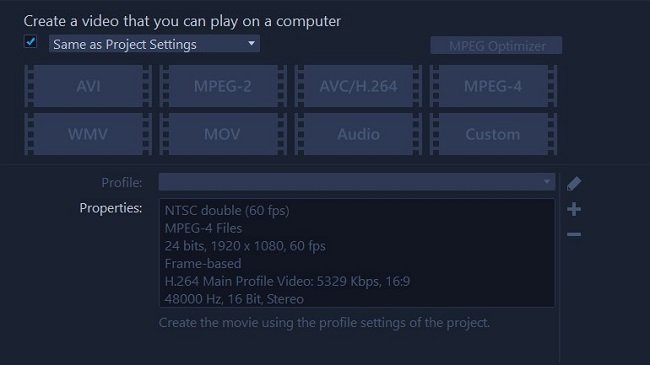


















James Bond 007: Blood Stone
Over the Christmas Holidays, I inevitably watched a selection of James Bond movies because it is one of my seasonal rituals. As a child a Bond movie was always one of the TV highlights of Christmas or Boxing Day. Subsequently this habit has stuck with me over the years and so I dutifully watched On Her Majesty’s Secret Service, The Living Daylights and Licence to Kill. Naturally this raised my interest in all things Bond, so I decided to dust of the video game James Bond 007: Blood Stone. I originally bought this game upon release back in November 2010, unaware that the Bond franchise has always been an utter lottery when it comes to tie-in games. I initially played through it for a month or so, then deleted it from my hard drive. It was a classic example of me simply losing interest in a game and then removing it in one of my regular PC housekeeping exercises. To be fair I had a lot of other games on the go at the same time, so there was a good chance that I didn't give it the level of attention it deserved. So yesterday I decided to give it another go and re-installed the game via Steam. Thanks to the miracle of the internet, I downloaded the 9GB game in twenty minutes.
Over the Christmas Holidays, I inevitably watched a selection of James Bond movies because it is one of my seasonal rituals. As a child a Bond movie was always one of the TV highlights of Christmas or Boxing Day. Subsequently this habit has stuck with me over the years and so I dutifully watched On Her Majesty’s Secret Service, The Living Daylights and Licence to Kill. Naturally this raised my interest in all things Bond, so I decided to dust of the video game James Bond 007: Blood Stone. I originally bought this game upon release back in November 2010, unaware that the Bond franchise has always been an utter lottery when it comes to tie-in games. I initially played through it for a month or so, then deleted it from my hard drive. It was a classic example of me simply losing interest in a game and then removing it in one of my regular PC housekeeping exercises. To be fair I had a lot of other games on the go at the same time, so there was a good chance that I didn't give it the level of attention it deserved. So yesterday I decided to give it another go and re-installed the game via Steam. Thanks to the miracle of the internet, I downloaded the 9GB game in twenty minutes.
So, what does James Bond 007: Blood Stone have to offer, second time around? Well exactly the same frustrations that caused me to kick it into touch last time. The story is quite good for this sort of thing, being written by Bruce Feirstein who penned a few of the Pierce Brosnan movies. There is also voice acting from Daniel Craig and Judi Dench as well as a “Bondesque” soundtrack by Richard Jacques, which all do much to elevate the proceedings. The game is a third person cover based shooter with additional hand-to-hand combat and driving sequences. James Bond 007: Blood Stone features a focus aim system which allows players to lock onto targets after melee takedowns, providing guaranteed kills. The stealth kills are quite satisfying and look the part. Ben Cooke, who is Daniel Craig's stunt double in the films, provided the motion capture choreography for Bond's digital animation and is credited as the game's stunt coordinator. Like in recent Bond movies the vogue for gadgets in this game is far more subdued. There is a lot of hacking of electronic locks and computers via a smartphone, which mainly involves the use of quick time events. However, it also provides a means for highlighting waypoints, weapons and enemies as well as items that can be scanned for intel.
However, despite all these acceptable points, the game is a very clumsy console port. It has all the obvious hallmarks. First there’s the cartoon like cut scenes and a game engine that simply looks lacklustre on a decent PC. Then there’s the clumsy UI. However, the biggest failing and the main reason I ditched this title last time I played is the control system. The keyboard and mouse work fine for combat but are inadequate for steering vehicles. The PC version does support an Xbox controller but not simultaneously with the other input devices. So, whenever you reach a check point prior to a car chase, you have to wait for the chase to fail, then go into the game settings and change the input to a gamepad. Once that section is over, you then have to do the same again to return to the keyboard and mouse. This is frustrating to say the least and it doesn't take long for tempers to fray. I shall try to persevere with James Bond 007: Blood Stone but I can't make any promises as to whether I shall complete it. The whole thing just highlights the fact that Bond as a franchise has never really got the treatment it should have from the gaming industry. Apart from Goldeneye and Goldeneye Reloaded but they never got released on the PC platform anyway.
I would love to see a more complex and nuanced RPG, where you could play as Bond and have a story that has multiple endings. A game that as well as shooting sequences, offered other activities seen in classic Bond movies such as Skiing or Scuba Diving. A mini game based set in a Casino would also be a great addition. Perhaps setting the game in a specific time period to would add atmosphere and ambience, be it the suave sophistication of the sixties movies or the excess and grandiose scope of the seventies films. Games such as the The Witcher 3: Wild Hunt and Red Dead Redemption 2 have an excellent balance of narrative choice and action. This sort of game style and mechanic would be ideal for the world of James Bond with its focus on pithy dialogue and kiss-off lines. But I’m not particularly hopeful. Activision were the last licence holders for Bond video games and they struggled to do the franchise justice. James Bond 007: Blood Stone is a weak title which killed off its developer Bizarre Creations. Oddly enough the follow up game 007 Legends was even more of a dog’s dinner and also put pay to Eurocom, the studio that created it. For the present no one seems to want to tackle the possibilities presented with such an intellectual property, because it doesn’t immediately lend itself to live services or multiplayer gaming.
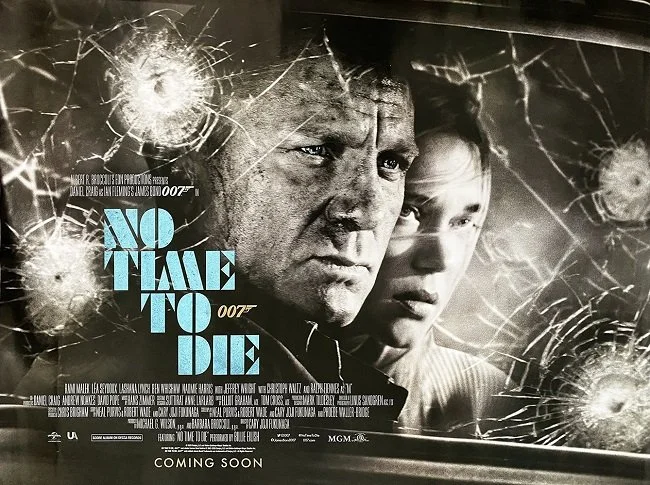

The Pace of Combat in MMOs
This is going to be a very subjective post because much of what I am about describe isn’t based upon measurable data (although I’m sure there are players who would do so) but more how something feels. Ironically, due to my nature I’m usually more disposed towards fact-based analyses but even I have to recognise that humans are driven by emotions and other esoteric factors. And with regard to this subject matter I hate to say it but how I feel greatly shapes my opinion. So let me begin by referring back to the MMO The Secret World, which has evolved into Secret World Legends. One of the main reasons I stopped playing the original version of the game was because the combat was tedious. By which I mean it took too long. I would use an assault rifle and blast away at a mob, only for it to pursue me as its health meter slowly went down. Hence, I would have to reverse while attacking and slowly back peddle until the mob died. As a method it worked but it was extremely unsatisfactory. The weapon felt under powered and the style of attack lacked grandeur. The revised iteration of the game failed to address this so I didn’t stick with playing that either.
This is going to be a very subjective post because much of what I am about describe isn’t based upon measurable data (although I’m sure there are players who would do so) but more how something feels. Ironically, due to my nature I’m usually more disposed towards fact-based analyses but even I have to recognise that humans are driven by emotions and other esoteric factors. And with regard to this subject matter I hate to say it but how I feel greatly shapes my opinion. So let me begin by referring back to the MMO The Secret World, which has evolved into Secret World Legends. One of the main reasons I stopped playing the original version of the game was because the combat was tedious. By which I mean it took too long. I would use an assault rifle and blast away at a mob, only for it to pursue me as its health meter slowly went down. Hence, I would have to reverse while attacking and slowly back peddle until the mob died. As a method it worked but it was extremely unsatisfactory. The weapon felt under powered and the style of attack lacked grandeur. The revised iteration of the game failed to address this so I didn’t stick with playing that either.
Although combat in MMOs is about damage, control and tactics there are also more nebulous factors involved. These being rhythm, pacing and a sense on being in control of your actions so you can read and adjust to the ebb and flow of the fight. There is a sweet spot somewhere between both the technical facets of combat and the more enigmatic matter of how it “feels”. When a game get’s it right, it often something you discern subconsciously first, rather than by number crunching your combat log. And when a game get’s it wrong fighting crosses the line from being a challenging but enjoyable task to simply being a drag. However, we have to temper this outlook with the fact that no two players share exactly the same view on what “feels” right. Let me further add that I always like to gear my characters in any MMO to be overpowered. I want every single buff, boost and boon I can get because to my mind why would you not want that? I don’t look at combat in this genre of games to be some sort of Marquess of Queensberry rules, even-handed, battle of skill to find out who is the better “chap”. No, I want to be able to crush all before me quickly and efficiently.
Which brings me nicely on to my current situation in The Lord of the Rings Online. I worked my primary character through Update 23: Where Dragons Dwell and came out the other side, well geared and able to hold my own in combat. I continued with Update 24: Vales of Anduin and had no issues making progress. And then along came the Minas Morgul expansion in November 2019 with an increase in level cap to 130 and new gear to grind. If you buy the expansion and follow the Epic story you will be provided with adequate gear from quest rewards to move forward. If however, you have not bought the expansion you will find that doing level 120 plus skirmishes or instances is tricky because you are now behind the gear curve. Also you may find that your Legendary Items are wanting and will need to acquire Anfalas Scrolls of Empowerment to unlock additional tiers on your LI legacies. Collectively these factors have conspired and I am now distinctly underpowered and struggling to progress through skirmishes and group content due to being gimped by not purchasing the latest expansion. Combat is now a slog to wear down mobs. For me this goes beyond challenging and strays into the realm of the tedious.
I did some calculations today and I need about 140-150 Anfalas Scrolls of Empowerment to keep my LI viable and unlock all possible upgrades. I can either grind these items via the game, buy them on Auction House or purchase from the in-game store. The latter will cost about £150 so that is not an option. Neither is grinding towards a goal. It will take between one and two months and I don’t relish doing the same old quests for that period of time. I do not have the gold required to buy these items from the in-game auction, so the immediate future is one of performing under requirement. This makes combat slow and ponderous which brings me neatly to my original point about once combat ceases to be “fun”, it pretty much kills my interest in a game. This also highlights a problem with a lot of the older MMOs that still exist. To play in an optimal fashion you have to be wedded to the game, play through all content regularly and ensure that you keep on top of all new systems and mechanics. If you in any way take time out and fall behind, then you are potentially disadvantaging yourself. This is not something that occurs in more recent MMOs such as The Elder Scrolls Online.
Despite my grumblings at perceived shortcomings in LOTRO, I have a strong connection to the game as it was my point of entry to this genre. Therefore I shall persevere with the situation and see if I can devise a plan to re-equip my character by the path of least resistance. I am also fortunate to be in a kinship that is very generous and resources are often shared. However, it is interesting that I find myself in exactly the same position as I was when the Mordor expansion launched and I arrived late to that particular party. I believe it proves my theory that LOTRO requires a degree of fidelity and regular participation to be experienced in the best way in terms of gear, jewellery and effective DPS. I see now why many players choose to avoid this “trap” by continuously rolling new alts and restricting their game play to specific content, as to not find themselves in the position of having to continuously chase end content. Of course I could make this problem go away by just buying the latest expansion and playing though it but that flies in the face of the old school MMO philosophy of doing things your own way. Perhaps the reality is that’s just not a thing anymore
Goodbye 2019
Last year I tried to write a measured and balanced post about the passing of the year. Sadly this time round my attitude toward the departing 12-month period is somewhat binary. Yes there were a couple of highlights to 2019 but most of it was an uphill struggle and therefore not worth celebrating. It can frankly sod off and won’t be missed. The two high points were my son’s wedding in August and my renewed enthusiasm for blogging that came about due to the Blaugust writing event. But overall 2019 was a repetitive and somewhat depressing grind having to continuously deal with multiple family illnesses, numerous hospital visits and then at the end of the year a bereavement. Yes, these are things that happened to us all eventually and there is no escaping them but I appear to be trapped in this facet of the “circle of life”. Furthermore, until certain situations resolve themselves, I cannot make or implement any long-term plans. 2019 has been in many ways about just treading water.
Last year I tried to write a measured and balanced post about the passing of the year. Sadly this time round my attitude toward the departing 12-month period is somewhat binary. Yes there were a couple of highlights to 2019 but most of it was an uphill struggle and therefore not worth celebrating. It can frankly sod off and won’t be missed. The two high points were my son’s wedding in August and my renewed enthusiasm for blogging that came about due to the Blaugust writing event. But overall 2019 was a repetitive and somewhat depressing grind having to continuously deal with multiple family illnesses, numerous hospital visits and then at the end of the year a bereavement. Yes, these are things that happened to us all eventually and there is no escaping them but I appear to be trapped in this facet of the “circle of life”. Furthermore, until certain situations resolve themselves, I cannot make or implement any long-term plans. 2019 has been in many ways about just treading water.
Sadly, I have no reason to think 2020 will be any different. My personal situation is still complex and filled with trepidation. Both my parents are disabled with deteriorating medical problems. The most one can hope for is to maintain the status quo. Other members of my family are also unwell with conditions that do not have a good prognosis. Beyond my own life I am far from happy with the political situation in the UK at present. I’ve been politically homeless for a while now and it’s very frustrating to be continuously offered a Hobson’s choice at elections and then forced to endure the iniquities of the First Past the Post voting system. As for this nonsense about the country coming together and healing, well that is most certainly not going to happen any time soon. People will have to endure the consequences of Brexit and a majority Conservative government. I do not expect things to go well, nor do I expect any sort of national reconciliation. If anything things will get more partisan and acrimonious.
I will therefore deal with 2020 as I did the previous year and just take it one week at a time. And just because I’m not especially enthused for the coming decade and my personal situation is not exactly how I’d like it to be, that doesn’t give me a license to be a full contact malcontent. There is no need to add fuel to the fire of assholery that abounds in Western culture at present. If anything quite the opposite is true. It is incumbent upon me to be civil, measured and flexible. Not just for the practical reason of greasing the wheels of society but to ensure that I maintain my own state of mental wellbeing. An existential approach to life may well indeed highlight the falsity and futility of so much of what we do but in recognising this there is a degree of peace and freedom. Plus I take great comfort in writing and conversing with my wonderful online friends who hail from all over the world including Purley. So upon reflection although I may not jubilantly declare “Happy New Year”, I am at least prepared for 2020 and ready to repel boarders, so to speak.








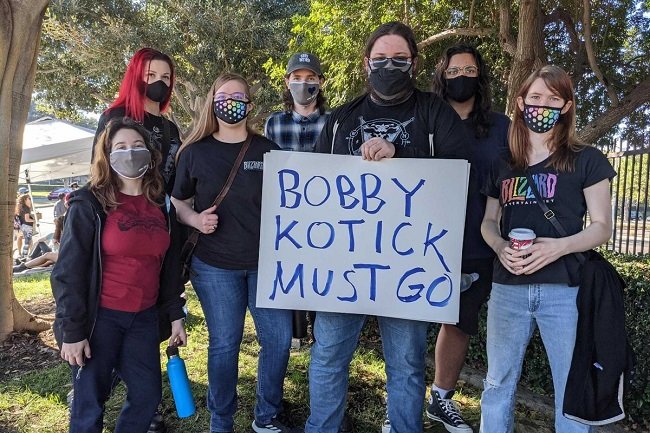

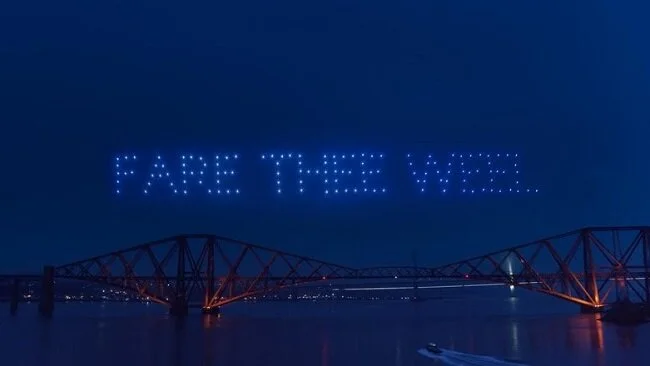
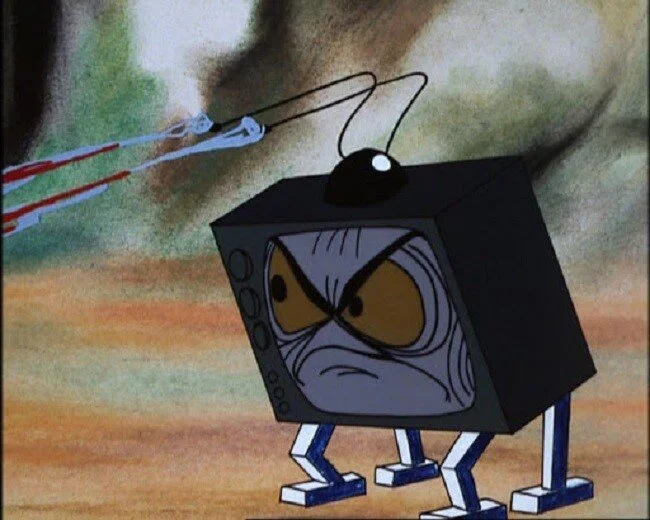

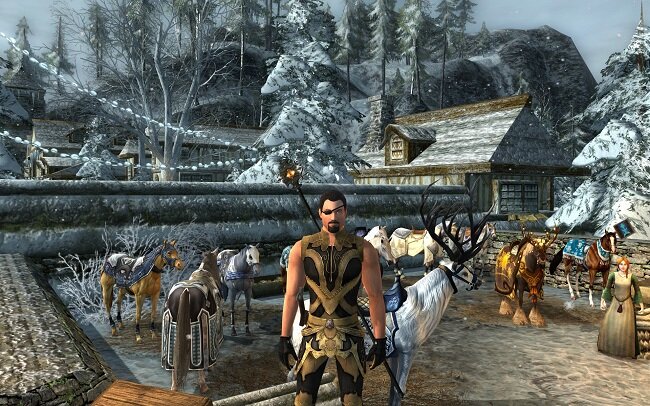


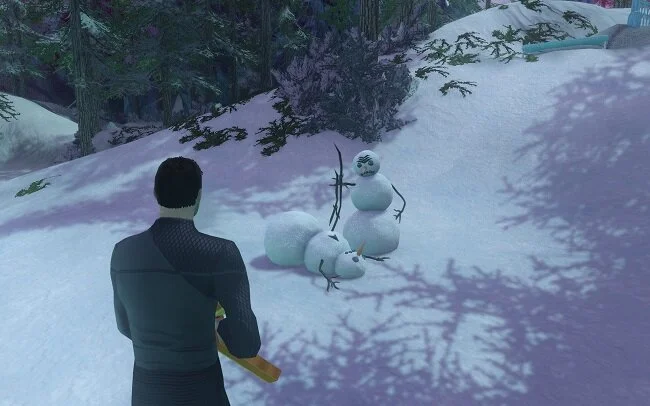




A Year in Gaming
Life is often cyclical, if you don’t believe me go watch The Lion King. I started 2018 playing The Lord of the Rings Online and by writing a post about how gamers collectively seem to repeat the same mistakes. And as the year and indeed the decade ends, I find myself once again playing the Yule Festival in LOTRO and reflecting upon how some games that garnered criticism over their egregious business models, have ended up as huge hits. It would appear that gamers are their own worst enemy. I shall leave the psychological analysis of paradox to others. From my perspective, irrespective of the iniquities of the video game industry and certain quarters of the gaming community, it has been a good year, gaming wise. I have enjoyed my time playing MMOs such as Star Trek Online, The Elder Scrolls Online and the aforementioned LOTRO. These and other titles have entertained me, provided me with an opportunity to unwind as well as affording me some much-needed social interaction. I particularly enjoy Wednesday evenings when I log into my Discord server and then chat and play collaboratively with longstanding gaming friends.
Life is often cyclical, if you don’t believe me go watch The Lion King. I started 2018 playing The Lord of the Rings Online and by writing a post about how gamers collectively seem to repeat the same mistakes. And as the year and indeed the decade ends, I find myself once again playing the Yule Festival in LOTRO and reflecting upon how some games that garnered criticism over their egregious business models, have ended up as huge hits. It would appear that gamers are their own worst enemy. I shall leave the psychological analysis of paradox to others. From my perspective, irrespective of the iniquities of the video game industry and certain quarters of the gaming community, it has been a good year, gaming wise. I have enjoyed my time playing MMOs such as Star Trek Online, The Elder Scrolls Online and the aforementioned LOTRO. These and other titles have entertained me, provided me with an opportunity to unwind as well as affording me some much-needed social interaction. I particularly enjoy Wednesday evenings when I log into my Discord server and then chat and play collaboratively with longstanding gaming friends.
In many ways, 2019 was just the same as any other year. If I may quote myself, I wrote on January 1st "it does not seem unreasonable to expect more shitty video games and questionable business practises in 2019” and broadly that has proven true. The video game industry shovelled out yet more substandard products such as Mario Kart Tour, Tom Clancy's Ghost Recon Breakpoint and NBA 2K20. All of which are essentially the bare bones games with further content gated behind paywalls and microtransaction. Yet despite the inherent dishonesty of the “pay to start” business model, these titles sold and sold well, thus reminding us that people are the fundamental problem and as a result we get the gaming industry that we deserve. And as for the video game industry itself, it hardly covered itself in glory (again). The latest “trick” seems to be to release a game, get it reviewed and rated and then add an in-game store at a later date. Thus you can avoid any negative publicity during the initial launch window. And then of course there was the Blizzard debacle which raised the inherent dilemma in doing business with an authoritarian country such as China. Oh and “crunch” culture, institutionalised misogyny and general male centric douche baggery still seems to prevail in the industry.
However, 2019 wasn’t all doom and gloom. There are always good titles to be found if you look hard enough. The Untitled Goose Game was an utter joy and certainly seemed to touch a cultural never but in a good way. The Outer Worlds found popular acclaim and seemed to compensate for Fallout 76 as a spiritual successor to that franchise. I personally was very pleased by the arrival of Red Dead Redemption 2 on the PC. Yes, the launch was somewhat farcical and I had to downgrade my PC’s BIOS to play the damn thing but the game certainly lived up to my expectations, with its complex and nuanced narrative. And not all video game developers are corporate monstrosities. Compare 2K or EA to Rebellion Developments and the contrast is obvious. The latter is a company that I don’t feel the need to take a shower after buying one of their games. Plus, 2019 proved that there are still plenty of game bloggers, streamers and podcasters who are interested in producing content in a thoughtful, constructive and engaging manner. Too many subreddits are insular, angry communities that “shit in their own watering hole”. Who needs that when you can find honest and genuine content from gamers who enjoy what they play, rather than recriminate over how they think the community and industry should be?
For me video games continue to provide an entertaining, social and economic leisure activity. They certainly dove tail neatly into my lifestyle and real-world commitments. And so as I await the arrival of 2020, I shall enter the new decade (when framed in such terms it sounds somewhat depressing) pretty much doing the same as I did twelve months ago. I see no reason to stop playing the three MMOs that have been the mainstay of my gaming activities for so long. They are functional and provide both long and short gameplay sessions as well as clear goals. As all these games are relatively healthy from a business perspective, there is regular new content throughout the year. No doubt I will try several single player games in 2020; some of which will be planned purchases where others will be bought on a whim. I may even investigate some of the free titles I’ve acquired from the Epic Store or some of the obscure games I’ve collected in discount bundles over the years. I’m certainly no expecting myself or the video game industry to have any sort of epiphany over the next twelve months. I shall just anticipate more of the same, which after all is life’s default position.