
The Importance of Bots
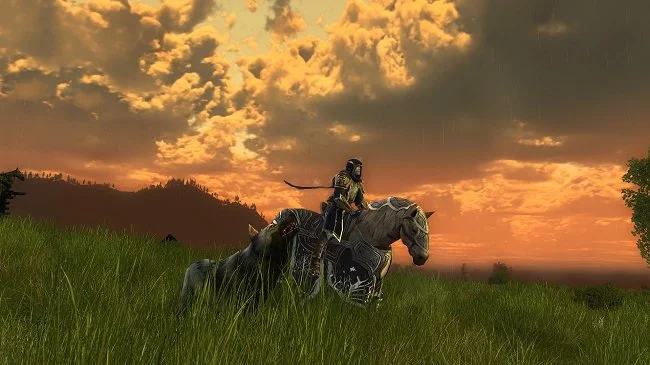
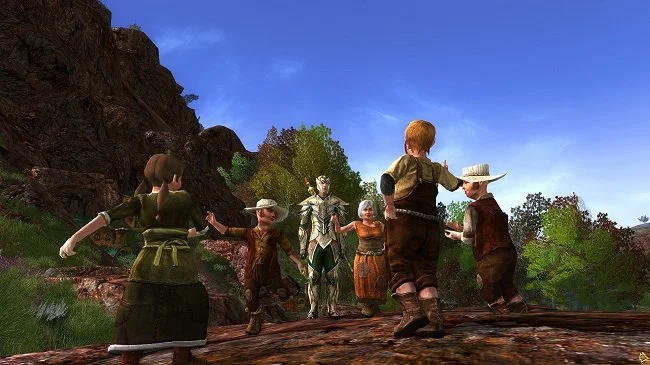
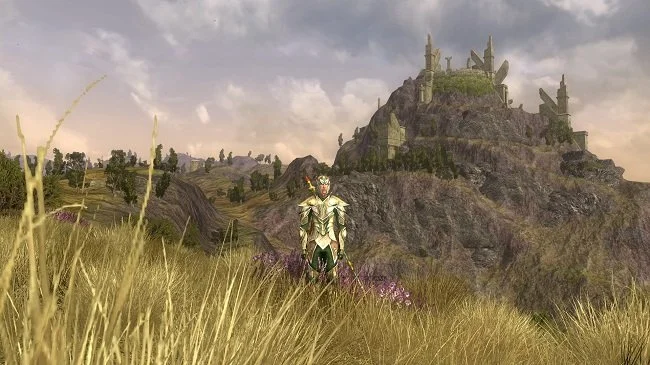
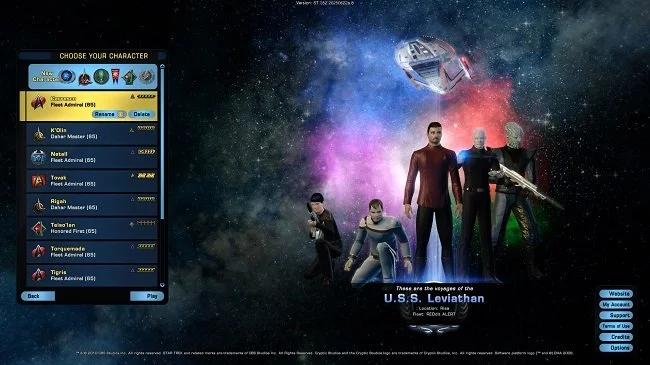
The inclusion of AI bots in any multiplayer game is always an added bonus. Playing against bots is a great way of learning the basics of a game and practising your strategy. It also provides a welcome break from the human element of any game, which can become wearisome at times. It’s also a good insurance policy for the future, when a games popularity may have waned and finding an online game may prove difficult. Therefore, I am pleased to see this facility present in titles such as Call of Duty: Black Ops franchise, Overwatch, For Honor, and Friday the 13th: The Game. Bots are also present within the MMO genre. For example, these include your skirmish soldier in LOTRO or your away team in STO. When I played SWTOR I found that some companions were invaluable due to their role as a healer. And let us not forget combat pets. They may well be fluffy and cute or have large pointy teeth, but they’re bots no less.
The inclusion of AI bots in any multiplayer game is always an added bonus. Playing against bots is a great way of learning the basics of a game and practising your strategy. It also provides a welcome break from the human element of any game, which can become wearisome at times. It’s also a good insurance policy for the future, when a games popularity may have waned and finding an online game may prove difficult. Therefore, I am pleased to see this facility present in titles such as Call of Duty: Black Ops franchise, Overwatch, For Honor, and Friday the 13th: The Game. Bots are also present within the MMO genre. For example, these include your skirmish soldier in LOTRO or your away team in STO. When I played SWTOR I found that some companions were invaluable due to their role as a healer. And let us not forget combat pets. They may well be fluffy and cute or have large pointy teeth, but they’re bots no less.
As an advocate of bots, I would like to see them present in a lot more games. One of the main reasons for this, is that I see them as a solution to player toxicity. At least half of all the games I experience in Friday the 13th: The Game are unsatisfactory due to my fellow players fooling around, trolling or simply trying to pursue their own agenda. I stopped playing Overwatch because too many players have become self-appointed arbiters of how to do things “correctly”. And I ceased playing For Honor online due to the proliferation of “lag switch” cheating. Bots resolve all these issues and conspicuously lack a propensity for continuous garrulous inanities. Obviously, if you are a top tier player you may find bots an unsatisfactory opponent. Plus, there’s little fun to be had crowing or taunting a defeated AI opponent. But for the average player, bots can offer an entertaining and enjoyable experience free from stupidity and annoyance.
I would also like to see a greater presence of bots in the MMO genre. Often due to the culture of racing to level cap, if you’re absent from a game for a while, you’ll find yourself in a level appropriate region devoid of other players. If you’re part of a big enough and helpful guild, you’ll may find others to help you through instances and dungeons. But that isn’t always the case and personally, I don’t want to have to be dependent on the good will of other players. I would like to have access to multiple AI companions from different classes that would allow me to tackle what is usually group content. Now some players would consider this an anathema, stating that it mitigates the point of an MMO. However, the Achilles Heel of the genre is the very inter-dependency upon other players. Irrespective of ideological arguments, from a business perspective it is not wise to inconvenience your player base. If I cannot progress, then I will go find something else to do.
I believe that bots may well become more common place in gaming because they ultimately fit into the “live services” mindset that is currently on the rise within the industry. Bots offer convenience and convenience is a marketable commodity. Unlocking a bot healer, DPS class or tank that would allow me to clear content in MMOs that I currently cannot currently do or more to the point, clear more quickly, is something I would pay for. AI technology is also something that is constantly improving, so may be existing prejudice against it will diminish over time. Certainly, the inclusion of AI bots in a game increases its longevity and that therefore impacts positively upon its financial lifecycle. And if we’ve learned anything from the games industry in recent years is that fiscal imperatives drive the market. So, don’t be surprised if the next big thing is the proliferation of bots. I for one will welcome it.



The Borderlands (2013)
I audibly groaned when I discovered that The Borderlands was a found footage movie, as this is a genre that really has been flogged to death of late. However, I subsequently found out that the movie had seen the involvement of writer James Moran, albeit in a non-credited capacity, which piqued my interest. A subsequent positive review by UK critic Mark Kermode led me to seek out a copy of the film and I must concur with his sentiments. Low budgets often produce binary results when it comes to movies. They can either be derivative, formulaic and safe or they can revisit an established idea but do so with innovation and flair. The Borderlands strives to do something more with the confines of the genre and is a little more than the some of its parts.
I audibly groaned when I discovered that The Borderlands was a found footage movie, as this is a genre that really has been flogged to death of late. However, I subsequently found out that the movie had seen the involvement of writer James Moran, albeit in a non-credited capacity, which piqued my interest. A subsequent positive review by UK critic Mark Kermode led me to seek out a copy of the film and I must concur with his sentiments. Low budgets often produce binary results when it comes to movies. They can either be derivative, formulaic and safe or they can revisit an established idea but do so with innovation and flair. The Borderlands strives to do something more with the confines of the genre and is a little more than the some of its parts.
The plot is very straight forward with a team of two Vatican investigators and a technical support engineer exploring allegations of a miracle at a remote country church in Devon, Southwest England. Writer and director Elliot Goldner, keeps the setting and unfolding events distinctly low key which works in the movies favour. There are no overtly contrived jolts initially, just a very clever and subtle use of sound design to create an atmosphere of unease. The movies greatest asset by far is the interaction between Deacon (Gordon Kennedy) and techie Gray (Robin Hill). The dialogue is priceless and very credible. The movie also takes a plausible stance in so far that both Vatican investigators are extremely cynical about their work and through experience naturally expect fraud and deceit.
The film builds nicely, with a few deliberate acts of misdirection. There's a rather unpleasant sequence involving some bored youths setting fire to a sheep that has more than a ring of truth about it. The use of technology is credible and at one point indicates that perhaps some of the strange events are not faked. Yet once the resident priest kills himself, the story then starts heading into the realms of the genuine supernatural. The movie climaxes with the arrival of an expert from the Vatican, Father Calvino (Patrick Godfrey), who finally expedites the plot and performs a banishment ritual. It is at this point that the story takes a leap of faith and asks the viewer to come with them. Ones enjoyment of the ending is very much dependent on whether you are prepared to do that.
The final denouement is most certainly an unpleasant experience for claustrophobes and also has a hint of The Blair Witch Project about it. The final payoff does have its own internal logic and I must admit I quite enjoyed the rather off the wall concept. Given that this was a very low budget movie, it is nice to see the writers trying to rise above the obvious limitations imposed upon them and striving to do something "shocking" as the genre's rules demand. The Borderlands is a destined to gain a cult following and is an enjoyable curiosity as well as a distinctly British variation of a tried and tested theme. As a directorial debut it is a promising first step and a welcome change from mainstream Hollywood horror output.









LOTRO: Out of the Frying Pan, Into the Fire
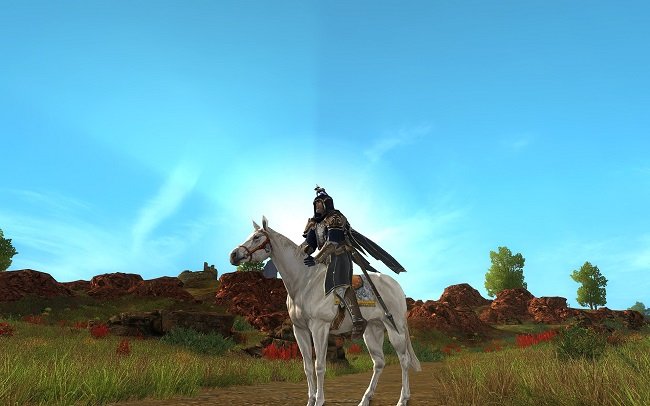
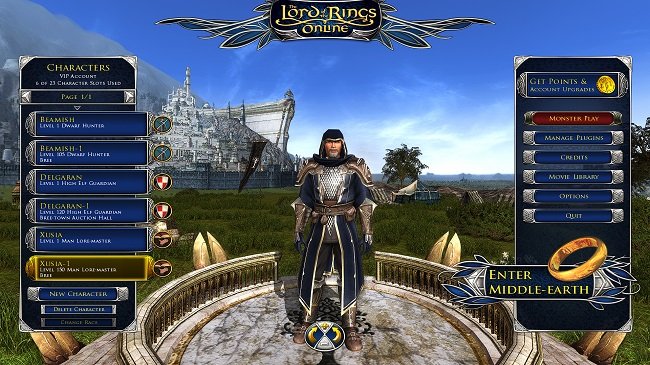
Considering that the Mordor expansion for LOTRO was released on August 2nd last year, I’ve made precious little progress. I don’t like the zone for reasons I’ve mentioned in a previous blog post, yet I now find myself in a position where I need to clear through its content, so I can move on to the new regions that have become available with Update 22 – Legacy of the Necromancer. So, I decided to see if I could just get away with just completing the central Epic Story and ignoring the secondary quest lines. However, I have once again ground to a halt due to what I consider to be excessive grind. Having entered the fortress of Durthang, I found that rather than offer any sort of meaningful tactical challenge, I was instead just confronted with a series of rooms which are all densely packed with mobs. Furthermore, as the Mordor is effectively a gear check due to the additional ten levels that Standing Stone Games have added to the MMO, all mobs in Mordor have been arbitrarily adjusted. As a result, they are demonstrably harder to kill than those in the Dagorlad Waste or North Ithilien.
Considering that the Mordor expansion for LOTRO was released on August 2nd last year, I’ve made precious little progress. I don’t like the zone for reasons I’ve mentioned in a previous blog post, yet I now find myself in a position where I need to clear through its content, so I can move on to the new regions that have become available with Update 22 – Legacy of the Necromancer. So, I decided to see if I could just get away with just completing the central Epic Story and ignoring the secondary quest lines. However, I have once again ground to a halt due to what I consider to be excessive grind. Having entered the fortress of Durthang, I found that rather than offer any sort of meaningful tactical challenge, I was instead just confronted with a series of rooms which are all densely packed with mobs. Furthermore, as the Mordor is effectively a gear check due to the additional ten levels that Standing Stone Games have added to the MMO, all mobs in Mordor have been arbitrarily adjusted. As a result, they are demonstrably harder to kill than those in the Dagorlad Waste or North Ithilien.
Gear checks and difficulty adjustments are frequently necessary in the MMO genre and I have no problem in principle as to what SSG have done with Mordor. You can justify making the region more difficult just on lore alone. However, the developers have not upped the ante through a new mechanic or by grouping particular types of mobs together to offer a tactical challenge. It would appear that enemies have simply had their moral and defensive attributes “turned up”. The net result is that combat isn’t any more taxing in so far as planning and skill. It just takes longer to burn down an enemy. Therein lies the rub. All players have different tolerance levels and degrees of patience when it comes to combat, as it is such a fundamental aspect of the MMO genre. There is a fine and subjective line between what is challenging and what is tedious. Combat in Mordor doesn’t require a new strategy, it just requires time. A lot of time. And as regular readers know, I tend to view my gaming through the prism of an equation. Time and effort plus sundry other variables offset against the expected results. In a nutshell, Mordor is taking too long and thus negating any enjoyment.
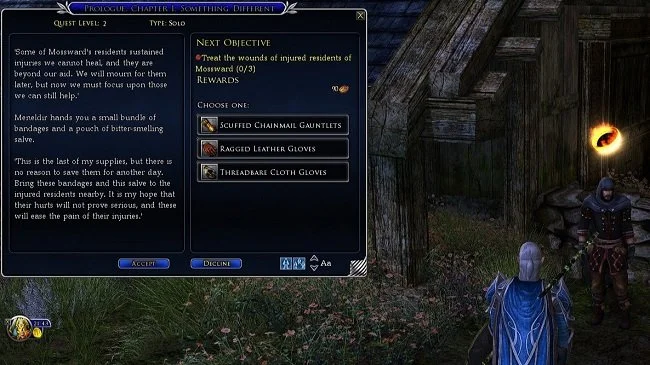
I wrote a post about alternative ways of levelling recently but ultimately it solves one problem only to cause another. It is possible to hit the new level cap outside of Mordor, however such a strategy will leave you without any suitable new gear. I received a new pair of Gloves as a quest reward and although they are only uncommon quality, they have an 100% increase in armour value to those I had equipped. The stats are not to be sneezed at either. What this demonstrates is that SSG expect players to progress through Mordor to acquire more robust gear. If you then play through the endgame content, you’ll receive top tier items to further improve your build. Furthermore, Dale, Erebor and the other new areas in Update 22 are of a comparable difficulty to Mordor. Hence if you go directly to the new region without acquiring any new Mordor related gear, you’ll have seriously gimped yourself. Thus, it presents players struggling to catch up with an interesting dilemma. Do you gird your loins and “endure” the grind of Mordor, or go to new zone and slog through quests there in an underpowered state? It does seem a case of “out of the frying pan, into the fire”. However, there is also a third option. Go play something else, which is what I shall do while I considering a solution to this current problem.





Skyfall (2012)
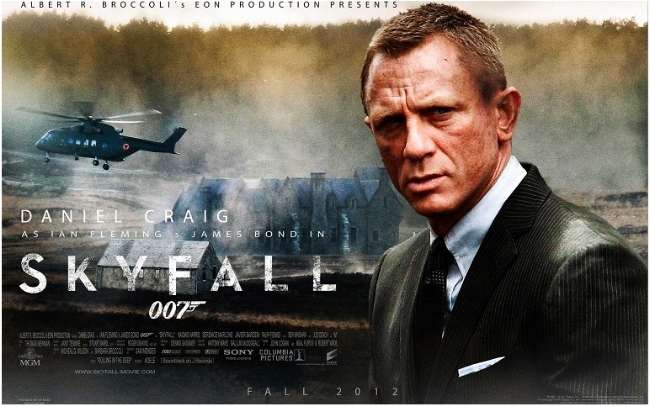
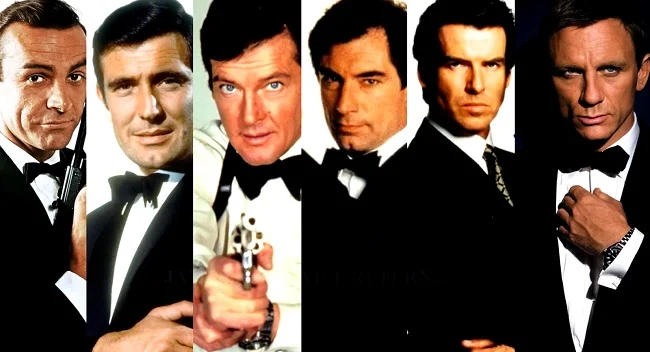
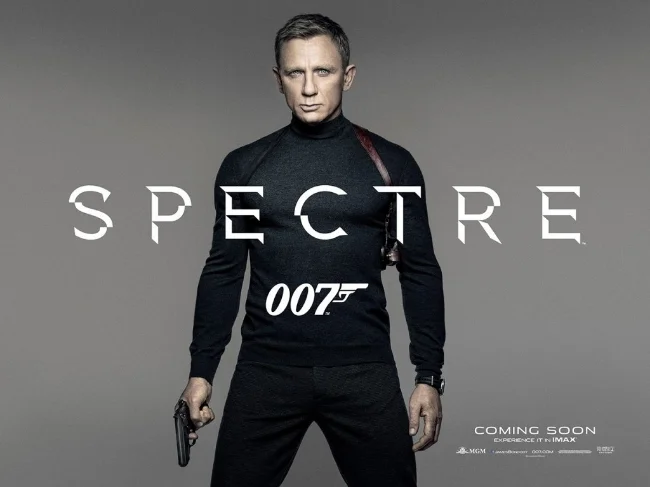
There's nothing better than being proved wrong and having your fears allayed. Sam Mendes was absolutely the right choice to direct the twenty third James Bond movie and delivered a film that embraces both the old and the new. Skyfall was an outstanding way to celebrate fiftieth anniversary of the franchise. This is one of the few occasions when the actual movie managed to live up to the respective hype and marketing. Skyfall is 143 minutes of pure Bond and much more. Seldom has series had this depth of story, characterisation and intelligence. It is a lot closer to Goldfinger than it is Moonraker and offers a fresh perspective on the iconic agent. This is not about defeating some villain in his volcano lair. Skyfall is about the very nature of espionage and the effects upon those who work in its twilight world.
There's nothing better than being proved wrong and having your fears allayed. Sam Mendes was absolutely the right choice to direct the twenty third James Bond movie and delivered a film that embraces both the old and the new. Skyfall was an outstanding way to celebrate fiftieth anniversary of the franchise. This is one of the few occasions when the actual movie managed to live up to the respective hype and marketing. Skyfall is 143 minutes of pure Bond and much more. Seldom has series had this depth of story, characterisation and intelligence. It is a lot closer to Goldfinger than it is Moonraker and offers a fresh perspective on the iconic agent. This is not about defeating some villain in his volcano lair. Skyfall is about the very nature of espionage and the effects upon those who work in its twilight world.
After an exhilarating chase scene set in Turkey, which is totally free from shaky cam and lightning editing that still plagues contemporary cinema, the iconic title credits roll. There are many familiar names that have long been associated with the series over the previous decades. Stunts co-ordinator Gary Powell, miniature and physical effects by Chris Corbould for example. Veteran editor Stuart Baird ensures that you get to see what is actually going on (thank you Mr. Baird). The stunning titles, once again created by Daniel Kleinman. There is also a lot of new talent. Production designer Dennis Gassner brings a fresh and exciting feel to the movie. Roger Deakins' photography is stunning with a vivid colour palette. London has seldom looked so good. The only aspect of the film that didn’t quite chime with me is Thomas Newman contemporary score. It does however touch upon the traditional bond themes and musical idioms.
The plot is simple yet provides a far greater degree of character development and exploration of wider themes. M (Judi Dench) is thrown to the wolves after losing a vital hard drive containing operational data, along with one of her best filed agents. Her replacement Gareth Mallory (Ralph Fiennes) is already waiting in the wings to reform the department. Matters get worse when M becomes the target of vengeful agent Silva (Javier Bardom). Enter 007 (Daniel Craig) returning to MI6 after being presumed dead. However, Bond is not at the top of his game, yet is the only operative that M can trust to resolve the situation. The trail takes Bond from Shanghai, to Macau and then on to London. It becomes clear that Bond must take charge of the fight and returns to his family home of Skyfall to await a final confrontation with Silva.
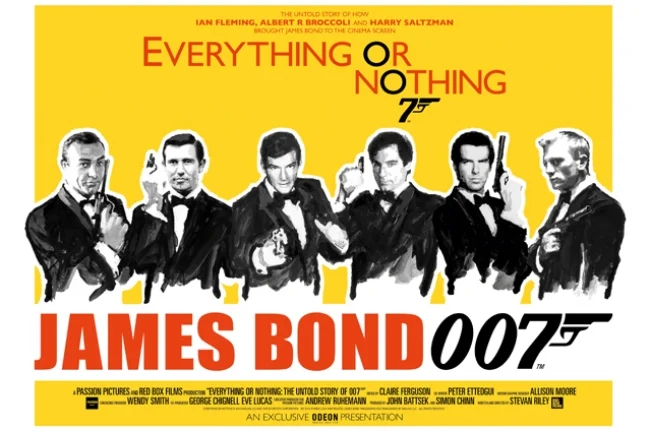
Sam Mendes crafts a Bond movie that includes all the best aspects of the franchise. The locations, set pieces and glamour are all present. He also manages to bring Bond into the twenty-first century and make MI6 relevant in the current political climate. Skyfall succeeds in being quite thought provoking and showcases exceptionally strong performances from Dame Judi Dench and Daniel Craig. The dynamic between these two characters comes full circle and is both touching and sad. The original gallows humour that Connery brought to the series and that Moore turned into high camp, is present and exceedingly dry. There are moments of self-reference but rather than being indulgences work very well. Adele's theme song is also a welcome throwback.
Javier Bardom is a charismatic villain. His charm and flamboyance are deceptive and when he descends into violence, it is all the more disturbing. Whilst on the subject of content, it should be noted that Skyfall is quite a hard PG-13 (12 certificate) movie. The fights are superbly choreographed and shot. Violence is not trivialised or mitigated with a crass quip. The new Q (Ben Wishaw) is engaging and the film is not smothered by an excess of gadgetry, although it clearly shows the role that technology plays in the world of espionage. It would be a crime for me not to mention the outstanding cameo made by Albert Finney. Let it suffice to say only an actor of his calibre could play such a part.
Considering the evolution of the action movie genre over the last four decades, Skyfall is a prime example of quality film making in an old school idiom. It works so well because all involved truly understand the material and the nature of the audience. Skyfall is in many ways Bond finally coming of age. Is it the best entry in the series? Very possibly. It has so much more to offer than just the superficial, featuring robust performances and a strong narrative arc. Furthermore, the movie's resolution offers a great deal of scope for further exploration of this new and revitalised James Bond. The franchise has been markedly changed by Skyfall successfully combining populist entertainment with quality acting and new found narrative depth.

A Good Day to Die Hard (2013)
Having passed at the chance to see A Good Day to Die Hard during its theatrical I finally caught up with the movie recently. The version I saw was the US theatrical version and not the extended edition that includes three and a half minutes of additional material. It's a curious thing that in an age when blockbuster movies become ever longer and more bloated, frequently running over two and a half hours, that the latest instalment of Die Hard is a brief ninety-nine minutes. That's about an hour and a half once you remove ten minutes or so of CGI credits. Is such brevity to the benefit of the movie? In a nutshell, no. A Good Day to Die Hard is light on plot, character development and viewer engagement. Frankly it’s a caricature of its former self. The notion of the likeable every-man, out of his depth and fighting against incredible odds has given way to a loud-mouth, bullet proof xenophobic who effortlessly moves from one improbable CGI action sequence to another.
Having passed at the chance to see A Good Day to Die Hard during its theatrical I finally caught up with the movie recently. The version I saw was the US theatrical version and not the extended edition that includes three and a half minutes of additional material. It's a curious thing that in an age when blockbuster movies become ever longer and more bloated, frequently running over two and a half hours, that the latest instalment of Die Hard is a brief ninety-nine minutes. That's about an hour and a half once you remove ten minutes or so of CGI credits. Is such brevity to the benefit of the movie? In a nutshell, no. A Good Day to Die Hard is light on plot, character development and viewer engagement. Frankly it’s a caricature of its former self. The notion of the likeable every-man, out of his depth and fighting against incredible odds has given way to a loud-mouth, bullet proof xenophobic who effortlessly moves from one improbable CGI action sequence to another.
The movies first major action spectacle is a lengthy car chase through Moscow, involving an armoured car that destroys pretty much every vehicle that it encounters. The sequence quickly becomes tedious due to its excess and is further tainted by some rather unpleasant moral ambiguity. John McClane dodges an RPG which then destroys an innocent civilian’s vehicle. But of course, in Hollywood terms this doesn't matter at all, as it wasn't an US citizen. Once again, we see a sovereign nation treated with contempt as our hero simply swans around doing whatever he sees fit, irrespective of local law and authority. Well it's their own fault, they don't speak English.
For a movie that hinges on a father and son dynamic, there is no tangible chemistry between Jai Courtney and Bruce Willis. It's all rather perfunctory. I initially assumed that the theatrical version of the movie had been edited down to be low on dialogue high on action. When I heard that the Blu-ray release would include an extended edition I hoped that this would fill some of the narrative gaps. Unfortunately, the extra material is simply a few nominal dialogue scenes and an even longer version of the tiresome car chase. No further plot, or expositionary scenes. But I guess that's my fault for expecting anything more from director John Moore, who previously brought us the pointless remake of The Omen and the inextricable film adaptation of the video game Max Payne.
A Good Day to Die Hard has flashes of interest with villain Alik (Rasha Bukvic) who has a few curious quirks. Unfortunately, he is then effectively side-lined and removed from the narrative far too quickly. The denouement is both excessive and totally implausible, even by the standards of this particular genre. When will film makers learn that once you step over the line and the audience cease to suspend their sense of disbelief, then the battle to hold their attention is lost. We also happen to know by now that the most vulnerable part of a helicopter are both its rotors and that they are not the equivalent of industrial blenders. How dumb do you think we are? On mature reflection, perhaps it’s best not to answer that, as I was the one watching this movie through choice. Sometimes, brand loyalty is a double-edged sword.
There is little good to say about A Good Day to Die Hard. The only thing that made me sit up and take notice was the inclusion of some faux BBC new reports featuring real life news presenter Sophie Raworth. Remember in the nineties how it was always CNN or Sky News that were used in this way? However, overall the movie had nothing new to offer and even its R rating was disappointing. A few profanities and some minor bullet hits cannot recreate the hard edge and elegance of the original movie. Even Bruce Willis' signature kiss off line "Yippee-ki-yay, Motherfucker" is laboured. In all honesty Olympus Has Fallen is closer to the 1988 Die Hard than this shallow cinematic outing. I think it's time for this particular Cowboy to hang up his spurs and retire. Until the inevitable reboot.







Has World of Warcraft's Success Been Detrimental to the MMO Genre?
With the release of Battle of Azeroth due this autumn, I’ve been reflecting upon that MMO heavyweight World of Warcraft. I am not an active player of player of the game but have an interest based more upon its industry standing. I’ve tried World of Warcraft in the past and endeavoured to cultivate an interest in it for the sake of friends and colleagues, but the reality is that I’ve simply never warmed to this particular MMORPG. I don’t especially care for the games aesthetic, have no real interest in its lore or pop culture references and there are plenty of alternative MMOs that are far more appealing to me. So, let me state clearly, that I have no major prejudice against the game; it is just a question of personal taste. The same way I like horror movies, but I don't care for those that have an excess of humour or are dependent upon jump scares. I also fully recognise why World of Warcraft is such a successful MMORPG and appreciate its numerous merit, as well as the impact it has had upon shaping the MMO genre. The game is just not for me and I am content with that.
With the release of Battle of Azeroth due this autumn, I’ve been reflecting upon that MMO heavyweight World of Warcraft. I am not an active player of player of the game but have an interest based more upon its industry standing. I’ve tried World of Warcraft in the past and endeavoured to cultivate an interest in it for the sake of friends and colleagues, but the reality is that I’ve simply never warmed to this particular MMORPG. I don’t especially care for the games aesthetic, have no real interest in its lore or pop culture references and there are plenty of alternative MMOs that are far more appealing to me. So, let me state clearly, that I have no major prejudice against the game; it is just a question of personal taste. The same way I like horror movies, but I don't care for those that have an excess of humour or are dependent upon jump scares. I also fully recognise why World of Warcraft is such a successful MMORPG and appreciate its numerous merit, as well as the impact it has had upon shaping the MMO genre. The game is just not for me and I am content with that.
During the course of researching this blog post, I’ve found many forum and subreddit threads that expressed the view that World of Warcraft has effectively ruined MMO gaming. It’s a common point of discussion. Most of these posts credit the game with the refinement and simplification of many traditional game mechanics which thereby brought MMO genre to a wider audience. However, this is countered with the assertion that the by-product of this process has been the erosion of the social imperative that was at the heart of the genre at the time. This particular point if often explored in detail with clear examples of MMO rulesets prior to World of Warcraft, offset against what are the prevailing current trends. When framed in such terms I think the argument has merit. However, I would ask readers to consider the following. Although World of Warcraft may have been instrumental in setting a trend that deviated from the existing status quo, it doesn't necessarily mean that the established status quo was right or perfect.
My first MMO was The Lord of the Rings Online and I quickly grasped the necessity of social gaming back in 2008 to get ahead. I didn't especially mind this collaborative element, but it is fair to say that there was no choice regarding it. If you balked at team play you got nowhere fast. That was the rule of thumb for most MMOs up until then. So, I tolerated it rather than embraced it. In fact, this very aspect that enthused some players kept others away. Although I can get on with other players and work collaboratively with them, it is seldom done through love of my fellow man. It is simply a means to an end. That may not be a popular sentiment, but it’s is an accurate appraisal of my feeling. I thinks it's fair to say I am not by nature a care bear. However, it should be noted that when I discovered the genre, it had already moved on substantially from the days of EverQuest and Ultima Online. Both of which had far tougher game mechanics and systems. Personally, I am glad that I missed this period of time because, I wouldn’t have found such spartan rulesets to my liking.
Therefore, the tectonic shift in the genre that World of Warcraft pioneered certainly hasn’t inconvenienced players such as me. When I initially played LOTRO I didn't mind the social aspect and was happy to talk in chat and be amiable, as well as actively participate in a guild (or kinship as it is known in that game). However, back in 2008 the social element of the game was waning and by 2010, it was further altered when the game was retooled for the free-to-play market, amking it far more solo friendly. Nowadays I approach most of my MMOs from the position of a single player working towards personal goals. That is what drives me. Although I will group and still hang out with old friends and guild mates, I am not primarily looking for a broader social experience. However, some people still are, and they are the ones who feel displaced by the changes to the genre and possibly the most aggrieved. I understand and respect that, because it is our point of entry with any new leisure activity that usually shapes our experience, expectations and subsequent preferences. Change highlights this. I miss the days of discussing at work the previous nights television programs. I miss writing and receiving letters. But the most human activities are subject to change and progression. Furthermore, we mustn't forget that gaming is a business and ultimately goes wherever the money leads.
What I do believe is true is that the success of World of Warcraft has hindered innovation in the MMORPG genre per se. Too many developers in recent years have wasted precious time simply trying to emulate its formula. Sadly, this has all too often resulted in weak and uninspiring clones. As a result, MMOs in their traditional sense have lost their lustre and many developers are shying away from them. We still do not have a title that has fully broken from the standard mechanics of the genre, although I think Guild Wars 2 and The Elder Scrolls Online have been a step in the right direction. Yet it is this indecision surrounding the future of established MMO, that has led to the tangential rise of MMO variants such as the MOBA and Battle Royale genre. Destiny 2, GTA Online, Overwatch and the like have all thrived by combining the elements of the MMO with other types of games. It would appear that developers think that adding a co-op element to most genres of games is where the future lies, so we shall see more hybrid titles in the months ahead. Sadly, this just highlights the feeling of being disenfranchised by those longing for the old school MMO days.
Pretty much everything in life is about change. Although many gamers would like to see a return to old school MMOS, the casual market is bigger and more lucrative. It really is a numbers game, yet gamers are often blind to the practicality of economics. Perhaps one of the numerous crowd funded projects that are currently under development will provide a solution, although their track record has been somewhat poor of late. Perhaps this particular group of old school gamers needs can be met by a small to medium sized project, which is happy to pitch at a smaller niche market. Then of course there is the emerging trend for vanilla MMO servers, that offer a gameplay experience closer to that of the respective original launch. Rift Prime seems to have met with success and Blizzard clearly think there’s money to be had in World of Warcraft Classic. Will projects such as this satisfy those on the MMO margins? In the meantime, World of Warcraft marches on and although it has lost customers, the next expansion will more than likely bring many absentee players back into the fold.
Although World of Warcraft has caused much change, I do not think that it is the ruination of the MMO genre that some would claim. That can be laid at the door of various developers, who abandoned experimentation and became risk averse. Money may well talk but it also drowns out potential change and innovation. World of Warcraft is ultimately a symptom and not the actual root cause. Then of course there is the old adage that one man’s meat is another man’s poison. For every person who feels that World of Warcraft is the Doctor Beeching of the MMORPG, there are equally those who feel that the game fixed the problems associated with genre. Then of course while you are waiting for a shift in the industry, you can always implement your own. Many people will play MMOs with their own personal ironman rule sets. It is also important to consider that if World of Warcraft hadn’t broken the mould, surely someone else would have? “Convenient” coffee is not the exclusive prerogative of Starbucks. The traditional MMO that emerged from the nineties was the product of a perfect storm of events. Technology and the inherent novelty of the internet certainly had a bearing on the way the genre evolved. But that does not mean that what existed at the time was the optimum or best model. Therefore, considering all these points I suspect that this debate will never truly go away. Nostalgia and sadly recrimination are strong motivators. In the meantime, the market will more than likely allow for both groups to co-exist. Unfortunately for some that is not the desired outcome, as they see things as an ideological issue and a subset of a wider culture war. MMOs are not mere games but a hobby. I’m sure Simon Quinlank would have something to say about that.
Olympus Has Fallen (2013)
Where film makers of note will often take the bull by the horns and address difficult aspects of US history and culture, Hollywood tends to do the complete opposite. Events are simply re-imagined having a more popular, and box office friendly outcomes. Olympus Has Fallen fits squarely into this category, being a post 9/11 denial movie. In this case, the White House, that national symbol of American power and democracy is ruthlessly attacked by evil North Koreans (are there any other kind?), resulting in another sub Die Hard scenario. This movie holds no surprises and seeks to offer nothing more than what is on the poster. However, contrary to what you might think, that is not a bad thing at all.
Where film makers of note will often take the bull by the horns and address difficult aspects of US history and culture, Hollywood tends to do the complete opposite. Events are simply re-imagined having a more popular, and box office friendly outcomes. Olympus Has Fallen fits squarely into this category, being a post 9/11 denial movie. In this case, the White House, that national symbol of American power and democracy is ruthlessly attacked by evil North Koreans (are there any other kind?), resulting in another sub Die Hard scenario. This movie holds no surprises and seeks to offer nothing more than what is on the poster. However, contrary to what you might think, that is not a bad thing at all.
Gerard Butler scowls his way through the movies two hour running time as Secret Service Agent Mike Banning. He is bullet proof and blessed with the marksmanship of a minor deity, while everyone else can't shoot for shit. President Benjamin Asher (Aaron Eckhart) struggles to maintain the dignity of his office while chained to a metal railing. Quality character actors such as Morgan Freeman, Angela Bassett and the great Robert Forster sit around the war room conference table and look as serious as their fees and conscience allow. The only real weak link in the chain are some sub-standard digital effects which diminish the impact of the White House attack. It’s somewhat odd considering that Olympus Has Fallen had a production budget of $70 million.
One aspect of the movie that does leave a somewhat unpleasant taste in the mouth, is the generic nature of the villains. At present due to prevailing economic and political reasons it is the North Koreans. The days of lambasting the Russians and Chinese seem to be long gone, especially as they now constitute lucrative markets for the film studios. Rick Yune's depiction of the movies North Korean bad guy Kang, is arbitrary to say the least. Although the movie is now five years old and has already had a sequel, current diplomatic events in the Korean peninsula put a different spin on the proceedings. As a result, Olympus Has Fallen now appears to have a rather unwholesome warmongering undercurrent.
Unlike so many action movies these days, Olympus Has Fallen has an old school R rating with its bloody body count and liberal use of profanities. Despite being an extremely dumb movie, at least it is content in its own skin. Shamelessly nationalistic, filled with clichéd tropes and generic action movie conventions, Olympus Has Fallen is generic box office fodder. But it doesn't make the mistake of pretentious naval gazing or pontificating on geo-political issues it is ill equipped to debate. Director Antoine Fuqua delivers a bombastic movie with all the subtly of a Rhinoceros horn up the backside. Yet considering the premise, could we really expect anything else? Would we even want it?
DIY Tech Support: A Cautionary Tale
Late in the evening of March 1st I noticed that my default photo viewer, Microsoft Photos, had stopped working. When trying to open a screenshot taken from ESO, the application would launch and then simply close immediately. As I went to shut down my PC I noticed that a Windows 10 update was installing and attributed the problem to this. I erroneously assumed that the matter would be resolved when I restarted my computer the following day. Needless to say, it did not. Now for those who are not especially IT savvy, or more to the point interested in problem solving, the easiest solution was to either assign another program or app as the default picture viewer or install a new one and move on. Sadly, I’m not wired that way.
Late in the evening of March 1st I noticed that my default photo viewer, Microsoft Photos, had stopped working. When trying to open a screenshot taken from ESO, the application would launch and then simply close immediately. As I went to shut down my PC I noticed that a Windows 10 update was installing and attributed the problem to this. I erroneously assumed that the matter would be resolved when I restarted my computer the following day. Needless to say, it did not. Now for those who are not especially IT savvy, or more to the point interested in problem solving, the easiest solution was to either assign another program or app as the default picture viewer or install a new one and move on. Sadly, I’m not wired that way.
Having worked for twenty-five years in the IT industry before retiring, troubleshooting and technical problem solving is somewhat ingrained in me. I am very particular about how my computer is set up and what software I use. I always customise my Windows interface a particular way and even have a preferred set of icons. I detest any change made by the operating system without my prior knowledge and random rogue behaviour such as that demonstrated by Microsoft Photos, really bugs me. My entire borderline OCD approach to technology stems from the way I was mentored and taught. Order, structure and process should always be present, right the way from network topology down to directory organisation and file naming. Don’t get me started on patch panel management.
So, I diligently went about some old school troubleshooting. First off, I checked to see if the problem was with all photo viewing software or just Microsoft Photos. As .jpgs and .png files were working fine with Paint and GIMP, I determine this was a Microsoft issue. I then looked to see exactly what updates had been installed, made note of their credentials and then searched via Google to see if there were any known issues with them. Nothing obviously became apparent, so I decided to do some standard app troubleshooting. I reset the Microsoft Photo app, with no result. I then purged the app cache with again no effect. Next up I did a clean uninstall of the problematic software and then re-installed the latest version. Again, the fault persisted so it was time to up the ante and start some more in-depth trouble shooting. I ran Microsoft Photos, made specific note of the time and then went to the event viewer to see what the log files had to say. They pointed to a problem with the “twinappi.appcore.dll” file.
By now we were no longer in elementary problem-solving territory. You don’t idly mess with .dll files and the registry. So, after establishing a restore point and taking a back up of the Windows Registry, I used Powershell to de-register and then re-register the offending file. The problem with the photo app still continued. By now I was totally focused on the problem and quite prepared to go to great pains to remedy it, simply on principle. Plus, to be fair, I’ve always enjoyed the satisfaction of solving these types of issue. If you ever worked in IT for any length of time you soon learn that victories are often celebrated alone and at obscure times of day. So, because of my bloody mindedness, I made a bootable Linux thumb drive, so I could access the System32 directory and replace the problem file with a copy from another Windows installation. However, the version of Ubuntu I used had limited admin privileges, so I couldn’t amend any Windows system files. I could have used an older or different version of Linux but by now it was late, so I decided to continue trouble shooting the following day.
Google is an incredibly useful tool but often the success or failure of your search hinges upon what search parameters you use. So, the next day, I spent a far longer period of time searching various tech forums and Microsoft resource sites. What I did discover is that Microsoft Photos regularly gets broken by either Windows Updates or common place driver updates from companies such as AMD and Nvidia. I found that many of the steps that I had taken would work for some situations and not for others. I also found some posts that recommended some more risky and potentially labour-intensive solutions. A system restore to an earlier date was probably the most logical of these solutions, but it would have an impact of several other programs I have installed and thus would make additional work. Someone even advised me to do a Windows Reset which would keep my personal file but effectively re-install the operating system which would then mean a crap ton of work loading software back on and tinkering with my PC to get it “as I like it”. Bearing all this in mind and the fact that the problem still wasn’t solved, I sat down with a large Gin and came to a decision.
Age can bring wisdom if you let it. I have put aside my “need” to solve this issue and have simply installed an alternative piece of software. Actually, what I did was create a registry entry that allowed me to access Microsoft Photo Viewer, which is an older photo app that used to be the default viewer in Windows 7. I can live with this compromise. If I double-click on an image file, it opens within an acceptably simple app. I will simply wait for Microsoft to fix this problem in their next cumulative update for Windows 10. The only downside at present is that when I open animated .gif files they are static within the current software. I can live with this. It’s been a while since I’ve done any troubleshooting, mainly because I’ve had precious few issues with Windows 10 since I installed it. I guess my “tight ship” regime may also be a factor. However, what this experience has done is to remind me is how tedious and irritating problems of this nature can be. Also, once again Montgomery Scott has been proven right.” The more they overthink the plumbing, the easier it is to stop up the drain”.


















Lifeless Planet
When I first saw the trailer for Lifeless Planet, I found its initial premise very intriguing. It put me in mind of seventies science fiction movies, especially the idea of travelling to a distant planet only to find evidence of human culture. Its minimalist approach also seemed a positive factor, as I tire of games with an excess of controls. So, I placed the title on my wishlist and waited for a suitable sale. It appeared recently as part of a bundle, so I ended up buying it for £4.12 which is ridiculously cheap. Now many of the reviews that I have read seem to be upset by the lack of game play within Lifeless Planet. It is fair to say that navigating the world and solving the puzzles certainly does take second place to the narrative. In fact, it may be better to classify Lifeless Planet as an interactive story. However, I am more than happy with this approach and do not feel that every title should be an arduous struggle of skill and twitch gaming. Things do get a little more taxing as you progress through the levels and advance through the story.
When I first saw the trailer for Lifeless Planet, I found its initial premise very intriguing. It put me in mind of seventies science fiction movies, especially the idea of travelling to a distant planet only to find evidence of human culture. Its minimalist approach also seemed a positive factor, as I tire of games with an excess of controls. So, I placed the title on my wishlist and waited for a suitable sale. It appeared recently as part of a bundle, so I ended up buying it for £4.12 which is ridiculously cheap. Now many of the reviews that I have read seem to be upset by the lack of game play within Lifeless Planet. It is fair to say that navigating the world and solving the puzzles certainly does take second place to the narrative. In fact, it may be better to classify Lifeless Planet as an interactive story. However, I am more than happy with this approach and do not feel that every title should be an arduous struggle of skill and twitch gaming. Things do get a little more taxing as you progress through the levels and advance through the story.
The game follows an Astrobiologist on a trip to a remote planet that is supposed to be rich with life. After a fifteen-year journey the ship unexpectedly crashes on the planet surface. Our protagonist awakes to find his crew missing and the new world a wasteland. As he journeys through the wilderness he finds traces of a Soviet Colony that appears to have been deserted decades ago. Is it all part of some sort of psychological test or has he sustained a head injury? Furthermore, is he alone on the planet or is the elusive female he keeps glimpsing, more than just a hallucination?
Beyond running, jumping and navigating environmental hazards, Lifeless Planet asks very little from the player. Occasionally there are puzzles to solve but they are far from taxing. Obstructions mean that explosives are often nearby. Power cores for the alien generators are never too hard to find. Jumping in the low gravity requires some judgement but is quickly learned. From time to time your jet pack gets a minor boost but it is somewhat perfunctory. As is using the robot arm, which turns up midway through the game. The controls can be a little sluggish at times but rather than this be a deal breaker, I just consider it part of the ambience. Your avatar is after all wearing a cumbersome space suit.
The main selling point of this game is the story, ambience, soundtrack and vistas. Lifeless Planet is more interested in playing with your emotions than taxing your gaming skills. There is no combat, dismemberment or overpowered melee skills. Just a atmospheric tale that slowly builds the intrigue over time. The minimalist dialogue, mainly from flash backs and computer log entries are strangely melancholic. The game's use of music is sparing and often arrives to bolster the drama. However, it does not telegraph or mitigate the plot. The environment itself is also a major character. Although the right path is often easy to find, players are constantly drawn away by an urge to explore.
Lifeless Planet provides five or so hours of entertainment if you take a leisurely approach. The story is enjoyable and despite having a somewhat obvious message, it is earnest and relevant. This is a game to be experienced, rather than franticly "played" through. It oozes atmosphere and is satisfactorily different from standard indie fodder. If you are only interested in the traditional definition of a game, then it may well not be for you. For those that like the science fiction genre and strong narratives that make you think, then Lifeless Planet may well prove to be a very entertaining experience.
Knowing Your Audience
Whenever blogging is discussed, sooner or later the subject of readers and audiences raises its head. Blogging is a two way street and although I appreciate that writing exclusively for ones self can be of great theraputic value, I don’t believe that is why most of us do it. We write to communicate, share ideas and express ourselves. Blogging is also about creating or becoming part of a community. However, as ever with such discussions, you will find that a lot of the opinions aired are very subjective and pertinent to the individual blogger’s own experience. However, there are also some common-sense points that are universal to all writers, irrespective their individual style and position on the subject. So, I thought it would be useful to address the subject of "knowing your audience. Because having clear ideas about how you write and for whom, can make your writing a lot easier and far more satisfying.
Whenever blogging is discussed, sooner or later the subject of readers and audiences raises its head. Blogging is a two way street and although I appreciate that writing exclusively for ones self can be of great theraputic value, I don’t believe that is why most of us do it. We write to communicate, share ideas and express ourselves. Blogging is also about creating or becoming part of a community. However, as ever with such discussions, you will find that a lot of the opinions aired are very subjective and pertinent to the individual blogger’s own experience. However, there are also some common-sense points that are universal to all writers, irrespective their individual style and position on the subject. So, I thought it would be useful to address the subject of "knowing your audience. Because having clear ideas about how you write and for whom, can make your writing a lot easier and far more satisfying.
I remember a particularly heated discussion I had back in 2012, with a group of other bloggers, that centred around writing styles. The reason I mention it is because it's directly related to your audience. In fact, the manner in which you express yourself is often a contributory factor to attracting and retaining readers. Some people feel that a blog writing style has to be functional and accessible to as broad a group of readers as possible. Complex language and style should be avoided. This approach is fine if your content is as equally functional. I see the sense in writing guides, instructions and walkthroughs in this idiom. However, I believe that for more personal opinion pieces and critical analysis, writers should pursue a more personal form of expression. If that means writing to a higher literary standard or assuming a specific benchmark of knowledge from your redaers, then that is your perrogative.
It stands to reason that if you actively pursue as broad an audience as possible, then you similarly need to write in such terms. Although I personally dislike the Flesch–Kincaid readability tests, if you are trying to make your writing accessible, then keeping it within their specific parameters will be beneficial. Yet not everyone wishes to do so, preferring to write primarily for themselves or for their assumed peers. You may well find that doing so will mean your work will only appeal to a smaller readership, but if that suits your requirements, then so be it. Newspapers adopt a similar approach, opting to target specific markets and demographic groups. I think this naturally occurs within the blogging community as well. Your linguistic style and pitch is driven by your personal relationship with language and communication. Like any other aspect of your personality, your writing will attract or deter others. However, writing has the benefit of being a skill that can be adjusted and refined. It is something you can experiment with which is an invaluable tool in getting to know your readers likes and dislikes.
I have written in the past about not obsessing over your websites statistics and traffic, but it can be a useful means to conduct market research, if used in moderation. Since Contains Moderate Peril has moved over to Squarespace as a host, there has been a significant increase in the quality of data that I have access to. The statistics and numbers come directly from the back end of the site and not a third party. Therefore, I have a very good handle on what posts and subjects prove to be popular, where traffic comes from globally and what key words and search terms bring new readers to the site. Although this data is not the complete picture with regard to what the readership likes and dislikes it can provide a useful insight. Can the same thing be said about the comments left on your blog? I'm not quite so sure. Comments are often left by regular and enthusiastic readers or those who have strong opinions that have been antagonised. The majority of your readership, although duly appreciative of your work, seldom leave any sort of feedback. I therefore tend to consider blog post comments in a similar way as I do forums. They come from the opposite ends of the audience spectrum and not from the middle ground. As such they are not such a reliable litmus test.
I think one of the most pertinent points to consider about writing styles is how your readership react to you personally. Through the course of your writing you can choose to reveal personal information and attempt to build a more intimate rapport with your audience. There is also the option of developing a specific online persona if you see fit, although this can be a double-edged sword. Personally, I favour the middle path. I do provide glimpses of my own personality through my writing but elect not to bare my soul, being a somewhat reserved individual by nature. I am more interested in well considered discussions rather than the cult of personality. However, there is no definitive option in this respect and you need to do what is right for you. Do not under estimate the human side of writing. Readers do form a curious bond with the writers they enjoy. I visit several blogs daily, not because I am always enthralled by all the subjects they cover, but because I appreciate the way they write and express themselves. Enthusiasm, reasoned analysis and critical thinking can be very entertaining. There are some writers who I admire purely for their positive mindset and upbeat attitude. There’s also someone I read, whose world view and personal philosophy is the polar opposite of mine. Yet, I am sufficiently curious check their work each week.
I think that after writing for a while, most bloggers get a sense of who their core audience is. Common sense and intuition have a part to play in this. However, this can be both a boon and a bane. Becoming an established and known quantity has its benefits. Yet it can be constraining. If you have clearly established the parameters of your blog then sometimes straying away from these may cost you readers, as will the occasional strong point of view. However, doing something different may also attract you new readers and allow you to tap into an alternative audience. It remains up to you as to what decisions you make and how you deal with the potential consequences of them. Like most things associated with blogging it is a continuous learning process. My advice is to strive to be true to yourself, maintain a standard and see where it leads you. Also don’t take your audience for granted. Never forget that writing and posting your work online does not entitle you to a readership. It has to be earned.





















Mortal Kombat - Finish Him!
I have fond memories of the original Mortal Kombat game. Upon its release for consoles in 1992, I promptly purchased the Sega Genesis/Mega Drive version, as this version featured all the fatality moves in their full and uncensored glory (The SNES version did not). I spent hours trying to learn the various key combinations to unlock the death blows. Often whenever the game uttered the phrase "Finish him" I would descend into a panic driven frenzy of random button mashing, in the pious hope that I would unleash the torrent of extreme violence that the game was so vilified for. Sadly, even at such a young age my reactions were still lousy, and my “technique” seldom worked. On the few occasions that it did it was a major cause of celebration. Bearing all this in mind, I recently I acquired Mortal Kombat XL for PC from a discount internet key seller. At the time of writing this post, you can pick up this version of the game for as little as £10.53 which is very cheap. Furthermore, this version includes all the DLC bonus characters for the game such as Jason Voorhees, Leatherface, the Alien Xenomorph and the Predator.
I have fond memories of the original Mortal Kombat game. Upon its release for consoles in 1992, I promptly purchased the Sega Genesis/Mega Drive version, as this version featured all the fatality moves in their full and uncensored glory (The SNES version did not). I spent hours trying to learn the various key combinations to unlock the death blows. Often whenever the game uttered the phrase "Finish him" I would descend into a panic driven frenzy of random button mashing, in the pious hope that I would unleash the torrent of extreme violence that the game was so vilified for. Sadly, even at such a young age my reactions were still lousy, and my “technique” seldom worked. On the few occasions that it did it was a major cause of celebration. Bearing all this in mind, I recently I acquired Mortal Kombat XL for PC from a discount internet key seller. At the time of writing this post, you can pick up this version of the game for as little as £10.53 which is very cheap. Furthermore, this version includes all the DLC bonus characters for the game such as Jason Voorhees, Leatherface, the Alien Xenomorph and the Predator.
So, after twenty-six years has anything really changed with regard to Mortal Kombat as a franchise? Overall no. Apart from the obvious graphical improvements that technology brings, this is still very much an in your face, über violent and proudly exploitative fighting game. Bad guys and heroes alike spout faux Sun Tzu wisdom, sport generic "bad ass names" and have incomprehensible back stories. No one ever gets the least bit phased when encountering the supernatural or particularly worries when a fellow contestant dies horribly in a tournament. All female characters still have outsized chests, although they've gotten over their pathological loathing of sports bras in this instalment of the game. The crass giggle physics have been dialled back as well. Yet because Mortal Kombat is such an utter caricature of so many pop culture tropes, it is somewhat hard to take umbrage with it. The game is what it is and lacks any pretentions. If you want to play competitively, then you can pit your wits and more importantly reflexes, against other players online. If like me, your twitch gaming days are behind you, then you can fool about in the “shallow end” and simply spar against bots with the difficulty set low.
Furthermore, not only has Mortal Kombat remained consistent over the years, but so has my lack of skill and manual dexterity. I still struggle with executing the kill moves and my failure has become even more pronounced. Earlier today, fuelled with a nostalgic sense of bloodlust and a bottle of indifferent Merlot, I spent several hours working my way through Tournament mode in Mortal Kombat XL. My frantic contortions sadly ended in disaster. After desperately button mashing my way through a fight with Scorpion, I finally bested him. Yet as soon as the game announced, “Finish Him”, my mind went completely blank as to the what was the key combination of my special kill. As frustration and panic kicked in, I rose from my chair and started randomly pressing controller buttons with great vigour, while uttering old Anglo-Saxon colloquialisms. It did not end well. The net result was a knocked over a glass of wine, a ripped a T-shirt and unplugged Xbox controller. I found myself on the floor, confused, bruised and feeling very old. Walter was also unseated (he's the Panda) and the only fatality that ensued was to my dignity. Be warned people. Mortal Kombat can be as equally dangerous to the player as it can be to the in-game characters.
The Equalizer (2014)
Denzel Washington is one of those rare actors who can elevate a movie by his screen presence. It is his star quality, along with a better than average story that makes The Equalizer a cut above your average action movie. There is a half decent attempt to transcend the usual alpha male, revenge bullshit that permeates the vigilante sub-genre and explore deeper themes. The film takes it's time to focus on Robert McCall's wider motivation, philosophy and personal morality. It ponders the nature of ethics and alludes to the notion of "knights" in a time when they're no longer required or desirable. However rather than wallow in the notion of an existential crisis, the central theme is self-determinism. On top of all this weighty pondering there's also some very hard-edged violence and death by power tools.
Denzel Washington is one of those rare actors who can elevate a movie by his screen presence. It is his star quality, along with a better than average story that makes The Equalizer a cut above your average action movie. There is a half decent attempt to transcend the usual alpha male, revenge bullshit that permeates the vigilante sub-genre and explore deeper themes. The film takes it's time to focus on Robert McCall's wider motivation, philosophy and personal morality. It ponders the nature of ethics and alludes to the notion of "knights" in a time when they're no longer required or desirable. However rather than wallow in the notion of an existential crisis, the central theme is self-determinism. On top of all this weighty pondering there's also some very hard-edged violence and death by power tools.
Director Antoine Fuqua, who previously worked with Washington on Training Day, crafts a rather languid but in-depth thriller, which takes time out to play to his leads great acting strength. McCall is not just a two-dimensional special forces cliché but a man with a soul and a strong personal philosophy. Whenever Steven Seagal strayed from action into personal musing and introspection, the audience quite justifiably told him to fuck right off. But in the case of The Equalizer, it greatly enhances the film. There is a real sense of purpose and meaning to Denzel Washington's actions which makes a welcome change, as this genre is not usually known for its depth. His character also sports some credible OCD foibles such as a tendency to time everything and a propensity to tidy.
Of course, in films such as these, there is a requirement for a suitable nemesis. On this occasion it is supplied with relish by Marton Csokas, who oozes malevolence as a Russian enforcer and once again utilises his wonderful metered diction to great effect. The film takes an unusual approach by setting the story in a distinctly blue-collar world. McCall works in a hardware and building supplies warehouse and champions the causes of his fellow workers as well as local prostitute Teri (Chloë Grace Moretz). Director Fuqua does not try and glamorise the criminal fraternity either, choosing to portray it as monolithic, perfunctory and soulless. He also wrong foots certain viewers when McCall visits his former governmental handlers. He is greeted by Bill Pullman and Melissa Leo and the person he seeks is not necessarily the one you automatically assume it to be.
One of the strongest aspects of The Equalizer are the action sequences which are extremely hard hitting and brutal. Because of the above average calibre of acting and film making, the violence is quite disturbing and may have more than a few viewers squirming in their seats (especially the shot glass in the eye). When McCall initially kills a group of Russian gangsters I was surprised at the way the carnage was dwelt on both before and after. The film also has a very strong contemporary soundtrack by Harry Gregson Williams, as well as utilising several songs to great effect. I was also impressed by Denzel Washington's succinct distillation of Ernest Hemmingway's The Old Man and the Sea. You don't expect to find literary criticism in a movie that also sports IEDs and stabbings with corkscrews.
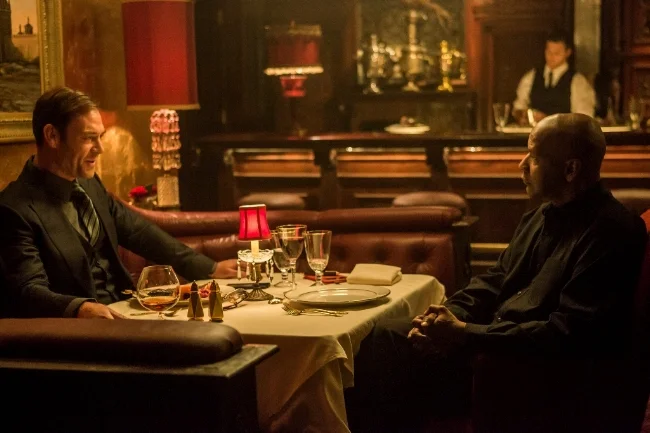
The Equalizer ends with a rather positive message and leaves scope for a further outing for Robert McCall. Overall, the film does run a little too long and could have easily lost twenty minutes or so with tighter editing, but this seems to be a common problem with contemporary cinema. However, running time notwithstanding, The Equalizer remains an above average thriller which has additional appeal to wider audiences due to the popularity of its star and the slightly more cerebral subtext to the proceedings. At present, a second instalment is in production featuring many of the original cast and crew. The Equalizer 2 is scheduled for a release on July 20th 2018.
Do Other People Spoil Multiplayer Games?
Despite its numerous flaws, I really like Friday the 13th: The Game. I enjoy the basic premise and have a great deal of love for the intellectual property. Sadly, like so many multiplayer games of this nature, its Achilles Heel is its player base. Every 20-minute round in Friday the 13th: The Game is a total lottery. Trouble often starts while waiting in the lobby for 8 people to join the game. By default, those with gaming headsets and mics are automatically “live”. Hence the garrulous inanities, trolling and abuse starts almost immediately. Thus, the first thing you have to do to make matters tolerable is to mute all those present. Once the game begins, again it’s a gamble as to whether anyone is interested in working collaboratively and actually achieving any of the in-game goals. If more than one player spawns near a building, it becomes a race to see who can plunder potential resources first. Use of the four-man vehicle can also be a bone of contention. It is not unusual to see one player abandon those that have contributed to repairing the car and just make off with it. Some players will subsequently runover their comrades just to steal their loot.
Despite its numerous flaws, I really like Friday the 13th: The Game. I enjoy the basic premise and have a great deal of love for the intellectual property. Sadly, like so many multiplayer games of this nature, its Achilles Heel is its player base. Every 20-minute round in Friday the 13th: The Game is a total lottery. Trouble often starts while waiting in the lobby for 8 people to join the game. By default, those with gaming headsets and mics are automatically “live”. Hence the garrulous inanities, trolling and abuse starts almost immediately. Thus, the first thing you have to do to make matters tolerable is to mute all those present. Once the game begins, again it’s a gamble as to whether anyone is interested in working collaboratively and actually achieving any of the in-game goals. If more than one player spawns near a building, it becomes a race to see who can plunder potential resources first. Use of the four-man vehicle can also be a bone of contention. It is not unusual to see one player abandon those that have contributed to repairing the car and just make off with it. Some players will subsequently runover their comrades just to steal their loot.
None of this is unique to just Friday the 13th: The Game. This sort of behaviour has existed for years in the FPS genre and is also common place in games such as PUBG and Overwatch. However, what concerns me is that this appears to be a growing problem. It’s a blight that spreads from game to game, forum to forum. It’s no longer something that can just be written off as a vocal minority who revel in the anonymity of the internet. Large swathes of gamers are happy to behave poorly when online so perhaps it is time to consider that “being nice” is not a universally held default position. If the politics of western society has taught us anything in recent years, it’s that the prevailing social conventions that exist are not unanimously upheld or believed in. The present backlash against the mainstream has shown that many do not want to be constrained by the status quo in other areas of their life. Emboldened and free from the “shackles” of last centuries manners, anger and distain have bled through into the mainstream. If politics, public debate and social etiquette are giving way to the lowest common denominator, why should gaming be any different?
The problem with gaming toxicity is that its seldom addressed, due to its associated cost. To effectively identify and investigate problem players in any genre of game, requires a human agency. It is time consuming and expensive. If it was something that could be administered efficiently via algorithms or cheap outsourced labour, then it would more than likely be done. It would possibly even be used as a selling point. However, at present we are just left with a problem that no one wishes to address. As a result, we have a choice to either cultivate a thick skin and endure trolls and abhorrent behaviour or rely upon what tools we have to circumnavigate such issues. Hence muting all other players by default and such like. However, rather than resolve the issue, it just normalises such behaviour. It’s a classic example of treat the symptoms, not the cause. It also fosters an attitude of distrust of others, which is paradoxical when many co-op games are dependent on other players to fulfil their remit. Furthermore, continuously encountering and enduring unpleasant players slowly leeches the enjoyment out of any game.
Unfortunately, I cannot end this post on a positive note or with a proposed solution. This problem is part of a wider change that has taken part within society. Some believe removing internet anonymity is the solution, but I think that may be a classic example of a knee-jerk solution and throwing the baby out with the bath water. Reducing rights and freedoms should always be a last resort, done under the auspices of the wise with numerous checks and balances. Sadly, the wise are ever growing minority in most western governments. Another “workaround” is to migrate to different genres of games. MMOs still have pockets of civilised players and have a reputation for cordial community relationships. But why should I have to limit myself to specific types of games, just to avoid malcontents and troublemakers? Or is there a kernel of truth in such advice.
My next point is purely a case of thinking out loud, but is there a relationship between toxicity and the kind of games that you gravitate to? I’ve heard cogent arguments that certain personality types thrive in certain professions. The morally unscrupulous and those lacking in empathy apparently do well in highly competitive business environments and the financial sector. Can the same be said about gaming? Are certain genres which revolve around competition, league tables and bragging rights effectively magnets for the emotionally maladjusted? It’s food for thought. Whatever the reasons, I do wonder if in the future, whether some games will eventually collapse under the weight of their own problem player base? Multiplayer games are dependent on social variation. A game filled exclusively with trolls does not strike me as a recipe for growth or financial success.
Star Trek Into Darkness (2013)
After a prodigious marketing campaign and a great deal of internet speculation about one specific character, Star Trek Into Darkness was released to broadly strong reviews and solid box office returns in early May 2013. Finally, all the questions that had kept fans and website pundits endlessly theorising, were answered. For a second time running, Paramount Pictures managed to produce an action-filled blockbuster which still offered a strong plot, with complex and adult themes, explored by well-rounded characters. Batman Begins seems to have set a trend of framing material from a traditional pulp background, within broader intellectual parameters. Star Trek: Into Darkness managed to do this while cleverly re-imagining iconic material from its own lore. However, as with any substantial franchise movies, not everyone was satisfied or pleased. Many fans railed against the new Kelvin Timeline and continue to do so.
After a prodigious marketing campaign and a great deal of internet speculation about one specific character, Star Trek Into Darkness was released to broadly strong reviews and solid box office returns in early May 2013. Finally, all the questions that had kept fans and website pundits endlessly theorising, were answered. For a second time running, Paramount Pictures managed to produce an action-filled blockbuster which still offered a strong plot, with complex and adult themes, explored by well-rounded characters. Batman Begins seems to have set a trend of framing material from a traditional pulp background, within broader intellectual parameters. Star Trek: Into Darkness managed to do this while cleverly re-imagining iconic material from its own lore. However, as with any substantial franchise movies, not everyone was satisfied or pleased. Many fans railed against the new Kelvin Timeline and continue to do so.
After breaking the prime directive whilst rescuing Spock (Zachary Quinto), Captain Kirk finds himself demoted to first officer and the command of the Enterprise is returned to Christopher Pike (Bruce Greenwood). A Terrorist attack by a former section 31 agent, John Harrison (Benedict Cumberbatch), sees him promptly reinstated. Yet Kirk's propensity for headstrong decisions and his obstinate refusal to accept "no win" scenarios quickly puts his crew at risk. He soon finds out that there is more to John Harrison than meets the eye. And is the new science officer, Carol Marcus (Alice Eve) the daughter of Starfleet Admiral Marcus, to be trusted?
There are strong moral themes explored in Star Trek Into Darkness. Seeing the emotional growth of Jim Kirk is very intriguing as he learns first hand that there are direct consequences to his devil may care attitude. Spock also struggles with his human and emotional heritage, but this handled in a subtly different fashion to how it has been in the past. All other major characters are given roles to explore and broadly they work. Checkov seems to come off worst in this instalment but Simon Pegg's Scotty has improved no end. The friendship that exists between the classic trilogy is strengthened remains the foundation of the story. Spock’s brief interaction with his older self is intelligently explored and as ever a highlight of the movie. His love interest works surprisingly well with Uhura (Zoe Saldana). McCoy has as ever a monopoly on dry quips and Karl Urban delivers them with aplomb. His casting is truly sublime.
It is fair to say that a familiarity with the existing canon helps in getting the most from Star Trek Into Darkness. Where The Hobbit movies diluted their source material to make them accessible to a wider audience, Star Trek Into Darkness does the opposite and is aimed squarely at fans first. Although Benedict Cumberbatch fairs well as Khan there should have been a further exposition of the importance of character and his place in History. As it is, the situation does lead to some gaps the plot. Also references to Section 31 and its significance are glossed over. Perhaps, like so many movies these days, the narrative was pruned to accommodate a focus on action. There are certainly lines in all three trailers that are not in the final cut of the movie.
I believe the movies greatest asset is its ability to turn existing lore completely on its head, yet it does so in a manner that isn't disrespectful or undermines it. Towards the end of Star Trek Into Darkness the plot parallels some very iconic scenes from Star Trek II: The Wrath of Khan. Yet because we know what happened in that context, it cannot be replicated in this new time stream. Writers Roberto Orci, Alex Kurtzman and Damon Lindelof manage to come up with an innovative new spin on proceedings. They succeed in raising a wry smile and touching an emotional nerve simultaneously. It is this approach along with the traditional focus on character and story that elevates this second movie above standard multiplex fare.
It would be wrong of me not to mention Michael Giacchino's score, which is exceptionally good. The main theme that was introduced in the 2009 movie is back and works well with multiple arrangements. It stands on its own two feet and is the equal of Jerry Goldsmith's classic motif. It is also beautifully interwoven with Alexander Courage's original Star Trek theme over the end credits. The piano piece London Calling, played during the introduction of Thomas Harewood (Noel Clarke) and his sick child, is beautiful and underpins the silent montage perfectly. This is how cinematic scoring should be done and demonstrates its clear contribution to the movie.
For those looking forward to a major Klingon subplot, there may be some disappointment. Their involvement with the proceedings is brief but action packed. They have also been subject to a makeover of their traditional iconic appearance. It is changes such this as well as alterations to the Enterprise's design that purists balk at. The fact that director J. J. Abrams does not claim to be a fully-fledged fan boy but simply has a grounded appreciation of the franchise, has both positive and negative aspects to it. It gives him freedom to experiment but the potential to tread on toes as well. Yet all these matters of debate are mainly window dressing for core fans to argue over. Overall, I do not think any harm was been done to the central themes we expect from Star Trek.





![Star Trek Discovery S01E01 The Vulcan Hello.mkv_snapshot_07.19_[2017.09.25_17.54.13].jpg](https://images.squarespace-cdn.com/content/v1/54e310f0e4b0f4a6ba3ac899/1506359625650-D976K1OBW47HSSSFN2S2/Star+Trek+Discovery+S01E01+The+Vulcan+Hello.mkv_snapshot_07.19_%5B2017.09.25_17.54.13%5D.jpg)



Star Trek (2009)
The reinvention of any popular franchise certainly comes with many risks. Twelve years ago, Casino Royale was hailed as a triumph in rebooting the 007 brand. It was hard edged, back to basics movie that made the spy genre relevant to a contemporary audience, without diluting its source material excessively. Yet this process went a step too far with Quantum of Solace, with a film that simply didn't feel Bond enough. Needless to say, the rights holders corrected this error. The success of the BBC's relaunch of Doctor Who hinged on making the formula accessible to modern viewers. Yet the new format of standalone episodes, celebrity guest stars and an emphasis on action over story, can be difficult to maintain and requires the involvement of top writers to keep the momentum going. Then of course there are the fans.
The reinvention of any popular franchise certainly comes with many risks. Twelve years ago, Casino Royale was hailed as a triumph in rebooting the 007 brand. It was hard edged, back to basics movie that made the spy genre relevant to a contemporary audience, without diluting its source material excessively. Yet this process went a step too far with Quantum of Solace, with a film that simply didn't feel Bond enough. Needless to say, the rights holders corrected this error. The success of the BBC's relaunch of Doctor Who hinged on making the formula accessible to modern viewers. Yet the new format of standalone episodes, celebrity guest stars and an emphasis on action over story, can be difficult to maintain and requires the involvement of top writers to keep the momentum going. Then of course there are the fans.
Considering these points, the 2009 reboot of the Star Trek franchise was a substantial risk. Yet a recent third viewing has verified my initial assessment of a job well done. I personally thought that writers Roberto Orci and Alex Kurtzman, were quite inventive in finding a way to circumnavigate the enormous wealth of existing lore and sundry baggage associated with the iconic franchise. The alternative time line concept certainly allows future sequels to wipe the slate clean if they so choose. Yet reinventing the wheel can be a double-edged sword and although purist fans do not determine the box office success of a movie, they can prove to be a very vocal and negative group to deal with. Hence despite a worldwide gross of $385,680,446 and broad mainstream critical approval, Star Trek has a clear group of detractors.
J.J. Abram certainly succeeded in casting actors that do more than just mimic the performances of the original series. The cast find the right balance between homage to the original cast and defining their own roles and making their own mark. This aspect of the production seems the least disputed and has managed to satisfy a lot of fans expectations. I personally felt that Karl Urban's Leornard "Bones"McCoy, was perhaps the most successful performance getting the tone exactly right. Zachary Quinto was a solid match fro Spock and I could not fault his interpretation of the role. However, the late Leonard Nimoy still remains the focus of every scene he is in. I don't know if it because the man and the character have become so interwoven, or because Spock is simply one of the most intriguing, well written and iconic fictional creations of the last forty years.
One of the outstanding aspects of the previous films in the franchise has been the superb scores, by such great composers as Jerry Goldsmith and James Horner. Michael Giacchino new soundtrack is bold and different but compliments the film exceptionally. He defies the obvious pitfall of utilising Alexander Courage's iconic original theme, too frequently in the movie and chooses to use it at the end. His new main theme is both dignified and portentous. It reinforces the sense of starting anew. The audio design for the entire film is very modern, yet veteran sound engineer Ben Burt still managed to ensure that certain aspects maintained a retro quality.
Star Trek is an integral part of popular culture and it its remarkable that the franchise has been revived so successfully, when you consider how much scope there was to get it wrong. However, the frenetic style of modern cinema is quite evident and the there’s predilection towards resolving conflicts by violence, which potentially flies in the face of Gene Roddenberry's original ideology. But the underlying theme of relationships, friendships, discovering ourselves though others and finding our place in the world still remain. I'm sure in the weeks to come the internet will be filled with information, dissections and pondering over the latest entry in the series, currently being developed by Quentin Tarantino. In the meantime, I am very pleased that something I have always enjoyed has so far been treated with respect and has remained thoroughly entertaining.
Player Created Content
Seven years ago, Cryptic Studios released the Foundry toolset for players of Star Trek Online. The software is used to create custom missions, which are then submitted to a database for the community to review. Needless to say, over the years hundreds of new bespoke missions have been created. Despite concerns, the overall quality of content has been very high. Popular and notable creations are now showcased by Cryptic. A sensible ruleset has ensured that poor quality, lore-breaking or exploitative material is filtered out or prevented. Broadly this this works and works well, adding a great deal of new content to the game and effectively extending the life cycle of the MMO. The Foundry system can also be found in Cryptic’ other MMO, Neverwinter, where it has met with similar success.
Seven years ago, Cryptic Studios released the Foundry toolset for players of Star Trek Online. The software is used to create custom missions, which are then submitted to a database for the community to review. Needless to say, over the years hundreds of new bespoke missions have been created. Despite concerns, the overall quality of content has been very high. Popular and notable creations are now showcased by Cryptic. A sensible ruleset has ensured that poor quality, lore-breaking or exploitative material is filtered out or prevented. Broadly this this works and works well, adding a great deal of new content to the game and effectively extending the life cycle of the MMO. The Foundry system can also be found in Cryptic’ other MMO, Neverwinter, where it has met with similar success.
This is not a new idea and many games in the past have had the capacity for players to edit and create material themselves. Some of the best content for Unreal Tournament was created by its fans. Superhero MMO City of Heroes had a comparable editor called the Mission Architect. Users apparently created more quests on its launch date, than the development team had in five years. Needless to say, such facilities do have a positive proven track record with certain games. Then there is there are add-ons and UI customisations that many RPGs and MMOs support. The Elder Scrolls Online is quite challenging to play unless the player adds various mods that customise the interface and improve systems management. At the very least, players will often seek to customise the HUD of whatever game they are playing. LUA scripting facilitates this and subsequently, you’ll often see a great variety of UIs when watching Twitch streams of games such as WoW or LOTRO.
Now of course there are some who will argue that this is nothing more than the gaming community doing the game developers job for them. However, when it comes to systems such as The Foundry, who better than gamers themselves to know and produce, exactly the right sort of content that they require? Concerns over quality control have been addressed over the years and what actually makes it to the live game is often very well written and paced. I certainly think that this degree of player involvement can certainly extend the lifespan of a game. Is not the most common complaint levelled at any MMO, the lack of regular new content? Therefore, is not player created content a potential solution?
Sadly, this is not a binary question. The use of player created content has a multitude of consequences. There are issues of copyright, ownership and other legal issues to consider. It is more than likely that these are currently weighted in favour of the developers and publishers at present. Then there is the financial side of things to consider. Allowing players to create content may be beneficial in attracting a new audience but will it generate sufficient revenue? Some may suggest charging for player created content but that has proven a PR disaster in the past. Then of course there are differing types of player created content. For example, LOTRO has a community that regularly organises its own events and social gatherings. It’s a process that runs mainly on goodwill. Yet to try and formalise or monetise such activities would be difficult and potentially disastrous.
With the MMO market becoming extremely competitive and “live services” emerging as the latest industry buzzword, it will be interesting to see if there will be a wider flirtation with player created content. Putting aside morals and ethics and looking at things from a purely business perspective, the idea of players making game content that can then be sold back to them is surely an appealing concept. The only obstacles that logically stand in the way are ones of marketing and PR. Landmark experimented with something of this kind before it was closed, and it would be fascinating to see what the internal memos had to say about the experience. But the games industry is reticent to risk another debacle such as the one caused by Star Wars: Battlefront II. For the meantime, I suspect that player generated content will remain as it is in games such as STO and Neverwinter. But if we have learned anything from contemporary society it is that nothing is truly off the table.
This is Why We Can't Have Nice Things
"This is why we can't have nice things" is a well-established internet meme. Over time it has been over used and has become a bit of a cliché. Yet under certain conditions it can still be utilised in a pertinent fashion to make a salient point. Recently, something somewhat innocuous and trivial occurred that caused me to recollect this saying. The incident itself is not of any major importance but it resulted in me realising that this sort of thing happens more and more often these days. Allow me to explain myself. I like many of you frequent a few forums and subreddits. On one particular site, a thread was derailed by someone who decided to just simply name call. Nothing unusual there I hear you say. But for me personally, it was one time too many. Name calling serves no purpose in an adult debate, so I decided to point this out. Eventually, the problem post was removed as there were others that thought that such behaviour was crass. However, the person in question who posted the remark, would not concede the point in any way shape or form. They either did not want to or what was more likely, were totally incapable of comprehending their own transgression.
"This is why we can't have nice things" is a well-established internet meme. Over time it has been over used and has become a bit of a cliché. Yet under certain conditions it can still be utilised in a pertinent fashion to make a salient point. Recently, something somewhat innocuous and trivial occurred that caused me to recollect this saying. The incident itself is not of any major importance but it resulted in me realising that this sort of thing happens more and more often these days. Allow me to explain myself. I like many of you frequent a few forums and subreddits. On one particular site, a thread was derailed by someone who decided to just simply name call. Nothing unusual there I hear you say. But for me personally, it was one time too many. Name calling serves no purpose in an adult debate, so I decided to point this out. Eventually, the problem post was removed as there were others that thought that such behaviour was crass. However, the person in question who posted the remark, would not concede the point in any way shape or form. They either did not want to or what was more likely, were totally incapable of comprehending their own transgression.
Whether they were trolling, or utterly convinced of the certainty of their position remains unknown. As they were only sanctioned and not banned, they will no doubt continue to pursue their "unique style" of social interaction. I am left considering whether I wish to continue to participate in such an environment. Hence my recourse to the titular meme, because this always seems to be the pattern. It appears that any medium that is designed for social interaction is eventually usurped by the lowest common denominator. Furthermore, the problem elements who often cause these problems are sufficiently savvy to keep within the rules (although they are often a moderator’s nightmare), thus remaining relatively unassailable.
Now I'm sure we've all experienced this sort of behaviour in some shape or form, during our excursions online. It’s quite common place. Here are a few examples of the usual sort of tactics that are used to derail or hijack any conversation:
- Straw man and Ad hominen arguments. Pretty much the oldest two tricks in the book. Argue against something that wasn't said or attack the person to discredit their opinions or position.
- Gaslighting.
- Whataboutery.
- Grammar Nazis. If you can't win an argument then why not criticise someone's spelling. A classic act of misdirection.
- The Wall of Text. This is often done by minutely dissecting a previous post and is a tool designed to wear an opponent down. If the wall of text is not replied to in kind, a victory is claim by default.
- "Freedom of speech". This nebulous ideological concept (which so often erroneously interpreted) is the "get out of jail card" of choice for many online malcontents. Allegedly it affords people the right to be racist, sexist, and pretty much any other sort of "ist" that you can name. Sometimes it is seen as a justification to simply be bellicose and ill mannered, affording the individual the option to abdicate from normal social conventions.
For those who would like to explore further examples of these esoteric arts, try the following links. How to Win Online Arguments and The Subtle Art of Trolling. Also checkout Graham's Hierarchy of Disagreement. It seems that there is little scope for a civilised debate and social interaction anywhere on the internet these days. In researching this post, I picked three random articles that were linked on Twitter and read their respective comments section. All descended into chaos within a short period of time. Furthermore, this seems to be the standard mode of debate in all walks of life these days. TV shows and news channels seem to favour it, as does the press. Politics has fully embraced the Punch and Judy approach to public discourse. It no longer seems to be about having an intelligent debate. Now it's simply about shouting someone down, not blinking while lying through your teeth and revelling in the perceived glory of your victory. All of which is far easier than having a proper discussion based around critical thinking and decorum, because that obviously takes too much effort and more importantly skill.
So, what do people such as you and I do about this problem? Well it would appear the common solution is to simply withdraw. Thus, we see forums and websites become havens for trolls and gain the label "toxic". Just go and look at the small cadre of malcontents on the LBC website. It’s a sad reality of modern life that regular people frequently have to manage their affairs around avoiding problems and conflict, rather than the problems and troublemakers being dealt with. Yet withdrawing is ultimately counterproductive. So what can we do. Well rather than wade in and make a potential slanging match worse, why not simply use the facilities that are in place? Use the moderation procedures that are available to you. If you are unhappy with the way a debate is being conducted, then flag it for moderation and give cogent and succinct reasons as to why you have done so. Encourage other users to do so. However, this doesn’t guarantee results. Moderation comes with a cost attached and thus often gets neglected. If that’s the case, then escalate matter further up the chain of command. Email the owners, or domain holders. Complain publicly via Twitter. Negative publicity can often attract attention.
If you find yourself in a situation where you write or provide a forum or subreddit, then it is essential to have a clear policy with regard to comments and interaction. I take a fairly liberal approach to policing comments on Contains Moderate Peril and often allow the crass and trolling posts to remain, as their stupidity is often self-evident. Occasionally I will delete a comment if it is simply of no value. As it is my site I reserve the right to determine exactly what the definition of "value" is. I would again encourage others to do the same regardless of what platform they are maintaining. Decide your rules, be clear about them and enforce them rigorously. You are not obliged to have an "off topic" channel on your Discord server if you don’t want one. If you do, then enforce an adherence to standards of behaviour that are commonly held.
It is very difficult to counter the negative effects that alleged internet anonymity generates. Broadly speaking freedom means we have to endure a degree of unpalatable behaviour and that it is the price that we pay for liberty. However, I see no reason not to attempt to re-educate those who troll and rile. We should more often use the existing procedures to sanction problem individuals and re-iterate the fact that there are consequences to certain actions. In some respects, it is similar to the recent debate had in the UK regarding regulation of the press. It was argued that there are sufficient rules in place at present that can deal with transgressions without the need for further legislation. The current rules just need to be enforced. The same is applicable to Twitter. Prosecute those that breech the current laws with regard to threat and libel. As for general bad behaviour, the responsibility lies with you and I to state are displeasure.
I am very interested at present with the way that some games developers are dealing with this problem. Community decisions on a troll’s punishment, temporary exile of problems players to specific servers and other sanctions do seem to have an impact. It would seem attempted rehabilitation is a more beneficial approach to simply banning. Perhaps this is the future and a way to stop the spread of the rot. Hopefully these methods can be brought to bear on other mediums and platforms. The first step on this road is for regular folk to remain robust, express their displeasure and not to withdraw. I know that’s hard and a big ask. But the only truly effective way to counter bad ideas and ideologies is to tackle them head on. No-platforming simply doesn’t work. Stupidity should be exposed and ridiculed. You don’t have to be like Peter Tatchell and fight every battle. But calling someone out who says something racist or such like, helps reinforce the notion that some behaviour in not acceptable. It’s the weight of all the smaller battles that often eventually tip the scales.
But it takes time for things to change. It’s not going to happen overnight. Technology, human behaviour, and ethics have not kept in step with each other. The law is also lagging behid in some areas. However, if we're persistant, then we will be able to bring about change. During the seventies, there started i the UK, a long campaign against drinking and driving. By the mid-nineties the message finally got traction and the culture begin to shift accordingly. I believe if we take a similar long-term approach with social media can "have nice things" eventually. It may not ever be perfect but hopefully it can be better than it is now. Because the alternative simply doesn’t bear thinking about. Therein lies madness.












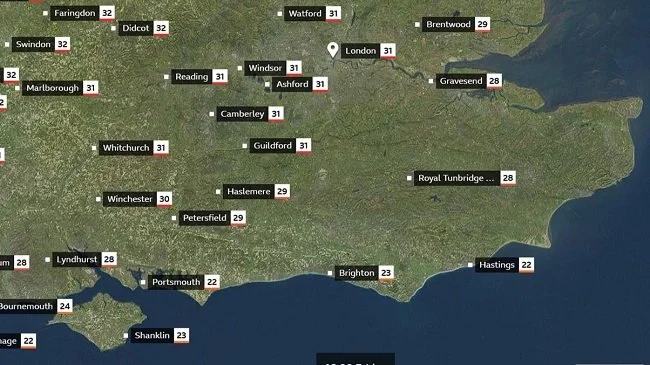







Diary of a Podcaster Part 13
I made a hard decision today. I cancelled my Podbean subscription and have effectively closed the Contains Moderate Peril podcast. Despite relaunching the show last September, I simply haven’t had the time to collate content for discussion or organise recording sessions with co-hosts. Hence, we are now two months into 2018 and a new show has not yet been produced. Furthermore, the listener numbers for the episode posted between September and December last year were disappointing. Upon mature reflection, I have reached the conclusion that the podcast peaked in 2014 when we had a strong and established audience. Rather than chase my own tail trying to recapture something that may well have been a product of circumstance, it seems prudent to finally draw a line under this show. I’m a little sad about this situation, as it does feel like the end of a personal era, but it is time to move on.
I made a hard decision today. I cancelled my Podbean subscription and have effectively closed the Contains Moderate Peril podcast. Despite relaunching the show last September, I simply haven’t had the time to collate content for discussion or organise recording sessions with co-hosts. Hence, we are now two months into 2018 and a new show has not yet been produced. Furthermore, the listener numbers for the episode posted between September and December last year were disappointing. Upon mature reflection, I have reached the conclusion that the podcast peaked in 2014 when we had a strong and established audience. Rather than chase my own tail trying to recapture something that may well have been a product of circumstance, it seems prudent to finally draw a line under this show. I’m a little sad about this situation, as it does feel like the end of a personal era, but it is time to move on.
Although I am done with the Contains Moderate Peril podcast, this doesn’t mean that I’m done with podcasting. It does however present me with a particular conundrum to solve. I am still very keen on participating in a weekly show. I feel that I can contribute on a multitude of subjects and can bring a lot of podcasting experience to any show. The thing is I don’t want to be involved on the production side of things anymore. I’ve been podcasting for over a decade and have always been responsible for the editing and other aspects of post-production during that time. It has often been a labour of love, monopolising hours of time. I now want to just contribute towards a show. Just turn up when required, participate in the recording and then go. So, for the present, I’m actively looking for a regular slot on someone else’s show. Ironically this is how I got into podcasting in the first place. I contacted Brian back in 2009 and effectively invited myself onto his show, Mordor or Bust. Perhaps I can do the same again.
In the meantime, as I’ve cancelled the hosting package I had with Podbean, it’s only a matter of time before all the previously published shows become unavailable. I have a sneaking suspicion that this may happen sooner, rather than later. As I think it’s unprofessional to have a page of dead links, I may republish directly to the blog, some of what I consider to be the best episodes of both Contains Moderate Peril and The Burton & Scrooge Podcast. Although I don’t think there’s a major audience for these, I feel that there should be some representation of what amounts to a decade worth or work. Whether people deem them good or bad, I, Brian and sundry guests put a lot of love into each episode. Plus, if I intend to hawk my services as a podcaster to others, then it is practical to have some proof of credentials. So, if anyone is looking for a mature and seasoned podcaster to contribute to their show, let me know. I’m looking for a new podcasting home.







Movie Trivia: The Square Song
Steven Spielberg's Close Encounters of The Third Kind is not only a cinematic landmark in science fiction cinema, but a well-crafted exploration of man's compulsion to solve the mysteries of the universe. It is founded on a very seventies notion that there are concepts, ideals and aspirations that are greater than our individual need and that are worth pursuing regardless of any personal sacrifice required. In this instance the film ends with the lead character, Roy Neary (Richard Dreyfuss) happily abandoning his family and the life he has, for the opportunity to be part of something unique and greater than himself. Hence, at the iconic movies climax we see him board the mothership and leave with the aliens. It is a bold and challenging philosophical stance. One that Spielberg has stated he would not now champion, as a father.
Steven Spielberg's Close Encounters of The Third Kind is not only a cinematic landmark in science fiction cinema, but a well-crafted exploration of man's compulsion to solve the mysteries of the universe. It is founded on a very seventies notion that there are concepts, ideals and aspirations that are greater than our individual need and that are worth pursuing regardless of any personal sacrifice required. In this instance the film ends with the lead character, Roy Neary (Richard Dreyfuss) happily abandoning his family and the life he has, for the opportunity to be part of something unique and greater than himself. Hence, at the iconic movies climax we see him board the mothership and leave with the aliens. It is a bold and challenging philosophical stance. One that Spielberg has stated he would not now champion, as a father.
However, I would like to focus on another aspect of the film that has equal gravitas and thematic relevance but has often been neglected by critics and film historians. The specific sequence occurs when child actor, Cary Guffey, is woken at night when all of his toys mysteriously turn themselves on due to the aliens’ electro-magnetic field. Next to his bed is a record player that starts playing "The Square Song". The inclusion of this children’s’ record is this subtle addition to the unfolding events that adds an element of cognitive dissonance to the proceedings. The song which extols the virtues of rational and logical reasoning is juxtaposed against a series of events that defying such quantification. I’m sure that director Steven Spielberg deliberately added this audio embellishment to the scene to heighten the audiences growing sense of unease. It is most unfortunate for viewers that suffer from both xenophobia and squarephobia.
The song itself is a cover version of an original composition, taken from the children's educational TV show, Seasame Street. The version featured in Close Encounters of The Third Kind is by The Pickwick Children's Chorus and was from the album “Sesame Street & Other Children's Pop Hits!” (1970). Sadly, this album is now out of print and the song also doesn’t appear on any version of the movie soundtrack, which is a gross omission. It’s a shame because the cunning use of what is at first glance, just an inconsequential children’s ditty, is in fact another example of the layers of irony and duality that director Spielberg imbues the film with. It should be noted that outside of the context of the film, "The Square Song" is a very powerful piece of work in its own right. I personally have dramatically improved by identification of squares since first listening to it and am no longer mislead by any damn fool rectangle. So here for both your enjoyment and edification is the song presented in its entirety.
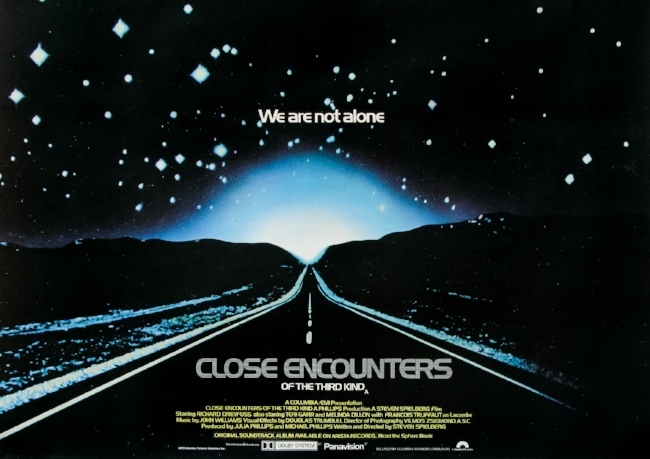
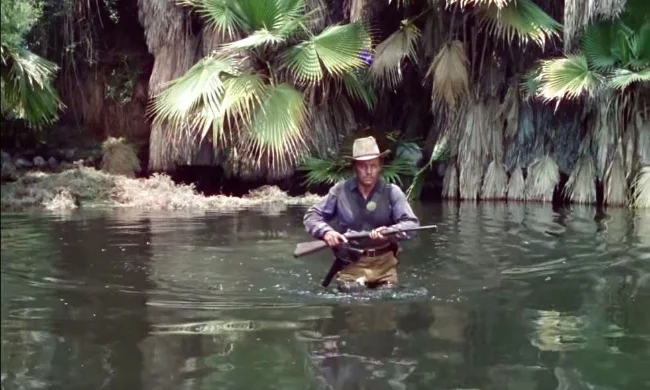
The Dilemma of Skill Points
This post stems from an issue that came up recently while progressing through The Elder Scrolls Online. However, similar situations have occurred in other MMOs that I’ve played over the years. Most games of this genre have a standard mechanic in which the player is awarded skill points as they level up through the game. These points are subsequently spent unlocking new abilities or improving existing skills. Often there are a finite amount of skill points to earn in the game. Naturally, at some point, even the most casual MMO player will have to consider how they intend to spend their skills points, because they do have an impact upon your build. That is the entire point of the skills point mechanic. You customise your skills according to how you play and what type of build you wish to achieve. More often than not, the new player who is still at a relatively low level, will simply read what abilities can be unlocked and make an intuitive choice. At this stage, putting a few skill points into health, stamina, or increasing your DPS seems a sensible choice.
This post stems from an issue that came up recently while progressing through The Elder Scrolls Online. However, similar situations have occurred in other MMOs that I’ve played over the years. Most games of this genre have a standard mechanic in which the player is awarded skill points as they level up through the game. These points are subsequently spent unlocking new abilities or improving existing skills. Often there are a finite amount of skill points to earn in the game. Naturally, at some point, even the most casual MMO player will have to consider how they intend to spend their skills points, because they do have an impact upon your build. That is the entire point of the skills point mechanic. You customise your skills according to how you play and what type of build you wish to achieve. More often than not, the new player who is still at a relatively low level, will simply read what abilities can be unlocked and make an intuitive choice. At this stage, putting a few skill points into health, stamina, or increasing your DPS seems a sensible choice.
But then there reaches a point in the game, where you find yourself hoarding a lot of skills points and faced with a multitude of options. Suddenly, its no longer simple. Unless you have a very clear idea about how you intend to develop your build, it becomes a very confusing prospect. Do you put points into flower arranging, so you can increase you Lupin attack, or do you go for heavy embroidery? The fear is that you’ll make the wrong choice and gimp yourself, further down the line. Now most MMOs have a system in which you can refund skill points, should you require to change your allocation. However, this often involves a significant expenditure of in-game currency or worse still, a purchase from the cash shop. As a result, this potentially punitive system will often dissuade players from experimenting. This was certainly the case with me recently, while I was levelling through ESO. I also had a similar experience in STO when the revised the skill tree system was introduced. The only MMO that I currently play that allows a greater degree of choice is LOTRO. By default, the game offers three skill point slots, allowing you to create bespoke builds to swap between.
Now, the easiest resolution to this dilemma is to find a specific build online and to slavishly copy it. I have done this myself both with STO and ESO, but I resent it on some level. Yes, it is quick and easy solution, but it is also robbing the player of the opportunity to learn and experiment in the game. And buying gating the ability to reset your skill points behind some sort of financial penalty, the developers are contributing to creating a culture of risk aversion among players. Don’t get me wrong, I’m not advocating turning an MMO into a job and I am not a fan of having to watch hours of videos to discover the esoteric intricacies of a game (yes, I’m looking at you ESO). However, it is beneficial to allow the player to experiment within reason, without imposing a penalty for the luxury of change. Hence, I believe that the LOTRO option of having three skill points slots is an equitable compromise.
Choice is always a good thing but there’s also a wise old adage about having “too much of a good thing”. Games such as MMOs need to encourage the player to try different builds and embrace experimentation. However, I appreciate that this is a fine line to tread. If you offer too much assistance, then it’s only a matter of time before the usual suspects throw their toys out of the pram, claim that everything is being dumbed down and that their life has once again “been ruined”. I think that this “dilemma” as I’ve described, is just a symptom of a wider problem associated with the MMO genre. That of providing optional information, advice and suggestions to the player, so they can get the most out of the game. Few games have adequate tutorials and “tip” systems. However, that is another blog post altogether (insert Airplane gag here). Returning to ESO, I must applaud ZeniMax for including their Skills Advisor system in the last patch. It provides exactly the sort of broad guidance I was looking for. Other MMOs please take note.