
Classic Movie Themes: Star Trek II The Wrath of Khan
James Horner was a prolific, yet consistently good composer with a broad range of styles. Consider his score for 48 Hrs with its Jazz under currents and then compare it to his grand swashbuckling approach to Krull. They are radically different soundtracks, but both are extremely effective in embellishing their respective motion pictures. That was James Horner great talent. He knew when to be theatrical and bombastic but could also dial it back and be subtle, gentle and delicate. It made his body of work very diverse and memorable.
James Horner, although possessing a very broad and eclectic musical range, was in many respects a very traditional composer. He was certainly au fait with works of such giants as Miklós Rózsa, Korngold and Bernard Herrmann and it often manifested itself in his music through his use of the leitmotif. Perhaps the reason James Horner was so consistently good and crafted so many outstanding pieces of music, is because he never saw his profession as just a means to an end. As he said in an interview once, “I don’t look at this as just a job. I see music as art”.
James Horner was a prolific, yet consistently good composer with a broad range of styles. Consider his score for 48 Hrs with its Jazz under currents and then compare it to his grand swashbuckling approach to Krull. They are radically different soundtracks, but both are extremely effective in embellishing their respective motion pictures. That was James Horner great talent. He knew when to be theatrical and bombastic but could also dial it back and be subtle, gentle and delicate. It made his body of work very diverse and memorable.
James Horner, although possessing a very broad and eclectic musical range, was in many respects a very traditional composer. He was certainly au fait with works of such giants as Miklós Rózsa, Korngold and Bernard Herrmann and it often manifested itself in his music through his use of the leitmotif. Perhaps the reason James Horner was so consistently good and crafted so many outstanding pieces of music, is because he never saw his profession as just a means to an end. As he said in an interview once, “I don’t look at this as just a job. I see music as art”.
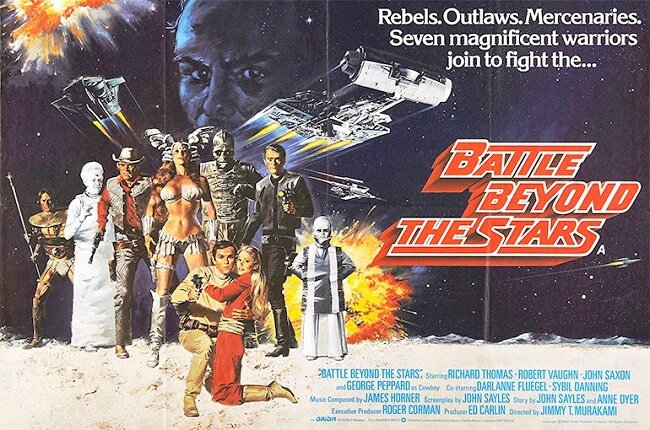
James Horner was very much part of my cinematic youth, having written the soundtracks for many of my favourite movies. I first encountered his work when I saw Battle Beyond the Stars and was immediately captivated by its bold and brass driven title theme. It was this particular soundtrack that brought him to the attention of Paramount Studios and led to him composing his seminal score for Star Trek II: The Wrath of Khan with its graceful nautical themes. The film's director Nicholas Meyer famously quipped that Horner had been hired because the studio couldn't afford to use the first film's composer Jerry Goldsmith again. By the time Meyer returned to the franchise with Star Trek VI: The Undiscovered Country, the director found that he couldn't afford Horner either.



Shout at the Devil (1976)
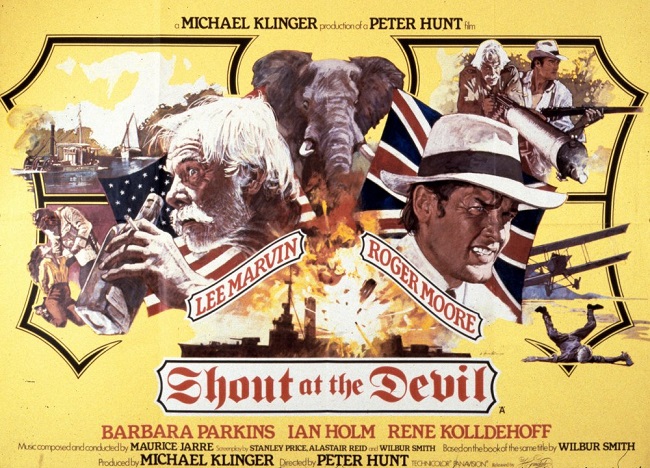
Adapted from the novel by Wilbur Smith, Shout at the Devil is the sort of big budget, sprawling, period set high adventure movie that has fallen out of vogue in recent decades. Its main attraction are its stars, location and robust action scenes. Crafted by former Bond director and long-time editor Peter Hunt, this is a full on, no nonsense character driven drama of the kind that were common place during the seventies. Sometimes the enormity of these sorts of productions meant that something suffered by omission. Be it a weak script, excessive set pieces or too many cameos by an all-star cast. Shout at the Devil broadly manages to avoid such pitfalls. There is however a notable tonal shift in the story about halfway through the film, which does take events in a different direction.
Adapted from the novel by Wilbur Smith, Shout at the Devil is the sort of big budget, sprawling, period set high adventure movie that has fallen out of vogue in recent decades. Its main attraction are its stars, location and robust action scenes. Crafted by former Bond director and long-time editor Peter Hunt, this is a full on, no nonsense character driven drama of the kind that were common place during the seventies. Sometimes the enormity of these sorts of productions meant that something suffered by omission. Be it a weak script, excessive set pieces or too many cameos by an all-star cast. Shout at the Devil broadly manages to avoid such pitfalls. There is however a notable tonal shift in the story about halfway through the film, which does take events in a different direction.
Set in East Africa in 1913 prior to WWI, Flynn O’Flynn (Lee Marvin) is a disreputable American of Irish descent exploiting the “riches” of the African continent. A poacher of ivory and a shameless con man, Flynn and his mute right-hand man Mohammed (Ian Holm) coerce an English Gentleman Sebastian Oldsmith (Roger Moore), into becoming a partner in their ivy poaching trade. This takes them into German colonial territory where they run afoul of Commander Fleischer (Rene Kolldehoff). Barely escaping they return to Flynn’s comfortable lodge located in the African bush. Sebastian meets and falls in love with Flynn’s daughter Rosa (Barbara Parkins) and the two marry and have a baby. The poaching continues but when war breaks out, Fleischer is granted unlimited local power and seeks revenge upon Flynn and Sebastian. He raids Flynn’s lodge but when he finds both Flynn and Sebastian absent, his troops massacre the staff and kill Rosa’s child. Devastated by events Flynn, Sebastian and Rosa undertake guerrilla missions on behalf of British navy. They discover that a German war ship is being hidden in the region and that it is being repaired before returning to sea. Furthermore, they learn that the work is being over seen by Fleischer, providing them with an opportunity for retribution.
The international version of Shout at the Devil has a running time of 150 minutes. This version restores a half hour of footage removed from the American theatrical release. The movie is well paced and has a clear narrative arc. Michael Reed's cinematography is sumptuous and makes the most of African locations. Maurice Jarre's score is suitably rousing and very much of its time. There is also some exceeding good miniature work by Derek Meddings who recreates a very convincing German Battleship. There is also genuine on-screen chemistry between Roger Moore and Lee Marvin. Moore plays straight man to Marvin's scenery-chewing character and the movie has a very jovial light-hearted tone initially. The first raid into German territory depicts the German Commander as a bumbling fool. Yet when Fleischer seeks revenge the plot takes a far more sinister and violent turn. The killing of a child is quite jarring, although far from graphic. The action scenes that follow also ramp up the casual violence. One notable scene has sheet steel being hauled across the savannah on wagons by dozens of native levy troops. In the ensuing gun battle, the wagons crush several people and sliding plate steel decapitates one unfortunate individual.
Shout at the Devil was shot in between The Man with the Golden Gun and The Spy Who Loved Me and boasts a great deal of talent from the Bond franchise. Peter Hunt had edited the early Bond films and directed On Her Majesty's Secret Service. Although Roger Moore and Peter Hunt had never worked on a 007 film together, Moore did star in Hunt's previous adventure film Gold. Other Bond veterans involved in the production were main titles designer Maurice Binder, cinematographer Michael Reed and camera operators Alec Mills and Alan Hume. The movie has a very authentic quality due to the bulk of the production being shot on location. Sadly, this authenticity also extends to the poaching scene. Although no animals were directly harmed during the production, the film does use footage of a genuine elephant hunt and it proves hard to watch for those with modern sensibilities. Also, Caucasian actors playing other ethnicities is anachronistic.
One of the marked differences between modern movies and those from the sixties and seventies, is that contemporary films are often made to a specific rating. Hence every aspect of the film be it themes, dialogue, sex and violence are contrived in advance to be in accord with this. A movie such as Shout at the Devil would be pitched at a broad audience upon its release and would often veer from one idiom to another to accommodate different tastes. Hence you get a comedy fist fight or a humorous scene in which the local natives plead poverty to avoid paying taxes. And if the screenplay required it then you would quickly find yourself dealing with much heavier and dramatic adult themes, which in this case means infanticide, trauma and revenge. I’m not saying it doesn’t work or that it’s a deal breaker, but it is quite a noticeable change to the contained and measured approach of modern PG-13 rated movies.
Shout at the Devil is both an entertaining movie and a snapshot of the British film industry of the times. Elements of the production have dated and have to be judge contextually, if you don’t wish to balk at them. Any film based in twentieth century colonial history is naturally going to be challenging with respect to subjects such a racism and exploitation. Yet on the plus side, the movie does feature two genuine film greats at the height of their careers and their performances do much to carry the story. The films “broad church” approach means that its not stayed or safe and it has capacity to surprise when it decides to become darker. So, if you want an old school adventure movie with an epic scope and explosive climax, along with all the baggage from the era when it was made, then Shout at the Devil has it in spades. Just ensure that you see the international cut of the film in high definition to fully do the production justice.







The Last Hunter (1980)
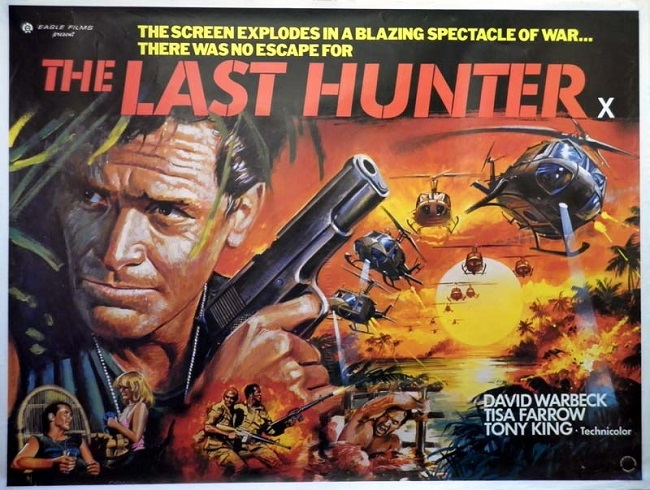
There are many films about war. There are many films about the Vietnam war. A few have transcended mere historical depiction and managed to capture the utter horror and political insanity of the situation, along with the tragic human cost. And then there are those which simply seek to use the setting as a vehicle for an exploitation movie, in the hope of making a fast buck. The Last Hunter (L'ultimo cacciatore) falls firmly into the second camp. This Italian "macaroni combat" movie (yes, I didn’t know that’s a thing either) offers a straight forward tale of an incursion behind enemy lines by an officer charged with destroying a radio transmitter, broadcasting anti-US propaganda. It is violent, action packed and surprisingly honest about what sort of film it is. You’ll find no pretentious philosophical musings here. Just explosions, rotting corpses and Viet Cong booby traps.
There are many films about war. There are many films about the Vietnam war. A few have transcended mere historical depiction and managed to capture the utter horror and political insanity of the situation, along with the tragic human cost. And then there are those which simply seek to use the setting as a vehicle for an exploitation movie, in the hope of making a fast buck. The Last Hunter (L'ultimo cacciatore) falls firmly into the second camp. This Italian "macaroni combat" movie (yes, I didn’t know that’s a thing either) offers a straight forward tale of an incursion behind enemy lines by an officer charged with destroying a radio transmitter, broadcasting anti-US propaganda. It is violent, action packed and surprisingly honest about what sort of film it is. You’ll find no pretentious philosophical musings here. Just explosions, rotting corpses and Viet Cong booby traps.
Directed by veteran Italian film maker Antonio Margheriti (and billed as Anthony Dawson on English language prints), The Last Hunter is a well-made (by Italian cash-in genre standards) exploitation war movie, with a solid international cast and good action set pieces. Margheriti had a background in miniature effects and the film features several scenes of this kind, such as the rail yard bombing at the start and the jungle cave demolition in the films second act. The dialogue is functional (and all dubbed in post-production like so many Italian movies of this kind) and the story efficiently moves the actors from set piece to set piece. There’s even the bonus of a minor twist in the movies climax. David Warbeck is suitably grizzled and burnt out as Captain Morris and Tisa Farrow fills the roll of the “plucky news reporter” embedded with the unit. There’s also wise cracking banter between Tony King and Bobby Rhodes as the units African-American representation. Connoisseurs of eighties Italian genre movies will delight at the cast and the additional inclusion of John Steiner as a suitably deranged Major.
Being an Italian movie of the times, there are copious acts of violence including a graphic gunshot to the eye, a partial decapitation and a leg amputation. There’s also a lot of crude barrack room humour and an attempted rape, but hey that’s how these movies roll. It almost as if there’s a check list being followed. The location cinematography in the Philippines gives the proceedings an authentic feel and like so many Italian movies from this decade, the soundtrack by Franco Micalizzi is contemporary, funky and far more interesting than some traditional orchestral scores. As this movie is not designed to be a cerebral undertaking it has to be judged on what it has to offer. And on that basis, then The Last Hunter is a better than average ninety plus minutes of Italian exploitation cinema. It is also a good steeping stone into the wider works of director Antonio Margheriti. If you enjoy this movie you may wish to try, Codename: Wild Geese (three guesses which movie this rips off), Command Leopard and Killer Fish. All have an interesting international cast, miniatures effects work along with either gore or action.
The Last Hunter Bonus Track: Music from the opening night club scene.
The Lucas Legacy
I was perusing the net recently and came across a story about how a Star Wars fan film that had built up a head of steam online, has been slapped with a copyright strike from Disney. Nothing unusual there as the company is virtually legendary with respect to its litigious proclivities. However, someone over a Lucasfilm interceded and got the strike lifted, because the fan film creator had allegedly sought prior permission and supposedly received it. George Lucas has always maintained an equitable attitude towards fan usage of the Star Wars IP, something he tried to impress upon Disney when he sold the rights to them back in 2012. But it is very difficult to have a balanced discussion about George Lucas as the man is such a paradox. On one hand he is possibly one of the greatest contributors to twentieth century pop culture and has influenced a generation of film makers, writers and fans. On the other he is the man who single headedly has managed to queer his own pitch, with the way he has continuously tinkered with his body of work and appended it with supplemental material that many deemed substandard or to the detriment of the original. He is also still vilified in some quarters for his business arrangement with Disney.
I was perusing the net recently and came across a story about how a Star Wars fan film that had built up a head of steam online, has been slapped with a copyright strike from Disney. Nothing unusual there as the company is virtually legendary with respect to its litigious proclivities. However, someone over a Lucasfilm interceded and got the strike lifted, because the fan film creator had allegedly sought prior permission and supposedly received it. George Lucas has always maintained an equitable attitude towards fan usage of the Star Wars IP, something he tried to impress upon Disney when he sold the rights to them back in 2012. But it is very difficult to have a balanced discussion about George Lucas as the man is such a paradox. On one hand he is possibly one of the greatest contributors to twentieth century pop culture and has influenced a generation of film makers, writers and fans. On the other he is the man who single headedly has managed to queer his own pitch, with the way he has continuously tinkered with his body of work and appended it with supplemental material that many deemed substandard or to the detriment of the original. He is also still vilified in some quarters for his business arrangement with Disney.
Lucas announced back in October 2012 an interview with the New York Times, that he was "retiring" from the sort of film making he had become closely associated with over the last three decades. He was however still going to pursue creating more "personal" films. He also made some fairly broad statements about getting mainstream Hollywood to buy into his last project Red Tails and the movie industries overall inadequacies in dealing with issues of race and African-American history in films per se. He took time to pointedly described how he had to finance Red Tails himself. Sadly, the movie was met with relative indifference at the box office and garnered the usual criticism associated with his work. IE too much emphasis on spectacle and not enough attention of characters and script. Since then Lucas has not produced any major cinematic works and has continued to pursue his philanthropic and charitable endeavours.
There are some who feel that Mr. Lucas is a misunderstood film maker who has suffered at the hands of a rabid and unreasonable fan base and a system that hates him for bypassing their rules. Then there are those who simply see him as a gifted technician, well versed in the mechanics of film making but lacking in the narrative skills shown by the true “greats”. As per usual, the truth more than likely lies somewhere in between these two positions and is far more nuanced. As for his last movie Red Tails (which he produced and then took over the reshoots from incumbent director Anthony Hemmingway), it’s a distinctly average film. It is visually impressive as you would expect, but the story is incredibly formulaic, and the characters are weak. The issue of racism is not given the depth or intelligence required to explore it effectively and the dialogue is unconvincing. Whether the films reception was a key factor in Lucas choosing to semi-retire from the wider industry, is up for debate. For decades he has been a prisoner of his own success and at times it does seems like he still struggles to come to terms with it all. “On the Internet, all those same guys that are complaining I made a change are completely changing the movie … I’m saying: ‘Fine. But my movie, with my name on it, that says I did it, needs to be the way I want it. Why would I make any more when everybody yells at you all the time and says what a terrible person you are?”
Although I fully understand and even agree in principle with his sentiments, such a position is purely an ideological one and is not very practical in reality. Star Wars has become an integral part of popular culture and although there is no legal precedence, the public feel that they have some collective emotional ownership of it and are therefore not going to take an even-handed view to alterations and new material (as the Disney movies have shown). Lucas should have learnt from others who have participated in films and TV that has grown bigger than themselves. You come to terms with it and try to work within the confines that it sets, or you simply withdraw. Lucas may think that the restraints of the Star Wars phenomenon has limited his options and thus he has not had the critical success he looked for. I think more blame can be attributed to his skills set. The original trilogy although overall his own work, had the creative input of additional screenwriters and directors to smooth the rough edges and curb his excesses. The prequels did not and therefore their ideas and visual style were marred by poor dialogue and turgid stories. In fact, I would draw a parallel between George Lucas's career and that of M. Night Shyamalan. Both are talents that possibly require the counterbalance of a third party to reach their full potential.
Of course, George Lucas has not fully retired and has provided himself with a get out of jail card, with the ongoing development of a fifth Indiana Jones film. However, it should be noted that he is only involved as an executive producer and is not contributing to the story. Yet regardless of any future film output, his long-term legacy is clearly established and of considerable magnitude. He created a mythology for a generation that had none and has been instrumental in pushing back the technical boundaries of the film industry. He has demonstrated that the mainstream studios do not need to have it their own way all the time and he has influenced an inordinate amount of people globally to pursue their creative dreams. However, it can be argued that he has also set a precedent of style over substance and spectacle over narrative. Yet, whatever your opinion on the man and his work, we have not heard the last of him. Lucas is by nature a “fixer” and I suspect he has something he still wants to put right or follow up upon before he’s “done”.










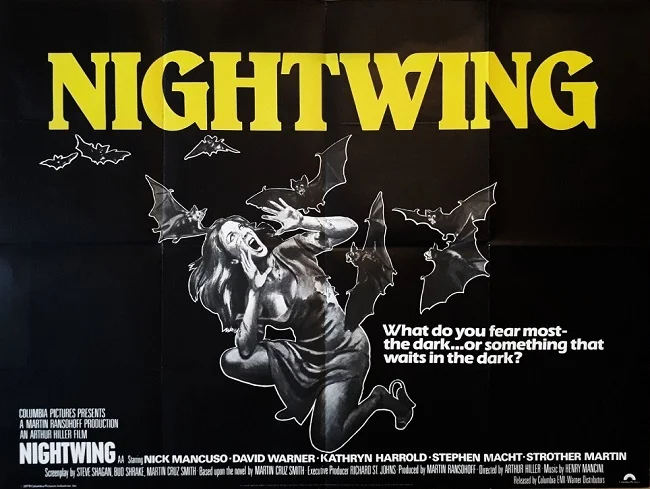
Nightwing (1979)
The seventies saw a minor boom in creature feature films after the box office success of Jaws. Hence, we had movies such as Orca (1977), Tentacles (1977), The Pack (1977) and Piranha (1978). If an animal could eat you or potentially pose any threat to people, someone somewhere would make a movie about it. Usually a bad one. A few of these even dared to stray into other hot topics of the time such as pollution and protecting the environment. Some would even invoke mysticism and folk lore to facilitate their protagonists. Nightwing is one such curious genre hybrid which combines vampire bats, shale oil mining and Native American culture in its clumsy and unsubtle plot. It’s a somewhat odd undertaking, directed by Arthur Hiller. His previous work included Love Story (1970) and Silver Streak (1976), so he was not the first person you’d expect to see associated with such material. The film doesn’t work well as either a horror movie or an exploration of social issues, but like so many movies from this era, it is of interest mainly due to its sheer incongruity.
The seventies saw a minor boom in creature feature films after the box office success of Jaws. Hence, we had movies such as Orca (1977), Tentacles (1977), The Pack (1977) and Piranha (1978). If an animal could eat you or potentially pose any threat to people, someone somewhere would make a movie about it. Usually a bad one. A few of these even dared to stray into other hot topics of the time such as pollution and protecting the environment. Some would even invoke mysticism and folk lore to facilitate their protagonists. Nightwing is one such curious genre hybrid which combines vampire bats, shale oil mining and Native American culture in its clumsy and unsubtle plot. It’s a somewhat odd undertaking, directed by Arthur Hiller. His previous work included Love Story (1970) and Silver Streak (1976), so he was not the first person you’d expect to see associated with such material. The film doesn’t work well as either a horror movie or an exploration of social issues, but like so many movies from this era, it is of interest mainly due to its sheer incongruity.
Youngman Duran (Nick Mancuso), a deputy on an Indian reservation in New Mexico, investigates the death of several horses on a local ranch. The bodies are covered in small bites, drained of blood and there is a strong smell of ammonia. Tribal Council chairman Walker Chee (Stephen Macht) is keen to keep the matter quiet, as he is trying to negotiate the mining rites to oil shale deposits that have recently been discovered in nearby canyons. Canyons that also happen to be sacred to the local population. Abner Tasupi (George Clutesi), an ageing medicine man and Duran’s uncle, tells him he’s unleashed forces that will remove the White Man from the land and restore things to how they use to be. Duran dismisses such ideas, but as further death occurs including his uncle, begins to think otherwise. However, the arrival of British scientist Philip Payne (David Warner) points to a more tangible answer. The caves in Maskai Canyon are home to a swarm of deadly vampire bats he’s been tracking.
Nightwing efficiently sets out its stall within the first fifteen minutes. The audience is presented with a beleaguered law enforcment official, a corrupt business man and an obsessed scientist. This is quickly followed by a heavy dose ersatz Indian mysticism and the ubiquitous love interest, via local nurse Anne Dillon (Kathryn Harrold), who runs the town clinic. It’s all formulaic content that’s common to genre movies. There is also an attempt to address some deeper issues regarding the treatment of indigenous peoples by the Federal Government, as well as some nods towards institutional racism. But it’s far from convincing and or subtle. Especially in light of the fact that so few of the main cast are of the correct ethnicity. The film then proceeds to offset the subsequent vampire bat attacks with wider supernatural explanations, but never fully commits to them. The use of datura root as a hallucinogenic offers a “get out of jail card” to the film’s mystic elements.
As for the vampire bat attacks, they’re initially kept off screen until the first major set piece of the movie. This involves a group of Christian missionaries who are visiting the reservation and considering making a substantial charitable investment. It is one of the better plot elements. The attack takes place at night around the camp fire and features animatronic bats created by Carlo Rambaldi (E.T and the 1976 version of King Kong). There is also an optical overlay of a swarm of bats that further adds to the scene. It doesn’t quite work and certainly the rather static close ups of Rambaldi’s bats are far from convincing. However, the effects work is of interest due to the technical limitations of the time. Certainly, the blood flows in this sequence with the victims panicking. One falls into the camp fire while another hides under the camper van, only for it to run over her. Later in the movie Duran, Payne and Dillon construct an anti-bat cage from steel scaffolding and wire mesh. The technical shortcomings of the animatronics are more apparent here.
There are some genre stalwarts in the cast. David warner is suitable driven and even has a Jaws-eque monologue about the inherent “evil” of vampire bats. Sadly, his character has little back story. Strother Martin also appears as the local store owner as does Charles Hallahan as one of the Christian missionaries. But overall the screenplay by Martin Cruz Smith, Steve Shagan and Bud Shrake does the bear minimum and lacks any depth, or standout features. Although the desert locations are strikingly shot at times by Charles Rosher Jr. there is no overt sense of danger from the environment. Nightwing may well have benefitted from a more experienced genre director at the helm, who could have focused more upon the horror elements, rather than trying to expand the scope of the story into wider socio-political themes. However, I still find movies of this kind that hail from the pre-digital age to be of interest. The seventies were a far more experimental time for cinema and studios were prepared to try different things and straddle multiple genres. Nightwing should therefore be filed under such.

The Satanic Rites of Dracula (1973)
The horror movie genre was changing rapidly in the late sixties and seventies, with films such as the Night of the Living Dead and Rosemary’s Baby moving away from traditional gothic settings and proving to be box office successes. After the success of Count Yorga, Vampire, a movie set in 1970s Los Angeles, Warner Bros commissioned Hammer Films to make two contemporary set Dracula films. The first of these was Dracula A.D. 1972. The film was loosely inspired by the Highgate Vampire case and proved to be moderately successful at the box office. The second being The Satanic Rites of Dracula; a curious hybrid vampire movie that mixes elements of the espionage genre along with traditional Hammer horror content. Sadly, this final outing for both Peter Cushing and Christopher Lee as Van Helsing and Dracula, was not well received by the public and has subsequently been written off in the annals of Hammer Films. Yet despite it’s flaws it does have a few points of interest to the more rigorous horror fan. The recent Blu-ray release via the Warner Archive Collection presented such an opportunity for reappraisal.
The horror movie genre was changing rapidly in the late sixties and seventies, with films such as the Night of the Living Dead and Rosemary’s Baby moving away from traditional gothic settings and proving to be box office successes. After the success of Count Yorga, Vampire, a movie set in 1970s Los Angeles, Warner Bros commissioned Hammer Films to make two contemporary set Dracula films. The first of these was Dracula A.D. 1972. The film was loosely inspired by the Highgate Vampire case and proved to be moderately successful at the box office. The second being The Satanic Rites of Dracula; a curious hybrid vampire movie that mixes elements of the espionage genre along with traditional Hammer horror content. Sadly, this final outing for both Peter Cushing and Christopher Lee as Van Helsing and Dracula, was not well received by the public and has subsequently been written off in the annals of Hammer Films. Yet despite it’s flaws it does have a few points of interest to the more rigorous horror fan. The recent Blu-ray release via the Warner Archive Collection presented such an opportunity for reappraisal.
The Satanic Rites of Dracula is a direct sequel to Dracula A.D. 1972. There is a degree of continuity with both characters and cast. Peter Cushing returns as Lorrimer Van Helsing, as does Michael Coles as Inspector Coles. Joanna Lumley replaces Stephanie Beecham as Jessica Van Helsing. Furthermore, the two movies are directed by Alan Gibson and written by Don Houghton. In an unusual twist the film starts very much as a spy drama, with a secret service agent escaping from the country mansion Pelham House, where cabinet ministers, industrialists and military chiefs indulge in satanic rites. Department head, Colonel Mathews (Richard Vernon) and Secret Service agent Torrence (William Franklyn) fear a major political scandal as well as foreign espionage. Due to the sensitivity of the situation they seek outside help from Special Branch Inspector Coles, who urges them to consult with occult expert Lorrimer Van Helsing. Investigations reveal that a leading scientist Julian Keeley (Freddie Jones) is also involved in the cult and that he is developing a deadly plague virus for the recluse business moghul, D. D. Denham.
The Satanic Rites of Dracula struggles to find its niche as the story veers between genres. Count Dracula doesn’t appear until thirty minutes into the movie and the screenplay is somewhat at a loss as to what to do with him, once he does. The story hinges upon the count having a curious existential crisis and tiring of his undead existence, hence the creation of a plague that will kill all life on earth, leaving him without any prey. It’s an interesting idea but one that is left underdeveloped. As for the horror elements of the film they’re somewhat modest. There are two staking scenes involving female vampires; one of which is now fully restored in the new Blu-ray copy. The remainder of the action is mainly shootouts with the curiously dressed security guards of Pelham house. They sport Afghan Waistcoats and Mauser pistols. Like most Hammer films from this period there’s a lot of cleavage and nudity to bolster the horror elements. Dracula’s demise at the end is suitably creative involving a Hawthorn bush and a picket fence. Les Bowie’s special effects are still enjoyable although far from sophisticated.
However, despite the vagueness of the script and the rather limited scope of action, there are still aspects to enjoy in The Satanic Rites of Dracula. The scenes between Peter Cushing and Freddie Jones are great, demonstrating that even with material as thin as this, both actors can hold the audience’s attention. The chemistry between Cushing and Lee is also present in the film denouement. The contemporary location scenes showing London in 1973 are also a source of interest. The car chase provides glimpses of The Strand and parts of Kensington, all of which have now been heavily redeveloped. But where this movie may appeal to the horror aficionado who has an abiding love with Hammer Films, you can objectively see why it failed at the box office. The studios attempt to move with the time are mainly superficial and beyond this, the film is just doing the same things as its predecessors. Furthermore, Christopher Lee had tired of the role of Dracula and so this was his final appearance as the iconic count for Hammer Films. Later in 1973, The Exorcist would change the horror genre completely, consigning the studio to further decline and inevitable closure. Hence, The Satanic Rites of Dracula was another nail in the coffin for Hammer’s Dracula franchise and a text book example of failing to move with the times.








Conan the Barbarian (2011)
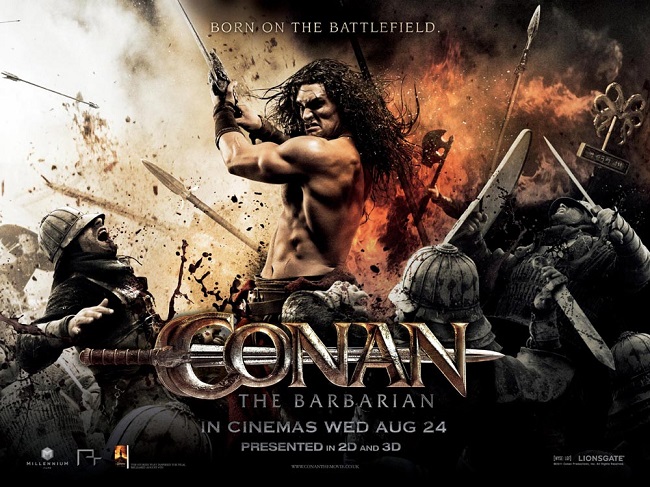
On a superficial level the 2011 Conan reboot provides two hours of blood and thunder. For those who are seeking a quick fix of such material and are not burdened by a strong affiliation to Robert E. Howard’s source material, this will prove adequate. I suspect that Marcus Nispel’s offering will find a home with a younger audience. For purists or those who have fond memories of John Milius’ 1982 version, then this is not the film you are looking for. Move along. But to be honest after watching the various trailers that preceded this release and considering the directors track record, does this really come as any surprise? For those with a longer memory, cast you mind back to Nispel’s Viking versus Indian outing from 2007. Pathfinder was a high concept movie that was chronically mishandled.
On a superficial level the 2011 Conan reboot provides two hours of blood and thunder. For those who are seeking a quick fix of such material and are not burdened by a strong affiliation to Robert E. Howard’s source material, this will prove adequate. I suspect that Marcus Nispel’s offering will find a home with a younger audience. For purists or those who have fond memories of John Milius’ 1982 version, then this is not the film you are looking for. Move along. But to be honest after watching the various trailers that preceded this release and considering the directors track record, does this really come as any surprise? For those with a longer memory, cast you mind back to Nispel’s Viking versus Indian outing from 2007. Pathfinder was a high concept movie that was chronically mishandled.
This re-imagining loosely draws upon Robert E. Howard’s source material, as well as Schwarzenegger’s Conan. It is the opening scenes focusing on Conan’s youth which are the most engaging, from a narrative and character development stance. The brief insight into Cimmerian warrior culture makes for a strong start. But immediately after the death of Conan’s Father (Ron Perlman) it all lapses into by the numbers story telling. Evil Khalar Zym (Stephen Lang) along with sorceress daughter Marique (Rose McGowan), seek an ancient relic to facilitate their fiendish (and formulaic) plans. Throw in a plucky warrior monk named Tamara (Rachel Nichols) and the generic story is complete. Conan’s motivation is purely one of revenge, but without the philosophical musings of Schwarzenegger’s. Jason Momoa has sufficient charm and presence to hold an audience, but the character has none of the depth you would hope.
The film clearly fails at script level. Jason Momoa’s mono-syllabic dialogue is purely reactive, serving as nothing more than an expositionary device. It is also delivered in a contemporary fashion. Nothing kills immersion for me more than period set dramas (be they based in fact or fantasy) utilising current American parlance. Potentially interesting characters are also neglected and given little to do. Rachel Nichols is introduced as a strong female lead but is sidelined as a damsel in distress rather quickly. Both Stephen Lang and Rose McGowan fail to deliver a good performance and maintain their evil nemesis roles purely by dint of the characters they have been assigned. Yet there is the scope for their curious and dysfunctional relationship to have been so much more.
What is so obviously lacking in this cinematic outing is depth. Can movies such as this have any, I hear you ask? Of course they can. Milius explored the nature of revenge and imbued his take on Conan with a Nietzschean subtext. Furthermore, Howard's original work has a multitude of themes and is not simply the pulp fiction it has been glibly labelled over the years. But director Marcus Nispel simply refuses to look beyond two-dimensional, cause and effect structure of the story. His Conan, although personable, has no dignity or nobility. Momoa is brooding but beyond his obvious vengeful motivation, he has few of the qualities of his literary namesake. It seems that the film makers only see the central character as an efficient killing machine and that's what they have brought to the screen.
Subsequently, Conan the Barbarian is totally the sum of its parts. As those respective parts are bland, hollow and uninspired, that is exactly the sort of movie that you get. For those seeking violence and bloodshed, then Conan the Barbarian can provide such commodities. However, it is subject to an excess of CGI and contemporary editing techniques that rob the action scenes of any sense of wonder. Compare them to the physical effects and sword play of the 1982 movie and the difference is obvious. The sequences with the sand spirits and under water creature, along with the films climax fail to offer any real tension. Again, they seem like a dislocated FX show reel that was added by the most economic bidder for the contract.
If Conan the Barbarian had simply been marketed under a different title and not linked to the franchise, perhaps critics would have been more forgiving. Had it just been “Wolgang Rippling Buttocks and the Sword of Kagnazax”, then it may well have been deemed acceptable. However, as it fails so notably to do any justice to Robert E. Howard’s work, it quite rightly merits harsher criticism. Furthermore, the point of failure is abundantly apparent. Director Nispel and the screen writers Thomas Dean Donnelly, Joshua Oppenheimer and Sean Hood are simply not up to the job. They fail to understand the philosophy of Conan and focus purely on spectacle and pandering to ill-conceived market research. The most depressing aspect of this is the fact that the box office failure of the film has pretty much ended any chance for a further reboot by more competent film makers.



Indiana Jones and the Kingdom of the Crystal Skull (2008)
For many fans and enthusiasts, there are the original trilogy of Indiana Jones movies, all made in the eighties when director Steven Spielberg was reaching the height of his film making creativity. And then you have Indiana Jones and the Kingdom of the Crystal Skull; the poorly regarded, Johnny-come-lately fourth instalment made nearly twenty years later, that jumped the shark, or in this instance “nuked the fridge” and for some viewers, pretty much pissed on the memory of its three predecessors. Make no mistake, over a decade on from the films theatrical release there is still a lot of ill will held towards the fourth Indiana Jones adventure. Let us not forget that South Park based an entire episode around the contempt they have for the movie. Yet despite all this hostility, it should be noted that Indiana Jones and the Kingdom of the Crystal Skull was the most commercially successful entry in the franchise, grossing $786,636,033 worldwide. It was the second most successful movie in 2008 (the first being Christopher Nolan’s The Dark Knight) and although not universally well received by fans, it did broadly garner critical success. However, within that spectrum of reviews there were some strong negative opinions. All things considered Indiana Jones and the Kingdom of the Crystal Skull is somewhat of an enigma, in so far as being financially successful but a movie that most people don’t admit to liking.
For many fans and enthusiasts, there are the original trilogy of Indiana Jones movies, all made in the eighties when director Steven Spielberg was reaching the height of his film making creativity. And then you have Indiana Jones and the Kingdom of the Crystal Skull; the poorly regarded, Johnny-come-lately fourth instalment made nearly twenty years later, that jumped the shark, or in this instance “nuked the fridge” and for some viewers, pretty much pissed on the memory of its three predecessors. Make no mistake, over a decade on from the films theatrical release there is still a lot of ill will held towards the fourth Indiana Jones adventure. Let us not forget that South Park based an entire episode around the contempt they have for the movie. Yet despite all this hostility, it should be noted that Indiana Jones and the Kingdom of the Crystal Skull was the most commercially successful entry in the franchise, grossing $786,636,033 worldwide. It was the second most successful movie in 2008 (the first being Christopher Nolan’s The Dark Knight) and although not universally well received by fans, it did broadly garner critical success. However, within that spectrum of reviews there were some strong negative opinions. All things considered Indiana Jones and the Kingdom of the Crystal Skull is somewhat of an enigma, in so far as being financially successful but a movie that most people don’t admit to liking.
So, what exactly is the proverbial beef with Indiana Jones and the Kingdom of the Crystal Skull. Let’s take a few moments to go over possible areas of contention. Plot wise the story is nothing special but then again, it’s hardly anything controversial. Indie seeks Akator, the mythical kingdom in the Amazon that may hold both great power and wealth. It’s the same basic sort of MacGuffin used in the previous instalments. The story actually does a good job updating the format from the thirties to the fifties. The nuggets of information we get about what Indy's been up to in the last 20 years are rather intriguing. Working for O.S.S. and becoming a decorated war hero for example, are touched upon but never over egged. We also learn the fate of both Marcus Brody (Denholm Elliott) and Henry Jones Senior (Sean Connery), both of whom have died. This is both credible and to a degree necessary because having too many cameos from prior characters can sometimes be as both a boon and a bane. The Soviet Union and Communists replacing Nazis is also a sound move and the way Indy falls foul of McCarthyism and loses his position at the university is a novel idea. It all adds to keeping the same vibe going yet playing it against a subtly different back drop. I even like the anecdote about Roswell, as it raised a wry smile. Overall, despite a superficial change from the supernatural to science fiction, Indy 4 is pretty much a case of same meat, different gravy, when it comes to the narrative.
As for casting, action scenes, pacing and general continuity, as well as visual aesthetics, Indiana Jones and the Kingdom of the Crystal Skull does remarkably well. Harrison Ford and Karen Allen genuinely recreate the chemistry that was present in the original movie. The fist fights and associated stunt work are still very good, leaning towards the gritty. This has always been a violent franchise, despite being sold a family entertainment. Editing is also invaluable cinematic tool for creating a sense of style and maintaining a sense of continuous ambience. Veteran editor Michael Kahn, who has worked on all Spielberg’s movies since 1979, does much to make the movie feel just like the others. Also, although Douglas Slocombe, the cinematographer of the original trilogy had long retired by 2008, Janusz Kamiński, who has shot all of the director's films since Schindler's List, made a conscious effort to recreate the previous visual style. Plus let us not overlook the immense contribution that composer John Williams has made to world of Indiana Jones. His score for the fourth movie is every bit the equal of the first three.
So, if it’s not an overt and specific facet of the production that is the problem, is it a case of something subtler being to blame? I believe the answer is yes. Hollywood is an industry that regularly resurrects franchises. If in doubt, revisit a tried and tested formula. Public good will and nostalgia will often guarantee decent box office returns. Sometimes this works as with Christopher Nolan's Batman Begins and Bryan Singer's Superman Returns. Others fails. Take I Spy, Starsky & Hutch, The Dukes of Hazard, and some may argue the latter three Star Wars prequels. It often comes down to a trade-off between pleasing existing fans and trying to capture a new market who may not be familiar with the original material. It sounds perfectly reasonable to make such a choice but endeavouring to reconcile these two aspirations is far harder to achieve than you think. Both markets have very different needs at times and certainly there are distinct variations in taste across generations.
Despite the familiar faces, music, production team and many other common elements to previous entries, Indiana Jones and the Kingdom of the Crystal Skull suffers from a weak screenplay. Although the story is straight forward, the various scenes don’t quite hang well together. New characters are introduced but none have enough back story. The fact that these roles are carried by quality actors helps, but they are not used to the best of their potential. You don’t have to write large swathes of dialogue to flesh out a fictional character. You just needs to write something intriguing, that makes you think. A detail that makes that individual seem less contrived and more like a real person. It can be an affectation, quirk or foible. Or they can reference a tragedy that shaped their character or show an interest in something you wouldn’t immediately assume. It’s a difficult thing to quantify, but you know it when you see it. Hans Gruber from Die Hard is a great bad guy for example. Because the screenplay in Indy 4 is inconsistent, the movie suffers from a tonal shift on several occasions. I actually liked the way Spielberg handles the relationship between Shia LaBeouf and Harrison Ford. The banter between the two, focusing very much on the age gap feels right. By contrast the female characters do not fare so well. Karen Allen is not given enough to do, which is an utter shame as her character has so much potential. Kate Blanchett is also rather imposing as the Russian villain. Equipped with borderline psychic powers and a penchant for fencing, you'd think she'd be a standout feature of the film. Alas, again there is not enough material to flesh out the role.
But perhaps the biggest Achilles heel of Indiana Jones and the Kingdom of the Crystal Skull is the action set pieces. This is ironic as next to the Bond franchise, Indiana Jones did much to refine and advance this aspect of film making. Yet it is this element of the movie that inadvertently hobbles it instead of embellishing it. Take a moment to reflect upon Raiders of the Lost Ark. The iconic scene at the beginning where Indy flees the collapsing temple pursued by the giant stone ball booby trap. The truck chase in which stuntman Terry Leonard created a modern variation of Yakima Canutt’s iconic set piece form Stagecoach. And of course, the fistfight with Pat Roach under the German flying wing. What made these scenes so great is that they were all done physically with very little or no post production effects. What optical effects there were, remained measured in scope. In many ways the technical limitations forced a degree of credibility on the proceedings. Of course, all movies require audiences to suspend their sense of disbelief, and more so with genre movies. Yet being grounded in these ways mean that the first film stays the right side of the “relative credibility line” and keeps the audience on board. Sadly, in each subsequent movie, the franchise subsequently broke this rule by greater degrees. Bailing out of a plane using an inflatable raft as parachute was a big ask in Indiana Jones and the Temple of Doom. A rear facing turret on a plane that does not have interrupter gear, thus enabling the machine gun to shoot its own rudder in Indiana Jones and the Last Crusade, again is a step too far. These examples are the tipping point where high adventure becomes a caricature of itself.
Indiana Jones and the Kingdom of the Crystal Skull made nearly two decades later from the original trilogy had all the “benefits” of computer-generated imagery and contemporary FX technology. Such limitless possibilities thus removed any remaining vestiges of credibility and the action scenes failed to wow because they were simply impossible and obviously “not real”. I have no problem with the nuclear test scene, but I dislike its resolution. It is just far too silly and instantly breaks a degree of immersion for the enthusiastic viewer. The much-protracted chase through the jungle between jeeps, trucks and amphibious vehicles is ruined by the digital sequences that depict acts so ludicrously implausible they’d be better off in a cartoon. If this scene had been scaled back, lost the Tarzan wine swinging references and had just confined itself to what could be done in camera, then it would have been vastly improved. And as for the alien revelation at the denouement, again it focuses too much on digital spectacle. Even the traditional fist fight with the signature heavy (Igor Jijikine) is spoilt by an excessively FX driven pay off.
Sadly, the aliens plot element and its impersonal CGI actions scenes all bear the clumsy handiwork of George Lucas. It was he who allegedly vetoed scripts from several respected writers, including Frank Darabont and was insistent on pursuing his penchant for spectacle over narrative. At its root the fundamental problem with Indiana Jones and the Kingdom of the Crystal Skull, is that Messrs Spielberg and Lucas were trying to recreate a franchise movie that hailed from an era when not only techniques and film making philosophy were fundamentally different, but so were both men. Trying to revisit your own past is inherently difficult so perhaps this instalment may have faired better if both individuals had deferred to other film makers to helm the project. Modern action blockbusters are a very different beast to those from the eighties and I can’t help feeling the modern corporate film making is too formulaic for the likes of franchise born of a more experimental and flexible era in movie making. Does Indiana Jones and the Kingdom of the Crystal Skull deserve the animosity it still receives from the viewing public. Perhaps not. There are many good aspects to the film. But it is definitely a compromise and like most compromises it doesn’t meet all parties’ expectations. Furthermore, in the last ten years or so the general public seems to be far less disposed toward anything other than getting exclusively what they want. If we do get a further Indiana Jones film in 2020, it will be interesting to see if there is a revision of opinion on Indiana Jones and the Kingdom of the Crystal Skull. That may depend on how bad the new one is because although Indy may well be able to get the better of both Nazis and aliens, he doesn’t seem to have survived modern studio film making too well.


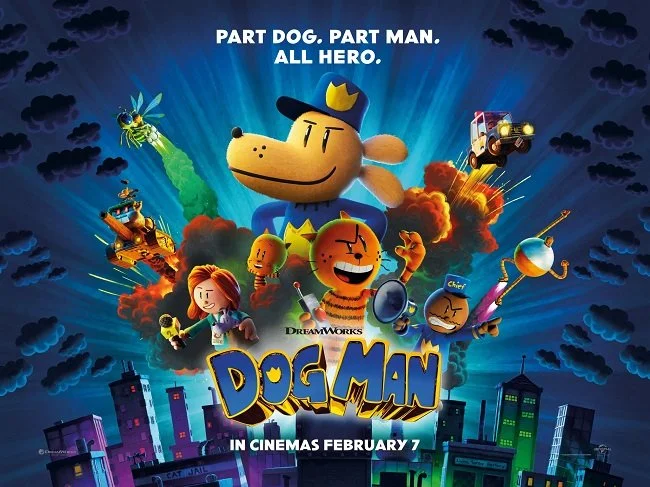
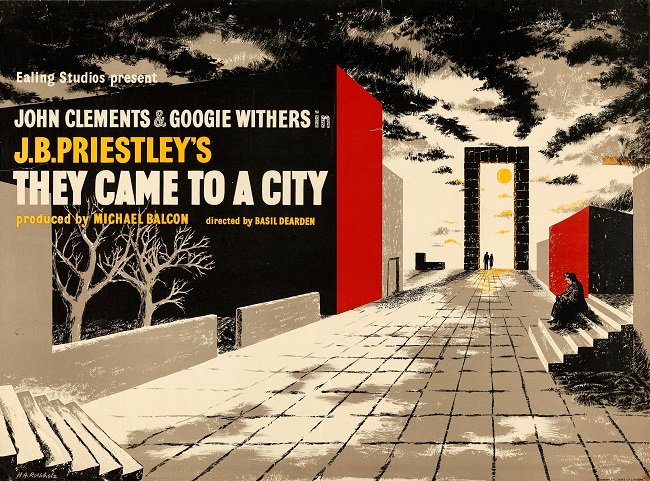

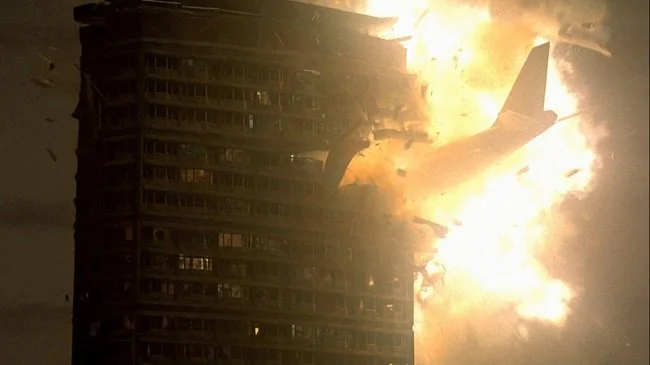
Get the Gringo AKA How I Spent My Summer Vacation (2012)
Mel Gibson fall from grace has been well documented, so I feel no need to dwell on it here. I also don't take any particular moral stance with regard to the man himself. I'm more interested in his work as an actor, director and the material he produces. People are flawed and we all make mistakes. Does this automatically invalidate our work? However, it would appear that I am in the minority on this one, as Mr Gibson has never truly bounced back. The Hollywood establishment has remained sceptical of him in recent years. Therefore, he has financed many of his film projects himself and personally arranged their international distribution deals. Get the Gringo AKA How I Spent My Summer Vacation is one such example of this and the movie premièred on VOD in the US rather than in theatres. However, it did get shown in movie theatres in other territories.
Mel Gibson fall from grace has been well documented, so I feel no need to dwell on it here. I also don't take any particular moral stance with regard to the man himself. I'm more interested in his work as an actor, director and the material he produces. People are flawed and we all make mistakes. Does this automatically invalidate our work? However, it would appear that I am in the minority on this one, as Mr Gibson has never truly bounced back. The Hollywood establishment has remained sceptical of him in recent years. Therefore, he has financed many of his film projects himself and personally arranged their international distribution deals. Get the Gringo AKA How I Spent My Summer Vacation is one such example of this and the movie premièred on VOD in the US rather than in theatres. However, it did get shown in movie theatres in other territories.
Get the Gringo was at the time of its release a clear return to form for Mel Gibson, harking back to the halcyon days of Payback. It’s a fast paced, hard edged action movie, with interesting if amoral characters. It shows all the intelligence and attention to detail you expect from Gibson. Although directed by Adrian Grunberg who usually specialises in second unit direction, the movie shows the presence of its star in all aspects of the production. Career criminal Gibson find himself in an experimental prison south of the border after a bank job goes wrong. Once inside he proceeds to run rings around gang bosses, corrupt official and play the very system for his own personal gain. Although far from a hero, he does extend a hand of friendship to ten-year-old boy (Kevin Hernandez) and his tough but caring mother (Dolores Heredia).
Now the astute reader may well be asking what is a child doing in a prison? Well the films setting is based on a genuine experiment the Mexican authorities undertook, in which prisoners were allowed to set up their own community while incarcerated. This included bringing their families and running business etc. An interesting idea on paper, but the reality of the situation was a lot closer to Escape From New York. Production designer Bernardo Trujillo has created a unique environment in which the story unfolds. Being a prison that story is a violent and bloody one. There is also an interesting subplot in which one of the crime bosses needs a liver transplant. The only suitable donor is of course the young boy under Gibson's protection. It makes for some curious developments.
Under different circumstances Get the Gringo would have garnered a great deal more attention and would have probably been a box office success if released at a different time. It certainly deserved a wider release within the US, but unfortunately some people in the film industry have long memories. The cinematography is solid, bringing to life the grimy environment and many Mexican clichés are turned on their head. The movie did receive a warmer welcome in the international market under its alternative title of How I Spent My Summer Vacation. For those that like more depth to their thrillers Get the Gringo is certainly worth a viewing and should provide more than just gritty action. There are strong performances and amoral conundrums to enjoy.
A Year in Movies
Throughout my adult life I have always gone to the cinema as a leisure activity. 2018 has been of note in this regard as it’s the year I’ve been to the cinema the least. I have visited my local multiplex just three times over the last twelve months. It’s not that good quality movies are not made anymore. Far from it. It’s just that they don’t always get released theatrically. Furthermore, the cost to entertainment ratio has simply become too much of a gamble. Standard tickets are priced between £12 to £15 locally and I resent such an outlay for a film that may only be adequate or worse. Perhaps my outlook on pricing is unreasonable but I am not going to pay such money for mediocre entertainment. I don’t expect every movie I see to be a cinematic milestone or genre classic but nor do I expect it to be an exercise in indifference. If I had paid such ticket prices to see The Predator or Death Wish at my local Cineworld, then I would have been singularly annoyed. Mercifully I saw them both at home and therefore at a much lower cost.
Throughout my adult life I have always gone to the cinema as a leisure activity. 2018 has been of note in this regard as it’s the year I’ve been to the cinema the least. I have visited my local multiplex just three times over the last twelve months. It’s not that good quality movies are not made anymore. Far from it. It’s just that they don’t always get released theatrically. Furthermore, the cost to entertainment ratio has simply become too much of a gamble. Standard tickets are priced between £12 to £15 locally and I resent such an outlay for a film that may only be adequate or worse. Perhaps my outlook on pricing is unreasonable but I am not going to pay such money for mediocre entertainment. I don’t expect every movie I see to be a cinematic milestone or genre classic but nor do I expect it to be an exercise in indifference. If I had paid such ticket prices to see The Predator or Death Wish at my local Cineworld, then I would have been singularly annoyed. Mercifully I saw them both at home and therefore at a much lower cost.
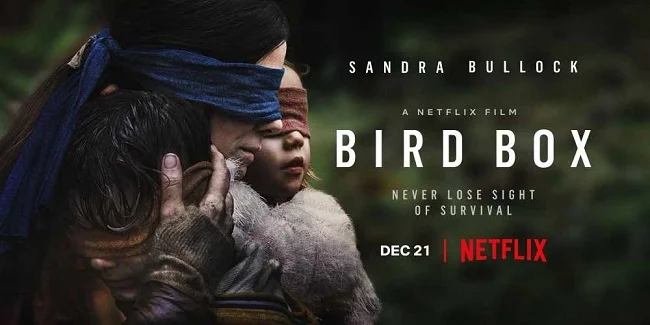
2018 has been another year of ongoing change for the movie industry. Netflix continues to release films from established directors that have been made exclusively for their own platform. Two of these of note were Mute directed Duncan Jones and Outlaw King by David Mackenzie. Some of these movies had nominal theatrical releases to raise their profile or possibly to meet the criteria for the various cinematic awards that are bestowed in spring 2019. Just prior to Christmas Netflix released Bird Box directed by Susanne Bier. Apparently, the video on demand service offers very lucrative terms to directors and a degree of creative freedom that is not always available when working with traditional film studios. There is also a more measured and open-minded approach to ideas from Netflix, allowing film makers to pursue more bespoke and niche market products.
Netflix has also become a convenient outlet for studios that have films that they wish to "offload" or have lost commercial faith in. For example, Alex Garland's Annihilation received a limited US release which generated low box office returns. Hence the film was then sold to Netflix rather than released theatrically to the rest of the world. Warner Bros. also sold Mowgli: Legend of the Jungle straight to Netflix, bypassing any kind of theatrical release. Make of that what you will. There also continues to be an ongoing debate about whether Netflix movie needs to have a cinema release to be able to compete with commercially released movies for awards. Such arguments are often driven by passions, adherence to established culture and dare I say a little snobbery. Whatever side of the debate you are on, the way we consume movies is changing and the day of the simultaneous cross platform release is not far off.
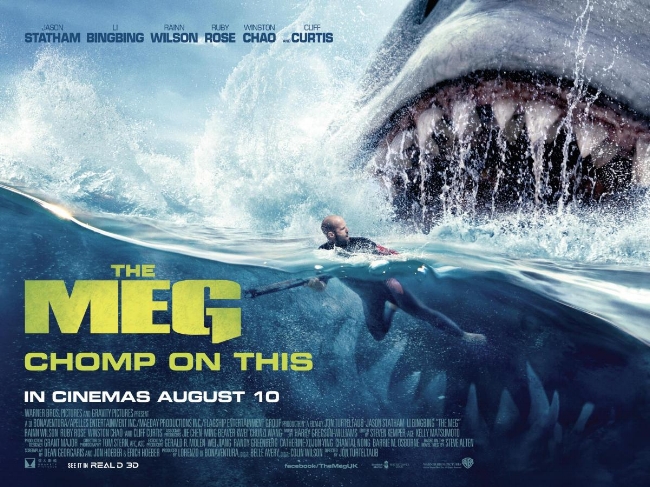
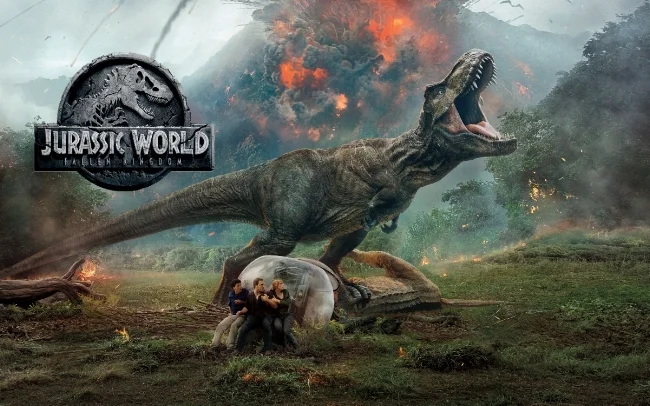
Mainstream cinema continued to be dominated by big budget, CGI driven spectacles in 2018. Such movies are frequently filled with action but often woefully lacking in plot, in-depth characters and dramatic impact. The Meg was one of the few examples of a big dumb movie that was fun. Sadly, Skyscraper was just a movie that was big and very, very stupid. Not even Dwayne Johnson’s charisma could save this one. Jurassic World: Fallen Kingdom offered the viewing public yet more dinosaurs and during its second act a distinctly gothic take. Steven Spielberg’s Ready Player One adaptation was a mixed bag which struggled to make it’s mark under the weight of its myriad pop culture references and homages. The Marvel Cinematic Universe lumbered on at the box office with Black Panther and Avengers: Infinity War finding both critical and commercial success. Sadly, my interest in this genre expired several years ago
2018 was certainly a good year for horror movies. Some ill-informed journalists proclaimed that the genre was back, overlooking the fact that movies of this ilk have been cleaning up at the box office habitually for the last two decades. There was a lot of buzz and hyperbole over Hereditary. It is a good movie but far from the genre milestone that some have claimed. A Quiet Place proved to be a solid all-round hit with robust central performances from Emily Blunt and John Krasinski (who also wrote and directed the movie). Unfriended: The Dark Web took the “screen life” genre further forward, proving it to be an interesting medium if intelligently done. However, like the “found footage” format, it may quickly suffer from fatigue if utilised too often. Two other notable horror movies released in 2018 were Halloween and Ghost Stories. The former being a direct sequel to John Carpenter’s original movie and the latter being a film adaptation of Andy Nyman and Jeremy Dyson's stage play. Both were well made, skilfully executed and entertaining.
The traditional action genre was not so well represented in 2018. Major studios remain ambivalent towards ratings higher than PG-13. Hence, The Commuter, a mystery thriller set on a train, focused more upon the convoluted plot rather than violence. It’s all a bit silly and farfetched but broadly saved by his towering presence and soft Irish tones of Liam Neeson. The latest Tomb Raider adaptation starring Alicia Vikander did not find favour with the critics. However, it was competently made and captured the tone of the rebooted games well. Its biggest flaw was not doing anything with its main villain played by Walton Goggins but it had a lot more style and depth than your average super hero movie with which it was competing. I was also greatly surprised by the critical indifference that met The Equalizer 2. It was a well written sequel that still focused on the character of Robert McCall (Denzel Washington) and his struggles. The acting was top notch and there were some finely crafted visceral action scenes. Seldom does the action genre get this cerebral.
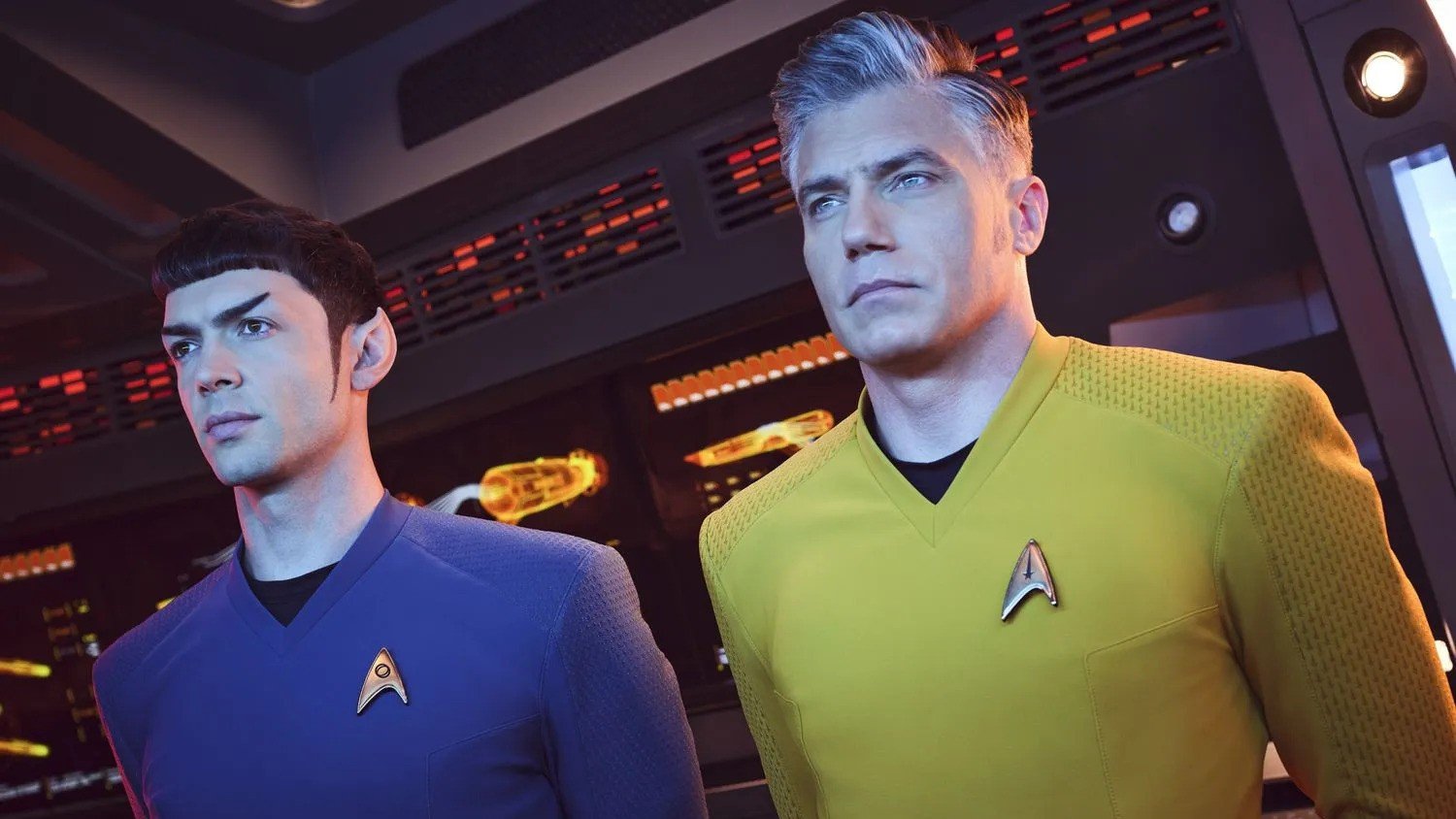
I watched the lion’s share of the movies I saw in 2018 at home. It’s something that I have grown use to now and I only like going to the cinema these days if it is at the British Film Institute or somewhere similar. In these instances, the audience are dedicated film fans and thus well behaved throughout the proceedings. I have also grown use to watching movies in 1080p and am somewhat discombobulated when I find myself having to watch a film in standard definition out of necessity. 2019 is also likely to be the year that our household upgrades to 4K, which means replacing the existing TV and Blu-ray player. It will also be interesting to see if the gap between theatrical and home media/VOD release dates get’s any shorter. It currently appears to be between two and three months. As mentioned earlier I believe simultaneous release across all platforms will not be far off. One thing I’m certain off, there will still be plenty of quality films released in 2019. It’s just that the discerning viewer will have to look across an increasing spectrum of platforms to find them.
















Classic Movie Themes: Hawk the Slayer
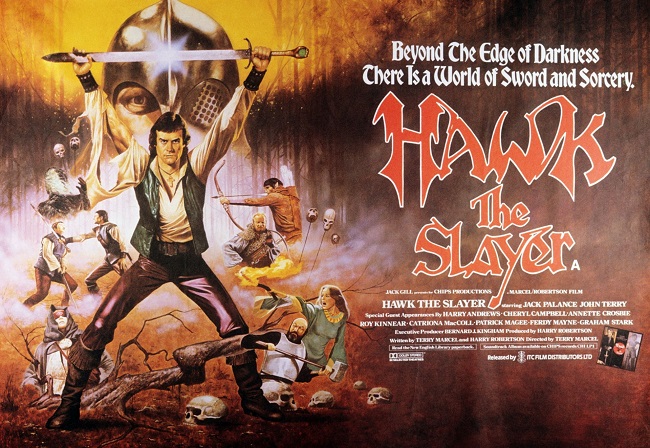
According to Wikipedia “Hawk the Slayer is a 1980 British sword and sorcery adventure film directed by Terry Marcel and starring John Terry and Jack Palance. The film has developed a cult following”. That doesn’t do the movie justice by any reckoning. Hawk the Slayer is a quirky, low budget, high camp fantasy movie that compensates for its budgetary shortcoming by being so preposterously silly. It is loaded with hard boiled, fantasy steeped dialogue that parodies well known genre tropes. It treads a fine line between utter bilge and stupid fun. It is very much a product of its time and is also filled with British character actors. Some viewers will see nothing more than a cheap and cheerful cash-in on the eighties Sword and Sorcery boom. Others will delight at this inventive, stylised and silly fantasy orientated outing. Such is the nature of cult movies.
According to Wikipedia “Hawk the Slayer is a 1980 British sword and sorcery adventure film directed by Terry Marcel and starring John Terry and Jack Palance. The film has developed a cult following”. That doesn’t do the movie justice by any reckoning. Hawk the Slayer is a quirky, low budget, high camp fantasy movie that compensates for its budgetary shortcoming by being so preposterously silly. It is loaded with hard boiled, fantasy steeped dialogue that parodies well known genre tropes. It treads a fine line between utter bilge and stupid fun. It is very much a product of its time and is also filled with British character actors. Some viewers will see nothing more than a cheap and cheerful cash-in on the eighties Sword and Sorcery boom. Others will delight at this inventive, stylised and silly fantasy orientated outing. Such is the nature of cult movies.
Harry Robertson (19 November 1932 – 17 January 1996) was a musician, bandleader, music director and composer. He worked as a musical director on British television shows throughout the fifties and sixties. He also composed and arranged the scores for various feature film, notably those of the Hammer production company during the late sixties and seventies (The Vampire Lovers, Lust for a Vampire and Countess Dracula). For Hawk the Slayer, Robertson chose to write a bright and modern score (within the idiom of the times), infusing a traditional orchestra heavy on strings and brass with synthesizers and electric guitar. There are plenty of nods to his own favourite composers such as Bernard Herrmann, Jerry Goldsmith, Quincy Jones, Ennio Morricone, and John Barry.
While the aesthetic of the film was to emulate Kurosawa in terms of camera angles and direction, Robertson considered the movie a Fantasy Western and wrote his score as such. He assigns the hero Hawk a signature motif not too dissimilar to The Man with No Name. There are several major themes used throughout the film to signify various characters. Like the movie itself, Robertson’s soundtrack will either delight or annoy. It a time reminds me of Jeff Wayne’s War of the Worlds in places. Here is the main title theme and central motif for the film. It is played as Hawk tracks down his various comrades and subsequently during various action scenes. It is a fun cue that encapsulates the inherent spirit of the film and channels a lot of eighties synth pop.




Christmas Carol: The Movie (2001)
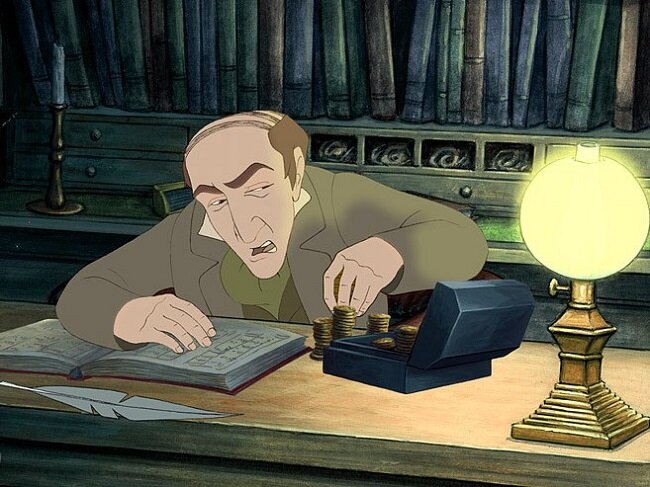
There’s a degree of hubris implicit in such a definitive title. At the very least the inference is that this is a notable adaptation of Charles Dickens’ classic book. And at first glance, it is perfectly reasonable to assume just that. Jimmy Murakami was an animator of note with such unique movies as The Snowman and When the Wind Blows to his credit. Hence it is reasonable to expect a similar quirky and experimental treatment of this well know yuletide story. However, what audiences actually get is a rather bold adaptation that substantially embellishes upon the established narrative. Veering between sinister and borderline psychedelic imagery, this is a very inconsistent version that tries to be too many things at once. Just as you think you’ve got a handle on the film approach it takes an abrupt turn in the opposite direction. Comedy, drama and even power ballads are thrown into the mix. Sadly, all these elements do not hang well together.
There’s a degree of hubris implicit in such a definitive title. At the very least the inference is that this is a notable adaptation of Charles Dickens’ classic book. And at first glance, it is perfectly reasonable to assume just that. Jimmy Murakami was an animator of note with such unique movies as The Snowman and When the Wind Blows to his credit. Hence it is reasonable to expect a similar quirky and experimental treatment of this well know yuletide story. However, what audiences actually get is a rather bold adaptation that substantially embellishes upon the established narrative. Veering between sinister and borderline psychedelic imagery, this is a very inconsistent version that tries to be too many things at once. Just as you think you’ve got a handle on the film approach it takes an abrupt turn in the opposite direction. Comedy, drama and even power ballads are thrown into the mix. Sadly, all these elements do not hang well together.
Christmas Carol: The Movie begins with an expanded prologue that creates a more substantial back story about Scrooge (Simon Callow) and his former fiancée Belle (Kate Winslet). Having bought the debt of a local children’s hospital, Scrooge proceeds to seizes its meagre assets and has the Doctor who runs it, thrown into debtors’ prison. Old Joe the Pawn Shop owner (Robert Llewellyn) is seen here to be the personal bailiff of Scrooge and Marley. Nurse Belle who works at the hospital writes a letter to her former fiancée imploring him not to let her down a second time. It is at this point that the traditional elements of the story broadly play out. One change of note is that Scrooge is haunted by a luminescent Marley’s Ghost (Nicolas Cage) at his office, rather than in his suite of rooms. Scrooge also tips a bucket of water over carol singers, one of whom is Tiny Tim who has only recently recovered from pneumonia. The focus of the story is more upon the ending of Scrooge’s engagement and his tumultuous relationship with his father. Belle in this instance is a friend of Fan, Scrooge’s sister.
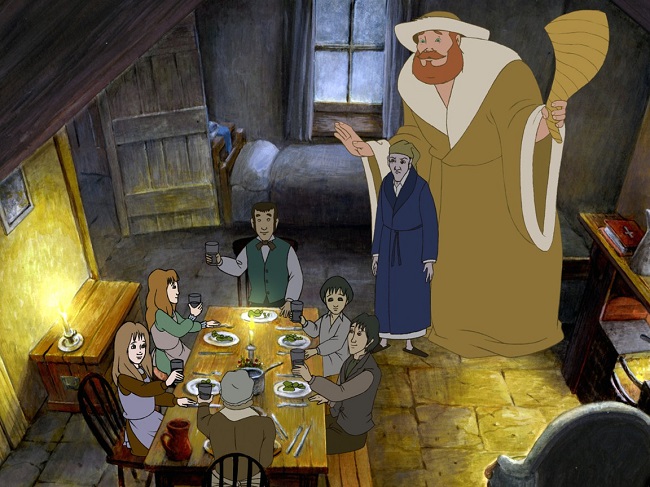
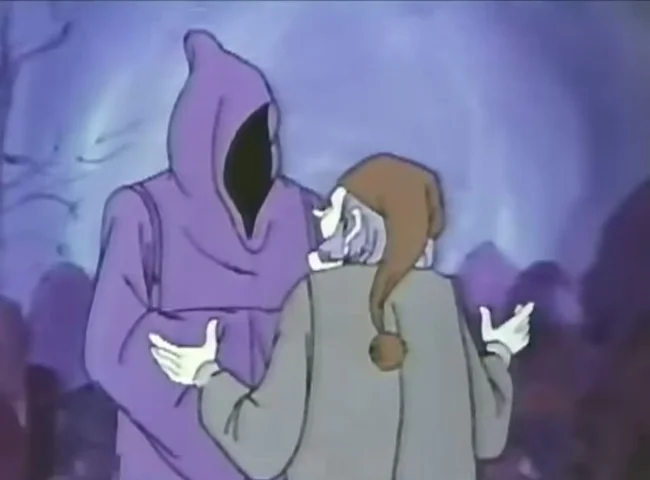
Another aspect of Christmas Carol: The Movie, along with the “expansion” of the story, that makes it stand out from other adaptations is its varied animation style. Each Ghost is accompanied by a distinct aesthetic. It is very noticeable in such scenes where the Ghost of Christmas Past transports Scrooge back to the time of this youth and when the Ghost of Christmas present spreads good cheer via his “horn of plenty”. These “trippy” sequences are dramatic and innovative, yet by this point in the proceedings, the film is tonally all over the shop. We’ve already veered from comedy mice (both Belle and Scrooge have a small murine companion), to insipient infant mortality, and then back to comedy evictions. Then we have the “ignorance and want” scene which has the skin shrinking on the emaciated face of “ignorance” until his skull shatters in a cloud of dust. One for the kids, I think. Also, in some editions of the movie the animated main story is framed between a live action sequence involving Dickens visiting the US and talking about A Christmas Carol to an avid theatre audience. Again, it makes for a very inconsistent piece of cinema.
The conclusion of the story see’s Scrooge reformed and reunited with Belle. He then undertakes the financing of a new hospital. Sadly, the movies lacks any emotional impact because it has tried too hard to be too many things in the proceeding seventy minutes. I can just about muster some praise for Jimmy Murakami for attempting to do something different with such a familiar story, but the film over reaches and cannot decide in what manner to commit itself. Thus, we are left with a rather odd but flawed adaptation that will only really be of interest to niche market film fans. Otherwise, Christmas Carol: The Movie is just something you’d have idly playing in the background over the Christmas holidays, because you’re too full of wine and mince pies to bother to change channel.





Bird Box (2018)
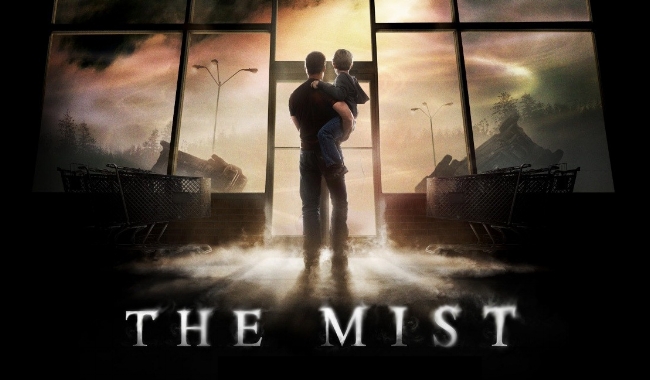
The unfolding apocalypse and the unseen forces that bring it about are never fully explained in Bird Box. The movies also eschews overblown, CGI driven set pieces and spectacle. The scenario is simply the MacGuffin which director Susanne Bier uses to facilitate her exploration of the angst of motherhood and societal decay. This is superficially a genre movie but it’s mainly about people, performances and ideas. There have been some comparisons to A Quiet Place, but this movie is actually closer to The Mist. The film is at its best during the first act, when setting up its premise and at the start of “the event”. The second act remains above average mainly due to the strength of the cast, as they weather the ongoing storm. The denouement is somewhat functional and is possibly the weakest aspect of the film. Yet, the strength of what has gone before and as ever the robust nature of Sandra Bullock’s performance keeps things on track.
The unfolding apocalypse and the unseen forces that bring it about are never fully explained in Bird Box. The movies also eschews overblown, CGI driven set pieces and spectacle. The scenario is simply the MacGuffin which director Susanne Bier uses to facilitate her exploration of the angst of motherhood and societal decay. This is superficially a genre movie but it’s mainly about people, performances and ideas. There have been some comparisons to A Quiet Place, but this movie is actually closer to The Mist. The film is at its best during the first act, when setting up its premise and at the start of “the event”. The second act remains above average mainly due to the strength of the cast, as they weather the ongoing storm. The denouement is somewhat functional and is possibly the weakest aspect of the film. Yet, the strength of what has gone before and as ever the robust nature of Sandra Bullock’s performance keeps things on track.
Artists Malorie (Sandra Bullock) is pregnant and struggling to come to terms with her impending motherhood. While in hospital for a routine check-up, she and her sister Jessica (Sarah Paulson) witness an outbreak of mass psychosis. Driven by some unseen force, people start killing themselves. Fleeing the ensuing carnage, they escape by car only to crash due to the ongoing unrest. Malorie takes shelter along with others in a large house, owned by suburban house husband Greg (BD Wong). Among the survivors are Greg’s surly neighbour Douglas (John Malkovitch) and ex-soldier Tom (Trevante Rhodes). They theorise that the unseen force kills you by manifesting itself as your greatest fear or tricks you by pretending to be a loved one or friend. Trapped and with diminishing supplies the group realise that if they venture outside, they will have to remain blindfolded, rather than risk seeing the threatening malevolent presence.
The initial scenes of chaos and its rapid spread are well handled by director Susanne Bier. The depiction of people beating their heads against plate glass windows, stepping out into traffic and acts of self-immolation are genuinely shocking. Because the scope and scale of these events are far more localised, as opposed the grandiose aerial shots of the zombie apocalypse in Wold War Z, they are quite powerful. The focus on character during the scenes where the cast are secure in the house or when they venture out to the supermarket are also refreshing. Instead of excessive set pieces, we simply get a strong study of beleaguered people trying hard not to lose their grip on reality. Sometimes the script by Eric Heisserer (Arrival, Extinction) does become a little too expositionary. But there are enough succinct musings and philosophical introspection among the cast to keep things moving forward.
Bird Box presents viewers with two timelines, one set during the apocalypse and the other five years on. The first deals with the survivors and their struggle to secure their house. The second focuses on Malorie’s blindfolded journey down a river with two young children. Both are well crafted but the conspicuous absence in the latter timeline of some of the protagonists from the first, somewhat mitigates the tension, as most viewers will accurately surmise their fate. The final act is also predictable as the screenplay paints the narrative into a dramatic corner. Again, astute audiences will guess the way events will end and the conceit of the film conclusion. That is not to say that the story’s resolution is inadequate, but it is somewhat reduced in impact as a result of its lack of surprise. However, Sandra Bullock does a lot of heavy lifting here and carries the proceedings over the finish line.
Despite the inconsistencies of the script, Bird Box hits its stride when it focuses on the basics. By presenting us with a precarious safe place to hide from the apocalypse, it gives audiences an opportunity to muse upon how they would react under such circumstances. If also gives us a sufficient glimpse of “hell on earth” rather than belabouring us with endless CGI showreels. The enigmatic foe (or foes) are also an intriguing plot device. What the screenplay alludes to as to what is exactly happening, is just enough to oil the wheels of suspense. It’s a timely reminder that less can indeed be more. Finally, it should be noted that Netflix movies do not carry much overt information with regard to ratings. Bird Box is not a family friendly film and it would have certainly received a R rating if released theatrically. The lack of computer-generated spectacle does not mean an absence of violence.





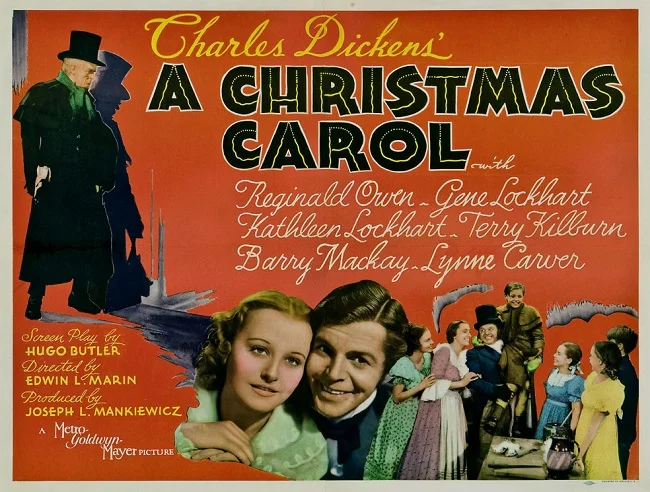
A Christmas Carol (1938)
I have written previously about the versatility of Charles Dickens’ classic story and how it lends itself to multiple adaptations and interpretations. This 1938 film version tests that very theory as the reformation and redemption of Ebenezer Scrooge is presented through the medium of Golden Age Hollywood. A Christmas Carol sees the source text sanitised, infantilised and presented as a polished example of wholesome American film making. It has the high production values you’d expect from a studio such as MGM at the time, along with a cloyingly sentimental screenplay that dodges the politics of the book and renders the proceedings into an odd mixture of comedy and soft US Christian propaganda. It presents a very stylised depiction of Dickensian England and bears too many of the obvious foibles and tropes of the studio system that produced the movie.
I have written previously about the versatility of Charles Dickens’ classic story and how it lends itself to multiple adaptations and interpretations. This 1938 film version tests that very theory as the reformation and redemption of Ebenezer Scrooge is presented through the medium of Golden Age Hollywood. A Christmas Carol sees the source text sanitised, infantilised and presented as a polished example of wholesome American film making. It has the high production values you’d expect from a studio such as MGM at the time, along with a cloyingly sentimental screenplay that dodges the politics of the book and renders the proceedings into an odd mixture of comedy and soft US Christian propaganda. It presents a very stylised depiction of Dickensian England and bears too many of the obvious foibles and tropes of the studio system that produced the movie.
This movie deals in caricatures and archetypes. Reginald Owen portrayal of Scrooge is hamstrung immediately due to his comical stylised “age make up”. His performance is neither scary, embittered or intimidating. He simply comes across as rather grumpy old man who is just “put out” about contemporary life. His Nephew Fred (Barry MacKay) has an expanded role and an ongoing romantic interest via his fiancée. As for Bob Cratchit (Gene Lockheart), his is reduced to nothing more than a comic foil (who is sacked due to his participation in a snowball fight). His rotund build hardly convinces viewers of his poverty. Similarly, his home, children and wife are only “poor” in the Hollywood sense of the word. With such one-dimensional depictions, it is very hard to become overtly invested in the characters.
Moving on to Marley’s Ghost (Leo G. Carrol) and the three spirits, all of these characters are subsequently bastardised. Scrooge calls the night watchmen when Marley first appears, and the use of comedy again robs the subsequent scenes of any drama. The Ghost of Christmas past looks like she’s stepped straight out of a Broadway chorus line, complete with a star on top of her hat. The Ghost of Christmas Present is also saddled with humorous vignettes as he uses the spirit of Christmas to stop several contrived comedic fights. The final spirit follows the standard depiction of a hooded spectre, but its scenes are pure melodrama. The screenplay removes the more sinister and bleaker elements of the book, such as “ignorance and want”, along with the pawn shop meeting and Scrooge lying dead in his own bed. There are further frivolous scenes of Fred and his fiancée attending church to bolster their piety.
This is a far from subtle or nuanced adaptation. It is contrived and tonally somewhat childish with its continual veering from humour to melodrama. Scrooge’s redemption and subsequent visit to the Cratchits house to make amends is borderline nauseating and devoid of any genuine adult emotion. It’s all very highly polished and superficial. The only aspect of the story that is clear is the perfunctory handling of the Christian message, which is no more sophisticated in this instance than “don’t be mean to each other”. Plus, this film includes one of the healthiest Tiny Tim’s ever seen. A Christmas Carol may amuse and entertain those who are interested in seeing how classic Hollywood film making was a finely-honed process that always lead to a specific product. It may also be of interest to completists who wish to seek out as many versions of the book as possible. But for those who want a more robust, honest and sophisticated adaptation of Dickens, then look elsewhere.
Scrooge (1935)
This 1935 British adaptation of Dickens’ classic book was the first movie version of the story to have sound. Director Henry Edwards had to work creatively to stretch the productions modest budget. Subsequently the production is reliant on fog and snow shrouded sets, mainly to keep costs down. However, this does provide a veneer of authenticity in its depiction of a divided and polluted London. There are a few miniature shots showing the capital city at night and a handful of location shots inside various public buildings to establish the period setting. But mainly this is a set bound production and a sombre one at that. The underlying thrust of this adaptation is to highlight the class division as well as the contrasting wealth and poverty of the country at the time. It is this perspective that is used as the fulcrum of Scrooge’s redemption.
This 1935 British adaptation of Dickens’ classic book was the first movie version of the story to have sound. Director Henry Edwards had to work creatively to stretch the productions modest budget. Subsequently the production is reliant on fog and snow shrouded sets, mainly to keep costs down. However, this does provide a veneer of authenticity in its depiction of a divided and polluted London. There are a few miniature shots showing the capital city at night and a handful of location shots inside various public buildings to establish the period setting. But mainly this is a set bound production and a sombre one at that. The underlying thrust of this adaptation is to highlight the class division as well as the contrasting wealth and poverty of the country at the time. It is this perspective that is used as the fulcrum of Scrooge’s redemption.
Seymour Hicks plays Ebenezer Scrooge. A distinguished actor from the Edwardian era his initial portrayal of iconic miser is both petulant and terse. Whereas Bob Cratchit (Donald Calthrop) is depicted as a dominated man who fears for his situation. Unlike other productions, this one spends more time focusing on the different social classes inhabiting the capital. We see Scrooge’s nephew Fred buying Christmas provisions and entering into the spirit of the season. This is then offset against Scrooge taking a lonely meal on his own. Bob Cratchits meagre yuletide provisions and his family’s poverty are then contrasted by the rich gathering at a Lord Mayor’s banquet. The screenplay also spends more time building up to Jacob Marley’s visit. This is quite a tense and atmospheric stretch of the film. It has a hint of gothic horror about it and is well contrived.
Sadly, possibly for budgetary reasons, Marley’s ghost can only be seen by Scrooge. We hear his voice but see only doors open and Scrooge addressing an empty chair. This approach does diminish the power of the scene. The next Ghost, the Spirit of Christmas Past is merely a glowing shape of a man. The screenplay then proceeds to abridge much of the source text and we see nothing of Scrooge’s school days or apprenticeship with Fezziwig. We simply go straight to the termination of Scrooge’s engagement. The Spirit of Christmas Present (Oscar Asche) is thankfully a physical being and sticks to the traditional depiction of the character. The Ghost of Christmas Yet to Come is shown as the silhouette of pointing hand. There are a few optical effects to embellish these later scenes. Again, at this stage of the story, the screenplay further condenses much of narrative. Scrooge himself becomes quite complaint by his second ghostly visit.
Yet despite the various omissions of certain iconic scenes, the script still keeps occasional snatches of dialogue direct from the book. Bob Cratchit jests about the possibility of someone climbing over the back wall and stealing the family’s Christmas pudding. We also get a montage of how everyday people celebrate the meaning of Christmas. We see both a ship’s crew at sea and two remote lighthouse keepers exchanging season’s greetings. The movie takes a second turn towards the sinister when the Housekeeper, the Washer Woman and Undertaker meet up at Old Joe’s pawn shop and hawk the wears they’ve plundered from a dead Scrooge. It is atmospheric and shot in a rather menacing and baroque fashion. It makes its point well. It should also be noted that this is one of a handful of adaptations that shows Bob Cratchit mourning over the actual body of a dead Tiny Tim. It is both a tragic and rather stark scene.
The climax of the film focuses very much on a joyous and genuinely happy Scrooge. The screenplay makes it very clear that this is about his spiritual salvation, rather than just an old miser discovering the joy of helping others. We see Scrooge visit his nephew, but the focus is more upon his compulsion to help Bob Cratchit. When he sees him at work the following day their redefined relationship culminates in a visit to church with an emphasis upon spiritual conversion. All of which would work fine as an ending, if Scrooge’s character transformation hadn’t had been so abrupt. The tipping point comes to early during the film and is made too clear, so therefore lacks nuance. However, the film is still of note for attempting to depict the fundamental inequalities made clear in original story. Scrooge is surprisingly bleak, tonally quite grim and doesn’t sanitise the notion of poverty.
NB. This movie has been in and out of the public domain for many a year. There is a truncated US version that runs just 63 minutes and the longer UK edit that I watched that runs 78 minutes. Many prints that are in circulation are in very poor condition. The US release is also available in a colourised edition. However, there was a full restoration undertaken by Renown Pictures in 2009 which is available on Amazon Prime in the UK. This version by far offers the best picture quality and is the one I would recommend people to watch.
Attack the Block (2011)
A lot was written about Joe Cornish's Attack the Block upon its release back in May 2011. I'll let you know right now that I have no intention of contradicting the popular consensus. This is an innovative, thoughtful, violent and very British Sci-Fi horror film. The contemporary inner London setting, and urban protagonists provide a very interesting take on a tried and tested subject. Do not be misled by certain journalists who try to make political capital out of claiming that the film endorses hoodie culture. It does not. There is no validation or glamorisation of that kind present. It’s simply an alternative setting for a somewhat formulaic story. As ever the devil is in the detail, which is subsequently supplied in the screenplay.
A lot was written about Joe Cornish's Attack the Block upon its release back in May 2011. I'll let you know right now that I have no intention of contradicting the popular consensus. This is an innovative, thoughtful, violent and very British Sci-Fi horror film. The contemporary inner London setting, and urban protagonists provide a very interesting take on a tried and tested subject. Do not be misled by certain journalists who try to make political capital out of claiming that the film endorses hoodie culture. It does not. There is no validation or glamorisation of that kind present. It’s simply an alternative setting for a somewhat formulaic story. As ever the devil is in the detail, which is subsequently supplied in the screenplay.
Sam (Jodie Whittaker), an overworked, underpaid nurse is returning home from her shift, while talking to her mum on her phone. She finds herself surrounded by a gang of five teenagers, led by Moses (John Boyega). As they demand her valuables, something falls from the sky and crashes into a nearby car. In the ensuing mayhem, Sam escapes while Moses and his crew find themselves at odds with an unexpected visitor. Everyone takes refuge in the tower block in which they live, as more extraterrestrial visitors continue to fall to earth. A siege begins, and the residents of Wyndham Tower have to band together to deal with the threat. Moses and his gang are motivated by the financial gain that the aliens may offer, but it soon becomes clear that it is them who are primarily being targeted by the visitors.
Cornish clearly shows his love for the genre in virtually every aspect of the production. From the lighting of the tower blocks to the bio-luminescent teeth of the aliens, all clearly demonstrate the influence of eighties cinema that the director grew up on. The script finds a comfortable balance between humour and action with the group of young residents spouting copious amounts of comic, patois-based dialogue. This has become the new benchmark in cult quotable sound bites, among discerning movie nerds. The pace of the narrative is strong and the set pieces hard edged. Attack the Block also maintains that very clinical feel that you often find in the best of British urban dramas.
It is very reassuring to see that films such as this are still being made and are directly competing against the ongoing tide of Hollywood blockbusters. UK film makers can effectively turn their hands to anything but are all too often only associated with period costume dramas or worthy slice of life, social comedies. Attack the Block and the action film Hanna (both released in 2011) have helped contribute to a greater diversification of British film making and have helped alter perceptions. As for Joe Cornish, he has clearly shown his abilities and set a high standard. I look forward to his next project. In the meantime, see Attack the Block, preferably twice. Once to enjoy it, then again to clock all the references. Wyndham Tower indeed.
Writing Film Reviews
"You’ve probably gone over it before, but I’d like a refresher for how you go about choosing the movies you watch - I’ve got Netflix and Amazon Prime, but your titles always seem to go all over the place. Did you ransack a Blockbuster Video before it went bankrupt?" Rambling Redshirt. I was asked the above question recently, via Discord chat, because I do appear to post a rather eclectic range of film reviews. So, I thought I’d clarify my respective process (or lack thereof) as to which movies I choose to write about. I’d also like to share my thoughts on what I consider constitutes a good film review and the procedure I use when writing about the films I’ve watched.
"You’ve probably gone over it before, but I’d like a refresher for how you go about choosing the movies you watch - I’ve got Netflix and Amazon Prime, but your titles always seem to go all over the place. Did you ransack a Blockbuster Video before it went bankrupt?" Rambling Redshirt. I was asked the above question recently, via Discord chat, because I do appear to post a rather eclectic range of film reviews. So, I thought I’d clarify my respective process (or lack thereof) as to which movies I choose to write about. I’d also like to share my thoughts on what I consider constitutes a good film review and the procedure I use when writing about the films I’ve watched.
First off, here’s a little background about my relationship with cinema. Both my parent grew up during the thirties and forties when the primary form of entertainment were films and radio. Hence when I was a child, watching movies together was a common family activity. Mainstream network channels showed a lot more movies during the seventies, where now they’ve been replaced with property, cooking and quiz shows. Satellite and cable options did not exist in the UK at the time and there were just three analogue terrestrial channels. Sunday afternoon was a day where there’d be a movie scheduled on BBC Two mid-afternoon. We’d have our Sunday roast and then settle down to watch the likes of The Mark of Zorro or Top Hat or The Dam Busters. As these were my most formative years, my passion for film was kindled. This was how I was introduced to the works of Ray Harryhausen, George Pal and Hammer Horror.
As a carer, I now have a fixed schedule which although busy, provides me with periods of time that I can use to pursue my interests. Thus, during a week, I will watch about three or four movies. Because I don’t go to the cinema so often these days, some of these will be recent releases, especially now that the gap between the theatrical and video-on-demand release is as little as two months. I also have a “watch list” that contains both old and new films, that regularly has new titles added to it. These will be recommendations from critics or genre classics that I want to familiarise myself with. I often re-visit films I’ve previously seen for a re-evaluation, especially if it has recently been “dissected” on any of the film related vlogs and podcasts that I subscribe to. However, there is not a great deal of rhyme or reason to the order in which these movies are watched. All can potentially be written about.
I do not consider myself a casual watcher of films. I believe film making to be an art form and I can find merit in all genres. Many people see films as disposable entertainment. Something you passively observe and then move on from. That’s fine. You do whatever is good for you. I however, watch, analyse and reflect. I like dialogue and the way it’s written. I focus and consider the composition of shots and the construction of scenes. Lighting, production design and style are all important to my enjoyment. I can also remember details and visualise how scenes played out, after I have watched a film. As I have this level of interest, I naturally read and seek out data about film stars, film makers and movie production. If you like sports you will often become knowledgeable on the subject, especially stats. I do the exactly the same with films. Why? Because they bring me pleasure, they tell stories and they entertain. And this passion drives me to write about them.
Moving on, here are the rules that I broadly try to apply when writing about a movie. Just for the record, I often sit on the sofa with a pen and notebook in hand to write my thoughts down as they occur to me. This can be a little confusing to anyone watching with me.
1). Be sure to establish the genre of the film in question. Is it a comedy, a drama, a horror? If so, judge the film within the confines of said genre. Don’t make the mistake of comparing apples to oranges. All movies require a degree of “suspension of disbelief”. You have to vary this according to what you are watching. A drama such as On the Waterfront does not need to be watched with the same objective removal from reality as Dog Soldiers.
2). Consider all aspects of filmmaking when writing your review. Reflect upon directing, writing, editing, acting and other aspects of the production. Did they contribute positively or negatively to your experience? Where they of note contextually? IE with regard to the budget of the movie. If you have points you wish to highlight, then give specific examples in your review.
3). Imagine that your readers know nothing about the film in advance. It’s your job to introduce it to them and to provide them with a succinct and salient summary. How would you describe the film to a friend in one sentence? That may not always be possible with movies like Cloud Atlas but strive to be concise. Also do your best to avoid spoilers. If there is a dramatic event that serves as a surprise, don’t reveal this in your review. Provide enough information to intrigue readers so that they can choose to watch the film if they see fit.
4). When summarising your overall experience, think about who would enjoy this film, what its appeal is and in what circumstances. It helps to contextualise this, so if possible, why not make a broadly equivalent film comparison. IE Under Siege is Die Hard on a ship. Watership Down is essentially The Wild Bunch but with Rabbits. Any movie with Ben Stiller, is like a good comedy but with all the humour, talent and enjoyment conspicuously absent.
Finally, I’d like to finish with a quote from top UK movie critic Mark Kermode. Here are his top five ingredients for a proper film review, taken from his book The Good, The Bad & The Multiplex. Needless to say, I think he’s spot on.
“Opinion, description, contextualisation, analysis and entertainment.
1. Opinion
Saw 3D is rubbish.
2. Opinion and description
Saw 3D is a horror film that is rubbish.
3. Opinion, description and contextualisation
Saw 3D is the seventh episode and the first stereoscopic instalment in a long-running horror series, and it is rubbish.
4. Opinion, description, contextualisation and analysis
Saw 3D is the first instalment in a series that began life as a tortuously inventive low-budget chiller but which has descended over the course of six sequels into gory, boring torture porn which is rubbish.
5. Opinion, description, contextualisation, analysis and entertainment
It took the once-inventive but increasingly depressing Saw series seven movies to resort to the hackneyed headache of 3-D, but despite the promise that this is ‘The Final Chapter’ (just wait till the sums say otherwise) you keep wishing those protruding spikes would leap a little further out of the screen and puncture your eyeballs to ensure that you never have to watch rubbish like this ever again”.
























The Raid 2 (2014)
It is very difficult to write about The Raid 2 without descending into hyperbole or gushing like a fanboy. As the movie poster shows, the popular press used pretty much every cliché available on the film’s release in 2014. If I remember, they did this previously with the original movie, The Raid in 2011. I may have leaned towards such enthusiasm myself when reviewing the previous movie. One thing that can be said about The Raid 2 is that it's a game changer and a genre milestone. It is more than just an action movie, in the same way that Enter the Dragon is more than just a martial arts movie and Singin' in the Rain is more than just a musical. Director Gareth Evans has stepped beyond the traditionally narrow scope of the genre to produce something far more ambitious.
It is very difficult to write about The Raid 2 without descending into hyperbole or gushing like a fanboy. As the movie poster shows, the popular press used pretty much every cliché available on the film’s release in 2014. If I remember, they did this previously with the original movie, The Raid in 2011. I may have leaned towards such enthusiasm myself when reviewing the previous movie. One thing that can be said about The Raid 2 is that it's a game changer and a genre milestone. It is more than just an action movie, in the same way that Enter the Dragon is more than just a martial arts movie and Singin' in the Rain is more than just a musical. Director Gareth Evans has stepped beyond the traditionally narrow scope of the genre to produce something far more ambitious.
The Raid 2 exceeds the claustrophobic confines of its predecessor and offers a far more ambitious plot. Following two hours after the siege on Boss Tama’s tower block complex (as seen in the first film), cop Rama (Iko Uwais) is asked to go undercover in a maximum-security prison so he can infiltrate a Jakarta crime syndicate. Rama manages to penetrate the inner circle of Ucok (Arifin Putra), the son of crime boss Bangun (Tio Pakusodewo). When rival gang leader Bejo (Alex Abbad) instigates a turf war for the streets of Jakarta, Rama quickly finds that all may not be as it seems, both in prison and within the ranks of his own police department.
The Raid 2 has a running time of two and a half hours, but it does not out stay its welcome despite its length. It manages to keep the narrative moving forward and switches seamlessly from action scene to occasional exposition. It is clear that director Evans has been influenced by the works of Akira Kurosawa, Park Chan-wook, Takeshi Kitano and Alan Mak, both visually and thematically. There are clear homages to several genre classics; a mass fight in a prison yard that has turned to mud, the use as claw hammers as a weapon and the complex inner politics of the crime syndicate. The movie also excels with its cinematography, editing and choreography. The action is superbly framed and presented in such a way that allows the audience to enjoy the frenetic pace but still see exactly what is happening on screen.
The Raid 2 is not for the squeamish. It is a brutal and unflinching in its depiction of violence. Yet there is a poetical quality to the never-ending litany of broken limbs, stabbings and sundry mayhem. Edwards manages to succeed in making the violence both titillating and disturbing at once. The audience is never quite sure what is going to happen next. It is this element of unpredictability that works so well in the film favour. It’s a radical change in approach to the distinctly passive experience that contemporary mainstream action movies have become in the west. Four years on we have yet to see a third instalment of this franchise, which is a shame. There is still talk of a US remake of the original film, for those viewers that cannot cope with subtitles or a non-American cast. For viewers with broader cinematic taste, The Raid 2 is well worth seeking out and seeing in its original language, because it is a superior, stylish and honest product.
The Raid (2011)
I was not a big fan of Gareth Evans 2009 movie Merantau. Although it was an interesting showcase for Iko Uwais and Pencak Silat martial arts, the story had a ponderous narrative and was thirty minutes too long. The human drama seemed at odds with the action content. However, in early 2011 I started to hear positive things about his follow up movie The Raid. When I finally got to see the international version of the film the following year, I was summarily impressed. The Raid was the most entertaining, all out, kick you in the nuts action film I’d seen since Hard Boiled at that point. Every so often, a film comes along that breathes new life in to an ageing and tired genre. The Raid was exactly such a movie and it didn’t take long for people to take note.
I was not a big fan of Gareth Evans 2009 movie Merantau. Although it was an interesting showcase for Iko Uwais and Pencak Silat martial arts, the story had a ponderous narrative and was thirty minutes too long. The human drama seemed at odds with the action content. However, in early 2011 I started to hear positive things about his follow up movie The Raid. When I finally got to see the international version of the film the following year, I was summarily impressed. The Raid was the most entertaining, all out, kick you in the nuts action film I’d seen since Hard Boiled at that point. Every so often, a film comes along that breathes new life in to an ageing and tired genre. The Raid was exactly such a movie and it didn’t take long for people to take note.
Seven years on (and a sequel later) I recently watched this movie for a second time. Let it suffice to say it still boasts a formidable pedigree. It reaches high gear within minutes of starting and simply does not let up for its hundred-minute duration. It is atmospheric, mean and dirty with one of the highest bodycounts to running time ratios I’ve encountered. And it remains extremely hard hitting. If your forays into the action genre have been mainly PG-13, mainstream US fodder, then you’re in for a “great big fucking surprise” as Jack Watson said in The Wild Geese. This is a fast paced and frenetic movie with a hard edge. It’s violent slick and compelling. It’s lack of Hollywood gloss makes it gritty and a refreshing change from other western genre movies.
A group of elite SWAT style specialist cops launch a dawn raid on 30 floor tenement block that doubles as armed fortress for an evil local drugs baron. However, the textbook plan goes terribly wrong, leaving the forces of law and order decimated. The fire fights with automatic weapons give way to hand to hand combat as honest cop Rama (Iko Uwais) tries to keep the remainder of his team alive and carry out their mission. The Raid boast a grimy production design which is credible and atmospheric. The cinematography by Matt Flannery captures the rundown aesthetic of Jarkarta’s slums very well. Even when the mayhem becomes somewhat balletic, the down to earth setting keeps the viewer grounded. There are shades of Carpenter’s Assault on Precinct 13 in the narrative as well as nods to John Woo and Walter Hill. Director Gareth Evans balances tone, pacing and a feel for action sequences perfectly.
The Raid succeeds because it does not aim to high. There is a wealth of action and wall to wall mayhem. Blood flows freely, but the movie does not make the mistake of copying standard Hollywood output. We don’t have a hero who is bullet proof, blessed with limitless ammunition and can take down a plane with a single shot. We have a flawed hero, who bleeds. Of course, we have to suspend our sense of disbelief. But we do not have to seal it in a lead container and drop it into the ocean to be recovered at a later date. If you like old school action movies, then see The Raid. You won’t regret it. If only Hollywood would take note. Less is more in this case. Also using a talented director who knows what he’s doing, helps. Unfortunately, the US studios seem oblivious to what the fans want and still blithely continue churning out there “targeted products”.
Here is some further trivia on The Raid. The title of the movie was altered from The Raid to The Raid: Redemption in the United States because the production company SPC could not secure the rights to the title; this also allowed Gareth Evans to plan out future titles in the series. The US version also sports a different soundtrack. While the original film was still in production, in May 2011, Sony Pictures Worldwide Acquisitions acquired the distribution rights of the film for the U.S. and asked Mike Shinoda of Linkin Park and Joseph Trapanese to create a new score for U.S. release. The original score from the Indonesian version was composed by Aria Prayogi and Fajar Yuskemal, who worked with Evan's on his previous film, Merantau. This version can be found on the international DVD and Blu-ray release of the movie.
Hanna (2011)
Some people seem to draw parallels between Hanna and Mathew Vaughn’s Kick-Ass but the similarities are somewhat superficial. One is traditional, intelligent action thriller about a youthful female assassin. The other is a tongue-in-cheek neo-exploitation movie, involving a preteen vigilante. The more you compare them the greater the differences become. So, let us start by dismissing such erroneous comparisons.
Some people seem to draw parallels between Hanna and Mathew Vaughn’s Kick-Ass but the similarities are somewhat superficial. One is traditional, intelligent action thriller about a youthful female assassin. The other is a tongue-in-cheek neo-exploitation movie, involving a preteen vigilante. The more you compare them the greater the differences become. So, let us start by dismissing such erroneous comparisons.
One of the most compelling reason to see Hanna is Saoirse Ronan's performance, previously seen in Atonement and Peter Jackson’s The Lovely Bones. It is precise and utterly compelling. Another selling point is Joe Wright's tight and well measured direction. This is a real revelation as his previous works tend to be costume pieces or worthy human dramas. Yet he shows a real feel for the genre proving that some directors can successfully change verticals (unlike Marc Forster, who struggled to grasp the concept of a Bond movie, with Quantum of Solace).
The plot is a straight forward affair about an individual raised in isolation and subsequently discovering on contact with the real world, that they are “different”. There is the implication that Hanna is not only the product of her upbringing, by ex-assassin Eric Bana, but potentially the child of a genetic experiment. Once the initial premise has been established, the script is essentially a series of action sequences, shot in a very contemporary fashion (hence achieving its PG-13/12A rating). The story is neatly structured although formulaic, with a twist ending that really isn't that much of a revalation.
Yet director Joe Wright manages to expand the story's subtext, providing more rounded characters than you would expect in a genre piece such as this. Cate Blanchett and Tom Hollander, provide superior performances as the films antagonists. The score by the Chemical brothers is another innovative aspect that should be applauded. Soundtracks in the action movies are so often perfunctory, these days. Hanna overall is pure escapism but is elevated above the mundane by the significant talent of Joe Wright. Let us hope that he continues to experiment with different genres.