
LOTRO: A Lesson in Semantics
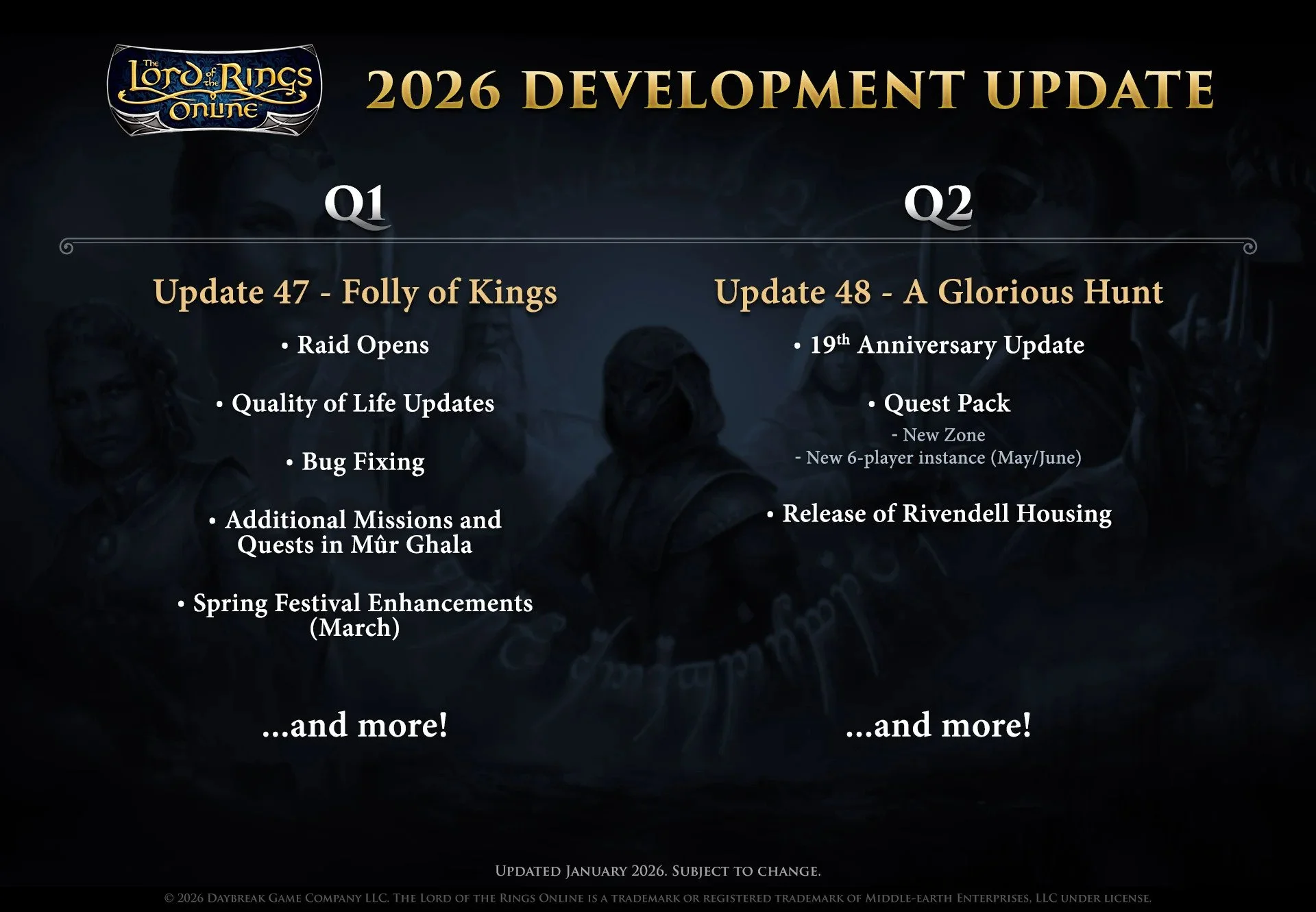
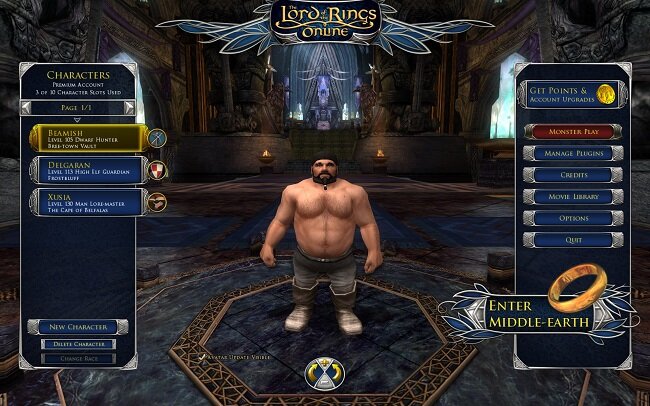
It’s always nice to know what a video game developer has in mind, especially given the currently volatility of the MMO market. Most of the MMO related news of late has been regarding studio closures and job layoffs. So the arrival of a new Producer’s Letter from Rob Ciccolini (AKA Severlin) is at first glance most welcome. Communication is not exactly Standing Stone Games greatest strength and there hasn’t been a great deal of news filtering down to the player base in the last six months. So this missive is welcome, as it does broadly feature this year’s road map for LOTRO. Furthermore, the details are interesting with further content and systems changes in development. As a long time LOTRO player who purchased the Legacy Bundle in December 2018, I want the MMO to continue grow and evolve.
It’s always nice to know what a video game developer has in mind, especially given the currently volatility of the MMO market. Most of the MMO related news of late has been regarding studio closures and job layoffs. So the arrival of a new Producer’s Letter from Rob Ciccolini (AKA Severlin) is at first glance most welcome. Communication is not exactly Standing Stone Games greatest strength and there hasn’t been a great deal of news filtering down to the player base in the last six months. So this missive is welcome, as it does broadly feature this year’s road map for LOTRO. Furthermore, the details are interesting with further content and systems changes in development. As a long time LOTRO player who purchased the Legacy Bundle in December 2018, I want the MMO to continue grow and evolve.
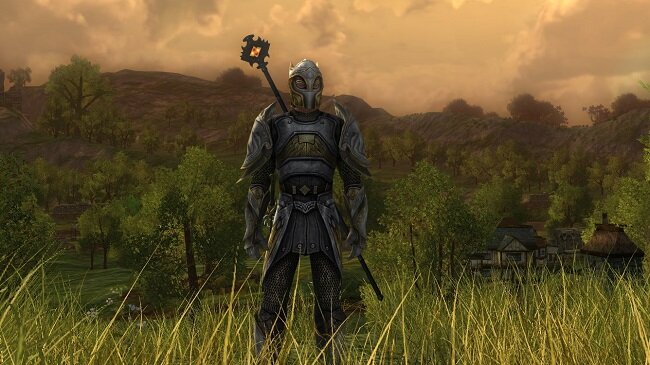
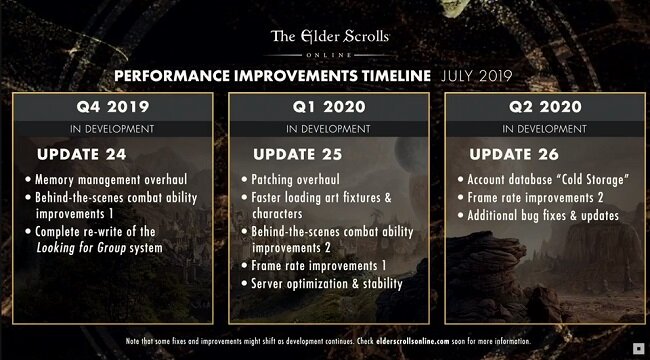
The list of features under development appear to be appropriate for a ten-year-old MMORPG. Naturally players at level cap want new content and so moving onto the Vale of the Anduin seems to be a logical choice. The unresolved plot regarding Shelob is also going to be addressed, with a return to Minas Morgul. Addressing difficulty issues and adding additional tiers to instances seems an equitable solution to those wanting a harder challenge. Over hauling the virtue system is long over due and it will be nice to see it made relevant again. Although I only dabble with crafting, I appreciate it is a source of enjoyment and challenge for many players. It SSG wish to expand and improve the system that’s fine with me, as it will hopefully mean a lot of new crafted gear appearing in the auction house. The ongoing work on the new 64-bit Windows client is eagerly anticipated, especially if it can address the games performance issues.
However, the Producer’s Letter is just as much as a PR and marketing exercise as it is a formal piece of communication. Therefore the devil is very much in the detail and in this case, the semantics. Consider the following quote. “So, while this does provide a road map for the year, the following letter focuses more on our goals for the game in 2019”. Goals being the key word. Because goals are not the same as formerly announced and mandated business commitments. They are aspirational achievements that can either be met or not. I think that SSG has chosen to use such language deliberately because their plans are dependent on revenue projections, set by their publisher the Daybreak Game Company. A company that is having a somewhat tumultuous time at present. So perhaps it would be wise for LOTRO players to temper their expectation for 2019, as there seems to be a clue in Mr Ciccolini’s words.



Auto Manage
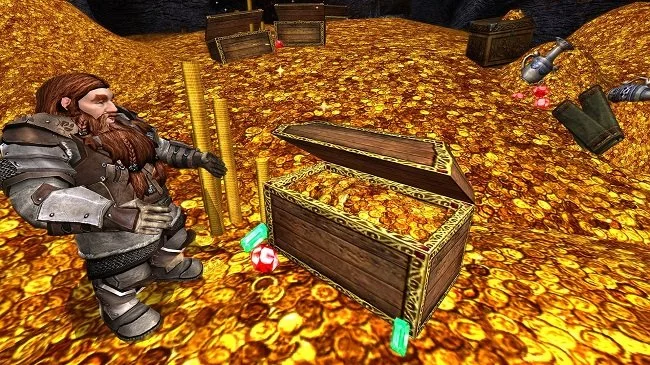
As someone who plays video games for fun, rather than competitively, there are many common mechanics that I don’t care for or that I’m broadly indifferent to. These usually tend to be fiddly, time consuming tasks such as inventory management or having to excessively (a very subjective term) fine tune gear. The Legendary Item system in LOTRO being a great example of this. I fully appreciate that there are players who really dig this sort of thing and I am not in any way advocating that they have their “fun” taken away. However, what I would like to see in more games, especially MMOs, is the ability to auto manage some of these systems. To be able to just click a button and have the peace of mind that the most relevant item in my inventory will be equipped by default.
As someone who plays video games for fun, rather than competitively, there are many common mechanics that I don’t care for or that I’m broadly indifferent to. These usually tend to be fiddly, time consuming tasks such as inventory management or having to excessively (a very subjective term) fine tune gear. The Legendary Item system in LOTRO being a great example of this. I fully appreciate that there are players who really dig this sort of thing and I am not in any way advocating that they have their “fun” taken away. However, what I would like to see in more games, especially MMOs, is the ability to auto manage some of these systems. To be able to just click a button and have the peace of mind that the most relevant item in my inventory will be equipped by default.
Allow me to give an example. Back in 2003 I use to play a tactical squad based shooter called Hidden and Dangerous 2. You could spend ages equipping your team, meticulously pawing over the stats of each item and trying to ensure you had a cache of ammunition and supplies that suited your strategy. Or you if you preferred, you could click on a handy "auto manage" button that selected and equipped an adequate selection of items automatically. These were not the best or the worse items available and if you decided to choose for yourself you could do better. But they were sufficient for the task in hand, allowing the player to move on to the next step of the game. Overall the system was a nice compromise.
Requesting such a system (albeit rhetorically), is not such an outrageous demand, because a quasi-version of auto manage already exists in many games. For example, many shooters, such as the COD franchise come with default builds for each class. Again these may not be the best permutation of gear and weapons available, but they certainly work. In fact on occasions I have stuck with such loadouts without any major impediment. Such a facility also exists in real time strategy games. I can remember playing Star Wars: Rebellion back in the late nineties and allowing the AI to manage resources on the planets that were occupied. Again this was not the optimal choice, but it served a purpose if you didn’t wish to be bogged down in the minutiae of planning, building and maintaining factories, army barracks and ship yards.
Having an option to auto manage is about choice and allowing the player to do things in a fashion that suits them. There are many popular titles at present that have inventory management as a core game mechanic. Having a means to manage this process may well make such games attractive to a broader audience. Another factor to consider is the finite availability of leisure time. I certainly cannot spend an entire evening playing as I did a decade ago. Therefore when I do spend an hour or two playing a game, I want to be as productive as possible. The inclusion of some sort of auto manage facility would certainly contribute toward this and help with achieving goals in-game goals. The content gamer is one who is happy to log back in the next day. In an age of “live services” and an industry governed by churn, surely a content gamer is desirable?

MMOs I No Longer Play
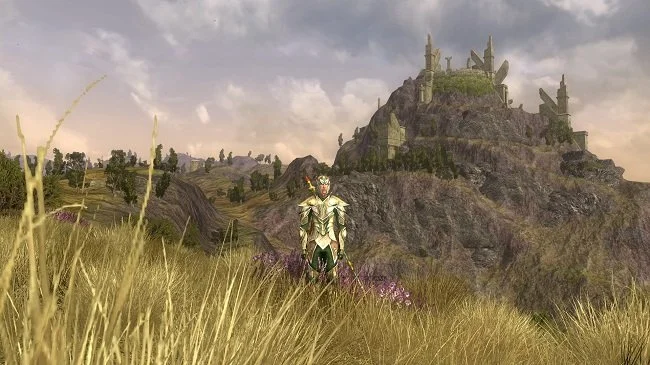
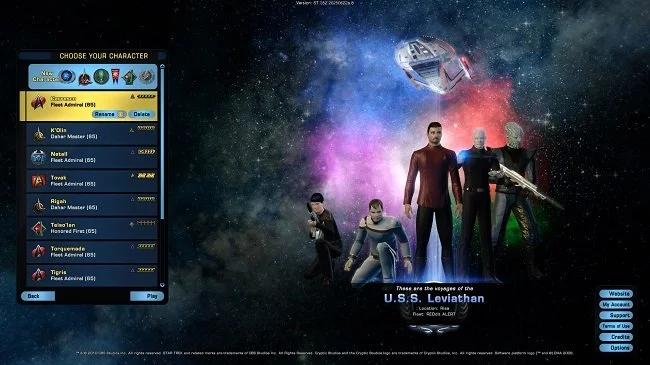
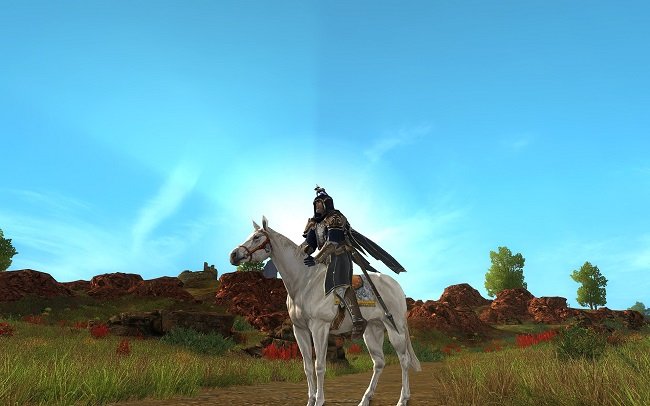
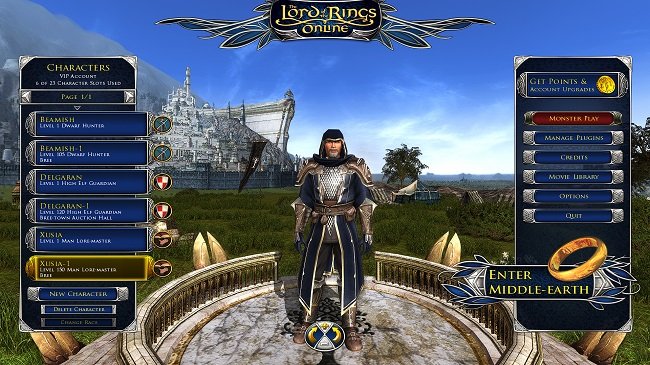
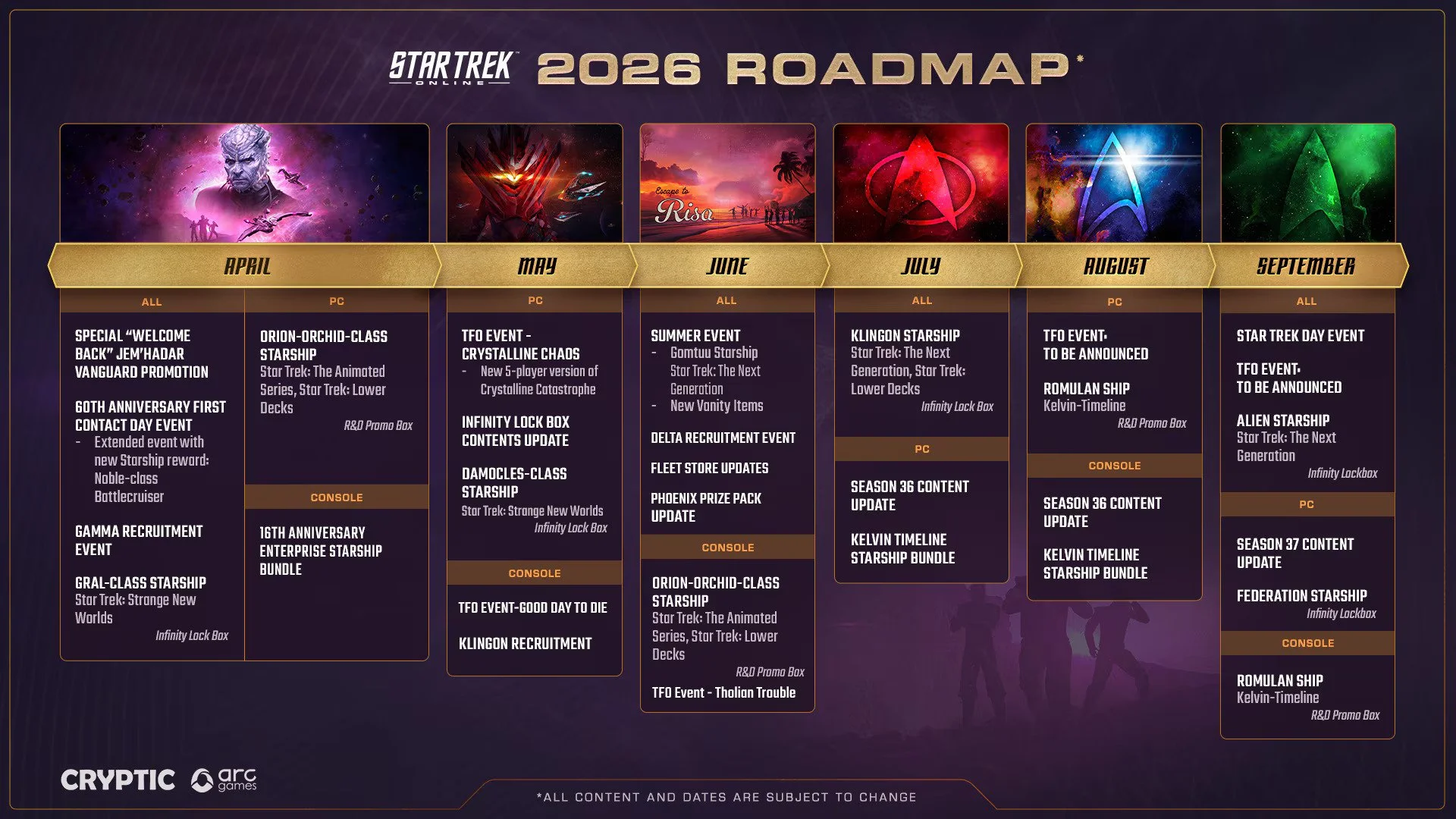
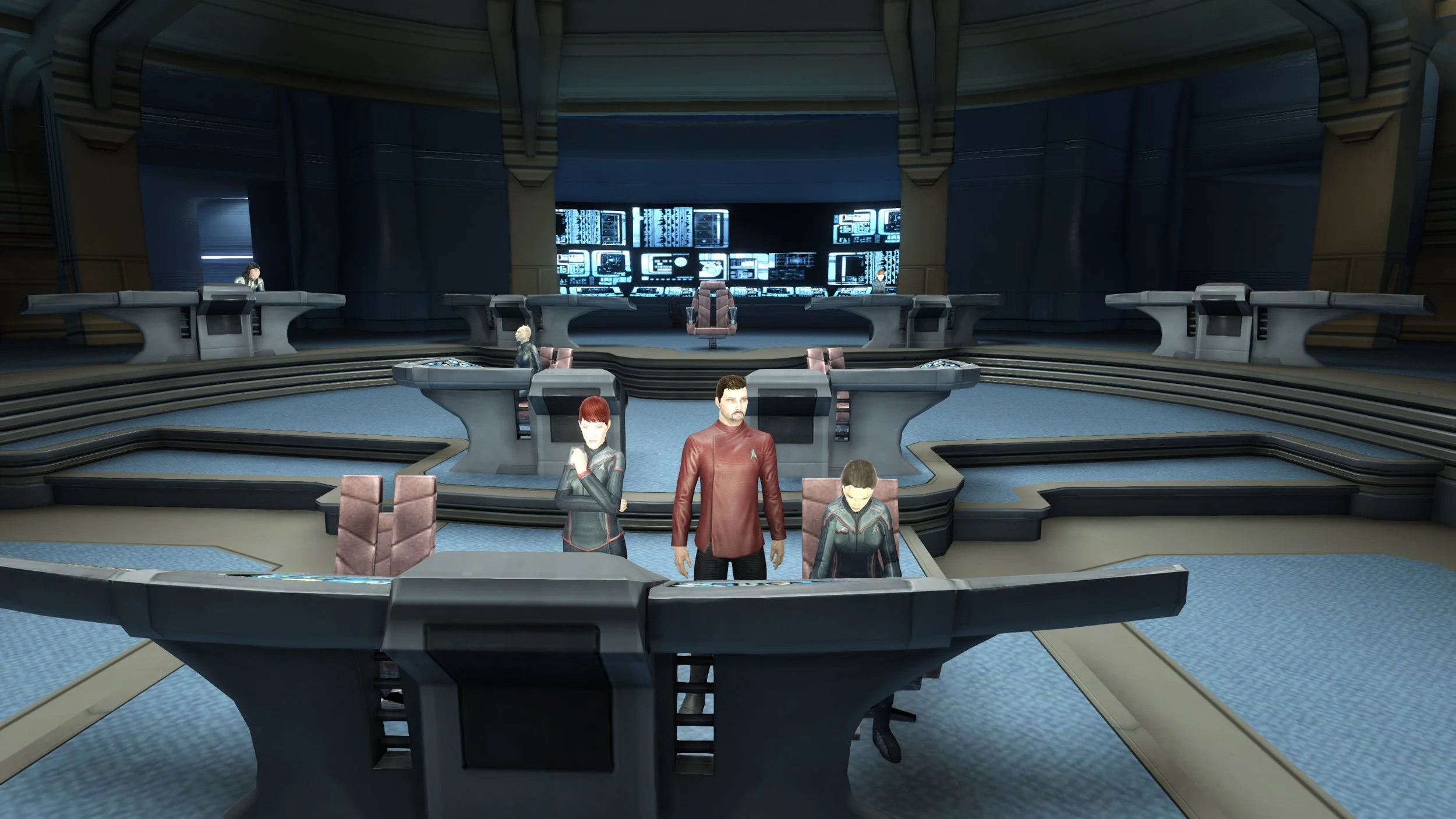
I started playing MMORPGs over a decade ago, at a point when the genre was growing. It seemed at one point that every developer wanted to produce the game that usurped World of Warcrafts crown. I therefore ended up trying many of these massively multiplayer online games yet ended up sticking with few. All too often many of these titles were too generic or had an inherent flaw or flaws that killed my enjoyment. Sometimes it was just a case that the game just didn’t chime with me. Naturally over time, I have revisited some of these MMOs and a few have become a mainstay of my gaming activities. The Lord of the Rings Online, Star Trek Online and The Elder Scrolls online are three such examples. Yet there are numerous other games from this genre that I have not returned to or if I have, I still found them to be problematic, so they have not become part of my leisure activities.
I started playing MMORPGs over a decade ago, at a point when the genre was growing. It seemed at one point that every developer wanted to produce the game that usurped World of Warcrafts crown. I therefore ended up trying many of these massively multiplayer online games yet ended up sticking with few. All too often many of these titles were too generic or had an inherent flaw or flaws that killed my enjoyment. Sometimes it was just a case that the game just didn’t chime with me. Naturally over time, I have revisited some of these MMOs and a few have become a mainstay of my gaming activities. The Lord of the Rings Online, Star Trek Online and The Elder Scrolls online are three such examples. Yet there are numerous other games from this genre that I have not returned to or if I have, I still found them to be problematic, so they have not become part of my leisure activities.
Age of Conan: Hyborian Adventures (or Unchained as it is now suffixed) was one of the first MMOs I tried after LOTRO. Broadly I enjoyed the game although I found combat to be somewhat cumbersome. I liked the aesthetic of the game and the atmosphere, but like so many other players, was extremely disappointed when I discovered that the voice acting, and extensive cut scenes only applied to the starter zone of Tortage. And because it was a time when there was plenty of competition available, I can remember just abandoning the game and moving on to another title. Oddly enough that was STO but that game had a bad launch and was incomplete in spring 2010. It took several years for it to find its feet. Therefore I didn’t stay there for too long either.
Rift was my next MMO port of call and although I wasn’t especially inspired by the game’s lore and story, there was a broad spectrum of possibilities when it came to class builds. By now the novelty of traditional social gaming, participating in organised guilds and devoting large amounts of time was beginning to wear a little thin. The dynamic events that Rift introduced where you could simply join a zerg and participate in a localised event, was a welcome change. Yet Rift fell between two stools. Although it did new and innovative things it still struggled with skills bloat and was saddled with too many traditional MMO mechanics. So I moved on again, just in time for Star Wars: The Old Republic in December 2011. Out of all the MMOs that I’ve played over the years, this was the one that seemed to have the most expectations associated with it.
I like so many other gamers, really wanted to like SWTOR. So I gave it possibly more of a chance than it deserved. I liked many aspects of the game; the gunslinger smuggler class that I chose, the companion system and oddly enough the ship that wasn’t quite a house. The narrative was extremely good, and I liked the way gear could be upgraded. But there were quite a lot of negative points as well. The combat was slow and there was an excess of skills, many of which could simply be ignored. Plus, although it was Star Wars, it wasn’t the period of history that so many players wanted access to. Perhaps the biggest issue was that once you had burned through all the PVE content, there was little to do at level cap. Hence there was a mass exodus of players leading to the game having to go free-to-play just to survive. A lot has been done with the game since then and I did return a couple of times but although the narrative was still strong the game is just too old school for my liking.
And so in 2012, I dabbled with The Secret World in the hope that Funcom would honour their promises to do something different with the genre. And broadly that’s what they did. The story was adult and uncompromising. There was a lot of dialogue, which I enjoyed, and the game made you think. The skill wheel system did indeed lend itself to a far more nuanced approach to fine tuning your character. But the combat was slow, repetitious and far from fun and if you wanted to spend your skill points elsewhere, they were not transferrable. Hence you had to repeat content. Needless to say I parted company with The Secret World and moved on to possibly the last big MMO release Guild Wars 2. I could easily write an entire blog post about what I liked about this MMO. But for the sake of brevity, I shall say the flexibility of the classes, the horizontal progression, the fluid combat and the fact that there was always something to do. Out of all the titles I played, this is possibly the most frictionless, although I say this only of the base game. Things changed too much for me with the first expansion Heart of Thorns. But for the first year of two Guild Wars 2 was the most casual friendly MMO I played. You could return after a while and jump straight back in and pick up where you left off.
It’s odd how business demands will sometimes take you in the opposite direction of where you intend to go. The first expansion for Guild Wars 2 essentially put into the game all the systems and ideas that were conspicuously absent from it at launch. I could no longer easily freelance and join zergs to accomplish what I wanted. And as I was never a big fan of the lore, I had nothing to hold me when things changed. In fact lore appears to be a major selling point for me in the MMO genre. ESO is odd in so much as unlike LOTRO and STO, I was not familiar with the lore and history of the franchise, prior to playing. But because I consider the writing to be of a high standard, I do actually consult the games Wiki to gain a greater understanding of things. And ESO has established for me that action combat, a sensible amount of skills and systems is how a modern MMO should be. It will be interesting to see what changes another decade brings to the genre and what, if anything, I’ll still be playing.

An Angry Discourse
“Video game discourse has gotten me down lately. Why are some people so shitty about their favorite hobby?” This comment from Jake Baldino, a presenter over at Gameranx, appeared in my Twitter timeline today and garnered some interesting responses. A lot of people stated it was all down to a “loud minority” of gamers, which is a very common refrain. But I’m not so sure. Whereas I may well have trotted out such a response a decade ago, recent events seem to indicate otherwise. I have a sneaking suspicion that “people” aren’t as nice as we may have previously thought and that includes gamers. Yes, the anonymity of the internet does encourage some hostility among “keyboard warriors”, but you only have to turn on your TV to see people happily being bellicose and objectionable in public. So perhaps it’s not just a case of the “the squeaky wheel” getting noticed. May be there has been and continues to be, a major cultural shift in the way we interact with each other.
“Video game discourse has gotten me down lately. Why are some people so shitty about their favorite hobby?” This comment from Jake Baldino, a presenter over at Gameranx, appeared in my Twitter timeline today and garnered some interesting responses. A lot of people stated it was all down to a “loud minority” of gamers, which is a very common refrain. But I’m not so sure. Whereas I may well have trotted out such a response a decade ago, recent events seem to indicate otherwise. I have a sneaking suspicion that “people” aren’t as nice as we may have previously thought and that includes gamers. Yes, the anonymity of the internet does encourage some hostility among “keyboard warriors”, but you only have to turn on your TV to see people happily being bellicose and objectionable in public. So perhaps it’s not just a case of the “the squeaky wheel” getting noticed. May be there has been and continues to be, a major cultural shift in the way we interact with each other.
Contemporary politics has shown us that despite what a lot of us thought, we don’t all share the same values. Politics and the wider discussion to be had around it, has become far more partisan. There’s no longer seems to be any attempt to “agree to disagree”. A lot of the media are no longer concerned with balance. It’s all about clicks, viewing figures and “likes”. So pretty much everything in the news, be it politics, economics or social issues is just presented as a binary choice. You’re then invited to pick a side and scream, because we live in an age where we are encouraged to get angry and its fast becoming a national pastime. And this mindset then bleeds out into everything else. The work environment gets angrier as a result. People will fly off the handle while queuing at the supermarket. So it’s therefore hardly surprising to see such behaviour appear in out leisure activities.
Gaming is a broad church but two of its biggest defining features are competitiveness and social interaction. These are things that people become very passionate about. Furthermore, we live in an age of growing identity politics and defining who we are on our own terms. Gaming has therefore become a facet of personal identity for some, as opposed to just a leisure activity. When you mix such a mindset into a wider culture that is becoming increasingly adversarial, then you’ll eventually encounter problems. Despite what some people think, you cannot keep politics and social commentary out of gaming because it has become more than the sum of its parts. Whenever people interact and engage on masse, you’ll find pockets of an emergent communal identity. Groups then become mediums for wider ideas. But groups can also lead to hierarchies, power struggles and conflict.
It is also naïve to ignore the financial dynamic to gaming culture and the impact that it has. Becoming a cash cow in a relatively short period of time is not always as beneficial as you may think. Money has a habit of causing conflict. What gamers and game developers want are not necessarily the same thing. So when you add this to the seismic change in public interactions and the angry world that we now find ourselves in, it is hardly surprising that video games discourse has taken a reciprocal nose dive. Perhaps the eternal optimists among use need to recalibrate and come to terms with the fact that a lot of people aren’t inherently good. I’m not saying that the battle is lost and that we have to roll over and play dead. Human failings should be challenged and not ignored. But I think we need to come to terms with societal change and temper our expectations with regard to video games discourse, until the pendulum swings the other way again.
The Elder Scrolls Online and Addons
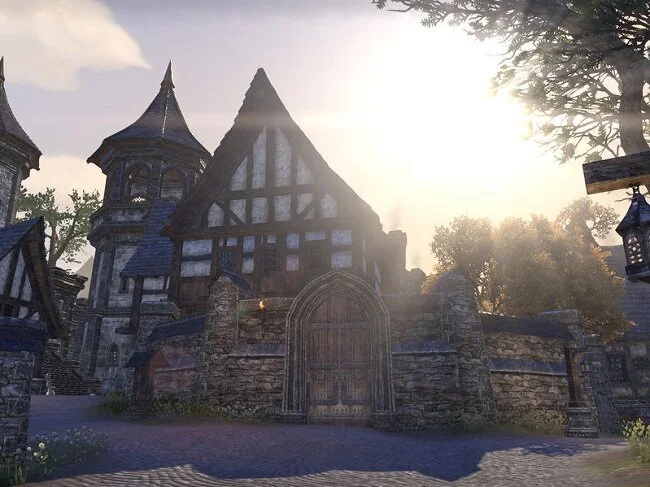
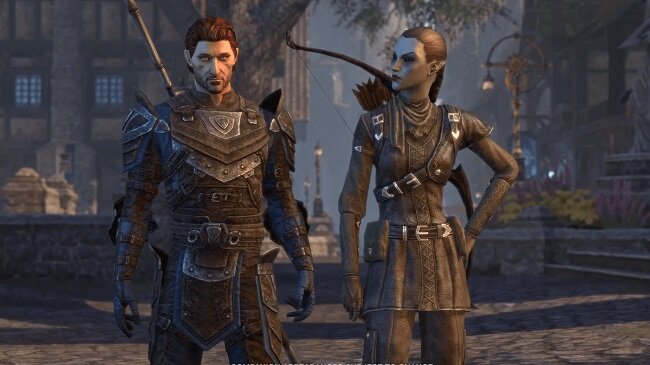
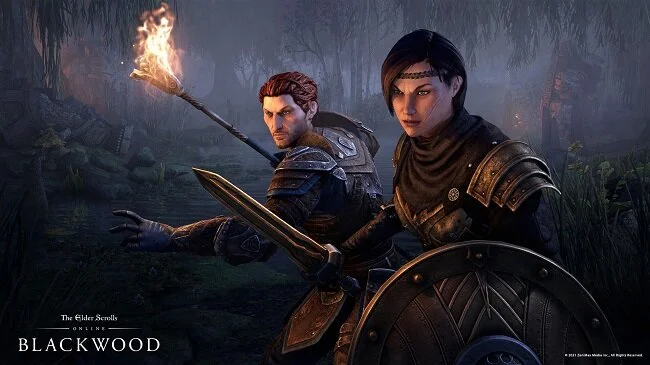
After recently watching several friends stream The Elder Scrolls Online, I have re-installed the game (funny how that often happens). I played quite consistently last spring and the game finally “clicked” for me. The narrative driven structure is something I enjoy, and I also like way you can pick and choose the content you undertake. So after letting the 70.9 GB game client download overnight, I fired up the game yesterday and found my level 50 High Elf Sorcerer in Auridon, where I left them last Easter. The first thing that immediately stood out was the plain vanilla default UI, which is minimalist to say the least. After a heavy sigh, I realised that if I wanted to continue efficiently playing ESO I would have to install a bunch of addons via Minion. The only minor problem was that after replacing my Hard Drive last November, despite backing up most data, I had not made a note of which addons I was using. Luckily, a friend who still had the game installed went through their current installation, so I was able to collate a suitable list.
After recently watching several friends stream The Elder Scrolls Online, I have re-installed the game (funny how that often happens). I played quite consistently last spring and the game finally “clicked” for me. The narrative driven structure is something I enjoy, and I also like way you can pick and choose the content you undertake. So after letting the 70.9 GB game client download overnight, I fired up the game yesterday and found my level 50 High Elf Sorcerer in Auridon, where I left them last Easter. The first thing that immediately stood out was the plain vanilla default UI, which is minimalist to say the least. After a heavy sigh, I realised that if I wanted to continue efficiently playing ESO I would have to install a bunch of addons via Minion. The only minor problem was that after replacing my Hard Drive last November, despite backing up most data, I had not made a note of which addons I was using. Luckily, a friend who still had the game installed went through their current installation, so I was able to collate a suitable list.
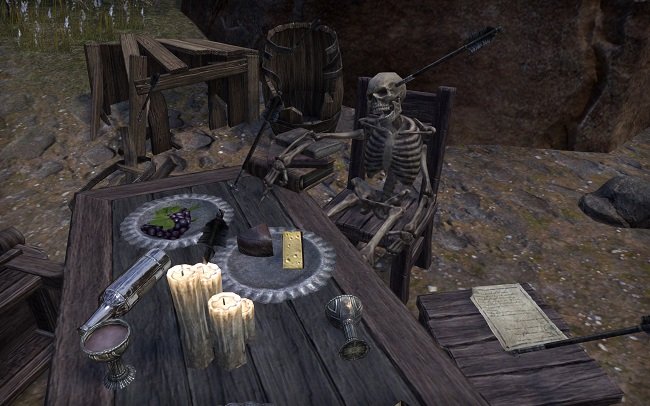
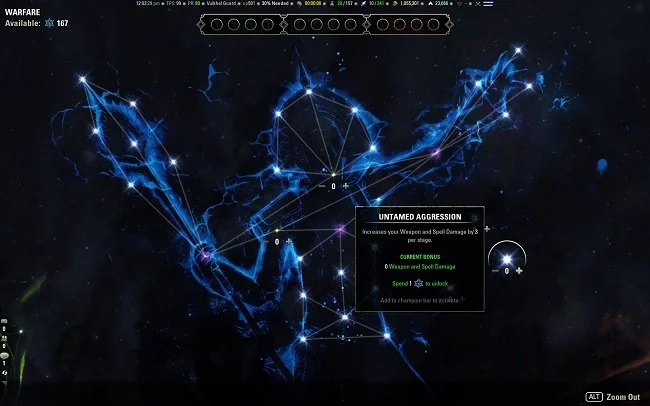
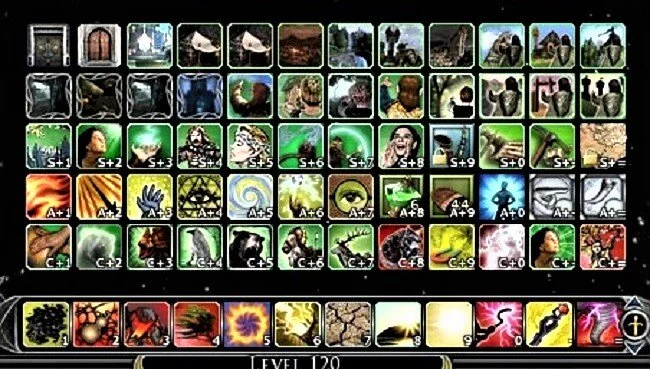
I don’t feel inclined to debate the rights and wrongs of addons in this post, simply let it suffice to say that they are a necessary evil in the case of ESO. Not having them makes playing a lot less efficient and frankly less enjoyable. However, third party addons need to be regularly updated and maintained but as their creators are not paid professionals, contractually bond to do so, they effectively become a lottery, to say the least. Then there is the issue of conflicts, UI errors and poor documentation, all leading to hours of tweaking settings and loading and unloading each add-on to get it to work as described. At present I have this tedious chore ahead of me because as you can see from the screen capture, my UI is an absolute dog’s dinner at present. However, once I’ve sorted the issue out according to my preferences, the presences of 16 addons should enhance my gameplay experience and I can get on with enjoying ESO.
Considering that ESO seems to be doing well within the MMO market and that developer ZeniMax are regularly producing new content and expansions for the game, I find it curious that there is still a reliance upon third party addons. Surely some time and attention could be spent improving and upgrading the UI, officially. Could ZeniMax not take a lead from the most popular addons and create something comparable and officially integrate them into the game? Doesn’t Blizzard Activision have a similar policy with World of Warcraft? It seems odd in an age of corporate control and the monetisation of all aspects of a game, that there is still a relatively free and unregulated culture of third-party addons allowed in some MMOs. Perhaps it’s a cultural hangover from the success of Skyrim? In the meantime I’ll get around to tweaking my own addons in ESO and hopefully won’t have to worry about them for a while. Not until the next expansion Elsweyr is released on June 4th and promptly breaks them all.



General Rock Renton and the Moon Rangers
I am a big fan of the detective drama Endeavour, considering it to be one of the best UK shows currently in production. It has well rounded, interesting characters and their journey through the sixties affords the writer, Russell Lewis, plenty of opportunity to explore the political and social issues of the time. Lewis further embellishes the scripts with numerous period and contemporary pop culture references, all of which add to the shows charm and appeal. Tonight’s episode “Apollo” set against the historical moon landings of Apollo 11, saw Morse and Thursday investigating the death of a promising young astrophysicist and his girlfriend. Initially thought to be a car accident, it becomes clear that there is foul play. As ever the plot was complex and established story arcs were moved forward. Shaun Evans also made his directorial debut with this episode.
General Rock Renton and the Moon Rangers.
I am a big fan of the detective drama Endeavour, considering it to be one of the best UK shows currently in production. It has well rounded, interesting characters and their journey through the sixties affords the writer, Russell Lewis, plenty of opportunity to explore the political and social issues of the time. Lewis further embellishes the scripts with numerous period and contemporary pop culture references, all of which add to the shows charm and appeal. Tonight’s episode “Apollo” set against the historical moon landings of Apollo 11, saw Morse and Thursday investigating the death of a promising young astrophysicist and his girlfriend. Initially thought to be a car accident, it becomes clear that there is foul play. As ever the plot was complex and established story arcs were moved forward. Shaun Evans also made his directorial debut with this episode.
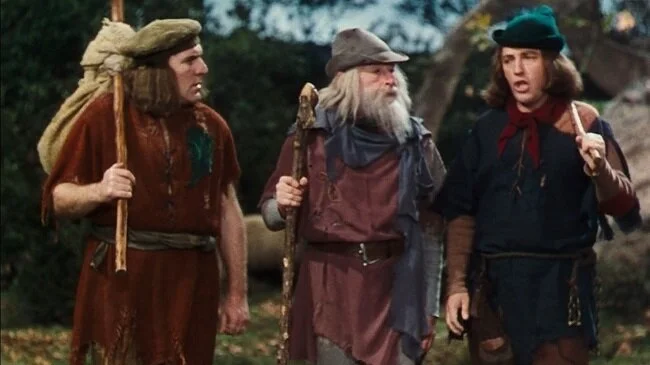
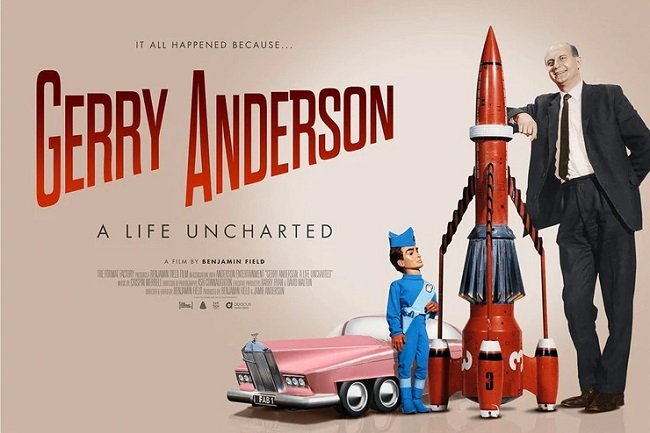
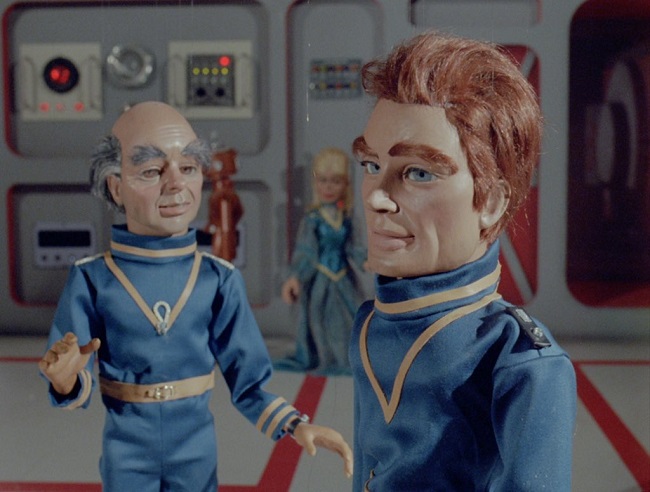
What made “Apollo” especially enjoyable for me, was the story featuring a pair of television producers who bore more than a passing resemblance to Gerry and Sylvia Anderson of Thunderbirds fame. Jeff and Hildegard Slayton (Matthew Cottle and Mary Stockley) ran a studio producing puppet shows very much in the “Supermarionation” idiom. As the murder victim was a scientific advisor on their latest show, Moon Rangers, Morse and Thursday had reason to visit the production studios which were not to dissimilar to those of Century 21 Television at Slough. Hence viewers were treated to footage of the Slayton’s watching daily rushes of a model car crash, the miniature crew blowing up a rocket on a replica moon surface and the puppeteers on a gantry over a miniature set operating marionettes. All of which lovingly referenced the halcyon days of Stingray and Thunderbirds.
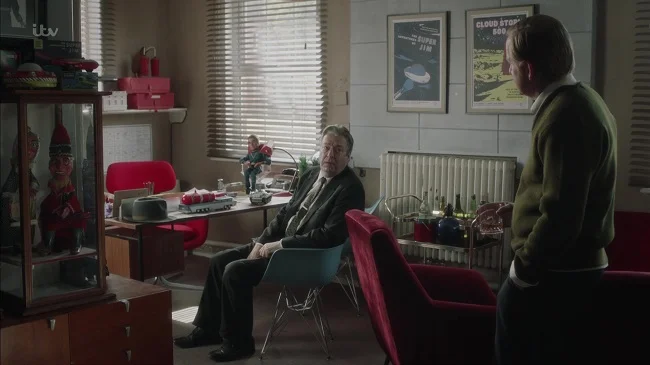
Note posters for faux shows “The Adventures of Super Jim” and “Cloud Stop 500”.
And how were such wonders so lovingly recreated? Via the talented folk over at Century 21 Films, the spiritual successor to the original Anderson production company. Having recreated several puppets for their 2014 documentary Filmed in Supermarionation, the team of talent staff subsequently formed a multi-faceted production company providing documentary services as well as miniature and other practical effects. In 2015 to celebrate the 50th anniversary of Thunderbirds, they produced three brand new episodes of the show using all the classic techniques. The series, produced in association with copyright holders ITV, was based upon three original 1960s voice recordings. With such talent available who else were Mammoth Screen, the producers of Endeavour, going contract to create the fictitious General Rock Renton and the Moon Rangers?
This possibly is the biggest and most complex, pop culture reference and homage to feature in Endeavour to date. However, I don’t see it as self-indulgent but an accurate portrayal of the public interest in science at the time. The real shows that the Anderson’s produced reflected and capitalised upon the optimistic attitude towards the space race. Therefore, having characters such as the Slaytons in Endeavour is a historically relevant. As for the Moon Rangers, for the casual viewer this was a nice period aside. For the Supermarionation aficionados, it was hog heaven. Miniatures, explosions, very familiar looking puppets and the voice talents of Justin Lee and the wonderful David Graham (Parker, Grandpa Pig and The Wise Old Elf). Even Century 21 Films director, Stephen La Rivière, got a cameo appearance as part of the puppet crew on the gantry. As a fan all I can really say is well done to all involved. You made one of my favourite shows, even better.


Emotes, the "Carlton Dance" and Copyright
Actor Alfonso Ribeiro has been told he cannot copyright the "Carlton Dance" his character performed in the hit US sitcom Fresh Prince of Bel-Air. Ribeiro, who played Will Smith's pretentious cousin Carlton Banks in the popular TV show, had tried to sue both Take-Two Interactive and Epic Games over use of the routine as an emote in the video games NBA2K16 and Fortnite. The US Copyright Office's denial of the claim was revealed in a motion to dismiss Ribeiro's lawsuit against Take-Two Interactive. Although a court is not bound by the determination, it is very likely that it will take it into consideration. A hearing on the motion to dismiss the lawsuit is scheduled for 18th March. If successful it will effectively end any current legal action taken by Mr Ribeiro and potentially set a precedence for any future lawsuits of this nature. Or will it?
Actor Alfonso Ribeiro has been told he cannot copyright the "Carlton Dance" his character performed in the hit US sitcom Fresh Prince of Bel-Air. Ribeiro, who played Will Smith's pretentious cousin Carlton Banks in the popular TV show, had tried to sue both Take-Two Interactive and Epic Games over use of the routine as an emote in the video games NBA2K16 and Fortnite. The US Copyright Office's denial of the claim was revealed in a motion to dismiss Ribeiro's lawsuit against Take-Two Interactive. Although a court is not bound by the determination, it is very likely that it will take it into consideration. A hearing on the motion to dismiss the lawsuit is scheduled for 18th March. If successful it will effectively end any current legal action taken by Mr Ribeiro and potentially set a precedence for any future lawsuits of this nature. Or will it?
We live in curious times when existing laws regarding copyright and the protection of intellectual property struggle to keep up with the digital age. The Ribeiro case reminded me of brouhaha from late 2017 when singer Taylor Swift sought to copyright phrases from her album Reputation "in order to use them on a wide range of merchandise that includes everything from guitar picks to t-shirts". And then we have the ongoing culture war between Star Wars fans and Disney, regarding fan films and the like. Regardless of which side of the debate you support, these situations highlight the paradox of popular culture. People absorb and the re-iterate the tropes and motifs that appeal to them, but unlike traditional mediums such as the written word, determining who is the “owner” of the source content is far harder. There may well have to be a recalibration of such things in the not too distant future and like any big legal change it may prove to be an uphill struggle and will have substantial consequences.
Which brings me back to video games and in particular emotes, that are so popular among players. I have no idea what the specific psychology is that makes these short-animated vignettes so enthralling, but gamers desire them and that is sufficient for them to be monetised and become valuable source of revenue to publishers. Furthermore, many of these emotes have their roots in pop culture, which makes Ribeiro case so interesting. Star Trek Online features a “Zombie” dance emote which obviously comes from Michael Jackson’s iconic Thriller dance routine. There’s also an “Unusual” dance emote that is suspiciously similar to the “Carlton Dance”. They’ve been there for a while and naturally haven’t garnered any attention as the MMO doesn’t have an audience comparable to that of Fortnite. But if these were to be removed from the game along with all the emotes in LOTRO, ESO and every other multiplayer title, then it would diminish the enjoyment of the games for a substantial group of players. It may not be a deal breaker for all, but the loss of emotes may well be an impediment for role-players. It would also mean a loss of revenue as so many emotes are granted via lootboxes.
If, for the sake of argument, emotes did become intellectual property and protected by copyright, then naturally some developers would remove them from their games to avoid paying potential licensing costs. Could such a situation lead to wider pop culture references becoming similarly subject to copyright law and eliminated from current products? Such a situation would certainly prove a headache for the likes of Blizzard and their flagship MMORPG World of Warcraft. We live in an age of increasingly bold business practices and a prevailing ethos of “if it can be monetised then do it”. Hence artists will look to all aspects of their work as a source of revenue, be it a dance unique to them, a catchphrase or even a style or aesthetic. And naturally video games as a “live service” want to include such things as emotes and cosmetic skins in their products. But although all parties like the idea of making financial charges, no one like to be on the receiving end of them. Ultimately, this all becomes a very difficult circle to square. I suspect that the Ribeiro case is not the last we shall here about this matter.
Project Blue Book (2019)
Many years ago, I use to rush home from school to watch Project UFO. Based loosely on the real-life Project Blue Book, this show from 1978 featured two U.S. Air Force investigators, Maj. Jake Gatlin (William Jordan) and Staff Sgt. Harry Fitz (Caskey Swaim) and their subsequent investigation into alleged UFO sightings. Sometimes there would be rational explanations and on other occasions, there was clearly extraterrestrial involvement. By the second season out protagonists experienced a close encounter of their own. It wasn’t the most densely plotted of dramas and was produced and presented in the idiom of mainstream television of the time. However, for a ten-year-old boy it had some excellent miniature work (Brick Price Movie Miniatures) and anything about UFOs was always a source of interest. There was also a great and very seventies theme tune by Nelson Riddle. So when I discovered that History (formerly The History Channel) had produced a science fiction drama series called Project Blue Book, I became somewhat nostalgic and equally intrigued.
Many years ago, I use to rush home from school to watch Project UFO. Based loosely on the real-life Project Blue Book, this show from 1978 featured two U.S. Air Force investigators, Maj. Jake Gatlin (William Jordan) and Staff Sgt. Harry Fitz (Caskey Swaim) and their subsequent investigation into alleged UFO sightings. Sometimes there would be rational explanations and on other occasions, there was clearly extraterrestrial involvement. By the second season out protagonists experienced a close encounter of their own. It wasn’t the most densely plotted of dramas and was produced and presented in the idiom of mainstream television of the time. However, for a ten-year-old boy it had some excellent miniature work (Brick Price Movie Miniatures) and anything about UFOs was always a source of interest. There was also a great and very seventies theme tune by Nelson Riddle. So when I discovered that History (formerly The History Channel) had produced a science fiction drama series called Project Blue Book, I became somewhat nostalgic and equally intrigued.
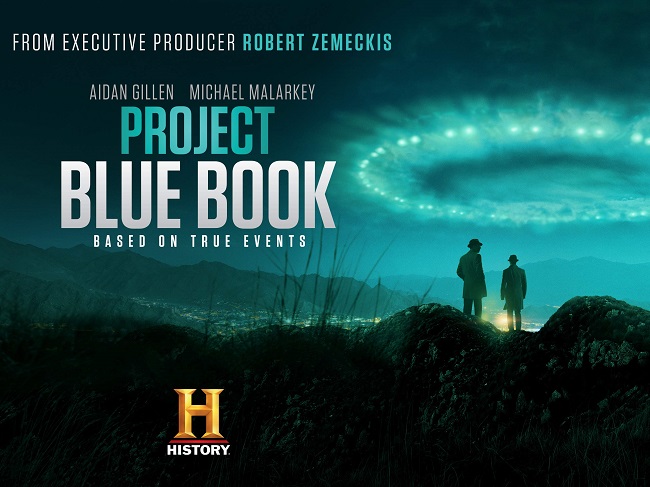
Set in the early fifties and loosely (now there's an understatement) based on the US government's real-life Project Blue Book investigations, the show centres on Captain Michael Quinn (Michael Malarkey) and Dr. Allen Hynek (Aidan Gillen). The pair are tasked by the US Air Force to investigate reports of UFOs and debunk them, or at least come up with rational explanations for them as a means to quash growing public concern. While Quinn, a career serviceman, doesn't care beyond carrying out his superiors’ instructions, the sceptical Hynek quickly becomes convinced that not everything is as it first appears. This brings him into conflict with General James Harding (Neal McDonough) whose involvement with the project is far more complex. Meanwhile, as Cold War paranoia spreads among the US population, Hynek's lonely wife Mimi (Laura Mennell) is befriended by a charismatic blonde Susie Miller (Ksenia Solo) who appears to be more than interested in her husbands work. As Quinn and Hynek investigate further cases, they encounter traumatised “encounter victims”, secret military experiments and are shadowed by a sinister man in black.
Having now watched the first six episodes of Project Blue Book, I do find myself somewhat conflicted with regard to the show. This is a high budget, quality production with great period detail, surprisingly good digital visual effects and a cast of reliable character actors. It ticks pretty much all the boxes you’d expect from this kind of TV show. Are there rational explanations for UFOs or is it all a government cover up? Are the military tinkering with recovered alien technology? Are extraterrestrials drawn to earth due to the human’s first tentative steps into space and the dawn of the nuclear age? Project Blue Book also adds some new elements such as focusing on Dr Hynek’s wife, who is frequently left alone and shut out of his work. The role of a “wife” from this era could easily sustain a drama in itself and is an interesting angle. So is the inclusion of Soviet spies in the local neighbourhood. Yet despite all these elements, it still feels like something is missing and then there is my over familiarity with this genre. Hence, I am still waiting for the show to reach a key moment where everything falls into place for me. At present each episode just increases the number of dramatic loose ends that are outstanding.
The old adage “there is nothing new under the sun” is particularly pertinent to television. However, the key to success when revisiting tried and tested territory, is to put a sufficiently new spin on things. Tell an old story from a new perspective, find new ways to explore and interpret the themes. Reverse roles, think outside the box and generally try not to simply do “more of the same”. So far there is precious little of this in Project Blue Book which seems to be falling into the standard, deep conspiracy plot device that was done to death in The X-Files. This leaves me with a choice to make. Cut my loses now and spend my time watching something else, or soldier on with the remaining episodes of season one (there are four more I believe) in the hope that it will improve and offer something new. I cannot say that I’m confident of the latter and I get frustrated with shows that chase their own tails or make it up as they go along (Lost and again The X-files). Still nostalgia is a powerful motivator and every now and then, Project Blue Book provides a fix. So I suspect I shall watch the remaining episodes and see if things improve, yet I have a nagging doubt that this may be the wrong choice.







New Ships, Keybinds and Voice Acting
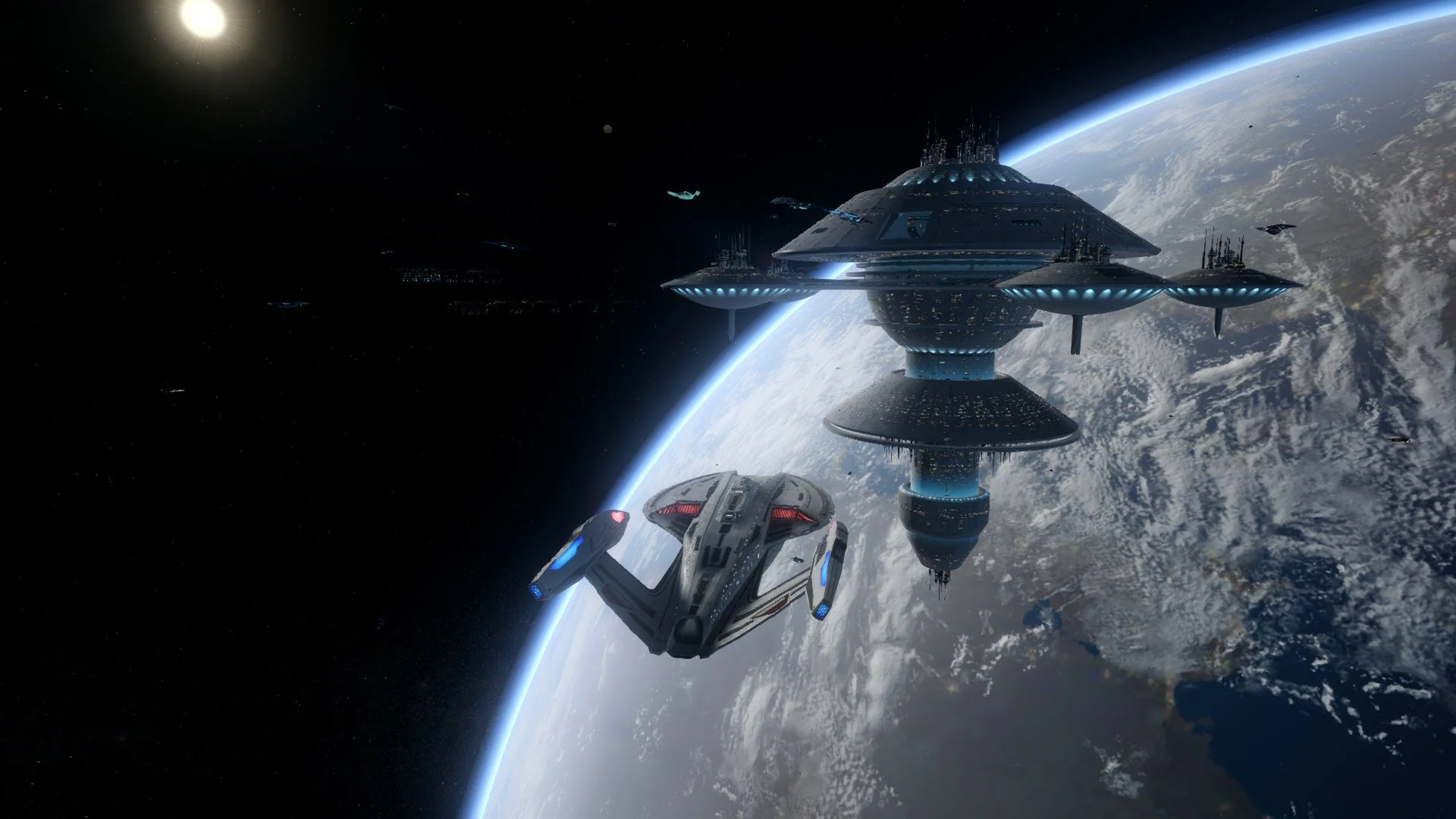
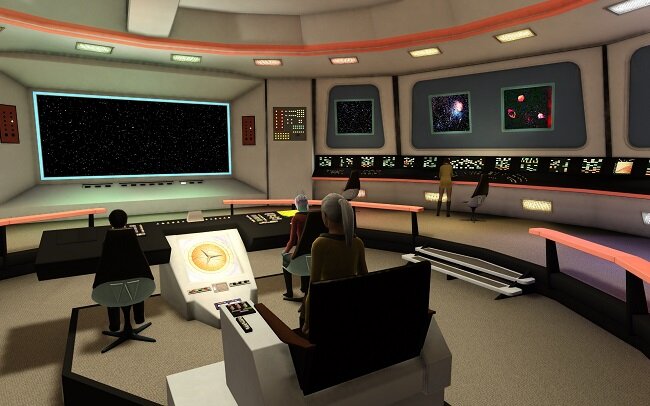
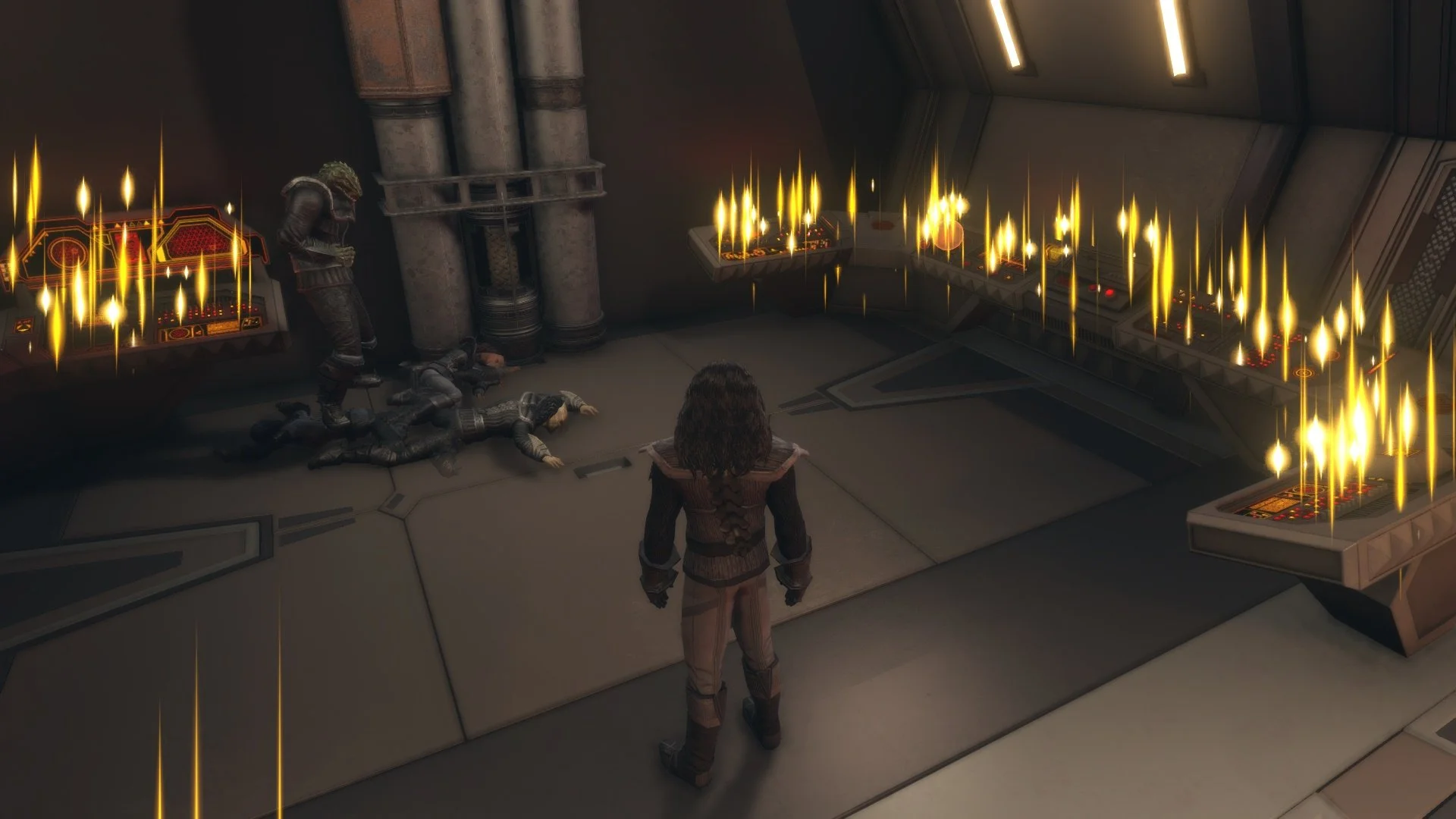
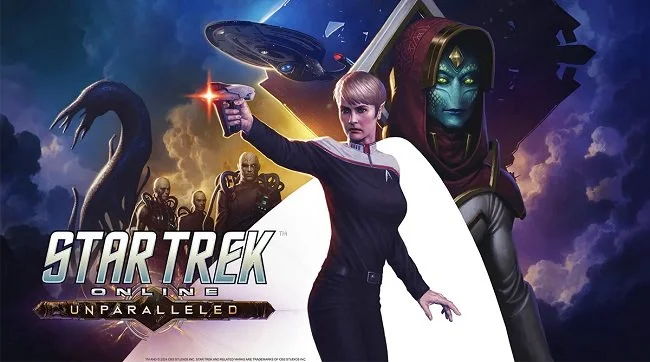
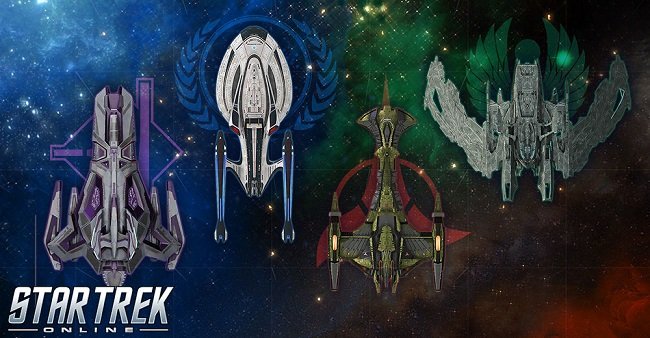
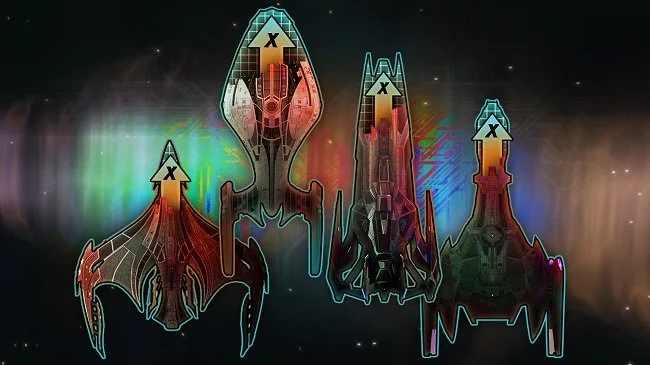
There has been a degree of controversy over the Discovery Operation Pack that has recently been made available for purchase in Star Trek Online. The bundle featuring ships, bridge officers, cosmetic items and more is displeasing some core players who feel that it is over priced and lacks anything relevant for Romulan and Klingon races. Personally, I’m only interested in two specific items from the pack, such as the Tier 6 Gagarin Miracle Worker Battlecruiser and the combat pet Tardigrade but at present they cannot be purchased separately. So, I shall not be parting with any money at present. The Gagarin Miracle Worker Battlecruiser is relatively similar to the Tucker Tactical Miracle Worker Cruiser, which I already own. However, it is an improvement aesthetically speaking (a subjective point, admittedly), so for me the obvious compromise is to purchase the fleet version and forgo the unique space trait and settle for an additional console slot. As I’m not a high-end player, the look and feel of a ship has as much appeal to me as its stats.
There has been a degree of controversy over the Discovery Operation Pack that has recently been made available for purchase in Star Trek Online. The bundle featuring ships, bridge officers, cosmetic items and more is displeasing some core players who feel that it is over priced and lacks anything relevant for Romulan and Klingon races. Personally, I’m only interested in two specific items from the pack, such as the Tier 6 Gagarin Miracle Worker Battlecruiser and the combat pet Tardigrade but at present they cannot be purchased separately. So, I shall not be parting with any money at present. The Gagarin Miracle Worker Battlecruiser is relatively similar to the Tucker Tactical Miracle Worker Cruiser, which I already own. However, it is an improvement aesthetically speaking (a subjective point, admittedly), so for me the obvious compromise is to purchase the fleet version and forgo the unique space trait and settle for an additional console slot. As I’m not a high-end player, the look and feel of a ship has as much appeal to me as its stats.
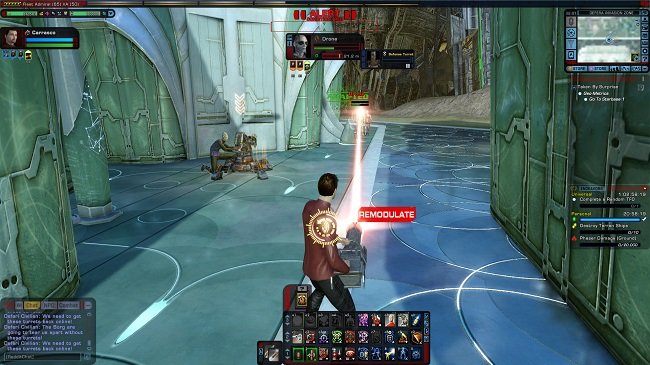
Although not as bad as some MMOs, STO does suffer from a degree of skills bloat, which means that space combat can be somewhat of a “clickfest” at times. Therefore, a lot of players, especially those who pursue high DPS, use keybinds to facilitate the efficient activation of skills. There are third party tools that allow multiple abilities to be assigned to a single hotkey. Most people tend to use the spacebar for this, which can then be quickly used to activate each skill, one after the other. It certainly removes extraneous mouse movement and furious clicking but after some recent experimentation, I have decided return to the old school approach. Manually picking skills and making tactical decisions is half of the fun of space combat and automating this process robs the game of some of its allure, or at least for me it does. Oddly enough, while doing some research as to how to use keybinds and what software to use, I discovered that the console version of STO allows players to automate skills use, as well as weapons fire. On the PC version, only the latter is available. I wonder if Cryptic intend to address this disparity?
Finally, I read this week about allegations of sexual misconduct made against voice artists and actor Vic Mignogna. I am only familiar with the man through Star Trek Continues and his voice work in STO as Captain Isaac Garrett and was not aware that he was well known in the Anime community for his vocal talents. A few contributors to the STO subreddit have raised the question as to whether his dialogue should now be removed and replaced with an alternative actor. It certainly made me stop and think. I am by no means an advocate of kneejerk reactions, but I can also understand why companies, especially those based in leisure industries would want to distance themselves from such a situation until due process has run its course. It will be interesting to see what (if anything) developers Cryptic decided to do. Irrespective of Vic Mignogna’s respective innocence or guilt, the entire matter is escalating and potentially getting subsumed into the wider ongoing culture wars. #Animegate is sadly now a thing and as such I wouldn’t want to see that anywhere near STO or take root in its community.

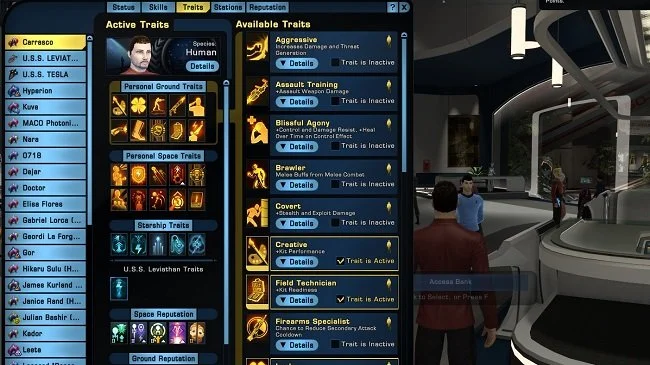
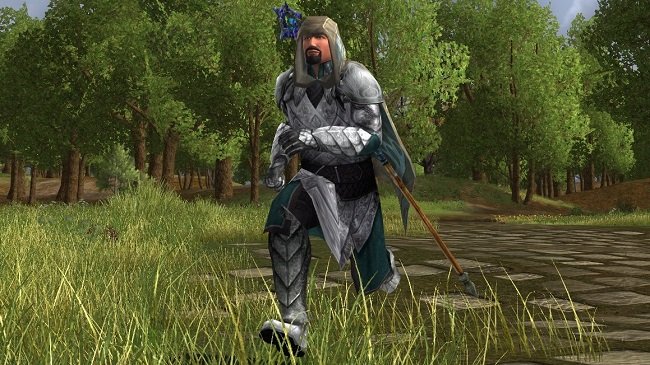
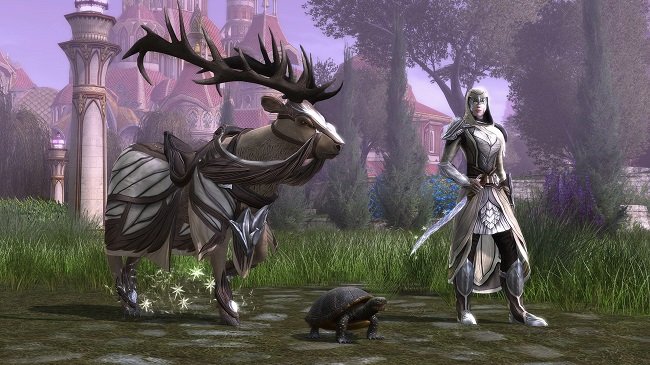
Mirkwood, Enedwaith or The Great River?
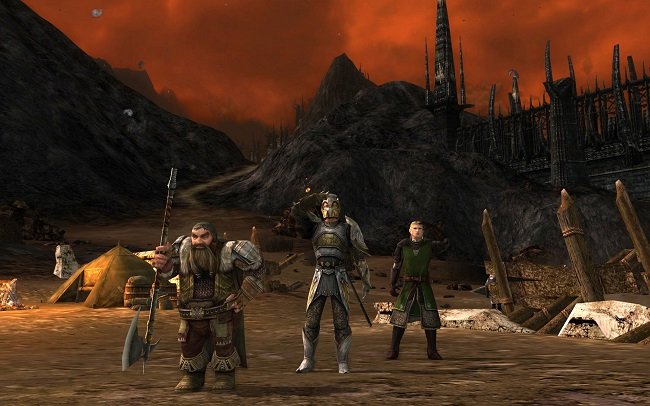
Due to the nerfed levelling curve of Shadows of Angmar and Mines of Moria, I recently completed the Epic Story up to Volume II, Book 8: Scourge of Khazad-dûm and reached level 64 without any major problems. Hence, I wrote about preparing to play through the Siege of Mirkwood expansion. Content that I haven’t touched since its release in 2009. Well to cut along story short I completed the prologue and travelled over the Anduin to the Malledhrim bridgehead and quickly remembered why I disliked the dark and dingy forest with its densely packed mobs. So I revised my plans and decided to go to Enedwaith as I was the right level to revisit that zone. I was not a big fan of the story, finding the feuds between Dunlending clans and the machinations of Saruman somewhat of a distraction. However, I did like the sub-plot about the Dwarf Nâr at the library at Zudrugund to be more engaging, so I headed South, rather than striking East.
Due to the nerfed levelling curve of Shadows of Angmar and Mines of Moria, I recently completed the Epic Story up to Volume II, Book 8: Scourge of Khazad-dûm and reached level 64 without any major problems. Hence, I wrote about preparing to play through the Siege of Mirkwood expansion. Content that I haven’t touched since its release in 2009. Well to cut along story short I completed the prologue and travelled over the Anduin to the Malledhrim bridgehead and quickly remembered why I disliked the dark and dingy forest with its densely packed mobs. So I revised my plans and decided to go to Enedwaith as I was the right level to revisit that zone. I was not a big fan of the story, finding the feuds between Dunlending clans and the machinations of Saruman somewhat of a distraction. However, I did like the sub-plot about the Dwarf Nâr at the library at Zudrugund to be more engaging, so I headed South, rather than striking East.
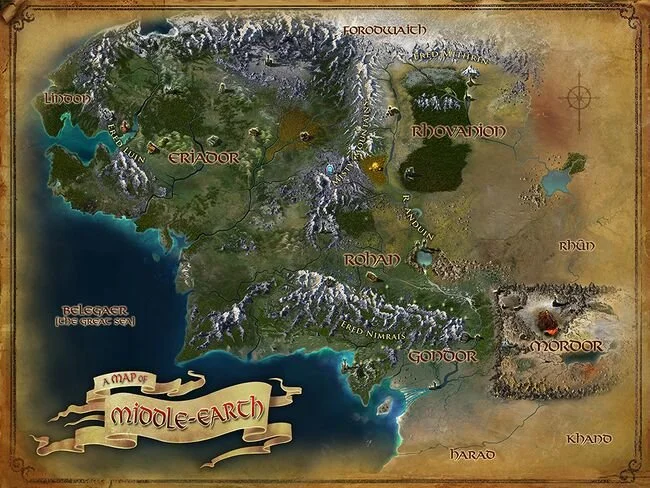
Enedwaith is a curious zone, made when the game transitioned to hybrid, free-to-play back in 2010. It looks very different from other regions and the terrain looks less European and more like North America in places. But frankly it makes for a nice break after trekking through Moria. So I started moving through the various quest hubs which are very linear. The XP flowed freely, and I soon gained another three levels. Yet due to my rather orderly approach to life, my subconscious started nagging me for bypassing Mirkwood. I must admit, I also got a little bit frustrated with some of the quests which did that classic LOTRO thing of sending you backward and forwards, continuously between two remote points, on a endless spree of spurious errand. Hence, I decided to move on, but did I go and join the Malledhrim? No, I promptly went to The Great River area, where the initial level 70 content gave out substantial XP.
Naturally, if I had remained playing on the Legendary Server none of this would have been an issue but I stand by my choice to roll a new alt on Laurelin. So as a compromise, I have decided to do some skirmishes (the current event is good motivation for this) and then mop up some outstanding deeds in lower level zones. Hopefully this should get my Guardian up to 70 and then I shall bite the bullet and follow just the Epic Story through Southern Mirkwood. Then it will be time to tackle the journey of the Grey Company through Enedwaith and Dunland. However, I do find this “agony of choice” malaise to be a curious thing. I guess the reason I’ve never encountered it before is because I don’t usually level alts and have previously just played through all content on my primary character, as it was released. The fact that there weren’t options and choices in the past is why I simply blitzed through what was on offer. I also think that it’s preferable for me to stick with content in the order it’s intended, because having played quite intensively since last August, the narrative has made a lot more sense. You notice how minor characters reappear in the story later and tend to have more significance than you think. So to recap, I’m bound for Dol Guldur but reserve the right to contradict myself and change my mind, because gaming is about enjoying yourself.
Further Iniquities of the Video Games Industry
If you are naïve enough to think that the video games industry is an equal partnership between those a pursuing an artistic vision and their benevolent financial benefactors, then todays news that Activision Blizzard is laying off approximately 800 staff despite a enjoying a “record year”, must have comes as a surprise. For the rest of us who are fully conversant with the iniquities of the business, this sad news has an air of tedious inevitability to it. If you want a coherent distillation of the unsustainability of the triple A games industry, then Jim Sterling’s latest episode of The Jimquisition pretty much nails it. Simply put the current levels of revenue growth seen of late by a lot of the major publishers cannot be maintained and will eventually end in a hard crash, further job losses and a migration of venture capitalists looking to make a killing somewhere else. For those who work in games development it means job insecurity, stress and financial worries. For gamers it could lead to popular titles being shutdown because they don’t make “sufficient” revenue.
If you are naïve enough to think that the video games industry is an equal partnership between those a pursuing an artistic vision and their benevolent financial benefactors, then todays news that Activision Blizzard is laying off approximately 800 staff despite a enjoying a “record year”, must have comes as a surprise. For the rest of us who are fully conversant with the iniquities of the business, this sad news has an air of tedious inevitability to it. If you want a coherent distillation of the unsustainability of the triple A games industry, then Jim Sterling’s latest episode of The Jimquisition pretty much nails it. Simply put the current levels of revenue growth seen of late by a lot of the major publishers cannot be maintained and will eventually end in a hard crash, further job losses and a migration of venture capitalists looking to make a killing somewhere else. For those who work in games development it means job insecurity, stress and financial worries. For gamers it could lead to popular titles being shutdown because they don’t make “sufficient” revenue.
This problem is hardly unique to the video games industry, and you’ll find many other big corporations acting in a similar fashion. But the due to the social nature of gaming, many of the associated businesses find themselves confronting their demons in a far more public arena. As a result, today’s news seems to be appearing on even the most casual gamers radar. My Twitter timeline has been full of it this evening and there’s a lot of sympathy and “finger wagging” going on. This is essentially a good thing, as it means people care and recognise that behind the headlines there’s a very real human element to it all. 800 individuals are now directly affected by this and are having to actively seek new employment. Hopefully all concerned will secure new positions and do so with minimum inconvenience, but even such a positive outcome only addresses the symptoms and not the root cause of the problem.
Few businesses are ethical by default. Hoping that the “bad ones” will change their ways is a fool’s hope. Hectoring them from the wings is also a failing strategy as it simply becomes a PR battle. We sadly live in an age of spin doctors and “alternative facts” so being right is no guarantee of winning. The only real solution to this problem is a political one. Workers in the industry need to unionise, lobby for regulatory legislation and employer rights. All of which are an anathema to many workers (screams of “oh no, that’s socialism”), because such concepts have been maligned by decades of increasingly strident partisan politics. Sadly, modern governments are far too deferential towards corporate lobbying, so you cannot rely on them to universally embrace employee protection. So if people really want change then they must robustly campaign for it through collective bargaining, engaging with their political representatives and building up a head of steam. They must also promote such activities positively in the media to gain public support and win the moral high ground. The alternative is to simply complain about corporate greed, while piously hoping that you don’t get trampled underfoot by the likes of Activision Blizzard.
"TV Poverty"
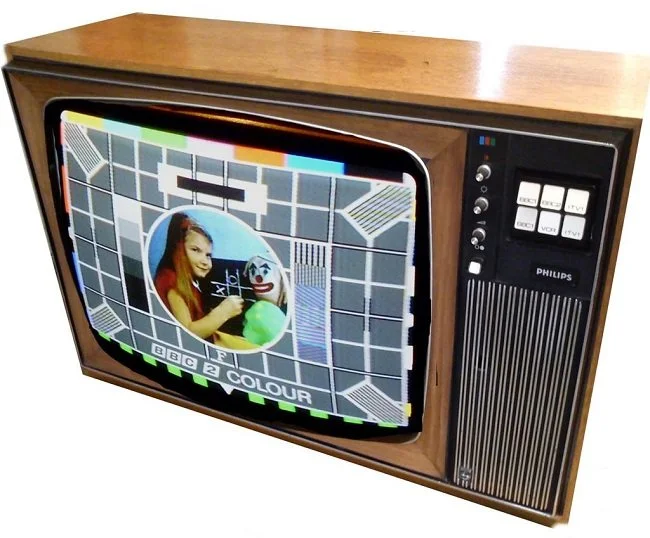
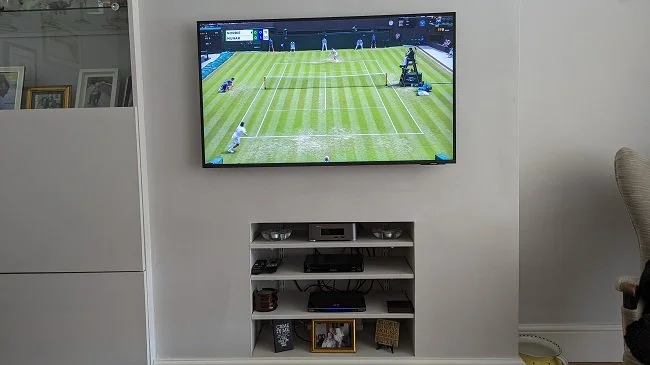
Here’s a quick history lesson for those too young to remember or who reside elsewhere. During the seventies, there were only three analogue, terrestrial television stations available in the UK. BBC One, BBC Two and ITV. Actually, ITV at the time was a network of separate regional commercial television channels. Television stations usually only broadcast for 16 or so hours a day and home video recorders only started to become common place towards the end of the decade. Therefore, as a ten-year-old in 1977, if I wanted to watch something, I had to be physically present to do so. Furthermore, as there was at that time only one television set in the home and I was a child, my viewing was pretty much at my parent’s pleasure and discretion. “Viewing rights” were often used as a bargaining chip. But there were some positive sides to viewing TV in this fashion. Popular programs enjoyed viewing figures unheard of today. And television was a far more shared experience than it is now. Saturday evening’s episode of Doctor Who was naturally a major topic of discussion at school the following Monday. If you missed it or any other “essential viewing, you were effectively a social outcast.
Here’s a quick history lesson for those too young to remember or who reside elsewhere. During the seventies, there were only three analogue, terrestrial television stations available in the UK. BBC One, BBC Two and ITV. Actually, ITV at the time was a network of separate regional commercial television channels. Television stations usually only broadcast for 16 or so hours a day and home video recorders only started to become common place towards the end of the decade. Therefore, as a ten-year-old in 1977, if I wanted to watch something, I had to be physically present to do so. Furthermore, as there was at that time only one television set in the home and I was a child, my viewing was pretty much at my parent’s pleasure and discretion. “Viewing rights” were often used as a bargaining chip. But there were some positive sides to viewing TV in this fashion. Popular programs enjoyed viewing figures unheard of today. And television was a far more shared experience than it is now. Saturday evening’s episode of Doctor Who was naturally a major topic of discussion at school the following Monday. If you missed it or any other “essential viewing, you were effectively a social outcast.
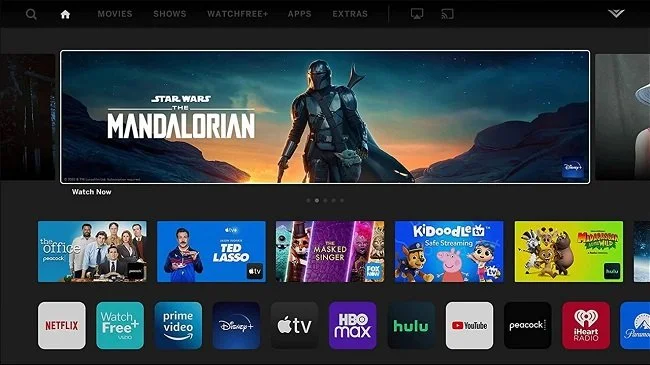
Contemporary viewing habits have changed radically in the last forty years. We may all still watch popular shows, but we often do it in different ways because there is no longer just one single path of access. There are still viewers that like to watch a show as it is broadcast. Other will record and watch later using some form of PVR. Then of course there is VOD and other streaming services. And to complicate things further the market is fragmented, and a lot of content is specific to a platform or outlet. If you do not have access to particular channel that is showing the latest episodes of your favourite show, then you may have to wait a year or more for older seasons to be syndicated to a station you do have. But this doesn’t always happen nowadays especially with shows that have been created specifically for streaming services such as Amazon Prime and Netflix. In such circumstances if you wish to see Stranger Things and are not a Netflix subscriber, then your only recourse is to purchase a boxset on DVD or Blu-ray. However, due to licensing issues, some of these shows do not get released on home media.
Despite living in a time where there is a wealth of quality television to watch, the way much of it is tied to specific platforms and outlets, means that if you wish to legally view a dozen or so of the most popular show, you have to subscribe to multiple services. For example, currently in the UK if you want to watch Game of Thrones, The Haunting of Hill House, Jack Ryan and Star Trek: Discovery then you’ll need to subscribe to either a satellite, cable or IPTV service such a Sky, Virgin of BT TV as well as Amazon Prime and Netflix. That’s a monthly spend of about £65 or so. Considering the current economic climate in the UK, that is not a sum of money that every household can or wishes to pay. Hence people will either simply opt for what they can afford or result to piracy. The latter is a big subject and not one I intend to address in this post. And so there exists a situation where if you only have access to free-to-air, terrestrial television via either a rooftop aerial or Freesat, you are going to have limited or no access to what may be deemed as premium content. In fact, I have seen the phrase “TV Poverty” used in this context, on a television marketing website.
Returning briefly to my reminiscences from the seventies, rightly or wrongly, socio-economic distinctions were often made here in the UK, according to which TV channels you watched and what were your favourite shows. Nowadays, I’d say that perhaps what platforms you have access to would be a more contemporary indicator. I’m certainly not going to suggest that having limited access to specific TV content is an impediment or social handicap in some way, but it does reflect a growing societal divide. However, in the UK if you only have access to terrestrial TV, then at least that includes BBC content, which is still of a very high standard, despite what some quarters may say. Yet, while recently visiting a family member in hospital, I spent some time waiting in “The Family Room” which had a bog-standard LCD TV with a simple aerial connection. It was a reminder that much of the free content is old and presented in the poorest of fashions. IE numerous onscreen graphics, material shown in the wrong aspect ratio and of course twelve to eighteen minutes of advertisements in each hour of content. It is does not make for an enjoyable viewing experience. Although the phrase “TV Poverty” does seem somewhat hyperbolic, it does indicate that there are clear and legitimate economic distinctions in the industry. Furthermore, I suspect they’ll become more prevalent in the years ahead.
Contagion (2011)
Director Steven Soderbergh is no stranger to complex narratives, shot in a near documentary style. And this is exactly this approach that he brings to bear upon Contagion. A movie that beneath its contemporary trappings, still has the air of an all-star disaster movie. Unlike so many current films which suffer from underdeveloped characters due to poor writing, Soderbergh makes conscious decision to focus more upon the mechanics and nature of a global pandemic than the main protagonists. This somewhat detached approach may not be to all viewers liking. But the format starkly scrutinises and catalogues events in an honest fashion and doesn’t shy away from the realities of the situation or get side tracked by the emotional aspects of the ongoing human tragedy.
Director Steven Soderbergh is no stranger to complex narratives, shot in a near documentary style. And this is exactly this approach that he brings to bear upon Contagion. A movie that beneath its contemporary trappings, still has the air of an all-star disaster movie. Unlike so many current films which suffer from underdeveloped characters due to poor writing, Soderbergh makes conscious decision to focus more upon the mechanics and nature of a global pandemic than the main protagonists. This somewhat detached approach may not be to all viewers liking. But the format starkly scrutinises and catalogues events in an honest fashion and doesn’t shy away from the realities of the situation or get side tracked by the emotional aspects of the ongoing human tragedy.
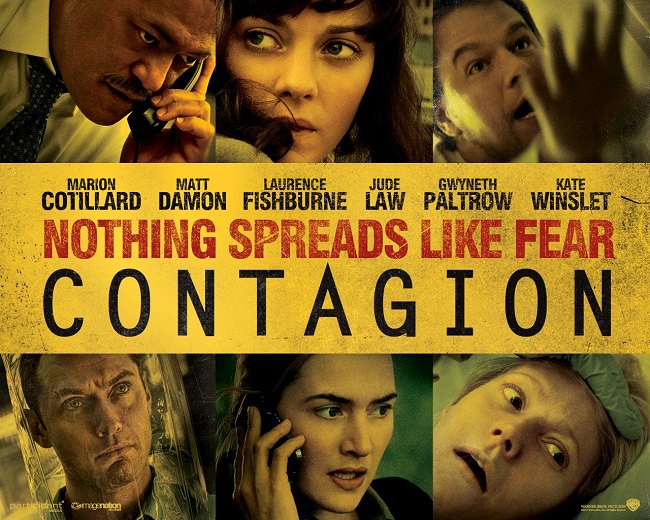
Although the movie is driven by the technicalities of the narrative, there is still a strong ensemble cast. This includes that includes Marion Cotillard, Bryan Cranston, Matt Damon, Laurence Fishburne, Jude Law, Gwyneth Paltrow, Kate Winslet, and Jennifer Ehle. But Contagion is mainly concerned with the logistics of managing an outbreak of global proportions. It also scrutinises the governmental procedures and protocols for dealing with public health issues. The story interestingly draws parallels between the spread of the virus and the resulting panic via social media and Internet. It clearly demonstrates that the weak link in any national strategy for containing a pandemic is the public themselves. The film excels at showing the transference of germs via the most innocuous means. You could also argue that the original source of contamination, made via a credit card, is a broader metaphor itself.
There are some very modern themes included into the story. The idea of blogging and social networks as a potentially negative force (within the confines of the plot) is a clever concept. There is also an exploration of homeopathy and the trend among certain areas of society to reject science and the look for solace elsewhere. The juxtaposition between the proliferation of technology and its failure to cope with the growing public health issue is handled well. Although a lot of traditional ideas and imagery associated with this subgenre are used, they are dealt with in a subtly different fashion from other movies of this idiom. The military response, the use of mass graves and the subsequent social unrest are not skewed by any moral stance. They are simply shown as cause and effect.
There were allegations of racism from some quarters, upon the film’s release, but I do not think this is the case. The fact that the virus originates in the Far East, simply reflects genuine issues that real countries face due to rapidly growing populations and industrialisation. The plot reflects genuine health scares of recent years and does not carry any subtext or message that I was aware of. Viewers have also questioned the irrational behaviour of cast, especially those representing the wider public. Has not history continuously shown us that people often make poor decisions in times of trouble? I would also argue that this is a plot device which enables the narrative to move forward and hence is a necessary evil.
Unlike Wolfgang Petersen’s Outbreak, Contagion purposely avoids an excess of human drama among the wider catastrophe. Rather than grim scenes of carnage, the film builds tension through depicting a credible disaster and remind viewers of the ongoing battle against the microscopic world that society fights every day. I enjoyed Steven Soderbergh’s somewhat cold approach and certainly did not feel that Contagion was a hectoring faux science documentary, as some is labelled it. This is not Irwin Allen. There are no noble sacrifices, broken relationships fixed upon the way, or valuable lessons learned about life. It is Soderbergh’s refusal to add any cinematic sweetener to the proceedings that makes Contagion so effective.







LOTRO: Ill Omens Skirmish Event
The following was included in last Monday’s LOTRO patch notes (Update 23.3 Release Notes). February 7th brings a new event: “Ill Omens” to Skirmishes throughout the game! Evil stirs in Minas Morgul, and harbingers of the Dead City spread across Middle-earth! Each day, your characters will have the chance to participate in a Skirmish Assault, which will send them to specific sets of existing Skirmishes in search of dangerous new foes. Characters who complete a Skirmish Assault will earn a special currency that can be exchanged for new equipment and cosmetic rewards. As for the most dedicated Skirmishers of Middle-earth, there are several new Deeds and titles to be earned during “Ill Omens”. In addition, characters who complete twelve Skirmish Assaults while the event is active will earn a powerful cap-level statted reward.
The following was included in last Monday’s LOTRO patch notes (Update 23.3 Release Notes). February 7th brings a new event: “Ill Omens” to Skirmishes throughout the game! Evil stirs in Minas Morgul, and harbingers of the Dead City spread across Middle-earth! Each day, your characters will have the chance to participate in a Skirmish Assault, which will send them to specific sets of existing Skirmishes in search of dangerous new foes. Characters who complete a Skirmish Assault will earn a special currency that can be exchanged for new equipment and cosmetic rewards. As for the most dedicated Skirmishers of Middle-earth, there are several new Deeds and titles to be earned during “Ill Omens”. In addition, characters who complete twelve Skirmish Assaults while the event is active will earn a powerful cap-level statted reward.
I finally got around to logging into LOTRO today, as I’m preparing my level 64 Guardian to enter Southern Mirkwood. So, after spending some additional points on my skirmish soldiers to boost their statistics, I decided to try the Ill Omens event. A new NPC, Nedda Pinleaf, has been added to the Southern Bree skirmish camp (as well the ones in the Twenty-first Hall and at Ost Galadh) who bestows both a daily and a meta quest. Effectively you’re required to run four out of five specified skirmishes and defeat the “Harbingers of the Dead” that now appear as an additional encounter. Completing this daily event earns you Tokens of Ill Omens which can be used like any other barter currency in the game. As ever the rewards are mainly cosmetic offering pets, cloaks and housing items. After completing 12 daily events successfully, players are rewarded with an Epic Level Essence of their choice.
I subsequently played through Defence of the Prancing Pony on my Guardian (with Archer Skirmish Soldier) and then Thievery and Mischief on my Lore-master (with Warrior Skirmish Soldier) to determine what (if any) difference adding the “Harbingers of the Dead” has made to these skirmishes. Although it is enjoyable to have an additional enemy included in the proceedings, it doesn’t significantly impact upon the difficulty. So far, the Harbingers that I have fought have been statistically comparable to standard encounter bosses. However, they may still present a challenge to the ill prepared player. Furthermore, it should be noted that for the daily quest to be completed you must undertake the required skirmish at your current level. If you reduce the difficulty level via the Instance Finder, then the quest will not register as completed, despite a successful outcome.
I have always enjoyed the Skirmish system in LOTRO and therefore welcome this event that highlights their presence in the game. Skirmishes are great for social, group gaming but can also provide a quick fix for the solo player who wants to get things done. The cosmetic rewards that the Ill Omens event offers are not that important to me, but I do welcome the opportunity to earn some high-end essences. At the current level cap, tweaking your build with replacement essences can make some interesting differences. Plus running skirmishes earns skirmish marks which are invaluable when levelling alts, due to their account wide availability. My Guardian is currently decked out in level 63 skirmish vendor gear. Plus, I think it is prudent to have regular events in an MMO, to keep players engaged. Being able to set achievable short terms goals is a mainstay of my approach to gaming
Are You a Team Player?
There’s an interesting post over on Tobold’s Blog, regarding how he personally had a successful game in World of Tanks, yet because his team mates didn’t perform as well, they failed to meet the overall group reward criteria. This all too familiar anecdote got me thinking about teams and group play mechanics that are still prevalent in many game genres. Over the years I have tempered my attitude towards teaming up with other gamers and being dependent on them to achieve a collective goal. I have moved from a social gaming mindset born out of my initial altruistic experiences playing MMOs, to a far more transactional outlook. I suspect that I’m not the only player who currently thinks this way.
Unless your team is full of incompetent fools…
There’s an interesting post over on Tobold’s Blog, regarding how he personally had a successful game in World of Tanks, yet because his team mates didn’t perform as well, they failed to meet the overall group reward criteria. This all too familiar anecdote got me thinking about teams and group play mechanics that are still prevalent in many game genres. Over the years I have tempered my attitude towards teaming up with other gamers and being dependent on them to achieve a collective goal. I have moved from a social gaming mindset born out of my initial altruistic experiences playing MMOs, to a far more transactional outlook. I suspect that I’m not the only player who currently thinks this way.
I suspect that the issue that Tobold faced in World of Tanks, was down to auto-grouping and teaming up with random players. I have had similar experiences in Star Trek Online when joining Task Force Operations. Although there is a Team Chat facility it tends not to get used in any useful fashion. Most of the PUGs I join tend to avoid discussing any strategy and assume that players know the accepted method for efficiently clearing the content. Naturally there are times when it’s a free for all and somewhat chaotic and on such occasions a suboptimal outcome is most likely. Such is the nature of PUGs as opposed to grouping with friends and playing co-operatively in a more organised and co-ordinated fashion.
A decade ago, games such as LOTRO required much of the content to be played as a group. Plus, MMOs still had an air of novelty to them and the community was possibly more socially orientated. I have written previously that this was a period of my life that lent itself to such gameplay. I had both the time and inclination to group, form a plan and play towards shared goals. In the case of LOTRO, we had a lot of high tier players in our kinship who were happy to group. So most of the time, instances and, raids usually went well. Therefore, if we failed, it wasn’t a major blow. Sadly, that mindset is no longer the default position. Time is now a premium and so it is desirable to ensure that any group activity is efficient, resulting in a positive outcome.
Gaming has changed in many ways in the last decade. For a while there was an egalitarian air to the MMO genre. The social dynamic was embraced, extolled and acted upon. But as gaming became more commercial and more “business like”, that community vibe slowly dissipated. That’s not to say it doesn’t exist. There are still plenty of social guilds and player who do everything as a team. There just seems to have been a major pendulum swing. I still join guilds in other games I play but they are a means to an end, rather than a specific social choice. Auto-grouping has become my default means of grouping because it’s quick and easy. Overall, I prefer to play solo and endeavour to do as much as I can that way. The main reason for this is time and not wishing to be dependent on others. Grouping despite its social benefits is not always an efficient use of game time.
I guess whether you’re a team player or not, comes down to several things. Are you disposed to such behaviour in real life? Do you play to specifically to interact with people? Do you feel that it’s tactically better to play as a group? Whatever the reasons, I’m not entirely sure that game developers looks at this social imperative in the same way as they use to. Auto-grouping is really just auto-facilitating. It simply allows players to loosely co-operate in the most basic of terms. It’s also a lot easier to implement in a game and thus leads to the ongoing evolution or dilution, depending of your perspective, of the MMO genre. And I’m not much help because I’m on the fence with this issue. There are occasions when I have the time and inclination, that I want full blown, old school group play. But most of the times, I just want to get stuff done via the path of least resistance. What about you? Are you a team player?
Regulate Online Influencers, Community Specialists and Game Ambassadors
Thomas Cheung (AKA Elvine), an employee of Hi-Rez game studio and a partnered Twitch streamer, was arrested last weekend in Brookhaven, Georgia in connection an ongoing child sex investigation. Police charged him with using a computer service “to seduce, solicit, lure or entice” a minor, which is a felony in the state. Cheung is a prominent member of the World of Warcraft community and is generally a known "influencer" in specific gaming quarters. As a result of the ongoing investigation and charges, his corporate sponsors, SteelSeries, have withdrawn their support and Hi-Rez studios are distancing themselves from Cheung who was a community specialist for both Smite and Paladins Strike. Obviously, it is not appropriate to speculate and comment unduly on an ongoing criminal investigation, but I would like to articulate some wider points. With an issue as harrowing and sensitive as child sex abuse, it is understandable to tread cautiously and choose one’s words wisely. We certainly wish to avoid arbitrary “knee jerk” reactions as these tend to do more harm than good. But we must not shy away from big issues such as this although it is something that the gaming industry has been doing for too long.
Thomas Cheung (AKA Elvine), an employee of Hi-Rez game studio and a partnered Twitch streamer, was arrested last weekend in Brookhaven, Georgia in connection an ongoing child sex investigation. Police charged him with using a computer service “to seduce, solicit, lure or entice” a minor, which is a felony in the state. Cheung is a prominent member of the World of Warcraft community and is generally a known "influencer" in specific gaming quarters. As a result of the ongoing investigation and charges, his corporate sponsors, SteelSeries, have withdrawn their support and Hi-Rez studios are distancing themselves from Cheung who was a community specialist for both Smite and Paladins Strike. Obviously, it is not appropriate to speculate and comment unduly on an ongoing criminal investigation, but I would like to articulate some wider points. With an issue as harrowing and sensitive as child sex abuse, it is understandable to tread cautiously and choose one’s words wisely. We certainly wish to avoid arbitrary “knee jerk” reactions as these tend to do more harm than good. But we must not shy away from big issues such as this although it is something that the gaming industry has been doing for too long.
In real life, any significant gathering of people sadly attracts criminality and predators. In the UK the Police regularly remind people attending events such as carnivals, concerts, or even demonstrations to be mindful. Furthermore, it has also become apparent that organisations that deal with people, especially those who are marginalised or vulnerable, similarly attract of percentage of individuals whose motivations are far from good. Hence, we saw last year a scandal involving the Red Cross and a small percentage of their aid workers who were also exploiting sexually the very people they were supposed to be helping. And of course, any social or sporting activity that involves children has to be especially careful as to who they employ. I myself have volunteered to do charitable work in the past and had to give plenty of advance notice to afford the organisers time to do suitable background checks.
Due to some very hard and tragic lessons in recent years, dealing with others or representing an organisation in a public environment has to be regulated, policed and reviewed to ensure the safety and welfare of all parties. We as a society have reticently grown to accept this. Many of us don’t want to think the worst of our teachers, social workers, sports coaches or scout leaders by default, but it is irresponsible not to make provision to ensure that predators don’t slip through the net. But although this sort of social auditing has become common place in the real world, it still seems to be neglected, overlooked or in some instance deliberately sidelined online. Gaming and other internet-based leisure industries still maintain a close and profitable relationship with third party “influencers”. Tapping into popular social media personalities and having them become ambassadors for your game or service is immensely beneficial. Yet it is becoming increasingly clear that many of these affiliate staff are not in anyway scrutinised, checked or held to any sort of standard or accountability. Such a rash policy is inevitably going to end in tears. Perhaps it already has and we’re simply going to find out when the fallout becomes public knowledge.
Big business seldom does the right thing as a default choice. Yes, there are a few examples of ethical companies out there, but I am not disposed towards thinking this is the norm. Far from it. Which is why in the real world we have regulatory bodies, legislation and processes that ensure that business does the right thing, whether they like it or not. It is time that similar institutions and procedures are introduced to ensure that online businesses and communities are held to a similar degree of accountability. It is bad enough that a games developer can “unwittingly” associates itself with Twitch Streamer who turns out to be a racist, because they could be bothered to invest in a more formal employment relationship which would guarantee security checks. But potentially enabling a sexual predator for similar reasons of “fiscal prudence” and general indifference, a disgraceful nadir in free market irresponsibility. And for those “libertarians” that eschew any governance on principle, consider this. If the games industry doesn’t get its house in order voluntarily or embrace measured changes, they may face the worse kind of panic legislation and witch hunt culture next time something really bad happens. If you make money off the backs of a community that you cultivate and nurture, you have a duty of care, especially so if that community includes minors. It infuriates me that online business, especially gaming is always playing catch up due to having dodged real-world rules. Redress the balance and proactively put this situation right.

















Overlord (2018)
For the first ten minutes or so, World War II action horror movie Overlord ticks a lot of boxes. The film has a surprisingly high budget ($38,000,000) for a niche genre product and as a result has a handsome production design. The cinematography by Laurie Rose and Fabian Wagner is striking, capturing the beauty of the French countryside as well as framing the various unpleasantness in a suitably Teutonic fashion. The visual effects both digital and practical are also of a high calibre, further adding to the authentic atmosphere. Yet despite all these positive points, Overlord is a somewhat slow and underwhelming affair, running fifteen to twenty minutes too long. Like so many modern movies, the focus of the production is on spectacle, rather than on character and script. Hence Overlords fails to meet its potential and makes for a somewhat frustrating viewing experience due to it squandering such a good opportunity.
For the first ten minutes or so, World War II action horror movie Overlord ticks a lot of boxes. The film has a surprisingly high budget ($38,000,000) for a niche genre product and as a result has a handsome production design. The cinematography by Laurie Rose and Fabian Wagner is striking, capturing the beauty of the French countryside as well as framing the various unpleasantness in a suitably Teutonic fashion. The visual effects both digital and practical are also of a high calibre, further adding to the authentic atmosphere. Yet despite all these positive points, Overlord is a somewhat slow and underwhelming affair, running fifteen to twenty minutes too long. Like so many modern movies, the focus of the production is on spectacle, rather than on character and script. Hence Overlords fails to meet its potential and makes for a somewhat frustrating viewing experience due to it squandering such a good opportunity.
On the eve of D-Day, a squad of crack paratroopers (are there any other type?) are tasked with destroying a German radio tower in an old church in France. Their plane is shot down before they can reach their target, leaving only four survivors; Corporal Ford (Wyatt Russell) and soldiers Boyce (Jovan Adepo), Tibbet (John Migaro), and Chase (Iain De Caestecker). A local villager, Chloe (Mathilde Ollivier), offers them shelter in her house where she looks after her younger brother and sick aunt. The unit subsequently learns how many of locals have been taken away to the laboratory under the church by SS Hauptsturmführer Wafner (Pilou Asbæk). What are the nature of the experiments that are conducted there by Dr. Schmidt (Erich Redman)? It soon becomes clear that the Third Reich is seeking to create a Übermensch, using a strange tar that is found under the foundations of the old church. Can Corporal Ford and his men foil this sinister (and extremely formulaic) plan and destroy the radio transmitter before the allied invasion commences?
Overlord is written by Billy Ray who has penned successful screenplays for The Hunger Games and Captain Phillips. During the movie’s production, genre writer Mark L. Smith was brought in to “polish” the existing script. Smith had previously garnered attention with his work on The Revenant. Sadly, despite their efforts the film’s dialogue, story and pacing are distinctly off. Now as this is a genre movie that expects us to embrace the concept of mutant Nazi’s, I’m not going to be too picky about some of the film’s historical inaccuracies. This is not meant to be an authentic historical recreation but an entertaining horror movie, so let’s not get bogged down in issues such as racial segregation that are conspicuously absent from the plot. No Overlords main failing is that not much happens for the first half of the movie. We’re simply presented with characters, a setting and a hint of sinister events. All of which could be established far quicker.
The two main antagonists are sadly two dimensional. For example, how do the writers establish that SS Hauptsturmführer Wafner is “evil”? By having him attempt to rape the only female character within five minutes of him being introduced into the narrative. As for our Mengele-esque Doctor Schmidt, he wanders around with a blood-stained apron and barks orders to verify his “baddy” credentials. It really is extremely lazy writing and a waste of a good cast. Everyone involved seems to be a cut above the standard journeyman genre actors that usually populate such movies. If the writers had taken some of the slack out of the initial story set up, they could have used the screen time to flesh out the various characters back stories. Especially the Nazis. Introducing racial tensions or focusing on the fact that one of the soldiers is a Jew could also have provided some further depth and interest in the proceedings.
There are some good action set pieces in Overlord but most of them are just regular combat sequences. The mutants have surprisingly little to do and appear on screen far too infrequently to be taken to heart as a tangible threat. The science, ideology and human suffering behind these ongoing experiments is never really explored. We briefly see a few “subjects” that have out lived their usefulness, put to the torch but as we don’t know who they were, the drama of the scene is diminished. When the horror elements finally do kick in, they are suitably grim and turned up to eleven. The cast do their best to engage with the story and are surprisingly polished given the paucity of the material. The quality of the production, along with dogged determination of certain cast members to deliver a “performance” irrespective of the scripts failing, is just enough to get things over the finishing line. Although not a complete dog’s dinner, you can’t help but feel that there is a part of the jigsaw missing from Overlord, and if that piece was found and added, you’d be left with a far superior movie.


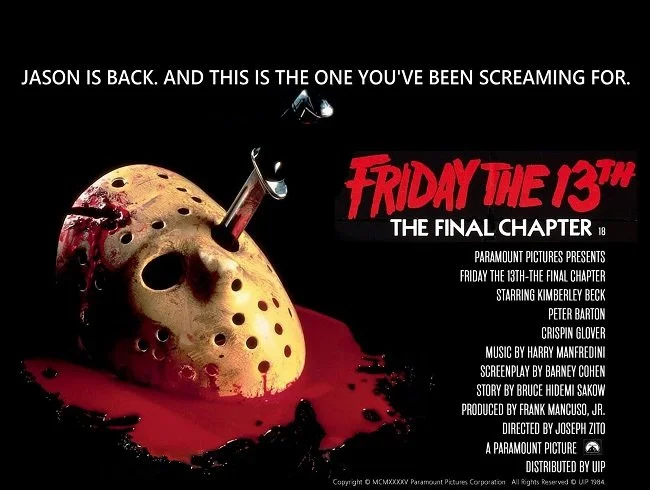

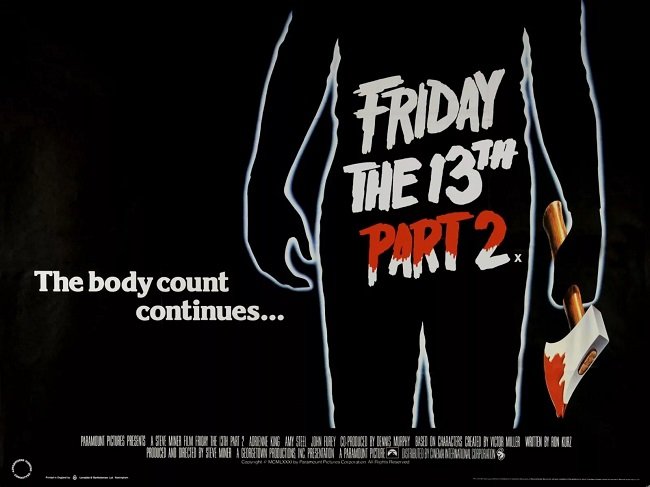


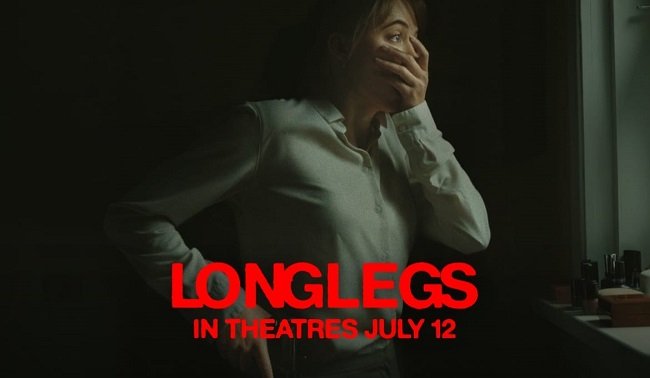


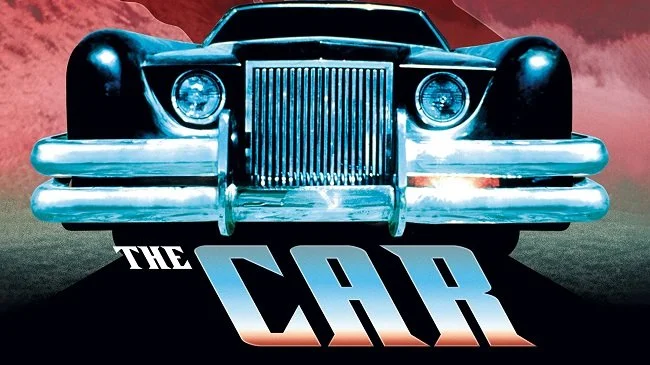

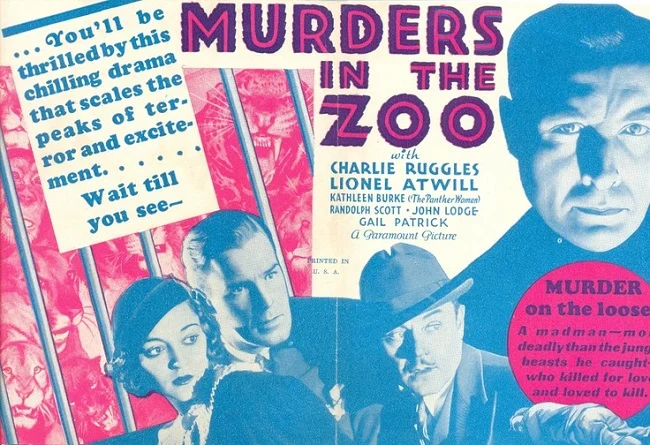
The Idiot Box
There are many aspects of TV and film that I wish to discuss here on Contains Moderate Peril, but they don’t all require and in-depth post or detailed review. Therefore, it seems practical to create a recurring editorial piece in which I can address these more concise and conversational pieces. Hence you are reading “The Idiot Box” which is my new means to quickly summarise and touch upon what I’m currently watching. Because I do the bulk of my film viewing at home now via VOD and no longer that much at the cinema, this recurring post will deal with movies as well as television. I’ll still be producing long form reviews because I enjoy doing so and they also constitutes a substantial percentage of traffic to this site. This virtual column is more of a “friendly chat” about my viewing habits as well as what’s popular, as you would have with your friends down the pub. So, let us begin with a few thoughts about some of the shows I’m currently enjoying.
There are many aspects of TV and film that I wish to discuss here on Contains Moderate Peril, but they don’t all require and in-depth post or detailed review. Therefore, it seems practical to create a recurring editorial piece in which I can address these more concise and conversational pieces. Hence you are reading “The Idiot Box” which is my new means to quickly summarise and touch upon what I’m currently watching. Because I do the bulk of my film viewing at home now via VOD and no longer that much at the cinema, this recurring post will deal with movies as well as television. I’ll still be producing long form reviews because I enjoy doing so and they also constitutes a substantial percentage of traffic to this site. This virtual column is more of a “friendly chat” about my viewing habits as well as what’s popular, as you would have with your friends down the pub. So, let us begin with a few thoughts about some of the shows I’m currently enjoying.
Season 2 of Star Trek: Discovery is proving very entertaining and certainly seems to be pulling the show back towards what I’d broadly describe as classic Trek territory. And by classic, I mean the broader themes and idiom of TNG, DS9 and Voyager. There is sufficient information in the public domain to show that there was a lot of creative differences behind the scenes during the production of season one. All things considered it’s surprising that the first 15 episodes came out as well as they did. Now that the show appears to be enjoying a more stable environment, it seems to be returning to the fold with regard to narrative and intent, while maintaining its aesthetic differences. And I like it. I like it a lot. I also managed to catch up with Star Trek: Short Treks and found these to be entertaining and informative. “The Brightest Star” episode was particularly poignant, exploring how Saru made first contact with Starfleet and the ramifications that act had upon his own future.
The Punisher is also enjoying its second season and once again it is proving that the key to successfully exploring vigilantism is to focus on character, motive and consequences. Some episodes are deliberately slow but that’s fine with me. I like knowing the backstory of key characters such as Krista Dumont, Billy Russo's Therapist and John Pilgrim, the shows new antagonist. The show also maintains it’s hard hitting action scenes, with Castle meeting out a particularly vicious beating to a Russian thug, using gym weights. It really made me wince. I am, however, curious to see if there will be a third season and if so whether it can sustain the quality of the narrative. There have been doubts of late as to whether Disney will claw back the rights from Netflix (along with others) and seek to develop them for their own pending VOD service.
Finally, I wanted to reference Amazon prime’s Homecoming with Julia Roberts, as I found this such a fascinating show. I especially liked they way the production used different aspect ratios to denote separate timelines in the plot. It was a very clever device that further embellished the ending of the story. Another facet of the show that was unusual was the varying lengths of each episode. Some ran for an hour, where others only half that time. Yet the plot was demonstrably advanced forward in each instalment. Rather than compose an original score for the entire season, the showrunners decided to used cues from classic films to suit the mood of each episode. For me, a consummate fan of film soundtracks, it was a delight to try and workout each episode where the music came from. Homecoming was a well written, thought provoking production bolstered by solid performances. It was also a self-contained story, so I find it odd that there is talk of a further season, unless it is a tangential sequel.
The Three Stooges (2012)
I had mixed feelings about whether The Three Stooges could be successfully re-imagined and revitalised for a modern audience. When the first trailer was released it seemed to highlight the major differences between the old school slapstick humour of the forties with the worldly adult style of present comedy movies. However, as more information came out regarding the production and it became clear that the Farrelly Brothers are consummate fans of the source material, I began to revise my expectations. After finally having caught up with the movie, six years after its theatrical release, I am afraid all my initial fears have proven true and that The Three Stooges falls into all the traps I anticipated it would. That is not to say that the film is not without merits, but overall it fails to deliver in a manner that pleases all parties.
I had mixed feelings about whether The Three Stooges could be successfully re-imagined and revitalised for a modern audience. When the first trailer was released it seemed to highlight the major differences between the old school slapstick humour of the forties with the worldly adult style of present comedy movies. However, as more information came out regarding the production and it became clear that the Farrelly Brothers are consummate fans of the source material, I began to revise my expectations. After finally having caught up with the movie, six years after its theatrical release, I am afraid all my initial fears have proven true and that The Three Stooges falls into all the traps I anticipated it would. That is not to say that the film is not without merits, but overall it fails to deliver in a manner that pleases all parties.
First off let me make it clear that the casting of Sean Hayes, Will Sasso and Chris Diamantopoulos as Larry, Curly and Moe is spot on and their performances are exceptional. They have successfully captured the style, idiom and physical technique of the original trio and are very funny in themselves. I cannot fault their work. However, the story that the actors have to hang their performance on, is weak, poorly paced and littered with asides that don't work. The depiction of the Catholic Church, nuns and orphanages is lazy and tired. To cater to contemporary tastes there is a degree of cruder material and sexual under current to a lot of the humour. The problem is that it seems out of place and doesn't fit well into the narrative. Therefore, there is a tonal tug of war between slapstick gags that you expect from this franchise and the earthier humour you find in other Farrelly Brothers movies.

I love comedian Larry David, but his character Sister Mary-Mengele has little to do and nowhere to go. Plus naming a nun after a Nazi war criminal really isn't exactly going to have the target audience rolling in the aisles is it? In fact, a lot of the humour centred around the antagonists and support characters seems out of place in a movie that is marketed heavily towards kids. For example, I laughed a lot at Larry (Sean Hayes) giving a dolphin a Heimlich Manoeuvre, but when the offending peanut is then shot out of its blow hole and into a Lion’s testicles, it become an embellishment of a very different nature. The final act which involves Moe appearing on a reality TV show fails as a concept. I can see why it was used as a plot device to try and bridge the cultural divides between prospective audience members, but it just doesn’t work.
The Three Stooges also has another major obstacle to overcome in so far as we now live in extremely litigious times, in a culture dominated by health and safety. The movie ends with a coda in which the directors, the Farrelly Brothers played by male models, explain that all of the Stooges physical hijinks are stunts and should not be imitated. It really does further derail an already flawed production. In the UK, the BBFC still expressed concern over some of the slapstick violence and as a result the distributors elected to re-edit the movie and remove some of the problematic scenes so they could secure a lower rating for theatrical release. The Blu-ray release for the United Kingdom is uncut, however.
The box office taking for The Three Stooges were not bad. The movie recouped its production costs and turned a profit. Whether this means we will see a second movie, I do not know for sure. However, because the lead actors are so good, I would not actually mind giving them a second chance, as long as a greater effort was placed on finding a suitable comedy vehicle for them. Therefore, if you do decide to watch The Three Stooges, then do curb your expectations and focus on the central performances. Try to tune out the wider comedy as it is very poor and at odds with central theme. Then you may then be rewarded with an enjoyable tribute act to Larry, Curly and Moe. However, a sequel will certainly need to be more than just a homage.



Anthem Open Demo
Before I start with my thoughts on the actual nuts and bolts of Anthem, let me just say that it’s nice that the concept of “the demo” still exists. There was a time when I use to buy various computer magazines in the late nineties, and they would all have a cover disk filled with game demos. I discovered many great games that way (MDK, Hidden and Dangerous), simply by having access to a few levels of a new title. Game developers seem ambivalent towards the concept of “try before you buy” these days. More often than not we get early access instead, which is not the same thing at all. But a functional demo that gives you a decent representation of the full product is a far better proposition. For the gamer at least. Because if you play it and like it, then you are sold. Unlike early access where you may see a product with prospects but whether it comes to fruition is another thing entirely. However, demos are a double edge sword, because may also come to a clear and unequivocal conclusion that you don’t like the game in question, or that is simply not for you.
Before I start with my thoughts on the actual nuts and bolts of Anthem, let me just say that it’s nice that the concept of “the demo” still exists. There was a time when I use to buy various computer magazines in the late nineties, and they would all have a cover disk filled with game demos. I discovered many great games that way (MDK, Hidden and Dangerous), simply by having access to a few levels of a new title. Game developers seem ambivalent towards the concept of “try before you buy” these days. More often than not we get early access instead, which is not the same thing at all. But a functional demo that gives you a decent representation of the full product is a far better proposition. For the gamer at least. Because if you play it and like it, then you are sold. Unlike early access where you may see a product with prospects but whether it comes to fruition is another thing entirely. However, demos are a double edge sword, because may also come to a clear and unequivocal conclusion that you don’t like the game in question, or that is simply not for you.
Because so many gamers see criticism and analysis as a personal attack on their opinions and therefore an assault upon themselves, let me make this first point very clear. I do not think Anthem is a bad game (from what I have seen). At its core, it is a fun, exciting experience. It does exactly what it sets out to do and appears to do it well. Got that? Good. Because a lot of the other stuff, IE the story, the characters, and the overall aesthetic are arbitrary. Again, let me stress they are not bad, just adequate. Up to a standard to coin a phrase. But far from unique, not outstanding or in any other way exceptional. I have written in the past about the misrepresentation of the word “adequate” and that not every game has to be a genre milestone. But this is a BioWare game being published by EA. It’s got multimillion-dollar, big bollocks, in your face, hyped up bullshit written all over it in large neon letters. If you want the full experience (Legion of Dawn Edition) it will cost you £70, all but a penny. Call me old fashioned but if I part with that amount of cash, I want more than what I’ve described.
Earlier today, I fired up the demo and quickly got into the game. There were no logon or server issues this time round. I found myself in a Fort Tarsis and quickly got funnelled to the expositonary NPC and quest bestower. As Anthem uses the Frostbite Engine, everything looks fancy although I found a lot of the production design to be somewhat generic. As it’s a limited demo I repeatedly got onscreen messages telling me that I cannot interact with NPCs and items. Nope BioWare wanted me to go get in my Javelin exo-suit and sod off and start shooting stuff. Now I noted that this first part of the game was all in first person. Whether that is the case in the full release I do not know. Let it suffice to say that if all the RPG elements are conducted in such a manner, then that’s another stumbling block for me. So, I subsequently donned my fancy armour and found myself with three other random players out in the combat zone. Everyone promptly ran off in different directions and started experimenting with the game controls. I was hoping there would be some semblance of a tutorial but no, you just have to figure shit out for yourself. It is however very intuitive and easy to work out.
Well let me save both you and I a lot of time. If you played Destiny 1 or 2 then the combat is pretty much the same. The only difference here is that you have thrusters to fly for limited periods and you have the benefits of a third person view. You have two ancillary weapons, which on the ranger class javelin are explosive projectiles and you have a melee skill. The game is fluid, requires situational awareness and robust twitch skills. The added verticality adds to the challenge requiring you to get above and behind enemies and objects, hover, shoot and move on. If you are young with good reactions, have played other games that require you to interact with similar three-dimensional environments and are adept with keyboard and mouse, or a games controller, then the combat in Anthem will really appeal to you. If you are of an older group, you may find it harder to keep up with the game. I played overall for three hours and during that time quickly got the measure of the game. Because while everyone else was flying around, shooting mobs and efficiently traversing the environment, I was adjusting my pince-nez, sipping my Amontillado, trying not to be distracted by the garrulous in-game voice over and trying to determine which key did what.
The thing is with Anthem, a player such as I will probably have to work twice as hard to train myself not to over steer, get disorientated and fall behind the group. Because the combat is pretty much the foundation of the game experience, you need to be proficient to get the most out of the game. I don’t think its strength will lie with its narrative, characters and production design. As I said, these are all adequate (from what I could see) but nothing more. A decade ago I would have been happy to put in the time and the effort to improve my performance and prove a point. But not now. I play to have fun primarily and if I’m not up to the task, then I am happy to move on. I don’t blame the game or myself and I’m not under any obligation to “git gud” to embrace some spurious philosophy that the only good game is a competitive challenge. So Anthem is not for me. Let those who enjoy the demo, purchase the full edition and go have their fun. I’ll find mine somewhere else. As for those who are expecting the much lauded BioWare storytelling experience, I’d be interested to know in a few months from now as whether it’s there or not.