
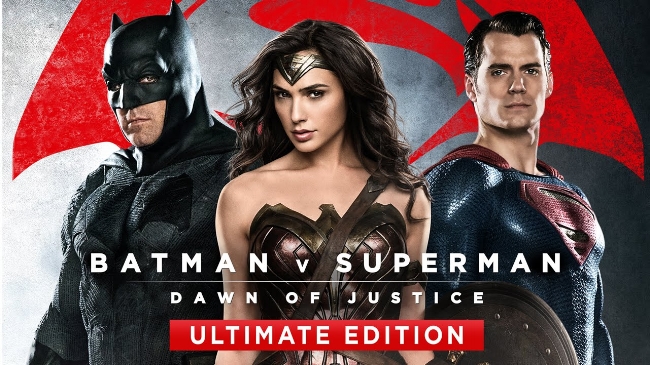
Batman v Superman: Dawn of Justice Ultimate Edition (2016)
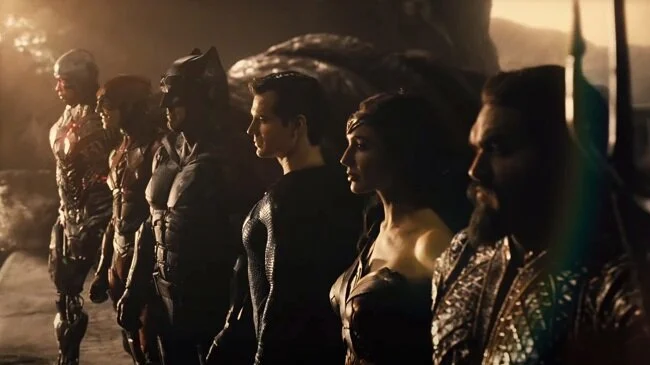
I have not seen the theatrical version of Batman v Superman: Dawn of Justice, although I’ve been informed that it was a somewhat confused and flawed edit of the film. The Ultimate Edition clocks in at three hours and three minutes; thirty-two minutes longer than the version shown in cinemas. That is over half an hour of more exposition and character development. More than enough to have a significant impact upon the movie, its themes and narrative. Judging purely by the version that I saw, along with the fact that I have no major familiarity or investment with either of these characters, beyond their cinematic depictions, I was entertained by Batman v Superman: Dawn of Justice. I thought it maintained the cerebral approach to DC Expanded Universe that we previously saw with Man of Steel. Furthermore, despite its sprawling nature and an overabundance of CGI driven action scenes, the film explores some very contemporary issues about societal paranoia and upsetting the political status quo.
I have not seen the theatrical version of Batman v Superman: Dawn of Justice, although I’ve been informed that it was a somewhat confused and flawed edit of the film. The Ultimate Edition clocks in at three hours and three minutes; thirty-two minutes longer than the version shown in cinemas. That is over half an hour of more exposition and character development. More than enough to have a significant impact upon the movie, its themes and narrative. Judging purely by the version that I saw, along with the fact that I have no major familiarity or investment with either of these characters, beyond their cinematic depictions, I was entertained by Batman v Superman: Dawn of Justice. I thought it maintained the cerebral approach to DC Expanded Universe that we previously saw with Man of Steel. Furthermore, despite its sprawling nature and an overabundance of CGI driven action scenes, the film explores some very contemporary issues about societal paranoia and upsetting the political status quo.
Having recently re-watched Man of Steel, the segue into Batman v Superman: Dawn of Justice was seamless and the movie picked up the previous story and instantly got cracking on expanding it. Several events from the climax of Man of Steel where subsequently shown from the perspective of Bruce Wayne. This then sets the plot of Batman siding with an ever increasingly paranoid establishment that see’s Superman as an uncontrollable threat. As ever, with any threat to the established order, it is the rich and powerful that fear the new, as it may rob them of their privilege. Yet the poor and the disenfranchised, see Superman as their advocate. In this respect, Director Zack Snyder has made a very political movie. He also ponders the vigilante aspects of Batman’s character, who at this time works outside the law and has established himself as judge, jury and indirect executioner. He brands his victims, which makes them clear targets when placed in a prison environment.
So far, the first two instalments of the DC Expanded Universe have been dark, dour and have not shied away from social commentary. Certainly, the themes explored are especially pertinent in the light of contemporary US politics. Presenting super hero stories in such a fashion certainly puts to bed the notion that comic book movies are kiddie fodder. The levels of violence in the Ultimate Edition are also unusual for this genre but completely justified considering the nature of the story and the noticeably more cerebral pitch the producers are trying to make. However, because this is a genre movie it still feels obliged to regularly punctuate the proceeding with major action based set piece. I find that is not the scope of these sequences, that are the problem. They often display arresting imagery and novel ideas. It is their duration that is the issue. There is a finite amount of destruction and mayhem one can endure, before it becomes tedious and bombastic. These sequences also slow up the narrative, which surprisingly enough, does become the selling point of the film.
Like Man of Steel before it, Batman v Superman: Dawn of Justice also has a controversial scene. In the previous movie, it was having Superman act out of character and take a life. As a plot device, it actually worked, taken in context of the films own internal logic. This time round, an armoured Batman defeats Superman, through the use of weaponised Kryptonite. Yet a single incidental remark, spoken in desperation by Superman, stays Batman’s hand and sets him upon a path of introspection. His subsequent epiphany shows Bruce Wayne exactly how far he has fallen, morally. This scene divided fans. Some felt that it was contrived and hokey. Again, I was content to go along with it and felt in principle it was an acceptable concept. Perhaps it could have been implemented a little better but I did not see it as a deal breaker in any way. Again, I think that my willingness to go along with the director vision, stems from my lack of personal baggage with the source material. Fans often forget that a movie is an invitation to share the film makers vision. You can blame a movie for perceived faults in its production but is patently unrealistic to complain that the studio has not made the film that you had in your head. That was never on offer to begin with.
There were several other facets of Batman v Superman: Dawn of Justice that I enjoyed. I was happy with all main performances. Jesse Eisenberg as Lex Luthor was a bold piece of casting. However, it was prudent to fly in the face of established depictions of the supervillain. This was a far more contemporary Lex Luthor, pertinent to the technology and the fears of our age. I also enjoyed the subplot regarding metahumans and the extended cameo by Gal Godot as Diana Prince. We were also given a far more “hands on” Alfred Pennyworth, who is technically adept and happy to put his employer, Bruce Wayne, in his place. Jeremy Irons is the sort of actor who can project this sort of moral authority. Another aspect of the film that improves its dramatic scope, is its global perspective. The events of the story do not just happen within an inward-looking US. Superman interacts with all people and nations. Catastrophic events also have international implications.
Even in this extended form, Batman v Superman: Dawn of Justice is not a perfect movie. It is somewhat bloated and has an uneven pace. Yet is it now narratively coherent and doesn’t suffer from the plot holes apparent in the theatrical release. It approaches its subject matter in a manner that is appropriate to our current world. We no longer live in the Fifties so it would be crass to depict the concept of metahumans in such a way. Superman is no longer a seen as a benevolent, extraterrestrial immigrant who has embraced the American dream. He is now viewed suspiciously by those who harbour an inherent fear of the unknown and that which they can’t control. Kal -El is no longer the bland, one dimensional embodiment of patriotism. He is now a potentially rogue messiah who is acutely aware of the divisions that he causes. Such ideas certainly make for interesting viewing and intellectual reflection. So far, because of the manner in which all these ideas have been handled, I am still sufficiently invested to pursue them further. Thus, I am looking forward to watching both Suicide Squad and Wonder Woman. Hopefully, these adult fantasies will continue to offer spectacle and food for thought in equal measure.
Spec Ops: The Line - Morally Ambiguous and Bleak Gaming
I first played through Spec Ops: The Line back in 2014 when I purchased it as part of a discounted 2K bundle. For once the actually selling point of this action game was the single player campaign, which had a reputation for being well conceived and written, with solid voice acting. After playing for a couple of hours it became apparent that there was a lot more to this third person, cover based shooter and that the praise its received from the gaming press was justified. I have seldom played through a title as compelling as this. This week I re-installed the game and completed it for a second time. This time round I was able to concentrate more closely on the subtleties of the story. For a five year old title, this is still a gruelling experience.
I first played through Spec Ops: The Line back in 2014 when I purchased it as part of a discounted 2K bundle. For once the actually selling point of this action game was the single player campaign, which had a reputation for being well conceived and written, with solid voice acting. After playing for a couple of hours it became apparent that there was a lot more to this third person, cover based shooter and that the praise its received from the gaming press was justified. I have seldom played through a title as compelling as this. This week I re-installed the game and completed it for a second time. This time round I was able to concentrate more closely on the subtleties of the story. For a five year old title, this is still a gruelling experience.
The story is both intriguing and topical. Dubai has been overwhelmed by cataclysmic sandstorms and fallen into a state of anarchy. Troops from the 33rd Infantry Battalion, led by Colonel John Konrad, have gone missing after a failed evacuation. Subsequently a Delta force team is sent to determine what has gone wrong and rescue surviving members of the 33rd. What they find is a city engulfed by sand and a complex tale of mutiny, CIA manipulation and personal insanity. Played from the perspective of Captain Walker, along with a two-man squad comprising of Lieutenant Adams and Sergeant Lugo, the story catalogues their descent into a personal hell and mental disintegration. The game is clearly influenced by Francis Ford Coppola's Apocalypse Now and Joseph Conrad's novel Heart of Darkness, which the movie was based on.
The first thing Spec Ops: The Line does is take all the standard underpinnings from the shooter genre and jettison them. There is no binary conflict between the morally righteous US forces and some generic foreign adversary. The enemy in this fight turns out to be your own side. The game does not glamorise war nor does it offer the FPS gamer the usual experience. Tactical decisions come with consequences and the moral choices offered in the game seldom provide a positive solution. The narrative clearly explores the psychological burden that comes with command and it's not pretty. The games mechanics are somewhat standard but perfectly adequate. Although scripted, the action scenes have a genuine sense of confusion and at times even panic.
Spec Ops: The Line has a worryingly credible narrative that challenges the player to be more than just a voyeur in the proceedings. Many of the standard tropes that you find in this genre are reversed. As the story gets more involved and morally ambiguous, the dialogue between the Delta Force team becomes more agitated. The cool, calm radio chatter we saw at the beginning of the game becomes, accusatory, bellicose and even scared. The strain of having your world view shattered is cleverly reflected in the script. As a result, playing Spec Ops: The Line feels very different to other shooters. Even if you have the flintiest of hearts, the game may well surprise you with its difference and honesty. It’s gameplay and mechanics are formulaic but the story is dark, foreboding and disturbing.
Gaming seldom has narratives as strong as that found in Spec Ops: The Line. Hopefully it provides pause for thought as well as entertainment among those who play. War is still grossly misrepresented in gaming and caricatured in the most abhorrent way. This game challenges the established business approach and raises many ethical questions not only about the nature of warfare, but whether it should be trivialised and used as a means of entertainment? At the very least Spec Ops: The Line is an interesting experiment in gaming narrative and is worth a look on those grounds alone. Whether the gaming industry sees fit to take such an approach with future titles remains to be seen. Recommended but no to the faint hearted.
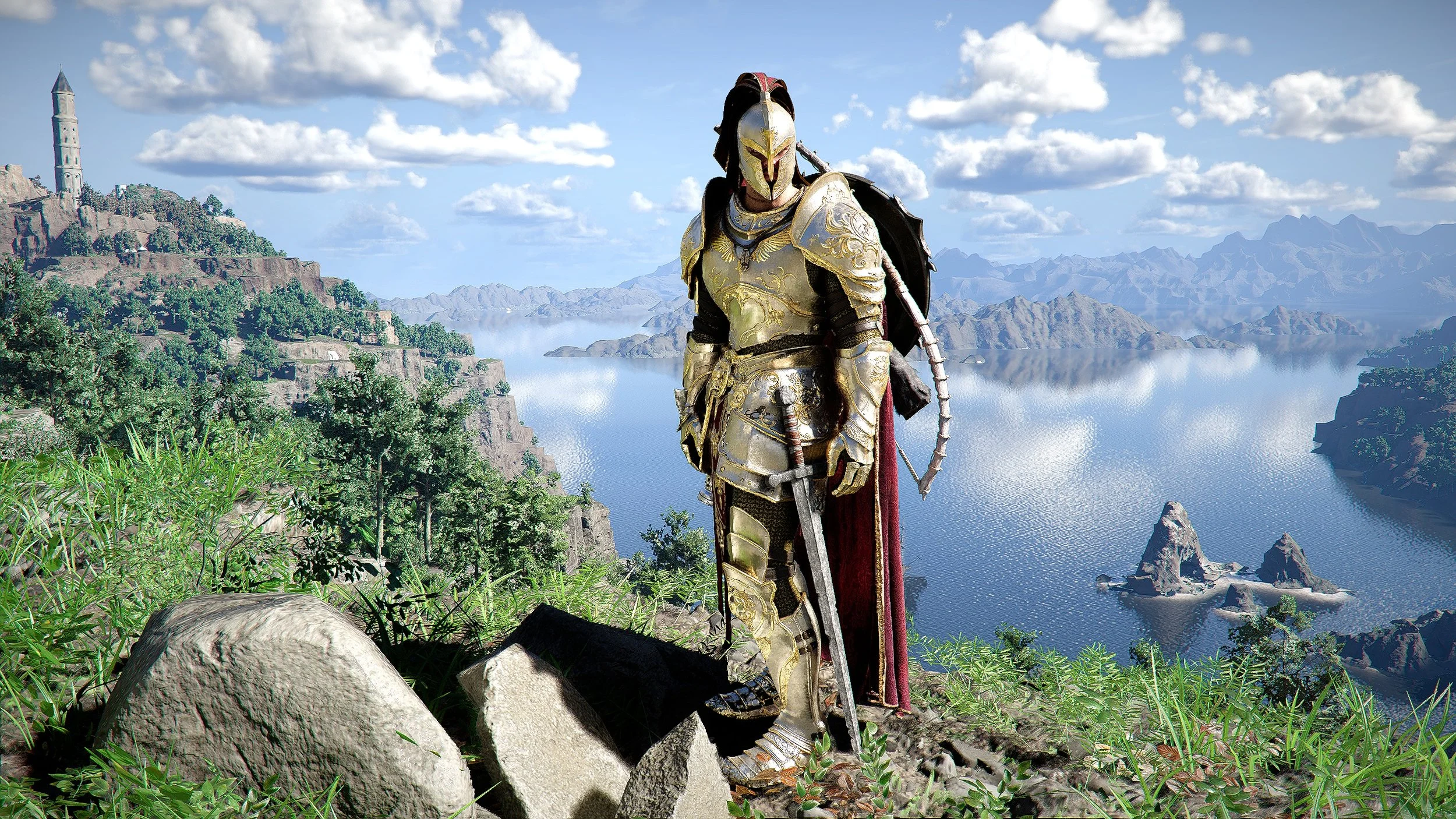
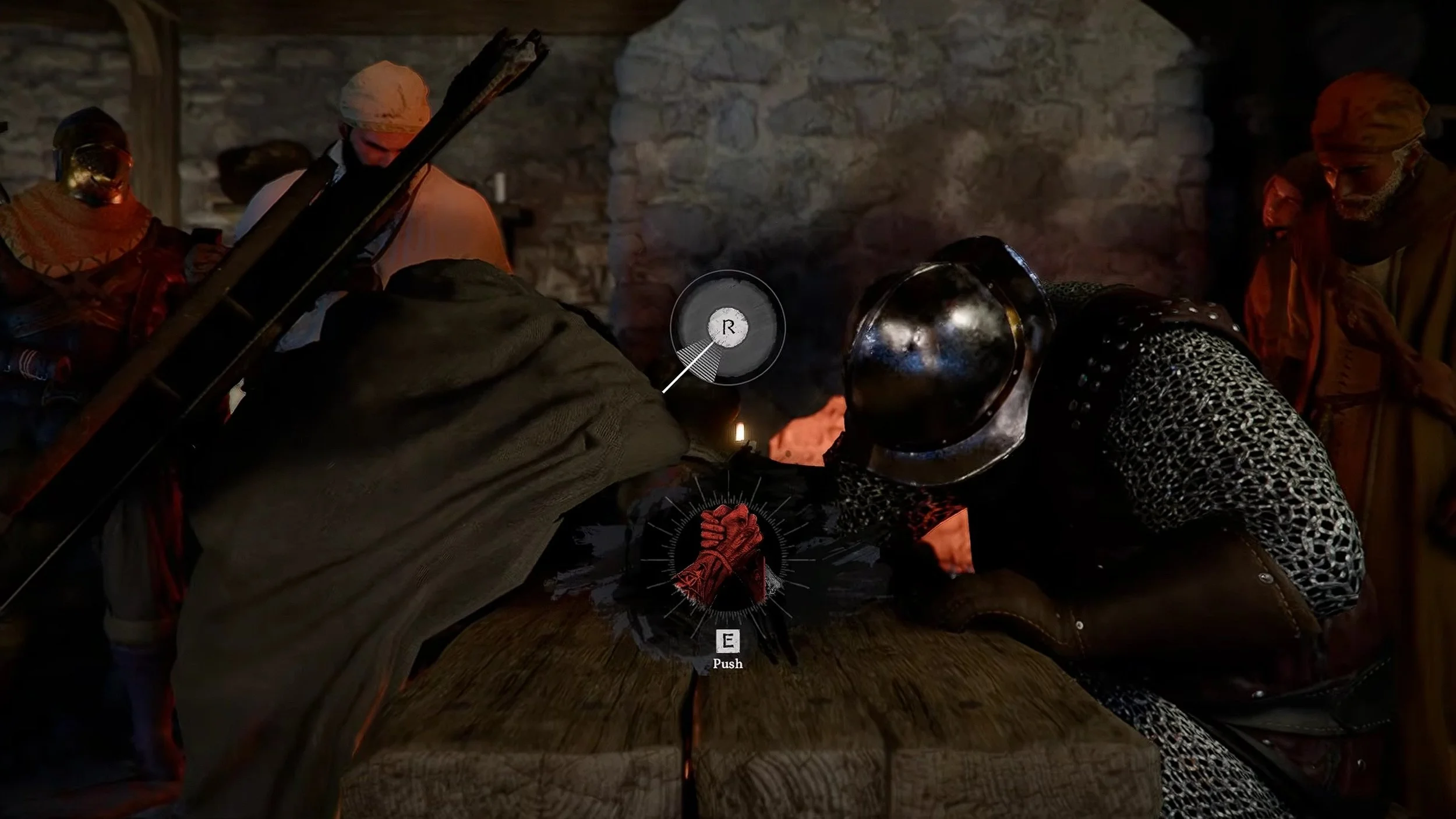
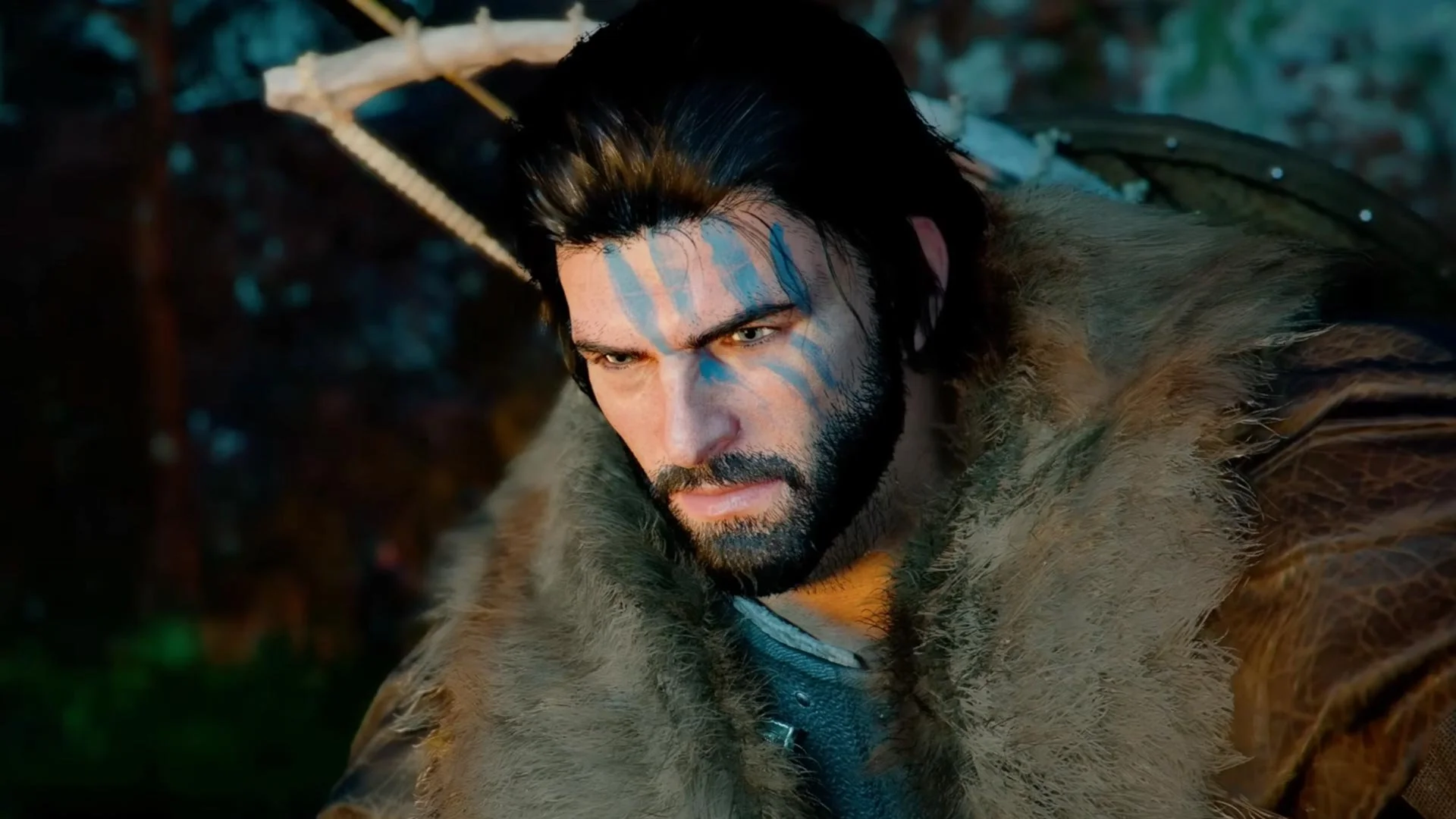
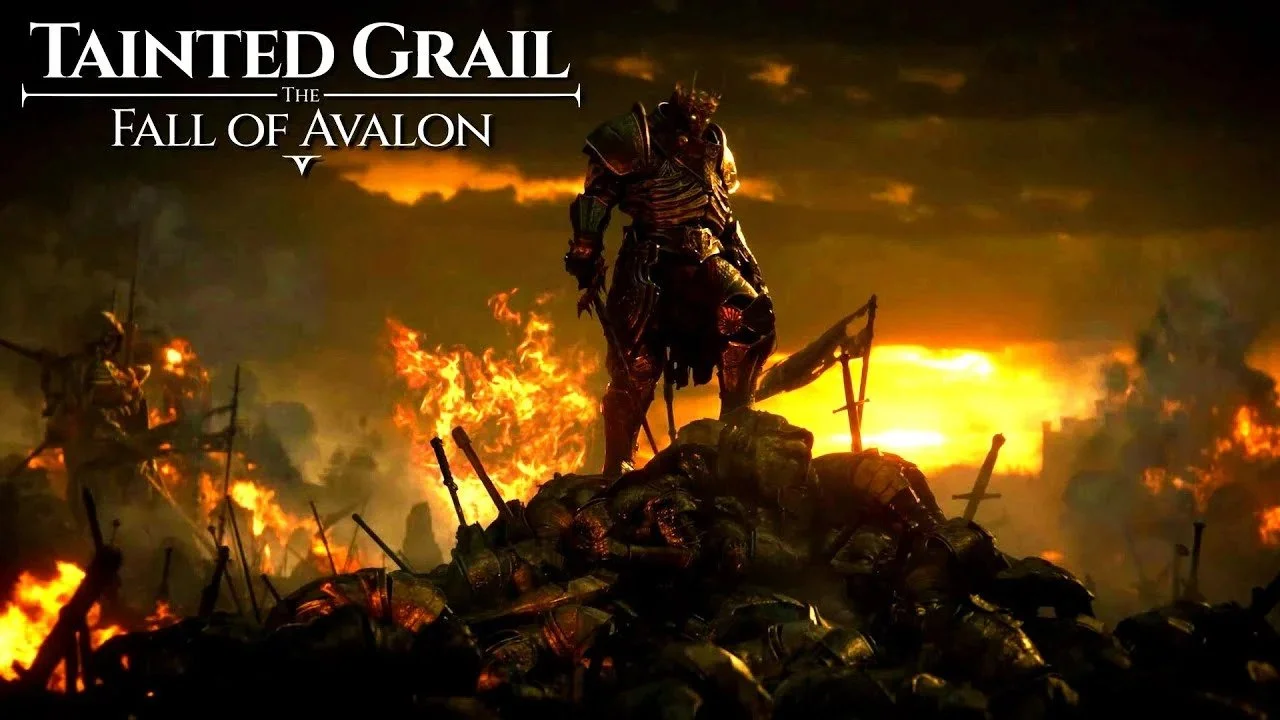
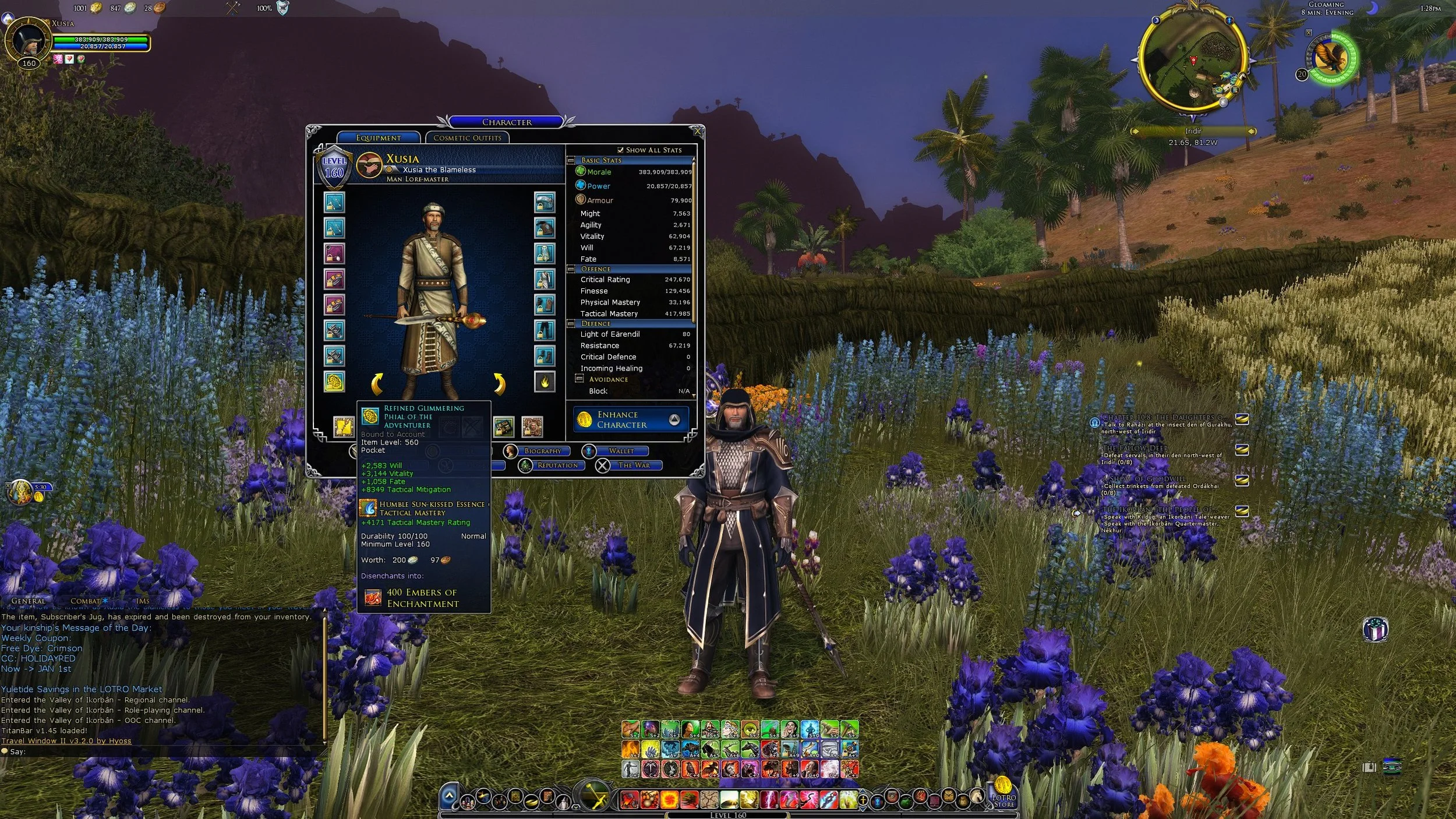
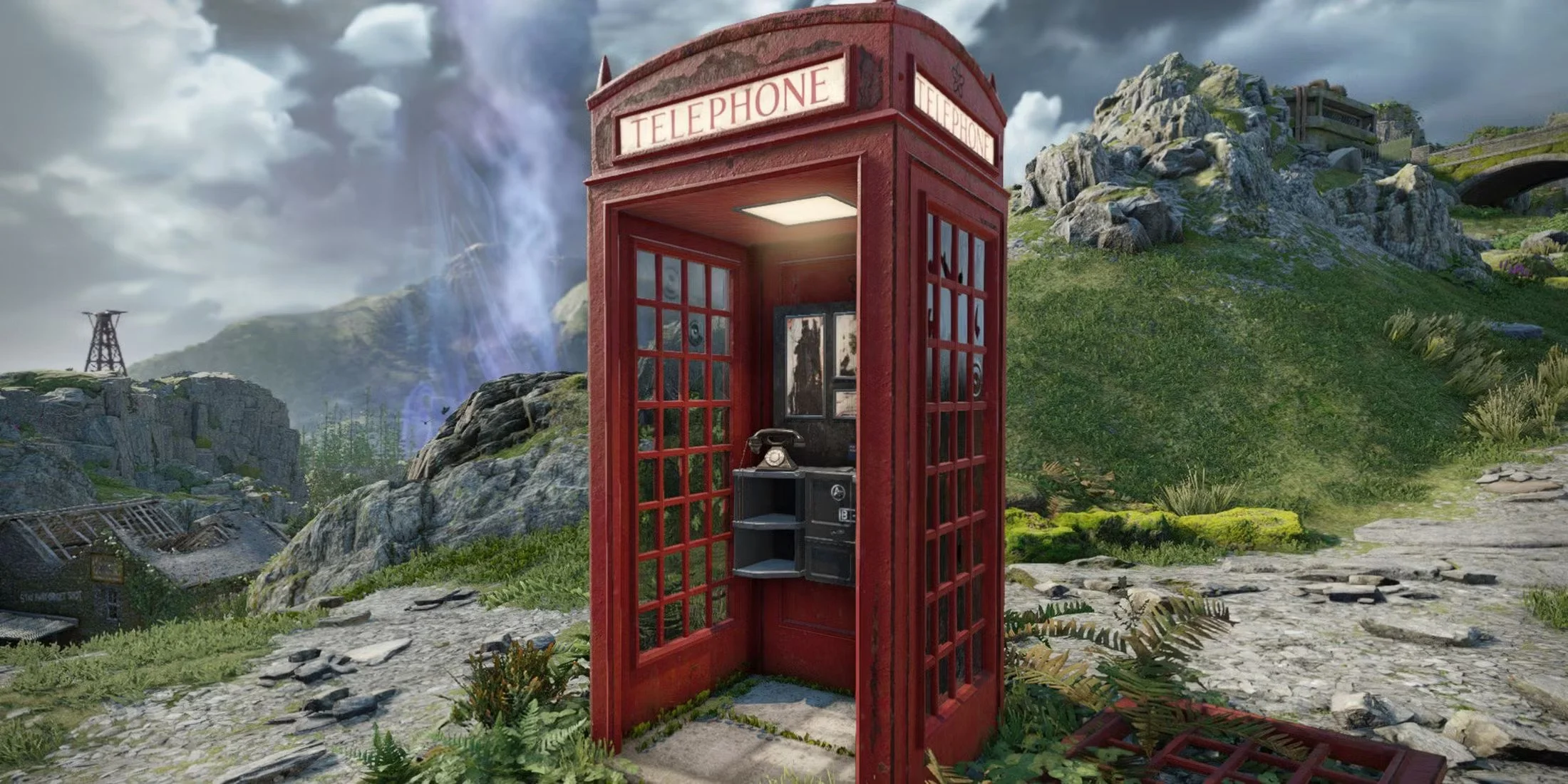
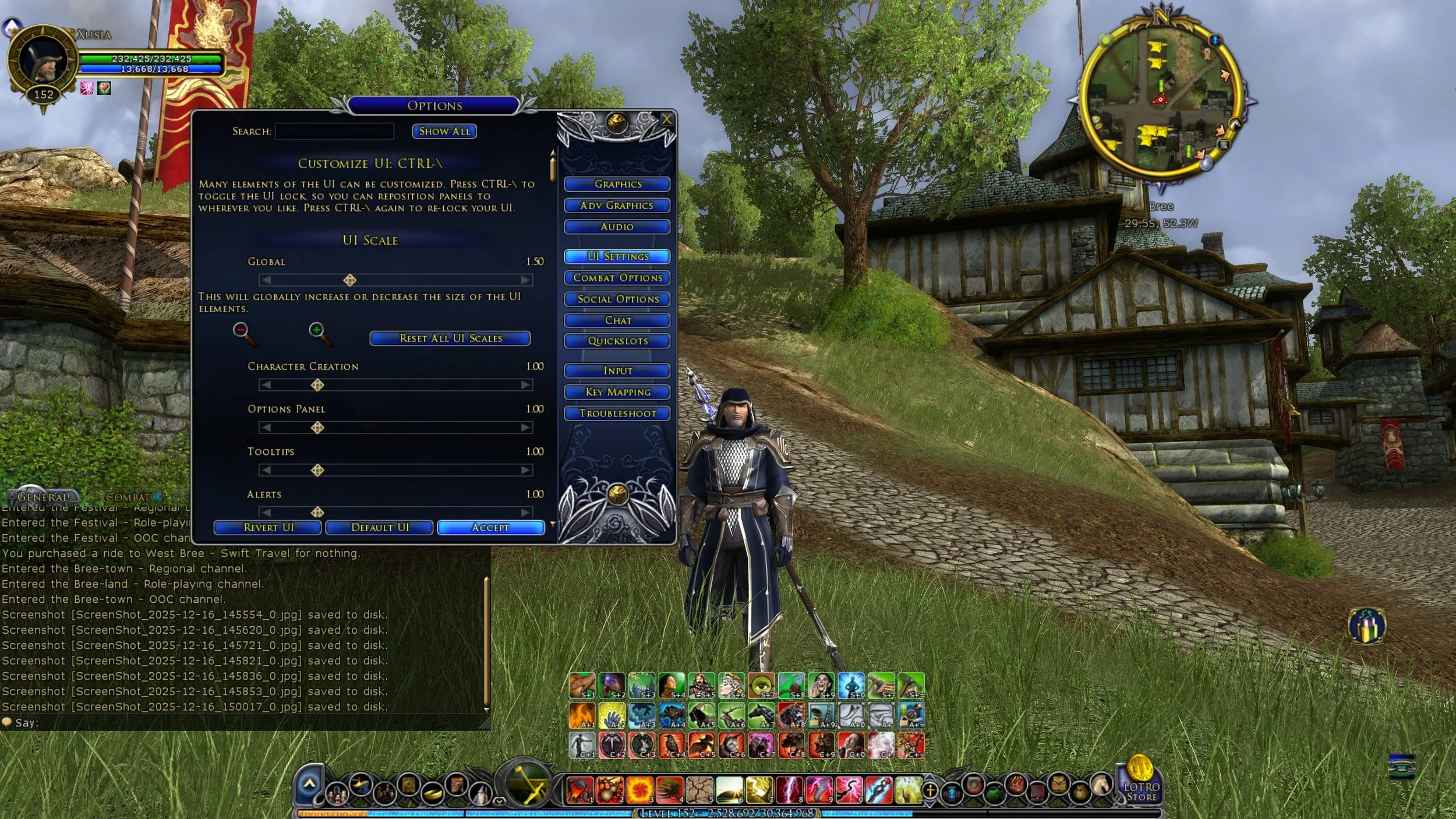
Game Maps
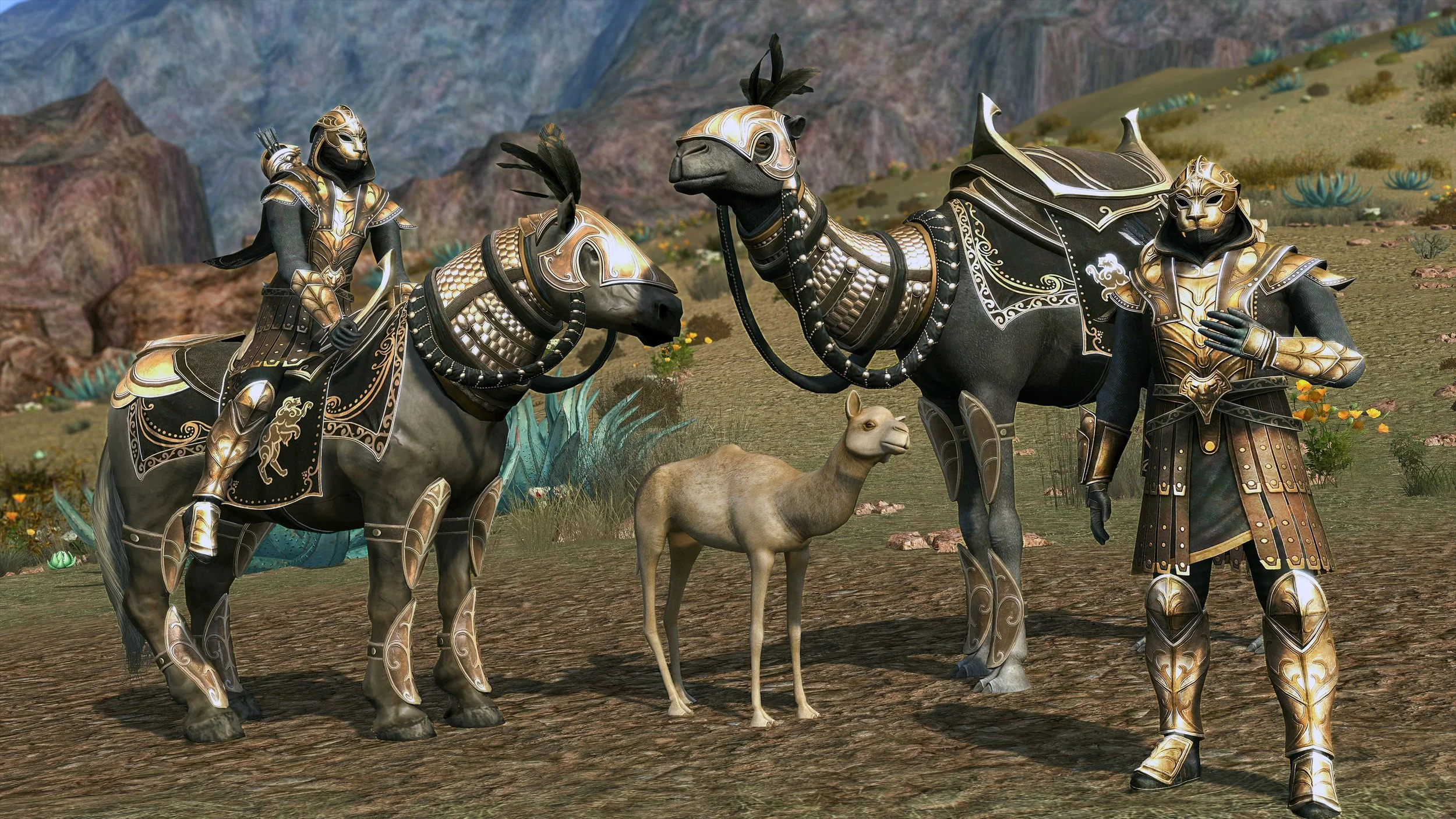
I've been pondering of late the subject of game maps and how they can vary quite radically from title to title. Size, content and instancing can all have an impact on a maps accessibility and the way they are perceived. Then there is the issue of individual player tastes and preferences. Those who like to explore will happily spend time attempting to access remote nooks and crannies. Others will quickly become frustrated if there is no direct route to their goal, as with Guild Wars 2: Heart of Thorns. A games genre also has a significant impact upon map design. A FPS or MOBA has different requirements from it virtual environment that an MMO. I'm sure there are far more variables involved in a maps creation. However, I think most gamers seem to inherently know when the developers have got it right.
I've been pondering of late the subject of game maps and how they can vary quite radically from title to title. Size, content and instancing can all have an impact on a maps accessibility and the way they are perceived. Then there is the issue of individual player tastes and preferences. Those who like to explore will happily spend time attempting to access remote nooks and crannies. Others will quickly become frustrated if there is no direct route to their goal, as with Guild Wars 2: Heart of Thorns. A games genre also has a significant impact upon map design. A FPS or MOBA has different requirements from it virtual environment that an MMO. I'm sure there are far more variables involved in a maps creation. However, I think most gamers seem to inherently know when the developers have got it right.
For me one such example of a map being "just so" is Skyrim. The landmass is about sixteen square miles, which is big but pales into significance when compared to Just Cause 2 which clocks in at four hundred square miles. However, the thing that Bethesda has got right with Skyrim is the balance between the size of the area, the amount of content and aesthetics. The day and night cycle, coupled with procedurally driven events makes it feel like a living environment. You can watch as villagers go about their tasks and farm animals graze for food. The fact that there's no instancing when travelling above ground until you entered a building, also provides an air of authenticity.
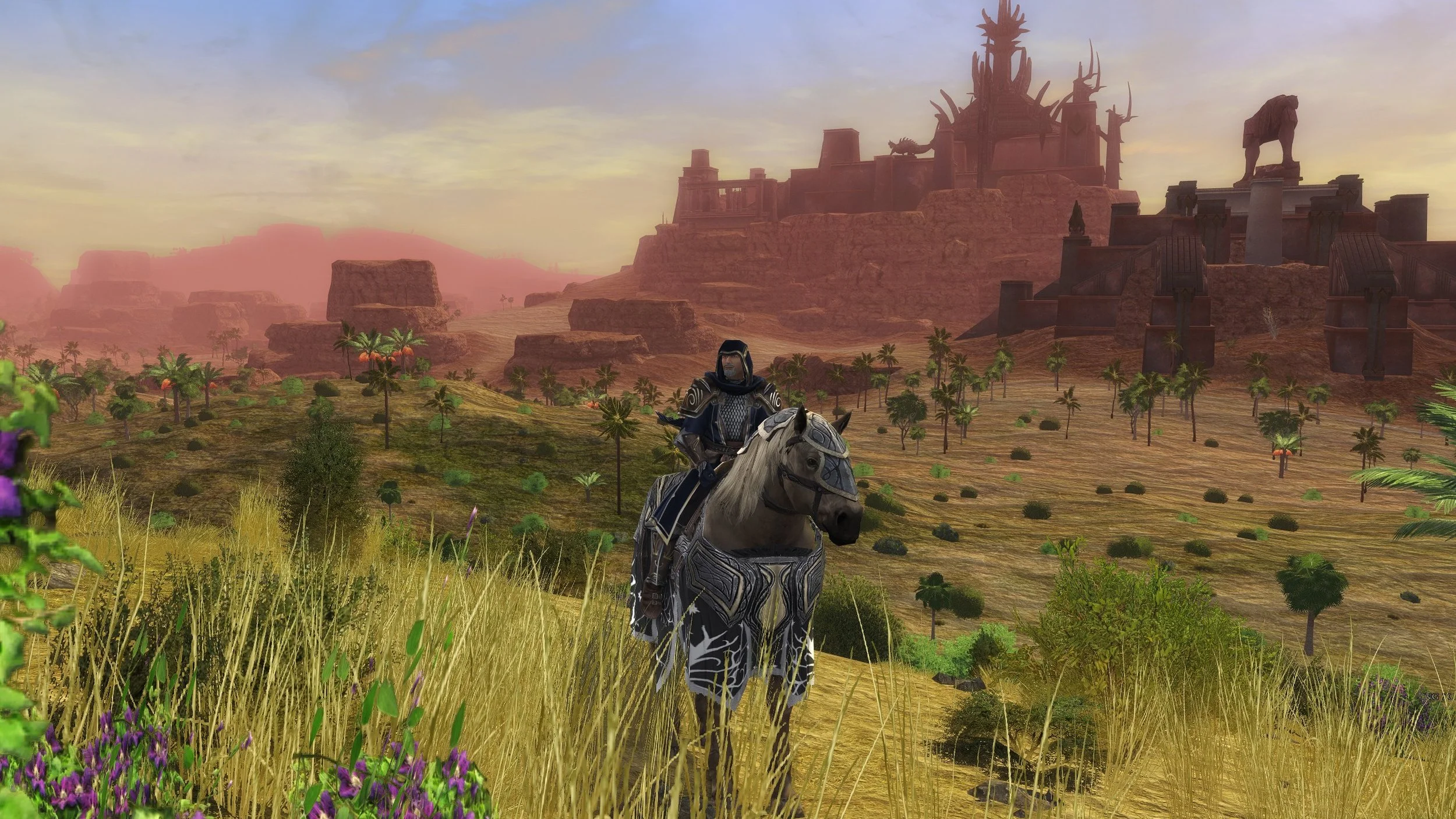
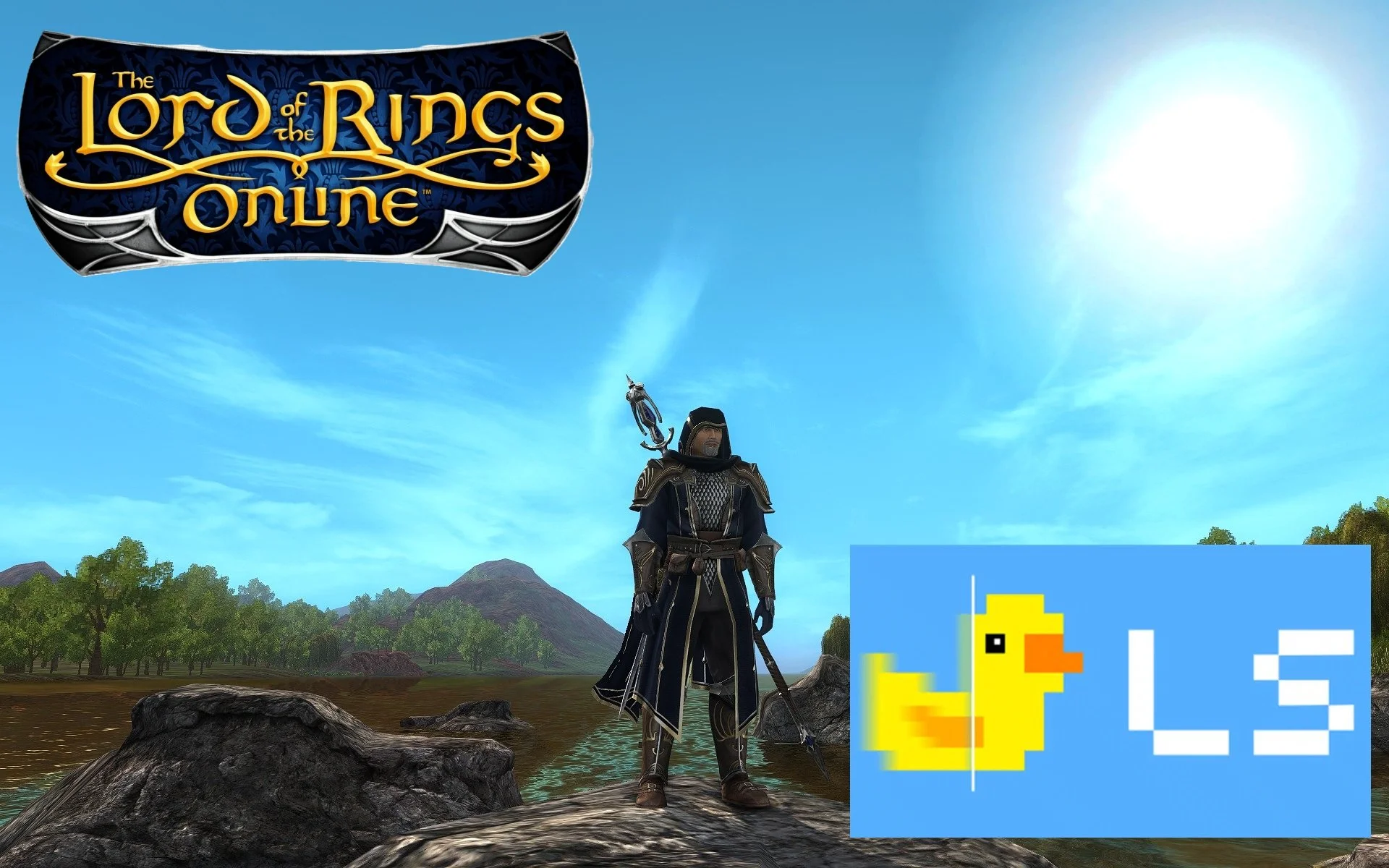
In the halcyon days of LOTRO, Bree-Land was prime example of a rich and varied MMO game map. Although it doesn't have the faux living dynamic of other games, it remains a large and varied landmass with plenty of content to seek out. It also makes a half decent attempt at realising the geography as written in Tolkien's source text. LOTRO still remains a game with a handsome world design but the regions that have subsequently been added of late are far more functional in their construction. Players often cannot access certain areas due to rivers and mountains and find themselves funnelled through pleasant zones on the way to the next quest hub. However more recent MMO's such as ArcheAge and Guild Wars 2 still encourage the exploration of their game worlds and have devised content around players desire to do so.
The open world cities of Mafia 3 or GTA V can also be compelling environments to immerse oneself in. Like their real-world counterparts, both New Bordeaux and Los Santos have distinct zones such as commercial and residential areas. Again random events occur to the citizens as you travel through the map. Weather systems and a customisable day and night cycle again lend credibility to the setting. Unlike fantasy games, these titles have the advantage of contemporary embellishments such as radio stations, roadside advertising and inner-city congestion; all adding to the overall ambience. You can visit bars and diners and watch “life rich pageant” unfold, or at least the developers nearest approximation of it.
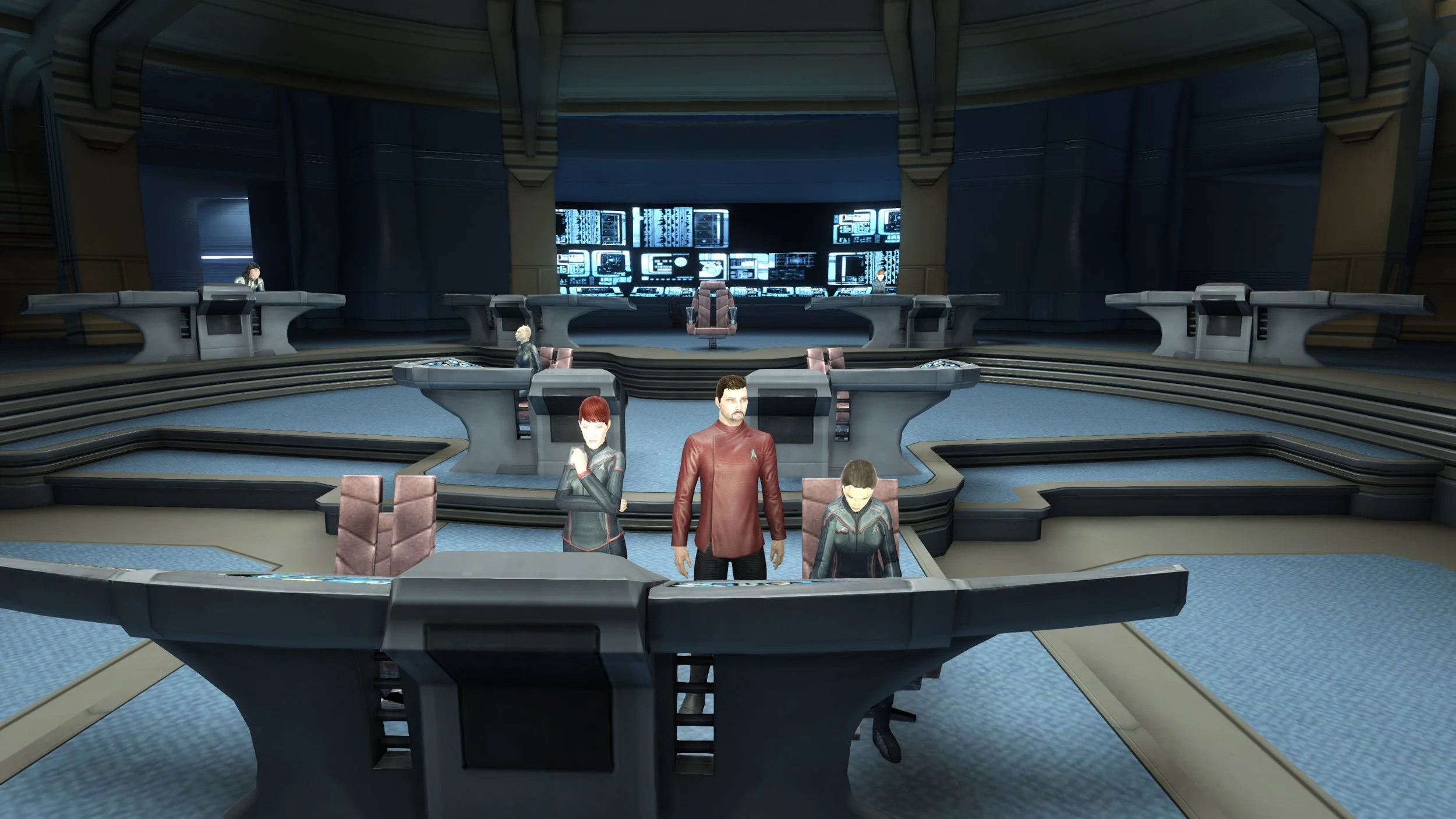
However, game maps are still very much determined by the prevailing technology and although things are progressively getting better, there are still limitations. The MMO genre not only has to consider such factors as draw distances and texture loading but there is the question of the players themselves. The game engine has to accommodate both the environment and the population. Unless you have a very high-end gaming PC, then you will often notice system foibles such as "pop-in" as objects appear as you get closer to them. SWTOR and LOTRO are two older MMOs that suffer from this technical idiosyncrasy. Often developers will try to fudge this by blocking line of sight or introducing haze, fog or some other environmental workaround. Single player games have different demands upon them, allowing titles such as Crysis to have draw distance of over nine miles.
Irrespective of a maps design, its success ultimately depends upon how well it is integrated into the game. The two zones of Mordor and Nurn in Middle-earth: Shadow of Mordor are relatively small but diverse and well implemented. There is a wealth of topographical features that break up the landscape in a very organic way. Unlike some MMOs, this is not done is such an arbitrary and linear fashion. North Africa is well realised in Sniper Elite III, affording the player multiple routes to various targets, across varied terrain. This greatly enhances the re-playability of the game. In Sniper Elite IV, the Sicilian villages and seaports are extremely credible and authentic. The rolling fields and forests of The Witcher 3: Wild Hunt are expansive and atmospheric with a distinctly Eastern European feel to them. Furthermore, the landscape is populated in a credible fashion. Bandits will make use of remote and covered areas. Regions of Wilderness are appropriately empty with minimal amounts of NPCs.
Conversely the London maps in a game such as Sherlock Holmes: Crimes and Punishments are far less dynamic and more functional. They are mainly there for ambience and provide little more than a conduit between each crime scene. The maps in both FPS and MOBA genres, have additional criteria to consider. The fluid nature of their game play requires a different approach to their construction. Multiple routes and chokepoints are common place in such designs. Snipers require vantage points but these need to be relatively exposed to ensure that a single location doesn’t dominate the game. The Battlefield franchise takes map design a stage further, with a mechanic that allows players to destroy the environment and thus change the dynamics of the game. This was to be an integral feature of the now defunct EverQuest Next, although I suspect would have been subject to a wealth of caveats.
As players, we also bring a human element when we interact with game maps and there are many factors that shape our perceptions. Ambient music or when or who we’re playing with, influence how we feel about specific in-game zones. As a result, we often have personal favourites. Evendim in LOTRO is an example of a map that I have fond affection for. More recently the region of Toussaint in the Blood and Wine expansion for The Witcher 3, attracted my interest. It’s a sunny and luxuriant zone and a radical change from the usual ice or desert archetypes you find in so many games. Hopefully, as game technology and the hardware it runs on evolves, we will see map design advance accordingly. I look forward to experiencing larger, more detailed open world environments populated with flora and fauna that have their own lifecycles.
Lockboxes
It would appear that lockboxes are being discussed once again. Bhagpuss wrote a post over at Inventory Full yesterday, which subsequently got used as a talking point on Massively Overpowered today. What made the debate a little different this time around, was that Bhagpuss doesn’t object to lockboxses per se, merely that in most games that have them, the content is frequently lacklustre and uninspiring. A point I am compelled to concur with. I too have no major objection to lockboxes in principle and partake of them from time to time in various games. However, they seldom seem to contain anything that I consider to be of tangible benefit to me. I want pets, gear and weapons. But because of vocal complaints from certain quarters, we are more often than not saddled with inconsequential convenience items and minor cosmetics baubles and trinkets.
It would appear that lockboxes are being discussed once again. Bhagpuss wrote a post over at Inventory Full yesterday, which subsequently got used as a talking point on Massively Overpowered today. What made the debate a little different this time around, was that Bhagpuss doesn’t object to lockboxses per se, merely that in most games that have them, the content is frequently lacklustre and uninspiring. A point I am compelled to concur with. I too have no major objection to lockboxes in principle and partake of them from time to time in various games. However, they seldom seem to contain anything that I consider to be of tangible benefit to me. I want pets, gear and weapons. But because of vocal complaints from certain quarters, we are more often than not saddled with inconsequential convenience items and minor cosmetics baubles and trinkets.
Lockboxes in Star Trek Online are themed and are only available in the game for a limited period of time. There is a nominal percentage chance to win gear, or even a ship if you are “lucky enough”. However, at the very least, each lockbox yields a quantity of Lobi crystals which are a barter currency. If one ever buys keys to open lockboxes it is best to consider the transaction as a means of buying currency that can be traded in for items. Winning a desirable item on top as that is then an added bonus. That is how I think of things on the occasions I purchase keys. Such an outlook then mitigates concerns over gambling although I have no major qualms about that subject either.
However, where STO handles lockboxes in a manner I like, many other MMOs do not. I have yet to find anything of note from one in LOTRO, Guild Wars 2 or Overwatch. The propensity to provided cosmetic or housing items means that lockboxes are often the prerogative of the role players or the game completists. I’m sure the developers target such a market because they pay dividends but if they could broaden their outlook and diversify the rewards there is scope for lockboxes to appeal to a wider number of consumers. Offering bag or bank space, or further character slots could potentially be attractive. Personally, I would like to see more game gear included but that would result in sabre rattling form the “pay to win crowd”. I certainly think that all lockbox rewards should be bind on equip and if not wanted available to sell via the game auction system.
Ultimately, lockboxes are symptomatic of game developers struggling to find a universally acceptable means to finance their game. The demise of the subscription model has left many MMOs in the thrall of an unsatisfactory hybrid F2P business models that have done precious little to improve the overall quality of the games. Monetisation of this kind impacts upon the conception and design of both content as well as game mechanics and seldom in a positive way. If this business model can be overturned for something better, then lockboxes may well go the way of the Dodo. However, that is not something that seems imminent at present so what can’t be cured must be endured. The current debate will more than likely have no effect on developers who have a propensity to repeat their mistakes and so the lockbox will continue as a gaming bête noire.
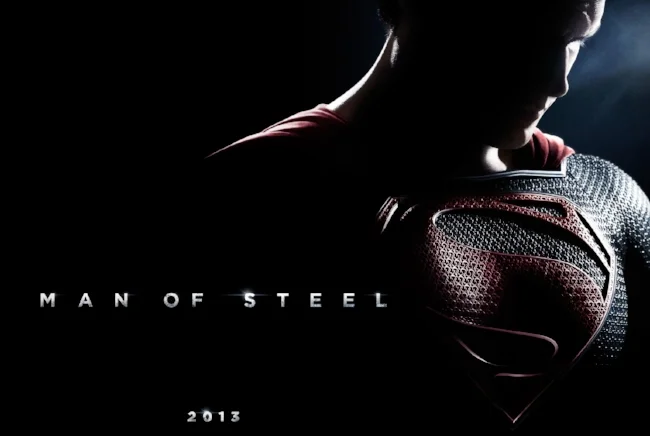
Man of Steel (2013)
Although I was one of the few that actually enjoyed Superman Returns back in 2006, I can appreciate why it failed at the box office. It made the mistake of trying to bridge the gap between the iconic Christopher Reeve era and the post 9/11 world and ended up falling between two stools. Zack Snyder's Man of Steel does not make this mistake and reboots the franchise in completely the right manner for a modern audience. The movie takes quite a cerebral approach to its exploration of the character and wrestles with several weighty themes that previous adaptations elected not to tackle. However, as this is a very specific genre movie, the production has to make concession towards its core audience. Therefore, there’s a requirement for mayhem and destruction. As result the film does at times feel like it's pulling in different directions and the third act is more predictable and ponderous than the first two.
Although I was one of the few that actually enjoyed Superman Returns back in 2006, I can appreciate why it failed at the box office. It made the mistake of trying to bridge the gap between the iconic Christopher Reeve era and the post 9/11 world and ended up falling between two stools. Zack Snyder's Man of Steel does not make this mistake and reboots the franchise in completely the right manner for a modern audience. The movie takes quite a cerebral approach to its exploration of the character and wrestles with several weighty themes that previous adaptations elected not to tackle. However, as this is a very specific genre movie, the production has to make concession towards its core audience. Therefore, there’s a requirement for mayhem and destruction. As result the film does at times feel like it's pulling in different directions and the third act is more predictable and ponderous than the first two.
Man of Steel starts with a visually impressive opening set on the planet Krypton. The pace of the narrative is very intense and there is a lot to assimilate. Russell Crowe is well cast as Jor-El and successfully moves the plot forward with regard to the destruction of Krypton and his infant son's exodus to Earth. It is the story of Clark Kent's youth, told in flashback which provides the movies strongest dramatic punch. The scenes with his foster parent Jonathan and Martha Kent (played by Kevin Costner and Diane Lane) is where the script excels. Both actors offer sublime performances, embodying the quintessential wholesomeness and decency of cinemas idealised notion of Midwestern America.
It is in the second act that Man of Steel finds its narrative depth. This goes beyond Spider-Man's "With great power comes great responsibility". Kal-El is a virtual deity but his fear stems from concerns that society will reject him, because humans inherently fear what they don't understand or more importantly can control. It is at this point Henry Cavill's performance moves up a gear and he becomes more than just the stereotypical national icon, with finely chiselled features. He is also provided with a better than average nemesis in the guise of General Zod, played by Michael Shannon. This character has a far greater depth than usually seen in this genre, driven by his genetic imperative. "No matter how violent, every action I take is for the greater good of my people" he menacingly states. When robbed of this purpose he becomes even more dangerous.
During the movies finale that Man of Steel settles into more familiar action adventure territory and suffers from one too many climaxes. It is at this point the story decides to focus on Perry White (Laurence Fishburne) and his team but because we have had little exposure to them it's hard to connect emotionally. I get the impression that during editing, Director Zack Snyder may well have been under studio pressure to make trade-offs between dialogue and spectacle. A lengthier version of the film with greater narrative continuity may flow more evenly and be more cohesive. Sadly, four years on a longer edit of the movie has yet to materialise. Either way the theatrical version of the film is still very good with far more positive aspects than negative. Writers David S.Goyer and Christopher Nolan have successfully taken a character that is in some ways two-dimensional and given him a soul and the depth required for today's world.
Finally, it is rather telling that the name "Superman" only used three time during Man of Steel and on one occasion it's done with a degree of irony. The movie's ending clearly sets up a franchise, with all the key players, redefined and in place. Zack Snyder, a film maker of extremes, has certainly surprised a good many people by finding the exactly the right tone for Man of Steel and stepping away from the traditional perception of Superman that is indelibly linked to the late, great Christopher Reeve. It would also be remiss of me not to mention the contribution made by composer Hans Zimmer. Once again, he demonstrates his affinity to the genre, with a dignified, portentous score. It's central bi-tonal motif is very effective and in total accord with the story and its overall themes. As the first entry into the DC Extended Universe Man of Steel takes a strong lead.
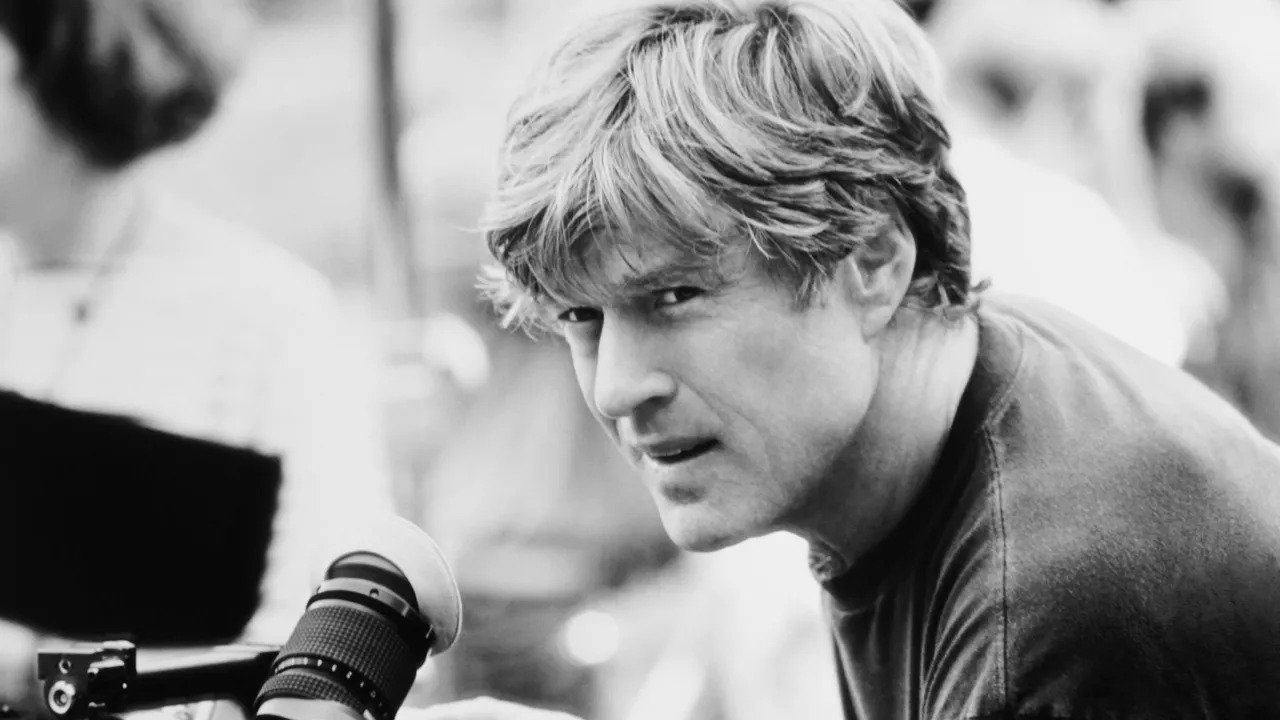
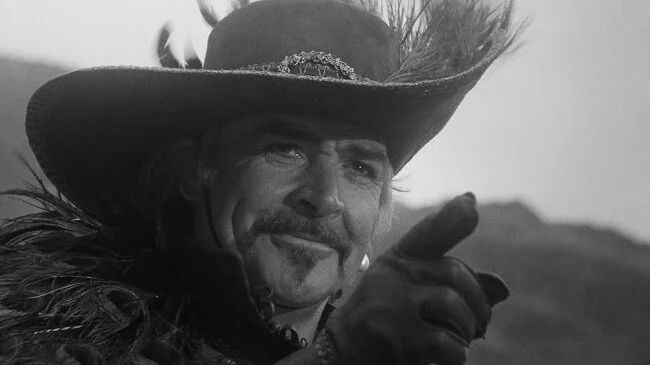
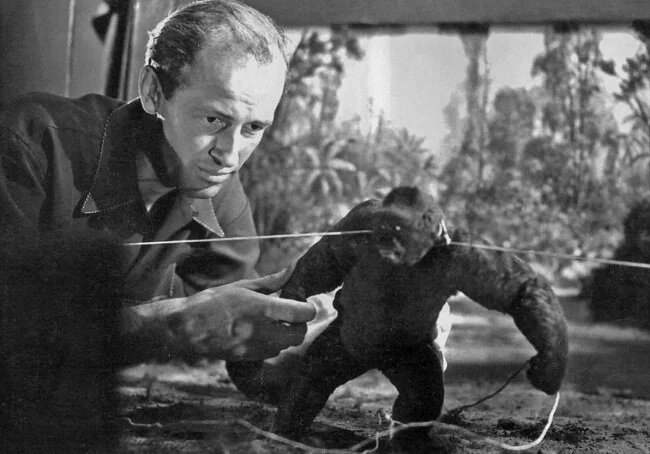
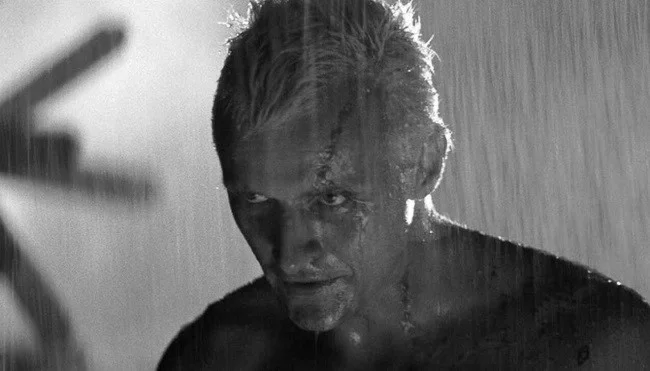
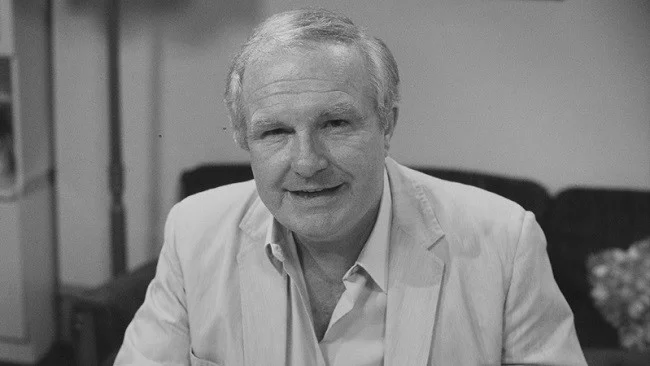
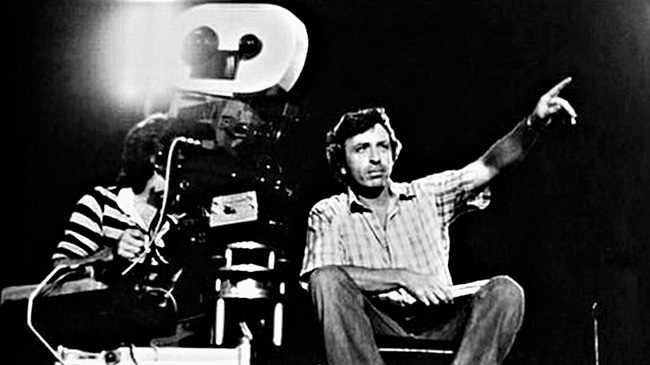
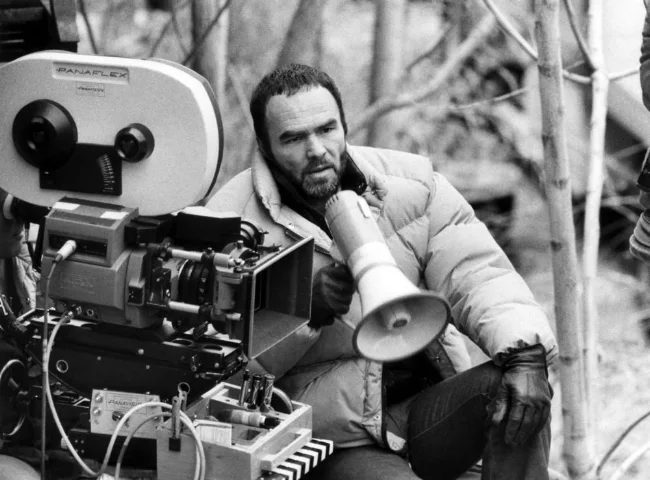
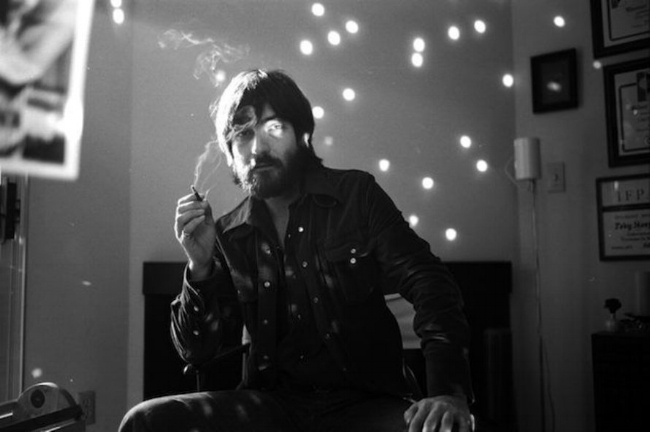
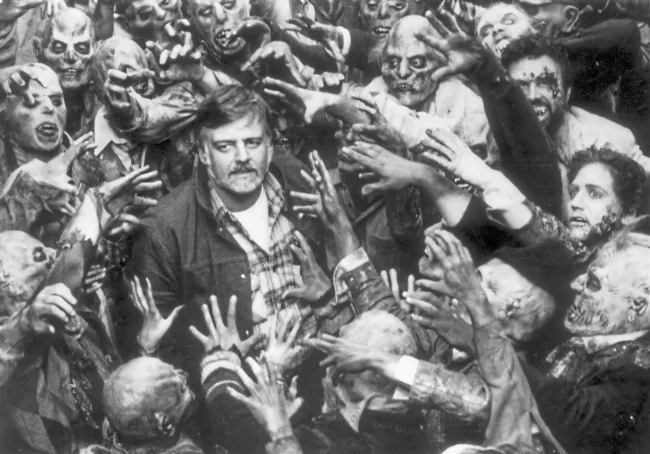
Tobe Hooper (1943 - 2017)
I was seven years old when The Texas Chainsaw Massacre was released in the UK. I used to regularly look at the movie listings in the Evening Standard each Thursday and ruminate upon the lurid posters for the latest releases. My young imagination would frequently run riot at what I saw, fuelled further by the inference of the tag lines. And the UK poster for The Texas Chainsaw Massacre left me utterly terrified. The horrors I conjured up in my mind. It is only in recent years that I learnt that the film was deemed too controversial by the head of the British Board of Film Censorship as it was known back then. Chief film examiner Stephen Murphy felt the films focus on “abnormal psychology” made it unsuitable for even an X certificate. Thus, the movie was denied a rating which amounted to a de facto ban. However, due to a legal loophole, the BBFC decision could be vetoed by local authorities and the Greater London Council granted the movie a rating and so the film was shown in London.
I was seven years old when The Texas Chainsaw Massacre was released in the UK. I used to regularly look at the movie listings in the Evening Standard each Thursday and ruminate upon the lurid posters for the latest releases. My young imagination would frequently run riot at what I saw, fuelled further by the inference of the tag lines. And the UK poster for The Texas Chainsaw Massacre left me utterly terrified. The horrors I conjured up in my mind. It is only in recent years that I learnt that the film was deemed too controversial by the head of the British Board of Film Censorship as it was known back then. Chief film examiner Stephen Murphy felt the films focus on “abnormal psychology” made it unsuitable for even an X certificate. Thus, the movie was denied a rating which amounted to a de facto ban. However, due to a legal loophole, the BBFC decision could be vetoed by local authorities and the Greater London Council granted the movie a rating and so the film was shown in London.
To this day The Texas Chainsaw Massacre remains a terrifying cinematic ordeal to watch. There is a tangible air of disquiet which develops into unbearable tension that is cloying and suffocating. The squalor of the old Hardesty family homestead is vivid and final act of the movie where Marilyn Burns is terrorised by Leatherface and his siblings is utterly gruelling. Her relentless screaming is extremely disconcerting and when the film finally ends the viewer is left drained and bewildered after its relentless ninety minute assault on one’s senses. It is paradoxical that something so intense as The Texas Chainsaw Massacre could be written and directed from someone as softly spoken and thoughtful as Tobe Hooper.
Hooper had a talent for creating tension, depicting dysfunctional families and capturing credible human foibles. It’s all there to see in such movies as Funhouse, Poltergeist and the TV miniseries Salem’s Lot. The latter remains a milestone in Stephen King adaptations and the scene where Danny Glick comes to Mark Petrie's window and asks to be let in, still bothers me to this day. And even the movies he made that failed at the box office, still remain curiously interesting. Lifeforce had an incredibly troubled production, yet remains a gloriously engaging mess, filled with insane dialogue and ghoulish bursts of horror. Such was the talent of Tobe Hooper. Even on a bad day his creative talent eclipsed that of many of his peers. Up and coming film makers should take note and ensure they are familiar with his legacy because he altered the genre forever.





Gaming and Relationships
I stumbled across a lurid tabloid headline recently that read “Fed-up welder divorces his missus because she’s addicted to Candy Crush”. This reminded me about an article I read several years ago regarding gaming and relationships. Divorce Online, a website facilitating non-contested divorce proceedings, claimed that 15% of the cases it has administered in 2011 can be attributed to one party allegedly being addicted to gaming. As per usual, top titles World of Warcraft and the Call of Duty franchise were cited as examples. As I thought that this subject may make for an interesting blog post I decided to do some cursory Google searches on the matter. Within minutes I found numerous links to stories and research on the matter. It would appear that the impact that gaming has upon relationships is a common theme and is widely reported to varying degrees of intellectual and scientific rigour.
I stumbled across a lurid tabloid headline recently that read “Fed-up welder divorces his missus because she’s addicted to Candy Crush”. This reminded me about an article I read several years ago regarding gaming and relationships. Divorce Online, a website facilitating non-contested divorce proceedings, claimed that 15% of the cases it has administered in 2011 can be attributed to one party allegedly being addicted to gaming. As per usual, top titles World of Warcraft and the Call of Duty franchise were cited as examples. As I thought that this subject may make for an interesting blog post I decided to do some cursory Google searches on the matter. Within minutes I found numerous links to stories and research on the matter. It would appear that the impact that gaming has upon relationships is a common theme and is widely reported to varying degrees of intellectual and scientific rigour.
Whenever writing about that nebulous group known as gamers, it's very difficult not to invoke all the standard clichés. Furthermore, if you even hint at going down this route, you will receive a deluge of rebuttals from those who are affiliated to this group, providing a detailed analysis of why they are an exception to the (ambiguous) rule. This is hardly surprising, as no one like to be criticised or associated with a stigmatised social group. It should also be noted that where the online community seems to have a broader understanding about gamers, the tabloid press still like adhere to their hackneyed, eighties perceptions. So, a lot of the headlines I’ve read about this subject, lack a degree of impartiality and favour hyperbole.
So rather than start focusing on the gaming aspect of the subject, let us first look at the subject of relationships itself. Oh the duality of relationships. They can be sublimely simple or fiendishly complex or even both. Although the principle of a relationship is a simple one, there is no dictionary definition or universal standard that all individuals abide by. Although the dynamics of any relationship are theoretically the same, everyone is ultimately unique. Context as ever, is everything. A lot is dependent on the emotional baggage that each participant brings to the situation. Their world view, cultural and religious experiences etc. However, let us not muddy the waters so quickly in the proceedings. Let us agree on some basic concepts with regard to relationships. Such as mutual respect, shared time and the mother of all problems, compromise.
If you are in some sort of a relationship, there is inevitably an expectation that you will do activities together or at least spend some time in each other’s company. This is having to be balanced with the desire to pursue pastimes your partner may not wish to participate in. As there are only a finite number of hours in the day, sometimes choices have to be made and one individual may have to forgo a personal indulgence for the sake of the relationship. For example, Mr and Mrs Coltart are coming round to play Bridge, so you can’t spend the evening paying Hang Gliding Dachshund Simulator 2017. This is not rocket science. It happens in every aspect of life. The simple fact is you want to function within the confines of society you have to give and take. It's not mandatory but if you've never had to do it, then you are a.) lucky, b.) selfish, c.) heading for a major fall at some point.
Back to gaming. It is, as far as I can see, one of the most self-absorbed leisure activities I can think of. I'm not saying that in a judgemental way. I am simply trying to articulate its purpose. Gaming is all about indulging in virtual activities that apart from providing a transient pleasure, serve no wider purpose. Gaming doesn’t produce anything tangible apart from may be RSI. Yes, some will argue that there is an element of social interaction in MMO's but this is a secondary result, a by-product and possibly even a conceit. Therefore, it is fair to say that gaming is inherently solitary in nature which makes it a divisive pastime. Unless you are into gaming, then watching somebody else spend hours online poking trolls with a pointed stick, is hardly entertaining. It is also pointless to try and talk to someone who is engrossed in an MMO or a FPS. You'll only be met by a series of grunts or possibly a tirade of abuse if you put them off. However, getting your partner to agree to less enjoyable activities such as shopping, dinner parties with trying friends and DIY can be cunningly arranged during these conversations.
Naturally, any activity that is undertaken at the expense of time with your partner, is going to cause friction. This is not exclusive to gaming either. Other leisure activities such as fishing, football, train spotting, interpretative dance or being the First Minister of Scotland can keep you from your loved one. However, as gaming can be accessed more immediately than these other activities and is not subject to the weather or a regional election, it can be abused far more easily. Furthermore, the indulgence of profligate gaming is often blamed or labelled as an addiction. However, this is not always the case. The criteria for psychological addiction are very specific. I suspect that some folk conveniently choose to misappropriate such terms to cover for their own hedonism and selfishness.
A simple way to negate this perceived battle between the gamer and non-gamer, is to find another activity that can be shared together. There are plenty to choose from and it can be beneficial in many ways. Mud wrestling, river widening and Kabaddi spring to mind. It will certainly reduce the animosity felt by both parties towards separate hobbies. Of course, there are also couples who share an interest in gaming. Why not try to find a genre or title you can mutually enjoy? MMOs often spring to mind in this respect. I know several couples who play LOTRO together. Indeed I actually know of two people two met specifically because of the game. I'm not stating that MMO's are a bulletproof online dating services and would remind readers to be cautious when meeting someone through a game. However, the social nature of the genre is applicable to relationships.
Ultimately, like everything in life, the question of whether gaming is good or bad for relationships comes down to the choices that each individual makes and their disposition towards their partner. I won’t bore you with details of my personal life but I’ve managed to balance my gaming interests with a relationship. I happily admit that I’ve spent nights staying up late with the latest release. But it’s never became an issue for the simple fact I prefer my significant other’s company to gaming. Common sense dictates when enough is enough. All things considered, whenever someone finds there’s a conflict between their gaming and their relationship with another, is not the game or gaming per se that is the problem. The fault lies with the individual and the choices they make. If you want to spend as much of your leisure time gaming the best way to achieve that is not to have a relationship. You get your game time and no one else gets hurt.
Game Pricing
Okay let’s begin with a poncey quote “plus ça change, plus c'est la même chose” which usually translated as “the more things change, the more they stay the same”. So said French critic, journalist, and novelist, Jean-Baptiste Alphonse Karr in 1849. This epigram seems especially applicable to the gaming industry because I regularly see the same topics of debate coming up, year after year. It would appear that both developers and gamers seldom learning anything along the way. On this particular occasion, the point in question is that old chestnut about game pricing. This debate was brought to my attention by a post from a fellow blogger Wilhelm Arcturus. Here’s the tweet made recently by Michael Hartman, CEO of Frogdice, a company that makes mobile games that started the debate.
Okay let’s begin with a poncey quote “plus ça change, plus c'est la même chose” which usually translated as “the more things change, the more they stay the same”. So said French critic, journalist, and novelist, Jean-Baptiste Alphonse Karr in 1849. This epigram seems especially applicable to the gaming industry because I regularly see the same topics of debate coming up, year after year. It would appear that both developers and gamers seldom learning anything along the way. On this particular occasion, the point in question is that old chestnut about game pricing. This debate was brought to my attention by a post from a fellow blogger Wilhelm Arcturus. Here’s the tweet made recently by Michael Hartman, CEO of Frogdice, a company that makes mobile games that started the debate.
It would appear the gentlemen is somewhat frustrated by the intransigent nature of consumer spending. It’s a complaint I’m sure that’s common to most businesses. Trying to determine a price for your product that allows you to adequately cover your development costs and make a profit, yet at the same time is attractive to your customers, is very difficult. Joe public will often apply concepts such as value for money to one product, yet consciously overlook it in for another. The fickle nature of consumer behaviour, is a science in itself. Having spent a decade of my working life self-employed I appreciate the frustration associated with pricing, operating costs and trying to get customers to fully comprehend why things cost what they do.
However, having said that, this is where sympathy starts and stops. I understand and relate to the frustration of this tweet at a business level but I do not agree with the subsequent sentiment, tone or false equivalence of the argument. A percentage of any businesses customers will be “difficult”. It’s always been that way and probably will never change. There’s always someone who wants something for nothing or has a different perception of “value”. Criticising those that pay for your products is short-sighted at least and at worst crass. It comes across as entitled, puerile and as a text book example of biting the hand that feeds you.
For me the point of failure in Mr. Hartman’s argument is comparing a $5 latte to a $5 game. They are not comparable products and consumers motivations to buy both are radically different. A coffee bought from a chain outlet is a fixed product. The whole of the fast food industry is predicated on homogeny. A large Stoat and Chive, Guano free Latte bought from chain store is the same every time you purchase one. It guarantees a standard and so the customer knows exactly what they’re getting. Value for money is very much a personal state of mind and not subject to a universal standard. Peoples relationship with spending is also complex and hard to quantify. Being profligate with money and fiscal prudence are habits applicable to both rich and poor alike.
A game, be it is a mobile app or a triple A title, is effectively an unknown quantity. One can read reviews where available and watch live stream or You Tube videos but you can never be fully sure that you’re going to enjoy it until you’ve bought and played it. Unlike the latte this is not a fixed quantity but a proposition filled with variables. Plus, lattes are disposable pleasure bought on a whim or as a convenience. They are intended to satisfy a simplistic urge. A game is a far more complex purchase, being seen as something that will yield more than instant gratification. Therefore, its purchase will simply not be considered in the same arbitrary terms as buying a drink. Irrespective of whether the game is a budget item or a new release, it will be subject to the cost to fun ratio that most gamers use as a yardstick.
Michael Hartman subsequently tweeted that customer apathy towards paying a fair price, is why games are subject to season passes, DLC and microtransactions and that gamers should not complain about such business models. Again, from a purely logical standpoint there may be a degree of truth in his words but it is a school boy error to assume that your customers give a shit about your business problems. Your problems are exactly that. To hector your customers in such a fashion is again very short sighted. The most likely outcome is that the customer will find something else to do or purchase some other product. They may not get what they want but they’ll get something. Whereas the developer will have to endure a drop in sales and will have to deal with the consequences of that. Companies needs customer more than customer need them.
No one in business is entitled to any sort of grace and favour. You have to fight for every sale. Sometimes, bad products get an easy ride and sometimes worthy and good products get over looked. You have to fight your own corner and just deal with the consequences. I’m not obliged to go and see a movie just because the producers want to see a return on their investment. I’m not going to download an album just because the artists needs to clothe their children. If you want me to buy your product you have to ensure that its worth my while. Furthermore, you can do everything right and still fall flat of your face because customers can be dicks at time but that is their god given right. Come to terms with this and focus on doing your job, rather than carping that life ain’t fare. If you want a more level playing field then look for another line of work that’s more likely to yield one.
How Videogames Changed the World (2013)
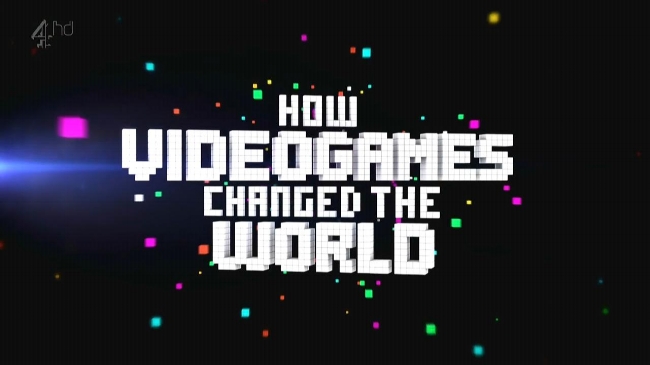
Considering the mainstream popularity of gaming, there is a distinct lack of related content on television. Journalist, writer and social commentator Charlie Brooker attempted to address this in 2009 with Gameswipe but the show remained a one-off production. Then again in late 2013, he had another crack at the subject with the documentary How Videogames Changed the World, providing a broad overview on the genre, exploring key events and titles from the past forty years. As ever with Mr. Brooker, the commentary was intelligent and acerbic. There was also an interesting and diverse selection of talking heads who spoke from personal experience, rather than the usual scripted garrulous inanities.
Considering the mainstream popularity of gaming, there is a distinct lack of related content on television. Journalist, writer and social commentator Charlie Brooker attempted to address this in 2009 with Gameswipe but the show remained a one-off production. Then again in late 2013, he had another crack at the subject with the documentary How Videogames Changed the World, providing a broad overview on the genre, exploring key events and titles from the past forty years. As ever with Mr. Brooker, the commentary was intelligent and acerbic. There was also an interesting and diverse selection of talking heads who spoke from personal experience, rather than the usual scripted garrulous inanities.
The documentary covers a lot of ground, exploring a lot of the usual controversies and debating points that inevitably stem from gaming. The subject of violence is objectively pursued with a very even hand. The cathartic nature of managed fantasy compared against the mean-spirited nastiness of certain titles. Cyber-psychologist Berni Goode raises the matter of "flow; the concept of being totally absorbed in an activity. It would appear that gaming, like knitting can be very theraputic for low-level mental health issues, such as mild depression. Then off course there’s the thorny issue of sexism, misogyny and the objectification of women. Perhaps writer Keza MacDonald sums it up the best.
"It's not so much gaming culture that's unfriendly to women. It's internet culture".
How Videogames Changed the World is far from a male dominated undertaking, with women tech journalists and game writers being fully represented, by the likes of Kate Russell, Aoife Wilson and Rhianna Pratchet. The ubiquitous Felicia Day also makes an appearance; however it would have been a serious omission not to have done so. The show also references Anita Sarkeesian and Feminist Frequency and the associated hate campaign that has arisen. The old chestnut regarding whether game icon Lara Croft is a role model and an empowered female, or just a male fantasy is dutifully trotted out, with surprising results. One conclusion was that over the last three decades, in-game avatars have evolved beyond their original questionably purpose into clearly defined characters. Commander Shepard being a prime example of this.
What How Videogames Changed the World manages to achieve is show how gaming had become a mainstream cultural norm. The rise of "inclusional" gaming via the Nintendo Wii and the significance of Minecraft as educational tool demonstrates the wider impact of games. The rise of e-sports seems to have put pay to the notion that people don't want to watch other people play games. People often find the undertaking of any competitive, skilled based activity to be compelling viewing. Comedian Dara O' Briain also layed to rest the rather tedious argument that gaming is a solitary pastime of little value. A sound-bite that is frequently espoused by those who's major leisure activity is passively watching television.
Given the ninety-minute running time and the scope of the project, it would be unfair to expect How Videogames Changed the World to be the last word on the subject matter. It does however choose a very eclectic selection of key titles to validate its arguments such a Shadow of the Colossus and PaRappa the Rapper. The documentary does not make the fatal mistake that many gamers do, of being too defensive about that which they are passionate about. The unpleasant world of FPS culture and trash talk is not justified in any way and shown for exactly what it is. Mr. Brooker also shows how games had developed a greater sense of narrative depth and social conscience with titles such a Papers Please and The Last of Us.
Perhaps the real reason why gaming has not become a regular feature of the television schedules, is because it has outgrown that particular medium. May be Twitch TV and the like are now the true home of gaming, providing content, news and information on demand direct to a suitable platform. Certainly, the integration of gaming and social media continues, as the next-gen consoles so clearly demonstrate. It can even be argued that Twitter itself is a form of "gamification". Overall it seems that it is not just the technology but the culture and even the ideology of gaming that continues to bleed out in to popular culture.
How Videogames Changed the World is unfortunately no longer available on the 4OD website. However, I would suggest a search of YouTube as an alternative source. Sadly, there are precious few quality documentaries about gaming at present. What is available is either too niche or made by those who are a little too close to the subject, thus lacking in objectivity. Therefore How Videogames Changed the World comes highly recommended to both lifelong gamers and those who have an interest in what "all the fuss is about".






The Purge (2013)
Despite having a very interesting premise, The Purge squanders its potential early on in the proceedings, leaving viewers with a rather turgid and formulaic home invasion movie. Written and directed by James DeMonaco, the film touches upon many themes and ideas that could have been developed into a more cerebral and thrilling experience. Sadly, The Purge quickly loses the audience as the main characters makes illogical decisions and test viewers “suspension of disbelief”. Rather than exploring the social and moral implications of its core idea, the production opts for clichéd jumps scares and a smattering of violence. The Purge is ultimately more of a frustrating movie than a bad one, which is all the more annoying.
Despite having a very interesting premise, The Purge squanders its potential early on in the proceedings, leaving viewers with a rather turgid and formulaic home invasion movie. Written and directed by James DeMonaco, the film touches upon many themes and ideas that could have been developed into a more cerebral and thrilling experience. Sadly, The Purge quickly loses the audience as the main characters makes illogical decisions and test viewers “suspension of disbelief”. Rather than exploring the social and moral implications of its core idea, the production opts for clichéd jumps scares and a smattering of violence. The Purge is ultimately more of a frustrating movie than a bad one, which is all the more annoying.
In the near future, the United States government sanctions a yearly, twelve hours “Purge” in which all crimes are legal. Effectively this is an officially endorsed crime spree in which anything goes and the emergency services take a back seat. Home security consultant (Ethan Hawke) hopes to wait out the purge with his wife Mary (Lena Headey), teen daughter Zoey (Adelaide Kane), and young son Charlie (Max Burkholder) from the comfort of their secure home. However, after their son allows a stranger (Edwin Hodge) into their house, the family find themselves under siege from a masked man (Rhys Wakefield) and his armed gang, who demand that the stranger is handed over to them. Tension mounts as does the body count when the family opts to protect their “guest” and defend their home.
There are so many themes and ideas that are ripe for exploration and exposition in The Purge. How exactly has the US reached this point? What is the political landscape of the time like? Is there some sort of ethical, philosophical or even religious element to this state sanctioned purge? What is the social fallout of such an event? Alas none of ideas feature in the screenplay which is rife with plot holes and inconsistencies. For example, why doesn’t the home security system have a standby generator? Would it not be easier to take your family on a vacation outside of the US for the period of the purge? Also, if this twelve-hour window of lawlessness still has rules, who enforces them and how?
It is quite shocking how so many movies seem to lose their way narratively speaking these days. Is this due to screenwriters having to continuously revise their material to satisfy the whims of producers and focus groups? Or is it simply a question that there are too many bad writers who have a poor grasp of the mechanics of cinema? Either way it all too often results in a movie with major flaws. In the case of The Purge, it main problem is that the central characters are just not particularly likeable. Without any emotional connection why should audiences care? Indifference hardly makes for an entertaining cinematic experience?

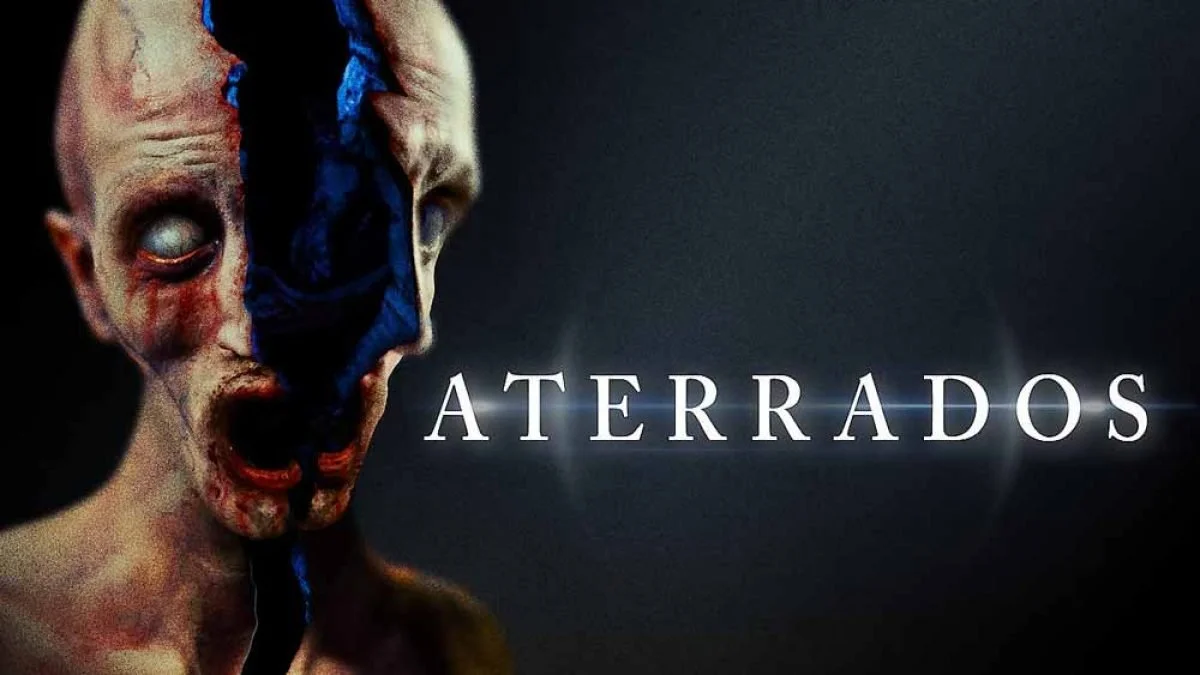

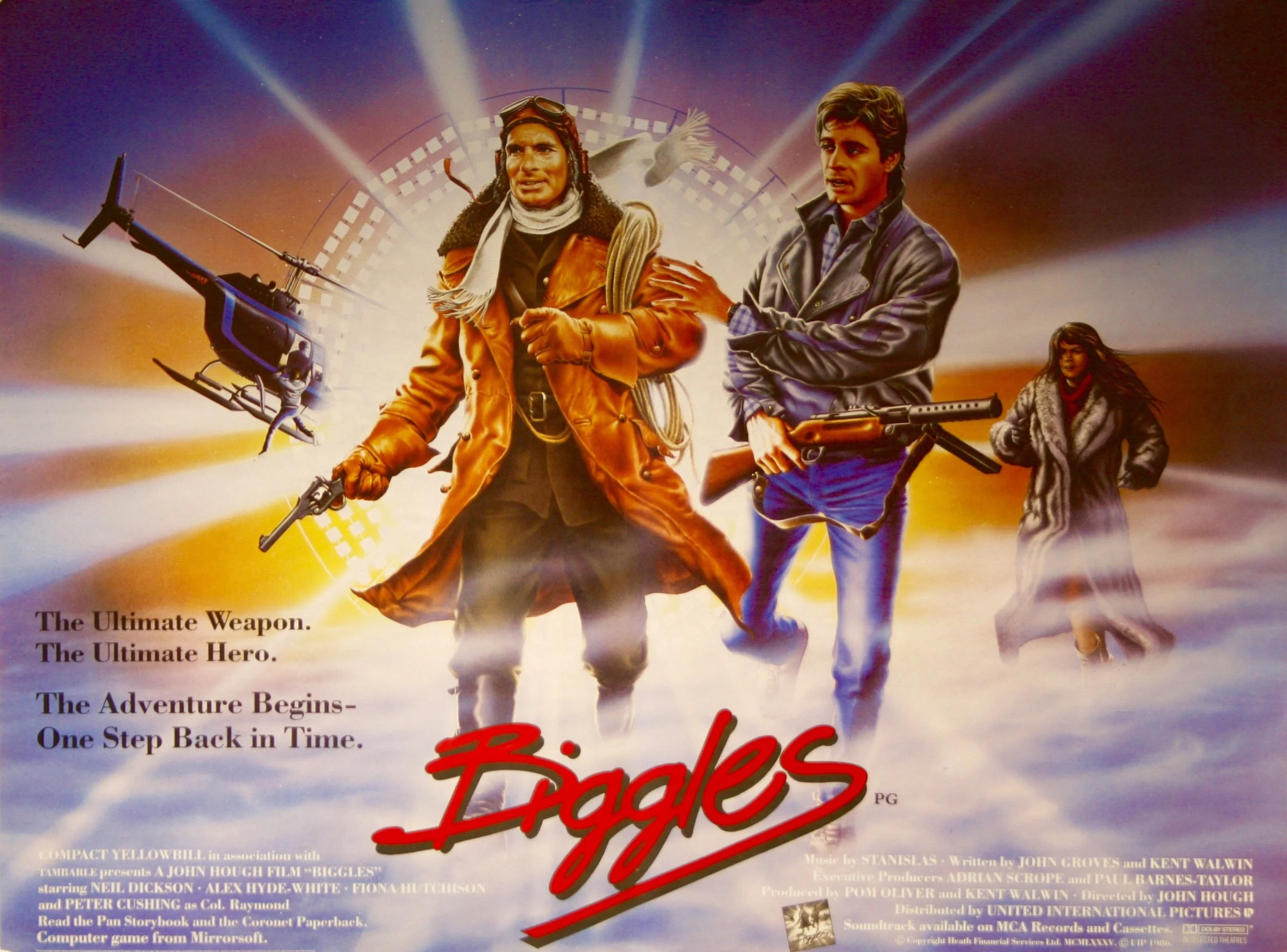
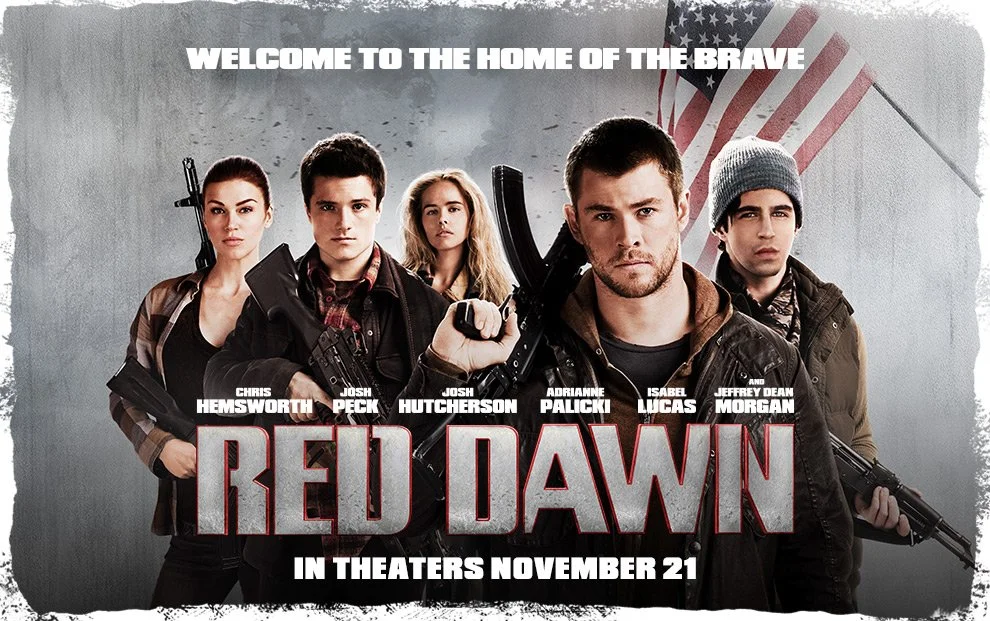
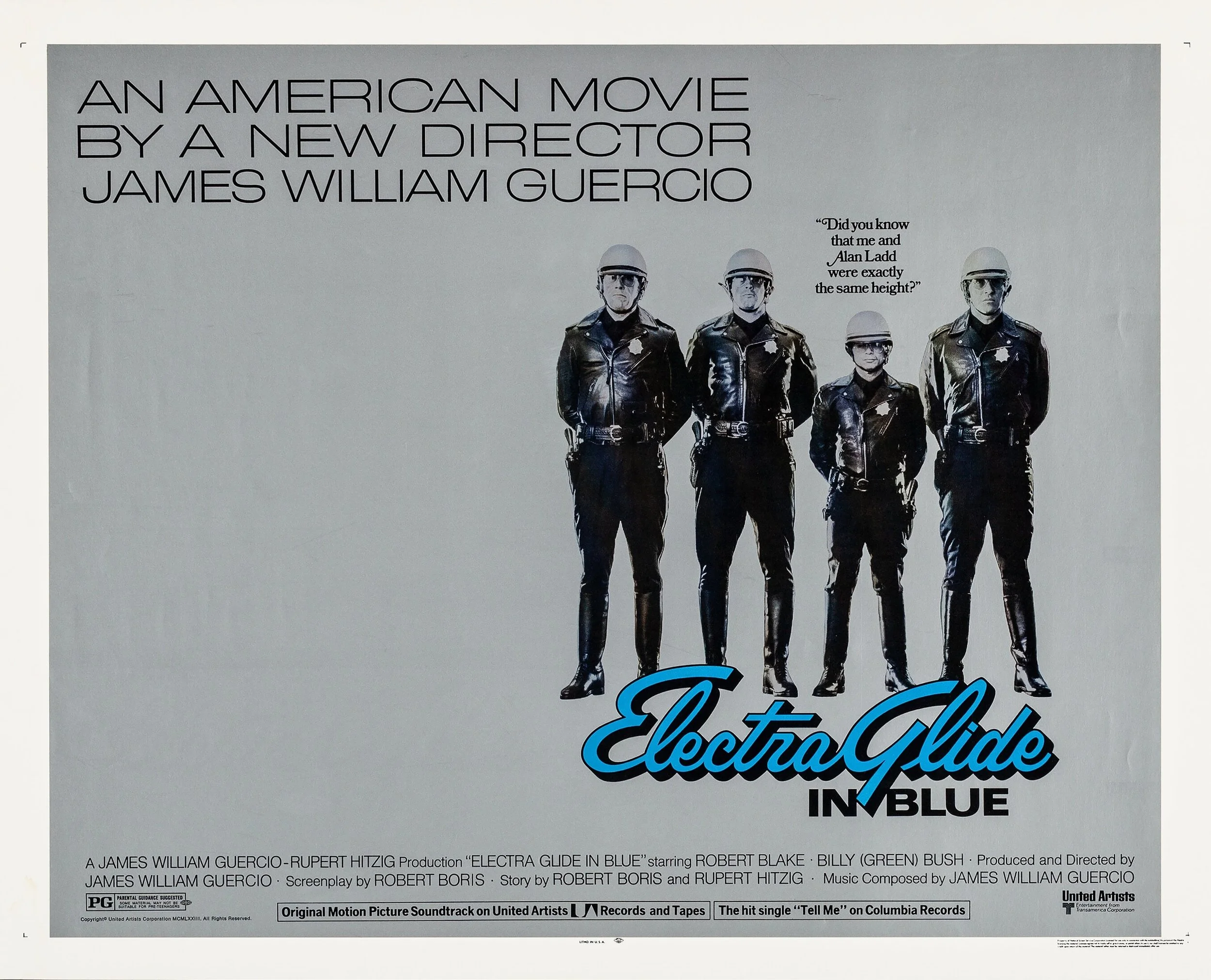



10 Cloverfield Lane (2016)
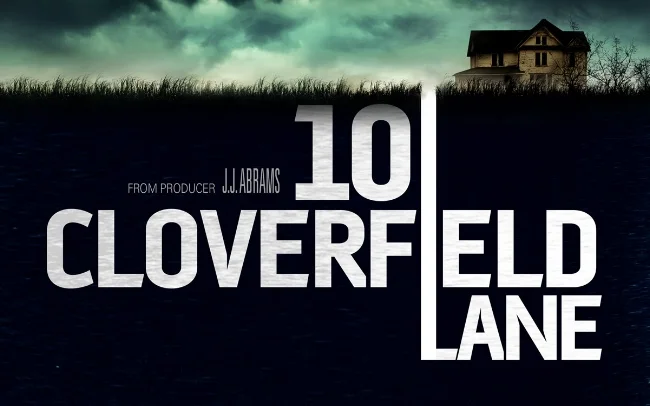
10 Cloverfield Lane blends several cinematic genres producing an interesting premise. Once it has established its narrative arc, it then dives head long into an exciting and tense one hundred and four minutes. The movie is not a direct sequel to Cloverfield (2008) but does touch upon some of the same themes and ideas. Made on a modest budget of $15 million, the claustrophobic setting of a nuclear bunker accommodates strong performances from the lead actors. It is not until the third act when the story movies back to the outside world, do we see any major visual effects. Overall, this is a very compelling film due to the strong screenplay and well defined central characters.
10 Cloverfield Lane blends several cinematic genres producing an interesting premise. Once it has established its narrative arc, it then dives head long into an exciting and tense one hundred and four minutes. The movie is not a direct sequel to Cloverfield (2008) but does touch upon some of the same themes and ideas. Made on a modest budget of $15 million, the claustrophobic setting of a nuclear bunker accommodates strong performances from the lead actors. It is not until the third act when the story movies back to the outside world, do we see any major visual effects. Overall, this is a very compelling film due to the strong screenplay and well defined central characters.
After a car accident, Michelle (Mary Elizabeth Winstead) awakens to find herself in a mysterious bunker owned by Howard (John Goodman). Initially fearful that she’s been abducted, Howard tells her he rescued her and brought her to his bunker just prior to a pre-emptive attack on the US. Michelle discovers that a young man called Emmett (John Gallagher Jr.) has also made it to the bunker. The two are sceptical of Howard’s explanation until they witness a poisoned and burnt woman outside the bunker entrance. Yet, inconsistencies in Howard’s story lead them to question what they’ve been told and fear for their own safety, so the pair decided to escape.
10 Cloverfield Lane hinges upon the three central performances and the quality of the screenplay. If the dialogue, character development and performances had been anything less than what they are, then the movie would fail dramatically. However, the screenplay by Josh Campbell, Matt Stuecken and Damien Chazelle is lean, nuanced and to the point. Michelle is a strong and believable lead character, marred by an abusive upbringing. Mary Elizabeth Winstead interprets this back story well. Emmett is also very plausible with his penchant for verbal diarrhoea and slacker attitude. But it is John Goodman’s who steals the show. He is worryingly unhinged as the survivalist and conspiracy theorist Howard, effortlessly switching from menace to pathos; being both pitiful and threatening.
10 Cloverfield Lane works very well within the confines of its PG-13 Rating. The emphasis is upon tension rather than horror. What acts of violence there are a relatively discrete without compromising the atmosphere by being too coy. The real test for the movie comes in the final act, when Michelle escapes the confines of the bunker. What happens next may test the audience and whether they can maintain their suspension of disbelief. Yet due to the focused direction by Dan Trachtenberg and the goodwill earned in the previous hour, the step from one genre to another works well. The effects driven finale is not excessive and provides and interesting codicil to the narrative.
10 Cloverfield Lane did well at the box office considering its low budget. Bad Robot Productions have already announced that another sequel, God Particle is in production that will tie this film directly into its tangential predecessor Cloverfield. The term “Cloververse” has already been bandied about, indicating yet another example of how studio wish to have long term franchises these days. Certainly, there are a lot of questions raised by the two existing movies that remain unanswered. Whether these can be successfully explored via a third movie remains to be seen. In the meantime, 10 Cloverfield Lane remains an entertaining movie whether you are familiar with the prior film or not. It offers a strong story driven by compelling performances. Unlike Cloverfield, this time we are offered likeable characters we can invest in and identify with. It’s one of the movies strongest assets.

The Cat Lady's House
Earlier in the year I wrote about the Abandoned Graveyard that is located in Bree-land and how LOTRO has several curious locations that appear to be residual abandoned quest lines. Someone today left a comment and mentioned The Cat lady’s House in Bree. For those who are not familiar with landmark, it can be found as you enter Bree via the Eastern gate. As you proceed up the hill, you pass the stable to your left and the forge of Flint Oakhewer to you right. After the forge, there is a flight of stone steps going up through several terraces of houses. This is the Scholar’s Stair. At the top of the stair the passage widens. To the right is a door with a cat outside. It is opposite the recently added Scholars Hall.
Earlier in the year I wrote about the Abandoned Graveyard that is located in Bree-land and how LOTRO has several curious locations that appear to be residual abandoned quest lines. Someone today left a comment and mentioned The Cat lady’s House in Bree. For those who are not familiar with landmark, it can be found as you enter Bree via the Eastern gate. As you proceed up the hill, you pass the stable to your left and the forge of Flint Oakhewer to you right. After the forge, there is a flight of stone steps going up through several terraces of houses. This is the Scholar’s Stair. At the top of the stair the passage widens. To the right is a door with a cat outside. It is opposite the recently added Scholars Hall.
Once inside you will find a lot more cats. The house is full of them. Four of them are named. These are Oliver, Horatio, Wink and Sylvester. At first glance, this may seem like nothing more than a piece of whimsy or a developer’s in-joke. Or you may think that this is another example of the quest hub that was removed from the game, such as the abandoned graveyard. However, The Cat Lady’s House does play a functional role in LOTRO. It is a specific destination in one of the sub quest of the infamous “Chicken Run”, or what the developer more formally refers to as chicken session play. If you are unfamiliar with this mini game then the following link below will provide you with all the details.
There are still a lot of unanswered questions regarding The Cat Lady’s House. It does seem to be a rather large embellishment just to provide a NPC (Wink the cat) for a solitary quest. So perhaps it did have greater significance during the games development. What is the purpose of Oliver and Horatio? Note also the creepy picture on the wall. It seems a little out of place does it not? Does it have any wider significance? Also, who and where is the Cat Lady herself? Or was the name simply added so the location wasn’t called the cat house which has other connotations. It should also be noted that according to the LOTRO Wiki the house used to be only accessible by drinking from the Inn League Keg. Your character would land inside the house drunk and would have to hearth home.
The LOTRO Wiki also indicates that The Cat Lady’s House is linked to several Spring Festival quests. One of which involves some poor love-sick NPC in the Bree market, who wants you to deliver some flowers. Due to a mistake with the address, the quest takes the player to The Cat Lady’s House and allegedly she is in. Sadly, I cannot confirm whether this particular quest is still active. Either way, the entire location is a very nice embellishment to LOTRO. Like so many others, this dates back to games launch. I am not aware of any similar examples being included in more recent content. The last jovial embellishment that I remember is the “Killer Rabbit” homage to Monty Python and the Holy Grail, in The Wailing Hills in Enedwaith. The game does seem to be getting more functional with each expansion and update. So please take note Standing Stone Games and indulge yourself from time to time. Including such whimsy adds to the games overall fun.




Cloverfield (2008)
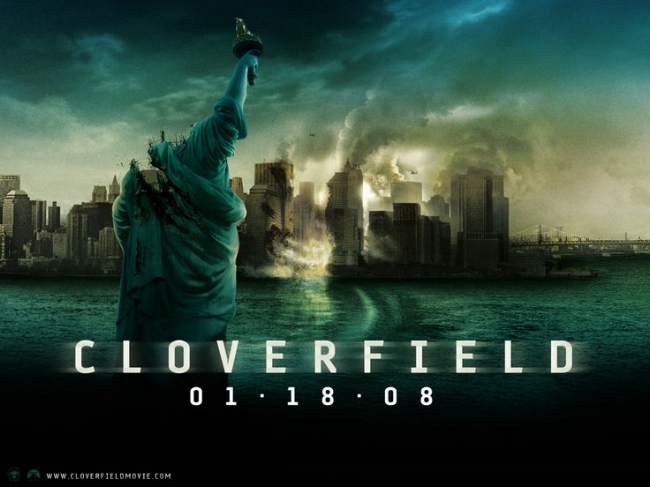
I did my best to avoid the hype surrounding the initial release of Cloverfield. Such media saturation and public interest can often cloud the issue of whether the actual film is any good. Five years later and having watched the movie twice, once in the theatre and once at home, I am still somewhat conflicted about this movie. The use of hand held video cameras is both a boon and a bane. The constant movement of the image has proven to cause motion sickness for some viewers, although this is not so overwhelming when viewed on a smaller screen at home. Yet the medium of news footage mixed with handheld cameras does create a palpable sense of immediacy. This helps immensely when trying to sell a fantastic concept, such as the one that Cloverfield features.
I did my best to avoid the hype surrounding the initial release of Cloverfield. Such media saturation and public interest can often cloud the issue of whether the actual film is any good. Five years later and having watched the movie twice, once in the theatre and once at home, I am still somewhat conflicted about this movie. The use of hand held video cameras is both a boon and a bane. The constant movement of the image has proven to cause motion sickness for some viewers, although this is not so overwhelming when viewed on a smaller screen at home. Yet the medium of news footage mixed with handheld cameras does create a palpable sense of immediacy. This helps immensely when trying to sell a fantastic concept, such as the one that Cloverfield features.
Well let's get the obvious out of the way first. Yes, this film is potentially an act of national catharses over the events of 9/11. In the same way that the 1954 Godzilla (Gojira) was the Japanese way of dealing with the Atomic Bombing at the end of the war. The hand-held mockumentary style does lend and element of contemporary credibility to the proceeding. However more discerning film fans will be familiar with this technique in several other productions, such as The Blair Witch Project, The Last Broadcast, Ghostwatch, Cannibal Holocaust, REC and Diary Of The Dead. The film also utilises the classic plot device of only hinting at the monster. The fleeting glimpses caught between the skyscrapers of the Manhattan skyline are extremely well done and certainly contribute to the sense of horror and unease.
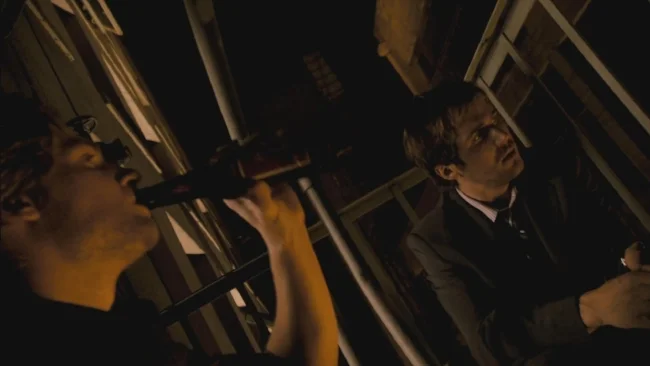
The story moves at a fast pace and the movie has a near perfect plot to running time ratio. It does not out stay its welcome and concludes in a fashion one would expect from such a genre production. There is little or no information given out in relation to the nature of the creature that has appeared or where it has hailed from. This works well, as the central theme is not the monster per se, but how people and governments deal with cataclysmic events. It is both scary and shocking but the violence is never overstated. But where Cloverfield fails is with its central characters. They are not as under developed as you would expect. They are simply unlikeable. In an effort to appeal to the target audience demographics, the producers focus on quartet of young "yuppies". Sadly, they are shallow and crass people. The women scream and the men just bellow, unable to deal with the unfolding events. This is not implausible, just depressingly credible. It's a shame that the makers of this film did not show as much flare and imagination for their central protagonists as they did with the visual effects and production design.
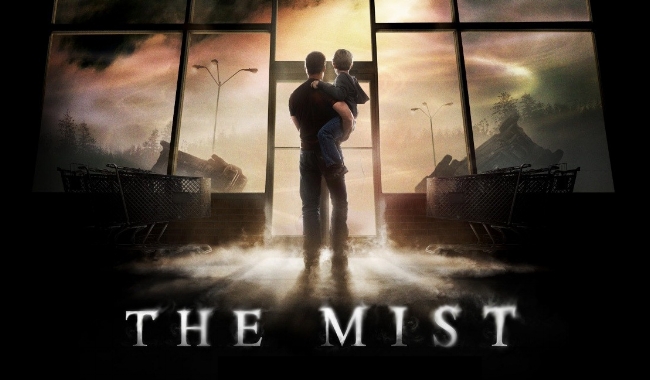
Now the actual creature itself, as mentioned above, remains cunningly hidden for the bulk of the film. It is quite ironic that a creature of such size can remain so well hidden in the densely built urban environment of New York. There is a particularly good aerial shot that shows the creature striding between buildings and subject to an air strike from a Stealth bomber. It is hinted that it is eating people that cross its path, a fact that is later more overtly established when the beats is revealed to our gaze in Central park. I personally think that this was a mistake and that the once clearly observed, the well-designed creature loses some of its mystique. I'm sure that the production team were also influenced to the work of H.P. Lovecraft and the Cthulhu Mythos. Similar giant alien beasts are briefly seen in Frank Darabont's The Mist. There is also a secondary threat brought about by the creature in the shape of parasites that are shaken loose from its body. These arthropods are the size of a dog and their bite presents another set of problems.
Overall, Cloverfield is a very enjoyable film. It is scary enough to appeal to a range of audiences and maintains a steady pace that carries the narrative beyond the obvious flaws and plot holes. Slightly older viewers and Europeans may find the American youth a little grating but after the opening plot exposition, we are fully immersed in the ongoing disaster. We then have an exhilarating ride for the remaining hour. Hence the movie is recommended as an example of well-produced populist entertainment and as a better example of the found footage genre. It should be noted that the 2016 film 10 Cloverfield Lane is not a direct sequel per se but more of a tangential follow up. Allegedly a third film is being made that will bring the various plot threads of all movies together.
MMO Burnout
Although I have played numerous other online games, LOTRO has been my main MMO for the last nine years years. I have invested a great deal of time into it, which is hardly surprising as that is the entire raison d'etre of the genre. I recently purchased the Mordor expansion for the game which offers a wealth of new content. Yet despite having all this available I have done precious little in the game of late and have made no significant progress. Currently, I have Guilds Wars 2, The Elder Scrolls Online, Secret World Legends and Star Trek Online installed on my PC. I have dabbled with them all over the last few weeks, trying to rekindle a sense of enjoyment and pursue content that I have not completed. Sadly, none of them seem to hold my interest. I log in to them in the hope that something will grab my attention but I always seem to find myself just kicking my heels and aimlessly wandering through zones with no sense of focus.
Although I have played numerous other online games, LOTRO has been my main MMO for the last nine years years. I have invested a great deal of time into it, which is hardly surprising as that is the entire raison d'etre of the genre. I recently purchased the Mordor expansion for the game which offers a wealth of new content. Yet despite having all this available I have done precious little in the game of late and have made no significant progress. Currently, I have Guilds Wars 2, The Elder Scrolls Online, Secret World Legends and Star Trek Online installed on my PC. I have dabbled with them all over the last few weeks, trying to rekindle a sense of enjoyment and pursue content that I have not completed. Sadly, none of them seem to hold my interest. I log in to them in the hope that something will grab my attention but I always seem to find myself just kicking my heels and aimlessly wandering through zones with no sense of focus.
The social side of MMOs can also be an issue at times. You log in to a game hoping to find something you wish to do, only to be met with a barrage of welcomes and offers to join groups or participate in some collective event. In different circumstances, this can be a wonderful thing. The restorative properties of friendship can wash away the ills of a bad day and can replace a dark mood with a good humour. However, there are occasions when the attention can be somewhat overwhelming. There have been times when I’ve been upon the verge of logging in to an MMO but after reflecting upon athe gauntlet of upbeat cheerfulness that lays ahead, I’ve decided to do something else instead. Joking aside, there are times when socialising can be wearing and you just want to be left alone.
The consensus seems to be among gamers, as we get older we become far more particular about how we spend our time. I have purchased several games this year that I knew from the beginning would have a relatively short lifespan. Single player games often present a core campaign, online multiplay and DLC over a six-month period. You can effectively complete a game and gain a sense of closure that you’ve had your fill. Sniper Elite 4 has provided me with a solid five months of entertainment. I’ve progressed through all the content that I care to play through and have no desire to pursue it any further. Conversely, I have also returned to Middle-earth: Shadow of Mordor, in anticipation of the sequel that comes out in October. I have managed to complete a campaign that previously alluded me and now feel that I’m ready to move on.
It is this sense of finality, short and limited gameplay as well as the option to play alone, that MMOs cannot compete with at present. Gamers are fickle creatures. There are times when I want to invest time, work towards long term goals and chat with my fellow man. Yet after doing those very things for three to six months they can become somewhat smothering. Sometimes virtual worlds are a welcome respite from the daily tragedy and horror on real life. Yet I still cannot help but think that it is not healthy to make them too much of a focus and a permanent substitute for real world engagement. I tend not to regret the time I have spent gaming, yet from time to time, I do question the hours required to make progress. Often this happens when a new mechanic or goal is introduced into a game and I calculate exactly how many days it will take to achieve it.
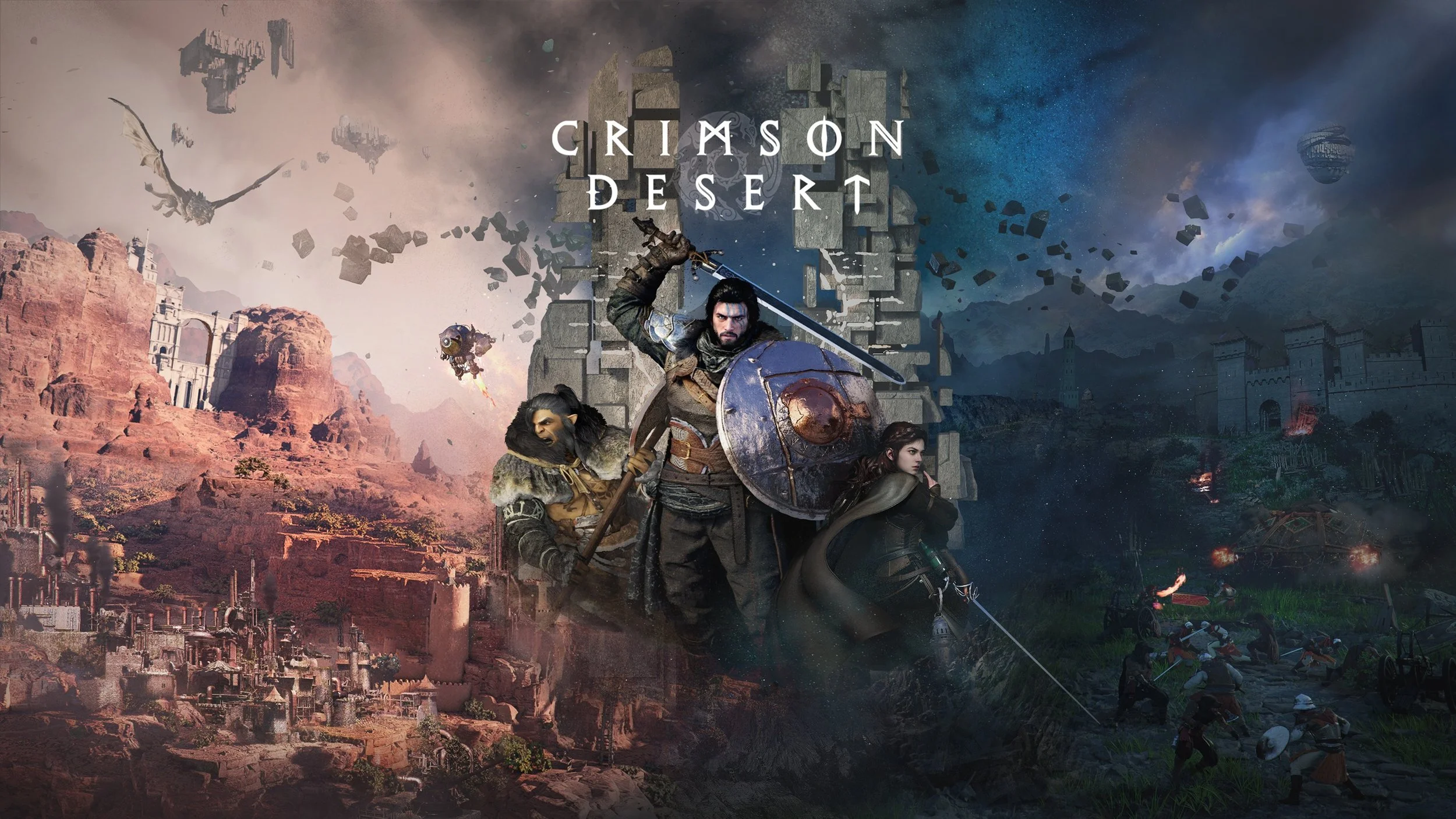
As I am currently without an MMO, I find myself in need of an alternative distraction. However, when I look at the various titles that are currently available through a vendor such as Steam, the first thing that strikes me is the interchangeable and homogeneous nature of them all. This is hardly a revelation as most industries tend to follow tried and tested formulas. At present, mainstream films and music are staggeringly bland and uninventive, so it is almost inevitable that the gaming industry should follow suit. This perfunctory style is a major obstacle for me. For example, after pondering on whether to try Black Desert, I concluded that it simply didn't have sufficient difference from any other MMO to warrant a purchase. And of course, at times like this, EVE: Online raises its head once again, offering a wealth of perceived opportunities. Yet the reality of the situation is that I do not want to take on a game with such a steep learning curve. Neither do I have the time required to be successful at such a game.
So, it would appear that I’m currently suffering from a gaming, specifically MMO "burnout". Perhaps fatigue would be a better term on reflection. Although I have currently tired to a degree of the MMO genre, I still find myself interested in gaming. What I find trying is that I cannot seem to find that many titles, both new and old, to get excited about, especially MMOs. As a genre, they have so much potential but are simply hamstrung by a lack of vision and innovation. Perhaps single player game with co-op are the answers. Furthermore, I’m tired of the noticeable disparity in game engines between MMOs and other genres of game. I appreciate that developers have to lower the bar for entry to lower specified PCs but too many MMOs look and more importantly play as if they hail from a different era. It would be nice to have an MMORPG that had the combat of either For Honor or Middle-earth: Shadow of Mordor.
Fortunately, I have not put all my eggs in one basket and made my online activities the focus of all my friendships and socialising. This can be a real issue for some people when confronted with potential burnout, as loyalties and social ties can compound the problem. Gaming by its very nature can be indulged in to a far greater degree than say fishing or other traditional hobbies. It is not seasonal and is accessible 24/7.You don't have to go anywhere, prepare in advance and be mindful of things like the weather. Subsequently, unless we consciously decide to regulate ourselves it will simply swallow all our leisure time. Burnout is not a term I associate with train spotting, stamp collecting or campanology. As gaming continues to become a more mainstream activity, burnout is a phrase I think we shall hear more often.
The Woman in Black (2012)
James Watkins’ 2012 adaptation of The Woman in Black is quite a radical adaptation of Susan Hill’s story, yet it still manages to remain true to its central themes. Jane Goldman of Kick-Ass, X-Men: First Class fame, has crafted a screenplay which is both innovative yet strangely traditional. She boldly revises the central character from contented husband to desolate widower; a move that adds a very bleak under current to the story. The more ghoulish elements of the narrative have been greatly enhanced and the film works the best when the eponymous character makes an appearance via jump scares. Despite a modest budget of $15 million, The Woman in Black went to make over $127,730,736 worldwide making it the most financially successful British horror film in 20 years.
James Watkins’ 2012 adaptation of The Woman in Black is quite a radical adaptation of Susan Hill’s story, yet it still manages to remain true to its central themes. Jane Goldman of Kick-Ass, X-Men: First Class fame, has crafted a screenplay which is both innovative yet strangely traditional. She boldly revises the central character from contented husband to desolate widower; a move that adds a very bleak under current to the story. The more ghoulish elements of the narrative have been greatly enhanced and the film works the best when the eponymous character makes an appearance via jump scares. Despite a modest budget of $15 million, The Woman in Black went to make over $127,730,736 worldwide making it the most financially successful British horror film in 20 years.
The biggest asset and potentially the biggest stumbling block for The Woman in Black upon its release was the casting of Daniel Radcliffe. Could the actor make a credible transition into adult roles and leave the emotional baggage of his cinematic past behind him? For me, the answer is a definite yes. He is pleasantly plausible as the young lawyer, Arthur Kipps, mourning the recent loss of his wife and struggling with his relationship with his only child. Commissioned to administer the estate of Eel Marsh, he soon experiences supernatural goings on at house and finds a local village consumed with fear over an unusually high child death rate. Considering his performance is geared to be predominantly reactive to his surroundings, he acquits himself well.
There is a strong supporting cast, with Ciarán Hinds as Sam Daily, a local landowner who strives to rationalise the ongoing events until it becomes impossible to reject their true cause. His wife played by Janet McTeer, convincingly depicts a fey and traumatised mother. The production design follows in the Hammer tradition of appearing sumptuous irrespective of the budget and the cinematography of Tim Maurice-Jones is exceptionally atmospheric. One of the strongest assets of The Woman in Black is that it is maintains a pervasive atmosphere of disquiet. Director Watkins creates an unsettling atmosphere that is cleverly punctuated with the jolts the genre requires. In his previous film Eden Lake he showed a great understanding of the threat of violence, a skill he refines here using terror and discord instead.
The only minor misstep The Woman in Black makes is its ending, which revises the books original nihilistic outcome and offers a more redemptive conclusion. It’s still a stark ending to the story but it offers a degree of hope and emotional closure. Perhaps the producers felt this alteration would make the film more marketable for the international market. Certainly, the casting of Daniel Radcliffe did attract a younger demographic and the consensus was that an excessively downbeat ending my not be viable for such an audience. However, this tonal change, it is certainly not enough to spoil the proceeding hour and a half, which provides exactly the sort of thrill and shocks that movies of this idiom should do. Furthermore, the critical and popular success of The Woman in Black has most certainly helped make the Hammer brand accessible to a new audience. Let us hope the production company continue to produce films of this calibre.

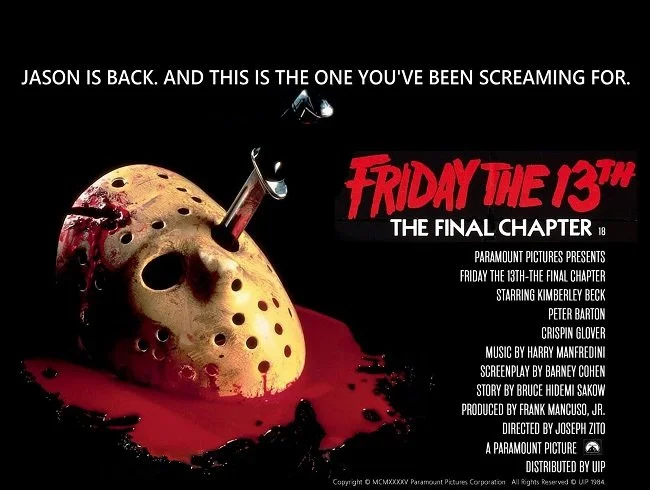

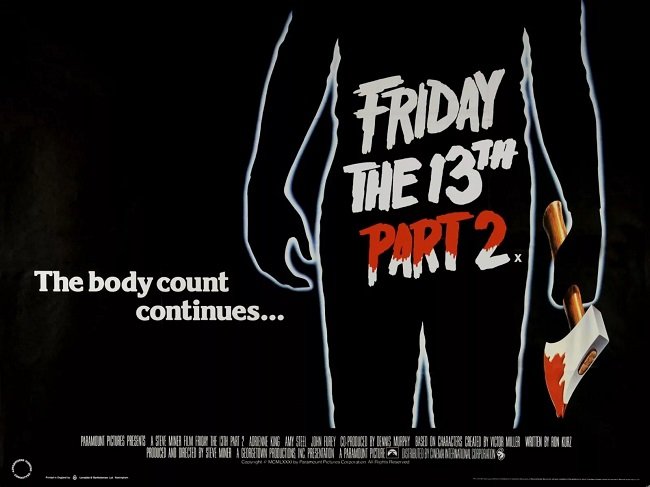




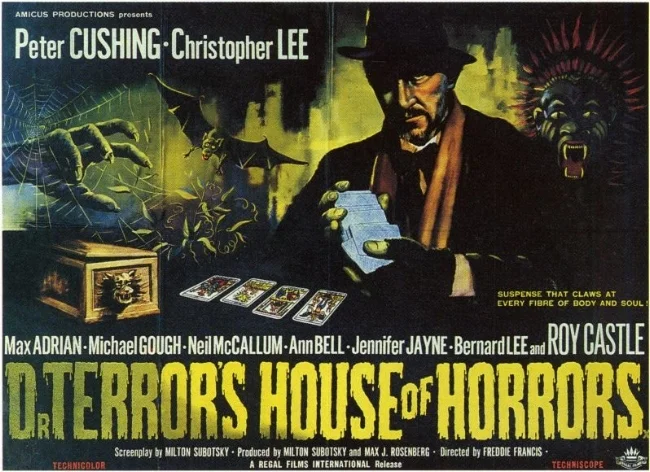

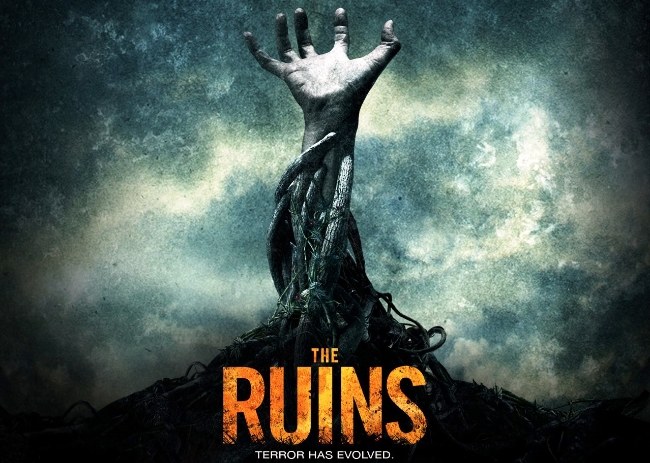
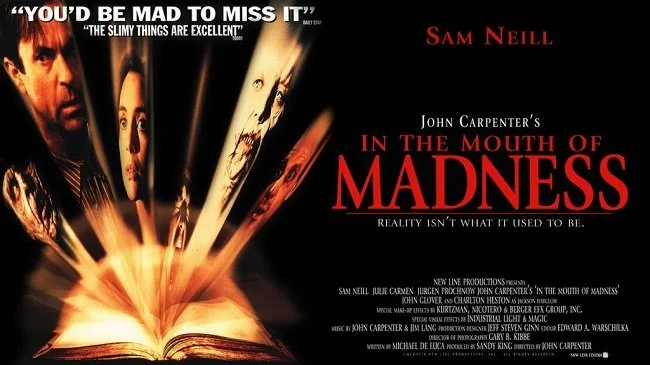
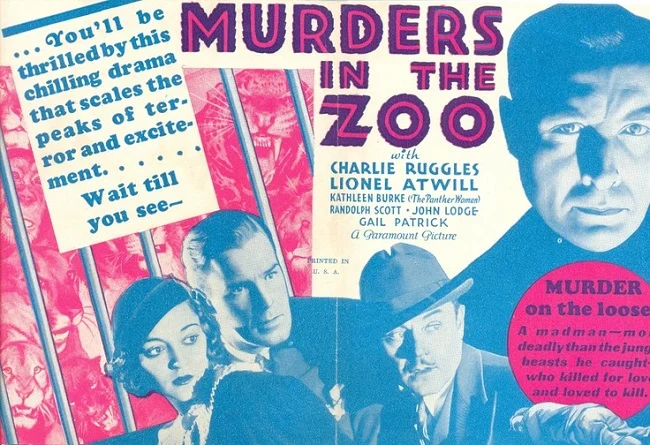
Diary of a Podcaster Part 7
Back in April I decided to relaunch the Contains Moderate Peril podcast for reasons of brand continuity. At the time, I was hoping to get back in to the podcasting saddle and return to producing weekly shows. However, the recording session was fraught with technical problems with Zencastr crashing regularly. I was left with nine separate audio tracks that weren’t in sync which made editing a major problem. There then followed a wealth or real-world issues that I had to address that meant for the next three months the podcast was put on hold. Finally, at the beginning of August I managed to complete the post production work on the show and publish it via Squarespace. I was hoping that using this existing website as a host for the show would save some money and reduce the work load. However, like most plans, it didn’t exactly work out that way
Back in April I decided to relaunch the Contains Moderate Peril podcast for reasons of brand continuity. At the time, I was hoping to get back in to the podcasting saddle and return to producing weekly shows. However, the recording session was fraught with technical problems with Zencastr crashing regularly. I was left with nine separate audio tracks that weren’t in sync which made editing a major problem. There then followed a wealth or real-world issues that I had to address that meant for the next three months the podcast was put on hold. Finally, at the beginning of August I managed to complete the post production work on the show and publish it via Squarespace. I was hoping that using this existing website as a host for the show would save some money and reduce the work load. However, like most plans, it didn’t exactly work out that way
Although the podcast hosting service that Squarespace offers is functional, it does lack some of the features of other vendors provide. I had to create another blog within the current site specifically for podcast posts. If I had used the existing one the RSS feed would list all published audio files, regardless of whether they were podcasts or not. There is no way to segregate specific files via the use of enclosures. Once I had created an additional blog page it generated a new RSS feed containing just the show details. Within the Squarespace control panel, I set up all the usual syndication details regarding the podcast along with the relevant artwork. The RSS feed was now ready for use and could be submitted to iTunes.
I’ve been a member of The Game and Entertainment Network since its creation back in October 2014. Like many podcast networks, time has taken a toll upon its membership and the shows it syndicates. So, I decided to do a little housekeeping and retire some of the older podcast that are not currently active and tidy up the homepage. I successfully re-instated the Contains Moderate Peril podcast. Within minutes, the show appeared as part of the TGEN RSS feed and was subsequently listed on the various podcasting platform where TGEN has a presence. I then addressed then matter of submitting the new show directly to iTunes. However, this has proven problematic. The Contains Moderate Peril podcast was previously active up until early 2015 and had an established presence on apple’s popular platform. That existing account still exists but has been flagged as deleted. To cut a long story short trying to either amend the old show details to reactivate it on iTunes or submitting another show with the same name causes problems.
To date I am still in contact with customer services trying to resolve this problem. Staff have been helpful but because support is handled exclusively via email it is a somewhat ponderous process. In the meantime, I’ve been trying to address other areas associated with the podcast. As mentioned earlier, podcast hosting on Squarespace is functional but lacking in some features. At present, it doesn’t offer any specific statistical analysis or traffic details. Now I consider this to be a major failing as I want at the very least to be able to ascertain how many listeners the podcast will have in the months to come. Producing a podcast is time consuming and hard. Simply put I want to know my audience size to ensure that such efforts are justified. So, at present I am trying to see if there’s an easy way to do basic stat tracking via a third party.
I am hopeful that these issues will be resolved by the end of the month. If hosting the podcast on Squarespace proves impractical, then I may have to migrate the show to another host. The downside of this is that it will incurs costs which I’m trying to minimise at present. My recent housekeeping over at The Game and Entertainment Network has also got me thinking about its current membership and whether this can be built upon. As it is a collaborative undertaking there is a need for me to liaise with colleagues and the site owner. I hope I can rekindle some enthusiasm among my fellow podcasters as working collectively comes with many benefits. As ever time will tell whether things improve or not.

















Blogging: Ten Years On
I was digging around in my email archive today trying to find something or other, when I found a receipt from the now defunct blog.co.uk hosting service. It was dated Friday 10th August 2007. So, it would appear that I have been blogging in some shape or form for a decade now. There have been a few disruptions along the way but broadly speaking, I’ve been writing every day for ten years now. I like to think that my writing style has improved over that time and the website traffic would seem to indicate that my output is relatively popular. All things considered I still enjoy writing about a broad spectrum of subjects and see no reason to stop at present. So, I guess that means I may well continue writing for another ten years.
I was digging around in my email archive today trying to find something or other, when I found a receipt from the now defunct blog.co.uk hosting service. It was dated Friday 10th August 2007. So, it would appear that I have been blogging in some shape or form for a decade now. There have been a few disruptions along the way but broadly speaking, I’ve been writing every day for ten years now. I like to think that my writing style has improved over that time and the website traffic would seem to indicate that my output is relatively popular. All things considered I still enjoy writing about a broad spectrum of subjects and see no reason to stop at present. So, I guess that means I may well continue writing for another ten years.
Writing a blog is a very personal undertaking and peoples motivation to write varies. Many often cite an enjoyment of writing itself. It can be argued that a true purist blogger, who is not in any way driven by matters of ego, would not care if their blog remained unread and wouldn’t concern themselves with statistics and traffic. However, I think such people only exist as a notional concept. Many of us also write as a means to communicate our passion for something and to share that with others. Therefore, an audience, comments and feedback are important. Sadly, social media has altered the way in which readers communicate with writers. I am fortunate enough to still receive positive feedback but most of it now come’s via Twitter rather than as comments left on individual posts.
Another thing that has changed over the last decade is the overall perception of blogging. Like so many online activities, blogging was initially a distinctly separate form of writing compared to traditional platforms and outlets. The most obvious difference was that it was a very democratic medium open to anyone. Ironically its greatest asset has also become its greatest weakness but that’s a separate debate. Sadly, like so many new mediums, after an initial period of innovation blogging has become subsumed by the mainstream and the corporate. Blogs are no longer seen exclusively as havens of independent thought and creativity. White noise and marketing nonsense have now muddied the water.
Then there is the culture of expectations to consider. Joe public has got use to “free content”. A fellow blogger who wrote a popular MMO fansite, once told me that they considered their writing as a public service in a way. I do not think the remark was a reflection of their vanity. It simply showed that they enjoyed participating in a wider community. However, they also remarked that once you embark down that road, especially if you are receiving a high level of traffic, it can turn your passion in to a chore. When this blogger did indeed hang up their spurs it was met with mixed reactions from their readership. A sizeable group where far from pleased that they were no longer going to getting their daily fix of “free content” and took a rather peremptory stance on the matter.
Another myth that has finally been laid to rest in recent years is that you can get rich from blogging. That ship has well and truly sailed. The advent of adblockers, combined with an overabundance of free content means that advertising revenue has dried up. If a site such as Massively Overpowered has to supplement its advertising revenue with Patreon donations and merchandise, then it’s highly unlikely that a solo blogger is going to clean up in any way, shape or form. Blogs can still be invaluable in generating a brand and maintaining an online presence but you’ll be lucky if you do anything more than break even financially. Running a blog is an indulgence in some respects and so costs money like any other. You can pursue a free account but that comes with its own set of risks.
So, after ten years of blogging, I remain enthusiastic about writing and am content with the material that I’ve produced. I’m considering returning to a book project that stalled last year due to personal circumstances. It’s a work of non-fiction about cinema and my personal experience thereof. It has been meticulously planned and structured. All I need to do now is to knuckle down and write the remaining 50% of the text. There’s no reason why this can’t be achieved with a well-disciplined schedule and a healthy dose of focus. I also see no reason to stop blogging every day. Irrespective whether some audiences have drifted away from long form criticism, I am still committed to writing and consuming material of that kind. Who knows, I may still be here in another decade’s time still pondering about the state of blogging.




















The World's End (2013)
I was quite surprised by Edgar Wright's The World's End. Not by the fact that it is very funny, impeccably made, cinematically literate, with a cast of Britain's finest character actors. But by its very melancholic tone and sense of introspection. Behind the clever comedy and science fiction trappings, there is a rather pertinent examination of nostalgia and that fortysomething obsession with recapturing one’s youth. In some respects, the concept can be broadened into a wider notion of a nation that is still obsessed with its glory days. It should also be noted that this is not a romantic or rose-tinted exploration of the aforementioned themes.
I was quite surprised by Edgar Wright's The World's End. Not by the fact that it is very funny, impeccably made, cinematically literate, with a cast of Britain's finest character actors. But by its very melancholic tone and sense of introspection. Behind the clever comedy and science fiction trappings, there is a rather pertinent examination of nostalgia and that fortysomething obsession with recapturing one’s youth. In some respects, the concept can be broadened into a wider notion of a nation that is still obsessed with its glory days. It should also be noted that this is not a romantic or rose-tinted exploration of the aforementioned themes.
The story centres around a group of school friends who reunite to reattempt a failed pub crawl they undertook twenty years earlier. Right from the outset, director Edgar Wright does something different to his last two instalments of the "Cornetto Trilogy". This time the central characters of Gary (Simon Pegg) and Andy (Nick Frost) are not best buddies and in fact have quite a prickly relationship. Gary is also not an especially likeable individual (but he is funny), having never moved on from his adolescence. The rest of the group consists of a superb ensemble cast of estate agent Oliver (Martin Freeman), car salesman Peter (Eddie Marsan) and Steven (Paddy Considine) who has a "26-year-old girl friend".
The ill-conceived reunion takes a very different turn when it becomes apparent that the village of Newton Haven, has been taken over by android replicants. This provides the production a wealth of opportunities to reference classic science fiction movies and novels (often with a very British slant). This includes John Wyndham's The Midwich Cuckoos, Don Siegel's Invasion of the Bodysnatchers and Doctor Who. The more you look the more you'll find. However, it is at this point in the plot when the movie changes direction, that The World's End becomes a little less polished and a bit more hit and miss. The action scenes work fine, especially the bar stool fight sequence, yet there is a sense that may be the movie is trying a little too hard.
Although the popularity of Pegg and Frost will make this movie accessible to an international market, this is still a very British movie. Where Rosamund Pike has made Hollywood productions such as Jack Reacher, the same cannot be said of the wonderful Mark Heap. Brits will recognise many a face. I'm not so sure the rest of the world will. Yet to have tried to avoid the foibles of British culture, such as roundabouts, social drinking, and English slang would have made for a weaker film. Although this is a movie with substantial amounts of CGI and set pieces, it is also a work of thoughtful self-examination through the prism of British self-deprecation. The codacil at the end of The World's End may not to all liking but is worth pondering upon.
The final part in any series, be it one as tenuous as the “Cornetto Trilogy", is always hamstrung to a degree of repetition, potential over familiarity and the practical restrictions a conclusion brings. The World's End is still a quality piece of film making from a genuinely talented team. It manages to avoid most of those pitfalls. Be warned there is some very choice language banded about including that particular word that some folk deem to be the worse. The frenetic nature of the final act does not diminish the movie which is still exceedingly and consistently funny. Finally, full marks to the writers for referencing the "Starbucking" of the UK pub industry. At least it is a malady that hasn't affected Edgar Wright's film making.
Dark Skies (2013)
Consider the Bourbon biscuit. It comprises of two dark chocolate biscuits sandwiching a chocolate fondant. It is a straight forward recipe made from standard elements. Yet multiple companies manufacture the Bourbon biscuit and they're all slightly different in texture and taste due to minor variations in the base ingredients. You can make the same point about baked beans. Dark Skies is the cinematic equivalent of these products. It is competently made, offers what you know and expect in a slightly different fashion. That doesn't sound such a bad thing, does it? Well let me put it another way. It's generic and predictable.
Consider the Bourbon biscuit. It comprises of two dark chocolate biscuits sandwiching a chocolate fondant. It is a straight forward recipe made from standard elements. Yet multiple companies manufacture the Bourbon biscuit and they're all slightly different in texture and taste due to minor variations in the base ingredients. You can make the same point about baked beans. Dark Skies is the cinematic equivalent of these products. It is competently made, offers what you know and expect in a slightly different fashion. That doesn't sound such a bad thing, does it? Well let me put it another way. It's generic and predictable.
Please ignore the movie poster. Dark Skies is certainly not a new horror phenomenon. It simply dovetails a home-invasion plot-line into a wider alien menace story and punctuates the proceedings with some neat but rather obviously telegraphed jolts. Furthermore, a lot of the best scenes are very derivative of existing genre classics. I suspect that once again it will come down to the viewers age or genre familiarity as to whether they spot them. The "vegetable" incident in the kitchen for example is not a million miles away from the fridge scene in Close Encounters and the geometric crockery stacking, is very reminiscent of the chairs in Poltergeist. Need I go on? Okay I will. They did the thing with the birds flying into the windows in Red Lights.
There are flashes of inspiration from Director Scott Stewart. The central family within the plot seem to be a microcosm of American Middle-Class angst, particularly in the current economic climate. Josh Hamilton’s performance as the marginalised head of the household is very plausible. Keri Russell has a more conventional role as his estate agent wife and traditional protective mother figure. But as always with such movies these days, the production seems to be far more concerned about making clever set pieces and smart twists, which despite the effort are not entirely successful. It beggars belief that when dealing with the subject of aliens and the infinite possibilities that such a theme offers, Hollywood is still locked in this arbitrary depiction of all extraterrestrial life as "greys".
So, we return to the Bourbon biscuit analogy once again. Despite their inherent culinary shortcomings, they do serve a purpose and are adequate in default of anything else. That pretty much sums up Dark Skies. If you watch this movie at home, when you are in an undemanding mood, accompanied by a cup of [insert beverage of choice here] then it may satisfy. However, the more familiar you become with a specific genre and with all its associated tropes and memes, the more it becomes apparent that Dark Skies is distinctly average and no more.
Happy Birthday Hitch
Today is the 118th anniversary of the birth of Sir Alfred Hitchcock. The internet is subsequently awash with editorials and retrospective analysis of his work. The great man himself is always worth scrutinizing, so you'll also find a great many articles that explore his "inner demons" and such like. Such is the extent of Sir Alfred Hitchcock’s reputation and associated apocrypha, that we were given the cinematic biopic Hitchcock, starring Sir Anthony Hopkins in 2012. Not bad for someone who has been dead for thirty-seven years and who's last movie was made in 1976. I doubt if many of today's film directors will leave such a legacy and have their careers pawed over in the decades to come.
Today is the 118th anniversary of the birth of Sir Alfred Hitchcock. The internet is subsequently awash with editorials and retrospective analysis of his work. The great man himself is always worth scrutinizing, so you'll also find a great many articles that explore his "inner demons" and such like. Such is the extent of Sir Alfred Hitchcock’s reputation and associated apocrypha, that we were given the cinematic biopic Hitchcock, starring Sir Anthony Hopkins in 2012. Not bad for someone who has been dead for thirty-seven years and who's last movie was made in 1976. I doubt if many of today's film directors will leave such a legacy and have their careers pawed over in the decades to come.
I won't waste my or your time providing a potted biography of Hitchcok nor critiquing his work, because there are plenty of existing online resources that can provide those services. What I will say is if you are a fan of quality cinema and are not familiar with the work of Alfred Hitchcock then you are doing yourself a disservice. Hitchcock was an innovator of using visual effects and cinematography to their maximum effect, yet it was never at the expense of the story. He was a clever observer of people and the human condition and could quickly weave a narrative that had the audience emotionally invested and in a state of suspense. In a nutshell, he fully understood every facet of cinema and how to use them to create accessible and compelling stories.
A matte painting by artist Matthew Yuricich from North by Northwest 1959
Hitchcock was also a great showman who understood about the power of the press and marketing. Furthermore, Hitch happily bought into the cult of his own personality. Watch the trailer below in which he walks around the set of Psycho making oblique references to the more salacious elements of the plot. Hitchcock manages to suggest enough to pique even the most casual viewers interest and play upon their desire for titillation. If only we had trailers presented in such a comparable style today by similar genuine auteur film makers. Sadly, the current state of mainstream Hollywood doesn’t provide an environment for such personalities to flourish.
Alfred Hitchcock's influence has been extensive among subsequent directors. David Lynch, Brian DePalma, Dario Argento, David Croneberg are but a few of those who have openly praised his work and exhibited homages to Hitchcock in their own material. And let us not forget the great partnership between Hitch and the composer Bernard Herrmann. Hermann crafted eight outstanding scores for the master including the iconic Psycho. The jarring strings of the shower scene have now transcended cinema and become a pop culture reference for anything vaguely horrific. Few creative endeavours have such an impact upon public perceptions.
So, in this age of video on demand and such like, there really is no excuse for remaining oblivious to one of the world’s finest film makers. Why not settle yourself down in a comfy chair, dim the light and partake of one of Alfred Hitchcock's classics. There's plenty to choose from, depending upon your tastes. Be warned, even by today's standard these films are not always family friendly, often containing a strong sexual under current. In his later work, some of the violence is still quite disturbing. But as Hitch said himself "In films murders are always very clean. I show how difficult it is and what a messy thing it is to kill a man"