
The Varying Quality of You Tube Content
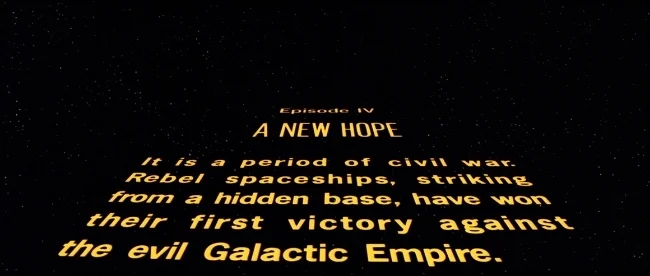
"The ability to speak does not make you intelligent". Qui-Gon Jinn
I’m sure this has happened to many of you before. You’re playing a video game and you have a particular question regarding it. How do I reach a specific location on the map? Is there an optimal build for a certain class? Where can I get a certain item? A quick Google search returns multiple results but most of them are videos rather than text-based answers, so you opt to watch one to get the answer that you seek. However, you then notice that your simple enquiry somehow merits a video that lasts twelve minutes. You then spend your precious time enduring a rambling diatribe from someone who clearly hasn’t scripted a succinct explanation. If you’re lucky you may get the answer that you seek, or you may end up wasting your time entirely. Should you perhaps watch another video? Needless to say, you eventually go back and read one of the written answers.
"The ability to speak does not make you intelligent". Qui-Gon Jinn
I’m sure this has happened to many of you before. You’re playing a video game and you have a particular question regarding it. How do I reach a specific location on the map? Is there an optimal build for a certain class? Where can I get a certain item? A quick Google search returns multiple results but most of them are videos rather than text-based answers, so you opt to watch one to get the answer that you seek. However, you then notice that your simple enquiry somehow merits a video that lasts twelve minutes. You then spend your precious time enduring a rambling diatribe from someone who clearly hasn’t scripted a succinct explanation. If you’re lucky you may get the answer that you seek, or you may end up wasting your time entirely. Should you perhaps watch another video? Needless to say, you eventually go back and read one of the written answers.
The written word is a great medium for imparting information and answering questions. But video is often considered an easier and more convenient option. It’s quicker and potentially easier to create and you can embrace the old Hollywood adage, “Show, don’t tell”. When I was an active Guild Wars 2 player, You Tube videos were the most immediate way to find out how you reach a specific Vista, especially if it involved a complex jumping puzzle. However, there was an important caveat involved. Whether you got a quick and accurate answer came down to the quality of the video, how well it was edited, and whether the author was adept at expressing themselves clearly. And this pretty much rings true for any kind of instructional video, be it for wiring a plug or co-ordinating a twelve-man raid in an MMORPG. Sadly, one of the few things that You Tube, and the democratisation of video production hasn’t achieved is any form of automated quality control. Simply put not everyone is cut out to be a teacher and the ability to record a video doesn’t mean that it will be good by default.
Instructional videos are a “lottery”, to say the least.
For the sake of this discussion, let us focus exclusively on game related You Tube content and that which is specifically meant to explain a mechanic, system or such like. IE any material that is intended to be instructional. The key to producing a good video of this kind is twofold. The video content has to clearly show the thing that is being discussed and explained. Presentation is key. It needs to be unambiguous and focused. Next the accompanying narration has to be factually accurate, easy to understand and engaging. The former of these two skills can be easily learned. There is a wealth of advice and guidance available on the technicalities of producing professional videos. The latter requirement, which is a form of public speaking, is not so easy to pick up. In fact, for some it is nigh on impossible. Hence, there is a broad spectrum of quality when it comes to You Tube content of this kind. Speaking casually, as you would with friends, using banter, patois and colloquialism are fine on “let’s plays” or for live streaming. This very personal style of discourse can be a source of appeal. But I believe it has no place when it comes to providing instruction.
And therein lies the rub as the expression goes. Simply put there are far too many You Tube videos where the subject matter is poorly framed, and the creator has no discernible oratorial skills. Inarticulate ramblings and poorly expressed points are sadly common place. Plus, there is absolutely no excuse for being dull. Yet You Tube is awash with poorly made content that often proves to be an absolute chore to sit through. I appreciate that many content creators are driven by enthusiasm, but I also suspect that a percentage are motivated by dreams of internet fame or a chance to make a fast buck. Greed often seems to trump quality control and enthusiasm is no substitute for talent. Furthermore, irrespective of the sophisticated algorithms that You Tube has at its disposal, it doesn’t have yet have the tools to automatically determine the quality of content. Which means that unless you have a prior familiarity with a content creators work and trust it, watching any video for instructional reasons is a crapshoot.
Bluster, hyperbole and calumny do not equate to quality public speaking.
Now I want to make it quite clear that I'm not in any way advocating that people should be denied the chance to create You Tube content. I firmly believe in the individual’s right to express themselves within the confines of the law, regardless of whether their videos are shit or borderline David Attenborough. However, the moment you place something in the public domain then you are inviting criticism. We live in a media saturated age and the wider public are extremely tech savvy and expect content to be to a certain standard by default. Therefore, a lot of existing content creators really do need to raise their game and produce work to a higher standard. Basic literacy helps. So does not speaking like you’re recovering from a major head trauma. You Tube also needs to introduce a more sophisticated means of providing feedback, other than the arbitrary thumbs up or down, so that content creators have a fighting chance of knowing what needs to be improved. However, You Tube doesn’t like to spend money on human moderation, so this situation is sadly not likely to change any time soon.










The Lucas Legacy
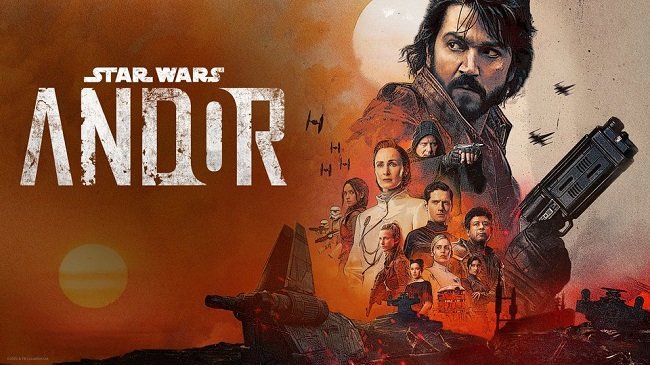
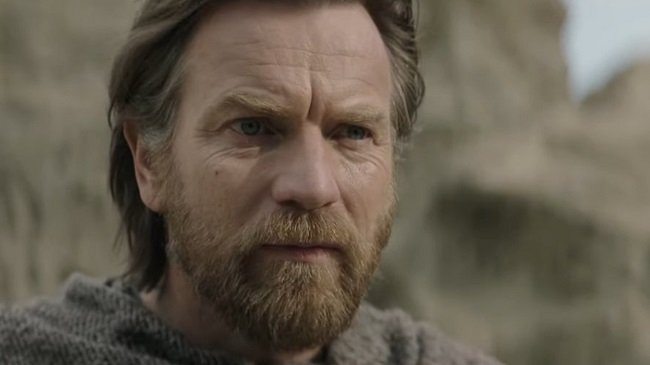
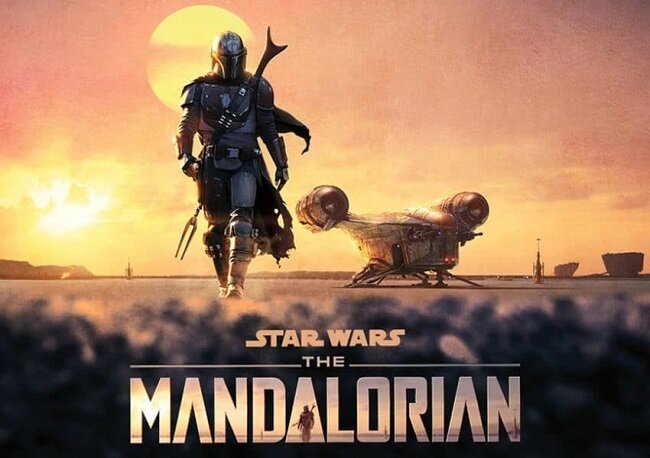
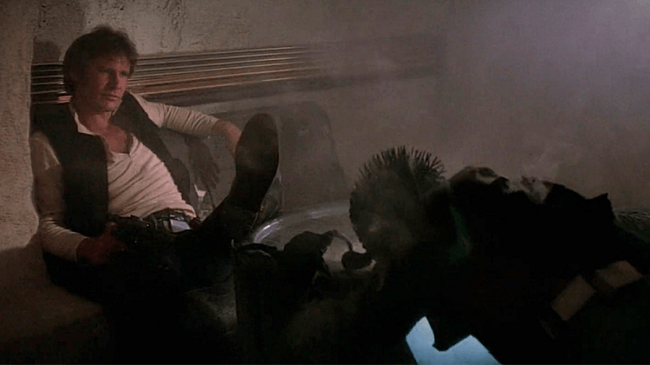
I was perusing the net recently and came across a story about how a Star Wars fan film that had built up a head of steam online, has been slapped with a copyright strike from Disney. Nothing unusual there as the company is virtually legendary with respect to its litigious proclivities. However, someone over a Lucasfilm interceded and got the strike lifted, because the fan film creator had allegedly sought prior permission and supposedly received it. George Lucas has always maintained an equitable attitude towards fan usage of the Star Wars IP, something he tried to impress upon Disney when he sold the rights to them back in 2012. But it is very difficult to have a balanced discussion about George Lucas as the man is such a paradox. On one hand he is possibly one of the greatest contributors to twentieth century pop culture and has influenced a generation of film makers, writers and fans. On the other he is the man who single headedly has managed to queer his own pitch, with the way he has continuously tinkered with his body of work and appended it with supplemental material that many deemed substandard or to the detriment of the original. He is also still vilified in some quarters for his business arrangement with Disney.
I was perusing the net recently and came across a story about how a Star Wars fan film that had built up a head of steam online, has been slapped with a copyright strike from Disney. Nothing unusual there as the company is virtually legendary with respect to its litigious proclivities. However, someone over a Lucasfilm interceded and got the strike lifted, because the fan film creator had allegedly sought prior permission and supposedly received it. George Lucas has always maintained an equitable attitude towards fan usage of the Star Wars IP, something he tried to impress upon Disney when he sold the rights to them back in 2012. But it is very difficult to have a balanced discussion about George Lucas as the man is such a paradox. On one hand he is possibly one of the greatest contributors to twentieth century pop culture and has influenced a generation of film makers, writers and fans. On the other he is the man who single headedly has managed to queer his own pitch, with the way he has continuously tinkered with his body of work and appended it with supplemental material that many deemed substandard or to the detriment of the original. He is also still vilified in some quarters for his business arrangement with Disney.
Lucas announced back in October 2012 an interview with the New York Times, that he was "retiring" from the sort of film making he had become closely associated with over the last three decades. He was however still going to pursue creating more "personal" films. He also made some fairly broad statements about getting mainstream Hollywood to buy into his last project Red Tails and the movie industries overall inadequacies in dealing with issues of race and African-American history in films per se. He took time to pointedly described how he had to finance Red Tails himself. Sadly, the movie was met with relative indifference at the box office and garnered the usual criticism associated with his work. IE too much emphasis on spectacle and not enough attention of characters and script. Since then Lucas has not produced any major cinematic works and has continued to pursue his philanthropic and charitable endeavours.
There are some who feel that Mr. Lucas is a misunderstood film maker who has suffered at the hands of a rabid and unreasonable fan base and a system that hates him for bypassing their rules. Then there are those who simply see him as a gifted technician, well versed in the mechanics of film making but lacking in the narrative skills shown by the true “greats”. As per usual, the truth more than likely lies somewhere in between these two positions and is far more nuanced. As for his last movie Red Tails (which he produced and then took over the reshoots from incumbent director Anthony Hemmingway), it’s a distinctly average film. It is visually impressive as you would expect, but the story is incredibly formulaic, and the characters are weak. The issue of racism is not given the depth or intelligence required to explore it effectively and the dialogue is unconvincing. Whether the films reception was a key factor in Lucas choosing to semi-retire from the wider industry, is up for debate. For decades he has been a prisoner of his own success and at times it does seems like he still struggles to come to terms with it all. “On the Internet, all those same guys that are complaining I made a change are completely changing the movie … I’m saying: ‘Fine. But my movie, with my name on it, that says I did it, needs to be the way I want it. Why would I make any more when everybody yells at you all the time and says what a terrible person you are?”
Although I fully understand and even agree in principle with his sentiments, such a position is purely an ideological one and is not very practical in reality. Star Wars has become an integral part of popular culture and although there is no legal precedence, the public feel that they have some collective emotional ownership of it and are therefore not going to take an even-handed view to alterations and new material (as the Disney movies have shown). Lucas should have learnt from others who have participated in films and TV that has grown bigger than themselves. You come to terms with it and try to work within the confines that it sets, or you simply withdraw. Lucas may think that the restraints of the Star Wars phenomenon has limited his options and thus he has not had the critical success he looked for. I think more blame can be attributed to his skills set. The original trilogy although overall his own work, had the creative input of additional screenwriters and directors to smooth the rough edges and curb his excesses. The prequels did not and therefore their ideas and visual style were marred by poor dialogue and turgid stories. In fact, I would draw a parallel between George Lucas's career and that of M. Night Shyamalan. Both are talents that possibly require the counterbalance of a third party to reach their full potential.
Of course, George Lucas has not fully retired and has provided himself with a get out of jail card, with the ongoing development of a fifth Indiana Jones film. However, it should be noted that he is only involved as an executive producer and is not contributing to the story. Yet regardless of any future film output, his long-term legacy is clearly established and of considerable magnitude. He created a mythology for a generation that had none and has been instrumental in pushing back the technical boundaries of the film industry. He has demonstrated that the mainstream studios do not need to have it their own way all the time and he has influenced an inordinate amount of people globally to pursue their creative dreams. However, it can be argued that he has also set a precedent of style over substance and spectacle over narrative. Yet, whatever your opinion on the man and his work, we have not heard the last of him. Lucas is by nature a “fixer” and I suspect he has something he still wants to put right or follow up upon before he’s “done”.











This Year’s Plan
I don’t care for new year resolutions. I just like to make credible plans that are achievable. So, after some consideration, I now have a short and manageable list of tasks that I’ll endeavour to complete this year. If I keep things simple and stick to an orderly routine, I see no reason why I can’t get all of these done. First off and perhaps the most important is to maintain a daily writing schedule. Too often the excuses we make to avoid writing are bogus. Sure, there will be occasions such as illness and family or work-related problems, but nine times out of ten, we don’t write because we cannot be bothered to do so. Why should writing get a free pass in this fashion? So, I intend to persevere during periods of lethargy and write come hell or high water. It doesn’t have to be earth shattering content. Three or four paragraphs will suffice. I can’t afford to let the writing slide as I suspect it may prove to be the thin end of the wedge for me and other activities would subsequently follow.
I don’t care for new year resolutions. I just like to make credible plans that are achievable. So, after some consideration, I now have a short and manageable list of tasks that I’ll endeavour to complete this year. If I keep things simple and stick to an orderly routine, I see no reason why I can’t get all of these done. First off and perhaps the most important is to maintain a daily writing schedule. Too often the excuses we make to avoid writing are bogus. Sure, there will be occasions such as illness and family or work-related problems, but nine times out of ten, we don’t write because we cannot be bothered to do so. Why should writing get a free pass in this fashion? So, I intend to persevere during periods of lethargy and write come hell or high water. It doesn’t have to be earth shattering content. Three or four paragraphs will suffice. I can’t afford to let the writing slide as I suspect it may prove to be the thin end of the wedge for me and other activities would subsequently follow.
Podcasting is back on the table and I’m pleased to say that the first show of 2019 has been published today. The editing wasn’t too problematic and I’m more than satisfied about the quality of the discussion that I and my guest had. I think getting this one out of the proverbial gates early has been a real shot in the arm to my motivation. I’m also going to see if I can gatecrash other people’s podcasts this year. Perhaps some of my colleagues would be interested in a reciprocal arrangement of this nature? As for listening to other people’s podcasts, I’ve whittled down my list of current subscriptions and am focusing on those that regularly produce content and maintain high quality output. I’m also going to try and give more feedback to others in the month’s ahead. I think it’s important to let content creators know that you appreciate their work and value their efforts.
I also have some clear plans with regard to my other interests. As mainstream cinema is not exactly enthralling at present and there’s not a ton of movies that I’m anticipating seeing this year at my local multiplex, I intend to start working my way through my “watch list”. Although I have a broad range of knowledge about film, there are still plenty of gaps that need filling. So, I intend to track down some old classic and niche market obscurities over the next fifty-two weeks. Gaming wise, I intend for the present to just stick to both LOTRO and STO as they are proven favourites and they don’t cost me anything. I will finish Assassin’s Creed: Odyssey and then take stock of the situation. There will be no rash impulse purchases this year and if I’m not sure about a title, I’ll research it thoroughly before committing to buying. Books and comics are also going to get more of my time, where as TV may well take a back seat. There are lots of good shows but it’s not as if they’re going anywhere. Only the most essential will get slavishly followed or binge watched.
If I manage my time effectively, I see no reason why I can’t care for my parents, spend time with Mrs Peril, the grandchildren and still be able to accommodate my hobbies. I can podcast once a month and produce a ninety-minute show. If I plan my writing, I can even pre-write movie reviews and schedule them for those occasions when I know I’ll be away or have a busier than usual day. I’m also looking to establish a regular walking regime for exercise and weight loss. It could also provide material for a regular blog post. There’s a fine line between being sensibly busy and over extending yourself. Hopefully, I am leaning towards the former and not the latter. I do find that when I’m busy, I tend not to eat out of habit and maintain a more positive mindset. But perhaps the most important concept to embrace is if my circumstance change, then it’s okay to change my plan. Hopefully that won’t happen, but it does no harm to consider it. Right, that’s enough talking about what I want to do. Let’s now get on with it.



















The Iniquities of the Video Game Industry and Gamer Culture
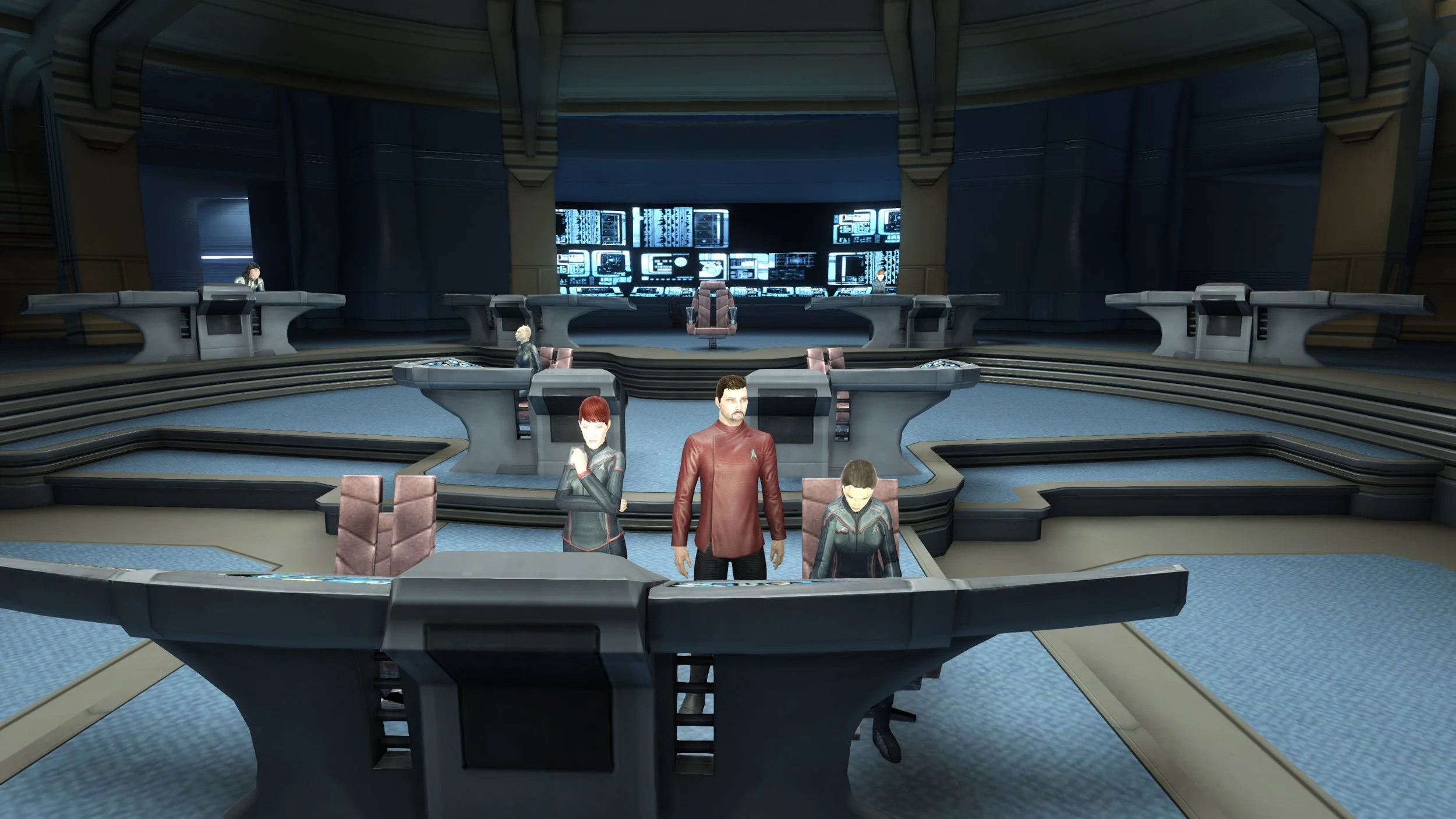
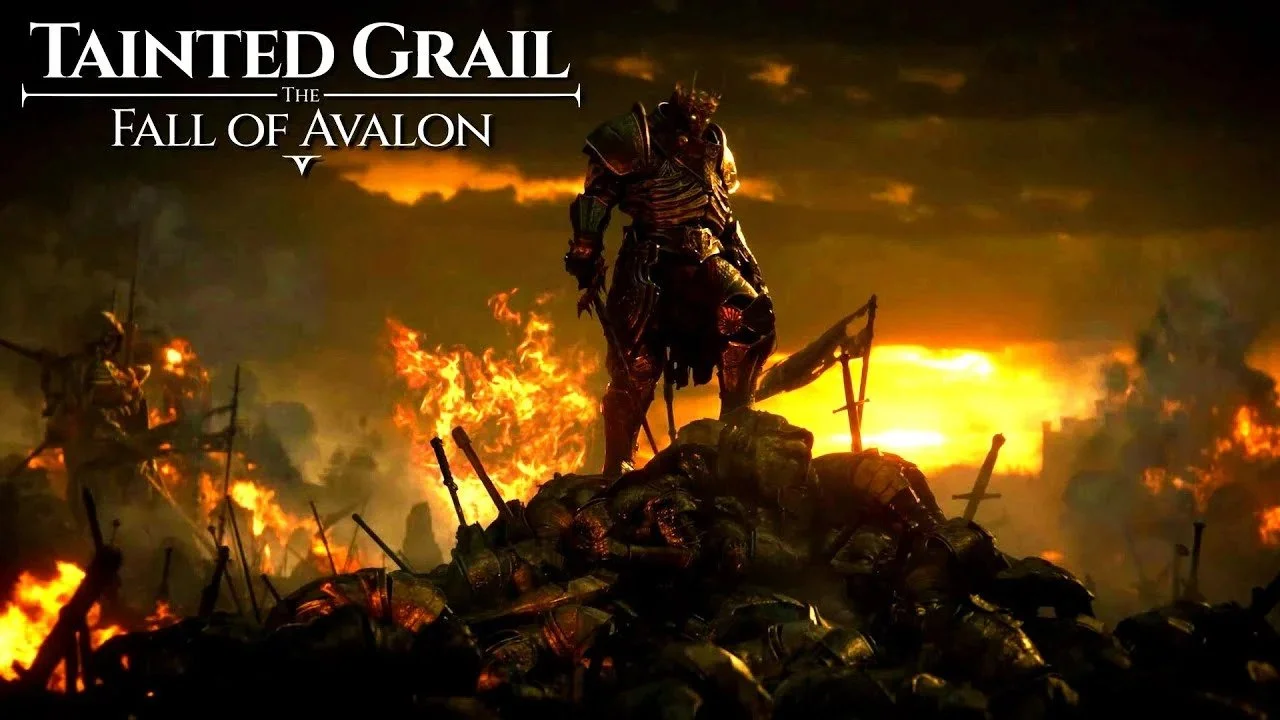
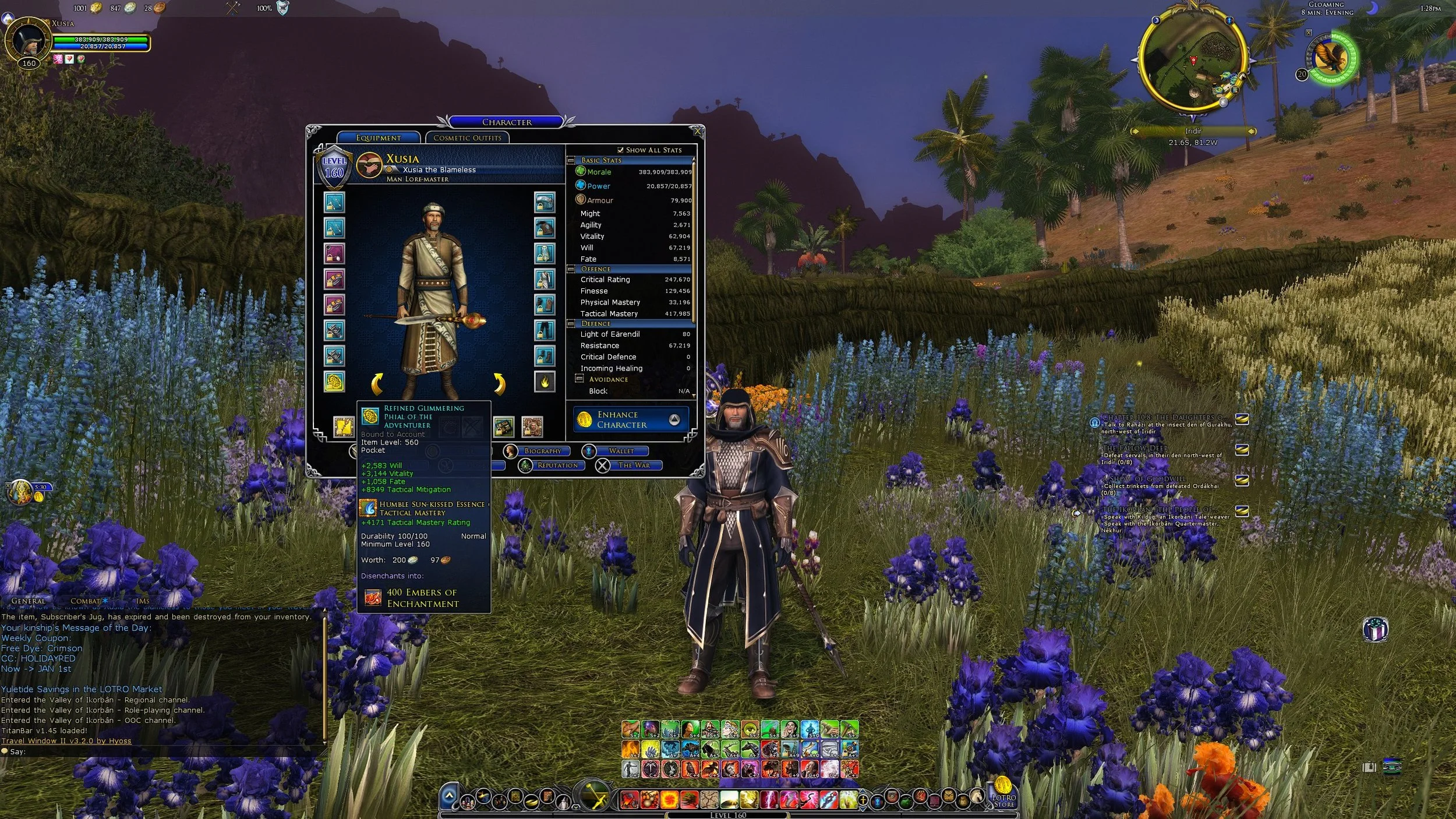
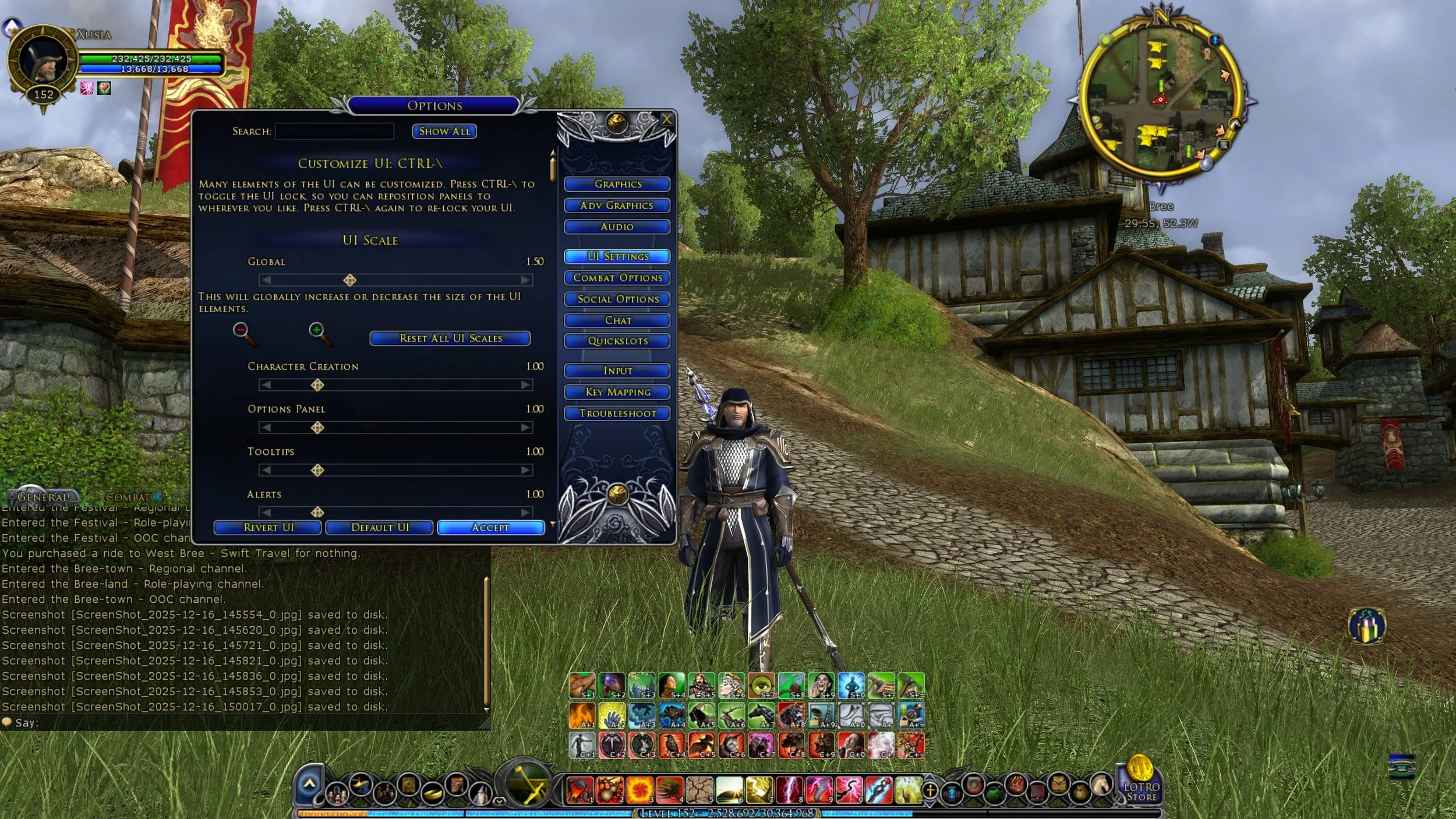
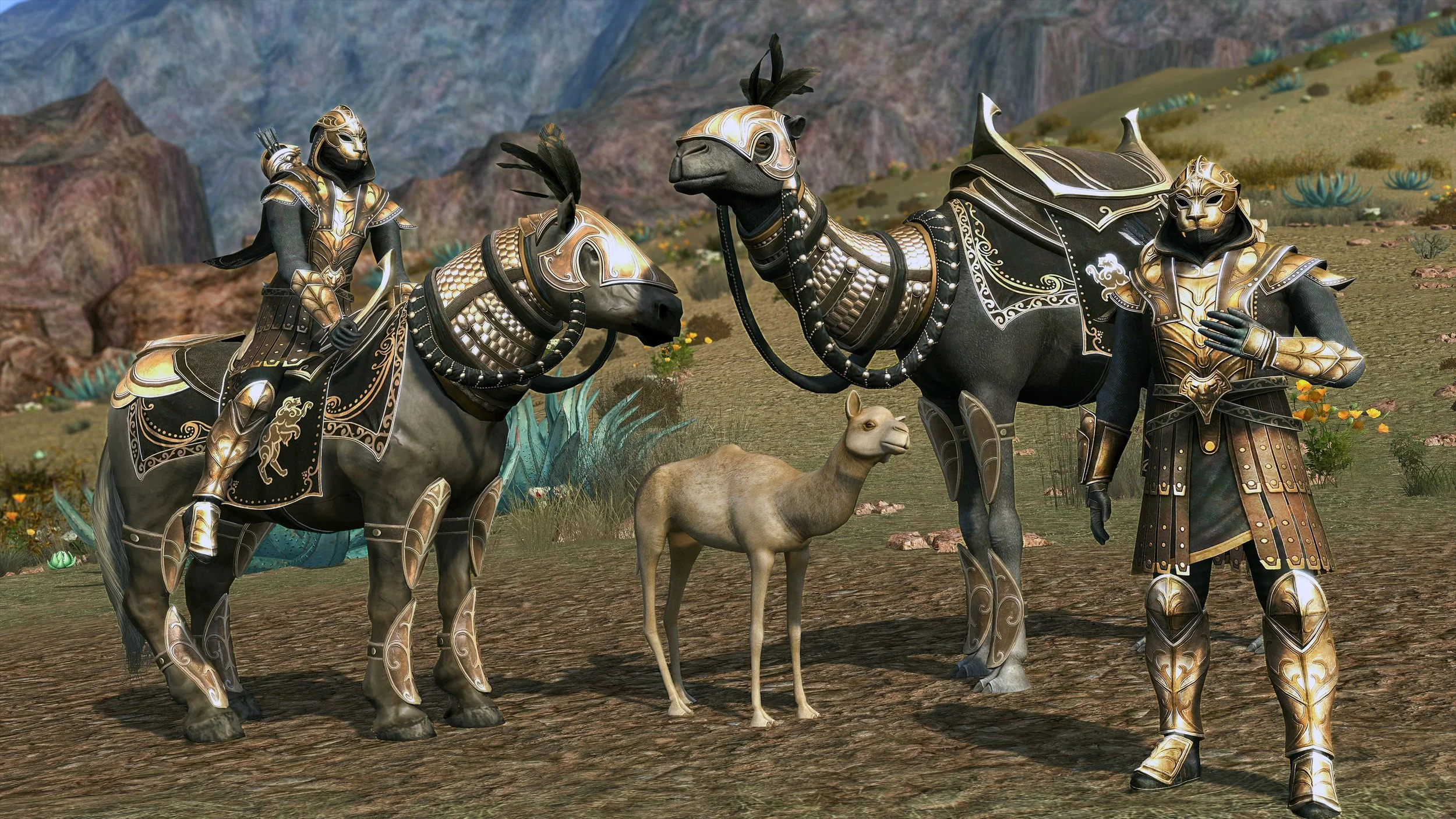
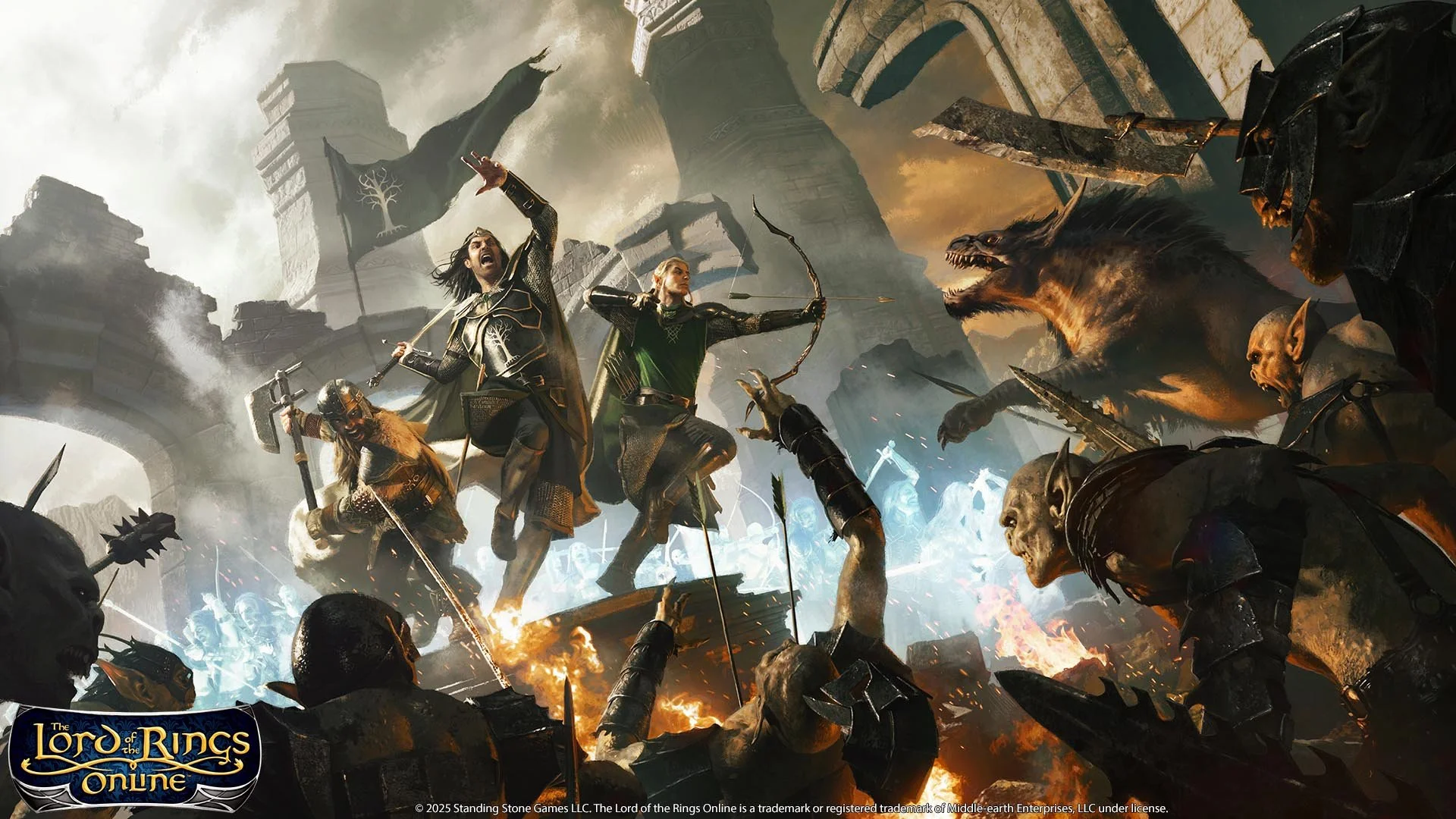
Although I wrote several blog posts summing up my experiences with movies, blogging and social media in 2018, I didn’t get around to writing “a year in gaming”. There are several reasons for this. First off, it was a year in which I bought several games that just didn’t chime with me. No Man’s Sky and Monster Hunter: World were both white elephants. Also, I have yet to find a single player games that has had the impact of The Witcher 3: Wild Hunt, so overall my gaming experience was somewhat lacklustre in 2018. I did however rediscover my love of the MMO genre and therefore spent most my gaming time in The Lord of the Rings online and Star Trek Online. But secondly and possibly more importantly, as a fifty-one-year-old man, I find a lot of the shenanigans associated with the video game industry and so called “gamer culture” to be embarrassing and crass. We live in a time where fandom and openly expressing your interests is quite common place, mainly due to commercial. Having said that, why do I want to openly identify with an industry that has its mindset firmly stuck in the 1950s and with a fan community that is often insular and hostile to anyone who doesn’t “fit the bill”?
Although I wrote several blog posts summing up my experiences with movies, blogging and social media in 2018, I didn’t get around to writing “a year in gaming”. There are several reasons for this. First off, it was a year in which I bought several games that just didn’t chime with me. No Man’s Sky and Monster Hunter: World were both white elephants. Also, I have yet to find a single player games that has had the impact of The Witcher 3: Wild Hunt, so overall my gaming experience was somewhat lacklustre in 2018. I did however rediscover my love of the MMO genre and therefore spent most my gaming time in The Lord of the Rings online and Star Trek Online. But secondly and possibly more importantly, as a fifty-one-year-old man, I find a lot of the shenanigans associated with the video game industry and so called “gamer culture” to be embarrassing and crass. We live in a time where fandom and openly expressing your interests is quite common place, mainly due to commercial. Having said that, why do I want to openly identify with an industry that has its mindset firmly stuck in the 1950s and with a fan community that is often insular and hostile to anyone who doesn’t “fit the bill”?
In case you didn’t notice, neither the video game industry or the gaming community covered themselves in glory in 2018. Here’s are a few “highlights” from the last twelve months. Let’s start with start with lootboxes and live services. While some gamers aren’t interested in social commentary, diversity, equality or an industry that that behaves like an 18th century mill owner, a lot of them do care about getting fleeced. Therefore, when Electronic Arts and other companies opted to build this semi-gambling mechanic directly into several games there was a public rightly outcry. The Belgium government even found loot boxes to be in breach of their gambling laws, yet rather than feeling shamed, some games publisher played the victim card and made the issue all about them. We now live in an age where games as a “live service”, means that companies patent algorithms that figure out the best way to apply pressure to make players buy more. For a lot of the big dogs of the industry, it’s no longer just about the game. That’s just a secondary consideration. It’s first and foremost about building a commercial product around tried and tested monetisation mechanics. And 2018 was also the year that numerous game studios such as Telltale Games where closed, the staff ignominiously stripped of their benefits and kicked out the door, with out any consideration or empathy.
The gaming industry also has a track record of institutionalised sexism and poor workers’ rights that hasn’t improved over the last 12 months. “Me Too,” has exposed several companies for being just glorified boys’ clubs in which shitty behaviour is de rigueur. Riot Games even ended up facing a gender discrimination lawsuit from employees. Then there’s the numerous instances of "crunch" culture that have been reported on. Rockstar Games seemed even proud of its archaic macho ethos with co-founder Dan Houser crowing with pride about the arduous work hours required to complete Red Dead Redemption 2. And then there where numerous instances of companies utterly failing to grasp the fundamental of social media. Need I remind you of the Jessica Price debacle? The narrative designer was fired after she responded to a high-profile YouTuber who was a key ArenaNet influencer. Mistakes where made by both parties although the bulk of my sympathies lies with Jessica Price. This massive own goal could have been easily avoided if the company had a clear policy on social media usage. And then there was the usurping of #WontBeErased via GoG’s twitter account. This matter was dealt with swiftly but yet again it demonstrates an industry that seems to regularly employ square pegs for round holes.
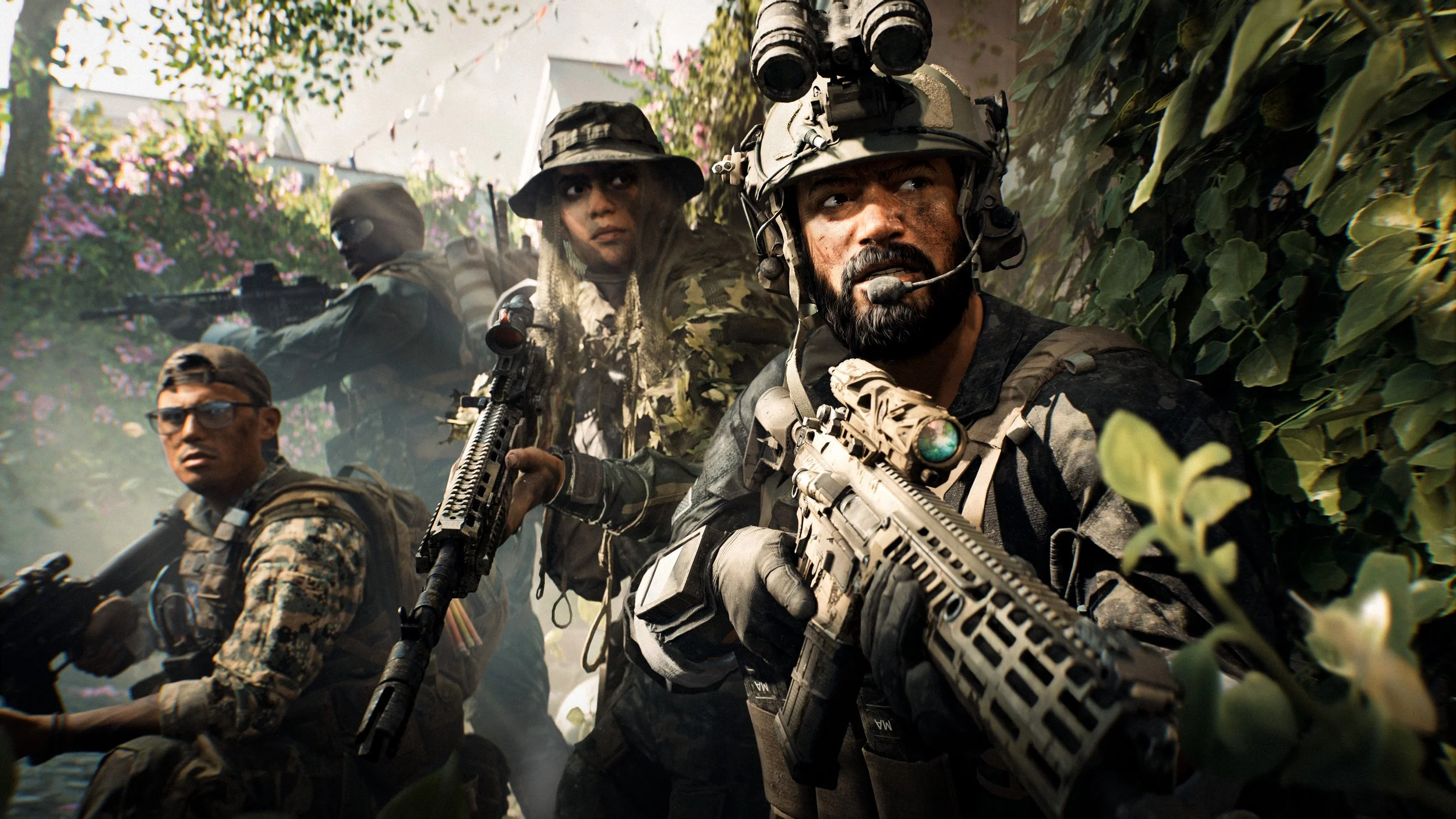
And what of gamers themselves? Oh, where shall we begin? Apparently having female avatars in Battlefield V was beyond the pale, because many gamers have based their entire understanding of women’s contributions to World War II upon Mrs Miniver. Then there was Valves piss poor handling of sexual content on their Steam platform. The “debate” over this reflected very badly on some gamers that claimed an “anti-censorship” platform but really wanted to protect their own questionable tastes in products that range from the morally reprehensible to potentially illegal in many countries. Esports also continued to be a male dominated activity with a reciprocal fan base driven by notions of “gender essentialism”. A common mantra from this community is “keep your identity politics out of my gaming”. Other popular buzzwords among such “thinkers” are “social justice warriors” and “females”. Beyond such obvious sexism, the gaming community is rife with those that think the industry is there to serve their exclusive needs. Some gamers still fail to grasp that “being a fan” does not grant you anymore leverage, input and respect. Fandom is a self-appointed title that ignores the reality that we’re all just consumers.
So, on mature reflection why would I and indeed many of my colleagues and friends, wish to cry from the rooftops “Hey, you. You see this shit? We really dig all this and we’re immensely proud to be associated with it”? Couple all the above with a lack of games that have personally delighted me (and that is not a claim that there aren’t good games out there) and you’ll understand why I now just look at gaming per se as just an amusing diversion and no more. Yes, it can be art on occasions and it can affect social change, raise awareness and do good things (think Childs Play charity etc.) But in many respects these positives are often cancelled out by the negatives. Popular culture seems to have acquired too much of the bellicose, binary, “belief over fact” driven narrative of contemporary politics, along with all the fervour and zealotry of fundamental religious faith. So, I’ll leave it to others to hold the line and fight the good fight against all the above. I’m done my time and paid my dues. I’ll happily embrace the term “gamer” when it’s respectable again and the video game industry no longer behaves like a character out of a Dickens’ novel.







Goodbye 2018
One of the benefits that comes with age (for some people at least), if the gift of realistic expectations. Having reached 51 years, I no longer harbour thoughts that each year will be a rollercoaster ride of excitement, mirth and personal gain. Nor do I count on the stars aligning so that I make my fortune and retire peacefully to the Cayman Islands, to live the life of a tax exile. If New Year’s Eve rolls round and no one has died, I’m not looking at being tried for murder and there’s still gin in the drinks cabinet, then I usually deem the previous twelve months an acceptable year. However, despite even these fairly lose and undemanding criteria I feel compelled to say that 2018 was bollocks and that I won’t be sad to see the back of it.
One of the benefits that comes with age (for some people at least), if the gift of realistic expectations. Having reached 51 years, I no longer harbour thoughts that each year will be a rollercoaster ride of excitement, mirth and personal gain. Nor do I count on the stars aligning so that I make my fortune and retire peacefully to the Cayman Islands, to live the life of a tax exile. If New Year’s Eve rolls round and no one has died, I’m not looking at being tried for murder and there’s still gin in the drinks cabinet, then I usually deem the previous twelve months an acceptable year. However, despite even these fairly lose and undemanding criteria I feel compelled to say that 2018 was bollocks and that I won’t be sad to see the back of it.
Both my parents have struggled with their health and personal well-being. The UK has continued to fracture socially, politically and economically as it embarks upon an act of national self-harm. Globally, international affairs continue to become more bellicose, crass and mean spirited. Yet for some reason, we’re supposed to forget all this at the stroke of midnight and participate in an act of national denial, and lie to each other that it’s all going to be great in 2019. However, humans as a species thrive on hope and I don’t want to be party to denying anyone such. So let’s see if I can muster up some from the depth of my soul and focus upon it to find some sort of positive message for the coming twelve months.
“Yay. We look like a fence”.
You don’t get to pick your family but you can choose your friends. Family can be loving, supportive and an integral part of your life. They can also be assholes, baggage and a never ending source of misery. Friends however are not thrust upon you by the capricious nature of genetics. They are a matter of choice. A friend is someone who knows all your flaws and has seen you when you’ve been as drunk as a sack and a total dick, yet they still keep coming back. Therefore, don’t take them for granted. Also trust them as they can be quite wise. And don’t bother your US friends when they spell words without the required “u”. It’s not their fault. Blame Henry Kissinger or Robert McNamara or someone.
It’s time to do that project or thing you keep telling people that you want to do. So you want to write that book, make your own muesli or provide Dachshunds with stilts? Then grasp the nettle and get going. If something is important you make time for it. No it’s not going to be easy. You may have to do extra work to finance your undertaking. You may have to cut some fun stuff out of your life to accommodate this project. But it’s the only way it’s going to happen. I believe there is wisdom to be found in Yoda’s words when he said “get off your lazy ass and do that shit you keep whining about, co’s I’m tired of your bullshit”. In twelve months’ time, if you get this matter sorted you’ll be pleased that you did. Furthermore you can bore other people about it and revel in your self-righteousness.
“I am an utter anachronism, poor thinker and redundant politician”.
Don’t add further to the angry, confrontational and anti- intellectual malaise that pervades all discourse at present. Or put more simply, don’t be a dick as there’s more than enough of them at present. I appreciate that it’s hard not to be jaded and cynical at present and it’s tempting to jump on the “fuck you” bandwagon along with everyone else. But it really doesn’t solve anything and despite what the tabloids tell you, getting angry doesn’t make you feel better. It’s tough to remain polite, rational and dignified when second rate politicians and fifth rate thinkers such as John Redwood MP are given knighthoods but throwing your toys out of the pram just eventually leads to you turning into that which you revile the most. Count to ten (or ten thousand), stay cool and maintain your own personal moral high ground.
And that’s about it. I really can’t muster up any more positive thoughts than that. I guess as a codicil I’d add something about global warming, eating your greens and the fact that poached eggs on toast remains a cheap and easy meal that is really delicious. 2019 will certainly have its challenges and no mistake. But I’m still going to be here sharing the love (as I so often do) and offering encouragement. There should be another Contains Moderate Peril podcast out soon, you lucky people. So, happy New Year to you all of you. I look forward to reading all those blog posts about stuff you’re not going to do next year, despite the fact I’ve offered sound advice and support. Tread boldly and may your god go with you. If you’re agnostic or an atheist, then yay, Carl Sagan and all that. Okay, I’m off to pour myself another gin. See you in 2019.
A Divided Nation
I’ve heard some journalists and political pundits refer to Brexit as an insoluble problem. Technically that is not the case. A Hard Brexit would effectively meet the criteria of the 2016 referendum result and its binary question. What is insoluble is the government delivering a result that pleases all parties and more importantly doesn’t put the UK economy at risk. Brexit is a microcosm of everything that is wrong with UK politics at the present. The original very straight forward question on the ballot paper did not indicate in any way the logistical, procedural and legal complexities of extricating the UK from the EU after over forty years of major harmonisation and integration. The leave campaign openly stated that this very process would be easy and getting a good deal was not an issue. Both were lies. Hence, we now find ourselves in a situation where the realities of what Brexit entails are manifestly clear, and no one agrees as to what is the best way to proceed. And all of this is panning out against a background of broken, tribal and hostile politics. It is a recipe for disaster and now that the Brexit Pandora’s Box has been opened, there is no scenario that doesn’t lead to future problems and unrest.
I’ve heard some journalists and political pundits refer to Brexit as an insoluble problem. Technically that is not the case. A Hard Brexit would effectively meet the criteria of the 2016 referendum result and its binary question. What is insoluble is the government delivering a result that pleases all parties and more importantly doesn’t put the UK economy at risk. Brexit is a microcosm of everything that is wrong with UK politics at the present. The original very straight forward question on the ballot paper did not indicate in any way the logistical, procedural and legal complexities of extricating the UK from the EU after over forty years of major harmonisation and integration. The leave campaign openly stated that this very process would be easy and getting a good deal was not an issue. Both were lies. Hence, we now find ourselves in a situation where the realities of what Brexit entails are manifestly clear, and no one agrees as to what is the best way to proceed. And all of this is panning out against a background of broken, tribal and hostile politics. It is a recipe for disaster and now that the Brexit Pandora’s Box has been opened, there is no scenario that doesn’t lead to future problems and unrest.
The UK is a divided country. Its political parties seem to have abandoned very specific parts of society and entire regions have been neglected by successive governments. The gap between rich and poor is increasing, and the middle classes are no longer insulated from the country’s economic woes. Social changes over the last fifty years have seen a shift away from traditional political doctrines and the sense of being part of specific communities and groups. Consumerism has led to politics being seen as a means of personal gain and that is what often shapes the electorates position on major issues at elections. There is also an ever-widening gulf between the generations and the way they view the world. The young are happy to embrace a global market and are not constrained by past prejudices and cultural baggage. They also do not fear social change. Where as the Baby Boomer generation are very much entrenched in a mindset born of their time. Hence foreigners cannot be trusted and fantasies about British Exceptionalism are still harboured. A fictional past is mourned, and a modern future is feared.
Possibly the most worrying development in recent years is the shift in politics from fact based, intellectually driven debate into wanton tribalism. The “politics of feelings” has emerged as a result of social media and the internet. Equal access to online platforms has fostered an environment of false equivalence and the mainstream medias obsession with balance has perpetuated the myth that all views, no matter how unfounded or extreme, are of equal merit. Then there was Michael Gove’s misquoted statement that “people in this country have had enough of experts”. Although he was referencing a very specific group of tail chasing think tanks, the point was embraced in certain quarters. There has been a growing pushback of late against academia because it is by its very nature exclusionary. Some people simply do not like the idea that having no knowledge or experience of a specific thing, somehow keeps them from the top table and that their views are not treated with the same deference of those with a deeper understanding. The current socio-political changes in the UK go hand-in-hand with the spreading intellectual blackout throughout western democracies.
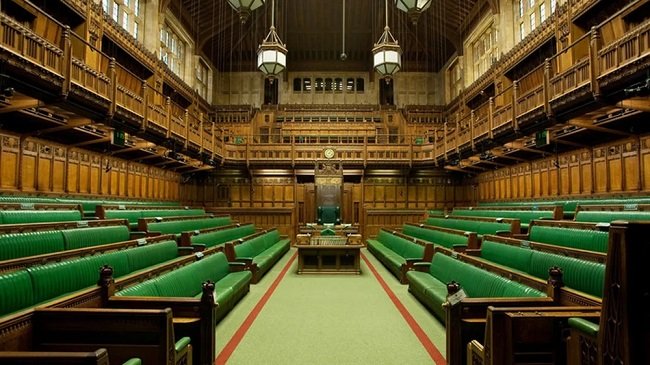
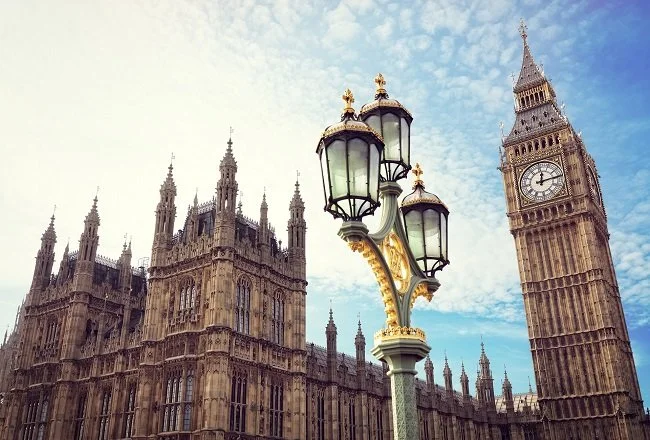
A great many people are legitimately unhappy with the way politics and social change has bypassed their concerns and wishes. The UK has an ageing political system that seems to be ill equipped for the modern world and more importantly an increasing diversity of opinions and views. Both the major political parties seem to be far too self-obsessed and removed from the reality of most of the electorates daily experience. Parliament needs to be overhauled, relocated and divested of many of the patrician traditions it is steeped in. Proportional representation also needs to be embraced. Yet sadly, none of these things appears to be immediate propositions. The growing disillusionment with mainstream politics leaves much of the electorate politically homeless. The major concern here is that the gap left by the demise of the only UK protest party, UKIP, may drive some into the waiting arms of the hard right or the extreme left. Are we looking at a return to the violent and tumultuous political times of the seventies? Because politics and governance driven by either extreme of the political spectrum seldom benefits the country.
What next for Theresa May’s EU deal?
And so the UK continues to act out of character with ongoing acts of protest and catharticism. Journalist Agnes C. Poirier, the UK editor for the French weekly magazine Marianne recently said on the BBC news discussion show Dateline London, that the UK “was behaving in a very un-British way” in so far as after decades of not cleaving to strong ideologies it is now doing the opposite over Brexit and also by being “passionate”, which is not a trait usually associated with the UK populous and their relationship with politics. It begs the question where will it all end? Well I think with regard to Brexit, the answer is not well. I believe any outcome available will be broadly unsatisfactory to the UK electorate. A Hard Brexit comes with potential economic turmoil, job loss and more. The Prime Minister’s compromise deal pleases neither side of the debate and entails the risk associated with a finite transition period and a dependency for the government to negotiate “good trade deals”. And the prospect of cancelling Brexit and retroactively remaining will cause social unrest and a further loss of faith in the UK political system. No one group is going to win, because there’s nothing to win. Brexit has simply removed a plaster from a festering national wound that has been neglected for decades.
As we as a nation are navigating uncharted territory politically and socially, it makes it very difficult to make any accurate predictions. I have never held the view that we cannot leave the EU. I have simply maintained that it cannot be done quickly and yet expected to yield the economic results that some politicians claimed. If the referendum had asked a more detailed question, stating a staged exit over several parliaments, then the very small leave result would be more palatable and practical. But it wasn’t and that is why we find ourselves in this mess. And Brexit is just the tip of the iceberg. It is simply a distillation of ongoing divide in opinion that is rife in the UK. Over the last two years it has become increasingly clear that many of the so-called shared “British values” are not universally embraced. The public do not all think in the same way regarding racism, equality, empathy and shared economic prosperity. And due to the “footballfication” of these sorts of issues, there is no scope for concessions, compromise of “agreeing to disagree”. You simply pick a side and hate the other. If you dare to opt out, then by default you’re an enemy because the prevailing mindset is “it’s my way or the highway”.
The British Empire at its height in the 20th Century
I am expecting a Hard Brexit and the consequences that go along with that. One can prepare to a degree but so many of the potential issues that could arise are out of our personal control. I fully expect the UK public to be in turmoil as a result and for there to be a series of minority governments in the immediate years to come. If there are hard economic consequences, then many who voted for Brexit may well be surprised that they are suffering as a result of their actions. Naturally blame will be placed at every door bar those who are genuinely responsible. The divide between rich and poor will grow, and social unrest increase as a result. As for the thorny issue of immigration, we will simply see European migrant labour replaced with international or, more than likely, Commonwealth migrant labour. That will not be well received in certain quarters. The systemic failing of our educational system and the cultural snobbery regarding many service-related jobs will leave us ill equipped to maintain the status quo regarding the way we live and consume. I suspect that the resulting backlash that is coming will end in violence and even fatalities. I believe the political classes will be at increased risk. But maybe Brexit and what proceeds it is a much needed and long postponed reality check for a nation. Perhaps we can finally lay to rest the myth on British Exceptionalism as well as put our colonial past and glory days behind us and find a new appropriate role in the modern world. However, if such a lesson can be learned it will be long, extremely painful and come with a significant price.








Caring for the Elderly: Part 6
Once again, I find myself writing about this subject in the hope that it will encourage others to reflect upon the nature of old age, illness and the consequences that arise from them. There is still a prevailing culture of not discussing and sometimes not even thinking about such matters, but both are an absolute certainty in everyone’s life. All too often people find themselves in extremely difficult situations brought about by such events and the difficulty and emotional trauma is increased due to there being no plan in place or provision to address matters. Therefore, I strongly advocate the following. Some may seem like very obvious points, but recent conversations I’ve had with other carers and people in similar situations, has shown that many people have not made even the most basic of provisions in this regard.
Once again, I find myself writing about this subject in the hope that it will encourage others to reflect upon the nature of old age, illness and the consequences that arise from them. There is still a prevailing culture of not discussing and sometimes not even thinking about such matters, but both are an absolute certainty in everyone’s life. All too often people find themselves in extremely difficult situations brought about by such events and the difficulty and emotional trauma is increased due to there being no plan in place or provision to address matters. Therefore, I strongly advocate the following. Some may seem like very obvious points, but recent conversations I’ve had with other carers and people in similar situations, has shown that many people have not made even the most basic of provisions in this regard.
Life insurance: There are a broad range of policies available and it really comes down to what you can afford and what you wish to achieve. You may wish to consider cover that pays during prolonged periods of illness or simply a policy that cover the expense of a funeral. It doesn’t have to be a complex or daunting process. Having life insurance in place affords you piece of mind that your loved ones will not be financially troubled if illness or death occur.
Last Will and Testament: Ensuring that you have a will is also a source of peace of mind. It ensures that your assets and property are smoothly transferred to those you choose and that your funeral arrangements are clear in advance. For most people it does not have to be a complex process and often a simple standard document will suffice. The absence of such a provision can lead to additional administrative and legal issues at a time when they are least needed.
Living Wills and Care Plans: I wrote in my previous post about DNR notices and again would like to highlight the importance of discussing in advance the long term wishes of the person you care for. Clear and honest communication are paramount, and it is counterproductive to shy away from such issues because it makes you feel awkward or sad. Everyone has their own unique view on what is acceptable and what is not when it comes to the quality of their own life. Therefore, it is practical to consider and plan for certain eventualities, regardless of whether they are imminent or not.
Another matter it is wise to consider in advance is the general increase in household expenditure that can occur as a result of getting old and infirm. Carers, medical supplies, house alterations and minor changes to one’s lifestyle all contribute to increased monthly spending. In the UK, there are benefits and allowances available to help with such costs, but they are often means tested. Sometimes families prefer to take control of such services themselves and make their own financial arrangements. In my father’s case, not only does he choose to employ a very specific care company to assist him twice a day, he also spends additional funds on disposable items such as batteries, kitchen towel and incontinence pants. All of which have a cost that adds to the monthly budget. Furthermore, my parent’s household produces a lot more domestic waste than the average home. They quickly found that the standard refuse bin was not adequate for their needs, so we had to apply for an additional one from the local authority.
Modern day life is very much focused on living in the moment. As a result, long term decisions are often overlooked or simply ignored. When you’re twenty-five or thirty, seventy is an abstraction and not something that you necessarily concern yourself with. Furthermore, those who are not in the highest paid jobs do not always have the luxury of saving or spending on long term schemes such as insurance policies. There are more pressing needs to deal and the future may not be one of them. However, it is folly to ignore the inevitable and addressing just some of these issues now is better than ignoring them completely. The internet can often shed light on schemes and payment plans that you may not know about. In fact, it is an area of some considerable growth. There are also a wealth of charities and trusts that can help you if you find yourself in a difficult position. Therefore, once again I would urge readers to look to their future and not to be caught out at a time when you least need additional problems and concerns.










Trial by Social Media
The upbeat social media buzz around popular reality TV show Strictly Come Dancing took a turn for the worse this week, after celebrity contestant Seann Walsh was photographed kissing his professional partner Katya Jones. To the casual observer, this is simply standard fare for the tabloid press; a storm in a tea cup and nothing of note. However, four days after publication the story has grown from celebrity tittle-tattle to a major topic of national debate. This is because of several reasons. Mr Walsh was at the time when the picture was taken, in a long-term relationship. Katya Jones is married to fellow Strictly Come Dancing professional dancer, Neil Jones. Subsequently, actress Rebecca Humphries split up with Seann Walsh and released a statement online citing deficiencies in the five-year relationship and alluding to “controlling” behaviour. It is this later aspect, rather than just faux prurient outrage by the tabloids about the celebrity indiscretion, which has made this “story” persist. It links into the ongoing debate over “toxic masculinity” and the #MeToo movement.
The upbeat social media buzz around popular reality TV show Strictly Come Dancing took a turn for the worse this week, after celebrity contestant Seann Walsh was photographed kissing his professional partner Katya Jones. To the casual observer, this is simply standard fare for the tabloid press; a storm in a tea cup and nothing of note. However, four days after publication the story has grown from celebrity tittle-tattle to a major topic of national debate. This is because of several reasons. Mr Walsh was at the time when the picture was taken, in a long-term relationship. Katya Jones is married to fellow Strictly Come Dancing professional dancer, Neil Jones. Subsequently, actress Rebecca Humphries split up with Seann Walsh and released a statement online citing deficiencies in the five-year relationship and alluding to “controlling” behaviour. It is this later aspect, rather than just faux prurient outrage by the tabloids about the celebrity indiscretion, which has made this “story” persist. It links into the ongoing debate over “toxic masculinity” and the #MeToo movement.
I have no interest in dissecting or commenting on in any depth, the former relationship between Rebecca Humphries and Seann Walsh, nor the actual drunken kiss that started this furore. The only information we have on these matters is anecdotal and has been refracted through the prism of the tabloid press. Nuance and facts are conspicuously absent. But none of that is relevant because we live in an age where we are regularly presented with a “news story” that is designed to make us angry and encouraged to sake a side. This mindset dominates political and social debate and is the ruination of western society. As a nation we are actively participating and enabling a parasitical tabloid culture, which is harmful to not only those who are the “story”, but also to ourselves with the erosion of empathy and critical thinking. The hypocrisy of a media driven “public shaming” with “showbiz journalism” taking the moral high ground is utterly reprehensible. And then there is the blunt tool that is the internet lynch mob and the all too common “trial by social media” to consider. Something that is becoming increasingly weaponised by those entities with a political agenda.
The BBC decided to head off this ongoing controversy last night as Strictly Come Dancing is their flagship Saturday night family entertainment show, with viewing figures of 9 million. Hence Seann Walsh and Katya Jones made an embarrassing appearance on Strictly Come Dancing: It Takes Two, to obliquely apologies for the situation. However, I’m not so sure if it has done any good because this entire matter is no longer being driven by either Mr Walsh or Ms Humphries. This debacle is now a “cause” and there are clearly defined sides fighting wider ideological points, along with a percentage of professional malcontents who simply thrive on public discord. If the levels of “outrage” do not subside and the BBC gets cold feet, then we could see Mr Walsh either step down from the show or be removed. This would then make him a martyr for those in the opposite camp of the #MeToo movement and would more than likely result in an unjust backlash against Rebecca Humphries.
It’s a curious thing how the internet and social media with all it’s potential to breakdown barriers and be a force for good in the world, has often just pandered to the worst aspects of the human nature. It has fed our prejudices, depersonalised our interactions with others and turned other people’s misery into disposable entertainment. Too many people viewing via their own bespoke online portal, see life as something happening in a “petri dish”, removed and sperate from themselves. Then there is the entire tabloid “showbiz” industry that is inherently unethical and repellent, growing rich off suffering that they’ve often contrived. Yet the market for such material seems to be voracious, so it would be naïve of me to simply pooh-pooh it with a glib moral soundbite. However, I think as a society we need to think long and hard about the road we’re following. The destination doesn’t look too promising. But like any big change, it starts with a small step and that first step is down to us. The next time a salacious story appears in your social media timeline, inviting you to pick a team and start screaming, just take a breath and move along. It is not imperative to have an opinion on everything, nor wise to make snap judgments. Most of us are flawed and wanting in some respect. And remember that people such as Seann Walsh and Rebecca Humphries are not abstractions but flesh and blood, with feelings and family. Would you want what they are currently enduring to happen to you?

A Creature of Habit
I woke up on Saturday morning only to discover that my watch had stopped. I still wore it throughout the day as I don’t feel properly dressed without a wristwatch. As I was out for the day I wasn’t able to immediately resolve the issue. Today I decided rather than replace the battery, why not just buy a new watch. So, I went to my local branch of Argos and bought exactly the same make and model of watch. When I used to work in “the city” I wore a quality Rotary analogue watch that my wife had bought me as a gift. However, due to my work it kept getting scratched and damaged, so I swapped to something cheap and functional. This change has now become a habit and the fancy watch only gets worn on high days and holidays. Hence, I bought yet another a bog standard analogue black Casio watch today. It costs £7.99 which is about the same price I’d be charged for the battery to be replaced in the old one.
I woke up on Saturday morning only to discover that my watch had stopped. I still wore it throughout the day as I don’t feel properly dressed without a wristwatch. As I was out for the day I wasn’t able to immediately resolve the issue. Today I decided rather than replace the battery, why not just buy a new watch. So, I went to my local branch of Argos and bought exactly the same make and model of watch. When I used to work in “the city” I wore a quality Rotary analogue watch that my wife had bought me as a gift. However, due to my work it kept getting scratched and damaged, so I swapped to something cheap and functional. This change has now become a habit and the fancy watch only gets worn on high days and holidays. Hence, I bought yet another a bog standard analogue black Casio watch today. It costs £7.99 which is about the same price I’d be charged for the battery to be replaced in the old one.
We all have foibles and habits that we adhere to and naturally I have my fair share. Now that I’ve retired and no longer have to deal with clients, I don’t worry too much about sartorial issues. I dress functionally and again tend follow a “like for like” replacement policy when it comes to clothing. I’m not as bad as Seth Brundle (Jeff Goldblum) in The Fly and have a wardrobe full of the same outfits but I do tend to stick with the same brands and styles. For example, once a year I buy two pair of a particular type of Reebok Hiking Shoes. One black and one white. I then wear them in rotation when I’m not required to wear formal shoes and just run them into the ground. They are practical, functional and sufficiently presentable, so why burden myself with the dilemma of choosing another brand and product line?
There are other telltale signs that show that I’m a creature of habit. For example, as a household we recently decided to try a different supermarket. Broadly the change has proven successful as we find that we’re reduced our monthly grocery spend without compromising on quality. Cleaning products do not command brand loyalty. Bleach is bleach. However, there are certain items that I will not swap brand. Baked Beans is one such item. Tea and coffee are others. I guess everybody has some personal lines in the sand that they will not cross. I am always interested in a bargain but not at the expense of my enjoyment. Cheap biscuits are indeed cheap, but they are seldom pleasant, which is their fundamental purpose.
I’m also a great one for plans and I seldom do anything significant on a whim. If I arrange to meet someone at a restaurant or venue that I’m not familiar with, I always check transport arrangement in advance and use Google Maps and Street View to familiarise myself with the area. Again, when I worked in central London, a friend of mine found it fascinating that I had an exit strategy if there ever was a major incident. If the important transport hubs were shut down, I had a route planned in which I could effectively walk home. Funny how some folk saw this as an odd thing, where to me it seems like common sense. I like the peace of mind that planning in advance provides. I also hate it when someone else included in any social arrangement makes an ill-conceived change that has a knock-on effect on everyone else.
Now although I may be a creature of habit, I am not a slave to routines. In certain aspects of my life I am very happy to be adventurous. I will happily try any type of international cuisine, with my only real stipulation about food being that it has to be dead when it’s served up in front of me. I guess a lot of my personality foibles stem from my upbringing and the world view I’ve adopted over the years. My Father has an academic background and favours logical, reasoned based thinking. One of the greatest lessons he’s taught me is the importance of focusing and marshalling your thoughts, especially before speaking. Hence, I have a methodology that I bring to bear on most aspects of my life. It may make me a creature of habit, but it also makes me a content one.
Burt Reynolds (1936 - 2018)
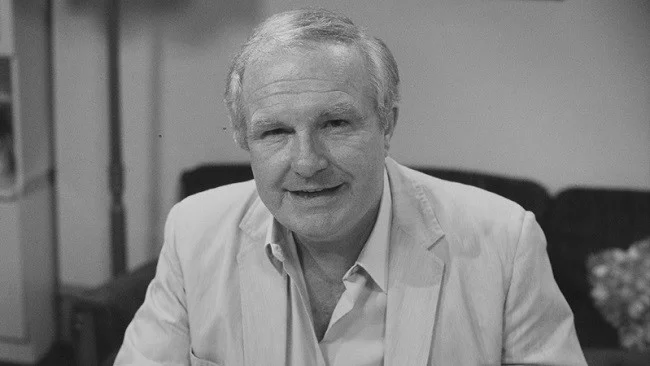
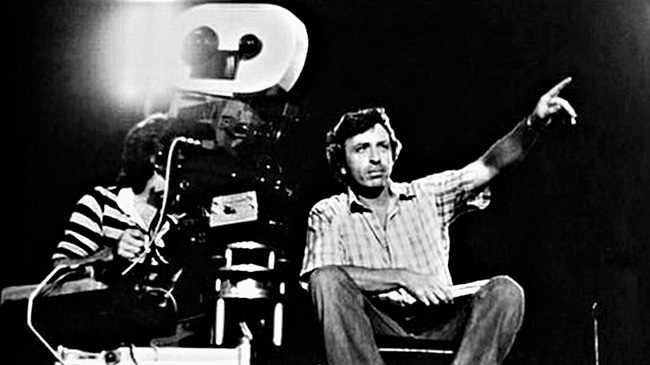
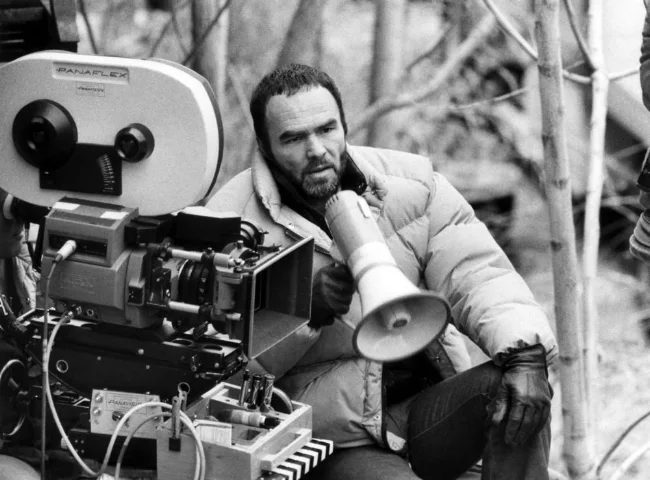
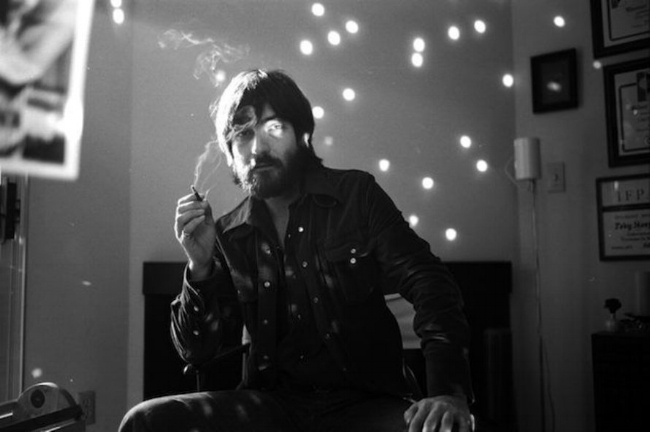
Burt Reynolds saw his greatest box office success during the seventies and early eighties, with movies such as Smokey and the Bandit and The Cannonball Run. I was aware of both these movies at the time of their release but was more enamoured with the sci-fi boom that followed in the wake of Star Wars, so was somewhat indifferent to them at the time. However, the release of Sharky’s Machine in 1981 put Burt Reynolds squarely on my radar. As a teenager I was already catching up with a lot of the major action movies from the previous decade such as Clint Eastwood’s Dirty Harry and its sequels. Sharky’s Machine was an extremely gritty, hard edged cop drama, directed and starring Burt Reynolds and it was a notable change of role for him. It left a marked impression upon me at the time, not only due to it’s strong action scenes, but because of Reynolds compelling and nuanced performance. For me, it remains his best movie, showcasing his dramatic range and directing skills.
Burt Reynolds saw his greatest box office success during the seventies and early eighties, with movies such as Smokey and the Bandit and The Cannonball Run. I was aware of both these movies at the time of their release but was more enamoured with the sci-fi boom that followed in the wake of Star Wars, so was somewhat indifferent to them at the time. However, the release of Sharky’s Machine in 1981 put Burt Reynolds squarely on my radar. As a teenager I was already catching up with a lot of the major action movies from the previous decade such as Clint Eastwood’s Dirty Harry and its sequels. Sharky’s Machine was an extremely gritty, hard edged cop drama, directed and starring Burt Reynolds and it was a notable change of role for him. It left a marked impression upon me at the time, not only due to it’s strong action scenes, but because of Reynolds compelling and nuanced performance. For me, it remains his best movie, showcasing his dramatic range and directing skills.
Sadly, it was not to be replicated in his future work. After years of playing light comedies and caper movies, Reynolds struggled to catch up with the lucrative action genre. He appeared in a string of cop movies that were very old school compared to the likes of 48 Hrs and Lethal Weapon. Stick (1985) and Heat (1986) and Rent-a-Cop (1987) never really gained any significant traction at the box office or with younger audiences. In an attempt to adapt to the sort of action vehicle that usually starred the likes of Norris or Schwarzenegger, Reynolds starred in the 1987 action thriller Malone. Although extremely derivative, it was lifted above the average by his strong performance as a troubled government operative running from his past. Malone certainly has a more than passing similarity to the great Alan Ladd movie Shane (1953). Yet a decade later, after slowly slipping from the Hollywood A list, Reynolds re-invented himself and made a significant return in the movie Boogie Nights (1997).
Reynolds cinematic persona was very much shaped by the era in which he saw the most success. The roguish, good ‘ole boy, with a heart of gold was both a boon and a bane for him, along with the traditional “man’s man” label that he was saddled with. It certainly contributed to his type-casting and impeded his transition into broader roles later in his career. Despite being one of the biggest box office stars of the seventies and eighties, his six-decade career had its share of misfires and wrong decisions. Not only did he pass on James Bond, he also turned down Die Hard. Yet, despite never fully finding the critical acclaim that he deserved, Reynold’s remained one of Hollywood’s most loved and congenial old school stars. His talent and versatility as an actor are present in his body of work for those that care to look a little closer. He was a true cultural icon and one of the last Hollywood stars in the traditional sense.





Caring for the Elderly: Part 5
At the end of July, my Father went into Respite Care for two weeks. He was placed in a local private nursing home, via borough social services. The placement was intended to provide him a change of scenery and give the rest of the family with a short break from the ongoing caring requirements. Sadly, things did not work out well. After seven days away from home, my Father became ill and after three trips to A&E (over a period of four days), he was finally admitted to hospital with Aspiration Pneumonia. He was deemed to be at extreme risk by the medical staff and we were told at one point to “prepare for the worse”. However, despite being seriously ill, he recovered and much to everyone’s surprise was discharged and returned home after ten days. Sadly, his already impaired state of health has been further diminished. Three weeks on it is becoming clear that it is unlikely that he will return to the level of ability that he had at the start of July. His health and the quality of his life has been further reduced. Subsequently, the various healthcare professionals that deal with my Father have now started using the term palliative care.
At the end of July, my Father went into Respite Care for two weeks. He was placed in a local private nursing home, via borough social services. The placement was intended to provide him a change of scenery and give the rest of the family with a short break from the ongoing caring requirements. Sadly, things did not work out well. After seven days away from home, my Father became ill and after three trips to A&E (over a period of four days), he was finally admitted to hospital with Aspiration Pneumonia. He was deemed to be at extreme risk by the medical staff and we were told at one point to “prepare for the worse”. However, despite being seriously ill, he recovered and much to everyone’s surprise was discharged and returned home after ten days. Sadly, his already impaired state of health has been further diminished. Three weeks on it is becoming clear that it is unlikely that he will return to the level of ability that he had at the start of July. His health and the quality of his life has been further reduced. Subsequently, the various healthcare professionals that deal with my Father have now started using the term palliative care.
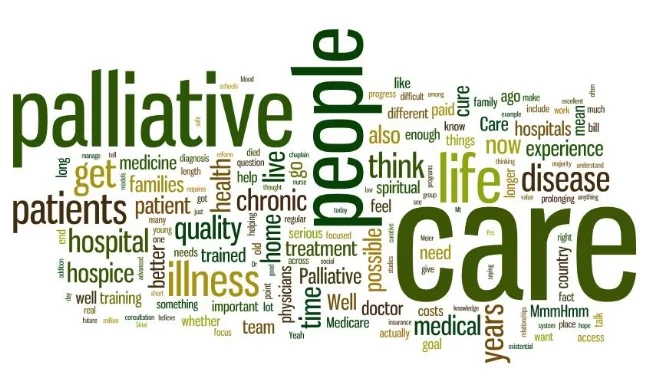
Palliative care is an often-misunderstood term. It does not just mean preparing for death, as many people think. Palliative care can and is utilised to serve the needs of those with life-threatening or terminal illnesses. But it also helps patients stay on track with their health care goals and maintain an optimal baseline. Palliative care is intended to improve the quality of life for those at any age, at any stage of serious illnesses. Ultimately it is a course of action design to facilitate symptom management and improving quality of life. It’s about how one can palliate a patient’s suffering, whether that suffering is physical, emotional, spiritual or financial. This also includes focusing upon the family of the patient as well, and those also involved in caring. As one Doctor put it “it’s about finding the best way for you to navigate your illness for you and your loved ones”. However, despite a clear definition of palliative care, what does all this mean in practical terms with regard to looking after my Father?
The two biggest changes to happen since being discharged from hospital are continence issues and general levels of strength. Prior to August my Father could get out of bed, wash and dress and navigate his home adequately. It was never a fast process and he would from time to time, run into difficulties but he could cope on his own, as long as someone was around to keep an eye out. He now has very limited reserves of energy and requires assistance getting out of his hospital bed and getting washed and dressed. This process is complicated further by a catheter and bowel incontinence. We were initially told that these issues were temporary, but it is now clear that they are not. So catheter care has been added to the District Nurses ongoing care plan and we have contracted a private care company to assist with twice daily ablutions. Our local Doctor has reviewed my Father’s current medication and has removed those no longer deemed relevant. The Dietician team have also made some adjustments to his night time feed (my Father has been nil by mouth since September 2016), which have significantly reduced vomiting and general stomach discomfort.
As I have mentioned before, there is still a taboo or fear about discussing matters associated with long term illness and death in Western society. As a carer I have recently joined an online support forum so that I can share my perspective and learn from others. I am still surprised by a percentage of people who despite being faced with extremely difficult, terminal scenarios, still seem reticent come to terms with their situation. Some look to a medical miracle to resolve matters, where others simply think that the status quo will just prevail. However, I have chosen to embrace the reality of my Father’s situation and decided that it is my duty to ensure I do what I can to improve his immediate situation. He is now very aware that he is running his last lap, as he chooses to phrase it and is as comfortable as a person can be in such circumstances. We have spoken at length, ensuring that everything is in place for the rest of the family when he is no longer here, and as a result this has brought a degree of clarity and peace of mind to day-to-day life. It’s not a good situation and the quality of his life is far from ideal, but it could also be a lot worse, especially if all of our family’s actions were governed solely by our emotions. But by deciding to tackle matters head on, talking to others and seeking professional advice and support, things are bearable.
The Selfie
In recent weeks, I’ve had several conversations with friends and colleagues about photos, privacy and social media. All of which have undergone significant changes during my lifetime. I was asked why there are no photos of me on my Instagram account, or on my blog or Twitter profile? Well the answer is it has never occurred to me that there needs to be any, which probably seems like a dreadfully “old fashioned” attitude to those who our half my age. Privacy is another factor. I come from a generation where people by default, would address anyone they didn’t know formally as Mr or Mrs [insert surname here]. You didn’t call someone by their first name until you were invited to do (Despite being given permission to do so, I still call my relatives “Aunty” or “Uncle” instead of by their names). I’m also inherently distrusting of giving too much information away and still bear in mind the old adage that “familiarity breeds contempt”.
In recent weeks, I’ve had several conversations with friends and colleagues about photos, privacy and social media. All of which have undergone significant changes during my lifetime. I was asked why there are no photos of me on my Instagram account, or on my blog or Twitter profile? Well the answer is it has never occurred to me that there needs to be any, which probably seems like a dreadfully “old fashioned” attitude to those who our half my age. Privacy is another factor. I come from a generation where people by default, would address anyone they didn’t know formally as Mr or Mrs [insert surname here]. You didn’t call someone by their first name until you were invited to do (Despite being given permission to do so, I still call my relatives “Aunty” or “Uncle” instead of by their names). I’m also inherently distrusting of giving too much information away and still bear in mind the old adage that “familiarity breeds contempt”.
As for my attitude towards photos and especially “the selfie”, that’s been shaped by the decades I grew up in. As a child in seventies Britain, photographs were mainly the province of family gatherings, day trips and holidays. Although cameras weren’t that expensive and were fast becoming common place, the development process carried out by your local pharmacist didn’t foster that sense of immediacy and intimacy that smartphones now provide. Photos were orchestrated; an awkward and embarrassing social convention that we felt obliged to observe. They were then placed in albums and viewed during moments of introspection. Occasionally, those that were deemed of enough merit were framed. As for those awful people who had their holiday snaps of Sorrento converted into slides, which they then subsequently inflicted upon unlucky guests along with cheese and wine, well they were social pariahs.
Similarly, I took lots of photos of my own family when my son was growing up. Again, these were often stilted and of poor quality. However, by now we had entered the digital age. The main virtue of this technology is the ability to take “lots” of pictures. By the law of averages, some have to be adequate. But once your children reach a certain age and suddenly become physically allergic to their parents, then the family photos tend to stop. And so, it did with our son. Ironically, this is also about the same time he got his own phone and started copiously documenting his own life because by then it had become a social norm among his peers. Roll on another decade and he’s now a parent and has his own family. To this day, I am still amazed at the volume of data, photos and videos that he, his partner and their social group share. Furthermore, they’re also really laid back about notions of privacy and such like and so I find myself following a bunch of people half my age on Instagram and Facebook, being regaled on a daily basis about their holidays, tumultuous love lives and cosmetic surgery.
I recently visited Lyndhurst in the New Forest to see family. Mrs Peril and I (this is the designated name I’m authorised to use with reference to her. See again it’s all about maintaining privacy) stayed in a nice country hotel and I took a few pictures which I then tweeted. The point of the pictures where to highlight the hotel. From my own perspective adding myself into the frame, striking an exotic pose wouldn’t really add any value. If I were on holiday in Tuscany, viewing the historical remains of Etruscan culture, again I wouldn’t consider adding myself into the picture because I am not the subject matter. I certainly don’t need for myself to be in any holiday photo to verify that I was actually there and to make it more “real”. At the age of fifty, I’ve not yet visited anywhere via astral projection and tend to do my travelling in the traditional manner. As I tend to vacation with others, I usually have a reliable witness who can vouch for the fact that I did visit Clappersgate, should I suffer a head trauma or memory loss.
Now one of the commonest points that always comes out of conversations about “selfies”, is “don’t you like how you look”, or “are you worried people will think you a bit of a munter” or something to that effect. Well sorry to disappoint you Doctor Decker but I’m quite comfortable about my personal appearance. Am I an oil painting? No. Have I got a face like a smacked arse? No. Am I unhappy about myself in some psychological way? No. Could I do something to improve my appearance? Very possibly, but as I no longer have deal with clients, or play the dating and mating game, having a makeover isn’t my highest priority at present. As I haven’t recently been asked to appear in a Dickensian Freak Show, I suspect I am broadly acceptable to the wider public. Plus, what bearing do my looks have on my writing? Also, the moment you publish a “selfie” online, regardless of looks, you are handing ammunition to the online hate police and union of internet crazy people. Don’t fashion a stick and then hand it to others to beat you with.
So despite not indulging in the practise myself, I am still very intrigued by the rise of the "Selfie". Is it indicative in a major shift in our culture and collective psyche? Why exactly do people these days feel the need to maintain some sort of visual record that catalogues of all their deeds, that puts them at the heart of all external events going on around them? Is this just another sad reflection of the reality TV fuelled, wannabe, "me, me, me" culture, as some have posited. An opportunity to compete for some virtual title, by appearing to have a perfect life? A means to get validation from one’s peers and stifle feelings of inadequacy, fear and self-loathing. Or is it a far deeper emotional response to the end of numerous established socio-political shared values and a sense of societal stability? Are people posting their own brief moments of joy online as a way to assuage their own existential dread? Are “selfies” a plea for the universe to remember us as we all journey toward utter annihilation? Or is it simply a case that some people are just twats?
The “selfie” is something that we can joke about (as I have) or take seriously (I also like to do that to). Cultural changes happen for specific reasons after all. Perhaps this particular shift stems from a fundamental rethinking of who exactly a photo is intended for? In the past it was designed to preserve a memory, note an occasion or capture the image of something inherently beautiful. A visual equivalent of a journal entry of sorts. Hence when a photo was shared with others twenty-five years ago or more, it was often done in a face to face environment. Therefore, the photo was not made public and posted in an open, universally accessible environment. Now the opposite happens. Which makes me wonder (and Robert Plant as well) whether our photos our now primarily intended for others? In a world where our online presence is becoming as equally important as that based in real life, are photos documenting who and what we are, slowly becoming part of an ongoing virtual resume? It’s certainly food for thought. But I’m still not doing “selfies”.
Caring for the Elderly: Part 4
There comes a stage in most people’s life when they start reflecting upon their own mortality. Both my parents have survived two strokes each and are now in the late eighties. At this point in their lives healthcare has moved on from correcting or remedying problems, to instead being more about holding the line and maintaining the status quo. A safe home along with an orderly daily routine provides a stable environment, which broadly allows them both to maintain an adequate degree of independent living. However, both are very aware that their faculties and overall health are gradually diminishing. Neither are naïve or foolish enough to deny this and in recent months have been quite candid about what the future will entail. Simply put both my parents are aware that they are currently “running the last lap”, to use one of their phrases.
There comes a stage in most people’s life when they start reflecting upon their own mortality. Both my parents have survived two strokes each and are now in the late eighties. At this point in their lives healthcare has moved on from correcting or remedying problems, to instead being more about holding the line and maintaining the status quo. A safe home along with an orderly daily routine provides a stable environment, which broadly allows them both to maintain an adequate degree of independent living. However, both are very aware that their faculties and overall health are gradually diminishing. Neither are naïve or foolish enough to deny this and in recent months have been quite candid about what the future will entail. Simply put both my parents are aware that they are currently “running the last lap”, to use one of their phrases.
The UK culturally and socially, still struggles when it comes to discussing death and the associated practical arrangements that accompany it. I certainly think that it is a subject that we need to be more candid about and that people are made aware of the importance of having a will in place along with a life insurance policy or a pre-paid funeral plan. Youth is often sceptical of old age which can at times feel a “million years away”. As a result, many people find themselves having to deal with an additional layer of administrative work when an illness or bereavement occurs. Thankfully, both my parents are products of their generation and have adequate provisions already in place. However, something came up recently that wasn’t previously covered, so I took my Father to the Doctor today to address it.
Having survived two strokes and being left disabled as a result of them, my Father’s greatest concern is suffering another such attack and finding himself robbed of further abilities. He does not believe in life at all costs and has clear lines drawn in the sand with regard to the quality of his life. Thus, under UK law he can elect not to be resuscitated if his heart stops, giving him a degree of peace of mind. Such a decision has to be formally noted and so today we went to our local General Practitioners Surgery and completed the relevant paperwork. My Father was interviewed by a Doctor who was familiar with his medical history. He was also asked if he fully understood the consequences of such a request. Once the Doctor had established that he was competent to make such a decision, he signed off the formal notice, gave a summary of the scenarios in which it could be used and then bid us good day. The process took about fifteen minutes. The documents official title is “Do Not Attempt Cardiopulmonary Resuscitation”.
The reason this matter came up, is because my Father is going into respite care next week for a fortnight and the Nursing Home asked if he had a “living will” or DNR (Do Not Resuscitate) notice. The likelihood of him have a stroke or related medical problem are not that high at present but still present a risk. If such an incident did take place while he was in care, then the staff would by default immediately attempt to revive him unless specifically instructed to do otherwise. Under the circumstances my Father felt it important to have such a provision in place. He personally feels that UK legislation is actually lagging behind public opinion with regard to end of life care and wider issues and felt that this process at least provided him with some say over his future and gave him a degree of agency. As his son I believe it is incumbent upon me to respect and support his wishes, regardless of whether or not I reciprocate them.
The UK has an ageing population and during the course of my lifetime, life expectancy has increased substantially. Current government data indicates that life expectancy at birth has now reached 79.5 years for males and 83.1 years for females. This is good news if you are hale and hearty and financially sound. It’s not such a good proposition if your medical problems make day to day life an insufferable burden. Perhaps in twenty years’ time the legal landscape will be more accommodating towards peoples needs. In the meantime, I would urge readers to at least reflect upon this topic and consider what their respective choices would be. It is a tough subject and there’s a broad spectrum of opinions out there. However, it is not wise to ignore a problem simply because it is unsettling or upsetting. In the worse possible scenario, we could find ourselves in a situation where we would like a specific course of action to be carried out, only for it to be ignored due to the lack of appropriate “paperwork”. I find that a far more frightening prospect.
The Need To Challenge Yourself
In March 2016 I effectively took early retirement from my IT consultancy business and became a fulltime carer. Since then I have focused my time on addressing both my disabled parents’ health needs and the logistical and administrative task of running their home. It keeps me busy to say the least, but I find that being organised, proactive and maintaining a tight routine is the key to staying on top off it all. However, what this role doesn’t provide in any shape or form is any serious intellectual challenge. Scheduling appointments, re-ordering medication and liaising with the District Nurse Team and Doctors Surgery mainly require the use of soft skills. It is gratifying to be on top of these tasks, but it doesn’t have the same satisfaction of a rigorous technical conundrum.
In March 2016 I effectively took early retirement from my IT consultancy business and became a fulltime carer. Since then I have focused my time on addressing both my disabled parents’ health needs and the logistical and administrative task of running their home. It keeps me busy to say the least, but I find that being organised, proactive and maintaining a tight routine is the key to staying on top off it all. However, what this role doesn’t provide in any shape or form is any serious intellectual challenge. Scheduling appointments, re-ordering medication and liaising with the District Nurse Team and Doctors Surgery mainly require the use of soft skills. It is gratifying to be on top of these tasks, but it doesn’t have the same satisfaction of a rigorous technical conundrum.
I have always maintained that the educational process doesn’t end the moment you leave school or university. Everyday presents opportunities both big and small to learn something new. Our lives are a continuous ongoing project of self-improvement, or at least potentially so. Sadly, not everyone embraces such an ethos and certainly in recent years, academia and knowledge per se are openly eschewed in some quarters. People want a seat at the top table without actually earning such a place, but that is a separate discussion. I personally enjoy learning and acquiring new skills. I have been raised to embrace curiosity and whenever I encounter something that I’m not au fait with, my first act is to google it and from there explore the matter further.
I have been somewhat discombobulated of late. I can’t think of another way to describe my feelings. I have focused on my parents’ requirements and have ensured that their needs have been met, but despite trying to organise my writing schedule, I have not posted as much new content as I would like. After some personal reflection I have concluded that I’m not being sufficiently intellectually engaged at present. I enjoy a technical challenge, which is one of the reasons I gravitated towards IT as a career. This is absent from my life at present and it is proving to be detrimental to my state of mind. So I’ve decided that it is time to try and take onboard a new project of some kind or learn a specific new skill. Obviously, I have to pick something that can dovetail into my existing daily routine, but I think if I am sensible in what I choose, I can accommodate it.
I recently received the latest brochure for my local Learning & Enterprise College, which provides a spectrum of adult education courses in my Borough. However, the majority of courses are for essential academic skills that I already have. The few leisure focused courses are mainly arts based or socially orientated which are fine but not exactly what I’m looking for at present. Then of course there is the cost to consider. I have clear budget and must adhere to it. Hence if I pursue a new technical project it cannot require an excess of hardware or software. Ideally, I would like to undertake any studying at home, although the social aspect of going to a class and meeting other like-minded individuals has a lot of benefits. However, at present my biggest obstacle is that I haven’t yet decided specifically what I want to do. All I do know at present is that I need to apply my mind to something challenging, as I don’t care for the drifty, listless alternative that is currently on offer. I’m sure a suitable solution will present itself soon.
It is a curious paradox, that although having stepped away from the trials and tribulations of a traditional job, there are aspects of it that I miss. Obviously not the office politics or human drama but the chance to test myself mentally. I think that irrespective of whether I need to work or not, I shall always require some sort of project at some level, to keep my nature placated. Although I enjoy leisure time and understand it’s importance as I get older, I simply don’t wish to stop using my mind. Pursuing a challenge of some kind keeps me sharp and focused and I’m not sure if it would be good for me to have that totally absent from my life. Hopefully next time I write on this subject matter, it will be about what new skill I’m learning or project I have embarked upon. And I firmly believe that it will provide me with the clarity that I feel is currently absent.
Non-Driver
As a carer I have to take both of my disabled parents to various clinics, appointments and sundry trips out. Today, it was a visit to the hairdresser with my Mother and then a journey to the audiologist, to collect and be fitted with her new hearing aid. There was then a journey for shopping and a final visit to the pharmacist, before returning home. Luckily, both my parents qualify for the London Taxicard Scheme. The Black Cab are a disabled friendly vehicle and the yearly quota of subsidised journeys are an absolute godsend. However, there is another reason why I find this service invaluable. I do not, nor have I ever held a driving license. To date I have never driven a car and considering my age, the cost of ownership and insurance, along with my personal mindset on the subject, it’s highly unlikely that I ever will.
As a carer I have to take both of my disabled parents to various clinics, appointments and sundry trips out. Today, it was a visit to the hairdresser with my Mother and then a journey to the audiologist, to collect and be fitted with her new hearing aid. There was then a journey for shopping and a final visit to the pharmacist, before returning home. Luckily, both my parents qualify for the London Taxicard Scheme. The Black Cab are a disabled friendly vehicle and the yearly quota of subsidised journeys are an absolute godsend. However, there is another reason why I find this service invaluable. I do not, nor have I ever held a driving license. To date I have never driven a car and considering my age, the cost of ownership and insurance, along with my personal mindset on the subject, it’s highly unlikely that I ever will.
I’ve written in the past about social conventions and how it can be a curious situation if you ever find yourself on the other side of the perceived social norm. Driving is such a common place activity, that it often really flummoxes people when I tell them that I don’t, nor do I own a car. Often the first thing they assume is that I’ve lost my license for legal reasons, as being a non-driver really isn’t common among people of my age (for those who do not know, it’s 50). But I have arrived at this situation, first by circumstance and then in later years through choice. When I was 16, my friend Chris was the first person out of our social group to learn how to drive. As he was a trainee estate agent, his employers paid for his driving lessons and supplied him with a car. He was always happy to drive as it is something that to this day he very much enjoys, being a bit of a petrolhead. So, during my early years, there was no necessity for me to know how to drive and the situation perpetuated from there.
For those readers unfamiliar with the UK and Greater London in particular, there is an abundance of of public transport available in the capital. Cities and wider urban sprawl have grown and evolved differently from more modern cities elsewhere in the world. Hence Buses, the Tube (underground trains) and suburban trains are plentiful in the capital and it is easy (on paper at least) to travel about. Obviously, there are rush hours and demands on all services at key times but getting from home to work or attending social activities has never been a major problem. There’s also less snobbery regarding public transport in the UK compared to say the US. So, during my twenties and thirties, getting to work was a matter of commuting and driving wasn’t required. When I got married my then wife, owned a car and again was someone who enjoys driving for its own sake. Hence, I again managed to avoid having to learn this skill. It is also important to point out the culture of walking that exists in the UK. For me short journeys are carried out on foot, and it is not unusual for me to record a step count of 10 to 15K per day.
Being a non-driver also means that an entire aspect of popular culture has passed me by. I have no interest, let alone love affair, with the cult of cars and shows such a Top Gear have never really appealed to me beyond mild amusement. Where some people idolise performance vehicles and even see their identities and societal status defined by the, I merely see them as modes of conveyance and nothing more. This has resulted in several crest fallen individuals who have bent my ear at social events, telling me about their new shiny [insert name of fancy car here], only to have their anecdote met with a blank look, rather than admiration and valedictory remarks. Also, I have certainly benefitted financially from not owning a car and to date, have not ever found myself inconvenienced in an emergency by my inability to drive, as so many people told me I would.
However, one problem clearly caused by being a non-driver, is that I do not own one of the most common documents used to verify one’s identity. The driving license along with the passport are the pretty much the last word in proving who you are and where you live. Or at least they are here in the UK. If you want to open a bank account, obtain a state pension forecast, or do your taxes online, you’ll have to jump through various hoops to establish who you claim to be. Not owning a driving license makes that demonstrably harder. Therefore, I have gone so far as to consider actually applying for a provisional license simply to address this problem, especially as more and more services are moving online and require you to validate your identity.
I think that in the past, especially during the seventies and eighties, that not owning a vehicle and being able to drive was indeed a disadvantage for a single person. But nowadays, because of where I live and the technology and services that are available, it is by far a lot easier. However, as a caveat I would like to state that raising a family still requires access to a vehicle for convenience and reasons of personal sanity. Yet, once the pressures of raising children have gone, being without a car comes around again in one’s autumn years, although that is usually determined by health and medical factors. Overall, I do not feel that I’ve missed out by not driving and I agree with all those who know me well, and their assertion that I do not have the temperament for it anyway. Yet, I also realise that if I had lived anywhere else other than London during my youth, I may not have remained a non-driver.
Caring for the Elderly: Part 3
I have written in the past about caring for the elderly. I have approached the subject from a personal perspective, as a carer with two disabled octogenarian parents, as well as considering the broader needs of a society with an ageing population. As it has been two years since I formally became a carer to both my parents, I thought I’d share my experiences on the many challenges that my family has faced over the last twenty-four months. I find doing so beneficial and maybe my anecdotes may be of value to others in a similar situation. As I’ve said in my original post, caring for a loved one is something we all potentially face at some point in our lives, and with an ageing population it becomes statistically more likely each year.
A stylised depiction of old age and caring, far removed from the reality.
I have written in the past about caring for the elderly. I have approached the subject from a personal perspective, as a carer with two disabled octogenarian parents, as well as considering the broader needs of a society with an ageing population. As it has been two years since I formally became a carer to both my parents, I thought I’d share my experiences on the many challenges that my family has faced over the last twenty-four months. I find doing so beneficial and maybe my anecdotes may be of value to others in a similar situation. As I’ve said in my original post, caring for a loved one is something we all potentially face at some point in our lives, and with an ageing population it becomes statistically more likely each year.
At the end of March 2017, my Father was discharged back to the care of his local Doctor. He had received six months of both physical and speech therapy via various health visitors and outpatients’ clinics after leaving hospital in October 2016. Despite the severity of his second stroke, the regular visits certainly improved his speech initially. However, once these stopped I noticed that he did not continue with any of the physical or vocal exercises he had been taught, despite encouragement from myself and my Sister. As a result, my hopes of maintaining the status quo have proven rash. My Father’s physical health and cognitive abilities are slowly declining. He cannot retain information and can no longer use his computer effectively. He lacks the manual dexterity to use a mouse and keyboard and his poor eyesight further compounds matters. Thus, his leisure activities are diminishing. He mainly watches familiar TV programs and listens to audio books,
Both my parents have limited mobility and can only walk very short distances. Visits to the Doctors and such like (of which there are many each month) require the use of a wheelchair, which then requires the booking of a Black Cab. Thankfully, as both are registered disabled and in receipt of the higher rate of Attendance Allowance, they qualify for The London Taxi Card scheme which provides them both with an allowance of 60 subsidised journeys each year. Sadly, trips out are usually functional, rather than leisure orientated. My Mother had an undiagnosed stroke roundabout Easter 2017 that has damaged her eyesight and impaired her hearing. However, she can still conduct her own business at the hairdressers which she visits each week. My Father suffers from chronic motion sickness so long taxi journeys are problematic. Even being in the wheelchair is now problematic. During Summer and Autumn, I tried to encourage him to walk short distances but his habitual falling over has effectively ended such plans.
Thus, both of my parents are increasingly housebound with a decreasing list of activities that they can pursue. I find this particularly tragic, as old age and infirmity has robbed them both of their favourite pastimes. My Father was an academic and use to read prodigiously. He liked advanced Mathematics and use to do calculus for pleasure. He can now just about read the newspaper and seldom remembers any once he’s finished. The one thing he longs to do is go out into the world and interact with people. Yet he cannot do so unattended and his poor speech and emaciated physique further complicates matters. My Mother is similarly limited in her social activities due to her lack of mobility. Her passion has always been gardening which she now has to enjoy via the help of a professional gardener. Hence both of them have lifestyles with very specicifc boundaries. Where myself and my sister can provide logistical and administrative support, what my parents really crave is companionship during the day.
Managing a household and day to day life can be challenging enough when you’re relatively young and healthy. For both my parents has naturally becomes a more complex matter. The two key factors I have found to keep things ticking over, are a well-maintained routines and communication. All appointments and trips out are planned in advance and noted on multiple calendars. The most important of which hangs in my parents lounge with everything noted in bold, easy to read text. All medication is logged upon receipt, with renewals dates determined and noted in advance. There is a white board in my Father’s bedroom for the morning and night nurses to leave messages regarding medicine and such like. I open all mail and correspondence for my parents and most bills and regular invoices are now paid by monthly direct debit. Paper work is filed after it has been actioned and I only trouble my parents with essential financial matters. However, it is important for both of them to maintain a sense of involvement in their own affairs, so they are included in all discussions and decisions and naturally have final say in how things are done. However, to assist myself and my sister in conducting business upon their behalf, we have had are names added to various utility accounts and services, so there are no security issues when either of us phone these companies.
There is often a mindset common to the older generation which is driven by such sentiments as “don’t make a fuss”, or “not wanting to be a burden”. Both my parents were children during World War II and are fiercely independent. They come from an era where personal responsibility was paramount to the point where sometimes pride would cause them to refuse legitimate help. However, the reality of their lives has tempered this outlook and I have actively encouraged both my parents to take whatever assistance is available. They have paid their taxes and contributed towards society in various ways during their lives, so I have convinced them that the whole situation is simply a matter of “quid pro quo”. Hence, they have claimed Attendance Allowance and have both qualified for it at the higher rate. Extra money doesn’t make up for their loss of independence, but the funds pay for practical things that improve their life such as a stair lift, disabled friendly showers and a multitude of grab handle strategically placed around the home. My Father greatly enjoys the mobile library that calls once a month and provides him with audio books. It should be noted that this is run purely by volunteers and receives very little local authority funding. My Mother likes the relative freedom her taxi card provides and enjoys her weekly trips to the hairdresser.
Finally, both my parents are very mindful of the roles carers play and have been insistent that both my Sister and I do not give up too much of our personal time and maintain our respective hobbies and interests. In 2016 I was going to close this blog, but my Mother was adamant that I did not give up and continued writing. As a carer it is important to recognise your personal limitations and not to beat yourself up, trying to do absolutely everything. A fatigued, stressed or demoralised carer is of no use to anyone. Sometimes you have to say no or draw lines in the sand regarding what you will or will not do. At present, my family is currently looking into respite care for a week, so we can firstly refurbish my Father’s bedroom and make it more user friendly. Secondly, we have recognised that everyone needs a break and a good night’s sleep. We are currently awaiting to see if we meet the criteria for the local authorities to help us. If not, we will look at alternatives. Such is the nature of caring. Despite all the planning and organising, it remains a fluid situation that can change at any time. In some respects, recognising that helps invaluably. As does simply taking time out and sharing one’s thoughts.
Thoughts on the 2018 Local Elections
There are numerous local elections taking place in England today (not Scotland, Wales and Northern Ireland). 150 councils are electing new councillors, and there are six mayoral contests. They include all the seats in all 32 London boroughs, as well as every seat in the metropolitan districts of Birmingham, Manchester, Leeds and Newcastle. Specific seats are also being contested in areas such as Liverpool, Sheffield, Sunderland and Wigan. All the major UK political parties are fielding candidates with an aim of gaining the majority of seats in a specific area and thus controlling the local councils. These local authorities then subsequently control and administer the borough budget for services such as policing, local schools, refuse collection and such like. The budget is raised through a borough council tax, which is based upon property banding.
There are numerous local elections taking place in England today (not Scotland, Wales and Northern Ireland). 150 councils are electing new councillors, and there are six mayoral contests. They include all the seats in all 32 London boroughs, as well as every seat in the metropolitan districts of Birmingham, Manchester, Leeds and Newcastle. Specific seats are also being contested in areas such as Liverpool, Sheffield, Sunderland and Wigan. All the major UK political parties are fielding candidates with an aim of gaining the majority of seats in a specific area and thus controlling the local councils. These local authorities then subsequently control and administer the borough budget for services such as policing, local schools, refuse collection and such like. The budget is raised through a borough council tax, which is based upon property banding.
Local elections are often considered a litmus test of public opinion for the incumbent national government. If the Prime Minister and their party is perceived to be failing in its duties or suffering any major political set backs or scandals, then voters can and will punish party candidates at a local level to show their displeasure. However, this is not always the case and voter turnout for local elections can at times be very low, due to apathy or the fact that a local borough has a strong majority favouring a specific party. Where I live in Bexley Borough, in Greater London, there is an inherent leaning towards the Conservative Party, due to the demographics of the area. The borough is still perceived as a leafy suburb where the professional middle classes go to raise a family. It is also a relatively affluent borough which is often an indicator of political affiliation in the UK.
However, local elections are frequently determined by unique local factors and issues. The closure of a school or fire station can galvanise the electorate. Again, where I live, the sale of several public parks to property developers has been a contentious issue for several years. The poor handling of this matter by the majority Conservative held council has been strongly contested by local residents and some have even gone so far as to stand as independent candidates in today’s elections. Similarly, across the country various smaller parties are either collaborating or deciding not to stand against each other in an attempt to maximise the number of seats they can win and thus work collectively against the larger parties. Often at a local level, tactical voting becomes far more effective and it will be interesting to see if and how it is used when the results of today’s vote are known over the course of the next 48 hours.
From my own perspective, local politics has declined as much as national politics over the course of my life. My local council has demonstrated in recent years the exact same failings as the national government. Political discussion has become trivialised and infantilised, focusing on trite soundbites and disseminating false information. Councillors often inhabit a completely different “world” and have no conception or interest in the reality of constituents’ lives. Policies are frequently self-serving or driven by “lobbying culture” and all its iniquities. Furthermore, having visited the council chamber and watched proceedings from the gallery, I can confidently say that many councillors lack any debating and public speaking skills. They are often ill-mannered, bellicose and generally over enamoured with themselves. Remember these are not professional career politicians, with degrees in the subject and media training under their belt. Most councillors are simply local residents from varied backgrounds and professions.
Perhaps what I find most galling about today’s local elections is the total lack of credible campaigning by any of the major parties. The only candidate that has had the courage to knock on doors in my street is an independent. The rest have just taken the path of least resistance and simply attended minor rallies at local church hall’s populated by a handful of the party faithful. There have been no debates, no concerted efforts to meet and engage with the electorate, no discussion of policies and future planning. Instead we are left with conspicuous displays of hubris and entitlement along with a barely suppressed contempt for the electorate. It would appear that many that currently hold office seem to be oblivious to the mood for change that is currently abroad in the country and are merely focused on business as usual and all the financial benefits that go along with it. All too often the aspirational and ideological aspects of party politics are lost over time, leaving just a self-serving imperative to maintain the status quo.
However, the UK has had a noticeable falling out with the status quo and is currently enduring a period of major political upheaval and societal divide along with a general disliking of most establishment institutions. Regardless of where you stand politically at present, a new “wild card” approach has been introduced into contemporary politics. Subsequently, traditional political certainties are not so reliable. The electorate has shown that it will upset the existing “apple cart” if it sees fit, even if that is ultimately an act of self-harm. Therefore, we may well see some interesting results and political fallout by the weekend. These elections may well be the final nail in UKIPs coffin. Brexit, The Windrush Scandal and a multitude of bespoke local issues could result in the government being punished and the Conservative Party losing control of several “safe” councils. We will also finally find out if Jeremy Corbyn’s leadership has any impact upon Labour support at council level. On a positive note, perhaps this set of elections will mark the beginning of a cultural shift away from traditional bi-partisan politics towards a broader system with more independent and minority party candidates.
This is Why We Can't Have Nice Things
"This is why we can't have nice things" is a well-established internet meme. Over time it has been over used and has become a bit of a cliché. Yet under certain conditions it can still be utilised in a pertinent fashion to make a salient point. Recently, something somewhat innocuous and trivial occurred that caused me to recollect this saying. The incident itself is not of any major importance but it resulted in me realising that this sort of thing happens more and more often these days. Allow me to explain myself. I like many of you frequent a few forums and subreddits. On one particular site, a thread was derailed by someone who decided to just simply name call. Nothing unusual there I hear you say. But for me personally, it was one time too many. Name calling serves no purpose in an adult debate, so I decided to point this out. Eventually, the problem post was removed as there were others that thought that such behaviour was crass. However, the person in question who posted the remark, would not concede the point in any way shape or form. They either did not want to or what was more likely, were totally incapable of comprehending their own transgression.
"This is why we can't have nice things" is a well-established internet meme. Over time it has been over used and has become a bit of a cliché. Yet under certain conditions it can still be utilised in a pertinent fashion to make a salient point. Recently, something somewhat innocuous and trivial occurred that caused me to recollect this saying. The incident itself is not of any major importance but it resulted in me realising that this sort of thing happens more and more often these days. Allow me to explain myself. I like many of you frequent a few forums and subreddits. On one particular site, a thread was derailed by someone who decided to just simply name call. Nothing unusual there I hear you say. But for me personally, it was one time too many. Name calling serves no purpose in an adult debate, so I decided to point this out. Eventually, the problem post was removed as there were others that thought that such behaviour was crass. However, the person in question who posted the remark, would not concede the point in any way shape or form. They either did not want to or what was more likely, were totally incapable of comprehending their own transgression.
Whether they were trolling, or utterly convinced of the certainty of their position remains unknown. As they were only sanctioned and not banned, they will no doubt continue to pursue their "unique style" of social interaction. I am left considering whether I wish to continue to participate in such an environment. Hence my recourse to the titular meme, because this always seems to be the pattern. It appears that any medium that is designed for social interaction is eventually usurped by the lowest common denominator. Furthermore, the problem elements who often cause these problems are sufficiently savvy to keep within the rules (although they are often a moderator’s nightmare), thus remaining relatively unassailable.
Now I'm sure we've all experienced this sort of behaviour in some shape or form, during our excursions online. It’s quite common place. Here are a few examples of the usual sort of tactics that are used to derail or hijack any conversation:
- Straw man and Ad hominen arguments. Pretty much the oldest two tricks in the book. Argue against something that wasn't said or attack the person to discredit their opinions or position.
- Gaslighting.
- Whataboutery.
- Grammar Nazis. If you can't win an argument then why not criticise someone's spelling. A classic act of misdirection.
- The Wall of Text. This is often done by minutely dissecting a previous post and is a tool designed to wear an opponent down. If the wall of text is not replied to in kind, a victory is claim by default.
- "Freedom of speech". This nebulous ideological concept (which so often erroneously interpreted) is the "get out of jail card" of choice for many online malcontents. Allegedly it affords people the right to be racist, sexist, and pretty much any other sort of "ist" that you can name. Sometimes it is seen as a justification to simply be bellicose and ill mannered, affording the individual the option to abdicate from normal social conventions.
For those who would like to explore further examples of these esoteric arts, try the following links. How to Win Online Arguments and The Subtle Art of Trolling. Also checkout Graham's Hierarchy of Disagreement. It seems that there is little scope for a civilised debate and social interaction anywhere on the internet these days. In researching this post, I picked three random articles that were linked on Twitter and read their respective comments section. All descended into chaos within a short period of time. Furthermore, this seems to be the standard mode of debate in all walks of life these days. TV shows and news channels seem to favour it, as does the press. Politics has fully embraced the Punch and Judy approach to public discourse. It no longer seems to be about having an intelligent debate. Now it's simply about shouting someone down, not blinking while lying through your teeth and revelling in the perceived glory of your victory. All of which is far easier than having a proper discussion based around critical thinking and decorum, because that obviously takes too much effort and more importantly skill.
So, what do people such as you and I do about this problem? Well it would appear the common solution is to simply withdraw. Thus, we see forums and websites become havens for trolls and gain the label "toxic". Just go and look at the small cadre of malcontents on the LBC website. It’s a sad reality of modern life that regular people frequently have to manage their affairs around avoiding problems and conflict, rather than the problems and troublemakers being dealt with. Yet withdrawing is ultimately counterproductive. So what can we do. Well rather than wade in and make a potential slanging match worse, why not simply use the facilities that are in place? Use the moderation procedures that are available to you. If you are unhappy with the way a debate is being conducted, then flag it for moderation and give cogent and succinct reasons as to why you have done so. Encourage other users to do so. However, this doesn’t guarantee results. Moderation comes with a cost attached and thus often gets neglected. If that’s the case, then escalate matter further up the chain of command. Email the owners, or domain holders. Complain publicly via Twitter. Negative publicity can often attract attention.
If you find yourself in a situation where you write or provide a forum or subreddit, then it is essential to have a clear policy with regard to comments and interaction. I take a fairly liberal approach to policing comments on Contains Moderate Peril and often allow the crass and trolling posts to remain, as their stupidity is often self-evident. Occasionally I will delete a comment if it is simply of no value. As it is my site I reserve the right to determine exactly what the definition of "value" is. I would again encourage others to do the same regardless of what platform they are maintaining. Decide your rules, be clear about them and enforce them rigorously. You are not obliged to have an "off topic" channel on your Discord server if you don’t want one. If you do, then enforce an adherence to standards of behaviour that are commonly held.
It is very difficult to counter the negative effects that alleged internet anonymity generates. Broadly speaking freedom means we have to endure a degree of unpalatable behaviour and that it is the price that we pay for liberty. However, I see no reason not to attempt to re-educate those who troll and rile. We should more often use the existing procedures to sanction problem individuals and re-iterate the fact that there are consequences to certain actions. In some respects, it is similar to the recent debate had in the UK regarding regulation of the press. It was argued that there are sufficient rules in place at present that can deal with transgressions without the need for further legislation. The current rules just need to be enforced. The same is applicable to Twitter. Prosecute those that breech the current laws with regard to threat and libel. As for general bad behaviour, the responsibility lies with you and I to state are displeasure.
I am very interested at present with the way that some games developers are dealing with this problem. Community decisions on a troll’s punishment, temporary exile of problems players to specific servers and other sanctions do seem to have an impact. It would seem attempted rehabilitation is a more beneficial approach to simply banning. Perhaps this is the future and a way to stop the spread of the rot. Hopefully these methods can be brought to bear on other mediums and platforms. The first step on this road is for regular folk to remain robust, express their displeasure and not to withdraw. I know that’s hard and a big ask. But the only truly effective way to counter bad ideas and ideologies is to tackle them head on. No-platforming simply doesn’t work. Stupidity should be exposed and ridiculed. You don’t have to be like Peter Tatchell and fight every battle. But calling someone out who says something racist or such like, helps reinforce the notion that some behaviour in not acceptable. It’s the weight of all the smaller battles that often eventually tip the scales.
But it takes time for things to change. It’s not going to happen overnight. Technology, human behaviour, and ethics have not kept in step with each other. The law is also lagging behid in some areas. However, if we're persistant, then we will be able to bring about change. During the seventies, there started i the UK, a long campaign against drinking and driving. By the mid-nineties the message finally got traction and the culture begin to shift accordingly. I believe if we take a similar long-term approach with social media can "have nice things" eventually. It may not ever be perfect but hopefully it can be better than it is now. Because the alternative simply doesn’t bear thinking about. Therein lies madness.
A Lack of Consensus
One of the things that stands out about the reader comments over at Massively Overpowered is that there is seldom any sort of consensus. Regardless of the subject it become quickly apparent that views differ greatly and clearly reflect the fact that gamers do not want the same things. The only point that most agree upon in principle is that everyone wants “good” games. However, this is a nebulous term, devoid of a universally agreed definition. What one gamer deems as being a good or an essential mechanic, another will consider a complete anathema, leaving us with a divided player base. In fact, the gaming community seems to reflect a wider trend that manifests itself in politics, religion and other social issues at present. There simply isn’t a prevailing majority consensus. A lot of the assumed sacred cows and alleged shared values associated with all these communities are either waning or have proven to be bogus. Naturally, many would argue that such differences are simply human nature and a foible of the human condition. However, it does present a difficult problem for the games industry.
One of the things that stands out about the reader comments over at Massively Overpowered is that there is seldom any sort of consensus. Regardless of the subject it become quickly apparent that views differ greatly and clearly reflect the fact that gamers do not want the same things. The only point that most agree upon in principle is that everyone wants “good” games. However, this is a nebulous term, devoid of a universally agreed definition. What one gamer deems as being a good or an essential mechanic, another will consider a complete anathema, leaving us with a divided player base. In fact, the gaming community seems to reflect a wider trend that manifests itself in politics, religion and other social issues at present. There simply isn’t a prevailing majority consensus. A lot of the assumed sacred cows and alleged shared values associated with all these communities are either waning or have proven to be bogus. Naturally, many would argue that such differences are simply human nature and a foible of the human condition. However, it does present a difficult problem for the games industry.
Gaming, like the music and film industry, is frequently driven by established formulas and pursuing known quantities that work. Hence, most major triple A developers tend to not stray from the known path when dealing with high budget projects. As a result, the market is subsequently dominated by sequels, remasters and variations on proven themes. Now this approach doesn’t necessarily please everyone, but it undeniably keeps the money rolling in. However, one of the commonest complaints you’ll hear from gamers is a lack of innovation and it is justified to a degree. Theoretically, there should be a big enough market of gamers seeking new experiences to merit some experimentation. Sadly, the big dogs of the industry are not too keen on taking such risks. In the past there have been a few high-profile games that have sought to cater for this gap in the market, but it never seems to be the roaring success that was expected. Thus, like the music and movie business, experimentation and straying from the accepted norm in games development is the prerogative of smaller, independent producers.
It is ironic that as gamers, we find ourselves at this point. Because, as in contemporary politics, there is a broad appetite for something different at present, or at the least a rejection of the status quo. Surely such an atmosphere should be conducive towards change. But history shows us that change is seldom embraced by those with vested interests and only a few ever have the courage or vision seize the day. This is why in gaming (and in politics), the public will gravitate toward that which appears to be different, or superficially wears the trappings of change and innovation. Games like PlayerUnknown's Battlegrounds are currently having their moment in the sun, but sooner or later the player-base will see through its “alternative appeal” and see it for simply a variation on a theme. Again, social ideas and politicians also risk the same fate. Gamers may not know exactly what they want, but they do at times know what they do not. EA is still nursing it wounds after the recent loot crate debacle. They may even lose their license as a result, which will certainly put a dent in their bottom line.
The reality of the situation is that simply wanting something different is not enough. It is not incumbent solely on the games industry to read our minds and come up with the next big thing exclusively on their own. We as gamers need to figure out about what we want and then be realistic as to whether it’s achievable. The latter requires compromise, which is sadly a quality that is absent from most mindsets at the present. If the triple A gaming sector is dragging its heels, or more to the point is opposed to change, then surely this is the time for the independent sector to step up. Where is the video games industries equivalent of Punk Rock? And by that, I mean proper Punk like The Clash and Dead Kennedys (please insert appropriate and equivalent game developers into this metaphor). Or has rampant consumerism and the commodification of all leisure activities extinguished the idea and possibility of organic, real change. Is the next big thing or any new approach, simply another product to be assimilated by market forces to be bought and sold? If that is true, can there be any sort of consensus ever again?
Why Does the Games Industry Seem So Dysfunctional?
Write here...If you take a look at video game industry at present, it isn’t exactly enjoying universally good PR. 2017 saw numerous damaging revelations such as the “loot box” debacle, several high-profile studios going to the wall (and not just because of financial mismanagement), and more recently there have been serious allegations of bullying and sexual harassment within several high-profile studios. Despite being a “modern” industry it seems to have all the flaws of those that have existed for centuries with respect to abuses of power and financial skulduggery. This raises the question "why does this industry seem so dysfunctional?" Just because gaming is a multi-billion-dollar business we naturally assume that successful companies are efficiently run, by competent captains of industry as well as skilled and professional staff. It is therefore confusing when this illusion is shattered due to evidence to the contrary. This begs the question, why do these institutions so often have metaphorical feet of clay?
If you take a look at video game industry at present, it isn’t exactly enjoying universally good PR. 2017 saw numerous damaging revelations such as the “loot box” debacle, several high-profile studios going to the wall (and not just because of financial mismanagement), and more recently there have been serious allegations of bullying and sexual harassment within several high-profile studios. Despite being a “modern” industry it seems to have all the flaws of those that have existed for centuries with respect to abuses of power and financial skulduggery. This raises the question "why does this industry seem so dysfunctional?" Just because gaming is a multi-billion-dollar business we naturally assume that successful companies are efficiently run, by competent captains of industry as well as skilled and professional staff. It is therefore confusing when this illusion is shattered due to evidence to the contrary. This begs the question, why do these institutions so often have metaphorical feet of clay?
To start let me declare my own background as my own experiences are relevant to this discussion. I have worked in IT for over twenty-five years in both the private and public sector. I started in first line support and worked my way up to running my own consultancy, from which I retired in 2016. I have worked for companies such as HP, Symbian and government departments such as the NHS as well as the DWP. I have been directly involved in several national projects, some of which have been successful while others have failed miserably. None of these situations are identical to the gaming industry, but I believe there are a lot of similarities between the way big businesses work and make decisions. I also read a lot about the gaming industry and at times find it a lot more interesting than the actual products that they develop. This has often been the focus of our discussions here at Contains Moderate Peril both in posts and on the podcast. Therefore, when I read stories about the iniquities of the gaming industry, I often view them through the prism of business, rather than fandom.
So, returning to the initial question of dysfunction, I would argue that the gaming industry is no different from any other major business or governmental entity. Politics, big business and the entertainment industry are as equally rife with the same problems you will find with smaller employers. In fact, I think a lot of people would be surprised at the similarities. Both ends of the spectrum have issues with under qualified staff, office politics, feedback loops, laziness and that social phenomenon that is “square pegs in round holes”. The latter group seems to be subject to a quota system that no company is excused from. Despite rigorous recruitment processes, there always seem to be a small percentage of wildcards that somehow seem to slip through the intense screening. Or alternatively, we later discover that the screening isn’t that thorough to begin with. Then of course there is the Dunning-Kruger effect which impacts on all social groups both in and outside of business. It is possibly one of the commonest problems of our time.
The problem is that the general public erroneously assumes that successful big companies have gained their status through efficiency and vision; that their internal business structure is a model of the best methodologies and practises. Sadly, this is often not the case. Corporations suffer from the same flaws as smaller enterprises but have the advantage of monopolies, more effective marketing and sheer momentum due to their monolithic size. Then there is of course the concept of being "too big to fail". Often a major business will be granted a lot more leeway by during difficult times because of their overall potential. Creative accounting is also a factor, as having a legion of financial experts and financiers at your beck and call, means that you can present a positive financial image, whether there is one or not. Smaller companies cannot hide behind such smokes screens as easily.
As consumers, need to take a lot of people and companies off the pedestals on which we've been placed them. This is especially relevant to gamers where the cult of personality and brand loyalty still hold sway. We also have to make a clear distinction between the creative staff within a business and those in senior management. One group may well care more for the end product, while the other has a totally different agenda and more financially orientated goals. It is also prudent to consider the issue of size. I have found that the successful management of people decreases exponentially as the size of that group grows. There is also a wealth of data available on all the inherent flaws of managing staff via a traditional business hierarchy. Ironically, a lot of the attributes that are encouraged to be successful in modern business, actually seem contrary to the moral and ethical behaviour we expect in a civilised society. It is this paradox that seems to be the Achilles heel of all business, regardless of their nature or size.
So next time we find ourselves surprised by some example of big business making bad decisions, take a moment to reflect upon the following. The launch of “New Coke” in 1985, Kodak’s failure to market digital cameras despite being a leader in its development, and Blockbusters rejection of a buyout by Netflix in 2000. In light of these, it is hardly surprising when you discover that the developer of your favourite MMO has clumsily handled a PR situation, or not listened to player feedback. It’s not gaming as an industry that is dysfunctional per se, but the fact that so many gamers have a skewed perspective of it. We make judgements with our hearts and fail to use whatever sense of business acumen we may have. We also tend to romanticise certain jobs because the end product is “cool”. Yet, if you visited a game developer’s offices, you’d probably find a work environment not that different from your own. Staff are more than likely grumbling about pay, the failings of the boss and Tim in HR. Ultimately it is that random human factor that breeds dysfunction, so it is inevitable that it spreads everywhere. So why should the games industry be any different?