
Feast (2005)
Feast is a low budget horror movie in which a remote redneck bar in Nevada, comes under siege from a group of carnivorous desert dwelling beasts. It’s hardly an original story but as always, the devil is in the detail. Where Feast differs from other similar films is that it offers you all the stereotypical characters and tropes that you expect to find in such a genre movie and then goes in completely in the opposite direction. The film is competently directed by John Gulager in a very contemporary style, with fast edits, deliberately obtuse protagonists and a liberal dose of gallows humour. Once the premise has been set, Feast does not waste a moment of its ninety-minute running time.
Feast is a low budget horror movie in which a remote redneck bar in Nevada, comes under siege from a group of carnivorous desert dwelling beasts. It’s hardly an original story but as always, the devil is in the detail. Where Feast differs from other similar films is that it offers you all the stereotypical characters and tropes that you expect to find in such a genre movie and then goes in completely in the opposite direction. The film is competently directed by John Gulager in a very contemporary style, with fast edits, deliberately obtuse protagonists and a liberal dose of gallows humour. Once the premise has been set, Feast does not waste a moment of its ninety-minute running time.
Feast takes a novel approach to its plot exposition. As we’re introduced to each character, there’s a freeze frame and a brief biography appears onscreen along with their projected life expectancy. This innovative approach is deliberately misleading and it’s not long before several cinematic sacred cows are profaned. Our hero is quickly defenestrated and decapitated and an “innocent” child also meets an unpleasant end. Subsequently, there are further amusing plot twists where characters behave contrary to genre convention. One individual who manages to reach a truck in the bar car park, does not return for their comrades but simply drives off.
It is this clever approach to its subject matter that makes Feast enjoyable and superior genre product. The cast (including Henry Rollins and Clu Gulager) are better than expected (and possibly what the movies deserves) but there are few characters that you feel sympathy for. Yet because of their erratic behaviour and flagrant disregard for horror movies tropes, you are kept involved. The marauding creatures are kept suitably off screen for a lot of the film. They wear dead animal skins and bones which also masks their appearance. Obviously, this is mainly due to budgetary reasons, but it also keeps them somewhat enigmatic. Exactly what they are and where they come from is left unanswered.
I watched a US unrated version of the film which contains a few extra seconds of violence here and there. Overall, this is a visceral horror movie containing eyeball violence, maggots, monster vomit, castration and a lot worse. It’s not intended for the casual viewer. However, what keeps Feast above average is its knowing contradiction of audience expectations and tongue in-cheek approach. The script was selected via the amateur filmmaking documentary series Project Greenlight. The producers include Matt Damon, Ben Affleck, Sean Bailey, and Chris Moore. As ever with the horror genre, the movie was far from a critical success but made sufficient money to generate two sequels. Feast makes for superior Friday night viewing and is therefore recommend purely as such.









The Hobbit by J.R.R. Tolkien (1990)
In 1989 Eclipse Comics produced a three-part adaptation of The Hobbit by Chuck Dixon, Sean Deming and illustrated by David Wenzel. A year later, due to public demand, this was subsequently re-issued as a single graphic novel that has remained in print ever since. The writers wisely chose to sensitively abridge Tolkien’s source text, rather than adapted the story and make any major changes. Hence this graphic novel version of The Hobbit retains much of the dialogue from the original novel and subsequently maintains the book’s inherent charm. There are no major plot omissions and the narrative flows well. The panel layouts are innovative and accommodate a wealth of written material without overwhelming the artwork.
In 1989 Eclipse Comics produced a three-part adaptation of The Hobbit by Chuck Dixon, Sean Deming and illustrated by David Wenzel. A year later, due to public demand, this was subsequently re-issued as a single graphic novel that has remained in print ever since. The writers wisely chose to sensitively abridge Tolkien’s source text, rather than adapted the story and make any major changes. Hence this graphic novel version of The Hobbit retains much of the dialogue from the original novel and subsequently maintains the book’s inherent charm. There are no major plot omissions and the narrative flows well. The panel layouts are innovative and accommodate a wealth of written material without overwhelming the artwork.
Tolkien's The Hobbit is a substantially different book to in comparison to The Lord of The Rings both in narrative style and tone. It was squarely aimed as children and takes a much lighter tone than its sequel. Artist David Wenzel captures this aspect superbly with rich, colourful illustrations. His visualisation of Middle-earth is lush and very European. His depiction of Bilbo Baggins, is suitably ruddy cheeked and rustic. He also distils the characters age and placid demeanour very well. His Goblins are scary but not the feral, demonic entities we see in Peter Jackson’s movies. His Dwarves are regal and less military than other depictions. Gandalf is especially understated, looking more like a village elder than a wizard. Overall the artwork is vivid, and all the characters are clearly defined, which significantly contributes to the readers emotional investment.
Part of the great appeal of Tolkien's work is the mental imagery that it inspires among readers. Tolkien often gave detailed description of people and places but always provided scope for those reading his books to conjure up their own unique interpretations. However, over the years a strong consensus on visual interpretations has developed, due to the popularity of Alan Lee's and John Howe's body of work. Their influence is such that both worked as creative consultants on both of Peter Jackson’s movie trilogies. David Wenzel's graphics are very different from this perceived status quo, yet clearly captures the essence of the story and offers strong characterisations. The Hobbit graphic novel also provides a great alternative introduction to Tolkien's work, without compromising the Professors narrative skills. This version of The Hobbit is therefore a welcome addition to anyone's bookshelf.

Game Complexity
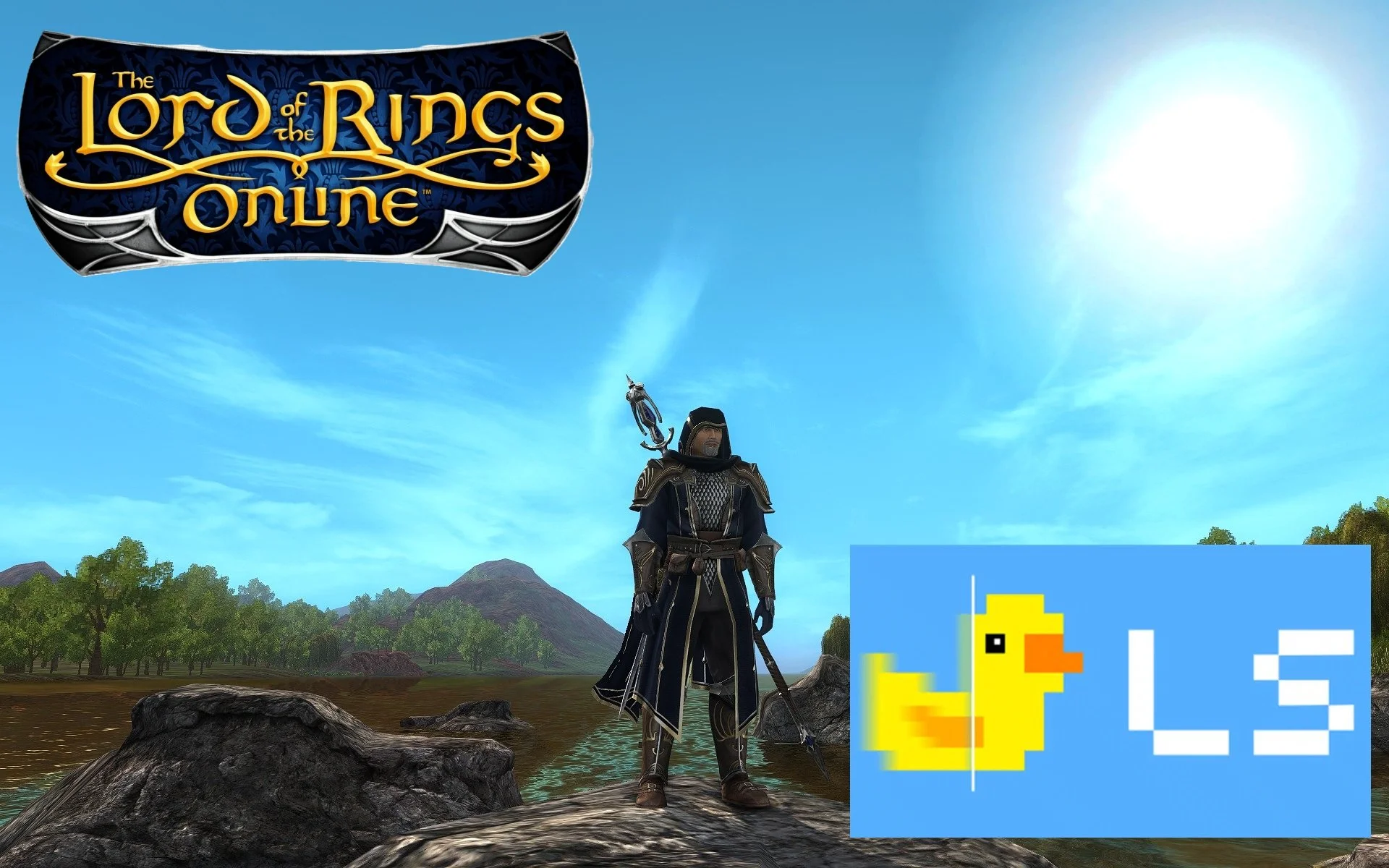
While perusing You Tube, I watched the following video, boldly titled “The Top MMOs to Play This Year”. I found it to be quite informative and felt that the creator made their case well. However, one thing struck me about the five new MMOs that were referenced. All of these titles seem to be stepping away from the “business as usual” approach of the genre and pursuing an increase in complexity with respect to their game systems and mechanics. Now that’s not to say that existing MMORPGs are not complex. Some are, but I usually find that this is born out of skills or systems bloat and a games growth over time. On paper many of LOTROs mechanics are straightforward, but it is their implementation that is esoteric. This is not the same sort of complexity I saw referenced in the video. Many of these new MMOs will feature systems that need to be monitored, maintained or augmented by the player, because they have a direct impact upon the gameplay experience and the very environment of the virtual world they’ll inhabit.
While perusing You Tube, I watched the following video, boldly titled “The Top MMOs to Play This Year”. I found it to be quite informative and felt that the creator made their case well. However, one thing struck me about the five new MMOs that were referenced. All of these titles seem to be stepping away from the “business as usual” approach of the genre and pursuing an increase in complexity with respect to their game systems and mechanics. Now that’s not to say that existing MMORPGs are not complex. Some are, but I usually find that this is born out of skills or systems bloat and a games growth over time. On paper many of LOTROs mechanics are straightforward, but it is their implementation that is esoteric. This is not the same sort of complexity I saw referenced in the video. Many of these new MMOs will feature systems that need to be monitored, maintained or augmented by the player, because they have a direct impact upon the gameplay experience and the very environment of the virtual world they’ll inhabit.
The weather, the economy, faction feuds, coupled with mechanics such as ageing, permadeath and full corpse looting means that those playing Chronicles of Elyria will have to be cognisant of what is happening around, both at an in-game and community level. And it is this very level of complexity that will be a major selling point of the game. You will always find comments on gaming forums or websites such as Massively Overpowered, from some old school gamers lamenting the level of “hand holding” you find in contemporary MMOs. The industry shift in the last ten years to accommodate the so-called “casual” player has not been universally embraced. Therefore, any new title that dispenses with quest trackers, mini-maps and any of the other quality of life improvements must surely appeal to such advocates. Having to think and reason, as well as play collaboratively must surely offer an experience closer to that found in the golden age of MMOs; something such player always extol. Surely the element of risk presented by playing in such an environment, will be to their liking?
One thing is certain. If you wish to effectively play these new MMOs with their additional layers of complexity, then you will need to invest a substantial amount of time not only to progress through the actual game, but to track and master the various systems and variables that can impact upon your experience. You must also cultivate a mindset that accepts that external factors beyond your control will impact upon your time in-game. You may lose valuable resources, or your avatar may even die, effectively mitigating the time and effort you’ve spent. And therein lies the rub. Although on paper I find a lot of the complex parameters featured in these upcoming MMOs interesting, I wouldn’t choose to endure them. A decade ago I had the time and the dedication to invest in MMOs. I do not now and certainly wouldn’t choose to play a game with such a specific rule set. I play for amusement and leisure, not competition and bragging rights (as some seem to define gaming by). I simply don’t want a game that becomes a “job”.
What remains to be seen is whether these new MMOs with their complex and punitive rule set, find a sufficiently big enough player base to sustain themselves financially. I believe that there are gamers out there that will embrace such an approach and we’ve seen successful games of this nature in the past. It simply comes down to whether there is a viable market or not. I suspect that not all of these titles such as Chronicles of Elyria, Pantheon: Rise of The Fallen, Crowfall and Ashes of Creation will survive. When looking back at early MMOs, we must not overlook the context of the era that spawned them. Many factors such as internet connection speed, graphics quality, server technology shaped their design. Gaming itself was also not so common place an activity and pitching to a player base then, was radically different from the market we see today. So, I think that possibly only a few of these new titles will be commercially successful and the others will end up as interesting but ultimately failed experiments. As ever time will tell.



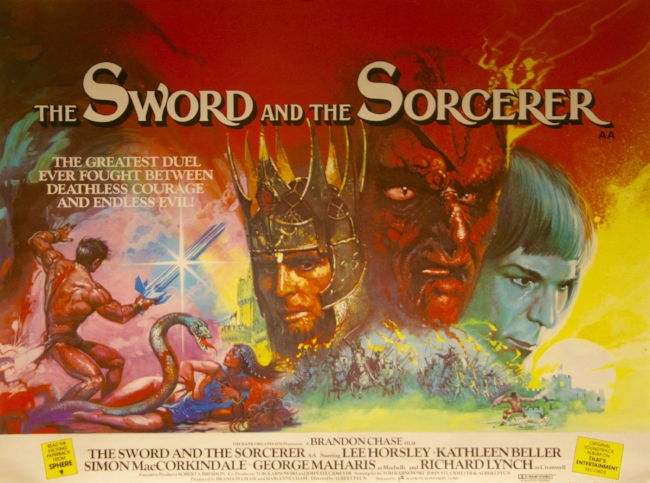
The Sword and the Sorcerer (1982)
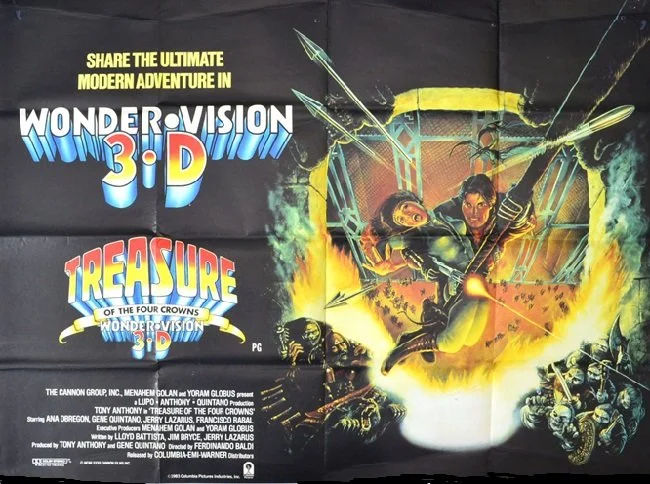
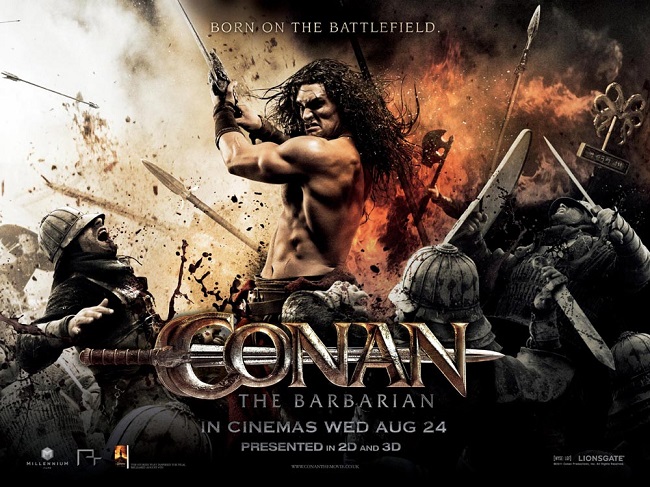
The early eighties saw an interesting mini boom in the sword and sorcery films. Studios have always been quick to jump on any bandwagon and the growing popularity of the Dungeons and Dragons role playing games showed a potential market. Subsequently, there was a glut of material from the fantasy genre. John Milius’ Conan the Barbarian (1982) remains the benchmark for such movies with its blend of high adventure and philosophical musing. Other films of note include John Boorman’s Excalibur (1981), Dragonslayer (1981), Legend (1985), Krull (1983) and The Beastmaster (1982) to name but a few. All of them have an interesting pedigree with regard to their respective cast and directors. As always there were numerous poor and substandard entries, but we will not catalogue them here.
The early eighties saw an interesting mini boom in the sword and sorcery films. Studios have always been quick to jump on any bandwagon and the growing popularity of the Dungeons and Dragons role playing games showed a potential market. Subsequently, there was a glut of material from the fantasy genre. John Milius’ Conan the Barbarian (1982) remains the benchmark for such movies with its blend of high adventure and philosophical musing. Other films of note include John Boorman’s Excalibur (1981), Dragonslayer (1981), Legend (1985), Krull (1983) and The Beastmaster (1982) to name but a few. All of them have an interesting pedigree with regard to their respective cast and directors. As always there were numerous poor and substandard entries, but we will not catalogue them here.
However, big budget studio productions were not always a guarantee of success at the box office. Low budget independent films could equally compete within this niche market and the more lucrative entries would often followed a tried and tested formula. Take a perfunctorily script loaded with generic genre tropes, some nominally well-known TV actors, include large amounts of sword play and violence, throw in some gratuitous nudity and see if can bluff your way through ninety minutes. The Sword and the Sorcerer exemplifies this model having all these requisite attributes in spades. Surprisingly the results are an engaging, violent, lurid, tongue in cheek, wannabe epic, that dared to start a franchise.
The film starts with a portentous expository narration where we learn that the evil Titus Cromwell (Richard Lynch) is waging war with the good King Richard (Christopher Cary) for control of the kingdom of Ehdan. Cromwell, having been previously defeated by King Richard, uses a witch to raise the ancient sorcerer Xusia of Delos (Richard Moll) from the dead. Cromwell bargains with Xusia, who then unleashes his sorcery on the armies of Ehdan. King Richard’s eldest son dies bringing news of the impending defeat and it is decided to evacuate the remaining members of the royal household. Cromwell, now victorious, takes the opportunity to murder Xusia while he is weak from his witchcraft.
The King's youngest son, Talon is entrusted with his father's tri-bladed sword and leaves to meet with his mother and sisters. He only just escapes after seeing his father put to the sword by Cromwell himself. Matters get worse as he arrives to leave with his family, only to be ambushed by Cromwell's men. His remaining kin are killed and he sustains a serious hand injury. Vowing revenge, he disappears, leaving the kingdom that is rightfully his in the hands of his enemy, who assume he is dead.
Years later, rumours arise on the borders of Ehdan of a mighty warrior with his sword is for hire. It is also revealed that sorcerer Xusia is not dead but has been slowly regenerating over the years and plotting his revenge against the treacherous Titus Cromwell. Meanwhile there is a growing underground movement to depose Cromwell, led Prince Mikah (Simon MacCorkindale) and his sister, Princess Alana (Kathleen Beller), being the nephew and niece to dead King Richard. Among their secret network of supporters is Count Machelli (George Maharis), Cromwell's War Chancellor, who feeds them news from inside the palace. It is not long before all these individuals come together in violent conflict. Who will prevail and win the throne of Ehdan?
As you can see the script for The Sword and the Sorcerer is quite ambitious. Most genre films would not attempt to create such a complex story, with plots, duplicity and intrigue. The execution of these ideas is rudimentary but this was director Albert Pyun’s directorial debut. There are also some attempts to create interesting characters. Talon (Lee Horsley) in particular is supposed to be a charming, irreverent rogue with a ready sense of humour in the Errol Flynn vein. Simon MacCorkindale gives probably the best performance of the film as Prince Mikah, the anguished, dutiful, heir to the throne. Richard Lynch gives a typical flamboyant performance as Cromwell, bringing that uneasy quality he naturally had. Even Kathleen Beller plays Princess Alana, in a suitably feisty manner. Don’t get me wrong, this is far from Shakespeare but there is an inherent sense of fun and the material is suitably camp as well as schlocky, without being disrespectful to the genre.
Special attention should be given to David Whitaker's score. The music is very grand considering the scope of the production, with generous use of strings and brass. It is heavily influenced by classics score from Miklos Rozsa and Erich Korngold. “The Sword and The Sorcerer Overture" is a good example, where we hear the heroic main theme for the first time (See track below). It is when the music gets more light-hearted that it gets really interesting and enjoyable, for example in "The Bordello", where the main theme gets an upbeat and almost humorous rendition. This is a soundtrack that offers a wide variety of styles and moods, and for a modest genre film, is a quite sophisticated.
Despite the low budget The Sword and The Sorcerer has some well-choreographed set pieces and action scenes. Sadly, stuntman Jack Tyree died during the making of the film, when a high fall went wrong. Part of that stunt can still be seen. Fight scenes are perfectly adequate and the editing is also competent improving the overall film. The production design is ambitious, with creative sets, and stylish lighting. There’s a nice homage to Michael Curtiz in one fight scene, were a brazier is knocked over and the action proceeds in slow motion silhouette. The prosthetic work is well handled by now established names like Greg Cannom and Mark Shostrom. Xusia's tomb and full body make up are good examples of the standard of work. There is also a nice head bisection and skin shedding scene. I would also draw your attention to the implausible death on one character who meets his end via a foot peddle driven grind stone. See if you can spot the flaw in the plan.
The Sword and the Sorcerer is what it is. A low budget genre movie, with liberal quantities of sex, violence and humour. It should be judged on its own merits because it isn’t cut from the same cloth as a massive studio production such as Krull. It should also be noted that the film performed surprising well at the box office and was in fact the highest grossing independent movie of 1982. Yet the proposed sequel which was advertised in the end credits, was delayed due to the director’s other commitments. In the meantime, public tastes changed and the sword and sorcery boom was replaced by the next trend. Despite this, The Sword and the Sorcerer has gained cult status in recent years. It’s playful quality and knowing tone can still entertain thirty-six years on. Few other low budget movies from this genre can make such a claim.


Battle: Los Angeles (2011)
I recently decided to catch up with Battle: Los Angeles. I didn’t bother to see this film upon its initial release, because it struck me as just another generic, sci-fi action movie and I didn’t feel that merited the price of a cinema ticket. However, there are times when you want some easy entertainment, so tracked the film down on one of the VOD platforms I subscribed to. As I suspected, Battle: Los Angeles is a broad, mainstream, big budget action film that requires you to check your brain and sense of incredulity at the door. If you do so, you will be presented with two hours of formulaic entertainment that has the occasional flash of inspiration. I won't bother to list the by the numbers characters and plot line. You can more than likely predict these yourself. I will in the spirit of fairness focus on what I think are the good points.
I recently decided to catch up with Battle: Los Angeles. I didn’t bother to see this film upon its initial release, because it struck me as just another generic, sci-fi action movie and I didn’t feel that merited the price of a cinema ticket. However, there are times when you want some easy entertainment, so tracked the film down on one of the VOD platforms I subscribed to. As I suspected, Battle: Los Angeles is a broad, mainstream, big budget action film that requires you to check your brain and sense of incredulity at the door. If you do so, you will be presented with two hours of formulaic entertainment that has the occasional flash of inspiration. I won't bother to list the by the numbers characters and plot line. You can more than likely predict these yourself. I will in the spirit of fairness focus on what I think are the good points.
In the early stages of the film there is a great deal of plot exposition regarding the invasion, done via faux news footage. This is far from a new idea but it works quite well in this instance. TV is the means by which most people become aware and experience major catastrophes these days and this angle certainly added some realism. Director Jonathan Liebesman's decision to focus on the story from the ground forces point of view is a smart one. Despite the films large budget, this approach makes the story far more small scale and intimate. There is also a rather clever scene where the Marines find a wounded invader and rather than go down the clichéd route of trying to communicate with it, they simply try to find its weak spots and major organs. They subsequently butcher it. Irrespective of moral and ethics, this is a credible plot development.
Unfortunately, these engaging elements of Battle: Los Angeles are somewhat spread out among less creative material. The reticence to show the invaders is taken a little too far and the PG-13 rating means that the action lacks any real threat or shock. There is also the recurring Hollywood predilection to depict soldiers in a somewhat ill-disciplined light. I'm sure this isn’t the case in reality, especially in the prestigious and select units such as the US Marine Corp. It is also probably best to not start listing the major plot holes especially with regard to the invaders tactics. I would also like to point out that the whole "shaky cam" technique is well past its sell by date. Yes, it can on occasions create an artificial sense of reality but if it is used to the extent where observing what is actually happening is impossible, then it has patently failed as a cinematic technique.
Battle: Los Angeles is the embodiment of disposable entertainment. A few novel ideas help make the whole experience a little more palatable. Aaron Eckhart is a sufficiently robust actor to be able to carry the story and Michelle Rodriguez is far less bellicose than here usual screen persona. The main selling point is the films focus on experiencing the alien invasion from a front-line soldier’s point of view. However, it can be argued that the opening and closing scenes of Gareth Edwards Monsters did an equally comparable job of a tenth of the budget. Battle: Los Angeles is adequate filler if you have a few hours to kill and you want some dynamic, visual effects driven entertainment that requires little or no thought. If you want more than this then best look elsewhere.





Looking For a Bargain in ESO
My recent return to The Elder Scrolls Online has been an enjoyable experience. Like STO, it has taken three attempts for the game to chime with me but this time round, everything has fallen into place. I have managed to install just the right number of add-ons to enhance my experience. I’ve also discovered a class which suits my play style and am currently pursuing a specific build. The quest stories are well written and involving which means I don’t feel like I’m simply undertaking arbitrary tasks for XP. Overall ESO seems to be in a much better place than it was upon its launch in early 2014. Because my progress through the game is going well, I’m considering my options with regard to DLC. I bought the digital collector’s upgrade edition of the Morrowind expansion for £17.99 which is a competitive price. However, I’m interested in the Dark Brotherhood story line because I enjoyed it in Skyrim, so I’ve been trying to find a similar bargain.
My recent return to The Elder Scrolls Online has been an enjoyable experience. Like STO, it has taken three attempts for the game to chime with me but this time round, everything has fallen into place. I have managed to install just the right number of add-ons to enhance my experience. I’ve also discovered a class which suits my play style and am currently pursuing a specific build. The quest stories are well written and involving which means I don’t feel like I’m simply undertaking arbitrary tasks for XP. Overall ESO seems to be in a much better place than it was upon its launch in early 2014. Because my progress through the game is going well, I’m considering my options with regard to DLC. I bought the digital collector’s upgrade edition of the Morrowind expansion for £17.99 which is a competitive price. However, I’m interested in the Dark Brotherhood story line because I enjoyed it in Skyrim, so I’ve been trying to find a similar bargain.
At present, ZeniMax have a deal on the Guilds and Glory Mega Pack DLC in the Crown store. This contains Dark Brotherhood, Imperial City, Orsinium and the Thieves Guild and costs 5,500 Crowns (£29.99). At first glance this looks like an adequate discount as individual DLC usually costs between 2,000 and 4,500 Crowns. However, if you shop around and check some of the game key websites, you can find the Gold Edition of ESO, which contains the base game and the above four DLC for £16.06 which is nearly half the price. This naturally is a better option for both an existing or a new player. The latter get’s the benefits of a 500 Crowns, although that won’t buy much at present prices. Then of course there is the option to buy neither of these “bundles” and to subscribed to ESO Plus which will unlock all current DLC. However, access to all new content is dependent on remaining a ESO Plus member, which doesn’t suit everyone.
Furthermore, it would appear that pre-paid subscription cards for ESO have been withdrawn since the changes in the games business model in 2015. There may still be some residual stock in circulation, although whether they still work or not remains to be seen. In the US Gamestop sell six-month ESO Plus time cards that come with a crate allowance. These are purchased online and provide a redeemable code. These are not however available in Europe. Therefore, I’d advise caution to anyone searching through the third-party websites that sell CD keys and game consumables. Ensure that any pre-paid cards are not those for older versions of ESO. Unless the product directly references ESO Plus, then the cards in question are more than likely obsolete.
As ESO is a buy-to-play game, the selling of additional DLC, expansions and cosmetics is the primary source of revenue. ESO Plus offers a further line of capital, although have no data as to how popular the subscription is. Therefore, it is logical that the developers ZeniMax will endeavour to control prices of all their products. Naturally there are sales and discounts to be had from time-to -time, to encourage player spending. But beyond these there is not a lot of scope to obtain a “bargain” for ESO, outside of official channels. Apart from seeking a deal on the Gold or Imperial Editions of the base game, along with the Morrowind Expansion, players are at the mercy of the in-game store prices. However, I do not find the existing business model for ESO to be too egregious and I’m certainly getting a lot value from my initial expenditure at the moment. So, for the present, the cost of playing ESO is seems equitable. Let’s hope it remains that way.
Inside Jaws (2013)
Once again Jamie Benning has created a filmumentary that is pretty much a definitive exploration of its subject matter. Inside Jaws contains a staggering amount of facts, details, insight and commentary about one of the greatest films ever made. Yet despite a wealth of information, it is presented in a way that is easily digestible and enhances the movie, rather than overwhelms it. As with Star Wars Begins, the original movie is annotated with on-screen text, commentary tracks and behind the scenes footage, which provide incisive overview into the movies production.
Once again Jamie Benning has created a filmumentary that is pretty much a definitive exploration of its subject matter. Inside Jaws contains a staggering amount of facts, details, insight and commentary about one of the greatest films ever made. Yet despite a wealth of information, it is presented in a way that is easily digestible and enhances the movie, rather than overwhelms it. As with Star Wars Begins, the original movie is annotated with on-screen text, commentary tracks and behind the scenes footage, which provide incisive overview into the movies production.
I cannot stress how much work Jamie has gone to in assembling this filmumentary. Not only has he trawled through hours of TV coverage, radio spots, press releases, news articles and biographies, he has also personally contacted and interviewed numerous people associated with the production. This has provided a lot of new and interesting anecdotes and personal stories about the movies lengthy production in 1974. Inside Jaws is the embodiment of a labour of love, yet it is far more than a fan film. Its measured, well thought out approach offers a documentary to rival that of any professional outlet. This is a production that is accessible to both ardent fans, scholars of cinema and those who are simply curious about one of the most successful movies of the seventies.
Throughout Inside Jaws running time, not a stone is left unturned with regard to the production. The screenplay, production design and casting are all explored. It also discretely handles the thorny issue of the authorship of Quint's USS Indianapolis speech; a subject that has been greatly debated over the years. Writers Howard Sackler and John Milius and Robert Shaw all had a hand in shaping the scene and ownership has always been contested. The documentary also shows that despite being a difficult and problematic production, Jaws was a blockbuster that was made with a great deal of integrity and artistic vision. Something I don't believe that can be said about a lot of modern day equivalents.
So, if you enjoy Steven Spielberg's movie on any level, do yourself a favour and watch it again through the unique medium of Jamie Benning's filmumentary. It can only enhance your enjoyment of one the best movies ever made. And when you’ve finished, check out Jamie’s other documentaries. Raiding the Lost Ark, Star Wars Begins, Building Empire and Returning to Jedi. All are available via his Vimeo channel and well worth viewing.






UK Tourism
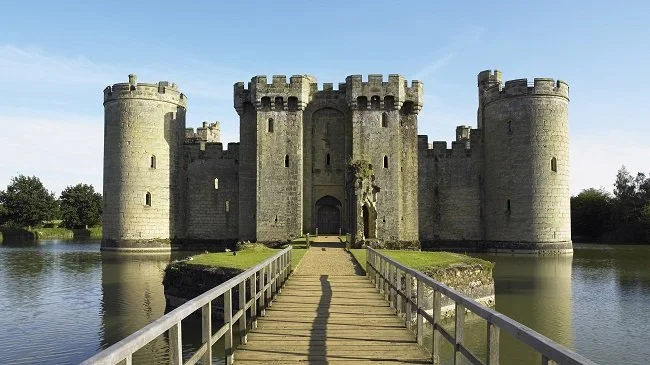
The United Kingdom is the world's 8th biggest tourist destination. According to the national tourism agency, 2017 was a record year for the UK, with 39.9 million visits by tourists. This number is set to pass over 40 million this year according to VisitBritain, which is predicting tourists will spend a record £27 billion over the coming 12 months. U.S. remains the most-valuable inbound market, although the number of travellers originating from Europe is larger than those travelling from North America. Furthermore, in recent years there has also been a substantial increase in Chinese tourists visiting the UK. Popular destinations include London, Bath, Edinburgh and Cambridge. The country's principal tourist destination is still the capital, with the Tower of London being one of the most visited attraction in the country. The post Brexit fall in the pound against the euro and the dollar is helping drive visits.
The United Kingdom is the world's 8th biggest tourist destination. According to the national tourism agency, 2017 was a record year for the UK, with 39.9 million visits by tourists. This number is set to pass over 40 million this year according to VisitBritain, which is predicting tourists will spend a record £27 billion over the coming 12 months. U.S. remains the most-valuable inbound market, although the number of travellers originating from Europe is larger than those travelling from North America. Furthermore, in recent years there has also been a substantial increase in Chinese tourists visiting the UK. Popular destinations include London, Bath, Edinburgh and Cambridge. The country's principal tourist destination is still the capital, with the Tower of London being one of the most visited attraction in the country. The post Brexit fall in the pound against the euro and the dollar is helping drive visits.
It’s ironic that despite only living forty-minutes away from central London and having worked there for over a decade, I have seen very little of the capitals major tourist attractions. In the past I’ve had little time for sightseeing but now I find myself in a situation where such day trips are more convenient and desirable. So today, I and my significant other decided to visit the biggest tourist hotspot in the UK; the Tower of London. As we’re both ex-civil servants we still have Health and Social Security Recreational Association (HASSRA) membership. Like many organisations of this kind, they offer a wealth of discounts, concessions and vouchers. Hence, we obtained two free tickets. Irrespective of the weather, time of year and the hefty £21.50 entrance fee, the Tower of London remains a big attraction and I was surprised by the number of tourist present. However, it does offer a lot of value as there are numerous exhibits, along with themed activities.
About two thirds of the Tower’s grounds are available to the public. The remainder of the Castle is still occupied and used for various civic functions. Various military regiments alternate between guarding the tower grounds and there are several on duty throughout the day. Yesterday there were soldiers from the Irish Guards on site and although they are great tourist attraction, they’re not present just for show. They are armed and should be treated with suitable deference. The White Tower is also home to the Royal Armouries, which is a fine collection of weapons and body harness. Then there’s the Fusilier Museum and The Bloody Tower with is its exhibition of prisoners and torture. But the main attraction is the Crown Jewels. This extensive collection drawn from various Monarchs is compelling and certainly attracts the biggest crowds. The Tower also regularly hosts themed events and activities such as Falconry, historical re-enactments and military displays.
Due to the sheer number of international tourists that visit the Tower daily, all displays, and signage are multilingual. I initially thought that the curators were being a little over generous with their use of space and could possibly have fitted in more exhibits. I now see that the generous walkways and roomy galleries are designed that way to accommodate the flow of visitors. There are also a lot of audio visual displays that rely upon animation and infomercials to convey various historical facts. Again, this is done to address the needs of tourists that are not be fluent in English. Overall, the Tower of London successfully manages to curate and display artefacts of historical importance in a broad and accessible fashion. It is a very family friendly day out, although some of the exhibits are somewhat ghoulish. However, that goes with the historical pedigree of the castle.
We very much enjoyed are day out today and have decided to plan a lot more day trips in 2018. The fact that we can get discounted or free entry to so many places is a major benefit. Our excursion was also very illuminating by showing first hand, the significance of tourism to the UK economy. The sheer number of people visiting the capital today gained context in light of our personal experience. The current political and economic uncertainties certainly do not seem to be discouraging visitors at present. In the meantime, we are already considering going to Hampton Court, Chartwell and the Joust Tournament at Eltham Palace later on in the year. If there is to be a tourist boom this year then I see no reason why we shouldn’t contribute towards it.
























The House on the Borderland by William Hope Hodgson (2000)
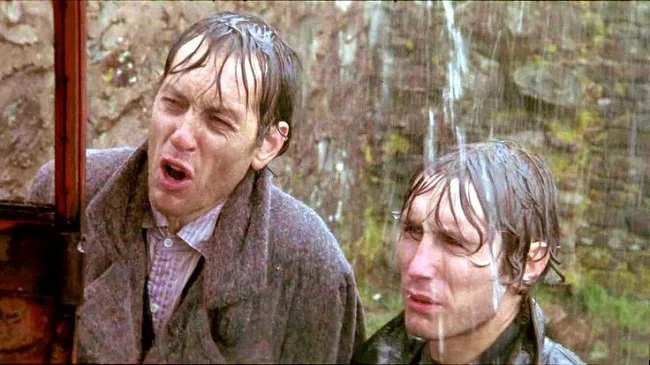
The House on the Borderland is a Vertigo comics graphic novel version of the 1908 baroque supernatural story by Edwardian writer, William Hope Hodgson. Adapted by Richard Corben and Simon Revelstroke, with illustrations are by Richard Corben of Hellblazer and Heavy Metal fame, The House on the Borderland proves to be a bold and innovative visual retelling of a rather densely narrated tale. The story tells a tale of two gentlemen on a week’s fishing holiday in the Irish village of Kraighten in the mid-fifties. Whilst exploring the local countryside they discover the ruins of a very curious house that appears to have been swallowed by a sinkhole. They subsequently find what appears to be the diary of its former owner. The torn pages seem to hint at an evil presence that was slowly and irresistibly encroaching upon the property. The author alludes to other events such as strange beasts in the ground at night and his own worsening nightmares. Is any of it to be believed, or is it simply the ravings of a deluded mind?
The House on the Borderland is a Vertigo comics graphic novel version of the 1908 baroque supernatural story by Edwardian writer, William Hope Hodgson. Adapted by Richard Corben and Simon Revelstroke, with illustrations are by Richard Corben of Hellblazer and Heavy Metal fame, The House on the Borderland proves to be a bold and innovative visual retelling of a rather densely narrated tale. The story tells a tale of two gentlemen on a week’s fishing holiday in the Irish village of Kraighten in the mid-fifties. Whilst exploring the local countryside they discover the ruins of a very curious house that appears to have been swallowed by a sinkhole. They subsequently find what appears to be the diary of its former owner. The torn pages seem to hint at an evil presence that was slowly and irresistibly encroaching upon the property. The author alludes to other events such as strange beasts in the ground at night and his own worsening nightmares. Is any of it to be believed, or is it simply the ravings of a deluded mind?
William Hope Hodgson’s original novel is an extremely difficult story to adapt to the graphic novel format. Most of the source text is written as diary entries, in which it describes arcane forces, astral projection and esoteric visions. Blending supernatural paranoia, fantasy and Lovecraftian horror in a first-person narrative that hints rather than discloses, it’s a tough book to crack. Yet Corben and Revelstroke make an inspired effort in condensing the text and visually extrapolating the complex descriptions. The artwork is innovative and does a good job of capturing the dark and eldritch tone of the story. The text adaptation strives to be as faithful to the source material as it can, yet inevitably has to relinquish on some of the more esoteric themes which are too difficult to render visually. However, the essential ideas of the original story are not only present but prove to be quite accessible. The understated approach of the artwork in keys scenes captures the menace conveyed by William Hope Hodgson in his original story.
Featuring an introduction by comics luminary Alan Moore that offers an affectionate appreciation of Hodgson's contribution to the horror genre, The House on the Borderland is a valiant attempt to bring a classic cerebral work to a wider audience via a very visual medium. Ultimately, the adaptation cannot offer the exact same experience as reading the original novel, but it must be applauded for bringing such material to a wider audience. It certainly succeeds in tapping into that disquieting quality that porcine horror can have, hinting at beasts who may well have a comparable intelligence to humans, while harbouring an inherent enmity to us as a species. Hopefully after reading The House on the Borderland, graphic novel horror fans will subsequently seek out and familiarise themselves with William Hope Hodgson’s other work, which is the equal to that of H.P. Lovecraft. I would certainly like to see further visual adaptations of the authors back catalogue.
Classic TV Themes: Hawaii Five-O
I grew up during the seventies when network TV shows still put a lot of thought and effort into such things as their theme tune. It was a decade littered with memorable tracks that captured the essence of the shows they came from. Many have now become integral aspects of popular culture, leading to countless internet memes as well as becoming the ringtones of choice for many a fortysomething. However, things are very different now. You can have a staggeringly good theme for your show, but it can't possibly be longer than thirty seconds. And don’t think for a moment that viewers can listen to it again at the end, as it has now become standard practice to compress the credits into a third of the TV screen and preview what's coming next, while some link announcer spouts inanities. Mercifully, cable and streaming companies tend to treat their TV shows with greater respect. The lack of commercial advertising ensures a longer program duration and hence more focus on a theme tune. However, network TV still commands big audiences, yet hasn’t in recent years produced any TV show themes of note.
I grew up during the seventies when network TV shows still put a lot of thought and effort into such things as their theme tune. It was a decade littered with memorable tracks that captured the essence of the shows they came from. Many have now become integral aspects of popular culture, leading to countless internet memes as well as becoming the ringtones of choice for many a fortysomething. However, things are very different now. You can have a staggeringly good theme for your show, but it can't possibly be longer than thirty seconds. And don’t think for a moment that viewers can listen to it again at the end, as it has now become standard practice to compress the credits into a third of the TV screen and preview what's coming next, while some link announcer spouts inanities. Mercifully, cable and streaming companies tend to treat their TV shows with greater respect. The lack of commercial advertising ensures a longer program duration and hence more focus on a theme tune. However, network TV still commands big audiences, yet hasn’t in recent years produced any TV show themes of note.
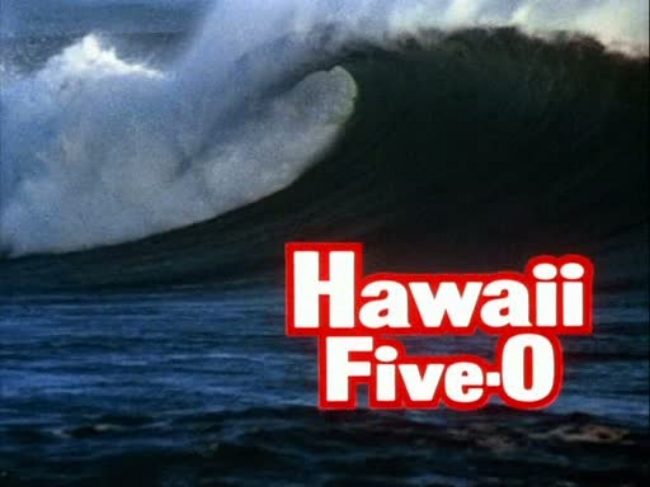
For me the track that embodies the traditional notion of the TV theme tune and elevates it to an art form, is Morton Steven's Hawaii Five-O theme. I cannot think of a piece of music, born of a TV show that is quite as evocative and inspirational. For years there has not been an original recording available so fans and enthusiasts have had to slum it with indifferent cover versions (which I hate). However, in 2012 the only legitimate soundtrack album was finally re-released on CD. It contains a studio extended version of the main theme along with incidental music from one the episode Operation Smash. It is a crisp and tight arrangement of the theme and superior to all previous version in circulation.
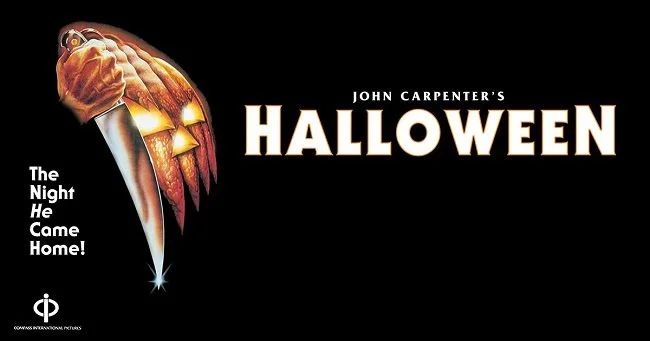
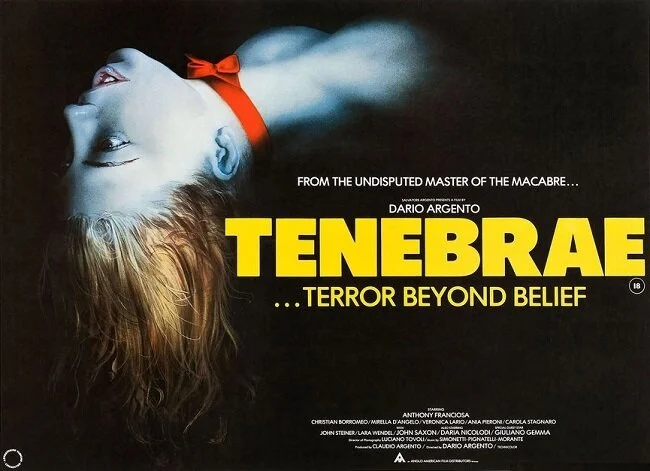
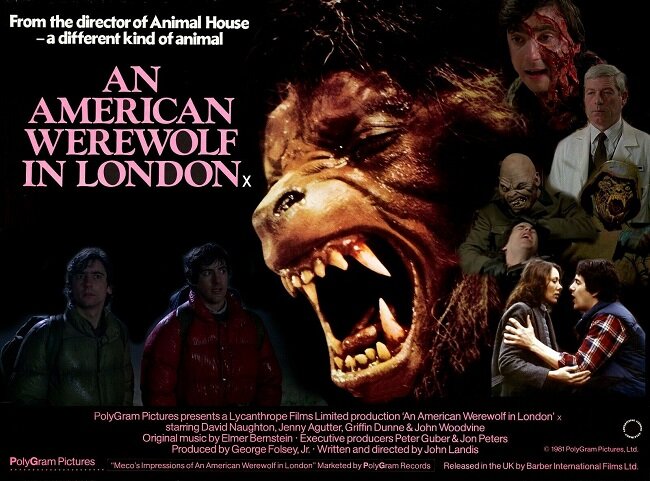
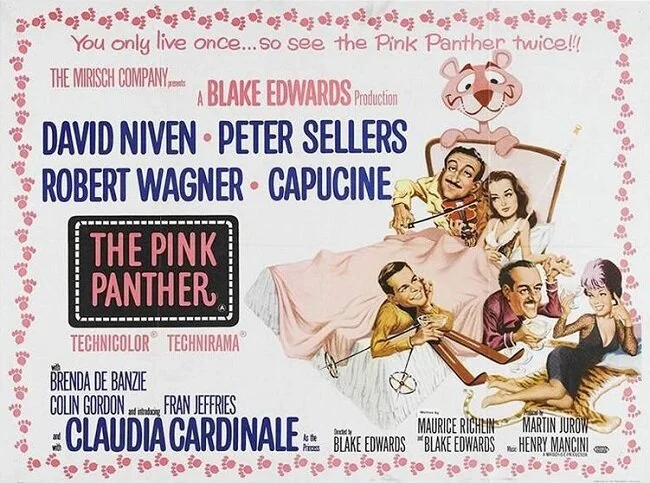
In 2010 the show was rebooted and has proven to be surprisingly popular. It is currently in its 8th season. However, at the time the question on everyone’s lips was would the main theme be retained, or would it be jettisoned for something else? Luckily common sense prevailed so the classic iconic theme and title credits were cleverly recreated. But the process was not exactly problem free. Brian Tyler, a composer with a respectable pedigree in film and TV, was brought on-board to manage the soundtrack production. He initially toyed with idea of re-arranging Stevens seminal theme tune. Let it suffice to say that test audiences did not warm to it and after some overtly negative feedback the it was replaced with a more traditional arrangement. This recording even included some of the session musicians that worked on the original track in 1968. Sadly, the demands of modern TV broadcasting still had an impact on the completed piece of music. Modern title sequences on popular network shows are now no more than thirty second and so the theme was shortened to meet this requirement. However, the full version can be found on the official soundtrack album to season one and is version posted below along with the original from 1968.







Star Wars Begins (2011)
Star Wars Begins is a detailed documentary by film maker Jamie Benning that explores the creation of what is now considered to be the most iconic movie of the seventies; namely Star Wars. It features a wealth of deleted scenes, alternate takes, behind-the-scenes footage, bloopers, original on set audio recordings and a great deal of commentary by the original cast and crew. As far as I’m concerned, it is the most thorough and in-depth analysis of Star Wars I have yet to see. Frankly it beats hands down, any of the officially sanctioned documentaries that have appeared over the year on the various DVD and Blu-ray releases of the trilogy.
Star Wars Begins is a detailed documentary by film maker Jamie Benning that explores the creation of what is now considered to be the most iconic movie of the seventies; namely Star Wars. It features a wealth of deleted scenes, alternate takes, behind-the-scenes footage, bloopers, original on set audio recordings and a great deal of commentary by the original cast and crew. As far as I’m concerned, it is the most thorough and in-depth analysis of Star Wars I have yet to see. Frankly it beats hands down, any of the officially sanctioned documentaries that have appeared over the year on the various DVD and Blu-ray releases of the trilogy.
It is Benning’s feature-length approach of his documentary that follows the flow of the original movie, that makes it so compelling. As the Star Wars itself plays, all aspects of the production are crossed referenced and annotated as they appear on screen. The documentary is also a very illuminating insight into the US and British movie industry of the times. Despite having a prodigious wealth of information to convey, the documentary handles the pace of material well and the viewer has time to digest what is shown and discussed without getting overwhelmed. This is a considerable achievement for a documentary, which can be a difficult format to master. Star Wars Begins is most certainly a painstaking labour of love, but the hard work pays off with an even-handed film that finds the right balance between interesting facts and pacing.
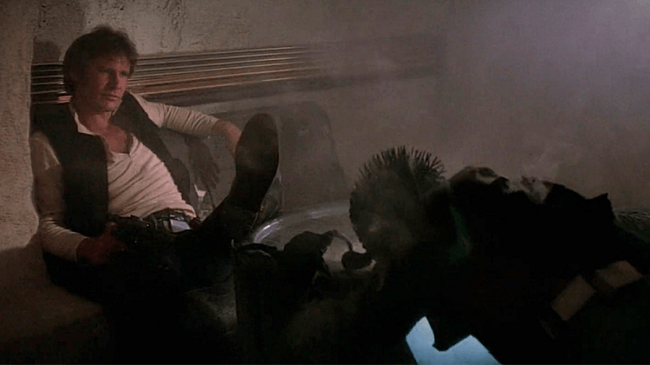
The documentary also succeeds in catering to both hardcore fans and the more casual viewer. If you have not seen some of the famous deleted scenes, such as Han's original meeting with Jabba the Hutt or Luke's dialogue with his friend Biggs Darklighter then you are in for a treat. Some of the original on-set audio is extremely amusing such as actor Dave Prowse speaking Darth Vader's lines in a West Country accent. Overall what the documentary does is offer a totally fresh perspective on Star Wars which helps re-invigorate one’s enjoyment of the classic trilogy. Until Disney’s renewal of the franchise in recent years, the second trilogy of prequels did cast a shadow over the original three movies.
Another thing I've learned from Star Wars Begins is that some aspects of the original movie were intended to be more violent. This is something that has always been present in Lucas's work but certainly it didn't come to the forefront until the second trilogy. For example, stills from the Cantina set show that Ponda Baba's initial fate was meant to be far more unpleasant than just losing his arm. Then there is the matter of Han Solo shooting Greedo from under the table. The entire "Han shot first" debacle shows that the character was initially intended to be perceived in a very different way. Yet movies are often by nature evolutionary things, especially on big productions. Often scenes will be reshot if they don’t work out, or if a better idea is mooted. Plus, as Star Wars Begins points out, a production of this nature had never been done before and many of those involved were flying by the seat of their pants.
Director Benning has also made similar documentaries for both The Empire Strikes Back and Return of the Jedi. It should be noted that these ‘filmumentaries’ are unofficial and fall within a somewhat grey area with regard to their “status”. They are completely non-profit making and made with full acknowledgement to the appropriate copyright holders. So far, the new copyright holders Disney seem content to let sleeping dogs lie, however there is no guarantee that things will remain that way. Therefore, I would urge all fans of Star Wars to seek them out and watch them while they're still available on Jamie Benning's Vimeo channel because they are quite unique.








Twitch.tv
Until recently I’ve been somewhat sceptical of Twitch. I’ve tried in the past to find both content and personalities that chime with me but have seldom had much success. Sadly, all too often I find the humour and general banter of some streamers to be not to my liking. Then there is the issue of channel monetisation. I appreciate that streaming is a business for some and that there is a requirement to attract subscribers and encourage donations, but I do feel that it’s not always approached in an appropriate fashion. Twitch and streaming culture is often aimed towards the younger viewer. Being of an older age group, the light and casual approach to presentation and interaction is not always to my taste. However, I have now managed to find some streamers who are more to my liking and have subsequently reviewed my opinion on the medium.
Until recently I’ve been somewhat sceptical of Twitch. I’ve tried in the past to find both content and personalities that chime with me but have seldom had much success. Sadly, all too often I find the humour and general banter of some streamers to be not to my liking. Then there is the issue of channel monetisation. I appreciate that streaming is a business for some and that there is a requirement to attract subscribers and encourage donations, but I do feel that it’s not always approached in an appropriate fashion. Twitch and streaming culture is often aimed towards the younger viewer. Being of an older age group, the light and casual approach to presentation and interaction is not always to my taste. However, I have now managed to find some streamers who are more to my liking and have subsequently reviewed my opinion on the medium.
For me, Twitch is as much about the audience viewing as it is about the individual streaming. Part of the attraction of the platform is the scope for interaction between streamer and viewers. I find that streams that attract substantial audiences lose this quality quite quickly. The text chat scrolls up at a prodigious rate and the moderators will often struggle to separate appropriate questions and banter from general shenanigans and trolling. I also find that some of the commercial streams and official channels of known corporations to be as bland and as hollow as mainstream television. However, a when you put an entertaining and gregarious streamer together with a small but enthused audience, you’ll often be rewarded with a very enjoyable two-way conversation.
Fortunately, my concerns over being able to find suitable content and streamers has benefitted recently by Twitch adding a “communities” option to their browse feature. In the past you had to search for material you like by game only. The addition of this button (although it is still in beta) means that it is easier to track down streamers with similar interests and aspirations. At present is somewhat rough and ready, lacking somewhat in variety. However, there are some promising categories such as tabletop, painting and fitness. It is reassuring to see this side of Twitch, which for to long seems to have been dominated my core gamers, focused on achievement, speed runs and competitive gaming. If handled properly, there is scope for it to become a much broader media platform, which is possibly what its owner, Amazon is considering.
Finally, it would be remiss of me not to mention the Twitch community that I’ve recently discovered. The Moogle’s Pom Tavern is a collective of streamers “who focus on chill streams where we share positivity and of course, video games”, to quote their website. What I like the most about this friendly group, is their upbeat and laid-back perspective on gaming. It all done for fun, rather than any other motivation. The streams are engaging, with a lot of banter. You soon get to know everyone and it’s very much like a social evening down the pub with mates. A lot of the participant do other creative projects, so they’re an invaluable source of information as well. Overall, it’s a great place to hang out, away from the some of the more brash and bellicose aspects of Twitch. So, if you feel so inclined, do checkout their schedule and come along and have a chat. It may make you revise your opinion on streaming, as it did with me.
Paul (2011)
Critics were somewhat split over Paul when it was released in the UK in spring 2011. The absence of director Edgar Wright from the production, was cited as a weakness. Critics also felt the film was generally too mainstream and did not play sufficiently to Simon Pegg and Nick Frost's strengths. There were the usual claims of the whole premise being a self-indulgence. However, rather than cross reference Paul against similar films or compare it to material from the stars back catalogue of work, it should be judged on its own merit. On reflection, it is nowhere near as week as some claim it to be. You don’t often get big studio comedies that happily explores what is still considered a niche market genre. If approached with the right outlook, then Paul can be an entertaining diversion with plenty of laughs.
Critics were somewhat split over Paul when it was released in the UK in Spring 2011. The absence of director Edgar Wright from the production, was cited as a weakness. Critics also felt the film was generally too mainstream and did not play sufficiently to Simon Pegg and Nick Frost's strengths. There were the usual claims of the whole premise being a self-indulgence. However, rather than cross reference Paul against similar films or compare it to material from the stars back catalogue of work, it should be judged on its own merit. On reflection, it is nowhere near as week as some claim it to be. You don’t often get big studio comedies that happily explores what is still considered a niche market genre. If approached with the right outlook, then Paul can be an entertaining diversion with plenty of laughs.
Paul succeeds because it takes a very broad approach to its themes and subjects. Popular culture has absorbed enough sci-fi references to make a lot of the gags very accessible to the general public. Yet there is still much to satisfy the inner geek of the more hardcore fans. Frost and Pegg's natural chemistry together carries the film greatly, along with the traditional transatlantic culture clash. There are some clever references to convention culture and fandom itself, especially with a scene when our pair of heroes meets their favourite author. Paul himself is very well realised and perfectly voiced by Seth Rogen. He provides the sort of wise cracking cynicism audiences expect. The film's running time is ideal with seldom a lull in the pace. This is important with comedy as so many get it wrong.
Paul does have a few weaknesses though. There are more obvious concessions to the mainstream, such as clichéd gay jokes, generic car chases and a somewhat contrived and unconvincing romantic sub-plot. Luckily, these minor aspects are not enough to spoil the overall production and are minor quibbles rather than cardinal sins. Plus, a killer cameo performance by Sigourney Weaver, is more than enough to rectify and other deficiencies in the narrative. The visual FX are more than adequate, and the film looks fine for a mid-budget production. The final act is formulaic but not annoyingly so. You get pretty much what you expect from Paul and that’s not a bad thing. Sometime when viewing at home you want a easy choice and some undemanding viewing.
Ultimately, it is the basic plot device that is the films greatest asset. Paul an alien, finds himself reliant on two guys who are essentially aliens themselves within the country they're touring and society itself. The movie also explores the pros and cons of "geekdom" rather well and gently ribs the culture, rather than openly mocks. This is often a difficult thing to do, but director Greg Mottola gets the tone right. Paul certainly provides a platform for the English's love affair with profanity. Although it is not gratuitous, the choice words do come thick and fast at times. But overall, Paul proves to be a genuinely funny, well observed, accessible sci-fi comedy and I think that this film’s reputation will improve over the years to come.
Guilds, Kinships and Fleets
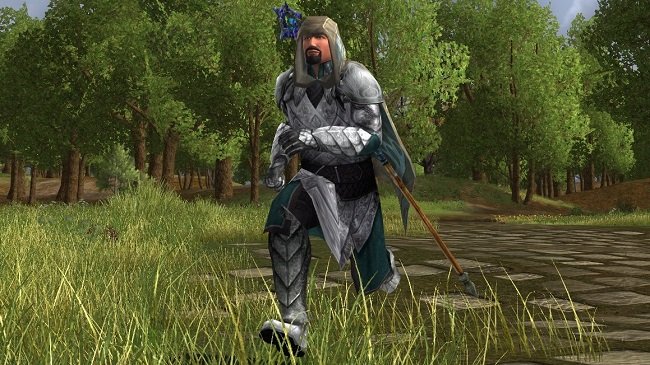
I’ve been in the same LOTRO kinship (a.k.a. guild) since 2009. It’s relatively small in size, made up of a core group of about 20 players and their various alts. Everyone knows each other, and we all get along. There’s a broad spectrum of members from across the UK and Europe and the average age is about 35 plus. We’ve had some drama in the past from a few individuals, but they’ve either left or stopped playing. I don’t recollect there ever being an occasion when someone was. After ten years the kinship is at a point where it just ticks over without any major problems. There are events and activities for those who wish to participate, or if you prefer to simply potter about Middle-earth, then you’ll be left to do so. In the past we’ve had our own kinship website and forums, along with TeamSpeak server and other external support facilities. Bu all of these have fallen by the wayside as the Kinship has evolved. We now just focus on playing the game. Overall, the kinship is a friendly bunch and a good fit for my casual style of gameplay, which is why I’ve remained a member for nine years.
I’ve been in the same LOTRO kinship (a.k.a. guild) since 2009. It’s relatively small in size, made up of a core group of about 20 players and their various alts. Everyone knows each other, and we all get along. There’s a broad spectrum of members from across the UK and Europe and the average age is about 35 plus. We’ve had some drama in the past from a few individuals, but they’ve either left or stopped playing. I don’t recollect there ever being an occasion when someone was. After ten years the kinship is at a point where it just ticks over without any major problems. There are events and activities for those who wish to participate, or if you prefer to simply potter about Middle-earth, then you’ll be left to do so. In the past we’ve had our own kinship website and forums, along with TeamSpeak server and other external support facilities. Bu all of these have fallen by the wayside as the Kinship has evolved. We now just focus on playing the game. Overall, the kinship is a friendly bunch and a good fit for my casual style of gameplay, which is why I’ve remained a member for nine years.
LOTRO was my first MMO and when I started playing in 2008, co-operative play was the key to progression. Much of the games content was not solo friendly, therefore joining a kinship would at that point, greatly enhance a player’s experience. However, over time things have changed. Not just for LOTRO but for many other games from the MMO genre. Despite having played Guild Wars 2, The Secret World, Rift and SWTOR, I’ve never joined a guild for any of these games. There was (and remains for me) no compelling reason to do so. When I started playing LOTRO, part of the charm of the game and indeed the genre, was the social aspect. For me the notion of playing online with others was still a novel experience. However, as newer MMOs emerged, I found that I was more concerned with their gameplay and narrative, rather than cultivating new friendships. Furthermore, due to the increase in casual gaming, more recent MMOs are far more casual friendly.
There are always exceptions to the rules, though. The Fleet system in Star Trek Online offers a wealth of benefits and a player is potentially limiting their options if they do not join one. Fleet holdings such as the Starbases and dilithium mines are maintained by players contributing resources. Once holdings reach optimal capacity, they can provide gear, weapons and consumables, all of which are of a superior quality to that from standard vendors. It’s a relatively similar situation in The Elder Scrolls Online. Being in a guild allows access to quality crafted items which are not so readily available elsewhere. Hence in both these games I have joined guilds, simply to gain access to these facilities. In STO I am a member of REDdit Alert Fleet and although they are a friendly bunch, I am not socially active within it. I maintain a level of civility and ensure I contribute to the fleet projects but beyond that I tend to keep myself to myself and pursue my own goals within the game.
Playing any MMO successfully requires a substantial investment of time. The same can be said about joining a guild. A guild is more than just a collective designed to facilitate group content. It is often a closely knit social group in which members become firm friends, get to know each other and provide mutual support. They can become very intimate environments, sometimes doubling as group therapy or a virtual pub in which players can blow off steam after a tough day at work. For me, my best experience in a guild coincided with my best experience with an MMO. It was during a two-year period of my life in which I had the time and inclination to dedicate to both a leisure activity and a social group. It was a time that I enjoyed immensely. Now, although I like the social aspects of guilds in STO and ESO, they are mainly a means to an end. However, if I ever get nostalgic, all I have to do is return to my LOTRO kinship to be reminded of prior good times.
Star Trek Online: New Ships, Old Prices
Yesterday saw a lot of new content come to Star Trek Online. First off, we saw the start of the eighth anniversary event and the opportunity to earn a Bajoran Interceptor. There’s also a new featured episode; Scylla and Charybdis which further explores the Tzenkethi story line. And then there’s the release of the new Discovery lock box, which ties STO into the new Star Trek: Discovery television show. New lock boxes, means new ships. This time round there’s an opportunity to win a Tier 6 Crossfield-class Science Vanguard which boasts a formidable array of stats. Judging by the discussion on the official STO subreddit, the new vessel seems to have been very well received by the player community. The universal console, Mycelium Ambush, when activated temporarily disables ships weapons and transports the vessel forward. It then releases an energy pulse, impeding the engines of nearby enemy vessels while enhancing your own starship's weapons. After a few seconds, multiple torpedoes are launched, and your starship's weapons are disabled again in order to transport back to the original position.
Yesterday saw a lot of new content come to Star Trek Online. First off, we saw the start of the eighth anniversary event and the opportunity to earn a Bajoran Interceptor. There’s also a new featured episode; Scylla and Charybdis which further explores the Tzenkethi story line. And then there’s the release of the new Discovery lock box, which ties STO into the new Star Trek: Discovery television show. New lock boxes, means new ships. This time round there’s an opportunity to win a Tier 6 Crossfield-class Science Vanguard which boasts a formidable array of stats. Judging by the discussion on the official STO subreddit, the new vessel seems to have been very well received by the player community. The universal console, Mycelium Ambush, when activated temporarily disables ships weapons and transports the vessel forward. It then releases an energy pulse, impeding the engines of nearby enemy vessels while enhancing your own starship's weapons. After a few seconds, multiple torpedoes are launched, and your starship's weapons are disabled again in order to transport back to the original position.
Now considering that the new Discovery lock boxes have only been available for 24 hours, it would appear that many players have been stockpiling keys in preparation for its launch. Subsequently, despite being a rare drop many players have acquired the new Crossfield-class Science Vanguard and they are readily available on the exchange. The price is currently around 620 million energy credits, which is a tidy sum. The ship has also turned up for sale on third party websites available for sale at $125. Furthermore, the arrival of new ships has not depressed the prices of older vessels. Both Kelvin timeline ships are still holding steady at 260 million energy credit and the jewel in the crown of STO, the Tier 6 Constitution class Cruiser remians over 1.5 billion energy credits. So far, the economy adjustment that was anticipated by the introduction of the re-engineering system has yet to happen, although it is still only early days.
The problems STO faces with its in-game economy are really no different from many other MMOs. Frequently, the accumulation of wealth becomes a meta game in its own right. LOTRO has a similarly skewed game economy with everyday items that can be easily gathered, priced extremely high. This is not through supply and demand, but simply because such prices can be charged and paid for. Because gold is simply created in MMOs, rather than linked to any other sort of economic resource to base its levels, it doesn’t take long for hyperinflation to occur. Hyperinflation is detrimental to new and returning players. It can often lead to the auction service becoming the exclusive province of the virtually super rich. Hence we see the introduction of money sinks to try and remove surplus capital from games. These may be auction house fees, non-craftable consumables or housing fees. However money sinks seldom return a game’s economy back to a state of normality.
Cryptic have adjusted the in-game economy of STO several times over the last eight years. It is now far harder to earn energy credits, the games primary currency, than it was four years ago However, the damage is already done and there’s an immense amount of currency in circulation, often stockpiled by power players. The game’s crafting and upgrade system is also a contributory factor to hyperinflation. Until recently, if you craft and upgrade a ships weapon for example, there has been no control over which modifiers are added to it. Hence players would sell on items that didn’t meet their expectations. These items then flood the in-game auction house at inflated prices, as players seek gear with the attributes they require. The new re-engineering system is supposed to make obtaining the modifiers that you desire easier. It will allegedly level the playing field and make players less reliant on crafted items for sale on the exchange. Cryptic hope that this system will ultimately depress prices and eventually lead to less superfluous items entering the game’s financial ecosystem.
MMO economies are strange and esoteric beasts. Despite external factors created by developers, designed to slow and divert wealth creation, it is frequently impossible to slow player progression and dampen their enthusiasm. MMO gamers often rise to the occasion and embrace grind rather than capitulate to it. I suspect that it will take a considerable amount of time before we see any major change in the STO economy. Furthermore, the re-engineering system may well remove the surplus of crated items on the exchange, but I cannot see it impacting upon the prices of rare Tier 6 vessels. If someone is prepared to pay 1.5 billion energy credits for the latest and rarest of ships then the prices will remain as they are. The only other alternative is to make such items bound which would then incur a new set of problems, along with a great deal of player outrage. So for the meantime it is simply a question of watching and waiting to see in what direction the STO market goes.

Alik’r Desert Dolmen Farming
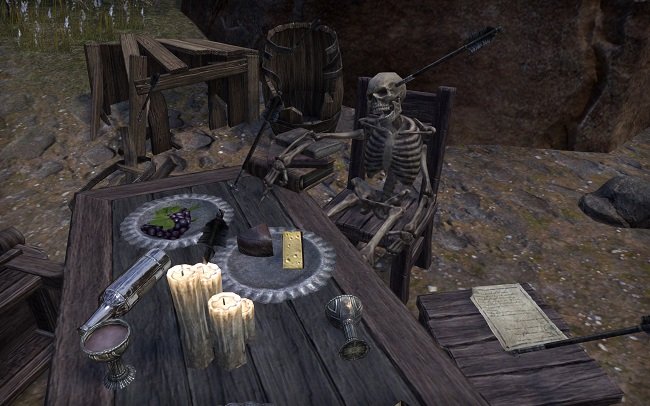
Back in 2014 when I was still regularly playing Guild Wars 2 a popular way to level up quickly, as well as grind various rewards, was to join the Queensdale Champion Train. The region was home to multiple Champion level bosses and groups would farm these for hours on end. On arriving in Queensdale, if you wished to join the “train” and farm the various bosses, it was customary to ask “choo choo” in zone chat. You’d then be informed where the “zerg” was and you could catch up with it accordingly. Such are the quaint and esoteric customs associated with the MMO genre. The Queensdale Champion Train eventually got nerfed by ArenaNet and the bosses downgraded, so that it ceased being a viable undertaking. The reason I mention this is because I recently discovered a very similar set up in The Elder Scrolls online. Namely Alik’r Desert Dolmen Farming.
Back in 2014 when I was still regularly playing Guild Wars 2 a popular way to level up quickly, as well as grind various rewards, was to join the Queensdale Champion Train. The region was home to multiple Champion level bosses and groups would farm these for hours on end. On arriving in Queensdale, if you wished to join the “train” and farm the various bosses, it was customary to ask “choo choo” in zone chat. You’d then be informed where the “zerg” was and you could catch up with it accordingly. Such are the quaint and esoteric customs associated with the MMO genre. The Queensdale Champion Train eventually got nerfed by ArenaNet and the bosses downgraded, so that it ceased being a viable undertaking. The reason I mention this is because I recently discovered a very similar set up in The Elder Scrolls online. Namely Alik’r Desert Dolmen Farming.
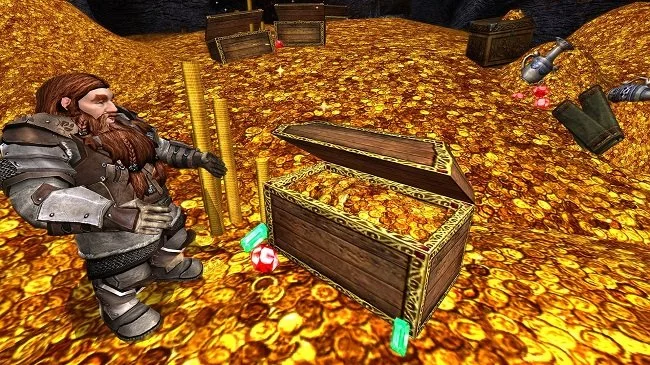
For those who don’t know, here is a brief explanation of how this player driven event works. Dark Anchors or Dolmens are specific places where the forces of Molag Bal set an "anchor" point to pull Tamriel into Coldharbour. Each zone has 3 Dolmens (except Cyrodiil). The Dark Anchors are activated when fanatical cultists spawn around the Dolmen and begin incantations to open them. Once active these become world events. You can see the effects and hear the incantations from far away, and a horn will sound when the portal is opened. Evil forces then mount an incursion which has to be repelled. Once the event has finished and the Dark Anchors closed, a chest spawns with various rewards. Naturally Dolmens can be used as a means to gain XP quickly and level up.
The reason the Alik’r Desert is popular for Dolmen farming is because there are wayshrines (quick travel teleporters) conveniently close to each location. The Aswala Stables Wayshrine is near to the Hollow Waste Dolmen, Goat's Head Oasis Wayshrine is well placed for the Myrkwasa Dolmen and Shrikes Aerie Wayshrine is at the foot of the hill of the Tigonus Dolmen. Furthermore, the Dolmen respawn quickly in this region and it is not to difficult to complete each and swiftly travel to the next. As with Guild Wars 2, if you enquire in zone chat, you can ascertain where the current “zerg” is. If you type “+ Dolmen” in chat you can potentially join any group farming in the area. Grouping increases XP gain by 10% and also shows the location of the group leader on the map.
I have spent some time recently farming Dolmen in this fashion and it certainly does allow you to level quite quickly. Because content scales in ESO, it’s not as if you out level the regular story quests in the game. Naturally some purist players will pooh-pooh this play style. There’s also the possibility that ZeniMax might nerf this situation in the future if they choose to. One of the reasons ArenaNet nerfed the Champion farming in Guild Wars 2 was because they felt that the “zerg” disrupted new players in what was essentially a low-level area. Whether a similar situation occurs in ESO remains to be seen. In the meantime, I’m going to “make hay while the suns shines” and continue to supplement my regular progression through ESO with such Dolmen farming.
The Commuter (2018)
There are action movies. There are subsets of action movies such as the martial arts, heroic bloodshed and the “Die Hard on a [insert mode of transport here]”sub-genre. And then there are Liam Neeson action movies which are a unique a form of films in their own right. Because few actors have achieved what Liam Neeson has done. Some actors start their careers stuck in low budget, exploitation films, only to claw their way up the greasy pole until the wow us with a serious performance and effectively re-invent themselves as a quality character actor. Liam Neeson has done the reverse. After making his mark as a serious actor, with an Oscar nomination under his belt, he then took a serious change in direction to become an action movie star in his mid-fifties. In doing so he found himself a completely new audience and proved a star at the box office. It’s a curious yet strangely laudable achievement. This leads us neatly onto The Commuter. It’s Neeson’s swansong to the action genre, as he has subsequently announced that he’s retiring from this type of movie.
There are action movies. There are subsets of action movies such as the martial arts, heroic bloodshed and the “Die Hard on a [insert mode of transport here]”sub-genre. And then there are Liam Neeson action movies which are a unique a form of films in their own right. Because few actors have achieved what Liam Neeson has done. Some actors start their careers stuck in low budget, exploitation films, only to claw their way up the greasy pole until the wow us with a serious performance and effectively re-invent themselves as a quality character actor. Liam Neeson has done the reverse. After making his mark as a serious actor, with an Oscar nomination under his belt, he then took a serious change in direction to become an action movie star in his mid-fifties. In doing so he found himself a completely new audience and proved a star at the box office. It’s a curious yet strangely laudable achievement. This leads us neatly onto The Commuter. It’s Neeson’s swansong to the action genre, as he has subsequently announced that he’s retiring from this type of movie.
Our titular commuter is an insurance manager named Michael McCauley. He rides the train every day to a somewhat perfunctory office job. When Michael is made redundant just as his son is about to apply for colleges, he and his wife (Elizabeth McGovern) face financial ruin. However, he is thrown a potential lifeline when a mysterious woman played by Vera Farmiga, offers him a deal of Faustian proportions. All he has to do is use his skills to identify a passenger on board “who doesn’t belong”, mark them with a tracker and then walk away with a large sum of money in cash. He is given no further details and told not seek them. As she leaves our mystery lady hints that she knows that prior to his career in insurance, that Michael was a cop. However, all is not as it seems and Michael soon learns that’s he doesn’t really have a choice in the matter, as his wife has been kidnapped. However, this is a Liam Neeson movie and naturally our hero is not going to capitulate to the bad guys demands. Punching and mayhem ensues, a solid supporting cast are given nothing to do and logic goes out the window. Overall it’s a bit silly. However, it is also incredibly entertaining too.
The Commuter begins with in an impressive opening montage which references the changing seasons and varying weather conditions while travelling to New York City. It’s quite an artsy start to the movie which briefly kindles a fool’s hope that this may be a more complex and cerebral action movie. However, the overly complex set up soon dispels any notions of this. Furthermore, once the tortuous plot has been established, it is quickly jettisoned and as the movie progresses, the narrative contradicts and confuses itself further. However, all of this is mitigated by Mr Neeson punching, hitting and bludgeoning sundry bad guys while wisecracking like a Roger Moore tribute act. In a selfless attempt to mitigate the sheer incredulity of a man of Neeson’s mature years fighting his way through an army of mercenaries, the screenplay features several scenes where he references his own age “ironically”. It’s all like an ultra-violent version of Poirot, whose suffering from existential angst. However, beating someone with an electric guitar proves to be somewhat therapeutic.
The Commuter marks the fourth collaboration between Neeson and director Jaume Collet-Serra; a curious film maker who seems to have created and filled a niche market in the action genre, somewhere between Tony Scott and Antoine Fuqua. His films, include Neeson’s Unknown (2011), Non-Stop (2014) and Run All Night (2015). The Commuter is an unashamed variation on an established theme. Not only does Collet-Serra plagiarise classic elements of the action genre but he even plunders his own back catalogue. To call The Commuter Hichcockian would be far too generous, possibly even libellous. If you take a moment to step back and logically assess what is happening, you will find yourself wondering how anyone would choose to finance such a preposterous load of arse gravy. Yet, there is a single mitigating factor that defuses any incredulity the viewer may have and absolves them of any guilt they may have for watching. And that is Liam Neeson; a man who punches wolves, is Lion Jesus and fights trains. I don’t know of any actor currently at work in Hollywood who has such public goodwill. So go see The Commuter and rejoice in the high-concept of a sexagenarian action star.







Beta Testing Dauntless
Dauntless is a game based on reading the signs and reacting quickly. If you prefer to simply mash buttons then you’ll find yourself on a hiding to nothing. This co-operative fantasy-based RPG is set in a time when cataclysmic event has torn the world apart, releasing gigantic beasts that prey on the surviving humans. Players take on the role of Slayers who hunt these Behemoths, collecting loot that they use to craft and upgrade weapons. When hunting, the game plays as a third-person action game with players using a combo system to attack, while monitoring their own health and stamina gauge. Such hunts can take upwards of twenty minutes of in-game time to complete. The game can be played both as single player or co-operatively with up to four people. If your team works collaboratively, has the right gear and is au fait with reading the Behemoths body language, then Dauntless is an immensely enjoyable endeavour.
Dauntless is a game based on reading the signs and reacting quickly. If you prefer to simply mash buttons then you’ll find yourself on a hiding to nothing. This co-operative fantasy-based RPG is set in a time when cataclysmic event has torn the world apart, releasing gigantic beasts that prey on the surviving humans. Players take on the role of Slayers who hunt these Behemoths, collecting loot that they use to craft and upgrade weapons. When hunting, the game plays as a third-person action game with players using a combo system to attack, while monitoring their own health and stamina gauge. Such hunts can take upwards of twenty minutes of in-game time to complete. The game can be played both as single player or co-operatively with up to four people. If your team works collaboratively, has the right gear and is au fait with reading the Behemoths body language, then Dauntless is an immensely enjoyable endeavour.
Dauntless is currently in beta and is still a work in progress. However, it is regularly updated and the version that I played this afternoon is by far the most complete game experience I’ve had so far. It still lacks things like a mini map but the developers, Phoenix Labs, have certainly been busy focusing on the nuts and bolts of the game, such a weapon damage and the various combination moves. I also feel that there’s a more tangible difference between the various weapon types. They’re becoming more distinctive with their special second attacks, and making a choice now seems less arbitrary. The Chain Blades with their evasive grapple and teleport-dash are now a good choice for players who don’t favour such a full-on melee style of combat. There are potions and other boosts to craft which you can utilise to your tactical advantage. However, Dauntless does not have the excessive intricacies of other games of this genre.
Obviously, since it was announced Dauntless has been constantly compared to Monster Hunter: World. However as ever with games, this is was a classic apple versus orange scenario. Dauntless is easier to solo, for one thing, though the developer is still working on the best way to optimise the single player experience. I believe there was an experiment with bots in the closed alpha but it proved unpopular. As it stands in the current iteration of the game Dauntless scales according to group size. There are also certain weapons that are more effective against specific Behemoths. Yet conversely, there are no support only weapons and success in the game is no dependent solely on having a balanced team. Dauntless takes a flexible approach to consumables which are mainly focused on AOE heals, buffs and debuffs rather than the precise use of special ammunition or traps. There is also no risk of friendly fire.
At present Dauntless does not feature an enthralling storyline. What’s in place is functional and serves a purpose, guiding the player to the appropriate quests. The only major decision the story offers in this build is what faction to join. But I don’t see narrative being a primary selling point for Dauntless. This is a game about going head-to-head with beats with nasty sharp pointy teeth. The Behemoths are the stars of the game, particularly the Shrike, which conjures up the memory of Ori and the Blind Forest. The minimalist art style actually suits the needs of the game and the procedurally generate landscapes are also creative. Usually the fantasy genre is flamboyant in its use of colour but Dauntless favour a very organic use of pastel shades. There is one trade off when using procedurally generated environment and that is it negates any facility to explore, beyond simply doing so to gather.
As a F2P game, Phoenix Labs has to find an appropriate means to monetise Dauntless. Since the Star Wars: Battlefront II debacle, the developers have decided to remove loot boxes from the game Phoenix Labs said that this isn’t “entirely reactive” to the recent turn against the free-to-play system but admit they’re “not deaf” to the backlash. Across the industry, developers and organisations like PEGI, the FTC, and the UK Gambling Commission, are being asked to take a stand for or against loot boxes. Phoenix Labs have indicated they wish to follow a model similar to Warframe and Path of Exiles “where you choose the things that you're purchasing.” The developers describe this approach as “a lot more player-first.” Obviously, it is prudent to reserve judgement until the final release of the game, which should be later this year. However, so far developers Phoenix Labs do seem to be responding to their players needs in an equitable manner.
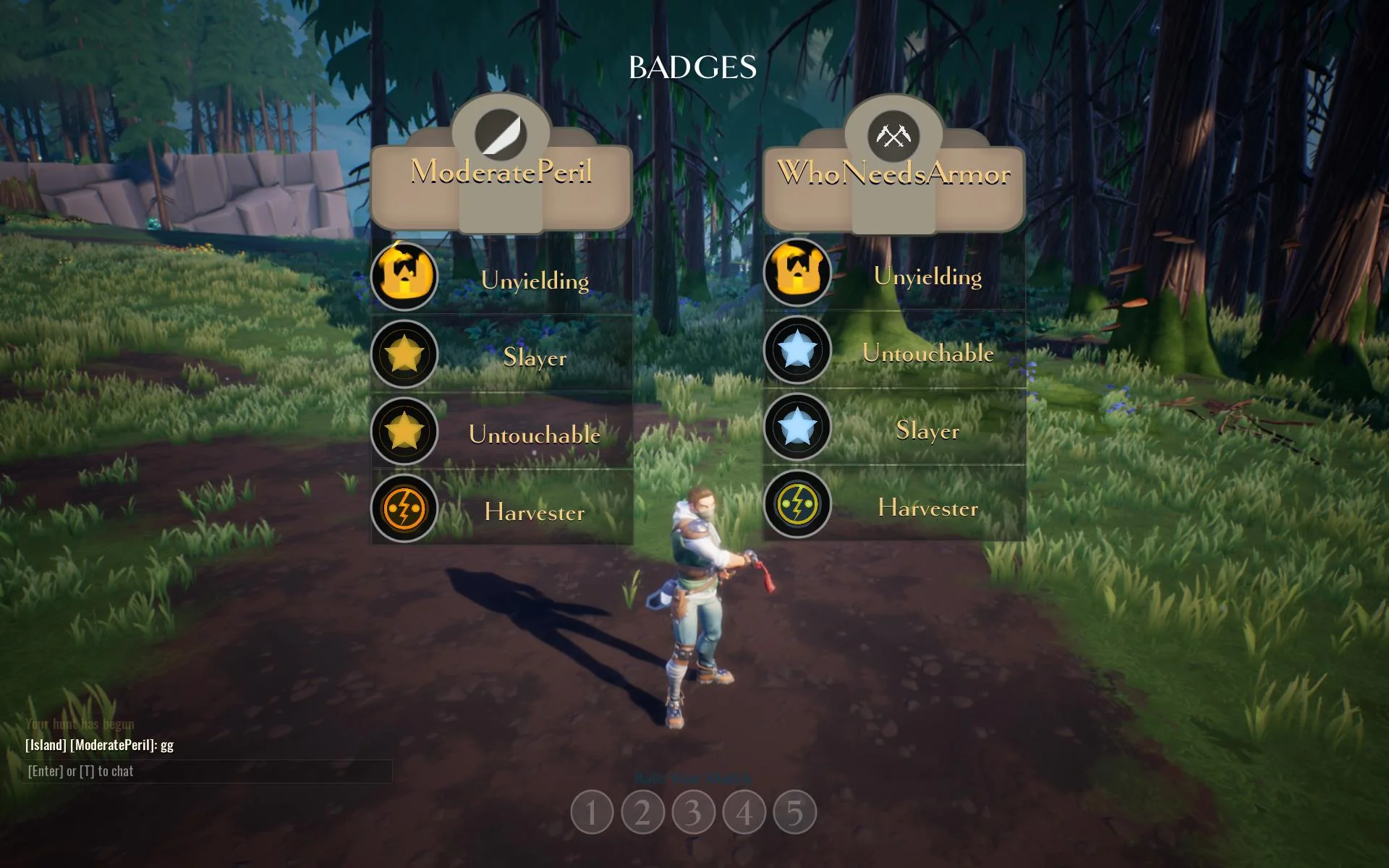
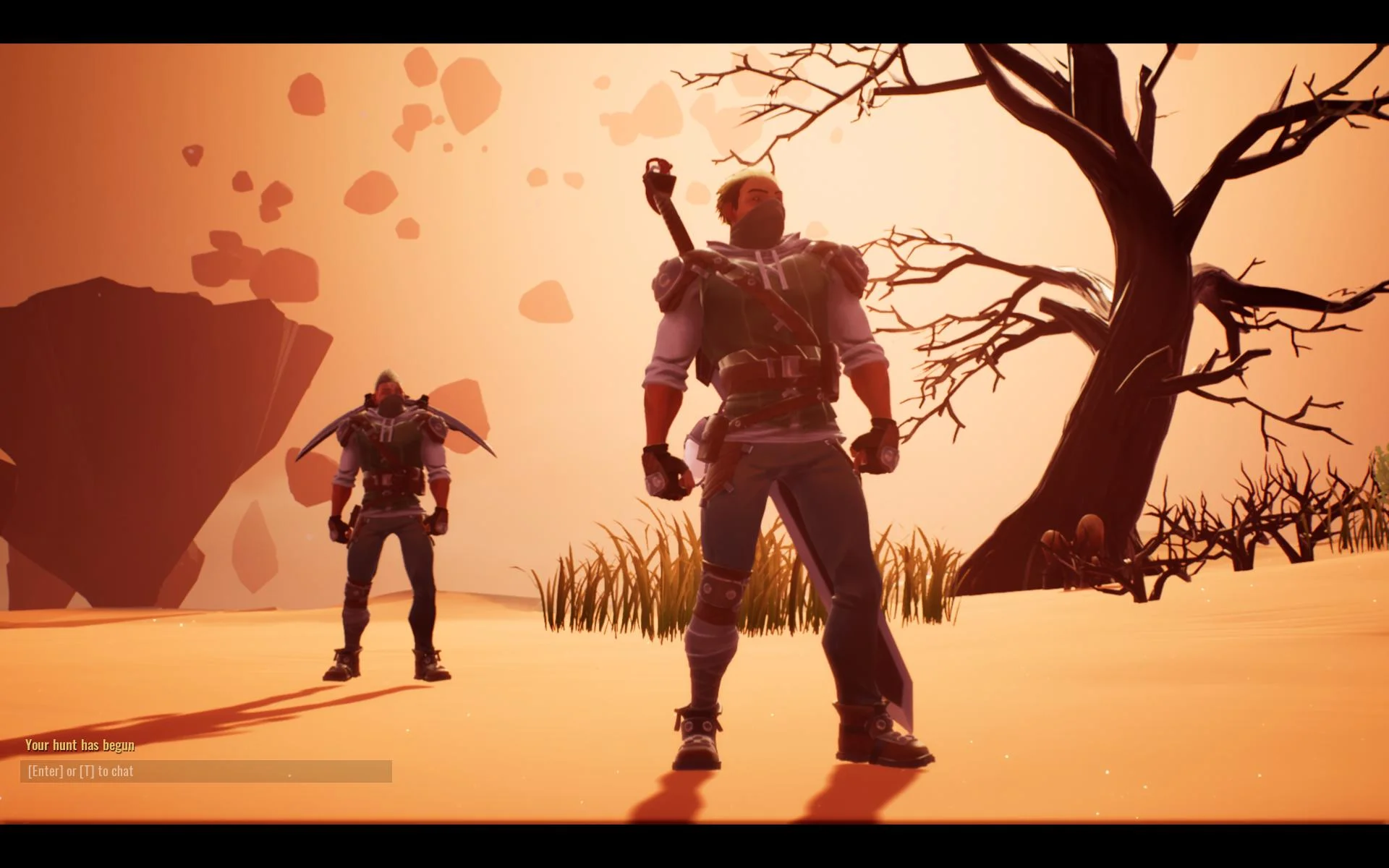
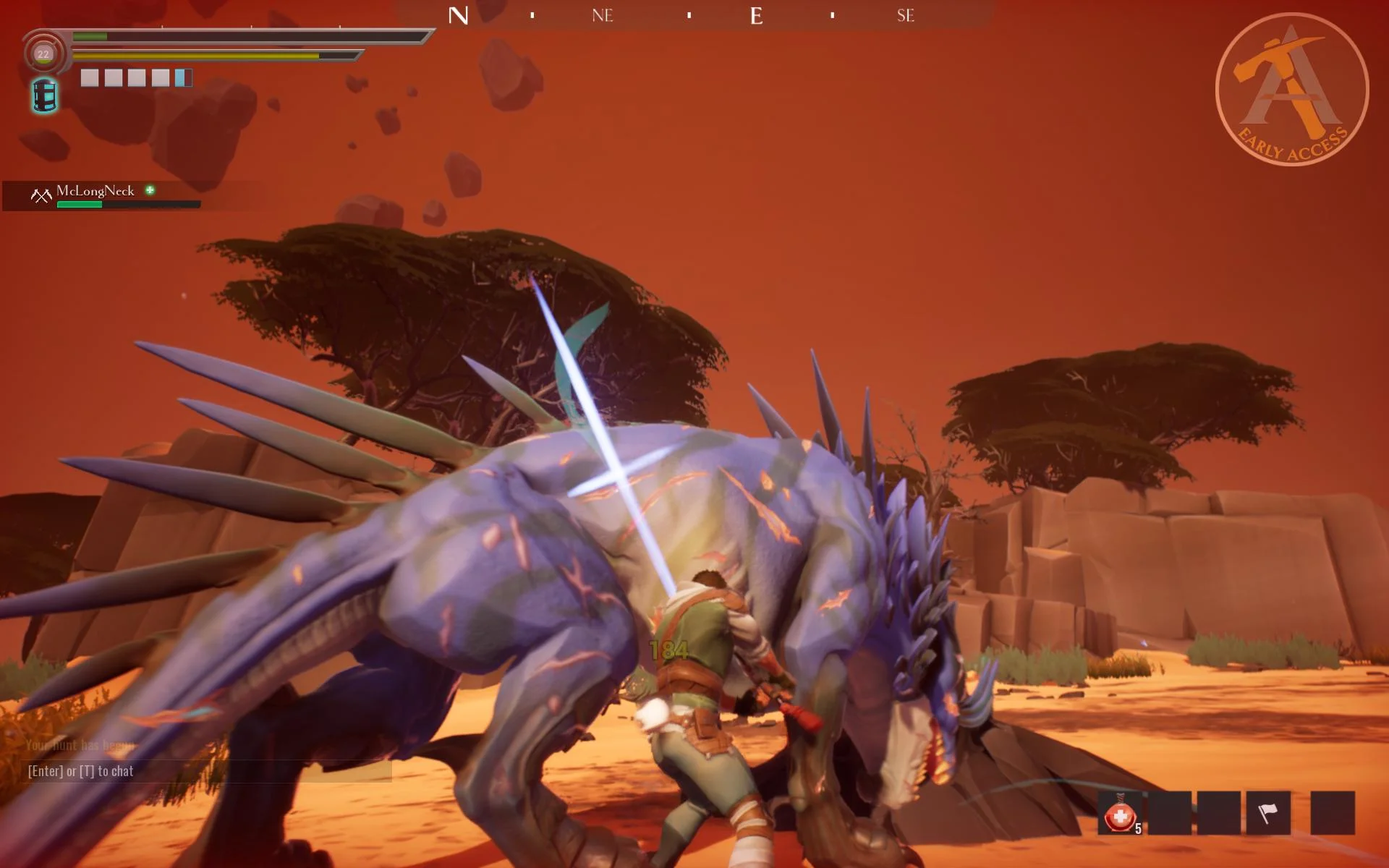
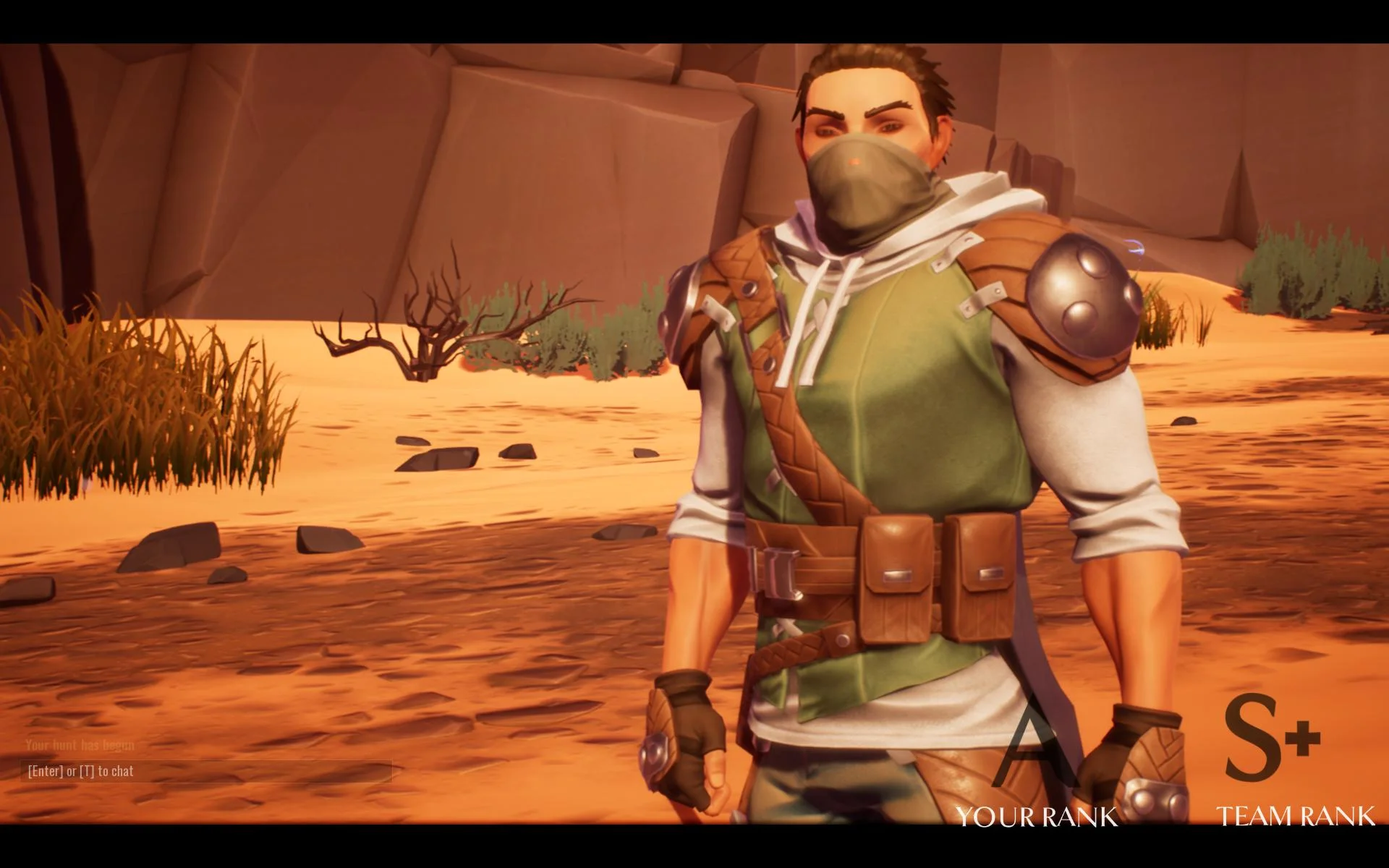
Cowboys & Aliens: Extended Edition (2011)
Jon Favreau’s genre mashup Cowboys & Aliens embodies Hollywood’s current penchant for the high concept movie. I imagine when this film was pitched to the executive board at the studio, it was only a matter of seconds before it was given the green light. The western in recent years has become a commercially viable genre once again. Plus, anything with aliens usually strikes gold at the box office. Put them together with a director who has a track record of producing commercial successful material (Iron Man, The Jungle Book) along with several bankable box office stars (Daniel Craig, Harrison Ford) and you’ll definitely have a winner on your hands? Except on this occasion the movie was received poorly by both the critics and the public alike. With a production cost of $163 million, Cowboys & Aliens only made $178 million worldwide. So what exactly went wrong?
Jon Favreau’s genre mashup Cowboys & Aliens embodies Hollywood’s current penchant for the high concept movie. I imagine when this film was pitched to the executive board at the studio, it was only a matter of seconds before it was given the green light. The western in recent years has become a commercially viable genre once again. Plus, anything with aliens usually strikes gold at the box office. Put them together with a director who has a track record of producing commercial successful material (Iron Man, The Jungle Book) along with several bankable box office stars (Daniel Craig, Harrison Ford) and you’ll definitely have a winner on your hands? Except on this occasion the movie was received poorly by both the critics and the public alike. With a production cost of $163 million, Cowboys & Aliens only made $178 million worldwide. So what exactly went wrong?
Cowboys & Aliens is a flawed movie. The two genres actually intersect far less on screen that you expect. The explanation for the alien incursion on earth is somewhat weak, even by the standard of these sorts of movies, involving their requirement for gold. Furthermore, as the story proceeds it gets diverted on side issues associated with secondary cast members. However, instead of embellishing the story, it tends to slow the pace and adds nothing of substance to the narrative. There are sequences when the blending of the sci-fi and westerns genres works well but they are mainly action scenes. Obviously with a film of this budget you cannot fault the technical aspects of the production. The alien design and associated culture is very well realised. Yet the movie ultimately doesn’t meet one’s expectations. If you think about other western crossover movies like Red Sun, which featured cowboys and samurai, that too fell down in the same fashion as this one. Both films fail to balance the elements of their respective genres and spend to much time setting up the narrative rather than pursuing it.
The cast are one of Cowboys & Aliens greatest assets, although some are somewhat squandered. Daniel Craig and Harrison Ford carry the production by their screen presence. One smoulders in a minimalist fashion, while the other exudes that gruff cynicism that seniority brings. The remainder of the quality cast are not quite so lucky as they’re given precious little to work with. They serve to expedite the story and no more. This is a criminal waste of fine character actors such as Keith Carradine, Clancy Brown and Sam Rockwell. And when we are presented with a scene that should be pivotal to the story arc and the emotional development of the characters, it tends to fall flat rather than resonate with any dramatic impact. Favreau seems to be far too interested in all aspects of the production, bar the performances. When you consider the writing credits, consisting of Roberto Orci, Alex Kurtzman, Damon Lindelof, Mark Fergus and Hawk Ostby, it does indicate that the screenplay has gone through numerous iterations and revisions. Certainly, the movie seems to have strayed from the source graphic novel.
Those who will get the most out of Cowboys & Aliens will be viewers who are less familiar with the sci-fi genre. So many of the ideas and concepts present in the film have been done before and unfortunately for this movie, done better. So many questions and ideas are raised by the story but go unexplored or are just glossed over. What it does provide is adequate genre movie making in the modern idiom, that is sufficiently entertaining for those who are undemanding. It sadly does nothing more which is a damn shame, as this could have been a far better movie in the hands of more experienced film makers. Someone with a track record of taking common ideas in new directions. Someone like Alex Cox, Walter Hill, or even Duncan Jones. What would they have brought to the proceedings? Sadly, at present Hollywood has too many directors who understand the mechanics of film making and can manage a complex effects driven production, but who seem to have lost a fundamental connection to the narrative cinema.
The theatrical version of Cowboys & Aliens ran for 119 minutes. The Extended Edition or Extended Director’s Cut at it was marketed in Europe, adds a further 16 minutes of material. This is mostly minor plot embellishments and character interactions. There are two additional scenes where wounds are treated but they are far from explicit. This longer version still falls within the parameters of a 12/PG-13 rating. Further details can be found at movie-censorship.com along with screen captures of the new material.
Insidious: Chapter 3 (2015)
Although I enjoyed Insidious: Chapter 2 it was somewhat constrained by the events of the first movie. It did it best to creatively extricate itself from the corner its predecessor had painted itself in to, but it didn’t really leave much scope for a direct sequel. Hence the producers wisely elected to follow the movie up with a prequel that explored an earlier case that crossed the path of psychic Elise Rainier (Lin Shaye). This change in direction proved surprisingly beneficial for the franchise providing an opportunity to meet new characters and a new antagonist. Despite being the third entry in the series, Insidious: Chapter 3 maintains the standard set by chapters one and two and proved to be a hit at the box office and with fans alike.
Although I enjoyed Insidious: Chapter 2 it was somewhat constrained by the events of the first movie. It did it best to creatively extricate itself from the corner its predecessor had painted itself in to, but it didn’t really leave much scope for a direct sequel. Hence the producers wisely elected to follow the movie up with a prequel that explored an earlier case that crossed the path of psychic Elise Rainier (Lin Shaye). This change in direction proved surprisingly beneficial for the franchise providing an opportunity to meet new characters and a new antagonist. Despite being the third entry in the series, Insidious: Chapter 3 maintains the standard set by chapters one and two and proved to be a hit at the box office and with fans alike.
Several years before The Lambert Haunting, retired psychic Elise Rainier reluctantly helps teenager Quinn Brenner (Stefanie Scott) contact her dead mother, Lillith, who died the year before. However, she urges Quinn not to try and contact her mother again after sensing a malevolent force. Subsequently, Quinn starts seeing a mysterious figure who waves to her. After attending an audition for a school for performing arts, Quinn is distracted by the figure, leading to her being knock down by a car, leaving her bed ridden with two broken legs. Further supernatural events occur, and it soon become apparent that “the man who cannot breathe” has sinister intentions. Quinn’s brother suggests that perhaps the amateur internet demonologists Specs and Tucker (Leigh Whannell and Alex Sampson) can help, but the case proves to be beyond their experience. As matters get worse, it becomes clear that the only person who can help Quinn is Elise.
Insidious: Chapter 3 creates a sinister atmosphere within its urban setting. The apartment block in which the story is set is suitably gothic in its state of disrepair. The new supernatural antagonist is surprisingly creepy and there are several scenes in which “the man who cannot breathe” is effectively used. The oily black foot prints that appear are eerily disturbing. As with many modern horror films, the emphasis is on jumps and scares rather than violence and these are delivered efficiently. What elevates Insidious: Chapter 3 above the average are an eclectic mix of characters that are surprisingly likeable. Stefanie Scott’s Quinn Brenner is not your standard caricature of a teenage girl and is a positive protagonist. Again, Lin Shaye does most of the heavy lifting as Elise Rainier. She once again delivers a compassionate, yet vulnerable performance and she holds viewers attention when on screen. There are also some droll moments with Specs and Tucker.
The movies strengths lie in the first two acts, with the building suspense and the sinister encroachment of the supernatural into an everyday environment. The denouement, which once again takes place in “the Further”, although well executed is a little too familiar. However, Insidious: Chapter 3 is overall an entertaining instalment in the series and certainly fairs better than the Ouija franchise. It is satisfying to see a genre of film that is heavily marketed towards a teen audience, prove successful due to the presence of an older character. The film also ends with a codicil that references the impending events of the first two movies and this circular narrative does provides a good sense of continuity. Considering all the commercial pressures that exist with regard to the horror genre these days, I do like The Insidious franchise and the way it has managed to create a niche for itself.