
Tape 407 (2012)
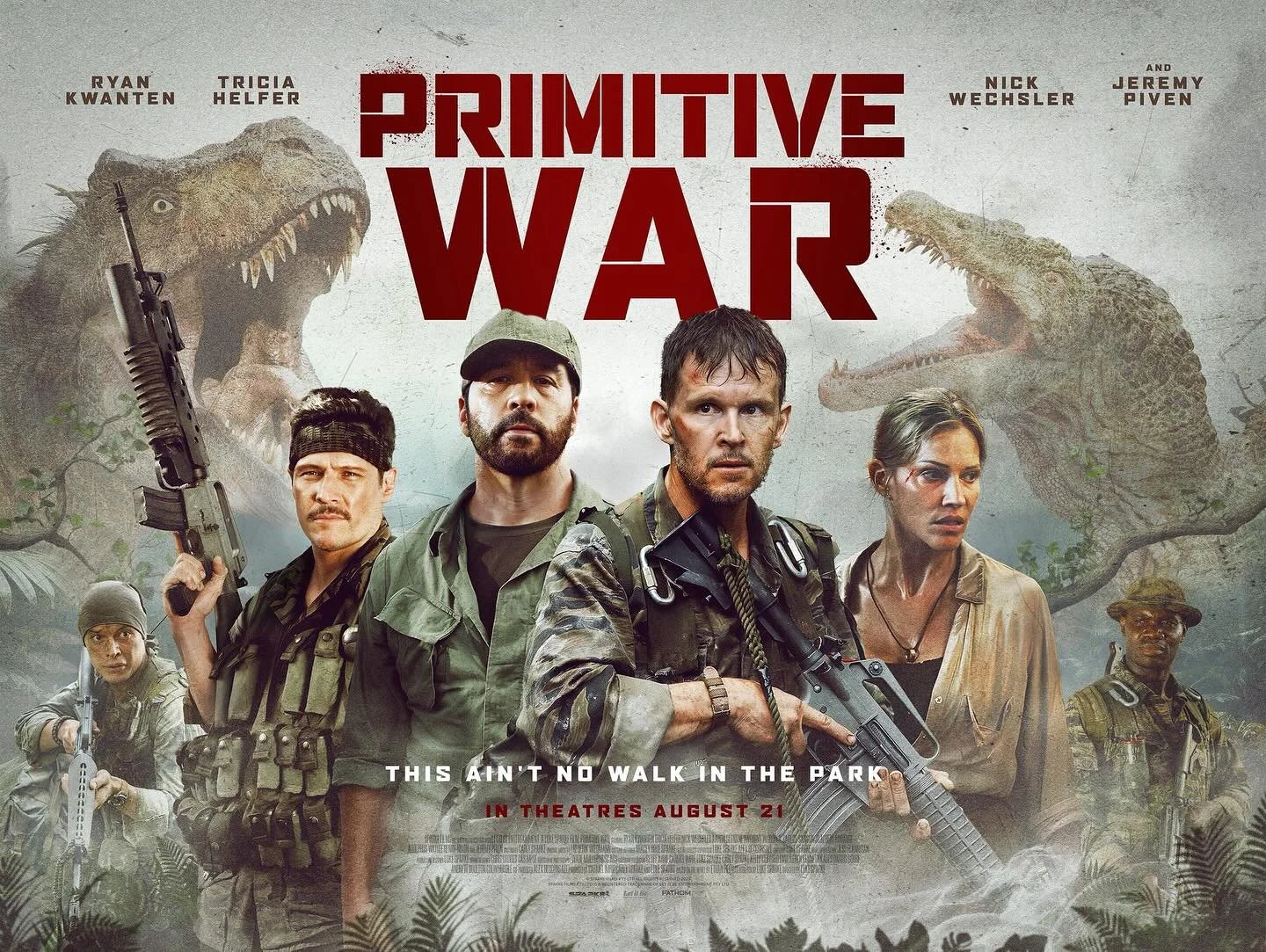
I really won't be sad to see the back of the found footage sub-genre because it really is becoming an over saturated market at present. For example, at the last count there were six Paranormal Activity movies, with their respective quality inversely proportional to their number in the franchise. Yes, there are the occasional good ones, such as the recent Operation Avalanche, which tackled conspiracy theories and the Moon Landing. But broadly speaking, this genre has become a dumping ground for cheap and uninspired movies, by mediocre film makers, out to make a fast buck. Take for example Tape 407 (AKA Area 407). It’s chosen twist on the genre is the inclusion of included dinosaurs. I was hoping that this would make the film sufficiently different to others and offers something new. Predictably it did not.
I really won't be sad to see the back of the found footage sub-genre because it really is becoming an over saturated market at present. For example, at the last count there were six Paranormal Activity movies, with their respective quality inversely proportional to their number in the franchise. Yes, there are the occasional good ones, such as the recent Operation Avalanche, which tackled conspiracy theories and the Moon Landing. But broadly speaking, this genre has become a dumping ground for cheap and uninspired movies, by mediocre film makers, out to make a fast buck. Take for example Tape 407 (AKA Area 407). It’s chosen twist on the genre is the inclusion of included dinosaurs. I was hoping that this would make the film sufficiently different to others and offers something new. Predictably it did not.
Tape 407 starts aboard a plane with a motley collection of passengers travelling from New York back to Los Angeles. We meet film student Jessie (Samantha Lester) and her annoying younger sister Trish (Abigail Schrader), Journalist Jimmy (James Lyons) and irritable passenger from hell Charlie (Brendan Patrick Connor). After some rather pedestrian back story and character exposition the plane crashes in a somewhat remote desert region along its route. The survivors bicker and squabble and continuously talk across each other as they try to thrash out a survival strategy. One passenger goes looking for the other half of the plane. Screams and animal noises are later heard in the night. It quickly becomes clear that there are multiple predators on the loose.
There are brief flashes of inspiration in Tape 407, as well as a great deal of shouting and strident arguments conducted in a very American manner. It’s annoying and grating on the ear but certainly has a note of realism about it. The survivors slowly put aside their differences as they finally realise the magnitude of their predicament and attempt to work collaboratively. However, this aspect of the storyline is under developed and further hampered by a cast of characters I didn't really care for. Futhermore, the shocks are somewhat obvious, surprisingly understated and tame. As for the dinosaurs, which appear to be the result of a government experiment, precious little is seen. You simply can't skimp on plot device like this if it’s the movies selling point.
There's a fine line between being ambiguous and letting the audience fill in the blanks as opposed to allowing gaping plot holes. By the time I reached the end of Tape 407, I was annoyed by the lack of information, disappointed by the absence of carnivorous reptiles and thoroughly pissed off with the protagonists. The only worthy character, Air Marshall Laura (Melanie Lyons), was dispatched in a very mean spirited way. Mercifully the director opted for an appropriately downbeat dénouement so the remaining cast where subsequently killed off, offering an unexpected highpoint to a formulaic and unremarkable ninety-minute pot boiler.
I don't know whether budgetary restraints or simply the notion that less is more, where the reason the production was so shy of showing the dinosaur antagonists. If it was, then directors (Dale Fabrigar and Everette Wallin) intention to sideline them so they could focus on the human dynamics, was a very poor decision. Overall the slow pacing, noisy performances and frustrating characters as well as lack of action, torpedoes Tape 407. Viewers are left with a rather dull, predictable and lacklustre movie. I'd like to say that this will be the last found footage I'll be watching for a while but I have a suspicion that due to the cost effective nature of the format, they’ll be churning them out for a while yet.
















Register to Vote
A third of registered voters in the UK do not vote in either Local or General Elections. Out of an electorate of approximately 46,200,000 that is 15,700,000. Yet despite this substantial group not participating, it is seldom covered or discussed in the media. It is usually just written off as “voter apathy”, implying that those who did not cast their ballot are feckless, lazy or stupid. Not only is this patently untrue, not voting has major consequences. If this group of people were engaged and voted in the upcoming general election, then it would have a tangible impact upon the results. By not voting you are effectively giving the next UK government carte blanche to ignore your interests and pursue their own agenda. As Leonardo da Vinci famously said, "Nothing strengthens authority so much as silence".
A third of registered voters in the UK do not vote in either Local or General Elections. Out of an electorate of approximately 46,200,000 that is 15,700,000. Yet despite this substantial group not participating, it is seldom covered or discussed in the media. It is usually just written off as “voter apathy”, implying that those who did not cast their ballot are feckless, lazy or stupid. Not only is this patently untrue, not voting has major consequences. If this group of people were engaged and voted in the upcoming general election, then it would have a tangible impact upon the results. By not voting you are effectively giving the next UK government carte blanche to ignore your interests and pursue their own agenda. As Leonardo da Vinci famously said, "Nothing strengthens authority so much as silence".
I fully understand why people do not vote and are generally exhausted with the state of UK politics. Political discourse at present is devoid of any depth, substance or intellectual rigour. It is rife with spin and soundbites. False and spurious narratives are driven home by the tabloid press and the subtle complexities of domestic and foreign policy are distilled down to bogus binary choices. Furthermore, the major parties are all beyond their sell by dates and they know it. However, the archaic first past the post voting system favours them and not the electorate, so you’ll more than likely not see a change in electoral procedure for a while. Plus, we also have an ageing population that still cleave to outdated tribal allegiances which also skews matters further. Simply put, UK politics is a mess, especially if you wish to see change driven my intelligent discussion and an ethical consensus.
However, we are now facing a major crossroads in UK history, with Brexit. Whether you voted for it or not is now arbitrary. The realities of our countries exit from the EU needs to addressed calmly and by those who can genuinely obtain the best deal for the UK. Therefore, whatever government is in power after 8th June, needs to be scrutinised and held to account over every stage of Brexit. Therefore, it is extremely important that as many people turn out and vote on election day as possible. You can choose to vote for a specific party is you feel that they are best suited for the job, or vote tactically if you feel that will achieve a better outcome. If you feel that none of the candidates from the major parties suit your needs, then look to the smaller interest groups. If you find yourself in a serious moral quandary over who to vote for, then you can always spoil your ballot or write “none of the above”. The number of spoilt ballots is always noted and at the very least you have undertaken your duty as a UK citizen and turned up to vote. It’s not your fault that all the candidates are an utter shower.
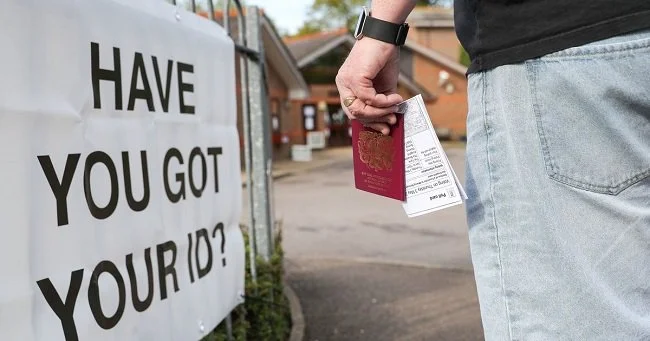
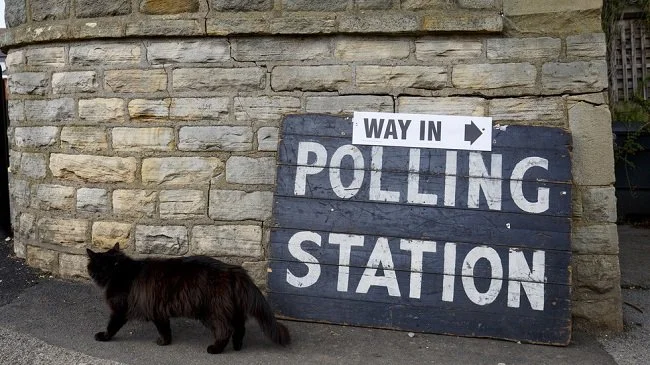
So, if you are not currently registered to vote in the UK, then I would urge you to do so now. You have until 11:59 PM on Monday 22nd May. You can either contact your local borough council, or register online via the government website. The process is straight forward and takes about five minutes. The only details you need provide are you name, full address (including postcode), date of birth and National Insurance number. You can choose to either go to the polling station on election day or vote by post if you prefer. If you choose not to vote then you are effectively throwing away the only leverage you have as a citizen. Politicians primarily care about remaining in office, thus have an interest in registered voters. It can also be cogently argued that if you don’t vote and subsequently do not like the policies that are implemented because they impact upon you adversely, then you brought it upon yourself. Don’t give the next government a blank. Register to vote and have your say, even if your say is just “sod off”.


















The A-Team Unrated Extended Cut (2010)
Despite an excess of CGI driven action scenes, Joe Carnahan's reboot of the iconic eighties TV show The A-Team, still manages to capture elements of the original. The plans are complex but come together and there are improvised devices and munitions made from sundry items. Due to the strong cast, there is also a good dynamic between the lead characters. It's all very loud, incredibly stupid, yet surprisingly entertaining. Don't get me wrong, this far from a hidden gem. Merely an enjoyable, bombastic exercise in cinematic self-indulgence,
Despite an excess of CGI driven action scenes, Joe Carnahan's reboot of the iconic eighties TV show The A-Team, still manages to capture elements of the original. The plans are complex but come together and there are improvised devices and munitions made from sundry items. Due to the strong cast, there is also a good dynamic between the lead characters. It's all very loud, incredibly stupid, yet surprisingly entertaining. Don't get me wrong, this far from a hidden gem. Merely an enjoyable, bombastic exercise in cinematic self-indulgence,
The A-Team are now Iraq War veterans but the essential traits of the main characters are still there. Bradley Cooper takes to the roll Templeton Peck like a duck to water. Liam Neeson is suitably gruff as Hannibal Smith. But I actually found Sharlto Copley and Quinton Jackson as Mad Murdock and Bosco B.A. Baracus, to be the most absorbing protagonists. Although the script is hardly a masterpiece its greatest strength is the interplay among the team itself. Copley performance is strong and more than just arbitrarily quirky. Jackson also had more to do than just be a bad ass and I warmed to his storyline and personal conflict.
Another aspect of The A-Team that I enjoyed was at how at times, it felt like a throwback to sixties caper movies and a variation on the heist sub-genre. The humourous undertone also did a lot to make the over the top nature of some of the set pieces a little more palatable. The plot regarding stolen plates for printing bank notes, inter-governmental department duplicity and international globetrotting is self-indulgent and at times clumsily telegraphed for those who may have been napping. But when one considers the original TV show, that to was hardly an exercise in subtlety and restraint. Overall The A-Team is sufficiently different enough not to be just straight forward PG-13 action fodder.
The Unrated Extended cut of the movie runs eighteen minutes longer than the theatrical version and mainly contains longer scenes of plot exposition and dialogue, rather than violence. One action sequence does feature some additional footage of contract soldiers being shot whilst in their car, but it happens at night and is light on detail. There are some a few more instance of stronger language, as well. Full details of the differences can be found over at Movie-Censorship.com along with screen captures. The longer running time does make The A-Team a more rounded picture and therefore this is the cut I would recommend.
What is Your Favourite Bond Title Song?
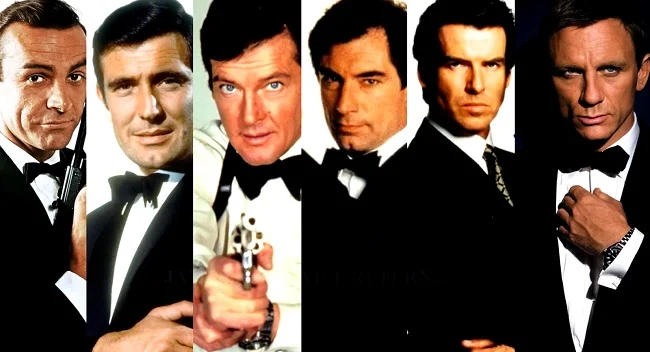
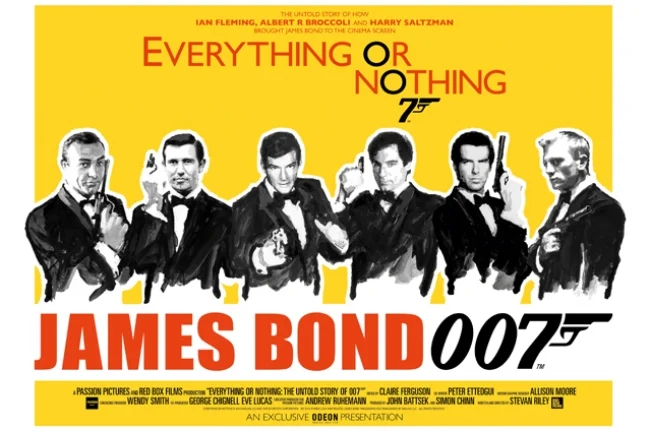
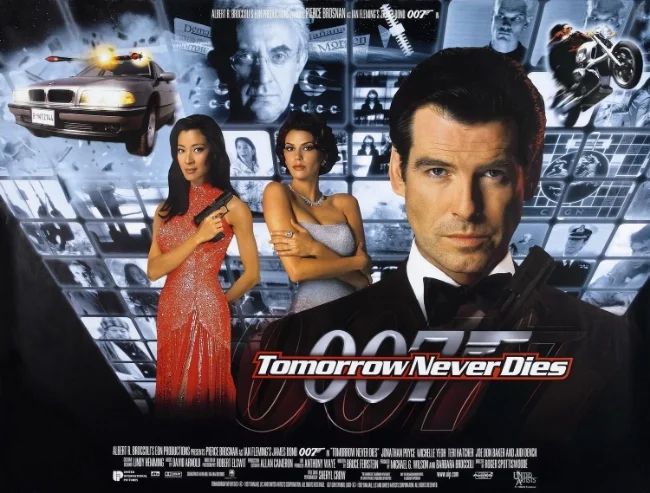
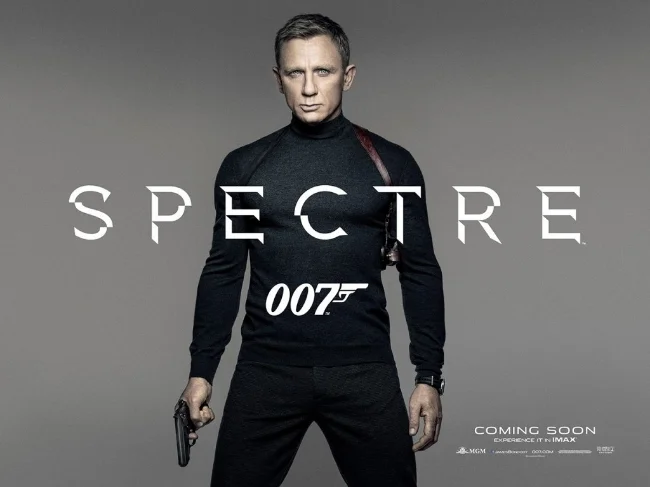
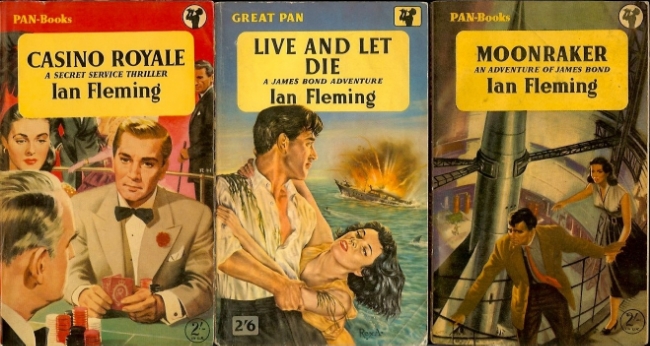
There are many subjects that when mentioned will quickly start an argument. Who’s the best Doctor Who? (and it isn’t David Tennant), do Balrogs have wings? (no, read the text again) and of course that old chestnut, “Data or Spock?”. Then there’s the thorny issue of Bond film title songs. We now have twenty-four to choose from. Obviously, your age group and musical preferences will shape your opinion. As well as when you started viewing the franchise. I personally have very particular views on the subject, hence this post. So here for your edification are five of my personal favourites, each with a few thoughts about why they are of merit. Feel free to leave comments with your own opinions. I’m sure we won’t fall out over the matter. Unless you like Sheryl Crow.
There are many subjects that when mentioned will quickly start an argument. Who’s the best Doctor Who? (and it isn’t David Tennant), do Balrogs have wings? (no, read the text again) and of course that old chestnut, “Data or Spock?”. Then there’s the thorny issue of Bond film title songs. We now have twenty-four to choose from. Obviously, your age group and musical preferences will shape your opinion. As well as when you started viewing the franchise. I personally have very particular views on the subject, hence this post. So here for your edification are five of my personal favourites, each with a few thoughts about why they are of merit. Feel free to leave comments with your own opinions. I’m sure we won’t fall out over the matter. Unless you like Sheryl Crow.
First and in no order of preference we have Goldfinger. Composed by John Barry and with lyrics by Leslie Bricusse and Anthony Newley, this iconic song was performed by Shirley Bassey (although it was originally intended that Newley would record it). Like the film, it was a huge commercial success in both UK and US music charts. What can be said about this song, other than the fact that it personified the emerging Bond franchise at the time. Well it’s brassy and ballsy, plus Bassey's delivery of the lyrics is superb. The whole song just oozes sixties cool and has subsequently become indelibly associated with the series. Curiously enough, despite the songs success, Barry and Bricusse only collaborated on one further Bond title song.
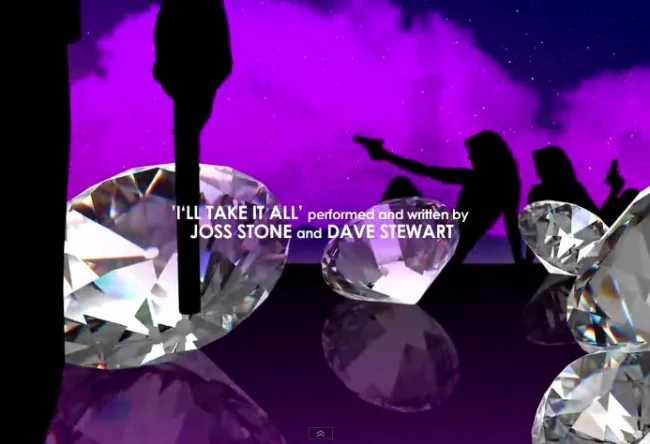
Next, we have my first of our controversial choices, because technically this is not a song from one of the film, but from an 007 game. However, before you all start spitting tacks and writing to your duly elected representative, I would point out that Bloodstone was an officially sanctioned product. Plus I really like this track and it is my blog, so there! Being editor has to have some benefits. I'll Take It All written by Dave Stewart and Joss Stone and performed by Joss Stone herself, is a solid Bond title song that understands the idiom and legacy of the franchise. It is yet another example of how the gaming industry equals the production values of the movie business. I'll Take It All is smart, powerfully delivered and could easily have graced the title credits in one of the more recent Bond films.
1977 saw the release of the biggest Bond film to date, namely The Spy Who Loved Me. Nobody Does It Better, a power ballad composed by Marvin Hamlisch with lyrics by Carole Bayer Sager, was performed by Carly Simon. It was the first Bond theme song to be titled differently from the name of the film, although the phrase "the spy who loved me" is included in the lyrics. In some ways, this song is the complete opposite of Goldfinger, representing what Bond had become in the seventies. It is a very sexual and self-assured composition, verging on self-parody. Therefore, is perfectly enshrines the Roger Moore years and is also a damn fine song in its own right.
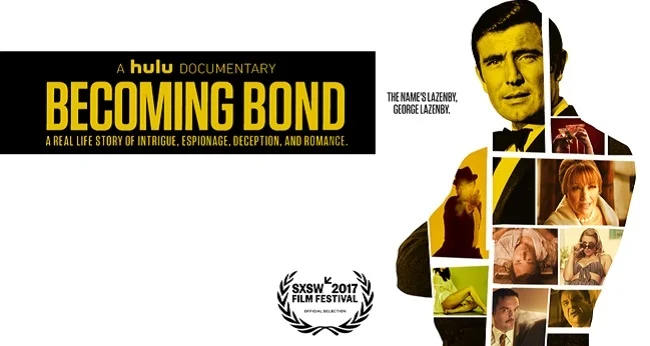
Here is another wild card. The 1969 Geroge Lazenby Bond film, On Her Majesties Secret Service, differed from most others by having an instrumental theme song, played over the titles. Composer John Barry opted to use more electrical instruments and crafted a slick instrumental based around a Moog synthesizer and under pinned by his peerless use of brass. This musical piece is both clever and stylish and certainly imbued this particular Bond outing with a subtly different ambience. But On Her Majesties Secret Service was not a typical Bond film and has in recent years been re-evaluated. It is more thoughtful and experimental, which is exactly what Barry brought to the table with his core and main theme.
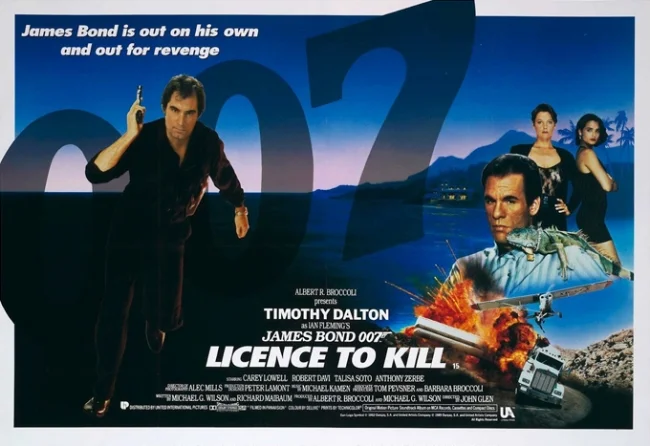
Finally, we have a personal favourite of mine, You Know My Name. This intelligent, strong and enigmatic song performed by ex Soundgarden frontman Chris Cornell, fits perfectly into the title of the 2006 Bond reboot Casino Royale. Written by David Arnold and Cornell himself, it has always amazed me that the film’s producers allowed such an experimental (by Bond standards) approach to the title song. The song itself is oblique and somewhat discordant, yet it encapsulates the new Bond of the twenty first century. Gone is the smug caricature. We now have a song that explores the social isolation and the uncertainty of carrying a license to kill. This track perfectly complements Daniel Kleinman's opening credits and sets a new standard for the franchise.

Stunt Masterclass with Vic Armstrong at the BFI (2009)
From time to time, I trawl through the various content that I've archived from all my previous blogs and websites. During one such search, I recently found a post I had written in 2009 after attending an event at the British Film Institute. Stunt Masterclass with Vic Armstrong, was held on Saturday May 2nd of that year and I remember it being an especially interesting interview with the UK's leading Stunt Co-ordinator and 2nd Unit Director. The event was chaired by the writer Mark Salisbury and consisted of an in-depth interview followed by an audience Q&A session. Here's how I originally summed up the evening:
From time to time, I trawl through the various content that I've archived from all my previous blogs and websites. During one such search, I recently found a post I had written in 2009 after attending an event at the British Film Institute. Stunt Masterclass with Vic Armstrong, was held on Saturday May 2nd of that year and I remember it being an especially interesting interview with the UK's leading Stunt Co-ordinator and 2nd Unit Director. The event was chaired by the writer Mark Salisbury and consisted of an in-depth interview followed by an audience Q&A session. Here's how I originally summed up the evening:
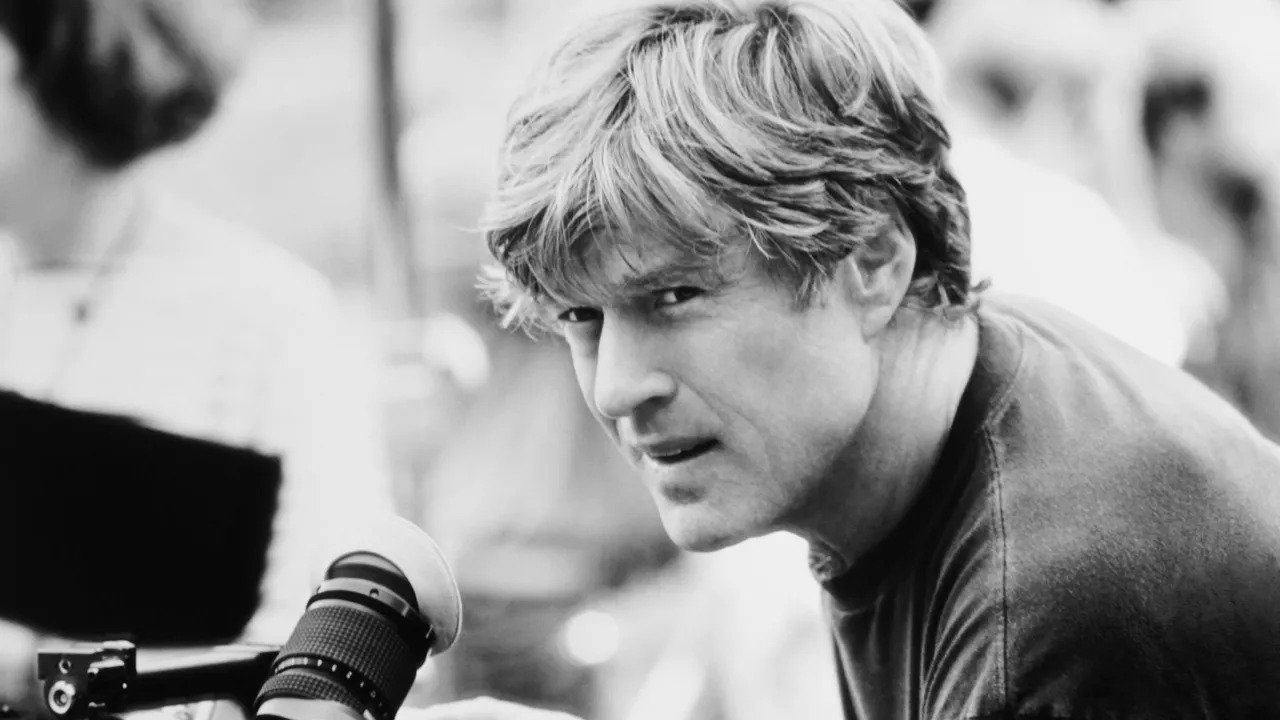
Yesterday I had the opportunity to see one of the great names in the British film industry; namely Vic Armstrong. Veteran Stuntman/double, Stunt Co-ordinator and now leading 2nd Unit Director. Mr. Armstrong's extensive CV speaks for itself. The event was held by the BFI at their Southbank venue, as part of their ongoing season dedicated to Bond producer, Cubby Broccoli. The lecture was moderated by journalist Mark Salisbury.
Vic was informative, witty, and very down to earth. Completely the opposite to the public perception of stuntmen, fashioned by such Hollywood films as Hooper. He talked on how he got his break within the industry and those who were influential on his career. He had a wealth of anecdotes but never once strayed into "luvvies, darling" territory.
The session ran for a generous 100 minutes, with a selection of film clips, ending with questions from the audience. These were mercifully free from "fanboys", although an opportunist Dutch stuntman did offer Vic his resume, which raised a wry smile. The lecture also benefited from good moderation by Mark Salisbury. He asked pertinent questions and allowed Vic to express his views clearly. All in all, a very good event from the BFI. It was a shame it wasn't better attended.
I attended a lot of these sort of events at the time and frequently went with a colleague who would surreptitiously make an audio recording with a digital recorder. To cut a long story short I've managed to track down the original audio file and have posted it below. Sadly, the sound quality is not particularly good, although I have done my best to remove some of the background noise. I have also edited out the movie clips that were shown, as they were deafeningly loud. After eight year’s I still consider this one of the best events I have ever attended at the BFI. The interview offers a great insight in to Vic Armstrong's body of work and the way the film industry works.

The Decline of the British Front Garden
My parents still live in the house they bought when they got married in 1960. It’s three bedrooms, end of terrace house in a leafy suburb, in South East London. Built in the 1930 as family homes, the street is still predominantly populated by owner occupiers; mainly couples raising families. Yet there is one change that has occurred in my life time that is very noticeable. Over the last forty years the front gardens have all but vanished to be replaced with drives and other kinds of off road parking. Out of approximately a hundred homes in the street, at present only three still have a front garden in the traditional sense. My parent’s house is one of these but this is soon to change.
My parents still live in the house they bought when they got married in 1960. It’s three bedrooms, end of terrace house in a leafy suburb, in South East London. Built in the 1930 as family homes, the street is still predominantly populated by owner occupiers; mainly couples raising families. Yet there is one change that has occurred in my life time that is very noticeable. Over the last forty years the front gardens have all but vanished to be replaced with drives and other kinds of off road parking. Out of approximately a hundred homes in the street, at present only three still have a front garden in the traditional sense. My parent’s house is one of these but this is soon to change.
My Father gave up driving soon after he retired in the late nineties. Up until then he was always content to park his car in the garage that is at the rear of his property, at the end of the back garden. There is a connecting alley way that runs parallel to the road where he lives. However, over the years, many resident found that the pre-war garages were too small to adequately accommodate contemporary vehicles and many also wished to get rid of them antiquated building materials. Thus, over time, more and more households have elected to give up their front gardens and park directly outside their front door. It should be noted that in my parent’s borough, before you build your drive, you must first apply to the local council to have the kerb dropped in the street and the pavement outside your home replaced with asphalt.
Both my parents are now in their late eighties and disabled. My Father had two strokes last year and is dependent on twice daily visits by the district nurse. Health visitors, dieticians and physiotherapists regularly call, so after a family discussion it was decided to finally make the change and after fifty-seven years give up the front garden. Furthermore, to accommodate the dropped kerb, a tree on the grass verge will have to be removed. Technically, the road in which my parents live is an Avenue so it is allegedly supposed to be lined with trees. However, over the years many trees have gone as well as front gardens. Both these situations do not sit well with me. I appreciate the realities of modern life and the nature of change but the decline of the British front garden has wider effects, other than just encouraging nostalgia.
My parent's road circa 1983
Over the past decade, the number of front gardens in the UK with gravel or paving instead of grass has tripled, now making up a quarter of all houses, a survey for the Royal Horticultural Society shows. This change is a contributory factor to the increase in flash flooding seen in urban areas. Furthermore, the loss of vegetation and grass from our streets also impacts upon city temperatures. The artificial surfaces absorb and retain or reflect the heat, contributing to the Urban Heat Island Effect. There is also a tangible impact upon wildlife and wider biodiversity. Certain species can no longer find a viable habitat with so many gardens gone.
Then of course there is the social and community aspect of this matter to consider. During the seventies, my Mother spent many an hour maintaining the front garden, mainly for pleasure, as she’s always been a keen amateur gardener. However, she also ensured that the lawn and flower beds were in good order due to the prevailing social conventions of the time. I won’t arbitrarily write these cultural habits off as bad things. The street was a lot more pleasing to the eye due to residents Rose bushes and fruit trees. It wasn’t unusual for passers-by to stop and exchange pleasantries regarding a well moved lawn. All these incidental conversations and good will were beneficial for the local community. It brought people together and forged bonds between neighbours.
However, time and tide waits for no one and the proliferation of cars over the last forty years has forced change. There are currently more than 38 million licensed vehicles on the UK's roads. Fifty years ago, there were only 11 million. Estate agents will often cite that off-street parking is a selling point to potential buyers. In areas where parking is at a premium, it can add substantial value to a property. Plus, people need a storage area for their waste and recycling bins. This is especially true in our Borough as we have two wheelie bins and three recycling boxes to accommodate. Gardening has also been side-lined as leisure activity for many household now, due to increased working hours and alternative, less arduous pastimes. So, we simply have to endure the decline of the British front garden because, there doesn’t seem to be any practical means to bring them back. It’s a shame in many respects because I think the suburbs have lost more than just character as a result.




















LOTRO: The Codemasters Years
On 23rd February 2013 I was invited along with several other members of the LOTROCommunity (AKA the unofficial forums) to listen to an online talk from a former Codemasters employee. It was regarding their involvement with the European service of The Lord of the Rings Online between 2007 and 2011. Sincilbanks (their forum name at the time) was online customer services manager and during their tenure oversaw the daily administration and support of the game for non-US customers. The discussion provided a very interesting insight into the running of the MMO and and drew attention to clear ideological and business differences between Codemasters and Turbine at the time. It also highlighted the significance of EU customers to Turbine and answered some of the questions that have persisted over the years regarding the disparity between the two services.
On 23rd February 2013 I was invited along with several other members of the LOTROCommunity (AKA the unofficial forums) to listen to an online talk from a former Codemasters employee. It was regarding their involvement with the European service of The Lord of the Rings Online between 2007 and 2011. Sincilbanks (their forum name at the time) was online customer services manager and during their tenure oversaw the daily administration and support of the game for non-US customers. The discussion provided a very interesting insight into the running of the MMO and drew attention to clear ideological and business differences between Codemasters and Turbine at the time. It also highlighted the significance of EU customers to Turbine and answered some of the questions that have persisted over the years regarding the disparity between the two services.
One of the first things discussed was the size of the EU service during the Codemasters years, which was comparable to that of the US during this period. Furthermore, over half of the EU service were German or German-speaking. LOTRO was a subscription game at the time and therefore this regional market had a sizeable value attached to it. As a result, Turbine wanted to buy the Online department of Codemasters in 2009. The deal did not go through as an agreement could not be reached upon that value. Some interesting details regarding the business setup also emerged. Codemasters Online was a small and autonomous department within the wider company, managing several licensed MMOs such as ArchLord, RF Online and LOTRO. Unlike other divisions of Codemasters, the subscription business model and the focus upon peak concurrent users meant that revenue was regular and more reliable. Traditional games finances are more associated with targeted and specific sales windows.
A point that came up quite quickly was the way the EU service under Codemasters would often hold in-game events, had a more flexible approach to account hacking and seemed to have a more proactive group of GMs. During the course of the discussion it became clear that Turbine had less GMs and that they were less knowledgeable regarding LOTRO. The servers had a great deal of functionality built into them which allowed for ad-hoc activities. Codemasters staff were very au fait with this but Turbine were constantly reticent to allow these features to be used. There was a fear of server crashes and a loss of service. The US customer services were very much focused on the cost per ticket ratio and anything that impacted upon that. US businesses are also more culturally risk averse in this area for legal reasons. Hence the North American service of LOTRO was very much bound by procedure. Codemasters Online had to push hard for any activity involving direct player interaction and even securing dedicated role play servers.
The subject of F2P and the infamous EU transition proved to be perhaps the most intriguing. The launch of the new business model for European players was delayed by nearly two months. As most people suspected at the time it came down to legal complications and the practicalities of localisation. Apparently a lot of the better aspects of the free to play business model were suggested by Codemasters because of their experience with other titles. Bind on acquire store items and 30 days support from the last purchase are examples of these. When Turbine successfully consolidated the EU service into their Global initiative, Codemasters Online naturally did their best to facilitate that process and offer viable support.
Concerns were legitimately raised with regard to Turbines ability to meet the needs of European customers. EU players are governed by different consumer laws and have a proactive mindset regarding their consumer rights. Multi language support was a key factor in the transition. EU customers have often been very outspoken regarding the quality of localisation which they feel has now dropped. It should also be noted that there are cultural considerations when dealing with non-North American countries. This is due to cultural differences regarding both complaining per se and atttitudes towards consumer rights. During Codemasters stewardship of LOTRO, the highest player to ticket ratio was generated by German customers. On hindsight Turbine may not have been fully prepared for such regional differences.
Finally some other points of interest that emerged where the respective roles of Warner Bros. who acquired Turbine in 2010 and that of the Tolkien Estate. It was stated that Warner Bros. where not a major presence and that there was no immediate change in relationships between all parties as a result of the acquisition. It will come as no surprise that the Tolkien estate were robust in the defence of their IP and maintained the same stance as they have always done. The informal chat with Sincilbanks ran for about 100 minutes and was punctuated by relevant and measured questions from those present. This event was not in any way a tirade of abuse or recrimination. Nor did it seek to claim that one service was superior to the other. It was simply a personal perspective upon the European version of LOTRO, from the games launch in 2007 until May 2011. A period of time the speaker considered to be the best of their working life.










Sniper Elite 4
I first discovered the Sniper Elite franchise back in 2014, when Steam gave away free keys for Volume 2 as part of a promotion. I enjoyed the game so much I purchased all the available DLC. Having regularly played both Call of Duty and Battlefield, it was a pleasant change at the time, for a game to be set during World War II. Later that year I bought, Sniper Elite 3, as it offered a far more polished gaming experience, compared to earlier instalments. Furthermore, the story was set in North Africa; a theatre of war that is often neglected in multimedia. Although the plot was somewhat arbitrary, Sniper Elite 3, like its predecessor, still offered an immersive gaming experience with an emphasis on situational awareness and stealth. The franchise has never been about “running and gunning” and favours the patient and methodical player.
I first discovered the Sniper Elite franchise back in 2014, when Steam gave away free keys for Volume 2 as part of a promotion. I enjoyed the game so much I purchased all the available DLC. Having regularly played both Call of Duty and Battlefield, it was a pleasant change at the time, for a game to be set during World War II. Later that year I bought, Sniper Elite 3, as it offered a far more polished gaming experience, compared to earlier instalments. Furthermore, the story was set in North Africa; a theatre of war that is often neglected in multimedia. Although the plot was somewhat arbitrary, Sniper Elite 3, like its predecessor, still offered an immersive gaming experience with an emphasis on situational awareness and stealth. The franchise has never been about “running and gunning” and favours the patient and methodical player.
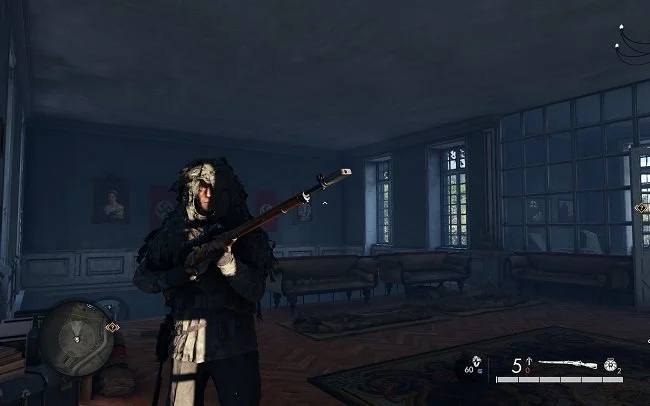
This spring saw the release of Sniper Elite 4 which offers yet another refined and improved version of the game. The action this time is set in Italy, leading up the Allied Invasion. Like the previous three games, Sniper Elite 4 is based around completing a series of missions through stealth, sniping and guerrilla tactics. The x-ray killcam is still present in all its gory glory, as well as the option to set booby traps. The weapons are authentic and varied. Customisations are unlocked by progress and there’s a rudimentary skills tree. However, developer Rebellion, have made two significant changes. The maps are now much larger and have an open world format. Objectives can be done in any order. Furthermore, climbing now plays a bigger role in the game, allowing a greater use of the environment.
Where Call of Duty goes to great length to offer players a complex narrative in campaign mode, Sniper Elite has always favoured a more simplistic approach. That’s not to say the story driving the game is bad, as it is not. It just not anything special. The character animations are effectively motion captured and the voice acting is adequate. It’s the gameplay experience that generates the excitement and fun. At times Sniper Elite 4 feels like a virtual sixties war movie. The music cues are well timed and certainly increase the tension as you stalk your prey. Conversely, if you make a mistake and blow your cover, the ambient atmosphere really creates a sense of fear. Remember this is a game where the enemy will triangulate your position if you fire more than three shots from the same place. Also, if you kill a stray guard, don’t forget to hide the body. Unless you want to booby trap it.
Although there are only eight missions to the main campaign, they are substantive, varied and replayable. The maps include such diverse locations as a hillside village, a naval base and an underground factory. With a competent graphics card the game does look rather handsome. There are also more in-depth co-op and multiplayer elements to Sniper Elite 4 that address the campfest problems that featured in earlier versions of the game. Another novel feature is the ability to play through the campaign collaboratively, with another player. I would recommend new players to spend some time at the in-game firing range to test each weapon, before committing to a loadout. The rifles all handle differently and it’s important to find one that suits your style and methodology.
Sniper Elite 4 is a refreshing change of scene and pace for games of this genre. If you approach the game with a traditional FPS mentality then you will often fail the missions and not experience the best elements of the game. There are still bugs here and there with some of the gunshot ballistics being over powered. Vehicle and enemy AI is sometimes questionable and you may find yourself raising the difficulty setting to overcome them. However, biding one’s time can still provide great game play experiences. Luring enemies into a booby-trapped chokepoint can be especially satisfying. Plus, the new melee stealth kills are great fun. However, I still get a big kick out of long range rifle shots while masking the gunfire with environmental noise. My best Ghost kill is 239 metres.
Overall Sniper Elite 4 is a superior third person stealth game due to its atmosphere, tactical elements and nominal sandbox approach. This latest instalment is certainly the best version of the game to date. Developers Rebellion have successfully improved both its performance and accessibility, very much like CD Projekt Red have refined The Witcher series. Sniper Elite 4 at times reminds me of Hidden and Dangerous 2, which is a game I hold in high esteem. As I previously mentioned, the game draws heavily from big budget sixties and seventies war movies. Think Where Eagles Dare, Operation Crossbow and The Guns of Navarone. Sniper Elite 4 exudes these sorts of vibes. If you’re feeling quite adventurous, try playing while listening to the soundtrack of a classic war movie as it really adds to the game play.



Filmed in Supermarionation (2014)
Trying to encapsulate any artists body of work is a difficult enough task in itself. To then attempt to distil all associated anecdotes, vignettes and legends, while dispensing with the apocrypha, complicates matters further. Yet that's exactly what film maker Stephen La Rivière has done. The documentary Filmed in Supermarionation, is possibly the definitive history of the work of Gerry Anderson from 1957 to 1968. This insightful, meticulously researched exploration charts the rise of AP Films from its humble beginnings, to the halcyon days of Thunderbirds and the studios transition to Century 21 Productions. It also sheds some light into how things rather rapidly came to an end in the late sixties..
Trying to encapsulate any artists body of work is a difficult enough task in itself. To then attempt to distil all associated anecdotes, vignettes and legends, while dispensing with the apocrypha, complicates matters further. Yet that's exactly what film maker Stephen La Rivière has done. The documentary Filmed in Supermarionation, is possibly the definitive history of the work of Gerry Anderson from 1957 to 1968. This insightful, meticulously researched exploration charts the rise of AP Films from its humble beginnings, to the halcyon days of Thunderbirds and the studios transition to Century 21 Productions. It also sheds some light into how things rather rapidly came to an end in the late sixties.
Because Gerry Anderson is such an iconic figure in the world of popular culture there have been many attempts to delineate his career. Rather than simply retread familiar ground, Stephen La Rivière focuses upon the production crew and tells the story from their perspective. Over the course of two hours viewers are treated to an extremely interesting reunion of writers, directors, voice artists and puppeteers as they revists the Slough industrial unit that was once the home of AP Films. The interviews and various talking heads are linked by some wonder new material featuring Lady Penelope and Parker (lovingly voiced by the original artists Sylvia Anderson and David Graham). There is also extensive archive interviews with the late Gerry Anderson himself.
It is fascinating to consider that although making puppet shows for children was the farthest thing from Gerry's mind, when he formed a production company in 1957, it was still undertaken with great professionalism. Filmed in Supermaionation shows that the early shows, filmed at Islet Park in Maidenhead, were made on a wing and a prayer. Yet it was the team spirit and camaraderie that kept the business on track. By the time that Lew Grade became involved with the financing and the team had moved to Ipswich Road studios on the Slough Trading Estate, the entire production process had become a finely tuned machine. Yet the success and popularity of shows such as Fireball XL5 and Stingray did not seem to register with many of the cast and crew. It was still just an enjoyable, paying gig to them.
It is this quality that makes Filmed in Supermarionation so absorbing. There's a wealth of personal stories told from the voice artists perspective, such as Nicholas Parsons (Tex Tucker in Four Feather Falls), Shane Rimmer (Scott Tracy), Elizabeth Morgan (Destiny Angels) Matt Zimmerman (Alan Tracy) and even Robert Easton(Phones). The effects, art and directing departments are also well represented by Brian Johnson, Alan Pattillo, Desmond Saunders ( a total character), Alan Perry and Mike Trim. They also share some of their behind the scenes secrets and recreate some of the effects work for the viewers edification. The documentary also acknowledges the importance of Sylvia Andersons contributions to the studio output and pivotal role she played. It acknowledges the impact that breakdown of the Anderson's marriage had upon the business but it does not take sides or dish any dirt.
Sometimes films of this nature can be a little myopic when it comes to exploring some of the negative aspects of the matter in hand. This is not the case with Filmed in Supermaionation which tackles why the two Thunderbirds feature films failed at the box office. In fact some of the conjecture is very interesting and the simple fact that movie spinoffs were simply not "a thing" back then sounds very plausible in its simplicity. The fact that the final Supermarionation show, The Secret Service may have fallen victim to changing tastes and a studio over reaching itself is also honestly addressed. The closing anecdotes about Gerry Anderson taking up a suite of offices at Pinewood and the Slough studios being cleared and all contents destroyed is very poignant.
To effectively and efficiently tell a tale such as this, a film maker has to be realistic about what is and isn't covered. The two hour running time does not out stay it's welcome but director Stephen La Rivière has stated that about forty minutes of additional material had to excised from the documentary to accommodate a practical running time. The invaluable contribution that both Barry Gray and Derek Meddings made to the world of Supermarionation is unequivocally referenced. It's a shame that more time was not devoted to them but you just “can't get a quart in a pint pot”. As the documentary is exclusively about Gerry Anderson's Supermarionation shows, UFO, Space:1999, Terrahawks and Space Precinct are not referenced. The documentary focuses, quite rightly, on Thunderbirds which remains the jewel in the Anderson's crown.
Filmed in Supermarionation is subtle blend of a fan’s love for the object of their affection, as well as being a thorough critique of one of the UK's greatest technical innovators and consummate storytellers. Those who worked with the Andersons are still slightly bemused by the sheer impact their work had upon subsequent generations. Yet the documentary succinctly highlights all the reasons why these shows have remained so enduring. Perhaps the most important one is the sheer love that was poured into these productions by all involved. David Graham's closing ode to Parker regarding the impact the character had upon his life was very touching. I think it reflects the way the public continues to feel about Gerry Anderson’s unique and much loved body of work.
Ex Machina (2015)
At the heart of Alex Garland's provocative movie Ex Machina, is the concept of the Turing Test and the notion that giving an emerging AI a gender identity is potentially the only way to pass it. It's a very bold concept but it's bolstered by the fact that nature hinges upon our biological imperatives driven by our respective sex. Set within a claustrophobic environment and laced with a more than a hint of Joseph Conrad's Heart of Darkness, Ex Machina is an intelligent and challenging science fiction movie that taps into several very topical themes.
At the heart of Alex Garland's provocative movie Ex Machina, is the concept of the Turing Test and the notion that giving an emerging AI a gender identity is potentially the only way to pass it. It's a very bold concept but it's bolstered by the fact that nature hinges upon our biological imperatives driven by our respective sex. Set within a claustrophobic environment and laced with a more than a hint of Joseph Conrad's Heart of Darkness, Ex Machina is an intelligent and challenging science fiction movie that taps into several very topical themes.
IT savant Caleb (Domhnall Gleeson) find himself the recipient of a unique opportunity to meet with his elusive employer Nathan (Oscar Isaac) and partake in a secret project. After being flown to a remote luxurious estate, Caleb is tasked with determining if Nathan's latest creation, a robot named Ava (Alicia Vikander) can pass the Turing Test. It's a simple premise that writer and director Alex Garland explores on multiple levels. Has Nathan's isolation honed his unique talents or corrupted them? Does Ava reciprocate Caleb's naive infatuation or is she manipulating him? Is it morally right to deny an AI the freedoms that we enjoy. Is it even possible to constrain any intelligent lifeforms?
Seldom do we see movies these days that are prepared to tackle such subjects in a frank and adult fashion. Performances are universally superb and the subtle effects work by Double Negative enhance the credibility of Ava's character. Oscar Isaac is very much the man of the moment and he excels in this role. He exudes the self-aggrandising and bullish nature that comes with success in big business. Alicia Vikander provides both an emotional and very physical performance with her nuanced use of body language. Domhnall Gleeson show us the vulnerable side of his geeky character without descending into caricature. This is acting at its best and a fine example of why strong writing is essential to narrative cinema.
Alex Garland's directorial debut is both confident and bold, candidly reflecting on the nature of humans and how often great deeds are driven by baser motives. Beautifully packaged within a handsome aesthetic that at times even borders on homage to Kubrick's obsession with visual composition, Ex Machina is a robust and thoughtful piece of film making. It reflects the fundamental nature of science fiction, which is to examine the rather fixed nature of the human condition against the ever-changing world of science, moral and ethical change. As for the theme of emerging AI, it would seem that Garland like many writers believes that whatever the circumstances, life finds a way and does whatever is required to perpetuate itself.
Run All Night (2015)
Run All Night is a neo-noir with an above average cast (Neeson, Ed Harris, Vincent D'Onofrio and even Nick Nolte). The screenplay by Brad Ingelsby (who co-wrote the similarly hyperbolic Out of the Furnace) is based around the perennial theme of family feuds in the New York's gangster community. It's a plot device that’s been the mainstay of many a movie over the years but few of any outstanding quality. However, Run All Night has the benefits of two strong leads and an exceptional visual aesthetic, that elevate it above the mundane. Narrative weakness is countered with strong performances and the inherent charisma of Neeson and Harris.
Run All Night is a neo-noir with an above average cast (Neeson, Ed Harris, Vincent D'Onofrio and even Nick Nolte). The screenplay by Brad Ingelsby (who co-wrote the similarly hyperbolic Out of the Furnace) is based around the perennial theme of family feuds in the New York's gangster community. It's a plot device that’s been the mainstay of many a movie over the years but few of any outstanding quality. However, Run All Night has the benefits of two strong leads and an exceptional visual aesthetic, that elevate it above the mundane. Narrative weakness is countered with strong performances and the inherent charisma of Neeson and Harris.
Neeson once again slips into ageing celtic alpha male routine as Jimmy Conlon, a veteran Brooklyn hitman. Hard drinking and estranged from his family, Jimmy is haunted by the memories of his victims and seeks redemption. Ed Harris plays Shawn Maguire, the local Crime Boss and Jimmy's friend for many years. He too is reflecting upon his choices and trying to go straight. Both men are fathers. Neeson's boy Mike (Joel Kinnaman) hates his dad and wants nothing to do with him or his lifestyle. Maguire's son Danny (Boyd Holbrook) is the opposite and is attracted to the criminal lifestyle and seeks personal advancement among the criminal fraternity. When circumstances lead to Jimmy killing Danny to protect Mike, friendships are set aside, resulting in a life or death chase across the city at night.
Visually, Run All Night is stunning. The director Jaume Collet-Serra has an aptitude for capturing New York at night. Director of photography Martin Ruhe creates an atmosphere of fear and trepidation with his lighting and framing of high-rise buildings, subways, diners and railway tracks. It most certainly revitalises what is a somewhat tired and over used visual convention. The fluid and mobile cinematography greatly adds to the narrative and the sense of tension. Sadly the screenplay is not so consistent. The first two acts of the movie are tonally geared towards a more philosophical drama. The third act changes tack and settles for an action based approach.
When you stop to analyse various character’s behaviour in Run All Night, very little of it makes any sense. However, the story moves at such a fast pace that it's only after viewing the film that it’s deficiencies become apparent. Harris and Neeson save the movie from some of its failing. Both actors are always interesting to watch and Harris is under appreciated by his peers, in my book. Run All Night ultimately plays out like a variation of Road to Perdition, although it lacks the polish and depth of that movie. Overall it is a cut above the increasingly lacklustre Taken franchise and it’s at least nice to see a thriller come action movie, that doesn't back pedal and seek the mass market appeal of a PG-13 rating.
The Woman in Black: Angel of Death (2015)
The Woman in Black: Angel of Death is set forty years after the events of the first movie and despite the outbreak of World War II, malevolent spirit Jennet Humfrye is still haunting Eel Marsh House. The decaying mansion is now home to a group of evacuee children from London and it's not long before staff become aware of a ghostly presence. A mute child named Edward, who is bullied by the other children, seems to be the focal point of Jennet's supernatural interests. One of the teachers, Eve Parkins (Phoebe Fox) is protective towards the boy and subsequently incurs the wrath of the woman in black.
The Woman in Black: Angel of Death is set forty years after the events of the first movie and despite the outbreak of World War II, malevolent spirit Jennet Humfrye is still haunting Eel Marsh House. The decaying mansion is now home to a group of evacuee children from London and it's not long before staff become aware of a ghostly presence. A mute child named Edward, who is bullied by the other children, seems to be the focal point of Jennet's supernatural interests. One of the teachers, Eve Parkins (Phoebe Fox) is protective towards the boy and subsequently incurs the wrath of the woman in black.
The Woman in Black had the advantage of a central star driving the movie forward, but the producers compensate for the absence of Daniel Radcliffe by setting this sequel in a strong period setting. The cast drawn mainly from UK television is robust and appropriate. Phoebe Fox sustains the story as the plucky heroine and Jeremy Irvine is competent as a RAF pilot and romantic interest. The younger actors are equally convincing, enduring some grim shocks as they’re menace by the vengeful spirit. The production captures the era well and maintains a suitably brooding atmosphere.
Cinematographer George Steel creates a sombre and bleak aesthetic, working within a very dark colour scheme. The fog bound woods and tidal beaches are genuinely chilling and provide a ghoulish setting for the story to unfold. The Woman in Black: Angel of Death is not a gory film, instead relying upon a brooding atmosphere of fear and some well contrived jump scares. The absence of a major box office star meant that the distributors did not indulge in any horse trading over the rating this time round. In the UK the movie has subsequently been rated 15 due to its very dark tone and subject matter.
The Woman in Black: Angel of Death is a solid and professionally crafted movie that acquits itself well in the current sub-genre of “jump scare” based horror movies. It is not quite as good as the first movie, mainly because it doesn't do much more than provide viewers with more of the same. However, what it sets out to do, it does well. The change of setting and inventive sound design enhance the proceeding, making it superior to many of its contemporary set rivals. The movies greatest strength is still its bold subject matter. Infanticide is still a theme that many studios shy away from.
Jack Ryan: Shadow Recruit (2014)
When I was first introduced to the character of Jack Ryan, twenty-seven years ago, I liked the fact that he wasn't the usual sort of Hollywood hero. The emphasis on analysis rather than action in The Hunt for the Red October (1990) was very engaging. The fact that Jack Ryan is a retired Marine who was desk bound made him far more credible and interesting. However, even back then the movie industry struggled in bringing Tom Clancy's work to the big screen in an effective manner. Alec Baldwin was replaced by the more likable Harrison Ford, yet the two sequels Patriot Games and Clear and Present Danger struggled to find the right tone. The last entry with Ben Afleck, The Sum of All Fears (2002), fell awkwardly between two stools trying to be both an action movie and a complex thriller.
When I was first introduced to the character of Jack Ryan, twenty-seven years ago, I liked the fact that he wasn't the usual sort of Hollywood hero. The emphasis on analysis rather than action in The Hunt for the Red October (1990) was very engaging. The fact that Jack Ryan is a retired Marine who was desk bound made him far more credible and interesting. However, even back then the movie industry struggled in bringing Tom Clancy's work to the big screen in an effective manner. Alec Baldwin was replaced by the more likable Harrison Ford, yet the two sequels Patriot Games and Clear and Present Danger struggled to find the right tone. The last entry with Ben Afleck, The Sum of All Fears (2002), fell awkwardly between two stools trying to be both an action movie and a complex thriller.
Kenneth Branagh's reboot Jack Ryan: Shadow Recruit, initially smacks of a somewhat contrived undertaking. Casting a notably younger actor, Chris Pine, seems like an obvious pitch to the youth audience. I suppose you can't blame the producers for trying to create a successful mainstream franchise similar to the Jason Bourne movies. However, the film does feel a little artificial at times as if it were carefully put together to meet the requirements of a focus group, rather than a film that was made because everyone was invested in it. Don't get me wrong, that is not to say that Jack Ryan: Shadow Recruit is a soulless undertaking. It is professionally made, with a strong cast and perfectly serviceable entertainment. Yet it is nothing more than that.
The latest incarnation of Jack Ryan (Chris Pine) depicts him as a former marine now working as an economist. He is recruited into the CIA by senior operative Thomas Harper (Kevin Costner) to keep an eye out for irregular financial matters globally. He subsequently uncovers a plot by Russian businessman Viktor Cherevin (director Kenneth Branagh) to destabilize the US and Chinese economies bringing about a global financial depression. Realising that the CIA are close on his heels Cherevin kidnaps Jack's fiancée Cathy (Keia Knightley). Jack has to adjust to his new field operative status if he wishes to rescue Cathy and thwart the Russian nationalists plan.
The main problem with Jack Ryan: Shadow Recruit is the movie's specific genre. Those over a certain age will remember the Cold War and will identify with the traditional spy plot elements. Thus, a third of the audience during the film’s opening weekends were over fifty. However, the youth market that the studio was specifically seeking, were not sufficiently engaged and conspicuous by their absence. Box office performance was adequate but no more, so future sequels now hang in the balance. It’s a shame as Jack Ryan: Shadow Recruit is not a bad film and there is still mileage in Jack Ryan as a character. If the production had focused on the correct audience for such a movie, delivering a more complex and possibly R rated picture, it may well have fared better.
Non-Stop (2014)
I don't know what it is about the planes but they do seem to lend a certain "je ne sais quoi" to movies. Whether it's the claustrophobic environment with its shared intimacy or our general familiarity with air travel, staging a film on a commercial flight can often improve its chances to entertain. Zombies, snakes and terrorists have all benefited from this plot device, with varying degrees of success. So bearing this in mind, if you put Liam Neeson on a plane, you know that there's going to be more than just some in-flight turbulence. That is exactly what director Jaume Collet-Serra and writers Chris Roach and John Richardson have done with Non-Stop; a surprisingly entertaining action movie.
I don't know what it is about the planes but they do seem to lend a certain "je ne sais quoi" to movies. Whether it's the claustrophobic environment with its shared intimacy or our general familiarity with air travel, staging a film on a commercial flight can often improve its chances to entertain. Zombies, snakes and terrorists have all benefited from this plot device, with varying degrees of success. So bearing this in mind, if you put Liam Neeson on a plane, you know that there's going to be more than just some in-flight turbulence. That is exactly what director Jaume Collet-Serra and writers Chris Roach and John Richardson have done with Non-Stop; a surprisingly entertaining action movie.
I say surprisingly because on paper the plot does seems rather workmanlike. Federal Air Marshall Bill Marks (Liam Neeson) is a burnt out drunk, still grieving over the death of his child. Whilst on an international flight to London he starts receiving text message threats from an anonymous source, claiming that a passenger will die very twenty minutes unless one hundred and fifty million dollars is paid into a specific bank account. His colleagues and immediate superiors quickly become skeptical when it is discovered that the account is in his name. Marks soon finds that he is the main suspect and that the passengers and crew are turning against him. Throw a bomb into the mix and you have a very contemporary but far from unusual narrative.
However, Non-Stop ups it's game in several ways and proves to be a very enjoyable one hundred and six minutes. First off Liam Neeson is incredibly watchable and carries movies such as this. His soft but assertive voice is compelling and he has a genuine screen presence. He also acquits himself very well with the movies physical demands. Non-Stop has some very good hand to hand fight scene, the standout one taking place in a toilet. The supporting cast is very competent with Julianne Moore playing a supportive passenger who backs Bill Marks when things start going south. There is also an eclectic collection of characters aboard the plane and it is pleasant to see the writers play with the concept of stereotypes and try to do something different.
Non-Stop also manages to bring a curious "whodunnit" vibe to the proceedings. Although the plot does become increasingly convoluted and fanciful, it doesn't lose the audience. In some ways, there is an element of Agatha Christie to the story as viewers ponder who on the plane is the villain of the piece. After all there's been a poisoning by this point (just not in the library). The bomb is another plot device that is handled with difference. "Isn't there a wire to cut" one of the passengers remarks. Not this time round and Mr. Neeson elects for a controlled explosion introducing one of Alfred Hitchcock's basic tenets about film making.
Despite the terrorism motif of the story, Non-Stop avoids anything more than a brief reference to 9/11. This is fast paced action movie and not an in-depth study in geopolitics. The speed of the narrative does have some down sides. Some of the cast have little to do beyond the functional and there are the usual logical plot flaws and willful ignorance of the laws of aerodynamics and physics. "It doesn't make any sense" laments Bill Marks as matters go from bad to worse. The thing is it doesn't always have to, as long as it's done with conviction. The primary motivation of Non-Stop is to entertain. Because it offers sufficient difference and the presence of Liam Neeson, who has become a seriously bankable action star, it achieves its goal.
Games We Cannot Play
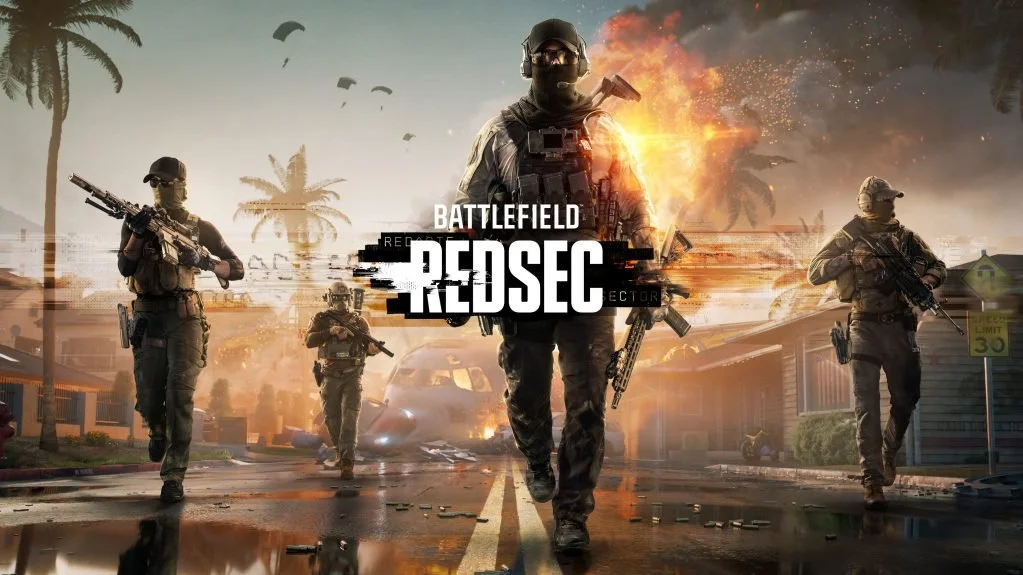
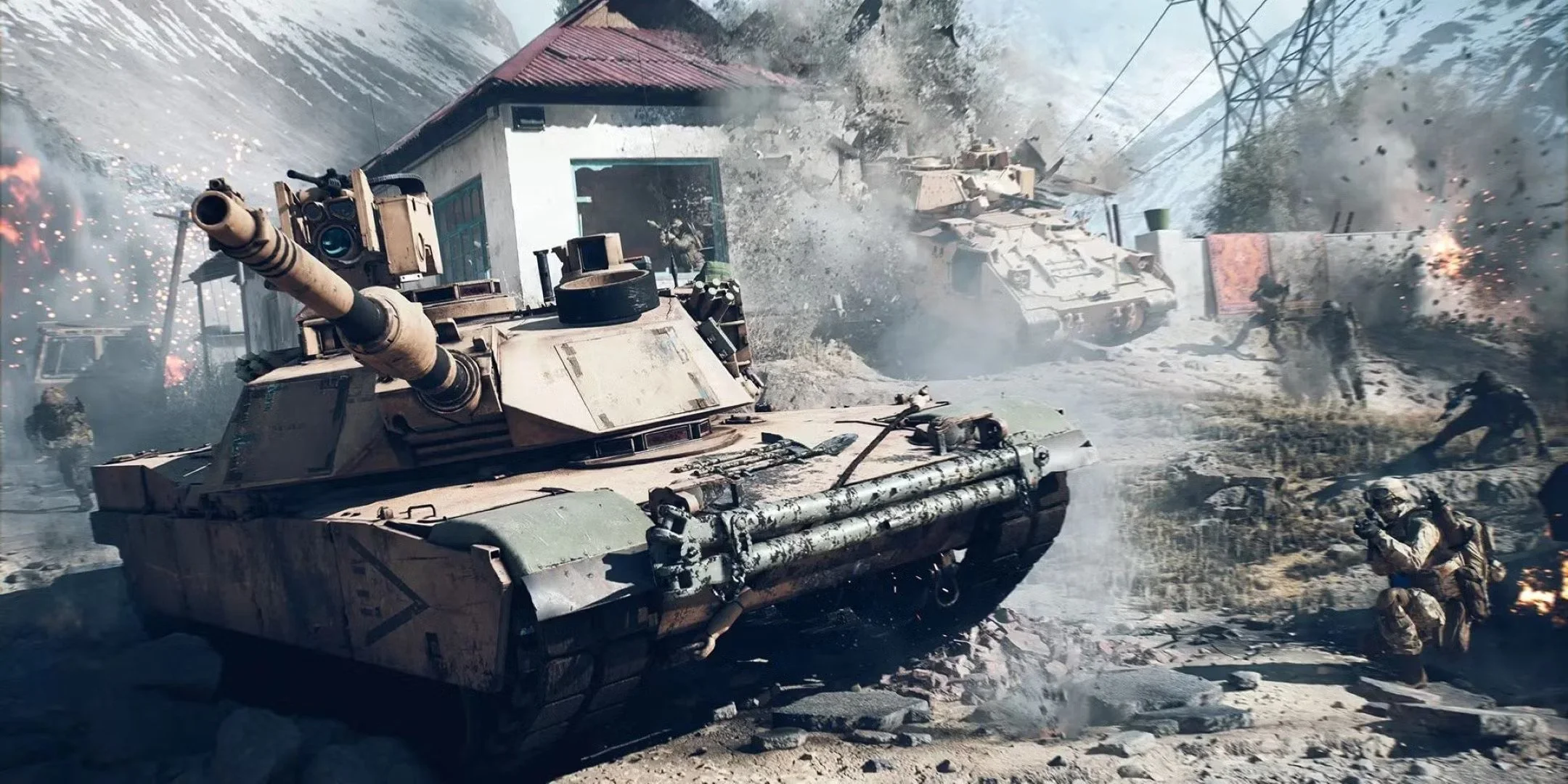
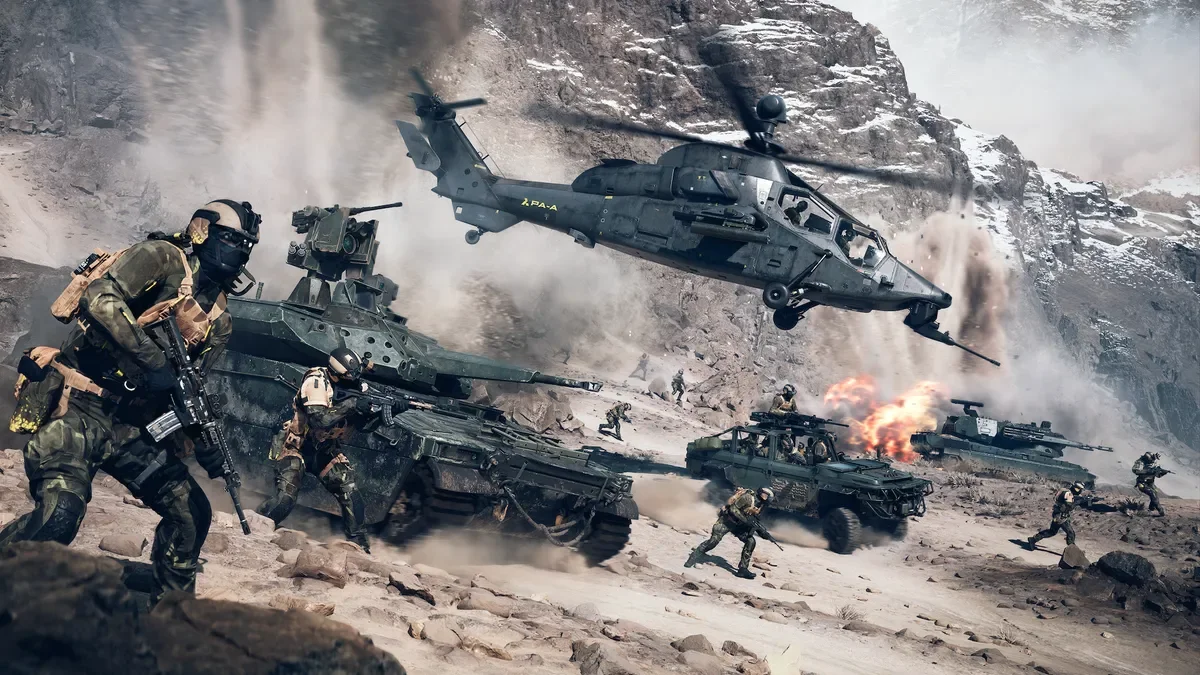
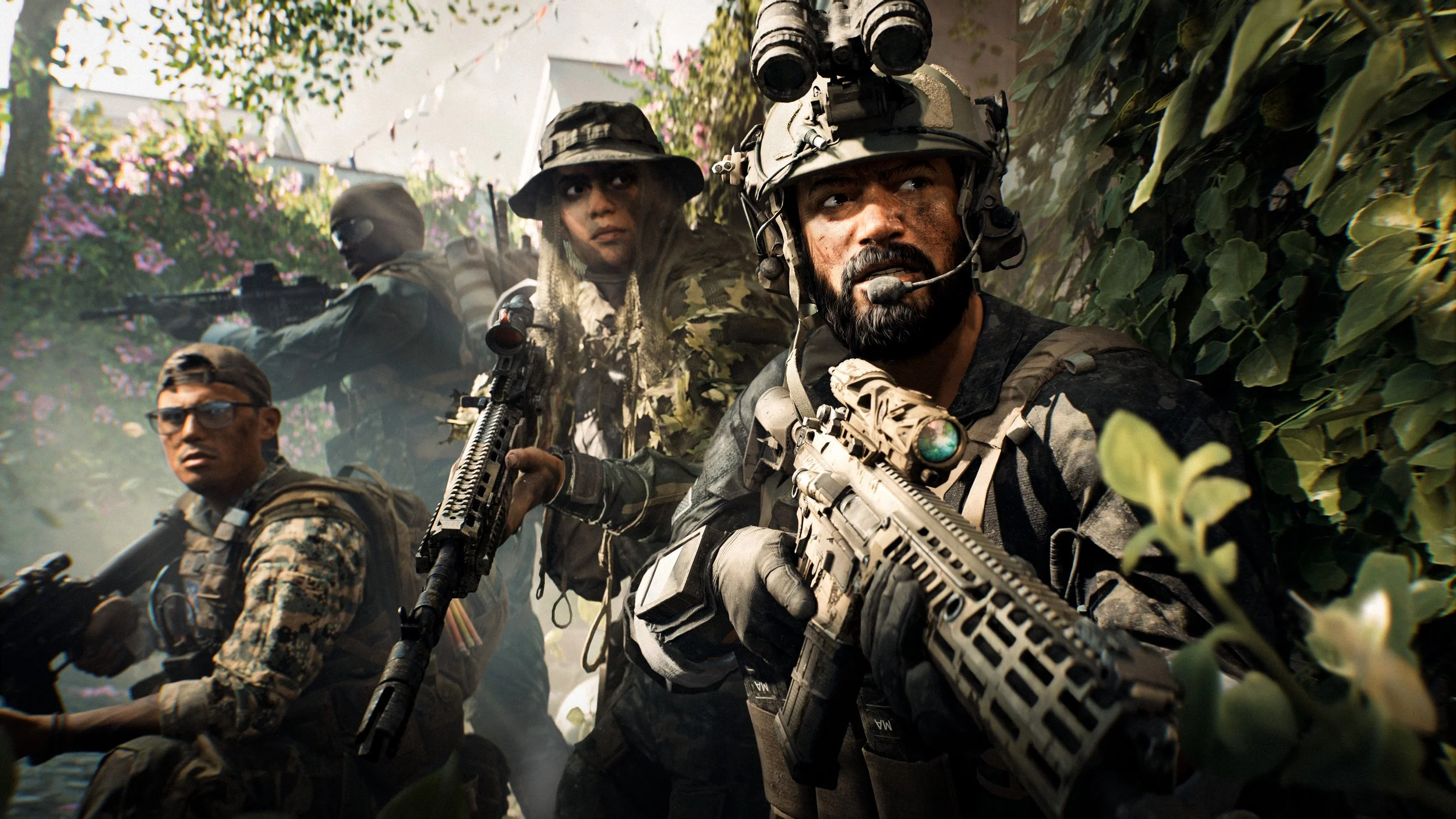
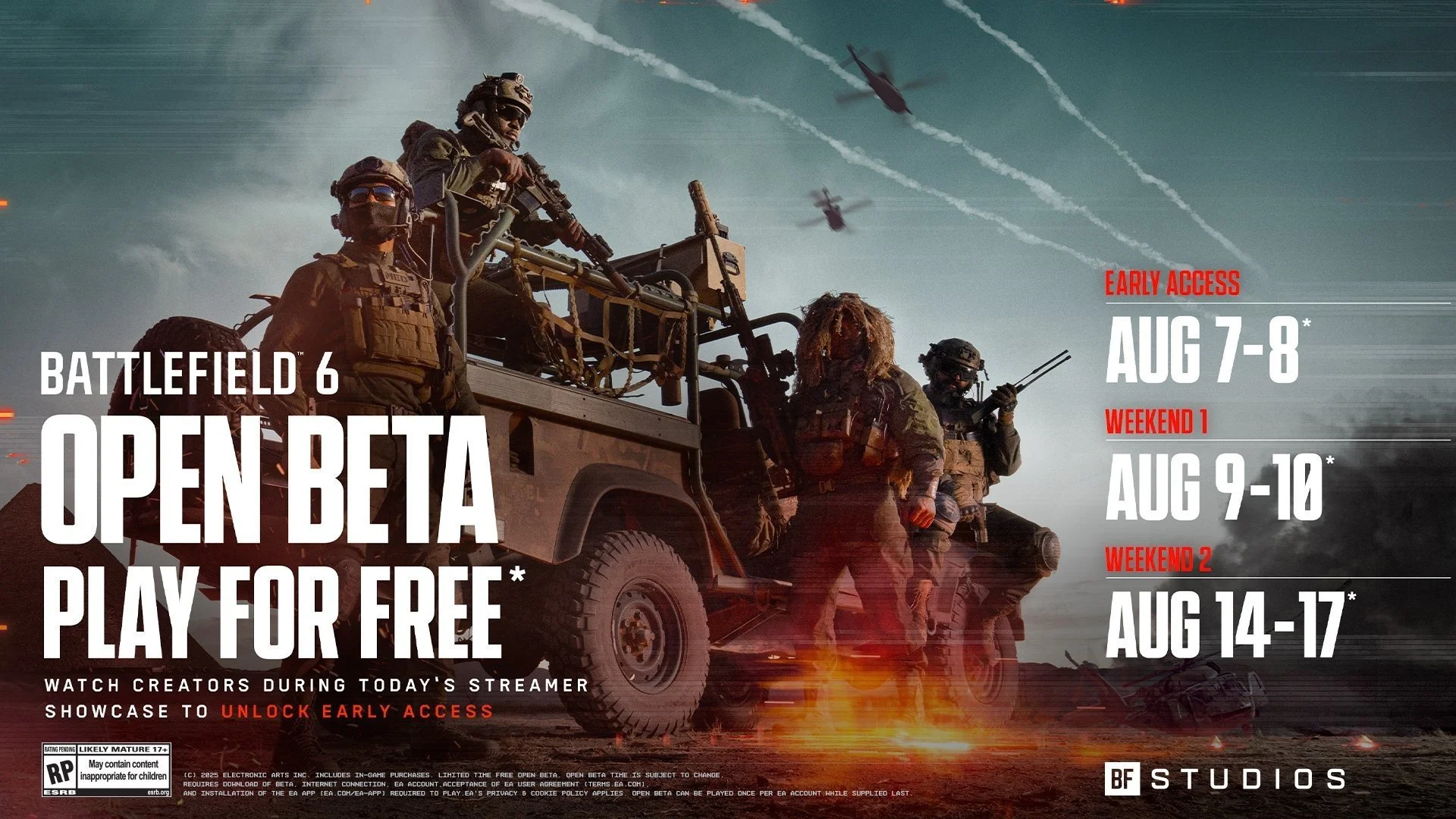
I have written in the past about how certain games can be very appealing conceptually but the reality is quite different. Often the fundamental disappointment doesn't lie with the game itself but with our inability to play them. For me the Battlefield franchise is a prime example of this and more recently For Honor. The trailers for these games are frenetic, focusing on action and spectacle. The associated marketing certainly sells the idea of “awesome action”. Sadly, my personal experience of Battlefield has usually been running across an inordinately large map, only to arrive at the hot spot to get one-shotted. As for the planes, helicopters and vehicles; I can't fly them or drive them effectively so team mates tend to abandon me. I can only describe my experience in For Honor as being a flesh piñata for other players. The fun experience depicted in the advertising was as elusive as a good, odd numbered Star Trek movie.
I have written in the past about how certain games can be very appealing conceptually but the reality is quite different. Often the fundamental disappointment doesn't lie with the game itself but with our inability to play them. For me the Battlefield franchise is a prime example of this and more recently For Honor. The trailers for these games are frenetic, focusing on action and spectacle. The associated marketing certainly sells the idea of “awesome action”. Sadly, my personal experience of Battlefield has usually been running across an inordinately large map, only to arrive at the hot spot to get one-shotted. As for the planes, helicopters and vehicles; I can't fly them or drive them effectively so team mates tend to abandon me. I can only describe my experience in For Honor as being a flesh piñata for other players. The fun experience depicted in the advertising was as elusive as a good, odd numbered Star Trek movie.
This is one of the reasons I gave up on EVE Online after a fortnight free trial. I simply could not progress in the game through a lack of skill and a chronic tolerance and patience deficit. With other game genres such as first person shooters or massive online battle arenas, I broadly have the same lack of success. Often with titles such as Overwatch and Guardians of Middle-earth it boils down to twitch gaming. Sadly, this is the prerogative of youth. For someone my age, by the time I’ve adjusted my Pince-nez, taken a sip of Madeira and pondered on the matter in hand, I find that I’ve been defeated. And don’t even get me started on flight simulators. What could possibly be cooler than flying a classic warplane or an iconic commercial airliner? Yet the complexity of such titles is beyond me. Nope, with the best will in the world, these sorts of games are not for me. As Harry Callahan said in Magnum Force, "A man's got to know his limitations".
I think most gamers of sound mind eventually arrive at a similar conclusion. Through trial and error, we establish what we can and cannot play. There are a few alleged renaissance men and women that claim otherwise, although most of these are delusional. As for those who genuinely can succeed with all game genres, well they deserve nothing more than a slap for making the rest of us look bad. Yet despite this reality, as humans we like to occasionally take leave of our senses and buy a game that’s sale that we have no hope in hell of succeeding at. I did this several years ago when I bought Ace Combat Assault Horizon Enhanced Edition for the PC. In my defense one of the first reviews that I skimmed through described it as "Call of Duty takes to the skies". At the time my first play through was a dismal failure and I didn’t reach the end. This weekend, I dusted off Ace Combat Assault Horizon Enhanced Edition for round two.
In many respects the CoD analogy is quite accurate. The game has a scaled back control system for the various planes and helicopters and is designed to be used with a game controller. The central campaign storyline is like Modern Warfare in so far as it has a generic World War III narrative filled with caricatures. There's then co-op and multiplayer online missions to be played in various permutations. The thing is, even with the game difficulty dropped to the lowest setting, I still found controlling the planes exceptionally taxing. At one point, I felt I may gain better results if I put a bag over my head and trusted to luck. It took hours before I realised that the on-screen messages that I was berating for blocking my view, were giving me hints. Upon taking the advice there was a significant improvement. However, I still found myself struggling with such things as orientation and situational awareness. For a second time, I have abandoned Ace Combat Assault Horizon Enhanced Edition only half completed.
It's an odd thing, coming to terms with the fact that there are some games that just aren't for you. We quickly learn while growing up that we can't be good at everything in life. Music, art, academia or sport are not for everyone. By and large we get over these things. Well, most of us do. Furthermore, we adapt. If you can't hold a tune, it’s no big deal. If you find yourself in a situation that requires you to sing, just mime. Half your church congregation does this regularly. Not especially good at sports? No worries; you can still enjoy them on TV and your lack of ability certainly is no impediment to being an armchair expert. But the notion that you can't be good at a game is troubling to some. I wonder exactly how many titles fill the average gamer's library that remain uncompleted, abandoned and forgotten; due to the realisation that they were crap at playing them? I’d hazard a guess it’s far more common place than you think.
Crowdfunding Fatigue
After approximately a decade, crowdfunding has become an established medium for raising finances. Particularly with regard to projects associated with the leisure industry or “geek culture”. Game developers seem to be especially fond of using this service as a means to raise capital for their projects. If you have a dream you wish to realise, the successful crowdfunding campaigns of Star Citizen or Star Trek: Axanar are a strong incentive to look to fans for financing. As a result, we regularly see articles on websites such as Massively OP for new games under development. At first it was novel, even exciting. Then it became ubiquitous. Now it’s just tedious. Consequently, I believe that “crowdfunding fatigue” is a genuine thing and that I certainly suffer from it.
After approximately a decade, crowdfunding has become an established medium for raising finances. Particularly with regard to projects associated with the leisure industry or “geek culture”. Game developers seem to be especially fond of using this service as a means to raise capital for their projects. If you have a dream you wish to realise, the successful crowdfunding campaigns of Star Citizen or Star Trek: Axanar are a strong incentive to look to fans for financing. As a result, we regularly see articles on websites such as Massively OP for new games under development. At first it was novel, even exciting. Then it became ubiquitous. Now it’s just tedious. Consequently, I believe that “crowdfunding fatigue” is a genuine thing and that I certainly suffer from it.
Like so many online practices, successfully crowdfunding has been distilled down to a base formula, just like TED Talks, You Tube videos and podcasts. There is a now a broadly established process that can be applied to any crowdfunding campaign. Although I can see the merit in sticking with what works, it also results in a great degree of homogeny. Thus, we are exposed to a nonstop barrage of hype, spin and hyperbole when it comes to crowdfunding. Furthermore, campaigns often focus only on the positive, resulting in sizeable information gaps. In the absence of facts people tend to fill in the blanks themselves, ending in unrealistic expectations.
However, there is another element to this situation, beyond that of marketing, disclosure and semantics. I believe that fandom often causes a form of “myopia”. In the past market forces and commercial checks and balances meant that products would never get off the drawing board. If the bank said no that was the end of the matter. It can be argued that a lot of good ideas have been ignored due to a lack of vision or risk aversion. Yet I’m also sure a lot of dumb ideas have been legitimately dismissed. Crowdfunding bypasses to a degree, the filters of business acumen and common sense and instead often relies on emotional appeal. Fans and aficionados have love and affection in spades but not necessarily economic sense as well. Hence “internet outrage” over crowdfunded projects that have not cut the mustard is common place.
Another contributory factor towards “crowdfunding fatigue” is it’s increasing use by corporate entities that have sufficient financial resources already to develop their product. Again, this is something that seems to happen more with gaming related projects. Why do development studios affiliated to big publishers need to look to fans for money? I find reasons such as “we’re trying to gauge support for the product” to be spurious and consider crowdfunding by such institutions to be nothing more than profiteering. Sadly, such practices are allowed to continue, mainly due to the aforementioned shortsightedness of fans. The desire to have the finished product seems to outweigh all other considerations.
Although I and others may well be weary of crowdfunding per se, I cannot totally dismiss it out of hand. I have contributed to several projects and benefited from the end results. I have backed several documentaries and film related projects in recent years, mainly because the funding has been for very specific goals. Usually the money required is for licensing costs or other legal services. As a result, I have not personally been disappointed by any of the projects I have donated to. I also think that specific term is very important. Contributing does not make you an investor, backer or stakeholder. You are simply a donor who may or may not be granted a reward for your support. You have no creative input or leverage. Until this concept is fully embraced, I’m sure we’ll still see a continual tide of failed projects that have overreached themselves and consequently more “crowdfunding fatigue”.
Classic Movie Themes: I Hate You (From Star Trek IV The Voyage Home)
Leonard Rosenman's soundtrack for Star Trek IV The Voyage Home, is a subtly different beast to James Horner's or Jerry Goldsmith's scores. But it is not Mr. Rosenman's work that I wish to discuss in this post. Instead I’d like to focus on the unforgettable faux punk rock song "I Hate You", that was specifically written for the movie by actor and associate producer Kirk Thatcher. The scene with the punk on the bus has become a seminal part of both Star Trek lore and pop culture. It still raises a wry smile, over thirty-one years later Yet according to Kirk Thatcher, the song that was originally going to be used was quite different.
Leonard Rosenman's soundtrack for Star Trek IV The Voyage Home, is a subtly different beast to James Horner's or Jerry Goldsmith's scores. But it is not Mr. Rosenman's work that I wish to discuss in this post. Instead I’d like to focus on the unforgettable faux punk rock song "I Hate You", that was specifically written for the movie by actor and associate producer Kirk Thatcher. The scene with the punk on the bus has become a seminal part of both Star Trek lore and pop culture. It still raises a wry smile, over thirty-one years later Yet according to Kirk Thatcher, the song that was originally going to be used was quite different.
We shot the scene with no sound – there was no music playing. I was just miming to a beat. After we wrapped the movie, the music department was coming to us, and they were playing...like...Duran Duran, or whoever Paramount had some deal with. I said, "That isn't punk rock music. Punk rock is really raw and gritty and dirty." They said, "Well, we don't really deal with the Sex Pistols and stuff." I said to Leonard, "You know, let me write you a song. I can do a song."
Luckily common sense prevailed so Kirk Thatcher hastily formed a band, The Edge of Etiquette and "I Hate You" was recorded and used in the final edit of the movie. The song also featured a year later in the 1987 Frankie Avalons and Annette Funicello beach party comedy Back To The Beach. Allegedly Mr. Thatcher earned more from the rights than he did for his work on the Star Trek movie.
What makes "I Hate You" so enjoyable is that it manages to achieve a tongue in cheek approach to the punk genre without descending into total parody. It has an undercurrent of erudition with its articulate lyrics. "I hate you and I berate you" roll off the tongue. As does "I eschew you and I say screw you". Then again, good satire is always smart. The song was unavailable until recently, when it was included in the 2011 expanded release of the movie soundtrack album.







Guardians of the Galaxy Vol 2 (2017)
First off let us take a moment to reflect upon this movie’s very title. Guardians of the Galaxy Vol 2 has a very episodic ring to it and gives the audience the impression that we are experiencing another tale from an epic series rather than a just another humdrum sequel. Semantics are at times a big deal and I think it’s relevant that Guardians of the Galaxy is marketed this way. It really seems to tie in with the franchises comic book roots.
First off let us take a moment to reflect upon this movie’s very title. Guardians of the Galaxy Vol 2 has a very episodic ring to it and gives the audience the impression that we are experiencing another tale from an epic series rather than a just another humdrum sequel. Semantics are at times a big deal and I think it’s relevant that Guardians of the Galaxy is marketed this way. It really seems to tie in with the franchises comic book roots.
As for the movie itself, well once again we find that seventies and eighties popular music dominate not only the soundtrack but seem to actively shape the narrative. I’d even go so far as to say that the writers and director may have a deliberately picked the songs in question and then reversed engineered the narrative around them. Not that I’m complaining, as it all works incredibly well. There’s an opening battle with a space Cephalopod set against Mr Blue Sky by the Electric Light Orchestra which pretty much sets the tone. The soundtrack then goes on to feature Fleetwood Mac, Glen Campbell and even David Hasselhoff. Brandy by Looking Glass, is also used liberally in key scenes.
The plot is somewhat arbitrary because it’s merely a vehicle to develop the central characters. Marvel press releases have managed to distil it down to the following. The Guardians must fight to keep their newfound family together as they unravel the mysteries of Peter Quill's true parentage. Old foes become new allies and fan-favorite characters from the classic comics will come to our heroes' aid as the Marvel cinematic universe continues to expand. Let it suffice to say that the main plot device is the Starlord AKA Peter Quill (Chris Pratt) discovering that his father is none other than a Celestial being called Ego (Kurt Russell). Cue Mr Russel revisiting Snake Plissken’s greatest hits. They even use digital effect to de-age him for flashback sequences.
The movie then proceeds with what appears to be two distinct storylines One feature Quill, Gamora (Zoe Saldana) and Drax (Dave Bautista) and another set around Baby Groot, Rocket Raccoon and Nebula (Karen Gillan) as they fall foul of space pirate Taserface (Chris Sullivan). The return of Yondu (Michael Rooker), Quill’s blue-skinned mentor from the first movie brings the various strands together. I was actually surprised by the genuinely nuanced and dare I say, moving story arc director James Gunn brings to the table. But then again it was the depth of character and the credibility of their friendship that made the first movie so good. It’s all here once again.
Jaems Gunn cut his teeth in the movie industry as a protégé of Lloyd Kaufman, at Troma Entertainment. Thus, he has a knack for low budget creativity. Yet none of these skills are lost when translated to a $200 million franchise driven blockbuster. Throwaways scenes, small character foibles and telling dialogue elevate Guardians of the Galaxy Vol 2 above the usual sterile and dry narratives of other entries in the Marvel Cinematic Universe. Gun gives us not only the thrill and action we crave but does it in a far more colourful and playful universe. It is such a breath of fresh air to dispense with the flawed and brooding anti-hero and to have them replaced by the chipper and likeable Peter Quill.
It would be remiss of me if I didn’t take a moment to mention Dave Bautista and his incredibly strong performance as Drax. As a character with no sense of sarcasm, or understanding of verbal metaphor there is great scope for humour. Yet because Bautista seems to have an innate sense of comic timing many throwaways gags grow to become much more. I cannot remember the last time I last out loud so much in a cinema. Baby Groot is also a source of great amusement, despite his single line of dialogue. As with the first movie the balance between action, humour and pathos is skilfully handled.
Guardians of the Galaxy Vol 2 is certainly a robust and entertaining second instalment and shows the flexibility of the MCU, when skilled film makers take the reins. The vivid production design, with its explosion of colour and the playful use of popular music, paints a vibrant universe, despite the peril and impending doom of the story. The movie at times looks like the artwork you’d find on a seventies progressive rock album. If there is a weakness in the production it would be in the film’s final act, where the surfeit of characters do seem to slow the proceeding a little.
Yet, at its heart Guardians of the Galaxy Vol 2 is a further exploration of the complexity and importance of family and identity. It explores themes that are common to all viewers and does it so honestly and with a great deal of affection. As a result, I was thoroughly entertained and uplifted. It’s been a while since a movie has done that for me. So, I wholeheartedly hope that all concerned can maintain this emotional momentum for the next instalment of Guardians of the Galaxy.
Guardians of the Galaxy (2014)
I had my doubts about Guardians of the Galaxy when I first saw it back in 2014, mainly because it's a franchise that I wasn’t familiar with. Also, because the movie is a throwback to a genre that has been conspicuously absent for several decades; namely the “space opera”. Readers over a certain age group may well have fond memories of movies such a Battle Beyond the Stars or The Last Starfighter. They may also have bad memories regarding Ice Pirates and Lorca and the Outlaws. The other thing that was a talking point about Guardians of the Galaxy upon its release, was the fact that it represented a somewhat of a gamble for Marvel Studios (Disney) and the MCU (Marvel Cinematic Universe). Taking a punt on a lesser known franchise at a cost of $170,000,000 is not something you do lightly.
I had my doubts about Guardians of the Galaxy when I first saw it back in 2014, mainly because it's a franchise that I wasn’t familiar with. Also, because the movie is a throwback to a genre that has been conspicuously absent for several decades; namely the “space opera”. Readers over a certain age group may well have fond memories of movies such a Battle Beyond the Stars or The Last Starfighter. They may also have bad memories regarding Ice Pirates and Lorca and the Outlaws. The other thing that was a talking point about Guardians of the Galaxy upon its release, was the fact that it represented a somewhat of a gamble for Marvel Studios (Disney) and the MCU (Marvel Cinematic Universe). Taking a punt on a lesser known franchise at a cost of $170,000,000 is not something you do lightly.
Director James Gunn is an interesting film maker who until this movie has not achieved the level of success he deserves. Slither, an enjoyable and quirky horror/sci-fi movie, was somewhat overlooked on its release. Mercifully, Guardians of the Galaxy rectifies this situation. Gunn along with co-writer Nicole Periman, find a great balance between action, drama and humour. The script is full of amusing banter, pop culture references and unabashed nerd bait. The characters are actually likeable and accessible, while the story has a strong positive message about the power of friendship. Deliberately avoiding big names in the lead roles works very well and the cast acquits themselves admirably. Chris Pratt and Zoë Saldana fulfil their roles but don't overwhelm them as some "A" list actors do.
Bradley Cooper and Vin Diesel provide voice and motion capture for their CGI characters, while wrestler Dave Bautista is surprising good as Drax, a warrior who takes all comment literally. Then with a second tier of character actors such as John C. Reilly, Michael Rooker and Glenn Close, the movie is more than equipped to tackle its initially complex storyline. Establishing who's who takes a while but the pieces soon fall in to place. Furthermore, Guardians of the Galaxy has a great sense of pace and moves forward through the narrative with assured ease. The visual FXs are outstanding and the production design is inventive and different but it never relegates the story or dialogue to the passenger seat.
Perhaps directors Gunn's best trick is managing to entertain on multiple levels. It's something the animation industry has managed for decades but it’s more difficult to achieve in a live action movie. There is plenty of spectacle, hardware and explosions to appeal to the young, where older viewers will revel in the pop culture references of mix tapes, Footloose and dance offs. Gun also uses sentiment wisely and to good effect. Groot and Rocket have an especially good dynamic. The more mature members of the audience will know that they're getting their emotional buttons pushed with Pavlovian mastery but it's all part of the ride.
Overall, there's not a huge amount to complain about with Guardians of the Galaxy. It is a well-conceived, polished example of a summer blockbuster. Lee Pace fans may be a little disappointed as he spends his time on screen swathed in cowl and under a lot of heavy make-up. I would also point out that younger children may find this movie quite scary. A person’s face crumbling in a cloud of purple hued plasma is still quite a potent image, so parents be warned. The screenplay is also liberally laced with minor profanity, which although I found quite amusing, I was somewhat surprised by.
What I took away the most from Guardians of the Galaxy was the feeling of being thoroughly entertained. There is a good ethical foundation to the story as it wrestles themes such as loyalty, redemption and self-sacrifice, yet they are presented in an engaging fashion with humour and wit. I laughed a great deal which seldom happens when watching movies these days. If we must have a steady diet of big budget blockbusters can we not have more like this, created by people such as James Gunn? Who knows, we may even see a return of the space opera genre. Would that be such a bad thing? I think not, as long as Michael Bay isn't involved.
NB The post credit scene with The Collector (Benicio Del Toro) still raises some interesting possibilities (even after my second viewing). I hope it means what I think it means regarding a certain iconic character.
Contains Moderate Peril Podcast to Celebrate 10 Years of LOTRO
Over the last ten years, both Brian and I have had a long and at times tumultuous relationship with the MMORPG, The Lord of the Rings Online. Yet we both have a great deal of affection for the game along with many fond memories. It has been a subject that we have regularly discussed on our various podcasts. Therefore, we thought it would be a great idea to dedicate an entire episode of the Contains Moderate Peril podcast, to LOTRO and reflect upon its highs and occasional lows. Furthermore, rather than just reminiscing from our own perspective, we feel it would be far more interesting to hear the opinions of fans and wider the community. Therefore, we are formally inviting you, as players of LOTRO, to tell us about your memories and experiences of this truly enduring MMO.
Over the last ten years, both Brian and I have had a long and at times tumultuous relationship with the MMORPG, The Lord of the Rings Online. Yet we both have a great deal of affection for the game along with many fond memories. It has been a subject that we have regularly discussed on our various podcasts. Therefore, we thought it would be a great idea to dedicate an entire episode of the Contains Moderate Peril podcast, to LOTRO and reflect upon its highs and occasional lows. Furthermore, rather than just reminiscing from our own perspective, we feel it would be far more interesting to hear the opinions of fans and wider the community. Therefore, we are formally inviting you, as players of LOTRO, to tell us about your memories and experiences of this truly enduring MMO.
To try and make this process as accessible as possible, we’re happy to accept submissions in any of the following formats.
1.) Comment on this post. Potentially the easiest way. Tell us about how you started playing LOTRO or what has been the most memorable experience you’ve had in the game. What do you like about the LOTRO and its community. What are your hopes and aspirations for the games future development. It’s up to you what exactly you want to tell us about. We’d love to hear from you.
2.) Email. Why not drop us a line care of rogeredwards@containsmoderateperil.com and recount an anecdote about the game. Again, it’s up to you what you want to share with us about LOTRO. There is no right or wrong way to do this.
3.) Audio file. If you’re feeling a little more adventurous, why not record your reminiscence about LOTRO or send us a message from your buddies or kinship? Most smart phones have a voice recorder these days. We won’t be too picky about the audio quality. WAV or MP3 files are the preferred format.
Please note, although we intend to produce a longer than average podcast to celebrate the 10th anniversary of LOTRO, it is inevitable that we shall have to make some editorial decisions about content. Therefore, please bear in mind that submitting material does not guarantee its inclusion in the shows final edit. The usual legal caveats regarding content also apply.
Because Standing Stone Games anniversary celebrations for LOTRO are scheduled to run throughout the next two months, we’ve set a deadline for content submissions of Sunday the 7th May. Provisionally the release date for the finished podcast is Friday the 12th of May. This may be subject to change depending on the response we get.
Brian and I have wanted to do some kind of vox pop with our listeners for several years now and feel that combining this with the LOTRO anniversary is a great opportunity. Therefore, we’re both looking forward to hearing from fellow LOTRO players and enjoying your stories, vignettes and anecdotes. I’m sure there are many familiar voices to be heard but I’m especially excited by the opportunity to hear from those who have quietly player over the years and have yet to speak out. Here’s your chance to share your thoughts and to celebrate ten years of The Lord of the Rings Online.