A Bay of Blood (1971)
Disabled countess Federica Donati (Isa Miranda) is strangled to death by her husband, Filippo Donati (Giovanni Nuvoletti). Filippo is subsequently stabbed to death by an unseen assailant, and his body is then dragged to the bay beside their mansion. The police investigate and find a suicide note written by the countess, but do not discover Filippo's murder. Real estate agent Frank Ventura (Chris Avram) and his lover Laura (Anna Maria Rosati) are plotting to take possession of the bay. When the Countess refused to sell her estate to them, the couple conspired with Filippo to murder his wife. The pair are unaware that Filippo is dead and cannot proceed with their scheme without his signature. Meanwhile, four local teenagers Duke (Guido Boccaccini), Bobby (Roberto Bonanni), Denise (Paola Montenero) and Brunhilde (Brigitte Skay) break into the seemingly deserted mansion, looking for fun. However, they are soon killed one by one. Are all these events connected?
Disabled countess Federica Donati (Isa Miranda) is strangled to death by her husband, Filippo Donati (Giovanni Nuvoletti). Filippo is subsequently stabbed to death by an unseen assailant, and his body is then dragged to the bay beside their mansion. The police investigate and find a suicide note written by the countess, but do not discover Filippo's murder. Real estate agent Frank Ventura (Chris Avram) and his lover Laura (Anna Maria Rosati) are plotting to take possession of the bay. When the Countess refused to sell her estate to them, the couple conspired with Filippo to murder his wife. The pair are unaware that Filippo is dead and cannot proceed with their scheme without his signature. Meanwhile, four local teenagers Duke (Guido Boccaccini), Bobby (Roberto Bonanni), Denise (Paola Montenero) and Brunhilde (Brigitte Skay) break into the seemingly deserted mansion, looking for fun. However, they are soon killed one by one. Are all these events connected?
A Bay of Blood (AKA Twitch of the Death Nerve) is a giallo, as the complexity of the prior plot synopsis may indicate to those familiar with the genre (I only summarised the first 30 minutes of the film). However, the film contains many of the tropes that would later become staples of the slasher genre, a decade later. There has been some debate among fans whether A Bay of Blood is indeed a proto-slasher but it has too many hallmarks of a giallo. The most obvious being that the murders are all due to human agency with real life motivations. Slasher films feature antagonists who kill through psychosis or sometimes, without motivation at all and often have supernatural abilities. Setting aside such debates, director Mario Bava certainly changed the trajectory of the giallo genre, taking a more violent and exploitative approach. The lavish visual style is still present, but the focus of the set pieces has changed from suspense to gore.
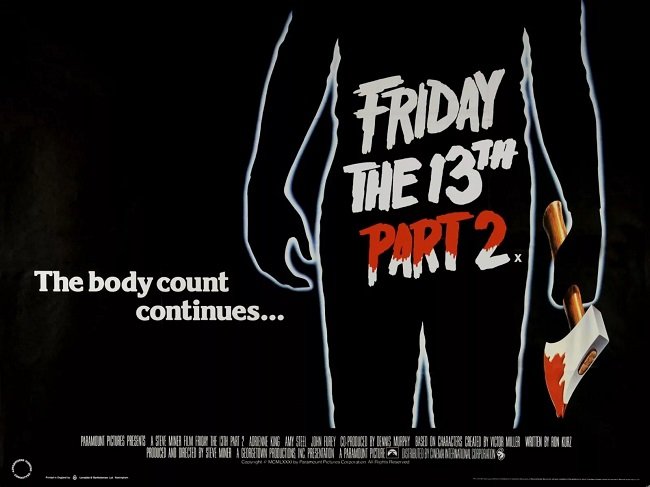
As well as being a giallo, A Bay of Blood is a rich slice of early seventies, Italian pop culture. Hence our quartet of hip and groovy teens arrive in a Dune Buggy, sporting flares and mini dresses and doing the shake to a particularly funky soundtrack by Stelvio Cipriani. As ever with Italian cinema, the production design and sets are creative and stylish. Mario Bava once again handles cinematography himself and composes some creative and dynamic scenes. The pastel shades and autumn colours of previous films such as Black Sabbath and Blood and Black Lace are replaced with starker lighting designed to reinforce the impact of the grisly set pieces. Special effects artist Carlo Rambaldi (who a decade later worked on Alien and E.T.) designed and executed the graphic death scenes. Two of which, the machete to the face and the couple having sex impaled by a spear, were subsequently “repeated” in Friday the 13th Part 2.
To the casual viewer, A Bay of Blood is a somewhat archaic whodunnit with a high and gory body count. They may also feel that the period trappings date the proceedings. However, to those who are more familiar with gialli or simply have a greater tolerance for material outside of the current mainstream, then A Bay of Blood is an interesting piece of genre history. The story is delightfully convoluted as well as implausible and the violence is flamboyant and stylised. Like most Italian films from this era, dialogue has been added in post-production, which gives such films a very unique soundscape. It is clear that this film was a major influence on American cinema a decade later and although not a slasher movie, it certainly established the foundations of that genre of film. A Bay of Blood is designed to be an assault upon the senses, rather than a logical, linear horror film. Viewed on such terms it can be very rewarding.










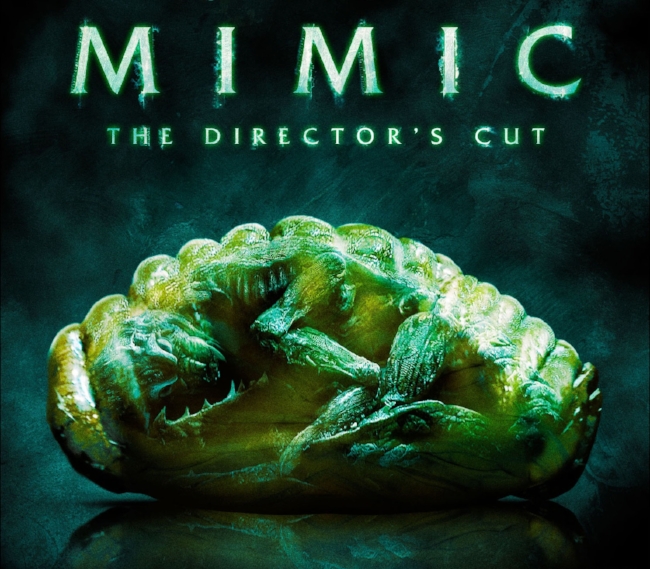
The Caller (1987)
A woman (Madolyn Smith) returns to a remote cabin in the woods carrying groceries. On the way she passes an abandoned vehicle, which she searches. She finds a broken doll in the glove box. On arrival at the cabin, she takes a shower and then calls her daughter. She then prepares a meal for a guest and goes to the garage only to find that her jeep has a puncture from a broken bottle. A mysterious stranger (Malcolm McDowell) prowls around outside the cabin, watching the woman through the windows. He then knocks, claiming that his car has broken down and asks if he can use her phone. He calls a local tow service and requests that his car is collected and repaired. The woman grudgingly allows the stranger to wait although she states she is expecting a guest. The two then converse and it soon becomes clear that they’re both sceptical of each other’s respective stories. A strange game of cat and mouse ensues with each alternately gaining the upper hand. Slowly the atmosphere becomes more tense.
A woman (Madolyn Smith) returns to a remote cabin in the woods carrying groceries. On the way she passes an abandoned vehicle, which she searches. She finds a broken doll in the glove box. On arrival at the cabin, she takes a shower and then calls her daughter. She then prepares a meal for a guest and goes to the garage only to find that her jeep has a puncture from a broken bottle. A mysterious stranger (Malcolm McDowell) prowls around outside the cabin, watching the woman through the windows. He then knocks, claiming that his car has broken down and asks if he can use her phone. He calls a local tow service and requests that his car is collected and repaired. The woman grudgingly allows the stranger to wait although she states she is expecting a guest. The two then converse and it soon becomes clear that they’re both sceptical of each other’s respective stories. A strange game of cat and mouse ensues with each alternately gaining the upper hand. Slowly the atmosphere becomes more tense.
The Caller comes across more like a stage play than a film. There are only two cast members and the first thirty minutes are exclusively confined to the cabin. Initially the guarded dialogue exchanges between the two characters seems to imply that maybe the stranger is a police officer and the woman a suspect in murder case. But it soon becomes clear, due to the contradictory dialogue and the curious behaviour of each character when the other is out of the room, that something much more arcane is going on. The screenplay by Michael Sloan strives to be “Kafkaesque”, but although intriguing, it isn’t clever enough. The two leads are good and strive to bring some dramatic focus to the proceedings. But by the second act, which takes place the following day when the stranger and the woman meet in town and resume their confrontation, it starts to become frustrating.
The denouement of The Caller is remarkably left field and radically alters the trajectory of the film in its closing scenes. Director Arthur Allan Seidelman, who has a background in theatre as well as film, handles the proceedings in a workmanlike fashion. The fact that this film was made by Empire Pictures may perhaps give some viewers a clue as to what may lie ahead of them. The ending does resolve the story, but it may not satisfy all viewers. Upon reflection such a story would have fared better as an episode of The Twilight Zone or The Outer Limits. If you are going to tackle a story which incorporates a substantial twist that tests your viewers suspension of disbelief, then you perhaps need to approach such material in a more subtle fashion. As it stands The Caller is a curiosity but not necessarily because it is compelling. After investing an hour of your time, you just want to see where it ends up.
Night of the Eagle (1962)
Norman Taylor (Peter Wyngarde) is a psychology lecturer whose career has taken off since he and his wife, Tansy (Janet Blair), returned to England from Jamaica. His students are doing well and he is socially climbing within the school’s administrative hierarchy. Some other members of the faculty are jealous of his success. One night he is shocked to discover curious artefacts hidden around his home and to learn that his wife is practising obeah. Tansy claims that the charms are responsible for his rapid advancement and also protect him, as she has found a similar but malicious item left in their home after a bridge evening. Norman, a consummate rationalist, demands that the charms are destroyed but Tansy warns him she is not responsible for what may happen next. The next day events take a turn for the worse. A student accuses Norman of rape and another threatens him with a gun due to his poor grades. During the night, a freak storm batters Norman’s cottage. Is it just bad weather or something more sinister?
Norman Taylor (Peter Wyngarde) is a psychology lecturer whose career has taken off since he and his wife, Tansy (Janet Blair), returned to England from Jamaica. His students are doing well and he is socially climbing within the school’s administrative hierarchy. Some other members of the faculty are jealous of his success. One night he is shocked to discover curious artefacts hidden around his home and to learn that his wife is practising obeah. Tansy claims that the charms are responsible for his rapid advancement and also protect him, as she has found a similar but malicious item left in their home after a bridge evening. Norman, a consummate rationalist, demands that the charms are destroyed but Tansy warns him she is not responsible for what may happen next. The next day events take a turn for the worse. A student accuses Norman of rape and another threatens him with a gun due to his poor grades. During the night, a freak storm batters Norman’s cottage. Is it just bad weather or something more sinister?
Night of the Eagle was released in the US by American International Pictures under the title Burn, Witch Burn. They added a narrated prologue about witchcraft still being prevalent today to the beginning of the film, along with a spell to protect the audience. They also made an addition to the closing credits with an onscreen question, “do you believe?”, which adds a more sensationalist tone to the film that isn’t required. Beyond these minor embellishments there are no differences between the US and UK versions. Veteran film and TV director, Sidney Hayers, handles the proceedings well and takes a serious tone, making good use of Reginald Wyer’s crisp and well-structured black and white cinematography. The film takes a measured pace and quickly builds a portentous atmosphere. The stone eagles that adorn the school are frequently visually referenced, implying that Norman Taylor is being watched and plotted against.
Night of the Eagle is loosely based upon Conjure Wife by Fritz Leiber. Adapted by Richard Matheson and Charles Beaumont, who frequently wrote for The Twilight Zone, with additional material by George Baxt, the screenplay is measured and reflects British society at the time, especially the social aspirations of the middle classes. This was Peter Wyngarde’s first leading role and his performance is key to the film’s success. The story and production strive to build the sort of atmosphere found in the works of Val Lewton and there are elements not too dissimilar to Jaques Tourneur’s Night of the Demon. However, the shocks that punctuate the slow burn storytelling are a little too brief and feel a little under done. The storm that assails Norman’s home, may have been conjured by an incantation hidden in the background noise of a tape recording that is playing. Yet this novel idea is over too quickly when the door bursts open, just as the recording is stopped.
Night of the Eagle is an interesting precursor to later films such as Rosemary’s Baby (1968) and The Stepford Wives (1974). There is a common theme shared between all these genre movies that the security and even mundanity of middle-class communities is in fact a facade, behind which something far more sinister lurks. The film also reflects the sexual politics of the times and depicts women who have to intercede in a “man’s world” outside of the usual channels and through unorthodox means. The ending of the film neatly resolves the story and makes the films point succinctly. The additions made to the US version hammer home this message further but in an unsubtle manner. Although Night of the Eagle may lack the grandeur and scope of some of its cinematic contemporaries, it still delivers an atmospheric tale, efficiently and charismatically.
Ghost (1990)
Banker Sam Wheat (Patrick Swayze) and his girlfriend, artist Molly Jensen (Demi Moore), move into a Manhattan loft apartment and begin to renovate. They are helped by Sam's friend and co-worker Carl Bruner (Tony Goldwyn). One night, after attending the theatre with Molly, Sam is fatally shot by a mugger who tries to steal his wallet. Sam is shocked to discover he is a ghost but refuses to move on to the afterlife because of his love for Molly. In the following weeks he observes his funeral and Molly’s unhappiness. However, when the mugger (Rick Aviles) who shot him breaks into their apartment and searches it, Sam suspects that his death was not just a robbery that went wrong. During his travels Sam discovers a fake medium, Oda Mae Brown (Whoopi Goldberg), who can hear him. Sam desperately tries to convince her to help him as he believes that Molly may be in danger.
Banker Sam Wheat (Patrick Swayze) and his girlfriend, artist Molly Jensen (Demi Moore), move into a Manhattan loft apartment and begin to renovate. They are helped by Sam's friend and co-worker Carl Bruner (Tony Goldwyn). One night, after attending the theatre with Molly, Sam is fatally shot by a mugger who tries to steal his wallet. Sam is shocked to discover he is a ghost but refuses to move on to the afterlife because of his love for Molly. In the following weeks he observes his funeral and Molly’s unhappiness. However, when the mugger (Rick Aviles) who shot him breaks into their apartment and searches it, Sam suspects that his death was not just a robbery that went wrong. During his travels Sam discovers a fake medium, Oda Mae Brown (Whoopi Goldberg), who can hear him. Sam desperately tries to convince her to help him as he believes that Molly may be in danger.
Ghost is unusual in so far that it is a mainstream, commercial studio film, that is entertaining, accessible, and well made. Do not be fooled by the PG-13 rating, Ghost is not a twee, overly sentimental family film. It works all the better for the fact that the story is portrayed in a more credible adult fashion. Although ostensibly a supernatural, romantic drama, it is tempered by some clever ideas, genuine tension, and some quite scary set pieces. The casting is sound and there’s a tangible sense of romance between leads. Whoopi Goldberg provides excellent comic relief, but she also gives a good performance as a jaded and cynical con artist. The direction, by Jerry Zucker, is measured and finds the right balance between the lighter and darker elements. This was his first dramatic movie. He had previously made several parody films such as Airplane! and The Naked Gun: From the Files of Police Squad!
One aspect of Ghost that works well is the lack of explanation regarding the supernatural elements. There is not an excess of religious connotations. Death results in the spirit either moving on to the afterlife or being dragged away by spectral figures. Some spirits, such as Sam, linger in the world for personal reasons. It is also interesting how spirits have limited abilities to interact with physical objects. Ghost also balances the romance and humour with a few solid shocks, such as the sinister figures that claim those who have died and are deemed evil. The villain’s death is also surprisingly shocking. All of which contribute to the film being well rounded and a good example of mainstream, studio filmmaking from the decade. If Ghost were remade today, I suspect it would be bereft of all these positive aspects and more of a cynical marketing pitch to a specific demographic.
House (1986)
Horror author Roger Cobb (William Katt) inherits his aunt’s house after she commits suicide by hanging herself. She raised Roger as a child when his parents died. Under pressure from his publisher to complete another horror book, Roger decides to move into the gothic property and write about his experiences in Vietnam instead. He hopes the process will be cathartic, not only for his PTSD but because his son Jimmy, vanished from the house without a trace. The trauma of which caused himself and his wife, Sandy (Kay Lenz), to separate. It’s not long before Roger is haunted by dreams of Vietnam and how he was forced to abandon a fellow soldier, Big Ben (Richard Moll), to die. After seeing supernatural apparitions are seen around the house, Roger attempts to photograph them with the assistance of his neighbour and fan, Harold (George Wendt). Is Roger succumbing to mental illness or is the house genuinely playing upon his fears?
Horror author Roger Cobb (William Katt) inherits his aunt’s house after she commits suicide by hanging herself. She raised Roger as a child when his parents died. Under pressure from his publisher to complete another horror book, Roger decides to move into the gothic property and write about his experiences in Vietnam instead. He hopes the process will be cathartic, not only for his PTSD but because his son Jimmy, vanished from the house without a trace. The trauma of which caused himself and his wife, Sandy (Kay Lenz), to separate. It’s not long before Roger is haunted by dreams of Vietnam and how he was forced to abandon a fellow soldier, Big Ben (Richard Moll), to die. After seeing supernatural apparitions are seen around the house, Roger attempts to photograph them with the assistance of his neighbour and fan, Harold (George Wendt). Is Roger succumbing to mental illness or is the house genuinely playing upon his fears?
Comedy horror is a difficult path to tread. Few films that try to blend these two genres really get it right. House however tries its best and the results are fairly successful. Directed by Steve Miner, House blends traditional haunted house tropes with comically grotesque apparitions and jump scares. It even touches upon the complex issues of PTSD and the trauma of the Vietnam war. It shrewdly doesn’t make the mistake of ramping up the gore and horror too much, preferring to favour the bizarre and grotesque instead. Hence, this neatly dovetails into the comedic elements making them comfortable bedfellows. On paper it all sounds somewhat incongruous, but it all comes out in the wash. Mainly due to the screenplay by Ethan Wiley hitting the right tone, good production values for an independent film on a mid-tier budget and a charismatic lead performance by William Katt.
House is a change of pace for director Steve Miner, who previously made Friday the 13th Part 2 and Friday the 13th Part III. The creepy ambience of the old house is well maintained and belies the modest budget. The studio bound Vietnam flashbacks don’t fare so well but are kept to a minimum. The make-up effects are inventive, especially the zombie version of Big Ben. Harry Manfredini provides a quirky score that bolsters both the shocks and the humour well. Although the story touches on several weighty issues, the overall tone of the film is light. It would have been a mistake to have jettisoned the levity and make this a darker and more serious exploration of Vietnam and missing children. As it stands, House is a droll, enjoyable comedy horror that isn’t too taxing on one’s nerves or patience. It does what it sets out to do well and sometimes that is sufficient.
Selling My Parents House: Part 2
I wasn’t planning on writing a second post about the sale of my late parents’ home but the entire process has been so different from what I expected, I thought there may be some interest in exploring some of the aspects that have come up. The last time I had any dealings in buying and selling property was back in 2003 when Mrs P and I moved from one home to another, to gain more space. It was at a time when the UK economy was booming, and the banks were taking a “relaxed attitude” (some would say cavalier) toward mortgages. The flat that we were selling found buyers very quickly, who offered the full price. Mrs P and I similarly found a bungalow that we liked, and it didn’t take long to secure its purchase. Due to the chain involved it took 8 months to move but the paperwork was handled efficiently, and I don’t recall the bureaucracy being excessively complex. Perhaps due to the busy nature of our lives, I didn’t notice. Plus, memory can be deceptive.
I wasn’t planning on writing a second post about the sale of my late parents’ home but the entire process has been so different from what I expected, I thought there may be some interest in exploring some of the aspects that have come up. The last time I had any dealings in buying and selling property was back in 2003 when Mrs P and I moved from one home to another, to gain more space. It was at a time when the UK economy was booming, and the banks were taking a “relaxed attitude” (some would say cavalier) toward mortgages. The flat that we were selling found buyers very quickly, who offered the full price. Mrs P and I similarly found a bungalow that we liked, and it didn’t take long to secure its purchase. Due to the chain involved it took 8 months to move but the paperwork was handled efficiently, and I don’t recall the bureaucracy being excessively complex. Perhaps due to the busy nature of our lives, I didn’t notice. Plus, memory can be deceptive.
Twenty years later and the UK housing market is very different. My parent’s house was listed (to use an American phrase) on June 19th and interest has been slow, with only a dozen viewings in three months. The house was originally listed at £30,000 more than its probate valuation but due to the housing market, we had to drop the price after two months by £25,000. The reasoning behind this being that the two major housing websites in the UK, list prices in increments of £25,000. If you wish for a property to appear in search results for those who may not have previously seen it, you have to drop the price by that amount. Furthermore, it is very much a buyers’ market at present. Interest rates are high and therefore mortgages are harder to secure. Many currently buying are upsizing and as there is not so much “competition” the pace of selling has slowed. Buyers are also negotiating hard and often not offering the “asking price”.
Fortunately, two weeks ago an acceptable offer was made on the house by a buyer with an uncomplicated property chain. Due to these factors my sister and I agreed to it. This naturally had a tangible impact upon the ongoing sales process. After weeks of everything moving at a glacial pace, things have suddenly accelerated. I asked our family solicitors to handle the conveyancing work and within hours I was inundated with emails with multiple PDF attachments. Although the process of selling a house in the UK appears to have embraced modernity, there are occasional moments when it betrays its arcane and archaic origins. For example, I was sent a document called “Overriding Interests Questionnaire” that included the following questions about the property for sale. “Is there a liability to pay corn rent”. “Are there rights of fishing, shooting or grazing”. “Is there a liability to repair the chancel of any church”.
There are plenty of online guides and FAQs that provide a detailed overview to selling a house. I have found that both my estate agents and solicitors have been very helpful in explaining processes and procedures. However, this is ultimately a legal matter and that means there is a degree of complexity which makes it somewhat daunting regardless of the support you may get. I think there is a psychological element to it all, as the selling or buying of property is potentially the most expensive transaction that most people undertake during the course of their lives. It also bears repeating that selling and buying a property is not cheap. There are additional costs on top of the property price. Estate agents have fees and there are conveyancing charges to cover. Then there is stamp duty to be paid (effectively a tax on the property purchase) unless you’re a first-time buyer. You may also incur costs from having to survey a property. Finally moving or clearing a property add to the total cost.
Having completed all the paperwork regarding the sale and conveyancing of my parent’s house, the process once again returns to a waiting game. Although we are not in a large chain, we still have to wait for our buyers to sell their home. Like any sale, no matter how well organised all parties may be, there is always scope for some unforeseen problems to delay or derail the process. However, the matter is now beyond my control, so I am content to just let things run their course. I would be happy if the sale went through by December with a moving day scheduled for the early New year. That would give my sister one more Christmas in the family home before moving into her new house. If it happens earlier, then that would be an added bonus. Due to the professional manner in which this process has proceeded, so far this is not as stressful as I had thought it would be. I hope it remains that way.


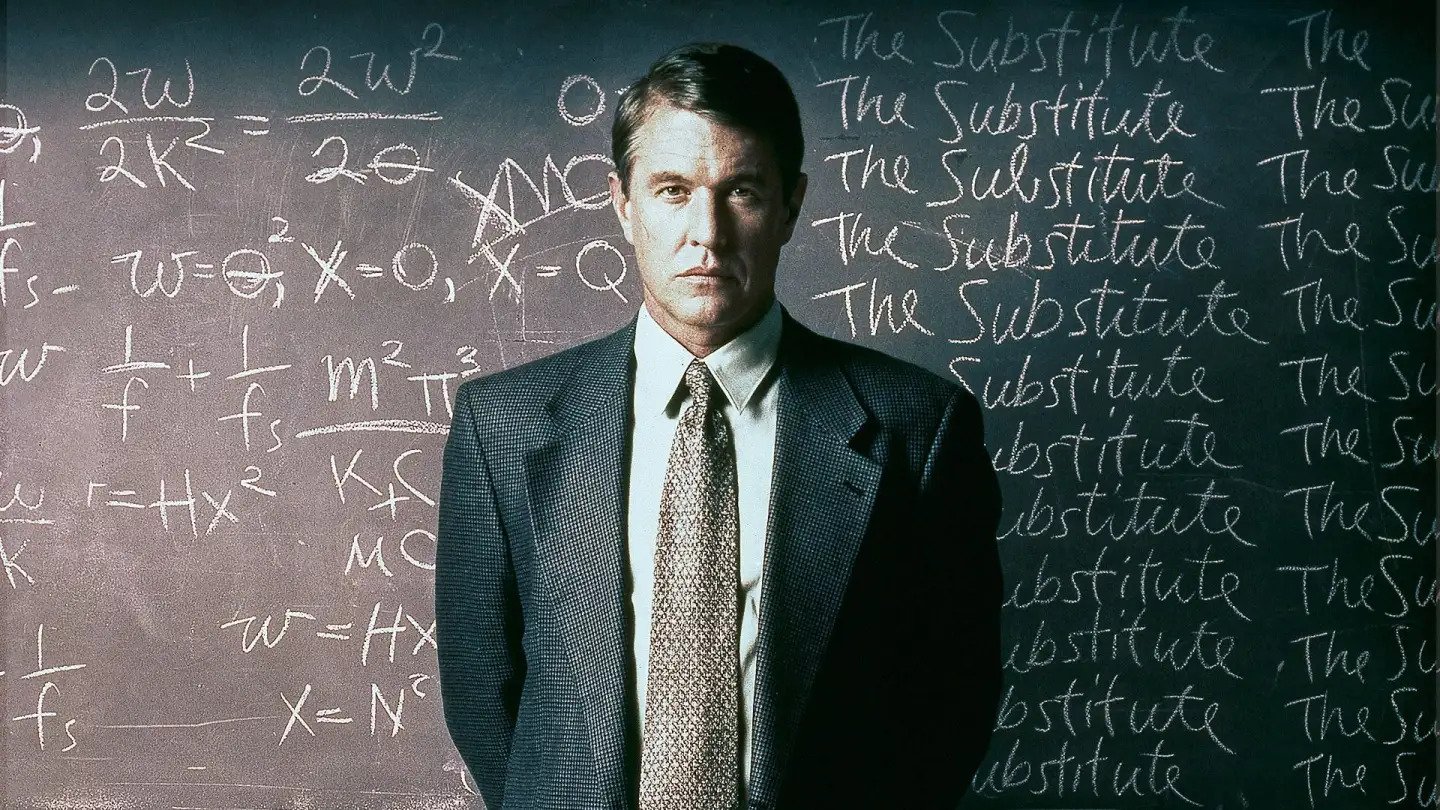




















“Trial by Media” and the Court of Public Opinion
On Friday 15th September the former actor and comedian turned internet social commentator, Russell Brand, released a video on his YouTube channel addressing allegations about his personal life, ahead of a forthcoming UK current affairs documentary. Brand vehemently denied what he described as “very serious criminal allegations”. The following day Channel Four broadcast “Russell Brand: In Plain Sight”. During the course of the program Brand was accused by one woman of rape and by three others of sexual assaults, and emotional abuse between 2006 and 2013. During the course of the week, further claims have been made against him and that his “predatory” behaviour was an open secret within the TV industry. Furthermore, women would warn each other in advance if they had any dealing with him. All of which has played out against a mixture of broadsheet analysis, tabloid hyperbole, performative politics and internet bluster.
On Friday 15th September the former actor and comedian turned internet social commentator, Russell Brand, released a video on his YouTube channel addressing allegations about his personal life, ahead of a forthcoming UK current affairs documentary. Brand vehemently denied what he described as “very serious criminal allegations”. The following day Channel Four broadcast “Russell Brand: In Plain Sight”. During the course of the program Brand was accused by one woman of rape and by three others of sexual assaults, and emotional abuse between 2006 and 2013. During the course of the week, further claims have been made against him and that his “predatory” behaviour was an open secret within the TV industry. Furthermore, women would warn each other in advance if they had any dealing with him. All of which has played out against a mixture of broadsheet analysis, tabloid hyperbole, performative politics and internet bluster.
Is this debacle becoming the 21st century version of “l’affaire Dreyfus” It certainly makes you wonder. Another historical phrase that springs to mind is “Star Chamber”. Because contemporary discourse around political and social issues has become so emotionally (and not intellectually) partisan, it has become increasingly difficult to address topical matters of this kind in a measured and intelligent manner. Plus Brand himself is a polarising figure, that the mainstream media has actively cultivated in an odd, symbiotic or even a parasitic relationship over the years. The man generates headlines due to his behaviour and the press then perpetuates “interest” in such matters in the way they choose to report and depict such behaviour. However, now it seems expedient to turn on the proverbial goose that lays the golden egg and join the opprobrium and censure because that is now a superior business model.
At present, there is a growing amount of information in the public domain to suggest that Brand’s behaviour in the past has been unacceptable and has been indulged by those who should not have allowed it. Possibly because it was good business and irrespective of the consequences, which is a sad but familiar story. As members of the public, we are entitled to consider the information presented, seek out further data and then reflect upon its authenticity and relevance. We can then determine if the information has a moral and ethical dimension in comparison to our own personal standards. However, what happens next seems to be the point of dispute. To what extent (if any) should public opinion have any impact upon the individual at the centre of the allegations? In the case of Russell Brand should public opprobrium have a direct influence upon his life? We may judge his behaviour, lifestyle and morality but should public opinion be allowed to directly or indirectly levy sanctions?
Transgressions of the law are dealt with by the legal system, which is independent, accountable and transparent. Cases can be presented and punished if a conviction is secured. If a case cannot be proven, then the accused can consider themselves absolved. If need be, they can seek restitution. At some point, Russell Brand may well appear in court if charges are made, and the CPS deem it in the public interest to prosecute. However, successfully securing a conviction is notoriously difficult when it comes to sexual offences. Procedural, cultural and personal biases impede the process and juries are reluctant to convict when evidence ultimately comes down to contradictory, personal testimony. Hence a legal resolution is difficult, despite the fact it is the preferential route. But what happens if there is no legal approach to resolve the situation? We are left in a state of limbo where nothing has been formally resolved but remains nebulous and unproven. It can be damaging to all concerned parties.
As mentioned previously, the public are entitled to consider matters and withdraw support if they see fit to do so. Hence people who previously followed Russell Brand on social media can unsubscribe and cease any payments if they wish. With regard to YouTube demonetising his channel, this is nothing more than standard business practice. It is common protocol for companies to distance themselves from anyone when serious allegations are made against them. It is not so much a moral sanction against the one accused, but more a question of ensuring that the business, in this case YouTube, does not incur any legal entanglements in a wider context and to avoid negative PR. However, do not attribute such corporate behaviour as something driven by morality, as YouTube seems to enforce its terms and conditions very selectively.
However, what is thoroughly questionable is the chair of the UK Culture, Media and Sport Committee, Dame Caroline Dinneage, writing to the video hosting service Rumble requesting that Russell Brand’s channel there is demonetised. “We would be grateful if you could confirm whether Mr Brand is able to monetise his content, including his videos relating to the serious accusations against him. If so, we would like to know whether Rumble intends to join YouTube in suspending Mr Brand’s ability to earn money on the platform”. It should be noted that Caroline Dinneage, although a peer, does not represent the UK government and that the committee has no authority outside of the UK. Publicly assuming that unproven criminal accusations are true and then “championing” them for political gain, undermines trust and the assumption of good faith of politicians and national institutions. However, politicians can seldom resist the gravitational pull of a passing bandwagon.
With all these things in mind, it would appear that the Russell Brand situation is currently at an impasse. Allegations have been made but as of yet, no criminal proceedings are being undertaken. The polarising nature of Russell Brand, the complaints and the tone of public discourse around them has led to this whole matter becoming part of the wider, ongoing culture wars. Women’s groups and other sociopolitical lobby groups do not feel obliged to maintain a position of “innocent until proven guilty”. And libertarians and other groups leaning towards Brand’s stance on conspiracy theories and the “deep state”, are rallying to his support as they see what is happening to him as part of a larger crackdown on dissent. Elon Musk, Joe Rogan and GB News are not allies some would wish to be associated with. The recent addition of support from former comedian Michael Barrymore seems to imply that anyone with a beef against the media may be a potential ally.
Hence, while this impasse remains, the so-called “court of public opinion” and “trial by media” are left unchecked and unchallenged. I have my own opinions about Russell Brand, but I am reticent to voice them as they contribute to the ongoing drip effect of speculation and personal bias that makes resolving the matter legally more difficult. It is possible that I could be called for jury service and find myself participating in his trial. Yet we live in an age of celebrity tittle-tattle and gossip. Many of us wag our finger disapprovingly but such content is voraciously consumed. People wear their bias openly on their sleeve these days, where in the past they tried to hide it. They are quick to pass judgement regardless of what facts later emerge. Let us not forget the case of singer Cliff Richard. Sadly, until events move forward all we are left with is the “court of public opinion” which is unfair, unreliable and unsanctioned. It is also open to manipulation. From both sides. In the days to come it would be wise to keep an eye on Brand supporters. I suspect some pushback is due.


















LOTRO: What You See Is What You Get
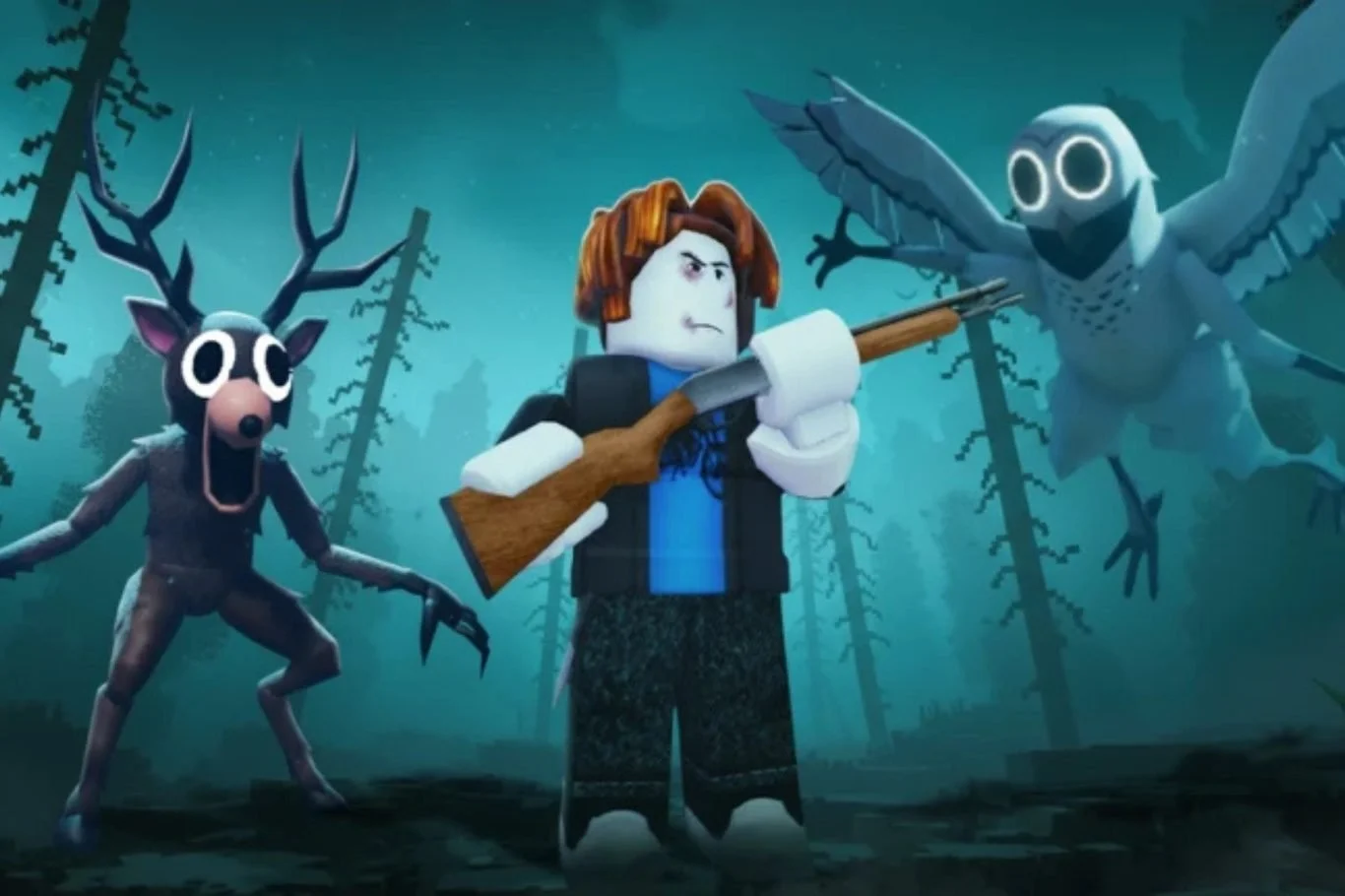
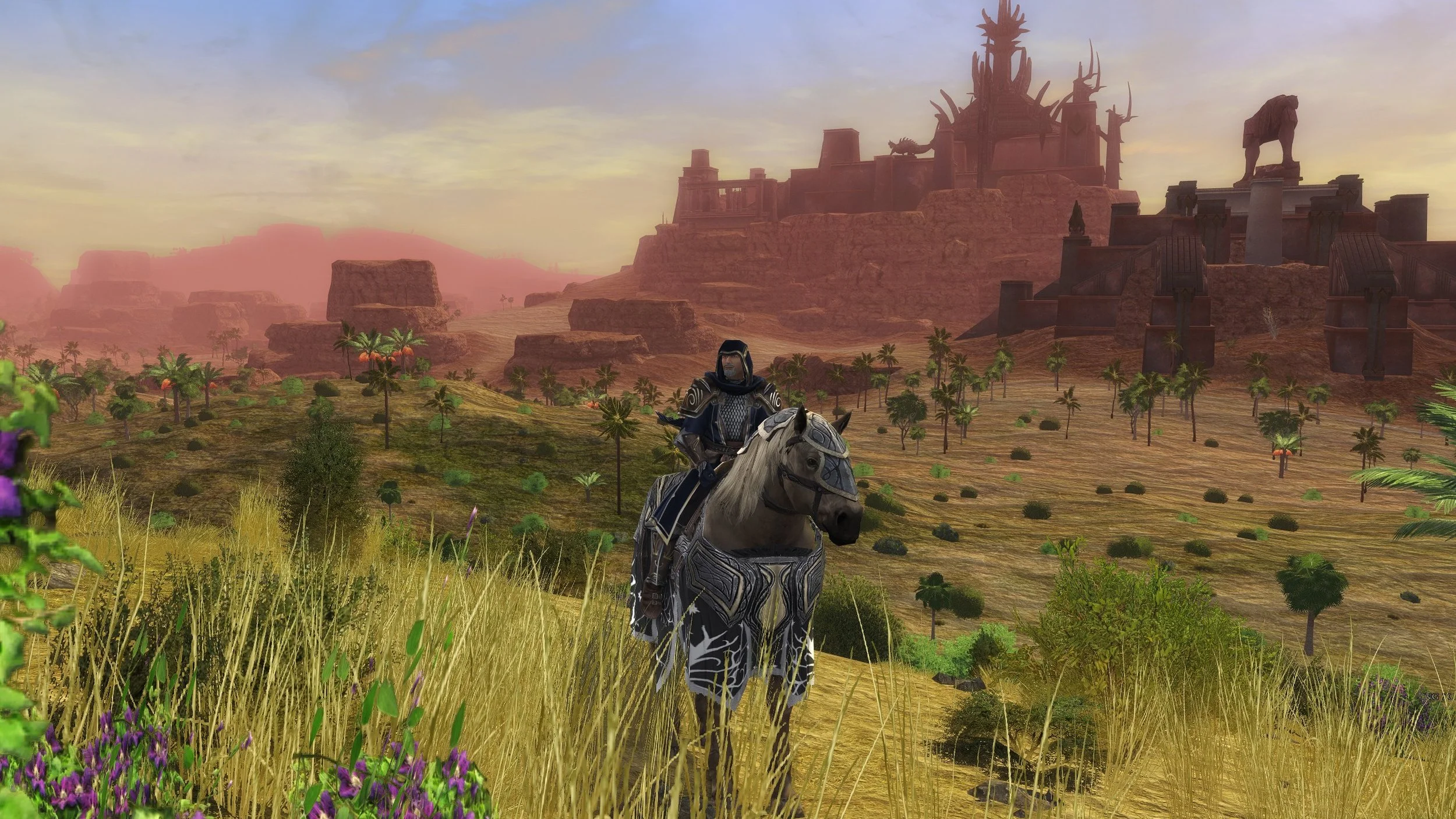
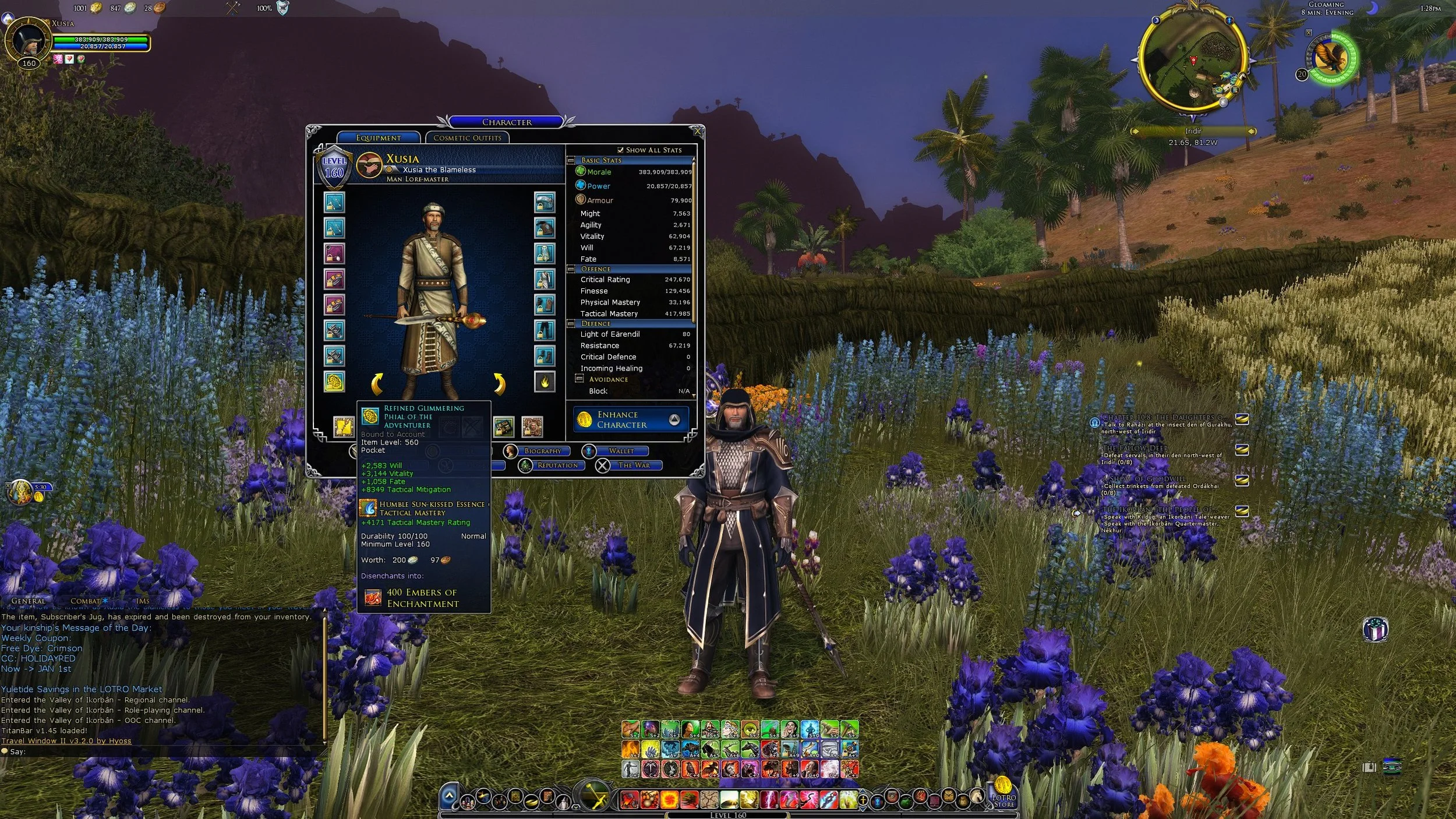
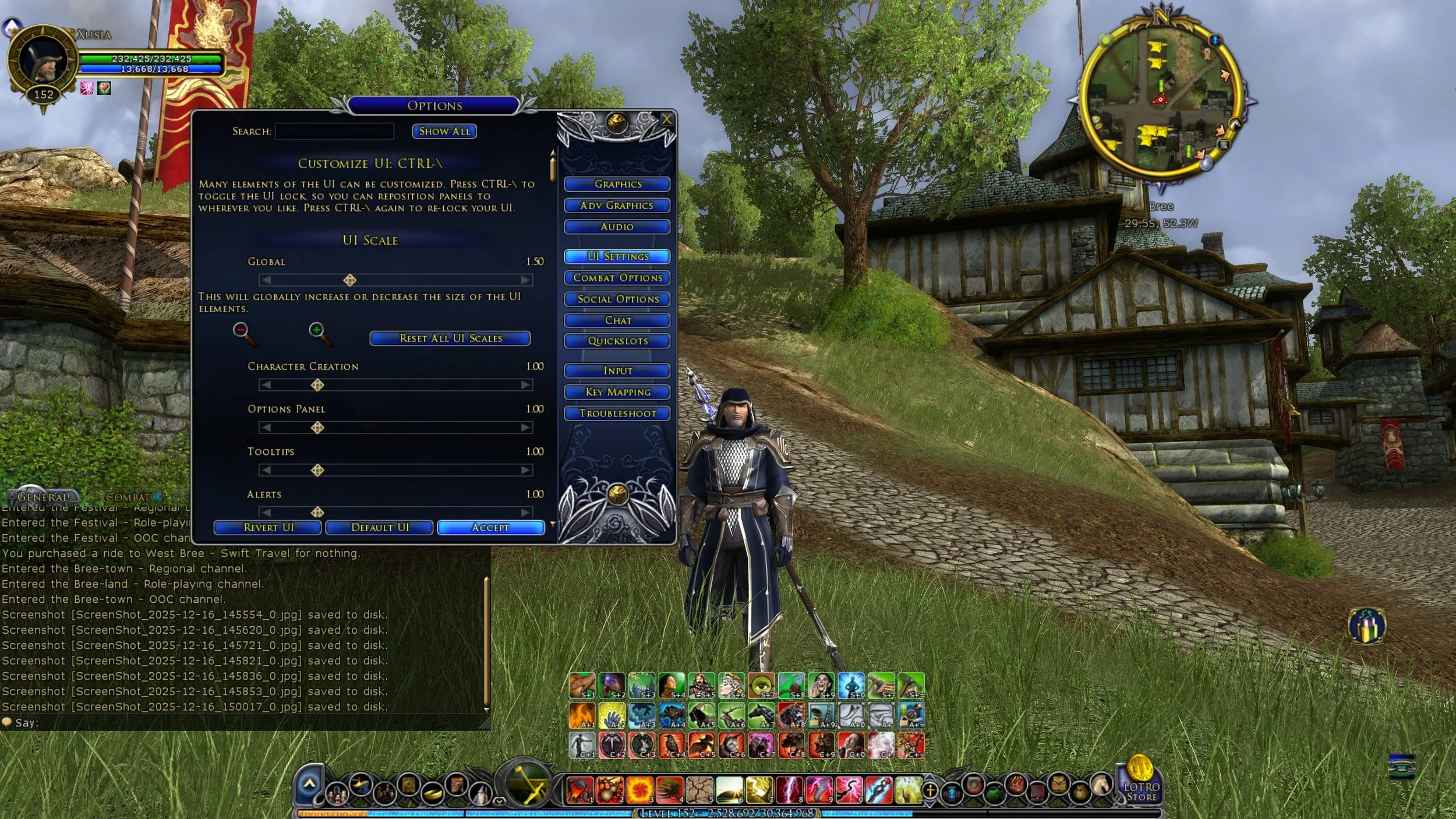
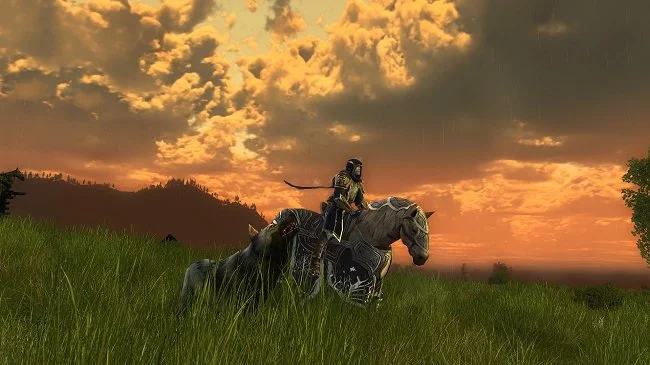
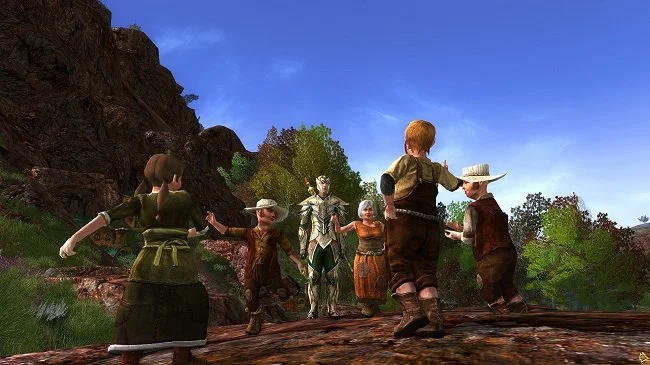
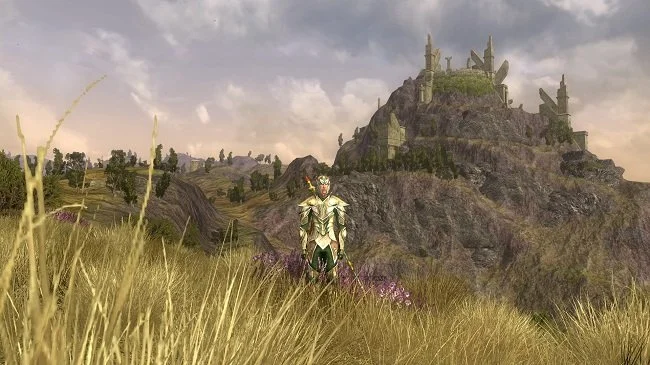
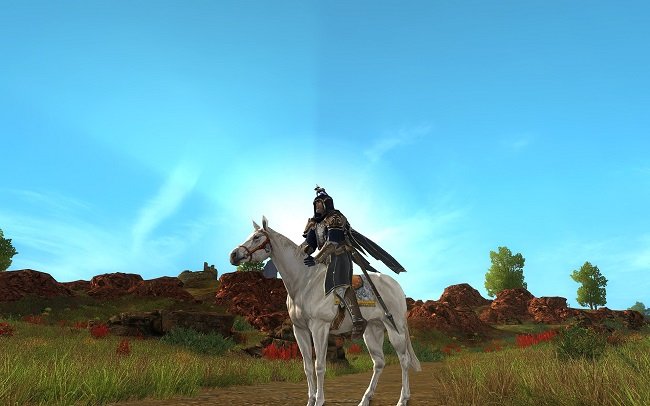
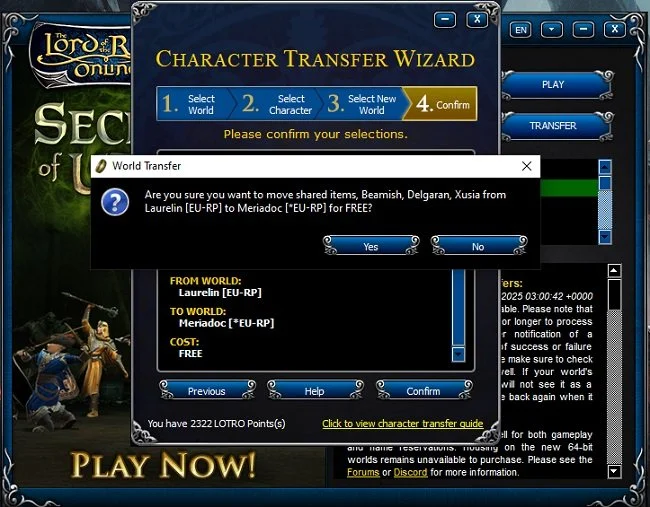
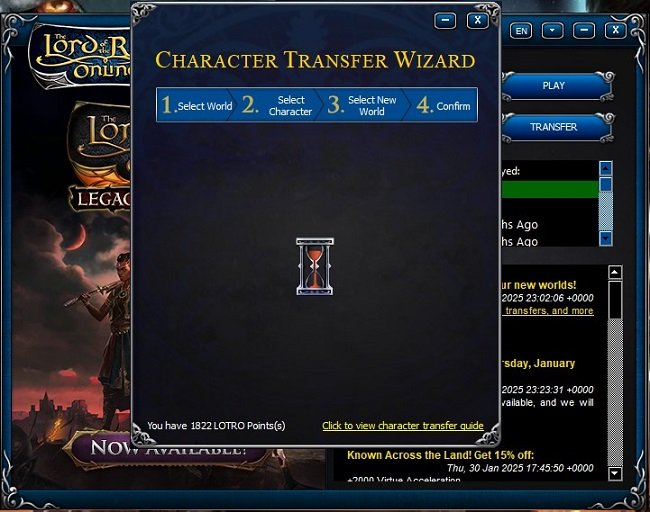
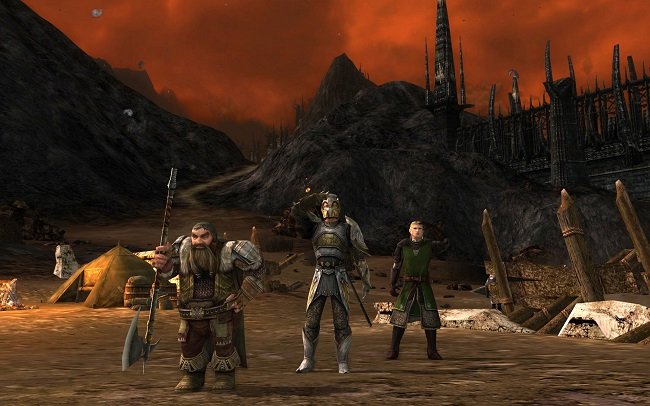
As many of us suspected, the proposed “remaster” of the MMORPG The Lord of the Rings Online has been formally cancelled. Daybreak boss Ji Ham touched upon this project in EG7’s latest investors pitch video and stated that the proposal was a poor return on investment. The estimated cost of $30 million could well be spent more effectively elsewhere, possibly the development of new games. As a console release of LOTRO would be dependent upon a remaster, I think it is safe to say that idea is similarly no longer an ongoing concern. Sadly, it would appear that all the ideas regarding LOTRO that were floated during Robin Flodin’s tenure as EG7 CEO, have now all been quashed. It will be interesting to see if developers Standing Stone Games push ahead with support for 4K gaming and revisions to the game’s GUI or whether that also will be abandoned.
As many of us suspected, the proposed “remaster” of the MMORPG The Lord of the Rings Online has been formally cancelled. Daybreak boss Ji Ham touched upon this project in EG7’s latest investors pitch video and stated that the proposal was a poor return on investment. The estimated cost of $30 million could well be spent more effectively elsewhere, possibly the development of new games. As a console release of LOTRO would be dependent upon a remaster, I think it is safe to say that idea is similarly no longer an ongoing concern. Sadly, it would appear that all the ideas regarding LOTRO that were floated during Robin Flodin’s tenure as EG7 CEO, have now all been quashed. It will be interesting to see if developers Standing Stone Games push ahead with support for 4K gaming and revisions to the game’s GUI or whether that also will be abandoned.
16 years on from its launch LOTRO remains a money-making concern due to its relatively stable playerbase. The licensing arrangement is as secure as it can be and so the game continues. There is an ebb and flow to player engagement with LOTRO, usually centred around the release of new content. The release of Amazon Prime’s The Lord of the Rings: The Rings of Power certainly produced a spike in activity around the MMO. This will no doubt happen again when the next update is released. However, LOTRO appears to have a finite capacity to yield revenue and as a result of this fiscal limitation, it would appear that Daybreak has no interest investing any further in the game. Hence the scope of future development for LOTRO is fixed. The MMO will continue to get new updates, expansions and monetised content. But there will not be anything outside of existing parameters.
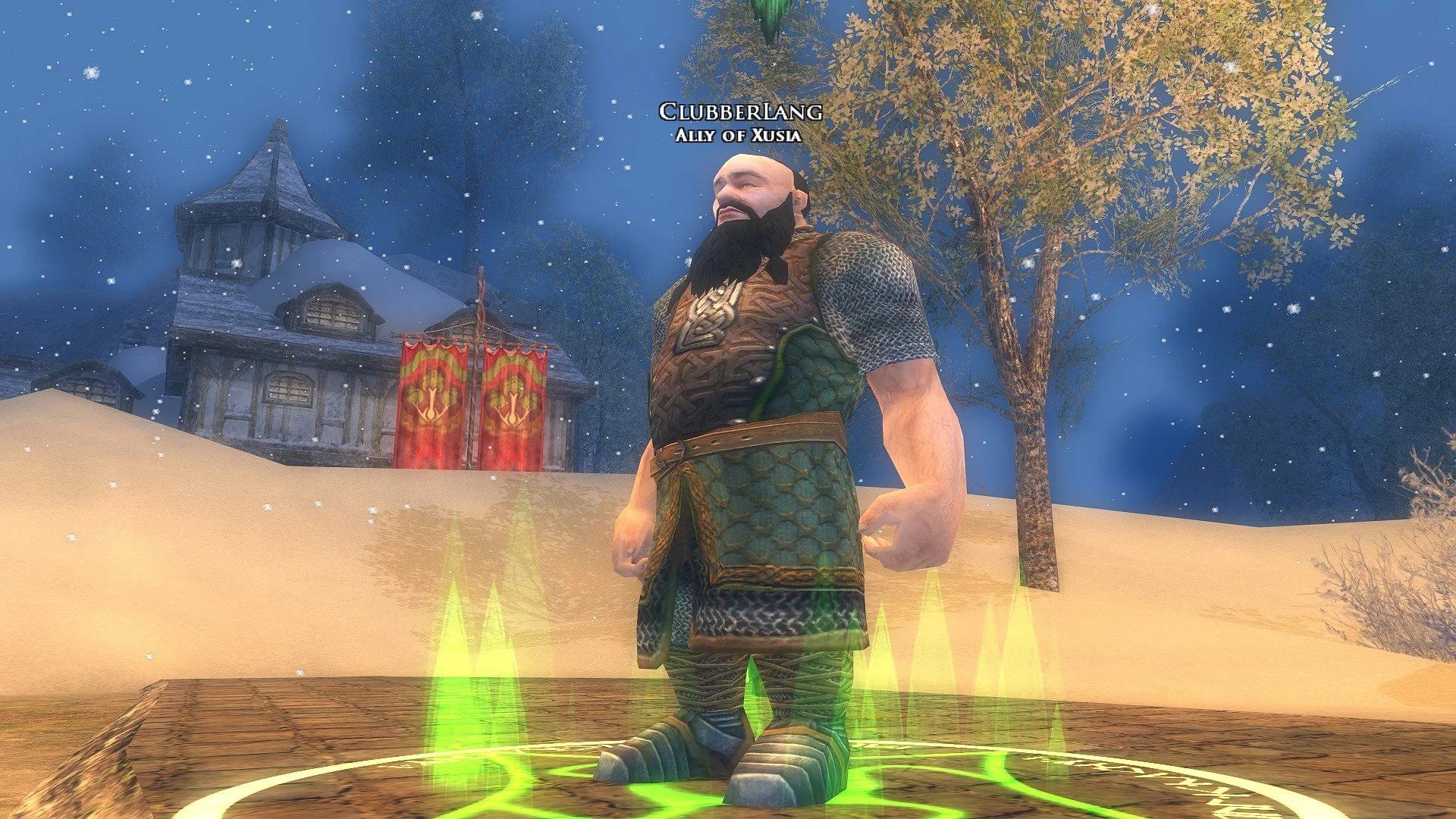
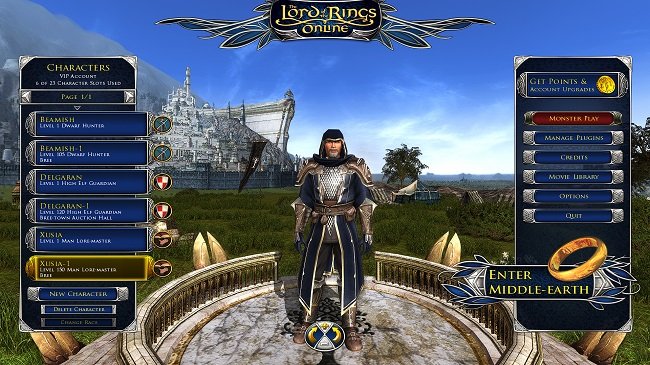
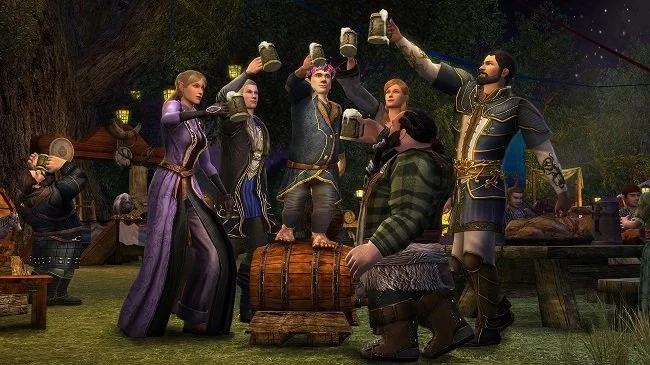
Having played LOTRO since 2008, the game has changed significantly over the years. It has tried to embrace some of the attributes of modern MMOs and that has not been to everyone's liking. However, the loyal, steadfast, playerbase yields sufficient revenue to keep the lights on. It reminds me of a popular TV show that maintains an audience and so gets continued funding but never enough to break out of its creative lane. The steady release of new story content, new classes and races is sufficient to keep loyalists engaged. But the “more of the same” business model is also the reason why a percentage of players leave. New players arrive to find a dated game that offers a huge amount of old school, progressive, narrative content that they need to catch up on. However, it is clear now that this is the way LOTRO is going to be until the servers are closed. These are the terms that you play the game.






Playing Starfield Part 6: Outposts
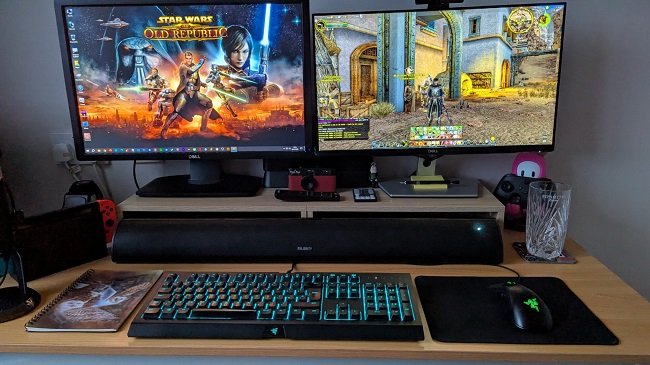
I struggle with certain types of game mechanics in RPGs and MMOs. Especially those involving crafting, building or any other form of gated, time based, resource dependent creation. Outposts in Starfield is a textbook example of this. I love the notion of having a fancy base on some remote planet, with all the necessary facilities for my starship and crew. I also like, in principle, the idea of being able to customise it so that it looks exactly how I want it. However, the reality is always very different. Building an outpost in Starfield is slow and the UI that you have to use is ponderous. You have to sink a great deal of time and effort into building one and ultimately, beyond the cosmetic, your completed outpost offers very few benefits. Which raises the question as to why I’ve spent so much time recently, watching YouTube videos about constructing outposts?
I struggle with certain types of game mechanics in RPGs and MMOs. Especially those involving crafting, building or any other form of gated, time based, resource dependent creation. Outposts in Starfield is a textbook example of this. I love the notion of having a fancy base on some remote planet, with all the necessary facilities for my starship and crew. I also like, in principle, the idea of being able to customise it so that it looks exactly how I want it. However, the reality is always very different. Building an outpost in Starfield is slow and the UI that you have to use is ponderous. You have to sink a great deal of time and effort into building one and ultimately, beyond the cosmetic, your completed outpost offers very few benefits. Which raises the question as to why I’ve spent so much time recently, watching YouTube videos about constructing outposts?
Setting aside my own feelings on the matter, having watched a lot of content about outposts in Starfield, I think they offer different things to different players. Some are happy with the cosmetic and collectible elements that they bring to the game. Creating a home then spending time decorating it has always been a major source of entertainment in both the RPG and MMORPG genres. But outposts offer a technical conundrum as well, which potentially attracts a different type of player. There is a logistical element to creating an outpost. There are some planets that yield better resources or that have superior day and night cycles. If you pick the right one, you can potentially start producing the resources that you need to build a robust outpost, without spending a lot of in-game credits. Essentially, if you’re the sort of player that enjoys crunching numbers then creating and managing an outpost can be “spreadsheet heaven”.
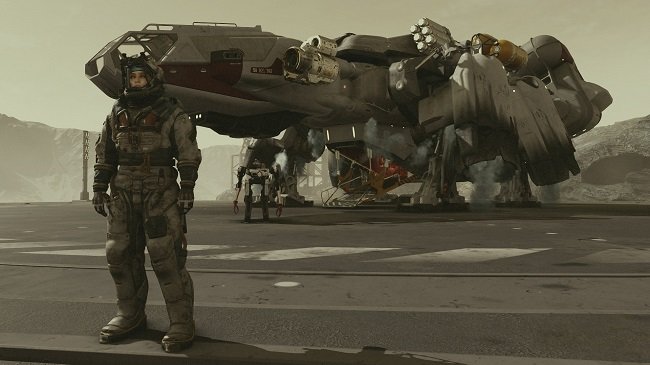
Despite my ambivalence towards the mechanics of creating an outpost, I did spend an evening building one. I followed a specific YouTube video and the instructions therein. The outpost is on the moon Bessell III-B in the Bessell system. Specifically, because there is an area on the moon surface that has access to Aluminum, Iron, Nickel and Cobalt. Their extraction is further optimised by the day and night cycle of the moon, where one hour of moon time equates to nearly sixty hours of universal time. Hence if you sleep, upon waking the extraction process has produced a substantial amount of each ore. This generates XP and the ore can be traded for credits. Furthermore, if you install an industrial workbench, you have all the raw materials you need for making most common construction components, such as adaptive frames. Again this process will generate further XP. So, in this instance, building an outpost has multiple benefits including helping you level up your character.
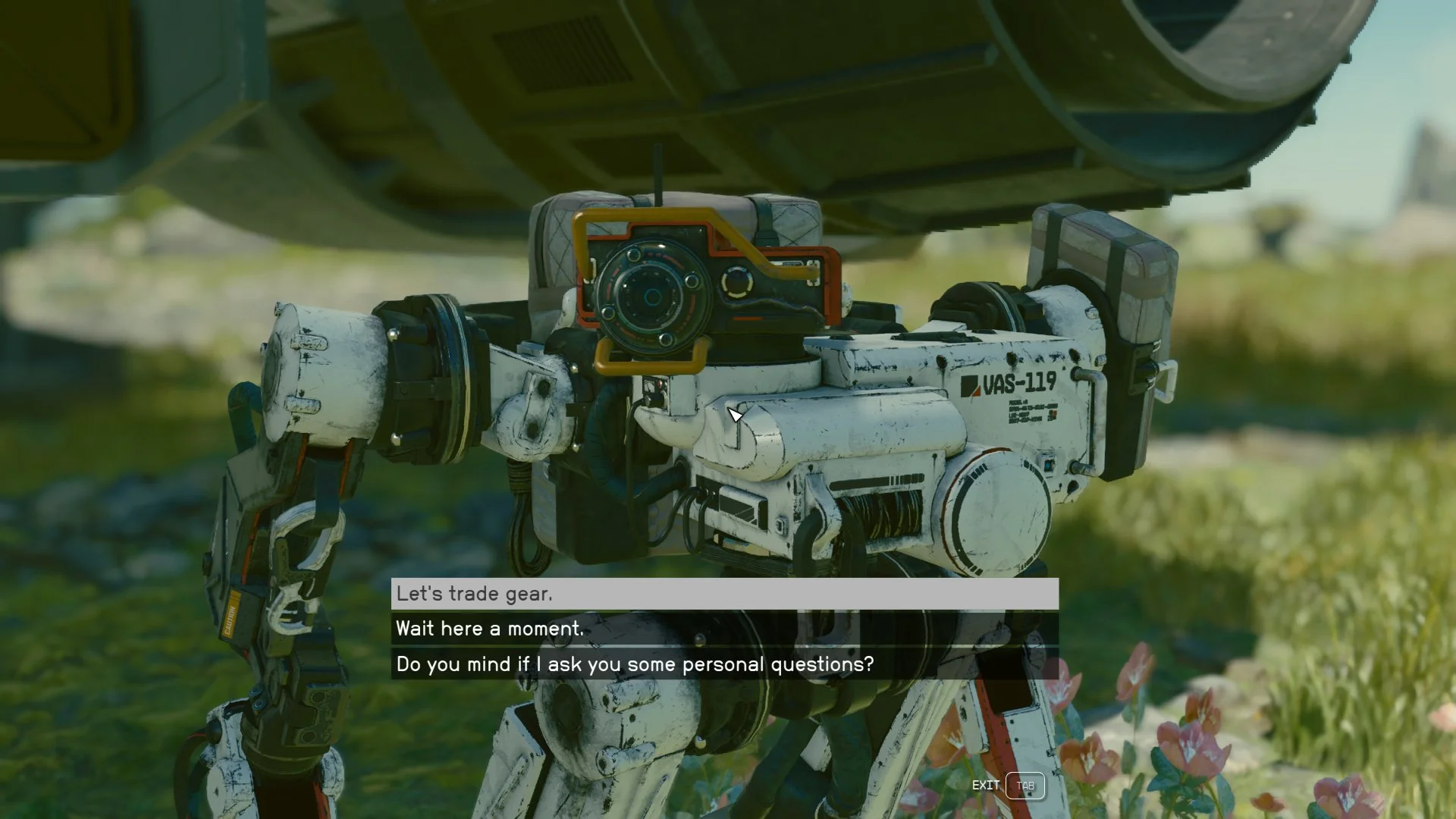
Having built my outpost in Starfield and assigned my companions Lin and Heller there to maintain it, I don’t think I’ll be returning that often, apart from collecting the various extracted resources. I’m curious to see if there are any random attacks or whether the game provides any incentives to go back there. At present I am making credits quite easily and resources can be purchased for reasonable prices. Hence for a player such as myself, outposts don’t really offer anything beyond the immediate fun of building them. As I’ve mentioned in a previous post, I think the most enjoyable creative aspect of the game is building your own starship. Not only is it a fun process, it has a technical aspect that engages players that like number crunching. It also offers a tangible benefit upon completion. Overall, outposts don’t seem to offer as much. However, that is a subjective statement and I’m sure other players may feel differently.






Thirty-One Days of Horror Movies
It would appear that quite a few bloggers write horror movie themed posts throughout the month of October and the lead up to Halloween. Krikket over at Nerd Girl Thoughts has already planned a very interesting viewing schedule of 31 horror films and I am most interested to read her thoughts in the days to come. As a blogger I like a series of planned articles, as I find that it keeps me engaged and focused. So, I’ve decided to write 31 horror movie reviews over the course of October. There is no rhyme or reason to the list of films and they’re not in any specific order. Some are classics that I’ve had on my review “to do list” for a while. Others are titles that have been lurking, unwatched, on my media player for a while. “Thirty-One Days of Horror Movies” presents a golden opportunity to address these. Overall, there’s a broad spectrum of titles from around the world, which will hopefully provide a degree of variety.
It would appear that quite a few bloggers write horror movie themed posts throughout the month of October and the lead up to Halloween. Krikket over at Nerd Girl Thoughts has already planned a very interesting viewing schedule of 31 horror films and I am most interested to read her thoughts in the days to come. As a blogger I like a series of planned articles, as I find that it keeps me engaged and focused. So, I’ve decided to write 31 horror movie reviews over the course of October. There is no rhyme or reason to the list of films and they’re not in any specific order. Some are classics that I’ve had on my review “to do list” for a while. Others are titles that have been lurking, unwatched, on my media player for a while. “Thirty-One Days of Horror Movies” presents a golden opportunity to address these. Overall, there’s a broad spectrum of titles from around the world, which will hopefully provide a degree of variety.
The following list is provisional and dependent on whether I can find copies of some of the titles. Streaming services do offer some obscure and niche titles, but they are far from comprehensive. Due to the nature of some of the films on the lists, not all of the reviews will be especially in depth. There is only so much one can say about Willaim Lustig’s Maniac Cop, for example. But others may well lend themselves to more rigorous scrutiny, such as Onibaba and Witchfinder General. As ever with my cinematic musings, I hope that some of the reviews of the more niche market and obscure titles will encourage others to seek them out and watch them. However, there is still good material to be found in the mainstream, so I’ve included some more recent movies for balance. I will note accordingly which version of a film I have watched if there are multiple editions available, to avoid confusion.
Thirty-One Days of Horror Movies 2023:
Amityville: The Awakening (2017)
Black Sunday (1960)
The Bride (1985)
The Last Voyage of the Demeter (2023)
Maniac Cop (1988)
Maniac Cop 2 (1990)
Maniac Cop III: Badge of Silence (1993)
The Caller (1987)
The Uninvited (1946)
The Host (2006)
The Keep (1983)
The Boogeyman (2023)
A Bay of Blood (1971)
The Bad Seed (1956)
The Good Son (1993)
The Prowler (1981)
Onibaba (1964)
Talk to Me (2023)
The Nest (1988)
Witchfinder General (1968)
The Funhouse (1981)
Ready or Not (2019)
Two Evil Eyes (1990)
Death Valley (1982)
Halloween Ends (2022)
The Beyond (1981)
Terrified (2017)
The Sentinel (1977)
Night of the Eagle (1962)
Eyes of a Stranger (1981)
The Orphanage (2007)
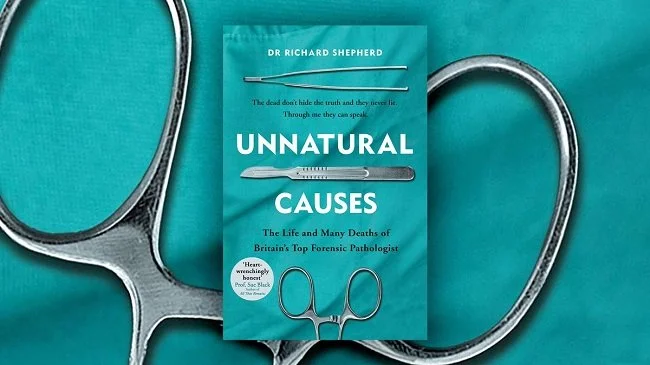
Unnatural Causes by Dr Richard Shepherd (2018)
Dr Richard Shepherd is a senior forensic pathologist with over 30 years’ experience, consisting of 23,000 postmortems. His book, Unnatural Causes, explores his career and his devotion to the truth in determining how each of his cases died. Over the course of his career this includes victims of mass disasters, homicides, and those who have died in their own homes from unknown causes. Dr Shepherd’s job is to ascertain a cause of death based upon the facts and data presented. Each case is described with detail and empathy and it’s surprising how much the reader becomes immersed in the methodical approach that each postmortem entails. Furthermore, it is very satisfying to learn of Dr Shepherd’s verdict. However, far from being a technical dissertation on a succession of cases, this is a deeply personal and humane book which addresses the impact of the author’s career upon himself and his family. It is written with a surprising degree of literary flair and is profoundly thought provoking and moving.
Dr Richard Shepherd is a senior forensic pathologist with over 30 years’ experience, consisting of 23,000 postmortems. His book, Unnatural Causes, explores his career and his devotion to the truth in determining how each of his cases died. Over the course of his career this includes victims of mass disasters, homicides, and those who have died in their own homes from unknown causes. Dr Shepherd’s job is to ascertain a cause of death based upon the facts and data presented. Each case is described with detail and empathy and it’s surprising how much the reader becomes immersed in the methodical approach that each postmortem entails. Furthermore, it is very satisfying to learn of Dr Shepherd’s verdict. However, far from being a technical dissertation on a succession of cases, this is a deeply personal and humane book which addresses the impact of the author’s career upon himself and his family. It is written with a surprising degree of literary flair and is profoundly thought provoking and moving.
There are many standout cases and medical anecdotes throughout Unnatural Causes. Too many to choose from. However, one that proved to be particularly poignant is a case regarding an old lady who lived alone. She was found dead by her cleaner, naked under her kitchen table with the room in a state of disarray. Neighbours implied she may have been going senile and the police suspected a burglary due to the way the furniture and kitchen drawers have been disturbed. The medical conclusion was quite contradictory. The victim had in fact died of hyperthermia. Survivors of this condition have described feeling very hot as their temperature dropped and thought that removing their clothes was an appropriate response. Furthermore, victims of hypothermia will often seek to die in an enclosed space as they lose their cognitive ability. “Hide-and-die” syndrome as it has been named. What made this case especially sad was that it was the first in which Dr Shepherd noticed that there was no family to mourn the bereaved.
As well as exploring interesting medical phenomena and procedures Unnatural Causes is also a rather succinct history of many of the major tragedies that have occurred in the UK between the 1980 and 2015. From the Hungerford massacre and the King’s Cross fire of 1987 to the Clapham Junction rail crash in 1988 and the Marchioness disaster of 1989. Dr Shepherd taps into the mood and shock that each event brought the nation and touches upon the ramifications, such as the creation of modern “health and safety” culture that many of us now just take for granted and complain about. His observations about corporate and state attitudes to risk and the lack of accountability are still very pertinent. His thoughts and reflections upon several high-profile cases are also thought provoking. Such as the carrying out of Stephen Lawrence’s postmortem and that of Princess Diana and Dr Harold Shipman. The political and social fall out of all three cases are still being felt today.
In addition to the wealth of medical analysis and exploration of the duty of care that a forensic pathologist has, Dr Shepherd does not avoid addressing the realities of his work upon himself and the personal cost to his mental health and his immediate family that his career has caused. The very nature of a forensic pathologist means that your work hours are irregular, and this alone will put an immense strain upon any relationship. Then there is the emotional compartmentalisation and the requirement to maintain a professional detachment in one’s work. This is a reflective and poignant memoir and a meditation on the duality of both life and death. It is also an attempt to reconcile the scientific necessity to determine a cause of death with the common misconception that a postmortem is an act of violation. Something that many bereaved families feel at times. Dr Shepherd addresses this wisely and with great sympathy but clearly states that it is an act of great compassion. Determining a cause of death is a sign of a caring society. Unnatural Causes is a moving, informative, and genuinely humane book that will fascinate both medical professionals and casual readers alike.












Star Trek Online: Frequency Remodulation
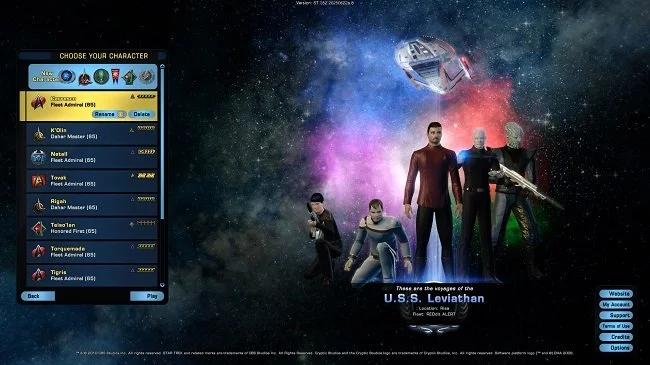
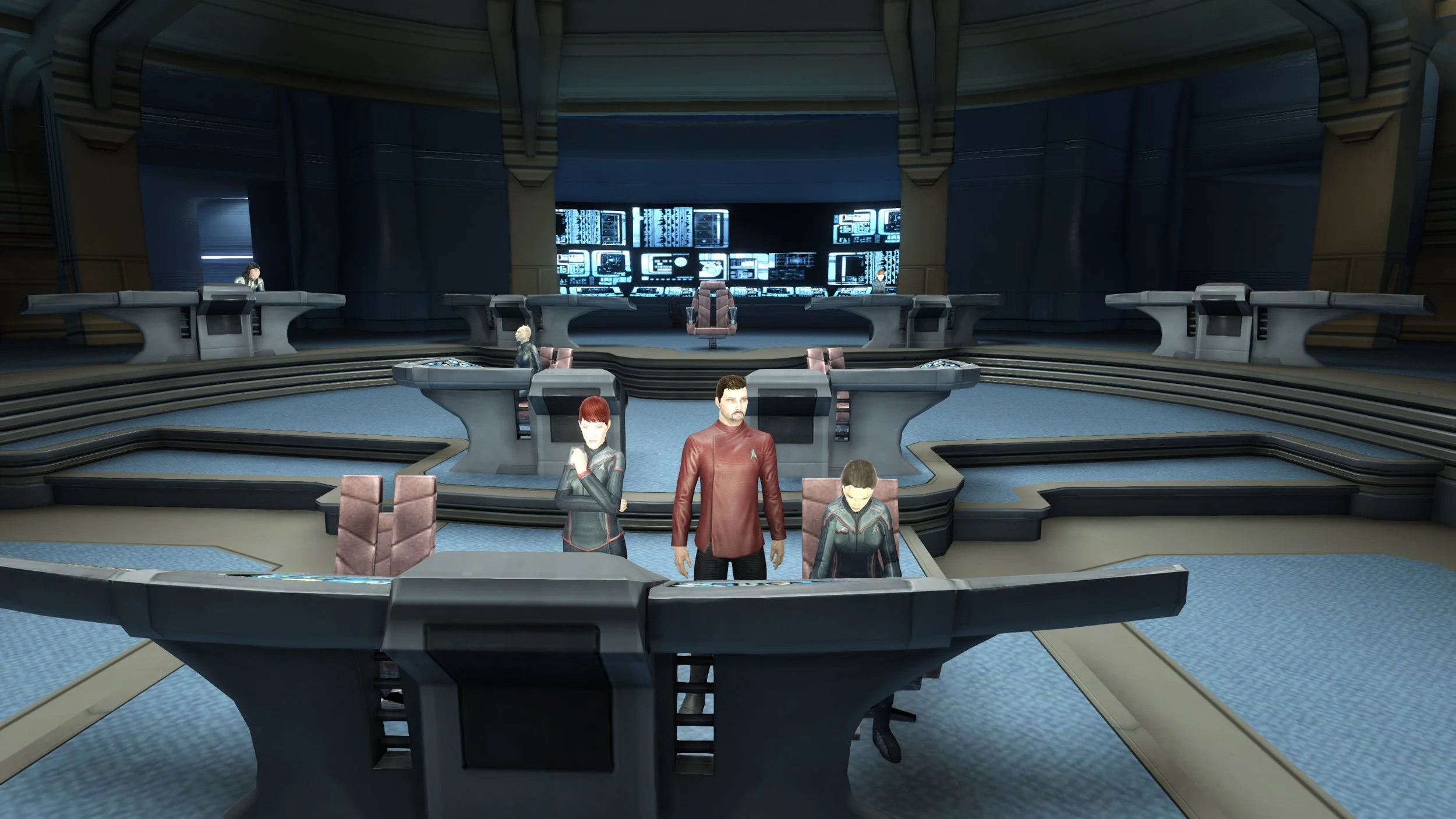
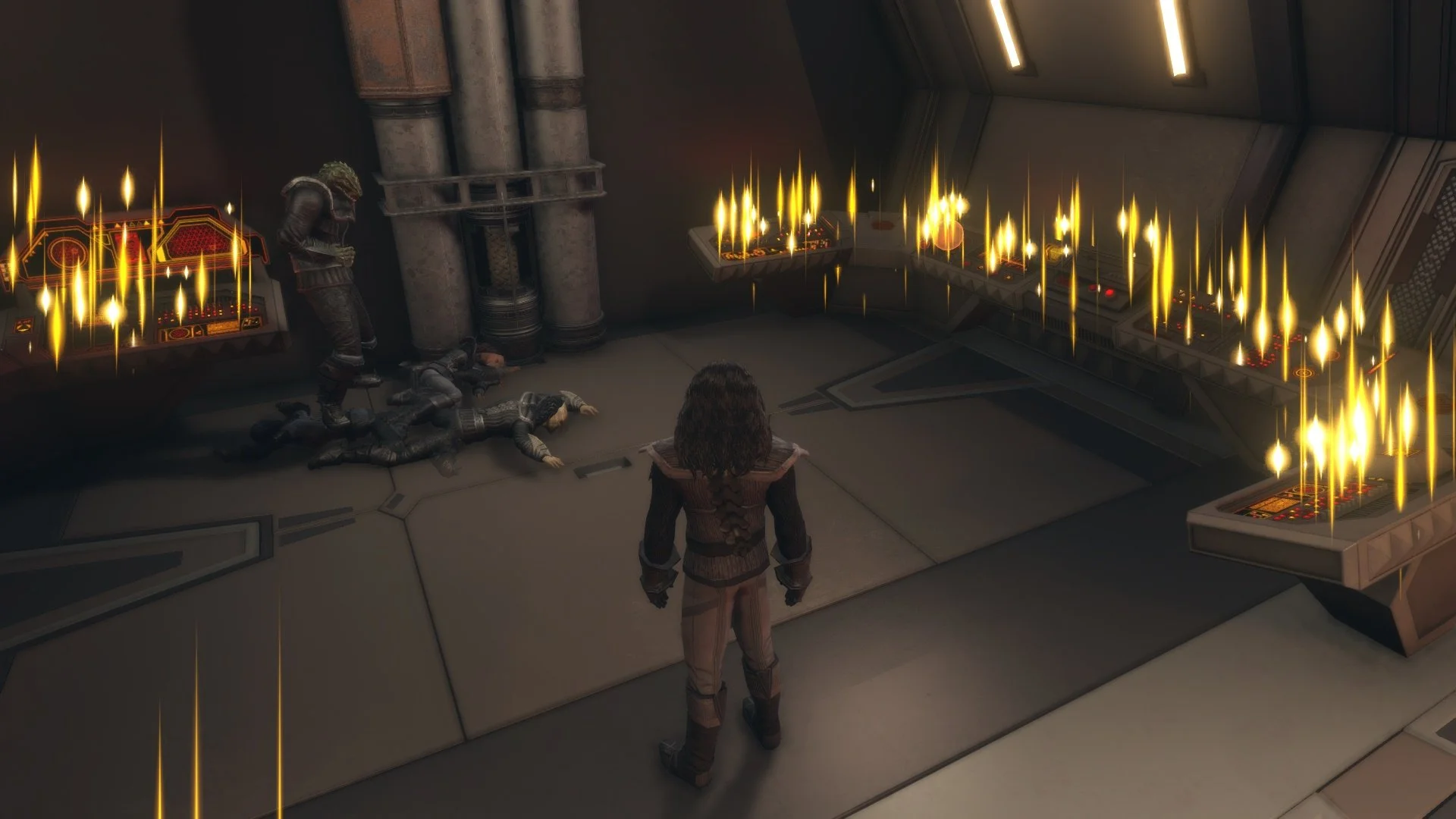
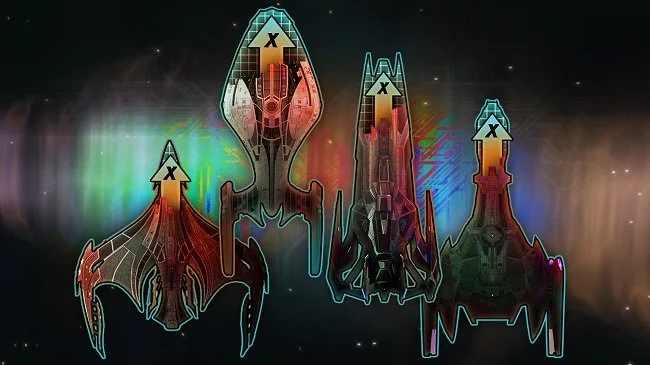
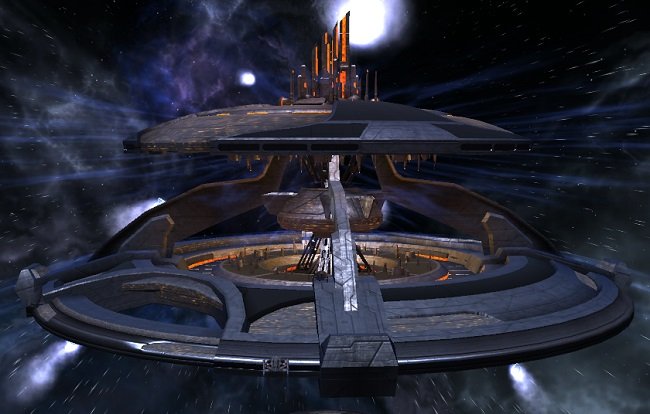
Ever since the Borg have been part of the MMORPG Star Trek Online, players have had to equip a Frequency Remodulator. The Borg adapt to damage from beam weapons after a few minutes and so players have to recalibrate their rifles or pistols, accordingly, using a Frequency Remodulator. This takes 5 seconds to perform and so has to be timed carefully to ensure that the player is not vulnerable to attack during this period. An upgraded version called a Fractal Remodulator, has been available from Federation and Klingon vendors in the Base Camp of the Defera Invasion Zone. It can be crafted for 50 Nanopower Capacitors, 50 Fibro-Neural Interface Cabling and 50 Cybernetic Armatures. It is quicker than the standard model, taking 3 seconds to apply new frequencies. Kinetic weapons do not require remodulation and the Borg cannot adapt to them.
Ever since the Borg have been part of the MMORPG Star Trek Online, players have had to equip a Frequency Remodulator. The Borg adapt to damage from beam weapons after a few minutes and so players have to recalibrate their rifles or pistols, accordingly, using a Frequency Remodulator. This takes 5 seconds to perform and so has to be timed carefully to ensure that the player is not vulnerable to attack during this period. An upgraded version called a Fractal Remodulator, has been available from Federation and Klingon vendors in the Base Camp of the Defera Invasion Zone. It can be crafted for 50 Nanopower Capacitors, 50 Fibro-Neural Interface Cabling and 50 Cybernetic Armatures. It is quicker than the standard model, taking 3 seconds to apply new frequencies. Kinetic weapons do not require remodulation and the Borg cannot adapt to them.
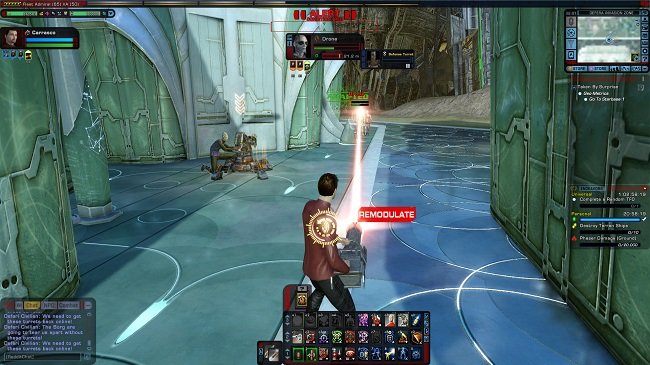
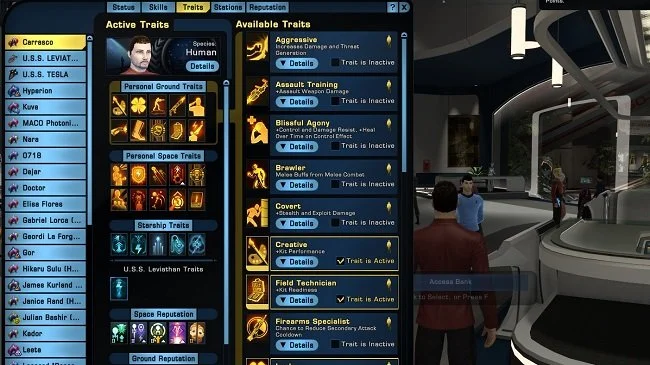
However, STO developers Cryptic recently introduced some practical changes regarding the frequency remodulation system in the game. First off, the standard Frequency Remodulator that has to be equipped as a ground device, has been removed altogether. Beam weapons now have this functionality built in. A new remodulation button appears over the power tray (hotbar) that works in an identical fashion to the old remodulator. Furthermore, the button can be toggled on and off, if you do not want it showing on your UI permanently. Secondly, the faster Fractal Remodulator is still available but is now crafted via the R&D panel for the same cost in materials. The Omega Force, 3-piece ground gear reputation set still has an Integral Frequency Remodulator. This instantly overcomes Borg adaptation and prepares the next remodulation as a background process that requires 15 seconds to recharge. It is not affected by the changes made by Cryptic.
These changes were introduced to STO on Tuesday 12th September with the launch of the latest content update Incursion. After travelling to the Defera Invasion Zone I noticed that the Borg were slower to adapt to beam weapons than previously, especially with those weapons with a rapid-fire secondary attack. Now the pace of combat and adaptation by the Borg feels a lot closer to how it is portrayed in the various TV shows and films. Having the ability to frequency remodulate built into your weapons frees up a ground device slot, which is beneficial and saves you the inconvenience of confronting the Borg without a remodulator and getting caught out. Just remember to look to the right-hand side of your power tray for the switch to toggle the remodulation button. As always, Cryptic posted a press release but provided no in-game instructions.





Playing Starfield Part 5: Companions
I like the concept of companions in video games. They can offer tactical support in combat, be assigned research or crafting jobs and often provide beneficial buffs and such like. There’s also the option for “romance” if you wish. More importantly, companions can sometimes offer unique quest lines. Extra content is always welcome. Starfield, being a Bethesda game, offers all of these with its companion system. However, as ever there is also a downside. Companions can get in the way during combat or wander off and cause aggro when it is not required. They will also judge your decisions which can be problematic, and they sometimes never stop talking. Sometimes, it can be useful to have a companion with you. But on other occasions it’s a pain in the ass. Hence, your style of gameplay should dictate how you use them.
I like the concept of companions in video games. They can offer tactical support in combat, be assigned research or crafting jobs and often provide beneficial buffs and such like. There’s also the option for “romance” if you wish. More importantly, companions can sometimes offer unique quest lines. Extra content is always welcome. Starfield, being a Bethesda game, offers all of these with its companion system. However, as ever there is also a downside. Companions can get in the way during combat or wander off and cause aggro when it is not required. They will also judge your decisions which can be problematic, and they sometimes never stop talking. Sometimes, it can be useful to have a companion with you. But on other occasions it’s a pain in the ass. Hence, your style of gameplay should dictate how you use them.
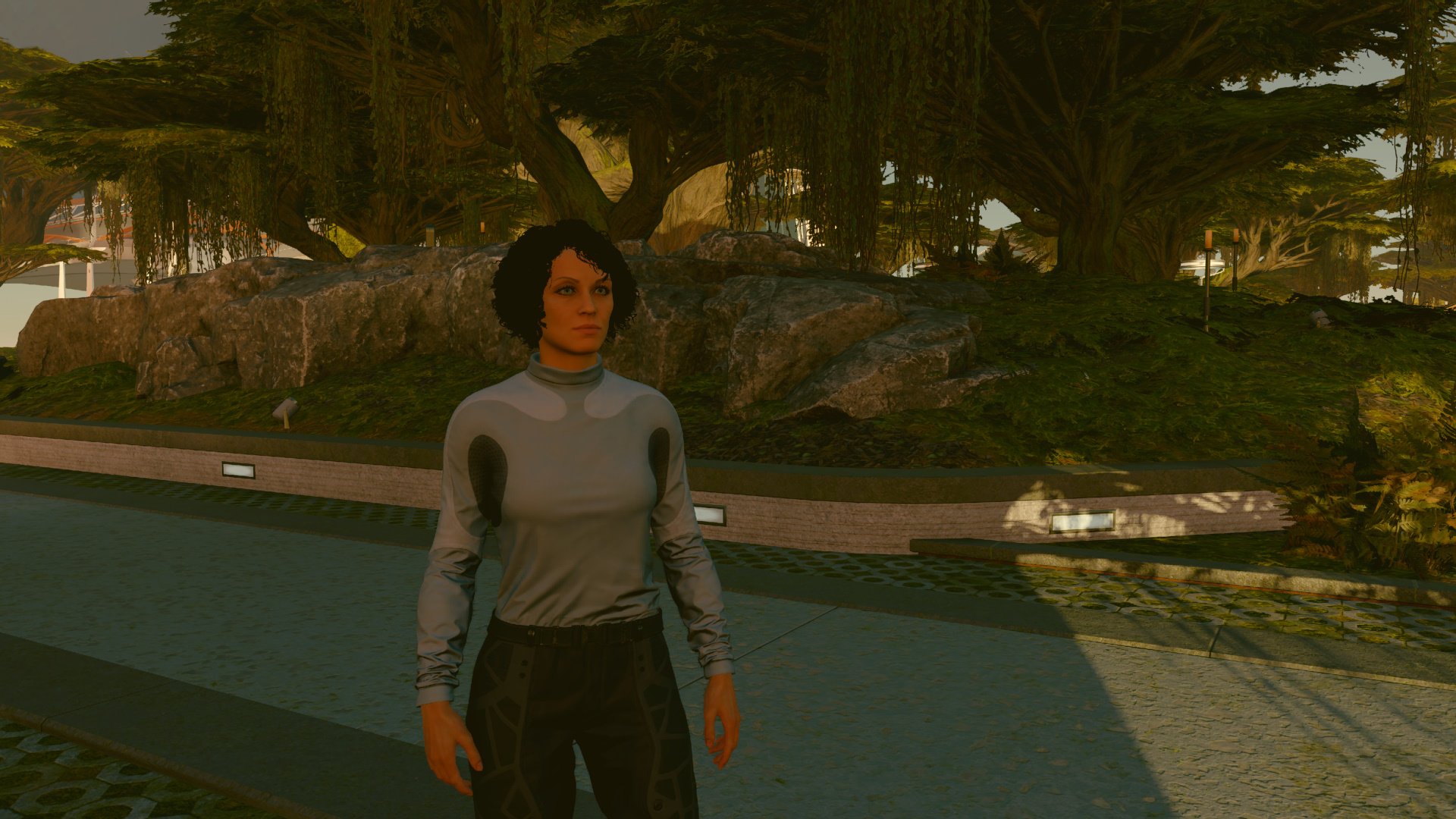
There are three categories of companions in Starfield. Constellation companions, unique companions, and recruitable companions. Constellation companions sustain more detailed conversations, can be “romanced” and have side missions associated with them. They can approve or disapprove of your actions and will abandon you if you become too wayward. Unique companions include Lin and Heller from the introductory mission in Starfield. They can be recruited but are less significant compared to your fellow Constellation members. There are others to be found in the various bars and clubs on all the major settlements. You may sometimes encounter them as part of a side mission. They will have names to distinguish them from generic citizens. Moara Otero is a good example, who you may meet while playing through the main story. The lowest tier of recruitable companions are usually identified by having a functional name such as “Laser Weapons Specialist”. Unique companions can be assigned to your ship or outpost and their skills provide buffs.
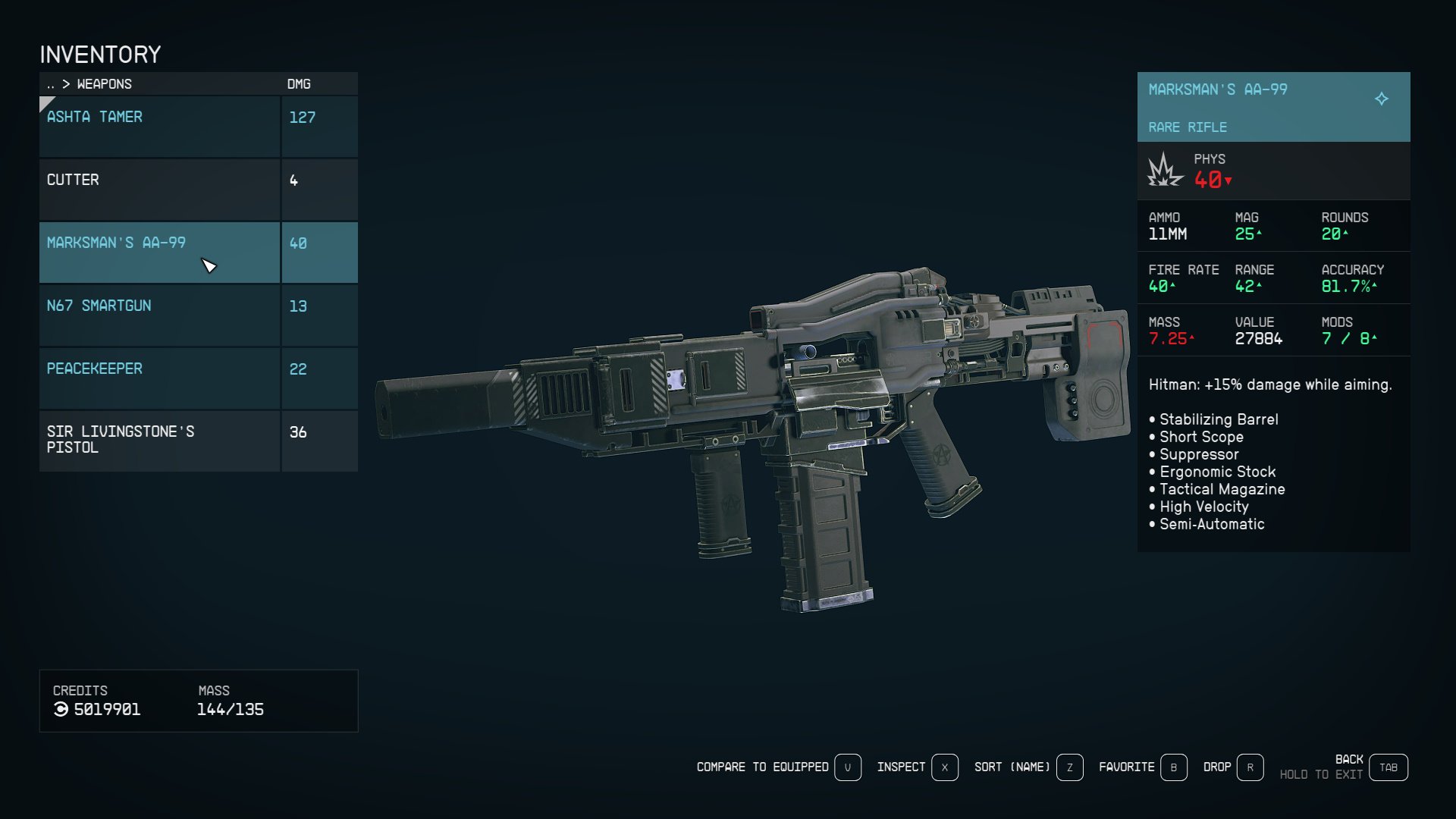
Only the four Constellation companions can accompany you on missions. Sadly, there is no ability to give them tactical instructions. The most you can do is ask them to wait where they are and you need to ensure that if you do, that there are no enemy NPCs or alien lifeforms about as they will go “walkabout” if the fancy takes them. However, you can upgrade your companions’ weapons and spacesuits, simply by giving them superior gear to carry. They will by default use items with the best stats. So far from my in-game experience, companions cannot die. They are temporarily incapacitated and will cease to participate in combat. After a while they recover and resume normal activities. Namely, getting in the way and smothering you in overlapping dialogue. Players who prefer solo gameplay can choose to travel without companions. There’s a trait that you can choose initially, that buffs you for this, as a means of compensation for your choice.
"Hiding" Other Players in MMORPGs
Massively Overpowered posed an interesting question today regarding the MMORPG genre. “A while back, an MOP commenter opined that MMOs should always offer players the option to fully block – that is to say, mute their speech and hide their avatars and entire presence – from the game – owing to the supposition that “the worst part of every MMO is the players.” In other words, you’d be able to blink all other players en masse right out of existence, from your point of view, unless you chose otherwise (for example, toggling other people back on for dungeoneering)”. First off, I have a worrying suspicion that the commenter may have been me, as this is the sort of irascible thing that I say. However, I’m sure I’m not the only person to have thought this out loud. However, now that it’s being fully debated, upon mature reflection I don’t think that this is a good option. No, not in the least.
Massively Overpowered posed an interesting question today regarding the MMORPG genre. “A while back, an MOP commenter opined that MMOs should always offer players the option to fully block – that is to say, mute their speech and hide their avatars and entire presence – from the game – owing to the supposition that “the worst part of every MMO is the players.” In other words, you’d be able to blink all other players en masse right out of existence, from your point of view, unless you chose otherwise (for example, toggling other people back on for dungeoneering)”. First off, I have a worrying suspicion that the commenter may have been me, as this is the sort of irascible thing that I say. However, I’m sure I’m not the only person to have thought this out loud. However, now that it’s being fully debated, upon mature reflection I don’t think that this is a good option. No, not in the least.
From a purely gaming perspective, not having other players about would significantly improve the performance of some games. It would also address differing opinions about immersion. Lore purists would no longer clash with the casual player with the “jovial” name. If this toggling on and off of other players had some degree of control, then role play guilds could segregate themselves from potential trolls and general indifference of non-role players. As could any player or group of players from a minority background, who regularly encounter harassment and prejudice. However, I think in the long term and when considered as part of a wider perspective, this could be a very troubling option. Segregation, be it voluntary or involuntary, has consequences. Blocking other players is more than just visually removing them from a game. It is making a statement. One that can righteous or steeped in bigotry.
At present, real-world politics (although I use the term loosely) and the so-called culture wars are present in video games and its associated culture. Like it or not, there are a substantial percentage of players that don’t like equality and representation, be it in the in-game character creation or within gaming guilds. Hence the ability to block and remove from sight specific groups of people would be deemed advantageous to such people. But doing such a thing, for such reasons would be more than just removing people visually. It would be an act of denying peoples existence and their right to exist. A denial of equality. In essence the first step along the road of “othering” and dehumanisation. It starts with not wanting to see specific people and groups and denying them. But often this will not be sufficient for those who espouse such prejudices.
I would assume that implementing such technology in an existing MMO would come with quite a significant cost. However, market research may indicate that there is sufficient support for such things. I don’t think it unreasonable to speculate that someone may suggest that a cheaper option would be to simply set up separate servers based around demographics, other than language and region. I don’t like such a scenario. The ideology associated with it stinks. MMOs are communities and like wider society, they work because everyone has to exist within a set of rules designed to make that society functional and broadly tolerable. It’s far from perfect but it tends to work. We encounter (well some of us do) people from all walks of life and this for the majority, breeds tolerance at the very least. Tinkering with this by confining, segregating, or removing people from a shared space is a proverbial slippery slope.
Classic TV Themes: The Prisoner
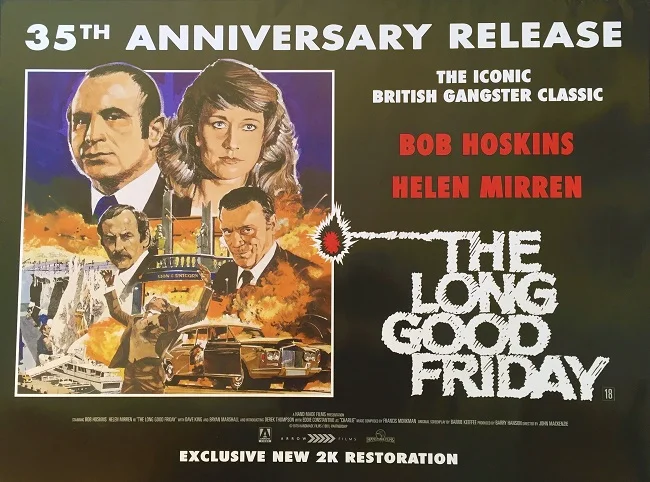
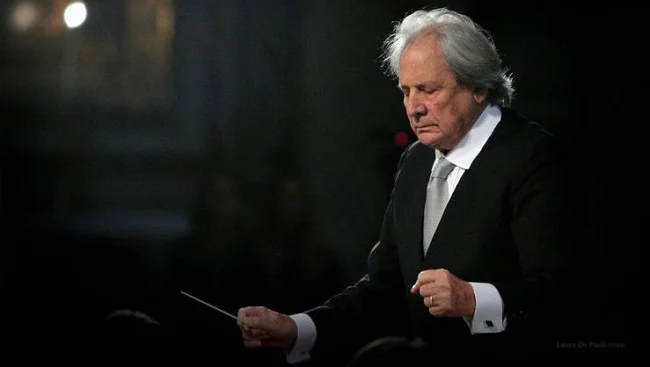
Ronald Erle Grainer (11 August 1922 – 21 February 1981) was a prolific Australian composer who is best remembered for his work in the United Kingdom during the sixties and seventies. He wrote numerous notable scores and theme music for several iconic television shows such as Doctor Who, Steptoe and Son and Tales of the Unexpected. He also composed the soundtrack for several major motion pictures such as Some People (1962), The Assassination Bureau (1969) and The Omega Man (1971). Grainer relocated to London from Australia in 1952 but it was not until 1960 that he gained critical success after writing the music for the popular TV show Maigret. He subsequently received an Ivor Novello award for “Outstanding Composition for Film, TV or Radio”.
Ronald Erle Grainer (11 August 1922 – 21 February 1981) was a prolific Australian composer who is best remembered for his work in the United Kingdom during the sixties and seventies. He wrote numerous notable scores and theme music for several iconic television shows such as Doctor Who, Steptoe and Son and Tales of the Unexpected. He also composed the soundtrack for several major motion pictures such as Some People (1962), The Assassination Bureau (1969) and The Omega Man (1971). Grainer relocated to London from Australia in 1952 but it was not until 1960 that he gained critical success after writing the music for the popular TV show Maigret. He subsequently received an Ivor Novello award for “Outstanding Composition for Film, TV or Radio”.
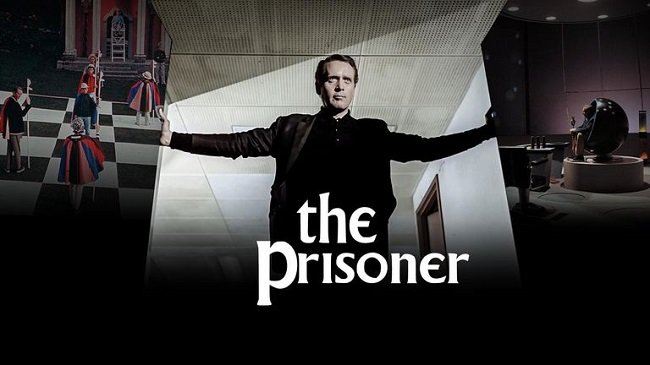
By the mid-sixties Grainer was in demand and hence a logical choice to write the theme for a show such as The Prisoner. However, it was a competitive process and Grainer's theme was chosen after two other composers, Robert Farnon and Wilfred Josephs, had their material rejected by series executive producer and star, Patrick McGoohan. Farnon's theme was declined due to its similarity with the theme from The Big Country (1958) by Jerome Moross. However, Josephs' discordant and enigmatic theme was used in early edits of two episodes of The Prisoner before being replaced by Grainer’s material which was then used in all subsequent episodes. It should be noted that Grainer declined to score the incidental music for the entire series of 17 episodes, which was handled by Albert Elms.
Ron Grainer’s theme for The Prisoner is as iconic as the show mainly because it is such an integral part of the opening credits. These are a microcosm of themes and ideas that the show explores. Furthermore, the opening credits serve as visual summation of the plot of The Prisoner, with Patrick McGoohan resigning from his job as an agent for the UK security services, only to be gassed, kidnapped, and taken to a remote village where he is interrogated for “information”. Why did he resign? The brass, bass and timpani set the tone with a bombastic motif that reflects McGoohan’s volatile character. The music also reflects what is happening on screen with the drumbeats syncopated with McGoohan as he angrily walks down the concrete corridor into his superior’s office. This is a powerful piece reflecting the style of the time, with its bold brass and cool, electric guitar backing. It really sets the tone of the show.













The Conspiracy (2012)
Filmmakers Aaron (Aaron Poole) and Jim (James Gilbert) decide to make a documentary about online conspiracy theories Terrance G (Alan Peterson), mainly due to the amount of attention he attracts online. Terrance explains in detail how many global events all appear to be linked to an NGO called the Tarsus Club. Jim remains sceptical of such theories, but Aaron is more willing to accept them. During an interview, Terrance becomes agitated and points out a man whom he believes to be following him. A few days later Terrance vanishes. Aaron searches through various newspaper clippings left in Terrance’s apartment and finds a reference to a Time magazine article about the Tarsus Club written by Mark Tucker (Bruce Clayton). As the pair of journalists search for Tucker, they see the same man that was following Terrance. They are also menaced by a Black SUV that parks outside Jim’s house at night. Finally, Tucker contacts them online and it becomes clear that he has more to reveal about the Tarsus Club. Aaron suggests that they try to infiltrate the next meeting, but Jim is reluctant to do so, due to the possible danger.
Filmmakers Aaron (Aaron Poole) and Jim (James Gilbert) decide to make a documentary about online conspiracy theories Terrance G (Alan Peterson), mainly due to the amount of attention he attracts online. Terrance explains in detail how many global events all appear to be linked to an NGO called the Tarsus Club. Jim remains sceptical of such theories, but Aaron is more willing to accept them. During an interview, Terrance becomes agitated and points out a man whom he believes to be following him. A few days later Terrance vanishes. Aaron searches through various newspaper clippings left in Terrance’s apartment and finds a reference to a Time magazine article about the Tarsus Club written by Mark Tucker (Bruce Clayton). As the pair of journalists search for Tucker, they see the same man that was following Terrance. They are also menaced by a Black SUV that parks outside Jim’s house at night. Finally, Tucker contacts them online and it becomes clear that he has more to reveal about the Tarsus Club. Aaron suggests that they try to infiltrate the next meeting, but Jim is reluctant to do so, due to the possible danger.
The Conspiracy is very much a film of two halves. The first forty-five minutes sets up the story well as the two documentary filmmakers immerse themselves in the world of conspiracy theorists. We meet various personalities known within the conspiracy theory community, there are clips from their YouTube channels and we see online meetings via virtual chat rooms. Terrance G. is very plausible (and by far the most interesting character) who is cleverly offset and contrasted by occasional sound bites from an academic. His disappearance and the subsequent investigation by Aaron and Jim is suitably intriguing. Events begin to escalate as the journalists are followed by a black SUV and Aaron’s home is broken into. These events put a strain upon Jim and Aaron’s working relationship. When they meet Mark Tucker and he alludes to more powerful and sinister forces, the plot maintains a sense of credibility within its own internal logic. The Tarsus Club, initially represented as a political lobbying body and international business cartel, is not an inherently implausible plot device. So far, so good.
However, director and writer Christopher MacBride, takes the plot in a different direction during the second half of The Conspiracy. The faux documentary, through a plot conceit, switches to the use of hidden camera footage for most of the climax. Hence, we have a distinct change of tone as the film slips awkwardly into the found footage/horror genre as Aaron finds himself in jeopardy. Sadly, this transition doesn’t really work and negates the innovation of the first half. The main characters work adequately as documentary filmmakers because they are conduits for an exploration of conspiracy theories. Once they become protagonists in jeopardy, rather than just spectators, they’re too insubstantial to support such a plot twist. The ending, which implies a cover up, tries to reconcile the two different halves of this film but it struggles to do so in an acceptable fashion. It’s a shame because The Conspiracy begins with a lot of promise. Overall, it ends up being very average.




Playing Starfield Part 4: Upgrading Your Ship
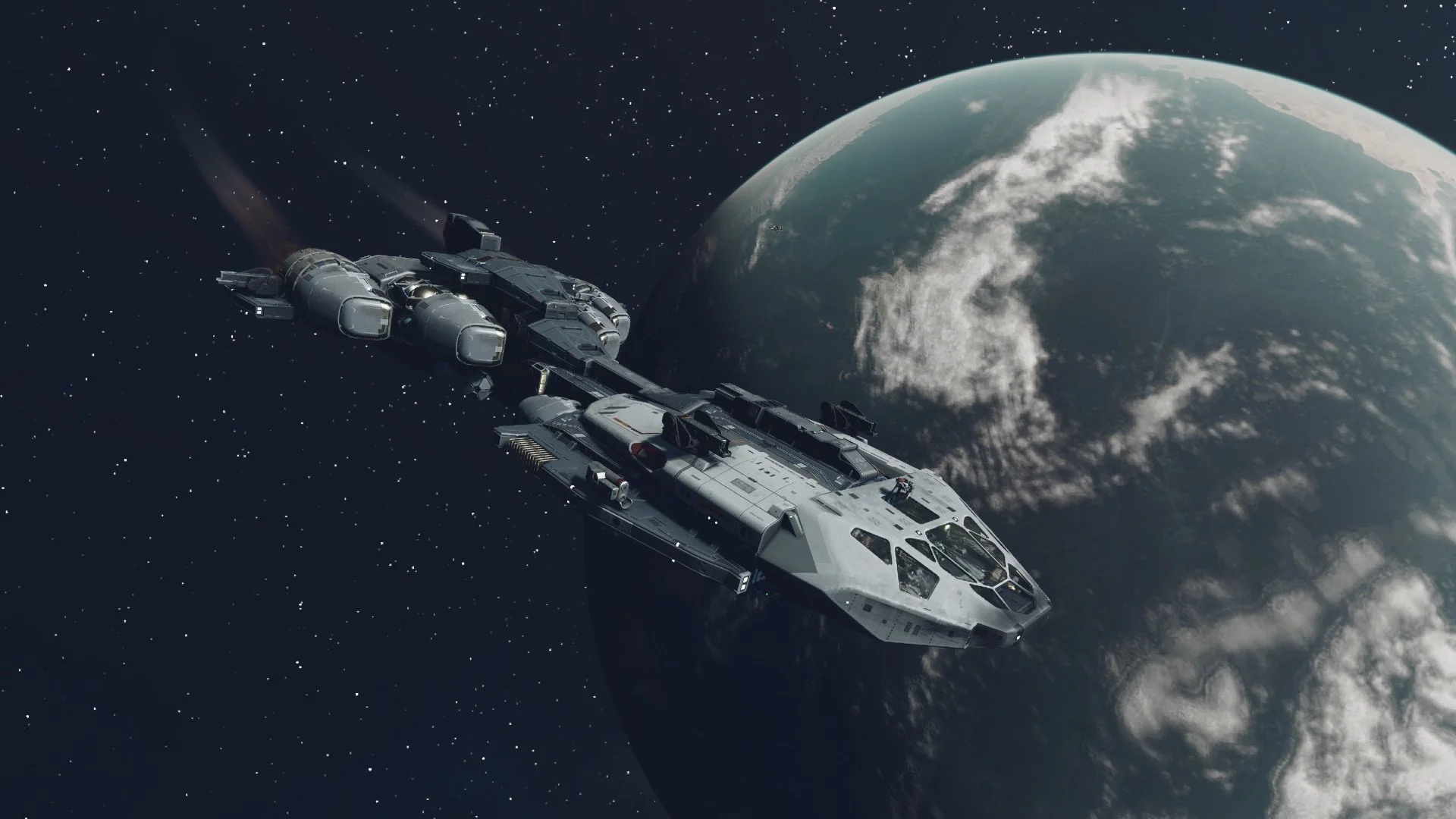
These posts are all written after playing a lengthy session of Starfield. Often some of the points raised are clarified later. So, it would be remiss of me not to revise a comment I made previously about scanning when surveying a planet. It turns out that there is a surveying skill that you can invest points into that improve the efficiency of the process. Let it suffice to say that it does make things easier. Now that’s out of the way, I want to focus upon the necessity to replace your ship as soon as possible in Starfield. The Frontier, which is the first vessel you’re given access to in the game, has a lot of character but it doesn’t have much else. It is lacking in damage output and is therefore a bit of a liability in space combat, even after you’ve unlocked targeting in the skills tree. I therefore made it a priority to replace it as soon as possible.
These posts are all written after playing a lengthy session of Starfield. Often some of the points raised are clarified later. So, it would be remiss of me not to revise a comment I made previously about scanning when surveying a planet. It turns out that there is a surveying skill that you can invest points into that improve the efficiency of the process. Let it suffice to say that it does make things easier. Now that’s out of the way, I want to focus upon the necessity to replace your ship as soon as possible in Starfield. The Frontier, which is the first vessel you’re given access to in the game, has a lot of character but it doesn’t have much else. It is lacking in damage output and is therefore a bit of a liability in space combat, even after you’ve unlocked targeting in the skills tree. I therefore made it a priority to replace it as soon as possible.
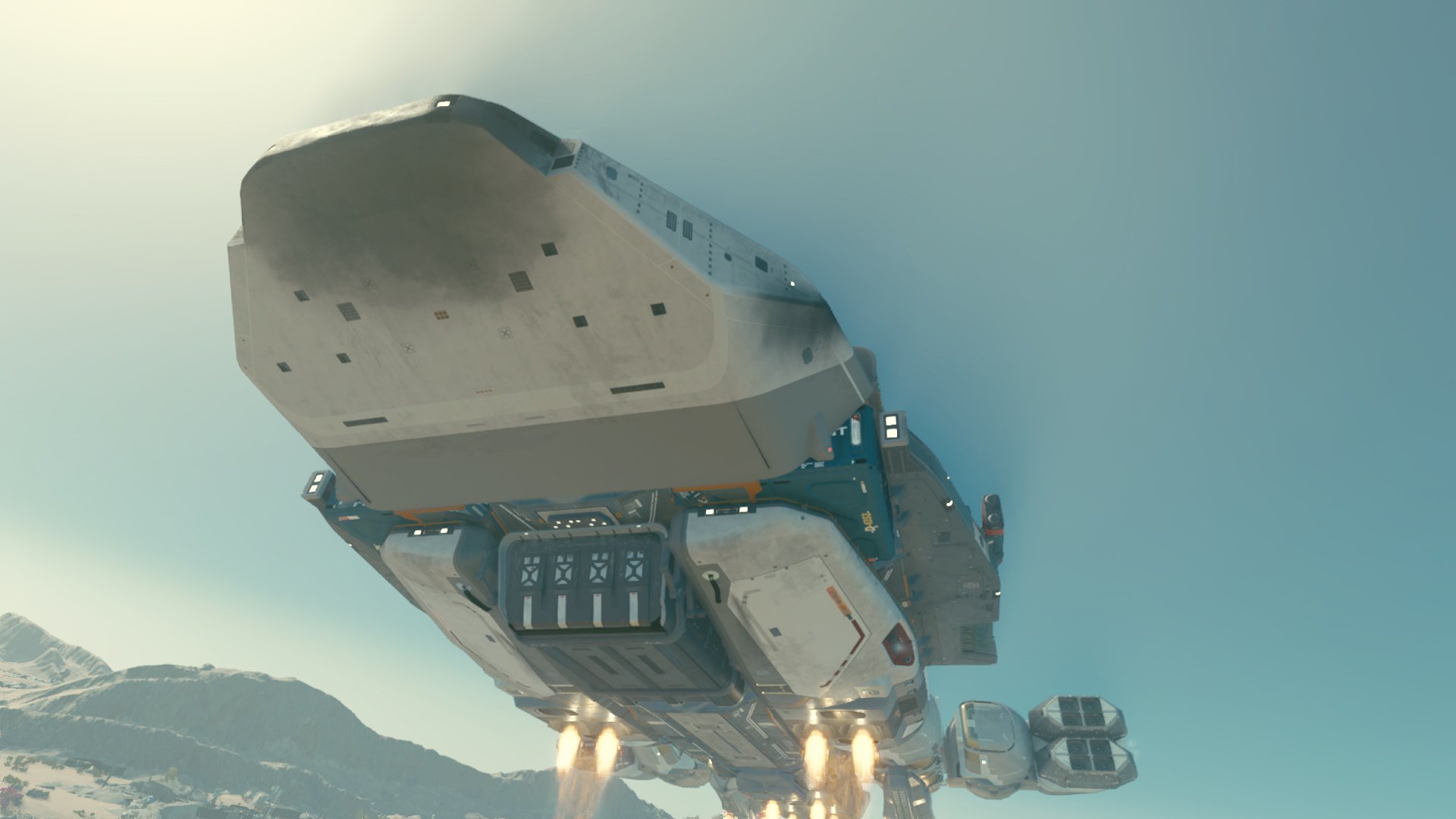
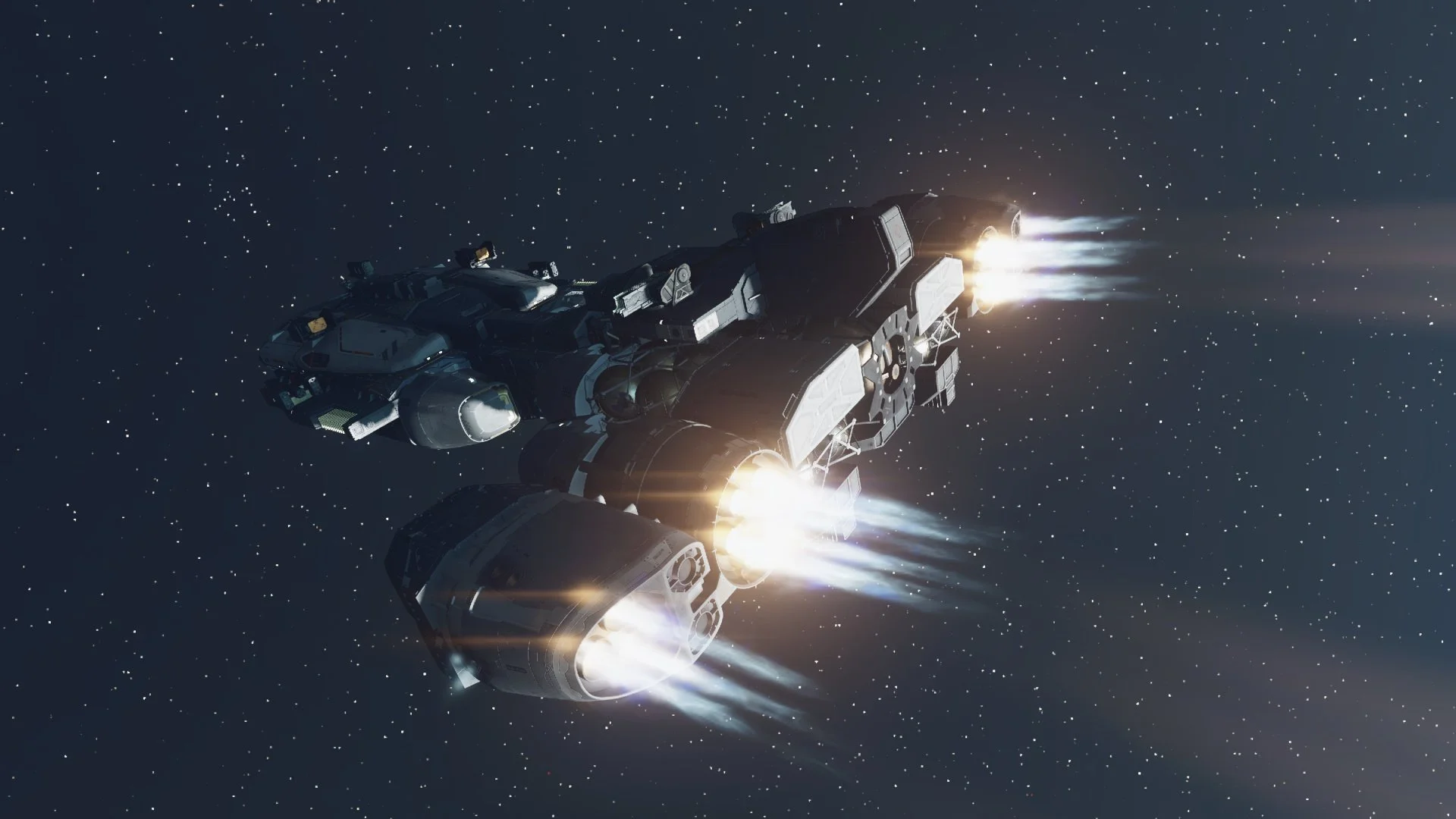
There are three ship categories in Starfield. A, B and C. A is the default, B the intermediate class and C being the largest and most powerful vessels with the biggest cargo capacity. The categories are accessed via the piloting skill, and it requires 4 skill points to fully unlock. Upgrading your existing ship is the quick and easy way to improve your weapons, shields and engines. Highlighting any potential upgrade clearly shows if it offers any statistical improvements over your current item. Building is a more involved process where you can customise your ship in far more detail. However, each ship category has specific parameters, so you cannot add items indefinitely. Sometimes adding equipment means you have to relocate other items. You also have to consider how adding to your vessel affects overall power management. However, it is worth the time and effort as all the ships in the game have a very functional and industrial aesthetic. Like the Eagle transporters in Space: 1999 and the USCSS Nostromo from Alien.
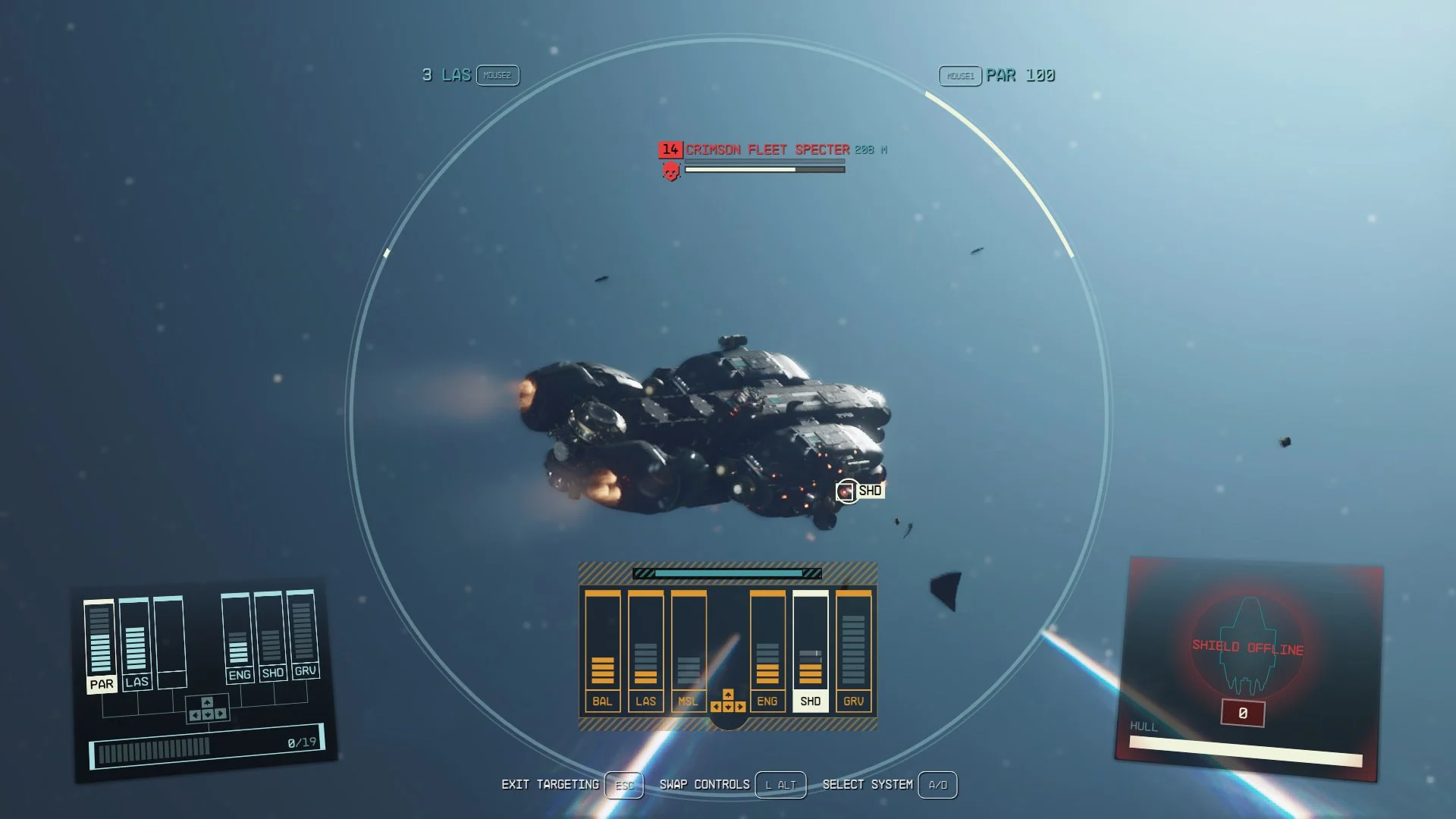
I’m sure it comes as no surprise that tinkering with your ship or buying a new one comes at a significant cost of credits. So if you are low on in-game funds, you can always play some specific missions that reward the player with a free new ship. Alternatively, you can steal them. So far, during planetary exploration, I have encountered three Crimson Fleet vessels that have landed for nefarious reasons. I subsequently boarded them, made my way to the cockpit, and killed the captain as well as the crew. I then claimed the ships. This is a good way to make money, but you must register a ship before selling it, so there’s a fee to be paid in advance that reduces your overall profit. However, it does not negate the value of this source of credits. Plus stealing “bad guy” ships does not upset the authorities. Another point to remember is that you can rename any of your ships. Go to the ship builder menu and you’ll find the rename option within the flight check window.
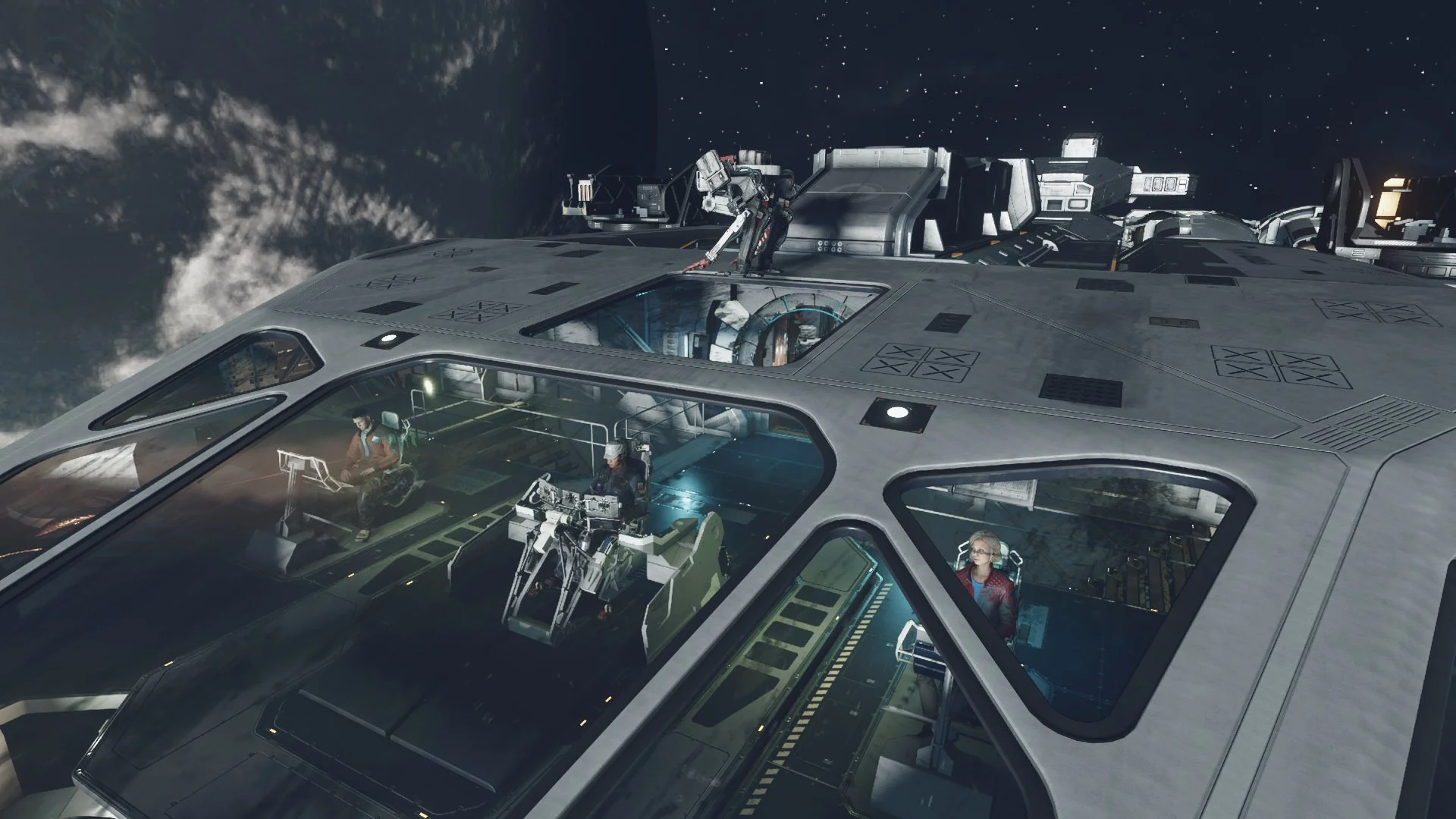
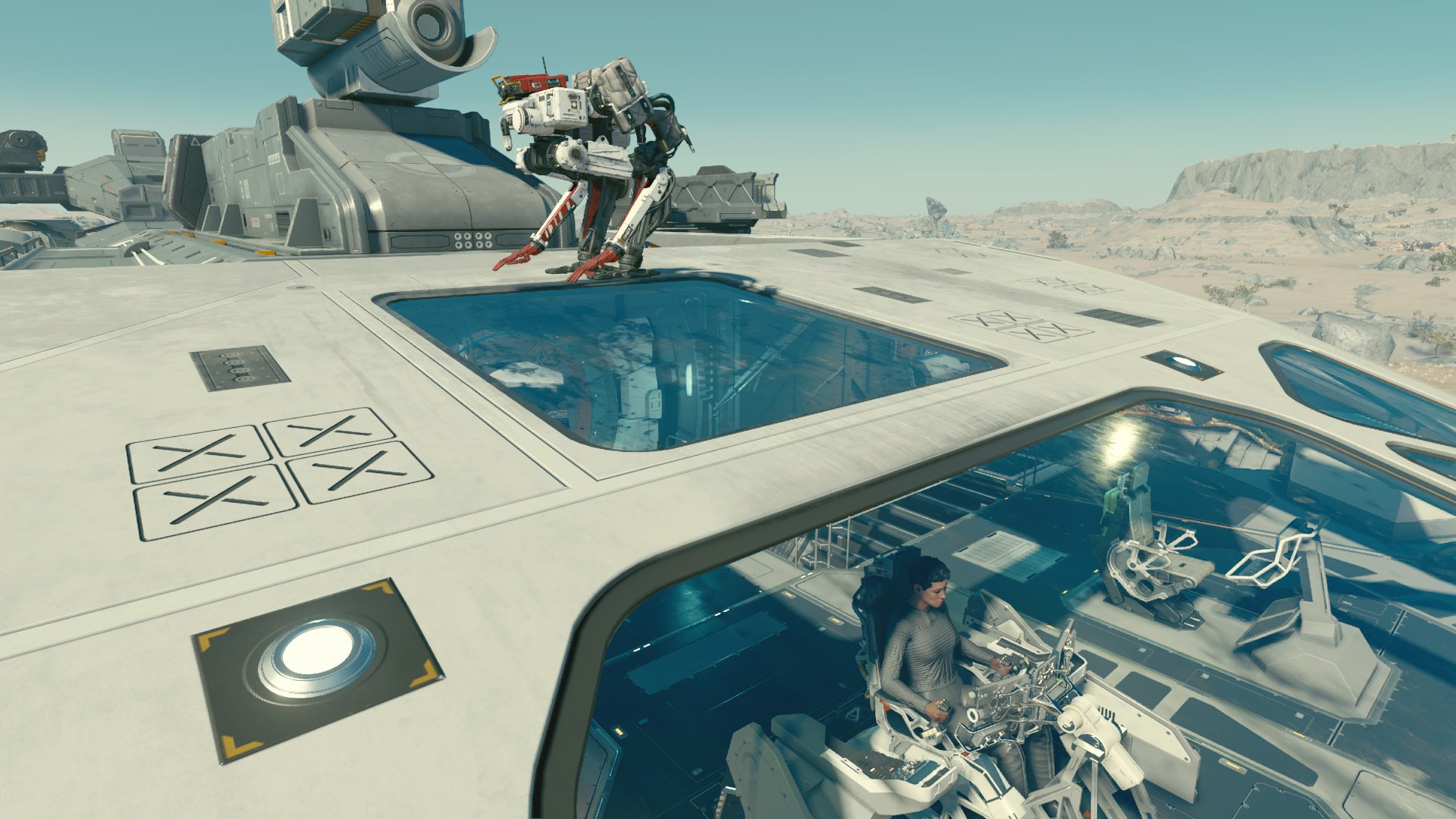
Don’t forget to assign crew members to your ship as each has skills that will buff specific systems. You can use your existing companions for this or go to a bar and recruit the local “scum and villainy”. These non-companion crew members must be paid. Remember, the bigger the ship the bigger the crew. My current ship requires seven and for some reason, when the ship is travelling, Vasco resides outside on the hull. As for the ship itself, it acts like a house, in so far as offering storage and research facilities. You can also decorate the interior by placing items on desks, shelves etc. However, this is a Bethesda game so it’s just as fiddly as in Skyrim. Personally, I advise decluttering your ship or else the crew and you will be forever knocking items on the floor. Finally, don’t forget to have a “look-see” around any new vessel. I found some weapons cases that came with it and they contained some fairly good gear.













Nope (2022)
In Agua Dulce, California, the Haywood family trains horses for film and TV productions. One day at the Haywood ranch, small metal objects unaccountably fall from the sky. One of which, a nickel, kills Otis Haywood Sr (Keith David). His children, Emerald “Em” Haywood (Keke Palmer) and Otis “OJ” Haywood Jr. (Daniel Kaluuya), continue to run the business. However, due to the loss of a contract, they have to sell some of the horses to Ricky “Jupe” Park (Steven Yeun), who operates a Western theme park called Jupiter's Claim. One night, the Haywood’s notice the electricity supply fluctuating and their horses violently reacting to an unknown presence. They discover that something has been taking their horses and regurgitating inorganic matter, which OJ believes caused their father's death. The Haywood’s decide to obtain proof and subsequently ask electronics store employee and UFO enthusiast, Angel Torres (Brandon Perea) to set up surveillance cameras.
In Agua Dulce, California, the Haywood family trains horses for film and TV productions. One day at the Haywood ranch, small metal objects unaccountably fall from the sky. One of which, a nickel, kills Otis Haywood Sr (Keith David). His children, Emerald “Em” Haywood (Keke Palmer) and Otis “OJ” Haywood Jr. (Daniel Kaluuya), continue to run the business. However, due to the loss of a contract, they have to sell some of the horses to Ricky “Jupe” Park (Steven Yeun), who operates a Western theme park called Jupiter's Claim. One night, the Haywood’s notice the electricity supply fluctuating and their horses violently reacting to an unknown presence. They discover that something has been taking their horses and regurgitating inorganic matter, which OJ believes caused their father's death. The Haywood’s decide to obtain proof and subsequently ask electronics store employee and UFO enthusiast, Angel Torres (Brandon Perea) to set up surveillance cameras.
Nope is a contemporary telling of an old tale. It has many of the standard tropes you expect from the “creature feature” genre but with a contemporary spin. Just as George A. Romero’s Dawn of the Dead is also a vehicle for a critique of capitalism and consumerism, director Jordan Peele tackles a wealth of sociopolitical points via Nope. He dissects modern media culture, internet fame and the relationship between race and employment. There are no traditional white scientists, didactically explaining things and expediting the plot in received English. The protagonists are all blue-collar workers, who speak and act in a realistic manner. The cast are very good, and the characters are interestingly quirky. The screenplay’s innovation comes from showing a group of people who usually are not the traditional participants in such genre movies. Yet they figure things out on their own terms and the conspicuous absence of the military, local police or newspaper reporter is refreshing.
Nope also excels in depicting a truly original monster. One that is genuinely scary because of the nature of the threat. The digital effects are subtle and it is not until the climax of the film that the audience gains a clearer grasp of the nature of the creature. One sequence is reminiscent of a comparable scare in The Borderlands (2013) and some viewers may consider this a step too far. However, if you’ve made it this far then I would argue that you’re pretty much onboard with wherever Nope is going to go. Although it can be argued that being 30 minutes shorter may have helped proceedings. There is an entire subplot involving Ricky “Jupe” Park, who was a child actor in a sitcom with a chimp called Gordy. This fascinating and tragic vignette seems a little incongruous in relation to the main story and may well have worked better as the basis for a separate film. Minor criticisms aside, Nope is creative, different and superior to much of current mainstream horror cinema. However, its niche approach may not be everyone's cup of tea.


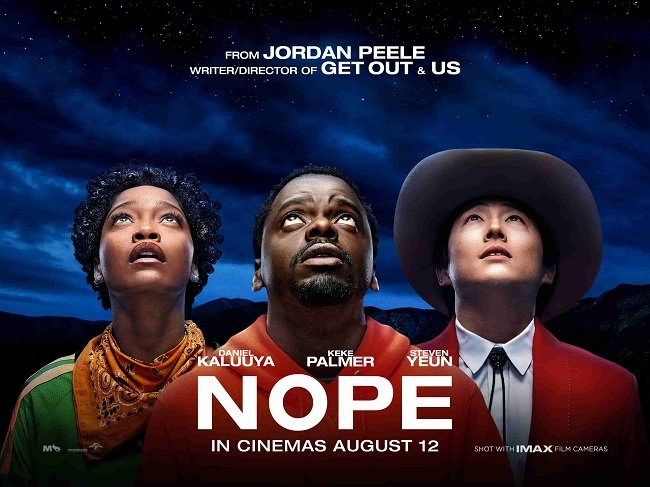

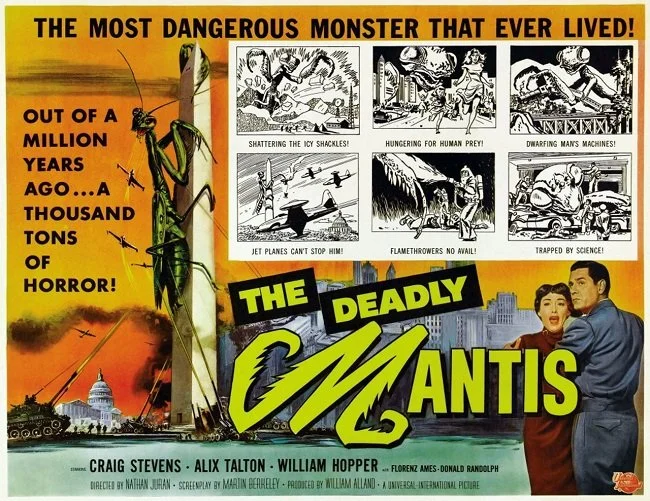
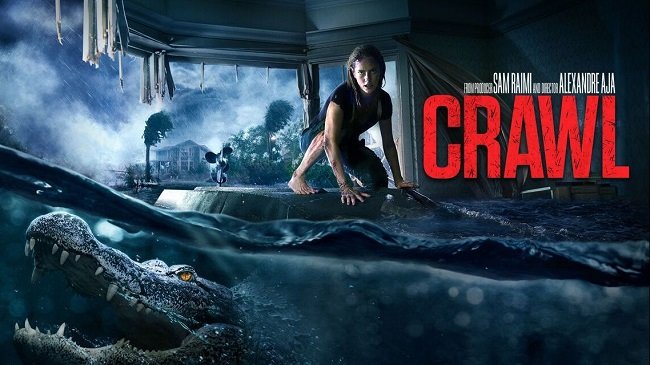

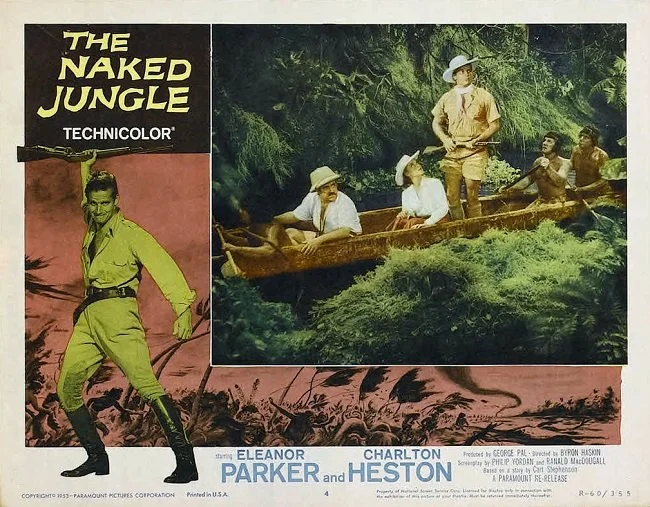






Star Trek Online: Upgrade Your Ship Even Further?
Cryptic used the same statement on their recent news release. Except they ended it with an exclamation mark whereas I’ve chosen a question mark instead. Because I really do question the wisdom of expanding the Experimental Ship Upgrade path and the benefits of applying additional tokens to your ships, unlocking further device, console and trait slots. This is a classic example of doing something because you can, as opposed because you should. Do players at level cap who have already upgraded their ship(s) from Tier 6 to Tier 6-X really need to augment it further? Beyond the immediate stats boost, does it offer any significant benefit to the player or the game in the long run? Or does this situation simply boil down to the fact that it’s another cynically contrived excuse for Star Trek Online developers, Cryptic, to sell you something. For the record, Experimental Ship Upgrade tokens are available for sale in the Zen Store (for money) or can be purchased via Phoenix Prize Pack (for dilithium).
Regarding the title of this post, Cryptic used the same statement on their recent news release. Except they ended it with an exclamation mark whereas I’ve chosen a question mark instead. Because I really do question the wisdom of expanding the Experimental Ship Upgrade path and the benefits of applying additional tokens to your ships, unlocking further device, console and trait slots. This is a classic example of doing something because you can, as opposed because you should. Do players at level cap who have already upgraded their ship(s) from Tier 6 to Tier 6-X really need to augment it further? Beyond the immediate stats boost, does it offer any significant benefit to the player or the game in the long run? Or does this situation simply boil down to the fact that it’s another cynically contrived excuse for Star Trek Online developers, Cryptic, to sell you something. For the record, Experimental Ship Upgrade tokens are available for sale in the Zen Store (for money) or can be purchased via Phoenix Prize Pack (for dilithium).
Levelling to cap in STO is not such an arduous struggle as it is in other MMORPGs. Furthermore, the average player can gain acceptable gear for their starship via PVE content, the reputation system or joining a fleet. There are guides available online that show that you can throw together the most basic gear and traits and still have a perfectly serviceable vessel that can adequately play through endgame content. However, for a percentage of players the endgame in STO is all about increasing their DPS statistics via bespoke builds. At present, such a player can assemble the right selection of gear resulting in substantial DPS output. The introduction of Tier 6-X Experimental Ship Upgrade tokens in late 2020, provided an interesting steppingstone for all players. Those playing casually with average gear, benefitted from the additional device, console and ship trait slots. High end players could tweak their builds further and perfect them. Players could also choose not to use them.
Therefore, it can be argued that the introduction of the Tier 6-X upgrade system was justified and equitable. The same arguments don’t seem so applicable with regard to Tier 6-X2. The benefits no longer seem to be couched in terms of levelling the playing field and seem to be simply about purchasing an optional and possibly superfluous statistical upgrade. Cynics will also note that to receive the benefits of a Tier 6-X2 upgrade, the player has to use a further two Experimental Ship Upgrade tokens. Yet despite paying twice the cost, you still only get the same unlocks as with the first upgrade. All of which makes me wonder whether this is worth it. I suspect not and I certainly don’t think I will be hobbling myself if I choose not to. Furthermore, this situation highlights the problem all MMOs have with power creep and the fact that it would be more appropriate for Cryptic to find a comprehensive solution to that problem, rather than offering this money making stop gap..
Playing Starfield Part 3: Play Randomly or Follow a Guide?
It is quite easy to get overwhelmed by the sheer quantity of things to do in Starfield. You can be walking through the plaza in New Atlantis, pass a pair of NPCs talking about something and the next thing you know you have a new mission to complete. As with most video games, there is a hierarchy of importance when it comes to the various tasks you are asked to undertake. Players may feel obliged to focus upon the main story during their initial first six hours or so. Such a strategy usually provides players with an overview of the game’s mechanics as well as providing some essential items such as gear. But it can feel a little smothering to have content continuously added to your mission journal. Especially if you’re the sort of player that likes to impose structure upon your gaming and likes to undertake tasks in an orderly and methodical fashion.
It is quite easy to get overwhelmed by the sheer quantity of things to do in Starfield. You can be walking through the plaza in New Atlantis, pass a pair of NPCs talking about something and the next thing you know you have a new mission to complete. As with most video games, there is a hierarchy of importance when it comes to the various tasks you are asked to undertake. Players may feel obliged to focus upon the main story during their initial first six hours or so. Such a strategy usually provides players with an overview of the game’s mechanics as well as providing some essential items such as gear. But it can feel a little smothering to have content continuously added to your mission journal. Especially if you’re the sort of player that likes to impose structure upon your gaming and likes to undertake tasks in an orderly and methodical fashion.
This can lead to a minor dilemma. If you play through Starfield randomly, going where you want and dealing with missions as and when you encounter them, you may unintentionally miss content that yields beneficial results. Especially at lower levels. For example, after an early encounter with pirates, there’s a good chance that you’ll end up with a datapad with a message titled “secret outpost!” in your inventory. Let it suffice to say, reading it starts a mission that is well worth pursuing early on in the game. Doing so when you’ve sixty or seventy hours in may not yield such good results. And it is this sense of not knowing, “am I making bad decisions” and “am I playing this wrong” that can lead to a kind of gaming paralysis for some players. Especially if you later feel that you’ve inadvertently “gimped” yourself.
The alternative to this situation (if it is something that personally affects you) is to watch videos and use Google for information. Already there is a wealth of Starfield gaming guides available which opine about the best traits, weapons and ships, as well as a which order to complete the various missions. However, it can be argued that once you opt to go down this road the game may lose some of its mystery, as its overall experience is rendered structural by the player. Yet, some are happy with this trade off compared to the worry of making a suboptimal choice and FOMO. I have watched a few YouTube videos from creators I trust and have picked up a few useful tips, without any major spoilers. And I proactively researched how and when I could get a new ship, as the Frontier is woefully underpowered. However, this again raises the point that I am managing my experience of the game.
At the time of writing this post, I have played Starfield for 20 hours. I have resolved all performance issues and am happy with the current graphics settings. The story and side missions are well written and the voice acting is very good. I have mastered the basics of the game and can now shoot and navigate ground combat competently. Space combat has improved immensely after putting a skills point into Targeting Control Systems and replacing my starter ship with something more robust. Here are a few more bullet points of things to consider about Starfield.
The lack of a viable ground map is very inconvenient. Trying to find vendors without any guidance is a nuisance.
There is little or no detail regarding the weapon select wheel. I only realised there was one when I saw it on a YouTube video. This is essential to be able to hot swap weapons on the fly.
Inventory management is slow and complex. You can store items on your character, or with a companion or in your ship’s hold. You have to manually trawl through all of these entries to use or trade. It is an inefficient process.
Do not make the mistake of looting too much and becoming overburdened while exploring a planet. You cannot use swift travel back to your ship when overburdened and it makes the journey back long and tedious.
Surveying a planet is an arduous chore. It would be greatly improved if your scanner could detect more from a distance, so you didn’t have to run around trying to find a few elusive flora and fauna to get 100% completion. Some sort of vehicle would improve this process.