
Review Scores
Two stories caught my attention recently, regarding the merits of review scores and the current fetish for review aggregation services. The first was about film director and producer Brett Ratner’s dislike for review aggregation site Rotten Tomatoes. He contests that “it’s the destruction of our business” due to the way it condenses nuanced reviews into a simple number. Scores below a certain threshold keep “Middle America” away and thus harm business. The other article was about game critic and pundit, Jim Sterling, who gave The Legend of Zelda: Breath of the Wild a review score of 7 out of 10. Once this was added to Metacritic’s number crunching formula, the game in question dropped from an overall score of 98 down to 97. Fans did not care for this “outrage” and a DDoS attack followed as well as the usual comment based flame war.
Two stories caught my attention recently, regarding the merits of review scores and the current fetish for review aggregation services. The first was about film director and producer Brett Ratner’s dislike for review aggregation site Rotten Tomatoes. He contests that “it’s the destruction of our business” due to the way it condenses nuanced reviews into a simple number. Scores below a certain threshold keep “Middle America” away and thus harm business. The other article was about game critic and pundit, Jim Sterling, who gave The Legend of Zelda: Breath of the Wild a review score of 7 out of 10. Once this was added to Metacritic’s number crunching formula, the game in question dropped from an overall score of 98 down to 97. Fans did not care for this “outrage” and a DDoS attack followed as well as the usual comment based flame war.
Both these events got me thinking about difference between long form, detailed criticism and analysis versus the perceived convenience of simple review scores. For me I initially became aware of the difference during the eighties, when reading movie reviews. On one hand, you had old school critics such as Derek Malcolm writing lengthy critiques in the broadsheet newspapers and on the other tabloids that adopted the Siskel and Ebert approach of “two thumbs up”. The former approach to criticism allows for detailed analysis and eschews binary breakdowns. A movie (or a game) is more than just good or bad. The latter style of review, offers readers a simple and quick opinion and thus an opportunity to make a similar choice. Both methodologies have their merits but it would seem that contemporary culture is leaning more towards the review score. It fits the current “spirit”of our digital age.
Personally, I’ve always preferred an in-depth written post that clearly critiques a games merits and flaws. I favour the same approach to movie reviews, as I think that such artistic endeavours cannot adequately be distilled into a numerical breakdown. However, I fully recognise how the review score system has gained traction due to its accessibility and immediacy. Convenience is the buzz word of modern life. Reading an in-depth review takes time and thought. Both are finite commodities these days. Plus, the review score has become an important marketing tool and something that with regard to games, does have an impact upon sales. Sadly, it’s a system that can also be manipulated by the publishers themselves. It is this aspect that tarnishes the review score system and brings score aggregation services into disrepute.
There have been numerous cases in recent years of bogus reviews being used to skew opinion on sites such as Amazon, Trivago and Trip Advisor. You Tube has also become a battle ground of late, with game developers using bogus copyright infringement and other spurious claims to try and take down reviews and criticism that can potentially harm sales. The need to own and control all information regarding a product, has become a common place business aspiration in certain circles. Fans also contribute to this problem, seeing low reviews scores as personal attacks rather than measured criticism. But when you reduce something that is complex to the binary, there is bound to be fallout and dissent. Our societies move away from academia to the fallacy of “all opinions are of equal merit” is also a factor.
Review scores ultimately have an impact upon the way products are made. Movies and games are effectively being conceived and created to meet the criteria of the review score systems, rather than to innovate and push boundaries. Mainstream artistic endeavour has always been tempered with the practicalities of commercial interest but we now seem to be entering an age when new products are genuinely hampered by the need to meet ever increasing marketing requirements. Sooner or later there will be a backlash against the inflexibility of the review score system and potentially a crash within the gaming market. In the meantime, I would encourage all to offset the scores from Metacritic and Rotten Tomatoes with lengthier reviews, be they written or video based. Although time is at a premium these days, the old maxim about knowledge being power, still holds true. Therefore it is always to the consumers advantage to know as much about a product as they can.
Robot & Frank (2012)
The dramatic success of Robot & Frank hinges the credibility of the two main protagonists. Frank Langella effortlessly plays a retired jewel thief Frank Weld who’s starting to have problems with his memory. His son Hunter (James Marsden) takes the only logical course of action and buys him a robot home help. The movie is set in the “near future” and so the idea of a deferring care of the elderly to machines seems worryingly credible. Plus, in this case, there is not a huge amount of love between father and son. Or so it first appears. There's more going on with this movie than first meets the eye. The plot is smarter than it first appears and makes some interesting social commentary.
The dramatic success of Robot & Frank hinges the credibility of the two main protagonists. Frank Langella effortlessly plays a retired jewel thief Frank Weld who’s starting to have problems with his memory. His son Hunter (James Marsden) takes the only logical course of action and buys him a robot home help. The movie is set in the “near future” and so the idea of a deferring care of the elderly to machines seems worryingly credible. Plus, in this case, there is not a huge amount of love between father and son. Or so it first appears. There's more going on with this movie than first meets the eye. The plot is smarter than it first appears and makes some interesting social commentary.
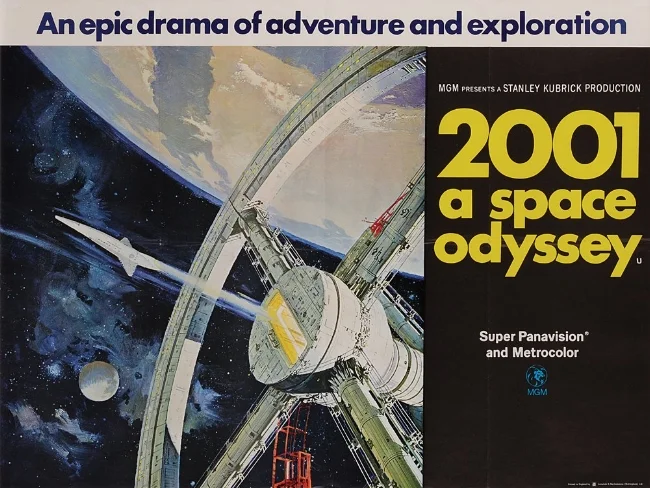
As for “Robot”, voiced by Peter Sarsgaard, the production designers succeed in making him convincing and credible. It would have been a fatal faux pas to employ an excess of CGI and produce a robot similar to Sonny in I, Robot. Less is clearly more in this case. Just think of Honda's Asimo and you’ll get why “Robot” works. Dancer Rachael Ma provides a wonderfully understated performance in the suit. Peter Sarsgaard soft spoken voice offers more than a nod and a wink to Kubrick's 2001: A Space Odyssey. Remember that this is the technology of the near future so it needs to be plausible to a contemporary audience.
As Frank gradually comes to terms with his new house mate, he manages to convince the machine to assist him in his criminal endeavours. “Robot” is specifically programmed to help establish a routine and projects for the benefit of stabilising Frank's cognitive abilities, so he agree to assist, as it serves a greater good. It is at this point that Robot & Frank could have taken the route of a more mainstream comedy, yet it proceeds in a very different direction. The narrative focuses on how returning to crime and more importantly exploring his relationship with “Robot” helps Frank's condition. “Robot” is in some ways a surrogate son, affording Frank a second chance to regain the lost opportunities he missed with Hunter while he was in prison.
The movie also touches on several other social issues. It explores autumn romances with the introduction of Librarian Jennifer (Susan Sarandon) and how youth is often so enamored with itself and the cult of "finding" oneself, via his daughter Madison (Liv Tyler). Perhaps some of these aspects could have been explored further, yet it would be wrong to be too critical of Christopher D. Ford's screenplay because there is still so much to praise. What Robot & Frank doesn't do is fall into the cliché of the machine with a soul. Robot points out himself that he is not alive and that much of what people feel towards him is simply anthropomorphic. Something he is programmed to exploit.
First-time director Jake Schreier, working with a low budget and the usual constraints facing an independent picture, manages to pull most aspects of Robot & Frank off successfully. He certainly does not make the mistake of applying too much sentimentality, or pursuing a broad comic tone. I can fully understand how this movie was a crowd pleaser at the 2011 Sundance festival. Robot & Frank wears its indie movie pedigree on its sleeve with its character driven, slice of life. The soundtrack by Francis and the Lights is also of note and deserves a mention. It is reassuring to know that movies such as this can still be made and that for some directors and production companies, narrative is still king and the key to good film making.






Walking for Pleasure
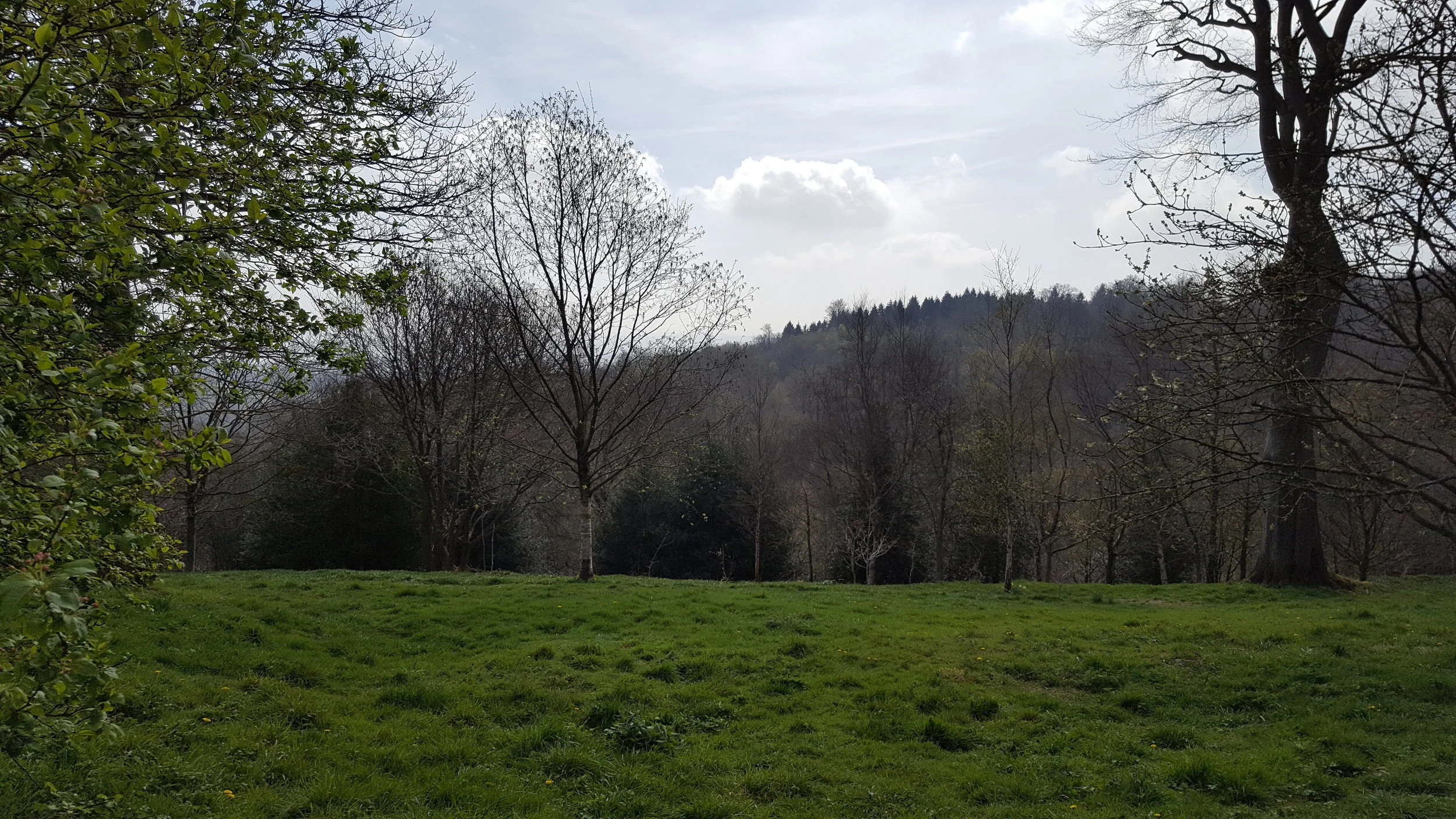
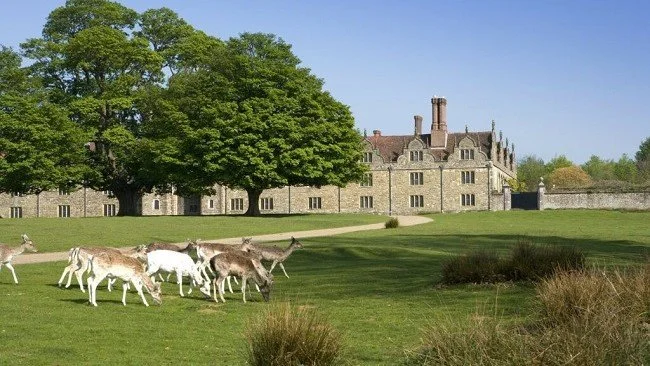
Today I visited Emmetts Garden in Sevenoaks. The Edwardian estate located at Ide Hill and is now owned by the National Trust for Places of Historic Interest or Natural Beauty. The garden, which covers an area of about six acres, is situated on a 600-foot sandstone ridge, overlooking the Weald. It is one of the highest points in Kent, offering an expansive view of the North Downs. The garden was laid out in the late 19th century and was influenced by William Robinson. It contains many exotic rare trees and shrubs from across the world. You can explore the rose and rock gardens, take in the views as well as enjoy flowers and shrubs in spring. In autumn visitors can enjoy the vibrant colours brought about by the changing of the season. The main attraction at this time of year are the Bluebells.
Today I visited Emmetts Garden in Sevenoaks. The Edwardian estate located at Ide Hill and is now owned by the National Trust for Places of Historic Interest or Natural Beauty. The garden, which covers an area of about six acres, is situated on a 600-foot sandstone ridge, overlooking the Weald. It is one of the highest points in Kent, offering an expansive view of the North Downs. The garden was laid out in the late 19th century and was influenced by William Robinson. It contains many exotic rare trees and shrubs from across the world. You can explore the rose and rock gardens, take in the views as well as enjoy flowers and shrubs in spring. In autumn visitors can enjoy the vibrant colours brought about by the changing of the season. The main attraction at this time of year are the Bluebells.
Both I and my significant other walk for pleasure as well as the obvious health benefits. We both have targets regarding our daily step counts and try our best to achieve them. The car is therefore often left at home and a lot of trivial journeys, such as those to the local shops are done by foot. As I am also my parent’s carers I find that the various visits to the pharmacy and doctors surgery offer a further opportunity to hit my daily walking quota. Furthermore, the layout of the Greater London suburbs means that walking is frequently an easy option without the have the hassle of having to find a parking space. The county where I live also has a wealth of parks and open spaces. Some are free, where others such as Emmetts Garden, have a modest entry fee.
Today’s visit not only afford us an opportunity to visit a beautiful garden, rich with exotic flowers and trees but it also allowed us to gently exercise in a beautiful environment. Many of the trails within the grounds are tranquil and free from excessive noise. As I’ve written recently, noise for me is one of the great maladies of this century and any chance to be free from it is welcomed. Today’s walk gave me and Karen some quality time to chat as well as reflect in silence upon our own thoughts as well as the inherent beauty of our surroundings. Walking in such an environment is a great way of relaxing and recharging your “batteries”. Modern urban life is extremely frantic and in many ways, has detached us from the natural world. Parks and places of natural beauty are a great way to reconnect.
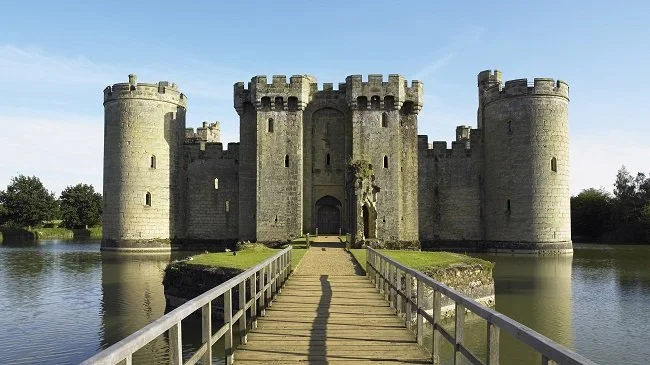
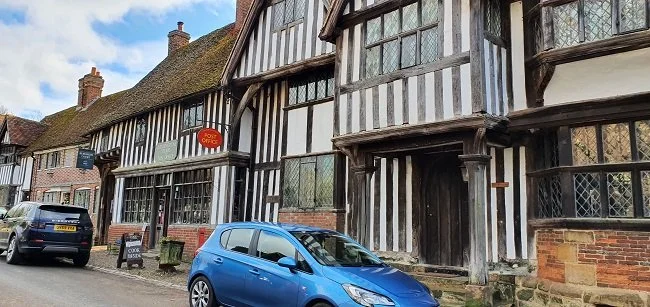
Walking is a form of exercise that has few barriers to entry. You just need to ensure that you have suitable foot wear for the environment you’re walking in and to be mindful of things like hydration if you’re out in the heat. It can be done solitary or with friends, in silence or while engaged in discussion. It doesn’t have to be “dead time” as I’ll often listen to the radio or podcasts while out walking. As a writer walking affords a chance to martial my thoughts and consider what I wish to explore through my blogging. Walking, unlike other forms of exercise such as the gym with its culture and poseurs, frees you from the tyranny of other people. Thus. I’m a great advocate. The following link to the NHS website, provides a succinct breakdown of the health benefits of walking and effectively how to start. Plus, here’s a gallery of photos from Emmetts Garden, highlighting why it’s a great day out a fine place to take a stroll.





























Five Came Back (2017)
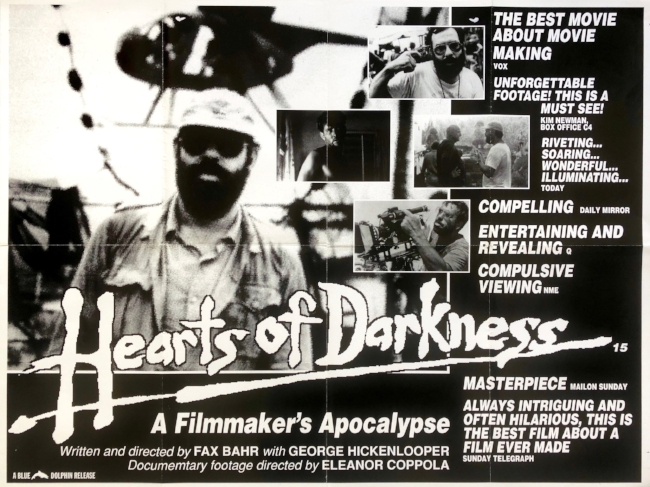
Five Came Back is a fascinating documentary about five remarkable Hollywood film directors who put themselves in harm’s way to film World War II for the US War Department. William Wyler, Frank Capra, George Stevens, John Ford and John Huston were in many ways a diverse bunch, yet the all represented a different facet of “America”. Certainly, all were idealists who felt it was their duty to use their talents to create accessible propaganda for the US public and more importantly, the 12 million men who were drafted. Despite the factual accuracy of this three-part documentary, there is an inherent romance to the tale and the way these Hollywood mavericks took on first American Isolationism, then the Third Reich and US military politics.
Five Came Back is a fascinating documentary about five remarkable Hollywood film directors who put themselves in harm’s way to film World War II for the US War Department. William Wyler, Frank Capra, George Stevens, John Ford and John Huston were in many ways a diverse bunch, yet the all represented a different facet of “America”. Certainly, all were idealists who felt it was their duty to use their talents to create accessible propaganda for the US public and more importantly, the 12 million men who were drafted. Despite the factual accuracy of this three-part documentary, there is an inherent romance to the tale and the way these Hollywood mavericks took on first American Isolationism, then the Third Reich and US military politics.
Narrated by Meryl Streep and based upon the Mark Harris Five Came Back: A Story of Hollywood and the Second World War, this Netflix documentary cleverly intercuts the story of these five legendary film makers, with soundbites from contemporary Hollywood luminaries, Steven Spielberg, Paul Greengrass, Guillermo del Toro, Francis Ford Coppola and Laurence Kasdan. It is here that the show excels itself, as these modern film makers clearly have a great deal of love and reverence for their predecessors and how they advanced the craft of film making. Greengrass, who comes from a documentary film making background is especially observant and analytical of John Ford’s urgent style. His genuine use of shaking footage, sprocket jumps and loss of focus has now become a mainstay of film makers trying to capture the authenticity he experienced.
Five Came Back these focuses on how these directors changed the public perception of the war in the US. There personal heritage played heavily on their motivation and creative output. Ford was a traditional American conservative, where Wyler and Capra were both immigrants, yet they all clearly saw the threat of Fascism and wished to contribute to the war effort. It was the fact that they were all old school film directors that gave them their specific edge. They were natural leaders, autocratic and skilled in marshalling logistics and people. George Stevens made films for the US Army Signal Corps and William Wyler made documentaries for the US Air Force. Frank Capra, was tasked with creating the documentary series Why We Fight to boost US troop morale. His master stroke was to take Leni Riefenstahl’s Nazi propaganda film Triumph of the Will and to lampoon and satirise it, making it look foolish and puerile.
Five Came Back explores the nature of propaganda and how cinema and newsreels played a key role during World War II. Over half of the US population went to the movie theatre every week and so the medium became the logical means to convey information and boost morale. Wyler, Ford, Capra, Stevens and Huston all experienced war via some of the most ferocious campaigns. North Africa, the landings in Southern Italy, D-Day and the Battle of Midway. They produced films that still pack an emotional punch today and each came home changed men. Curiously enough it can be argued that their personal experiences fuelled their finest work. Consider Shane (1953), It’s a Wonderful Life (1946), The Searchers (1956), The Best Years of Our Lives (1946) and The Treasure of the Sierra Madre (1948).






First Contact Day
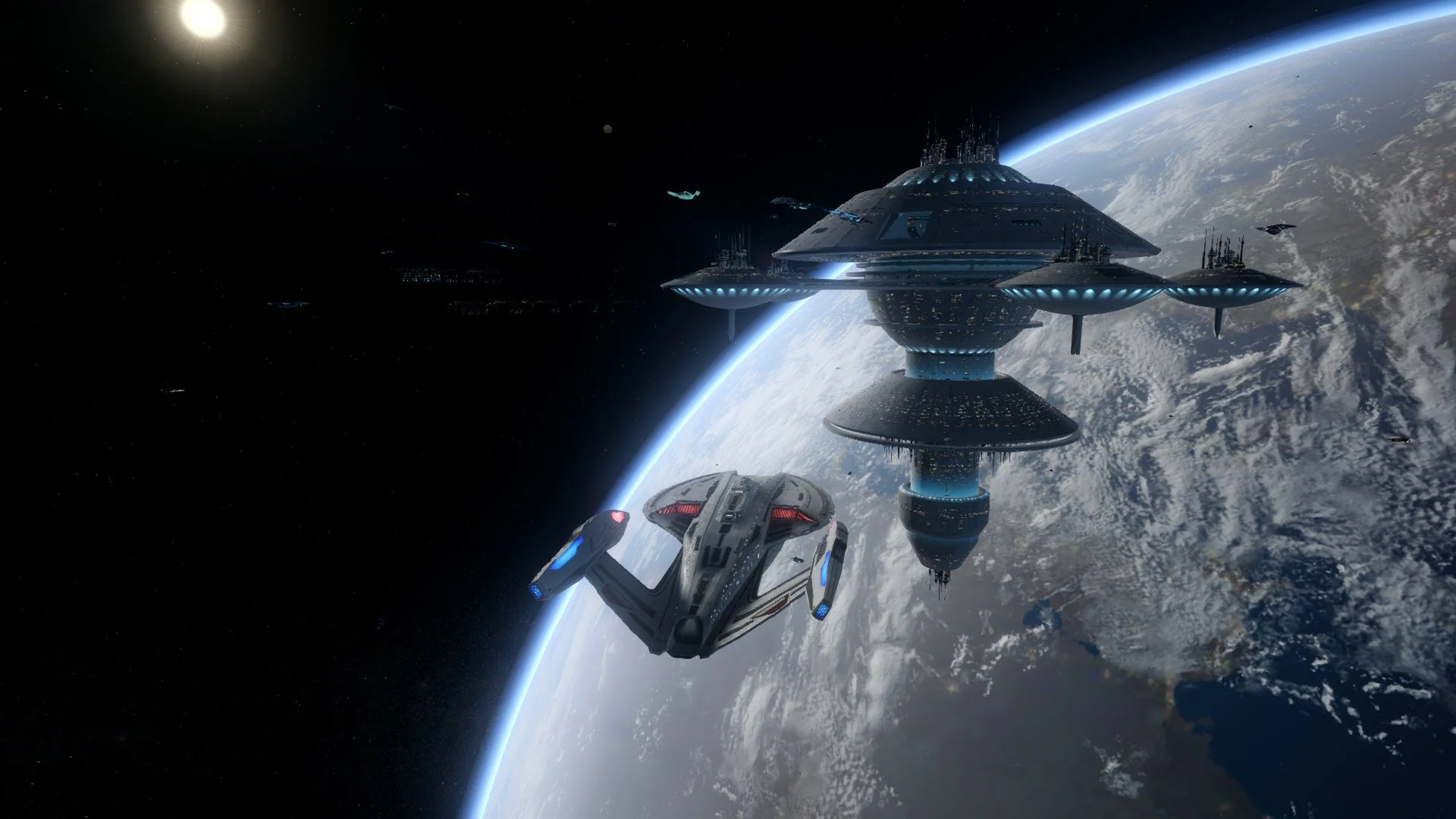
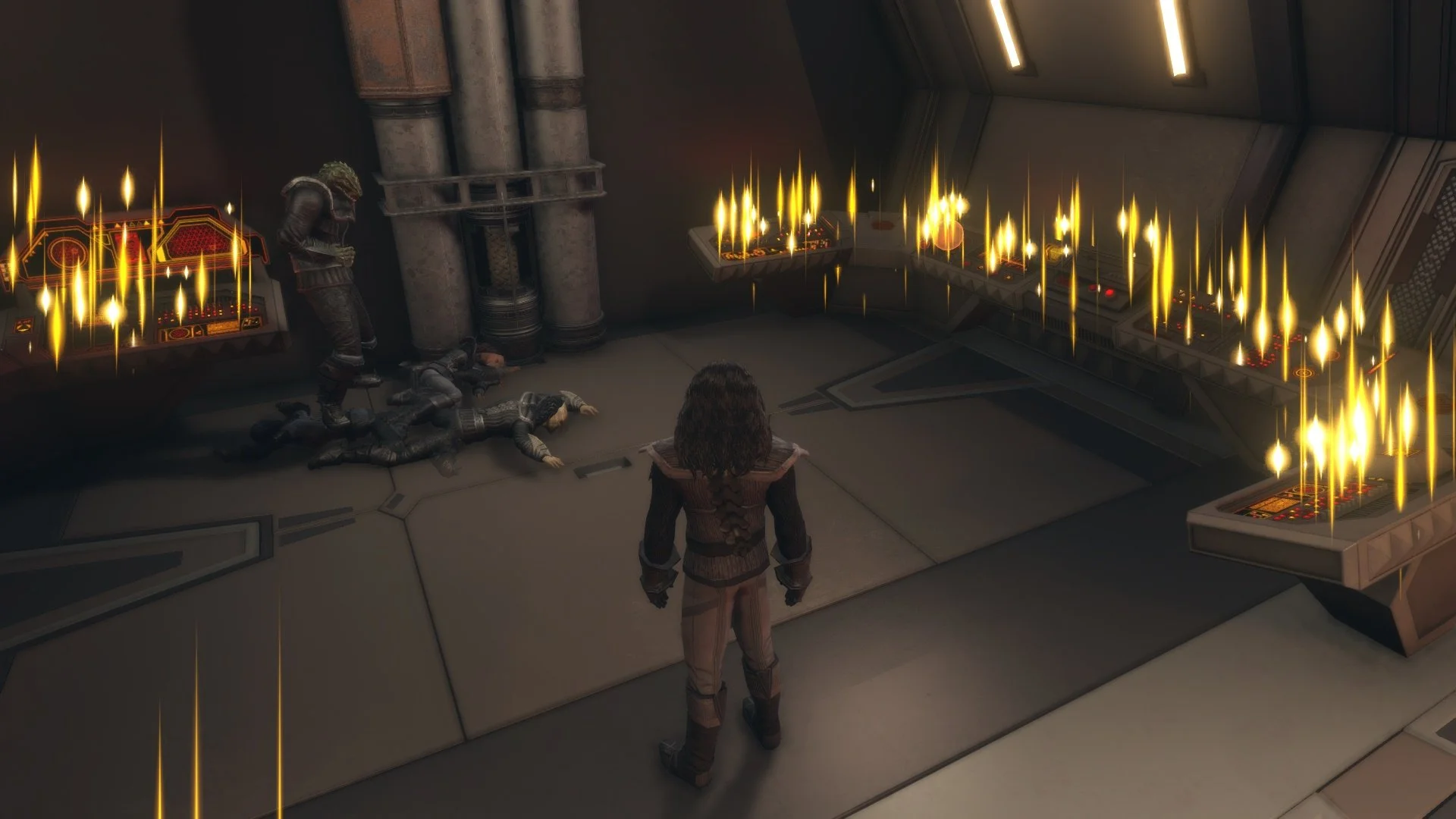
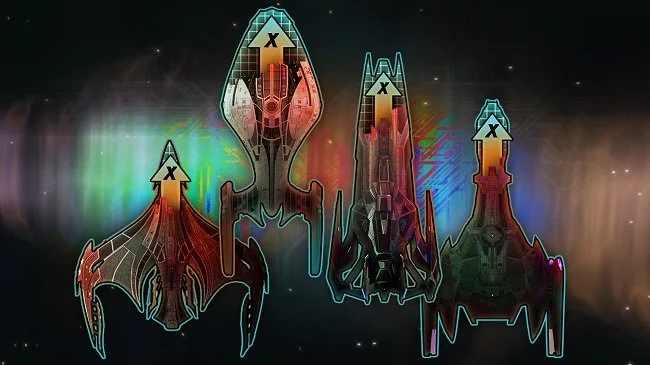
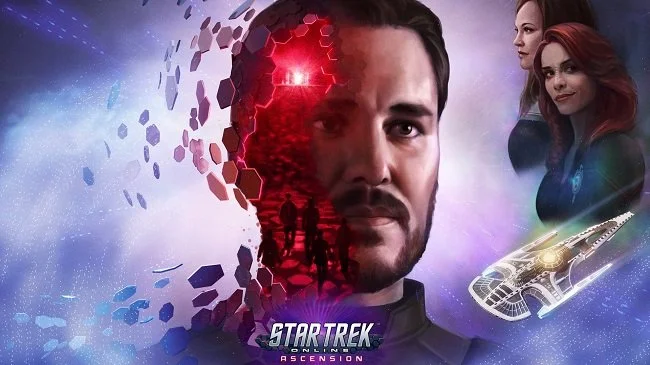
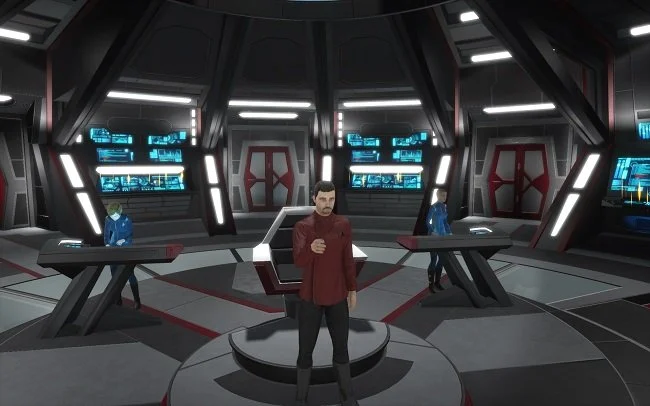
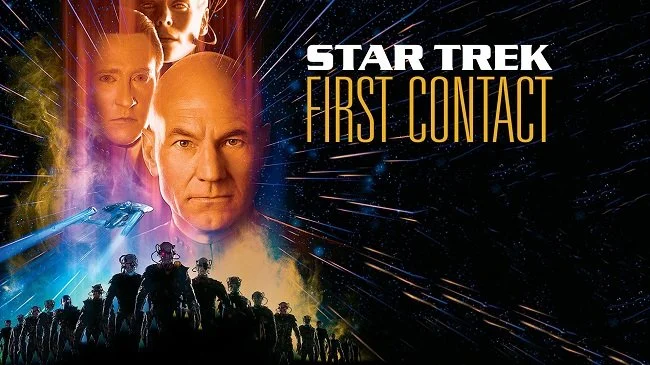
Star Trek Online is an MMO that likes an event. They have numerous scheduled over the course of the year. The latest is to celebrate First Contact Day (5th April), when Humans and Vulcans first met on Earth. The event takes place at the Zefram Cochrane Memorial and Historical Museum and participants are tasked with building their own replica Phoenix ship. To build an effective vessel, players have to search the immediate vicinity for engine, hull and stabiliser parts. These vary in quality following the games standard colour coding system. Thus, in theory, purple colour parts will perform better. Once the Phoenix replicas are assembled, they are launched simultaneously, with the winner being the one that reaches the highest altitude.
Star Trek Online is an MMO that likes an event. They have numerous scheduled over the course of the year. The latest is to celebrate First Contact Day (5th April), when Humans and Vulcans first met on Earth. The event takes place at the Zefram Cochrane Memorial and Historical Museum and participants are tasked with building their own replica Phoenix ship. To build an effective vessel, players have to search the immediate vicinity for engine, hull and stabiliser parts. These vary in quality following the games standard colour coding system. Thus, in theory, purple colour parts will perform better. Once the Phoenix replicas are assembled, they are launched simultaneously, with the winner being the one that reaches the highest altitude.
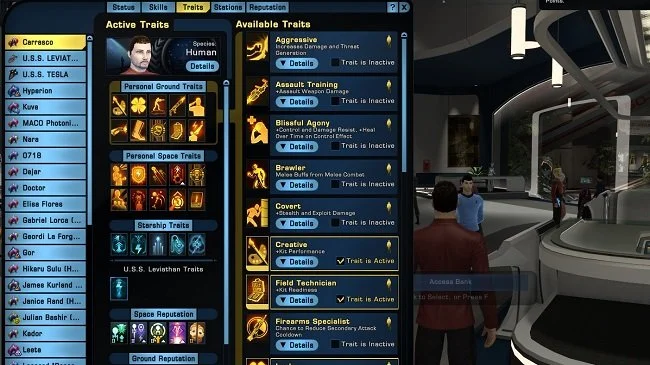
As ever with STO, events run over a fixed period and can be played once every twenty hours. There is a reward at the end that requires a fixed number of vouchers to be handed in. Players receive both a voucher and a choice of rep marks each time the participate. Yet despite the competitive framing of the event and the mechanic involving variable part quality, the outcome is actually random. Phoenix replicas with blue and green parts frequently outperform those with purple parts. Furthermore, your place in the race results table has no impact upon the number of rep marks you receive as a reward. In fact, some players simply elect to join the event and then go AFK during its short duration. I tried this myself today, collecting no parts for my Phoenix. Although I came last I still got the event voucher and full rep marks of my choice, for doing nothing.
I don’t claim to be the most driven MMO player and do not like events or activities with excessive complex criteria. Yet even I balk at this situation that Cryptic has created. An event that allows you to simply sit and wait rather than participate is certainly ill-conceived. Plus, the random nature of the outcome totally contradicts the competitive aspect that the event implies. At least ensure that the quality of the parts that you use does have an actual bearing on race results. First Contact Day is only a six-day event, so it won’t remain a bone of contention for long but as a player of STO I don’t wish to see its flaws perpetuated in any future activities. Perhaps Cryptic will learn from this situation and tweak the event for next year, making it more equitable and removing the AFK flaw.




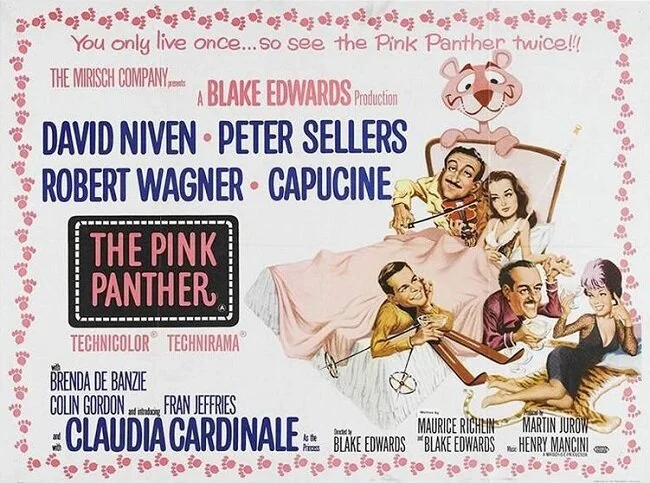
Classic Movie Themes: Starcrash
Starcrash is a shameless Italian Star Wars knock off from 1979. The movie is regarded by some critics as a campy B film with cheap special effects that falls into the “so bad its good” category. Directed by exploitation cinema veteran Luigi Cozzi, Starcrash stars ex-Bond girl Caroline Munro (The Spy Who Loved Me) as Stella Star. She spends most of the film wearing very little as she cavorts around the galaxy with her trusty sidekick, Akton (Marjoe Gortner). The plot is derivative even by genre standards and boasts some staggering inane dialogue. For example, "You know, my son, I wouldn't be Emperor of the Galaxy if I didn't have a few powers at my disposal. Imperial Battleship, halt the flow of time!" and then there’s "Look, Amazon women on horseback. I hope they're friendly".
Starcrash is a shameless Italian Star Wars knock off from 1979. The movie is regarded by some critics as a campy B film with cheap special effects that falls into the “so bad its good” category. Directed by exploitation cinema veteran Luigi Cozzi, Starcrash stars ex-Bond girl Caroline Munro (The Spy Who Loved Me) as Stella Star. She spends most of the film wearing very little as she cavorts around the galaxy with her trusty sidekick, Akton (Marjoe Gortner). The plot is derivative even by genre standards and boasts some staggering inane dialogue. For example, "You know, my son, I wouldn't be Emperor of the Galaxy if I didn't have a few powers at my disposal. Imperial Battleship, halt the flow of time!" and then there’s "Look, Amazon women on horseback. I hope they're friendly".
However, despite poor miniature effects and cheap stop motion monsters, Starcrash has a curious cast of quality character actors. Christopher Plummer and Joe Spinell both allegedly accepted their respective roles simply to get a free holiday in Rome. Starcrash also features a top-notch soundtrack by the legendary John Barry. The score certainly has a Bond vibe, sharing more than a little in common with Moonraker which was composed shortly afterwards. The main theme is suitably grandiose and as it develops picks up a subtle disco beat reflecting the times. Overall, it’s a far better soundtrack than the film deserves and is its only truly redeeming quality. Michael Giacchino’s main theme for Rogue One has an interesting passing similarity to Barry’s work on Starcrash, although I consider this more to be a homage than plagiarism.






Labels
Because I play PC games as one of my leisure activities, that apparently makes me a “gamer”. I find this curious because I also like to read books, yet no one seems to be in a hurry to call me a “reader”. So I thought it would be interesting to explore this matter further. For convenience sake let’s just call this post a discussion about labels. It’s a subject I’ve written about before but I wish to return to because I think it is something that is becoming more pervasive in contemporary culture.
Because I play PC games as one of my leisure activities, that apparently makes me a “gamer”. I find this curious because I also like to read books, yet no one seems to be in a hurry to call me a “reader”. So I thought it would be interesting to explore this matter further. For convenience sake let’s just call this post a discussion about labels. It’s a subject I’ve written about before but I wish to return to because I think it is something that is becoming more pervasive in contemporary culture.
We live in a world where everything is quantified and measured. By doing so we can create a frame of reference and strive to understand the world we live in. Therefore I do not find myself at odds with labels such as Humbolt Squid, Tsunami or Châteauneuf-du-Pape. They are functional and serve a clear purpose. Marcus Aurelius perhaps said it best in his book Meditations (Book 8, Meditiation 10). This quote was subsequently paraphrased by Doctor Hannibal Lector in the novel The Silence of the Lambs.
This, what is it in itself, and by itself, according to its proper constitution? What is the substance of it? What is the matter, or proper use? What is the form, or efficient cause? What is it for in this world, and how long will it abide? Thus must thou examine all things that present themselves unto thee.
However there are many other kinds of labelling, some of which are not so transparent or benign. We are continuously pigeon holed by the government, business and the press. We even do it ourselves at a conscious and sub-conscious level. Society is based around defining and quantifying its respective members. Wealth, politics, class, ethnicity, sexual preference, intelligence, faith (or the absence of it) are some of the ways in which we are all categorised. These factors and others shape how we interact with the world, how we pick our friends and who we choose to love.
Now my concern over the use of labels is not just arbitrary. I am not offended because they tend to generalise. You won’t hear me say “You don’t know me, man. I’m more complex than that”. Quite the opposite, I think that my personality can be quite easily distilled, delineated and analysed. Furthermore, I can probably correctly predict the results. No my primary objection to systematic labelling is that its frequently a blunt tool and often used for the wrong reasons. In many respects it is the proverbial sledgehammer to crack a Walnut. As a result its can often be erroneous.
As I like gaming and have been labelled such, many third parties will subsequently assume that I like other “similar” pastimes. Amazon frequently tries to make appropriate recommendations based upon my purchases. Unfortunately, it has no means to determine if I am purchasing for myself or others, which I frequently do. So, if this data is extrapolated, it may well result in a profile that is far from the truth. Plus we currently live in a very binary world were thinking has taken a back seat. If you are labelled one thing, many people are happy to leap to the conclusion that you are a dozen other similar things as well, regardless of whether you are.
Now some folk like labels. A lot of my fellow bloggers, podcasters and such like will happily embrace words like Nerd and Geek. They see them as non-threatening terms which identifies where their passions lie. I’ve personally never liked them as they were originally pejorative terms meant to cause upset and offence. To me they’ve never lost that taint and I’m not sure if they’ve been reclaimed in the way that some like to think. Overall I feel that they are mainly marketing terms. However, the fact remains that some people like that sense of belonging and community that can be associated by certain labels. I guess it doesn’t have to be a negative thing all the time. I just feel if we must deal with such terms of classification, why not define them ourselves?
I still cleave to somewhat old fashioned notions such as a person being defined by their actions. You can label me white, British, middle-aged, gamer, drinker and a host of other terms that are all factually correct. However what do these labels say about me overall? Not a lot really. If you got access to a full psychological profile of me and the list of terms that were used, then that may well provide a fuller picture. However, such data is seldom available, so society tends to fall back on these more nebulous nuggets of information. Most of the time the only details we have at our disposal is superficial and non- contextual. That means that being labelled a “gamer” really doesn’t say much except play to some peoples prejudice.
So there you have it. There’s my beef with non-scientific labelling. More often than not it has no real relevance and the only people who favour it, are either those who want to sell you something, or have an axe to grind. It is the latter group who willoften be most eager to place one round your neck.
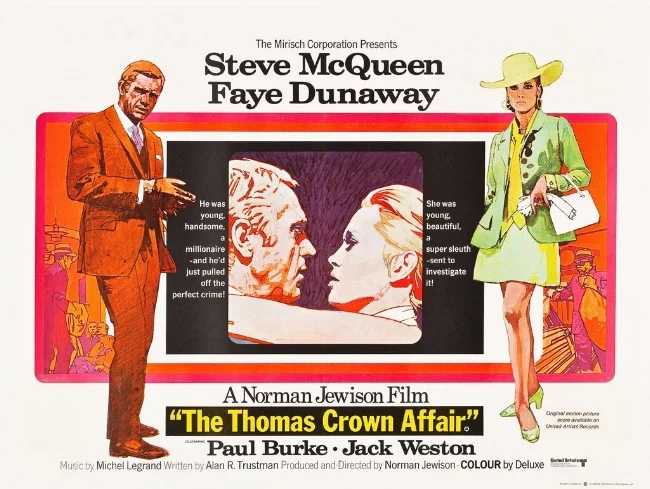
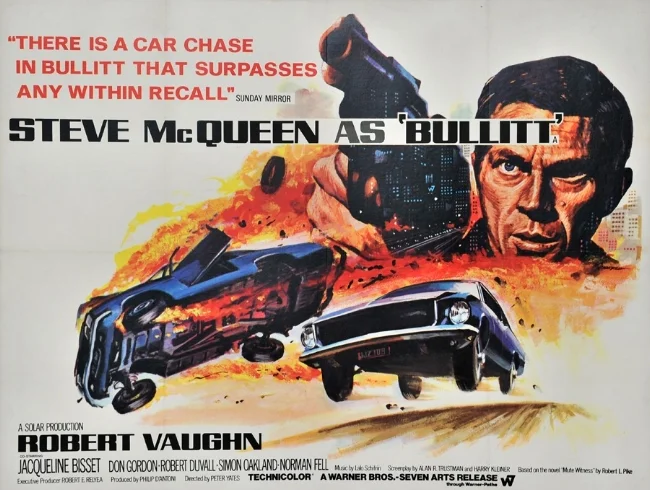
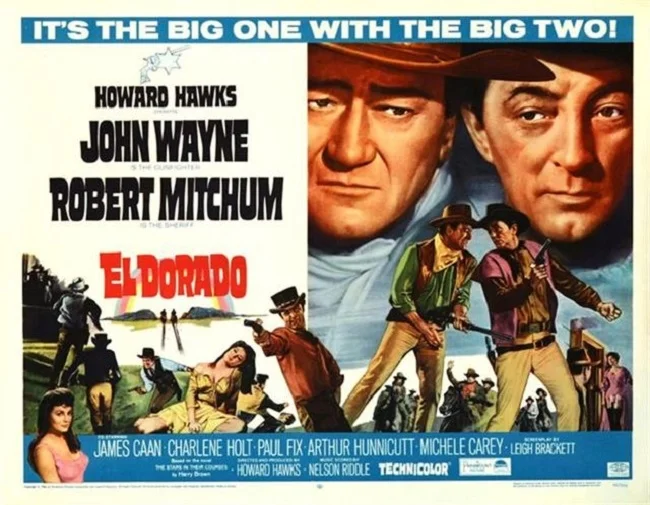
Bullitt (1968)
In a recent blog post I wrote about the difficulty that you can encounter sometimes when trying to watch movies that have been deemed “classic” by popular consensus. I listed 10 films of note that I intend to watch this year and to see if my views aligned with the various institutions and critics that praise them. The first on that list was the iconic sixties thriller Bullitt starring Steve McQueen. Having now watched the movie, I thought it would be prudent to collate my thoughts on it. Considering the immense amount of material that has already been written about it, I see no reason to present a review per se. Rather, here are my initial impressions for consideration. I’ve tried to highlight some specific aspects of the film that I think are of note or merit debate.
In a recent blog post I wrote about the difficulty that you can encounter sometimes when trying to watch movies that have been deemed “classic” by popular consensus. I listed 10 films of note that I intend to watch this year and to see if my views aligned with the various institutions and critics that praise them. The first on that list was the iconic sixties thriller Bullitt starring Steve McQueen. Having now watched the movie, I thought it would be prudent to collate my thoughts on it. Considering the immense amount of material that has already been written about it, I see no reason to present a review per se. Rather, here are my initial impressions for consideration. I’ve tried to highlight some specific aspects of the film that I think are of note or merit debate.
The cinematography in Bullitt is noticeably stylish and beyond the functional. William A. Fraker uses a lot of low camera angles, fluid camera movements and even embraces a Gonzo style for crowd scenes. The way bystanders congregate around crime scenes is depicted quite differently from other movies of the time. It is shown as rather unpleasant and insensitive act, often reflected in the snatches of dialogue that are heard. The famous car chase sequence is edited in similar fashion that places the viewer very much in the middle of the action. Rather than just rely on single shots from locked off cameras, the set piece is covered from multiple angles and frequently from the perspective of the vehicles themselves. It also conveys the fact that high speed pursuits are not just about performance vehicles but require skill from the drivers.
Then there is the matter of violence and the way in which it is depicted in the movie. Hollywood was shifting its stance on this weighty issue during the late sixties. As a result, there is a rather clinical shooting involving a shotgun. During the climatic shootout in the airport departure lounge there is an interesting concession to human collateral damage, when a security guard is gunned down in a very casual manner. We later see him getting the last rites from a passing priest, thus showing that death is seldom quick in such situations. Another interesting aspect is the depiction of two hired contract killers. They are not shown as sneering stereotypical gangsters but more as ageing business men. Furthermore, there is no snappy banter between them. Instead we are left with a measured silence and a few meaningful looks.
Something else that stands out about Bullitt is the accurate depiction of police investigation techniques of the time. There are no desktop computers and a lot of work is completed by copious note taking and attention to detail. We see evidence being meticulously being sorted through to see if it will yield any detail. The telephotography machine that prints suspects photos via the phone and a dot matrix printer is paradoxically archaic yet very contemporary. Then off course there’s the plot device of politics impinging upon police work. The sixties were a time when the default deference towards various public institutions was beginning to fade. Captains wanting an easy life and not wanting to rock the boat, as well as career driven Senators happy to tread on toes to get ahead, were new concepts back then.
Bullitt overall met and exceeded my expectations. The plot was interesting and its themes still relevant. Steve McQueen was effortlessly cool in the title role and the movie seemed to capture the changing mood of the period. The car chase was technically well executed and I can certainly see how the movies entire approach had a knock-on effect upon other thrillers and particularly cop movies. Sadly, Jacqueline Bisset’s character Cathy has precious little to do within the functional role of Frank Bullitt’s love interest. Sexual politics were obviously not on this film’s primary agenda. However, Lalo Schifrin’s superb jazz driven score is still a thing of beauty and reflects the idiom of the decade. Therefore, I appreciate why Bullitt enjoys the status that it currently does. It will be interesting to see if the next movie on my list also makes the grade.
Politics and Gaming
I watched an interesting video on You Tube recently, exploring the perennial subject of “politics in gaming”. Produced by the Extra Credit, who specialise in video games studies, it succinctly points out that it is impossible to remove any sort of political input from creative content. However, this is not a universally held point of view. The recent release of Mass Effect: Andromeda has seen a lot of discussion regarding whether politics and political agendas negatively impact upon game development. This has ranged from measured debate about inclusivity and representation to diatribes about how “feminazis” are “ruining gaming”.
I watched an interesting video on You Tube recently, exploring the perennial subject of “politics in gaming”. Produced by the Extra Credits, who specialise in video games studies, it succinctly points out that it is impossible to remove any sort of political input from creative content. However, this is not a universally held point of view. The recent release of Mass Effect: Andromeda has seen a lot of discussion regarding whether politics and political agendas negatively impact upon game development. This has ranged from measured debate about inclusivity and representation to diatribes about how “feminazis” are “ruining gaming”.
Two years ago, John Bain AKA Total Biscuit, British gaming commentator and critic on YouTube, made a series of tweets about the effects that mixing politics and gaming may have. He stated that "injecting politics into fiction is naturally exclusionary and in my view regressive". It was a bold statement if nothing else. He further went on to say “we're going to be inclusive by naturally antagonizing people with different ideas? We'll you're rubbish at being inclusive then”. However, he ignored the obvious fact that you face exactly the same dilemma if you try not to be exclusionary. Wilfully ignoring politics and maintaining a bland status quo will inevitably lead to a minority or fringe group feeling marginalised. It would appear that sitting on the fence doesn’t forestall the problems associated with picking a side.
Introducing overt or even oblique political subtexts into a game is potentially exclusionary but that is not unique to politics per se. There are many other factors associated with game development that can be a stumbling block to some players. Game mechanics such as permadeath, art design and even the business model can all have a similar effect. There is no such thing as a catch-all product that is universally appealing. It is a mythical Holy Grail. Games like music, books and movies are pitched at specific markets. These can be broad or niche but there is seldom any universal consensus. In fact, I’d say the world we inhabit both on and offline is more fragmented than ever before. The reality of the situation is that genres, styles and idioms are exclusionary by their very definition.
The concept of the apolitical game has been a regular and persistent rallying cry over the years. It is founded on the benign notion of keeping games free from real world issues and ideologies. Thus, the gaming environment becomes accommodating to all. However, I do not think this is actually achievable or even desirable. Many academics and thinkers have argued that nothing is truly apolitical. To try and purge such themes from games is itself a political act. I also question the motives of some of those who lobby for apolitical gaming. Is it really about creating a safe neutral zone or simply eliminating the inclusion of ideas and concepts that some do not like?
Some of the world’s finest literature and art is based upon political themes or the critiquing of specific dogma. Consider the works or George Orwell, Sergio Leone, Picasso and Johnny Cash. If you don't care for any of these artists, then replace them with ones that you do. You’ll find that they all nail their colours to the mast at some point and if you find someone who doesn’t, the conscious decision they’ve made to be neutral is in fact an act of political choice. As for argument that we shouldn’t seek to antagonise those with differing views in the name of inclusivity, it really does beggar belief. If that is the case Harper Lee patently wasn't considering the needs of racists when she wrote To Kill a Mockingbird. Such a mindset is hardly beneficial for creativity.
So, I personally do not reject the idea of allowing politics, social issues and moral conundrums to bleed through into creative work. I do not particularly enjoy obvious political and social hectoring in gaming, preferring a subtle approach rather than being belaboured with an obvious metaphor or plot device. However, that is more of an issue of poor implementation to the detriment of an idea, rather than the idea being bad per se. Ultimately, I think that refuting the inclusion of politics in creative undertaking is a very naive position. It ignores a fundamental truth that we are essentially tribal by nature. Mass appeal based on an apolitical approach simply leads to homogeneity, which doesn't make for good gaming, movies or music etc. As for mainstream games development, isn’t it problematic enough at present, without making it duller?







Mirrors (2008)
Mirrors is a remake of Korean horror film Geoul Sokeuro. However, I am not familiar with the original movie, so I cannot compare the two. There is a popular consensus among horror fans that most US remakes of Asiatic genre movies are frequently inferior to the originals. Atmosphere, tension and the unique cultural ambience are substituted by violence and clumsy shocks. It would appear that upon its release the critics felt that Mirrors was no different. So I watched the film with very low expectations. Furthermore, director Alexandre Aja back catalogue is a somewhat mixed bag with remakes of such titles as The Hills Have Eyes and Piranha.
Mirrors is a remake of Korean horror film Geoul Sokeuro. However, I am not familiar with the original movie, so I cannot compare the two. There is a popular consensus among horror fans that most US remakes of Asiatic genre movies are frequently inferior to the originals. Atmosphere, tension and the unique cultural ambience are substituted by violence and clumsy shocks. It would appear that upon its release the critics felt that Mirrors was no different. So I watched the film with very low expectations. Furthermore, director Alexandre Aja back catalogue is a somewhat mixed bag with remakes of such titles as The Hills Have Eyes and Piranha.
Kiefer Sutherland plays an ex-cop coming to terms with an accidental shooting. He's a recovering alcoholic who's estranged from his wife and family. Taking a job as a night watchman in a derelict department store, he soon discovers that an evil force seems to reside in the mirrors that line the walls. It would appear that he is required to carry out a task for this malevolent entity and failure to do so will place his loved ones in jeopardy.
There is a very intriguing premise at the heart of this film, regarding the cultural fascination and fear of our own reflection. The idea of our own image acting independently to ourselves and even harming us is creepy. It is handled in the initial stages of this film quite well by French director Alexandre Aja. But once the plot explores the reasons behind these events, the explanation becomes a little more formulaic. Towards the end, the story does pick up with the introduction of the concept that all reflective surfaces could be potentially dangerous. This results in some quite creative set pieces.
The cast is adequate and the performances are satisfactory. Sutherland and Paula Patton are an sympathetic couple. Julian Glover makes a small appearance as the ubiquitous old man that expedites the plot. The production design is suitably moody and atmospheric. The CGI effects are not excessive and the prosthetics are exceptionally unpleasant. The film includes a death scene that is particularly grim, involving the victim’s breaking their own bottom jaw. There is also a rather graphic throat cutting at the beginning of the movie.
I was pleasantly surprised with Mirrors, finding it entertaining and somewhat scary. The film has a very European sense of style and pace, with is a "sting in the tail" which is unusual for a mainstream studio picture. It's certainly no master piece but is not exactly the dog’s dinner it's been labelled. The unrated edit of the movie (which is the version I watched) is certainly violent but the director seems to have a penchant for such things. It's a shame in a way because with a little more emphasis on suspense Mirrors could have been a better movie.
Noise
As I’ve gotten older, one of the things I’ve become increasingly aware of and averse to is noise. Ambient background noise that is present in all our day-to-day lives. Perhaps it’s because I’m a child of the seventies and grew up in a time when there wasn’t a twenty-four-hour culture. People were often indoors by ten o’clock during the week and Sundays were a day of rest. There were less cars on the roads, no mobile phones or music on the go and society by and large, was still bound by the unspoken code of being considerate to your neighbours. Parties and social gatherings were occasional and those having them usually informed everyone affected in advance. Many shared spaces were quiet by mutual consent.
As I’ve gotten older, one of the things I’ve become increasingly aware of and averse to is noise. Ambient background noise that is present in all our day-to-day lives. Perhaps it’s because I’m a child of the seventies and grew up in a time when there wasn’t a twenty-four-hour culture. People were often indoors by ten o’clock during the week and Sundays were a day of rest. There were less cars on the roads, no mobile phones or music on the go and society by and large, was still bound by the unspoken code of being considerate to your neighbours. Parties and social gatherings were occasional and those having them usually informed everyone affected in advance. Many shared spaces were quiet by mutual consent.
Nowadays we live in a culture of noise. You cannot go shopping without being exposed to easy listening music or the instore radio station. Video screens blare out inanities while you queue to pay at the checkout. Even your car, train or bus hectors you with superfluous data while you travel. If you’re on foot you have to contend with the sheer volume of increased road traffic. Then of course there’s the people. The population in urban areas has increased significantly over the last thirty years and people are the biggest and most problematic source of noise. Even if you retreat to your home and turn on your TV, you’ll find the adverts louder than the programs that you watch. And unless you have robust noise insulation, the hubbub of the outside will slowly bleed through. There’s no respite from it all because of the twenty-four-hour society.
There’s also another layer to this change to the UK soundscape. Not only have noise levels changed but so has societies attitude towards it. Notions of privacy and consideration to others have slowly been eroded. The rise of the individual and “me, me, me” culture means we now have to endure other people’s phone calls on speaker. Listening to music via headphones is obviously a huge violation of a person civil liberties, thus we have to suffer the slings and arrows of someone listening to R&B on an iPhone. Libraries are no longer havens of tranquillity that they were and if you seek solitude while commuting you need to find a designated quiet carriage.
As a culture, it would appear that some have either lost or never learned the value of quiet time and tranquillity. One of the first lesson’s that I was taught as a child was that of being able to occupy myself. The value of silence and either focusing on an external matter or reflecting upon my own thoughts internally. All can be done quietly. Today, there seems to be a mindset of requiring continual external engagement and that being alone with one’s thought’s is something to be feared. It may possibly be because the absence of noise is utterly alien to many because they’ve never known such a world. I remember being on a school trip in Scotland in the early eighties and a friend commenting on the inherent quietness of the countryside. They found it to be unsettling and so they slept with the radio on.
The current culture of noise, also feeds the divide between introverts and extroverts. I sit somewhere between the two ends of this social spectrum but I do find exposure to incessant noise, especially that generated by people to be wearisome. Pubs, clubs and public spaces are often a sea of overwhelming white noise. Then there is the current societal affectation equating excitement with noise. Enthusiasm is measured by volume. Don’t believe me? Try watching ten minutes of The Jewellery Channel when there’s a sale on. It’s saps the strength from you continually being exposed to such behaviour. It’s like being trapped in The Goonies movie. The downside of such a culture is that it emotionally limits your options. If you become loud over trivia, where do you go when something truly significant happens?
The truly sad thing about noise, if you do consider it a social ill, is that your response to it is very much dictated by your personal circumstances. If you live in a neighbourhood that is noisy twenty-four-seven, then your only option is to move. Peace and quiet is a premium option and like everything in modern life, if you desire it then it will cost you. Thus, noise may be economically inescapable for some. I moved last summer and said goodbye to a very noisy environment. Where I currently live, there are times of tranquillity throughout the day. Yet because London keeps growing and expanding this luxury may vanish over time. I’ve never been a great one for holidays but I’m beginning to understand why people travel, simply to get away from it all. Seven days of near silence sounds like something to shout about to me, if you’ll excuse the pun.


















The Midnight Meat Train (2008)
Despite being nearly decade old The Midnight Meat Train remains an outstanding genre movie. It’s a horror film that doesn't make the usual mistakes of trying to be hip, excessively self-referential or ironically post-modern. It's shocking, nasty, bleak and brutal, as well as being literate and honest. This is quite paradoxical when you consider it’s made by Lionsgate pictures, a studio that got rich off the back of exploitative, clichéd horror franchises such as Saw and in more recent year’s teen orientated supernatural fodder. The movie also struggled for a while to gain international distribution and it took several years for it to find an audience. It’s a shame because The Midnight Meat Train deserved to have been released with a more fitting fanfare for a film of its calibre.
Despite being nearly decade old The Midnight Meat Train remains an outstanding genre movie. It’s a horror film that doesn't make the usual mistakes of trying to be hip, excessively self-referential or ironically post-modern. It's shocking, nasty, bleak and brutal, as well as being literate and honest. This is quite paradoxical when you consider it’s made by Lionsgate pictures, a studio that got rich off the back of exploitative, clichéd horror franchises such as Saw and in more recent year’s teen orientated supernatural fodder. The movie also struggled for a while to gain international distribution and it took several years for it to find an audience. It’s a shame because The Midnight Meat Train deserved to have been released with a more fitting fanfare for a film of its calibre.
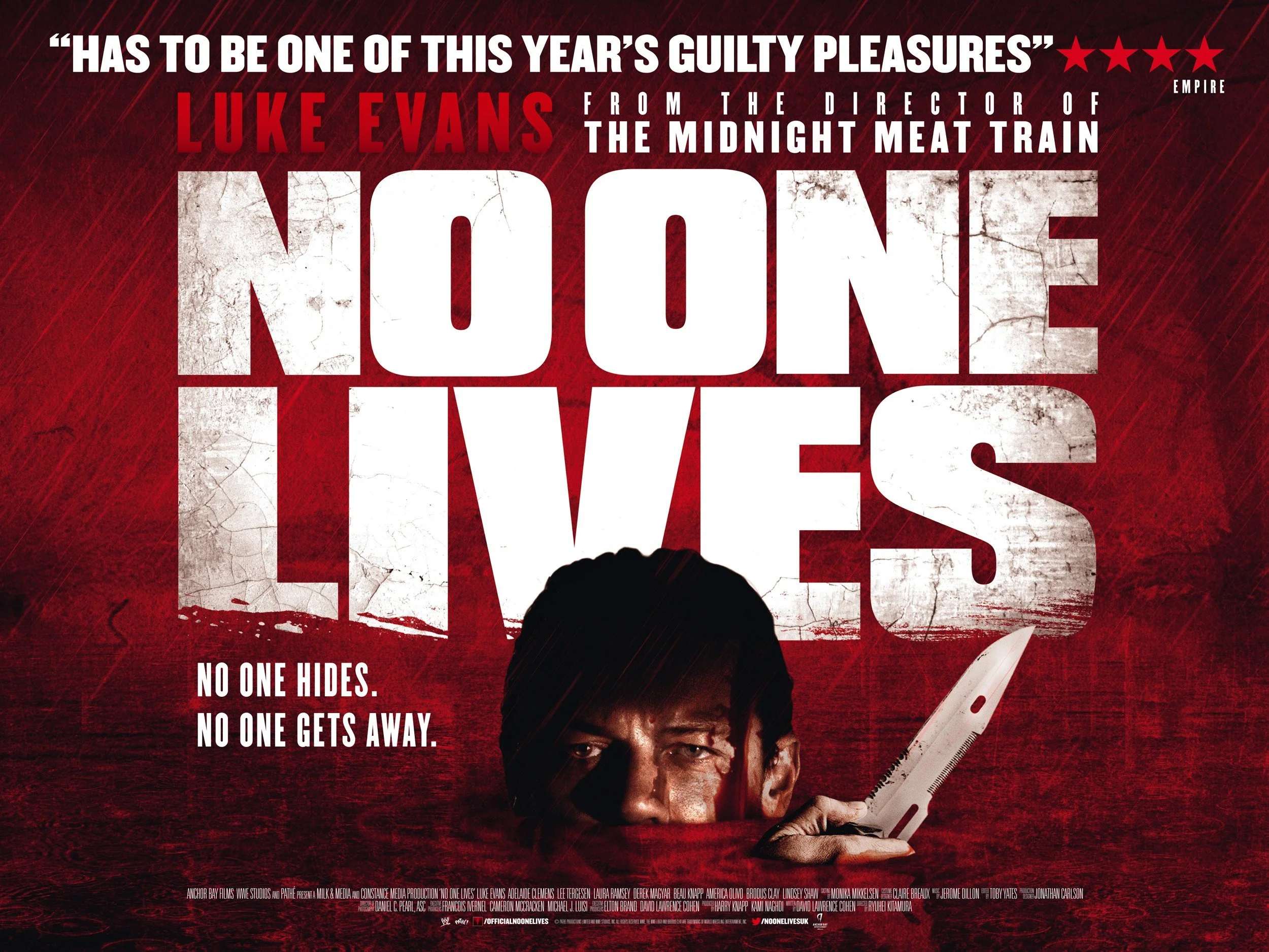
Directed by Japanese auteur, Ryuhei Kitamura, The Midnight Meat Train is an adaptation of a Clive Barker short story from his infamous Books of Blood. The film follows a photographer who attempts to track down a serial killer dubbed the "Subway Butcher". He discovers more than he bargained for when his search takes him under the city streets. The movie intelligently explores the nature and consequences of obsession as well as the contemporary media’s inherent addiction to voyeurism. The Midnight Meat Train boasts a robust featuring Bradley Cooper, Leslie Bibb, Vinnie Jones and Brooke Shields. The script, adapted by Jeff Buhler, is surprisingly smart and thought provoking, avoiding a lot of usual genre clichés. Considering this was the directors first US based English dialogue film, it is a very strong movie.
The Midnight Meat Train has numerous points to commend. The production design and the lighting are first class. The modern subway network depicted in the film is ideal and reflects the cold, stark, metallic environment of the abattoir that the serial killer hails from. I've often had mixed feeling about Vinnie Jones, an "actor", yet he excels here as the neat, precise, suit wearing "Subway Butcher". Despite having only one line of dialogue he emotes very well and gives a convincing and substantial performance. The rest of the cast also fare well as their characters transcend the traditional two dimensional facsimiles that inhabit horror movies. Bradley Cooper and Leslie Bibb play flawed individuals who at times are unlikeable, yet they still invoke sympathy as they face their fate. The film’s final twenty minutes really does have the viewer hoping for a positive conclusion, however unrealistic that is.
With a film of this nature you can expect a degree of violence and moments of shock. The Midnight Meat Train certainly doesn’t pull its punches. Victims are dispatched via a meat tenderiser and then strung up and butchered. Yet these scenes, although brutal, are never gloating. They reflect the movies underlying themes of media sensationalism and voyeurism. However, the film does rely heavily on CGI FX work and some of it sadly does not work very well visually. Ted Raimi makes a cameo appearance and dies in a graphic but patently fake fashion. Overall this doesn't spoil the film as there is still some fine physical effects and the films climax manages to pack a heavy emotional punch.
Adapting the literary works or Clive Barker has always been challenging for film makers and the results have often been hit or miss. Candyman, Hellraiser and Lord of Illusion have been successful examples, although it should be noted that two of these were directed by Barker himself. Sadly, there are others that have been way off the mark, with Rawhead Rex being the nadir. The Midnight Meat Train manages to take the best elements from the source text and expands upon them. It’s a smart, atmospheric well-paced horror movie with few concessions to the casual viewer. It delivers all that you’d expect from a quality director, being both shocking and intriguing. Unfortunately, despite critical acclaim The Midnight Meat Train did not find the commercial success it could have and failed to start a renaissance in the genre. Thus, ten years on R rated horror remains a relatively rare beast.
Classic Movie Themes: Assault on Precinct 13
Assault on Precinct 13 was John Carpenter's second feature film. The movies score was composed and recorded by Carpenter himself on a synthesizer over a period of three days. It features a minimalist style comprising of just four distinct music cues, which are used sparingly throughout the movie. The pulsating beats and elongated eerie notes combine with a mournful main melody. This lean, pared back approach suits the narrative perfectly and reflects the tonal trend of cinema at the time. There are hints of Morricone (who Carpenter later worked with on The Thing) and Lalo Schifrin in the soundtrack.
Assault on Precinct 13 was John Carpenter's second feature film. The movies score was composed and recorded by Carpenter himself on a synthesizer over a period of three days. It features a minimalist style comprising of just four distinct music cues, which are used sparingly throughout the movie. The pulsating beats and elongated eerie notes combine with a mournful main melody. This lean, pared back approach suits the narrative perfectly and reflects the tonal trend of cinema at the time. There are hints of Morricone (who Carpenter later worked with on The Thing) and Lalo Schifrin in the soundtrack.
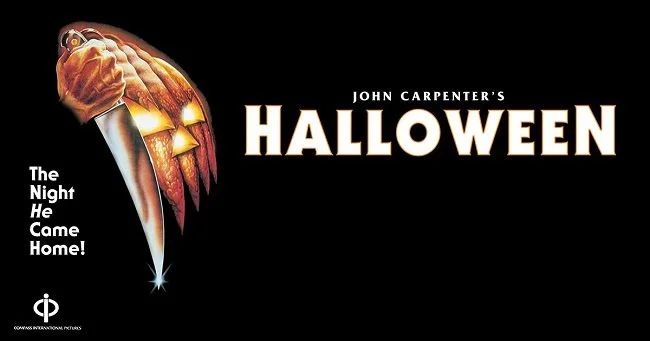
It's interesting that Carpenter's subtle and understated compositions were perhaps more influential on minimalist electronic music, rather than on contemporary movie scores. Certainly Carpenter's style became grander and musically more complex as he continued to score his later movies such as Prince of Darkness and later In the Mouth of Madness. Although he may well best known for the Halloween theme, the Assault on Precinct 13 soundtrack provided the original musical blueprint and is in many ways its equal. Film composers working today could learn valuable lessons from its simple eloquence.
The Stone Killer (1973)
In many respects, Michael Winner's 1973 hard-boiled cop movie, The Stone Killer contains pretty much all the obligatory tropes and memes associated with both the genre and the decade. Hippies, black militants, casual racism and of course disgruntled Vietnam veterans. In the absence of any no computers, Detective Lou Torrey (the ubiquitous Charles Bronson) favoured method of solving crimes is to beat, threaten and shoot everyone who may be a suspect. Obviously remembering to read people their Miranda rights is far too much like hard work. This is how cop movies were in the seventies and the public ate them up.
In many respects, Michael Winner's 1973 hard-boiled cop movie, The Stone Killer contains pretty much all the obligatory tropes and memes associated with both the genre and the decade. Hippies, black militants, casual racism and of course disgruntled Vietnam veterans. In the absence of any no computers, Detective Lou Torrey (the ubiquitous Charles Bronson) favoured method of solving crimes is to beat, threaten and shoot everyone who may be a suspect. Obviously remembering to read people their Miranda rights is far too much like hard work. This is how cop movies were in the seventies and the public ate them up.
The Stone Killers has an unnecessarily complex plot about a group of Sicilian Dons, led by Martin Balsam, hiring a group of ex-soldiers (The Stone Killer of the title) to eliminate the current heads of a national crime syndicate and right a wrong from forty years ago. Mr. Bronson stumbles across the plot and effectively kills everyone until the mystery is solved. He's aided by Ralph Waites who plays a racist redneck cop and rookie patrolman John Ritter. The movie is casually racist, misogynist and shows the seventies for the utterly shit decade that they were aesthetically. As ever the great Michael Winner directs with glee and revels in the seedier aspect of the plot. The movie also benefits from a get-down-funky, Roy Budd score that has a superb psychedelic vibe running through it. There are several well shot car chase which were essential action sequences at the time. It's quite nostalgic to watch the gas guzzling, unaerodynamic cars lumbering through the harsh cityscapes.
The movie also contrast great wealth with great poverty with some excellent shots of inner city decay. There is also some interesting attention to detail with regard to the mercenaries’ military tactics. Having gunned down their targets at the movies climax, the leader goes around all the bodies and shoots them with a pistol to ensure all are dead. The Stone Killer also has a dated penchant for the use of dummies in several high falls; the results are hilarious rather than shocking.
The Stone Killer is an interesting example of the sort of bleak, mainstream action fodder that was prevalent in the movie theatres at the time. As ever Bronson is compelling to watch, despite not playing an especially likeable character. Then again, there are no especially nice ones either. Despite being an action thriller, the viewer still has to think about the plot. Something that seems to have fallen by the wayside in modern equivalent movies. The film ends on a curiously philosophical note, with Bronson alluding to the fact that the bad guys may well have got away with things and be untouchable by the law, but it's only a matter of time before their own community turns on them. The Stone Killer is not up to the standards of Dirty Harry or The Mechanic but it is still a good example of an old-school genre film making.
Super Mario Run
Super Mario Run is now available for Android smartphones, so I thought I’d show willing and check it out. Despite Nintendo’s shockingly inane business decisions in recent years and their dogged determination to still approach the video games market as if it were still the nineties, I like many others still have a degree of good will towards them due to their franchises. So, I downloaded the game from the Google Play Store to find that, despite it’s free moniker, it is effectively a trial. Players get access World Tour, Toad Rally, and Kingdom Builder modes, with a selection of courses. The full game requires a single in-app purchase of $9.99 after which there are no further micro-transactions.
Super Mario Run is now available for Android smartphones, so I thought I’d show willing and check it out. Despite Nintendo’s shockingly inane business decisions in recent years and their dogged determination to still approach the video games market as if it were still the nineties, I like many others still have a degree of good will towards them due to their franchises. So, I downloaded the game from the Google Play Store to find that, despite it’s free moniker, it is effectively a trial. Players get access World Tour, Toad Rally, and Kingdom Builder modes, with a selection of courses. The full game requires a single in-app purchase of $9.99 after which there are no further micro-transactions.
Essentially, Super Mario Run is an automatic running game that uses simple touch controls to perform various types of aerial acrobatics. You can increase the size Mario's jump, delay the following fall and ricochet off enemies to reach inaccessible areas. The game utilises the screen relatively well, so I didn’t find my view obscured by my own finger and hand. However, the game also hinges on the basic mechanic of Mario’s continuous forward movement. Although it is easy in principle to grasp what needs to be done to successfully navigate the game environment, the skill lies in pulling it off.
Super Mario Run is a moderately fun return to the Mushroom Kingdom, yet it inherently lacks any major new wow factor. We’re still fighting the same trash mobs and bosses in the same old fashion. The levels designs are novel but the game seems to have one foot in the past. Now I know that nostalgia is a driving factor here and that fans expect to see key elements of the franchise but there is still a need to present a mixture of old and new to engage with players. The game overall feels too much like previous Mario outings and doesn’t make sufficient use of the benefits a mobile platform can provide. I was essentially disappointed with Super Mario Run.
And it would seem that I’m not alone in feeling that way. Although the game has had more than 78 million downloads since its December launch on iOS, only 5 percent of players paid to unlock the game. I was part of that niche group and although it is a relatively small sum of money, the game didn’t really live up to my expectations or provide any real long term value. Perhaps that is the problem. Nintendo are simply hamstrung by the nostalgic mindset of their player base and their own inability to fully embrace mobile platforms to the full. Either way, I think I shall certainly be far more cautious before buying another one of their mobile titles. That’s assuming that they still intend to pursue this particular market.
Update 20: Battle of the Black Gate
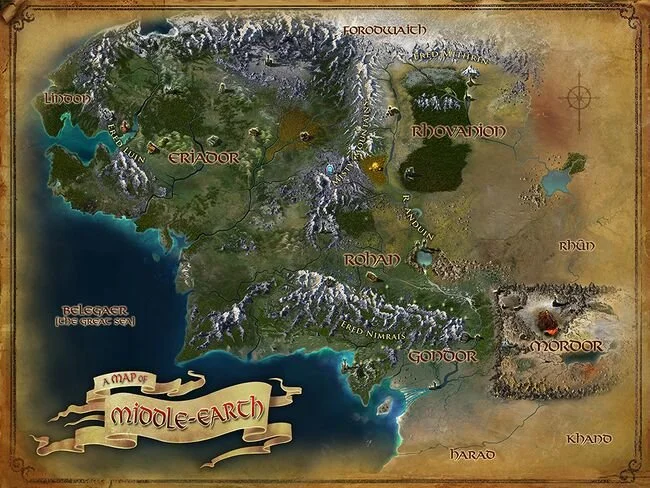
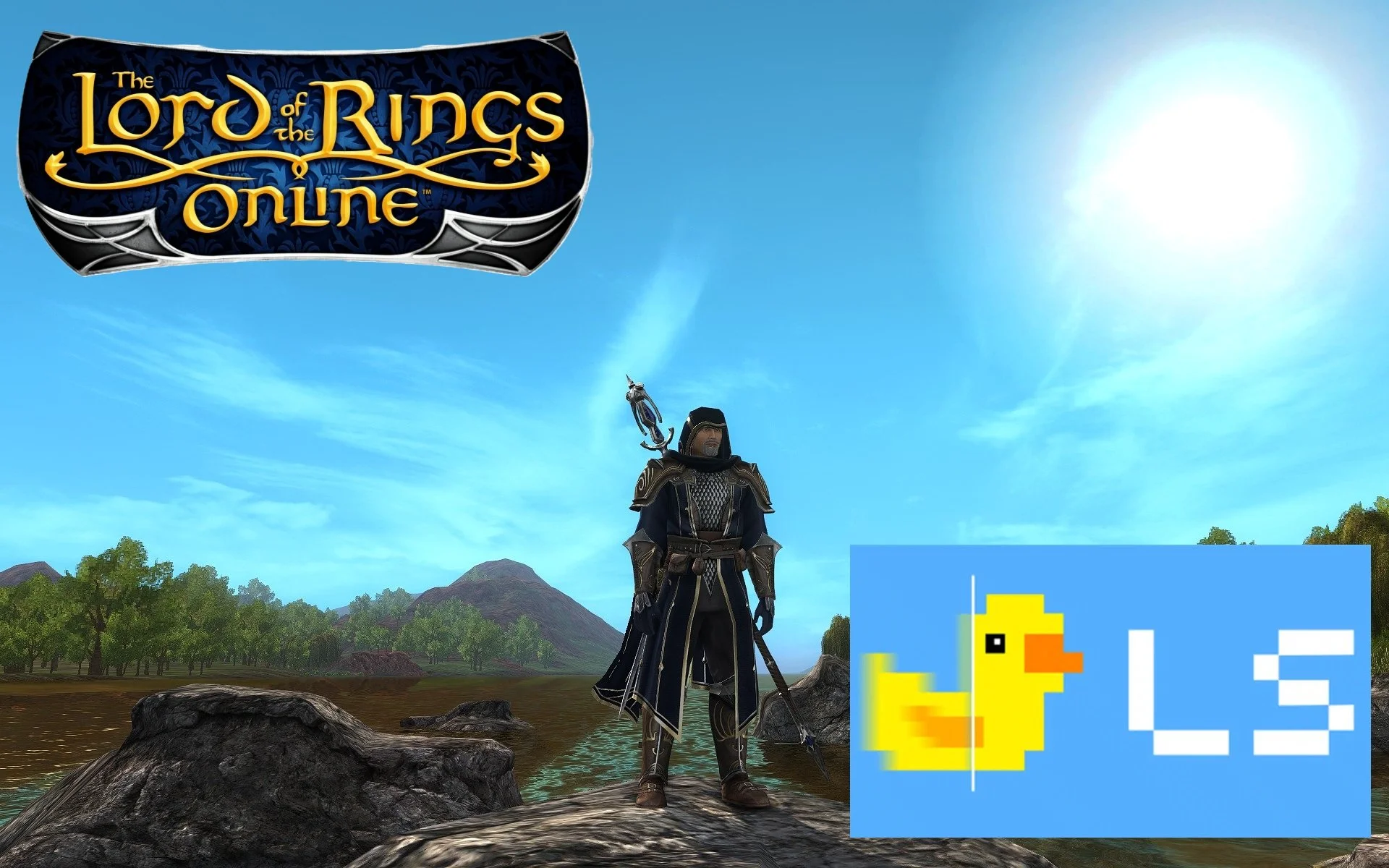
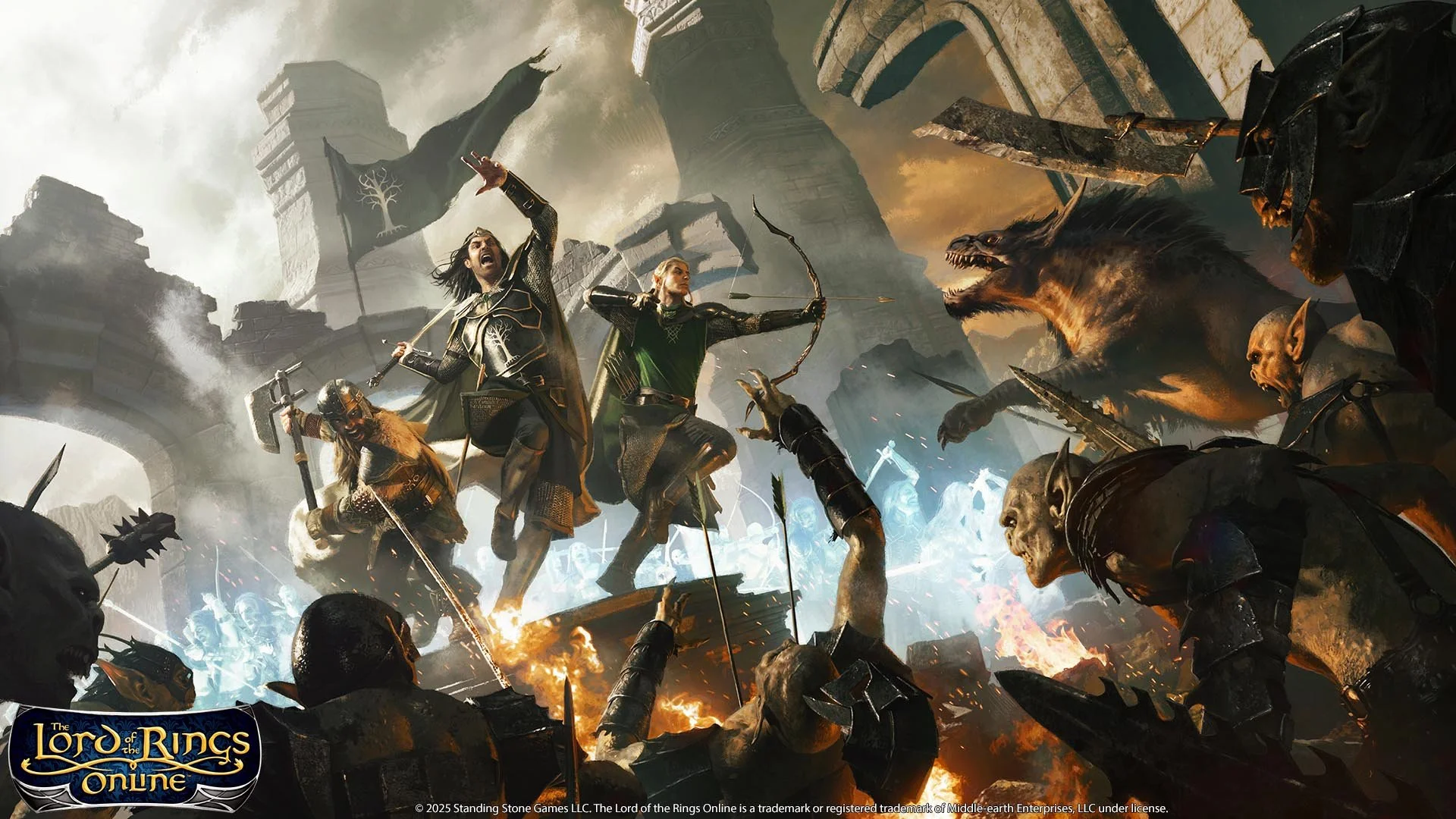
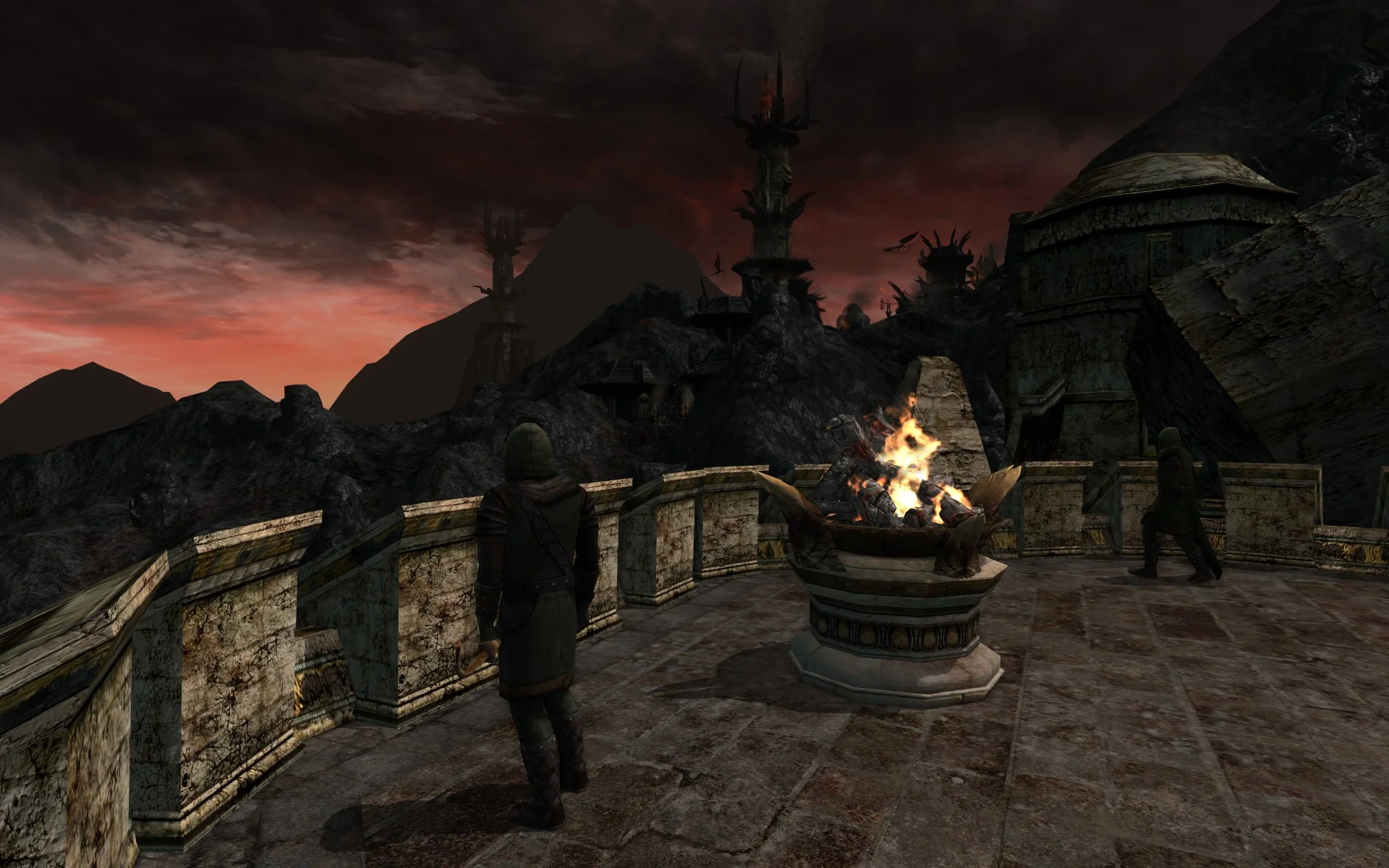
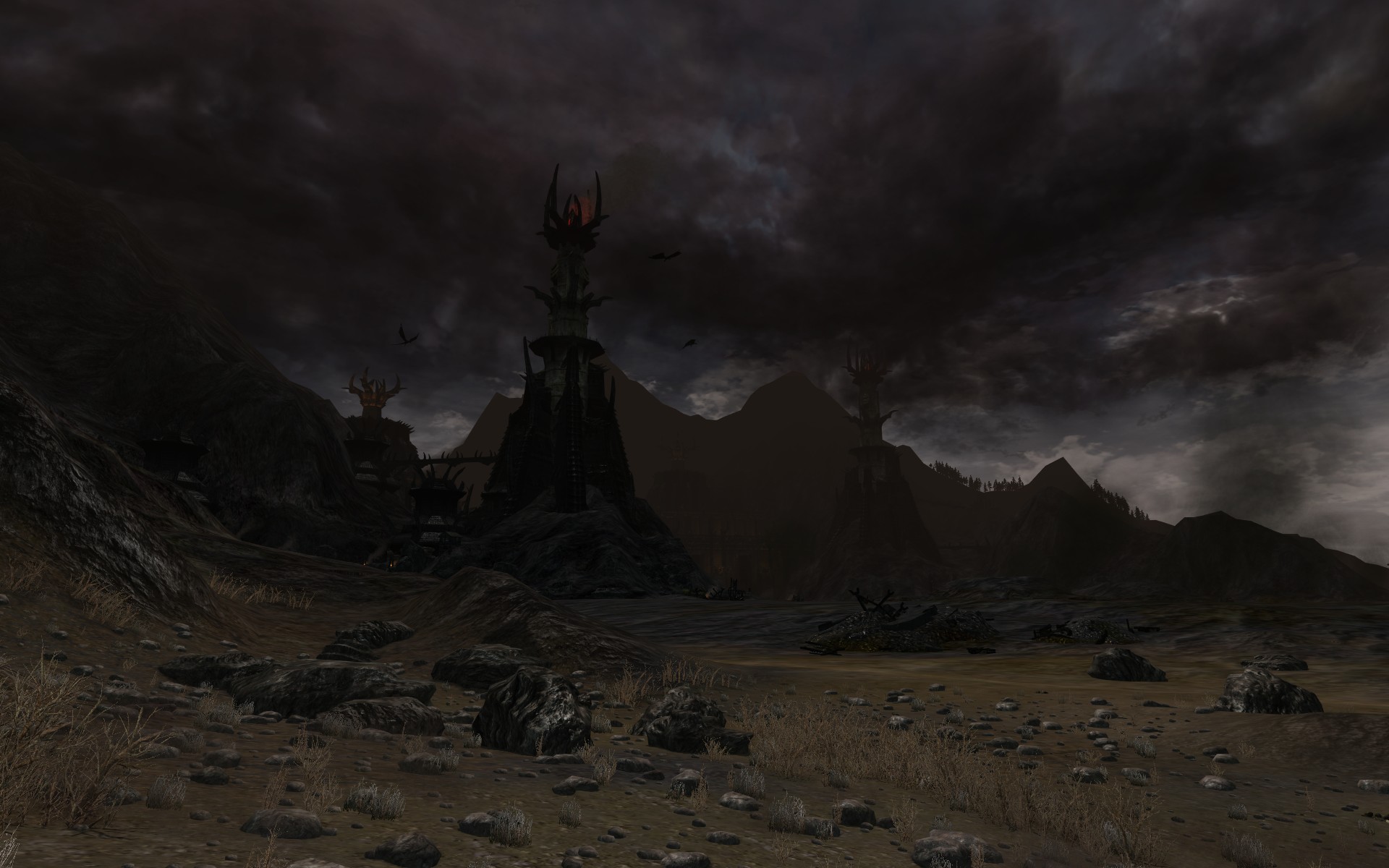
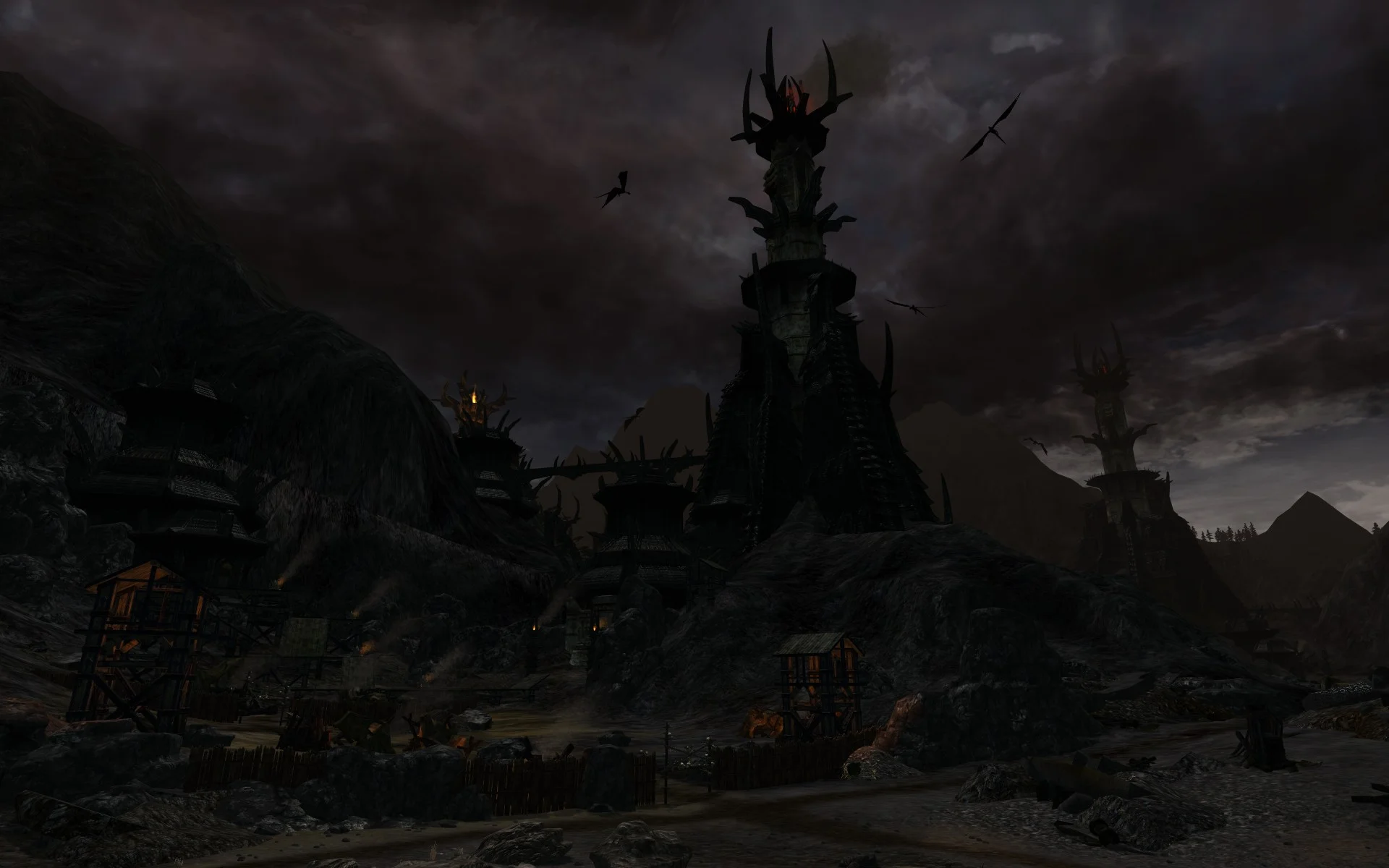
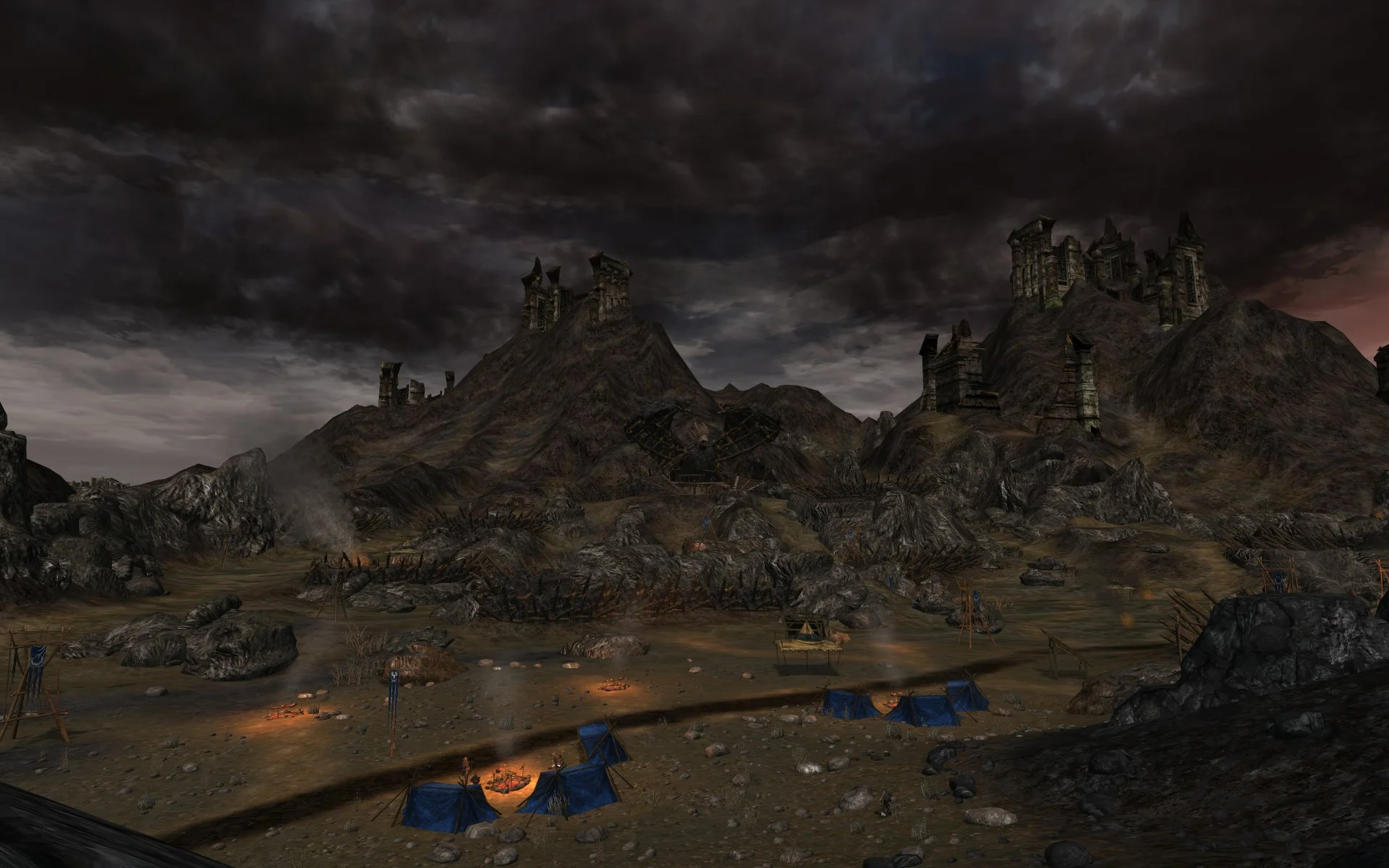
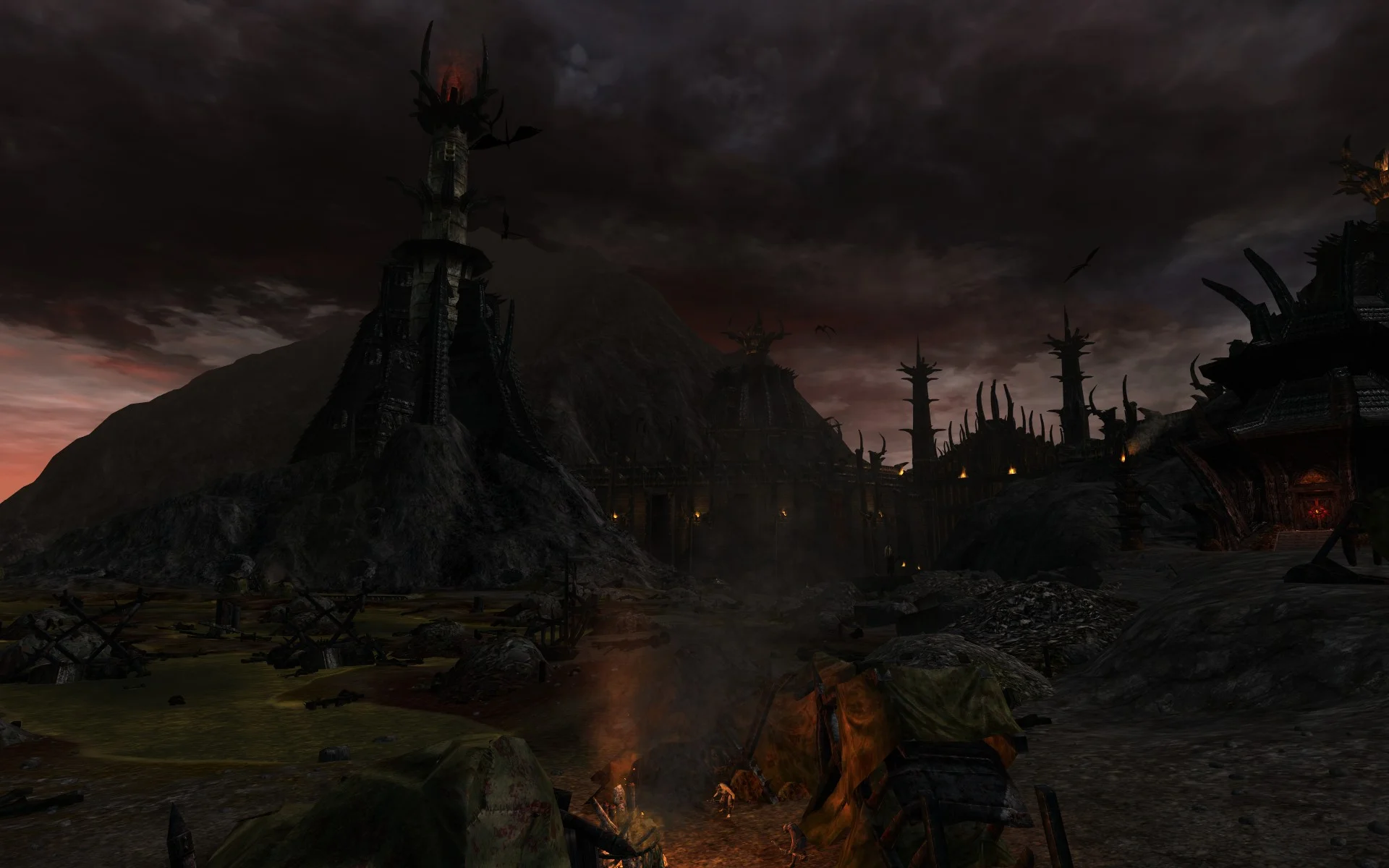
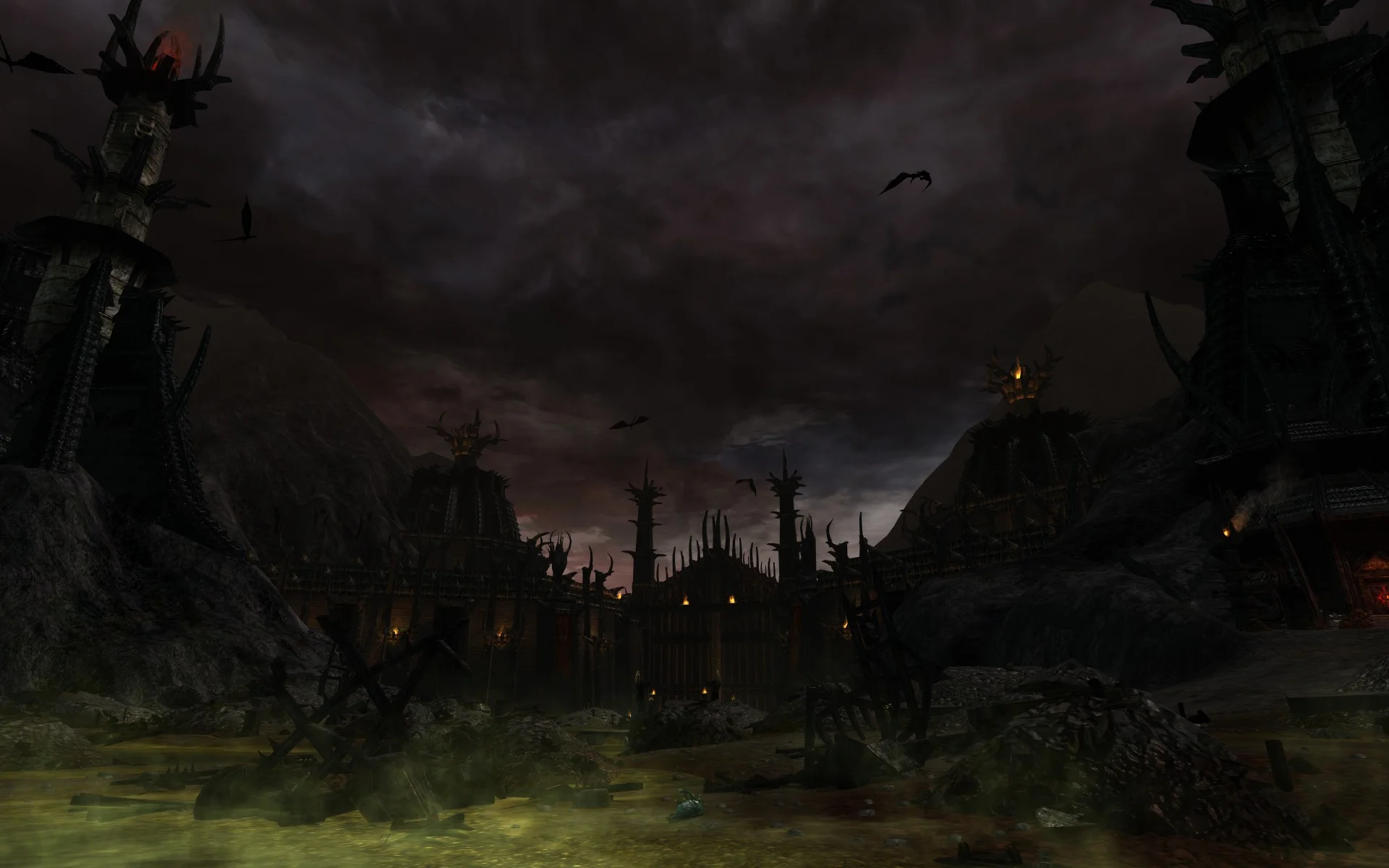
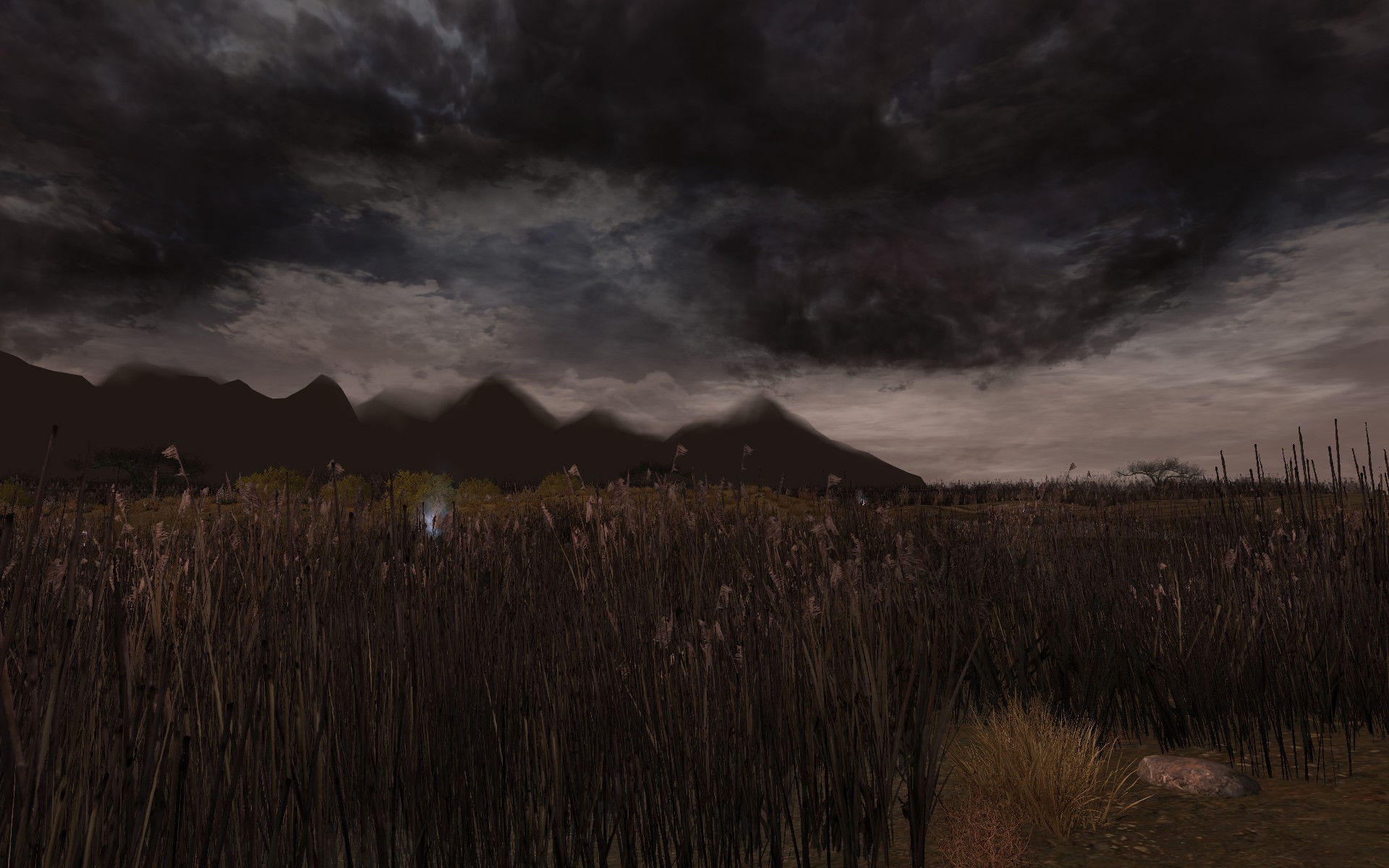
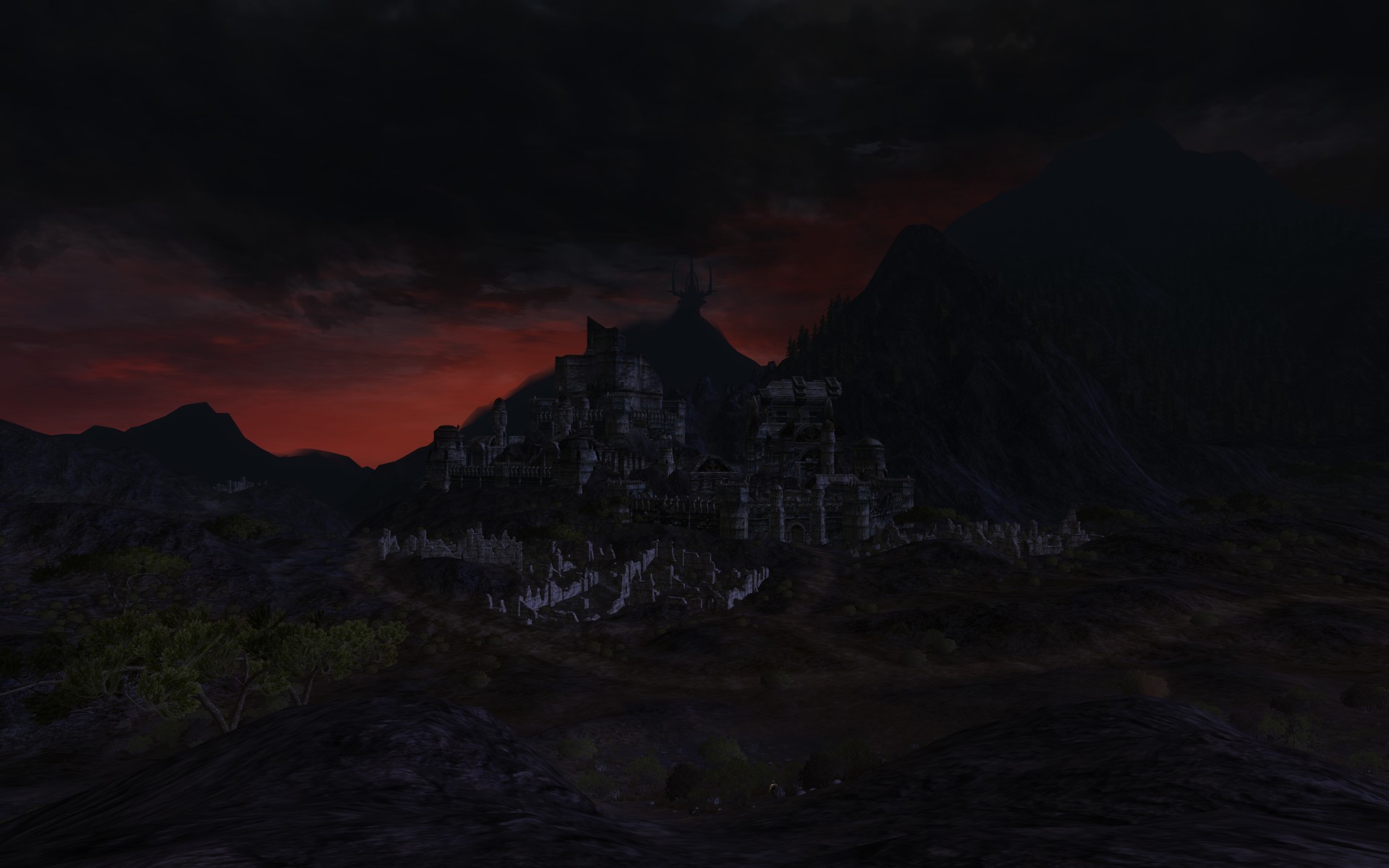
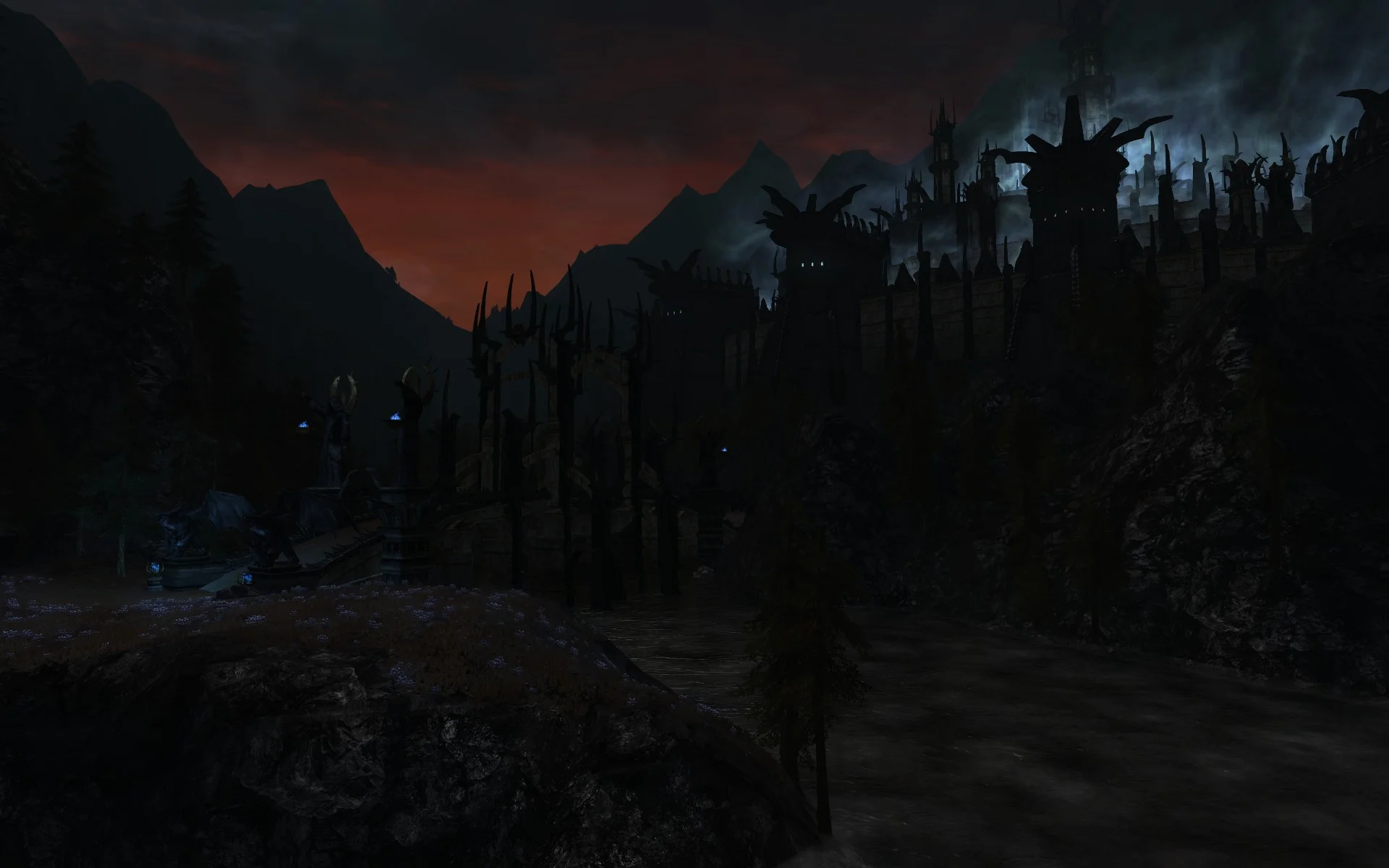
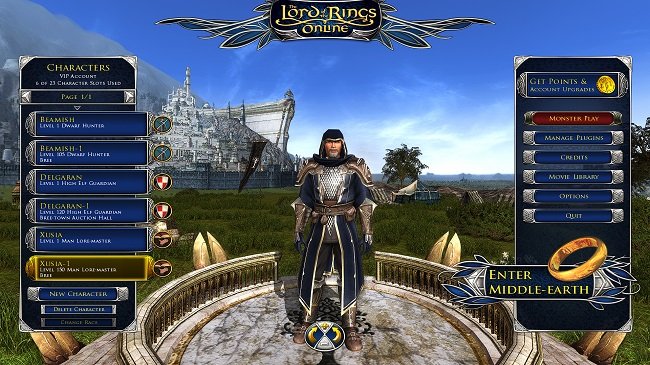
Finally, ten years after the launch of LOTRO, we find ourselves outside the Black Gates of Mordor. Dagorlad is the latest zone to feature in Update 20, released today and it’s a stark contrast after the lush and verdant hills of North Ithilien. Yet as ever with LOTRO the new area is beautifully realised and filled with lore references. The fact that we’ve finally arrived before the Morannon and will be entering Mordor in the next expansion, compensates to a degree for the years of unnecessary diversion we’ve endured, with prior zones such as Mirkwood, Enedwaith and Dunland. I make no bones about the fact that I never liked these areas and felt the stories they told were somewhat superfluous. However, that is all behind us now and Mordor awaits.
Finally, ten years after the launch of LOTRO, we find ourselves outside the Black Gates of Mordor. Dagorlad is the latest zone to feature in Update 20, released today and it’s a stark contrast after the lush and verdant hills of North Ithilien. Yet as ever with LOTRO the new area is beautifully realised and filled with lore references. The fact that we’ve finally arrived before the Morannon and will be entering Mordor in the next expansion, compensates to a degree for the years of unnecessary diversion we’ve endured, with prior zones such as Mirkwood, Enedwaith and Dunland. I make no bones about the fact that I never liked these areas and felt the stories they told were somewhat superfluous. However, that is all behind us now and Mordor awaits.
The Epic Story is central to my enjoyment of LOTRO. The developers have always managed to create clever narratives that either reference the source text or allow us to visit the Fellowship via session play. Over the years, this game mechanic has allowed us to play as a Dwarf during the Fall of Moria, as one of the Dead Men from Dunharrow and even as a horse. This time the game excels itself as we get to play as Gollum. Unlike the film adaptations which painted a more tragic picture of Frodo’s nemesis, here he is depicted in a far more sinister, as he sneaks off in to the heart of Cirith Ungol to strike a deal with Shealob. This is a great game event that exudes atmosphere. It’s a shame that a minor foible of the game intruded upon my enjoyment.
### Chat Capture: General 03/21 11:41 PM ###
No Other Way
"Up, up, up the stairs, gollum. Gollum. And then... the tunnel, yes... this way, good hobbitses... yes..."
New Quest: Interlude: No Other Way
Entered the Trade channel.
Entered the LFF channel.
Entered the World channel.
Entered the Trade channel.
Entered the LFF channel.
Entered the World channel.
[Trade] Faelox: 'WTB tome of will 5,6 // WTB sturdy steel key x2'
Screenshot [ScreenShot00052.jpg] saved to disk.
[World] Lucwald: 'you may get attacked for wandering around like a mel gibson super fan from the passion haha'
Frodo says, ''Come on, Sam! We're nearly at the top!''
[World] Calanais: 'do you actually know any muslims ilmate?'
Samwise says, ''I have had my fill of stairs, Mr. Frodo.''
[World] Calanais: 'well yes probably but that was hyperbole'
Frodo says, ''Me too, Sam. Me too.''
Samwise says, ''What was it Gollum said was at the top of the stairs?''
[World] Pren: 'Is it the 10 year Anniversairy this year?'
Frodo says, ''A tunnel, he said.''
[World] Ilmate: 'Dude, I already provided several links. Another guy did the same. I said lets close this subject.'
[World] Asabairn: 'mhm'
Samwise says, ''That's right. I don't much care for tunnels.''
Frodo says, ''The stairs, the tunnel... and Mordor.''
[World] Pren: 'Nice cosmetic pets being realeased then!'
Samwise says, ''Who would have thought we'd make it there, Mr. Frodo?''
[World] Ilmate: 'And yeah, I have several muslim friends.'
Frodo says, ''I think we are almost at the top.''
[World] Colherlus: 'There is always evil in people, race or religion doesn't matter. Even in Middle Earth, so no point arguing.'
Samwise says, ''I can't believe it! At last!''
[World] Calanais: 'friends?'
[World] Morellian: 'the dog is adorable <3'
[World] Gonursua: 'Your links were about as reliable as the National Enquirer.'
Frodo says, ''A tower... there is a tower above the pass.''
Samwise says, ''I don't like the look of that at all.''
[World] Calanais: 'oh so they're not all evil christian killers'
Samwise says, ''Your secret way is guarded after all, Gollum!''
Samwise says, ''I suppose you knew that all along! Leading us into a trap, are you?''
Frodo says, ''He is right, Sam. Every way into Mordor will be watched, in some fashion.''
[World] Ilmate: 'Muslims immigrants that assimilate with another's culture and ideals are a rare breed.'
Frodo says, ''Look, we can rest over here, out of the wind.''
It should be noted that when you enter session play, as you’re playing a unique character, all custom settings of your UI reset to their defaults. Thus, World Chat is enabled. Often when I’m playing through new content there is much to see, so I can at time miss the onscreen dialogue from the NPCs. I therefore re-read this text in the chat window. During a key scene during the Gollum session play I suddenly found text from World Chat appearing in between dialogue from the game. It was disconcerting to say the least and more than a little immersion breaking. I managed to capture the text and you can read it below. The lesson of this story is to load your UI customisations as soon as you start session play, if this sort of thing bothers you. Furthermore, I think the chat log makes a perfect case for avoiding this particular chat channel.
As I mentioned, LOTRO excels at including many minor facets of Professor Tolkien’s source text into the MMO. I read a post recently on BioBreak regarding a quest chain in North Ithilien that ends with Gandalf entering the Morgul Vale and destroying the bridge to Minas Morgul. It is a small aspect of the story and not in any way essential to the overall plot. It is however a fine embellishment to the game. I hadn’t done this particular instance myself and when I checked my quest log, found an unfinished series of quests that led to this event. Needless to say, I completed them and got to experience this interesting vignette myself.
So, for the present, I shall be logging into LOTRO several times a week and slowly working my way through the new content. There’s plenty to do and I am pleased that I prepared for this new zone by upgrading much of the armour and jewellery on my primary character. There are still things that I need to investigate and familiarise myself with, such as the new ore nodes that are available in Dagorlad. They yield some sort of resource that can be converted in to a barter currency. Plus, there is an area of the new map, Dol Acharn, that seems to be inhabited by some sort of wight. Approaching the ruins there causes your character’s morale to deplete very rapidly. I would assume that there is some sort of event associated with this. All these matters can be explored over the weeks to come ensuring that LOTRO continues to be a major part of my leisure time.





Acquainting Yourself with Classics Films
Let us take a moment to consider those movie lists you often come across on websites and in magazines. Why? Because there’s a lot of them about. You know the sort, one hundred movies that you must see before you go senile, according to some well-known critic or august institution like the BFI. Or if you prefer something more hip and eclectic then here’s another one collated by British filmmaker Edgar Wright. Furthermore, these lists are often somewhat homogeneous, containing a mixture of bonafide yet ubiquitous classics, a percentage of obscure arty-farty bollocks and a few wild cards that they put in for a laugh. These will be either so-called cult movies or examples from the “it’s so bad, it’s good” school of film making.
Let us take a moment to consider those movie lists you often come across on websites and in magazines. Why? Because there’s a lot of them about. You know the sort, one hundred movies that you must see before you go senile, according to some well-known critic or august institution like the BFI. Or if you prefer something more hip and eclectic then here’s another one collated by British filmmaker Edgar Wright. Furthermore, these lists are often somewhat homogeneous, containing a mixture of bonafide yet ubiquitous classics, a percentage of obscure arty-farty bollocks and a few wild cards that they put in for a laugh. These will be either so-called cult movies or examples from the “it’s so bad, it’s good” school of film making.
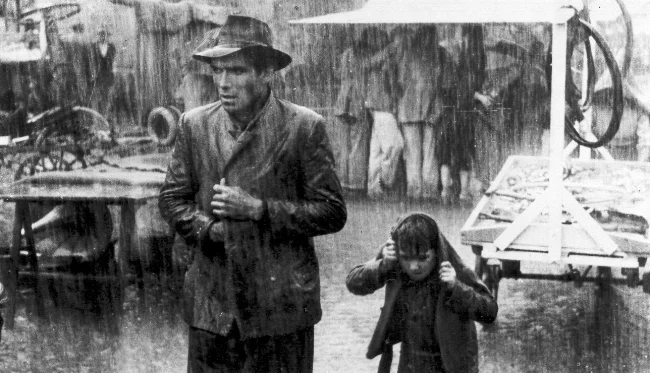
Bearing that all-in mind, I thought it would be interesting to see what someone's reaction would be when watching one of these titles for the first time. Classic films such as Stanley Kubrick's 2001: A Space Odyssey, Vittorio De Sica's The Bicycle Thieves or Orson Welles' Citizen Kane. All of these examples have established and prodigious reputations as well as a lot of artistic and cultural baggage attached to them. Would a first-time viewer feel obliged to follow herd and add their voice to the prevailing consensus? Or if they did not enjoy the movie and felt it had specific flaws would they have the courage of their convictions to call a spade a spade?
Well to cut a long story short, if you want something done properly, then do it yourself. Therefore, I shall be kicking the process off by watching that classic sixties Bullitt. Yes, I have never seen this alleged defining point in Steve McQueen’s acting career, so I thought it would be a great example to begin with. Bullitt is a movie I’ve only ever seen snatches of. The sort of movie you find while channel surfing and watch a few minutes of before turning over yet again. Each time, I say to myself, I must get around to watching that and then I never do. Oddly enough I do own the Lalo Schifrin soundtrack which is extremely cool in that sixties movie idiom. So, I’ve secured a nice high definition copy of the film and shall endeavour to watch it and review it this week. It will be interesting to see the famous ten-minute car chase within it’s right context and make a measured judgement about it.
Now I make no bones about the fact that I like some specific types of movies more so than others. I would much rather watch a film about a serial killer murdering a bunch of teenagers by sticking a Dyson up their wazoo, than some tedious, worthy human drama about a Bolivian praegustator coming to terms with the death of their next-door neighbour’s budgie, during the Boer War. However, I also feel that it is important to be well versed in all aspects of cinema, if you wish to have an informed opinion on the subject. Therefore, the next couple of months could be very interesting as I work my way through the following films. You can also expect some eclectic reviews. If you have any interesting suggestions, feel free to leave a comment and I’ll see what I can do about adding them to the list.
Bullitt (1968)
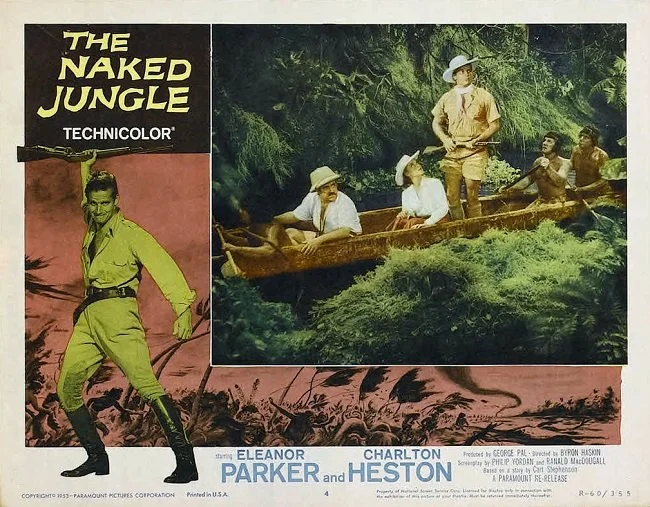
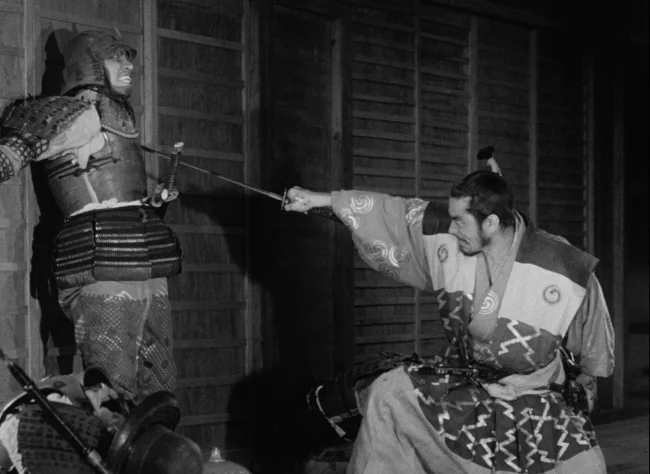
Rashômon (1950)
Les Vacances de Monsieur Hulot (1953)
Wake in Fright (1971)
Freaks (1932)
Solaris (1972)
Thief (1981)
Sorcerer (1977)
Metropolis (1927)
M (1931)
Is the UK Voting System Broken?
At present, there is talk in political circles of the prospect of an early General Election in the UK as a means of dealing with several looming political problems. If such a situation were to arise, then it has to contend with the fragmented state of the UK electorate as well as voter apathy and low turnouts. Perhaps the biggest issue is the mechanics of the election process itself. It has its roots in the past when there were two major parties. Things have changed in recent years with more political groups competing for parliamentary seats and the system now seems to be inequitable. So I thought it may be of interest to readers to offer a broad overview of the process. It differs quite considerably from other countries and as you'd expect with anything British, it has more than a few quirks and foibles. This is not in any way a discussion about party politics. I am simply writing about the actual mechanics of the UK First Past the Post system that determines who will form a government.
At present, there is talk in political circles of the prospect of an early General Election in the UK as a means of dealing with several looming political problems. If such a situation were to arise, then it has to contend with the fragmented state of the UK electorate as well as voter apathy and low turnouts. Perhaps the biggest issue is the mechanics of the election process itself. It has its roots in the past when there were two major parties. Things have changed in recent years with more political groups competing for parliamentary seats and the system now seems to be unequitable. So I thought it may be of interest to readers to offer a broad overview of the process. It differs quite considerably from other countries and as you'd expect with anything British, it has more than a few quirks and foibles. This is not in any way a discussion about party politics. I am simply writing about the actual mechanics of the UK First Past the Post system that determines who will form a government.
There are 650 parliamentary constituencies in the UK, each returning a Member of Parliament (MP). For a single political party to form a government they need to have at least 326 MPs duly elected. When UK voters go to the polls, they are not voting for the specific leader of a particular party IE they are not voting who will be the British Prime Minister. They are voting for a specific candidate, who will represent their constituency at Parliament. This choice is dependent upon which candidates are standing for which parties in each constituency.
The party that wins 326 parliamentary seats or more is then in a position to form a government. The leader of that party then becomes Prime Minister by default. It should be noted that the UK Prime Minister is not also the head of state. That role which is non-political is assumed by the current Monarch.
At present in the UK, votes in local, regional and national elections are written by hand on Ballot Papers and counted manually. Not only does this reduce potential fraud but it actually makes the counting process easier. It also affords voters a chance to deface or spoil their ballot paper if they see fit. Something you cannot do if you vote mechanically or electronically. Disallowed votes are counted as such and statistics are kept.
Now here’s the part I and many other UK voters find most frustrating. Out of the 650 constituencies in the UK, approximately 456 are considered to be safe seats IE the current incumbent has a sufficient majority of votes from the local electorate to be able to maintain their position. Only 194 Parliamentary seats are based in constituencies that are deemed marginal. There is no fixed definition of a marginal but it is usually defined as seats with majorities of 10% or less that require a swing of 5% for the incumbent party to lose. Safe seats tend to remain constant. Marginal seats play a key role in elections.
I live in the constituency of Old Bexley and Sidcup, in South East London. It is the embodiment of a white, middle class, residential borough and has been a safe seat for the Conservative Party for years. The electorate is about 65,000 in total. The turnout in the last election was about 69%. James Brokenshire the incumbent MP has a majority of over 15, 000 votes (he actually poled 24,500 votes).
No matter what my party politics and how I personally vote, Mr. Brokenshire is very likely to remain my MP by the simple fact he has an unassailable majority. He may lose some votes in protest but not enough to unseat him. The likelihood of 8,000 plus voters changing their political allegiances, in a constituency that is already socio-economically disposed towards the Conservative Party is highly unlikely. Similar arguments can be made regarding the static nature of all other so-called safe seats.
This raises one of the major failings of the current UK voting system and safes seats. If you live in such a constituency and vote against the current favoured incumbent, your vote effectively counts for nothing and has no impact on the UK political landscape. For years the UK has mainly been a two-party country and as a result the political system has evolved to reflect that. In 2010, the UK had a referendum on changing to the AV voting system that had elements of proportional representation. The change was rejected. Since then, several new parties have emerged and gained favour, while the two main parties have waned and lost some of their broad public support. We now live in a multi-party environment but lack a voting system to adequately reflect that.
Presently, the only voters that can tangibly make change in their constituencies are those that live in the 194 marginal seats. Because the incumbent's majority is often low in such situations and there are far more floating or tactical voters, ardent campaigning can yield results and make swings in either political direction. Effectively it is these constituencies and the voters that live in them that determine the UK General Election results. Because of such issues as population density, some of these marginal seats may have small electorates. In some cases, it's simply the floating voter within a few streets that can change things. It is both fascinating and a little concerning to consider that the next five years of government are effectively decided by a small percentage of the electorate.
The other issue that the UK faces in an election is the prospect of no party being an outright winner. The prospect of a coalition raises its head. Although coalitions have been effective in many other European nations, the UK is not culturally used to them. Where the younger generation seems to warm to the concept, those of an older age group with more entrenched party loyalties balk at the notion of "forced collaboration". However, I think this change in the UK's political landscape is here for good and if anything, there will be even more new parties in the next decade, especially if the Labour Party disintegrates. In the meantime, the only voters determining the outcome of the current election are those living in marginal seats. According to some political experts, this may be as few as 250, 0000 voters out of a total of 46,000,000 registered to vote.
To me is seems self-evident that the ageing First Past the Post system is not fit to serve a modern electorate and needs to be replaced by a fairer procedure. It is ironic that UK representatives standing as MEPs in the European Parliament are subject to a proportional representation voting system, as are the devolved parliament in Scotland and Wales. However, to expect a change to be implemented by the very party in government that directly benefits from the current status quo is naïve. In the meantime, we must continue to endure the flaws inherent in the process that is in place.

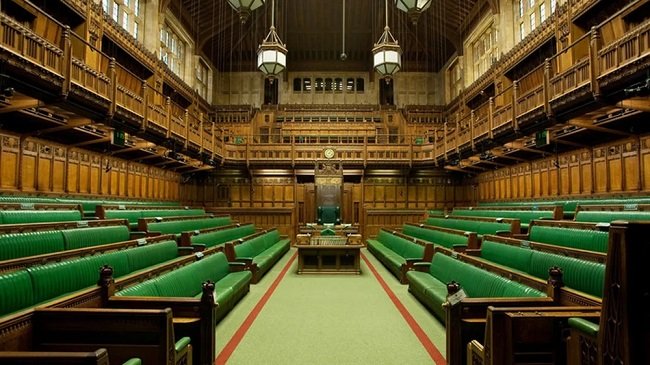
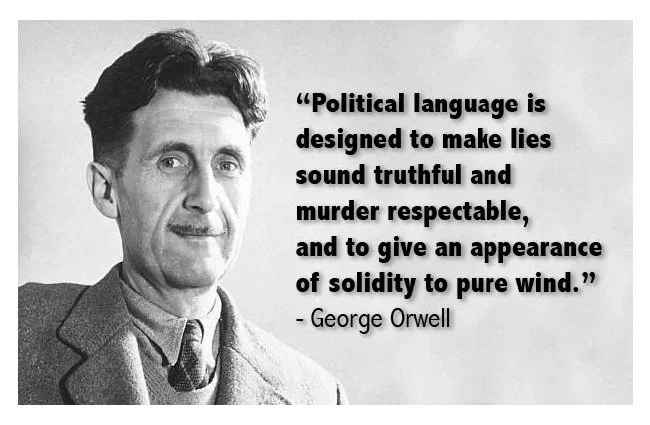



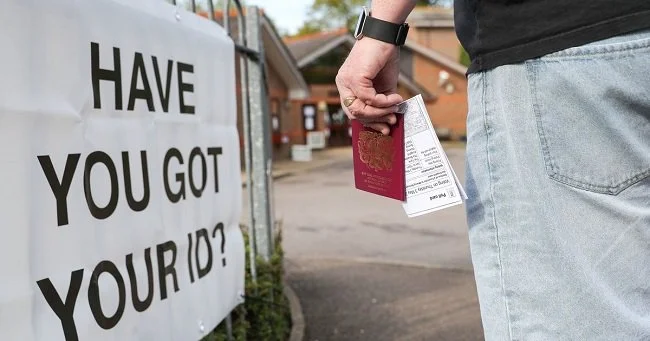




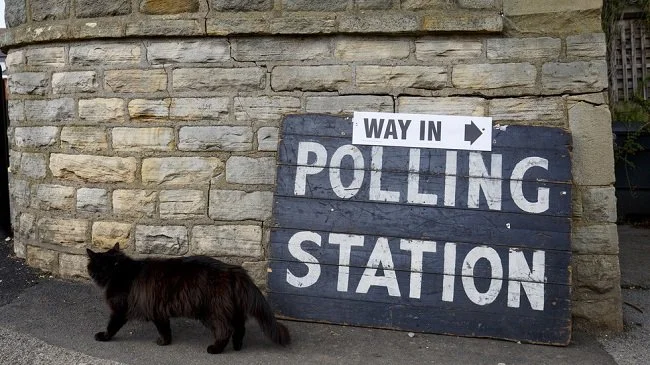


How Long Should a TV Show Run For?
Over the course of a year I tend to try five or six new TV shows. Like everyone else I have a finite amount of leisure time and I therefore try to split it evenly among my various interests. Overall, I watch no more than ten shows regularly. I like to do some research before selecting something new to watch and I also consider recommendations from my peers very important. Once I’ve decided upon what I shall try, I tend to give each new show a fighting chance to build up a head of steam. Not all shows hit the mark immediately. Some need at least half a dozen episodes. Some need several seasons. So far Designated Survivor has proven gripping and well-conceived. It also doesn’t make the usual mistake that densely-plotted dramas so often do, in continuously taking one step forward and another two back.
Over the course of a year I tend to try five or six new TV shows. Like everyone else I have a finite amount of leisure time and I therefore try to split it evenly among my various interests. Overall, I watch no more than ten shows regularly. I like to do some research before selecting something new to watch and I also consider recommendations from my peers very important. Once I’ve decided upon what I shall try, I tend to give each new show a fighting chance to build up a head of steam. Not all shows hit the mark immediately. Some need at least half a dozen episodes. Some need several seasons. So far Designated Survivor has proven gripping and well-conceived. It also doesn’t make the usual mistake that densely-plotted dramas so often do, in continuously taking one step forward and another two back.
Another show I’ve started watching on a whim that turned out to be far more entertaining than anticipated is Timeless. Although time travel is a somewhat hackneyed concept dramatically, this show flies in the face of the traditional “non-interference” trope. History is altered regularly in both positive and negative ways. The main characters are also very engaging. However, the show obviously is an expensive production due to the constantly changing period setting. Timeless also has a plot that cannot be indefinitely sustained. There is far too much scope for temporal paradoxes and for the storyline to ties itself in knots. Therefore, I've been pondering the question "how long should a TV show run for"?
I think a shows premise and central plot ultimately determines the overall answer. Police procedural dramas or those set-in Hospitals, Courts or other permanent institutions, have the luxury of being able to carry on ad infinitum. You only have to look at shows like Law and Order SVU or the NCIS franchise for successful examples. Characters and cast members may come and go but the central plot device provides an inexhaustible supply of material. Furthermore, apart from some minor story arcs usually associated with the lead actors, it is not always essential to watch these sorts of shows continuously. You can return to them as and when you like. It is this undemanding quality that often contributes to a shows success.
However, this is not the case with dramas with a more traditional linear storyline. Producers are faced with the dilemma of maintaining an audience and the need to expedite the plot. Lost is a classic example of a show that out stayed its welcome, as far as I'm concerned. I initially enjoyed the convoluted scenario and air of intrigue that was perpetuated but soon I got exhausted by the lack of narrative advancement. I sat through several seasons during which nothing discernible happened to illuminate me as to what was going on. So eventually I abandoned Lost. TV is a time intensive pastime and I don’t like for mine to be wasted. So, I’ll happily abandon any show that fails to meet my viewing criteria. It’s not as if there’s a shortage of competing material.
It is interesting to note that several cable companies are now opting to produce shows with shorter season lengths. Naturally, cost is a factor in this situation but market research seems to indicate that viewers prefer more succinct and concise story arcs. Twenty plus episodes are being replaced with anything between eight and thirteen episodes. The recent trend towards binge viewing may also be a factor in this gradual cultural shift. Netflix and Amazon Prime by their very nature have a great deal of consumer data at their disposal. This has led them to produce some exceptionally good quality shows that seem to have extremely equitable running times and season lengths. Stranger Things, The Crown and The Man in the High Castle are just some examples that came to mind.
Overall, I think for mainstream US network television, a maximum of five to six seasons can sustain a good show to its maximum potential. Person of Interest managed to maintain a complex and entertaining plot, with multiple personal story arcs, for over five years. It also managed to deliver a satisfactory conclusion, without disappointing fans or cutting any narrative corners. Elementary, another show I watched on a whim that’s proved to be well written and topical. It is currently in its six season and doesn’t seem to have boxed itself in or exhausted its creativity. However, for such shows driven by their lead actors the biggest issue is how long will they be content to play the same role? With so many factors to consider, it is extremely difficult know when exactly is the right time to end a TV show. Financial success and ratings are a big incentive to continue but there is a great deal of artistic credibility in quitting while your ahead. There’s also an old adage about leaving your audience wanting more.
Am I a Whale?
Whenever reading about game monetisation, I often come across the term “whale” and their alleged importance to the free-to-play business model. Primarily they seem to be associated with the mobile gaming industry, due to the way the games are constructed. Paying does more than enhance game play, it is required to facilitate it. However, the whale is no stranger to the MMO genre. The proliferation of cash stores, lock boxes and cosmetic customisation means that there’s always something that people want. Furthermore, gaming in many respects can be a more economic form of entertainment compared to others. Therefore, occasional expenditure is often seen as providing value for money. Fans also like to support the developers that create the games that they enjoy, so again spending money is perceived as a positive thing.
Whenever reading about game monetisation, I often come across the term “whale” and their alleged importance to the free-to-play business model. Primarily they seem to be associated with the mobile gaming industry, due to the way the games are constructed. Paying does more than enhance game play, it is required to facilitate it. However, the whale is no stranger to the MMO genre. The proliferation of cash stores, lock boxes and cosmetic customisation means that there’s always something that people want. Furthermore, gaming in many respects can be a more economic form of entertainment compared to others. Therefore, occasional expenditure is often seen as providing value for money. Fans also like to support the developers that create the games that they enjoy, so again spending money is perceived as a positive thing.
I play at present three MMOs. Lord of the Rings Online, The Elder Scrolls Online and Star Trek Online. I subscribe in LOTRO and do not own a life time account. ESO is a buy to play title with an optional sub for access to additional content. At present, I have bought the base game only. STO is the one game in which I bought a life time account. All these titles have in-game stores offering cosmetic or convenience based items. As I’m relatively new to ESO, I’ve yet to determine if the store has anything I desire. In LOTRO, I have bought milestone skills, stat tomes and other items that improve “quality of life”. Beyond these items, I have purchased relatively little, despite receiving a monthly stipend of in-game currency. It is in STO that I have regularly spent the most money, mainly because they sell ships, weapons and equipment.
Over the course of 2016, I spent £143.89 in Star Trek Online buying Zen, one of many in-game currencies. I bought items from the C-Store that I either used, traded or converted into Dilithium. Compared to other games in which I spend very little, this can be seen a large amount. Does this make me a whale? Probably not within the STO community. My primary character in STO is part of the Reddit Alert Fleet and you’ll frequently find other members discussing their relative expenditure in the chat channel. In this fleet you’ll find a lot of high end players who will regularly buy new ships and often in the cross faction bundles. For example, prior to the launch of the Agents of Yesterday expansion, Cryptic marketed the Temporal Agents Pack, featuring a wealth of ships, gear and items. It retailed at the time at £99.99 and I was surprised at how many colleagues bought this.
This picture is tenuously relevant. No clues. You figure it out.
Now regarding my non-whale status in STO, it should be noted that I spent a further £153.83 via the “grey” market. Bringing my total spend over the year to nearly £300. To put that number in to context, that averages out to broadly £6 per week. A comparable cost to coffee, sandwiches or beer. It is also unlikely that I will spend a similar amount of money on STO this year. I have maxed out my primary character and a lot of the items I’ve bought, are available account wide. However, what I think this minor analysis proves is that, if I deem it viable, I will spend money in a game. Therefore, I may well invest in another game at a future date if it suits my needs to do so. Considering that in most F2P games, the majority of the player base spend nothing, maybe I do have Cetacean tendencies after all. According to research 46% of all revenue comes from .22% of player base. If I am part of that group, all I can say is “Thar she blows of the starboard bow!”.