Star Trek Online: Lohlunat Festival 2019 Controversy
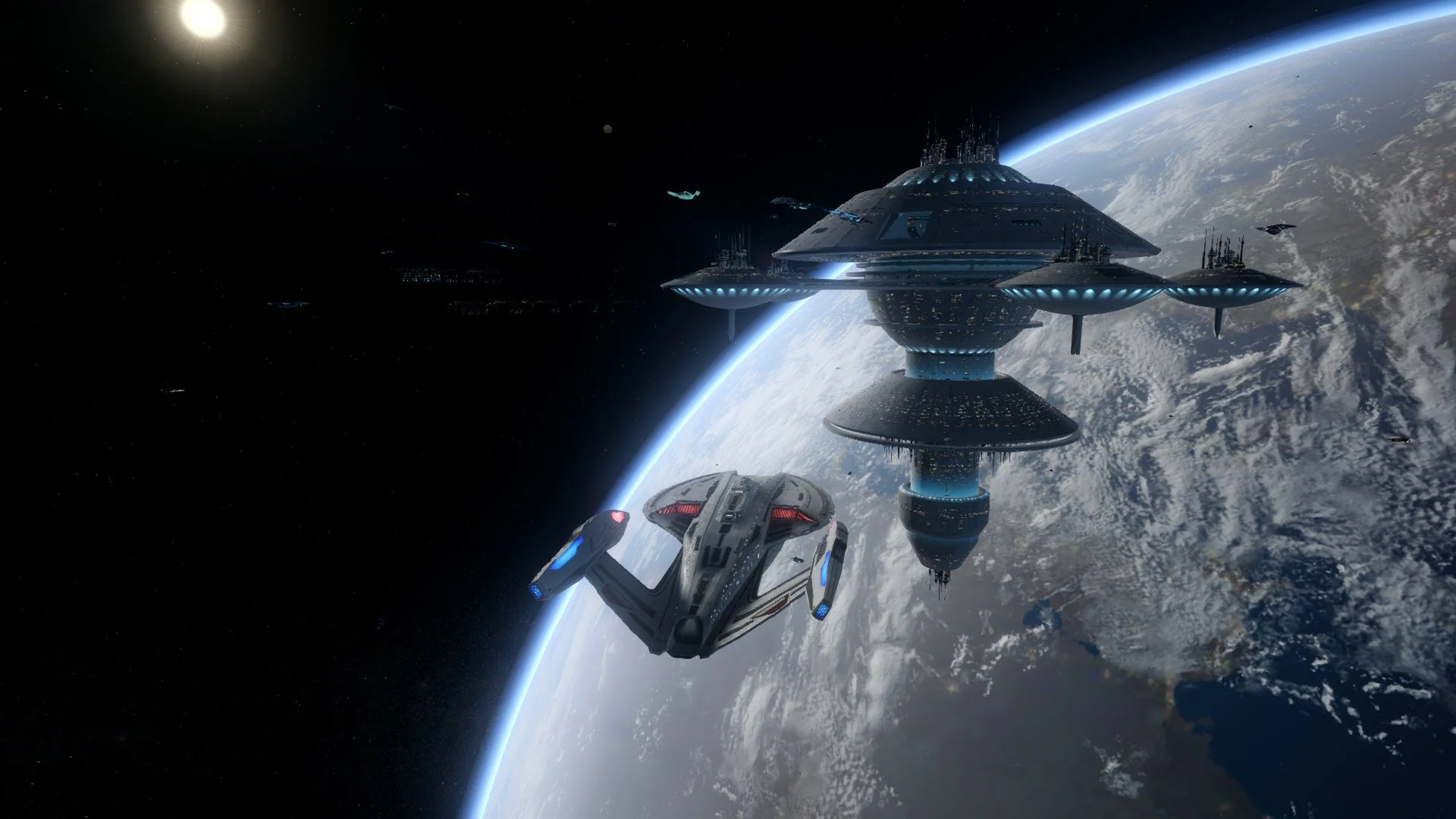
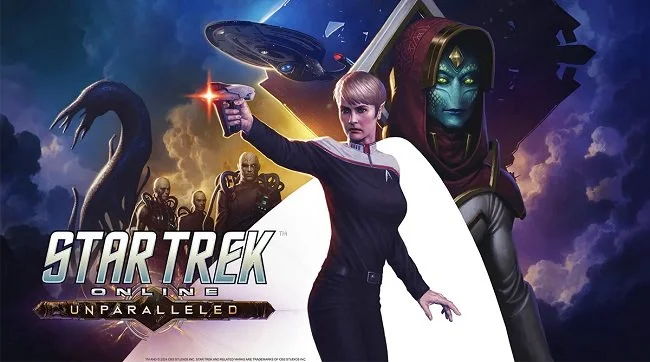
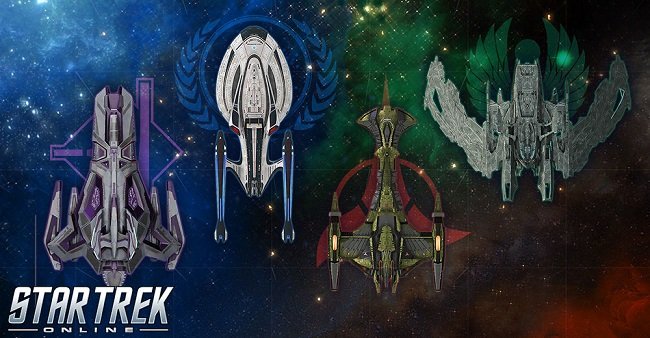
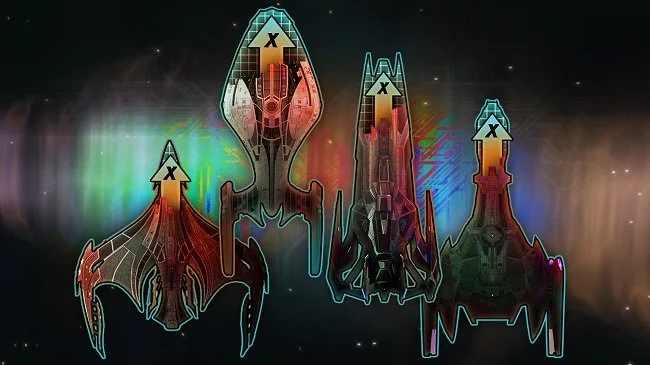
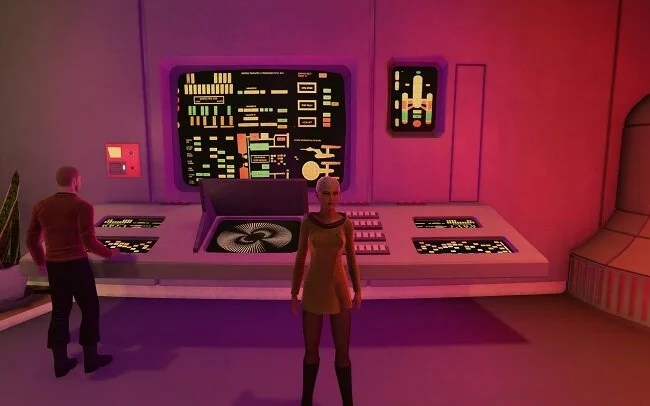
Yesterday Cryptic posted details of the forthcoming summer event, known in Star Trek Online parlance as the Lohlunat Festival 2019. As usual there’s a Tier 6 ship to be earned through daily missions along with a ton of cosmetic items. Emotes are popular with players and so this event also includes several that can be used in space via your starship, giving “Captains” further means of expressing themselves. At first glance, there’s nothing exceptional about this bundle of goodies. Nor nothing controversial. However, the devil is in the detail, as developer’s Cryptic subsequently found out.
Yesterday Cryptic posted details of the forthcoming summer event, known in Star Trek Online parlance as the Lohlunat Festival 2019. As usual there’s a Tier 6 ship to be earned through daily missions along with a ton of cosmetic items. Emotes are popular with players and so this event also includes several that can be used in space via your starship, giving “Captains” further means of expressing themselves. At first glance, there’s nothing exceptional about this bundle of goodies. Nor nothing controversial. However, the devil is in the detail, as developer’s Cryptic subsequently found out.
One of the emotes that was included in this year’s event was the “Dixies Horn”, just like in The Dukes of Hazard (for those old enough to remember that TV show). I say “was” because Cryptic have now removed that particular emote as a reward, having been made aware of the socio-political connotations associated with the song it is based upon. A post made by Vesta 3312 prompted a debate on the STO subreddit and it soon became clear that this was a matter that needed to be resolved promptly. Below is the original post which makes it point very clearly.
As ever with such online debates, not all participants “covered themselves in glory” and there were several comments removed by moderators for obvious transgressions of the subreddit rules. As ever, many of those who have never faced any sort of discrimination in their life, displayed an empathic blind spot and there were the usual arguments based around false equivalence. “I’m not offended, so why are you” still seems to be the go-to argument of choice, despite being logically flawed and emotionally tone deaf. However, Cryptic have acted promptly, addressed the matter and issued an apology. The official STO website has been edited accordingly and hopefully things can move on without too much loss of goodwill.
Yet, it is still a valid point to ask as to how such a blunder could have been made. Star Trek is an intellectual property couched in liberal, progressive attitudes. It is about diversity, inclusion and social issues. Over the years the various shows have explored many different aspects of human failing but they certainly haven’t endorsed any of them. It is sad that such a mistake was made, especially in light of the existing political climate that has become more partisan in recent years. Hopefully lessons can be learned from this incident and that no lasting harm has been done.


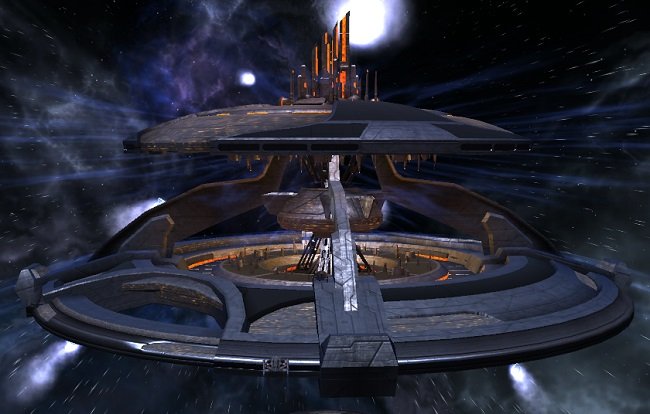
Hoard It or Spend It?
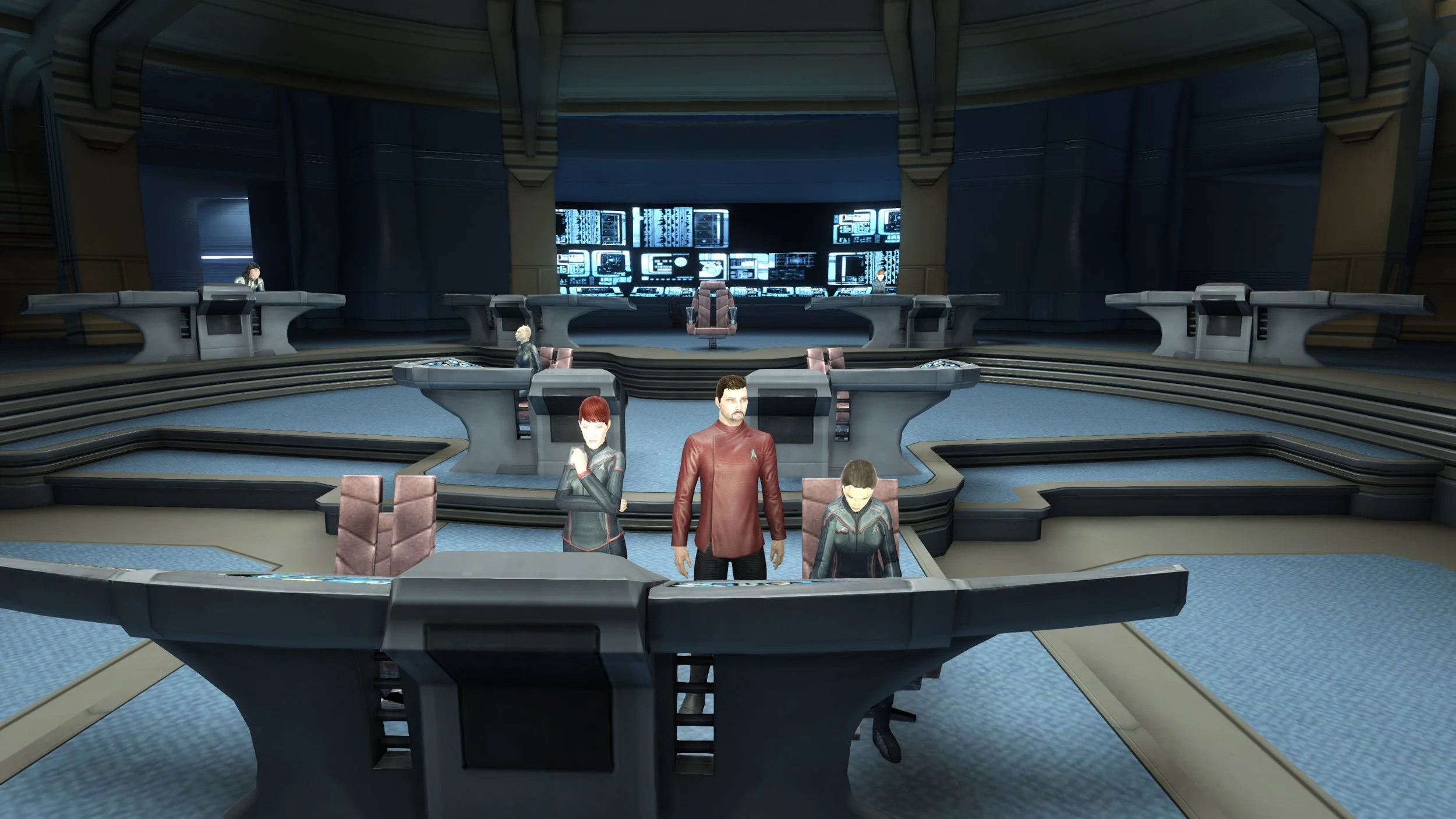
This posts stems from a recent experience I had in Star Trek Online but it is not a matter that is exclusive to that MMO. This is a subject that is pertinent to any multiplayer game that has an in-game currency and an economy driven by player activity. I’m not referring to single player games where you can use a console command to give you infinite wealth, such as Skyrim. This is about currencies that are earned in-game through grinding missions, selling gear and other assets to NPCs and trading via the auction house. It’s about how we as player perceive that virtual money and our relationship with it.
This posts stems from a recent experience I had in Star Trek Online but it is not a matter that is exclusive to that MMO. This is a subject that is pertinent to any multiplayer game that has an in-game currency and an economy driven by player activity. I’m not referring to single player games where you can use a console command to give you infinite wealth, such as Skyrim. This is about currencies that are earned in-game through grinding missions, selling gear and other assets to NPCs and trading via the auction house. It’s about how we as player perceive that virtual money and our relationship with it.
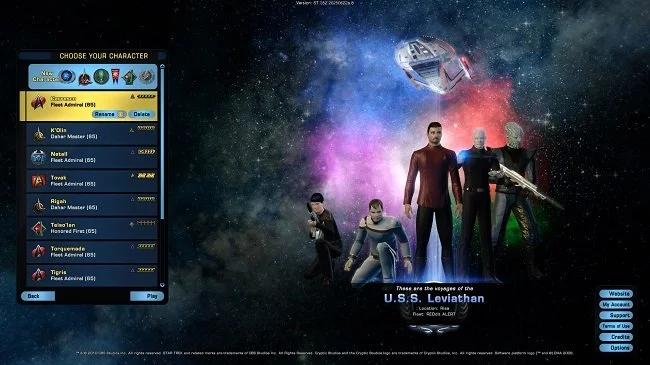
I’ve been playing STO regularly since 2015 when a recruitment event enticed me to return to this MMO. I have a primary character, a Tactical Federation Fleet Admiral and five other alts from various other factions. I play through all new content on my main “Captain” (as the developers like to refer to them) and harvest resources with the alts. Therefore over time I have built up a fair stock of the games two main currencies; Energy Credits and Dilithium. The former is quite hard to acquire unless you proactively follow an established course of action. Grind out Dilithium, refine it, sell it for Zen (the in-game store currency), buy lockbox keys and then sell them via the Exchange (auction house). Raising capital any other way is a long and laborious process. Generating Dilithium is not so difficult, but players are limited to refining 8,000 ore per 20 hours. Hence farming via alts is a necessity if you want to speed this process up. However, if you log in regularly and follow a daily routine, you can keep your account solvent with both currencies.
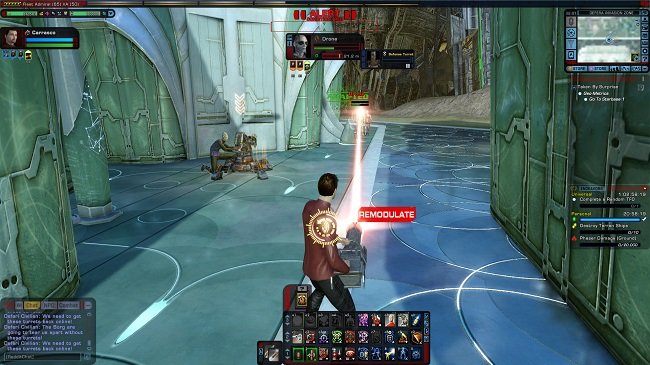
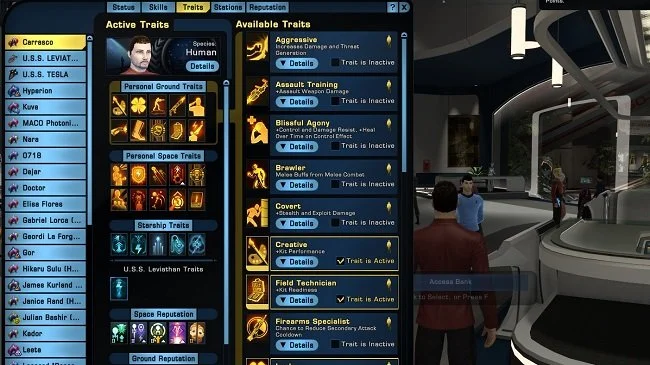
And so onto the crux of this post. There I was logged into my main alt a few days ago, toying with the idea of tinkering with my ship build on my main character, because that is a major part of the “endgame” (yes, I rolled my eyes as I said it) in STO. To cut a long story short I bought 6 Pulse Phaser Beam Arrays from the Exchange. I chose to buy “rare” quality to keep the costs down although this may have been a false economy as I then had to use a lot of resources to upgrade the weapons to “epic” quality and Mark XV level. I won’t bore you with all the details but I ended up using 100 Phoenix Universal Tech Upgrades, several hundred Superior Beam Weapons Tech Upgrades, about 250,000 Dilithium and spending 60,000,000 Energy Credits. Furthermore, the above process described was not undertaken casually. I spent hours perusing what was available for sale, trying to work out the potential upgrade costs and agonising over whether to make such major inroads into accumulated in-game wealth.
And there you have it in a nutshell. The curious paradox that arises from accruing resources that exist to be spent yet hesitating to do so, because you don’t like the idea of using it and being left with significantly less. I’m no psychiatrist but I suspect this reticence may stem from the investment of time it takes to gain in-game currencies and the fact that once spent, the clock is reset. Yet considering the fact that so much other progression is time gated in these sorts of game, why should this be any less palatable than say spending skills points or grinding reputation XP? Probably because its money. It may only be virtual cash but players tend to treat it in a similar fashion to the real thing. If gaining wealth comes easy to you in real life, you may well take a cavalier approach to spending it because there’ll always be more rolling in. If, however, you only earn a moderate wage and saving is an uphill struggle, then spending is subject to more scrutiny and certainly not done on a whim. Perhaps people bring these mindsets into the games they play?
I really procrastinated over this recent “investment of funds” in STO. I eventually got quite cross with myself for worrying so much about something that exists purely to facilitate a leisure activity and that getting vexed to such an extent was actually contradicting the entire point of playing this game. However, it certainly gave me food for thought. And again, this is not something that is unique to me or to this specific MMO. I’m sure similar dilemmas happen to those playing LOTRO, ESO, Guild Wars and the like. It’s an odd phenomenon and I’m not sure how it can be addressed because it stems from us rather than the game. Developers could use all sorts of inventive methods to disguise a currency in a game but as soon as players determine its function, they’ll approach it like money. Then they’ll either hoard it, spend it or dither over what they should do.
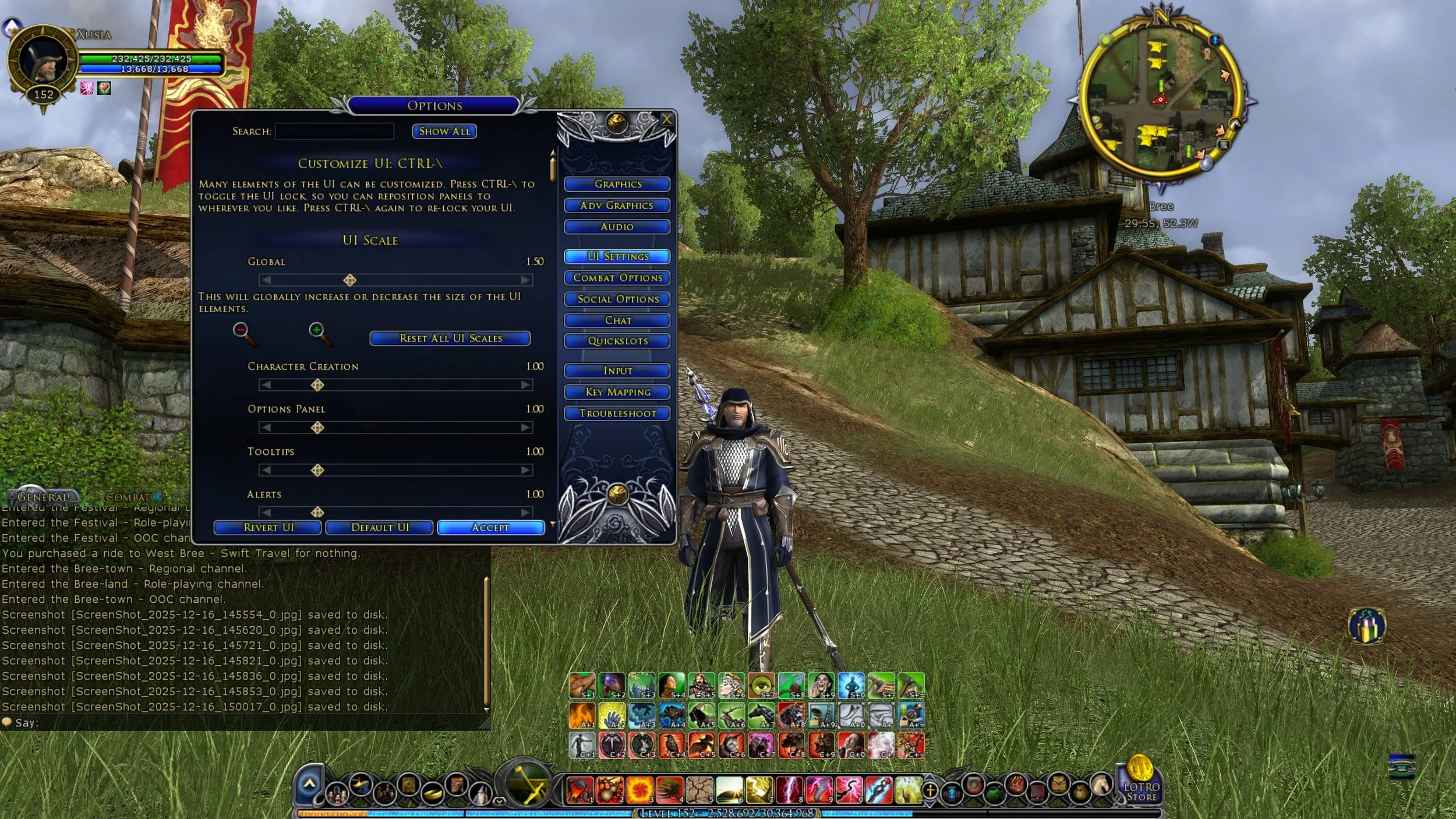
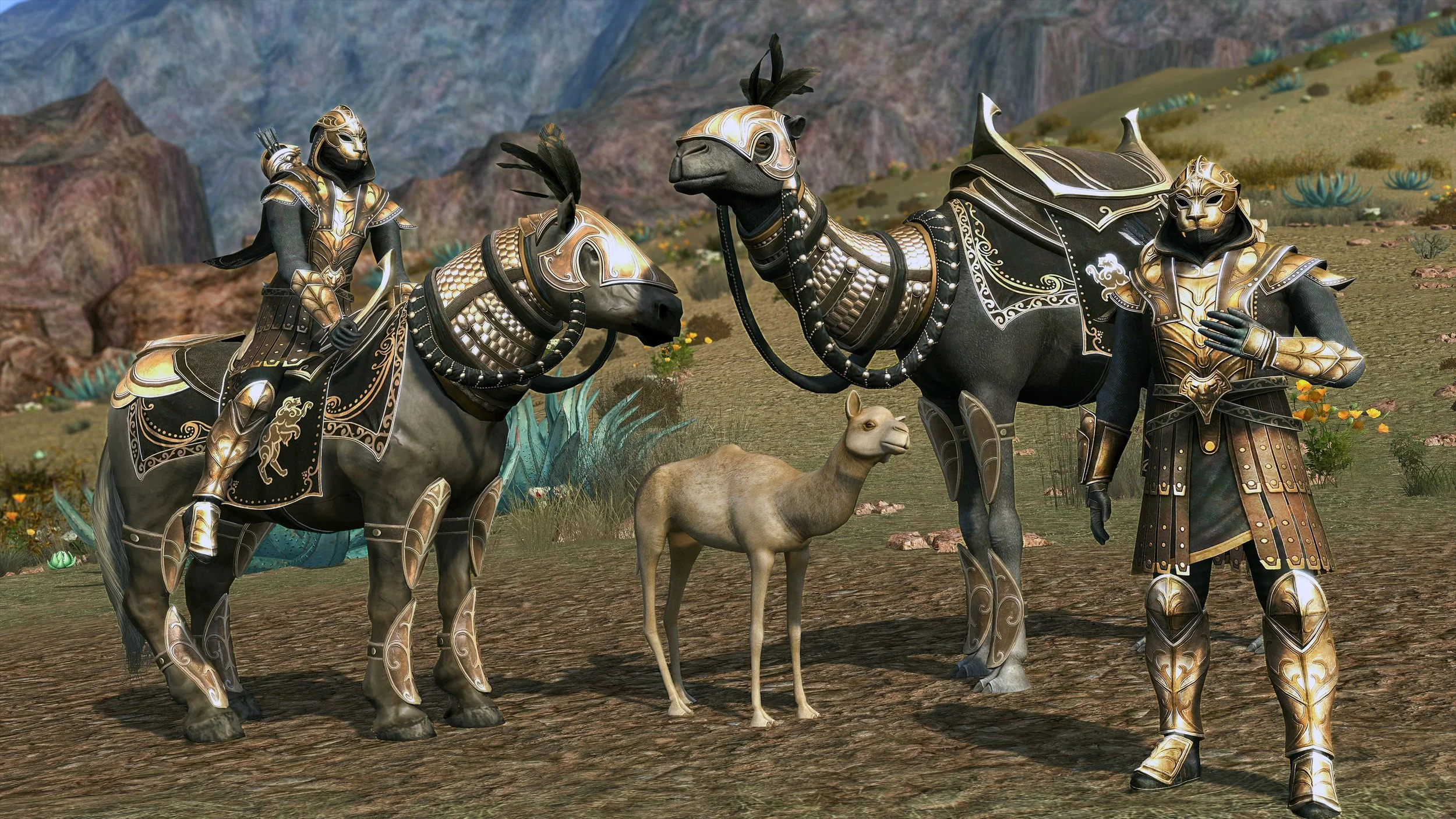


Video Game Tutorials
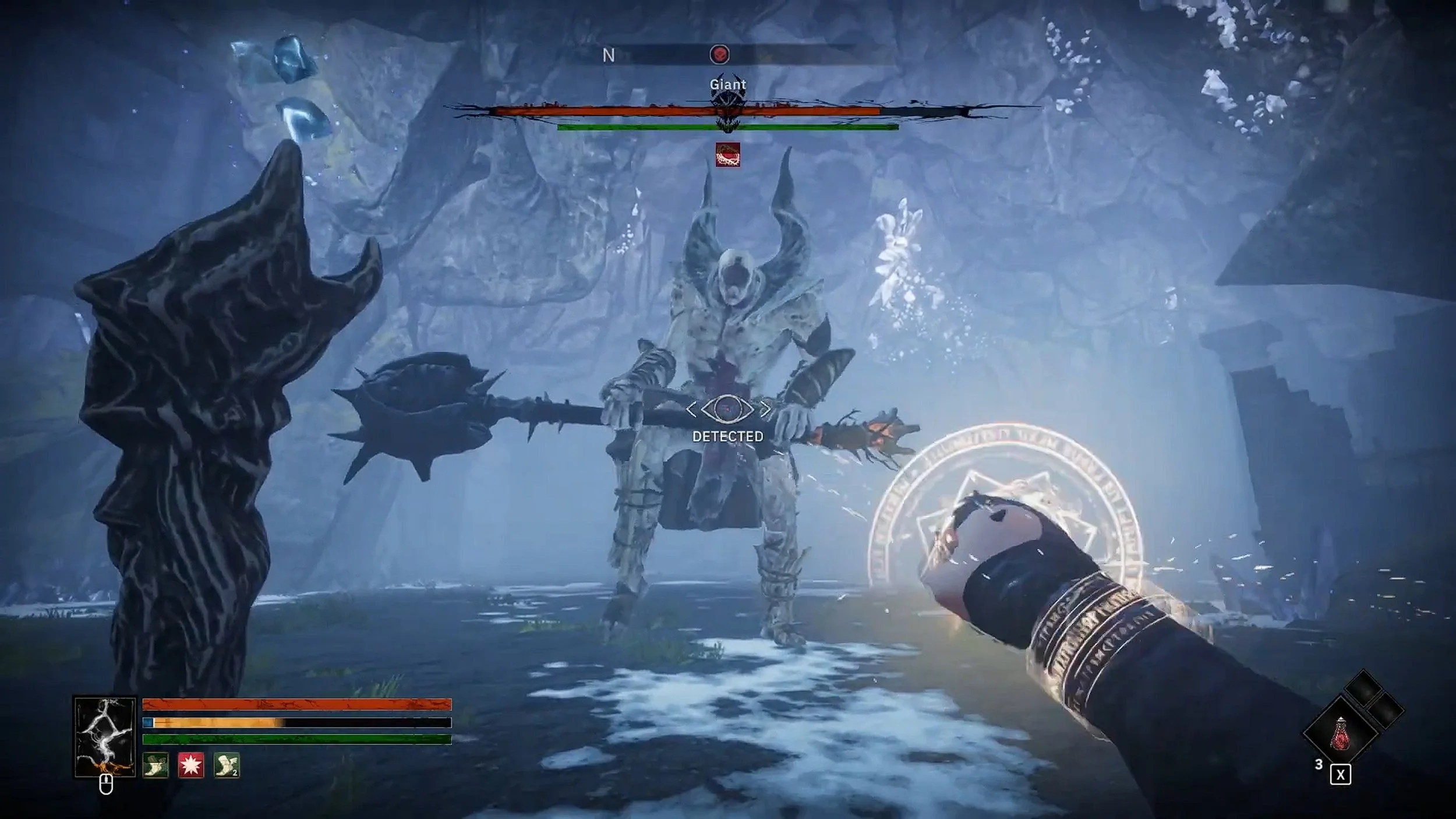
Video game tutorials are a curious thing. They are intended to orientate a new player and give them a quick and succinct overview of a games systems and mechanics. However few do this well and they can slow the player down. Because the MMO genre shares a lot of common features, it is often relatively straightforward to pick up the controls of a new game. Hence players will complain about the tutorial being a bane rather than a boon. Yet in single player games such as the Sniper Elite series, the tutorials are integrated into the first level and provide a good overview to playing the game without out staying its welcome. Furthermore, you can elect to disable this function in later versions of the game and play through the starter level without assistance. Hence tutorials have a tendency to be a somewhat mixed bag, yet they are a very necessary service. Having to continuously tab out of a game or refer to a website on a second monitor can really kill your sense of immersion and diminish your enjoyment of a new game. On a simple consumer level, selling a product that doesn’t come with some semblance of instructions is poor marketing.
Video game tutorials are a curious thing. They are intended to orientate a new player and give them a quick and succinct overview of a games systems and mechanics. However few do this well and they can slow the player down. Because the MMO genre shares a lot of common features, it is often relatively straightforward to pick up the controls of a new game. Hence players will complain about the tutorial being a bane rather than a boon. Yet in single player games such as the Sniper Elite series, the tutorials are integrated into the first level and provide a good overview to playing the game without out staying its welcome. Furthermore, you can elect to disable this function in later versions of the game and play through the starter level without assistance. Hence tutorials have a tendency to be a somewhat mixed bag, yet they are a very necessary service. Having to continuously tab out of a game or refer to a website on a second monitor can really kill your sense of immersion and diminish your enjoyment of a new game. On a simple consumer level, selling a product that doesn’t come with some semblance of instructions is poor marketing.
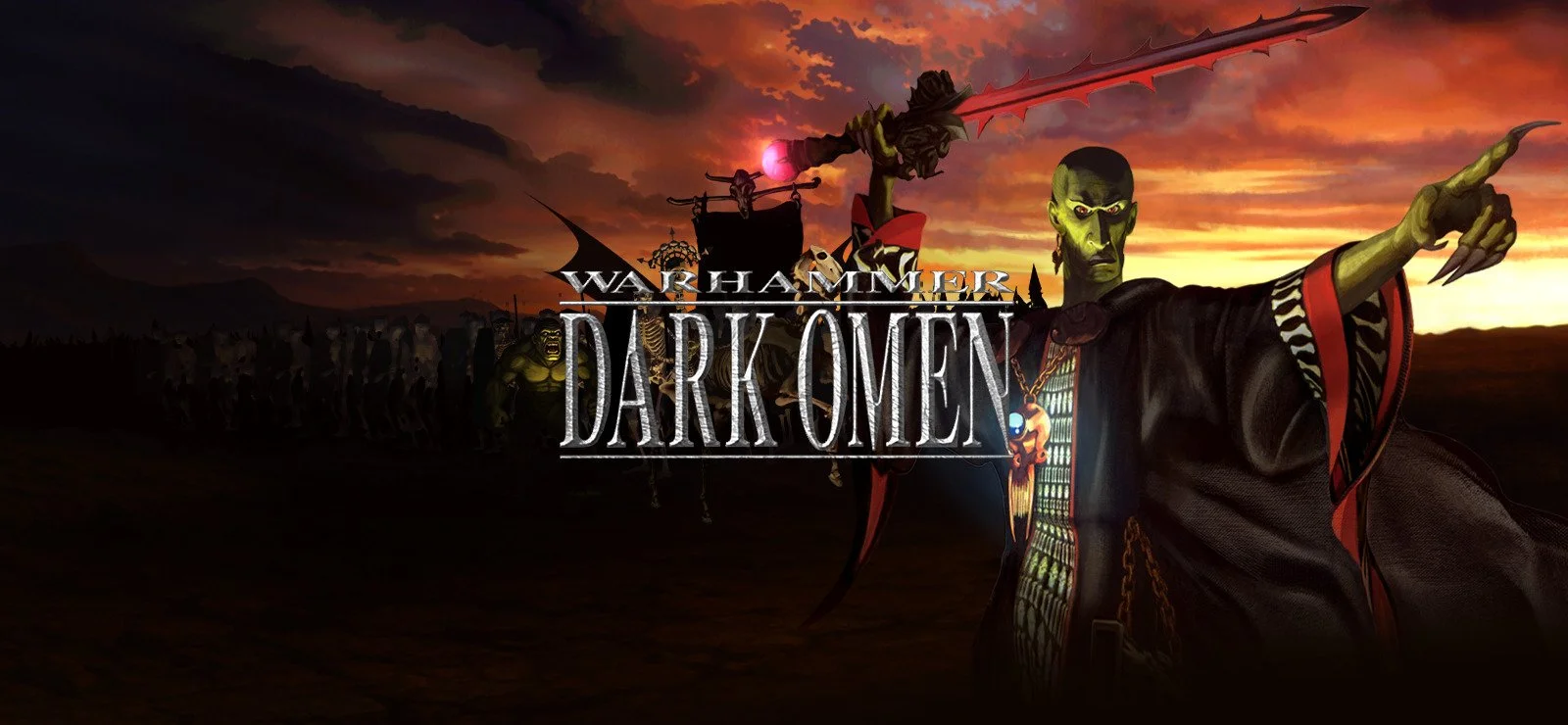
Which brings me on to Total War: Warhammer, which I bought recently for the bargain price of £11 from an online key seller. I used to play back in 1999 the real-time tactical wargame, Warhammer: Dark Omen. So Total War: Warhammer struck me as a natural progression to that game. So I installed the game along with the DLC and watched the opening cutscene. However, when I started the campaign, I discovered that there was no separate tutorial or one integrated into the first battle. There is a hints option, as well as a degree of guidance provided by an avatar on your GUI, but it is not in anyway what I would describe as a robust overview that you expect from a genuine tutorial. Given the complexity of a franchise such as Total War and the fact that a licence such Warhammer will naturally attract new players, you’d have thought the developers would ensure that such a facility was in place. I did pause the game and use the text based manual but it again only offered and overview and lacks details of which keys to press to change view, move between units and give specific orders.
My leisure time is a finite commodity. So when I discovered this “omission” I had two choices. I could go online and find a key map that I could print off and then watch a few third-party guides and tutorials on You Tube. The only problem with the latter option is that you have to watch several until you find one that is appropriate. Sadly not everyone is a good communicator and too many videos of this kind are simply not fit for purpose. The second option was to simply close the game and play something else and that is exactly what I chose to do. Because having to do my own research to determine the subtleties of Total War: Warhammer is obviously a subconscious tipping point. A comparable analogy would be when you go into a store to make an ad hoc purchase and you find yourself waiting in a queue. After a time you reach a point where you feel that you’ve waited too long and leave before being served. I’m sure certain gamers will at this point balk at such an attitude, but this is irrelevant. The fact remains that humans are subject to such capricious whims and often act upon them. Something that game developers would be wise to take note of. Therefore, to summarise this post; always include a tutorial in a game if you want people to play it.
E3 2019
I’ve watched a few presentations from this year’s Electronic Entertainment Expo over the last few nights, mainly out of idle curiosity. Overall, it’s all broadly been what I expected. This is not your run of the mill promotion and advertising. No sir. This is targeted marketing, delivered with all the vigour and verve of “old time religion”, preached by a “fire and brimstone” minister to the faithful. It’s a curious symbiotic relationship between awkward, forty something tech guys as they stand on stage and strive to remember their media training and an audience of fundamentalist gamers who are there to whoop and clap on cue. Information about forthcoming games is not merely imparted but presented as gospel or the party manifesto. I’ll stop there with the religious and political analogies but they come very easily because that’s what E3 reminds me of; a church congregation or a political rally. And when you consider that we now live in an age of “feelings” rather than “thought”, it’s easy to see why enthusiasm for new products has been replaced by an eagerness to climb aboard the hype train and ride all the way to the “promised land”.
I’ve watched a few presentations from this year’s Electronic Entertainment Expo over the last few nights, mainly out of idle curiosity. Overall, it’s all broadly been what I expected. This is not your run of the mill promotion and advertising. No sir. This is targeted marketing, delivered with all the vigour and verve of “old time religion”, preached by a “fire and brimstone” minister to the faithful. It’s a curious symbiotic relationship between awkward, forty something tech guys as they stand on stage and strive to remember their media training and an audience of fundamentalist gamers who are there to whoop and clap on cue. Information about forthcoming games is not merely imparted but presented as gospel or the party manifesto. I’ll stop there with the religious and political analogies but they come very easily because that’s what E3 reminds me of; a church congregation or a political rally. And when you consider that we now live in an age of “feelings” rather than “thought”, it’s easy to see why enthusiasm for new products has been replaced by an eagerness to climb aboard the hype train and ride all the way to the “promised land”.
The Gospel according to Keanu Reeves
E3 follows a clearly established pattern and certainly this year’s show has ticked all the usual boxes. I will now put aside hyperbole and try and articulate what concerns me about this situation. The triple A video game industry has had a very tumultuous relationship with both the gaming press and its core customers in recent years. Early access, broken games, egregious monetisation and a general lack of ethics are just some of the iniquities that are prevalent. Then there’s the broken relationship with the media, “influencers” and a need to “control the message”. And let us not forget that some companies have a track record of institutionalised bullying, sexism, crunch culture and general “douchebaggery”. So I find it somewhat contradictory that such companies have the unmitigated gall to stand on a stage and make out that they’re gamer’s best friend. The very companies that have patented algorithms for trying to squeeze every possible penny from their core customers. It’s also weird that the people who have been burned by such business practises, develop temporary amnesia for the entire duration of E3 and happily participate in this charade.
“Would I lie to you?”
There is a lot of truth in the old adage that politicians are only as good or bad as we allow them to be. We are now seeing a similar race to the bottom spill out of government and become de rigueur in business culture. So unless we call out the video game industry loudly and clearly whenever it lies, acts unethically, abuses customers good will and doggedly perpetuates “bro culture”, we as gamers are just facilitating the ongoing decline of very thing we allegedly love. As for this year’s E3 presentations, sure there do appear to be some good titles coming our way, but if you have a functioning intellect, you’d be well advised to take it all with a pinch of salt. Bear in mind previous games that were much lauded when announced, that subsequently failed to live up to expectations upon release. Do you really want to pay up front purely on the strength of a promise, from “an old liar with honey on his forked tongue”? If gamers truly want the industry to change then they need to stop enabling its failings and encouraging its excesses. Otherwise we are doomed to endure more hysterical, hyperbolic presentations such as those we’ve seen this week.
The Perils of Installing Old PC Games
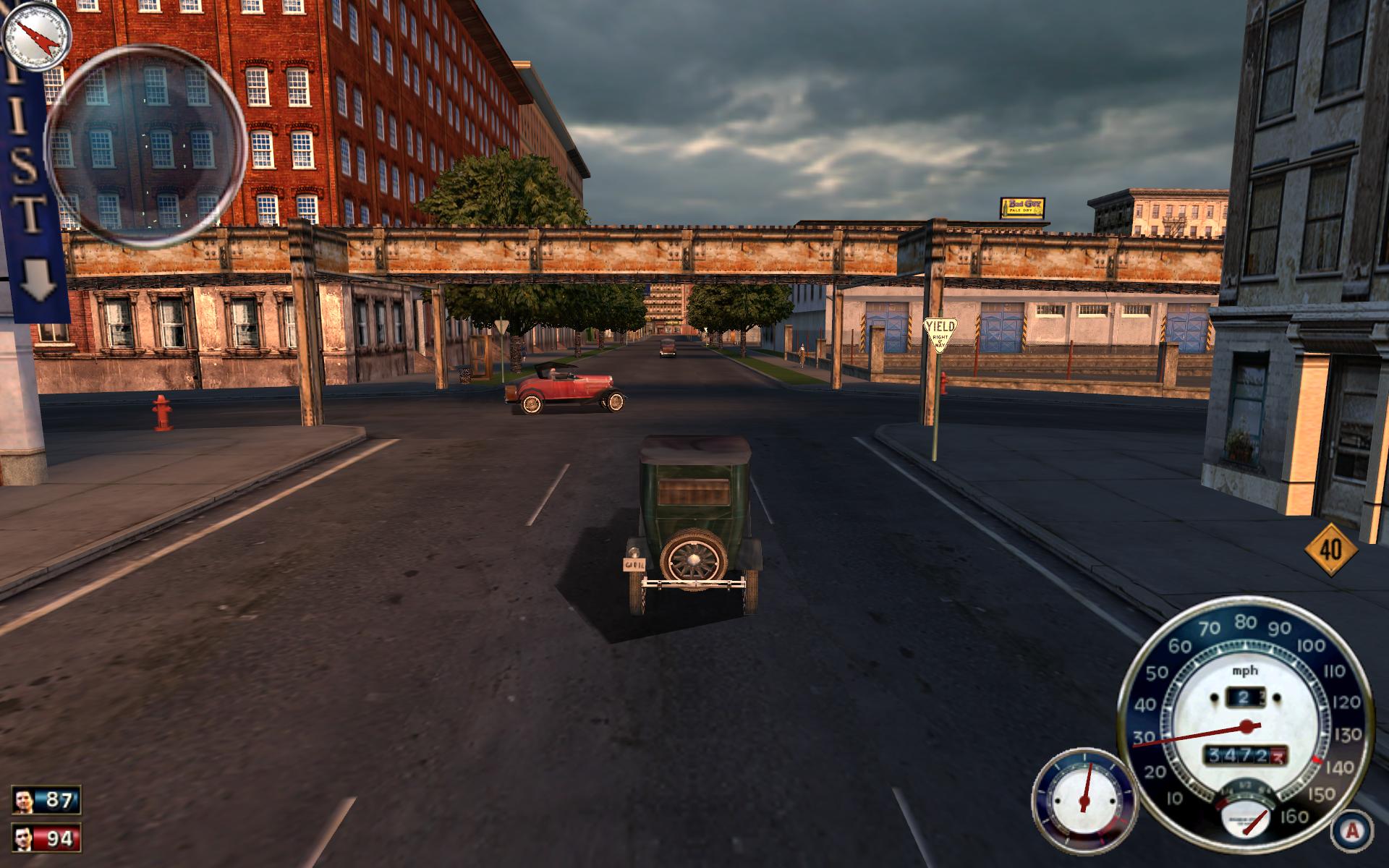
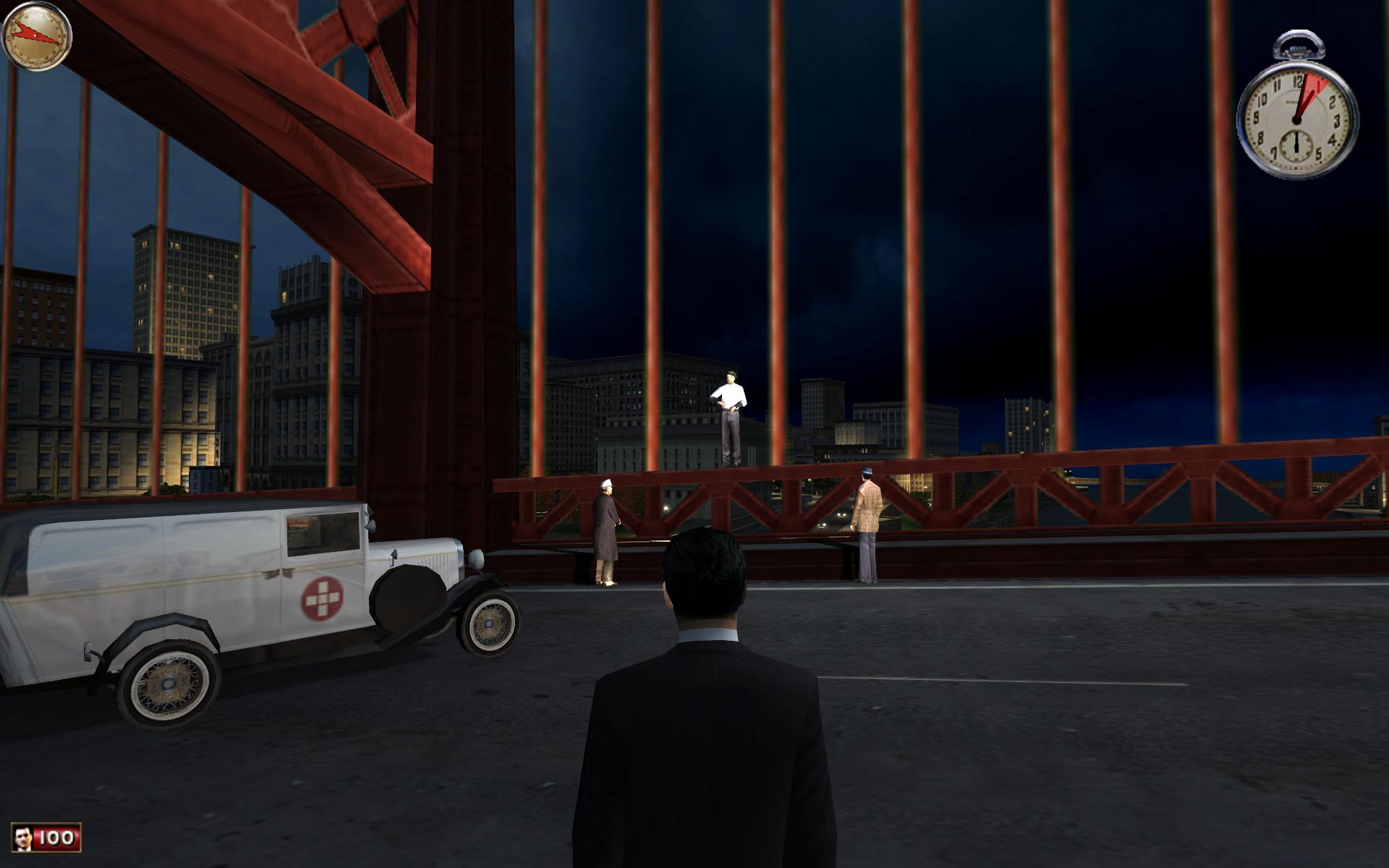
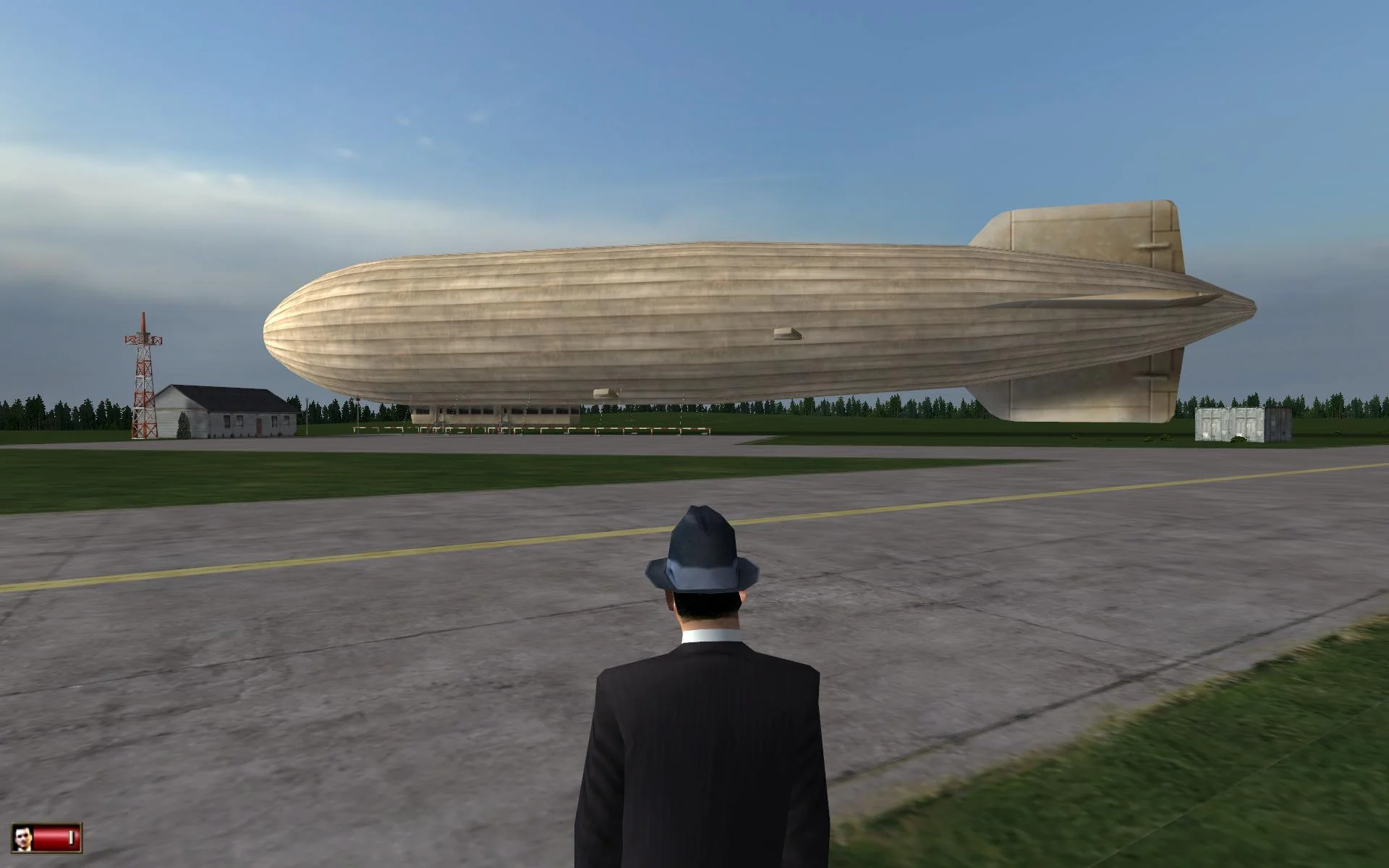
This is a big subject with thousands of PC games from over a decade ago that could be referenced. However, for the sake of brevity, I am just going to mention three in this post. So to begin with let’s just bypass the entire “nostalgia versus current” debate. Simply put, I feel there is value and enjoyment to be found in older PC games. Graphics and game mechanics naturally date, but often the technical limitations that existed at the time made the game developers both innovative and creative. Therefore you will often find that there are older titles that still have merit and something to offer. I recently bought Mafia which is the first instalment of a franchise currently owned by 2K Games. I have only played the latter two iterations of the game, namely Mafia II released 2010 and Mafia III released 2016. I was aware that the original released back in 2002, had a good reputation for its story driven gameplay and that it is still considered both challenging and creative.
This is a big subject with thousands of PC games from over a decade ago that could be referenced. However, for the sake of brevity, I am just going to mention three in this post. So to begin with let’s just bypass the entire “nostalgia versus current” debate. Simply put, I feel there is value and enjoyment to be found in older PC games. Graphics and game mechanics naturally date, but often the technical limitations that existed at the time made the game developers both innovative and creative. Therefore you will often find that there are older titles that still have merit and something to offer. I recently bought Mafia which is the first instalment of a franchise currently owned by 2K Games. I have only played the latter two iterations of the game, namely Mafia II released 2010 and Mafia III released 2016. I was aware that the original released back in 2002, had a good reputation for its story driven gameplay and that it is still considered both challenging and creative.
So I purchased the game from Good Old Games and installed it via their Galaxy gaming client and installer. One of the major selling points of GOG as a game provider is the way they retrofit old titles to run on current operating systems. I could easily have picked up a copy of Mafia on physical media but installing and running the game from such a source is often problematic. Setting aside driver issues, compatibility mode and the like, many installation disks from this era use obsolete copy protection software. SafeDisc being one example. Thus playing Mafia from a CD installation is dependent upon removing a very specific Windows Update that disabled SafeDisc support. If you have a more recent build of Windows 10, you may find that it is integral to your operating system and cannot be uninstalled. I encountered this same issue with Hidden and Dangerous 2 recently which I installed from the original media. Without the necessary copy protection support the game’s main executable would not work.
However, despite GOG doing their best to resolve such technical issues with the older titles that sell, other problems can arise. For example Mafia has a soundtrack consisting of period Jazz music from such artists as The Mills Brothers, Louis Armstrong and Django Reinhardt. However, due to licensing complications the music is absent in the GOG release. Now some players may not think this relevant to their enjoyment of the game, but I feel that it is integral to the overall game experience. Hence, I spent an hour reading the GOG forums as to how to restore the game score. There is a way to do so and someone has posted a link to the “removed” files which they’ve sourced from the original installation CDs. Needless to say I have followed this process and all has gone well, but it does require you to put your trust in your fellow gamers and that is not something one does lightly.
Another problem arising from installing Mafia is that this is a game that hales from a time when screen resolutions were a lot lower and aspect ratios other than 4:3 were not commonplace. Thus, elements of the onscreen UI are distorted or broken when running the game at 1920 x 1200, which is my default screen setting. Again a search online will yield a list of workarounds and I found a suitable “mod” over at Nexus Mods, along with another to update the draw distance for modern PCs. Nexus Mods is a long-established site whose community ensures that bogus mods are eliminated, making their content more reliable than other third-party sites. Hence, I was finally able to play Mafia with the original score and at a contemporary screen resolution without and distortion. My initial impressions of the game are good. The story is indeed well written and the missions are quite taxing, although the vehicle handling is appalling.
Another favourite game of mine from the late nineties is the real-time tactical fantasy wargame, Warhammer: Dark Omen. This game was released in 1998 and used 3D generated terrains in which 2D sprites subsequently battled. The game was one of the first to include support for the first-generation Voodoo 3dfx 3D accelerator cards. Getting such a game, which was also designed to run on Windows 98 to function on a modern PC is a challenge. Unlike Mafia, if you want to play Warhammer: Dark Omen, then you have to do more than apply a few mods. There is an entire forum dedicated to this game with a very complex set of instructions to get the game working. Going to such lengths to play a game one feels nostalgic about may not viable option for everyone. Therefore, the casual gamer would be wise to bear in mind that purchasing a much beloved title from GOG does not guarantee an exact duplicate experience to what you may have had previously. Nor does trying to install and play a game using the original media. Unless you have access to older hardware with the appropriate operating system of the time, you’ll probably have to do some tweaking to get things running either way. Therefore, caveat emptor.
A Month in Gaming
As I suspected in my last post, my gaming activities were somewhat curtailed throughout May due to both my parents being ill. However, the time I did manage to spend in-game was both therapeutic and relaxing. For me, I’ve never really seen gaming as escapism, although I appreciate it certainly is for others. One of the aspects it offers, along with a degree of challenge and entertainment, is a release from stress and the pressures of one’s daily life. Perhaps that is why I enjoyed Sniper Elite V2 Remastered so much, because not only is it a thoroughly absorbing game, it also provides a sense of catharsis. I’ve already written about the game in some detail, along with my thoughts about the ongoing “remaster versus remake” debate. However, I would add that I enjoyed it so much I re-installed the sequel, Sniper Elite III, which I haven’t played since it’s release in 2014. This also proved to be an enjoyable undertaking, again for the self-same reasons.
As I suspected in my last post, my gaming activities were somewhat curtailed throughout May due to both my parents being ill. However, the time I did manage to spend in-game was both therapeutic and relaxing. For me, I’ve never really seen gaming as escapism, although I appreciate it certainly is for others. One of the aspects it offers, along with a degree of challenge and entertainment, is a release from stress and the pressures of one’s daily life. Perhaps that is why I enjoyed Sniper Elite V2 Remastered so much, because not only is it a thoroughly absorbing game, it also provides a sense of catharsis. I’ve already written about the game in some detail, along with my thoughts about the ongoing “remaster versus remake” debate. However, I would add that I enjoyed it so much I re-installed the sequel, Sniper Elite III, which I haven’t played since it’s release in 2014. This also proved to be an enjoyable undertaking, again for the self-same reasons.
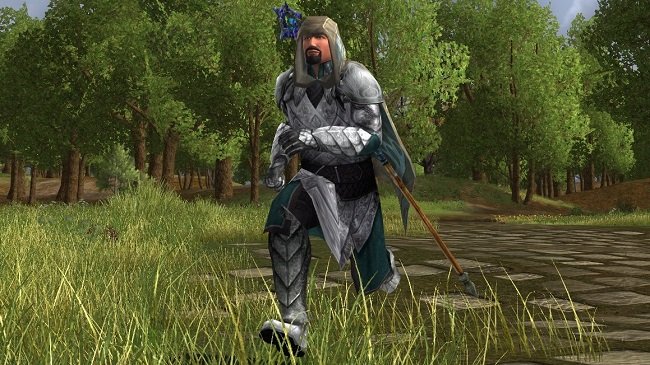
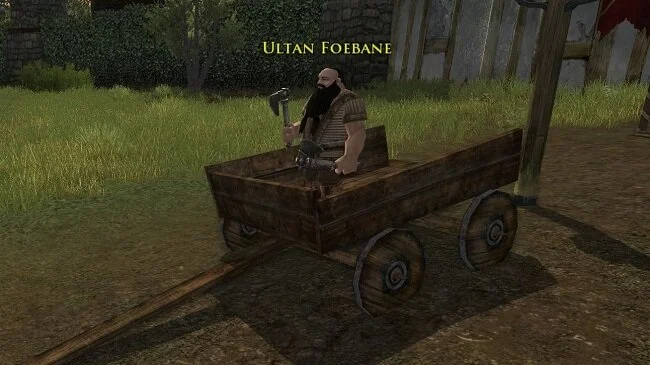
MMO wise, I continued to focus on The Lord of the Rings Online and Star Trek Online throughout May. I gritted my teeth and progressed through Western Rohan and Wildermore, endeavouring to keep the mounted combat to a minimum. The Epic Story was engaging and most of the time, I preferred to tackle mounted foes on foot, using my Archer skirmish soldier in support. However, I reached at point at level 87 when my Guardian couldn’t progress any further with the Epic Story as the content was more than five levels above. The only way to move forward would have been to grind out the regional quests and gain a few levels. This meant having to endure quite a lot of quests that were specifically designed to be completed via your Warsteed. This was not a prospect I relished. Also the continuous levelling and deconstruction of Legendary Items every five levels was becoming a nuisance. It would be so much better if developers SSG eliminated the scale of LIs from 50 to 100 and just presented you with one at the start of Moria and allowed to simply imbue and retain that for the remainder of the game.
But I digress, faced with a levelling impasse, I decided to buy the Aria of the Valar Upgrade and auto levelled to 105. The intention wasn’t to bypass content, but to allow me to continue to pursue the epic story on my own terms. The gear that the aria provides is of the non-slotted variety and is certainly adequate for all pre-Mordor content. I therefore intend to progress through the Epic Story and over time earn sufficient LOTRO points to be able to purchase nine Anfalas Star-lit Crystals. Then at an appropriate juncture I can acquire a first age Guardian’s belt, sword and two-handed sword, max out and imbue them, then lay the whole sorry LI “problem” to rest. Recent levelling has also raised the spectre of Epic Battles which have to be endured as they’re incorporated into the Epic Story. However, I have learned which ones have fail mechanics and which ones do not, so have so far managed to clear all that I’ve encountered with minimal inconvenience. At present I have got so far as Pelargir and am looking forward to exploring Minas Tirith throughout June.
Again, STO continues to provide a quick fix of gaming with its personal endeavour system. Having reached rank 49 out of 71, the benefits of specific account wide perks being unlocked is now producing tangible results. The latest rep faction (Discovery Legends) provides several new gear sets to experiment with and this years Summer Festival is not far off now and will once again offer the opportunity to earn a Tier 6 ship. I am hoping that Cryptic will announce the restoration of several classic episodes that have been “temporarily” removed from the game to be overhauled, in the months ahead. One of the reasons I’ve stopped levelling several alts at present is due to the overarching narrative currently being out of sync and somewhat confused. I’m also toying with experimenting with my Romulan alt to see if I can contrive a build that utilises their alleged DPS advantage. One of the benefits of STO is the way you can experiment with builds without being 100% dependently on the most optimal gear. The various game systems offer enough scope for small tweaks that can yield improved performance without having to have the resources of an über player.
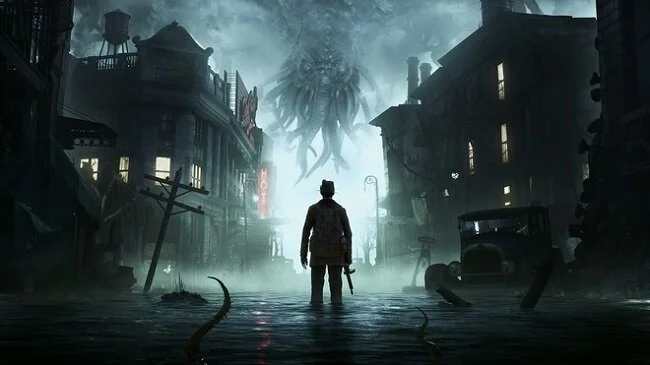
Again, my long-term gaming aspirations for June will have to be tempered against my current domestic commitments. I’ll probably just focus as ever on my two current MMOs, although I am tempted to buy a new single player game. I’ve been keeping an eye on A Plague Tale: Innocence which seems to have reviewed well and offers both an authentic interactive story set during the Black Death along with a stealth orientated game mechanic. Combat is usually to be avoided and the player is primarily focused on using items and the environment as a means of diversion. The swarms of rats certainly look formidable and I think this sort of measured approach to navigating your way through the game will appeal to me. The other title that is currently on my radar is The Sinking City which gets released, exclusively through the Epic Store at the end of June. Developed by Frogwares, this has the detection mechanics of their previous Sherlock Holmes games combined with a sandbox open world for the wider Lovecraft inspired RPG narrative. It all looks rather atmospheric and intriguing. Again, the seems like the sort of game that you can undertake at your own pace and focus on the detail. That’s the plan for June. Let’s see if that’s how it pans out.


Remastered Games
I played through Sniper Elite V2 Remastered this week and the graphical overhaul is impressive and the addition of photo mode provides an amusing diversion. It is a superior iteration of the game than the original 2012 release. However, I have read reviews that have found this new version unsatisfactory. There have been complaints that the game lack the scope and sophistication of Sniper Elite III and 4. If you explore such comments further you soon find that those who have made them seem to fundamentally confuse a remaster of a game with a remake. Sniper Elite V2 Remastered has been lovingly dragged up to visual standards of the latter versions of the games by Rebellion Developments, but it’s original 2012 structure, mechanics and limitations are still present. If you require a succinct metaphor it is the difference between redecorating and refurbishing a house.
I played through Sniper Elite V2 Remastered this week and the graphical overhaul is impressive and the addition of photo mode provides an amusing diversion. It is a superior iteration of the game than the original 2012 release. However, I have read reviews that have found this new version unsatisfactory. There have been complaints that the game lack the scope and sophistication of Sniper Elite III and 4. If you explore such comments further you soon find that those who have made them seem to fundamentally confuse a remaster of a game with a remake. Sniper Elite V2 Remastered has been lovingly dragged up to visual standards of the latter versions of the games by Rebellion Developments, but it’s original 2012 structure, mechanics and limitations are still present. If you require a succinct metaphor it is the difference between redecorating and refurbishing a house.
The recently released Resident Evil 2 is a remake of the original 1998 PlayStation game. Unlike the original, which uses “tank controls” and fixed camera angles, the new version features over-the-shoulder third-person shooter gameplay similar to Resident Evil 4. The game has found favour with both critics and players and although it remains true to the themes and idiom of the original, it is more than just a graphical overhaul. The developers, Capcom R&D Division 1, refined the existing mechanics and systems, improved the environment, rather than just recreating it with improved assets and textures, resulting in a new product that is compatible with the prevailing tastes of contemporary gamers. It is not an exact duplicate of the PlayStation version, neither has it wondered entirely “off script”. It therefore clearly fits the criteria of what constitutes a remake, instead of a remaster. Clearly this process has not been applied to Sniper Elite V2 Remastered by Rebellion Developments.
Another debate surrounding remastered games is over their relative value and whether development resources would be better focused on creating entirely new titles. I’d argue that Sniper Elite V2 Remastered is a positive example of a game that been remastered. The fact that I didn’t have to pay the full retail price (which wasn’t excessive to begin with) because I owned the previous version, helped with my positive opinion. Furthermore when it was announced, Rebellion Developments also pointed out that a new instalment in the franchise was currently being worked on, so the remaster was not at the expense of anything else. However, on the other side of the coin, let us remember how Activision handled the remaster of Call of Duty 4: Modern Warfare. The game benefited from improved graphics and assets but suffered from a somewhat egregious business model. Activision decided to initially release it as part of a premium bundle when players bought Infinite Warfare. Then there was also the inclusion of microtransactions that were not present in the original. Finally, the DLC multiplayer maps that were free with the 2007 version of the game were gated behind a paywall in this 2016 remaster.
It is naïve to expect ethical business management by default from the video games industry, so gamers are left having to keep their wits about them when it comes to determining whether a remastered game is or is not good value. Rebellion Developments have at least been fair with their remasters so far, with respect of content and pricing. Other publishers have taken a different route. The Skyrim Special Edition may well have an improved aesthetic but still contains bugs that have existed in every other iteration and port of the game. It is therefore up to us as consumers to make clear what “is” a good value remaster and what isn’t. We should also be vocal if we discover that a remaster comes at the expense of something new. Polite, measured and intelligent lobbying can and does work. As does screaming and throwing your toys out of the pram, but the latter comes at the cost of dignity, moral rectitude and credibility. In the meantime, I suspect we shall continue to see remasters of all types, as nostalgia is a proven seller. May be on occasions, a successful remaster acts as a litmus test, proving sufficient interest to justify a new entry in an existing franchise.
Ghost Recon Breakpoint - No More Squad Support For Solo Players
Ghost Recon Wildlands was my introduction to this long-standing Ubisoft franchise. I bought the game a year after launch so got a good deal on a comprehensive package of all the content. Broadly I like the game and really enjoyed the massive open world environment. Although there was a four-player co-op option, I tackled the game using A.I. teammates and didn’t find them as problematic as some player did. Perhaps their tactical deficiencies were more prevalent at higher difficulty levels. As for the characters’ cheesy dialogue, it really wasn’t a problem. Most banter between friends in real life is far from erudite. So it is unrealistic to expect witty ripostes and “puckish” epigrams from a squad of special forces soldiers. Overall, I found playing through the game this way, rather than with other players a far more enjoyable experience. I could take my time, plan my strategy and my AI team mainly did what I expected them to do. For a player of my skill level, this was a win, win situation.
Ghost Recon Wildlands was my introduction to this long-standing Ubisoft franchise. I bought the game a year after launch so got a good deal on a comprehensive package of all the content. Broadly I like the game and really enjoyed the massive open world environment. Although there was a four-player co-op option, I tackled the game using A.I. teammates and didn’t find them as problematic as some player did. Perhaps their tactical deficiencies were more prevalent at higher difficulty levels. As for the characters’ cheesy dialogue, it really wasn’t a problem. Most banter between friends in real life is far from erudite. So it is unrealistic to expect witty ripostes and “puckish” epigrams from a squad of special forces soldiers. Overall, I found playing through the game this way, rather than with other players a far more enjoyable experience. I could take my time, plan my strategy and my AI team mainly did what I expected them to do. For a player of my skill level, this was a win, win situation.
Hence, I was pleased to learn of a direct sequel to the 2017 game and watched the announcement trailer for Ghost Recon Breakpoint with interest. Frankly, these sorts of videos don’t really give you much information about the nuts and bolts of the game, so I then decided to see what a few websites had to say about what was on offer. It didn’t take long for me to read a short paragraph that effectively killed my interest in Ghost Recon Breakpoint dead. It would appear that Ubisoft have elected not to address the shortcomings of the squad A.I. in this iteration of the game. Rather than increase their functionality and give the player greater control over their actions, they’ve simply removed them from solo play. If you want the support of a full squad you will have to play with other players and endure the problems that are inherent with such a system. According to Emil Daubon, the lead writer on the game “the mission statement that we received was we want to create a fantasy that replicates being alone trapped behind enemy lines. Ultimately, if you choose to play a solo, you have the option to immerse yourself deeply in that aspect of the fantasy. The A.I. teammates would have taken away from that”. Yeah and if my Granny had wheels, she’d be a wagon.
I really dislike this ongoing mindset of primarily placing a player’s enjoyment and progress in a game, in the hands of other players. I don’t enjoy being reliant on random strangers, all of whom have different play styles, varying ability and personal notions of what is or isn’t “fun”. Perhaps the biggest problems for me is that such auto-grouping systems have zero impact over issues such as social skills and one’s ability to interact with others in a commensurate fashion. The alternative to this is to play with friends but most of the people I have on my various friends lists tend to play different genres of games. I doubt if I know anyone who will play Ghost Recon Breakpoint. If I do, then there’s the logistics of arranging a suitable play session that suits respective time zones. Another issue that stems from removing the A.I. squad is that solo players are now at a disadvantage when it comes to effectively using vehicles. There are apparently over 30 available to use in the game, but solo players will no longer have teammates that can utilise turrets and provide tactical support. And then there’s the issue of the famous sync shot mechanics. In previous games, you’d potion your squad and simultaneously take down multiple enemies. It would seem that Ubisoft have got around this by allowing the solo player to now use drones, but it lacks the panache of the original method.
So there you have it. Once again, a game studio has made a change to a long-standing game mechanic associated with a franchise and as a result lost a percentage of potential customers. I have no idea if that is a large or relatively small number of players, but I’m sure I’m not the only person who feels this way about the ubiquity of co-operative play. It one of the reasons I decided not to buy the new World War Z game. Again, there is no single player mode with an A.I. Squad. As for the reasons used to justify such decisions such as “immersion” and such like, I simply don’t believe them. Removing A.I. teammates means eliminating a problem. It is one less coding headache to address and it makes it easier for companies such as Ubisoft to assemble their cookie cutter games. That’s not to say that their games are bad, because they are not. But they all seem to share common components, systems and mechanics. Without straying into hyperbole, it is this approach to gaming and the continued stripping away of anything that doesn’t easily integrate into the “live serves” business model, that is driving the triple A video games industry towards an inevitable crash or major recalibration.
A Month in Gaming
So what have I been up to in April gaming wise? Oh, yes there was this. Mounted combat for the Guardian class is awful. There. I said it. As I’m not a LOTRO “altoholic” my only previous experience with mounted combat was with my Lore-master. Most of their skills are ranged which makes the fights less tedious and time consuming. And you get a combat pet which helps the proceeding slightly, but overall, it’s not that much fun. However fighting via your war steed with a Guardian is a ponderous grind. You have to be in close proximity to your foe to hit them and half the time they are running around you, conspicuously out of range. Sure there’s a skill that brings them next to you for a short period of time but as a level 85 Guardian’s DPS output is distinctly average at this point in the levelling curve, it’s a long, arduous slog to kill anything. My solution has been to summon my skirmish soldier who is an Archer and to use them in conjunction with my own bow to shoot down mounted foes while on foot. This still takes time but is quicker than doing it from horse back.
So what have I been up to in April gaming wise? Oh, yes there was this. Mounted combat for the Guardian class is awful. There. I said it. As I’m not a LOTRO “altoholic” my only previous experience with mounted combat was with my Lore-master. Most of their skills are ranged which makes the fights less tedious and time consuming. And you get a combat pet which helps the proceeding slightly, but overall, it’s not that much fun. However fighting via your war steed with a Guardian is a ponderous grind. You have to be in close proximity to your foe to hit them and half the time they are running around you, conspicuously out of range. Sure there’s a skill that brings them next to you for a short period of time but as a level 85 Guardian’s DPS output is distinctly average at this point in the levelling curve, it’s a long, arduous slog to kill anything. My solution has been to summon my skirmish soldier who is an Archer and to use them in conjunction with my own bow to shoot down mounted foes while on foot. This still takes time but is quicker than doing it from horse back.
I’m still not sure how Turbine (now Standing Stone Games), got it into their heads that mounted combat was the holy grail of the game. It is present as a game mechanic in Rohan mainly due to the lore and the prevailing Equine culture. It persists in parts of Gondor, but by the time you reach the Black Gates it’s a dim and distant memory. I think of all the game systems present in LOTRO this has been the most ill-conceived. Mounted combat is plagued with flaws. Steering your War Steed is a chore, even if you choose the lightest class. Speeding up, slowing down and tightly turning are virtually impossible and the poor handling is compounded by the lag and stuttering inherent in Rohan. Skills are proximity based, even the ranged ones and you can never get off a decent series of attacks. And then there’s the Legendary Bridle which just adds another LI to your existing collection to micromanage. Thankfully, for the present I’m just pursuing the Epic Story through the Western Rohan and have managed to proceed through the Eastern March and Wildermore with minimal mounted combat. Oh Hang on. I’ve got Epic Battles coming up? Deep joy.
Meanwhile, back in Star Trek Online, I’ve been keeping busy with lots of content that you can play in relatively short bursts. Ideal gaming for when you want to unwind in the midevening but don’t have the time, energy or commitment to pursue something too complex. I’ve completed yet another featured Task Force Operation event. Operation Riposte is somewhere in between a cake walk and a no brainer and once you know the format of this short five-man mission, it’s something you can do, while you listen to a podcast or watch TV. This TFO and others also earn you credit for the 100% Discount Coupon. Effectively just play the specified content and over time you’ll fill out yet another blue progress bar. Once complete you can claim any Tier 6 ship of your choice from the C-Store. And then there’s the Personal Endeavors which are just a variation of daily quests. All these things can keep you busy but not in an overtly annoying way. “It’s a grind Jim, but not as we know it”. Also there’s a new feature episode coming up soon featuring Captain Gabriel Lorca (Jason Isaacs), so STO remains on the current game list as it keeps me busy.
I briefly toyed with the idea of buying World War Z. Watching the various streams and You Tube reviews reminded me of how much I enjoyed Left 4 Dead 2. This game is cooperative third-person shooter in which four players fight against massive hordes of zombies in Moscow, New York, Jerusalem, and Tokyo. It looks slick and when the zombies attack en masse, it certainly seems like fun. However, it doesn’t have a single player campaign which means that the game is purely an online multiplayer experience. That makes your enjoyment of the game dependent on those you PUG with. The last time I played such a game was Friday the 13th: The Game back in December 2017. It was great when you got a good team and everyone was broadly on the same page, but all too often it just seemed like I was attending a group meeting for recovering assholes. I suspect there is a risk of this with World War Z. Shame the game doesn’t allow you to play with the rest of your team made up of bots. Hence, I declined to make this title my first proper purchase from the Epic Store.
I suspect my real-world commitments will continue to monopolise my time throughout May, so I suspect that I shall continue to just play both LOTRO and STO. However, Sniper Elite V2 Remastered is released on the 14th and so I’ll shall try to make time for this classic title. As an owner of the existing PC version, Rebellion offered me an upgrade for just £6.99 which is a very good deal. This remastered version includes not only all the DLC of the original game but some new features such as 4K support and photo mode. The latter may provide some grim amusement with copious screenshots via the X-ray kill cam. Also, irrespective of the new bells and whistles, Sniper Elite is a good franchise offering a slow and measured gaming experience. A pleasant change of pace in today’s frenetic world of gaming.
LOTRO: Vales of Anduin Preview
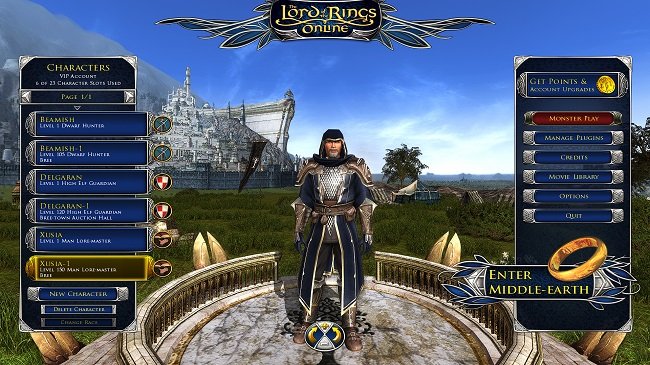
Update 24: Vales of Anduin is currently available for preview along with an initial build of the new 64-Bit game client for LOTRO, on the Bullroarer test server. The new virtue configuration system is among the many revisions that are included in this forthcoming update. The following change also raised a wry smile. Renaming the "Laketown Outhouse" to the more era appropriate "Laketown Boghouse". As ever there are extensive patch notes available on the official forums and players are once again reminded that this is not the final version of the update and therefore everything can potentially change.
Update 24: Vales of Anduin is currently available for preview along with an initial build of the new 64-Bit game client for LOTRO, on the Bullroarer test server. The new virtue configuration system is among the many revisions that are included in this forthcoming update. The following change also raised a wry smile. Renaming the "Laketown Outhouse" to the more era appropriate "Laketown Boghouse". As ever there are extensive patch notes available on the official forums and players are once again reminded that this is not the final version of the update and therefore everything can potentially change.
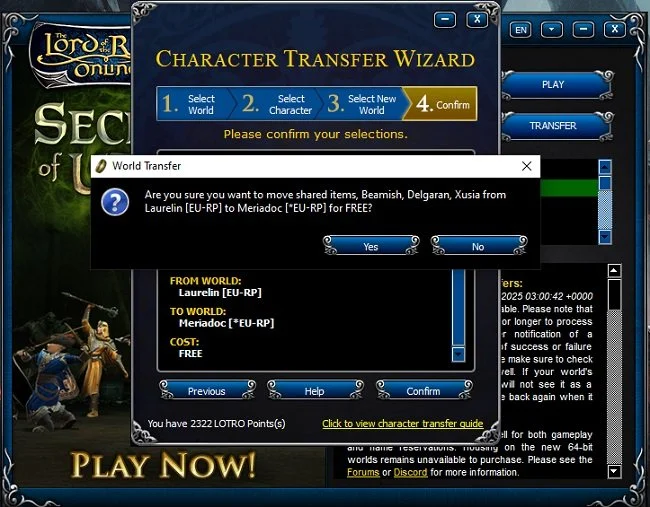
To enable the new 64-Bit game client, LOTRO players need to toggle the appropriate setting in the launcher “options”. The 64-Bit game client has a separate .ini file that maintains the graphics, sound settings, UI and input settings independently from the 32-Bit version. Note this does not include keymap preferences. I tested the new client by riding around Minas Tirith, an area of the game notorious for random crashes, hitching and animation stuttering. The results so far seem positive and the game appears to run smoother and with less juddering. However, to fully appraise the system a far more rigorous test is required. I also quickly checked out the new virtue UI and noticed that the cap had been raised to 60. However, this new way of presenting the data seems far more intuitive.
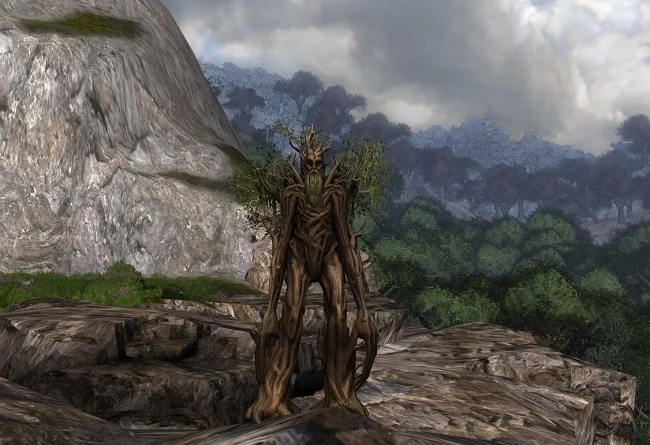
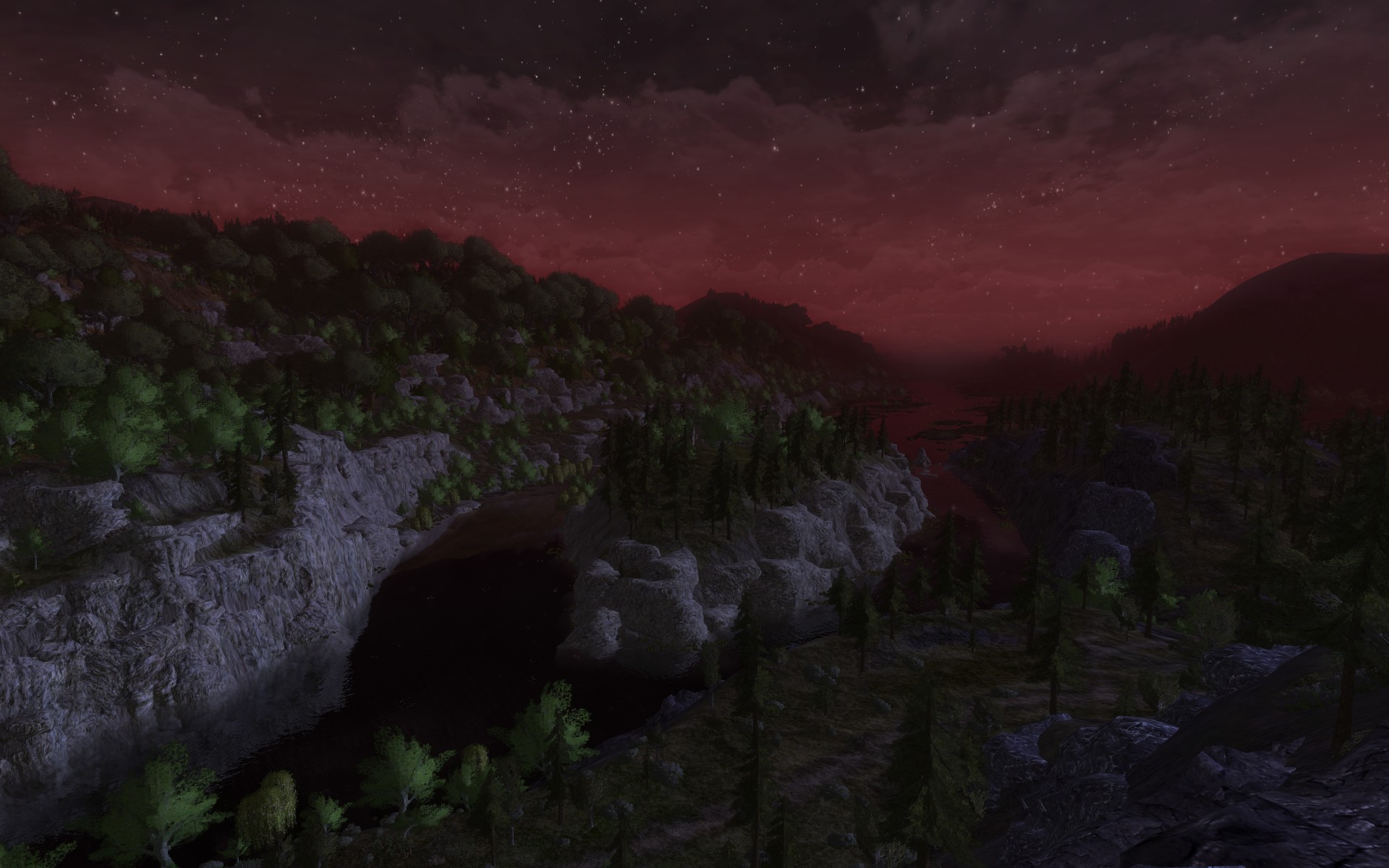
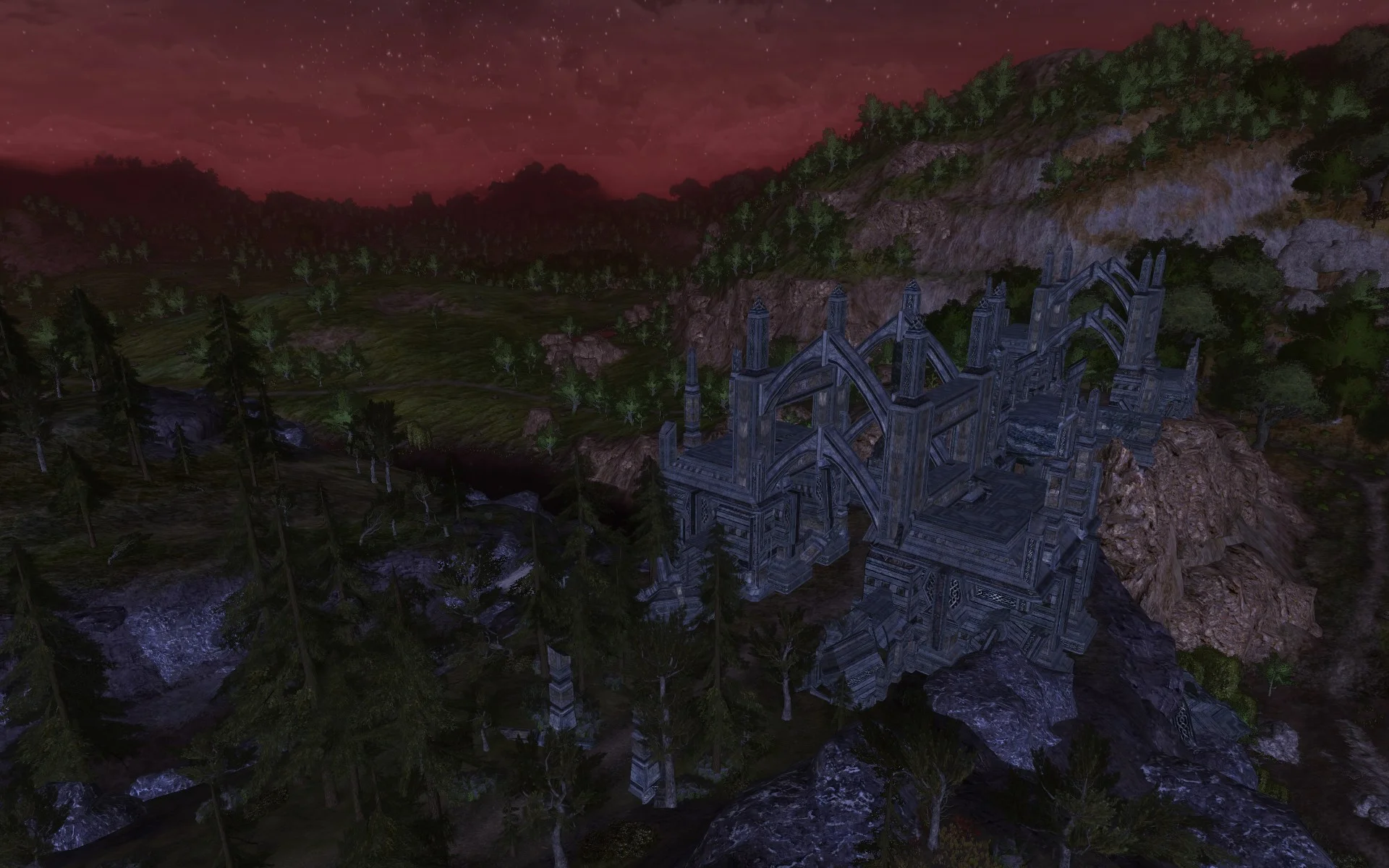
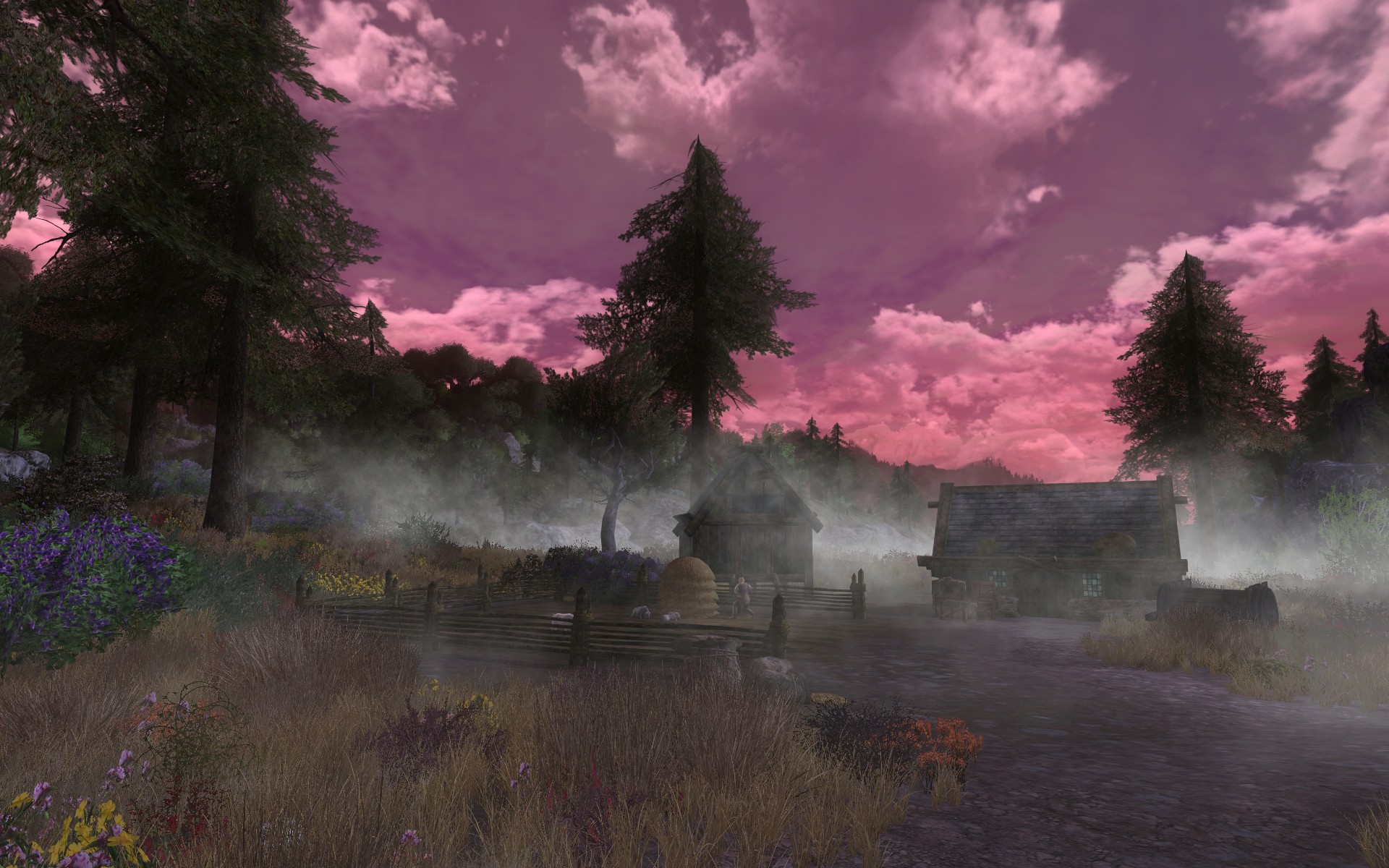
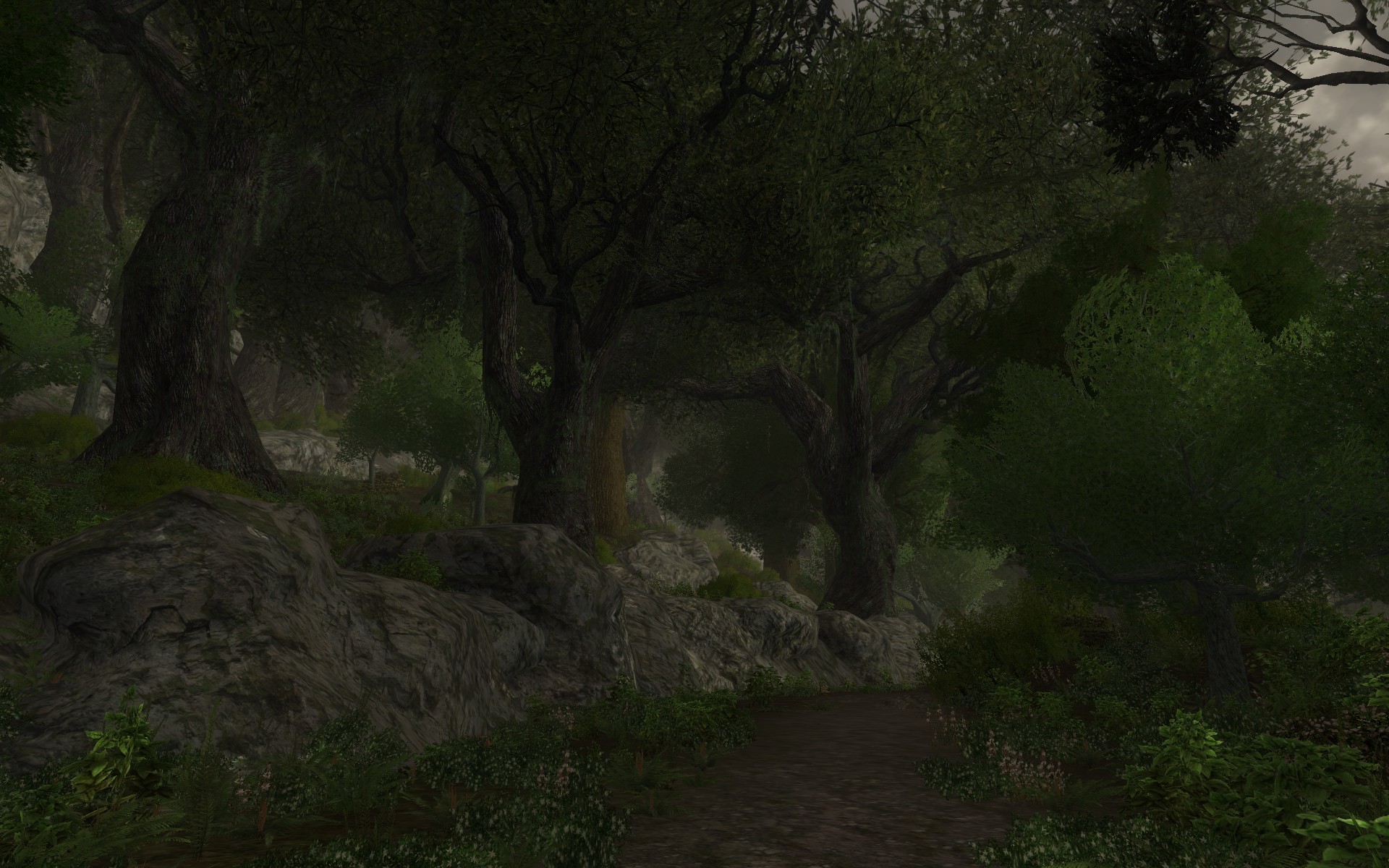
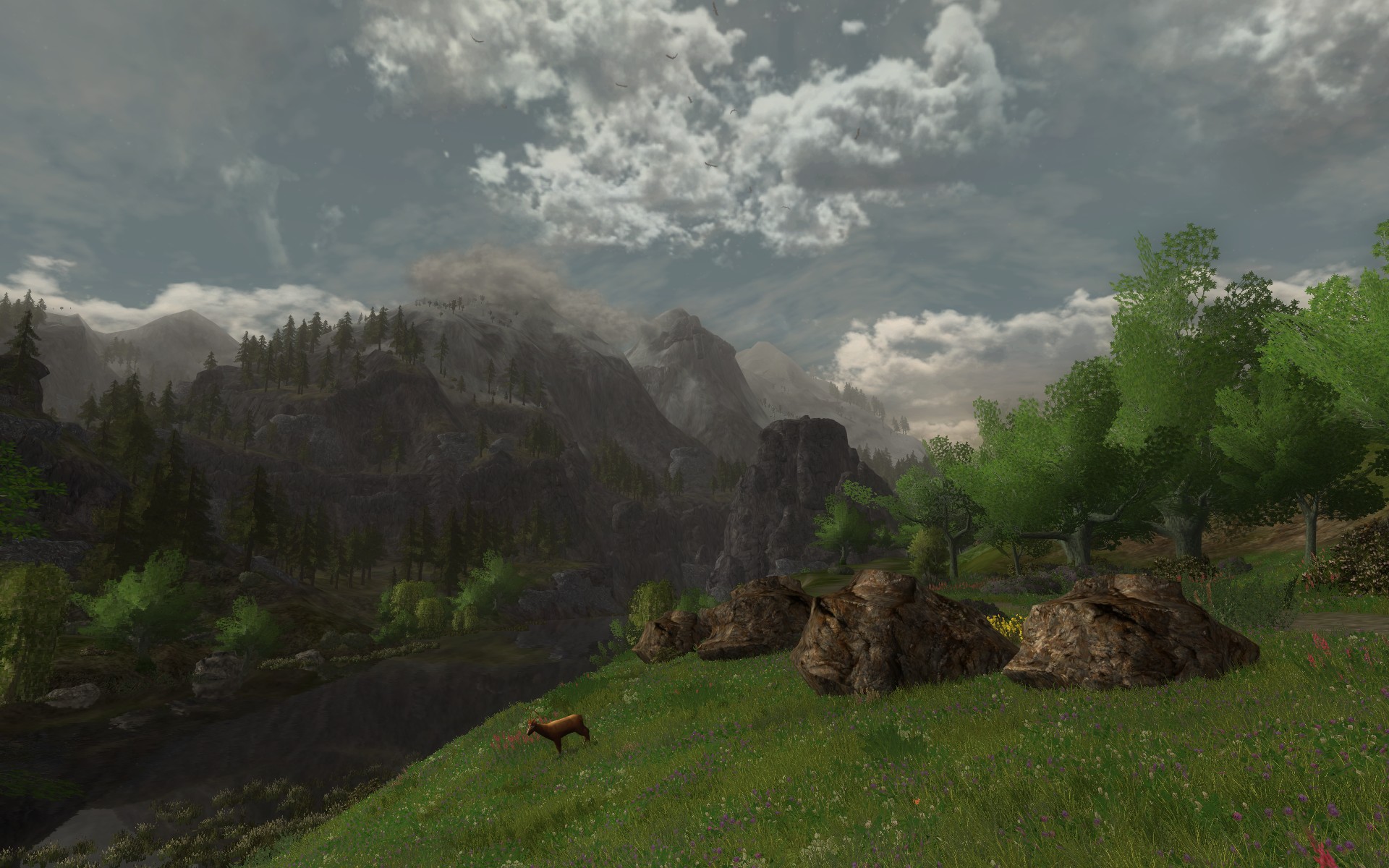
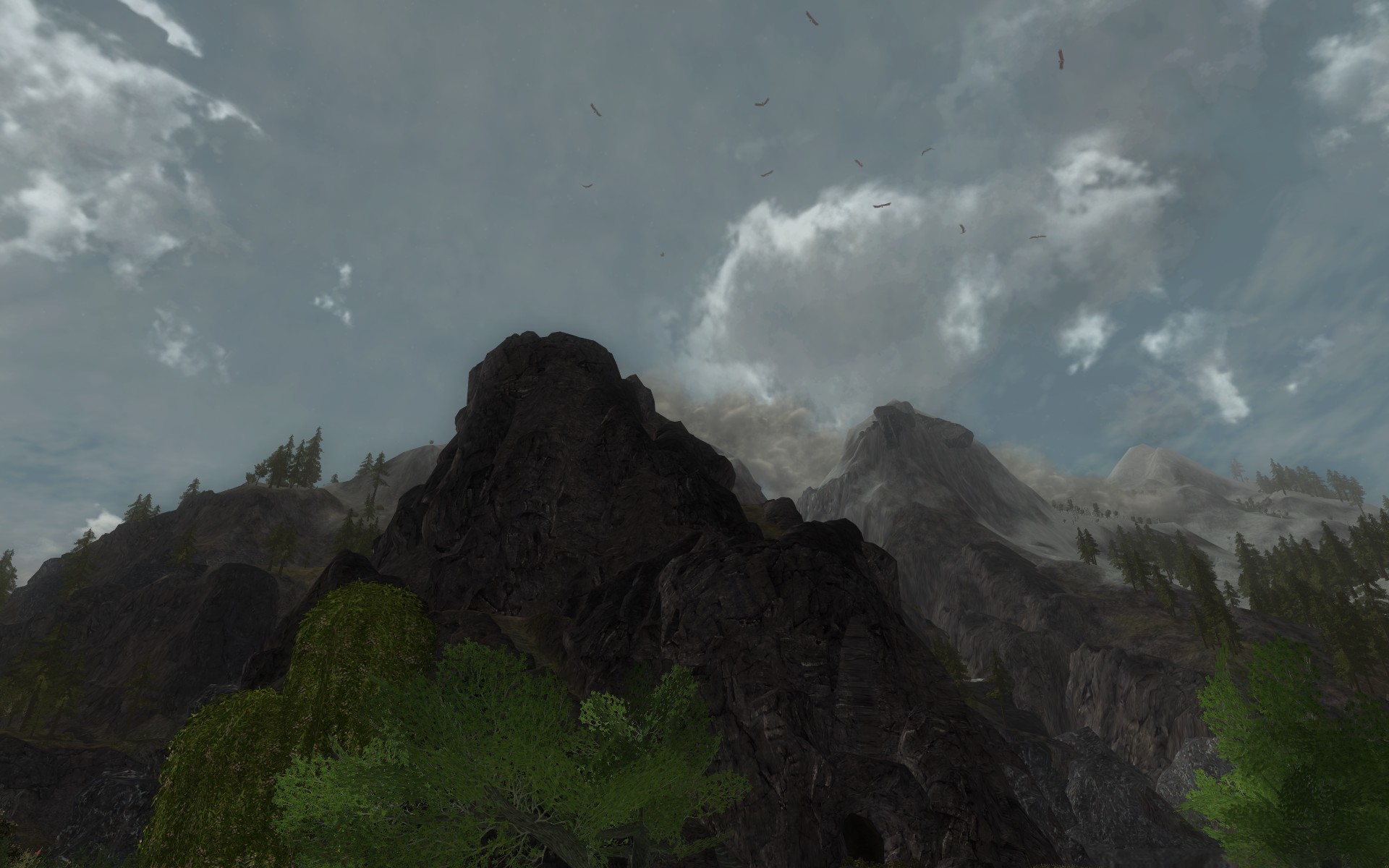
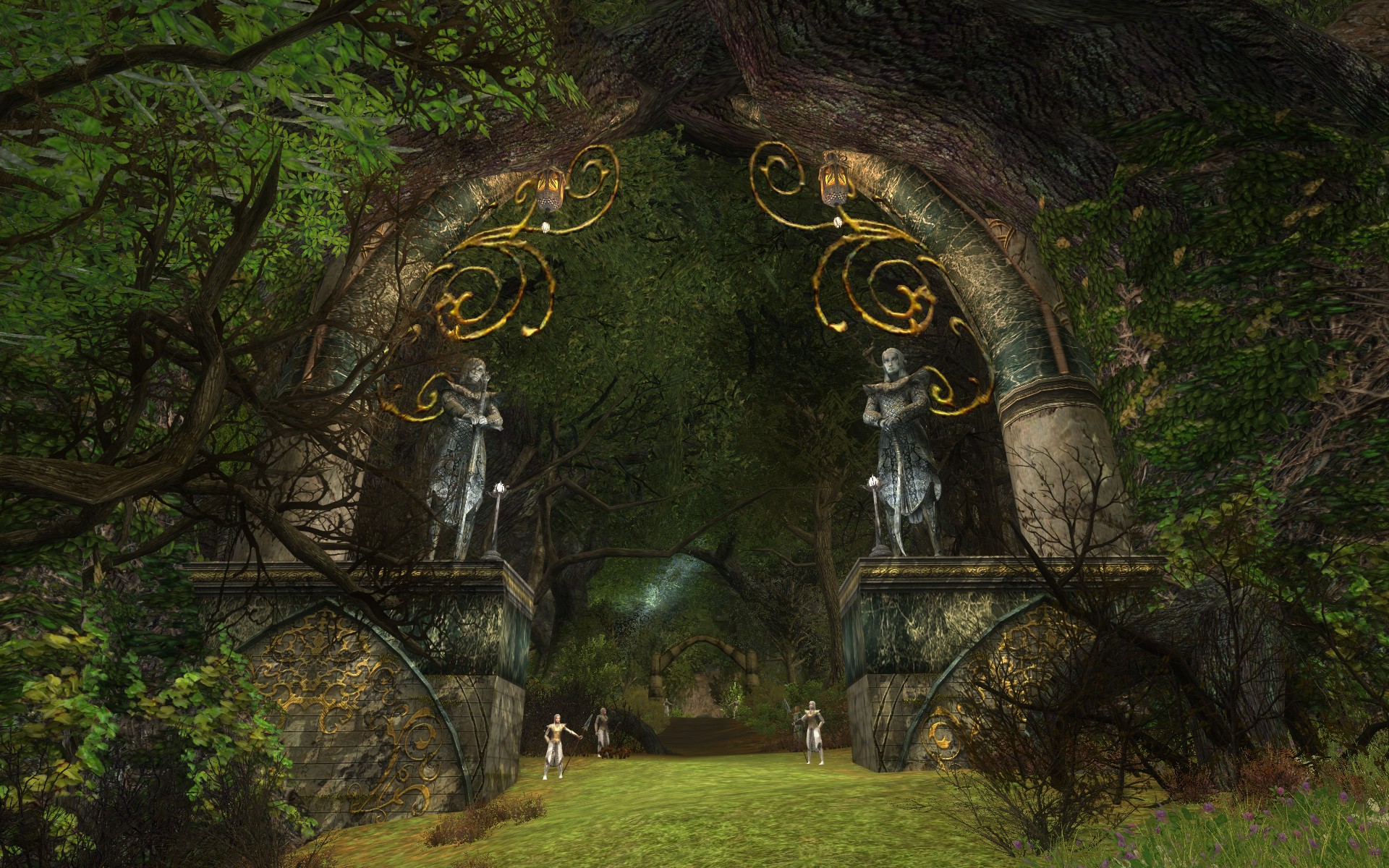
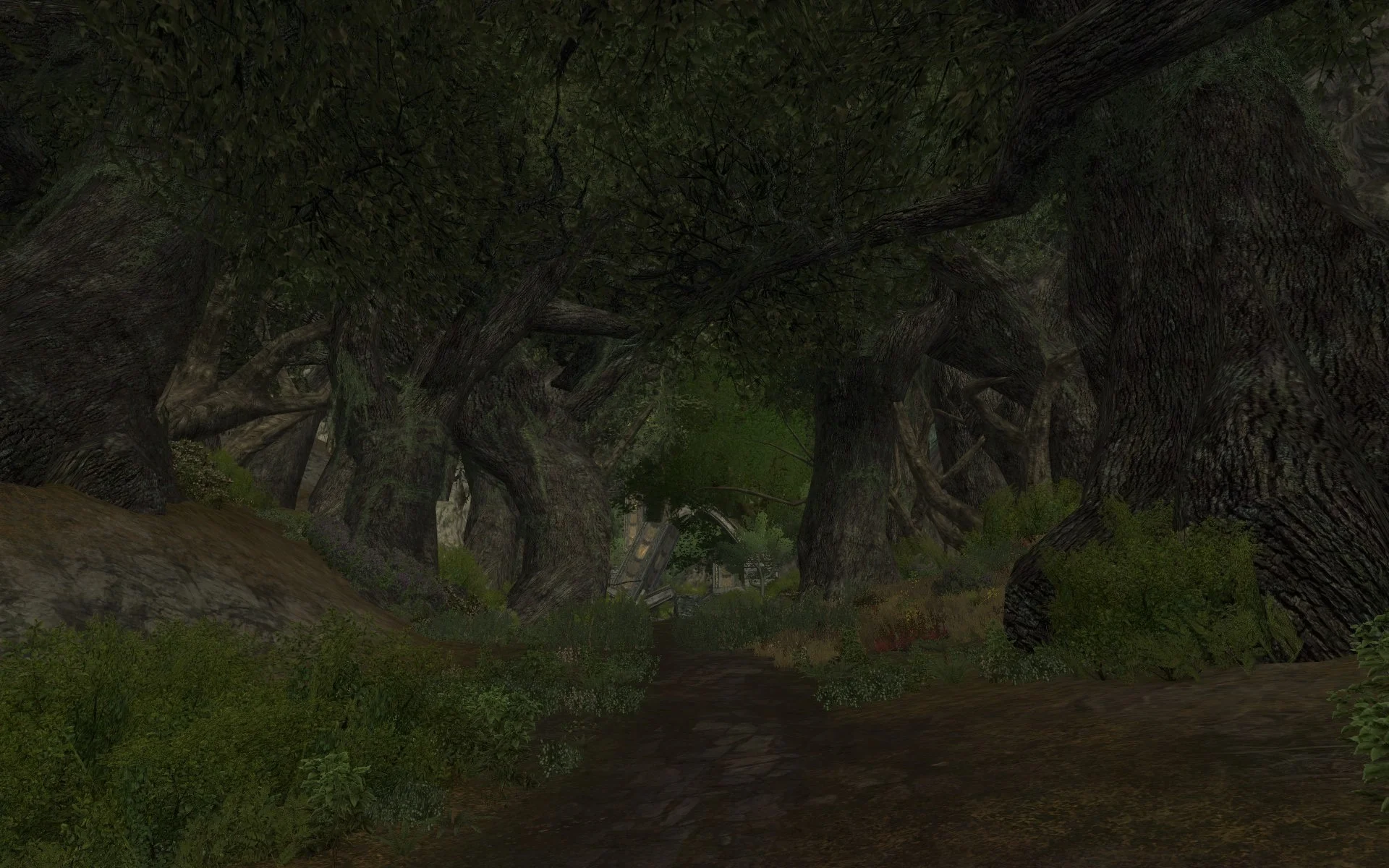
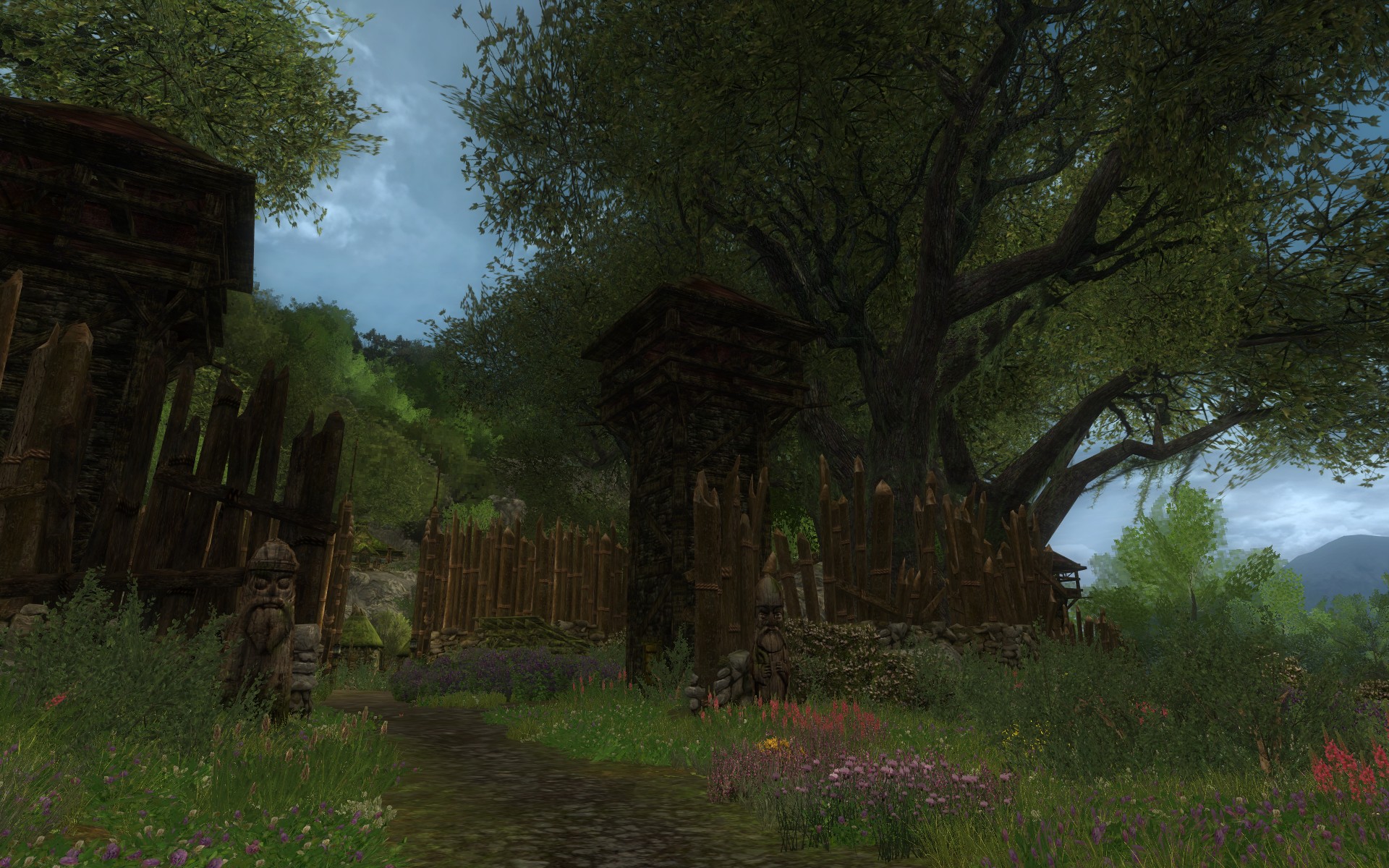
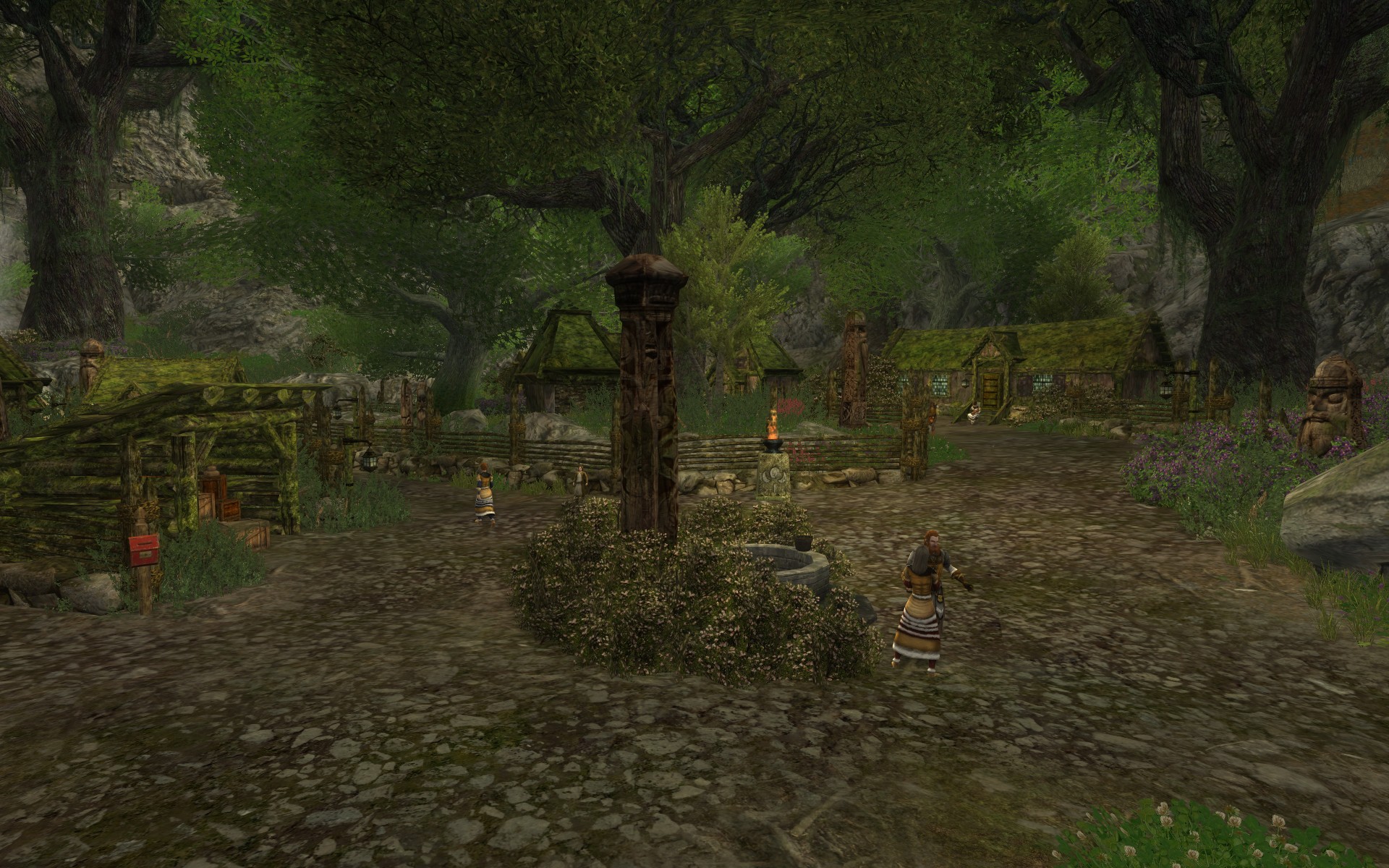
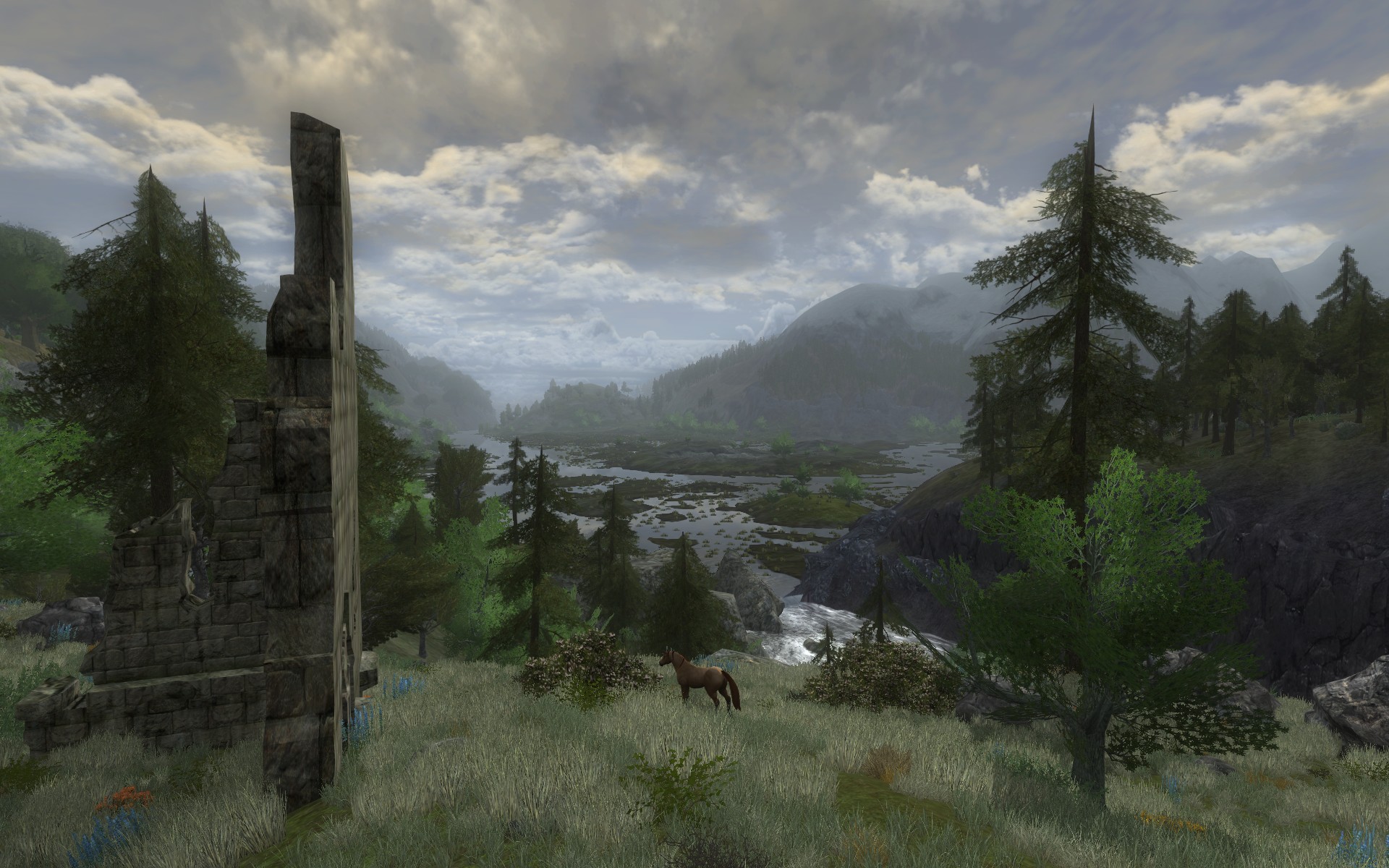
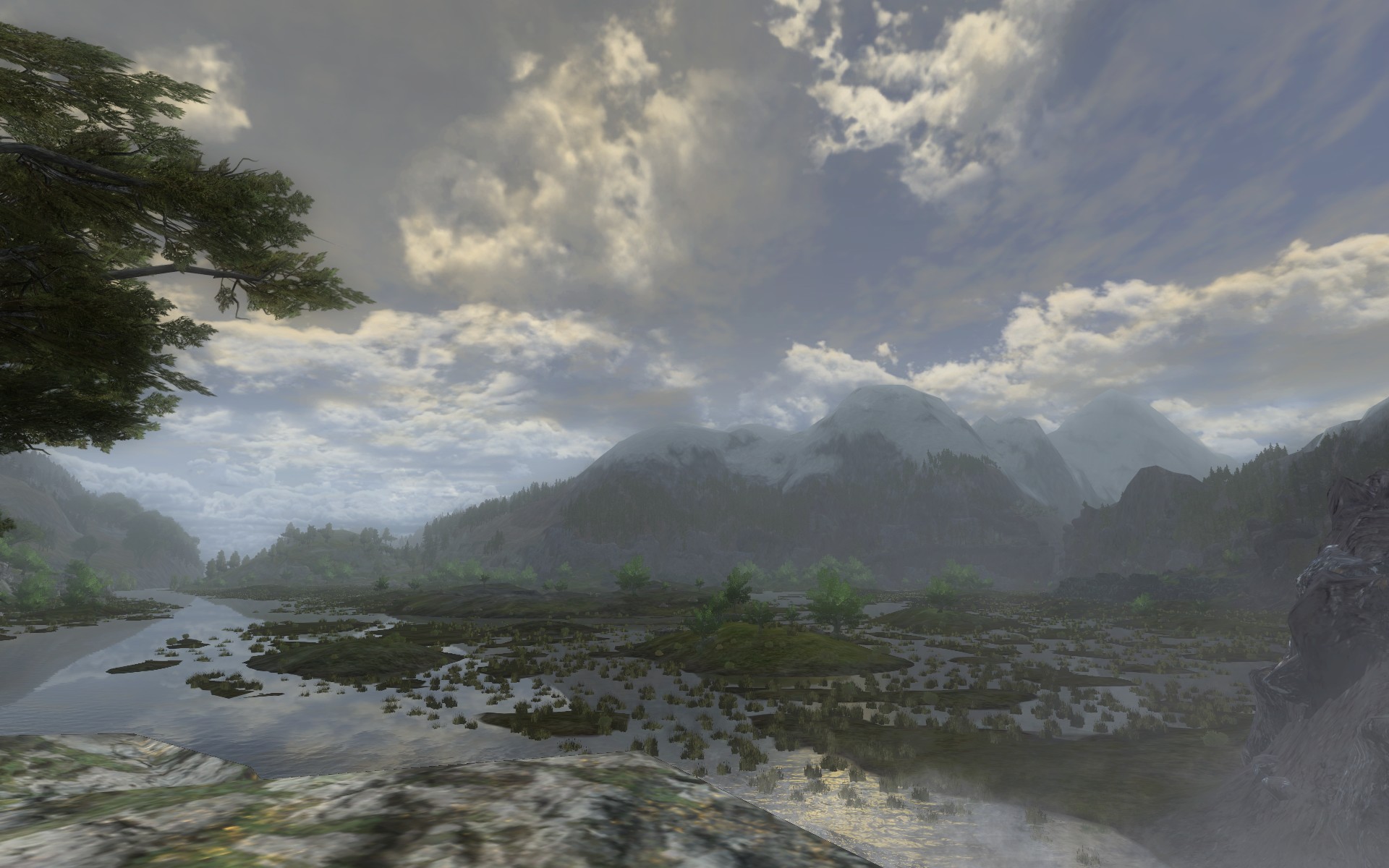
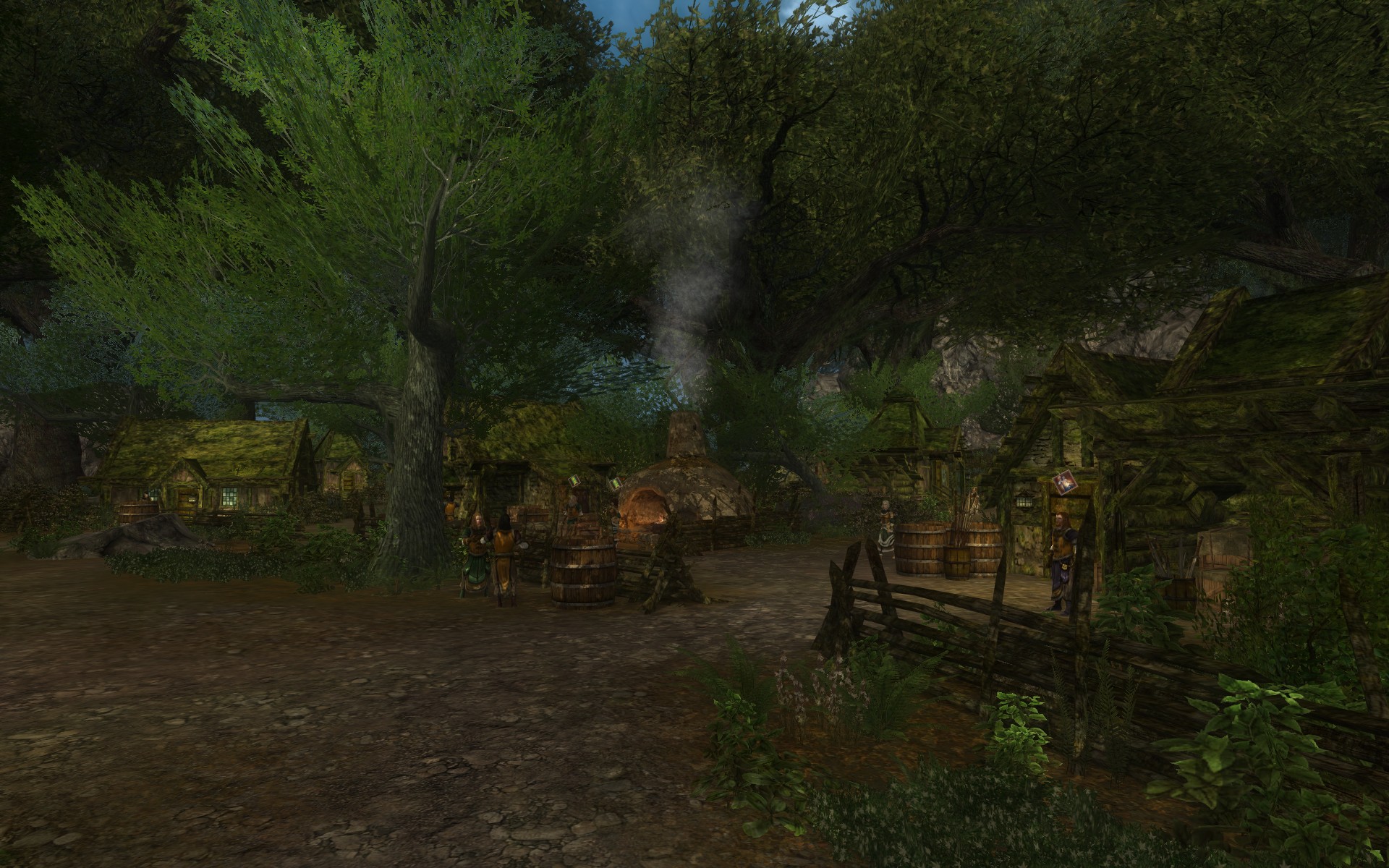
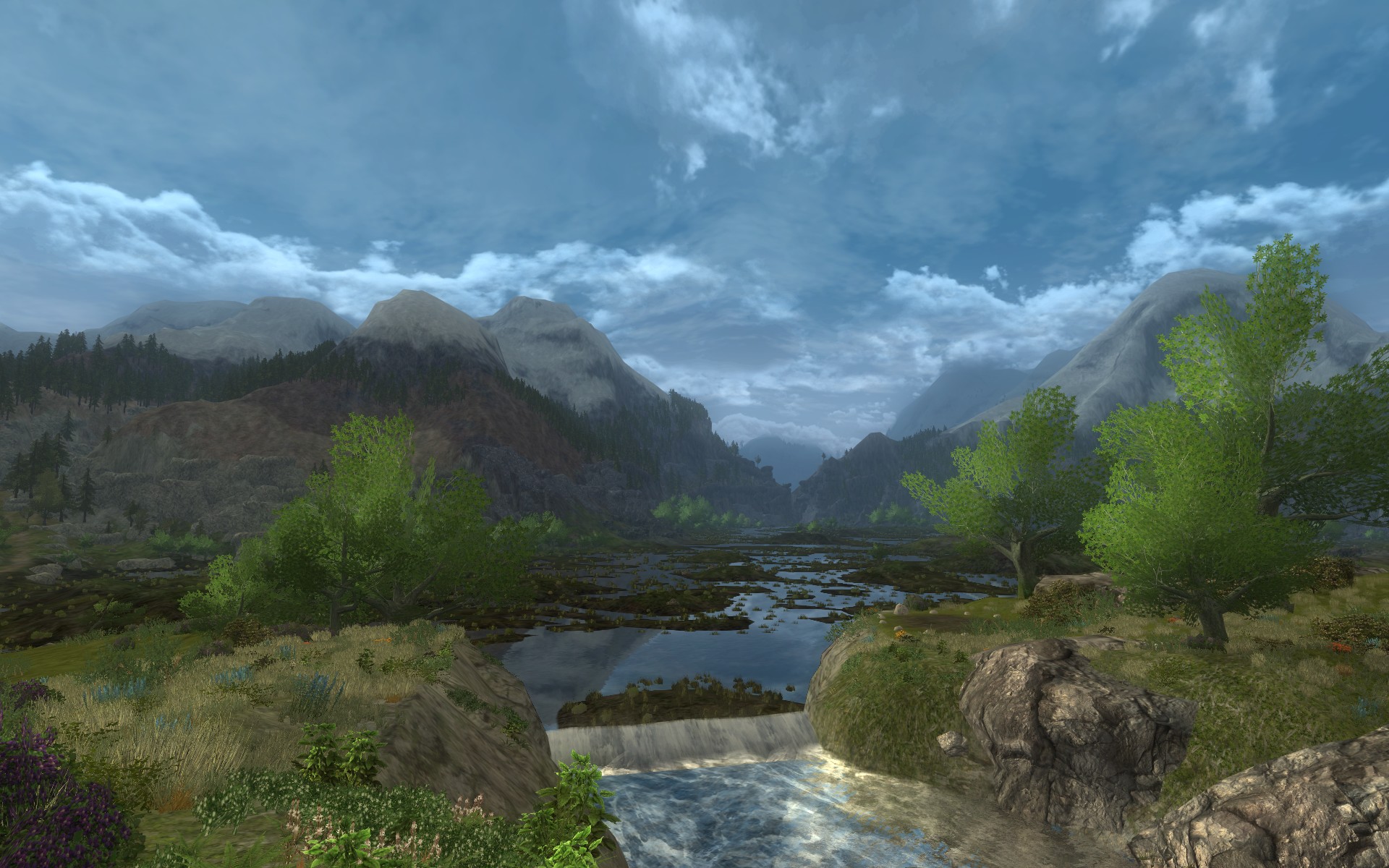
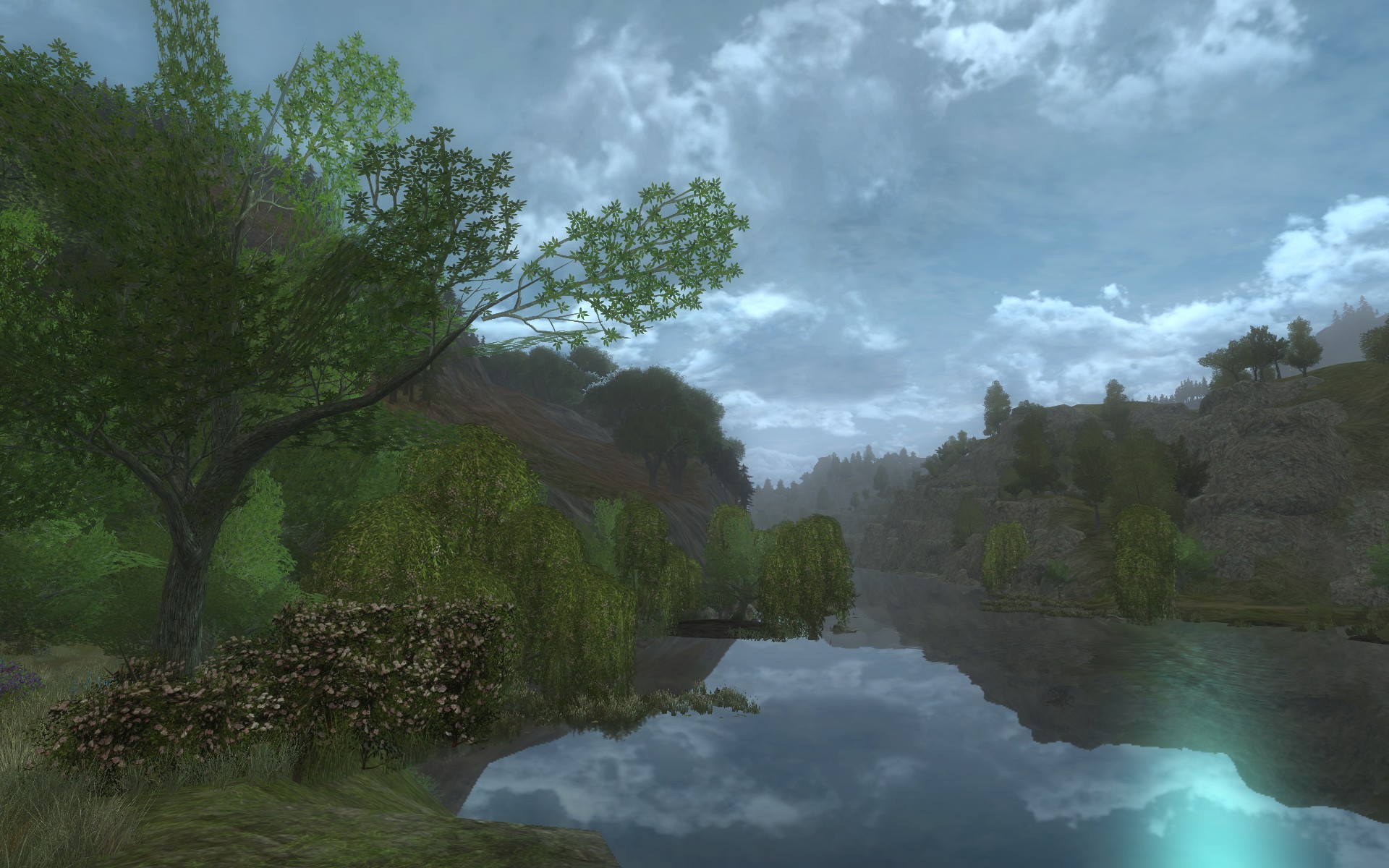
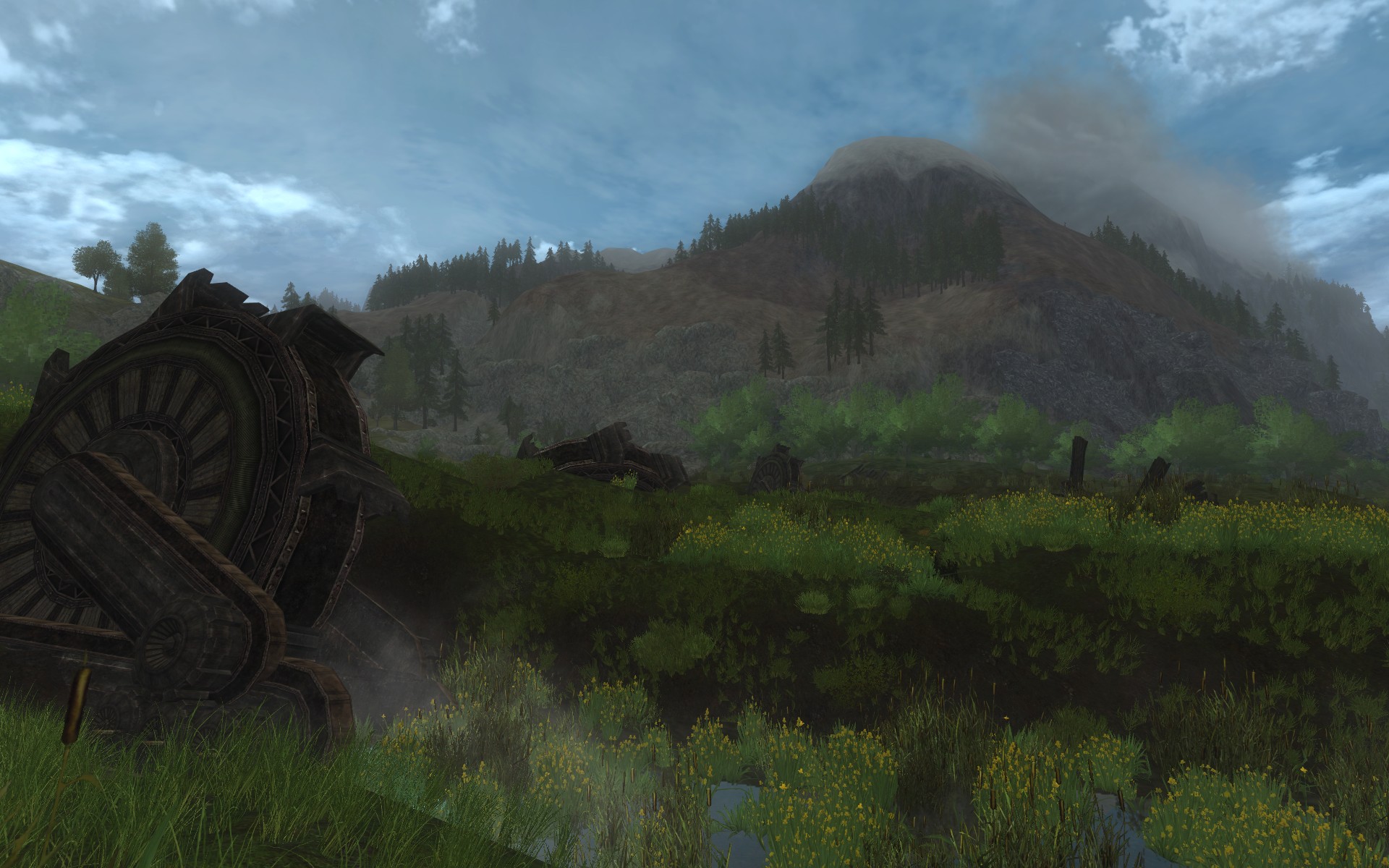
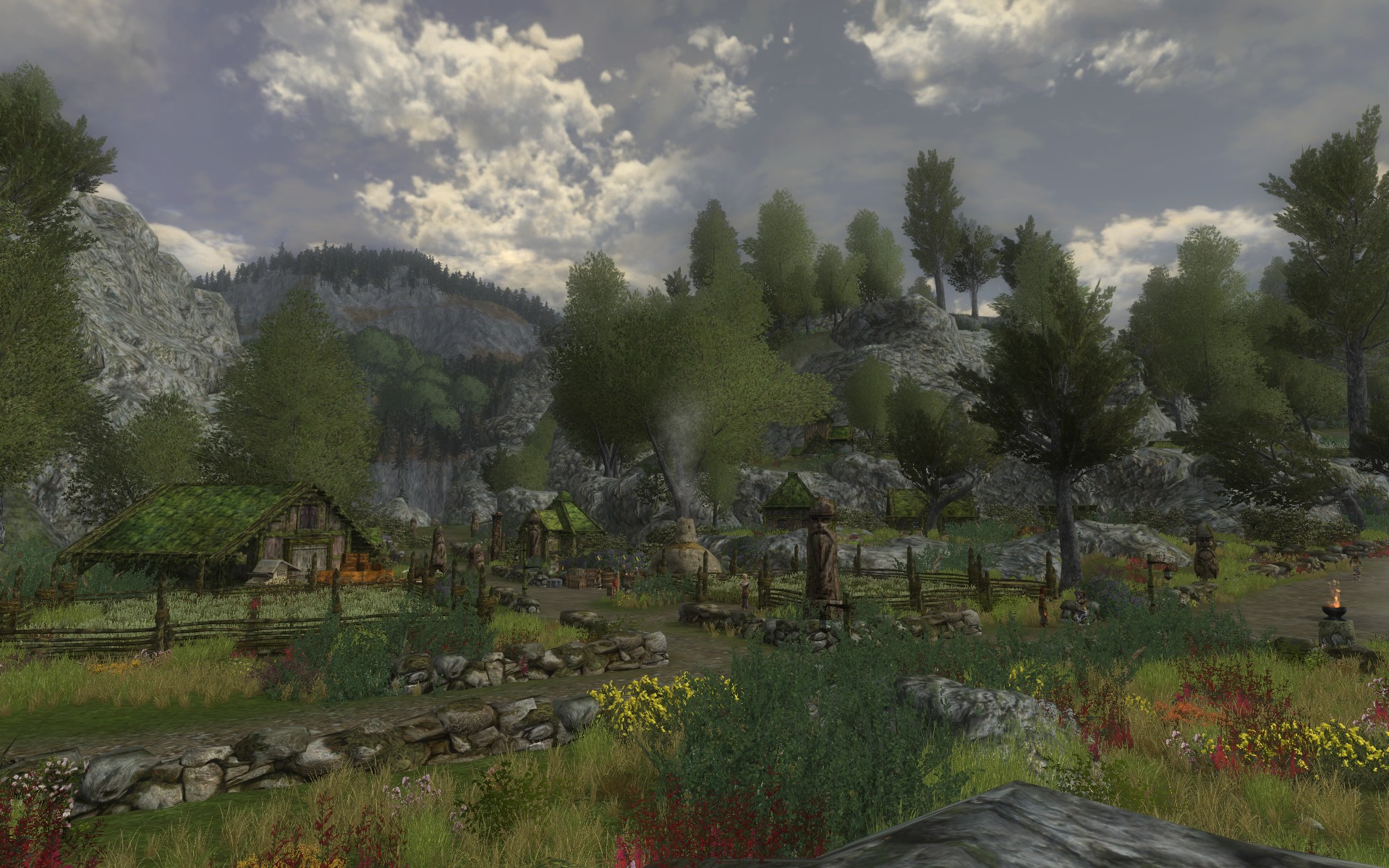
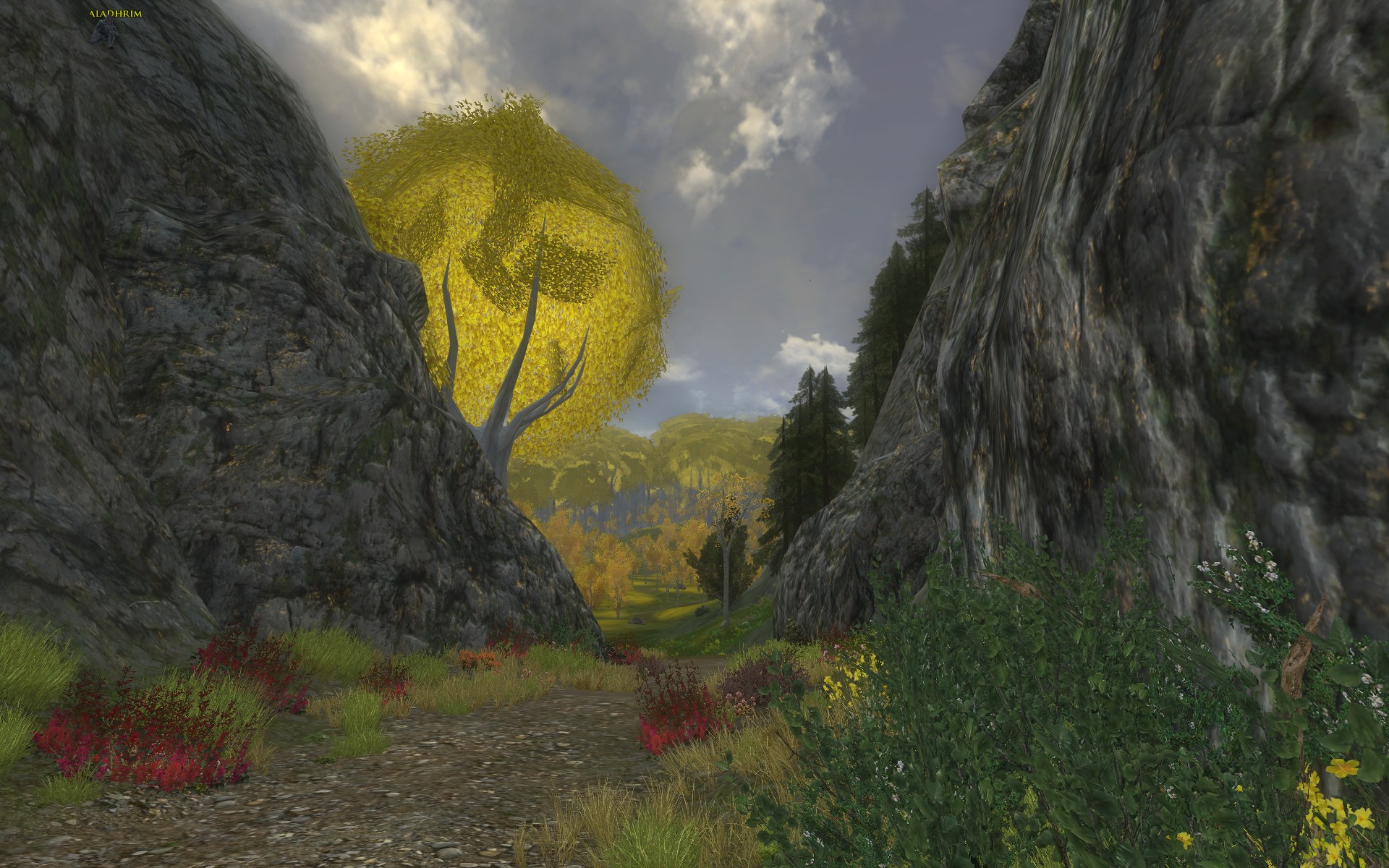
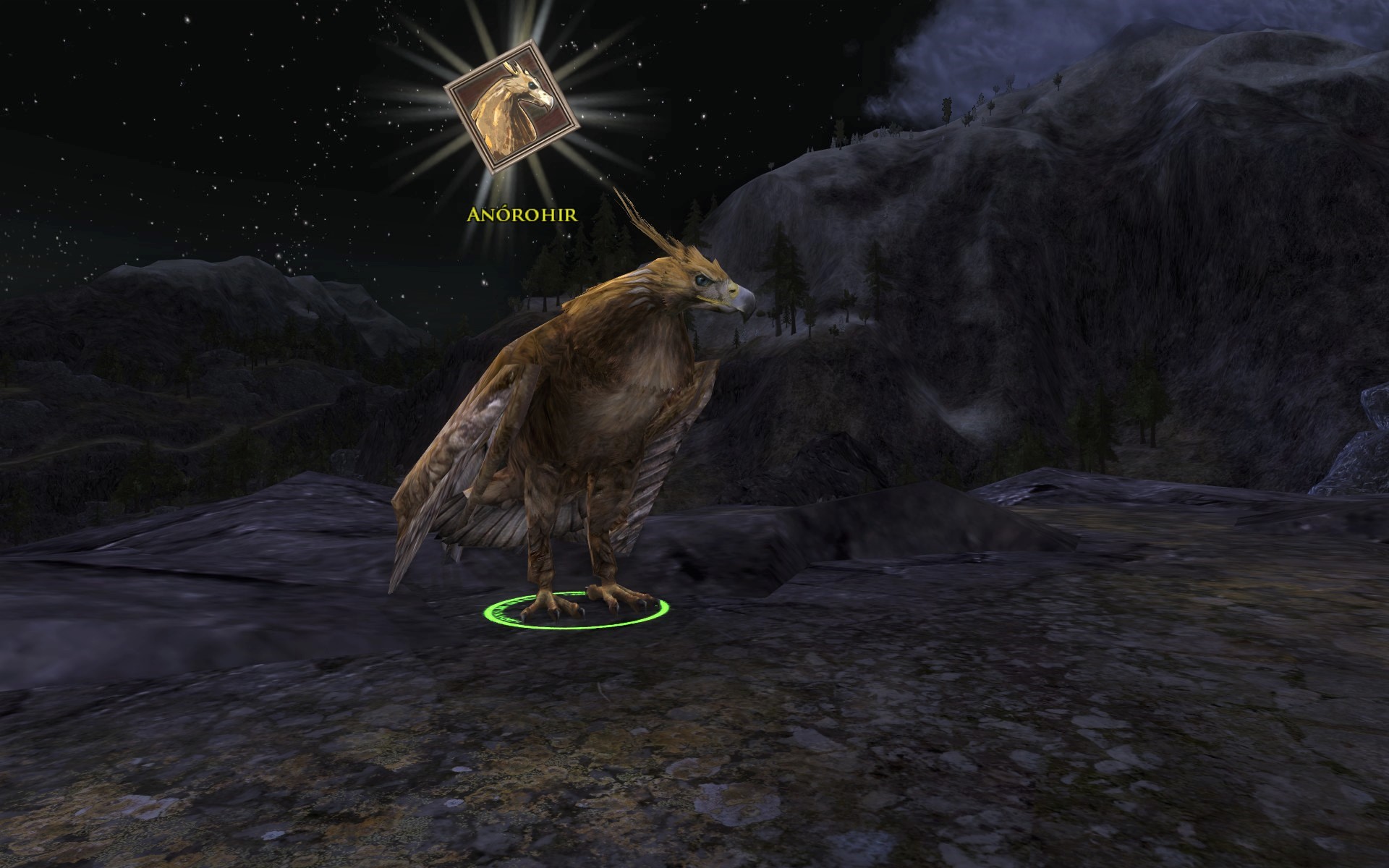
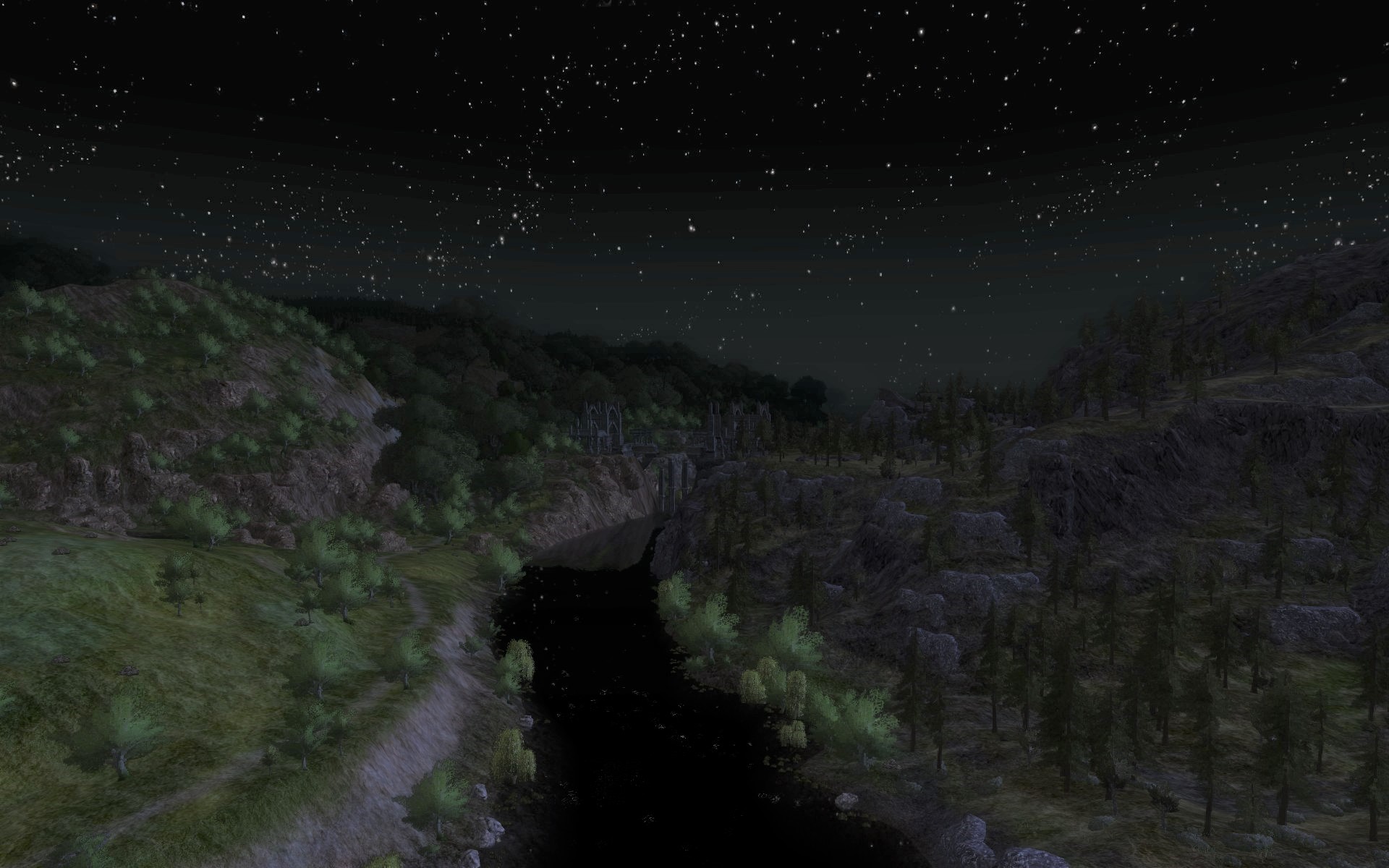
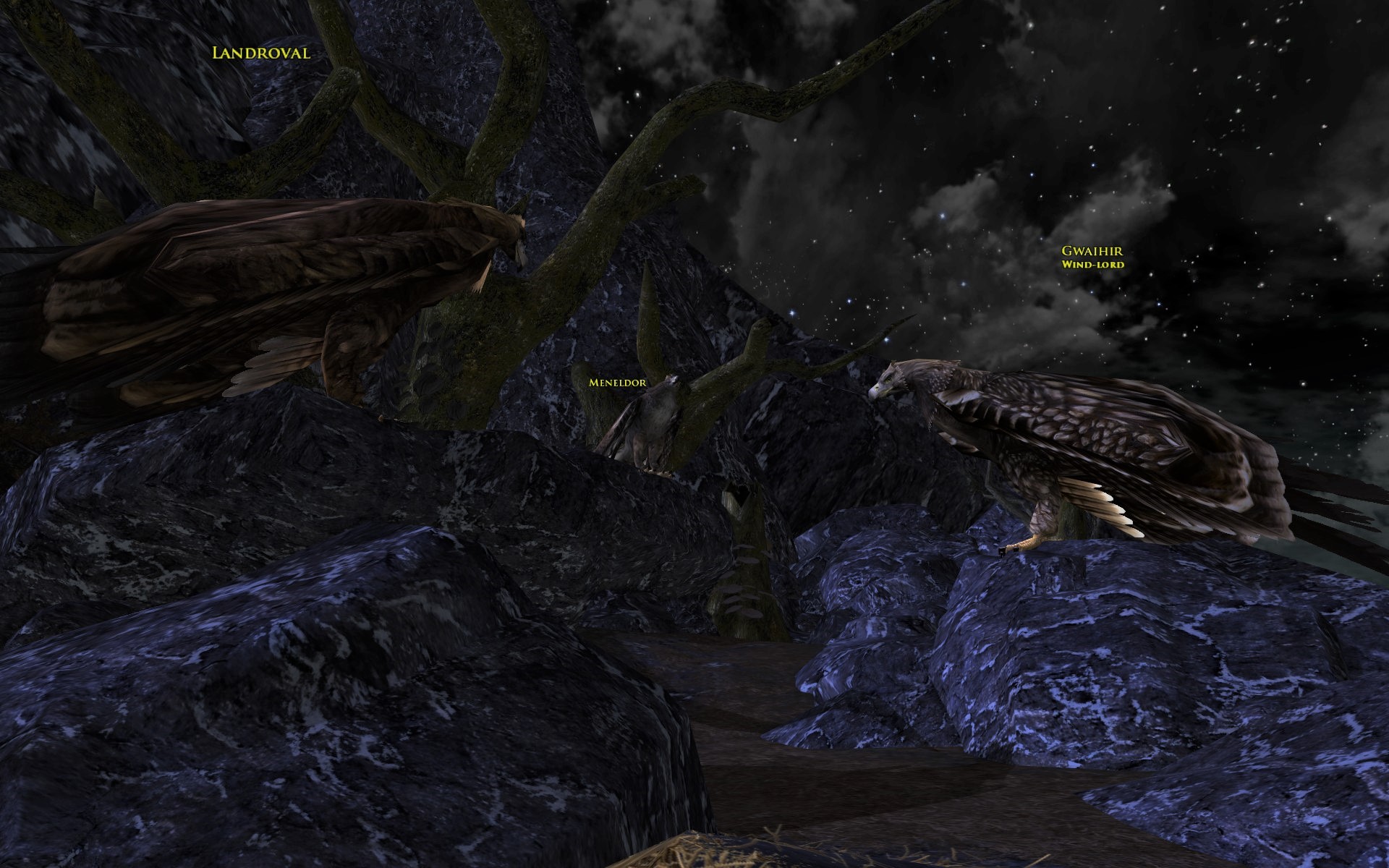
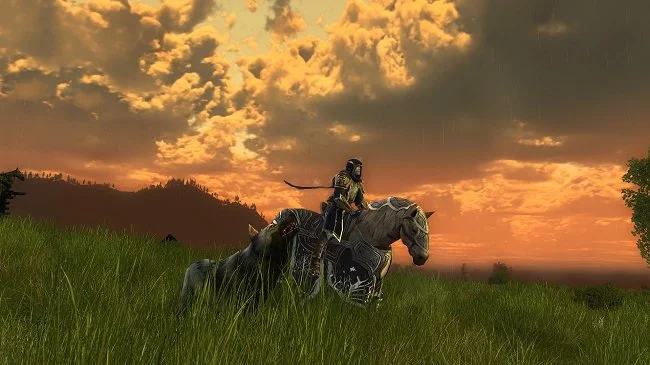
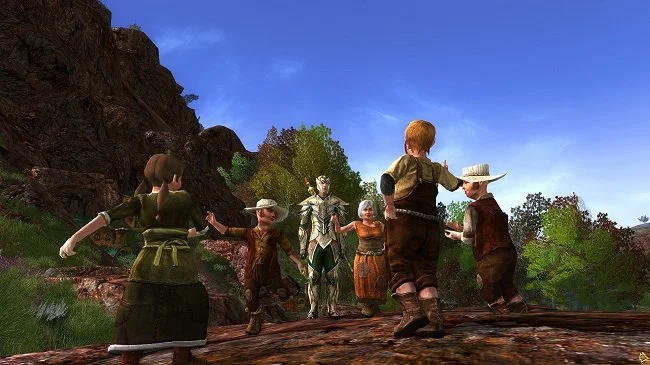
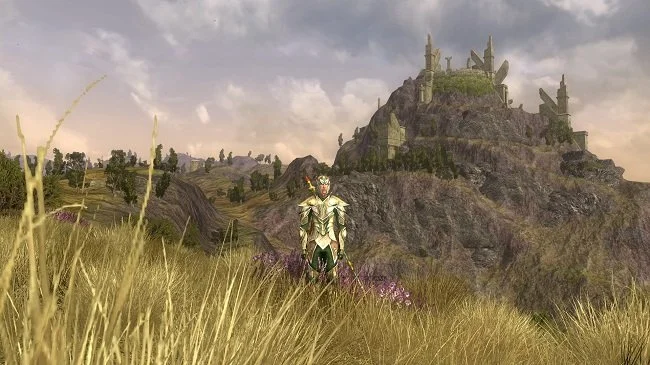
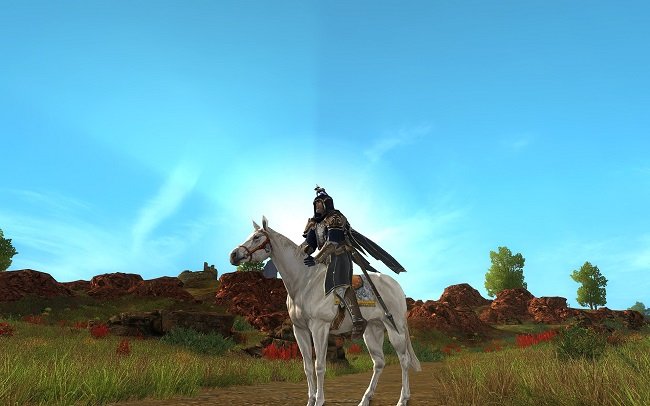
As for the new zone, the Vales of Anduin can be accessed via three existing zones. From the North High Pass in the Misty Mountains, near Goblin Town. Via the Forest Gate in Eryn Lasgalen and from North Eastern Lothlórien, along the shores of the Anduin. The region includes the Beorning Lands (and incorporates Grimbeorn’s house from the Beorning starter zone) the Gladden Fields and Rhosgobel, former residence of Radagast. Other iconic locations are The Carrock, which features an Eagle instead of a stable, which then takes you to Gwaihir’s eyrie on the Western shore. There are further Beorning settlements at Hultvis and Duskenvales. Overall the zone is green and verdant and matches the description of Tolkien’s original text. The Beorning settlements are suitable rustic and mossy, although some of the assets are obviously repurposed elements from Rohan.
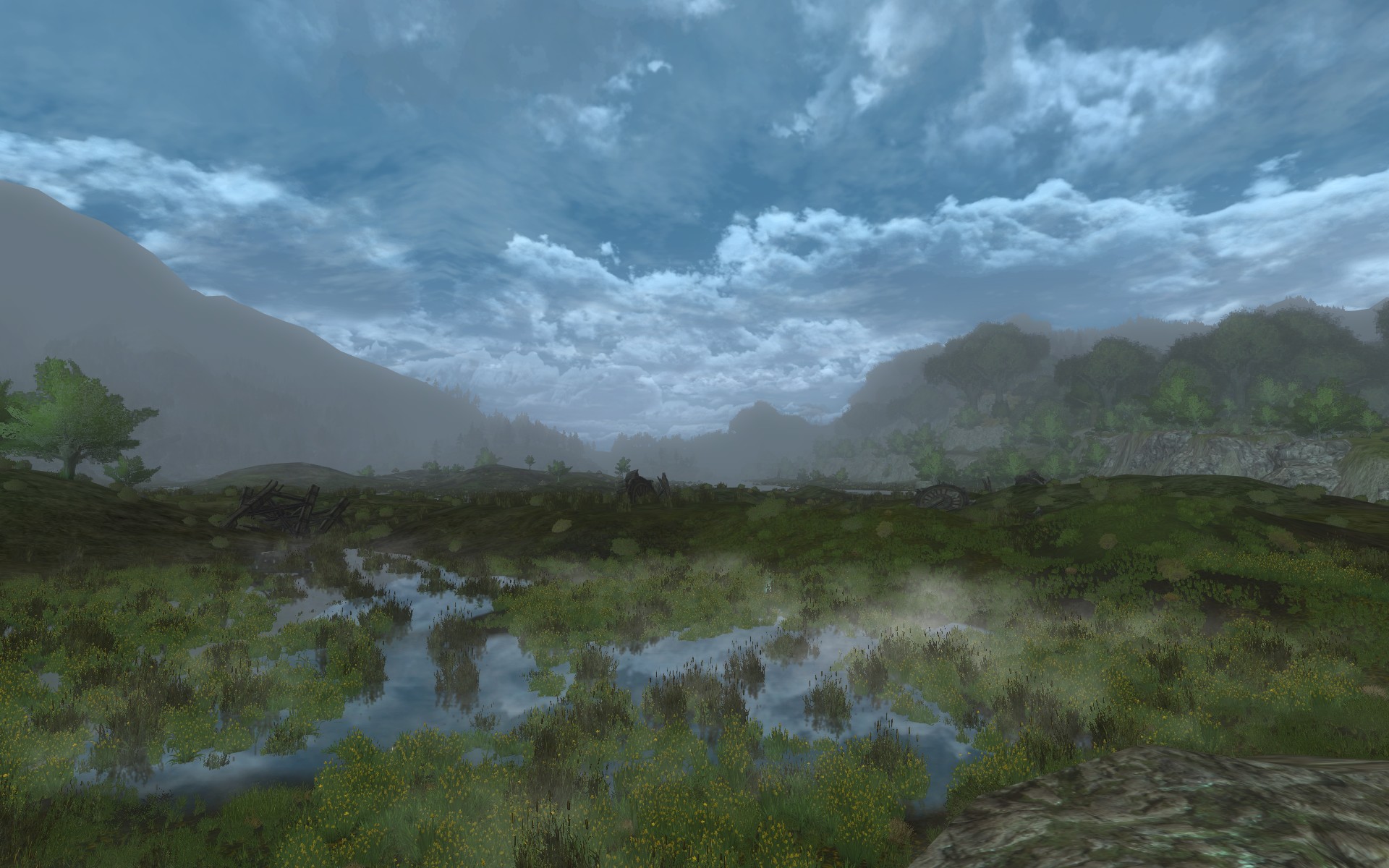
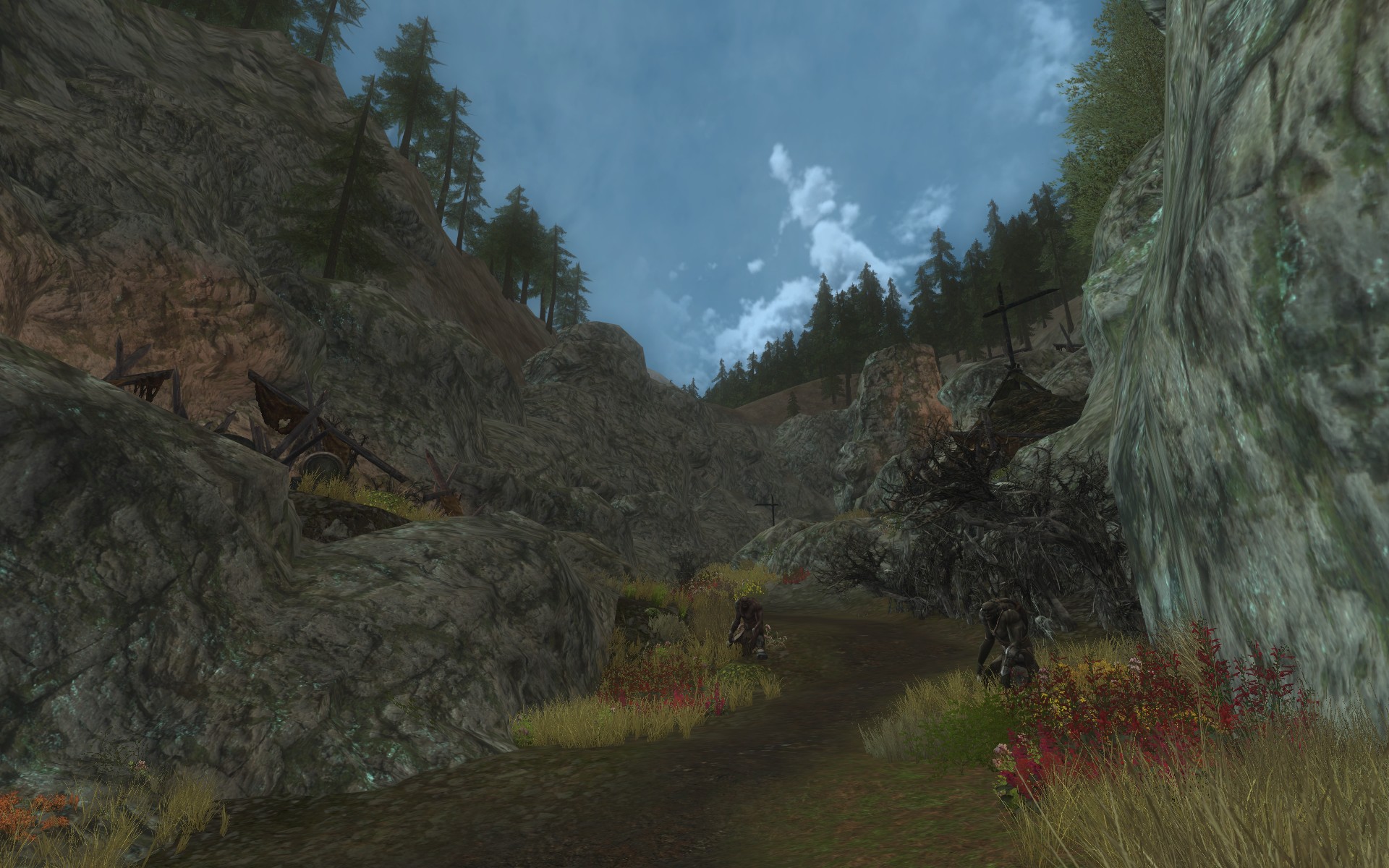
As with previous zones that have lore references from The Hobbit, visiting certain locations will trigger an onscreen passage of text from that book. There are also some interesting embellishments in the Gladden Fields. There seems to be traces of abandoned dredging and mining equipment. There are also some Half Orc Dredgers in the vicinity. I wonder if this is a reference to Saruman’s search for The Ring in the area where Isildur died. It should also be noted that Rhosgobel is overgrown and abandoned, again as referenced in the source text. As ever with new zones, there are several routes that are currently blocked, indicating what may be coming in future content. There’s a road to the East that leads to Middle Mirkwood and a Northerly path that potentially goes to the Upper Anduin and possibly Mount Gundabad.
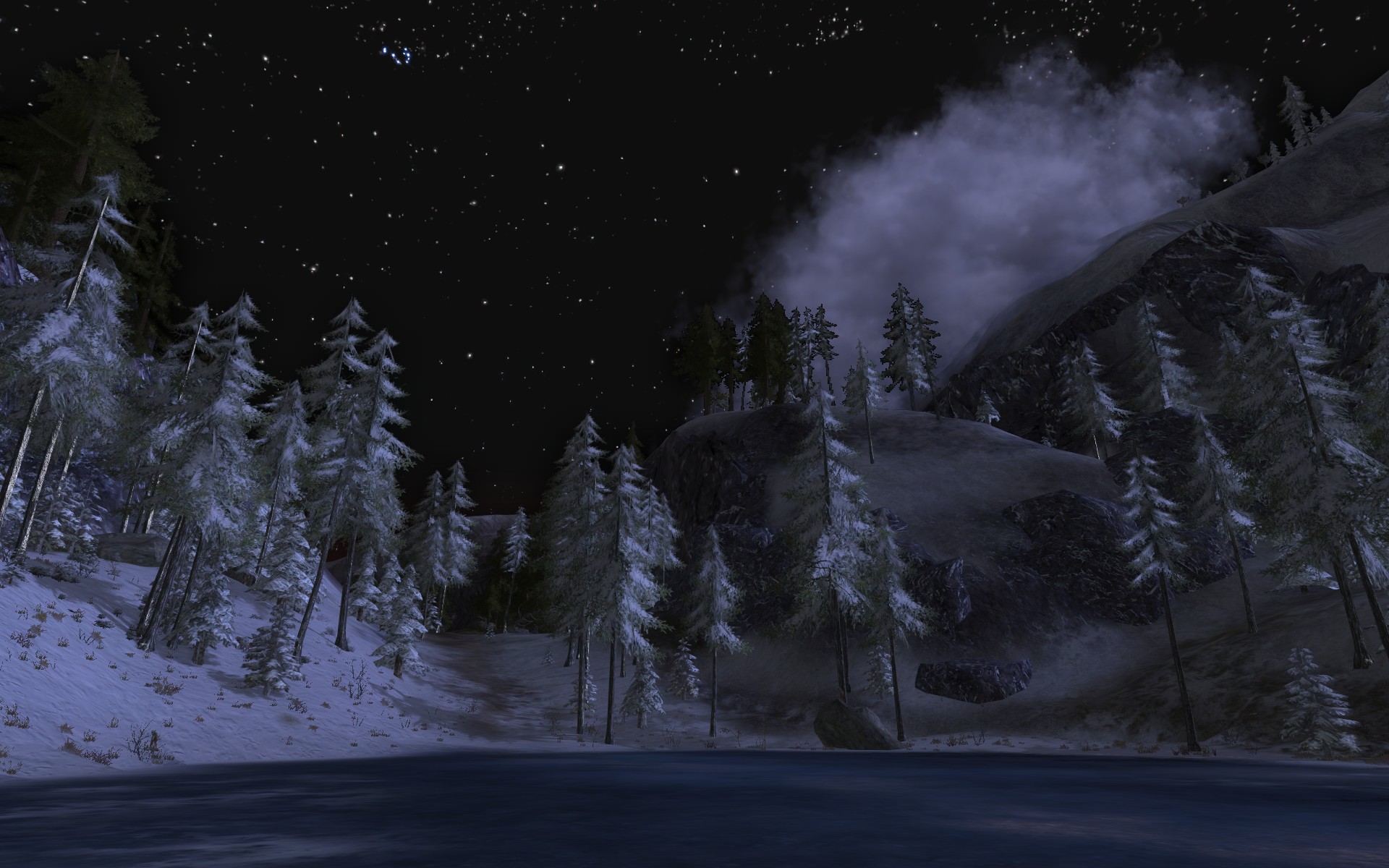
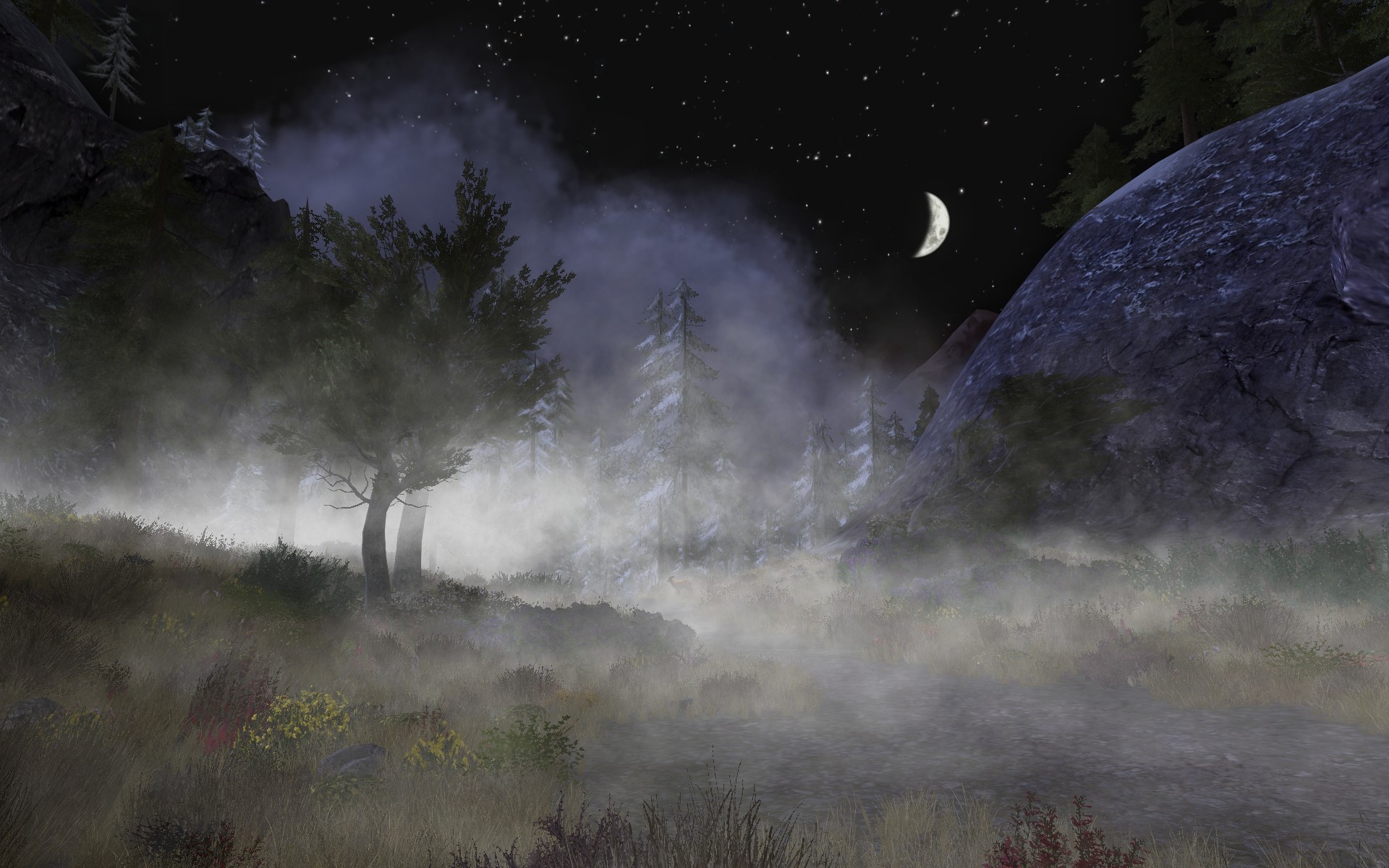
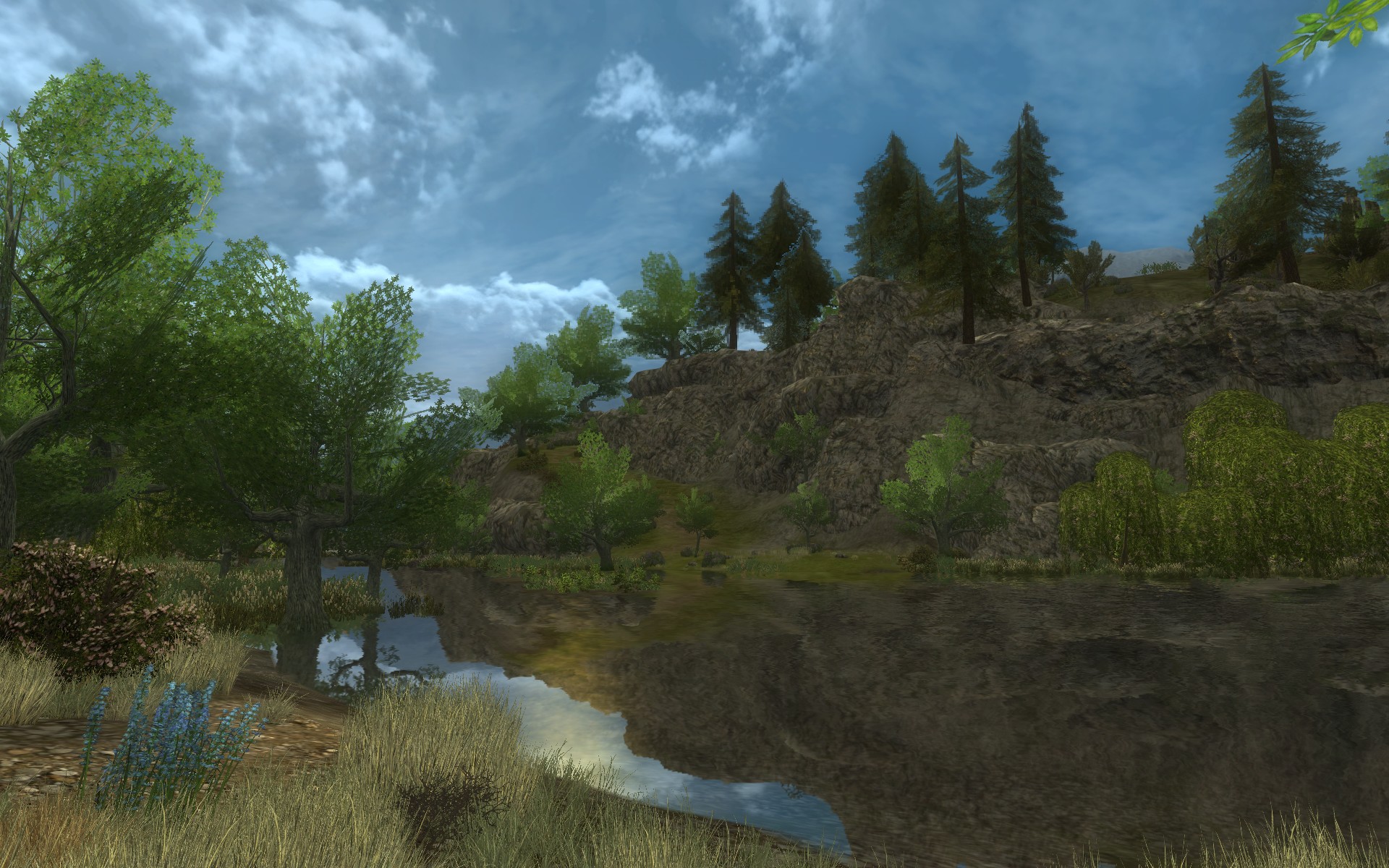
So far, the new zone looks aesthetically pleasing and is relatively light and colourful. There is at present a lot of fog as you travel from the Misty Mountains down into the river valley. As with parts of Western Gondor, much of the zone is contained by high cliffs and other natural obstacles, so despite the initial impression of size, it does feel once again that the player is being funnelled from quest hub to quest hub. However, as long as the Epic Story continues to maintain it’s ongoing high standard, none of these minor criticisms are a deal breaker. The success of the 64-Bit client is perhaps a bigger issue for the LOTRO community. Will it remedy the performance issues that impair the game? Or will it solve one problem but create another. Judging by the current timetable we’ll more than likely no sooner rather than later, as I wouldn’t be surprised if Update 24 is formerly launched by the end of May.



Bits and Pieces
I have multiple blog articles outstanding in my “draft posts” folder. But time has not been on my side of late, so very little of these are going to be completed and see the light of day, any time soon. However, there are always alternative strategies. If you’re in doubt about what to write, or more likely just pushed for time, simply create an eclectic post that allows you to reference multiple subjects and news stories without having to write a thousand words on each and then make it a regular feature. If you also want to raise a wry smile with an older demographic, make the title of this new recurring piece a particularly bad pun about a popular sixties’ song by a well-known “beat combo”. With this now explained, let’s get on with things.
I have multiple blog articles outstanding in my “draft posts” folder. But time has not been on my side of late, so very little of these are going to be completed and see the light of day, any time soon. However, there are always alternative strategies. If you’re in doubt about what to write, or more likely just pushed for time, simply create an eclectic post that allows you to reference multiple subjects and news stories without having to write a thousand words on each and then make it a regular feature. If you also want to raise a wry smile with an older demographic, make the title of this new recurring piece a particularly bad pun about a popular sixties’ song by a well-known “beat combo”. With this now explained, let’s get on with things.
There was an interesting episode of The Jimquisition that was posted on Monday 15th April. It was about PC Gamer journalist James Davenport who wrote a detailed article about how used a mod to complete the game Sekiro and its extremely tough final boss fight. The point of his post was to discuss the subject of difficulty and its wider culture. However, fundamentalist gamers didn't see things his way and were vocal in their criticism. A somewhat theatrical comment was tweeted by Fetusberry 'Ass Bastard' Crunch, which then became a meme. Ironically, this negative comment was subsequently usurped by Jim Sterling and his comic character, Duke Amiel du H'ardcore, to mock its supporters. For those who are not aware of the original tweet, here it is in all its hyperbolic glory. “You cheated not only the game, but yourself. You didn't grow. You didn't improve. You took a shortcut and gained nothing. You experienced a hollow victory. Nothing was risked and nothing was gained. It's sad that you don't know the difference”.
Like Jim Sterling, I find this perennial argument extremely tedious. I wrote a post about two years ago which covers pretty much the same ground. Back then it was the claim that people were playing MMOs “wrong”. The assumption being that there is only one orthodox way to play this genre of games and if you fail to do so, not only are you a fool to yourself, you’re somehow causing harm to others and the gaming industry. Hence self-appointed gatekeepers feel obliged to “hold the line” or something to that effect. This argument, like the latest example above, is founded upon several completely false axioms. With regard to Fetusberry’s assertions, it is not a mandatory for a player to grow, improve, or risk anything. Games are no entirely founded upon notions of self-improvement and are not primarily conduits for personal realisation. In short, some games can provide these and some gamers will seek such things but other don’t and are not mandated to do so. Games are multi-faceted mediums than can provide numerous things and serve multiple purposes to those who play them. Sadly, many still fail to comprehend this and therefore I think this “debate” is going to regularly return like a bout of malaria.
Another gaming debacle that has held my interest has been the ongoing tale of the unofficial resurrection of City of Heroes via a public server. It has been a rollercoaster of a story with copies of the defunct game’s core code publicly disseminated, alleged legal threats from the copyright holders and fans arguing among themselves. For me the matter that stands out the most is not the bellicose, emotionally dysfunctional nature of some aspects of the gaming community as that’s been a known quantity for quite a while. It’s the fact that people are still very excited, passionate and invested in an MMORPG that has been unavailable for seven years. It’s an interesting contrast to the general levels of indifference and ambivalence shown towards games in development and pending release.
In other news, Gimli has proven to be politically incorrect (insert smiley face). Hyperbole aside, the actor John Rhys-Davies recently appeared on the popular political BBC panel show Question Time. This long-standing program is based around a selection of guests, mostly politicians, journalist, and broadcasters (and in recent years the pop stars, comedians and actors) being quizzed on “hot topics” by members of the public. The panel are not aware of the questions in advance and therefore have to rely on their knowledge, ideologies and public speaking skills to address each topic. Sadly, in recent years as the quality of UK politics and public discourse has declined, so has the show. Rather than an orderly, rational and intelligent debate, it has simply become a bear pit for the worst sort of Punch and Judy politics. The audience shows evidence of being contrived and too many representatives from the fringes of politics are given the oxygen of publicity. It can be cogently argued that the show has contributed to the normalisation of extreme concepts and its associated unsavoury discourse, that would have been laughed off any respectable platform a decade ago.
Returning to the matter of Mr Rhys-Davies, he clashed with Green Party MP Caroline Lucas over President Trumps visit to the UK this summer. “He’s elected head of state of a great democracy, the last best hope for mankind of course”, he said. “He represents the American people”. Mrs Lucas pointed out that Trump lost the popular vote by 3 million, which prompted a rather unseemly outburst from Mr Rhys-Davies. The controversy is mainly due to the manner in which he expressed himself and no so much about what views were espoused. The phrases, “patronising, condescending and bombastic” spring to mind. But should we really be surprised that a man of his age group, social demographic and known political views and affiliations chooses to conduct himself in such a fashion? What has subsequently proven interesting is that the manner in which this story has been reported both online and in traditional media. Ones position on the political spectrum naturally plays a role in how you interpret this.
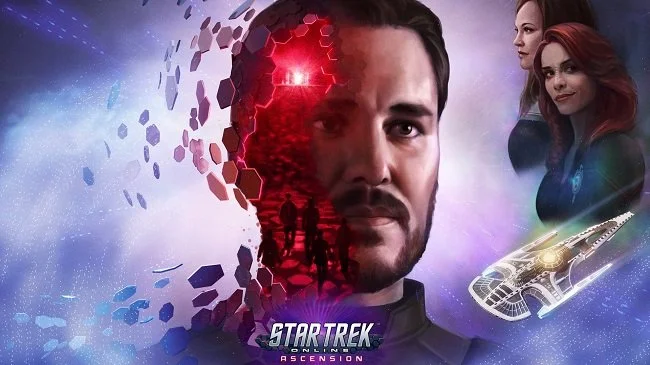
Star Trek Online continues to focus upon the popularity and success of Star Trek: Discovery with the release of the forthcoming update Rise of Discovery on May 14th. Actors Rehka Sharma, and Jason Issacs will be joining the already prestigious voice cast, by reprising their respective roles as Commander Ellen Landry and Captain Gabriel Lorca. Developer’s Cryptic have also announced that Tier 6 ships will become useable at any level and will scale accordingly. This is an interesting development that addresses the perennial MMO paradox of the trivialisation of gear while progressing towards level cap. It will be interesting to see how this system works in reality and whether it will be applicable to all vessels in the game or simply those bought in the in-game store for Zen. Oh and “hello to Jason Isaacs”.
Maintaining a Standard
I do not advocate that mindset that some gamers pursue, where they don’t see game publishers as a company selling them a product, but instead see their vendor/consumer relationship in a more personal light. I think it is both wise and healthy to see things as they are; namely that buying a game is a transactional relationship governed by consumer law. That is not to say that we should by default, think ill of all video games publishers, but it is pertinent to reflect upon what we know about the business practises of such companies as Riot Games, Blizzard- Activision and more recently BioWare. To be concise, some video games companies are shitty to both their customers and their staff. Others are not. Let the buyer beware and all that.
I do not advocate that mindset that some gamers pursue, where they don’t see game publishers as a company selling them a product, but instead see their vendor/consumer relationship in a more personal light. I think it is both wise and healthy to see things as they are; namely that buying a game is a transactional relationship governed by consumer law. That is not to say that we should by default, think ill of all video games publishers, but it is pertinent to reflect upon what we know about the business practises of such companies as Riot Games, Blizzard- Activision and more recently BioWare. To be concise, some video games companies are shitty to both their customers and their staff. Others are not. Let the buyer beware and all that.
Is this ramble going anywhere, I hear you ask? Yes, it is. I want to reference the British video games developers and publishers Rebellion Developments Limited. They are practical and realistic regarding their franchises and the scope of their projects. The games they produce are polished, well made and cater to their customers needs. And as far as I’m aware, the company doesn’t treat their staff like a Dickensian Mill owner. Furthermore, Rebellion doesn’t take liberties with the monetisation of their games. Their base game and season pass policy is not excessively priced. Furthermore, in the case of Sniper Elite V2 Remastered which is due to be released on 14th May, the price reflects that this is an overhaul of an existing game. It cost £29.99 but if you pre-order, there’s a 10% reduction to £26.99, applicable regardless of platform. If you happen to own the original game, then £6.99 will secure you an upgrade to the remastered version.
Rebellion have some great franchises in their back catalogue. As well as the Sniper Elite series, which improves and becomes more streamlined with each iteration, the company also holds the rights to publish 2000 AD. It has released in the past both a Rogue Trooper game which has since been remastered, along with a Judge Dredd title. Hopefully this too will be retooled or perhaps a new project will manifest itself. Strange Brigade is also one of its newer titles which was well received upon release last year. The company seems to consider very carefully what it does and doesn’t over extend itself or take unnecessary risks. It appears to know its market well and understand its customers needs. From the live streams I seen along with the interviews I’ve read, the developers along with founders Jason (CEO) and Chris (CTO) Kingsley strike me as being grounded and unburdened with the hubris shown by other larger companies.
At a time when it is common place to read about the iniquities of games publishers, it is easy to become very cynical of the entire industry and paint a negative picture with broad strokes. However, there are some good companies out there which seem to conduct themselves with decorum, as well as producing good games. I wrote recently about a lack of excitement that seems to blight some quarters of the gaming community at present. However, when pre-ordering Sniper Elite V2 Remastered, I was reminded that it can be found and not always where you expect it. So I guess the moral of this rambling narrative is that some companies still do maintain a standard and that gaming per se hasn’t quite totally gone to the dogs. I just hope that in the next few days there isn’t an expose that revels that Rebellion are a bunch of bastards.
When LOTRO Gets It Right
As I previously mentioned, Dunland is far from the most enthralling region in LOTRO. Aesthetically speaking the zone is quite varied but that is not where the problem lies. The trials and tribulations of the various Dunlending tribes does not make for the most engaging narrative. So in the last few days I’ve been doggedly playing through the Epic Story and a selection of regional quests, so I can simply move my High Elf Guardian forward. However, I subsequently arrived at Nan Curunír and remembered that that I was playing through the third expansion for LOTRO; The Rise of Isengard. And things began to change for the better. Because the game content at this point includes some innovative story lines within an iconic setting and is a clear example of when this MMO gets things right.
As I previously mentioned, Dunland is far from the most enthralling region in LOTRO. Aesthetically speaking the zone is quite varied but that is not where the problem lies. The trials and tribulations of the various Dunlending tribes does not make for the most engaging narrative. So in the last few days I’ve been doggedly playing through the Epic Story and a selection of regional quests, so I can simply move my High Elf Guardian forward. However, I subsequently arrived at Nan Curunír and remembered that that I was playing through the third expansion for LOTRO; The Rise of Isengard. And things began to change for the better. Because the game content at this point includes some innovative story lines within an iconic setting and is a clear example of when this MMO gets things right.
There are limitations as to what a player can do in an MMO, via their avatar. Ultimately it comes down to either combat, interaction through “clicking”, or dialogue trees. Therefore it is incumbent upon a game developer to strive to present these options with a degree of creativity and novelty. Turbine (now Standing Stone Games) managed to achieve this once the Epic Story entered Isengard. Betrayed by the Falcon Clan the player finds themselves a captive of Saruman and is sent to work within the pits below the “ring of stone”. Initially saddled with an overseer who dogs your footsteps, the player is forced to labour in the forges, clean up in the kitchens and then feed the prisoners. There is then further toil on the surface, where “good behaviour” earns you a trustee’s independence.
This is a major shift in the players perspective, and although many of the quests are arbitrary “fetch and carry” related tasks, they work well within the ongoing narrative. There is also an interesting session play, where you see former events from the perspective of Acca, The Steward of Isengard. This shows Gandalf detainment by Saruman and his relationship with Gríma Wormtongue. Overall, the entire storyline set within Isengard is a highlight of this otherwise average expansion. I have always been interested in Saruman’s fall from grace and have sought out additional references to it in the various books published after Tolkien’s death. What were his reasons for turning from his “mission”? Exactly how far did he go in implementing the ring lore he had learned? These are all intriguing questions. Therefore, having this embellishment within LOTRO is a real bonus from my perspective.
LOTRO is a twelve-year-old MMO that was designed and created around the technology and prevailing trends of the time. It has been revamped and retooled several times over the years and now exists as a curious online Chimera. Driven by a much loved and lore rich IP, the game is often arbitrary in its mechanics but every now and then, there are flashes of inspiration that do much to redress the balance. Being a prisoner of Isengard is one such example and I must admit that revisiting this part of the game has done much to improve its standing with me. When LOTRO gets it right it can be more than just another MMORPG. The question remains can Standing Stone Games continue to innovate in this fashion. Will there be future interactive visits to iconic locations and session play that allow us to access classic instances in the history of Middle-earth. I do hope so.
The “Holy Grail” That is a Single Games Launcher
First off, the title of this post is meant with a liberal does of irony. Secondly, here is a left field anecdote that does have a bearing on the forthcoming discussion. I can remember going to the local Co-op Supermarket with my Mother circa 1975. A small selection of groceries were purchased. My Mother then went to pack the shopping when she realised that she didn’t have her regular shopping bag with her. If memory serves it was a typical seventies monstrosity made out of lurid coloured nylon. However she did have a plastic bag from a rival supermarket. I vividly remember the outrage this breach in social etiquette caused. Simply put, the Co-op did not like its products being put in the bag of a competitor. Needless to say, words were exchanged, there were red faces and indignation all round and we left after threatening to write a strongly worded letter to The Times.
First off, the title of this post is meant with a liberal does of irony. Secondly, here is a left field anecdote that does have a bearing on the forthcoming discussion. I can remember going to the local Co-op Supermarket with my Mother circa 1975. A small selection of groceries were purchased. My Mother then went to pack the shopping when she realised that she didn’t have her regular shopping bag with her. If memory serves it was a typical seventies monstrosity made out of lurid coloured nylon. However she did have a plastic bag from a rival supermarket. I vividly remember the outrage this breach in social etiquette caused. Simply put, the Co-op did not like its products being put in the bag of a competitor. Needless to say, words were exchanged, there were red faces and indignation all round and we left after threatening to write a strongly worded letter to The Times.
Moving on to the present, it would appear that the Epic Games Store is continuing to batten down the hatches of “exclusivity”. Not only are they offering games developers lucrative deals to tie new titles to their platform for a limited amount of time, they’re apparently blocking their games from being accessed by rival launchers. Steam currently has a facility where you can search your PC for games bought and installed elsewhere and launch them with their client. But it would appear that titles bought and installed via the Epic Games Store, are not shown. There may well be a workaround and if there isn’t, I’m sure some cunning gaming zealots are busy working on one to circumnavigate this “outrage”. However, in the meantime, it would appear that Epic Games are pursuing a protectionist policy, not unlike my light-hearted anecdote. I’m not exactly sure how I should react to this. Seems to me to just be business as usual.
I have written before about having to come to terms with multiple online game stores and their bespoke launchers. There are some legitimate concerns regarding their proliferation, but I do not consider the minor inconvenience of having to juggle multiple games launchers to be the highest on the list. I appreciate that some gamers have hundreds of titles that they’ve bought overtime and that curating them may well be a chore, but excuse me if I don’t compare it with one of the twelve Labours of Hercules. We have to face similar inconvenience with such services as Netflix and Amazon Prime. As far as I’m aware society is coping and the issue hasn’t become a major campaign point in any western country’s electoral proceedings. The video game market is fragmented and is likely to get more so in the years to come. Therefore contriving some myth about a single game launcher being the new “Holy Grail” is spurious, specious and some other word beginning with “S”.
A Month in Gaming
My gaming time was somewhat erratic throughout March. Therefore when I did log in to an MMO I tended to pursue daily repeatable activities and linear quests. Content that could be easily managed and did not require a great degree of planning or concentration. My High Elf Guardian in The Lord of the Rings Online is currently level 72 and the PVE content I’m playing through is about five or so levels below that, so unless I make an obvious mistake, the risk of “defeat” is not high. I’ve also used these short periods of gaming to do further inventory management in Star Trek Online. My current policy for surplus items is to either pass it on to an alt if possible, sell it via in game auctions or just vendor it. It’s remarkable the number of items you accrue in MMOs that you out grow or simply never get around to using. Outside of MMOs, I simply did some game installation housekeeping. It seems there’s always a patch that need to be downloaded and installed.
My gaming time was somewhat erratic throughout March. Therefore when I did log in to an MMO I tended to pursue daily repeatable activities and linear quests. Content that could be easily managed and did not require a great degree of planning or concentration. My High Elf Guardian in The Lord of the Rings Online is currently level 72 and the PVE content I’m playing through is about five or so levels below that, so unless I make an obvious mistake, the risk of “defeat” is not high. I’ve also used these short periods of gaming to do further inventory management in Star Trek Online. My current policy for surplus items is to either pass it on to an alt if possible, sell it via in game auctions or just vendor it. It’s remarkable the number of items you accrue in MMOs that you out grow or simply never get around to using. Outside of MMOs, I simply did some game installation housekeeping. It seems there’s always a patch that need to be downloaded and installed.
March in Review:
I’ve been experimenting with live streaming and have run several technical tests recently. So far, I have only played STO as I cannot get LOTRO to “co-operate”. To make these tests less tedious for viewers, I stockpiled some Infinity Lock boxes and keys. I managed to acquire a Tier 6 ship which I subsequently sold on the exchange for 595,000,000 energy credits. I used these funds to buy the very rare Photonic Science Officer which use to be a reward from Cryptic for their player subscription referral scheme. This is the only bridge officer candidate that comes with Photonic Officer III ability, which reduces the recharge time of other bridge officer powers. I also acquired a Holographic James Kurland bridge officer. I wasn’t aware that these were even a “thing”. I was most pleased and amused.
In LOTRO I have been questing in Dunland with my High Elf Guardian and due to my current level earning little XP. This is the second time I’ve played through this zone and I’m still not especially enamoured with the story. The plight of the Dunlending is hardly riveting and they continue to be an annoying and unsympathetic group. I am currently in Galtrev, the primary town in the region, but it is a phased due to major plot development. If I want to leave the current phase I have to clear several secondary quests that will move the story along. It far from difficult, but it’s hardly enthralling either. Hence my progress though the game has reduced. I may consider relocating back to The Great River zone, for a greater challenge and a more engaging narrative.
I decided to revisit Assassins Creed: Odyssey which I’ve had installed on my PC since last November. There was a 5.9 GB patch outstanding which took a while to download and install. Once this was done, the proverbial “moment” was gone, so I played something else. I must get around to spending time in this game at some point. I subsequently found that all the various game launchers such as Uplay, Origin, and Steam needed similar patching.
I finally resolved all my addon issues with The Elder Scrolls Online. I now have my UI organised and have access to the data that I need. Shame I didn’t actually play any ESO after all that.
April Goals:
The annual First Contact Day Event has started in STO, offering the usual cosmetic awards and one practical item of gear. This year it’s a Replica Thompson Submachine Gun, as used by Captain Picard in Star Trek: First Contact. There’s the usual fun group activity where players assemble a replica of Zefram Cochrane’s ship the Phoenix. However, due to a flaw in the game design, players can go AFK if they so choose and wait out the event, collecting their anniversary vouchers when it finishes. I’m personally happy to do the arbitrary activity. So the simple goals I’ve set myself in STO this April are to obtain the Replica Thompson Submachine Gun and then finishing another featured TFO event, Peril Over Pahvo, that I started in March.
I guess the only practical plan I can implement for LOTRO is to keep going. I’m going to try and clear the Dunland related Epic Story and then brace myself for Rohan. Because Rohan means mounted combat and having a tank on a horse doesn’t sound like a recipe for fun. Maybe I can find someone in my kinship to buddy up with and see if this somewhat “taxing” stage of the game can be blitzed through.
I also intend to do my first “official” Contains Moderate Peril Twitch TV stream this month. It will be a somewhat minimalist affair. I’m not into the various bell and whistles that some streamers like. I simply want to play some games and have a discussion with a few guests. The technical side of things seems to be sorted so it’s just a question of actually getting the proverbial show on the road.
A Lack of Excitement
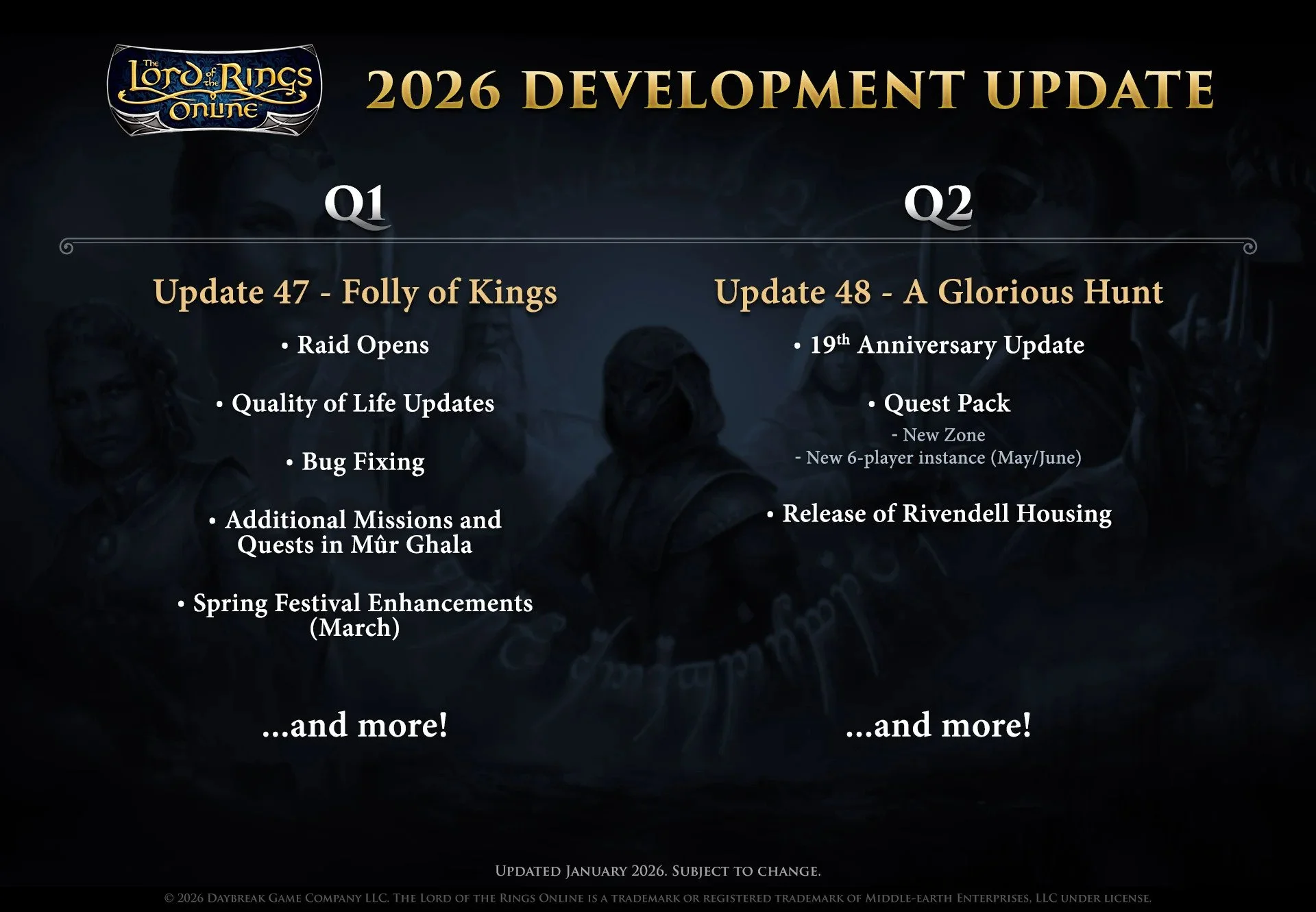
“Do you still get excited about upcoming MMORPGs?” asked Massively Overpowered today. My first reaction was to say something flippant, so I left the following comment. “As I’ve got older, I’ve swapped excitement for schadenfreude. The ROI is far better”. However, upon mature reflection I think there’s more to this enquiry than meets the eye and that it requires a more thorough response. Because the more I think about it there seems to be a total lack of excitement from my perspective about any new MMORPG currently in development and more importantly, for those that I currently play. Both of which (The Lord of the Rings Online and Star Trek Online) have released a road map for the year ahead. Is a lack of any excitement indicative of an issue with me or with the genre of games that I have made a major part of my leisure time?
“Do you still get excited about upcoming MMORPGs?” asked Massively Overpowered today. My first reaction was to say something flippant, so I left the following comment. “As I’ve got older, I’ve swapped excitement for schadenfreude. The ROI is far better”. However, upon mature reflection I think there’s more to this enquiry than meets the eye and that it requires a more thorough response. Because the more I think about it there seems to be a total lack of excitement from my perspective about any new MMORPG currently in development and more importantly, for those that I currently play. Both of which (The Lord of the Rings Online and Star Trek Online) have released a road map for the year ahead. Is a lack of any excitement indicative of an issue with me or with the genre of games that I have made a major part of my leisure time?
Having been a regular MMO player since 2008, I think the most fundamental thing that has robbed the genre of excitement for me is hype culture and bogus marketing. MMORPGs have consistently failed to live up to their potential, have too often plagiarised the successful formula of World of Warcraft and has consistently failed to evolve, take risks or countenance anything truly innovative. So many titles have been released and hailed as a major paradigm shift within the genre, only to make the same mistakes as their predecessors. Furthermore, publishers have frequently mismanaged their players needs, failed to address problems groups and have generally eschewed any real responsibility for the communities they’ve contributed to creating. And then there is the egregious monetisation and the woeful mismanagement of loot boxes and similar mechanics.
Beyond the failings of the actual MMO games themselves, there are other factors that leech the joy out of the genre. The video games industry seldom covers itself in glory. Yes, there are good studios but we are regularly presented with details of the those who treat their employees poorly, have senior staff who hold questionable views and affiliations, as well as the general indifference to ethics, accountability and even legislation. Then there is the section of the player base and fan community that came to the wider public’s attention during the 2014 #Gamergate debacle. This loose cabal of professional malcontents, the socially dysfunctional and the extreme right continues to plague the gaming scene. It is yet another factor that keeps me and many other gamers from fully embracing and identifying with gaming culture.
And then there’s my age as well as my own journey of self-discovery and personal awareness to consider. Over time, idealism is often replaced with realism. I find that nowadays, my sense of excitement, anticipation and generally looking forward to something is far more restrained. I tend to focus upon things that I know are not likely to disappoint. Which is more likely to let me down? A cold beer or a multi-million-dollar video game that has been designed primarily as a “live service”? Excitement is all too often the unwitting bed fellow of naïveté. So returning to the original question, no I don’t tend to get excited about MMOs anymore, but that’s not down to some simple binary reason. It’s a change brought about by the evolution of the video games industry and my own life experience. Excitement still exists for me in a measured, targeted way but It is no longer a default reaction or something freely given. And that saddens me a little.
Why Am I Doing This?
"Why am I doing this?" is the question currently posed over at KeenandGraev.com and it certainly makes for some interesting introspection and personal reflection. Most gamers have at some point found themselves carrying out some arbitrary task in a game, pausing and then musing as to why they have chosen to do something as mundane and possibly even as tedious as “kill 10 rats” or “pick up nails” (yes, I’m looking at you LOTRO). Regardless of whether such mechanics are right or wrong, lazy or “classic”, grinding is an inherent aspect of most video games, especially the MMO genre. Players burn through narrative driven quest content far too quickly, therefore there has to be systems to slow player progress down and make then repeat content. However, the point of the original post isn’t to debate whether grinding is right or wrong. It’s about what you as a player do next when you finally ask yourself this question.
"Why am I doing this?" is the question currently posed over at KeenandGraev.com and it certainly makes for some interesting introspection and personal reflection. Most gamers have at some point found themselves carrying out some arbitrary task in a game, pausing and then musing as to why they have chosen to do something as mundane and possibly even as tedious as “kill 10 rats” or “pick up nails” (yes, I’m looking at you LOTRO). Regardless of whether such mechanics are right or wrong, lazy or “classic”, grinding is an inherent aspect of most video games, especially the MMO genre. Players burn through narrative driven quest content far too quickly, therefore there has to be systems to slow player progress down and make then repeat content. However, the point of the original post isn’t to debate whether grinding is right or wrong. It’s about what you as a player do next when you finally ask yourself this question.
I found the reply from MMO blogger Bhagpuss to be particularly illuminating. “Because” usually works for me”. Sometimes playing an arbitrary game and pursuing the most mundane of tasks is a source of relaxation for players. Not everyone is motivated by the quid pro quo of gear grinding and levelling, although these are powerful motivators. Sometimes just logging into an MMO and crafting, or resource gathering or even just touring the virtual world is an invaluable means of unwinding. Often when playing through such content, gamers will often do other things, such as listen to podcasts. Hence the game is facilitating another activity. Another common occurrence is that when players log into a game and “grind” through repetitive content, they are often logged into Discord and speaking with friends and colleagues. So viewed from a broader perspective the “because” reason that Bhagpuss mentions, is potentially a conduit to wider pastimes or social interaction.
“Look Crusty Fur, there’s some repetitive tasks we can do ad infinitum…
On a slightly more serious note, the “planting crops and watering them” that Keen references in his original post, is the sort of game mechanic that some gamers will use as a coping mechanism during times of stress and anxiety. Losing oneself in a virtual world can be a very appealing prospect when one has a great deal of major real-world problems. The routine and structure of repetitive game play can have therapeutic value. I know many gamers who struggle with depression and other mental health issues who find that games provide a very stabilising influence, keeping them focused and occupied. And on a simpler level, day to day life is hard for many people for economic and logistical reasons. I certainly find a degree of comfort in the mundane at times. Pursuing such goals in an MMO helps block out the tedium and worry associated with contemporary politics.
However, we should all remember that although the question “why am I doing this?” may be a universal constant, our personal responses are subjective. As I’ve written before, one person’s grind is another’s hog heaven. Hence the point when a gamer asks themselves “do I really need to go to Splaticon IV yet again and retrieve the Sword of Kagnazax?” is different for everyone. I certainly know where my own personal lines in the sand are drawn. I view gaming very much in a transactional fashion. I do something because of the reward it offers or the amusement it affords. The moment those criteria are not met, I’ll do something else, although it took me several years to come to terms with this policy. Social obligation and the sunk cost fallacy can be hard habits to break. So overall, I think encouraging gamers to police themselves from time to time by contemplating this question is a good thing, because the tail doesn’t wag the dog.
You Are Not the Intended Customer
After reading a lot of the recent coverage of Google Stadia, I find some of the comments and reactions from existing PC and console gamers just as “interesting” as the actual product itself. As for the basic concept of games running remotely at a datacentre, which does all the “heavy lifting”, we’ve been here before. On Live tried this in the UK back in 2009. They also had bespoke controllers just like Google Stadia but ultimately there was too many people in the UK at the time with low end internet connections, so the business failed. I believe Sony ended up buying all their patents. Obviously, technology has moved on in the last decade and certainly Google has more resources that it can bring to bear on the development of this product. But as I said, I find the way the news of this product was greeted to be of equal interest, because as ever core gamers are blinkered by their own erroneous perspective. They see themselves as the target demographic of any new service or game, which is not the case in this instance.
After reading a lot of the recent coverage of Google Stadia, I find some of the comments and reactions from existing PC and console gamers just as “interesting” as the actual product itself. As for the basic concept of games running remotely at a datacentre, which does all the “heavy lifting”, we’ve been here before. On Live tried this in the UK back in 2009. They also had bespoke controllers just like Google Stadia but ultimately there was too many people in the UK at the time with low end internet connections, so the business failed. I believe Sony ended up buying all their patents. Obviously, technology has moved on in the last decade and certainly Google has more resources that it can bring to bear on the development of this product. But as I said, I find the way the news of this product was greeted to be of equal interest, because as ever core gamers are blinkered by their own erroneous perspective. They see themselves as the target demographic of any new service or game, which is not the case in this instance.
Google Stadia is a service can run top titles on most domestic platforms. Does everyone have a PC or console? No. Does everyone have a TV and a smartphone? Yes (or as near as damnit). So I would hazard a guess that this new service is viewed by Google as a means to expand the reach of games to those who are currently either playing on the margins, or our entrenched in bespoke market such as cell phone games. Google do not seem to be offering anything to core PC gamers, who will more than likely not be interested in such a service. Game mods, high end graphics on “über” gaming rigs, and live streaming are some of the aspects of PC gaming culture that keep it distinctly separate from other video games communities. If anything, Google Stadia could be more of a threat to the console market. However, irrespective of both these issues, if Google can get casual gamers who play mobile games via a phone, to expand the scope of their hobby and start paying to play the latest console/PC titles, they could be on to a winner.
Potentially pitching to this particular quarter of the gaming diaspora, could prove extremely lucrative. Mobile revenue accounts for more than 50% of the global video games market. As of last year that was $65.4 billion. For those who don’t have a console or do not wish to purchase the latest titles at their current retail price, a gaming service such as Google Stadia, pitched at a comparable cost to something like Netflix could be a major hit. Naturally this service will not necessarily appeal to competitive gamers for obvious technical reasons such as lag. Nor will it be embraced by the PC Master Race/professional malcontents/zealous gamer purists who are disdainful of anything outside of their purview. But again, they’re not the target demographic and frankly they’re not a group that endears itself to either marketing departments or the wider gaming community. Gaming has become an everyday pastime in recent years and the term itself has also evolved. Making gaming even more accessible is naturally a logical business goal.
However change always has winners and losers. Although I see the business sense in a service such as Google Stadia, it also represents yet another nail in the coffin of “ownership”. I’m old fashioned and in some respects very much a product of the era I grew up in. I like to pay once for something and move on, and so do not warm to concepts such a recurring charges and live services. But I’m wise enough to understand that markets evolve and that the business models of the past are not immutable. You only have to look at the decline of physical media, especially in the music industry for proof. This is the age of “games as a service” and Google Stadia could potentially be the “killer” product that helps to normalise that, just as iTunes drove a stake through the heart of CD sales and made us all subscribers with virtual collections.






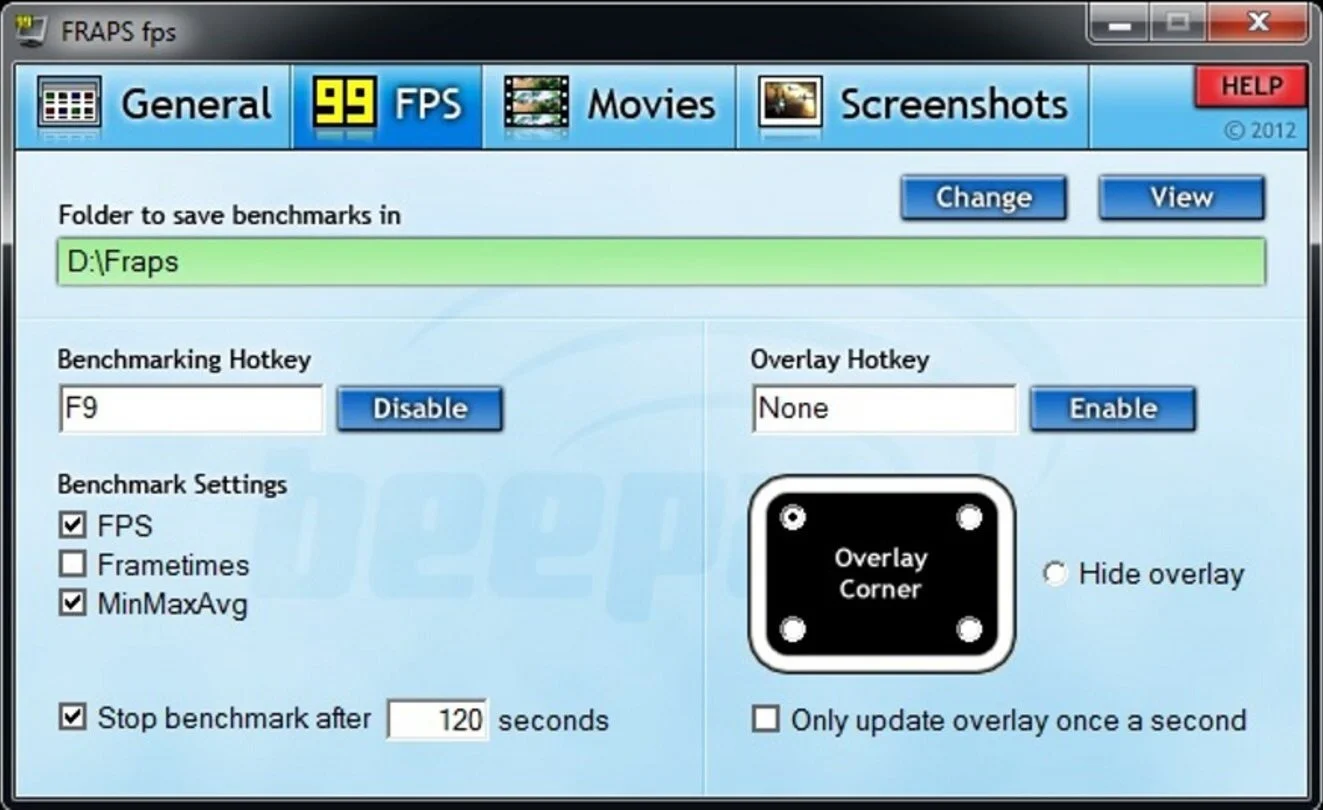
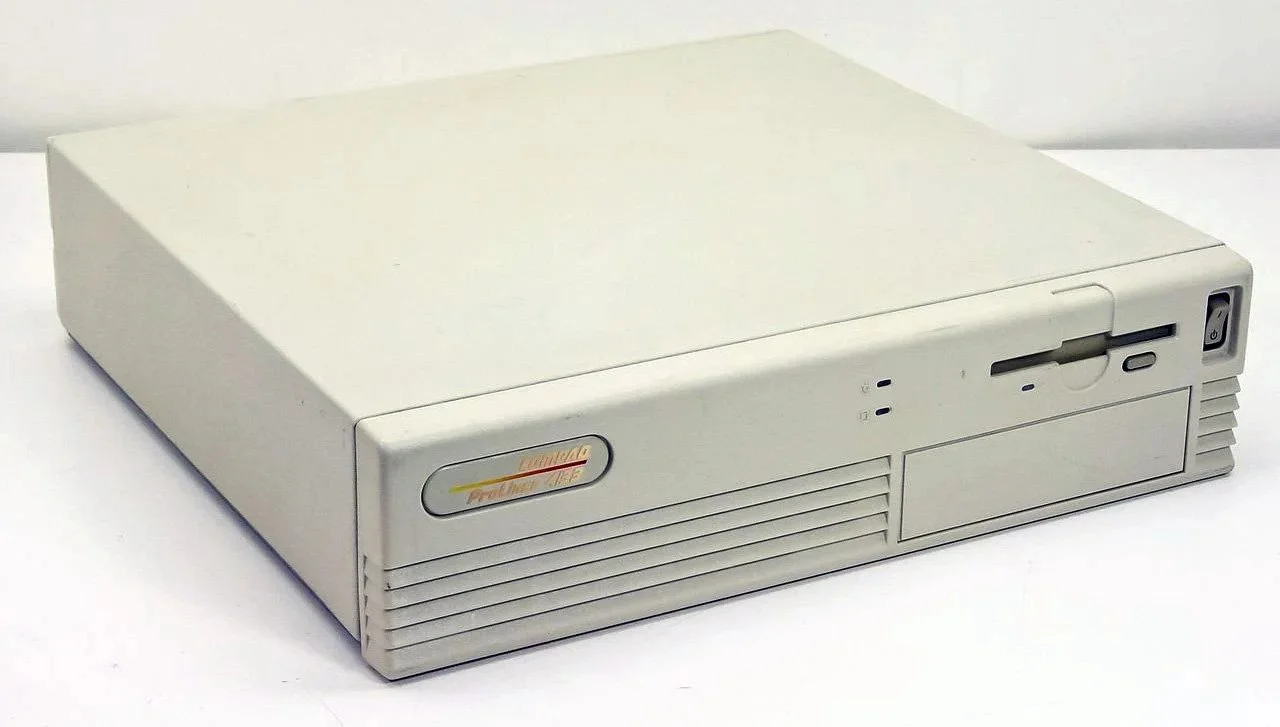





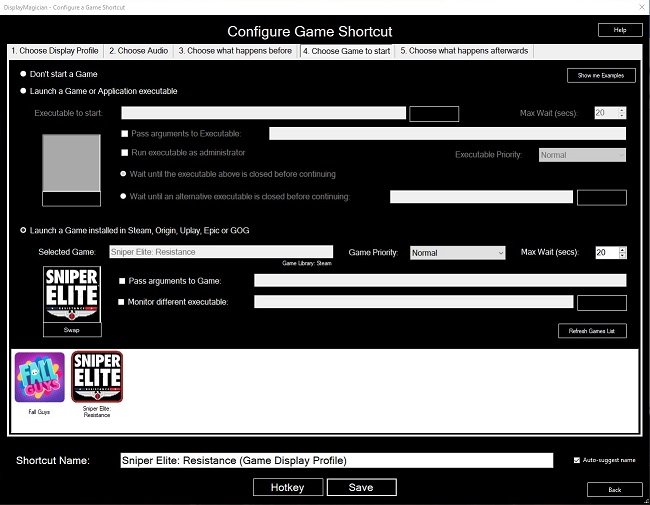







The Lord of the Rings: Gollum in Development
In recent years there has been a shift in position of both Middle-earth Enterprises and the Tolkien Estate. Saul Zaentz died in 2014 leading to a relaxing in licensing requirements and Christopher Tolkien stepped down as the director of his father’s estate in late 2017, further contributing to increased commercial use of Tolkien’s intellectual property. Since then we have learned that Athlon Games are developing a new MMORPG set in Middle-earth and that Amazon Prime is producing a major TV show set in the Second Age. It would appear that the firm grip that has prevailed over the last forty years is now waning and that Middle-earth Enterprises and the Tolkien Estate are more disposed towards expanding the reach and financial potential of the Tolkien franchise.
In recent years there has been a shift in position of both Middle-earth Enterprises and the Tolkien Estate. Saul Zaentz died in 2014 leading to a relaxing in licensing requirements and Christopher Tolkien stepped down as the director of his father’s estate in late 2017, further contributing to increased commercial use of Tolkien’s intellectual property. Since then we have learned that Athlon Games are developing a new MMORPG set in Middle-earth and that Amazon Prime is producing a major TV show set in the Second Age. It would appear that the firm grip that has prevailed over the last forty years is now waning and that Middle-earth Enterprises and the Tolkien Estate are more disposed towards expanding the reach and financial potential of the Tolkien franchise.
Despite the major canonical deviations made by Monolith Productions with both Middle-earth: Shadow of Mordor and its sequel Shadow of War, both games were substantial commercial and critical successes. Perhaps other studios have seen the creative possibilities that the Middle-earth IP can finally offer, now that both controlling parties are being more flexible in their approach to licensing. That is my pet theory, and perhaps it might explain the recently announced Gollum themed role-playing game that is currently in development by German video game studio Daedalic Entertainment. Of all the characters and scenarios they could have picked, the studio have elected to create a narrative driven game based upon the life of Frodo Baggins’s nemesis and former ring bearer, Sméagol. I’m not sure if this is a bold or insane move.
According to Carsten Fichtelmann, CEO and Co-Founder of Daedalic, “The Lord of the Rings is one of the most epic and renowned stories of all time - it's an honour for us to have the opportunity to work on our own contribution to this universe. In Gollum, players will assume the role of one of the most iconic characters in Middle-earth. We tell Gollum's story from a perspective never seen before, in any storytelling medium, all the while staying true to the legendary books of J.R.R. Tolkien. At a time when the games industry is undergoing structural changes and seeing new business models evolve, we are excited to realize a huge new production based on a story that has stayed fresh and relevant for more than 60 years”. As with most soundbites, it tells us very little about the game itself. Den of Geek managed to speak to Carsten Fichtelmann and Jonas Hüsges (Project Manager and Head of Business Development), although there still isn’t much to tell.
Ken Follett's The Pillars of the Earth
Due to the terms of the licensing agreement, Daedalic Entertainment will be creating their own unique Middle-earth aesthetic and are not pursuing photorealism or the visual style established by the film trilogies. Perhaps they will take the same stylised approach they did with their adaptation of Ken Follet’s Pillars of the Earth. I personally would have no issue with such a choice. The game play will potentially involve stealth, as this is an integral part of Gollum’s character (both with and without The One Ring). So maybe we will see a game mechanic similar to that of Sniper Elite or Ghost of a Tale? It has also been indicated by Daedalic Entertainment that there may be further games to follow as their license covers more that just The Lord of the Rings: Gollum. Tentatively, the game is scheduled for a release in 2021. If this title does bear any similarity of Pillars of the Earth, then it could be released on Linux, macOS, Microsoft Windows, PlayStation 4, Xbox One and iOS.
Age has greatly tempered my position on fandom and I look back at my former zealous, lore-based fundamentalism of multiple popular IPs with a degree of embarrassment and mirth. For example, did Middle-earth: Shadow of Mordor and Shadow of War take massive liberties with the source material? Yes. Did they ruin my enjoyment of Tolkien’s work? No. Did I have fun and enjoy both games? Again, yes. Therefore, however incongruous a Gollum themed role-playing game may sound, I believe there is scope for it to be of interest. Narratively speaking there’s a lot that can be done with the character with and some noticeable gaps in his back story to explore. As for a video game based around stealth and silent kills, we know that if done right, such a concept can definitely work. So I am happy to extend the benefit of the doubt to Daedalic Entertainment and remain cautiously optimistic for The Lord of the Rings: Gollum.
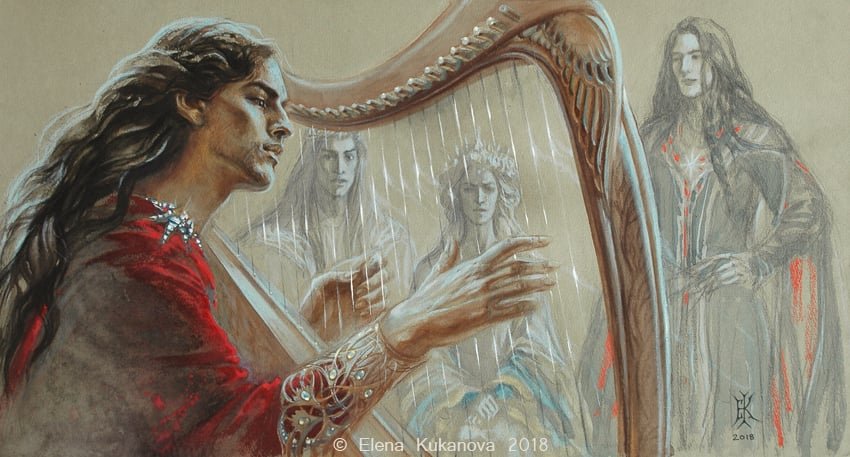





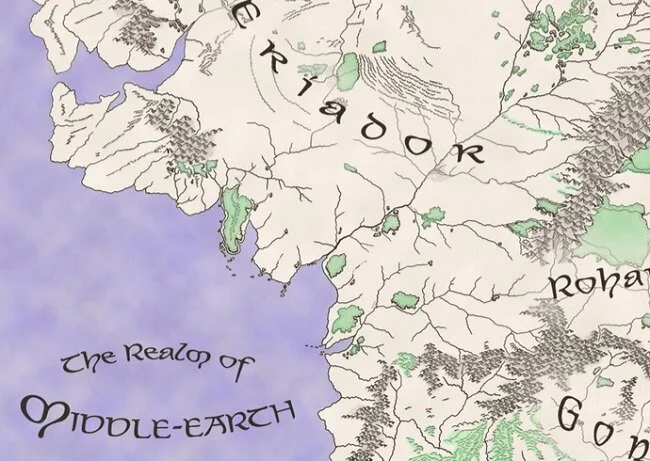

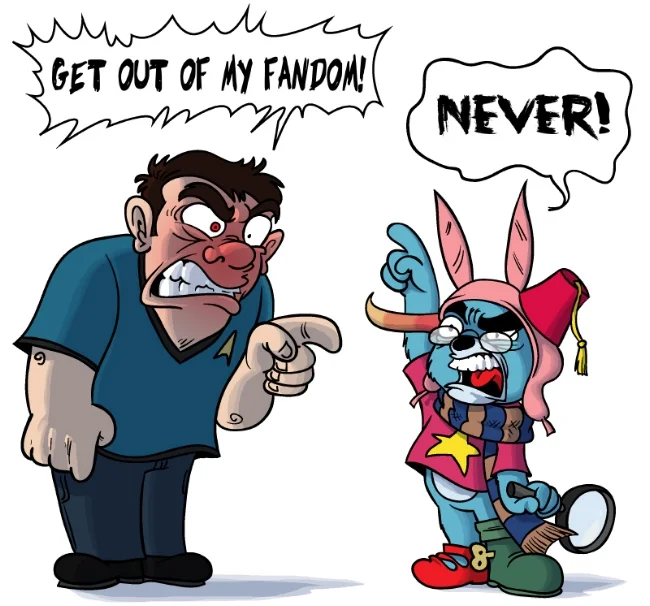
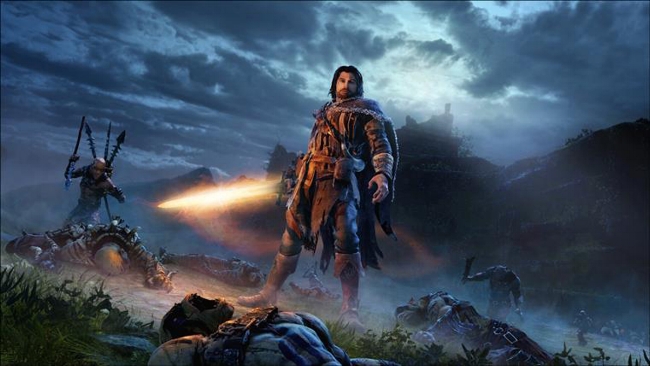

Get Your House in Order
Theoretically, the fallout from the Christchurch mass shooting should be far reaching. There is at present an opportunity to address numerous problems and issues while the tragedy still has both political and social momentum. Because “it is the doom of man that he forgets”. 24-hour news culture has severely strained the public’s attention span. Plus it is in the interests of numerous institutions for the news cycle to move on, because current scrutiny is highlighting how culpable they are. The tabloid press, media commentators, tech companies and internet communities have been found wanting for a while and last weeks carnage is now raising questions over their involvement in the growing culture of hate and therefore their potential regulation. This may be the last chance for many to put their own house in order before the establishment does. And considering the knee-jerk, ham-fisted nature of contemporary western politics, the latter is not likely to be either subtle, efficient or even beneficial.
Theoretically, the fallout from the Christchurch mass shooting should be far reaching. There is at present an opportunity to address numerous problems and issues while the tragedy still has both political and social momentum. Because “it is the doom of man that he forgets”. 24-hour news culture has severely strained the public’s attention span. Plus it is in the interests of numerous institutions for the news cycle to move on, because current scrutiny is highlighting how culpable they are. The tabloid press, media commentators, tech companies and internet communities have been found wanting for a while and last weeks carnage is now raising questions over their involvement in the growing culture of hate and therefore their potential regulation. This may be the last chance for many to put their own house in order before the establishment does. And considering the knee-jerk, ham-fisted nature of contemporary western politics, the latter is not likely to be either subtle, efficient or even beneficial.
It sadly did not come as a surprise that Brenton Tarrant is steeped in numerous aspects of the unsavoury side of internet culture. Namely, 8chan, shitposting and the alt-right. A “manifesto” allegedly attributed to him is filled with the usual weaponised use of memes to try and obfuscate and confuse. And then there’s the fact that he was allegedly a gamer and conversant with You Tube sub-culture to consider. While old school politicians, mainstream journalists and senior members of the public struggle to catch up, those of us who are more familiar with fluid and rapidly evolving nature of internet culture are facing the stark reality that it played a part in shaping this killer’s beliefs. Furthermore gaming, online communities and You Tube personalities are some of the many intersecting circles of a wider and ultimately harmful Venn diagram. Memes aren’t necessarily “just harmless, movements such as #gamergate aren’t purely about “ethics in gaming journalism” and when You Tube personalities say racist, sexist or homophobic things, it not just “banter” or “a joke”.
Tarrant stated, “Remember lads, subscribe to PewDiePie!” just before he started shooting. Felix Kjellberg has made a statement disavowing any association with him, his ideology and being “sickened” by his comments. However, Kjellberg has used racist language in the past, as well as given shout-outs to questionable individuals. With 89 million plus YouTube subscribers who are predominantly young, male and white, he has a lot of reach. Then there are other personalities and channels that cater and court this specific demographic. One filled with poorly skilled, disaffected young males, struggling with emotional literacy and social awkwardness. Add to this a growing adversarial culture that eschews nuance and increasing zealotry in previously benign social interactions and pastimes such as fandom and there’s trouble. PC culture has failed and the pendulum has now swung the other way with populist bandwagons such as Brexit and MAGA. A perfect storm has been forming for a while and it appears to have now arrived.
It is both sad and ironic that the old cautionary mantra of “the only thing necessary for the triumph of evil is for good men to do nothing” which has almost become hokey in recent years, has suddenly become alarming relevant again. Online communities, You Tube, Twitch, even game developers have not done enough (if indeed anything) to adequately police and moderate the communities they financially benefit from. They’ve hidden behind “freedom of speech”, claims they are not publishers and generally complained that the technology or man power required to do the job would be too difficult to manage and inefficient. And so we saw both Facebook and You Tube desperately trying to get in control of the continuous reposting of video content of the Christchurch shootings. “Why not just suspend all uploads during such circumstances?” some politicians have asked. The ensuing silence from the tech companies was deafening. And the real answer is money as anyone with a functioning intellect knows.
There are no simple reasons for the rise in hate crimes or easy explanations for such tragic events such as that in Christchurch. Nor are there any quick fixes. Multiple factors have contributed to an ongoing drip, drip, drip of populist rhetoric that have normalised racism, xenophobia and hatred of “the other”. Online culture has evolved quickly from a quirky, backwater niche to an unchecked, unpoliced “frontier town”. We now find that such an environment is dangerous and action needs to be taken. Codes of conduct need to be enforced, moderation is required and we must stop mollifying sanctions with bogus attempts at reform, because we still want everyones money. We all need to play our part and call out those who peddle hatred. We also need to be smart and ensure we don’t throw the baby out with the bath water. With regard to the bigger players such as You Tube and Facebook, if they don’t take real steps now to prevent abuse of their services, they will find control rested away from them and given to the politicians. Not the most desirable solution. The time for “whataboutery” and generally prevaricating is over. There is guilt by association and in some cases blood on the hands of those who profit from the status quo. So to all involved, get you house in order. While you still can. The consequences for not doing so don’t bear thinking about.