Making Your Own Fun
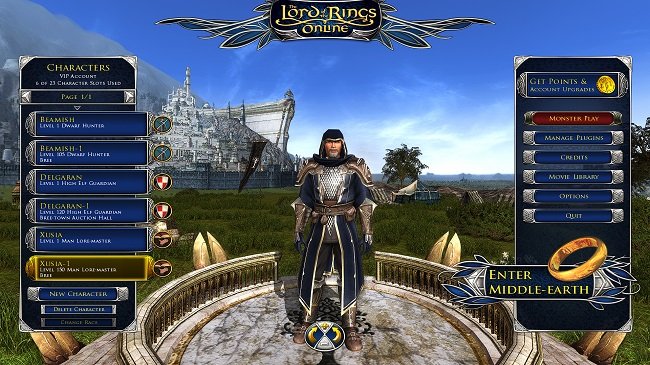
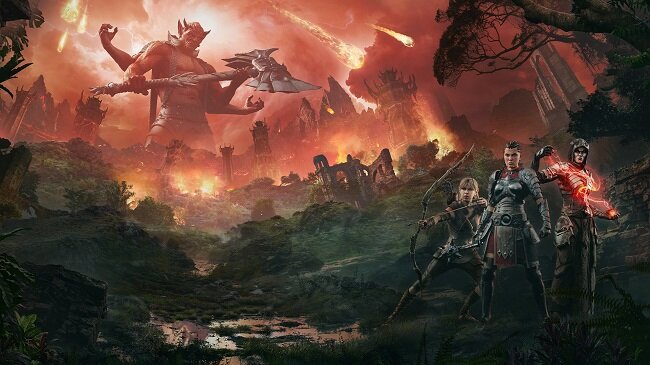
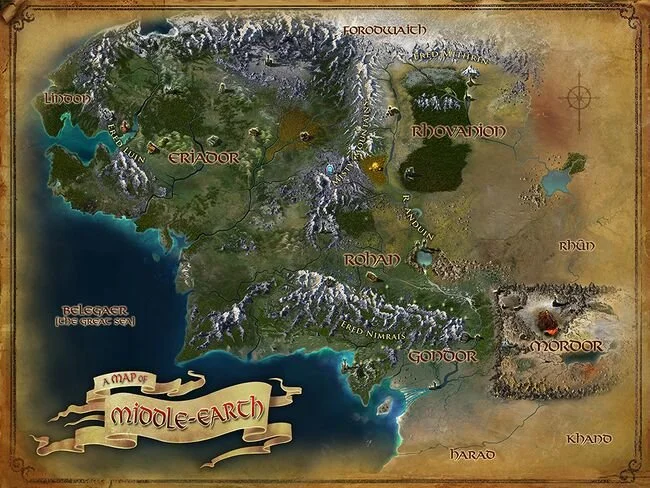
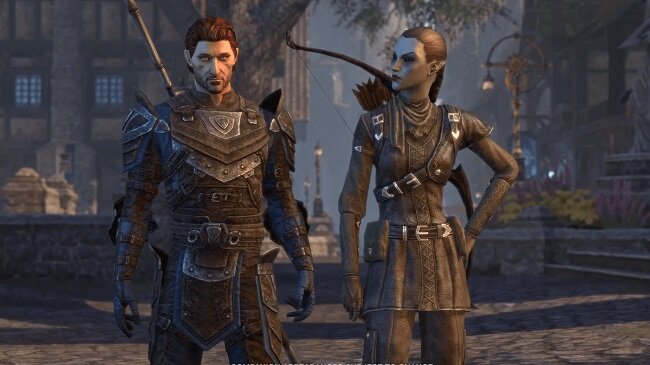
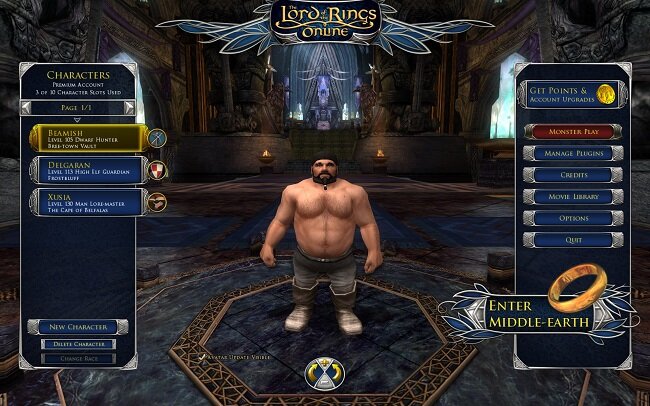
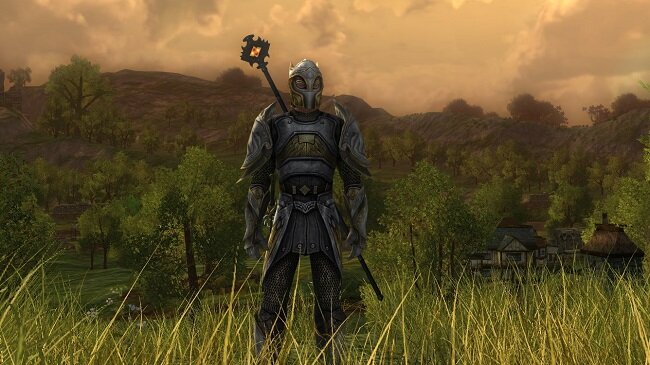
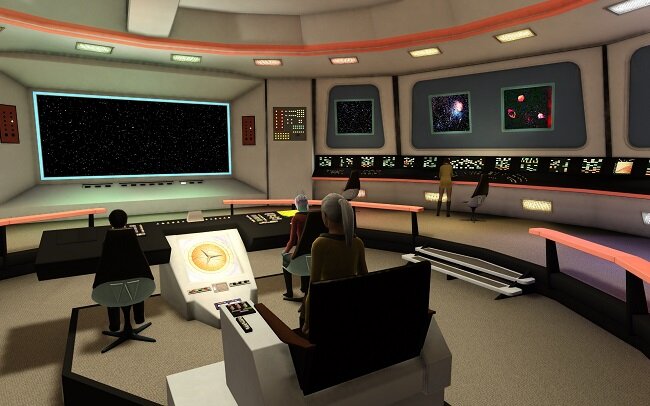
I’ve yet to read a cogent definition of the term “emergent gameplay”, so it won’t feature in this post because I’m not sure if I fully grasp the concept. It seems to be a very elastic term. However, what I will say is that sometimes you run out of officially sanctioned tasks to do, when playing an MMO. You find yourself having completed all quests and missions, languishing at level cap with acceptable gear and kicking your virtual heels. It is at this point one of two things happens. You either find a means of keeping yourself engaged with the game, or you logout and find something else to play. Too often have I done the latter. At present, I’m currently at the “what should I do now” stage both in The Lord of the Rings Online and Star Trek Online. This time rather than just temporarily abandoning these games, I intend to set myself some new goals and effectively make my own fun. It may or may not work. But at the least it will make for a couple of blog posts.
I’ve yet to read a cogent definition of the term “emergent gameplay”, so it won’t feature in this post because I’m not sure if I fully grasp the concept. It seems to be a very elastic term. However, what I will say is that sometimes you run out of officially sanctioned tasks to do, when playing an MMO. You find yourself having completed all quests and missions, languishing at level cap with acceptable gear and kicking your virtual heels. It is at this point one of two things happens. You either find a means of keeping yourself engaged with the game, or you logout and find something else to play. Too often have I done the latter. At present, I’m currently at the “what should I do now” stage both in The Lord of the Rings Online and Star Trek Online. This time rather than just temporarily abandoning these games, I intend to set myself some new goals and effectively make my own fun. It may or may not work. But at the least it will make for a couple of blog posts.
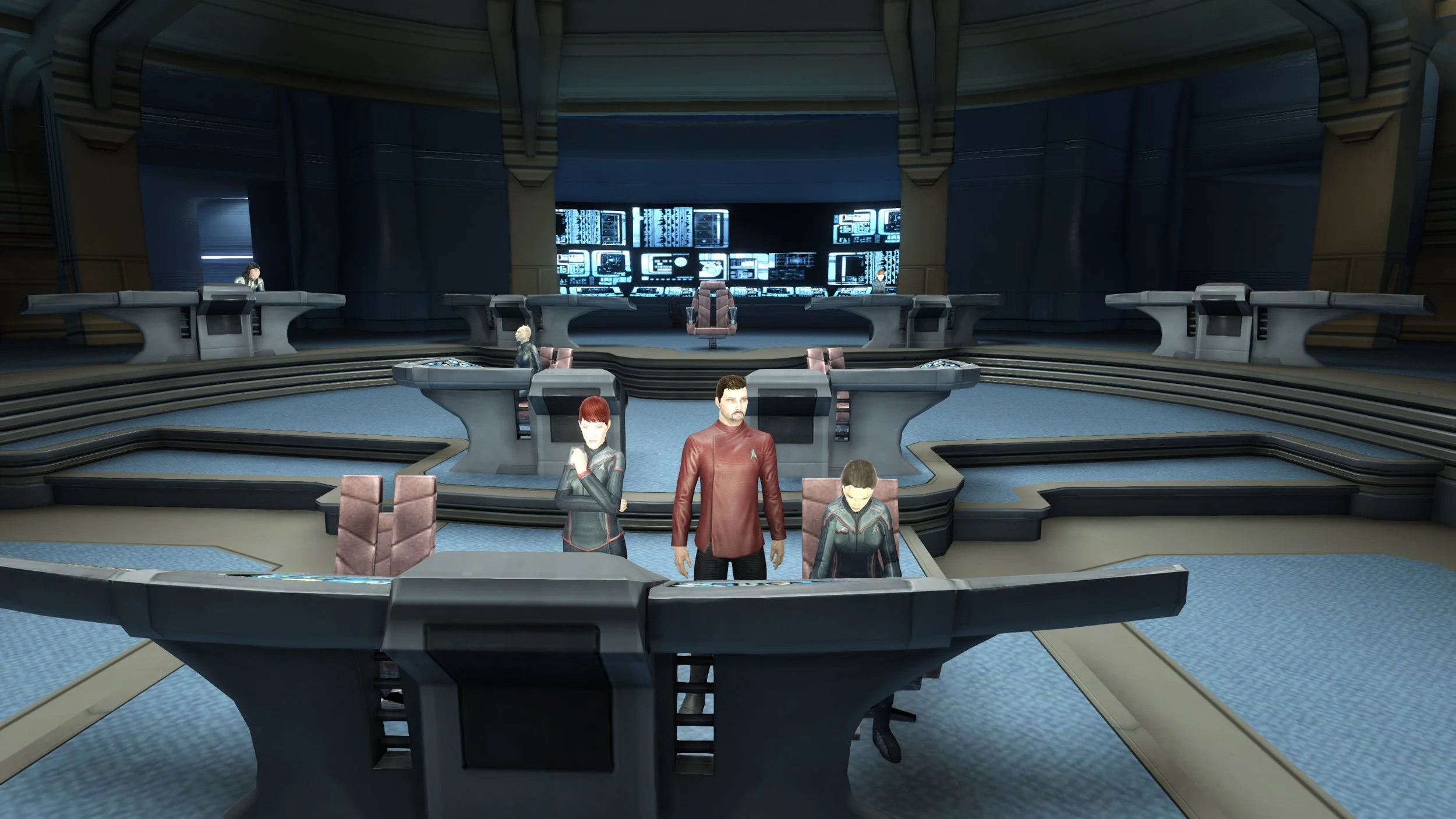
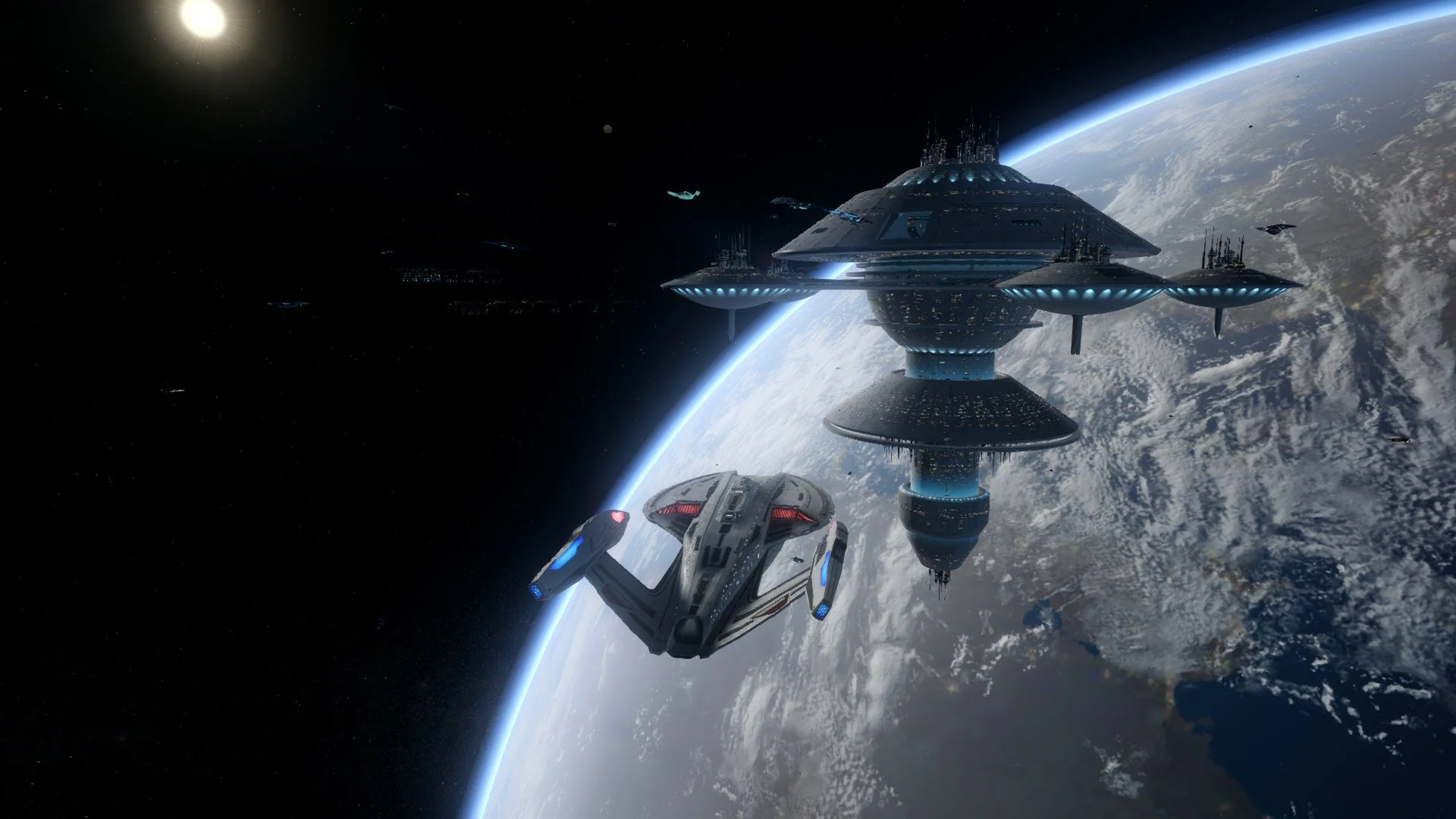
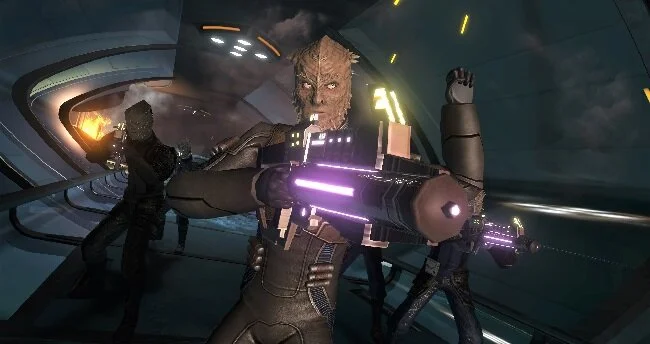
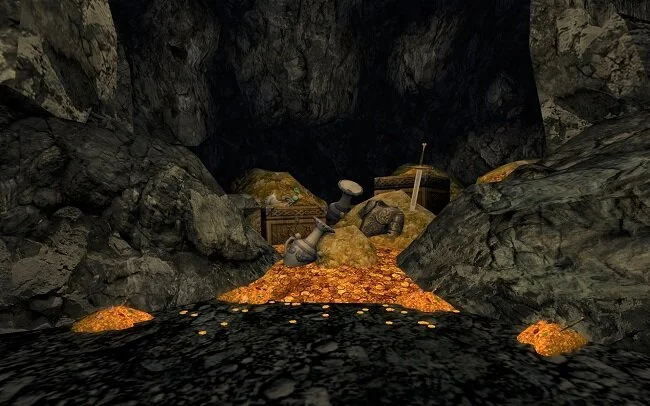
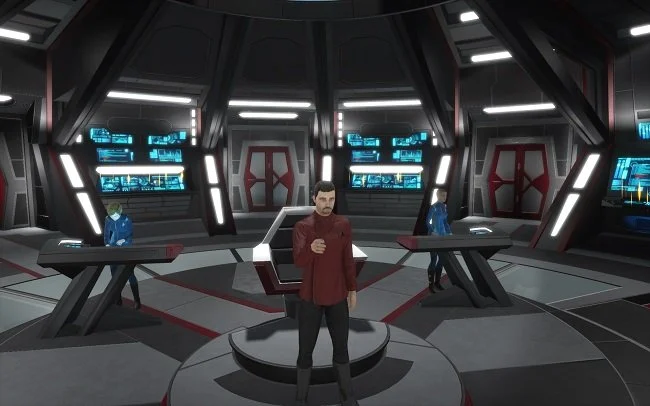
I still have a hankering for a Tier 6 Constitution Class ship in STO. Specifically one from the TOS era, rather than the Kelvin Timeline or DISCO period. However, to get one I’ve either got to buy the 10th Anniversary Legendary Ship Bundle (which requires selling a kidney) or open a ton of Infinity Promotion Research & Development Packs. You can either buy these for Zen (real money) or Energy Credits (ingame currency) via the Exchange. Occasionally a reward pack containing one of these ships does come up for sale on the Exchange but this is usually between 1.5 and 2 billion Energy Credits. Which leads me neatly on to the subject of earning this in-game currency. Some MMOs are laid back when it comes to generating revenue. STO is not one of them. Something that Cryptic has tried to address over the years. So I thought it would be interesting to see how many Energy Credits I could earn in a fixed period of time. This would then be an interesting litmus test to see if a player could realistically raise the necessary funds to buy one of these ridiculously expensive vessels. So having blown all my in-game cash, I’m going to see how much I can raise over the next 28 days. Watch this space for further details.
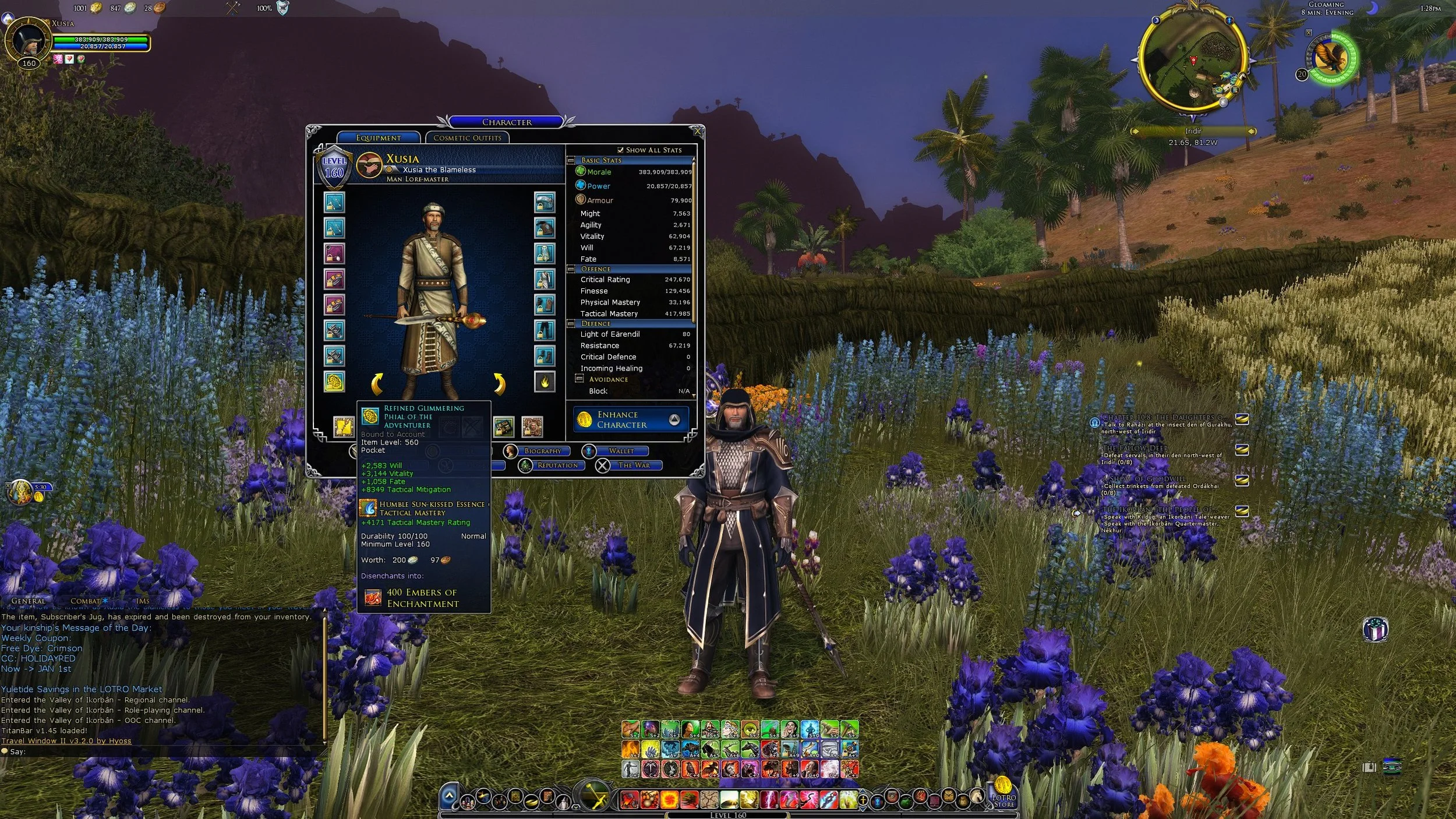
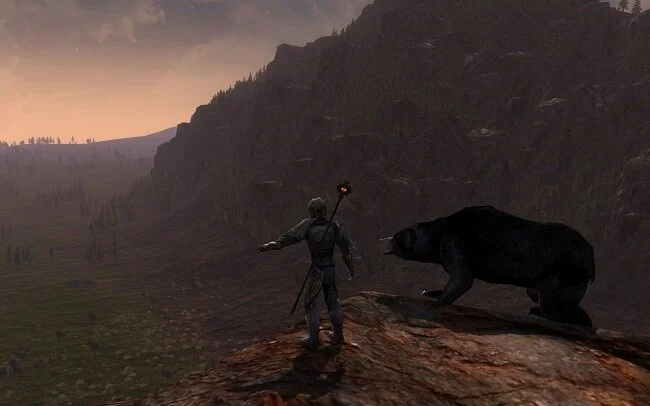
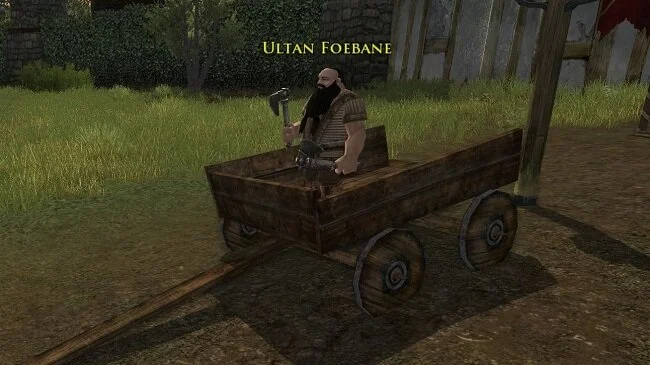
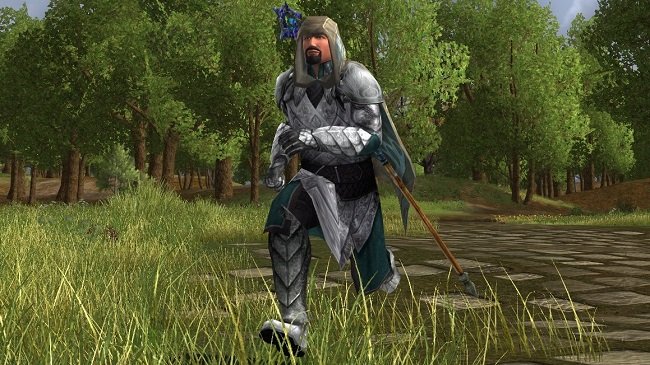
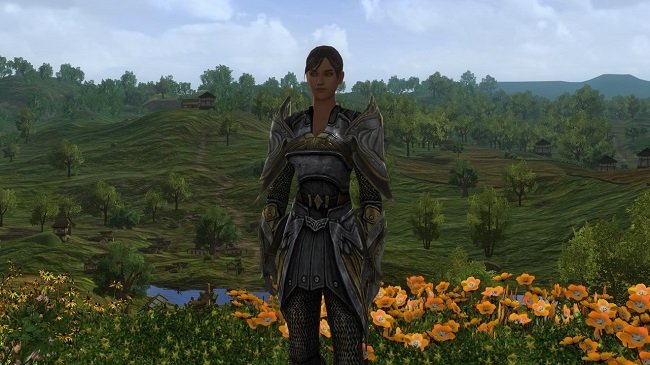
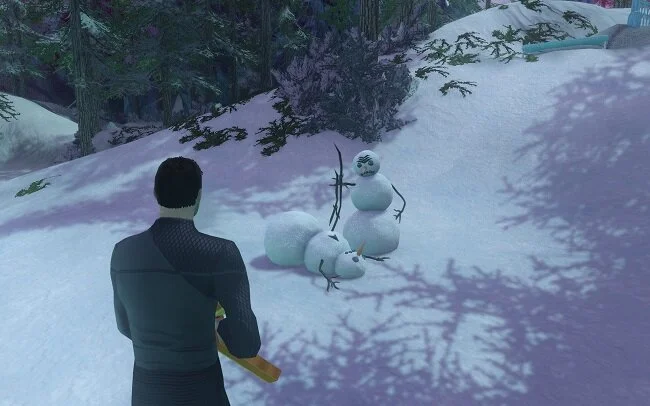
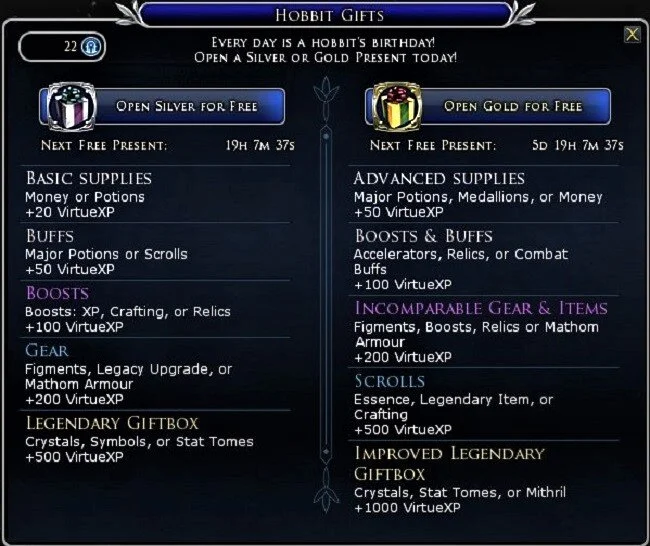
Meanwhile in LOTRO, I’m going to grasp the nettle and see what I can do to improve my Legendary Items. There has got to be another way to earn Anfalas Scrolls of Empowerment, other than just running the same old Minas Tirith dailies. I shall search through all my festival and rep related barter currencies and see if there’s anything that can be cashed in. This reminds me of yet another promise that Turbine/Standing Stone Games have yet to make good on; a decent currency exchange program or a universal barter currency. And if grinding chores for LI improvement fails to excite me (and I suspect it that it will) there is always completing deeds to raise the level of slotted virtue traits. The level cap has now been raised to 68, so there’s scope for statistical improvement if these are maxed out. And if both these options are a washout, I may just do some buying and selling on the auction house. Playing the markets in an MMO has always been a fun way to enjoy commodities trading without any of the risk of its real world counterpart.
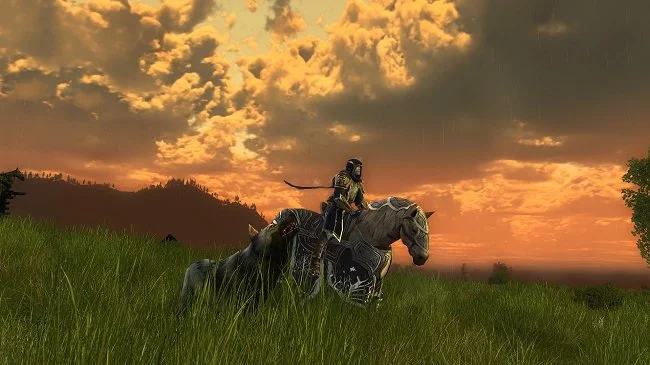
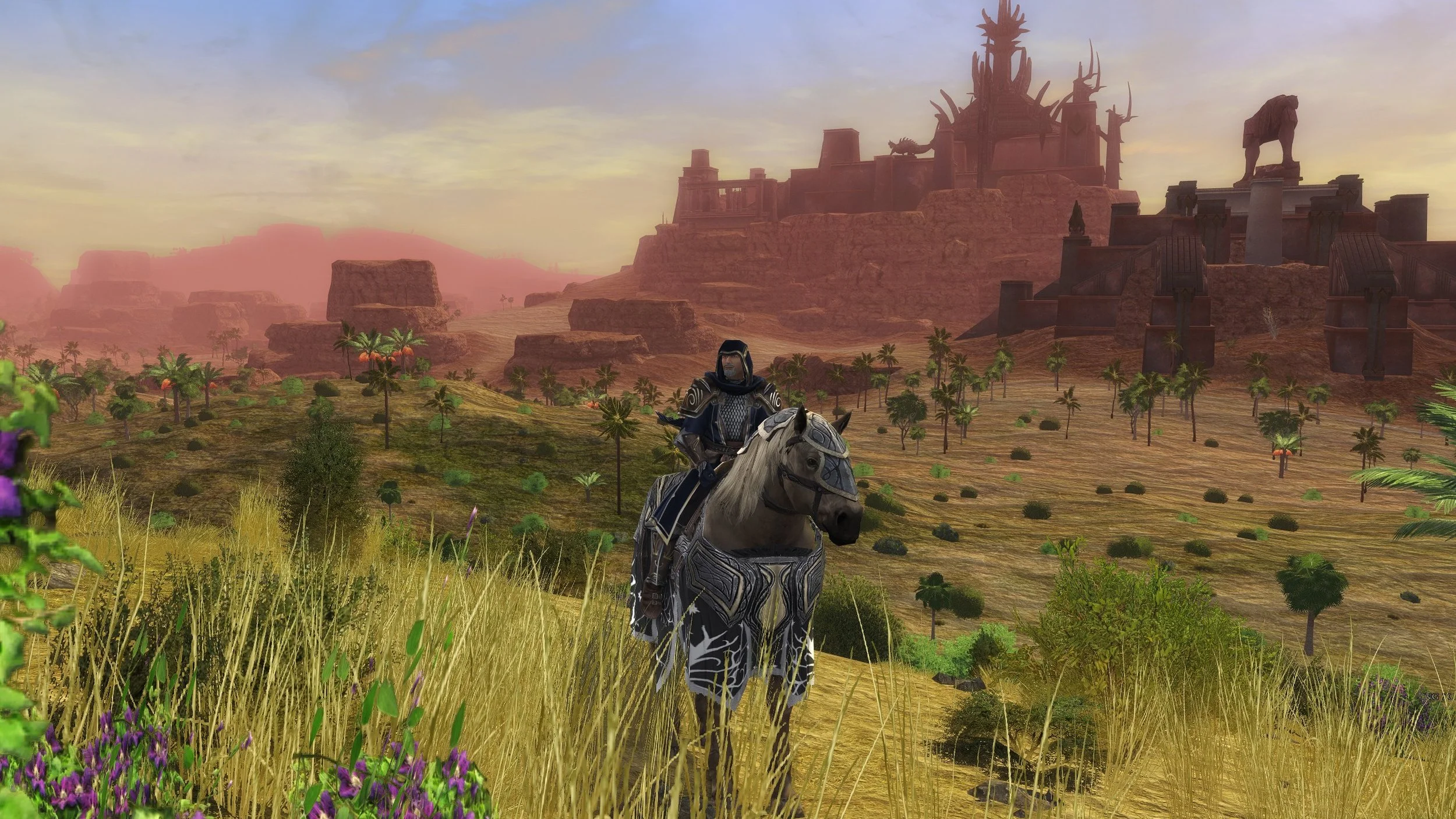
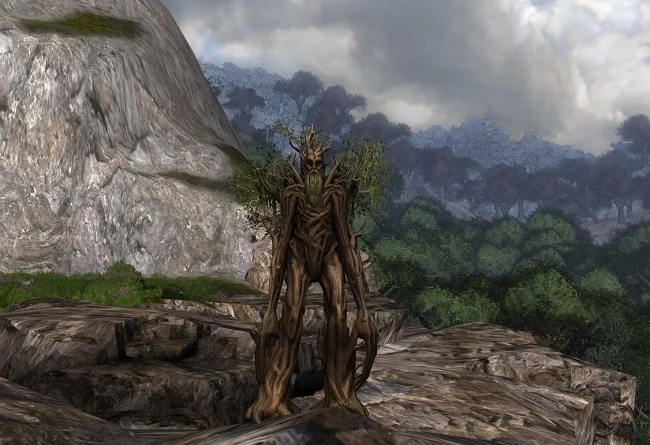
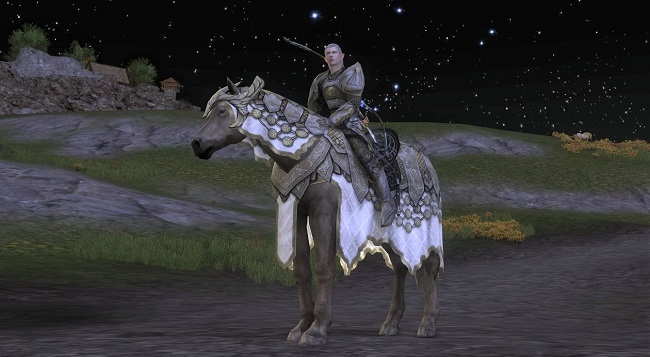
Many of my gamer friends and colleagues make their own fun when playing MMOs. Some will set themselves “iron man” criteria for their ongoing gameplay, playing within fixed builds or specific gear sets. Others confine themselves to specific expansions or just continuously roll new alts. I often find players in my kinship/fleet/guild busy achieving accolades, completing obscure deeds and generally pursuing that game in an unconventional manner. Thankfully the MMO genre lends itself to these kinds of extracurricular activities. There can be pleasure and enjoyment found in many obscure aspects of the virtual worlds we visit. For example, I will sometimes log into LOTRO and just ride around where my fancy takes me, enjoy the aesthetics of the world. If the MMO genre didn’t offer these kind of adaptable freedoms I think a lot of these games would soon lose their audience once they had exhausted traditional content. So here’s to making your own fun and doing things your way. The fact that this annoys certain types of gamers makes it all the more enjoyable.


Scary Stories to Tell in the Dark (2019)
I’m not familiar with the original series of children’s books that Scary Stories to Tell in the Dark is based upon. From what I’ve read, it would appear that the film manages to channel the spirit (if you’ll pardon the pun) of the short stories by Alvin Schwartz, via the four supernatural vignettes that feature in the movies plot. Furthermore, the illustrations featured in the original publications, by Stephen Gammell, have obviously influenced the visual effects and production design of the movie. However, despite being marketed as a portmanteau movie, Scary Stories to Tell in the Dark is much more than that. The framing story is more than just an arbitrary pair of cinematic bookends, designed to wrap around the proceedings. It is entwined into the central narrative and the four supernatural meta stories. Rather than being a pure anthology movie, Scary Stories to Tell in the Dark is at its heart, a film about the nature and inherent power of stories themselves.
I’m not familiar with the original series of children’s books that Scary Stories to Tell in the Dark is based upon. From what I’ve read, it would appear that the film manages to channel the spirit (if you’ll pardon the pun) of the short stories by Alvin Schwartz, via the four supernatural vignettes that feature in the movies plot. Furthermore, the illustrations featured in the original publications, by Stephen Gammell, have obviously influenced the visual effects and production design of the movie. However, despite being marketed as a portmanteau movie, Scary Stories to Tell in the Dark is much more than that. The framing story is more than just an arbitrary pair of cinematic bookends, designed to wrap around the proceedings. It is entwined into the central narrative and the four supernatural meta stories. Rather than being a pure anthology movie, Scary Stories to Tell in the Dark is at its heart, a film about the nature and inherent power of stories themselves.
Set in the small town of Mill Valley, Pennsylvania, in 1968, the plot focuses on three high school students. Stella (Zoe Colletti), Chuck (Austin Zajur) and Auggie (Gabriel Rush) go out to celebrate Halloween. When a prank goes wrong, they're chased by the school bully Tommy (Austin Abrams) and forced to hide at the local drive-in. A mysterious drifter Ramón (Michael Garza) let's them hide in his car and in return for his help, they decide to take him to the neighbourhood haunted house; the infamous Bellows Mansion. The town was founded by the Bellows family who grew rich from the paper mill they built. However, local legends state that the Bellows family incarcerated their daughter Sarah and kept her locked in a darkened room. She would whisper ghost stories through the wall to scare the local children. While investigating the derelict mansion, Stalla finds an old book which appears to be Sarah's. She takes it home and while reading it, a new story appears before her very eyes. It appears to be about the local bully Tommy. The following day he is reported as missing. Another story subsequently appears in the book. This time it’s about Auggie. Is the book hunting the three friends?
Scary Stories to Tell in the Dark makes the most of its $28 million budget. It has a stylised late sixties production design, along with vivid and colourful lighting. The visual aesthetic of Roman Osin’s cinematography greatly adds to the atmosphere. The youthful cast are engaging and deliver good performances. The screenplay by Dan and Kevin Hageman focuses upon their perspective of events and confines adults characters such as the local Sheriff (Gill Bellows) and Stella’s Father (Dean Norris) to the sidelines. The spectre of the Vietnam War, the national draft and the oppressive nature of small town life also hangs over the proceedings. Our protagonists are on the periphery of the adult world and their respective futures do not look especially good. Posters for Richard Nixon seeking election encapsulate this dismal period in US history. It is against this backdrop that the story explores the power of words and narratives. How they can have both a positive and negative effect. And that adult life is filled with ambiguity and this often manifests itself in the use of nuanced language.
The actual “scary stories” that befall the cast are grim and inherently creepy rather than overtly violent. Yet that is not to say that they are not disturbing. And therein lies the rub or at least has been a talking point associated with this movie. Scary Stories to Tell in the Dark despite being drawn from children’s literature, is too ghoulish and frightening for such a young demographic. Despite being rated PG-13 in the US, the BBFC saw fit to award it a 15 rating in the UK and a lot of that simply comes down to tone. Something that you cannot address by re-editing. Hence we have a story about teenagers having to deal with the supernatural, which is potentially of more interest to adult viewers, rather than its target audience. Gore hounds of all ages will be disappointed. However, despite this possible contradiction, the film still performed acceptably at the box office and may well garner a sequel. The story certainly has scope for one.
Because of the pedigree of all associated with this production, Scary Stories to Tell in the Dark makes for absorbing viewing and superior genre entertainment. The assured direction by André Øvredal (Trollhunter, The Autopsy of Jane Doe) offers not only a series of grim supernatural tales but also a degree of emotional intelligence and metaphorical depth. The adult world is not as black and white as our heroes think and coming of age is often bittersweet. Where The Monster Squad explored such themes through horror and humour, this movie achieves it with ghosts and melancholy. The ending resolves the immediate plot but does not deliver a textbook happy ending. The surviving characters are changed and realise that their future lies outside of Mill Valley. I would definitely like to know what happens next and see the central characters progress on their emotional journey. The answers to which lies in Sarah Bellow’s book of stories. I hope it is opened again.










Countdown (2019)
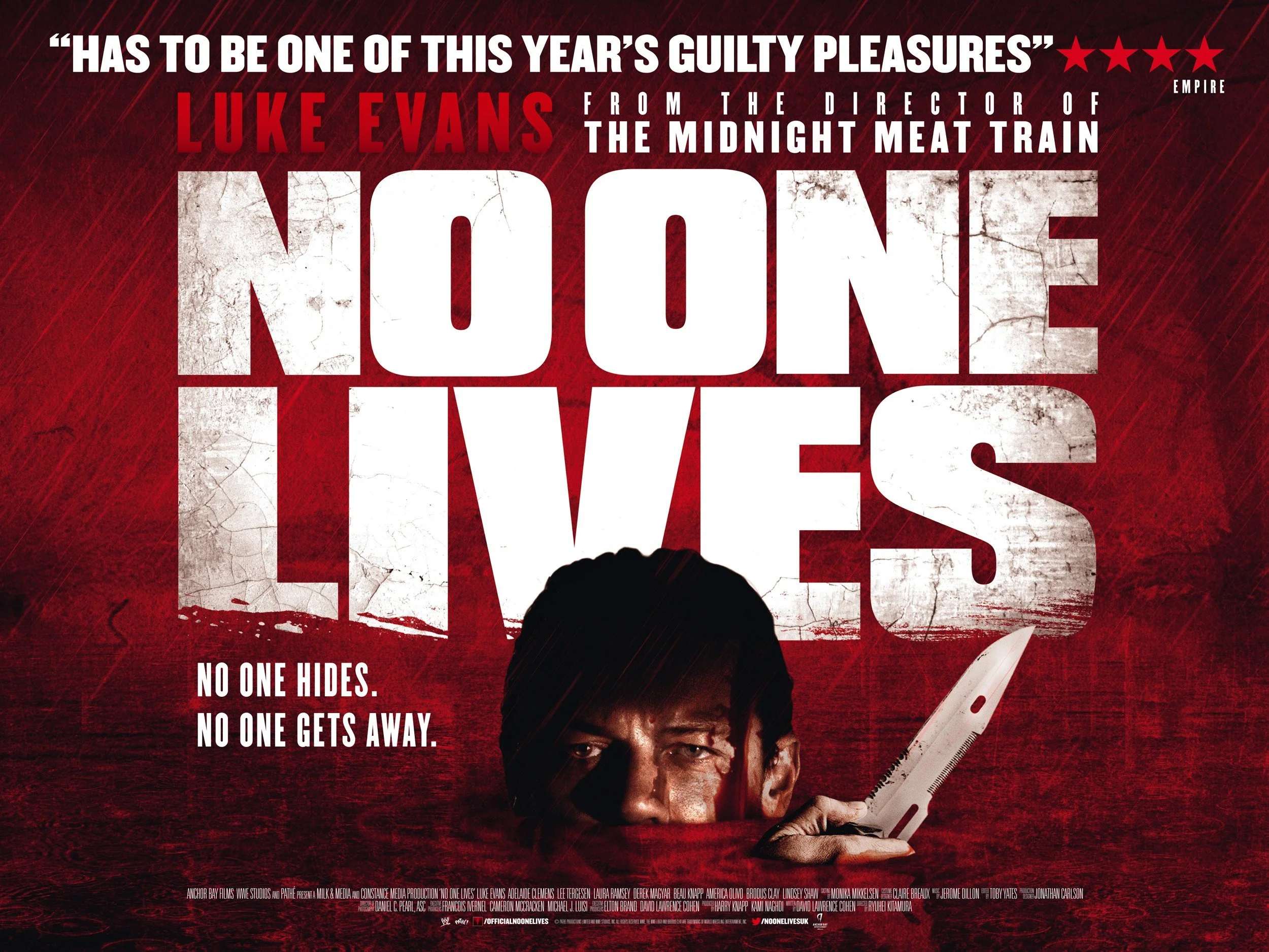
I believe that Countdown received an unnecessarily hard time from the US critics. Don’t get me wrong, I’m not saying that Countdown is a masterpiece. It is not. But it is adequate. A phrase that a lot of people could do with reacquainting themselves with. I won’t retread old ground, as I’ve written about this subject before. I simply think that many people (and critics are people) just have unrealistic expectations when it comes to movies. Not every film created should be, or can be a boundary pushing, cinematic masterpiece. Once again I will invoke my cuisine analogy. There are Michelin five star rated restaurants and then there are fast food franchises. Both serve a purpose, cater for a specific market and can provide relative pleasure. Therefore comparing “like for like” is a critical mistake and based upon a misplaced assumption of false equivalence. Which brings me onto Countdown. It is not The Shining. Nor is it Plan 9 from Outer Space. But it is as I said, “adequate”.
I believe that Countdown received an unnecessarily hard time from the US critics. Don’t get me wrong, I’m not saying that Countdown is a masterpiece. It is not. But it is adequate. A phrase that a lot of people could do with reacquainting themselves with. I won’t retread old ground, as I’ve written about this subject before. I simply think that many people (and critics are people) just have unrealistic expectations when it comes to movies. Not every film created should be, or can be a boundary pushing, cinematic masterpiece. Once again I will invoke my cuisine analogy. There are Michelin five star rated restaurants and then there are fast food franchises. Both serve a purpose, cater for a specific market and can provide relative pleasure. Therefore comparing “like for like” is a critical mistake and based upon a misplaced assumption of false equivalence. Which brings me onto Countdown. It is not The Shining. Nor is it Plan 9 from Outer Space. But it is as I said, “adequate”.
A group of friends download an app called "Countdown" that predicts when the user will die. When Courtney sees that she has just a couple of hours to live, she refuses a ride home from her drunken boyfriend Evan. She is later killed by a supernatural creature when the “countdown” app on her phone reaches zero. Evan crashes his car at the same time of her death. A branch pierces the passenger seat, where she would have sat. At the hospital, Evan tells nurse Quinn Harris (Elizabeth Lail) that he is afraid to have surgery as the app predicts that he will die at the same time. Sceptical of the teenagers concerns, the hospital staff decide to download the app and Quinn learns that she has only three days of life. When Evan mysteriously dies in an accident, Quinn buys a new phone only to find that the app is already installed. She subsequently meets Matt Monroe (Jordon Calloway) when leaving the phone store and learns that his imminent death has also been predicted by the app. So the pair team up and their subsequent investigations uncover a spate of deaths associated with it.
Countdown is a low budget, modern take on the classic ghost story Casting the Runes by M. R. James, with more than a nod towards the Final Destination franchise. Gone are scraps of parchment with runic symbols which are neatly replaced by phone app. This in a nutshell, is what Countdown has to offer; a modern spin on a classic and established plot concept. The film makes a decent attempt at creating a sense of atmosphere and the jump scares are efficiently delivered. There is a recurring visual device in which victims keep seeing an indistinct figure in reflections, which is never there when they turn and look directly. It is a simple device but effective. The mixing of modern technology and biblical demonology also works quite well as the screenplay by Justin Dec doesn’t overthink it, or try to explain every aspect of it. The lead protagonists are not obnoxious, as they so often are in this genre and some of the supporting characters are quite quirky and droll. Derek the cell phone store manager and Father John, the expert on the occult, being clear examples of this.
Countdown also widens its narrative scope by including a subplot about a senior doctor who’s a sexual predator. This brings some interesting and very contemporary moral and ethical questions into the story. Something that gets amplified in the final act, when it is mooted that maybe this abusive man could be used as a surrogate sacrifice, to save another “more deserving” persons life. Another bold piece of moral manoeuvring comes when the lead characters need to examine the terms and conditions of the “killer app”; something they naturally neglected to do themselves initially. So they persuade a drunken conspiracy theorist (who is also a Holocaust denier) to install the app, thus potentially putting him in harms way. I didn’t expect such a plot device and I quite enjoyed it. It’s an indication that Countdown is at least trying to do more than just retread familiar territory. The film’s resolution does “takes liberties” with its own rules and there is a set up for a possible sequel. However, if viewed as convenient and undemanding entertainment, then Countdown serves its purpose. You’ll find far worse horror movies available.
A Month in Gaming
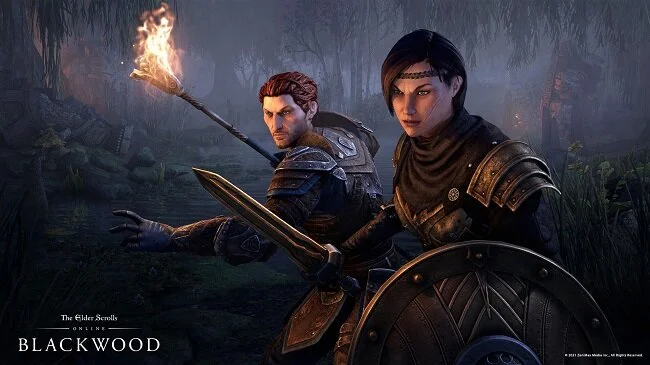
The problem I find with monthly gaming articles is that they tend to cover ground that I’ve already written about over the last 4 weeks in other blog posts, only in less detail. So here is the brief version of my gaming activities throughout February. I played through the entirety of the Star Trek Online 10th Anniversary event and received the new hybrid Tier 6 ship. I enjoyed the new 2 part feature episode and have managed to maintain a schedule of doing “odds and sods” to keep myself busy. STO is currently my primary game. I’ve ground to a halt in The Lord of the Rings Online, as soon as I start questing in Minas Morgul itself. It is simply too uninspiring and grindy an area. So I’ve focused on completing deeds for virtue experience and daily repeatable quests for Anfalas Scrolls of Empowerment. Due to constraints upon my schedule, I decided to temporarily stop my subscription to ESO Plus, as I simply do not have the time to invest in The Elder Scrolls Online at present. ESO is a good game and deserves attention when played. Committing to multiple MMOs at once is always a mistake.
The problem I find with monthly gaming articles is that they tend to cover ground that I’ve already written about over the last 4 weeks in other blog posts, only in less detail. So here is the brief version of my gaming activities throughout February. I played through the entirety of the Star Trek Online 10th Anniversary event and received the new hybrid Tier 6 ship. I enjoyed the new 2 part feature episode and have managed to maintain a schedule of doing “odds and sods” to keep myself busy. STO is currently my primary game. I’ve ground to a halt in The Lord of the Rings Online, as soon as I start questing in Minas Morgul itself. It is simply too uninspiring and grindy an area. So I’ve focused on completing deeds for virtue experience and daily repeatable quests for Anfalas Scrolls of Empowerment. Due to constraints upon my schedule, I decided to temporarily stop my subscription to ESO Plus, as I simply do not have the time to invest in The Elder Scrolls Online at present. ESO is a good game and deserves attention when played. Committing to multiple MMOs at once is always a mistake.
I tried to return to Red Dead Redemption 2, which I believe I’m currently halfway through. Sadly, again this is a game that you have to apply yourself to if you wish to get the most from it. The quests need to be read and savoured, rather than rushed through. So I’ve put this game on hold as well, although I do intend to finish it as I have a lot to say about its complex and challenging narrative structure. I bought two other games in February. Deathtrap Dungeon and Gang Beasts. The former is a wonderful old school adventure game, told as a narrative story. I’ve written a more comprehensive post already about this title, so if you’re interested at all, I would urge you to read my thoughts there. And I purchased Gang Beasts in a Steam sale. Sadly, I neglected to read a comprehensive breakdown of the game specifications and discovered that there is no single player mode at present. This silly physics driven comedy fighting game is great fun when played competitively with others but I was expecting a single player versus bots mode. This was entirely my own fault and stands as a reminder that you should always to do your research thoroughly first before buying a new game.
I’ve been using GoG Galaxy as a one stop game launcher for a while now and I must admit it saves a lot of hassle and seems to be working well. I have it launch by default upon Windows startup and it allows me to fire up any title I have installed from one location and avoid trawling through multiple launchers to find what I want to play. It’s also very convenient to import all your game libraries into one place, so you actually have a fighting chance of seeing what you’ve purchased over the years. I have dozens of obscure titles from bundles and giveaways that are just gathering virtual dust. If it wasn’t for GoG Galaxy, I wouldn’t even know about half of these. I am hoping to install and play some of them over Easter as part of a new ongoing recurring blog post series. GoG Galaxy also does a pretty good job of collating all my social and friends list so I can see who is online. With further functionality under development, I see no reason at present to stop using this product.
I suspect that March will be more of the same for me, with regard to my gaming activities. I shall continue with one predominant MMO and possible experiment with another single player game. Beyond that I have no immediate gaming goals at present, apart from the fact that it’s better to be playing something rather than nothing. I’ll report back in April.




The Idiot Box
Thoughts on TV shows and my current viewing habits.
The last instalment of Idiot Box was back in September 2019. Despite the Christmas holidays and being very busy in general, I have managed to watch some good TV shows over the last five month. As ever, there has been plenty of quality material to choose from and I still have an ever growing “watchlist” for all the content I cannot currently accommodate. It is interesting to note that most of the shows I watch are via streaming services. Out of the various titles I discuss in this post, only one was viewed via digital terrestrial network television. Furthermore, we started watching an hour after the broadcast commenced, so that we could bypass the commercial breaks. Watching anything in this fashion is my least favourite means of viewing television and because it happens so infrequently, it is quite jarring when it occurs.
Thoughts on TV shows and my current viewing habits.
The last instalment of Idiot Box was back in September 2019. Despite the Christmas holidays and being very busy in general, I have managed to watch some good TV shows over the last five month. As ever, there has been plenty of quality material to choose from and I still have an ever growing “watchlist” for all the content I cannot currently accommodate. It is interesting to note that most of the shows I watch are via streaming services. Out of the various titles I discuss in this post, only one was viewed via digital terrestrial network television. Furthermore, we started watching an hour after the broadcast commenced, so that we could bypass the commercial breaks. Watching anything in this fashion is my least favourite means of viewing television and because it happens so infrequently, it is quite jarring when it occurs.
The Crown: The third season of this prestigious Netflix show covers historical events from 1964 to 1977 and the role the UK Monarchy had to play in them. These begin with Harold Wilson's election as prime minister and ending with the Queens Silver Jubilee. The Aberfan disaster was a standout episode and explored how the precedence of Royal visits in such situations, was established. There was a greater focus on Prince Charles and family interferences in both his investiture as Prince of Wales and his personal relationship with Camila Shand. The change of cast to more mature actors was seamless and the standard of writing remained high and insightful. I find myself oddly invested in this show mainly because it covers a period of time during which I was growing up. Many of the historical events that are depicted, I was aware of as a child but had little interest or understanding of their significance. To see them in a wider context now is most illuminating.
The Witcher: My initial point of contact with this franchise was via their video game adaptations. However as television is an entirely different medium, I adjusted my expectations accordingly. Broadly I enjoyed the first season of The Witcher, although I was initially confused by its non-linear timeline. The character development was more in depth than I was expecting and rather than being given swathes of exposition about the “Continent” and its history and customs, the viewer was simply exposed to elements of these as the story unfolded. There was a lot of sexual content in the show but it is entirely relevant to the proceedings. Witchcraft is often entwined with human sexuality and free from the restrictive dogma of traditional religions. By the last episode I was left with my interests piqued and clearly wanting more. And as for casting Henry Cavill, it worked out fine as far as I’m concerned.
COBRA: This UK set drama proved to be far better than the sum of its parts. The initial premise set out in the first episode appeared to frame the narrative as a disaster story with borderline science fiction elements (the calamity afflicting the UK in the story being a solar storm). However, it quickly changed into a political thriller about civil unrest brought about by power outages. It touched upon many “hot topics” such as migrant detentions, anti-establishment sentiments and the economic and social divide between London and other parts of the UK. It was odd and vaguely compelling to see Robert Carlyle as a Conservative Prime Minister and David Haig was excellent as duplicitous and scheming Home Secretary. There were also some rather good low key CGI visual effects that worked very well. As I said, it was all unexpectedly entertaining.
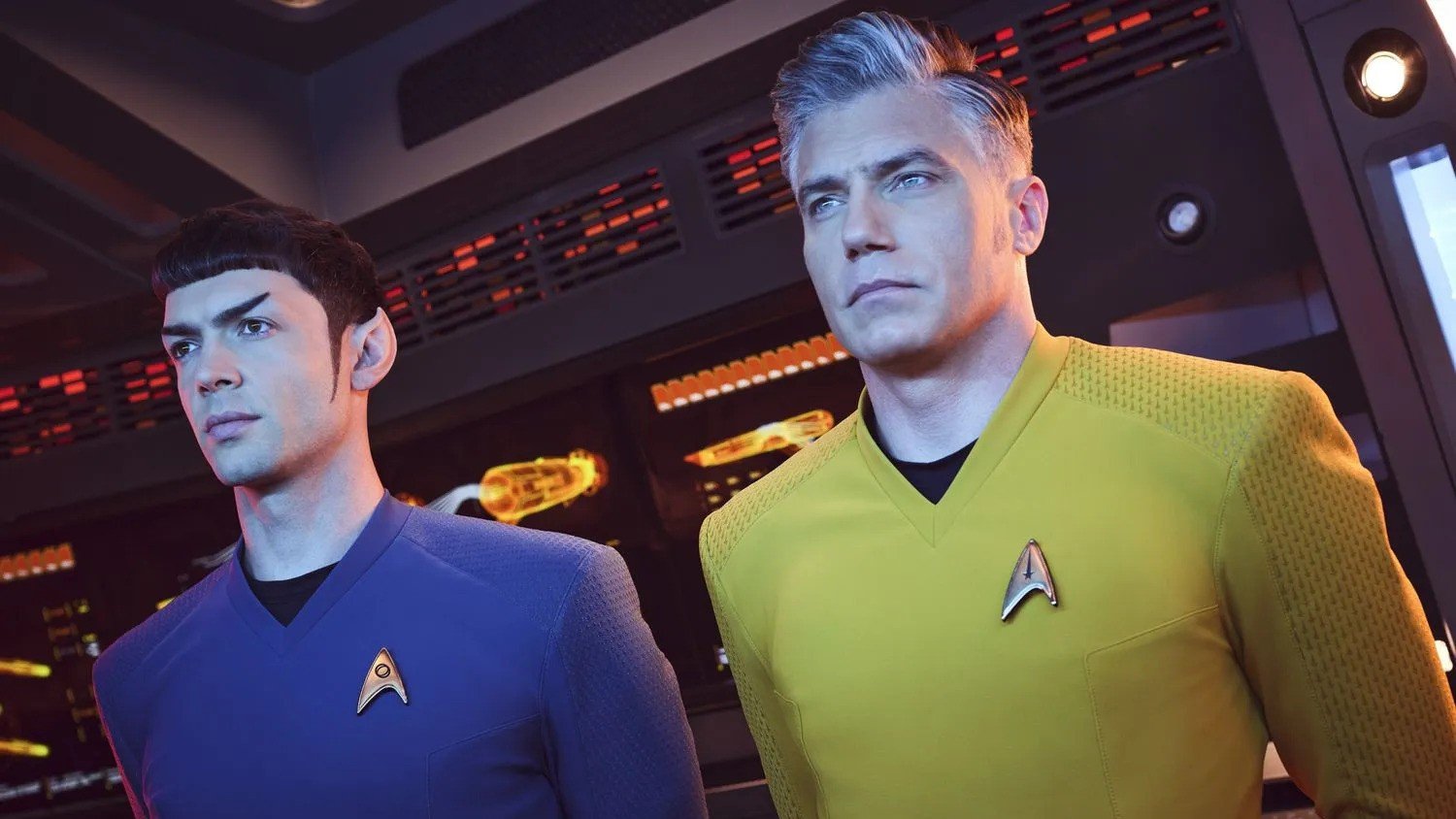
Star Trek Picard: Star Trek has always reflected the world in which we live. During the sixties TOS channeled many optimistic, inclusive and progressive narratives which were still prevalent in the post Kennedy years. TNG was broadcast while such events as the fall of The Berlin Wall took place. Thus the show often explored concepts of reunification and forging uneasy truces. For me, what I like about STP is not only the central character, who is still multifaceted and engaging but the bold storyline in which the Federation has lost it ways due to an excess of “politics”. It is a world weary show, where social contracts have failed and the future has lost its utopian status. It isn’t to everyone's taste and it is clear that a lot of people just wanted more TNG in an identical idiom. However, that is not what Patrick Stewart wanted to do, so that is not what they got. I like it and am interested to see where it goes and whether any optimism will manifest itself.
Endeavour: The latest season of Endeavour sees the arrival of the seventies and a serial murderer prowling the towpath of the local canal. Is this one brutal muder to many for DI Fred Thursday? The cumulative effect of investigating violent crime seems to be taking its toll and also causing division between Thursday and Morse. Season seven covers a lot of ground in just three episodes and strays into rather bleak and unhappy territory, especially for Chief Inspector Bright. As ever, it is smart with lots of pop culture references and superb performances. I suspect that next year’s season will be the last of this period police drama.
Unforgotten: Because Endeavour came and went so quickly, Mrs P and I decided to revisit the first series of Unforgotten. We subsequently watched all available seasons and eagerly await the series four which is currently being filmed. What make’s this show so different from others is that the actual solving of the crime is only half of the narrative. The other 50% of the story is the “emotional splash damage” and “fallout” caused by investigating these cold cases. The level of technical accuracy in depicting real policing is outstanding and the acting is always top drawer. The central characters of Detectives Cassie Stuart and Sunil "Sunny" Khan (played by Nichola Walker and Sanjeev Bhaskar) are both credible and likeable. Over 18 episodes we get an insight into their very normal personal lives and an understanding of the emotional stress that solving historical cases causes to all involved. Often the subjects explored are incredibly sad and disturbing but the writing is so measured and intelligent that events never spills into melodrama, nor denigrate the difficult subjects.
As an addendum to this post, we abandoned a couple of shows that we were watching previously. We stopped watching Instinct as it really didn’t have anything new to say. I suspect that is why it was cancelled by the network. We also stopped viewing Evil, mainly because of time constraints. We may return to it later on in the year. I decided not to proceed with season 2 of Project Blue Book. Despite a good cast and fine production values, the show just seemed to be retreading familiar ground and not offering anything different within the confines of the “alien conspiracy” sub genre. Time is always precious therefore I strongly advocate dispensing with shows you’re not enjoying.













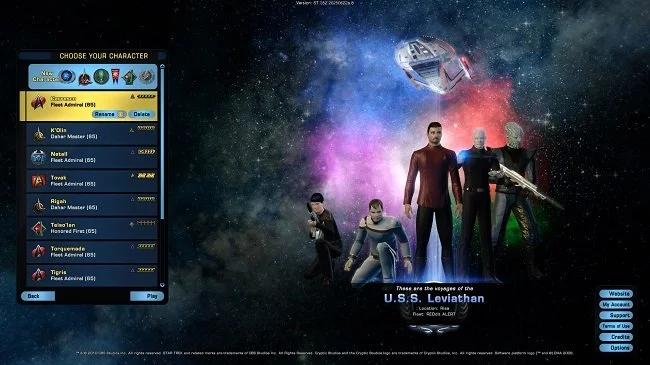
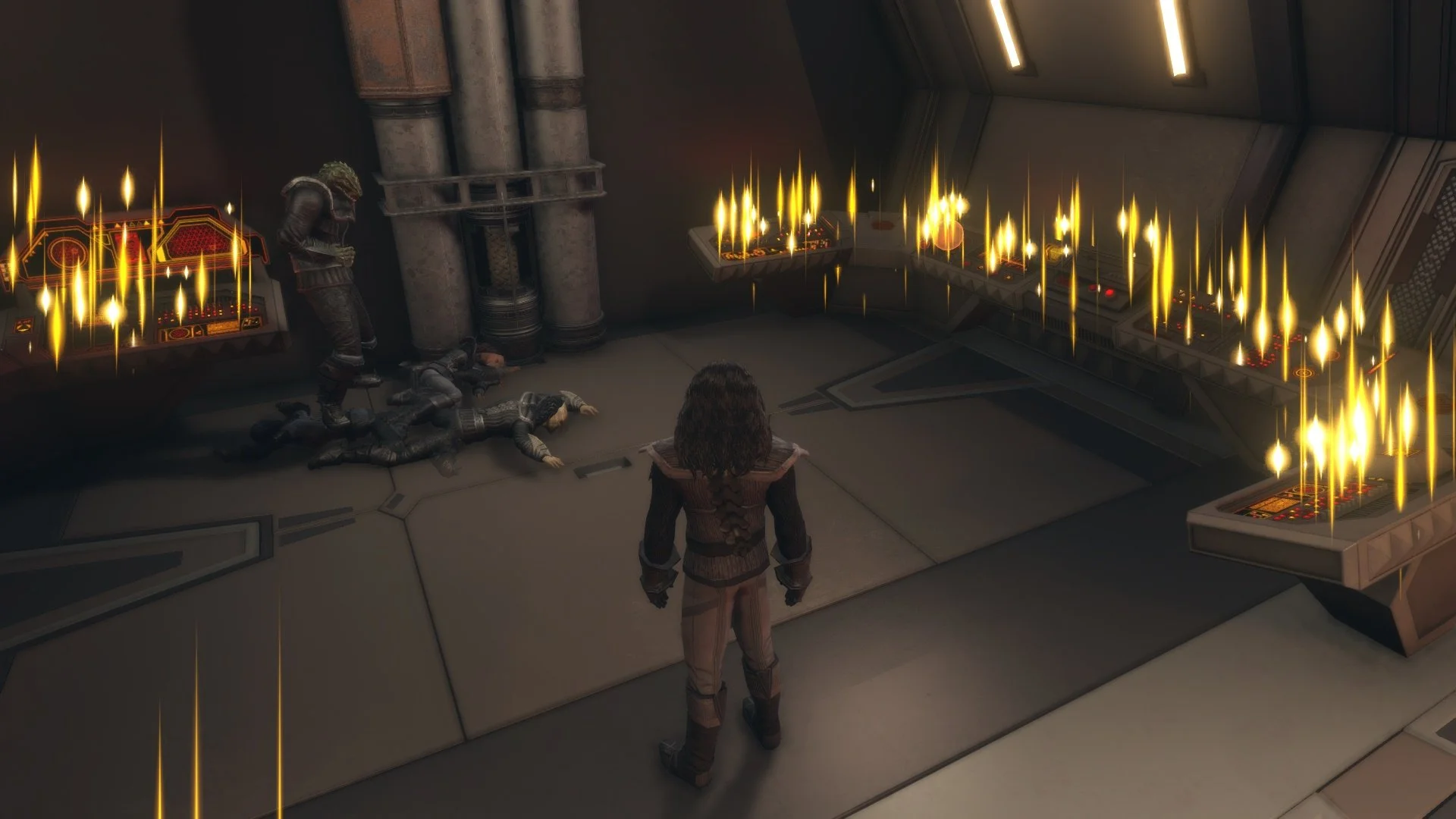
Star Trek Online: The Admiralty System and Farming Dilithium
Dilithium is one of the major currencies that can be earned in the MMORPG Star Trek Online. It is given as a reward for playing through Story Missions, Task Force Operations (group PVE content), Duty Officer Assignments and other aspects of the game. Dilithium is initially awarded as ore. The player then has to refine it to be able to spend it. Furthermore, there is a cap of 8,000 Dilithium ore refined per day. Once refined, players can use Dilithium to purchase various items and services ranging from new ships, as well as space and ground equipment. Dilithium is also used in upgrading or re-engineering equipment. Another benefit of Dilithium is that it can be exchanged for Zen, STO’s premium currency. Although Zen is primarily bought with real money, Cryptic provides an in-game exchange service in which players can trade surplus Dilithium for Zen. The exchange rate can fluctuate and has steadily risen over the last ten years. Yet despite this, Dilithium continues to be a tangible and much desired resource.
Dilithium is one of the major currencies that can be earned in the MMORPG Star Trek Online. It is given as a reward for playing through Story Missions, Task Force Operations (group PVE content), Duty Officer Assignments and other aspects of the game. Dilithium is initially awarded as ore. The player then has to refine it to be able to spend it. Furthermore, there is a cap of 8,000 Dilithium ore refined per day. Once refined, players can use Dilithium to purchase various items and services ranging from new ships, as well as space and ground equipment. Dilithium is also used in upgrading or re-engineering equipment. Another benefit of Dilithium is that it can be exchanged for Zen, STO’s premium currency. Although Zen is primarily bought with real money, Cryptic provides an in-game exchange service in which players can trade surplus Dilithium for Zen. The exchange rate can fluctuate and has steadily risen over the last ten years. Yet despite this, Dilithium continues to be a tangible and much desired resource.
Due to the value players place upon Dilithium, many create multiple alts so that they can farm it on a daily basis. The easiest means to do this are Duty Officer Assignments and the Admiralty System. Both are card based mini games, involving assigning Duty Officers or Ships with appropriate statistics to a specific mission. These virtual tasks are time based and if completed with a positive outcome, yield a modest supply of Dilithium as a reward. Now with any such undertaking, the merits of the time to cost ratio are subjective. If you have two or three alts, it will take about 5 to 10 minutes to log in and set up the various tasks that will net you the Dilithium you require. However, there are players that farm across dozens of alts, spending up to an hour or more setting up the appropriate missions. A long time favourite has been the Klingon Admiralty campaign as it yields the most Dilithium. Dedicated players can easily gain a 70K plus of Dilithium across a dozen alts. And STO has lots of very dedicated players. Hence, many have built up substantial stock piles of Dilithium over time.
It is this glut of Dilithium that has prompted STO’s developers, Cryptic, to once again take action. In the past cosmetic items have been made available for purchase with Dilithium to try and absorb some of the surplus stock. Then the much coveted Phoenix Prize Pack would from time to time appear, again purchasable for Dilithium only. But the problem persists and for Cryptic it is indeed a problem. As a developer and a business, they would prefer players to buy Zen with real money, rather than stockpiled Dilithium. However, simply removing the Dilithium exchange service would be a PR nightmare, so they have just announced plans to alter the Klingon Admiralty Campaign, so that instead of rewarding players with actual Dilithium ore, it will instead give them a voucher for Dilithium that can be used on Fleet Projects. Essentially, this is a form of Dilithium that cannot be exchanged and can only be used for one specific purpose. Naturally, this “revision” has been met with a somewhat mixed response among the STO community. Casual players such as myself, tend not to farm Dilithium beyond what can be acquired on just one character. I gain enough each time I play to upgrade gear but have never raised sufficient to buy tangible amounts of Zen. But there are a substantial amount of players that run Dilithium farming as a cottage industry and this change will set them back.
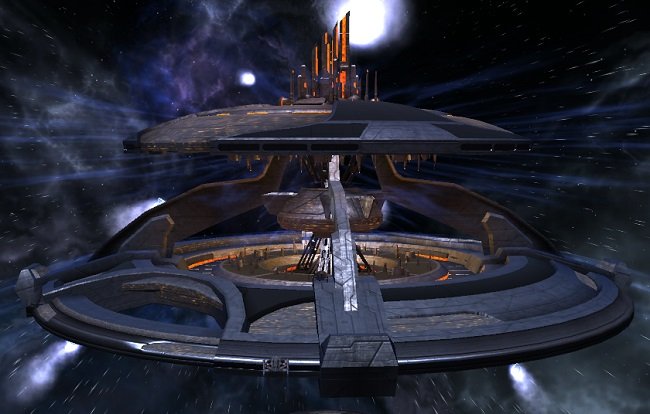
Cryptic’s “reset” is not quite as catastrophic as some players would have you believe. It is a nuisance to those who farm and will impact upon how much Dilithium they can obtain a day. But it didn’t take long for some rather comprehensive actions plans to emerge on the official STO subreddit. Knowledgeable players have already suggested alternative means of farming Dilithium. Specific Duty Officer Assignment chains have been recommended, along with trading Duty Officers themselves. Then there is creating new alts, leveling and claiming account wide rewards from previous Delta, Gamma and Temporal events. The bottom line is resourceful players will find a way to continue farming Dilithium. It may even have the positive side effect of seeing players return to previously ignored parts of the game, such as the Ground Battlezone in the Solanae Dyson Sphere. Currency adjustments are always tricky to implement both logistically and “politically”. On this occasion I think Cryptic have managed to find the right path between both.


“It’s Only a Game” and Other Perennial Arguments
Irrespective of one’s opinion (or lack thereof) of the “popular” streamer and gamer Ninja, one cannot deny that he has both influence and reach in certain quarters of the gaming community. Hence when he makes a statement such as the one he did recently on Twitter, it will inevitably become a talking point and cause ripples within the current gaming zeitgeist. “The phrase "it’s just a game" is such a weak mindset. You are okay with what happened, losing, imperfection of a craft. When you stop getting angry after losing, you’ve lost twice. There’s always something to learn, and always room for improvement, never settle”. For the sake of context, something that is sometimes lost due to the brevity of Twitter, Ninja is a Professional Gamer (among other things) so naturally this has a bearing upon his gaming worldview. However, even bearing this in mind, he hasn’t really said anything new. A robust rejection of the old “it’s only a game” statement is a hardy perennial argument in the gaming community. One that makes me roll my eyes and sigh heavily every time I see it, as it’s been addressed so many times.
Irrespective of one’s opinion (or lack thereof) of the “popular” streamer and gamer Ninja, one cannot deny that he has both influence and reach in certain quarters of the gaming community. Hence when he makes a statement such as the one he did recently on Twitter, it will inevitably become a talking point and cause ripples within the current gaming zeitgeist. “The phrase "it’s just a game" is such a weak mindset. You are okay with what happened, losing, imperfection of a craft. When you stop getting angry after losing, you’ve lost twice. There’s always something to learn, and always room for improvement, never settle”. For the sake of context, something that is sometimes lost due to the brevity of Twitter, Ninja is a Professional Gamer (among other things) so naturally this has a bearing upon his gaming worldview. However, even bearing this in mind, he hasn’t really said anything new. A robust rejection of the old “it’s only a game” statement is a hardy perennial argument in the gaming community. One that makes me roll my eyes and sigh heavily every time I see it, as it’s been addressed so many times.
There are so many ways to counter this argument. Not all games are competitive challenges nor need to be experienced as one. Then there’s the fact that people play games for different reasons. Not everyone sees every activity as an opportunity for continuous self improvement. In fact rendering the entire human condition into terms of winning or losing is not really the most flexible philosophy for navigating life. And then there’s the concept that failure is an invaluable learning tool and that it should be embraced instead of eschewed. All of these and many more counter points have often been employed to address the assertion that if you’re not learning and improving, then you’re playing the game wrong. But the one aspect of Ninja’s comments that I’d like to focus upon is the notion that you need to get “angry” and that not having an emotional response to losing is a failing. I find it a troubling comment because of his fanbase and audience. They tend to be mainly teenagers and young people. Gamers who play such titles as Fortnite and Apex Legends. Many of whom are just starting out in life and having to find their way around the complexities of the modern world. I don’t believe that encouraging anger as a means of motivation is the best advice one can give or that it will yield positive results.
Anger is an emotional response. There is such a thing as “righteous anger” but I don’t think it is relevant to losing a video game. It’s something I more associate with lobbying and campaigning. The survivors of the Grenfell Tower fire have a justifiable reason to be legitimately angry. Losing your shit because you lost a game of Fortnite seems somewhat shallow and self indulgent. Exactly what or whom are you angry with anyway? Yourself for your own poor performance? Well that may well be a legitimate concern but wouldn’t it be more useful to turn that rage into a dogged determination to improve? And as for anger at your opponent, well that’s something you need to come to terms with if you wish to grow emotionally. If competitive gaming of any kind evolves into a mass sulk-fest, then all you end up doing is driving people away. I don’t like to be around people continuously losing their temper and getting angry. Ill worlds and behaviour promote ill feelings. Plus I don’t consider emotional outbursts to be some form of uncompromised self expression. What ever happened to such concepts as being gracious in defeat, learning from your mistakes and the spirit of the game. Is there no longer joy in competing or is it now just a case of winning and everything else is “crap”?
Another aspect of Ninja’s comments that has given me pause for thought, is that they seem to reveal a need for validation. Competitive gaming is like many other sports, driven by aspirations to be the best. There’s nothing wrong with such motivations but they can also be fueled by a desire for ego stroking and public adulation. Furthermore, when I see terms like “craft” it clearly indicates to me that here is someone who considers what they’re doing to be a serious and skilled undertaking. In this instance it is Ninja’s perspective on competitive gaming. But such sentiments necessarily apply to the gamer who’s playing at home for their own amusement, or with friends for the fun of social interaction. The validation that Ninja has sought and found in his relationship with gaming, may not exist for others who pursue their hobby in a different manner and for different reasons. Youth has enough social pressures placed upon them in the 21st century. Seeking some sort of fulfilment through professional gaming is not going to be readily available or even possible for all. I wouldn’t like it to see it advocated as yet another path to happiness.
The “it’s only a game” argument comes back regularly like a bad penny. Looking back at my own writing, I seem to get a blog post out of the subject at least once a year. That and the other old favourite, “you’re playing wrong”. However, despite my advocacy that a healthy sense of detachment is good with regard to all passionate pursuits, I do understand why someone like Ninja finds his hackles rising when the old “it’s only a game” adage is trotted out. I believe it comes down to the fact that the statement carries a whiff of dismissal. That in some circumstances, the person using this old chestnut is putting down, pooh-poohing or looking down on something that others have invested a great deal into. I do believe that some games can be art and that gaming per se is as valid a leisure pursuit as fishing or Kabbadi. However, there are those (and it’s usually a generational divide) who think the opposite. Where I and possibly Ninja differ, is that I don’t worry about others opinions, nor feel the need to convince them otherwise. I do not wish or need their approval. Wouldn’t it be easier to simply evangelise about what you love to those who already do the same, rather than demanding “respect” from those who don’t wish to give it?
Considering the platform that Ninja commands, it would be nice to see him disseminating more nuanced and thoughtful ideas. But I guess when you have reached his position in the gaming food chain, his perspective is naturally going to be somewhat skewed. When I first saw his comments, I was initially reminded of how certain sports personalities, particularly boxers and cage fighters, sometimes regale us with their thoughts on contemporary masculinity, racial diversity and sexual politics. Often these are considered to be out of step with modern sensibilities and “progressive” thinking. But again when one considers such individuals, their personal background and world experiences, it’s hardly surprising that they hold such worldviews. So taking stock of the situation, I guess Ninja’s comments should not come as a surprise. Nor the ensuing debate. Life is cyclical, so I see no reason why gaming culture should be any different. The only thing that changes as a result of the passage of time is my response. 15 years ago I’d stridently refute Ninja’s perspective and add my voice to the growing cacophony. Now I just muse upon the flaws inherent in such tweets, if indeed they are indeed flaws. Or is this just another manufactured debacle because Fortnite has another season starting soon?
Deathtrap Dungeon: The Interactive Adventure
I watched Welsh Troll stream Deathtrap Dungeon: The Interactive Adventure this morning and was instantly hooked by this bold new adaptation of a much beloved adventure gamebook. So I subsequently purchased the game via Steam for £7.99 which is a very reasonable price. Despite being in early access, this game’s old school appeal is instantly apparent. Based upon the 1984 book by Ian Livingstone, it perfectly captures the tone and spirit of source text. Rather than providing a visual depiction of navigating a dungeon as previous video game adaptations have done, the developers, Branching Narrative, have opted for a minimalist narrative interpretation. Hence we have actor Eddie Marsan sitting in a battered leather chair, telling the story of Baron Sukumvit's "Trial of Champions” and how those who undertake the challenge must traverse a dangerous subterranean labyrinth, from which none have ever returned. There are occasional illustrations to orientate the player but overall this is an intimate experience between the player and narrator, without an excess of visual distractions. It focuses on the power of imagination and storytelling.
I watched Welsh Troll stream Deathtrap Dungeon: The Interactive Adventure this morning and was instantly hooked by this bold new adaptation of a much beloved adventure gamebook. So I subsequently purchased the game via Steam for £7.99 which is a very reasonable price. Despite being in early access, this game’s old school appeal is instantly apparent. Based upon the 1984 book by Ian Livingstone, it perfectly captures the tone and spirit of source text. Rather than providing a visual depiction of navigating a dungeon as previous video game adaptations have done, the developers, Branching Narrative, have opted for a minimalist narrative interpretation. Hence we have actor Eddie Marsan sitting in a battered leather chair, telling the story of Baron Sukumvit's "Trial of Champions” and how those who undertake the challenge must traverse a dangerous subterranean labyrinth, from which none have ever returned. There are occasional illustrations to orientate the player but overall this is an intimate experience between the player and narrator, without an excess of visual distractions. It focuses on the power of imagination and storytelling.
When first published, books with branching narratives were quite a novelty. However, despite the innovation of the format they are essentially a linear experience. Therefore, simply duplicating that structure visually, may not necessarily make for a “good” gaming experience. Hence developers Branching Narrative have decided to add additional mechanics, so that the player has more involvement in the unfolding story and a degree of control over their character’s performance. As a result, there are battles where the players statistics are combined with the score from the roll of a pair of dice. There are also the option to use consumables to heal or to boost stamina. The player can also tactically withdraw if they see fit to do so, although that too comes with a penalty. Then there’s an inventory system for storing items that you find along the way. These further add an element of interaction, affording the player more than just a series of binary choices. Furthermore, fights can potentially be avoided if a door can be opened and an obstacle bypassed. But such a choice may again have consequences. All these decisions impact on the story’s outcome, making it more like a video game without compromising the original narrative format
I grew up in the seventies and eighties when adventure gamebooks and Dungeons and Dragons were commonplace aspects of a child’s entertainment (or at least within the social circles that I moved in). Deathtrap Dungeon: The Interactive Adventure immediately taps into this sense of nostalgia and also references wider aspects of pop culture from those decades. Seeing Eddie Marsan so eloquently narrate this dungeon adventure, made me reflect upon such TV shows as Jim Henson’s The Storyteller and the BBC’s Jackanory. The additional game mechanics that Branching Narrative have added ensure that this is more than just a story with multiple endings. The player has more agency over their character's fate and the save feature even allows you to “correct” a mistake or poor decision if you wish to. Overall, Deathtrap Dungeon: The Interactive Adventure is a very intelligent and immensely enjoyable adaptation of an old classic. It is a great contrast to the overblown visuals of many contemporary, so-called Triple A video games. For the best results, play at a time when you won’t be disturbed and at a measured pace, in an environment without any additional distractions. That way you can savour the game’s atmosphere and Eddie Marsan’s dramatic narration.
We Need a New Video Games Lexicon
Some video game related subjects are “hardy perennials”, to coin a gardening term. As are the blog posts, forum thread and subreddits that explore them. I read an article over at Massively Overpowered that posed the question “How essential are hardcore gamers to an MMO’s health?”. It wasn’t the actual main premise that got me thinking, but a minor side dispute that arose about the definition of a specific term. And that term was “hardcore”. It’s a phrase that’s been associated with video game culture for over two decades. Yet there is no single, immutable dictionary definition as to what this term specifically means. Which is odd for a word that is extremely commonplace in video games parlance. Because of its elastic nature it leads a lot of scope for misinterpretation when used, be it deliberately or accidentally. So I made a self indulgent comment on the original post in which I paraphrased some dialogue from the 1986 movie, Star Trek IV: The Voyage Home.
McCoy : How essential are “hardcore” gamers to an MMO’s health?
Spock : It is impossible to discuss the subject without a common frame-of-reference.
Some video game related subjects are “hardy perennials”, to coin a gardening term. As are the blog posts, forum thread and subreddits that explore them. I read an article over at Massively Overpowered that posed the question “How essential are hardcore gamers to an MMO’s health?”. It wasn’t the actual main premise that got me thinking, but a minor side dispute that arose about the definition of a specific term. And that term was “hardcore”. It’s a phrase that’s been associated with video game culture for over two decades. Yet there is no single, immutable dictionary definition as to what this term specifically means. Which is odd for a word that is extremely commonplace in video games parlance. Because of its elastic nature it leads a lot of scope for misinterpretation when used, be it deliberately or accidentally. So I made a self indulgent comment on the original post in which I paraphrased some dialogue from the 1986 movie, Star Trek IV: The Voyage Home.
McCoy : How essential are “hardcore” gamers to an MMO’s health?
Spock : It is impossible to discuss the subject without a common frame-of-reference.
Words, semantics and languages are complex things. None of these things remain static and they all evolve over time. Words and phrases are often co-opted and adapted, leading to a situation where their very meaning varies depending upon who you’re addressing. The mosy obvious example is the word “gay” which has changed a lot in my lifetime. As have such words as “sick” or “pimp”. Slang is a particularly fluid aspect of language. Naturally gaming culture is no different. Which brings me onto the term “hardcore”. Does it mean a passionate player who dedicates a lot of time to a specific game? Or is this about the raiding community and those pursuing achievements and seek to test their skills? Alternatively, does the phrase refer to a player who sees the game and the way in which it is played within a very rigid framework? Or is it simply a player who may not technically achieve much but is a consummate fan and evangelist of the game they love? Frankly the word “hardcore” in the gaming context, could embrace all these meanings.
Which leads me neatly to my final point. The video games industry has changed greatly in the last three decades. Terms that once succinctly defined genres are now vague. Should we still even use such phrases as MMORPG anymore, or would it be better to come up with new terms to describe games that share aspects of the old definition but also have newer attributes. It is important to have a common lexicon so that the gaming community can communicate effectively and clearly. If we all use terms which have a universally accepted definition, then conversations will not get bogged down in ambiguity and unnecessary misunderstandings. Such clarity would also be beneficial for the video games industry when communicating with its customers. Sadly, the cynic in me also thinks that having such obsolete terms still in common use serves a wider business purpose. Vagueness can be used to sell a product based upon an erroneous interpretation. It can also deflect blame and legal culpability.
Gaming Ambassadors
Over four years ago, I wrote a blog post discussing the concept of “Digital Ambassadors” and how they can be an invaluable source of goodwill and promotion that compliments the traditional marketing departments and PR associated with leisure industries. A smart business sees the value of fans and the contribution they make in getting "the message" across. I recently sent in a question to the Massively OP Podcast which specifically raised this issue with regard to the the MMORPG community. There was a time when key bloggers and podcasters became integral to the promotion of specific games and that they became an unofficial form of community management. In my question I also suggested that this has waned due to the rise of Twitch TV and YouTube and that the personalities that arise from these platforms are free agents who tend to follow the latest trends. They are not so tied to one specific community. Justin and Bree kindly addressed my question on the show and it made for a very interesting discussion. Many of the points they raised had crossed my mind as well.
Over four years ago, I wrote a blog post discussing the concept of “Digital Ambassadors” and how they can be an invaluable source of goodwill and promotion that compliments the traditional marketing departments and PR associated with leisure industries. A smart business sees the value of fans and the contribution they make in getting "the message" across. I recently sent in a question to the Massively OP Podcast which specifically raised this issue with regard to the the MMORPG community. There was a time when key bloggers and podcasters became integral to the promotion of specific games and that they became an unofficial form of community management. In my question I also suggested that this has waned due to the rise of Twitch TV and YouTube and that the personalities that arise from these platforms are free agents who tend to follow the latest trends. They are not so tied to one specific community. Justin and Bree kindly addressed my question on the show and it made for a very interesting discussion. Many of the points they raised had crossed my mind as well.
I believe there is still a role for “Gaming Ambassadors” although the way that role presents itself has changed. In some ways, the Massively OP Podcast provides the service that some prominent game blogs or shows used to. The only difference is Justin and Bree advocate on behalf of multiple games instead of just one. But the enthusiasm and willingness to help is there and the show is happy to provide a platform for players, devs and pundits alike. There are other shows that are associated with particular games but a lot seem to have become quasi-official. Take the Priority One Podcast for STO for example. Often when gaining access to those that actually create and run a game, there is a degree of editorial compromise required. Hence some content creators find themselves as “poacher turned gamekeeper” to coin an old phrase. Editorial independence is not something to give up lightly but it is often the price of admission such inner circles. This is something that Massively OP Podcast has not done.
Fandom per se, has certainly become more mainstream over the last two decades. Conventions are now seen as lucrative, wide reaching marketing opportunities. They are no longer seen as niche nerd social activities. But I feel that the “commercialisation and commodification” of fandom has also made it more ephemeral. Yes, there still are fan sites dedicated to just one game who invest heavily in their community but the main focus is now on other platforms and “influencers”. The major difference is that contemporary internet personalities that gain traction are usually not exclusively wedded to just one community. A game will be played and its virtuals extolled until it ceases to be popular. When that occurs, it’s onto the next big thing and there’s nothing wrong with this approach. Ultimately, the games that popular YouTubers and Streamers play are secondary to their “personality”, which is often the key to their following.
In my lifetime fandom has evolved. In the seventies, we hand crafted fanzines. We typed the content, cut it out and inserted pictures, then took them to the printers and had as many copies produced for as cheap a price as possible. Then along came the home PC and self publishing became easier and more professional. The internet then put content online and its reach became far bigger. And then along came social media and the focus changed very quickly from blogs and podcasts, to videos, streams and subreddits. And like any other leisure market, its widening reach and increasing diversity has also led to smaller, more insular communities.
I do not doubt that there’s a specific place that’s the community focus of Black Desert Online and that in the months to come, they’ll be a similar space for the MMO New World. But I think that these communal focal points will be far more targeted than those we’ve previously seen and will be more specific to their player base, using more immediate social media platforms. They may also come and go more quickly as gamers consume and then move on. Hence I am beginning to think my nostalgic affection for the LOTRO podcast, A Casual Stroll to Mordor, is just that. The show existed and thrived within the internet and fan context of the time. And times change and that specific era I remember has gone and been replaced with something similar and different. “It is change, continuing change, inevitable change, that is the dominant factor in society today. No sensible decision can be made any longer without taking into account not only the world as it is, but the world as it will be”. Isaac Asimov.
ESO: The Problem with Update 25
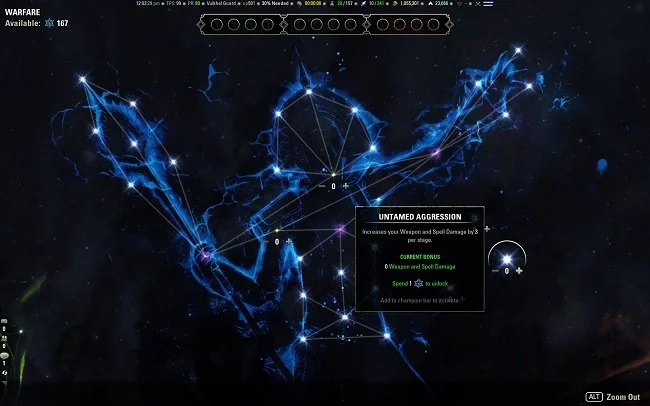
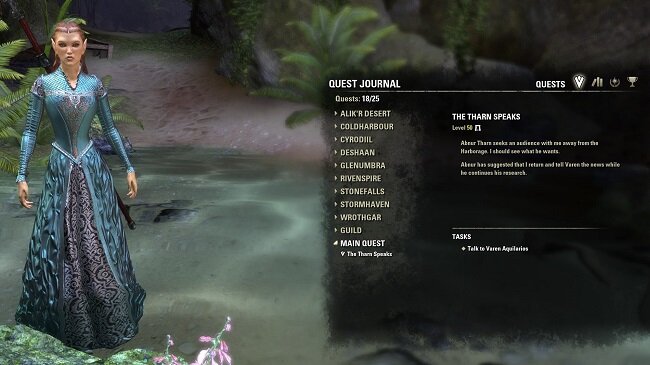
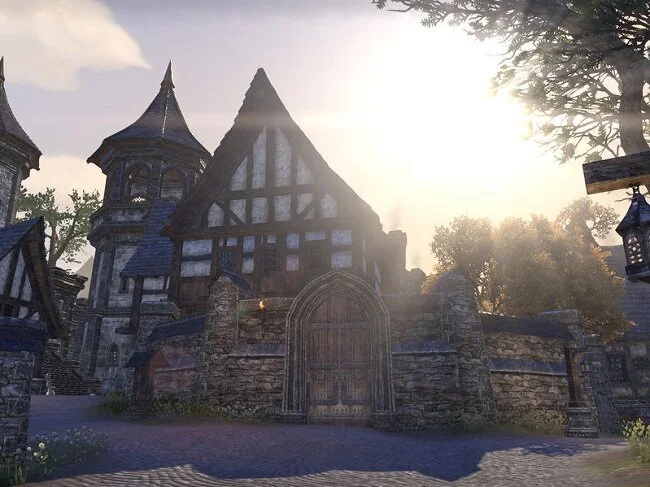
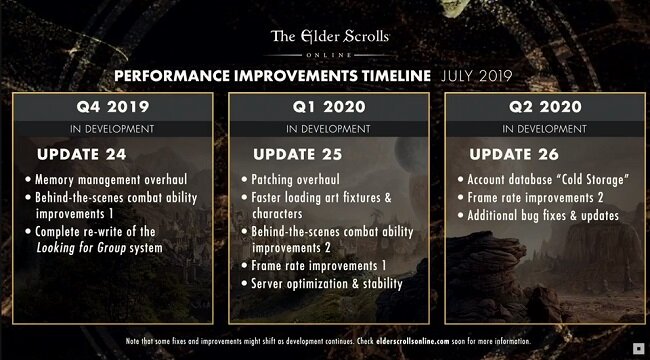
ZeniMax are allegedly addressing some major performance issues with the forthcoming Update 25 for The Elder Scrolls Online. If this latest patch improves loading times, the game’s overall performance and makes updating the client faster, then it will be well received by players. However, Update 25 requires players to reinstall the entire game client due to technical reasons. Furthermore, the patch is not going to be available prior to release on Monday February 24th, so player’s cannot download the necessary files in advance. Unfortunately, as soon as the patch server comes online, all players will have to reinstall the full ESO client and wait accordingly. Considering the disparity between internet connections in the US and Europe, player experience will vary greatly. Some will download the client in hours where others will have to simply leave their PC running and wait all day. Considering the popularity of ESO and the estimated size of its player base, I wouldn’t be surprised if there are queues or connectivity issues.
ZeniMax are allegedly addressing some major performance issues with the forthcoming Update 25 for The Elder Scrolls Online. If this latest patch improves loading times, the game’s overall performance and makes updating the client faster, then it will be well received by players. However, Update 25 requires players to reinstall the entire game client due to technical reasons. Furthermore, the patch is not going to be available prior to release on Monday February 24th, so player’s cannot download the necessary files in advance. Unfortunately, as soon as the patch server comes online, all players will have to reinstall the full ESO client and wait accordingly. Considering the disparity between internet connections in the US and Europe, player experience will vary greatly. Some will download the client in hours where others will have to simply leave their PC running and wait all day. Considering the popularity of ESO and the estimated size of its player base, I wouldn’t be surprised if there are queues or connectivity issues.
At present, the game client for ESO is about 90GB. Hardly surprising, considering how much the game has grown since its launch in 2014. This is a substantial download by anyone's standards and it is worth remembering that there are still many players that have ADSL internet connections which are throttled to a maximum speed and that come with a data cap. Simply put, reinstalling the entire game is a major headache for them. It has to be done and I’m sure most players will doggedly go about installing Update 25, while “grinning and bearing it”, as the expression goes. But for many it may mean several days on not playing while the download is undertaken in stages. There are also bound to be some players who have a particular permutation of hardware, that results in a fully reinstalled client that won’t launch for some obscure reason. And then, for those who manage to install the download without any hitch, there is the entire issue of addons and how they will inevitably be broken.
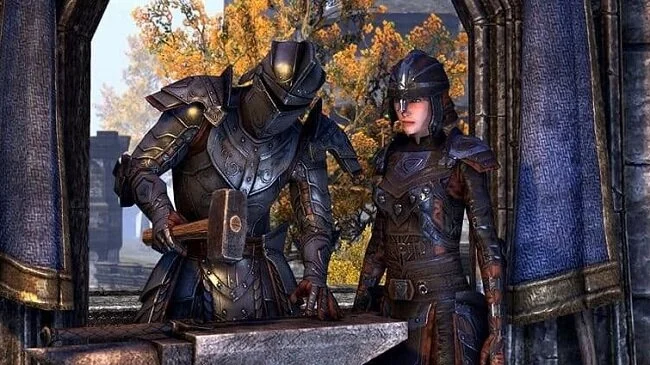
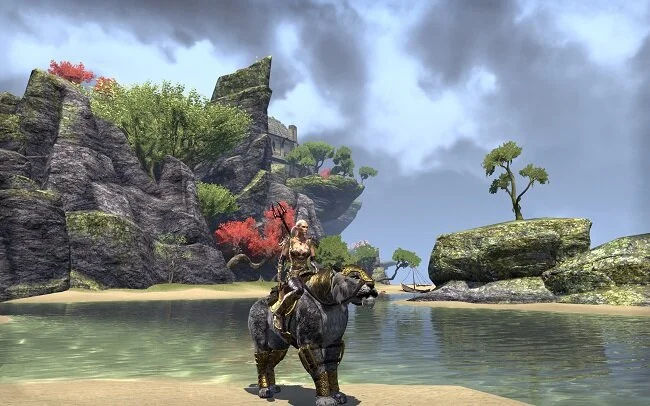
I therefore think that ZeniMax has potentially failed to grasp what a big deal totally reinstalling the game client is. Players do appreciate that the patch is ultimately beneficial to them but the logistics of installing it come with an element of risk as well as inconvenience. It may take a long time to download and install, there’s the risk of errors and there could even be financial implications if they find themselves exceeding their data cap. Hence offering a free cosmetic pet (in this case it’s a Crimson Torchbug) doesn’t really strike me as the best way to placate paying customers. Perhaps an allocation of crowns would be more tangible. At the very least I would have liked a more empathetic post on the Official ESO website. The existing one acknowledges that reinstalling the game is a pain but still happily goes along with the notion that it isn’t a big deal. Well, sorry to contradict you ZeniMax but it is.



Star Trek Online: Keeping Busy
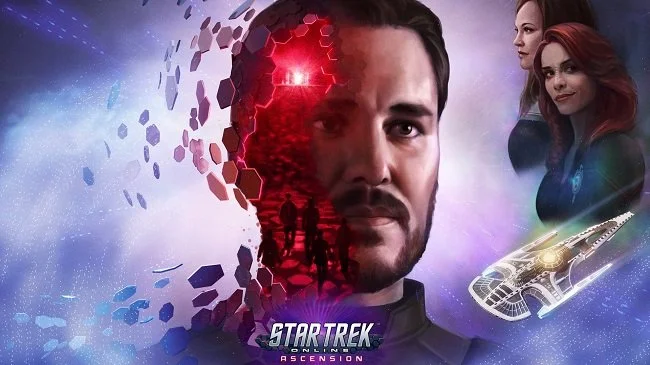
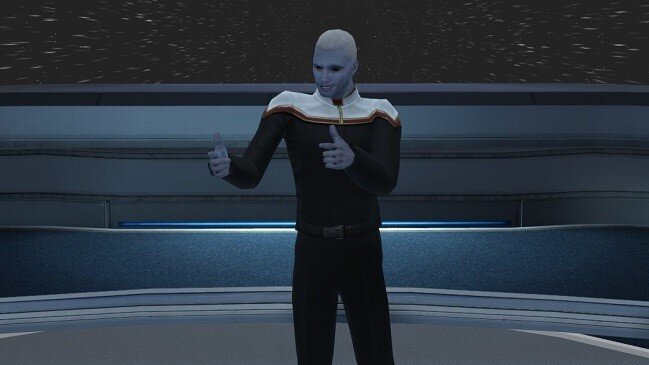
Although the 10th anniversary event is still ongoing in Star Trek Online, the overall excitement seems to be ebbing. I have played the new two part Feature Episode and it is indeed a thoroughly enjoyable fan service. Cryptic hit exactly the right tone with this story and it has re-invigorated my enthusiasm for the Star Trek franchise as a whole. I have managed to organise things so that I can complete the Omega Molecule Stabilisation anniversary event early each morning. This way I can complete this quick 15 minute task before I leave the house. I’m hoping to be able to claim the new ship early next week. However, overall I have little to do in the game at present. I did some housekeeping and deleted some unused alts, after asset stripping them of anything of note. I also cleaned up my personal bank and either “salvaged” or sold numerous items that weren’t currently being used. I have placed all my Tier 5U ships into Dry Dock and rationalised my active Tier 6 vessels. I am now setting myself some minor goals, as a means of keeping busy, until further new content is released.
Although the 10th anniversary event is still ongoing in Star Trek Online, the overall excitement seems to be ebbing. I have played the new two part Feature Episode and it is indeed a thoroughly enjoyable fan service. Cryptic hit exactly the right tone with this story and it has re-invigorated my enthusiasm for the Star Trek franchise as a whole. I have managed to organise things so that I can complete the Omega Molecule Stabilisation anniversary event early each morning. This way I can complete this quick 15 minute task before I leave the house. I’m hoping to be able to claim the new ship early next week. However, overall I have little to do in the game at present. I did some housekeeping and deleted some unused alts, after asset stripping them of anything of note. I also cleaned up my personal bank and either “salvaged” or sold numerous items that weren’t currently being used. I have placed all my Tier 5U ships into Dry Dock and rationalised my active Tier 6 vessels. I am now setting myself some minor goals, as a means of keeping busy, until further new content is released.
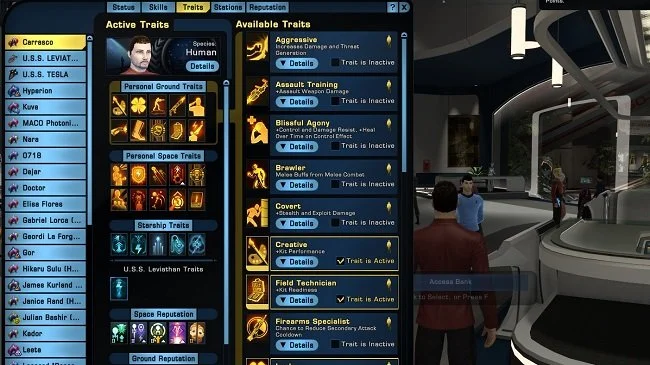
Whilst organising my ships, I noticed that several had not reached full Starship Mastery. This is a simple five tier experience system for each individual T5U/T6 ship. Each level unlocks a trait relevant to that ship and full mastery offers a unique starship trait which can then be slotted regardless of what ship you are using. Some ships have especially desirable top tier traits. So I’ve been rotating through a variety of vessels and taking part in various Task Force Operations and Battlezones to gain the necessary mastery XP. It is worth doing some research beforehand as some of these activities offer more XP than others and there are a few that offer no XP at all. One of the benefits of alternating between a wide variety of vessels in a short period of time, is that you quickly get a feel for their respective strengths and weaknesses. It is also a great way of determining what suits your play style and then deciding what would be your best choice in the long run.
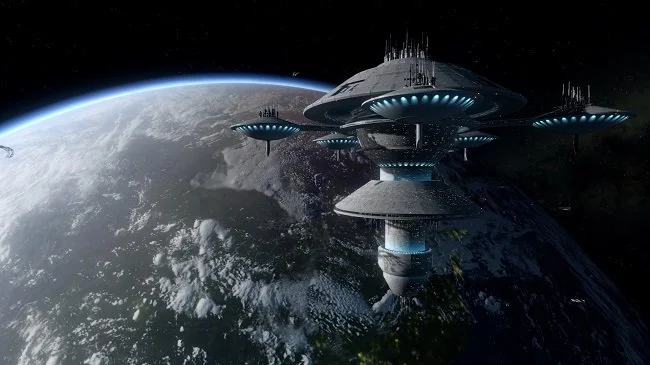
Something else that I’m doing to keep busy, is completing various Duty Officer Assignment Chains, although it is not exactly “enthralling”. I’ve never really been that invested in the entire Duty Officer sub-game in STO and have only done what is immediately available to me. As I’m by default usually hanging out at Earth Spacedock, I have run mainly the assignments that are presented there or at Starfleet Academy. Over time I have achieved Rank 4 in all commendation categories but have ignored the assignment chains associated with Sector Space. Hence, I am currently rotating between the Delta Volanis Cluster, the Eridan Belt and the Khazan Cluster. Once these are complete I’ll just progress through the others assignment nodes in each Sector. It does provide a useful alternative means to earn further Dilithium and bespoke Duty Officers.
After having watched a few YouTube videos, I’ve been replaying selected missions to earn various items that are still deemed to be of benefit. Over the last decade a lot of gear sets have fallen out of favour as the prevailing optimal combat meta has moved on. Several years ago, Antiproton weapons were “king”, but once the Embassy Consoles that enhanced them were nerfed, they were quickly superseded as the go to weapon of choice. I personally always like to use Phaser weapons with my Federation ships, so I tend to just find a practical build that enhances their use. I do not have the best traits and gear as much of these are tied to specific ships that can only be obtained from lootboxes. So I use my common sense and work with what I can obtain from the Reputation System and Fleet Resources. It can be fun to try different permutations of equipment and as I’m between major projects at present, this is a good time for a little experimentation. Hopefully, these relatively low key activities can keep me busy and engaged with STO for the immediate future.
Caring for the Elderly: Part 10
My Mother, who has had limited mobility for a decade, fell and broke her arm just before Christmas. She subsequently spent nine weeks at a specialist rehabilitation unit at our local hospital. During that time she had surgery on her arm to repair the fracture and extensive physiotherapy to try and increase her mobility. She was discharged at the beginning of February with a support package in place to facilitate her return home. Sadly, despite physiotherapy, she is immobile as the day she was admitted. Until she sees the Consultant at the Fracture Clinic and is told if her arm can bear weight, she is not allowed to do anything for herself. Hence she is currently having four home visits a day from two carers and is confined to her bedroom. The carers help her get washed, dressed and use the commode in her room. Naturally, the current situation and the inability to do anything for herself, along with the uncertainty of her long term recovery and future, is causing a great deal of anxiety not only for my Mother but the rest of the family as well. At present we have a 3 week wait before she gets to see the consultant.
My Mother, who has had limited mobility for a decade, fell and broke her arm just before Christmas. She subsequently spent nine weeks at a specialist rehabilitation unit at our local hospital. During that time she had surgery on her arm to repair the fracture and extensive physiotherapy to try and increase her mobility. She was discharged at the beginning of February with a support package in place to facilitate her return home. Sadly, despite physiotherapy, she is immobile as the day she was admitted. Until she sees the Consultant at the Fracture Clinic and is told if her arm can bear weight, she is not allowed to do anything for herself. Hence she is currently having four home visits a day from two carers and is confined to her bedroom. The carers help her get washed, dressed and use the commode in her room. Naturally, the current situation and the inability to do anything for herself, along with the uncertainty of her long term recovery and future, is causing a great deal of anxiety not only for my Mother but the rest of the family as well. At present we have a 3 week wait before she gets to see the consultant.
My Mother’s return home has inevitably caused some logistical problems. The first is managing the multiple visits by carers to the premises. My disabled Father has his own carers who tend to his needs twice a day, along with two visits from the District Nurse. My Mother now has four visits of her own. These comings and goings have been scheduled as to not conflict with my Sisters routine. She lives with my parents and has a fulltime job. Then there is the actual management of the carers themselves. Anyone who has had experience with such services will know it is somewhat of a lottery. Some are superb, some are adequate and others are barely competent and have to be micromanaged. So far the care company has broadly supplied staff who are very professional. Mainly, those coming to the house are experienced and adaptable. However, a few less experienced carers have come at the weekend and not shut doors or locked the premises properly, which is cause for concern. For the present, myself and my Sister are trying to accommodate this new daily regime during its initial stages. Sadly, I cannot be on site indefinitely and I need to have full confidence that all care duties are undertaken properly along with ensuring the house is secure.
The second issue is that although carers can assist my Mother with washing, dressing and toilet breaks, they cannot provide her with any long term companionship. In between visits, she is alone in her room without company of any immediate form of entertainment or interaction. I am concerned that there will be both physical and mental health consequences as a result of this. The local Community Physiotherapy Team has supplied an Orthopedic chair but my Mother struggles to sit up in it. After a week she is already developing lower back pain due to her posture. This could potentially worsen over the next three weeks if not addressed. Recent changes in my Mother’s medication, made while she was in hospital have also caused some problems. She is currently having difficulty swallowing which is worrying. And then there is the psychological aspect to my Mother’s condition. She spends large amounts of time, alone with only her own thoughts for company. She is bored, agitated and generally sad. Lack of mobility leads to continence issues which are distressing for a lady of her age. Having to be dependent on others to assist in washing, dressing and going to the toilet is not something that everyone is immediately comfortable with. Loss of dignity is a major contribution to her overall unhappiness.
So far we have spent a week as a family trying to find a routine that works. It has been a very fluid situation so far. There was an initial requirement for numerous practical items which we did not have. So we had to buy a hospital table, water jugs, lightweight cutlery and utensils, wet wipes, and sanitary disposal bags. My Mother’s bedroom had to be rearranged to accommodate a hospital bed, commode and Orthopedic chair. A lot of her personal items had to be cleared away to free up space for healthcare products and medication. As so many people are now coming and going from my Mother’s room, there needs to be space and clear access. I also had to remove the carpet and have easy to clean linoleum put down instead. When dealing with commodes, there is always scope for accidents and keeping the carpet simply wasn’t practical or hygienic. I managed to get my local GP to visit recently and she is concerned that being sedentary for 9 hours a day may cause additional health issues for my Mother. She also notes that simply waiting 3 weeks for an appointment while confined to a single room is not beneficial for her mental well being. Hence, I have asked Social Services to look into the possibility of short term respite care in an more suitable environment. If for whatever reason this cannot be provided, then we may bypass the Local Authority and simply self fund it. It will cost about £2,500 for 14 days.
At present everything hinges upon the Fracture Clinic appointment and whether the Consultant thinks my Mother’s left arm can now bear weight. If they say it can, then physiotherapy will resume and we can determine whether my Mother can increase her mobility. Naturally we want this to happen but we have to be realistic about the bigger picture. Irrespective of my Mother’s fall and subsequent broken arm, she has Chronic Arthritis and her mobility has always been destined to decrease regardless of other factors. There is a good chance that her current state of health is the new baseline. If she cannot rebuild the muscle in her left arm, then she cannot use her walking frame. If she cannot use her walking frame then she cannot come down stairs to the lounge and resume her normal habits. If the status quo prevails, then she faces being confined to one room and I cannot allow that to be the extent of her remaining life. Hence there may well be some tough questions to consider come the end of March. However, for the next two months it is just a waiting game. As ever, I am considering all possibilities and exploring them should they arise. It is a rather bleak undertaking for all concerned. We are hoping for the best while simultaneously planning for the worst.

















Hand-Me-Down Technology
Just before Christmas as part of my ongoing mobile phone contract, I upgraded my handset to a Samsung Galaxy S10 5G. This left me with a Samsung Galaxy S8, that I no longer needed. Usually, I sell old handsets online as they tend to hold their value. But as this one had a few knocks and scrapes (due to one single unfortunate drop), I couldn’t really get a good price for it. However, quite to my surprise, Mrs P expressed an interest in it. This was unusual as she is somewhere between a technology Muggle and a militant Luddite. But she does appreciate the practical necessity of having a smartphone these days and her existing Motorola Moto G was no longer fit for purpose. So I bought her a case for the S8, which covered the minor damage to the handset, unlocked it so she could use it with her network and transferred all her personal data. She seems content with its capabilities and so this handset continues to be of practical use. This naturally got me thinking about the nature of hand-me-down technology.
Just before Christmas as part of my ongoing mobile phone contract, I upgraded my handset to a Samsung Galaxy S10 5G. This left me with a Samsung Galaxy S8, that I no longer needed. Usually, I sell old handsets online as they tend to hold their value. But as this one had a few knocks and scrapes (due to one single unfortunate drop), I couldn’t really get a good price for it. However, quite to my surprise, Mrs P expressed an interest in it. This was unusual as she is somewhere between a technology Muggle and a militant Luddite. But she does appreciate the practical necessity of having a smartphone these days and her existing Motorola Moto G was no longer fit for purpose. So I bought her a case for the S8, which covered the minor damage to the handset, unlocked it so she could use it with her network and transferred all her personal data. She seems content with its capabilities and so this handset continues to be of practical use. This naturally got me thinking about the nature of hand-me-down technology.
Over the last three decades there has been a proliferation of consumer technology. This cultural shift has seen gadgets and devices become readily available to all and evolve beyond mere functionality into fashion accessories. But as technology has become cheaper and more disposable, we are left with an ever growing supply of obsolete, redundant or simply older products. Often these can still be of use but may simply not have the latest specifications. At present I have a 4 year old Android Tablet, 2 older PCs with Intel Core i5 and i3 processors and several phone handsets sitting in a bedroom cupboard. I also have numerous old PC peripherals and items of obsolete technology like portable MP3 players or PDAs. There are also bags full of cables, docking stations, HDD caddies, old modems and routers, as well as a plethora of AC power adaptors for devices I can no longer identify. Rather than just take all this to the local borough recycling facility, I’ve decided to see if I can find homes for some of these items.
Passing on an old PC is not too difficult to do. Reformatting the hard disk and removing all personal data is essential but hardly a chore. If you search online, it’s not too difficult to find cheap OEM Windows 10 keys. Hence a clean and legitimate installation of the operating system can be done for a few pounds. The tricky part is finding the right person to give the “refurbished” PC to. Donating or selling an old PC to someone does not come with an obligation to provide technical support but sadly the opposite is often assumed. Make sure that whoever ends up with your old PC fully understands they are taking it “as is”. If they buy it from you, have something worded to that effect on a receipt and get them to sign it. Mercifully, you don’t get such problems with tablets and old phones. My old tablet can still be used quite well for reading ebooks and listening to podcasts. As long as whoever inherits it knows its technical limitations, this can be passed on and be of service for a few more years. As for older phone handsets, I was surprised to learn that they find favour in certain quarters specifically due to the limited functionality. I read that small charities like them for their staff as they provide a low cost means of communications without any obvious scope for personal misuse.
Hence, I already have a few ideas as to how I may be able to dispose of my current cupboard full of old technology. I think some of the peripherals and cables will have to be recycled but the hardware should prove useful to others. It is worth remembering that although phones, tablets and PCs have indeed fallen in price in recent years, their respective cost is still relative. There are still families on low incomes where even buying a budget PC is a major financial outlay. Therefore, if selling isn’t an option, then giving away to a worthy cause or individual is a good alternative. It is something I’ve done in the past. Plus, not everyone needs or wants to be at the cutting edge of technology. In fact, there are times when older technology has distinct advantages. Older PCs can have a Linux installation and serve as a media server within the home. Left to this single task, they’ll be stable and reliable. And you’ll certainly get much longer battery life out of pre-smartphone handsets. So hopefully, I’ll have disposed of all my old tech by the end of the month in an ethical and environmentally friendly fashion.



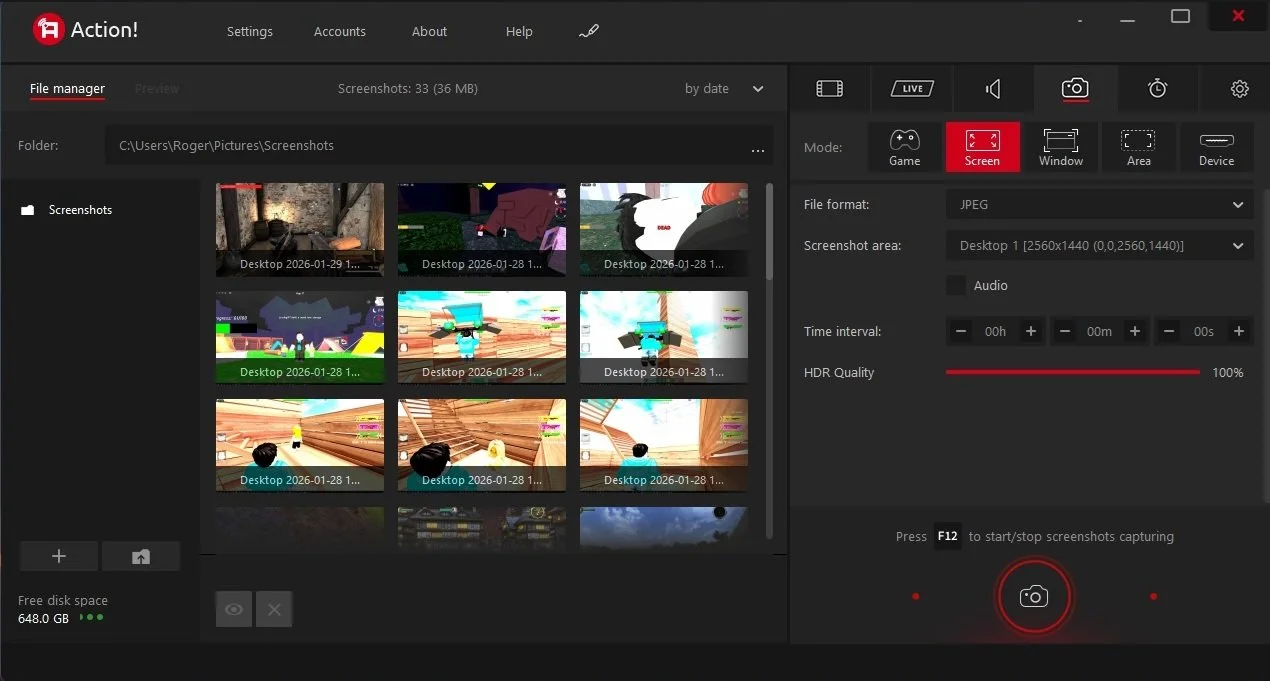







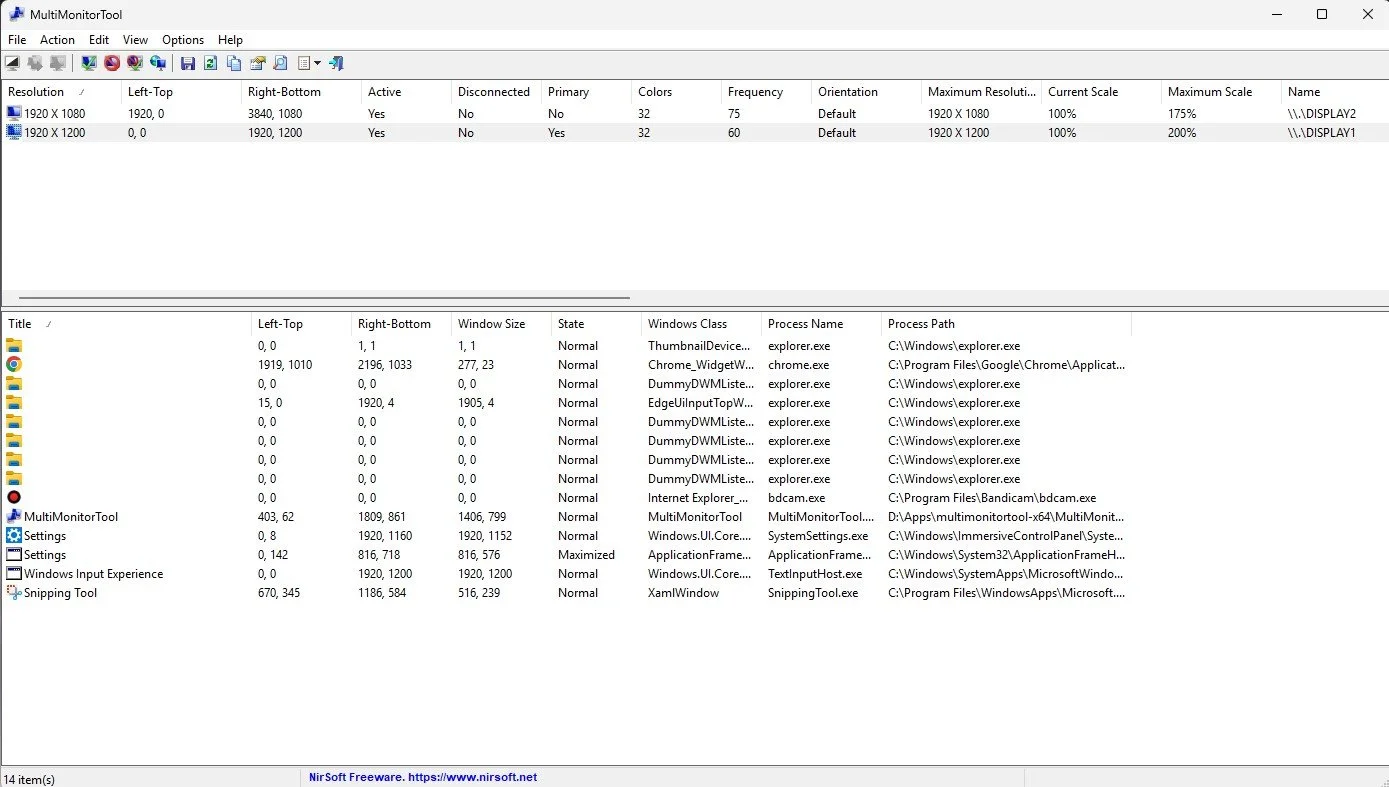

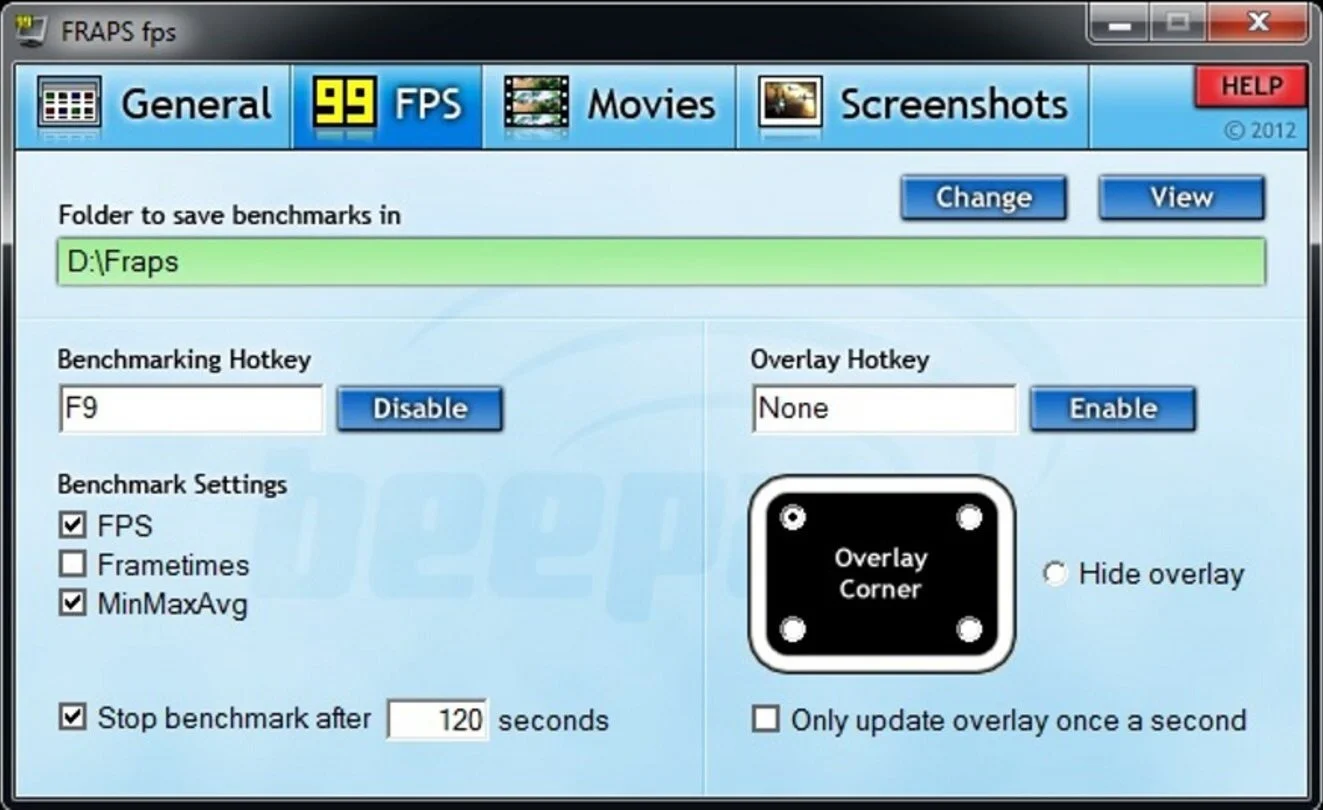
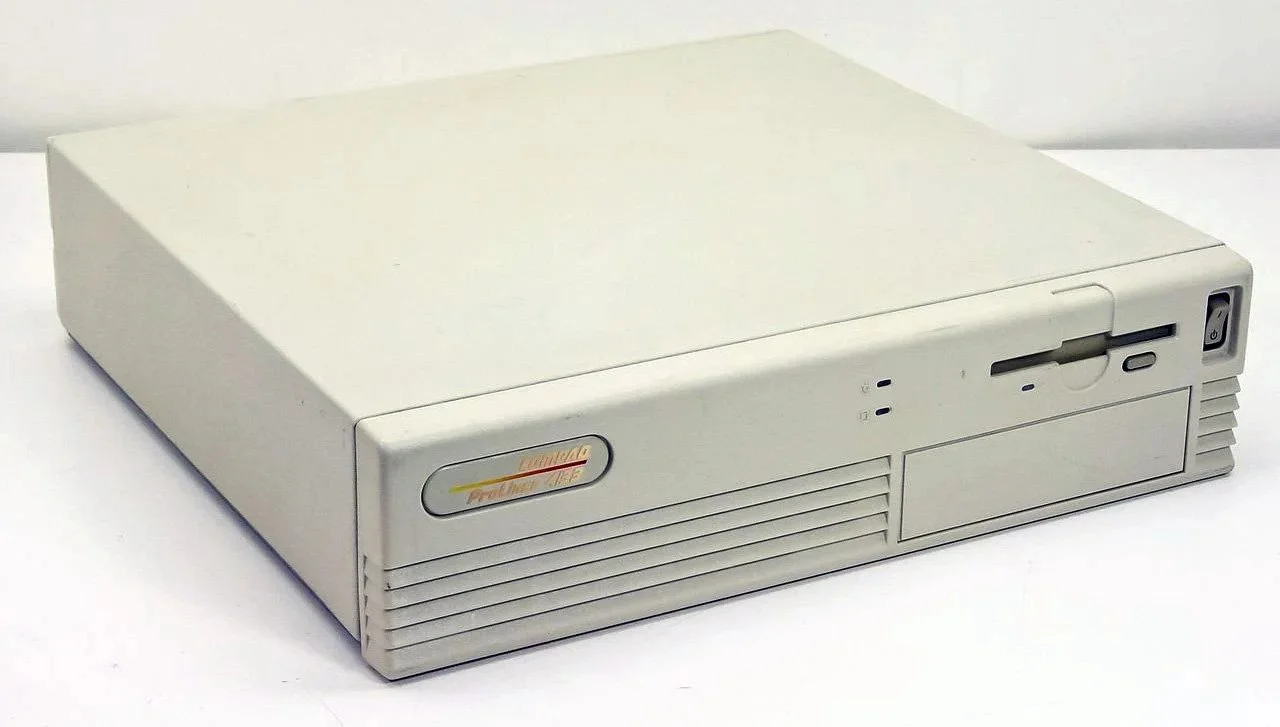





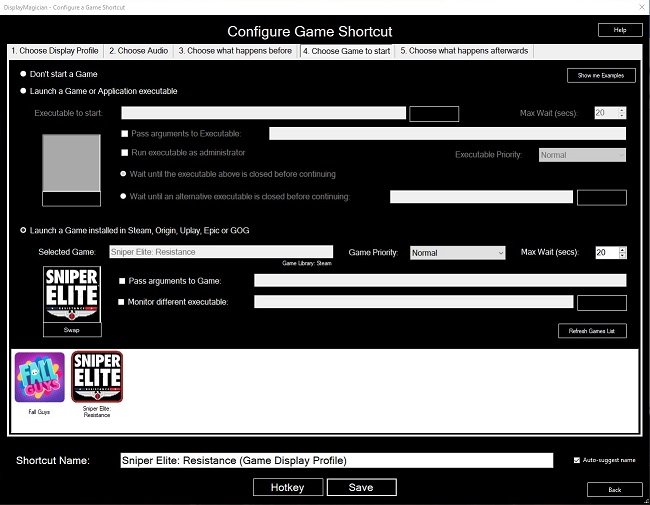






The Problem with Raiding
The subject of raiding in MMOs raised its head once again over at Massively Overpowered. It would appear that ArenaNet have been looking into the current raiding content in Guild Wars 2 and found that it is only undertaken by a relatively small percentage of the playerbase. Hence they are currently looking at producing some sort of intermediary content to encourage “endgamers” who have completed all the PVE material, to work towards raiding. Whether they are successful remains to be seen but it does show once again that raiding is not a universal pastime in the MMO genre. I remember Turbine making a similar statement to this effect, back when they were developing The Lord of the Rings Online. But this post is not intended as a discussion about the validity of raiding or any of the traditional debates associated with it. I think raiding has a place in the genre. What I want to do is state the reasons why it is not something I actively do anymore. I suspect my experience is not unique.
The subject of raiding in MMOs raised its head once again over at Massively Overpowered. It would appear that ArenaNet have been looking into the current raiding content in Guild Wars 2 and found that it is only undertaken by a relatively small percentage of the playerbase. Hence they are currently looking at producing some sort of intermediary content to encourage “endgamers” who have completed all the PVE material, to work towards raiding. Whether they are successful remains to be seen but it does show once again that raiding is not a universal pastime in the MMO genre. I remember Turbine making a similar statement to this effect, back when they were developing The Lord of the Rings Online. But this post is not intended as a discussion about the validity of raiding or any of the traditional debates associated with it. I think raiding has a place in the genre. What I want to do is state the reasons why it is not something I actively do anymore. I suspect my experience is not unique.
Time: I have in the past done a degree of raiding in LOTRO. This was during a period of my life when I was living alone, worked from home and had the time necessary to undertake this aspect of MMO gaming. Time is a key aspect of raiding and the MMO genre per se. Raiding requires assembling people online at a specific time. Something that is akin to herding cats, because often your raid team will live across multiple time zones. Some will have been raised in heathen cultures that have no concept of punctuality. Also let us not forget that “real life” can get in the way. Once you have everyone online you next have to ensure that they are good to go. Does everyone have the right consumables? Have they switched to the right builds and brought the right gear? All these things take time because they involve “people”. Then you need to allot the appropriate time to actually play through the content. You may wipe and have to do it again. I can recollect times where we started a raid at 8:45 PM and finished roundabout 1:00 AM. So to summarise, raiding is a major time sink that I can no longer afford.
The Human Factor: If you are a member of a well run Guild, then raiding will often be organised by even tempered, supportive individuals with good communication skills. It is also incumbent upon those participating to do their best, follow any instructions and keep their wits about them. If there are any issues, then calmly raise them as combat in raids can be a fluid situation. But it doesn’t always go this way. Simply put, the human factor can complicate things. People are not all the same. There are a multitude of factors to consider such as egos and different personalities. Hence there is much scope for a group to pull in different directions as there is for them to work together. Plus some people do not perform well in a team dynamic. Extroverts and introverts are not always compatible. Then there are those players who tolerate the group requirement of raiding because they want the achievement or the rewards on offer. I fall into the latter category and have no time for “drama” or players who are high maintenance. I’ve also had my fair share of bad experiences with pick-up groups. Therefore, if a raid is populated by people I do not know and trust, then I’m not likely to participate.
Quid Pro Quo: I do not see raiding as a test of character nor do I see it as a prestige event that if undertaken successfully, confirms status. It is simply a process with complex systems and fail states. These mechanics can be learned, just like any other form of choreography. Undertaking raid content requires preparation, organisation and a degree of skill. Players have to make a considerable investment of time and effort when raiding. Therefore, I see the entire process as a “quid pro quo”. If you successfully complete content you should be given a reward. Rewards should scale according to how many of the raid’s criteria you have met. Drops should not be random, nor should players run the risk of receiving rewards that are of no benefit to them. Raiding should be a clearly defined enterprise. If you do what is required then you get the reward that was advertised. If you partially complete the terms of the raid then you get a lower tier reward, again something that you knew about in advance. You should never leave empty handed if you have succeeded, nor should you be palmed off with junk. Any raid that cannot honour this social contract is poorly conceived.
Doctor Sleep Director’s Cut (2019)
Bringing Doctor Sleep to the big screen is a tall order for any filmmaker. Yet director Mike Flanagan (who also wrote the screenplay) manages to tread boldly along this difficult cinematic path. He delivers not only a credible sequel to Kubrick’s unique movie but also manages to adapt Stephen King’s follow up book fairly coherently. Yes, compromises have been made as Kubrick’s version of The Shining strayed far from the source text and therefore trying to dovetail legacy lore into King’s multi-layered follow up novel is a difficult task. However, Flanagan manages to craft a thoughtful and character driven tale which advances the themes present in both the previous film and the source text of the original book and its follow up. Doctor Sleep is not a rollercoaster ride filled with jump scares and convenient gore. It is a slow burn that builds atmosphere and tension. It also offers a strong sense of continuity and fans of the previous instalment will enjoy the sense of nostalgia this new film provides with it’s litany of subtle homages and asides. It is not without flaws but it is an interesting example of a more cerebral horror movie.
Bringing Doctor Sleep to the big screen is a tall order for any filmmaker. Yet director Mike Flanagan (who also wrote the screenplay) manages to tread boldly along this difficult cinematic path. He delivers not only a credible sequel to Kubrick’s unique movie but also manages to adapt Stephen King’s follow up book fairly coherently. Yes, compromises have been made as Kubrick’s version of The Shining strayed far from the source text and therefore trying to dovetail legacy lore into King’s multi-layered follow up novel is a difficult task. However, Flanagan manages to craft a thoughtful and character driven tale which advances the themes present in both the previous film and the source text of the original book and its follow up. Doctor Sleep is not a rollercoaster ride filled with jump scares and convenient gore. It is a slow burn that builds atmosphere and tension. It also offers a strong sense of continuity and fans of the previous instalment will enjoy the sense of nostalgia this new film provides with it’s litany of subtle homages and asides. It is not without flaws but it is an interesting example of a more cerebral horror movie.
It becomes apparent quite quickly while watching Doctor Sleep, that this isn't your run of the mill horror film. The standard of writing, performances and general tone of the film is far more nuanced than most genre outings. The screenplay doesn’t shy away from showing Dan Torrence (Ewan McGregor) hitting rock bottom, as he becomes an alcoholic to drown out the “shining”. A one night stand, in which he robs the woman he’s slept with, has far reaching consequences. Yet far from alienating audiences, the clever writing fosters a sense of sympathy as Dan subsequently moves to a new town and meets Billy Freeman (Cliff Curtis), an ex-alcoholic who helps him turn his life around. As he embarks on a new voyage of self-discovery, Dan finds a positive use for his “gift” when he starts work in a Hospice. He comforts patients as they approach death, calming them with personal visions from their past.
Running in parallel with Dan Torrence’s story, is that of Abra Stone (Kyliegh Curran). Abra has a similar “shining” ability to Dan but of a far greater magnitude. It frightens her parents and alienates her from her school friends. As she reaches out with her psychic abilities, she attracts the attention of Rose the Hat, who is the leader of the cult the True Knot. Rose (Rebecca Furguson) and her group are psychic vampires that feed upon “steam” or psychic essence. The group kidnap, torture and kill children to feast upon their steam, as it keeps them young and fuels their supernatural powers. Once aware of Abra’s presence, Rose sets her sights on her as a potential limitless food supply. Inevitably, Dan crosses path with both Rose the Hat and Abra, leading to a confrontation that can only be resolved by revisiting the now deserted Overlook Hotel. Perhaps the demons that await Dan there, can serve another purpose.
Doctor Sleep has certainly more highs than lows and focuses on being a disturbing character study with a building atmosphere, rather than a gorefest. Apart from one murder which is very disturbing by its very nature, rather than what is actually shown, the film is not overly reliant on violence. Performances are good and there is some very clever casting of actors who have a comparable style and appearance to Shelley Duvall, Jack Nicholson and Scatman Crothers. Some plot elements such as Dan’s struggle to not become his Father are explored well. Abra brings something more to the proceedings, rather than just the standard trope of a teenager with a supernatural power. Sadly, Rose the Hat is somewhat lacking as a villain. This has nothing to do with Rebecca Furguson per se but mainly the way the character is realised. Simply put Rose is not threatening enough and doesn’t exude sufficient malevolence, despite her penchance for child murder. Yet despite these minor shortcomings, there is sufficient depth to Doctor Sleep to keep discerning horror fans engaged.
I did not see the theatrical cut of Doctor Sleep upon its release in UK cinemas. I watched the Director’s Cut which adds an additional 30 minutes of character development to the film. This version is well paced, brooding and encompasses a broad spectrum of plot elements. However, even this extended version still leaves some themes and characters underdeveloped. Dan’s recovery from alcoholism is somewhat swift and his job as an orderly is shown but not fully explored. Bruce Greenwood has an interesting cameo as Dr. John Dalton and it would be nice to find out more about the man. But Stephen King is notorious for multiple characters in his books and that cannot always be easily accommodated in the confines of a mainstream film. All things considered, Mike Flanagan could have ended up falling between two stools while trying to to justice to King’s intricate work and riffing off Kubrick’s seminal movie. The results are not 100% perfect but Doctor Sleep strives to do justice to both groups of fans. The film offers a reassuring sense of familiarity to those wedded to Kubrick’s vision and manages to take the characters forward and allow them to grow and tell a new story, rather than just retread old ground. Popular consensus is that the extended version is the more successful of the two edits.
Terminator: Dark Fate (2019)
Sequels and reboots are hardly a new concept and have been a part of Hollywood culture since the 1930s. The success of the Universal Horror movies from that era being a prime example of direct follow ups and retconned movies. However, there is one fundamental rule that distinguishes a good sequel from a bad one. You should never mitigate, undermine or make irrelevant the events of the previous movie, just to provide your new film with a raison d'être. For example, the events of Aliens do not contradict or trivialise those that happened in Alien. In fact with that franchise there is a very clear logical progression between the two movies. The same is true for Mad Max and Mad Max 2 or Star Wars and The Empire Strikes Back. The key is to progress a story, enhance it or explore things from an alternative angle and bring something new to the cinematic table. Sadly this philosophy is all too often lost on corporate film making. Which means that many sequels are just tedious replays of prior films. Terminator: Dark Fate falls squarely into this category.
Sequels and reboots are hardly a new concept and have been a part of Hollywood culture since the 1930s. The success of the Universal Horror movies from that era being a prime example of direct follow ups and retconned movies. However, there is one fundamental rule that distinguishes a good sequel from a bad one. You should never mitigate, undermine or make irrelevant the events of the previous movie, just to provide your new film with a raison d'être. For example, the events of Aliens do not contradict or trivialise those that happened in Alien. In fact with that franchise there is a very clear logical progression between the two movies. The same is true for Mad Max and Mad Max 2 or Star Wars and The Empire Strikes Back. The key is to progress a story, enhance it or explore things from an alternative angle and bring something new to the cinematic table. Sadly this philosophy is all too often lost on corporate film making. Which means that many sequels are just tedious replays of prior films. Terminator: Dark Fate falls squarely into this category.
Objectively, Terminator: Dark Fate plays out as a greatest hits of the Terminator franchise. Due to the way that Terminator 2: Judgement Day concluded, the future existence of Skynet has been definitively stopped. Therefore for this new film to justify its existence it has to contrive another comparable future threat and does so with a new rogue AI called Legion. So despite Judgement Day being averted, we are simply presented with a new dystopian future (because obviously Legion perceives mankind as a threat) and a new Terminator (Rev-9 model played by Gabriel Luna) sent back in time. Naturally, if there’s a Terminator on the loose, then they have to have a target. This time round it is Daniella Ramos (Natalia Reyes), a young woman who works in an automobile assembly factory. She is rescued and protected (as was Sarah Connorin the original movie) by a soldier from the future. The major difference being this time, is that Grace (Mackenzie Davis) has been cybernetically enhanced thus making her more capable in tackling Terminators.
Perhaps the most egregious offense that Terminator: Dark Fate commits is dealing with the conundrum of John Connor. With Judgement Day averted both John and his Mother Sarah were theoretically free to live out the remainder of their lives in peace. But the production’s need to include actress Linda Hamilton into the story (and thus increase the film marketability) requires a rather mean spirit plot twist that effectively negates the entire point of the first two films. To say more would spoil the film’s plot for those who have yet to see it but it really is a poor idea and has upset many ardent fans of this franchise. This narrative device also paves the way to crowbar Arnold Schwarzenegger into the proceedings as yet another T-800 model Terminator from the original Skynet timeline. There are some attempts in the screenplay by David Goyer, Justin Rhodes and Billy Ray to try and play against type, with this particular Terminator living out the rest of his existence as an average member of society. But the scenario envisaged is purely designed for easy laughs and offers nothing of substance beyond its inherent novelty.
Effectively all that Terminator: Dark Fate offers during its 128 minute duration is a retread of previous plot elements from the other movies and a series of noisy and frenetic action scenes, all of which are derivative and soulless, with no genuine sense of threat. Is the film poorly made? No not at all. Is it entertaining on any level? Yes. In a superficial way. But it has nothing to offer beyond that and it is utterly redundant. Beyond the need to make a film studio some money, Terminator: Dark Fate cannot really justify its existence. It adds nothing to the existing canon and lore and makes for rather ponderous viewing. The return to an R Rating provides no tangible benefits either, other than the scope for violence for violence sake. Sadly, the mainstream film making industry has no concept of integrity or art and is utterly lacking in self awareness. So I’m sure given some time, a focus group will attempt to resurrect this franchise yet again at a future date, only to make exactly the same mistakes.






A Month in Gaming
So much for the New Year. January has now been and gone and 2020 just seems to be barrelling along. As ever, due to my real world commitments, I’ve been pushed for time over the last thirty one days. Therefore, most of my gaming has been targeted “binge” sessions conducted late at night. However, I do find playing through episodic content over several hours to be a very productive means of making progress in MMOs. So overall January has been an enjoyable experience, game wise. Due to my circumstances, I have deferred starting any new single player games and have focused primarily on two titles; The Lord of the Rings Online and Star Trek Online. Sadly, The Elder Scrolls Online has been relegated to being played just once a week, usually on a Wednesday night when I meet up online with friends. My exploration of Vvardenfell will have to wait until later in the year, as I cannot sustain three MMOs to any great degree.
So much for the New Year. January has now been and gone and 2020 just seems to be barrelling along. As ever, due to my real world commitments, I’ve been pushed for time over the last thirty one days. Therefore, most of my gaming has been targeted “binge” sessions conducted late at night. However, I do find playing through episodic content over several hours to be a very productive means of making progress in MMOs. So overall January has been an enjoyable experience, game wise. Due to my circumstances, I have deferred starting any new single player games and have focused primarily on two titles; The Lord of the Rings Online and Star Trek Online. Sadly, The Elder Scrolls Online has been relegated to being played just once a week, usually on a Wednesday night when I meet up online with friends. My exploration of Vvardenfell will have to wait until later in the year, as I cannot sustain three MMOs to any great degree.
Currently STO is celebrating its 10th Anniversary. To mark this auspicious occasion, Cryptic have released a two-part feature episode starring Seven of Nine (Jeri Ryan) and Michael Burnham (Sonequa Martin-Green). The pair find themselves transported to the planet Excalbia, last seen in the TOS episode “The Savage Curtain” and facing further “tests” as the Excalbians explore the human concepts of good and evil. It is a dynamic and action packed story which revisits many classic scenarios from the game. Seven has some killer quips and Burnham is a welcome addition to the ever growing STO family. The anniversary also offers an opportunity to earn a new hybrid Tier 6 ship, which draws upon Federation, Klingon and Romulan design. Naturally the ongoing event has meant that a lot of lapsed players are returning to the game and as a result, the Reddit Alert Fleet (of which I am a member) is exceedingly busy. However, there has been a degree of controversy over the 10 ship Legendary Bundles that is being released on February 13th. As ever the pricing is quite high (about £200) and Cryptic have decided not to sell these desirable vessels individually. However, this issue notwithstanding, it is nice to see the game thriving at present. Ten years is a laudable milestone for any MMO to reach.
I have completed the Vales of Anduin in LOTRO and have diligently applied myself to the new Minas Morgul expansion. I have already shared my thoughts on the first half of the expansion, set in the Second Age of Middle-earth, which I found to be narratively enjoyable but a little too padded with fetch and slayer quests. The same rings true of the other half of the game set in Imlad Morgul. The central story is sound and each of the secondary quest hubs has an additional tale that feeds into the main Epic Quest. But again when visiting each area the player is given a multitude of arbitrary tasks to do. I cannot help but return to my initial conclusion that Minas Morgul is not a genuine expansion in comparison to its predecessors. It feels like something cobbled together from outstanding material and lacks anything additional or bespoke. However, criticisms aside, my recent re-gearing from loot boxes, along with focus upon virtues and increasing my LI legacies, has certainly made my level cap Lore-master a far more robust and even formidable character. I consider this to have been the best gaming achievement of January.
Putting aside what I’ve actually done in-game over the last month, I would like to briefly mention “gaming news”. As someone who considers video games as a major aspect of my leisure time, I have always liked to know what’s going on in the wider gaming community, along with the industry itself. Hence I’ve always read a broad selection of websites and subreddits etc. Sadly, I am finding these outlets are becoming increasingly partisan. The gaming industry seldom covers itself in glory and often the behaviour and attitude of a large percentage of the gamers is far from edifying. Simply put gaming is increasingly becoming yet another aspect of the ongoing Culture War which blights contemporary politics and national dialogue. Rather than feeling I’m part of an international community based on mutual understanding and a shared, common experience, it seems that I’m habitually told to pick a side in some tedious, bi-partisan argument and then just shout at those in so-called opposition. I find this an intellectually bankrupt proposition and am ill disposed towards doing such things. I do not see any evidence at present that 2020 is going to halt and reverse this process.
5 of My Favourite Quality-of-Life Mechanics in MMOs
Over the years I’ve played numerous MMOs (to varying degrees of success). As a genre there are certain game mechanics that are standard and common to most games. Initially during the “golden age” of the MMORPG, there was a focus on collaborative team player. This meant that successfully undertaking group content required a spectrum of players in specific roles. This particular mechanic has diminished over the years but the genre still has numerous common tropes. Quest hubs, reputation factions, gear grinds and vertical levelling are just some that spring to mind. However, many developers in this field attempt to polish and refine these “default” systems, often with interesting results. So I thought I’d cite some specific examples of what I call “quality-of-life mechanics”. Frequently these are bog standard facets common to the MMO genre, that have been polished and refined in a particular game. Small things that just make a game more manageable and provoke a positive reaction as well.
Over the years I’ve played numerous MMOs (to varying degrees of success). As a genre there are certain game mechanics that are standard and common to most games. Initially during the “golden age” of the MMORPG, there was a focus on collaborative team player. This meant that successfully undertaking group content required a spectrum of players in specific roles. This particular mechanic has diminished over the years but the genre still has numerous common tropes. Quest hubs, reputation factions, gear grinds and vertical levelling are just some that spring to mind. However, many developers in this field attempt to polish and refine these “default” systems, often with interesting results. So I thought I’d cite some specific examples of what I call “quality-of-life mechanics”. Frequently these are bog standard facets common to the MMO genre, that have been polished and refined in a particular game. Small things that just make a game more manageable and provoke a positive reaction as well.
Neverwinter: Quest Path.
It frankly annoys me the way some game designers go out of their way to make navigating around their virtual world so damn difficult. Cities are often complex with non-linear road layouts and there are frequently esoteric quirks that you just have to figure out the hard way. I’m sure somewhere there’s a self satisfied dev whose smirking at how clever they’ve been, as you run around a major quest hub in an increasingly frustrated state, looking for a particular NPC or item. However Cryptic have addressed this matter head on with the Quest Path facility in the MMO Neverwinter. If you want a helping hand this game mechanic provides a sparkly trail that takes you directly to your next quest location. It is simple, functional and also purely optional. Purists can learn their way around if they prefer. Where as casual players, those with a poor sense of direction or individuals who prefer to focus on other aspects of the game can opt to avail themselves of this service. I really wish this was available in more MMOs.
The Elder Scrolls Online: Content Scaling.
Many older MMOs suffer from a common problem. Increases in level cap, along with an ever growing catalogue of content, lead to older material becoming redundant. There is no incentive to play older, lower level quests once you have reached level cap nor to revisit completed regions and instances. Furthermore, new players cannot play with veteran friends due to their obvious level differences. This is just poor game design and it also antagonises players. However, two years after its initial release, The Elder Scrolls Online tackled this very issue in late 2016 with the One Tamriel update. This allowed players of any level, in any faction, to travel to any other PvE zone and tackle appropriately-scaled content. Hence a veteran player can now group a newbie and both will equally benefit with regard to XP and loot drops. It is literally a “game changing” achievement that makes the game far more inclusive and open ups a wealth of previously gated content. Should this not be a default system in every MMO?
Star Trek Online: Upgrading Gear and The Exchange.
Cryptic’s MMO ode to the Star Trek franchise is far from perfect. Even after 10 years it still sports numerous bugs and as a game has never really hit its full potential. However, it does get a lot right and exudes an appropriate Trek vibe. It also includes not one but two straightforward systems that improve the game immensely. The first is the opportunity to upgrade gear and even change the statistical modifiers on it. Therefore if you take a liking to a Mark I item at the start of the game, you can retain it and upgrade it as your character progresses through the 65 levels. Yes, this can be quite a costly process with regard to using in-game resources but does means that not every item is doomed to obsolescence. You don’t have to unceremoniously ditch something you’ve worked hard to obtain. And the other thing that I feel STO does very well is its own unique version of “auction house” or The Exchange as it’s known in this case. Firstly STO runs on one shard, so there is a substantial customer base to interact with. Secondly, there are no listing fees at all. Thirdly, the moment an item sells you are notified and the cash (Energy Credits) go straight into your virtual wallet. Although hyperinflation is a thing (as it is in most MMOs), at least you don’t have to worry about selling items quickly and efficiently.
The Lord of the Rings Online: Auto Loot.
I find it ironic that one of the most old school and somewhat dated MMOs around, still manages to have a game system in place that is still lacking from more recent titles. The Lord of the Rings Online added auto loot to the game with the Rise of Isengard expansion back in 2011. Until then, you had to approach a defeated foe and manually collect your loot on a per item basis or as a whole. At the most you could assign this process to a specific key and hoover everything up within a small AoE but it was a pain. Sifting through loot at source always has been and remains so a potential problem. But auto loot changed this and did so in a radical fashion. The moment you now defeat an enemy, all loot is directly placed in your bags. Again for those who wish to sift manually, this setting can be toggled off but for us busy, lesser mortals, we can just blast through an area indulging in mass slaughter, safe in the knowledge that all loot has been collected. The only thing you have to be aware of is your respective bag space, and if you screw that up there’s a very generous overflow system. Again, shouldn’t this be the norm?
So these are five examples of “quality-of-life mechanics in MMOs” that I find invaluable. I’m sure there are plenty of others out there that can be referenced. Feel free to leave comments below of examples that you enjoy and would like to mention.
LOTRO: The Scarcity and Cost of Essential Items
I wrote recently about how I completely re-equipped my Lore-master using lootbox gear and purchasing new items using Ember of Enchantment. This did significantly boost my overall statistics and make an improvement in my combat performance. But something has still felt “off” and it was only a few days ago that I finally figured out exactly what it was. My Legendary Weapons are still wanting. I found myself standing next to another level 130 Lore-master while handing in a quest, so I decided to inspected their build. Luckily they hadn’t opted to remain “private” so I could examine exactly what gear they had and the statistics on their LI (Legendary Items). Although their armour and jewellery was broadly comparable to mine, their LIs were far superior. And it all came down to “Legacies” and what tier they were. Mine are currently level 69 and 70 on my First Age Staff. And on my First Age Lore-master Book, they are level 65 and 66. At present, until I unlock further legacy tiers, my LIs are not earning any XP and that is irksome.
I wrote recently about how I completely re-equipped my Lore-master using lootbox gear and purchasing new items using Ember of Enchantment. This did significantly boost my overall statistics and make an improvement in my combat performance. But something has still felt “off” and it was only a few days ago that I finally figured out exactly what it was. My Legendary Weapons are still wanting. I found myself standing next to another level 130 Lore-master while handing in a quest, so I decided to inspected their build. Luckily they hadn’t opted to remain “private” so I could examine exactly what gear they had and the statistics on their LI (Legendary Items). Although their armour and jewellery was broadly comparable to mine, their LIs were far superior. And it all came down to “Legacies” and what tier they were. Mine are currently level 69 and 70 on my First Age Staff. And on my First Age Lore-master Book, they are level 65 and 66. At present, until I unlock further legacy tiers, my LIs are not earning any XP and that is irksome.
As you can see from the picture below, the main legacy and the secondary legacies on this Lore-master’s LIs are all substantially higher than mine. This player has therefore applied a lot of Anfalas Star-lit Crystals and Anfalas Scrolls of Empowerment to them both. These are essential resources that are not casually acquired. If you wish to stockpile such items you need to farm the Minas Tirith repeatable dailies and regularly undertake the featured instance. The various festivals that occur during the year can also provide another useful source. But if you are serious about acquiring a substantial supply of these, then you need to maintain a daily schedule and repeat a lot of content. Once again this is a prime example of how older MMOs reward the continuous participation of the “loyal” players and disincentivise the casual player. The only other alternatives are to try and purchase these items via Auction House (which is impossible due to the hyper inflation that is rampant in the game), or to use the LOTRO Store.
If you want your character to be adequately equipped at level cap then you need to spend as much time and attention on your LIs as you do your gear. Simply put Anfalas Star-lit Crystals and Anfalas Scrolls of Empowerment are essential items. It would be nice if LOTRO had mechanics that allowed you to trade in or deconstruct old barter currency or gear into a universal currency, so players who do not have the time (or inclination) to grind for essential items, had an alternative means of obtaining them. But the bottom line is that such a major overhaul is not coming to LOTRO. Standing Stone Games more than likely lack the in-house expertise to retrofit such a system and even if the skills are there, why should they do such a thing when the store provides a lucrative alternative? In the meantime, I’ve trawled through my barter wallet and used what I have to purchase a few more Anfalas Scrolls of Empowerment. I managed to do all three of the Minas Tirith instances over the weekend and earned a few more but I cannot see myself farming these on a daily basis. Repeating these instances at level 130 it is a dull undertaking. Thinking about this matter has also made me consider how do casual players with multiple alts, address this issue. I suspect they don’t. Which means that there must be many other LOTRO players with lacklustre LIs.