
"You're Playing Wrong"
There’s one particular topic that appears with tedious regularity on MMO subreddits and forums. That old chestnut about how the genre has become too solo friendly and that it’s to the ruination of the genre. It usually hails from the raiding community and follows a predictable path about high end gear and those who do and don’t deserve it. When you look beyond the initial arguments, you’ll frequently find that such positions are very emotive, couched in judgemental terms and often end in the sentiment “why even play an MMO?” or something comparable. The reason I mention this perennial debate is because it appeared recently on a forum that I still occasionally visit. It saddens me to a degree because, this point has been debunked so many times, yet it still persists (a bit like many political talking points). It also smacks of that attitude I see all too frequently these days. A concern and borderline resentment of what others are doing, irrespective of whether it impacts upon you or not.
There’s one particular topic that appears with tedious regularity on MMO subreddits and forums. That old chestnut about how the genre has become too solo friendly and that it’s to the ruination of the genre. It usually hails from the raiding community and follows a predictable path about high end gear and those who do and don’t deserve it. When you look beyond the initial arguments, you’ll frequently find that such positions are very emotive, couched in judgemental terms and often end in the sentiment “why even play an MMO?” or something comparable. The reason I mention this perennial debate is because it appeared recently on a forum that I still occasionally visit. It saddens me to a degree because, this point has been debunked so many times, yet it still persists (a bit like many political talking points). It also smacks of that attitude I see all too frequently these days. A concern and borderline resentment of what others are doing, irrespective of whether it impacts upon you or not.
So how shall we tackle this question of “you’re playing wrong” because that is effectively what it boils down to. Well, let us start with that very question. Is there a definitive way to play an MMORPG? No is the brief answer. Sure, each MMO has a set of rules and procedures that set out a path of progression. However, nowhere in these rules will you find a statement saying it is mandatory to play this particular way. Humans like to adapt things to suit their own needs. Play is under pinned by imagination and creativity. Therefore, role-players are free to pursue their particular play style in an MMO. Players can create alts and continuously replay specific content only if they wish. It is not essential to be in a guild or to raid and not everyone wants the best gear. Furthermore, I have never seen a major objection towards varied play styles from the developers of an MMO. They usually just seem happy that people can find joy in their creation and the publishers are content to have your money regardless of what you do.
As for the question "why even play an MMO?" it is utterly irrelevant to the debate. A player’s motivation for playing and indeed the very manner in which they play is no business of anyone else as long as it remains within the TOS of the game. Another common argument and variation upon this theme is that MMOs are meant to be social games and that the very foundation of the genre is the need for continuous interaction with other players. I remember Massively OP writer Jef Rehard claiming not so long ago that “this is a social genre. This is not your world. It's our world, and how you interact with and ultimately shape it is most definitely my concern". Yet the reality is that a MORPG is only social in so far as it includes game mechanics that can facilitate group interaction. They are there as an option and are seldom mandatory. Therefore, MMORPGs are not solely "a social genre" and it is worth noting that the word social does not feature in the acronym. It is also a common misconception that the social dimension that can be found in MMOs, is a result of the game itself. It is not. The game certainly provides a framework for group interaction but ultimately the social element is organically generated by the players themselves. The game at most is a conduit. Gather people together in any social interaction, friendship and fun will present itself.
As for the issue, as to "who's world is it", the answer is simple. It's the publishers. Gamers frequently make the mistake of believing they have a far greater stake in the object of their affection, beyond their consumer rights. We are all nothing more than a customer and any claim suggesting some vicarious form of collective ownership is nonsense. Fandom is a wonderful thing and has many positive aspects but at times it does cause a form of “tunnel vision” that impacts upon some players sense of perspective. MMORPGs are products created to make money. That is their primary purpose. They are not there to provide a social service nor are they under any obligation to foster a morally righteous community. Such activities are simply a byproduct of their use by the player base. There is equal scope for the community to go in the other direction and become toxic.
The MMORPG genre has changed greatly over the last decade and is now quite different from how it was. All consumer products evolve over time. Why is this situation any different? If one finds oneself aggrieved by such change surely it would be logical to blame it upon market forces and the nature of capitalism, rather than on those players that have elected to pursue their entertainment in a different way to you, as is their right? Thus, the argument that “you’re playing wrong” is a fundamentally flawed concept based on faulty data and incorrect assumptions. It also stems from fundamental misunderstanding of what a players role is within the traditional business and customer relationship.
So, in conclusion, concerns over other MMO players habits are misplaced. Beyond abiding by a games TOS (and hopefully maintaining good manners and common decency), a solo player has no obligation to anyone else and is free to pursue their own endeavours within a game in whatever fashion they see fit. As ever with debates of this kind, it is largely a matter of semantics and logical thinking. As a player who predominantly plays MMORPGs solo, the only way my actions affect other players is through the indirect medium of prevailing business trends. IE being part of a group that offers more business potential to the developers. Carping about this is a bit like complaining that not enough people buy a particular brand of coffee that you like and as a result the supermarket no longer stocks it.
Finally, there is a slight hint of a sense of moral outrage associated with this re-occurring argument. Such sentiment is misplaced in a reasoned and rational argument. This is ultimately a discussion about business decisions and how market forces govern product change. Personal indignation based upon perceived injustices does nothing more than cloud the debate. Developers know that they can't please all customers and it would be beneficial is gamers reciprocated. If as a gamer find yourself on the wrong side of a change of policy or game mechanic, then that is sad for you but beyond that it is of no more significance. However as reasoned and rational discussion is not de rigueur in any public arena at present, let alone just in gaming, I suspect we haven’t seen the last of the “you’re playing wrong” debate.








Lockout (2012)
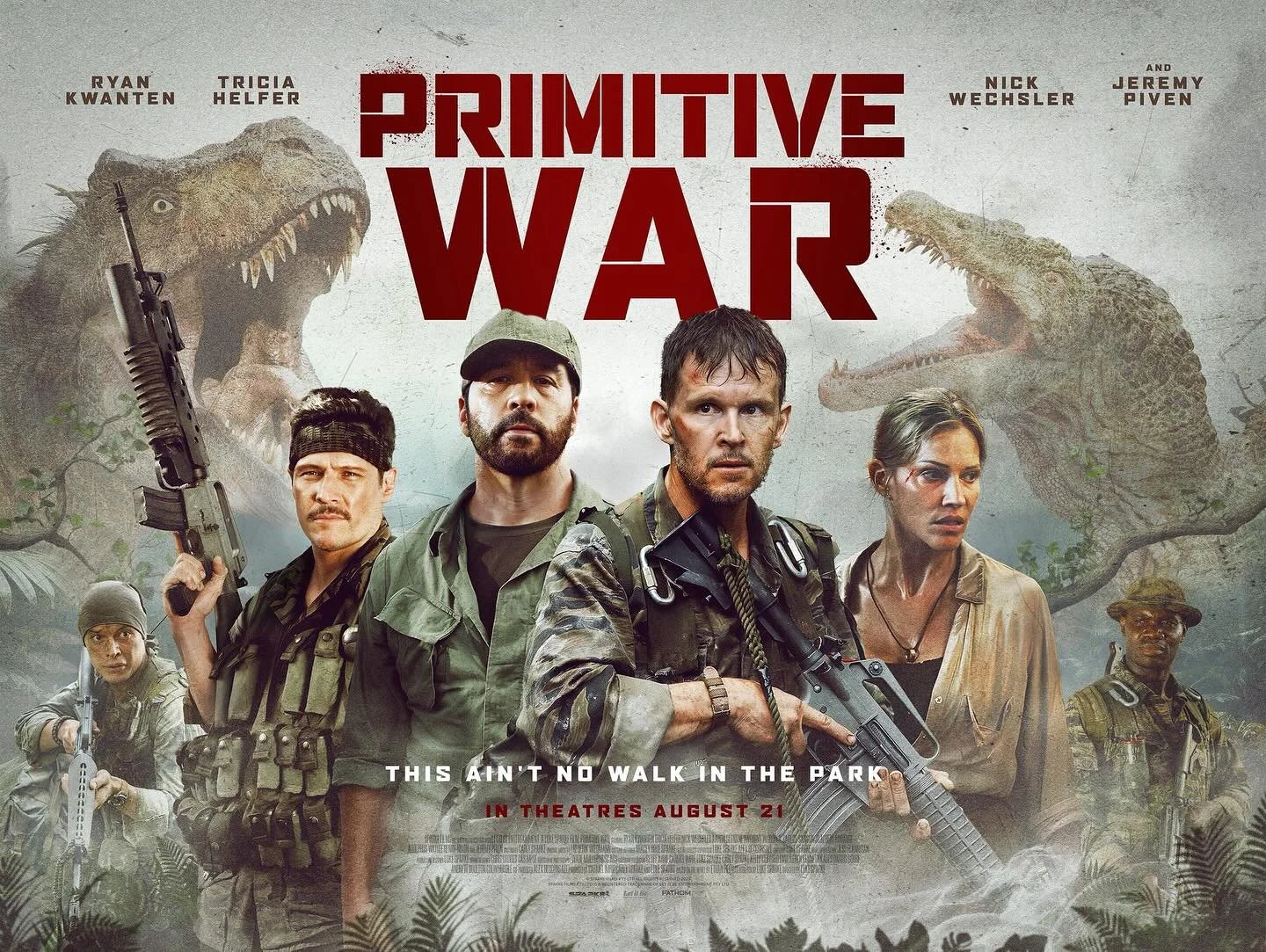
Let's cut to the chase. Lockout is derivative, clichéd, has some dodgy CGI FX work and has nothing new to add to the Sci-Fi sub-genre of future prison action movies. However, that does not mean that the movie is not enjoyable. On the contrary, if approached with the right mind set, then Lockout can be an entertaining experience, which will have you chuckling as it ticks boxes in a knowing fashion and offers some budget action and hard-boiled dialogue. It certainly isn't going to win any awards, but is does everything that a B movie should do. If you treat it as such then you won't be misled.
Let's cut to the chase. Lockout is derivative, clichéd, has some dodgy CGI FX work and has nothing new to add to the Sci-Fi sub-genre of future prison action movies. However, that does not mean that the movie is not enjoyable. On the contrary, if approached with the right mind set, then Lockout can be an entertaining experience, which will have you chuckling as it ticks boxes in a knowing fashion and offers some budget action and hard-boiled dialogue. It certainly isn't going to win any awards, but is does everything that a B movie should do. If you treat it as such then you won't be misled.
For starters, think Escape from New York, then No Escape and then finally Fortress. Follow that order to find the appropriate level. Where John Carpenter made Snake Plissken a Clint Eastwood/John Wayne hybrid, Guy Pearces' Snow is more of a John McClane/Han Solo crossover. Lockout never strays into being a total rip-off of Carpenter's work, but it sails close to bounderies of what can be labelled "a homage". Guy Pearce, armed with pumped biceps and an arsenal of waggish badinage plays Snow, a former government agent who must single-handedly rescue the President’s daughter (Maggie Grace), from a space prison to escape (for some particular reason as Homer Simpson said). The prisoners are the usual collection of cinematic sociopaths, although Hydell (Joseph Gilgun), the psychotic brother of the prisoner’s leader, has all the best lines and is immense fun to watch. Stuff gets blown up, fist fights ensue, the laws of physics are conveniently bent to suit the plot as you expect from such movies.
When Luc Besson initially started putting his name to broader action productions, it was a pleasant alternative to mainstream Hollywood fodder. The European vibe brought something new to familiar action material. However, these movies are now plagiarising the very material they seek to be different to and the distinction is not so great now. Written and directed by relative newcomers James Mather and Stephen St. Leger, Lockout perhaps needed a more experienced pair of hands at the helm. The movie was shot on location in Belgrade but also had extensive green screen footage shot in post-production. The movie struggles to integrate both elements. However, it's quirky continental pedigree, tongue in cheek approach, along with its fast pace does allow the directors to effectively "blag it".
I was in an unusually forgiving mood when I saw Lockout in the movie theatre on its release and chose to ignore its faults and simply dealt with it like a DTV action title from the eighties. I even smirked when Snow balked at being beaten by a guy called Rupert. However, this is the sort of movie that plays a lot better in the home entertainment market. It’s something that goes well with a few beers and a curry. If you are a casual film viewer, you may wish to give this one a miss as it lacks some of the polish of bigger budget releases. For those who have a deeper love for the action genre and have sat through Freejack and Fortress 2: Re-Entry, then you can take this one on the chin easily.
















The Raven (2012)
The Raven is a high concept movie in which author Edgar Allan Poe discovers that a serial killer is copying his literary work. It mixes a traditional Gothic sense of style with postmodern depictions of violence and has a quirky, erudite and fun screenplay. The film has a strong streak of gallows humour running through it and a solid cast. It is however an unbalanced production that never quite hits its stride, despite its fast pace. Like director James McTeigue's earlier film V for Vendetta I suspect that The Raven may be another slow burner, finding its audience over time rather than initially.
The Raven is a high concept movie in which author Edgar Allan Poe discovers that a serial killer is copying his literary work. It mixes a traditional Gothic sense of style with postmodern depictions of violence and has a quirky, erudite and fun screenplay. The film has a strong streak of gallows humour running through it and a solid cast. It is however an unbalanced production that never quite hits its stride, despite its fast pace. Like director James McTeigue's earlier film V for Vendetta I suspect that The Raven may be another slow burner, finding its audience over time rather than initially.
The cast is strong with Luke Evans, Alice Eve and John Cusack as Poe. Brendan Gleeson sports a splendid pair of sideburns (grips) and as usual provides an assured performance as Poe's father-in-law. The cinematography is reminiscent of Hammer's baroque style with a hint of Argento thrown in, courtesy of DP Danny Ruhlmann. The dialogue is equally whippy and writers Ben Livingston and Hannah Shakespeare script is not without merit. Poe fans will enjoy spotting the many homages both great and small. Yet despite its virtues The Raven still doesn't quite reach the heights of the material it references.
A lot of the films shortcomings stem from the character of Poe himself. John Cusack’s performances is strong and he is very watchable but is perhaps a little too good looking compared to the alcoholic, drug addicted, dissipated reality of the author. Furthermore, the film pits Poe as a foil to Detective Emmett Fields, rather than making him the lead in the investigation. The dynamic although well-structured seems wrong. Shouldn't Poe, the creator of the great fictional detective Monsieur Dupin, not be taking the lead in the solving the ongoing crimes? The denouement when the killer is unmasked in true Scooby Doo fashion, also doesn't come as a major surprise.
The Raven, despite its uneven nature is still an enjoyable film and it is nice to see period set costume horror making a welcome return. If you liked V for Vendetta, I suspect that you may also embrace this movie. It has many of the former's strengths and weaknesses. Those who favour the current vogue of horror film making, as seen in the likes of Paranormal Activity or any of the recent reboots, may be disappointed. The Raven may well improve with a second viewing and I intend to do so at a later date. I shall not say anything further less I give in to my urge to say "nevermore" or make a reference to the Teletubbies.





H. P. Lovecraft's The Shadow Out of Time (2012)
The writings of H. P. Lovecraft have been an inspiration for many a film maker. Their brooding atmosphere along with intriguing blend of science and the occult, offers a wealth of themes to be explored. Unfortunately, there have been very few movies that have come anywhere near to capturing the spirit of the author. So, it was with great interest that I watched the fifteen-minute short film The Shadow Out of Time. This low budget production made by independent film makers Richard Svensson, Daniel Lennéer and Christopher Johansson, succinctly distils a classic Lovecraftian tale without losing any of the ambience of the source text. It puts to shame some of the hand-fisted adaptations that have preceded it.
The writings of H. P. Lovecraft have been an inspiration for many a film maker. Their brooding atmosphere along with intriguing blend of science and the occult, offers a wealth of themes to be explored. Unfortunately, there have been very few movies that have come anywhere near to capturing the spirit of the author. So, it was with great interest that I watched the fifteen-minute short film The Shadow Out of Time. This low budget production made by independent film makers Richard Svensson, Daniel Lennéer and Christopher Johansson, succinctly distils a classic Lovecraftian tale without losing any of the ambience of the source text. It puts to shame some of the hand-fisted adaptations that have preceded it.
The plot follows an academic, Nathaniel Wingate Peaslee who collapses during a lecture to find that he has exchanged bodies with an extraterrestrial life form from Earth's past history. His own body is occupied by the alien who spend the next two years studying the present era. Eventually the process is reversed and Peaslee attributes the events to a mental collapse. However, it becomes apparent that he is not the only one to have had this experience. His resulting investigation leads him to Australia and an uncomfortable truth emerges. The story touches upon the experiences of both individuals and hints at a further menace that threatens the future of both species. Told via narration, the film is set in the 1900s and reflects the cinematic style of the time.
The period setting along with its stylised format really enhances the unfolding story. Åke Rosén performance is very much in the appropriate idiom and John Hutch narration embellishes without descending into melodramatics. Overall this is a polished production when you consider the budgetary and the logistical constraints imposed upon the film makers. It never ceases to amaze me the dedication and love that fans can muster to create such outstanding work using just “over the counter” hardware and software. Therefore, I thoroughly recommend The Shadow Out of Time and would urge readers to check out the creators You Tube channel for further H. P. Lovecraft adaptations.
The Myth of the Perfect Video Game
Jim Sterling posted an interesting video this morning exploring the ongoing obsession of major games studios with trying to find the perfect video game and how they’re on a hiding to nothing. He cites market research conducted by the food industry in which two rival companies tried to find the perfect pasta sauce. To cut a long story short it turns out there was no universally favoured product and a third of those polled actually wanted a type of pasta sauce that wasn’t even available. The conclusion of this analysis was that success was dependent on offering a broad range of products. To quote Mr. Sterling, “there is no perfect pasta sauce, just perfect pasta sauces”. Let it suffice to say this anecdotes parallels with the gaming industry are obvious. Games perpetuate features that work, which end up being adopted by other rival products. This leads to a lack of innovation and constrained creativity.
Jim Sterling posted an interesting video this morning exploring the ongoing obsession of major games studios with trying to find the perfect video game and how they’re on a hiding to nothing. He cites market research conducted by the food industry in which two rival companies tried to find the perfect pasta sauce. To cut a long story short it turns out there was no universally favoured product and a third of those polled actually wanted a type of pasta sauce that wasn’t even available. The conclusion of this analysis was that success was dependent on offering a broad range of products. To quote Mr. Sterling, “there is no perfect pasta sauce, just perfect pasta sauces”. Let it suffice to say this anecdotes parallels with the gaming industry are obvious. Games perpetuate features that work, which end up being adopted by other rival products. This leads to a lack of innovation and constrained creativity.
After watching this video, I immediately thought of the MMORPG genre and how it is an exemplar of this theory. Since World of Warcraft established its dominance of the market, all major Triple A titles have sought to replicates Blizzard’s success. Thus, there are numerous franchise based and non-franchise based theme park MMOs, running on hybrid B2P and F2P business models. Most are couched in generic fantasy trappings, all offering skills trees, crafting, reputation factions, as well as major or minor quests. MMOs can be entertaining but after you’ve played through three or four, the similarities soon become apparent, with the only major difference being the setting and theme of the overall game. At present, if you want innovation in MMOs you have to look to the independent gaming scene.
The search for a winning formula and how it often leads to generic products, is sadly common to most consumer industries. Boy Bands, Reality TV shows and junk food are just some of the examples of where this can lead. Producing “more of the same” ultimately stagnates the market and so the revenue stream is far from indefinite. The slasher boom of the eighties was lucrative but ultimately ran out of steam. So will the MCU and other major movies franchises. Therefore, why should gaming be any different. However, one thing Jim Sterling doesn’t explore in his video is what happens after the inevitable crash that comes from doggedly pursuing an unobtainable business goal, such as the “perfect video game”.
History shows that when the mainstream ceases to innovate and engage with its customers, creativity emerges from the fringe. It happened in the film industry during the late sixties and early seventies when independent films started to gain both critical and commercial success. The conventional music industry was similarly side lined by the emergence of punk and then later with hip hop. The rise of the internet has facilitated a wealth of content outside of commercial television. It caters to bespoke and niche markets. So, although mainstream gaming may well be heading for a commercial crash, what comes after may well be worth the wait and the current inadequacies of the market. In the meantime, if we as gamers wish to expedite these changes, we need to look to ourselves and what we buy. Exercising consumer choice sends a potent message.
Parents and Movie Ratings
Movie ratings in the UK are overseen by the British Board of Film Classification. A movie legally requires certification to be shown theatrically or released on DVD or Blu-ray. Ratings are governed by guidelines that have been determined through public consultation, expert advice and peer review. In recent years the BBFC has become a measured, informed and progressive body that broadly reaches appropriate decisions that are mainly agreed with by cinema audiences. UK ratings, unlike their US counterparts, are exclusionary. Films rated 15 or 18 prohibit the admission of those below that age. With regard to home media, it is illegal to rent or sell DVD or Blu-ray discs rated similarly.
Movie ratings in the UK are overseen by the British Board of Film Classification. A movie legally requires certification to be shown theatrically or released on DVD or Blu-ray. Ratings are governed by guidelines that have been determined through public consultation, expert advice and peer review. In recent years the BBFC has become a measured, informed and progressive body that broadly reaches appropriate decisions that are mainly agreed with by cinema audiences. UK ratings, unlike their US counterparts, are exclusionary. Films rated 15 or 18 prohibit the admission of those below that age. With regard to home media, it is illegal to rent or sell DVD or Blu-ray discs rated similarly.
In the past the BBFC has made poor decisions and policies have varied under various directors. However a far more level headed attitude has prevailed of late and I believe the organisation now makes sound decisions. More importantly the organisation remains independent and free from political interference and industry lobbying. The BBFC has a wealth of resources available on its website and provides great detail about how it has arrived at a rating. They even go so far as to give readers spoiler warnings, when discussing the content of a movie. Strong language, drug use and violence as well as adult themes are listed if they feature in the film.
As a parent that has raised a child, I applaud such rigour and in-depth information. Being a movie fan, I have always had an immense love of cinema. Naturally my son was exposed to a lot of films while growing up. However personal fandom was never allowed to trump common sense and both my wife and I always took time to consider the suitability of any material we watched with our son. It is something I encourage all parents to do. Ratings are there to inform and an assist. We currently live in an age where there is a wealth of information available. Therefore making an informed decision about family viewing need not be difficult.
Sadly despite the wealth of resources available parents still remain oblivious to ratings and I have often seen children in theatres watching movies that are patently unsuitable for them. Furthermore they are frequently distressed and I do wonder about the long term harm that can be done by such ill-considered parenting. Two such examples from 2015 were Jurassic World and SPECTRE. On both occasions I sat next to families with children under the age of ten who were far from happy about certain scenes. It should be noted that both these movies were rated 12A which is broadly equivalent to the US PG-13 rating. In recent years, it has become the most common rating in the UK film industry and potentially the most misunderstood.
The most common problem associated with the UK 12A rating, is the fact that is an advisory rating. According to the BBFC website “Films classified 12A and video works classified 12 contain material that is not generally suitable for children aged under 12. No one younger than 12 may see a 12A film in a cinema unless accompanied by an adult. Adults planning to take a child under 12 to view a 12A film should consider whether the film is suitable for that child”. Therefore, as a parent, if you’re planning to take children under the age of 12 to see a movie such as Kong: Skull Island, it is incumbent upon you to determine if the film is suitable and whether the child in question is mature enough to enjoy the film without becoming upset or distressed. The 12A rating is not by default a guarantee that a movie is child friendly, nor does it mean that the movie in question is exclusively marketed towards children per se.
At present mainstream film making loves the PG-13/12A rating. It makes a film accessible to the broadest of audiences, thus maximising box office takings, while still accommodating a degree of sex, violence and strong language. The rating can also encompass a variety of adult themes and material that is dour, bleak and even threatening. This is specifically why the advisory nature of the rating needs to be acted upon. Just because younger children can be admitted to see films with this rating, doesn’t by default mean that they should. Cinema, like TV should not be used as a convenient babysitting service. Perhaps some parents would be wise to reflect upon this and take more time to research a movie before allowing their children to watch it. The BBFC website like so many others can be easily accessed by phone. Continued failure by lax parents to adhere to rating correctly, could potentially lead to a more draconian system being implemented.
Running Around Shooting Things
I took advantage of the current summer sales and pre-ordered the next instalment of Call of Duty, succinctly named WWII, due to be released in Autumn. After straying far from the established model, it’s nice to see CoD returning to its roots. The Second World War is a tried and tested formula and will no doubt be well received by fans of the franchise. As I have said before, COD is not a revolutionary product and as far as I know has never claimed to be. It provides a standard formula with sufficient variation, which is commercially viable and demonstrably popular. Those gamers that constantly rail against these games are on a hiding to nothing. You might as well complain about pop music being mainstream and accessible.
I took advantage of the current summer sales and pre-ordered the next instalment of Call of Duty, succinctly named WWII, due to be released in Autumn. After straying far from the established model, it’s nice to see CoD returning to its roots. The Second World War is a tried and tested formula and will no doubt be well received by fans of the franchise. As I have said before, COD is not a revolutionary product and as far as I know has never claimed to be. It provides a standard formula with sufficient variation, which is commercially viable and demonstrably popular. Those gamers that constantly rail against these games are on a hiding to nothing. You might as well complain about pop music being mainstream and accessible.
Over the years I played numerous FPS franchises such as Doom, Quake and Battlefield. Recently I’ve strayed in to cooperative variants such as Overwatch and For Honor. They all have their respective merits and downsides. But they all have to be offset against my relative lack of skill with the FPS genre. Map familiarity, optimising your load out and effective tactics are required skills if you want to get the most from the games. Skills that I lack. As a result, many of these titles have never fully satisfied me and lived up to the frenetic experience that the marketing depicted. However, COD, particularly the Treyarch produced instalments, have not fallen into this category.
The barriers to success are lower due to the mechanics of the game. Weapons physics and map designs are less esoteric and there is also an opportunity for luck. Even the most myopic of players will be presented with a chance to get kill sooner or later, even if it is simply by a player spawning in front of you. What some see as dumbing down is the foundation of the games appeal. For those that want a more challenging experience there are harder game modes. But for those that don't want a strict learning curve or the intricacies of more sophisticated games, COD provides a quick fix. There is also the offline multiplayer option in some instalment for those who wish to play against bots.
I have spent time in various incarnations of Battlefield where the multiplayer experience has been very good. But that has often been dependent on the server I was playing on. I have also had times when endless running across the map only to be shot the moment I arrived at the action, became very trying. The way certain players monopolise some of the vehicles is also a pain at times. Simply put, being a poor player inhibits your enjoyment of the game. With CoD, this simply doesn't arise as often. You may at times chance across some tedious troll but this can be addressed with the judicious use of the mute button. Overall you can jump into the action and quickly start enjoying the game without having to think to hard or worry about tactics. Overwatch has a similar accessibility about it. If you desire a greater challenge you can always find it with the variety of options these games offer.
The FPS genre provides a variety of products, catering to a broad range of tastes. Each has its place in the market and arguing that one is better than another seems as senseless to me as saying apples are better than oranges. There are times when I will knuckle down and attempt to up my game when playing something like Red Orchestra 2 Heroes of Stalingrad. It often helps in a more complex environment to be part of an organised team. On other occasions, I am happy to take a more leisurely approach because sometimes, all I want to do is run around and shoot things. It is then that I recapture that enjoyment I had when playing Unreal Tournament, back in 1999. Because isn't having fun what gaming is supposed to be about?
What’s My Age Again?
As I’ve mentioned in previous posts, I am a child of the seventies. I was born in late 1967 so my most formative years were from about 1973 onwards. I really don’t remember a great deal of things prior to the age of five. Does anyone? Now the thing about the seventies is that in many ways it was a transitional decade. It had one foot in firmly planted within the post war socio-economic and cultural norms. The other was set in the new era of societal change that came about during the Sixties. Hence, I was raised with a mixture of both old school and modern values, ethics and ideologies. I believe these have provided me with a broad spectrum of “soft skills” (a term I abhor but it serves a purpose in this instance) that have been beneficial.
As I’ve mentioned in previous posts, I am a child of the seventies. I was born in late 1967 so my most formative years were from about 1973 onwards. I really don’t remember a great deal of things prior to the age of five. Does anyone? Now the thing about the seventies is that in many ways it was a transitional decade. It had one foot in firmly planted within the post war socio-economic and cultural norms. The other was set in the new era of societal change that came about during the Sixties. Hence, I was raised with a mixture of both old school and modern values, ethics and ideologies. I believe these have provided me with a broad spectrum of “soft skills” (a term I abhor but it serves a purpose in this instance) that have been beneficial.
As I approach the sober age of fifty, I have reflected a great deal upon my own world view and that of my fellow countrymen. In this instance, I’m using the catchall term world view to bundle together thorny issues such as politics, international diplomacy, crime and punishment. Also, let’s throw in prevailing public morals, social etiquette and manners. The reason I’ve placed all these in a figurative “bag” because it then makes it easier to broadly explore them. And the reason I wish to do this is because I feel there has been a major cultural shift in all of these and that the UK no longer has a prevailing consensus regarding many of these points.
The last few years have demonstrated that the UK is a divided country; politically, economically and socially. There are a broad spectrum of opinions and views abroad in the land and a lot of anger too. The latter is often unfocused, and in certain quarters is based upon perceptions and feelings rather than tangible facts. Frequently, I will read things via social media or traditional newsprint and find myself confronted with ideas, concepts and feelings that are utterly alien to my way of thinking. Now I’m more than capable of accepting the notion that other people may well hold differing views to me. I’m sufficiently old fashioned to even go as far as to believe fervently in their right to do so. However, what I struggle with at present is the binary nature of so many ardently held views. There is no scope for debate, accommodation or compromise, which are the underpinnings, for better or for worse, of any functioning democracy. You are either for or against. Part of the solution or part of the problem. Enlightened or a traitor. And don’t go thinking you can dodge this intellectual cul-de-sac by sitting on the fence. Not having an opinion is just as much of a crime as having a differing view.
I care for my parents, both of whom are in their late eighties. I live in an affluent, white middle-class, London suburb with a high proportion of elderly residents. By that I mean people who have retired and draw their pension. Therefore, every day at shops, clinics and bus stops, I am directly and indirectly exposed to the world views of this socio-economic group. A generation that grew up when the UK still had an empire and was a world power. A time when the country had a more clearly defined class system and set of consensual morals and prevailing social norms. Religion and faith were strong influences upon society. Multiculturalism was an abstract principle and anything other than heterosexuality was “wrong”. Jobs for life existed, along with final salary pensions and affordable housing. IE Homes that could be bought on a single income because they only cost four or five times your annual salary. This is also the generation that had a cultural predisposition towards deference to authority, tradition and maintaining the status quo.
Because of these factors and possibly many others, this stratum of society tends to have somewhat fixed views and are often discombobulated by the pace of modern life and much of the social change that has happened of late. There is a tendency to look back at the past romantically rather than objectively. Views and opinions from such quarters are often shaped by feelings rather than critical thinking. Now it is not my intent to demonise this particular generation, nor undermine their achievements. I merely seek to highlight that their prevailing world view has been shaped by the politics and culture of the post war years and that it is not necessarily a stance that makes them well equipped to deal with the ongoing global changes that well all now face. One can cogently argue that Brexit and other recent political events are driven by a resistance to globalisation and social advancement. However, such pushback doesn’t halt change. It merely postpones or temporarily redirects it.
My son and his wife are both under twenty-five. They have permanent jobs with as stable an employer you can find at present. Through fiscal prudence and good fortune, they are currently on the property ladder. In these respects, they are very similar to their grandparents and great grandparents. However, when it comes to politics and other mainstream social and economic opinions they have very different outlooks. Traditional party politics and ideologies are not favourably viewed. They’re seen as being outdated, inflexible and inward looking. Pride in one’s country is still present but is not blindly given and is tempered by historical perspective. Equality in all walks of life is embraced and seldom seen as an issue. International travel for both leisure and work, provides a different view of the world, borders and freedom of movement. National rivalries and entrenched tribalism are simply irrelevant to the young because they lack the historical baggage that their elders insist upon carrying.
Being the age that I am, there are some superficial habits, trends and affectations embraced by the young that I don’t immediately warm to. For example, internet culture and ideas of privacy can be very different. Easy access to credit is something I never had in my youth. I do worry about its proliferation and the impact it has on those born into such a world. Yet broadly speaking the young give me hope. Despite my grouchy demeanour I don’t regard them as whippersnappers. They are often compassionate and motivated. They have no interested in the bloviations of tribal politics. They expect solutions from all politicians, over and above party loyalties. They embrace equality and see beyond the confines of their own geographical borders. And most importantly, they are not yet jaded and cynical. Thus, they are not hamstrung by preconceptions that things can’t change. They dare to dream because life, or more to the point other people, haven’t yet shot them down in flames.
So, as I approach half a century and the world around me becomes increasingly binary, I look at the older generation and their current world view and reluctantly conclude that I cannot condone it. We need to look forward and not backwards. The past can never be restored and nostalgia seldom accurately reflects what actually transpired. Therefore, it is with the young that I believe that I have more in common. Because the world we are shaping now, they will have to endure long after we’ve gone. To ignore their wishes, hopes and aspirations is at the very least selfish and at worst a malevolent act of betrayal. Sadly, I don’t think this is a broadly accepted view at present. The under twenty-fives are simply seen as another subset of the electorate to be courted, rather than as potentially the most important sector of society. History sadly has a habit of repeating itself. Cicero wrote ““Times are bad. Children no longer obey their parents, and everyone is writing a book". That was over two thousand years ago. Can our divided country move forward with any sort of unity or are we destined to pull in different directions until time simply eliminates certain world views?
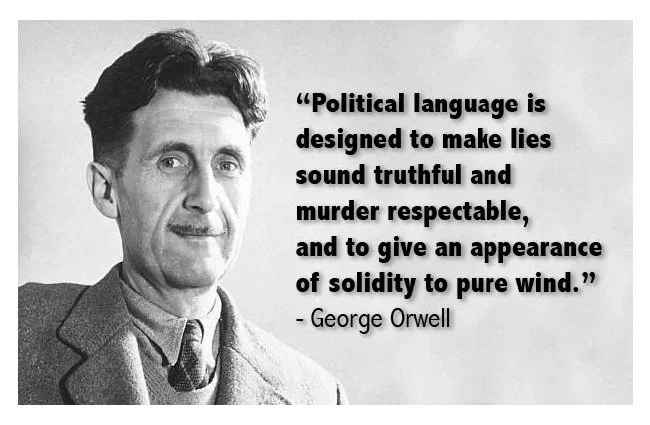
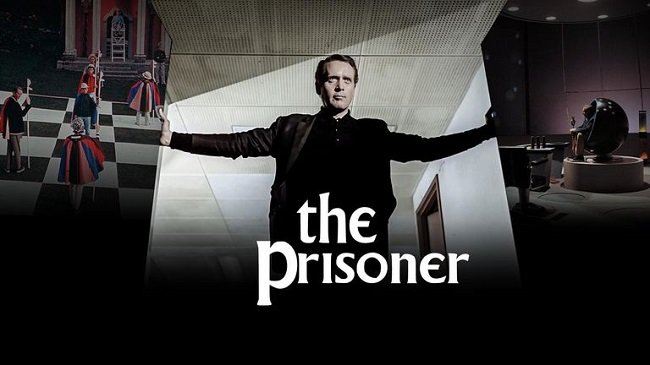
NB: Due to the nature of this post I couldn't think of any specific images that were relevant. So I decided to use some fun ones just to break up the text.




















Mrs. Brown, You've Got a Lovely Daughter (1968)
I was channel surfing a while back when I stumbled across Mrs. Brown, You've Got a Lovely Daughter, a feature film starring none other than Herman's Hermits! Now I was aware that after the success of the Fab Four's A Hard Day’s Night and Help, several popular bands tried to follow in their wake. The Dave Clark Five made Catch Us If You Can (directed by John Boorman) and there were numerous vehicles for Cliff Richard. But apparently, Herman's Hermits were signed to MGM records in the US and it was standard marketing practice to make at least one feature film vehicle for their bestselling artists. Apparently, this included Hank Williams, Connie Francis and Roy Orbison although I’m not familiar with the movies they made. Hence there’s nothing really that unusual about this film’s existence.
I was channel surfing a while back when I stumbled across Mrs. Brown, You've Got a Lovely Daughter, a feature film starring none other than Herman's Hermits! Now I was aware that after the success of the Fab Four's A Hard Day’s Night and Help, several popular bands tried to follow in their wake. The Dave Clark Five made Catch Us If You Can (directed by John Boorman) and there were numerous vehicles for Cliff Richard. But apparently, Herman's Hermits were signed to MGM records in the US and it was standard marketing practice to make at least one feature film vehicle for their bestselling artists. Apparently, this included Hank Williams, Connie Francis and Roy Orbison although I’m not familiar with the movies they made. Hence there’s nothing really that unusual about this film’s existence.
So on to the plot. When Herman Tulley inherits his Grandfather's most prized possession, a greyhound named Mrs. Brown, he and his friends (Barry, Keith, Karl, and Derek) decide to make their fortune racing the dog. After the animal has won the Manchester heat of the National Greyhound Derby, Herman meets wealthy Londoners Mr. and Mrs. Brown and their daughter Judy, a model. Hoping to see Judy again, Herman and his friends decide to take the dog to London for the derby finals and to see if they can find fame with their band. Hijinks, misadventures and sundry shenanigans promptly ensue, along with a handful of contrived song and dance numbers. You know the form.
Sounds harmless enough, doesn't it? Well so you would think. But the plot doesn't follow the usual path you'd expect from such films. The hero doesn't get the girl of his dreams at the end. The dog doesn't win the race it's been entered for. The guys do not find fame with their band. The songs are very eclectic, with one, "The World Is for the Young" verging on suicidal melancholy. There are also some seriously outdated social attitudes displayed, particularly towards women. A young lady is told that if she doesn't stop following them (the band) she'll get "sloshed". When Herman's girlfriend expresses and interest in accompanying them to London, she is told that it's fine as long as she doesn't mind "Cooking and cleaning for five guys". There is also a lot of violent pub brawls and market fights that seem out of step with the rest of the film.
Frankly, this film really threw me. It's just so bizarre and incongruous. The concept of using a film to promote a band seems to have died out these days. I'm sure this comes down to simple financial costs and the fragmentation of the music industry. The last movie of this ilk that I’m familiar with being Spice World and that was an event for the time. Overall, Mrs. Brown, You've Got a Lovely Daughter is not a complete dog’s dinner. It’s more of a curiosity than an outright failure, right up there with Slade in Flame. It’s lack of the inherent “chumminess” you expect with sixties pop is its main selling point. Best recommended to completist music fans and hardcore cinema aficionados. File under "Right turn, Clyde".
Skyline (2010)
When I first saw the initial trailers for Skyline, I was not overly impressed. Once again, here was a film that appeared to offer a great deal of spectacle but was there any substance? Would there be a good script, engaging performances, likeable characters? Call me old fashioned but I do consider these to be important attributes to any film. Well I finally caught up with Skyline, in the comfort of my own lounge, an environment that is often more forgiving that the cinema itself. As I suspected, Skyline turned out exactly as I predicted and once again I was left thinking "so what?" It’s an all too common refrain these days.
When I first saw the initial trailers for Skyline, I was not overly impressed. Once again, here was a film that appeared to offer a great deal of spectacle but was there any substance? Would there be a good script, engaging performances, likeable characters? Call me old fashioned but I do consider these to be important attributes to any film. Well I finally caught up with Skyline, in the comfort of my own lounge, an environment that is often more forgiving that the cinema itself. As I suspected, Skyline turned out exactly as I predicted and once again I was left thinking "so what?" It’s an all too common refrain these days.
Skyline is technically well made. The film opens with a startling event, then lapses into flashback to introduce the characters and set the scene. The story exposition is executed efficiently and within fifteen minutes the film moves on to the action. The cast, drawn mainly from a TV background are competent. These include Eric Balfour, Scottie Thompson and Donald Faisson. The story follows a traditional arc climaxing in what the writers obviously consider a twist. The ending leaves the door firmly open for a sequel should the need arise (Alleged a second movie is being considered starring Iko Uwais). The visual effects are very high quality but they did constitute over 90% of the films overall budget.
Despite all the above, Skyline is derivative, clichéd, predictable and utterly disposable. It is not dull but conversely it is not especially engaging. You can happily watch it whilst performing another task such as gaming, reading or plucking a chicken. The characters are not unlikeable as they were in Cloverfield but they are not sufficiently developed to merit any serious emotional investment. For instance, David Zayas plays an intriguing concierge who seems to be the only practical member of the group. Yet his back story is never explored and apart from a pithy "kiss off" line, his role doesn't really go anywhere.
Directors of Skyline, The Brothers Strause, have a technical background in the industry and own the visual FX studio Hydraulx. Their pedigree in this field speaks for itself. Yet ninety minutes of CGI does not a good film make. Frankly, the proliferation of visual effects in films, TV and advertising these days has somewhat jaded the public's attitude to them. Although they are an expected facet of any production, they are paradoxically diminishing as a major point of interest. How many times have we seen a major US city demolished. In the seventies, this was a rare event but now days it’s as common as politicians lies. Apart from Mad Max: Fury Road, I cannot think of any recent film that got by mainly because of its visuals.
In many respects Skyline is like a fifties B film. It tries very hard to follow the path of larger budget predecessors. You only have to look at the imagery that is used, such as the spaceships over Los Angeles or the squid like harvesting drones. The familiarity of these visuals reflects a sort of cinematic fast food culture. Sadly, it has the same overall results. After an innocuous viewing experience akin to a drive-thru meal, the audience soon forgets the inherently bland movie experience they’ve just partaken off. Without the substance of a genuinely good script or an original idea, alleged big spectacles, such as Skyline, become no more than a hollow one.
Train to Busan (2016)
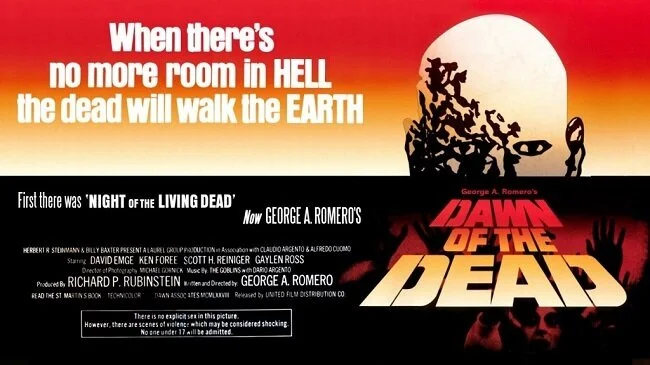
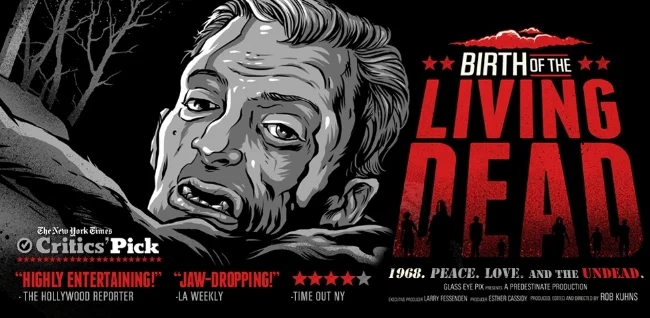
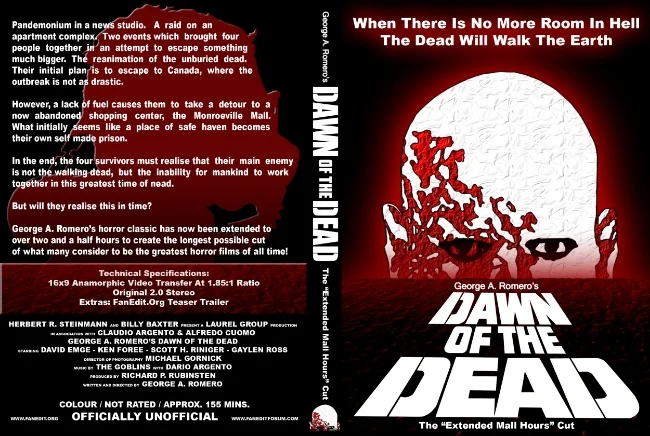
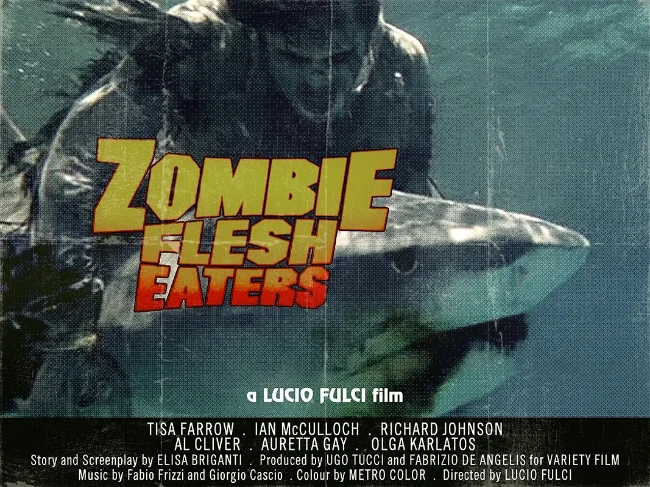
The horror genre has more than its fair share of bad movies. It’s the nature of the beast (no pun intended). Films of this type can be made quickly and cheaply but have the potential to make a tidy profit. Therefore, they attract not only burgeoning talent but those bereft of any as well. Furthermore, traditional formulas work, so any new innovative production is often followed by a wealth of copycats and knockoff films. To say that the genre is self-plagiarising is an understatement. Yet, from time to time, horror movies can surpass mainstream cinema with regard to social commentary, satire and intelligent adult narratives. Look no further than Dawn of the Dead, The Thing and The Descent if you want three solid examples. Horror is a versatile and malleable genre that can facilitate great stories and reflections upon the human condition.
The horror genre has more than its fair share of bad movies. It’s the nature of the beast (no pun intended). Films of this type can be made quickly and cheaply but have the potential to make a tidy profit. Therefore, they attract not only burgeoning talent but those bereft of any as well. Furthermore, traditional formulas work, so any new innovative production is often followed by a wealth of copycats and knockoff films. To say that the genre is self-plagiarising is an understatement. Yet, from time to time, horror movies can surpass mainstream cinema with regard to social commentary, satire and intelligent adult narratives. Look no further than Dawn of the Dead, The Thing and The Descent if you want three solid examples. Horror is a versatile and malleable genre that can facilitate great stories and reflections upon the human condition.
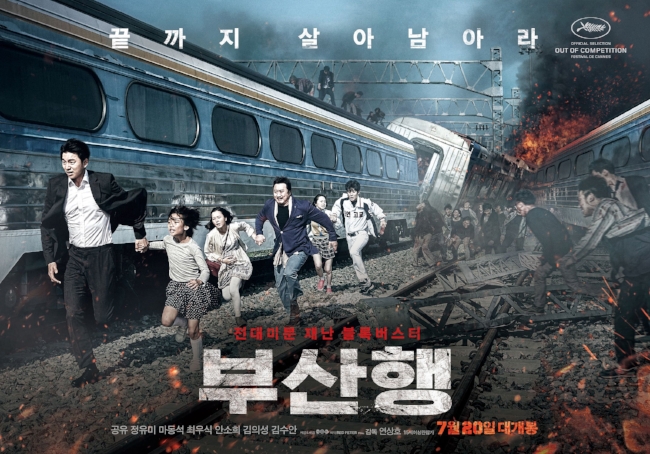
Although Train to Busan starts with a very tried and tested premise, it quickly establishes itself as more than just a standard horror offering. The emphasis is upon characters with credible foibles and traits. The film presents us with an interesting overview of South Korean socio-economic culture. Class, etiquette and morality are all touched upon in the screenplay but organically, not clumsily. Nor are viewers bludgeoned with any obvious social messages. What the film does well is show us how humans deal with adversity and come to terms with extraordinary circumstances. Unlike so many US horror movies, the protagonists are not obnoxious and as the cast is inevitably culled over the course of the film, we genuinely mourn each loss. Another interesting cultural difference is how the disposal of zombies becomes more complex when firearms are not common place.
Like so many zombie movies, the most engaging scenes are those that happen as the emerging apocalypse unfolds. Despite living in a world surrounded by the media, it’s fascinating how we can remain oblivious while being immersed in it. Something else that Train to Busan does very well is accurately catalogue human reactions to the totally incongruous. Often passengers look on utterly dumfounded, as zombies bite into people’s neck. However, once the magnitude of the situation finally registers, the passengers are innovative as they seek to save themselves. Wet newspaper is stuck on the windows to obscure them. Cell phone ringtones are used to distract the undead.
There are obvious stylistic similarities between Train to Busan and World War Z. The fast moving, aggressive zombies that transform their prey in seconds are again seen in this film. However, director Yeon Sang-ho does more with his smaller budget, making his undead horde far more threatening than the boiling CGI-fest of Word War Z. The zombies in this instance go semi dormant when cut off from the light. They are predominantly attracted to sound and seem to have lost most of their higher reasoning abilities. A closed sliding door is enough to outwit them and they do not use tools or their environment to their advantage. Train to Busan although tense and atmospheric, is not excessively gory. There are blood spurts and the bone crunching zombie transformations are ghoulish but the film does not rely on the extremely grotesque. Tension stems from the viewers concern for the casts wellbeing.
Performances are universally good in Train to Busan, although it would be remiss of me not to single out Kim Su-an as Soo-an. This young actress acquits herself extremely well as the young daughter of work obsessed fund manager. The film takes several bleak turns during the course of its story and I was concerned that it may end in a downbeat manner, similar to Romero’s Night of the Living Dead. However, the final resolution to the tale is poignant and certainly within the idiom of the proceeding one hundred minutes. Overall Train to Busan is an infinitely superior genre outing than most contemporary US mainstream horror films. It is engaging due to its international setting, moral integrity and cultural differences. Sadly, all these positive aspects will more than likely be lost when the US remake is released in 2018.



World War Z Unrated Cut (2013)
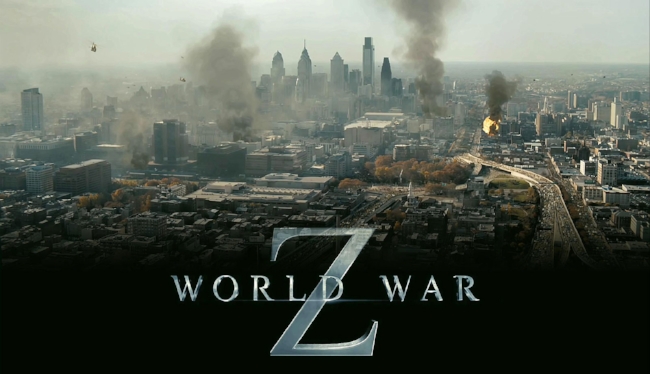
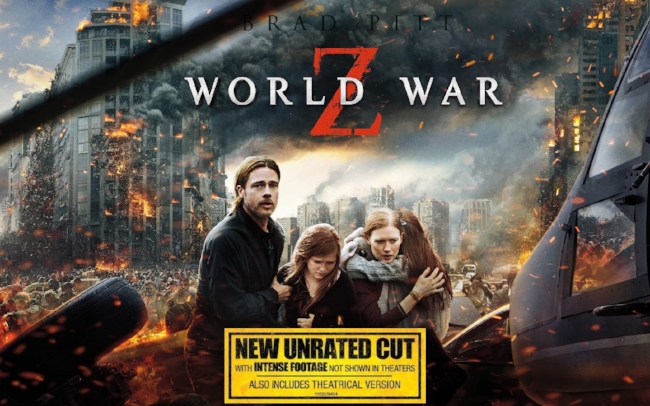
World War Z Unrated Cut runs seven minutes longer than the theatrical version of the movie and contains "intense footage not shown in theaters". The material consists of more violent alternative takes of existing action scenes and features mainly CGI effects work. There is no additional plot, although there may be some nominal changes to dialogue. Overall the unrated cut is an improvement over the theatrical print in so far it offers a more traditional zombie movie experience. However, compared to other examples of the genre, the unrated version of World War Z still remains relatively sedate in terms of violence. The movie focuses on the scale of the zombie outbreak, rather than the visceral mayhem of a George Romero film.
World War Z Unrated Cut runs seven minutes longer than the theatrical version of the movie and contains "intense footage not shown in theaters". The material consists of more violent alternative takes of existing action scenes and features mainly CGI effects work. There is no additional plot, although there may be some nominal changes to dialogue. Overall the unrated cut is an improvement over the theatrical print in so far it offers a more traditional zombie movie experience. However, compared to other examples of the genre, the unrated version of World War Z still remains relatively sedate in terms of violence. The movie focuses on the scale of the zombie outbreak, rather than the visceral mayhem of a George Romero film.
I thought it may be useful to post a selection of screen captures highlighting the major differences between the two versions of World War Z. Again, it is not in any way a comprehensive list but it broadly shows the major differences. If you require further details Movie-Censorship.com has produced a more thorough breakdown. My original opinion of the film itself still stands. World War Z is flawed but has good performances and explores some interesting concepts. The unrated cut of the movie certainly addresses one of the many criticisms levelled at the PG-13 theatrical release; namely that it was too tame. If you have yet to see World War Z, then this is the cut of the film I would recommend.
During the initial zombie outbreak in Philadelphia, we see more blood when people are bitten. Unfortunately, due to the colour palette that is currently in vogue with many film makers it is still not very clear.
Gerry shoots a zombie in the head while trying to find safety in the tenements of Newark. It is the only major head shot depicted in the movie.
Gerry is covered in more blood from the zombie he bayoneted in the stairwell.
In the unrated cut the camera clearly shows that it is Tommy that shoots the zombie attacking Gerry.
When Fassbach trips and accidentally shoots himself, we see the aftermath more clearly.
The imprisoned CIA operative pulls out one of his front teeth, while explaining how North Korea did this to its entire population in twenty four hours, to prevent the spread of the disease.
He then adds the tooth to a collection of others he has removed.
As the zombies overrun Jerusalem, we see more bullet hits as they are shot by Israeli soldiers.
Most of the gunshot wounds have been added in post production by CGI.
When an Israeli soldier uses his grenade, we see more explicit carnage caused by the explosion.
Further CGI blood and gunshot wounds are seen as the zombies are shot through the closed gate and railings.
A further grenade explosion shows more destruction to the zombies.
Segen's hand amputation is more graphic. Unlike the theatrical print it is obvious what Gerry has done.
Gerry binds Segen's wrist and waits to see if she becomes infected or not.
The zombie attack aboard the plane has a lot more CGI blood when victims are bitten.
Again due to lighting and editing, even the more explicit scenes are difficult to see clearly.
Another victim is bitten, prior to the plane explosively decompressing due to a grenade explosion.
Gerry's impalement injury is shown more clearly.
Gerry dodges the attacking zombie and hits it at the base of the spine with a crowbar.
He subsequently stamps on the zombie's face, crushing it.
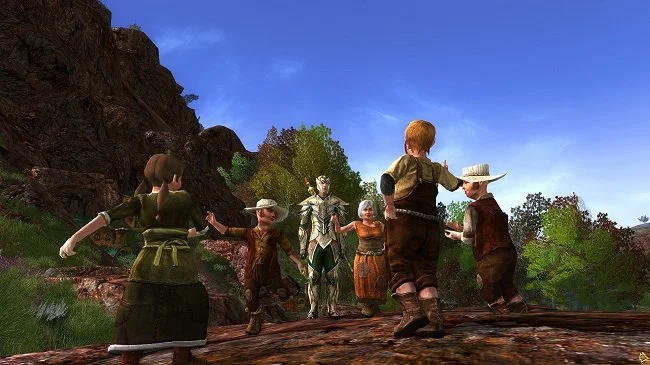
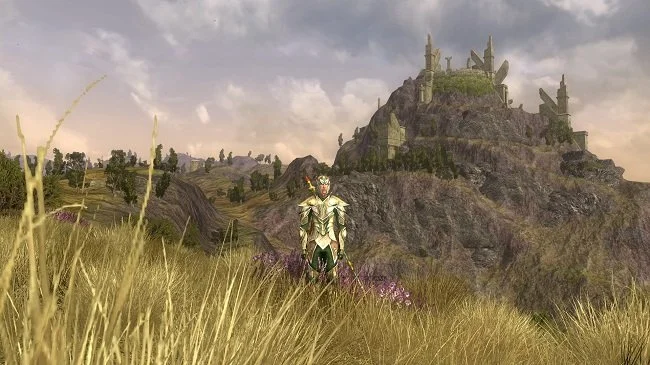
LOTRO: High Elf Preview
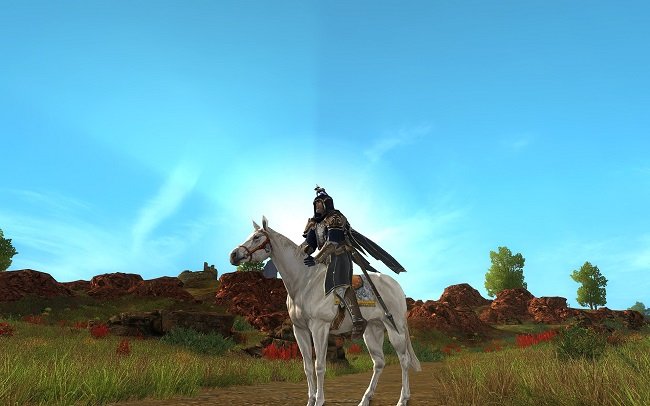
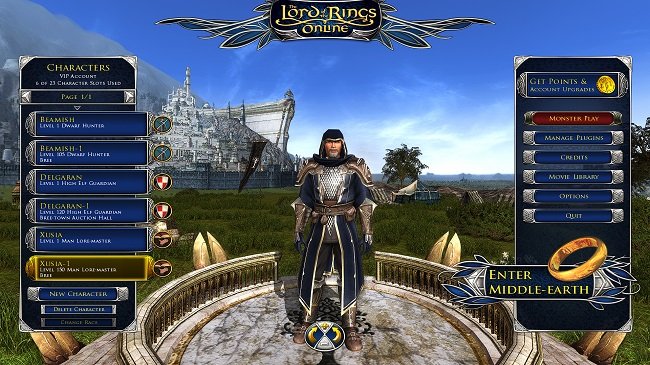
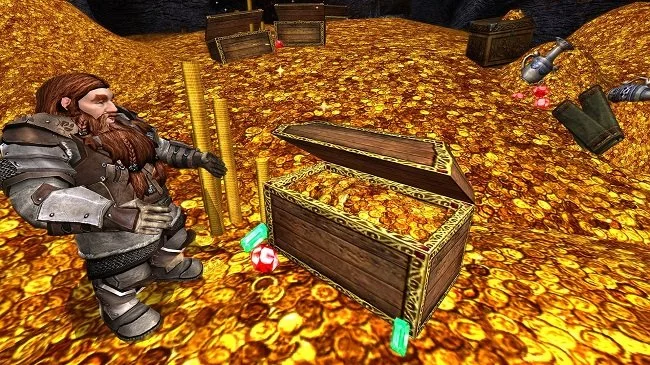
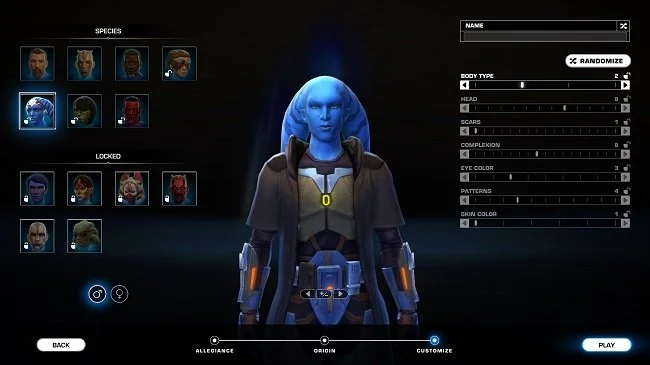
I was more than a little surprised when Standing Stone Games announced the addition of a new race coming to LOTRO. As Elves are already a popular option in the game, I really didn’t see any merit in adding a subtle variation of them, with High Elves. However, as I had time this weekend, I thought I’d take a look at the new introduction for this race, that is currently available for preview on the Bullroarer test server. Like all races in LOTRO, there is a bespoke opening quest line, that orientates players and provides a degree of lore and backstory. Although aspects of the High Elf race are yet to be completed such as the character visualisation, the introduction is in place and has a rather unique narrative compared to the rest of LOTRO.
I was more than a little surprised when Standing Stone Games announced the addition of a new race coming to LOTRO. As Elves are already a popular option in the game, I really didn’t see any merit in adding a subtle variation of them, with High Elves. However, as I had time this weekend, I thought I’d take a look at the new introduction for this race, that is currently available for preview on the Bullroarer test server. Like all races in LOTRO, there is a bespoke opening quest line, that orientates players and provides a degree of lore and backstory. Although aspects of the High Elf race are yet to be completed such as the character visualisation, the introduction is in place and has a rather unique narrative compared to the rest of LOTRO.
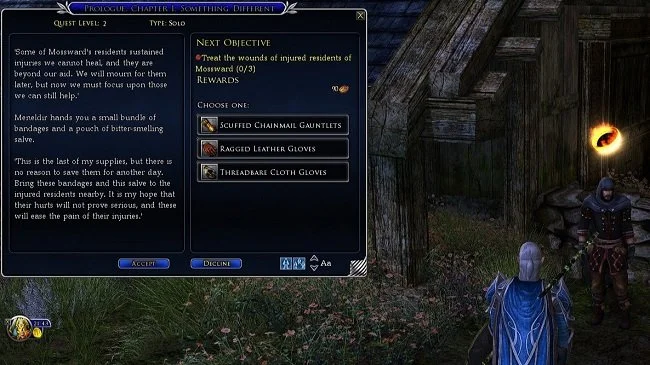
After creating your High Elf character and choosing a suitable name, the action moves to The Battle of Dagorlad, during the end of the Second Age. As part of the Last Alliance and in true LOTRO fashion, you find yourself running errands for none other than Gil-galad himself. This presents an opportunity to name check a lot of iconic characters from Tolkien’s work and certainly provides an interesting story line. High Elves have at present some curious parkour style animations when running and jumping. It actually seems quite fitting, considering the physical and tactical abilities of the race. It should also be noted that your character is at level 110 at this point in the proceedings.
SPOILER ALERT:
Now this is where things get curious. SSG have had to find a suitable plot device to bring your character from SA 3434, to a TA 3001. A passage of time of about three thousand plus years. I must admit, I did laugh out loud at the temerity of their solution. Effectively, your character is stabbed with a Morgul blade with the intent of turning them into a minor wraith. However, you’re rescued and brought to Imladris and healed by Elrond. Due to the severity of your wound, you’ve been convalescing in an Elven coma all this time. Overall, it works and does have a degree of plausibility but it’s all somewhat hokey and somewhat “Buck Rogers”. Furthermore, because your strength has been weakened by this experience, you’ve been reduced to an appropriate level for the starting zones of LOTRO.
Much to my surprise, I did enjoy this opening gambit for the High Elf race. Although it is unpolished in its current state, it is clear that some thought has been put into it. However, like the Beorning class that was introduced into the game in late 2014, once the initial excitement of the introduction has passed, you once again find yourself in the Ered Luin starter zone, forging through familiar territory. It’s a shame that SSG cannot maintain a slightly more customised story play through for each race, as Cryptic do with Star Trek Online. At present High Elves may only appeal to Elven enthusiasts and altoholic completists. In the meantime, I am looking forward to the next preview build to see the new facial options and ongoing refinements of the class.





LOTRO: Mordor Preview
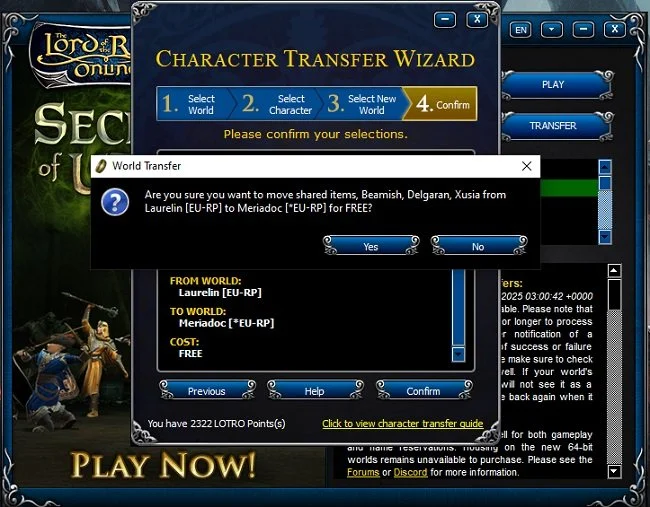
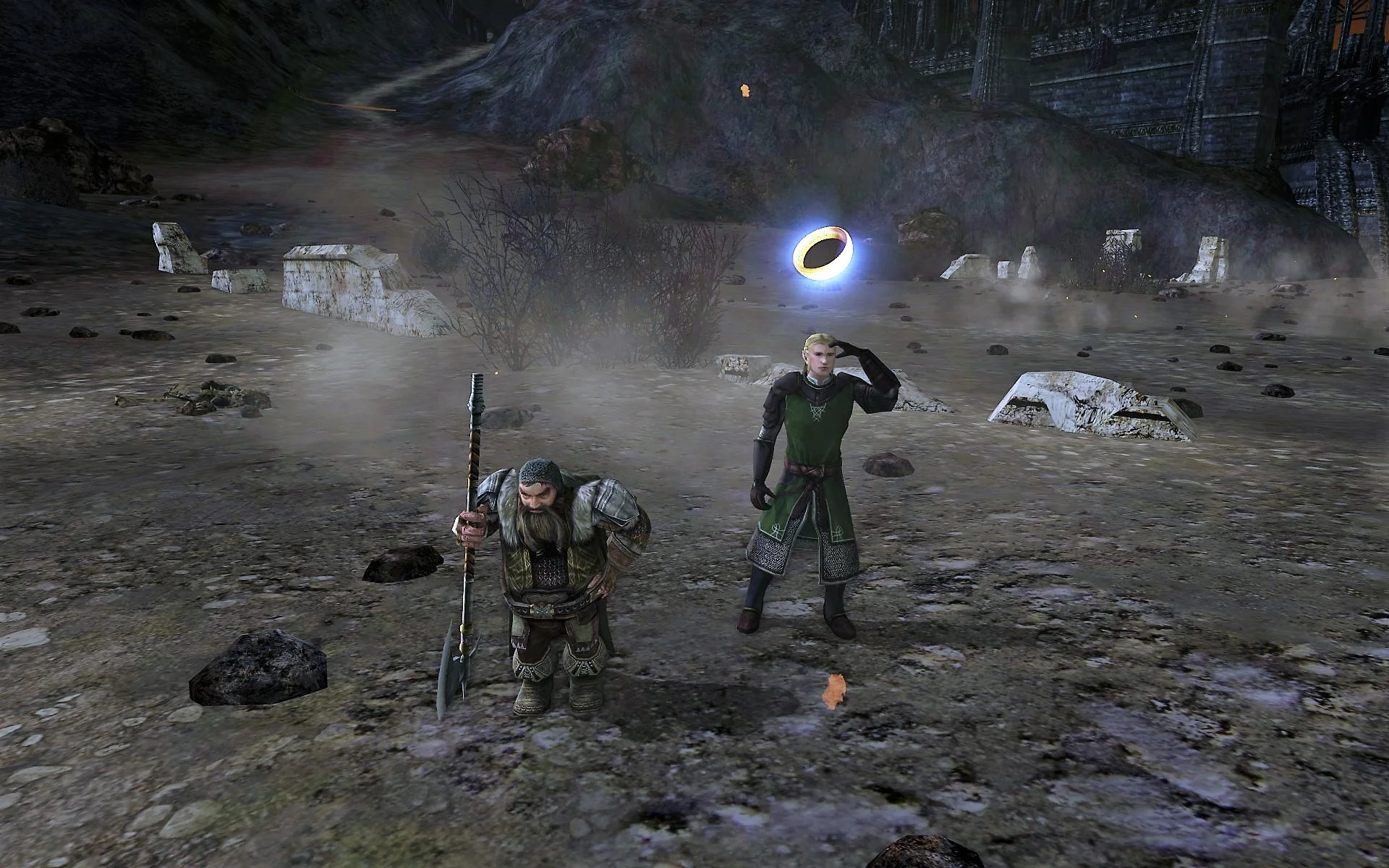
I decided to take a look at the second Mordor preview today, that is currently available on Bullroarer test server. Due to technical issues, I could not initially log into the game. The game client stuck at installing “pre-reqs”. However, by the evening SSG had resolved the problem and I managed to successfully login and copy my level cap character from Laurelin. Access to Mordor is via a teleport horse at the Slag-Hills. As with Helm’s Deep and the Battle of the Pelennor fields, this system of transitioning between multiple phases set at different times, can be a little confusing. Irrespective of this, it was rather droll of SSG to have Boromir as the NPC that bestows access to the Mordor quest line. I subsequently spent several hours touring the region. This post is specifically about my initial impressions of the area and is not a critique of all the new features and systems.
I decided to take a look at the second Mordor preview today, that is currently available on Bullroarer test server. Due to technical issues, I could not initially log into the game. The game client stuck at installing “pre-reqs”. However, by the evening SSG had resolved the problem and I managed to successfully login and copy my level cap character from Laurelin. Access to Mordor is via a teleport horse at the Slag-Hills. As with Helm’s Deep and the Battle of the Pelennor fields, this system of transitioning between multiple phases set at different times, can be a little confusing. Irrespective of this, it was rather droll of SSG to have Boromir as the NPC that bestows access to the Mordor quest line. I subsequently spent several hours touring the region. This post is specifically about my initial impressions of the area and is not a critique of all the new features and systems.
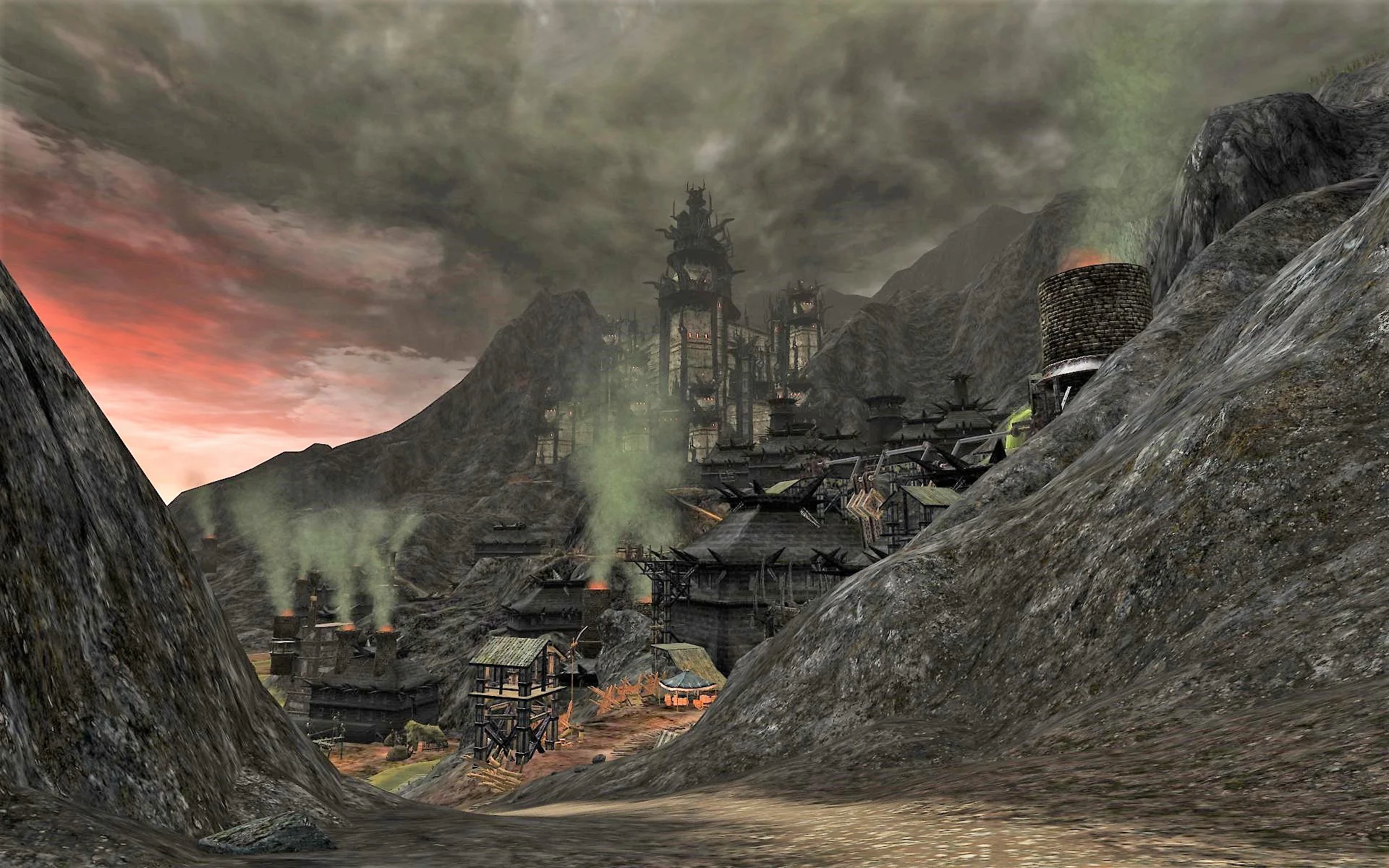
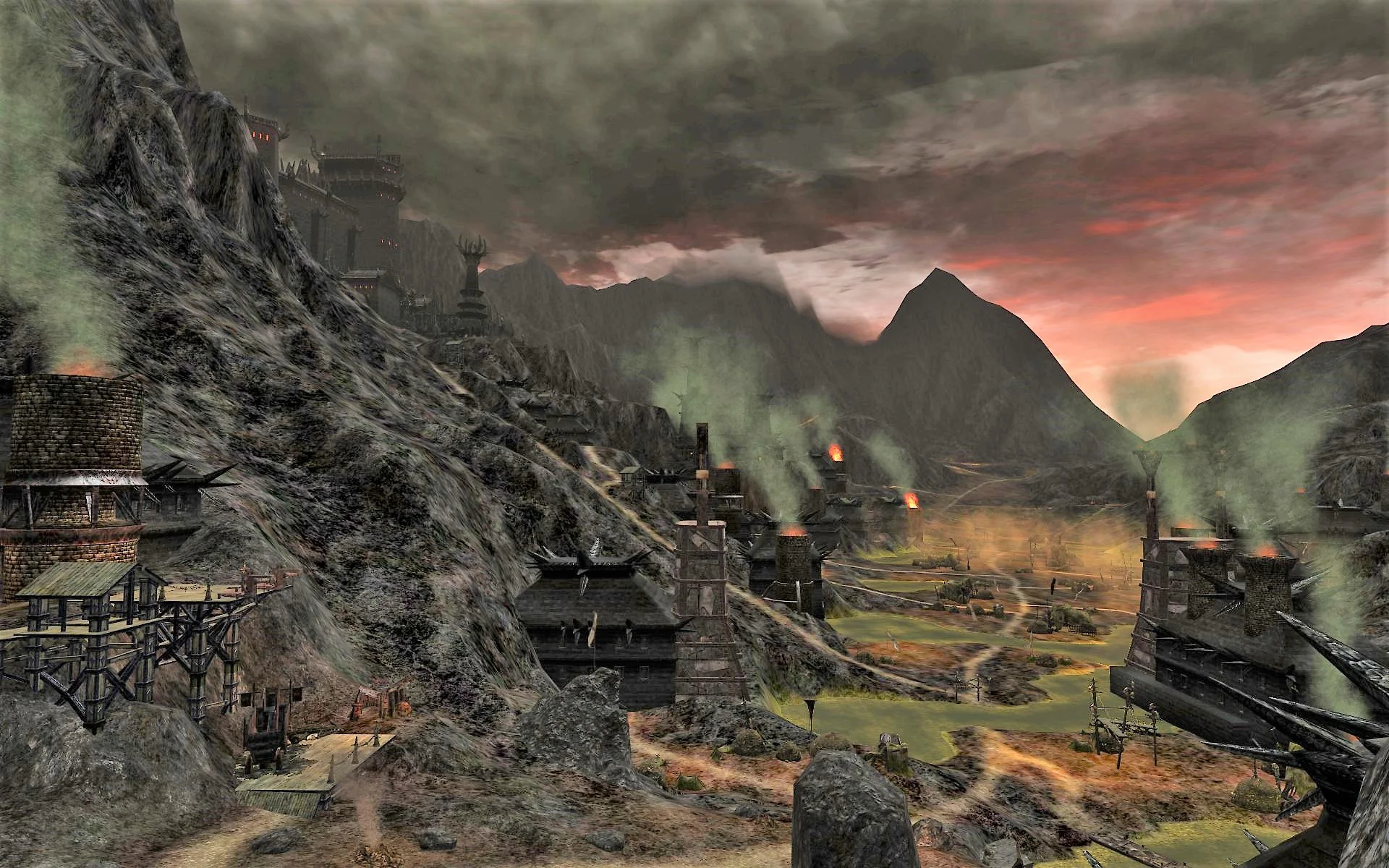
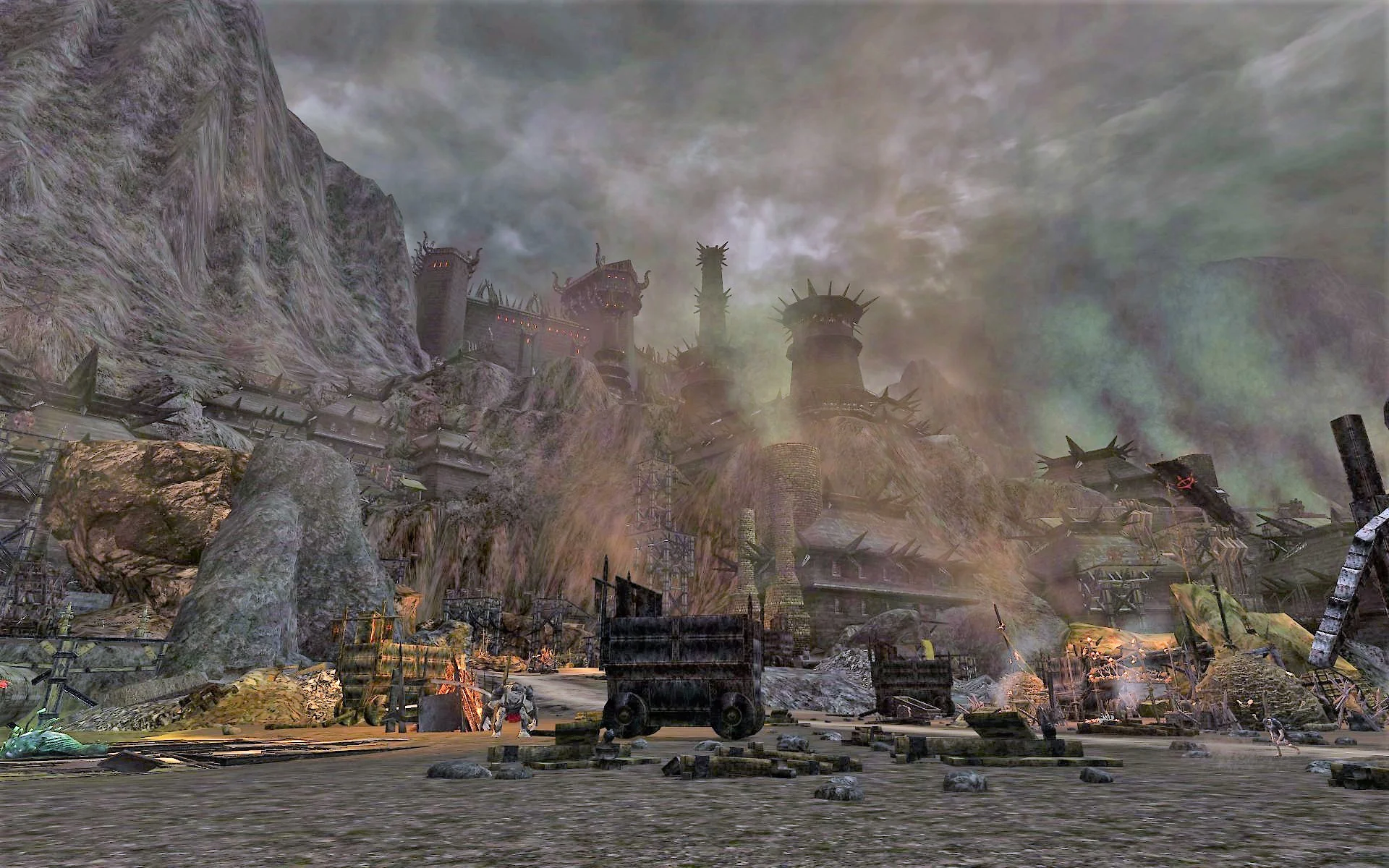
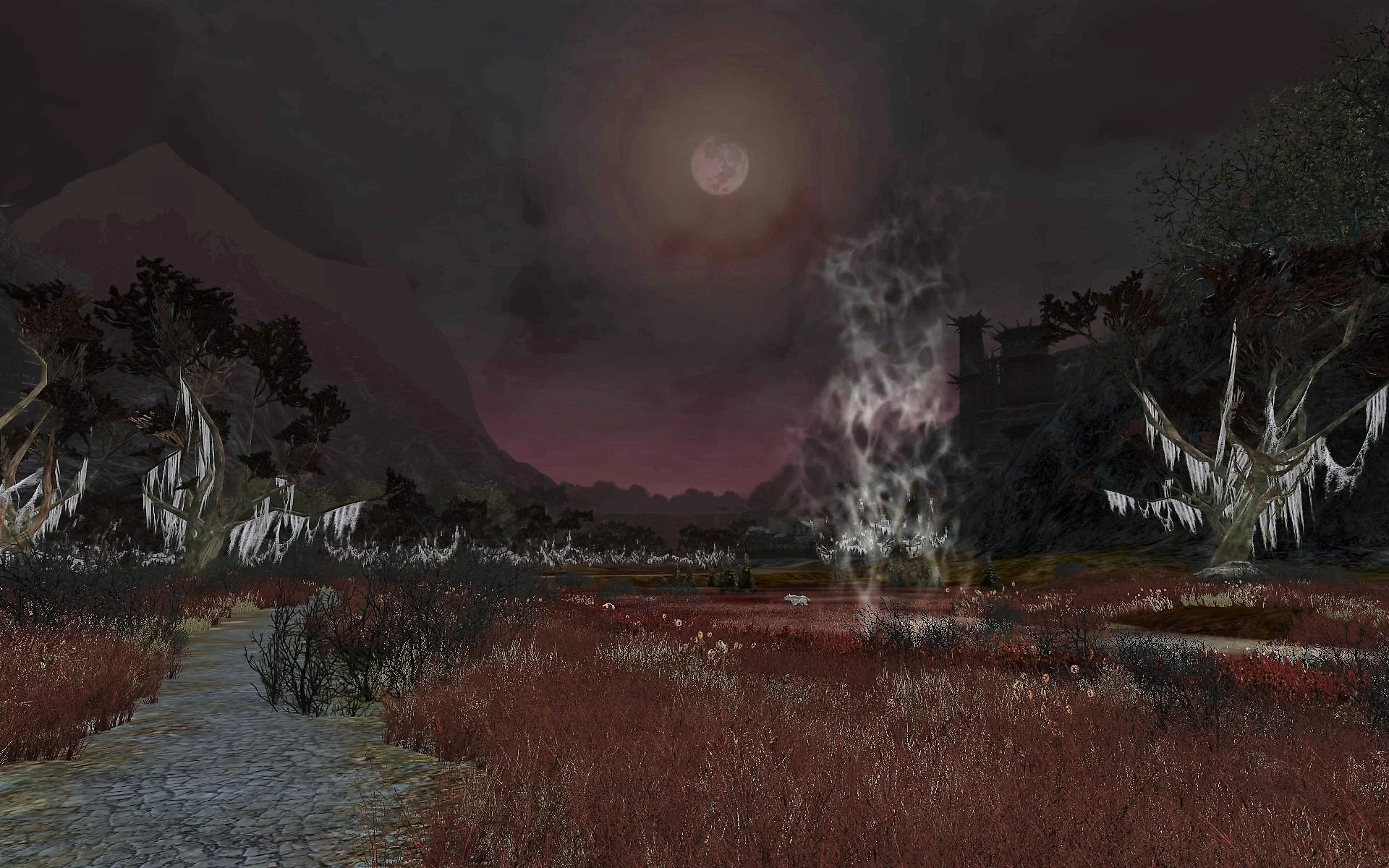
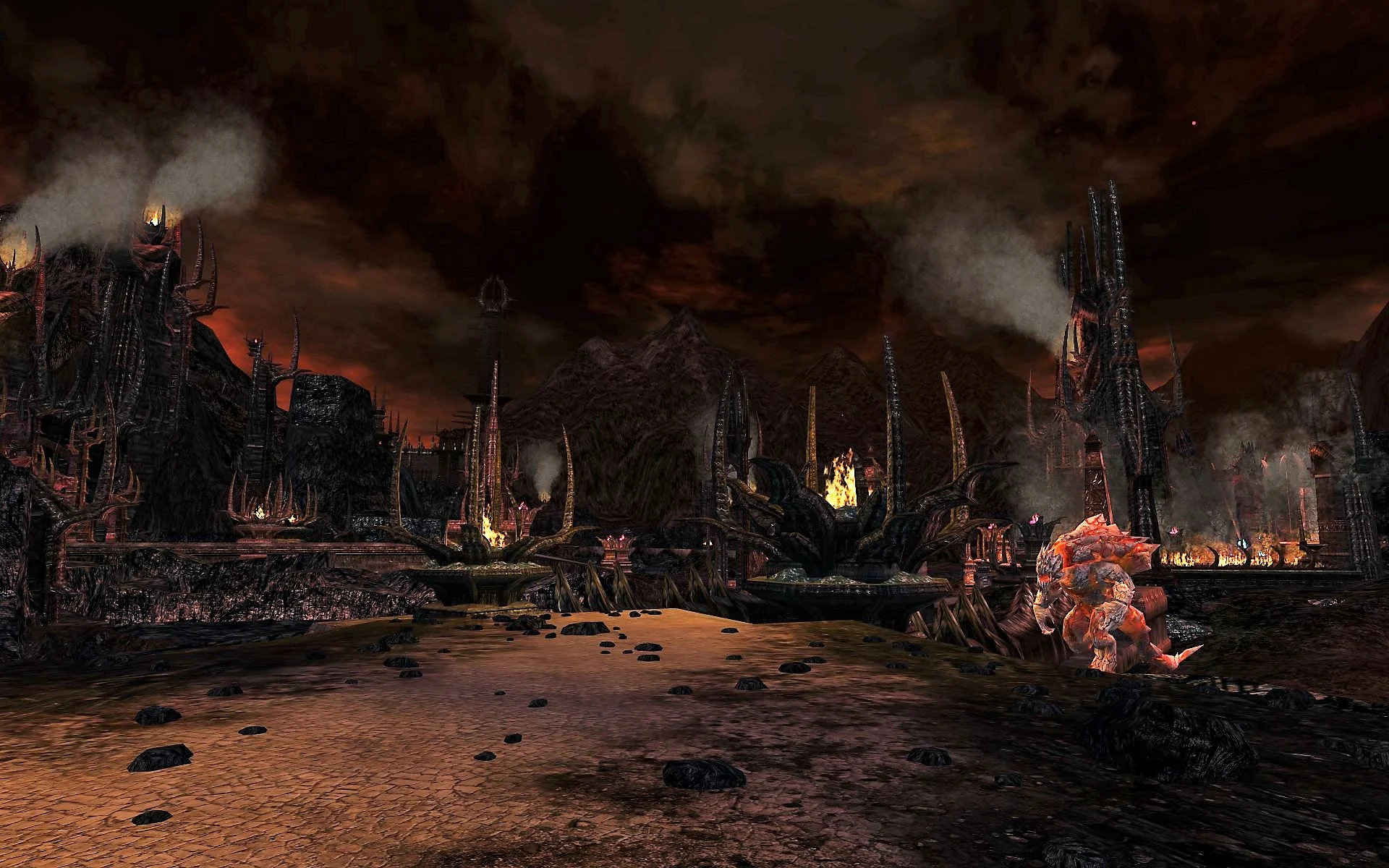
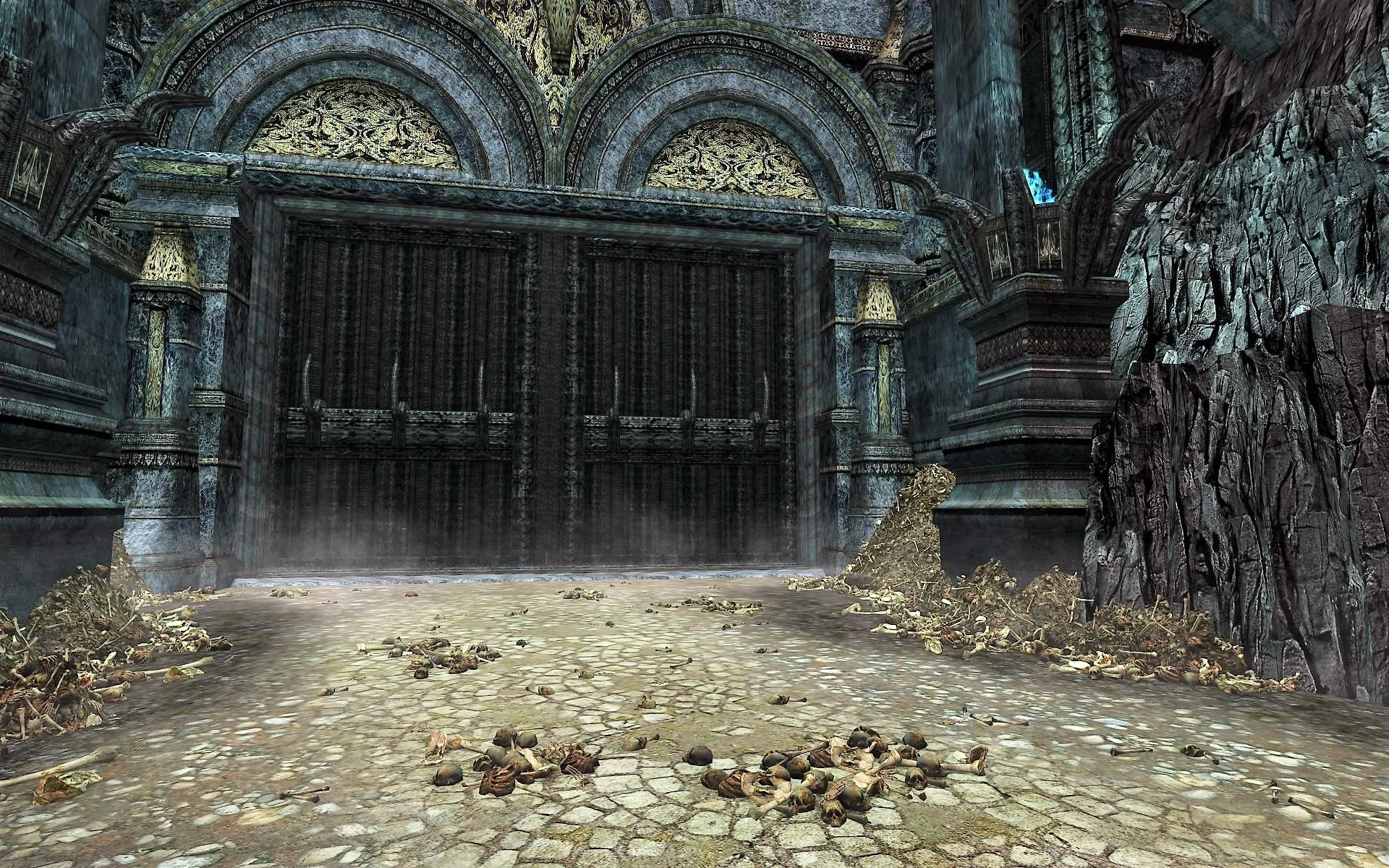
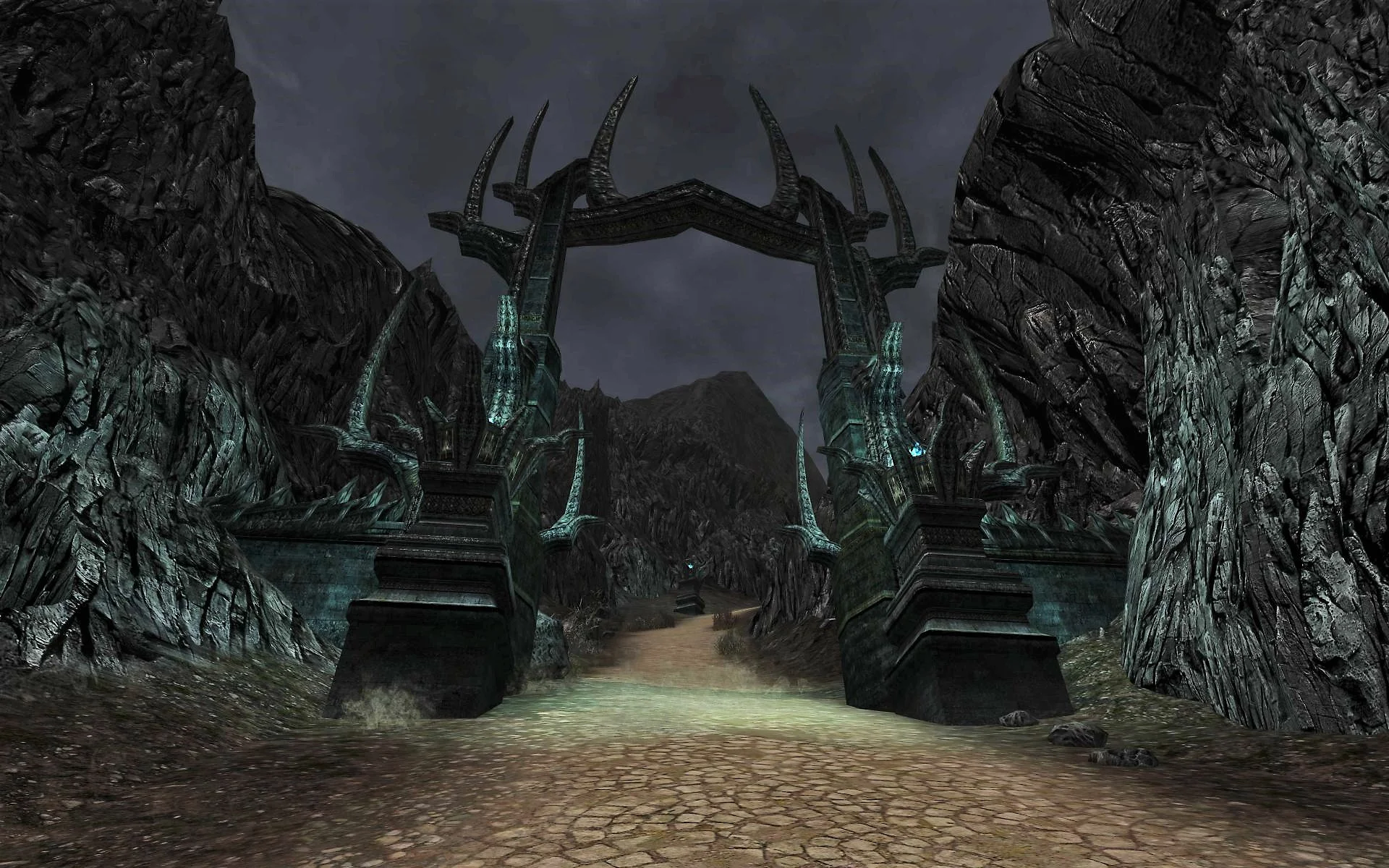
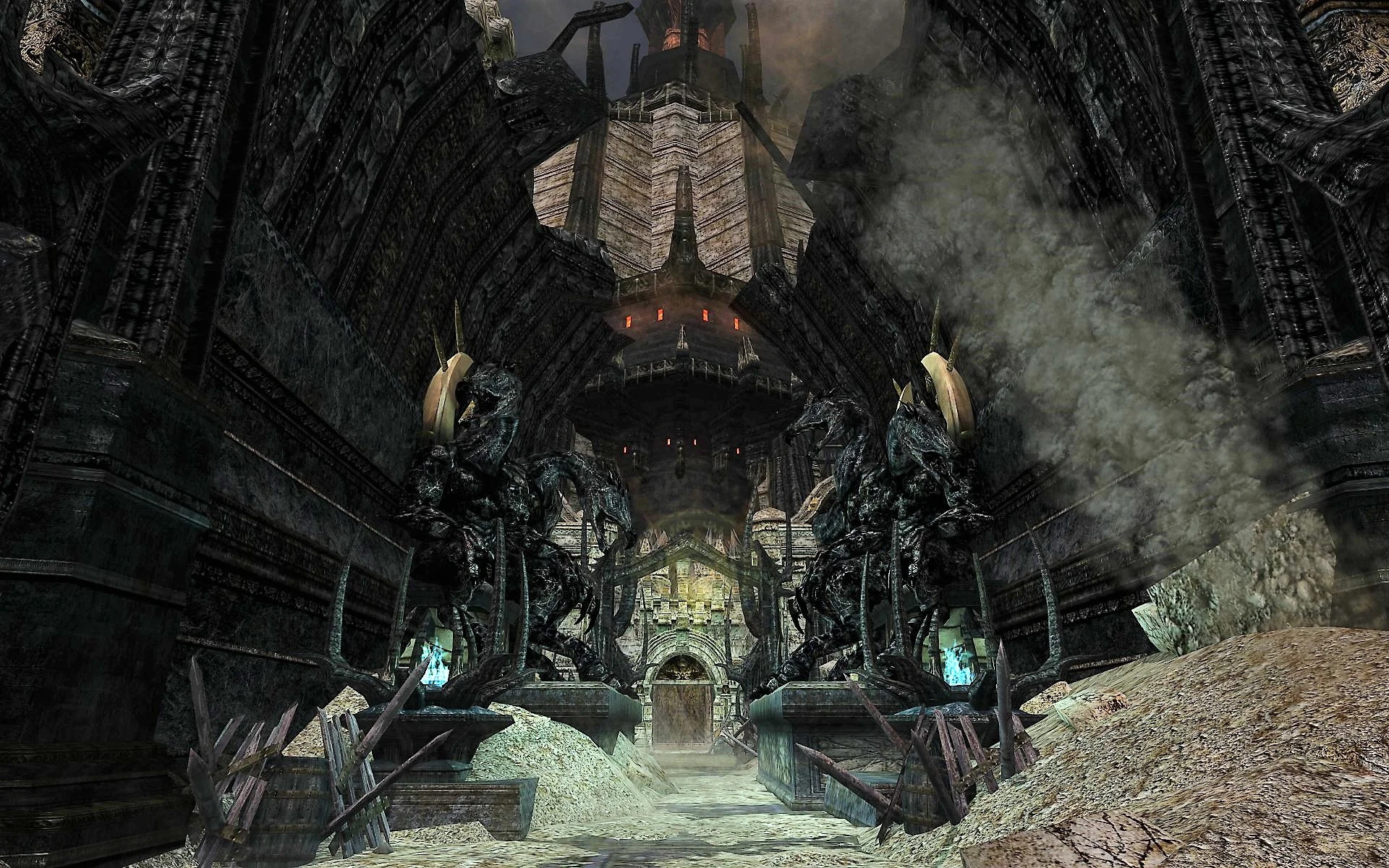
The first thing that struck me about Mordor immediately after the fall of Sauron, was how dark and gloomy it was. I’m sure lore experts will correct me if I’m wrong but wasn’t the storm of Mordor supposed to dissipate after the ring was destroyed? I was hoping that the smoke and dust from the ruined Morannon would lift as I travelled into Udûn and beyond. Sadly, this was not the case. Mordor is dark, smokey and depending upon your monitor and graphics card, a strain on the eyes. I had to pull the curtains in my office to be able to see clearly. LOTRO has several other regions that have low lighting and are dismal; Moria and Angmar. However, visibility is still sufficient to navigate. Mordor is very much like Mirkwood, as in it’s not just dark but blurry.
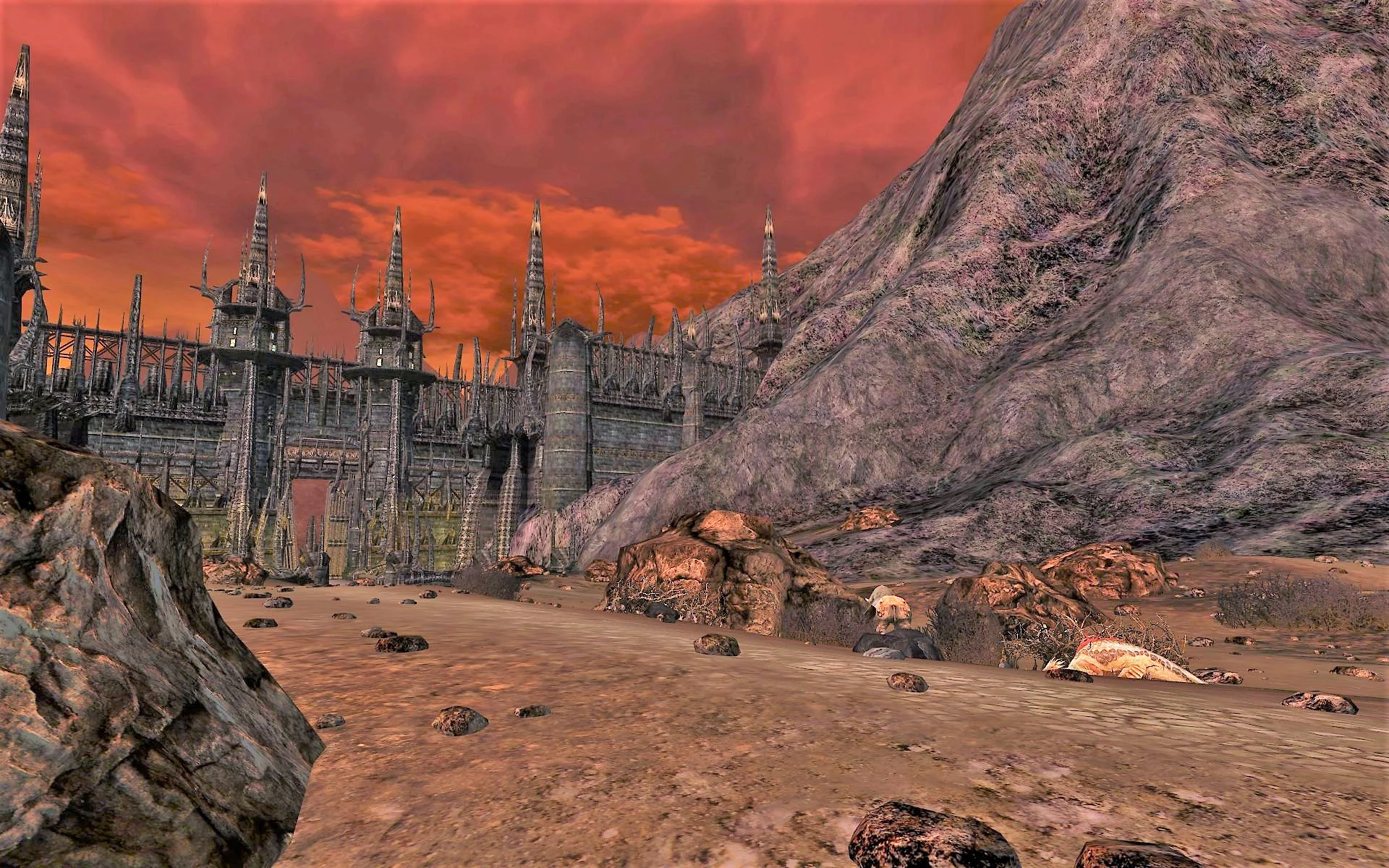
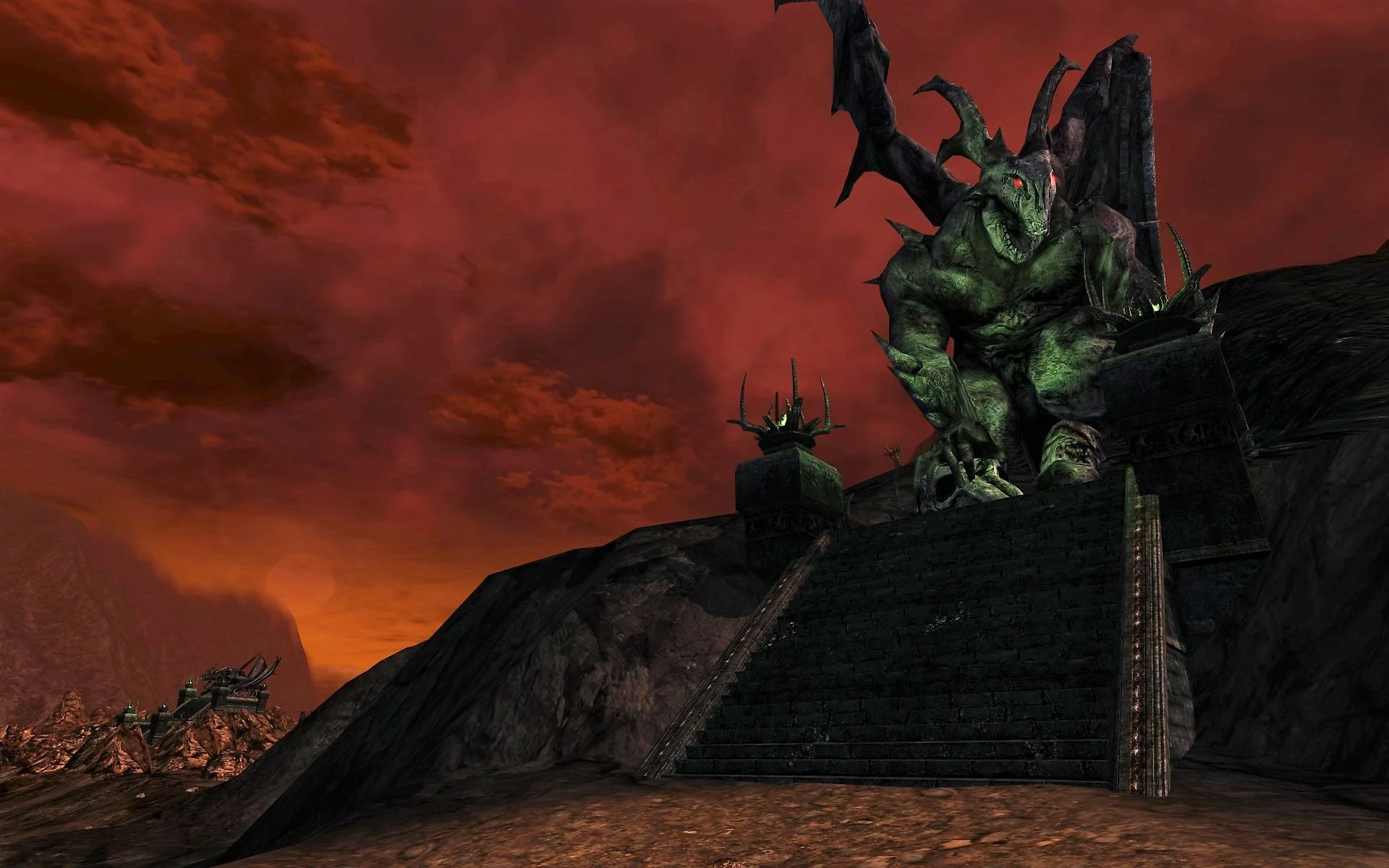
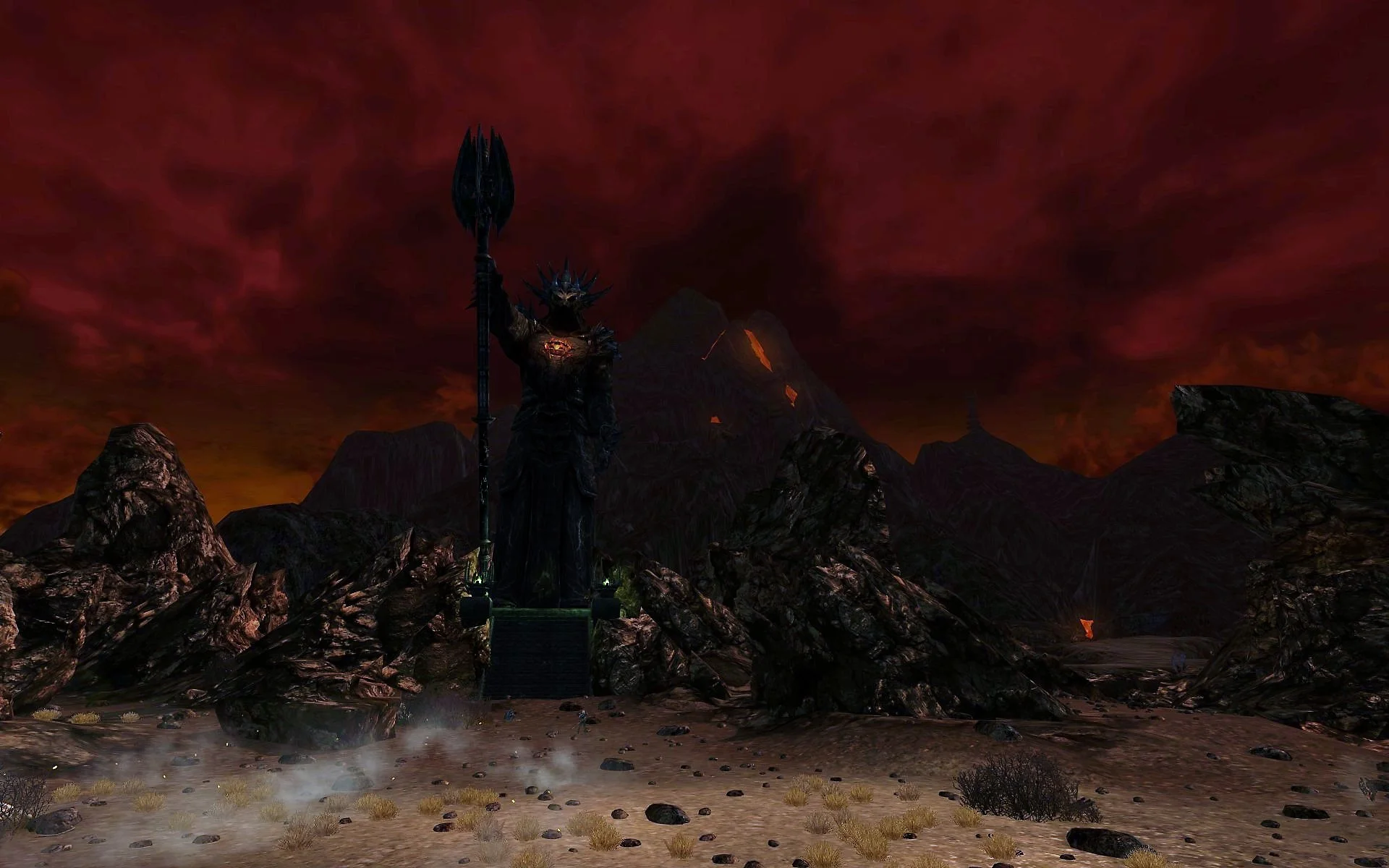
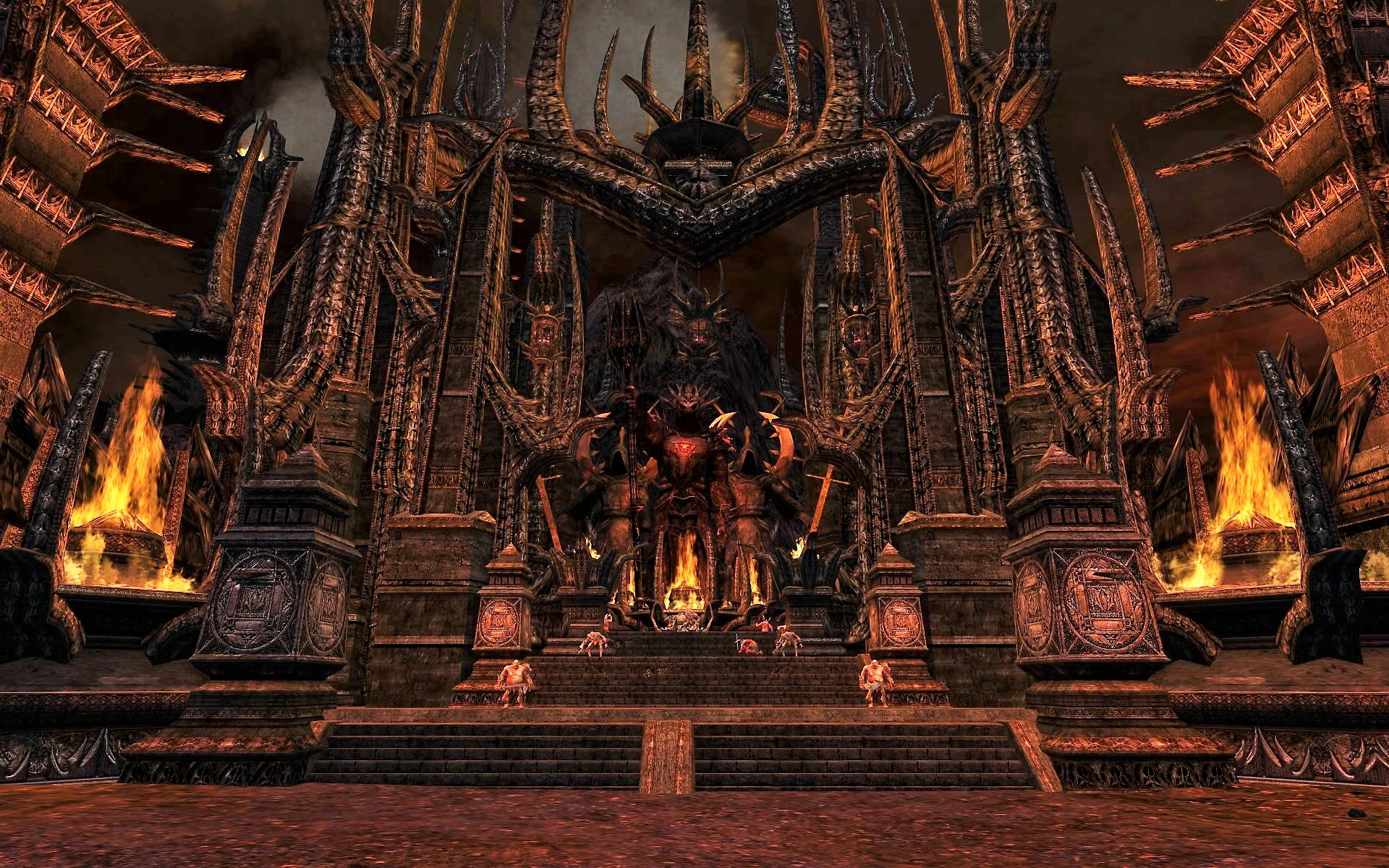
Standing Stone Games have a lot of placeholder NPCs at present. I found myself battling a Blackwold Ruffian at one point, which was somewhat incongruous. But as the expansion is work in progress one has to expect such workarounds. The architecture of the region is in the same idiom of the Dagorlad and Angmar. It looks appropriate but a lot of assets are simply being reused. There are some new beasts roaming Gorgoroth, such as the Sulokil but most else are just variations on existing themea. Rock worms and fire drakes make a return, along with Fire Grims and Fumaroles. There is a swamp like region to the South East of Mount Doom and the area around Cirith Ungol is heavily populated by the Spawn of Ungoliant. Straying from the road or approaching enemy camps triggers the new Light of Eärendil/Shadow of Mordor system. This is a buff/debuff mechanic that isn’t fatal but does diminish your stats.
From what I have seen so far of Mordor, it certainly seems to fit the aesthetic described in Tolkien’s source text. Once you’ve initially gotten over the excitement of simply walking into Mordor, it really becomes apparent that SSG have provided more of the same. That’s not a bad thing per se. The formula has proven to work. Mordor will have some subtle differences from other zones in LOTRO and bespoke mechnics but it will ultimately have Epic and standard quests, rep factions and new items to obtain or craft. For me, the real test will be how engaging the narrative is, now we have stepped beyond the canonical story. The dark and oppressive nature of the new area may also be an obstacle for some players. I certainly do not see myself engaging in lengthy gameplay sessions as did in Northern Ithilien.
As of yet, SSG have not mentioned a price point for the Mordor expansion. They’ve also not yet clarified some details regarding various new game mechanics. The allegiance system for example seems to be an advance variation of a reputation faction. There is also no news on alleged instance cluster and whether it will be included in the expansion or come after. The price may also be an issue. Although the overall Mordor map looks big, much of it is a rocky barren wasteland. I hope the areas to the South of the Sea of Núrnen are more temperate, as these are supposed to be fertile and the bread basket of Mordor. I do not want to pay an excessive amount for a potentially un-diverse region. Hopefully further information will be forthcoming shortly.
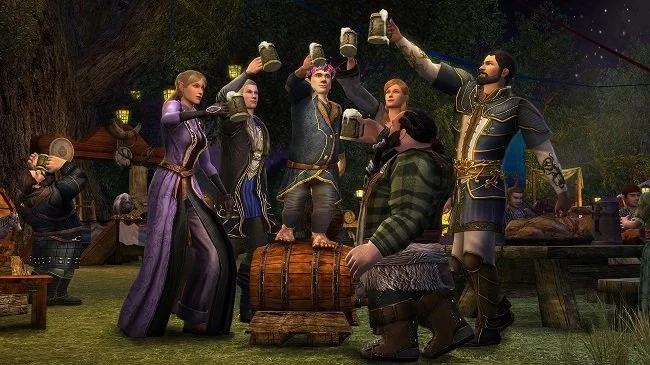
I remain for the present, relatively optimistic about this pending expansion as we’ve not had one for several years. It should be remembered that not every LOTRO player has level cap characters, so for them there is no immediate need to buy more endgame content. The introduction of a new race is therefore an interesting development and I shall write more about this in my next blog post. It’s appeal to altoholics is a practical source of revenue for SSG. I’m also looking forward to the revised character animations and aesthetics. LOTRO was never cutting edge with regards to its avatars so an overhaul is more than welcome in my opinion. In the meantime while we await more news and a third test build, here is a small gallery of screen captures taken throughout Mordor today. Please note I have adjusted the brightness, as they were incredibly dark.

Classic Movie Themes: Mackenna's Gold
Mackenna's Gold is a perfect example of the Western at its most decadent. Made at a time when the genre was becoming increasingly tired and facing strong competition from the Italian market, Hollywood decided that the way to renew public interest was to turn everything up to eleven and turn the Western into a multimillion dollar spectacle. The movie cost Columbia Pictures $14 million in 1969 and boasted an all-star cast, as well as action and special effects. However, it was not a smooth production and the studio seemed to get cold feet prior to its release. The Three hour running time was reduced to one hundred and twenty-eight minutes, leaving the final cut feeling somewhat uneven. Overall, the public were indifferent and the box office takings were low.
Mackenna's Gold is a perfect example of the Western at its most decadent. Made at a time when the genre was becoming increasingly tired and facing strong competition from the Italian market, Hollywood decided that the way to renew public interest was to turn everything up to eleven and turn the Western into a multimillion dollar spectacle. The movie cost Columbia Pictures $14 million in 1969 and boasted an all-star cast, as well as action and special effects. However, it was not a smooth production and the studio seemed to get cold feet prior to its release. The Three hour running time was reduced to one hundred and twenty-eight minutes, leaving the final cut feeling somewhat uneven. Overall, the public were indifferent and the box office takings were low.
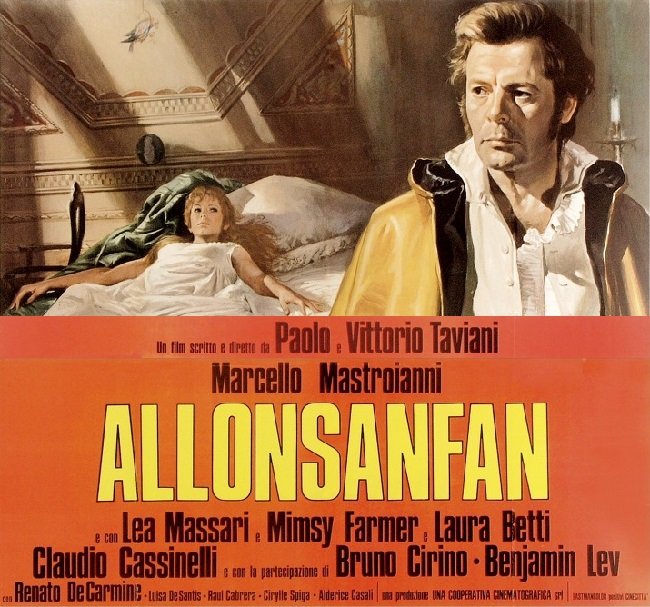
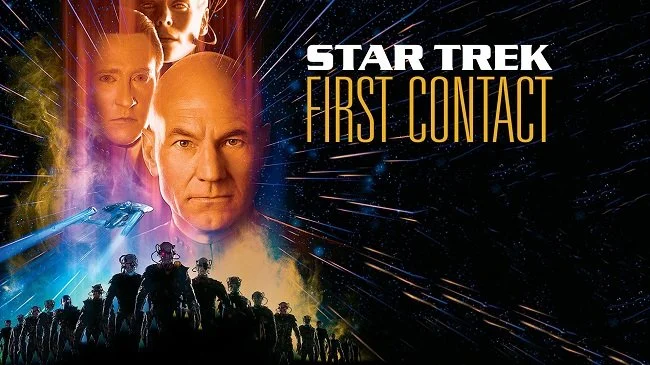
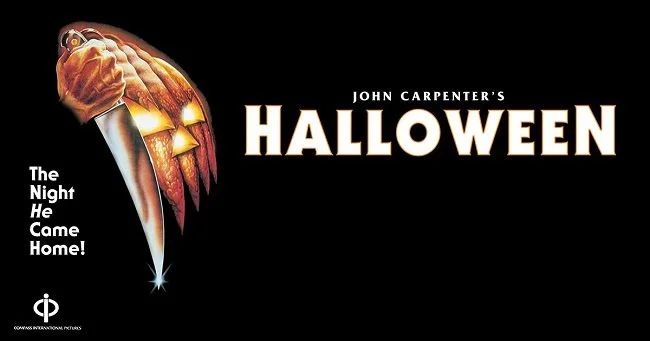
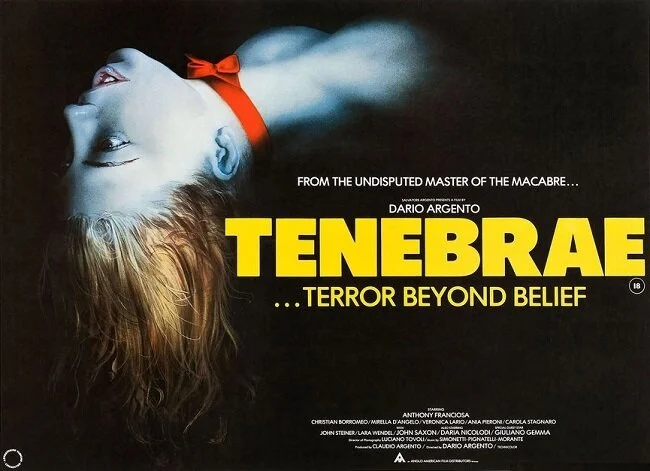
Despite the movies flaws there is still much to like about Mackenna's Gold, although one’s enjoyment is frequently linked to the preposterous nature of the screenplay and the varying quality of the visual effects. One such aspect is the rather cool and groovy soundtrack by Quincy Jones. It has all his usual hallmarks such as crescendo's and tone colour shifts. Even within the confines of the Western idiom he manages to include a hint of his jazz and blues roots. The movie also features Jose Feliciano singing "Ole Turkey Buzzard", a song that re-occurs throughout the film. The cautionary lyrics regarding men killing each other in their lust for gold, mirror the on-screen story and change as the narrative progresses. It's catchy nature and somewhat incongruous inclusion in the movie’s score has earned it a somewhat cult reputation.








Gaming and Semantics
Language is an evolutionary thing. It changes over time, reflecting the needs of the culture that use it. Furthermore, each unique sub-set of society seems to create and utilise its own bespoke lexicon. From business, science, politics, religion, to sports and other leisure activities, all use terminology that is pertinent to their own group. Overtime some of these terms crossover from one niche to another to eventually find broad mainstream acceptance. It is a fascinating process and one I think has accelerated in recent years due to the growth of social media.
Language is an evolutionary thing. It changes over time, reflecting the needs of the culture that use it. Furthermore, each unique sub-set of society seems to create and utilise its own bespoke lexicon. From business, science, politics, religion, to sports and other leisure activities, all use terminology that is pertinent to their own group. Overtime some of these terms crossover from one niche to another to eventually find broad mainstream acceptance. It is a fascinating process and one I think has accelerated in recent years due to the growth of social media.
Gaming as a culture typifies this linguistic trend, although some terms are ambiguous and not clearly defined. This subsequently leads to skewed debates and discussion, as there is not mutually agreed frame of reference or definition. Furthermore, when discussing wider issues such as game content, particularly political or social themes, there is often a great deal of pejorative terms and ill-conceived labels bandied about, which are used not to describe but to discredit. This seems to reflect the increasingly bi-partisan nature of all public debates these days, especially politics. Sadly, such language taints the gaming community and damages its reputation.
Something that comes up habitually is the term "carebear". Initially this was a term that was jokingly employed to describe players that preferred the social interaction of PVE content and avoided player versus player gameplay. Now it seems to be a routine epithet to negatively label anyone who doesn't advocate any of the competitive aspects of gaming. If you do not like PVP, or end-game raiding, warzones, skirmishes or the like you are a "carebear". The implication being that caring and compassion are negative things and potentially a sign of weakness. It’s a blanket term design to belittle and standard ammunition in ad hominem attacks.
During the seventies, UK national politics was extremely binary. The right was focused on privatisation, small government and the free market. The left advocated the welfare state, social responsibility and equality. It was during this period that I first became aware of the term "do gooder"; a term broadly meaning a well-meaning but unrealistic or interfering philanthropist or reformer. Yet overtime it simple degenerated into a pejorative label for anyone who's politics were not sufficiently right wing. Any sort of policy that advocated fairness or parity was lambasted with this term, to the point where it became nothing but a vacuous buzz word. The reason I mention this is because the exactly the same thing is happening today with the trite label "social justice warrior".
Like social and political controversies, gaming debates usually grind to a halt under the weight of these pejorative terms. Any sort of meaningful and mature discourse is obscured under a swath of pointless and ultimately meaningless buzzwords. "Feminazi", "delicate snowflake","filthy casual gamer" and other such names are bandied about, dragging the debate away from a level playing field and into the playground. Combine this sort of rhetoric with the prevailing mindset that eschews reason, critical thinking and the scope to disagree in a civil fashion and all rational discussion ends. The winner is simply those who shout loudest. History has shown us that such groups are seldom the best informed.
When this sort of philosophy prevails it ultimately does more harm than good. Sadly, at present, too many gamers are so busy indulging in territorial pissing that they are oblivious to the fact that they are befouling their own waterhole. It's only a matter of time before the well is truly poisoned. If gaming culture genuinely wants to improve for everyone's benefits then it needs start thinking. That begins with the language that we use towards each other. The alternative is to continue down the current road and let those who want to watch Rome burn, do so to the detriment of all. In the meantime, there will be those that disassociate themselves from the mainstream and set up isolated safe havens for likeminded gamers. However, that doesn't really fix the long-term problems. Are smaller more fragmented markets and communities ultimately good for gaming?
Dark City: Director's Cut (1998)
There are many directors who have cut their teeth working in the music industry. They have often fashioned their cinematic style and technique from the music videos they’ve made. Unfortunately, I am not a fan of this school of movie making. McG, for example represents to me the epitome of style over substance. I also detest this current trend for fast editing. It may well be pertinent for the music industry but I believe it is to the detriment of the narrative cinema. But there is one director from this background who has risen above his roots and exhibits true creative talent and a fundamental grasp of film. Alex Proyas, director of The Crow and I, Robot.
There are many directors who have cut their teeth working in the music industry. They have often fashioned their cinematic style and technique from the music videos they’ve made. Unfortunately, I am not a fan of this school of movie making. McG, for example represents to me the epitome of style over substance. I also detest this current trend for fast editing. It may well be pertinent for the music industry but I believe it is to the detriment of the narrative cinema. But there is one director from this background who has risen above his roots and exhibits true creative talent and a fundamental grasp of film. Alex Proyas, director of The Crow and I, Robot.
Dark City is an often-overlooked film, lost in the wake of the media hype surrounding The Matrix. Both have plot similarities and common themes. However, Dark City displays a deeper level of thought which is perhaps t why it lost favour with mainstream audiences not adequately equipped for its cerebral rigour. There is also a lack of a mainstream A list actor. Instead the film relies upon an international cast of established character actors. In 2008, director Alex Proyas re-edited the film, removing the original opening narration, adding additional material and some extra FX footage. The results are quite startling and have had quite an impact on the way the story is presented and which themes and motifs are emphasised.
Dark City starts off as a stylised film noir, with Rufus Sewel waking up in a motel with a dead prostitute. He's soon on the run from hard boiled cop, William Hurt. Can he trust his estranged wife Jennifer Connelly? Is he really mentally ill as his Doctor (Kiefer Sutherland) describes or is there something more sinister going on? Who are the trio of tall strangers dressed in black, who are pursuing him over the ersatz 1950s city? A postcard hints at possible clues that can be found at shell beach, an out of town resort. But despite being clearly sign posted, no underground train seems to go there. Matters just seem to get stranger, as peoples identities change along with streets and buildings. Why is it perpetually night time? As the story soon descends into a disturbing dystopian nightmare it becomes clear that there are sinister forces at work.
This director's cut of Dark City, turns a flawed but accomplished film into one that finally reaches its full potential. The detective story soon gives way to darker plot elements and expands into a gothic vision. The final act reveals an intriguing science fiction style dénouement. To say more would spoil the plot for those who have yet to see it. Let it suffice to say that Dark City is one of a handful of movies that successfully straddles multiple genres. The production design is striking mixing expressionism, art nouveau and fifties Americana. The story is reminiscent of Philip K. Dick work and has more than a hint of Kafka about it.
The cast is very eclectic (and international), featuring the talents of Ian Richardson, Richard O' Brien, Colin Friels, Bruce Spence and even John Bluthal (Frank Pickles from The Vicar of Dibley). Trevor Jones provides an evocative soundtrack. Proyas directs stylishly with a good grasp for story and character. This new cut, removes the voice over at the beginning which clumsily telegraphed the plot and places a more nuanced focus on the initial mystery. The theme of awaking from a perceived reality into a bleaker and more sinister alternative one, as mentioned earlier draws comparisons with The Matrix. However, the messianic allegory of that film is exchanged here for a more Nietzschian subtext.
Dark City by its very nature was always destined to become a cult film. Yet it actually is more than that, working on several levels. It can be viewed as a baroque science fantasy film or as a deeper commentary on the shallow and contrived nature of modern society. It is certainly a visually arresting and thoughtful if sombre film. It is not excessively violent, though it is somewhat grotesque and brooding. The ending may spark a further debate when you consider the implications.
Secret World Legends
Writing a lengthy article as to why you don’t like a game is often a bad idea. It seldom makes for a good post unless you are humorous or have a cogent point to make. Often all the anger, bile and vitriol can be distilled down to the following. “I wanted X and they (the developers) gave me Y”. Its a simple question of differing expectations and personal taste. Well that is what we have here. Simply put, the changes made to The Secret World in its transition to Secret World Legends are insufficient for me to change my overall view of the game. Specifically, I still do not like the combat system and find the UI esoteric and unintuitive. It is easier to play the game now so theoretically I can soldier on to see the narrative that I previously missed. But I still have to endure an unsatisfactory fighting style to do this and that is a big enough hurdle for me to possibly conclude “it’s not worth it”.
Writing a lengthy article as to why you don’t like a game is often a bad idea. It seldom makes for a good post unless you are humorous or have a cogent point to make. Often all the anger, bile and vitriol can be distilled down to the following. “I wanted X and they (the developers) gave me Y”. Its a simple question of differing expectations and personal taste. Well that is what we have here. Simply put, the changes made to The Secret World in its transition to Secret World Legends are insufficient for me to change my overall view of the game. Specifically, I still do not like the combat system and find the UI esoteric and unintuitive. It is easier to play the game now so theoretically I can soldier on to see the narrative that I previously missed. But I still have to endure an unsatisfactory fighting style to do this and that is a big enough hurdle for me to possibly conclude “it’s not worth it”.
One of the things that attracted me to The Secret World when it was initially being beta tested was the idea of the supernatural being countered with modern technology. Thus, firearms were and remain my weapons of choice. However, combat was clunky and awkward at that stage in the games lifespan. I never got the sense that the assault rifle was doing any substantial damage and had to constantly back pedal to stay alive. It was dull and time consuming to clear mobs and make progress. Sadly, despite a streamlining of the combat system in Secret World Legends and a noticeable reduction of skills bloat, combat with pistols and the like, still feels woefully unsatisfying. Yes, foes do now die quicker and I now have a reticule to aim but that is about all that has changed.
What I expected, hoped for, wanted (and I accept the inherent fallacy of thinking in such terms with regards to gaming. After all you get what you’re given and nothing more) was a tangible gun mechanic. Something that felt substantial IE when you fire the gun the enemy took major damage, or recoiled, or at least gave the impression that this was inconvenient for them. However, the problem is where you can credibly scale the DPS of certain weapons or types of attack to suit an MMORPGs progression system, it’s far harder to do with the arbitrary functionality of guns. Firearms do damage per se, based on calibre and rate of fire. Scaling their damage to fit in with the games levelling system renders them tediously impotent at the initial stages of the game. This may come down to perception and they’re probably doing a comparable amount of damage to any other weapon type. But it just feels off and I don’t like wearing mobs down gradually with a pea-shooter.
So, I’ll try to look beyond this “obstacle” and see if I can muster up the interest to persevere with Secret World Legends in the next few days but there’s a fifty-fifty chance I’ll just get bored and move on to pastures new. Oh, and to address some of the inevitable comments one expects from the gaming cognoscenti, firstly, no I don’t want to try any other weapons. I chose guns for a reason. If there was something else I liked I would have picked them. Secondly, no I’m not saying that Secret World Legends is an awful game etc. I am simply highlighting that it has failed to “float my boat” and that comes down to a simple question of taste. As for catching up with the narrative, I’m sure I can probably watch all the relevant cutscenes on You Tube. It wouldn’t be the first time I’d done that to check out a game’s story, without having to go to the hassle of playing it.
Apollo 18 (2011)
A fundamental requirement of cinema is that the audience suspends their sense of disbelief. Anything that breaks this will immediately has a negative impact upon the viewing experience. There are many things can severe this connection but the two most common seem to be obvious plot holes and Scooby Doo behaviour IE “Let’s split up…”. If these are the result of simply poor film making, then they can perhaps be forgiven. Every director has to learn their craft. However, if these two factors are present by design, then that is an unpardonable sin. Assuming that your audience is stupid, is insulting and the worse sort of hypocrisy.
A fundamental requirement of cinema is that the audience suspends their sense of disbelief. Anything that breaks this will immediately has a negative impact upon the viewing experience. There are many things can severe this connection but the two most common seem to be obvious plot holes and Scooby Doo behaviour IE “Let’s split up…”. If these are the result of simply poor film making, then they can perhaps be forgiven. Every director has to learn their craft. However, if these two factors are present by design, then that is an unpardonable sin. Assuming that your audience is stupid, is insulting and the worse sort of hypocrisy.
Apollo 18 has a strong start for a movie built around the found footage concept. It plays very nicely into the current appetite for conspiracy theories. The first thirty minutes where we meet the cast and learn of their covert mission to place monitoring equipment on the moon, is credible and intriguing. The cold war setting and the post-Watergate back drop do a lot to fuel the narrative. During this initial third of the movie, Apollo 18 plays more like a political thriller rather than a sci-fi shocker. But then director Gonzalo Lopez-Gallego goes and jumps the shark and all the previous good work goes out the window. It’s a common problem with contemporary film making. I remember having exactly the same thoughts when I saw Paranormal Activity.
After a string of anomalous events a key character makes the most illogical leap of thought and as a result the credibility simply melts away. You see, I take the attitude that NASA astronauts are trained professional, hand picked because of their skills and analytical mindset. Maintaining rational under extreme circumstances must surely feature in their training. So, I simply do not buy into the idea that, because they’ve found an abandoned Russian Lunar Module, a dead cosmonaut, picked up radio interference, had the flag that they planted removed and found some unidentified marking in the lunar soil, naturally concluded that it must be extraterrestrials. Scientists simply do not think this way.
The rest of the film is arbitrary and derivative bug hunt, with obviously telegraphed jumps. The conclusion involving complicit government agencies is predictable and uninspired. This is a shame because the film is very well made from a technical perspective. But once again we have a production that demonstrates a clear understanding of visuals but not plot construction. Furthermore, Apollo 18 also seems to forget that it is a found footage movie, with scenes and dialogue that are contrived to be more cinematic and come dangerously close to breaking the fourth wall.
With reference to the plot holes, I unlike other critics was not particularly bothered about the nebulous nature of the alien life forms featured in the film. I am happy to watch movies without every answer being given to me on a plate. Life is seldom clear cut, is it? However, I do balk at the fundamental flaw that permeates Apollo 18. The film comprises of 16 mm & 35 mm cine footage along with video material from external cameras. Now the latter may well have been broadcasted and thus been received and recorded back on earth. But the cine film had to be collected and developed. Does the film not hinge on the premise that no mission has subsequently returned to the moon? Also, the Russian Lunar Module and US Command module where both destroyed, therefore eliminating any footage they may have had. No, this is simply bad screen writing and brings me neatly full circle to my original point that I started with.
PVP in MMOs
There has been an interesting debate this week about PVP in MMOs among several of my fellow bloggers. Syp AKA Justin Olivetti wrote an article for Massively OP referencing “gankbox culture” of EVE Online which then garnered a series of reciprocal posts from the likes of Bhagpuss, Jeromai, UltrViolet and Wilhelm Arcturus. Good points have been made by all but I think Bhaggie hit the nail on the proverbial head when he said that the term “PVP”, like so many in the gaming lexicon, is ill-defined. Player versus player can manifest itself in many forms, such as duels, arenas and zerg against zerg. Some games do offer an open world were players can be preyed upon or “ganked” but it is usually regulated to some degree. However, the thing that came out of this discussion that was of the most interest to me was why some people dislike PVP so much?
There has been an interesting debate this week about PVP in MMOs among several of my fellow bloggers. Syp AKA Justin Olivetti wrote an article for Massively OP referencing “gankbox culture” of EVE Online which then garnered a series of reciprocal posts from the likes of Bhagpuss, Jeromai, UltrViolet and Wilhelm Arcturus. Good points have been made by all but I think Bhaggie hit the nail on the proverbial head when he said that the term “PVP”, like so many in the gaming lexicon, is ill-defined. Player versus player can manifest itself in many forms, such as duels, arenas and zerg against zerg. Some games do offer an open world were players can be preyed upon or “ganked” but it is usually regulated to some degree. However, the thing that came out of this discussion that was of the most interest to me was why some people dislike PVP so much?
Cowardice, risk aversion and conflict-phobic are just some of the terms used by my blogging colleagues to explain as to why some players do not like PVP. Some have argued more simply that the mechanic is just a question of taste. However, I think it is more complex than that, as PVP isn’t a passive game mechanic like a buff or a DoT; something you endure due to the design of the game. PVP is another player impinging directly upon your gaming and I think this is the key to the issue. A lot of gamers do not like the idea of another individual having such a tangible impact upon their experience. Especially if there is nothing they can do to control it. The loss of items or experience is one objection but I believe the most fundamental issue is that no one likes being a victim.
I personally have no objection to the PVP mechanic in principle or its presence in MMOs. As long as its optional and consensual or in a bespoke zone then it can be an enjoyable gaming experience for those who pursue it. Duelling, competitive game play and league tables are legitimate modes of play and totally acceptable in other pastimes. Let us also dispel the myth that PVP is the exclusive province of sociopaths, malcontents and the dysfunctional. My experience of group PVP in games such as Overwatch, Battlefield or Call of Duty, has been broadly positive. Sadly, there is a certain type of person that spoils this overall experience and skews the wider reputation of PVP. A minority of players gravitate to this type of gameplay as it offers a platform for bullying and bragging. PVP is seen by some as a rite of passage and a means to bolster their self-esteem.
I play games for fun. Yes, I like a degree of challenge and to work towards specific goal but overall, they are a form of recreational entertainment. As in real life, I do not want to be inconvenienced by others or for them to have a negative impact upon my experience. I want to be segregated from those who could be potentially problematic and I wish to control as many of the variables as I can. Thus, I do not care for open world PVP, where I could be preyed upon at any time and lose items. Plus, another honest reason why I don’t pursue one on one PVP in MMOs, is that I don’t like losing. Who does? I prefer the safety of the zerg or being over powered. Let us not trot out these tired old arguments about “building character” or “it’s the taking part that counts” because neither hold up to close scrutiny.
There is another factor that impacts upon our attitude towards PVP and that is financial. Most games involve some sort of payment and the majority of players meet those costs at some point. As soon as money enters the equation, the dynamic of our gaming experience changes. Being a customer radically alters your perception of what is and what isn’t desirable. The loss of items and XP have a financial cost, as does the time spent earning them. The appeal of being “ganked” by someone and having to pay for the “experience” alludes me. However, we all ultimately view the world, gaming and thus PVP through the prism of our own experience. I’m sure there are bloggers whose opinions are the polar opposite of mine. As for PVP, I am happy for it to be part of gaming, as long as it is never forced or inflicted upon those who do not want it.