
What’s My Age Again?
As I’ve mentioned in previous posts, I am a child of the seventies. I was born in late 1967 so my most formative years were from about 1973 onwards. I really don’t remember a great deal of things prior to the age of five. Does anyone? Now the thing about the seventies is that in many ways it was a transitional decade. It had one foot in firmly planted within the post war socio-economic and cultural norms. The other was set in the new era of societal change that came about during the Sixties. Hence, I was raised with a mixture of both old school and modern values, ethics and ideologies. I believe these have provided me with a broad spectrum of “soft skills” (a term I abhor but it serves a purpose in this instance) that have been beneficial.
As I’ve mentioned in previous posts, I am a child of the seventies. I was born in late 1967 so my most formative years were from about 1973 onwards. I really don’t remember a great deal of things prior to the age of five. Does anyone? Now the thing about the seventies is that in many ways it was a transitional decade. It had one foot in firmly planted within the post war socio-economic and cultural norms. The other was set in the new era of societal change that came about during the Sixties. Hence, I was raised with a mixture of both old school and modern values, ethics and ideologies. I believe these have provided me with a broad spectrum of “soft skills” (a term I abhor but it serves a purpose in this instance) that have been beneficial.
As I approach the sober age of fifty, I have reflected a great deal upon my own world view and that of my fellow countrymen. In this instance, I’m using the catchall term world view to bundle together thorny issues such as politics, international diplomacy, crime and punishment. Also, let’s throw in prevailing public morals, social etiquette and manners. The reason I’ve placed all these in a figurative “bag” because it then makes it easier to broadly explore them. And the reason I wish to do this is because I feel there has been a major cultural shift in all of these and that the UK no longer has a prevailing consensus regarding many of these points.
The last few years have demonstrated that the UK is a divided country; politically, economically and socially. There are a broad spectrum of opinions and views abroad in the land and a lot of anger too. The latter is often unfocused, and in certain quarters is based upon perceptions and feelings rather than tangible facts. Frequently, I will read things via social media or traditional newsprint and find myself confronted with ideas, concepts and feelings that are utterly alien to my way of thinking. Now I’m more than capable of accepting the notion that other people may well hold differing views to me. I’m sufficiently old fashioned to even go as far as to believe fervently in their right to do so. However, what I struggle with at present is the binary nature of so many ardently held views. There is no scope for debate, accommodation or compromise, which are the underpinnings, for better or for worse, of any functioning democracy. You are either for or against. Part of the solution or part of the problem. Enlightened or a traitor. And don’t go thinking you can dodge this intellectual cul-de-sac by sitting on the fence. Not having an opinion is just as much of a crime as having a differing view.
I care for my parents, both of whom are in their late eighties. I live in an affluent, white middle-class, London suburb with a high proportion of elderly residents. By that I mean people who have retired and draw their pension. Therefore, every day at shops, clinics and bus stops, I am directly and indirectly exposed to the world views of this socio-economic group. A generation that grew up when the UK still had an empire and was a world power. A time when the country had a more clearly defined class system and set of consensual morals and prevailing social norms. Religion and faith were strong influences upon society. Multiculturalism was an abstract principle and anything other than heterosexuality was “wrong”. Jobs for life existed, along with final salary pensions and affordable housing. IE Homes that could be bought on a single income because they only cost four or five times your annual salary. This is also the generation that had a cultural predisposition towards deference to authority, tradition and maintaining the status quo.
Because of these factors and possibly many others, this stratum of society tends to have somewhat fixed views and are often discombobulated by the pace of modern life and much of the social change that has happened of late. There is a tendency to look back at the past romantically rather than objectively. Views and opinions from such quarters are often shaped by feelings rather than critical thinking. Now it is not my intent to demonise this particular generation, nor undermine their achievements. I merely seek to highlight that their prevailing world view has been shaped by the politics and culture of the post war years and that it is not necessarily a stance that makes them well equipped to deal with the ongoing global changes that well all now face. One can cogently argue that Brexit and other recent political events are driven by a resistance to globalisation and social advancement. However, such pushback doesn’t halt change. It merely postpones or temporarily redirects it.
My son and his wife are both under twenty-five. They have permanent jobs with as stable an employer you can find at present. Through fiscal prudence and good fortune, they are currently on the property ladder. In these respects, they are very similar to their grandparents and great grandparents. However, when it comes to politics and other mainstream social and economic opinions they have very different outlooks. Traditional party politics and ideologies are not favourably viewed. They’re seen as being outdated, inflexible and inward looking. Pride in one’s country is still present but is not blindly given and is tempered by historical perspective. Equality in all walks of life is embraced and seldom seen as an issue. International travel for both leisure and work, provides a different view of the world, borders and freedom of movement. National rivalries and entrenched tribalism are simply irrelevant to the young because they lack the historical baggage that their elders insist upon carrying.
Being the age that I am, there are some superficial habits, trends and affectations embraced by the young that I don’t immediately warm to. For example, internet culture and ideas of privacy can be very different. Easy access to credit is something I never had in my youth. I do worry about its proliferation and the impact it has on those born into such a world. Yet broadly speaking the young give me hope. Despite my grouchy demeanour I don’t regard them as whippersnappers. They are often compassionate and motivated. They have no interested in the bloviations of tribal politics. They expect solutions from all politicians, over and above party loyalties. They embrace equality and see beyond the confines of their own geographical borders. And most importantly, they are not yet jaded and cynical. Thus, they are not hamstrung by preconceptions that things can’t change. They dare to dream because life, or more to the point other people, haven’t yet shot them down in flames.
So, as I approach half a century and the world around me becomes increasingly binary, I look at the older generation and their current world view and reluctantly conclude that I cannot condone it. We need to look forward and not backwards. The past can never be restored and nostalgia seldom accurately reflects what actually transpired. Therefore, it is with the young that I believe that I have more in common. Because the world we are shaping now, they will have to endure long after we’ve gone. To ignore their wishes, hopes and aspirations is at the very least selfish and at worst a malevolent act of betrayal. Sadly, I don’t think this is a broadly accepted view at present. The under twenty-fives are simply seen as another subset of the electorate to be courted, rather than as potentially the most important sector of society. History sadly has a habit of repeating itself. Cicero wrote ““Times are bad. Children no longer obey their parents, and everyone is writing a book". That was over two thousand years ago. Can our divided country move forward with any sort of unity or are we destined to pull in different directions until time simply eliminates certain world views?
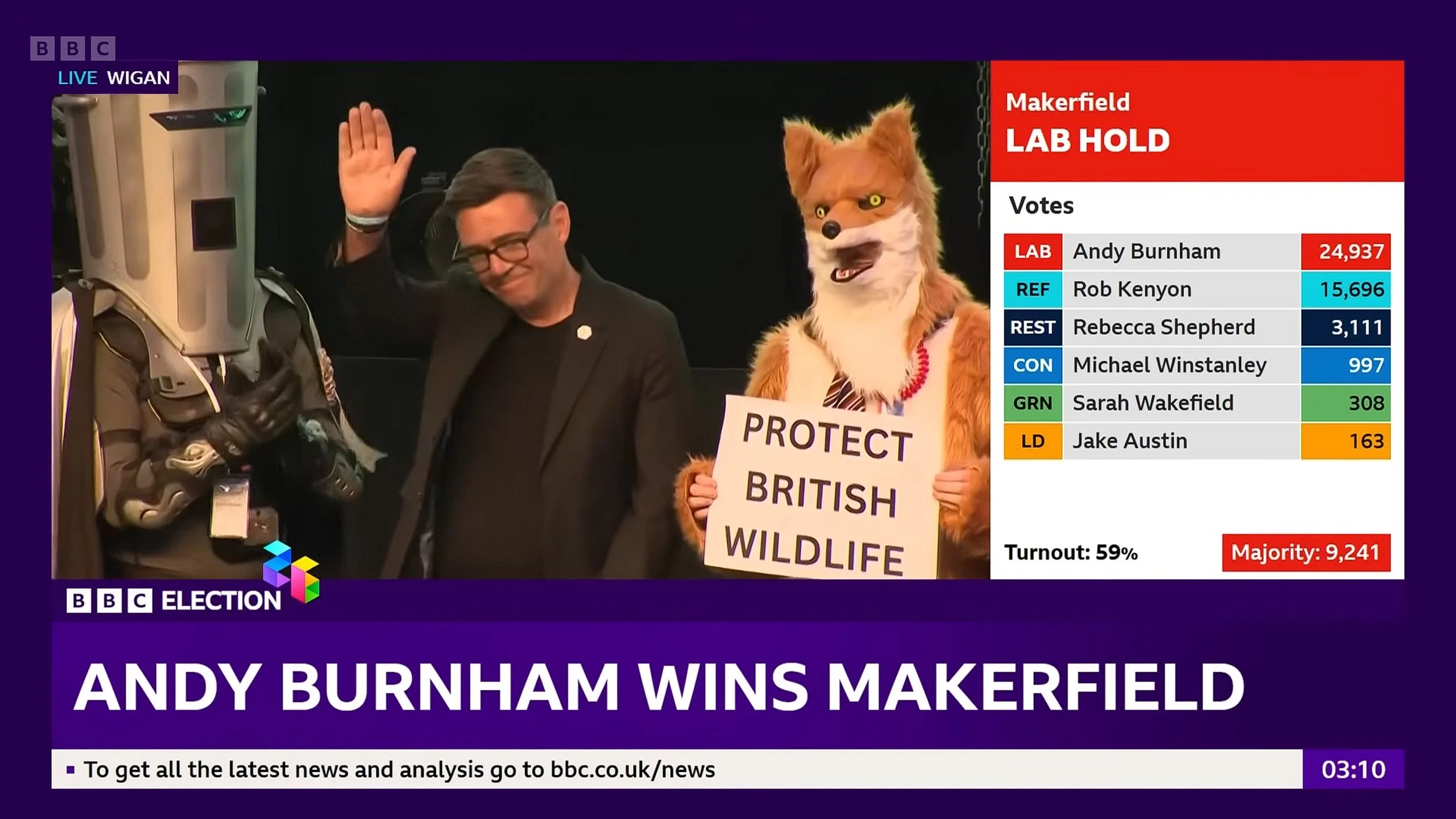
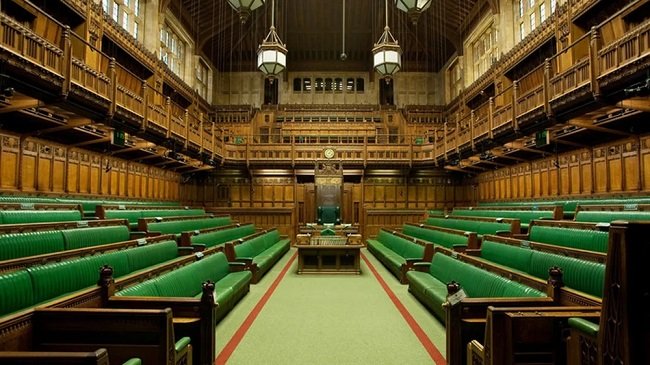
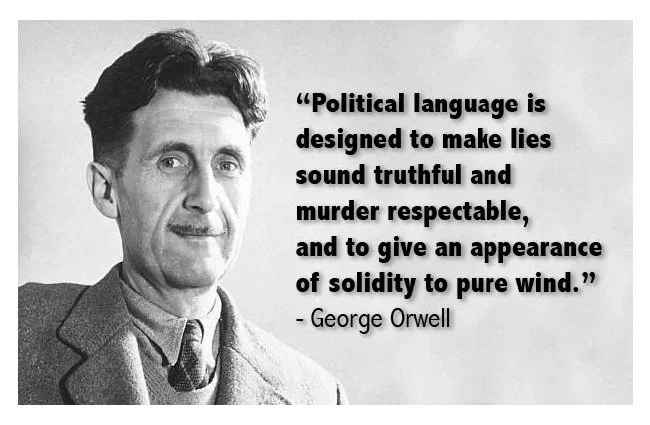
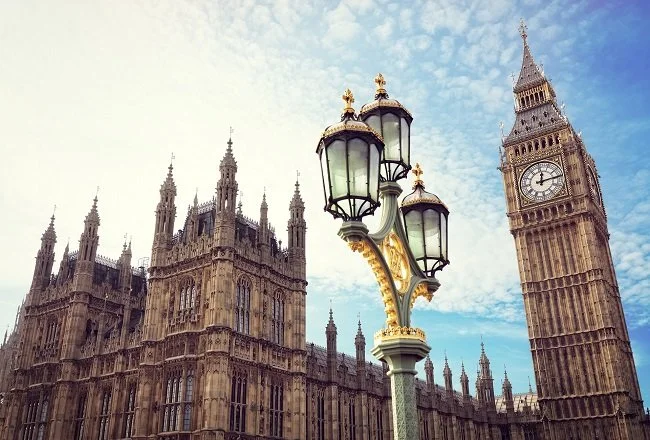
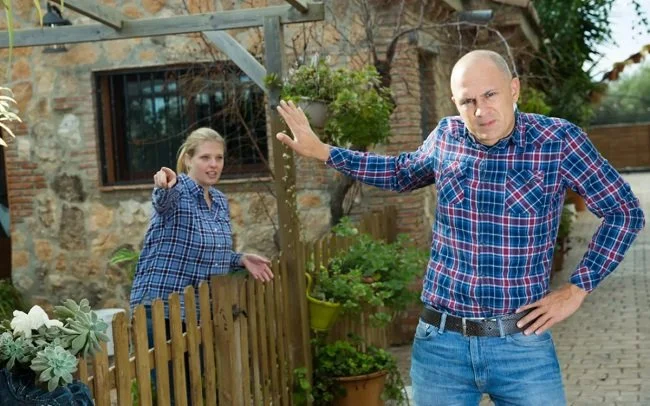
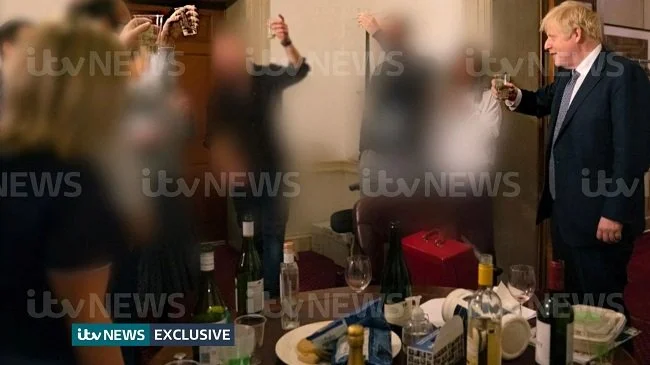
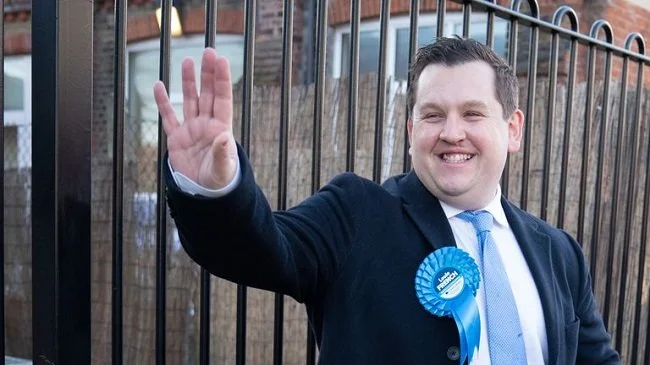
NB: Due to the nature of this post I couldn't think of any specific images that were relevant. So I decided to use some fun ones just to break up the text.






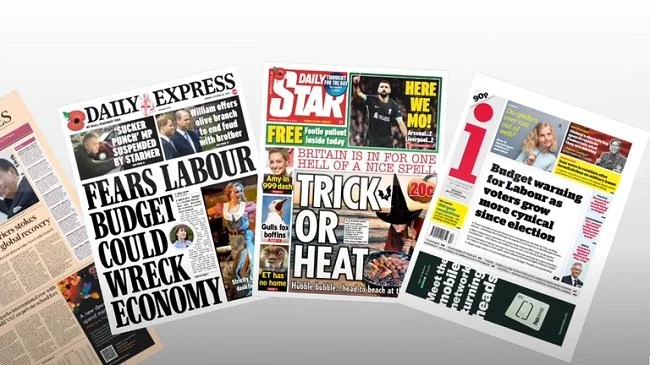

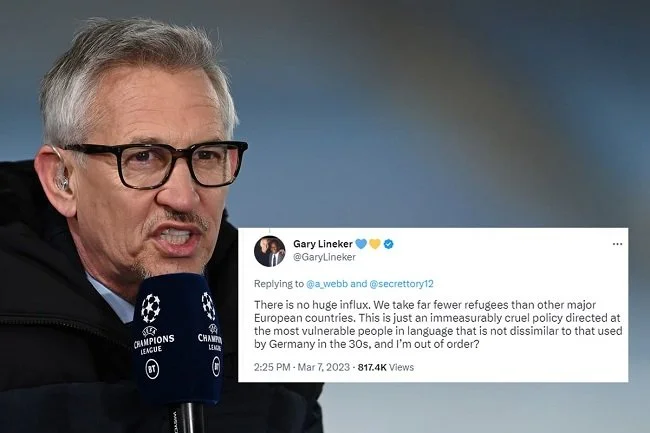
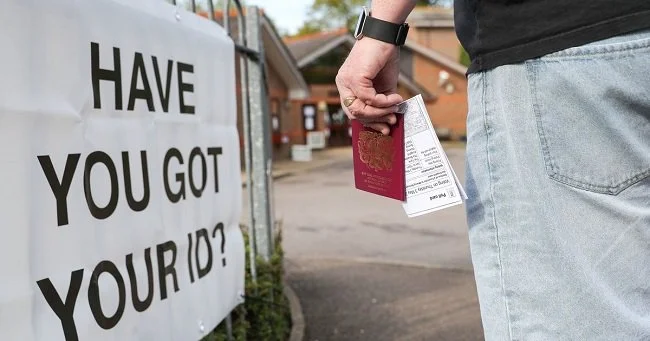

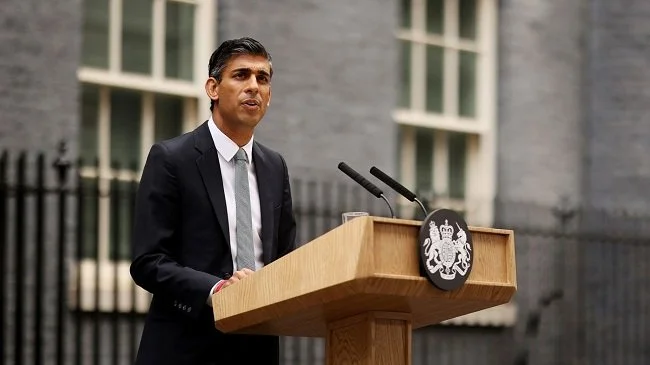
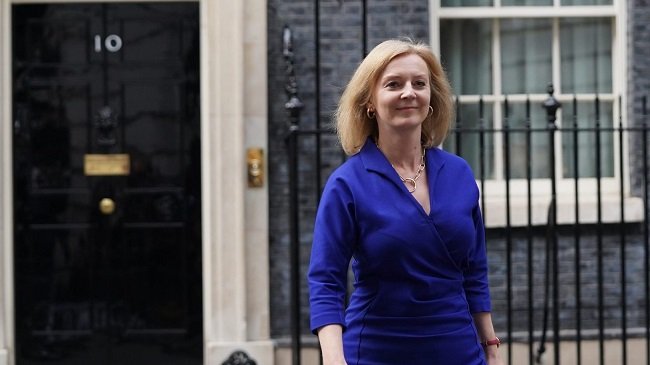

If you visit the websites for such UK tabloid newspapers as the Daily Express or the Daily Mail you will no doubt encounter prominent stories about Megan Markle, Nigel Farage and “immigrants”. If these two august institutions are short of column inches, they’ll run a piece about how some former celebrity has had the unmitigated gall and temerity to get old. I mean WTF? How dare they do what human beings are genetically disposed to do. It’s outrageous. Similarly, head over to the Unherd website and you’ll find foam flecked tirades regarding spurious points of contention over dubious subjects. Often the topic being harangued is incredibly niche and I’ve never heard of it before or even considered it being a thing. These sort of talking points are not about informing, debating and most certainly aren’t about thinking. They exist to provoke reactions.