Keeping a Popular Franchise Relevant
I’ve written in the past about “how long should a TV show run for” and it remains a very interesting talking point. An ageing cast and a played out formula are not uncommon problems that can lead to a popular show being cancelled. But some long standing TV dramas have different issues that can blight them. Such as overly complicated lore, a vocal fanbase and a need to stay relevant in a way that some other shows don’t have to worry about. Martin Belam has recently written a very good article about this subject. He cites Doctor Who as a show that is extremely fatigued at present and suggests that maybe taking it off air and having some time out may well be the solution to its “problems”. I agree with him. Not only with regard to Doctor Who but basically any TV or movie franchise that has become ubiquitous and therefore tired as a result.
I’ve written in the past about “how long should a TV show run for” and it remains a very interesting talking point. An ageing cast and a played out formula are not uncommon problems that can lead to a popular show being cancelled. But some long standing TV dramas have different issues that can blight them. Such as overly complicated lore, a vocal fanbase and a need to stay relevant in a way that some other shows don’t have to worry about. Martin Belam has recently written a very good article about this subject. He cites Doctor Who as a show that is extremely fatigued at present and suggests that maybe taking it off air and having some time out may well be the solution to its “problems”. I agree with him. Not only with regard to Doctor Who but basically any TV or movie franchise that has become ubiquitous and therefore tired as a result.
Here are a few select quotes that I think are pertinent. Again these are specifically about Doctor Who but are equally applicable to comparable shows.
“Sometimes it feels like the show is being buried under the weight of its own continuity”.
“The decision to cast a woman as the Doctor has also meant the franchise became a pawn in the culture wars, further souring relationships in the fandom, and making the social media posts of the show’s creators and stars toxic to wade through”.
“It feels as if it is telling an increasingly self-absorbed meta-story about its own run, accompanied by a very vocal online fandom that isn’t quite sure what it wants, but knows it doesn’t want this”.
Doctor Who has been absent from our televisions in the past. It lost its way back in the middle to late eighties and was taken off air when audiences started declining. The sixteen year hiatus certainly made a difference and when it returned in 2005 it had totally reinvented itself and found exactly the right tone for a modern audience. James Bond is another prime example. The franchise has taken time out twice to rethink its direction. GoldenEye (1995) put the franchise back on track after the excesses of the Roger Moore era (The two Dalton movies were a change of tone too quickly). And Casino Royale (2006), possibly the best realisation of the character from the original text, made Bond relevant again after the franchise started losing ground to its competitors. However, taking a break doesn’t always guarantee an improved return. Dare I mention a certain franchise set in a galaxy, far, far away.
It is easy to see why owning a popular franchise is appealing to a TV network or film studio. Once established they become known quantities that need to be managed and curated. Spinoffs offer potential new content and do not pose the same risk as completely new products. You only have to look at Disney + to see a textbook example of such portfolio management. The BBC is not in such a position with Doctor Who. It doesn’t have the finances unless it goes into business partnership with a third party. Such a collaboration could potentially reinvigorate the franchise. But there is also equal scope for it to go the other way. A major US backer would naturally want a product tailored to its domestic market. All things considered, if Doctor Who doesn’t rethink its current direction it is destined to repeat the same mistakes of the late eighties, become a caricature of itself and get cancelled. Perhaps it is better to jump, than be pushed. A short hiatus may well be the solution.










The Sea Wolves (1980)
I have always had a soft spot for the action movies that Euan Lloyd produced in the late seventies and early eighties. The Wild Geese (1978), The Sea Wolves (1980), Who Dares Wins (1982) and Wild Geese II (1985). They were quite gritty and all had a strong cast of British character actors. Sadly some of them strayed into political issues with their stories and often got out of their depths. The Wild Geese ham-fistedly explores the political landscape of post colonial Africa and Who Dares Wins clumsily deals with terrorism and the concept of unilateral nuclear disarmament. Yet despite the somewhat school boy approach to geopolitics, the action scenes are well crafted (often by legendary Bond stunt arranger Bob Simmons) and the cast more than make up for any narrative failings. All four films also have charismatic soundtracks by Roy Budd. However The Sea Wolves differs from the other three movies in so far that it is set during World War II and is loosely based on real events.
I have always had a soft spot for the action movies that Euan Lloyd produced in the late seventies and early eighties. The Wild Geese (1978), The Sea Wolves (1980), Who Dares Wins (1982) and Wild Geese II (1985). They were quite gritty and all had a strong cast of British character actors. Sadly some of them strayed into political issues with their stories and often got out of their depths. The Wild Geese ham-fistedly explores the political landscape of post colonial Africa and Who Dares Wins clumsily deals with terrorism and the concept of unilateral nuclear disarmament. Yet despite the somewhat school boy approach to geopolitics, the action scenes are well crafted (often by legendary Bond stunt arranger Bob Simmons) and the cast more than make up for any narrative failings. All four films also have charismatic soundtracks by Roy Budd. However The Sea Wolves differs from the other three movies in so far that it is set during World War II and is loosely based on real events.
During World War II, many British merchant ships are being sunk by German U-boats. British intelligence, based in India, believe that the information is being passed to the U-boats by a radio transmitter hidden on board one of three German merchant ships interned in the neutral Portuguese colony of Goa. Lieutenant-Colonel Pugh (Gregory Peck) of the Special Operations Executive (SOE) is tasked with finding the German spy passing the shipping information and destroying the radio transmitter onboard the interned ships. Accompanied by fellow operative Captain Gavin Stewart (Roger Moore), the pair travel to Goa to attempt to capture a high level German spy known as Trompeta (Wolf Kahler). After he dies during a struggle, Pugh decides to make a daring raid on the interned ships in Goa harbour. Due to Portugal's neutrality SOE cannot use British troops. So Pugh asks Colonel W.H. Grice (David Niven), the commanding officer of a Territorial unit of British expatriates called the Calcutta Light Horse, if they would carry out the mission covertly. They all volunteer as they are all ex-service men and keen to 'do their bit'.
The Sea Wolves is a very traditional high adventure movie directed by veteran filmmaker Andrew V. McLaglen. The film’s strength lies with its strong cast featuring the likes of Trevor Howard, Patrick Macnee and Patrick Allen. The script is functional and has occasional moments of droll dialogue, usually based around the age of the various old soldiers complaining about their aches and pains. The locations are interesting and the production design does a good job of recreating the period. Furthermore, the miniature effects by Kit West and Nick Allder are top drawer and the action scenes are credible, well edited and entertaining. The Sea Wolves eschews the cliched cinematic conceit of the German cast speaking English, instead opting for authentic dialogue and subtitles. Yet despite many positive elements, the film drags during the turgid romance between Captain Stewart and divorcee (and German spy) Agnes Cromwell (Barbara Kellerman).
Roger Moore was 52 when he was cast in The Sea Wolves and he was clearly losing his boyish good looks. Yet the film industry still insisted upon casting him as a romantic lead. He continued with Bond well after his best before date and frankly it showed. In this instance his torrid affair is very much written in the idiom of the times and it is as dull as ditch water. The plot grinds to a halt during these scenes. Furthermore critics at the time made a big deal out of Gregory Peck’s English accent but I’ve heard far worse over the years and don’t consider it to be a deal breaker. It should be remembered that to finance such a British production Euan Lloyd needed a known star that would clearly appeal to the US market. Peck was such an actor and works well in the role. He certainly shines in his scene with David Niven who he worked with previously on The Guns of Navarone.
Film’s about World War II proved a mainstay of the UK and US box office for over 30 years. However interest waned eventually as a new generation of cinema viewers, who were born in the post war years, became the principal audience. Films that have revisited this historical period since then have tended to take a more revisionist approach to the subject matter. The Sea Wolves is one of the last old school, “for King and country” style of action movie. Perhaps that is why it didn’t fare as well at the box office as other Euan Lloyd productions. He personally blamed this on the demise of co-financier Lorimar Pictures and their poor marketing. I think that audiences simply wanted something more contemporary, as proved by Who Dares Wins. Viewed with a modern perspective The Sea Wolves does seem somewhat dated in its tone. However, it can still prove entertaining and certainly offers an unusual story, set away from the European theatre of war.


Assassin’s Creed (2016)
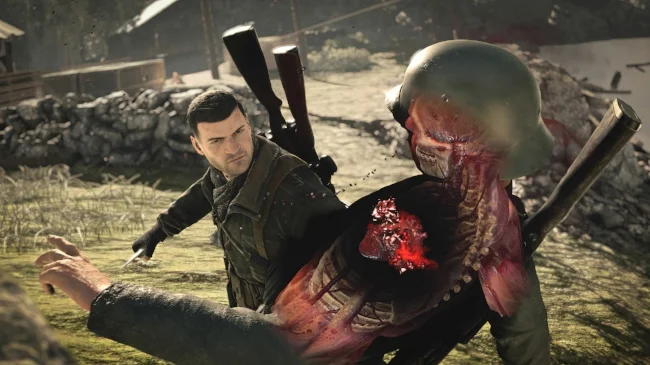
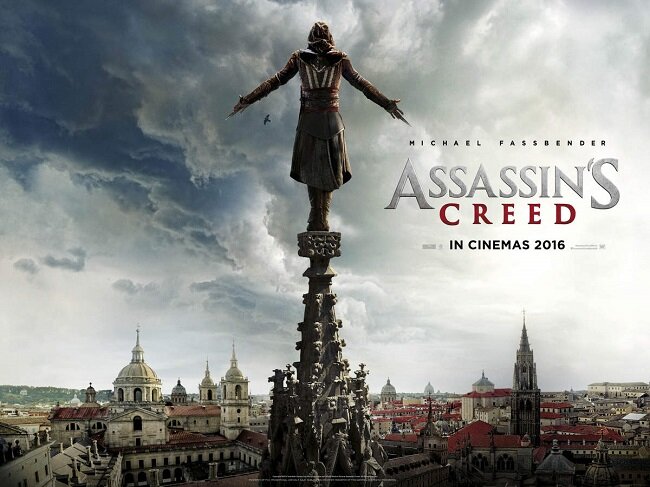
On paper, a video games franchise such as Assassin’s Creed lends itself perfectly to a cinematic adaptation. The parkour action scenes, the historical settings and the contemporary conspiracy theory themes are all elements that should play well with a modern youth audience. Hence with the backing of a major studio such as Twentieth Century Fox and a budget of $125 million, the 2016 movie should have been a guaranteed box office hit. The casting of Michael Fassbender, an actor who is comfortable with serious roles and big Hollywood franchises, should have carried this film comfortably over the finishing line. Director Justin Kurzel, who had found critical success with his adaptation of MacBeth a year previously, must have looked like a safe pair of hands to handle such a project. Sadly, that was not the case. Assassin’s Creed is not the sum of its parts, in fact many elements appear to be pulling in opposite directions. The resulting feature film is staggeringly dull, soulless and a chore to watch. A testament to how modern big budget franchise movies have become a production line, with all the art stripped from them.
On paper, a video games franchise such as Assassin’s Creed lends itself perfectly to a cinematic adaptation. The parkour action scenes, the historical settings and the contemporary conspiracy theory themes are all elements that should play well with a modern youth audience. Hence with the backing of a major studio such as Twentieth Century Fox and a budget of $125 million, the 2016 movie should have been a guaranteed box office hit. The casting of Michael Fassbender, an actor who is comfortable with serious roles and big Hollywood franchises, should have carried this film comfortably over the finishing line. Director Justin Kurzel, who had found critical success with his adaptation of MacBeth a year previously, must have looked like a safe pair of hands to handle such a project. Sadly, that was not the case. Assassin’s Creed is not the sum of its parts, in fact many elements appear to be pulling in opposite directions. The resulting feature film is staggeringly dull, soulless and a chore to watch. A testament to how modern big budget franchise movies have become a production line, with all the art stripped from them.
Convicted murder, Callum Lynch (Michael Fassbender), is sentenced to death by lethal injection in a prison in Texas. He awakes from his execution to find himself very much alive and in a high tech research laboratory in Madrid, run by the Abstergo Foundation and its sinister CEO Alan Rikkin (Jeremy Irons). Dr. Sofia Rikkin (Marion Cotillard) explains to Cal that she wishes to access inherited memories hidden in his DNA, of his ancestor Aguilar de Nerha, who was a member of the Assassins Brotherhood in 15th Century Spain. Abstergo Industries is actually funded and controlled by the Templars, an ancient order that has been at war with the Assassins Brotherhood for centuries. They seek the Apple of Eden, an artefact that holds the code to humanity’s ability for free will, which they seek to control. Cal is placed in the Animus, a machine which allows him to relive (and the scientists to observe) Aguilar's genetic memories, so that Abstergo can learn what he did with the Apple. Aguilar was previously charged with protecting the artefact from Templar Grand Master Tomas de Torquemada.
Within minutes of the film’s opening sequence which is set in 1492 Andalusia, the muddy colour palette and swooping camera it becomes clear that Assassin’s Creed has been shot using all the visual styles and editing techniques that are currently in vogue. It is the sort of movie where all concerned are far more enamoured by the aesthetic they have created rather than presenting the audience with a coherent and engaging narrative. Naturally, the production design and visual effects are top draw as you would expect from a mainstream film with this sort of budget. Yet the entire movie is presented in a singularly unappealing fashion and unfolds in a ponderous manner. The colours are muted, the camera refuses to stay still, inducing a sense of motion sickness. The editing is so rapid it often renders the onscreen action incomprehensible and the imagery strikes hard upon the senses. It is also clear that the film has chosen this technique to mask and reduce the levels of violence, so it can maintain the desired PG-13 rating.
There are three writers credited with the screenplay for Assassin’s Creed. Michael Lesslie, Adam Cooper and Bill Collage. Yet despite their efforts the story is perfunctory and the central characters are utterly forgettable. Action movies never used to be like this. In 1981 Raiders of the Lost Ark featured a wealth of interesting, enjoyable characters and the screenplay was savvy, filled with knowing genre references and droll, hard boiled dialogue. There is none of that here and a cast of solid actors are saddled with the most arbitrary of expository dialogue. Brendon Gleason has a cameo as Michael Fassbender’s Father. The relatively short role is supposed to provide an emotional epiphany within the story and create a sense of pathos but it is devoid of any dramatic resonance. It simply serves as an expostionary scene to move the story on. As for the more philosophical aspects of the plot regarding free will and determinism, these are abandoned immediately after they are mentioned.
Assassin’s Creed offers several clear nods to its source material. The costume design, hidden blades, parkour and historical setting certainly tap into the vibe of the first two games. The realisation of the Animus is also creative. Yet irrespective of the money and talent that is involved in the production, the film is staggeringly unexciting. In many ways it is a textbook example of all the artistic failings of corporate film making these days. Too much of our popular entertainment, be it music, TV or film are generic and made to an established formula. 40 years ago summer blockbusters were not only commercially successful but artistically created with flair and panache. The homogenous nature of their modern counterparts robs them of any unique personality of their own. For example, Assassin’s Creed runs for nearly 2 hours and features a musical score by Jed Kurzel that is essentially forgettable. I still recall the impact that James Horner’s soundtrack for Krull (1983) had upon me when I first saw it and it remains a personal favourite all these years later
Assassin’s Creed made a total profit of $240,697,856 internationally. It nearly doubled its investment yet was deemed a box office failure by those that financed it. A similar mindset is prevalent in the video game industry. Expectations regarding profit are often ambitious to say the least. Considering how poor the final movie is, I suspect that the entire project was a litany of continuous interventions by focus groups and sub-committees. So in many ways the studios are the architects of their own problem. To those who have a serious interest in cinema and are curious to see an example of when a film inherently fails on all levels, I would recommend Assassin’s Creed as a point of study. Beyond this niche market analysis, I cannot think of any positive points for the benefit of the casual viewer. Avid fans of the games will more than likely be disappointed as there is no exploration of their themes beyond the very superficial. Perhaps the failure of Assassin’s Creed will at least encourage the industry to rethink its approach to such movies and the wider action genre.







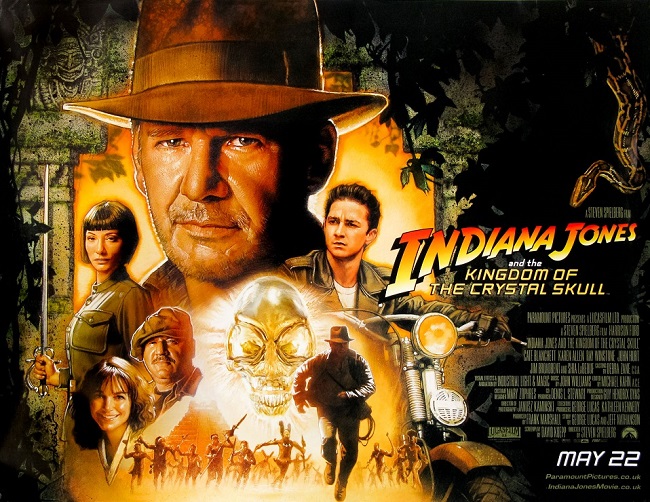
The Sparks Brothers (2021)
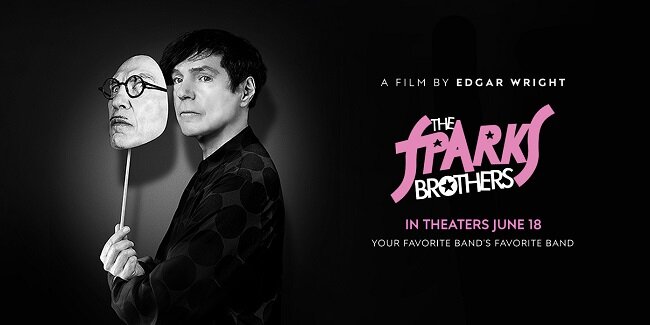
The music business is a strange, interesting and broad church. A spectrum of musical styles and personalities all fulfilling the needs of different markets. There are pop stars who are buoyant but ephemeral. Then there are singer/songwriters who take their work seriously as they express their critique of the human condition via their music. There are also style icons, novelty acts, indie bands, lounge crooners and a myriad of other niche acts, all doing their own thing. And occasionally there are enigmas. Artists and bands that fly in the face of prevailing trends and commercial interest, who do consider their work to be an artistic endeavour and an expression of themselves and as such, do not see the virtue of personal compromise or corporate interests. Esoteric musicians who reinvent themselves continuously as they grow and age. Constantly defying the expectations of both their own fans and naysayers. Sparks are such a musical entity and the subject of a fascinating documentary by director Edgar Wright.
The music business is a strange, interesting and broad church. A spectrum of musical styles and personalities all fulfilling the needs of different markets. There are pop stars who are buoyant but ephemeral. Then there are singer/songwriters who take their work seriously as they express their critique of the human condition via their music. There are also style icons, novelty acts, indie bands, lounge crooners and a myriad of other niche acts, all doing their own thing. And occasionally there are enigmas. Artists and bands that fly in the face of prevailing trends and commercial interest, who do consider their work to be an artistic endeavour and an expression of themselves and as such, do not see the virtue of personal compromise or corporate interests. Esoteric musicians who reinvent themselves continuously as they grow and age. Constantly defying the expectations of both their own fans and naysayers. Sparks are such a musical entity and the subject of a fascinating documentary by director Edgar Wright.
Sparks, created by brothers Ron and Russell Mael, are musical chameleons. During the course of their five decade long career they have flirted with rock, synth pop and the art song but always in their own unique and idiosyncratic way. They’re the very definition of a cult band who have often charted a course parallel to that of mainstream music. Yet their influence is far reaching as they very much appear to be “your favourite band’s favourite band”. The Sparks Brothers attempts to explore all these things in an energetic and surprisingly droll fashion. Director Edgar Wright, explains their appeal in part by emphasizing its essential nebulous and arcane nature. The documentary follows a simple chronological path from the brothers early life and first forays into music then continues to delineate their seminal albums and changes of musical direction over the ensuing years. Ron and Russell are clearly intelligent, talented and conscious of their own enigma. They are also very witty and personable. There are no divas here, just hardworking disciplined artists, intent on doing their thing.
Sparks’s public image is clearly defined and is possibly one of few constants about the duo. It is also one of contrasts. Vocalist Russell’s athletic physique, flowing locks and matinee-idol looks are contrasted by brother Ron and his gangrel deportment, deadpan countenance and Brilliantined hair. He has always sported a moustache that is somewhere between that of Charlie Chaplin and Adolf Hitler. Russell’s falsetto voice and energetic on stage antics are further offset by Ron’s static performance as he sits at his keyboard exuding a miasma of curious strangeness. During the course of their career the brothers have made genuinely creative videos and their stage shows have bordered on performance art. Hence they have an appeal that reaches across musical genres and sexual demographics. All while singing about Sherlock Holmes, breasts and other eclectic subjects. Over the years their music has featured rock guitar riffs, synth arpeggios and infuriatingly catchy baroque song structures that draw upon classical composers such as Bach and Beethoven.
One of the most interesting aspects of The Sparks Brothers is the way the guest talking heads try to assess them and express their befuddlement at trying to pin them down. Nick Heyward candidly states “I thought they didn’t really exist” after he saw them in the flesh, out and about. Jonathan Ross describes their uniqueness and how they eschewed the traditional band image. “They look like people who’ve been sort of let out for a day”. Franz Ferdinand lead singer, Alex Kapranos, touches upon a commonly held misconception about the band “I always thought Sparks were a British Band” mainly because it seemed unlikely that the US could spawn an act so eccentric. The Sparks Brothers successfully sheds some light on the duo, who despite their European sound and anglophile nature were raised in California. Russell was surprisingly a high-school quarterback. Their father, an artist, seems to have had a major influence upon the brothers instilling a love of music, cinema and art. He tragically died when Ron was 11 and Russell 8.
Edgar Wright, the director of quirky and intelligent films such as Shaun of the Dead and Baby Driver is eminently suited to document and dissect a band such as Sparks. In many ways they are kindred spirits and therefore both have a strong understanding of each other. Wright also has a proven track record of understanding music as he has used it so intelligently in his body of work. He manages to look beyond the band’s eccentric schtick and gets some very honest opinions out of them. They’re surprisingly unpretentious despite their somewhat esoteric body of work. They just think that music is more than just a disposable commodity and it is frankly very refreshing the way they constantly strive to do something different. They certainly do not seem to be disposed toward resting upon their laurels or retiring anytime soon.
The Sparks Brothers may be a little long for the casual viewer. Some may tire of the celebrity endorsements and find it a little borderline “lovies, darlings” but I would counter that with the relevance of being recognised and admired by your peers, rather than mainstream media. I deem one to be more significant and genuine than the other. The documentary references many of their best songs and I was surprised at how many I was directly or subconsciously familiar with. I even bought a 3 CD “best of” boxset as a result. Even if you’re not completely sold on the Mael brother’s brand of music, I can wholeheartedly recommend the documentary just as a study on genuine creativity and artistic integrity. Both are rare commodities these days. And for your edification, here is the song Something for the Girl With Everything which is pretty much Sparks in a nutshell. The tune is catchy but unusual and the lyrics are a psychologist's dream.
Something for the girl with everything
See, the writing's on the wall
You bought the girl a wall
Complete with matching ball-point pen
You can breathe another day
Secure in knowing she won't break you (yet)
Something for the girl with everything
Have another sweet my dear
Don't try to talk my dear
Your tiny little mouth is full
Here's a flavour you ain't tried
You shouldn't try to talk, your mouth is full
Something for the girl with everything
Three wise men are here
Three wise men are here
Bearing gifts to aid amnesia
She knows everything
She knows everything
She knew you way back when you weren't yourself
Here's a really pretty car
I hope it takes you far
I hope it takes you fast and far
Wow, the engine's really loud
Nobody's gonna hear a thing you say
Something for the girl with everything
Three wise men are here
Three wise men are here
Where should they leave these imported gimmicks
Leave them anywhere, leave them anywhere
Make sure that there's a clear path to the door
Something for the girl with everything
Something for the girl with everything
Something for the girl with everything
Something for the girl with everything
Three wise men are here
Three wise men are here
Three wise men are here
Three wise men are here
Here's a partridge in a tree
A gardener for the tree
Complete with ornithologist
Careful, careful with that crate
You wouldn't want to dent Sinatra, no
Something for the girl who has got everything,
Yes everything
Hey, come out and say hello
Before our friends all go
But say no more than just hello
Ah, the little girl is shy
You see of late she's been quite speechless, very speechless
She's got everything




300: Rise of an Empire (2014)
300: Rise of an Empire is a curious beast, being neither a sequel nor a prequel. It is infact a tale that takes place simultaneously with those of the original movie. While Gerard Butler is busy making a last stand at the Battle of Thermopylae, fellow warrior and politician Themistokles, played by the singularly uncharismatic Sullivan Stapleton, leads a similar army of buffed Greeks against the Persian fleet. Once again we have a movie that is the epitome of style over substance, complete with a sound design that challenges what can physically be endured by human hearing. They say the first casualty of war is innocence but in this type of movie it's closely followed by historical accuracy and authentic depictions of ethnicity. 300: Rise of an Empire is a cinematic assault upon the senses but not in a good way like Mad Max: Fury Road.
300: Rise of an Empire is a curious beast, being neither a sequel nor a prequel. It is infact a tale that takes place simultaneously with those of the original movie. While Gerard Butler is busy making a last stand at the Battle of Thermopylae, fellow warrior and politician Themistokles, played by the singularly uncharismatic Sullivan Stapleton, leads a similar army of buffed Greeks against the Persian fleet. Once again we have a movie that is the epitome of style over substance, complete with a sound design that challenges what can physically be endured by human hearing. They say the first casualty of war is innocence but in this type of movie it's closely followed by historical accuracy and authentic depictions of ethnicity. 300: Rise of an Empire is a cinematic assault upon the senses but not in a good way like Mad Max: Fury Road.
Since the release of the original 300 back in 2007, the aesthetic created by Zack Snyder has been heavily replicated elsewhere. Although it was quite innovative at the time, reflecting the original style of Frank Miller's graphic novel, it is now a somewhat tired visual effect. The market is somewhat saturated by big budget spectacles these days and Hollywood's overall aesthetic style is becoming increasingly homogeneous and self plagiarising. The only major difference with this film is that director Noam Murro has added 3D to the mix, although it offers few benefits. The stylised violence continues to be a major element of the film and still happily ignores the realities of basic human anatomy. Hence the action scenes speed up and then slow down, while the camera swoops and soars around the CGI mayhem. Blood sprays like geysers. Teenage viewers may well get excited. Seasoned cinematic enthusiasts roll their eyes and check their watch.
Like Gerard Butler's performance in the 300, Eva Green shoulders the dramatic burden this time round and saves the entire movie from being a total dog’s dinner. She attacks the role of Artemisia with a maniacal fervour and is very watchable. Everything else is somewhat arbitrary. The plot is dutifully trotted out by means of a lengthy prologue. Queen Gorgo (Lena Headey) mourns her husband and sundry returning cast members from the previous film wring their hands at the wrongdoings of Persian King Xerxes (Rodrigo Santiago). There are also some oblique references to historical events and the prevailing philosophies of the age but they are never embellished upon or explored with any conviction. This is a movie about the carnage of battle and rippling muscles. To be fair, it wasn’t intended or marketed as a serious insight into the historical events of the time,
Beyond Eva Green's presence there is nothing much new to sell 300: Rise of an Empire. Same meat, different gravy, as the expression goes. It is squarely aimed at the same audience as the previous movie. One that likes this sort of visually self-indulgent, homo-erotic, historically superficial actionfest. It can even entertain an ageing and cynical cinemagoer like myself, if expectations are set suitably low and copious amounts of alcohol are consumed prior to watching. If you’re looking for a similar period film that’s a little bit more historically accurate and cerebral you can always try one of the four versions of Alexander, directed by Oliver Stone. As for the cries from certain quarters that 300: Rise of an Empire is yet another nail in the coffin of narrative cinema, ignore them because it's not. It's just a loud and excessive commercial movie. Hollywood has always made these.
The Ice Road (2021)
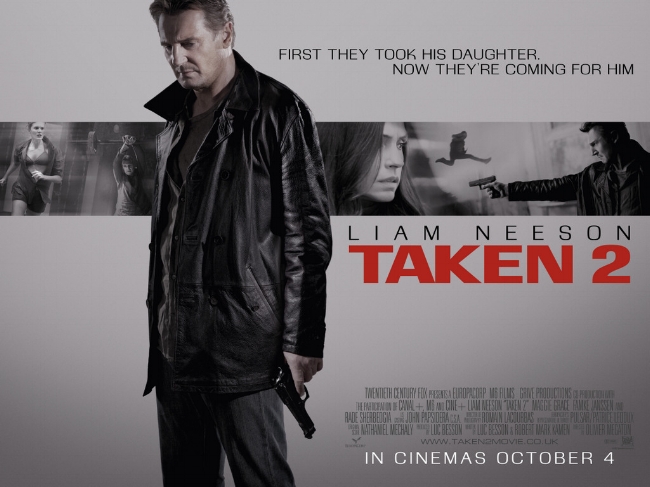
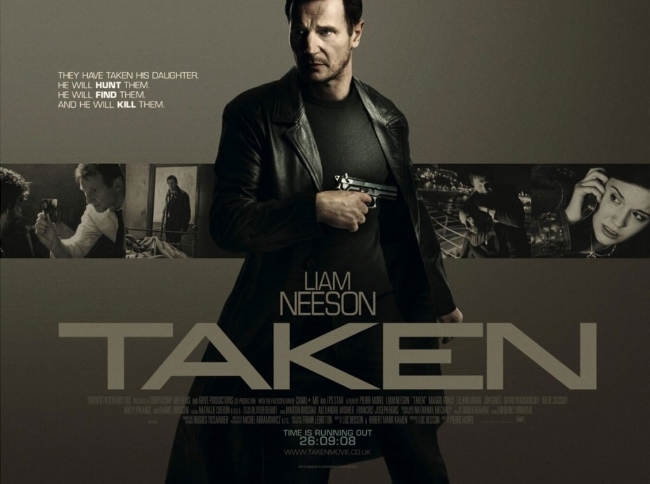
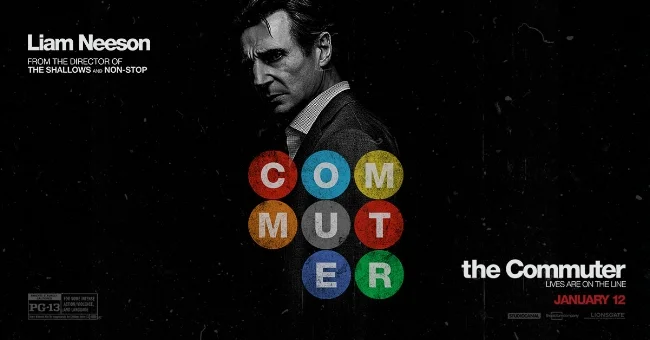
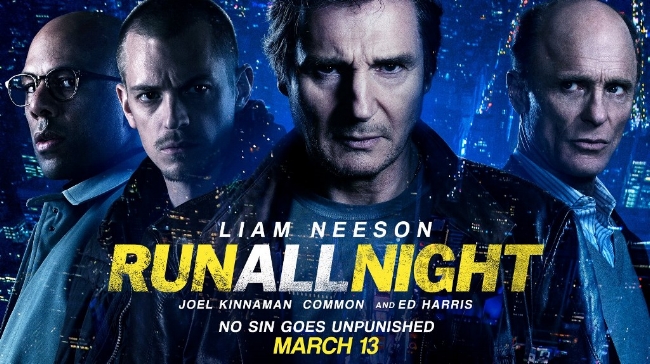
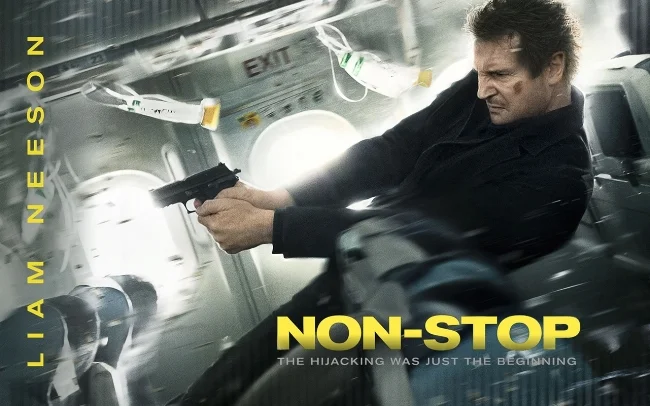
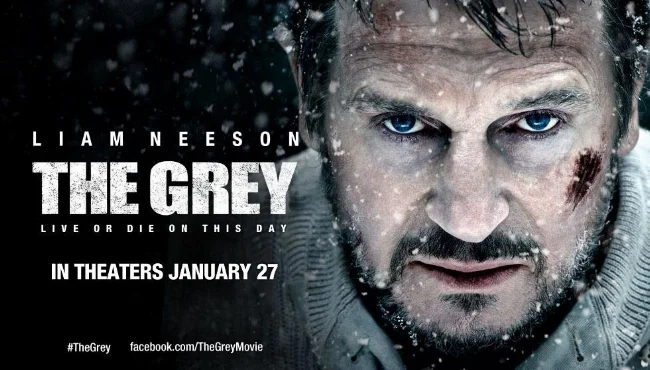
Back in September 2017, Liam Neeson stated in an interview with Sky News that he was retiring from the action genre, due to his age. He felt that audiences would question his credibility in such roles. After the release of The Commuter (2018) and Cold Pursuit (2019) Mr Neeson appeared to return to human dramas and films that focus on performance rather than punching man and beast. Ordinary Love and Made in Italy, both released in 2019, demonstrate the actor’s versatility and skill. People seem to forget that he is a thespian who was initially known for his character driven roles in films such as The Mission (1986), Rob Roy (1995 and Michael Collins (1996). It was only in 2008 that he reinvented himself as an action hero. It’s all a far cry from Schindler’s List and his performance that earned him an academy award nomination. The reason I mention all of this is because The Ice Road is the third action movie I’ve seen in 2021 that stars Liam Neeson.
Back in September 2017, Liam Neeson stated in an interview with Sky News that he was retiring from the action genre, due to his age. He felt that audiences would question his credibility in such roles. After the release of The Commuter (2018) and Cold Pursuit (2019) Mr Neeson appeared to return to human dramas and films that focus on performance rather than punching man and beast. Ordinary Love and Made in Italy, both released in 2019, demonstrate the actor’s versatility and skill. People seem to forget that he is a thespian who was initially known for his character driven roles in films such as The Mission (1986), Rob Roy (1995 and Michael Collins (1996). It was only in 2008 that he reinvented himself as an action hero. It’s all a far cry from Schindler’s List and his performance that earned him an academy award nomination. The reason I mention all of this is because The Ice Road is the third action movie I’ve seen in 2021 that stars Liam Neeson.
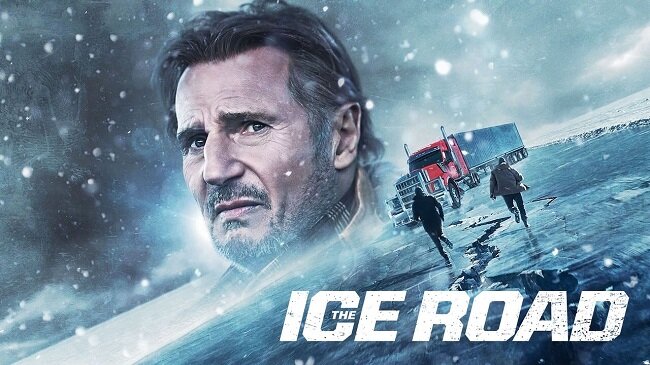
After a methane explosion, a remote mine caves in northern Canada trapping 26 men. The mine owners desperately mount a rescue mission that requires a wellhead and piping to be urgently delivered to the site of the disaster. As there is no airstrip in the area that can accommodate military transport planes, the equipment has to be driven by truck across the ice roads which are beginning to thaw in the spring weather. A team is hastily put together consisting of three trucks. These are driven by Jim Goldenrod (Lawrence Fishburne) an ice road veteran, the hot headed Tantoo (Amber Midthunder) whose brother is trapped in the mine and brothers Mike (Liam Neeson) and Gurty McCann (Marcus Thomas). Gurty is a Iraq War veteran suffering from PTSD and aphasia as well as an exceptional mechanic. They are joined by Tom Varnay (Benjamin Walker), an actuary from the mine’s insurance company. Racing against the clock, the team soon discover that there’s more than just the weather working against them.
The Ice Road is written and directed by Jonathan Hensleigh and is his first movie for a decade. Hensleigh wrote several high profile films in the nineties (including Die hard with a Vengeance and Armageddon)and has often employed an uncredited “script doctor”. His directorial debut, The Punisher in 2004, was well received due to its intelligent exploration of vigilante genre and use of physical stunt work rather than CGI. His subsequent films have not fared so well. Both Welcome to the Jungle (2007) and Kill the Irishman (2011) were criticised for being derivative. Sadly that still seems to be the case. The Ice Road feels like a simplified version of Henri-Georges Clouzot's iconic thriller The Wages of Fear (1953) and (or) William Friedkin’s Sorcerer (1977). One scene even feels like it’s been cribbed from the classic Thunderbirds episode Day of Disaster.
However, that being said, the budget for this film is modest and so the set pieces are not excessive in that “Fast and the Furious” idiom. The scope of the action is quite contained, although somewhat implausible. The laws of physics are bent but not broken and the ice and weather do feel like a legitimate threat. The characters are leaning towards the generic, however the interaction between Neeson and his troubled brother played by Marcus Thomas, does make the story a little more interesting. The Ice Road fits comfortably within its PG-13 rating and doesn’t overstay its welcome like so many modern action movies do. Overall, this movie provides some mid tier thrills and can be entertaining if you accept the premise. It is better than equally stupid The Hurricane Heist (2018). Neeson does much of the heavy lifting, as per usual. Sadly Lawrence Fishburne, another watchable actor, doesn’t have as much screen time as he deserves.


Army of the Dead (2021)
One of the biggest issues associated with modern film production is creative interference by the studios financing them. Despite employing known writers and directors who have an established track record and creative style, all too often control is taken from these individuals and changes are imposed upon the production, usually to the detriment of the overall film. Hence, you can understand why more and more filmmakers are taking their work to Netflix and similar platforms. Streaming services are apparently far more accommodating and understanding. Martin Scorsese himself made his last film The Irishman, for Netflix. However, such creative freedom can be a double edged sword. Some directors need to be tempered, the same way that some writers need a good editor. There is often a fine line between creative freedom and self indulgence.
One of the biggest issues associated with modern film production is creative interference by the studios financing them. Despite employing known writers and directors who have an established track record and creative style, all too often control is taken from these individuals and changes are imposed upon the production, usually to the detriment of the overall film. Hence, you can understand why more and more filmmakers are taking their work to Netflix and similar platforms. Streaming services are apparently far more accommodating and understanding. Martin Scorsese himself made his last film The Irishman, for Netflix. However, such creative freedom can be a double edged sword. Some directors need to be tempered, the same way that some writers need a good editor. There is often a fine line between creative freedom and self indulgence.
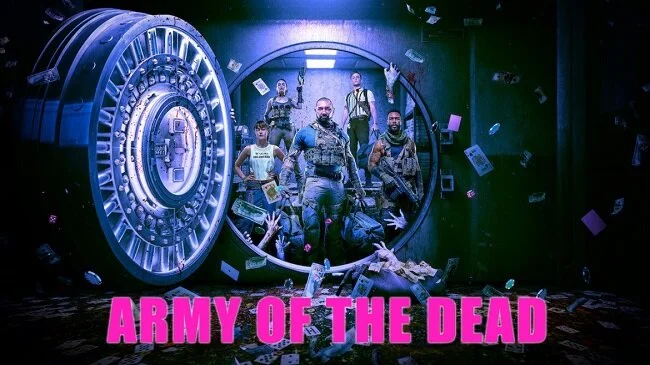
Following an zombie outbreak due to a military “accident”, Las Vegas has been wall off to contain the walking dead. Former decorated soldier Scott Ward (Dave Bautista), who led the initial evacuation, is employed by casino owner Bly Tanaka (Hiroyuki Sanada) to break into the quarantine zone and recover $200 million from his casino vault, before the US military obliterates the city with a tactical nuclear warhead. Ward has mixed feelings about returning to Vegas as he had to kill his wife during the evacuation when she was bitten by a zombie. He recruits his former teammates Maria Cruz and Vanderohe, along with helicopter pilot Marianne Peters, German safecracker Ludwig Dieter, and Chicano sharpshooter Mikey Guzman, who brings along his associate Chambers. Tanaka sends his right hand man Martin to provide access to the casino vault. Enroute Ward encounters his estranged daughter Kate (Ella Purnell); a volunteer in the Vegas refugee camp.
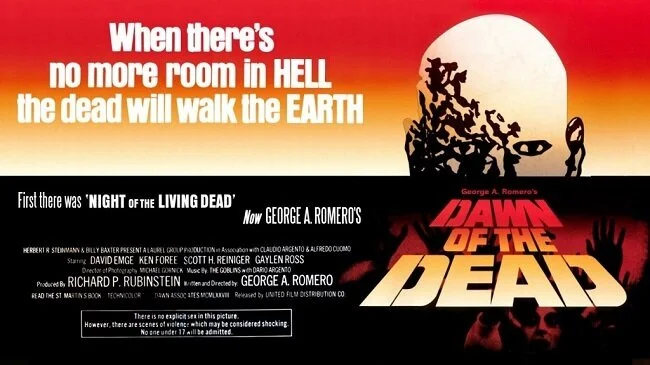
Zack Snyder’s latest film, Army of the Dead, is a textbook example of “indulging” a filmmaker and not legitimately questioning any of their creative decisions. As a result the handful of innovative ideas get lost among the bloated set pieces and mitigated by the crass screenplay with its puerile dialogue. I was raised on classic zombie movies and therefore am more disposed by default to favour the “Romero rules” governing zombie behaviour. However, I am open to alternative ideas and was not averse to the rather threatening fast moving zombies in Snyder’s previous remake of Dawn of the Dead. Sadly, the inclusion of the so-called “Alpha” zombies in Army of the Dead does more harm than good. By making zombies less mysterious and giving them more specific human cognitive abilities, it essentially robs them of their mystique. They become a far more rationalised threat and hence less of the enigmatic metaphor for wider social issues as in other films.
Army of the Dead is overlong, too dependent on CGI rather than physical effects and is filled with characters who are woefully undeveloped or even interesting. It lacks the narrative subtly of Romero’s work and the cast carry out their duties in a perfunctory manner. Zack Snyder has an eye for visuals and certainly can produce better work (as his extended version of Justice League proves). However, I feel that he needs a creative partner who can curb his excesses and nurture his valid ideas. As it stands Army of the Dead is a ponderous viewing experience, with no hardboiled action movie cliché left unturned. It wastes the presence of Dave Bautista, who has proven he can be a personable lead and saddles us with a dull, obvious narrative. Rather than advance or reinvigorate the zombie horror movie subgenre, it succinctly demonstrates why it has fallen by the wayside by doing absolutely nothing new of note during it’s 148 minute running time.




When Eight Bells Toll (1971)
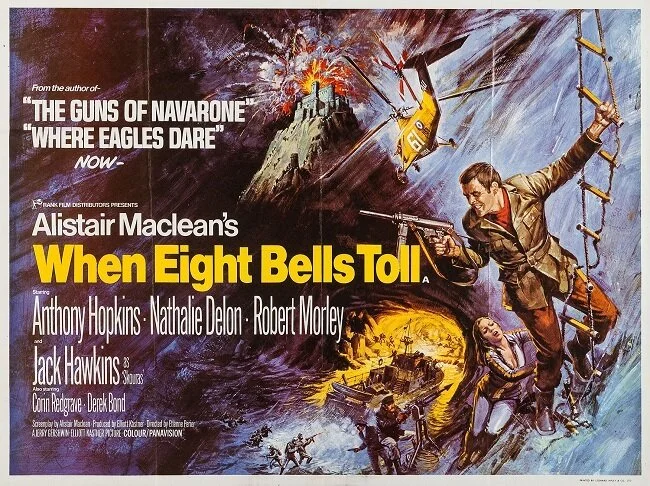
One of the stand out tropes of the modern action film is that the stakes are always cranked right up to 11. Terrorists, biological weapons and nuclear bombs are common threats in such movies with a hero or heroes trying to save the world from death and destruction or worse. However, back in the sixties and seventies, things were a little more straight forward and in some respects more credible. Take When Eight Bells Toll, released in 1971, for example. British Treasury secret agent Phillip Calvert investigates the theft of £8,000,000 in gold bullion by a gang of international smugglers. In the context of the times this was no small beer however it’s somewhat mundane compared to fighting super villains and their space lasers. Frankly I prefer these low key plot devices as they can make a film a little more plausible within the confines of the genre. A concept that is often forgotten today.
One of the stand out tropes of the modern action film is that the stakes are always cranked right up to 11. Terrorists, biological weapons and nuclear bombs are common threats in such movies with a hero or heroes trying to save the world from death and destruction or worse. However, back in the sixties and seventies, things were a little more straight forward and in some respects more credible. Take When Eight Bells Toll, released in 1971, for example. British Treasury secret agent Phillip Calvert investigates the theft of £8,000,000 in gold bullion by a gang of international smugglers. In the context of the times this was no small beer however it’s somewhat mundane compared to fighting super villains and their space lasers. Frankly I prefer these low key plot devices as they can make a film a little more plausible within the confines of the genre. A concept that is often forgotten today.
Phillip Calvert (Anthony Hopkins) an undercover British treasury agent along with his intelligence officer partner Hunslett (Corin Redgrave) are assigned to find five cargo ships that have gone missing in the Irish Sea. They track a ship,The Nantesville, which is carrying £8 million in gold bullion, to the Scottish Highlands before it mysteriously goes missing. Posing as marine biologists, Calvert and Hunslett find the local inhabitants both suspicious and hostile. A Cypriot shipping tycoon Sir Anthony Skouras (Jack Hawkins), whose luxury yacht Shangri-La is anchored off the coast, may be involved in the theft of the gold bullion. While searching the surrounding area by helicopter, Calvert makes contact with a group of remote shark fishermen who appear more friendly than Torbay's locals. Calvert also meets Lord Kirkside (Tom Chatto) and his teenage daughter in their remote hilltop castle. Both act strangely and are uncooperative. Calvert’s helicopter is then shot down and he only just manages to escape back to his boat. However, he then finds that Hunslett is missing.
Based upon a novel by Alistair MacLean, When Eight Bells Toll is a lean and focused thriller that eschews the excess of the James Bond franchise. There are no gadgets or globe trotting to exotic locations. The story confines itself to the sea and some remote Scottish islands.The plot moves fast and is punctuated by some low key but hard hitting action scenes. Veteran stunt arranger Bob Simmons stages the fights sequences and shootouts in an efficient manner. Anthony Hopkins trained and lost weight for the role and handles these scenes well. There is a casual efficiency to the violence. After one fight, Calvert wraps a length of chain around a incapcitated enemy and throws overboard. Later while breaking into Lord Kirkside’s castle he knocks out another heavy and promptly throws him out of a nearby window into the sea below. Although unpleasant it does bring an air of authenticity to the proceedings.
When Eight Bells Toll benefits from the casting of Anthony Hopkins. He brings his acting talent to bear on the role and is suitably sarcastic and menacing as a good spy should be. Screenplay is at its best when he is being upbraided by his superior officer, “Uncle Arthur”, played with aplomb by the great Robert Morley. Morley is sceptical of Calvert, suspecting he went to an “indifferent school”. The class divide and snobbery inherent in the UK government services is wittily explored but ultimately doesn’t get in the way of Uncle Arthur and Calverts business relationship. Jack Hawkins again has his voice dubbed by Charles Gray as his treatment for throat cancer had robbed him of his distinct voice. Perhaps the weakest role is that of Charlotte (Sir Anthony’s second wife) played by Nathelie Delon. The character is supposed to be scheming and duplicitous but is sadly underwritten, thus making Calvert’s involvement with her somewhat curious. Lavorski, the leader of the smuggling ring played by Ferdy Mayne, is also a two dimensional villain who we learn little about.
Overall When Eight Bells Toll is a concise and focused action movie which benefits from good performances from Hopkins and Morely as well as some solid set pieces. Sadly director Étienne Périer does not bring much flair to the production. Despite having some wonderful Scottish scenery the cinematography by Arthur Ibbetson is somewhat stark. Perhaps that was the look they were looking for, It contrasts with the interior shots which do feel very studio bound. The editing is also somewhat pedestrian. However, the film’s score by Angela Morley (credited as Walter Stott) is sublimely brassy and bombastic, reflecting the accepted musical idiom of the spy movie genre from that time. Sadly, despite the producer’s hope to start a franchise, there were no further Phillip Calvert films, which is a shame. The minimalism and lack of glamor is reminiscent of The Ipcress Files and Calvert is an interesting anti-hero.
Grizzly (1976)
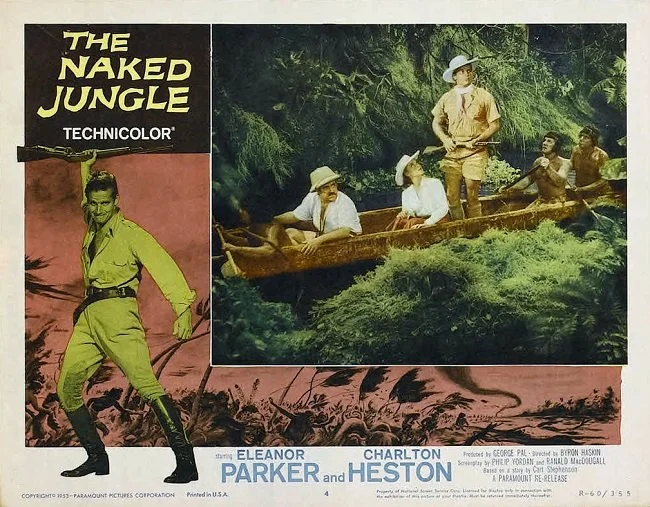
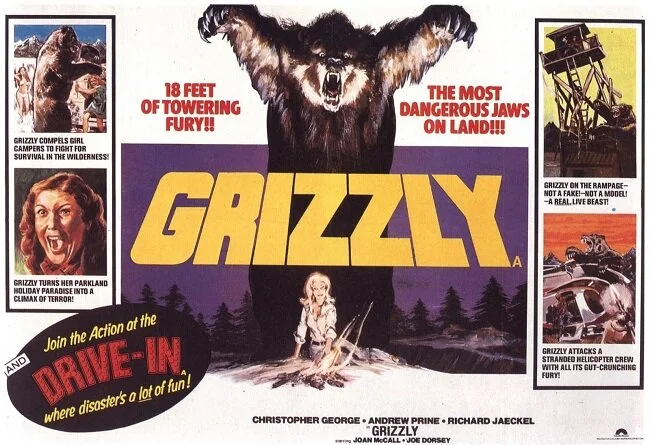
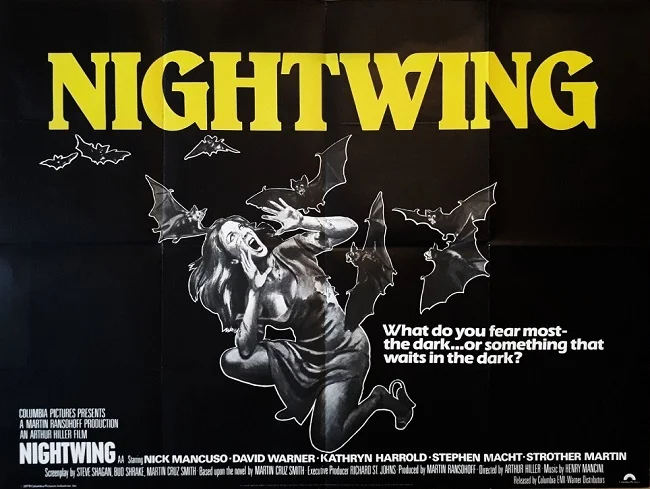
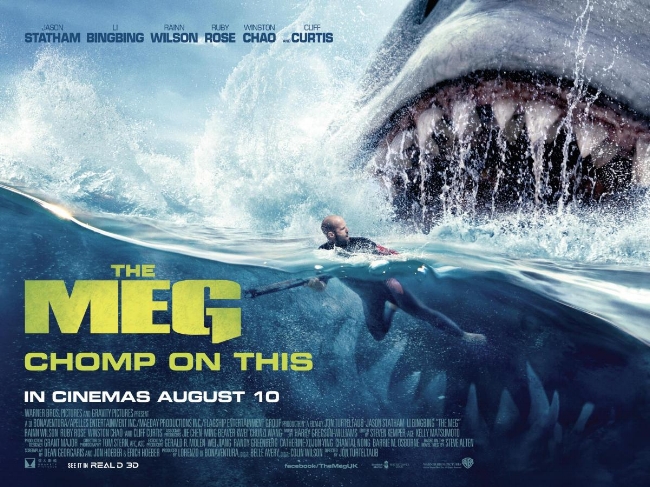
After the critical and commercial success of Jaws in 1975, a veritable tsunami of “creature feature” movies followed in its wake. A few titles, such as Alligator (1980) and Piranha (1978) managed to do something different with the rogue animal trope, both providing a quirky and satirical look at the genre along with plenty of exploitation mayhem. However, most of the rest were low budget productions of negligible quality. However, such qualities are not always an impediment at the box office. Grizzly (1976) was hastily made on a budget of $750,000 yet earned an impressive $39,000,000 at the box office. The critics hated it but the public loved it and it went on to be the second most financially successful independent feature film in the US that year (the first being Monty Python and the Holy Grail). Grizzly is in many ways a microcosm of the exploitation genre from the seventies and needs to be viewed through that prism if it is to be enjoyed.
After the critical and commercial success of Jaws in 1975, a veritable tsunami of “creature feature” movies followed in its wake. A few titles, such as Alligator (1980) and Piranha (1978) managed to do something different with the rogue animal trope, both providing a quirky and satirical look at the genre along with plenty of exploitation mayhem. However, most of the rest were low budget productions of negligible quality. However, such qualities are not always an impediment at the box office. Grizzly (1976) was hastily made on a budget of $750,000 yet earned an impressive $39,000,000 at the box office. The critics hated it but the public loved it and it went on to be the second most financially successful independent feature film in the US that year (the first being Monty Python and the Holy Grail). Grizzly is in many ways a microcosm of the exploitation genre from the seventies and needs to be viewed through that prism if it is to be enjoyed.
In an unspecified National Park in South Eastern America, Chief Ranger Michael Kelly (Christopher George) and his team search for two female hikers who are overdue after breaking camp. Kelly is joined by photographer Allison Corwin (Joan McCall) who subsequently stumbles upon human remains that have been partially buried. Tracks in the area and a subsequent autopsy confirm that there is a large predator loose in the park. Charley Kittridge (Joe Dorsey) the park supervisor, blames Kelly and naturalist Arthur Scott (Richard Jaeckel) as all bears were supposed to be tagged and removed from the tourist areas before the vacation season began. After further attacks Kittridge invites local hunters to kill the bear. Kelly and Scott decide to track the Grizzly down themselves. With the help of local helicopter pilot and Vietnam veteran Don Stober (Andrew Prine), they journey into the wilderness and attempt to set a trap. But the 15 ft, 2000 lbs bear proves more cunning than they anticipate.
One of the most often cited criticisms of Grizzly is it’s slavish adherence to the plot of Jaws. Director William Girdler attempts to duplicate many of the plot details from Spielberg’s iconic film. Hence we have a senior public official who refuses to take action when necessary, the near death of a child being a major catalyst of events and a trio of heroes who take on the task of hunting down the predator themselves. Sadly, Grizzly lacks the production polish and the quality dialogue that Jaws has in spades. The screenplay by Harvey Flaxman and David Sheldon is perfunctory to say the best and weak even by the standards of the exploitation genre. All major characters are woefully undeveloped and Christopher George, Andrew Prine and Richard Jaekel struggle to do much with their roles, often having to rely on their own personalities to get by. The location photography is good but the dense forest and striking mountains are not used to their full advantage.
Due to several plotlines and characters vanishing from the proceedings, shortly after being introduced, it seems likely that Grizzly was edited down from a longer film into the tight 89 minutes that makes up the theatrical release. Native American culture is alluded to but then plays no further part of the plot. Kelly’s romance with Allison Corwin simply ceases to be relevant halfway in and is dispensed with after a time. The levels of violence are also inconsistent. The first two onscreen deaths feature a severed arm flying across the screen. After this the kills are somewhat tamer. However, Grizzly ups the ante when a child is attacked in his garden. His Mother beats the bear with a broom, who drops the young child revealing his left leg bitten off below the knee. She herself is then mauled to death. This disparity in content again suggests last minute editing to secure a lower rating. Allegedly the first cut was R rated and featured more nudity and gore. It was then reduced for a PG rating.
Perhaps the weakest aspect of Grizzly is the bear itself. In a few of the attack sequences, the bear is a stunt performer in a suit but for the vast majority of the film, a real Kodiak bear (called Teddy) was used. Sadly, this particular bear never appears particularly menacing or threatening. Apparently the bear wrangler used marshmallows on a stick to make the animal stand and reach. Its subsequent slavering looks more comical than enraged. The bear certainly is imposing, due to its height but it never truly instills fear. Yet perhaps I am looking at this film with the perspective of a genre aficionado in his middle fifties, who has seen a lot of movies over the years. In the late seventies, this sort of fodder would have appealed greatly to the youth market (as the box office returns show). Director William Girdler went on to direct The Manitou, which I am very fond of. As for Grizzly, it remains an interesting example of how being in the right place at the right time is often essential to successful exploitation cinema.

Shalako (1968)
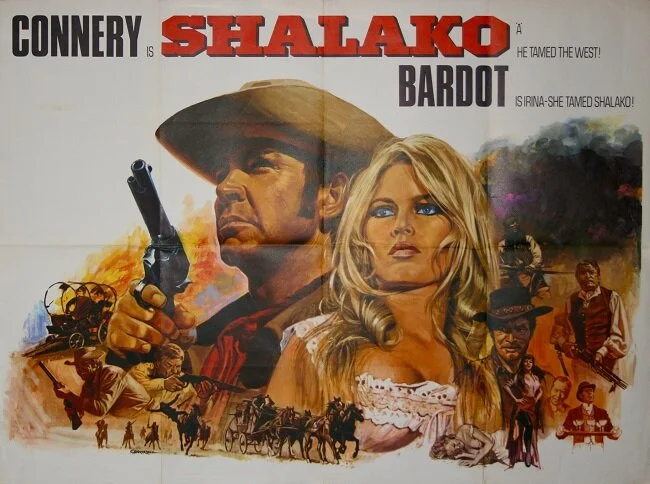
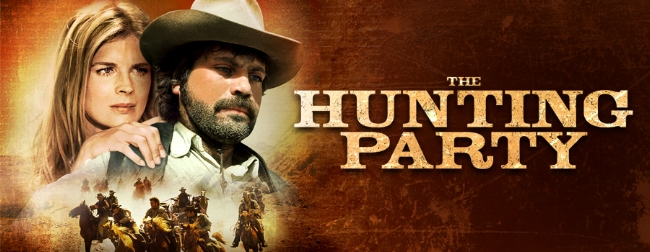
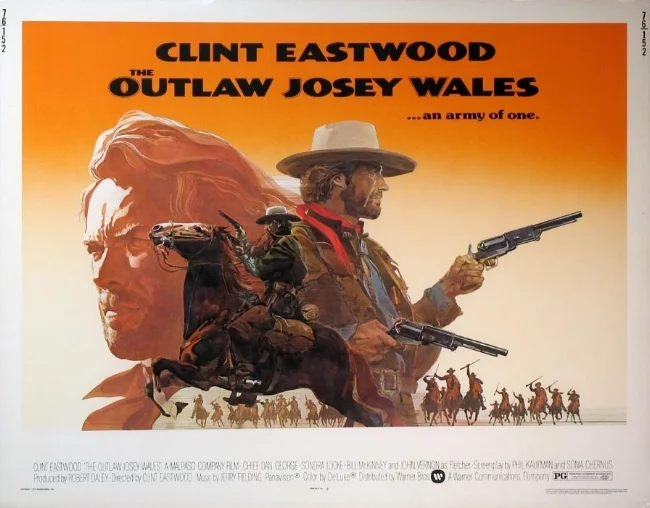
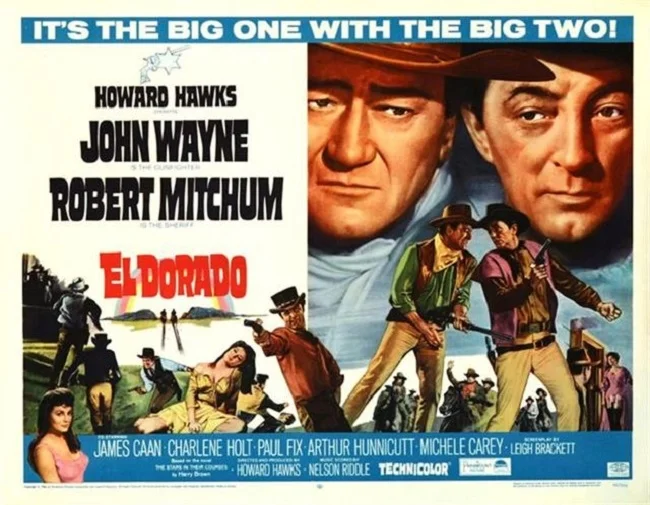
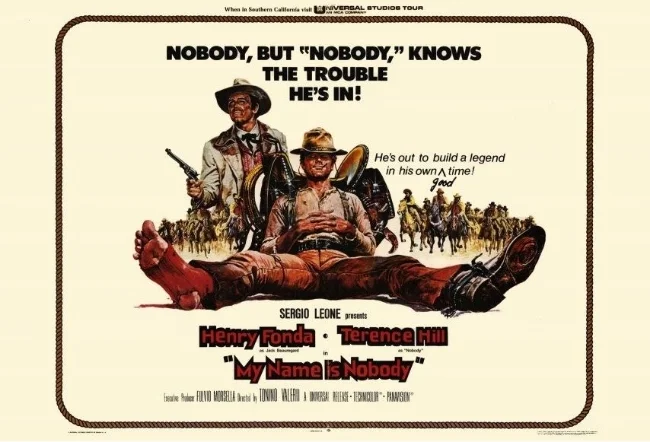
From the 1950s to the mid 1970s, most major film stars would appear in a western at some point in their career. The western genre was simply too popular and lucrative to avoid or dismiss. So it probably won’t come as a surprise to learn that after he walked away from James Bond in 1967, Sean Connery appeared in the western Shalako, a year later. Based on a novel by Louis L’Amour, this European financed production with an international cast is a curious beast that straddles two competing approaches to the genre. The traditional, romanticised western with its stylised tropes was giving way to a grittier, revisionist approach. Shalako still feels like an example of the former but director Edward Dmytryk does not shy away from the more contemporary use of violence. The film drags, especially during the awkward romantic interludes between Connery and Brigitte Bardot. But the action scenes are quite gritty and some of the story’s themes are quite dour.
From the 1950s to the mid 1970s, most major film stars would appear in a western at some point in their career. The western genre was simply too popular and lucrative to avoid or dismiss. So it probably won’t come as a surprise to learn that after he walked away from James Bond in 1967, Sean Connery appeared in the western Shalako, a year later. Based on a novel by Louis L’Amour, this European financed production with an international cast is a curious beast that straddles two competing approaches to the genre. The traditional, romanticised western with its stylised tropes was giving way to a grittier, revisionist approach. Shalako still feels like an example of the former but director Edward Dmytryk does not shy away from the more contemporary use of violence. The film drags, especially during the awkward romantic interludes between Connery and Brigitte Bardot. But the action scenes are quite gritty and some of the story’s themes are quite dour.
Shalako starts with an opening crawl by author Louis L’Amour, stating how many European nobles and dignitaries came to American to hunt and to experience the frontier. The story then focuses on a party of visiting aristocrats and a U.S. senator who are on a hunting expedition, while bringing all the trappings of their lifestyle with them. Servants, vintage wine and silverware as well their socioeconomic based hubris. Their questionable guide Bosky Fulton (Stephen Boyd) foolishly camps on Apache land incurring the wrath of the local chief and his warriors. When Countess Irina (Bardot) is waylaid by the Indians she is rescued by ex-army scout Shalako (Sean Connery), who had previously brokered a peace between the Indians and the US government. The pair return to the camp and inform Baron Frederick Von Hallstatt (Peter van Eyck) of the impending attack. However, neither the European dignitaries or Fulton and his men take the threat seriously. The subsequent raid the following dawn is barely repelled and leaves many dead. Fulton abandons his employer and his men take all the remaining food, water and ammunition. It is up to Shalako to lead the survivors out of Indian territory.
Filmed in Almeria, Spain, where so many international westerns were, Shalako boasts a strong cast, a desolate location and some well choreographed action scenes staged by former Bond stunt arranger Bob Simmons. On paper it all has the making for a solid western. Unfortunately the reality is somewhat different. The pacing is somewhat pedestrian and the screenplay struggles with the themes it attempts to explore. There’s a lot of unrequited love, marital resentment and lust simmering away among the characters. Senator Henry Clarke (Alexander Knox) blames his wife’s ethnicity for his political career stalling. Lady Daggett (Honor Blackman) despises her older husband (Jack Hawkins) and flirts with their guide Fulton. And Countess Irina is expected to marry the Baron but is conflicted by her desire for Shalako. These plot threads initially seem like they are going to be handled in a modern way, reflecting the changing morality of the sixties. Sadly all are resolved in a distinctly twee, old school fashion.
The story lurches between such dated scenes and several action sequences which although not especially graphic are tonally quite strong. One of Fulton’s team is captured by Indians and tied over a broken lance, while precariously balanced in a stress position. When he inevitably can no longer support his own body weight, he collapses and is impaled. One of the Baron’s staff is shot with a flaming arrow. He dies during a desperate attempt to remove it. Lady Daggett is captures by an Indian war party and there is a rather disturbing threat of rape as she is tormented by her captors. The casting of African American actor Woody Strode as an Apache is dated and somewhat risible. There is also an excess of the cast riding through the utterly barren terrain. Overall it feels as if the film could have lost fifteen minutes to tighten the flow of the story. The title song is another unnecessary hangover from earlier western films.
Shalako did not fare well in the US but did surprisingly well at the box office in Europe. However, due to the complexities of the film’s financing, the production just about broke even. Producer Euan Lloyd had a penchant for looking back at the golden age of Hollywood and attempting to recreate it at a time when the industry was moving on. Many of his later films would fall between similar stools. Paper Tiger, The Wild Geese and Who Dares Wins all boast strong casts and robust production values but are also saddled with politically naive storylines that are out of step with the contemporary views of the times. Shalako, as mentioned earlier, seems to want to be gritty and yet clings to a very formal western idiom at times. An odd outcome considering director Edward Dmytryk’s pedigree, with films such as The Caine Mutiny (1954) and Alvarez Kelly (1966). At most Shalako remains a cinematic curiosity. The only western that Sean Connery made and a rare British produced genre entry.

Fury (2014)
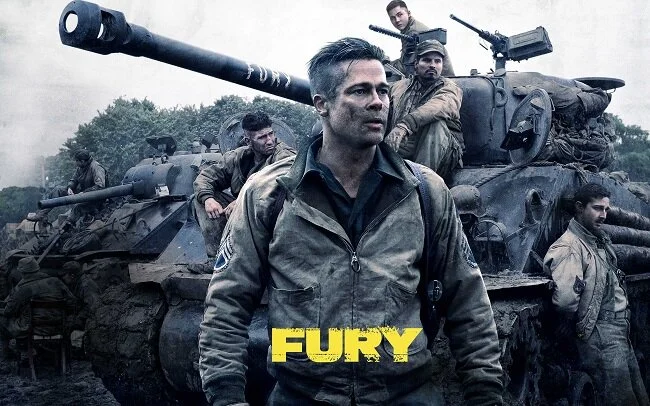
One of the things that immediately strikes you when watching Fury is its credibility and realism. The film reeks of authenticity. Every aspect of the production has been meticulously researched, from uniform and equipment, to ordnance and tactics. The M4A3E8 Sherman tank was not only the workhorse of the US Army but also a home for its five man crew. Director David Ayer makes this idea the foundation of his movie and then proceeds to explore those two perennial themes, the horrors of war and the loss of innocence. The film focuses on the experiences of the crew consisting of Don "Wardaddy" Collier (Brad Pitt), gunner Boyd "Bible" Swan (Shia LeBeouf), loader Grady "Coon-Ass" Travis (Jon Bernthal), and driver Trini "Gordo" Garcia (Michael Peña). They’re a tight knit family, relying on each other to stay alive and keep their mental stability.
One of the things that immediately strikes you when watching Fury is its credibility and realism. The film reeks of authenticity. Every aspect of the production has been meticulously researched, from uniform and equipment, to ordnance and tactics. The M4A3E8 Sherman tank was not only the workhorse of the US Army but also a home for its five man crew. Director David Ayer makes this idea the foundation of his movie and then proceeds to explore those two perennial themes, the horrors of war and the loss of innocence. The film focuses on the experiences of the crew consisting of Don "Wardaddy" Collier (Brad Pitt), gunner Boyd "Bible" Swan (Shia LeBeouf), loader Grady "Coon-Ass" Travis (Jon Bernthal), and driver Trini "Gordo" Garcia (Michael Peña). They’re a tight knit family, relying on each other to stay alive and keep their mental stability.
In many respects Fury tells a very traditional story, as a new crew member Norman Ellison (Logan Lerman) joins the team and the movie is told from his perspective. What makes the proceedings different is the setting (with its tangible sense of claustrophobia) and the reluctance by the director to place the protagonists on a pedestal. These soldiers have a job to do and they deal with it by stripping away the moral ambiguity and psychological ramifications associated with warfare. They undertake their duties in a clinical and functional manner out of necessity and it's not pretty. In some respects Fury has many similarities with Sam Peckinpah’s Cross of Iron (1977) and Samuel Fuller’s The Big Red One (1980). It certainly doesn't have the rose tinted, moral perspective of Spielberg's Saving Private Ryan (1998) which was undermined by its bookend scenes.
With a movie such as this where the plot hinges on the tight knit social dynamics of the tank crew, you need a strong cast and Fury has this in spades. All actors put in strong performances, especially Shia LeBeouf who plays a lay preacher struggling to reconcile his faith with the carnage around him. Director Ayer also cranks up the tension outside of the battle scenes. After capturing a German town the tank crew enters a house to find two terrified women who naturally expect the worst. In a desperate attempt for normality and for a brief respite from the war, Sergeant Collier tries to impose some order on their lives by having a meal around a dinner table. Sadly, it does not go well and highlights the mental strain that all are under.
There are two stand out battle scenes in Fury that really leave their mark on the viewer. One involves a formation of four Sherman tanks taking on a German Tiger I, which was a technically superior vehicle. The tactics are credible and realistic, as is the depiction of the damage armour piercing ordnance can do. Then there is the climactic battle in which the crew of Fury expend all the ammunition they have in an attempt to fend off a column of three hundred Waffen-SS infantry. Both these scenes are compelling and tense. We see the realities of being on the receiving end of a .50 calibre Browning or a shell loaded with white phosphorus. However, director David Ayer finds the right balance with these scenes of violence and injury and does not teeter into excess.
The ending of Fury may not come as any surprise and it makes perfect sense within the context of the story. Anything else would harm the credibility of the movie and possibly be disrespectful to those who did serve under such conditions. There is a nod to traditional war movie symbolism as the film starts and ends with a white horse. As World War II recedes further into the past and the public’s connection to it becomes less and less each year, it is important that the subject is still explored by cinema. Fury offers a fresh perspective on the conventional trope that "war is hell". It is a theme that remains relevant and still provides quality film makers with a rich vein of material to mine. It is technically accurate and certainly flies in the face of standard Hollywood depictions of military engagements.
Those Who Wish Me Dead (2021)
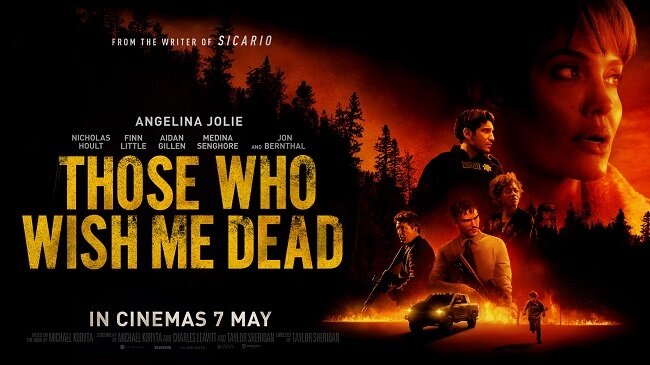
Forensic accountant Owen Casserly (Jake Weber) flees his home with his teenage son Connor (Finn Little) when he discovers he has been targeted by a pair of assassins (Nicholas Hoult and Aidan Gillen) who have been hired to stop him giving evidence in a major corruption case. Connor witnesses the murder of his father after their car is run off the road. Entrusted with important written evidence, he escapes into the dense forests of the Montana wilderness pursued by the killers. Seeking help he runs into smokejumper Hannah Faber (Angelina Jolie) who is stationed at a remote fire lookout tower. Hannah suffers from PTSD from a previous forest fire in which she was unable to save three young boys. Hannah attempts to lead Connor through the forest to safety. Meanwhile the assassins set fire to the forest to divert the attention of the authorities and cover their tracks.
Forensic accountant Owen Casserly (Jake Weber) flees his home with his teenage son Connor (Finn Little) when he discovers he has been targeted by a pair of assassins (Nicholas Hoult and Aidan Gillen) who have been hired to stop him giving evidence in a major corruption case. Connor witnesses the murder of his father after their car is run off the road. Entrusted with important written evidence, he escapes into the dense forests of the Montana wilderness pursued by the killers. Seeking help he runs into smokejumper Hannah Faber (Angelina Jolie) who is stationed at a remote fire lookout tower. Hannah suffers from PTSD from a previous forest fire in which she was unable to save three young boys. Hannah attempts to lead Connor through the forest to safety. Meanwhile the assassins set fire to the forest to divert the attention of the authorities and cover their tracks.
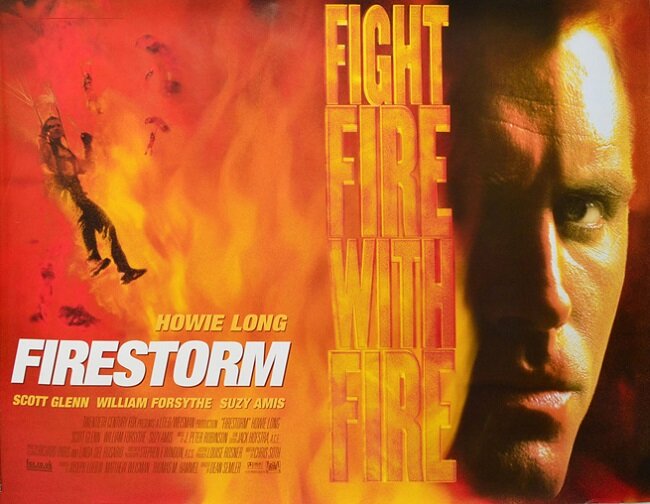
Upon reading the plot synopsis for Those Who Wish Me Dead, I immediately thought of the 1998 action movie Firestorm starring Howie Long. However upon further consideration the similarities lie purely in the setting. Those Who Wish Me Dead aspires to be a little more than just an action vehicle although it includes many familiar tropes. Angelina Jolie treads Liam Neeson territory with her “wounded Lion” role. The central character is a “wild card” with a past who is seeking redemption. However, despite a plethora of familiar plot themes, director Taylor Sheridan (Yellowstone) chooses to focus on character and story. There are some solid and somewhat brutal action scenes but they are not the heart of the proceedings. The film’s pacing is somewhat languid as a consequence. The writer of the source novel, Michael Koryta, is credited as having co-written the screenplay and it may be the case that he wanted to focus more on the characters nature, rather than their deeds.
Angelina Jolie acquits herself well and is very watchable, handling the physical demands of her role well. Finn Little similarly is a plausible young teenager, suitably traumatised and yet resourceful. Teenagers are so often depicted in a tiresomely formulaic manner in these sorts of films, so it is quite refreshing to have a more palatable character. Furthermore, Those Who Wish Me Dead flips several common place genre tropes. The two assassins are in fact brothers and this gives an interesting dynamic to their interactions. They’re both clearly psychotic and simply view their work as a process, which they undertake in a very matter of fact manner. We don’t necessarily learn a lot about them but they are more than just the standard “off the peg” bad guys required in action movies And then there’s the pregnant wife of the local sheriff, Alison played by (Medina Senghore) who quickly contradicts the woman in danger trope.
Overall Those Who Wish Me Dead is a more polished and finely honed action movie than your average studio genre material. It is raised to a higher standard because of the central performances and due to the competence of the cast. The digital FX work is also very good finding the right balance between creating spectacle and not overplaying its hand. As a result the burning forest seems a genuine threat. These high production values along with a story that is prepared to fly in the face of some of the genre’s more common attributes makes Those Who Wish Me Dead better than average. The presence of Angelina Jolie may well broaden the film’s appeal beyond action fans. She has the acting chops to play a firefighter, although she still doesn’t quite look the part. And if given a choice I would recommend Those Who Wish Me Dead over Firestorm.
Source Code (2011)
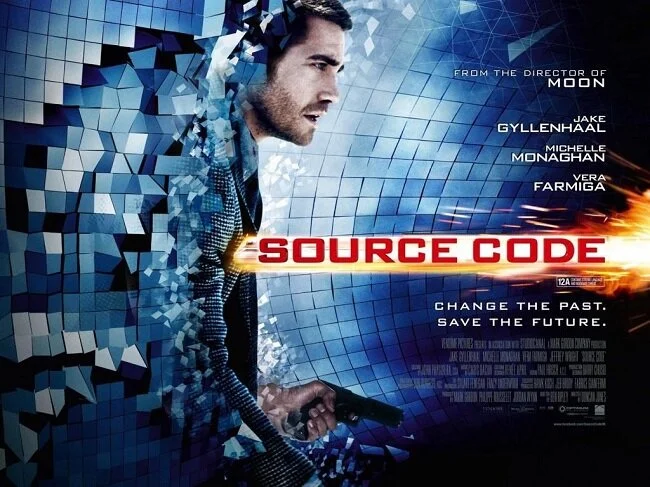
I wanted to watch Source Code for a second time before I wrote about it. This is because numerous internet debates have arisen regarding the plausibility of the film’s ending. I find this a somewhat curious stance considering that the story, written by Ben Ripley, deals with temporal travel and multiple timelines. All of which are purely theoretical and not currently subject to singular, definitive interpretations. I would further add that the science of the film is simply a plot device and is not its raison d'être. But that’s movies for you. People love to discuss them and more recently we have seen the rise of “explanation” videos on YouTube. However, the latter is a separate debate and something I may write about in the future. As for Source Code, I enjoyed it even more the second time round, as I had the time to focus on the minor details rather than trying to stay abreast with the main plot, as I did on my first viewing.
I wanted to watch Source Code for a second time before I wrote about it. This is because numerous internet debates have arisen regarding the plausibility of the film’s ending. I find this a somewhat curious stance considering that the story, written by Ben Ripley, deals with temporal travel and multiple timelines. All of which are purely theoretical and not currently subject to singular, definitive interpretations. I would further add that the science of the film is simply a plot device and is not its raison d'être. But that’s movies for you. People love to discuss them and more recently we have seen the rise of “explanation” videos on YouTube. However, the latter is a separate debate and something I may write about in the future. As for Source Code, I enjoyed it even more the second time round, as I had the time to focus on the minor details rather than trying to stay abreast with the main plot, as I did on my first viewing.
Army Captain Colter Stevens (Jake Gyllenhaal) wakes to find himself on a train, occupying the body of a teacher called Sean Fentress who is commuting to work in Chicago. Stevens is confused and disorientated as the last thing he remembers is being on a mission in Afghanistan. 8 minutes later the train explodes due to a terrorist bomb. He then awakes again to find himself in a dimly lit cockpit. Communicating via a video link, Air Force Captain Colleen Goodwin (Vera Farmiga) explains that he is on a covert mission to identify the terrorists that caused the attack before returning him back to the train to relive the 8 minutes again. Stevens is sceptical at first as he has no memory of events prior to the mission. However he surmises that he is being tested and continues to return to the train multiple times in an attempt to gain vital intelligence. As he observes the other passengers he forms a bond with his traveling companion Christina (Michelle Monaghan). Can he change the events that have happened or is he simply creating an alternative reality?
Source Code is an intelligent, well packaged film that manages to provide mainstream entertainment without the need to condescend to its audience. Director Duncan Jones, is cinematically literate and the film has clear nods to Groundhog Day, Rashomon and even Tony Scott's Deja View. He explores themes such as personal identity and the nature of existence, yet does not allow such philosophical musing to slow the action or bore the viewer. As science shatters traditional myths such as linear time, the film challenges our perceptions with some creative ideas. The central performances by Jake Gyllenhaal and Michelle Monaghan, are very strong. The concept of two strangers forming a strong bond under extreme circumstances reminded me of David Niven and Kim Hunter in A Matter Of Life And Death. There is an amusing homage to the cinematic cliché of the "evil scientist", with actor Jeffrey Wright sporting a walking stick. It should also be noted that the Source Code storyline unfolds in a tidy ninety plus minutes and does not suffer from the current Hollywood trend of out staying its welcome.
Christopher Nolan set the bar very high with Inception, proving that films with strong narratives and requiring the audience to think, can be financially successful. Source Code was similarly met with equally strong critical and public approval upon its release. Its narrative is not quite as complex as Nolan’s opus but it does require a degree of reflection by the viewer. Where Source Code compensates for its convoluted science fiction plotline is with its characters and the human drama they share. Captain Stevens isn’t just on a mission to identify a terrorist. He quickly becomes invested in trying to save the passengers on the train. His companion Christina is a very engaging foil and the romantic element of the plot is very much a hark back to the golden age of Hollywood. The film ends in quite a bold fashion with both good and bad events occurring in separate realities. Science fiction films seldom have this emotional depth, making Source Code far more accessible to wider audiences.







Flight of the Living Dead (2007)
Sometimes just the name of a film is sufficient to sell it to you. I originally discovered this zombie crossover movie thanks to film critic Mark Kermode's video blog from the 2008 Cannes Film Festival. He reported on how the film festival was also a major marketplace for independent movie makers trying to find international distribution for their products. Flight of the Living Dead was one of the lurid flyers he was given. Writer and director Scott Thomas claimed at the time that despite the obvious plot similarities with Snakes on a Plane, his film was not intended to be a quick cash-in on Samuel L. Jackson’s sleeper hit from 2006. The basic concept and the pre-production phase of Flight of the Living Dead supposedly pre-dates the aforementioned exploitation movie. Considering how long it can take for a small independently funded movie to find a distributor this may well be true.
Sometimes just the name of a film is sufficient to sell it to you. I originally discovered this zombie crossover movie thanks to film critic Mark Kermode's video blog from the 2008 Cannes Film Festival. He reported on how the film festival was also a major marketplace for independent movie makers trying to find international distribution for their products. Flight of the Living Dead was one of the lurid flyers he was given. Writer and director Scott Thomas claimed at the time that despite the obvious plot similarities with Snakes on a Plane, his film was not intended to be a quick cash-in on Samuel L. Jackson’s sleeper hit from 2006. The basic concept and the pre-production phase of Flight of the Living Dead supposedly pre-dates the aforementioned exploitation movie. Considering how long it can take for a small independently funded movie to find a distributor this may well be true.
Dr. Bennett (Erick Avari) and his team of scientists are en route to Paris, transporting a cryogenically frozen coffin in the hold of the plane. The flight crew are unsettled not only by the presence of a cadaver but by the fact there's an armed guard securing it. The plane finds itself in the middle of a violent storm, which inevitably leads to the coffin accidentally being opened. It contains a mysterious woman, who doesn't appear to be quite dead. After attacking the guard she soon starts to spread her contagion among the rest of the crew and passengers. The survivors, including a policeman and prisoner as well as a golf pro and his wife, make a desperate last stand against the zombies and try to land a damaged plane. However, the authorities have other ideas and a military option soon becomes apparent.
Director Scott Thomas does not leave a single horror cliché left unturned in what is a surprisingly enjoyable tongue in cheek "B" horror movie. There is a capable cast of TV and genre actors such as David Chisum, Kristen Kerr, Kevin J. O'Connor, Richard Tyson and Raymond J. Barry. Furthermore Thomas has crafted a professional looking production despite the limited budget at his disposal. The make-up FX's are perfectly acceptable and the CGI work is better than what you usually see in such low budget movies. The script is the weakest aspect of the film and could have been tighter and a little more satirical. It struggles at times to decide what direction it wants to take. Overall the cast has a great time despite these shortcomings and I couldn't help but enjoy the film, as it has no pretensions to be anything other than what it is.
Flight of the Living Dead is the very essence of direct-to-video filmmaking and "high concept" movie and that's meant as a compliment. Long time horror fans have a highly attuned grading system when it comes to these sorts of movies. This movie is a cut above your standard cash-in bullshit. It puts a grin on your face with the sheer gall of its title and manages to maintain that goodwill for the remaining ninety minutes. Sometimes these DTV titles have a candour about them that is absent in the bigger budget and often more pretentious cousins. It is not as gory as it could be and the scope of the story pretty much remains within the confines of the title but if you want 90 minutes of zombie mayhem set on a plane then Flight of the Living Dead meets that requirement.
Classic Movie Themes: An American Werewolf in London
An American Werewolf in London is a genre milestone and one of the few horror films that successfully manages to balance humour and suspense without mitigating the overall tone of the story. 40 years on from its theatrical release it still holds up well with its bitter sweet love story, tragic themes and ground breaking transformation effects by Rick Baker. Director John Landis never really bettered this concise and effective genre outing. It hits the mark in virtually every part of the production. However, there is one aspect of the film that does suffer as a result of the director’s personal choices. Whether it is to the detriment of the overall film is debatable. The point in question is the film’s soundtrack and the director’s focus upon the song Blue Moon by Richard Rodgers and Lorenz Hart.
An American Werewolf in London is a genre milestone and one of the few horror films that successfully manages to balance humour and suspense without mitigating the overall tone of the story. 40 years on from its theatrical release it still holds up well with its bitter sweet love story, tragic themes and ground breaking transformation effects by Rick Baker. Director John Landis never really bettered this concise and effective genre outing. It hits the mark in virtually every part of the production. However, there is one aspect of the film that does suffer as a result of the director’s personal choices. Whether it is to the detriment of the overall film is debatable. The point in question is the film’s soundtrack and the director’s focus upon the song Blue Moon by Richard Rodgers and Lorenz Hart.
Hollywood veteran, Elmer Bernstein, was commissioned by Landis to write the score for An American Werewolf in London. But Landis had already decided to use a selection of songs to play during key scenes. All of which referenced the moon in some fashion, thus ironically highlighting the significance of the lunar cycle in lycanthropy. Hence the film starts with Blue Moon by Bobby Vinton playing over the opening credits. Moondance by Van Morrison is used during a love. Bad Moon Rising by Creedence Clearwater Revival accompanies a scene where the lead actor David Naughton anxiously paces round Nurse Price’s flat. Then perhaps the most notable use of a song is during the iconic werewolf transformation scene, which features Blue Moon by Sam Cooke. Finally, the end credits roll to a doo-wop version of Blue Moon by The Marcels.
The use of these songs is appropriate and more to the point works within the context of the film. I certainly understand why John Landis chose to juxtapose the shocking imagery of the werewolf transformation sequence with the sweat and wholesome tones of Sam Cooke. However, it does raise the question why employ such a canny and talented composer as Elmer Bernstein if you’re not really going to use their work. Because Bernstein did indeed compose a cue specifically for the werewolf scene, despite being told by Landis that it wouldn’t be required. He apparently produced a lot more material for the film that wasn’t used but did so as a safety net in case Landis could not secure the licenses for the songs he intended to use. You can find a detailed account of the story behind this decision over at Hollywood and All That, which makes for interesting reading if you’re a movie trivia aficionado.
There has never been a comprehensive or in fact any kind of release of Elmer Bernstein’s score for An American Werewolf in London. Soundtrack albums associated with the film tend to focus on the songs. There is a disco album by Meco called Impressions of An American Werewolf in London, which is best not talked about. However, one of the unused cues for the film surfaced in 2005. Composer and arranger Nic Raine specialises in re-recording classic film soundtracks in conjunction with the Prague Philharmonic. The Essential Elmer Bernstein Film Music Collection features a track called “Metamorphosis”. It is a five minute piece with two distinct phases. It has subsequently been determined that part of this is indeed the cue that Bernstein wrote for the werewolf transformation. Furthermore, attentive listeners have determined that elements of this track were used in Michael Jackson’s Thriller, which was also directed by John Landis and credits Elmer Bernstein for scary music.
At present, there are only bootleg scores for An American Werewolf in London or YouTube videos featuring music extracted directly from DVD or Blu-ray releases of the film. One such track circulating under the title “An American Werewolf in London suite”, features just under 4 minutes of material from Bernstein’s soundtrack. I have included it here because, despite its brevity, it includes the beautiful central motif played on piano.
As a bonus, we also have Nic Raine’s re-recording of the lost “Metamorphosis” cue. Perhaps one day a comprehensive reconstruction of the entire score will be undertaken. Until then enjoy these two tracks.

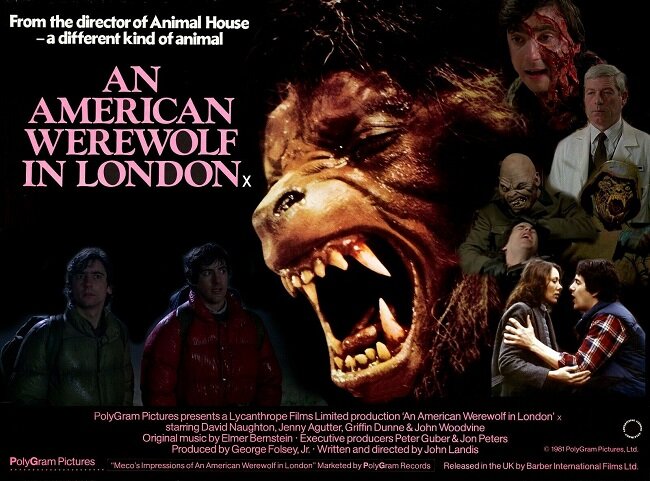


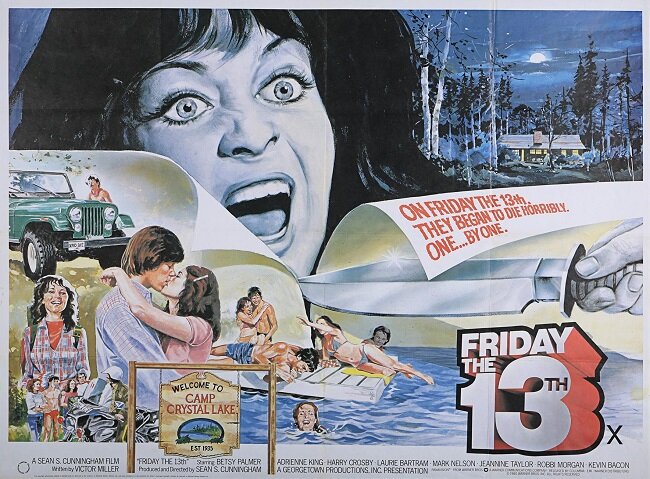

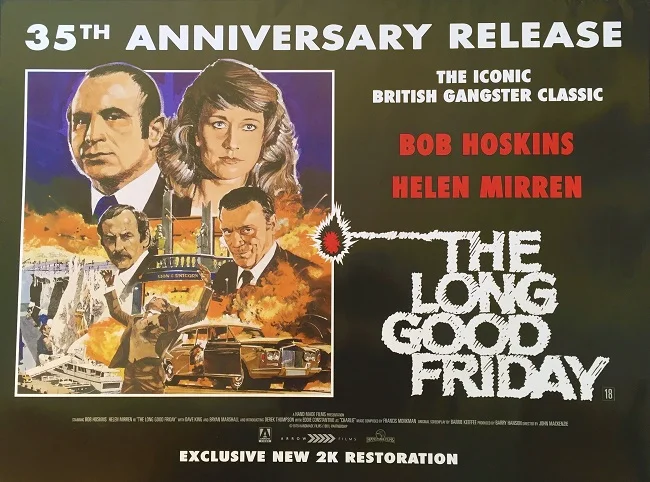
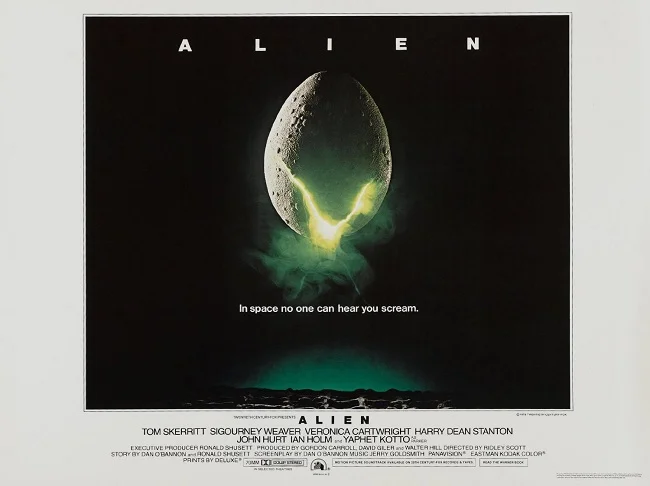

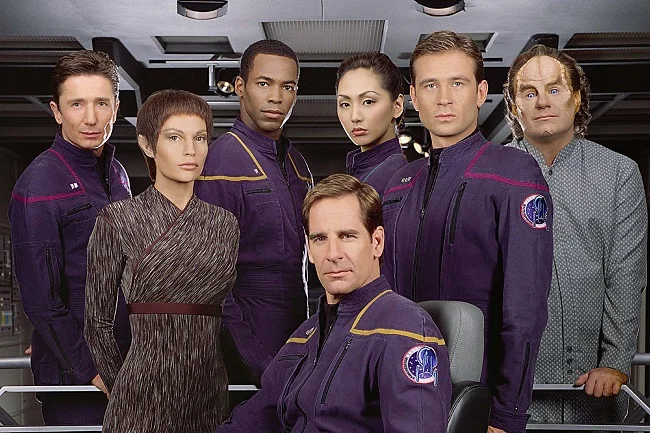
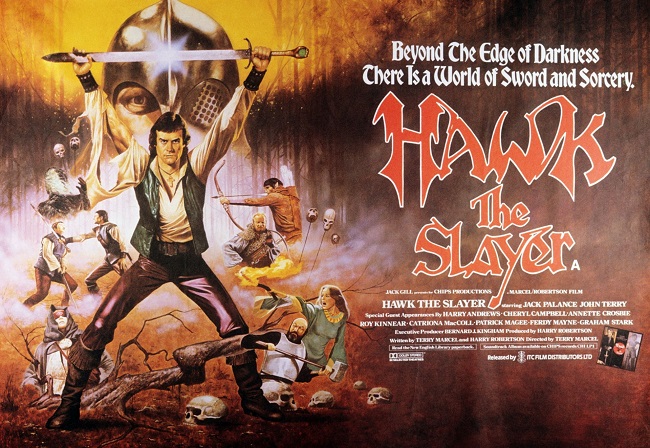
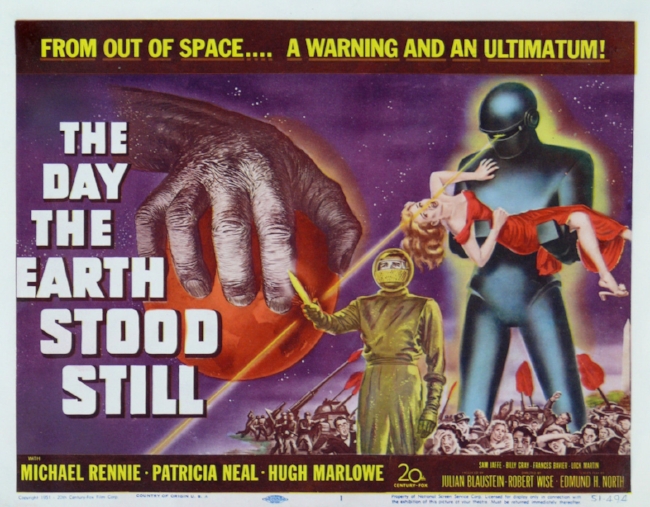



Death Race (2008)
I must admit that I did not have particularly high hopes for Paul W S Anderson's remake of the 1975 Roger Corman produced cult classic. Anderson’s work varies greatly. Event Horizon and Soldier are solid genre films but I still have not fully come to terms with Alien vs. Predator. Jason Statham is also a name that divides the public, with solid material such as The Transporter and unfathomable tosh like Revolver. But despite these considerations, Death Race is in fact quite a surprise and does not follow the path that so many remakes do. It takes the basic themes and concept associated with the original and tries to do something different with them. It doesn’t reinvent the wheel nor is it a genre milestone. But it does offer a different spin on things, have some engaging action scenes and provide some dumb but enjoyable entertainment. When combined with snacks and some beer this is a passable way to kill 111 minutes.
I must admit that I did not have particularly high hopes for Paul W S Anderson's remake of the 1975 Roger Corman produced cult classic. Anderson’s work varies greatly. Event Horizon and Soldier are solid genre films but I still have not fully come to terms with Alien vs. Predator. Jason Statham is also a name that divides the public, with solid material such as The Transporter and unfathomable tosh like Revolver. But despite these considerations, Death Race is in fact quite a surprise and does not follow the path that so many remakes do. It takes the basic themes and concept associated with the original and tries to do something different with them. It doesn’t reinvent the wheel nor is it a genre milestone. But it does offer a different spin on things, have some engaging action scenes and provide some dumb but enjoyable entertainment. When combined with snacks and some beer this is a passable way to kill 111 minutes.
Death Race is not an exact retread of the original movie. It bears more similarities to Arnold Schwarzenegger's The Running Man but avoids any attempt at social commentary. The plot is very matter of fact and established very quickly. In the near future, the US has suffered a complete economic collapse. Unemployment and poverty stalk the land, like two giant stalking things (to quote Blackadder). Ex-professional driver Jensen Ames (Jason Statham) is framed for his wife’s murder and ends up in the proverbial big house. Evil Warden Hennessey (Joan Allen) who makes a profit from the prison system by staging a brutal set of fatal demolition derby’s, blackmails Jensen into driving under the guise of punters favourite, “Frankenstein”. The deal is that he’ll earn his freedom if he co-operates. He is aided in his endeavours by institutionalized mechanic “Coach” (Ian McShane) and his navigator Case (Natalie Martinez).
Death Race is actually an honest action movie, avoiding the usual pitfalls of being too OTT or having delusions of grandeur. The script is tight and serviceable, not straying from the accepted formula. There are no major surprises but it is not predictable to the point of tedium. The visual feel and production design are solid and the stunt driving and FXs work are good. There are several affectionate homage to well known road and action movies. The violence is strong but not gloating or gratuitous. For a genre piece, the actors and performances are above average. It’s nice to see Joan Allen indulge in action movie smacktalk. “Okay cocksucker. Fuck with me and we’ll see who shit’s on the sidewalk!” The soundtrack is also very appropriate for the subject matter, with a good selection of songs and metal riffs.
Director Anderson meets audience expectations with Death Race. Don’t get me wrong, this film is still a somewhat niche market product. Fans of costume dramas and character studies will still struggle to define the film's philosophical subtext. But for those wanting a fix of old school action with a squared jawed hero, you can’t go far wrong with Death Race. The film was sufficiently successful to spawn three direct-to-video sequels. Death Race 2 (2010), Death Race 3: Inferno (2013) and Death Race: Beyond Anarchy (2018). However, Jason Statham didn’t see fit to return so is conspicuously absent from them. He is replaced by Luke Goss in the first two follow ups and then Zach McGowan in the last. The budgets and quality decline exponentially as the franchise progresses, as is often the case with these sorts sequels. So I can’t recommend them to anyone but the most ardent genre aficionado.
The Happening (2008)
I revisited M Night Shyamalan's The Happening recently to try and determine whether he is indeed suffering from Orson Welles syndrome. IE that he has made all his best work at the beginning of his career. Because he’s never quite recaptured the critical or artistic success of The Sixth Sense, Unbreakable and Signs. I was one of the few that actually liked The Lady in The water but I could see why viewers would assume that he had become a victim of his own style and technique with that particular movie. Casting yourself as an author whose work will reshape society and change the course of history is at the very least, a little egotistical and at worst an act of immense hubris. Then in recent years we have had The Last Airbender and After Earth, both of which have performed poorly. However I thought I'd give The Happening another chance as it remains the directors only R rated movie to date.
I revisited M Night Shyamalan's The Happening recently to try and determine whether he is indeed suffering from Orson Welles syndrome. IE that he has made all his best work at the beginning of his career. Because he’s never quite recaptured the critical or artistic success of The Sixth Sense, Unbreakable and Signs. I was one of the few that actually liked The Lady in The water but I could see why viewers would assume that he had become a victim of his own style and technique with that particular movie. Casting yourself as an author whose work will reshape society and change the course of history is at the very least, a little egotistical and at worst an act of immense hubris. Then in recent years we have had The Last Airbender and After Earth, both of which have performed poorly. However I thought I'd give The Happening another chance as it remains the directors only R rated movie to date.
Elliot (Mark Wahlberg) and Alma Moore (Zooey Deschanel) are a married couple caught up in a mass panic spreading across the East Coast of the US. A wave of inexplicable suicides has started among the general public. They flee from New York with work colleague Julian (John Leguizamo) and his young daughter Jess, only to find that the disaster is spreading further West across the country and becoming more accurate in targeting humans. What was initially assumed to be an act of bio-terrorism turns out to have a far more esoteric answer. Writer and director M Night Shyamalan focuses on the perennial theme of how humans deal with extreme situations and threats to their own mortality. There are also some interesting ideas about the environment and nature being a living entity that responds when the balance is drastically altered. The topical matter of the ongoing decline of the honey bee is also a facet of the plot.
Sadly, while the initial premise is intriguing, its execution adds further weight to the argument that Shyamalan should defer to more accomplished screenwriters capable of developing his ideas more effectively. Despite a reliable cast of character actors, the dialogue is obvious and at times crass, leaving all concerned with little to do except emote sincerely. There is also an air of sanctimony about the screenplay that rather spoils the interesting premise. Once the ecological plot twist is revealed the narrative takes a somewhat didactic tone. The central characters are also somewhat weak and not especially likeable. A rift in the main protagonist's relationship turns out to be only minor. It would have been far more challenging if one was actually an adulterer, thus making their redemption harder to achieve. A greater sense of societal panic is also absent. The film needs clearer examples of social disorder and breakdown to reinforce the magnitude of events
Yet despite these criticisms, there are some sequences that show a great deal of creative flare. There's a shocking scene when construction workers start to hurl themselves from the roof of the building they're working on. A tracking shot following a Police officer's handgun as it is used in subsequent suicides, is also impressively realised. Once again, composer James Newton Howard embellishes Shyamalan's work with an exceptionally clever and subtle score. The two seem to have a very good creative relationship. Upon its initial release, the distributors made much of the film’s rating. Perhaps they saw this as it's only virtue. There is more violence compared to his other work. Given the subject matter this is understandable. Overall The Happening is a missed opportunity. Again I feel that Mr. Shyamalan's work would benefit from an additional writer to strengthen his weaknesses and curb his excesses. Sadly several movies on from The Happening and the same mistakes keep getting made.
Fandom: Experiencing the Same Thing Differently
I like films. I have done so since I was a young child, mainly because we watched them as a family. Furthermore, both my parents weren’t just casual viewers. They were fans who were knowledgeable about their hobby. Plus they came from a generation where going to the cinema was a major part of their life and a very accessible pastime. Hence my love of film, filmmaking and analysis. But like any form of fandom, it can often be a very broad church. For example, I may be at a social gathering such as a dinner party or a fundraising event for the Humber and District Catholic River-Wideners Club and I strike up a conversation with a stranger. The stilted conversation turns to film (or more informally “movies) and for a brief moment, there is the possibility of a shared interest. However, if the other party then indicates that they are a committed advocate of the works of Ben Stiller, then that common ground evaporates like a politician's promises after election day.
I like films. I have done so since I was a young child, mainly because we watched them as a family. Furthermore, both my parents weren’t just casual viewers. They were fans who were knowledgeable about their hobby. Plus they came from a generation where going to the cinema was a major part of their life and a very accessible pastime. Hence my love of film, filmmaking and analysis. But like any form of fandom, it can often be a very broad church. For example, I may be at a social gathering such as a dinner party or a fundraising event for the Humber and District Catholic River-Wideners Club and I strike up a conversation with a stranger. The stilted conversation turns to film (or more informally “movies) and for a brief moment, there is the possibility of a shared interest. However, if the other party then indicates that they are a committed advocate of the works of Ben Stiller, then that common ground evaporates like a politician's promises after election day.
Belghast wrote a very interesting blog post today about “subculture and gatekeeping” and how fandom is often very personal as we seek to define ourselves during our teenage years. Hence it can lead to a sense of ownership and even gatekeeping. Tangentially, one sentence in the post stood out for me and is relevant to the theme of this post. "RHCP (Red Hot Chilli Peppers) had sorta been one of those arcane signals of belonging that helped us find more members of our tribe. Even though that “tribe” was contorted as fuck because none of us actually had the exact same ideals or beliefs or even hobbies". That is a succinct description of the point I was making earlier. E.g. “I like movies. You like movies as well? Oh, you like those movies”. Again we return to the concept that fandom as a broad church and that a shared interest does not guarantee that you and the other party will have lots of other things in common. Something I discussed at length in a post about a shared love of Tolkien and how I was surprised when I found out that his work found traction with politicians I’m “at odds” with.
However, differing opinions can be a good thing and provide an alternative perspective upon a shared interest. They can also provide an opportunity to reappraise something. Film criticism is not pure science. One can make comments made upon objective facts, such as how well a film is edited, the quality of the cinematography and other technical aspects of the production. But whether a joke is funny, a character is likeable or a story arc is engaging or not is ultimately very personal and subjective. It comes down to taste and one’s own expectations. Which brings me to the point that sparked this post in the first place. The 1978 conspiracy thriller, Capricorn One. Blogger and writer Syp shared his thoughts on the film over at Mutant Reviewers. They differ from mine and it would appear that the aspects of the film that I specifically like, Syp does not. I like the seventies hard boiled dialogue and focus on verbal exposition. I also didn’t have an issue with the pace of the film.
I briefly spoke to Syp via Twitter regarding this, not to instigate a fanboy bunfight but to determine his perspective and it highlighted some very interesting points for me. Contemporary film and TV has a particular idiom and certainly a very fast pace, compared to material from the eighties and older. Hence if you are watching a TV show from the seventies or a movie from the forties, then it requires a form of mental recalibration so that you’re prepared for the obvious stylistic and technical differences. That is fine if you are approaching the content in a scholarly fashion or for an in depth critical analysis. If you’re simply watching for entertainment, then having to make that shift in perspective is quite a big ask and not necessarily one that is conducive to having fun. It is important to remember that we don’t all have the same relationship with a shared fandom and that we don’t all approach it with the same intent.
Every form of fandom has its own set of self appointed gatekeepers. They’re often also responsible for perpetuating an apocryphal dogma and trying to convince us it’s somehow legitimate. For example, in film fandom there is the cult of Stanley Kubrick in which any deviation from the consensus of his genius is deemed as heresy. Although I will strongly argue positively regarding the technical and thematic talent of the filmmaker, I would not say that all his work is accessible to everyone. The “detonator” for this particular debate being 2001: A Space Odyssey. As far as I’m concerned it is perfectly acceptable not to like a so-called “cinematic great”. I don’t care for Ridley Scott’s Blade Runner. I recognise the skill inherent in its making and I understand it’s cultural significance (like certain literary classics) but I don’t warm to the film.
So today was a timely reminder that the only universal constant in fandom is the inherent difference between fans themselves. I shall continue visiting Mutant Reviewers specifically because they will continue to offer an alternate view to my own, on many films that I love. Furthermore, those views are backed up with valid arguments, which is good because reviews that aren’t are ultimately just a series of unqualified statements. I will also continue to gently encourage people to step outside of their personal boundaries and to give wider material a try. However, I won’t give them a hard time if they do so and subsequently don’t enjoy the experience. Fandom is about shared enjoyment and enthusiasm, although paradoxically, that itself can be used to reinforce hierarchies and can lead to preposterous gatekeeping and the nonsensical “true fan” fallacy. Stay clear of all that. You do you. And if you really like the work of Ben Stiller, then so be it.

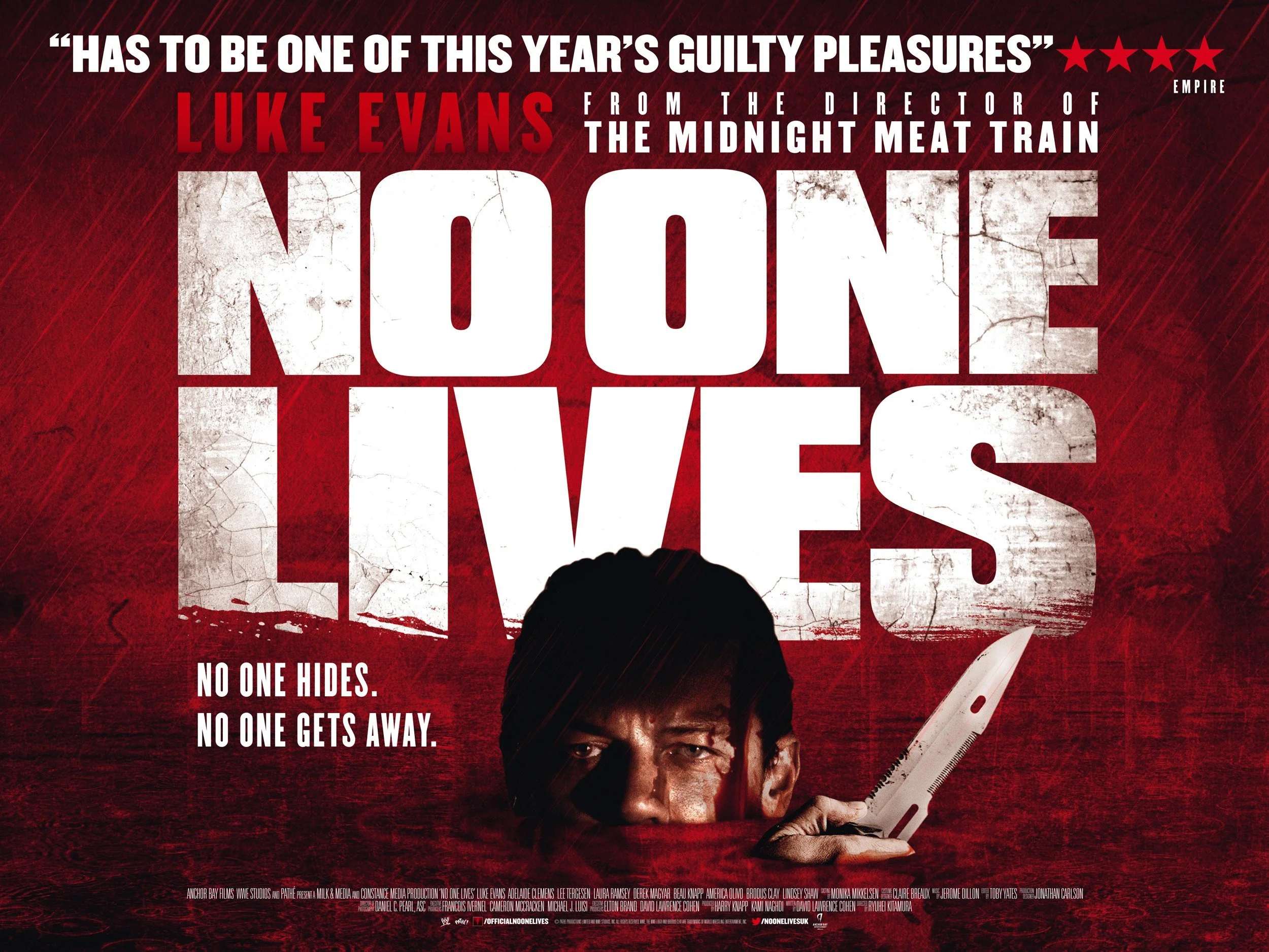


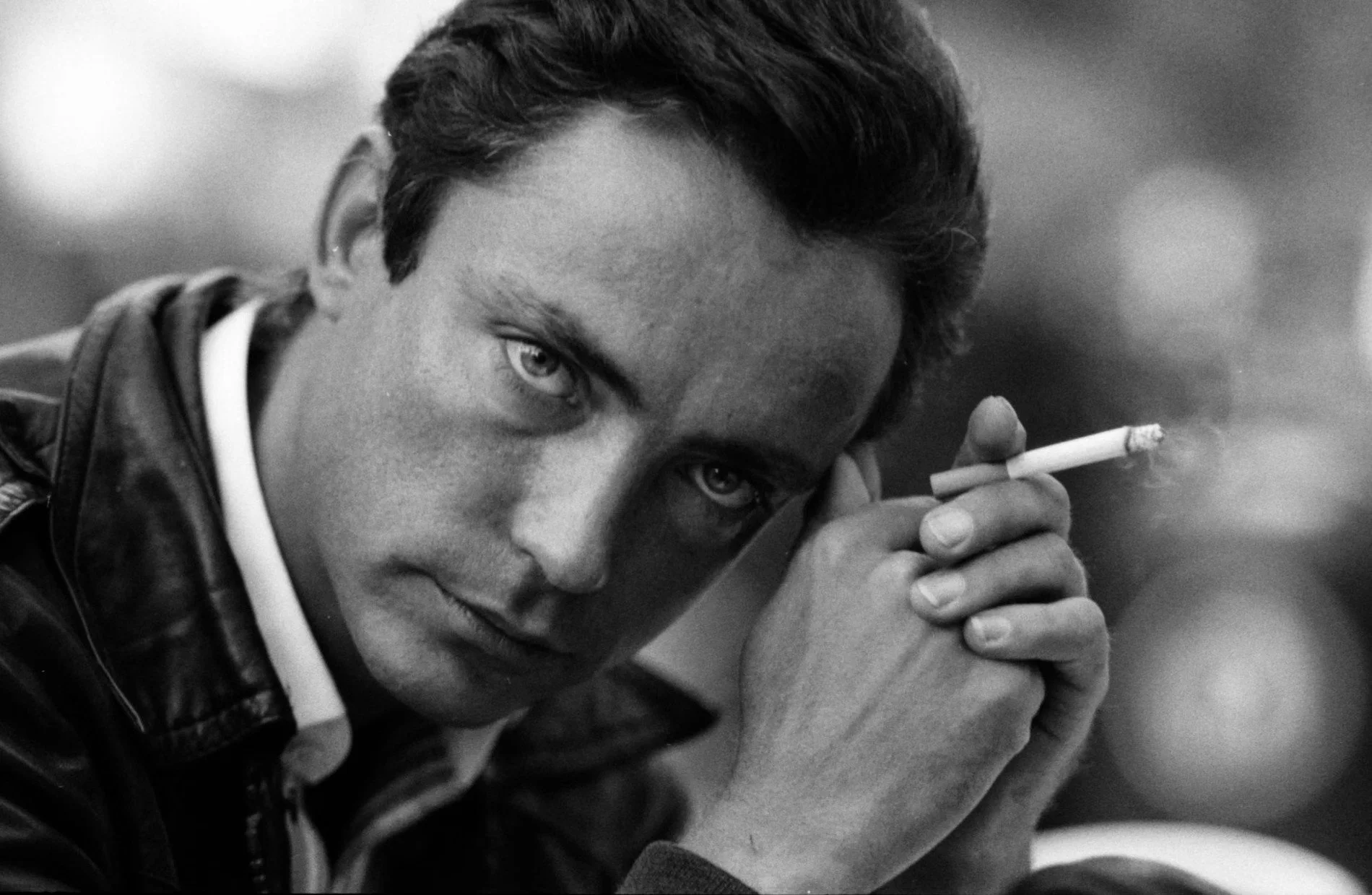



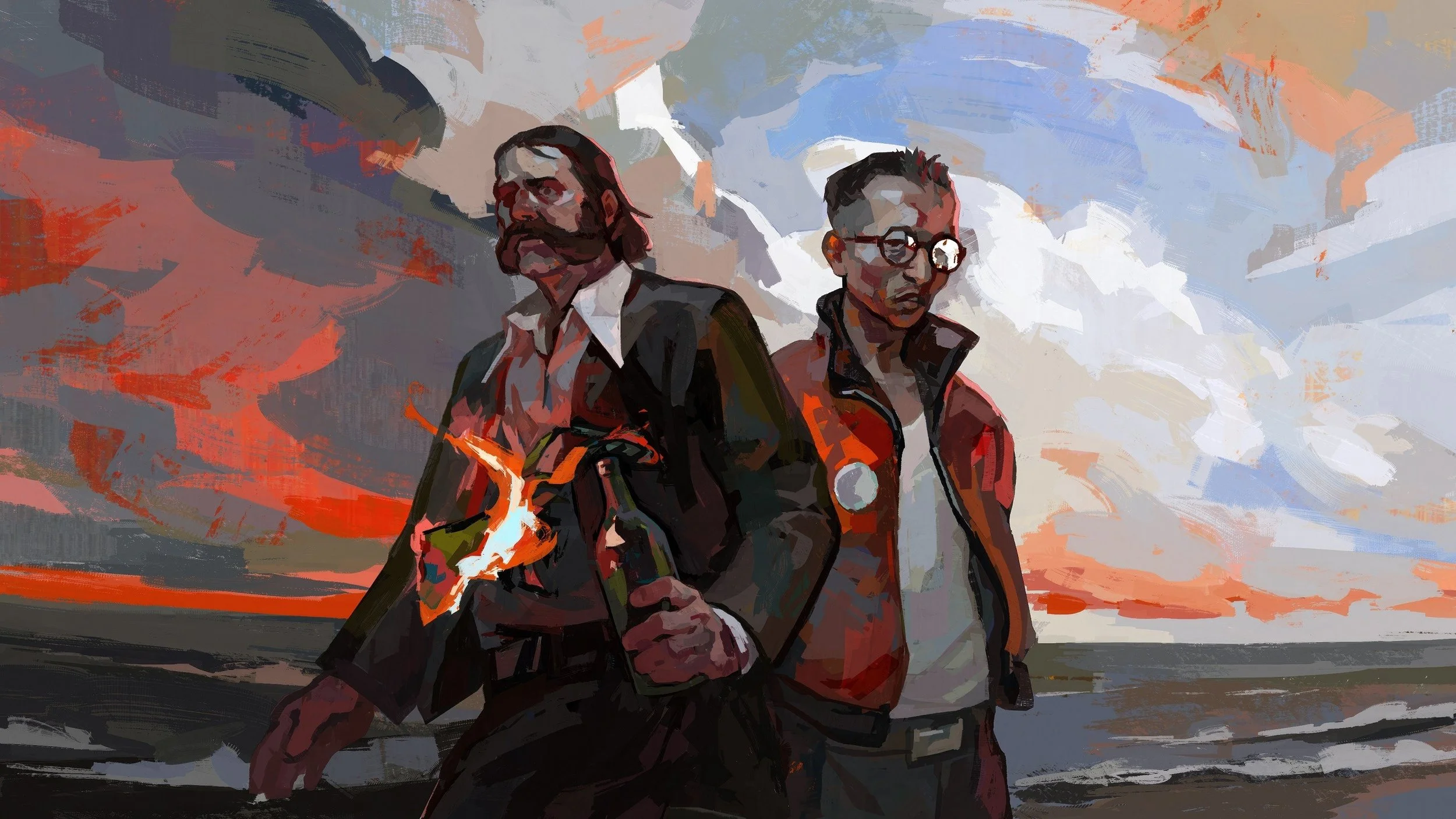









Zack Snyder's Justice League (2021)
I enjoyed both Man of Steel and Batman v Superman: Dawn of Justice Ultimate Edition and consider them to be more than just standard, visual effects driven blockbusters. Zack Snyder’s exploration of the DC Expanded Universe blends the mythological fantasy of metahumans with a more cerebral dissection of their role in society. The political and philosophical dimensions of their presence is a key theme in both films. As a consequence there is ambiguity, darkness and violence. Snyder certainly has a penchant for visual flair, as seen in previous movies such as 300 and Watchmen. But his directorial style seems to be at odds with the very studios that employ him. Snyder tells a story in however much time it takes. Studios prefer standard running times that lend themselves to as many screenings a day, as possible. Hence there is always a clash of ideas and sadly those that hold the purse strings usually get their way.
I enjoyed both Man of Steel and Batman v Superman: Dawn of Justice Ultimate Edition and consider them to be more than just standard, visual effects driven blockbusters. Zack Snyder’s exploration of the DC Expanded Universe blends the mythological fantasy of metahumans with a more cerebral dissection of their role in society. The political and philosophical dimensions of their presence is a key theme in both films. As a consequence there is ambiguity, darkness and violence. Snyder certainly has a penchant for visual flair, as seen in previous movies such as 300 and Watchmen. But his directorial style seems to be at odds with the very studios that employ him. Snyder tells a story in however much time it takes. Studios prefer standard running times that lend themselves to as many screenings a day, as possible. Hence there is always a clash of ideas and sadly those that hold the purse strings usually get their way.
I see no reason to go over the sad circumstances that lead to Zack Snyder leaving the post-production phase of Justice League in 2016. Simply put Warner Bros. wanted the film to be released on schedule and so Joss Whedon was brought onboard to complete the production. 80 pages of rewrites and two month of additional shooting later led to a radically altered movie. It was demonstrably different in style as well as tone and it failed to find an audience. I found it to be ponderous, underwritten and underwhelming. Warner Bros. were far from pleased by the box office returns. Justice League, released in late 2017, merely yielded double its production costs, making $600 million. Roll on 4 years and we now have Zack Snyder's Justice League. A director’s cut of the film which is far more aligned with his original vision. Due to the pandemic, this version has gone direct to subscription services and has not seen a theatrical release. It would’ve been interesting if it would have fared any better at the box office second time round.
Before I start with my thoughts on Zack Snyder's Justice League, let me put my cards on the table. I am not a fully paid up DC aficionado. My exposure to this comic franchise is mainly through previous films. I have no knowledge of the wider lore, nor do I have any personal baggage with regard to personal attachment to characters. I grew up with Christopher Reeves as Superman and his performance was totally applicable to those times. However, that cinematic interpretation is era specific and not necessary now. So I consider myself open minded with regard to this franchise. What I expect from a film such as Zack Snyder's Justice League or indeed any other major franchise movie is for it to be accessible to both existing fans and the general public. Films of this nature need to engage with a much wider audience to be financially successful. Hence I expected Zack Snyder's Justice League to have a coherent narrative. Something the theatrical cut was lacking.
Mercifully, Zack Snyder's Justice League has a very linear and episodic story. In fact it is divided into chapters delineating the plot into specifically themed sections. This not only reflects the essential structure of comics themselves but allows the viewer to digest the sprawling narrative and its respective themes. There is a lot of exposition at various junctures in the story arc so breaking things down in this way again helps with making the plot accessible. Zack Snyder's Justice League is double the running time of the theatrical cut and clocks in at over 4 hours. Effectively all material that Zack Snyder shot has been reinstated and a great deal of it is character backstory. There are also major changes to the film’s visual FX, with villain Steppenwolf having a major makeover. Danny Elfman’s score has also been replaced by a new one by Tom Holkenborg. For a comprehensive breakdown Den of Geek has a very thorough article listing all differences.
The question on everyone’s lips, be they a layperson or a hardcore fan, is whether Zack Snyder's Justice League is better than Joss Whedon’s theatrical version? The answer is most definitely “yes” but that’s not to say that the film isn’t without faults. Perhaps the most positive change that standouts from the new director’s cut is the focus on each character’s motivation. This is especially beneficial for Victor Stone/Cyborg (Ray Fisher) whose backstory was utterly negated in the theatrical release. Here we see the troubled relationship he had with his Father and the tragedy of his Mother’s death and his own near fatal accident. His abilities show him the injustices of the world and how even a man with his powers would struggle to effect meaningful change. His story arc is far more engaging, meaningful and poignant. Similarly Arthur Curry/Aquaman (Jason Mamoa) has more depth to his story and does not come across as simply bellicose as he did in the Whedon version.
Zack Snyder's Justice League also offers a far more rounded and interesting villain this time round. Steppenwolf, voiced by Ciarán Hinds, now boasts a more threatening design and now has significantly more screen time, offering viewers an insight into his motivations and aspirations. Instead of being an arbitrary “bad guy” who is simply there to do “bad things”, we now have a character who is struggling with the internal politics of his own faction. Steppenwolf is a lieutenant who is seeking to advance his position after previously erring in his duties. He needs to get back in the good graces of his master, Darkseid. However, he does not have direct access to him and is forced to communicate via DeSaad, Darkseid's consigliere. Although far from Shakespeare, it is much more engaging to have an antagonist that has some depth to them, rather than just being a thematic placeholder.
However, Zack Snyder's Justice League is not without flaws. It is a little tonally inconsistent when it comes to the depiction of violence. The epic flashback to the Age of Heroes has a surprising amount of bloodshed compared to other sequences. Random acts of violence occur through the remainder of the film and every now and then, one will be somewhat more visceral than others. But perhaps the most incongruous aspect of Zack Snyder's Justice League is the inclusion of yet another vision of an apocalyptic future. This worked very well in Batman v Superman: Dawn of Justice Ultimate Edition, showing a possible timeline in which Superman had gone rogue due to the death of Lois Lane. But considering that a major element of Zack Snyder's Justice League is the necessity to bring Superman back from the dead thus restoring not only a balance of power but reiterating him as a force for good, it seems self defeating to infer the possibility that all of this may be for naught.
Naturally, fans of Zack Snyder’s work and his vision for the DC Expanded Universe, will enjoy this new director’s cut and extol its merits from a fans perspective. I certainly enjoyed it more than the theatrical release and was glad to see the back of the changes that Joss Whedon made. Barry Allen/The Flash (Ezra Millar) is no longer a trite comic foil and the new cut eliminates the rather crass diminishing of Diana Prince/Wonder Woman (Gal Godot) via all the flirting and objectification. For those who may be put off by the prodigious running time, the film now lends itself to being watched in instalments. The 4:3 aspect ratio is somewhat curious, although Snyder has stated that the film was shot open matte to make the framing optimal for the IMAX format. Paradoxically, Zack Snyder's Justice League is currently non-canonical. Joss Whedon’s theatrical cut made tonal and narrative shifts that have been continued into subsequent films. The success of the director’s cut may instigate a major course correction to this franchise. Or not. Studios seldom care about continuity, lore or even logic in comparison to the bottom line.
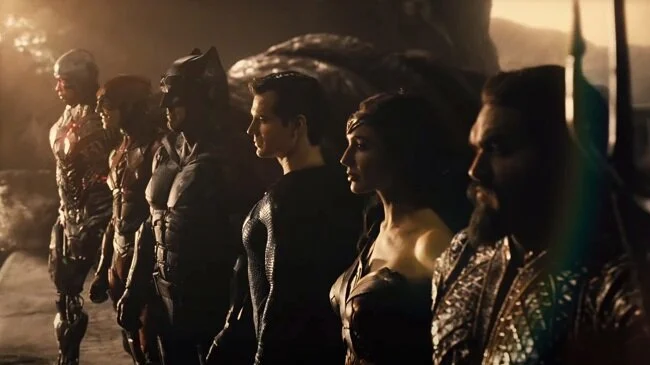
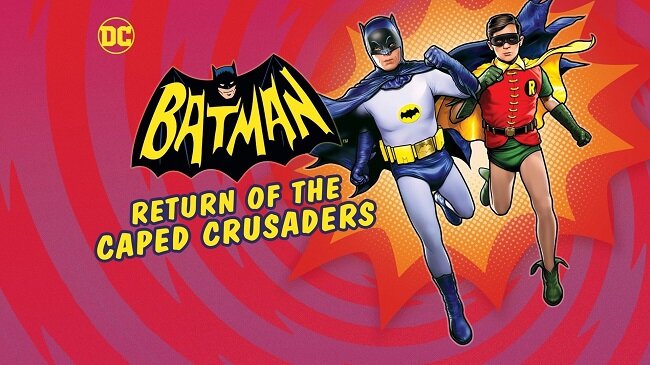
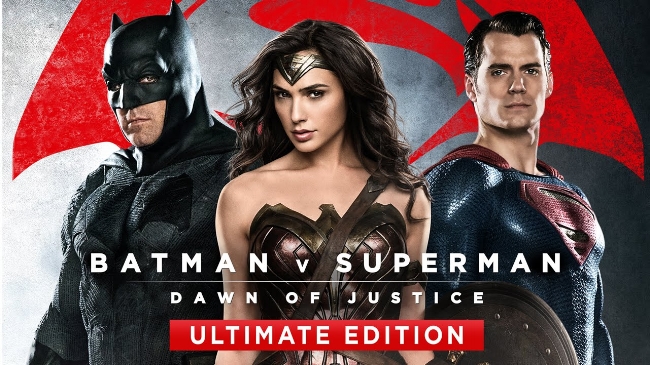
Batman: Return of the Caped Crusaders (2016)
Although I have a passing interest in the franchise per se, I'm not a consummate fan of all things Batman. Hence a lot of content passes me by or I catch up with it years later. So it came as a great surprise when I discovered Batman: Return of the Caped Crusaders; a 2016 release in the ever growing catalogue of DC themed direct to DVD animated films. The movie is a de facto continuation of the sixties TV series, with the original actors reprising their roles (where possible). The cast includes Adam West as Batman, Burt Ward as Robin and Julie Newmar as Catwoman. Due to the death of actors Cesar Romero, Burgess Meredith and Frank Gorshin the voices for The Joker, The Penguin and The Riddler have been provided by Jeff Bergman, William Salyers and Wally Wingert. All of whom do their best to recreate the tone and idiom of the original artists.
Although I have a passing interest in the franchise per se, I'm not a consummate fan of all things Batman. Hence a lot of content passes me by or I catch up with it years later. So it came as a great surprise when I discovered Batman: Return of the Caped Crusaders; a 2016 release in the ever growing catalogue of DC themed direct to DVD animated films. The movie is a de facto continuation of the sixties TV series, with the original actors reprising their roles (where possible). The cast includes Adam West as Batman, Burt Ward as Robin and Julie Newmar as Catwoman. Due to the death of actors Cesar Romero, Burgess Meredith and Frank Gorshin the voices for The Joker, The Penguin and The Riddler have been provided by Jeff Bergman, William Salyers and Wally Wingert. All of whom do their best to recreate the tone and idiom of the original artists.
Bruce Wayne and Dick Grayson are watching their favorite show, Gotham Palace, when it is revealed that one of the bands playing has been replaced by the Joker, the Penguin, the Riddler, and Catwoman. Upon arriving at Gotham City Police Department, they receive a riddle from Commissioner Gordon and Chief O'Hara, which indicates that the villains are robbing the Acme Atomic Energy Laboratory. After a brief fight, the criminals manage to escape with the Replication Ray. Batman tracks the gang to an abandoned TV dinner factory. However, this is a trap as Catwoman plans to make Batman join the villains by scratching him with a substance called "Batnip". An altercation occurs and Catwoman uses her Batnip on Batman. It initially appears to have no effect but later Batman becomes more bellicose and fires Alfred. Using the recently recovered Replication Ray, Batman decides to duplicate himself to crack down on crime in Gotham. Mayhem ensues.
Batman: Return of the Caped Crusaders certainly captures the essence of the 1966 TV show. The character designs are all spot-on. The classic theme music is present and the overall score is composed in the idiom of Nelson Riddle’s original music for the show. And of course we get the onomatopoeia onscreen captions during various fist fights. The story and dialogue are very faithful to the source material with regular use of alliteration as well as Batman's penchant for imparting important life lessons to Robin at regular intervals. The first 20 minutes is very much like an episode of the TV series, with Batman and Robin pursuing their foes, engaging in fisticuffs and escaping contrived death traps. The plot takes an interesting change of direction in the second act, with Batman turning into an insufferable martinet. Overall, the screenplay manages to sustain the viewer’s interest and keep them onboard with the film’s central conceit.
Batman: Return of the Caped Crusaders works well because it isn’t a po-faced superhero action film. Writers Michael Jelenic and James Tucker lovingly poke fun at the source material and include numerous Batman related cameos and homages. Adam West even quotes several lines from Frank Miller's The Dark Knight Returns. No aspect of the original TV show is left unturned, throughout the film’s 78 minute running time. The fight scenes feature the “Dutch tilt”, Robin still has the ability to deduce Riddler's conundrums via the most incongruous logical gymnastics and Batman still sports the most incongruous selection of items on his utility belt. Not once does it feel that the source material is being mocked and the production’s affection for the original TV show is abundantly clear. Hence Batman: Return of the Caped Crusaders is a genuine homage and camp alternative to the somewhat dour, contemporary depictions of the Caped Crusader.