
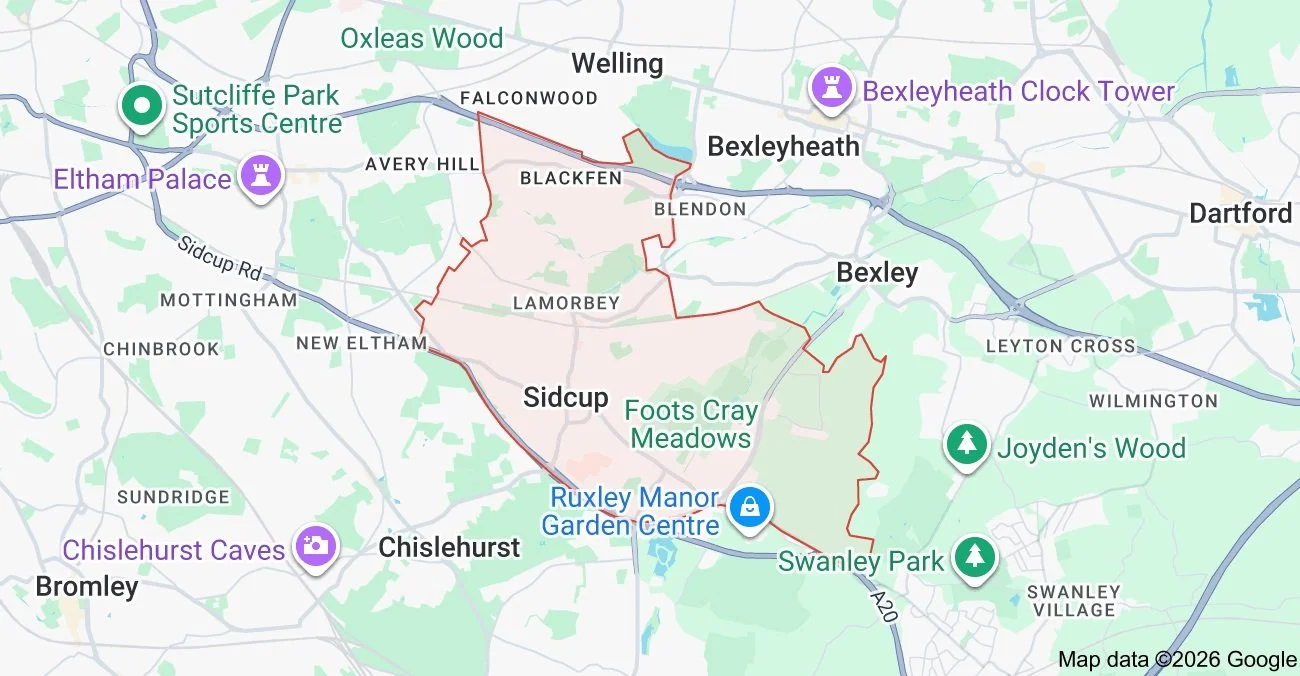
Foots Cray Reuse and Recycling Centre
Foots Cray Reuse and Recycling Centre is the fancy name of our local dump. A few decades ago, this was no more than a scrap yard. The rubbish and bric-a-brac left by the public was sorted and scavenged for resaleable scrap. Everything that was left was subsequently sent to landfill or incineration. Much has changed. Today it is the embodiment of the modern recycling ethos. The recycling centre is a well managed, carefully segregated site providing safe disposal of a wide variety of household and garden waste. Wood, metal and hardcore are recycled and there is similar provision for a multitude of electrical goods. Plastics, oils, paint, batteries can be safely disposed of. I have yet to find a home item that they do not have provision to dispose of. The Foots Cray Reuse and Recycling Centre has won awards for the service it provides and is considered one of the best facilities of its kind in the South East of the country.
Foots Cray Reuse and Recycling Centre is the fancy name of our local dump. A few decades ago, this was no more than a scrap yard. The rubbish and bric-a-brac left by the public was sorted and scavenged for resaleable scrap. Everything that was left was subsequently sent to landfill or incineration. Much has changed. Today it is the embodiment of the modern recycling ethos. The recycling centre is a well managed, carefully segregated site providing safe disposal of a wide variety of household and garden waste. Wood, metal and hardcore are recycled and there is similar provision for a multitude of electrical goods. Plastics, oils, paint, batteries can be safely disposed of. I have yet to find a home item that they do not have provision to dispose of. The Foots Cray Reuse and Recycling Centre has won awards for the service it provides and is considered one of the best facilities of its kind in the South East of the country.
I recently went to Foots Cray Reuse and Recycling Centre. We had some old garden furniture to dispose of along with some packaging from various new kitchen items. Upon arrival Mrs P had to show her drivers license as it has our home address on it, thus proving we are residents of the borough. We were duly allowed in, subsequently parked and took our items to the appropriate disposal points. The staff are very helpful and happy to assist us. It was a very efficient process. What I wasn’t quite prepared for was seeing the direct consequences of living in our modern, consumer society so starkly. Sadly, due to the busy nature of the recycling centre, I wasn’t in a position to quickly take photos, so I’ve had to rely on the internet to provide them and illustrate my point.
Most of us will be familiar with those large plastic, vacuum moulded toy vehicles that children ride in. Some are pedal powered, others are designed to be towed by an exhausted parent. These things are usually brightly coloured or based upon a popular franchise such as Paw Patrol or Peppa Pig. I saw a substantial pile of these items which must have been 20 feet high. It was a very striking image not only due to the quantity of these things but that it instantly made you consider “how do you safely dispose of these”, closely followed by “didn’t anyone else want them”? As I walked around the recycling centre, I was further struck by similar stockpiles of microwave ovens, trampolines and mattresses. Another thing that surprised me was how new many of the items were. After speaking to staff it would seem that many items are thrown out just to make room for a replacement and not because they are broken.
Someone had collected all those household decorations and ornaments that have life affirming messages like “family”, “love” and “we live here”. There were also a few corporate motivational posters added to this pile. The fact that these had all been disposed of by their owners just made their central conceit even more spurious. This and many other stockpiles of commonplace domestic bric-a-brac suddenly hammered home the reality of consumerism and the unsustainable nature of the way in which we live our lives. The Foots Cray Reuse and Recycling Centre can safely dispose, reuse or repurpose much of what is left by residents of the borough but there is a lot of stuff that cannot be so easily addressed. There are of course many other recycling centres up and down the UK that do not do such a good job and still defer to incineration and landfill.
Cities are highly complex systems and much of their functionality goes unseen by the general public. Water, gas, electricity and waste disposal are all services that we use but we seldom have any direct experience of how they are delivered. We often become oblivious to them and take them for granted only to be reminded of their importance when they fail. My short visit to my local recycling centre has given me a timely reminder about the way we live or lives and its inherent unsustainability. There’s not much that I or Mrs P can immediately do to remedy this situation but we will certainly give greater consideration to trying to find a new home for unwanted items. We already make great use of local charity shops when disposing of old clothes. Our local railway station has a book exchange facility. All of which helps to a degree but I worry about the long term future of waste management and recycling in the UK.




The Art of Packing Your Groceries
One of the things I enjoy most about having my own blog is the fact I can write about the mundane and the trivial. Mainly because so much of life falls into this category. Life defining events are all fine and dandy and certainly lend themselves to philosophical musings that make fine blog posts. However, you can get just as much mileage out of those everyday things in life with less gravitas, that we all do. Such as buying new clothes, taking out the recycling and going to buy groceries. I have written about all of these in the past. However, today I wish to broach a subject that both fascinates me but also raises my blood pressure. I believe it to be a social marker and a clear indication of an individual’s personal psychology. Yes, I’m talking about packing your groceries at the supermarket and the various rituals and social etiquette associated with it.
One of the things I enjoy most about having my own blog is the fact I can write about the mundane and the trivial. Mainly because so much of life falls into this category. Life defining events are all fine and dandy and certainly lend themselves to philosophical musings that make fine blog posts. However, you can get just as much mileage out of those everyday things in life with less gravitas, that we all do. Such as buying new clothes, taking out the recycling and going to buy groceries. I have written about all of these in the past. However, today I wish to broach a subject that both fascinates me but also raises my blood pressure. I believe it to be a social marker and a clear indication of an individual’s personal psychology. Yes, I’m talking about packing your groceries at the supermarket and the various rituals and social etiquette associated with it.
Now before we begin, it has come to my attention that in some countries, such as the US, there is a culture of having a grocery clerk undertake this task for you. However, research indicates that this practice is declining due to the increased use of reusable bags and the desire for faster checkout lines. Self-checkouts are also a factor (something else I have strong views on but that, alas, is another blog post). So this disparity may not be such a major distinction, as it previously was. Moving on, let me set the scene for that which I wish to discuss. Imagine if you will, that you’ve gone to the grocery store/supermarket of your choice at a fairly busy time of day. You’ve finished your shopping and are now in the checkout queue. The customer in front is currently having their items scanned and there is now space on the conveyor belt for you to place your groceries.
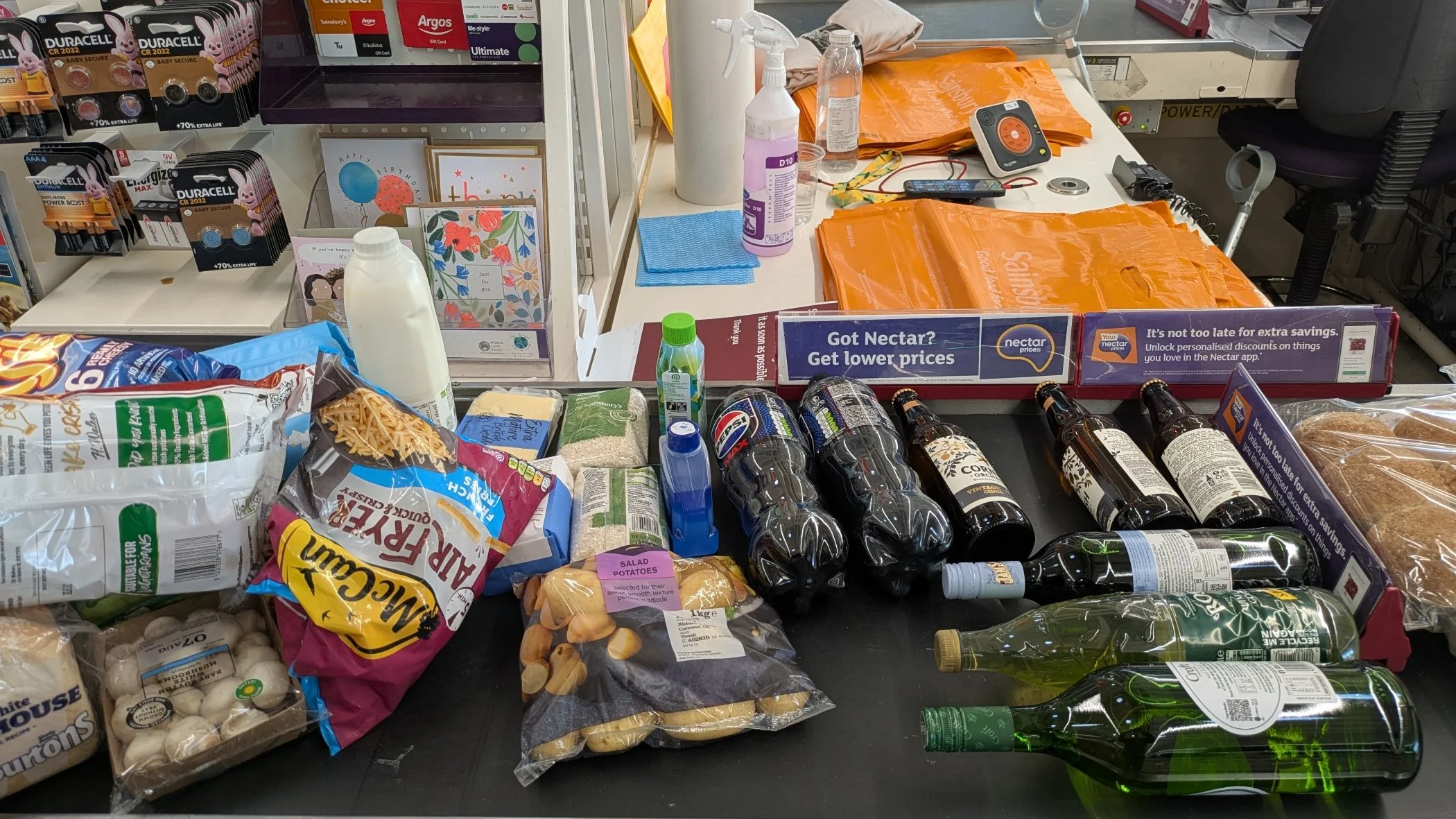
Firstly, how do you organise your shopping on the conveyor belt? I favour a process of segregation according to size, weight and whether an item has come from a cooler/refrigerator/freezer. Cold items cause condensation to form so you don’t want them coming into contact with specific things such as a magazine or birthday cards. Next when packing begins the following protocols are followed. Weighty items are evenly spread between bags with lighter objects placed on top. An item’s category and where it goes once home also affects which bag it is packed in. We keep a stock of household cleaning products in our garden shed, along with a supply of toilet paper. Bags packed with such products can then be conveniently taken directly to their respective destinations. Finally, fragile items, such as eggs and crisps, are packed last of all and cushioned with bread etc. When required we will use bespoke bags for bottles or hot food.
Next, after this efficient undertaking is complete, there is the matter of paying the checkout operator/cashier. Fumbling, dithering and any other form of being unprepared is verboten and a cardinal sin that will invoke much tutting and “hard stares” from other customers waiting in the queue. Hence cash or cards must be provided post haste. There is usually a LED display facing the customer indicating the price as goods are scanned. Use this visual cue so you can be prepared. While you pack your bags, it is socially acceptable and indeed, civil, to make “small talk” with the checkout operator/cashier. However, once you have paid, do not linger relating anecdotes pertaining to your last enema or the birds on Mrs. Coltarts roof, as you will unnecessarily delay the next customer. This again will invoke tutting and further social admonishment.
The process I’ve described is best carried out by two people and is a skill that Mrs P and I are well versed in. We have experimented with aspects of this procedure over the years, segregating items according to atomic weight and taking into account the Beaufort scale as well as sun spot activity. We have found the current method the most efficient and self righteous. Of course, there are other methods for packing your bags. Many people prefer a more “free style” approach, wreaking havoc in their wake. Make note of such individuals and act accordingly, come the revolution. Mrs P thinks I take these matters too seriously and there are worse crimes to commit. Indeed there are, like that blasphemous act of eating an item in store, before you’ve paid for it and presenting the cashier with an empty wrapper and barcode. I believe there’s a new eighth circle of hell reserved for such barbarians.
Managed Decline
“Managed decline” is a phrase that refers to the processes associated with the end of a specific lifecycle, with the goal of minimizing costs or other forms of loss. The concept originated in business where it referred to the management of companies and industries. More recently it is used in wider contexts. The concept gained prominence with regard to urban policy, particularly in the UK during the eighties when several major cities suffered economic and political collapse. Of late, the term has been applied to the UK, encompassing a systematic weakening of the economy, social structures, and cultural values, as well as its global political and diplomatic force. In each case, managed decline involves making strategic choices about resource allocation and accepting the consequences of those decisions. It is a complex issue with ethical and practical considerations, often sparking debate about the best way to address decline and reverse the process.
“Managed decline” is a phrase that refers to the processes associated with the end of a specific lifecycle, with the goal of minimizing costs or other forms of loss. The concept originated in business where it referred to the management of companies and industries. More recently it is used in wider contexts. The concept gained prominence with regard to urban policy, particularly in the UK during the eighties when several major cities suffered economic and political collapse. Of late, the term has been applied to the UK, encompassing a systematic weakening of the economy, social structures, and cultural values, as well as its global political and diplomatic force. In each case, managed decline involves making strategic choices about resource allocation and accepting the consequences of those decisions. It is a complex issue with ethical and practical considerations, often sparking debate about the best way to address decline and reverse the process.
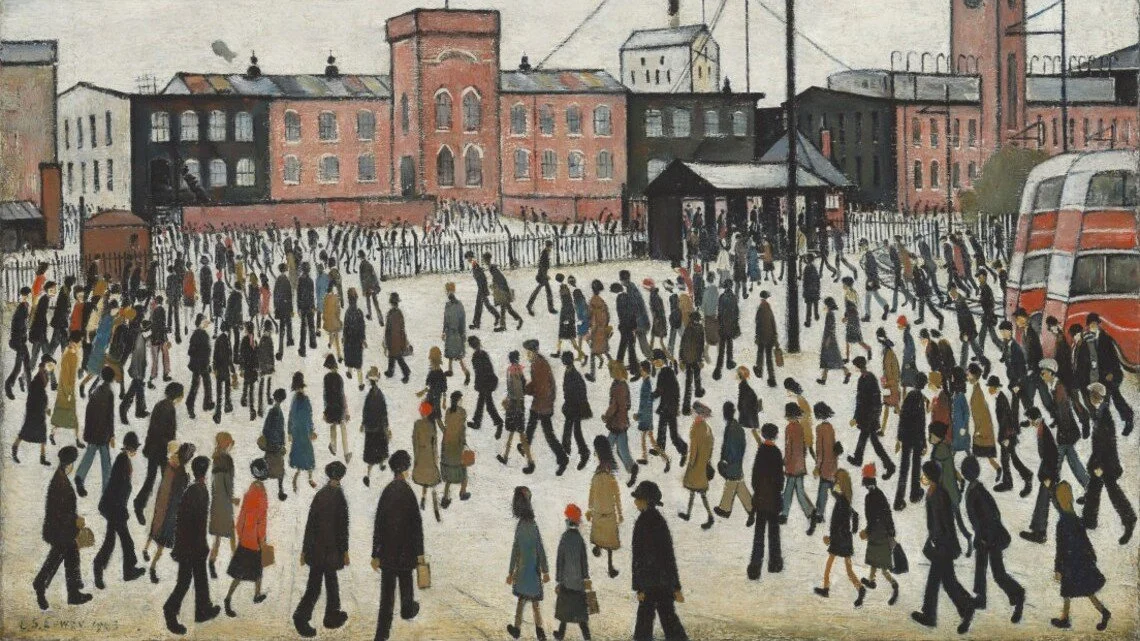
When I was in my early twenties and beginning my working life (circa 1990) there was still a strong belief held within the UK that overall, things improved for each generation. By this we meant working conditions and pay, opportunities, both career and social, as well as healthcare and life expectancy. To a degree it held true. By the time I was thirty I was earning far more each year in IT than my father had ever earned as a mechanical engineer. However, there were some disadvantages to this era, the most noticeable being buying a house. In the UK there has always been and remains a strong culture of home ownership. Like it or not, it is considered one of the criteria by which we define success. Sadly from the nineties onwards, buying a home has become increasingly more expensive to the point where it becomes an impossibility for those on low pay or a single income.
My son’s generation (he is in his early thirties) has a very different perspective on their personal future and that of the nation. The post war social contract is dead and the welfare state is unsustainable. Jobs seldom offer a salary sufficient to cover living costs, therefore one’s future is one of constant work and managing personal debt. As for retirement, it is seen as an impossible dream. The expectation is that one will have to work continuously, primarily to pay for rented accommodation. As for wider political issues, there is a growing consensus that traditional politics and parties cannot or will not fix the most immediate problems. Hence there is a growing interest in new parties and populism and a misplaced hope that they will reset the status quo. Sadly, populist leaders around the world have proven they are not up to the job and despite promises simply increase the existing wealth gaps and social disparity.
I no longer believe that the problems facing the UK can be fixed. The existing political system is not fit for purpose and attracts the worst of us. We have an ageing population and a diminishing workforce that expects continued access to the welfare state and healthcare at the standard that they have always enjoyed. All of us want national infrastructure and institutions such as the courts, police and schools etc to work but no one wants to pay the increased costs required to run them. As for the loaded subject of immigration, the real issue is not illegal immigrants but the number of legitimate migrants who come to the UK to fill the jobs caused by the ever increasing skills gap. We are failing to learn the skills required for a modern economy and today’s world. Both these issues are integral to our current problems and contribute to our national decline.
Another factor is the breakdown of social interaction and our national discourse, the replacing of community with the cult of the individual and the erosion of critical thinking. Nuance, context, knowledge and reason are now rare skills which are often met with hostility. Social media and the internet are certainly a factor in this cultural shift. All of which makes discussion and compromise impossible. Everything from what is your favourite brand of coffee to national politics is presented as a binary choice. Those who don’t favour your choice are, by default, your enemy. This cancerous mindset is spreading everywhere and into everything. Unable to counter “feelings” with logical arguments, the rational thinkers retreat, ceding territory to the furious hard of thinking. Nothing gets better because those who now have what they craved, namely power without knowledge, just break things and move on when they lose interest or fail to achieve their misplaced goal. Of course it’s always someone else’s fault.
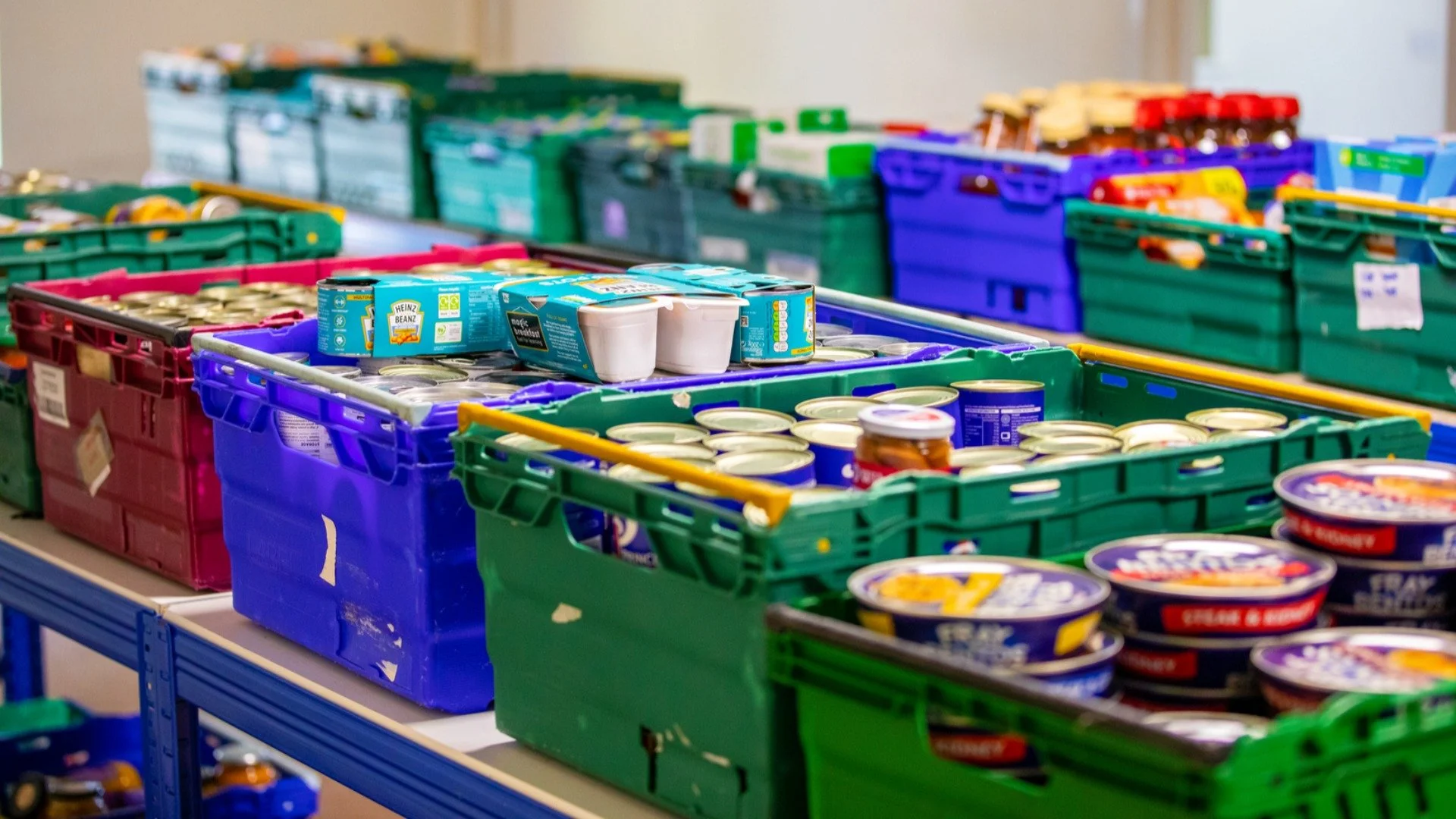
Managed decline is a gradual process, although global events can exacerbate it. Hence I don’t see an immediate economic and social collapse. Governments will continue to tinker at the periphery of problems and there may be occasional lulls in problems and even minor economic booms, depending on wider global economic issues. But I do see pay stagnation, increases in the cost of living, public services struggling to work and infrastructure failing. Food shortages are also possible due to war and failing supply chains. Crime will increase as poverty grows and civil unrest will increase as frustration grows. As ever, it will be the poor and vulnerable who will bear the brunt of these problems. Civil rights and freedoms will also be curtailed as we voluntarily give more and more information to big companies. As AI becomes more ubiquitous it won’t be a case of robots oppressing us but simply a case of “the computer says no” because you failed to meet some spurious criteria within an algorithm.
What does one do in the face of such inevitability? At 57 I’m pretty much going to do nothing, because there is nothing I can do. There are no credible political parties and the process of government as it stands is unable to facilitate change. As for the younger generation, posting “ I stand with [insert cause here]” on social media, that isn’t going to help either. Traditional forms of lobbying and striving for political change are no longer effective. Plus, we don’t all want the same thing, due to the way we compartmentalise our lives and pick “sides”. Hence the future politically in the UK will be distinctly Pythonesque. Frankly, there comes a point where you have to cease feeling concerned and powerless about domestic and global politics because it is such a burden. So you just continue to live your life, the best you can, doing small acts of kindness as and when you can. Perhaps I’ll be dead before the worst of it happens, although I suspect that isn’t going to be the case.





COVID-19 and the Pandemic: Five Years On
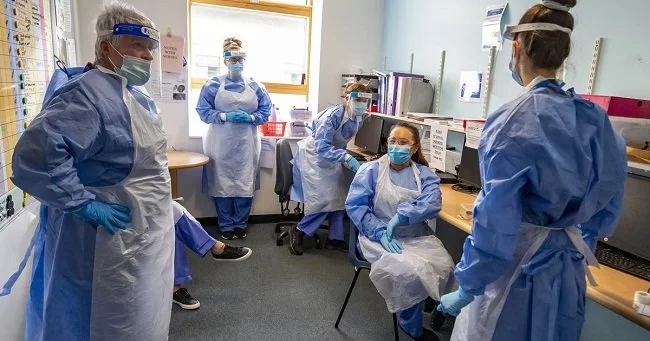
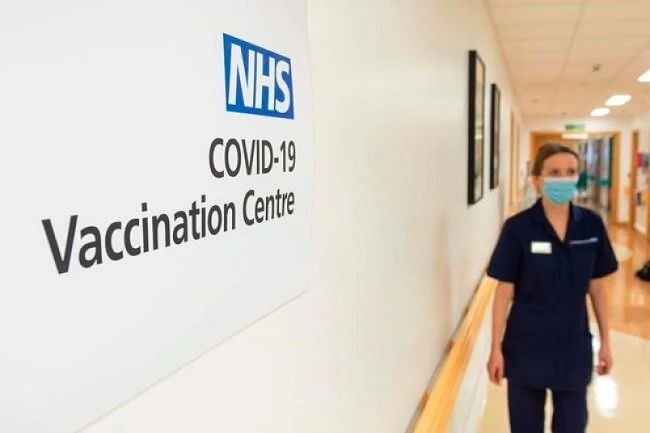
It’s been five years since the COVID-19 global pandemic. At the time it was an utterly alien and tumultuous experience. However, due to the way numerous institutions responded (but not the government), many people thought there would be a great deal of social and political change in the UK afterwards. The pandemic highlighted the impotence of the NHS, as well as those who work in jobs designated as essential. It also shone a spotlight on many of the country’s inequalities. Due to our national character, a real sense of community emerged. Something that had been absent for a very long time. Briefly, we got a glimpse of what the UK could be when we all broadly worked together. There was a sense that now was the time to change the status quo. Sadly, nothing changed. As soon as the vaccination program was launched, the UK quickly slipped back into the mire it’s been wallowing in since the end of WWII.
It’s been five years since the COVID-19 global pandemic. At the time it was an utterly alien and tumultuous experience. However, due to the way numerous institutions responded (but not the government), many people thought there would be a great deal of social and political change in the UK afterwards. The pandemic highlighted the impotence of the NHS, as well as those who work in jobs designated as essential. It also shone a spotlight on many of the country’s inequalities. Due to our national character, a real sense of community emerged. Something that had been absent for a very long time. Briefly, we got a glimpse of what the UK could be when we all broadly worked together. There was a sense that now was the time to change the status quo. Sadly, nothing changed. As soon as the vaccination program was launched, the UK quickly slipped back into the mire it’s been wallowing in since the end of WWII.
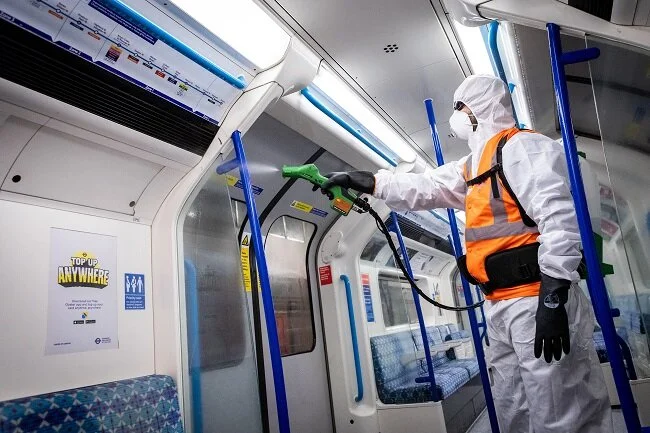
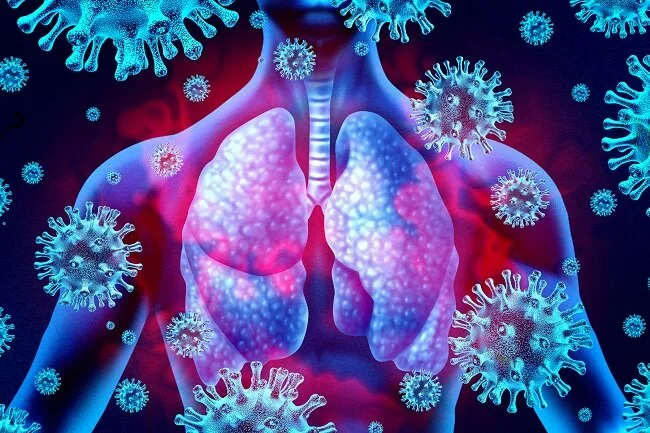
I caught COVID-19 in early April 2020. This was hardly surprising as I was at the time caring for both my elderly parents. They lived one road away from me and I visited everyday to undertake chores. There were also healthcare professionals coming and going all the time, so despite rigorous hygiene protocols, the increased risk made catching COVID-19 inevitable. It was a most unpleasant experience that lasted about a fortnight. The initial flu-like symptoms soon increased in intensity, resulting in constant head and muscle pain, violent coughing and a sense that I was in a constant bear hug, making it difficult to breathe. I slept for most of the day and had very low energy levels. Once the virus had run its course, I had extreme fatigue for the remainder of the year. It took a full twelve months to return to what I consider to be my normal state of health.
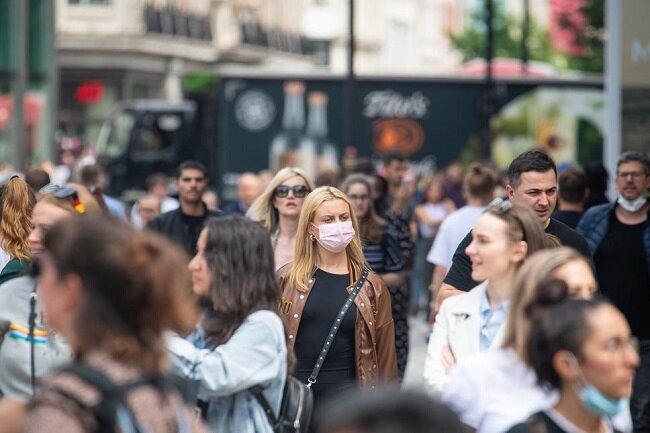
Regent Street, London, during lockdown 2020
The standout aspect of the pandemic were the three lockdown periods. Everyone has their own perspective on these based upon their own personal experience. For me the lockdowns were not a big deal. I was a carer with a very fixed routine. I continued to undertake my duties and the only difference was having to wear a mask when out and standing apart from others in queues. When the restrictions were reduced, Mrs P and I would go for walks and visit local parks. I remember vividly how much less traffic there was and how that impacted upon ambient noise levels. The air quality in South East London noticeably improved. COVID-19 did not interfere with my hobbies and so I continued writing and gaming. In fact it was a “golden age” for the latter. I spent a lot of time playing Warzone, which had just launched and Fall Guys. As someone who finds the hustle and bustle of contemporary life quite tiring, the lockdowns were an interesting change of pace.
However, for many the pandemic brought bereavement. As a carer of two elderly parents, I came to know a great many other ageing residents in the local area. Over the summer months of 2020, many would pass away after catching the virus. People who I knew from my mother’s hairdressers and those I often saw at surgeries and clinics. Several residents in my street died and not all of them were old. My son also lost colleagues at TFL due to the nature of their work. And then I lost my father in August. Ironically he did not catch COVID-19 but instead caught pneumonia after a chest infection. He survived the pneumonia but was left exhausted and frail. He elected to decline any further treatment and died on 16th September 2020. Due to the lockdown I only visited him once during the four weeks he was at hospital and was not with him when he passed away.
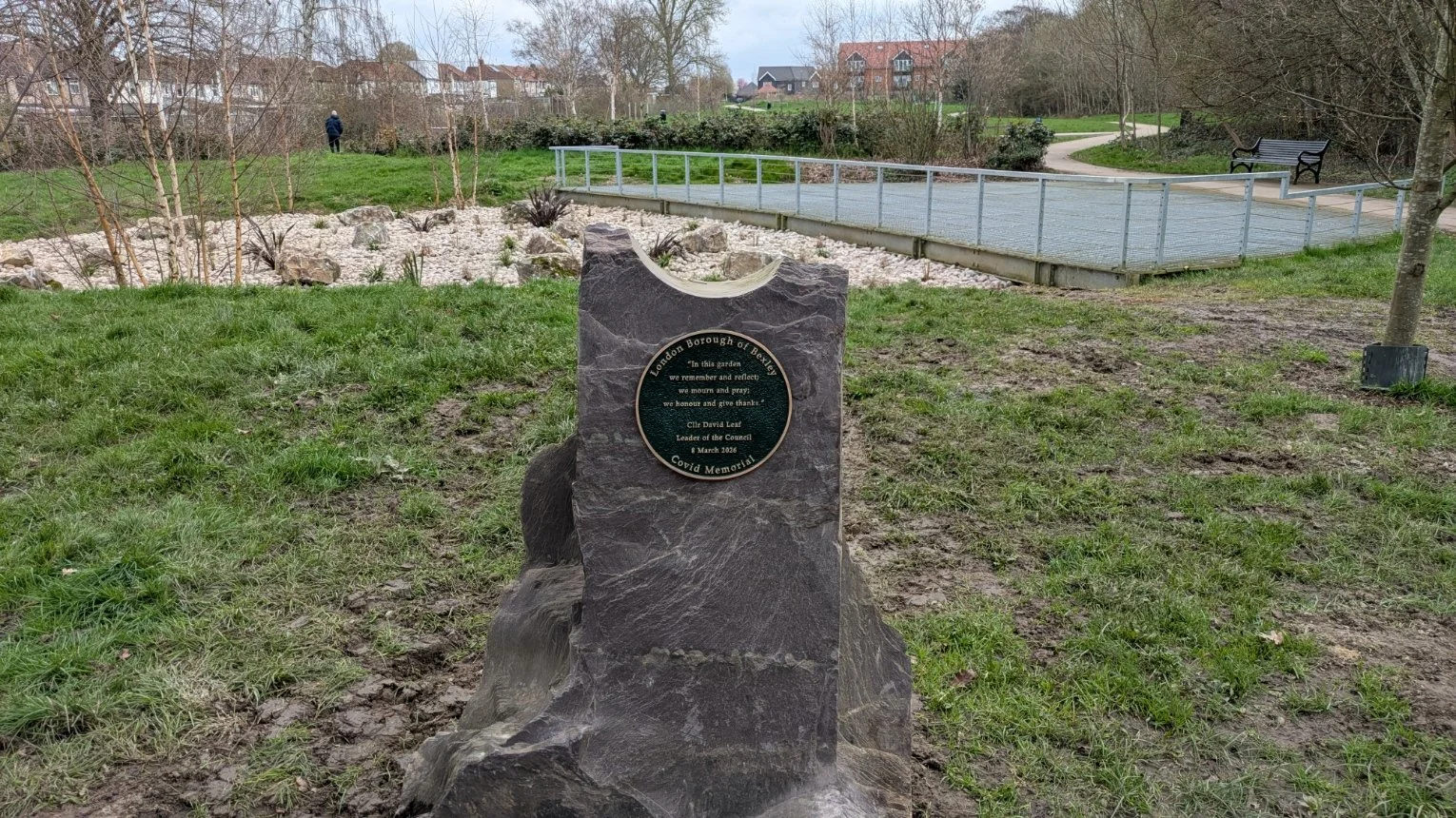
National COVID Memorial Wall London
I find that post pandemic, my sense of the passing of the years has been derailed. I have a clear sense of events up to 2019 but from 2020 onwards it all gets confused, due to the unusual nature of that time. Five years on, COVID-19 is still trotted out as a political excuse for anything not working or underperforming. As for the hoped for social change and political renaissance, it never happened and frankly was never going to. Many in the top 1% used the pandemic as a means to further enrich themselves and the country’s social divides are still there, bigger than ever. The pandemic has also been a contributory factor in the growth of nationalism, which is now looming large. Overall it is hard for me to summarise and quantify my thoughts on the pandemic. To quote Dickens’ “It was the best of times, it was the worst of times, it was the age of wisdom, it was the age of foolishness.”






Smiling
Prior to writing this post, I clocked a picture on a news website of the now disgraced TV presenter (and nonce) Gregg Wallace. I noticed that he doesn’t smile as such but tends to “gurn” instead. So does UK politician (and cunt) Nigel Farage. He always has his mouth open and his face contorted in some curious rictus, in most of the pictures you see of him. Mind you, I also don’t photograph especially well and any pictures of me smiling tend to look sinister or with a heavy hint of irony. The bottom line is not everyone is good at smiling. It doesn’t come naturally to all of us. This can be a problem at times or in social situations, because smiling is an integral part of our culture. On many occasions, I’ve been walking along, my face in a state of natural repose, only to be harangued by some twat shouting “cheer up, it may never happen”. A phrase I haven’t quite fathomed out, even to this day.
Conrad Veidt as Gwynplaine, in The Man Who Laughs (1928)
Prior to writing this post, I clocked a picture on a news website of the now disgraced TV presenter (and nonce) Gregg Wallace. I noticed that he doesn’t smile as such but tends to “gurn” instead. So does UK politician (and cunt) Nigel Farage. He always has his mouth open and his face contorted in some curious rictus, in most of the pictures you see of him. Mind you, I also don’t photograph especially well and any pictures of me smiling tend to look sinister or with a heavy hint of irony. The bottom line is not everyone is good at smiling. It doesn’t come naturally to all of us. This can be a problem at times or in social situations, because smiling is an integral part of our culture. On many occasions, I’ve been walking along, my face in a state of natural repose, only to be harangued by some twat shouting “cheer up, it may never happen”. A phrase I haven’t quite fathomed out, even to this day.
Firstly, let us first define what smiling is. According to Google, to smile is “to form one’s features into a pleased, kind, or amused expression, typically with the corners of the mouth turned up and the front teeth exposed”. As to the function of smiling within society, it is a powerful form of non-verbal communication that serves multiple functions. These include expressing emotions, improving mood, and influencing social interactions. It's a universal signal of happiness and can foster positive connections with others. It is a tool for social bonding and has positive benefits such as stress reduction and mood enhancement. Outside of human society among the other primates, smiling primarily serves as a social signal, often indicating appeasement, submission, or even fear, rather than a straightforward expression of happiness. Fascinating stuff.
Amanda Bearse in Fright Night (1985)
Setting aside the sociological and behavioural complexities of smiling, let us focus on the realities of smiling in society. Smiling is a facet of expected behaviour. On paper that’s not such a bad thing. A smile lets other people know that things are okay. It can be a polite social nicety like saying please and thank you. However, there is scope for this simple social cue to become a far more tyrannical tool, especially for women. Across most forms of media, it is rare to find an image of a woman who is not smiling. Something which is not true of men. Research shows that women smile 62 times per day on average, while men smile only 8 times. Smiling is therefore seen by many as a social expectation, even obligation. A curious offshoot of asking how someone is, with the understanding that you don’t answer negatively. Hence, the cat calls and the aforementioned comments.
One of the things that boils my piss, to invoke a contemporary expression, is the inherently flawed assumption that if you’re not smiling, you’re unhappy. My default facial expression is one of repose. IE neutral. I am not in any specific emotional state and more than likely contemplating something like a sandwich or what are the toilets like in Star Trek. The complexities of my psychological disposition, conveyed via the medium of my face, is obviously too complex a concept for some people who exist in a simple binary state. They, however, they can fuck off with their unwarranted social expectations. I will smile as and when I see fit and not before. I believe that any form of social expression, if used ad nauseum, loses its value. Which is exactly what has happened to smiling. Those who smile incessantly are either lying bastards, trying to sell you something or a couple of sandwiches short of a picnic.
The Sea
I enjoy visiting the coast. I always have. I find the sight and sounds of the sea very calming and thought provoking. There is something about seeing the ocean stretch out to the horizon and its implied enormity, that gives you a sense of perspective. The UK is a seafaring nation and therefore it is an integral part of our history and national identity. Hence a strong nautical theme and a sense of its importance has bled through into our popular culture. It is therefore quite common for people to have a positive attitude towards the sea and its associated leisure activities. I like to visit the coast at various times of the year and walk along the beach, just listening to the waves, lost in my own thoughts. This is not a hard thing to do in the UK, as no one lives further than 70 miles (113 kilometers) from the coast.
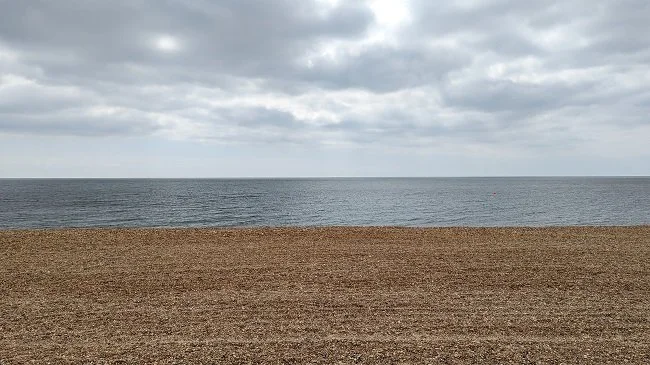
Hythe Beach
I enjoy visiting the coast. I always have. I find the sight and sounds of the sea very calming and thought provoking. There is something about seeing the ocean stretch out to the horizon and its implied enormity, that gives you a sense of perspective. The UK is a seafaring nation and therefore it is an integral part of our history and national identity. Hence a strong nautical theme and a sense of its importance has bled through into our popular culture. It is therefore quite common for people to have a positive attitude towards the sea and its associated leisure activities. I like to visit the coast at various times of the year and walk along the beach, just listening to the waves, lost in my own thoughts. This is not a hard thing to do in the UK, as no one lives further than 70 miles (113 kilometers) from the coast.
I often write summaries of my various travels and they are frequently just summaries of a few historical facts associated with the places I’ve visited. I would, on this occasion, like to discuss two places that I’ve recently been to and offer a different perspective. The first is Swalecliffe, which lies between Whitstable and Herne Bay. This small coastal area looks out over the North Sea. It has a rugged strip of grassland that leads down to the pebble beach, which has wooden groynes to prevent shoreline erosion. The road, Marine Crescent, runs parallel to the beach and the houses along it all have balconies, observation decks or other means by which their owners can sit and enjoy the seaview. There is a promenade adjacent to the beach and various facilities available along it, including some very colourful beach huts.
Swalecliffe Beach
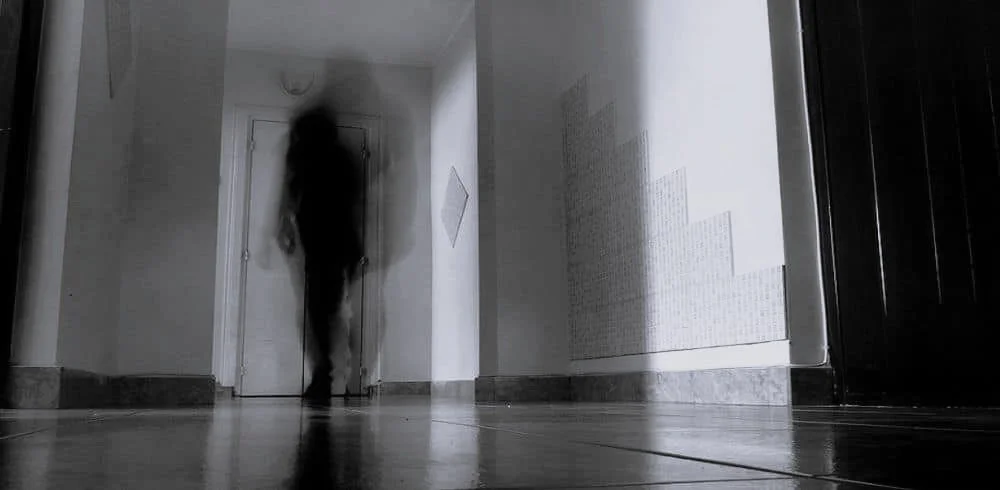
We visited the beach on 30th April, roundabout 10:45 AM. We were making our way along the coast, Eastward, stopping anywhere along the way that took our fancy. What attracted us to the beach at Swalecliffe was the fact that there was a sea mist at the time, although it was receding. So we parked up and took a leisurely stroll. At the time the beach was mainly empty. There were some dog walkers and a few people fixing their beach hut. The sea mist was at the time halfway up the beach but slowly vanishing in the sunlight. It was very picturesque but there was also a vague supernatural aspect to it all. I immediately thought of a particular M. R. James’ ghost story that featured a sinister figure, obscured by sea mist and on the periphery of one’s vision. Sadly, the moment didn’t last long. In less than 30 minutes the mist had gone leaving just a scenic pebble beach but it was a striking experience.
Today, Mrs P and I visited Southbourne Beach, located in Bournemouth. It is a popular, Blue Flag award-winning beach known for its cleanliness and wide sandy and shingle expanse. It is one of those beaches that is popular with locals but not necessarily well known to the wider population. Tourists tend to head to Bournemouth. Southbourne beach, set below a cliff, is accessible via the zigzagging Fisherman's Walk from Southbourne High Street. It offers amenities like accessible toilets, kiosks, and lifeguard services. It is an extremely clean and tidy beach, with wide expanses of sand and shingle. When it is warm and sunny, such as today, it is the sort of beach where you can happily spend hours just relaxing and daydreaming. It has ample facilities and a great ambience. It also has the benefit of not being crowded.
Both of these visits highlight the fascinating quality of the sea. The sea mist at Swalecliffe invoked a sense of fascination at a natural phenomenon that I had never seen before. It also had a sense of mystery as it is an occurrence that has been used as a plot device in many books over the years. My experience at Southbourne beach was far more about the inherent calmness of the environment. It is the perfect place in good weather to switch off and relax, or ruminate upon benign, idle thoughts. Furthermore, irrespective of the season or indeed the beach itself, I think that it is the rhythmic quality of the sea that is the key to its calming presence. That combined with the sea air and its negative ions seem to have a very uplifting effect upon one’s mood. Yet despite all these factors, I have never felt disposed to venture out upon the sea. I much prefer just to observe and contemplate it.





The Problem With Fruit Trees
In many suburban streets throughout Greater London, gardens at the front of a house have been replaced over time by off road parking. Often the entire area adjacent to the road, which was previously home to flowers, shrubs and trees are now just drives made of blocks, concrete or gravel. All of which is due to the increase in car ownership per household, over the last five decades. The rectitude of which I shall not discuss here. However, not all drives comprehensively obliterate all traces of previous front gardens. Next door to my own home, the neighbouring house has a third of its front garden remaining. This includes a rose bush, a lot of brambles and a fruit bearing tree, that I recently found out was some species of plum. The neighbours themselves are hampered in conducting garden maintenance by the terms of their lease. As a result the garden is left unmaintained by their landlord.
In many suburban streets throughout Greater London, gardens at the front of a house have been replaced over time by off road parking. Often the entire area adjacent to the road, which was previously home to flowers, shrubs and trees are now just drives made of blocks, concrete or gravel. All of which is due to the increase in car ownership per household, over the last five decades. The rectitude of which I shall not discuss here. However, not all drives comprehensively obliterate all traces of previous front gardens. Next door to my own home, the neighbouring house has a third of its front garden remaining. This includes a rose bush, a lot of brambles and a fruit bearing tree, that I recently found out was some species of plum. The neighbours themselves are hampered in conducting garden maintenance by the terms of their lease. As a result the garden is left unmaintained by their landlord.
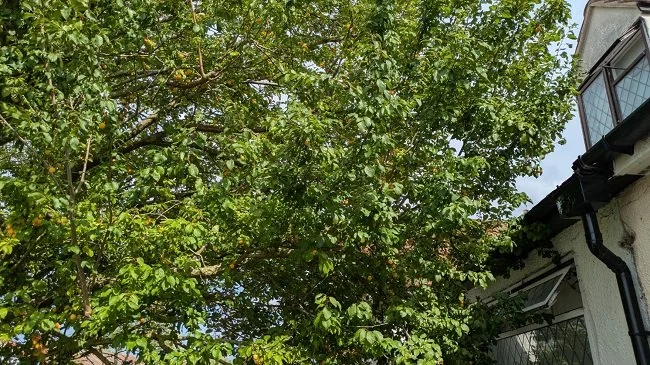
Trees, like most other forms of flora, are not respectful of property boundaries. The one in our neighbours garden is approximately 18 feet high and unfortunately right next to the wall separating houses. After some cursory research I think it may be a Mirabelle Plum tree. Currently, the fruit it bears are ripe and falling onto both properties. Over the last few days, I’ve had to go outside each morning and sweep up the windfall fruit and deposit them into our garden recycling waste. If I don’t do this, the fruit is crushed under foot and inevitably trodden into the house. There is also scope for the fruit to cause an accident such as a twisted ankle. They also attract a lot of insects, such as flies and wasps. Due to the sheer volume of fruit, it can sometimes take a week or two for it all to fall. In the meantime it is effectively a nuisance and it creates work.
If you take the time to walk around the local area, there are quite a few fruit bearing trees and bushes located in vestigial gardens. A hangover from the days when people didn’t plant such things for cosmetic reasons but actively cultivated fruit. As a child neighbours up and down my street would exchange homemade jams, marmalades, chutneys and relishes. During the seventies there was a time when home winemaking was popular and fruit trees were a great source of free ingredients. I remember going on excursions via local alleyways and side streets with my father, collecting fruit from trees and bushes which he then used for winemaking or homemade desserts. Apple crumble, stewed plums and raspberries and cream were common seasonal dishes during my youth. The notion of letting such a commodity go to waste was unheard of.
Sadly, such days have gone. No one knocks on your door and asks if they can pick your fruit crop anymore and hence it is left to waste, across various drives, and pavements in boroughs such as mine. Something that was once of a practical benefit is now just seen as an inconvenience. I have spoken to our neighbours and will try to liaise with their landlord so that the plum tree in question can be either cut back substantially or at least pollarded. It may even be more cost effective to have the entire tree removed, although that does seem somewhat drastic. I’m sure it does offer environmental benefits, just not to humans. And that is the problem in a nutshell. It is another example of how humans want the environment that they live in to accommodate their needs. Anything that doesn’t becomes a problem to be fixed, irrespective of its impact elsewhere in the ecosystem.
UK Heatwave
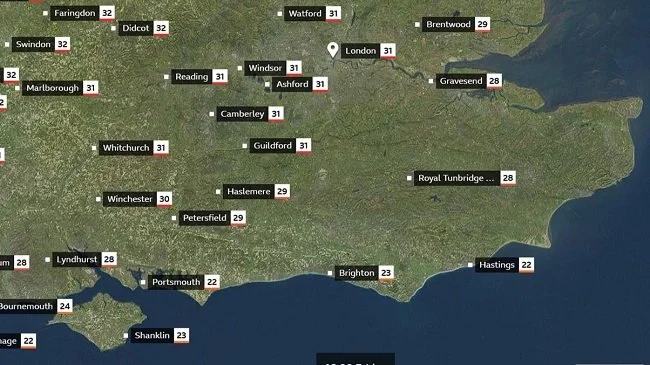
Temperatures are forecast to increase across the UK over the weekend. They have gradually risen over the last few days and are expected to reach the official “heatwave” threshold in some places for the third time this year. Highs of 34°C (93.2°F) are likely today and possibly on Saturday and Sunday, with above average temperatures continuing into early next week. The UK Met Office has predicted that south-east Wales, central southern and south-east England are likely to see the hottest weather. The UK Health Security Agency (UKHSA) has extended yellow heat health alerts to cover every region in England, which will remain in place until 10:00 BST on Tuesday 15 July. The warnings mean that health and social care services could be significantly affected by the weather, due to increased demand or a rise in deaths.
Temperatures are forecast to increase across the UK over the weekend. They have gradually risen over the last few days and are expected to reach the official “heatwave” threshold in some places for the third time this year. Highs of 34°C (93.2°F) are likely today and possibly on Saturday and Sunday, with above average temperatures continuing into early next week. The UK Met Office has predicted that south-east Wales, central southern and south-east England are likely to see the hottest weather. The UK Health Security Agency (UKHSA) has extended yellow heat health alerts to cover every region in England, which will remain in place until 10:00 BST on Tuesday 15 July. The warnings mean that health and social care services could be significantly affected by the weather, due to increased demand or a rise in deaths.
Such extremes of temperature are becoming common in the UK. Growing up, I have memories of the summer of 1976. The unprecedented heatwave led to drought conditions in rural areas and a temporary water shortage. That was an anomaly at the time and for many years it remained a talking point and source of nostalgia. Since then there have been periods that have met the heatwave criteria in 2018, 2019, 2021 and 2022. While linking climate change with specific individual extreme weather events can be difficult, scientists say climate change is generally making heatwaves hotter, longer and more frequent. UK temperatures over the next few days will be around 7-10°C (44-50°F) above average for mid-July. The main problem arising from this phenomenon is the country’s inability to cope. The UK’s infrastructure, architecture and institutions are predicated on the notion that the country has a temperate climate.
The UK is ill-equipped to deal with high temperatures due to a combination of factors. Older buildings are particularly vulnerable, often designed to retain heat in the winter but becoming excessively hot in the summer. I live in a brick bungalow that was built in the early 1930s. It has been insulated with modern materials and although it retains heat during cold weather it fails to prevent heat transfer during summer, causing indoor temperatures to rise significantly. Air conditioning is not a standard feature in most UK homes or on public transport, although the latter is getting better. Buses in London now have better climate control but travelling on the underground or railway is often unpleasantly hot. Also, simple solutions such as awnings and canopies are still not standard features on UK buildings.
Hence a heatwave in the UK is seldom universally welcomed. I personally find that once the temperature rises above 25°C (77°F) then I am out of my comfort zone. However, I have invested in several good quality fans in the last few years and although they only circulate the air, they do make things more tolerable. As for my definition of a “good quality” fan, it is defined by whether or not the device is quiet. Thankfully, my office is in the front of the house overlooking the street and facing North. The lounge at the back of the property looks out over the garden and gets a lot hotter due to the aspect and the glass patio doors. Subsequently, Mrs P and I keep the curtains and blinds shut all day in the lounge and kitchen and it does make a difference. Hopefully we will cope with the coming heatwave. Others may not be so lucky.
Countries that regularly face high temperatures usually develop an appropriate culture of safety and responsibility. The importance of staying hydrated and liberal use of sun protection products become an everyday part of life during the summer. Hats also become more than just de rigeur. There is also a heightened awareness of fire safety with rural areas being increasingly dry. Sadly, this mindset is not commonplace in the UK and many people are irresponsible once the weather gets hot. Hence, there are numerous cases of heat exhaustion, sunburn and dehydration. Sadly, pets also suffer in this weather. No doubt there will be increased reports of such in the UK media next week, although the tabloids will reserve the most vitriol for the various hosepipe bans that have been announced. In the meantime, stay cool. Literally.
Politicians
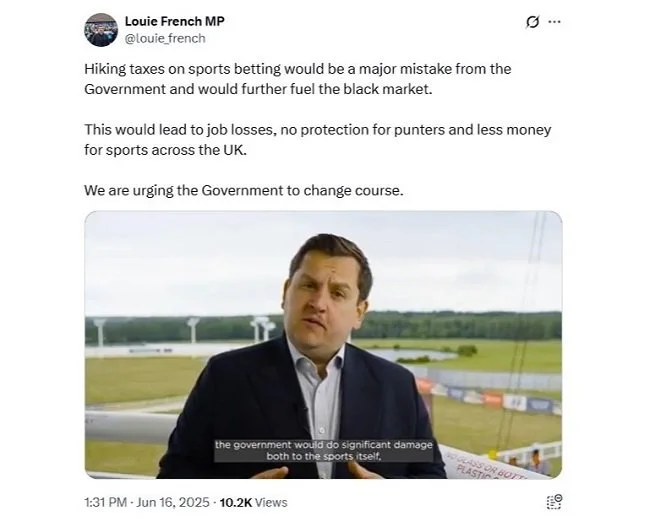
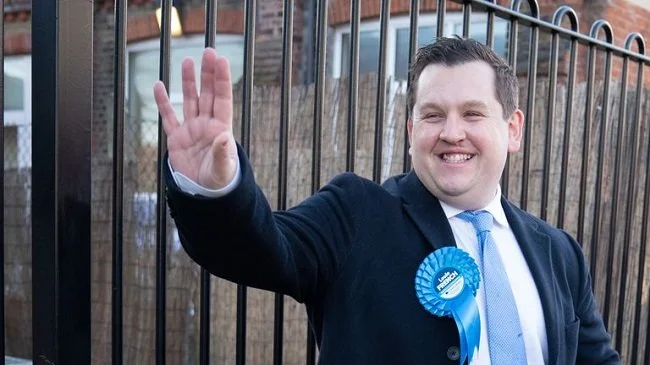
I still maintain a legacy presence on Twitter/X and I follow my local MP (member of Parliament) Louie French. It’s not something I especially relish as I am not a supporter of the Conservative party (or any other) and I did not vote for him in the last election. I just like to know what he is up to as he is the political representative for our constituency. As the Conservatives are out of power at present, to all intent and purposes, Mr French is a backbench MP although he has a minor position as Shadow Parliamentary Undersecretary (Culture, Media and Sport). However, with that being said he is hardly a key member of the shadow cabinet. Hence he focuses on constituency work and that which is generated by his shadow posting. He will also lend his voice, when required, to any major policy decision or statement made by his party.
I still maintain a legacy presence on Twitter/X and I follow my local MP (member of Parliament) Louie French. It’s not something I especially relish as I am not a supporter of the Conservative party (or any other) and I did not vote for him in the last election. I just like to know what he is up to as he is the political representative for our constituency. As the Conservatives are out of power at present, to all intent and purposes, Mr French is a backbench MP although he has a minor position as Shadow Parliamentary Undersecretary (Culture, Media and Sport). However, with that being said he is hardly a key member of the shadow cabinet. Hence he focuses on constituency work and that which is generated by his shadow posting. He will also lend his voice, when required, to any major policy decision or statement made by his party.
Like most contemporary parliamentary representatives he uses social media as a major communication tool. Hence it is a valuable source of information. I can also look on the UK parliamentary website and see when he has spoken in the House of Commons, any bills he is associated with or advocates for, as well as his overall voting record. There is also a list of interests that he has declared, most of which are declarations of meetings and hospitality via the sports industry as that is his current shadow brief. All the above is occasionally supplemented by news reports or newspaper articles in which Mr French features. All of which provides a constituent such as I, a useful means to assess how well our MP is performing. I try to set aside my personal bias regarding his political party of choice and their historical legacy to which he has contributed.
After reflecting upon all of the information at my disposal regarding my local MP, I am struck by how generic, superficial and tediously partisan his political activities and communications are. Every point made is always couched within a statement that seeks to blame others and ruffle the feathers of the electorate. Any point of contention or debate pertaining to services or activities in London is always portrayed as the fault of the current mayor Sadiq Khan, a Labour party politician. This always comes with an undercurrent of dog whistle racism although I sure it would be denied. It simply seems to be a standard political tool if you are on the right of politics. Essentially Mr French conducts his politics in trite, factually dubious, soundbites. It is always simplistic, partisan and imbued with a false sense of rectitude and misplaced confidence.
The tragedy of this situation is that it is representative of the broader manner in which politics is conducted nationally in the UK. There are few exceptional politicians these days. The defining term that springs to mind of our overall political representation is mediocrity. Gone are the days where your MP was well educated, well versed in business or statecraft and conducted themselves with decorum and dignity. Too many contemporary MPs seem to be ill equipped across multiple disciplines to do the job in hand. They all seem to indulge in the worst sort of political communication, which makes it impossible for them to be able to express an opinion or answer a question in case it comes back to haunt them at a future date. They are disingenuous, often petulant and petty when rightly challenged to justify their position and more often than not utterly forgettable. Politics is simply a stepping stone in a wider career and is not driven by passion, ideology or love of one’s country.
I am reminded of the following quote from the BBC comedy Yes Minister/Yes Prime Minister. In which the fictional Prime Minister James Hacker (played superbly by Paul Eddington) rails against his backbenchers and MPs per se. It is as relevant now as it was back in 1986 when the episode was first broadcast. “Being an MP is a vast subsidised ego trip. It's a job for which you need no qualifications, no compulsory hours of work, no performance standards. A warm room and subsidised meals for a bunch of self-opinionated windbags and busybodies who suddenly find people taking them seriously because they got letters MP after their names”. If we wish to improve the calibre of our national politics, then we need to start by establishing a set of standards and criteria that prospective MPs must meet.
Thoughts on Holidays
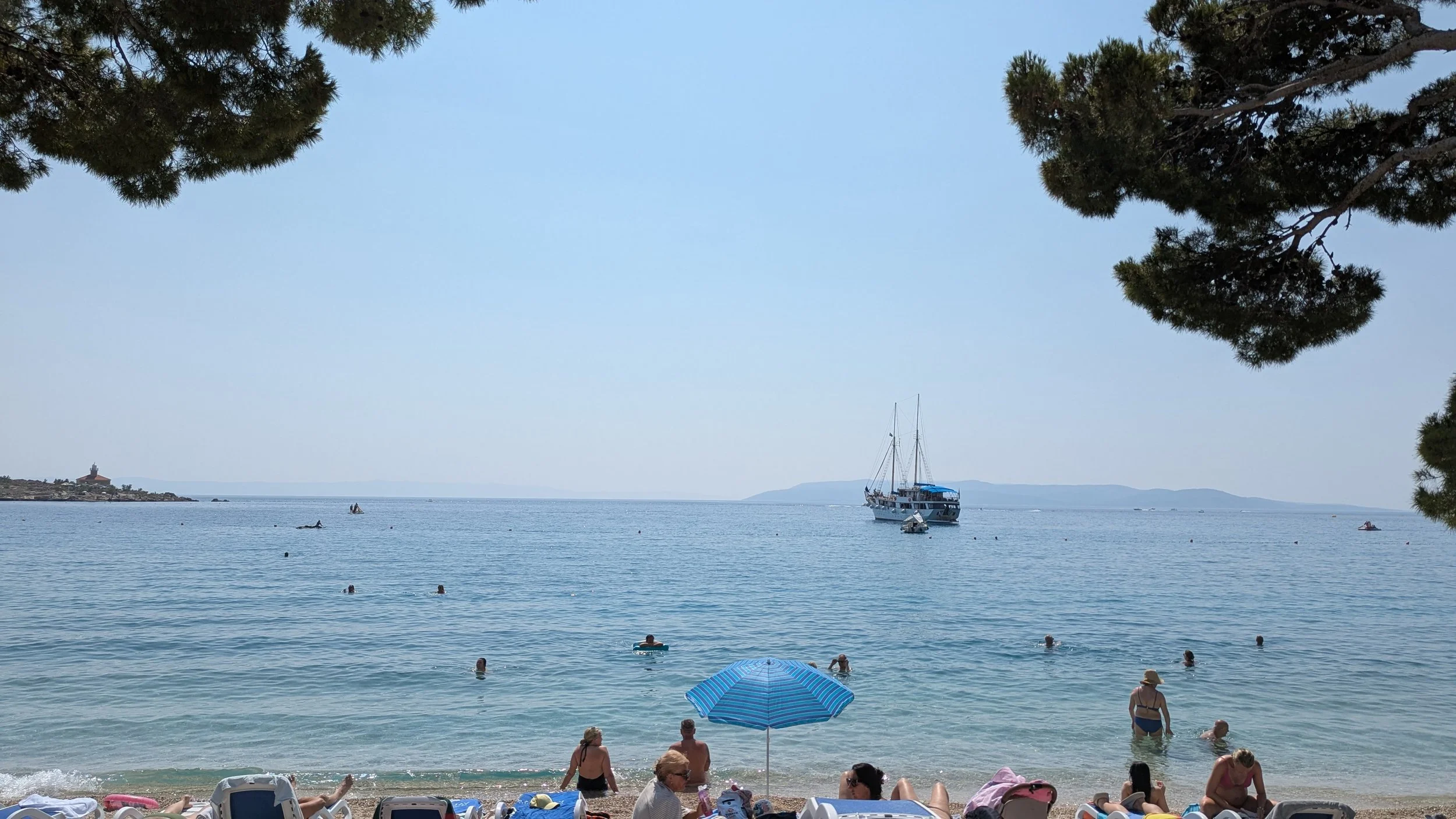
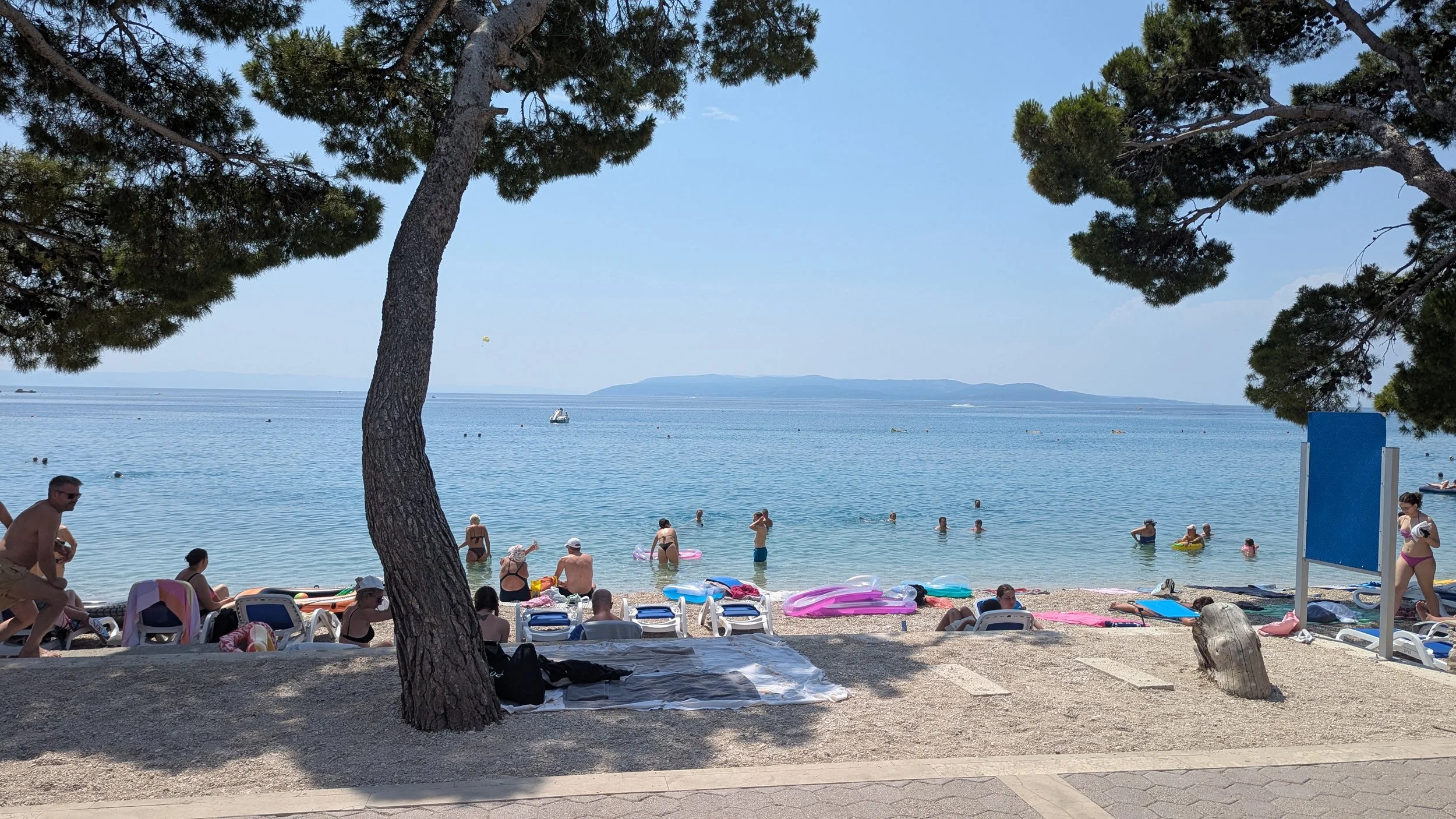
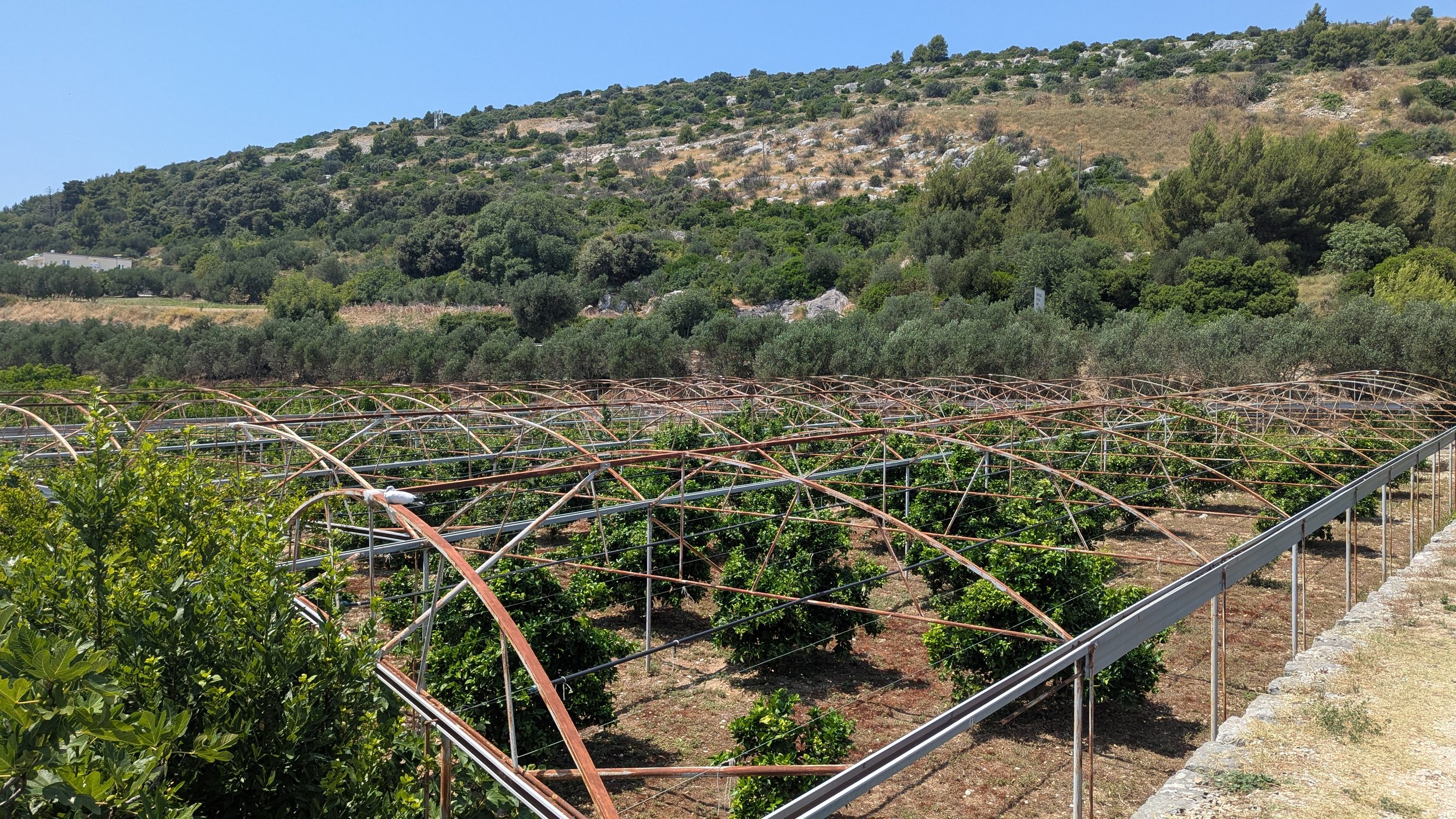
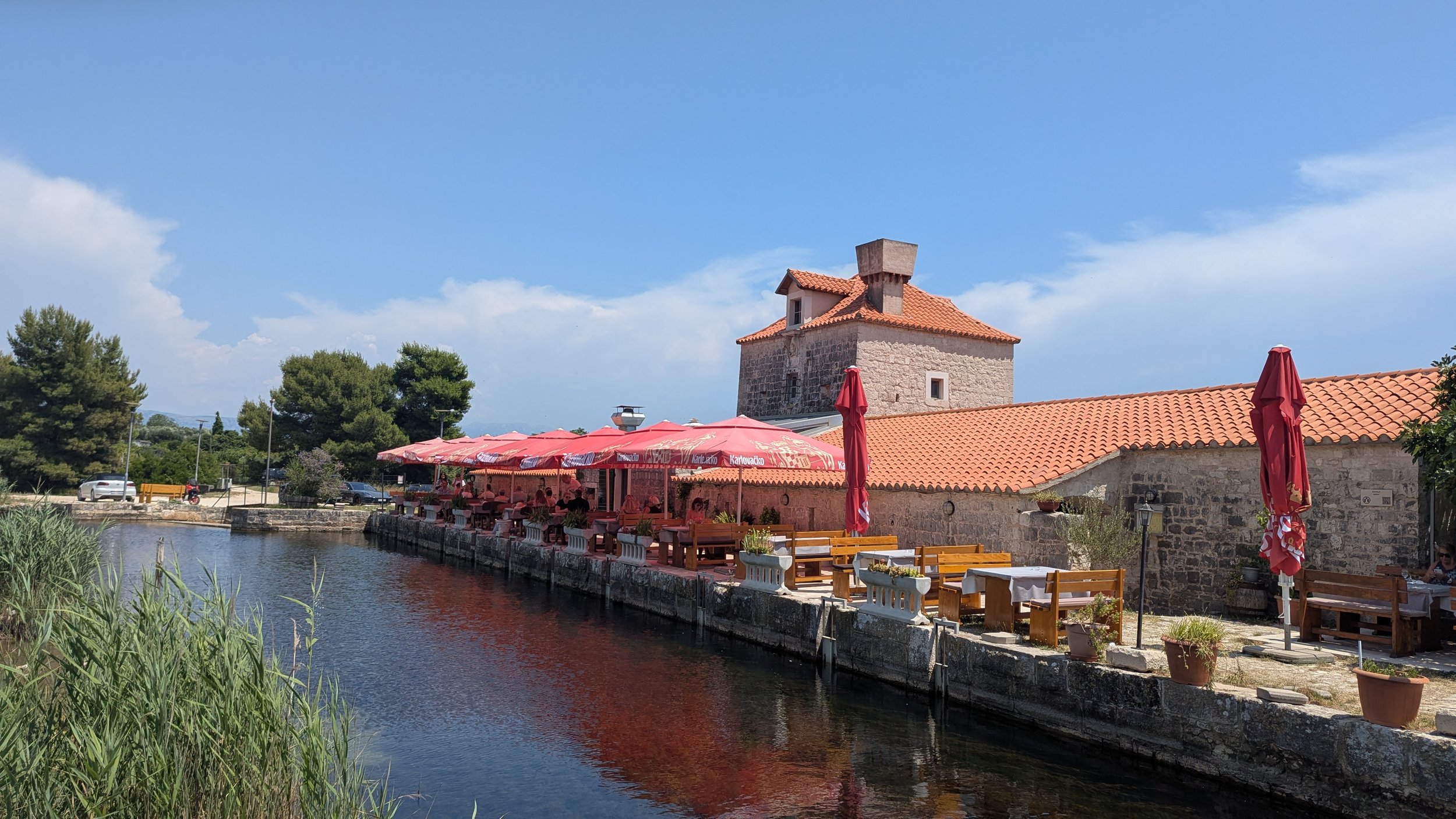
Mrs P and I travelled to Croatia on Friday 13th June for our summer holiday. We spent one week in Makarska, which is located on the Dalmatian coast. My last international holiday was to Malta in 2004. Since then we have done a lot of travelling in the UK and Mrs P has vacationed abroad with other family members. However, she stated last September that she wanted to go “somewhere warm” for our next holiday. So this trip was booked and has been “something to look forward to”, or a source of stress slowly inching closer, depending upon your perspective. In many respects this holiday has been a big deal for me. I don’t enjoy travelling at all with all its accompanying logistical, bureaucratic and “people” issues. However, I have no problem with being elsewhere. I eagerly await teleportation technology to become commonplace. Once I arrived at our hotel, I quickly switched to holiday mode and I am happy to confirm that I thoroughly enjoyed myself.
Mrs P and I travelled to Croatia on Friday 13th June for our summer holiday. We spent one week in Makarska, which is located on the Dalmatian coast. My last international holiday was to Malta in 2004. Since then we have done a lot of travelling in the UK and Mrs P has vacationed abroad with other family members. However, she stated last September that she wanted to go “somewhere warm” for our next holiday. So this trip was booked and has been “something to look forward to”, or a source of stress slowly inching closer, depending upon your perspective. In many respects this holiday has been a big deal for me. I don’t enjoy travelling at all with all its accompanying logistical, bureaucratic and “people” issues. However, I have no problem with being elsewhere. I eagerly await teleportation technology to become commonplace. Once I arrived at our hotel, I quickly switched to holiday mode and I am happy to confirm that I thoroughly enjoyed myself.
I knew that travelling from London Gatwick, even in the earlier hours of the morning, was going to be stressful. The airport is busy 24 hours a day. So I took the precaution of booking a room at the Premier Inn the day before our flight, so we didn’t have to get a taxi at “stupid o’clock”. Hence we spent the afternoon and evening relaxing in the bar and restaurant on Thursday and retired at a sensible time, as we had to get up at 3:00 AM the next day. Early Friday morning we dropped off our baggage and went through security. Both of which were extremely busy. Fortunately, I had booked us into an airport lounge, so we didn’t have to wait in the public area which was already heaving by 5:00 AM. The seating in the lounge was comfy and there was a buffet available. It certainly helped reduce my stress levels. It was also very close to our departure gate, so all we had to do was relax and wait. I indulged my hobby of “people watching”, which proved most illuminating as it so often does.
Boarding the plane old school
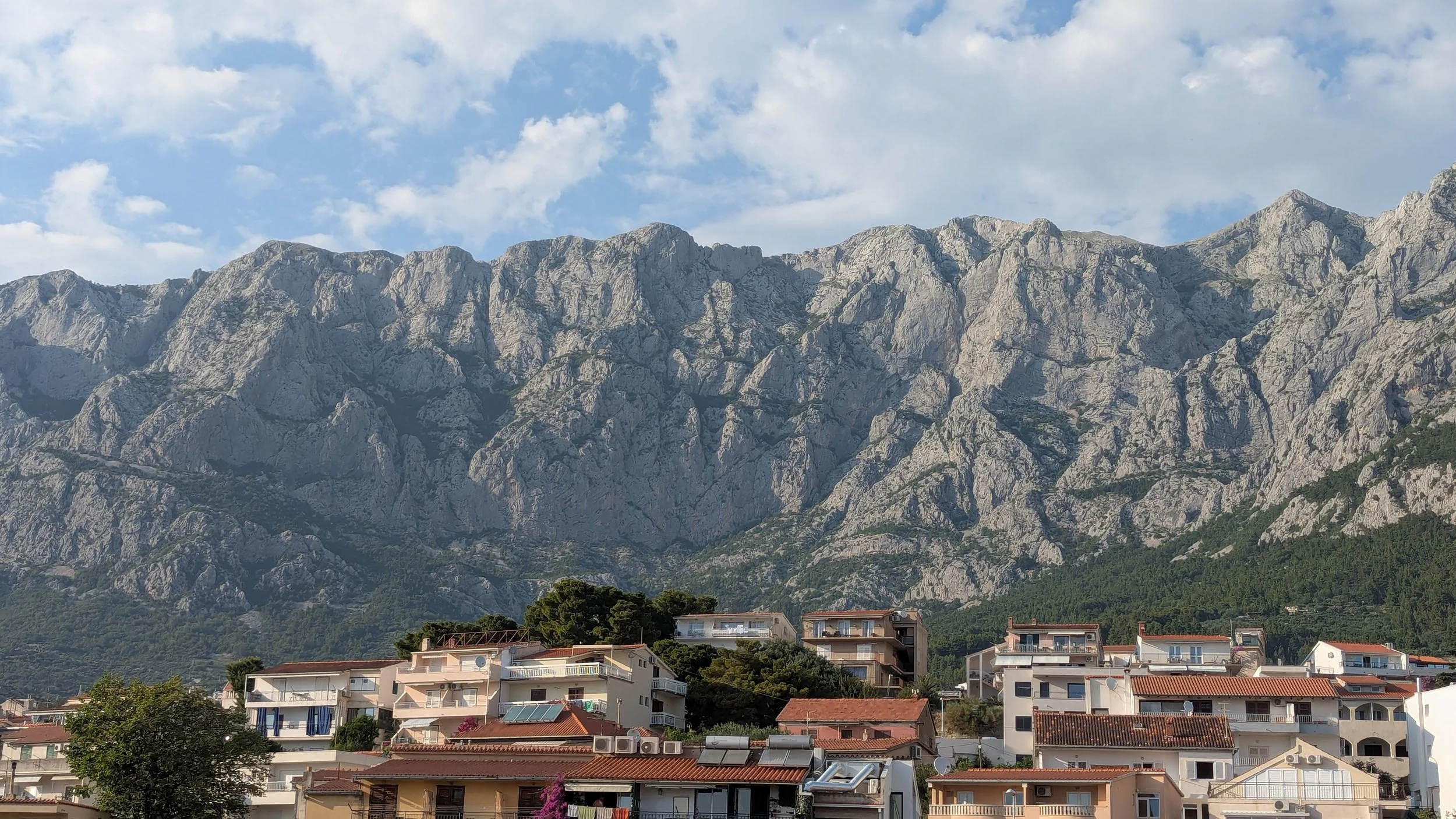
Our flight was fine once it actually took off. Two hours fifteen minutes is hardly an arduous journey. My beef is with how long it takes getting passengers on and off the plane and the time that is lost waiting to take off. As ever with holidays to warmer climates, we were greeted by a wall of heat as we stepped off the plane. The average temperature in Croatia in June is usually 24°C (76°F). Due to a heatwave across the Mediterranean, it was often 27°C (81°F) during our stay. There was a rep from the holiday company waiting at Split airport and we were quickly directed to the coach that took us to our hotel. What I didn’t realise is that the Dalmatian coast is on the other side of a mountain range and so we subsequently had another two hour journey. However, this did afford an opportunity to spend some time familiarising myself with the Croatian landscape which is similar to that of Greece and Cypress, but more verdant.
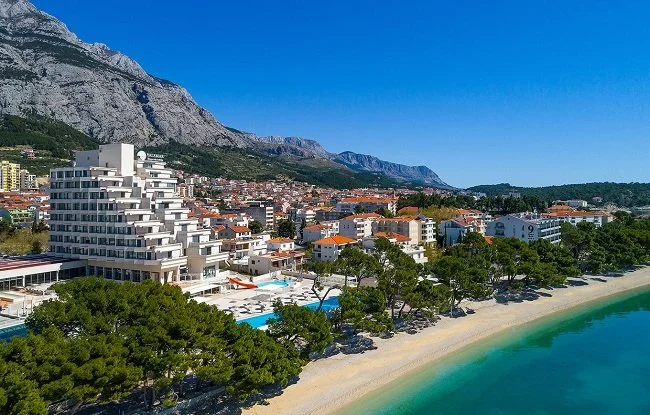
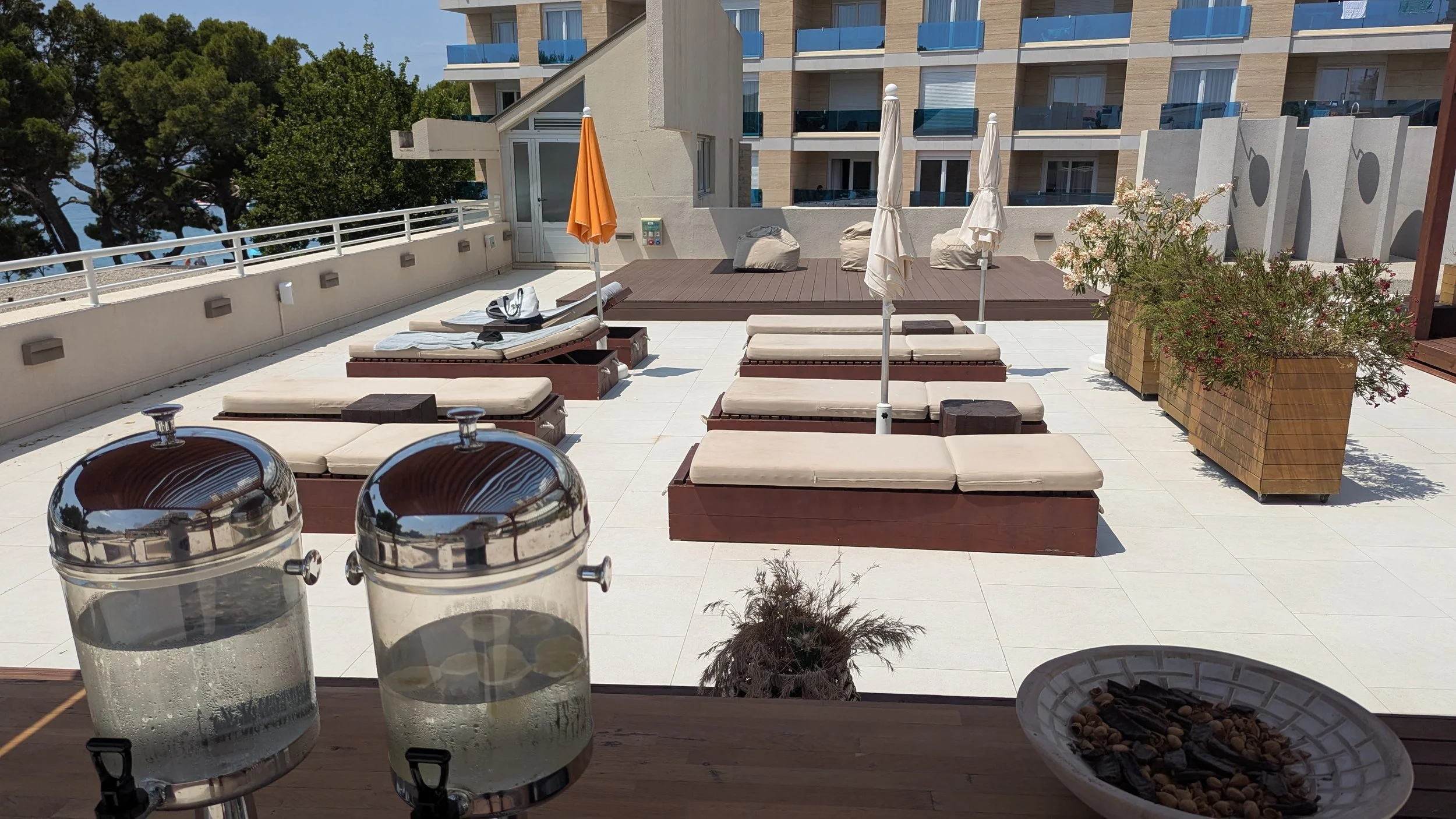
According to their website, the Valamar Meteor Hotel is “stylish, bright and brimming with facilities” and I am happy to concur. Set next to a shady pebble beach near the heart of Makarska, this four star hotel features gorgeous outdoor and indoor pools, as well as a sun terrace overlooking the Adriatic sea. The stylish and contemporary furnished air conditioned rooms and suites offer views of either the sea or mountain. Immaculately presented with incredibly friendly and helpful staff, this is one of the best hotels I have ever stayed in. There are plenty of activities available for both adults and children, as well as excursions and tours. The bar and the main restaurant were outstanding. The latter offers the most extensive breakfast and dinner buffets I have encountered. Local delicacies, Mediterranean cuisine and simple staples were all available. I felt incredibly relaxed all the time and there were absolutely no language issues.
Krka National Park
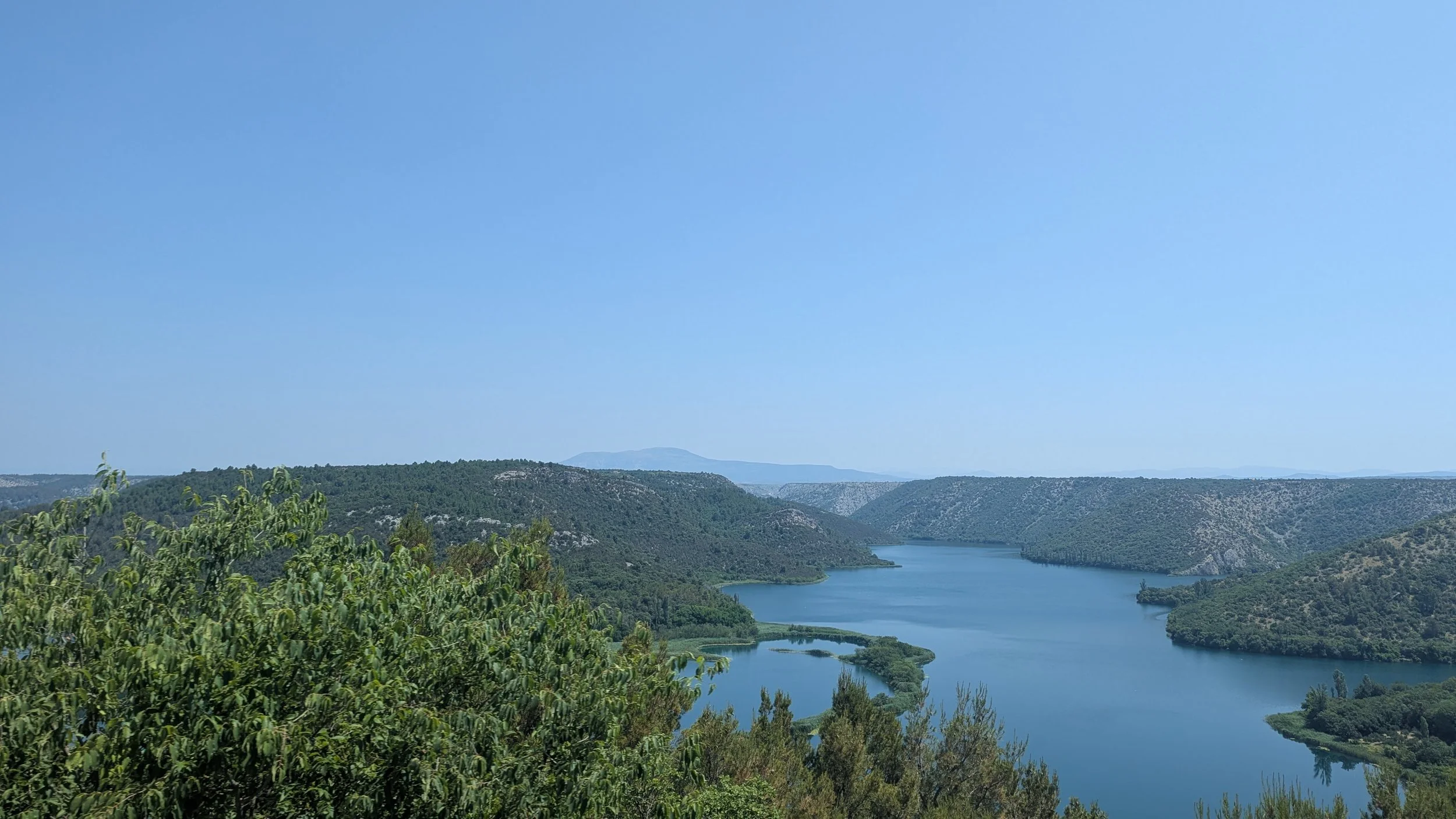
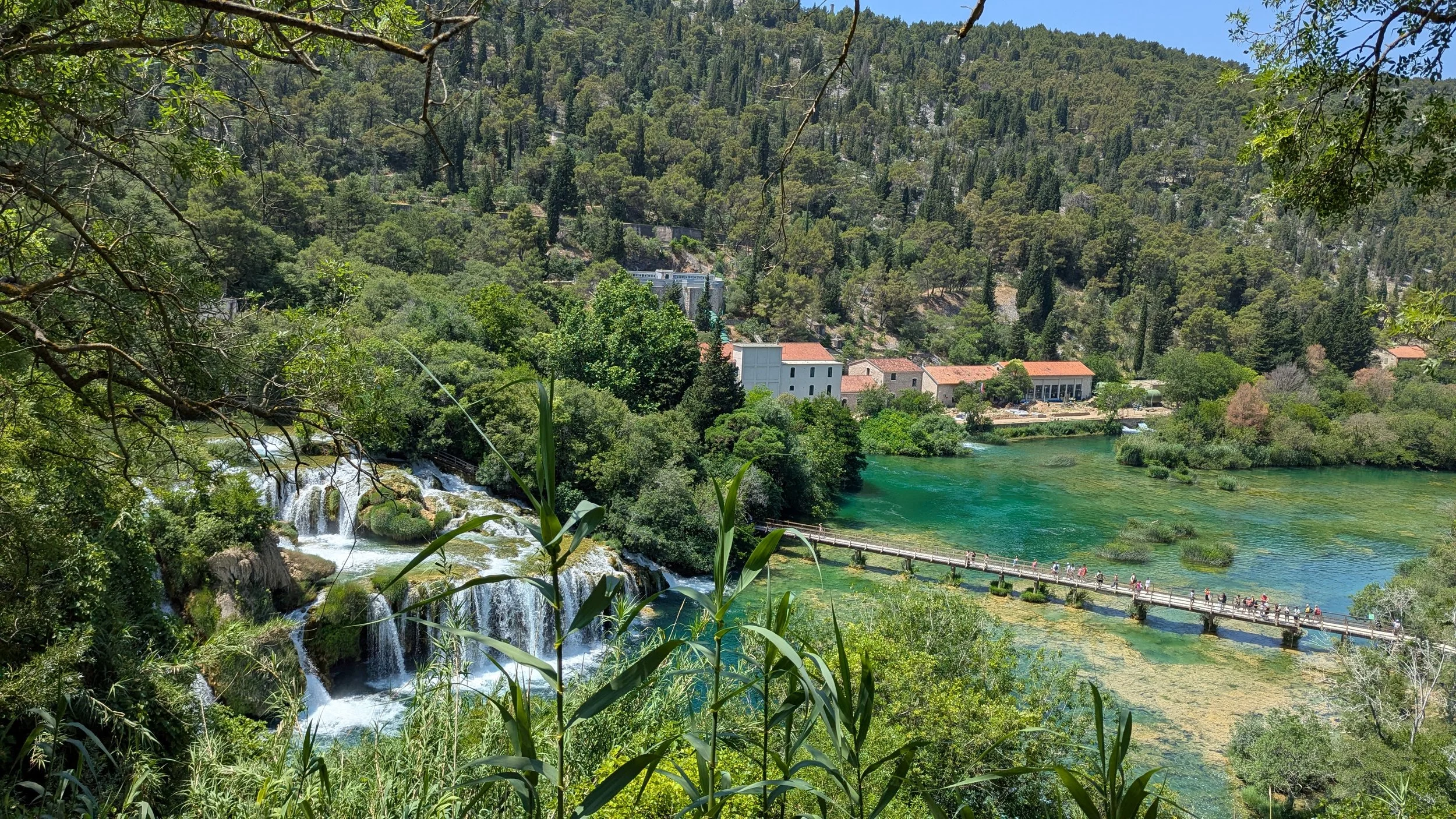
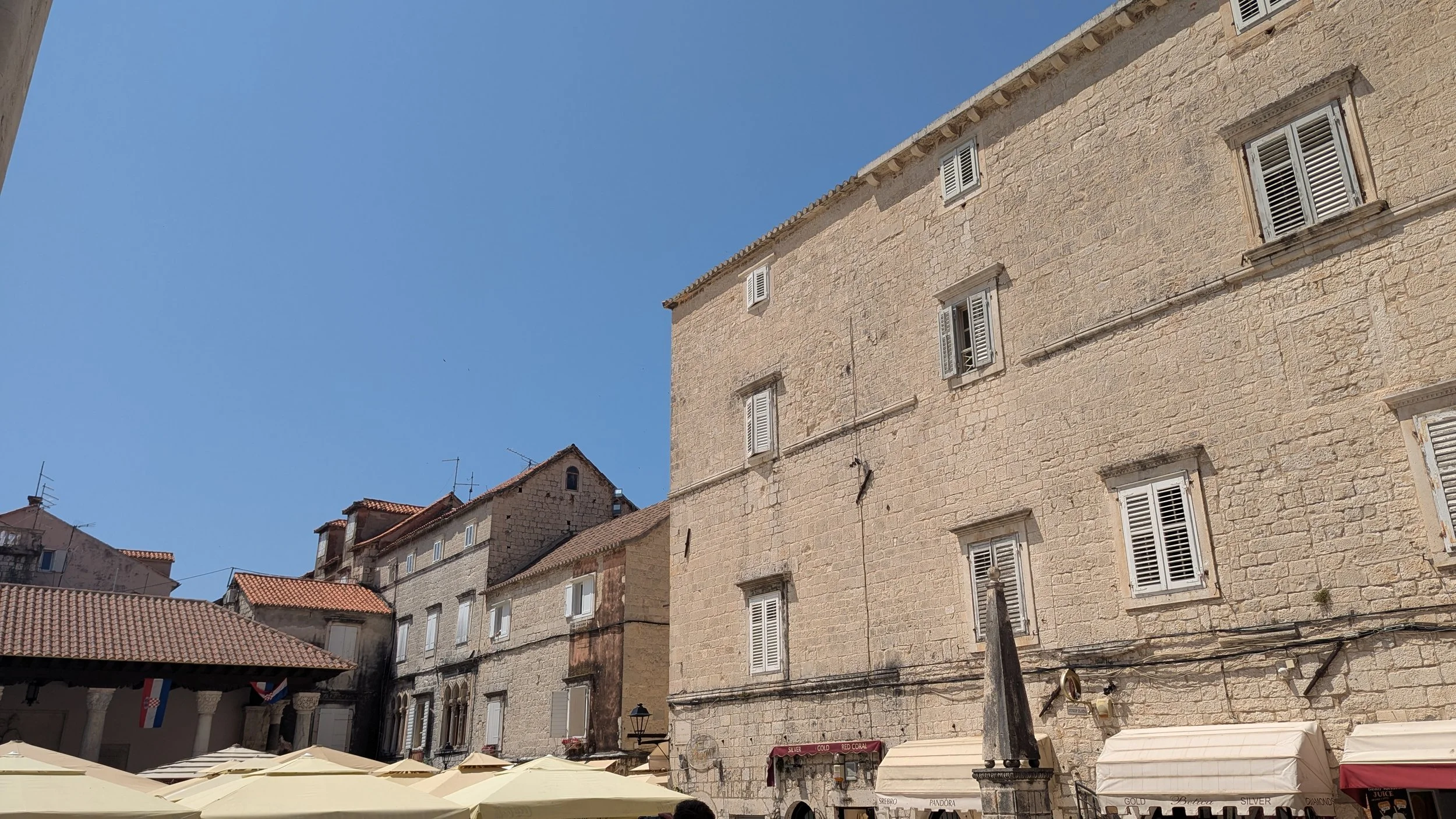
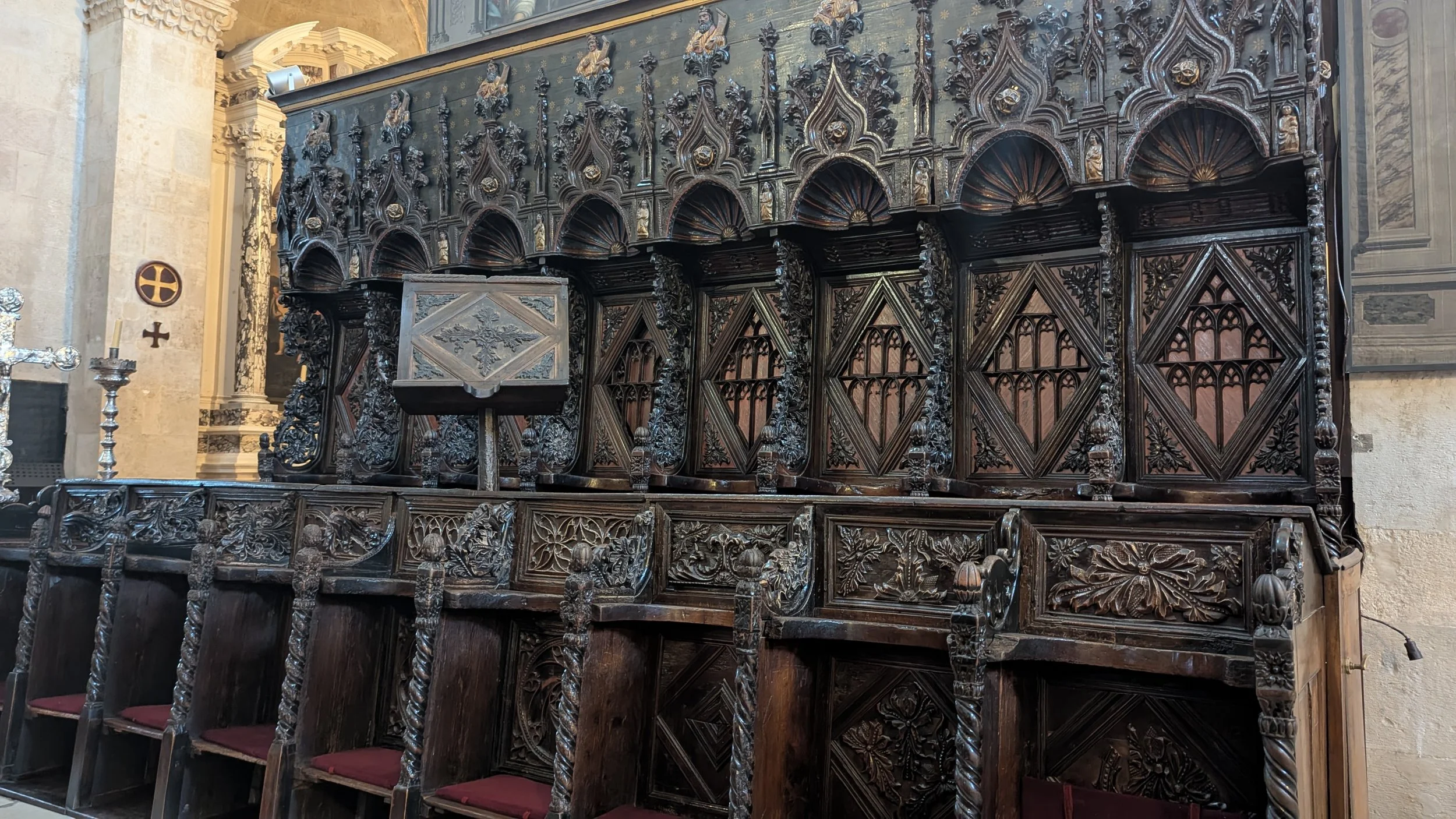
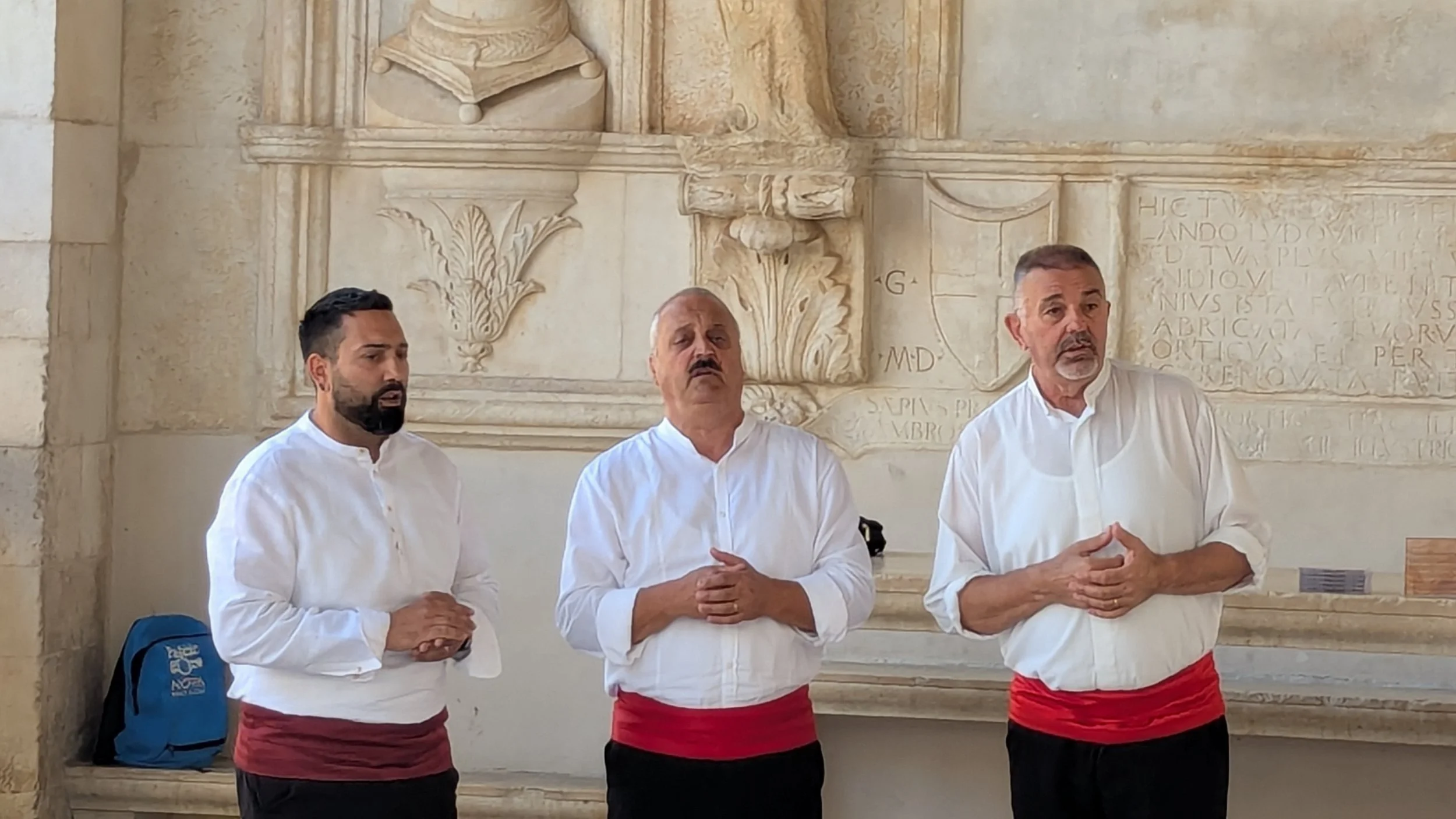
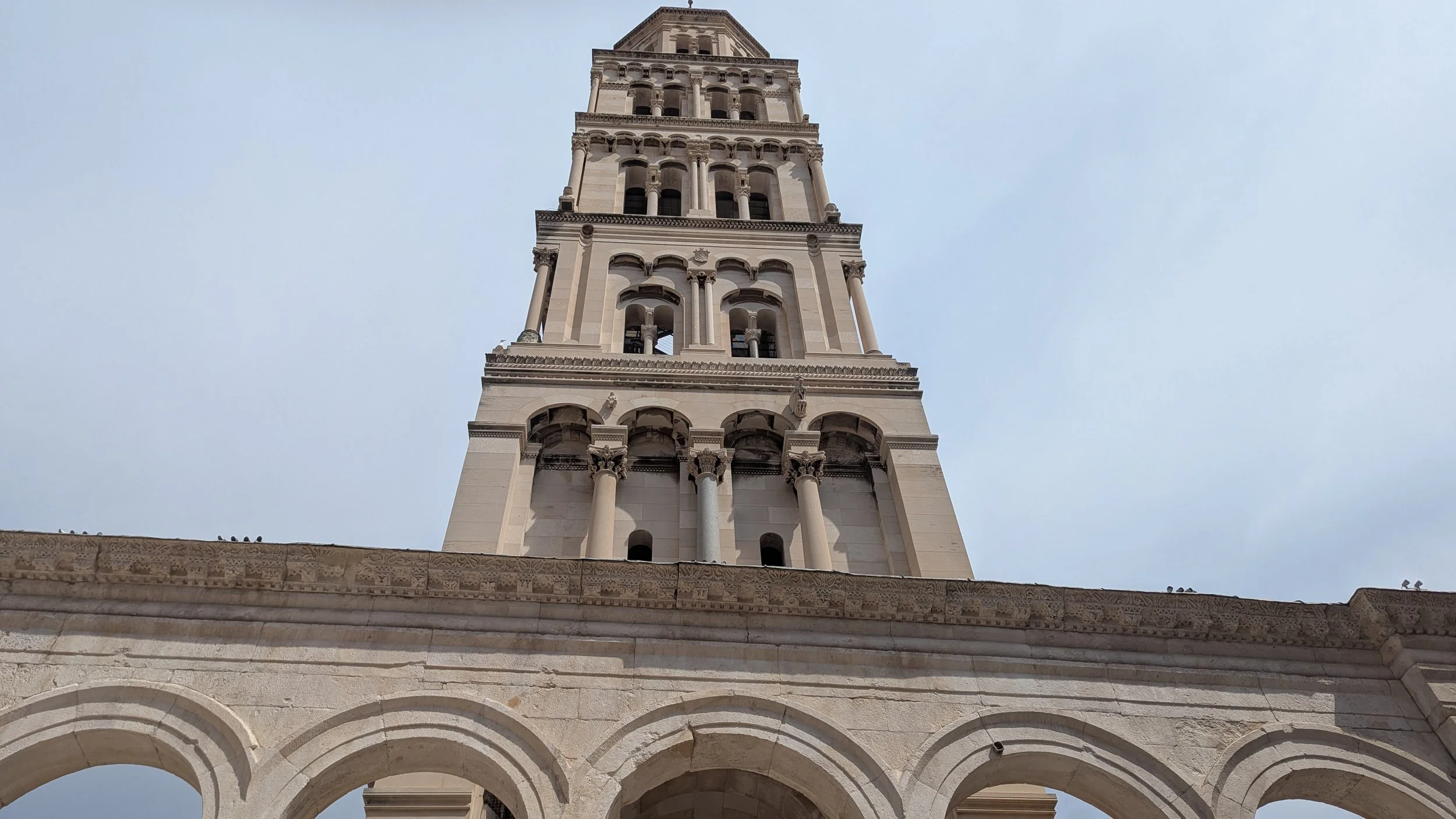
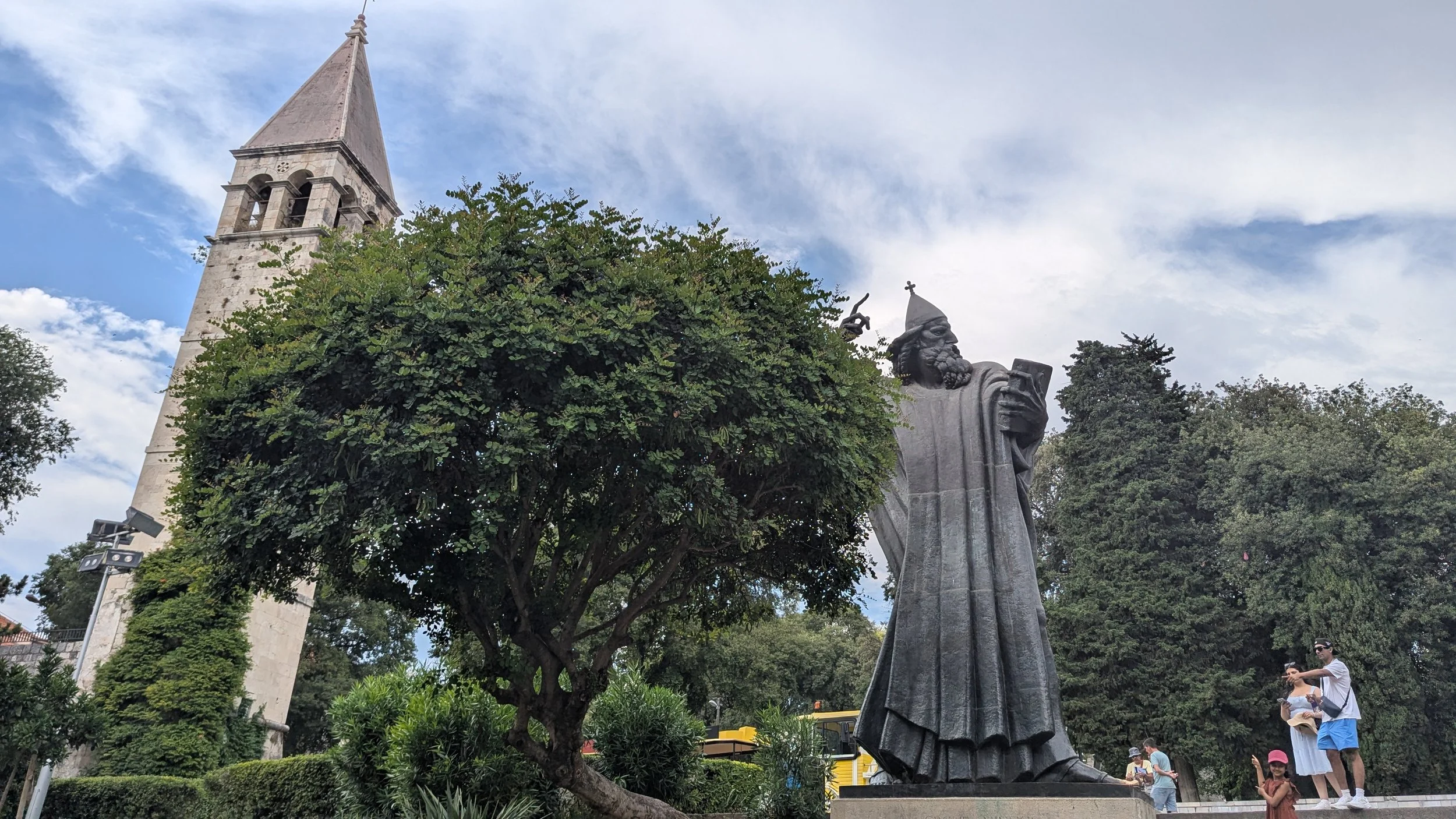
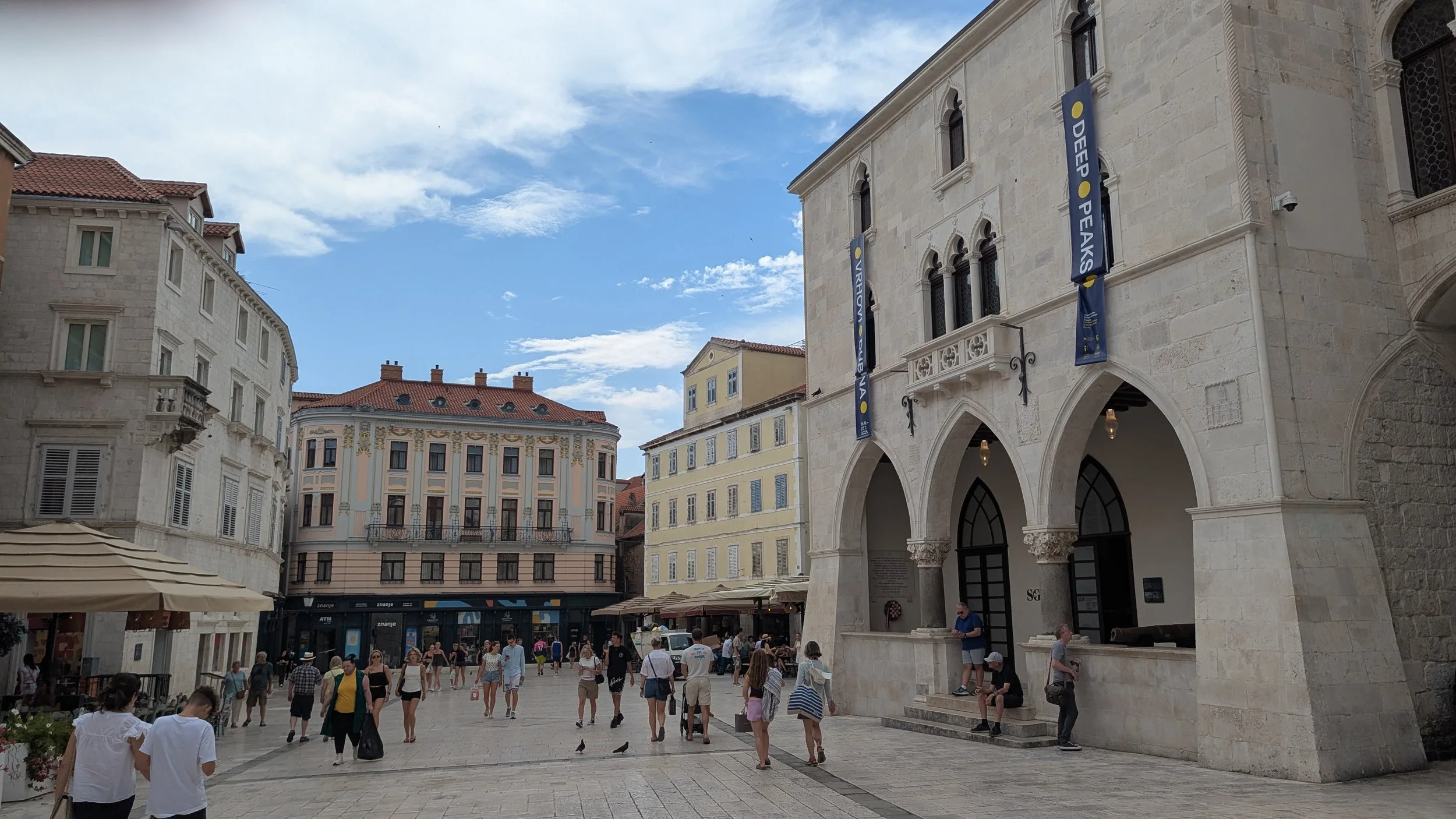
Mrs P likes to sun herself on holidays. I will do this to a degree but will go walkabout when I’ve had my fill. Thankfully, the hotel had a game lounge furnished with half a dozen PlayStation 5s. There was often musical entertainment in the evenings and it was to a surprisingly good standard. We went on several excursions during the week. One to Krka National Park which was most impressive with its abundance of waterfalls. We also went on a tour of Trogir and Split. I particularly liked the Cathedral of Saint Domnius and the remains of Emperor Diocletian’s Palace. An unexpected place of interest was a visit to the Olive Museum and later a trip to an olive farm. In such modern times it is easy to forget the importance of certain traditional industries and their significance to the history and economy of a country or region.
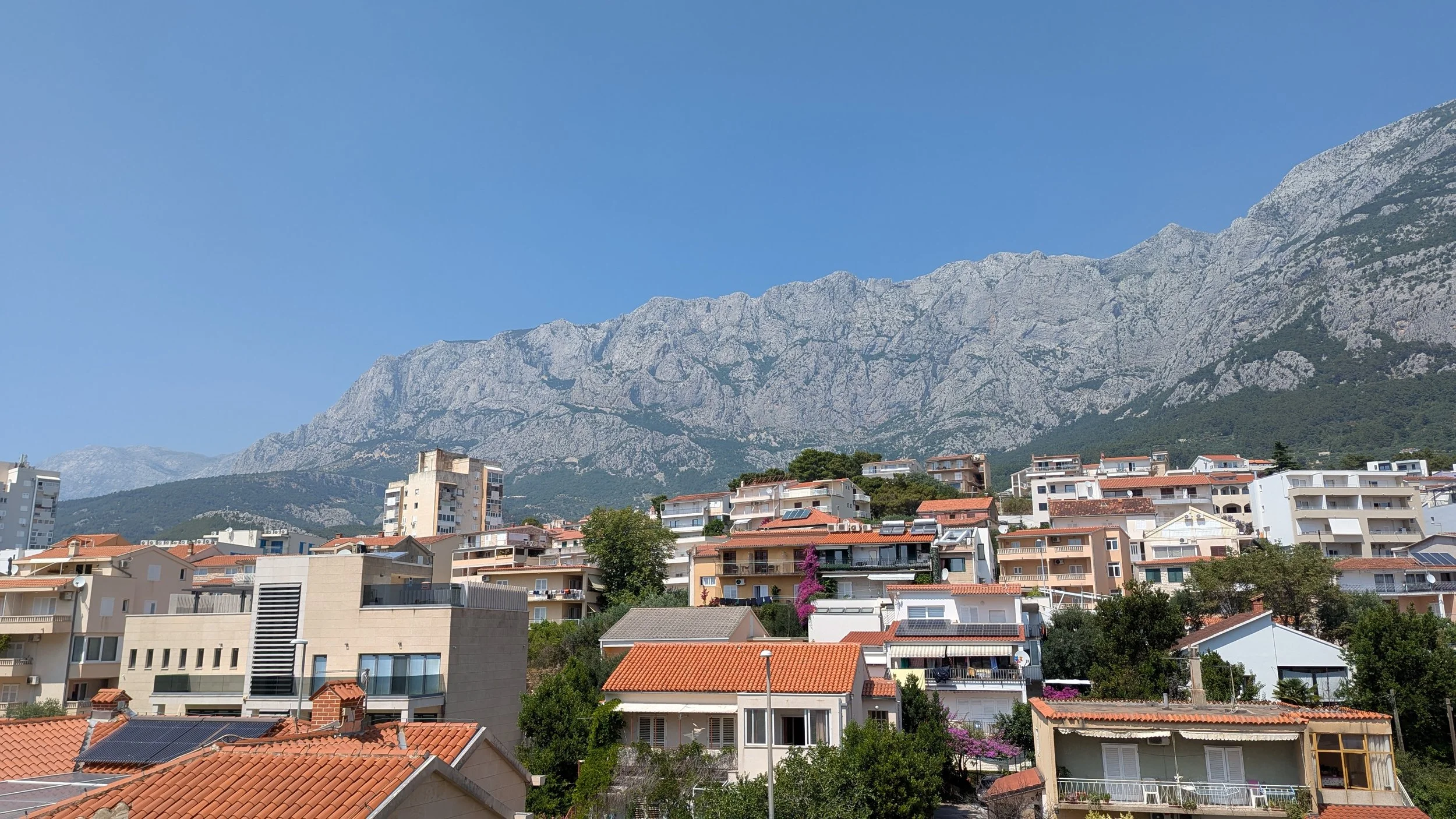
The Dalmatian Coast
The whole point of a holiday is to rest, relax and do things you may not do in the course of your daily life. My week in Croatia satisfied all these needs. On one occasion I left the hotel and walked through the town of Makarska. It was similar to any community with supermarkets and pharmacies. Being a resort there were a lot of shops selling souvenirs and such like and numerous restaurants. The cost of living is lower than that of the UK, giving me the brief illusion during my stay of being wealthy. The other stand out feature of Makarska was how clean and well maintained it is. But as 23% of Croatia’s GDP comes from tourism, such high standards seem self explanatory. Overall, this holiday has certainly done much to revise my views on international travel. It ultimately comes down to doing your research and making a discerning choice. I’m already considering where to go next and I may not wait until next year.






Semantic Bleaching
Last week, I was in a department store with Mrs P and my Grandson, when we stumbled across a range of toys called Fugglers. They are effectively a range of child friendly monster plushies, rather than genuinely terrifying mutation action figures. The manufacturers spuriously claim that the franchise name is a compound word of funny and ugly. However, anyone conversant with contemporary slang will immediately think of the phrase “fugly” which means fucking ugly. I’m sure the manufacturers of Fugglers have made it clear that their product is not in any way drawing upon this phrase, but only a fool would believe such a disingenuous stance. The name has obviously been chosen because it courts controversy by default. Yay marketing etc.
Last week, I was in a department store with Mrs P and my Grandson, when we stumbled across a range of toys called Fugglers. They are effectively a range of child friendly monster plushies, rather than genuinely terrifying mutation action figures. The manufacturers spuriously claim that the franchise name is a compound word of funny and ugly. However, anyone conversant with contemporary slang will immediately think of the phrase “fugly” which means fucking ugly. I’m sure the manufacturers of Fugglers have made it clear that their product is not in any way drawing upon this phrase, but only a fool would believe such a disingenuous stance. The name has obviously been chosen because it courts controversy by default. Yay marketing etc.
Setting aside any debate over Fugglers, I am far more interested in the cultural phenomenon of taking an existing term that has a specific meaning to one generation and co-opting and repurposing it for another. For example, the word “pimp” has undergone such a transformation over the last twenty years or so. I grew up with the term meaning “a man who controls prostitutes and arranges clients for them, taking a percentage of their earnings in return”. Broadly speaking pimps were bad guys. I immediately think of Albert Popwell in the film Magnum Force, pouring drain cleaner down a womens throat because the “bitch was holding out on him”. Today, my granddaughters will happily tell me that they’ve pimped their bedroom, by which they mean they’ve decorated it in a flamboyant fashion.
“Hello Mr. Green”
Overtime, the meaning of words can change. This organic process is oblivious to our own personal likes and dislikes. Such is the nature of language. Today, I learned while listening to the podcast Strong Message Here, that this process of repurposing words and claiming to remove the stigma of any prior definition is called “semantic bleaching”. It is something that happens often enough that it now has a formal term. However, the labelling and quantifying of this process doesn’t not necessarily make it a good thing. I’m sure there will be those who think that Fugglers and other examples of semantic bleaching are just “a bit of fun” and that it’s not a “big deal”. It can also be argued that this is another facet of the trivialisation of language, the erosion of a shared reality and the infantilisation of society. Yay people etc.
When Technology Fails
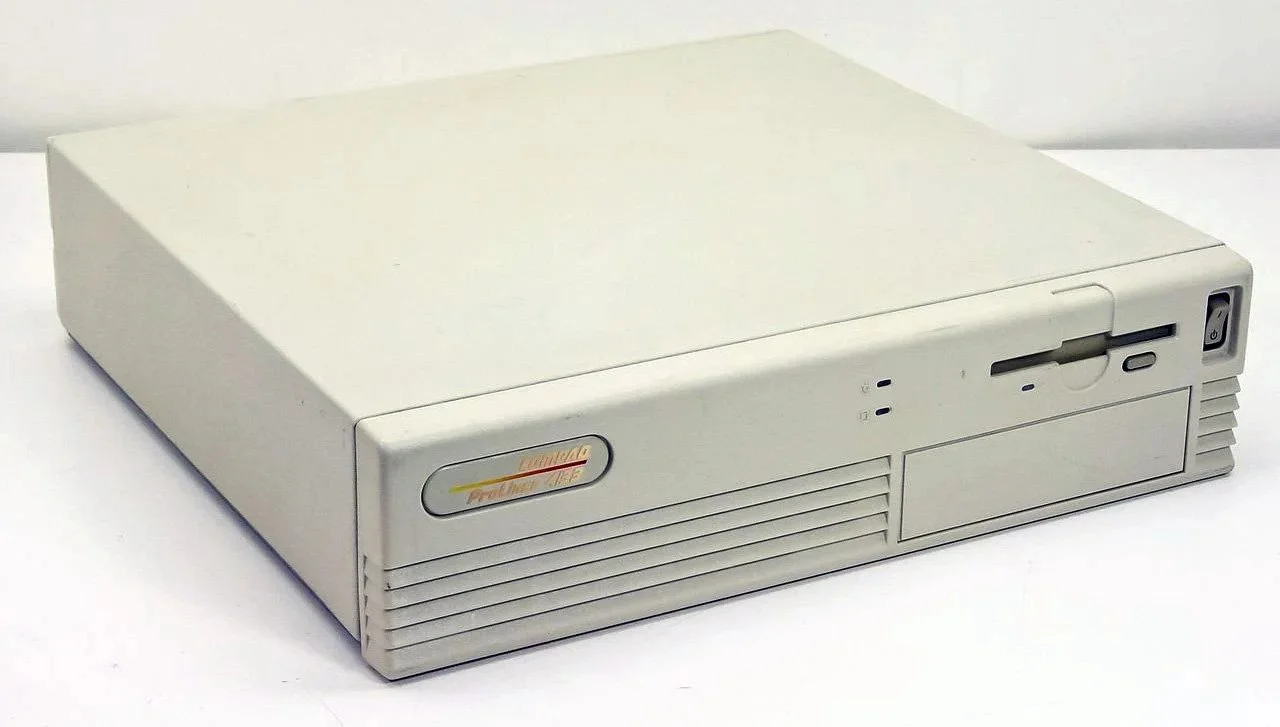
I had a novel experience (at least for me) this morning. I went to the cashpoint (that’s an ATM for those outside the UK) at my local supermarket, only to find it out of service. I had an imminent haircut appointment and no cash to pay my barber, who doesn’t take card payments. Fortunately, the supermarket did “cashback” so I bought a loaf of bread and some milk, paid £23 for them and was given £20 in cash. It’s a useful facility that I have never used until today. Usually I just make sure that I have a float of cash available but today the cashpoint being unavailable threw a spanner in the works. If the store did not do “cashback” then I would have had to reschedule my haircut. This minor hiccup got me thinking about our dependence on technology in our daily lives. A point that was further brought home, as my barber told me he had recently visited Spain and was affected by the national power outage.
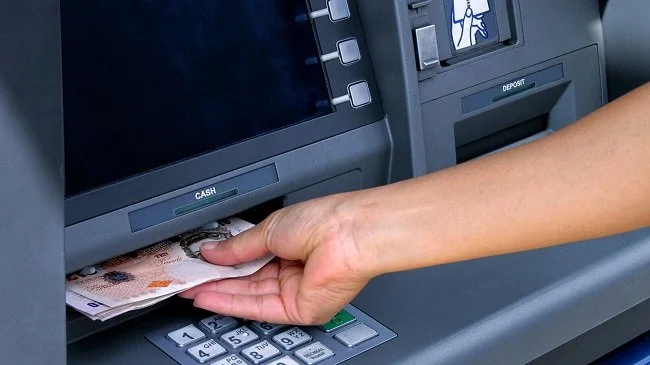
I had a novel experience (at least for me) this morning. I went to the cashpoint (that’s an ATM for those outside the UK) at my local supermarket, only to find it out of service. I had an imminent haircut appointment and no cash to pay my barber, who doesn’t take card payments. Fortunately, the supermarket did “cashback” so I bought a loaf of bread and some milk, paid £23 for them and was given £20 in cash. It’s a useful facility that I have never used until today. Usually I just make sure that I have a float of cash available but today the cashpoint being unavailable threw a spanner in the works. If the store did not do “cashback” then I would have had to reschedule my haircut. This minor hiccup got me thinking about our dependence on technology in our daily lives. A point that was further brought home, as my barber told me he had recently visited Spain and was affected by the national power outage.
If you weren’t aware, on Monday April 28th, at 12:33 PM, a blackout caused widespread disruption across Spain and Portugal. Although the exact cause is still unclear, the incident occurred when approximately 15 gigawatts of electricity generation capacity, representing 60% of Spain's power demand at that moment, was lost within a mere five seconds. This outage resulted in millions being left without electricity, affecting trains, traffic signals, ATMs, phone services, and internet connectivity throughout the Iberian Peninsula. By Tuesday morning, nearly all electrical services in Spain and Portugal had been restored, yet inquiries into the underlying cause have continued. Just take a moment to consider the ramifications of such a blackout and the impact it would have on your life, if such a thing happened to you.

Let us not forget the faulty patch that was released last July by cybersecurity vendor Crowdstrike, that crippled countless Microsoft Windows computers across the globe. Like the power outage in Spain, it shutdown everything from airline travel and financial institutions to hospitals and businesses online. Crowdstrike quickly deployed a fix, but the recovery from the outage took considerable time, as Crowdstrike’s solution needed to be applied manually on a per-machine basis. I was going for a meal with my sister that day and had booked a table in advance. The restaurant was very shrewd and called me along with every other customer as soon as the outage hit their payment system, to inform me that they were dealing exclusively with cash payment that day. Fortunately my “belt and braces” approach to money saved me any inconvenience.
Legitimate technical problems notwithstanding, we have to be cognisant these days of the very real threat that cyber terrorism poses, utilizing technology to cause harm, inspire fear, and potentially disrupt critical infrastructure. Most countries have already experienced cyberattacks for political or ideological purposes. So far such attacks have been contained and hence have not had as much media attention as perhaps they should. However, it seems inevitable that a major attack is due, especially in the current global political climate. As and when it does occur I suspect that the UK population is ill equipped to deal with the consequences. Not that there is much one can do anyway. Beyond keeping a supply of cash and maintaining a stockpile of essential items. All of which raises the question about our societal dependence on technology. Sadly such a debate will only occur after something catastrophic happens.















"Awful April" and the UK Cost of Living
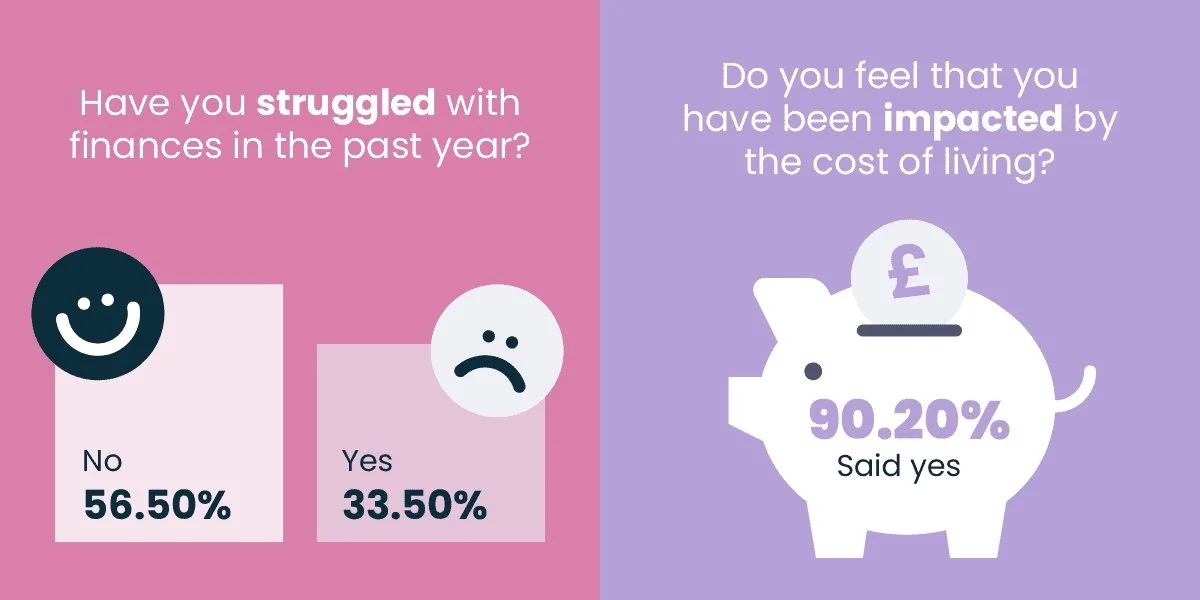
Sunday 6th April is the start of a new financial year, here in the UK. According to data from numerous financial and economic institutions, an estimated million plus households will be facing annual increases of £400 to £500 as the proverbial “cost of living” goes up. Everything from Council Tax to Mobile and Broadband costs are being increased. Future cost hikes are expected in our energy and water utilities. As bills start going up across the country today, average wages remain stagnant. Middle-income and poorer households have been worst hit by this wage related issue. Hence the tabloid press have labelled the start of the new financial year as “Awful April”. Hyperbole aside, this is a very real issue which due to its complex, global causes, doesn’t have a quick fix solution.
Sunday 6th April is the start of a new financial year, here in the UK. According to data from numerous financial and economic institutions, an estimated million plus households will be facing annual increases of £400 to £500 as the proverbial “cost of living” goes up. Everything from Council Tax to Mobile and Broadband costs are being increased. Future cost hikes are expected in our energy and water utilities. As bills start going up across the country today, average wages remain stagnant. Middle-income and poorer households have been worst hit by this wage related issue. Hence the tabloid press have labelled the start of the new financial year as “Awful April”. Hyperbole aside, this is a very real issue which due to its complex, global causes, doesn’t have a quick fix solution.
Here a some of the increases the UK public face:
The majority (88%) of households in England will face a maximum increase in council tax of 4.99% which adds an average of £109 to a typical band D bill. Due to some councils facing severe financial hardship Bradford, Newham, Birmingham, Somerset, plus Windsor and Maidenhead have been granted permission to raise council tax above the current 4.99% cap.
Average energy bills are expected to rise to £1849 annually. Energy regulator Ofgem has increased the price cap for the third time, resulting in an extra £9.25 per month. Fixed-rate deals will see no change in cost until their term expires.
Water bills are expected to rise by 26%, which is £123 annually. Last March, private water firms in England reported a £1.7 billion pre-tax profit. Yet the public still endure an expensive service, regular leaks and sewage discharges into the UK waterways and coastal areas.
As of April 1st, 2025, food inflation in the UK continues to rise, with food prices overall 2.4% higher than last March. This itself was up from 2.1% in February, according to the British Retail Consortium-NIQ shop price index.
There are also scheduled increases in the cost of UK vehicle tax, TV license, mobile and broadband services and many other consumer industries.
These factors combined with the prospects of a global trade war and other geopolitical problems, mean that the economic prospects for the next financial year are far from good. The dour economic outlook makes it increasingly difficult for the UK government to rebuild the country’s crumbling public services and hamper wider plans to grow the economy. As for the public, wage stagnation coupled with the freezing of income tax thresholds until April 2028, will mean that many households will struggle financially. Shortfalls in disposable income frequently leads to daily expenditure being paid for by credit card. As of April 2024, UK households held an average of £2,487 in credit card debt, with total outstanding credit card debt reaching £70.1 billion. This is a 7.02% increase year-over-year.
Wealth and poverty can be relative things. For example, does choosing not to get into debt to finance a family holiday make you poor or just financially prudent? Can you be poor with an annual salary over £100,000 a year? As ever in life, simple or binary answers tend to be spurious and inaccurate. Nuance, complexity and context are required to reach a greater understanding. However, there comes a point when the realities of increasing monthly costs upon a household budget is no longer debateable. I do not consider my own financial situation to be dire, however the recent increases in the cost of living, especially with regard to food inflation have been clearly noticed and felt. As it is unlikely that any major changes or assistance are going to be forthcoming from the state, I suspect many of us will be looking at our own personal budgets and determining what costs can be reduced in the months to come. “Awful April” may well become a much longer affliction.
Air Fryers and Modern Cooking
In October 2023, we bought an air fryer. Specifically the Ninja Foodi Max which was on special offer on QVC UK. We were intrigued by the possibilities and the convenience the device was alleged to offer. Fortunately, most of the hype proved correct and air fryers are quick and convenient. It takes awhile to determine cooking times but eventually you become as familiar and comfortable cooking with an air fryer, as you would using a conventional oven. They are also easy to clean. The baskets can be wiped down with hot, soapy water and the drip trays can be put in the dishwasher. Over a year later, we have grown attached to our air fryer due to its versatility and quick cooking times. Having one has substantially changed our cooking habits and the traditional oven is used far less.
In October 2023, we bought an air fryer. Specifically the Ninja Foodi Max which was on special offer on QVC UK. We were intrigued by the possibilities and the convenience the device was alleged to offer. Fortunately, most of the hype proved correct and air fryers are quick and convenient. It takes awhile to determine cooking times but eventually you become as familiar and comfortable cooking with an air fryer, as you would using a conventional oven. They are also easy to clean. The baskets can be wiped down with hot, soapy water and the drip trays can be put in the dishwasher. Over a year later, we have grown attached to our air fryer due to its versatility and quick cooking times. Having one has substantially changed our cooking habits and the traditional oven is used far less.
Just before Christmas 2024, we decided to buy a Ninja Combi Multi-Cooker. This purchase was again prompted by a promotion on QVC UK. This device can cook in 14 different ways, such as roasting, baking and steaming. At the flick of a switch it can also provide additional air frying services. Again its major selling points are speed and efficiency. A small chicken, cooked using the Combi Crisp setting, which steams and roasts simultaneously, takes about 30 minutes. The meat is thoroughly cooked but remains moist. If used in conjunction with our air fryer, a full roast dinner with three additional vegetables can be cooked in less than an hour (including the preparation time). Again, the mess is minimal and clearing up afterwards is straightforward. All of which makes cooking per se a lot easier.
During the course of my lifetime there have been several cultural shifts around home cooking. Our national diet in the UK has changed substantially with some traditional meals falling out of favour. Overall a broader continental approach to cooking has become prevalent. The other change being a move away from the exclusive use of ovens and hobs to cook. Microwaves ovens have become ubiquitous and can do a lot more than people think. Slow cookers are also a practical means to time-manage cooking. Air fryers and combi-ovens further contribute to this social change. Naturally there are a percentage of people who are happy to cook in a traditional fashion but I think this is becoming a smaller demographic group.
Despite the rise of modern cooking devices and techniques, convenience foods, ready meals and ultra processed products have sadly quelled a lot of peoples home cooking aspirations. Time is such an important factor in people’s decision making these days. With the modern work-life balance the way it is, a lot of people just don’t have the stamina to come home from work and cook, even if there are easier options than the traditional approach. It’s difficult to compete with a meal that is superficially tasty and ready in a matter of minutes. Cooking used to be a skill that was often passed down from parent to child. However, that is not necessarily the case nowadays, although the internet can provide an alternative source of information. Modern food products have made cooking skills non-essential.
That being said, there is a growing culture of trying to live a healthier lifestyle these days. For those who want to cook more themselves the air fryer does offer a practical stepping stone. Even if you’re not interested in cooking meals entirely from scratch, they can cook convenience food as quickly and easily as whole foods. In fact air fryers cooking times are now becoming quite common on food packaging along with standard instructions. Simply put, cooking today does not have to be the same as it was 30 years ago. The entire process can be approached in a far more casual manner and it is a lot easier to experiment. For those that are already enthused by “modern cooking” there are gadgets for everything. If you are looking to make a change and have simpler aspirations then I would recommend an air fryer as your first step.
An Uncertain World
I consider myself to be a grounded, rational individual. I am not excessively emotional. I like facts, data and reason as opposed to hyperbole, rhetoric and bluster. That being said, I am aware that the world is an imperfect place. Opinions are often not based upon empirical fact but personal perspective. Hence many people experience reality differently to me. They are driven by their feelings and other factors. However, despite these differences in philosophy, for most of my life the world has remained functional and over time slowly improved in subtle ways. Deference to expertise, a sense of community and basic pragmatism meant that people broadly pulled in the same direction. Of course there has always been dissent but it has been within a stable system. However, of late I feel that this era is now finally over. Things are no longer stable. We live in an uncertain world.
I consider myself to be a grounded, rational individual. I am not excessively emotional. I like facts, data and reason as opposed to hyperbole, rhetoric and bluster. That being said, I am aware that the world is an imperfect place. Opinions are often not based upon empirical fact but personal perspective. Hence many people experience reality differently to me. They are driven by their feelings and other factors. However, despite these differences in philosophy, for most of my life the world has remained functional and over time slowly improved in subtle ways. Deference to expertise, a sense of community and basic pragmatism meant that people broadly pulled in the same direction. Of course there has always been dissent but it has been within a stable system. However, of late I feel that this era is now finally over. Things are no longer stable. We live in an uncertain world.
Looking back at my youth, the seventies were economically and socially challenging. Not only here in the UK but across the western world. The energy crisis, war in the Middle East and the threat of nuclear attack were pressing concerns on top of the demands of day-to-day life. However, there was always the hope that cool heads would prevail. Changes in government meant that people with plans would strive to tackle and solve pressing issues. People broadly believed that public institutions were ultimately run by those who were suitably skilled. There was faith that the state worked and a degree of consensus regarding national aspiration. It wasn’t perfect by any means but the nation functioned and gave citizens a sense of stability. Democracy worked because people believed in it and understood their role. They also remembered the carnage of World War II and when democracy failed.
Today, I look around the UK and see a nation that is far from united. Politics, social debate and general interaction has become petty, nasty and ignorant. The cult of the individual rules and life is refracted through the prism of “what’s in it for me”. Everyone wants the benefits of first class public services but no one wants to pay for it. People no longer have any real grasp of how things work, be it the state or more tangible things like the internet. Critical thinking is in decline, as are attention spans. The world is becoming infantilised. People want change but lack the skills and patience to seek and implement any. Then there is the matter of wealth and power becoming further entrenched with an ever diminishing group of individuals. Inequality is rife, yet we still allow the wealthy to convince us that it is the most vulnerable in the world that are our enemy.
Such a state of affairs is worrying. I am no longer confident that the best of us will intercede and address the world’s problems. I believe that we’ll keep putting those who just make cheap promises in charge and they’ll just make things worse. This will then feed further decline. If certain politicians fail in the next 5 to 10 years, I can see the public giving up on democracy. Furthermore, I believe that a substantial percentage of the population are simply intellectually and emotionally unequipped to deal with any serious disruption to their normal life that may potentially occur. Trade wars, collapse of the global supply chain and terrorisms are all potential threats. Civil unrest is another possibility. Shortages, travel restrictions and disruptions to power and internet services would not be well received. As for the idea of ordnance being dropped on civilian targets, it would be beyond the comprehension of many.
I am not a blind optimist but I usually see the value in maintaining some sense of positive and practical hope that things will get better. Sadly, when 2025 arrived a few weeks ago I looked around and simply couldn’t see any sources of inspiration. In political terms the right is in ascendance across the western hemisphere and the centre ground and left are in retreat. I see no possibility of any sort of social or political reconciliation. We live in an age where everyone hates someone. History and reality demonstrate that populists seldom get anything done that is universally beneficial and they tend to break social and political institutions, making it very difficult for their successors to repair things. It pains me to say it but things are going to get a lot worse before they get any better, assuming that that is even a possibility at a later date.
Depressing isn’t it. As for the question “what are you going to do about it”, the answer is precious little. There is always activism, protest and lobbying but I suspect that such things are going to get a lot harder to do in the immediate future. For a lot of people, the current geopolitical situation is a mandatory train ride to the terminus, whether you like it or not. In the meantime you determine who you can trust, then keep your head down and try to get by. All of the various post war generations have been cosseted to a greater or lesser degree and it would be wise for them to adjust their expectations accordingly. As for hope, you must look for it in unexpected places and maintain your own personal morale the best you can. Take comfort in the fact that tyrants, fools and bullies are all mortal and eventually die. The darkness is not forever but it may be your children that see the dawn, not you.
Banks
I was having a discussion with extended family over Christmas and someone asked the interesting question “what is the most pointless shop in the high street”. Me being me, I asked for some clarification as to the parameters of this axiom, which I eventually got. The refined version of the question was to name a business that no longer enjoyed the custom that it did fifty years ago. This could be due to societal or technological change. There were some initial suggestions such as the newsagents but this was quickly dismissed. Newsagents don’t just sell newspapers anymore and are effectively small franchise, general purpose stores these days. Butchers were also put forward but subsequently rejected. They still exist and tend to be confined to more affluent areas. But I digress. The answer that was finally agreed upon were banks.
I was having a discussion with extended family over Christmas and someone asked the interesting question “what is the most pointless shop in the high street”. Me being me, I asked for some clarification as to the parameters of this axiom, which I eventually got. The refined version of the question was to name a business that no longer enjoyed the custom that it did fifty years ago. This could be due to societal or technological change. There were some initial suggestions such as the newsagents but this was quickly dismissed. Newsagents don’t just sell newspapers anymore and are effectively small franchise, general purpose stores these days. Butchers were also put forward but subsequently rejected. They still exist and tend to be confined to more affluent areas. But I digress. The answer that was finally agreed upon were banks.
I opened my first bank account in 1984, before I left school, in preparation for entering the job market. I visited my local branch of Lloyds Bank, where I provided my National Insurance Number as ID and deposited £10. Within a week I was sent a chequebook. At the time I worked casually and was paid cash, so I had to go to the bank every few weeks to pay money in. A few years later when I had left school and secured a full time job with the UK civil service, my wages were paid monthly, directly into my bank account. Hence my visits become less frequent. By this time ATMs were becoming commonplace, especially in major cities, so I started using these for my cash requirements. Throughout the nineties, I would visit a bank to deposit cash into a savings account and there would also be occasional visits to arrange a loan, mortgage or to purchase foreign currency for a holiday.
Since then I have embraced every new technological innovation that banks have offered and as result have used my local branch less and less. I no longer have a chequebook and very rarely pay one into my account. If I do it can be done via my phone. Today I have two bank accounts and two savings accounts. My primary interaction with any of them is always via a phone app or my desktop PC. Out of those four banks, two of them do not have any physical premises, existing as purely online entities. The other two “legacy” banks still have local branches throughout the UK but these are rapidly vanishing due to a lack of demand. Small businesses that handle cash and older customers still use the counter services provided at branch level but it’s not sustainable in the long term. Some bank chains would happily close all local branches immediately but decline to do so, as it has become a political hot potato.
Toscana Italian Restaurant, formerly a branch of Lloyds Bank
Domestic banking has traditionally been free in the UK. A basic bank account does not charge a customer for cash withdrawal or levy transaction fees. However, in recent years some banks have broadened their business model and there are now fees on high interest accounts or a requirement to maintain a minimum balance. There has also been an increase in foreign banks offering domestic banking services and these often do charge fees, especially for customers with low credit ratings. The financial landscape has also radically changed in my lifetime. The majority of the UK workforce now have their salary paid into their bank account on a monthly basis. Payment in cash is far less common and the use of cash in day-to-day transactions is also declining. Credit is far more readily available compared to the seventies. Saving has become less popular with many people having little or no reserves of money.
Hence, it would appear that for many people, especially the under 30s, banks are “the most pointless shop in the high street”. I last visited mine in March last year because I was dealing with the dispersal of funds from my late parents estate. I have not been again since then. Looking at my local highstreet, many of the “legacy” bank branches have closed. Due to their prime locations, many become bars. The branch of Lloyds where I opened my first account in 1984 is now a very good Italian restaurant. However, a few branches still persist, proving old habits die hard. Although I use a debit card, I still ensure I have cash on me, favouring a belt and braces approach. However, I suspect there will come a time in the not too distant future, when domestic banks will finally vanish from the high street and the UK finally becomes a cashless society as well.
Booking Tickets
Last night Mrs P said apropos of nothing, “shall we go and see John Bishop”? For those who don’t know, John Bishop is an established UK comedian who is currently touring the country. So I went online and checked the details of his tour. We were quite happy to travel to see his show as it would provide an opportunity for a weekend away. Sadly, to cut a long story short we were unable to secure any tickets that suited our needs. From January to April, the tour is mainly using smaller venues such as local theatres and art centres. Later in the year during October and November, the tour moves to arenas, conference centres and stadiums. I find these very impersonal and don’t see any merit in sitting far away from the stage, watching an artist on a giant video screen. We had hoped we could get tickets at one of the smaller theatres but sadly we couldn’t find two seats together.
Last night Mrs P said apropos of nothing, “shall we go and see John Bishop”? For those who don’t know, John Bishop is an established UK comedian who is currently touring the country. So I went online and checked the details of his tour. We were quite happy to travel to see his show as it would provide an opportunity for a weekend away. Sadly, to cut a long story short we were unable to secure any tickets that suited our needs. From January to April, the tour is mainly using smaller venues such as local theatres and art centres. Later in the year during October and November, the tour moves to arenas, conference centres and stadiums. I find these very impersonal and don’t see any merit in sitting far away from the stage, watching an artist on a giant video screen. We had hoped we could get tickets at one of the smaller theatres but sadly we couldn’t find two seats together.
This anecdote illustrates two issues. The first being what do you need to do to keep up to date with tour information for bands, other musical artists and comedians? The second being the actual acquisition of tickets, which is frequently a far from equitable process. Because in the past and by that I mean the eighties and nineties, buying tickets went something like this. After spotting an advert for a forthcoming tour in the music press, I would either phone or visit the venue where the show was to be held and buy tickets from their box office. Alternatively, I would go to a third party ticket agent in Leicester Square and buy tickets there. Sometimes there would be a queue but if you were shrewd about the timing, there would be no major issues. However, this process was subsequently ruined by the internet and online booking services.
The most egregious problem associated with buying tickets nowadays is the rise of automated bots that buy en masse for touts. Another problem associated with the lottery that is the first come, first served approach, are the virtual queues that occur when tickets go on sale at designated times. I spent exactly 14 minutes in an online queue last year, in a vain attempt to buy two tickets for a popular podcast’s live recording. By the time I finally got to the front of the queue, I was greeted with a message that all tickets were sold out. How is this fair and equitable? Furthermore it is far from good PR for the artists in question. Last year’s sale of Oasis reunion tickets really caught the public's attention due to the poor way the process was handled. The question of regulating ticket sales has now even been raised in parliament.
Another issue that occurs, sometimes with smaller venues, is when there are limited tickets left. Some websites refuse to sell pairs of tickets if that sale leaves a single seat on its own. I noticed this when trying to buy two circle tickets from a local theatre recently. I received a pop up message that would not allow the purchase as it left an isolated seat that the venue would naturally find harder to sell. What I want to know is since when did the venue's business problems become mine? To add insult to injury, the ticket software subsequently encouraged me to purchase a third ticket and “bring a friend”. I was utterly flabbergasted by the hubris of this approach and was tempted to call the theatre in question personally. Upon reflection I decided why harass some minimum wage, box office clerk. It’s not as if they set the sales policy.
With regard to being notified in advance about upcoming tours, the obvious solution is to simply register for email notification from the artists respective website. It is also prudent to do the same with both small and large venues. However, I was told by a friend who works in the marketing industry that this approach isn’t quite as simple and foolproof as it would appear. Although bands and artists will notify fans in advance of tours, there exists within this process a two tier system. Those who have previously bought merchandise above a certain value are given priority and first access to ticket sales. A similar system exists with large venues such as the O2 Arena. “Valued” customers are notified in advance and again given access to priority ticket sales.
There are other issues arising that are worth considering. Third party brokers and their additional charges. Then there are the vagaries of the phrase “restricted view”. Some websites include a photo of the view from your seat. Others seem to go out of their way to be as vague as possible. Overall, it seems that ticket sales is a rather ethically questionable business. It may well serve the needs of the vendors but it doesn’t benefit consumers. Many artists try to distance themselves from this process, blaming the fact that it is run by third parties and thus not their fault. However, it would appear that this issue is getting greater scrutiny by the media and consumer groups. The industry may well be facing greater regulation this year. It certainly needs it. In the meantime I have learned from my experience and am better prepared for next time I wish to book tickets for an event.
Bluesky
A couple of weeks ago I decided, like so many others, to create an account on Bluesky. My decision to do so wasn’t so much driven by a personal dislike of Twitter/X but because so many people that I follow had gone. I fully recognise that Twitter has been in decline since it was bought by Elon Musk but I still have found the social media platform useful, even during recent months. Through judicious use of the block and mute facilities, I have managed to keep my timeline relatively free of crap. However, the advertising has become more pervasive of late and most of the people whose Tweets I have enjoyed over the years have either migrated to other platforms or simply stepped away from social media altogether. It was the desire to spend time with a like minded community that ultimately prompted my move to Bluesky.
A couple of weeks ago I decided, like so many others, to create an account on Bluesky. My decision to do so wasn’t so much driven by a personal dislike of Twitter/X but because so many people that I follow had gone. I fully recognise that Twitter has been in decline since it was bought by Elon Musk but I still have found the social media platform useful, even during recent months. Through judicious use of the block and mute facilities, I have managed to keep my timeline relatively free of crap. However, the advertising has become more pervasive of late and most of the people whose Tweets I have enjoyed over the years have either migrated to other platforms or simply stepped away from social media altogether. It was the desire to spend time with a like minded community that ultimately prompted my move to Bluesky.
I joined Twitter in August 2010. Most of the people I started following I knew from the video games blogging community. Twitter was a great means at that point to promote one’s work and share material. Over time, I started following a broader spectrum of individuals and found Twitter to be a great source of breaking news. At its peak, the social media platform was a key source of both social activity and information. I used Tweeten as my Twitter client and had it running continuously on my second monitor throughout the day. When I was away from my desk, I had Hootsuite on my phone. For a while, Twitter was very much a focal part of my day. However, overtime, I learned that this wasn’t necessarily a good thing and I curtailed my enthusiasm. The loss of key individuals that I followed, contributed a lot to this change in mindset. Social media is only as good as the people you follow.
New technological mediums often start with innovative pioneers that create a new market and subsequently dominate it for a while. Twitter falls into that category, just like Steam and Netflix. All have had their day in the sun where they effectively enjoyed a monopoly. However, competitors and a fragmenting market ultimately have knocked them all off their respective pedestals. In the case of Twitter, management decisions have contributed to the diminishment of the brand. I suspect that in time, there will be several social media platforms that become the established leaders and people will make their choice depending on a multitude of personal factors. Politics may be one. Friends, community and the ability to carefully curate your timeline may be others. A year or two from now, what social media platform you use may become a key question in market research.
With regard to Bluesky, I find that its functionality is nearly identical to that of Twitter. I was very pleased to find so many old friends so quickly and at present, there are many familiar faces in my timeline. Plus I have discovered many new people to follow with similar interests and hobbies. I have already started proactively policing my timeline to ensure it suits my needs. There is a lot that you can do to mute words, block people and generally ensure that you’re not exposed to a load of tedious and unnecessary bullshit. Social media has the capacity to do a lot of harm to one’s mental wellbeing, therefore it is very important to ensure that it serves you and not the other way round. As for Twitter, I still have an account but I’m not especially active. It is sad how things have changed but that is just the nature of life. Keep moving forward. See you on Bluesky.






Being Organised
I recently “tooted” on Mastodon “sometimes it’s a real drag to be the person who always has their shit together”. Although meant humorously, there was an element of truth to the remark. Allow me to explain. I always have a shopping bag in my coat pocket. Our household always has a supply of those things that you often run out of or need occasionally. Such as AA batteries, stamps and envelopes. If Mrs P and I are going out for the day, we’ll check the weather and traffic before we set off. There’s always a spare toner and drum unit for the printer, as well as paper. We’ll book a table at our favourite restaurant in advance of going to the West End show. Why do we do these things? Because we’re organised. I’m not trying to be smug about it, that’s just our default position and how we were raised. Perhaps it’s a generational thing?
I recently “tooted” on Mastodon “sometimes it’s a real drag to be the person who always has their shit together”. Although meant humorously, there was an element of truth to the remark. Allow me to explain. I always have a shopping bag in my coat pocket. Our household always has a supply of those things that you often run out of or need occasionally. Such as AA batteries, stamps and envelopes. If Mrs P and I are going out for the day, we’ll check the weather and traffic before we set off. There’s always a spare toner and drum unit for the printer, as well as paper. We’ll book a table at our favourite restaurant in advance of going to the West End show. Why do we do these things? Because we’re organised. I’m not trying to be smug about it, that’s just our default position and how we were raised. Perhaps it’s a generational thing?
Do organised people attract each other? I’m not sure if that is always the case. However, it is with Mrs P and myself. We are both organised when it comes to admin and finances. We tend not to “put off to tomorrow what can be done today” and we both have a capacity to think ahead and anticipate things that can come up and thus plan for them. It’s seldom rocket science or anything tricky. If we’re collecting the grandchildren from school and looking after them for a few hours, it’s pretty obvious to have food in the freezer and a cupboard full of snacks. Mrs P is always good at remembering birthdays and buying suitable gifts. It isn’t some sort of quasi super power. She just listens to people and makes a note in her diary. I have learned from this and tend to use the calendar and notes features on my phone. Being organised is a lot easier these days with the tools we have.
However, despite the obvious benefits of being prepared, it does come with its own set of problems. Once you are identified by others as “having your shit together” you find that an ad hoc network grows around you. It ranges from those who become at a low level, semi dependent upon your organisational skills, to members of your family that just end up in some pain in ass, symbiotic relationship. This manifests itself in a spectrum of enquiries and requests. At one end you have low level stuff like “can you scan this for me and turn it into a PDF”? At the other extreme there’s “I’ve been accused of a heinous crime. Will you bank roll my legal defence”? This can all become a little frustrating. Don’t get me wrong, I believe that it is important that we all help each other as we journey towards the grave but it can get a little one sided at times.
I used to work with someone who would always ask me the same question every three months or so. The answer could easily be found in the administrative code manual. After a while I said to the person in question “why do you keep asking me this. You should have learned this by now”. They replied “I don’t need to learn it, as I have you”. They meant it sincerely and as a compliment but it really left me aghast because to me it was an appalling personal philosophy. To a degree, I feel this way at times with those who keep asking me “can I borrow your lawn mower”. It would be nice if those who seem dependent, could occasionally manage their own needs. Mrs P thinks I’m being a little harsh and so I usually end up relenting. Hence “sometimes it’s a real drag to be the person who always has their shit together”.
Newspapers
Newspapers were an integral part of UK culture in the seventies. During the week, they were delivered prior to going to work, so you would peruse them over breakfast. Alternatively you would buy one en route to your place of employment and read it on the bus or train. In a world before 24 hour, rolling news, they were the primary means of keeping the public abreast of events and as such, enjoyed a substantial audience. On occasions a newspaper story could make or break a political career or launch a crusading campaign to address a social ill. Newspapers were a force to be reckoned with and therefore a significant part of the socio-political landscape. However, due to a strong union presence within the workforce, the UKs newspapers often lagged behind other industries with regard to the technology.
A selection of UK newspapers
Newspapers were an integral part of UK culture in the seventies. During the week, they were delivered prior to going to work, so you would peruse them over breakfast. Alternatively you would buy one en route to your place of employment and read it on the bus or train. In a world before 24 hour, rolling news, they were the primary means of keeping the public abreast of events and as such, enjoyed a substantial audience. On occasions a newspaper story could make or break a political career or launch a crusading campaign to address a social ill. Newspapers were a force to be reckoned with and therefore a significant part of the socio-political landscape. However, due to a strong union presence within the workforce, the UKs newspapers often lagged behind other industries with regard to the technology.
Like so many other products, there has always been a hierarchy of newspapers in the UK. Different papers are targeted at specific demographics. The broadsheet newspapers tend to take a more intellectual approach with their journalism, whereas the tabloids are aimed at a more broader readership. I am reminded of a quote from the sitcom Yes, Minister which although 40 years old, still has a degree of truth about newspapers readership. “The Daily Mirror is read by people who think they run the country; The Guardian is read by people who think they ought to run the country; The Times is read by the people who actually do run the country; The Daily Mail is read by the wives of the people who run the country; The Financial Times is read by people who own the country; The Morning Star is read by people who think the country ought to be run by another country; and The Daily Telegraph is read by people who think it is”.
Daily Mail hyperbole
However, things change. Over the course of my life there has been a steady decline in newspaper sales. Dedicated television channels, providing 24 hour coverage is one reason. The internet is another. A story can be quickly disseminated online and be constantly updated as events unfold. Traditional print media lags behind and by the time it reaches the reader, is yesterday’s news. As a result modern newspapers tend to deal more in editorials and opinion pieces, rather than hard news. Sadly, the majority of the UK print media is owned by those with a right wing bias. Something that is at odds with the UK electorate which is broadly centrist. Hence the decline in sales. The only group that still cleaves to print media are over 65 and so the most popular newspapers, such as the Daily Mail and The Daily Express, exclusively cater to them. Neither of these two newspapers reflect a reality that I recognise.
Curiously, despite a decline in sales, there is still a perception that newspapers are at the cutting edge of journalism and have an influence on the wider news agenda. Television and radio news in the UK still often follows and expands upon headlines found in the popular press. Furthermore politicians still spend a considerable amount of time and effort trying to generate headlines in the newspapers. They go out of their way to cultivate relationships with political journalists and will often seek to disclose information to the press as part of the policy agenda. Similarly, newspapers will seek to influence politicians by directly and indirectly lobbying on specific subjects. The Brexit referendum of 2016, was heavily influenced by lengthy and substantive campaigning by the majority of the UK press. All of which were owned by individuals who had openly declared their support for leaving the EU.
Rupert Murdoch, owner of 33% of UK newspapers
Beyond the obvious political and philosophical bias, most tabloid newspapers nowadays are simply a vehicle for celebrity gossip, scandals and doom mongering. They also peddle conspiracy theories, bogus science and perhaps the biggest lie of all, that all of the problems in the UK are someone else’s fault. These publications are inherently parasitical and are not in any way a force for good. Yet in spite of these issues, there is still good journalism to be found within the UK, although much of it resides online. Some newspapers, such as the “i” are even bucking the trend and increasing their readership. Perhaps newspapers aren’t quite dead yet and despite their tawdry current state, people still believe in the noble qualities they remember from the past. Whether the tide will turn remains to be seen.