Nothing Has Changed
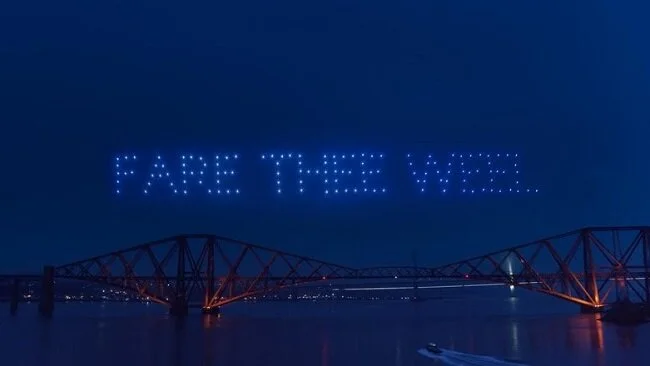
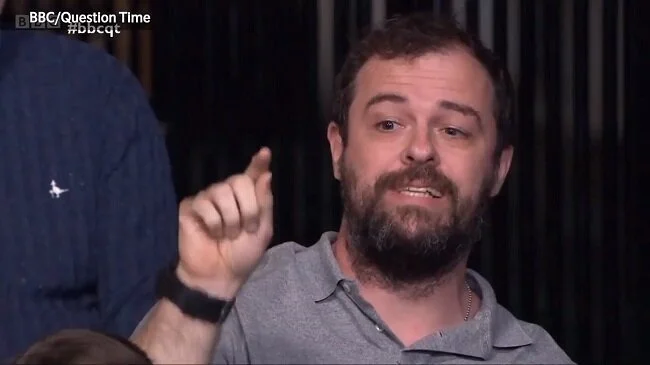
On the 23rd of June 2016, the UK held a referendum on whether to remain or leave the European Union. The results were 51.89% to leave and 48.11% to remain. Due to the significance of the subject matter and the way the European question has been discussed in the media over the past decade, there was a high voter turnout of 72.21%. 33,577,342 people cast their vote out of a total electorate of 46,500,001. The levels of public engagement were far higher than those seen with local or general elections. However, despite a binary question yielding a binary result, the issue of Brexit has not been laid to rest. It can be cogently argued that the entire referendum was rushed, poorly thought through, with neither side running campaigns that provided all the relevant facts of the impact of leaving the EU. As ever the entire matter has been driven first and foremost by party politics and remains so today. Perhaps the biggest issue that stems from the 2016 vote is the size of the leave victory. A “win” of 1.89% is far from decisive and makes a nonsense of political rhetoric such as “the will of the people”. At the time, Nigel Farage, then leader of the UK Independence Party, stated that “a 52-48 referendum this would be unfinished business by a long way. If the Remain campaign win two-thirds to one-third that ends it”. Unfortunately, nearly three years on Brexit shows no sign of ending.
On the 23rd of June 2016, the UK held a referendum on whether to remain or leave the European Union. The results were 51.89% to leave and 48.11% to remain. Due to the significance of the subject matter and the way the European question has been discussed in the media over the past decade, there was a high voter turnout of 72.21%. 33,577,342 people cast their vote out of a total electorate of 46,500,001. The levels of public engagement were far higher than those seen with local or general elections. However, despite a binary question yielding a binary result, the issue of Brexit has not been laid to rest. It can be cogently argued that the entire referendum was rushed, poorly thought through, with neither side running campaigns that provided all the relevant facts of the impact of leaving the EU. As ever the entire matter has been driven first and foremost by party politics and remains so today. Perhaps the biggest issue that stems from the 2016 vote is the size of the leave victory. A “win” of 1.89% is far from decisive and makes a nonsense of political rhetoric such as “the will of the people”. At the time, Nigel Farage, then leader of the UK Independence Party, stated that “a 52-48 referendum this would be unfinished business by a long way. If the Remain campaign win two-thirds to one-third that ends it”. Unfortunately, nearly three years on Brexit shows no sign of ending.
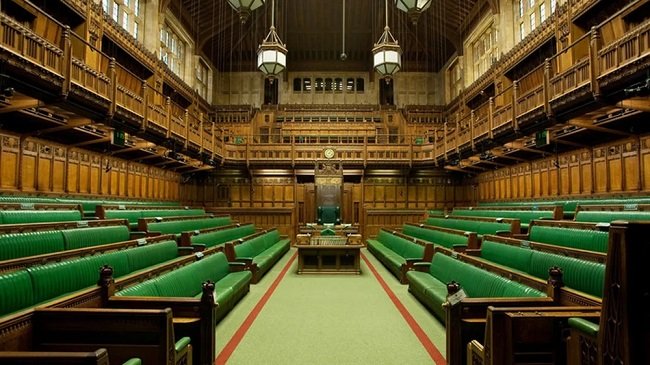
Traditionally, UK politics is mainly driven by two major parties, which hail from different ends of the political spectrum. Major socioeconomic issues are usually championed or opposed by each of these groups. The UK electorate are broadly tribal and due to the first past the post voting, deciding outcomes on the big issues such as taxation, the economy and social matters is fairly straightforward. However, Brexit has thrown a major spanner in the works, as it has fallen outside of this existing methodology. The choice of whether to remain or leave has divided both the Conservative and Labour parties, therefore neither are fully invested in one particular position. Parliament is therefore split on Brexit which is why it has been unable to deliver a definitive outcome. The referendum asked a very simple question and the results were then handed to parliament to implement. But parliament has not managed to do this and it would appear that this inertia will prevail for the immediate future. There is no majority view on either side of the debate and more importantly, parliamentary numbers to back a specific position and force it through.
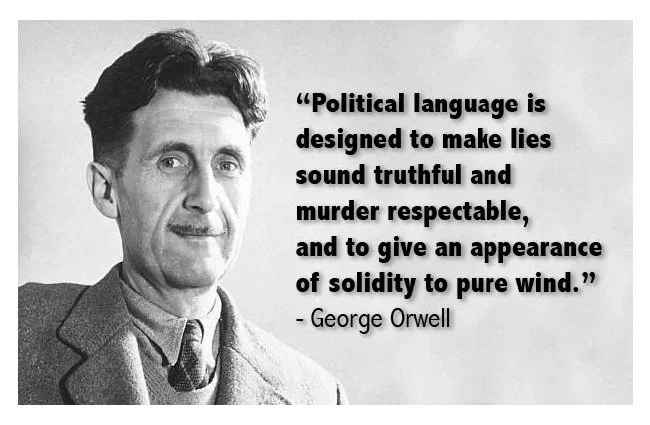
The entire Brexit debate has also seen a shift in UK politics away from evidenced based, factual driven policy and measured reasoned debate. In many ways Brexit has been co-opted into a broader political cause that encompasses many long-standing grievances. Regional inequality, a decade of austerity and fears over globalisation and social change have resulted in a major sense of pushback against a political system and traditional parties that do not appear to serve any interest other than their own. Societal changes have seen broadly held political ideologies erode and the rise of consumerism and individualism means that many now view politics as a mechanic for facilitating one’s own needs, rather than the collective “good” of the nation. Hence Brexit is a very dogmatic and tribal driven debate. Contemporary politics has always been up until now about compromise and what can be achieved over what is hoped for. Yet attempts to compromise over Brexit have failed in parliament and certainly the public appears to have no stomach for it. It’s very much a case of all or nothing.
Last week, the UK voted in the European Parliamentary Elections. Due to the ongoing Brexit impasse, the country was legally bound to participate. As many of the electorate were deeply unhappy with the status quo there was a strong show of support for the newly formed Brexit Party, which has campaigned on a single issue and has at present no other distinct policies. Hence the traditional parties of Labour and the Conservatives suffered an unparalleled loss of public support. Again this stems from neither having a clear policy on the matter. At first glance, it would appear that the Brexit Party was the major success story of these elections. As ever politicians interviewed across multiple news outlets fought to put their own unique spin on the results, to either validate their own positions or to mollify the political fallout. But if one looks beyond the rhetoric and consider the results in a measured analytical fashion, they offer a rather stark conclusion. It is broadly agreed that these elections where fought predominantly on one issue alone; the question of Brexit. Therefore if the results are viewed from such a perspective you find that leave voters predominantly supported the Brexit Party which polled 31.6% of the vote. Remain voters backed the Liberal Democrats and the Green Party who collectively made up 32.4% of the vote share. If you then consider the Scottish and Welsh Nationalist votes, as both parties have a clear remain agenda, then that adds a further 4.6% to that position.
The question of where the two big parties stand is more ambiguous so it is hard to assign their numbers to either of the two sides of the Brexit debate. Ultimately these numbers show that there is still no majority view in the UK of the subject of leaving the EU. Furthermore, the electorate appear to be becoming more entrenched in their position and have simply transferred their votes to those parties that have a clear policy on the subject. Therefore the conclusion is that after nearly three years, despite numerous debates in parliament, new facts and details about the reality of Brexit becoming apparent and continual public discourse on the matter, nothing has changed. This conclusion is certainly food for thought.
For those who wish to see a speedy resolution to Brexit, these results are a clear sign that such a thing is not going to happen any time soon. The question of Europe and our relationship with the continent has claimed yet another Conservative leader and we now face the prospect of an acrimonious battle for the position. Currently the next leader will become Prime Minister by default, yet regardless of whether that individual adopts a tougher stance on Brexit, favouring a no deal resolution, it doesn’t alter the current parliamentary reality. There is still no prevailing consensus among MPs and no one political party has sufficient numbers to force through any kind of definitive decision. Furthermore, the divide within the Conservative party is such that some MPs are preparing to vote against their own government and party to initiate no confidence proceedings if a no deal scenario becomes likely. Simply put, last night’s election results have made the Brexit conundrum even harder to resolve.
So what happens next? If both Labour and the Conservative parties wish to survive as functioning political entities, then they need to rethink their positions and effectively pick a side very quickly. It will more than likely be a case that the Conservatives will now pursue a no-deal stance and go all in on concluding our exit from the EU by the current October 31st deadline. Labour will now have to clearly adopt a confirmatory vote policy that includes a remain option, on any proposal that parliament agrees upon. Again, the notion of compromise is jettisoned. There will naturally be consequences for picking a side, as much as there will be for not doing so.
Brexit remains the most impossible political circle to square in current peace time politics. And due to the lack of a clear consensus among the electorate, no single outcome will “heal the nation”. The UK is not only going to remain an angry divided nation, it is more than likely going to get a lot worse. For those outside of the UK with an interest in global politics, I’m sure the Brexit issue may well provide fascinating viewing and much to consider. Yet for those living and enduring the ongoing Brexit debacle it is becoming a major source of worry and concern. There is scope for a no deal Brexit to have calamitous results upon the UK economy, potentially of the kind you cannot just ignore. Similarly, overturning Brexit and revoking Article 50 could also lead to the implosion of nation politics and the collapse of the “perception” of democracy. A political “Kobayashi Maru test” if you will. What happens next is anyone’s guess.










Personal Health
It’s hard to write about ones own personal health issues and how one addresses them without coming across as smug, sanctimonious or oblivious to the fact that it’s all relative. I wrote back in early March about how I was going to try and get my “house in order” by losing weight and also undertaking the NHS Health Check. A six weeks on and progress is being made. However, I would just like to re-iterate that what has proven to work for me, may not do so for others. We all have our own unique relationship with our own health and therefore there is a need to find ways that work for us as individuals. Therefore my dietary regime which seems some what easy to me, may prove to be far too draconian for others. Similarly my exercise targets are also suited to my temperament and limitations. But I hope that by sharing my progress I can at least provide some encouragement to others.
I don’t know why but images like this just annoy me…
It’s hard to write about ones own personal health issues and how one addresses them without coming across as smug, sanctimonious or oblivious to the fact that it’s all relative. I wrote back in early March about how I was going to try and get my “house in order” by losing weight and also undertaking the NHS Health Check. A six weeks on and progress is being made. However, I would just like to re-iterate that what has proven to work for me, may not do so for others. We all have our own unique relationship with our own health and therefore there is a need to find ways that work for us as individuals. Therefore my dietary regime which seems some what easy to me, may prove to be far too draconian for others. Similarly my exercise targets are also suited to my temperament and limitations. But I hope that by sharing my progress I can at least provide some encouragement to others.
I started March weighing 180.6 lbs (82 kg) which is not excessively obese but is still the wrong side of the line for my personal liking. I am just under six foot and this excess weight has been mainly around the waist. So I decided to remove all random snacking and excessive alcohol from my daily diet. I have structured meals at specific times of the day. Breakfast mainly consists of either eggs, toast and Marmite or some tediously healthy form of cereal. I then have a substantial meal in the late afternoon which is based around fish or chicken along with vegetables. Rice or beans are used as an alternative to potatoes and chips. If I feel hungry in the mid-evening, I now have fruit (mainly apples or pears) as a snack. I drink mainly coffee (with sweeteners) or diet drinks continuously throughout the day. Alcohol is now limited to Wednesday and Saturday evenings.
Kebabs are now verboten . Bummer…
What this regime achieves is a reduction in calorie intake. And let’s face it, the kind of food that’s now eliminated from my daily diet was certainly high in calories. There is also scope within my current eating habits for the occasional treat once a week, such as a takeaway meal or a visit to a restaurant but no more than that. I have also found that years of recreational eating has impaired my personal perception of when I’m hungry. All too often I get the urge to eat “out of habit”, rather than because I’m genuinely in need of sustenance. However, recognising this state of mind is an invaluable step towards addressing the problem. I find that if I keep myself busy (and my life certainly does that) I can effectively ignore this faux sense of hunger. Drinking a beverage can also temporarily assuage thoughts of “being hungry”. And of course the most practical thing one can do to avoid the temptation of snacking is to just not have any in the home.
Controlling food intake is just half of the solution when it comes to weight loss. The other part of the equation is exercise. My exercise of choice is walking. I do a great deal of chores and tend to shop locally, thus providing a reason for daily visits to the shops and carry shopping home. I track my step count with my phone and have a daily step count of 10,000, which I achieve more often than not. On a side note, I bought two new pairs of trainers at the beginning of December, I decided to by alternative brands from that which I usually buy. Sadly the true cost of buying cheap has become clear, as I have worn one pair complete through in just four and a half months, but I digress. I recently had a “NHS Health Check” and was very pleased to find that everything is in order. My kidney and liver function are fine. There’s no signs of heart disease, cancer or insipient dementia. I just need to get my cholesterol level down from 5.3 mmol/l to about 4.0 mmol/l.
Science and stuff…
So overall, the first month of my new health regime has been a success. As of Monday I now weigh 174.2 lbs (79 kg); a loss of 6.4 lbs (2.9 kg) in 5 weeks which isn’t bad going. So I just need to keep going. Ideally, I would like to get my weight down to about 168 lbs (76.2 kg) and keep it there. However, weight loss is one issue. Keeping static at a target weight is another matter altogether. I shall continue to write about this subject from time to time, again in the hope of sharing information and encouraging others. Good luck to all who are currently seeking to lose weight or generally improve their overall health. It is a hard task to initiate and then stick with and there is no “one size fits all” solution. Everyone has to find the way that is right for them. As ever, feel free to comment and share your own perspective on what is a difficult subject.









April Fool's Day
According to Wikipedia "April Fools' Day or April Fool's Day (sometimes called All Fools' Day) is an annual celebration commemorated on April 1 by playing practical jokes and spreading hoaxes. The jokes and their victims are called April Fools". It appears to be a pan-european custom, with many countries having a broadly similar tradition of playing pranks of creating bogus events. However, little is known about the origins of April Fools and what was its initial historical or social meaning. April Fool’s Day is another tradition that has been subsumed into the mainstream over time. Today various websites, TV stations and newspapers will be churning out faux stories and photoshopped pictures in an attempt to be amusing and join in the "fun". All to varying degrees of success. It can be seen as either mildly amusing or yet another example of the Pavlovian, emotional push button culture that we live in these days. Organised "fun" run by big business, which is soulless, aimed at the lowest common denominator and often achieving the opposite of what is seeks to do.
According to Wikipedia "April Fools' Day or April Fool's Day (sometimes called All Fools' Day) is an annual celebration commemorated on April 1 by playing practical jokes and spreading hoaxes. The jokes and their victims are called April Fools". It appears to be a pan-european custom, with many countries having a broadly similar tradition of playing pranks of creating bogus events. However, little is known about the origins of April Fools and what was its initial historical or social meaning. April Fool’s Day is another tradition that has been subsumed into the mainstream over time. Today various websites, TV stations and newspapers will be churning out faux stories and photoshopped pictures in an attempt to be amusing and join in the "fun". All to varying degrees of success. It can be seen as either mildly amusing or yet another example of the Pavlovian, emotional push button culture that we live in these days. Organised "fun" run by big business, which is soulless, aimed at the lowest common denominator and often achieving the opposite of what is seeks to do.
Many of the traditions that we maintain as a society, began with honest intentions. Such things as public holidays, religious observance or the simple celebration of a group or ideal are prime examples of this. Inevitably the meaning of many of these traditions can become diluted over time. They can become exercises in marketing or tedious institutions perpetuated by those with an agenda. For me April Fool's Day is the embodiment of this concept. An exquisitely unfunny ritual that is inflicted upon us by those who don't realise (or care) that the activity is totally arbitrary. Furthermore, if you criticise it or point out its short comings you are frequently derided. “Don’t you have a sense of humour?” or “why are you being such a kill joy?” But these are pointless deflectionary statements that fail to address legitimate complaint. Sadly such rhetorical tactics are common place these days.
From my perspective, fun, humour and laughter are organic things. I hate the concept of organised corporate fun. That it is something to be martialled and stage managed by self-appointed arbiters. However, one can argue that if you don’t like the hoaxes and false headlines that will no doubts be widespread today, simply limit your online activity. Ultimately, this sort of low-level April Fool’s “japery” is not the main problem. You can argue that it contributes to the infantilization of society and lowers the cultural bar, but it is not alone in doing that. No, what really concerns and infuriates me is that in various offices, schools and other institutions today, people will be using the bogus cover of April Fool’s to “prank” colleagues. And by “prank”, I mean bully, humiliate and just generally harm someone else for their own amusement. In my thirty-year working career, I’ve seen this happen numerous times. Usually in all male environments. It may start with hiding possessions or sabotaging equipment; things designed to inconvenience or confuse. But I’ve also seen people tied to a window pole with roller towel and left.
I despise, loath and abhor "prank culture". It is founded upon psychological torture and bullying, but disingenuously tries to justify itself by usurping the cultural acceptance of humour. The go to mantra of prank perpetrators that "it's just a joke" is an utter lie. Something arbitrarily trotted out to justify being cruel to someone. Any alleged "humorous" endeavour that seeks to take away someone's dignity, holds them up to ridicule or make them feel small is patently not a joke. It is simply recreational spite. Humour, wit and satire are powerful tools and in an unequal society should be used to punch up and not down. Pranking of the type I’ve described can also have a more sinister dimension. It can be motivated by prejudice and bigotry and therefore weaponised. In the case of the individual who was mummified with roller towel, they were ultimately targeted because they were a Jehovah’s Witness.
We live in an age where if someone’s experience does not correlate with our own, there is a tendency to be dismissive of it. I’m sure there are those who will say “I like don’t mind the website hoaxes and the funny news headlines. I’ve never seen or been on the receiving end of an unpleasant prank”. The erroneous conclusion is that I’m over reacting or simply trying to be some sort of “fun police”. But the reality is there are people who have dreaded the approach of April 1st for several weeks now, because they know that someone is planning to mess with them. Conversely there are also appalling people who have been counting down the days to this point in time, because it provides them with a semi-legitimate excuse to persecute someone for their own personal pleasure. April Fool’s Day is frankly one tradition I’d quite happily like to see wither on the vine. It has out lived any usefulness it ever had and is now just a liability.













Get Your House in Order
Theoretically, the fallout from the Christchurch mass shooting should be far reaching. There is at present an opportunity to address numerous problems and issues while the tragedy still has both political and social momentum. Because “it is the doom of man that he forgets”. 24-hour news culture has severely strained the public’s attention span. Plus it is in the interests of numerous institutions for the news cycle to move on, because current scrutiny is highlighting how culpable they are. The tabloid press, media commentators, tech companies and internet communities have been found wanting for a while and last weeks carnage is now raising questions over their involvement in the growing culture of hate and therefore their potential regulation. This may be the last chance for many to put their own house in order before the establishment does. And considering the knee-jerk, ham-fisted nature of contemporary western politics, the latter is not likely to be either subtle, efficient or even beneficial.
Theoretically, the fallout from the Christchurch mass shooting should be far reaching. There is at present an opportunity to address numerous problems and issues while the tragedy still has both political and social momentum. Because “it is the doom of man that he forgets”. 24-hour news culture has severely strained the public’s attention span. Plus it is in the interests of numerous institutions for the news cycle to move on, because current scrutiny is highlighting how culpable they are. The tabloid press, media commentators, tech companies and internet communities have been found wanting for a while and last weeks carnage is now raising questions over their involvement in the growing culture of hate and therefore their potential regulation. This may be the last chance for many to put their own house in order before the establishment does. And considering the knee-jerk, ham-fisted nature of contemporary western politics, the latter is not likely to be either subtle, efficient or even beneficial.
It sadly did not come as a surprise that Brenton Tarrant is steeped in numerous aspects of the unsavoury side of internet culture. Namely, 8chan, shitposting and the alt-right. A “manifesto” allegedly attributed to him is filled with the usual weaponised use of memes to try and obfuscate and confuse. And then there’s the fact that he was allegedly a gamer and conversant with You Tube sub-culture to consider. While old school politicians, mainstream journalists and senior members of the public struggle to catch up, those of us who are more familiar with fluid and rapidly evolving nature of internet culture are facing the stark reality that it played a part in shaping this killer’s beliefs. Furthermore gaming, online communities and You Tube personalities are some of the many intersecting circles of a wider and ultimately harmful Venn diagram. Memes aren’t necessarily “just harmless, movements such as #gamergate aren’t purely about “ethics in gaming journalism” and when You Tube personalities say racist, sexist or homophobic things, it not just “banter” or “a joke”.
Tarrant stated, “Remember lads, subscribe to PewDiePie!” just before he started shooting. Felix Kjellberg has made a statement disavowing any association with him, his ideology and being “sickened” by his comments. However, Kjellberg has used racist language in the past, as well as given shout-outs to questionable individuals. With 89 million plus YouTube subscribers who are predominantly young, male and white, he has a lot of reach. Then there are other personalities and channels that cater and court this specific demographic. One filled with poorly skilled, disaffected young males, struggling with emotional literacy and social awkwardness. Add to this a growing adversarial culture that eschews nuance and increasing zealotry in previously benign social interactions and pastimes such as fandom and there’s trouble. PC culture has failed and the pendulum has now swung the other way with populist bandwagons such as Brexit and MAGA. A perfect storm has been forming for a while and it appears to have now arrived.
It is both sad and ironic that the old cautionary mantra of “the only thing necessary for the triumph of evil is for good men to do nothing” which has almost become hokey in recent years, has suddenly become alarming relevant again. Online communities, You Tube, Twitch, even game developers have not done enough (if indeed anything) to adequately police and moderate the communities they financially benefit from. They’ve hidden behind “freedom of speech”, claims they are not publishers and generally complained that the technology or man power required to do the job would be too difficult to manage and inefficient. And so we saw both Facebook and You Tube desperately trying to get in control of the continuous reposting of video content of the Christchurch shootings. “Why not just suspend all uploads during such circumstances?” some politicians have asked. The ensuing silence from the tech companies was deafening. And the real answer is money as anyone with a functioning intellect knows.
There are no simple reasons for the rise in hate crimes or easy explanations for such tragic events such as that in Christchurch. Nor are there any quick fixes. Multiple factors have contributed to an ongoing drip, drip, drip of populist rhetoric that have normalised racism, xenophobia and hatred of “the other”. Online culture has evolved quickly from a quirky, backwater niche to an unchecked, unpoliced “frontier town”. We now find that such an environment is dangerous and action needs to be taken. Codes of conduct need to be enforced, moderation is required and we must stop mollifying sanctions with bogus attempts at reform, because we still want everyones money. We all need to play our part and call out those who peddle hatred. We also need to be smart and ensure we don’t throw the baby out with the bath water. With regard to the bigger players such as You Tube and Facebook, if they don’t take real steps now to prevent abuse of their services, they will find control rested away from them and given to the politicians. Not the most desirable solution. The time for “whataboutery” and generally prevaricating is over. There is guilt by association and in some cases blood on the hands of those who profit from the status quo. So to all involved, get you house in order. While you still can. The consequences for not doing so don’t bear thinking about.
Yet More Politics and Video Games
Setting aside Jim Sterling’s showmanship, which may not be to everyone’s taste, he is consistently astute in his ongoing analysis of the Triple A Video Games Industry. Today’s episode of the Jimquisition addresses how major publishers are using political and social issues as the basis for the plots of many of their most popular franchises, while simultaneously denying any political stance or affiliation. He highlights how Terry Spier (the creative director for Red Storm Entertainment who developed The Division 2), and David Cage (the writer and director of Detroit: Become Human), have tied themselves in knots claiming their games are apolitical. It makes for interesting viewing and as ever Sterling’s arguments are compelling and sound. Furthermore, it shows that all the vices and ethical failures of traditional leisure industries such as TV and movies, inevitably bleed into the video games. Namely, wanting to reference “grown up” subjects without being hampered by their accompanying baggage.
Setting aside Jim Sterling’s showmanship, which may not be to everyone’s taste, he is consistently astute in his ongoing analysis of the Triple A Video Games Industry. Today’s episode of the Jimquisition addresses how major publishers are using political and social issues as the basis for the plots of many of their most popular franchises, while simultaneously denying any political stance or affiliation. He highlights how Terry Spier (the creative director for Red Storm Entertainment who developed The Division 2), and David Cage (the writer and director of Detroit: Become Human), have tied themselves in knots claiming their games are apolitical. It makes for interesting viewing and as ever Sterling’s arguments are compelling and sound. Furthermore, it shows that all the vices and ethical failures of traditional leisure industries such as TV and movies, inevitably bleed into the video games. Namely, wanting to reference “grown up” subjects without being hampered by their accompanying baggage.
What many find distasteful is not so much the “having your cake and eating it” attitude, but the underlying cynicism. Game publishers are not just sitting on the fence in this fashion to avoid having to take a stance on complex socio-political issues but doing so because they broadly have no opinion. Ubisoft is not interested in the implosion of western politics or the issue of gun control. Sony Interactive doesn’t have an agenda with regard to racial or gender oppression. But both are happy to exploit them for financial gain. Problems that real people face every day are simply a means to an end and if it became fiscally prudent to abandon such subjects, then I’m sure these companies would do so without hesitation. I am reminded of the concept of exploitation movies and how they differ from films that genuinely explore a subject. Think Penitentiary (1979) versus I Am a Fugitive from a Chain Gang (1932).
It has been argued that game publishers are pursuing a “politically neutral” policy to avoid controversy with specific online groups and avoid a #gamergate style debacle. Certainly the hostility of certain sectors of the video games community is problematic. But I suspect this claim is spurious, as it is founded upon an assumption of ethics. Something that it conspicuous by its absence in the Triple A video games industry. So once again we return to the myth of keeping politics out of gaming and how those who advocate such a position either don’t understand its inherent contradiction, or in the case of the game publishers, simply don’t care. Why let facts and honesty stand in the way of a dollar? And the last point actually highlights how unnecessary this stance is. Even if the publishers admitted to a political perspective, I doubt it would greatly harm sales. Not all genres are dependent upon their narrative to sell. Plus gamers per se suffer acutely from cognitive dissonance.
Thoughts on Work Part 1
During the course of my career (1986 – 2016) I have worked in numerous complex social environments. I worked for the UK civil Service and saw the final days of very traditional, formal employment hierarchy. There were people with academic titles such as Doctor or Professor and there were also those with honorary monikers such as Sir. I even met an ex-army officer who clung to the old school etiquette of still being referred to by his former military rank (which was Captain). I was later employed at the London corporate headquarters of a global Indian company. It was fascinating to see the cultural differences along with the class structure and prevailing social dynamics. Over 30 years, I’ve worked for numerous high-profile organisations such as HP, Fujitsu Siemens and Symbian as well as other smaller businesses. All provided gainful employment, acceptable financial remuneration and an opportunity to learn more. However, all of them suffered from two of the most common faults found in contemporary employment; namely office politics and problematic members of staff.
During the course of my career (1986 – 2016) I have worked in numerous complex social environments. I worked for the UK civil Service and saw the final days of very traditional, formal employment hierarchy. There were people with academic titles such as Doctor or Professor and there were also those with honorary monikers such as Sir. I even met an ex-army officer who clung to the old school etiquette of still being referred to by his former military rank (which was Captain). I was later employed at the London corporate headquarters of a global Indian company. It was fascinating to see the cultural differences along with the class structure and prevailing social dynamics. Over 30 years, I’ve worked for numerous high-profile organisations such as HP, Fujitsu Siemens and Symbian as well as other smaller businesses. All provided gainful employment, acceptable financial remuneration and an opportunity to learn more. However, all of them suffered from two of the most common faults found in contemporary employment; namely office politics and problematic members of staff.
When I first started working, I embraced the reality of being the most junior member of staff. That’s not to say I liked it, because I didn’t. But you don’t just turn up to a job at the age of 18 and expect to know everything and go straight to the top of the pay scale. So, I listened, learnt and did what I was contracted to do. But it quickly became apparent that like everything else in life, the work environment was not a level playing field and did not function on logic or even merit. Being competent and reliable was not enough. If you wanted to get ahead it often came down to who you knew, favours owed or cashed in and whether your face fitted. I won’t go on but I’m sure that anyone who has the merest inkling as to what I’m like as a person will know that none of this sat well with me. The old boy network, office politics, dealing with the management bully is all bullshit as far as I’m concerned. I went to work to do my job and do it to the best of my ability. I’d also be civil and diplomatic, not always through choice, but because it made the process more efficient. But this not the way work is by default. All jobs end up employing a percentage of those who cannot or will not do what their contracted to do. And certain types of jobs and position attract the emotionally and socially dysfunctional.
Over the course of my working life, for every three pleasant and agreeable work colleagues, I’d always find another who was either a bully, institutionally racist (or some other kind of irrational prejudice), incompetent or basically just a shit who wanted to make those that they could, utterly miserable. As I’m not a big fan of monolithic hierarchies and chains of command, I looked to see if I could find a means by which I could insulate myself from the iniquities of the modern work place. I ultimately resolved these issues by changing disciplines, electing to move from admin and management, to working in IT. Furthermore, I did this at a time when there was a rapid growth in technology in the workplace. Because I enjoyed this line of work and thrived in it, I progressed from old school, hands on, first line support to IT management and all that came with it. Procurement, change management, network planning, security and recruiting staff for the IT department. The latter was a key element to job satisfaction. I’ve always been happy to be a team player. But it’s much better when you get to pick the team yourself and ensure that those you work with are reliable and sound.
For a while I held several fulltime positions, ran modest sized departments and had the pleasure of focusing on my work, enjoying the intellectual challenge that it offered and kept myself out of the fray that is office politics. In the late nineties there was still an element of uncertainty regarding technology and where it fitted in the hierarchy of the office structure. Were those in IT just jumped up “oily rags” or were we skilled professionals? Most of the companies I worked for erred on the side of caution and favoured the latter. Essentially, as long as the network was running and the technology worked, I found that I was left to my own devices and senior management contented itself with sniping at sales, who would then blame marketing or some such similar permutation. But after the Y2K debacle, the pendulum shifted, and people started wondering if we were not only “oily rags” but con artists as well.
In 2006 I decided to move into contract work as I’d had enough of corporate culture. Pursuing short term, targeted work was not only financially more lucrative it negated a lot of the social and competency issues among work colleagues, or so I thought. Turns out that even on short term contracts you’d find an engineer who seemed to have slipped through the screening process and was useless or problematic in some way. However, what I did find in this work environment was that if a problem was identified, it was dealt with quickly. If someone wasn’t pulling their weight and it got noticed, then a phone call to the agency that supplied them usually remedied the situation. Overall, I enjoyed working in this fashion. If a contract wasn’t especially engaging, I had the piece of mind to know that it wasn’t forever. Broadly most of the work I undertook was enjoyable. I worked on several major system upgrades and new software rollouts for various government departments. However I found working in hospitals the most satisfactory. Helping out the staff in A&E was especially rewarding.
In early 2011, I decided to draw upon my network of colleagues that I’d built up over the years and set up my own consultancy business. The idea was to provide a one stop solutions service to the myriad of small and start-up businesses in The City. I would handle the work that fell within my purview and I had associates who would cover more bespoke requirements. Broadly, it worked. It didn’t make me rich but it was a living and from a work perspective, it was on terms that I felt were equitable. And I believe that’s the most that many of us can expect from our “careers”. Some folk do get to do their dream job and thrive in it. But for many of us, work is a necessary evil and one we try to accommodate as well as we can. It often feels like battle of wills between our own needs and that of the employers. Occasionally you may find yourself in a situation were both parties are in accord but that seldom is the default state. Having now left formal employment to be a carer, I’m often asked if I miss traditional work. I sometime hanker after the intellectual challenge and the satisfaction of problem solving. Also the human element from time to time. But I don’t miss the politics or the “drama” that goes hand in hand with the contemporary work place. That is something I’m pleased to be rid off.


Personal Health
Personal health as a concept, refers to your overall well-being both physically and mentally. It is about taking charge of your health by making a conscious decision to improve and maintain it. It not only refers to your physical state but the respective wellness of the emotional, intellectual and even spiritual aspects of your life. Sadly it is something that many of us are not very good at dealing with or choose to ignore. All too often good intentions get sidelined by the realities of life. Sadly, physical and mental issues are usually only addressed after something bad has occurred. Furthermore, much of the most basic and practical information needed to improve our personal health is drowned out by the white noise of fads, quackery and those seeking to sell you a “solution”.
Personal health as a concept, refers to your overall well-being both physically and mentally. It is about taking charge of your health by making a conscious decision to improve and maintain it. It not only refers to your physical state but the respective wellness of the emotional, intellectual and even spiritual aspects of your life. Sadly it is something that many of us are not very good at dealing with or choose to ignore. All too often good intentions get sidelined by the realities of life. Sadly, physical and mental issues are usually only addressed after something bad has occurred. Furthermore, much of the most basic and practical information needed to improve our personal health is drowned out by the white noise of fads, quackery and those seeking to sell you a “solution”.
In recent years I have experienced a great deal of illness through my family and have subsequently pondered upon issues that I may not have considered otherwise. As a fifty-one-year-old man I am acutely aware of where I am in terms of the human life cycle and how I am now at a point where I need to get my house in order with regard to my personal health. A problem diagnosed now is a potentially a lot easier to remedy than in a decade’s time. Simply put, I’ve seen what can happen potentially to me and have decided I want to avoid such an outcome. So I saw my GP last week and explained my concerns. Fortunately, the NHS in the UK is becoming more proactive in its healthcare, as it is often more cost effective to do so. Hence my Doctor was happy to help.
As a society we seem to suffer greatly from cognitive dissonance when it comes to our physical health. We live in an age where information about living a healthy lifestyle is readily available. Yet we wilfully choose to ignore it because snacks are tasty, exercise is dull and doing what is right often means denying ourselves, which makes us sad. So we do our own thing and suffer the consequences. And I’m just as guilty as everyone else. However, I have decided to change my lifestyle and intend to do so by sensible and practical increments. I had the sense to quit smoking in 2001 and have never gone back. I couldn’t afford to smoke nowadays. My former thirty a day habit would cost me over £3,500 a year now. The next and most obvious step for me now is to address the issues of weight and exercise.
I presently weigh 180 lbs, which according to the BMI makes we overweight. Now the BMI is a flawed measurement, however a cursory look in a mirror is sufficient verification that I’m carrying some surplus pounds. I need to shift about 6 to 12 lbs to be at a sensible weight for my height (5’ 11”) and build. To do this I’m adopting a two meal a day policy. Breakfast of either cereal, toast or eggs. And a late afternoon meal of fish and vegetables. Snacks and any additional eating outside of those two meals is prohibited. I shall also limit my alcohol consumption to just Wednesday evenings when I talk to friends on Discord. As for exercise, I mainly do this through walking and shall be actively pursuing a target of ten thousand steps a day. I do lots of chores such as shopping and household maintenance for my parents, which also counts towards periods of exercise. I shall be tracking both my weight and step count via my phone and am considering writing regularly about my progress.
I shall be seeing the Practise Nurse at my local surgery this coming week to have my heart and lung function checked. This is all part of the “NHS Health Check” which is intended to “to spot early signs of stroke, kidney disease, heart disease, type 2 diabetes or dementia”. This service is specifically aimed at those over the age of 40. I am cautiously optimistic that there won’t be any surprises in store for me. My GP took my blood pressure which was fine, along with my “sats”. However, if something is discovered it is best to grasps the nettle now. We may not get a choice in the exact time of our death, but we can certainly have a say in the manner of it. I know for some people that may sound somewhat heavy or dour, but life has taught me that we should not avoid certain subjects because they make us feel uncomfortable. Therefore I would urge everyone to reflect upon their health and if you have any concerns, go and see a medical professional about them. Avoid quackery, keep a positive attitude and don’t take the status quo for granted.
Politics and Video Games
I frequently read blog posts, forum comments and reddit rants that can be broadly filed under the heading “keep politics out of video games”. Actually, there’s a tendency to put a far more possessive inflection on the statement by saying “keep politics out of my video games”. It’s a rather unsophisticated response to a broader and more nuanced question about the whether it is both desirable or indeed possible to keep a socio-political subtext out of any gaming narrative. But as a lot of gamers don’t do “nuance” and there’s a growing aversion to thinking per se these days, debating such a position is often an uphill struggle. However, I saw a gaming news story today that addressed this issue head on, and it wasn’t the usual pussyfooting around the issue.
I frequently read blog posts, forum comments and reddit rants that can be broadly filed under the heading “keep politics out of video games”. Actually, there’s a tendency to put a far more possessive inflection on the statement by saying “keep politics out of my video games”. It’s a rather unsophisticated response to a broader and more nuanced question about the whether it is both desirable or indeed possible to keep a socio-political subtext out of any gaming narrative. But as a lot of gamers don’t do “nuance” and there’s a growing aversion to thinking per se these days, debating such a position is often an uphill struggle. However, I saw a gaming news story today that addressed this issue head on, and it wasn’t the usual pussyfooting around the issue.
Ndemic Creations, the developers behind the virus-spreading strategy simulator Plague Inc, are to add a new scenario to the game which sees anti-vaxxers as the threat. This is due to a request from core fans who felt that this subject was both topical and relevant to the game. They even went so far as to set up an online petition. Ndemic responded via Twitter and stated, “If this petition gets to 10k, will add a specific new anti-vaxxer scenario to Plague Inc.”. The requirement was subsequently met and so Ndemic are now working on creating a suitable scenario and integrating it into the game.
At a time where there is a significant increase in measles cases across the United States, it is reassuring to see a video games company buck the trend and make an overt political statement on an issue that affects everyone. Hopefully by adding to the public debate on the issue and robustly standing against the ludicrous position of anti-vaxxers, it will contribute to a positive outcome. Already State legislatures in both Washington and Oregon are considering laws that would remove non-medical exemptions for the routinely administered measles vaccine. Both states currently allow parents to opt out of the measles immunisations if they have a religious or philosophical objection.
As for those players of Plague Inc and the wider gaming community, who may object to such an overtly political subject being added to “their game”, I would encourage them to step back for a moment and reflect upon the nature of the what is it that they’re exactly playing. Plague Inc is a Pathogen simulator designed to infect the world. The game touches upon such issues as vaccination, global pharmaceutical companies and the political aspects of combating a global pandemic. The CDC have even talked to the games developer regarding how the game can be used to educate the public. All of which are directly or indirectly political issues in themselves. Surely this renders any complaints redundant?
Not all, but many video games have some sort of underlying narrative to facilitate the game’s systems and mechanics. Irrespective of the genre, there is usually some sort of plot that justifies the players actions in the game. It may be something simple and childish such as theft of bananas in Donkey Kong Country, but it’s there all the same. And unless the developers go out of their way to make this narrative as basic and neutral as possible, there is scope for it to be interpreted in wider socio-political terms. Furthermore, many mainstream, popular games are predicated on violence, conquest, the acquisition of territory and the vanquishing of an opponent. None of these are apolitical ideas and themes. Which is why I despair of the “keep politics out of my video games” mantra. It shows an immense lack of self-awareness. Plus consciously trying to purge video games of any semblance of political opinion is by its very nature, a political act.
They Don't Work for Us
If you want a good quote to use as a starting point for a blog post then Bree Royce, the Editor-in-Chief and writer for the video game website Massively Overpowered, seems to have a good line in them. In the latest Massively OP Podcast, Bree and Justin Olivetti where discussing the recent round of layoffs that have seen over 800 Activision Blizzard staff lose their jobs. Like many others, Bree and Justin were far from impressed with these events, especially in light of the companies increased profits. When referencing the faux angst of CEO Bobby Kotick who claimed it was a “tough call”, Bree stated “they’ve definitely proven who they work for. It ain’t us”. A simple and inescapable conclusion about the triple A video game industry. Yet it is something that many gamers still struggle to come to terms with. Because so many do not see video games purely as a product, there seems to be an emotional blind spot associated with the game themselves, the developers who make them and the companies that publish them.
If you want a good quote to use as a starting point for a blog post then Bree Royce, the Editor-in-Chief and writer for the video game website Massively Overpowered, seems to have a good line in them. In the latest Massively OP Podcast, Bree and Justin Olivetti where discussing the recent round of layoffs that have seen over 800 Activision Blizzard staff lose their jobs. Like many others, Bree and Justin were far from impressed with these events, especially in light of the companies increased profits. When referencing the faux angst of CEO Bobby Kotick who claimed it was a “tough call”, Bree stated “they’ve definitely proven who they work for. It ain’t us”. A simple and inescapable conclusion about the triple A video game industry. Yet it is something that many gamers still struggle to come to terms with. Because so many do not see video games purely as a product, there seems to be an emotional blind spot associated with the game themselves, the developers who make them and the companies that publish them.
Perhaps this is why so many ill-conceived, crowd funded gaming projects get championed my enthused gamers, who choose to ignore the realities of modern business practises. The romantic notion that independent games development is some sort of artisan “cottage industry” still persists. That devs exist in anarco-sydicalist communes, producing quality games and thriving on the bountiful revenue supplied by the likes of Kickstarter, is still believed by some. But such success stories are few and far between. Crowd funded games have a high mortality rate, often due to poor management and unrealistic promises. Which leaves the mainstream industry which exists primarily to make money and to keep shareholders happy. That’s not to say that they don’t make good games, because they do. We’ve played them. But too often the artistic and creative vision of the developers is either sidelined or hobbled to accommodate multiple means of monetising the overall product.
The triple A video game industry seems to be pursuing unsustainable growth and if left unchecked, will eventually end in a crash. Gamers will eventually balk at their business practices, although they still seem to be enabling them at present, and the fall in revenue will lead to an exodus of investors as they seek a new market to exploit. Venture capital companies seldom have any deep and abiding commitment to that which they seek to monetise. Their loyalty is to profit and if it becomes financial expedient to play the opposite side of the fence to that which they’re playing today, then they’ll do so. It’s not personal, it’s just business. And that is why the likes of Activision Blizzard don’t work for you. Gamers are not strictly the customer. The gamer or should I say the gamer’s money is the crop to be harvested. The shareholders are the real customers and they bankroll the tools needed to harvest that “available cash”. Therefore gamers need to get over the way their passion for their hobby blinds them to the nature of business.





The Ongoing Gaming Divide
Love him or loathe him, Gevlon has been a fixed constant in the video games blogging community for over a decade. But he has recently seen fit to hang up his spurs and is no longer going to be maintaining his blog. Fair enough, if you see no value in what you do or feel that your pastime is no longer what it used to be, then I understand moving on. Gevlon likes games that offer challenge and then enjoys trying to find the formula for success. Many gamers do this enjoying coming to grips with a competitive game, mastering the underlying systems and then excelling in their gameplay. However, that is not the only approach to video games. Sadly Gevlon has always maintained a somewhat binary view on the subject and he cannot see beyond his own interpretations of what gaming is. The world has moved on and he has not. It is ultimately immaterial whether he or other gamers care for this or not. Life is predicated upon change and it happens in every aspect of our lives. Leisure activities included.
Love him or loathe him, Gevlon has been a fixed constant in the video games blogging community for over a decade. But he has recently seen fit to hang up his spurs and is no longer going to be maintaining his blog. Fair enough, if you see no value in what you do or feel that your pastime is no longer what it used to be, then I understand moving on. Gevlon likes games that offer challenge and then enjoys trying to find the formula for success. Many gamers do this enjoying coming to grips with a competitive game, mastering the underlying systems and then excelling in their gameplay. However, that is not the only approach to video games. Sadly Gevlon has always maintained a somewhat binary view on the subject and he cannot see beyond his own interpretations of what gaming is. The world has moved on and he has not. It is ultimately immaterial whether he or other gamers care for this or not. Life is predicated upon change and it happens in every aspect of our lives. Leisure activities included.
The evolution of video games from the seventies to the present day is a tale of a niche, hardcore pastime slowly becoming more widely popular. The arrival of online gameplay offered social interaction and a new approach to competitive gameplay. Yet increasing popularity has attracted money and this has often made gaming about adapting to what is popular and sells, thus moving away from previously established conventions. Plus there are multiple generations of gamers who have had differing experiences determined by what time they adopted this leisure activity. The first generation of MMO players have had their perspective shaped by the likes of Ultima Online. Those playing The Elder Scrolls Online today are being shaped by a very different game environment and set of rules. Plus so many gaming terms, labels and definitions have changed. The net result is that the term gamer is a very broad church and doesn’t really indicate anything more than a penchant for playing games. The same way that being a reader doesn’t say anything about what you read or enjoying music indicates the subtleties of your personal taste.
It is very hard to try and quantify gaming and break it down into clearly delineated groups and parts. One of the major handicaps of writing about this pastime is that you often have to speak in broad generalisations and prefix your points with caveats and contextualisation. For example, the overall point of this post is to highlight that there is a gaming divide. There are those who play as a test of skill, for competitive reasons and personal achievement. You can argue that these are similar motives to those who play sports. Then there are those who game more as a social and recreational activity, who feel that it is “the journey and not the destination”, so to speak. Yet both these two points are far too definitive and don’t hold up to close scrutiny. Gaming is not a Venn Diagram made up of just two intersecting circles but potentially hundreds. However, from a business point of view, such a diversity and complexity of player needs and preferences, makes it hard to create a product that satisfies the majority.
Overall, I believe there is an established gaming divide, although it is currently framed in very broad and not entirely accurate terms. This matter is further compounded by the current culture of “pigeonholing” and the general partisan nature of culture and politics that exist at the moment. I don’t have a lot of sympathy for video games publishers as they are pretty much in the same category of bankers and estate agents. All are group that compound and exploit the problems associated with their field of work, rather than address them. But I do understand the frustration that game developers must constantly encounter. There is never an overall consensus and every point regarding a game system or mechanic is frequently hotly contested. Plus because developers don’t hold the purse strings, they are often compelled to pursue what is popular, or proven to sell, over innovation and following their own creative leads. It seems that the commercial success of gaming is actively contributing to the gaming divide.
Returning to the matter of the disgruntled games blogger who is unable or unwilling to change and adapt to the new reality of the video games market, I think it highlights the folly of untempered fandom and any other social, political or cultural dogma. Change is a reality in our daily lives, and we seems as a society to cope with it fairly well (although that is now becoming debatable). Yet I suppose everyone has, or potentially has, a blind spot for something or other, and when they encounter it, make it the hill they’re prepared to die on. I guess it all comes down to a choice. There are several big budget games scheduled for release this year, that fall outside of my personal tastes. However, I do not see this as a problem, the same way I don’t resent all the products in my local supermarket that I don’t care for. There are still games that I like in existence and being developed. But I have never understood the mindset that dislikes what others enjoy, as if that is the sole reason why their needs are seemingly neglected. But again this is something that is becoming more prevalent both in gaming and wider culture. The net result of this outlook further exasperates the divisions in gaming, making the matter a cyclical problem.
An Angry Discourse
“Video game discourse has gotten me down lately. Why are some people so shitty about their favorite hobby?” This comment from Jake Baldino, a presenter over at Gameranx, appeared in my Twitter timeline today and garnered some interesting responses. A lot of people stated it was all down to a “loud minority” of gamers, which is a very common refrain. But I’m not so sure. Whereas I may well have trotted out such a response a decade ago, recent events seem to indicate otherwise. I have a sneaking suspicion that “people” aren’t as nice as we may have previously thought and that includes gamers. Yes, the anonymity of the internet does encourage some hostility among “keyboard warriors”, but you only have to turn on your TV to see people happily being bellicose and objectionable in public. So perhaps it’s not just a case of the “the squeaky wheel” getting noticed. May be there has been and continues to be, a major cultural shift in the way we interact with each other.
“Video game discourse has gotten me down lately. Why are some people so shitty about their favorite hobby?” This comment from Jake Baldino, a presenter over at Gameranx, appeared in my Twitter timeline today and garnered some interesting responses. A lot of people stated it was all down to a “loud minority” of gamers, which is a very common refrain. But I’m not so sure. Whereas I may well have trotted out such a response a decade ago, recent events seem to indicate otherwise. I have a sneaking suspicion that “people” aren’t as nice as we may have previously thought and that includes gamers. Yes, the anonymity of the internet does encourage some hostility among “keyboard warriors”, but you only have to turn on your TV to see people happily being bellicose and objectionable in public. So perhaps it’s not just a case of the “the squeaky wheel” getting noticed. May be there has been and continues to be, a major cultural shift in the way we interact with each other.
Contemporary politics has shown us that despite what a lot of us thought, we don’t all share the same values. Politics and the wider discussion to be had around it, has become far more partisan. There’s no longer seems to be any attempt to “agree to disagree”. A lot of the media are no longer concerned with balance. It’s all about clicks, viewing figures and “likes”. So pretty much everything in the news, be it politics, economics or social issues is just presented as a binary choice. You’re then invited to pick a side and scream, because we live in an age where we are encouraged to get angry and its fast becoming a national pastime. And this mindset then bleeds out into everything else. The work environment gets angrier as a result. People will fly off the handle while queuing at the supermarket. So it’s therefore hardly surprising to see such behaviour appear in out leisure activities.
Gaming is a broad church but two of its biggest defining features are competitiveness and social interaction. These are things that people become very passionate about. Furthermore, we live in an age of growing identity politics and defining who we are on our own terms. Gaming has therefore become a facet of personal identity for some, as opposed to just a leisure activity. When you mix such a mindset into a wider culture that is becoming increasingly adversarial, then you’ll eventually encounter problems. Despite what some people think, you cannot keep politics and social commentary out of gaming because it has become more than the sum of its parts. Whenever people interact and engage on masse, you’ll find pockets of an emergent communal identity. Groups then become mediums for wider ideas. But groups can also lead to hierarchies, power struggles and conflict.
It is also naïve to ignore the financial dynamic to gaming culture and the impact that it has. Becoming a cash cow in a relatively short period of time is not always as beneficial as you may think. Money has a habit of causing conflict. What gamers and game developers want are not necessarily the same thing. So when you add this to the seismic change in public interactions and the angry world that we now find ourselves in, it is hardly surprising that video games discourse has taken a reciprocal nose dive. Perhaps the eternal optimists among use need to recalibrate and come to terms with the fact that a lot of people aren’t inherently good. I’m not saying that the battle is lost and that we have to roll over and play dead. Human failings should be challenged and not ignored. But I think we need to come to terms with societal change and temper our expectations with regard to video games discourse, until the pendulum swings the other way again.
Further Iniquities of the Video Games Industry
If you are naïve enough to think that the video games industry is an equal partnership between those a pursuing an artistic vision and their benevolent financial benefactors, then todays news that Activision Blizzard is laying off approximately 800 staff despite a enjoying a “record year”, must have comes as a surprise. For the rest of us who are fully conversant with the iniquities of the business, this sad news has an air of tedious inevitability to it. If you want a coherent distillation of the unsustainability of the triple A games industry, then Jim Sterling’s latest episode of The Jimquisition pretty much nails it. Simply put the current levels of revenue growth seen of late by a lot of the major publishers cannot be maintained and will eventually end in a hard crash, further job losses and a migration of venture capitalists looking to make a killing somewhere else. For those who work in games development it means job insecurity, stress and financial worries. For gamers it could lead to popular titles being shutdown because they don’t make “sufficient” revenue.
If you are naïve enough to think that the video games industry is an equal partnership between those a pursuing an artistic vision and their benevolent financial benefactors, then todays news that Activision Blizzard is laying off approximately 800 staff despite a enjoying a “record year”, must have comes as a surprise. For the rest of us who are fully conversant with the iniquities of the business, this sad news has an air of tedious inevitability to it. If you want a coherent distillation of the unsustainability of the triple A games industry, then Jim Sterling’s latest episode of The Jimquisition pretty much nails it. Simply put the current levels of revenue growth seen of late by a lot of the major publishers cannot be maintained and will eventually end in a hard crash, further job losses and a migration of venture capitalists looking to make a killing somewhere else. For those who work in games development it means job insecurity, stress and financial worries. For gamers it could lead to popular titles being shutdown because they don’t make “sufficient” revenue.
This problem is hardly unique to the video games industry, and you’ll find many other big corporations acting in a similar fashion. But the due to the social nature of gaming, many of the associated businesses find themselves confronting their demons in a far more public arena. As a result, today’s news seems to be appearing on even the most casual gamers radar. My Twitter timeline has been full of it this evening and there’s a lot of sympathy and “finger wagging” going on. This is essentially a good thing, as it means people care and recognise that behind the headlines there’s a very real human element to it all. 800 individuals are now directly affected by this and are having to actively seek new employment. Hopefully all concerned will secure new positions and do so with minimum inconvenience, but even such a positive outcome only addresses the symptoms and not the root cause of the problem.
Few businesses are ethical by default. Hoping that the “bad ones” will change their ways is a fool’s hope. Hectoring them from the wings is also a failing strategy as it simply becomes a PR battle. We sadly live in an age of spin doctors and “alternative facts” so being right is no guarantee of winning. The only real solution to this problem is a political one. Workers in the industry need to unionise, lobby for regulatory legislation and employer rights. All of which are an anathema to many workers (screams of “oh no, that’s socialism”), because such concepts have been maligned by decades of increasingly strident partisan politics. Sadly, modern governments are far too deferential towards corporate lobbying, so you cannot rely on them to universally embrace employee protection. So if people really want change then they must robustly campaign for it through collective bargaining, engaging with their political representatives and building up a head of steam. They must also promote such activities positively in the media to gain public support and win the moral high ground. The alternative is to simply complain about corporate greed, while piously hoping that you don’t get trampled underfoot by the likes of Activision Blizzard.
"TV Poverty"
Here’s a quick history lesson for those too young to remember or who reside elsewhere. During the seventies, there were only three analogue, terrestrial television stations available in the UK. BBC One, BBC Two and ITV. Actually, ITV at the time was a network of separate regional commercial television channels. Television stations usually only broadcast for 16 or so hours a day and home video recorders only started to become common place towards the end of the decade. Therefore, as a ten-year-old in 1977, if I wanted to watch something, I had to be physically present to do so. Furthermore, as there was at that time only one television set in the home and I was a child, my viewing was pretty much at my parent’s pleasure and discretion. “Viewing rights” were often used as a bargaining chip. But there were some positive sides to viewing TV in this fashion. Popular programs enjoyed viewing figures unheard of today. And television was a far more shared experience than it is now. Saturday evening’s episode of Doctor Who was naturally a major topic of discussion at school the following Monday. If you missed it or any other “essential viewing, you were effectively a social outcast.
Here’s a quick history lesson for those too young to remember or who reside elsewhere. During the seventies, there were only three analogue, terrestrial television stations available in the UK. BBC One, BBC Two and ITV. Actually, ITV at the time was a network of separate regional commercial television channels. Television stations usually only broadcast for 16 or so hours a day and home video recorders only started to become common place towards the end of the decade. Therefore, as a ten-year-old in 1977, if I wanted to watch something, I had to be physically present to do so. Furthermore, as there was at that time only one television set in the home and I was a child, my viewing was pretty much at my parent’s pleasure and discretion. “Viewing rights” were often used as a bargaining chip. But there were some positive sides to viewing TV in this fashion. Popular programs enjoyed viewing figures unheard of today. And television was a far more shared experience than it is now. Saturday evening’s episode of Doctor Who was naturally a major topic of discussion at school the following Monday. If you missed it or any other “essential viewing, you were effectively a social outcast.
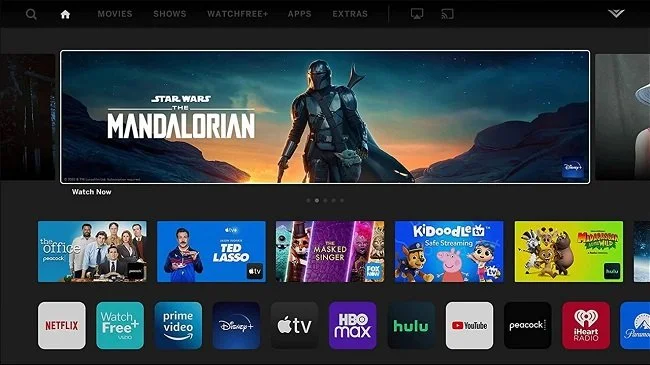
Contemporary viewing habits have changed radically in the last forty years. We may all still watch popular shows, but we often do it in different ways because there is no longer just one single path of access. There are still viewers that like to watch a show as it is broadcast. Other will record and watch later using some form of PVR. Then of course there is VOD and other streaming services. And to complicate things further the market is fragmented, and a lot of content is specific to a platform or outlet. If you do not have access to particular channel that is showing the latest episodes of your favourite show, then you may have to wait a year or more for older seasons to be syndicated to a station you do have. But this doesn’t always happen nowadays especially with shows that have been created specifically for streaming services such as Amazon Prime and Netflix. In such circumstances if you wish to see Stranger Things and are not a Netflix subscriber, then your only recourse is to purchase a boxset on DVD or Blu-ray. However, due to licensing issues, some of these shows do not get released on home media.
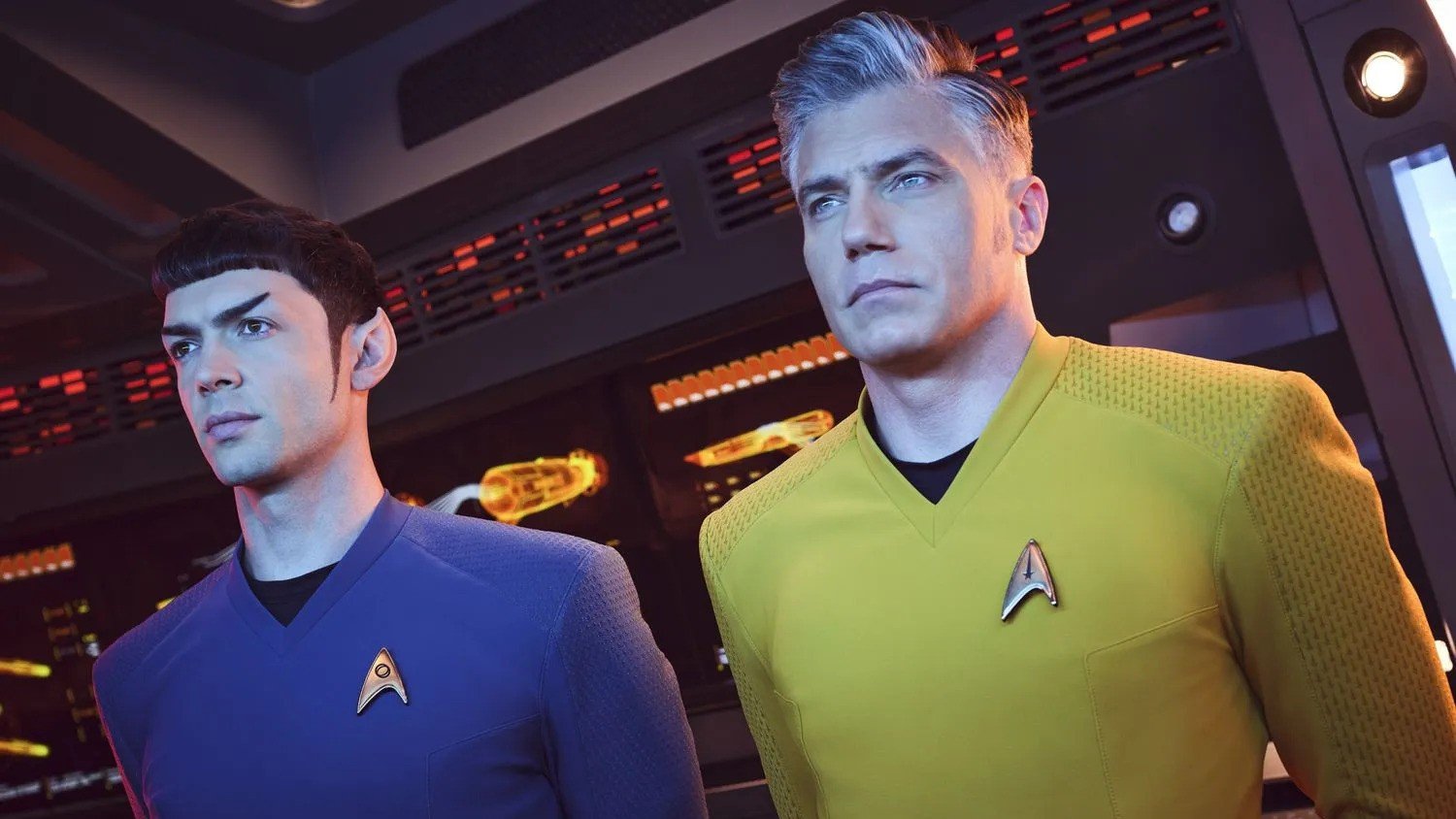
Despite living in a time where there is a wealth of quality television to watch, the way much of it is tied to specific platforms and outlets, means that if you wish to legally view a dozen or so of the most popular show, you have to subscribe to multiple services. For example, currently in the UK if you want to watch Game of Thrones, The Haunting of Hill House, Jack Ryan and Star Trek: Discovery then you’ll need to subscribe to either a satellite, cable or IPTV service such a Sky, Virgin of BT TV as well as Amazon Prime and Netflix. That’s a monthly spend of about £65 or so. Considering the current economic climate in the UK, that is not a sum of money that every household can or wishes to pay. Hence people will either simply opt for what they can afford or result to piracy. The latter is a big subject and not one I intend to address in this post. And so there exists a situation where if you only have access to free-to-air, terrestrial television via either a rooftop aerial or Freesat, you are going to have limited or no access to what may be deemed as premium content. In fact, I have seen the phrase “TV Poverty” used in this context, on a television marketing website.
Returning briefly to my reminiscences from the seventies, rightly or wrongly, socio-economic distinctions were often made here in the UK, according to which TV channels you watched and what were your favourite shows. Nowadays, I’d say that perhaps what platforms you have access to would be a more contemporary indicator. I’m certainly not going to suggest that having limited access to specific TV content is an impediment or social handicap in some way, but it does reflect a growing societal divide. However, in the UK if you only have access to terrestrial TV, then at least that includes BBC content, which is still of a very high standard, despite what some quarters may say. Yet, while recently visiting a family member in hospital, I spent some time waiting in “The Family Room” which had a bog-standard LCD TV with a simple aerial connection. It was a reminder that much of the free content is old and presented in the poorest of fashions. IE numerous onscreen graphics, material shown in the wrong aspect ratio and of course twelve to eighteen minutes of advertisements in each hour of content. It is does not make for an enjoyable viewing experience. Although the phrase “TV Poverty” does seem somewhat hyperbolic, it does indicate that there are clear and legitimate economic distinctions in the industry. Furthermore, I suspect they’ll become more prevalent in the years ahead.













Regulate Online Influencers, Community Specialists and Game Ambassadors
Thomas Cheung (AKA Elvine), an employee of Hi-Rez game studio and a partnered Twitch streamer, was arrested last weekend in Brookhaven, Georgia in connection an ongoing child sex investigation. Police charged him with using a computer service “to seduce, solicit, lure or entice” a minor, which is a felony in the state. Cheung is a prominent member of the World of Warcraft community and is generally a known "influencer" in specific gaming quarters. As a result of the ongoing investigation and charges, his corporate sponsors, SteelSeries, have withdrawn their support and Hi-Rez studios are distancing themselves from Cheung who was a community specialist for both Smite and Paladins Strike. Obviously, it is not appropriate to speculate and comment unduly on an ongoing criminal investigation, but I would like to articulate some wider points. With an issue as harrowing and sensitive as child sex abuse, it is understandable to tread cautiously and choose one’s words wisely. We certainly wish to avoid arbitrary “knee jerk” reactions as these tend to do more harm than good. But we must not shy away from big issues such as this although it is something that the gaming industry has been doing for too long.
Thomas Cheung (AKA Elvine), an employee of Hi-Rez game studio and a partnered Twitch streamer, was arrested last weekend in Brookhaven, Georgia in connection an ongoing child sex investigation. Police charged him with using a computer service “to seduce, solicit, lure or entice” a minor, which is a felony in the state. Cheung is a prominent member of the World of Warcraft community and is generally a known "influencer" in specific gaming quarters. As a result of the ongoing investigation and charges, his corporate sponsors, SteelSeries, have withdrawn their support and Hi-Rez studios are distancing themselves from Cheung who was a community specialist for both Smite and Paladins Strike. Obviously, it is not appropriate to speculate and comment unduly on an ongoing criminal investigation, but I would like to articulate some wider points. With an issue as harrowing and sensitive as child sex abuse, it is understandable to tread cautiously and choose one’s words wisely. We certainly wish to avoid arbitrary “knee jerk” reactions as these tend to do more harm than good. But we must not shy away from big issues such as this although it is something that the gaming industry has been doing for too long.
In real life, any significant gathering of people sadly attracts criminality and predators. In the UK the Police regularly remind people attending events such as carnivals, concerts, or even demonstrations to be mindful. Furthermore, it has also become apparent that organisations that deal with people, especially those who are marginalised or vulnerable, similarly attract of percentage of individuals whose motivations are far from good. Hence, we saw last year a scandal involving the Red Cross and a small percentage of their aid workers who were also exploiting sexually the very people they were supposed to be helping. And of course, any social or sporting activity that involves children has to be especially careful as to who they employ. I myself have volunteered to do charitable work in the past and had to give plenty of advance notice to afford the organisers time to do suitable background checks.
Due to some very hard and tragic lessons in recent years, dealing with others or representing an organisation in a public environment has to be regulated, policed and reviewed to ensure the safety and welfare of all parties. We as a society have reticently grown to accept this. Many of us don’t want to think the worst of our teachers, social workers, sports coaches or scout leaders by default, but it is irresponsible not to make provision to ensure that predators don’t slip through the net. But although this sort of social auditing has become common place in the real world, it still seems to be neglected, overlooked or in some instance deliberately sidelined online. Gaming and other internet-based leisure industries still maintain a close and profitable relationship with third party “influencers”. Tapping into popular social media personalities and having them become ambassadors for your game or service is immensely beneficial. Yet it is becoming increasingly clear that many of these affiliate staff are not in anyway scrutinised, checked or held to any sort of standard or accountability. Such a rash policy is inevitably going to end in tears. Perhaps it already has and we’re simply going to find out when the fallout becomes public knowledge.
Big business seldom does the right thing as a default choice. Yes, there are a few examples of ethical companies out there, but I am not disposed towards thinking this is the norm. Far from it. Which is why in the real world we have regulatory bodies, legislation and processes that ensure that business does the right thing, whether they like it or not. It is time that similar institutions and procedures are introduced to ensure that online businesses and communities are held to a similar degree of accountability. It is bad enough that a games developer can “unwittingly” associates itself with Twitch Streamer who turns out to be a racist, because they could be bothered to invest in a more formal employment relationship which would guarantee security checks. But potentially enabling a sexual predator for similar reasons of “fiscal prudence” and general indifference, a disgraceful nadir in free market irresponsibility. And for those “libertarians” that eschew any governance on principle, consider this. If the games industry doesn’t get its house in order voluntarily or embrace measured changes, they may face the worse kind of panic legislation and witch hunt culture next time something really bad happens. If you make money off the backs of a community that you cultivate and nurture, you have a duty of care, especially so if that community includes minors. It infuriates me that online business, especially gaming is always playing catch up due to having dodged real-world rules. Redress the balance and proactively put this situation right.
The Iniquities of the Video Game Industry and Gamer Culture
Although I wrote several blog posts summing up my experiences with movies, blogging and social media in 2018, I didn’t get around to writing “a year in gaming”. There are several reasons for this. First off, it was a year in which I bought several games that just didn’t chime with me. No Man’s Sky and Monster Hunter: World were both white elephants. Also, I have yet to find a single player games that has had the impact of The Witcher 3: Wild Hunt, so overall my gaming experience was somewhat lacklustre in 2018. I did however rediscover my love of the MMO genre and therefore spent most my gaming time in The Lord of the Rings online and Star Trek Online. But secondly and possibly more importantly, as a fifty-one-year-old man, I find a lot of the shenanigans associated with the video game industry and so called “gamer culture” to be embarrassing and crass. We live in a time where fandom and openly expressing your interests is quite common place, mainly due to commercial. Having said that, why do I want to openly identify with an industry that has its mindset firmly stuck in the 1950s and with a fan community that is often insular and hostile to anyone who doesn’t “fit the bill”?
Although I wrote several blog posts summing up my experiences with movies, blogging and social media in 2018, I didn’t get around to writing “a year in gaming”. There are several reasons for this. First off, it was a year in which I bought several games that just didn’t chime with me. No Man’s Sky and Monster Hunter: World were both white elephants. Also, I have yet to find a single player games that has had the impact of The Witcher 3: Wild Hunt, so overall my gaming experience was somewhat lacklustre in 2018. I did however rediscover my love of the MMO genre and therefore spent most my gaming time in The Lord of the Rings online and Star Trek Online. But secondly and possibly more importantly, as a fifty-one-year-old man, I find a lot of the shenanigans associated with the video game industry and so called “gamer culture” to be embarrassing and crass. We live in a time where fandom and openly expressing your interests is quite common place, mainly due to commercial. Having said that, why do I want to openly identify with an industry that has its mindset firmly stuck in the 1950s and with a fan community that is often insular and hostile to anyone who doesn’t “fit the bill”?
In case you didn’t notice, neither the video game industry or the gaming community covered themselves in glory in 2018. Here’s are a few “highlights” from the last twelve months. Let’s start with start with lootboxes and live services. While some gamers aren’t interested in social commentary, diversity, equality or an industry that that behaves like an 18th century mill owner, a lot of them do care about getting fleeced. Therefore, when Electronic Arts and other companies opted to build this semi-gambling mechanic directly into several games there was a public rightly outcry. The Belgium government even found loot boxes to be in breach of their gambling laws, yet rather than feeling shamed, some games publisher played the victim card and made the issue all about them. We now live in an age where games as a “live service”, means that companies patent algorithms that figure out the best way to apply pressure to make players buy more. For a lot of the big dogs of the industry, it’s no longer just about the game. That’s just a secondary consideration. It’s first and foremost about building a commercial product around tried and tested monetisation mechanics. And 2018 was also the year that numerous game studios such as Telltale Games where closed, the staff ignominiously stripped of their benefits and kicked out the door, with out any consideration or empathy.
The gaming industry also has a track record of institutionalised sexism and poor workers’ rights that hasn’t improved over the last 12 months. “Me Too,” has exposed several companies for being just glorified boys’ clubs in which shitty behaviour is de rigueur. Riot Games even ended up facing a gender discrimination lawsuit from employees. Then there’s the numerous instances of "crunch" culture that have been reported on. Rockstar Games seemed even proud of its archaic macho ethos with co-founder Dan Houser crowing with pride about the arduous work hours required to complete Red Dead Redemption 2. And then there where numerous instances of companies utterly failing to grasp the fundamental of social media. Need I remind you of the Jessica Price debacle? The narrative designer was fired after she responded to a high-profile YouTuber who was a key ArenaNet influencer. Mistakes where made by both parties although the bulk of my sympathies lies with Jessica Price. This massive own goal could have been easily avoided if the company had a clear policy on social media usage. And then there was the usurping of #WontBeErased via GoG’s twitter account. This matter was dealt with swiftly but yet again it demonstrates an industry that seems to regularly employ square pegs for round holes.
And what of gamers themselves? Oh, where shall we begin? Apparently having female avatars in Battlefield V was beyond the pale, because many gamers have based their entire understanding of women’s contributions to World War II upon Mrs Miniver. Then there was Valves piss poor handling of sexual content on their Steam platform. The “debate” over this reflected very badly on some gamers that claimed an “anti-censorship” platform but really wanted to protect their own questionable tastes in products that range from the morally reprehensible to potentially illegal in many countries. Esports also continued to be a male dominated activity with a reciprocal fan base driven by notions of “gender essentialism”. A common mantra from this community is “keep your identity politics out of my gaming”. Other popular buzzwords among such “thinkers” are “social justice warriors” and “females”. Beyond such obvious sexism, the gaming community is rife with those that think the industry is there to serve their exclusive needs. Some gamers still fail to grasp that “being a fan” does not grant you anymore leverage, input and respect. Fandom is a self-appointed title that ignores the reality that we’re all just consumers.
So, on mature reflection why would I and indeed many of my colleagues and friends, wish to cry from the rooftops “Hey, you. You see this shit? We really dig all this and we’re immensely proud to be associated with it”? Couple all the above with a lack of games that have personally delighted me (and that is not a claim that there aren’t good games out there) and you’ll understand why I now just look at gaming per se as just an amusing diversion and no more. Yes, it can be art on occasions and it can affect social change, raise awareness and do good things (think Childs Play charity etc.) But in many respects these positives are often cancelled out by the negatives. Popular culture seems to have acquired too much of the bellicose, binary, “belief over fact” driven narrative of contemporary politics, along with all the fervour and zealotry of fundamental religious faith. So, I’ll leave it to others to hold the line and fight the good fight against all the above. I’m done my time and paid my dues. I’ll happily embrace the term “gamer” when it’s respectable again and the video game industry no longer behaves like a character out of a Dickens’ novel.
Goodbye 2018
One of the benefits that comes with age (for some people at least), if the gift of realistic expectations. Having reached 51 years, I no longer harbour thoughts that each year will be a rollercoaster ride of excitement, mirth and personal gain. Nor do I count on the stars aligning so that I make my fortune and retire peacefully to the Cayman Islands, to live the life of a tax exile. If New Year’s Eve rolls round and no one has died, I’m not looking at being tried for murder and there’s still gin in the drinks cabinet, then I usually deem the previous twelve months an acceptable year. However, despite even these fairly lose and undemanding criteria I feel compelled to say that 2018 was bollocks and that I won’t be sad to see the back of it.
One of the benefits that comes with age (for some people at least), if the gift of realistic expectations. Having reached 51 years, I no longer harbour thoughts that each year will be a rollercoaster ride of excitement, mirth and personal gain. Nor do I count on the stars aligning so that I make my fortune and retire peacefully to the Cayman Islands, to live the life of a tax exile. If New Year’s Eve rolls round and no one has died, I’m not looking at being tried for murder and there’s still gin in the drinks cabinet, then I usually deem the previous twelve months an acceptable year. However, despite even these fairly lose and undemanding criteria I feel compelled to say that 2018 was bollocks and that I won’t be sad to see the back of it.
Both my parents have struggled with their health and personal well-being. The UK has continued to fracture socially, politically and economically as it embarks upon an act of national self-harm. Globally, international affairs continue to become more bellicose, crass and mean spirited. Yet for some reason, we’re supposed to forget all this at the stroke of midnight and participate in an act of national denial, and lie to each other that it’s all going to be great in 2019. However, humans as a species thrive on hope and I don’t want to be party to denying anyone such. So let’s see if I can muster up some from the depth of my soul and focus upon it to find some sort of positive message for the coming twelve months.
“Yay. We look like a fence”.
You don’t get to pick your family but you can choose your friends. Family can be loving, supportive and an integral part of your life. They can also be assholes, baggage and a never ending source of misery. Friends however are not thrust upon you by the capricious nature of genetics. They are a matter of choice. A friend is someone who knows all your flaws and has seen you when you’ve been as drunk as a sack and a total dick, yet they still keep coming back. Therefore, don’t take them for granted. Also trust them as they can be quite wise. And don’t bother your US friends when they spell words without the required “u”. It’s not their fault. Blame Henry Kissinger or Robert McNamara or someone.
It’s time to do that project or thing you keep telling people that you want to do. So you want to write that book, make your own muesli or provide Dachshunds with stilts? Then grasp the nettle and get going. If something is important you make time for it. No it’s not going to be easy. You may have to do extra work to finance your undertaking. You may have to cut some fun stuff out of your life to accommodate this project. But it’s the only way it’s going to happen. I believe there is wisdom to be found in Yoda’s words when he said “get off your lazy ass and do that shit you keep whining about, co’s I’m tired of your bullshit”. In twelve months’ time, if you get this matter sorted you’ll be pleased that you did. Furthermore you can bore other people about it and revel in your self-righteousness.
“I am an utter anachronism, poor thinker and redundant politician”.
Don’t add further to the angry, confrontational and anti- intellectual malaise that pervades all discourse at present. Or put more simply, don’t be a dick as there’s more than enough of them at present. I appreciate that it’s hard not to be jaded and cynical at present and it’s tempting to jump on the “fuck you” bandwagon along with everyone else. But it really doesn’t solve anything and despite what the tabloids tell you, getting angry doesn’t make you feel better. It’s tough to remain polite, rational and dignified when second rate politicians and fifth rate thinkers such as John Redwood MP are given knighthoods but throwing your toys out of the pram just eventually leads to you turning into that which you revile the most. Count to ten (or ten thousand), stay cool and maintain your own personal moral high ground.
And that’s about it. I really can’t muster up any more positive thoughts than that. I guess as a codicil I’d add something about global warming, eating your greens and the fact that poached eggs on toast remains a cheap and easy meal that is really delicious. 2019 will certainly have its challenges and no mistake. But I’m still going to be here sharing the love (as I so often do) and offering encouragement. There should be another Contains Moderate Peril podcast out soon, you lucky people. So, happy New Year to you all of you. I look forward to reading all those blog posts about stuff you’re not going to do next year, despite the fact I’ve offered sound advice and support. Tread boldly and may your god go with you. If you’re agnostic or an atheist, then yay, Carl Sagan and all that. Okay, I’m off to pour myself another gin. See you in 2019.


A Divided Nation
I’ve heard some journalists and political pundits refer to Brexit as an insoluble problem. Technically that is not the case. A Hard Brexit would effectively meet the criteria of the 2016 referendum result and its binary question. What is insoluble is the government delivering a result that pleases all parties and more importantly doesn’t put the UK economy at risk. Brexit is a microcosm of everything that is wrong with UK politics at the present. The original very straight forward question on the ballot paper did not indicate in any way the logistical, procedural and legal complexities of extricating the UK from the EU after over forty years of major harmonisation and integration. The leave campaign openly stated that this very process would be easy and getting a good deal was not an issue. Both were lies. Hence, we now find ourselves in a situation where the realities of what Brexit entails are manifestly clear, and no one agrees as to what is the best way to proceed. And all of this is panning out against a background of broken, tribal and hostile politics. It is a recipe for disaster and now that the Brexit Pandora’s Box has been opened, there is no scenario that doesn’t lead to future problems and unrest.
I’ve heard some journalists and political pundits refer to Brexit as an insoluble problem. Technically that is not the case. A Hard Brexit would effectively meet the criteria of the 2016 referendum result and its binary question. What is insoluble is the government delivering a result that pleases all parties and more importantly doesn’t put the UK economy at risk. Brexit is a microcosm of everything that is wrong with UK politics at the present. The original very straight forward question on the ballot paper did not indicate in any way the logistical, procedural and legal complexities of extricating the UK from the EU after over forty years of major harmonisation and integration. The leave campaign openly stated that this very process would be easy and getting a good deal was not an issue. Both were lies. Hence, we now find ourselves in a situation where the realities of what Brexit entails are manifestly clear, and no one agrees as to what is the best way to proceed. And all of this is panning out against a background of broken, tribal and hostile politics. It is a recipe for disaster and now that the Brexit Pandora’s Box has been opened, there is no scenario that doesn’t lead to future problems and unrest.
The UK is a divided country. Its political parties seem to have abandoned very specific parts of society and entire regions have been neglected by successive governments. The gap between rich and poor is increasing, and the middle classes are no longer insulated from the country’s economic woes. Social changes over the last fifty years have seen a shift away from traditional political doctrines and the sense of being part of specific communities and groups. Consumerism has led to politics being seen as a means of personal gain and that is what often shapes the electorates position on major issues at elections. There is also an ever-widening gulf between the generations and the way they view the world. The young are happy to embrace a global market and are not constrained by past prejudices and cultural baggage. They also do not fear social change. Where as the Baby Boomer generation are very much entrenched in a mindset born of their time. Hence foreigners cannot be trusted and fantasies about British Exceptionalism are still harboured. A fictional past is mourned, and a modern future is feared.
Possibly the most worrying development in recent years is the shift in politics from fact based, intellectually driven debate into wanton tribalism. The “politics of feelings” has emerged as a result of social media and the internet. Equal access to online platforms has fostered an environment of false equivalence and the mainstream medias obsession with balance has perpetuated the myth that all views, no matter how unfounded or extreme, are of equal merit. Then there was Michael Gove’s misquoted statement that “people in this country have had enough of experts”. Although he was referencing a very specific group of tail chasing think tanks, the point was embraced in certain quarters. There has been a growing pushback of late against academia because it is by its very nature exclusionary. Some people simply do not like the idea that having no knowledge or experience of a specific thing, somehow keeps them from the top table and that their views are not treated with the same deference of those with a deeper understanding. The current socio-political changes in the UK go hand-in-hand with the spreading intellectual blackout throughout western democracies.
A great many people are legitimately unhappy with the way politics and social change has bypassed their concerns and wishes. The UK has an ageing political system that seems to be ill equipped for the modern world and more importantly an increasing diversity of opinions and views. Both the major political parties seem to be far too self-obsessed and removed from the reality of most of the electorates daily experience. Parliament needs to be overhauled, relocated and divested of many of the patrician traditions it is steeped in. Proportional representation also needs to be embraced. Yet sadly, none of these things appears to be immediate propositions. The growing disillusionment with mainstream politics leaves much of the electorate politically homeless. The major concern here is that the gap left by the demise of the only UK protest party, UKIP, may drive some into the waiting arms of the hard right or the extreme left. Are we looking at a return to the violent and tumultuous political times of the seventies? Because politics and governance driven by either extreme of the political spectrum seldom benefits the country.
What next for Theresa May’s EU deal?
And so the UK continues to act out of character with ongoing acts of protest and catharticism. Journalist Agnes C. Poirier, the UK editor for the French weekly magazine Marianne recently said on the BBC news discussion show Dateline London, that the UK “was behaving in a very un-British way” in so far as after decades of not cleaving to strong ideologies it is now doing the opposite over Brexit and also by being “passionate”, which is not a trait usually associated with the UK populous and their relationship with politics. It begs the question where will it all end? Well I think with regard to Brexit, the answer is not well. I believe any outcome available will be broadly unsatisfactory to the UK electorate. A Hard Brexit comes with potential economic turmoil, job loss and more. The Prime Minister’s compromise deal pleases neither side of the debate and entails the risk associated with a finite transition period and a dependency for the government to negotiate “good trade deals”. And the prospect of cancelling Brexit and retroactively remaining will cause social unrest and a further loss of faith in the UK political system. No one group is going to win, because there’s nothing to win. Brexit has simply removed a plaster from a festering national wound that has been neglected for decades.
As we as a nation are navigating uncharted territory politically and socially, it makes it very difficult to make any accurate predictions. I have never held the view that we cannot leave the EU. I have simply maintained that it cannot be done quickly and yet expected to yield the economic results that some politicians claimed. If the referendum had asked a more detailed question, stating a staged exit over several parliaments, then the very small leave result would be more palatable and practical. But it wasn’t and that is why we find ourselves in this mess. And Brexit is just the tip of the iceberg. It is simply a distillation of ongoing divide in opinion that is rife in the UK. Over the last two years it has become increasingly clear that many of the so-called shared “British values” are not universally embraced. The public do not all think in the same way regarding racism, equality, empathy and shared economic prosperity. And due to the “footballfication” of these sorts of issues, there is no scope for concessions, compromise of “agreeing to disagree”. You simply pick a side and hate the other. If you dare to opt out, then by default you’re an enemy because the prevailing mindset is “it’s my way or the highway”.
The British Empire at its height in the 20th Century
I am expecting a Hard Brexit and the consequences that go along with that. One can prepare to a degree but so many of the potential issues that could arise are out of our personal control. I fully expect the UK public to be in turmoil as a result and for there to be a series of minority governments in the immediate years to come. If there are hard economic consequences, then many who voted for Brexit may well be surprised that they are suffering as a result of their actions. Naturally blame will be placed at every door bar those who are genuinely responsible. The divide between rich and poor will grow, and social unrest increase as a result. As for the thorny issue of immigration, we will simply see European migrant labour replaced with international or, more than likely, Commonwealth migrant labour. That will not be well received in certain quarters. The systemic failing of our educational system and the cultural snobbery regarding many service-related jobs will leave us ill equipped to maintain the status quo regarding the way we live and consume. I suspect that the resulting backlash that is coming will end in violence and even fatalities. I believe the political classes will be at increased risk. But maybe Brexit and what proceeds it is a much needed and long postponed reality check for a nation. Perhaps we can finally lay to rest the myth on British Exceptionalism as well as put our colonial past and glory days behind us and find a new appropriate role in the modern world. However, if such a lesson can be learned it will be long, extremely painful and come with a significant price.
Trial by Social Media
The upbeat social media buzz around popular reality TV show Strictly Come Dancing took a turn for the worse this week, after celebrity contestant Seann Walsh was photographed kissing his professional partner Katya Jones. To the casual observer, this is simply standard fare for the tabloid press; a storm in a tea cup and nothing of note. However, four days after publication the story has grown from celebrity tittle-tattle to a major topic of national debate. This is because of several reasons. Mr Walsh was at the time when the picture was taken, in a long-term relationship. Katya Jones is married to fellow Strictly Come Dancing professional dancer, Neil Jones. Subsequently, actress Rebecca Humphries split up with Seann Walsh and released a statement online citing deficiencies in the five-year relationship and alluding to “controlling” behaviour. It is this later aspect, rather than just faux prurient outrage by the tabloids about the celebrity indiscretion, which has made this “story” persist. It links into the ongoing debate over “toxic masculinity” and the #MeToo movement.
The upbeat social media buzz around popular reality TV show Strictly Come Dancing took a turn for the worse this week, after celebrity contestant Seann Walsh was photographed kissing his professional partner Katya Jones. To the casual observer, this is simply standard fare for the tabloid press; a storm in a tea cup and nothing of note. However, four days after publication the story has grown from celebrity tittle-tattle to a major topic of national debate. This is because of several reasons. Mr Walsh was at the time when the picture was taken, in a long-term relationship. Katya Jones is married to fellow Strictly Come Dancing professional dancer, Neil Jones. Subsequently, actress Rebecca Humphries split up with Seann Walsh and released a statement online citing deficiencies in the five-year relationship and alluding to “controlling” behaviour. It is this later aspect, rather than just faux prurient outrage by the tabloids about the celebrity indiscretion, which has made this “story” persist. It links into the ongoing debate over “toxic masculinity” and the #MeToo movement.
I have no interest in dissecting or commenting on in any depth, the former relationship between Rebecca Humphries and Seann Walsh, nor the actual drunken kiss that started this furore. The only information we have on these matters is anecdotal and has been refracted through the prism of the tabloid press. Nuance and facts are conspicuously absent. But none of that is relevant because we live in an age where we are regularly presented with a “news story” that is designed to make us angry and encouraged to sake a side. This mindset dominates political and social debate and is the ruination of western society. As a nation we are actively participating and enabling a parasitical tabloid culture, which is harmful to not only those who are the “story”, but also to ourselves with the erosion of empathy and critical thinking. The hypocrisy of a media driven “public shaming” with “showbiz journalism” taking the moral high ground is utterly reprehensible. And then there is the blunt tool that is the internet lynch mob and the all too common “trial by social media” to consider. Something that is becoming increasingly weaponised by those entities with a political agenda.
The BBC decided to head off this ongoing controversy last night as Strictly Come Dancing is their flagship Saturday night family entertainment show, with viewing figures of 9 million. Hence Seann Walsh and Katya Jones made an embarrassing appearance on Strictly Come Dancing: It Takes Two, to obliquely apologies for the situation. However, I’m not so sure if it has done any good because this entire matter is no longer being driven by either Mr Walsh or Ms Humphries. This debacle is now a “cause” and there are clearly defined sides fighting wider ideological points, along with a percentage of professional malcontents who simply thrive on public discord. If the levels of “outrage” do not subside and the BBC gets cold feet, then we could see Mr Walsh either step down from the show or be removed. This would then make him a martyr for those in the opposite camp of the #MeToo movement and would more than likely result in an unjust backlash against Rebecca Humphries.
It’s a curious thing how the internet and social media with all it’s potential to breakdown barriers and be a force for good in the world, has often just pandered to the worst aspects of the human nature. It has fed our prejudices, depersonalised our interactions with others and turned other people’s misery into disposable entertainment. Too many people viewing via their own bespoke online portal, see life as something happening in a “petri dish”, removed and sperate from themselves. Then there is the entire tabloid “showbiz” industry that is inherently unethical and repellent, growing rich off suffering that they’ve often contrived. Yet the market for such material seems to be voracious, so it would be naïve of me to simply pooh-pooh it with a glib moral soundbite. However, I think as a society we need to think long and hard about the road we’re following. The destination doesn’t look too promising. But like any big change, it starts with a small step and that first step is down to us. The next time a salacious story appears in your social media timeline, inviting you to pick a team and start screaming, just take a breath and move along. It is not imperative to have an opinion on everything, nor wise to make snap judgments. Most of us are flawed and wanting in some respect. And remember that people such as Seann Walsh and Rebecca Humphries are not abstractions but flesh and blood, with feelings and family. Would you want what they are currently enduring to happen to you?
A Creature of Habit
I woke up on Saturday morning only to discover that my watch had stopped. I still wore it throughout the day as I don’t feel properly dressed without a wristwatch. As I was out for the day I wasn’t able to immediately resolve the issue. Today I decided rather than replace the battery, why not just buy a new watch. So, I went to my local branch of Argos and bought exactly the same make and model of watch. When I used to work in “the city” I wore a quality Rotary analogue watch that my wife had bought me as a gift. However, due to my work it kept getting scratched and damaged, so I swapped to something cheap and functional. This change has now become a habit and the fancy watch only gets worn on high days and holidays. Hence, I bought yet another a bog standard analogue black Casio watch today. It costs £7.99 which is about the same price I’d be charged for the battery to be replaced in the old one.
I woke up on Saturday morning only to discover that my watch had stopped. I still wore it throughout the day as I don’t feel properly dressed without a wristwatch. As I was out for the day I wasn’t able to immediately resolve the issue. Today I decided rather than replace the battery, why not just buy a new watch. So, I went to my local branch of Argos and bought exactly the same make and model of watch. When I used to work in “the city” I wore a quality Rotary analogue watch that my wife had bought me as a gift. However, due to my work it kept getting scratched and damaged, so I swapped to something cheap and functional. This change has now become a habit and the fancy watch only gets worn on high days and holidays. Hence, I bought yet another a bog standard analogue black Casio watch today. It costs £7.99 which is about the same price I’d be charged for the battery to be replaced in the old one.
We all have foibles and habits that we adhere to and naturally I have my fair share. Now that I’ve retired and no longer have to deal with clients, I don’t worry too much about sartorial issues. I dress functionally and again tend follow a “like for like” replacement policy when it comes to clothing. I’m not as bad as Seth Brundle (Jeff Goldblum) in The Fly and have a wardrobe full of the same outfits but I do tend to stick with the same brands and styles. For example, once a year I buy two pair of a particular type of Reebok Hiking Shoes. One black and one white. I then wear them in rotation when I’m not required to wear formal shoes and just run them into the ground. They are practical, functional and sufficiently presentable, so why burden myself with the dilemma of choosing another brand and product line?
There are other telltale signs that show that I’m a creature of habit. For example, as a household we recently decided to try a different supermarket. Broadly the change has proven successful as we find that we’re reduced our monthly grocery spend without compromising on quality. Cleaning products do not command brand loyalty. Bleach is bleach. However, there are certain items that I will not swap brand. Baked Beans is one such item. Tea and coffee are others. I guess everybody has some personal lines in the sand that they will not cross. I am always interested in a bargain but not at the expense of my enjoyment. Cheap biscuits are indeed cheap, but they are seldom pleasant, which is their fundamental purpose.
I’m also a great one for plans and I seldom do anything significant on a whim. If I arrange to meet someone at a restaurant or venue that I’m not familiar with, I always check transport arrangement in advance and use Google Maps and Street View to familiarise myself with the area. Again, when I worked in central London, a friend of mine found it fascinating that I had an exit strategy if there ever was a major incident. If the important transport hubs were shut down, I had a route planned in which I could effectively walk home. Funny how some folk saw this as an odd thing, where to me it seems like common sense. I like the peace of mind that planning in advance provides. I also hate it when someone else included in any social arrangement makes an ill-conceived change that has a knock-on effect on everyone else.
Now although I may be a creature of habit, I am not a slave to routines. In certain aspects of my life I am very happy to be adventurous. I will happily try any type of international cuisine, with my only real stipulation about food being that it has to be dead when it’s served up in front of me. I guess a lot of my personality foibles stem from my upbringing and the world view I’ve adopted over the years. My Father has an academic background and favours logical, reasoned based thinking. One of the greatest lessons he’s taught me is the importance of focusing and marshalling your thoughts, especially before speaking. Hence, I have a methodology that I bring to bear on most aspects of my life. It may make me a creature of habit, but it also makes me a content one.
Peppa Pig World
Having twin granddaughters who are three years old makes our family prime candidates for Peppa Pig World. So, we decided to go this year, rather than leave it to next summer, only to find that the twin’s tastes have changed. Today was a beautiful autumnal day with plenty of sunshine, making it ideal for adventures in a theme park. Peppa Pig World is actually just part of Paultons Park, which has a broad variety of rides and entertainment. However, the girls age restricts them from a lot of these, so we remained at Peppa Pig World which proved sufficient to keep children and adults busy. We ended up spending seven hours, perusing the park and went on most rides. Despite the lateness of the season, Peppa Pig World was still well attended and there was a large crowd throughout the day. However, the theme park is very well organised and run so there were no major problems.
Having twin granddaughters who are three years old makes our family prime candidates for Peppa Pig World. So, we decided to go this year, rather than leave it to next summer, only to find that the twin’s tastes have changed. Today was a beautiful autumnal day with plenty of sunshine, making it ideal for adventures in a theme park. Peppa Pig World is actually just part of Paultons Park, which has a broad variety of rides and entertainment. However, the girls age restricts them from a lot of these, so we remained at Peppa Pig World which proved sufficient to keep children and adults busy. We ended up spending seven hours, perusing the park and went on most rides. Despite the lateness of the season, Peppa Pig World was still well attended and there was a large crowd throughout the day. However, the theme park is very well organised and run so there were no major problems.
Like most outdoor events, if you arrive early then you get the best parking. We secured places near to the entrance. Parking is martialled by stewards who are polite and helpful. We had pre-booked our tickets and received a substantial discount. There were four adults in our party which cost £110 and the children being under 1 metre, got in free. Regular tickets bought at the gate cost £34.25 each. On arrival the granddaughters were given green wristbands that designated which rides were suitable, through a colour code system. It was then a short five-minute walk through parts of Paultons Park before we got to Peppa Pig World which is a separate enclave. The moment you cross over the threshold, you’re acutely aware of various jingles, incidental music and of course the theme tune from Peppa Pig. Most children seem unconcerned by this pervasiveness. Adults may require opiates.
Some rides are more popular than others, so my advice to any family planning on visiting is to determine which ones are most important and go there first. For the first couple of hours of the day the average queue time is about 10 to 15 minutes but eventually this goes up to about 30 minutes by sheer weight of numbers. The rides are all fairly straight forward, sedate and very child friendly. They are mainly permutations of riding around in a themed vehicle or conveyance, through a semi interactive environment. The water-based rides such as Grandpa Pig’s Boat Trip and Grampy Rabbit’s Sailing Club are especially enjoyable, offering a more dynamic mode of transport. Peppa Pig’s Balloon Ride is also quite exciting, offering great views of the park and immediate area. Personally, I thought the most complex and involving ride was the Windy Castle. It lasted the longest, mainly to accommodate getting passengers on and off their respective “clouds.
As well as rides there are other attractions. There is a “meet and greet” with Peppa and George along with an accompanying stage show. As you can imagine, this is very popular, so if you arrive late, you’ll find yourself at the back of a large crowd, struggling to see. There are numerous photo opportunity such as Peppa Pig’s House and various animatronic displays. There also a soft play area that is very well provided for. As part of the wider attractions of Paultons Park, there is a penguin enclosure, which is directly adjacent to Peppa Pig World. The is a talk at feeding time, twice daily that is most informative. Like any theme park, there are numerous gift shops, eateries and kiosks, all designed to separate adults from their hard-earned cash. Sadly, the prices here are somewhat high and so feeding your family may prove expensive. We also noticed that the regular exits were closed, and we had to vacate the park via the gift shop, which was a little pervasive.
Overall, Peppa Pig World is a good day out for those with appropriately aged children. As we stayed from 10:00 AM to 5:00 PM, I felt is was value for money. We certainly didn’t run out of things to do and the queue times were not too excessive. The staff were very friendly, helpful and above all, good at their jobs. The logistical facilities, such toilets, information and “lost children” collection centres where all top notch and it would seem that the park can deal with any issues quickly. Unless you live relatively locally, I would advise potential guests to come down a day early and stay in one of the numerous hotels in the area. Hampshire has a good tourist industry and there’s accommodation available to suit all budgets. Certainly, our granddaughter had a great day out, but as I mentioned earlier, many theme parks are governed by a specific age window. I suspect that our visit was exactly at the “right time” and Disneyland Paris will more than likely be the next destination.