Non-Driver
As a carer I have to take both of my disabled parents to various clinics, appointments and sundry trips out. Today, it was a visit to the hairdresser with my Mother and then a journey to the audiologist, to collect and be fitted with her new hearing aid. There was then a journey for shopping and a final visit to the pharmacist, before returning home. Luckily, both my parents qualify for the London Taxicard Scheme. The Black Cab are a disabled friendly vehicle and the yearly quota of subsidised journeys are an absolute godsend. However, there is another reason why I find this service invaluable. I do not, nor have I ever held a driving license. To date I have never driven a car and considering my age, the cost of ownership and insurance, along with my personal mindset on the subject, it’s highly unlikely that I ever will.
As a carer I have to take both of my disabled parents to various clinics, appointments and sundry trips out. Today, it was a visit to the hairdresser with my Mother and then a journey to the audiologist, to collect and be fitted with her new hearing aid. There was then a journey for shopping and a final visit to the pharmacist, before returning home. Luckily, both my parents qualify for the London Taxicard Scheme. The Black Cab are a disabled friendly vehicle and the yearly quota of subsidised journeys are an absolute godsend. However, there is another reason why I find this service invaluable. I do not, nor have I ever held a driving license. To date I have never driven a car and considering my age, the cost of ownership and insurance, along with my personal mindset on the subject, it’s highly unlikely that I ever will.
I’ve written in the past about social conventions and how it can be a curious situation if you ever find yourself on the other side of the perceived social norm. Driving is such a common place activity, that it often really flummoxes people when I tell them that I don’t, nor do I own a car. Often the first thing they assume is that I’ve lost my license for legal reasons, as being a non-driver really isn’t common among people of my age (for those who do not know, it’s 50). But I have arrived at this situation, first by circumstance and then in later years through choice. When I was 16, my friend Chris was the first person out of our social group to learn how to drive. As he was a trainee estate agent, his employers paid for his driving lessons and supplied him with a car. He was always happy to drive as it is something that to this day he very much enjoys, being a bit of a petrolhead. So, during my early years, there was no necessity for me to know how to drive and the situation perpetuated from there.
For those readers unfamiliar with the UK and Greater London in particular, there is an abundance of of public transport available in the capital. Cities and wider urban sprawl have grown and evolved differently from more modern cities elsewhere in the world. Hence Buses, the Tube (underground trains) and suburban trains are plentiful in the capital and it is easy (on paper at least) to travel about. Obviously, there are rush hours and demands on all services at key times but getting from home to work or attending social activities has never been a major problem. There’s also less snobbery regarding public transport in the UK compared to say the US. So, during my twenties and thirties, getting to work was a matter of commuting and driving wasn’t required. When I got married my then wife, owned a car and again was someone who enjoys driving for its own sake. Hence, I again managed to avoid having to learn this skill. It is also important to point out the culture of walking that exists in the UK. For me short journeys are carried out on foot, and it is not unusual for me to record a step count of 10 to 15K per day.
Being a non-driver also means that an entire aspect of popular culture has passed me by. I have no interest, let alone love affair, with the cult of cars and shows such a Top Gear have never really appealed to me beyond mild amusement. Where some people idolise performance vehicles and even see their identities and societal status defined by the, I merely see them as modes of conveyance and nothing more. This has resulted in several crest fallen individuals who have bent my ear at social events, telling me about their new shiny [insert name of fancy car here], only to have their anecdote met with a blank look, rather than admiration and valedictory remarks. Also, I have certainly benefitted financially from not owning a car and to date, have not ever found myself inconvenienced in an emergency by my inability to drive, as so many people told me I would.
However, one problem clearly caused by being a non-driver, is that I do not own one of the most common documents used to verify one’s identity. The driving license along with the passport are the pretty much the last word in proving who you are and where you live. Or at least they are here in the UK. If you want to open a bank account, obtain a state pension forecast, or do your taxes online, you’ll have to jump through various hoops to establish who you claim to be. Not owning a driving license makes that demonstrably harder. Therefore, I have gone so far as to consider actually applying for a provisional license simply to address this problem, especially as more and more services are moving online and require you to validate your identity.
I think that in the past, especially during the seventies and eighties, that not owning a vehicle and being able to drive was indeed a disadvantage for a single person. But nowadays, because of where I live and the technology and services that are available, it is by far a lot easier. However, as a caveat I would like to state that raising a family still requires access to a vehicle for convenience and reasons of personal sanity. Yet, once the pressures of raising children have gone, being without a car comes around again in one’s autumn years, although that is usually determined by health and medical factors. Overall, I do not feel that I’ve missed out by not driving and I agree with all those who know me well, and their assertion that I do not have the temperament for it anyway. Yet, I also realise that if I had lived anywhere else other than London during my youth, I may not have remained a non-driver.





















Caring for the Elderly: Part 3
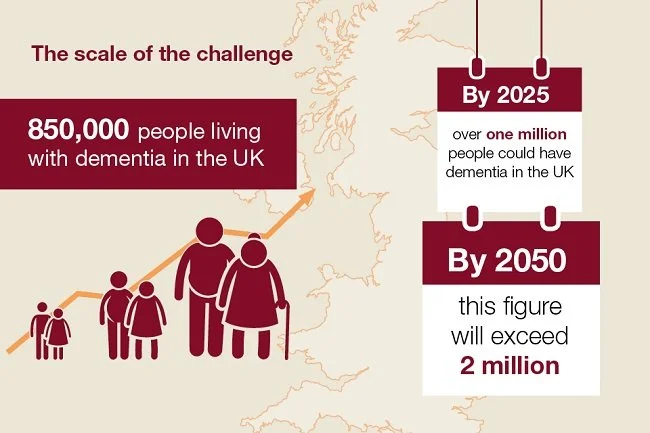
I have written in the past about caring for the elderly. I have approached the subject from a personal perspective, as a carer with two disabled octogenarian parents, as well as considering the broader needs of a society with an ageing population. As it has been two years since I formally became a carer to both my parents, I thought I’d share my experiences on the many challenges that my family has faced over the last twenty-four months. I find doing so beneficial and maybe my anecdotes may be of value to others in a similar situation. As I’ve said in my original post, caring for a loved one is something we all potentially face at some point in our lives, and with an ageing population it becomes statistically more likely each year.
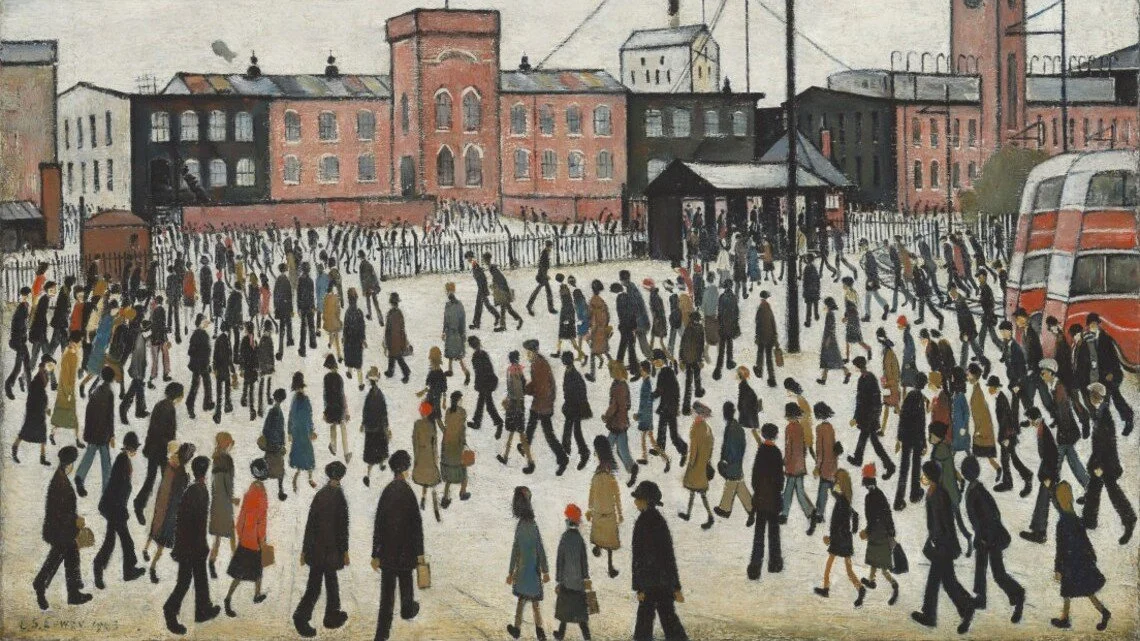
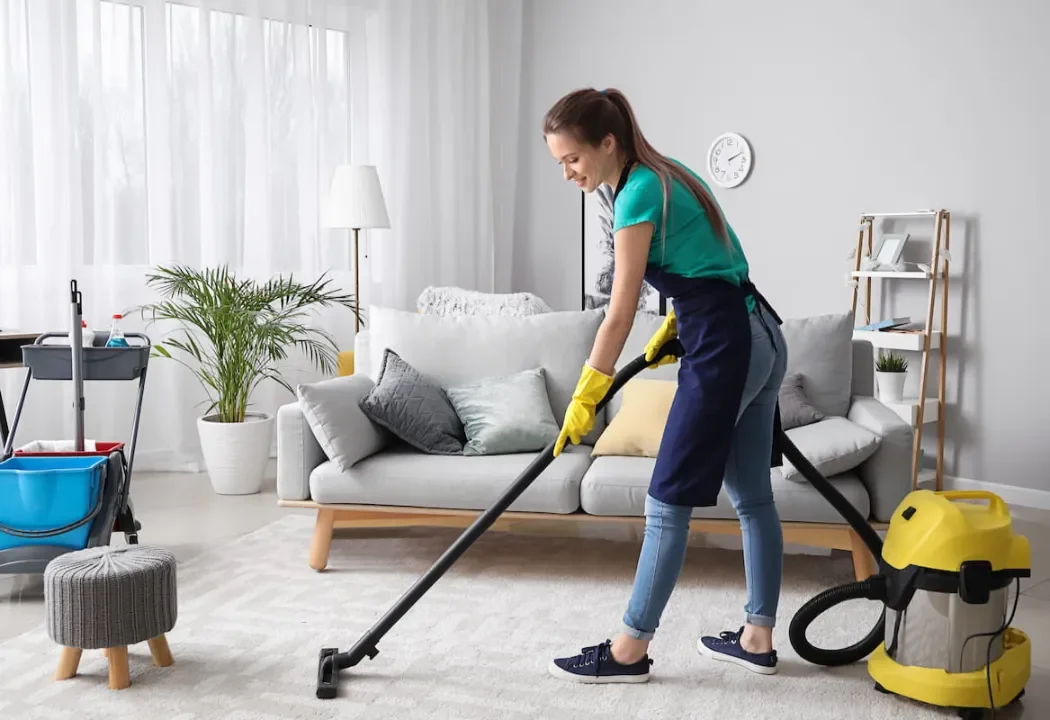
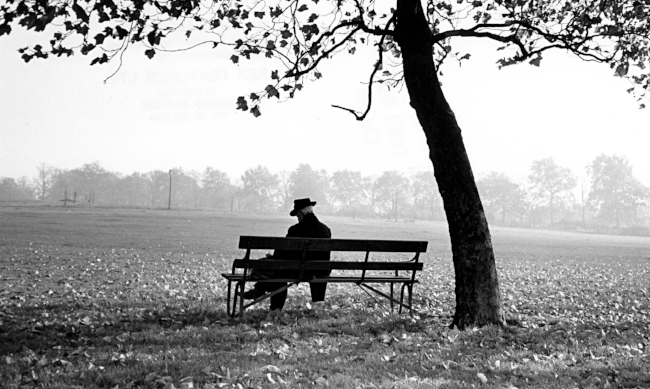
A stylised depiction of old age and caring, far removed from the reality.
I have written in the past about caring for the elderly. I have approached the subject from a personal perspective, as a carer with two disabled octogenarian parents, as well as considering the broader needs of a society with an ageing population. As it has been two years since I formally became a carer to both my parents, I thought I’d share my experiences on the many challenges that my family has faced over the last twenty-four months. I find doing so beneficial and maybe my anecdotes may be of value to others in a similar situation. As I’ve said in my original post, caring for a loved one is something we all potentially face at some point in our lives, and with an ageing population it becomes statistically more likely each year.
At the end of March 2017, my Father was discharged back to the care of his local Doctor. He had received six months of both physical and speech therapy via various health visitors and outpatients’ clinics after leaving hospital in October 2016. Despite the severity of his second stroke, the regular visits certainly improved his speech initially. However, once these stopped I noticed that he did not continue with any of the physical or vocal exercises he had been taught, despite encouragement from myself and my Sister. As a result, my hopes of maintaining the status quo have proven rash. My Father’s physical health and cognitive abilities are slowly declining. He cannot retain information and can no longer use his computer effectively. He lacks the manual dexterity to use a mouse and keyboard and his poor eyesight further compounds matters. Thus, his leisure activities are diminishing. He mainly watches familiar TV programs and listens to audio books,
Both my parents have limited mobility and can only walk very short distances. Visits to the Doctors and such like (of which there are many each month) require the use of a wheelchair, which then requires the booking of a Black Cab. Thankfully, as both are registered disabled and in receipt of the higher rate of Attendance Allowance, they qualify for The London Taxi Card scheme which provides them both with an allowance of 60 subsidised journeys each year. Sadly, trips out are usually functional, rather than leisure orientated. My Mother had an undiagnosed stroke roundabout Easter 2017 that has damaged her eyesight and impaired her hearing. However, she can still conduct her own business at the hairdressers which she visits each week. My Father suffers from chronic motion sickness so long taxi journeys are problematic. Even being in the wheelchair is now problematic. During Summer and Autumn, I tried to encourage him to walk short distances but his habitual falling over has effectively ended such plans.
Thus, both of my parents are increasingly housebound with a decreasing list of activities that they can pursue. I find this particularly tragic, as old age and infirmity has robbed them both of their favourite pastimes. My Father was an academic and use to read prodigiously. He liked advanced Mathematics and use to do calculus for pleasure. He can now just about read the newspaper and seldom remembers any once he’s finished. The one thing he longs to do is go out into the world and interact with people. Yet he cannot do so unattended and his poor speech and emaciated physique further complicates matters. My Mother is similarly limited in her social activities due to her lack of mobility. Her passion has always been gardening which she now has to enjoy via the help of a professional gardener. Hence both of them have lifestyles with very specicifc boundaries. Where myself and my sister can provide logistical and administrative support, what my parents really crave is companionship during the day.
Managing a household and day to day life can be challenging enough when you’re relatively young and healthy. For both my parents has naturally becomes a more complex matter. The two key factors I have found to keep things ticking over, are a well-maintained routines and communication. All appointments and trips out are planned in advance and noted on multiple calendars. The most important of which hangs in my parents lounge with everything noted in bold, easy to read text. All medication is logged upon receipt, with renewals dates determined and noted in advance. There is a white board in my Father’s bedroom for the morning and night nurses to leave messages regarding medicine and such like. I open all mail and correspondence for my parents and most bills and regular invoices are now paid by monthly direct debit. Paper work is filed after it has been actioned and I only trouble my parents with essential financial matters. However, it is important for both of them to maintain a sense of involvement in their own affairs, so they are included in all discussions and decisions and naturally have final say in how things are done. However, to assist myself and my sister in conducting business upon their behalf, we have had are names added to various utility accounts and services, so there are no security issues when either of us phone these companies.
There is often a mindset common to the older generation which is driven by such sentiments as “don’t make a fuss”, or “not wanting to be a burden”. Both my parents were children during World War II and are fiercely independent. They come from an era where personal responsibility was paramount to the point where sometimes pride would cause them to refuse legitimate help. However, the reality of their lives has tempered this outlook and I have actively encouraged both my parents to take whatever assistance is available. They have paid their taxes and contributed towards society in various ways during their lives, so I have convinced them that the whole situation is simply a matter of “quid pro quo”. Hence, they have claimed Attendance Allowance and have both qualified for it at the higher rate. Extra money doesn’t make up for their loss of independence, but the funds pay for practical things that improve their life such as a stair lift, disabled friendly showers and a multitude of grab handle strategically placed around the home. My Father greatly enjoys the mobile library that calls once a month and provides him with audio books. It should be noted that this is run purely by volunteers and receives very little local authority funding. My Mother likes the relative freedom her taxi card provides and enjoys her weekly trips to the hairdresser.
Finally, both my parents are very mindful of the roles carers play and have been insistent that both my Sister and I do not give up too much of our personal time and maintain our respective hobbies and interests. In 2016 I was going to close this blog, but my Mother was adamant that I did not give up and continued writing. As a carer it is important to recognise your personal limitations and not to beat yourself up, trying to do absolutely everything. A fatigued, stressed or demoralised carer is of no use to anyone. Sometimes you have to say no or draw lines in the sand regarding what you will or will not do. At present, my family is currently looking into respite care for a week, so we can firstly refurbish my Father’s bedroom and make it more user friendly. Secondly, we have recognised that everyone needs a break and a good night’s sleep. We are currently awaiting to see if we meet the criteria for the local authorities to help us. If not, we will look at alternatives. Such is the nature of caring. Despite all the planning and organising, it remains a fluid situation that can change at any time. In some respects, recognising that helps invaluably. As does simply taking time out and sharing one’s thoughts.
















Thoughts on the 2018 Local Elections
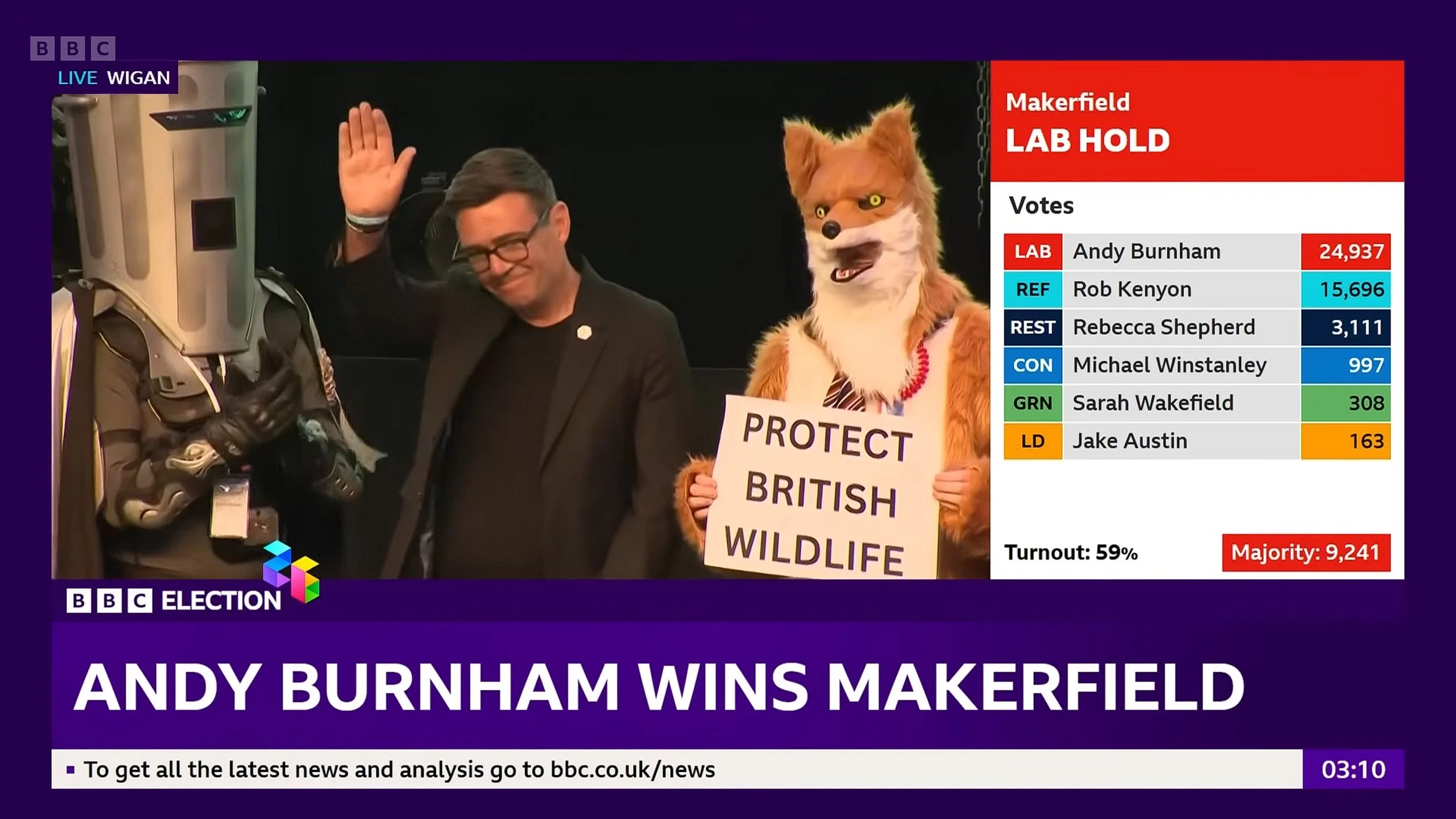
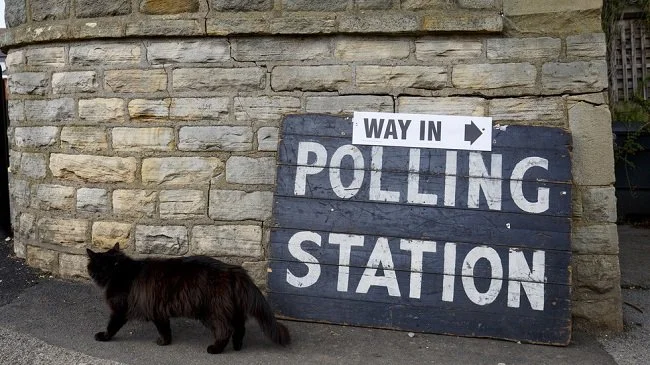
There are numerous local elections taking place in England today (not Scotland, Wales and Northern Ireland). 150 councils are electing new councillors, and there are six mayoral contests. They include all the seats in all 32 London boroughs, as well as every seat in the metropolitan districts of Birmingham, Manchester, Leeds and Newcastle. Specific seats are also being contested in areas such as Liverpool, Sheffield, Sunderland and Wigan. All the major UK political parties are fielding candidates with an aim of gaining the majority of seats in a specific area and thus controlling the local councils. These local authorities then subsequently control and administer the borough budget for services such as policing, local schools, refuse collection and such like. The budget is raised through a borough council tax, which is based upon property banding.
There are numerous local elections taking place in England today (not Scotland, Wales and Northern Ireland). 150 councils are electing new councillors, and there are six mayoral contests. They include all the seats in all 32 London boroughs, as well as every seat in the metropolitan districts of Birmingham, Manchester, Leeds and Newcastle. Specific seats are also being contested in areas such as Liverpool, Sheffield, Sunderland and Wigan. All the major UK political parties are fielding candidates with an aim of gaining the majority of seats in a specific area and thus controlling the local councils. These local authorities then subsequently control and administer the borough budget for services such as policing, local schools, refuse collection and such like. The budget is raised through a borough council tax, which is based upon property banding.
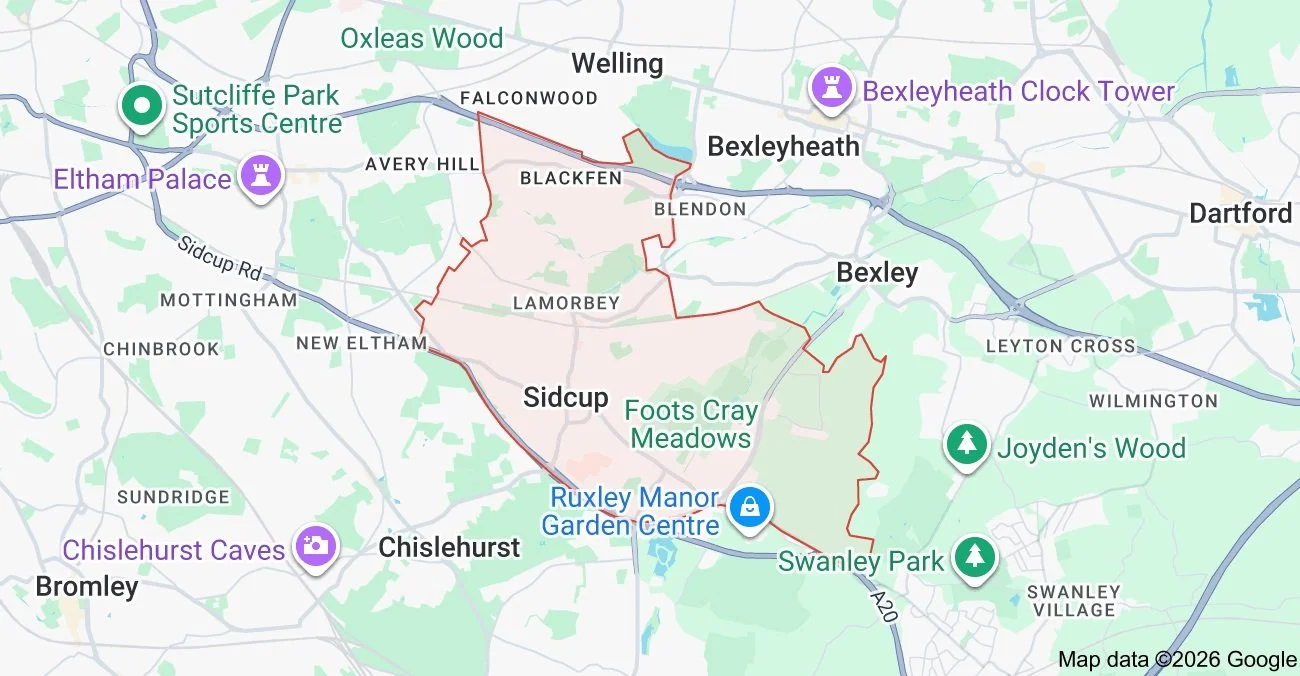
Local elections are often considered a litmus test of public opinion for the incumbent national government. If the Prime Minister and their party is perceived to be failing in its duties or suffering any major political set backs or scandals, then voters can and will punish party candidates at a local level to show their displeasure. However, this is not always the case and voter turnout for local elections can at times be very low, due to apathy or the fact that a local borough has a strong majority favouring a specific party. Where I live in Bexley Borough, in Greater London, there is an inherent leaning towards the Conservative Party, due to the demographics of the area. The borough is still perceived as a leafy suburb where the professional middle classes go to raise a family. It is also a relatively affluent borough which is often an indicator of political affiliation in the UK.
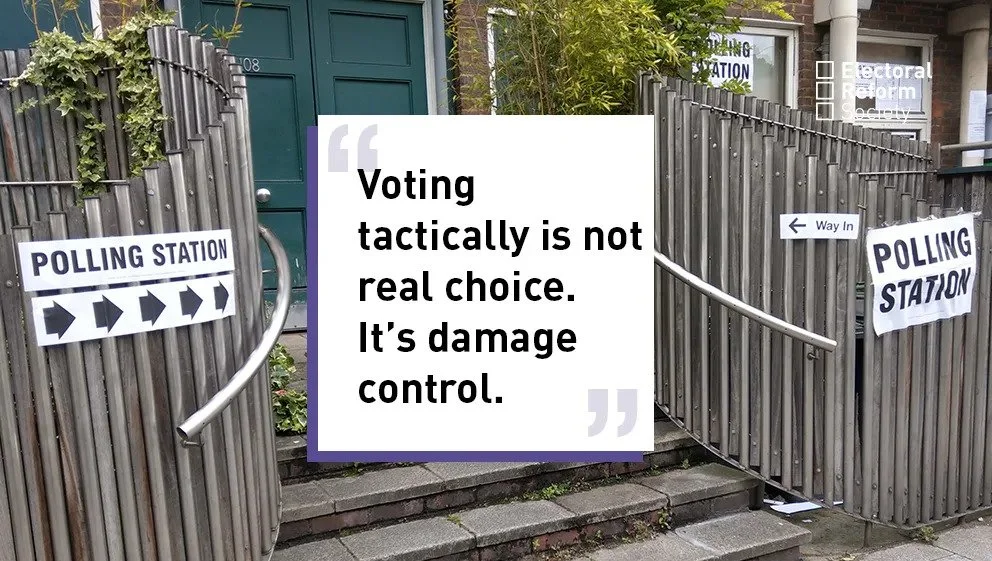
However, local elections are frequently determined by unique local factors and issues. The closure of a school or fire station can galvanise the electorate. Again, where I live, the sale of several public parks to property developers has been a contentious issue for several years. The poor handling of this matter by the majority Conservative held council has been strongly contested by local residents and some have even gone so far as to stand as independent candidates in today’s elections. Similarly, across the country various smaller parties are either collaborating or deciding not to stand against each other in an attempt to maximise the number of seats they can win and thus work collectively against the larger parties. Often at a local level, tactical voting becomes far more effective and it will be interesting to see if and how it is used when the results of today’s vote are known over the course of the next 48 hours.
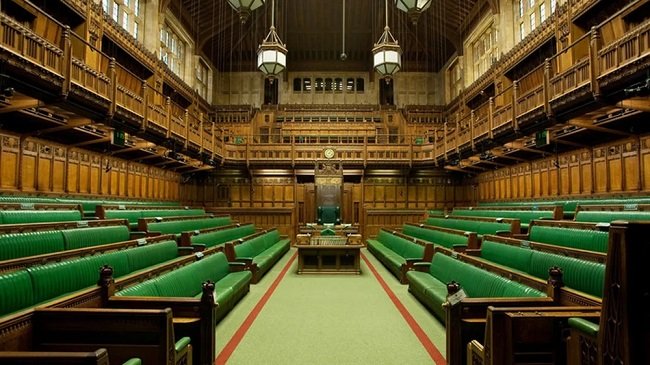
From my own perspective, local politics has declined as much as national politics over the course of my life. My local council has demonstrated in recent years the exact same failings as the national government. Political discussion has become trivialised and infantilised, focusing on trite soundbites and disseminating false information. Councillors often inhabit a completely different “world” and have no conception or interest in the reality of constituents’ lives. Policies are frequently self-serving or driven by “lobbying culture” and all its iniquities. Furthermore, having visited the council chamber and watched proceedings from the gallery, I can confidently say that many councillors lack any debating and public speaking skills. They are often ill-mannered, bellicose and generally over enamoured with themselves. Remember these are not professional career politicians, with degrees in the subject and media training under their belt. Most councillors are simply local residents from varied backgrounds and professions.
Perhaps what I find most galling about today’s local elections is the total lack of credible campaigning by any of the major parties. The only candidate that has had the courage to knock on doors in my street is an independent. The rest have just taken the path of least resistance and simply attended minor rallies at local church hall’s populated by a handful of the party faithful. There have been no debates, no concerted efforts to meet and engage with the electorate, no discussion of policies and future planning. Instead we are left with conspicuous displays of hubris and entitlement along with a barely suppressed contempt for the electorate. It would appear that many that currently hold office seem to be oblivious to the mood for change that is currently abroad in the country and are merely focused on business as usual and all the financial benefits that go along with it. All too often the aspirational and ideological aspects of party politics are lost over time, leaving just a self-serving imperative to maintain the status quo.
However, the UK has had a noticeable falling out with the status quo and is currently enduring a period of major political upheaval and societal divide along with a general disliking of most establishment institutions. Regardless of where you stand politically at present, a new “wild card” approach has been introduced into contemporary politics. Subsequently, traditional political certainties are not so reliable. The electorate has shown that it will upset the existing “apple cart” if it sees fit, even if that is ultimately an act of self-harm. Therefore, we may well see some interesting results and political fallout by the weekend. These elections may well be the final nail in UKIPs coffin. Brexit, The Windrush Scandal and a multitude of bespoke local issues could result in the government being punished and the Conservative Party losing control of several “safe” councils. We will also finally find out if Jeremy Corbyn’s leadership has any impact upon Labour support at council level. On a positive note, perhaps this set of elections will mark the beginning of a cultural shift away from traditional bi-partisan politics towards a broader system with more independent and minority party candidates.









This is Why We Can't Have Nice Things
"This is why we can't have nice things" is a well-established internet meme. Over time it has been over used and has become a bit of a cliché. Yet under certain conditions it can still be utilised in a pertinent fashion to make a salient point. Recently, something somewhat innocuous and trivial occurred that caused me to recollect this saying. The incident itself is not of any major importance but it resulted in me realising that this sort of thing happens more and more often these days. Allow me to explain myself. I like many of you frequent a few forums and subreddits. On one particular site, a thread was derailed by someone who decided to just simply name call. Nothing unusual there I hear you say. But for me personally, it was one time too many. Name calling serves no purpose in an adult debate, so I decided to point this out. Eventually, the problem post was removed as there were others that thought that such behaviour was crass. However, the person in question who posted the remark, would not concede the point in any way shape or form. They either did not want to or what was more likely, were totally incapable of comprehending their own transgression.
"This is why we can't have nice things" is a well-established internet meme. Over time it has been over used and has become a bit of a cliché. Yet under certain conditions it can still be utilised in a pertinent fashion to make a salient point. Recently, something somewhat innocuous and trivial occurred that caused me to recollect this saying. The incident itself is not of any major importance but it resulted in me realising that this sort of thing happens more and more often these days. Allow me to explain myself. I like many of you frequent a few forums and subreddits. On one particular site, a thread was derailed by someone who decided to just simply name call. Nothing unusual there I hear you say. But for me personally, it was one time too many. Name calling serves no purpose in an adult debate, so I decided to point this out. Eventually, the problem post was removed as there were others that thought that such behaviour was crass. However, the person in question who posted the remark, would not concede the point in any way shape or form. They either did not want to or what was more likely, were totally incapable of comprehending their own transgression.
Whether they were trolling, or utterly convinced of the certainty of their position remains unknown. As they were only sanctioned and not banned, they will no doubt continue to pursue their "unique style" of social interaction. I am left considering whether I wish to continue to participate in such an environment. Hence my recourse to the titular meme, because this always seems to be the pattern. It appears that any medium that is designed for social interaction is eventually usurped by the lowest common denominator. Furthermore, the problem elements who often cause these problems are sufficiently savvy to keep within the rules (although they are often a moderator’s nightmare), thus remaining relatively unassailable.
Now I'm sure we've all experienced this sort of behaviour in some shape or form, during our excursions online. It’s quite common place. Here are a few examples of the usual sort of tactics that are used to derail or hijack any conversation:
- Straw man and Ad hominen arguments. Pretty much the oldest two tricks in the book. Argue against something that wasn't said or attack the person to discredit their opinions or position.
- Gaslighting.
- Whataboutery.
- Grammar Nazis. If you can't win an argument then why not criticise someone's spelling. A classic act of misdirection.
- The Wall of Text. This is often done by minutely dissecting a previous post and is a tool designed to wear an opponent down. If the wall of text is not replied to in kind, a victory is claim by default.
- "Freedom of speech". This nebulous ideological concept (which so often erroneously interpreted) is the "get out of jail card" of choice for many online malcontents. Allegedly it affords people the right to be racist, sexist, and pretty much any other sort of "ist" that you can name. Sometimes it is seen as a justification to simply be bellicose and ill mannered, affording the individual the option to abdicate from normal social conventions.
For those who would like to explore further examples of these esoteric arts, try the following links. How to Win Online Arguments and The Subtle Art of Trolling. Also checkout Graham's Hierarchy of Disagreement. It seems that there is little scope for a civilised debate and social interaction anywhere on the internet these days. In researching this post, I picked three random articles that were linked on Twitter and read their respective comments section. All descended into chaos within a short period of time. Furthermore, this seems to be the standard mode of debate in all walks of life these days. TV shows and news channels seem to favour it, as does the press. Politics has fully embraced the Punch and Judy approach to public discourse. It no longer seems to be about having an intelligent debate. Now it's simply about shouting someone down, not blinking while lying through your teeth and revelling in the perceived glory of your victory. All of which is far easier than having a proper discussion based around critical thinking and decorum, because that obviously takes too much effort and more importantly skill.
So, what do people such as you and I do about this problem? Well it would appear the common solution is to simply withdraw. Thus, we see forums and websites become havens for trolls and gain the label "toxic". Just go and look at the small cadre of malcontents on the LBC website. It’s a sad reality of modern life that regular people frequently have to manage their affairs around avoiding problems and conflict, rather than the problems and troublemakers being dealt with. Yet withdrawing is ultimately counterproductive. So what can we do. Well rather than wade in and make a potential slanging match worse, why not simply use the facilities that are in place? Use the moderation procedures that are available to you. If you are unhappy with the way a debate is being conducted, then flag it for moderation and give cogent and succinct reasons as to why you have done so. Encourage other users to do so. However, this doesn’t guarantee results. Moderation comes with a cost attached and thus often gets neglected. If that’s the case, then escalate matter further up the chain of command. Email the owners, or domain holders. Complain publicly via Twitter. Negative publicity can often attract attention.
If you find yourself in a situation where you write or provide a forum or subreddit, then it is essential to have a clear policy with regard to comments and interaction. I take a fairly liberal approach to policing comments on Contains Moderate Peril and often allow the crass and trolling posts to remain, as their stupidity is often self-evident. Occasionally I will delete a comment if it is simply of no value. As it is my site I reserve the right to determine exactly what the definition of "value" is. I would again encourage others to do the same regardless of what platform they are maintaining. Decide your rules, be clear about them and enforce them rigorously. You are not obliged to have an "off topic" channel on your Discord server if you don’t want one. If you do, then enforce an adherence to standards of behaviour that are commonly held.
It is very difficult to counter the negative effects that alleged internet anonymity generates. Broadly speaking freedom means we have to endure a degree of unpalatable behaviour and that it is the price that we pay for liberty. However, I see no reason not to attempt to re-educate those who troll and rile. We should more often use the existing procedures to sanction problem individuals and re-iterate the fact that there are consequences to certain actions. In some respects, it is similar to the recent debate had in the UK regarding regulation of the press. It was argued that there are sufficient rules in place at present that can deal with transgressions without the need for further legislation. The current rules just need to be enforced. The same is applicable to Twitter. Prosecute those that breech the current laws with regard to threat and libel. As for general bad behaviour, the responsibility lies with you and I to state are displeasure.
I am very interested at present with the way that some games developers are dealing with this problem. Community decisions on a troll’s punishment, temporary exile of problems players to specific servers and other sanctions do seem to have an impact. It would seem attempted rehabilitation is a more beneficial approach to simply banning. Perhaps this is the future and a way to stop the spread of the rot. Hopefully these methods can be brought to bear on other mediums and platforms. The first step on this road is for regular folk to remain robust, express their displeasure and not to withdraw. I know that’s hard and a big ask. But the only truly effective way to counter bad ideas and ideologies is to tackle them head on. No-platforming simply doesn’t work. Stupidity should be exposed and ridiculed. You don’t have to be like Peter Tatchell and fight every battle. But calling someone out who says something racist or such like, helps reinforce the notion that some behaviour in not acceptable. It’s the weight of all the smaller battles that often eventually tip the scales.
But it takes time for things to change. It’s not going to happen overnight. Technology, human behaviour, and ethics have not kept in step with each other. The law is also lagging behid in some areas. However, if we're persistant, then we will be able to bring about change. During the seventies, there started i the UK, a long campaign against drinking and driving. By the mid-nineties the message finally got traction and the culture begin to shift accordingly. I believe if we take a similar long-term approach with social media can "have nice things" eventually. It may not ever be perfect but hopefully it can be better than it is now. Because the alternative simply doesn’t bear thinking about. Therein lies madness.


A Lack of Consensus
One of the things that stands out about the reader comments over at Massively Overpowered is that there is seldom any sort of consensus. Regardless of the subject it become quickly apparent that views differ greatly and clearly reflect the fact that gamers do not want the same things. The only point that most agree upon in principle is that everyone wants “good” games. However, this is a nebulous term, devoid of a universally agreed definition. What one gamer deems as being a good or an essential mechanic, another will consider a complete anathema, leaving us with a divided player base. In fact, the gaming community seems to reflect a wider trend that manifests itself in politics, religion and other social issues at present. There simply isn’t a prevailing majority consensus. A lot of the assumed sacred cows and alleged shared values associated with all these communities are either waning or have proven to be bogus. Naturally, many would argue that such differences are simply human nature and a foible of the human condition. However, it does present a difficult problem for the games industry.
One of the things that stands out about the reader comments over at Massively Overpowered is that there is seldom any sort of consensus. Regardless of the subject it become quickly apparent that views differ greatly and clearly reflect the fact that gamers do not want the same things. The only point that most agree upon in principle is that everyone wants “good” games. However, this is a nebulous term, devoid of a universally agreed definition. What one gamer deems as being a good or an essential mechanic, another will consider a complete anathema, leaving us with a divided player base. In fact, the gaming community seems to reflect a wider trend that manifests itself in politics, religion and other social issues at present. There simply isn’t a prevailing majority consensus. A lot of the assumed sacred cows and alleged shared values associated with all these communities are either waning or have proven to be bogus. Naturally, many would argue that such differences are simply human nature and a foible of the human condition. However, it does present a difficult problem for the games industry.
Gaming, like the music and film industry, is frequently driven by established formulas and pursuing known quantities that work. Hence, most major triple A developers tend to not stray from the known path when dealing with high budget projects. As a result, the market is subsequently dominated by sequels, remasters and variations on proven themes. Now this approach doesn’t necessarily please everyone, but it undeniably keeps the money rolling in. However, one of the commonest complaints you’ll hear from gamers is a lack of innovation and it is justified to a degree. Theoretically, there should be a big enough market of gamers seeking new experiences to merit some experimentation. Sadly, the big dogs of the industry are not too keen on taking such risks. In the past there have been a few high-profile games that have sought to cater for this gap in the market, but it never seems to be the roaring success that was expected. Thus, like the music and movie business, experimentation and straying from the accepted norm in games development is the prerogative of smaller, independent producers.
It is ironic that as gamers, we find ourselves at this point. Because, as in contemporary politics, there is a broad appetite for something different at present, or at the least a rejection of the status quo. Surely such an atmosphere should be conducive towards change. But history shows us that change is seldom embraced by those with vested interests and only a few ever have the courage or vision seize the day. This is why in gaming (and in politics), the public will gravitate toward that which appears to be different, or superficially wears the trappings of change and innovation. Games like PlayerUnknown's Battlegrounds are currently having their moment in the sun, but sooner or later the player-base will see through its “alternative appeal” and see it for simply a variation on a theme. Again, social ideas and politicians also risk the same fate. Gamers may not know exactly what they want, but they do at times know what they do not. EA is still nursing it wounds after the recent loot crate debacle. They may even lose their license as a result, which will certainly put a dent in their bottom line.
The reality of the situation is that simply wanting something different is not enough. It is not incumbent solely on the games industry to read our minds and come up with the next big thing exclusively on their own. We as gamers need to figure out about what we want and then be realistic as to whether it’s achievable. The latter requires compromise, which is sadly a quality that is absent from most mindsets at the present. If the triple A gaming sector is dragging its heels, or more to the point is opposed to change, then surely this is the time for the independent sector to step up. Where is the video games industries equivalent of Punk Rock? And by that, I mean proper Punk like The Clash and Dead Kennedys (please insert appropriate and equivalent game developers into this metaphor). Or has rampant consumerism and the commodification of all leisure activities extinguished the idea and possibility of organic, real change. Is the next big thing or any new approach, simply another product to be assimilated by market forces to be bought and sold? If that is true, can there be any sort of consensus ever again?






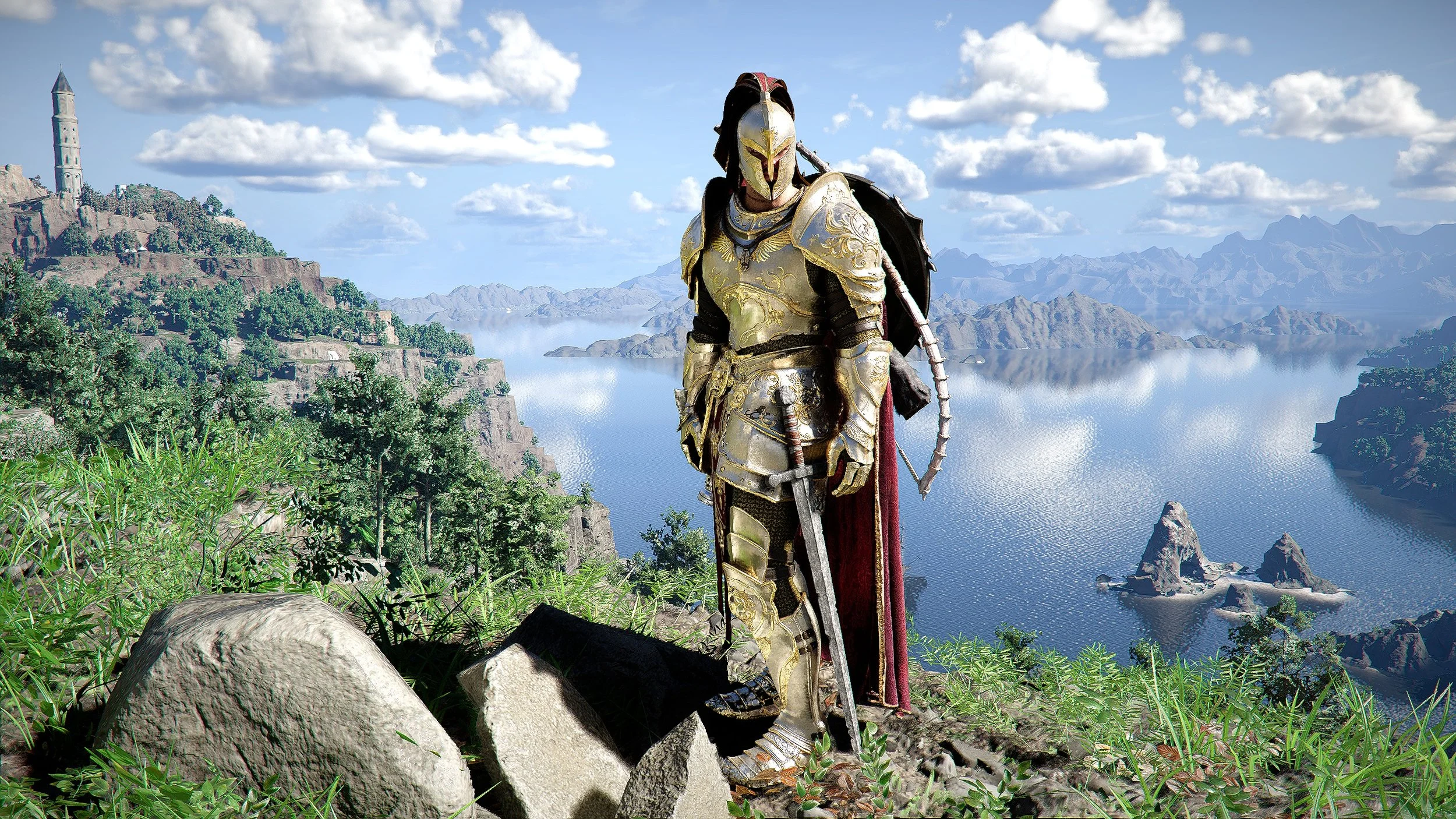
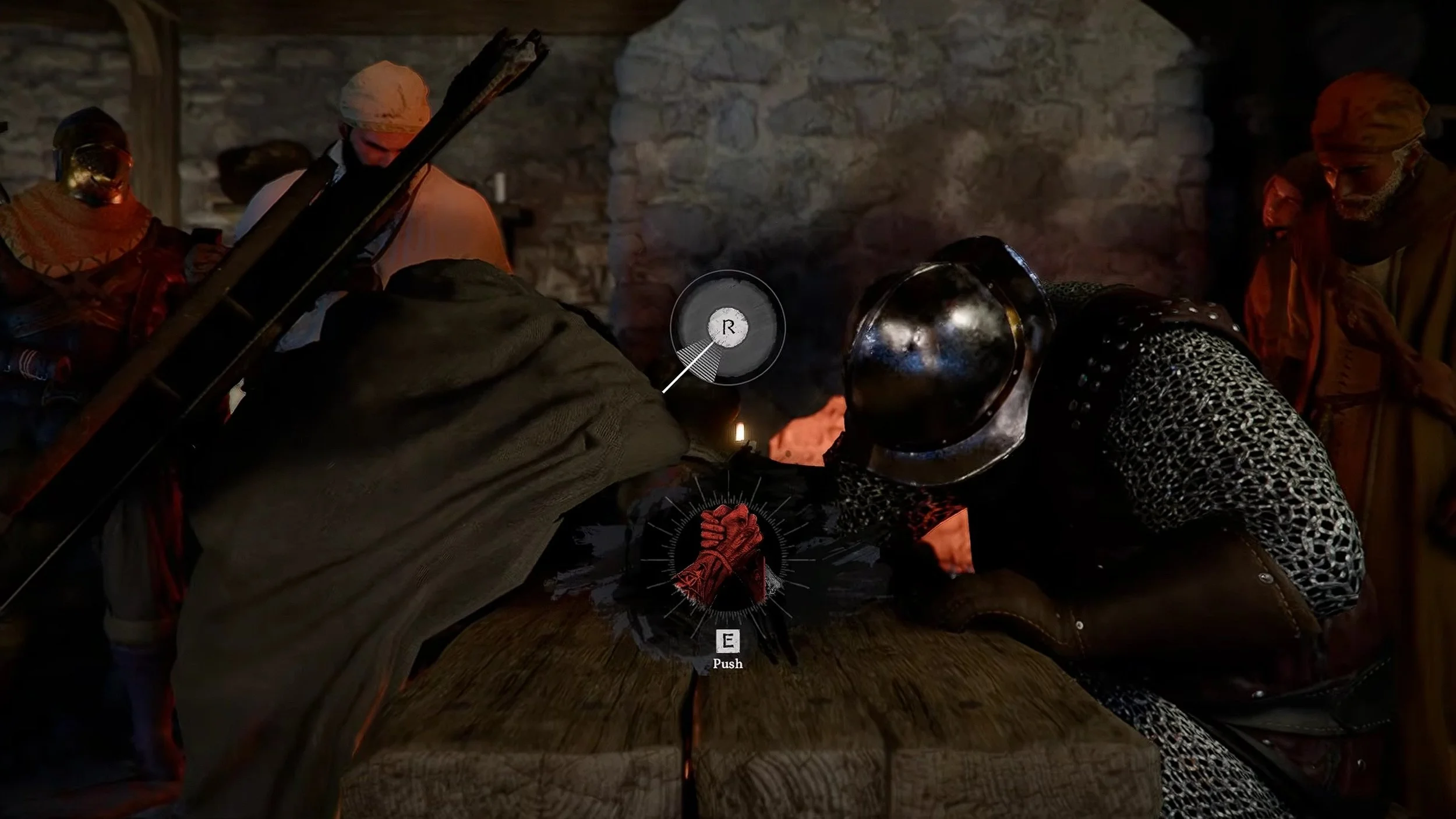
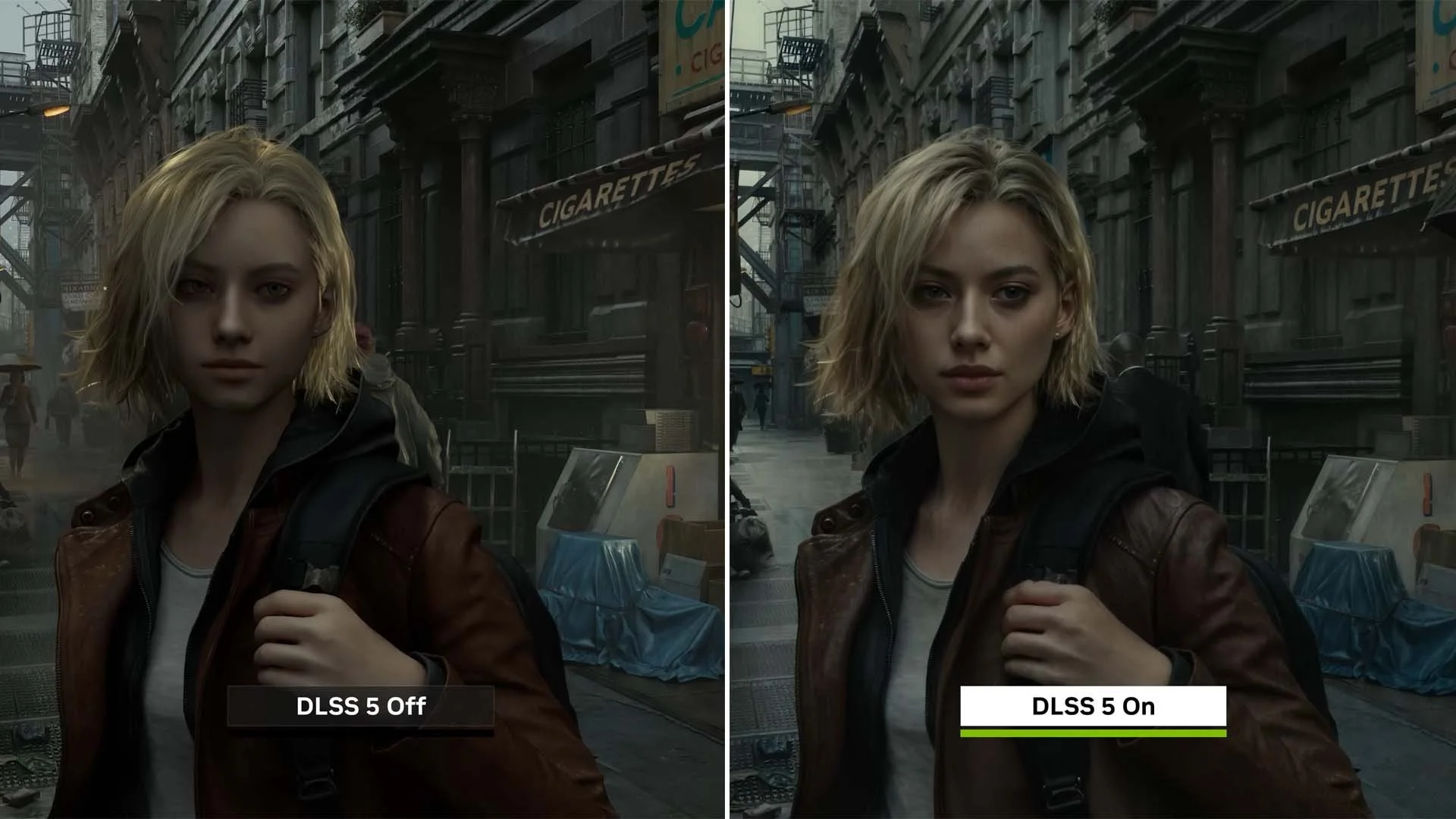


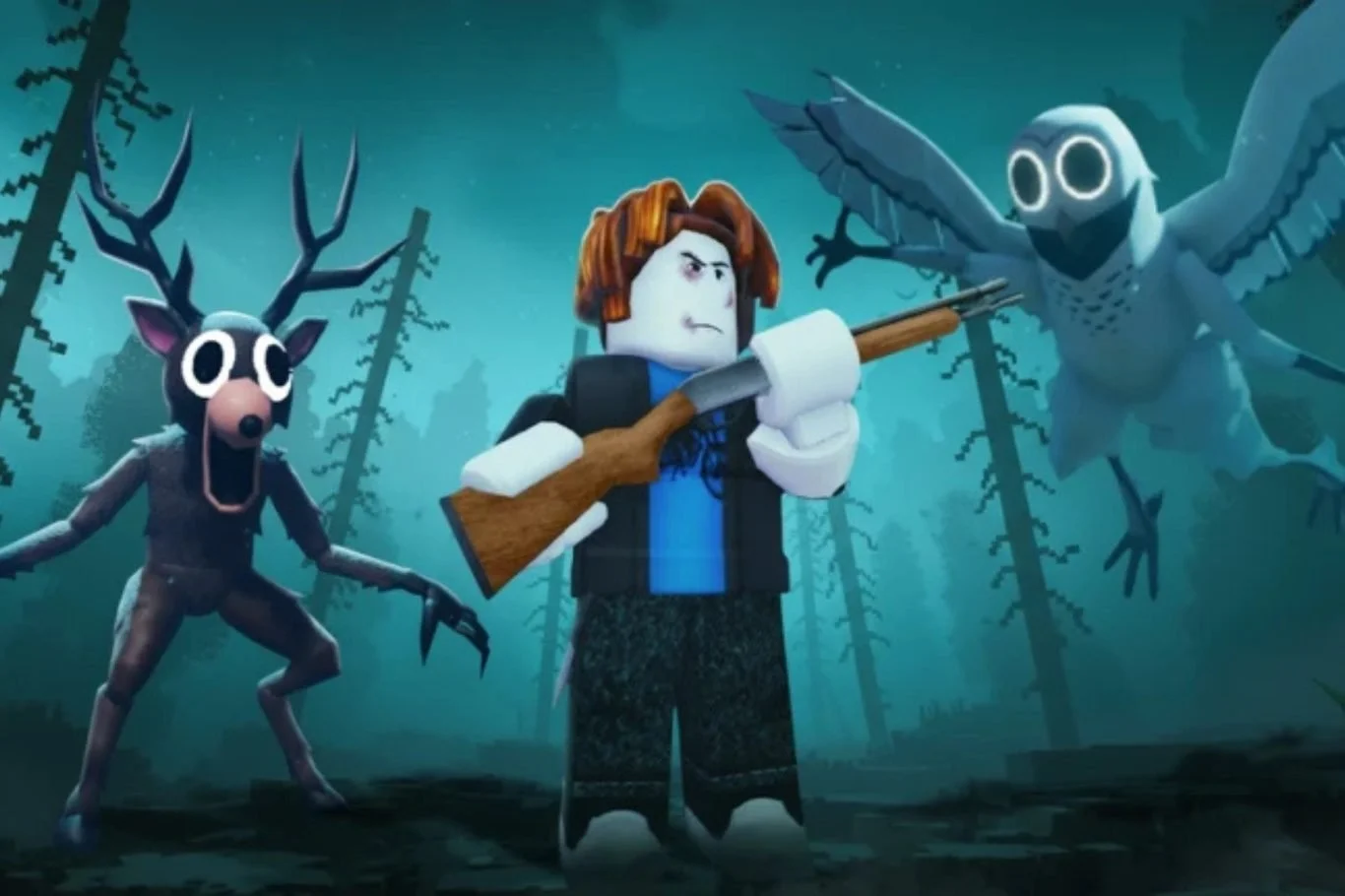





Why Does the Games Industry Seem So Dysfunctional?
Write here...If you take a look at video game industry at present, it isn’t exactly enjoying universally good PR. 2017 saw numerous damaging revelations such as the “loot box” debacle, several high-profile studios going to the wall (and not just because of financial mismanagement), and more recently there have been serious allegations of bullying and sexual harassment within several high-profile studios. Despite being a “modern” industry it seems to have all the flaws of those that have existed for centuries with respect to abuses of power and financial skulduggery. This raises the question "why does this industry seem so dysfunctional?" Just because gaming is a multi-billion-dollar business we naturally assume that successful companies are efficiently run, by competent captains of industry as well as skilled and professional staff. It is therefore confusing when this illusion is shattered due to evidence to the contrary. This begs the question, why do these institutions so often have metaphorical feet of clay?
If you take a look at video game industry at present, it isn’t exactly enjoying universally good PR. 2017 saw numerous damaging revelations such as the “loot box” debacle, several high-profile studios going to the wall (and not just because of financial mismanagement), and more recently there have been serious allegations of bullying and sexual harassment within several high-profile studios. Despite being a “modern” industry it seems to have all the flaws of those that have existed for centuries with respect to abuses of power and financial skulduggery. This raises the question "why does this industry seem so dysfunctional?" Just because gaming is a multi-billion-dollar business we naturally assume that successful companies are efficiently run, by competent captains of industry as well as skilled and professional staff. It is therefore confusing when this illusion is shattered due to evidence to the contrary. This begs the question, why do these institutions so often have metaphorical feet of clay?
To start let me declare my own background as my own experiences are relevant to this discussion. I have worked in IT for over twenty-five years in both the private and public sector. I started in first line support and worked my way up to running my own consultancy, from which I retired in 2016. I have worked for companies such as HP, Symbian and government departments such as the NHS as well as the DWP. I have been directly involved in several national projects, some of which have been successful while others have failed miserably. None of these situations are identical to the gaming industry, but I believe there are a lot of similarities between the way big businesses work and make decisions. I also read a lot about the gaming industry and at times find it a lot more interesting than the actual products that they develop. This has often been the focus of our discussions here at Contains Moderate Peril both in posts and on the podcast. Therefore, when I read stories about the iniquities of the gaming industry, I often view them through the prism of business, rather than fandom.
So, returning to the initial question of dysfunction, I would argue that the gaming industry is no different from any other major business or governmental entity. Politics, big business and the entertainment industry are as equally rife with the same problems you will find with smaller employers. In fact, I think a lot of people would be surprised at the similarities. Both ends of the spectrum have issues with under qualified staff, office politics, feedback loops, laziness and that social phenomenon that is “square pegs in round holes”. The latter group seems to be subject to a quota system that no company is excused from. Despite rigorous recruitment processes, there always seem to be a small percentage of wildcards that somehow seem to slip through the intense screening. Or alternatively, we later discover that the screening isn’t that thorough to begin with. Then of course there is the Dunning-Kruger effect which impacts on all social groups both in and outside of business. It is possibly one of the commonest problems of our time.
The problem is that the general public erroneously assumes that successful big companies have gained their status through efficiency and vision; that their internal business structure is a model of the best methodologies and practises. Sadly, this is often not the case. Corporations suffer from the same flaws as smaller enterprises but have the advantage of monopolies, more effective marketing and sheer momentum due to their monolithic size. Then there is of course the concept of being "too big to fail". Often a major business will be granted a lot more leeway by during difficult times because of their overall potential. Creative accounting is also a factor, as having a legion of financial experts and financiers at your beck and call, means that you can present a positive financial image, whether there is one or not. Smaller companies cannot hide behind such smokes screens as easily.
As consumers, need to take a lot of people and companies off the pedestals on which we've been placed them. This is especially relevant to gamers where the cult of personality and brand loyalty still hold sway. We also have to make a clear distinction between the creative staff within a business and those in senior management. One group may well care more for the end product, while the other has a totally different agenda and more financially orientated goals. It is also prudent to consider the issue of size. I have found that the successful management of people decreases exponentially as the size of that group grows. There is also a wealth of data available on all the inherent flaws of managing staff via a traditional business hierarchy. Ironically, a lot of the attributes that are encouraged to be successful in modern business, actually seem contrary to the moral and ethical behaviour we expect in a civilised society. It is this paradox that seems to be the Achilles heel of all business, regardless of their nature or size.
So next time we find ourselves surprised by some example of big business making bad decisions, take a moment to reflect upon the following. The launch of “New Coke” in 1985, Kodak’s failure to market digital cameras despite being a leader in its development, and Blockbusters rejection of a buyout by Netflix in 2000. In light of these, it is hardly surprising when you discover that the developer of your favourite MMO has clumsily handled a PR situation, or not listened to player feedback. It’s not gaming as an industry that is dysfunctional per se, but the fact that so many gamers have a skewed perspective of it. We make judgements with our hearts and fail to use whatever sense of business acumen we may have. We also tend to romanticise certain jobs because the end product is “cool”. Yet, if you visited a game developer’s offices, you’d probably find a work environment not that different from your own. Staff are more than likely grumbling about pay, the failings of the boss and Tim in HR. Ultimately it is that random human factor that breeds dysfunction, so it is inevitable that it spreads everywhere. So why should the games industry be any different?
Ambiguous Language
I have both a love and fascination for the English language. I enjoy both its formality and informality, its diversity, as well as its inherent evolutionary nature. To my mind having a wide vocabulary is an invaluable social and intellectual skill as well as being essential to self-expression. How can you mean what you say if you cannot say what you mean? So, when confronted by contemporary phrases such as “milkshake duck”, rather than balk at them, I strive to understand them. Language is not immutably, set by the parameters and standards of when you learnt it. If you endeavour to grasp the subtleties of popular culture along with slang from different socio-economic groups, communication becomes so much easier. The English Language is beautifully malleable and offers different modes for different situations. I therefore choose a specific manner of speech depending on who I’m talking to.
I have both a love and fascination for the English language. I enjoy both its formality and informality, its diversity, as well as its inherent evolutionary nature. To my mind having a wide vocabulary is an invaluable social and intellectual skill as well as being essential to self-expression. How can you mean what you say if you cannot say what you mean? So, when confronted by contemporary phrases such as “milkshake duck”, rather than balk at them, I strive to understand them. Language is not immutably, set by the parameters and standards of when you learnt it. If you endeavour to grasp the subtleties of popular culture along with slang from different socio-economic groups, communication becomes so much easier. The English Language is beautifully malleable and offers different modes for different situations. I therefore choose a specific manner of speech depending on who I’m talking to.
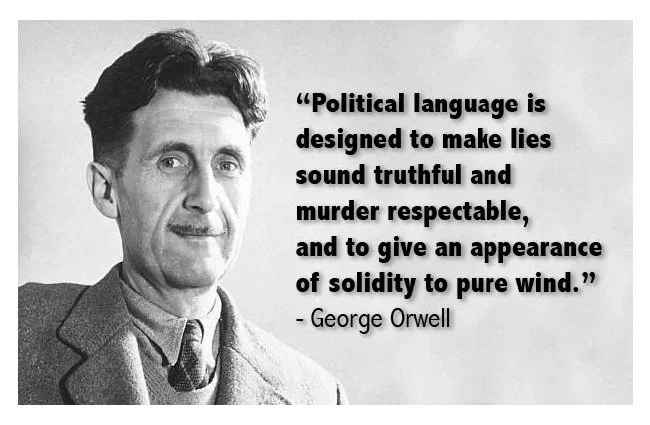
Political language is a very specific subset of English and has been designed to serve a very exacting purpose. In recent years honesty and intellectual rigour has slowly evaporated from the terms used by politicians and political discourse reflects the current prevailing mindset. Hence politicians will often use terms that are deliberately ambiguous. It happens so often now that we tend to ignore it, but sadly these terms frequently have a major impact upon the course of the national conversation, so perhaps we should be less forgiving. I would like to highlight a few of these terms that are frequently bandied about, that I find especially egregious. They’re often predicated on something that is unquantifiable or an idea or concept for which there is no real standard or universally accepted definition. Hence they’re used by the political classes as a means to maintain plausible deniability if things do not go the way they’d like.
So first off, we have the increasingly politicised term “hardworking”. This a real crowd pleaser as most people will claim to be such, whether they are or not. Politicians like it because it can be used as a non-specific compliment and its very flexible. It can be employed when visiting a factory as a means of ingratiating one’s self with the working classes. It can also be bandied about at the Mansion House Speech as a means to defend substantive pay awards to captains of industry. Yet it is ultimately a subjective term, which is impossible to quantify and measure. Who exactly works harder; someone on the checkout at Sainsbury’s or an Investment Manager at Morgan Stanley? A network administrator or a midwife. A You Tube personality or a carer for the elderly? Furthermore, if you try to debate the definition of the term, it can all get reminiscent of the Four Yorkshireman sketch. “Hardworking” therefore exemplifies the pointless terms bandied about by the worst sort of politicians, bandwagon jumpers and tub thumpers.
Another phrase which is very popular at the moment is the nebulous “British values”. At first glance it is supposed to bring to mind a set of noble principles and notions that are inherent to the UK. According to Ofsted these are as follow. Democracy. The rule of law. Individual liberty. Mutual respect for and tolerance of those with different faiths and beliefs and for those without faith. Yet surely these are not unique to the UK alone and are the foundation of all western democracies? It seems somewhat arrogant to claim these are uniquely British traits. However, when taken in a wider context, “British values” too often refers to nationalism, a sense of cultural superiority and sadly worse. Conversely, other definitions may well be free from xenophobia but can still be couched in nostalgic terms. British history and culture is somewhat unique and in many ways, we as a nation seem to lack the means to view it objectively. As a nation we are living in it, looking out, rather than vice versa. “British values” however honestly intended seems to be the phrase of choice by those who aren’t.
Other phrases of this idiom that occur frequently, are “silent majority”, “common sense” and “elite”. Although all have a specific meaning, these terms are often used in situations where that definition is distorted or not wholly applicable. Often these words are substitutes for others that would paint a different picture and are employed to obfuscate. “Silent majority” is an impossible thing to qualify and prove. It is often invoked to try and imply a wider degree of backing or support. “Common sense” is a wonderful way of bypassing the logistical and legal complexities of a matter. It’s a phrase designed to mitigate detail. And “elite” is a word that is fast being devalued, frequently being employed as a pejorative term for any group or body that holds a contrary opinion to the one being espoused. Furthermore, it is often used by those who are part of an elite group of their own, who think that by using the term they somehow remove themselves from the paradox they have created.
There are many more examples of this sort of linguistic duplicity that is used every day in the UK by the tabloid press, politicians and parts of the professional commentariat. The sad reality is that its daily use adds to the ongoing trivialisation and partisan debasement of politics as well as other forms of public discourse. This is why it is so important to ensure that schools teach a robust and broad understanding of the English language. Not just the traditional grammatical rules and structure but an understanding of evolution of language and how words can be used as a more than a functional tool. Public speaking and debate requires not only critical thinking and reasoning skills but a diverse vocabulary. Hence, I encourage everyone to never pass up the opportunity to learn new words. If someone uses one that you’re not familiar with there is no shame in asking its definition. As Benjamin Franklin said, “without continual growth and progress, such words as improvement, achievement, and success have no meaning”.
Delivery Culture
Yesterday being a bank holiday, we decided to slum it and go to McDonalds. We toyed with the idea of ordering via my phone and having a home delivery, but this would incur an additional £5 charge. So, we decided to drive to our local High Street and get a takeaway. Now for those who haven’t been to McDonalds for a while, there are now separate order and collection points in the “restaurant”. If you especially despise human interaction you can use one of the touch screens to order and pay. I guess the older system where food was pre-prepared in anticipation of purchase proved too wasteful. Who can say? Whatever the reason, serving the needs of the customer was probably the last consideration. But I digress. I duly made my order then tried to stand in a place where I didn’t obstruct other customers and waited for my order to be prepared. There’s a large information screen above the collection counter so you can track your order number which is printed on your till receipt.
Yesterday being a bank holiday, we decided to slum it and go to McDonalds. We toyed with the idea of ordering via my phone and having a home delivery, but this would incur an additional £5 charge. So, we decided to drive to our local High Street and get a takeaway. Now for those who haven’t been to McDonalds for a while, there are now separate order and collection points in the “restaurant”. If you especially despise human interaction you can use one of the touch screens to order and pay. I guess the older system where food was pre-prepared in anticipation of purchase proved too wasteful. Who can say? Whatever the reason, serving the needs of the customer was probably the last consideration. But I digress. I duly made my order then tried to stand in a place where I didn’t obstruct other customers and waited for my order to be prepared. There’s a large information screen above the collection counter so you can track your order number which is printed on your till receipt.
It took 12 minutes to prepare my food from scratch, which I considered reasonable as it was very busy. Not all felt so accommodating. However, it should be noted that two thirds of those waiting for their orders where not customers but delivery drivers. All of whom were dressed accordingly for driving mopeds and other sundry velocipedes. Although all seemed to be amicable individuals, their bulky attire and restricted vision due to their helmets, meant they often got under each other’s and everyone else’s feet. I also noticed on the information screen that online orders had a different identifying code. Furthermore, it appeared to me that these orders were being given priority, as they tended to be far larger in quantity. I’m sure I wasn’t the only customer to deduce all this, given the grumbling by some of the waiting. Again, although this system may work well for the staff both cooking and serving, I remain sceptical of it’s merits from a bog-standard customer perspective.
Spot the online orders
Now this anecdote is a segue into a wider point about delivery culture as this post is not exclusively about the iniquities of McDonalds in the UK. On demand culture is everywhere these days. If it can be sold and physically transported, then retailers will offer to bring it to your door. Due to recent family illness, I too have availed myself of these services. In 2017, I don’t think a week went by without an Amazon, Argos or grocery delivery of some kind arriving. If you want it now, then you can effectively have it now. But like any cultural change there are consequences and knock on effects. Traffic and therefore pollution levels in Greater London are on the rise, despite regulation of vehicle emissions and legislation such as the congestion charge. The sheer number of vehicles on the road is growing, rapidly. Department for Transport figures show the number of delivery vehicles registered in the capital rose by 12 per cent in the last decade, partly driven by internet shopping. Last year, around 7,300 entered the capital every hour during the morning rush-hour.
The Bringer of Gin...
At the moment, a perfect storm of economic factors has made delivery culture both viable and marketable. Fuel prices have dropped and until recently, low interest rates and inflation have buoyed consumer spending. Need I drone on about the shift in our culture towards the commodification of everything and happiness through consumerism? But there is scope for the financial stability of the UK to change in 2018 and it is not impossible to conceived of operating costs increasing to a point where delivery culture no longer remains cheap and accessible to all. Potentially, something that is currently a universal convenience, could end up becoming yet another indicator of the divide between the haves and have nots. Then there are other aspects of this phenomenon to consider. Home deliveries are a contributory factor to the ongoing slow death of the local high street. Online retail is killing local businesses. Furthermore, not going to the shops is yet another nail in the coffin of the populations general health and wellbeing.
This post initially stemmed from a simple observation made from day-to-day life. Perhaps it is my age and my increasing awareness that I’ve seen so much change during my lifetime, that makes me ponder on such matters. Like many issues, the more you dwell upon it, the more convoluted the matter becomes. As I write I’ve just been struck by the irony of a McDonald’s home delivery. Fast food, which for years has been labelled the ruination of a country’s health, is now being brought to your very front door, thus negating the small health benefits brought about by going to the “restaurant” in person. As for delivery culture, I suspect it is ultimately both economically and environmentally unsustainable. I wonder what will happen when it becomes unavailable to certain parts of society? How well will such a change be received? If there are indeed, major economic problems ahead, will there be a time when home delivery couriers become the target of increased crime? Only time will tell. I hate to end the post here, with so many unanswered questions but I have to go. You see I’m expecting a delivery later.
Black Friday
I have been subject to a continual barrage of emails over the course of the week, promoting Black Friday sales. These have covered everything from power tools to medical supplies, children’s toys and even granite work surfaces. Obviously. there’s also been a lot of promotions for discount games. This eclectic mix reflects the fact that I use my online accounts to purchase items for my entire family. I hate to think what the various analysts and number crunchers make of this. My Amazon recommendations includes both urine bottles and Thomas the Tank Engine paraphernalia. But I digress, I’m sure pretty much all of us have been battered around the head and shoulders this week by various kinds of unsubtle marketing. However, I am happy to report that I have not succumbed to this “encouragement”. The simple fact is that I don’t need anything at present so have bought nothing. Furthermore, I had an epiphany nearly two decades ago, when I discovered that buying stuff really doesn’t make you feel any better, solve any of your problems or fulfil any of the inferred promises of the advertisements.
I have been subject to a continual barrage of emails over the course of the week, promoting Black Friday sales. These have covered everything from power tools to medical supplies, children’s toys and even granite work surfaces. Obviously. there’s also been a lot of promotions for discount games. This eclectic mix reflects the fact that I use my online accounts to purchase items for my entire family. I hate to think what the various analysts and number crunchers make of this. My Amazon recommendations includes both urine bottles and Thomas the Tank Engine paraphernalia. But I digress, I’m sure pretty much all of us have been battered around the head and shoulders this week by various kinds of unsubtle marketing. However, I am happy to report that I have not succumbed to this “encouragement”. The simple fact is that I don’t need anything at present so have bought nothing. Furthermore, I had an epiphany nearly two decades ago, when I discovered that buying stuff really doesn’t make you feel any better, solve any of your problems or fulfil any of the inferred promises of the advertisements.
Economically speaking, the Black Friday pre-Christmas sales have become increasingly important to retailers and in the UK are a big indicator of consumer confidence and a litmus test of how well the public feel the country is fairing. So far from the numbers that have filtered through today, it would appear that spending is up 6% over last year. But before we put out the bunting and shout “Yay for the UK economy”, let’s temper our enthusiasm with the fact that consumer debt (mainly unsecured loans via credit cards) is currently £200 billion. That’s for a country with a population of 65 million. And at a time when interest rates are finally rising after a decade. Oh, and let’s not forget that minor political and economic event known colloquially as BREXIT. That may also have a bearing on the situation with regard to the value of the pound, the cost of living and future consumer borrowing.
If you take time to reflect upon the big picture, it’s a very sorry state of affairs. We live in a society where many are trapped in low paid jobs with little chance of opportunity or improvement. Many are deeply unhappy with what they do for a living and see little chance of life getting any better due to a decline in social mobility. Social media has lifted the scales from the public eyes and the divisions between the haves and the have nots are laid bare. The country currently bitterly divided and rational thought is in retreat. The decline in institutions such as the church, along with a waning of a sense of community has resulted in a nation of “individuals” desperately trying to assuage their personal sadness through retail therapy. It’s a recipe for disaster and 2018 is potentially the year when the proverbial chickens come home to roost. I am not optimistic that things are going to get better soon, nor do I have faith in any politicians to fix these problems. But hey, that was a sweat deal you got on an electric haemorrhoid massager.
The Complexity of Socialising
A couple of things have prompted the train of thought that is the basis of this post. The first was the recent BBC television documentary by Chris Packham about autism and how it has shaped his life. The second was a post over at Massively Overpowered regarding “playing alone together”. The reader comments ended up becoming a discussion of the old “introverts versus extroverts” debate. Both of these have got me thinking about the complexity of social interaction and the stress it may or may not cause to various individuals. Social skills and group dynamics are things we learn through osmosis. The prevailing culture allegedly shapes us, yet precious little is taught formally. Our parents have an impact at the beginning of our lives but then we find ourselves at school for the lion share of the day, trying to get along with a wide variety of differing personalities. Simply put, socialising is complex and to be successful at it by societies standards, requires a very specific set of skills.
Courtesy of Socially Awkward Misfit
A couple of things have prompted the train of thought that is the basis of this post. The first was the recent BBC television documentary by Chris Packham about autism and how it has shaped his life. The second was a post over at Massively Overpowered regarding “playing alone together”. The reader comments ended up becoming a discussion of the old “introverts versus extroverts” debate. Both of these have got me thinking about the complexity of social interaction and the stress it may or may not cause to various individuals. Social skills and group dynamics are things we learn through osmosis. The prevailing culture allegedly shapes us, yet precious little is taught formally. Our parents have an impact at the beginning of our lives but then we find ourselves at school for the lion share of the day, trying to get along with a wide variety of differing personalities. Simply put, socialising is complex and to be successful at it by societies standards, requires a very specific set of skills.
When addressing a topic such as this, the first question I had to seriously ask myself was the most obvious. Do I consider myself an introvert or an extrovert? As most regular readers know, I’m not a fan of binary choices when it comes to complex questions. There have been times in my life when I have veered from one extreme to the other. As a teenager, I was the clown of my peer group. I thought it would resolve a lot of issues although all it really did was paint me into a corner. It was not until my thirties that I truly found my social confidence. This mainly came about through working in a field that I enjoyed and felt comfortable in. I also learned how to become a more effective public speaker. Having children also forces you to deal with things and step outside of your comfort zone. However, despite improving my social skills there are still many scenarios and situations I’m not good at. Talking about sport and dancing in public are two that spring to mind. I’m also not a big on “hugging”. But the fact remains, I can be social and deal with such situations. For me, the key to success lies in picking and choosing how and where I do it.
Writing is a form of communication and social interaction that I especially enjoy. Mainly because it’s a medium that a lot easier to manage, rather than a face to face Conversation. I am also confident when it comes to podcasting, for similar reasons. I tend to record with people whose company I enjoy and know quite well. However, despite our best efforts none of us gets to deal with life exclusively on our own terms. Especially if you’re in a relationship, as you have to make concessions to social situations. For example, I have a wedding coming up in December. I’d be lying if I said I was looking forward to it. It’s not a case of I’m bad in these sorts of social situations. It’s a case of I don’t care for them. It’s not as if my presence is essential to the success of proceedings, plus I really don’t dig small talk and the low-key conversation it is best to pursue at these events. It probably sounds a terrible thing to say but these situations bore me. I appreciate that very few people are raconteurs of the calibre of Stephen Fry, Peter Ustinov and Michael Winner. I don’t expect that. I just feel that it would be a far better use of my time if I applied it to something productive, rather than some pointless social banter with strangers.
After watching the aforementioned documentary about autism, I raised the question as to whether I was possibly on the spectrum with my significant other, due to some of my personality foibles. I meant the question genuinely and was certainly not making light of such medical conditions. She said that it was unlikely that I was, because I could cope with all the social things that Chris Packham can’t. The difference was where he is incapable, I am simply unwilling due to my “personality”. So, it would appear that I have no diagnosable conditions that affects my behaviour. I am merely a curmudgeonly git. She further added that despite my reticence to be social and participate in events of that nature, I was very much a product of my generation and broadly culturally conditioned not to be rude. Hence, I do grudgingly participate. On mature reflection I conceded that this is indeed true. However, that doesn’t alter the fact that if I could avoid the entire wedding scenario I would.
Overall, I believe the reality is that I’m neither introvert nor extrovert but somewhere in the middle. I enjoy the company of handpicked friends and when the mood suits, can be quite gregarious. I am also comfortable when left alone. I don’t mind my own company. I guess what I balk at, when considering the wider discussion around this topic, is the usual binary viewpoints. Introversion should not be seen as something that needs to be fixed, especially by extroverts. I believe everyone is somewhere on a scale between those two positions and chooses to deal with the world on their own terms. As for extroverts, they can be a very positive force for good in life. They can often provide a rallying point through the strength of their personalities, be supportive individuals and be good representatives for causes and charities. But they can also be extremely wearing and tedious people, taking up all the oxygen in any given social space. We need as a society to shift the focus away from these two extremes and encourage an understanding of all personality types as well as a recognition that socialising isn’t governed by two approaches.
Read the Label
Despite living in an age where access to information has never been easier, the concept of an informed choice still seems to elude a substantial percentage of the population. Take for example the new television show Gunpowder, which was broadcast last night at 9:10 PM on BBC One in the UK. The very fact that it is being broadcast after nine o’clock at night should be indicative of adult content. Otherwise it would have been broadcast prior to that time. The next logical step for any potential viewer, should have been to at the very least, to consult a TV Guide. This would have informed the audience of the show’s content. And being a drama set in a period of history in which Catholics were persecuted and publicly tortured, it would be logical to conclude that there may well be scenes of this nature. Furthermore, the first episode of the drama was prefixed by a warning about its content prior to broadcast. However, a small percentage of viewers were still surprised by the violent content and saw fit to complain about in either directly to the BBC or via twitter.
Despite living in an age where access to information has never been easier, the concept of an informed choice still seems to elude a substantial percentage of the population. Take for example the new television show Gunpowder, which was broadcast last night at 9:10 PM on BBC One in the UK. The very fact that it is being broadcast after nine o’clock at night should be indicative of adult content. Otherwise it would have been broadcast prior to that time. The next logical step for any potential viewer, should have been to at the very least, to consult a TV Guide. This would have informed the audience of the show’s content. And being a drama set in a period of history in which Catholics were persecuted and publicly tortured, it would be logical to conclude that there may well be scenes of this nature. Furthermore, the first episode of the drama was prefixed by a warning about its content prior to broadcast. However, a small percentage of viewers were still surprised by the violent content and saw fit to complain about in either directly to the BBC or via twitter.
It would appear that even in this day and age, there are still a lot of people that decide to watch programs blind. Therefore, it is not surprising that it is this group that frequently holds up their hands in horror at being exposed to something they do not care for. The fact that they brought the situation upon themselves seems to be conveniently ignored and typically the displeased viewer immediately seeks to find someone else to blame for this outrage. Take for example the latest series of the historical drama Victoria, currently being broadcast in the UK on ITV. A gay kiss prompted a small quantity of complaints that the tabloid newspapers were quick to capitalise on. We won’t stray into debating the homophobia but what amazes me is the fact that the inclusion of these scenes upset some people. Yet despite the scene being justifiable within the context of the drama, we still find a few voices claiming moral outrage and an erosion of “family values”. All too often one gets the sense that some folk are simply looking to be “offended” and that it’s become a national pastime.
Although we do live in broadly more tolerant times than we did forty years ago, a cursory trawl of the Internet shows a wealth of similar situations. There seems to be someone getting upset by what they’ve seen, read or heard, every day. Most of these incidences stem from the fact that people simply haven’t bothered to check what they are watching or what website they were visiting beforehand. This problem has reached such large proportions, that some organisations have seen fit to add an extra layer of consumer information in attempt to inform the public. One such example is the British Board of Film Classification, which are responsible for classifying and rating all cinema and video related material available in the UK. They call this additional tier of consumer advice on their website, “insight”. Often the detailed description of the movie’s content will include plot spoilers but once read a viewer would be under no illusion about the material included in the film. Below is the “insight” details for the horror movie Jigsaw.
Returning to the subject of television and the regulation of its content, people will argue that video on demand services such as Netflix negate the concept of the watershed. That is a valid point. Streaming allows continuous access to a broad range of material. This shift in viewing habits increasingly places the onus on the viewer to be even more aware of exactly what they are watching. It also demonstrates the importance of parental control over children’s viewing, a functionality that is built into most streaming platforms. Sadly, in an age where family and communal viewing is in decline and a television in every room is commonplace, too often such parental duties are neglected. “Will someone please think of the children” is a common refrain often heard after a child is upset by something they shouldn’t have seen. Yet if the parent or guardian had exercised their duties correctly to begin with, then the entire situation could have been avoided.
Of course, this problem also manifests itself in the world of video games. How often do we hear about parents who have gone to a retail outlet, purchased a game that clearly has a rating on the packaging stating that its intended for a mature audience, only to hand it over to a child? The fact that they have technically breached the law is always conspicuously overshadowed by their misplaced shock and indignation, when they subsequently see the nature of the game that their child is playing! The resultant outrage never ceases to amaze me. But of course, it’s always somebody else’s fault these days, isn’t it? And then the same problem spills out into music. A good many parents will have absolutely no idea of what their children may be listening to. Dare I mention reading material as well?
And therein lies the problem. You can provide the public with an indefinite amount of consumer advice but you cannot ensure that they’ll actually take heed of it. In a democratic society, there really isn’t an alternative way to tackle such problems. I do not like Draconian laws that favour the stupid minority at the inconvenience of the sensible majority. So, the only tactic we are left with is to continue to reiterate the message and to trust in attrition. In the meantime, next time some dumb ass complains in the public in the fashion I’ve described, I would strongly advocate that rather than give that missed guided individual the oxygen of publicity, we should simply point and laugh as loudly as we can. Stupidity may not be a crime but it is the ruination of Western civilisation and should be challenged wherever it appears.
Jury Service
If you wish to enjoy the benefits of living in a “civilised” and democratic society, then there are certain “obligations” that the state calls upon its citizens to fulfil. Taxation is one. It’s is not especially popular but most rational people understand that the machinery of government and the provision of public services needs financing. Another example of a “civic duty” is jury service. All UK citizens have a right to trial by jury of my peers, should the need require. Naturally, these juries have to be filled with people, so you may well be invited to serve if you meet the following criteria.
- Between the ages of 18 and 70 years old.
- Registered to vote in parliamentary or local government elections.
- A registered citizen in the UK, the Channel Islands or the Isle of Man for at least five years since their 13th birthday.
If you wish to enjoy the benefits of living in a “civilised” and democratic society, then there are certain “obligations” that the state calls upon its citizens to fulfil. Taxation is one. It’s is not especially popular but most rational people understand that the machinery of government and the provision of public services needs financing. Another example of a “civic duty” is jury service. All UK citizens have a right to trial by jury of my peers, should the need require. Naturally, these juries have to be filled with people, so you may well be invited to serve if you meet the following criteria.
Between the ages of 18 and 70 years old.
Registered to vote in parliamentary or local government elections.
A registered citizen in the UK, the Channel Islands or the Isle of Man for at least five years since their 13th birthday.
There are the usual caveats that may exclude you from participation, such as mental impediment and being a convicted criminal. The courts can also waive participation under extenuating circumstances. Four years ago, I received a letter for jury service at The Old Bailey in London. The court deals with major criminal cases from within Greater London. Trials at the Old Bailey, as at other courts, are open to the public; however, they are subject to stringent security procedures. As I was self-employed at the time and didn’t have any reasons not to attend, I happily went along. It proved to be a very interesting yet emotionally challenging experience. One that I regularly reflect upon, hence this post.
I arrived late at the Old Bailey in October 2013. There had been a major storm on the day in question and rail services were heavily disrupted. Luckily, many other serving jurors were also affected so there was no consequence for me being behind schedule. The first thing that struck me was the security at the main entrance to the court. I had to show my letter from the court services along with proof of identity. I then proceeded through a series of x-ray machines and metal detectors, while my personal effects were examined. I then went up to the juror’s lounge and had to sign the court attendance register. I then identified myself again at reception where I was assigned an ID badge. I was told to take a seat and wait to be called. Within an hour I and twenty-four other jurors were randomly called and taken down to one of the courts for a case that was about to begin. We were then split in to two groups of twelve. My group remained in the court we were in and the other were taken elsewhere. The Judge then asked if any of us came from a specific area of London or were familiar with the accused. No one indicated that they were. Both the defence and the prosecution barristers were happy with the jury’s demographics so the case then immediately proceeded.
It is this latter point that I found fascinating. Within minutes of being called down to the court we were sworn in (I got to choose between a faith based or a secular oath) and then allocated specific seats on the jury benches. The case then began within minutes. We were immediately shown CCTV footage from a bus in which a teenage boy stabbed another who was sitting. The prosecution made a short speech about establishing a case that this was an act of premeditated murder. The defence offered a counter argument that the accused was defending himself. I specifically remember thinking, “wow, I was not expecting things to get so heavy, so quickly”. The lady next to me was very upset by the footage that we watched and broke down in tears. The reality of death is seldom like how it is presented on TV. Needless to say, over the next few days, we were regaled with a far more detailed account of events. There was further CCTV footage from the vicinity of the attack, along with the testimony of the witnesses on the bus. The coroner proved to be very informative and not at all what I expected. Furthermore, the cross examination of the witnesses by each barrister was extremely low key and a far cry from the hyperbolic melodrama we see depicted on TV. As ever with life, it’s the little things that somehow leave the strongest impressions. The prosecution barrister had a fancy briefcase for all his legal documentation. It actually had a fold out flap on which he lent while holding forth in court. Conversely, the defence had a similar mannerism when public speaking but instead used a box of leaflets to similar effect.
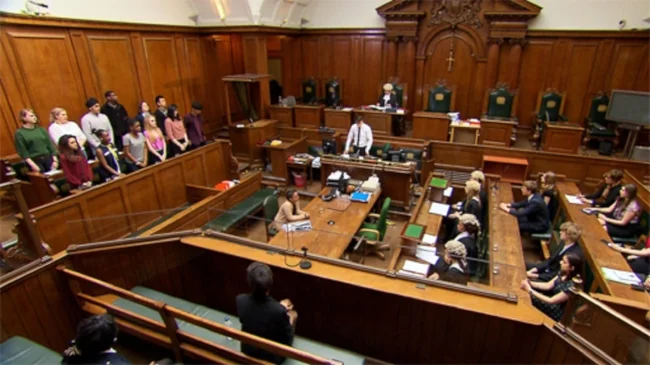
Another major point of interest in this experience were my fellow jurors. To my mind, the responsibility that had been placed upon our collective shoulders was immense. We had to decide another human being’s guilt or innocence. Depending upon our verdict that individual would then lose their liberty. I was concerned as to whether everyone else took the task in hand as seriously as I did. Thankfully they all did. In fact, the integrity of my fellow jurors did much to restore my dwindling faith in humanity. There was individual who I did think lacked the necessary rigour to undertake the task. Their attention would frequently wander and they had a propensity for garrulous inanities. However, they seemed to be content to go with the flow, which was essentially missing the point of jury service but it did make the proceeding a lot easy. Another gentleman sadly, took umbrage at some poorly phrased comments by fellow jurors which he felt were racially biased. He then decided to take a particular stance irrespective of the facts of the case, on a matter principle. There were also two other jurors who reached their positions regarding the verdict a little too quickly in my view and I suspect that where driven more by emotion, rather than the facts and logical thinking.
The case ran for two weeks and we spent three days deliberating our overall verdict. I was initially sceptical of guilty verdict. The CCTV footage was incomplete, as a key camera had failed on the bus and therefore didn’t provide essential footage. However, it was the forensic evidence that convinced me otherwise. Combined with the witness testimony and the CCTV footage which we did have, the facts indicated that the accused had struck first and not in self-defence. Furthermore, the nature of the injury demonstrated a level of force that could not be classified as anything other than deadly. Thus, we arrived at a verdict of guilty by eleven votes to one. The judge then thanked us for our service and gave us the option of being dismissed. However, due to unusual circumstances, the judge decided to pass sentence of the defendant that same day. The majority of the jury felt that as we had seen fit to reach this verdict, we should stay for the sentencing. So, eleven of us remained and listened to the judge pass sentence. The defendant although sixteen years old had been a minor when the offense took place. Therefore, a plethora of Home Office rules had to be applied which tempered the judge’s verdict. One consideration was that the defendant had spent nearly a year in a young offender’s unit, awaiting trial. The final sentence was seven years. Four years on, with “good behaviour”, the defendant may well now be eligible for parole.
I could write a lot more about this experience but I that’s not really practical. Plus, I guess even four years on I shouldn’t really give too many specifics of the case away. We were bound to silence at the time of the trial for obvious reasons. However, there are a few more random points that I would briefly like to make. It is often said that the senior judiciary in the UK are old and out of touch but this was not the case in this instance. This particular QC was worldly and understanding. He was very aware that due to the nature of the case, the defendant as well as many of the witnesses were young and may be intimidated by the formality of the court. He therefore waived a lot of the traditional trappings of the courts conduct to provide a more accommodating environment. Another thing that impressed me was the efficiency of the courts themselves. Considering the fluid nature of their work, they coped very well with managing the logistics. Oh and here’s a fun anecdote; one juror on another case was apparently always late back from lunch. Finally, after their third warning, the judge asked why they were late. “I bought a new coat in the sales. I save nearly a hundred pounds” they replied. And that is the amount they were subsequently fined for wasting the courts time.
Four years on, every now and then I still reflect upon my time on jury service. We live in troubling times and I have a somewhat sceptical outlook upon life and many of its major institutions. However, I found jury service to be a positive experience. The people I served with were a diverse but sound group of individuals. I felt that we did do the right thing by returning a guilty verdict and that justice was served. However, I cannot help but feel that there were no winners in this particular situation. The whole case, which I am not at liberty to describe in further detail, was an utter tragedy. If one chooses to stand back and look at the wider picture, both parties involved were a microcosm of so many of the social ills that blight this country. That however, is a much bigger discussion and not one I shall embark upon here. So, I’ll end this post as I started it, with the subject of “civic duty”. Having seen first-hand how the courts works, as well as how jurors still to this day take their role seriously, I believe that the system that we have in place is still inherently sound. It’s not perfect and I’m sure much can be done to improve it. Yet until we as a society come up with something better, I think we should stick with it. So if you ever get asked to participate, I would urge you to do it. It is both socially responsible and a very sobering personal experience.
Gaming Heresy: Part 1 My Gaming Epiphany
It’s been a while since I’ve had a rant, frothed at the mouth and vigorously shaken my clenched fist at clouds. If you do this too often when running a blog you can paint yourself into a corner. Ranting then becomes the defining aspect of how your writing is perceived. Another reason why I don’t want to write an endless succession of irate screeds about the failings of the gaming industry and its associated player communities, is because as I get older, I simply do not care as much about these things. The recent debacle about microtransactions in Middle-earth: Shadow of War, garnered nothing more than a raised eyebrow from me. A decade ago I would’ve been marshalling a restless lynch mob, armed with hoes, rakes and flaming torches. Time and old age have a habit of cooling one’s ardour. However, letting off steam can be very cathartic, so I’ve decided to inaugurate this infrequent column in which I shall vent my spleen about the things that displease me and express views that may well fly in the face of the prevailing consensus.
It’s been a while since I’ve had a rant, frothed at the mouth and vigorously shaken my clenched fist at clouds. If you do this too often when running a blog you can paint yourself into a corner. Ranting then becomes the defining aspect of how your writing is perceived. Another reason why I don’t want to write an endless succession of irate screeds about the failings of the gaming industry and its associated player communities, is because as I get older, I simply do not care as much about these things. The recent debacle about microtransactions in Middle-earth: Shadow of War, garnered nothing more than a raised eyebrow from me. A decade ago I would’ve been marshalling a restless lynch mob, armed with hoes, rakes and flaming torches. Time and old age have a habit of cooling one’s ardour. However, letting off steam can be very cathartic, so I’ve decided to inaugurate this infrequent column in which I shall vent my spleen about the things that displease me and express views that may well fly in the face of the prevailing consensus.
So, let us begin. Here’s a thought. Gaming is just another commercial leisure industry that is of no greater merit than TV, Movies and popular music. It’s driven primarily by commercial considerations, with art are ethics being secondary issues. Like other entertainment mediums it can be pitched at various ends of the intellectual spectrum and made to varying degrees of quality and professionalism. Although gaming can highlight specific issues and offer social commentary it has no more significant power to impact upon events than other artforms. Games themselves can on occasions be “art” but by and large, most products are just disposable entertainment. Just like a sitcom, an action movie or a pop song. Games are not special, important or unique, when compared to other leisure activities. The social aspects that so many extol exist because of the players themselves and the games are merely a conduit. Essentially, the expression “it’s just a game” is true. It’s not a denigration but simply a statement of fact.
Richard Nixon has no relevance to this article...
And if gaming per se is simply a commercial exercise in mainstream leisure and thus nothing exceptional, then surely the same must be said for fandom? Therefore, claims of gamers being problem solving savants and alternative, high end achievers are bogus. Gaming and its subset of related fandom is a breeding ground for a myriad of unpleasant opinions and facilitates antisocial behaviour. It is a microcosm of the entire “first world problems” mentality that blights Western popular culture. It contributes to the growing infantilization of public discourse and social interaction as well as playing directly into the hands of the “bread and circuses” policies of the political classes. Why waste your time campaigning, lobbying and fighting for universal healthcare, affordable housing and accountable government? Someone on a game development team has nerfed the Sword of Kagnazax and gimped your build, so why not send them death threats?
I was walking around a very large branch of WHSmith recently. Despite the proliferation of digital media, magazines have not yet vanished from the shelves. In fact the number of fan and enthusiast based publications available is still prodigious. Gardening, fishing, mud wrestling are all represented. It’s a similar story if you go online. There are forums and subreddits for every conceivable leisure activity. If you decide to dip your toe in the respective waters of each community you will find one common factor in them all. Drama. All discuss the minutiae of the object of their affection as if it were the meaning of life itself. It soon becomes very apparent that it is not really fandom that is the issue but people. The bastards. Show me a problem and I’ll show you someone called Colin who’s responsible. All of which is just further evidence that gaming is merely another facet of humanity’s habit of slapping itself on the back, while simultaneously kicking some other poor sod in the nuts. When put in such a context, the reality is clear. Gaming ain’t all that.
This is my gaming epiphany. It’s not something that happened on the road to Damascus or overnight in a Premier Inn outside of Chester. It has come about over a period of time in which the iniquities, trivialities and pomposities of both the gaming industry and its fans have been dripped upon me like Chinese water torture. Don’t get me wrong, irrespective of this rant, I enjoy gaming and do not regret the time I’ve spent pursuing it. I just see it for what it is; an amusing diversion, an enjoyable challenge and one of the many pointless activities we fill our lives with before death cold embrace and the inevitable void. Sadly, it is because my perspective is not a common one, that the gaming industry acts with the impunity that it does and treats its customer base so poorly. I wonder if there will be a major shift in perception among fans, in another twenty years? Only time will tell. In the meantime, a percentage of gamers will continue to shriek “Git Gud” and I’ll continue to shake my head at their misplaced sentiments and watch as democracy is dismantled around them.
Playing PC Games with an Xbox Controller Instead of a Keyboard and Mouse
To fill the gap in my current gaming activities, I decided to try one of the various titles that I have stockpiled. Often these have been bought on a whim but there’s always something of interest to try and explore. So, having recently enjoyed the open world of Mafia 3, I decided to return to GTA V. I’ve owned this title since December 2015 but have never seriously played through in story mode. Last time I dabbled with it was when I bought it and I just fooled around with the various cheat codes that are available and spent a few hours causing mayhem. This time round I’ve decided to apply myself to all facets of the game. However, I ran into one issue with GTA V that I can usually ignore with other titles. Namely, the control set up. I’ve previously played many games that have been developed for multiple platforms or have been direct console conversions. Although such games are intended to be played with traditional games controllers, I have happily managed to play them using a keyboard and mouse. Sometimes I’ve had to spend a lot of time re-mapping keys but I've always got by.
To fill the gap in my current gaming activities, I decided to try one of the various titles that I have stockpiled. Often these have been bought on a whim but there’s always something of interest to try and explore. So, having recently enjoyed the open world of Mafia 3, I decided to return to GTA V. I’ve owned this title since December 2015 but have never seriously played through in story mode. Last time I dabbled with it was when I bought it and I just fooled around with the various cheat codes that are available and spent a few hours causing mayhem. This time round I’ve decided to apply myself to all facets of the game. However, I ran into one issue with GTA V that I can usually ignore with other titles. Namely, the control set up. I’ve previously played many games that have been developed for multiple platforms or have been direct console conversions. Although such games are intended to be played with traditional games controllers, I have happily managed to play them using a keyboard and mouse. Sometimes I’ve had to spend a lot of time re-mapping keys but I've always got by.
However, on this occasion I found that that was not the case. The games driving mechanics simply do not lend themselves to keyboard use. The weapons system and object interaction also consist of a very esoteric selection of keys. I spent a considerable amount of time trying to relocate specific functions but it simply wasn't viable. Often, I would solve one problem only to create another. GTA V with its combination driving, third person shooting and point and click narrative simply favours a bespoke device. So eventually I gave up my experimenting and simply fetched my Xbox controller. As this Xbox peripherals is compatible with the PC, it was no problem to install it and set up the device. However, the next stage was not so easy. Namely, becoming accustomed to using the Xbox controller. It’s a major mental and physical change. I found that driving vehicles was an easy transition to make. Using the left and right triggers to brake and accelerate is extremely intuitive and feels very natural. Controlling my avatar was far more challenging. Walking, climbing and interacting with objects felt far more sluggish and unwieldy. Aiming via the thumb stick takes a long time to get used to. It doesn’t feel as accurate or as responsive as using a mouse.
This “problem” is very much a case of “conditioning” and “muscle memory”. I made the transition from console gaming to the PC in the middle nineties. There was a time when I use to play both platforms but the PC ultimately won because it’s a multifunctional tool. So, for over twenty years, the keyboard and mouse have been my primary means for interacting with games. I assign the most commonly used keys around WASD, so they could all be easily reached with my left hand. My right operates a five-button mouse. The system works for me and trying to change such a mindset is a big ask. However, it can be done. I am now able to navigate the open world of Los Santos using my Xbox controller. The key is patience and perseverance. You have to stop relying your reflexes and get into the habit of thinking in advance, exactly what it is that you want to do, then implementing it via the Xbox controller. I’m reminded of how Nigel Hawthorn told Clint Eastwood in the movie Firefox to “think in Russian”. However, I cannot see myself playing all future titles with a game controller. It is something I have done out of necessity to accommodate GTA V. A keyboard and mouse remains my primary choice for playing games, although using an Xbox controller has been an interesting experience.
Is Shared Fandom a Bridge to Reconciliation?
There are and always will be books that have a clear political agenda or make a very particular statement. Orwell’s 1984 springs to mind as an obvious example. Then there are also books that attract political interpretations by the nature of their plot or the subjects that they explore. Whether the author intended such a debate about the work or not, is a secondary issue. I have always taken Tolkien’s work at face value and to be what he stated they were. Epic and intricate faux histories, free from allegory. Furthermore, I appreciate that the moral position and themes of his work stem from the authors world view, personal experiences as well as the prevailing social dogma of the time. I find it interesting how his work attracts praise and adulation from a wide variety of groups. Catholics will naturally gravitate towards Tolkien’s writings due to his faith and that is the prism through which they will critically view his work. There are of course other examples about how The Hobbit and The Lord of the Rings appeals to different people in different ways. It is a common aspect of fandom.
Fandom by Tom Preston
There are and always will be books that have a clear political agenda or make a very particular statement. Orwell’s 1984 springs to mind as an obvious example. Then there are also books that attract political interpretations by the nature of their plot or the subjects that they explore. Whether the author intended such a debate about the work or not, is a secondary issue. I have always taken Tolkien’s work at face value and to be what he stated they were. Epic and intricate faux histories, free from allegory. Furthermore, I appreciate that the moral position and themes of his work stem from the authors world view, personal experiences as well as the prevailing social dogma of the time. I find it interesting how his work attracts praise and adulation from a wide variety of groups. Catholics will naturally gravitate towards Tolkien’s writings due to his faith and that is the prism through which they will critically view his work. There are of course other examples about how The Hobbit and The Lord of the Rings appeals to different people in different ways. This is a common aspect of fandom.
Bearing this in mind, it should not come as surprise to learn that Tolkien’s writing also has fans among the political class. The UK Conservative Party MEP Daniel Hannan is one who has written essays on his love of the Professor’s work and its literary merits. For example, Mr Hannan says “Here is a book that, as much as any I can think of, needs to be read aloud. Tolkien, like many Catholics of his generation, understood the power of incantation. He knew that—as, funnily enough, Pullman once put it—a fine poem fills your mouth with magic, as if you were chanting a spell”. Upon reading more of his analysis of Tolkien’s work, it becomes apparent that several of his political colleagues share his passion. It would seem many Conservative MPs find that Tolkien’s writing contains themes and concepts that they equate with their political ideology. Curiously enough what they see in the Professor’s work, I have never experienced. Again, they view it and quantify it in a different way to myself. This raises some interesting points about when you discover that you share a liking for something with a group you didn’t expect.
I suppose the optimistic way to interpret this situation is to focus on how fandom can build bridges and that there is now theoretically common ground between both parties concerned, despite their obvious differences. However, I feel that it’s a more complex situation than that. In this instance, I do not hold with a lot of the opinions and world view of this particular group of people. I think that many of the policies that the Conservative party have implemented since they came to power in 2010, have been harmful to both individuals and to society. Therefore, does simply having a shared passion for one specific thing bridge an otherwise, vast cultural, philosophical, political divide? I do not think that it does. If I were to meet Mr Hannan in a social situation, I would endeavour to be civil to him and focus on our common ground but ultimately our shared love for Tolkien is not a path to reconciliation. He would still remain at odds with my political sensibilities and continue to be a Conservative party member.
Reflecting upon this example and other comparable ones, certainly raises some interesting questions. It is a timely reminder that fandom does not give you any sense of ownership towards the object of your affection. Nor do you get to decide who can like or not like the thing in question, or who are “true fans”. The reality is that what appeals to you about the thing you love, is not necessarily the same for everyone and that we all interpret and respond to art as well as literature in a different way. Furthermore, when you do find out that you share a common love for something with those who are radically different to yourself, their presence should not spoil that very thing for you. Irrespective of the fans and their differences, the object of affection (in this case Tolkien’s writing), remains untouched. Overall, I guess this matter is a timely reminder about tolerance and sharing.
The analogy that springs to mind is one regarding religion, specifically Christianity. It is a faith that is rife with different denominations. All allegedly cleave to the same fundamental principles, yet interpret the scriptures differently. Is this situation about the differences between fan bases not dissimilar to the divide between Anglicans and fundamentalist Evangelicals? Also, history shows that many fine things have been liked, embraced or advocated by the morally questionable. So, it would appear that a shared love is not an assured ticket to harmony and reconciliation. The divided nature of the gaming community is an ongoing testament to that. The fallout over the recent casting of a female actor as Doctor Who is further proof that fandom is a broad but far from united church. As for Tolkien, I shall simply content myself with my own personal enjoyment of his work and leave others to do so in their own way. However, what I will not allow unchecked is for others to usurp his writing and claim it justifies something that it empirically does not.
Tradesmen
I don’t care for the popular interpretation of the “Renaissance Man”. IE someone who attempts all jobs around the house. I’m a firm believer in deferring to professionals. If I need electrical work carried out, then I’ll happily hire an electrician. The same goes for plumbers, builders and decorators. I even employ a handyman for those niggling trivial jobs. There are several reasons why I take such an approach. First and foremost, I am fully aware of my limitations and what I can and cannot do. It’s a philosophy espoused by Harry Callahan, so who am I to contradict? If I want a job done, I want it done properly and not bodged. Secondly, if you formally employ someone to undertake a job that has been fully costed via bona fide quotation, then you have legal recourse should things go south. Thirdly, I do not care for manual labour. That is not to say I think it’s beneath me. Quite the opposite. I admire anyone who earns their crust through their physical toil. Nope, I just don’t like such work. I prefer using my mind not my back. Finally, I value my leisure time and do not want to see such a precious resource squandered. So, considering all these points, whenever certain jobs or chores arise, I pay others to do them.
I don’t care for the popular interpretation of the “Renaissance Man”. IE someone who attempts all jobs around the house. I’m a firm believer in deferring to professionals. If I need electrical work carried out, then I’ll happily hire an electrician. The same goes for plumbers, builders and decorators. I even employ a handyman for those niggling trivial jobs. There are several reasons why I take such an approach. First and foremost, I am fully aware of my limitations and what I can and cannot do. It’s a philosophy espoused by Harry Callahan, so who am I to contradict? If I want a job done, I want it done properly and not bodged. Secondly, if you formally employ someone to undertake a job that has been fully costed via bona fide quotation, then you have legal recourse should things go south. Thirdly, I do not care for manual labour. That is not to say I think it’s beneath me. Quite the opposite. I admire anyone who earns their crust through their physical toil. Nope, I just don’t like such work. I prefer using my mind not my back. Finally, I value my leisure time and do not want to see such a precious resource squandered. So, considering all these points, whenever certain jobs or chores arise, I pay others to do them.
Now I fully recognise that some people will undertake certain jobs around the home purely due to financial reasons. Hiring tradesmen to build or fix something is costly. This post is not intended to be critical of such individuals. I consider myself fortunate that my finances allow me to contract others. Furthermore, having worked in IT for nearly twenty-five years, often in a self-employed capacity, I understand the nature of market rates and the need to try balance your financial overheads with offering your client a competitive price. Therefore, I like to think that when I hire tradesmen myself, I am not a cheapskate. My own experiences over the years have lead me to conclude you get exactly what you pay for. So, considering all these points, I deem myself to be fairly well disposed toward tradesmen, at least in principle. By hiring them I am helping the wider economy, as well as myself.
Now that we have got all the measured prerequisites and caveats out of the way, in which I have hopefully established myself as a non-prejudicial, even hand and benevolent customer, let me now proceed to catalogue some of the problems I have had of late with tradesmen and the associated culture. My parents have not done any major home improvements since the late eighties. This means a lot of things are now breaking, failing and in need of replacement around their home. In the last few months, several electrical sockets have stopped working and some reading lights developed an intermittent fault. So, an electrician was required. Naturally my first port of call was to look online. I looked for those local to my parents and then once a short list was drawn up, I then tried to establish their reputations. There are many review sites around and although you can game the system, I think these sites can be broadly used as a benchmark.
Having found five electricians that met the criteria, I then proceeded to phone and discuss the work required. Let it suffice to say that four of those five, didn’t seemed especially enthusiastic about the work offered. To cut a long story short, I was brushed off with varying degrees of subtlety because the jobs were deemed to small and not generating sufficient revenue. Luckily the fifth was happy to do the work, which was carried out efficiently and to my complete satisfaction. Needless to say, this particular tradesman is now on my preferred list. Furthermore, I’ve discussed with him this concept of small jobs being trivial. He is aware that many of his colleagues take such a view but he personally takes a more pragmatic approach. I live in an area with a high percentage of elderly, retired homeowners. This means there is a substantial and reoccurring market for minor jobs. It’s a market that this particular individual is happy to serve. It yields as much, if not more revenue in the long run. Yet it is a market that is frequently ignored as tradesmen pursue the “big jobs”.
Another issue I’ve had of late is trying to ascertain what the current market rate is for certain types of work. My parents front garden is finally being turned in to a drive after fifty-seven years. This is mainly being done to accommodate the nurses and health visitors that care for my Dad and visit daily. Because this job is not classified as “trivial work”, I’ve not had problems finding companies willing to tender for it. However, I have had a very broad spectrum of quotes ranging from £4,000 to £10,000. I find this disparity, troubling. Someone is either quoting too cheap, which then infers substandard work. Or someone is charging too much which then makes me question their personal integrity and that of their business. Again, I have tried to do some research online to get a feel for current market rates but as this kind of work is out of my field of expertise, then it does feel like I’m making a calculated guess at times. Plus, the UK is a country that has major regional cost variations. Any service within Greater London, which is where my family live, is always more expensive.
In the immediate future, I have a gardener scheduled to do some clearance work in my parent’s garden. If their work is satisfactory, I’ll happily employ them myself to excuse me from mowing the lawn and pruning bushes. This particular tradesman was recommended to me by a colleague so I suspect that he will be sound. However, this nebulous referral system that so many people rely upon is far from bullet proof. What one person considers good work, may not be the same for another. Plus, not everyone has access to a network of friends and colleagues to make recommendations to begin with. Hence, we have seen an increase in review sites but as I mentioned early, these are not perfect. My concerns are not about dishonest reviews but simply that some trades and business types are represented. My son recently hired a plasterer. Tracking them down was an extremely difficult process. To cut a long story short, when asked why the he didn’t advertise, the plasterer replied he got sufficient work through word of mouth. Their work was so good that they always had another gig to go to. Such a business approach is fine for the tradesman but no so beneficial for potential customers out of the loop.
I believe that tradesmen should be free to find business in whatever fashion they see fit (with the usual caveats about working within the confines of the law). However, I do feel that the present process of finding and hiring them leaves a lot to be desired. I only say this anecdotally but during the course of my recent enquiries, I found that only half of those businesses I researched had an adequate online presence. Some only had a small website or Facebook page with contact details. Others had absolutely no online details apart from reviews written on third party sites. So far, those that I have employed have all had a solid online footprint, detailing professional credentials, prices and references. Furthermore, they have also used a lot of other technology for notifications and billing. So perhaps the change and gradual cultural shift from old school methods to modern practise is underway. Or at least I hope so. Because I need a gas fitter soon to replace an old boiler with a modern alternative and I don’t want to be chasing my own tail.

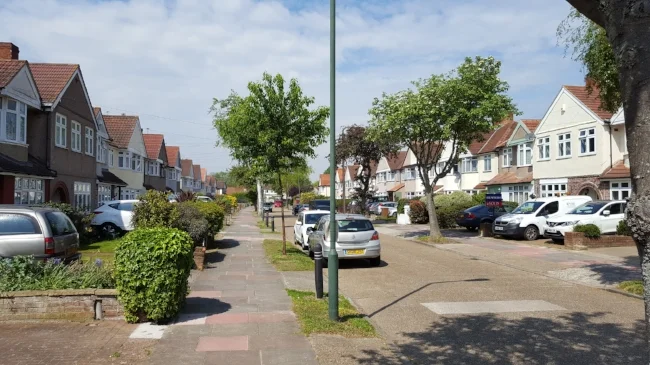
Imagining the Worst
I was technically not old enough to see Outland when it was released in the UK in 1981. The film was rated AA, a now defunct certificate, which required the viewer to be 14 years or older and I was 13. I have strong memories of feeling quite tense going into the cinema. My expectations were based purely on what I had read in the press and from seeing the trailer just once, a few weeks prior. That is how it was before the internet age. You had less advance knowledge of a movie. Furthermore, at this point in time I had not become so inured to cinematic violence, as my viewing habits back then were very much dictated by my parents and the fact that there were only two televisions in our home. Although we had a VCR, we hadn’t yet got bitten by the renting bug. So, I went into the movie theatre expecting to be shocked by Outland based on the movies marketing which promised a head explosion. However, it turned out to be a thoroughly entertaining space western. Yet I vividly remember my sense of relief that its hadn’t been as shocking as I had imagined it would.
I was technically not old enough to see Outland when it was released in the UK in 1981. The film was rated AA, a now defunct certificate, which required the viewer to be 14 years or older and I was 13. I have strong memories of feeling quite tense going into the cinema. My expectations were based purely on what I had read in the press and from seeing the trailer just once, a few weeks prior. That is how it was before the internet age. You had less advance knowledge of a movie. Furthermore, at this point in time I had not become so inured to cinematic violence, as my viewing habits back then were very much dictated by my parents and the fact that there were only two televisions in our home. Although we had a VCR, we hadn’t yet got bitten by the renting bug. So, I went into the movie theatre expecting to be shocked by Outland based on the movies marketing which promised a head explosion. However, it turned out to be a thoroughly entertaining space western. Yet I vividly remember my sense of relief that its hadn’t been as shocking as I had imagined it would.
Over the years I’ve had numerous similar such experiences with other classic films and genre movies. Films such as Zombi 2, The Texas Chainsaw Massacre, Soldier Blue and Cannibal Holocaust, all have strong and controversial reputations. Often this is due to unpleasant acts or levels of violence. Yet after watching all of these films, I have always felt a sense of relief and possibly even disappointment, because of the gulf between what my expectations were and what was actually depicted. The New York Ripper for example does include acts of violence that in principle are totally abhorrent, yet the reality is that the film makeup effects are generally poor. I guess my fear has always been that I will see something so heinous that I’ll be traumatised, physically sick or worse. The latter is the biggest concern and the most nebulous. Somehow, exposure to such material will leave me altered on some level and not for the better.
To a degree this factor still effects a great deal of my viewing to this very day. However, I am now quite sceptical when I read a review which claims that the film in question has shocking scenes or breaks some terrible taboo. Mainstream Hollywood seldom does any of these things at present. The horrific imagery that I can conjure up in my mind’s eye, more often than not is never equalled by what the film-maker chooses to show. It is a perennial debate among film fans that less is more and what the viewer thinks they see is far more disturbing than anything that can be shown. I do agree with this to a degree, although I do feel that violence and graphic imagery can play a part if used appropriately and within context. Yet outside of the mainstream there are still film-makers prepared to the push boundaries that the big studios are not.
There have been several films recently that have courted a great deal of controversy with regard to their content. I have always held the opinion that you cannot effectively comment on films unless you’ve seen it. Therefore, for me to credibly write on such material, I would have to watch it. The problem is I really don’t wish to (more on that later). Two relatively recent examples which spring to mind are A Serbian Film and The Human Centipede II: Full Sequence. If you follow the links for both titles you can read the plot synopsis for each on Wikipedia. The descriptions of both films instantly sets my mind racing with regard to how graphic they can be? Again, it could be the case that my expectations are far worse, fuelled by my mind working overtime. However, it would appear that both these films are quite explicit or so I am told by trusted peers. Potentially, these films could challenge my theory and overturn it, by actually showing the unshowable.
I won’t get into an argument about the artistic merits of both these titles, as that is a separate debate for another time. Ultimately, I believe that my rule of thumb broadly holds true but because we now live in far more liberal times, there is scope for film makers to prove otherwise and depict acts that are worse than I imagine. However, that has not yet become the norm. In the case of the two films I’ve mentioned, I do not think I will benefit in any way from seeing either of them. To do so would be pure voyeurism and pandering to the conceits of the film makers. If horrific imagery is devoid of any context, meaning or the wider purpose, then I may as well just sit and watch the emergency services cut the corpses from car accidents. What sort of person does that for pleasure? As a teenager, I can remember the bragging rights associated with watching the grisliest horror movie one could find. Such puerile rites of passage are common place. However, adulthood comes with a sense of perspective and an ability to curb one’s excesses. It is a habit that I still like to maintain.
I do not feel it is my place to draw lines in the sand with regard to what film-makers can or cannot depict. However, I can and do draw such lines for myself, with respect to what I choose to watch. I therefore think that the feeling of expectation and trepidation I had as a 13-year-old, is a quality I wish to keep. If there comes a time when such a notion fails to enter my head, then I really will have become totally desensitised to cinematic violence. I think maintaining such an emotional safety valve is a healthy attribute to have. So, I've decided to skip A Serbian Film and The Human Centipede II: Full Sequence. They may well live up to the reputation they've gained or simply be an exercise in hype but I don't really want to taint myself or waste my precious time by finding out. I will never dismiss a film out of hand for having the gall to exist but I do feel that having the capacity to say "thanks but no thanks" is important and liberating.

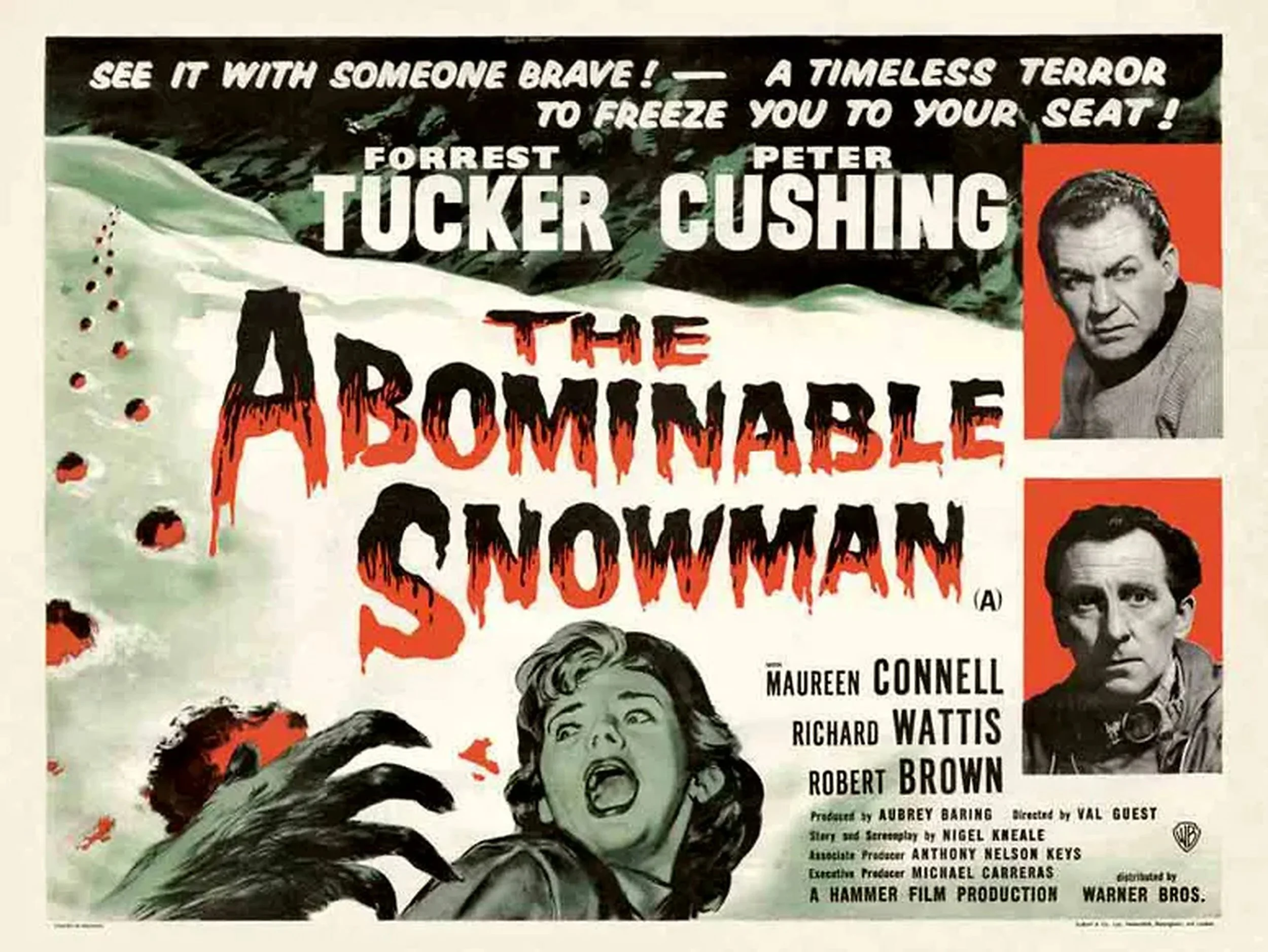

















How Do You Solve a Problem Like You Tube?
You Tube like any other online platform has a wealth of rules, term and conditions and other policies. Sadly, what we have seen over recent years is an organisation that has precious little inclination to use them. The facilities that are currently in place are often abused and there are no consequences for misusing the “disputes” procedure. Furthermore, there are still multiple You Tube channels that peddle hate and You Tube personalities that endure without any real sanction for their transgressions. It seems that popular You Tubers are not held to any standard but their own. There is no formal regulation from an external body for this or any other comparable platform. The rules that govern conventional media don’t apply here. It’s a classic example of the law falling behind the technology and change.
You Tube like any other online platform has a wealth of rules, term and conditions and other policies. Sadly, what we have seen over recent years is an organisation that has precious little inclination to use them. The facilities that are currently in place are often abused and there are no consequences for misusing the “disputes” procedure. Furthermore, there are still multiple You Tube channels that peddle hate and You Tube personalities that endure without any real sanction for their transgressions. It seems that popular You Tubers are not held to any standard but their own. There is no formal regulation from an external body for this or any other comparable platform. The rules that govern conventional media don’t apply here. It’s a classic example of the law falling behind the technology and change.
That is not to say that you can get away with anything on You Tube. Theoretically, if you cross certain lines then legal action may well be applicable. Then there is always the threat of the loss of advertising revenue, prestige and sponsorship. However, so far there has not been any major test cases where reality has bitten a wayward You Tuber on the ass for their iniquities. Even if an individual was banned from the platform and had their channel closed, they would still be walking away with their coffers bulging. More than likely, they’d simply pitch their tent elsewhere. One companies embarrassing controversy is another another’s new selling point. We see it in the tabloid press all the time. An odious pundit crosses a line and says something beyond the pale, gets sacked and subsequently gets a new gig with a rival publication. The other problem associated with such issues is the public have very short memories.
Obviously, PewDiePie AKA Felix Kjellberg and his recent behaviour has added fuel to the fire with regard to You Tubes inability to police itself effectively. The platform is now at a crossroad in its business life. The audience that You Tube serves is now so big that third parties cannot easily dispense with it. However, outside business doesn’t like the “frontier town” ethos that still permeates the online portal. The recent Adpocalype shows that advertisers don’t want to be associated with certain channels and personalities. But due to the blunt tool nature of the withholding of revenue and the nebulous criteria of what exactly is “family friendly”, there’s been a lot of collateral damage. And because of Mr Kjellberg’s stupidity we see the use of weaponised DMCA takedowns raising their ugly head once again.
The main risks at present are twofold. You Tube will take action but in a knee jerk fashion, imposing draconian rules and effectively queering the pitch for all parties regardless of what side of the line they are on. Alternatively, if they prevaricate any longer someone outside may step in to deal with the situation. For example, if some idiot is dragged into court, the somewhat grey area of “fair use” which is the foundation of so much content on You Tube, could be scrutinised and a more definitive ruling made. If a precedent is set and it is not a favourable one regarding this catchall term, then it could mean that a hell of a lot of content and channels go the way of the Dodo. Furthermore, such drama and shenanigans could attract the attention of the political classes and the last thing we need is for things like You Tube and Streaming to fall under their remit in any way.
To avoid catastrophe, You Tube should act now but act in a sensible measured way. As a company, it need to start policing its own backyard in a viable fashion. That means not rely on automated procedure that can be gamed but employing moderators who work to a clear set of guidelines. When someone transgresses the rules, action should be swift and clearly explained as to why it has been taken. There also needs to be a fair appeals procedure to ensure that the door swings both ways. Yes, such an undertaking means spending money but considering the alternative, allocating resources wisely now may prevent a massive loss in revenue later. Also, Joe Public needs to up their game and stop cutting offenders so much slack. We as viewers need to stop sitting of the fence and hedging are bets for our own personal convenience. Sooner or later we all need to pick a side, like it or not.
Finally, a few words about PewDiePie. Everyone makes mistakes. I believe in giving people a fair hearing and a second chance where appropriate. Sadly, this individual has proven to be a repeat offender. If your go to curse of choice is a racial slur, then that frankly speaks volumes to me. As far as I’m concerned “I didn’t mean it in a bad way” is the 21st Century Nuremberg defence. You cannot divorce this word from its racially pejorative roots. It exactly the same as calling something “gay”. You may think you’re simply implying that something is not good but you are establishing your proposition by equating being gay as something inherently bad. Considering the diversity of profanity available in the English language, if you wish to express disdain then there are plenty of alternatives words that do not have the same complex socio-political heritage of the term Mr Kjellberg chose to use.
I have seen the term “influencers” bandied about with regard to You Tube and the likes of PewDiePie. It’s a very vague term like so much of the marketing speak we have to endure these days. Its greatest weakness seems to be in the way it is allocated. To be an “influencer” you just need to have a large following. There is no requirement for expertise and talent is a broad and subjective term. It’s time for business to rethink the nature of “influencers” and perhaps reconsider who they show favour too. It is naïve to expect ethics and integrity by default. If you require these virtues then it is incumbent upon you to establish their existence beforehand in those you groom for fame and fortune. However, when one considers the track record of the gaming industry, advertisers and You Tube themselves, I cannot help but be somewhat sceptical that these groups will tackle their respective problems with any degree of success.
Do We Need a Face of Gaming?
In recent years there have been several gaming related stories that have become big enough to gain the attention of the mainstream media. Sadly, when corporate news encounters anything that falls outside of their immediate understanding or frame of reference, they need to package it into terms they and their audience can comprehend. This means simplifying the subject in to binary terms and convenient sound bites. They also like to have a “public face” that can be the go to expert. Someone who can be clearly identified with the issue and then championed or reviled by the public, according to which side they choose to support. That beggars the question do we need a " face for gaming"? If we do then who should it be? It's quite a thought provoking conundrum and raises a lot of issues about the nature of representation. Especially in light of the fact that contemporary media likes to have specific subjects neatly packaged with easy to grasp, core ideas and a photo-friendly public face.
In recent years there have been several gaming related stories that have become big enough to gain the attention of the mainstream media. Sadly, when corporate news encounters anything that falls outside of their immediate understanding or frame of reference, they need to package it into terms they and their audience can comprehend. This means simplifying the subject in to binary terms and convenient sound bites. They also like to have a “public face” that can be the go to expert. Someone who can be clearly identified with the issue and then championed or reviled by the public, according to which side they choose to support. That beggars the question do we need a " face for gaming"? If we do then who should it be? It's quite a thought provoking conundrum and raises a lot of issues about the nature of representation. Especially in light of the fact that contemporary media likes to have specific subjects neatly packaged with easy to grasp, core ideas and a photo-friendly public face.
Although I’ve raised the question as a thought experiment, rather than a genuine request for potential candidates, there may well be some people out there that would like to see such a thing. For me the concept of a "face of gaming" is just another name for "community leader", which is a term I dislike due to is inherent vagueness and utter lack of accountability. So, no, I don't want anyone to be the "face of gaming". I doubt if you can even get a consensus on what the actual term means and what the specific parameters of such a role are. However, for the sake of argument, let us assume that the position existed. As far as I'm concerned if you wish to represent any body of people in some capacity, you need to have been democratically elected, with a popular majority mandate of at least 75%. That way you can at least claim some sort of legitimacy for your role.
Even if such a framework existed for choosing such an individual, the process would instantly fall foul of all the usual political pitfalls that blight any democratic undertaking. There would be endless debate and disagreement over issues such as nationality, gender and race. Gamers are a very nebulous group and they frequently disagree over many aspects of the own culture. Adding a wider socio-political dimension to the debate would only compound the problem. Plus, the driving principle behind this proposed role is to provide a conduit for the mainstream press. An institution that regularly trivialises matters and panders to the lowest common denominator. If there was a "face of gaming" it wouldn't be long before the press focused on who they were dating and what they were wearing, rather than the topics in hand.
Some have suggested that a community leader may be found from the within the gaming industry itself or from that esoteric group known as experts. I have no problem with the concept of experts and it saddens me that their status in society has been diminished in recent years. The cult of "my opinion is of equal value" has slowly eroded the weight of their position. I don't mind the use of independent experts to provide an informed overview for the wider public but if one became a designated spokesperson, they may well lose that impartial status. As for finding a developer or CEO of note who is universally respected, I think that would prove a difficult task. Gamers can be very partisan with regard to specific gaming companies. They also bear grudges.
The gaming community is not like other traditional social bodies. It is extremely diverse and multi-faceted. It has no structure or hierarchy, nor does it have any universally agreed agenda. What it does have is a lot of high profile personalities within that community, each with their own following. Think Total Biscuit AKA John Bain or Jim Sterling. Then there are Community Manager for game specific forums, a high-profile writer or a popular content provide and critic such as YouTube personalities. Some of these individuals have integrity, others do not. However, the trouble with such individuals is that they often end up being inaccessible by the regular. Does that make them truly representative of the average gamers needs? In the past, I have been involved with the organisation of several online events. I tried to contact several high-profile internet personalities to ask for help with the events promotion. I was universally ignored or failed to get beyond their respective gatekeepers.
Personally, I think that a so called "face of gaming" would do more harm than good if it did exist. It would ultimately end up being about them, rather than games and gamers. There are community figures that I know and respect but I don't see them as "leaders" nor have any of them ever claimed to be so. I guess the nearest we'll ever get to equitable representation is via player councils, as long as they are populated with elected representatives. What is required from a role such as the "face of gaming" is impossible to provide, simply because there is no infrastructure to support it. I think most gamers ultimately look to themselves to represent their own needs. If history teaches us anything, it's that we should always be mindful of the centralisation of power. It has seldom proven beneficial for the majority.
Tobe Hooper (1943 - 2017)
I was seven years old when The Texas Chainsaw Massacre was released in the UK. I used to regularly look at the movie listings in the Evening Standard each Thursday and ruminate upon the lurid posters for the latest releases. My young imagination would frequently run riot at what I saw, fuelled further by the inference of the tag lines. And the UK poster for The Texas Chainsaw Massacre left me utterly terrified. The horrors I conjured up in my mind. It is only in recent years that I learnt that the film was deemed too controversial by the head of the British Board of Film Censorship as it was known back then. Chief film examiner Stephen Murphy felt the films focus on “abnormal psychology” made it unsuitable for even an X certificate. Thus, the movie was denied a rating which amounted to a de facto ban. However, due to a legal loophole, the BBFC decision could be vetoed by local authorities and the Greater London Council granted the movie a rating and so the film was shown in London.
I was seven years old when The Texas Chainsaw Massacre was released in the UK. I used to regularly look at the movie listings in the Evening Standard each Thursday and ruminate upon the lurid posters for the latest releases. My young imagination would frequently run riot at what I saw, fuelled further by the inference of the tag lines. And the UK poster for The Texas Chainsaw Massacre left me utterly terrified. The horrors I conjured up in my mind. It is only in recent years that I learnt that the film was deemed too controversial by the head of the British Board of Film Censorship as it was known back then. Chief film examiner Stephen Murphy felt the films focus on “abnormal psychology” made it unsuitable for even an X certificate. Thus, the movie was denied a rating which amounted to a de facto ban. However, due to a legal loophole, the BBFC decision could be vetoed by local authorities and the Greater London Council granted the movie a rating and so the film was shown in London.
To this day The Texas Chainsaw Massacre remains a terrifying cinematic ordeal to watch. There is a tangible air of disquiet which develops into unbearable tension that is cloying and suffocating. The squalor of the old Hardesty family homestead is vivid and final act of the movie where Marilyn Burns is terrorised by Leatherface and his siblings is utterly gruelling. Her relentless screaming is extremely disconcerting and when the film finally ends the viewer is left drained and bewildered after its relentless ninety minute assault on one’s senses. It is paradoxical that something so intense as The Texas Chainsaw Massacre could be written and directed from someone as softly spoken and thoughtful as Tobe Hooper.
Hooper had a talent for creating tension, depicting dysfunctional families and capturing credible human foibles. It’s all there to see in such movies as Funhouse, Poltergeist and the TV miniseries Salem’s Lot. The latter remains a milestone in Stephen King adaptations and the scene where Danny Glick comes to Mark Petrie's window and asks to be let in, still bothers me to this day. And even the movies he made that failed at the box office, still remain curiously interesting. Lifeforce had an incredibly troubled production, yet remains a gloriously engaging mess, filled with insane dialogue and ghoulish bursts of horror. Such was the talent of Tobe Hooper. Even on a bad day his creative talent eclipsed that of many of his peers. Up and coming film makers should take note and ensure they are familiar with his legacy because he altered the genre forever.