
Five Films I Like
I was asked recently, what are my top five films of all time? This is one of those loaded questions that I don’t really like to answer. I enjoy lots of films across multiple genres. This includes acknowledged “classics” as well as low rent, exploitative trash. So why limit myself to just five films? Also, my answers would change regularly depending upon my mood and current cinematic interests. However, that doesn’t make for a pithy and interesting response to the original question. So I shall compromise. Here is a list of five films that I have an abiding love for and watch frequently. They always entertain me and there is a sense of comfort whenever revisiting them. That's not to say they are all good films. Possibly only one that is listed is considered a piece of noteworthy art. The rest are just entertaining to various degrees. Yet I have a strong emotional attachment to them all. Sometimes that’s all that matters.
I was asked recently, what are my top five films of all time? This is one of those loaded questions that I don’t really like to answer. I enjoy lots of films across multiple genres. This includes acknowledged “classics” as well as low rent, exploitative trash. So why limit myself to just five films? Also, my answers would change regularly depending upon my mood and current cinematic interests. However, that doesn’t make for a pithy and interesting response to the original question. So I shall compromise. Here is a list of five films that I have an abiding love for and watch frequently. They always entertain me and there is a sense of comfort whenever revisiting them. That's not to say they are all good films. Possibly only one that is listed is considered a piece of noteworthy art. The rest are just entertaining to various degrees. Yet I have a strong emotional attachment to them all. Sometimes that’s all that matters.
The Medusa Touch (1978)
An interesting adaptation of a popular seventies novel by Peter Van Greenaway. Novelist John Morlar is found in his flat, savagely beaten yet clinging to life. The subsequent Police investigation uncovers that Morlar has continuously encountered tragedy throughout his life and how many of those associated with him have died unexpectedly. After reading Morlar’s journals, Inspector Brunel (Lino ventura) begins to suspect that the injured novelist may be able to cause disasters. Although Richard Burton was not in the best of health when he made this film, he still delivers a powerful and charismatic performance as a misanthropic author. There is some eminently quotable dialogue and the tension steadily builds to a dramatic climax. The cathedral collapse at the end of the film is very well realised with practical effects and miniatures. The Medusa Touch is also a who's who of British character actors of the time.
Journey to the Far side of the Sun AKA Doppelgänger (1969)
This British science fiction film was produced by Gerry and Sylvia Anderson at the height of their success. However, one of Universal Studios financing requirements was that the film had to be directed by an established American director. Hence Robert Parrish got the job and clashed with Gerry Anderson. As a result many subplots within the script were cut from the final film. As a result the story, although intriguing and very akin to an episode of the Twilight Zone, struggles to sustain the film’s 100 minute running time. However the production design is stylish and in a very late sixties idiom. There's a sumptuous score by Barry Gray and the miniature effects by Derek Meddings are sublime. Especially the rocket launch. As ever with Gerry Anderson there is a casual and tonally unexpected use of violence and the film has a wonderfully bleak ending that no studio would countenance these days.
Krull (1983)
This hybrid fantasy movie started as sword and sorcery film but subsequently morphed into a Star Wars clone during its pre-production in a curious attempt to hedge its bet. At the time this was a very expensive movie using multiple sound stages at Pinewood Studios and location filming in both Spain and Italy. Krull is narratively and thematically somewhat of a mess due to the obvious changes made to the screenplay. However, it looks fantastic and features a wonderful cast of such character actors as Freddie Jones, Alun Armstrong and the great Bernard Bresslaw. There are also early appearances by Liam Neeson and Robbie Coltrane. Krull has developed quite a cult following over time. The Slayers and the Beast designs are quite scary and there is a superb score by James Horner that is very reminiscent of the halcyon Hollywood days of Erich Wolfgang Korngold and Miklós Rózsa.
Raise the Titanic (1980)
British media proprietor and impresario Lew Grade fared very well in television throughout the sixties and seventies. However, he was not so successful when he moved into film production. Raise the Titanic, based upon the novel by Clive Cussler, went through dozens of re-writes before it went into production, which accounts for why the final screenplay is so indifferent. The cast is curious and you get the impression that everyone they originally wanted was not available. Yet those actors who were eventually cast, Richard Jordan, Jason Robards and Alec Guiness are perfectly competent. However, the film was critically panned and bombed at the box office, effectively ruining ITC Productions. Irrespective of this, the miniature effects are outstanding and John Barry's portentous score does much of the heavy lifting, creating atmosphere, mystery and intrigue. It’s not a hidden gem but Raise the Titanic is far from the dog’s dinner some claim.
Night of the Demon AKA Curse of the Demon (1957)
Based on M R James' short story Casting the Runes, this is a horror masterpiece from director Jacque Tourneur. Beautifully shot in black and white by Ted Scaife, the film boasts an excellent production design by Ken Adam who subsequently went on to create all the huge sets for the sixties and seventies Bond films. The implied horror and tension is superbly handled and when the demon turns up it is suitably grim, despite its technical limitations. It was originally intended that the demon would be created by stop motion legend Ray Harryhausen but he was sadly unavailable. The optical smoke effects by FX wizard Wally Veevers are a marvel and were subsequently repeated in his last film The Keep in 1983. Night of the Demon is a bonafide horror classic due to its attention to detail and palpable atmosphere. Again a strong cast, including Dana Andrews, Peggy Cummings and Niall MacGinnis contributes substantially to the proceedings.

In the year 1860, Baron Victor Frankenstein (Peter Cushing) faces execution by guillotine for the murders perpetrated by the creature he created. With the assistance of a hunchback named Karl (Oscar Quitak) he avoids death by beheading the priest who came to give him the last rites. The priest’s body is then mistakenly buried by the authorities. Three years later, Victor, now using the name Doctor Stein, has established himself as a prosperous physician in Karlsbrück, serving both affluent patients and the poor at a paupers’ hospital. Hans Kleve (Francis Matthews), a junior member of the medical council, recognises Victor and being an admirer, seeks to become his apprentice. Victor and Hans then undertake an experiment to transplant Karl’s living brain into a new, more refined body, rather than a grotesque monstrosity the Baron has previously made. Karl is eager to have a new healthy body, especially after encountering Margaret Conrad (Eunice Gayson), the charming new assistant at the hospital.
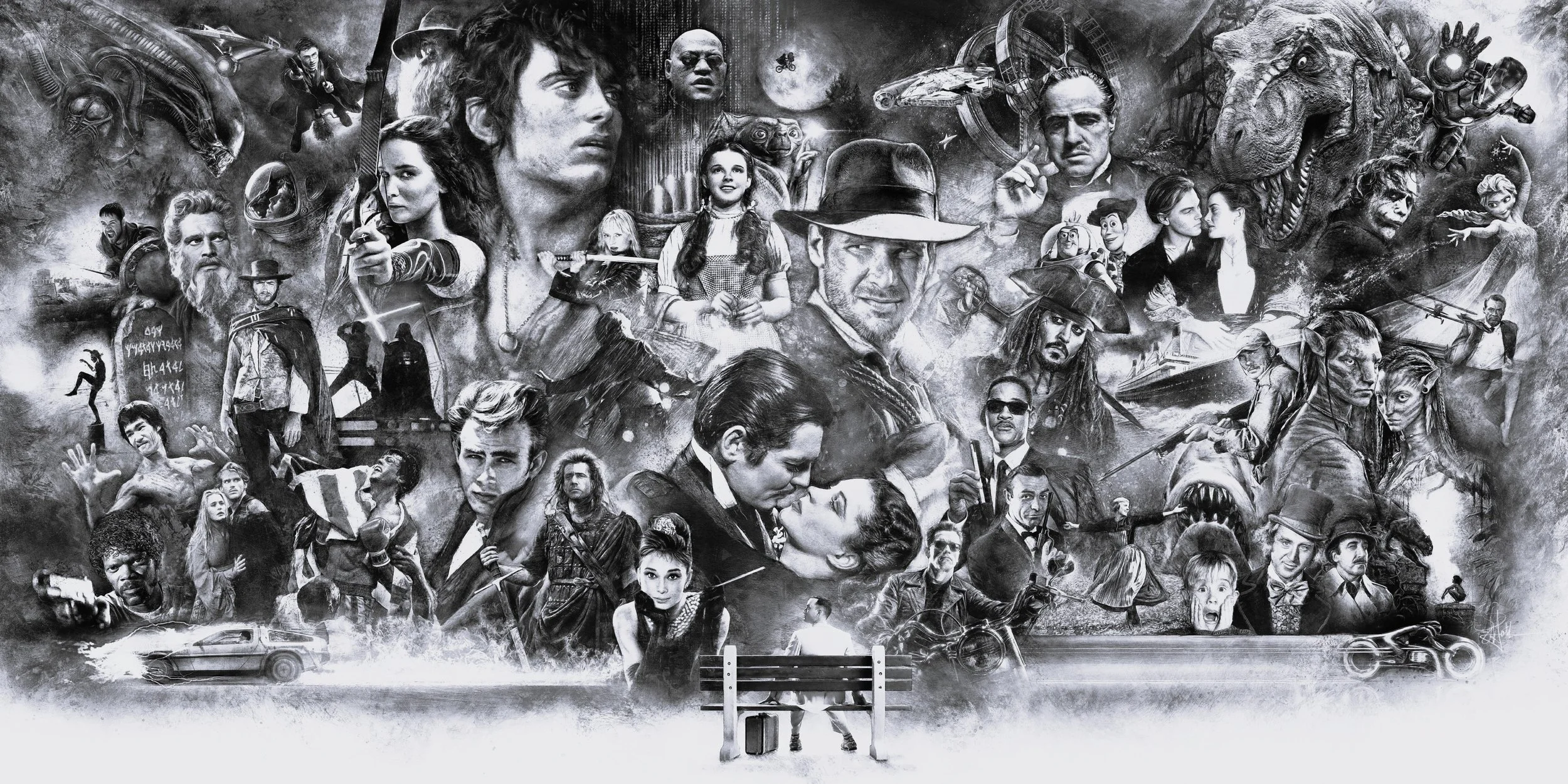
This movie questionnaire was originally created by Alexander from Cinemaniac Reviews. Sadly, I believe that website is now defunct. However, that doesn’t in anyway invalidate the questionnaire itself which has some very good questions about your relationship with cinema. Some of my answers to the questions posed are about films that I enjoy, as opposed to those that are considered cinematic classics. However, I have answered some questions more seriously than others, especially the one about undeserving recipients of the Best Film Oscar. I struggled with a couple of questions because I no longer go the cinema as frequently as I did 10 years ago. This is mainly due to the fact that a lot of the films I find interesting end up going straight to streaming after very brief theatrical releases. Some do not even get shown in cinemas. Hence I view far more at home. But I digress. On with the questions and answers. Feel free to comment below and share your views.
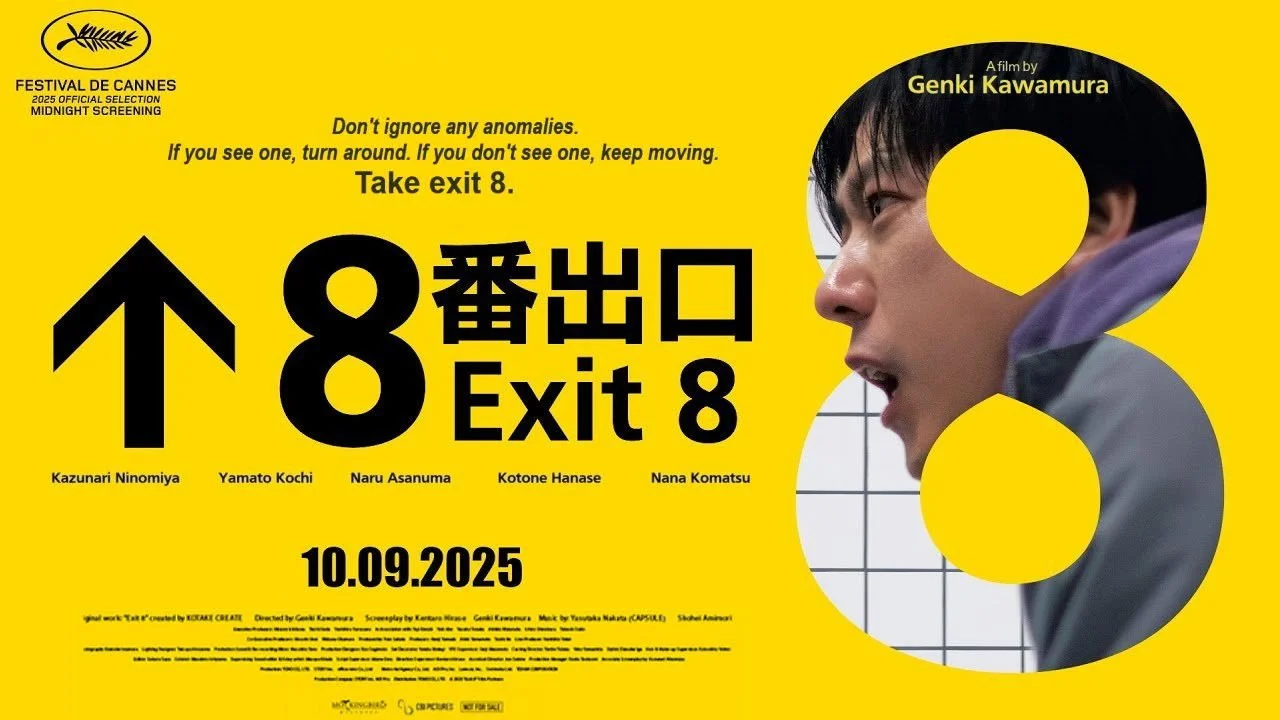
Exit 8 is a sophisticated and claustrophobic psychological thriller directed by Genki Kawamura, which skilfully transforms a minimalist indie walking-simulator game into a cinematic existential enigma. This overtly metaphorical film renders the repetitive nature and drudgery of modern working life into a physical environment in which the lead character is trapped and must find a way out. A random, brutal maze filled with an atmosphere of indifference to the lab rats that find themselves trapped within. Or is it their personal guilt that has put them there? Genki Kawamura’s psychological mystery draws inspiration from the Japanese video game of the same name, as well as from the cyclical nature of Groundhog Day and endless corridors of the Overlook Hotel in Kubrick’s The Shining. Although there are jump scares and some ghoulish imagery, this is not a horror vehicle. Instead this is a disquieting psychological drama with a strong sense of morality.
I wrote a post 18 month’s ago regarding whether a directors cut of a film is superior by default to the version originally shown in cinemas. Obviously the answer was no and I then went on to give three examples of films where I think the theatrical release is better to lengthier or substantially altered director’s cut that was subsequently made available at a later date. This time round in this post, I would like to do the complete opposite. I shall provide some examples of films that I think are significantly improved by a longer cut or a substantially, restructured edit. Note some of these examples are technically not a “director’s cuts” but a restoration or reconstruction of the director’s original vision. I shall endeavour to highlight what specific material or broader changes make each respective film “better”. As ever, all of these examples are a matter of subjective opinion and my views are presented as such, not “fact”.
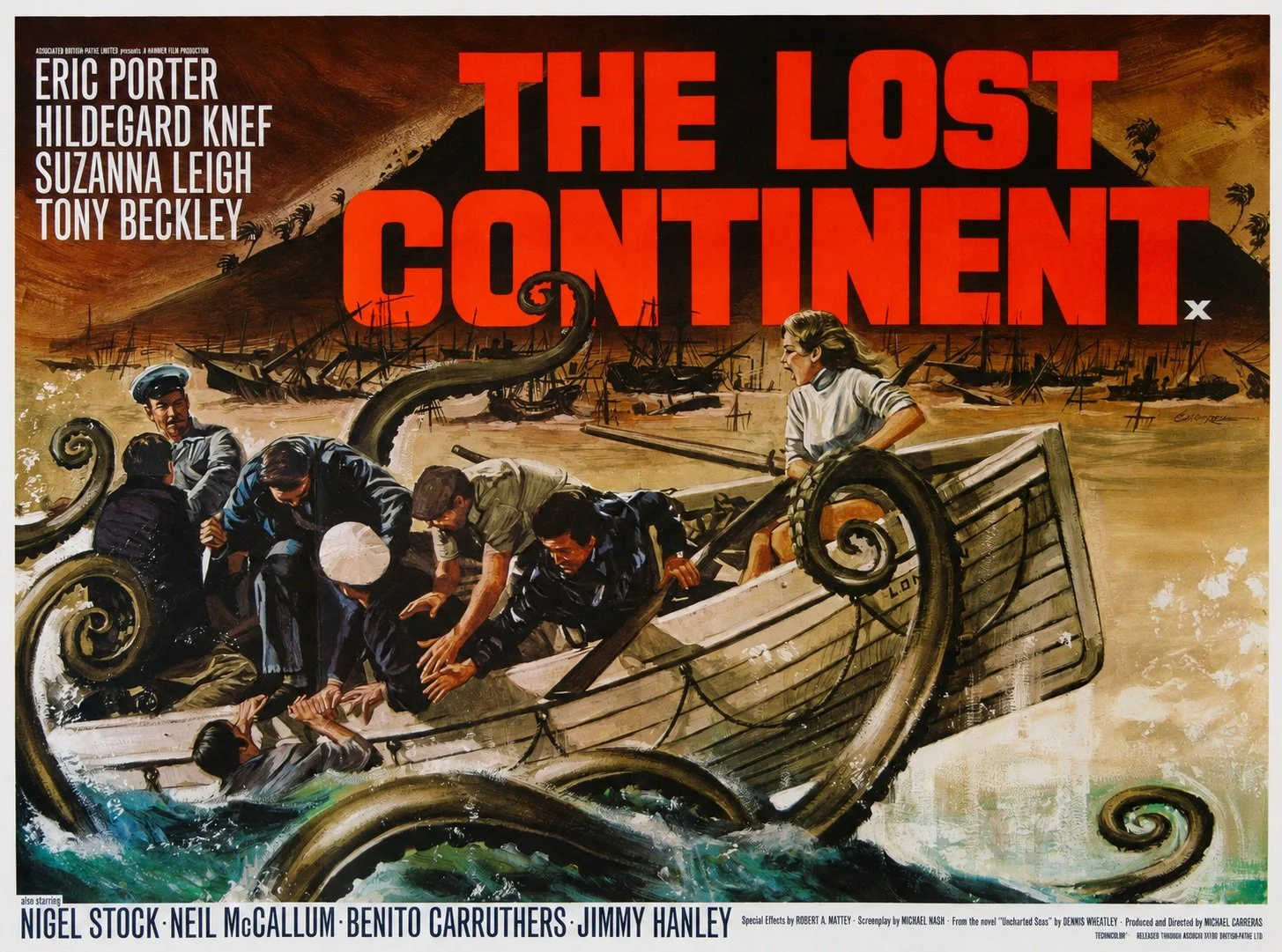
In 1968 the dilapidated freighter Corita hastily leaves Freetown to avoid a customs inspection. Captain Lansen (Eric Porter) has a cargo of dangerous explosives which he is smuggling so he can finally retire. His ship’s passengers also have reasons for leaving in a hurry. Dr. Webster (Nigel Stock), together with his daughter Unity (Suzanna leigh), is relocating due to his indiscretions with patients and illegal operations. Alcoholic pianist Harry Tyler (Tony Beckley) is aimlessly drifting from port to port. Eva Peters (Hildegard Knef) is fleeing from her husband with stolen bearer bonds which she intend to use to buy back her son from his evil clutches Caracas. Ricaldi (Ben Carruthers), a questionable lawyer, is pursuing Eva to retrieve the stolen bonds. First officer Hemmings (Neil McCallum) suggests that the ship should return to Freetown after an imminent Hurricane warning. The Captain asks the passengers and they are unanimous that they do not wish to return. However a mutinous crew, the bad weather and the instability of the explosives force everyone to abandon ship. The survivors find themselves adrift in a lifeboat surrounded by a strange carnivorous seaweed.
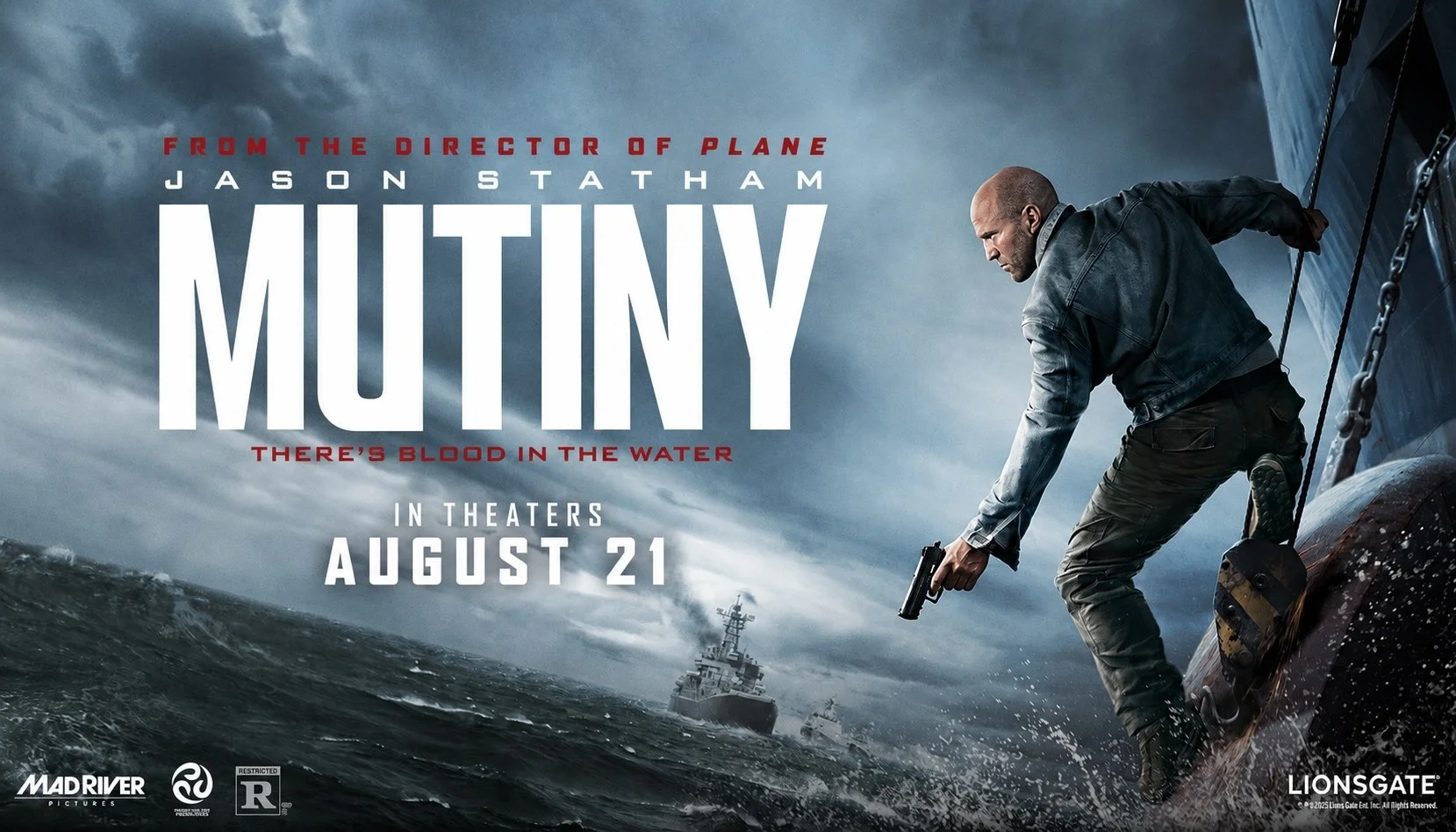
Jason Statham is an exemplar of the US mantra of “staying in your lane”. He makes action movies and occasionally strays into action comedies. His formula broadly works and is sufficiently lucrative to keep Mr. Statham employed. Therefore, if you watch a film in which he stars, you have a fairly good idea of what you’ll be getting. Of late, the criteria for his action vehicles have become more succinct. Jason Statham will play an innocuous character, such as a construction foreman or a bee keeper. Something terrible will subsequently befall another character who Mr. Statham has an emotional connection with in some capacity. He will subsequently hunt down those responsible and meet out death and violence. At some point the villain of the story will enquire as to how this innocuous person is so lethal. Research will then show that our Jason is in fact an ex-police officer/special forces operative/international assassin. There’s then a showdown and the villain dies. Job done.
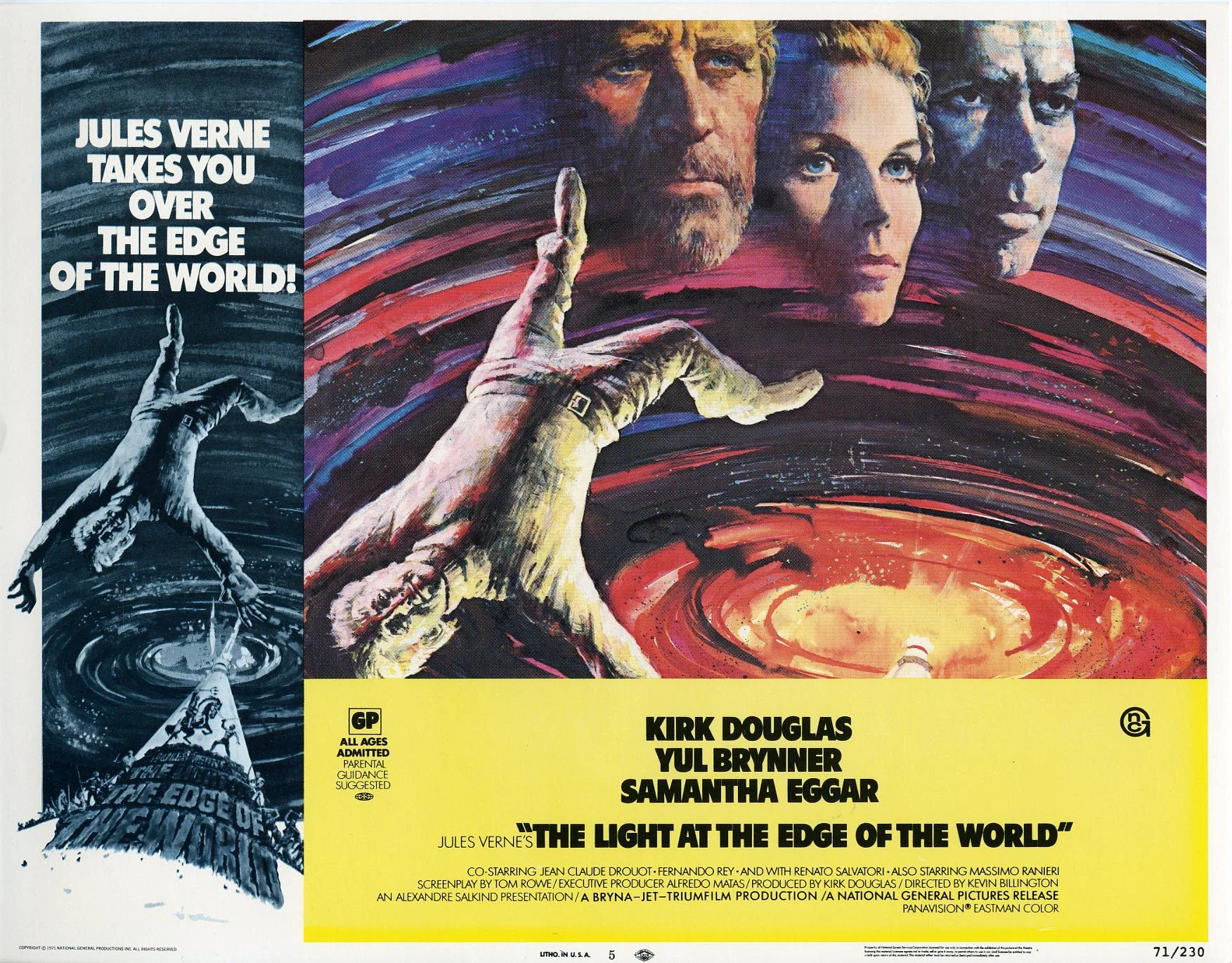
The Light at the Edge of the World presented itself as an action movie upon its release in 1971. Based upon a story by Jules Verne, the Spanish American co-production was driven by its star Kirk Douglas, who curiously hired British director Kevin Billington to helm the project. This tale of a lighthouse keeper fighting a war of attrition against a group of pirates that have captured his island, was market as an adventure film ostensibly in the idiom of the authors previous works and as a pirate movie. MGM bought the rights to distribute the film in the UK on the misunderstanding that it was a family friendly production. It was not and remains so. They subsequently had to cut 15 minutes of violence and torture as well as an undercurrent of sexual assault to secure a suitable rating. Conversely, the US distributors received an arbitrary PG rating, despite the fact this is one of a handful of films that honestly depicts pirates as murderers, rapists and worse.
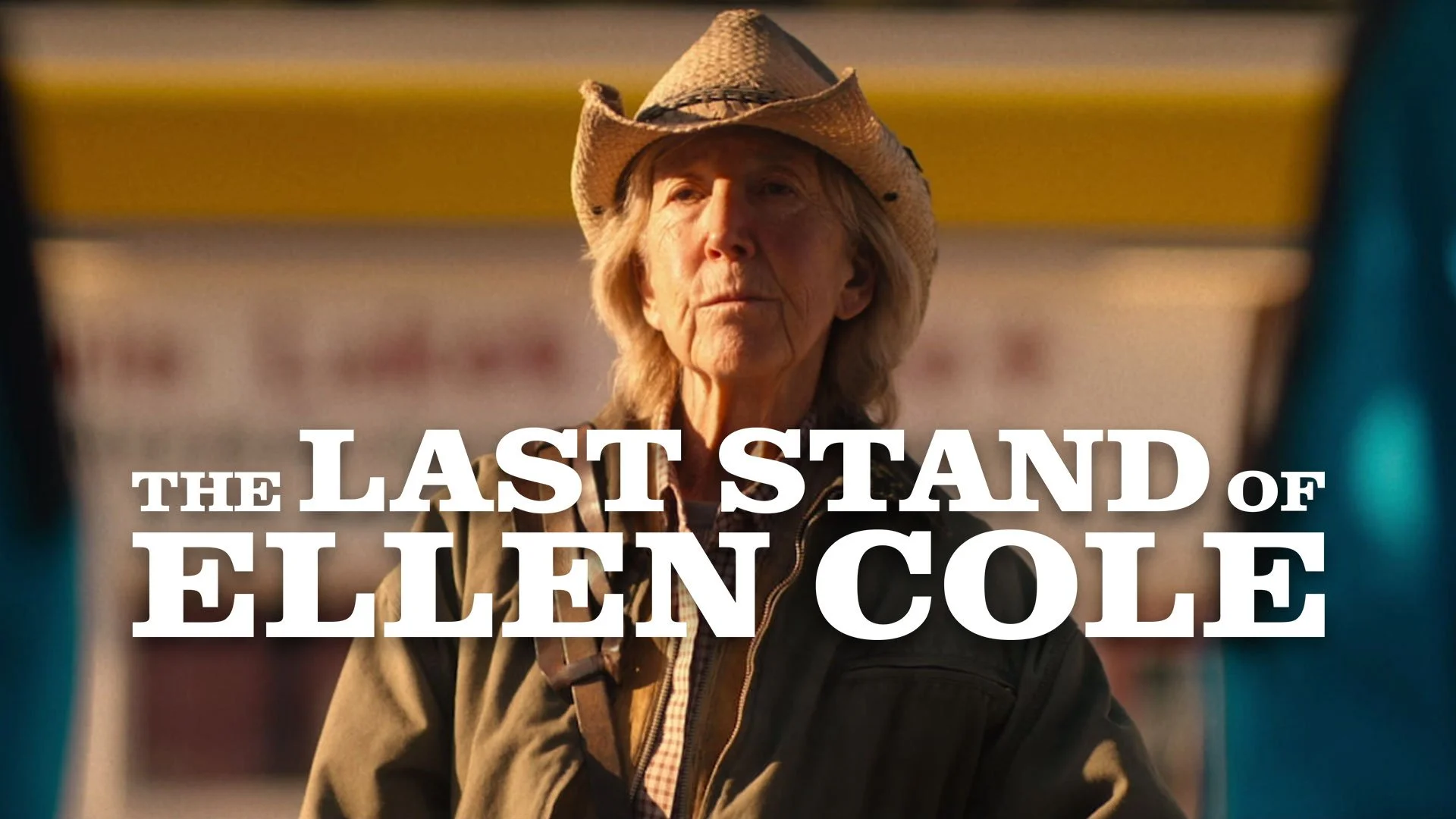
It’s an established action film trope. The fire team comprised of ex-military personnel, move in on their target. Only to have the tables turned by someone they don’t deem a threat. What makes it different in The Last Stand of Ellen Cole is a throwaway line of dialogue. The bested operative lies bleeding on the floor and the protagonists stands over them ready to finish them off. “Don’t, I have a cat” they feebly plead. For me that was the icing on the cake. The movie had already established it was taking the “same old, same old” and doing something different. Something fun, if taken in the right spirit. This scene tipped the balance and I embraced this film because it was being honest about what it is. This is a modern B movie that decides to give a very specific sub-genre a makeover. Furthermore, its clearly done with an affectionate wink, which is very different to sly wink. This isn’t deliberate self-knowing irony. Its just a film doing something different and possibly silly but it genuinely wants to have fun with it.
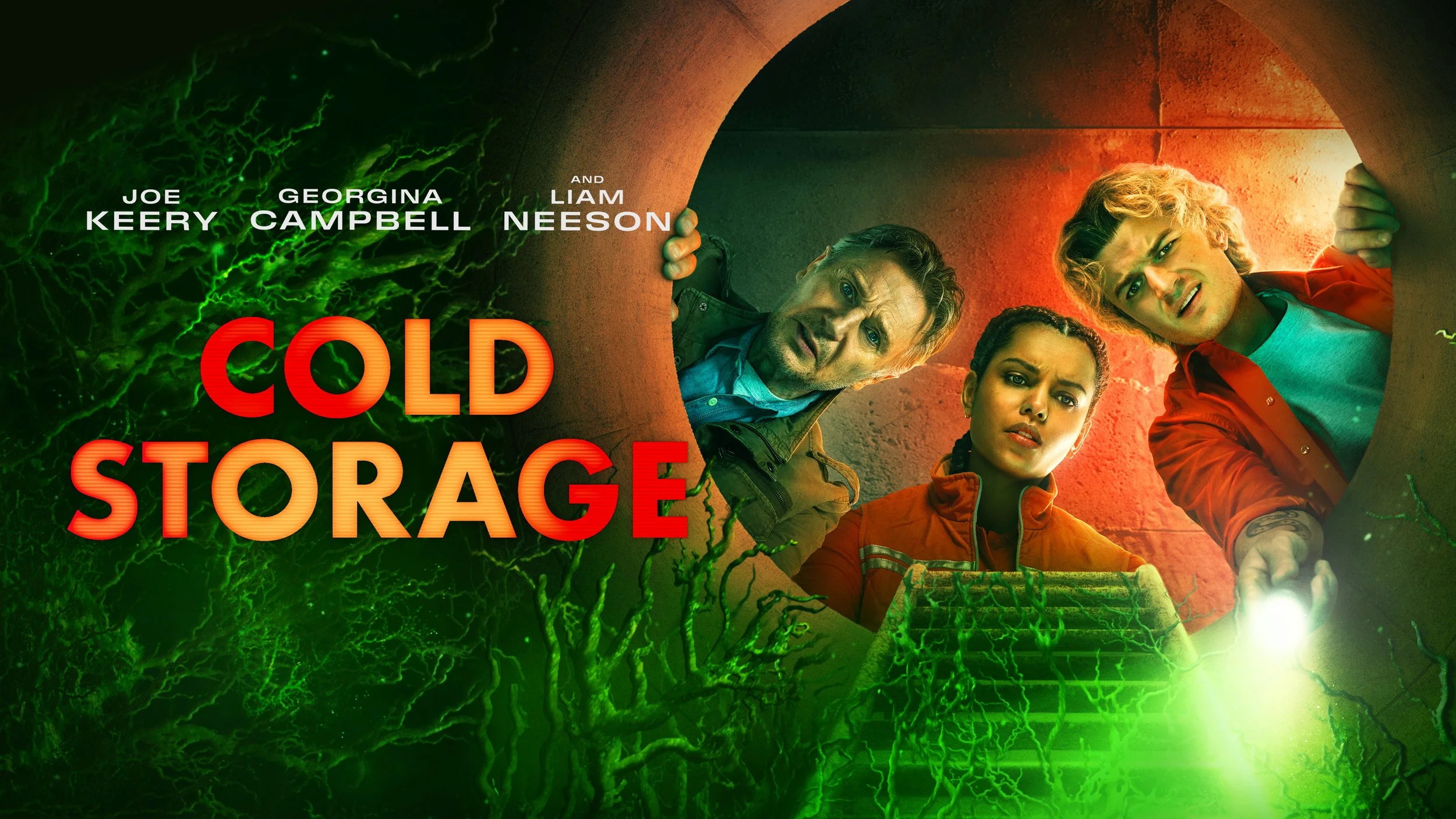
David Koepp is no stranger to genre cinema, having written the screenplay for such films as Jurassic Park, Spider-man and War of the Worlds. Where these titles are big budget, major studio productions, Cold Storage is a far more modest production with a smaller scope. Adapted from his own novel, the screenplay is by David Koepp and the film is directed by British film-maker Jonny Campbell. At first glance, Cold Storage seems a somewhat derivative science fiction horror film with a relatively modest budget, financed through a convoluted US and French co-production. Lurid green and red colours feature heavily in the marketing artwork and it is easy, after a cursory look, to write the film off as cheap, generic, direct-to-streaming filler. However, Cold Storage is prime example of why you should not judge a book by it’s cover, or in this case, a film by its posters and online advertising. It is in fact an amusing and fun endeavour that can fill an evening.
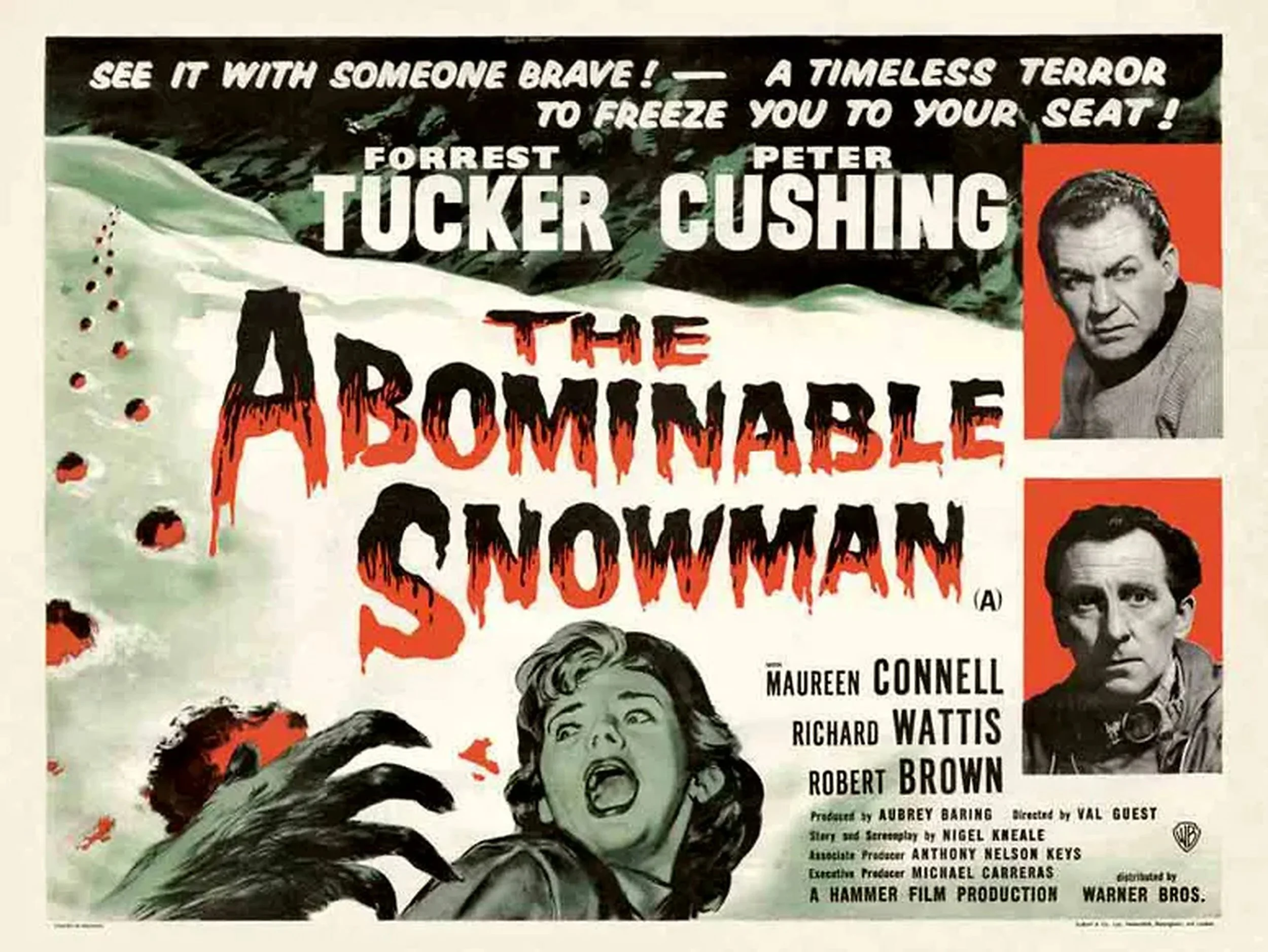
Despite being considered by many as an original story, The Abominable Snowman (1957) is in fact a remake of a made for television play, The Creature, that was originally broadcast in the UK in 1955. Hammer Films would often purchase the rights of popular TV programs and subsequently re-work them for mainstream, international cinema. Larger production budgets and fewer censorship restrictions allowed them to make their cinematic interpretations more lurid, thus commercially viable. Hence The Quatermass Xperiment, Quatermass II and Quatermass and the Pit were all given a big screen makeover and were commercially successful. The Abominable Snowman was written by acclaimed writer Nigel Kneale, who also wrote the original television drama and the aforementioned Quatermass trilogy. Although ostensibly marketed as a horror film this production is actually an interesting blend of psychological thriller and science fiction.
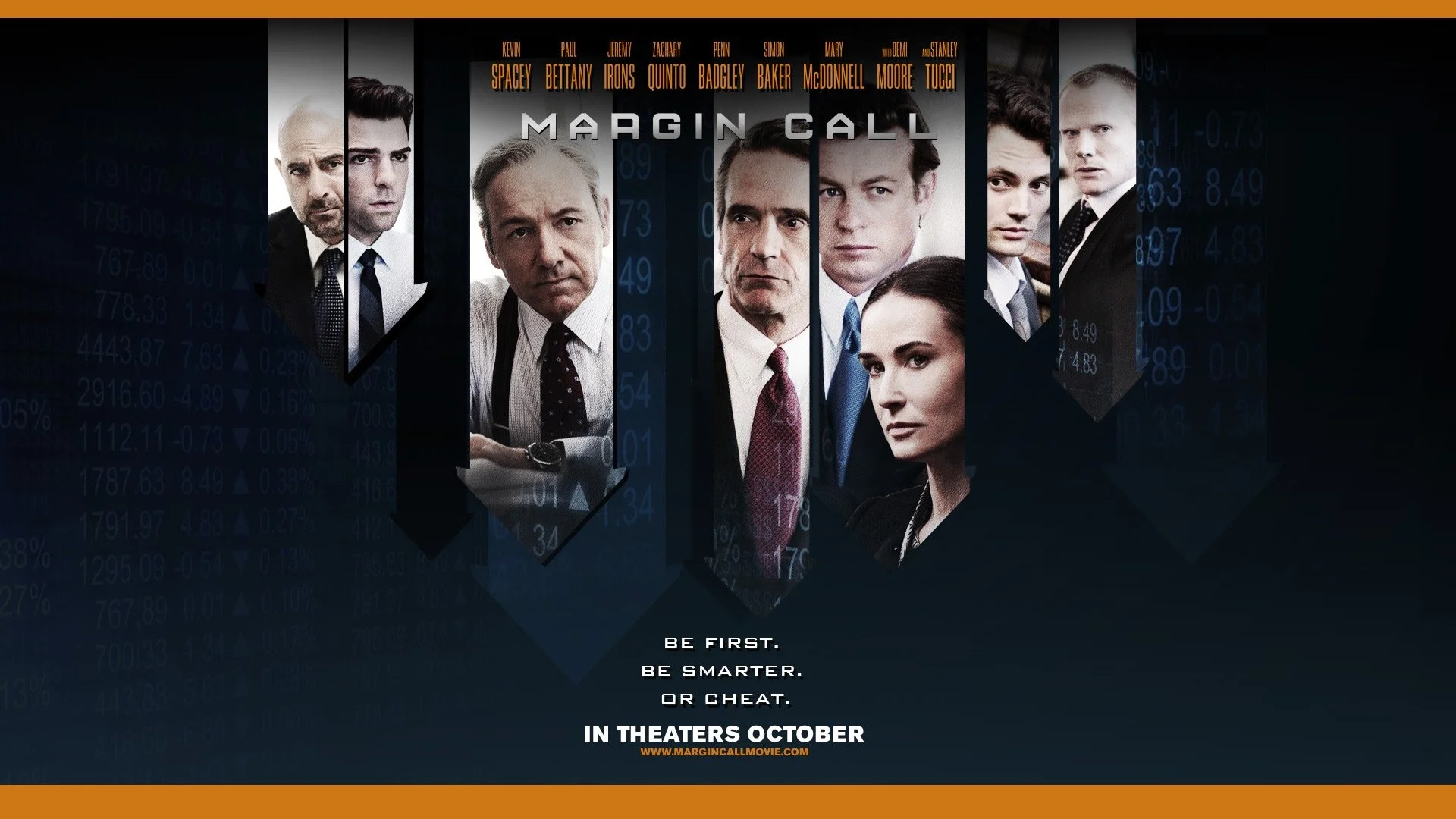
There are certain subjects that are notoriously uncinematic. These tend to be things that exist or are undertaken mainly in the mind, rather than expressed in an overtly physical way. Computing, science and mathematics are good examples. Writing code or working out complex equations does not immediately lend themselves to a visual medium such as cinema. Therefore, any film dealing with the world of corporate finance has its work cut out. Hence writer-director J C Chandor immediately deserves praise for making Margin Call, a film about the financial crash of 2008, as gripping and compelling as any political thriller. He does this by keeping the financial elements of the story to a minimum, choosing instead to focus upon those who have become aware of the imminent crisis and their reaction to it. However, the film remains a tough watch with regard to the some of the characters and their respective personal morality or lack there of.
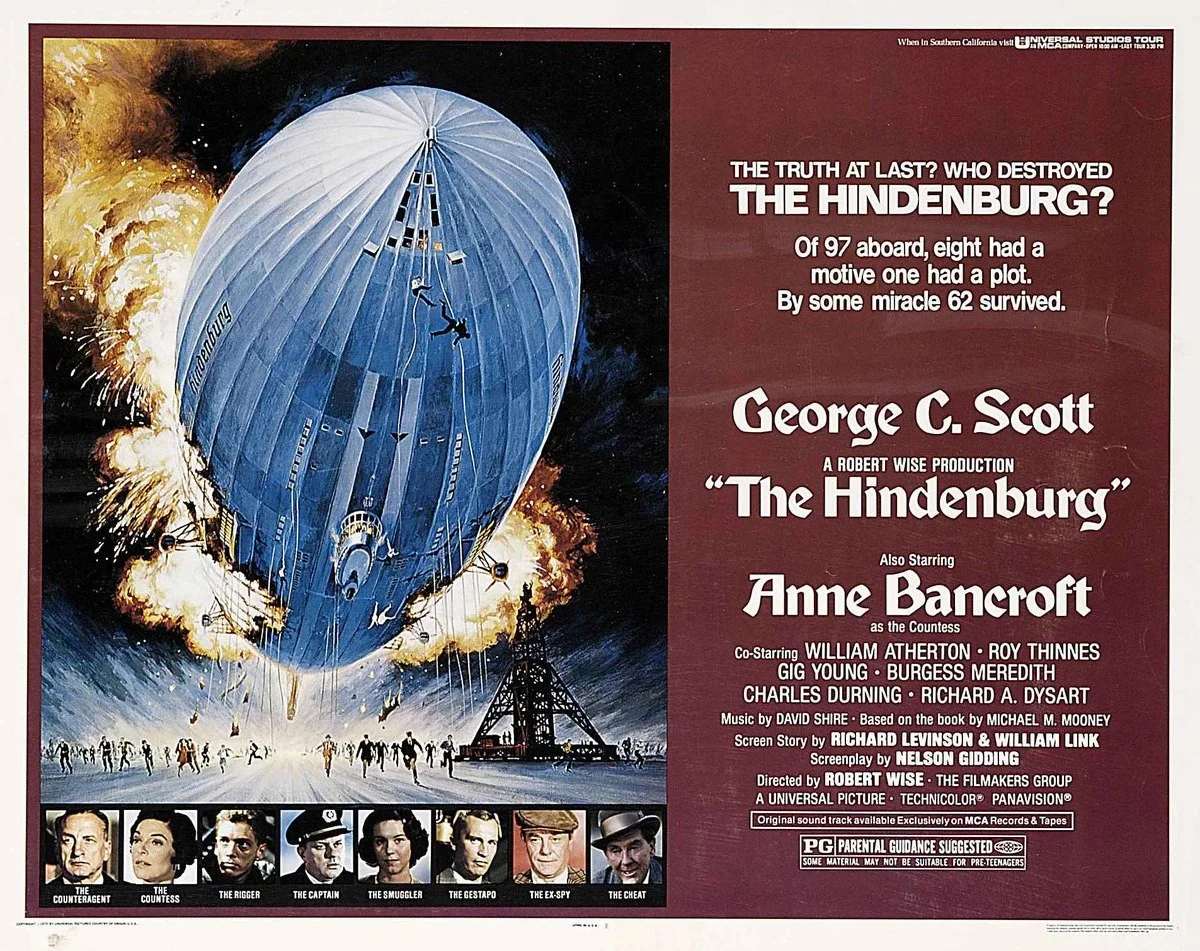
The 1937 Hindenburg disaster has remained an enduring mystery over the years. The physical mechanics of how this airship filled with 7,000,000 cubic feet of hydrogen gas caught fire has been fully explored over the decades and there are now several extremely plausible theories as to how it may have happened. However, there remains the possibility of sabotage. As such an idea has more dramatic potential than mechanical failure, it was used as the central theme of the 1975 disaster movie The Hindenburg. Directed by Robert Wise, the screenplay by Nelson Gidding explores a German resistance against the Nazi regime. The airship is targeted as it is a powerful propaganda symbol for Hitler’s Germany. Sadly despite some interesting ideas, a strong cast and solid, old school optical effects, The Hindenburg is a slow and somewhat ponderous production. Although the final 20 minutes of the film recreate the infamous explosion meticulously, it doesn’t quite compensate for the uneventful, dialogue driven investigation of the previous 100 minutes.

On the Eastern Front in 1943, a German Tiger tank crew led by Lieutenant Philip Gerkens (David Schütter) is sent on a mission to rescue the missing officer Paul von Hardenburg (Tilman Strauss) from a top-secret bunker that is at risk of falling into enemy hands. As they make their way through an eerie no-man’s land, they have to avoid Russian armoured vehicles that seem to be aware of their mission. They also encounter a German unit taking punitive action against a peasant village, in reprisal for partisan activity in the area. The youngest crew member, Michel (Yoran Leicher), talks of the land being home to ghosts and spirits. As the tank penetrates further into contested territory the crew become increasingly disturbed by the uncanny nature of their mission and begin to fall prey to their own inner fears.
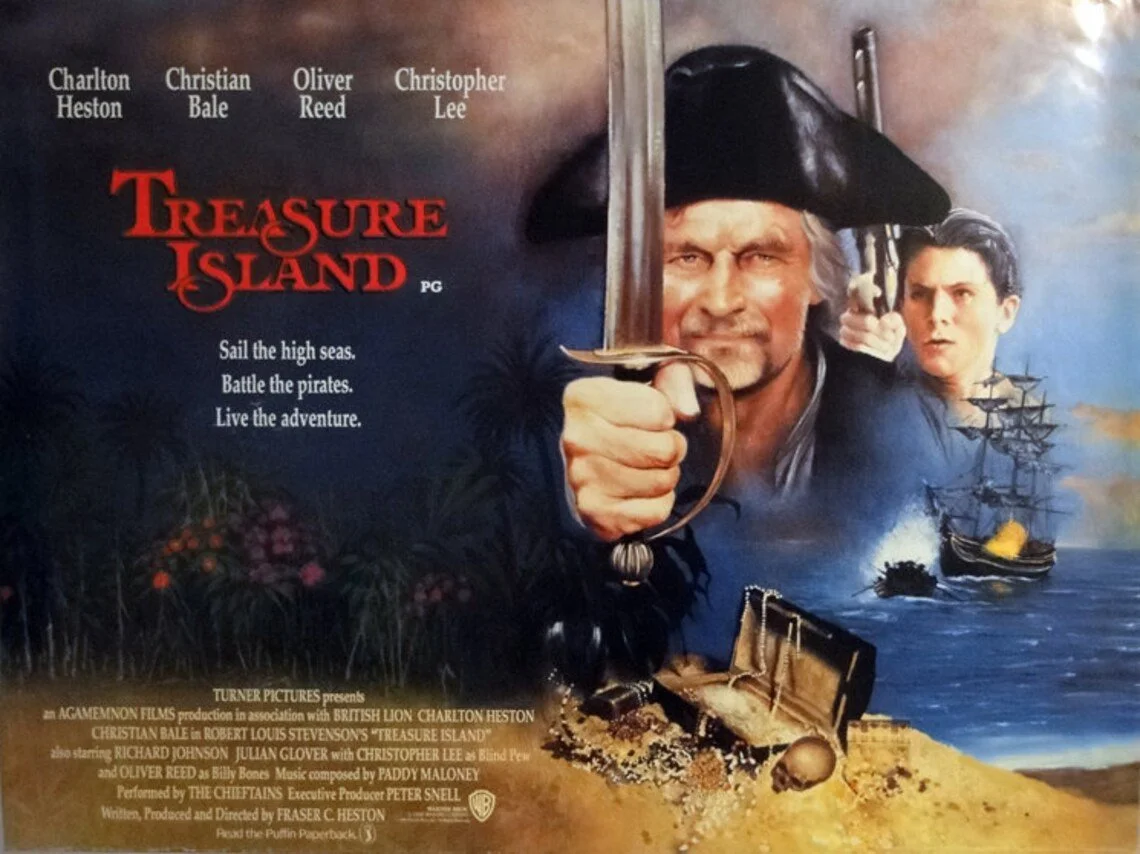
Robert Louis Stevenson’s classic novel has been adapted for cinema and television numerous times. Perhaps the most well known is the 1950 Disney version, starring Robert Newton as Long John Silver. His eye rolling performance and exaggerated West Country accent is credited with popularising the stereotypical form of “pirate speech" that has become the pop culture default. Although an enjoyable film, it does gloss over the more sinister aspects of both the source text and history, perpetuating the myth that pirates are just loveable scoundrels. Many subsequent adaptations have fallen into the same trap to a greater or lesser degree. However, that is not the case with the 1990 version of Treasure island, which was made for the TNT cable network and released theatrically outside of the US. This darker and notably more violent adaptation closely follows the source text and is widely considered the most faithful to the book.
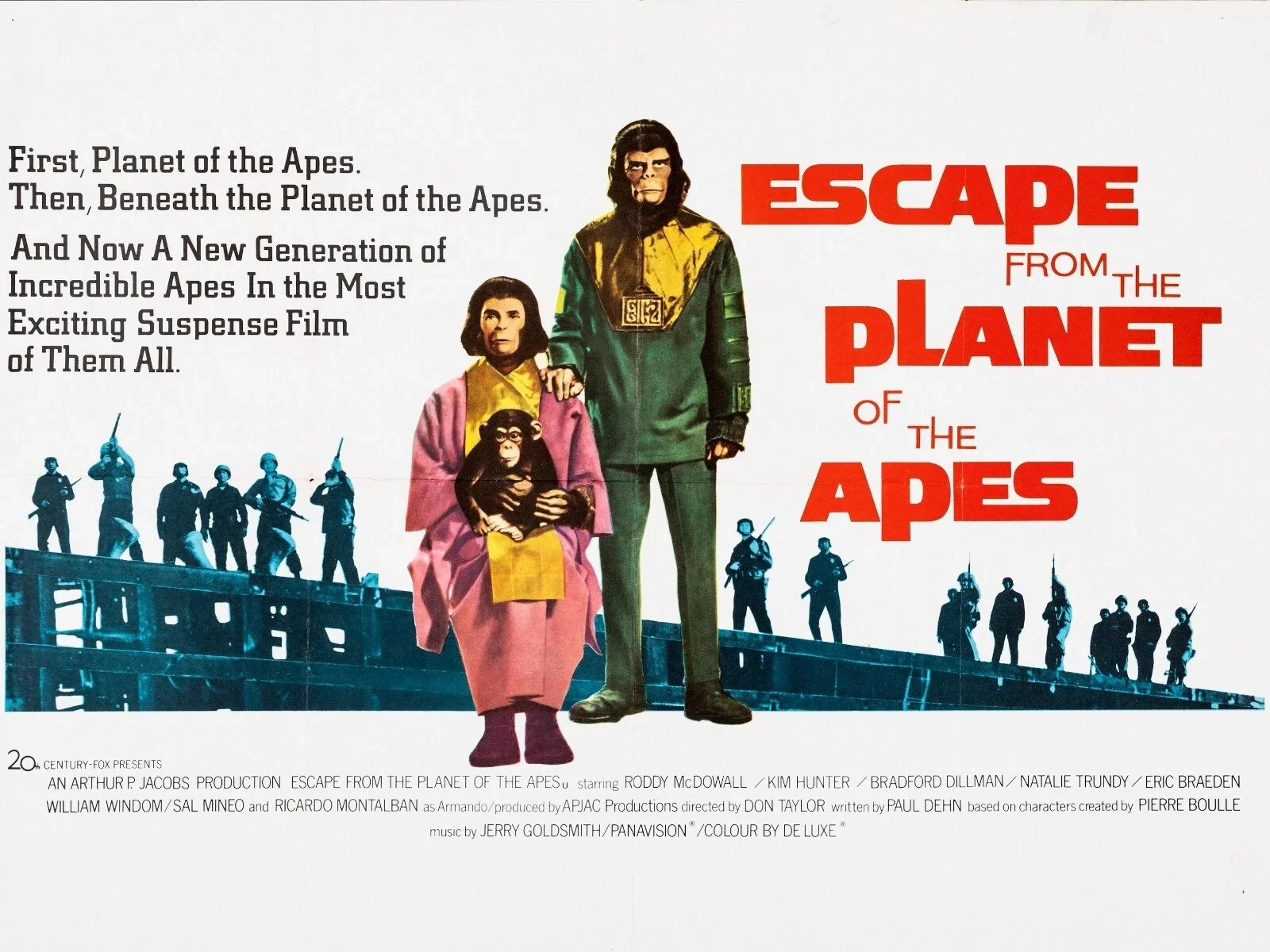
The Planet of the Apes movie franchise took a radical change of course with its third entry in the series. The first two films were set in the future and benefited from high production values to help realise a post apocalyptic earth. However, due to a substantial reduction of budget, Escape from the Planet of the Apes uses a time travel plot device to bring the ape protagonists to present day Los Angeles (1971 in this case). The result is a film with a much smaller narrative scope. However, although it lacks the science fiction spectacle of its predecessors, it features an interesting satirical exploration of celebrity culture and ponders what it is like to be deemed an enemy of the state. As ever, Roddy McDowell and Kim Hunter provide exceptional lead performances as the Chimpanzees Cornelius and Zira. Escape from the Planet of the Apes also captures the pop culture vibe of seventies America.
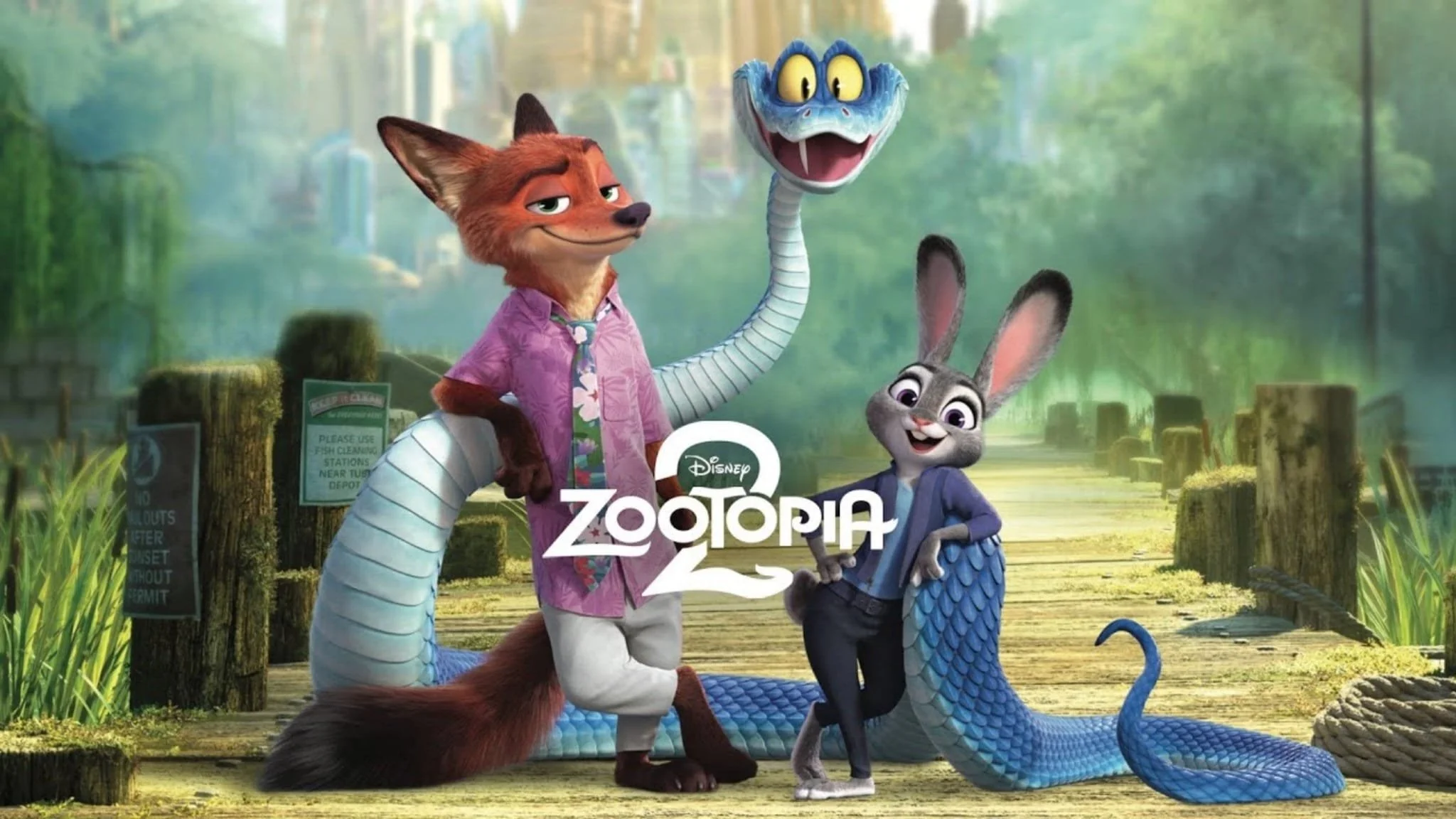
It is not unusual for Disney to change film titles when marketing them outside of the US. In 2016 they renamed the animated feature film Zootopia to Zootropolis in the UK and Europe to avoid trademark conflicts with other existing businesses. For example there is a Danish zoo which already holds the “Zootopia” name. Similarly, in Germany there is a children’s book which caused copyright conflict, which led to the film being released under the title Zoomania. Such changes, although practical for legal reasons, can sometimes cause a degree of confusion. Especially as there are numerous, low budget productions companies that go out of their way to produce similarly titled “mockbusters” whenever there are big, tentpole, releases. So for clarity, Zootopia 2 has been released in the UK as Zootropolis 2.
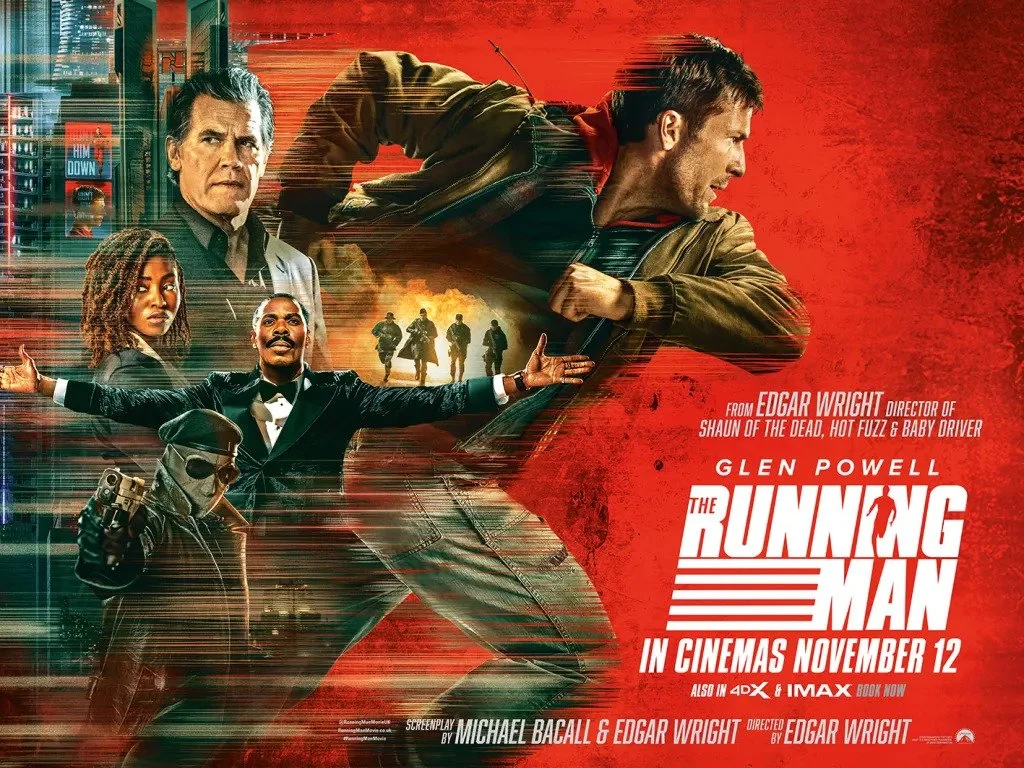
Stephen King’s dystopian story, The Running Man, was previously adapted very loosely in 1987, as a vehicle for Arnold Schwarzenegger. That version focused mainly on the “Battle Royale” element of the story and leaned heavily into Arnie’s personality, rather than the politics of the book. It also wasn’t well received by the author. Edgar Wright’s remake follows the source text a lot more closely and is far more interested in its political themes and wider social commentary. Furthermore, this version re-establishes the everyman quality of the hero of Ben Richards, rather than him being the muscle bound, ex-military hero as per Mr. Schwarzenegger’s prior interpretation. This time round, The Running Man uses a lot of the visual and narrative tropes of contemporary reality TV, making this forty three year old story very relevant to today’s viewers and couching the film in a style that is recognisable and accessible.
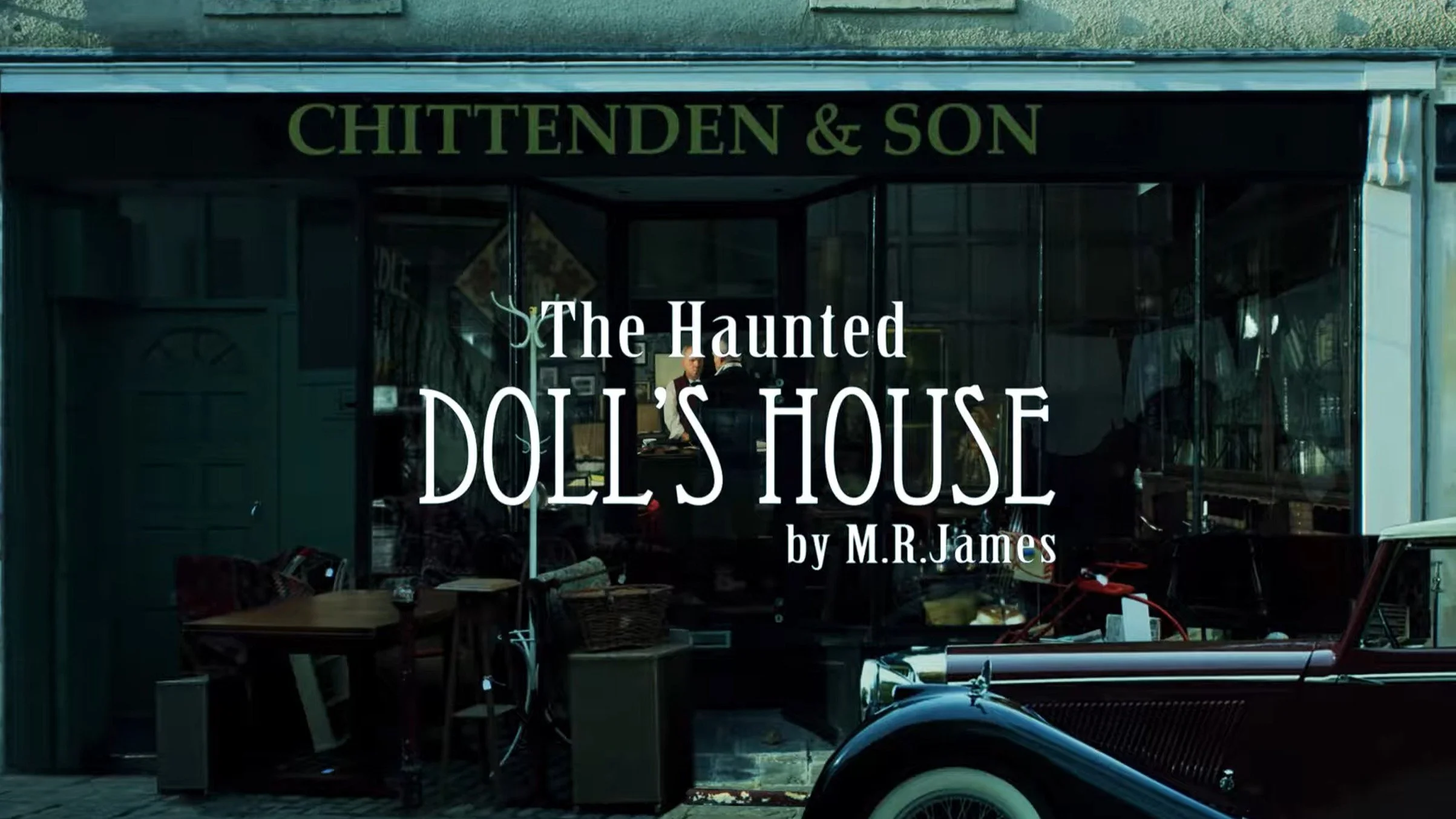
The Haunted Dolls House is a short film based on a story by M.R. James about a unique antique that is subject to supernatural phenomenon. Adapted by Stephen Gray and David Lilley, this is the third of three short films based upon James’ work that the pair have made. It stars Steven Dolton as Mr. Dillet, a collector of antique dolls houses, who acquires a bargain only to discover that it harbours a ghostly secret. Made on an extremely modest budget over the course of 2012 this clever, innovative and rather sinister adaptation is a fine example of short film creativity. It manages to offer a unique visual depiction of M.R. James’ classic story whilst capturing the unsettling quality of the author’s work. Like so many independently made short films it is clearly a labour of love, made with modest resources. It succinctly captures the spirit of the author’s work and is both innovative and rewarding.
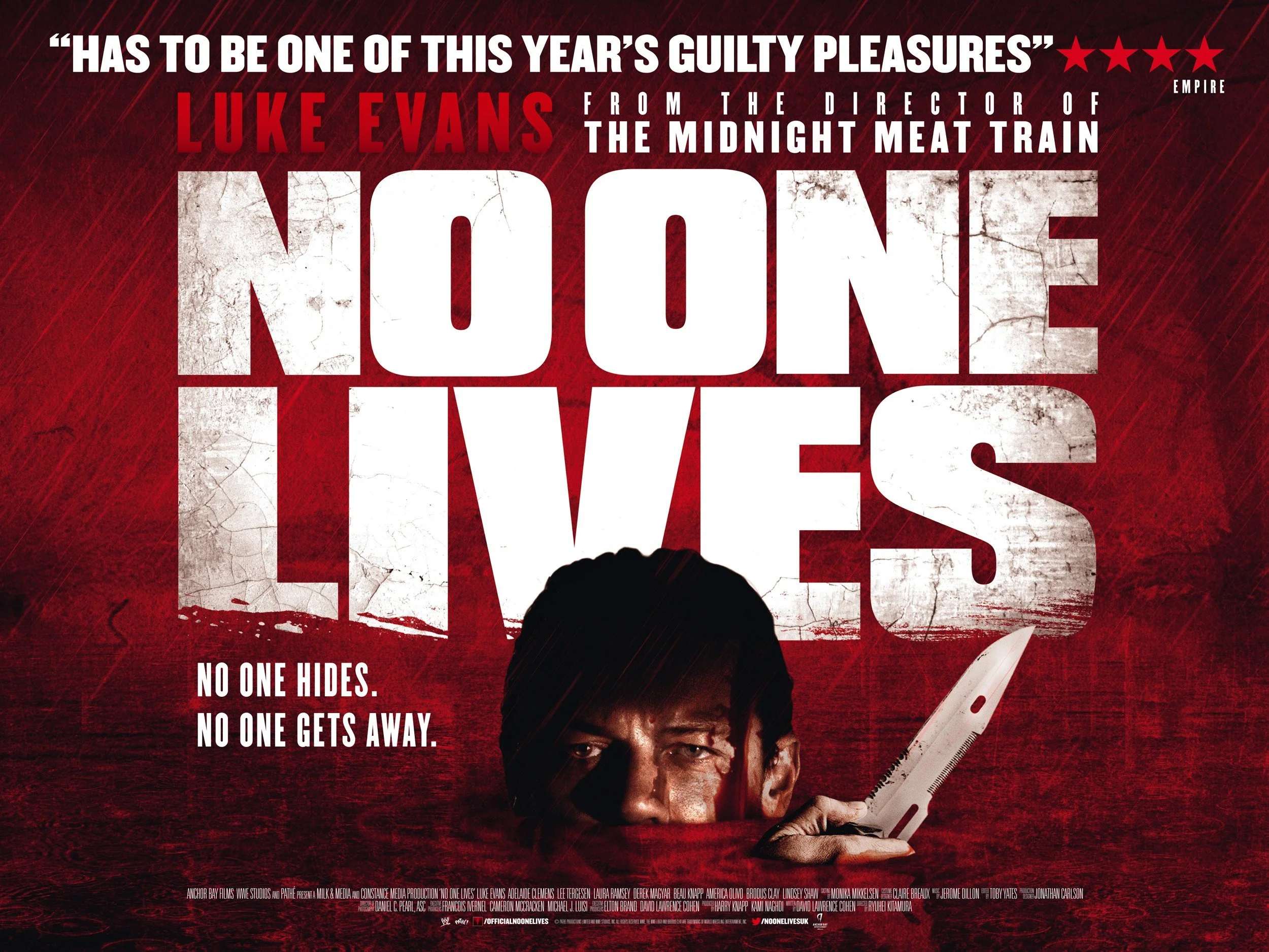
A lot of people may know Luke Evans from the live action version of Beauty and the Beast or Peter Jackson’s The Hobbit trilogy. With his matinee idol good looks, charming Welsh demeanour and his “smoky” tenor singing voice, he projects a sense of old school stardom. Which brings us to No One Lives; a film which is a radical departure from his previous work. His performance is disconcerting to say the least and the film is somewhat unhinged. Directed by Ryuhei Kitamura, who made an interesting adaptation of Clive Barker’s The Midnight Meat Train, this cinematic outing is similarly replete with robust shocks and gore. There are some interesting ideas about the nature of violence, Stockholm Syndrome and whether one should deny or embrace one’s nature. However, these are ultimately minor asides. Philosophical musings in between bouts of surprisingly striking unpleasantness.
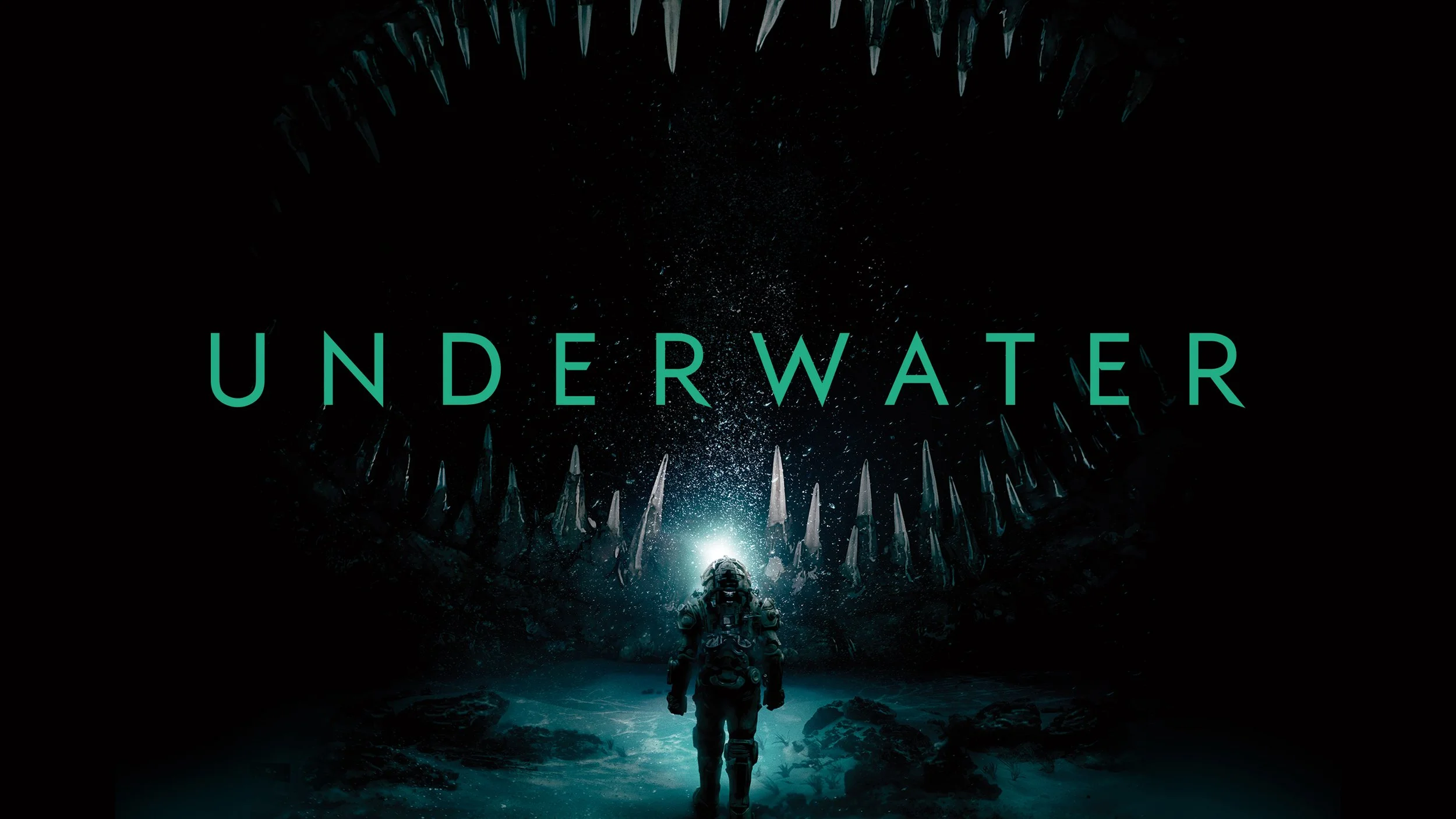
In the near future, Kepler 822, a research and drilling facility located at the bottom of the Mariana Trench, suffers a sudden and catastrophic structural failure. There are only six survivors. Mechanical engineer Norah Price (Kristen Stewart), Captain Lucien (Vincent Cassel), biologist Emily Haversham (Jessica Henwick), engineer Liam Smith (John Gallagher Jr.) and crew members Rodrigo (Mamoudou Athie) and Paul (T.J. Miller). As all the functional escape pods have been used and they are unable to contact the surface, the Captain suggests using pressurized suits to walk one mile across the ocean floor to the Roebuck 641 drill installation. There they will find more escape pods. However, it soon becomes apparent that the disaster was not caused by an undersea earthquake and that they are not alone as they make their journey.
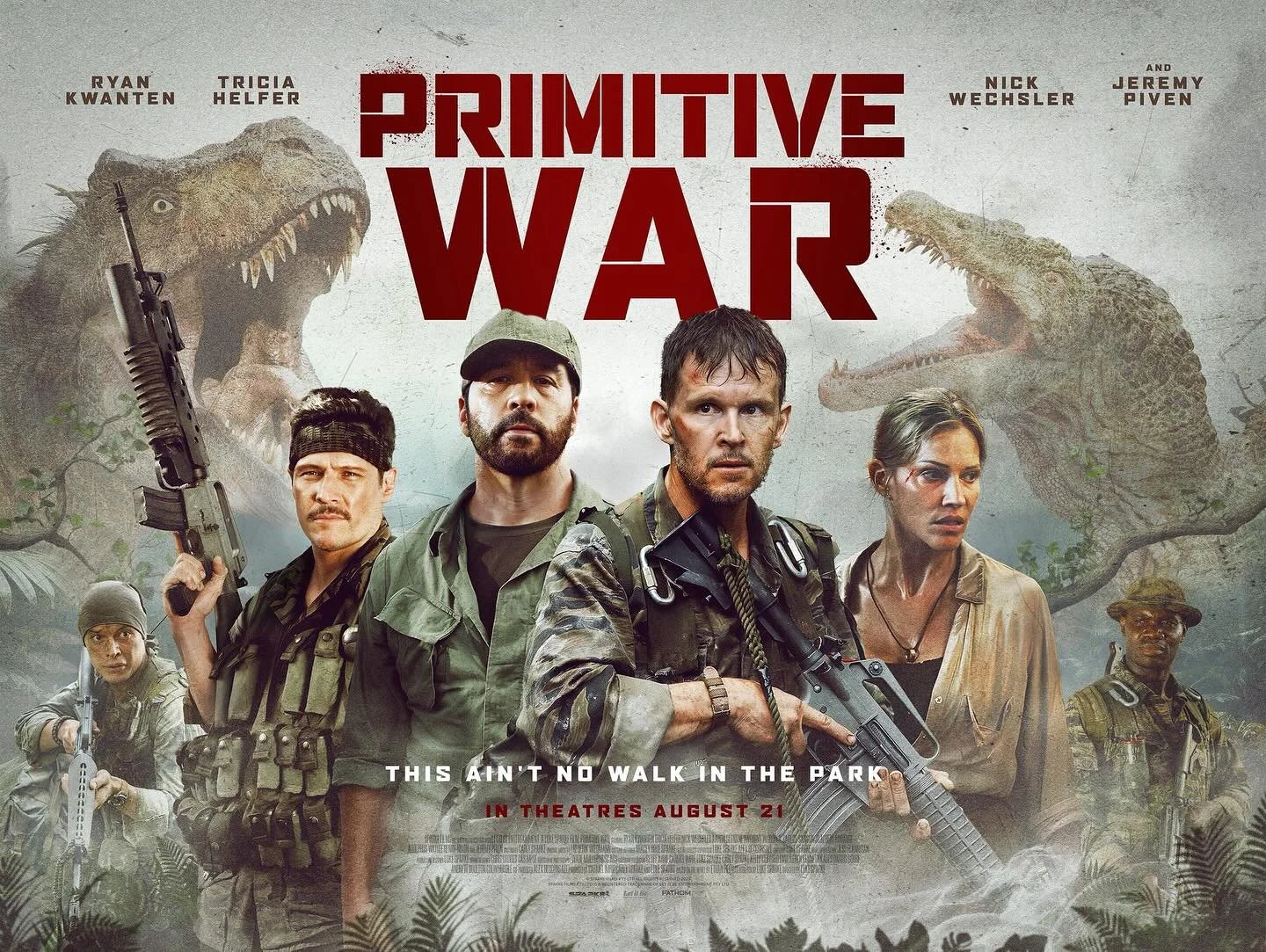
One of the most common objections raised regarding the Jurassic Park/Jurassic World franchise is that the films are specifically made to obtain a PG-13 rating from the Motion Picture Association, for purely commercial reasons. Hence, in all films, there is little on screen violence and the dinosaurs are mainly portrayed as a threat and a means of providing jump scares. When a character is killed by a dinosaur it usually happens off screen, is obscured by something else in frame, or is shown in long shot with very little detail. The realities of being eaten alive by a predator are conspicuously absent. Hence, audiences looking for films featuring more graphic dinosaur attacks, have not been well catered for apart from some minor direct-to-video titles. Primitive War finally fills this gap in the market with a frenetic genre mashup that strives to punch above is budgetary weight.
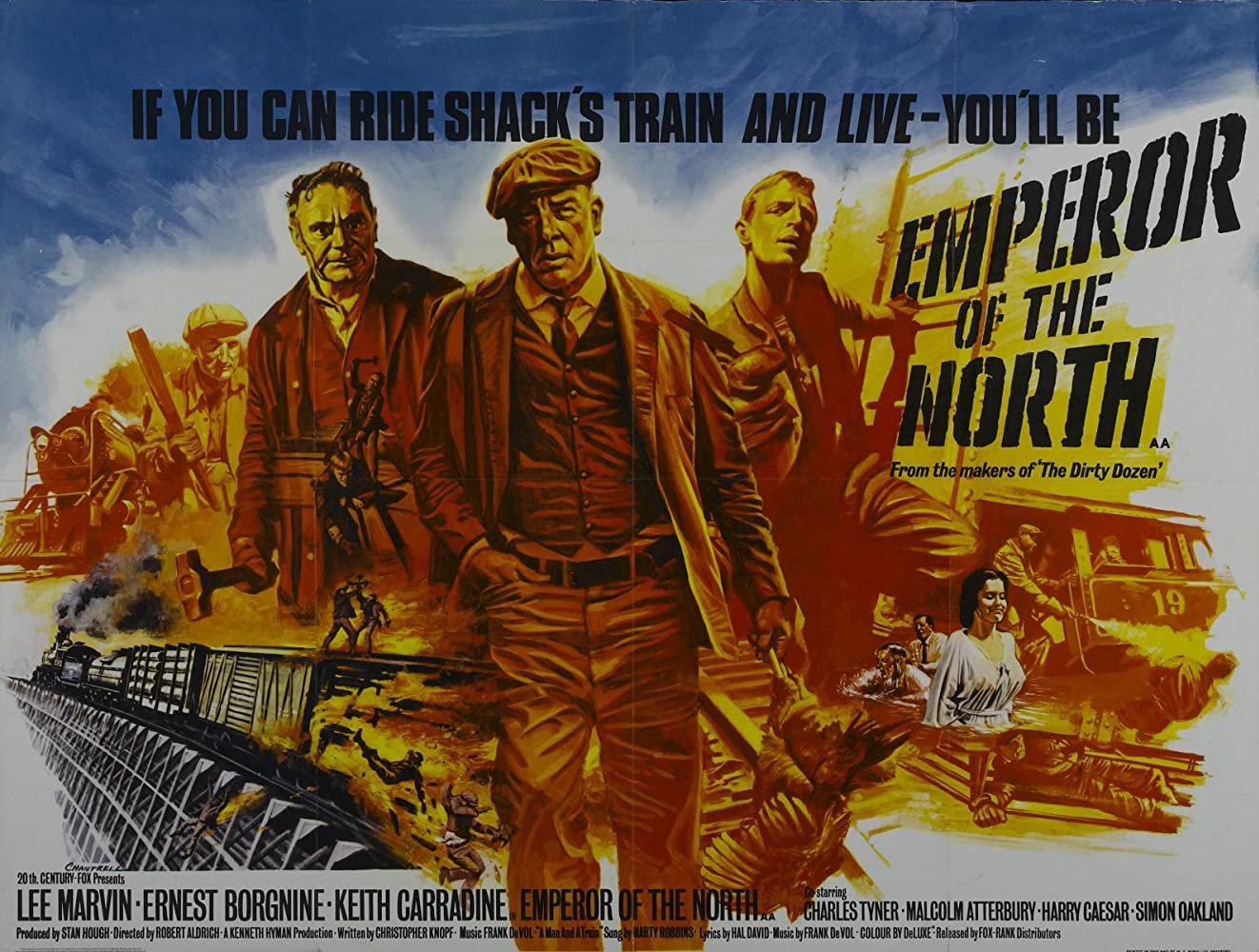
During the seventies, cinema was not only a source of mass, commercial entertainment but was still perceived as a medium for intellectual and philosophical discourse. Television was a poor relation in terms of art and cultural significance. Film was where the so called auteur director could muse and ruminate upon the nature of the human condition and audiences could subsequently gush sycophantically about their work at dinner parties. Or something like that. Let it suffice to say that some film makers were still indulged by studios and financiers, who were still keen to cash in on the cultural sea change that came to Hollywood in the late sixties. It’s difficult to see how a film such as Emperor of the North (AKA Emperor of the North Pole) could have been made otherwise. A film set in the Great Depression about a hobo illegally travelling on freight trains and his feud with a ruthless conductor.
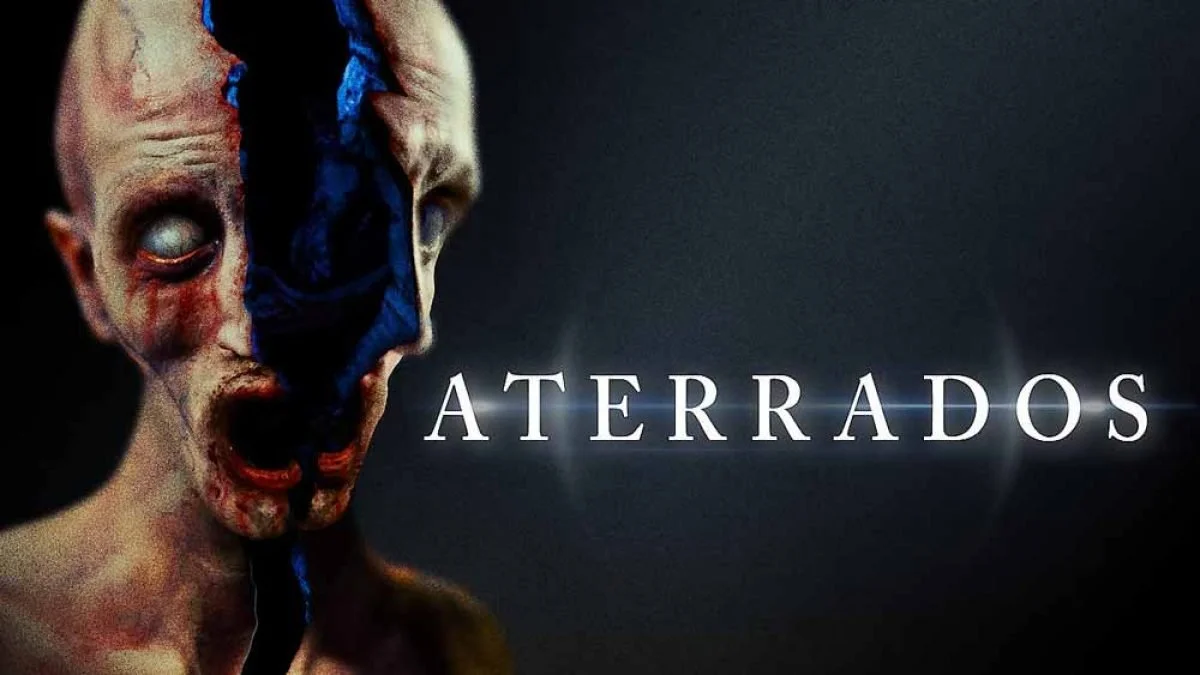
In Buenos Aires, Clara (Natalia Señorales) hears voices emanating from the plughole in her kitchen sink. The voices seem to be plotting against her. Her husband Juan (Agustín Rittano) says the sounds are coming from next door. That night, Juan finds Clara’s dead body levitating in their bathroom, slamming against the wall by an invisible force. Meanwhile their neighbour, Walter (Demián Salomón), is experiencing supernatural occurrences while he tries to sleep. An invisible force repeatedly shakes his bed. After using a video camera to film these events, he sees a tall, cadaverous figure emerging from under the bed, standing over him as he sleeps. Across the road, Alicia (Julieta Vallina) is grieving for her recently deceased son, who was run over outside Walter’s house. Alicia's ex-boyfriend, police commissioner Funes (Maximiliano Ghione) calls Jano (Norberto Gonzalo), a paranormal investigator and the pair soon discover more supernatural occurrences in the area.

Black Sabbath (AKA I tre volti della paura) is a 1963 horror anthology film directed by Mario Bava. Although an Italian production, the film was co-financed by American International Pictures and as such was conceived to appeal to US audiences. Hence, the English dialogue edit of the film which was released in America differs significantly to the original Italian version. Despite the presence of the legendary Boris Karloff and the popularity of both anthology and gothic horror at the time,the film was only a modest success at the US box office and did not do well in Italy. However, in more recent years there has been a critical reappraisal of Black Sabbath, especially the Italian dialogue version. Many aspects of the film which are standard genre tropes today, were in fact novel at the time. Also despite the production mainly being studio bound, the film oozes style and has a striking visual aesthetic.
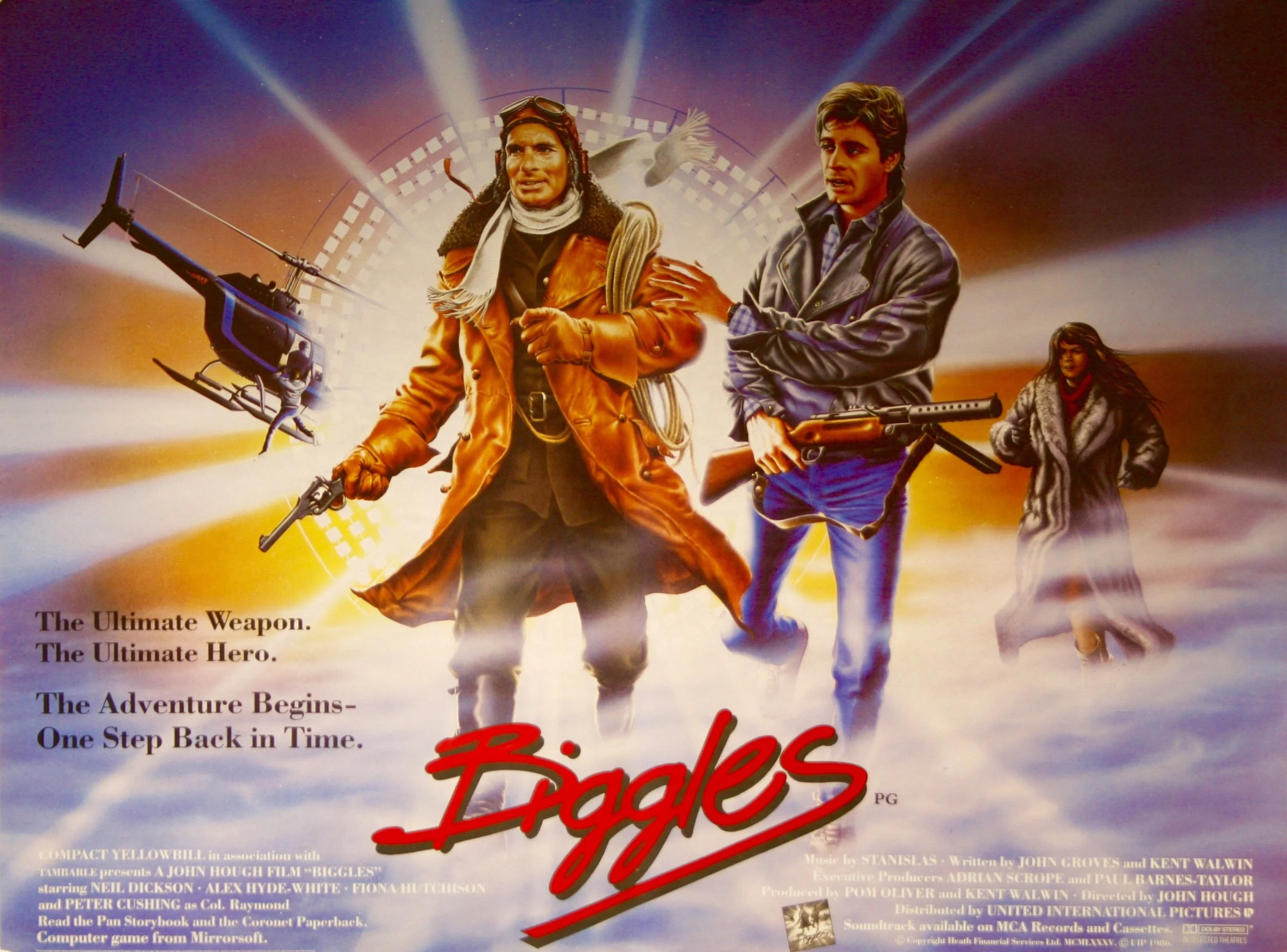
After the success of Raiders of the Lost Ark in 1981, filmmakers scrambled to find existing intellectual properties that they could use for similar films. Hence archaic heroes such as Alan Quatermain were hastily given a modern makeover and thrust into generic movies, in a vague attempt to replicate Steven Spielberg’s successful formula. Which brings us neatly on to James Charles Bigglesworth AKA “Biggles”, a fictional pilot and adventurer from a series of books written by W. E. Johns between 1932 and 1968. Several attempts had been made in the past to bring this character to the silver screen, including one by Disney but they all failed. However, the commercial and critical success of Indiana Jones provided sufficient impetus to greenlight a new film. However, due to some curious production choices, when Biggles was finally released it was far from just a period set, action movie.
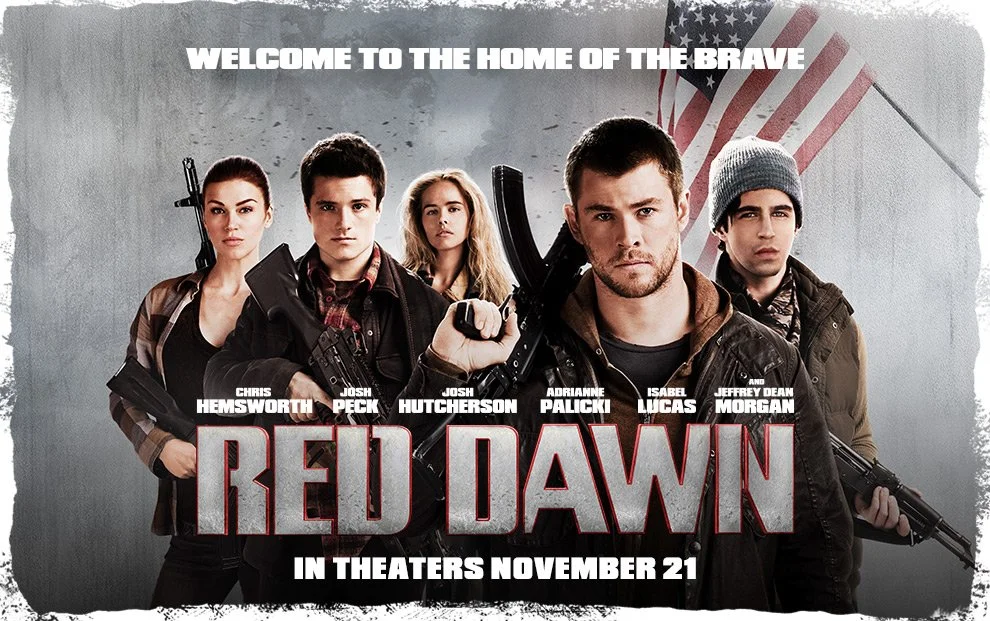
Setting aside the hubris of remaking a film such as Red Dawn, the 2012 reboot had a troubled production. Shot over the course of late 2009, on location in Michigan, MGM intended to release the film in September 2010. However, the studio’s financial problems became unsustainable over the course of that year and the film was shelved, while a financial solution was sought. Furthermore, while Red Dawn was in post production, there was a major economic shift within Hollywood due to the increasing importance of the Chinese market. This was a significant problem for MGM because the new version of Red Dawn had the Chinese invading the USA instead of Russia. Hence there were reshoots and the need for additional visual effects, so that the Chinese could be replaced with North Koreans. MGM eventually went bankrupt and the distribution rights to Red Dawn were sold off. The film was eventually released in 2012.
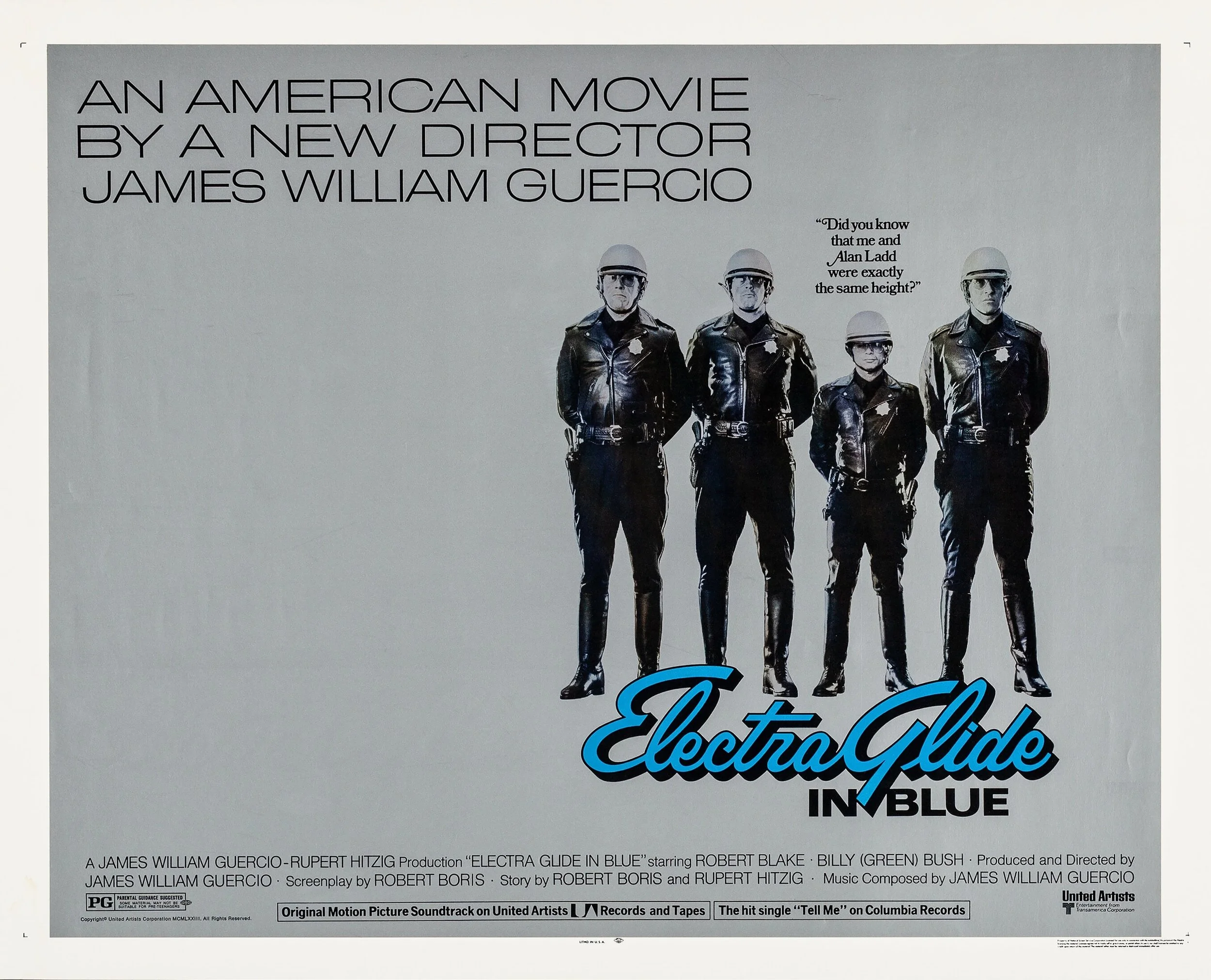
American music producer James William Guercio is primarily known for his work in the music industry. He was the producer of the band Chicago’s first eleven studio albums. In the mid-seventies he also managed the Beach Boys and was a member of their backing band. He was during this time, well known in his field and respected. In 1973, Guercio directed, produced and wrote the score for his first and only feature film, Electra Glide in Blue. He was 28 years old at the time. Upon release the film received mixed reviews from many traditional US newspapers, who were dismissive of its revisionist themes and poetical style. However, in Europe the film was received more favourably and was entered into the 1973 Cannes Film Festival. Fifty two years on and Electra Glide in Blue is now considered an overlooked cult classic and is analysed in a more measured fashion.
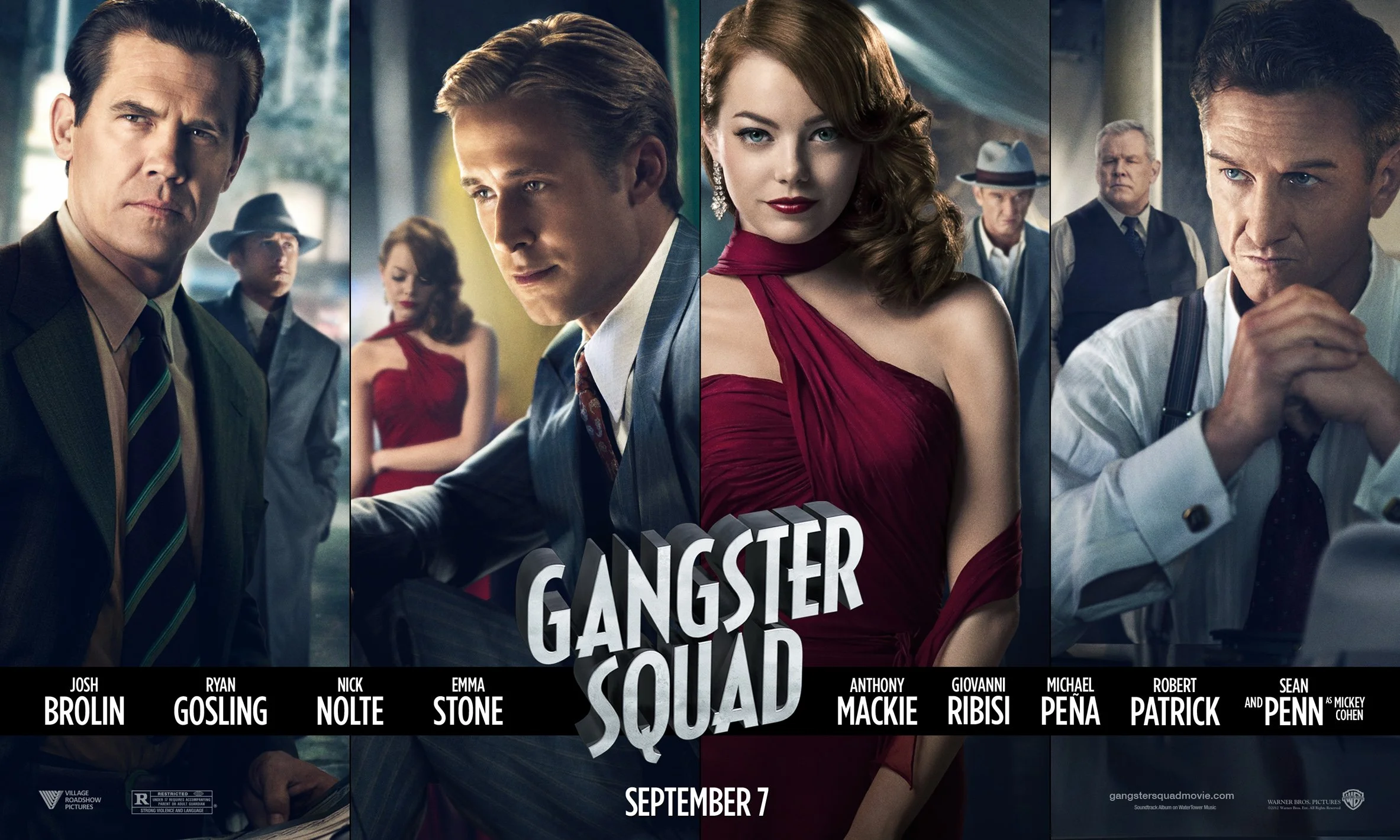
When I first saw the promotional trailer for Gangster Squad back in 2012, prior to its release, I wasn't especially impressed. I simply thought the film was another attempt to re-invent the gangster genre for a generation who were not especially familiar with it. I wasn't exactly overwhelmed with director Ruben Fleischer's resume either. I didn't particularly like Zombieland and haven't seen 30 Minutes Or Less. Then came the tragic mass shootings in Aurora, Colorado which led to the movie being delayed so that the original ending, which featured a shoot-out in a movie theatre, could be replaced. Hence when I finally watched this film recently, I wasn't expecting a movie up to the standards of say Once Upon A Time In America or Miller’s Crossing and it would seem that I was right do so. Gangster Squad is not especially noteworthy in any respect.
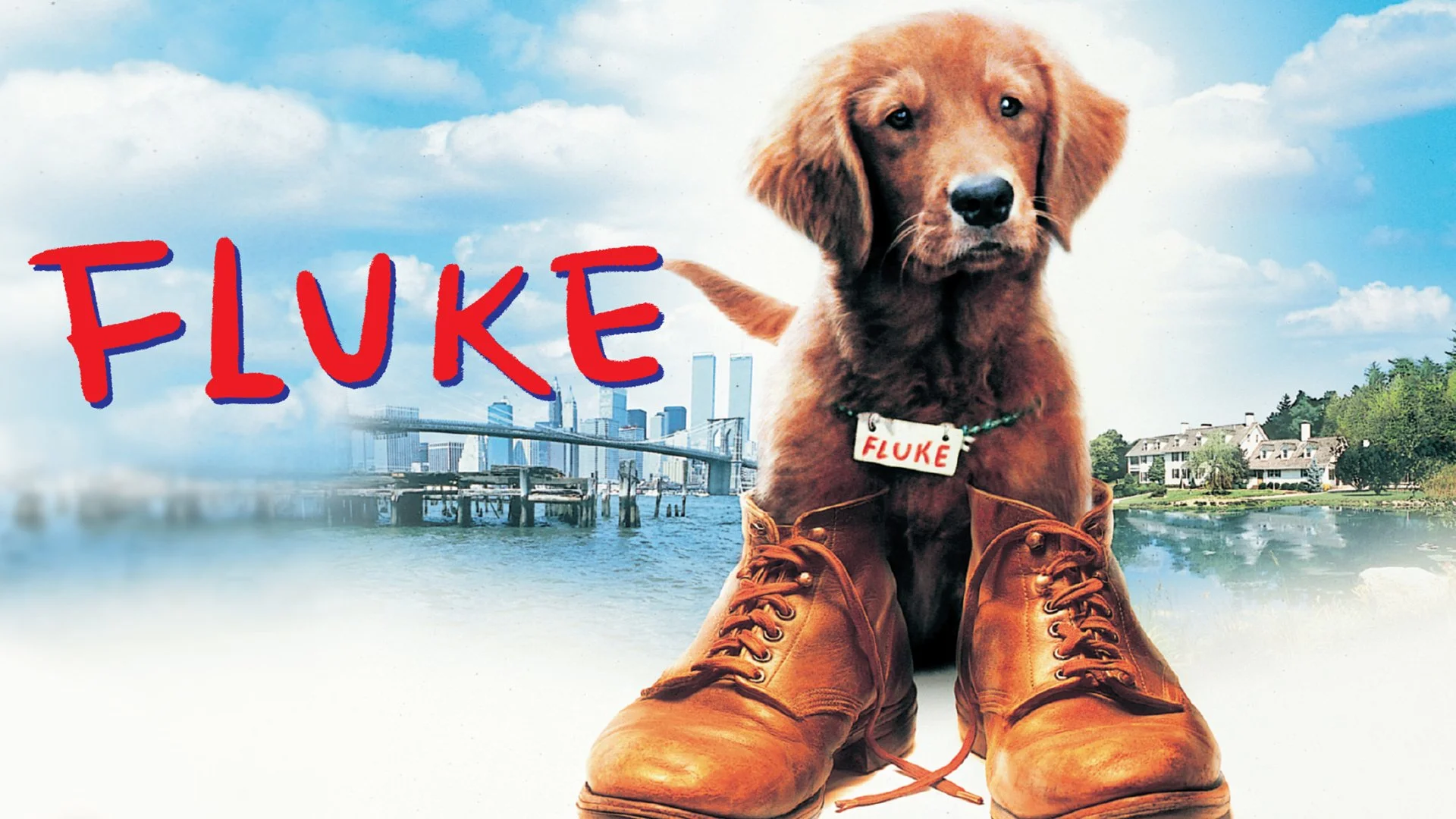
Fluke is a curious film about a man who is reincarnated as a dog and his subsequent realisation that he may have been murdered. It takes an adult novel by British author James Herbert, which is filled with philosophical musing and strives to adapt it in a far more family friendly fashion. The result is a somewhat bipolar production which thematically alternates between existential introspection and Buddhism. It then strives to deliver its message in a Disneyesque idiom. Children will potentially be confused and upset by what they see and adults will be wrongfooted by the continual shift in tone. Fluke was not a critical or commercial success upon release and the flaws that were identified by critics at the time still ring true today. That being said, Fluke is still an interesting and entertaining film, despite its faults.
A Year in Movies
The last time I wrote A Year in Movies post was back in 2020. That was naturally an unusual year and it certainly had a radical impact upon the film industry and the way new movies are distributed. In many ways the pandemic accelerated the inevitable move towards cross platform, same day releases. 4 years on and it is quite usual for films to have a short cinema release before becoming available on streaming media. They often appear on physical media at the same time. Effectively you can go to the cinema, or simply watch at home on the platform of your choice if you prefer. Rent, buy or subscribe, the film studios still get their pound of flesh and everyone is happy. Sometimes if a film has failed to gain sufficient traction at the cinema, its release will be cut short and it will go to streaming even quicker. Direct to video from the eighties and nineties has been superseded with direct to streaming.
The last time I wrote A Year in Movies post was back in 2020. That was naturally an unusual year and it certainly had a radical impact upon the film industry and the way new movies are distributed. In many ways the pandemic accelerated the inevitable move towards cross platform, same day releases. 4 years on and it is quite usual for films to have a short cinema release before becoming available on streaming media. They often appear on physical media at the same time. Effectively you can go to the cinema, or simply watch at home on the platform of your choice if you prefer. Rent, buy or subscribe, the film studios still get their pound of flesh and everyone is happy. Sometimes if a film has failed to gain sufficient traction at the cinema, its release will be cut short and it will go to streaming even quicker. Direct to video from the eighties and nineties has been superseded with direct to streaming.
My personal cinema experience has greatly improved of late due to the opening of a new local independent cinema in Summer 2023. The Sidcup Storyteller has three screens which are best described as “petit” and “bijou”. However, this is advantageous as it tends not to attract a youthful audience seeking the latest multiplex fodder. Instead customers tend to be of an older age group who still cleave to old school cinema etiquette. The seats are roomy and the sound system is not turned up to 11 but instead is actually configured so dialogue is audible. Films are shown throughout the day which is convenient if you want to grab something to eat afterwards and still be home at a reasonable hour. Ticket prices are acceptable and on average are about £10, although there are often discounts and promotions that can reduce the price as low as £6.30 which is very reasonable.
I went to the cinema 3 times in 2024, which is possibly an all time low. A decade earlier I would go at least once a month and could always find something that I wanted to watch. Sadly this decline all comes down to the content that monopolises cinema chains these days. I’m tired of being charitable and advocating a live and let live policy. Franchise moves are a blight on quality film making. They indirectly condition their audience towards spectacle, rather than dialogue and story. Furthermore, they foster short attention spans. Through no fault of their own modern audiences are often incapable of watching anything outside of a narrow spectrum of material and are effectively cinematically illiterate. It is a sorry state of affairs and ultimately it’s the audience that loses out.
As for the three films that I saw at the cinema this year, they were as follows. One Life about the British humanitarian Nicholas Winton (Anthony Hopkins) and his involvement in the Kindertransport during World War II. It is a very low key film with the focus on performance. It doesn’t overreach itself by being too epic in scope and makes its point perfectly. Back to Black is a biography of singer Amy Winehouse. The plot is somewhat factually spurious but the central performance by Marisa Abela is sound, especially her singing. Finally, the last film of the year was Paddington in Peru. Not quite as good as the first two movies but it is still entertaining, mainly due to the strong supporting cast. Antonio Banderas being especially droll. I considered going to the cinema to see Blitz, Alien Romulus and Gladiator II but ultimately chose to watch them all at home.
Despite a decline in mainstream cinema, there are still plenty of good quality films available. You just have to look a little harder to find them. They are often buried in the streaming menus and need to be sought out. I find that word of mouth from friends and critics that I know and respect is often a reliable heads up. I found Robot Dreams that way, along with Longlegs. Both are entertaining genre offerings but very different films. Another solid film recommended by a reliable source is Juror #2, directed by Clint Eastwood. This was released without much fanfare but it is a no nonsense courtroom drama, filmed in Eastwood usual matter of fact style. It achieves exactly what it sets out to do, delivering a strong indictment of the US legal system. The fact that films such as these three are still made does give me hope that quality mainstream filmmaking is not quite dead and that good stories still appeal to audiences.

I don’t really celebrate New Year’s Eve anymore. By that I mean, I don’t go to the pub or any other social gatherings. Nor do we have guests ourselves. Mrs P often doesn’t stay up to midnight. Mainly because she tends to go to bed relatively early, by default. One year changing to another seems a somewhat arbitrary excuse for a celebration to me. However, I realise that New Year is a big deal for some. I used to work with someone who said, very philosophically, that Christmas was for the children and New Year was for the adults. He was of Scottish antecedents and so New Year’s Eve was of more cultural significance to him. Also if you’ve had a difficult, problematic or traumatic 2025, then I fully understand that you may well be happy to see the back of 2025 and look to 2026 to be a significantly better year. Or at least, not to be as shit.
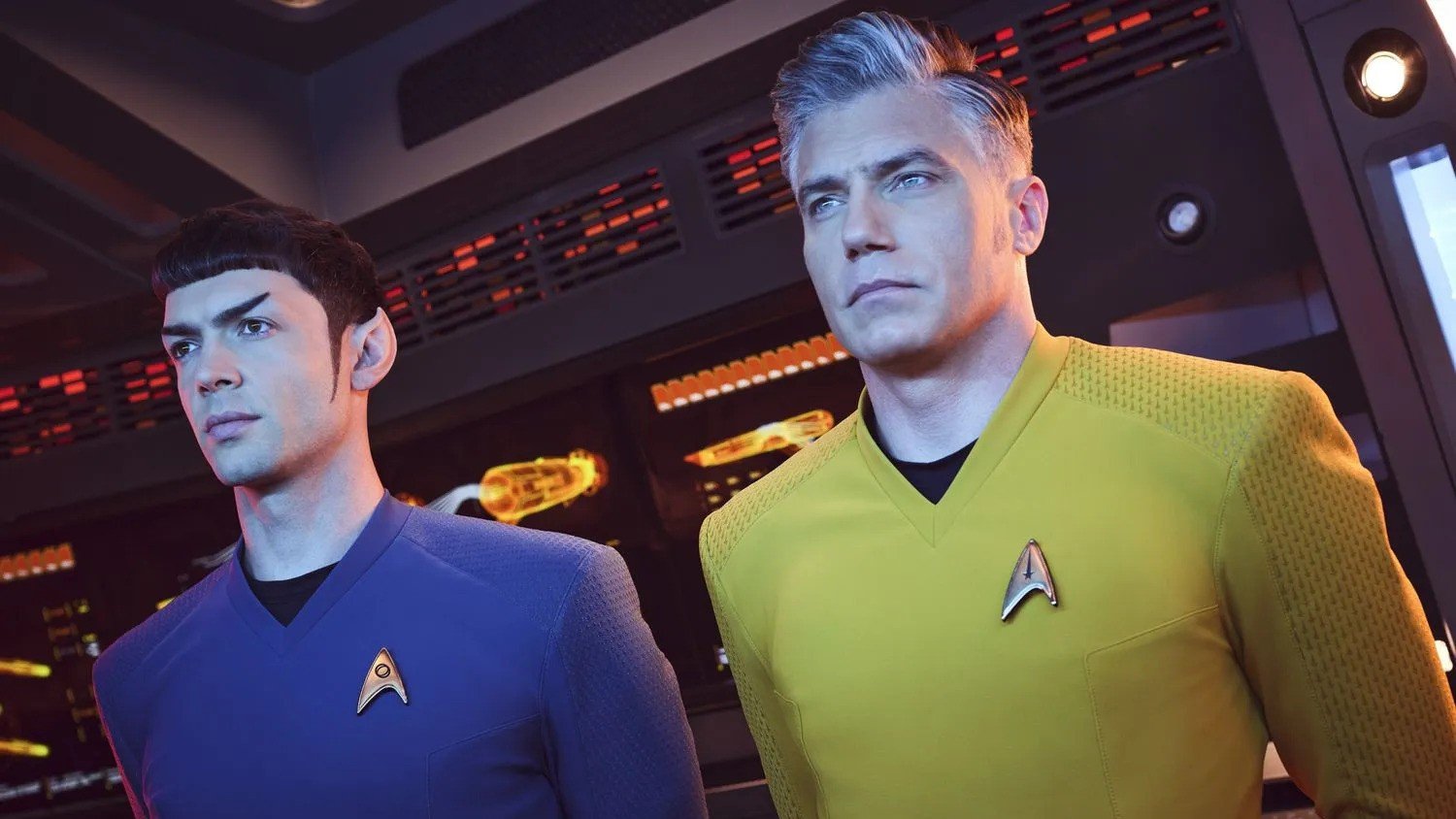
I have not watched as much TV as I usually do, this year. Mainly because I have become a little weary of the ways contemporary TV is produced, especially with regards to streaming shows. Due to the costs, shows such as Star Trek: Strange New Worlds only have 10 episodes per season. Simply put, the season begins to hit its stride and then is abruptly over. This problem (if you see it as such) is then further compounded by there being a significant wait between seasons. In the case of STSNW it was two years between season two and season three. Not all shows fall foul of this. Apple TV produces two seasons of the excellent espionage drama Slow Horses at a time, ensuring a prompt release schedule. However, even this has issues. Due to the complexity of the plots of many contemporary TV shows, something that is a marketing point, some viewers cannot remember the plot after a twelve month hiatus. Network TV shows seldom have these issues with each season being 20 plus episodes long and story arcs that are seldom as complex.
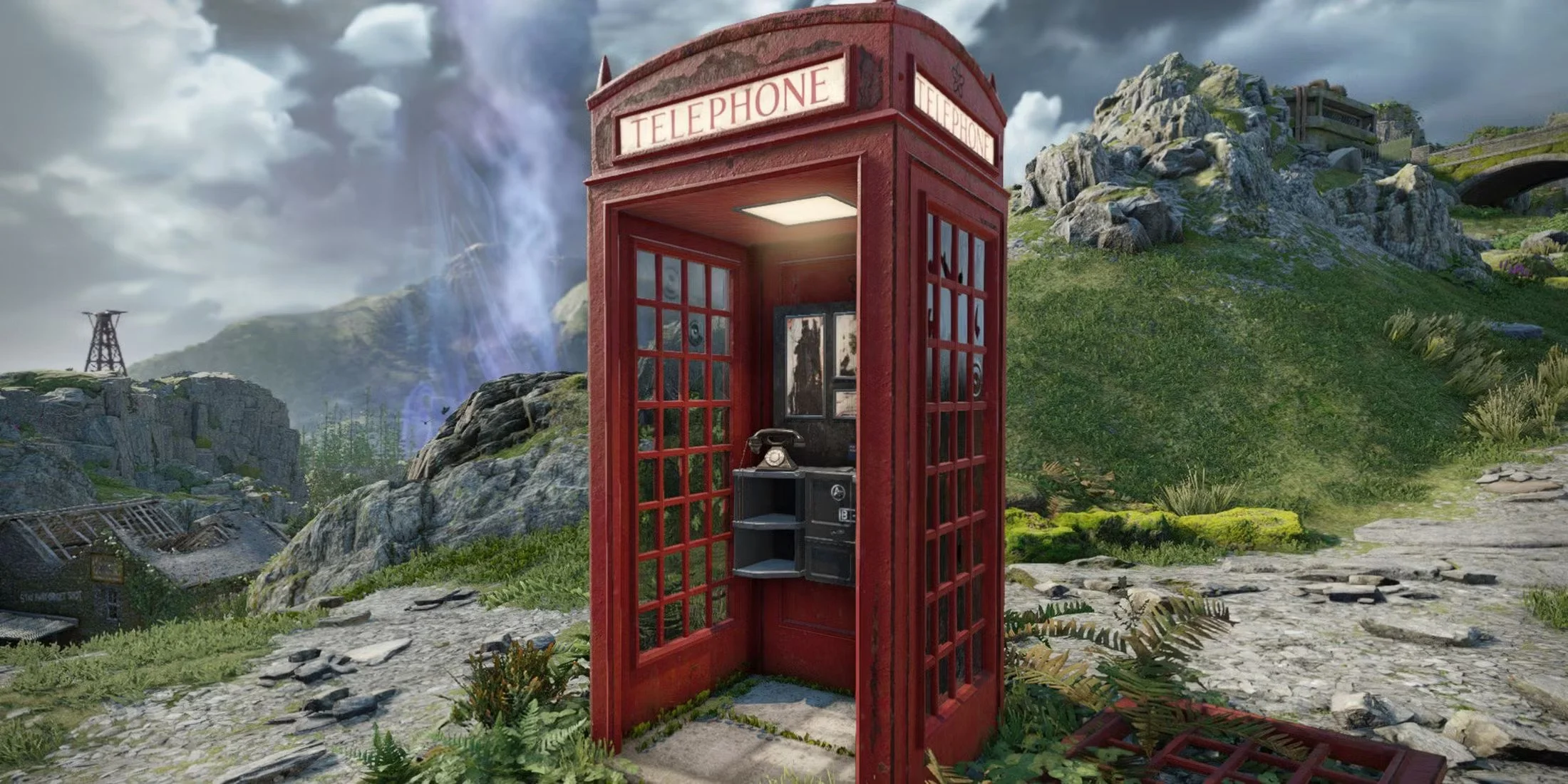
It is customary in a post such as this to list the various games that I’ve played over the last twelve months and share my thoughts on them. Wider analysis of the video game industry is also de rigeur. Unfortunately, I don’t really feel disposed to do either of those two things. My thoughts on the games I’ve played have already been published and can easily be accessed via the links at the bottom of this post. As for the video game industry, it suffers the same flaws as music, TV and cinema. There is creativity and innovation out there but it is often drowned out by mainstream products which are demonstrably inferior due to their inherent mediocrity. As for the business side of things, we once again clearly see the failings of the corporate management class. Sadly, they do not face the consequences of the mistakes that they make.

I began 2025 with a fairly strong writing streak, publishing posts about games, technology and even air fryers. Sadly, this burst of enthusiasm gradually tailed off between April and June. I can’t even recollect if there was any particular “real world” reason for this or whether it was just a case of I wasn’t especially motivated. Fortunately, I started writing again in July in preparation for Blaugust: Festival of Blogging and subsequently wrote throughout the entirety of August. Revamping my blog in September and moving it to the latest version of Squarespace proved a positive move and since then I have kept up a writing schedule of posting to Contains Moderate Peril every second day. At present I have a lot of draft posts pending and I am not struggling to come up with ideas and write in general. I intend to nurture this positive approach and see if I can build upon it in 2026.

Looking back at my various posts regarding “technology” this year, a recurring theme has been my ongoing attempts to replace certain mainstream products with alternatives that do the job in-hand better, don’t require constant updates, aren’t bloated by superfluous functionality and are more cost effective or even ethical. Needless to say, this has proven quite hard. Hence I was unable to find a suitable replacement email client for Microsoft Outlook and end my subscription to Microsoft 365 Personal. The main problem is that most alternative software won’t support my email archive due to differences in the mailbox format. One possible work around is to install an older and therefore, non-subscription version of Outlook but this raises support and compatibility issues. It would be a lot easier to divest myself of a lot of mainstream software if I was starting from scratch.

I created a Bluesky account a little over a year ago. I was initially somewhat sceptical of adopting a third social media messaging platform, because I had become quite comfortable using Mastodon as a replacement for Twitter/X. However, certain individuals that I wished to continue to follow were migrating to Bluesky, so I followed suit. It has always been my long term goal to pick one of these two newer services and make it my sole point of presence in social media terms. So far that hasn’t happened. Hence a year on I find myself juggling three such platforms. Twitter/X, Mastodon and Bluesky. I post links to my blog posts on all of these services. To be honest none of them generate any tangible traffic but this is how you promoted your website or blog 15 years ago and old habits die hard.

In my teenage years, there was a social obligation to go out on New Year’s Eve. This often meant congregating in some dismal pub, queuing at the bar for 30 minutes to get a drink, then trying to find a corner where you could stand and struggle to have a conversation with your friends, above the noise of the crowd. The evening was dull, noisy and often ended in a fight. Then, around 1:00 AM we were summarily turfed out into the street and had to make our way home. Buses always run at this time of year to serve a public need but the “drunk express” was never a pleasant means of transportation. Quite frankly the whole experience was shit but the hubris of youth meant we deluded ourselves that we were having a good time. If someone suggested something similar today, I would laugh in their face. I am happy to spend New Year’s Eve indoors and away from it all.
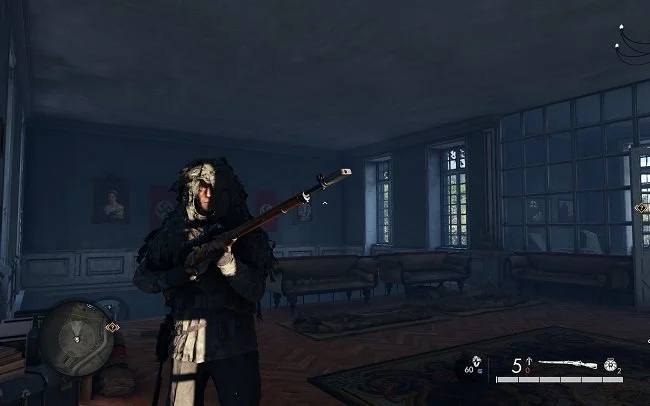
It is customary for me to write an end of year summary of my gaming activities but I suspect that on this occasion it will be somewhat short. For me, 2024 has really hammered home the notion of the ephemeral nature of video games as well as their commercial ubiquity. The moment a game fails to satisfy for whatever reason, rather than complain or worry about it, I just move on to something else. It’s not as if there’s a shortage of games out there. I have a substantial back catalogue of games that Epic and Amazon prime regularly giveaway. I have bought numerous discounted bundles in the past, in the pious hope that I’ll play one of the games included, at some point in the future. Games may well be enjoyable and engaging but many are also disposable. That’s not to say they’re bad. While playing them you are indeed “entertained”. However, when you’re “done”, it’s amazing how you quickly find another and forget what you were previously playing.

The last time I wrote A Year in Movies post was back in 2020. That was naturally an unusual year and it certainly had a radical impact upon the film industry and the way new movies are distributed. In many ways the pandemic accelerated the inevitable move towards cross platform, same day releases. 4 years on and it is quite usual for films to have a short cinema release before becoming available on streaming media. They often appear on physical media at the same time. Effectively you can go to the cinema, or simply watch at home on the platform of your choice if you prefer. Rent, buy or subscribe, the film studios still get their pound of flesh and everyone is happy. Sometimes if a film has failed to gain sufficient traction at the cinema, its release will be cut short and it will go to streaming even quicker. Direct to video from the eighties and nineties has been superseded with direct to streaming.

It is fair to say that we live in an age where we do not lack quality TV. There are numerous shows that have garnered critical acclaim or a strong word of mouth following that are deemed “must see” viewing. No doubt you, like myself, have a long “to do” list of programs that you need to “get round to watching” on top of those shows which are staples of your viewing regime. If you didn’t have enough programmes already to catch up with, we all have friends and family telling us about a “great show” that’s on a platform we don’t subscribe to, that we really need to see. It is quite extraordinary and a far cry from my youth when the UK simply had three terrestrial channels until satellite TV became popular in the late eighties. To paraphrase the former Prime Minister Harold Macmillan “we’ve never had it so good”.

This post is not intended to be a comprehensive review of music per se in 2024. It is simply a few thoughts on what I’ve been listening to over the course of the year and my ever changing relationship with the Terpsichorean muse. As a man in his fifties who has always enjoyed multiple genres of music and it is a comforting presence in day-to-day life. Up to a year ago, I relied upon my own music collection on my PC as the source of music to which I listened. Yet, this meant that I was somewhat locked into my own existing tastes and there was limited scope for me to find new material. This changed last December when I started subscribing to Spotify and since then it has become my primary source of music. It caters to my tastes, which at times are quite niche and it gently introduces me to new material without being too invasive. This has proven most beneficial.

This is my third attempt at writing this post. The first was a little too philosophical, tackling the nature of adult life and how it is a far cry from the childish notions I had about being a “grown up” when I was seven. The second was just a list of the various shit that has gone down in my life over the last twelve months and it felt far too much like whinging. Hopefully this one is more succinct and even handed. 2022 was not a good year, personally speaking. My family and I experienced a lot of health issues and my mother died after a rapid decline. Hence there has been a lot of stress and anxiety which has left me feeling tired and somewhat jaded. Due to the subsequent changes in my personal circumstances, I now find myself at somewhat of a “loose end”. I feel the need to channel my energies into something but I’m not sure exactly what at present.
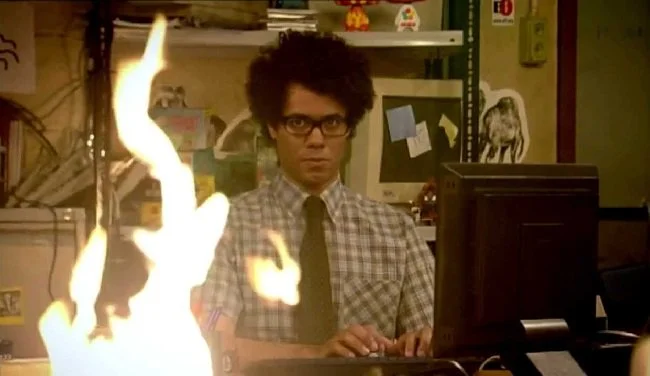
So far I have written 135 blog posts in 2022. Not much compared to previous years, but frankly I’ve become a little despondent with writing in recent months (I shall expand more upon that in a moment). Hence, since October I have been enjoying a break from regular blogging. I have written sparingly and pursued other leisure activities. Given that my post output has gone down, it would be logical to assume that there has been a commensurate drop in web traffic to Contains Moderate Peril, but this is not the case. Overall, my monthly statistics have remained the same, proving once again that most of my readership find my written content via Google searches, rather than reading new material on a daily basis. This has given me much food for thought and added to my ongoing reflection upon my writing activities.

When I wrote Goodbye 2020 a year ago, I endeavoured to be philosophical and sanguine in my approach. It was a challenging year for all of us and for me it was further compounded by a bereavement. However, I strove to keep matters in perspective and tried to look at things in a broader context. I cannot be as even handed this time. 2021 has been a very difficult year for myself and my family and I will be glad to see the back of it. Nationally speaking, things haven’t been much better. I feel that we’ve squandered the initial progress that the COVID-19 vaccines offered. Obviously, I cannot do anything about the problems that the UK faces in 2022. However, I certainly intend to address some of the issues that I and my immediate family are facing. I am going to tackle some specific problems that need to be laid to rest and set myself some tangible goals to achieve. 2022 isn’t going to be something that just happens and I passively sit back and watch.
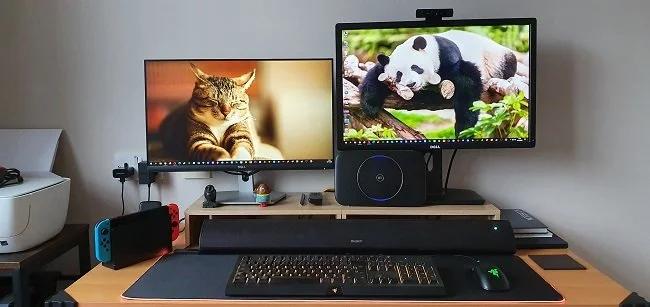
Getting older does have a few benefits. One of them, if you are fortunate enough to embrace the concept, is a degree of self awareness and the ability to be honest with yourself. Over the years I have tried to adjust my technological habits but ultimately I am a creature of habit. My use of technology and consumption of content has been determined by the decades I grew up in. Therefore, I am a PC user and prefer to sit in my office where I write, play games and peruse the internet. I have my desk set up in a way that suits my needs and I can go about my business in comfort. When away from my office, I rely heavily on my phone as an alternative platform. In some instances phone based apps offer a superior experience to the desktop or browser based PC alternatives. Banking being one example. For better or for worse this is how I do things and I am comfortable with these choices.
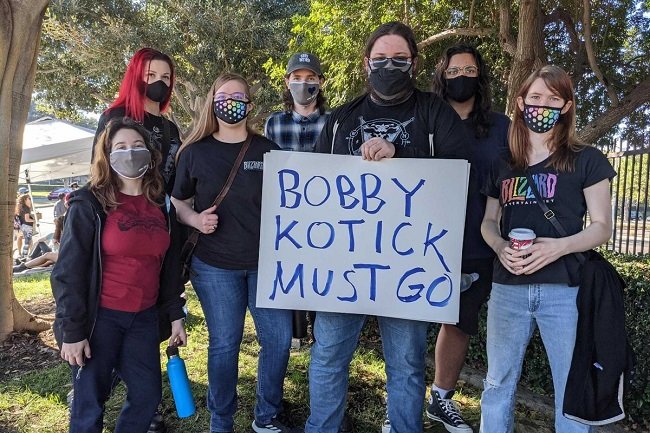
Usually in a post such as this, my primary focus would be writing about the games that I’ve played over the last twelve month and what it was about them that I specifically enjoyed. However, this year I feel that I must address the wider issues that have dominated the news regarding the video games industry. Simply put, several very high profile and successful triple A video game companies have been beset by scandals over the last twelve months. And these have been of such a nature that they have finally laid to rest the myth that some still cling to, that working “in video games” is somehow different from working in more traditional industries because it’s “cool”. It turns out that it has all the same failings as TV, music and film. The people at the top are abusive and broken and maltreat those at the coalface who do all the real work for precious little reward.

I can’t speak for others but my relationship with social media has certainly changed over the last two years. Whenever new internet technologies emerge, there is a brief period when it feels like some sort of new frontier. Often such innovations become a means of empowering the marginalised and the voiceless. For a while new platforms can even be a force for good. But eventually commercial interests creep in along with rules and regulations. Hence, it all inevitably takes a turn for the worst. The frontier is finally tamed and ends up being just another corporate space. Social media is certainly not a forum for discussing social issues or politics, instead being a medium for tribalism and rancour. Because of these factors and others, I have moderated my use of social media and it has proven extremely beneficial to my state of mind.
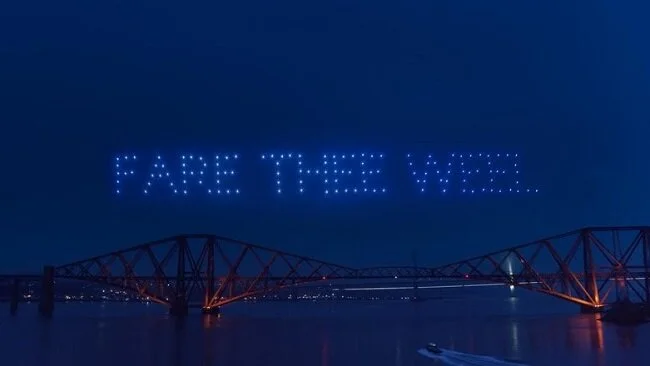
A very wise Vulcan once said “change is the essential process of all existence”. 2020 has demonstrated that unequivocally. How our privileged, pampered lives have altered over the last twelve months. We’ve had to stay at home, curtail our social interactions and reflect upon the meaning of existence. I appreciate that things are relative, so it’s not helpful to compare the concerns that discombobulate people today with the realities that folk had to endure during World War II for example. I won’t trivialise the sense of isolation and desperation some folk have felt over the lockdown. From my own perspective, my life as a carer is regimented and focused, so 2020 hasn’t really “cramped my style” to use an old fashioned phrase. However, several things happened over the course of the year that have had an impact upon myself and my family.
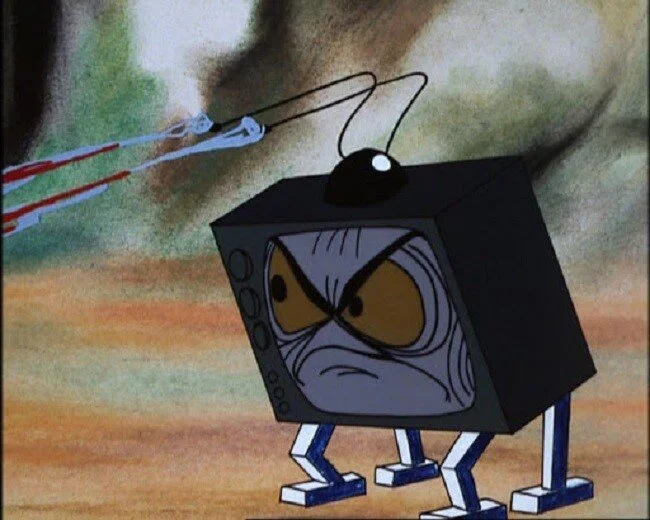
Let it suffice to say that due to current “circumstances”, Mrs P and I have watched a lot more TV this year. However, rather than just reiterate what we’ve viewed, which is already covered in my recurring blog post The Idiot Box, I thought I’d take the time to reflect upon some wider issues. TV has become a major source not only of entertainment but psychological support during this year’s social restrictions. The closure of cinemas for the majority of the past twelve months has meant that TV has had little or no competition. Furthermore, many of the films that may well have drawn audiences away, have come to the smaller screens a lot quicker. Never has so much TV been voraciously consumed. There’s also been a degree of nostalgia as viewers have watched popular shows at broadly similar times, reviving that sense of a shared experience that was so common in the seventies and eighties. However, the pandemic has also caused a slow down in TV production. Will the shortage of new content that many have predicted finally manifest itself next year?
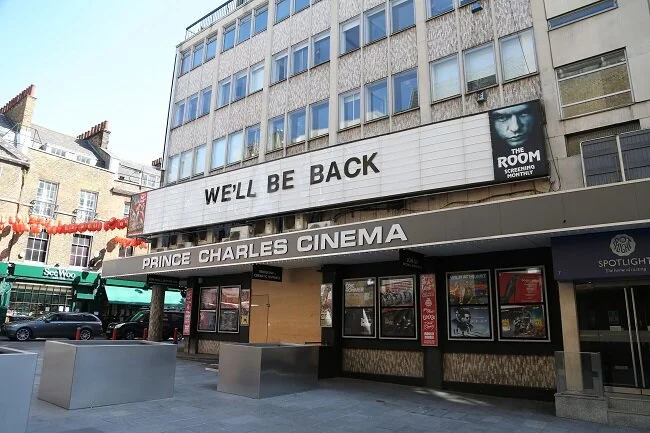
In 2019, I went to the cinema just once to see Star Wars: The Rise of Skywalker. I didn’t write a summary of the films I’d seen throughout that year, as I felt that mainstream releases had become far too formulaic and dull. 2020 has done little to change my perspective. The global pandemic has meant that Cinemas have spent most of the time closed and therefore many of this year’s major film releases have ended up on video on demand services. A few titles remain indefinitely postponed, such as the latest Bond movie No Time to Die, while Sony Pictures wait to see if “normality” resumes. But a film that is sitting on the shelf is not a film making money. Hence, Warner Bros. have announced that all their major releases for 2021 will be across multiple platforms simultaneously, thus ensuring a broader flow of revenue. This has not pleased director’s such as Christopher Nolan who argue passionately regarding the merits of cinema. But I doubt Mr. Nolan has ever had to endure an out of focus screening in the wrong aspect ratio at Cineworld, Rochester, where audiences talk and mess with their phones continuously.
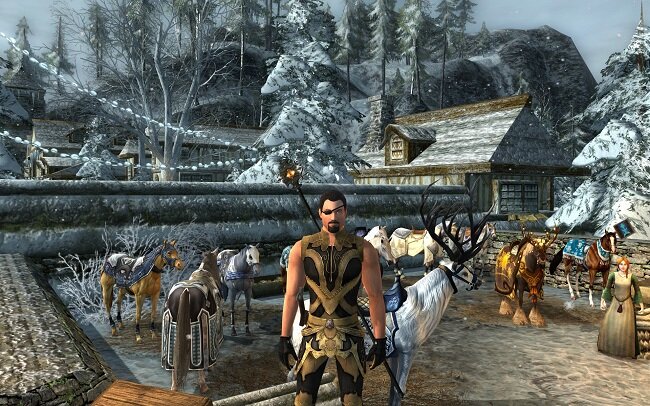
Retrospective posts such as this can be a sprawling mess. There is also potential to cover the same old ground that I’ve covered in my monthly summaries “A Month in Gaming”. So I’ll try to be as succinct as I can. Firstly I won’t dwell too much on the iniquities of the video game industry as I’ve covered that elsewhere. Let it suffice to say that the notion of the “rock star developer” and the ethical publisher have proven false. Buying a triple A mainstream game is as morally compromised as buying a pair of jeans made by child labour. But let’s not get caught up in ethics. That’s another post. The pandemic meant that I, like many others, had far more leisure time this year and hence I spent that time gaming. It’s been a good year for video games publishers and the revenue has rolled in. Have I had fun while playing more games? Yes. The games have proven engaging and they also provide a lot to write about, so it’s a win, win scenario from my perspective.

In my lifetime technology has always been promoted as something that improves our lives, especially at a domestic level. The VCR in the eighties is a prime example of this. It liberated us from having to watch TV at a specific time and place. Then there the personal computer, which brought into our own homes tools, that until that point, had been exclusive to the office. And for all the ill that it brings, the internet has certainly made the world demonstrably smaller. It’s revolutionised shopping and has improved the administration of services. So overall, I still feel that technology is a force for good. However there have been changes. In recent years technology on a domestic level has ceased to be quite as transformative and become more of a disposable commodity. Tech is now a fashion accessory, with a distinct lifecycle and upgrade treadmill. It is fast becoming just another form of superfluous crap to fill your home with.
Despite the tumultuous events of the last twelve months and the accompanying emotional fallout that has followed in their wake, I’ve managed to keep writing throughout 2020. My output has been somewhat inconsistent this year and I’ve noticed some changes in what I write about. This is inevitable as one’s tastes and focus changes naturally change over time. I’m finding it tougher to write enthusiastically about the video games industry per se, as it has hardly covered itself in glory this year. However, I still enjoy writing film reviews although I haven’t set foot inside a cinema for over a year. I suspect that this will remain the case for much of 2021. My writing has broadened in its scope and I find myself writing social commentary about various aspects of life, rather than just posting articles about my hobbies. Sharing my thoughts on the pandemic itself and “caring for the elderly” has proven very cathartic. But as I’ve stated many times before, writing is one of the ways in which I make sense of the world around me.

Last year I tried to write a measured and balanced post about the passing of the year. Sadly this time round my attitude toward the departing 12-month period is somewhat binary. Yes there were a couple of highlights to 2019 but most of it was an uphill struggle and therefore not worth celebrating. It can frankly sod off and won’t be missed. The two high points were my son’s wedding in August and my renewed enthusiasm for blogging that came about due to the Blaugust writing event. But overall 2019 was a repetitive and somewhat depressing grind having to continuously deal with multiple family illnesses, numerous hospital visits and then at the end of the year a bereavement. Yes, these are things that happened to us all eventually and there is no escaping them but I appear to be trapped in this facet of the “circle of life”. Furthermore, until certain situations resolve themselves, I cannot make or implement any long-term plans. 2019 has been in many ways about just treading water.
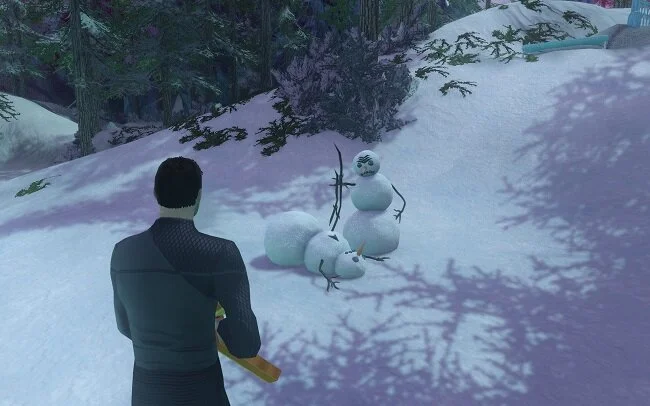
Life is often cyclical, if you don’t believe me go watch The Lion King. I started 2018 playing The Lord of the Rings Online and by writing a post about how gamers collectively seem to repeat the same mistakes. And as the year and indeed the decade ends, I find myself once again playing the Yule Festival in LOTRO and reflecting upon how some games that garnered criticism over their egregious business models, have ended up as huge hits. It would appear that gamers are their own worst enemy. I shall leave the psychological analysis of paradox to others. From my perspective, irrespective of the iniquities of the video game industry and certain quarters of the gaming community, it has been a good year, gaming wise. I have enjoyed my time playing MMOs such as Star Trek Online, The Elder Scrolls Online and the aforementioned LOTRO. These and other titles have entertained me, provided me with an opportunity to unwind as well as affording me some much-needed social interaction. I particularly enjoy Wednesday evenings when I log into my Discord server and then chat and play collaboratively with longstanding gaming friends.

One of the benefits that comes with age (for some people at least), if the gift of realistic expectations. Having reached 51 years, I no longer harbour thoughts that each year will be a rollercoaster ride of excitement, mirth and personal gain. Nor do I count on the stars aligning so that I make my fortune and retire peacefully to the Cayman Islands, to live the life of a tax exile. If New Year’s Eve rolls round and no one has died, I’m not looking at being tried for murder and there’s still gin in the drinks cabinet, then I usually deem the previous twelve months an acceptable year. However, despite even these fairly lose and undemanding criteria I feel compelled to say that 2018 was bollocks and that I won’t be sad to see the back of it.

I did not manage to maintain my writing schedule this year and have not posted everyday as I would’ve liked. I have produced over two hundred and seventy posts but still feel I could have done more. Blaugust was a welcome burst of enthusiasm that I managed to sustain for September and October, but I lost momentum in the run up to Christmas. At least I know what the root cause is which puts me a step nearer to resolving it. Having written several posts in the past about “writers block” and the other perennial excuse of not having anything to write about, I seem to have squarely fallen into both those traps. At present I find that motivating myself is the key problem. If I haven’t started writing something by midday, then it more than often gets left for the day. If I intend to escape this malaise, then I shall have to establish a far stricter writing schedule for 2019 and endeavour to do my writing first thing in the morning, when I am most focused.
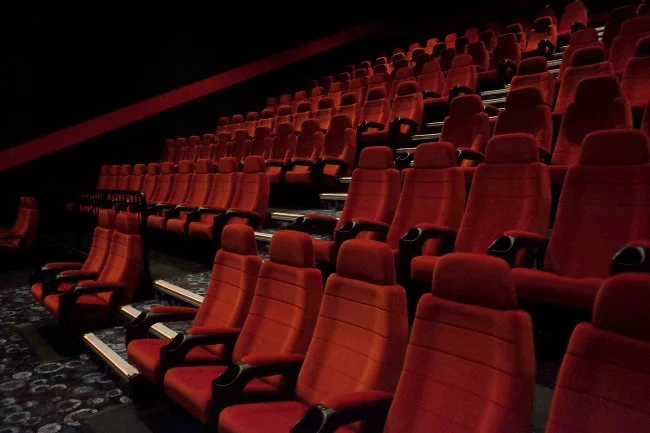
Throughout my adult life I have always gone to the cinema as a leisure activity. 2018 has been of note in this regard as it’s the year I’ve been to the cinema the least. I have visited my local multiplex just three times over the last twelve months. It’s not that good quality movies are not made anymore. Far from it. It’s just that they don’t always get released theatrically. Furthermore, the cost to entertainment ratio has simply become too much of a gamble. Standard tickets are priced between £12 to £15 locally and I resent such an outlay for a film that may only be adequate or worse. Perhaps my outlook on pricing is unreasonable but I am not going to pay such money for mediocre entertainment. I don’t expect every movie I see to be a cinematic milestone or genre classic but nor do I expect it to be an exercise in indifference. If I had paid such ticket prices to see The Predator or Death Wish at my local Cineworld, then I would have been singularly annoyed. Mercifully I saw them both at home and therefore at a much lower cost.

The term social media is a broad church. For me it primarily means Twitter as that is the only platform of that ilk that I use regularly. I maintain a presence on Facebook simply to stay in touch with friends who have emigrated to the US. We have a private page where we catch up instead of using the traditional medium of emails. It is more immediate but also more frivolous. If it weren’t for need that it serves, I would have long closed my Facebook account. 2018 was also the year where I tried to continue using Instagram but failed. I don’t tend to catalogue and display my life in the manner that this medium tends to demand and use it mainly to see what my granddaughters have been up to. For me Twitter is the social media platform I feel most comfortable using and feel that I have mastered. I use it to promote my writing and for quips, banter and social interaction. Beyond that I think its benefits are both limited and even questionable.
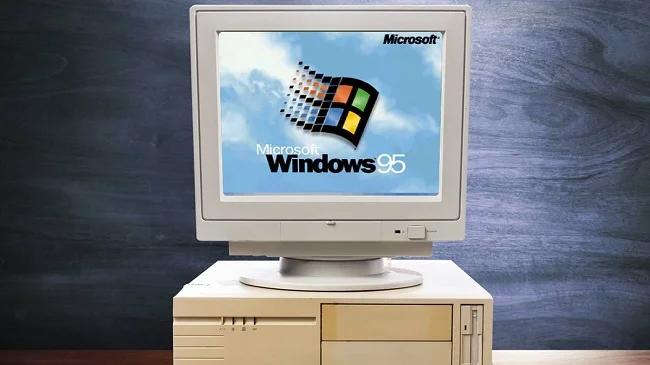
My relationship with technology has changed over the years and my enthusiasm has tempered greatly. Having worked in the IT field for 25 years (up until 2016), I have been immersed in technological advancement and due to my age have seen a great deal change. I was at one time an early adopter of anything I considered to be potentially beneficial to me and at times have been guilty of acquiring something “new and shiny” simply for its own sake. I have even flirted with that dubious notion of tech as a fashion accessory. But sometimes age does bring wisdom, so nowadays, I’m a firm believer in finding the sweet spot between “the right tool for the job” and “if it isn’t broke, don’t fix it”. Subsequently, 2018 has not seem me acquire a great deal of new technology. However, what I have bought this year or started using has been well received and useful.
Alien: Romulus (2024)
Some films are made with the intention of starting a franchise, others evolve into one after a surprise box office success and lucrative sequels. Alien (1979) falls into the latter category. A mid-budget science fiction horror film that was well crafted and then benefited immensely by being released at just the right time. Sadly, many franchises become derailed and enter into a death spiral due to competing artistic visions, cynical studio politics and cinematic ignorance. This has certainly afflicted all subsequent Alien films after James Cameron’s magnificent Aliens (1986). Sometimes, a franchise can correct its course and do something fresh with the source material. Prey (2022) is a fine example of this with director Dan Trachtenberg bringing fresh vigour and intelligence back to the Predator movies. I believe that was the intention with Alien Romulus (2024). Sadly, the road to hell is paved with good intentions.
Some films are made with the intention of starting a franchise, others evolve into one after a surprise box office success and lucrative sequels. Alien (1979) falls into the latter category. A mid-budget science fiction horror film that was well crafted and then benefited immensely by being released at just the right time. Sadly, many franchises become derailed and enter into a death spiral due to competing artistic visions, cynical studio politics and cinematic ignorance. This has certainly afflicted all subsequent Alien films after James Cameron’s magnificent Aliens (1986). Sometimes, a franchise can correct its course and do something fresh with the source material. Prey (2022) is a fine example of this with director Dan Trachtenberg bringing fresh vigour and intelligence back to the Predator movies. I believe that was the intention with Alien Romulus (2024). Sadly, the road to hell is paved with good intentions.
Rain Carradine (Cailee Spaeny) works and lives with her adoptive brother Andy (David Jonsson), a malfunctioning, reprogrammed android at the Jackson's Star colony on LV-410. After her work contract is forcibly extended by the Weyland-Yutani company, Rain's ex-boyfriend Tyler (Archie Renaux) persuades her to join an expedition with his pregnant sister Kay (Isabela Merced), their cousin Bjorn (Spike Fearn) and adoptive sister Navarro (Aileen Wu). They intend to loot a derelict spacecraft and retrieve cryostasis chambers so they can escape to the planet Yvaga. Andy's ability to interface with the onboard computer system is crucial for the expedition. Using an ageing hauler, the Corbelan IV, they dock with the space derelict to find it is a Weyland-Yutani research station. However, restoring the station’s gravity and power have unforeseen consequences, as the company has been experimenting with xenomorph biology. When they repair a damaged android called Rook, they learn the true nature of the danger they face.
I shall keep both my praise and criticisms for Alien Romulus short. This is a handsome production with good visual effects. The budget has been spent well. The film quickly sets out its stall, introducing the characters and setting up the plot. For the first forty minutes or so, Alien Romulus keeps the viewer onboard and focused. And then it sidelines all the ideas it briefly alluded to in the first act and just lapses into a rather trite fan service. It constantly refers to or tries to recreate classic scenes, tropes and dialogue from all previous Alien movies. It also tries to tie in numerous plot ideas from previous films, regardless of whether they’re a good fit with what is actually going on. Alien Romulus should have been able to stand on its own two feet and the only reason it was not allowed to do so is because it was decided by the studio that it was less risky if they just gave the audience a film version of a “greatest hits” album.
I won’t waste my breath or time discussing the failings of the existing film studio system or the way they treat the intellectual properties they hold. No film director sets out to make a bad film, so I see no reason to lambast director Fede Álvarez. I’m sure he did not have a free hand and had many constraints placed upon him. Sadly, Alien Romulus is a classic example of the “cakeism” mindset that blights Hollywood at present. Where a director or writer is brought in to allegedly shake things up but at heart the studio is far too risk averse to really do anything radical. Hence, they constantly interfere and mitigate any originality that is proposed, resulting in stupefying mediocrity. Perhaps the most egregious aspect of this business philosophy is the utter contempt it has for the audience. If you’ve never seen an Alien film before, you may find Alien Romulus mildly diverting. Fans of quality cinema and integrity in film making, will roll their eyes and be unsurprisingly disappointed.
Star Trek is slightly older than me by 14 months. I was born on December 18th 1967. Star Trek was first broadcast in the US on 8th September 1966. Hence this show has always been part of the prevailing pop culture that surrounded me, as I grew up. I first began watching Star Trek as a young child in the early seventies. It would be repeated on the BBC in the early evening on Fridays and it became a family ritual to sit down together and watch it. As a seven or eight year old, it left a great impression upon me and was in many ways, the television highlight of the week. Star Trek along with Doctor Who certainly started my interest in science fiction. Star Trek was also one of the first shows that introduced me to tie-in marketing. I remember seeing in a toy shop, near to my school at the time, a Dinky Klingon Battle Cruiser and was flabbergasted that such a thing existed. I immediately coveted it but sadly never obtained one.
David Koepp is no stranger to genre cinema, having written the screenplay for such films as Jurassic Park, Spider-man and War of the Worlds. Where these titles are big budget, major studio productions, Cold Storage is a far more modest production with a smaller scope. Adapted from his own novel, the screenplay is by David Koepp and the film is directed by British film-maker Jonny Campbell. At first glance, Cold Storage seems a somewhat derivative science fiction horror film with a relatively modest budget, financed through a convoluted US and French co-production. Lurid green and red colours feature heavily in the marketing artwork and it is easy, after a cursory look, to write the film off as cheap, generic, direct-to-streaming filler. However, Cold Storage is prime example of why you should not judge a book by it’s cover, or in this case, a film by its posters and online advertising. It is in fact an amusing and fun endeavour that can fill an evening.
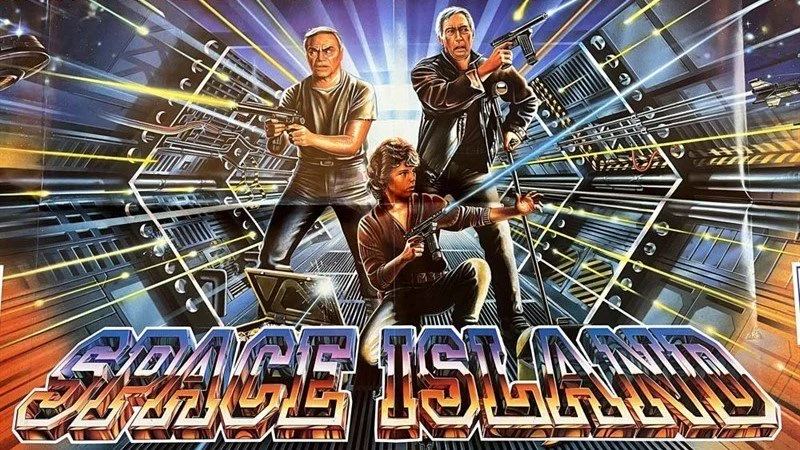
Treasure Island In Outer Space is a curious Italian television production from 1987 starring Anthony Quinn and Ernest Borgnine. It also features numerous international actors better known for their work in cult and exploitation films, such as Bobby Rhodes, David Warbeck and John Morghan. Directed by Antonio Margheriti (AKA Anthony Dawson), famous for such films as Killer Fish (a cash in on Piranha) and The Last Hunter (a Vietnam exploitation epic), Treasure Island In Outer Space is a faithful adaptation of Robert Louis Stevenson’s classic novel. The screenplay by Renato Castellani and Lucio De Caro draws heavily from the source text, maintaining character names and original dialogue. However in updating the material to a futuristic setting, the script is littered with the worst kind of eighties sci-fi clichés. We are subjected to sonic trains, anti-gravity rays and the usual buzzword driven faux science.
After the success of Raiders of the Lost Ark in 1981, filmmakers scrambled to find existing intellectual properties that they could use for similar films. Hence archaic heroes such as Alan Quatermain were hastily given a modern makeover and thrust into generic movies, in a vague attempt to replicate Steven Spielberg’s successful formula. Which brings us neatly on to James Charles Bigglesworth AKA “Biggles”, a fictional pilot and adventurer from a series of books written by W. E. Johns between 1932 and 1968. Several attempts had been made in the past to bring this character to the silver screen, including one by Disney but they all failed. However, the commercial and critical success of Indiana Jones provided sufficient impetus to greenlight a new film. However, due to some curious production choices, when Biggles was finally released it was far from just a period set, action movie.
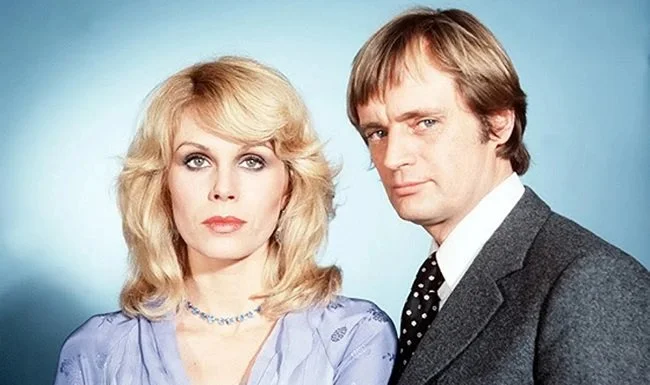
The seventies was an interesting time for UK genre television. Despite small budgets and often low key visual effects, there was no shortage of good ideas and creativity. Sapphire & Steel is a prime example of a show couched in a high concept, produced on a shoestring. It also credits its audiences with some degree of intelligence. Rather than spoon feeding the narrative in a didactic manner, it hints and implies, then leaves the rest to its viewers imagination. Created by Peter J. Hammond, a veteran TV writer, Sapphire & Steel centres on a pair of interdimensional operatives named Sapphire and Steel. They are two of a number of elements that assume human form. Over the course of three seasons little is revealed about the pair but they appear whenever there is any anomalous temporal activity. Time itself is portrayed as a sentient and malignant force that seeks to make incursions into the present reality, through weaknesses in the fabric of space.
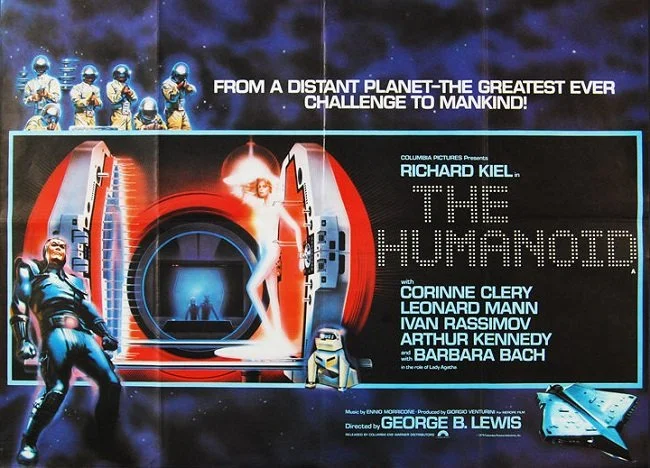
The Humanoid is one of many international Star Wars knock-offs that flooded cinemas in the late seventies and early eighties. Like so many others, it is derivative (even to the extent of replicating specific scenes from George Lucas’ movie), replete with awful dialogue and has somewhat basic production values. However, it does have an interesting cast including Richard Kiel, Barbara Bach, Arthur Kennedy and Corinne Cléry. Kiel gained a lot of media attention after his appearance as the steel-toothed villain Jaws in the 1977 Bond film, The Spy Who Loved Me. His stature made him the perfect fit for the titular character in this Italian science fiction production. Sadly, beyond a curious lineup of actors, The Humanoid has little to distinguish it from so many similar movies. For example, if you’ve seen Starcrash then you’ll be adequately prepared for this film.

Some films are made with the intention of starting a franchise, others evolve into one after a surprise box office success and lucrative sequels. Alien (1979) falls into the latter category. A mid-budget science fiction horror film that was well crafted and then benefited immensely by being released at just the right time. Sadly, many franchises become derailed and enter into a death spiral due to competing artistic visions, cynical studio politics and cinematic ignorance. This has certainly afflicted all subsequent Alien films after James Cameron’s magnificent Aliens (1986). Sometimes, a franchise can correct its course and do something fresh with the source material. Prey (2022) is a fine example of this with director Dan Trachtenberg bringing fresh vigour and intelligence back to the Predator movies. I believe that was the intention with Alien Romulus (2024). Sadly, the road to hell is paved with good intentions.

Event Horizon is a curious movie hybrid, mixing plot elements from classic sci-fi and horror genres. It has been labelled “Hellraiser in Space” by some lazy critics, although I think there's far more to it than that. Perhaps a more apt description would be a Gothic horror story set in space. The movie has garnered a cult reputation since its release in 1997, mainly due to its graphic imagery and troubled production history. It does indeed have some quite shocking sequences but the lightning editing does not show as much as some would think. Paramount forced director Paul W S Anderson to reduce the original one hundred and thirty minute running time down to a more manageable ninety, after unfavourable test screenings. Much of the violence was allegedly removed as a result of that process. Sadly nothing survives of the removed material other than a VHS workprint. Hence a restored director’s cut is therefore unlikely.
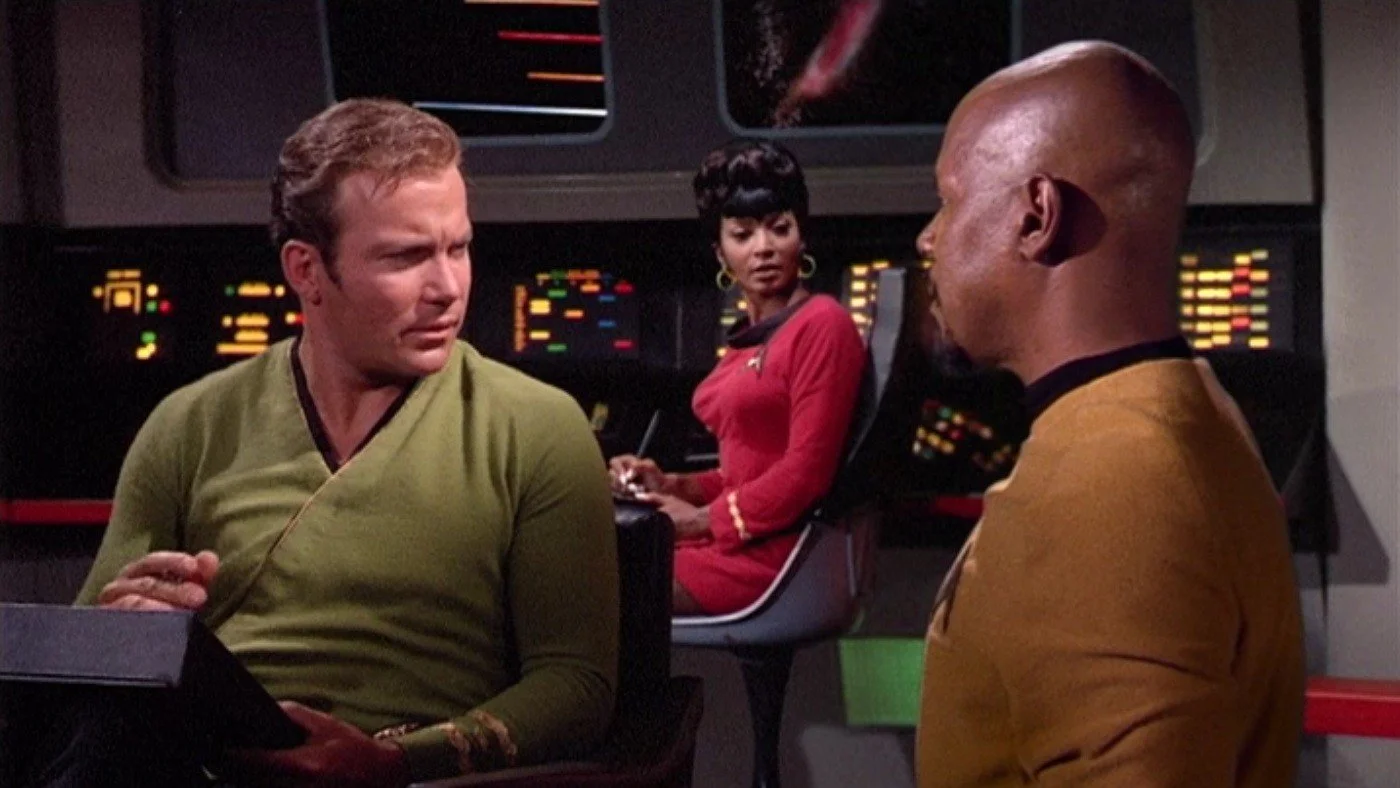
I recently watched the first trailer for the new Obi-Wan Kenobi television show that is premiering on Disney + in May. I am interested in this latest instalment in the Star Wars franchise and curious as to whether Liam Neeson will make an appearance. I also watched a 20 minute fan video in which they “analysed” the entire trailer. They discussed the content of this 2 minute preview and then did a great deal of speculating about potential themes and characters that may feature in the show. They were clearly enthusiastic about what they had seen and were very knowledgeable about the subject. This resonated with me, as I like to be well versed about the things I enjoy. However, it is worth remembering that fandom can tip into obsession and gatekeeping. Hence I feel there is a subject to explore here.
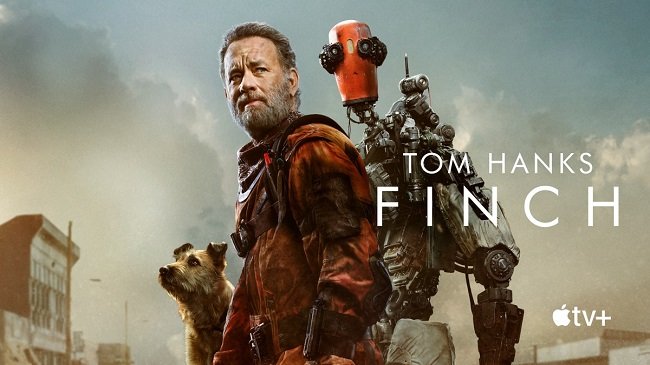
On paper Finch has little originality. The moment I read the plot synopsis and saw the first trailer I instantly thought of other such films as Silent Running, Short Circuit and Chappie. However, irrespective of its derivative concept and the fact it channels many of the major tropes of the genre, it does have three cards to play. Namely strong performances by Tom Hanks, Caleb Landry Jones and canine actor Seamus. Although not a genre milestone, Finch is a curiously pleasant post apocalyptic road movie. Despite travelling through the sun bleached vistas of a ravaged America, the story focuses on the three protagonists and their relationship. It is no small feat to find genuine sentiment in such a harsh environment and indeed in such a genre but Finch proves to be an engaging emotional journey. Once again the most effective explorations of the human condition are often through characters who are conspicuously not.
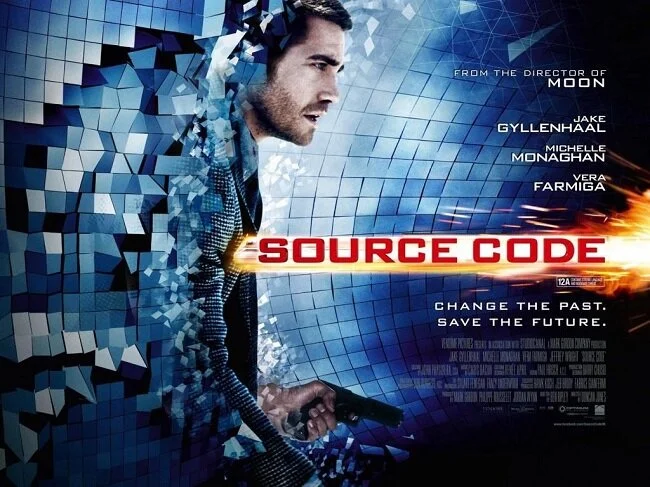
I wanted to watch Source Code for a second time before I wrote about it. This is because numerous internet debates have arisen regarding the plausibility of the film’s ending. I find this a somewhat curious stance considering that the story, written by Ben Ripley, deals with temporal travel and multiple timelines. All of which are purely theoretical and not currently subject to singular, definitive interpretations. I would further add that the science of the film is simply a plot device and is not its raison d'être. But that’s movies for you. People love to discuss them and more recently we have seen the rise of “explanation” videos on YouTube. However, the latter is a separate debate and something I may write about in the future. As for Source Code, I enjoyed it even more the second time round, as I had the time to focus on the minor details rather than trying to stay abreast with the main plot, as I did on my first viewing.
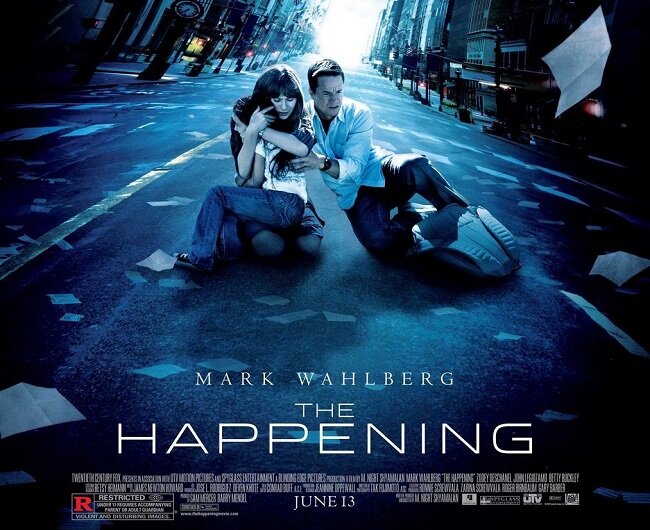
I revisited M Night Shyamalan's The Happening recently to try and determine whether he is indeed suffering from Orson Welles syndrome. IE that he has made all his best work at the beginning of his career. Because he’s never quite recaptured the critical or artistic success of The Sixth Sense, Unbreakable and Signs. I was one of the few that actually liked The Lady in The water but I could see why viewers would assume that he had become a victim of his own style and technique with that particular movie. Casting yourself as an author whose work will reshape society and change the course of history is at the very least, a little egotistical and at worst an act of immense hubris. Then in recent years we have had The Last Airbender and After Earth, both of which have performed poorly. However I thought I'd give The Happening another chance as it remains the directors only R rated movie to date.

I wrote an article back in 2009 as to why I felt a remake of The Thing was a bad idea. At that time, the project was in development hell and didn’t look like getting off the ground. Subsequently, the production evolved into a prequel and managed to find financial support, culminating in a theatrical release in late 2011. Like many interested parties, I watched the initial teaser trailer with a mixture of curiosity and trepidation. Then when the red band trailer arrived I felt that the shark was well and truly jumped. Too much was shown (a common problem with modern trailers) and there the internet was awash with discontented mutterings from John Carpenter purists. Hence I refrained from watching this movie for several years. When I finally got round to doing so, I was not well disposed towards it. However, over the Christmas holidays, I decide to give this prequel a second viewing and see if I could approach it with a less partisan mindset.
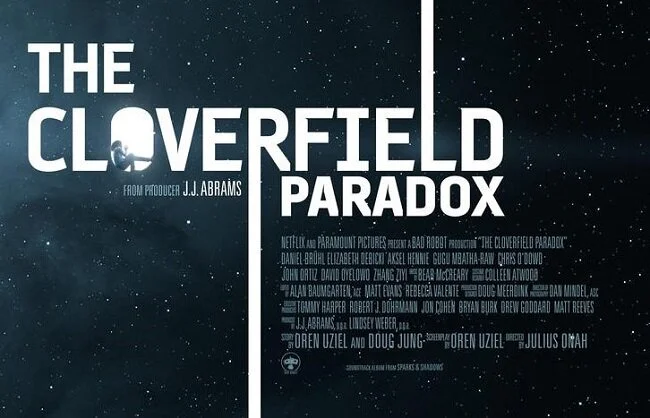
Cloverfield (2008) was a surprise hit, earning $172 million worldwide at the box office against a $25 million budget. Paramount Pictures naturally wanted a sequel but director Matt Reeves and writer Drew Goddard struggled to find a suitable narrative means to progress the original story. Both eventually left the project and the production descended into development hell. The subsequent success of Godzilla and Pacific Rim saw the Kaiju genre becoming oversaturated and so the decision to make a direct sequel was re-evaluated. Eventually a “speculative screenplay” called The Cellar was purchased and repurposed to include some additional science fiction elements and became 10 Cloverfield Lane. Despite being a curious genre hybrid which only tenuously links to the original movie, this too fared well at the box office. Therefore it was inevitable that a third movie in the so-called “Cloververse” would follow.
In many ways the story behind The McPherson Tape is a lot more interesting than the film itself. This early found footage movie from 1989, was shot on home video on a virtually non-existent budget. The director Dean Alioto eventually found a distributor but on the eve of the movie’s home video release, the warehouse burned down and allegedly destroyed the master tape and all the promotional artwork. Yet this was not the end of the story. It was common practice in the eighties for small distributors to send advance copies to local independent video stores. Hence The McPherson Tape found its way into the pirate video ecosystem. It then migrated to the UFO community where it was circulated as being a video of a legitimate alien abduction. Dean found himself in the unusual position of having to debunk his own work. Three decades later due to the intriguing tale associated with The McPherson Tape, it has been remastered from the newly rediscovered 3/4" tape and re-released.
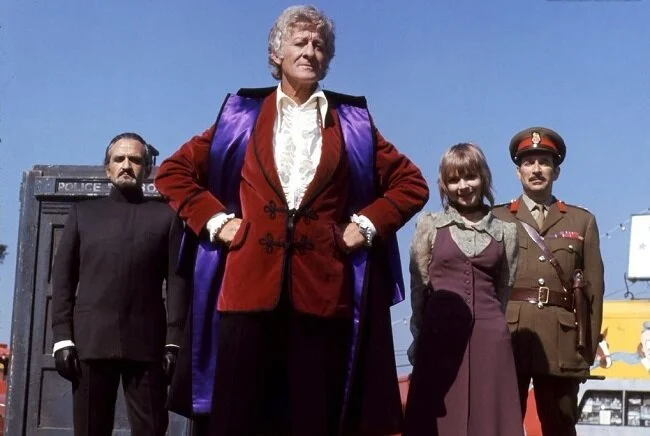
Last month, I tried a 30 day free trial of the streaming service BritBox. One of the main selling points was that the platform has an extensive back catalogue of Classic Doctor Who. Although I initially tried to keep up with the reboot of the franchise in 2005 my interest waned after several seasons. I am not opposed to any of the changes made and I am very pleased that the show has found a new audience. However, it doesn’t resonate with me so much anymore and I find that there is too much human drama for my liking. So I decided to revisit my youth and watch some classic Doctor Who; episodes that I haven’t seen in over forty years (yes, I’m that old). Now I’m fully aware of the potential issues that can come from returning to things that you enjoyed in one’s youth, so I believe I did my best in managing my expectations. However, the results of my nostalgia trip were interesting. The things I thought would be a problem nowadays weren’t so and the things I expected to hold up well despite the passage of time, didn’t always succeed. It’s been a curious experience.
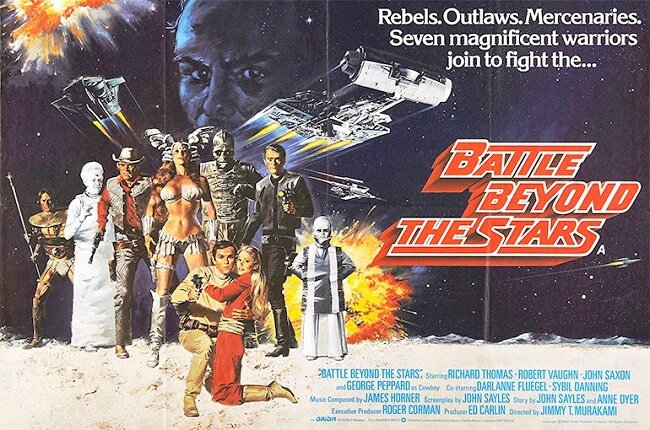
I was 12 years old when I first saw Battle Beyond the Stars during its UK theatrical release. I remember that I enjoyed it and thought it was an action packed movie. Being young, lacking the critical faculties that come with age and exposure to a wider variety of cinematic material, a lot of the films plus points were lost on me. I recollect that I did pick up on the fact that this film was more ghoulish than the other “Space Operas” that flooded theatres at the time. But beyond that, all I saw was a fun and enjoyable science fiction movie. I cheered when the Malmori were defeated and was saddened when Space Cowboy died. It is only after subsequent viewing over the years, that I’ve realised that this film is a microcosm of all the things that made Roger Corman productions so successful and unique. Despite its low budget, the visual effects were good and innovative for the times. There was more sex and violence present, than in comparable productions. And the crew is a veritable who’s who of talent that went on to wider success.
Contrary to the endorsement on the above poster, Riddick was not "the most entertaining action movie of the year" in 2013. It was just an adequate third instalment in a rather ambitious franchise, that has failed to grab the wider public's attention. That’s not to say that they didn’t make money. This is after all the third movie. Writer and Director David Twohy has done his best to try and make the character of Riddick (Vin Diesel) more than the sum of his parts and I admire both of them for their persistence. Unfortunately, Riddick just isn't engaging or complicated enough a protagonist to sustain a franchise of this nature. The anti-hero was sufficient to drive the original Pitch Black back in 2000 which had some good ideas but just couldn't sustain the overarching and overblown Chronicles of Riddick in 2004. This instalment is competently made but ultimately superfluous.
Sequels and reboots are hardly a new concept and have been a part of Hollywood culture since the 1930s. The success of the Universal Horror movies from that era being a prime example of direct follow ups and retconned movies. However, there is one fundamental rule that distinguishes a good sequel from a bad one. You should never mitigate, undermine or make irrelevant the events of the previous movie, just to provide your new film with a raison d'être. For example, the events of Aliens do not contradict or trivialise those that happened in Alien. In fact with that franchise there is a very clear logical progression between the two movies. The same is true for Mad Max and Mad Max 2 or Star Wars and The Empire Strikes Back. The key is to progress a story, enhance it or explore things from an alternative angle and bring something new to the cinematic table. Sadly this philosophy is all too often lost on corporate film making. Which means that many sequels are just tedious replays of prior films. Terminator: Dark Fate falls squarely into this category.

In the near future, a series of mysterious power surges strike the Solar System, endangering all human life. Astronaut Major Roy McBride, is selected by U.S. Space Command (SpaceCom) to investigate their source near Neptune. The surges are linked to the "Lima Project", a failed experiment from 26 years earlier, that was intended to search for intelligent life outside of our solar system. The ship’s antimatter drive is potentially malfunctioning and responsible for the energy surges. Roy’s investigation is further complicated by the fact his Father H. Clifford McBride (Tommy Lee Jones), led the "Lima Project" and has not been heard from for 16 years after reaching Neptune. Having been told that Clifford may still be alive, Roy is joined by his father's old associate Colonel Pruitt (Donald Sutherland) whose loyalties remain ambiguous. Roy, who is noted for remaining calm under pressure, shows little emotional reaction to the news about his Father. As he and Pruitt travel covertly from Earth, to the moon and then onto Mars, it becomes clear that there is more to the mission than meets the eye. Will Roy remain emotionally detached or will old wounds impair his judgement?

I was very surprised when I saw a trailer for a fourth instalment on the MiB franchise, based on Lowell Cunningham’s 1990 comic book series about secret government agents battling alien infiltration of earth. The third movie from 2012 managed to keep its head above water despite a very troubled production. At the time of its release, I like everyone else, pretty much thought that the series had run its course. Yet we live in the age of belated sequels as well as hard and soft reboots. And although Will Smith’s star may well be waning, Chris Hemsworth is still box office gold. Hence, we saw the release of Men in Black: International this summer. The basic concept of the franchise remains the same but this time the action begins in the London Office and then takes a more international journey with such locations as Marrakesh and Naples. Emma Thompson returns as Agent O and Liam Neeson joins the cast as agent High T.
The original Men in Black movie hit our screens back in 1997. It was a box office success and was therefore followed by a mediocre sequel in 2002. It took a decade before we got a third instalment in the franchise. However, the popularity of the two lead actors contributed greatly to the success of this series and so despite well documented production problems Men in Black III was released in 2012. However, the delay between movies did have consequences. Will Smith, despite being an Oscar winner and box office star, had lost his way during this time and was not as popular with audiences. Men in Black III was a timely opportunity to reconnect with his core fans. So to ensure that the film hit all the required beats and stand a better chance of being a success, the Columbia Pictures brought back previous director Barry Sonnenfeld, in hopes of warding off the Hollywood curse of third movie instalments.
Fellow blogger and all round good guy Murf, posted an ode to Bill & Ted’s Excellent Adventure today. It is clearly a movie that he enjoys (Go read his review). He references how due to this movie (along with others), as well as being a decent person in real life, that actor Keanu Reeves enjoys a great deal of goodwill from fans and pop culture cognoscenti. Which is a good thing for Mr Reeves, because goodwill often means that folk are prepared to overlook past transgressions and misdemeanours. And in cinematic terms, Keanu has had a few. The Day the Earth Stood Still is definitely one of them. Now I’ve questioned before the wisdom and merits of writing a predominantly negative film review and believe me my thoughts on The Day the Earth Stood Still are most definitely so. However, I think that something positive can still be gained from scrutinising this film. It can be held up as a textbook example of how not to remake a classic.
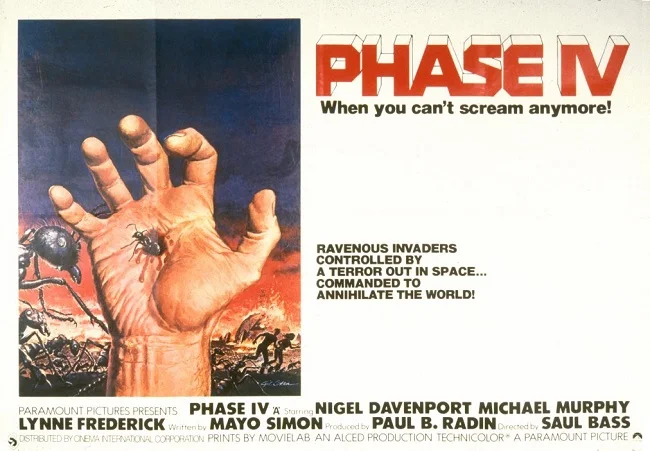
Every now and then, a mainstream film studio employs an artisan director to helm some sort of experimental or vanity project. The studio executives often have very little understanding of the film maker or their body of work, beyond that their artistically respected by their peers. Hence there is the corporate hope that the resulting production will be both critically acclaimed and financially successful. However, what all too often happens is that the said director goes off and indulges themselves, or simply does what they’re hired to do and delivers a finished picture that is beyond the intellectual horizons of the studio. Sphincter’s subsequently tighten among executives; the director is denied final cut and the film is taken a way and re-edited in the hope of rendering it more commercially viable. In the worse cases, a second director is brought onboard and new material shot in the hope of “saving” the picture. The net result is usually acrimony among all involved parties and a film that fails to make its money back at the box office.

For anyone with a passing interest in literary science fiction, Arthur C. Clarke’s Childhood’s End is a seminal novel and considered an essential read. The story of humanity being shepherded into a utopian golden age by allegedly benevolent alien Overlords and the consequences it has upon society, was a radical departure from prevailing science fiction norms of the time. Over the years several film makers have expressed interest in adapting the story, but it has proven difficult to come to grips with. Stanley Kubrick initially wished to develop the novel but his subsequent collaboration with the author eventually lead to the making of 2001: A Space Odyssey. Since then there have been radio adaptations and audiobook versions, all of which seem to be a better medium for this episodic and contemplative tale. In late 2015 US cable and satellite channel Syfy broadcast a three-part miniseries based upon the 1953 story; something that past me by at the time. I recently caught up with this adaptation which seems to have provoked very mixed reactions among viewers. As ever, the controversy seems to stem from purists who favour a more slavish interpretation of the book.

I always cringe when I hear the phrase re-imagining. It's yet another contrived expression created by marketing bodies to justify the somewhat arbitrary process of remaking an established title. Often the re-imagined product has little to do with the source material and was chosen simply because of brand awareness. If you want a textbook example of a recent example of this somewhat cynical process then look no further than last year’s Death Wish reboot. It had nothing new to say on the subject and simply trotted out a generic and bland revenge thriller. So, when I discovered that Robert Wise's classic science fiction film, The Andromeda Strain had been remade as a TV miniseries (that had completely passed me by), I had great reservations as to whether this would be worth watching. However, the involvement of Tony and Ridley Scott piqued my interest, so I decided to take a calculated risk and give this 2008 A&E Network production a go.
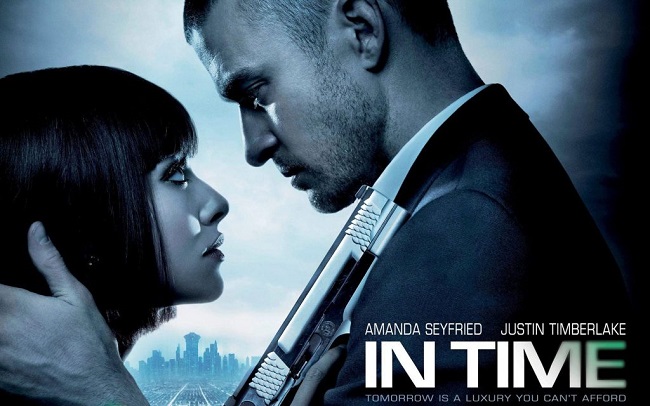
Time is quite literally money in the movie In Time, starring Amanda Seyfried and Justin Timberlake. Written and directed by Andrew Niccol, who previously wrote Gattaca and S1m0ne which both had similar dystopian themes, we are presented with a chilling scenario. What if you had to spend minutes or hours or perhaps days of your life in the same way you spend money? The movie offers a future where the population is genetically programmed to stop aging at twenty-five. If you're rich enough, you can purchase and trade this commodity, adding time to your life, making you effectively immortal. For the poor, the future is a far bleaker with most dying within a year of this hardcoded end date. Every transaction comes with a price in minutes and seconds.
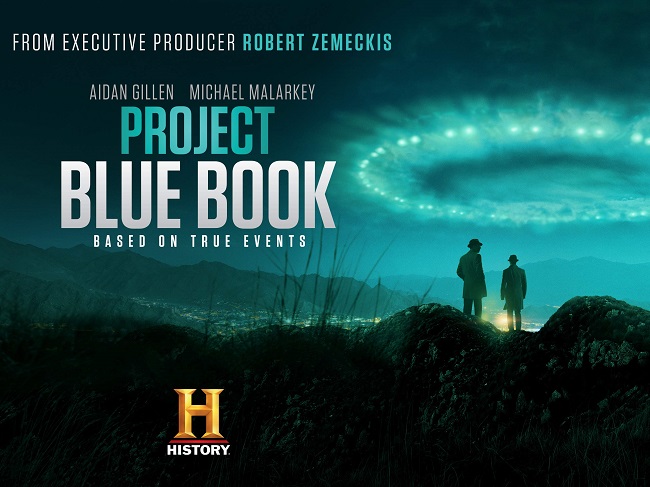
Many years ago, I use to rush home from school to watch Project UFO. Based loosely on the real-life Project Blue Book, this show from 1978 featured two U.S. Air Force investigators, Maj. Jake Gatlin (William Jordan) and Staff Sgt. Harry Fitz (Caskey Swaim) and their subsequent investigation into alleged UFO sightings. Sometimes there would be rational explanations and on other occasions, there was clearly extraterrestrial involvement. By the second season out protagonists experienced a close encounter of their own. It wasn’t the most densely plotted of dramas and was produced and presented in the idiom of mainstream television of the time. However, for a ten-year-old boy it had some excellent miniature work (Brick Price Movie Miniatures) and anything about UFOs was always a source of interest. There was also a great and very seventies theme tune by Nelson Riddle. So when I discovered that History (formerly The History Channel) had produced a science fiction drama series called Project Blue Book, I became somewhat nostalgic and equally intrigued.
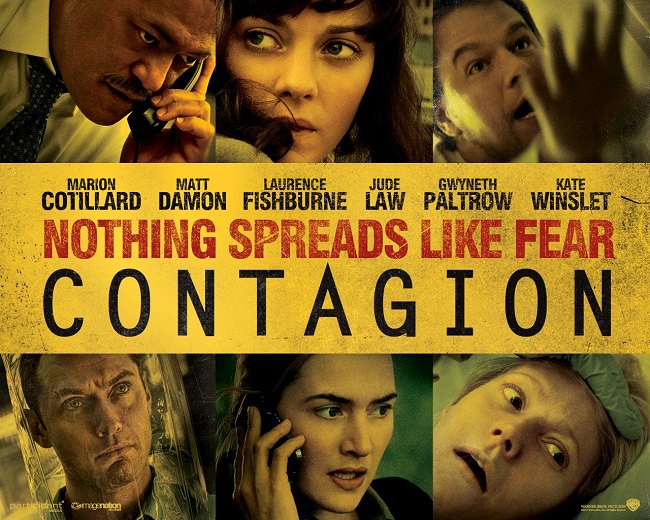
Director Steven Soderbergh is no stranger to complex narratives, shot in a near documentary style. And this is exactly this approach that he brings to bear upon Contagion. A movie that beneath its contemporary trappings, still has the air of an all-star disaster movie. Unlike so many current films which suffer from underdeveloped characters due to poor writing, Soderbergh makes conscious decision to focus more upon the mechanics and nature of a global pandemic than the main protagonists. This somewhat detached approach may not be to all viewers liking. But the format starkly scrutinises and catalogues events in an honest fashion and doesn’t shy away from the realities of the situation or get side tracked by the emotional aspects of the ongoing human tragedy.
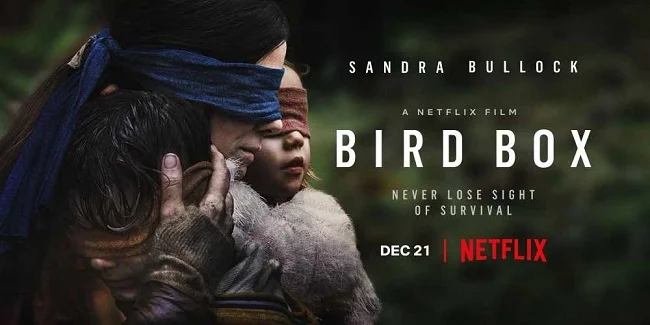
The unfolding apocalypse and the unseen forces that bring it about are never fully explained in Bird Box. The movies also eschews overblown, CGI driven set pieces and spectacle. The scenario is simply the MacGuffin which director Susanne Bier uses to facilitate her exploration of the angst of motherhood and societal decay. This is superficially a genre movie but it’s mainly about people, performances and ideas. There have been some comparisons to A Quiet Place, but this movie is actually closer to The Mist. The film is at its best during the first act, when setting up its premise and at the start of “the event”. The second act remains above average mainly due to the strength of the cast, as they weather the ongoing storm. The denouement is somewhat functional and is possibly the weakest aspect of the film. Yet, the strength of what has gone before and as ever the robust nature of Sandra Bullock’s performance keeps things on track.
Robot Dreams (2023)
Whenever I feel that mainstream filmmaking is becoming increasingly bland and I grow despondent with it, along comes an animated film to prove that there is still greatness and art to be found through the medium of cinema. Robot Dreams begins as a tale of loneliness and then quickly becomes a eulogy to friendship and participating in life. The story then turns things on its head as it explores loss and finally concludes with a profoundly beautiful resolution, as it muses upon accepting change and new friends. Robot Dreams succeeds where so many other films fail by being honest, candid and sincere. Hence the emotions expressed by what is essentially a simple story are genuine and palpable. The film’s lack of dialogue is a blessing, with music doing a great deal of the narrative heavy lifting. This allows audiences to focus on the main characters without unnecessary distraction. The animation is uncomplicated but very specific in its style and setting. It utterly suits the tale being told.
Whenever I feel that mainstream filmmaking is becoming increasingly bland and I grow despondent with it, along comes an animated film to prove that there is still greatness and art to be found through the medium of cinema. Robot Dreams begins as a tale of loneliness and then quickly becomes a eulogy to friendship and participating in life. The story then turns things on its head as it explores loss and finally concludes with a profoundly beautiful resolution, as it muses upon accepting change and new friends. Robot Dreams succeeds where so many other films fail by being honest, candid and sincere. Hence the emotions expressed by what is essentially a simple story are genuine and palpable. The film’s lack of dialogue is a blessing, with music doing a great deal of the narrative heavy lifting. This allows audiences to focus on the main characters without unnecessary distraction. The animation is uncomplicated but very specific in its style and setting. It utterly suits the tale being told.
Set in an alternate incarnation of 1980s New York City populated with anthropomorphized animals, Dog lives alone in a Manhattan apartment. Tired of being lonely he orders a robot companion after seeing a TV advertisement. Upon arrival, Dog assembles his new friend, Robot and the pair embark on a series of adventures throughout the city. Robot’s innocent excitement and wonder at the world kindles a love of life in Dog and the two become inseparable. However, a trip to the beach at Coney Island goes awry and ends with Robot stranded on the sand. Dog unable to move him on his own, intends to return the next day but the beach is closed and fate then conspires to keep the two friends separated. Dog tries to go about his life, trying to fill the emotional void. Meanwhile, Robot dreams about being reunited with Dog and wonders about his own fate.
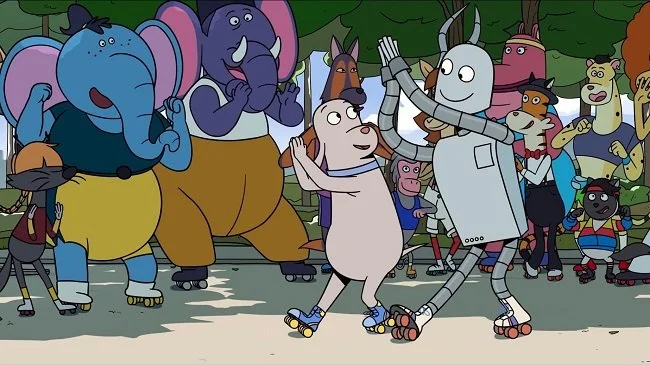
Based upon the 2007 comic of the same name by Sara Varon, director Pablo Berger executes his animated parable with aplomb and integrity. As well as being a superb piece of animation, Robot Dreams is also an extremely well observed love letter to the city of New York. Subtle details embellish every frame, from the period-specific graffiti to niche cultural references such as the inclusion of a VHS copy of The Wizard of Oz rented from Kim’s Video store. The choice of songs from Earth, Wind and Fire to Reagan Youth are very evocative of the era and there are clever homages to films of the time, as well as classics also set in New York. Watch carefully for references to A Nightmare on Elm Street and Manhattan. For a film that is in essence, very simple, there is a great deal of emotional and philosophical depth to Robot Dreams. It is never boring, consistently compelling and quite profound throughout its 98 minute running time. You may find yourself crying but in this case, that is a good thing.
I recently found a DVD boxset of Return to the Planet of the Apes in a charity shop which I bought for £4, which is a ridiculously cheap price. I considered it an interesting find because it was a Region 1, US copy. However, that is not so unusual these days as most DVD players are now region free and Amazon (UK) sells media from all over the world. As for the show in question, I vaguely remember Return to the Planet of the Apes being shown on UK network TV when I was a child, probably circa 1976. Back then it would usually take a year or so before US shows made it onto UK television. From a commercial perspective, the entire Planet of the Apes franchise was beginning to run out of steam. I was 8 years old at the time so had missed most of the film releases. However, I enjoyed the live action TV show hence an animated follow up had obvious appeal to a child of my age.
It is not unusual for Disney to change film titles when marketing them outside of the US. In 2016 they renamed the animated feature film Zootopia to Zootropolis in the UK and Europe to avoid trademark conflicts with other existing businesses. For example there is a Danish zoo which already holds the “Zootopia” name. Similarly, in Germany there is a children’s book which caused copyright conflict, which led to the film being released under the title Zoomania. Such changes, although practical for legal reasons, can sometimes cause a degree of confusion. Especially as there are numerous, low budget productions companies that go out of their way to produce similarly titled “mockbusters” whenever there are big, tentpole, releases. So for clarity, Zootopia 2 has been released in the UK as Zootropolis 2.

With the proliferation of lore driven, franchise movies in recent years, a culture of analysis has developed online. Hence you will find a lot of YouTube videos that claim to “explain” the ending of specific films or provide clarification of their respective themes and subtexts. While critical debate and discussion about cinema is welcome, I think it is a mistake to always look for a specific meaning in cinema. Even clearly narrative films can be ambiguous. Art is ultimately a very subjective field of expression open to personal interpretation. Which brings me neatly to Flow, an animated feature film which tells a compelling story but raises more questions than it answers. It leaves the viewer to fill in a lot of the blanks themselves and the film is all the better for this approach. Flow is an extraordinary example of animation and a fascinating example of innovative, thought provoking filmmaking. Quite the rarity these days.
For those unfamiliar with Dav Pilkey’s graphic novel character Dog Man, he’s a half-dog, half-human police officer. This comic chimaera is the result of a surgical procedure carried out after Officer Knight and his trusty dog Greg are blown up while defusing a bomb. Greg’s head is grafted to Officer Knight's body. Post surgery, Dog Man (Peter Hastings) remains an officer of the law and continues to track his nemesis, Petey (Pete Davidson), an orange cat and criminal genius. However, despite positive media coverage and a high arrest rate, Dog Man incurs the ire of his Chief (Lil Rel Howery) who is jealous of his success. Furthermore, Dog Man becomes depressed due to the loss of his owner, girlfriend and former home. Meanwhile, Petey decides to clone himself in an attempt to find a worthy assistant and also plots to resurrect a deceased super villain, Flippy, who is an evil telekinetic fish.

I have always found it curious that there haven't been more feature films set in Middle-earth, after the success of Peter Jackson’s The Lord of the Rings trilogy. However, a little research shows a very complex set of rights regarding Tolkien’s work, with different material being controlled and administered by different bodies. Hence, the market has not been saturated with officially licensed material. Thus, when The Lord of the Rings: The War of the Rohirrim was announced to be in production, it aroused a great deal of curiosity both among fans and those with an interest in the wider film industry. To base an entire feature film on something that is effectively just a few paragraphs in the appendices of The Lord of the Rings is quite intriguing. The producers claimed it afforded them greater artistic freedom not to be constrained by an excess of lore. Industry pundits theorised that the film was being produced solely to ensure that wider rights were retained.
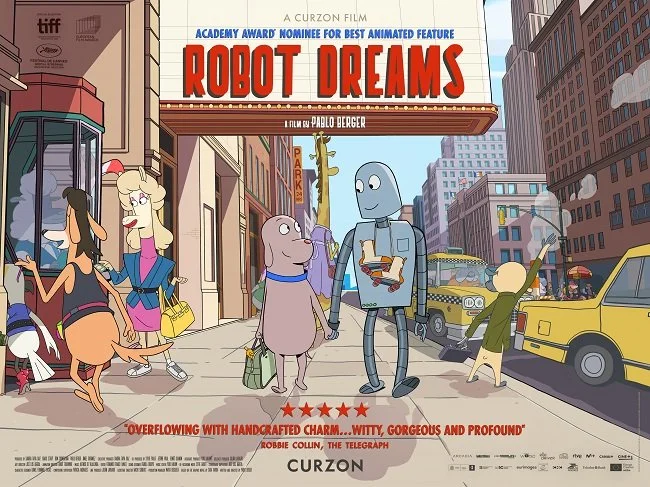
Whenever I feel that mainstream filmmaking is becoming increasingly bland and I grow despondent with it, along comes an animated film to prove that there is still greatness and art to be found through the medium of cinema. Robot Dreams begins as a tale of loneliness and then quickly becomes a eulogy to friendship and participating in life. The story then turns things on its head as it explores loss and finally concludes with a profoundly beautiful resolution, as it muses upon accepting change and new friends. Robot Dreams succeeds where so many other films fail by being honest, candid and sincere. Hence the emotions expressed by what is essentially a simple story are genuine and palpable. The film’s lack of dialogue is a blessing, with music doing a great deal of the narrative heavy lifting. This allows audiences to focus on the main characters without unnecessary distraction. The animation is uncomplicated but very specific in its style and setting. It utterly suits the tale being told.
Guillermo del Toro's Pinocchio is a bold and inventive take on Carlo Collodi's classic story of the puppet that aspires to be a “real boy”. As you would expect from the director, it is a far cry from Disney’s 1940 version, taking a more bleak and sinister tone. Despite songs and exuberant set pieces, Guillermo del Toro's Pinocchio is an exploration of grief, death and even fascism. The screenplay by Guillermo del Toro and Patrick McHale also tackles the complexities of the relationship between parent and child. It is a remarkable example of stop motion animation and is visually very striking. However, it is a somewhat niche market adaptation and is not exactly easily accessible to children or the furiously hard of thinking. It comes as no surprise that this cinematic venture was green lit by Netflix, which appears to be the new home of the experimental, rather than a mainstream studio.

George A. Romero’s Night of the Living Dead is a true genre milestone that is praised not only by horror film fans but mainstream critics alike. If you are interested in watching an intelligent, well researched and entertaining documentary about the film’s provenance and cultural impact then I thoroughly recommend Birth of the Living Dead (2013) by Rob Kuhn. It tells you pretty much all you need to know about why this classic film is so important. As for Night of the Living Dead itself, it still holds up well after 53 years. It is the immediacy and relatability of the premise and overall story that still makes the film relevant. The zombies are purely a “MacGuffin” and the real focus of the plot is how people behave under pressure in life threatening situations. It’s a film about how we can react to the same situation differently and how cultural baggage and the need for people to be “right”, hinders co-operation and thwarts progress.

It would appear that there is a Minions 2, although it’s release around the world has been staggered due to the pandemic. So I thought I’d revisit the original movie for a second viewing. Spin-off movies can be a risky venture. Side characters may work well in a supporting role within a successful movie but may not necessarily find an audience in their own vehicle. However this is most definitely not the case with Minions. The movie is ninety one minutes of exquisitely crafted cinema. From the opening Universal fanfare (which the Minions sing-a-long to) to the post credit rendition of Revolution, the film is consistently funny and perfectly paced. The production design and overall aesthetic is beautifully realised and the central characters of Kevin, Stuart and Bob are thoroughly engaging. Actually, forget "engaging ''. They are genuinely loveable. Directors Pierre Coffin and Kyle Balda barely put a foot wrong.
Although I have a passing interest in the franchise per se, I'm not a consummate fan of all things Batman. Hence a lot of content passes me by or I catch up with it years later. So it came as a great surprise when I discovered Batman: Return of the Caped Crusaders; a 2016 release in the ever growing catalogue of DC themed direct to DVD animated films. The movie is a de facto continuation of the sixties TV series, with the original actors reprising their roles (where possible). The cast includes Adam West as Batman, Burt Ward as Robin and Julie Newmar as Catwoman. Due to the death of actors Cesar Romero, Burgess Meredith and Frank Gorshin the voices for The Joker, The Penguin and The Riddler have been provided by Jeff Bergman, William Salyers and Wally Wingert. All of whom do their best to recreate the tone and idiom of the original artists.
There are three key elements to Disney’s 2009 3D computer-animated adaptation of A Christmas Carol. Firstly, director Robert Zemeckis clearly seeks authenticity and hence includes a lot of original dialogue from the novel, as well as a bleaker depiction of the period. Secondly, he uses the digital production tools at his disposal to create sweeping vistas of 19th century London as well as highly stylised caricatures of the central characters. Thirdly, as this is a Disney production, there is an occasional lapse visual humour and levity that is required by their business model. Sadly all of these aspects of the production make for strange bedfellows that are at odds with each other. The result is a visually sumptuous film that loses its way as it lurches between bleak drama, odd humour and CGI driven spectacle.

Upon its theatrical release, Mickey’s Christmas Carol was the first animated film to star Mickey Mouse for thirty years. It was therefore accompanied with a large amount of hype and a wave of nostalgia. The US marketing stated “He’s Back. Mickey Mouse in his first new motion picture” which was somewhat misleading, as the actual animated film was just 26 minutes long. It was shown theatrically along with a re-release of The Rescuers in the US and The Jungle Book in the UK and other territories, in late December 1983. And despite his name being in the title, Mickey doesn’t have a lot of screen time as he plays Bob Cratchit. This is very much a vehicle for Scrooge McDuck as Ebenezer Scrooge. Overall, it’s a succinct distillation of the plot of Dickens’ A Christmas Carol, filled with cameo appearances by classic Disney characters. Naturally it is replete with the humour and sentiment that is inherent in the process known colloquially as Disneyfication. However, does this mitigate the book’s message?

At first glance, there is not much to distinguish this low budget production by Burbank Films Australia, from any of the other adaptations that were ubiquitous during the seventies and eighties. However, attentive viewers will discover a few details that lift this particular version above the mundane. Firstly, this is the second animated adaptation to feature the voice acting of Ron Haddrick as Ebenezer Scrooge. He had previously voiced the character in Air Programs International's shorter version of A Christmas Carol in 1969, thirteen years earlier. Secondly, despite the modest production values, there are a few additional scenes taken from the source text by Dickens, that don’t usually make it most film and TV adaptations. It is these minor embellishments that compensate for the simplicity of the animation (during the opening scene, some background characters do not move).
Scoob! is one of several movies that was slated for a theatrical release this summer but ended up being premiering on VOD instead due to the global pandemic. As a result, it is difficult to ascertain exactly how successful this animated film has been. A lot of trade newspapers have indicated that rentals have been high and that the film has proven more popular than Tom Hardy’s new movie Capone. Some industry sources have estimated a gross of $100,000,000 in a two week period. I suspect that the current lockdown has provided a market of children craving new entertainment and parents happy to pay for 90 minutes of peace and quiet. Hence Scoob! appears to have been in the right place at the right time. Whether that popular success would have happened if the movie had been released theatrically is another matter.
The first I found out about Top Cat: The Movie was when I received an email from an events company that was handling promotional screenings, prior to the film’s UK release in the summer of 2012. For some reason I missed the usual pre-production publicity that comes with the rebooting of a popular franchise. One of the benefits of this was that I didn't have time to fret or fuss about this reimagining of an integral part of my childhood. I must admit I was flummoxed that this 50-year-old franchise was subject to a makeover and was even more discombobulated to find out that the original show was a massive hit in Mexico and had garnered a huge cult following. This was why Warner Bros. subcontracted this production to Mexico's Anima and Argentina's Illusion studios. Subsequently Don Gato y Su Pandilla (Top Cat and His Gang) opened on 16th September 2011 in Mexico to weekend box office returns of 41m pesos ($2.9m). It subsequently became the highest-grossing independent animated films released in the United States that year.

It’s interesting that so many adaptations of Charles Dickens’ iconic seasonal story are brought to us via the medium of animation. Naturally, this is a far more economical means of depicting the story with its period detail and supernatural elements, compared to a live action production. However, for an animated version of A Christmas Carol to work successfully, it needs three things. An innovative and striking production design, robust voice acting and a screenplay that keeps the core themes while offering significance difference compared to prior adaptations. You’ll find all of these elements in Richard Williams’ 1971 animated short. Sadly they’re conspicuously absent from the 1997 version. Despite the presence such talents as Tim Curry, Ed Asner and Whoopi Goldberg, this is a distinctly arbitrary animated film. Considering that the screenplay was written by Jymn Magon who has years of experience working for Disney, I had hoped this would be better endeavour.
There’s a degree of hubris implicit in such a definitive title. At the very least the inference is that this is a notable adaptation of Charles Dickens’ classic book. And at first glance, it is perfectly reasonable to assume just that. Jimmy Murakami was an animator of note with such unique movies as The Snowman and When the Wind Blows to his credit. Hence it is reasonable to expect a similar quirky and experimental treatment of this well know yuletide story. However, what audiences actually get is a rather bold adaptation that substantially embellishes upon the established narrative. Veering between sinister and borderline psychedelic imagery, this is a very inconsistent version that tries to be too many things at once. Just as you think you’ve got a handle on the film approach it takes an abrupt turn in the opposite direction. Comedy, drama and even power ballads are thrown into the mix. Sadly, all these elements do not hang well together.

The Hobbit (1977) is a curious beast. It’s a made for television animated film, which despite its budgetary constraints, strives to comprehensively adapted one of the most beloved children’s books of the last century. I remember reading an article about this television adaptation of The Hobbit, in Starburst Magazine during the late seventies. There were rumours that this Rankin/Bass production, which had already premièred on US network television, would gain a European cinema release. This was presumably to cash in on the success of Ralph Bakshi's animated feature film adaptation of The Lord of The Rings. However, this never happened to my knowledge. In fact, The Hobbit was not commercially available in the UK until 2001, when Warner Bros. released it on DVD to capitalise on the success of Peter Jackson’s The Fellowship of the Ring.
Over the last few years I’ve reviewed several adaptations of Charles Dickens seasonal story A Christmas Carol. As I stated previously one of the stories greatest strength is that it lends itself perfectly to multiple interpretations. I recently had the good fortune to rediscover the animated version from 1969 by Air Programs International. I remember seeing this animated short as a child but could not recollect sufficient details to allow me to track it down via the IMDB. Then by complete chance, I stumbled across it again on You Tube while doing some research.
I have a great deal of affection for Charles Dickens' A Christmas Carol, not only because it’s a fine piece of literature but because it lends itself so well to dramatisation. I therefore have a keen interests in all the respective adaptation, of which there are many. Over the years there has been a trend to focus excessively on the sentimental aspect of the plot, resulting in a rather nauseating Disneyfication of the story. Although the redemption of the main protagonist is central to the narrative, the poverty and deprivations of the time are still very pertinent themes, especially in today's economic climate. I was therefore very gratified to rediscover the 1971 version of Charles Dickens' classic story which was originally shown on ABC. This short 25 minute animated feature realises the story superbly, capturing the tone of the book and accurately reflecting the darker aspects. Remember that A Christmas Carol is fundamentally a ghost story.
Friday the 13th: The Final Chapter (1984)
Friday the 13th: The Final Chapter is a popular entry among fans of the franchise. This is mainly due to the return of makeup artist, Tom Savini, who creates several notable death scenes and a bravura ending for Jason Voorhees. There is also an attempt by writer Barney Cohen to have a more involving story compared to previous entries in the series. Director Joseph Zito, who previously directed the above average slasher movie The Prowler AKA Rosemary’s Killer (1981), brings a harder edge to the proceedings, making Jason more menacing than in the previous instalment. As ever, the film was dismissed by the critics but performed well at the box office. Producer Frank Mancuso Jr fully intended for this film to be a definitive end to the series, as he was becoming increasingly concerned that his association with the franchise was having a negative impact upon his career.
Friday the 13th: The Final Chapter is a popular entry among fans of the franchise. This is mainly due to the return of makeup artist, Tom Savini, who creates several notable death scenes and a bravura ending for Jason Voorhees. There is also an attempt by writer Barney Cohen to have a more involving story compared to previous entries in the series. Director Joseph Zito, who previously directed the above average slasher movie The Prowler AKA Rosemary’s Killer (1981), brings a harder edge to the proceedings, making Jason more menacing than in the previous instalment. As ever, the film was dismissed by the critics but performed well at the box office. Producer Frank Mancuso Jr fully intended for this film to be a definitive end to the series, as he was becoming increasingly concerned that his association with the franchise was having a negative impact upon his career.
Opening immediately after the events of Part III, police arrive at the scene of Jason’s latest killing spree and are shocked to find him among the bodies. He is taken to the morgue but he soon revives, escaping from cold storage and killing two members of staff before returning to Crystal Lake. Meanwhile a group of teenagers arrive at a cabin they’ve rented for the weekend. This comprises two couples, Paul (Alan Hayes) and Sam (Judy Aronson), Sara (Barbara Howard) and Doug (Peter Barton), along with the awkward Jimmy (Crispin Glover) and joker Ted (Lawrence Monoson). The cabin is opposite the home of the Jarvis family, where the recently divorced Mrs Garvis (Joan Freeman) lives with her teenage daughter Trish (Kimberly Beck) and young son Tommy (Corey Feldman). It is not long before Jason makes his presence known and the bodycount begins.
Friday the 13th: The Final Chapter has a strong start with the police units descending on Jason’s previous crime scene at night. Illuminated by the searchlight of a helicopter, the paramedics take away the victims and the police remove the axe used on Jason Voorhees as evidence. There is a semi chaotic element to this scene which adds to its credibility as various law enforcement officials struggle to make sense of what has happened. Sadly, once Jaon’s body is taken to the morgue, we immediately encounter the first in a litany of obnoxious characters who will sorely try our patience for the next hour and a half. The first murder featuring a surgical saw is very inventive but once again, has been reduced to a bare minimum by the MPAA at the time. Once the story moves to the teenagers at the cabin, the film falls into its usual formula.
Two specific plot elements make things a little different this time round. The introduction of a camper, Rob Dier (E. Erich Anderson ), who is tracking Jason to seek revenge for his murdered sister. Then there is Tommy Jarvis, an intelligent yet somewhat isolated child who is destined to defeat Jason Voorhees. These storylines add a little more depth to the formulaic structure of the film. They also help alleviate from the grating improvised dialogue between Ted and Jimmy which is extremely wearing. Director Joseph Zito manages to make Jason a far more sinister threat than the previous film, where he simply was a lumbering death machine. Jason, played by veteran stuntman Ted White, appears to taunt his victims, often stopping and staring while stalking them. He also nails several corpses up to further terrorise the living.
Despite its title, the ending of Friday the 13th: The Final Chapter sends a clear signal that the story hasn’t quite ended. Subsequent box office returns of over $33 million meant that a sequel was inevitable. Although loved by fans, I find Friday the 13th: The Final Chapter to be a somewhat inconsistent film. It starts strong but quickly lapses into its own established cliches and excesses. Despite some interesting ideas, the film is hampered by possibly the most egregious group of teenagers thus far depicted in the franchise. It is also the most humourless entry. The original “shock” ending of the final girl Trish finding her dead mother in a bathtub was replaced for a more obvious scene implying all isn’t well with Tommy. Overall, despite many positive aspects Friday the 13th: The Final Chapter doesn’t quite meet its full potential. However, the franchise would face a major shake up with the next entry.
In the year 1860, Baron Victor Frankenstein (Peter Cushing) faces execution by guillotine for the murders perpetrated by the creature he created. With the assistance of a hunchback named Karl (Oscar Quitak) he avoids death by beheading the priest who came to give him the last rites. The priest’s body is then mistakenly buried by the authorities. Three years later, Victor, now using the name Doctor Stein, has established himself as a prosperous physician in Karlsbrück, serving both affluent patients and the poor at a paupers’ hospital. Hans Kleve (Francis Matthews), a junior member of the medical council, recognises Victor and being an admirer, seeks to become his apprentice. Victor and Hans then undertake an experiment to transplant Karl’s living brain into a new, more refined body, rather than a grotesque monstrosity the Baron has previously made. Karl is eager to have a new healthy body, especially after encountering Margaret Conrad (Eunice Gayson), the charming new assistant at the hospital.
Exit 8 is a sophisticated and claustrophobic psychological thriller directed by Genki Kawamura, which skilfully transforms a minimalist indie walking-simulator game into a cinematic existential enigma. This overtly metaphorical film renders the repetitive nature and drudgery of modern working life into a physical environment in which the lead character is trapped and must find a way out. A random, brutal maze filled with an atmosphere of indifference to the lab rats that find themselves trapped within. Or is it their personal guilt that has put them there? Genki Kawamura’s psychological mystery draws inspiration from the Japanese video game of the same name, as well as from the cyclical nature of Groundhog Day and endless corridors of the Overlook Hotel in Kubrick’s The Shining. Although there are jump scares and some ghoulish imagery, this is not a horror vehicle. Instead this is a disquieting psychological drama with a strong sense of morality.
In 1968 the dilapidated freighter Corita hastily leaves Freetown to avoid a customs inspection. Captain Lansen (Eric Porter) has a cargo of dangerous explosives which he is smuggling so he can finally retire. His ship’s passengers also have reasons for leaving in a hurry. Dr. Webster (Nigel Stock), together with his daughter Unity (Suzanna leigh), is relocating due to his indiscretions with patients and illegal operations. Alcoholic pianist Harry Tyler (Tony Beckley) is aimlessly drifting from port to port. Eva Peters (Hildegard Knef) is fleeing from her husband with stolen bearer bonds which she intend to use to buy back her son from his evil clutches Caracas. Ricaldi (Ben Carruthers), a questionable lawyer, is pursuing Eva to retrieve the stolen bonds. First officer Hemmings (Neil McCallum) suggests that the ship should return to Freetown after an imminent Hurricane warning. The Captain asks the passengers and they are unanimous that they do not wish to return. However a mutinous crew, the bad weather and the instability of the explosives force everyone to abandon ship. The survivors find themselves adrift in a lifeboat surrounded by a strange carnivorous seaweed.
David Koepp is no stranger to genre cinema, having written the screenplay for such films as Jurassic Park, Spider-man and War of the Worlds. Where these titles are big budget, major studio productions, Cold Storage is a far more modest production with a smaller scope. Adapted from his own novel, the screenplay is by David Koepp and the film is directed by British film-maker Jonny Campbell. At first glance, Cold Storage seems a somewhat derivative science fiction horror film with a relatively modest budget, financed through a convoluted US and French co-production. Lurid green and red colours feature heavily in the marketing artwork and it is easy, after a cursory look, to write the film off as cheap, generic, direct-to-streaming filler. However, Cold Storage is prime example of why you should not judge a book by it’s cover, or in this case, a film by its posters and online advertising. It is in fact an amusing and fun endeavour that can fill an evening.
Despite being considered by many as an original story, The Abominable Snowman (1957) is in fact a remake of a made for television play, The Creature, that was originally broadcast in the UK in 1955. Hammer Films would often purchase the rights of popular TV programs and subsequently re-work them for mainstream, international cinema. Larger production budgets and fewer censorship restrictions allowed them to make their cinematic interpretations more lurid, thus commercially viable. Hence The Quatermass Xperiment, Quatermass II and Quatermass and the Pit were all given a big screen makeover and were commercially successful. The Abominable Snowman was written by acclaimed writer Nigel Kneale, who also wrote the original television drama and the aforementioned Quatermass trilogy. Although ostensibly marketed as a horror film this production is actually an interesting blend of psychological thriller and science fiction.
The Haunted Dolls House is a short film based on a story by M.R. James about a unique antique that is subject to supernatural phenomenon. Adapted by Stephen Gray and David Lilley, this is the third of three short films based upon James’ work that the pair have made. It stars Steven Dolton as Mr. Dillet, a collector of antique dolls houses, who acquires a bargain only to discover that it harbours a ghostly secret. Made on an extremely modest budget over the course of 2012 this clever, innovative and rather sinister adaptation is a fine example of short film creativity. It manages to offer a unique visual depiction of M.R. James’ classic story whilst capturing the unsettling quality of the author’s work. Like so many independently made short films it is clearly a labour of love, made with modest resources. It succinctly captures the spirit of the author’s work and is both innovative and rewarding.
A lot of people may know Luke Evans from the live action version of Beauty and the Beast or Peter Jackson’s The Hobbit trilogy. With his matinee idol good looks, charming Welsh demeanour and his “smoky” tenor singing voice, he projects a sense of old school stardom. Which brings us to No One Lives; a film which is a radical departure from his previous work. His performance is disconcerting to say the least and the film is somewhat unhinged. Directed by Ryuhei Kitamura, who made an interesting adaptation of Clive Barker’s The Midnight Meat Train, this cinematic outing is similarly replete with robust shocks and gore. There are some interesting ideas about the nature of violence, Stockholm Syndrome and whether one should deny or embrace one’s nature. However, these are ultimately minor asides. Philosophical musings in between bouts of surprisingly striking unpleasantness.
In the near future, Kepler 822, a research and drilling facility located at the bottom of the Mariana Trench, suffers a sudden and catastrophic structural failure. There are only six survivors. Mechanical engineer Norah Price (Kristen Stewart), Captain Lucien (Vincent Cassel), biologist Emily Haversham (Jessica Henwick), engineer Liam Smith (John Gallagher Jr.) and crew members Rodrigo (Mamoudou Athie) and Paul (T.J. Miller). As all the functional escape pods have been used and they are unable to contact the surface, the Captain suggests using pressurized suits to walk one mile across the ocean floor to the Roebuck 641 drill installation. There they will find more escape pods. However, it soon becomes apparent that the disaster was not caused by an undersea earthquake and that they are not alone as they make their journey.
In Buenos Aires, Clara (Natalia Señorales) hears voices emanating from the plughole in her kitchen sink. The voices seem to be plotting against her. Her husband Juan (Agustín Rittano) says the sounds are coming from next door. That night, Juan finds Clara’s dead body levitating in their bathroom, slamming against the wall by an invisible force. Meanwhile their neighbour, Walter (Demián Salomón), is experiencing supernatural occurrences while he tries to sleep. An invisible force repeatedly shakes his bed. After using a video camera to film these events, he sees a tall, cadaverous figure emerging from under the bed, standing over him as he sleeps. Across the road, Alicia (Julieta Vallina) is grieving for her recently deceased son, who was run over outside Walter’s house. Alicia's ex-boyfriend, police commissioner Funes (Maximiliano Ghione) calls Jano (Norberto Gonzalo), a paranormal investigator and the pair soon discover more supernatural occurrences in the area.
Black Sabbath (AKA I tre volti della paura) is a 1963 horror anthology film directed by Mario Bava. Although an Italian production, the film was co-financed by American International Pictures and as such was conceived to appeal to US audiences. Hence, the English dialogue edit of the film which was released in America differs significantly to the original Italian version. Despite the presence of the legendary Boris Karloff and the popularity of both anthology and gothic horror at the time,the film was only a modest success at the US box office and did not do well in Italy. However, in more recent years there has been a critical reappraisal of Black Sabbath, especially the Italian dialogue version. Many aspects of the film which are standard genre tropes today, were in fact novel at the time. Also despite the production mainly being studio bound, the film oozes style and has a striking visual aesthetic.
During 1836, in the town of Darkness Falls, Maine, an elderly widow Matilda Dixon is adored by the town’s children as she gives them a gold coin whenever they lose a tooth. One day, after a house fire, Matilda is left burned and sensitive to sunlight, so she starts wearing a china mask. When two children are reported missing, Matilda is blamed by some locals, dragged from her home and hung. She curses the town, stating that whenever a child loses their last tooth, she would come for it. If the child looks at her, she will kill them. The missing children are subsequently found, so the citizens cover up their unjust lynching. In 1990, young Kyle Walsh awakes one night to find Matilda Walsh standing over him. Kyle’s mother is killed and he is blamed for her death and institutionalised. 12 years later, Kyle (Channey Kley) is released and tries to warn the town of the imminent danger when lightning disables the power supply. He is ignored by all until the deaths begin.
Osgood Perkins has a distinct visual style and tone to his films. It is why his previous film, Longlegs, was such a welcome change from standard genre outings. It was atmospheric both visually and tonally, demonstrating a keen understanding of horror cinema. Hence he is the perfect director to helm this adaptation of a Stephen King short story. The plot is greatly expanded and the screenplay takes a lot of liberties with the source material but the main themes of your past being inescapable and the power of guilt remain front and centre. Due to the extreme and bizarre nature of much of the onscreen deaths, the film wisely has a strong streak of gallows humour running through it which is extremely well handled. Comedy can often be used to defuse or mitigate violence which can be narratively dishonest (think Fred Krueger). Here it adds to the cruel and capricious nature of the random deaths.

When reviewing Sting, one critic stated that the small scale setting and thus, low stakes (IE only a few peoples lives are at risk), made the film not especially memorable. I consider this to be a somewhat spurious criticism. It is the very fact that Sting takes place in such a commonplace environment, with the main characters being everyday people that makes it different. There is a clear focus on well defined characters and their backstory. Unlike so many contemporary films, I actually gave a damn about the protagonists in Sting. An integral aspect of the horror genre is the ability to take a well known and familiar trope and provide a different and absorbing spin on it .It would appear that some audiences have been belaboured over the head by so many overblown and bombastic blockbusters, that the very notion of depicting small, localised and intimate events in a film, seems to bamboozle them.
Some films are made with the intention of starting a franchise, others evolve into one after a surprise box office success and lucrative sequels. Alien (1979) falls into the latter category. A mid-budget science fiction horror film that was well crafted and then benefited immensely by being released at just the right time. Sadly, many franchises become derailed and enter into a death spiral due to competing artistic visions, cynical studio politics and cinematic ignorance. This has certainly afflicted all subsequent Alien films after James Cameron’s magnificent Aliens (1986). Sometimes, a franchise can correct its course and do something fresh with the source material. Prey (2022) is a fine example of this with director Dan Trachtenberg bringing fresh vigour and intelligence back to the Predator movies. I believe that was the intention with Alien Romulus (2024). Sadly, the road to hell is paved with good intentions.
Friday the 13th: The Final Chapter is a popular entry among fans of the franchise. This is mainly due to the return of makeup artist, Tom Savini, who creates several notable death scenes and a bravura ending for Jason Voorhees. There is also an attempt by writer Barney Cohen to have a more involving story compared to previous entries in the series. Director Joseph Zito, who previously directed the above average slasher movie The Prowler AKA Rosemary’s Killer (1981), brings a harder edge to the proceedings, making Jason more menacing than in the previous instalment. As ever, the film was dismissed by the critics but performed well at the box office. Producer Frank Mancuso Jr fully intended for this film to be a definitive end to the series, as he was becoming increasingly concerned that his association with the franchise was having a negative impact upon his career.

Set directly after the events of the previous film, Friday the 13th Part III is again about a group of friends staying near Crystal Lake who encounter Jason Voorhees as he embarks upon another killing spree. Shot in 3D the film has a less sleazy tone than its predecessors although the formula remains the same. The set pieces and death scenes are more elaborate and less clinical, taking advantage of the 3D picture format. The film marks the first appearance of Jason's signature hockey mask, which subsequently became a trademark of both the character and the franchise. Originally conceived to be an end to the series of films, Friday the 13th Part III performed extremely well at the box office, earning $36.7 million on a budget of $2.2 million. As a result, the franchise was given a stay of execution and a further sequel was commissioned.
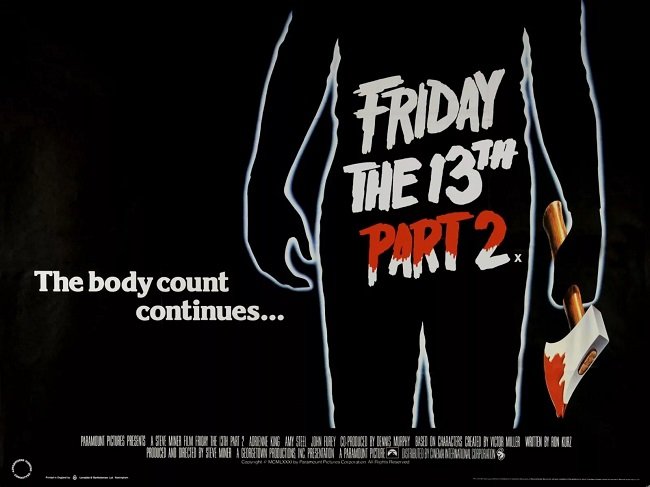
Originally, Friday the 13th Part 2 was intended to be an anthology film based on the superstition associated with the date. However, after the popularity of the original film's surprise ending, the producers opted to continue the story and mythology surrounding Camp Crystal Lake. This eventually became the parameters which all future films would broadly work within. Friday the 13th Part 2 is a more polished production than the first movie, benefitting from twice the budget of the original. The quick turnaround meant that Paramount Pictures could continue to capitalise on the popularity of the slasher genre. However, there was growing social pushback against these types of films, from Christian lobby groups and other “concerned parties”. Hence, Friday the 13th Part 2 ran into problems with the MPAA ratings board and cuts were imposed. Something that would continuously plague the franchise over the years.

Writing any kind of review for the original Friday the 13th movie seems somewhat redundant, as it has been analysed and written about numerous times before. If you’re interested in the film’s production as well as its subsequent impact on US cinema at the time, then there is an excellent summary on Wikipedia. Having recently rewatched the entire franchise, courtesy of the Shout Factory’s Friday the 13th Collection Deluxe Edition, I have a few thoughts I’d like to share. The picture quality of all the films is very good, offering a lot more visual information compared to previous releases. The amount of “extras” included in the box set is prodigious. I suspect that these are the best versions that we’re ever likely to see. Fans hoping that one day all the cut footage will be found and re-integrated into each film are likely to remain disappointed. Some material has surfaced but sadly a lot of deleted and extended scenes have been destroyed.

George A. Romero's Day Of The Dead (1985) is a bleak and remorseless masterpiece. The final entry in his “Dead Trilogy”, its central theme is that in a world on the brink of destruction, man is still the biggest threat to his own existence. It is well scripted, clinically accurate in its observations on human nature and thought provoking, despite having its budget cut just weeks before production commenced. 40 years later it is revered as a genre milestone and is considered one of Romero’s finest works. Sadly, the 2008 “remake” directed by Steve Miner, who has a background in slasher and exploitation movies, takes a contrasting approach, to say the least. It certainly has very little to do with Romero’s film and one can’t help but assume that it is nothing more than a cynical cash in. Setting aside comparisons with the original, this is not in any way a standout zombie film in its own right.
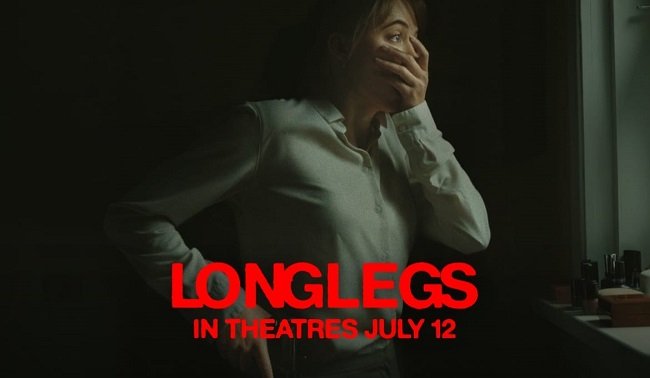
Although I was unaware of it, there was a guerrilla marketing campaign for Longlegs which was focused on the internet rather than traditional television adverts. Hence the film gained a lot of interest prior to its release and as well as some some disproportionate expectations. Then immediately after its theatrical debut, the matter was further compounded by a possible excess of gushing praise as the film was “over reviewed”. Therefore I maintained a degree of scepticism about Longlegs and tempered my expectations prior to watching it. Any film that is hailed as the next Silence of the Lambs, featuring a “traumatising” performance by Nicholas Cage needs to be keenly scrutinised so that its cinematic merits can be carefully separated from the surrounding hyperbole. After viewing I found Longlegs to be a finely honed, atmospheric and precisely targeted horror thriller but not the genre milestone that some would claim.

As a rule, it is always a challenge to end a trilogy of films successfully. Writing a satisfying denouement to a standalone movie is hard enough. To be able to conclude all pertinent story arcs and themes that have been sustained over three feature films, to everyone’s liking is far harder to achieve. In the case of The Final Conflict (1981), the last instalment of The Omen trilogy, writer Andrew Birkin does manage to resolve all of the external, internal and philosophical stakes, which are the fundamental components of a cinematic screenplay. Unfortunately, it is done in an incredibly underwhelming manner, which left audiences feeling cheated. The last time good defeated evil evil in such an unspectacular fashion was in Hammer’s To the Devil a Daughter (1976). This is why, in spite of solid production values, The Final Conflict is the least popular of the films about the Antichrist, Damien Thorn.

Halloween III: Season of the Witch is a film that often provokes a strong reaction from genre fans. This is mainly due to it not having any direct connection to the previous two films. The absence of Michael Myers in such a franchise was a serious mistake and the subsequent poor box office returns endorsed this. Yet if this film had been released as a separate product it may not have performed so poorly. After re-examining Halloween III: Season of the Witch there are many aspects of interest. Despite a troubled production, the film is an intriguing anomaly that tried to be different during a decade where the established horror formula was “stalk n' slash”. It does have a very bleak tone and some consider it to be mean spirited as the cast are killed off one by one. Perhaps theme of child sacrifice caused audiences to balk?

Ghostwatch is a controversial British horror “mockumentary” produced by the BBC that was first broadcast on October 31st 1992. Written by Stephen Volk and produced by Ruth Baumgarten it is now considered a milestone in UK broadcasting. This was mainly due to the strong reaction it provoked from the public, many of whom failed to grasp that it was a drama. At the time it raised serious questions about responsible programming and caused a furore in the British press. It has curiously never been shown since by the BBC. Ghostwatch remains a talking point to this day and is a text book example of the power of television as well as the publics enduring belief in the supernatural.
Event Horizon is a curious movie hybrid, mixing plot elements from classic sci-fi and horror genres. It has been labelled “Hellraiser in Space” by some lazy critics, although I think there's far more to it than that. Perhaps a more apt description would be a Gothic horror story set in space. The movie has garnered a cult reputation since its release in 1997, mainly due to its graphic imagery and troubled production history. It does indeed have some quite shocking sequences but the lightning editing does not show as much as some would think. Paramount forced director Paul W S Anderson to reduce the original one hundred and thirty minute running time down to a more manageable ninety, after unfavourable test screenings. Much of the violence was allegedly removed as a result of that process. Sadly nothing survives of the removed material other than a VHS workprint. Hence a restored director’s cut is therefore unlikely.
The peace of tranquillity of Santa Ynes, Utah, is shattered when the town becomes the focus of several hit and run deaths, by a mysterious and apparently driverless, black car. After the Sheriff (John Marley) is run down, it is down to Captain Wade Parent (James Brolin) and his deputies to protect the town from this sinister threat. Is the car simply a driven by a mad man or is there a more supernatural explanation? When the car menaces a local school marching band, the teachers and students take refuge in the nearby cemetery. Does the cars inability to enter consecrated ground provide a clue to its otherworldly origins and offer a potential solution? As the death count increases and the population becomes more fearful, the Captain and his team of deputies form a desperate plan to see if they can lure the car into a trap.
The key to success in the horror genre is to try and find an innovative new angle on tried and tested themes and tropes. The Night Flier is an often-overlooked gem, that takes a unique perspective on vampirism and features strong performances as well as an intelligent and thoughtful screenplay. It builds a sense of foreboding during it’s first two acts and teases audiences with some unpleasant prosthetic effects, courtesy of KNB EFX Group. The climax of the movie is both thought provoking and suitably unpleasant. Furthermore, The Night Flier even manages to make a coherent criticism of tabloid culture and morals of those journalists working in the industry. It’s a damn shame that this modest but well-crafted genre movie didn’t get the attention it deserved when it was initially released in 1997.
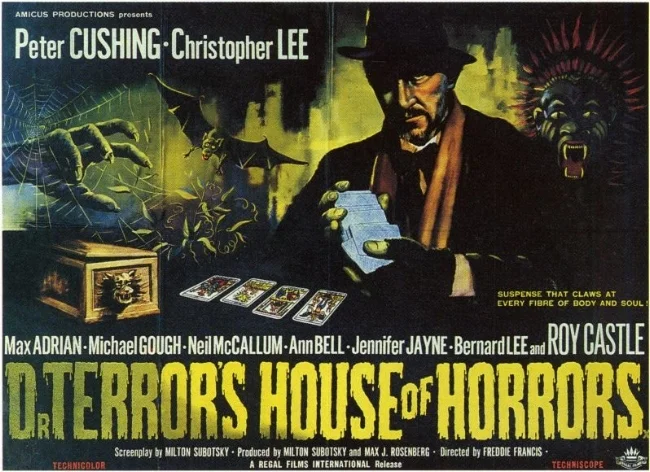
Dr. Terror's House of Horrors was the first portmanteau horror movie by Amicus Productions. The small British studio was founded by producers and screenwriters Milton Subotsky and Max Rosenberg. As the horror genre grew in popularity due to the success of Hammer films, Amicus saw the potential in the portmanteau format. Subotsky in particular held Ealing Studios 1945 classic Dead of Night in very high regard. Although only a modest budget movie, Dr. Terror's House of Horrors proved to be financially successful and led to a series of similarly structured films over the next decade. These included Torture Garden (1967), The House That Dripped Blood (1970), Asylum (1972), Tales from the Crypt (1972), The Vault of Horror (1973), From Beyond the Grave (1974),

Ghost Story is a deliberately superficial adaptation of the novel by Peter Straub. If you’ve read the book and are expecting a verbatim retelling of the plot, then you will be disappointed. It’s complex narrative structure and the abundance of characters do not immediately lend themselves to mainstream film making. However, if you like tales of the supernatural and solid performances from Hollywood legends, then this may well be for you. John Irvin has always been a workman like director and has therefore often been overlooked. Films such as Hamburger Hill and When Trumpets Fade show a great deal of focus and a clear understanding of the mechanics of cinema.
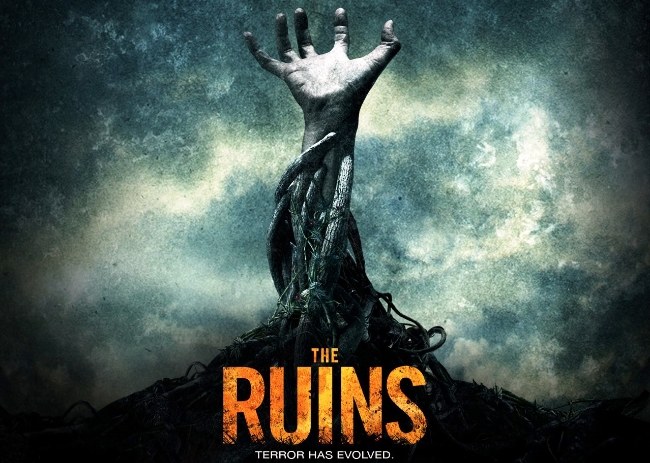
The Ruins is similar to both The Mist and Cloverfield , which were released around the same time, in so far that it is rather bleak and unrelenting movie. And like the aforementioned films, its strength lies in the manner in which it tackles the subject of people facing their own death in a credible fashion. In The Ruins the protagonists when faced with the prospect of their own demise quickly descend in to panic and resolutely refuse to face facts. Although these are negative themes that may not be to everyone’s tastes, they make The Ruins both gripping and genuinely scary.
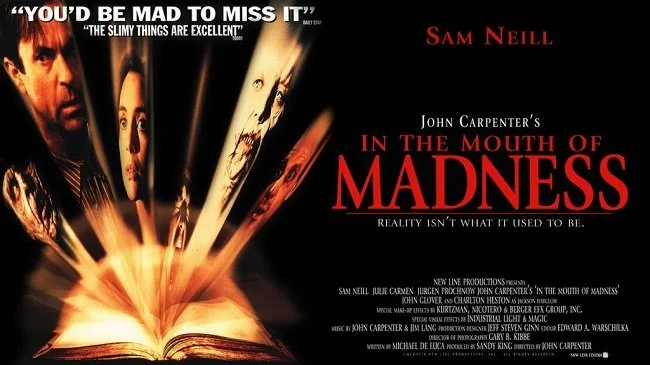
The arcane and esoteric works of author H P Lovecraft have often inspired horror directors. Sadly many of the films that have been made in homage to the Cthulhu Mythos have failed to capture its nightmarish mix of madness and mythology. John Carpenter's In the Mouth of Madness is not directly based on any of Lovecraft's specific works but screenwriter Michael De Luca draws his inspiration from many of this recurring ideas and concepts. He then adds a further homage to British writer Nigel Kneale, adding themes that are prevalent in his Quatermass series. Where others have failed, Carpenter successfully crafts a film that alludes to the baroque and eldritch qualities of the Cthulhu Mythos.
Friday the 13th Part III (1982)
Set directly after the events of the previous film, Friday the 13th Part III is again about a group of friends staying near Crystal Lake who encounter Jason Voorhees as he embarks upon another killing spree. Shot in 3D the film has a less sleazy tone than its predecessors although the formula remains the same. The set pieces and death scenes are more elaborate and less clinical, taking advantage of the 3D picture format. The film marks the first appearance of Jason's signature hockey mask, which subsequently became a trademark of both the character and the franchise. Originally conceived to be an end to the series of films, Friday the 13th Part III performed extremely well at the box office, earning $36.7 million on a budget of $2.2 million. As a result, the franchise was given a stay of execution and a further sequel was commissioned.
Set directly after the events of the previous film, Friday the 13th Part III is again about a group of friends staying near Crystal Lake who encounter Jason Voorhees as he embarks upon another killing spree. Shot in 3D the film has a less sleazy tone than its predecessors although the formula remains the same. The set pieces and death scenes are more elaborate and less clinical, taking advantage of the 3D picture format. The film marks the first appearance of Jason's signature hockey mask, which subsequently became a trademark of both the character and the franchise. Originally conceived to be an end to the series of films, Friday the 13th Part III performed extremely well at the box office, earning $36.7 million on a budget of $2.2 million. As a result, the franchise was given a stay of execution and a further sequel was commissioned.
First drafts of the screenplay for Friday the 13th Part III, focused upon the previous “final girl” Ginny Field (Amy Steel), who was trying to re-adjust to normal life after her traumatic experience at Crystal lake. However, Amy Steel declined the part and so writers Martin Kitrosser and Carol Watson opted to follow the established formula. Hence the story is about eight friends staying for a weekend at a holiday cabin near Crystal Lake. The property belongs to Chris Higgins (Dana Kimmel). Chris reveals to her boyfriend Rick (Paul Katka) that she was attacked by a deformed man two years earlier and has come home to face her fears. The other guests are Debbie (Tracie Savage), her boyfriend Andy (Jeffrey Rogers), prankster Shelly (Larry Zerner), his blind date Vera (Catherine Parks) and stoners Chuck (David Katims) and Chili (Rachel Howard).
As Friday the 13th Part III was filmed in 3D it had a higher budget than the two previous films. Director Steve Miner manages the pace well, providing two deaths early on to wet the audience’s appetite, then spending the next twenty five minutes on introducing the characters and building tension. The “teenagers” are not as grating as usual and there is minor comic relief from both Shelly and Chuck. The death scenes make good use of the 3D photography, with all manner of objects being hurled at the camera. The two kills that get the biggest audience reaction are Jason crushing a head with his bare hands, resulting in an eye popping out. Another character is bisected with a machete from his crotch to his navel, while walking on his hands. Harry Manfedini once again provides an appropriate score, with an especially funky theme during the opening credits.
Friday the 13th Part III is one of two instalments in the franchise that manages to rise above its exploitation roots. The other is the sixth, Jason Lives. The third instalment gained a veneer of quasi-respectability by being in 3D. It made the movie an “event” at the time of its release, as the revival of this format had not yet outstayed its welcome. From a continuity perspective the third film is all over the place. The events depicted are 24 hours after those of Part 2, technically making the film Saturday the 14th. Jason seems to have gained height and shaken off having a machete cleave his left shoulder. But none of it really matters. The film once again delivers what viewers want and this time in glorious 3D. It can even be argued that there is a degree of charm to it all or at least some sense of novelty. The film certainly suits the medium of 3D and it can be argued that it is the best in the series.
In the year 1860, Baron Victor Frankenstein (Peter Cushing) faces execution by guillotine for the murders perpetrated by the creature he created. With the assistance of a hunchback named Karl (Oscar Quitak) he avoids death by beheading the priest who came to give him the last rites. The priest’s body is then mistakenly buried by the authorities. Three years later, Victor, now using the name Doctor Stein, has established himself as a prosperous physician in Karlsbrück, serving both affluent patients and the poor at a paupers’ hospital. Hans Kleve (Francis Matthews), a junior member of the medical council, recognises Victor and being an admirer, seeks to become his apprentice. Victor and Hans then undertake an experiment to transplant Karl’s living brain into a new, more refined body, rather than a grotesque monstrosity the Baron has previously made. Karl is eager to have a new healthy body, especially after encountering Margaret Conrad (Eunice Gayson), the charming new assistant at the hospital.
Exit 8 is a sophisticated and claustrophobic psychological thriller directed by Genki Kawamura, which skilfully transforms a minimalist indie walking-simulator game into a cinematic existential enigma. This overtly metaphorical film renders the repetitive nature and drudgery of modern working life into a physical environment in which the lead character is trapped and must find a way out. A random, brutal maze filled with an atmosphere of indifference to the lab rats that find themselves trapped within. Or is it their personal guilt that has put them there? Genki Kawamura’s psychological mystery draws inspiration from the Japanese video game of the same name, as well as from the cyclical nature of Groundhog Day and endless corridors of the Overlook Hotel in Kubrick’s The Shining. Although there are jump scares and some ghoulish imagery, this is not a horror vehicle. Instead this is a disquieting psychological drama with a strong sense of morality.
In 1968 the dilapidated freighter Corita hastily leaves Freetown to avoid a customs inspection. Captain Lansen (Eric Porter) has a cargo of dangerous explosives which he is smuggling so he can finally retire. His ship’s passengers also have reasons for leaving in a hurry. Dr. Webster (Nigel Stock), together with his daughter Unity (Suzanna leigh), is relocating due to his indiscretions with patients and illegal operations. Alcoholic pianist Harry Tyler (Tony Beckley) is aimlessly drifting from port to port. Eva Peters (Hildegard Knef) is fleeing from her husband with stolen bearer bonds which she intend to use to buy back her son from his evil clutches Caracas. Ricaldi (Ben Carruthers), a questionable lawyer, is pursuing Eva to retrieve the stolen bonds. First officer Hemmings (Neil McCallum) suggests that the ship should return to Freetown after an imminent Hurricane warning. The Captain asks the passengers and they are unanimous that they do not wish to return. However a mutinous crew, the bad weather and the instability of the explosives force everyone to abandon ship. The survivors find themselves adrift in a lifeboat surrounded by a strange carnivorous seaweed.
David Koepp is no stranger to genre cinema, having written the screenplay for such films as Jurassic Park, Spider-man and War of the Worlds. Where these titles are big budget, major studio productions, Cold Storage is a far more modest production with a smaller scope. Adapted from his own novel, the screenplay is by David Koepp and the film is directed by British film-maker Jonny Campbell. At first glance, Cold Storage seems a somewhat derivative science fiction horror film with a relatively modest budget, financed through a convoluted US and French co-production. Lurid green and red colours feature heavily in the marketing artwork and it is easy, after a cursory look, to write the film off as cheap, generic, direct-to-streaming filler. However, Cold Storage is prime example of why you should not judge a book by it’s cover, or in this case, a film by its posters and online advertising. It is in fact an amusing and fun endeavour that can fill an evening.
Despite being considered by many as an original story, The Abominable Snowman (1957) is in fact a remake of a made for television play, The Creature, that was originally broadcast in the UK in 1955. Hammer Films would often purchase the rights of popular TV programs and subsequently re-work them for mainstream, international cinema. Larger production budgets and fewer censorship restrictions allowed them to make their cinematic interpretations more lurid, thus commercially viable. Hence The Quatermass Xperiment, Quatermass II and Quatermass and the Pit were all given a big screen makeover and were commercially successful. The Abominable Snowman was written by acclaimed writer Nigel Kneale, who also wrote the original television drama and the aforementioned Quatermass trilogy. Although ostensibly marketed as a horror film this production is actually an interesting blend of psychological thriller and science fiction.
The Haunted Dolls House is a short film based on a story by M.R. James about a unique antique that is subject to supernatural phenomenon. Adapted by Stephen Gray and David Lilley, this is the third of three short films based upon James’ work that the pair have made. It stars Steven Dolton as Mr. Dillet, a collector of antique dolls houses, who acquires a bargain only to discover that it harbours a ghostly secret. Made on an extremely modest budget over the course of 2012 this clever, innovative and rather sinister adaptation is a fine example of short film creativity. It manages to offer a unique visual depiction of M.R. James’ classic story whilst capturing the unsettling quality of the author’s work. Like so many independently made short films it is clearly a labour of love, made with modest resources. It succinctly captures the spirit of the author’s work and is both innovative and rewarding.
A lot of people may know Luke Evans from the live action version of Beauty and the Beast or Peter Jackson’s The Hobbit trilogy. With his matinee idol good looks, charming Welsh demeanour and his “smoky” tenor singing voice, he projects a sense of old school stardom. Which brings us to No One Lives; a film which is a radical departure from his previous work. His performance is disconcerting to say the least and the film is somewhat unhinged. Directed by Ryuhei Kitamura, who made an interesting adaptation of Clive Barker’s The Midnight Meat Train, this cinematic outing is similarly replete with robust shocks and gore. There are some interesting ideas about the nature of violence, Stockholm Syndrome and whether one should deny or embrace one’s nature. However, these are ultimately minor asides. Philosophical musings in between bouts of surprisingly striking unpleasantness.
In the near future, Kepler 822, a research and drilling facility located at the bottom of the Mariana Trench, suffers a sudden and catastrophic structural failure. There are only six survivors. Mechanical engineer Norah Price (Kristen Stewart), Captain Lucien (Vincent Cassel), biologist Emily Haversham (Jessica Henwick), engineer Liam Smith (John Gallagher Jr.) and crew members Rodrigo (Mamoudou Athie) and Paul (T.J. Miller). As all the functional escape pods have been used and they are unable to contact the surface, the Captain suggests using pressurized suits to walk one mile across the ocean floor to the Roebuck 641 drill installation. There they will find more escape pods. However, it soon becomes apparent that the disaster was not caused by an undersea earthquake and that they are not alone as they make their journey.
In Buenos Aires, Clara (Natalia Señorales) hears voices emanating from the plughole in her kitchen sink. The voices seem to be plotting against her. Her husband Juan (Agustín Rittano) says the sounds are coming from next door. That night, Juan finds Clara’s dead body levitating in their bathroom, slamming against the wall by an invisible force. Meanwhile their neighbour, Walter (Demián Salomón), is experiencing supernatural occurrences while he tries to sleep. An invisible force repeatedly shakes his bed. After using a video camera to film these events, he sees a tall, cadaverous figure emerging from under the bed, standing over him as he sleeps. Across the road, Alicia (Julieta Vallina) is grieving for her recently deceased son, who was run over outside Walter’s house. Alicia's ex-boyfriend, police commissioner Funes (Maximiliano Ghione) calls Jano (Norberto Gonzalo), a paranormal investigator and the pair soon discover more supernatural occurrences in the area.
Black Sabbath (AKA I tre volti della paura) is a 1963 horror anthology film directed by Mario Bava. Although an Italian production, the film was co-financed by American International Pictures and as such was conceived to appeal to US audiences. Hence, the English dialogue edit of the film which was released in America differs significantly to the original Italian version. Despite the presence of the legendary Boris Karloff and the popularity of both anthology and gothic horror at the time,the film was only a modest success at the US box office and did not do well in Italy. However, in more recent years there has been a critical reappraisal of Black Sabbath, especially the Italian dialogue version. Many aspects of the film which are standard genre tropes today, were in fact novel at the time. Also despite the production mainly being studio bound, the film oozes style and has a striking visual aesthetic.
During 1836, in the town of Darkness Falls, Maine, an elderly widow Matilda Dixon is adored by the town’s children as she gives them a gold coin whenever they lose a tooth. One day, after a house fire, Matilda is left burned and sensitive to sunlight, so she starts wearing a china mask. When two children are reported missing, Matilda is blamed by some locals, dragged from her home and hung. She curses the town, stating that whenever a child loses their last tooth, she would come for it. If the child looks at her, she will kill them. The missing children are subsequently found, so the citizens cover up their unjust lynching. In 1990, young Kyle Walsh awakes one night to find Matilda Walsh standing over him. Kyle’s mother is killed and he is blamed for her death and institutionalised. 12 years later, Kyle (Channey Kley) is released and tries to warn the town of the imminent danger when lightning disables the power supply. He is ignored by all until the deaths begin.
Osgood Perkins has a distinct visual style and tone to his films. It is why his previous film, Longlegs, was such a welcome change from standard genre outings. It was atmospheric both visually and tonally, demonstrating a keen understanding of horror cinema. Hence he is the perfect director to helm this adaptation of a Stephen King short story. The plot is greatly expanded and the screenplay takes a lot of liberties with the source material but the main themes of your past being inescapable and the power of guilt remain front and centre. Due to the extreme and bizarre nature of much of the onscreen deaths, the film wisely has a strong streak of gallows humour running through it which is extremely well handled. Comedy can often be used to defuse or mitigate violence which can be narratively dishonest (think Fred Krueger). Here it adds to the cruel and capricious nature of the random deaths.
When reviewing Sting, one critic stated that the small scale setting and thus, low stakes (IE only a few peoples lives are at risk), made the film not especially memorable. I consider this to be a somewhat spurious criticism. It is the very fact that Sting takes place in such a commonplace environment, with the main characters being everyday people that makes it different. There is a clear focus on well defined characters and their backstory. Unlike so many contemporary films, I actually gave a damn about the protagonists in Sting. An integral aspect of the horror genre is the ability to take a well known and familiar trope and provide a different and absorbing spin on it .It would appear that some audiences have been belaboured over the head by so many overblown and bombastic blockbusters, that the very notion of depicting small, localised and intimate events in a film, seems to bamboozle them.
Some films are made with the intention of starting a franchise, others evolve into one after a surprise box office success and lucrative sequels. Alien (1979) falls into the latter category. A mid-budget science fiction horror film that was well crafted and then benefited immensely by being released at just the right time. Sadly, many franchises become derailed and enter into a death spiral due to competing artistic visions, cynical studio politics and cinematic ignorance. This has certainly afflicted all subsequent Alien films after James Cameron’s magnificent Aliens (1986). Sometimes, a franchise can correct its course and do something fresh with the source material. Prey (2022) is a fine example of this with director Dan Trachtenberg bringing fresh vigour and intelligence back to the Predator movies. I believe that was the intention with Alien Romulus (2024). Sadly, the road to hell is paved with good intentions.
Friday the 13th: The Final Chapter is a popular entry among fans of the franchise. This is mainly due to the return of makeup artist, Tom Savini, who creates several notable death scenes and a bravura ending for Jason Voorhees. There is also an attempt by writer Barney Cohen to have a more involving story compared to previous entries in the series. Director Joseph Zito, who previously directed the above average slasher movie The Prowler AKA Rosemary’s Killer (1981), brings a harder edge to the proceedings, making Jason more menacing than in the previous instalment. As ever, the film was dismissed by the critics but performed well at the box office. Producer Frank Mancuso Jr fully intended for this film to be a definitive end to the series, as he was becoming increasingly concerned that his association with the franchise was having a negative impact upon his career.
Set directly after the events of the previous film, Friday the 13th Part III is again about a group of friends staying near Crystal Lake who encounter Jason Voorhees as he embarks upon another killing spree. Shot in 3D the film has a less sleazy tone than its predecessors although the formula remains the same. The set pieces and death scenes are more elaborate and less clinical, taking advantage of the 3D picture format. The film marks the first appearance of Jason's signature hockey mask, which subsequently became a trademark of both the character and the franchise. Originally conceived to be an end to the series of films, Friday the 13th Part III performed extremely well at the box office, earning $36.7 million on a budget of $2.2 million. As a result, the franchise was given a stay of execution and a further sequel was commissioned.
Originally, Friday the 13th Part 2 was intended to be an anthology film based on the superstition associated with the date. However, after the popularity of the original film's surprise ending, the producers opted to continue the story and mythology surrounding Camp Crystal Lake. This eventually became the parameters which all future films would broadly work within. Friday the 13th Part 2 is a more polished production than the first movie, benefitting from twice the budget of the original. The quick turnaround meant that Paramount Pictures could continue to capitalise on the popularity of the slasher genre. However, there was growing social pushback against these types of films, from Christian lobby groups and other “concerned parties”. Hence, Friday the 13th Part 2 ran into problems with the MPAA ratings board and cuts were imposed. Something that would continuously plague the franchise over the years.
Writing any kind of review for the original Friday the 13th movie seems somewhat redundant, as it has been analysed and written about numerous times before. If you’re interested in the film’s production as well as its subsequent impact on US cinema at the time, then there is an excellent summary on Wikipedia. Having recently rewatched the entire franchise, courtesy of the Shout Factory’s Friday the 13th Collection Deluxe Edition, I have a few thoughts I’d like to share. The picture quality of all the films is very good, offering a lot more visual information compared to previous releases. The amount of “extras” included in the box set is prodigious. I suspect that these are the best versions that we’re ever likely to see. Fans hoping that one day all the cut footage will be found and re-integrated into each film are likely to remain disappointed. Some material has surfaced but sadly a lot of deleted and extended scenes have been destroyed.
George A. Romero's Day Of The Dead (1985) is a bleak and remorseless masterpiece. The final entry in his “Dead Trilogy”, its central theme is that in a world on the brink of destruction, man is still the biggest threat to his own existence. It is well scripted, clinically accurate in its observations on human nature and thought provoking, despite having its budget cut just weeks before production commenced. 40 years later it is revered as a genre milestone and is considered one of Romero’s finest works. Sadly, the 2008 “remake” directed by Steve Miner, who has a background in slasher and exploitation movies, takes a contrasting approach, to say the least. It certainly has very little to do with Romero’s film and one can’t help but assume that it is nothing more than a cynical cash in. Setting aside comparisons with the original, this is not in any way a standout zombie film in its own right.
Although I was unaware of it, there was a guerrilla marketing campaign for Longlegs which was focused on the internet rather than traditional television adverts. Hence the film gained a lot of interest prior to its release and as well as some some disproportionate expectations. Then immediately after its theatrical debut, the matter was further compounded by a possible excess of gushing praise as the film was “over reviewed”. Therefore I maintained a degree of scepticism about Longlegs and tempered my expectations prior to watching it. Any film that is hailed as the next Silence of the Lambs, featuring a “traumatising” performance by Nicholas Cage needs to be keenly scrutinised so that its cinematic merits can be carefully separated from the surrounding hyperbole. After viewing I found Longlegs to be a finely honed, atmospheric and precisely targeted horror thriller but not the genre milestone that some would claim.
As a rule, it is always a challenge to end a trilogy of films successfully. Writing a satisfying denouement to a standalone movie is hard enough. To be able to conclude all pertinent story arcs and themes that have been sustained over three feature films, to everyone’s liking is far harder to achieve. In the case of The Final Conflict (1981), the last instalment of The Omen trilogy, writer Andrew Birkin does manage to resolve all of the external, internal and philosophical stakes, which are the fundamental components of a cinematic screenplay. Unfortunately, it is done in an incredibly underwhelming manner, which left audiences feeling cheated. The last time good defeated evil evil in such an unspectacular fashion was in Hammer’s To the Devil a Daughter (1976). This is why, in spite of solid production values, The Final Conflict is the least popular of the films about the Antichrist, Damien Thorn.
Halloween III: Season of the Witch is a film that often provokes a strong reaction from genre fans. This is mainly due to it not having any direct connection to the previous two films. The absence of Michael Myers in such a franchise was a serious mistake and the subsequent poor box office returns endorsed this. Yet if this film had been released as a separate product it may not have performed so poorly. After re-examining Halloween III: Season of the Witch there are many aspects of interest. Despite a troubled production, the film is an intriguing anomaly that tried to be different during a decade where the established horror formula was “stalk n' slash”. It does have a very bleak tone and some consider it to be mean spirited as the cast are killed off one by one. Perhaps theme of child sacrifice caused audiences to balk?
Ghostwatch is a controversial British horror “mockumentary” produced by the BBC that was first broadcast on October 31st 1992. Written by Stephen Volk and produced by Ruth Baumgarten it is now considered a milestone in UK broadcasting. This was mainly due to the strong reaction it provoked from the public, many of whom failed to grasp that it was a drama. At the time it raised serious questions about responsible programming and caused a furore in the British press. It has curiously never been shown since by the BBC. Ghostwatch remains a talking point to this day and is a text book example of the power of television as well as the publics enduring belief in the supernatural.
Event Horizon is a curious movie hybrid, mixing plot elements from classic sci-fi and horror genres. It has been labelled “Hellraiser in Space” by some lazy critics, although I think there's far more to it than that. Perhaps a more apt description would be a Gothic horror story set in space. The movie has garnered a cult reputation since its release in 1997, mainly due to its graphic imagery and troubled production history. It does indeed have some quite shocking sequences but the lightning editing does not show as much as some would think. Paramount forced director Paul W S Anderson to reduce the original one hundred and thirty minute running time down to a more manageable ninety, after unfavourable test screenings. Much of the violence was allegedly removed as a result of that process. Sadly nothing survives of the removed material other than a VHS workprint. Hence a restored director’s cut is therefore unlikely.
The peace of tranquillity of Santa Ynes, Utah, is shattered when the town becomes the focus of several hit and run deaths, by a mysterious and apparently driverless, black car. After the Sheriff (John Marley) is run down, it is down to Captain Wade Parent (James Brolin) and his deputies to protect the town from this sinister threat. Is the car simply a driven by a mad man or is there a more supernatural explanation? When the car menaces a local school marching band, the teachers and students take refuge in the nearby cemetery. Does the cars inability to enter consecrated ground provide a clue to its otherworldly origins and offer a potential solution? As the death count increases and the population becomes more fearful, the Captain and his team of deputies form a desperate plan to see if they can lure the car into a trap.
The key to success in the horror genre is to try and find an innovative new angle on tried and tested themes and tropes. The Night Flier is an often-overlooked gem, that takes a unique perspective on vampirism and features strong performances as well as an intelligent and thoughtful screenplay. It builds a sense of foreboding during it’s first two acts and teases audiences with some unpleasant prosthetic effects, courtesy of KNB EFX Group. The climax of the movie is both thought provoking and suitably unpleasant. Furthermore, The Night Flier even manages to make a coherent criticism of tabloid culture and morals of those journalists working in the industry. It’s a damn shame that this modest but well-crafted genre movie didn’t get the attention it deserved when it was initially released in 1997.
Dr. Terror's House of Horrors was the first portmanteau horror movie by Amicus Productions. The small British studio was founded by producers and screenwriters Milton Subotsky and Max Rosenberg. As the horror genre grew in popularity due to the success of Hammer films, Amicus saw the potential in the portmanteau format. Subotsky in particular held Ealing Studios 1945 classic Dead of Night in very high regard. Although only a modest budget movie, Dr. Terror's House of Horrors proved to be financially successful and led to a series of similarly structured films over the next decade. These included Torture Garden (1967), The House That Dripped Blood (1970), Asylum (1972), Tales from the Crypt (1972), The Vault of Horror (1973), From Beyond the Grave (1974),
Ghost Story is a deliberately superficial adaptation of the novel by Peter Straub. If you’ve read the book and are expecting a verbatim retelling of the plot, then you will be disappointed. It’s complex narrative structure and the abundance of characters do not immediately lend themselves to mainstream film making. However, if you like tales of the supernatural and solid performances from Hollywood legends, then this may well be for you. John Irvin has always been a workman like director and has therefore often been overlooked. Films such as Hamburger Hill and When Trumpets Fade show a great deal of focus and a clear understanding of the mechanics of cinema.
The Ruins is similar to both The Mist and Cloverfield , which were released around the same time, in so far that it is rather bleak and unrelenting movie. And like the aforementioned films, its strength lies in the manner in which it tackles the subject of people facing their own death in a credible fashion. In The Ruins the protagonists when faced with the prospect of their own demise quickly descend in to panic and resolutely refuse to face facts. Although these are negative themes that may not be to everyone’s tastes, they make The Ruins both gripping and genuinely scary.
The arcane and esoteric works of author H P Lovecraft have often inspired horror directors. Sadly many of the films that have been made in homage to the Cthulhu Mythos have failed to capture its nightmarish mix of madness and mythology. John Carpenter's In the Mouth of Madness is not directly based on any of Lovecraft's specific works but screenwriter Michael De Luca draws his inspiration from many of this recurring ideas and concepts. He then adds a further homage to British writer Nigel Kneale, adding themes that are prevalent in his Quatermass series. Where others have failed, Carpenter successfully crafts a film that alludes to the baroque and eldritch qualities of the Cthulhu Mythos.
Friday the 13th Part 2 (1981)
Originally, Friday the 13th Part 2 was intended to be an anthology film based on the superstition associated with the date. However, after the popularity of the original film's surprise ending, the producers opted to continue the story and mythology surrounding Camp Crystal Lake. This eventually became the parameters which all future films would broadly work within. Friday the 13th Part 2 is a more polished production than the first movie, benefitting from twice the budget of the original. The quick turnaround meant that Paramount Pictures could continue to capitalise on the popularity of the slasher genre. However, there was growing social pushback against these types of films, from Christian lobby groups and other “concerned parties”. Hence, Friday the 13th Part 2 ran into problems with the MPAA ratings board and cuts were imposed. Something that would continuously plague the franchise over the years.
Originally, Friday the 13th Part 2 was intended to be an anthology film based on the superstition associated with the date. However, after the popularity of the original film's surprise ending, the producers opted to continue the story and mythology surrounding Camp Crystal Lake. This eventually became the parameters which all future films would broadly work within. Friday the 13th Part 2 is a more polished production than the first movie, benefitting from twice the budget of the original. The quick turnaround meant that Paramount Pictures could continue to capitalise on the popularity of the slasher genre. However, there was growing social pushback against these types of films, from Christian lobby groups and other “concerned parties”. Hence, Friday the 13th Part 2 ran into problems with the MPAA ratings board and cuts were imposed. Something that would continuously plague the franchise over the years.
Second time round the film boasts a nominally stronger script by Ron Kurz with better defined characters. Amy Steel stars as camp counsellor Ginny Field and continues the tradition of a robust and dynamic “final girl”. Betsy Palmer makes a cameo appearance as the late Pamela Voorhees and prophet of doom, Crazy Ralph (Walt Gorney), returns briefly before an unpleasant demise. The boldest step in the screenplay is a major retcon of Jason Voorhees, who has now survived the drowning incident of his youth, having lived as a hermit in the woods for twenty five years. Like so many genre films, it’s best not to dwell too much on the plot details as they’re seldom logical. The larger budget meant better production values. The cinematography by Peter Stein is more atmospheric this time round. But the main focus of attention are the set pieces and death scenes.
Tom Savini passed on the opportunity to return and undertake the film’s makeup effects. Stan Winston was briefly involved in the production but then left due to scheduling conflicts. Finally Carl Fullerton, apprentice to the legendary Dick Smith, took on the project. He has crafted some excellent death scenes, two of which bear an uncanny similarity to those seen in Mario Bava’s A Bay of Blood. However, rather than this being a homage it would appear that they occurred purely by luck. Sadly most of these effects sequences were shortened by the MPAA to the point where it’s difficult to discern what is happening on screen. Thankfully the excellent new HD transfers by Shout Factory help with these details. I noticed for the first time that the throat cutting and the machete to the face scenes both use the wrong side of the weapon for safety reasons.
The final 25 minutes of Friday the 13th Part 2 are well conceived and executed. The chase between Jason and Ginny is well paced and tense. At one point Ginny hides from Jason under a bed and a rat scurries past her. It is discreetly implied that Ginny wets herself out of sheer fear, which is a curious but credible minor detail. The denouement in a dilapidated shack where Jason has a shrine to his dead mother Pamela Voorhees is suitably creepy. Due to the clarity of the Blu-ray transfer, details such as Alice’s body, the “final girl” from the previous movie, are far more apparent. Harry Manfredini’s score continues to be very effective, especially in the chase sequence. Overall this is a solid sequel, offering more of the same but with a little more attention to detail. Friday the 13th Part 2 lays the foundations for future instalments of the franchise. The only thing missing is Jason’s iconic hockey mask which doesn’t appear until the next film.
In the year 1860, Baron Victor Frankenstein (Peter Cushing) faces execution by guillotine for the murders perpetrated by the creature he created. With the assistance of a hunchback named Karl (Oscar Quitak) he avoids death by beheading the priest who came to give him the last rites. The priest’s body is then mistakenly buried by the authorities. Three years later, Victor, now using the name Doctor Stein, has established himself as a prosperous physician in Karlsbrück, serving both affluent patients and the poor at a paupers’ hospital. Hans Kleve (Francis Matthews), a junior member of the medical council, recognises Victor and being an admirer, seeks to become his apprentice. Victor and Hans then undertake an experiment to transplant Karl’s living brain into a new, more refined body, rather than a grotesque monstrosity the Baron has previously made. Karl is eager to have a new healthy body, especially after encountering Margaret Conrad (Eunice Gayson), the charming new assistant at the hospital.
Exit 8 is a sophisticated and claustrophobic psychological thriller directed by Genki Kawamura, which skilfully transforms a minimalist indie walking-simulator game into a cinematic existential enigma. This overtly metaphorical film renders the repetitive nature and drudgery of modern working life into a physical environment in which the lead character is trapped and must find a way out. A random, brutal maze filled with an atmosphere of indifference to the lab rats that find themselves trapped within. Or is it their personal guilt that has put them there? Genki Kawamura’s psychological mystery draws inspiration from the Japanese video game of the same name, as well as from the cyclical nature of Groundhog Day and endless corridors of the Overlook Hotel in Kubrick’s The Shining. Although there are jump scares and some ghoulish imagery, this is not a horror vehicle. Instead this is a disquieting psychological drama with a strong sense of morality.
In 1968 the dilapidated freighter Corita hastily leaves Freetown to avoid a customs inspection. Captain Lansen (Eric Porter) has a cargo of dangerous explosives which he is smuggling so he can finally retire. His ship’s passengers also have reasons for leaving in a hurry. Dr. Webster (Nigel Stock), together with his daughter Unity (Suzanna leigh), is relocating due to his indiscretions with patients and illegal operations. Alcoholic pianist Harry Tyler (Tony Beckley) is aimlessly drifting from port to port. Eva Peters (Hildegard Knef) is fleeing from her husband with stolen bearer bonds which she intend to use to buy back her son from his evil clutches Caracas. Ricaldi (Ben Carruthers), a questionable lawyer, is pursuing Eva to retrieve the stolen bonds. First officer Hemmings (Neil McCallum) suggests that the ship should return to Freetown after an imminent Hurricane warning. The Captain asks the passengers and they are unanimous that they do not wish to return. However a mutinous crew, the bad weather and the instability of the explosives force everyone to abandon ship. The survivors find themselves adrift in a lifeboat surrounded by a strange carnivorous seaweed.
David Koepp is no stranger to genre cinema, having written the screenplay for such films as Jurassic Park, Spider-man and War of the Worlds. Where these titles are big budget, major studio productions, Cold Storage is a far more modest production with a smaller scope. Adapted from his own novel, the screenplay is by David Koepp and the film is directed by British film-maker Jonny Campbell. At first glance, Cold Storage seems a somewhat derivative science fiction horror film with a relatively modest budget, financed through a convoluted US and French co-production. Lurid green and red colours feature heavily in the marketing artwork and it is easy, after a cursory look, to write the film off as cheap, generic, direct-to-streaming filler. However, Cold Storage is prime example of why you should not judge a book by it’s cover, or in this case, a film by its posters and online advertising. It is in fact an amusing and fun endeavour that can fill an evening.
Despite being considered by many as an original story, The Abominable Snowman (1957) is in fact a remake of a made for television play, The Creature, that was originally broadcast in the UK in 1955. Hammer Films would often purchase the rights of popular TV programs and subsequently re-work them for mainstream, international cinema. Larger production budgets and fewer censorship restrictions allowed them to make their cinematic interpretations more lurid, thus commercially viable. Hence The Quatermass Xperiment, Quatermass II and Quatermass and the Pit were all given a big screen makeover and were commercially successful. The Abominable Snowman was written by acclaimed writer Nigel Kneale, who also wrote the original television drama and the aforementioned Quatermass trilogy. Although ostensibly marketed as a horror film this production is actually an interesting blend of psychological thriller and science fiction.
The Haunted Dolls House is a short film based on a story by M.R. James about a unique antique that is subject to supernatural phenomenon. Adapted by Stephen Gray and David Lilley, this is the third of three short films based upon James’ work that the pair have made. It stars Steven Dolton as Mr. Dillet, a collector of antique dolls houses, who acquires a bargain only to discover that it harbours a ghostly secret. Made on an extremely modest budget over the course of 2012 this clever, innovative and rather sinister adaptation is a fine example of short film creativity. It manages to offer a unique visual depiction of M.R. James’ classic story whilst capturing the unsettling quality of the author’s work. Like so many independently made short films it is clearly a labour of love, made with modest resources. It succinctly captures the spirit of the author’s work and is both innovative and rewarding.
A lot of people may know Luke Evans from the live action version of Beauty and the Beast or Peter Jackson’s The Hobbit trilogy. With his matinee idol good looks, charming Welsh demeanour and his “smoky” tenor singing voice, he projects a sense of old school stardom. Which brings us to No One Lives; a film which is a radical departure from his previous work. His performance is disconcerting to say the least and the film is somewhat unhinged. Directed by Ryuhei Kitamura, who made an interesting adaptation of Clive Barker’s The Midnight Meat Train, this cinematic outing is similarly replete with robust shocks and gore. There are some interesting ideas about the nature of violence, Stockholm Syndrome and whether one should deny or embrace one’s nature. However, these are ultimately minor asides. Philosophical musings in between bouts of surprisingly striking unpleasantness.
In the near future, Kepler 822, a research and drilling facility located at the bottom of the Mariana Trench, suffers a sudden and catastrophic structural failure. There are only six survivors. Mechanical engineer Norah Price (Kristen Stewart), Captain Lucien (Vincent Cassel), biologist Emily Haversham (Jessica Henwick), engineer Liam Smith (John Gallagher Jr.) and crew members Rodrigo (Mamoudou Athie) and Paul (T.J. Miller). As all the functional escape pods have been used and they are unable to contact the surface, the Captain suggests using pressurized suits to walk one mile across the ocean floor to the Roebuck 641 drill installation. There they will find more escape pods. However, it soon becomes apparent that the disaster was not caused by an undersea earthquake and that they are not alone as they make their journey.
In Buenos Aires, Clara (Natalia Señorales) hears voices emanating from the plughole in her kitchen sink. The voices seem to be plotting against her. Her husband Juan (Agustín Rittano) says the sounds are coming from next door. That night, Juan finds Clara’s dead body levitating in their bathroom, slamming against the wall by an invisible force. Meanwhile their neighbour, Walter (Demián Salomón), is experiencing supernatural occurrences while he tries to sleep. An invisible force repeatedly shakes his bed. After using a video camera to film these events, he sees a tall, cadaverous figure emerging from under the bed, standing over him as he sleeps. Across the road, Alicia (Julieta Vallina) is grieving for her recently deceased son, who was run over outside Walter’s house. Alicia's ex-boyfriend, police commissioner Funes (Maximiliano Ghione) calls Jano (Norberto Gonzalo), a paranormal investigator and the pair soon discover more supernatural occurrences in the area.
Black Sabbath (AKA I tre volti della paura) is a 1963 horror anthology film directed by Mario Bava. Although an Italian production, the film was co-financed by American International Pictures and as such was conceived to appeal to US audiences. Hence, the English dialogue edit of the film which was released in America differs significantly to the original Italian version. Despite the presence of the legendary Boris Karloff and the popularity of both anthology and gothic horror at the time,the film was only a modest success at the US box office and did not do well in Italy. However, in more recent years there has been a critical reappraisal of Black Sabbath, especially the Italian dialogue version. Many aspects of the film which are standard genre tropes today, were in fact novel at the time. Also despite the production mainly being studio bound, the film oozes style and has a striking visual aesthetic.
During 1836, in the town of Darkness Falls, Maine, an elderly widow Matilda Dixon is adored by the town’s children as she gives them a gold coin whenever they lose a tooth. One day, after a house fire, Matilda is left burned and sensitive to sunlight, so she starts wearing a china mask. When two children are reported missing, Matilda is blamed by some locals, dragged from her home and hung. She curses the town, stating that whenever a child loses their last tooth, she would come for it. If the child looks at her, she will kill them. The missing children are subsequently found, so the citizens cover up their unjust lynching. In 1990, young Kyle Walsh awakes one night to find Matilda Walsh standing over him. Kyle’s mother is killed and he is blamed for her death and institutionalised. 12 years later, Kyle (Channey Kley) is released and tries to warn the town of the imminent danger when lightning disables the power supply. He is ignored by all until the deaths begin.
Osgood Perkins has a distinct visual style and tone to his films. It is why his previous film, Longlegs, was such a welcome change from standard genre outings. It was atmospheric both visually and tonally, demonstrating a keen understanding of horror cinema. Hence he is the perfect director to helm this adaptation of a Stephen King short story. The plot is greatly expanded and the screenplay takes a lot of liberties with the source material but the main themes of your past being inescapable and the power of guilt remain front and centre. Due to the extreme and bizarre nature of much of the onscreen deaths, the film wisely has a strong streak of gallows humour running through it which is extremely well handled. Comedy can often be used to defuse or mitigate violence which can be narratively dishonest (think Fred Krueger). Here it adds to the cruel and capricious nature of the random deaths.
When reviewing Sting, one critic stated that the small scale setting and thus, low stakes (IE only a few peoples lives are at risk), made the film not especially memorable. I consider this to be a somewhat spurious criticism. It is the very fact that Sting takes place in such a commonplace environment, with the main characters being everyday people that makes it different. There is a clear focus on well defined characters and their backstory. Unlike so many contemporary films, I actually gave a damn about the protagonists in Sting. An integral aspect of the horror genre is the ability to take a well known and familiar trope and provide a different and absorbing spin on it .It would appear that some audiences have been belaboured over the head by so many overblown and bombastic blockbusters, that the very notion of depicting small, localised and intimate events in a film, seems to bamboozle them.
Some films are made with the intention of starting a franchise, others evolve into one after a surprise box office success and lucrative sequels. Alien (1979) falls into the latter category. A mid-budget science fiction horror film that was well crafted and then benefited immensely by being released at just the right time. Sadly, many franchises become derailed and enter into a death spiral due to competing artistic visions, cynical studio politics and cinematic ignorance. This has certainly afflicted all subsequent Alien films after James Cameron’s magnificent Aliens (1986). Sometimes, a franchise can correct its course and do something fresh with the source material. Prey (2022) is a fine example of this with director Dan Trachtenberg bringing fresh vigour and intelligence back to the Predator movies. I believe that was the intention with Alien Romulus (2024). Sadly, the road to hell is paved with good intentions.
Friday the 13th: The Final Chapter is a popular entry among fans of the franchise. This is mainly due to the return of makeup artist, Tom Savini, who creates several notable death scenes and a bravura ending for Jason Voorhees. There is also an attempt by writer Barney Cohen to have a more involving story compared to previous entries in the series. Director Joseph Zito, who previously directed the above average slasher movie The Prowler AKA Rosemary’s Killer (1981), brings a harder edge to the proceedings, making Jason more menacing than in the previous instalment. As ever, the film was dismissed by the critics but performed well at the box office. Producer Frank Mancuso Jr fully intended for this film to be a definitive end to the series, as he was becoming increasingly concerned that his association with the franchise was having a negative impact upon his career.
Set directly after the events of the previous film, Friday the 13th Part III is again about a group of friends staying near Crystal Lake who encounter Jason Voorhees as he embarks upon another killing spree. Shot in 3D the film has a less sleazy tone than its predecessors although the formula remains the same. The set pieces and death scenes are more elaborate and less clinical, taking advantage of the 3D picture format. The film marks the first appearance of Jason's signature hockey mask, which subsequently became a trademark of both the character and the franchise. Originally conceived to be an end to the series of films, Friday the 13th Part III performed extremely well at the box office, earning $36.7 million on a budget of $2.2 million. As a result, the franchise was given a stay of execution and a further sequel was commissioned.
Originally, Friday the 13th Part 2 was intended to be an anthology film based on the superstition associated with the date. However, after the popularity of the original film's surprise ending, the producers opted to continue the story and mythology surrounding Camp Crystal Lake. This eventually became the parameters which all future films would broadly work within. Friday the 13th Part 2 is a more polished production than the first movie, benefitting from twice the budget of the original. The quick turnaround meant that Paramount Pictures could continue to capitalise on the popularity of the slasher genre. However, there was growing social pushback against these types of films, from Christian lobby groups and other “concerned parties”. Hence, Friday the 13th Part 2 ran into problems with the MPAA ratings board and cuts were imposed. Something that would continuously plague the franchise over the years.
Writing any kind of review for the original Friday the 13th movie seems somewhat redundant, as it has been analysed and written about numerous times before. If you’re interested in the film’s production as well as its subsequent impact on US cinema at the time, then there is an excellent summary on Wikipedia. Having recently rewatched the entire franchise, courtesy of the Shout Factory’s Friday the 13th Collection Deluxe Edition, I have a few thoughts I’d like to share. The picture quality of all the films is very good, offering a lot more visual information compared to previous releases. The amount of “extras” included in the box set is prodigious. I suspect that these are the best versions that we’re ever likely to see. Fans hoping that one day all the cut footage will be found and re-integrated into each film are likely to remain disappointed. Some material has surfaced but sadly a lot of deleted and extended scenes have been destroyed.
George A. Romero's Day Of The Dead (1985) is a bleak and remorseless masterpiece. The final entry in his “Dead Trilogy”, its central theme is that in a world on the brink of destruction, man is still the biggest threat to his own existence. It is well scripted, clinically accurate in its observations on human nature and thought provoking, despite having its budget cut just weeks before production commenced. 40 years later it is revered as a genre milestone and is considered one of Romero’s finest works. Sadly, the 2008 “remake” directed by Steve Miner, who has a background in slasher and exploitation movies, takes a contrasting approach, to say the least. It certainly has very little to do with Romero’s film and one can’t help but assume that it is nothing more than a cynical cash in. Setting aside comparisons with the original, this is not in any way a standout zombie film in its own right.
Although I was unaware of it, there was a guerrilla marketing campaign for Longlegs which was focused on the internet rather than traditional television adverts. Hence the film gained a lot of interest prior to its release and as well as some some disproportionate expectations. Then immediately after its theatrical debut, the matter was further compounded by a possible excess of gushing praise as the film was “over reviewed”. Therefore I maintained a degree of scepticism about Longlegs and tempered my expectations prior to watching it. Any film that is hailed as the next Silence of the Lambs, featuring a “traumatising” performance by Nicholas Cage needs to be keenly scrutinised so that its cinematic merits can be carefully separated from the surrounding hyperbole. After viewing I found Longlegs to be a finely honed, atmospheric and precisely targeted horror thriller but not the genre milestone that some would claim.
As a rule, it is always a challenge to end a trilogy of films successfully. Writing a satisfying denouement to a standalone movie is hard enough. To be able to conclude all pertinent story arcs and themes that have been sustained over three feature films, to everyone’s liking is far harder to achieve. In the case of The Final Conflict (1981), the last instalment of The Omen trilogy, writer Andrew Birkin does manage to resolve all of the external, internal and philosophical stakes, which are the fundamental components of a cinematic screenplay. Unfortunately, it is done in an incredibly underwhelming manner, which left audiences feeling cheated. The last time good defeated evil evil in such an unspectacular fashion was in Hammer’s To the Devil a Daughter (1976). This is why, in spite of solid production values, The Final Conflict is the least popular of the films about the Antichrist, Damien Thorn.
Halloween III: Season of the Witch is a film that often provokes a strong reaction from genre fans. This is mainly due to it not having any direct connection to the previous two films. The absence of Michael Myers in such a franchise was a serious mistake and the subsequent poor box office returns endorsed this. Yet if this film had been released as a separate product it may not have performed so poorly. After re-examining Halloween III: Season of the Witch there are many aspects of interest. Despite a troubled production, the film is an intriguing anomaly that tried to be different during a decade where the established horror formula was “stalk n' slash”. It does have a very bleak tone and some consider it to be mean spirited as the cast are killed off one by one. Perhaps theme of child sacrifice caused audiences to balk?
Ghostwatch is a controversial British horror “mockumentary” produced by the BBC that was first broadcast on October 31st 1992. Written by Stephen Volk and produced by Ruth Baumgarten it is now considered a milestone in UK broadcasting. This was mainly due to the strong reaction it provoked from the public, many of whom failed to grasp that it was a drama. At the time it raised serious questions about responsible programming and caused a furore in the British press. It has curiously never been shown since by the BBC. Ghostwatch remains a talking point to this day and is a text book example of the power of television as well as the publics enduring belief in the supernatural.
Event Horizon is a curious movie hybrid, mixing plot elements from classic sci-fi and horror genres. It has been labelled “Hellraiser in Space” by some lazy critics, although I think there's far more to it than that. Perhaps a more apt description would be a Gothic horror story set in space. The movie has garnered a cult reputation since its release in 1997, mainly due to its graphic imagery and troubled production history. It does indeed have some quite shocking sequences but the lightning editing does not show as much as some would think. Paramount forced director Paul W S Anderson to reduce the original one hundred and thirty minute running time down to a more manageable ninety, after unfavourable test screenings. Much of the violence was allegedly removed as a result of that process. Sadly nothing survives of the removed material other than a VHS workprint. Hence a restored director’s cut is therefore unlikely.
The peace of tranquillity of Santa Ynes, Utah, is shattered when the town becomes the focus of several hit and run deaths, by a mysterious and apparently driverless, black car. After the Sheriff (John Marley) is run down, it is down to Captain Wade Parent (James Brolin) and his deputies to protect the town from this sinister threat. Is the car simply a driven by a mad man or is there a more supernatural explanation? When the car menaces a local school marching band, the teachers and students take refuge in the nearby cemetery. Does the cars inability to enter consecrated ground provide a clue to its otherworldly origins and offer a potential solution? As the death count increases and the population becomes more fearful, the Captain and his team of deputies form a desperate plan to see if they can lure the car into a trap.
The key to success in the horror genre is to try and find an innovative new angle on tried and tested themes and tropes. The Night Flier is an often-overlooked gem, that takes a unique perspective on vampirism and features strong performances as well as an intelligent and thoughtful screenplay. It builds a sense of foreboding during it’s first two acts and teases audiences with some unpleasant prosthetic effects, courtesy of KNB EFX Group. The climax of the movie is both thought provoking and suitably unpleasant. Furthermore, The Night Flier even manages to make a coherent criticism of tabloid culture and morals of those journalists working in the industry. It’s a damn shame that this modest but well-crafted genre movie didn’t get the attention it deserved when it was initially released in 1997.
Dr. Terror's House of Horrors was the first portmanteau horror movie by Amicus Productions. The small British studio was founded by producers and screenwriters Milton Subotsky and Max Rosenberg. As the horror genre grew in popularity due to the success of Hammer films, Amicus saw the potential in the portmanteau format. Subotsky in particular held Ealing Studios 1945 classic Dead of Night in very high regard. Although only a modest budget movie, Dr. Terror's House of Horrors proved to be financially successful and led to a series of similarly structured films over the next decade. These included Torture Garden (1967), The House That Dripped Blood (1970), Asylum (1972), Tales from the Crypt (1972), The Vault of Horror (1973), From Beyond the Grave (1974),
Ghost Story is a deliberately superficial adaptation of the novel by Peter Straub. If you’ve read the book and are expecting a verbatim retelling of the plot, then you will be disappointed. It’s complex narrative structure and the abundance of characters do not immediately lend themselves to mainstream film making. However, if you like tales of the supernatural and solid performances from Hollywood legends, then this may well be for you. John Irvin has always been a workman like director and has therefore often been overlooked. Films such as Hamburger Hill and When Trumpets Fade show a great deal of focus and a clear understanding of the mechanics of cinema.
The Ruins is similar to both The Mist and Cloverfield , which were released around the same time, in so far that it is rather bleak and unrelenting movie. And like the aforementioned films, its strength lies in the manner in which it tackles the subject of people facing their own death in a credible fashion. In The Ruins the protagonists when faced with the prospect of their own demise quickly descend in to panic and resolutely refuse to face facts. Although these are negative themes that may not be to everyone’s tastes, they make The Ruins both gripping and genuinely scary.
The arcane and esoteric works of author H P Lovecraft have often inspired horror directors. Sadly many of the films that have been made in homage to the Cthulhu Mythos have failed to capture its nightmarish mix of madness and mythology. John Carpenter's In the Mouth of Madness is not directly based on any of Lovecraft's specific works but screenwriter Michael De Luca draws his inspiration from many of this recurring ideas and concepts. He then adds a further homage to British writer Nigel Kneale, adding themes that are prevalent in his Quatermass series. Where others have failed, Carpenter successfully crafts a film that alludes to the baroque and eldritch qualities of the Cthulhu Mythos.
Friday the 13th (1980)
Writing any kind of review for the original Friday the 13th movie seems somewhat redundant, as it has been analysed and written about numerous times before. If you’re interested in the film’s production as well as its subsequent impact on US cinema at the time, then there is an excellent summary on Wikipedia. Having recently rewatched the entire franchise, courtesy of the Shout Factory’s Friday the 13th Collection Deluxe Edition, I have a few thoughts I’d like to share. The picture quality of all the films is very good, offering a lot more visual information compared to previous releases. The amount of “extras” included in the box set is prodigious. I suspect that these are the best versions that we’re ever likely to see. Fans hoping that one day all the cut footage will be found and re-integrated into each film are likely to remain disappointed. Some material has surfaced but sadly a lot of deleted and extended scenes have been destroyed.
Writing any kind of review for the original Friday the 13th movie seems somewhat redundant, as it has been analysed and written about numerous times before. If you’re interested in the film’s production as well as its subsequent impact on US cinema at the time, then there is an excellent summary on Wikipedia. Having recently rewatched the entire franchise, courtesy of the Shout Factory’s Friday The 13th Collection Deluxe Edition, I have a few thoughts I’d like to share. The picture quality of all the films is very good, offering a lot more visual information compared to previous releases. The amount of “extras” included in the box set is prodigious. I suspect that these are the best versions that we’re ever likely to see. Fans hoping that one day all the cut footage will be found and re-integrated into each film are likely to remain disappointed. Some material has surfaced but sadly a lot of deleted and extended scenes have been destroyed.
Made to capitalise on the success of John Carpenter’s Halloween (1978), Friday the 13th is a far more contrived and cynical piece of filmmaking. Director Sean S. Cunningham aimed to provide audiences with a cinematic “rollercoaster ride”. A horror experience which included all the things the target audience wanted. Specifically sex and violence. The screenplay by Victor Miller offers nothing more than the functional. The scene is set, the characters introduced and then the killing begins. There are a few red herrings along the way but there is little in the way of character development or thematic exploration. Instead we get a litany of stereotypes, although they are used effectively. The cinematography by Barry Abrams is simple, bordering on stark. The production was shot on a real Boy Scout Camp and it is suitably dilapidated giving the proceedings an authentic feel.
The film’s main innovation was the quality of the makeup effects and set pieces. These are jarringly clinical at times, courtesy of Tom Savini. The final revelation that the killer is in fact the mother of a boy who died at the summer camp is also a highpoint. Betsy Palmer’s performance is suitably unhinged. Several other members of the cast are of interest. Kevin Bacon appears as one of the camp counsellors and has possibly the best death scene. Bing Crosby’s son, Harry Crosby, also makes an appearance. Within a few years, he quit acting altogether and became an investment banker. Underpinning all of this is an atmospheric score by Harry Manfredini. Manfredini’s major innovation is a vocal motif, “ki ki ki ma ma ma”, which is played whenever the killer’s POV was used. Along with its use of strident strings during chase sequences, the score for Friday the 13th has become iconic.
Although made independently, Friday the 13th was distributed by Paramount Pictures. The studio was interested in the “youth market” during the late seventies and saw the film as a low risk investment. Paramount were not pleased by the negative reviews the film garnered and some senior executives did not like the studio being associated with such exploitation material. However, Friday the 13th grossed over $59 million at the box office worldwide. A significant achievement for a film that was made for half a million. Not only did it prove a sound investment for Paramount, it effectively started an entire sub-genre within horror movies. Film critics can sometimes find themselves at odds with audiences and Friday the 13th is a prime example of this. They failed to see that the film was a straightforward quid pro quo. Despite its rough edges, it gave audiences exactly what they wanted and they were happy to pay. It didn’t need to be any more than the sum of its parts.
In the year 1860, Baron Victor Frankenstein (Peter Cushing) faces execution by guillotine for the murders perpetrated by the creature he created. With the assistance of a hunchback named Karl (Oscar Quitak) he avoids death by beheading the priest who came to give him the last rites. The priest’s body is then mistakenly buried by the authorities. Three years later, Victor, now using the name Doctor Stein, has established himself as a prosperous physician in Karlsbrück, serving both affluent patients and the poor at a paupers’ hospital. Hans Kleve (Francis Matthews), a junior member of the medical council, recognises Victor and being an admirer, seeks to become his apprentice. Victor and Hans then undertake an experiment to transplant Karl’s living brain into a new, more refined body, rather than a grotesque monstrosity the Baron has previously made. Karl is eager to have a new healthy body, especially after encountering Margaret Conrad (Eunice Gayson), the charming new assistant at the hospital.
Exit 8 is a sophisticated and claustrophobic psychological thriller directed by Genki Kawamura, which skilfully transforms a minimalist indie walking-simulator game into a cinematic existential enigma. This overtly metaphorical film renders the repetitive nature and drudgery of modern working life into a physical environment in which the lead character is trapped and must find a way out. A random, brutal maze filled with an atmosphere of indifference to the lab rats that find themselves trapped within. Or is it their personal guilt that has put them there? Genki Kawamura’s psychological mystery draws inspiration from the Japanese video game of the same name, as well as from the cyclical nature of Groundhog Day and endless corridors of the Overlook Hotel in Kubrick’s The Shining. Although there are jump scares and some ghoulish imagery, this is not a horror vehicle. Instead this is a disquieting psychological drama with a strong sense of morality.
In 1968 the dilapidated freighter Corita hastily leaves Freetown to avoid a customs inspection. Captain Lansen (Eric Porter) has a cargo of dangerous explosives which he is smuggling so he can finally retire. His ship’s passengers also have reasons for leaving in a hurry. Dr. Webster (Nigel Stock), together with his daughter Unity (Suzanna leigh), is relocating due to his indiscretions with patients and illegal operations. Alcoholic pianist Harry Tyler (Tony Beckley) is aimlessly drifting from port to port. Eva Peters (Hildegard Knef) is fleeing from her husband with stolen bearer bonds which she intend to use to buy back her son from his evil clutches Caracas. Ricaldi (Ben Carruthers), a questionable lawyer, is pursuing Eva to retrieve the stolen bonds. First officer Hemmings (Neil McCallum) suggests that the ship should return to Freetown after an imminent Hurricane warning. The Captain asks the passengers and they are unanimous that they do not wish to return. However a mutinous crew, the bad weather and the instability of the explosives force everyone to abandon ship. The survivors find themselves adrift in a lifeboat surrounded by a strange carnivorous seaweed.
David Koepp is no stranger to genre cinema, having written the screenplay for such films as Jurassic Park, Spider-man and War of the Worlds. Where these titles are big budget, major studio productions, Cold Storage is a far more modest production with a smaller scope. Adapted from his own novel, the screenplay is by David Koepp and the film is directed by British film-maker Jonny Campbell. At first glance, Cold Storage seems a somewhat derivative science fiction horror film with a relatively modest budget, financed through a convoluted US and French co-production. Lurid green and red colours feature heavily in the marketing artwork and it is easy, after a cursory look, to write the film off as cheap, generic, direct-to-streaming filler. However, Cold Storage is prime example of why you should not judge a book by it’s cover, or in this case, a film by its posters and online advertising. It is in fact an amusing and fun endeavour that can fill an evening.
Despite being considered by many as an original story, The Abominable Snowman (1957) is in fact a remake of a made for television play, The Creature, that was originally broadcast in the UK in 1955. Hammer Films would often purchase the rights of popular TV programs and subsequently re-work them for mainstream, international cinema. Larger production budgets and fewer censorship restrictions allowed them to make their cinematic interpretations more lurid, thus commercially viable. Hence The Quatermass Xperiment, Quatermass II and Quatermass and the Pit were all given a big screen makeover and were commercially successful. The Abominable Snowman was written by acclaimed writer Nigel Kneale, who also wrote the original television drama and the aforementioned Quatermass trilogy. Although ostensibly marketed as a horror film this production is actually an interesting blend of psychological thriller and science fiction.
The Haunted Dolls House is a short film based on a story by M.R. James about a unique antique that is subject to supernatural phenomenon. Adapted by Stephen Gray and David Lilley, this is the third of three short films based upon James’ work that the pair have made. It stars Steven Dolton as Mr. Dillet, a collector of antique dolls houses, who acquires a bargain only to discover that it harbours a ghostly secret. Made on an extremely modest budget over the course of 2012 this clever, innovative and rather sinister adaptation is a fine example of short film creativity. It manages to offer a unique visual depiction of M.R. James’ classic story whilst capturing the unsettling quality of the author’s work. Like so many independently made short films it is clearly a labour of love, made with modest resources. It succinctly captures the spirit of the author’s work and is both innovative and rewarding.
A lot of people may know Luke Evans from the live action version of Beauty and the Beast or Peter Jackson’s The Hobbit trilogy. With his matinee idol good looks, charming Welsh demeanour and his “smoky” tenor singing voice, he projects a sense of old school stardom. Which brings us to No One Lives; a film which is a radical departure from his previous work. His performance is disconcerting to say the least and the film is somewhat unhinged. Directed by Ryuhei Kitamura, who made an interesting adaptation of Clive Barker’s The Midnight Meat Train, this cinematic outing is similarly replete with robust shocks and gore. There are some interesting ideas about the nature of violence, Stockholm Syndrome and whether one should deny or embrace one’s nature. However, these are ultimately minor asides. Philosophical musings in between bouts of surprisingly striking unpleasantness.
In the near future, Kepler 822, a research and drilling facility located at the bottom of the Mariana Trench, suffers a sudden and catastrophic structural failure. There are only six survivors. Mechanical engineer Norah Price (Kristen Stewart), Captain Lucien (Vincent Cassel), biologist Emily Haversham (Jessica Henwick), engineer Liam Smith (John Gallagher Jr.) and crew members Rodrigo (Mamoudou Athie) and Paul (T.J. Miller). As all the functional escape pods have been used and they are unable to contact the surface, the Captain suggests using pressurized suits to walk one mile across the ocean floor to the Roebuck 641 drill installation. There they will find more escape pods. However, it soon becomes apparent that the disaster was not caused by an undersea earthquake and that they are not alone as they make their journey.
In Buenos Aires, Clara (Natalia Señorales) hears voices emanating from the plughole in her kitchen sink. The voices seem to be plotting against her. Her husband Juan (Agustín Rittano) says the sounds are coming from next door. That night, Juan finds Clara’s dead body levitating in their bathroom, slamming against the wall by an invisible force. Meanwhile their neighbour, Walter (Demián Salomón), is experiencing supernatural occurrences while he tries to sleep. An invisible force repeatedly shakes his bed. After using a video camera to film these events, he sees a tall, cadaverous figure emerging from under the bed, standing over him as he sleeps. Across the road, Alicia (Julieta Vallina) is grieving for her recently deceased son, who was run over outside Walter’s house. Alicia's ex-boyfriend, police commissioner Funes (Maximiliano Ghione) calls Jano (Norberto Gonzalo), a paranormal investigator and the pair soon discover more supernatural occurrences in the area.
Black Sabbath (AKA I tre volti della paura) is a 1963 horror anthology film directed by Mario Bava. Although an Italian production, the film was co-financed by American International Pictures and as such was conceived to appeal to US audiences. Hence, the English dialogue edit of the film which was released in America differs significantly to the original Italian version. Despite the presence of the legendary Boris Karloff and the popularity of both anthology and gothic horror at the time,the film was only a modest success at the US box office and did not do well in Italy. However, in more recent years there has been a critical reappraisal of Black Sabbath, especially the Italian dialogue version. Many aspects of the film which are standard genre tropes today, were in fact novel at the time. Also despite the production mainly being studio bound, the film oozes style and has a striking visual aesthetic.
During 1836, in the town of Darkness Falls, Maine, an elderly widow Matilda Dixon is adored by the town’s children as she gives them a gold coin whenever they lose a tooth. One day, after a house fire, Matilda is left burned and sensitive to sunlight, so she starts wearing a china mask. When two children are reported missing, Matilda is blamed by some locals, dragged from her home and hung. She curses the town, stating that whenever a child loses their last tooth, she would come for it. If the child looks at her, she will kill them. The missing children are subsequently found, so the citizens cover up their unjust lynching. In 1990, young Kyle Walsh awakes one night to find Matilda Walsh standing over him. Kyle’s mother is killed and he is blamed for her death and institutionalised. 12 years later, Kyle (Channey Kley) is released and tries to warn the town of the imminent danger when lightning disables the power supply. He is ignored by all until the deaths begin.
Osgood Perkins has a distinct visual style and tone to his films. It is why his previous film, Longlegs, was such a welcome change from standard genre outings. It was atmospheric both visually and tonally, demonstrating a keen understanding of horror cinema. Hence he is the perfect director to helm this adaptation of a Stephen King short story. The plot is greatly expanded and the screenplay takes a lot of liberties with the source material but the main themes of your past being inescapable and the power of guilt remain front and centre. Due to the extreme and bizarre nature of much of the onscreen deaths, the film wisely has a strong streak of gallows humour running through it which is extremely well handled. Comedy can often be used to defuse or mitigate violence which can be narratively dishonest (think Fred Krueger). Here it adds to the cruel and capricious nature of the random deaths.
When reviewing Sting, one critic stated that the small scale setting and thus, low stakes (IE only a few peoples lives are at risk), made the film not especially memorable. I consider this to be a somewhat spurious criticism. It is the very fact that Sting takes place in such a commonplace environment, with the main characters being everyday people that makes it different. There is a clear focus on well defined characters and their backstory. Unlike so many contemporary films, I actually gave a damn about the protagonists in Sting. An integral aspect of the horror genre is the ability to take a well known and familiar trope and provide a different and absorbing spin on it .It would appear that some audiences have been belaboured over the head by so many overblown and bombastic blockbusters, that the very notion of depicting small, localised and intimate events in a film, seems to bamboozle them.
Some films are made with the intention of starting a franchise, others evolve into one after a surprise box office success and lucrative sequels. Alien (1979) falls into the latter category. A mid-budget science fiction horror film that was well crafted and then benefited immensely by being released at just the right time. Sadly, many franchises become derailed and enter into a death spiral due to competing artistic visions, cynical studio politics and cinematic ignorance. This has certainly afflicted all subsequent Alien films after James Cameron’s magnificent Aliens (1986). Sometimes, a franchise can correct its course and do something fresh with the source material. Prey (2022) is a fine example of this with director Dan Trachtenberg bringing fresh vigour and intelligence back to the Predator movies. I believe that was the intention with Alien Romulus (2024). Sadly, the road to hell is paved with good intentions.
Friday the 13th: The Final Chapter is a popular entry among fans of the franchise. This is mainly due to the return of makeup artist, Tom Savini, who creates several notable death scenes and a bravura ending for Jason Voorhees. There is also an attempt by writer Barney Cohen to have a more involving story compared to previous entries in the series. Director Joseph Zito, who previously directed the above average slasher movie The Prowler AKA Rosemary’s Killer (1981), brings a harder edge to the proceedings, making Jason more menacing than in the previous instalment. As ever, the film was dismissed by the critics but performed well at the box office. Producer Frank Mancuso Jr fully intended for this film to be a definitive end to the series, as he was becoming increasingly concerned that his association with the franchise was having a negative impact upon his career.
Set directly after the events of the previous film, Friday the 13th Part III is again about a group of friends staying near Crystal Lake who encounter Jason Voorhees as he embarks upon another killing spree. Shot in 3D the film has a less sleazy tone than its predecessors although the formula remains the same. The set pieces and death scenes are more elaborate and less clinical, taking advantage of the 3D picture format. The film marks the first appearance of Jason's signature hockey mask, which subsequently became a trademark of both the character and the franchise. Originally conceived to be an end to the series of films, Friday the 13th Part III performed extremely well at the box office, earning $36.7 million on a budget of $2.2 million. As a result, the franchise was given a stay of execution and a further sequel was commissioned.
Originally, Friday the 13th Part 2 was intended to be an anthology film based on the superstition associated with the date. However, after the popularity of the original film's surprise ending, the producers opted to continue the story and mythology surrounding Camp Crystal Lake. This eventually became the parameters which all future films would broadly work within. Friday the 13th Part 2 is a more polished production than the first movie, benefitting from twice the budget of the original. The quick turnaround meant that Paramount Pictures could continue to capitalise on the popularity of the slasher genre. However, there was growing social pushback against these types of films, from Christian lobby groups and other “concerned parties”. Hence, Friday the 13th Part 2 ran into problems with the MPAA ratings board and cuts were imposed. Something that would continuously plague the franchise over the years.
Writing any kind of review for the original Friday the 13th movie seems somewhat redundant, as it has been analysed and written about numerous times before. If you’re interested in the film’s production as well as its subsequent impact on US cinema at the time, then there is an excellent summary on Wikipedia. Having recently rewatched the entire franchise, courtesy of the Shout Factory’s Friday the 13th Collection Deluxe Edition, I have a few thoughts I’d like to share. The picture quality of all the films is very good, offering a lot more visual information compared to previous releases. The amount of “extras” included in the box set is prodigious. I suspect that these are the best versions that we’re ever likely to see. Fans hoping that one day all the cut footage will be found and re-integrated into each film are likely to remain disappointed. Some material has surfaced but sadly a lot of deleted and extended scenes have been destroyed.
George A. Romero's Day Of The Dead (1985) is a bleak and remorseless masterpiece. The final entry in his “Dead Trilogy”, its central theme is that in a world on the brink of destruction, man is still the biggest threat to his own existence. It is well scripted, clinically accurate in its observations on human nature and thought provoking, despite having its budget cut just weeks before production commenced. 40 years later it is revered as a genre milestone and is considered one of Romero’s finest works. Sadly, the 2008 “remake” directed by Steve Miner, who has a background in slasher and exploitation movies, takes a contrasting approach, to say the least. It certainly has very little to do with Romero’s film and one can’t help but assume that it is nothing more than a cynical cash in. Setting aside comparisons with the original, this is not in any way a standout zombie film in its own right.
Although I was unaware of it, there was a guerrilla marketing campaign for Longlegs which was focused on the internet rather than traditional television adverts. Hence the film gained a lot of interest prior to its release and as well as some some disproportionate expectations. Then immediately after its theatrical debut, the matter was further compounded by a possible excess of gushing praise as the film was “over reviewed”. Therefore I maintained a degree of scepticism about Longlegs and tempered my expectations prior to watching it. Any film that is hailed as the next Silence of the Lambs, featuring a “traumatising” performance by Nicholas Cage needs to be keenly scrutinised so that its cinematic merits can be carefully separated from the surrounding hyperbole. After viewing I found Longlegs to be a finely honed, atmospheric and precisely targeted horror thriller but not the genre milestone that some would claim.
As a rule, it is always a challenge to end a trilogy of films successfully. Writing a satisfying denouement to a standalone movie is hard enough. To be able to conclude all pertinent story arcs and themes that have been sustained over three feature films, to everyone’s liking is far harder to achieve. In the case of The Final Conflict (1981), the last instalment of The Omen trilogy, writer Andrew Birkin does manage to resolve all of the external, internal and philosophical stakes, which are the fundamental components of a cinematic screenplay. Unfortunately, it is done in an incredibly underwhelming manner, which left audiences feeling cheated. The last time good defeated evil evil in such an unspectacular fashion was in Hammer’s To the Devil a Daughter (1976). This is why, in spite of solid production values, The Final Conflict is the least popular of the films about the Antichrist, Damien Thorn.
Halloween III: Season of the Witch is a film that often provokes a strong reaction from genre fans. This is mainly due to it not having any direct connection to the previous two films. The absence of Michael Myers in such a franchise was a serious mistake and the subsequent poor box office returns endorsed this. Yet if this film had been released as a separate product it may not have performed so poorly. After re-examining Halloween III: Season of the Witch there are many aspects of interest. Despite a troubled production, the film is an intriguing anomaly that tried to be different during a decade where the established horror formula was “stalk n' slash”. It does have a very bleak tone and some consider it to be mean spirited as the cast are killed off one by one. Perhaps theme of child sacrifice caused audiences to balk?
Ghostwatch is a controversial British horror “mockumentary” produced by the BBC that was first broadcast on October 31st 1992. Written by Stephen Volk and produced by Ruth Baumgarten it is now considered a milestone in UK broadcasting. This was mainly due to the strong reaction it provoked from the public, many of whom failed to grasp that it was a drama. At the time it raised serious questions about responsible programming and caused a furore in the British press. It has curiously never been shown since by the BBC. Ghostwatch remains a talking point to this day and is a text book example of the power of television as well as the publics enduring belief in the supernatural.
Event Horizon is a curious movie hybrid, mixing plot elements from classic sci-fi and horror genres. It has been labelled “Hellraiser in Space” by some lazy critics, although I think there's far more to it than that. Perhaps a more apt description would be a Gothic horror story set in space. The movie has garnered a cult reputation since its release in 1997, mainly due to its graphic imagery and troubled production history. It does indeed have some quite shocking sequences but the lightning editing does not show as much as some would think. Paramount forced director Paul W S Anderson to reduce the original one hundred and thirty minute running time down to a more manageable ninety, after unfavourable test screenings. Much of the violence was allegedly removed as a result of that process. Sadly nothing survives of the removed material other than a VHS workprint. Hence a restored director’s cut is therefore unlikely.
The peace of tranquillity of Santa Ynes, Utah, is shattered when the town becomes the focus of several hit and run deaths, by a mysterious and apparently driverless, black car. After the Sheriff (John Marley) is run down, it is down to Captain Wade Parent (James Brolin) and his deputies to protect the town from this sinister threat. Is the car simply a driven by a mad man or is there a more supernatural explanation? When the car menaces a local school marching band, the teachers and students take refuge in the nearby cemetery. Does the cars inability to enter consecrated ground provide a clue to its otherworldly origins and offer a potential solution? As the death count increases and the population becomes more fearful, the Captain and his team of deputies form a desperate plan to see if they can lure the car into a trap.
The key to success in the horror genre is to try and find an innovative new angle on tried and tested themes and tropes. The Night Flier is an often-overlooked gem, that takes a unique perspective on vampirism and features strong performances as well as an intelligent and thoughtful screenplay. It builds a sense of foreboding during it’s first two acts and teases audiences with some unpleasant prosthetic effects, courtesy of KNB EFX Group. The climax of the movie is both thought provoking and suitably unpleasant. Furthermore, The Night Flier even manages to make a coherent criticism of tabloid culture and morals of those journalists working in the industry. It’s a damn shame that this modest but well-crafted genre movie didn’t get the attention it deserved when it was initially released in 1997.
Dr. Terror's House of Horrors was the first portmanteau horror movie by Amicus Productions. The small British studio was founded by producers and screenwriters Milton Subotsky and Max Rosenberg. As the horror genre grew in popularity due to the success of Hammer films, Amicus saw the potential in the portmanteau format. Subotsky in particular held Ealing Studios 1945 classic Dead of Night in very high regard. Although only a modest budget movie, Dr. Terror's House of Horrors proved to be financially successful and led to a series of similarly structured films over the next decade. These included Torture Garden (1967), The House That Dripped Blood (1970), Asylum (1972), Tales from the Crypt (1972), The Vault of Horror (1973), From Beyond the Grave (1974),
Ghost Story is a deliberately superficial adaptation of the novel by Peter Straub. If you’ve read the book and are expecting a verbatim retelling of the plot, then you will be disappointed. It’s complex narrative structure and the abundance of characters do not immediately lend themselves to mainstream film making. However, if you like tales of the supernatural and solid performances from Hollywood legends, then this may well be for you. John Irvin has always been a workman like director and has therefore often been overlooked. Films such as Hamburger Hill and When Trumpets Fade show a great deal of focus and a clear understanding of the mechanics of cinema.
The Ruins is similar to both The Mist and Cloverfield , which were released around the same time, in so far that it is rather bleak and unrelenting movie. And like the aforementioned films, its strength lies in the manner in which it tackles the subject of people facing their own death in a credible fashion. In The Ruins the protagonists when faced with the prospect of their own demise quickly descend in to panic and resolutely refuse to face facts. Although these are negative themes that may not be to everyone’s tastes, they make The Ruins both gripping and genuinely scary.
The arcane and esoteric works of author H P Lovecraft have often inspired horror directors. Sadly many of the films that have been made in homage to the Cthulhu Mythos have failed to capture its nightmarish mix of madness and mythology. John Carpenter's In the Mouth of Madness is not directly based on any of Lovecraft's specific works but screenwriter Michael De Luca draws his inspiration from many of this recurring ideas and concepts. He then adds a further homage to British writer Nigel Kneale, adding themes that are prevalent in his Quatermass series. Where others have failed, Carpenter successfully crafts a film that alludes to the baroque and eldritch qualities of the Cthulhu Mythos.

Theatrical Version or Director's Cut?
Not all film director’s have the luxury of “final cut”. The right to ensure that the completed version of a film corresponds with their creative vision. Films are commercial undertakings and sometimes the producers, film studio or other interested parties get to assert their wishes over that of the director. Often this can be due to practical considerations such as running time or budget. On occasions, this can be down to major creative and artistic differences. Hence the theatrical release of a film may be considered flawed, unfinished or just plain wrong by the director, if changes have been imposed, regardless of the reasons. Therefore, a director’s cut of a film can offer a significantly different cinematic vision over the original theatrical release. They can present an opportunity to fix perceived problems or just put more narrative meat on the bones. This may lead to a film being critically reappraised.
Not all film director’s have the luxury of “final cut”. The right to ensure that the completed version of a film corresponds with their creative vision. Films are commercial undertakings and sometimes the producers, film studio or other interested parties get to assert their wishes over that of the director. Often this can be due to practical considerations such as running time or budget. On occasions, this can be down to major creative and artistic differences. Hence the theatrical release of a film may be considered flawed, unfinished or just plain wrong by the director, if changes have been imposed, regardless of the reasons. Therefore, a director’s cut of a film can offer a significantly different cinematic vision over the original theatrical release. They can present an opportunity to fix perceived problems or just put more narrative meat on the bones. This may lead to a film being critically reappraised.
However, it is erroneous to assume that a director’s cut is a superior version of a film by default. Sometimes, a filmmakers desire to return to a previous project and make alterations yields no significant results. Some director’s even develop a reputation as “serial tinkerers” who never seem to be satisfied, whatever the results. Francis Ford Coppola’s Apocalypse Now exists formerly in three distinct versions. Oliver Stone has released four versions of his film Alexander (2004). As for George Lucas, he stated in an interview that “films are never completed, they’re only abandoned”. He has famously revisited his body of work several times and not necessarily to their overall benefit. With all this in mind, here are three films, where popular opinion and critical acclaim favours the original theatrical version over the later released director’s cut.
Alien (1979). Ridley Scott is another well known director who always seems to revisit his work and make alterations. His reasons for re-editing vary and sometimes they do yield better movies. However, the original theatrical release of Alien is described by Scott himself as “the best he could possibly have made at the time”. Yet in 2003, he released a “director’s cut” despite stating that this was not his definitive version. The new version restored roughly four minutes of deleted footage, while cutting about five minutes of other material, leaving it approximately a minute shorter than the theatrical cut. The standout changes were to Brett’s death scene which shows more of the xenomorph and the infamous scene where Ripley finds Dallas “cocooned” and puts him out of his misery. Being no more than a fan service, this version has no additional value. In fact it can be argued that it only serves to contradict the xenomorph’s established biology.
Donnie Darko (2001). Richard Kelly had to compromise when making his off kilter science fiction movie. The main one being keeping the running time below two hours. In 2004, director Kelly, re-cut the film, added twenty minutes of previously deleted footage as well as new music and sound effects. This director's cut provides a clearer insight into many of the film's more ambiguous plot elements and makes the previously vague temporal mechanics less esoteric. However, critics and fans alike have stated that the charm of the theatrical release lies in its mysterious and ill defined nature. It is a deliberately enigmatic cinematic journey. Kelly’s second edit may well add clarity but in doing so neuters what so many viewers found endearing. Sometimes, less is indeed more.
The Warriors (1979). Walter Hill’s underrated, stylised gang drama has its roots in the writings of ancient Greek professional soldier Xenophon. The theme of a group of warriors trapped in hostile territory and trying to get home is cleverly transposed to seventies New York City. Made on a tight schedule by a studio that wasn’t especially enamoured with the material, Hill didn’t get to draw the exact parallels he originally wanted. Hence in 2005, he added a new opening scene with a voiceover describing how Xenophon’s army attempted to fight its way out of Persia and return home. He also inserted comic-book splash panel shots as a means to bridge various key scenes in the film. Sadly, this was a little too on the nose and too expository. Recent releases of The Warriors on Blu-ray and UHD have included both versions and the consensus remains that the theatrical release is more efficient, requiring no further embellishment.
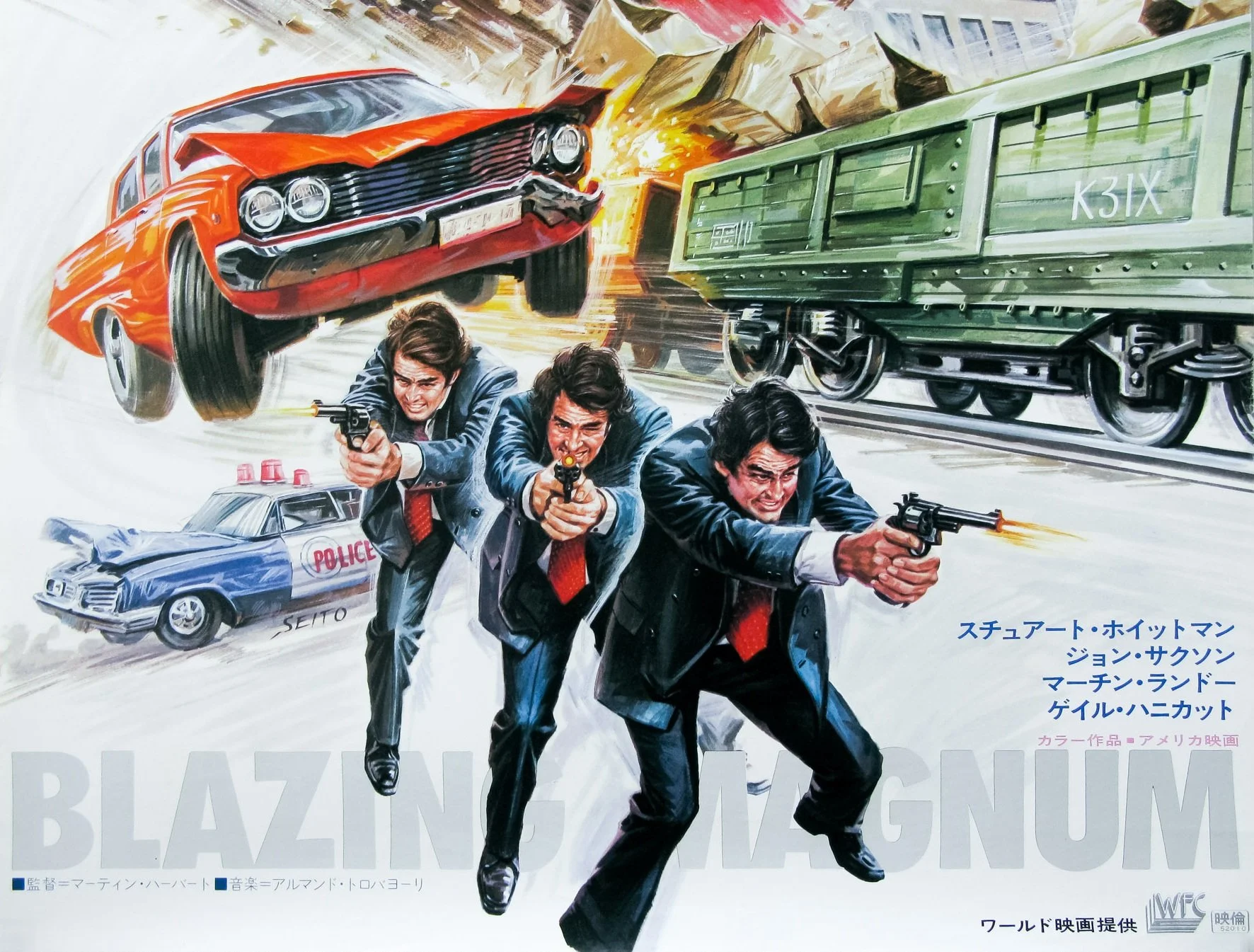
Mainstream films are easy to recommend to people. They’re usually formulaic, work within clear parameters and they’re not controversial. Most people, when viewing such film on someone else’s suggestion, are left with a fairly simply choice. Did they like it or not? Whatever the outcome, no feathers are ruffled. No one looks at you askance afterwards and says “why the hell did you think I’d like that piece of shit”? If something like this happens, then you have clearly not recommended a mainstream film. Perhaps you’ve suggested something that’s a little more of an acquired taste. Something niche, from a very specific sub-genre. Which brings me neatly to Blazing Magnum AKA Strange Shadows in an Empty Room (1976). The US title gives the impression that this film is a hard boiled cop thriller, like so many others that followed in the wake of Dirty Harry. But there’s a clue in the European title. Yes, this movie has more than just a whiff of a giallo about it.
In the year 1860, Baron Victor Frankenstein (Peter Cushing) faces execution by guillotine for the murders perpetrated by the creature he created. With the assistance of a hunchback named Karl (Oscar Quitak) he avoids death by beheading the priest who came to give him the last rites. The priest’s body is then mistakenly buried by the authorities. Three years later, Victor, now using the name Doctor Stein, has established himself as a prosperous physician in Karlsbrück, serving both affluent patients and the poor at a paupers’ hospital. Hans Kleve (Francis Matthews), a junior member of the medical council, recognises Victor and being an admirer, seeks to become his apprentice. Victor and Hans then undertake an experiment to transplant Karl’s living brain into a new, more refined body, rather than a grotesque monstrosity the Baron has previously made. Karl is eager to have a new healthy body, especially after encountering Margaret Conrad (Eunice Gayson), the charming new assistant at the hospital.
This movie questionnaire was originally created by Alexander from Cinemaniac Reviews. Sadly, I believe that website is now defunct. However, that doesn’t in anyway invalidate the questionnaire itself which has some very good questions about your relationship with cinema. Some of my answers to the questions posed are about films that I enjoy, as opposed to those that are considered cinematic classics. However, I have answered some questions more seriously than others, especially the one about undeserving recipients of the Best Film Oscar. I struggled with a couple of questions because I no longer go the cinema as frequently as I did 10 years ago. This is mainly due to the fact that a lot of the films I find interesting end up going straight to streaming after very brief theatrical releases. Some do not even get shown in cinemas. Hence I view far more at home. But I digress. On with the questions and answers. Feel free to comment below and share your views.
Exit 8 is a sophisticated and claustrophobic psychological thriller directed by Genki Kawamura, which skilfully transforms a minimalist indie walking-simulator game into a cinematic existential enigma. This overtly metaphorical film renders the repetitive nature and drudgery of modern working life into a physical environment in which the lead character is trapped and must find a way out. A random, brutal maze filled with an atmosphere of indifference to the lab rats that find themselves trapped within. Or is it their personal guilt that has put them there? Genki Kawamura’s psychological mystery draws inspiration from the Japanese video game of the same name, as well as from the cyclical nature of Groundhog Day and endless corridors of the Overlook Hotel in Kubrick’s The Shining. Although there are jump scares and some ghoulish imagery, this is not a horror vehicle. Instead this is a disquieting psychological drama with a strong sense of morality.
I wrote a post 18 month’s ago regarding whether a directors cut of a film is superior by default to the version originally shown in cinemas. Obviously the answer was no and I then went on to give three examples of films where I think the theatrical release is better to lengthier or substantially altered director’s cut that was subsequently made available at a later date. This time round in this post, I would like to do the complete opposite. I shall provide some examples of films that I think are significantly improved by a longer cut or a substantially, restructured edit. Note some of these examples are technically not a “director’s cuts” but a restoration or reconstruction of the director’s original vision. I shall endeavour to highlight what specific material or broader changes make each respective film “better”. As ever, all of these examples are a matter of subjective opinion and my views are presented as such, not “fact”.
In 1968 the dilapidated freighter Corita hastily leaves Freetown to avoid a customs inspection. Captain Lansen (Eric Porter) has a cargo of dangerous explosives which he is smuggling so he can finally retire. His ship’s passengers also have reasons for leaving in a hurry. Dr. Webster (Nigel Stock), together with his daughter Unity (Suzanna leigh), is relocating due to his indiscretions with patients and illegal operations. Alcoholic pianist Harry Tyler (Tony Beckley) is aimlessly drifting from port to port. Eva Peters (Hildegard Knef) is fleeing from her husband with stolen bearer bonds which she intend to use to buy back her son from his evil clutches Caracas. Ricaldi (Ben Carruthers), a questionable lawyer, is pursuing Eva to retrieve the stolen bonds. First officer Hemmings (Neil McCallum) suggests that the ship should return to Freetown after an imminent Hurricane warning. The Captain asks the passengers and they are unanimous that they do not wish to return. However a mutinous crew, the bad weather and the instability of the explosives force everyone to abandon ship. The survivors find themselves adrift in a lifeboat surrounded by a strange carnivorous seaweed.
Jason Statham is an exemplar of the US mantra of “staying in your lane”. He makes action movies and occasionally strays into action comedies. His formula broadly works and is sufficiently lucrative to keep Mr. Statham employed. Therefore, if you watch a film in which he stars, you have a fairly good idea of what you’ll be getting. Of late, the criteria for his action vehicles have become more succinct. Jason Statham will play an innocuous character, such as a construction foreman or a bee keeper. Something terrible will subsequently befall another character who Mr. Statham has an emotional connection with in some capacity. He will subsequently hunt down those responsible and meet out death and violence. At some point the villain of the story will enquire as to how this innocuous person is so lethal. Research will then show that our Jason is in fact an ex-police officer/special forces operative/international assassin. There’s then a showdown and the villain dies. Job done.
The Light at the Edge of the World presented itself as an action movie upon its release in 1971. Based upon a story by Jules Verne, the Spanish American co-production was driven by its star Kirk Douglas, who curiously hired British director Kevin Billington to helm the project. This tale of a lighthouse keeper fighting a war of attrition against a group of pirates that have captured his island, was market as an adventure film ostensibly in the idiom of the authors previous works and as a pirate movie. MGM bought the rights to distribute the film in the UK on the misunderstanding that it was a family friendly production. It was not and remains so. They subsequently had to cut 15 minutes of violence and torture as well as an undercurrent of sexual assault to secure a suitable rating. Conversely, the US distributors received an arbitrary PG rating, despite the fact this is one of a handful of films that honestly depicts pirates as murderers, rapists and worse.
It’s an established action film trope. The fire team comprised of ex-military personnel, move in on their target. Only to have the tables turned by someone they don’t deem a threat. What makes it different in The Last Stand of Ellen Cole is a throwaway line of dialogue. The bested operative lies bleeding on the floor and the protagonists stands over them ready to finish them off. “Don’t, I have a cat” they feebly plead. For me that was the icing on the cake. The movie had already established it was taking the “same old, same old” and doing something different. Something fun, if taken in the right spirit. This scene tipped the balance and I embraced this film because it was being honest about what it is. This is a modern B movie that decides to give a very specific sub-genre a makeover. Furthermore, its clearly done with an affectionate wink, which is very different to sly wink. This isn’t deliberate self-knowing irony. Its just a film doing something different and possibly silly but it genuinely wants to have fun with it.
David Koepp is no stranger to genre cinema, having written the screenplay for such films as Jurassic Park, Spider-man and War of the Worlds. Where these titles are big budget, major studio productions, Cold Storage is a far more modest production with a smaller scope. Adapted from his own novel, the screenplay is by David Koepp and the film is directed by British film-maker Jonny Campbell. At first glance, Cold Storage seems a somewhat derivative science fiction horror film with a relatively modest budget, financed through a convoluted US and French co-production. Lurid green and red colours feature heavily in the marketing artwork and it is easy, after a cursory look, to write the film off as cheap, generic, direct-to-streaming filler. However, Cold Storage is prime example of why you should not judge a book by it’s cover, or in this case, a film by its posters and online advertising. It is in fact an amusing and fun endeavour that can fill an evening.
Despite being considered by many as an original story, The Abominable Snowman (1957) is in fact a remake of a made for television play, The Creature, that was originally broadcast in the UK in 1955. Hammer Films would often purchase the rights of popular TV programs and subsequently re-work them for mainstream, international cinema. Larger production budgets and fewer censorship restrictions allowed them to make their cinematic interpretations more lurid, thus commercially viable. Hence The Quatermass Xperiment, Quatermass II and Quatermass and the Pit were all given a big screen makeover and were commercially successful. The Abominable Snowman was written by acclaimed writer Nigel Kneale, who also wrote the original television drama and the aforementioned Quatermass trilogy. Although ostensibly marketed as a horror film this production is actually an interesting blend of psychological thriller and science fiction.
There are certain subjects that are notoriously uncinematic. These tend to be things that exist or are undertaken mainly in the mind, rather than expressed in an overtly physical way. Computing, science and mathematics are good examples. Writing code or working out complex equations does not immediately lend themselves to a visual medium such as cinema. Therefore, any film dealing with the world of corporate finance has its work cut out. Hence writer-director J C Chandor immediately deserves praise for making Margin Call, a film about the financial crash of 2008, as gripping and compelling as any political thriller. He does this by keeping the financial elements of the story to a minimum, choosing instead to focus upon those who have become aware of the imminent crisis and their reaction to it. However, the film remains a tough watch with regard to the some of the characters and their respective personal morality or lack there of.
The 1937 Hindenburg disaster has remained an enduring mystery over the years. The physical mechanics of how this airship filled with 7,000,000 cubic feet of hydrogen gas caught fire has been fully explored over the decades and there are now several extremely plausible theories as to how it may have happened. However, there remains the possibility of sabotage. As such an idea has more dramatic potential than mechanical failure, it was used as the central theme of the 1975 disaster movie The Hindenburg. Directed by Robert Wise, the screenplay by Nelson Gidding explores a German resistance against the Nazi regime. The airship is targeted as it is a powerful propaganda symbol for Hitler’s Germany. Sadly despite some interesting ideas, a strong cast and solid, old school optical effects, The Hindenburg is a slow and somewhat ponderous production. Although the final 20 minutes of the film recreate the infamous explosion meticulously, it doesn’t quite compensate for the uneventful, dialogue driven investigation of the previous 100 minutes.
On the Eastern Front in 1943, a German Tiger tank crew led by Lieutenant Philip Gerkens (David Schütter) is sent on a mission to rescue the missing officer Paul von Hardenburg (Tilman Strauss) from a top-secret bunker that is at risk of falling into enemy hands. As they make their way through an eerie no-man’s land, they have to avoid Russian armoured vehicles that seem to be aware of their mission. They also encounter a German unit taking punitive action against a peasant village, in reprisal for partisan activity in the area. The youngest crew member, Michel (Yoran Leicher), talks of the land being home to ghosts and spirits. As the tank penetrates further into contested territory the crew become increasingly disturbed by the uncanny nature of their mission and begin to fall prey to their own inner fears.
Robert Louis Stevenson’s classic novel has been adapted for cinema and television numerous times. Perhaps the most well known is the 1950 Disney version, starring Robert Newton as Long John Silver. His eye rolling performance and exaggerated West Country accent is credited with popularising the stereotypical form of “pirate speech" that has become the pop culture default. Although an enjoyable film, it does gloss over the more sinister aspects of both the source text and history, perpetuating the myth that pirates are just loveable scoundrels. Many subsequent adaptations have fallen into the same trap to a greater or lesser degree. However, that is not the case with the 1990 version of Treasure island, which was made for the TNT cable network and released theatrically outside of the US. This darker and notably more violent adaptation closely follows the source text and is widely considered the most faithful to the book.
The Planet of the Apes movie franchise took a radical change of course with its third entry in the series. The first two films were set in the future and benefited from high production values to help realise a post apocalyptic earth. However, due to a substantial reduction of budget, Escape from the Planet of the Apes uses a time travel plot device to bring the ape protagonists to present day Los Angeles (1971 in this case). The result is a film with a much smaller narrative scope. However, although it lacks the science fiction spectacle of its predecessors, it features an interesting satirical exploration of celebrity culture and ponders what it is like to be deemed an enemy of the state. As ever, Roddy McDowell and Kim Hunter provide exceptional lead performances as the Chimpanzees Cornelius and Zira. Escape from the Planet of the Apes also captures the pop culture vibe of seventies America.
It is not unusual for Disney to change film titles when marketing them outside of the US. In 2016 they renamed the animated feature film Zootopia to Zootropolis in the UK and Europe to avoid trademark conflicts with other existing businesses. For example there is a Danish zoo which already holds the “Zootopia” name. Similarly, in Germany there is a children’s book which caused copyright conflict, which led to the film being released under the title Zoomania. Such changes, although practical for legal reasons, can sometimes cause a degree of confusion. Especially as there are numerous, low budget productions companies that go out of their way to produce similarly titled “mockbusters” whenever there are big, tentpole, releases. So for clarity, Zootopia 2 has been released in the UK as Zootropolis 2.
Stephen King’s dystopian story, The Running Man, was previously adapted very loosely in 1987, as a vehicle for Arnold Schwarzenegger. That version focused mainly on the “Battle Royale” element of the story and leaned heavily into Arnie’s personality, rather than the politics of the book. It also wasn’t well received by the author. Edgar Wright’s remake follows the source text a lot more closely and is far more interested in its political themes and wider social commentary. Furthermore, this version re-establishes the everyman quality of the hero of Ben Richards, rather than him being the muscle bound, ex-military hero as per Mr. Schwarzenegger’s prior interpretation. This time round, The Running Man uses a lot of the visual and narrative tropes of contemporary reality TV, making this forty three year old story very relevant to today’s viewers and couching the film in a style that is recognisable and accessible.
The Haunted Dolls House is a short film based on a story by M.R. James about a unique antique that is subject to supernatural phenomenon. Adapted by Stephen Gray and David Lilley, this is the third of three short films based upon James’ work that the pair have made. It stars Steven Dolton as Mr. Dillet, a collector of antique dolls houses, who acquires a bargain only to discover that it harbours a ghostly secret. Made on an extremely modest budget over the course of 2012 this clever, innovative and rather sinister adaptation is a fine example of short film creativity. It manages to offer a unique visual depiction of M.R. James’ classic story whilst capturing the unsettling quality of the author’s work. Like so many independently made short films it is clearly a labour of love, made with modest resources. It succinctly captures the spirit of the author’s work and is both innovative and rewarding.
A lot of people may know Luke Evans from the live action version of Beauty and the Beast or Peter Jackson’s The Hobbit trilogy. With his matinee idol good looks, charming Welsh demeanour and his “smoky” tenor singing voice, he projects a sense of old school stardom. Which brings us to No One Lives; a film which is a radical departure from his previous work. His performance is disconcerting to say the least and the film is somewhat unhinged. Directed by Ryuhei Kitamura, who made an interesting adaptation of Clive Barker’s The Midnight Meat Train, this cinematic outing is similarly replete with robust shocks and gore. There are some interesting ideas about the nature of violence, Stockholm Syndrome and whether one should deny or embrace one’s nature. However, these are ultimately minor asides. Philosophical musings in between bouts of surprisingly striking unpleasantness.
In the near future, Kepler 822, a research and drilling facility located at the bottom of the Mariana Trench, suffers a sudden and catastrophic structural failure. There are only six survivors. Mechanical engineer Norah Price (Kristen Stewart), Captain Lucien (Vincent Cassel), biologist Emily Haversham (Jessica Henwick), engineer Liam Smith (John Gallagher Jr.) and crew members Rodrigo (Mamoudou Athie) and Paul (T.J. Miller). As all the functional escape pods have been used and they are unable to contact the surface, the Captain suggests using pressurized suits to walk one mile across the ocean floor to the Roebuck 641 drill installation. There they will find more escape pods. However, it soon becomes apparent that the disaster was not caused by an undersea earthquake and that they are not alone as they make their journey.
One of the most common objections raised regarding the Jurassic Park/Jurassic World franchise is that the films are specifically made to obtain a PG-13 rating from the Motion Picture Association, for purely commercial reasons. Hence, in all films, there is little on screen violence and the dinosaurs are mainly portrayed as a threat and a means of providing jump scares. When a character is killed by a dinosaur it usually happens off screen, is obscured by something else in frame, or is shown in long shot with very little detail. The realities of being eaten alive by a predator are conspicuously absent. Hence, audiences looking for films featuring more graphic dinosaur attacks, have not been well catered for apart from some minor direct-to-video titles. Primitive War finally fills this gap in the market with a frenetic genre mashup that strives to punch above is budgetary weight.
During the seventies, cinema was not only a source of mass, commercial entertainment but was still perceived as a medium for intellectual and philosophical discourse. Television was a poor relation in terms of art and cultural significance. Film was where the so called auteur director could muse and ruminate upon the nature of the human condition and audiences could subsequently gush sycophantically about their work at dinner parties. Or something like that. Let it suffice to say that some film makers were still indulged by studios and financiers, who were still keen to cash in on the cultural sea change that came to Hollywood in the late sixties. It’s difficult to see how a film such as Emperor of the North (AKA Emperor of the North Pole) could have been made otherwise. A film set in the Great Depression about a hobo illegally travelling on freight trains and his feud with a ruthless conductor.
In Buenos Aires, Clara (Natalia Señorales) hears voices emanating from the plughole in her kitchen sink. The voices seem to be plotting against her. Her husband Juan (Agustín Rittano) says the sounds are coming from next door. That night, Juan finds Clara’s dead body levitating in their bathroom, slamming against the wall by an invisible force. Meanwhile their neighbour, Walter (Demián Salomón), is experiencing supernatural occurrences while he tries to sleep. An invisible force repeatedly shakes his bed. After using a video camera to film these events, he sees a tall, cadaverous figure emerging from under the bed, standing over him as he sleeps. Across the road, Alicia (Julieta Vallina) is grieving for her recently deceased son, who was run over outside Walter’s house. Alicia's ex-boyfriend, police commissioner Funes (Maximiliano Ghione) calls Jano (Norberto Gonzalo), a paranormal investigator and the pair soon discover more supernatural occurrences in the area.
Black Sabbath (AKA I tre volti della paura) is a 1963 horror anthology film directed by Mario Bava. Although an Italian production, the film was co-financed by American International Pictures and as such was conceived to appeal to US audiences. Hence, the English dialogue edit of the film which was released in America differs significantly to the original Italian version. Despite the presence of the legendary Boris Karloff and the popularity of both anthology and gothic horror at the time,the film was only a modest success at the US box office and did not do well in Italy. However, in more recent years there has been a critical reappraisal of Black Sabbath, especially the Italian dialogue version. Many aspects of the film which are standard genre tropes today, were in fact novel at the time. Also despite the production mainly being studio bound, the film oozes style and has a striking visual aesthetic.
After the success of Raiders of the Lost Ark in 1981, filmmakers scrambled to find existing intellectual properties that they could use for similar films. Hence archaic heroes such as Alan Quatermain were hastily given a modern makeover and thrust into generic movies, in a vague attempt to replicate Steven Spielberg’s successful formula. Which brings us neatly on to James Charles Bigglesworth AKA “Biggles”, a fictional pilot and adventurer from a series of books written by W. E. Johns between 1932 and 1968. Several attempts had been made in the past to bring this character to the silver screen, including one by Disney but they all failed. However, the commercial and critical success of Indiana Jones provided sufficient impetus to greenlight a new film. However, due to some curious production choices, when Biggles was finally released it was far from just a period set, action movie.
Setting aside the hubris of remaking a film such as Red Dawn, the 2012 reboot had a troubled production. Shot over the course of late 2009, on location in Michigan, MGM intended to release the film in September 2010. However, the studio’s financial problems became unsustainable over the course of that year and the film was shelved, while a financial solution was sought. Furthermore, while Red Dawn was in post production, there was a major economic shift within Hollywood due to the increasing importance of the Chinese market. This was a significant problem for MGM because the new version of Red Dawn had the Chinese invading the USA instead of Russia. Hence there were reshoots and the need for additional visual effects, so that the Chinese could be replaced with North Koreans. MGM eventually went bankrupt and the distribution rights to Red Dawn were sold off. The film was eventually released in 2012.
American music producer James William Guercio is primarily known for his work in the music industry. He was the producer of the band Chicago’s first eleven studio albums. In the mid-seventies he also managed the Beach Boys and was a member of their backing band. He was during this time, well known in his field and respected. In 1973, Guercio directed, produced and wrote the score for his first and only feature film, Electra Glide in Blue. He was 28 years old at the time. Upon release the film received mixed reviews from many traditional US newspapers, who were dismissive of its revisionist themes and poetical style. However, in Europe the film was received more favourably and was entered into the 1973 Cannes Film Festival. Fifty two years on and Electra Glide in Blue is now considered an overlooked cult classic and is analysed in a more measured fashion.
When I first saw the promotional trailer for Gangster Squad back in 2012, prior to its release, I wasn't especially impressed. I simply thought the film was another attempt to re-invent the gangster genre for a generation who were not especially familiar with it. I wasn't exactly overwhelmed with director Ruben Fleischer's resume either. I didn't particularly like Zombieland and haven't seen 30 Minutes Or Less. Then came the tragic mass shootings in Aurora, Colorado which led to the movie being delayed so that the original ending, which featured a shoot-out in a movie theatre, could be replaced. Hence when I finally watched this film recently, I wasn't expecting a movie up to the standards of say Once Upon A Time In America or Miller’s Crossing and it would seem that I was right do so. Gangster Squad is not especially noteworthy in any respect.
Fluke is a curious film about a man who is reincarnated as a dog and his subsequent realisation that he may have been murdered. It takes an adult novel by British author James Herbert, which is filled with philosophical musing and strives to adapt it in a far more family friendly fashion. The result is a somewhat bipolar production which thematically alternates between existential introspection and Buddhism. It then strives to deliver its message in a Disneyesque idiom. Children will potentially be confused and upset by what they see and adults will be wrongfooted by the continual shift in tone. Fluke was not a critical or commercial success upon release and the flaws that were identified by critics at the time still ring true today. That being said, Fluke is still an interesting and entertaining film, despite its faults.
Day of the Dead (2008)
George A. Romero's Day Of The Dead (1985) is a bleak and remorseless masterpiece. The final entry in his “Dead Trilogy”, its central theme is that in a world on the brink of destruction, man is still the biggest threat to his own existence. It is well scripted, clinically accurate in its observations on human nature and thought provoking, despite having its budget cut just weeks before production commenced. 40 years later it is revered as a genre milestone and is considered one of Romero’s finest works. Sadly, the 2008 “remake” directed by Steve Miner, who has a background in slasher and exploitation movies, takes a contrasting approach, to say the least. It certainly has very little to do with Romero’s film and one can’t help but assume that it is nothing more than a cynical cash in. Setting aside comparisons with the original, this is not in any way a standout zombie film in its own right.
George A. Romero's Day Of The Dead (1985) is a bleak and remorseless masterpiece. The final entry in his “Dead Trilogy”, its central theme is that in a world on the brink of destruction, man is still the biggest threat to his own existence. It is well scripted, clinically accurate in its observations on human nature and thought provoking, despite having its budget cut just weeks before production commenced. 40 years later it is revered as a genre milestone and is considered one of Romero’s finest works. Sadly, the 2008 “remake” directed by Steve Miner, who has a background in slasher and exploitation movies, takes a contrasting approach, to say the least. It certainly has very little to do with Romero’s film and one can’t help but assume that it is nothing more than a cynical cash in. Setting aside comparisons with the original, this is not in any way a standout zombie film in its own right.
A group of soldiers led by Captain Rhodes (Ving Rhames) seal off a remote town in Colorado, due to an alleged viral outbreak. Corporal Sarah Cross-Bowman (Mena Suvari) soon suspects that matters are much worse when the infected’s symptoms change from coughing and nosebleeds, to necrosis and a penchant for cannibalism. Has Doctor Logan (Matt Rippy) from the CDC, been sent to help or is he part of a covert project that has gone awry? Cue mayhem, death, bad acting and teenagers in peril. Absolutely no cliche is left unturned from “let's split up” to the ubiquitous wisecracking, African American comic relief. There are ludicrous levels of pseudoscience even by this genre’s standards and the curious addition of zombies climbing around walls and ceilings like Spider-Man, which just doesn’t work.
Filmed mainly in Sofia, Bulgaria Day Of The Dead has a somewhat low budget feel. Cinematographer Patrick Cady does his best to create an atmosphere and cover the modest nature of the production. Yet rather than innovate, the film takes an “everything bar the kitchen sink” approach. Every possible trope from the genre is included and then poorly executed. The make up effects and prosthetics are adequate but the film lacks any standout set pieces. The digital fiery denouement is over far too quickly due to budgetary restrictions, making the ending lacklustre. Perhaps the biggest mistake that Day Of The Dead makes is when Private Bud Crain (Stark Sands) is bitten and becomes a zombie. He eschews his undead nature because he was a vegetarian when alive. Perhaps writer Jeffrey Reddick thought he was making a clever point but regardless of the intent it simply comes off as risible.
Steve Miner has been involved with some interesting films over the years. I enjoyed his homage to creature features, Lake Placid and the gothic Warlock. Two Friday 13th sequels loom large in his body of work. But this is far from his finest hour. Zack Snyder's 2004 remake of Dawn Of The Dead may not be to everyone’s tastes but it cannot be accused of being a shallow, teen oriented exploitation piece. This film most definitely can be. It would appear that the distributors got wind of its shortcomings and so it bypassed cinemas and was released direct to video. If you’re looking for a clever reimagining of a seminal film, offering new perspectives on the zombie genre, then you won’t find it here. If you wish to waste 90 minutes of your time watching an uninspired, generic horror vehicle that seeks to capitalise on the kudos associated with the original, then this remake will meet those requirements.
George A. Romero's Day Of The Dead (1985) is a bleak and remorseless masterpiece. The final entry in his “Dead Trilogy”, its central theme is that in a world on the brink of destruction, man is still the biggest threat to his own existence. It is well scripted, clinically accurate in its observations on human nature and thought provoking, despite having its budget cut just weeks before production commenced. 40 years later it is revered as a genre milestone and is considered one of Romero’s finest works. Sadly, the 2008 “remake” directed by Steve Miner, who has a background in slasher and exploitation movies, takes a contrasting approach, to say the least. It certainly has very little to do with Romero’s film and one can’t help but assume that it is nothing more than a cynical cash in. Setting aside comparisons with the original, this is not in any way a standout zombie film in its own right.
George A. Romero’s Night of the Living Dead is a true genre milestone that is praised not only by horror film fans but mainstream critics alike. If you are interested in watching an intelligent, well researched and entertaining documentary about the film’s provenance and cultural impact then I thoroughly recommend Birth of the Living Dead (2013) by Rob Kuhn. It tells you pretty much all you need to know about why this classic film is so important. As for Night of the Living Dead itself, it still holds up well after 53 years. It is the immediacy and relatability of the premise and overall story that still makes the film relevant. The zombies are purely a “MacGuffin” and the real focus of the plot is how people behave under pressure in life threatening situations. It’s a film about how we can react to the same situation differently and how cultural baggage and the need for people to be “right”, hinders co-operation and thwarts progress.
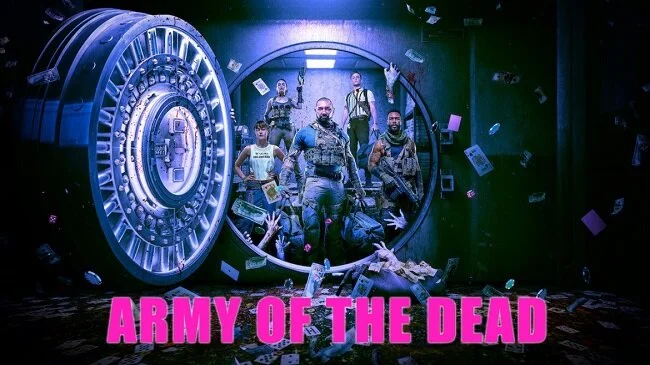
One of the biggest issues associated with modern film production is creative interference by the studios financing them. Despite employing known writers and directors who have an established track record and creative style, all too often control is taken from these individuals and changes are imposed upon the production, usually to the detriment of the overall film. Hence, you can understand why more and more filmmakers are taking their work to Netflix and similar platforms. Streaming services are apparently far more accommodating and understanding. Martin Scorsese himself made his last film The Irishman, for Netflix. However, such creative freedom can be a double edged sword. Some directors need to be tempered, the same way that some writers need a good editor. There is often a fine line between creative freedom and self indulgence.

Sometimes just the name of a film is sufficient to sell it to you. I originally discovered this zombie crossover movie thanks to film critic Mark Kermode's video blog from the 2008 Cannes Film Festival. He reported on how the film festival was also a major marketplace for independent movie makers trying to find international distribution for their products. Flight of the Living Dead was one of the lurid flyers he was given. Writer and director Scott Thomas claimed at the time that despite the obvious plot similarities with Snakes on a Plane, his film was not intended to be a quick cash-in on Samuel L. Jackson’s sleeper hit from 2006. The basic concept and the pre-production phase of Flight of the Living Dead supposedly pre-dates the aforementioned exploitation movie. Considering how long it can take for a small independently funded movie to find a distributor this may well be true.
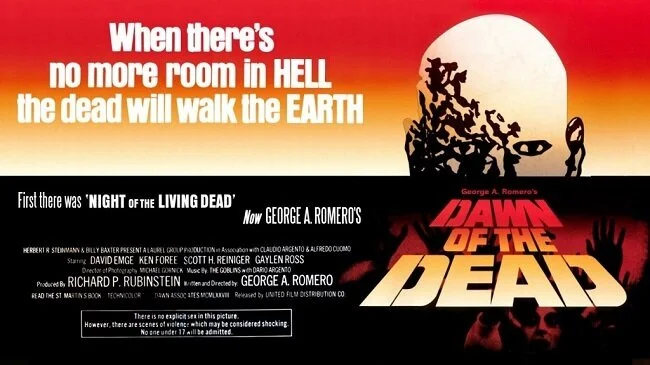
Five years ago, I wrote about a fan edit of George Romero’s horror classic Dawn of the Dead that attempted to recreate the original rough cut of the movie. The so-called “Extended Mall Hours” cut was composed of the 139 minute Cannes edit of the film and the 117 minute Dario Argento version. It was a very interesting project but as it consisted of DVD quality material (including deleted scenes) it was not an optimal presentation. Being a fan edit, there were obvious issues regarding legality, so I never really expected to see anything comparable to this version being officially sanctioned or released. So I was therefore most surprised to learn that a recent Blu-ray boxset release by Austrian distributors XT Video included a “Complete Cut” which similarly combines all available material. This is presented in 1080p, at a ratio of 1:85:1 and runs 155 minutes. It is superior in quality to the “Extended Mall Hours” cut and is most likely the nearest any fan is ever going to get to seeing Romero’s initial edit of the film.
Contrary to a lot of the pre-release doom and gloom regarding re-edits and extensive new footage being shot, World War Z turned out to be far from the disaster that some critics implied. Ultimately there were some good ideas and snatches of interesting dialogue. Some of the characters were unusual and there seems to have been an attempt do something different with the genre. All of these things are laudable. Unfortunately, despite these positive attributes the movie clearly shows the signs of post-production interference and material from the extensive re-shoot is all too apparent. That’s not to say that is bad because that is not the case. It’s because it is noticeably different in style and tone from the rest of the film.

Back in the summer of 2012, the red band trailer for Cockneys vs Zombies set a very high benchmark and certainly raised expectations for the final movie. The title itself was also somewhat of a gamble, either raising a wry smile among horror fans or eliciting a roll of the eyes and a deep sigh for a genre in decline. I was unable to attend the premier at Frighfest 2012, but the general feedback at the time was that that that the movie was extremely well received by horror fans. Finally, six years later, I finally caught up with the film on Amazon Prime and I’m happy to report that Cockneys vs Zombies does live up expectations and is a thoroughly entertaining, quirky and very British horror movie. It manages to balance both visceral horror with a healthy dose of black humour, which is no mean feat.
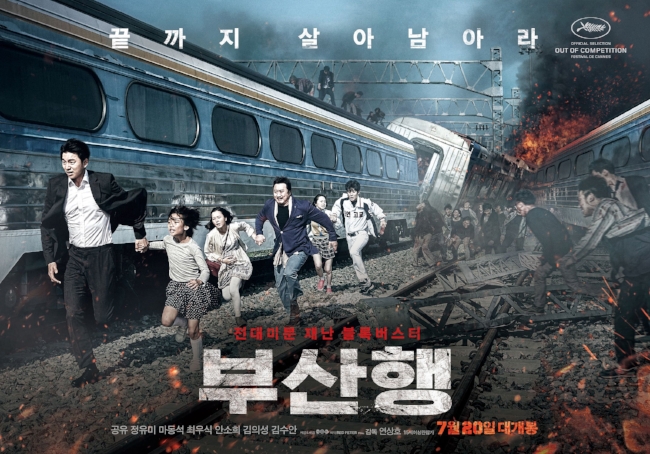
The horror genre has more than its fair share of bad movies. It’s the nature of the beast (no pun intended). Films of this type can be made quickly and cheaply but have the potential to make a tidy profit. Therefore, they attract not only burgeoning talent but those bereft of any as well. Furthermore, traditional formulas work, so any new innovative production is often followed by a wealth of copycats and knockoff films. To say that the genre is self-plagiarising is an understatement. Yet, from time to time, horror movies can surpass mainstream cinema with regard to social commentary, satire and intelligent adult narratives. Look no further than Dawn of the Dead, The Thing and The Descent if you want three solid examples. Horror is a versatile and malleable genre that can facilitate great stories and reflections upon the human condition.
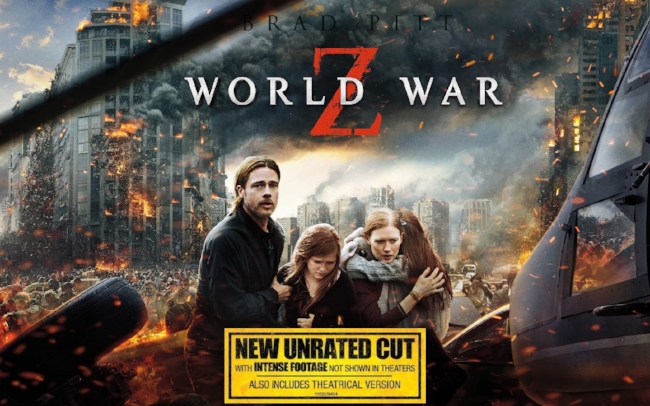
World War Z Unrated Cut runs seven minutes longer than the theatrical version of the movie and contains "intense footage not shown in theaters". The material consists of more violent alternative takes of existing action scenes and features mainly CGI effects work. There is no additional plot, although there may be some nominal changes to dialogue. Overall the unrated cut is an improvement over the theatrical print in so far it offers a more traditional zombie movie experience. However, compared to other examples of the genre, the unrated version of World War Z still remains relatively sedate in terms of violence. The movie focuses on the scale of the zombie outbreak, rather than the visceral mayhem of a George Romero film.
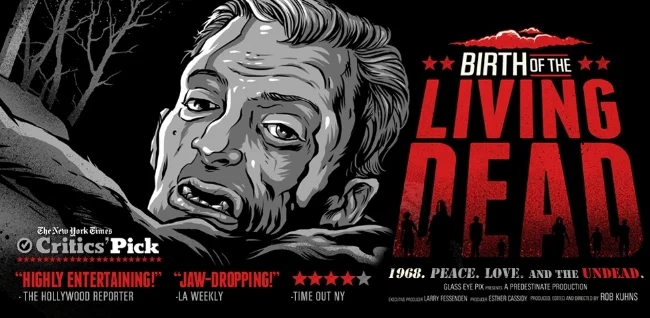
These day’s zombies are a somewhat ubiquitous plot device and enjoy an entire literary, artistic and cinematic sub-genre. The Walking Dead is one of the most popular TV shows internationally and hundreds of thousands of gamers fight the undead, online every day. Yet there was a time when zombies were just a minor subset of the horror genre and far from a popular one. That all changed in 1968, when a low-budget, independent film called Night of the Living Dead was released upon an unsuspecting public. The movie’s impact upon the film industry and popular culture was extraordinary. Rob Kuhns’ appropriately titled documentary Birth of the Living Dead analyses the creation of George A. Romero’s seminal classic and strives to determine how a single movie could have such impact.
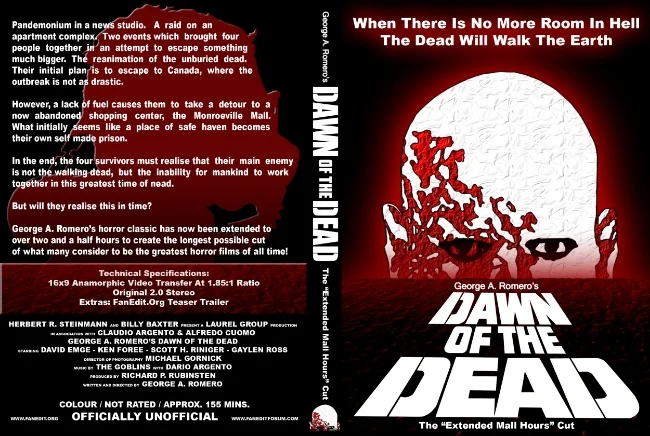
In the last few years I’ve become acquainted with the concept of fan edits. Fan edit are versions of a film that has been modified by a viewer. This involves the removal, reordering, or the addition of new material to create a new interpretation of the film. Fan edits include the removal of scenes or dialogue, replacement of audio and visual elements, as well as adding material from sources such as deleted scenes or even other films. Due to the easy access to pro-quality software and high definition source material, such editions are often very professionally realised. Naturally fan edits often fall foul of copyright law.
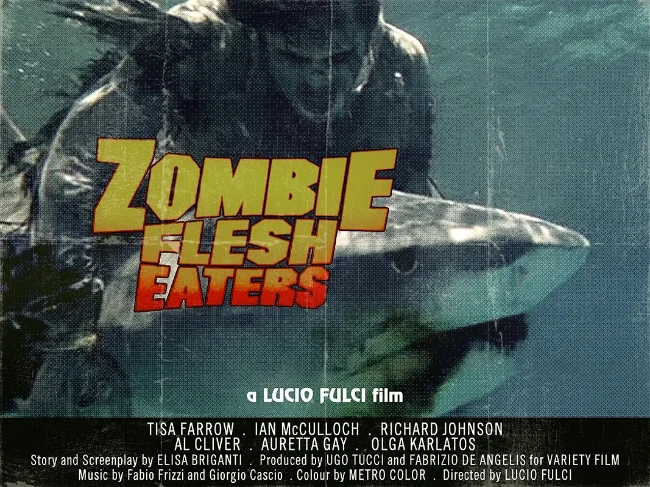
If you are a fan of horror movies then sooner or later Lucio Fulci’s Zombi 2 (also known as Zombie, Island of the Living Dead, Zombie Island, Zombie Flesh-Eaters and Woodoo) will appear on your radar. For good or ill, this movie looms large within the genre and has a mixed reputation. Even by current cinematic standards, this movie is a gore-fest and it still has the ability to make viewers squirm. It is a curious phenomenon that a relatively low budget and obscure Italian cash-in on George Romero’s Dawn of the Dead, has managed to achieve such an infamous, iconic and cult status.
Caligula: The Ultimate Cut (1979)
There are many stories and anecdotes associated with the 1979 film Caligula. Many of which are apocryphal. However, there is absolutely no doubt that this was a troubled production, with artistic differences between the writer, director and producers. Hence the original theatrical release was not the arthouse, historical drama that it was intended to be. Instead Caligula ended up the most notorious multimillion dollar independent film of the seventies. Steeped in violence, hardcore pornography and acts of depravity, yet boasting an A list cast of British and European actors, a screenplay by the legendary Gore Vidal and an established Italian arthouse director, namely Giovanni “Tinto” Brass . This magnificent cinematic car crash of a film has maintained an interest with cult film enthusiasts, as well as scholars of cinema over the decades. This is mainly because there’s an optimistic school of thought that there is a far better film trying to get out.
There are many stories and anecdotes associated with the 1979 film Caligula. Many of which are apocryphal. However, there is absolutely no doubt that this was a troubled production, with artistic differences between the writer, director and producers. Hence the original theatrical release was not the arthouse, historical drama that it was intended to be. Instead Caligula ended up the most notorious multimillion dollar independent film of the seventies. Steeped in violence, hardcore pornography and acts of depravity, yet boasting an A list cast of British and European actors, a screenplay by the legendary Gore Vidal and an established Italian arthouse director, namely Giovanni “Tinto” Brass . This magnificent cinematic car crash of a film has maintained an interest with cult film enthusiasts, as well as scholars of cinema over the decades. This is mainly because there’s an optimistic school of thought that there is a far better film trying to get out.
For those unfamiliar with the film and its associated legend, Caligula was initially conceived as an historical drama about the rise and fall of the controversial Roman emperor. The film stars Malcolm McDowell in the title role, alongside Teresa Ann Savoy, Helen Mirren, Peter O'Toole, John Steiner, and John Gielgud. It was filmed in Rome at Dear Studios during 1976 and was intended to be a serious dramatic exploration of the theme that absolute power corrupts. Writer Gore Vidal wrote an original screenplay based upon historical sources to that effect. However, director Tinto Brass had other ideas and preferred the concept of Caligula being a born monster just waiting for an opportunity. Hence he rewrote the script with an emphasis on the sensational, although he kept much of the original dialogue. However, upon completion of principal photography, producer Bob Guccione (the publisher of Penthouse) took over editing of the film and shot additional pornographic scenes for inclusion in the theatrical cut. Controversy, outrage and lawsuits followed. Caligula then passed into cinematic legend.
Then in 2019, Thomas Negovan was hired to reconstruct a version of the film closer to the initial vision. Using the original camera negatives of 100 hours of footage unearthed in the Penthouse archive, along with an early draft of Gore Vidal’s script, Negovan has assembled a radically different cut of the film using alternate takes and abandoned footage. However, this has still proven a difficult undertaking as there is far from a consensus on what the original intentions of the production were. Was Caligula intended to be a pure historical drama or a stylised exploration of the themes of Roman decadence, filmed via the medium of Italian arthouse cinema? It would appear that Negovan has arrived somewhere between the two positions. There is now a clear thematic thread running through Caligula: The Ultimate Cut with the emperor portrayed as an anarchic free spirit who is consumed by his own desire to push the boundaries of his power. He is enabled by a coterie of sycophants and lackays, as well as political opportunists.
Film aficionados will spot the changes that Thomas Negovan has made immediately. The film opens with an impressive new animated title sequence featuring a young Caligula performing his eponymous dance. This has been created for the film by “Sandman” artist Dave McKean. Numerous key scenes are now shown in chronological order and many of the more infamous and salacious sequences make use of alternative takes. The new edit certainly presents a more nuanced performance by Malcolm McDowell and the actor himself is certainly pleased with the new edit. Helen Mirren has more screen time as Caligula’s wife, Caesonia, although the character is still somewhat underwritten. Overall there is a far more coherent narrative arc and the film no longer feels like a vehicle exclusively created for the depiction of debauchery and violence.

That being said, Caligula: The Ultimate Cut has not been thoroughly sanitised because it is impossible to do so. Hedonism and physical indulgence are baked into the film’s celluloid DNA. There is still a lot of male and female nudity, a double rape and a great deal of violence and tonal unpleasantness. In replacing certain shots with alternate material, the exploitative aspect of some scenes has been replaced with a somewhat colder and more clinical tone, which in some respects makes them more shocking. Especially the notorious fisting scene and the assassination at the end of the film, which involves an infanticide. Cinephiles will also lament the replacement of Bruno Nicolai’s original score along with the classical cues by Prokofiev and Khachaturian, with a new soundtrack by Troy Sterling Nies. It is nothing more than functional, where the original matched the baroque tone of the film.
Overall Caligula: The Ultimate Cut is probably the best cut of the film we’re ever likely to see. Has Thomas Negovan’s extensive reconstruction revealed a lost masterpiece amid the decadence and depravity of the previous theatrical edition? Not quite. The film remains a cinematic chimaera that veers between high drama and exploitative excess. It just does so in a far more coherent and efficient fashion this time round. It does highlight the baroque production design by Danilo Donati and showcase a far more rounded performance by Malcolm McDowell but this is never going to be a film that finds mass, mainstream appeal. This legendary production will remain a source of fascination for scholars of cinema but is ultimately too “out there” to become an accepted part of the established pantheon of arthouse masterpieces. It is a unique product of its time and now in this new version, a cinematic curate’s egg rather than a hot mess.
Mainstream films are easy to recommend to people. They’re usually formulaic, work within clear parameters and they’re not controversial. Most people, when viewing such film on someone else’s suggestion, are left with a fairly simply choice. Did they like it or not? Whatever the outcome, no feathers are ruffled. No one looks at you askance afterwards and says “why the hell did you think I’d like that piece of shit”? If something like this happens, then you have clearly not recommended a mainstream film. Perhaps you’ve suggested something that’s a little more of an acquired taste. Something niche, from a very specific sub-genre. Which brings me neatly to Blazing Magnum AKA Strange Shadows in an Empty Room (1976). The US title gives the impression that this film is a hard boiled cop thriller, like so many others that followed in the wake of Dirty Harry. But there’s a clue in the European title. Yes, this movie has more than just a whiff of a giallo about it.
In the year 1860, Baron Victor Frankenstein (Peter Cushing) faces execution by guillotine for the murders perpetrated by the creature he created. With the assistance of a hunchback named Karl (Oscar Quitak) he avoids death by beheading the priest who came to give him the last rites. The priest’s body is then mistakenly buried by the authorities. Three years later, Victor, now using the name Doctor Stein, has established himself as a prosperous physician in Karlsbrück, serving both affluent patients and the poor at a paupers’ hospital. Hans Kleve (Francis Matthews), a junior member of the medical council, recognises Victor and being an admirer, seeks to become his apprentice. Victor and Hans then undertake an experiment to transplant Karl’s living brain into a new, more refined body, rather than a grotesque monstrosity the Baron has previously made. Karl is eager to have a new healthy body, especially after encountering Margaret Conrad (Eunice Gayson), the charming new assistant at the hospital.
This movie questionnaire was originally created by Alexander from Cinemaniac Reviews. Sadly, I believe that website is now defunct. However, that doesn’t in anyway invalidate the questionnaire itself which has some very good questions about your relationship with cinema. Some of my answers to the questions posed are about films that I enjoy, as opposed to those that are considered cinematic classics. However, I have answered some questions more seriously than others, especially the one about undeserving recipients of the Best Film Oscar. I struggled with a couple of questions because I no longer go the cinema as frequently as I did 10 years ago. This is mainly due to the fact that a lot of the films I find interesting end up going straight to streaming after very brief theatrical releases. Some do not even get shown in cinemas. Hence I view far more at home. But I digress. On with the questions and answers. Feel free to comment below and share your views.
Exit 8 is a sophisticated and claustrophobic psychological thriller directed by Genki Kawamura, which skilfully transforms a minimalist indie walking-simulator game into a cinematic existential enigma. This overtly metaphorical film renders the repetitive nature and drudgery of modern working life into a physical environment in which the lead character is trapped and must find a way out. A random, brutal maze filled with an atmosphere of indifference to the lab rats that find themselves trapped within. Or is it their personal guilt that has put them there? Genki Kawamura’s psychological mystery draws inspiration from the Japanese video game of the same name, as well as from the cyclical nature of Groundhog Day and endless corridors of the Overlook Hotel in Kubrick’s The Shining. Although there are jump scares and some ghoulish imagery, this is not a horror vehicle. Instead this is a disquieting psychological drama with a strong sense of morality.
I wrote a post 18 month’s ago regarding whether a directors cut of a film is superior by default to the version originally shown in cinemas. Obviously the answer was no and I then went on to give three examples of films where I think the theatrical release is better to lengthier or substantially altered director’s cut that was subsequently made available at a later date. This time round in this post, I would like to do the complete opposite. I shall provide some examples of films that I think are significantly improved by a longer cut or a substantially, restructured edit. Note some of these examples are technically not a “director’s cuts” but a restoration or reconstruction of the director’s original vision. I shall endeavour to highlight what specific material or broader changes make each respective film “better”. As ever, all of these examples are a matter of subjective opinion and my views are presented as such, not “fact”.
In 1968 the dilapidated freighter Corita hastily leaves Freetown to avoid a customs inspection. Captain Lansen (Eric Porter) has a cargo of dangerous explosives which he is smuggling so he can finally retire. His ship’s passengers also have reasons for leaving in a hurry. Dr. Webster (Nigel Stock), together with his daughter Unity (Suzanna leigh), is relocating due to his indiscretions with patients and illegal operations. Alcoholic pianist Harry Tyler (Tony Beckley) is aimlessly drifting from port to port. Eva Peters (Hildegard Knef) is fleeing from her husband with stolen bearer bonds which she intend to use to buy back her son from his evil clutches Caracas. Ricaldi (Ben Carruthers), a questionable lawyer, is pursuing Eva to retrieve the stolen bonds. First officer Hemmings (Neil McCallum) suggests that the ship should return to Freetown after an imminent Hurricane warning. The Captain asks the passengers and they are unanimous that they do not wish to return. However a mutinous crew, the bad weather and the instability of the explosives force everyone to abandon ship. The survivors find themselves adrift in a lifeboat surrounded by a strange carnivorous seaweed.
Jason Statham is an exemplar of the US mantra of “staying in your lane”. He makes action movies and occasionally strays into action comedies. His formula broadly works and is sufficiently lucrative to keep Mr. Statham employed. Therefore, if you watch a film in which he stars, you have a fairly good idea of what you’ll be getting. Of late, the criteria for his action vehicles have become more succinct. Jason Statham will play an innocuous character, such as a construction foreman or a bee keeper. Something terrible will subsequently befall another character who Mr. Statham has an emotional connection with in some capacity. He will subsequently hunt down those responsible and meet out death and violence. At some point the villain of the story will enquire as to how this innocuous person is so lethal. Research will then show that our Jason is in fact an ex-police officer/special forces operative/international assassin. There’s then a showdown and the villain dies. Job done.
The Light at the Edge of the World presented itself as an action movie upon its release in 1971. Based upon a story by Jules Verne, the Spanish American co-production was driven by its star Kirk Douglas, who curiously hired British director Kevin Billington to helm the project. This tale of a lighthouse keeper fighting a war of attrition against a group of pirates that have captured his island, was market as an adventure film ostensibly in the idiom of the authors previous works and as a pirate movie. MGM bought the rights to distribute the film in the UK on the misunderstanding that it was a family friendly production. It was not and remains so. They subsequently had to cut 15 minutes of violence and torture as well as an undercurrent of sexual assault to secure a suitable rating. Conversely, the US distributors received an arbitrary PG rating, despite the fact this is one of a handful of films that honestly depicts pirates as murderers, rapists and worse.
It’s an established action film trope. The fire team comprised of ex-military personnel, move in on their target. Only to have the tables turned by someone they don’t deem a threat. What makes it different in The Last Stand of Ellen Cole is a throwaway line of dialogue. The bested operative lies bleeding on the floor and the protagonists stands over them ready to finish them off. “Don’t, I have a cat” they feebly plead. For me that was the icing on the cake. The movie had already established it was taking the “same old, same old” and doing something different. Something fun, if taken in the right spirit. This scene tipped the balance and I embraced this film because it was being honest about what it is. This is a modern B movie that decides to give a very specific sub-genre a makeover. Furthermore, its clearly done with an affectionate wink, which is very different to sly wink. This isn’t deliberate self-knowing irony. Its just a film doing something different and possibly silly but it genuinely wants to have fun with it.
David Koepp is no stranger to genre cinema, having written the screenplay for such films as Jurassic Park, Spider-man and War of the Worlds. Where these titles are big budget, major studio productions, Cold Storage is a far more modest production with a smaller scope. Adapted from his own novel, the screenplay is by David Koepp and the film is directed by British film-maker Jonny Campbell. At first glance, Cold Storage seems a somewhat derivative science fiction horror film with a relatively modest budget, financed through a convoluted US and French co-production. Lurid green and red colours feature heavily in the marketing artwork and it is easy, after a cursory look, to write the film off as cheap, generic, direct-to-streaming filler. However, Cold Storage is prime example of why you should not judge a book by it’s cover, or in this case, a film by its posters and online advertising. It is in fact an amusing and fun endeavour that can fill an evening.
Despite being considered by many as an original story, The Abominable Snowman (1957) is in fact a remake of a made for television play, The Creature, that was originally broadcast in the UK in 1955. Hammer Films would often purchase the rights of popular TV programs and subsequently re-work them for mainstream, international cinema. Larger production budgets and fewer censorship restrictions allowed them to make their cinematic interpretations more lurid, thus commercially viable. Hence The Quatermass Xperiment, Quatermass II and Quatermass and the Pit were all given a big screen makeover and were commercially successful. The Abominable Snowman was written by acclaimed writer Nigel Kneale, who also wrote the original television drama and the aforementioned Quatermass trilogy. Although ostensibly marketed as a horror film this production is actually an interesting blend of psychological thriller and science fiction.
There are certain subjects that are notoriously uncinematic. These tend to be things that exist or are undertaken mainly in the mind, rather than expressed in an overtly physical way. Computing, science and mathematics are good examples. Writing code or working out complex equations does not immediately lend themselves to a visual medium such as cinema. Therefore, any film dealing with the world of corporate finance has its work cut out. Hence writer-director J C Chandor immediately deserves praise for making Margin Call, a film about the financial crash of 2008, as gripping and compelling as any political thriller. He does this by keeping the financial elements of the story to a minimum, choosing instead to focus upon those who have become aware of the imminent crisis and their reaction to it. However, the film remains a tough watch with regard to the some of the characters and their respective personal morality or lack there of.
The 1937 Hindenburg disaster has remained an enduring mystery over the years. The physical mechanics of how this airship filled with 7,000,000 cubic feet of hydrogen gas caught fire has been fully explored over the decades and there are now several extremely plausible theories as to how it may have happened. However, there remains the possibility of sabotage. As such an idea has more dramatic potential than mechanical failure, it was used as the central theme of the 1975 disaster movie The Hindenburg. Directed by Robert Wise, the screenplay by Nelson Gidding explores a German resistance against the Nazi regime. The airship is targeted as it is a powerful propaganda symbol for Hitler’s Germany. Sadly despite some interesting ideas, a strong cast and solid, old school optical effects, The Hindenburg is a slow and somewhat ponderous production. Although the final 20 minutes of the film recreate the infamous explosion meticulously, it doesn’t quite compensate for the uneventful, dialogue driven investigation of the previous 100 minutes.
On the Eastern Front in 1943, a German Tiger tank crew led by Lieutenant Philip Gerkens (David Schütter) is sent on a mission to rescue the missing officer Paul von Hardenburg (Tilman Strauss) from a top-secret bunker that is at risk of falling into enemy hands. As they make their way through an eerie no-man’s land, they have to avoid Russian armoured vehicles that seem to be aware of their mission. They also encounter a German unit taking punitive action against a peasant village, in reprisal for partisan activity in the area. The youngest crew member, Michel (Yoran Leicher), talks of the land being home to ghosts and spirits. As the tank penetrates further into contested territory the crew become increasingly disturbed by the uncanny nature of their mission and begin to fall prey to their own inner fears.
Robert Louis Stevenson’s classic novel has been adapted for cinema and television numerous times. Perhaps the most well known is the 1950 Disney version, starring Robert Newton as Long John Silver. His eye rolling performance and exaggerated West Country accent is credited with popularising the stereotypical form of “pirate speech" that has become the pop culture default. Although an enjoyable film, it does gloss over the more sinister aspects of both the source text and history, perpetuating the myth that pirates are just loveable scoundrels. Many subsequent adaptations have fallen into the same trap to a greater or lesser degree. However, that is not the case with the 1990 version of Treasure island, which was made for the TNT cable network and released theatrically outside of the US. This darker and notably more violent adaptation closely follows the source text and is widely considered the most faithful to the book.
The Planet of the Apes movie franchise took a radical change of course with its third entry in the series. The first two films were set in the future and benefited from high production values to help realise a post apocalyptic earth. However, due to a substantial reduction of budget, Escape from the Planet of the Apes uses a time travel plot device to bring the ape protagonists to present day Los Angeles (1971 in this case). The result is a film with a much smaller narrative scope. However, although it lacks the science fiction spectacle of its predecessors, it features an interesting satirical exploration of celebrity culture and ponders what it is like to be deemed an enemy of the state. As ever, Roddy McDowell and Kim Hunter provide exceptional lead performances as the Chimpanzees Cornelius and Zira. Escape from the Planet of the Apes also captures the pop culture vibe of seventies America.
It is not unusual for Disney to change film titles when marketing them outside of the US. In 2016 they renamed the animated feature film Zootopia to Zootropolis in the UK and Europe to avoid trademark conflicts with other existing businesses. For example there is a Danish zoo which already holds the “Zootopia” name. Similarly, in Germany there is a children’s book which caused copyright conflict, which led to the film being released under the title Zoomania. Such changes, although practical for legal reasons, can sometimes cause a degree of confusion. Especially as there are numerous, low budget productions companies that go out of their way to produce similarly titled “mockbusters” whenever there are big, tentpole, releases. So for clarity, Zootopia 2 has been released in the UK as Zootropolis 2.
Stephen King’s dystopian story, The Running Man, was previously adapted very loosely in 1987, as a vehicle for Arnold Schwarzenegger. That version focused mainly on the “Battle Royale” element of the story and leaned heavily into Arnie’s personality, rather than the politics of the book. It also wasn’t well received by the author. Edgar Wright’s remake follows the source text a lot more closely and is far more interested in its political themes and wider social commentary. Furthermore, this version re-establishes the everyman quality of the hero of Ben Richards, rather than him being the muscle bound, ex-military hero as per Mr. Schwarzenegger’s prior interpretation. This time round, The Running Man uses a lot of the visual and narrative tropes of contemporary reality TV, making this forty three year old story very relevant to today’s viewers and couching the film in a style that is recognisable and accessible.
The Haunted Dolls House is a short film based on a story by M.R. James about a unique antique that is subject to supernatural phenomenon. Adapted by Stephen Gray and David Lilley, this is the third of three short films based upon James’ work that the pair have made. It stars Steven Dolton as Mr. Dillet, a collector of antique dolls houses, who acquires a bargain only to discover that it harbours a ghostly secret. Made on an extremely modest budget over the course of 2012 this clever, innovative and rather sinister adaptation is a fine example of short film creativity. It manages to offer a unique visual depiction of M.R. James’ classic story whilst capturing the unsettling quality of the author’s work. Like so many independently made short films it is clearly a labour of love, made with modest resources. It succinctly captures the spirit of the author’s work and is both innovative and rewarding.
A lot of people may know Luke Evans from the live action version of Beauty and the Beast or Peter Jackson’s The Hobbit trilogy. With his matinee idol good looks, charming Welsh demeanour and his “smoky” tenor singing voice, he projects a sense of old school stardom. Which brings us to No One Lives; a film which is a radical departure from his previous work. His performance is disconcerting to say the least and the film is somewhat unhinged. Directed by Ryuhei Kitamura, who made an interesting adaptation of Clive Barker’s The Midnight Meat Train, this cinematic outing is similarly replete with robust shocks and gore. There are some interesting ideas about the nature of violence, Stockholm Syndrome and whether one should deny or embrace one’s nature. However, these are ultimately minor asides. Philosophical musings in between bouts of surprisingly striking unpleasantness.
In the near future, Kepler 822, a research and drilling facility located at the bottom of the Mariana Trench, suffers a sudden and catastrophic structural failure. There are only six survivors. Mechanical engineer Norah Price (Kristen Stewart), Captain Lucien (Vincent Cassel), biologist Emily Haversham (Jessica Henwick), engineer Liam Smith (John Gallagher Jr.) and crew members Rodrigo (Mamoudou Athie) and Paul (T.J. Miller). As all the functional escape pods have been used and they are unable to contact the surface, the Captain suggests using pressurized suits to walk one mile across the ocean floor to the Roebuck 641 drill installation. There they will find more escape pods. However, it soon becomes apparent that the disaster was not caused by an undersea earthquake and that they are not alone as they make their journey.
One of the most common objections raised regarding the Jurassic Park/Jurassic World franchise is that the films are specifically made to obtain a PG-13 rating from the Motion Picture Association, for purely commercial reasons. Hence, in all films, there is little on screen violence and the dinosaurs are mainly portrayed as a threat and a means of providing jump scares. When a character is killed by a dinosaur it usually happens off screen, is obscured by something else in frame, or is shown in long shot with very little detail. The realities of being eaten alive by a predator are conspicuously absent. Hence, audiences looking for films featuring more graphic dinosaur attacks, have not been well catered for apart from some minor direct-to-video titles. Primitive War finally fills this gap in the market with a frenetic genre mashup that strives to punch above is budgetary weight.
During the seventies, cinema was not only a source of mass, commercial entertainment but was still perceived as a medium for intellectual and philosophical discourse. Television was a poor relation in terms of art and cultural significance. Film was where the so called auteur director could muse and ruminate upon the nature of the human condition and audiences could subsequently gush sycophantically about their work at dinner parties. Or something like that. Let it suffice to say that some film makers were still indulged by studios and financiers, who were still keen to cash in on the cultural sea change that came to Hollywood in the late sixties. It’s difficult to see how a film such as Emperor of the North (AKA Emperor of the North Pole) could have been made otherwise. A film set in the Great Depression about a hobo illegally travelling on freight trains and his feud with a ruthless conductor.
In Buenos Aires, Clara (Natalia Señorales) hears voices emanating from the plughole in her kitchen sink. The voices seem to be plotting against her. Her husband Juan (Agustín Rittano) says the sounds are coming from next door. That night, Juan finds Clara’s dead body levitating in their bathroom, slamming against the wall by an invisible force. Meanwhile their neighbour, Walter (Demián Salomón), is experiencing supernatural occurrences while he tries to sleep. An invisible force repeatedly shakes his bed. After using a video camera to film these events, he sees a tall, cadaverous figure emerging from under the bed, standing over him as he sleeps. Across the road, Alicia (Julieta Vallina) is grieving for her recently deceased son, who was run over outside Walter’s house. Alicia's ex-boyfriend, police commissioner Funes (Maximiliano Ghione) calls Jano (Norberto Gonzalo), a paranormal investigator and the pair soon discover more supernatural occurrences in the area.
Black Sabbath (AKA I tre volti della paura) is a 1963 horror anthology film directed by Mario Bava. Although an Italian production, the film was co-financed by American International Pictures and as such was conceived to appeal to US audiences. Hence, the English dialogue edit of the film which was released in America differs significantly to the original Italian version. Despite the presence of the legendary Boris Karloff and the popularity of both anthology and gothic horror at the time,the film was only a modest success at the US box office and did not do well in Italy. However, in more recent years there has been a critical reappraisal of Black Sabbath, especially the Italian dialogue version. Many aspects of the film which are standard genre tropes today, were in fact novel at the time. Also despite the production mainly being studio bound, the film oozes style and has a striking visual aesthetic.
After the success of Raiders of the Lost Ark in 1981, filmmakers scrambled to find existing intellectual properties that they could use for similar films. Hence archaic heroes such as Alan Quatermain were hastily given a modern makeover and thrust into generic movies, in a vague attempt to replicate Steven Spielberg’s successful formula. Which brings us neatly on to James Charles Bigglesworth AKA “Biggles”, a fictional pilot and adventurer from a series of books written by W. E. Johns between 1932 and 1968. Several attempts had been made in the past to bring this character to the silver screen, including one by Disney but they all failed. However, the commercial and critical success of Indiana Jones provided sufficient impetus to greenlight a new film. However, due to some curious production choices, when Biggles was finally released it was far from just a period set, action movie.
Setting aside the hubris of remaking a film such as Red Dawn, the 2012 reboot had a troubled production. Shot over the course of late 2009, on location in Michigan, MGM intended to release the film in September 2010. However, the studio’s financial problems became unsustainable over the course of that year and the film was shelved, while a financial solution was sought. Furthermore, while Red Dawn was in post production, there was a major economic shift within Hollywood due to the increasing importance of the Chinese market. This was a significant problem for MGM because the new version of Red Dawn had the Chinese invading the USA instead of Russia. Hence there were reshoots and the need for additional visual effects, so that the Chinese could be replaced with North Koreans. MGM eventually went bankrupt and the distribution rights to Red Dawn were sold off. The film was eventually released in 2012.
American music producer James William Guercio is primarily known for his work in the music industry. He was the producer of the band Chicago’s first eleven studio albums. In the mid-seventies he also managed the Beach Boys and was a member of their backing band. He was during this time, well known in his field and respected. In 1973, Guercio directed, produced and wrote the score for his first and only feature film, Electra Glide in Blue. He was 28 years old at the time. Upon release the film received mixed reviews from many traditional US newspapers, who were dismissive of its revisionist themes and poetical style. However, in Europe the film was received more favourably and was entered into the 1973 Cannes Film Festival. Fifty two years on and Electra Glide in Blue is now considered an overlooked cult classic and is analysed in a more measured fashion.
When I first saw the promotional trailer for Gangster Squad back in 2012, prior to its release, I wasn't especially impressed. I simply thought the film was another attempt to re-invent the gangster genre for a generation who were not especially familiar with it. I wasn't exactly overwhelmed with director Ruben Fleischer's resume either. I didn't particularly like Zombieland and haven't seen 30 Minutes Or Less. Then came the tragic mass shootings in Aurora, Colorado which led to the movie being delayed so that the original ending, which featured a shoot-out in a movie theatre, could be replaced. Hence when I finally watched this film recently, I wasn't expecting a movie up to the standards of say Once Upon A Time In America or Miller’s Crossing and it would seem that I was right do so. Gangster Squad is not especially noteworthy in any respect.
Fluke is a curious film about a man who is reincarnated as a dog and his subsequent realisation that he may have been murdered. It takes an adult novel by British author James Herbert, which is filled with philosophical musing and strives to adapt it in a far more family friendly fashion. The result is a somewhat bipolar production which thematically alternates between existential introspection and Buddhism. It then strives to deliver its message in a Disneyesque idiom. Children will potentially be confused and upset by what they see and adults will be wrongfooted by the continual shift in tone. Fluke was not a critical or commercial success upon release and the flaws that were identified by critics at the time still ring true today. That being said, Fluke is still an interesting and entertaining film, despite its faults.
Longlegs (2024)
Although I was unaware of it, there was a guerrilla marketing campaign for Longlegs which was focused on the internet rather than traditional television adverts. Hence the film gained a lot of interest prior to its release and as well as some some disproportionate expectations. Then immediately after its theatrical debut, the matter was further compounded by a possible excess of gushing praise as the film was “over reviewed”. Therefore I maintained a degree of scepticism about Longlegs and tempered my expectations prior to watching it. Any film that is hailed as the next Silence of the Lambs, featuring a “traumatising” performance by Nicholas Cage needs to be keenly scrutinised so that its cinematic merits can be carefully separated from the surrounding hyperbole. After viewing I found Longlegs to be a finely honed, atmospheric and precisely targeted horror thriller but not the genre milestone that some would claim.
Although I was unaware of it, there was a guerrilla marketing campaign for Longlegs which was focused on the internet rather than traditional television adverts. Hence the film gained a lot of interest prior to its release and as well as some some disproportionate expectations. Then immediately after its theatrical debut, the matter was further compounded by a possible excess of gushing praise as the film was “over reviewed”. Therefore I maintained a degree of scepticism about Longlegs and tempered my expectations prior to watching it. Any film that is hailed as the next Silence of the Lambs, featuring a “traumatising” performance by Nicholas Cage needs to be keenly scrutinised so that its cinematic merits can be carefully separated from the surrounding hyperbole. After viewing I found Longlegs to be a finely honed, atmospheric and precisely targeted horror thriller but not the genre milestone that some would claim.
During the 1990s, FBI agent Lee Harker (Maika Monroe) is assigned by her supervisor William Carter (Blair Underwood) to an investigation of a series of murder-suicides in Oregon. In each case a father kills his family and then himself, leaving behind a letter with Satanic coding signed “Longlegs”. The handwriting belongs to a third party and not a family member. Hence Carter suspects that the crimes may have been instigated. Lee, who possibly has latent psychic powers, determines that each family had a 9-year-old daughter born on the 14th of the month. Furthermore, the murders all occurred within six days before or after the birthday itself and the murders form an occult triangle symbol on a calendar. Curiously, one date is missing. While talking to her mother Ruth (Alicia Witt), Lee receives a coded birthday card from Longlegs, warning her that revealing the source of the code will lead to her mother's murder.
Director Osgood Perkins creates a vivid visual and aural landscape which immediately draws the audience into the brooding sense of disquiet. The ambient soundtrack by Zilgi is sparse and often music is replaced by ominous tonal sounds. Perkins also furnishes just enough information both visually and within his screenplay, to keep viewers engaged but forcing them to fill in the narrative gaps themselves. At one point a character is shown to have a substantial supply of medication. Exactly what it is for is never specifically explained. Is it to treat a psychiatric condition of a specific illness? A character refers to the remote location where they and their daughter live and how no one visits them. Is this due to her being an unwedded mother or having some form of mental illness? Both would potentially make them a social pariah in small town America, during the sixties.
Nicholas Cage’s notable performance is not overplayed and his character only makes a few appearances during the film’s first act. His face is obscured initially and it is only during an FBI interrogation scene that we become aware of his curious demeanour. Again whether he is an albino or has acquired such a complexion by avoiding sunlight is never made clear. It is while he is questioned by agent Harker that Cage ups the ante and we become aware that he is not just another broken human being who has morphed into a serial killer. It is at this point that the film commits to a more overtly supernatural plotline, where initially it was deliberately more ambiguous. Beforehand, the murders and associated events could be potentially explained in more conventional terms.
Cinematographer Andrés Arochi does much to build the atmosphere. There are many night scenes with deep shadows and strong, contrasting pools of light. The overall colour palette is somewhat muted but white and red are used vividly. As a result the viewer is kept absorbed by the film’s aesthetic and it doesn’t immediately become apparent that this is a modest budget production with only a handful of characters. There are sufficient jump scares and a couple of scenes of jolting violence, to keep the audience's appetite sated for the staples of the horror genre. The film’s ending is as you would expect, given what has proceeded. Yet despite the series of murders and the implications of direct, satanic intervention, the film still feels restrained in its scope and doesn’t quite have the impact of a cinematic event that some claim it to be. However, less can be more and Longlegs is definitely superior to mainstream horror fare. Osgood Perkins is also a director to keep an eye on.
In the year 1860, Baron Victor Frankenstein (Peter Cushing) faces execution by guillotine for the murders perpetrated by the creature he created. With the assistance of a hunchback named Karl (Oscar Quitak) he avoids death by beheading the priest who came to give him the last rites. The priest’s body is then mistakenly buried by the authorities. Three years later, Victor, now using the name Doctor Stein, has established himself as a prosperous physician in Karlsbrück, serving both affluent patients and the poor at a paupers’ hospital. Hans Kleve (Francis Matthews), a junior member of the medical council, recognises Victor and being an admirer, seeks to become his apprentice. Victor and Hans then undertake an experiment to transplant Karl’s living brain into a new, more refined body, rather than a grotesque monstrosity the Baron has previously made. Karl is eager to have a new healthy body, especially after encountering Margaret Conrad (Eunice Gayson), the charming new assistant at the hospital.
Exit 8 is a sophisticated and claustrophobic psychological thriller directed by Genki Kawamura, which skilfully transforms a minimalist indie walking-simulator game into a cinematic existential enigma. This overtly metaphorical film renders the repetitive nature and drudgery of modern working life into a physical environment in which the lead character is trapped and must find a way out. A random, brutal maze filled with an atmosphere of indifference to the lab rats that find themselves trapped within. Or is it their personal guilt that has put them there? Genki Kawamura’s psychological mystery draws inspiration from the Japanese video game of the same name, as well as from the cyclical nature of Groundhog Day and endless corridors of the Overlook Hotel in Kubrick’s The Shining. Although there are jump scares and some ghoulish imagery, this is not a horror vehicle. Instead this is a disquieting psychological drama with a strong sense of morality.
In 1968 the dilapidated freighter Corita hastily leaves Freetown to avoid a customs inspection. Captain Lansen (Eric Porter) has a cargo of dangerous explosives which he is smuggling so he can finally retire. His ship’s passengers also have reasons for leaving in a hurry. Dr. Webster (Nigel Stock), together with his daughter Unity (Suzanna leigh), is relocating due to his indiscretions with patients and illegal operations. Alcoholic pianist Harry Tyler (Tony Beckley) is aimlessly drifting from port to port. Eva Peters (Hildegard Knef) is fleeing from her husband with stolen bearer bonds which she intend to use to buy back her son from his evil clutches Caracas. Ricaldi (Ben Carruthers), a questionable lawyer, is pursuing Eva to retrieve the stolen bonds. First officer Hemmings (Neil McCallum) suggests that the ship should return to Freetown after an imminent Hurricane warning. The Captain asks the passengers and they are unanimous that they do not wish to return. However a mutinous crew, the bad weather and the instability of the explosives force everyone to abandon ship. The survivors find themselves adrift in a lifeboat surrounded by a strange carnivorous seaweed.
David Koepp is no stranger to genre cinema, having written the screenplay for such films as Jurassic Park, Spider-man and War of the Worlds. Where these titles are big budget, major studio productions, Cold Storage is a far more modest production with a smaller scope. Adapted from his own novel, the screenplay is by David Koepp and the film is directed by British film-maker Jonny Campbell. At first glance, Cold Storage seems a somewhat derivative science fiction horror film with a relatively modest budget, financed through a convoluted US and French co-production. Lurid green and red colours feature heavily in the marketing artwork and it is easy, after a cursory look, to write the film off as cheap, generic, direct-to-streaming filler. However, Cold Storage is prime example of why you should not judge a book by it’s cover, or in this case, a film by its posters and online advertising. It is in fact an amusing and fun endeavour that can fill an evening.
Despite being considered by many as an original story, The Abominable Snowman (1957) is in fact a remake of a made for television play, The Creature, that was originally broadcast in the UK in 1955. Hammer Films would often purchase the rights of popular TV programs and subsequently re-work them for mainstream, international cinema. Larger production budgets and fewer censorship restrictions allowed them to make their cinematic interpretations more lurid, thus commercially viable. Hence The Quatermass Xperiment, Quatermass II and Quatermass and the Pit were all given a big screen makeover and were commercially successful. The Abominable Snowman was written by acclaimed writer Nigel Kneale, who also wrote the original television drama and the aforementioned Quatermass trilogy. Although ostensibly marketed as a horror film this production is actually an interesting blend of psychological thriller and science fiction.
The Haunted Dolls House is a short film based on a story by M.R. James about a unique antique that is subject to supernatural phenomenon. Adapted by Stephen Gray and David Lilley, this is the third of three short films based upon James’ work that the pair have made. It stars Steven Dolton as Mr. Dillet, a collector of antique dolls houses, who acquires a bargain only to discover that it harbours a ghostly secret. Made on an extremely modest budget over the course of 2012 this clever, innovative and rather sinister adaptation is a fine example of short film creativity. It manages to offer a unique visual depiction of M.R. James’ classic story whilst capturing the unsettling quality of the author’s work. Like so many independently made short films it is clearly a labour of love, made with modest resources. It succinctly captures the spirit of the author’s work and is both innovative and rewarding.
A lot of people may know Luke Evans from the live action version of Beauty and the Beast or Peter Jackson’s The Hobbit trilogy. With his matinee idol good looks, charming Welsh demeanour and his “smoky” tenor singing voice, he projects a sense of old school stardom. Which brings us to No One Lives; a film which is a radical departure from his previous work. His performance is disconcerting to say the least and the film is somewhat unhinged. Directed by Ryuhei Kitamura, who made an interesting adaptation of Clive Barker’s The Midnight Meat Train, this cinematic outing is similarly replete with robust shocks and gore. There are some interesting ideas about the nature of violence, Stockholm Syndrome and whether one should deny or embrace one’s nature. However, these are ultimately minor asides. Philosophical musings in between bouts of surprisingly striking unpleasantness.
In the near future, Kepler 822, a research and drilling facility located at the bottom of the Mariana Trench, suffers a sudden and catastrophic structural failure. There are only six survivors. Mechanical engineer Norah Price (Kristen Stewart), Captain Lucien (Vincent Cassel), biologist Emily Haversham (Jessica Henwick), engineer Liam Smith (John Gallagher Jr.) and crew members Rodrigo (Mamoudou Athie) and Paul (T.J. Miller). As all the functional escape pods have been used and they are unable to contact the surface, the Captain suggests using pressurized suits to walk one mile across the ocean floor to the Roebuck 641 drill installation. There they will find more escape pods. However, it soon becomes apparent that the disaster was not caused by an undersea earthquake and that they are not alone as they make their journey.
In Buenos Aires, Clara (Natalia Señorales) hears voices emanating from the plughole in her kitchen sink. The voices seem to be plotting against her. Her husband Juan (Agustín Rittano) says the sounds are coming from next door. That night, Juan finds Clara’s dead body levitating in their bathroom, slamming against the wall by an invisible force. Meanwhile their neighbour, Walter (Demián Salomón), is experiencing supernatural occurrences while he tries to sleep. An invisible force repeatedly shakes his bed. After using a video camera to film these events, he sees a tall, cadaverous figure emerging from under the bed, standing over him as he sleeps. Across the road, Alicia (Julieta Vallina) is grieving for her recently deceased son, who was run over outside Walter’s house. Alicia's ex-boyfriend, police commissioner Funes (Maximiliano Ghione) calls Jano (Norberto Gonzalo), a paranormal investigator and the pair soon discover more supernatural occurrences in the area.
Black Sabbath (AKA I tre volti della paura) is a 1963 horror anthology film directed by Mario Bava. Although an Italian production, the film was co-financed by American International Pictures and as such was conceived to appeal to US audiences. Hence, the English dialogue edit of the film which was released in America differs significantly to the original Italian version. Despite the presence of the legendary Boris Karloff and the popularity of both anthology and gothic horror at the time,the film was only a modest success at the US box office and did not do well in Italy. However, in more recent years there has been a critical reappraisal of Black Sabbath, especially the Italian dialogue version. Many aspects of the film which are standard genre tropes today, were in fact novel at the time. Also despite the production mainly being studio bound, the film oozes style and has a striking visual aesthetic.
During 1836, in the town of Darkness Falls, Maine, an elderly widow Matilda Dixon is adored by the town’s children as she gives them a gold coin whenever they lose a tooth. One day, after a house fire, Matilda is left burned and sensitive to sunlight, so she starts wearing a china mask. When two children are reported missing, Matilda is blamed by some locals, dragged from her home and hung. She curses the town, stating that whenever a child loses their last tooth, she would come for it. If the child looks at her, she will kill them. The missing children are subsequently found, so the citizens cover up their unjust lynching. In 1990, young Kyle Walsh awakes one night to find Matilda Walsh standing over him. Kyle’s mother is killed and he is blamed for her death and institutionalised. 12 years later, Kyle (Channey Kley) is released and tries to warn the town of the imminent danger when lightning disables the power supply. He is ignored by all until the deaths begin.
Osgood Perkins has a distinct visual style and tone to his films. It is why his previous film, Longlegs, was such a welcome change from standard genre outings. It was atmospheric both visually and tonally, demonstrating a keen understanding of horror cinema. Hence he is the perfect director to helm this adaptation of a Stephen King short story. The plot is greatly expanded and the screenplay takes a lot of liberties with the source material but the main themes of your past being inescapable and the power of guilt remain front and centre. Due to the extreme and bizarre nature of much of the onscreen deaths, the film wisely has a strong streak of gallows humour running through it which is extremely well handled. Comedy can often be used to defuse or mitigate violence which can be narratively dishonest (think Fred Krueger). Here it adds to the cruel and capricious nature of the random deaths.
When reviewing Sting, one critic stated that the small scale setting and thus, low stakes (IE only a few peoples lives are at risk), made the film not especially memorable. I consider this to be a somewhat spurious criticism. It is the very fact that Sting takes place in such a commonplace environment, with the main characters being everyday people that makes it different. There is a clear focus on well defined characters and their backstory. Unlike so many contemporary films, I actually gave a damn about the protagonists in Sting. An integral aspect of the horror genre is the ability to take a well known and familiar trope and provide a different and absorbing spin on it .It would appear that some audiences have been belaboured over the head by so many overblown and bombastic blockbusters, that the very notion of depicting small, localised and intimate events in a film, seems to bamboozle them.
Some films are made with the intention of starting a franchise, others evolve into one after a surprise box office success and lucrative sequels. Alien (1979) falls into the latter category. A mid-budget science fiction horror film that was well crafted and then benefited immensely by being released at just the right time. Sadly, many franchises become derailed and enter into a death spiral due to competing artistic visions, cynical studio politics and cinematic ignorance. This has certainly afflicted all subsequent Alien films after James Cameron’s magnificent Aliens (1986). Sometimes, a franchise can correct its course and do something fresh with the source material. Prey (2022) is a fine example of this with director Dan Trachtenberg bringing fresh vigour and intelligence back to the Predator movies. I believe that was the intention with Alien Romulus (2024). Sadly, the road to hell is paved with good intentions.
Friday the 13th: The Final Chapter is a popular entry among fans of the franchise. This is mainly due to the return of makeup artist, Tom Savini, who creates several notable death scenes and a bravura ending for Jason Voorhees. There is also an attempt by writer Barney Cohen to have a more involving story compared to previous entries in the series. Director Joseph Zito, who previously directed the above average slasher movie The Prowler AKA Rosemary’s Killer (1981), brings a harder edge to the proceedings, making Jason more menacing than in the previous instalment. As ever, the film was dismissed by the critics but performed well at the box office. Producer Frank Mancuso Jr fully intended for this film to be a definitive end to the series, as he was becoming increasingly concerned that his association with the franchise was having a negative impact upon his career.
Set directly after the events of the previous film, Friday the 13th Part III is again about a group of friends staying near Crystal Lake who encounter Jason Voorhees as he embarks upon another killing spree. Shot in 3D the film has a less sleazy tone than its predecessors although the formula remains the same. The set pieces and death scenes are more elaborate and less clinical, taking advantage of the 3D picture format. The film marks the first appearance of Jason's signature hockey mask, which subsequently became a trademark of both the character and the franchise. Originally conceived to be an end to the series of films, Friday the 13th Part III performed extremely well at the box office, earning $36.7 million on a budget of $2.2 million. As a result, the franchise was given a stay of execution and a further sequel was commissioned.
Originally, Friday the 13th Part 2 was intended to be an anthology film based on the superstition associated with the date. However, after the popularity of the original film's surprise ending, the producers opted to continue the story and mythology surrounding Camp Crystal Lake. This eventually became the parameters which all future films would broadly work within. Friday the 13th Part 2 is a more polished production than the first movie, benefitting from twice the budget of the original. The quick turnaround meant that Paramount Pictures could continue to capitalise on the popularity of the slasher genre. However, there was growing social pushback against these types of films, from Christian lobby groups and other “concerned parties”. Hence, Friday the 13th Part 2 ran into problems with the MPAA ratings board and cuts were imposed. Something that would continuously plague the franchise over the years.
Writing any kind of review for the original Friday the 13th movie seems somewhat redundant, as it has been analysed and written about numerous times before. If you’re interested in the film’s production as well as its subsequent impact on US cinema at the time, then there is an excellent summary on Wikipedia. Having recently rewatched the entire franchise, courtesy of the Shout Factory’s Friday the 13th Collection Deluxe Edition, I have a few thoughts I’d like to share. The picture quality of all the films is very good, offering a lot more visual information compared to previous releases. The amount of “extras” included in the box set is prodigious. I suspect that these are the best versions that we’re ever likely to see. Fans hoping that one day all the cut footage will be found and re-integrated into each film are likely to remain disappointed. Some material has surfaced but sadly a lot of deleted and extended scenes have been destroyed.
George A. Romero's Day Of The Dead (1985) is a bleak and remorseless masterpiece. The final entry in his “Dead Trilogy”, its central theme is that in a world on the brink of destruction, man is still the biggest threat to his own existence. It is well scripted, clinically accurate in its observations on human nature and thought provoking, despite having its budget cut just weeks before production commenced. 40 years later it is revered as a genre milestone and is considered one of Romero’s finest works. Sadly, the 2008 “remake” directed by Steve Miner, who has a background in slasher and exploitation movies, takes a contrasting approach, to say the least. It certainly has very little to do with Romero’s film and one can’t help but assume that it is nothing more than a cynical cash in. Setting aside comparisons with the original, this is not in any way a standout zombie film in its own right.
Although I was unaware of it, there was a guerrilla marketing campaign for Longlegs which was focused on the internet rather than traditional television adverts. Hence the film gained a lot of interest prior to its release and as well as some some disproportionate expectations. Then immediately after its theatrical debut, the matter was further compounded by a possible excess of gushing praise as the film was “over reviewed”. Therefore I maintained a degree of scepticism about Longlegs and tempered my expectations prior to watching it. Any film that is hailed as the next Silence of the Lambs, featuring a “traumatising” performance by Nicholas Cage needs to be keenly scrutinised so that its cinematic merits can be carefully separated from the surrounding hyperbole. After viewing I found Longlegs to be a finely honed, atmospheric and precisely targeted horror thriller but not the genre milestone that some would claim.
As a rule, it is always a challenge to end a trilogy of films successfully. Writing a satisfying denouement to a standalone movie is hard enough. To be able to conclude all pertinent story arcs and themes that have been sustained over three feature films, to everyone’s liking is far harder to achieve. In the case of The Final Conflict (1981), the last instalment of The Omen trilogy, writer Andrew Birkin does manage to resolve all of the external, internal and philosophical stakes, which are the fundamental components of a cinematic screenplay. Unfortunately, it is done in an incredibly underwhelming manner, which left audiences feeling cheated. The last time good defeated evil evil in such an unspectacular fashion was in Hammer’s To the Devil a Daughter (1976). This is why, in spite of solid production values, The Final Conflict is the least popular of the films about the Antichrist, Damien Thorn.
Halloween III: Season of the Witch is a film that often provokes a strong reaction from genre fans. This is mainly due to it not having any direct connection to the previous two films. The absence of Michael Myers in such a franchise was a serious mistake and the subsequent poor box office returns endorsed this. Yet if this film had been released as a separate product it may not have performed so poorly. After re-examining Halloween III: Season of the Witch there are many aspects of interest. Despite a troubled production, the film is an intriguing anomaly that tried to be different during a decade where the established horror formula was “stalk n' slash”. It does have a very bleak tone and some consider it to be mean spirited as the cast are killed off one by one. Perhaps theme of child sacrifice caused audiences to balk?
Ghostwatch is a controversial British horror “mockumentary” produced by the BBC that was first broadcast on October 31st 1992. Written by Stephen Volk and produced by Ruth Baumgarten it is now considered a milestone in UK broadcasting. This was mainly due to the strong reaction it provoked from the public, many of whom failed to grasp that it was a drama. At the time it raised serious questions about responsible programming and caused a furore in the British press. It has curiously never been shown since by the BBC. Ghostwatch remains a talking point to this day and is a text book example of the power of television as well as the publics enduring belief in the supernatural.
Event Horizon is a curious movie hybrid, mixing plot elements from classic sci-fi and horror genres. It has been labelled “Hellraiser in Space” by some lazy critics, although I think there's far more to it than that. Perhaps a more apt description would be a Gothic horror story set in space. The movie has garnered a cult reputation since its release in 1997, mainly due to its graphic imagery and troubled production history. It does indeed have some quite shocking sequences but the lightning editing does not show as much as some would think. Paramount forced director Paul W S Anderson to reduce the original one hundred and thirty minute running time down to a more manageable ninety, after unfavourable test screenings. Much of the violence was allegedly removed as a result of that process. Sadly nothing survives of the removed material other than a VHS workprint. Hence a restored director’s cut is therefore unlikely.
The peace of tranquillity of Santa Ynes, Utah, is shattered when the town becomes the focus of several hit and run deaths, by a mysterious and apparently driverless, black car. After the Sheriff (John Marley) is run down, it is down to Captain Wade Parent (James Brolin) and his deputies to protect the town from this sinister threat. Is the car simply a driven by a mad man or is there a more supernatural explanation? When the car menaces a local school marching band, the teachers and students take refuge in the nearby cemetery. Does the cars inability to enter consecrated ground provide a clue to its otherworldly origins and offer a potential solution? As the death count increases and the population becomes more fearful, the Captain and his team of deputies form a desperate plan to see if they can lure the car into a trap.
The key to success in the horror genre is to try and find an innovative new angle on tried and tested themes and tropes. The Night Flier is an often-overlooked gem, that takes a unique perspective on vampirism and features strong performances as well as an intelligent and thoughtful screenplay. It builds a sense of foreboding during it’s first two acts and teases audiences with some unpleasant prosthetic effects, courtesy of KNB EFX Group. The climax of the movie is both thought provoking and suitably unpleasant. Furthermore, The Night Flier even manages to make a coherent criticism of tabloid culture and morals of those journalists working in the industry. It’s a damn shame that this modest but well-crafted genre movie didn’t get the attention it deserved when it was initially released in 1997.
Dr. Terror's House of Horrors was the first portmanteau horror movie by Amicus Productions. The small British studio was founded by producers and screenwriters Milton Subotsky and Max Rosenberg. As the horror genre grew in popularity due to the success of Hammer films, Amicus saw the potential in the portmanteau format. Subotsky in particular held Ealing Studios 1945 classic Dead of Night in very high regard. Although only a modest budget movie, Dr. Terror's House of Horrors proved to be financially successful and led to a series of similarly structured films over the next decade. These included Torture Garden (1967), The House That Dripped Blood (1970), Asylum (1972), Tales from the Crypt (1972), The Vault of Horror (1973), From Beyond the Grave (1974),
Ghost Story is a deliberately superficial adaptation of the novel by Peter Straub. If you’ve read the book and are expecting a verbatim retelling of the plot, then you will be disappointed. It’s complex narrative structure and the abundance of characters do not immediately lend themselves to mainstream film making. However, if you like tales of the supernatural and solid performances from Hollywood legends, then this may well be for you. John Irvin has always been a workman like director and has therefore often been overlooked. Films such as Hamburger Hill and When Trumpets Fade show a great deal of focus and a clear understanding of the mechanics of cinema.
The Ruins is similar to both The Mist and Cloverfield , which were released around the same time, in so far that it is rather bleak and unrelenting movie. And like the aforementioned films, its strength lies in the manner in which it tackles the subject of people facing their own death in a credible fashion. In The Ruins the protagonists when faced with the prospect of their own demise quickly descend in to panic and resolutely refuse to face facts. Although these are negative themes that may not be to everyone’s tastes, they make The Ruins both gripping and genuinely scary.
The arcane and esoteric works of author H P Lovecraft have often inspired horror directors. Sadly many of the films that have been made in homage to the Cthulhu Mythos have failed to capture its nightmarish mix of madness and mythology. John Carpenter's In the Mouth of Madness is not directly based on any of Lovecraft's specific works but screenwriter Michael De Luca draws his inspiration from many of this recurring ideas and concepts. He then adds a further homage to British writer Nigel Kneale, adding themes that are prevalent in his Quatermass series. Where others have failed, Carpenter successfully crafts a film that alludes to the baroque and eldritch qualities of the Cthulhu Mythos.
The Final Conflict (1981)
As a rule, it is always a challenge to end a trilogy of films successfully. Writing a satisfying denouement to a standalone movie is hard enough. To be able to conclude all pertinent story arcs and themes that have been sustained over three feature films, to everyone’s liking is far harder to achieve. In the case of The Final Conflict (1981), the last instalment of The Omen trilogy, writer Andrew Birkin does manage to resolve all of the external, internal and philosophical stakes, which are the fundamental components of a cinematic screenplay. Unfortunately, it is done in an incredibly underwhelming manner, which left audiences feeling cheated. The last time good defeated evil evil in such an unspectacular fashion was in Hammer’s To the Devil a Daughter (1976). This is why, in spite of solid production values, The Final Conflict is the least popular of the films about the Antichrist, Damien Thorn.
As a rule, it is always a challenge to end a trilogy of films successfully. Writing a satisfying denouement to a standalone movie is hard enough. To be able to conclude all pertinent story arcs and themes that have been sustained over three feature films, to everyone’s liking is far harder to achieve. In the case of The Final Conflict (1981), the last instalment of The Omen trilogy, writer Andrew Birkin does manage to resolve all of the external, internal and philosophical stakes, which are the fundamental components of a cinematic screenplay. Unfortunately, it is done in an incredibly underwhelming manner, which left audiences feeling cheated. The last time good defeated evil evil in such an unspectacular fashion was in Hammer’s To the Devil a Daughter (1976). This is why, in spite of solid production values, The Final Conflict is the least popular of the films about the Antichrist, Damien Thorn.
Damien Thorn (Sam Neill), is now 32 years old and head of his late uncle's international conglomerate, Thorn Industries. The US president appoints him Ambassador to Great Britain, which Thorn reluctantly accepts on the condition he also becomes head of the UN Youth Council. Thorn moves to the UK and continues his international scheming. However, an alignment of the stars heralds the Second Coming of Christ who, according to scripture, is to be born in England. Thorn subsequently orders all boys in the country born during the alignment to be killed. Meanwhile, Father DeCarlo (Rossano Brazzi) and six other priests recover the seven daggers of Megiddo, the only holy artefacts that can kill the Antichrist. They seek to hunt Thorn in the hope of killing him before he can destroy the Christ-child. But when the first assassin attempt goes awry, Thorn becomes aware of their plans.
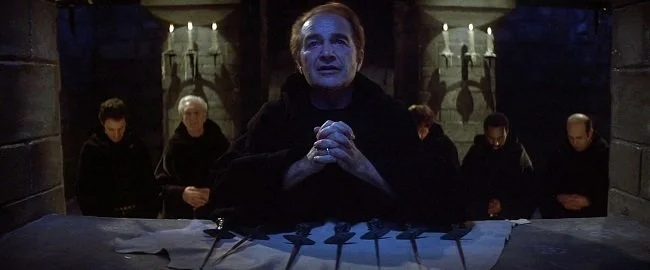
The Final Conflict benefits greatly from the casting of Sam Neil as Damien Thorn. He is suitably charming and brooding. Filmed mainly in the UK, the production values are high and the film uses such locations as Cornwall and North Yorkshire extremely well. The cinematography is handled by Phil Meheux and Robert Paynter, who were both stalwarts of the UK film industry at the time. Jerry Goldsmith’s score is magnificent and does much of the heavy lifting, adding a sense of gravitas and gothic dread. The screenplay includes some bold ideas with themes of political manipulation by Thorn industries, as they create the very environmental disasters that they subsequently supply aid to. Director Graham Baker does not shy away from the infanticides ordered by Damien Thorn. Although not explicit, it is a disturbing aspect of the story.
Yet, despite so many positive points, The Final Conflict runs out of steam after the first hour. Too many good ideas are not developed sufficiently. The international intrigue alluded to at boardroom level, takes place off screen. The film would have been substantially improved if we saw directly Damien Thorn travelling the world and engaging with refugees and becoming a champion of the people. Including international locations would have better conveyed his global reach. Damien also doesn’t get to spar with his adversary. Instead he berates and harangues Christ via a rather disturbing full size crucifix that he keeps locked in an attic. Perhaps the biggest mistake the film makes is with the extravagant and contrived set pieces that befall those who discover Damien Thorn’s true nature. These had become a hallmark of the franchise. The first two onscreen deaths work well but the rest fall somewhat flat and simply aren’t shocking enough. As for ending, it serves its purpose but nothing more.
Overall, The Final Conflict is a well made but disappointing conclusion to what was originally a very intriguing franchise. Perhaps with a larger budget and a broader narrative scope that made the story more international, it could have fulfilled its potential. It certainly should have been more ambitious with its death scenes as its two predecessors were. Sadly instead of a decapitation with a sheet of glass or bisection by a lift cable, we have to make do with a high fall from a viaduct and a couple of stabbings. And then there’s the underwhelming ending. The more you think about it, the more you wonder how the studio thought this would be an appropriate ending. As it stands, The Final Conflict is watchable but offers nothing more than a perfunctory ending to the story of the rise and fall of Antichrist, Damien Thorn. Adjust your expectations accordingly.
In the year 1860, Baron Victor Frankenstein (Peter Cushing) faces execution by guillotine for the murders perpetrated by the creature he created. With the assistance of a hunchback named Karl (Oscar Quitak) he avoids death by beheading the priest who came to give him the last rites. The priest’s body is then mistakenly buried by the authorities. Three years later, Victor, now using the name Doctor Stein, has established himself as a prosperous physician in Karlsbrück, serving both affluent patients and the poor at a paupers’ hospital. Hans Kleve (Francis Matthews), a junior member of the medical council, recognises Victor and being an admirer, seeks to become his apprentice. Victor and Hans then undertake an experiment to transplant Karl’s living brain into a new, more refined body, rather than a grotesque monstrosity the Baron has previously made. Karl is eager to have a new healthy body, especially after encountering Margaret Conrad (Eunice Gayson), the charming new assistant at the hospital.
Exit 8 is a sophisticated and claustrophobic psychological thriller directed by Genki Kawamura, which skilfully transforms a minimalist indie walking-simulator game into a cinematic existential enigma. This overtly metaphorical film renders the repetitive nature and drudgery of modern working life into a physical environment in which the lead character is trapped and must find a way out. A random, brutal maze filled with an atmosphere of indifference to the lab rats that find themselves trapped within. Or is it their personal guilt that has put them there? Genki Kawamura’s psychological mystery draws inspiration from the Japanese video game of the same name, as well as from the cyclical nature of Groundhog Day and endless corridors of the Overlook Hotel in Kubrick’s The Shining. Although there are jump scares and some ghoulish imagery, this is not a horror vehicle. Instead this is a disquieting psychological drama with a strong sense of morality.
In 1968 the dilapidated freighter Corita hastily leaves Freetown to avoid a customs inspection. Captain Lansen (Eric Porter) has a cargo of dangerous explosives which he is smuggling so he can finally retire. His ship’s passengers also have reasons for leaving in a hurry. Dr. Webster (Nigel Stock), together with his daughter Unity (Suzanna leigh), is relocating due to his indiscretions with patients and illegal operations. Alcoholic pianist Harry Tyler (Tony Beckley) is aimlessly drifting from port to port. Eva Peters (Hildegard Knef) is fleeing from her husband with stolen bearer bonds which she intend to use to buy back her son from his evil clutches Caracas. Ricaldi (Ben Carruthers), a questionable lawyer, is pursuing Eva to retrieve the stolen bonds. First officer Hemmings (Neil McCallum) suggests that the ship should return to Freetown after an imminent Hurricane warning. The Captain asks the passengers and they are unanimous that they do not wish to return. However a mutinous crew, the bad weather and the instability of the explosives force everyone to abandon ship. The survivors find themselves adrift in a lifeboat surrounded by a strange carnivorous seaweed.
David Koepp is no stranger to genre cinema, having written the screenplay for such films as Jurassic Park, Spider-man and War of the Worlds. Where these titles are big budget, major studio productions, Cold Storage is a far more modest production with a smaller scope. Adapted from his own novel, the screenplay is by David Koepp and the film is directed by British film-maker Jonny Campbell. At first glance, Cold Storage seems a somewhat derivative science fiction horror film with a relatively modest budget, financed through a convoluted US and French co-production. Lurid green and red colours feature heavily in the marketing artwork and it is easy, after a cursory look, to write the film off as cheap, generic, direct-to-streaming filler. However, Cold Storage is prime example of why you should not judge a book by it’s cover, or in this case, a film by its posters and online advertising. It is in fact an amusing and fun endeavour that can fill an evening.
Despite being considered by many as an original story, The Abominable Snowman (1957) is in fact a remake of a made for television play, The Creature, that was originally broadcast in the UK in 1955. Hammer Films would often purchase the rights of popular TV programs and subsequently re-work them for mainstream, international cinema. Larger production budgets and fewer censorship restrictions allowed them to make their cinematic interpretations more lurid, thus commercially viable. Hence The Quatermass Xperiment, Quatermass II and Quatermass and the Pit were all given a big screen makeover and were commercially successful. The Abominable Snowman was written by acclaimed writer Nigel Kneale, who also wrote the original television drama and the aforementioned Quatermass trilogy. Although ostensibly marketed as a horror film this production is actually an interesting blend of psychological thriller and science fiction.
The Haunted Dolls House is a short film based on a story by M.R. James about a unique antique that is subject to supernatural phenomenon. Adapted by Stephen Gray and David Lilley, this is the third of three short films based upon James’ work that the pair have made. It stars Steven Dolton as Mr. Dillet, a collector of antique dolls houses, who acquires a bargain only to discover that it harbours a ghostly secret. Made on an extremely modest budget over the course of 2012 this clever, innovative and rather sinister adaptation is a fine example of short film creativity. It manages to offer a unique visual depiction of M.R. James’ classic story whilst capturing the unsettling quality of the author’s work. Like so many independently made short films it is clearly a labour of love, made with modest resources. It succinctly captures the spirit of the author’s work and is both innovative and rewarding.
A lot of people may know Luke Evans from the live action version of Beauty and the Beast or Peter Jackson’s The Hobbit trilogy. With his matinee idol good looks, charming Welsh demeanour and his “smoky” tenor singing voice, he projects a sense of old school stardom. Which brings us to No One Lives; a film which is a radical departure from his previous work. His performance is disconcerting to say the least and the film is somewhat unhinged. Directed by Ryuhei Kitamura, who made an interesting adaptation of Clive Barker’s The Midnight Meat Train, this cinematic outing is similarly replete with robust shocks and gore. There are some interesting ideas about the nature of violence, Stockholm Syndrome and whether one should deny or embrace one’s nature. However, these are ultimately minor asides. Philosophical musings in between bouts of surprisingly striking unpleasantness.
In the near future, Kepler 822, a research and drilling facility located at the bottom of the Mariana Trench, suffers a sudden and catastrophic structural failure. There are only six survivors. Mechanical engineer Norah Price (Kristen Stewart), Captain Lucien (Vincent Cassel), biologist Emily Haversham (Jessica Henwick), engineer Liam Smith (John Gallagher Jr.) and crew members Rodrigo (Mamoudou Athie) and Paul (T.J. Miller). As all the functional escape pods have been used and they are unable to contact the surface, the Captain suggests using pressurized suits to walk one mile across the ocean floor to the Roebuck 641 drill installation. There they will find more escape pods. However, it soon becomes apparent that the disaster was not caused by an undersea earthquake and that they are not alone as they make their journey.
In Buenos Aires, Clara (Natalia Señorales) hears voices emanating from the plughole in her kitchen sink. The voices seem to be plotting against her. Her husband Juan (Agustín Rittano) says the sounds are coming from next door. That night, Juan finds Clara’s dead body levitating in their bathroom, slamming against the wall by an invisible force. Meanwhile their neighbour, Walter (Demián Salomón), is experiencing supernatural occurrences while he tries to sleep. An invisible force repeatedly shakes his bed. After using a video camera to film these events, he sees a tall, cadaverous figure emerging from under the bed, standing over him as he sleeps. Across the road, Alicia (Julieta Vallina) is grieving for her recently deceased son, who was run over outside Walter’s house. Alicia's ex-boyfriend, police commissioner Funes (Maximiliano Ghione) calls Jano (Norberto Gonzalo), a paranormal investigator and the pair soon discover more supernatural occurrences in the area.
Black Sabbath (AKA I tre volti della paura) is a 1963 horror anthology film directed by Mario Bava. Although an Italian production, the film was co-financed by American International Pictures and as such was conceived to appeal to US audiences. Hence, the English dialogue edit of the film which was released in America differs significantly to the original Italian version. Despite the presence of the legendary Boris Karloff and the popularity of both anthology and gothic horror at the time,the film was only a modest success at the US box office and did not do well in Italy. However, in more recent years there has been a critical reappraisal of Black Sabbath, especially the Italian dialogue version. Many aspects of the film which are standard genre tropes today, were in fact novel at the time. Also despite the production mainly being studio bound, the film oozes style and has a striking visual aesthetic.
During 1836, in the town of Darkness Falls, Maine, an elderly widow Matilda Dixon is adored by the town’s children as she gives them a gold coin whenever they lose a tooth. One day, after a house fire, Matilda is left burned and sensitive to sunlight, so she starts wearing a china mask. When two children are reported missing, Matilda is blamed by some locals, dragged from her home and hung. She curses the town, stating that whenever a child loses their last tooth, she would come for it. If the child looks at her, she will kill them. The missing children are subsequently found, so the citizens cover up their unjust lynching. In 1990, young Kyle Walsh awakes one night to find Matilda Walsh standing over him. Kyle’s mother is killed and he is blamed for her death and institutionalised. 12 years later, Kyle (Channey Kley) is released and tries to warn the town of the imminent danger when lightning disables the power supply. He is ignored by all until the deaths begin.
Osgood Perkins has a distinct visual style and tone to his films. It is why his previous film, Longlegs, was such a welcome change from standard genre outings. It was atmospheric both visually and tonally, demonstrating a keen understanding of horror cinema. Hence he is the perfect director to helm this adaptation of a Stephen King short story. The plot is greatly expanded and the screenplay takes a lot of liberties with the source material but the main themes of your past being inescapable and the power of guilt remain front and centre. Due to the extreme and bizarre nature of much of the onscreen deaths, the film wisely has a strong streak of gallows humour running through it which is extremely well handled. Comedy can often be used to defuse or mitigate violence which can be narratively dishonest (think Fred Krueger). Here it adds to the cruel and capricious nature of the random deaths.
When reviewing Sting, one critic stated that the small scale setting and thus, low stakes (IE only a few peoples lives are at risk), made the film not especially memorable. I consider this to be a somewhat spurious criticism. It is the very fact that Sting takes place in such a commonplace environment, with the main characters being everyday people that makes it different. There is a clear focus on well defined characters and their backstory. Unlike so many contemporary films, I actually gave a damn about the protagonists in Sting. An integral aspect of the horror genre is the ability to take a well known and familiar trope and provide a different and absorbing spin on it .It would appear that some audiences have been belaboured over the head by so many overblown and bombastic blockbusters, that the very notion of depicting small, localised and intimate events in a film, seems to bamboozle them.
Some films are made with the intention of starting a franchise, others evolve into one after a surprise box office success and lucrative sequels. Alien (1979) falls into the latter category. A mid-budget science fiction horror film that was well crafted and then benefited immensely by being released at just the right time. Sadly, many franchises become derailed and enter into a death spiral due to competing artistic visions, cynical studio politics and cinematic ignorance. This has certainly afflicted all subsequent Alien films after James Cameron’s magnificent Aliens (1986). Sometimes, a franchise can correct its course and do something fresh with the source material. Prey (2022) is a fine example of this with director Dan Trachtenberg bringing fresh vigour and intelligence back to the Predator movies. I believe that was the intention with Alien Romulus (2024). Sadly, the road to hell is paved with good intentions.
Friday the 13th: The Final Chapter is a popular entry among fans of the franchise. This is mainly due to the return of makeup artist, Tom Savini, who creates several notable death scenes and a bravura ending for Jason Voorhees. There is also an attempt by writer Barney Cohen to have a more involving story compared to previous entries in the series. Director Joseph Zito, who previously directed the above average slasher movie The Prowler AKA Rosemary’s Killer (1981), brings a harder edge to the proceedings, making Jason more menacing than in the previous instalment. As ever, the film was dismissed by the critics but performed well at the box office. Producer Frank Mancuso Jr fully intended for this film to be a definitive end to the series, as he was becoming increasingly concerned that his association with the franchise was having a negative impact upon his career.
Set directly after the events of the previous film, Friday the 13th Part III is again about a group of friends staying near Crystal Lake who encounter Jason Voorhees as he embarks upon another killing spree. Shot in 3D the film has a less sleazy tone than its predecessors although the formula remains the same. The set pieces and death scenes are more elaborate and less clinical, taking advantage of the 3D picture format. The film marks the first appearance of Jason's signature hockey mask, which subsequently became a trademark of both the character and the franchise. Originally conceived to be an end to the series of films, Friday the 13th Part III performed extremely well at the box office, earning $36.7 million on a budget of $2.2 million. As a result, the franchise was given a stay of execution and a further sequel was commissioned.
Originally, Friday the 13th Part 2 was intended to be an anthology film based on the superstition associated with the date. However, after the popularity of the original film's surprise ending, the producers opted to continue the story and mythology surrounding Camp Crystal Lake. This eventually became the parameters which all future films would broadly work within. Friday the 13th Part 2 is a more polished production than the first movie, benefitting from twice the budget of the original. The quick turnaround meant that Paramount Pictures could continue to capitalise on the popularity of the slasher genre. However, there was growing social pushback against these types of films, from Christian lobby groups and other “concerned parties”. Hence, Friday the 13th Part 2 ran into problems with the MPAA ratings board and cuts were imposed. Something that would continuously plague the franchise over the years.
Writing any kind of review for the original Friday the 13th movie seems somewhat redundant, as it has been analysed and written about numerous times before. If you’re interested in the film’s production as well as its subsequent impact on US cinema at the time, then there is an excellent summary on Wikipedia. Having recently rewatched the entire franchise, courtesy of the Shout Factory’s Friday the 13th Collection Deluxe Edition, I have a few thoughts I’d like to share. The picture quality of all the films is very good, offering a lot more visual information compared to previous releases. The amount of “extras” included in the box set is prodigious. I suspect that these are the best versions that we’re ever likely to see. Fans hoping that one day all the cut footage will be found and re-integrated into each film are likely to remain disappointed. Some material has surfaced but sadly a lot of deleted and extended scenes have been destroyed.
George A. Romero's Day Of The Dead (1985) is a bleak and remorseless masterpiece. The final entry in his “Dead Trilogy”, its central theme is that in a world on the brink of destruction, man is still the biggest threat to his own existence. It is well scripted, clinically accurate in its observations on human nature and thought provoking, despite having its budget cut just weeks before production commenced. 40 years later it is revered as a genre milestone and is considered one of Romero’s finest works. Sadly, the 2008 “remake” directed by Steve Miner, who has a background in slasher and exploitation movies, takes a contrasting approach, to say the least. It certainly has very little to do with Romero’s film and one can’t help but assume that it is nothing more than a cynical cash in. Setting aside comparisons with the original, this is not in any way a standout zombie film in its own right.
Although I was unaware of it, there was a guerrilla marketing campaign for Longlegs which was focused on the internet rather than traditional television adverts. Hence the film gained a lot of interest prior to its release and as well as some some disproportionate expectations. Then immediately after its theatrical debut, the matter was further compounded by a possible excess of gushing praise as the film was “over reviewed”. Therefore I maintained a degree of scepticism about Longlegs and tempered my expectations prior to watching it. Any film that is hailed as the next Silence of the Lambs, featuring a “traumatising” performance by Nicholas Cage needs to be keenly scrutinised so that its cinematic merits can be carefully separated from the surrounding hyperbole. After viewing I found Longlegs to be a finely honed, atmospheric and precisely targeted horror thriller but not the genre milestone that some would claim.
As a rule, it is always a challenge to end a trilogy of films successfully. Writing a satisfying denouement to a standalone movie is hard enough. To be able to conclude all pertinent story arcs and themes that have been sustained over three feature films, to everyone’s liking is far harder to achieve. In the case of The Final Conflict (1981), the last instalment of The Omen trilogy, writer Andrew Birkin does manage to resolve all of the external, internal and philosophical stakes, which are the fundamental components of a cinematic screenplay. Unfortunately, it is done in an incredibly underwhelming manner, which left audiences feeling cheated. The last time good defeated evil evil in such an unspectacular fashion was in Hammer’s To the Devil a Daughter (1976). This is why, in spite of solid production values, The Final Conflict is the least popular of the films about the Antichrist, Damien Thorn.
Halloween III: Season of the Witch is a film that often provokes a strong reaction from genre fans. This is mainly due to it not having any direct connection to the previous two films. The absence of Michael Myers in such a franchise was a serious mistake and the subsequent poor box office returns endorsed this. Yet if this film had been released as a separate product it may not have performed so poorly. After re-examining Halloween III: Season of the Witch there are many aspects of interest. Despite a troubled production, the film is an intriguing anomaly that tried to be different during a decade where the established horror formula was “stalk n' slash”. It does have a very bleak tone and some consider it to be mean spirited as the cast are killed off one by one. Perhaps theme of child sacrifice caused audiences to balk?
Ghostwatch is a controversial British horror “mockumentary” produced by the BBC that was first broadcast on October 31st 1992. Written by Stephen Volk and produced by Ruth Baumgarten it is now considered a milestone in UK broadcasting. This was mainly due to the strong reaction it provoked from the public, many of whom failed to grasp that it was a drama. At the time it raised serious questions about responsible programming and caused a furore in the British press. It has curiously never been shown since by the BBC. Ghostwatch remains a talking point to this day and is a text book example of the power of television as well as the publics enduring belief in the supernatural.
Event Horizon is a curious movie hybrid, mixing plot elements from classic sci-fi and horror genres. It has been labelled “Hellraiser in Space” by some lazy critics, although I think there's far more to it than that. Perhaps a more apt description would be a Gothic horror story set in space. The movie has garnered a cult reputation since its release in 1997, mainly due to its graphic imagery and troubled production history. It does indeed have some quite shocking sequences but the lightning editing does not show as much as some would think. Paramount forced director Paul W S Anderson to reduce the original one hundred and thirty minute running time down to a more manageable ninety, after unfavourable test screenings. Much of the violence was allegedly removed as a result of that process. Sadly nothing survives of the removed material other than a VHS workprint. Hence a restored director’s cut is therefore unlikely.
The peace of tranquillity of Santa Ynes, Utah, is shattered when the town becomes the focus of several hit and run deaths, by a mysterious and apparently driverless, black car. After the Sheriff (John Marley) is run down, it is down to Captain Wade Parent (James Brolin) and his deputies to protect the town from this sinister threat. Is the car simply a driven by a mad man or is there a more supernatural explanation? When the car menaces a local school marching band, the teachers and students take refuge in the nearby cemetery. Does the cars inability to enter consecrated ground provide a clue to its otherworldly origins and offer a potential solution? As the death count increases and the population becomes more fearful, the Captain and his team of deputies form a desperate plan to see if they can lure the car into a trap.
The key to success in the horror genre is to try and find an innovative new angle on tried and tested themes and tropes. The Night Flier is an often-overlooked gem, that takes a unique perspective on vampirism and features strong performances as well as an intelligent and thoughtful screenplay. It builds a sense of foreboding during it’s first two acts and teases audiences with some unpleasant prosthetic effects, courtesy of KNB EFX Group. The climax of the movie is both thought provoking and suitably unpleasant. Furthermore, The Night Flier even manages to make a coherent criticism of tabloid culture and morals of those journalists working in the industry. It’s a damn shame that this modest but well-crafted genre movie didn’t get the attention it deserved when it was initially released in 1997.
Dr. Terror's House of Horrors was the first portmanteau horror movie by Amicus Productions. The small British studio was founded by producers and screenwriters Milton Subotsky and Max Rosenberg. As the horror genre grew in popularity due to the success of Hammer films, Amicus saw the potential in the portmanteau format. Subotsky in particular held Ealing Studios 1945 classic Dead of Night in very high regard. Although only a modest budget movie, Dr. Terror's House of Horrors proved to be financially successful and led to a series of similarly structured films over the next decade. These included Torture Garden (1967), The House That Dripped Blood (1970), Asylum (1972), Tales from the Crypt (1972), The Vault of Horror (1973), From Beyond the Grave (1974),
Ghost Story is a deliberately superficial adaptation of the novel by Peter Straub. If you’ve read the book and are expecting a verbatim retelling of the plot, then you will be disappointed. It’s complex narrative structure and the abundance of characters do not immediately lend themselves to mainstream film making. However, if you like tales of the supernatural and solid performances from Hollywood legends, then this may well be for you. John Irvin has always been a workman like director and has therefore often been overlooked. Films such as Hamburger Hill and When Trumpets Fade show a great deal of focus and a clear understanding of the mechanics of cinema.
The Ruins is similar to both The Mist and Cloverfield , which were released around the same time, in so far that it is rather bleak and unrelenting movie. And like the aforementioned films, its strength lies in the manner in which it tackles the subject of people facing their own death in a credible fashion. In The Ruins the protagonists when faced with the prospect of their own demise quickly descend in to panic and resolutely refuse to face facts. Although these are negative themes that may not be to everyone’s tastes, they make The Ruins both gripping and genuinely scary.
The arcane and esoteric works of author H P Lovecraft have often inspired horror directors. Sadly many of the films that have been made in homage to the Cthulhu Mythos have failed to capture its nightmarish mix of madness and mythology. John Carpenter's In the Mouth of Madness is not directly based on any of Lovecraft's specific works but screenwriter Michael De Luca draws his inspiration from many of this recurring ideas and concepts. He then adds a further homage to British writer Nigel Kneale, adding themes that are prevalent in his Quatermass series. Where others have failed, Carpenter successfully crafts a film that alludes to the baroque and eldritch qualities of the Cthulhu Mythos.
No Blade of Grass (1970)
During the seventies, the growing environmental concerns of the general public were beginning to appear as plot themes in both mainstream and independent film making. The science fiction genre proved the most practical medium for this with films such as Zero Population growth and Soylent Green. Cornel Wilde’s No Blade of Grass takes a different approach using an ecological disaster as the premise for a survival movie. As with Wilde’s previous movies The Naked Prey and Beach Red, the message is delivered clearly and with all the subtlety of a kick in the groin. Yet the director’s honesty carries weight as he boldly depicts how the trappings of modern civilisation are quickly stripped away in the face of impending disaster. Perhaps it was this candour that upset sections of the viewing public, who didn’t wish to confront the fragility of their own society or dwell upon their own potential for violence. Certainly the film’s distributor MGM were sufficiently bothered by what they saw, that they re-edited the movie prior to release to tone down some of the stronger content.
During the seventies, the growing environmental concerns of the general public were beginning to appear as plot themes in both mainstream and independent film making. The science fiction genre proved the most practical medium for this with films such as Zero Population growth and Soylent Green. Cornel Wilde’s No Blade of Grass takes a different approach using an ecological disaster as the premise for a survival movie. As with Wilde’s previous movies The Naked Prey and Beach Red, the message is delivered clearly and with all the subtlety of a kick in the groin. Yet the director’s honesty carries weight as he boldly depicts how the trappings of modern civilisation are quickly stripped away in the face of impending disaster. Perhaps it was this candour that upset sections of the viewing public, who didn’t wish to confront the fragility of their own society or dwell upon their own potential for violence. Certainly the film’s distributor MGM were sufficiently bothered by what they saw, that they re-edited the movie prior to release to tone down some of the stronger content.
Based on John Christopher’s novel The Death of Grass published in 1956, No Blade of Grass starts with a new strain of virus that has devastated the rice crops in Asia causing a major regional famine. Soon a mutation appears in Europe infecting all types of grasses including all grain crops. The subsequent food shortages rapidly lead to social disorder, looting and possibly even cannibalism. The UK parliament start to consider desperate measures to cope with the situation. Architect and war veteran John Custance (Nigel Davenport) decides to flee London along with his wife Ann (Jean Wallace), young son Davey, teenage daughter Mary (Lyn Fredrick) and her scientist boyfriend Roger Burnham (John Hamill). They intend to travel to Westmorland in Cumbria where John's Brother, David (Patrick Holt), has a farm. Many trials and tribulations beset them as they travel north and the group quickly find themselves having to adapt both physically and morally to a rapidly changing and hostile world.
John Custance is an archetypal alpha male and embodiment of the British officer class. He is pragmatic and is quick to adapt to the deteriorating situation. But he has moral and ethical limits. So when he forms a curious relationship with a young man called Pirrie (Anthony May), it is for a very specific reason. Pirrie is a sociopath who will happily turn a gun on anyone that impedes the ongoing plan. John determines he’s a necessary tool who can do some tasks that he may balk at. This becomes very clear when we first meet Pirrie at the local gun shop where he works. He doesn’t hesitate to shoot his boss and throw in his lot with John Custance when he learns of his plan to leave London. It is this initial instance of lawlessness that marks the families rapid moral decline. Later, after having been robbed themselves, the Custance family kill a couple in a farmhouse who refuse to give them shelter. “We have to fight to live, do you understand that?” John tells his young son and his friend. “Like the Westerns?” one replies. “Yes, like that”.
No Blade of Grass is very heavy handed with its themes and moral pronunciations. At the start of the film, the affluent dine in a restaurant while a news report on TV shows the realities of the ongoing famines elsewhere in the world. There are montages of stock footage showing pollution and sick animals to hammer home the message that this is a self-inflicted catastrophe. But like the director’s other films there is an earnestness to the proceedings. Sadly this gets somewhat lost in along the way due to the film’s exploitation trappings. There are numerous shootouts between civilians and the Army as well as other acts of violence. And then there’s a gratuitous double rape. The movie even manages to include footage of a real childbirth before a climactic battle between our group of survivors and a motorcycle gang, complete with Viking helmets. Wilde also uses flashforwards as well as flashbacks, colour filters and slow motion to make his point. There is even a bleak but charming folk song performed by Roger Whittaker that plays over the start and end credits.
Violence is a reoccurring theme in all of Cornel Wilde’s films. As a director he often depicts that violence is key to survival and can galvanise people into action to forge something greater. However it can also lead to self-destruction and comes at a cost. John Custance learns that there is a price to pay for collaborating with the likes of Pirrie and that often manifests itself as human collateral damage. Social collapse and the realities of returning to a neo-feudal existence do not seem to be compatible with John’s old-world principles and ideals. His attempts to “preserve the heritage of man’s greatness” bear little fruit at the end of the film. He secures a safe place to live in the remote North of England but it takes a great deal of slaughter to do so. Furthermore the motley group of survivors he picks up along the way still harbour all the flaws of the old world, such as racial prejudice, greed and notions of exceptionalism. No Blade of Grass is a clumsy and somewhat lurid piece of film making. It certainly won’t be to everyone’s taste yet it is an interesting curiosity.
Mainstream films are easy to recommend to people. They’re usually formulaic, work within clear parameters and they’re not controversial. Most people, when viewing such film on someone else’s suggestion, are left with a fairly simply choice. Did they like it or not? Whatever the outcome, no feathers are ruffled. No one looks at you askance afterwards and says “why the hell did you think I’d like that piece of shit”? If something like this happens, then you have clearly not recommended a mainstream film. Perhaps you’ve suggested something that’s a little more of an acquired taste. Something niche, from a very specific sub-genre. Which brings me neatly to Blazing Magnum AKA Strange Shadows in an Empty Room (1976). The US title gives the impression that this film is a hard boiled cop thriller, like so many others that followed in the wake of Dirty Harry. But there’s a clue in the European title. Yes, this movie has more than just a whiff of a giallo about it.
In the year 1860, Baron Victor Frankenstein (Peter Cushing) faces execution by guillotine for the murders perpetrated by the creature he created. With the assistance of a hunchback named Karl (Oscar Quitak) he avoids death by beheading the priest who came to give him the last rites. The priest’s body is then mistakenly buried by the authorities. Three years later, Victor, now using the name Doctor Stein, has established himself as a prosperous physician in Karlsbrück, serving both affluent patients and the poor at a paupers’ hospital. Hans Kleve (Francis Matthews), a junior member of the medical council, recognises Victor and being an admirer, seeks to become his apprentice. Victor and Hans then undertake an experiment to transplant Karl’s living brain into a new, more refined body, rather than a grotesque monstrosity the Baron has previously made. Karl is eager to have a new healthy body, especially after encountering Margaret Conrad (Eunice Gayson), the charming new assistant at the hospital.
This movie questionnaire was originally created by Alexander from Cinemaniac Reviews. Sadly, I believe that website is now defunct. However, that doesn’t in anyway invalidate the questionnaire itself which has some very good questions about your relationship with cinema. Some of my answers to the questions posed are about films that I enjoy, as opposed to those that are considered cinematic classics. However, I have answered some questions more seriously than others, especially the one about undeserving recipients of the Best Film Oscar. I struggled with a couple of questions because I no longer go the cinema as frequently as I did 10 years ago. This is mainly due to the fact that a lot of the films I find interesting end up going straight to streaming after very brief theatrical releases. Some do not even get shown in cinemas. Hence I view far more at home. But I digress. On with the questions and answers. Feel free to comment below and share your views.
Exit 8 is a sophisticated and claustrophobic psychological thriller directed by Genki Kawamura, which skilfully transforms a minimalist indie walking-simulator game into a cinematic existential enigma. This overtly metaphorical film renders the repetitive nature and drudgery of modern working life into a physical environment in which the lead character is trapped and must find a way out. A random, brutal maze filled with an atmosphere of indifference to the lab rats that find themselves trapped within. Or is it their personal guilt that has put them there? Genki Kawamura’s psychological mystery draws inspiration from the Japanese video game of the same name, as well as from the cyclical nature of Groundhog Day and endless corridors of the Overlook Hotel in Kubrick’s The Shining. Although there are jump scares and some ghoulish imagery, this is not a horror vehicle. Instead this is a disquieting psychological drama with a strong sense of morality.
I wrote a post 18 month’s ago regarding whether a directors cut of a film is superior by default to the version originally shown in cinemas. Obviously the answer was no and I then went on to give three examples of films where I think the theatrical release is better to lengthier or substantially altered director’s cut that was subsequently made available at a later date. This time round in this post, I would like to do the complete opposite. I shall provide some examples of films that I think are significantly improved by a longer cut or a substantially, restructured edit. Note some of these examples are technically not a “director’s cuts” but a restoration or reconstruction of the director’s original vision. I shall endeavour to highlight what specific material or broader changes make each respective film “better”. As ever, all of these examples are a matter of subjective opinion and my views are presented as such, not “fact”.
In 1968 the dilapidated freighter Corita hastily leaves Freetown to avoid a customs inspection. Captain Lansen (Eric Porter) has a cargo of dangerous explosives which he is smuggling so he can finally retire. His ship’s passengers also have reasons for leaving in a hurry. Dr. Webster (Nigel Stock), together with his daughter Unity (Suzanna leigh), is relocating due to his indiscretions with patients and illegal operations. Alcoholic pianist Harry Tyler (Tony Beckley) is aimlessly drifting from port to port. Eva Peters (Hildegard Knef) is fleeing from her husband with stolen bearer bonds which she intend to use to buy back her son from his evil clutches Caracas. Ricaldi (Ben Carruthers), a questionable lawyer, is pursuing Eva to retrieve the stolen bonds. First officer Hemmings (Neil McCallum) suggests that the ship should return to Freetown after an imminent Hurricane warning. The Captain asks the passengers and they are unanimous that they do not wish to return. However a mutinous crew, the bad weather and the instability of the explosives force everyone to abandon ship. The survivors find themselves adrift in a lifeboat surrounded by a strange carnivorous seaweed.
Jason Statham is an exemplar of the US mantra of “staying in your lane”. He makes action movies and occasionally strays into action comedies. His formula broadly works and is sufficiently lucrative to keep Mr. Statham employed. Therefore, if you watch a film in which he stars, you have a fairly good idea of what you’ll be getting. Of late, the criteria for his action vehicles have become more succinct. Jason Statham will play an innocuous character, such as a construction foreman or a bee keeper. Something terrible will subsequently befall another character who Mr. Statham has an emotional connection with in some capacity. He will subsequently hunt down those responsible and meet out death and violence. At some point the villain of the story will enquire as to how this innocuous person is so lethal. Research will then show that our Jason is in fact an ex-police officer/special forces operative/international assassin. There’s then a showdown and the villain dies. Job done.
The Light at the Edge of the World presented itself as an action movie upon its release in 1971. Based upon a story by Jules Verne, the Spanish American co-production was driven by its star Kirk Douglas, who curiously hired British director Kevin Billington to helm the project. This tale of a lighthouse keeper fighting a war of attrition against a group of pirates that have captured his island, was market as an adventure film ostensibly in the idiom of the authors previous works and as a pirate movie. MGM bought the rights to distribute the film in the UK on the misunderstanding that it was a family friendly production. It was not and remains so. They subsequently had to cut 15 minutes of violence and torture as well as an undercurrent of sexual assault to secure a suitable rating. Conversely, the US distributors received an arbitrary PG rating, despite the fact this is one of a handful of films that honestly depicts pirates as murderers, rapists and worse.
It’s an established action film trope. The fire team comprised of ex-military personnel, move in on their target. Only to have the tables turned by someone they don’t deem a threat. What makes it different in The Last Stand of Ellen Cole is a throwaway line of dialogue. The bested operative lies bleeding on the floor and the protagonists stands over them ready to finish them off. “Don’t, I have a cat” they feebly plead. For me that was the icing on the cake. The movie had already established it was taking the “same old, same old” and doing something different. Something fun, if taken in the right spirit. This scene tipped the balance and I embraced this film because it was being honest about what it is. This is a modern B movie that decides to give a very specific sub-genre a makeover. Furthermore, its clearly done with an affectionate wink, which is very different to sly wink. This isn’t deliberate self-knowing irony. Its just a film doing something different and possibly silly but it genuinely wants to have fun with it.
David Koepp is no stranger to genre cinema, having written the screenplay for such films as Jurassic Park, Spider-man and War of the Worlds. Where these titles are big budget, major studio productions, Cold Storage is a far more modest production with a smaller scope. Adapted from his own novel, the screenplay is by David Koepp and the film is directed by British film-maker Jonny Campbell. At first glance, Cold Storage seems a somewhat derivative science fiction horror film with a relatively modest budget, financed through a convoluted US and French co-production. Lurid green and red colours feature heavily in the marketing artwork and it is easy, after a cursory look, to write the film off as cheap, generic, direct-to-streaming filler. However, Cold Storage is prime example of why you should not judge a book by it’s cover, or in this case, a film by its posters and online advertising. It is in fact an amusing and fun endeavour that can fill an evening.
Despite being considered by many as an original story, The Abominable Snowman (1957) is in fact a remake of a made for television play, The Creature, that was originally broadcast in the UK in 1955. Hammer Films would often purchase the rights of popular TV programs and subsequently re-work them for mainstream, international cinema. Larger production budgets and fewer censorship restrictions allowed them to make their cinematic interpretations more lurid, thus commercially viable. Hence The Quatermass Xperiment, Quatermass II and Quatermass and the Pit were all given a big screen makeover and were commercially successful. The Abominable Snowman was written by acclaimed writer Nigel Kneale, who also wrote the original television drama and the aforementioned Quatermass trilogy. Although ostensibly marketed as a horror film this production is actually an interesting blend of psychological thriller and science fiction.
There are certain subjects that are notoriously uncinematic. These tend to be things that exist or are undertaken mainly in the mind, rather than expressed in an overtly physical way. Computing, science and mathematics are good examples. Writing code or working out complex equations does not immediately lend themselves to a visual medium such as cinema. Therefore, any film dealing with the world of corporate finance has its work cut out. Hence writer-director J C Chandor immediately deserves praise for making Margin Call, a film about the financial crash of 2008, as gripping and compelling as any political thriller. He does this by keeping the financial elements of the story to a minimum, choosing instead to focus upon those who have become aware of the imminent crisis and their reaction to it. However, the film remains a tough watch with regard to the some of the characters and their respective personal morality or lack there of.
The 1937 Hindenburg disaster has remained an enduring mystery over the years. The physical mechanics of how this airship filled with 7,000,000 cubic feet of hydrogen gas caught fire has been fully explored over the decades and there are now several extremely plausible theories as to how it may have happened. However, there remains the possibility of sabotage. As such an idea has more dramatic potential than mechanical failure, it was used as the central theme of the 1975 disaster movie The Hindenburg. Directed by Robert Wise, the screenplay by Nelson Gidding explores a German resistance against the Nazi regime. The airship is targeted as it is a powerful propaganda symbol for Hitler’s Germany. Sadly despite some interesting ideas, a strong cast and solid, old school optical effects, The Hindenburg is a slow and somewhat ponderous production. Although the final 20 minutes of the film recreate the infamous explosion meticulously, it doesn’t quite compensate for the uneventful, dialogue driven investigation of the previous 100 minutes.
On the Eastern Front in 1943, a German Tiger tank crew led by Lieutenant Philip Gerkens (David Schütter) is sent on a mission to rescue the missing officer Paul von Hardenburg (Tilman Strauss) from a top-secret bunker that is at risk of falling into enemy hands. As they make their way through an eerie no-man’s land, they have to avoid Russian armoured vehicles that seem to be aware of their mission. They also encounter a German unit taking punitive action against a peasant village, in reprisal for partisan activity in the area. The youngest crew member, Michel (Yoran Leicher), talks of the land being home to ghosts and spirits. As the tank penetrates further into contested territory the crew become increasingly disturbed by the uncanny nature of their mission and begin to fall prey to their own inner fears.
Robert Louis Stevenson’s classic novel has been adapted for cinema and television numerous times. Perhaps the most well known is the 1950 Disney version, starring Robert Newton as Long John Silver. His eye rolling performance and exaggerated West Country accent is credited with popularising the stereotypical form of “pirate speech" that has become the pop culture default. Although an enjoyable film, it does gloss over the more sinister aspects of both the source text and history, perpetuating the myth that pirates are just loveable scoundrels. Many subsequent adaptations have fallen into the same trap to a greater or lesser degree. However, that is not the case with the 1990 version of Treasure island, which was made for the TNT cable network and released theatrically outside of the US. This darker and notably more violent adaptation closely follows the source text and is widely considered the most faithful to the book.
The Planet of the Apes movie franchise took a radical change of course with its third entry in the series. The first two films were set in the future and benefited from high production values to help realise a post apocalyptic earth. However, due to a substantial reduction of budget, Escape from the Planet of the Apes uses a time travel plot device to bring the ape protagonists to present day Los Angeles (1971 in this case). The result is a film with a much smaller narrative scope. However, although it lacks the science fiction spectacle of its predecessors, it features an interesting satirical exploration of celebrity culture and ponders what it is like to be deemed an enemy of the state. As ever, Roddy McDowell and Kim Hunter provide exceptional lead performances as the Chimpanzees Cornelius and Zira. Escape from the Planet of the Apes also captures the pop culture vibe of seventies America.
It is not unusual for Disney to change film titles when marketing them outside of the US. In 2016 they renamed the animated feature film Zootopia to Zootropolis in the UK and Europe to avoid trademark conflicts with other existing businesses. For example there is a Danish zoo which already holds the “Zootopia” name. Similarly, in Germany there is a children’s book which caused copyright conflict, which led to the film being released under the title Zoomania. Such changes, although practical for legal reasons, can sometimes cause a degree of confusion. Especially as there are numerous, low budget productions companies that go out of their way to produce similarly titled “mockbusters” whenever there are big, tentpole, releases. So for clarity, Zootopia 2 has been released in the UK as Zootropolis 2.
Stephen King’s dystopian story, The Running Man, was previously adapted very loosely in 1987, as a vehicle for Arnold Schwarzenegger. That version focused mainly on the “Battle Royale” element of the story and leaned heavily into Arnie’s personality, rather than the politics of the book. It also wasn’t well received by the author. Edgar Wright’s remake follows the source text a lot more closely and is far more interested in its political themes and wider social commentary. Furthermore, this version re-establishes the everyman quality of the hero of Ben Richards, rather than him being the muscle bound, ex-military hero as per Mr. Schwarzenegger’s prior interpretation. This time round, The Running Man uses a lot of the visual and narrative tropes of contemporary reality TV, making this forty three year old story very relevant to today’s viewers and couching the film in a style that is recognisable and accessible.
The Haunted Dolls House is a short film based on a story by M.R. James about a unique antique that is subject to supernatural phenomenon. Adapted by Stephen Gray and David Lilley, this is the third of three short films based upon James’ work that the pair have made. It stars Steven Dolton as Mr. Dillet, a collector of antique dolls houses, who acquires a bargain only to discover that it harbours a ghostly secret. Made on an extremely modest budget over the course of 2012 this clever, innovative and rather sinister adaptation is a fine example of short film creativity. It manages to offer a unique visual depiction of M.R. James’ classic story whilst capturing the unsettling quality of the author’s work. Like so many independently made short films it is clearly a labour of love, made with modest resources. It succinctly captures the spirit of the author’s work and is both innovative and rewarding.
A lot of people may know Luke Evans from the live action version of Beauty and the Beast or Peter Jackson’s The Hobbit trilogy. With his matinee idol good looks, charming Welsh demeanour and his “smoky” tenor singing voice, he projects a sense of old school stardom. Which brings us to No One Lives; a film which is a radical departure from his previous work. His performance is disconcerting to say the least and the film is somewhat unhinged. Directed by Ryuhei Kitamura, who made an interesting adaptation of Clive Barker’s The Midnight Meat Train, this cinematic outing is similarly replete with robust shocks and gore. There are some interesting ideas about the nature of violence, Stockholm Syndrome and whether one should deny or embrace one’s nature. However, these are ultimately minor asides. Philosophical musings in between bouts of surprisingly striking unpleasantness.
In the near future, Kepler 822, a research and drilling facility located at the bottom of the Mariana Trench, suffers a sudden and catastrophic structural failure. There are only six survivors. Mechanical engineer Norah Price (Kristen Stewart), Captain Lucien (Vincent Cassel), biologist Emily Haversham (Jessica Henwick), engineer Liam Smith (John Gallagher Jr.) and crew members Rodrigo (Mamoudou Athie) and Paul (T.J. Miller). As all the functional escape pods have been used and they are unable to contact the surface, the Captain suggests using pressurized suits to walk one mile across the ocean floor to the Roebuck 641 drill installation. There they will find more escape pods. However, it soon becomes apparent that the disaster was not caused by an undersea earthquake and that they are not alone as they make their journey.
One of the most common objections raised regarding the Jurassic Park/Jurassic World franchise is that the films are specifically made to obtain a PG-13 rating from the Motion Picture Association, for purely commercial reasons. Hence, in all films, there is little on screen violence and the dinosaurs are mainly portrayed as a threat and a means of providing jump scares. When a character is killed by a dinosaur it usually happens off screen, is obscured by something else in frame, or is shown in long shot with very little detail. The realities of being eaten alive by a predator are conspicuously absent. Hence, audiences looking for films featuring more graphic dinosaur attacks, have not been well catered for apart from some minor direct-to-video titles. Primitive War finally fills this gap in the market with a frenetic genre mashup that strives to punch above is budgetary weight.
During the seventies, cinema was not only a source of mass, commercial entertainment but was still perceived as a medium for intellectual and philosophical discourse. Television was a poor relation in terms of art and cultural significance. Film was where the so called auteur director could muse and ruminate upon the nature of the human condition and audiences could subsequently gush sycophantically about their work at dinner parties. Or something like that. Let it suffice to say that some film makers were still indulged by studios and financiers, who were still keen to cash in on the cultural sea change that came to Hollywood in the late sixties. It’s difficult to see how a film such as Emperor of the North (AKA Emperor of the North Pole) could have been made otherwise. A film set in the Great Depression about a hobo illegally travelling on freight trains and his feud with a ruthless conductor.
In Buenos Aires, Clara (Natalia Señorales) hears voices emanating from the plughole in her kitchen sink. The voices seem to be plotting against her. Her husband Juan (Agustín Rittano) says the sounds are coming from next door. That night, Juan finds Clara’s dead body levitating in their bathroom, slamming against the wall by an invisible force. Meanwhile their neighbour, Walter (Demián Salomón), is experiencing supernatural occurrences while he tries to sleep. An invisible force repeatedly shakes his bed. After using a video camera to film these events, he sees a tall, cadaverous figure emerging from under the bed, standing over him as he sleeps. Across the road, Alicia (Julieta Vallina) is grieving for her recently deceased son, who was run over outside Walter’s house. Alicia's ex-boyfriend, police commissioner Funes (Maximiliano Ghione) calls Jano (Norberto Gonzalo), a paranormal investigator and the pair soon discover more supernatural occurrences in the area.
Black Sabbath (AKA I tre volti della paura) is a 1963 horror anthology film directed by Mario Bava. Although an Italian production, the film was co-financed by American International Pictures and as such was conceived to appeal to US audiences. Hence, the English dialogue edit of the film which was released in America differs significantly to the original Italian version. Despite the presence of the legendary Boris Karloff and the popularity of both anthology and gothic horror at the time,the film was only a modest success at the US box office and did not do well in Italy. However, in more recent years there has been a critical reappraisal of Black Sabbath, especially the Italian dialogue version. Many aspects of the film which are standard genre tropes today, were in fact novel at the time. Also despite the production mainly being studio bound, the film oozes style and has a striking visual aesthetic.
After the success of Raiders of the Lost Ark in 1981, filmmakers scrambled to find existing intellectual properties that they could use for similar films. Hence archaic heroes such as Alan Quatermain were hastily given a modern makeover and thrust into generic movies, in a vague attempt to replicate Steven Spielberg’s successful formula. Which brings us neatly on to James Charles Bigglesworth AKA “Biggles”, a fictional pilot and adventurer from a series of books written by W. E. Johns between 1932 and 1968. Several attempts had been made in the past to bring this character to the silver screen, including one by Disney but they all failed. However, the commercial and critical success of Indiana Jones provided sufficient impetus to greenlight a new film. However, due to some curious production choices, when Biggles was finally released it was far from just a period set, action movie.
Setting aside the hubris of remaking a film such as Red Dawn, the 2012 reboot had a troubled production. Shot over the course of late 2009, on location in Michigan, MGM intended to release the film in September 2010. However, the studio’s financial problems became unsustainable over the course of that year and the film was shelved, while a financial solution was sought. Furthermore, while Red Dawn was in post production, there was a major economic shift within Hollywood due to the increasing importance of the Chinese market. This was a significant problem for MGM because the new version of Red Dawn had the Chinese invading the USA instead of Russia. Hence there were reshoots and the need for additional visual effects, so that the Chinese could be replaced with North Koreans. MGM eventually went bankrupt and the distribution rights to Red Dawn were sold off. The film was eventually released in 2012.
American music producer James William Guercio is primarily known for his work in the music industry. He was the producer of the band Chicago’s first eleven studio albums. In the mid-seventies he also managed the Beach Boys and was a member of their backing band. He was during this time, well known in his field and respected. In 1973, Guercio directed, produced and wrote the score for his first and only feature film, Electra Glide in Blue. He was 28 years old at the time. Upon release the film received mixed reviews from many traditional US newspapers, who were dismissive of its revisionist themes and poetical style. However, in Europe the film was received more favourably and was entered into the 1973 Cannes Film Festival. Fifty two years on and Electra Glide in Blue is now considered an overlooked cult classic and is analysed in a more measured fashion.
Hot Fuzz (2007)
PC Nicholas Angel (Simon Pegg) is an exemplary Police Officer, with a strict adherence to the letter of the law. As a result of making the rest of the London Metropolitan Police look bad, he is transferred to the rural town of Sandford, Gloucestershire. On arrival, Angel finds that the local Inspector, Frank Butterman (Jim Broadbent), takes a far more laissez-faire approach to policing. His colleagues are incompetent and he is further hampered by the Neighbourhood Watch Alliance (NWA), who prioritise low crime statistics over law enforcement due to their desire to win the title of “Village of the Year”. Furthermore, Angel is partnered with the Inspector’s son, Constable Danny Butterman (Nick Frost), who is infatuated with “buddy cop” movies and is in awe of Angel’s London experience. “Have you ever fired two guns while jumping through the air?” However, a sudden spate of grisly accidents lead Angel to believe that there's more to the seemingly tranquil and picture-perfect community than meets the eye.
PC Nicholas Angel (Simon Pegg) is an exemplary Police Officer, with a strict adherence to the letter of the law. As a result of making the rest of the London Metropolitan Police look bad, he is transferred to the rural town of Sandford, Gloucestershire. On arrival, Angel finds that the local Inspector, Frank Butterman (Jim Broadbent), takes a far more laissez-faire approach to policing. His colleagues are incompetent and he is further hampered by the Neighbourhood Watch Alliance (NWA), who prioritise low crime statistics over law enforcement due to their desire to win the title of “Village of the Year”. Furthermore, Angel is partnered with the Inspector’s son, Constable Danny Butterman (Nick Frost), who is infatuated with “buddy cop” movies and is in awe of Angel’s London experience. “Have you ever fired two guns while jumping through the air?” However, a sudden spate of grisly accidents lead Angel to believe that there's more to the seemingly tranquil and picture-perfect community than meets the eye.
Hot Fuzz, co-written and directed by Edgar Wright, is at first glance a satire on the buddy cop and action genres that dominated Hollywood during the eighties and nineties. Upon closer scrutiny, it also has wry takes on the Agatha Christie “whodunit”, folk horror and slasher movies. Thematically, there are references, asides and homages to such classic films as Dirty Harry, The Wicker Man and multiple John Woo titles. Stylistically, Hot Fuzz uses many visual techniques common in the work of director Tony Scott. Edgar Wright cleverly takes these elements and effectively uses them in the incongruous setting of a rural UK town. It is the depiction of these US and Hong Kong action movie tropes through the lens of British comedy with its uniquely dry perspective that makes these conceits work so well.
Hot Fuzz is bolstered by an excellent cast of UK character actors, such as Timothy Dalton, Edward Woodward and Billie Whitelaw, many of whom are sending up former roles they are well known for. Dalton particularly relishes his role as a moustache twirling villain who runs the town’s supermarket. There is also a very clear chemistry between Simon Pegg and Nick Frost which helps them navigate the clever and knowing script. The humour is broad, including slapstick, wordplay and dark satire. Yet despite its tongue in cheek nature, the film manages to tread that fine line between homage and plagiarism. There is also a very intelligent score by David Arnold, that draws on the established overwrought idiom of the action genre.
Peter Jackson uncredited cameo
Due to the amount of detail found in Hot Fuzz, the film holds up well to multiple viewings. Pausing playback to read a sign in a shop window or some other minor detail will often yield a hidden gag. Sadly, the frenetic editing and the hand cranked camera work do become somewhat tiresome after a time. The film’s two hour running time could have been tightened to something ten minutes shorter. Due to the ubiquitous nature of the action movie genre, Hot Fuzz is just a little too on the nose at times, hence it doesn’t quite hit the mark as assuredly as Wright’s previous film, Shaun of the Dead. However, these are minor quibbles. If you’re in the market for a film somewhere between the Bad Boys franchise and Inspector Morse, then Hot Fuzz has much to offer. A convoluted plot, a cast shamelessly sending themselves and the genre up, car chases, shootouts and so many throw away lines. “He’s not Judge Judy and executioner”.
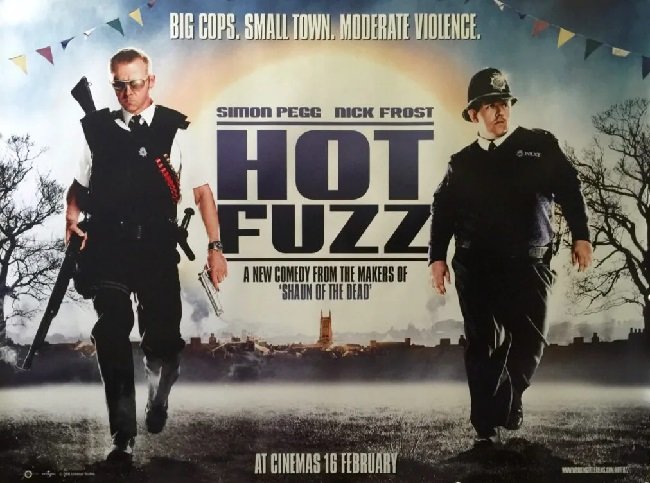
PC Nicholas Angel (Simon Pegg) is an exemplary Police Officer, with a strict adherence to the letter of the law. As a result of making the rest of the London Metropolitan Police look bad, he is transferred to the rural town of Sandford, Gloucestershire. On arrival, Angel finds that the local Inspector, Frank Butterman (Jim Broadbent), takes a far more laissez-faire approach to policing. His colleagues are incompetent and he is further hampered by the Neighbourhood Watch Alliance (NWA), who prioritise low crime statistics over law enforcement due to their desire to win the title of “Village of the Year”. Furthermore, Angel is partnered with the Inspector’s son, Constable Danny Butterman (Nick Frost), who is infatuated with “buddy cop” movies and is in awe of Angel’s London experience. “Have you ever fired two guns while jumping through the air?” However, a sudden spate of grisly accidents lead Angel to believe that there's more to the seemingly tranquil and picture-perfect community than meets the eye.
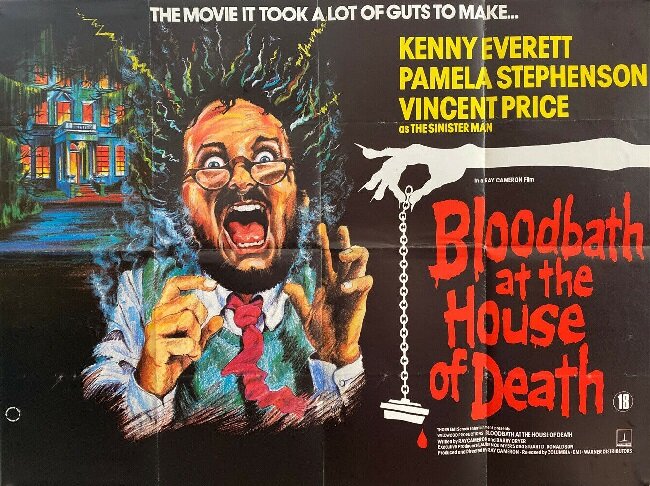
During the early eighties Kenny Everett was one of the most popular comedians on UK television. His mix of “zany” characters, slapstick and innuendo filled the gap between traditional comedians and their sketch show format and the anarchy of the new alternative comedy scene. Therefore his foray into feature films in 1984 was a logical progression of his growing success. Bloodbath at the House of Death was conceived as a satire on the Hammer Horror genre, although the script by Barry Cryer and Ray Cameron touched upon everything from An American Werewolf in London, Alien, The Amityville Horror, The Legend of Hell House and The Entity. Featuring a solid cast of British character actors and a cameo appearance by the great Vincent Price, on paper the film had all the trappings of a potential box office success. Sadly, it failed to meet expectations and was savaged by the UK press who used it as a means to attack Kenny Everett for his perceived transgressions.
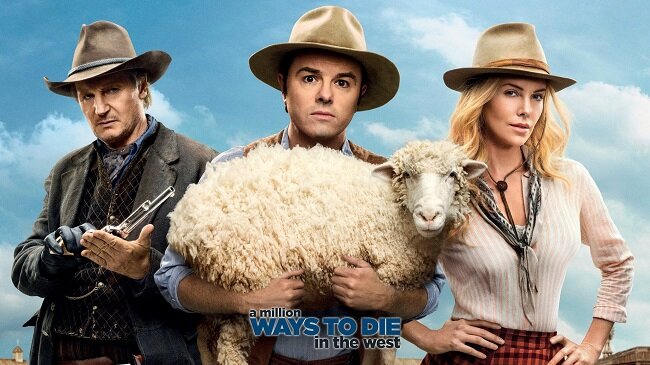
You could quite easily lose thirty minutes from A Million Ways to Die in the West. Tighter pacing would certainly shorten the gaps between the genuinely funny material. As it is, the movie is somewhat baggy and surprisingly middle of the road. Yes it has all of Seth McFarlane's usual hallmarks as far as extreme humour but it lacks the occasional moments of satire and social commentary that you see in Family Guy and in Ted (his best movie to date). The movie is very much aware of what it is and focuses a little excessively on observational humour based on traditional tropes and memes of the Western genre. You frequently get the feeling at times that it’s trying very hard to be “funny” in a “Seth McFarlane” idiom but it smacks a little of “art imitating art”.

Written by Jim Abrahams, David Zucker, Jerry Zucker and directed by John Landis, The Kentucky Fried Movie is an eclectic collection of skits, parodies and bogus commercials, lampooning what you’d see on seventies TV or in the movie theatres of the time. The sketches are fast paced and many feature well known faces from TV and cinema such as Bill Bixby, George Lazenby, Donald Sutherland and Henry Gibson. Some of the parodies may not “connect” with modern audiences who may not get the source references but for every skit that misses the mark, there are at least two others hit the target. Overall, it’s a litany of visual gags, stupid humour and endless puns and wordplay. Just what you’d expect from the team that went on to bring you Airplane! and Top Secret! The Kentucky Fried Movie is at its best when it satirises the movie industry, with such wonderful faux movies trailers as Cleopatra Schwartz; a blaxploitation action movie featuring a foxy African American vigilante and her devout Hasidic Jew partner.
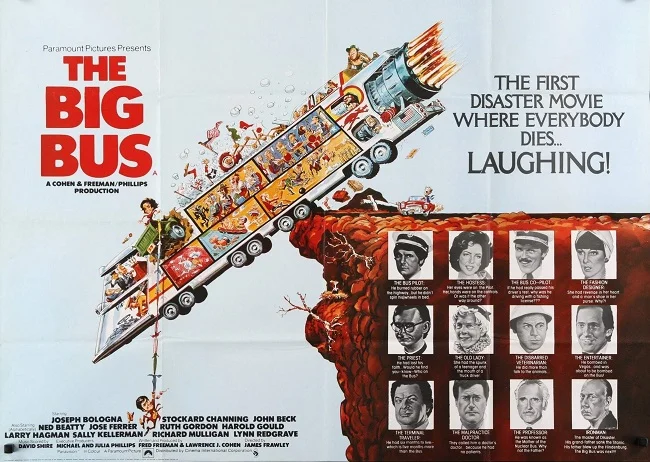
Being a child of the seventies I have a soft spot, cinematically speaking, for the various disaster films of that time. Iconic titles such as The Towering Inferno, The Poseidon Adventure and Airport franchise. The latter was superbly lampooned in the 1980 movie, Airplane! by Jim Abrahams, David Zucker and Jerry Zucker. The team of writer/directors went on to make numerous other comedies in a similar idiom. However Airplane! was not the first major spoof of this particular genre. Four years earlier, director James Frawley made The Big Bus which similarly sends up the standard tropes of all major disaster movies. Where Airplane! was right on the money, The Big Bus is a little more scattershot in its approach and takes a while to find its feet. But James Frawley had a background in TV comedy, having worked on The Monkees TV show, and he does much within the limitations of the films budget. The films greatest asset is that it keeps up the pace. If a gag doesn’t work then don’t worry, there’s another immediately afterwards.

I had mixed feelings about whether The Three Stooges could be successfully re-imagined and revitalised for a modern audience. When the first trailer was released it seemed to highlight the major differences between the old school slapstick humour of the forties with the worldly adult style of present comedy movies. However, as more information came out regarding the production and it became clear that the Farrelly Brothers are consummate fans of the source material, I began to revise my expectations. After finally having caught up with the movie, six years after its theatrical release, I am afraid all my initial fears have proven true and that The Three Stooges falls into all the traps I anticipated it would. That is not to say that the film is not without merits, but overall it fails to deliver in a manner that pleases all parties.
Until a copy was found by the BBC television in 1975, this was considered a lost film. Where's That Fire? is an often over looked comedy. Will Hay plays Captain Viking of the Bishop Wallop fire station in his usual seedy incompetent fashion. He and his trusty assistants Albert (Graham Moffatt) and Harbottle (Moore Marriott) run an antiquated Victorian fire tender but seldom put out any fires. After the Town Hall burns down they find that their jobs are on the line. Viking tries to solve their problems by inventing a new fire-retardant foam as well as renting the tender to a film production company, who may not be quite what they seem. It all ends in mayhem, with an attempted robbery of the Crown Jewels at The Tower of London.
I was raised on old black and white films as a child. My parents age and personal tastes meant that I had exposure to a lot of material that people today may be oblivious to. This was especially true with regard to pre-war UK comic luminaries such as Arthur Askey, Old Mother Riley and Will Hay. I am very grateful in a way, as it has afforded me the opportunity to broaden my cinematic horizons and cultural references. Comedy is also an interesting social barometer of the times and can be quite a useful tool for historians. Its curious how something change there are certain comic tropes that are timeless. Often these are fundamental aspects of the human character but not necessarily the best ones.
Critics were somewhat split over Paul when it was released in the UK in spring 2011. The absence of director Edgar Wright from the production, was cited as a weakness. Critics also felt the film was generally too mainstream and did not play sufficiently to Simon Pegg and Nick Frost's strengths. There were the usual claims of the whole premise being a self-indulgence. However, rather than cross reference Paul against similar films or compare it to material from the stars back catalogue of work, it should be judged on its own merit. On reflection, it is nowhere near as week as some claim it to be. You don’t often get big studio comedies that happily explores what is still considered a niche market genre. If approached with the right outlook, then Paul can be an entertaining diversion with plenty of laughs.

By 1988 Blackadder had run for three seasons in the UK and had seen the central character of Edmund Blackadder evolve from a seedy incompetent to a cunning, scheming, evil genius who was always frustrated at the last moment. Cleverly written by Richard Curtis and Ben Elton and superbly portrayed by Rowan Atkinson, Blackadder was very much at the cutting edge of British comedy of the time. It managed to mix physical humour, with verbal sparring, sarcasm, dry self-deprecation and irony. It was popular with a very broad spectrum of viewers.
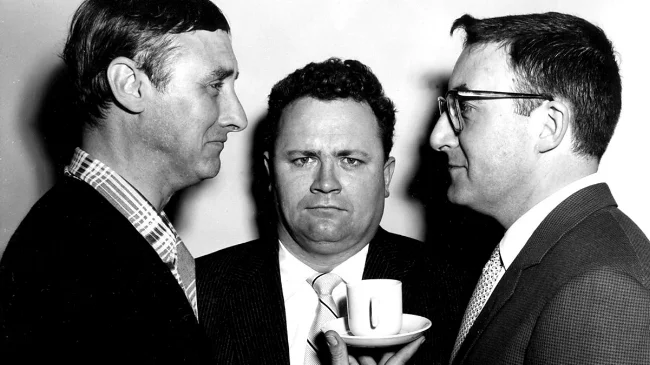
The Goon Show is one of a handful of comedy shows that had a profound and unique impact upon the UK comedy scene, both at the time of its broadcast and over the preceding two decades. The creative and comic genius of its three main stars, Spike Milligan, Peter Sellers and Harry Secombe re-invented radio comedy and introduced a new form of audio slapstick through its surreal imagery. This concept was then taken further by the Monty Python team and The Goons legacy is still apparent today in artists such as Eddie Izzard and Tim Vine. Despite some aspects of the show that are a little dated, such as the musical interludes and cultural references, there is still much that is fresh and pertinent.
Halloween III: Season of the Witch (1983)
Halloween III: Season of the Witch is a film that often provokes a strong reaction from genre fans. This is mainly due to it not having any direct connection to the previous two films. The absence of Michael Myers in such a franchise was a serious mistake and the subsequent poor box office returns endorsed this. Yet if this film had been released as a separate product it may not have performed so poorly. After re-examining Halloween III: Season of the Witch there are many aspects of interest. Despite a troubled production, the film is an intriguing anomaly that tried to be different during a decade where the established horror formula was “stalk n' slash”. It does have a very bleak tone and some consider it to be mean spirited as the cast are killed off one by one. Perhaps theme of child sacrifice caused audiences to balk?
Halloween III: Season of the Witch is a film that often provokes a strong reaction from genre fans. This is mainly due to it not having any direct connection to the previous two films. The absence of Michael Myers in such a franchise was a serious mistake and the subsequent poor box office returns endorsed this. Yet if this film had been released as a separate product it may not have performed so poorly. After re-examining Halloween III: Season of the Witch there are many aspects of interest. Despite a troubled production, the film is an intriguing anomaly that tried to be different during a decade where the established horror formula was “stalk n' slash”. It does have a very bleak tone and some consider it to be mean spirited as the cast are killed off one by one. Perhaps theme of child sacrifice caused audiences to balk?
A mysterious patient, Harry Grimbridge (Al Berry) is brought to hospital late at night, after being pursued by several besuited assassins. He is subsequently murdered in his bed and his assassin then kills himself. Dr. Dan Challis (Tom Atkins) is shocked by these events and struggles to comfort Ellie Grimbridge (Stacey Nelkin), the victims daughter who arrives at the hospital seeking answers about her father's death. The pair decide to investigate matters and the trail leads to the town of Santa Mira. Harry, who ran a toy shop, had travelled to the town to collect a shipment of Halloween masks from Silver Shamrock Novelties. On arrival Dan and Ellie find the town dominated by the presence of the Silver Shamrock company and its charismatic owner Conal Cochran (Dan O'Herlihy). Is Cochran connected to the death of Ellie's Father? Who are the mysterious mute assassins in grey suits that are pursue them?
John Carpenter, although only a producer on this film, was still heavily involved in the film’s development. Being a big fan of British writer Nigel Kneale, he commissioned him to write a screenplay. However the final draft did not find favour with financier Dino De Laurentiis, who insisted in the inclusion of more graphic death scenes to placate the target demographic. Kneale subsequently had his name removed from the credits but most of his original material remained in the redrafted screenplay, such as his re-occurring theme of reconciling science and witchcraft. It is paradoxical how Cochran uses contemporary technology to perpetrate an act of pagan sacrifice. The film also draws heavily on the 1956 genre classic Invasion of the Bodysnatchers, with its themes of humans being replaced by a sinister intelligence. The Silver Shamrock factory is set in the fictitious town of Santa Mira, which also features in Don Siegel's movie.
As for the scenes of violence, they are themselves quite unusual. Although gory to a degree, they are also a little surreal. Veteran make-up artist Tom Burman creates several bizarre deaths that reflect the odd nature of the plot. A man is murdered in his hospital bed by having his skull broken. Another has his head pulled off. But the most effective are those caused by the booby trapped Halloween masks. The demise of a particularly unpleasant small boy, involving cockroaches and snakes is both ghoulish and satisfying. The atmosphere and tone of the film is bolstered by an outstandingly minimalist score by John Carpenter and Alan Howarth. There is also an excellent faux commercial for Silver Shamrock masks which is both infuriating and an earworm.
The film also benefits from earnest performance from its main cast. Due to budgetary reasons the leads were character actors and not box office stars. Genre favourite Atkins acquits himself well as the world weary Doctor. But it is Dan O'Herlihy who excels as the sinister head of Silver Shamrock. His soft voice and measured delivery adds weight to the plot and the motives of a man who wishes to punish a nation through the death of it children. He delivers a singularly sinister monologue at the film’s denouement. Director Tommy Lee Wallace (who also directed Halloween II) maintains the tension and imbues the town of Santa Mira with a unsettling quality. He also handles the blending of pagan themes with modern technology well.
Despite its initial failure, over the recent years Halloween III: Season of the Witch has been re-appraised by critics and developed the inevitable cult following. It is seen as a social comment on consumerism and commercialisation. It also explores the roots of a Pagan festival that has now become an integral part of US culture. The bleak ending that was somewhat unpalatable 25 years ago, is now credible to a postmodern audience. John Carpenter was happy to lay Michael Meyers to rest permanently after Halloween II and wanted the subsequent films in the series to be wider in vision, dealing each time with a different supernatural theme. Such a bold idea was not endearing to the prevailing studio mentality of the time. Thus after the box office failure of Halloween III: Season of the Witch, the overall concept was side-lined and "the shape" subsequently resurrected in future sequels.
In the year 1860, Baron Victor Frankenstein (Peter Cushing) faces execution by guillotine for the murders perpetrated by the creature he created. With the assistance of a hunchback named Karl (Oscar Quitak) he avoids death by beheading the priest who came to give him the last rites. The priest’s body is then mistakenly buried by the authorities. Three years later, Victor, now using the name Doctor Stein, has established himself as a prosperous physician in Karlsbrück, serving both affluent patients and the poor at a paupers’ hospital. Hans Kleve (Francis Matthews), a junior member of the medical council, recognises Victor and being an admirer, seeks to become his apprentice. Victor and Hans then undertake an experiment to transplant Karl’s living brain into a new, more refined body, rather than a grotesque monstrosity the Baron has previously made. Karl is eager to have a new healthy body, especially after encountering Margaret Conrad (Eunice Gayson), the charming new assistant at the hospital.
Exit 8 is a sophisticated and claustrophobic psychological thriller directed by Genki Kawamura, which skilfully transforms a minimalist indie walking-simulator game into a cinematic existential enigma. This overtly metaphorical film renders the repetitive nature and drudgery of modern working life into a physical environment in which the lead character is trapped and must find a way out. A random, brutal maze filled with an atmosphere of indifference to the lab rats that find themselves trapped within. Or is it their personal guilt that has put them there? Genki Kawamura’s psychological mystery draws inspiration from the Japanese video game of the same name, as well as from the cyclical nature of Groundhog Day and endless corridors of the Overlook Hotel in Kubrick’s The Shining. Although there are jump scares and some ghoulish imagery, this is not a horror vehicle. Instead this is a disquieting psychological drama with a strong sense of morality.
In 1968 the dilapidated freighter Corita hastily leaves Freetown to avoid a customs inspection. Captain Lansen (Eric Porter) has a cargo of dangerous explosives which he is smuggling so he can finally retire. His ship’s passengers also have reasons for leaving in a hurry. Dr. Webster (Nigel Stock), together with his daughter Unity (Suzanna leigh), is relocating due to his indiscretions with patients and illegal operations. Alcoholic pianist Harry Tyler (Tony Beckley) is aimlessly drifting from port to port. Eva Peters (Hildegard Knef) is fleeing from her husband with stolen bearer bonds which she intend to use to buy back her son from his evil clutches Caracas. Ricaldi (Ben Carruthers), a questionable lawyer, is pursuing Eva to retrieve the stolen bonds. First officer Hemmings (Neil McCallum) suggests that the ship should return to Freetown after an imminent Hurricane warning. The Captain asks the passengers and they are unanimous that they do not wish to return. However a mutinous crew, the bad weather and the instability of the explosives force everyone to abandon ship. The survivors find themselves adrift in a lifeboat surrounded by a strange carnivorous seaweed.
David Koepp is no stranger to genre cinema, having written the screenplay for such films as Jurassic Park, Spider-man and War of the Worlds. Where these titles are big budget, major studio productions, Cold Storage is a far more modest production with a smaller scope. Adapted from his own novel, the screenplay is by David Koepp and the film is directed by British film-maker Jonny Campbell. At first glance, Cold Storage seems a somewhat derivative science fiction horror film with a relatively modest budget, financed through a convoluted US and French co-production. Lurid green and red colours feature heavily in the marketing artwork and it is easy, after a cursory look, to write the film off as cheap, generic, direct-to-streaming filler. However, Cold Storage is prime example of why you should not judge a book by it’s cover, or in this case, a film by its posters and online advertising. It is in fact an amusing and fun endeavour that can fill an evening.
Despite being considered by many as an original story, The Abominable Snowman (1957) is in fact a remake of a made for television play, The Creature, that was originally broadcast in the UK in 1955. Hammer Films would often purchase the rights of popular TV programs and subsequently re-work them for mainstream, international cinema. Larger production budgets and fewer censorship restrictions allowed them to make their cinematic interpretations more lurid, thus commercially viable. Hence The Quatermass Xperiment, Quatermass II and Quatermass and the Pit were all given a big screen makeover and were commercially successful. The Abominable Snowman was written by acclaimed writer Nigel Kneale, who also wrote the original television drama and the aforementioned Quatermass trilogy. Although ostensibly marketed as a horror film this production is actually an interesting blend of psychological thriller and science fiction.
The Haunted Dolls House is a short film based on a story by M.R. James about a unique antique that is subject to supernatural phenomenon. Adapted by Stephen Gray and David Lilley, this is the third of three short films based upon James’ work that the pair have made. It stars Steven Dolton as Mr. Dillet, a collector of antique dolls houses, who acquires a bargain only to discover that it harbours a ghostly secret. Made on an extremely modest budget over the course of 2012 this clever, innovative and rather sinister adaptation is a fine example of short film creativity. It manages to offer a unique visual depiction of M.R. James’ classic story whilst capturing the unsettling quality of the author’s work. Like so many independently made short films it is clearly a labour of love, made with modest resources. It succinctly captures the spirit of the author’s work and is both innovative and rewarding.
A lot of people may know Luke Evans from the live action version of Beauty and the Beast or Peter Jackson’s The Hobbit trilogy. With his matinee idol good looks, charming Welsh demeanour and his “smoky” tenor singing voice, he projects a sense of old school stardom. Which brings us to No One Lives; a film which is a radical departure from his previous work. His performance is disconcerting to say the least and the film is somewhat unhinged. Directed by Ryuhei Kitamura, who made an interesting adaptation of Clive Barker’s The Midnight Meat Train, this cinematic outing is similarly replete with robust shocks and gore. There are some interesting ideas about the nature of violence, Stockholm Syndrome and whether one should deny or embrace one’s nature. However, these are ultimately minor asides. Philosophical musings in between bouts of surprisingly striking unpleasantness.
In the near future, Kepler 822, a research and drilling facility located at the bottom of the Mariana Trench, suffers a sudden and catastrophic structural failure. There are only six survivors. Mechanical engineer Norah Price (Kristen Stewart), Captain Lucien (Vincent Cassel), biologist Emily Haversham (Jessica Henwick), engineer Liam Smith (John Gallagher Jr.) and crew members Rodrigo (Mamoudou Athie) and Paul (T.J. Miller). As all the functional escape pods have been used and they are unable to contact the surface, the Captain suggests using pressurized suits to walk one mile across the ocean floor to the Roebuck 641 drill installation. There they will find more escape pods. However, it soon becomes apparent that the disaster was not caused by an undersea earthquake and that they are not alone as they make their journey.
In Buenos Aires, Clara (Natalia Señorales) hears voices emanating from the plughole in her kitchen sink. The voices seem to be plotting against her. Her husband Juan (Agustín Rittano) says the sounds are coming from next door. That night, Juan finds Clara’s dead body levitating in their bathroom, slamming against the wall by an invisible force. Meanwhile their neighbour, Walter (Demián Salomón), is experiencing supernatural occurrences while he tries to sleep. An invisible force repeatedly shakes his bed. After using a video camera to film these events, he sees a tall, cadaverous figure emerging from under the bed, standing over him as he sleeps. Across the road, Alicia (Julieta Vallina) is grieving for her recently deceased son, who was run over outside Walter’s house. Alicia's ex-boyfriend, police commissioner Funes (Maximiliano Ghione) calls Jano (Norberto Gonzalo), a paranormal investigator and the pair soon discover more supernatural occurrences in the area.
Black Sabbath (AKA I tre volti della paura) is a 1963 horror anthology film directed by Mario Bava. Although an Italian production, the film was co-financed by American International Pictures and as such was conceived to appeal to US audiences. Hence, the English dialogue edit of the film which was released in America differs significantly to the original Italian version. Despite the presence of the legendary Boris Karloff and the popularity of both anthology and gothic horror at the time,the film was only a modest success at the US box office and did not do well in Italy. However, in more recent years there has been a critical reappraisal of Black Sabbath, especially the Italian dialogue version. Many aspects of the film which are standard genre tropes today, were in fact novel at the time. Also despite the production mainly being studio bound, the film oozes style and has a striking visual aesthetic.
During 1836, in the town of Darkness Falls, Maine, an elderly widow Matilda Dixon is adored by the town’s children as she gives them a gold coin whenever they lose a tooth. One day, after a house fire, Matilda is left burned and sensitive to sunlight, so she starts wearing a china mask. When two children are reported missing, Matilda is blamed by some locals, dragged from her home and hung. She curses the town, stating that whenever a child loses their last tooth, she would come for it. If the child looks at her, she will kill them. The missing children are subsequently found, so the citizens cover up their unjust lynching. In 1990, young Kyle Walsh awakes one night to find Matilda Walsh standing over him. Kyle’s mother is killed and he is blamed for her death and institutionalised. 12 years later, Kyle (Channey Kley) is released and tries to warn the town of the imminent danger when lightning disables the power supply. He is ignored by all until the deaths begin.
Osgood Perkins has a distinct visual style and tone to his films. It is why his previous film, Longlegs, was such a welcome change from standard genre outings. It was atmospheric both visually and tonally, demonstrating a keen understanding of horror cinema. Hence he is the perfect director to helm this adaptation of a Stephen King short story. The plot is greatly expanded and the screenplay takes a lot of liberties with the source material but the main themes of your past being inescapable and the power of guilt remain front and centre. Due to the extreme and bizarre nature of much of the onscreen deaths, the film wisely has a strong streak of gallows humour running through it which is extremely well handled. Comedy can often be used to defuse or mitigate violence which can be narratively dishonest (think Fred Krueger). Here it adds to the cruel and capricious nature of the random deaths.
When reviewing Sting, one critic stated that the small scale setting and thus, low stakes (IE only a few peoples lives are at risk), made the film not especially memorable. I consider this to be a somewhat spurious criticism. It is the very fact that Sting takes place in such a commonplace environment, with the main characters being everyday people that makes it different. There is a clear focus on well defined characters and their backstory. Unlike so many contemporary films, I actually gave a damn about the protagonists in Sting. An integral aspect of the horror genre is the ability to take a well known and familiar trope and provide a different and absorbing spin on it .It would appear that some audiences have been belaboured over the head by so many overblown and bombastic blockbusters, that the very notion of depicting small, localised and intimate events in a film, seems to bamboozle them.
Some films are made with the intention of starting a franchise, others evolve into one after a surprise box office success and lucrative sequels. Alien (1979) falls into the latter category. A mid-budget science fiction horror film that was well crafted and then benefited immensely by being released at just the right time. Sadly, many franchises become derailed and enter into a death spiral due to competing artistic visions, cynical studio politics and cinematic ignorance. This has certainly afflicted all subsequent Alien films after James Cameron’s magnificent Aliens (1986). Sometimes, a franchise can correct its course and do something fresh with the source material. Prey (2022) is a fine example of this with director Dan Trachtenberg bringing fresh vigour and intelligence back to the Predator movies. I believe that was the intention with Alien Romulus (2024). Sadly, the road to hell is paved with good intentions.
Friday the 13th: The Final Chapter is a popular entry among fans of the franchise. This is mainly due to the return of makeup artist, Tom Savini, who creates several notable death scenes and a bravura ending for Jason Voorhees. There is also an attempt by writer Barney Cohen to have a more involving story compared to previous entries in the series. Director Joseph Zito, who previously directed the above average slasher movie The Prowler AKA Rosemary’s Killer (1981), brings a harder edge to the proceedings, making Jason more menacing than in the previous instalment. As ever, the film was dismissed by the critics but performed well at the box office. Producer Frank Mancuso Jr fully intended for this film to be a definitive end to the series, as he was becoming increasingly concerned that his association with the franchise was having a negative impact upon his career.
Set directly after the events of the previous film, Friday the 13th Part III is again about a group of friends staying near Crystal Lake who encounter Jason Voorhees as he embarks upon another killing spree. Shot in 3D the film has a less sleazy tone than its predecessors although the formula remains the same. The set pieces and death scenes are more elaborate and less clinical, taking advantage of the 3D picture format. The film marks the first appearance of Jason's signature hockey mask, which subsequently became a trademark of both the character and the franchise. Originally conceived to be an end to the series of films, Friday the 13th Part III performed extremely well at the box office, earning $36.7 million on a budget of $2.2 million. As a result, the franchise was given a stay of execution and a further sequel was commissioned.
Originally, Friday the 13th Part 2 was intended to be an anthology film based on the superstition associated with the date. However, after the popularity of the original film's surprise ending, the producers opted to continue the story and mythology surrounding Camp Crystal Lake. This eventually became the parameters which all future films would broadly work within. Friday the 13th Part 2 is a more polished production than the first movie, benefitting from twice the budget of the original. The quick turnaround meant that Paramount Pictures could continue to capitalise on the popularity of the slasher genre. However, there was growing social pushback against these types of films, from Christian lobby groups and other “concerned parties”. Hence, Friday the 13th Part 2 ran into problems with the MPAA ratings board and cuts were imposed. Something that would continuously plague the franchise over the years.
Writing any kind of review for the original Friday the 13th movie seems somewhat redundant, as it has been analysed and written about numerous times before. If you’re interested in the film’s production as well as its subsequent impact on US cinema at the time, then there is an excellent summary on Wikipedia. Having recently rewatched the entire franchise, courtesy of the Shout Factory’s Friday the 13th Collection Deluxe Edition, I have a few thoughts I’d like to share. The picture quality of all the films is very good, offering a lot more visual information compared to previous releases. The amount of “extras” included in the box set is prodigious. I suspect that these are the best versions that we’re ever likely to see. Fans hoping that one day all the cut footage will be found and re-integrated into each film are likely to remain disappointed. Some material has surfaced but sadly a lot of deleted and extended scenes have been destroyed.
George A. Romero's Day Of The Dead (1985) is a bleak and remorseless masterpiece. The final entry in his “Dead Trilogy”, its central theme is that in a world on the brink of destruction, man is still the biggest threat to his own existence. It is well scripted, clinically accurate in its observations on human nature and thought provoking, despite having its budget cut just weeks before production commenced. 40 years later it is revered as a genre milestone and is considered one of Romero’s finest works. Sadly, the 2008 “remake” directed by Steve Miner, who has a background in slasher and exploitation movies, takes a contrasting approach, to say the least. It certainly has very little to do with Romero’s film and one can’t help but assume that it is nothing more than a cynical cash in. Setting aside comparisons with the original, this is not in any way a standout zombie film in its own right.
Although I was unaware of it, there was a guerrilla marketing campaign for Longlegs which was focused on the internet rather than traditional television adverts. Hence the film gained a lot of interest prior to its release and as well as some some disproportionate expectations. Then immediately after its theatrical debut, the matter was further compounded by a possible excess of gushing praise as the film was “over reviewed”. Therefore I maintained a degree of scepticism about Longlegs and tempered my expectations prior to watching it. Any film that is hailed as the next Silence of the Lambs, featuring a “traumatising” performance by Nicholas Cage needs to be keenly scrutinised so that its cinematic merits can be carefully separated from the surrounding hyperbole. After viewing I found Longlegs to be a finely honed, atmospheric and precisely targeted horror thriller but not the genre milestone that some would claim.
As a rule, it is always a challenge to end a trilogy of films successfully. Writing a satisfying denouement to a standalone movie is hard enough. To be able to conclude all pertinent story arcs and themes that have been sustained over three feature films, to everyone’s liking is far harder to achieve. In the case of The Final Conflict (1981), the last instalment of The Omen trilogy, writer Andrew Birkin does manage to resolve all of the external, internal and philosophical stakes, which are the fundamental components of a cinematic screenplay. Unfortunately, it is done in an incredibly underwhelming manner, which left audiences feeling cheated. The last time good defeated evil evil in such an unspectacular fashion was in Hammer’s To the Devil a Daughter (1976). This is why, in spite of solid production values, The Final Conflict is the least popular of the films about the Antichrist, Damien Thorn.
Halloween III: Season of the Witch is a film that often provokes a strong reaction from genre fans. This is mainly due to it not having any direct connection to the previous two films. The absence of Michael Myers in such a franchise was a serious mistake and the subsequent poor box office returns endorsed this. Yet if this film had been released as a separate product it may not have performed so poorly. After re-examining Halloween III: Season of the Witch there are many aspects of interest. Despite a troubled production, the film is an intriguing anomaly that tried to be different during a decade where the established horror formula was “stalk n' slash”. It does have a very bleak tone and some consider it to be mean spirited as the cast are killed off one by one. Perhaps theme of child sacrifice caused audiences to balk?
Ghostwatch is a controversial British horror “mockumentary” produced by the BBC that was first broadcast on October 31st 1992. Written by Stephen Volk and produced by Ruth Baumgarten it is now considered a milestone in UK broadcasting. This was mainly due to the strong reaction it provoked from the public, many of whom failed to grasp that it was a drama. At the time it raised serious questions about responsible programming and caused a furore in the British press. It has curiously never been shown since by the BBC. Ghostwatch remains a talking point to this day and is a text book example of the power of television as well as the publics enduring belief in the supernatural.
Event Horizon is a curious movie hybrid, mixing plot elements from classic sci-fi and horror genres. It has been labelled “Hellraiser in Space” by some lazy critics, although I think there's far more to it than that. Perhaps a more apt description would be a Gothic horror story set in space. The movie has garnered a cult reputation since its release in 1997, mainly due to its graphic imagery and troubled production history. It does indeed have some quite shocking sequences but the lightning editing does not show as much as some would think. Paramount forced director Paul W S Anderson to reduce the original one hundred and thirty minute running time down to a more manageable ninety, after unfavourable test screenings. Much of the violence was allegedly removed as a result of that process. Sadly nothing survives of the removed material other than a VHS workprint. Hence a restored director’s cut is therefore unlikely.
The peace of tranquillity of Santa Ynes, Utah, is shattered when the town becomes the focus of several hit and run deaths, by a mysterious and apparently driverless, black car. After the Sheriff (John Marley) is run down, it is down to Captain Wade Parent (James Brolin) and his deputies to protect the town from this sinister threat. Is the car simply a driven by a mad man or is there a more supernatural explanation? When the car menaces a local school marching band, the teachers and students take refuge in the nearby cemetery. Does the cars inability to enter consecrated ground provide a clue to its otherworldly origins and offer a potential solution? As the death count increases and the population becomes more fearful, the Captain and his team of deputies form a desperate plan to see if they can lure the car into a trap.
The key to success in the horror genre is to try and find an innovative new angle on tried and tested themes and tropes. The Night Flier is an often-overlooked gem, that takes a unique perspective on vampirism and features strong performances as well as an intelligent and thoughtful screenplay. It builds a sense of foreboding during it’s first two acts and teases audiences with some unpleasant prosthetic effects, courtesy of KNB EFX Group. The climax of the movie is both thought provoking and suitably unpleasant. Furthermore, The Night Flier even manages to make a coherent criticism of tabloid culture and morals of those journalists working in the industry. It’s a damn shame that this modest but well-crafted genre movie didn’t get the attention it deserved when it was initially released in 1997.
Dr. Terror's House of Horrors was the first portmanteau horror movie by Amicus Productions. The small British studio was founded by producers and screenwriters Milton Subotsky and Max Rosenberg. As the horror genre grew in popularity due to the success of Hammer films, Amicus saw the potential in the portmanteau format. Subotsky in particular held Ealing Studios 1945 classic Dead of Night in very high regard. Although only a modest budget movie, Dr. Terror's House of Horrors proved to be financially successful and led to a series of similarly structured films over the next decade. These included Torture Garden (1967), The House That Dripped Blood (1970), Asylum (1972), Tales from the Crypt (1972), The Vault of Horror (1973), From Beyond the Grave (1974),
Ghost Story is a deliberately superficial adaptation of the novel by Peter Straub. If you’ve read the book and are expecting a verbatim retelling of the plot, then you will be disappointed. It’s complex narrative structure and the abundance of characters do not immediately lend themselves to mainstream film making. However, if you like tales of the supernatural and solid performances from Hollywood legends, then this may well be for you. John Irvin has always been a workman like director and has therefore often been overlooked. Films such as Hamburger Hill and When Trumpets Fade show a great deal of focus and a clear understanding of the mechanics of cinema.
Event Horizon (1997)
Event Horizon is a curious movie hybrid, mixing plot elements from classic sci-fi and horror genres. It has been labelled “Hellraiser in Space” by some lazy critics, although I think there's far more to it than that. Perhaps a more apt description would be a Gothic horror story set in space. The movie has garnered a cult reputation since its release in 1997, mainly due to its graphic imagery and troubled production history. It does indeed have some quite shocking sequences but the lightning editing does not show as much as some would think. Paramount forced director Paul W S Anderson to reduce the original one hundred and thirty minute running time down to a more manageable ninety, after unfavourable test screenings. Much of the violence was allegedly removed as a result of that process. Sadly nothing survives of the removed material other than a VHS workprint. Hence a restored director’s cut is therefore unlikely.
Event Horizon is a curious movie hybrid, mixing plot elements from classic sci-fi and horror genres. It has been labelled “Hellraiser in Space” by some lazy critics, although I think there's far more to it than that. Perhaps a more apt description would be a Gothic horror story set in space. The movie has garnered a cult reputation since its release in 1997, mainly due to its graphic imagery and troubled production history. It does indeed have some quite shocking sequences but the lightning editing does not show as much as some would think. Paramount forced director Paul W S Anderson to reduce the original one hundred and thirty minute running time down to a more manageable ninety, after unfavourable test screenings. Much of the violence was allegedly removed as a result of that process. Sadly nothing survives of the removed material other than a VHS workprint. Hence a restored director’s cut is therefore unlikely.
Event Horizon is an experimental spaceship which went missing on its maiden voyage. When the ship mysteriously reappears in orbit above Neptune, a rescue mission is launched by the authorities. The ship's designer Dr. Weir (Sam Neil) is assigned to the rescue vessel Lewis and Clark, commanded by Captain Miller (Laurence Fishburne). The crew consists of Lieutenant Starck (Joely Richardson), pilot Smith (Sean Pertwee), Medical Technician Peters (Kathleen Quinlan), Engineer Ensign Justin (Jack Noseworthy), Rescue Technician Cooper (Richard T. Jones), and Trauma Doctor D.J. (Jason Isaacs). Upon arrival they find that the Event Horizon is empty and the crew dead or missing. The ship's last transmission contains human screams and a cryptic message in Latin. Subsequently the rescue party starts experiencing horrific hallucinations along with a growing sense that unease.
There are many positive aspects to Event Horizon. The cast of character actors are more than competent and the production values are very high. The sets are opulent and the production design conveys the required hi-tech aesthetic. The visual effects have not dated too much although some of the CGI is a little primitive. The prosthetics and animatronics are exceedingly good (and unpleasant). Bob Keen and his creative team were involved in the production although much of their work unfortunately didn't make it into the theatrical version. The movie also manages to maintain a disquieting atmosphere, punctuated by some effective jumps. Sadly the screenplay lurches from the good to the bad and is somewhat inconsistent. The denouement does succeed in explaining the evil entity that is linked to the ship but I would have preferred some further insight. However these narrative inconsistencies may be due to the last minute re-edit that took place prior to release.
However despite these issues, Event Horizon is sustained by its ambition, tone and grotesque visuals. Director Paul W S Anderson has produced a tense and atmospheric blend of genres, despite the studio's interference in post-production. The mixing of advanced technology with Hieronymus Bosch style visions of Hell are quite compelling. Certainly the movie deserves more critical praise than it gained upon release in 1997. It’s a shame that a restored cut of the film is off the table. It would be most interesting to see the gaps in the narrative filled, as well as the visual effects restored to their full glory. Clive Barker managed to achieve a comparable restoration of his movie Nightbreed, which was similarly “butchered” upon release. However, unless the missing material can be miraculously sourced from elsewhere, the theatrical edition of Event Horizon will remain the only version available.
In the year 1860, Baron Victor Frankenstein (Peter Cushing) faces execution by guillotine for the murders perpetrated by the creature he created. With the assistance of a hunchback named Karl (Oscar Quitak) he avoids death by beheading the priest who came to give him the last rites. The priest’s body is then mistakenly buried by the authorities. Three years later, Victor, now using the name Doctor Stein, has established himself as a prosperous physician in Karlsbrück, serving both affluent patients and the poor at a paupers’ hospital. Hans Kleve (Francis Matthews), a junior member of the medical council, recognises Victor and being an admirer, seeks to become his apprentice. Victor and Hans then undertake an experiment to transplant Karl’s living brain into a new, more refined body, rather than a grotesque monstrosity the Baron has previously made. Karl is eager to have a new healthy body, especially after encountering Margaret Conrad (Eunice Gayson), the charming new assistant at the hospital.
Exit 8 is a sophisticated and claustrophobic psychological thriller directed by Genki Kawamura, which skilfully transforms a minimalist indie walking-simulator game into a cinematic existential enigma. This overtly metaphorical film renders the repetitive nature and drudgery of modern working life into a physical environment in which the lead character is trapped and must find a way out. A random, brutal maze filled with an atmosphere of indifference to the lab rats that find themselves trapped within. Or is it their personal guilt that has put them there? Genki Kawamura’s psychological mystery draws inspiration from the Japanese video game of the same name, as well as from the cyclical nature of Groundhog Day and endless corridors of the Overlook Hotel in Kubrick’s The Shining. Although there are jump scares and some ghoulish imagery, this is not a horror vehicle. Instead this is a disquieting psychological drama with a strong sense of morality.
In 1968 the dilapidated freighter Corita hastily leaves Freetown to avoid a customs inspection. Captain Lansen (Eric Porter) has a cargo of dangerous explosives which he is smuggling so he can finally retire. His ship’s passengers also have reasons for leaving in a hurry. Dr. Webster (Nigel Stock), together with his daughter Unity (Suzanna leigh), is relocating due to his indiscretions with patients and illegal operations. Alcoholic pianist Harry Tyler (Tony Beckley) is aimlessly drifting from port to port. Eva Peters (Hildegard Knef) is fleeing from her husband with stolen bearer bonds which she intend to use to buy back her son from his evil clutches Caracas. Ricaldi (Ben Carruthers), a questionable lawyer, is pursuing Eva to retrieve the stolen bonds. First officer Hemmings (Neil McCallum) suggests that the ship should return to Freetown after an imminent Hurricane warning. The Captain asks the passengers and they are unanimous that they do not wish to return. However a mutinous crew, the bad weather and the instability of the explosives force everyone to abandon ship. The survivors find themselves adrift in a lifeboat surrounded by a strange carnivorous seaweed.
David Koepp is no stranger to genre cinema, having written the screenplay for such films as Jurassic Park, Spider-man and War of the Worlds. Where these titles are big budget, major studio productions, Cold Storage is a far more modest production with a smaller scope. Adapted from his own novel, the screenplay is by David Koepp and the film is directed by British film-maker Jonny Campbell. At first glance, Cold Storage seems a somewhat derivative science fiction horror film with a relatively modest budget, financed through a convoluted US and French co-production. Lurid green and red colours feature heavily in the marketing artwork and it is easy, after a cursory look, to write the film off as cheap, generic, direct-to-streaming filler. However, Cold Storage is prime example of why you should not judge a book by it’s cover, or in this case, a film by its posters and online advertising. It is in fact an amusing and fun endeavour that can fill an evening.
Despite being considered by many as an original story, The Abominable Snowman (1957) is in fact a remake of a made for television play, The Creature, that was originally broadcast in the UK in 1955. Hammer Films would often purchase the rights of popular TV programs and subsequently re-work them for mainstream, international cinema. Larger production budgets and fewer censorship restrictions allowed them to make their cinematic interpretations more lurid, thus commercially viable. Hence The Quatermass Xperiment, Quatermass II and Quatermass and the Pit were all given a big screen makeover and were commercially successful. The Abominable Snowman was written by acclaimed writer Nigel Kneale, who also wrote the original television drama and the aforementioned Quatermass trilogy. Although ostensibly marketed as a horror film this production is actually an interesting blend of psychological thriller and science fiction.
The Haunted Dolls House is a short film based on a story by M.R. James about a unique antique that is subject to supernatural phenomenon. Adapted by Stephen Gray and David Lilley, this is the third of three short films based upon James’ work that the pair have made. It stars Steven Dolton as Mr. Dillet, a collector of antique dolls houses, who acquires a bargain only to discover that it harbours a ghostly secret. Made on an extremely modest budget over the course of 2012 this clever, innovative and rather sinister adaptation is a fine example of short film creativity. It manages to offer a unique visual depiction of M.R. James’ classic story whilst capturing the unsettling quality of the author’s work. Like so many independently made short films it is clearly a labour of love, made with modest resources. It succinctly captures the spirit of the author’s work and is both innovative and rewarding.
A lot of people may know Luke Evans from the live action version of Beauty and the Beast or Peter Jackson’s The Hobbit trilogy. With his matinee idol good looks, charming Welsh demeanour and his “smoky” tenor singing voice, he projects a sense of old school stardom. Which brings us to No One Lives; a film which is a radical departure from his previous work. His performance is disconcerting to say the least and the film is somewhat unhinged. Directed by Ryuhei Kitamura, who made an interesting adaptation of Clive Barker’s The Midnight Meat Train, this cinematic outing is similarly replete with robust shocks and gore. There are some interesting ideas about the nature of violence, Stockholm Syndrome and whether one should deny or embrace one’s nature. However, these are ultimately minor asides. Philosophical musings in between bouts of surprisingly striking unpleasantness.
In the near future, Kepler 822, a research and drilling facility located at the bottom of the Mariana Trench, suffers a sudden and catastrophic structural failure. There are only six survivors. Mechanical engineer Norah Price (Kristen Stewart), Captain Lucien (Vincent Cassel), biologist Emily Haversham (Jessica Henwick), engineer Liam Smith (John Gallagher Jr.) and crew members Rodrigo (Mamoudou Athie) and Paul (T.J. Miller). As all the functional escape pods have been used and they are unable to contact the surface, the Captain suggests using pressurized suits to walk one mile across the ocean floor to the Roebuck 641 drill installation. There they will find more escape pods. However, it soon becomes apparent that the disaster was not caused by an undersea earthquake and that they are not alone as they make their journey.
In Buenos Aires, Clara (Natalia Señorales) hears voices emanating from the plughole in her kitchen sink. The voices seem to be plotting against her. Her husband Juan (Agustín Rittano) says the sounds are coming from next door. That night, Juan finds Clara’s dead body levitating in their bathroom, slamming against the wall by an invisible force. Meanwhile their neighbour, Walter (Demián Salomón), is experiencing supernatural occurrences while he tries to sleep. An invisible force repeatedly shakes his bed. After using a video camera to film these events, he sees a tall, cadaverous figure emerging from under the bed, standing over him as he sleeps. Across the road, Alicia (Julieta Vallina) is grieving for her recently deceased son, who was run over outside Walter’s house. Alicia's ex-boyfriend, police commissioner Funes (Maximiliano Ghione) calls Jano (Norberto Gonzalo), a paranormal investigator and the pair soon discover more supernatural occurrences in the area.
Black Sabbath (AKA I tre volti della paura) is a 1963 horror anthology film directed by Mario Bava. Although an Italian production, the film was co-financed by American International Pictures and as such was conceived to appeal to US audiences. Hence, the English dialogue edit of the film which was released in America differs significantly to the original Italian version. Despite the presence of the legendary Boris Karloff and the popularity of both anthology and gothic horror at the time,the film was only a modest success at the US box office and did not do well in Italy. However, in more recent years there has been a critical reappraisal of Black Sabbath, especially the Italian dialogue version. Many aspects of the film which are standard genre tropes today, were in fact novel at the time. Also despite the production mainly being studio bound, the film oozes style and has a striking visual aesthetic.
During 1836, in the town of Darkness Falls, Maine, an elderly widow Matilda Dixon is adored by the town’s children as she gives them a gold coin whenever they lose a tooth. One day, after a house fire, Matilda is left burned and sensitive to sunlight, so she starts wearing a china mask. When two children are reported missing, Matilda is blamed by some locals, dragged from her home and hung. She curses the town, stating that whenever a child loses their last tooth, she would come for it. If the child looks at her, she will kill them. The missing children are subsequently found, so the citizens cover up their unjust lynching. In 1990, young Kyle Walsh awakes one night to find Matilda Walsh standing over him. Kyle’s mother is killed and he is blamed for her death and institutionalised. 12 years later, Kyle (Channey Kley) is released and tries to warn the town of the imminent danger when lightning disables the power supply. He is ignored by all until the deaths begin.
Osgood Perkins has a distinct visual style and tone to his films. It is why his previous film, Longlegs, was such a welcome change from standard genre outings. It was atmospheric both visually and tonally, demonstrating a keen understanding of horror cinema. Hence he is the perfect director to helm this adaptation of a Stephen King short story. The plot is greatly expanded and the screenplay takes a lot of liberties with the source material but the main themes of your past being inescapable and the power of guilt remain front and centre. Due to the extreme and bizarre nature of much of the onscreen deaths, the film wisely has a strong streak of gallows humour running through it which is extremely well handled. Comedy can often be used to defuse or mitigate violence which can be narratively dishonest (think Fred Krueger). Here it adds to the cruel and capricious nature of the random deaths.
When reviewing Sting, one critic stated that the small scale setting and thus, low stakes (IE only a few peoples lives are at risk), made the film not especially memorable. I consider this to be a somewhat spurious criticism. It is the very fact that Sting takes place in such a commonplace environment, with the main characters being everyday people that makes it different. There is a clear focus on well defined characters and their backstory. Unlike so many contemporary films, I actually gave a damn about the protagonists in Sting. An integral aspect of the horror genre is the ability to take a well known and familiar trope and provide a different and absorbing spin on it .It would appear that some audiences have been belaboured over the head by so many overblown and bombastic blockbusters, that the very notion of depicting small, localised and intimate events in a film, seems to bamboozle them.
Some films are made with the intention of starting a franchise, others evolve into one after a surprise box office success and lucrative sequels. Alien (1979) falls into the latter category. A mid-budget science fiction horror film that was well crafted and then benefited immensely by being released at just the right time. Sadly, many franchises become derailed and enter into a death spiral due to competing artistic visions, cynical studio politics and cinematic ignorance. This has certainly afflicted all subsequent Alien films after James Cameron’s magnificent Aliens (1986). Sometimes, a franchise can correct its course and do something fresh with the source material. Prey (2022) is a fine example of this with director Dan Trachtenberg bringing fresh vigour and intelligence back to the Predator movies. I believe that was the intention with Alien Romulus (2024). Sadly, the road to hell is paved with good intentions.
Friday the 13th: The Final Chapter is a popular entry among fans of the franchise. This is mainly due to the return of makeup artist, Tom Savini, who creates several notable death scenes and a bravura ending for Jason Voorhees. There is also an attempt by writer Barney Cohen to have a more involving story compared to previous entries in the series. Director Joseph Zito, who previously directed the above average slasher movie The Prowler AKA Rosemary’s Killer (1981), brings a harder edge to the proceedings, making Jason more menacing than in the previous instalment. As ever, the film was dismissed by the critics but performed well at the box office. Producer Frank Mancuso Jr fully intended for this film to be a definitive end to the series, as he was becoming increasingly concerned that his association with the franchise was having a negative impact upon his career.
Set directly after the events of the previous film, Friday the 13th Part III is again about a group of friends staying near Crystal Lake who encounter Jason Voorhees as he embarks upon another killing spree. Shot in 3D the film has a less sleazy tone than its predecessors although the formula remains the same. The set pieces and death scenes are more elaborate and less clinical, taking advantage of the 3D picture format. The film marks the first appearance of Jason's signature hockey mask, which subsequently became a trademark of both the character and the franchise. Originally conceived to be an end to the series of films, Friday the 13th Part III performed extremely well at the box office, earning $36.7 million on a budget of $2.2 million. As a result, the franchise was given a stay of execution and a further sequel was commissioned.
Originally, Friday the 13th Part 2 was intended to be an anthology film based on the superstition associated with the date. However, after the popularity of the original film's surprise ending, the producers opted to continue the story and mythology surrounding Camp Crystal Lake. This eventually became the parameters which all future films would broadly work within. Friday the 13th Part 2 is a more polished production than the first movie, benefitting from twice the budget of the original. The quick turnaround meant that Paramount Pictures could continue to capitalise on the popularity of the slasher genre. However, there was growing social pushback against these types of films, from Christian lobby groups and other “concerned parties”. Hence, Friday the 13th Part 2 ran into problems with the MPAA ratings board and cuts were imposed. Something that would continuously plague the franchise over the years.
Writing any kind of review for the original Friday the 13th movie seems somewhat redundant, as it has been analysed and written about numerous times before. If you’re interested in the film’s production as well as its subsequent impact on US cinema at the time, then there is an excellent summary on Wikipedia. Having recently rewatched the entire franchise, courtesy of the Shout Factory’s Friday the 13th Collection Deluxe Edition, I have a few thoughts I’d like to share. The picture quality of all the films is very good, offering a lot more visual information compared to previous releases. The amount of “extras” included in the box set is prodigious. I suspect that these are the best versions that we’re ever likely to see. Fans hoping that one day all the cut footage will be found and re-integrated into each film are likely to remain disappointed. Some material has surfaced but sadly a lot of deleted and extended scenes have been destroyed.
George A. Romero's Day Of The Dead (1985) is a bleak and remorseless masterpiece. The final entry in his “Dead Trilogy”, its central theme is that in a world on the brink of destruction, man is still the biggest threat to his own existence. It is well scripted, clinically accurate in its observations on human nature and thought provoking, despite having its budget cut just weeks before production commenced. 40 years later it is revered as a genre milestone and is considered one of Romero’s finest works. Sadly, the 2008 “remake” directed by Steve Miner, who has a background in slasher and exploitation movies, takes a contrasting approach, to say the least. It certainly has very little to do with Romero’s film and one can’t help but assume that it is nothing more than a cynical cash in. Setting aside comparisons with the original, this is not in any way a standout zombie film in its own right.
Although I was unaware of it, there was a guerrilla marketing campaign for Longlegs which was focused on the internet rather than traditional television adverts. Hence the film gained a lot of interest prior to its release and as well as some some disproportionate expectations. Then immediately after its theatrical debut, the matter was further compounded by a possible excess of gushing praise as the film was “over reviewed”. Therefore I maintained a degree of scepticism about Longlegs and tempered my expectations prior to watching it. Any film that is hailed as the next Silence of the Lambs, featuring a “traumatising” performance by Nicholas Cage needs to be keenly scrutinised so that its cinematic merits can be carefully separated from the surrounding hyperbole. After viewing I found Longlegs to be a finely honed, atmospheric and precisely targeted horror thriller but not the genre milestone that some would claim.
As a rule, it is always a challenge to end a trilogy of films successfully. Writing a satisfying denouement to a standalone movie is hard enough. To be able to conclude all pertinent story arcs and themes that have been sustained over three feature films, to everyone’s liking is far harder to achieve. In the case of The Final Conflict (1981), the last instalment of The Omen trilogy, writer Andrew Birkin does manage to resolve all of the external, internal and philosophical stakes, which are the fundamental components of a cinematic screenplay. Unfortunately, it is done in an incredibly underwhelming manner, which left audiences feeling cheated. The last time good defeated evil evil in such an unspectacular fashion was in Hammer’s To the Devil a Daughter (1976). This is why, in spite of solid production values, The Final Conflict is the least popular of the films about the Antichrist, Damien Thorn.
Halloween III: Season of the Witch is a film that often provokes a strong reaction from genre fans. This is mainly due to it not having any direct connection to the previous two films. The absence of Michael Myers in such a franchise was a serious mistake and the subsequent poor box office returns endorsed this. Yet if this film had been released as a separate product it may not have performed so poorly. After re-examining Halloween III: Season of the Witch there are many aspects of interest. Despite a troubled production, the film is an intriguing anomaly that tried to be different during a decade where the established horror formula was “stalk n' slash”. It does have a very bleak tone and some consider it to be mean spirited as the cast are killed off one by one. Perhaps theme of child sacrifice caused audiences to balk?
Ghostwatch is a controversial British horror “mockumentary” produced by the BBC that was first broadcast on October 31st 1992. Written by Stephen Volk and produced by Ruth Baumgarten it is now considered a milestone in UK broadcasting. This was mainly due to the strong reaction it provoked from the public, many of whom failed to grasp that it was a drama. At the time it raised serious questions about responsible programming and caused a furore in the British press. It has curiously never been shown since by the BBC. Ghostwatch remains a talking point to this day and is a text book example of the power of television as well as the publics enduring belief in the supernatural.
Event Horizon is a curious movie hybrid, mixing plot elements from classic sci-fi and horror genres. It has been labelled “Hellraiser in Space” by some lazy critics, although I think there's far more to it than that. Perhaps a more apt description would be a Gothic horror story set in space. The movie has garnered a cult reputation since its release in 1997, mainly due to its graphic imagery and troubled production history. It does indeed have some quite shocking sequences but the lightning editing does not show as much as some would think. Paramount forced director Paul W S Anderson to reduce the original one hundred and thirty minute running time down to a more manageable ninety, after unfavourable test screenings. Much of the violence was allegedly removed as a result of that process. Sadly nothing survives of the removed material other than a VHS workprint. Hence a restored director’s cut is therefore unlikely.
The peace of tranquillity of Santa Ynes, Utah, is shattered when the town becomes the focus of several hit and run deaths, by a mysterious and apparently driverless, black car. After the Sheriff (John Marley) is run down, it is down to Captain Wade Parent (James Brolin) and his deputies to protect the town from this sinister threat. Is the car simply a driven by a mad man or is there a more supernatural explanation? When the car menaces a local school marching band, the teachers and students take refuge in the nearby cemetery. Does the cars inability to enter consecrated ground provide a clue to its otherworldly origins and offer a potential solution? As the death count increases and the population becomes more fearful, the Captain and his team of deputies form a desperate plan to see if they can lure the car into a trap.
The key to success in the horror genre is to try and find an innovative new angle on tried and tested themes and tropes. The Night Flier is an often-overlooked gem, that takes a unique perspective on vampirism and features strong performances as well as an intelligent and thoughtful screenplay. It builds a sense of foreboding during it’s first two acts and teases audiences with some unpleasant prosthetic effects, courtesy of KNB EFX Group. The climax of the movie is both thought provoking and suitably unpleasant. Furthermore, The Night Flier even manages to make a coherent criticism of tabloid culture and morals of those journalists working in the industry. It’s a damn shame that this modest but well-crafted genre movie didn’t get the attention it deserved when it was initially released in 1997.
Dr. Terror's House of Horrors was the first portmanteau horror movie by Amicus Productions. The small British studio was founded by producers and screenwriters Milton Subotsky and Max Rosenberg. As the horror genre grew in popularity due to the success of Hammer films, Amicus saw the potential in the portmanteau format. Subotsky in particular held Ealing Studios 1945 classic Dead of Night in very high regard. Although only a modest budget movie, Dr. Terror's House of Horrors proved to be financially successful and led to a series of similarly structured films over the next decade. These included Torture Garden (1967), The House That Dripped Blood (1970), Asylum (1972), Tales from the Crypt (1972), The Vault of Horror (1973), From Beyond the Grave (1974),
Ghost Story is a deliberately superficial adaptation of the novel by Peter Straub. If you’ve read the book and are expecting a verbatim retelling of the plot, then you will be disappointed. It’s complex narrative structure and the abundance of characters do not immediately lend themselves to mainstream film making. However, if you like tales of the supernatural and solid performances from Hollywood legends, then this may well be for you. John Irvin has always been a workman like director and has therefore often been overlooked. Films such as Hamburger Hill and When Trumpets Fade show a great deal of focus and a clear understanding of the mechanics of cinema.
The Car (1977)
The peace of tranquillity of Santa Ynes, Utah, is shattered when the town becomes the focus of several hit and run deaths, by a mysterious and apparently driverless, black car. After the Sheriff (John Marley) is run down, it is down to Captain Wade Parent (James Brolin) and his deputies to protect the town from this sinister threat. Is the car simply a driven by a mad man or is there a more supernatural explanation? When the car menaces a local school marching band, the teachers and students take refuge in the nearby cemetery. Does the cars inability to enter consecrated ground provide a clue to its otherworldly origins and offer a potential solution? As the death count increases and the population becomes more fearful, the Captain and his team of deputies form a desperate plan to see if they can lure the car into a trap.
The peace of tranquillity of Santa Ynes, Utah, is shattered when there are several hit and run deaths by a mysterious and apparently driverless, black car. After the Sheriff (John Marley) is run down, it is down to Captain Wade Parent (James Brolin) and his deputies to protect the town from this sinister threat. Is the car simply a driven by a mad man or is there a more supernatural explanation? When the car menaces a local school marching band, the teachers and students take refuge in the nearby cemetery. Does the cars inability to enter consecrated ground provide a clue to its otherworldly origins and offer a potential solution? As the death count increases and the population becomes more fearful, the Captain and his team of deputies form a desperate plan to see if they can lure the car into a trap.
A movie like The Car needs something else other than its initial premise to keep it going. To provide it with narrative impetus and keep the viewer engaged. Simply put, if the audience is to spend ninety or so minutes watching a group of people in peril then it needs to be able to relate and empathise with them. Surprisingly, that is exactly what director Elliot Silverstein does. Having cut his teeth directing several episodes of The Twilight Zone, he has a good sense of pace and how to build the tension leading up to the “boo” moment. The Car has a solid cast of respectable characters actors and actually makes a decent attempt to try and provide some backstory and sub plots. There is a genuine feeling that this is a real small town. There’s the ex-drunk officer, the wife beater and a lead character living in his father’s shadow. John Marley is good as a sheriff whose world is turned upside down by the arrival of this potentially satanic car. You feel that he genuinely cares.
As ever with movies of this ilk, the low budget means that the scope of action is somewhat restricted. Yet the various death scenes in which innocent members of the public are run down are well constructed with the focus upon tension rather than gore. The Car taps into similar themes as Steven Spielberg’s Duel, with its exploration of our fear of the motor vehicle, its associated anonymity and potential to kill. In one scene the car drives right through a victim’s house to kill them, shattering the presumption that once off the road, you are safe. Certainly fusing the road movie genre with the supernatural was a bold idea. It works better here than in similar films such as Race with the Devil. But one cannot discuss The Car without referencing the customised 1971 Lincoln Continental Mark III designed by George Barris. It is in many ways the real star of the movie, having a genuine presence and posing a credible threat.
In the year 1860, Baron Victor Frankenstein (Peter Cushing) faces execution by guillotine for the murders perpetrated by the creature he created. With the assistance of a hunchback named Karl (Oscar Quitak) he avoids death by beheading the priest who came to give him the last rites. The priest’s body is then mistakenly buried by the authorities. Three years later, Victor, now using the name Doctor Stein, has established himself as a prosperous physician in Karlsbrück, serving both affluent patients and the poor at a paupers’ hospital. Hans Kleve (Francis Matthews), a junior member of the medical council, recognises Victor and being an admirer, seeks to become his apprentice. Victor and Hans then undertake an experiment to transplant Karl’s living brain into a new, more refined body, rather than a grotesque monstrosity the Baron has previously made. Karl is eager to have a new healthy body, especially after encountering Margaret Conrad (Eunice Gayson), the charming new assistant at the hospital.
Exit 8 is a sophisticated and claustrophobic psychological thriller directed by Genki Kawamura, which skilfully transforms a minimalist indie walking-simulator game into a cinematic existential enigma. This overtly metaphorical film renders the repetitive nature and drudgery of modern working life into a physical environment in which the lead character is trapped and must find a way out. A random, brutal maze filled with an atmosphere of indifference to the lab rats that find themselves trapped within. Or is it their personal guilt that has put them there? Genki Kawamura’s psychological mystery draws inspiration from the Japanese video game of the same name, as well as from the cyclical nature of Groundhog Day and endless corridors of the Overlook Hotel in Kubrick’s The Shining. Although there are jump scares and some ghoulish imagery, this is not a horror vehicle. Instead this is a disquieting psychological drama with a strong sense of morality.
In 1968 the dilapidated freighter Corita hastily leaves Freetown to avoid a customs inspection. Captain Lansen (Eric Porter) has a cargo of dangerous explosives which he is smuggling so he can finally retire. His ship’s passengers also have reasons for leaving in a hurry. Dr. Webster (Nigel Stock), together with his daughter Unity (Suzanna leigh), is relocating due to his indiscretions with patients and illegal operations. Alcoholic pianist Harry Tyler (Tony Beckley) is aimlessly drifting from port to port. Eva Peters (Hildegard Knef) is fleeing from her husband with stolen bearer bonds which she intend to use to buy back her son from his evil clutches Caracas. Ricaldi (Ben Carruthers), a questionable lawyer, is pursuing Eva to retrieve the stolen bonds. First officer Hemmings (Neil McCallum) suggests that the ship should return to Freetown after an imminent Hurricane warning. The Captain asks the passengers and they are unanimous that they do not wish to return. However a mutinous crew, the bad weather and the instability of the explosives force everyone to abandon ship. The survivors find themselves adrift in a lifeboat surrounded by a strange carnivorous seaweed.
David Koepp is no stranger to genre cinema, having written the screenplay for such films as Jurassic Park, Spider-man and War of the Worlds. Where these titles are big budget, major studio productions, Cold Storage is a far more modest production with a smaller scope. Adapted from his own novel, the screenplay is by David Koepp and the film is directed by British film-maker Jonny Campbell. At first glance, Cold Storage seems a somewhat derivative science fiction horror film with a relatively modest budget, financed through a convoluted US and French co-production. Lurid green and red colours feature heavily in the marketing artwork and it is easy, after a cursory look, to write the film off as cheap, generic, direct-to-streaming filler. However, Cold Storage is prime example of why you should not judge a book by it’s cover, or in this case, a film by its posters and online advertising. It is in fact an amusing and fun endeavour that can fill an evening.
Despite being considered by many as an original story, The Abominable Snowman (1957) is in fact a remake of a made for television play, The Creature, that was originally broadcast in the UK in 1955. Hammer Films would often purchase the rights of popular TV programs and subsequently re-work them for mainstream, international cinema. Larger production budgets and fewer censorship restrictions allowed them to make their cinematic interpretations more lurid, thus commercially viable. Hence The Quatermass Xperiment, Quatermass II and Quatermass and the Pit were all given a big screen makeover and were commercially successful. The Abominable Snowman was written by acclaimed writer Nigel Kneale, who also wrote the original television drama and the aforementioned Quatermass trilogy. Although ostensibly marketed as a horror film this production is actually an interesting blend of psychological thriller and science fiction.
The Haunted Dolls House is a short film based on a story by M.R. James about a unique antique that is subject to supernatural phenomenon. Adapted by Stephen Gray and David Lilley, this is the third of three short films based upon James’ work that the pair have made. It stars Steven Dolton as Mr. Dillet, a collector of antique dolls houses, who acquires a bargain only to discover that it harbours a ghostly secret. Made on an extremely modest budget over the course of 2012 this clever, innovative and rather sinister adaptation is a fine example of short film creativity. It manages to offer a unique visual depiction of M.R. James’ classic story whilst capturing the unsettling quality of the author’s work. Like so many independently made short films it is clearly a labour of love, made with modest resources. It succinctly captures the spirit of the author’s work and is both innovative and rewarding.
A lot of people may know Luke Evans from the live action version of Beauty and the Beast or Peter Jackson’s The Hobbit trilogy. With his matinee idol good looks, charming Welsh demeanour and his “smoky” tenor singing voice, he projects a sense of old school stardom. Which brings us to No One Lives; a film which is a radical departure from his previous work. His performance is disconcerting to say the least and the film is somewhat unhinged. Directed by Ryuhei Kitamura, who made an interesting adaptation of Clive Barker’s The Midnight Meat Train, this cinematic outing is similarly replete with robust shocks and gore. There are some interesting ideas about the nature of violence, Stockholm Syndrome and whether one should deny or embrace one’s nature. However, these are ultimately minor asides. Philosophical musings in between bouts of surprisingly striking unpleasantness.
In the near future, Kepler 822, a research and drilling facility located at the bottom of the Mariana Trench, suffers a sudden and catastrophic structural failure. There are only six survivors. Mechanical engineer Norah Price (Kristen Stewart), Captain Lucien (Vincent Cassel), biologist Emily Haversham (Jessica Henwick), engineer Liam Smith (John Gallagher Jr.) and crew members Rodrigo (Mamoudou Athie) and Paul (T.J. Miller). As all the functional escape pods have been used and they are unable to contact the surface, the Captain suggests using pressurized suits to walk one mile across the ocean floor to the Roebuck 641 drill installation. There they will find more escape pods. However, it soon becomes apparent that the disaster was not caused by an undersea earthquake and that they are not alone as they make their journey.
In Buenos Aires, Clara (Natalia Señorales) hears voices emanating from the plughole in her kitchen sink. The voices seem to be plotting against her. Her husband Juan (Agustín Rittano) says the sounds are coming from next door. That night, Juan finds Clara’s dead body levitating in their bathroom, slamming against the wall by an invisible force. Meanwhile their neighbour, Walter (Demián Salomón), is experiencing supernatural occurrences while he tries to sleep. An invisible force repeatedly shakes his bed. After using a video camera to film these events, he sees a tall, cadaverous figure emerging from under the bed, standing over him as he sleeps. Across the road, Alicia (Julieta Vallina) is grieving for her recently deceased son, who was run over outside Walter’s house. Alicia's ex-boyfriend, police commissioner Funes (Maximiliano Ghione) calls Jano (Norberto Gonzalo), a paranormal investigator and the pair soon discover more supernatural occurrences in the area.
Black Sabbath (AKA I tre volti della paura) is a 1963 horror anthology film directed by Mario Bava. Although an Italian production, the film was co-financed by American International Pictures and as such was conceived to appeal to US audiences. Hence, the English dialogue edit of the film which was released in America differs significantly to the original Italian version. Despite the presence of the legendary Boris Karloff and the popularity of both anthology and gothic horror at the time,the film was only a modest success at the US box office and did not do well in Italy. However, in more recent years there has been a critical reappraisal of Black Sabbath, especially the Italian dialogue version. Many aspects of the film which are standard genre tropes today, were in fact novel at the time. Also despite the production mainly being studio bound, the film oozes style and has a striking visual aesthetic.
During 1836, in the town of Darkness Falls, Maine, an elderly widow Matilda Dixon is adored by the town’s children as she gives them a gold coin whenever they lose a tooth. One day, after a house fire, Matilda is left burned and sensitive to sunlight, so she starts wearing a china mask. When two children are reported missing, Matilda is blamed by some locals, dragged from her home and hung. She curses the town, stating that whenever a child loses their last tooth, she would come for it. If the child looks at her, she will kill them. The missing children are subsequently found, so the citizens cover up their unjust lynching. In 1990, young Kyle Walsh awakes one night to find Matilda Walsh standing over him. Kyle’s mother is killed and he is blamed for her death and institutionalised. 12 years later, Kyle (Channey Kley) is released and tries to warn the town of the imminent danger when lightning disables the power supply. He is ignored by all until the deaths begin.
Osgood Perkins has a distinct visual style and tone to his films. It is why his previous film, Longlegs, was such a welcome change from standard genre outings. It was atmospheric both visually and tonally, demonstrating a keen understanding of horror cinema. Hence he is the perfect director to helm this adaptation of a Stephen King short story. The plot is greatly expanded and the screenplay takes a lot of liberties with the source material but the main themes of your past being inescapable and the power of guilt remain front and centre. Due to the extreme and bizarre nature of much of the onscreen deaths, the film wisely has a strong streak of gallows humour running through it which is extremely well handled. Comedy can often be used to defuse or mitigate violence which can be narratively dishonest (think Fred Krueger). Here it adds to the cruel and capricious nature of the random deaths.
When reviewing Sting, one critic stated that the small scale setting and thus, low stakes (IE only a few peoples lives are at risk), made the film not especially memorable. I consider this to be a somewhat spurious criticism. It is the very fact that Sting takes place in such a commonplace environment, with the main characters being everyday people that makes it different. There is a clear focus on well defined characters and their backstory. Unlike so many contemporary films, I actually gave a damn about the protagonists in Sting. An integral aspect of the horror genre is the ability to take a well known and familiar trope and provide a different and absorbing spin on it .It would appear that some audiences have been belaboured over the head by so many overblown and bombastic blockbusters, that the very notion of depicting small, localised and intimate events in a film, seems to bamboozle them.
Some films are made with the intention of starting a franchise, others evolve into one after a surprise box office success and lucrative sequels. Alien (1979) falls into the latter category. A mid-budget science fiction horror film that was well crafted and then benefited immensely by being released at just the right time. Sadly, many franchises become derailed and enter into a death spiral due to competing artistic visions, cynical studio politics and cinematic ignorance. This has certainly afflicted all subsequent Alien films after James Cameron’s magnificent Aliens (1986). Sometimes, a franchise can correct its course and do something fresh with the source material. Prey (2022) is a fine example of this with director Dan Trachtenberg bringing fresh vigour and intelligence back to the Predator movies. I believe that was the intention with Alien Romulus (2024). Sadly, the road to hell is paved with good intentions.
Friday the 13th: The Final Chapter is a popular entry among fans of the franchise. This is mainly due to the return of makeup artist, Tom Savini, who creates several notable death scenes and a bravura ending for Jason Voorhees. There is also an attempt by writer Barney Cohen to have a more involving story compared to previous entries in the series. Director Joseph Zito, who previously directed the above average slasher movie The Prowler AKA Rosemary’s Killer (1981), brings a harder edge to the proceedings, making Jason more menacing than in the previous instalment. As ever, the film was dismissed by the critics but performed well at the box office. Producer Frank Mancuso Jr fully intended for this film to be a definitive end to the series, as he was becoming increasingly concerned that his association with the franchise was having a negative impact upon his career.
Set directly after the events of the previous film, Friday the 13th Part III is again about a group of friends staying near Crystal Lake who encounter Jason Voorhees as he embarks upon another killing spree. Shot in 3D the film has a less sleazy tone than its predecessors although the formula remains the same. The set pieces and death scenes are more elaborate and less clinical, taking advantage of the 3D picture format. The film marks the first appearance of Jason's signature hockey mask, which subsequently became a trademark of both the character and the franchise. Originally conceived to be an end to the series of films, Friday the 13th Part III performed extremely well at the box office, earning $36.7 million on a budget of $2.2 million. As a result, the franchise was given a stay of execution and a further sequel was commissioned.
Originally, Friday the 13th Part 2 was intended to be an anthology film based on the superstition associated with the date. However, after the popularity of the original film's surprise ending, the producers opted to continue the story and mythology surrounding Camp Crystal Lake. This eventually became the parameters which all future films would broadly work within. Friday the 13th Part 2 is a more polished production than the first movie, benefitting from twice the budget of the original. The quick turnaround meant that Paramount Pictures could continue to capitalise on the popularity of the slasher genre. However, there was growing social pushback against these types of films, from Christian lobby groups and other “concerned parties”. Hence, Friday the 13th Part 2 ran into problems with the MPAA ratings board and cuts were imposed. Something that would continuously plague the franchise over the years.
Writing any kind of review for the original Friday the 13th movie seems somewhat redundant, as it has been analysed and written about numerous times before. If you’re interested in the film’s production as well as its subsequent impact on US cinema at the time, then there is an excellent summary on Wikipedia. Having recently rewatched the entire franchise, courtesy of the Shout Factory’s Friday the 13th Collection Deluxe Edition, I have a few thoughts I’d like to share. The picture quality of all the films is very good, offering a lot more visual information compared to previous releases. The amount of “extras” included in the box set is prodigious. I suspect that these are the best versions that we’re ever likely to see. Fans hoping that one day all the cut footage will be found and re-integrated into each film are likely to remain disappointed. Some material has surfaced but sadly a lot of deleted and extended scenes have been destroyed.
George A. Romero's Day Of The Dead (1985) is a bleak and remorseless masterpiece. The final entry in his “Dead Trilogy”, its central theme is that in a world on the brink of destruction, man is still the biggest threat to his own existence. It is well scripted, clinically accurate in its observations on human nature and thought provoking, despite having its budget cut just weeks before production commenced. 40 years later it is revered as a genre milestone and is considered one of Romero’s finest works. Sadly, the 2008 “remake” directed by Steve Miner, who has a background in slasher and exploitation movies, takes a contrasting approach, to say the least. It certainly has very little to do with Romero’s film and one can’t help but assume that it is nothing more than a cynical cash in. Setting aside comparisons with the original, this is not in any way a standout zombie film in its own right.
Although I was unaware of it, there was a guerrilla marketing campaign for Longlegs which was focused on the internet rather than traditional television adverts. Hence the film gained a lot of interest prior to its release and as well as some some disproportionate expectations. Then immediately after its theatrical debut, the matter was further compounded by a possible excess of gushing praise as the film was “over reviewed”. Therefore I maintained a degree of scepticism about Longlegs and tempered my expectations prior to watching it. Any film that is hailed as the next Silence of the Lambs, featuring a “traumatising” performance by Nicholas Cage needs to be keenly scrutinised so that its cinematic merits can be carefully separated from the surrounding hyperbole. After viewing I found Longlegs to be a finely honed, atmospheric and precisely targeted horror thriller but not the genre milestone that some would claim.
As a rule, it is always a challenge to end a trilogy of films successfully. Writing a satisfying denouement to a standalone movie is hard enough. To be able to conclude all pertinent story arcs and themes that have been sustained over three feature films, to everyone’s liking is far harder to achieve. In the case of The Final Conflict (1981), the last instalment of The Omen trilogy, writer Andrew Birkin does manage to resolve all of the external, internal and philosophical stakes, which are the fundamental components of a cinematic screenplay. Unfortunately, it is done in an incredibly underwhelming manner, which left audiences feeling cheated. The last time good defeated evil evil in such an unspectacular fashion was in Hammer’s To the Devil a Daughter (1976). This is why, in spite of solid production values, The Final Conflict is the least popular of the films about the Antichrist, Damien Thorn.
Halloween III: Season of the Witch is a film that often provokes a strong reaction from genre fans. This is mainly due to it not having any direct connection to the previous two films. The absence of Michael Myers in such a franchise was a serious mistake and the subsequent poor box office returns endorsed this. Yet if this film had been released as a separate product it may not have performed so poorly. After re-examining Halloween III: Season of the Witch there are many aspects of interest. Despite a troubled production, the film is an intriguing anomaly that tried to be different during a decade where the established horror formula was “stalk n' slash”. It does have a very bleak tone and some consider it to be mean spirited as the cast are killed off one by one. Perhaps theme of child sacrifice caused audiences to balk?
Ghostwatch is a controversial British horror “mockumentary” produced by the BBC that was first broadcast on October 31st 1992. Written by Stephen Volk and produced by Ruth Baumgarten it is now considered a milestone in UK broadcasting. This was mainly due to the strong reaction it provoked from the public, many of whom failed to grasp that it was a drama. At the time it raised serious questions about responsible programming and caused a furore in the British press. It has curiously never been shown since by the BBC. Ghostwatch remains a talking point to this day and is a text book example of the power of television as well as the publics enduring belief in the supernatural.
Event Horizon is a curious movie hybrid, mixing plot elements from classic sci-fi and horror genres. It has been labelled “Hellraiser in Space” by some lazy critics, although I think there's far more to it than that. Perhaps a more apt description would be a Gothic horror story set in space. The movie has garnered a cult reputation since its release in 1997, mainly due to its graphic imagery and troubled production history. It does indeed have some quite shocking sequences but the lightning editing does not show as much as some would think. Paramount forced director Paul W S Anderson to reduce the original one hundred and thirty minute running time down to a more manageable ninety, after unfavourable test screenings. Much of the violence was allegedly removed as a result of that process. Sadly nothing survives of the removed material other than a VHS workprint. Hence a restored director’s cut is therefore unlikely.
The peace of tranquillity of Santa Ynes, Utah, is shattered when the town becomes the focus of several hit and run deaths, by a mysterious and apparently driverless, black car. After the Sheriff (John Marley) is run down, it is down to Captain Wade Parent (James Brolin) and his deputies to protect the town from this sinister threat. Is the car simply a driven by a mad man or is there a more supernatural explanation? When the car menaces a local school marching band, the teachers and students take refuge in the nearby cemetery. Does the cars inability to enter consecrated ground provide a clue to its otherworldly origins and offer a potential solution? As the death count increases and the population becomes more fearful, the Captain and his team of deputies form a desperate plan to see if they can lure the car into a trap.
The key to success in the horror genre is to try and find an innovative new angle on tried and tested themes and tropes. The Night Flier is an often-overlooked gem, that takes a unique perspective on vampirism and features strong performances as well as an intelligent and thoughtful screenplay. It builds a sense of foreboding during it’s first two acts and teases audiences with some unpleasant prosthetic effects, courtesy of KNB EFX Group. The climax of the movie is both thought provoking and suitably unpleasant. Furthermore, The Night Flier even manages to make a coherent criticism of tabloid culture and morals of those journalists working in the industry. It’s a damn shame that this modest but well-crafted genre movie didn’t get the attention it deserved when it was initially released in 1997.
Dr. Terror's House of Horrors was the first portmanteau horror movie by Amicus Productions. The small British studio was founded by producers and screenwriters Milton Subotsky and Max Rosenberg. As the horror genre grew in popularity due to the success of Hammer films, Amicus saw the potential in the portmanteau format. Subotsky in particular held Ealing Studios 1945 classic Dead of Night in very high regard. Although only a modest budget movie, Dr. Terror's House of Horrors proved to be financially successful and led to a series of similarly structured films over the next decade. These included Torture Garden (1967), The House That Dripped Blood (1970), Asylum (1972), Tales from the Crypt (1972), The Vault of Horror (1973), From Beyond the Grave (1974),
Ghost Story is a deliberately superficial adaptation of the novel by Peter Straub. If you’ve read the book and are expecting a verbatim retelling of the plot, then you will be disappointed. It’s complex narrative structure and the abundance of characters do not immediately lend themselves to mainstream film making. However, if you like tales of the supernatural and solid performances from Hollywood legends, then this may well be for you. John Irvin has always been a workman like director and has therefore often been overlooked. Films such as Hamburger Hill and When Trumpets Fade show a great deal of focus and a clear understanding of the mechanics of cinema.
The Night Flier (1997)
The key to success in the horror genre is to try and find an innovative new angle on tried and tested themes and tropes. The Night Flier is an often-overlooked gem, that takes a unique perspective on vampirism and features strong performances as well as an intelligent and thoughtful screenplay. It builds a sense of foreboding during it’s first two acts and teases audiences with some unpleasant prosthetic effects, courtesy of KNB EFX Group. The climax of the movie is both thought provoking and suitably unpleasant. Furthermore, The Night Flier even manages to make a coherent criticism of tabloid culture and morals of those journalists working in the industry. It’s a damn shame that this modest but well-crafted genre movie didn’t get the attention it deserved when it was initially released in 1997.
The key to success in the horror genre is to try and find an innovative new angle on tried and tested themes and tropes. The Night Flier is an often-overlooked gem, that takes a unique perspective on vampirism and features strong performances as well as an intelligent and thoughtful screenplay. It builds a sense of foreboding during it’s first two acts and teases audiences with some unpleasant prosthetic effects, courtesy of KNB EFX Group. The climax of the movie is both thought provoking and suitably unpleasant. Furthermore, The Night Flier even manages to make a coherent criticism of tabloid culture and morals of those journalists working in the industry. It’s a damn shame that this modest but well-crafted genre movie didn’t get the attention it deserved when it was initially released in 1997.
Jaded and cynical tabloid reporter Richard Dees (Miguel Ferrer) initially refuses the job of investigating a violent murder at a remote private airfield. So his boss and editor of Inside View (a National Enquirer style publication), Merton Morrison (Dan Monahan), assigns the case to rookie reporter Katherine Blair (Julie Entwisle). When it becomes apparent that there is a serial killer using the network of small, rural airfields and flying under the alias of Dwight Renfield, Dees takes over the assignment. However, Morrison asks Katherine to follow Dees as he’s grown tired of his ego and insubordination. As Dees uncovers more information regarding “The Night Flier”, he starts receiving warnings from the killer himself to stop his investigations. It soon becomes clear that there may well be more to the case than meets the eye and that Dwight Renfield is not a mere serial killer but a vampire.
There are several standout aspects of The Night Flier. The first and most important is the strong lead performance by the late Miguel Ferrer who excels as the journalist Richard Dees. Exactly what is his motivation beyond doing whatever is needed to get the story, is left intriguingly vague. Dees is a bitter and heartless character, but he’s driven and surprisingly good at what he does. Then there’s the intriguing use of the network of small, private airfields that exist across North America and the entire sub-culture of having a pilot’s license. It’s an aspect of life that is unknown to many people. And then there’s our undead antagonist, Dwight Renfield. There’s a fine line between being vague and insubstantial, compared to creating a sense of the enigmatic and uncanny. Yet director Mark Pavia manages to tread such a path, providing only a smattering of implied history for the villain of the piece, while maintaining our interest rather than indifference.
Overall, The Night Flier is a good and faithful adaptation of Stephen King’s novella with the only major creative difference being the bleaker ending adopted for the movie. It serves not only as a fitting and inevitable conclusion to the story arc, but also as an acerbic indictment upon the iniquities of tabloid journalism. All of which leaves Richard Dees philosophy on journalism ringing in one’s ears. "Never believe what you publish and never publish what you believe". Twenty-six years on from its initial release, word of mouth and a revised critical assessment means that The Night Flier is finally reaching a wider audience. In a world filled with so many poor and indifferent adaptations of Stephen King’s work, this “diamond in the rough” is an entertaining and engaging alternative and worth the time of discerning horror fans.
In the year 1860, Baron Victor Frankenstein (Peter Cushing) faces execution by guillotine for the murders perpetrated by the creature he created. With the assistance of a hunchback named Karl (Oscar Quitak) he avoids death by beheading the priest who came to give him the last rites. The priest’s body is then mistakenly buried by the authorities. Three years later, Victor, now using the name Doctor Stein, has established himself as a prosperous physician in Karlsbrück, serving both affluent patients and the poor at a paupers’ hospital. Hans Kleve (Francis Matthews), a junior member of the medical council, recognises Victor and being an admirer, seeks to become his apprentice. Victor and Hans then undertake an experiment to transplant Karl’s living brain into a new, more refined body, rather than a grotesque monstrosity the Baron has previously made. Karl is eager to have a new healthy body, especially after encountering Margaret Conrad (Eunice Gayson), the charming new assistant at the hospital.
Exit 8 is a sophisticated and claustrophobic psychological thriller directed by Genki Kawamura, which skilfully transforms a minimalist indie walking-simulator game into a cinematic existential enigma. This overtly metaphorical film renders the repetitive nature and drudgery of modern working life into a physical environment in which the lead character is trapped and must find a way out. A random, brutal maze filled with an atmosphere of indifference to the lab rats that find themselves trapped within. Or is it their personal guilt that has put them there? Genki Kawamura’s psychological mystery draws inspiration from the Japanese video game of the same name, as well as from the cyclical nature of Groundhog Day and endless corridors of the Overlook Hotel in Kubrick’s The Shining. Although there are jump scares and some ghoulish imagery, this is not a horror vehicle. Instead this is a disquieting psychological drama with a strong sense of morality.
In 1968 the dilapidated freighter Corita hastily leaves Freetown to avoid a customs inspection. Captain Lansen (Eric Porter) has a cargo of dangerous explosives which he is smuggling so he can finally retire. His ship’s passengers also have reasons for leaving in a hurry. Dr. Webster (Nigel Stock), together with his daughter Unity (Suzanna leigh), is relocating due to his indiscretions with patients and illegal operations. Alcoholic pianist Harry Tyler (Tony Beckley) is aimlessly drifting from port to port. Eva Peters (Hildegard Knef) is fleeing from her husband with stolen bearer bonds which she intend to use to buy back her son from his evil clutches Caracas. Ricaldi (Ben Carruthers), a questionable lawyer, is pursuing Eva to retrieve the stolen bonds. First officer Hemmings (Neil McCallum) suggests that the ship should return to Freetown after an imminent Hurricane warning. The Captain asks the passengers and they are unanimous that they do not wish to return. However a mutinous crew, the bad weather and the instability of the explosives force everyone to abandon ship. The survivors find themselves adrift in a lifeboat surrounded by a strange carnivorous seaweed.
David Koepp is no stranger to genre cinema, having written the screenplay for such films as Jurassic Park, Spider-man and War of the Worlds. Where these titles are big budget, major studio productions, Cold Storage is a far more modest production with a smaller scope. Adapted from his own novel, the screenplay is by David Koepp and the film is directed by British film-maker Jonny Campbell. At first glance, Cold Storage seems a somewhat derivative science fiction horror film with a relatively modest budget, financed through a convoluted US and French co-production. Lurid green and red colours feature heavily in the marketing artwork and it is easy, after a cursory look, to write the film off as cheap, generic, direct-to-streaming filler. However, Cold Storage is prime example of why you should not judge a book by it’s cover, or in this case, a film by its posters and online advertising. It is in fact an amusing and fun endeavour that can fill an evening.
Despite being considered by many as an original story, The Abominable Snowman (1957) is in fact a remake of a made for television play, The Creature, that was originally broadcast in the UK in 1955. Hammer Films would often purchase the rights of popular TV programs and subsequently re-work them for mainstream, international cinema. Larger production budgets and fewer censorship restrictions allowed them to make their cinematic interpretations more lurid, thus commercially viable. Hence The Quatermass Xperiment, Quatermass II and Quatermass and the Pit were all given a big screen makeover and were commercially successful. The Abominable Snowman was written by acclaimed writer Nigel Kneale, who also wrote the original television drama and the aforementioned Quatermass trilogy. Although ostensibly marketed as a horror film this production is actually an interesting blend of psychological thriller and science fiction.
The Haunted Dolls House is a short film based on a story by M.R. James about a unique antique that is subject to supernatural phenomenon. Adapted by Stephen Gray and David Lilley, this is the third of three short films based upon James’ work that the pair have made. It stars Steven Dolton as Mr. Dillet, a collector of antique dolls houses, who acquires a bargain only to discover that it harbours a ghostly secret. Made on an extremely modest budget over the course of 2012 this clever, innovative and rather sinister adaptation is a fine example of short film creativity. It manages to offer a unique visual depiction of M.R. James’ classic story whilst capturing the unsettling quality of the author’s work. Like so many independently made short films it is clearly a labour of love, made with modest resources. It succinctly captures the spirit of the author’s work and is both innovative and rewarding.
A lot of people may know Luke Evans from the live action version of Beauty and the Beast or Peter Jackson’s The Hobbit trilogy. With his matinee idol good looks, charming Welsh demeanour and his “smoky” tenor singing voice, he projects a sense of old school stardom. Which brings us to No One Lives; a film which is a radical departure from his previous work. His performance is disconcerting to say the least and the film is somewhat unhinged. Directed by Ryuhei Kitamura, who made an interesting adaptation of Clive Barker’s The Midnight Meat Train, this cinematic outing is similarly replete with robust shocks and gore. There are some interesting ideas about the nature of violence, Stockholm Syndrome and whether one should deny or embrace one’s nature. However, these are ultimately minor asides. Philosophical musings in between bouts of surprisingly striking unpleasantness.
In the near future, Kepler 822, a research and drilling facility located at the bottom of the Mariana Trench, suffers a sudden and catastrophic structural failure. There are only six survivors. Mechanical engineer Norah Price (Kristen Stewart), Captain Lucien (Vincent Cassel), biologist Emily Haversham (Jessica Henwick), engineer Liam Smith (John Gallagher Jr.) and crew members Rodrigo (Mamoudou Athie) and Paul (T.J. Miller). As all the functional escape pods have been used and they are unable to contact the surface, the Captain suggests using pressurized suits to walk one mile across the ocean floor to the Roebuck 641 drill installation. There they will find more escape pods. However, it soon becomes apparent that the disaster was not caused by an undersea earthquake and that they are not alone as they make their journey.
In Buenos Aires, Clara (Natalia Señorales) hears voices emanating from the plughole in her kitchen sink. The voices seem to be plotting against her. Her husband Juan (Agustín Rittano) says the sounds are coming from next door. That night, Juan finds Clara’s dead body levitating in their bathroom, slamming against the wall by an invisible force. Meanwhile their neighbour, Walter (Demián Salomón), is experiencing supernatural occurrences while he tries to sleep. An invisible force repeatedly shakes his bed. After using a video camera to film these events, he sees a tall, cadaverous figure emerging from under the bed, standing over him as he sleeps. Across the road, Alicia (Julieta Vallina) is grieving for her recently deceased son, who was run over outside Walter’s house. Alicia's ex-boyfriend, police commissioner Funes (Maximiliano Ghione) calls Jano (Norberto Gonzalo), a paranormal investigator and the pair soon discover more supernatural occurrences in the area.
Black Sabbath (AKA I tre volti della paura) is a 1963 horror anthology film directed by Mario Bava. Although an Italian production, the film was co-financed by American International Pictures and as such was conceived to appeal to US audiences. Hence, the English dialogue edit of the film which was released in America differs significantly to the original Italian version. Despite the presence of the legendary Boris Karloff and the popularity of both anthology and gothic horror at the time,the film was only a modest success at the US box office and did not do well in Italy. However, in more recent years there has been a critical reappraisal of Black Sabbath, especially the Italian dialogue version. Many aspects of the film which are standard genre tropes today, were in fact novel at the time. Also despite the production mainly being studio bound, the film oozes style and has a striking visual aesthetic.
During 1836, in the town of Darkness Falls, Maine, an elderly widow Matilda Dixon is adored by the town’s children as she gives them a gold coin whenever they lose a tooth. One day, after a house fire, Matilda is left burned and sensitive to sunlight, so she starts wearing a china mask. When two children are reported missing, Matilda is blamed by some locals, dragged from her home and hung. She curses the town, stating that whenever a child loses their last tooth, she would come for it. If the child looks at her, she will kill them. The missing children are subsequently found, so the citizens cover up their unjust lynching. In 1990, young Kyle Walsh awakes one night to find Matilda Walsh standing over him. Kyle’s mother is killed and he is blamed for her death and institutionalised. 12 years later, Kyle (Channey Kley) is released and tries to warn the town of the imminent danger when lightning disables the power supply. He is ignored by all until the deaths begin.
Osgood Perkins has a distinct visual style and tone to his films. It is why his previous film, Longlegs, was such a welcome change from standard genre outings. It was atmospheric both visually and tonally, demonstrating a keen understanding of horror cinema. Hence he is the perfect director to helm this adaptation of a Stephen King short story. The plot is greatly expanded and the screenplay takes a lot of liberties with the source material but the main themes of your past being inescapable and the power of guilt remain front and centre. Due to the extreme and bizarre nature of much of the onscreen deaths, the film wisely has a strong streak of gallows humour running through it which is extremely well handled. Comedy can often be used to defuse or mitigate violence which can be narratively dishonest (think Fred Krueger). Here it adds to the cruel and capricious nature of the random deaths.
When reviewing Sting, one critic stated that the small scale setting and thus, low stakes (IE only a few peoples lives are at risk), made the film not especially memorable. I consider this to be a somewhat spurious criticism. It is the very fact that Sting takes place in such a commonplace environment, with the main characters being everyday people that makes it different. There is a clear focus on well defined characters and their backstory. Unlike so many contemporary films, I actually gave a damn about the protagonists in Sting. An integral aspect of the horror genre is the ability to take a well known and familiar trope and provide a different and absorbing spin on it .It would appear that some audiences have been belaboured over the head by so many overblown and bombastic blockbusters, that the very notion of depicting small, localised and intimate events in a film, seems to bamboozle them.
Some films are made with the intention of starting a franchise, others evolve into one after a surprise box office success and lucrative sequels. Alien (1979) falls into the latter category. A mid-budget science fiction horror film that was well crafted and then benefited immensely by being released at just the right time. Sadly, many franchises become derailed and enter into a death spiral due to competing artistic visions, cynical studio politics and cinematic ignorance. This has certainly afflicted all subsequent Alien films after James Cameron’s magnificent Aliens (1986). Sometimes, a franchise can correct its course and do something fresh with the source material. Prey (2022) is a fine example of this with director Dan Trachtenberg bringing fresh vigour and intelligence back to the Predator movies. I believe that was the intention with Alien Romulus (2024). Sadly, the road to hell is paved with good intentions.
Friday the 13th: The Final Chapter is a popular entry among fans of the franchise. This is mainly due to the return of makeup artist, Tom Savini, who creates several notable death scenes and a bravura ending for Jason Voorhees. There is also an attempt by writer Barney Cohen to have a more involving story compared to previous entries in the series. Director Joseph Zito, who previously directed the above average slasher movie The Prowler AKA Rosemary’s Killer (1981), brings a harder edge to the proceedings, making Jason more menacing than in the previous instalment. As ever, the film was dismissed by the critics but performed well at the box office. Producer Frank Mancuso Jr fully intended for this film to be a definitive end to the series, as he was becoming increasingly concerned that his association with the franchise was having a negative impact upon his career.
Set directly after the events of the previous film, Friday the 13th Part III is again about a group of friends staying near Crystal Lake who encounter Jason Voorhees as he embarks upon another killing spree. Shot in 3D the film has a less sleazy tone than its predecessors although the formula remains the same. The set pieces and death scenes are more elaborate and less clinical, taking advantage of the 3D picture format. The film marks the first appearance of Jason's signature hockey mask, which subsequently became a trademark of both the character and the franchise. Originally conceived to be an end to the series of films, Friday the 13th Part III performed extremely well at the box office, earning $36.7 million on a budget of $2.2 million. As a result, the franchise was given a stay of execution and a further sequel was commissioned.
Originally, Friday the 13th Part 2 was intended to be an anthology film based on the superstition associated with the date. However, after the popularity of the original film's surprise ending, the producers opted to continue the story and mythology surrounding Camp Crystal Lake. This eventually became the parameters which all future films would broadly work within. Friday the 13th Part 2 is a more polished production than the first movie, benefitting from twice the budget of the original. The quick turnaround meant that Paramount Pictures could continue to capitalise on the popularity of the slasher genre. However, there was growing social pushback against these types of films, from Christian lobby groups and other “concerned parties”. Hence, Friday the 13th Part 2 ran into problems with the MPAA ratings board and cuts were imposed. Something that would continuously plague the franchise over the years.
Writing any kind of review for the original Friday the 13th movie seems somewhat redundant, as it has been analysed and written about numerous times before. If you’re interested in the film’s production as well as its subsequent impact on US cinema at the time, then there is an excellent summary on Wikipedia. Having recently rewatched the entire franchise, courtesy of the Shout Factory’s Friday the 13th Collection Deluxe Edition, I have a few thoughts I’d like to share. The picture quality of all the films is very good, offering a lot more visual information compared to previous releases. The amount of “extras” included in the box set is prodigious. I suspect that these are the best versions that we’re ever likely to see. Fans hoping that one day all the cut footage will be found and re-integrated into each film are likely to remain disappointed. Some material has surfaced but sadly a lot of deleted and extended scenes have been destroyed.
George A. Romero's Day Of The Dead (1985) is a bleak and remorseless masterpiece. The final entry in his “Dead Trilogy”, its central theme is that in a world on the brink of destruction, man is still the biggest threat to his own existence. It is well scripted, clinically accurate in its observations on human nature and thought provoking, despite having its budget cut just weeks before production commenced. 40 years later it is revered as a genre milestone and is considered one of Romero’s finest works. Sadly, the 2008 “remake” directed by Steve Miner, who has a background in slasher and exploitation movies, takes a contrasting approach, to say the least. It certainly has very little to do with Romero’s film and one can’t help but assume that it is nothing more than a cynical cash in. Setting aside comparisons with the original, this is not in any way a standout zombie film in its own right.
Although I was unaware of it, there was a guerrilla marketing campaign for Longlegs which was focused on the internet rather than traditional television adverts. Hence the film gained a lot of interest prior to its release and as well as some some disproportionate expectations. Then immediately after its theatrical debut, the matter was further compounded by a possible excess of gushing praise as the film was “over reviewed”. Therefore I maintained a degree of scepticism about Longlegs and tempered my expectations prior to watching it. Any film that is hailed as the next Silence of the Lambs, featuring a “traumatising” performance by Nicholas Cage needs to be keenly scrutinised so that its cinematic merits can be carefully separated from the surrounding hyperbole. After viewing I found Longlegs to be a finely honed, atmospheric and precisely targeted horror thriller but not the genre milestone that some would claim.
As a rule, it is always a challenge to end a trilogy of films successfully. Writing a satisfying denouement to a standalone movie is hard enough. To be able to conclude all pertinent story arcs and themes that have been sustained over three feature films, to everyone’s liking is far harder to achieve. In the case of The Final Conflict (1981), the last instalment of The Omen trilogy, writer Andrew Birkin does manage to resolve all of the external, internal and philosophical stakes, which are the fundamental components of a cinematic screenplay. Unfortunately, it is done in an incredibly underwhelming manner, which left audiences feeling cheated. The last time good defeated evil evil in such an unspectacular fashion was in Hammer’s To the Devil a Daughter (1976). This is why, in spite of solid production values, The Final Conflict is the least popular of the films about the Antichrist, Damien Thorn.
Halloween III: Season of the Witch is a film that often provokes a strong reaction from genre fans. This is mainly due to it not having any direct connection to the previous two films. The absence of Michael Myers in such a franchise was a serious mistake and the subsequent poor box office returns endorsed this. Yet if this film had been released as a separate product it may not have performed so poorly. After re-examining Halloween III: Season of the Witch there are many aspects of interest. Despite a troubled production, the film is an intriguing anomaly that tried to be different during a decade where the established horror formula was “stalk n' slash”. It does have a very bleak tone and some consider it to be mean spirited as the cast are killed off one by one. Perhaps theme of child sacrifice caused audiences to balk?
Ghostwatch is a controversial British horror “mockumentary” produced by the BBC that was first broadcast on October 31st 1992. Written by Stephen Volk and produced by Ruth Baumgarten it is now considered a milestone in UK broadcasting. This was mainly due to the strong reaction it provoked from the public, many of whom failed to grasp that it was a drama. At the time it raised serious questions about responsible programming and caused a furore in the British press. It has curiously never been shown since by the BBC. Ghostwatch remains a talking point to this day and is a text book example of the power of television as well as the publics enduring belief in the supernatural.
Event Horizon is a curious movie hybrid, mixing plot elements from classic sci-fi and horror genres. It has been labelled “Hellraiser in Space” by some lazy critics, although I think there's far more to it than that. Perhaps a more apt description would be a Gothic horror story set in space. The movie has garnered a cult reputation since its release in 1997, mainly due to its graphic imagery and troubled production history. It does indeed have some quite shocking sequences but the lightning editing does not show as much as some would think. Paramount forced director Paul W S Anderson to reduce the original one hundred and thirty minute running time down to a more manageable ninety, after unfavourable test screenings. Much of the violence was allegedly removed as a result of that process. Sadly nothing survives of the removed material other than a VHS workprint. Hence a restored director’s cut is therefore unlikely.
The peace of tranquillity of Santa Ynes, Utah, is shattered when the town becomes the focus of several hit and run deaths, by a mysterious and apparently driverless, black car. After the Sheriff (John Marley) is run down, it is down to Captain Wade Parent (James Brolin) and his deputies to protect the town from this sinister threat. Is the car simply a driven by a mad man or is there a more supernatural explanation? When the car menaces a local school marching band, the teachers and students take refuge in the nearby cemetery. Does the cars inability to enter consecrated ground provide a clue to its otherworldly origins and offer a potential solution? As the death count increases and the population becomes more fearful, the Captain and his team of deputies form a desperate plan to see if they can lure the car into a trap.
The key to success in the horror genre is to try and find an innovative new angle on tried and tested themes and tropes. The Night Flier is an often-overlooked gem, that takes a unique perspective on vampirism and features strong performances as well as an intelligent and thoughtful screenplay. It builds a sense of foreboding during it’s first two acts and teases audiences with some unpleasant prosthetic effects, courtesy of KNB EFX Group. The climax of the movie is both thought provoking and suitably unpleasant. Furthermore, The Night Flier even manages to make a coherent criticism of tabloid culture and morals of those journalists working in the industry. It’s a damn shame that this modest but well-crafted genre movie didn’t get the attention it deserved when it was initially released in 1997.
Dr. Terror's House of Horrors was the first portmanteau horror movie by Amicus Productions. The small British studio was founded by producers and screenwriters Milton Subotsky and Max Rosenberg. As the horror genre grew in popularity due to the success of Hammer films, Amicus saw the potential in the portmanteau format. Subotsky in particular held Ealing Studios 1945 classic Dead of Night in very high regard. Although only a modest budget movie, Dr. Terror's House of Horrors proved to be financially successful and led to a series of similarly structured films over the next decade. These included Torture Garden (1967), The House That Dripped Blood (1970), Asylum (1972), Tales from the Crypt (1972), The Vault of Horror (1973), From Beyond the Grave (1974),
Ghost Story is a deliberately superficial adaptation of the novel by Peter Straub. If you’ve read the book and are expecting a verbatim retelling of the plot, then you will be disappointed. It’s complex narrative structure and the abundance of characters do not immediately lend themselves to mainstream film making. However, if you like tales of the supernatural and solid performances from Hollywood legends, then this may well be for you. John Irvin has always been a workman like director and has therefore often been overlooked. Films such as Hamburger Hill and When Trumpets Fade show a great deal of focus and a clear understanding of the mechanics of cinema.
Dr. Terror's House of Horrors (1965)
Dr. Terror's House of Horrors was the first portmanteau horror movie by Amicus Productions. The small British studio was founded by producers and screenwriters Milton Subotsky and Max Rosenberg. As the horror genre grew in popularity due to the success of Hammer films, Amicus saw the potential in the portmanteau format. Subotsky in particular held Ealing Studios 1945 classic Dead of Night in very high regard. Although only a modest budget movie, Dr. Terror's House of Horrors proved to be financially successful and led to a series of similarly structured films over the next decade. These included Torture Garden (1967), The House That Dripped Blood (1970), Asylum (1972), Tales from the Crypt (1972), The Vault of Horror (1973), From Beyond the Grave (1974),
Dr. Terror's House of Horrors was the first portmanteau horror movie by Amicus Productions. The small British studio was founded by producers and screenwriters Milton Subotsky and Max Rosenberg. As the horror genre grew in popularity due to the success of Hammer films, Amicus saw the potential in the portmanteau format. Subotsky in particular held Ealing Studios 1945 classic Dead of Night in very high regard. Although only a modest budget movie, Dr. Terror's House of Horrors proved to be financially successful and led to a series of similarly structured films over the next decade. These included Torture Garden (1967), The House That Dripped Blood (1970), Asylum (1972), Tales from the Crypt (1972), The Vault of Horror (1973), From Beyond the Grave (1974),
Set on a late night train from London to Bradley, five passengers encounter a mysterious Dr Schreck (Peter Cushing) who offers to tell each passenger their future with a deck of Tarot cards. Initially most of them are sceptical, however curiosity eventually gets the better of them. As the Dr. proceeds, each man's story plays out as a vignette plays with a suitably sinister tone. All of which inevitably end unfavourably for the protagonists. Can the five passengers possibly escape their predicted demise? Will a fifth card drawn from the deck hold the key? Each time it is the death card; a conclusion they are far from happy with or ready to accept.
The most notable aspect of Dr. Terror's House of Horrors it its strong cast of British character actors. Jeremy Kemp, Bernard Lee and stately Christopher Lee effortlessly acquit themselves. A young Donald Sutherland was secured for the benefit of selling the movie to the US market. Roy Castle and Kenny lynch add some welcome levity to one story, without derailing the atmosphere. But ultimately it is Peter Cushing as the unshaven and shabby Dr. Schreck, who dominates the proceedings. He strikes the right balance between frailty and malevolence perfectly. The sinister look he gives when the first passenger (Neil McCallum) taps the Tarot card three time shows his prodigious acting talent.
As for the five stories that unfold, The Werewolf and Disembodied Hand are perhaps the strongest and the most traditionally grounded in horror. The others make up for in style what they lack in genuine horror. The Roy Castle's Voodoo tale is quite comic and reminiscent in tone to the Golfing story in Dead of Night. The Creeping Vine in which a family home is menaced by a sentient plant is surprisingly low key (due to minimal special effects) and works better that way. Vampire sees a newlywed Doctor who discovers that his wife may be a vampire. It has a rather clever sting in the tail. The resolution of the entire film holds yet another plot twist, though I'm sure it will come as no surprise to those familiar with this genre.
Despite its modest budget, this was considered a finely crafted horror vehicle at the time and had an X certificate rating. DVD copies currently available in the UK are now rated PG by the British Board of Film Classification. However it must be remembered that the British horror genre at the time was still in a state of transition. Hammer Studios had introduced more lurid elements to the proceedings but many films involving the supernatural still tended to rely on atmosphere and tone. Hence there is an emphasis on dialogue and performances in Dr. Terror's House of Horrors over gore. The atmospheric cinematography by Alun Hume (Star Wars Episode VI: Return of the Jedi, A View to a Kill) and the use of Techniscope elevate this mainly studio based production into something more than the average horror movie.
The portmanteau format proved lucrative for Amicus, mainly due to their focus on inventive writing and their stable of regular stars. The sub-genre fell out of favour in the late seventies as Hollywood scored box office success with blockbuster horror films such as The Exorcist and The Omen. However the influence of Dr. Terror's House of Horrors left its mark and occasionally film makers still try their hand with the multi-story format. The success of George Romero's Creepshow, based upon the baroque style of EC horror comics and Stephen King's Cat's Eye prompted a resurgence of the portmanteau horror in the mid-eighties. With the industries current penchant for rebooting past successes, perhaps we'll see a return of horror compilation.
In the year 1860, Baron Victor Frankenstein (Peter Cushing) faces execution by guillotine for the murders perpetrated by the creature he created. With the assistance of a hunchback named Karl (Oscar Quitak) he avoids death by beheading the priest who came to give him the last rites. The priest’s body is then mistakenly buried by the authorities. Three years later, Victor, now using the name Doctor Stein, has established himself as a prosperous physician in Karlsbrück, serving both affluent patients and the poor at a paupers’ hospital. Hans Kleve (Francis Matthews), a junior member of the medical council, recognises Victor and being an admirer, seeks to become his apprentice. Victor and Hans then undertake an experiment to transplant Karl’s living brain into a new, more refined body, rather than a grotesque monstrosity the Baron has previously made. Karl is eager to have a new healthy body, especially after encountering Margaret Conrad (Eunice Gayson), the charming new assistant at the hospital.
Exit 8 is a sophisticated and claustrophobic psychological thriller directed by Genki Kawamura, which skilfully transforms a minimalist indie walking-simulator game into a cinematic existential enigma. This overtly metaphorical film renders the repetitive nature and drudgery of modern working life into a physical environment in which the lead character is trapped and must find a way out. A random, brutal maze filled with an atmosphere of indifference to the lab rats that find themselves trapped within. Or is it their personal guilt that has put them there? Genki Kawamura’s psychological mystery draws inspiration from the Japanese video game of the same name, as well as from the cyclical nature of Groundhog Day and endless corridors of the Overlook Hotel in Kubrick’s The Shining. Although there are jump scares and some ghoulish imagery, this is not a horror vehicle. Instead this is a disquieting psychological drama with a strong sense of morality.
In 1968 the dilapidated freighter Corita hastily leaves Freetown to avoid a customs inspection. Captain Lansen (Eric Porter) has a cargo of dangerous explosives which he is smuggling so he can finally retire. His ship’s passengers also have reasons for leaving in a hurry. Dr. Webster (Nigel Stock), together with his daughter Unity (Suzanna leigh), is relocating due to his indiscretions with patients and illegal operations. Alcoholic pianist Harry Tyler (Tony Beckley) is aimlessly drifting from port to port. Eva Peters (Hildegard Knef) is fleeing from her husband with stolen bearer bonds which she intend to use to buy back her son from his evil clutches Caracas. Ricaldi (Ben Carruthers), a questionable lawyer, is pursuing Eva to retrieve the stolen bonds. First officer Hemmings (Neil McCallum) suggests that the ship should return to Freetown after an imminent Hurricane warning. The Captain asks the passengers and they are unanimous that they do not wish to return. However a mutinous crew, the bad weather and the instability of the explosives force everyone to abandon ship. The survivors find themselves adrift in a lifeboat surrounded by a strange carnivorous seaweed.
David Koepp is no stranger to genre cinema, having written the screenplay for such films as Jurassic Park, Spider-man and War of the Worlds. Where these titles are big budget, major studio productions, Cold Storage is a far more modest production with a smaller scope. Adapted from his own novel, the screenplay is by David Koepp and the film is directed by British film-maker Jonny Campbell. At first glance, Cold Storage seems a somewhat derivative science fiction horror film with a relatively modest budget, financed through a convoluted US and French co-production. Lurid green and red colours feature heavily in the marketing artwork and it is easy, after a cursory look, to write the film off as cheap, generic, direct-to-streaming filler. However, Cold Storage is prime example of why you should not judge a book by it’s cover, or in this case, a film by its posters and online advertising. It is in fact an amusing and fun endeavour that can fill an evening.
Despite being considered by many as an original story, The Abominable Snowman (1957) is in fact a remake of a made for television play, The Creature, that was originally broadcast in the UK in 1955. Hammer Films would often purchase the rights of popular TV programs and subsequently re-work them for mainstream, international cinema. Larger production budgets and fewer censorship restrictions allowed them to make their cinematic interpretations more lurid, thus commercially viable. Hence The Quatermass Xperiment, Quatermass II and Quatermass and the Pit were all given a big screen makeover and were commercially successful. The Abominable Snowman was written by acclaimed writer Nigel Kneale, who also wrote the original television drama and the aforementioned Quatermass trilogy. Although ostensibly marketed as a horror film this production is actually an interesting blend of psychological thriller and science fiction.
The Haunted Dolls House is a short film based on a story by M.R. James about a unique antique that is subject to supernatural phenomenon. Adapted by Stephen Gray and David Lilley, this is the third of three short films based upon James’ work that the pair have made. It stars Steven Dolton as Mr. Dillet, a collector of antique dolls houses, who acquires a bargain only to discover that it harbours a ghostly secret. Made on an extremely modest budget over the course of 2012 this clever, innovative and rather sinister adaptation is a fine example of short film creativity. It manages to offer a unique visual depiction of M.R. James’ classic story whilst capturing the unsettling quality of the author’s work. Like so many independently made short films it is clearly a labour of love, made with modest resources. It succinctly captures the spirit of the author’s work and is both innovative and rewarding.
A lot of people may know Luke Evans from the live action version of Beauty and the Beast or Peter Jackson’s The Hobbit trilogy. With his matinee idol good looks, charming Welsh demeanour and his “smoky” tenor singing voice, he projects a sense of old school stardom. Which brings us to No One Lives; a film which is a radical departure from his previous work. His performance is disconcerting to say the least and the film is somewhat unhinged. Directed by Ryuhei Kitamura, who made an interesting adaptation of Clive Barker’s The Midnight Meat Train, this cinematic outing is similarly replete with robust shocks and gore. There are some interesting ideas about the nature of violence, Stockholm Syndrome and whether one should deny or embrace one’s nature. However, these are ultimately minor asides. Philosophical musings in between bouts of surprisingly striking unpleasantness.
In the near future, Kepler 822, a research and drilling facility located at the bottom of the Mariana Trench, suffers a sudden and catastrophic structural failure. There are only six survivors. Mechanical engineer Norah Price (Kristen Stewart), Captain Lucien (Vincent Cassel), biologist Emily Haversham (Jessica Henwick), engineer Liam Smith (John Gallagher Jr.) and crew members Rodrigo (Mamoudou Athie) and Paul (T.J. Miller). As all the functional escape pods have been used and they are unable to contact the surface, the Captain suggests using pressurized suits to walk one mile across the ocean floor to the Roebuck 641 drill installation. There they will find more escape pods. However, it soon becomes apparent that the disaster was not caused by an undersea earthquake and that they are not alone as they make their journey.
In Buenos Aires, Clara (Natalia Señorales) hears voices emanating from the plughole in her kitchen sink. The voices seem to be plotting against her. Her husband Juan (Agustín Rittano) says the sounds are coming from next door. That night, Juan finds Clara’s dead body levitating in their bathroom, slamming against the wall by an invisible force. Meanwhile their neighbour, Walter (Demián Salomón), is experiencing supernatural occurrences while he tries to sleep. An invisible force repeatedly shakes his bed. After using a video camera to film these events, he sees a tall, cadaverous figure emerging from under the bed, standing over him as he sleeps. Across the road, Alicia (Julieta Vallina) is grieving for her recently deceased son, who was run over outside Walter’s house. Alicia's ex-boyfriend, police commissioner Funes (Maximiliano Ghione) calls Jano (Norberto Gonzalo), a paranormal investigator and the pair soon discover more supernatural occurrences in the area.
Black Sabbath (AKA I tre volti della paura) is a 1963 horror anthology film directed by Mario Bava. Although an Italian production, the film was co-financed by American International Pictures and as such was conceived to appeal to US audiences. Hence, the English dialogue edit of the film which was released in America differs significantly to the original Italian version. Despite the presence of the legendary Boris Karloff and the popularity of both anthology and gothic horror at the time,the film was only a modest success at the US box office and did not do well in Italy. However, in more recent years there has been a critical reappraisal of Black Sabbath, especially the Italian dialogue version. Many aspects of the film which are standard genre tropes today, were in fact novel at the time. Also despite the production mainly being studio bound, the film oozes style and has a striking visual aesthetic.
During 1836, in the town of Darkness Falls, Maine, an elderly widow Matilda Dixon is adored by the town’s children as she gives them a gold coin whenever they lose a tooth. One day, after a house fire, Matilda is left burned and sensitive to sunlight, so she starts wearing a china mask. When two children are reported missing, Matilda is blamed by some locals, dragged from her home and hung. She curses the town, stating that whenever a child loses their last tooth, she would come for it. If the child looks at her, she will kill them. The missing children are subsequently found, so the citizens cover up their unjust lynching. In 1990, young Kyle Walsh awakes one night to find Matilda Walsh standing over him. Kyle’s mother is killed and he is blamed for her death and institutionalised. 12 years later, Kyle (Channey Kley) is released and tries to warn the town of the imminent danger when lightning disables the power supply. He is ignored by all until the deaths begin.
Osgood Perkins has a distinct visual style and tone to his films. It is why his previous film, Longlegs, was such a welcome change from standard genre outings. It was atmospheric both visually and tonally, demonstrating a keen understanding of horror cinema. Hence he is the perfect director to helm this adaptation of a Stephen King short story. The plot is greatly expanded and the screenplay takes a lot of liberties with the source material but the main themes of your past being inescapable and the power of guilt remain front and centre. Due to the extreme and bizarre nature of much of the onscreen deaths, the film wisely has a strong streak of gallows humour running through it which is extremely well handled. Comedy can often be used to defuse or mitigate violence which can be narratively dishonest (think Fred Krueger). Here it adds to the cruel and capricious nature of the random deaths.
When reviewing Sting, one critic stated that the small scale setting and thus, low stakes (IE only a few peoples lives are at risk), made the film not especially memorable. I consider this to be a somewhat spurious criticism. It is the very fact that Sting takes place in such a commonplace environment, with the main characters being everyday people that makes it different. There is a clear focus on well defined characters and their backstory. Unlike so many contemporary films, I actually gave a damn about the protagonists in Sting. An integral aspect of the horror genre is the ability to take a well known and familiar trope and provide a different and absorbing spin on it .It would appear that some audiences have been belaboured over the head by so many overblown and bombastic blockbusters, that the very notion of depicting small, localised and intimate events in a film, seems to bamboozle them.
Some films are made with the intention of starting a franchise, others evolve into one after a surprise box office success and lucrative sequels. Alien (1979) falls into the latter category. A mid-budget science fiction horror film that was well crafted and then benefited immensely by being released at just the right time. Sadly, many franchises become derailed and enter into a death spiral due to competing artistic visions, cynical studio politics and cinematic ignorance. This has certainly afflicted all subsequent Alien films after James Cameron’s magnificent Aliens (1986). Sometimes, a franchise can correct its course and do something fresh with the source material. Prey (2022) is a fine example of this with director Dan Trachtenberg bringing fresh vigour and intelligence back to the Predator movies. I believe that was the intention with Alien Romulus (2024). Sadly, the road to hell is paved with good intentions.
Friday the 13th: The Final Chapter is a popular entry among fans of the franchise. This is mainly due to the return of makeup artist, Tom Savini, who creates several notable death scenes and a bravura ending for Jason Voorhees. There is also an attempt by writer Barney Cohen to have a more involving story compared to previous entries in the series. Director Joseph Zito, who previously directed the above average slasher movie The Prowler AKA Rosemary’s Killer (1981), brings a harder edge to the proceedings, making Jason more menacing than in the previous instalment. As ever, the film was dismissed by the critics but performed well at the box office. Producer Frank Mancuso Jr fully intended for this film to be a definitive end to the series, as he was becoming increasingly concerned that his association with the franchise was having a negative impact upon his career.
Set directly after the events of the previous film, Friday the 13th Part III is again about a group of friends staying near Crystal Lake who encounter Jason Voorhees as he embarks upon another killing spree. Shot in 3D the film has a less sleazy tone than its predecessors although the formula remains the same. The set pieces and death scenes are more elaborate and less clinical, taking advantage of the 3D picture format. The film marks the first appearance of Jason's signature hockey mask, which subsequently became a trademark of both the character and the franchise. Originally conceived to be an end to the series of films, Friday the 13th Part III performed extremely well at the box office, earning $36.7 million on a budget of $2.2 million. As a result, the franchise was given a stay of execution and a further sequel was commissioned.
Originally, Friday the 13th Part 2 was intended to be an anthology film based on the superstition associated with the date. However, after the popularity of the original film's surprise ending, the producers opted to continue the story and mythology surrounding Camp Crystal Lake. This eventually became the parameters which all future films would broadly work within. Friday the 13th Part 2 is a more polished production than the first movie, benefitting from twice the budget of the original. The quick turnaround meant that Paramount Pictures could continue to capitalise on the popularity of the slasher genre. However, there was growing social pushback against these types of films, from Christian lobby groups and other “concerned parties”. Hence, Friday the 13th Part 2 ran into problems with the MPAA ratings board and cuts were imposed. Something that would continuously plague the franchise over the years.
Writing any kind of review for the original Friday the 13th movie seems somewhat redundant, as it has been analysed and written about numerous times before. If you’re interested in the film’s production as well as its subsequent impact on US cinema at the time, then there is an excellent summary on Wikipedia. Having recently rewatched the entire franchise, courtesy of the Shout Factory’s Friday the 13th Collection Deluxe Edition, I have a few thoughts I’d like to share. The picture quality of all the films is very good, offering a lot more visual information compared to previous releases. The amount of “extras” included in the box set is prodigious. I suspect that these are the best versions that we’re ever likely to see. Fans hoping that one day all the cut footage will be found and re-integrated into each film are likely to remain disappointed. Some material has surfaced but sadly a lot of deleted and extended scenes have been destroyed.
George A. Romero's Day Of The Dead (1985) is a bleak and remorseless masterpiece. The final entry in his “Dead Trilogy”, its central theme is that in a world on the brink of destruction, man is still the biggest threat to his own existence. It is well scripted, clinically accurate in its observations on human nature and thought provoking, despite having its budget cut just weeks before production commenced. 40 years later it is revered as a genre milestone and is considered one of Romero’s finest works. Sadly, the 2008 “remake” directed by Steve Miner, who has a background in slasher and exploitation movies, takes a contrasting approach, to say the least. It certainly has very little to do with Romero’s film and one can’t help but assume that it is nothing more than a cynical cash in. Setting aside comparisons with the original, this is not in any way a standout zombie film in its own right.
Although I was unaware of it, there was a guerrilla marketing campaign for Longlegs which was focused on the internet rather than traditional television adverts. Hence the film gained a lot of interest prior to its release and as well as some some disproportionate expectations. Then immediately after its theatrical debut, the matter was further compounded by a possible excess of gushing praise as the film was “over reviewed”. Therefore I maintained a degree of scepticism about Longlegs and tempered my expectations prior to watching it. Any film that is hailed as the next Silence of the Lambs, featuring a “traumatising” performance by Nicholas Cage needs to be keenly scrutinised so that its cinematic merits can be carefully separated from the surrounding hyperbole. After viewing I found Longlegs to be a finely honed, atmospheric and precisely targeted horror thriller but not the genre milestone that some would claim.
As a rule, it is always a challenge to end a trilogy of films successfully. Writing a satisfying denouement to a standalone movie is hard enough. To be able to conclude all pertinent story arcs and themes that have been sustained over three feature films, to everyone’s liking is far harder to achieve. In the case of The Final Conflict (1981), the last instalment of The Omen trilogy, writer Andrew Birkin does manage to resolve all of the external, internal and philosophical stakes, which are the fundamental components of a cinematic screenplay. Unfortunately, it is done in an incredibly underwhelming manner, which left audiences feeling cheated. The last time good defeated evil evil in such an unspectacular fashion was in Hammer’s To the Devil a Daughter (1976). This is why, in spite of solid production values, The Final Conflict is the least popular of the films about the Antichrist, Damien Thorn.
Halloween III: Season of the Witch is a film that often provokes a strong reaction from genre fans. This is mainly due to it not having any direct connection to the previous two films. The absence of Michael Myers in such a franchise was a serious mistake and the subsequent poor box office returns endorsed this. Yet if this film had been released as a separate product it may not have performed so poorly. After re-examining Halloween III: Season of the Witch there are many aspects of interest. Despite a troubled production, the film is an intriguing anomaly that tried to be different during a decade where the established horror formula was “stalk n' slash”. It does have a very bleak tone and some consider it to be mean spirited as the cast are killed off one by one. Perhaps theme of child sacrifice caused audiences to balk?
Ghostwatch is a controversial British horror “mockumentary” produced by the BBC that was first broadcast on October 31st 1992. Written by Stephen Volk and produced by Ruth Baumgarten it is now considered a milestone in UK broadcasting. This was mainly due to the strong reaction it provoked from the public, many of whom failed to grasp that it was a drama. At the time it raised serious questions about responsible programming and caused a furore in the British press. It has curiously never been shown since by the BBC. Ghostwatch remains a talking point to this day and is a text book example of the power of television as well as the publics enduring belief in the supernatural.
Event Horizon is a curious movie hybrid, mixing plot elements from classic sci-fi and horror genres. It has been labelled “Hellraiser in Space” by some lazy critics, although I think there's far more to it than that. Perhaps a more apt description would be a Gothic horror story set in space. The movie has garnered a cult reputation since its release in 1997, mainly due to its graphic imagery and troubled production history. It does indeed have some quite shocking sequences but the lightning editing does not show as much as some would think. Paramount forced director Paul W S Anderson to reduce the original one hundred and thirty minute running time down to a more manageable ninety, after unfavourable test screenings. Much of the violence was allegedly removed as a result of that process. Sadly nothing survives of the removed material other than a VHS workprint. Hence a restored director’s cut is therefore unlikely.
The peace of tranquillity of Santa Ynes, Utah, is shattered when the town becomes the focus of several hit and run deaths, by a mysterious and apparently driverless, black car. After the Sheriff (John Marley) is run down, it is down to Captain Wade Parent (James Brolin) and his deputies to protect the town from this sinister threat. Is the car simply a driven by a mad man or is there a more supernatural explanation? When the car menaces a local school marching band, the teachers and students take refuge in the nearby cemetery. Does the cars inability to enter consecrated ground provide a clue to its otherworldly origins and offer a potential solution? As the death count increases and the population becomes more fearful, the Captain and his team of deputies form a desperate plan to see if they can lure the car into a trap.
The key to success in the horror genre is to try and find an innovative new angle on tried and tested themes and tropes. The Night Flier is an often-overlooked gem, that takes a unique perspective on vampirism and features strong performances as well as an intelligent and thoughtful screenplay. It builds a sense of foreboding during it’s first two acts and teases audiences with some unpleasant prosthetic effects, courtesy of KNB EFX Group. The climax of the movie is both thought provoking and suitably unpleasant. Furthermore, The Night Flier even manages to make a coherent criticism of tabloid culture and morals of those journalists working in the industry. It’s a damn shame that this modest but well-crafted genre movie didn’t get the attention it deserved when it was initially released in 1997.
Dr. Terror's House of Horrors was the first portmanteau horror movie by Amicus Productions. The small British studio was founded by producers and screenwriters Milton Subotsky and Max Rosenberg. As the horror genre grew in popularity due to the success of Hammer films, Amicus saw the potential in the portmanteau format. Subotsky in particular held Ealing Studios 1945 classic Dead of Night in very high regard. Although only a modest budget movie, Dr. Terror's House of Horrors proved to be financially successful and led to a series of similarly structured films over the next decade. These included Torture Garden (1967), The House That Dripped Blood (1970), Asylum (1972), Tales from the Crypt (1972), The Vault of Horror (1973), From Beyond the Grave (1974),
Ghost Story is a deliberately superficial adaptation of the novel by Peter Straub. If you’ve read the book and are expecting a verbatim retelling of the plot, then you will be disappointed. It’s complex narrative structure and the abundance of characters do not immediately lend themselves to mainstream film making. However, if you like tales of the supernatural and solid performances from Hollywood legends, then this may well be for you. John Irvin has always been a workman like director and has therefore often been overlooked. Films such as Hamburger Hill and When Trumpets Fade show a great deal of focus and a clear understanding of the mechanics of cinema.
Mainstream films are easy to recommend to people. They’re usually formulaic, work within clear parameters and they’re not controversial. Most people, when viewing such film on someone else’s suggestion, are left with a fairly simply choice. Did they like it or not? Whatever the outcome, no feathers are ruffled. No one looks at you askance afterwards and says “why the hell did you think I’d like that piece of shit”? If something like this happens, then you have clearly not recommended a mainstream film. Perhaps you’ve suggested something that’s a little more of an acquired taste. Something niche, from a very specific sub-genre. Which brings me neatly to Blazing Magnum AKA Strange Shadows in an Empty Room (1976). The US title gives the impression that this film is a hard boiled cop thriller, like so many others that followed in the wake of Dirty Harry. But there’s a clue in the European title. Yes, this movie has more than just a whiff of a giallo about it.