LOTRO: Minas Morgul Pre-Order
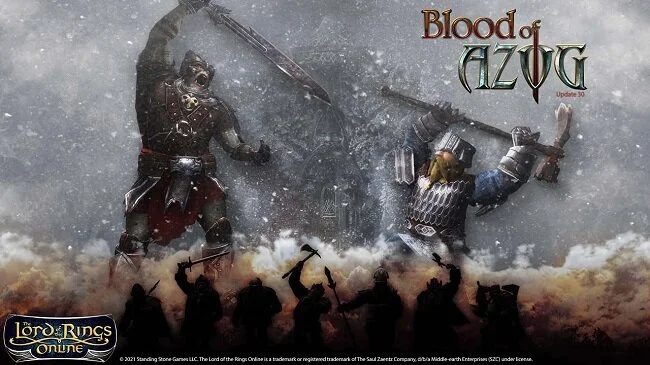
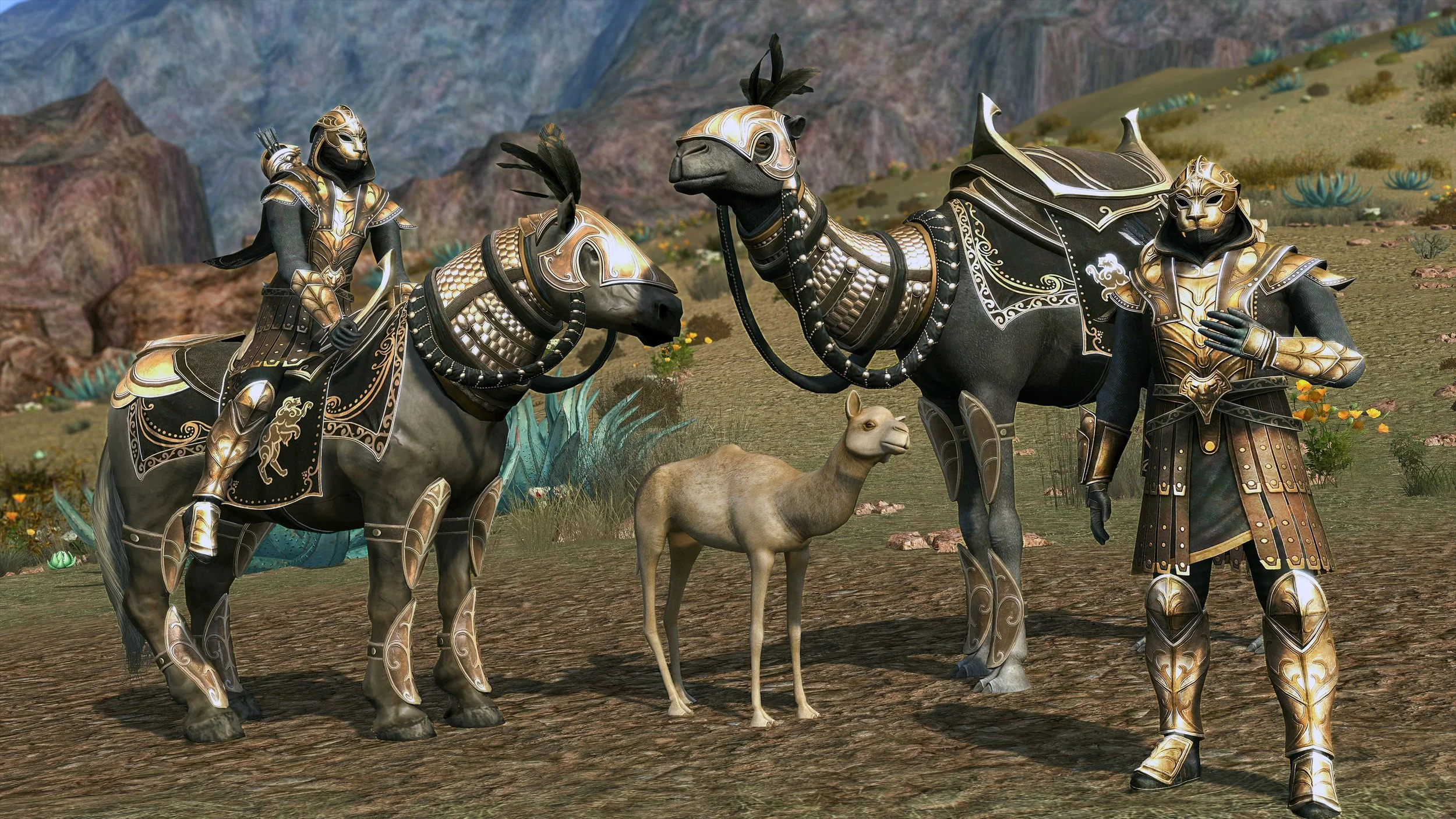
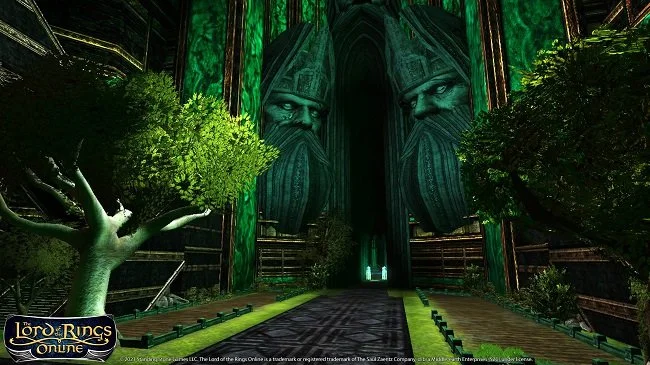
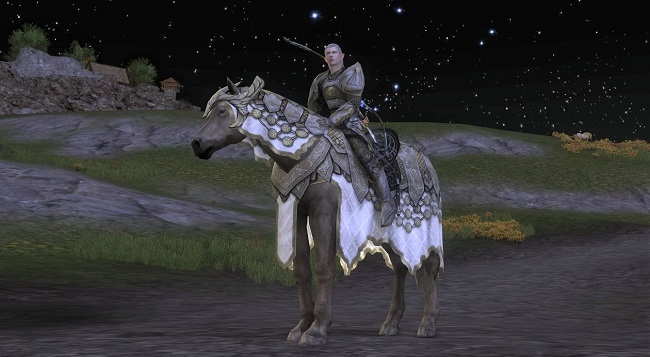
The forthcoming Minas Morgul expansion for The Lord of the Rings Online, became available for pre-order today. Furthermore, Update 24.3 was also released, making the new race of Stout-Axe Dwarves immediately available for those who have purchased the aforementioned expansion. Minas Morgul will provisionally be launched on Tuesday 29th of October, although Standing Stones Games have stated that this may be delayed for a few days should there be any technical issues. As with the previous expansion, Mordor, there are three versions of the game with a variety of additional baubles and trinkets available. These are mainly cosmetic items and sundry buffs and boosts. The pricing ranges from $40 for the Basic Edition, $80 for the Collector’s Edition and $130 for the Ultimate Fan Bundle. Again, as with the last expansion, the respective value of the most expensive tier is currently being “disputed” by players, although having logged into the game, it is already clear that many people have already bought it.
The forthcoming Minas Morgul expansion for The Lord of the Rings Online, became available for pre-order today. Furthermore, Update 24.3 was also released, making the new race of Stout-Axe Dwarves immediately available for those who have purchased the aforementioned expansion. Minas Morgul will provisionally be launched on Tuesday 29th of October, although Standing Stones Games have stated that this may be delayed for a few days should there be any technical issues. As with the previous expansion, Mordor, there are three versions of the game with a variety of additional baubles and trinkets available. These are mainly cosmetic items and sundry buffs and boosts. The pricing ranges from $40 for the Basic Edition, $80 for the Collector’s Edition and $130 for the Ultimate Fan Bundle. Again, as with the last expansion, the respective value of the most expensive tier is currently being “disputed” by players, although having logged into the game, it is already clear that many people have already bought it.
All editions of Minas Morgul come with the following content. Over 250 New Quests. 7 New Instances. Updated Crafting Guilds. Further instalments in the Black Book of Mordor Storyline. A new Shelob Raid and “more”. It should be noted that the instances and raid will follow in patches after launch of the expansion. Furthermore, according to developer’s Stand Stone Games “Minas Morgul will take you on an expedition deep into the Morgul Vale in search of answers to a mystery that spans three thousand years. The words of the shade of Isildur will unearth secrets and visions of the Second Age that have remained untold until now, revealing playable landscape and new adventures from a crucial time in Middle-earth’s history”. There is also yet another increase in the game’s level cap from 120 to 130. Thus creating a new gear check for those who wish to have appropriately levelled armour and jewellery.
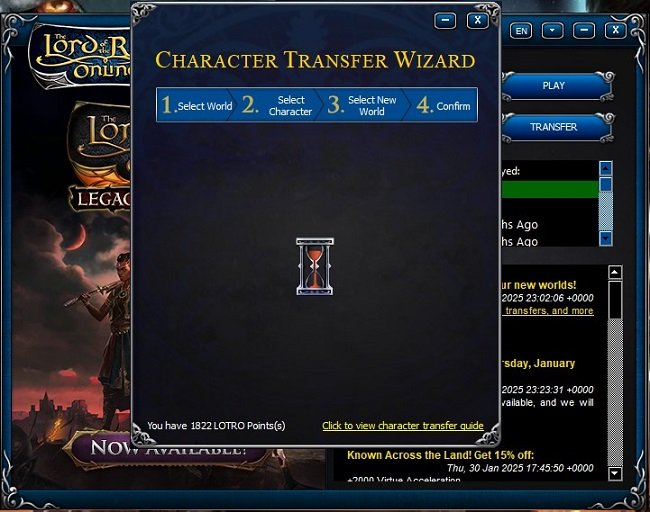
For long term LOTRO players, SSG’s announcement and overall marketing strategy for this new expansion holds no surprises. This is pretty much exactly what they did when they launched Mordor in late 2017. The appeal of Minas Morgul is aimed predominantly at core players, although the Character Level Boost to 120 may be of interest to new players who wish to join and play with friends at cap. SSG seem to have found a content release schedule that works well for them, offering an ongoing diet of “same meat, different gravy” which satisfies core players. For those who do not feel the need to pre-order the expansion, it will be available for purchase via the in-game store with LOTRO points in March 2020. Base Edition (includes the Minas Morgul Region & Instances only) is priced at 2495 Points. For those who just want to unlock the Stout-Axe Dwarf race, it will cost 1000 Points.



Fear of Missing Out
According to Wikipedia Fear of Missing Out (or FOMO) is “a pervasive apprehension that others might be having rewarding experiences from which one is absent". Now that may sound to some as a somewhat trivial concern. One that encapsulates the concept of “first world problems” and “Generation Me”. Yet for many, it is a genuine concern. “Fear of missing out” is a not too distant cousin of “fear of being excluded”. Something that is a common part of bullying culture. FOMO plays to human insecurities and we live in times where people feel increasingly vulnerable. If you want further evidence of the veracity of FOMO, consider how it is something that marketing departments now actively seek to play upon and uses for leverage. A recent leaked document for the Entertainment Software Association (ESA) outlined how they wish to streamline and revitalise the ailing E3 trade show. One suggestion is to make "exclusive/appointment only activations for select attendees who will create buzz and FOMO”.
According to Wikipedia Fear of Missing Out (or FOMO) is “a pervasive apprehension that others might be having rewarding experiences from which one is absent". Now that may sound to some as a somewhat trivial concern. One that encapsulates the concept of “first world problems” and “Generation Me”. Yet for many, it is a genuine concern. “Fear of missing out” is a not too distant cousin of “fear of being excluded”. Something that is a common part of bullying culture. FOMO plays to human insecurities and we live in times where people feel increasingly vulnerable. If you want further evidence of the veracity of FOMO, consider how it is something that marketing departments now actively seek to play upon and uses for leverage. A recent leaked document for the Entertainment Software Association (ESA) outlined how they wish to streamline and revitalise the ailing E3 trade show. One suggestion is to make "exclusive/appointment only activations for select attendees who will create buzz and FOMO”.
For good or ill, it would seem that FOMO is now facet of twentieth century culture. Much like reaction videos, shit posting and the most intellectually bereft member of society being allowed on national television. Furthermore, I cannot claim to be impervious to this malady. I have discussed in the past how I was an avid “early adopter” of technology two decades ago. Something I cannot simply chalk up to just enthusiasm and zeal. FOMO did play a part in this. And then there has been times when fandom has become a job, rather than a leisure activity. I have a friend who still likes to remind me of the numerous times I got up at some ridiculous hour to watch videos that I had to return to Blockbusters, later that day. As a movie fan, it has always been difficult to try and keep up with all the new releases as well as older classics. It’s something I take a far more measured approach to these days but again in the past, FOMO was a factor driving the mentality that I had to “do it all”.
Recently, I took stock of my interests and pastimes. I decided to recalibrate my expectations and aspirations and that meant making some changes. Subsequently, I took to Twitter and spent some time reflecting upon who I was following. I believe the maximum number of people you can follow realistically is about 150. I’m currently over that number by a sizeable amount but I did prune about thirty of so accounts I was following. I based my decision upon how often an account tweeted and whether they were big on interacting with others. I did feel the occasional pang of guilt but ultimately you have to be realistic about what you can and cannot do. Following an excess of people on Twitter just leads to having your timeline swamped and increases the chance of missing something important amid all the white noise. There were also a few people who I couldn’t remember as to why I was following them.
I carried out the same exercise on Feedly and removed several blogs that didn’t seem to be producing any content on a regular basis. As predicted, the drop off rate after Blaugust was noticeable. I also had several blogs on my list that have been dead for a long time and it was merely nostalgia on my part keeping them there. I am also getting somewhat tired of commercial video gaming websites. They have a tendency to regurgitate the same company press releases where it is only the think pieces and long form articles that really interest me. So I have purged many of these. I’ve also shed some of the movie news websites I was following, as these aren’t really broad enough and tend to be too focused on “superhero” movies. And while I’ve been “downsizing” the extent of my online content consumption, I also unsubscribed from numerous YouTube channels. The commercial ones were exceedingly predictable and many of the “non-professional” content creators seemed to have ground to a halt. May be this medium is no longer the cash cow that many assumed it was. And then there’s my gaming “wish lists”. They got kicked into touch as well after a healthy dose of realism.
Here are some fun facts about the “average persons” lifespan. We spend about a third of our lives asleep. That’s 30 years plus. Joe public also spends about five years on the phone during the course of their life. A human brain can store up to a quadrillion separate bit of information in its longterm memory during our “three score years and ten”. Then add to that mix, time spent working, raising children and perhaps most importantly, procrastinating. The bottom line is you’re never going to fit in everything that you want to do. Nope. Not going to happen. The reality of the situation is that FOMO should be logically replaced by AOMO; acceptance of missing out. It’s a mindset I’ve eased myself into over the last decade. Pick what you want to do wisely. Be realistic and honest with yourself about what you can and cannot fit into your schedule. As for FOMO, isn’t it better to do several things well and enjoy them thoroughly, rather than attempting to do too many things at once and doing them badly? You’d think so. But then again people are seldom logical.
















Stout-Axe Dwarf Preview
As Standing Stone Games successfully “got away” with adding High Elves to The Lord of the Rings Online as a playable race in late 2017, then it is only logical that they expect to do exactly the same with Stout-Axe Dwarves this year. Furthermore, as High Elves were introduced with the Mordor expansion, it’s not unreasonable to assume that Stout-Axe Dwarves will similarly be tied to the forthcoming Minas Morgul expansion. Just remember that Mordor came in three varieties and the base edition did not include the High Elf class. So keep an eye out for the various versions of Minas Morgul, when it is announced. But let’s not kid ourselves, core LOTRO players are usually lore enthusiasts and eager to support the game that they love, so I see no reason for this new race to be rejected by the playerbase. Dwarves have their fans, so I’m sure that Stout-Axe Dwarves will be welcomed into the game and find their niche.
As Standing Stone Games successfully “got away” with adding High Elves to The Lord of the Rings Online as a playable race in late 2017, then it is only logical that they expect to do exactly the same with Stout-Axe Dwarves this year. Furthermore, as High Elves were introduced with the Mordor expansion, it’s not unreasonable to assume that Stout-Axe Dwarves will similarly be tied to the forthcoming Minas Morgul expansion. Just remember that Mordor came in three varieties and the base edition did not include the High Elf class. So keep an eye out for the various versions of Minas Morgul, when it is announced. But let’s not kid ourselves, core LOTRO players are usually lore enthusiasts and eager to support the game that they love, so I see no reason for this new race to be rejected by the playerbase. Dwarves have their fans, so I’m sure that Stout-Axe Dwarves will be welcomed into the game and find their niche.
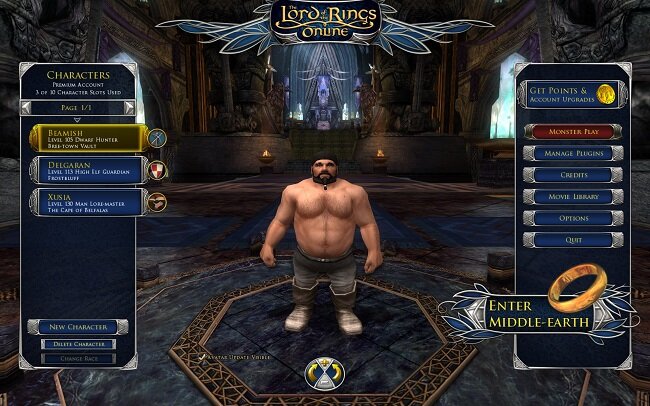
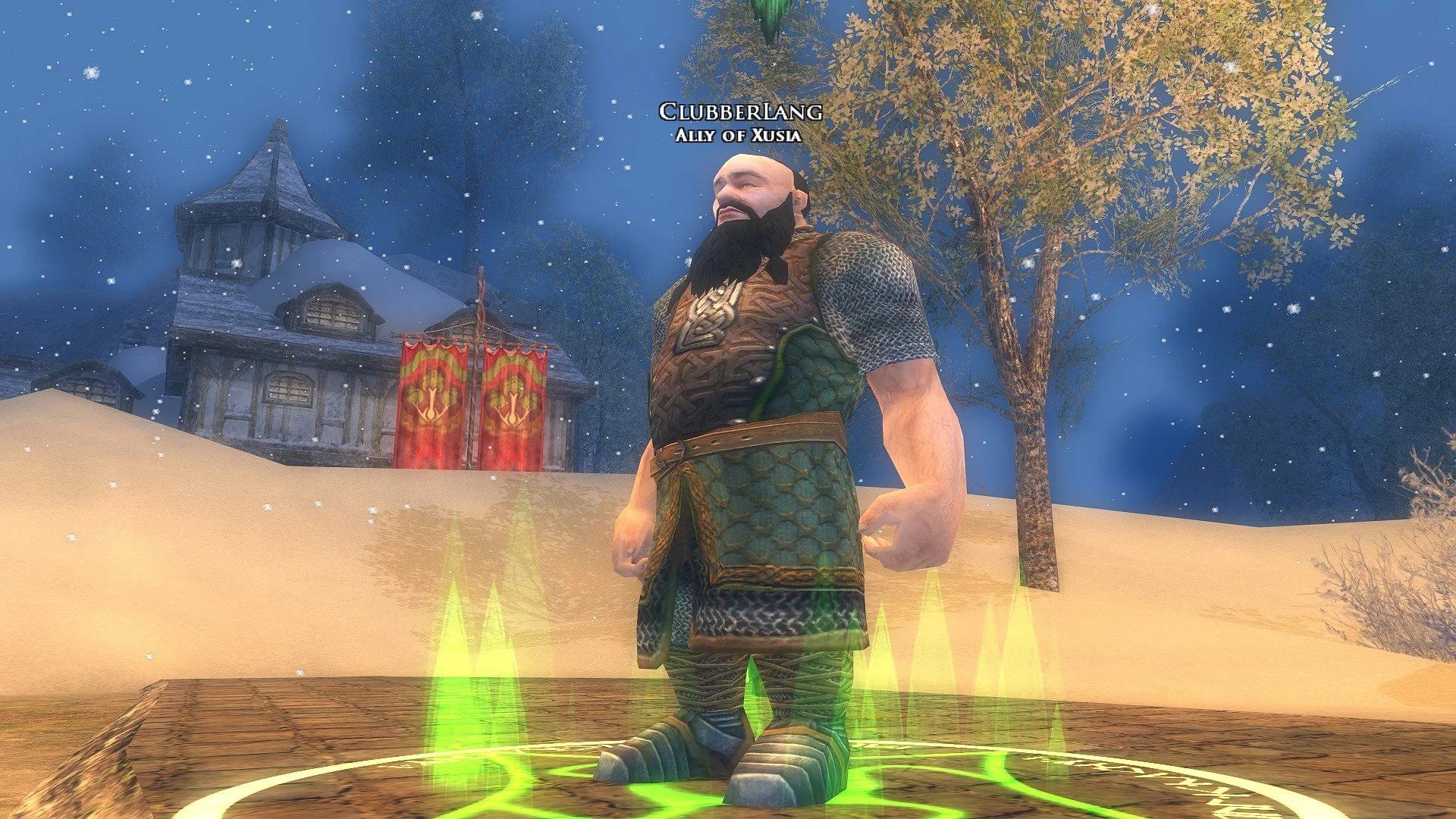
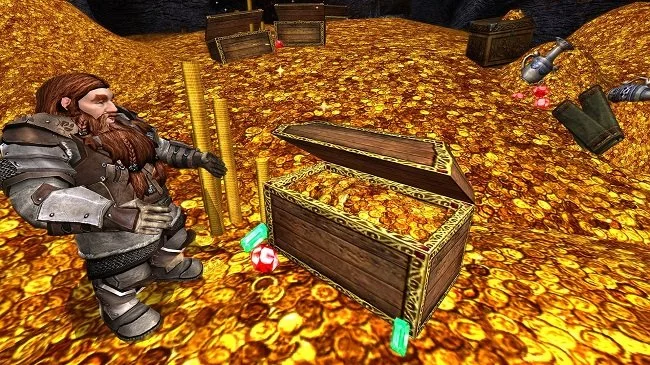
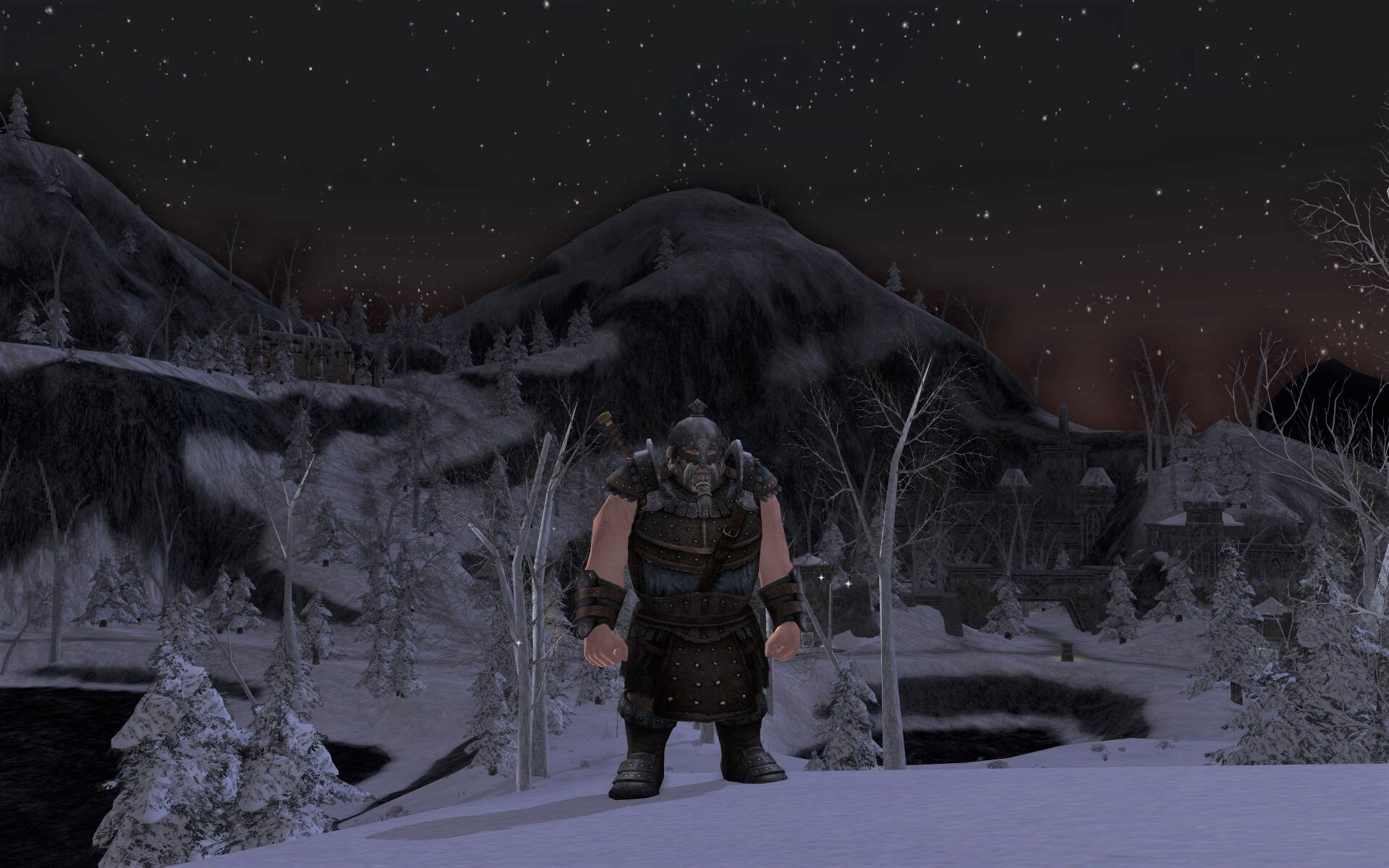
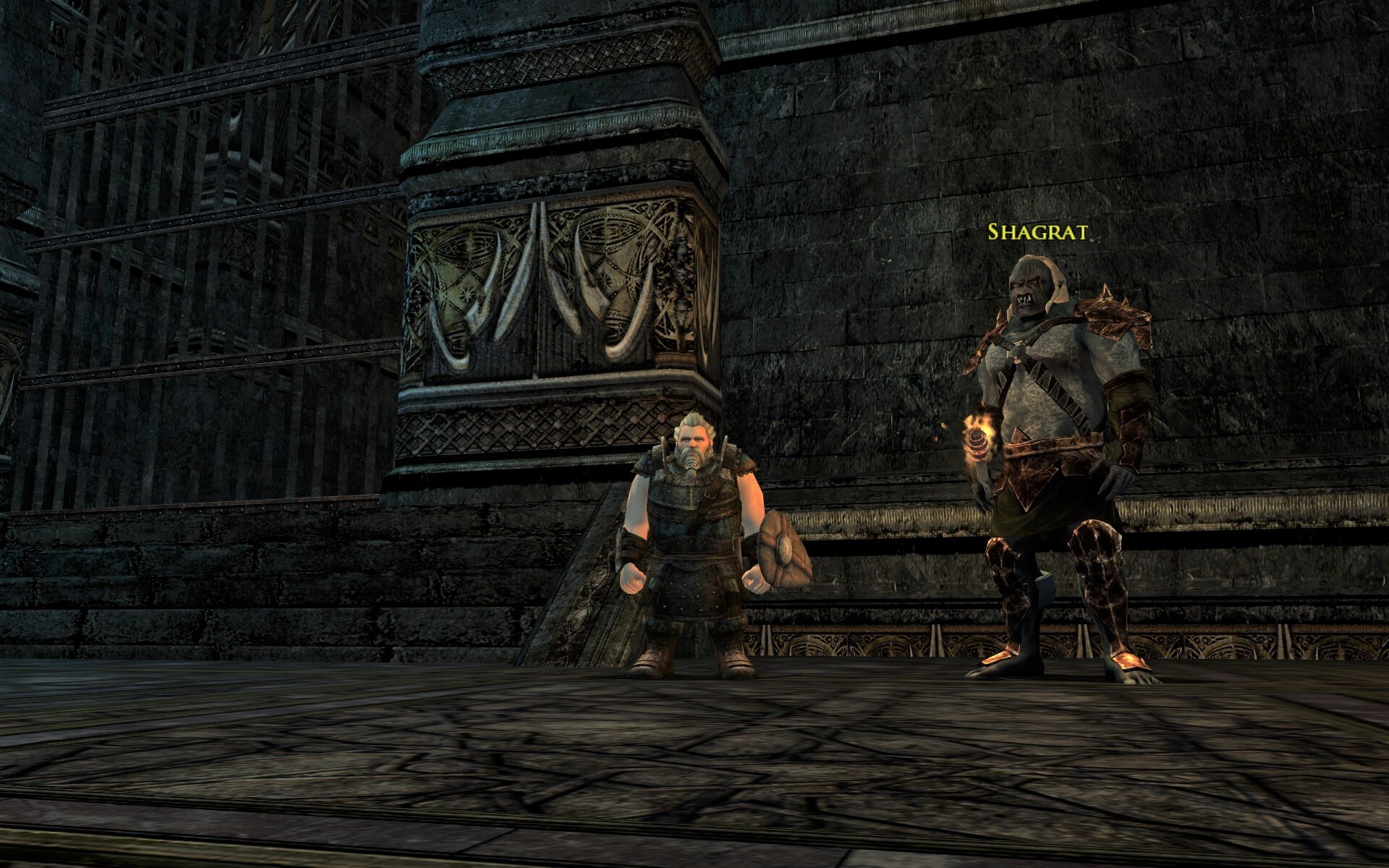
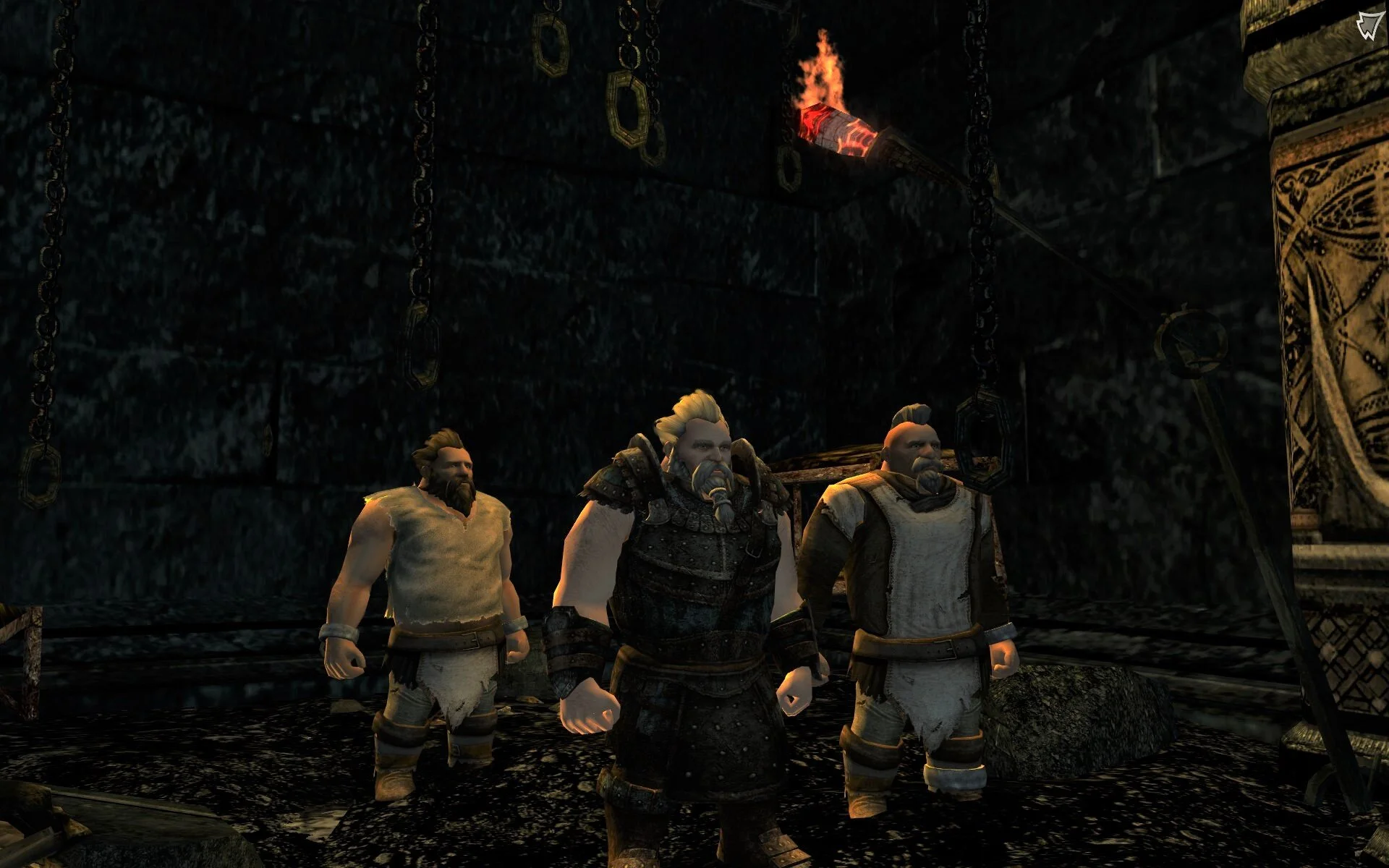
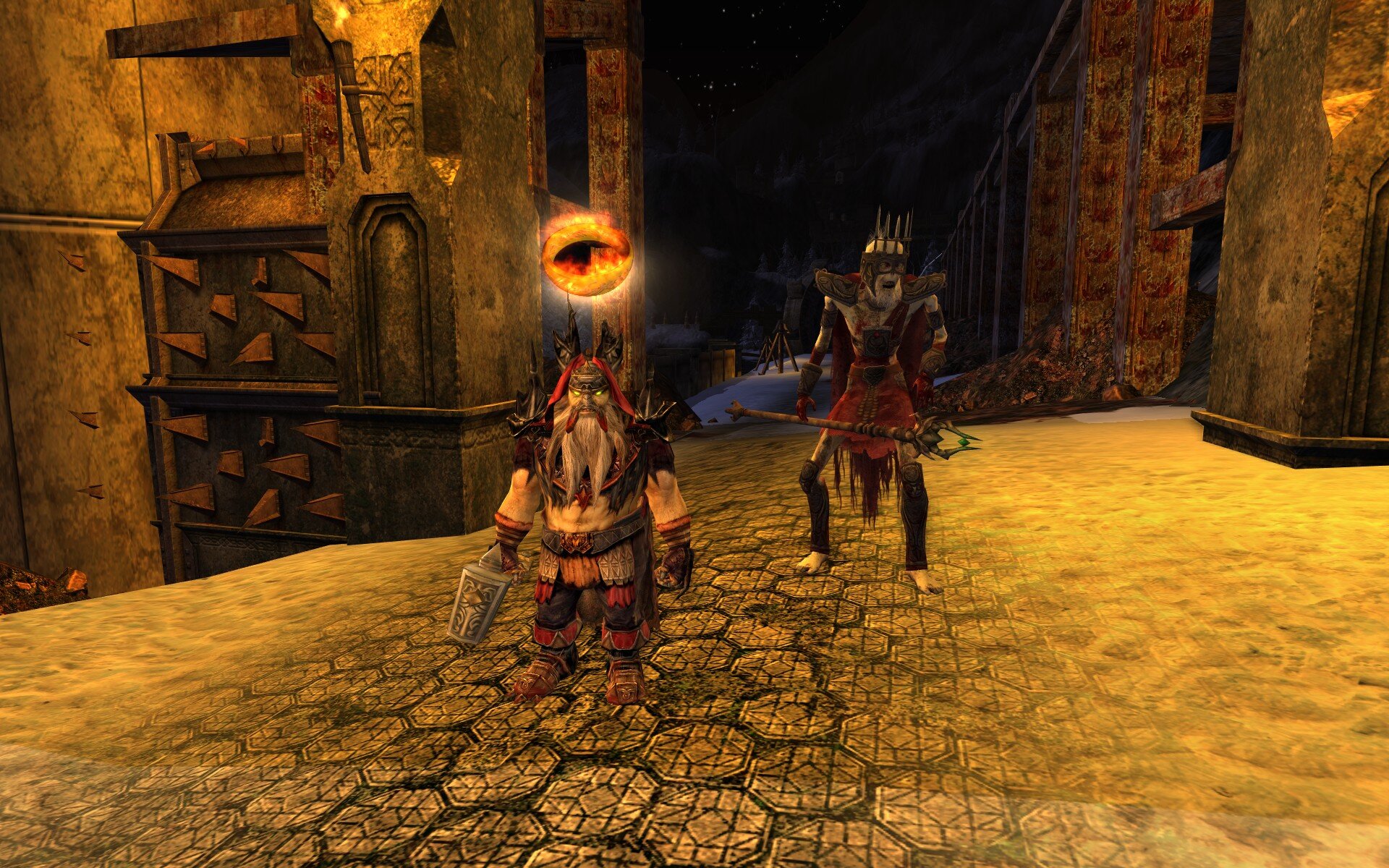
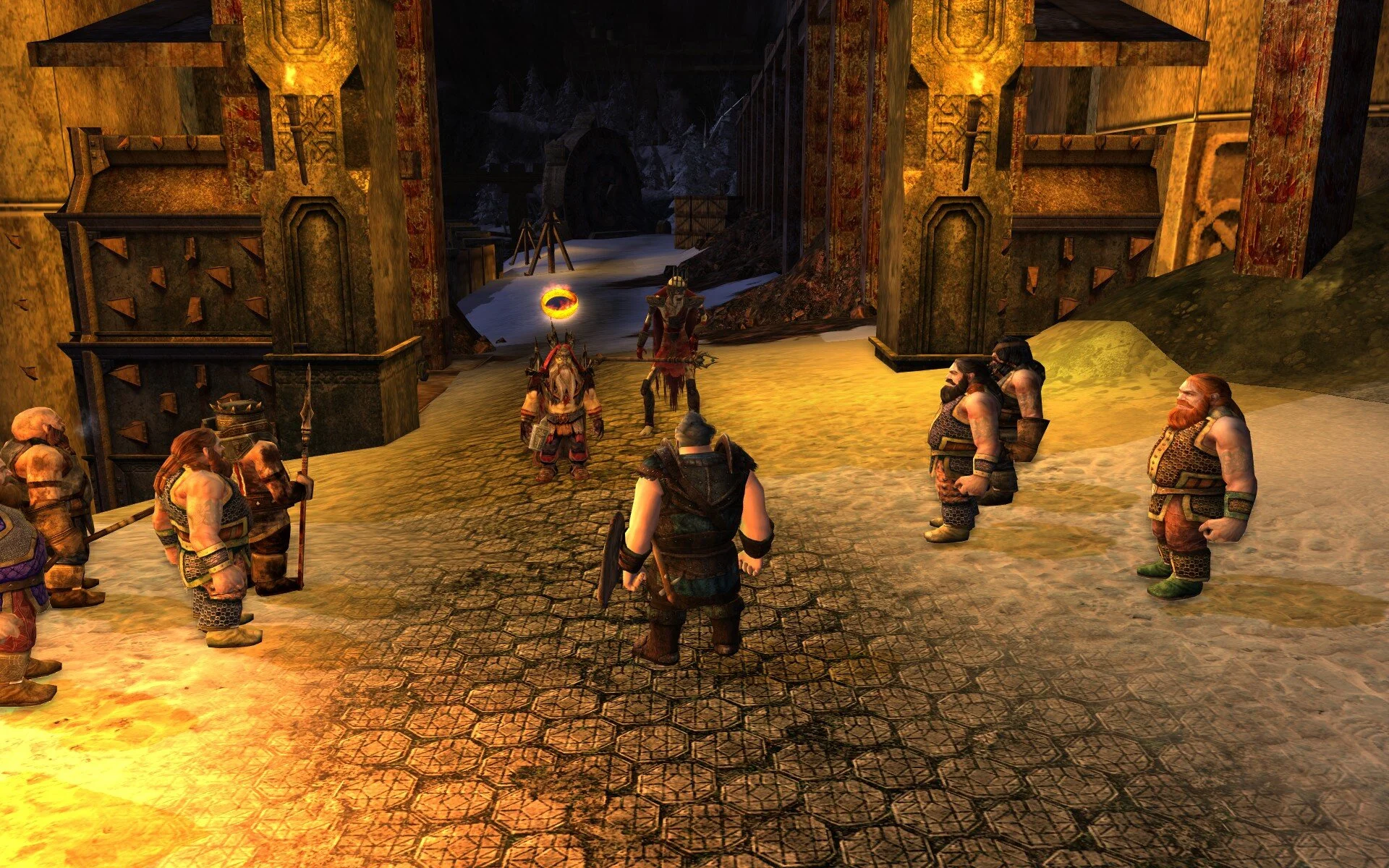
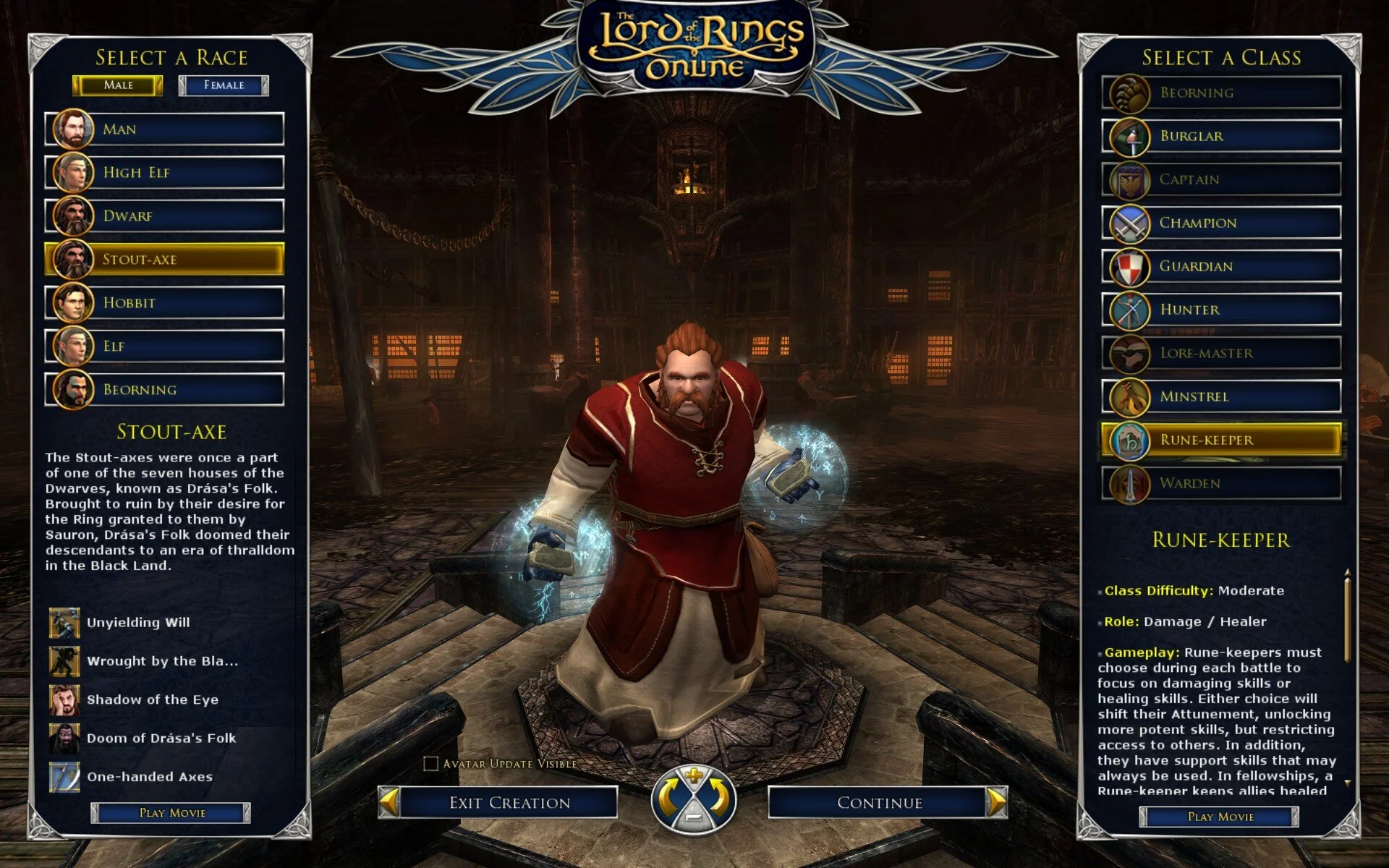
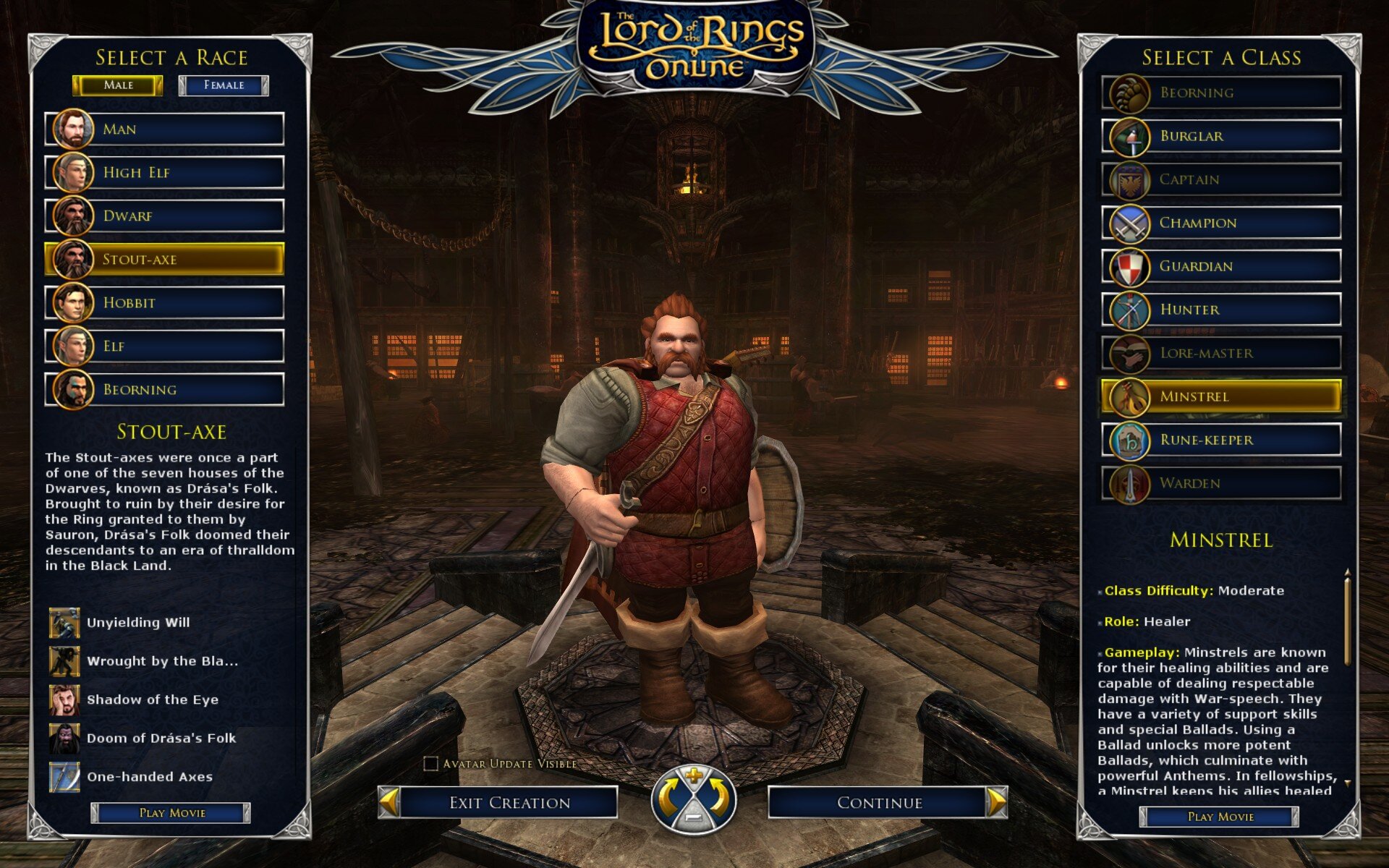
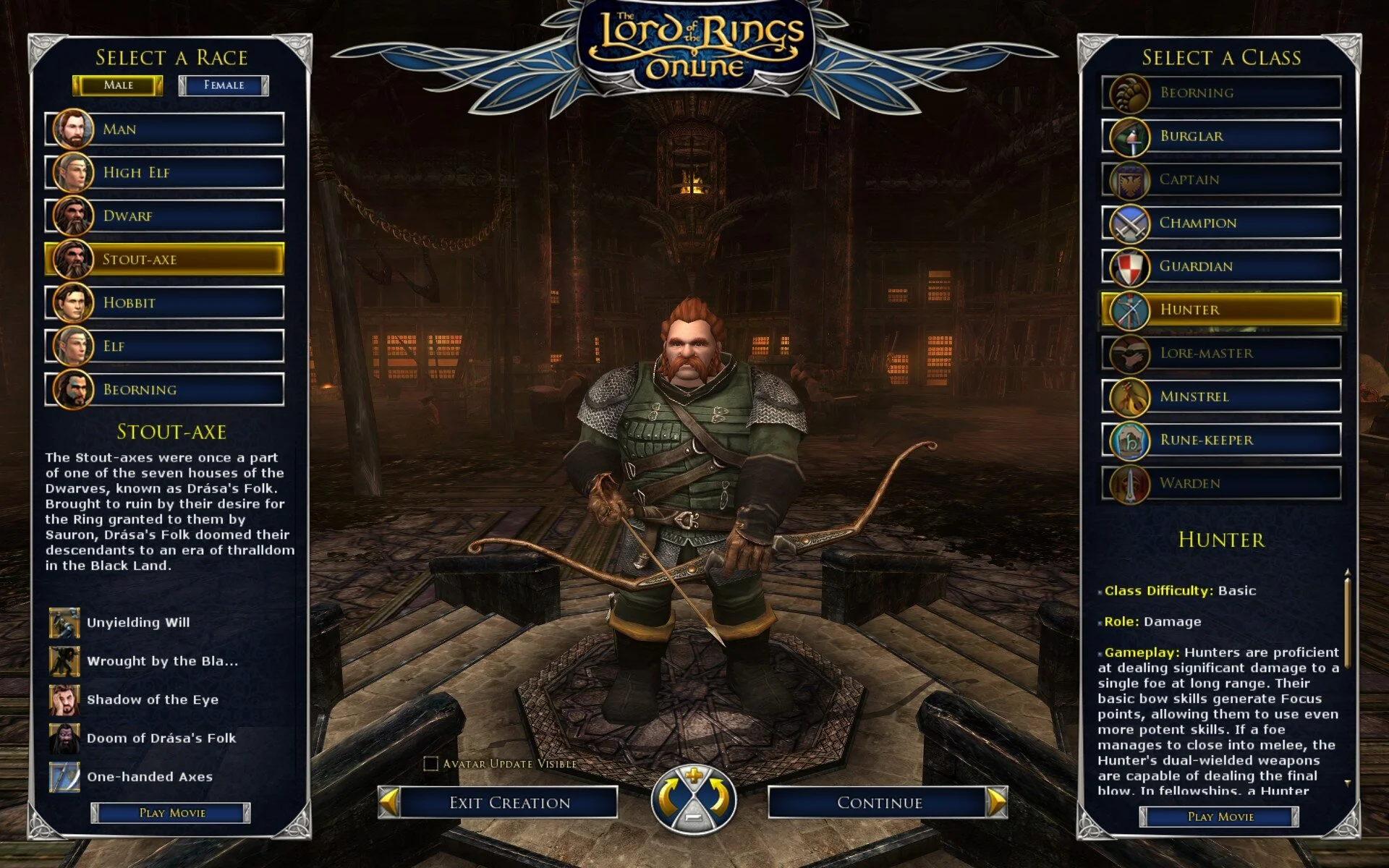
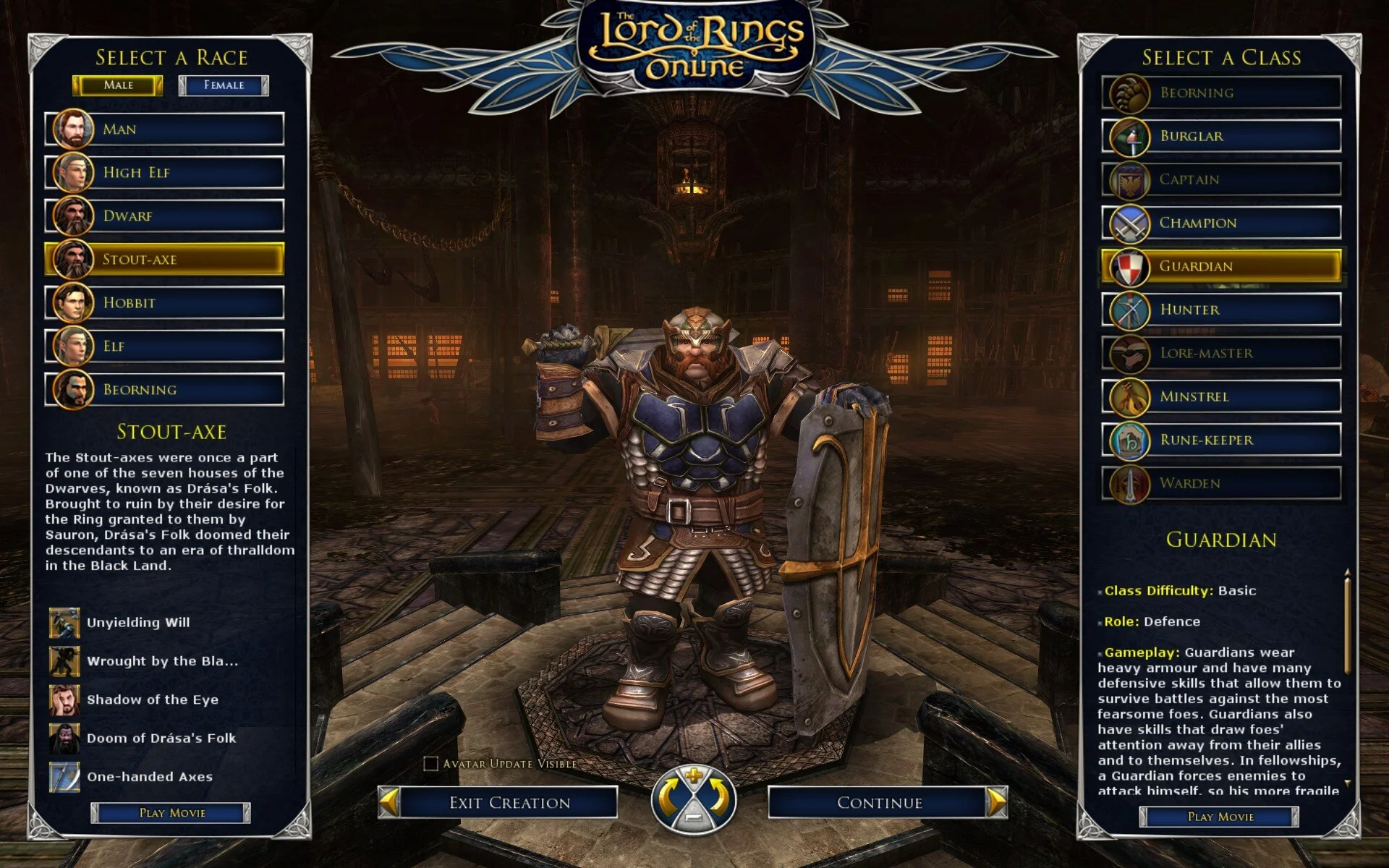
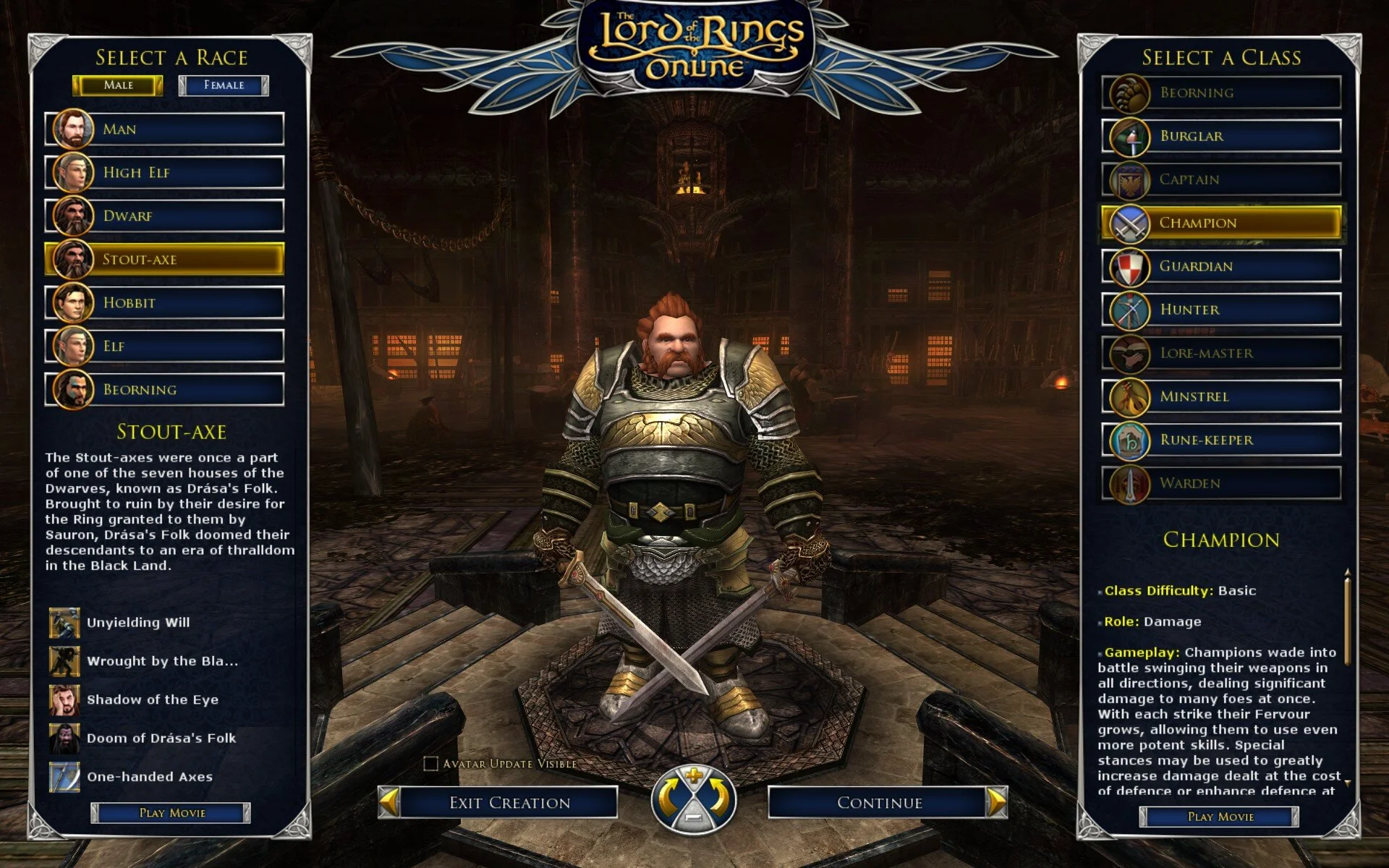
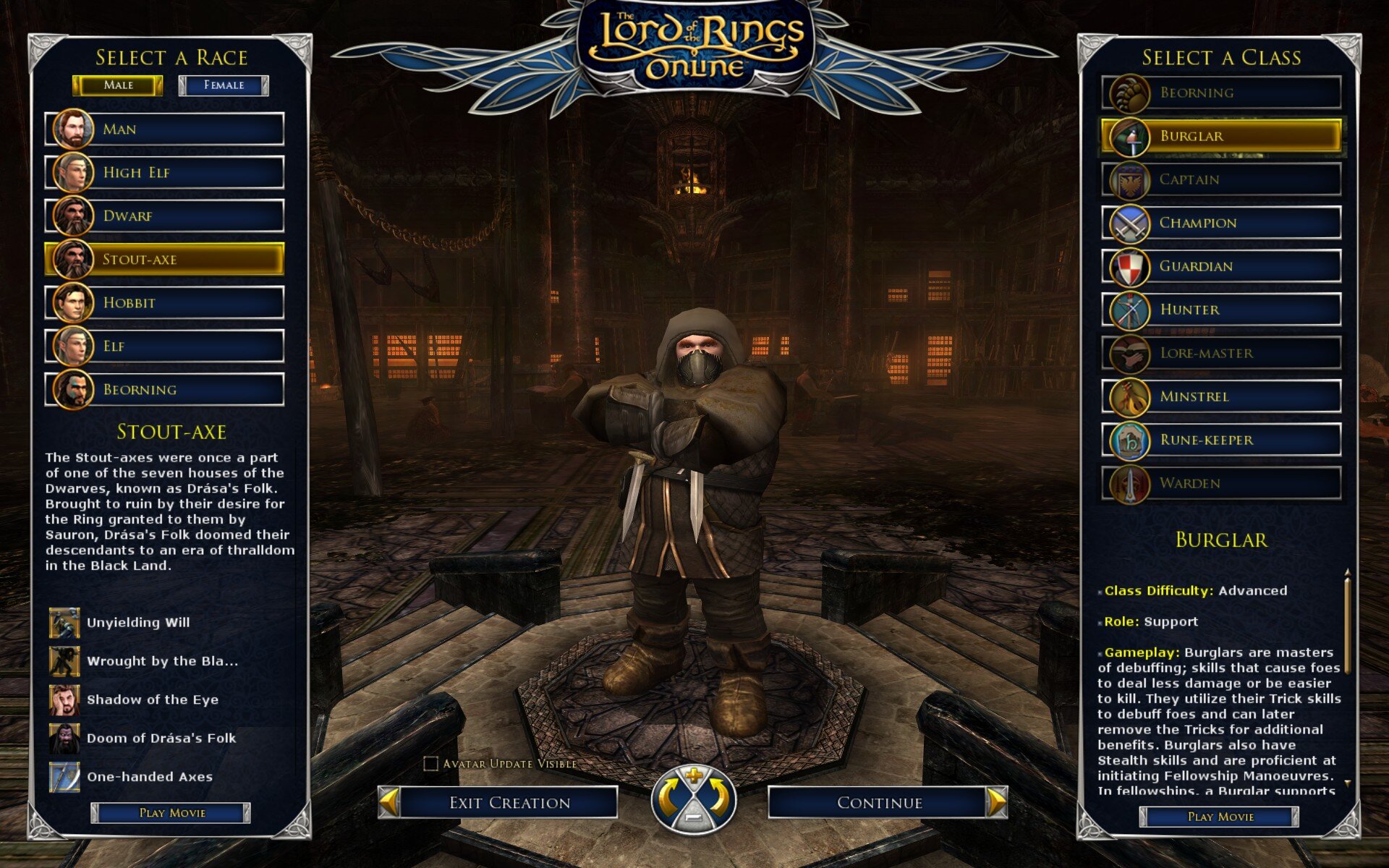
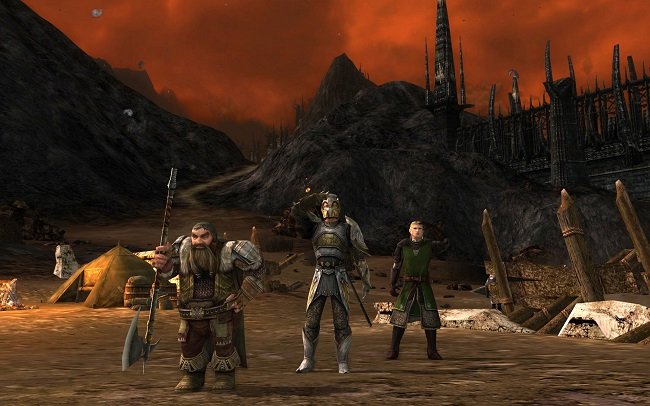
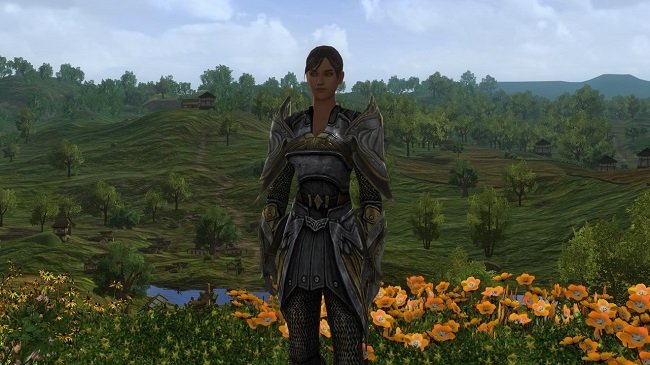
Bullroarer test server currently has an early preview of the Stout-Axe Dwarf class. As ever, it’s a beta test so there is scope for change. There are some subtle aesthetic differences between the Stout-Axe and the Longbeards. Their beards are shorter and often braided, along with their hair. The passive skills for the new race also vary from traditional Dwarves. Unyielding Will gives a will, vitality and mitigations boost. Wrought by the Black Lands gives a shadow mitigation buff. This makes sense as the race hails from Mordor. Shadow of the Eye reduces vitality. Doom of Dràsa’s Folk reduces fate. Again the lore justifys this as the Stout-Axes are a subjugated people. And like regular Dwarves there is a One-Handed Axes passive trait. It should also be noted that it looks like SSG have overhauled the character creation screen, as the default models appear to have been updated.
SPOILER ALERT:
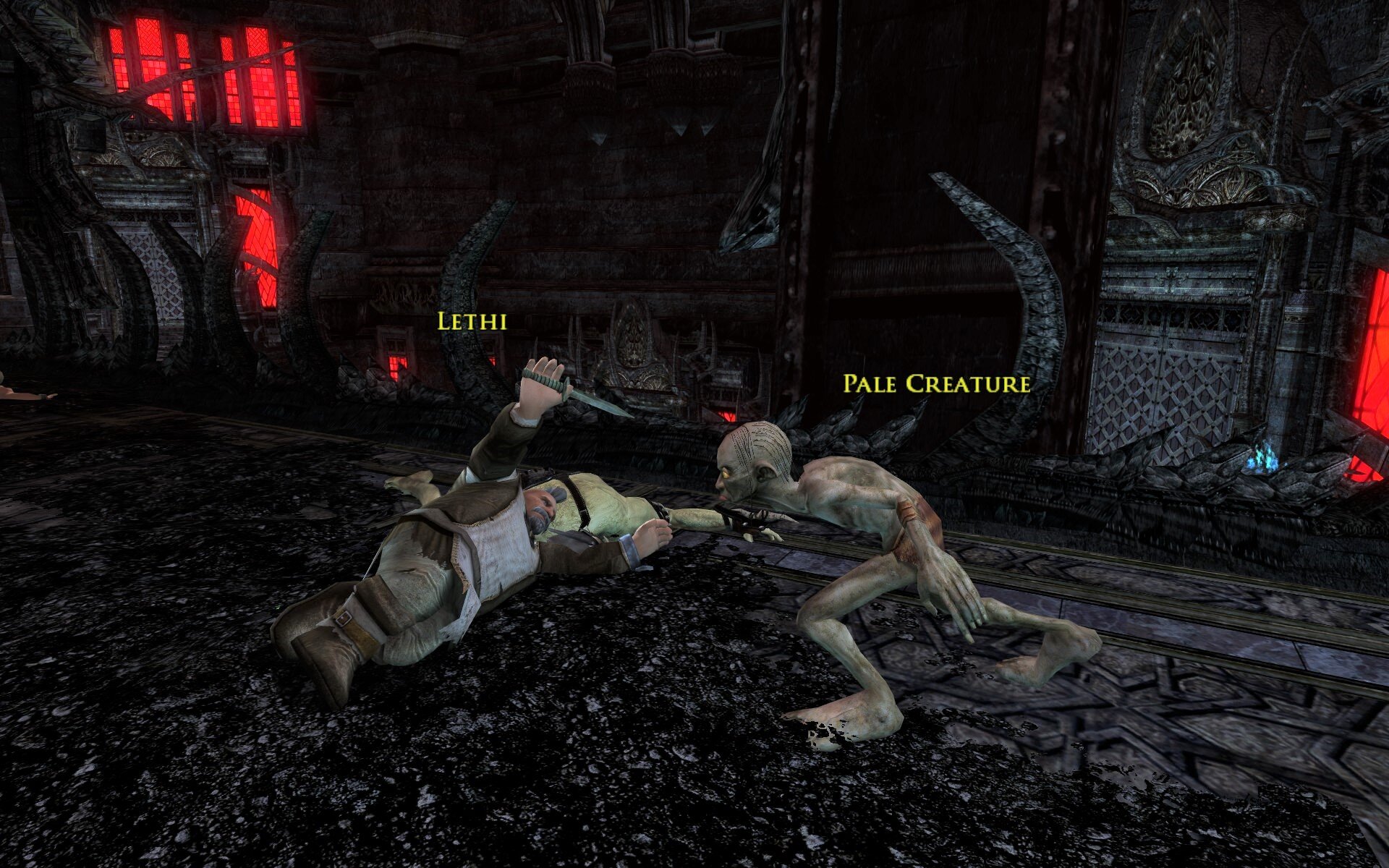
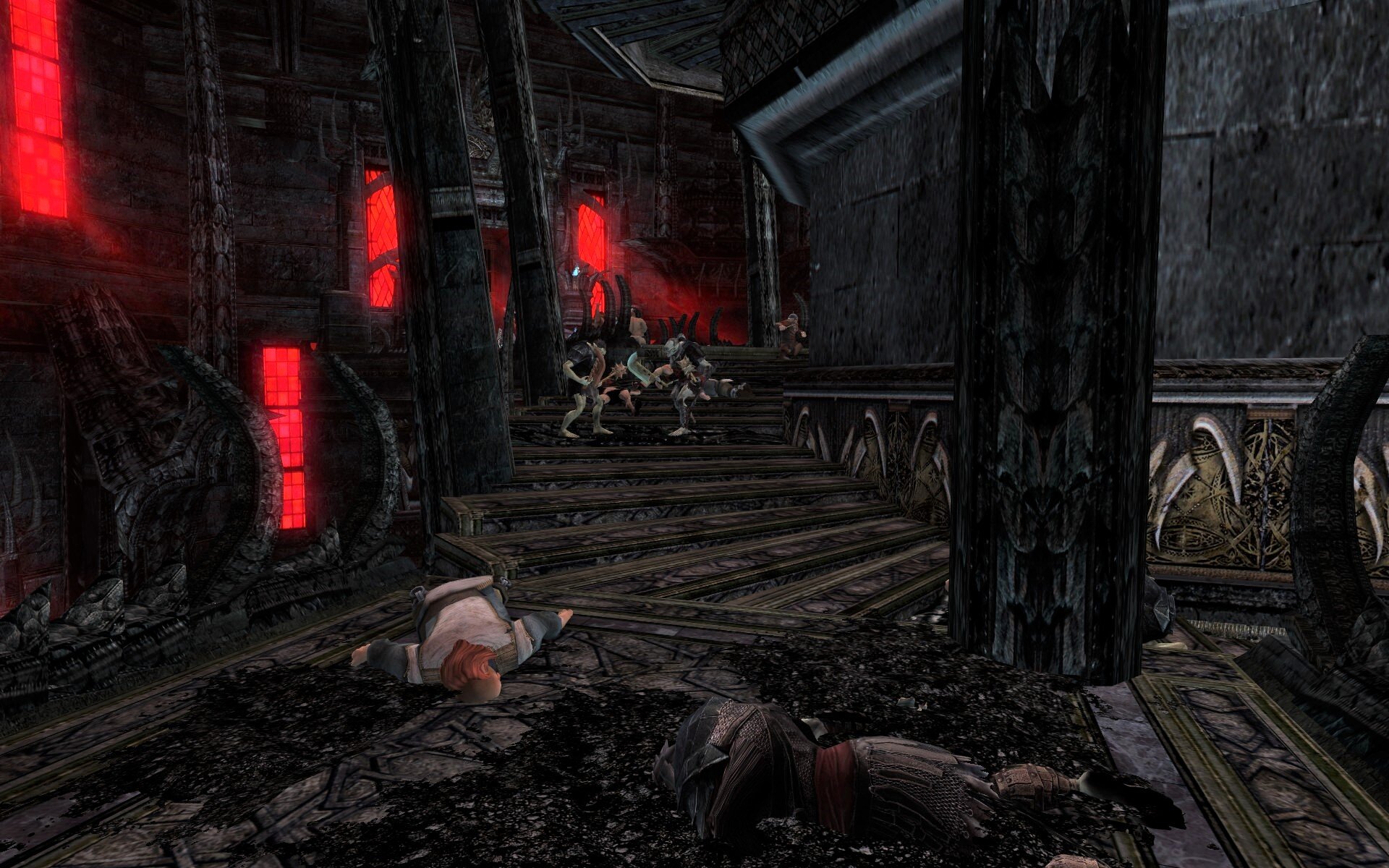
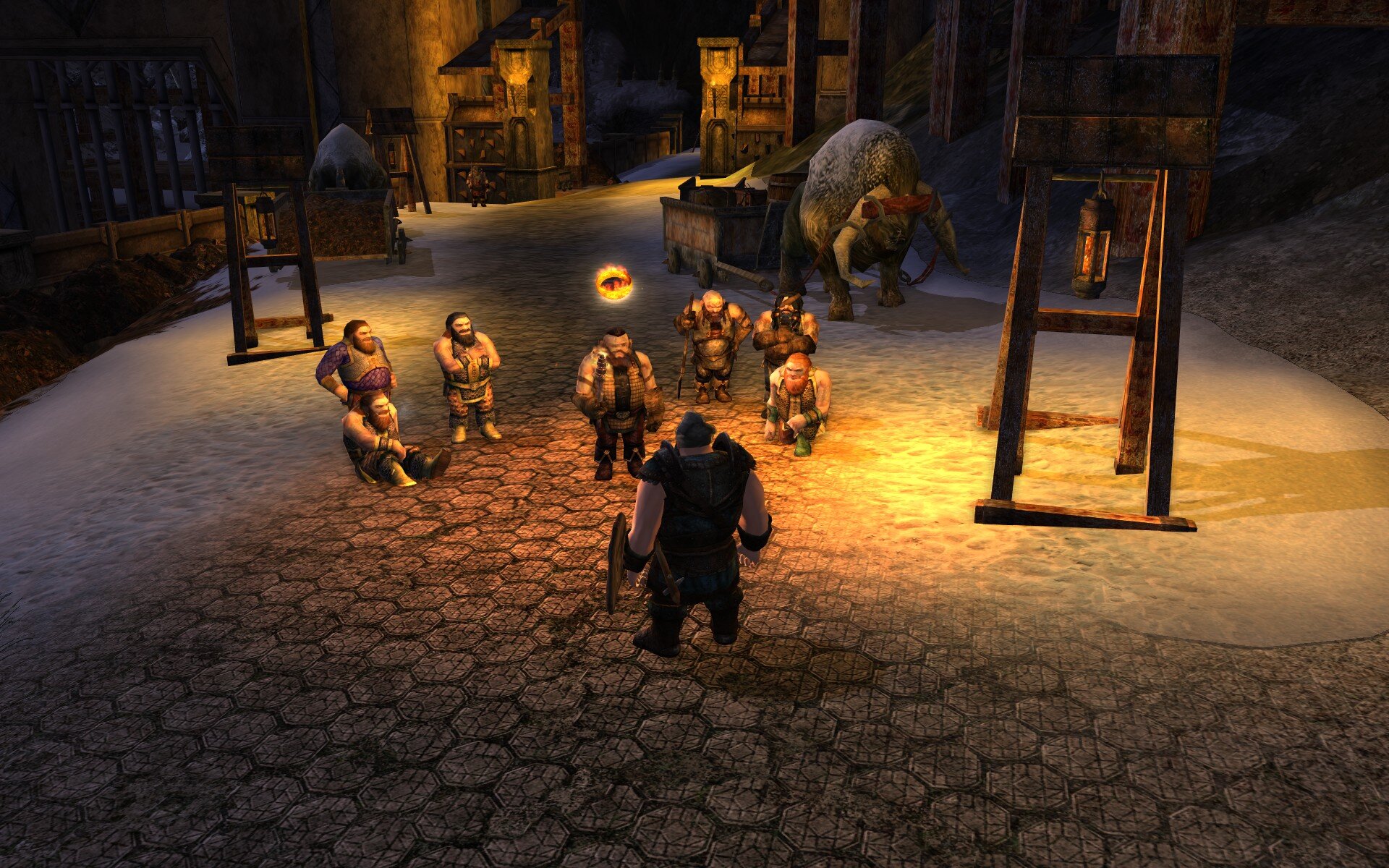
The introductory story for the Stout-Axe Dwarves is set in Mordor circa T.A. 3017. The plot conceit being that Dràsa’s Folk where one of the seven Dwarven Houses. When Sauron sought to take their ring of power, they resisted and were subsequently enslaved and taken to Mordor. After creating your Stout-Axe character you find yourself, labouring in the depth of Barad-dûr. There are rumours that Sauron is to release one of his captives and one of your eager companions wants to use this opportunity to mutiny and escape. After some arbitrary task involving cleaning and working, you find yourself amid an uprising. During the ensuing pandemonium you break out of the Black Fortress. The scene then changes to Ered Luin. Obviously, your character has traversed much of Middle-earth only to encounter the Dourhands. When you recognise that Skorgrím Dourhand and Ivar the Blood-hand are allied to the same evil that you have fled, you seek out the Longbeards at Thorin’s Hall to warn them. It is at this point the story joins the existing storyline for that region.
Once again, SSG have managed to craft an intriguing tale that embellishes the lore without breaking it. Or does it? I seem to recall during the Mordor quest line that Gimli had no specific knowledge of Dwarves hailing from Mordor. Dialogue from the quest “A Land of Ash and Shadow” appear to support this. Legolas: “Gimli has found old tools of dwarf-make in this ruin, and though he will not speak of it, unease has crept into his mind. If ever dwarves dwelt within Mordor, it seems their fate was not a pleasant one and that their line is long ended”. Furthermore, when you complete that quest and find a Stout-Axe body Gimli exclaims "So dwarves still dwell in Mordor, but where have they made their home”. But as the Stout-Axe story has your character introduce themselves to Dwalin, there is a contradiction here. Also the Epic Story has you interact with Gimli on numerous occasions as you level up thus causing further narrative issues.
Now there is a good chance I may have overlooked a story element or am misremembering things. Or perhaps SSG intend to revise the various story elements. They have done so in the past. Remember how “The Assault on Archet” originally featured the Angmarim Commander Éogan arriving in the burning town to claim Amdir. And how this was later changed to feature a more sinister Cargûl and the Blackwold villain Calder Cob. Perhaps they have something similar in mind to address this. But regardless of the potential lore disparities, the new Stout-Axe story is a surprising good addition to the game. I suspect it will appeal more to long term players with a penchant for alts, rather than new players who may want a less lore heavy start to their adventures in LOTRO. It will be interesting to see how SSG polish this new starter experience in the weeks ahead.
The Problem with MMO Economies Part 2
A few years ago, STO developers Cryptic, added a new system to the game that allowed players to re-engineer gear and alter the various modifiers associated with each item. One of the reasons behind this move was to reduce the hyperinflation associated with high end gear that has the most desirable statistics. If players could re-engineer the items that they desired it would undermine the trade in such items on the exchange. Needless to say this plan didn’t succeed and the market did not radically alter. The overall cost of the resources required to successfully re-engineer a piece of equipment ended up being comparable or even more than the price of a similar item being sold on the exchange. Similarly, the legendary progression servers in LOTRO had a brief period of economic stability and fiscal prudence when they were launched. Initially, no one section of the playerbase had more resources than others. A year on and now the same issues of inflation and excessive prices have happened with a tedious sense of inevitability. Can anything be done to stabilise MMO economies?
A few years ago, STO developers Cryptic, added a new system to the game that allowed players to re-engineer gear and alter the various modifiers associated with each item. One of the reasons behind this move was to reduce the hyperinflation associated with high end gear that has the most desirable statistics. If players could re-engineer the items that they desired it would undermine the trade in such items on the exchange. Needless to say this plan didn’t succeed and the market did not radically alter. The overall cost of the resources required to successfully re-engineer a piece of equipment ended up being comparable or even more than the price of a similar item being sold on the exchange. Similarly, the legendary progression servers in LOTRO had a brief period of economic stability and fiscal prudence when they were launched. Initially, no one section of the playerbase had more resources than others. A year on and now the same issues of inflation and excessive prices have happened with a tedious sense of inevitability. Can anything be done to stabilise MMO economies?
If MMO developers wanted to seriously address this matter, it would require designing a game with a far more controlled and regulated in-game economy. It would also require a far more interventionist approach in managing the ebb and flow of in-game resources. IE controlling the availability of specific resources and items, as well as imposing taxes and fees upon auction house transactions. Such an approach would certainly be perceived as “political” from certain quarters of the gaming community and would not be well received. Given the levels of political and socioeconomic illiteracy among some players, it would more than likely play into the ongoing culture wars we see across all levels of society in western democracies. And it can also be argued that “trading” is one of the few social elements left in the MMO genre. Plus it’s also a “game within a game” for many players. If this is fundamentally altered or regulated to the point of “no fun”, then its effectively just another nail in the coffin of the old school concept of the MMORPG. I’m not too sure how many nails the playerbase can endure.
Grinding out rewards and obtaining rare and unique items is a fundamental motivator for many MMO players. For those without the time to pursue such goals, buying these things from the in-game auction house is a credible alternative. There are still a few ships in STO that are demonstrably superior to others. If you are unable or unwilling to spend real world money on multiple loot boxes to get one of these ships, then there is always the exchange and the option to buy what you desire for energy credits. It may well be an immense uphill struggle but it can be done. If you remove such an avenue from the game you are effectively barring certain players from achieving their goal. That sends very clear message to the playerbase and not a positive one. There are already enough obstacles for new players of long established MMOs. If a player feels that they cannot reach their full potential then why should they continue to play. Life isn’t a meritocracy but we broadly seem to like the illusion of one.
Conversely, if resources and rewards are too readily available and easily acquired, it does much to mitigate a great deal of the challenge and motivation to play. It is always fun to log into a MMO test server and instantly receive all the gear you desire from the live server. But the novelty soon wears off. Players like to have goals to work towards and if you negate that you really are pulling the carpet out from under them. I don’t agree with the philosophy that things given freely have no inherent value but I do agree that familiarity breeds contempt. The optimal path is somewhere in between, so let players earn their rewards but make the journey credible. Overall, I don’t know what the long-term solution to this chicken and egg conundrum is, as it requires that developers and players alike must “unlearn what they have learned”. Perhaps it will fall to a small developer to make a bold experiment one day and create a game with an economy that breaks the existing mould. In the meantime I’m sure this problem will persist and we’ll still see regular articles decrying the status quo and asking for something to be done. Gaming like any other aspect of human culture is cyclical.

The Problem with MMO Economies Part 1
I have a very mixed relationship with MMO economies. In The Lord of the Rings Online I have adequate supplies of in-game gold but most of the items I seek to buy on Auction House are insanely overpriced. In Star Trek Online, earning energy credits is so problematic, the developers have had to add them as part of the daily personal endeavour rewards. Again, there is runaway inflation and the most desirable items such as Tier 6 ships are ridiculously priced. And in The Elder Scrolls Online, the gold slowly builds up over time but the lack of a server wide auction system means that finding and purchasing quality gear at credible prices is an arcane undertaking. There was a point a few years ago when I use to play the LOTRO economy and as a result, I had sufficient means to buy what I wanted. But maintaining that level of wealth and financial leverage is time consuming and requires adhering to a strategy. As I do not play the game, or indeed any other MMO, to that level anymore, my personal wealth in all of them has declined accordingly.
I have a very mixed relationship with MMO economies. In The Lord of the Rings Online I have adequate supplies of in-game gold but most of the items I seek to buy on Auction House are insanely overpriced. In Star Trek Online, earning energy credits is so problematic, the developers have had to add them as part of the daily personal endeavour rewards. Again, there is runaway inflation and the most desirable items such as Tier 6 ships are ridiculously priced. And in The Elder Scrolls Online, the gold slowly builds up over time but the lack of a server wide auction system means that finding and purchasing quality gear at credible prices is an arcane undertaking. There was a point a few years ago when I use to play the LOTRO economy and as a result, I had sufficient means to buy what I wanted. But maintaining that level of wealth and financial leverage is time consuming and requires adhering to a strategy. As I do not play the game, or indeed any other MMO, to that level anymore, my personal wealth in all of them has declined accordingly.
Over the years there have been many articles written about the iniquities of MMO economies and whether anything can be done to run them in a more equitable fashion. For example, last Wednesday, there was an interesting post by Ben Griggs over at Massively Overpowered about the short comings of the Guild Trade system in ESO. Then today, there was a further article about how to acquire in-game wealth in Guild Wars 2, by Bree Royce. Both highlight the recurring problems and complaints that MMO economies regularly generate. A cursory look at the comments on both posts show that there isn’t a prevailing consensus among gamers, as to which is the best way to run an MMO economy. Furthermore, game developers seem to all too often throw in the towel when a games economy starts to get out of control and hyperinflation sets in. It’s as if it is just assumed that this is an inevitable course of events and simply something endemic to the MMORPG genre. And I’m beginning to think that perhaps they are right.
Video games are commercial products. Yes, they can be art as well but MMORPGs are not developed by altruistic, Franciscan monks out of a sense of social obligation. All the resources required to create a game come with a cost. In many ways video games are the ultimate expression of consumerism in western, capitalist countries. The controversies surrounding the monetisation of a leisure activity such as video games, is the epitome of a “first world problem”. However, when you consider the economic factors that determine the creation and sales of video games, it is hardly surprising to find the same dogma perpetuated within the virtual worlds they offer. Therefore, there is little or no will to create a game with a radically different economy to that of the real world to begin with. The mantra that “time is money” has always been the under-pinning ideology of game economies. Those with any advantage in this respect will always find themselves succeeding more than those who have a time deficit. And any MMO that has existed for several years or more, will have a core player base that owns superior resources to that of any newcomers.
Over time MMO developers have often tried a variety of methods to try and mollify these problems. Tinkering with drop rates of valuable items or reducing how often resource nodes spawn. Then there’s binding items to account or to characters. Some games have even put a specific cap on how much in-game gold a player can own. But players always seem to be one step ahead and all too often such restrictions are circumnavigated. Hence, we see bots and scripts implemented by players to farm resources. I’ve even subcontracted out my own resource gathering in LOTRO in the past. You can also find third party websites where rare items are traded for real money. Player in ESO will use the gifting mechanic to achieve sales that can’t be facilitated by traditional means. And if the developers are too vociferous with the bind to character mechanic, then people will just sell accounts. It’s a blunt tool but it works. All of these issues persist because neoliberalism that exists in real life economies, bleeds into the MMO games design.
Star Trek Online: Awakening
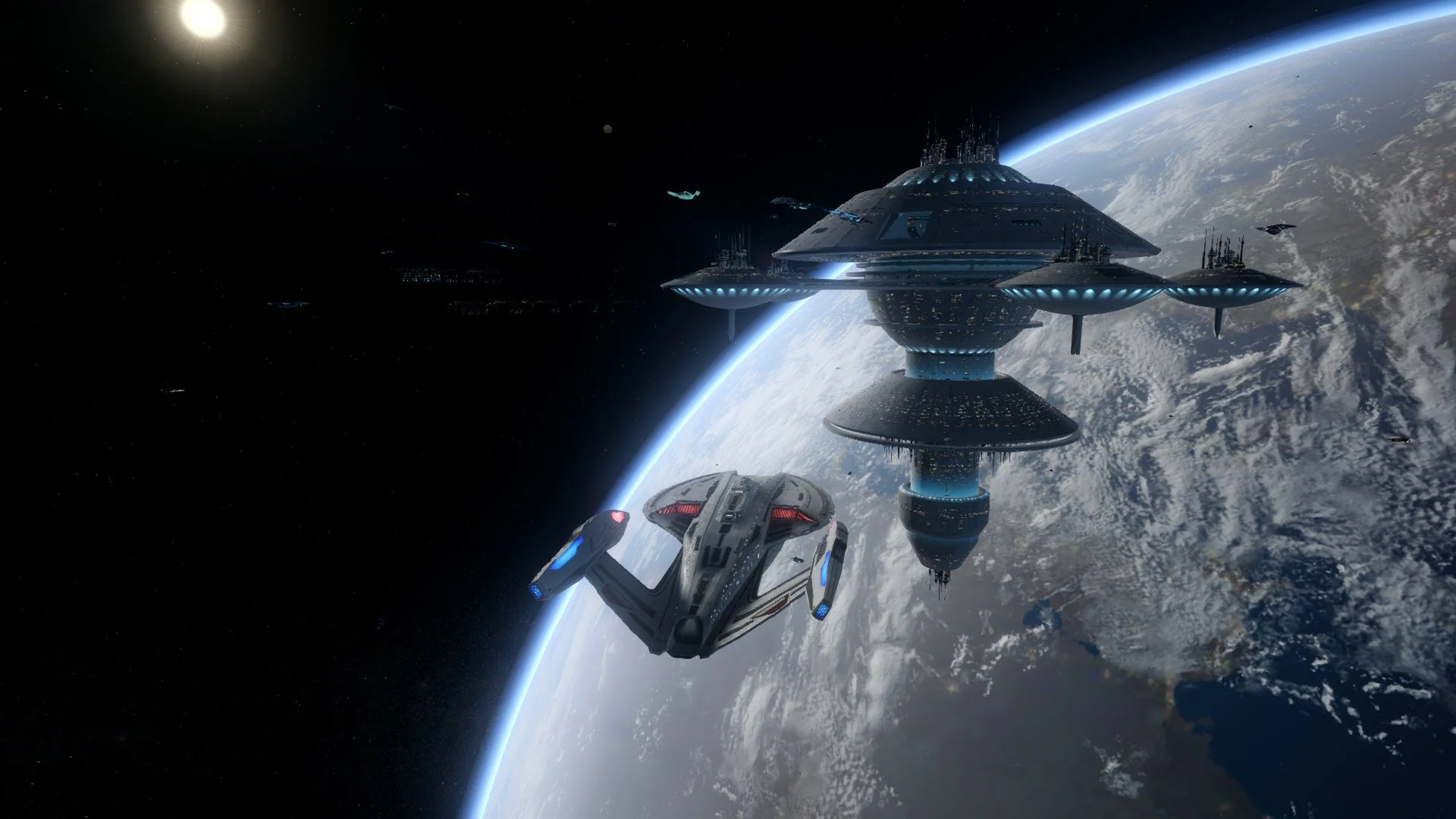
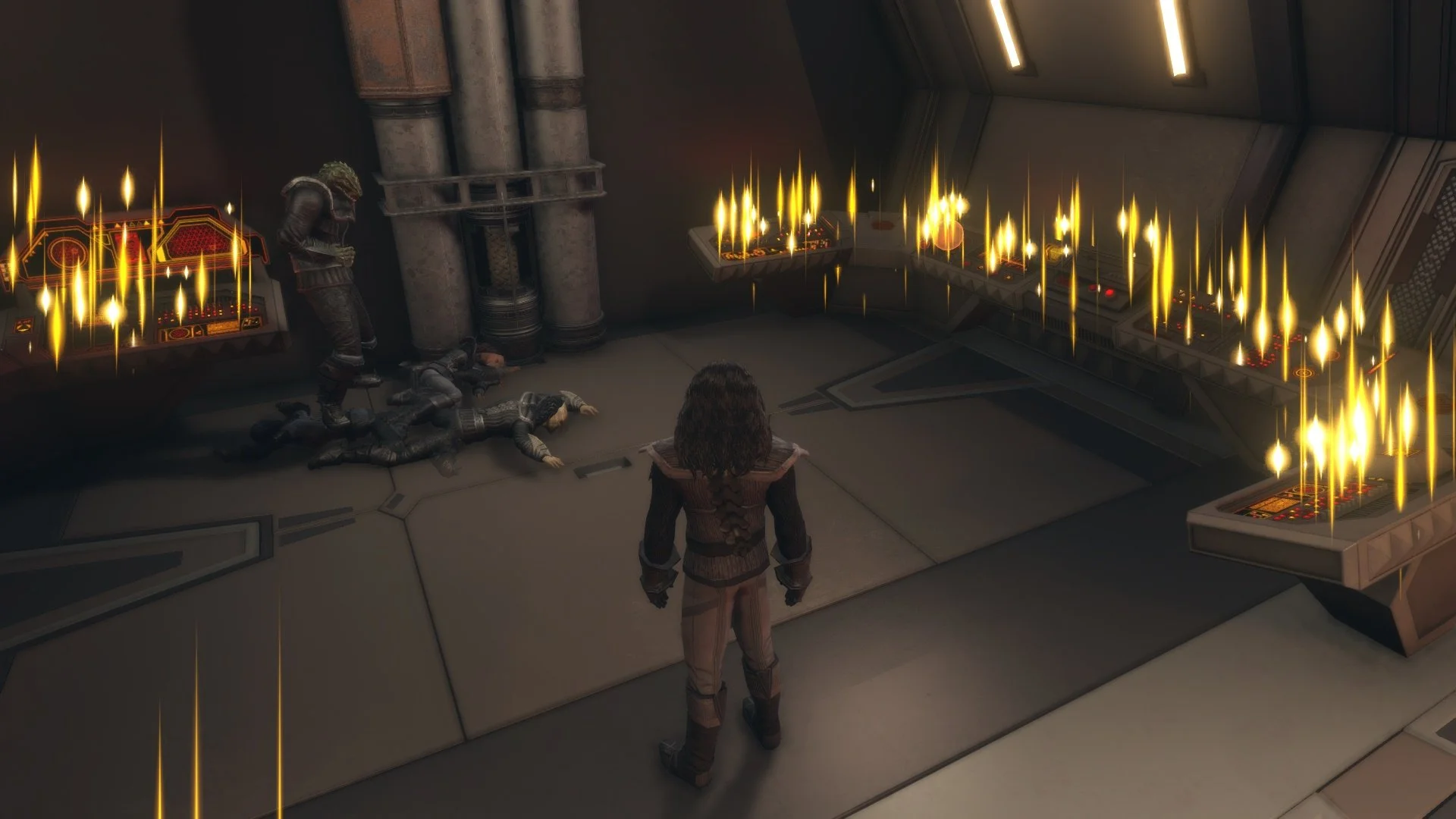
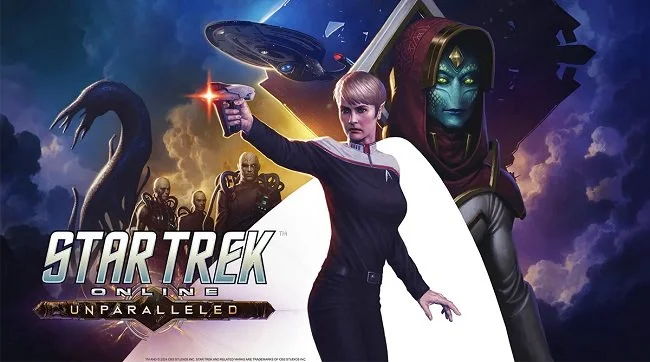
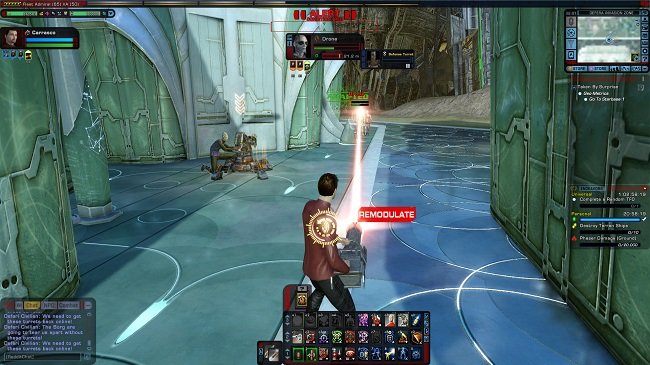
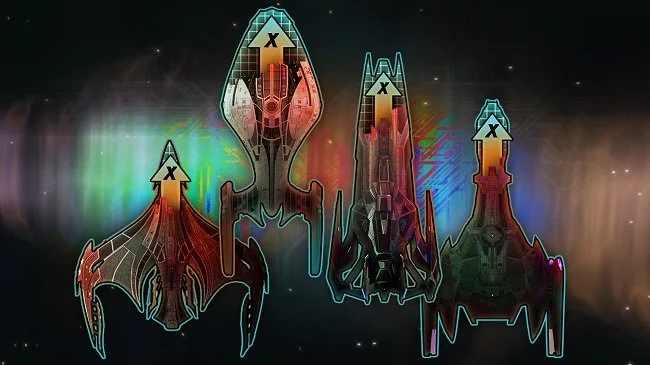
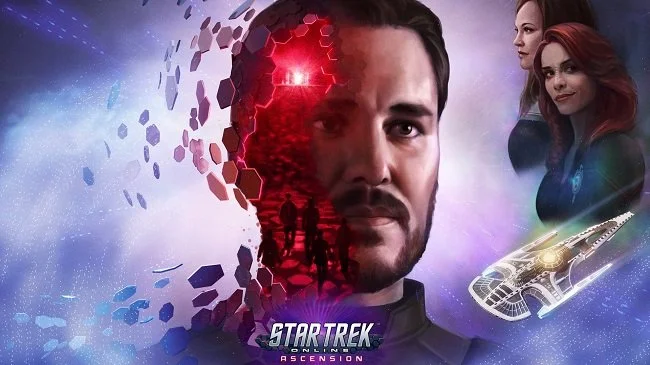
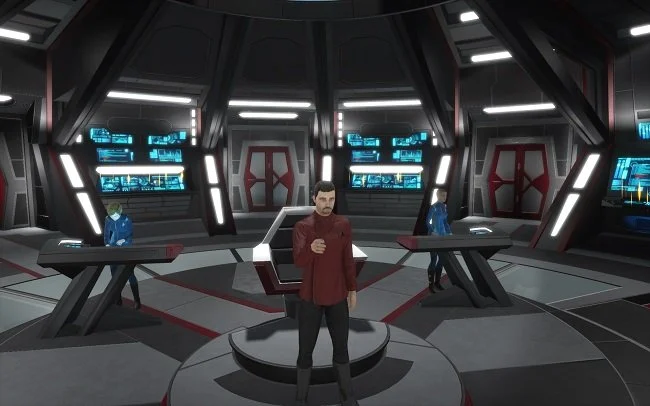
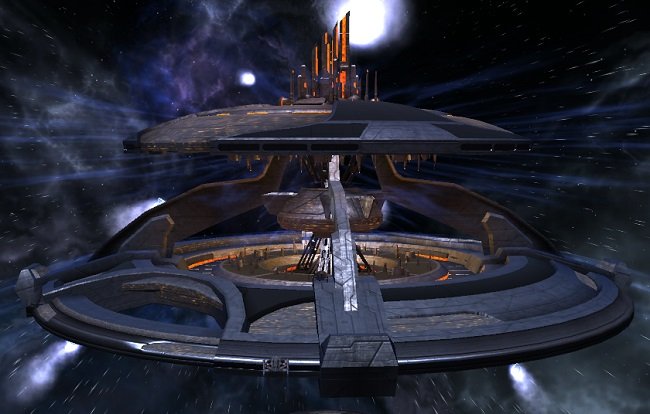
The new story arc Awakening, launched this week in Star Trek Online. The first instalment, Beneath the Skin, saw Star Trek: Discovery actor Anthony Rapp, returning as Commander Paul Stamets in an adventure that takes the player back into the Mycelial Realm. Cryptic have also added a new Task Force Operation, several patrols and numerous of “quality of life” fixes. The event system has now been removed from the reputation panel and added to the mission journal and now tracks progress in a single experience bar. Furthermore there is a new ongoing event which when completed rewards players with an Elachi Qulash Frigate [T6]. The developers have also revised yet another Tier 6 ship skin. This time round they have improved the aesthetics of the Kelvin-Timeline Intel Dreadnought Cruiser (AKA U.S.S. Vengeance from Star Trek Into Darkness).
The new story arc Awakening, launched this week in Star Trek Online. The first instalment, Beneath the Skin, saw Star Trek: Discovery actor Anthony Rapp, returning as Commander Paul Stamets in an adventure that takes the player back into the Mycelial Realm. Cryptic have also added a new Task Force Operation, several patrols and numerous of “quality of life” fixes. The event system has now been removed from the reputation panel and added to the mission journal and now tracks progress in a single experience bar. Furthermore there is a new ongoing event which when completed rewards players with an Elachi Qulash Frigate [T6]. The developers have also revised yet another Tier 6 ship skin. This time round they have improved the aesthetics of the Kelvin-Timeline Intel Dreadnought Cruiser (AKA U.S.S. Vengeance from Star Trek Into Darkness).
It’s been a while since we had a story update in STO. Although I have enjoyed the various narrative threads of each previous mission set in the Discovery era, they have been somewhat disjointed. Finally in Awakening, the various dots are connected and I suspect that the arc will be concluded. Beneath the Skin sees an assault in Andorian space by rogue 23rd Klingon Matriarch, J’Ula. This results in the creation of a rift between space time and the Mycelial Network. As all data regarding this realm is classified, the player has to call upon the expertise of a holographic Commander Paul Stamets and enter the rift. Probes sent by J’Ula have leaked Hargh'peng radiation and are causing sickness and corruption throughout the Mycelial Realm. Furthermore, in a surprise twist, we discover that the Elachi where native to the fungal zone prior to being subsumed into Iconian servitude.
As ever with STO, the new story is inventive and draws heavily upon multiple threads of established in-game and canonical lore. There are numerous elements to the plot but complexity is not always a stumbling block, if handled well. Cryptic are aware that not all players may be familiar with all the elements from Star Trek: Discovery so there are several instances of characters pausing to deliver substantial quantities of expositionary dialogue. It does at time slow things down but it’s a necessary evil. The presence of Anthony Rapp is a big bonus to the proceedings. He maintains his acerbic, passive aggressive demeanour and at appropriate points delivers some great quips. As ever with Cryptic, they excel with the little things that add to the ambience. The baby Tardigrades are great as they scamper around the Mycelial Network. And the Elachi who was previously a Romulan was a great call back to an earlier story line.
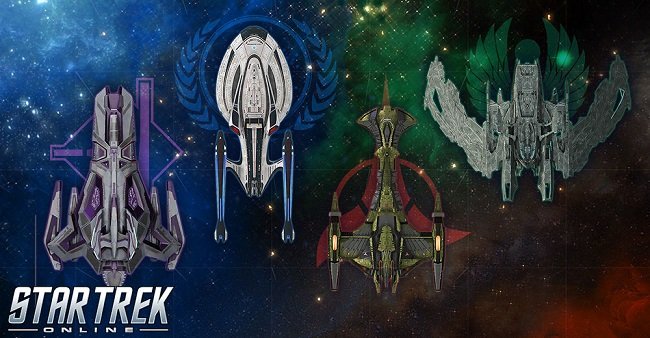
There is sufficient new content to be getting on with for the present. My concerns about a decline in narrative material has been somewhat tempered. The new patrols are more complex than expected and it’s nice to see the return of characters such as the rogue Ferengi entrepreneur Madran and Lukari Captain Kuumaarke. Plus a major bonus to all this is the fact that the latest mission Beneath the Skin rewards the player with an Elachi Bridge Officer, which is the best news I’ve had since I acquired my Holographic James Kurland. And as developers Cryptic are still working on bug fixes and “quality of life” improvements, I shall patiently wait for classic content such as the classic mission “City on the Edge of Never” to be returned to the game. In the meantime, gaming peripherals vendor Steelseries currently have a Star Trek Online giveaway to celebrate the launch of Awakening. Just create a user account and you can claim a free Ferengi Bridge Officer for the Klingon faction, along with a B’Rotlh Bird of Prey Ship [1]. Free stuff is always welcome and its nice to see the KDF getting some love.


A Month in Gaming
Last month panned out pretty much as I expected. Blaugust and writing daily blog posts took up a fair amount of my leisure time. And then I lost a few days due real-life social activities. What gaming time I had was focused mainly on The Elder Scrolls Online. I’m sorry to say that I’ve ground to a halt in The Lord of the Rings Online. My level 113 Guardian remains at the Black Gates and for the present I simply do not feel disposed towards working my way through Mordor again, which I did just a year ago on my primary character. I have undertaken a few quests with my level cap Lore-master and will endeavour in the weeks ahead to at least complete the Vales of Anduin region. LOTRO at present doesn’t have much of a hold on me, although I may well become more enthusiastic once the next expansion is formerly announced.
Last month panned out pretty much as I expected. Blaugust and writing daily blog posts took up a fair amount of my leisure time. And then I lost a few days due real-life social activities. What gaming time I had was focused mainly on The Elder Scrolls Online. I’m sorry to say that I’ve ground to a halt in The Lord of the Rings Online. My level 113 Guardian remains at the Black Gates and for the present I simply do not feel disposed towards working my way through Mordor again, which I did just a year ago on my primary character. I have undertaken a few quests with my level cap Lore-master and will endeavour in the weeks ahead to at least complete the Vales of Anduin region. LOTRO at present doesn’t have much of a hold on me, although I may well become more enthusiastic once the next expansion is formerly announced.
At present ESO is more than keeping me busy. I’m enjoying the Ebonheart Pact main story and have also experimented with my Necromancers skills. I currently have a Magicka build that gets things done and I’m rather pleased that I figured it out for myself. The game is filled with content, engaging zones along with plenty of other players. Furthermore, unlike other MMOs, ESO has accessible group content. I tend to group with two friends and we can tackle delves and even group bosses that can be found in each zone. Then of course there are the Dolmen. ESO is the only MMO that I play where doing something collectively is not an uphill struggle. You form your group, travel to where the action is and get on with it. There are no complexities involved, be they cutscenes or copious amounts of bestowal dialogue. I even got a free mount and non-combat pet for being a Twitch prime customer!
Looking ahead to this month, I have high expectations for the new story mission, Awakening, coming to Star Trek Online on Tuesday 10th of September. I have been critical of late of the way Cryptic seems to be taking a somewhat scattershot approach to modernising the game but new narrative content is new narrative content. The question remains will the new story along with patrols, events and sundry system changes be enough to keep me regularly engaged with STO? I’m not so sure. I must admit I’ve be considering dusting off an old game such as Starfleet Academy or even give the mobile game Star Trek: Fleet Command a try. Although the former is more likely as I bought this classic recently from Good Old Games for a ridiculously cheap rice. Although Star Trek: Fleet Command looks intriguing, I’ve already been burned by the other mobile game Star Trek Timelines. I really enjoyed the concept and the way the missions panned out after you selected your away team. But is had a typical mobile game business model and eventually you hit a brick wall and have to start spending money to progress.
I may also trawl though my back catalogue of games on Steam, the Epic Store, Origins and Uplay and see if there’s anything that immediately takes my fancy. I recently managed to fit in the single player game Mafia. Therefore, I see no reason why I can’t do that again. I certainly feel it will provide some variety to this column which fast seems to be becoming “MMO corner”. Someone mentioned point and click games recently on the Blaugust Discord Server and I’ve suddenly become very nostalgic for the genre. I have keys for the Syberia trilogy somewhere among my game collection. This franchise has quite a following and the games are critically acclaimed. Perhaps I should give them a go. Or maybe I’ll dust off one of the earlier Sherlock Holmes games from Frogwares. Either way both would be interesting experiments as well as providing something to write about.


Video Game Avatars and Our Relationship with Them
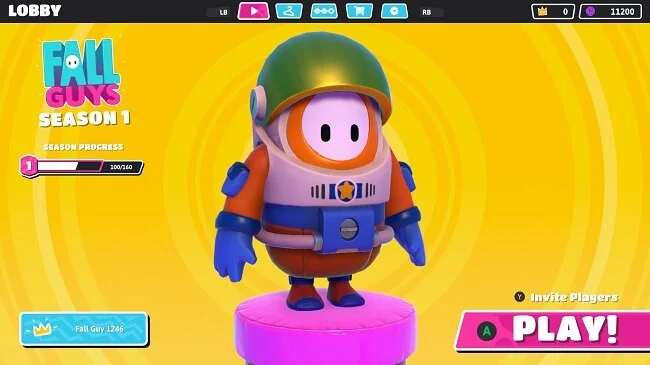
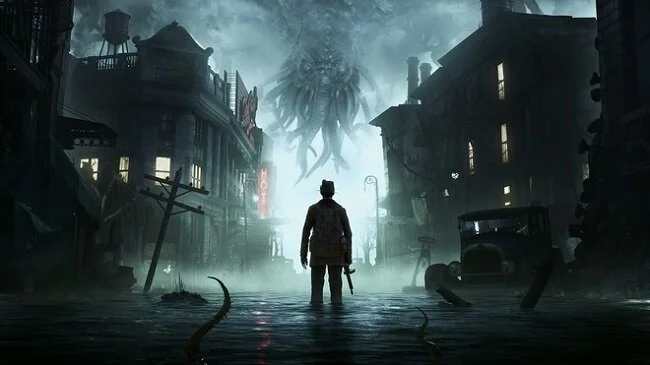
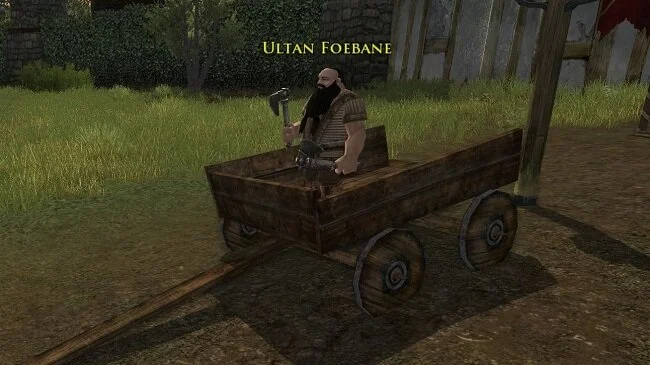
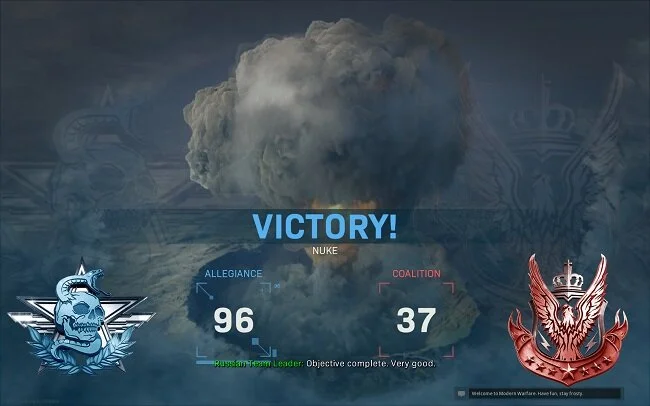
Blaugust founder Belghast tweeted the following question last night along. “There is a discussion happening elsewhere so I'm curious. For me all of my game characters are just cosmetic shells for the digital "me". Getting the impression I am deeply in the minority here”. Obviously, he’d had encountered at interesting debate about our relationship with the characters we create and utilise to play video games and wanted to explore it further. So I and several others tweeted back our thoughts on the matter, which made for interesting reading. However, even as I was doing so, it became apparent that such a subject needed a blog post for an adequate response. It’s a big subject. Fellow bloggers Rakuno and Shadowz have already posted their take on this weighty topic. I suspect that this will be a very popular subject to explore because it is very personal and subjective.
Blaugust founder Belghast tweeted the following question last night along. “There is a discussion happening elsewhere so I'm curious. For me all of my game characters are just cosmetic shells for the digital "me". Getting the impression I am deeply in the minority here”. Obviously, he’d had encountered at interesting debate about our relationship with the characters we create and utilise to play video games and wanted to explore it further. So I and several others tweeted back our thoughts on the matter, which made for interesting reading. However, even as I was doing so, it became apparent that such a subject needed a blog post for an adequate response. It’s a big subject. Fellow bloggers Rakuno and Shadowz have already posted their take on this weighty topic. I suspect that this will be a very popular subject to explore because it is very personal and subjective.
I mainly play games from the RPG and MMORPG genre for their narratives. I like lore rich stories, especially those that are linked to licensed intellectual properties. What games such as The Witcher 3: Wild Hunt, The Lord of the Rings Online and The Elder Scrolls online offer me is the opportunity to experience a story and have a degree of influence over the outcome. The games are an enhanced form of reading. Instead of visualising realms and characters in my mind, I get to see them first-hand and move freely among them. They speak to me and react to my choices (within the confines of the game). My avatar is the means through which I navigate this environment. Although I may spend time creating a character, giving thought to their appearance and their name, ultimately, they are merely a conduit. A means to experience the story. I do not see them as an extension of myself or imbued with elements of my personality. They have no true agency. Games are not sufficiently sophisticated enough at present, that we can supply our own responses to questions and the NPCs act on them.
Now I’m sure for gamers who embrace roleplay, their relationship with their MMO character is much more complex. Your avatar becomes more than just a three-dimensional, mobile interface with the story. It becomes a part that needs to be acted. A separate dramatic entity. It may be similar to yourself with regard to ethics and morality. But roleplay also offers the scope to explore personalities that are contrary to your own. Then there are those players who like to create a backstory for their character. They may reflect traits that the player does not have themselves. Their avatar may also be radically different from the player. There is the option to play as a different ethnicity or gender. Thus the character can provide both a sense of change as well as empowerment. I can certainly see the appeal of this and how it enhances the escapism that games can offer. However, I am not a trained psychologist so I won’t speculate too much in matters that I’m not qualified to do so. I will leave it to others to discuss projection and such concepts as the “imago”.
Although character creation in an MMO is restricted by the parameters of the game, it is still an act of creation, subject to our personal preferences. We further stamp our likes and dislikes upon it by giving it a name. Names are an intrinsic aspect of identity. Yet the real deciding factor is how we relate to our avatars. Is it merely a functional tool to experience the game or is it a facet of our self? When you play an RPG or MMO are you merely passively observing the narrative or do you see yourself as a protagonist in a play? A method actor who reacts to NPC interactions as if they were as tangible as a real-world experience? I think this is the core of the distinction. Naturally, those who approach gaming with the latter in mind are going to have a far more complex relationship with their avatar. Where gamers who favour the former approach will see things in more practical terms. Like a “bicycle that you are fond of” as Rakuno stated. The emotional connection comes from the fact it facilitated such enjoyable experiences.
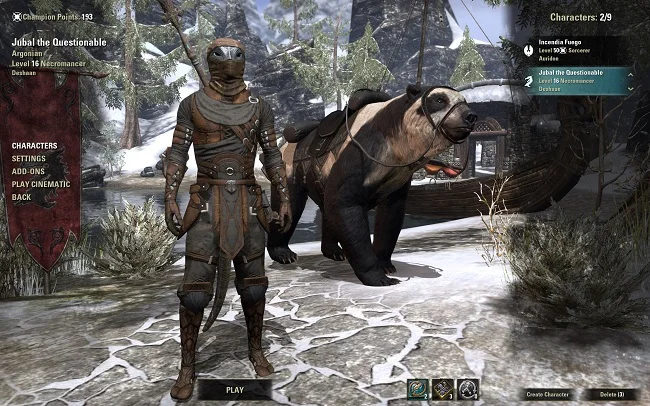
I suspect as video games advance and MMOs incorporate ever better AI technology, we may well find ourselves playing games with more complex forms of communication and interaction. At that point your character may well cease to be just a factotum and become something more nuanced. Imagine an MMO where if you behaved poorly, wantonly destroying things and attacking NPCs, the game adapted to your virtual personality. What if it wasn’t just your actions in game that determined this but the way you spoke and the manner in which your character conducted themselves. I suspect such player/character relationships would be far more complex and an absolute field day for “Shrinks”. But for the present, my Argonian Necromancer, Jubal the Questionable, in The Elder Scrolls Online is simply an avatar in the traditional gaming sense. There’s not that much of me there, apart from my love of words and writing which accounts for the dramatic name. Plus I don’t have a tail or a penchant for staying moist.
Further Changes Coming to Star Trek Online
A decade ago the MMO genre tended to favour quite complex game systems. It is what the playerbase expected and allegedly preferred. But tastes and prevailing trends change over time. Plus game developers often see a change in staff and alterations in their creative visions. Hence over time, game systems can become unwieldy, esoteric and frankly annoying. So when a decision is made to refine, rationalise and improve these systems, it can be a complex task to undertake. Furthermore not only are there the practical and logistical realities of having to tackle ageing code, there is also the choppy waters of community relations to navigate. Because regardless whatever you seek to change, there will always be those who will oppose it and consider it an outrage perpetrated upon them, comparable to the Peterloo Massacre.
A decade ago the MMO genre tended to favour quite complex game systems. It is what the playerbase expected and allegedly preferred. But tastes and prevailing trends change over time. Plus game developers often see a change in staff and alterations in their creative visions. Hence over time, game systems can become unwieldy, esoteric and frankly annoying. So when a decision is made to refine, rationalise and improve these systems, it can be a complex task to undertake. Furthermore not only are there the practical and logistical realities of having to tackle ageing code, there is also the choppy waters of community relations to navigate. Because regardless whatever you seek to change, there will always be those who will oppose it and consider it an outrage perpetrated upon them, comparable to the Peterloo Massacre.
For years a common facet of the MMO genre has been factions. A new player made a choice when creating their character to affiliate to a specific faction which would permanently separate them from those who were aligned differently. It makes narrative sense in some respects and certainly suited the prevailing genre attitudes of twenty years ago. But thing change and although some people really dislike that fact, nowadays such dogmatic attitudes towards factions have softened. The One Tamriel update did away with the faction driven regional boundaries in The Elder Scrolls Online in October 2016 and the game is arguably better for it. However, one of the biggest obstacles facing the removal of factions in other games is often lore. And that lore becomes even more immutable when it derives from a third party, licensed intellectual property. Which brings us to the case in question, namely Star Trek Online.
When Star Trek Online launched in 2010, you could play as Federation officers and once you hit level 20, it unlocked the option to play as a Klingon. However, that Klingon alt was by default at level 20. It took a while before this changed so that players could level a Klingon allied character and play though a unique backstory. Over the years other factions have been added to the game including the Romulan Republic. Although there has been a degree of sharing assets and resources, lines of demarcation have remained. Romulan ships can only be used by Romulan characters. The same policy has been maintained for the Klingon Empire. However, Cryptic have decided to remove this restriction from the Romulan faction, as part of their ongoing updating and modernising the game. Cryptic are also overhauling the events service within the game, which up until now has been part of the wider reputation system. The UI is to be amended and event progress is to be tracked as a subset of the mission journal. Instead of working like reputation projects which require daily input, the new interface will display an experience bar. Progress will also be account wide for those players with multiple alts.
Both of these changes seem very reasonable at first glance. The first question most people have asked is whether this restriction will also happen with Klingon ships? Sadly, it would appear that rights holders CBS, have some very particular caveats in their license arrangement, so the answer is “no” for the present. However, being able to fly a Romulan ship on my Federation character, is an interesting proposition, as they have some stout vessels with good stats. From a financial point of view (some would argue Cryptic’s default position) it opens up a whole new range of ships to buy. This change is also a shot in the arm to the Admiralty system, as I can now add more Romulan vessels to my deck. But some players would argue this change comes at the expense of class identity and the relevance of factions per se. STO was initially created around the traditional trinity of DPS, Tank and Healer with its Tactical, Engineering and Science classes. But this has long been abandoned in any meaningful sense. The additions of factions in recent years has also been half hearted. None are truly independent and at some point in levelling, have to ally with either Starfleet or The Empire.
You can argue that there’s a lot to put right in STO. The game still has a lot of bugs, many of which have persisted for years. Cryptic seem to be tackling matters in a somewhat erratic fashion. The current streamlining of the game has seen the loss of The Foundry, older missions “temporarily” removed from the game for updating and Tier 6 ships level scaling so they can be used immediately. Some of these things work, other do not or are a loss to the game. I have never felt that there has been adequate promotion of the Romulan, Klingon or other faction storylines in STO. The game is very much focused on the Starfleet perspective. Cryptic has stated that the numbers show that most players are overwhelmingly Federation orientated but if more effort had been made to promote and maintain the other faction’s storylines and resources, would things have been better? I’d argue that the Romulan Republic story arc is the best in the game from a narrative and lore perspective.
I cannot help but feel that Cryptic have pursued whatever can be added to the game, at the expense of what is already present. The Kelvin Timeline is not exactly popular with core Trek fans yet it was dovetailed into the game. And no sooner had they released the superb Deep Space Nine themed expansion, Victory is Life, it was dismissed and they went hell for leather with the integration of Star Tre: Discovery related content into the narrative. I suspect that they may have a rabbit to pull out of the hat regarding Star Trek: Picard. But that doesn’t bode well for the return of classic missions like City on the Edge of Never and others, which are awaiting a makeover. I applaud Cryptic for trying to bring STO up to the standards of modern MMOs but I’m not sure about the route they’re taking and whether they be able to achieve their goals with their “tinkering”. I also would like to see more narrative content delivered more regularly. As ever, time will tell. Unhappy players vote with their feet sooner or later.
Player Representation and Video Games
There was a time when you bought a game, played it, possibly completed it and then that was the end of the matter. Along the way you determined whether you were enjoying it. Often that conclusion dictated how much time you spent playing. Gaming at this point in time, was a relatively straightforward business transaction. If your experience was broadly positive, you’d remember the publisher and look favourably upon their future products. As for the actual business dynamics, it was simple. You paid for the game up front and then later decided the respective value of that financial transaction. How things have changed and not necessarily for the better. We now live in the age of “live services”, microtransactions and games where your expected to forever put your hand in your pocket if you want to keep playing. Games are no longer one-off purchases. Games are an ongoing symbiotic relationship. Or if you want a bleaker analogy, games are a form interactive, quasi-legal, addiction.
There was a time when you bought a game, played it, possibly completed it and then that was the end of the matter. Along the way you determined whether you were enjoying it. Often that conclusion dictated how much time you spent playing. Gaming at this point in time, was a relatively straightforward business transaction. If your experience was broadly positive, you’d remember the publisher and look favourably upon their future products. As for the actual business dynamics, it was simple. You paid for the game up front and then later decided the respective value of that financial transaction. How things have changed and not necessarily for the better. We now live in the age of “live services”, microtransactions and games where your expected to forever put your hand in your pocket if you want to keep playing. Games are no longer one-off purchases. Games are an ongoing symbiotic relationship between player and vendor. Or if you want a bleaker analogy, games are a form of interactive, quasi-legal, managed addiction.
As a publisher, if you are selling a continuous smörgåsbord of content to a player base that you want to keep paying, there comes a point where you have to interact with that community and maintain the pretence that your interested in them beyond their ability to keep paying. Hence in some game communities, particularly in the MMO genre, you sometimes get some form of player representation. The most immediate one that comes to mind is The Council of Stellar Management in EVE Online. It’s a player advocacy group consisting of 10 members democratically elected by the players to advise and assist developer’s CCP in the evolution of the game. Back in 2013 Turbine created a player council for The Lord of the Rings Online. An exercise that lasted until 2016. More recently I discovered that there was even a player senate for Star Wars Galaxies Legends. Yes, a game that is officially defunct but has a grey emulation server, has player representation. And many other games, although lacking such councils, have community managers, preferred influencers and high-profile players who are happy to act as a go between.
But does any of this representation work? Is it a genuine conduit between developer, publisher and consumer? Or is it just an PR exercise, that attracts the wrong sort of people, ending in acrimony, rancour and dissent, rather than inclusion, cordial relationships and glasnost. We’ll here’s a quote from Massively Overpowered editor, Bree Royce about the recent SWGL player senate elections. "It did occur to me along the way that in thumbing through the candidates’ platforms, I’ve already spent more time considering the election in an emu for a dead video game than most people spend on actual elections that affect their real lives. That’s… depressing". Yes, it is indeed. Plus I’m sure that electioneering within any game’s community is going to be rife with the same duplicitous, mealy mouthed, spurious bullshit that is endemic with real world canvassing. Politics uses the illusion of inclusion to advance the interest of specific groups, often at the expense of others. Why should that be any different in a game community than in the real world?
From my own perspective, I’m not aware of the LOTRO player council ever having achieved anything of any note. If they did it certainly wasn’t overtly publicised. Having checked though archived blog posts I wrote at the time; it seems that the whole enterprise was nothing but a source of problems. All of which can be distilled into one simple point. Gamers are not a uniform group. They are motivated for a multitude of different reasons and unlike Belinda Carlisle, don’t dream the same dream, nor want the same thing. Hence player councils of these type are seldom truly representative. And just like forums and subreddits, it’s the most vocal that seek to be elected so they can lobby for what they want. Furthermore, for such an enterprise to work, it also requires goodwill and genuine intent from the developer or publisher side. Considering the growing iniquities of the so-called “Triple A” video game industry, the likelihood or there being any to begin with is risible.
I am reminded how during the #gamergate debacle, by the time the main stream press had actually got wind of the matter, there was a debate as to whether there needed to be a “face of gaming” to go on TV chat shows and put the gamers side of things. This was another truly ludicrous idea, based upon the erroneous assumption that gamers are a cohesive social group with a common agenda and set of values. Mercifully it quickly withered on the vine. Overall, there is no quick, easy and accurate way to compartmentalise gamers and represent them. Frankly, old school market research and surveys, with all its flaws and baggage, is potentially a more suitable tool. Overall, I still think it’s a mistake for players to perceive video games as anything else other than a commercial product and themselves as consumers. Yet this myth that the MMORPG genre is some how more than the sum of its part and due to its social component, some sort of autonomous collective, still persists. Considering how often things have ended in tears, you’d think some gamers would have learned by now. But there are none so blind as those who will not see.
Do MMOs Have a Specific Window of Opportunity?
World of Warcraft was the MMO that broke the mould. The reasons for its success are too numerous and complex for this blog post, so let it suffice to say that it rode a perfect storm of factors and has maintained a strong presence for fifteen years. And as a result, subsequent developers have often sought to duplicate its success. Yet frequently the opposite has happened. In fact several MMOs have launched and experienced a brief time “in the sun” only for things to come crashing down thereafter. Perhaps the most well-known example of this was SWTOR which experienced a triumphant launch in December 2011, yet within three months the majority of players had left for pastures new. It took the game going F2P and a lot of hard work by BioWare to claw back the playerbase. It has also been argued that many MMOs have grown too big for their own good? It is true that a new player starting a game such as LOTRO today has a long slog ahead of them and some may simply find that too daunting.
World of Warcraft was the MMO that broke the mould. The reasons for its success are too numerous and complex for this blog post, so let it suffice to say that it rode a perfect storm of factors and has maintained a strong presence for fifteen years. And as a result, subsequent developers have often sought to duplicate its success. Yet frequently the opposite has happened. In fact several MMOs have launched and experienced a brief time “in the sun” only for things to come crashing down thereafter. Perhaps the most well-known example of this was SWTOR which experienced a triumphant launch in December 2011, yet within three months the majority of players had left for pastures new. It took the game going F2P and a lot of hard work by BioWare to claw back the playerbase. It has also been argued that many MMOs have grown too big for their own good? It is true that a new player starting a game such as LOTRO today has a long slog ahead of them and some may simply find that too daunting.
The reason I mention these two points is because I think they are linked and reflect a shift in mindset towards MMOs. Many of the older MMOs were originally based around group content and the formation of guilds. As a result many titles have a sizeable community of players that have reached level cap with multiple alts. Players such as this have played through pretty much all the content that the game has to offer. They play within guilds that have lasted years and have strong social bounds. Now consider a new player that has just started playing LOTRO for example. They have a prodigious amount of content to play through before they reach level cap. Furthermore because many players now prefer to play solo, they have an even more arduous task ahead of them.
Now I know some will argue that it's not about racing to level cap but the journey itself. This is a fair point if you are a player who is content to work through content in this fashion. However many games developers are still focused on the so-called endgame and creating new content for those at level cap. If you start playing LOTRO today, the only way you can reach Western Gondor or The Grey Mountains is if another player summons you there. It's a shame that so many of the older titles are hindered by such a linear approach to landmass and content but that's the way these titles were created. I personally would like to see more of an open world approach like The Elder Scrolls Online where content scaled according to your level and you are broadly free to go where you want.
So considering these points, I am beginning to think that for many MMOs there is an initial window of opportunity as to when it is most favourable to start playing the game. I started playing LOTRO in late 2008, just after The Mines of Moria expansion launched. As I was playing through The Shire, Bree and The Lonelands, senior members of my guild were levelling from fifty to sixty in Moria. However because I was very invested in the game at the time (it was my first MMO) I managed to catch up within nine months. I am now part of the group of players permanently at level cap and I can therefore immediately enjoy whatever new content Standing Stone Games develops for the game.
The Elder Scrolls Online and Guild Wars 2 are both relatively new titles, so I think one could start playing these games and still be participating during the optimum window of opportunity. Plus they do not have such a difficult levelling curve or level cap that is extremely high. Is this the same case with EVE Online, Final Fantasy XIV or Black Dessert Online? I'm not so sure. These are games where the key to success is the investment of time. Some MMOs have mechanics or store items that will allow you to level quickly but does that really solve the issue? There is an inherent contradiction in selling an item to boost your level, hence paying money to bypass playable content. But levelling through intermediate level content can be a lonely process sometimes. Zones can be devoid of other players. At least in Guild Wars 2 the game downscales players to the zones specific level thus providing an incentive for the veteran player to return. Sadly many other titles do nothing to encourage players at cap to revisit lower level areas.
I also think this window of opportunity may be tied to wider factors, other than the games progression system. Many MMOs experience a period when the fan base thrives and produces a wealth of content. This can be blogs, guides, podcasts, You Tube videos or livestreams. However this tends to be cyclical. Due to the rise of the casual player and their migratory nature, this if often more pronounced. I remember sites like the LOTRO Combo Blog that used to aggregate fan related blogs. It has long since gone. Another example you can see is the way your Twitter timeline may be awash with content regarding a new title and then over time it simply fades away. Twitch TV is also another interesting litmus test. A look at the homepage will quickly tell you what is popular and what is not. Is the window of opportunity for MMOs therefore not only verifiable but also clearly getting shorter?
There are other genres and franchises that experience similar optimum windows of opportunity. Harry Potter and Friday the 13th are two examples from the movie industry. There was a clear period in time when both were immensely successful franchises. However, their transition from silver screen to multiplayer game took a lot longer and perhaps the proverbial boat was missed. The Wizarding World eventually found a home in the mobile gaming market and not as an MMO. Friday the 13th fared slightly better as a multiplayer game and captured a nostalgia wave. Yet it was ultimately hamstrung by legal issues surrounding the rights to the franchise. MMOs take a lot of time to develop and the market trends can change during that time. Amazon Game Studio appears to have halted the development of New World. Is this game now going to be repurposed to tie in with their Middle-earth themed TV show. If that is the case the game may launch during the optimum window of interest.
Finally there is an odd codicil to this question. We have seen recently a trend towards “Classic” servers which strive to serve up a broadly comparable experience to that of launch and the first year of an MMO. Is nostalgia the key to successfully creating a second window of opportunity for a game. Is it sustainable? Or is it going to have an even shorter arc? So far, the LOTRO Legendary Servers seem to be ticking over and I have not at present seen any data pointing to a decline in population. Perhaps the launch of World of Warcraft Classic on the 27th August will provide a greater insight into the longevity of nostalgia. In the meantime there is much to reflect upon, as the points raised here have barely scratched the surface of the matter. Because when we talk of a window of opportunity for an MMO, there is the player perspective and then there’s the business perspective. For all the market research and data analysis, I suspect that there are also some other factors that are much harder to quantify.
Gas and Meat
Over the last few weeks, Bree has mentioned on the Massively OP Podcast how she’s been farming both gas and meat in Star Wars Galaxies (played via an emulator. No pedantry please). Co-host Justin has naturally ribbed her and raised the question as to whether this is a valid and more importantly, fun use of her time while gaming. This is some of the light-hearted banter that makes this particular show so enjoyable. But there’s an old adage that states “many a true word spoken in jest”. Most people who have played any MMO, even in the most casual fashion, have at some point found themselves farming specific commodities for crafting or sale. Or they may spend time repeating a task as a means of gaining experience points. Perhaps they’ve gone so far as to undertake some extensive project for something as arbitrary as a title or a reward that simply amuses them. The bottom line is at some point we have all done the “gas and meat” thing.
Over the last few weeks, Bree has mentioned on the Massively OP Podcast how she’s been farming both gas and meat in Star Wars Galaxies (played via an emulator. No pedantry please). Co-host Justin has naturally ribbed her and raised the question as to whether this is a valid and more importantly, fun use of her time while gaming. This is some of the light-hearted banter that makes this particular show so enjoyable. But there’s an old adage that states “many a true word spoken in jest”. Most people who have played any MMO, even in the most casual fashion, have at some point found themselves farming specific commodities for crafting or sale. Or they may spend time repeating a task as a means of gaining experience points. Perhaps they’ve gone so far as to undertake some extensive project for something as arbitrary as a title or a reward that simply amuses them. The bottom line is at some point we have all done the “gas and meat” thing.
There was a time in The Lord of the Rings Online, when there was a healthy trade in ore on the auction house. People wanted to craft but didn’t necessarily have the time or inclination to do it themselves. Hence, I would spend hours collecting Dwarf-iron and Platinum ore in Western Evendim, circulating through the zone in an orderly fashion to ensure the various nodes had time to respawn. Often, I’d have music playing or I’d listen to a podcast while carrying out this somewhat ponderous task. Yet the results were tangible. The ore would sell and the gold would come rolling in, allowing me to then buy gear to improve my build. I would even go so far as to suggest that this task (and those similar in other MMOs), if approached in the right fashion, can be quite relaxing. In the same manner as a clicker game.

I suspect that “gas and meat” syndrome (as I shall now dub it) probably serves several other purposes and may indeed say something about the gamer who pursues it. It becomes very clear after reading gaming blogs, written by grassroots level players, that MMOs often serve as more than just a game. They can act as a means of therapy and de-stressing. Repetitive acts that yield results provide a clear sense of purpose. They are also something that you can control and manage. They may even serve in a symbolic fashion, as a way of imposing order upon a chaotic world. Games offer us a degree of control and stability that is not always found in our real lives. So we grind out Task Force Operation in Star Trek Online. Or we farm Dolmen in The Elder Scrolls Online. All of which can provide a sense of accomplishment and offer a brief Dopamine hit.
Finally, I recently discovered the UK TV comedy, Dead Pixels. It follows the lives and experiences of a group of friends that play an MMO called “Kingdom Scrolls”. It’s surprisingly well observed and is clearly written by people who have played MMOs, rather than being a non-gamers perception of MMO players. Here’s a clip in which Nicky (Will Merrick) is depressed after his favourite Kingdom Scrolls streamer has died and decides to “pick up every leaf in the game” as way to keep himself busy. There is a ring of familiarity to this “act” and what happens next is also very relatable. Bear all of this and the above in mind, next time you decide its time to go farm some “gas and meat” or whatever your equivalent is, in your favourite MMO. And if you see someone in-game doing something like this, give them a /cheer to show your solidarity.
Quest Bestowal in MMOs
When playing a massively multiplayer online role-playing game, such as The Lord of the Rings Online, acquiring quests is a very straightforward process. Key locations such as towns, villages or anywhere with a stable are usually quest hubs. Non-playable characters denote that they have quest(s) available by having a glowing ring icon above their heads. It’s not subtle but you’d have to have a bag over your head to miss such an obvious clue. Most MMOs have some version of this bestowal system. A clearly visible means to show that an NPC or object is the starting point for a quest. It’s a rather unsophisticated system but it gets the job done. Hence it has been around for quite a while in the genre (silence, dissenting old school gamers, blathering on about how in the good old days, MMOs didn’t have quests).
When playing a massively multiplayer online role-playing game, such as The Lord of the Rings Online, acquiring quests is a very straightforward process. Key locations such as towns, villages or anywhere with a stable are usually quest hubs. Non-playable characters denote that they have quest(s) available by having a glowing ring icon above their heads. It’s not subtle but you’d have to have a bag over your head to miss such an obvious clue. Most MMOs have some version of this bestowal system. A clearly visible means to show that an NPC or object is the starting point for a quest. It’s a rather unsophisticated system but it gets the job done. Hence it has been around for quite a while in the genre (silence, dissenting old school gamers, blathering on about how in the good old days, MMOs didn’t have quests).
Now this functional process has limitations. Quest giving NPCs tend to be static for practical reasons. You don’t want them perambulating around the town, making you have to search them out. So while those not bestowing quests can have all sorts of fancy animations to try and bring the illusion of life to area, quest giving NPCs just stand around, breaking the immersion that other aspects of the game have worked so hard to build. Plus in LOTRO, there is seldom any voice acting beyond the first line of the quest bestowal text. Therefore, it’s a somewhat dull process. In the MMO Star Trek Online, NPCs will sometime hail you while you’re in-sector space, as a means to imparting a mission. It certainly seems more natural and is totally in the correct idiom of the intellectual property. Plus, as a gamer, if you find this process intrusive, you can turn it off. Hence, different developers have tried to polish this quest giving system and make it more dynamic and feel more natural. ZeniMax have certainly tried a different approach with The Elder Scrolls Online. But it comes with its own consequences.
Even if you own just the base version of ESO, you notice that not all quest bestowals come via the traditional NPC, lounging around and lollygagging in the various towns and ports of Tamriel (although the game certainly has these). You may be riding past a farm, only for an NPC to come running out and declare that “Brother Numpsie* has been kidnapped by the foul Myrmidons” or some such standard fantasy-based reason. This mixture of proactive solicitation, along with voice acting is initially quite compelling. You may find yourself diverging from your current course of action to rescue the imperilled individual. Certainly this approach to quest bestowals suits an open world where players my just want to go out and explore, rather than follow a clearly delineated plan. However, this process can become a nuisance. At present, whenever I enter the Mages Guild, I am greeted by Arch-Mage Shalidor who invites me to participate in the next part of a quest line. I am frequently pursued in most towns by an Orc courier named Stuga, who tells me how long she’s been looking for me. Nag, nag, nag.
Joking aside, this interactive game mechanic can get a little wearisome. If you accept some quests it will remedy the problem of the quest givers overt diligence. But on occasions this can lead to immediate instanced content, so you may not wish to accept them. I am currently looking into the various game’s settings in ESO to see if there is a way of disabling or at least controlling this process. I bet there’s an addon to address it, somewhere. Oddly enough, ESO has another alternative way of starting quests or at least the main storylines of all major DLC. Wrapper missions can be launched from the Collections tab in-game. You don’t have to be in a zone and seek out the NPC who starts things. However, it would seem that no game has yet managed to design a creative quest bestowal system that doesn’t have some sort of drawback, limitation or even nuisance factor. Again I can hear the true sandbox devotees shouting about the why there has to even be a requirement of quests per se? But I like narrative driven content and don’t want to put my faith in emergent content. So until the developers improve the situation, I’ll continue to ask Billy No-Mates in LOTRO if they have any quests, and get chased round Tamriel, Benny Hill style, by the Prophet and Abnur Tharn.
*There seems to be a conspicuous lack of consensus with regard to how you spell Numpsie.
Can LOTRO Modernise Any Further?
A while back Syp wrote a blog post over on his personal website Bio Break, in which he discussed how The Lord of the Rings Online had avoided the “complexity trap” he feels affects other MMORPGs over time. It’s a sentiment I broadly concur with. The 12-year-old game has now reached a point where it has a fixed set of systems. Developers Standing Stone Games continue to produce regular PVE content in the form of quests, instances and raids. But they haven’t added a major new component to the game since the introductions of Epic Battles. Instead they have refined and fine-tuned existing facets of the game. Consider the recent overhaul of the Virtue Trait system. The basic functionality remains but the way a player advances their chosen virtues has been streamlined and now provides more tangible benefits. Overall, LOTRO has settled into a comfortable niche. New content is forthcoming but is very much a case of “same meat, different gravy”.
Has the Lord of the Rings Online avoided the “complexity trap”?
A while back Syp wrote a blog post over on his personal website Bio Break, in which he discussed how The Lord of the Rings Online had avoided the “complexity trap” he feels affects other MMORPGs over time. It’s a sentiment I broadly concur with. The 12-year-old game has now reached a point where it has a fixed set of systems. Developers Standing Stone Games continue to produce regular PVE content in the form of quests, instances and raids. But they haven’t added a major new component to the game since the introductions of Epic Battles. Instead they have refined and fine-tuned existing facets of the game. Consider the recent overhaul of the Virtue Trait system. The basic functionality remains but the way a player advances their chosen virtues has been streamlined and now provides more tangible benefits. Overall, LOTRO has settled into a comfortable niche. New content is forthcoming but is very much a case of “same meat, different gravy”.
Now Syp’s post logically raises the question could LOTRO be more complex? Is it possible to add a radical new mechanic to the game at this stage in its lifecycle? Because LOTRO is an old game by industry standards. It may have launched in 2007 but the code is older due to the games longwinded development process. As a developer, SSG has two main problems as a result of this. Can the game technically be altered in a major capacity and is there the expertise in house to undertake such a project. Because that latter is a regular issue for many companies. Staff come and go and that means expertise can be lost. It is a major reason why Cryptic closed The Foundry in Star Trek Online. I believe it is also why no new skirmishes were forthcoming in LOTRO for a long time. Something the developers have now addressed through the hiring of new staff. Furthermore, SSG have surprised their playerbase by successfully managing to produce a 64-bit client for the game. Although it remains a work in progress, considering the technical hurdles, this was quite a coup.
But before we embark upon this thought experiment, let us take a moment to reflect upon what LOTRO does that is quite advanced by the standards of the genre. It is the only MMO that I play that has auto-looting direct to your bags. All the other’s want me to press at least one key to select lootable items. LOTRO just hoovers them up. The game also has vendors that you can add to your house. There is also a tinker that can be summoned to a campfire to fix broken armour. Both of these services set a precedence that could potentially be expanded. LOTRO also offers a thorough personal transportation system. The reputation based “return” skills cover a surprisingly wide percentage of the game’s zones. However, I don’t think the game could accommodate a loss or consolidation of skills to become more of an action combat-based game. I think this would be a far too controversial. Rather than changing class and race attributes, it would be better to focus more on what you can done in the “wider world”.
So exactly what new systems or mechanics would be beneficial to a MMORPG such as LOTRO? My immediate answer is dynamic, public events in relevant zones, that can be justified from a lore perspective. Next it would be good to see some sort of scaling content system. A mechanic that allows a max level player to revisit older zones and adjust to the right level. This is something The Elder Scrolls Online does very well. The levelling of content is seamless and there are plenty of World Bosses, Dungeons and Dolmen to complete. Furthermore, they are all clearly marked on the zone map. LOTRO is halfway there with some similar systems, such as roving threats for example. But they need to be easier to find. Similarly too many instances in LOTRO are tied to discovery or specific quest lines. Accessibility and promotion are lacking. And let us not overlook the state of housing in LOTRO, which remains mainly a glorified storage service. The Cape of Belfalas housing has some pleasant leisurely quests but they are not repeatable. Housing needs to offer players a reason to spend time in the neighbourhood. I would also advocate improving the skirmish soldier system, to make them more versatile companions, rather than the blunt tool that they currently are.
Zone Guides in The Elder Scrolls Online offer more than just a simple map
Naturally I have barely scratched the surface, with regard to ideas to improve LOTRO and expand its scope and complexity. But I believe there is a focal point, that if addressed properly, would potentially lead to further improvements. A lot of the game’s existing functionality is hidden or too esoteric. The UI needs to be made “smarter”. To be able to provide more information, make suggestions be more proactive. Again I’d say look to ESO and its zone guides. Something similar in LOTRO would ensure that players got the most out of the content they’ve purchased. An optional list that let’s players know if there are any quests or places of interest that they haven’t completed or discovered. A lore book of some kind may also be useful. The existing skill trees need to do more than just inform a player of what they can earn. I would welcome suggestions regarding specific class builds based upon player preferences. I know that a great deal of useful information exists outside of many MMOs, curated by fans. But I’ve always felt that tabbing out of a game is counterproductive. Can this information not be brought in-game?
Finally, as we’re considering complexity, let us reflect upon social interaction. It is still a regular lament from certain quarters that the MMO genre is losing its social element. So why not address this issue by incentivising kinships with some additional perks. STO has gear and other items that are only accessible by joining a fleet and running fleet projects. Again, the more you think about it, the more it becomes clear that this is an aspect of LOTRO that could be expanded and improved. However, if there ever was a concerted move to broaden the complexity and scope of LOTRO it would have to be done within specific parameters. Or else there would come a point where it would be easier to just create a new game. So bearing all of this in mind, is any of this likely to happen? Well if you had asked me a few years ago, I would have said “no”. But the pipe dream of the 64-bit client has now become a reality, so who can say? Perhaps, there is hope after all. But perhaps the biggest obstacle to any potential change to LOTRO would be the playerbase itself. Trying to find a consensus would be extremely difficult. So may be SSG have decided on a policy of “if it isn’t broke, don’t fix it”. I wouldn’t blame them.
Star Trek Online: The Problem with the Latest Roadmap
Game developers enjoy a “roadmap”, don’t they? I always get snippy about marketing speak as it’s an industry I have zero respect or tolerance for. Perhaps such a position is a cliché? But I digress. Cryptic recently released their latest roadmap for Star Trek Online, after their successful appearance at the Star Trek: Las Vegas convention. At first glance it promises a lot of content which is its purpose. But if you take a minute or two to digest the list of forthcoming material, it soon becomes clear that it is predominantly group Task Force Operations. Apart from one new story episode, Awakening, it is decidedly light on narrative material. Now Cryptic have constantly tinkered with the story arc of STO over the years and have also experimented with the format in which its presented. Hence terms such as “featured episode” have become ambiguous. But if you look beyond the semantics, there seems to have been fewer story driven missions being this year.
Game developers enjoy a “roadmap”, don’t they? I always get snippy about marketing speak as it’s an industry I have zero respect or tolerance for. Perhaps such a position is a cliché? But I digress. Cryptic recently released their latest roadmap for Star Trek Online, after their successful appearance at the Star Trek: Las Vegas convention. At first glance it promises a lot of content which is its purpose. But if you take a minute or two to digest the list of forthcoming material, it soon becomes clear that it is predominantly group Task Force Operations. Apart from one new story episode, Awakening, it is decidedly light on narrative material. Now Cryptic have constantly tinkered with the story arc of STO over the years and have also experimented with the format in which its presented. Hence terms such as “featured episode” have become ambiguous. But if you look beyond the semantics, there seems to have been fewer story driven missions being this year.
For me, the appeal of STO is centred upon the IP and the way Cryptic has successfully continued stories and themes from the various television shows. When I returned to the game during the Delta Recruit Event of 2015, the story was building up to the Iconian War. Content came thick and fast and the plot was gripping. The post war narrative of New Dawn was also regularly added to. But the pace has slowed noticeably. Although I am pleased to see Star Trek: Discovery themed storylines the release schedule has been ponderous. I had virtually forgotten about Ju’la the renegade Klingon and her theft of mycelium technology. This dearth of story content is further compounded by the fact that several stories have been removed from the game for “retooling” and Cryptic have still not put them back. It’s a little frustrating because new players do not get the full story arcs that were present in the game 18 months ago.
Although I welcome new content, Task Force Operations are not full stories. They are repeatable events with just a wrapper of dialogue and a smattering of cutscenes. They may well offer an opportunity to earn tokens for a specific item but they eventually run the risk of becoming repetitive and dull after a time. They’re supposed to be an addition to the big story arcs, not a substitute for them. Therefore I hope that the current roadmap is a temporary holding pattern and that at some point soon, they’ll be an announcement regarding a new expansion with a lot more narrative content. Or at the very least, the missing content will be returned to the game, with new wrappers and subtle tweaks, so that the various story arcs are fully restored. I am not hopeful that STO will tie in with the new Star Trek: Picard show. I suspect that certain members of the Star Trek alumni are either too expensive to hire or just won’t play ball.
In the meantime, I am slowly winding down my activities in the game, now that I’ve finished the Summer festival and got the ship. I shall just be checking in a few times a week. Last night I started the Arena of Sompek event mainly because I’m interested in the reward, the Section 31 Heavy Phaser Rifle. However, I’m not sure if I’ll be able to stay the course due to waning interest. If I fail to earn the requisite number of tokens in time, I can buy 10 from the C-Store. It’s a curious business model that seems to undermine the point of playing the repeatable event. But all these minor niggles notwithstanding, it is clear that I’m running out of things to do in STO. Phoenix Prize Packs are currently available for the next seven days. Having earned sufficient Dilitium (400,000 refined) over the last few months, I purchased 100 packs yesterday. All I wanted from these were the Phoenix Tech Upgrades. I ended up with 175 of them and applied them to my current build. Now all items are Mark XV and Epic (Gold) quality.
It is common for content to ebb and flow in the MMORPG genre and for players to come and go accordingly. I have argued in the past that STO usually has sufficient to keep one busy but it does feel that things are slowing to a degree. If you roll an alt, then three of the factions available have a partially bespoke storyline. Therefore you will get some different content before you find yourself playing missions that are universal to all. There are still residual patrol missions dotted about the various sectors of the galaxy and if you investigate via the STO Wiki, you’ll find some interesting minor missions tucked away in the game. But I think I may be heading for a break, as I don’t know if I want to create a seventh character. I have never played STO socially, although I am in the Reddit Alert Fleet. Hence there are no ties with friends to keep me logging in. Perhaps that is part of the problem.
Stout-Axe Dwarves and Race Changes Coming to LOTRO
Some interesting news came out of Gen Con 2019, where Standing Stone Games recently held their Dungeons & Dragons Online/The Lord of the Rings Online “meet up”. According to Draculetta who attended the social event, Severlin AKA Rob Ciccolini, Lead Producer for LOTRO stated that Stout-Axe Dwarves were to be added to the game as a new playable race. Furthermore, the ability to change the race of existing characters was also coming to the game. It was later clarified that the race change ability was subject to the existing class restrictions. Hence an existing Hobbit Guardian could become an Elf if the player so desires. But races such as Hobbits and Dwarves are still excluded from certain classes such as Captain or Lore-master. Although this was a very informal setting, the statement has been seen as a formal announcement and SSG have not said anything to the contrary so far.
Some interesting news came out of Gen Con 2019, where Standing Stone Games recently held their Dungeons & Dragons Online/The Lord of the Rings Online “meet up”. According to Draculetta who attended the social event, Severlin AKA Rob Ciccolini, Lead Producer for LOTRO stated that Stout-Axe Dwarves were to be added to the game as a new playable race. Furthermore, the ability to change the race of existing characters was also coming to the game. It was later clarified that the race change ability was subject to the existing class restrictions. Hence an existing Hobbit Guardian could become an Elf if the player so desires. But races such as Hobbits and Dwarves are still excluded from certain classes such as Captain or Lore-master. Although this was a very informal setting, the statement has been seen as a formal announcement and SSG have not said anything to the contrary so far.
The ability to change race, once you have created a character, is not anything unusual by genre standards. Many other MMORPG offer such a service but it is certainly a useful facility to have. New players may find that a certain race is not to their liking and the ability to change rather than start from scratch is therefore welcome. High end players may also wish to change race if it gives them a statistical improvement or tactical bonus. And then there will be some players who may simply want to change just to see what difference it makes. However, regardless of how this ability is used, it goes without saying that this is going to be a chargeable premium store item. I wouldn’t be surprised if a “race change token” is included in one or two of the different permutations of the next LOTRO expansion. SSG is a creature of habit so I don’t think its unreasonable to assume that previous business practises established with Mordor, will continue next Minas Morgul themed expansion.
As for the merits of adding Stout-Axe Dwarves to LOTRO, I’m not so sure. I thought the edition of High Elves didn’t really add any major value to the game. If you’re a lore enthusiast, then the distinction between Elves and High Elves may well be of interest but for many players, it really is a case of “same meat, different gravy”. I suspect the same may be so regarding the Stout-Axe Dwarves. They already exist as characters in the game, having been introduced with the Mordor expansion in July 2017. The Dwarves were enslaved by Sauron after they refused to relinquish one of the Seven Rings of Power. They were subsequently liberated by Gimli and have returned to Erebor to try and find their place in Middle-earth. It’s a great story line, but I’m not sure what this playable race can offer that isn’t already available via the regular Dwarves. However, you should never underestimate the Dwarf enthusiast LOTRO player. Perhaps this race may prove popular.
I am curious as to how SSG are going to integrate this new race into the game. At present the Stout-Axes enter the LOTRO storyline at level 105. Their history is unknown outside of Mordor up until this point, so I’m not sure if SSG can cunningly and seamlessly dove tail the Stout-Axes into the existing starter areas of the game. Perhaps they may be a race that starts at level 105 and aren’t intended to be retrofitted into older content. I’m also curious about the availability of this new race as its accessibility is bound to be gated financially. Again I suspect that they may be bundled with the middle tier and top tier of the next expansion. At a later date, they may well be sold in the store for LOTRO points. If this supposition is correct, there may well be an outcry form the LOTRO playerbase. Similar to when High Elves weren’t included in the Standard Edition of Mordor. No doubt a more definitive press release will be forthcoming soon.
A Month in Gaming
Contrary to my last A Month in Gaming post, I did actually end up buying a discount copy of Elsweyr and returning to The Elder Scrolls Online. And I’m rather glad that I did, because it has provided a welcome change of scene and an opportunity to do something different. However, you can’t just fire up ESO and dive right in. No sir. The first thing you have to do is update all your addons and if your starting a new alt (which I decided to do), ensure that your key mappings and custom settings are ported over. This process was a pain in the butt; however it did inspire a couple of blog posts. Creating a new alt is the perfect way to reacquaint yourself with ESO after a lengthy absence. In my case it has been 12 months. I decided to try the new Necromancer class and so far, it has proven to be both fun and rewarding. Rather than try to do a thousand things at once, I just started the Elsweyr main story and doggedly pursued it. The narrative is enjoyable and it was fun to see Cadwell as part of the plot focus. For practical reasons I’ve re-subscribed to ESO plus to unlock various DLC and I intend to continue playing for the next month or so.
Contrary to my last A Month in Gaming post, I did actually end up buying a discount copy of Elsweyr and returning to The Elder Scrolls Online. And I’m rather glad that I did, because it has provided a welcome change of scene and an opportunity to do something different. However, you can’t just fire up ESO and dive right in. No sir. The first thing you have to do is update all your addons and if your starting a new alt (which I decided to do), ensure that your key mappings and custom settings are ported over. This process was a pain in the butt; however it did inspire a couple of blog posts. Creating a new alt is the perfect way to reacquaint yourself with ESO after a lengthy absence. In my case it has been 12 months. I decided to try the new Necromancer class and so far, it has proven to be both fun and rewarding. Rather than try to do a thousand things at once, I just started the Elsweyr main story and doggedly pursued it. The narrative is enjoyable and it was fun to see Cadwell as part of the plot focus. For practical reasons I’ve re-subscribed to ESO plus to unlock various DLC and I intend to continue playing for the next month or so.
Having successfully completed the Summer Event in Star Trek Online and earned the Tier 6 ship, I’ve decided to reduce my involvement with this MMO for a while. I’m somewhat bored with just grinding out repeatable daily missions for perk points and don’t have much to do at present. I completed Tier 6 reputation with Discovery Legends so am now just left with levelling alts until new content arrives. As the latest featured episode, Awakening, is not due for release for over a month (10th September) I’ve decided to just log in once or twice a week to farm some Dilithium and ensure I don’t get kicked from my various fleets due to inactivity. I’ll keep reading the subreddit and ensure that I don’t miss any news from Star Trek Las Vegas 2019. Just because I’m not actively playing a game, doesn’t mean I don’t want to know what’s going on in the wider community.
In some respects it a broadly a similar story with The Lord of the Rings Online. Since last November I’ve been steadily levelling a new High Elf Guardian and also playing through any new content added to the game with my level cap Lore-master. I’m beginning to slow down now mainly because my Guardian is fast approaching Mordor. I won’t say I dislike the zone but it is fair to say it is a radically different area to other parts of Middle-earth. There is a major gear check circa level 112 and the game feels demonstrably harder. Because I played through that area, this time last year, the stories and themes are still very fresh in my mind, so I don’t feel such a pressing need to push on. I shall again probably just log in a couple of time a week to finish playing through the Vales of the Anduin with my primary character. Hopefully there will be some news released soon regarding the next expansion for the game.
I suspect that my overall gaming activities will be somewhat curtailed this August. I’m involved in the Blaugust Festival of Blogging Event which is going to monopolise a fair amount of my leisure time. Also my son is getting married so I’m away from home for three days out of thirty-one. What I’m thinking of doing is trawling through my Steam and Epic Store game collections to see if there are any simple titles that I can explore that aren’t major time sinks. Such a project could also potentially provide good material for a blog post. As for gaming goals for August, I’m hoping that Blaugust may lead to some social gaming between those participating in the event. The initial hurdle is trying to find a game that everyone has and that is conducive to team play. I must admit it’s been a while since I played collaboratively with “new people” and the prospect sounds quite enticing. Let’s hope that some common ground can be found and that differing time zones can be overcome.
The Changing Face of MMOs
The above promotional video for Guild Wars 2 (dated July 19th, 2011) came up in an online discussion recently. The game as it exists today is radically different to this eight-year-old marketing presentation. It got me thinking about MMOs, how they evolve and those that have fallen from grace. Naturally the spectre of World of Warcraft looms large in such a discussion, because for many years this was the game to beat. Subsequently the market was awash with clones, which proved to be an unwise business tactic. The tumultuous life of Star Wars: The Old Republic along with the closure of Warhammer: Online, Vanguard and recently WildStar indicates that more of the same is not necessarily what players want or at the least, insufficient to keep them engaged. Guild Wars 2 initially deviated noticeably from the perceived wisdom but then contradicted its own ideology out of necessity to remain financially viable. Subsequent expansions have proven far more “traditional”. A decade on from the MMO boom, the genre has had to become far more niche to survive. MMOs exist and make money, but the are no longer seen as cash cows.
The promotional video for Guild Wars 2 (dated July 19th, 2011) featured below, came up in an online discussion recently. The game as it exists today is radically different to this eight-year-old marketing presentation. It got me thinking about MMOs, how they evolve and those that have fallen from grace. Naturally the spectre of World of Warcraft looms large in such a discussion, because for many years this was the game to beat. Subsequently the market was awash with clones, which proved to be an unwise business tactic. The tumultuous life of Star Wars: The Old Republic along with the closure of Warhammer: Online, Vanguard and recently WildStar indicates that more of the same is not necessarily what players want or at the least, insufficient to keep them engaged. Guild Wars 2 initially deviated noticeably from the perceived wisdom but then contradicted its own ideology out of necessity to remain financially viable. Subsequent expansions have proven far more “traditional”. A decade on from the MMO boom, the genre has had to become far more niche to survive. MMOs exist and make money, but the are no longer seen as cash cows.
So what has changed? Well for a broad overview, I’d recommend watching a selection of episodes of The Jimquisition; Jim Sterling’s show that critiques the video games industry. He regularly explores the main problems that are endemic with mainstream, triple A games publishing. But one particular issue seems to be the root cause. Although game developers may well have artistic intentions and want to create a content that delights audiences, such motives are subordinate to the commercial requirements of the publisher and their shareholders. The industry is primarily focused on what sells and how to monetise any new product to ensure increasing financial growth. Hence after numerous efforts to make a WoW clone, most companies have discovered that such projects take too long to develop, cost to much up front and don’t have the adequate return on investment in the short term. Hence you seldom see such grandiose projects in development anymore. But what about Star Citizen, I hear you say. Yes indeed, what about it, I say in return? I’ll let you know when there’s an open beta and a release date on the horizon.
Now to clarify, the MMO market does have regional differences. In the China and South Korea large budget titles are still produced and prove viable, but this is due to major differences in the core market. The player base often embrace mechanics rejected in the West and monetisation is perceived differently. Hence many titles remain conspicuously absent from the North American and Europeans markets. Therefore, in recent years MMOs have had to adapt in the West to such an extent that the term itself is now being redefined. Older notions about persistent, immersive worlds, filled with group activities and nurturing communities have been replaced with more flexible concepts. Such as any game that supports a large body of players in an open world or instanced set of maps. Thus GTA Online, The Division 1 and 2, as well as the Destiny franchise find themselves as part of ever growing MMO Venn Diagram. Naturally old school purest protest, but from the industry perspective, “money talks and bullshit walks”.
Therefore, I am not optimistic about there ever being any weighty IP based MMORPG projects that are of a traditional nature. Perhaps the last big MMO was indeed The Elder Scrolls Online. The website Massively Overpowered lists numerous MMOs in development but the reality is that many of these are doomed to failure. Crowd funded vanity projects or indulgences by gifted fans or old school development staff who haven’t quite adjusted to the realities of the contemporary market. Titan after all got canned and parts of it became Overwatch. Amazon Game Studio’s New World may not get beyond its recent Alpha Test and could be augmented into something else with a more marketable IP. Hence, we are left with a handful of titles that are established and survive purely on the whims of their playerbase. New content costs money to develop but will bring in some profit. But to reduce content output risks bored players who’ll go elsewhere. If a publisher is content with the realities of their projected revenue, then games can tick over. However, if they seek all the money in Christendom, then things may go ill.
Perhaps the MMORPG has had its day in the sun. A cursory look at other leisure industries shows that trends come and go. Different genres of movies and music rise and fall, proving lucrative for a while and then fading away. When you compare the likes of Ultima Online with Guild Wars 2 there is a considerable gulf in mechanics and systems. Would the former sell well today? Fifteen years of changing consumer tastes may well put pay to such time-consuming games. With time being such a precious commodity these days, is there room for such a genre as the old school MMO? I played The Lord of the Rings Online heavily between 2008 and 2011, mainly because it was a period of my life where I was available to do so. I simply cannot do something comparable today. Furthermore older players who lived through the era of subscription models are often averse to modern monetisation methods. Live services are not embraced by this demographic, where younger players who prefer the quick fix nature of competitive multiplayer games are not so concerned. All of which leaves me increasingly disposed towards the idea that the MMO genre is going to be relegated to the sidelines in the years to come. A few will exist in their own bubbles of fandom, but they will be a relic of the past. Just like cinematic musicals, westerns and “poodle perm” rock.
Video Games and Voice Acting
I think it’s a fair assessment that here are several genres of game that don’t have any requirement for in-depth voice acting. If there is no substantial narrative to tell or a necessity to deliver a lot of complex instructions, then plain text or simple audio soundbites will suffice. However, games such as an RPG or an MMORPG, which tend to have complex stories and multiple characters, benefit immensely from good quality voice acting. Now some gamers are not interested in intricate plots and find dialogue and cutscenes an impediment but I do not believe them to be a majority. If they want to skip dialogue and such like, then that is their prerogative and I support their right to do so. I actually think that both dialogue and cutscenes should wherever possible be “skippable”. But I am often heavily invested in the narratives of the games I play. I enjoy good dialogue when its available and feel that voice acting reinforces the plot and credibility of the various characters. I sorely miss it when it is not present.
I think it’s a fair assessment that here are several genres of game that don’t have any requirement for in-depth voice acting. If there is no substantial narrative to tell or a necessity to deliver a lot of complex instructions, then plain text or simple audio soundbites will suffice. However, games such as an RPG or an MMORPG, which tend to have complex stories and multiple characters, benefit immensely from good quality voice acting. Now some gamers are not interested in intricate plots and find dialogue and cutscenes an impediment but I do not believe them to be a majority. If they want to skip dialogue and such like, then that is their prerogative and I support their right to do so. I actually think that both dialogue and cutscenes should wherever possible be “skippable”. But I am often heavily invested in the narratives of the games I play. I enjoy good dialogue when its available and feel that voice acting reinforces the plot and credibility of the various characters. I sorely miss it when it is not present.
I am currently playing The Elder Scrolls Online again after a year break. What is striking is that the voice acting is very good across the board. There are several high-profile names providing voices and they certainly don’t come across that they’re just phoning in their performances. It helps tremendously that the storylines are well written and so the likes of Alfred Molina, Michael Gambon and Bill Nighy have something to work with. John Cleese adds both humour and some pathos as Sir Cadwell. Sadly, older MMORPGs such as The Lord of the Rings Online struggle with voice acting. Only a few lines of dialogue are voiced when interacting with NPC.s Cutscenes tend to be fully voiced but often the quality is variable. The actor who has consistently voiced Gandalf over the years is solid others just conviction and quality. One of the greatest assets of Star Trek Online is that many of the original cast members from the various shows have voiced their in-game avatars. It’s a far cry from the early days of the game when times were tough and the development team supplied some of the voice acting. Commander Kurland being voiced by Jeremy "Borticus" Randall.
However, simply having known voice actors involved with a video game by default, does not necessarily automatically add real value. The first two instalments of Call of Duty: Modern Warfare benefited greatly from well-cast voice actors. Actors such as Billy Murray (Captain Price), Soap (Kevin McKidd), Sargeant Foley (Keith David) and General Shepherd (Lance Henriksen) greatly enhanced the characters and gave them more depth and personality than you’d usually find in the FPS genre. But in the later iterations of the franchise, I felt that the presence of Stephen Lang, David Tennant and Kit Harrington did not improve the proceedings, mainly due to the lacklustre scripts. However, what CoD did achieve in those early games was in making celebrity voice acting respectable and not some poor relation of TV or movies. But it was Skyrim that actually made me sit up and take notice when I discerned that the voice acting talents of Christopher Plummer and Max Von Sydow. I wasn’t aware that they were involved in the game prior to playing and I was astonished that actors of their pedigree were on board.
Sadly for many games, voice acting is an expensive undertaking, especially for those developers that produce modest, lower budgets titles. Hence, you will often find variable performances or actors who are not native speakers of English which can be problematic. Poor voice performances can undermine the credibility of a game, even if every other aspect of them is sound. It instantly puts me in mind of old VHS copies of martial arts movies from Hong Kong that have been excruciatingly badly dubbed. Some of the earlier Sherlock Holmes games from Frogwares suffered in this respect. But for good or ill I feel that for certain genres of games simply must have full voice acting these days, just as I expect a sumptuous score and cinematic cutscenes. To not have such things seems a little “cheap”. It is curious how games have assimilated so many tropes and audio-visual affectations from cinema. But that is a separate blog post. Returning to the matter of ESO, I don’t know if I would be as interested if I had to digest the game’s complex lore simply via a wall of written text. Vocal performances make imparting such information far more accessible and bring it all alive.
Addons, Dependencies and Libraries in ESO
Once again, I’m writing a post not out of technical enthusiasm but to try and spare someone else the tiresome bullshit I’ve just had to endure this evening. I wrote earlier this year about the duality of addons in The Elder Scrolls Online. They can be a great boon to the player but they can also be fiddly to configure and frequently break when the game is updated. You’re dependent on the good will of a third party to maintain them. Naturally the recent addition of Elsweyr to ESO meant that a bunch of addons were broken by the expansion. Oddly enough I didn’t initially notice that several of mine had stopped working because I’ve been away from the game for a while, plus I was busy trying to transfer various settings from my previous character to my new alt. However, once I actually got down to the business of traversing Tamriel and questing, it came to my attention that lots of details were missing from my map. Hence, I discovered that all was not well in “Addonsville”.
Once again, I’m writing a post not out of technical enthusiasm but to try and spare someone else the tiresome bullshit I’ve just had to endure this evening. I wrote earlier this year about the duality of addons in The Elder Scrolls Online. They can be a great boon to the player but they can also be fiddly to configure and frequently break when the game is updated. You’re dependent on the good will of a third party to maintain them. Naturally the recent addition of Elsweyr to ESO meant that a bunch of addons were broken by the expansion. Oddly enough I didn’t initially notice that several of mine had stopped working because I’ve been away from the game for a while, plus I was busy trying to transfer various settings from my previous character to my new alt. However, once I actually got down to the business of traversing Tamriel and questing, it came to my attention that lots of details were missing from my map. Hence, I discovered that all was not well in “Addonsville”.
To cut a long story short when I brought up on screen the list of addons, there were several that had “Dependency” in red text next to the author details. A little research indicated that the addon relied upon a library and that this was out of date. According to Wikipedia “in computer science, a library is a collection of non-volatile resources used by computer programs, often for software development”. On the left-hand side of the addon menu there is a little triangular arrow next to each one that is installed. If you click on this, a list appears of all the libraries that the addon uses. Again several of these were written in red text, indicating they were out of date. Thus I checked on each addon that indicated and out of date dependency and made a note of which libraries needed replacing. This included such all-time classics as LibDebugLogger, LibDateTime andLibMapPing.
I ended up with a list of 11 libraries that needed to be updated. Mercifully, these were all easy to find and install via everyone’s favourite mod manager, Minion. I then logged back into ESO and found that all installed addons were now working, there were no further dependencies showing in red and I now had Skyshards and other collectables showing on the map. However, there’s a very good chance that the next lot of DLC or quality of life patch will fubar everything again. I would therefore suggest to ESO players who are not technical inclined, to regularly check their libraries as described to ensure they are not inconvenienced. So far ESO is still proving to be a fun and entertaining game but it is becoming increasingly high maintenance. I don’t mind tweaking things from time to time but the list of items to check and monitor with regard to addons seems to be growing. For gamers such as I, it can be a dangerous thing to upset the fun to effort ratio.