
Incidental Emergent Gameplay
According to Wikipedia, emergent gameplay refers to “complex situations in video games, board games, or table top role-playing games that emerge from the interaction of relatively simple game mechanics”. Emergent gameplay often can stem from the relatively simple decisions a player makes, the sum of which lead to more complex outcomes. It also can be created by adding multiple players to the same game environment or situation and having their individual actions impact upon the overall evolving situation. Or to put it another way, it is the human factor that comes with undertaking a task. For example, a story driven video game may offer the player a quest to travel to the valley of Constant Drizzle, vanquish the foul Myrmidons and reclaim the Heretical Grimoire of Colin. It is a very specific task with a binary outcome. But in an open world game without a pre-written story, the player has to find the aforementioned valley and their actions while exploring determine the fate of both the grimoire and the Myrmidons.
According to Wikipedia, emergent gameplay refers to “complex situations in video games, board games, or table top role-playing games that emerge from the interaction of relatively simple game mechanics”. Emergent gameplay often can stem from the relatively simple decisions a player makes, the sum of which lead to more complex outcomes. It also can be created by adding multiple players to the same game environment or situation and having their individual actions impact upon the overall evolving situation. Or to put it another way, it is the human factor that comes with undertaking a task. For example, a story driven video game may offer the player a quest to travel to the valley of Constant Drizzle, vanquish the foul Myrmidons and reclaim the Heretical Grimoire of Colin. It is a very specific task with a binary outcome. But in an open world game without a pre-written story, the player has to find the aforementioned valley and their actions while exploring determine the fate of both the grimoire and the Myrmidons.
Emergent gameplay is a weighty subject and a source of heated debate about gamers. Some prefer to be able to traverse a virtual world and “make their own fun” as they go along. Certainly a game such as EVE Online is an exemplar for this. Other gamers prefer to have a clear story, quests hubs and an underlying game system that “guides” them from A to B. Personally I like aspects of both. However, I agree that emergent gameplay that organically arises from undertaking a simple task in video games, is a powerful experience. For some it is comparable or indeed preferable to traditional pre-written stories. If you’re an advocate for emergent gameplay, then even a journey to the shops in real life has the potential for adventure. If you have children then this is definitely a “thing”. Doing chores with my 6 year old granddaughters can easily turn into a “quest”. Dragons may well lurk behind a garden hedge and there may be orcs hiding in the wheelie bins.
Now the reason I’ve mentioned both emergent gameplay and the more scripted variety, is that I’ve found of late that neither kind is proving especially satisfactory. Sometimes the densely plotted quests of The Lord of the Rings Online are enthralling but on other occasions they’re dull and arbitrary. Especially the fetch quests and kill ten Gibbons variety. I have also found that going exploring in a game such a GreedFall has not been as satisfactory as it usually has. I suspect this may be down to some of the game content being a little mundane and also my general outlook on gaming at present. It is a major leisure activity for me and so one can suffer from gaming fatigue from time to time. However, sometimes it is the little things and the positively mundane that can delight you when gaming as I’ve recently discovered while playing Assassin’s Creed IV: Black Flag. And when they do they certainly reinvigorate your passion for gaming.
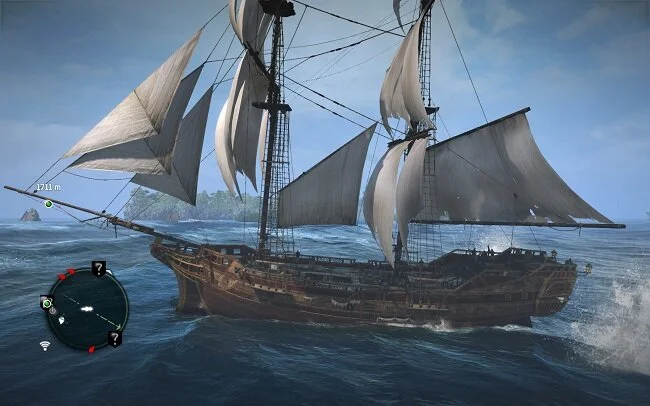
Big franchise RPGs such as Assassin’s Creed straddle both types of gameplay. The story is heavily scripted and very much on rails. But then there is a lot of open world busy work to be done, which you can do at your own leisure. It is the latter that has kept me engaged this week, due to what I describe as incidental emergent gameplay. IE my response to minor things going on around me in the game. The game is set in 1715 in the West Indies and has a nautical and pirate themed plot. There are side missions where you can hunt whales and sharks and I have found these particularly engaging. They have fairly simple mechanics and some ambient dialogue but the rest is pretty much up to the player. I’ve found that it is very easy to get lost in this activity. After successfully hunting a white whale, I found myself quoting both Herman Melville and Khan Noonien Singh.
It is this incidental emergent gameplay on top of the main story and overall game design that keeps gamers hooked. I think if done well it can tip the scales so that an average game becomes a superior one. I love walking around Havana in Black Flag and listening to the ambient dialogue and activities of the NPC. Sailing the seas is also a compelling act in itself. Occasionally I encounter a pod of dolphins or see a whale breach the waves and it is really quite compelling. I’ve not encountered an RPG with such an engaging virtual world since The Witcher III. I think I understand now why some gamers feel the need to write about their ingame characters and create a backstory for them or pen their own stories. Emergent gameplay both directly and indirectly fuels the imagination and one’s sense of narrative. I don’t think I’ll be so dismissive of the concept from now on.


Playing Older Games on Modern Monitors
When I initially think of the late 90s or early 2000s, I don’t immediately realise they’re that long ago. That’s probably due to my age and being born in 1967. However, when I do the mental arithmetic, the march of time becomes quite apparent. Technology can change quickly and often does. Prior to the mid-2000s, most video games utilised relatively low-resolutions and the default aspect ratio was usually 4:3 due to the CRT monitors that were in common use at the time. If you try to play such vintage games on a modern HD, UHD or Ultra Wide monitor you’re going to end up with an image that is either stretched or with black bars on the sides of the screen. There are also going to be issues resulting from low-resolution graphics and textures as well. However both of these problems can be addressed by freely available internet resources.
When I initially think of the late 90s or early 2000s, I don’t immediately realise they’re that long ago. That’s probably due to my age and being born in 1967. However, when I do the mental arithmetic, the march of time becomes quite apparent. Technology can change quickly and often does. Prior to the mid-2000s, most video games utilised relatively low-resolutions and the default aspect ratio was usually 4:3 due to the CRT monitors that were in common use at the time. If you try to play such vintage games on a modern HD, UHD or Ultra Wide monitor you’re going to end up with an image that is either stretched or with black bars on the sides of the screen. There are also going to be issues resulting from low-resolution graphics and textures as well. However both of these problems can be addressed by freely available internet resources.
Not every game gets a remaster or a full blown remake. Fortunately the PC gaming community, being a resourceful one, fills the gaps with numerous “unofficial” patches created by gifted amateurs. These allow for widescreen aspect ratios and higher resolutions that are not native to the original games to run successfully. After searching for a while online, a single site emerged that appears to have by far the most resources available in one place. The Widescreen Gaming Forum, as the name suggests, is an online community that compiles patches for various games into a browsable database. All patches have comprehensive download and installation instructions along with notes verifying what resolutions they support. The patches are often updated to reflect changes in game build or newer screen resolutions.
16:9
I was looking specifically for a solution for Assassin’s Creed IV: Black Flag which was released in late 2013. Although the game does support my primary monitor’s resolution of 1900 x 1200, which is an aspect ratio of 16:10, it still displays at 16:9 creating black bars on the top and bottom of the screen. Apparently Ubisoft is renowned for forcing this aspect ratio in earlier versions of its big releases. Thankfully a solution for this particular problem was quickly found on the forum and a suitable patch applied. The change was successful and now I can play the game at 1900 x 1200 without any masking. It is not what I would call a major change to the game but I found the black bars distracting. I much prefer the entire monitor screen to be filled. I have some older games that have a 4:3 ratio and I‘m very curious to see how well they fare when patched to support a wider format.
16:10
With regard to the other issues surrounding older video games, such as low resolutions graphics, the lack of antialiasing and blurry textures I would recommend using the Nexus Mods website. There are thousands of mods and addons for both contemporary and older video games. This includes a lot of resources that are specifically designed to help older titles run on modern hardware. The Game Pressure website also has some useful files for older titles. And the forums for the online retailer Good Old Games can often point you in the right direction for finding mods and patches to drag old classic titles, kicking and screaming into the twenty-first century. Not every game can be patched to run on Windows 10 but it is certainly worth investigating, if it affords you the opportunity to return to a my beloved classic. In the meantime at least I don’t have to endure the wrong aspect ratio on Assassin’s Creed IV: Black Flag.
NB. I previously touched on this subject in a post two years ago, when I installed the original version of Mafia. I wrote a post on the ensuing fine tuning required to run the game “correctly”.
Aargh, Game Controllers
According to a famous old adage, “you can’t teach an old dog new tricks”. I wholeheartedly refute this as that has not been my personal experience in life. Over the last decade or so I have learned several new technical skills. As a carer to disabled parents, I’ve also learned to be more patient in recent years. And having grandchildren teaches you a thing or two. So I don’t buy into the concept that once people have reached a certain age, they become fixed and immutable by nature. Life presents a continuous opportunity for self improvement. Or to render all this philosophical musing down to a point relevant to this blog post, despite being a PC gamer since the late nineties and habitually using a keyboard and mouse, I have in recent years managed to adapt to using a game controller. To a degree. And that caveat is the point of contention.
According to a famous old adage, “you can’t teach an old dog new tricks”. I wholeheartedly refute this as that has not been my personal experience in life. Over the last decade or so I have learned several new technical skills. As a carer to disabled parents, I’ve also learned to be more patient in recent years. And having grandchildren teaches you a thing or two. So I don’t buy into the concept that once people have reached a certain age, they become fixed and immutable by nature. Life presents a continuous opportunity for self improvement. Or to render all this philosophical musing down to a point relevant to this blog post, despite being a PC gamer since the late nineties and habitually using a keyboard and mouse, I have in recent years managed to adapt to using a game controller. To a degree. And that caveat is the point of contention.
Some games, especially those that are direct console ports, are by default designed to be played with a game controller. I can usually navigate the controls via a keyboard but find that driving vehicles or riding a mount is best done with a game controller. Steering, accelerating and braking using WASD and other keys tends to be awkward. Using the left thumbstick or the D-pad to turn and the right trigger to increase speed is both comfortable and intuitive. Therefore, until recently, this compromise of using a combination of both keyboard and mouse along with a game controller has proven successful. On a few occasions there have been games such as Fall Guys: Ultimate Knockout which I have played exclusively using a game controller. However, and there is always a however, I have recently run into problems with one game. Namely Assassin’s Creed IV: Black Flag, which I have been playing on the Nintendo Switch.
In essence the biggest problem I have with this game is using the left thumbstick in conjunction with the right trigger (RZ) to do freerunning and parkour. I find the thumbstick to be very sensitive and struggle with oversteering. If you collide with walls or any other object you then proceed to scale them. Plus if I press too hard on the thumbstick (L3) and push it directly down, it toggles Eagle Vision which changes the entire UI and further impedes navigation. Naturally, I thought that these problems could be overcome if I practised. Sadly after a week stuck on the same simple mission in which I have to chase a pickpocket at the start of the game, I have made no progress. Perhaps I just have a blind spot regarding this problem but I just cannot adequately control my avatar’s movements. As a compromise I looked at the viability of remapping keys or using an alternative controller configuration. The Switch doesn’t appear to support either of these.
Hence, after hitting such an impasse I’ve decided to stop playing this particular game on the Nintendo Switch. As parkour is such an integral part of the game, if I cannot effectively do it, then it seems somewhat ridiculous to continue. However, that is not to say that I am abandoning Assassin’s Creed IV: Black Flag. I managed to pick up a CD key for the PC version for under £8 and am going to give it another go using keyboard and mouse. Because I don’t want to be excluded from a game due to this obstacle. Perhaps I could improve at playing with a game controller if I sank even more time into practising. But I bought a game to be entertained, not to embark upon the lengthy retraining of both my spatial and coordination skills. Sometimes cutting your losses is far wiser than beating your head upon a wall. Henceforward, I shall resume my former relationship with game controllers.
Explaining Your Passion
I had “the conversation'' the other day. Not the one about where babies come from, the other one. You know, the one where another adult realises that you play video games and is utterly flummoxed by such a thing. Yes, this tedious shit still happens. However, as someone who tries to be civil to others, I feel it incumbent upon me to try and give a concise response when faced with such questions. In some respects being confronted with a situation like this actually offers an opportunity to educate someone who is culturally ignorant about the popularity and significance of video games. Hence, there is a sense of obligation, as an unofficial ambassador for video games, to try and be coherent, plausible and not come off as a nut job. So, with all this in mind, how exactly do you explain your passion for something to someone who finds it utterly alien and probably has some inherent prejudice against it?
I had “the conversation'' the other day. Not the one about where babies come from, the other one. You know, the one where another adult realises that you play video games and is utterly flummoxed by such a thing. Yes, this tedious shit still happens. However, as someone who tries to be civil to others, I feel it incumbent upon me to try and give a concise response when faced with such questions. In some respects being confronted with a situation like this actually offers an opportunity to educate someone who is culturally ignorant about the popularity and significance of video games. Hence, there is a sense of obligation, as an unofficial ambassador for video games, to try and be coherent, plausible and not come off as a nut job. So, with all this in mind, how exactly do you explain your passion for something to someone who finds it utterly alien and probably has some inherent prejudice against it?
I would hazard a guess that most people would start by giving a verbal overview on the merits of gaming. However, fans often cannot see the woods for the trees, so there’s a good chance that this approach could result in a lengthy diatribe, which fails in its good intentions and leaves one of the two individuals involved with their eyes glazed over. Can you guess which one? Another approach may be to try and introduce this fictitious friend who is curious about gaming to some of the professional coverage that is provided by the press. I’m not talking about those tabloid, knee jerk articles with their sensational headlines. I mean reference the fact that most major news sites review video games as they do movies and provide industry analysis. Mind you, this also comes with its own set of problems, as some of it can be an esoteric and niche market. It may only further bewilder and confuse, rather than illuminate. Plus the games media itself can at times be extremely blinkered and unwelcoming.
Some peoples reaction when they discover you play video games
I think the best way to explain to a gaming muggle is to directly show them what it is you love about gaming. By that I don’t mean just demonstrate one of your favourite titles but make clear to them how you personally experience it. Highlight the positive aspects that are common to other hobbies and pastimes, such as the social interactions and the friendships. Gaming is truly international, affording opportunities to meet online and build relations with people all over the world. Reference the associated blogging community and those that produce content about gaming as this can also help promote gaming in a positive way. The parallels that video games share with sports fandom may also work in your favour. The key is to break the stereotype of the gamer being an antisocial person indulging in something that has negative connotations. It also doesn’t do any harm to show how gaming can be a force for good by the way both developers and gamers undertake charitable work.
The tabloid press love video games
My suggestions are by no means comprehensive and I’m sure you can think of plenty of additional ideas yourself. As ever with any sort of human interaction, you need to adjust your pitch according to the situation and who you are talking to. Yet if each of us can manage to change at least one person's mind about gaming, assuming you ever find themselves questioned as I were, perhaps we can say goodbye to the trite depiction of gamers that still prevails in certain parts of the media. Please note that I am not advocating proactive evangelising of video games to non gamers whether they want to know or not. Sometimes it is far more sensible and safer to compartmentalise your life and not share too much about yourself with work colleagues etc. However, there are some people who are genuinely curious about things outside of their own experience, who are open to re-evaluating their opinions. So if they ask, then do your best to explain.
LOTRO: What Happens Next?
Around the middle of May, it was announced on the official forums that the MMORPG The Lord of the Rings Online had a new Producer, Oleg Brodskiy (AKA Raninia). This news was hardly “shouted from the rooftops” and I only found out about it when Raninia was recently “interviewed” by LOTRO streamer Louey7. So what do we know about Mr Brodiskiy? Well he comes from a mobile game background, having worked on such titles as Archer: Danger Phone and Marvel Puzzle Quest. He has experience as a game producer and in QA. According to the introductory post he made on the forums “Sev remains the Executive Producer, I'm coming in as support under him. I'll be spending my time exclusively on LOTRO, and am hoping to be reasonably communicative”. As mentioned, he recently appeared on a live stream and answered some questions regarding what’s happening with LOTRO in the next 6 months or So. He also alluded to 2022.
Around the middle of May, it was announced on the official forums that the MMORPG The Lord of the Rings Online had a new Producer, Oleg Brodskiy (AKA Raninia). This news was hardly “shouted from the rooftops” and I only found out about it when Raninia was recently “interviewed” by LOTRO streamer Louey7. So what do we know about Mr Brodiskiy? Well he comes from a mobile game background, having worked on such titles as Archer: Danger Phone and Marvel Puzzle Quest. He has experience as a game producer and in QA. According to the introductory post he made on the forums “Sev remains the Executive Producer, I'm coming in as support under him. I'll be spending my time exclusively on LOTRO, and am hoping to be reasonably communicative”. As mentioned, he recently appeared on a live stream and answered some questions regarding what’s happening with LOTRO in the next 6 months or So. He also alluded to 2022.
Briefly, here is a recap of the points that were discussed in the stream. The original summary appeared on Massively Overpowered, care of Justin Olivetti and I have further condensed it for brevity.
2021:
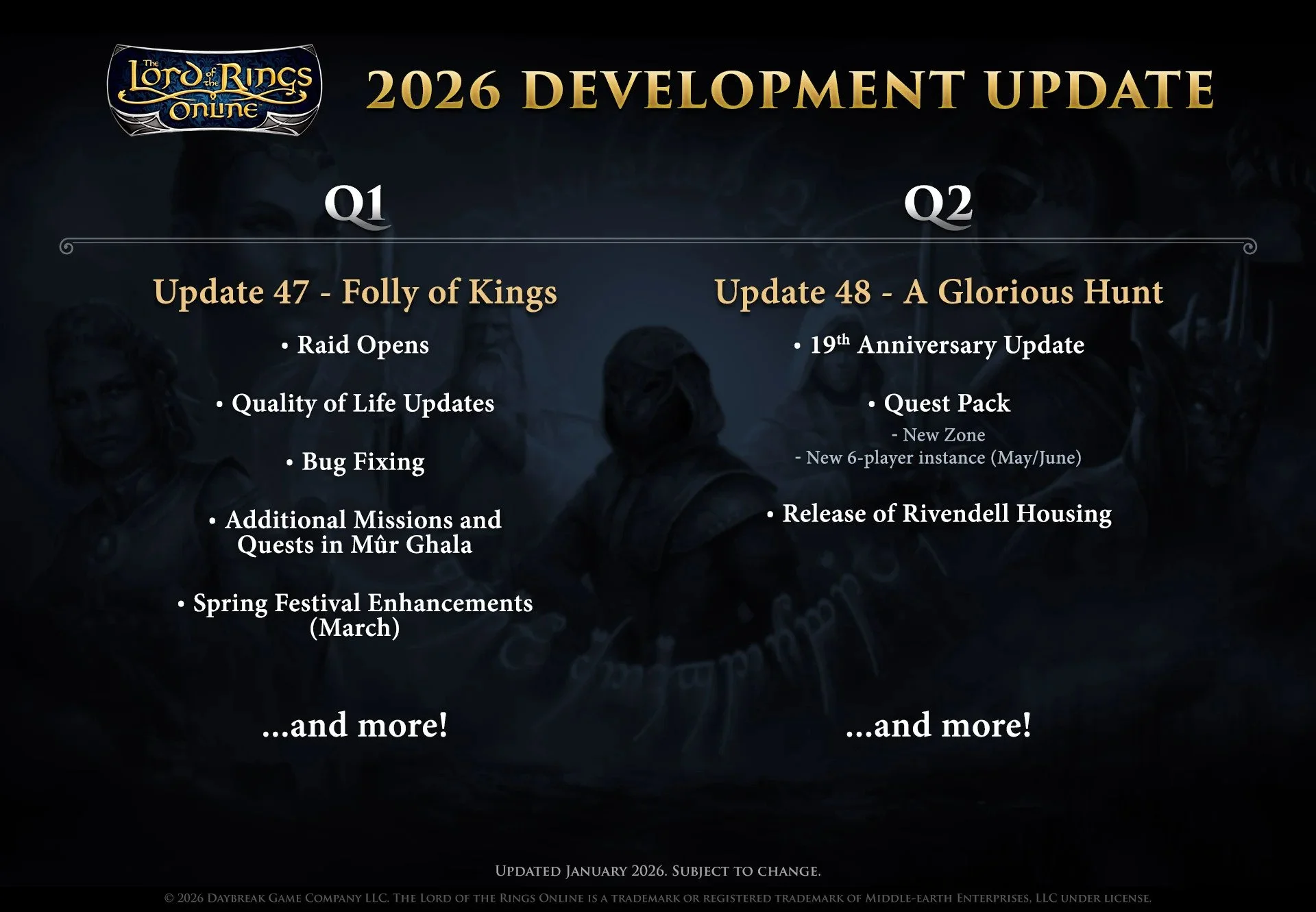
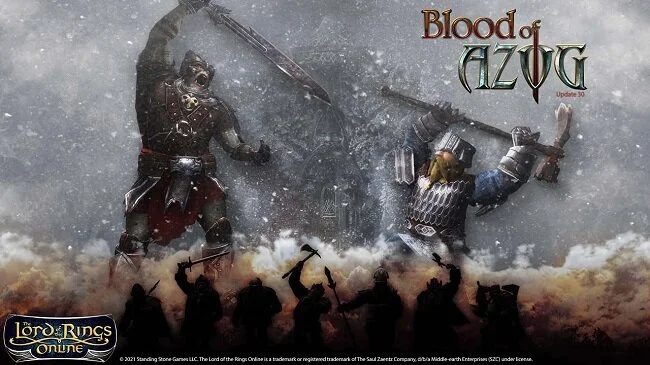
The Gundabad expansion is due in autumn and will be tied to the new Brawler class.
The Brawler class has a tank and DPS role. Specific race options are not yet decided.
Gundabad will feature missions and an older system that SSG is returning in a revised state.
Gundabad will include Legendary Item changes. The older LI system will be “phased out”.
The new LI system will be easier to use and for players to catch up.
2022:
The development team have proposed years’ worth of potential content, although nothing beyond Gundabad has been completed.
Trait lines, crafting and kinships may have future systems revisions.
Visual and technical upgrades are being planned, although specifics have not been decided. A possible console edition cannot be discussed at present.
Multithreading is “possible” but very difficult to achieve with LOTRO’s game engine.
There are no plans at present for level compression (like WoW).
Changing the acquisition of class trait points has been discussed.
SSG would like to have an EU-based server, but there are definitive plans at present.
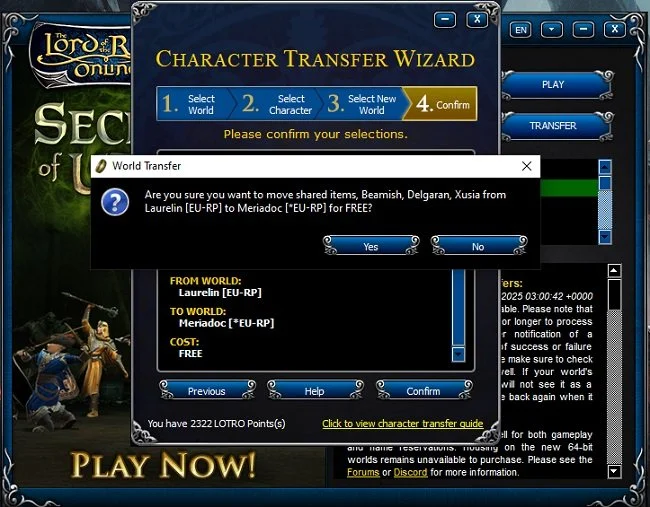
Character transfers from closed worlds to live ones are being tested.
There are no planned server merges.
This is more information than we’ve seen for a while and certainly Oleg seems to be far more comfortable talking about the game than other members of Standing Stone Games. The interview was casual, upbeat and suitably vague. As previous new classes or races have been tied to expansions, it’s no surprise that the Brawler will follow suit with the arrival of Gundabad. The community knew the LI revision was coming so it will be interesting to see how simplified it will be. I wonder if the “older system” that is making a comeback in a revised state is skirmishes? Missions after all are just a variation of these and skirmishes were always a welcome alternative to traditional quests. As for next year, there seems to be a lot that is being discussed but it would appear that there may be technological restrictions. I don’t expect to see visual changes, multithread support and a console port any time soon. I suspect that SSG will focus on what can be achieved easily first. So expect skills bloat, skill points and crafting to be tackled sooner.
As ever with LOTRO much remains unanswered. Not only game specific details but wider aspects of company policy. Is Oleg Broadskiy’s employment a direct result of EG7 new ownership? Because from what I've seen of them so far (their YouTube channel has proven very informative) they are facilitators and enablers, rather than old school autocratic owners. They don't appear to have a vision for LOTRO that they wish to impose upon SSG. They seem more disposed towards supporting SSG financially and administratively, so they can take the game forward. If that is the case then LOTRO’s future development and direction is still being driven by SSG and that is what concerns me. They haven’t always struck me as that imaginative of companies and they often seem to be tone deaf to community concerns. However, more money and potentially more staff may well change this, bringing fresh ideas. Having played LOTRO for 13 years and followed the games development closely, the most I can do at present is remain cautiously optimistic.
Looking at the long term future of the game, it does seem like LOTRO is at a crossroads in its lifecycle. Fortunately there are several positive factors in the games favour at present. In recent years there have been major changes to the Tolkien Estate and Middle-earth Enterprises affording greater leeway with licencing and use of Professor Tolkien’s intellectual property. EG7 acquiring Daybreak Gaming Company and their portfolio, has revealed a lot of data regarding LOTRO and it has shown that the playerbase is quite robust, generating stable revenue. Plus there’s a very good chance of renewed interest in all things Middle-earth when Amazon Prime’s new TV show which is set in the Second Age launches at the end of 2021. Hence if the game is adequately funded, developed and promoted it could see an increase in players. A console port would be invaluable, as could revising the games engine and mechanics for the PC market.
For LOTRO to survive and thrive, it requires a development team and chain of command with sufficient love and vision. If such skills are lacking in SSG at present, then perhaps EG7 can recruit them. Potentially, if managed well LOTRO could endure for another decade. A revamped game with modern attributes, yet still founded on strong narrative gameplay should do well. Being made available on EG7’s growing platform 4Game would be a major shot in the arm. When you consider the huge international appeal of Tolkien’s work (since publication The Lord of the Rings has sold 150 million copies) it seems ludicrous that a massively multiplayer game based upon that work hasn’t secured a bigger place in the market. In many ways LOTRO is now in the best position it has ever been in to reach its full potential. However, if this process of self improvement doesn’t start soon, then the opportunity may be missed and like Galadriel the game will diminish and go into the West. As always, time will tell.



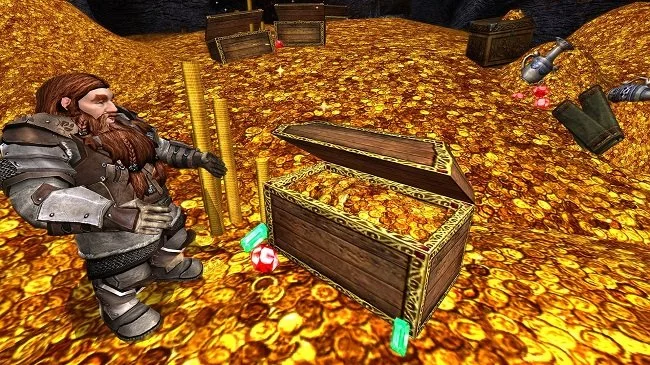
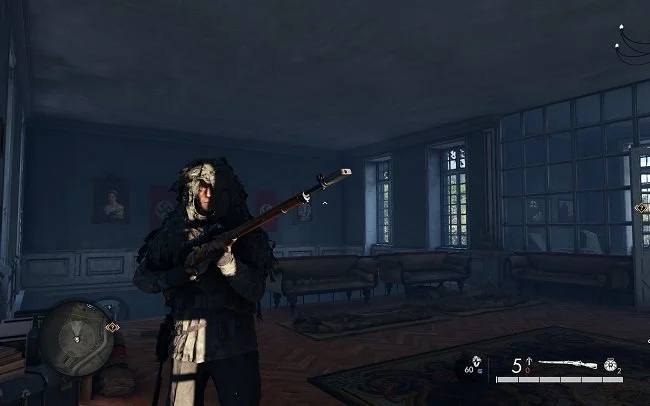
Screenshots and Photo Mode
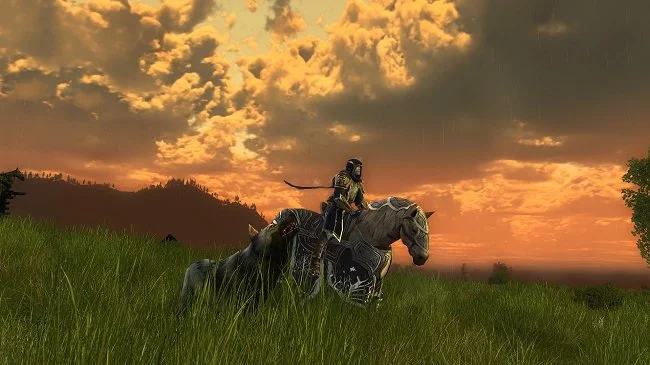
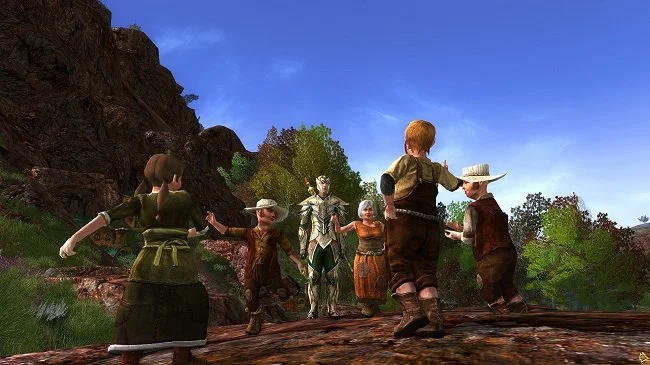
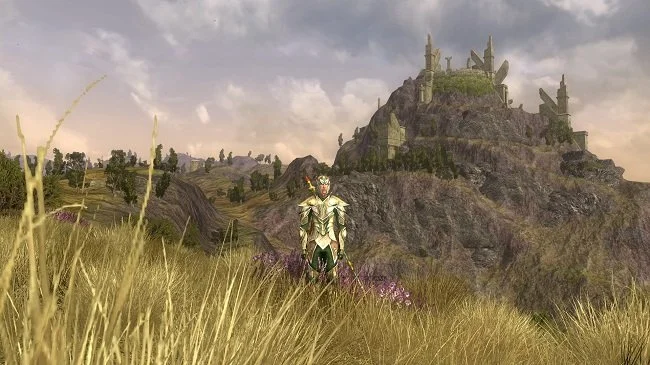
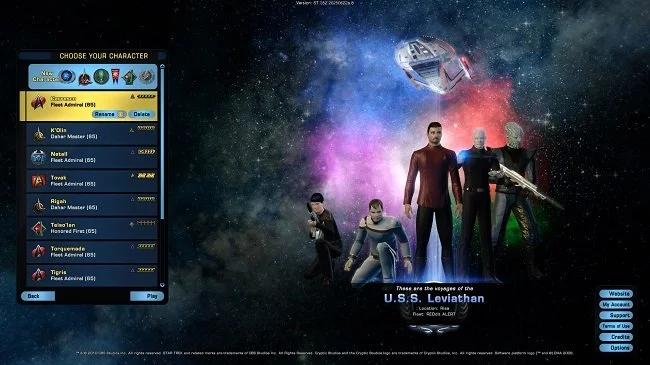
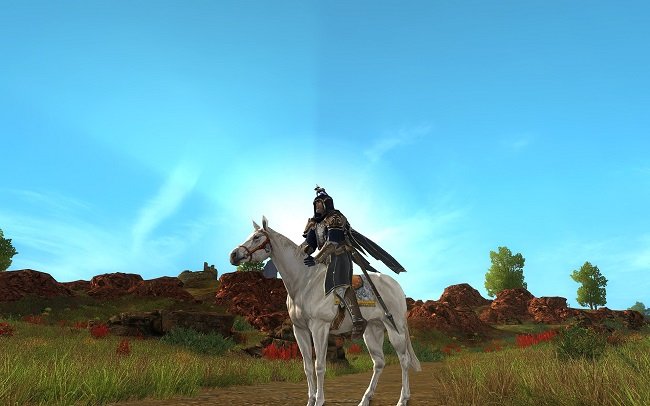
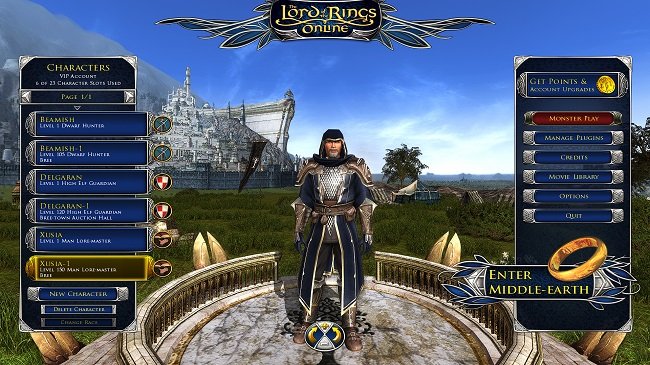
Despite its many flaws, Cyberpunk 2077 launched with a very comprehensive “photo mode”. Developer’s CD Projekt Red put a lot of resources into creating the game's aesthetic and recognised that players would want to explore it and record how their avatars interact with it. The ability to take screen captures is a selling point for many games, especially in the RPG and MMORPG genres. It allows players to keep a permanent record of their activities over time and also adds another social aspect to proceedings. Players love to share screenshots that showcase their avatars and record events they’ve participated in. Some fan sites are predicated purely upon in-game photos. Either highlighting the various cosmetic items that are available or capturing the beauty of the virtual world. I still have screenshots from The Lord of the Rings Online going back to the day I started playing in December 2008.
Despite its many flaws, Cyberpunk 2077 launched with a very comprehensive “photo mode”. Developer’s CD Projekt Red put a lot of resources into creating the game's aesthetic and recognised that players would want to explore it and record how their avatars interact with it. The ability to take screen captures is a selling point for many games, especially in the RPG and MMORPG genres. It allows players to keep a permanent record of their activities over time and also adds another social aspect to proceedings. Players love to share screenshots that showcase their avatars and record events they’ve participated in. Some fan sites are predicated purely upon in-game photos. Either highlighting the various cosmetic items that are available or capturing the beauty of the virtual world. I still have screenshots from The Lord of the Rings Online going back to the day I started playing in December 2008.
There is a surprising amount of skill involved in composing a good screenshot and it is not just a case of point and click. Framing and the “rule of thirds” are important factors. A Google search will provide you with plenty of common sense advice. However it helps immensely if a player can readily swap from third person to first person perspective. There will be times when you do not want or need your own avatar in the picture that you are taking. Thankfully most major MMOs have the facility to easily change between camera views and to turn off the user interface. However, photo mode, found in single player games, provides a far greater degree of creative freedom. It allows the game to be paused and the in-game camera to be detached from its preset configurations and to navigate in three dimensions around the desired image.
Considering that so many games these days have a business model based around the sale of cosmetic items, it comes as no surprise that gamers want to take in-game selfies. It has to be said that the MMORPG genre, especially the role playing community, has a somewhat vain streak running through it. After all it is your avatar that is at the centre of the game. Hence, it seems logical and good business sense to ensure that all games come with facilities to accommodate and support screen captures. Where possible I’d personally like to see the more comprehensive photo mode supported. This really appeals to me in the same way as drawing and painting does. There is immense satisfaction to be had in trying to compose and frame a shot. It is something I can happily spend hours on. And then there is the option of post processing although that can be a somewhat contentious issue. Does it enhance the image at the expense of the game?
Sadly, some games still lack integral screenshot support or do not have a specific photo mode. Furthermore, some even go so far as to actively block third party screen capture apps from working. For years I used the screen capture program FRAPS but some Ubisoft games see it as a security threat and consider its activity suspicious. So I found myself having to use for a while the screen capturing tool that comes with Nvidia’s GeForce experience software, to take pictures in certain games. Fortunately, I subsequently discovered Bandicam which offers a one stop screen and video capture solution, bypassing the issues caused by certain developer’s security protocols. There’s a free version that allows for unlimited screen captures without watermarks but it does restrict video capture to 10 minutes. The full version of the software cost $40.
Defining Immersion in Video Games
Like any leisure activity, video games have their own unique lexicon. Some of these terms have become so ubiquitous that they have bled through from pop culture into everyday parlance. Hence we have the UK Prime Minister talking about “levelling up”; a suitably nebulous and vacuous soundbite. Gaming terms are elastic and often their meaning shifts, just like many other words in daily use. Hence the acronym MMO doesn’t really mean what it did two decades ago. Fellow blogger Wilhelm Arcturus wrote about a very specific gaming phrase yesterday. One that he feels very passionately about. Namely the term “immersion”. Gamers often refer to it in heated debates but due to its ill defined nature, it is inherently ambiguous. Wilhelm explored this in both his post and its subsequent comments. I’d like to continue with that train of thought here.
Like any leisure activity, video games have their own unique lexicon. Some of these terms have become so ubiquitous that they have bled through from pop culture into everyday parlance. Hence we have the UK Prime Minister talking about “levelling up”; a suitably nebulous and vacuous soundbite. Gaming terms are elastic and often their meaning shifts, just like many other words in daily use. Hence the acronym MMO doesn’t really mean what it did two decades ago. Fellow blogger Wilhelm Arcturus wrote about a very specific gaming phrase yesterday. One that he feels very passionately about. Namely the term “immersion”. Gamers often refer to it in heated debates but due to its ill defined nature, it is inherently ambiguous. Wilhelm explored this in both his post and its subsequent comments. I’d like to continue with that train of thought here.
The obvious question to start with is “what is immersion?”, so I did a quick Google search to see if I could determine the most commonly used definition. This proved to be “deep mental involvement in something” according to Oxford Languages. The next step is to dip our toe tentatively into the sea of semantics, because there are many words that technically have a comparable or similar definition as immersion but their associated usage and linguistic baggage make them subtly different. For example, is immersion the same as concentration? I think not. I would associate competitive gaming more with that term. Esports is more about focus, IE concentrating on your technical skills, rather than getting lost in the moment which to me has more philosophical connotations. However, the phrase “in the zone” at first comes across as more of a sports orientated term. Yet it is equally applicable to creative and artistic endeavours. A role player could find themselves “in the zone” as they spontaneously weave an engaging narrative.
Such is the nature of semantics. As you can see, we’re no nearer to a more precise definition of immersion. So perhaps it would be better to approach it from a more philosophical angle. Do all gamers place significance upon immersion? I’d argue not. Competitive gaming is more akin to sports hence I wouldn’t expect immersion to be high on such gamers agenda. So called “core gamers” are more disposed toward technical mastery and exercising their skills precisely, rather than musing on the motivations of their avatars or the beauty of the virtual world in which they are playing. In fact when one considers the cultural divide between different gaming groups, I would hazard a guess that “core” gamers eschew immersion, as it represents a major aspect of social gaming, which they despise. Hence it is fair to say that immersion is more the province of the casual gamer, the role player and virtual explorer. Furthermore its importance is possibly genre dependent.
So what have we discovered so far? That immersion is a broad church that loosely means getting lost in the game that you’re playing. I would also suggest that immersion has a scale associated with it and what sort of player you are and the kind of game that you are playing dictates where you are on that scale. Using the MMORPG genre as an example, I would suggest that role players would be at one end and casual players like myself somewhere in the middle and PVP players at the other. One’s relative immersion is dependent upon variations of the following. Concentrating upon exactly what you’re doing within the game, to the exclusion of all other thoughts. Being engaged with the written narrative (or your own headcanon), your avatar’s actions and caring about what is happening and the potential outcome. For me, it is similar to being lost in watching a film, with the added bonus of having direct involvement upon events.
Naturally, there are many different things that can impact upon our personal sense of immersion. For example, first person versus third person perspective may make a difference. When playing from a first person view, you are the character. However, with a third person view you are observing the character. It is a small and subtle distinction but people may well react differently because of it. Animations, on screen prompts player chat can also be a source of distraction and objection that spoils one’s sense of immersion. And then there is the thorny issue of in-game stores and business imperative that comes with video games. This is often an anathema to those who see video games as a refuge from the iniquities of modern corporate life, despite the fact that video games are in many ways a microcosm of the fruits of capitalism.
For me, immersion in video games is something I find when I am on my own and free from interruptions. I can spend as much time as I like following the narrative, or reading the various lore books I find. It’s about stopping to take in a view and reflecting upon its beauty. It’s about watching the hustle and bustle of both NPCs and players in major cities. Immersion is the sense of satisfaction, achievement and joy I feel after beating a boss, completing a major quest arc or simply travelling round a virtual world. Anything that comes between these things breaks that immersion. I dislike skipping through quest bestowal text or dialogue as it somewhat mitigates my “motivation”. At times I do feel like a method actor seeking for “reasons” for my in-game actions beyond the obvious.
Immersion is a subjective and enigmatic thing. As there is no comprehensive and universally accepted definition that we all buy into, debates upon the subject will always be contested as not everyone’s experience is identical. Overall I believe that in light of this conclusion, the best we can hopefully agree upon is that immersion exists as a spectrum or scale. Exactly where we fit on it is unique to each of us. As to arguments that there is no such thing as immersion that are proposed from certain gaming quarters, I believe them to be flawed. Immersion is about feelings and one’s personal perceptions. It is not solely defined within logical parameters and in legally binding terms. Immersion in games is akin to what we feel when we are enthralled by a good book or that emotive response you have to a great song or piece of music. We do these uniquely, however it is entirely possible to find ourselves in part of the Venn diagram shared with others.
Some Video Games Fail
I was somewhat surprised to learn this week that the action role-playing video game Magic: Legends was to be closed. Not so much by the actual decision itself but at the speed at which it has been made. Technically the game has not left beta testing and will now never be formally launched. The servers will remain accessible until October 31st 2021 and players who have spent money on microtransactions via the Epic Store or Arc will be refunded. Developer’s Cryptic and publishers Perfect World Entertainment have naturally not given any specific details regarding the reasons behind the games closure. The accompanying press release is suitably vague. “We learned several valuable lessons along the way, and we will use them to improve Cryptic’s future development efforts”.
I was somewhat surprised to learn this week that the action role-playing video game Magic: Legends was to be closed. Not so much by the actual decision itself but at the speed at which it has been made. Technically the game has not left beta testing and will now never be formally launched. The servers will remain accessible until October 31st 2021 and players who have spent money on microtransactions via the Epic Store or Arc will be refunded. Developer’s Cryptic and publishers Perfect World Entertainment have naturally not given any specific details regarding the reasons behind the games closure. The accompanying press release is suitably vague. “We learned several valuable lessons along the way, and we will use them to improve Cryptic’s future development efforts”.
Magic: Legends went through several design changes during its development. It was originally conceived as a free-to-play, next generation, action MMORPG. However this was later downgraded to multiplayer action RPG. The version released for beta testing in March was unpolished and uninspired (according to player feedback) and then courted further controversy by having a somewhat egregious business model with an excess of store benefits. Despite being part of a much beloved franchise, the game just seemed to miss the mark and was seen as just another indifferent ARPG in an already saturated market. The entire situation put me in mind of Turbine’s Infinite Crisis. This was a game based upon an established intellectual property (DC universe) that was similarly closed after a lacklustre reception back in 2015, despite the resources that had been spent upon it.
Naturally, it is the human cost of this situation that is the saddest part of the story. The demise of Magic: Legends has consequently resulted in staff layoffs. In wider terms, this is a timely reminder that video games are consumer products, designed to make money. Obviously the powers that be (in this case PWE) looked at the development costs of Magic: Legends (including what it would take to improve the game) and then offset that against any projected revenue they thought they could make. They subsequently decided to cut their losses and move on to the next project. It’s not as if every aspect of the game’s development is a write off. Assets and code can be reused elsewhere. This was a business decision, pure and simple. Magic: Legends will now join Crucible and Anthem on the list of major video games that have failed. Because failure is an intrinsic part of business.
A Month in Gaming
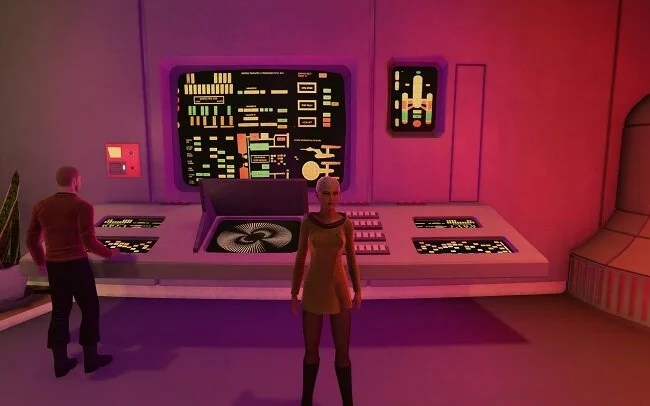
The last installment of A Month in Gaming was at the end of April. I have decided to update this recurring post less often to ensure that I have more to write about than just cataloguing my generic activities in The Lord of the Rings Online and Star Trek Online. The only downside of such an approach is that it invalidates the title but that can’t be helped. Fortunately, I have done more than usual over the last two months. My daily schedule has changed temporarily and I now have a little more leisure time available. Hence I’ve dabbled with several new games as well as using my Nintendo Switch more often. I also took part in a “tag team” playthrough of XCOM 2, which was a very interesting experience. And I finally took the time to go through all my games libraries on the various different platforms to catalogue exactly what I have. I found a few hidden gems but the majority is just “filler” that you find in most video game bundles.
The last installment of A Month in Gaming was at the end of April. I have decided to update this recurring post less often to ensure that I have more to write about than just cataloguing my generic activities in The Lord of the Rings Online and Star Trek Online. The only downside of such an approach is that it invalidates the title but that can’t be helped. Fortunately, I have done more than usual over the last two months. My daily schedule has changed temporarily and I now have a little more leisure time available. Hence I’ve dabbled with several new games as well as using my Nintendo Switch more often. I also took part in a “tag team” playthrough of XCOM 2, which was a very interesting experience. And I finally took the time to go through all my games libraries on the various different platforms to catalogue exactly what I have. I found a few hidden gems but the majority is just “filler” that you find in most video game bundles.
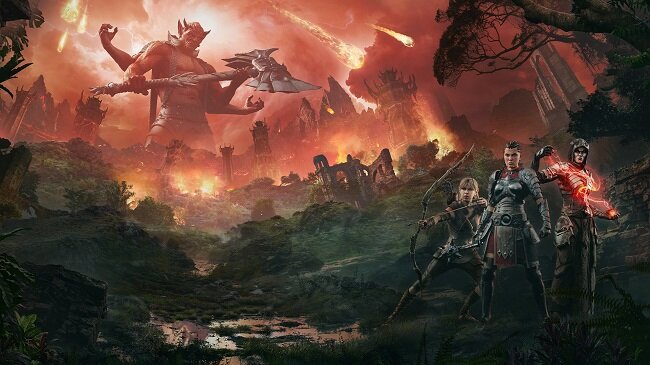
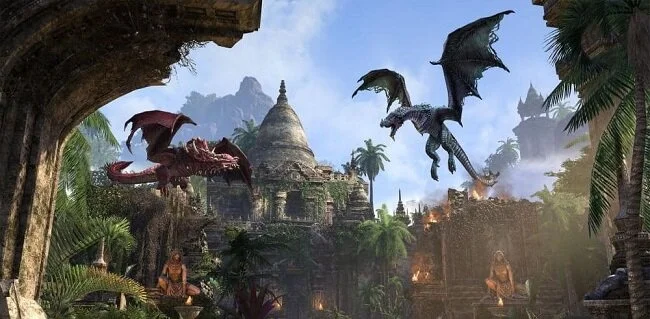
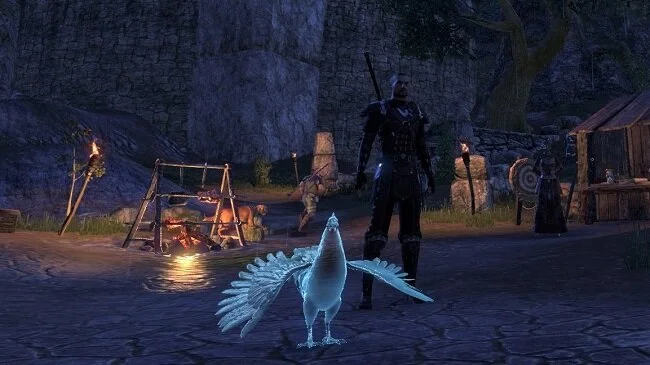
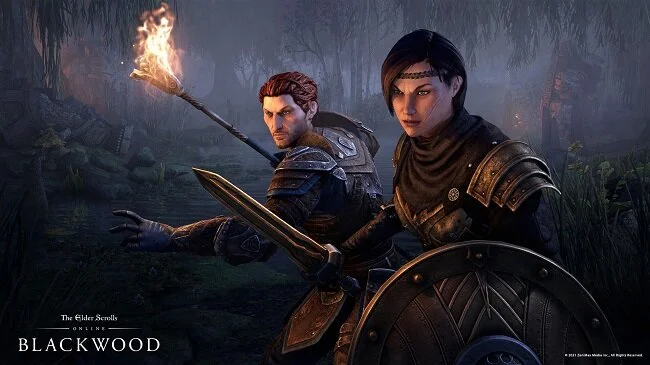
Let’s start with MMOs. The new Blackwood expansion for The Elder Scrolls Online has provided me with a reason to return to the game. I have written at length about the companion system in another post but I would like to reiterate how it does provide a major shot in the arm for the solo player. I have ventured into several dungeons with Mirri providing ranged DPS in support of my melee combat and it has proven a most effective combination. Especially if you configure your companion with at least one healing skill. Alternatively you could equip either of them with a Restoration Staff and make them a dedicated healer. The companion system seems very flexible and I do hope that developer’s ZeniMax continues to improve it further.
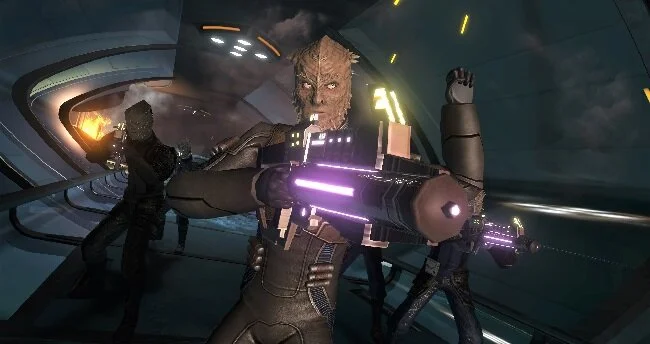
In STO, I have levelled one of my new Delta Recruits and have now optimised their build and gear. The toughest aspect of fine tuning an alt in STO is reaching Tier 6 with all reputation factions. If you have completed this on one character, there is a 50% reduction in the time it takes on all subsequent alts. However, even with this benefit, it still takes 50 days and requires you to grind out a prodigious amount of reputation marks. The Summer Festival started today on the resort planet of Risa, so I currently have an alt permanently stationed there to undertake the repeatable daily quest and hence earn the new free Tier 6 ship. I have deferred returning to LOTRO for the present, preferring to keep Update 30 for the Autumn. At present I’m more interested to see what developer’s Standing Stone Games are up to and whether EG7 has any announcements pending for both DDO and LOTRO.
I have continued with the RPG GreedFall and try to have one major play session a week. The game supports mods, so I have one currently installed that removes the brown filter that blights the visuals. I appreciate that game designers like to use the colour palette to create an aesthetic that reflects the narrative themes. But this grimy veneer that has been applied does become tiresome after a while. Once removed the colours of the environment become far more vibrant. I prefer it when games make such visual affectations optional and allow players to toggle such features off if they so please. Adding faux film grain to cinematic cutscenes is another common technique and one that can be quite distracting. GreedFall is a very satisfying RPG, combining many of the elements found in BioWare games. It is the sort of game that provides “comfort entertainment”, as it feels very familiar and traditional.
Perhaps the most challenging game I’ve played of late is Assassin’s Creed IV: Black Flag. This is mainly down to the fact that I’m playing the Switch version and using a pro controller. I’ve tackled other instalments in the franchise on the PC. The combination of the unfamiliarity with using a controller plus the absolute plethora of buttons, menus and actions has meant that my progress has been very slow. Plus when playing on a PC, I am sitting directly in front of the monitor. Using a large screen TV and sitting further away also takes some getting used to. Although I can see quite well, the incongruity of this manner of gaming seems to add to my sense of discombobulation. However, I shall persevere as I like this game and the naval combat is proving especially enjoyable.
In early May, I took part in an XCOM 2 succession game, in which each player undertook a mission and then saved the game and shared the file with the next participant. It was a very interesting experience as playing a turn based strategy game is somewhat out of my comfort zone. Broadly I enjoyed this experience but as ever there were a few caveats. Some of the missions in XCOM 2 have time sensitive objectives. Mercifully, I did not have to endure one of these. I don’t care for time based game mechanics and find them annoying rather than tense or motivating. And then there was the issue of incurring a fatality among your squad when undertaking a mission. Usually, I wouldn’t worry so much about such a thing but as this was a team undertaking, I felt a greater sense of responsibility to prevent this. Ironically, I failed but it is interesting how participating in a team activity changes your outlook and how you play a game due to a perceived sense of obligation to others. Perhaps I’m just not a good team player.
As I mentioned initially, I finally catalogued all games that I currently own and have been trying to draft a short list of the titles I would like to try this year. Horizon Zero Dawn, Days Gone and Elite Dangerous are the current favourites. Possibly 70% of what I own will more than likely never be played. In many ways this highlights the ephemeral nature of video games. Like popular music from time to time someone will create a timeless classic but there is also a lot of disposable content produced on a seemingly endless conveyor belt. And much of that seems to end up in my video game collection. I must admit, when I finally move over to Windows 11 as an operating system, I’m curious to see how well support for Android apps goes. I tend not to play mobile games on my phone or tablet and the biggest stumbling block of running them on my PC is the use of an emulator. Finally being able to try some titles from the comfort of my PC could prove convenient. Or it may validate my existing prejudice towards mobile games.



Fear of Missing Out (Again)
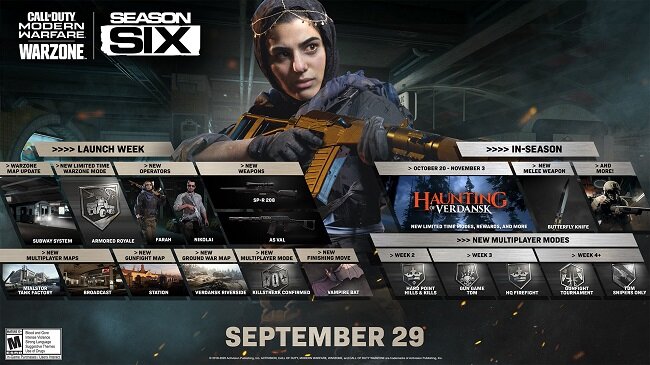
On May 20th, John McClane and Rambo were unceremoniously crowbarred into Call of Duty: Warzone as cosmetic skins available from the in-game store. If you felt that your life would be spiritually enriched by such a purchase then it cost about £34 for both, resulting in the community accusing Activision (and not Hans Gruber) of being an exceptional thief. Two weeks later the offer ended and the skins were withdrawn. Those who had missed the proverbial boat were left to cry into their beer and shake their fists at the capricious nature of the gods. Because “fear of missing out” is very real and all leisure industries know this and are happy to capitalise upon it. Never mind children and those adults who have learned to control their sense of compulsion. Capitalism’s reply is simply “am I my brother’s keeper”? Because loot boxes, limited time events and cosmetic products are just surprise mechanics”.
On May 20th, John McClane and Rambo were unceremoniously crowbarred into Call of Duty: Warzone as cosmetic skins available from the in-game store. If you felt that your life would be spiritually enriched by such a purchase then it cost about £34 for both, resulting in the community accusing Activision (and not Hans Gruber) of being an exceptional thief. Two weeks later the offer ended and the skins were withdrawn. Those who had missed the proverbial boat were left to cry into their beer and shake their fists at the capricious nature of the gods. Because “fear of missing out” is very real and all leisure industries know this and are happy to capitalise upon it. Never mind children and those adults who have learned to control their sense of compulsion. Capitalism’s reply is simply “am I my brother’s keeper”? Because loot boxes, limited time events and cosmetic products are just surprise mechanics”.
There is an inherent appeal to being part of something that is currently happening. To be at the cutting edge of something new or at the heart of a major event or talking point. It’s nice to belong, be part of a community and be able to say at a later date “I was there”. If you want to be less generous, it all can at times feel like a throwback to one’s adolescent years and not being excluded from the “in crowd”. One could even stray into the realm of armchair expertise and conjecture about the psychology of FOMO. Is it all part of the ongoing decline of society and the rise of the individual and consumer? Do we long to connect with others or are we just infantilised, emotionally stunted, perpetual teenagers who are incapable of countenancing going without? FOMO is indeed a complex social issue but as a business tool it is as plain as the nose on your face. People don’t like to miss out, so regularly offer them short term deals and watch the money come rolling in.
Is this man missing out or has he been deliberately excluded due to his choice of knitwear?
In my youth, I was often an early adopter. I was enamoured with new technology and would jump in feet first when a new product launched. I did this for a while with video games, often participating in alpha and beta testing and then enduring the iniquities of a bad launch. But I am older and wiser now, having learned the hard way. I’ll wait for an operating system, hand held device or game to be out some time nowadays before contemplating buying it. Let others ensure the bugs, flaws and lack of functionality. Most importantly, I am not fundamentally tormented by the notion that other people are having more fun than me at any time of the day. Doing things I can’t do or can’t afford to do. Because it’s a futile concept that if taken to extremes, will leave you constantly dissatisfied and envious.
A pop culture reference to contracts
Sure there are plenty of people who are currently indulging their personal vices or having a bacon sandwich, while I am not. But there are also people going to bed hungry or being tortured by the secret police, while I am not (although Mrs P does make me take out the recycling). FOMO is very much a first world problem and is very much underpinned by a sense of entitlement. I believe this may be a generational thing as I don’t remember anyone handing me a legally binding contract during my first day of school that stated that I’d always have “everything” and always “get my own way”. Joking aside, for me it is just a practical reality that you can’t do all the things you’d like. Occasionally I will have a pang of envy that I’ve not got that experience of playing World of Warcraft or that I have no association with sports. But these feelings are short-lived. Rather than worry about what I can’t do, I prefer to focus on what I can and therefore enjoy it all the more.
NB: I previously wrote a post about FOMO on 24th of September 2019. When you’ve been blogging for as long as I have some subjects are bound to come around more than once.
























ESO: “Where am I and What am I Doing?”
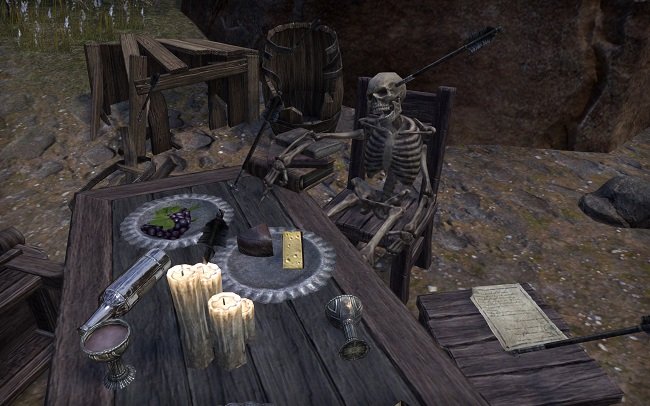
The other day, I was undertaking a daily mission for the Undaunted in The Elder Scrolls Online. I do these to level my companion’s associated skills line. The mission required me to go to a particular delve, set some soul traps and defeat the boss. Nothing unusual there, so off I went. Whenever I go into a delve in ESO, I usually do the quest associated with it. It provides a story and some additional experience points. Thus I arrived in the vicinity of the delve in question and found a note not far away. I read it and accepted the quest assuming it to be the one associated with the delve. To cut a long and confusing story short, it turns out it wasn’t. I discovered this about 20 minutes later when I found myself running around, confused with three separate lots of quest markers on my in-game map. Not for the first time I found myself pondering “where am I and what am I doing”.
The other day, I was undertaking a daily mission for the Undaunted in The Elder Scrolls Online. I do these to level my companion’s associated skills line. The mission required me to go to a particular delve, set some soul traps and defeat the boss. Nothing unusual there, so off I went. Whenever I go into a delve in ESO, I usually do the quest associated with it. It provides a story and some additional experience points. Thus I arrived in the vicinity of the delve in question and found a note not far away. I read it and accepted the quest assuming it to be the one associated with the delve. To cut a long and confusing story short, it turns out it wasn’t. I discovered this about 20 minutes later when I found myself running around, confused with three separate lots of quest markers on my in-game map. Not for the first time I found myself pondering “where am I and what am I doing”.
I have subsequently discovered after conducting some research that the quest I picked up outside the delve was in fact the prologue for the Blackwood expansion. A quest that I would have undertaken at some point but one that I wasn’t specifically intending to do at the time. I’m a bit picky regarding questing in ESO and I’m trying to do the content in narrative order on this particular alt. However, I believe this situation highlights a flaw in the way quests are presented to players in the game. The most obvious problem from my perspective is that there was nothing to indicate on the initial quest bestowal text (which in this case was a handwritten note) that it was for this specific quest chain. Because content scales in the game now, you can travel Tamriel and pick up missions from the original story, regional quests and faction specific missions. Unless you check every quest offered against one of the various ESO Wikis, you’ll find yourself involved in multiple stories and it all gets confusing.
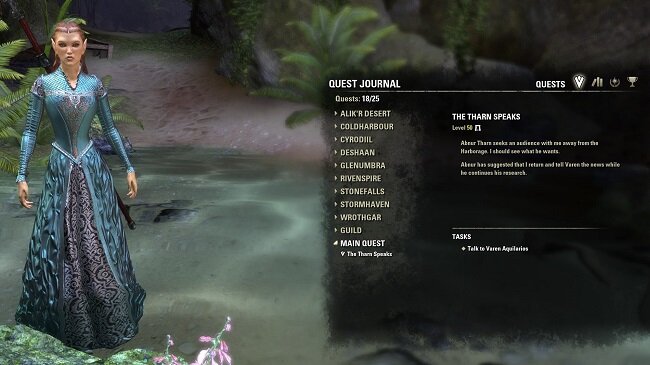
ZeniMax have given quest bestowal a great deal of thought in ESO, as you can pick up the major ones in several different ways. If you miss one NPC you may subsequently receive a letter to prompt you. It’s all rather clever. When you start playing the MMO for the first time, the way some NPC will run up to you to ask for your help is quite exciting. But it gets old very quickly and Stuga, Bera Moorsmith and others soon become very irritating. Another issue I have with ESO is managing quests via the in-game journal. Even when using an addon, it is still difficult to filter and order them in a way that I feel is logical. The easiest way to avoid confusion is to undertake just one quest at a time but that is hardly practical. And don’t get me started on the game’s inability to abandon the redundant Cadwell’s Silver and Gold quests. For a game that excels in many other ways it’s odd that they have fumbled the ball on this basic aspect of MMO gameplay.
I do not have this problem in other MMOs. In The Lord of the Rings Online quests are level specific and there is no scaling of content. Hence you cannot accidently stray into a new zone and pick up a major quest in error, if you’re below the level of content in that area. Star Trek Online has an interesting quest bestowal system where most content is offered by senior leaders of your faction. The player is hailed via subspace communication and the bestowal dialogue is clear regarding which storyline the mission is associated with. The ingame mission journal also has a tab showing what story arcs are available and all of their subsequent missions. It is a far less confusing system and much easier to stay on top of. However, what cannot be cured must be endured, so in the meantime I shall have to be more cautious about what quests I do or do not accept in ESO. I shall also see if there’s a more comprehensive addon for the quest journal.




Thoughts on “Classic LOTRO”
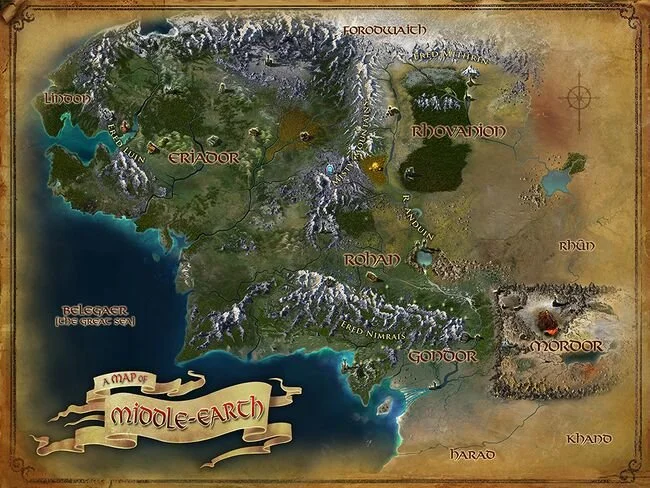
Cordovan (AKA Jerry Snook), Community Manager for the MMORPG The Lord of the Rings Online, stated in the last Developers Live Stream that “the idea of a formal classic (server) is never off the table”. Naturally, this comment has led to a lot of speculation on the official LOTRO forums. Many players by inference have concluded that the original code does exist for the game as it was at launch or immediately thereafter. As you can imagine this has resulted in much debate as to whether a classic LOTRO server based upon the original Shadows of Angmar release could be created. Assuming that this is the case and technically developer’s Standing Stone Games can do this, it raises the question of whether they should or not. Because a classic server is a different beast to the previous legendary progression servers. 14 years has seen a great deal of change within the MMO industry and with LOTRO as well. Let us take a moment to reflect.
Cordovan (AKA Jerry Snook), Community Manager for the MMORPG The Lord of the Rings Online, stated in the last Developers Live Stream that “the idea of a formal classic (server) is never off the table”. Naturally, this comment has led to a lot of speculation on the official LOTRO forums. Many players by inference have concluded that the original code does exist for the game as it was at launch or immediately thereafter. As you can imagine this has resulted in much debate as to whether a classic LOTRO server based upon the original Shadows of Angmar release could be created. Assuming that this is the case and technically developer’s Standing Stone Games can do this, it raises the question of whether they should or not. Because a classic server is a different beast to the previous legendary progression servers. 14 years has seen a great deal of change within the MMO industry and with LOTRO as well. Let us take a moment to reflect.
A classic LOTRO server would differ greatly from the game as it stands today. In the original version of the game the world map was subject to the “fog of war” meaning you had to explore each region of Middle-earth for the map to show what was there. Players did not get a mount until level 35. It cost a lot of gold and was tied to the successful completion of a specific series of quests. Talking of which, there was no quest tracker with quest locations marked on the in-game map. Players were given a broad location such as “visit southern Chetwood” and had to find things for themselves. The trait system was radically different, skills had to be bought from trainers as you levelled and gear came from quests, crafting or players trading via the auction house. There was no barter wallet so storage frequently became an issue. The current cosmetic system also didn’t exist back in 2007, so the level of sartorial elegance was much lower. And perhaps the biggest difference was that the game was still heavily focused on group play and not all PVE content was soloable.
LOTRO in 2007 was very much a product of its time. Clearly, as the forums show us, there is a percentage of the existing LOTRO community that would be happy to play such an iteration of the game. However, it would take a lot of developer resources to bring Shadows of Angmar back in a form that is playable on contemporary PC architecture and hardware. Modern screen resolutions and the need for a fully scalable UI are just a few examples of technical problems that would need to be addressed. Gamers often use World of Warcraft Classic as an example of how an older version of an MMORPG can be brought back. However, a completely different development team was established to achieve this and the project had the financing of Activision Blizzard underpinning it. SSG do not currently have such resources at their disposal. Are their current owners EG7 going to fund such an undertaking such as classic LOTRO server, with its limited appeal, or spend their money modernising the existing game, upgrading the current engine and porting it to console? The latter seems like the more fiscally prudent business decision.
I personally would not be interested in a classic server. I enjoyed the game, as it was back in 2008 when I started playing, by default. It’s systems and mechanics were what they were back then but I cannot in all honesty say that I want to give up all the quality of life improvements that have come to LOTRO since then. Furthermore, I was at a point in my life where I could sink time into an MMO as was required by the genre back then. Those days have gone. I think the most I would ever do in classic LOTRO would be to log in to the game, recreate my existing Lore-master and potter around Bree. I do not think my interest would endure beyond a few hours of nostalgia. If a classic server follows the business model of the existing legendary servers it will require an active subscription for access. I don’t consider that to be worth my while. And then there’s the entire issue of the presence of the LOTRO store in a classic version of the game.
If LOTRO is to survive, it needs to modernise and requires a major overhaul. There are systems and mechanics to fix and some that need to be removed. If EG7 can afford to do this as well as provide a version of classic LOTRO, then so be it. But I don’t think that is the case and therefore I believe the first option is the most likely option. However, this entire debate is yet another example of what I call “gaming myopia”. Some gamers habitually forget that video games are consumer products and not public services. There are dozens of products that have been discontinued during my lifetime that I’d like to see return but the realities of business mean that none of them ever will. Producing classic LOTRO at the expense of the existing game would be a mistake. Churn and new customers are a reality that drive business. Do potential new players really want a game from 2007? I think not.
NB: This subject last became a talking point within the LOTRO community last November. The matter was addressed by SSG developer Jeff Libby (AKA MadeOfLions). Whether Cordovan’s recent comments indicate a policy change or whether he was just talking theoretically, I will leave to readers to decide.
ESO: Choosing a House
This post is not intended as a player housing guide. There are plenty of those available already. Instead, it is my personal musings on the various factors that have determined my choice of player house in The Elder Scrolls Online. In fact, at the time of writing, I have not yet purchased the house in question. It is dependent not only on a large sum of in-game gold but also a substantial achievement. The house in question is Gardner House in Wayrest. As it is a large player house it costs 1,015,000 gold. Alternatively, it can be bought for 5,700 Crowns, unfurnished. If you want it furnished it will cost 7,100 Crowns. I shall not be buying this property with Crowns as it works out at about £36 or so. I think that price is a little exorbitant especially in light of what I want the house for.
This post is not intended as a player housing guide. There are plenty of those available already. Instead, it is my personal musings on the various factors that have determined my choice of player house in The Elder Scrolls Online. In fact, at the time of writing, I have not yet purchased the house in question. It is dependent not only on a large sum of in-game gold but also a substantial achievement. The house in question is Gardner House in Wayrest. As it is a large player house it costs 1,015,000 gold. Alternatively, it can be bought for 5,700 Crowns, unfurnished. If you want it furnished it will cost 7,100 Crowns. I shall not be buying this property with Crowns as it works out at about £36 or so. I think that price is a little exorbitant especially in light of what I want the house for.
According to The Unofficial Elder Scrolls Pages “Gardner House is a large player house in Wayrest. The home has three entrances on the east, south, and west. The eastern entrance brings you into a small courtyard on the north side of the house which possesses a stable at the western end. The house has three spacious floors, a fireplace on the middle floor where all three entrances are and a large open basement. The house is conveniently located near the Wayrest Treasury to the south and the city's writ drop-off location, which includes Rolis Hlaalu, for dropping off Master Writs”. This is all fine and dandy but I’m not after a house in ESO for furniture collections, achievements or role play. I primarily want a house for optimal access to a major in-game hub and for quick and convenient storage. Sadly, the free houses you can claim do not provide this.
Despite having two alts, my main character in ESO is a Dragonknight affiliated to the Daggerfall Covenant. As I now have companions to level, the capital city of Waywrest affords quick and convenient access to the Fighters and Mages guilds as well as the Undaunted enclave. This makes undertaking these three groups' daily quests a lot more efficient. There are also seven guild traders in the city. Therefore it seems practical to have a permanent residence in Waywrest. Housing also offers a convenient location to port to without incurring any cost. Because I am not au fait with the lore in ESO I still often have to pause and check a location when travelling, as I don’t readily know which region towns and villages are. Having a means to leave a dungeon and return to a safe location with storage available is very desirable. I recently bought Fezez the Merchant so I can sell loot on the fly.
So all things considered, the Gardner House is the most appropriate residence for me. The in-game gold requirement is not a problem. I have about 500,000 on each of my three alts. As I’m not buying with Crowns, I do have to complete the Stormhaven Adventurer achievement which requires completing 60 quests in the region. At present I am about halfway through this. Thankfully, I have an addon that marks all available quests on the map so I can see where I need to go to complete the remainder. Furthermore, acquiring this house has provided me with a useful goal to focus upon. I’m one of those MMO players that likes to play through content in a structured manner and work towards a reward or specific target. I chose my house in The Lord of the Rings Online in a similar fashion, based upon its location.
ESO: Companions
The Blackwood expansion for The Elder Scrolls Online launched a little over a fortnight ago. During that time I have become accustomed to having an AI companion. Not only are they an enjoyable new addition to the MMO, they also have quite a significant impact upon PVE gameplay. Both Mirri Elendis and Bastian Hallix can provide robust support and cover a variety of roles. This is down to the flexibility of the skills system associated with companions. Gear requirements are simpler and a lot easier to manage compared to that of your main character. Levelling is driven by XP gained from combat. Thus, if you go questing with either one of your companions they will level accordingly. They also have personal quests associated with them, ensuring that both companions have an appropriate backstory. The rapport system means that it is prudent to be nice to your AI chum or they’ll leave you for a time.
The Blackwood expansion for The Elder Scrolls Online launched a little over a fortnight ago. During that time I have become accustomed to having an AI companion. Not only are they an enjoyable new addition to the MMO, they also have quite a significant impact upon PVE gameplay. Both Mirri Elendis and Bastian Hallix can provide robust support and cover a variety of roles. This is down to the flexibility of the skills system associated with companions. Gear requirements are simpler and a lot easier to manage compared to that of your main character. Levelling is driven by XP gained from combat. Thus, if you go questing with either one of your companions they will level accordingly. They also have personal quests associated with them, ensuring that both companions have an appropriate backstory. The rapport system means that it is prudent to be nice to your AI chum or they’ll leave you for a time.
One of the great ironies of the MMO genre has been the sea change in social gameplay. Over two decades the focus has shifted from group content to solo. Apart from The Lord of the Rings Online, I play most other MMOs conspicuously on my own. However, in recent years there have been occasions when I miss playing with others. The companion system in ESO offers the best of both worlds. There are the practical benefits of having a support character available as well as the advantages of being able to play at a single player’s pace. Whenever I group with other players in any MMO, I always feel obliged to hurry things along and progress from A to B as efficiently as possible. When playing ESO with either Mirri or Bastian, I still get to read the quest bestowal dialogue, pay attention to what is going on around me and potter about in a manner I like. Companions also don’t have to go and “empty their bags” or get their armour repaired.
I also enjoy the various quips that these companions make when you’re out in Tamriel questing. Both have a selection of ambient dialogue, which although somewhat limited at present, break the monotony of combat. I was a little nonplussed when I initially misheard something that Mirri says from time to time. After a fight, she’ll occasionally remark “whew, that was a bit of a warm up”, which I heard as “whew, that was a bit of a wombat”. It took me a while to realise that I had made a mistake and that there weren't any marsupials in the vicinity. But beyond this minor confusion, I don’t have too many complaints about companions per se. They do that thing that all pets do in the MMO genre and every now and then will stand right on top of the thing you’re trying to interact with. But this may well get addressed in a future patch.
It would appear that the current iteration of companions in ESO is not the finished version. Developer’s ZeniMax intend to add further functionality in the future. Many players hope that the companion systems will eventually be as comprehensive and in depth as those found in single player RPGs. Some certainly want the romance options common to BioWare games. I would certainly like more interaction and story content associated with them. For the present, I am content to have the company of both Mirri and Bastian as well as their practical assistance. Bastian I am using mainly as a tank with sword and shield. Mirri is currently using her default bow, although I may use her as a healer for when I go into full melee mode. Finally, I have one small but invaluable pro-tip regarding companions. Change their outfit to something noticeable, as you’ll find dozens of Mirris and Bastians at Dolmens and world bosses. This way you can easily spot yours.
Carpetbaggers, Snake Oil and Video Game Marketing
I am not a great fan of trade shows and expositions such as E3. Nor do I care for the accompanying hype culture that inevitably follows in the wake of all the announcements that are made. Too many gamers are easily seduced by cinematic trailers and promotional videos that contain precious little or no in-game footage. The lack of tangible data and quantifiable facts means that they fill the marketing void with their own expectations and hopes. Sadly, these are then dashed upon the game’s final release, resulting in a backlash of acrimony and perceived betrayal. It is a tediously predictable cycle, yet one that so many paying customers never seems to learn from. The Snake oil salesmen become bolder each year and the consumers more credulous. It’s a depressing, symbiotic, abusive relationship.
I am not a great fan of trade shows and expositions such as E3. Nor do I care for the accompanying hype culture that inevitably follows in the wake of all the announcements that are made. Too many gamers are easily seduced by cinematic trailers and promotional videos that contain precious little or no in-game footage. The lack of tangible data and quantifiable facts means that they fill the marketing void with their own expectations and hopes. Sadly, these are then dashed upon the game’s final release, resulting in a backlash of acrimony and perceived betrayal. It is a tediously predictable cycle, yet one that so many paying customers never seems to learn from. The Snake oil salesmen become bolder each year and the consumers more credulous. It’s a depressing, symbiotic, abusive relationship.
Perhaps the crowning glory of the dark art of marketing is the reveal trailer. These are often utter contrivances that we retrospectively discover have little resemblance to the game they’re promoting (remember Aliens: Colonial Marines?). Alternatively, they are small self contained narratives that trot out all the familiar tropes associated with their respective genre. They may well use footage created by the game engine but there is seldom any tangible game play footage, showing any of the systems and mechanics. The latest video from this year’s E3 that encapsulates this process, is the “official gameplay reveal for the RPG Elden Ring. It shows much but imparts very little information. Not a single genre cliche is left unturned. If you want to decide for yourself, I’ve posted the video below. If you draw up a list of fantasy tropes, you can quickly score a full house if you choose to play stereotype bingo.
Elden Ring has some big names associated with it, being a collaborative effort between game director Hidetaka Miyazaki and fantasy novelist George R. R. Martin. Perhaps that is why the E3 video is so indifferent. Perhaps those tasked with selling the game feel they don’t need to try that hard, because the formula they’ve used in the video has proven to work, time and time again. The media love to establish a standard format. Look at TED talks. Perhaps the biggest validation of this style of marketing is a satirical video put out by Obsidian Entertainment for Outer Worlds 2. It mercilessly mocks the way modern game marketing videos are constructed. Sadly, despite being very knowing, this kind of humour can be a double edged sword. I’m reminded of British comedian Harry Enfield and his character Loadsofmoney. He satirised the “greed is good” mentality of the 80s but ended up being embraced by that very demographic. Similarly, I suspect that gamers know they’re being played by E3 every year. Yet, like some bizarre form of Stockholm syndrome, they actively participate in the process.
“Do Try and Keep Up”
Justin Olivetti posed an honest question on Massively Overpowered yesterday. “Do you have any clue what’s going on in your MMO’s storyline?” he asked and I must admit that my answer varies greatly according to what I’m playing. Yet before I give a more comprehensive response, let me make clear that one of the aspects of the MMO genre that I enjoy the most is its penchant for complex and sprawling narratives. Both The Lord of the Rings Online and Star Trek Online are based upon intellectual properties with in-depth lore and an established canon. I was also drawn to the RPG Skyrim due to its enigmatic story which linked into a much wider history. It was one of the reasons I started playing The Elder Scrolls Online, as every quest seems to have a story that is connected to another. My enjoyment of these dense plots found in the MMO genre stems from my love of reading as a child.
Justin Olivetti posed an honest question on Massively Overpowered yesterday. “Do you have any clue what’s going on in your MMO’s storyline?” he asked and I must admit that my answer varies greatly according to what I’m playing. Yet before I give a more comprehensive response, let me make clear that one of the aspects of the MMO genre that I enjoy the most is its penchant for complex and sprawling narratives. Both The Lord of the Rings Online and Star Trek Online are based upon intellectual properties with in-depth lore and an established canon. I was also drawn to the RPG Skyrim due to its enigmatic story which linked into a much wider history. It was one of the reasons I started playing The Elder Scrolls Online, as every quest seems to have a story that is connected to another. My enjoyment of these dense plots found in the MMO genre stems from my love of reading as a child.
So with this in mind, I believe I am currently on top of the ongoing plot and story elements found both in LOTRO and STO. I tend to have a primary alt in most MMOs that I play and work my way through a game’s content in narrative order. I must admit, at times it has been hard to keep up with LOTRO and I have refreshed my memory regarding the plot and especially characters by referring to the games well maintained Wiki. The game has a habit of bringing back protagonists from early stories. STO is far more episodic in its approach to stories and arcs frequently end in a definitive manner. Furthermore, expansions tend to be themed and frequently dovetail into lore from specific shows. So for example, if you’re familiar with Star Trek: Voyager then it’s far easier to keep up with the storyline featured in the Delta Rising expansion. It also helps with both LOTRO and STO that I play these games regularly throughout the year. Keeping your hand in, so to speak, helps immensely in this respect.
Keeping abreast of the major plotlines in ESO is a more difficult undertaking. Firstly, I don’t tend to play the game with the same regularity as both LOTRO and STO. I return mainly when the yearly expansion launches and then I stick around for a month or two. I came back to the game two weeks ago when Blackwood launched and immediately struggled to recall the various reasons for my quest in Vvardenfell. Fortunately some characters, such as the put upon manservant Stibbons, stick in the mind. However, in my defence it is fair to say that many of the sidequest plotlines featured in ESO centre around the shenanigans of various Daedric Princes. At times it does come across as somewhat repetitive to the casual player. The main stories tend to be far more accessible and have plenty of exposition. Indeed there is even a mechanism in the game where NPCs will give you a plot summary if you need to know exactly what your motivation is.
But let us not forget that my approach to the MMO genre is far from universal. For every player that loves the intricacies and nuances of the story there are those who are totally disinterested by it. They will dismiss cutscenes (where possible) and dialogue windows as soon as they appear. It is also fair to say that not every MMORPG has a good story to begin with. I quickly lost track of what was going on in Rift as the plot seemed very formulaic. I also struggled to “keep up” in Neverwinter for similar reasons. Plus I had no prior knowledge of the franchise associated with that game and I believe having some advance personal investment certainly helps. Overall, I find that persistence is perhaps the best way of following a plot in a game. But as I vary what I play regularly, it can be an issue at times. Judging by the comments left on Justin’s original post, I suspect this is a common issue among gamers.
Enjoying LOTRO Through Others
When you’ve been doing any leisure activity for a long time, there comes a point where over familiarity does become an issue. It tempers one’s enjoyment and impacts upon the way you experience that particular pastime. I’ve written about this situation before with regard to my relationship with cinema and films. More recently it has started to occur with my gaming activities, especially with the MMORPG The Lord of the Rings Online. I have been playing this game since December 2008 and I’ve had a long and complicated relationship with it over the course of twelve years. The game was a mainstay of my life at a time when I was living alone and doing contract work. Hence I had a lot of leisure time to sink into LOTRO and few other obligations whenever I wasn’t working. It was in many ways the perfect time to enjoy an MMO as I could “commit” to it. And so I embarked upon the same gaming journey that many others have taken.
When you’ve been doing any leisure activity for a long time, there comes a point where over familiarity does become an issue. It tempers one’s enjoyment and impacts upon the way you experience that particular pastime. I’ve written about this situation before with regard to my relationship with cinema and films. More recently it has started to occur with my gaming activities, especially with the MMORPG The Lord of the Rings Online. I have been playing this game since December 2008 and I’ve had a long and complicated relationship with it over the course of twelve years. The game was a mainstay of my life at a time when I was living alone and doing contract work. Hence I had a lot of leisure time to sink into LOTRO and few other obligations whenever I wasn’t working. It was in many ways the perfect time to enjoy an MMO as I could “commit” to it. And so I embarked upon the same gaming journey that many others have taken.
Nowadays, LOTRO is very much a game that I have placed on the back burner, so to speak. Having experimented with various alts over the years, I now play a single, primary character (a level cap Lore-master) and only return to the game when there is new content to experience. I enjoy my time in-game but LOTRO is no longer my gaming obsession. Many of my fellow gaming bloggers have invoked an analogy about video games being like relationships, as they do often share a similar course. Nowadays, LOTRO is a trusted friend whom I meet up with several times a year and spend some time together. We tend to cover the same old ground but it is still fun to do. As for recapturing that sense of excitement I felt in 2008, well we all know the expression about how “you can never go home again”. It is certainly relevant here.
However, sometimes what is needed to revitalise a situation such as this, is a fresh set of eyes or a new perspective. And that is exactly what I inadvertently discovered yesterday. During the afternoon, I had my Twitter client open and I noticed that someone was just about to go-live on Twitch TV and that they were playing LOTRO for the first time. This piqued my interest so I joined their stream and then spent the next three or so hours watching them discover the game for themselves. The streamer in question Omar, is obviously a fan of Tolkien and it was therefore doubly enjoyable as he picked a class and race, logged into the game and undertook the initial stages of LOTRO. It was nice to be able to experience this MMO from a new player perspective, especially when he recognised lore references or realised that it was Strider himself who was leading him through the initial quest stages.
I was one of several existing LOTRO players present in the chat channel and hopefully we made ourselves useful with our advice, as opposed to being a nuisance. Sometimes you have to curb your enthusiasm and let people find their own feet. In fact that adds to the vicarious enjoyment that I felt, as I watched someone navigating a new game and the complexities of LOTRO’s systems and mechanics. Omar also comes from a console background and has only recently come to PC gaming. So in many respects he really has jumped into the proverbial deep end. However, he did well and clearly had a good time, which in itself was a timely reminder of how I used to feel when playing LOTRO. And that was a major shot in the arm for my own gaming enthusiasm. It was like when you watch a classic film with someone who hasn’t seen it before and they really enjoy it. Perhaps I should watch more streams like this.
It's Nice to be Playing an RPG Again
I managed to purchase the Role Playing Game Greedfall recently at the bargain price of £15. I’ve had my eye on this particular title for a while. It is not a so-called triple A game but has garnered a lot of critical praise since its release in September 2019. Developed by Spiders, a French game company and published by Focus Home Interactive, Greedfall is set in an ersatz 17th century-style setting and has liberal doses of fantasy. It has a complex narrative which takes a lot of tropes from European history from that era and blends them with classic fantasy elements such as magic and mythical beasts. It seems to have filled the space previously occupied by BioWare games of this genre, having a similar focus on characters and story. To date it has sold over a million copies. I’ve only played 5 hours or so at present but I like what I see so far.
I managed to purchase the Role Playing Game Greedfall recently at the bargain price of £15. I’ve had my eye on this particular title for a while. It is not a so-called triple A game but has garnered a lot of critical praise since its release in September 2019. Developed by Spiders, a French game company and published by Focus Home Interactive, Greedfall is set in an ersatz 17th century-style setting and has liberal doses of fantasy. It has a complex narrative which takes a lot of tropes from European history from that era and blends them with classic fantasy elements such as magic and mythical beasts. It seems to have filled the space previously occupied by BioWare games of this genre, having a similar focus on characters and story. To date it has sold over a million copies. I’ve only played 5 hours or so at present but I like what I see so far.
I can wax lyrical at great length about all the things common to the RPG genre that I like. Such as intricate character creation, involving storylines and complex narrative choices. An open world to explore, builds to experiment with gear to collect and augment. I am also aware that these things are also present in the MMORPG. However, one of the things I enjoy about RPGs is the lack of other players. I was playing The Elder Scrolls Online recently and naturally the new expansion has attracted a lot of new and returning players. Therefore the quest hubs were heaving and it was often tricky to find the required NPC or access your bank. For most of the time, it’s nice to see other players bustling about in the MMO genre but sometimes when you want to concentrate on the game, the constant activity can be very distracting. RPGs offer a haven away from this hubbub and there’s also no world chat which is another blessing.
Greedfall has an interesting story with its feuding factions, governorship of a mysterious island and political intrigue. It immediately made me think of Frank Herbert’s Dune. The 17th century aesthetic is also a good selling point as it ties in nicely with the themes of colonialism. Beyond that I can’t say much as I’m still in the starter zone of the game but I am enjoying many aspects so far. Greedfall has also confirmed another theory that I’ve often thought. That the voice acting is often superior for the female version of the central character. I found this to be the case for all three Mass Effect games, Assassin’s Creed Odyssey and numerous other games. And one of the benefits of picking up a game such as this a year after its original release, is that there are plenty of wikis, YouTube videos and walkthroughs available, should you need any help with quests, builds or general tips.
So overall, I am very pleased that I’ve found an RPG to lose myself in for a while. However, so far I have run afoul of a minor issue found in the RPG genre. I like to explore any new virtual environment I find myself in. This is exactly what I did when I found myself in the starting area of the port of Sérène in Greedfall. So I walked around, opened up the entire map and looted anything I could along the way. Later on, after a few quests I sold all the loot I deemed irrelevant, only to discover later that one was a quest item. I could not return to the location and loot it again but mercifully could buy the item back from the vendor I sold it to. I always think that such items should be protected or flagged as important to prevent such issues. But that’s just me playing in a manner the developers either didn’t think of or assumed wouldn’t happen. But it hasn’t done any long term harm. So it’s a case of onwards and upwards with Greedfall. I hope it can continue to deliver the right sort of entertainment.


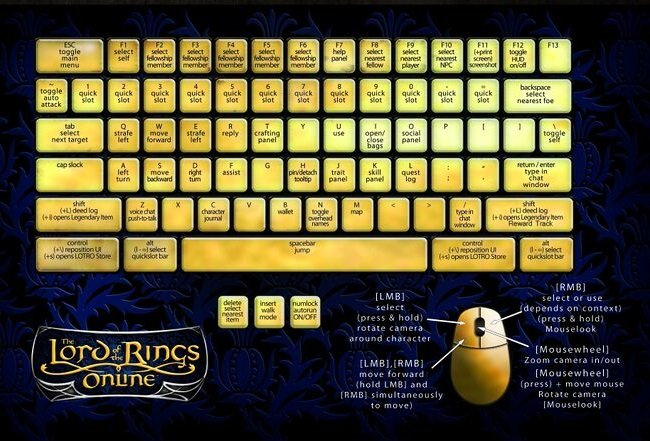




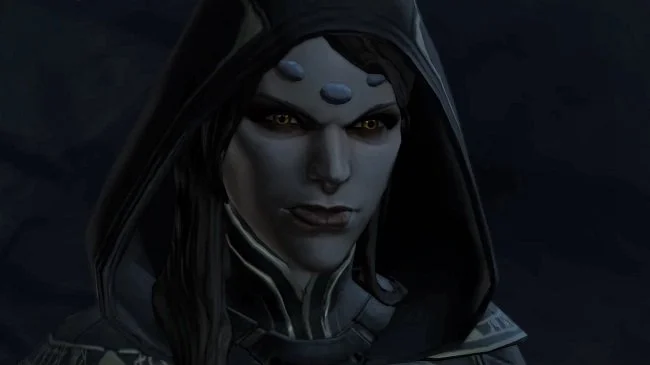
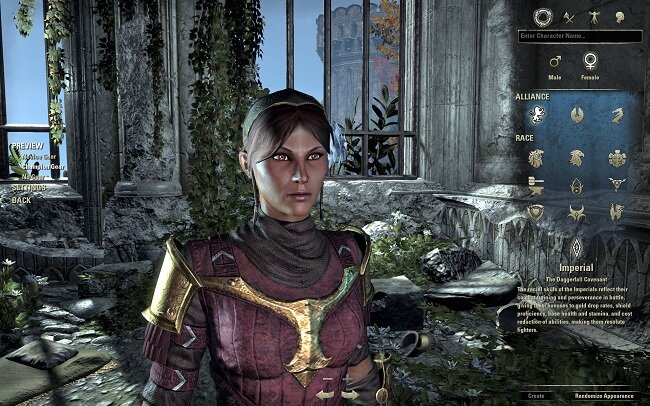

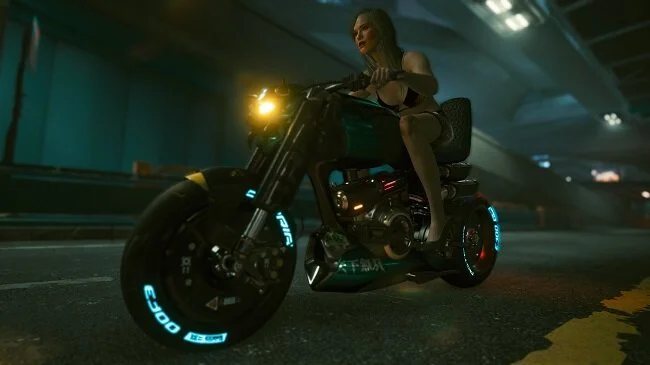
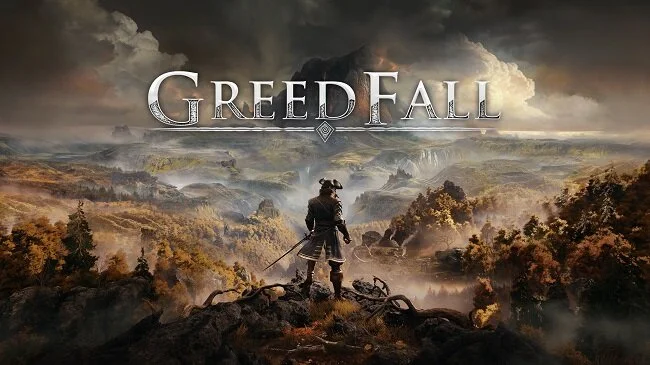
When the Game Stops You From Playing
Last night, I finally had sufficient time to log into The Elder Scrolls Online and check out the new Blackwood expansion. The plan was to go straight to the new zone and complete the relevant quests to obtain the two companions that have been added to the game. Unfortunately, life seldom goes to plan as Robert Burns alluded to in his famous quotation. As I haven’t played ESO for a while, I’ve missed several major game updates. Consequently all my champion points have been reset, along with all my skills. So, I had to spend some time trying to remember how my Dragonknight was previously set up. I checked a few screenshots to see what skills were on the hotbars but as they don’t display the name, plus the icons change after morphing a skill, it was tricky trying to reverse engineer my prior build. Eventually I just winged it and managed to blag my way through the two quests.
Last night, I finally had sufficient time to log into The Elder Scrolls Online and check out the new Blackwood expansion. The plan was to go straight to the new zone and complete the relevant quests to obtain the two companions that have been added to the game. Unfortunately, life seldom goes to plan as Robert Burns alluded to in his famous quotation. As I haven’t played ESO for a while, I’ve missed several major game updates. Consequently all my champion points have been reset, along with all my skills. So, I had to spend some time trying to remember how my Dragonknight was previously set up. I checked a few screenshots to see what skills were on the hotbars but as they don’t display the name, plus the icons change after morphing a skill, it was tricky trying to reverse engineer my prior build. Eventually I just winged it and managed to blag my way through the two quests.
Today, I spent some time researching a DPS Stamina build for solo PVE play using a Dragonknight. I further had to refine my search to ensure it was intended for two handed weapons and a bow. Eventually I found something appropriate and copied it as best as I could. Some of the skills recommended I don’t have morphed as of yet. I then made sure I had an appropriate buff from a Mundus Stone, as well as some food that gave my character a stamina boost. All in all, this process took about 90 minutes or so to sort out. I also had to tweak a few addons as these had inevitably got out of date since I last played a year ago. Finally now that these changes have been implemented, I finally feel that I’m in a position to play through the new content. I have had to print out a key map to refer to as I’m struggling to remember what skills are assigned where.
This is the great paradox that comes with the MMO genre. The games are often predicated on complex systems and arcane mechanics. For many players, this is part of their appeal. If you are the sort of gamer that relishes intricate processes and likes to master complicated rules, then good luck to you. Players such as I rely on the likes of you to produce the sort of guides that I referred to today to get my Dragonknight up and running. But not everyone enjoys this aspect of MMOs. MMO monogamy is a thing of the past these days. People come and go, flitting between games depending upon their likes and dislikes. Hence many players will return to a game such as ESO after a period of time away only to find that they’ve forgotten how to play their class or that they’ve fallen foul of a system reset like the one I encountered. In such cases the game often does nothing to help these players, which upon reflection seems counterproductive.
Elite, competent and knowledgeable players do not make up the majority of the player base in ESO or any other MMO. Over the years it has been clearly established that many players do not visit forums, read wikis, research their builds or focus on getting the best gear for their class. They just log into the game and play in a manner that suits them, often just using gear that is given as quest rewards. Skill points are assigned via guess work or random choice. Simply put these gamers are content to potter about in a laid back fashion. Hence if confronted with a major barrier to progress when returning to a game, they will often take the path of least resistance to bypass it. Which is why so many players just roll a new alt when revisiting an MMO after a lengthy absence, as the game does not make it easy to pick up where you left off. The other option is that the player just becomes frustrated that they can’t do the thing they wish to do, logs off and goes and plays something else. Which is not good for business.
If game developers and publishers want to reduce player churn, then they should try and address the needs of the returning players. Often the solutions to the problems that they face are simple. Sometimes a player just needs a brief refresher course in their class skills and such like. This could be solved by having a tutorial that can be repeated at any point in the game. Alternatively having an interactive advisory service associated with all the games systems and mechanics would be beneficial. Something that could be toggled on and off that gives a simple overview when you hover your mouse over an active window. ESO currently provides build and skills advice. Having preset builds that could be applied at the click of a mouse would be the logical next step. They don’t have to be optimal, just sufficient to allow the player to undertake PVE content in the manner they prefer.
Now there will be a small percentage of MMOs players who will balk at my suggestions but I find “git gud” culture and the self flagellating mindset of such gamers both tiresome and irrelevant. If you want to impose some self improvement ideology onto a game for your own enjoyment, that’s fine. But you have no authority to impose your competitive and self aggrandising dogma on anyone else. Video games are ultimately consumer products and as such need to be accessible and accommodating. The player who is not playing due to the games systems effectively blocking them, is a player who is not happy or more importantly not spending money. If they leave in frustration, then that’s effectively a lost sale and in today’s competitive market, that’s an error you can afford to keep making.
EG7 to Consolidate All Titles on its 4Game Platform
EG7 is very slick when it comes to corporate communications. Earlier today the company posted their Q1 Report Presentation and Q&A on YouTube. Although specifically designed for the company’s investors, CEO Robin Flodin stated that he was aware that many gamers watch these presentations and are welcome. However, he did point out that any major game related news would always come via their appropriate outlets, thus making it clear that there was not any consumer information in his briefing. He then went on to discuss how well EG7 was faring financially and even to the layperson, it is clear that the company did very well last year. However, there were two nuggets of information that were interesting from a gamer’s perspective. The first was that EG7 is going to consolidate all of its games on their current 4game platform. The second was that the company was developing a new AAA MMO linked to a major intellectual property.
EG7 is very slick when it comes to corporate communications. Earlier today the company posted their Q1 Report Presentation and Q&A on YouTube. Although specifically designed for the company’s investors, CEO Robin Flodin stated that he was aware that many gamers watch these presentations and are welcome. However, he did point out that any major game related news would always come via their appropriate outlets, thus making it clear that there was not any consumer information in his briefing. He then went on to discuss how well EG7 was faring financially and even to the layperson, it is clear that the company did very well last year. However, there were two nuggets of information that were interesting from a gamer’s perspective. The first was that EG7 is going to consolidate all of its games on their current 4game platform. The second was that the company was developing a new AAA MMO linked to a major intellectual property.
For those who may not be aware, most game publishers have a bespoke platform that allows customers to install and manage all the titles that the company produces. Activision Blizzard has Battle.net, EA has Origins, Ubisoft has Uplay and Good Old Games has Galaxy. Then there are the big digital stores such as Steam and Epic Games which similarly have their own “launchers” as they are known. So it makes sense the EG7 is to add all the titles it acquired when it bought the Daybreak Game Company. When and how this change will happen is not yet known. Will players be required to reinstall LOTRO or DDO also remains to be seen. However, Standing Stone Games’ existing launcher for LOTRO is dated and painfully slow. The other advantages of consolidating all products on a single platform are more effective marketing and dissemination of information. As and when LOTRO is added to 4games, it may well lead to an influx of new players.
The news of an AAA MMO being developed is very intriguing although somewhat vague. Robin Flodin referred to it being based upon “one of the greatest brands in the world”. Whether he was referring to franchises that EG7 already hold or something that they’ve recently acquired is a matter for speculation. As fellow blogger Wilhelm Arcturus pointed out in his post, Daybreak currently has a license for a Marvel game. Or has the recent closure of Amazon Game Studios Middle-earth based MMO, cleared the way for another? Are EG7 considering a LOTRO 2.0 or something similar? Whatever the outcome, things have certainly gotten a lot more interesting since the company acquired DGC. In the meantime let us see how both these two items of news are received by the LOTRO community. The consolidation of LOTRO, DDO and other titles onto the 4games launcher is an especially interesting development and needs to be handled well.