
It's Nice to be Playing an RPG Again
I managed to purchase the Role Playing Game Greedfall recently at the bargain price of £15. I’ve had my eye on this particular title for a while. It is not a so-called triple A game but has garnered a lot of critical praise since its release in September 2019. Developed by Spiders, a French game company and published by Focus Home Interactive, Greedfall is set in an ersatz 17th century-style setting and has liberal doses of fantasy. It has a complex narrative which takes a lot of tropes from European history from that era and blends them with classic fantasy elements such as magic and mythical beasts. It seems to have filled the space previously occupied by BioWare games of this genre, having a similar focus on characters and story. To date it has sold over a million copies. I’ve only played 5 hours or so at present but I like what I see so far.
I can wax lyrical at great length about all the things common to the RPG genre that I like. Such as intricate character creation, involving storylines and complex narrative choices. An open world to explore, builds to experiment with gear to collect and augment. I am also aware that these things are also present in the MMORPG. However, one of the things I enjoy about RPGs is the lack of other players. I was playing The Elder Scrolls Online recently and naturally the new expansion has attracted a lot of new and returning players. Therefore the quest hubs were heaving and it was often tricky to find the required NPC or access your bank. For most of the time, it’s nice to see other players bustling about in the MMO genre but sometimes when you want to concentrate on the game, the constant activity can be very distracting. RPGs offer a haven away from this hubbub and there’s also no world chat which is another blessing.
Greedfall has an interesting story with its feuding factions, governorship of a mysterious island and political intrigue. It immediately made me think of Frank Herbert’s Dune. The 17th century aesthetic is also a good selling point as it ties in nicely with the themes of colonialism. Beyond that I can’t say much as I’m still in the starter zone of the game but I am enjoying many aspects so far. Greedfall has also confirmed another theory that I’ve often thought. That the voice acting is often superior for the female version of the central character. I found this to be the case for all three Mass Effect games, Assassin’s Creed Odyssey and numerous other games. And one of the benefits of picking up a game such as this a year after its original release, is that there are plenty of wikis, YouTube videos and walkthroughs available, should you need any help with quests, builds or general tips.
So overall, I am very pleased that I’ve found an RPG to lose myself in for a while. However, so far I have run afoul of a minor issue found in the RPG genre. I like to explore any new virtual environment I find myself in. This is exactly what I did when I found myself in the starting area of the port of Sérène in Greedfall. So I walked around, opened up the entire map and looted anything I could along the way. Later on, after a few quests I sold all the loot I deemed irrelevant, only to discover later that one was a quest item. I could not return to the location and loot it again but mercifully could buy the item back from the vendor I sold it to. I always think that such items should be protected or flagged as important to prevent such issues. But that’s just me playing in a manner the developers either didn’t think of or assumed wouldn’t happen. But it hasn’t done any long term harm. So it’s a case of onwards and upwards with Greedfall. I hope it can continue to deliver the right sort of entertainment.
The action, open world RPG Crimson Desert has been patched five times since it launched on March 19th and there have also been multiple hotfixes. At first glance this isn’t anything unusual. New games have bugs and issues arise once a game is released and played across a much wider variety of hardware than in QA testing. However, if you read the patch notes that accompany these sizeable downloads it quickly becomes apparent that developer’s Pearl Abyss are not just addressing bugs and software glitches. They are actively engaging with their player base and responding to suggestions and requests from that community. Although this is not a unique approach, what is surprising is the speed and quantity in which these player driven changes are happening. There seems to be an active ongoing process to refine the game and eliminate some of its “rough edges” and the players are contributing to this process with their feedback.
According to my Steam statistics, I last played Starfield on 19th December 2023. I bought the game upon its release in September of that year and played in total for 136 hours. Starfield held my interest for three and a half month and I wrote seven blog posts about various aspects of the game. Although there were some engaging aspects to Starfield, I did feel that that the game was somewhat lacking in systems and content, at that point in its lifecycle. I also think that the marketing and player expectations associated with Starfield were overblown and unrealistic. The shadow of Skyrim looms large over all new Bethesda releases and they don’t seem able to quite recapture that magic. Hence, I inevitably drifted away from Starfield and to another game and was effectively “done” with it. I have not played the game since which seems to validate the theory that game are becoming increasingly more ephemeral.
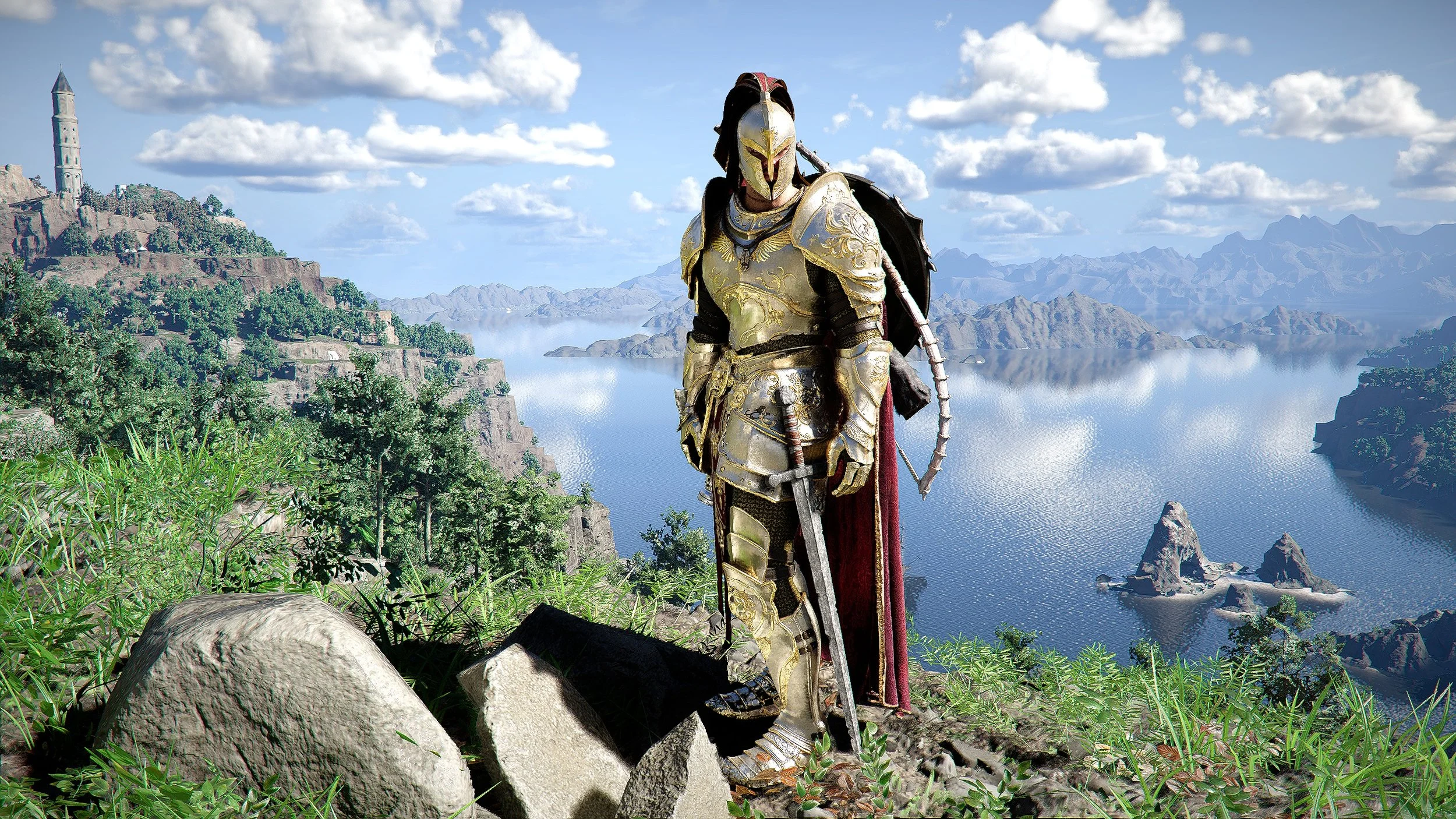
13 days after its release, market analysts estimate that Crimson Desert has already earned $200 million across the four main platforms (PC, PlayStation 5, and Xbox Series X and S). The game is certainly proving popular among gamers with the internet awash with live streams and “let’s play” videos. However, reviews are mixed both among gaming journalists and YouTube influencers. Common complaints about the game include that it is slow to start, the controls are poorly laid out on all platforms and that developer’s Pearl Abyss have done a poor job of explaining most aspects of the game to new players. Although such criticisms are true to a degree, I think these complaints highlight how many gamers are conditioned to expect new titles to follow a specific pattern with regard to pacing, narrative exposition and learning in-game systems. A pattern that Pearl Abyss has chosen to ignore, instead favouring an old school approach.
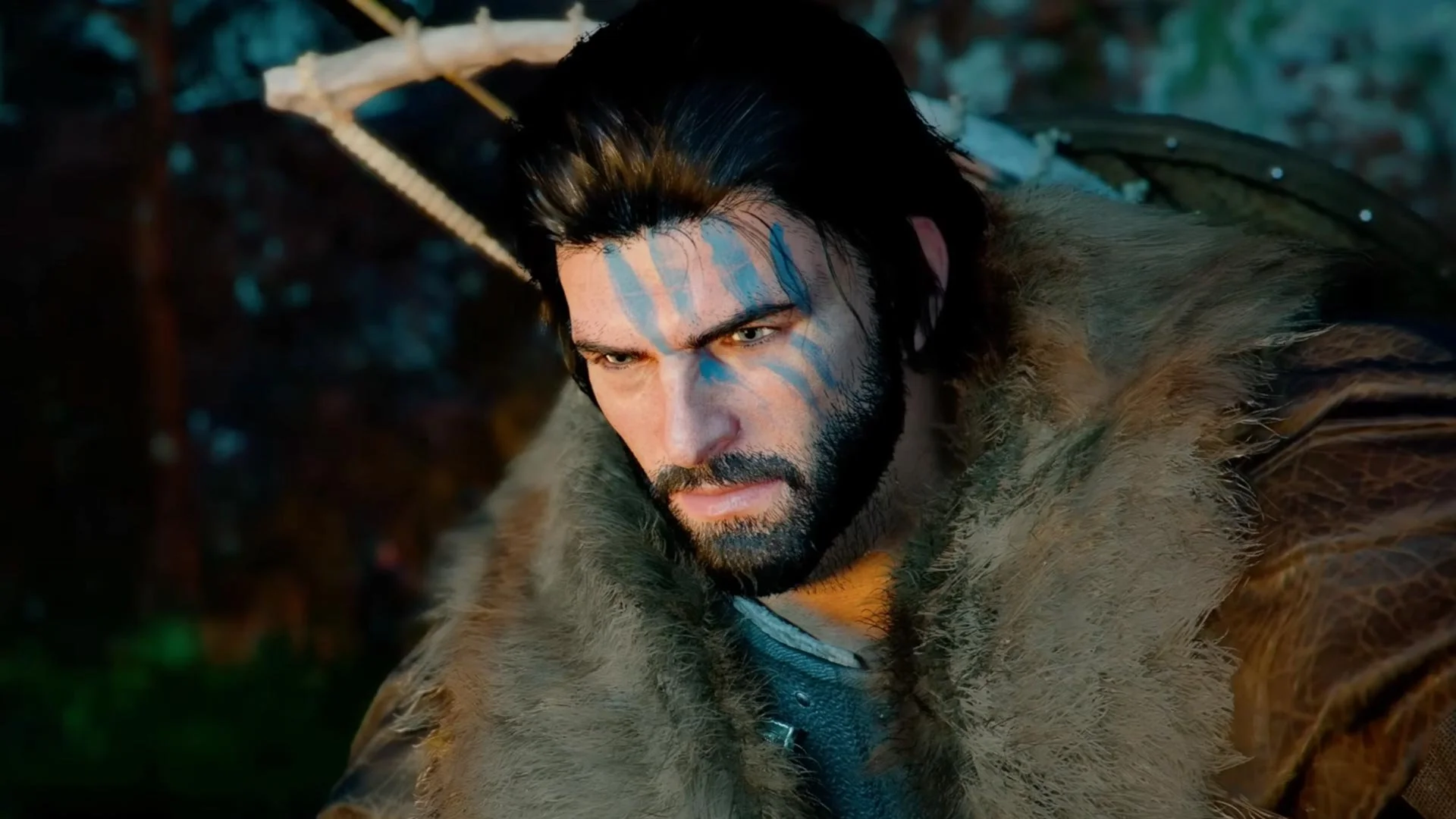
Last night, I spent the first 45 minutes after the launch of Crimson Desert, watching the 92GB pre-downloaded game files slowly decompressing and installing. I finally launched the game at about 10:50 PM GMT. I then waited a further 5 minutes while shaders were downloaded. It took me about 15 minutes or so to read through the various game settings and choose those that are optimal for my PC. I suspect even if you have a beast of a computer, you’re still going to have to spend some time tweaking settings. As for those players like myself with a gaming rig that is somewhere in the middle of the game’s specifications, be prepared to do a lot of fine tuning both within Crimson Desert itself and your Windows settings.
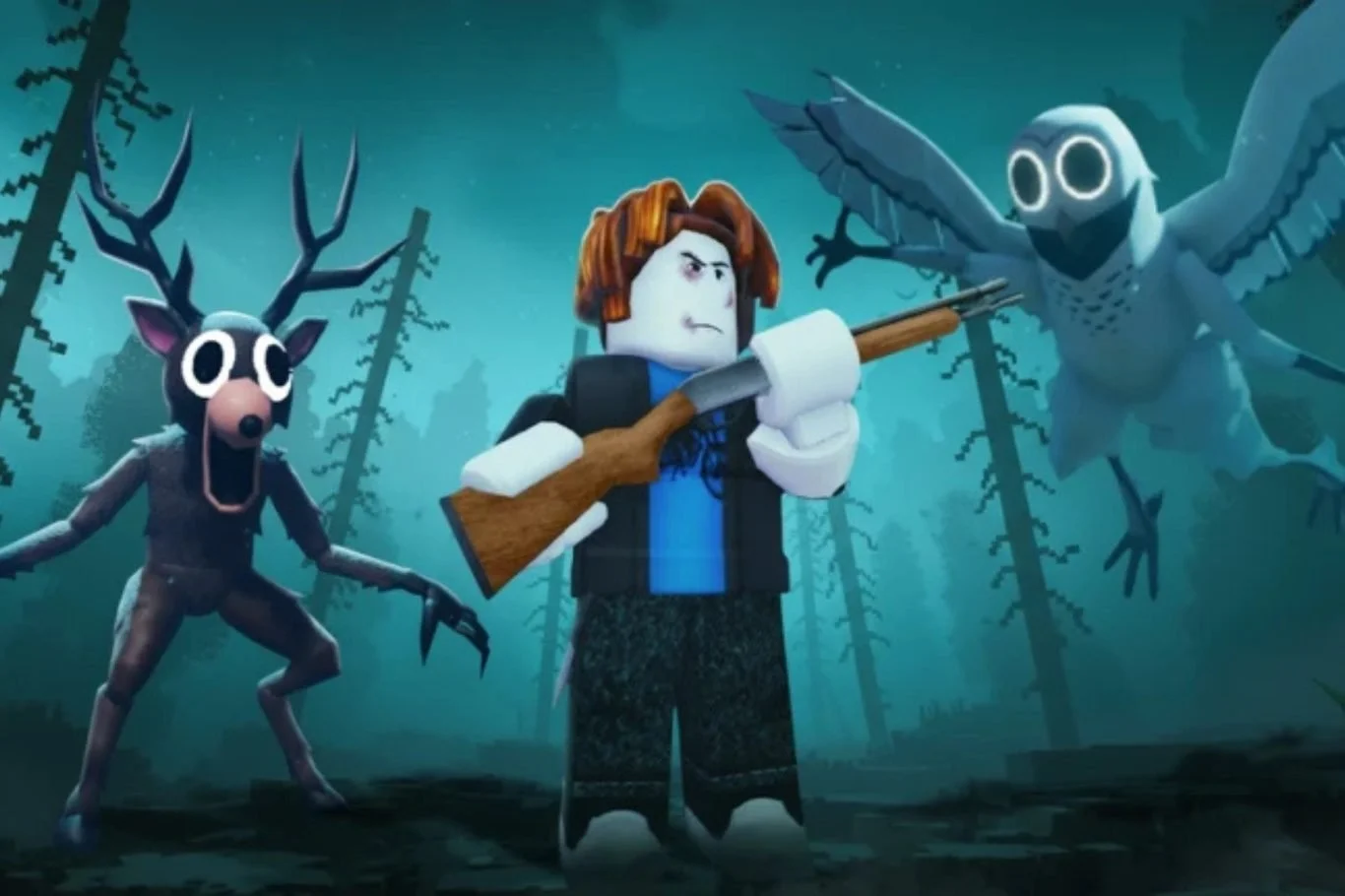
Video games as a genre are extremely poor at explaining themselves. When you buy a new game you’ll often find little or no information regarding the basic systems and mechanics. The industry assumes that their customers are by default familiar with the fundamentals of playing a modern video game. Hence if a game has a tutorial, it is often based around videos rather than detailed verbal instructions. You are are briefly shown a clip of a specific move being successfully undertaken but it is seldom shown in a wider context. The industry also expects the fan community to take on the role of curating and disseminating information about its games. The move away from forums and bespoke websites to Discord highlights this. Discord is a primarily a real time communication tool and not good at maintaining a historical data archive. If you want an answer to a specific gaming question, you’ll more than likely find it on YouTube in a video made by a fellow gamer.
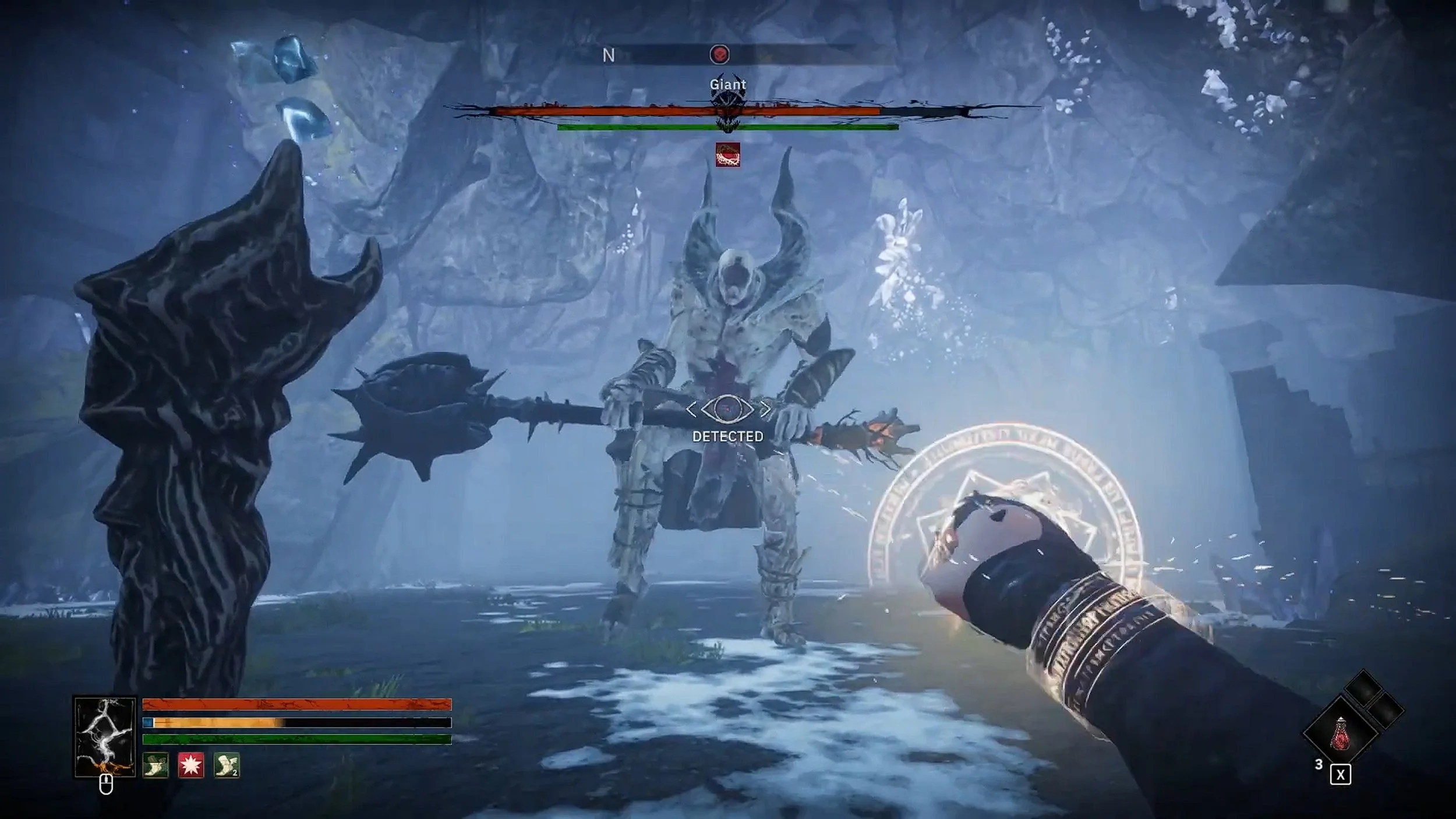
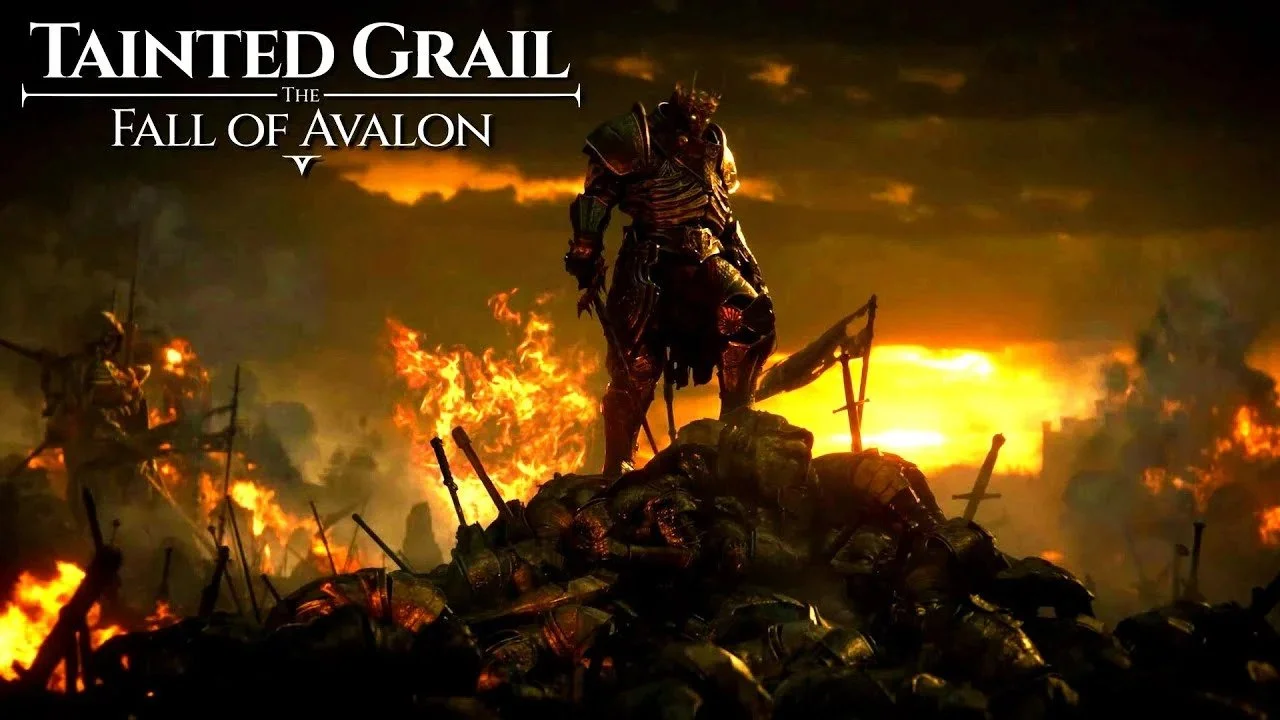
I decided to pursue a magic and spellcasting build in the RPG Tainted Grail: The Fall of Avalon after the story prologue. During the opening section of the game, the player is presented with a sufficient range of weapons to determine which type suits them best, although you can change at any time during the game. For me, casting spells feels right and is fun. Plus I have fond memories of the magic system in Two Worlds II and Skyrim. So once I started playing through the first zone, I started putting attribute and skill points into the appropriate trees to bolster my spells strengths and frequency. I also chose gear that would bolster those statistics further. The results have been surprising, as magic and spellcasting is not presented in the usual “glass cannon” style you find in some other RPGs. Here it offers robust DPS output and with the right gear and spell combination, a strong degree of survivability.
I first played The Elder Scrolls V: Skyrim in June 2013. This was over 18 months after the game’s initial release and the base game and DLC were bundled together in a “Legendary” edition. Although a seasoned gamer at the time, familiar with the RPG genre with such titles as Mass Effect and Grand Theft Auto IV, I had not played a game from this franchise before. It only took a few hours of gameplay to realise that this was a special title. The scope of the story, the art design and the size of the world were immediately notable. Tamriel was immersive in a way I had not experienced with other titles. Often simply traversing the terrain and watching the dawn break while the game soundtrack swelled, was sufficient to hold my attention. I instantly picked up on the voice acting of Christopher Plummer and Max Von Sydow. All of which indicated that this was a gaming landmark.
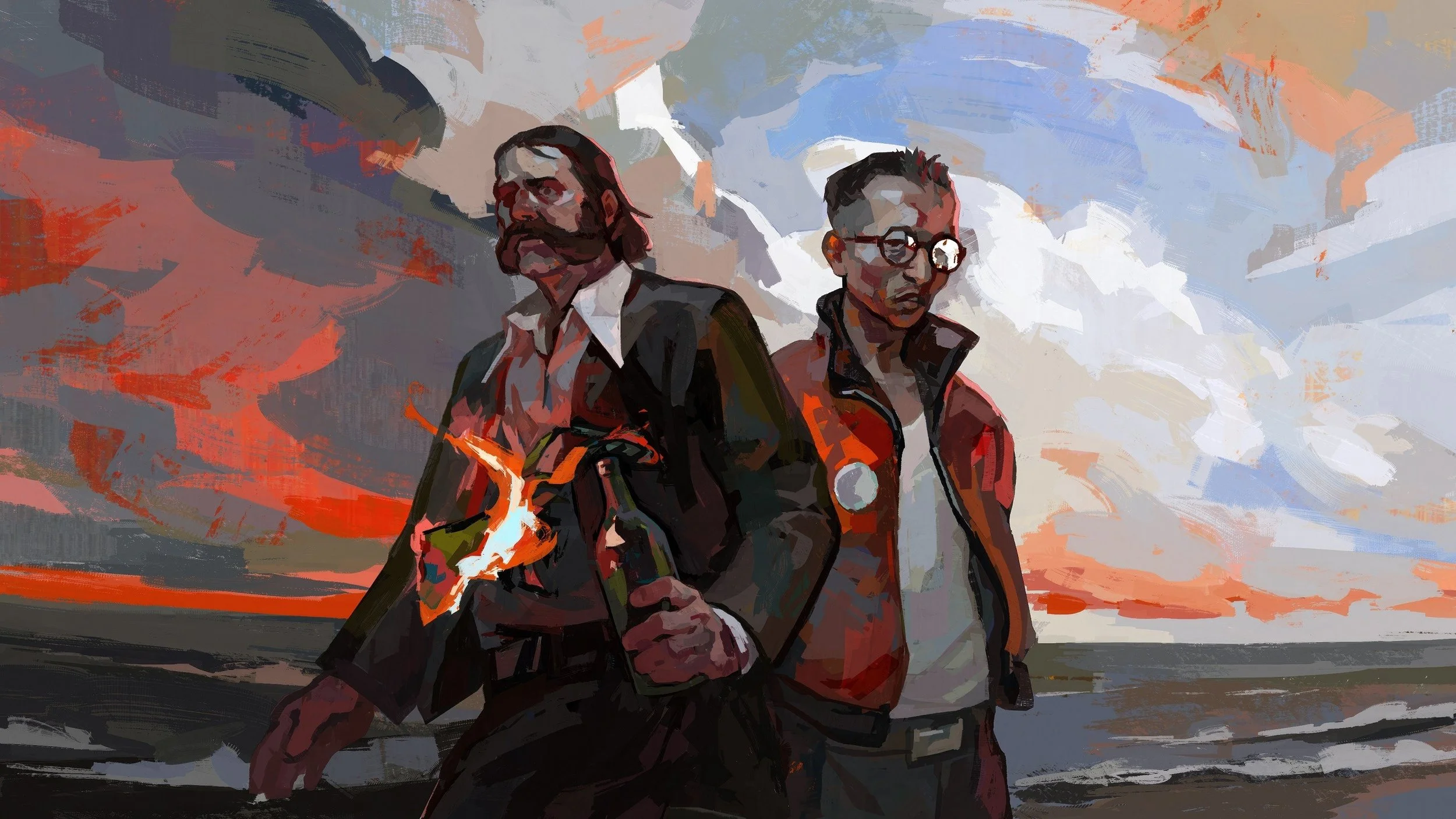
I recently started playing through the RPG Disco Elysium for a second time. I did not complete the game last time I played in February and March but go about two thirds of the way through the story. As far as solving the central crime, I had established an accurate cause of death for the murder victim and broadly understood the events leading to their death. The main reason I did not complete the game was because I was playing on the Nintendo Switch and found it increasingly difficult to read the text on the small screen. The loading times were also excruciatingly slow. Playing the game while “docked” helped the former but not the latter issue. Hence I bought the PC version of Disco Elysium: The Final Cut for just £5 and started again from the beginning.
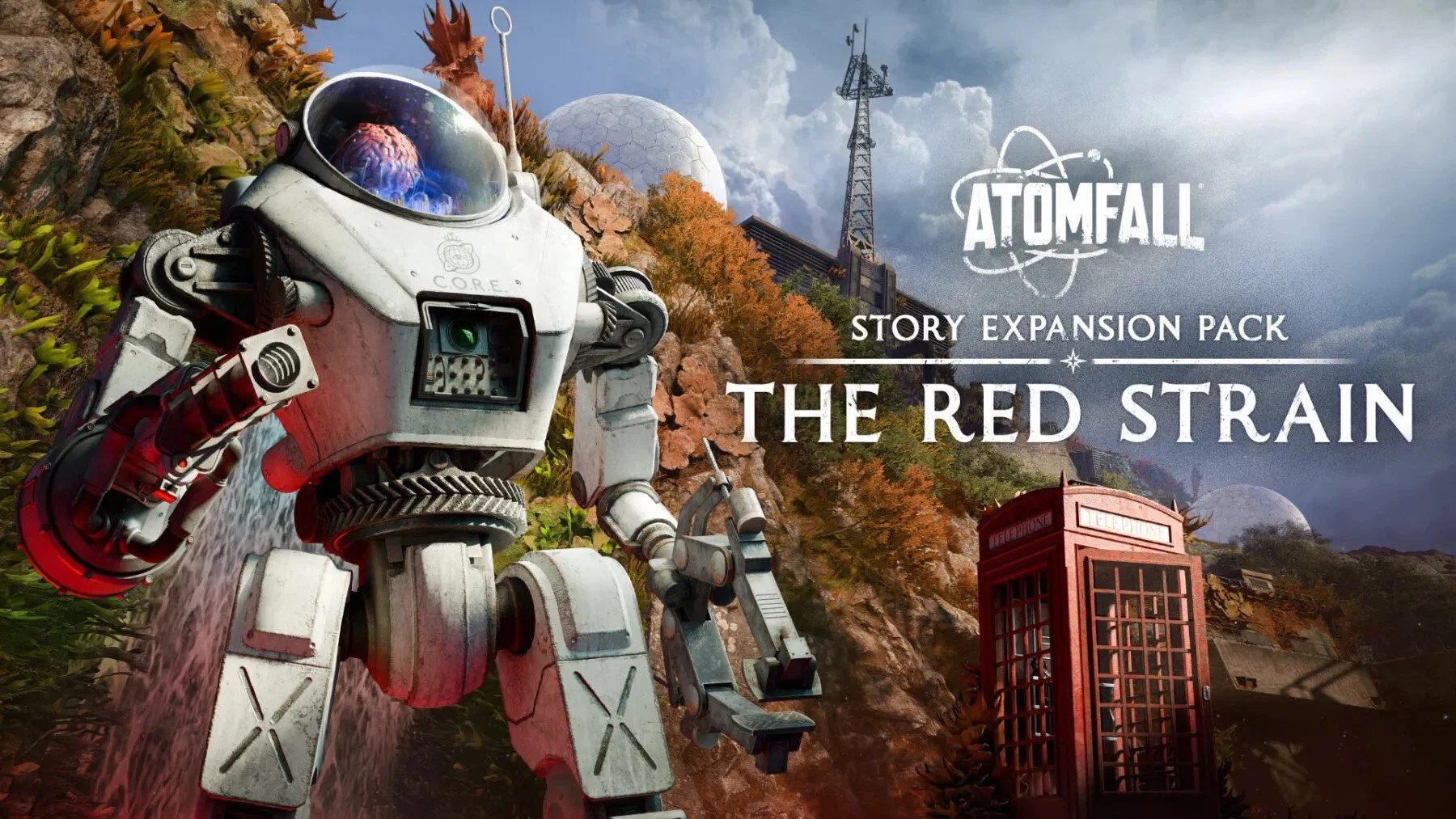
The Red Strain is the second DLC for the RPG Atomfall. It provides another interesting side story that is adjacent to that of the main game. Set in the new region of Stafell Crag, the player finds a secret installation called Test Site Moriah, run by C.O.R.E. (Co-ordinated Orbital Research Establishment). C.O.R.E. have seniority over B.A.R.D. (British Atomic Research Department) and have taken much of their research and used it for their own experiments. This includes the Red Strain, a genetically modified version of the Blue Infection. However, this has escaped containment and spread throughout the entire site. Once again the player must explore the zone, looking for leads and collecting resources, while trying to piece together what has happened. As in the previous DLC and main game, not every NPC that you meet in The Red Strain can be trusted.
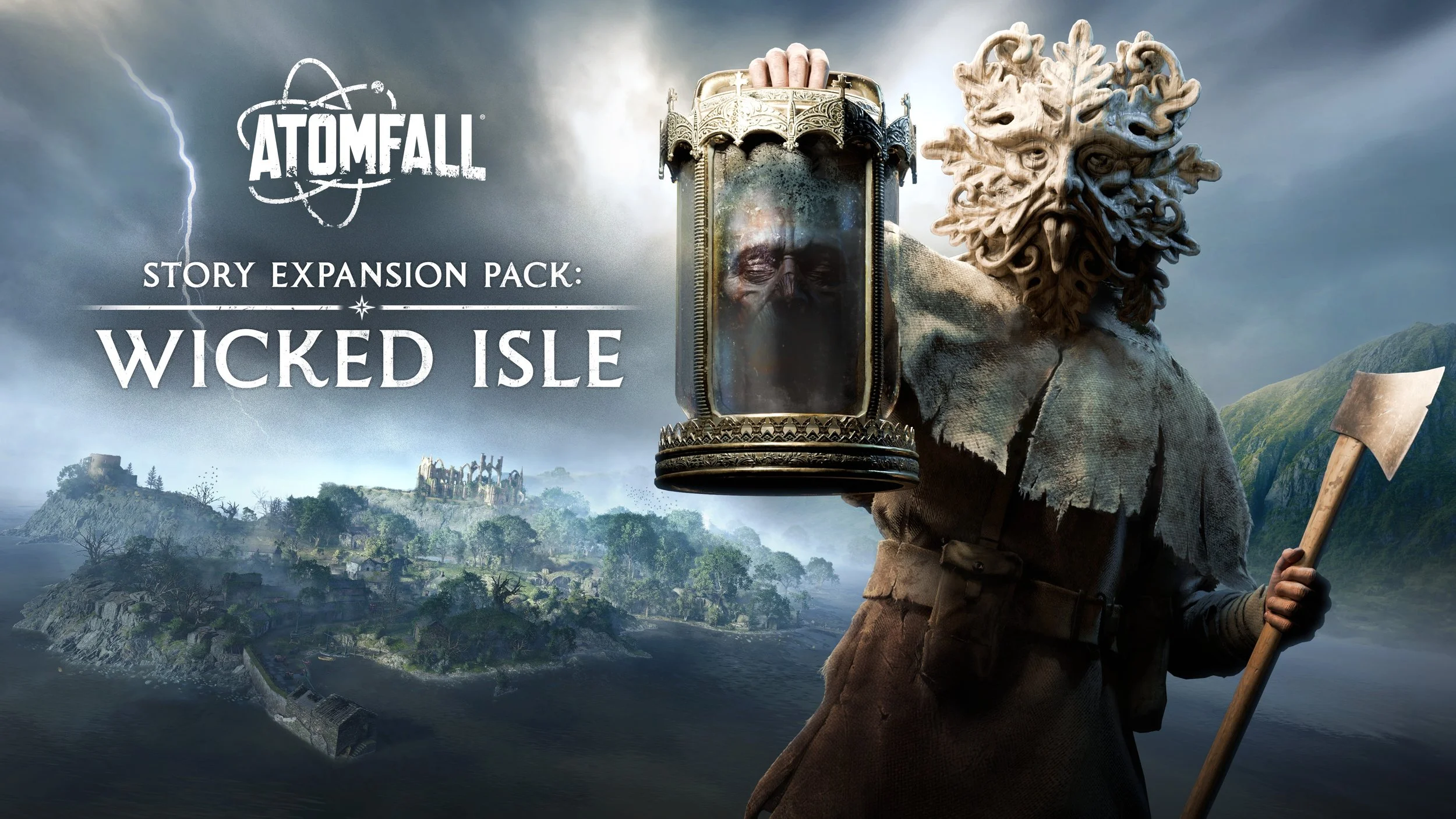
Wicked Isle DLC for the RPG Atomfall was released on 3rd June, two months after the base game launched. As with its predecessor there are no specific missions, the DLC requires the player to explore the environment to pick up leads. These ultimately provide a coherent story but the clues may not necessarily be obtained in the correct order. Hence, again there is a requirement for players to look, listen and think. Referring to the in-game notebook is beneficial for narrative clarification. As well as a new story, Wicked Isle DLC also has new weapons, items and skills. This includes a Blunderbuss shotgun which inflicts huge damage but has a limited range, as well as a cutlass and some ritualistic weapons. There is also an upgraded metal detector along with the Decomposition skill, which causes enemies to rapidly dissolve into fungal spores after a takedown. This means that dead NPCs cannot be discovered.

Spoiler Alert: The following post discusses the various endings available in Atomfall. About 15 or so hours into Atomfall, the various plot elements started to become a lot clearer to me and I realised that several key characters were all offering differing escape options. Naturally, each outcome came with a quid pro quo requirement. Hence, there was a choice to make as to which ending I wanted to pursue, assuming that some outcomes were narratively or ethically better than others. At this point I had avoided many plot spoilers, so had no clear idea as to what specific endings were available. So I made a decision based purely upon the information that each of these characters gave me and chose to implement Dr. Holder’s solution to the Oberon problem. It seemed the most honest and pragmatic outcome, plus it caused the least amount of collateral damage.
By default, I’m not always drawn to first person games. I see their merits in genres such as shooters but in an RPG, I prefer a third person perspective. So I was somewhat ambivalent towards Atomfall when I first saw promotional videos for the game. However, its uniquely British setting and period ambience piqued my interest. I also enjoy the Sniper Elite series which developers Rebellion also produce. So I recently bought the deluxe version of the game and began my play through. I made sure that I didn’t do too much research beforehand, because it was clear that the complexities of the plot are a major selling point of the game. Twenty two gaming hours later, I had completed two of six possible endings. Despite discovering a wealth of “leads” and diligently scouring the four main zones of Atomfall, I still feel there is much left to find and explore. Hence I have begun a second playthrough.

I’m a late convert to the church of Disco Elysium. Over 4 years late, although that can be a good thing in some respects. Pretty much everything that can be said about the game probably has been said already and I’ve missed it all. When purchasing the game, I knew there was a positive buzz around this RPG and it had something to do with its philosophical nature. Beyond that I wasn’t aware of the game's subtleties. I was just looking for something that I could play on my Nintendo Switch that wasn’t Mario. As Disco Elysium is a dialogue driven RPG, based upon choices rather than action, I thought buying the game on this platform was a good choice. So I started playing late on a Thursday night. 10 days later I am still utterly riveted, although this is one of the most emotionally gruelling gaming experiences of my life.
Do you know what you're doing? For clarification, this question is regarding video games and not how you run your life. The latter would make for an interesting discussion but that is not what I am asking. On this occasion the question is to establish whether you are the sort of player who strives to understand the mechanics of a video game? Do you make it your business to become au fait with all the statistics and the formulas behind them? Do you keep a spreadsheet filled with data pertaining to your gear or build? Do you fully comprehend the consequences of swapping out an item and seeing a particular statistic increase or decrease. Does all of this inherently appeal to you and contribute to overall the enjoyment you get from a game? If the answer is yes, then bravo. I kind of admire your dedication to this aspect of gaming. Because I tend to switch off when it comes to min-maxing.

One of the defining qualities of a truly great game is how long it can hold your interest and keep you engaged. For example I bought the Game of the Year version of Skyrim about 14 months after its initial release. Hence I had access to all the games content that I dutifully played through. However, I also fully explored the world map, completed all side quests, crafted, furnished several houses and continued to travel the in-game world and killing foes long after I had completed all the traditional content. I did the same with Red Dead Redemption 2 as this also offered a compelling and immersive world. Games such as these have a quality beyond just the functional. I would happily traverse the mountains in Skyrim and watch the sunset, revelling in the ambient music. Similarly, I would often just ride the train in RDR2 and watch the world go by. When I finally stopped playing both games for newer titles, I felt a sense of sadness when I bid them goodbye.

I struggle with certain types of game mechanics in RPGs and MMOs. Especially those involving crafting, building or any other form of gated, time based, resource dependent creation. Outposts in Starfield is a textbook example of this. I love the notion of having a fancy base on some remote planet, with all the necessary facilities for my starship and crew. I also like, in principle, the idea of being able to customise it so that it looks exactly how I want it. However, the reality is always very different. Building an outpost in Starfield is slow and the UI that you have to use is ponderous. You have to sink a great deal of time and effort into building one and ultimately, beyond the cosmetic, your completed outpost offers very few benefits. Which raises the question as to why I’ve spent so much time recently, watching YouTube videos about constructing outposts?

I like the concept of companions in video games. They can offer tactical support in combat, be assigned research or crafting jobs and often provide beneficial buffs and such like. There’s also the option for “romance” if you wish. More importantly, companions can sometimes offer unique quest lines. Extra content is always welcome. Starfield, being a Bethesda game, offers all of these with its companion system. However, as ever there is also a downside. Companions can get in the way during combat or wander off and cause aggro when it is not required. They will also judge your decisions which can be problematic, and they sometimes never stop talking. Sometimes, it can be useful to have a companion with you. But on other occasions it’s a pain in the ass. Hence, your style of gameplay should dictate how you use them.
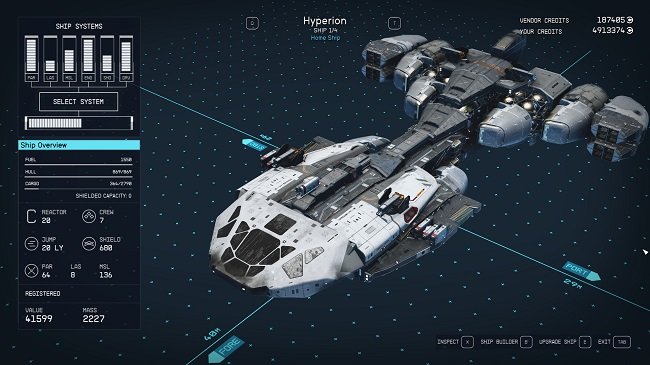
These posts are all written after playing a lengthy session of Starfield. Often some of the points raised are clarified later. So, it would be remiss of me not to revise a comment I made previously about scanning when surveying a planet. It turns out that there is a surveying skill that you can invest points into that improve the efficiency of the process. Let it suffice to say that it does make things easier. Now that’s out of the way, I want to focus upon the necessity to replace your ship as soon as possible in Starfield. The Frontier, which is the first vessel you’re given access to in the game, has a lot of character but it doesn’t have much else. It is lacking in damage output and is therefore a bit of a liability in space combat, even after you’ve unlocked targeting in the skills tree. I therefore made it a priority to replace it as soon as possible.

It is quite easy to get overwhelmed by the sheer quantity of things to do in Starfield. You can be walking through the plaza in New Atlantis, pass a pair of NPCs talking about something and the next thing you know you have a new mission to complete. As with most video games, there is a hierarchy of importance when it comes to the various tasks you are asked to undertake. Players may feel obliged to focus upon the main story during their initial first six hours or so. Such a strategy usually provides players with an overview of the game’s mechanics as well as providing some essential items such as gear. But it can feel a little smothering to have content continuously added to your mission journal. Especially if you’re the sort of player that likes to impose structure upon your gaming and likes to undertake tasks in an orderly and methodical fashion.
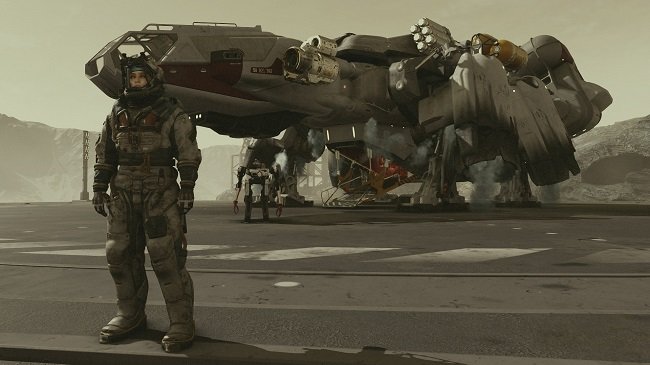
I pre-installed Starfield, via Steam, on Wednesday 30th August. Early access started in the UK at 1:00 AM today. However, I didn’t get around to playing until about 10:00 AM this morning. It took about an hour or so to unpack the pre-installed game. It currently occupies a little over 116GB of space. As I wasn’t sure how well my PC would handle Starfield, I decided to use my second monitor to play the game at a resolution of 1920x1080 (16:9). I have an Nvidia GTX 1660 Super GPU. Initially, I turned all the graphics to “high” and set the game to render at full resolution. Initially the game seemed to run well. I got through the initial story which takes place in a mine. I also got to the character customisation, which in true Bethesda style takes place after the story has progressed for a while. However, the moment I entered space in my ship, the game started running poorly. The graphics stuttered and the audio desynced.
I have already written about the hype associated with the forthcoming RPG Starfield and my thoughts on that particular issue have not changed. However, regardless of the iniquities of the marketing industry and the unrealistic expectations of some gamers, Starfield is a significant release from an established developer with a proven track record. Hence there is a great deal of interest in this game due to the scope of its content and breadth of vision. Plus many of Bethesda’s competitors will be watching the launch on September 6th very closely, especially those with similar products in development. Whatever your perspective on the game, there’s going to be a lot of interest in it, so I’ve decided to document my experiences with Starfield.
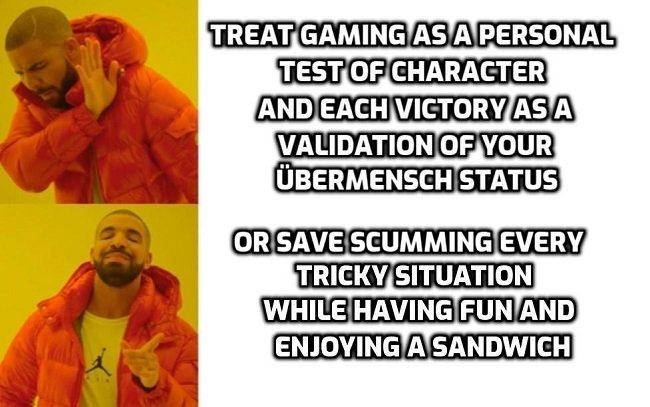
Throughout history, there’s always some asshole who confuses their own personal opinion for some undeniable, unassailable, universal truth. This misconception often ends in tragedy. Sadly it is the doom of men (especially Colin) that they forget. Hence, life continues to be regularly assailed by the following cycle. An asshole talks bollocks and advocates an erroneous position or philosophical stance that is unsustainable in the face of reality. A shit storm ensues. The asshole’s position is utterly and unequivocally demolished by facts and data. Everyone else then has to pick up the pieces, while the asshole, due to a lack of critical thinking and emotional literacy, still thinks that they’re right and that “they’re the victim”. This scenario manifests itself in many aspects of day-to-day life. Domestic politics, your places of employment etc. It is also an integral part of gaming culture and a core tenet of Gamers (™).
I have written in the past about games that have proved popular or critically successful that pass you by. You simply weren’t aware of them or their success at the time of their release. You missed all the marketing and hype. It’s easily enough done as there’s so much white noise associated with gaming these days. You subsequently stumble across these popular games later and much to your surprise, discover their merits long after everyone else has. I have also written about what it is like to be the proverbial “odd one out” by not being part of a major gaming group. Not playing World of Warcraft is a prime example of this phenomenon. Exploring both these subjects inevitably leads to discussions about hype, gaming consensus and FOMO. This time I want to talk about a game that has recently gained a great deal of traction in the gaming community and has also caused a great deal of debate. A game that some of its more enthusiastic supporters are calling a new “industry standard”.

Hype.
Noun: Extravagant or intensive publicity or promotion.” His first album hit the stores amid a storm of hype”.
Verb: Promote or publicise (a product or idea) intensively, often exaggerating its benefits.
“An industry quick to hype its products”,
Until recently I have gone out of my way to avoid any promotional material regarding Starfield, the forthcoming RPG from Bethesda Game Studios. However, as the September 6th release date is approaching, I finally decided to watch the following YouTube video in order to make a measured judgement about exactly what the game has to offer. Let it suffice to say that if you take the video at face value, then Starfield is potentially a revolutionary video game. However, upon mature reflection and sober consideration, I have chosen not to take the claims made in the video as gospel. As far as I’m concerned this is not regular marketing, as it goes beyond the scope of briefing potential buyers about the product. Instead I would define the videos as pure and unabashed hype, as specified in the two definitions at the start of this post. And hype is a very problematic phenomenon.
I started playing Red Dead Redemption 2 on the PC upon its release in late 2019. Although I enjoyed it, I was distracted by other matters at the time and so I drifted away in early 2020. To cut a long story short, I recently picked up exactly where I left off, because I felt the need for a big, narrative driven, RPG gaming experience. Red Dead Redemption 2 certainly meets those requirements. A few days ago I finished the main story and having played through sufficient side quests and challenges, decided to call it quits. Since then I have been musing on both the game itself and the experience I had while playing through it. Simply put, I consider Red Dead Redemption 2 to be a genre milestone and one of the most significant and impressive examples of video games that I have experienced over the course of my life, along with the likes of The Elder Scrolls V: Skyrim and The Witcher III: Wild Hunt.
Before I begin, this post comes with a massive caveat. In fact let’s go so far as to say it is a massive, highly polished and lavishly tooled caveat. There are gamers out there that play video games to challenge themselves and to be the best. Some do it for bragging rights. Others just do it for their own self satisfaction. This is fine. You do you. As long as your gameplay and gaming philosophy doesn’t impact anyone else negatively, then that’s fine. Let me state for the record that I am not that kind of gamer and this post is aimed very much at the average person who plays for entertainment, fun and to unwind. You know, the majority of people who play video games. So any responses to this post that fall into the “git gud” school of thought are irrelevant and can politely “go forth and multiply. Now we have established our frame of reference, let us proceed.
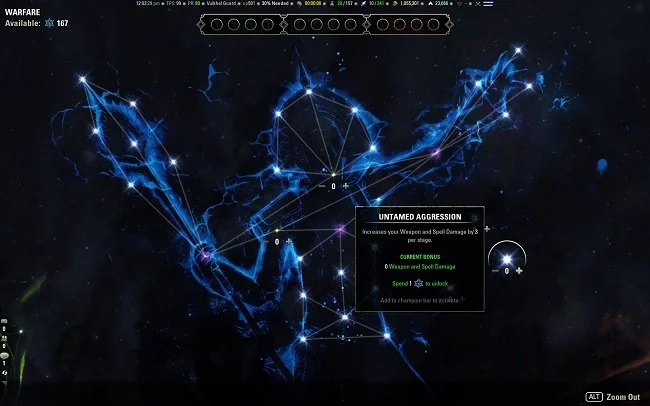
I’m sure I’ve mentioned this issue before in previous video game related posts. But I don’t think I’ve devoted an entire article to the matter, which is what I’m going to do today. So to provide some context, I logged into The Elder Scrolls Online today as I’m fast approaching that point in the year where I spend a few months subscribing to the game. Due to some recent patch, once again all my Champion Points have been refunded. Judging by the change in graphics, it may be that the entire Champion Point system has been updated. Whatever the reason, I have to re-allocate 501points into three skill trees. I wasn’t au fait with the last system, so I followed a build I found online. Now that it has changed, I’ll have to find a new one and copy it. Until I do, my character will be gimped. Shame the game doesn’t offer a selection of generic builds that can be easily implemented at the press of a button.
 Roger Edwards
I recently completed the main story in Tainted Grail: The Fall of Avalon. In total I spent about sixty hours playing the game. I began at the start of the year, then took a break for a while but returned to it recently because I wanted to see if I could unlock a specific ending. I did manage to do this. Like so many other RPGs, Tainted Grail: the Fall of Avalon has a central storyline, along with a wealth of side quests, based around factions in specific zones. I think I possibly completed about a two thirds of these. However, once I finished the main story, my interest in the game began to wane. I finally left my character in the last major quest hub in case I wish to return at a future date. I then logged out of the game and uninstalled it from my PC to free up space for whatever I was to play next. In this case its The Sinking City 2. None of this is a negative reflection on Tainted Grail: the Fall of Avalon. I enjoyed the time I spent playing this quirky RPG. I simply had my fill and left to play something else.