
Bad Monster Movies
I was chatting with some friends recently about monster movies and creature features as they have been a mainstay of cinema for as long as the medium has existed. At it’s best, a good cinematic monster or monsters are a metaphor for examining a societal ill or it can also be a clever MacGuffin to explore the human condition. Clive Barker’s troubled film, Nightbreed being a prime example of this where the monsters are the persecuted protagonists and the humans are terrible creatures, lacking empathy. However, be your narrative deep or simple, if you’re going to have a monster in your film, then try to do it right. A poorly realised design or badly implemented, low budget visual effects can work against the credibility of your creature and there are no shortage of cinematic examples. So I thought it would be fun to list a few “bad” movie monsters. I try to provide some context with each example as to why each particular monster didn’t quite work. Naturally I have not in anyway created a definitive list and would be happy for readers' comments if they have other examples they’d care to share.
I was chatting with some friends recently about monster movies and creature features as they have been a mainstay of cinema for as long as the medium has existed. At it’s best, a good cinematic monster or monsters are a metaphor for examining a societal ill or it can also be a clever MacGuffin to explore the human condition. Clive Barker’s troubled film, Nightbreed being a prime example of this where the monsters are the persecuted protagonists and the humans are terrible creatures, lacking empathy. However, be your narrative deep or simple, if you’re going to have a monster in your film, then try to do it right. A poorly realised design or badly implemented, low budget visual effects can work against the credibility of your creature and there are no shortage of cinematic examples. So I thought it would be fun to list a few “bad” movie monsters. I try to provide some context with each example as to why each particular monster didn’t quite work. Naturally I have not in anyway created a definitive list and would be happy for readers' comments if they have other examples they’d care to share.
Watchers (1988). Here is a great title to start with, being a very poor adaptation of Dean R. Koontz novel of the same name. The subtleties and pathos of the original story have been replaced with eighties big hair courtesy of Corey Haim. On the plus side, Michael Ironside provides a characteristic performance of borderline psychosis. The downside being the OXCOM, the renegade government experiment at the centre of the story. It really is a shoddy example of uninspired animatronics and full body prosthesis.
Prophecy (1979). John Frankenheimer’s environmental thriller features a monster that Starburst magazine referred to as Smokey the Bear with acne. The creature created by the Burman studios, remains hidden or only partially glimpsed for most of the film’s running time. However, a few scenes do make it abundantly clear that it is nothing more than a man in a suit, diminishing the tension. The crew seemed to fail to grasp how to light and reveal the beastie effectively. A flambéd Yogi Bear has only so much shock value.
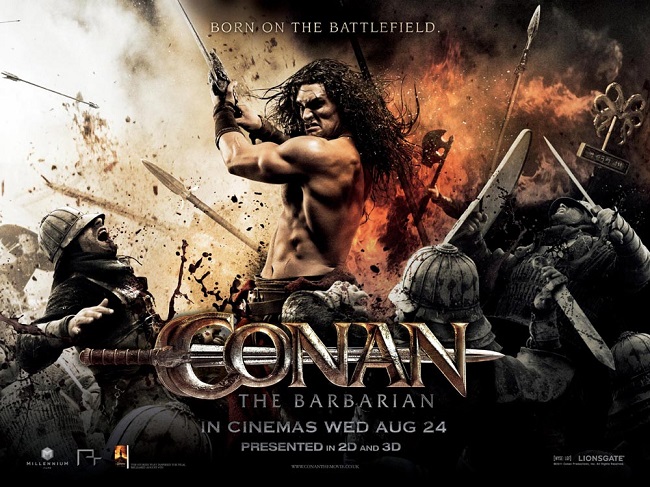
Conan the Destroyer (1984). Carlo Rambaldi’s Dagoth is interesting design, yet the physical execution is extremely poor to the point of being laughable. Even director of photography Jack Cardiff with all his skills cannot light or frame the scenes featuring this creature in such a way that improves them. It is curious that a film of this budget, with an otherwise handsome production design, tolerated such a poor effects sequence. Perhaps stop motion would have been a better option?
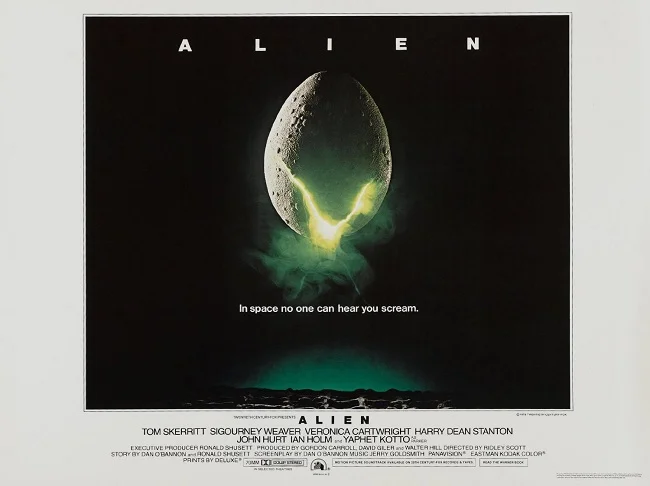
Contamination (1980). This Italian cash in of Alien features numerous sequences of people exploding after exposure to an extraterrestrial’s eggs. When it is finally revealed, the monstrous alien Cyclops is a rather uninspired and conspicuously static creature. Using the hypnotic power of its glowing eye, it lures badly dubbed actors to their death via it’s rubber proboscis. You expect poorly realised monsters in low-budget films, but there’s a fine line between poor and crap.
The Dark (1979). Originally intended as a zombie film to be directed by Tobe Hooper, the producers changed their mind halfway through shooting and decided to cash in on the Star Wars boom. Subsequently, after a change of director, The Dark became an alien entity on the rampage movie. This particular alien resembles a rather tall homeless person, with a poor complexion and lasers shooting from his eyes. Only watch this if you have a black belt in bad movie tolerance.
White Buffalo (1977). Wild Bill Hickok (Charles Bronson) and Crazy Horse (Will Sampson) join forces to defeat a mythical White Buffalo that has blighted their lives. Nice John Barry score, good performances from the lead actors in this odd cross genre western that was poorly marketed. The titular beastie, courtesy of Carlo Rambaldi (again), can be clearly seen on tracks. Much of the mechanical apparatus used to create the creature’s movements is also on display. With some better editing this could have all been avoided.
Slugs (1988). Loosely based on Shaun Hutson’s book, this low-budget horror features killer mutant slugs that have somehow evolved large pointy teeth etc. Most of the effects work consists of a rubber slugs applied to wound prosthetics and these scenes work well. However, on a few occasions the slugs are shown in close-up as the pictures above shows. Utterly ludicrous I’m sure you’ll agree. Pass the salt.
Rawhead Rex (1985). Clive Barker’s short story about an elemental pagan god and its subsequent rampage through an Irish Town, is intelligent and has many themes. All such subtleties are jettisoned in this low-budget horror exploitation film. The nine-foot beast from the source text is replaced by a tall man in ragged clothes with animatronic head. It all looks a bit silly, especially when he urinates on a priest. The monster’s technical shortcomings should have been left off camera as much as possible.
Island of Terror (1966). The “Silicates” featured in Island of Terror are a form of life based upon Silicon instead of Carbon. Spawn from an accident while trying to find a cure for cancer, these beasties digest human bone, leaving a shapeless corpse behind. They can also divide and multiply like any other kind of cell. Peter Cushing may well save the day in this unusual science fiction horror movie but he cannot distract us from the exceeding cheap and immobile creature effects.
I Am Legend (2007). The Vampires of Richard Mathesons’s original story are replaced by Darkseekers in this adaptation. These are emaciated quasi zombies that fear light. The film itself is a poor adaptation, by an uninspired director, starring a former box office star. It features unimaginative CGI created monsters that are devoid of any threat, substance or pathos. If you want a textbook example of a big budget monster movie that utterly fails to understand the genre, look no further.





Classic Movie Themes: Game of Death
Game of Death was Bruce Lee’s fourth Hong Kong martial arts movie. Due to the success of his previous films he found himself in a position where he could finally write and direct a project himself. Filmed in late 1972 and early 1973, the film was put on hold midway through production when Hollywood offered him a starring role in Enter the Dragon. He died shortly after completing the US backed movie that made him an international star, so Game of Death remained unfinished. Several years later the rights to the raw footage were sold and recycled for a new movie, that kept the name but bore little resemblance to Lee’s original vision. For most of Game of Death, Kim Tai-jong and Yuen Biao double for Bruce Lee and it is only in the final act that audiences actually get to see about 12 minutes of material that he shot himself. The 1978 release of Game of Death, directed by Robert Clouse, is a mess but remains a cinematic curiosity. The scenes which genuinely feature Bruce Lee are outstanding, even in an abridged form.
Game of Death was Bruce Lee’s fourth Hong Kong martial arts movie. Due to the success of his previous films he found himself in a position where he could finally write and direct a project himself. Filmed in late 1972 and early 1973, the film was put on hold midway through production when Hollywood offered him a starring role in Enter the Dragon. He died shortly after completing the US backed movie that made him an international star, so Game of Death remained unfinished. Several years later the rights to the raw footage were sold and recycled for a new movie, that kept the name but bore little resemblance to Lee’s original vision. For most of Game of Death, Kim Tai-jong and Yuen Biao double for Bruce Lee and it is only in the final act that audiences actually get to see about 12 minutes of material that he shot himself. The 1978 release of Game of Death, directed by Robert Clouse, is a mess but remains a cinematic curiosity. The scenes which genuinely feature Bruce Lee are outstanding, even in an abridged form.
Game of Death was marketed to capitalise on Lee’s international fame and appeal. Due to his iconic status it was packaged in a comparable idiom to a Bond film. Hence the opening credits to Game of Death are lurid and literal; very much like the work of Maurice Binder on the various James Bond movies. And then there is the score by John Barry that lends a certain classy ambience to the proceedings. The main theme is brassy, sumptuous and oozes style in the same way that Barry brought those qualities to the 007 franchise. Variations of this cue are subsequently used during all the major fight scenes in the film. Musically it works best with the footage in the film’s climax which was shot by and features Lee himself. The presence of such a noted film composer elevates the status of Game of Death, despite its many flaws. However, the Catonese and Mandarin dialogue versions of the movie feature an alternative soundtrack by Joseph Koo, who was an established composer in the Hong Kong movie industry.
The complete soundtrack for Game of Death was recently released by Silva Screen and also includes the score for Roger Vadim’s Night Games from 1980. The soundtrack contains all major cues featured in the film along with the song “Will This Be The Song I'll Be Singing Tomorrow” performed by Colleen Camp, who also starred in the film. I suspect it was hoped that this number would do well on the strength of the movie but it is far from memorable with its overly fastidious lyrics and melancholy tone. Here is the main title theme which underpins Game of Death. It is instantly recognisable as a John Barry compositions, as it exhibits all his musical hallmarks. It is far more grandiose in its scope than the quirky scores of Bruce Lee’s earlier work. If Lee had lived perhaps the Hollywood studios would have attempted to pigeonhole him into more sub Bond style movies as Game of Death strives to. Irrespective of such idle speculation, John Barry’s work remains as iconic as Lee himself and effortless reflects his charisma and physical prowess.







Ad Astra (2019)
In the near future, a series of mysterious power surges strike the Solar System, endangering all human life. Astronaut Major Roy McBride, is selected by U.S. Space Command (SpaceCom) to investigate their source near Neptune. The surges are linked to the "Lima Project", a failed experiment from 26 years earlier, that was intended to search for intelligent life outside of our solar system. The ship’s antimatter drive is potentially malfunctioning and responsible for the energy surges. Roy’s investigation is further complicated by the fact his Father H. Clifford McBride (Tommy Lee Jones), led the "Lima Project" and has not been heard from for 16 years after reaching Neptune. Having been told that Clifford may still be alive, Roy is joined by his father's old associate Colonel Pruitt (Donald Sutherland) whose loyalties remain ambiguous. Roy, who is noted for remaining calm under pressure, shows little emotional reaction to the news about his Father. As he and Pruitt travel covertly from Earth, to the moon and then onto Mars, it becomes clear that there is more to the mission than meets the eye. Will Roy remain emotionally detached or will old wounds impair his judgement?
In the near future, a series of mysterious power surges strike the Solar System, endangering all human life. Astronaut Major Roy McBride, is selected by U.S. Space Command (SpaceCom) to investigate their source near Neptune. The surges are linked to the "Lima Project", a failed experiment from 26 years earlier, that was intended to search for intelligent life outside of our solar system. The ship’s antimatter drive is potentially malfunctioning and responsible for the energy surges. Roy’s investigation is further complicated by the fact his Father H. Clifford McBride (Tommy Lee Jones), led the "Lima Project" and has not been heard from for 16 years after reaching Neptune. Having been told that Clifford may still be alive, Roy is joined by his father's old associate Colonel Pruitt (Donald Sutherland) whose loyalties remain ambiguous. Roy, who is noted for remaining calm under pressure, shows little emotional reaction to the news about his Father. As he and Pruitt travel covertly from Earth, to the moon and then onto Mars, it becomes clear that there is more to the mission than meets the eye. Will Roy remain emotionally detached or will old wounds impair his judgement?
Many critics felt that Ad Astra fell between two stools with its cold, clinical approach to space travel and its intermittent action scenes. I did not feel this way for the first third of the movie and accepted the lunar chase scene as relevant to the plot. Within the confines of the story, the Moon is colonised by multiple nations and there are territorial disputes. Hence violating borders could indeed provoke a military response. However the film contradicted its own adherence to science at the end of the first act to accommodate a most unusual, unexpected but ultimately superfluous suspense sequence. This somewhat jaded my view of Ad Astra for the remainder of its running time and I got the distinct feeling that perhaps there was studio pressure put upon writer and director James Gray to balance the existential self contemplation of the plot with some accessible action sequences for the less “intellectually invested” viewers. Furthermore the much anticipated ending in which Father and Son meet, lands wide of the mark, failing to meet expectations both narratively and philosophically.
One cannot fault the quality of the production with much of the technology and science on display in Ad Astra being credible and well realised. The 100 million dollar budget seems to have gone mainly into the films visual effects and production design. Performances from all involved are good, as you would expect from such an ensemble cast. But as Ad Astra progresses the ideas run out of steam and suddenly there is nothing to sustain the drama beyond the visuals and the hope that matters will be resolved in a satisfactory or at the least adequate fashion. And it is sadly the latter that is only achieved. For a movie that strives to deal with the near future in a Kubrickeques manner and explore the complexity of family relationships in an idiom similar to Greek Mythology, it fails to deliver at its dramatic climax. Furthermore, not only is the accurate depiction of science suspended when it finds itself at odds with the drama, so is narrative credibility. One scene where Roy is discovered illegally stowing away on a rocket, ends so abruptly and violently that it verges on the absurd.
However, despite losing its way Ad Astra does at least do something unusual that flies in the face of popular belief with one of the stories core themes. It postulates the idea that there is no other intelligent, sentient life in the universe and that we are as a species are just an anomaly that is utterly alone. Such a statement is very bold and thought provoking. But the Science fiction genre often works best when it is a MacGuffin for a human story. And there is a lot on offer in Ad Astra that could fuel that very process. Yet the production seems to have made the classic mistake of getting the cart before the horse and focusing more on the aesthetics and ambience of space travel, at the expense of the emotional heart of the story. But I will also give the film credit for having the best unnecessary primate attack and explosive decompression scene in any movie. It’s just a shame that it served no real purpose here than to add some contrived tension, in lieu of the genuine article.







Star Wars: The Rise of Skywalker (2019)
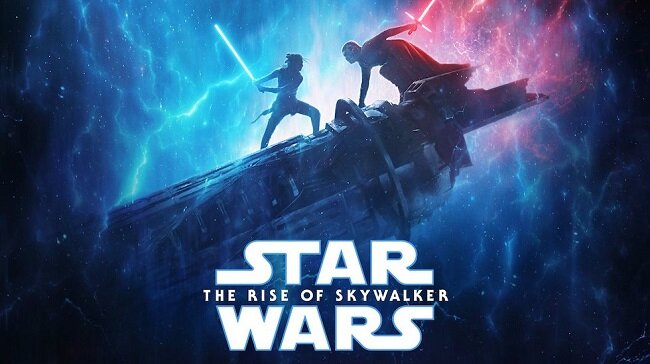
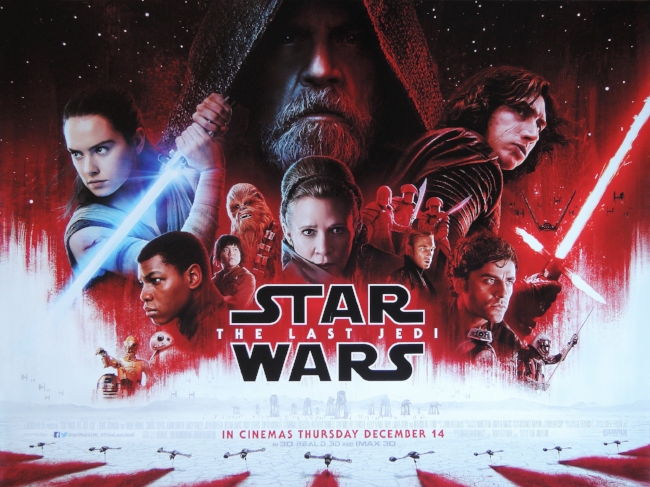
Two years ago The Last Jedi was released to mixed reviews. A vocal percentage of fans complained bitterly about various aspects of the movie. Some of their assertions such as the episodic pacing of parts of the story had merit. While other criticisms regarding diversity and gender categorically did not. However, Disney were cognisant of the fact that Star Wars fans were not universally enthralled by the movie although it turned a healthy profit. And then the following Easter Solo “underperformed” at the box office and journalists started talking about how the franchise had overreached itself and was in decline. Alarm bells obviously went off at board level and something had to be done. It would appear that The Rise of Skywalker is very much a movie designed to put the franchise back on track and wrap up the narrative proceedings of the last 42 years. However, there is a cost in offering such a colossal “fan service”. The latest instalment starts at a breakneck pace and continues in that idiom for over two hours. Action scenes, canonical references and homages are piled on, one after another. But narratively things are somewhat thin, recycling ideas and concepts from earlier movies. Some of the plot devices are never explained and therefore seem somewhat contrived. The Rise of Skywalker is most certainly entertaining. But it requires its core audience to be forgiving and to a degree complicit in its indulgences and failings.
Two years ago The Last Jedi was released to mixed reviews. A vocal percentage of fans complained bitterly about various aspects of the movie. Some of their assertions such as the episodic pacing of parts of the story had merit. While other criticisms regarding diversity and gender categorically did not. However, Disney were cognisant of the fact that Star Wars fans were not universally enthralled by the movie although it turned a healthy profit. And then the following Easter Solo “underperformed” at the box office and journalists started talking about how the franchise had overreached itself and was in decline. Alarm bells obviously went off at board level and something had to be done. It would appear that The Rise of Skywalker is very much a movie designed to put the franchise back on track and wrap up the narrative proceedings of the last 42 years. However, there is a cost in offering such a colossal “fan service”. The latest instalment starts at a breakneck pace and continues in that idiom for over two hours. Action scenes, canonical references and homages are piled on, one after another. But narratively things are somewhat thin, recycling ideas and concepts from earlier movies. Some of the plot devices are never explained and therefore seem somewhat contrived. The Rise of Skywalker is most certainly entertaining. But it requires its core audience to be forgiving and to a degree complicit in its indulgences and failings.
If you have seen any of the marketing and advertising material associated with The Rise of Skywalker, then you will already know one of the key plot points of the film. Emperor Palpatine survived the destruction of the second Death Star and is “recovering” on the Sith home world of Exegol. When tracked down and confronted by Kylo Ren, Palpatine reveals that he was behind the creation of the First order and manipulated Supreme Leader Snoke. The Emperor then offers Ren a secret fleet of Star Destroyers along with complete control of the galaxy, if he hunts down and kills Rey. Meanwhile, a spy within the First Order informs the Resistance of Kylo Ren’s activities. Rey, Poe, Finn and Chewbacca subsequently embark on a search for Exogel, using Luke Skywalker’s notes on Jedi texts. Will Kylo Ren carry out the Emperor’s wishes and betray Rey? Will Rey give in to the dark side of the force and discover her true destiny? Will the Resistance fight alone or will the oppressed citizens of the galaxy rise up and fight the First Order in one final struggle?
The Rise of Skywalker is a finely tooled but somewhat arbitrary conclusion to the Star Wars franchise. Director J. J. Abrams turns the action and pacing up to eleven, offering a cavalcade of digital set pieces and bombastic spectacles. The weightier plot elements raised by The Last Jedi have been jettisoned in favour of action, melodrama and keeping core fans happy. Where Rian Johnson reflected upon the hubris of the Jedi and how they were the architects of their own demise, Abrams is more content to shoehorn in as many cameos possible into the movies 142-minute running time. Furthermore, the object lesson that General Leia taught Poe Dameron about the nature of command, which was so well written by Rian Johnson, has now been forgotten in this instalment. Poe has reverted back to a headstrong character who rashly rushes into situations. The film parallels several iconic scenes from both The Empire Strikes Back and Return of the Jedi. It is debatable as to whether this is a cunning plot device showing history between Jedi and Sith repeating itself, or whether it is simply lazy writing designed to get the story out of the corner it has painted itself into.
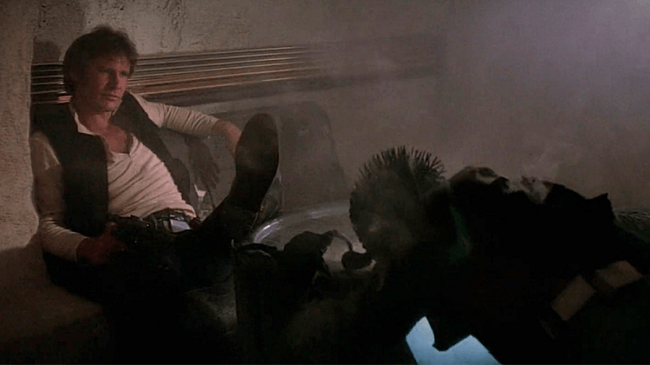
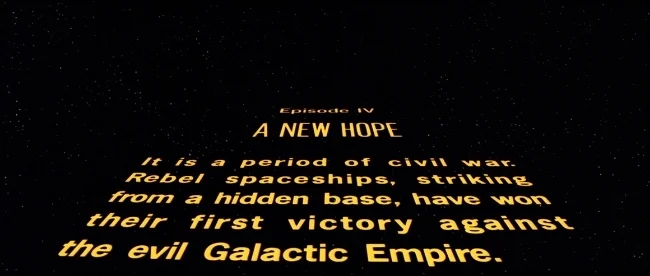
As you would expect with this franchise, the quality of the production is outstanding. The scope of many of the digital action scenes are breath taking and there is also a lot of great physical effects and old school stunt work. As ever the Star Wars universe looks and feels very credible and lived in. Yes, the science behind many ideas is way off base but that was never what this series was about. Star Wars has always been and remains science fantasy and high adventure, as opposed to pure science fiction. Dan Mindel’s cinematography is very creative and often it’s the minor attention to detail that makes a scene. For example, there’s a wonderful reverse tracking shot where Poe and Finn advance along a corridor picking off Stormtroopers who fall dead, into the frame. The obvious physical humour of the previous movie has gone and the emphasis is once again on dry quips and asides. This is much more like A New Hope and is far less of a distraction. As ever I cannot praise enough, the artistry of the great John Williams. Once again, his score permeates every aspect of the film and is a living character, providing the emotional heart and soul of the proceedings. And as far as I’m concerned, whenever an actor from the classic trilogy was on screen, The Rise of Skywalker really hit its stride. Yes you can argue the Lando Calrissian was an underdeveloped character to begin with but Billy Dee Williams has a presence and a natural charisma. It was great to see him fly the Millennium Falcon one more time.
Although I will happily admit that The Rise of Skywalker is very entertaining and winds up the story suitably, I can’t help but feel I’ve been shamelessly manipulated; in the same way as watching a renown illusionist do a show at Las Vegas. It’s all great fun but you know that everything is a contrivance and a deliberate misdirection. Key cast members are sent to classic locations and iconic structures have conveniently survived catastrophic events. The story also feigns the death or imperils much loved characters, only to reveal these events to be bluffs later on. And too many of the major plot twists and turn just defy established lore for the sake of narrative convenience. I was often reminded while watching The Rise of Skywalker, of the classic Simpson’s episode “When You Dish Upon a Star” during which Homer pitches a movie screenplay about “"killer robot driving instructor that travels back in time for some reason". Every time something implausible, contradictory or convenient happens in The Rise of Skywalker, I would just think “for some reason” and it pretty much summed things up every time.
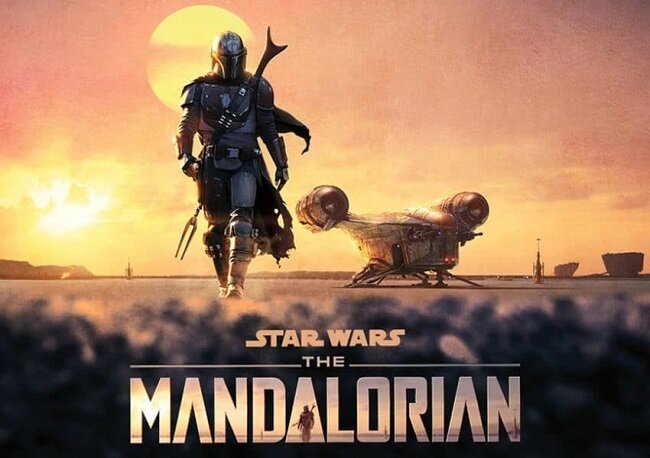
I suspect that for many Star Wars fans, the fundamental flaws inherent in The Rise of Skywalker will be outweighed by the cameos, homages and overall fan service that Disney have produced. I did just that and accepted the movie for what it is and broadly I enjoyed it. For example, exactly why Dominic Monaghan had such an obvious guest appearance, I’m not quite sure. But as C-3PO once said “It’s nice to see a familiar face”. As for the staggering crass expositionary dialogue that crops up from time to time, you have to remember that event movies such as this bring a lot of casual viewers and non-fans to the movie theatre. Plus the last instalment in any major, much beloved franchise is always a tough gig to undertake. However, there will be those who will not be at all pleased about this movie and I fully expect an internet outrage at some point soon. Once again, if a film is poorly made or under written, then these are legitimate grounds for criticism and complaint. If you’re peeved because a film didn’t pan out the way you wanted it to, then tough luck. Frankly it is good that the original Star Wars story arc has come to an end. Its broadly been a fun ride but the franchise has attained too much pop culture baggage. I personally think that the standalone movies about classic characters and scenarios are the way forward. I really like Rogue One and I’m currently enjoying The Mandalorian. As for classic Star Wars, I’ll settle for this ending on the understanding that it’s now time to part company.









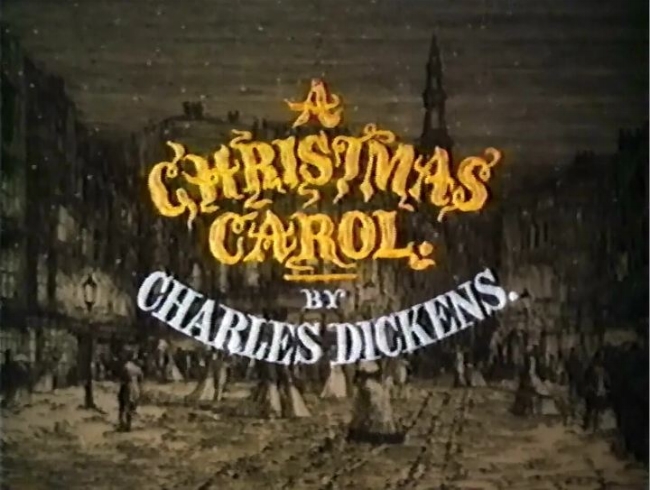
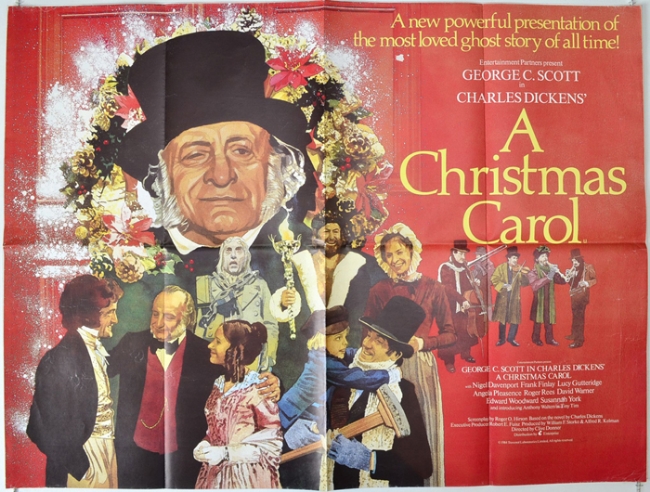
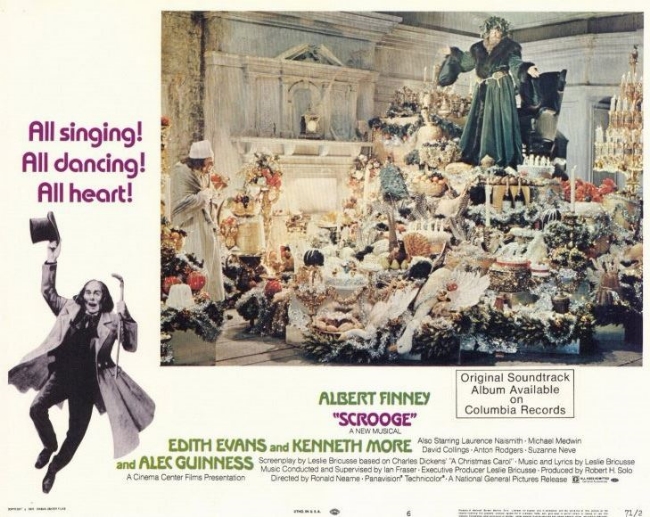
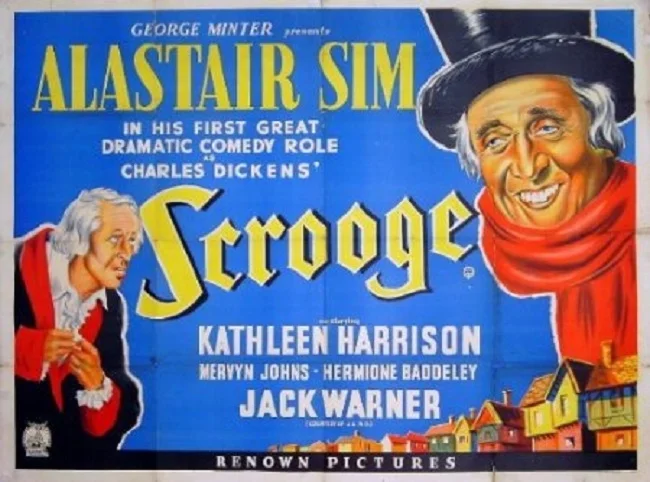
A Christmas Carol (1997)
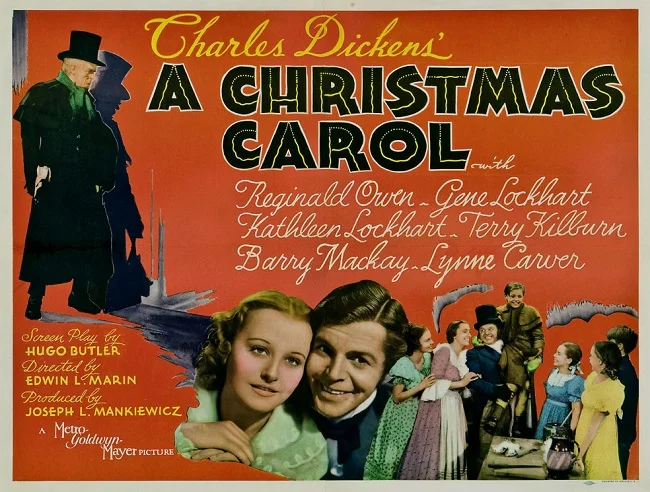
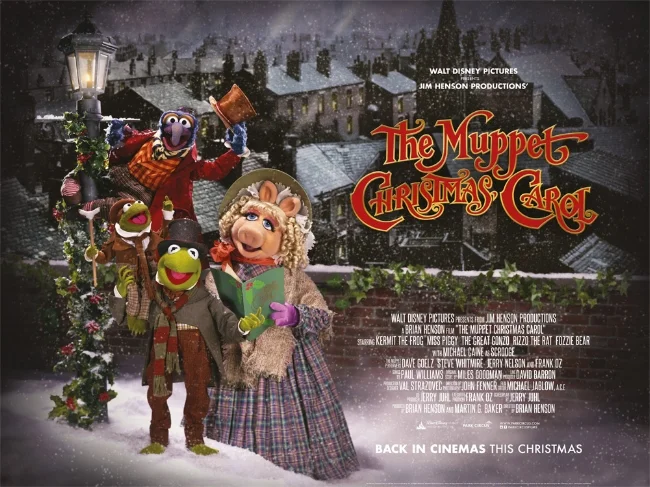
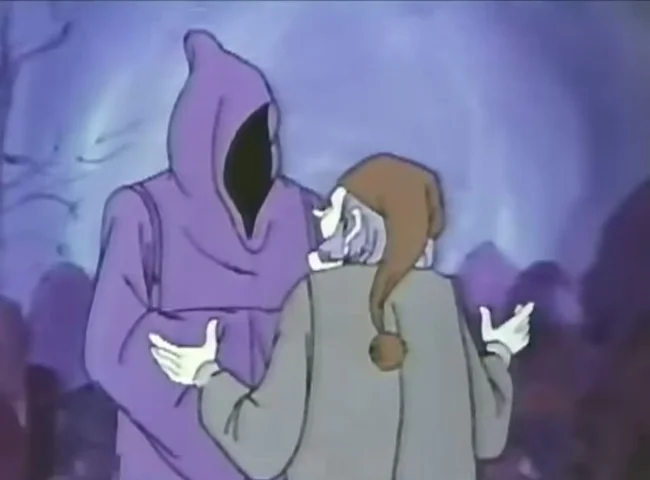
It’s interesting that so many adaptations of Charles Dickens’ iconic seasonal story are brought to us via the medium of animation. Naturally, this is a far more economical means of depicting the story with its period detail and supernatural elements, compared to a live action production. However, for an animated version of A Christmas Carol to work successfully, it needs three things. An innovative and striking production design, robust voice acting and a screenplay that keeps the core themes while offering significance difference compared to prior adaptations. You’ll find all of these elements in Richard Williams’ 1971 animated short. Sadly they’re conspicuously absent from the 1997 version. Despite the presence such talents as Tim Curry, Ed Asner and Whoopi Goldberg, this is a distinctly arbitrary animated film. Considering that the screenplay was written by Jymn Magon who has years of experience working for Disney, I had hoped this would be better endeavour.
It’s interesting that so many adaptations of Charles Dickens’ iconic seasonal story are brought to us via the medium of animation. Naturally, this is a far more economical means of depicting the story with its period detail and supernatural elements, compared to a live action production. However, for an animated version of A Christmas Carol to work successfully, it needs three things. An innovative and striking production design, robust voice acting and a screenplay that keeps the core themes while offering significance difference compared to prior adaptations. You’ll find all of these elements in Richard Williams’ 1971 animated short. Sadly they’re conspicuously absent from the 1997 version. Despite the presence such talents as Tim Curry, Ed Asner and Whoopi Goldberg, this is a distinctly arbitrary animated film. Considering that the screenplay was written by Jymn Magon who has years of experience working for Disney, I had hoped this would be better endeavour.
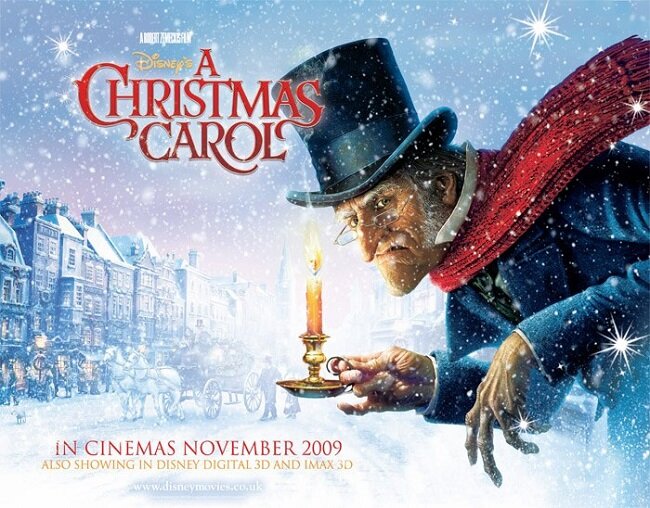
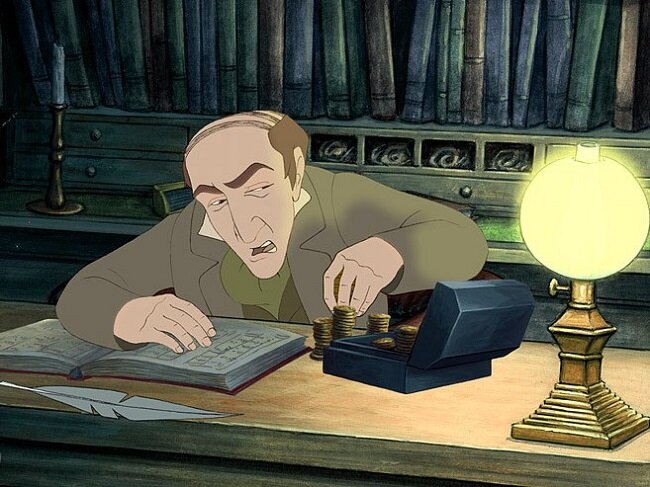
A Christmas Carol presents a very non-specific realisation of Dickensian London. The costumes seem more Edwardian in style and the city is a little too contemporary in design. Scrooge (Tim Curry) is depicted in a very generic way, complete with long nose, angular features and balding head. He also has a canine companion named Debit who acts as a comic foil and tempers some of the more sinister elements of the story. The film sports a rather lurid colour scheme, with characters wearing lots of bright red and green. The various spirits that visit scrooge deviate from the source text in their depiction. The Ghost of Christmas Past is presented as a street urchin, which I thought was quite a creative touch. The Ghost of Christmas Present is voiced by Whoopi Goldberg so the spirits gender and ethnicity reflect those of the actor. And then there are the songs. Yes, this is yet another musical adaptation filled with indifferent songs that simply fill the gaps in the proceedings. None of them stay with you.
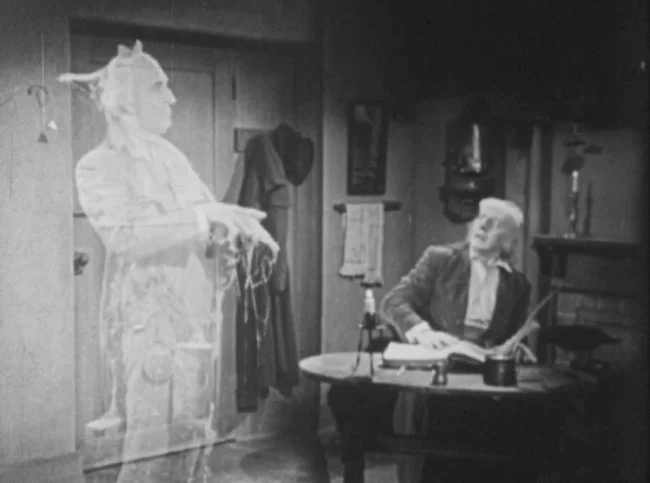
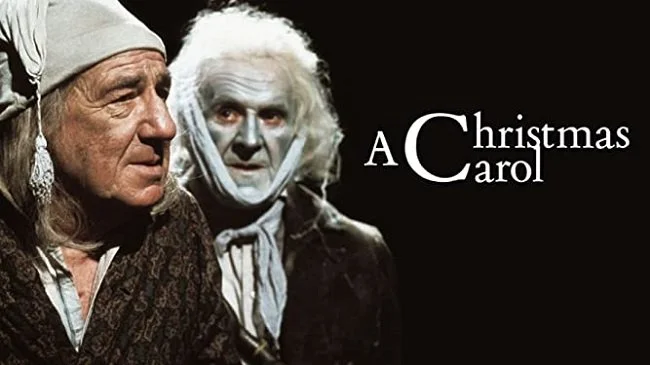
At 72 minutes this version of A Christmas Carol does not outstay its welcome. Despite being rather uninspired it is broadly tolerable, although I appreciate that such a statement is damning with faint praise. Occasionally there are some minor details lifted directly from the source text, which I always look to see. This time round it is Jacob Marley’s face appearing in the painted tiles that surround the fireplace in Scrooge’s lodgings. The film also has a few creative ideas, such as a Jacob Marley that looks more like Theodore Roosevelt than a ghost. I also liked that Scrooge finds common ground with Tiny Tim through their finding escape through books and mutual love of the novel Robinson Crusoe. If you can tune out the songs and concentrate on the animated sequences that accompany them, as well as overlook the rather pointless inclusion of the dog Debit, then this version of A Christmas Carol may be of interest to fellow completists. Casual viewers will be better off seeking out a more accomplished adaptation.





Rambo: Last Blood (2019)
The enduring appeal of the character John Rambo in First Blood comes from the fact that he is a traumatised ex- service man who keeps himself to himself as he drifts from job to job, trying to come to terms with his wartime experiences. His poor treatment at the hands of a small-town Sheriff is a succinct metaphor for the social and political indifference that Vietnam veterans were shown upon their return to the US. He’s a man with a code in a world that no longer has any use for him. His simple and honest patriotism is not returned and he is in fact viewed with shame by many from the nation he loves. Furthermore, the first movie does not paint him as a cold-blooded killer. Despite provocation he is not the first person to shoot to kill. Rambo is in many ways a victim. A broken man, who society has asked to do unspeakable things. Now society wants nothing to do with him and fears the “monster” they created. Although clearly an action movie, First Blood had narrative depth and a flawed but sympathetic protagonist. 37 years and four movies later, such dramatic themes have long left the franchise. The central character is indeed a caricature of its former self.
The enduring appeal of the character John Rambo in First Blood comes from the fact that he is a traumatised ex- service man who keeps himself to himself as he drifts from job to job, trying to come to terms with his wartime experiences. His poor treatment at the hands of a small-town Sheriff is a succinct metaphor for the social and political indifference that Vietnam veterans were shown upon their return to the US. He’s a man with a code in a world that no longer has any use for him. His simple and honest patriotism is not returned and he is in fact viewed with shame by many from the nation he loves. Furthermore, the first movie does not paint him as a cold-blooded killer. Despite provocation he is not the first person to shoot to kill. Rambo is in many ways a victim. A broken man, who society has asked to do unspeakable things. Now society wants nothing to do with him and fears the “monster” they created. Although clearly an action movie, First Blood had narrative depth and a flawed but sympathetic protagonist. 37 years and four movies later, such dramatic themes have long left the franchise. The central character is indeed a caricature of its former self.
After the events of Rambo (2008) John Rambo (Sylvester Stallone) returns to his home in Arizona, where he lives raising and selling horses which he manages with his Father’s old business partner Maria Beltran (Adriana Barraza), and her granddaughter Gabriela (Yvette Monreal). This surrogate family has provided John with stability and hope for the last decade and helped him face his inner demons. However, PTSD still plagues John and he often sleeps in a series of tunnels that he’s dug under his ranch as a form of self-therapy. Despite advice to the contrary, Gabriela goes to Mexico looking for her estranged Father. After meeting with an old school friend, Gizelle (Fenessa Pineda), a meeting is arranged but her Father rejects her. Upset by events, Gabriela goes to a nightclub with Gizelle to drown her sorrows. She is subsequently betrayed by her friend and falls into the hands of a human trafficking gang run by the Martinez Brothers. John comes looking for Gabriela and quickly has a run in with the violent gang. His actions have far reaching consequences leading to a show down at John’s heavily fortified ranch.
Rambo: Last Blood is curious hybrid genre film, sitting somewhere between Taken, Death Wish and a Friday the 13th movie. It’s quite different from previous instalments in both style and format. There are no covert missions, no skirmishes with foreign military forces and no schoolboy commentary on geopolitics. Instead director Adrian Grunberg (Get the Gringo) initially tries to focus on John Rambo coming to terms with his place in the world as he lives out his “retirement” on his Father’s ranch in quiet self-contemplation. The international version of the movie starts with an interesting prologue in which Rambo uses his tracking skills to try and rescue some tourist lost in a storm. His inability of save all of them triggers his PTSD. However, these scenes do not appear in the US and UK version of the movie. Furthermore, their relevance in the longer edit is soon lost as the movie quickly gives way to standard action movie and revenge tropes. From then on, we are subject to a generic kidnap and revenge fantasy, populated by decidedly two-dimensional characters. If you want copious amounts of action and gore then you have to wait 75 minutes for the final act, although there are a smattering of extreme unpleasantries along the way.
If Rambo: Last Blood had actually abandoned the premise of an action movie and instead been a character drama about John’s redemption through his adopted family, then this may well have been a far better film. But fans simply wouldn’t have supported such a radical change of direction and so we are subject to this tired and frankly uninspired undertaking. Although professionally made, it is best not to think too hard about narrative and themes of Rambo: Last Blood. Drug cartels and human trafficking are tough enough subjects to tackle in an intelligent and nuanced fashion. Even movies like Sicario struggle to dissect the complexities of these issues. Here they are simply just exploitation fodder, tinged with an undercurrent of racism. This is also a very mean spirited ending to John Rambo cinematic journey. Instead of finding some peace and a place in the world, he once again endures bereavement and a bleak future. As deluded right-wing revenge fantasies go this isn’t even a good one, because in winning he loses everything. Were both Stallone and Grunberg deliberately trying to make a statement that “wages of sin are death” and subvert the entire message of the franchise? No, I think they just painted themselves into a narrative corner due to the demands of fans and the producers to deliver what was expected.
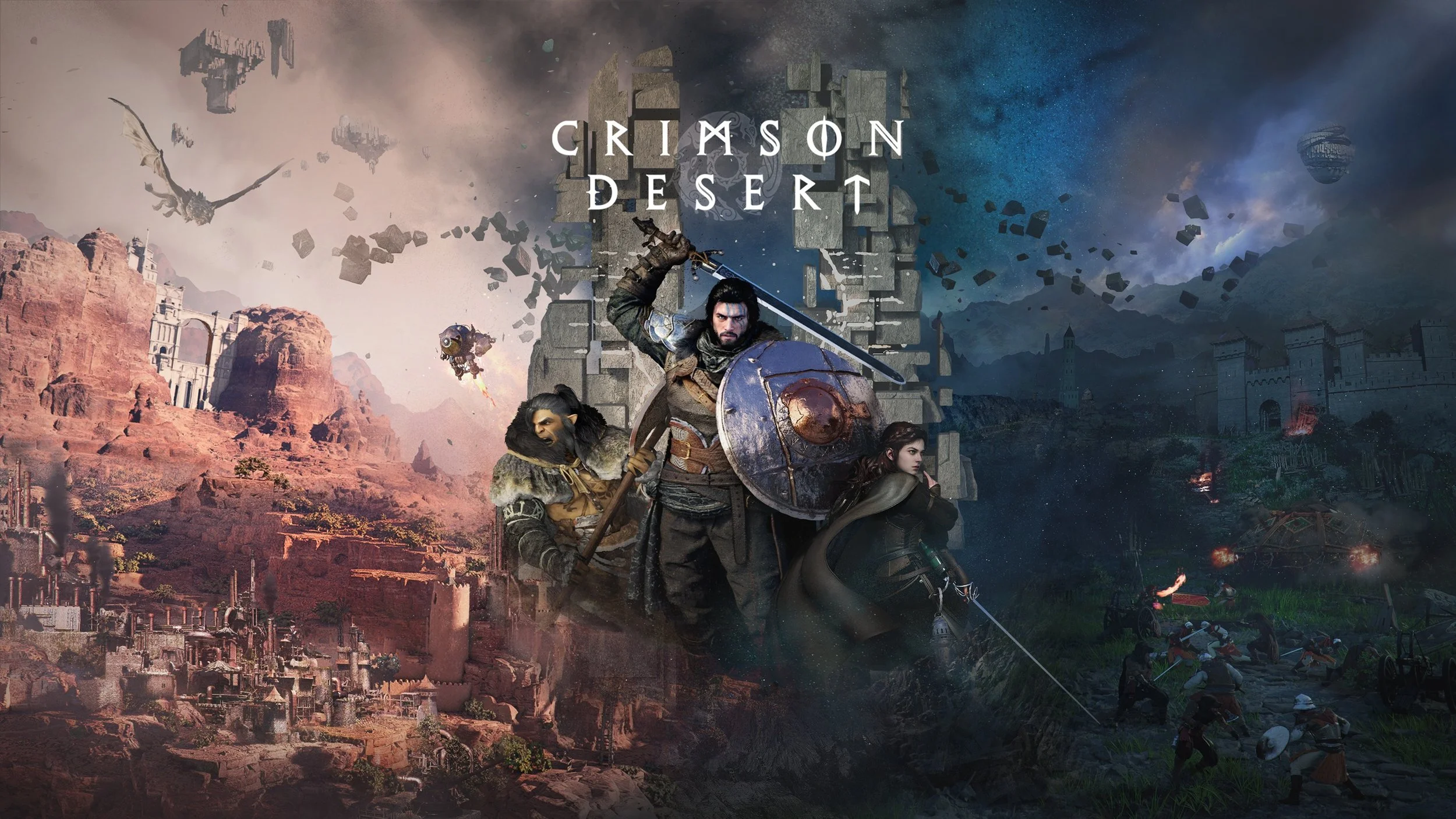
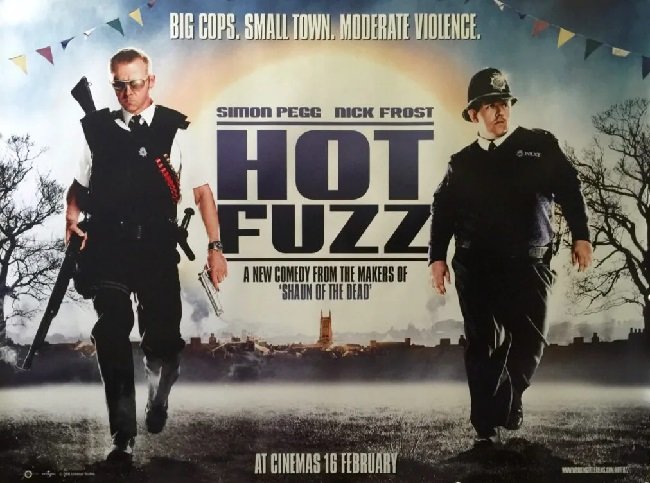
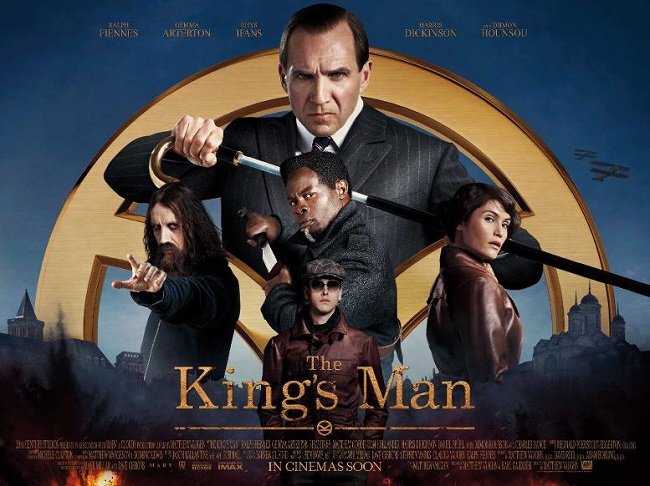
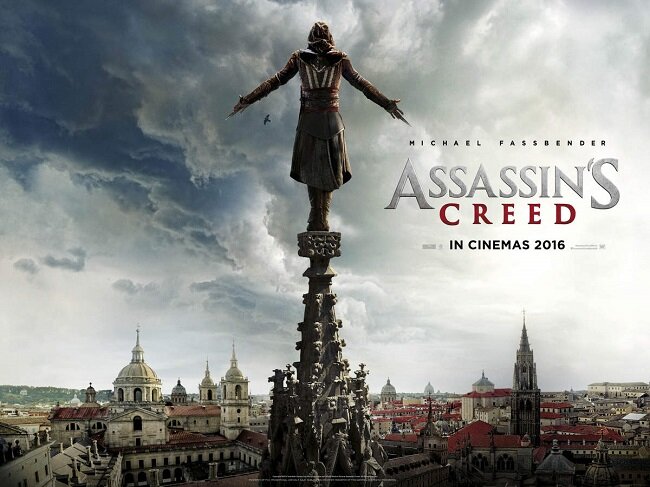






The Kentucky Fried Movie (1977)
Written by Jim Abrahams, David Zucker, Jerry Zucker and directed by John Landis, The Kentucky Fried Movie is an eclectic collection of skits, parodies and bogus commercials, lampooning what you’d see on seventies TV or in the movie theatres of the time. The sketches are fast paced and many feature well known faces from TV and cinema such as Bill Bixby, George Lazenby, Donald Sutherland and Henry Gibson. Some of the parodies may not “connect” with modern audiences who may not get the source references but for every skit that misses the mark, there are at least two others hit the target. Overall, it’s a litany of visual gags, stupid humour and endless puns and wordplay. Just what you’d expect from the team that went on to bring you Airplane! and Top Secret! The Kentucky Fried Movie is at its best when it satirises the movie industry, with such wonderful faux movies trailers as Cleopatra Schwartz; a blaxploitation action movie featuring a foxy African American vigilante and her devout Hasidic Jew partner.
Written by Jim Abrahams, David Zucker, Jerry Zucker and directed by John Landis, The Kentucky Fried Movie is an eclectic collection of skits, parodies and bogus commercials, lampooning what you’d see on seventies TV or in the movie theatres of the time. The sketches are fast paced and many feature well known faces from TV and cinema such as Bill Bixby, George Lazenby, Donald Sutherland and Henry Gibson. Some of the parodies may not “connect” with modern audiences who may not get the source references but for every skit that misses the mark, there are at least two others hit the target. Overall, it’s a litany of visual gags, stupid humour and endless puns and wordplay. Just what you’d expect from the team that went on to bring you Airplane! and Top Secret! The Kentucky Fried Movie is at its best when it satirises the movie industry, with such wonderful faux movies trailers as Cleopatra Schwartz; a blaxploitation action movie featuring a foxy African American vigilante and her devout Hasidic Jew partner.
There’s some rather broad humour in The Kentucky Fried Movie. But it also serves quite well as a reflection of cinema and public attitudes of the time. The trailer for the faux porno flick Catholic High School Girls in Trouble, not only crassly raises a wry smile ("More shocking than Behind the Green Door. Never before has the beauty of the sexual act been so crassly exploited!") but reminds us that pornography was on the fringes of becoming mainstream and was seriously analysed by some movie critics. And then there are some dry send ups of public service announcements. In United Appeal for the Dead Henry Gibson speaks at great length about how “death” is the number one killer in the United States and what his charity can do to help those who have died lead a normal life. That's Armageddon, featuring George Lazenby, parodies every Irwin Allen disaster flick made. There’s even an angry Gorilla sketch that includes an early Rick Baker ape costume. And let’s not forget Danger Seekers, the show that follows those intrepid men who live for the thrill of adventure and risk.
However, the movie's centrepiece, A Fistful of Yen, is by far the jewel in the crown. This spot-on parody of Enter the Dragon and the martial arts genre clocks in at thirty plus minutes. The UK government hires Loo (Evan C. Kim playing a Bruce Lee lookalike with an Elmer Fudd voice) to penetrate Dr. Klahn's (Han Bong-soo) mountain fortress and destroy his operation. Loo refuses the mission at first, but happily agrees once he is told “but you’ll have the chance to kill fifty, maybe sixty people”. The jokes are not only obvious takes on standard tropes of martial arts cinema but there’s also a clever deconstruction of the pseudo philosophy and dialogue inherent in the genre (“you have our gratitude”). This is the most obvious precursor to later Jim Abrahams, David Zucker and Jerry Zucker productions such as The Naked Gun. It should also be noted that the actual fight scenes in A Fistful of Yen are competently constructed and hold up quite well on their own.
The Kentucky Fried Movie is not in any way a sophisticated satire. The humour is far from nuanced or cerebral but it barrels along at a pace, throwing gag after gag at viewers. By the law of averages, whatever your taste in humour, some of them will land. If it’s watched on its own terms and with an eye on the context of the times (IE not being politically correct) then it will entertain. Both the writing team and the director went onto bigger and better things in the years after the movies’ release. But their style and many longstanding jokes were created and refined here. For example we see an early iteration of the See You Next Wednesday gag, common to many subsequent John Landis movies. Also Jim Abrahams, David Zucker, Jerry Zucker reference their abiding love for The Wizard of Oz at the end of A Fistful of Yen. A theme that later showed up in Top Secret!



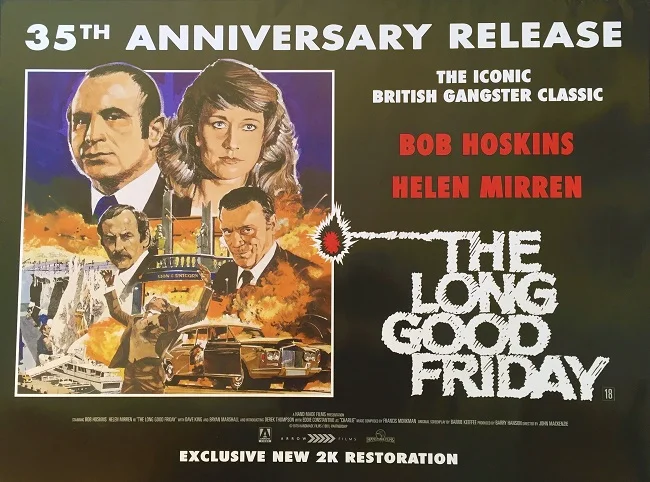
Classic Movie Themes: The Long Good Friday
The Long Good Friday not only launched then career of Bob Hoskins but remains a uniquely British take on the gangster genre. Featuring authentic performances and a credible plot, the screenplay touches upon many of the social and political issues of the time; police corruption, the IRA, urban renewal and the decline of industry, along with EEC membership and the free-market economy. It’s a gritty and unrelenting drama that is still relevant today. Furthermore, the film is filled with quotable dialogue and has several stand out scenes that showcase Bob Hoskins’ smouldering performance. It’s also offers of “who’s who” of British character actors and there is one sequence still has the power to shock even today.
The Long Good Friday not only launched then career of Bob Hoskins but remains a uniquely British take on the gangster genre. Featuring authentic performances and a credible plot, the screenplay touches upon many of the social and political issues of the time; police corruption, the IRA, urban renewal and the decline of industry, along with EEC membership and the free-market economy. It’s a gritty and unrelenting drama that is still relevant today. Furthermore, the film is filled with quotable dialogue and has several stand out scenes that showcase Bob Hoskins’ smouldering performance. It’s also offers of “who’s who” of British character actors and there is one sequence still has the power to shock even today.
One of the many elements that contribute to The Long Good Friday being such a seminal movie is the score by Francis Monkman. A classically trained composer, conversant with multiple musical instruments, Monkman’ was the founder member of both the bands Curved Air and Sky. His score is a striking electronic synth hybrid featuring the talents of Herbie Flowers, Kevin Peek, and Tristan Fry. The addition of Stan Sulzmann and Ronnie Aspery on saxophone lends an interesting juxtaposition to the various tracks. It’s all evocative of mid-seventies UK police procedurals dramas with a blend of pulsing synths that you found in TV science fiction at the time. Yet despite its curious antecedents, it works very well on screen reflecting the story’s themes of old giving way to the new.
The Long Good Friday title theme is a brassy, pulsing affair. It is used several times throughout the film and works the best in an early scene when Harold Shand (Bob Hoskins) arrives at Heathrow airport after a flight on Concorde. It superbly establishes his character as he confidently strolls through customs after setting up a major deal with the Mafia in the US. “Fury” is a very interesting cue as it starts with a dark electronic passage as the Harold discovers the magnitude of his predicament. It evolves into a powerful and soulful sax driven piece as Harold washes the blood from himself after a frenzied attack. Both tracks are from the recent anniversary soundtrack album where the remastered score is finally available in stereo.
The Big Bus (1976)
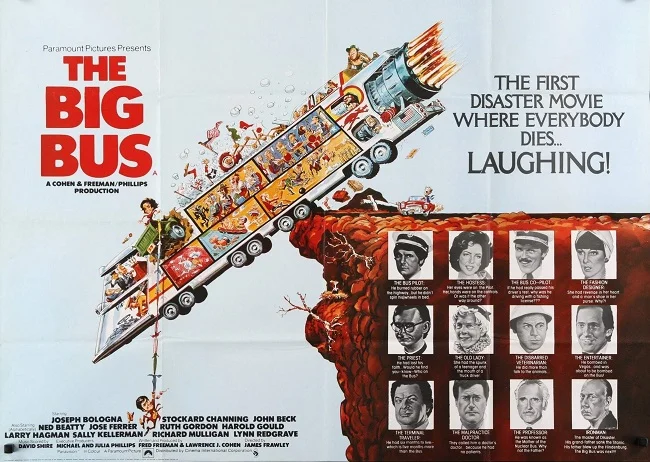
Being a child of the seventies I have a soft spot, cinematically speaking, for the various disaster films of that time. Iconic titles such as The Towering Inferno, The Poseidon Adventure and Airport franchise. The latter was superbly lampooned in the 1980 movie, Airplane! by Jim Abrahams, David Zucker and Jerry Zucker. The team of writer/directors went on to make numerous other comedies in a similar idiom. However Airplane! was not the first major spoof of this particular genre. Four years earlier, director James Frawley made The Big Bus which similarly sends up the standard tropes of all major disaster movies. Where Airplane! was right on the money, The Big Bus is a little more scattershot in its approach and takes a while to find its feet. But James Frawley had a background in TV comedy, having worked on The Monkees TV show, and he does much within the limitations of the films budget. The films greatest asset is that it keeps up the pace. If a gag doesn’t work then don’t worry, there’s another immediately afterwards.
Being a child of the seventies I have a soft spot, cinematically speaking, for the various disaster films of that time. Iconic titles such as The Towering Inferno, The Poseidon Adventure and Airport franchise. The latter was superbly lampooned in the 1980 movie, Airplane! by Jim Abrahams, David Zucker and Jerry Zucker. The team of writer/directors went on to make numerous other comedies in a similar idiom. However Airplane! was not the first major spoof of this particular genre. Four years earlier, director James Frawley made The Big Bus which similarly sends up the standard tropes of all major disaster movies. Where Airplane! was right on the money, The Big Bus is a little more scattershot in its approach and takes a while to find its feet. But James Frawley had a background in TV comedy, having worked on The Monkees TV show, and he does much within the limitations of the films budget. The films greatest asset is that it keeps up the pace. If a gag doesn’t work then don’t worry, there’s another immediately afterwards.
The titular bus is in fact a nuclear-powered articulated vehicle that can carry 100 passengers on a luxurious non-stop trip from New York to Denver. However, someone seems hellbent on sabotaging Coyote Bus Lines new flagship project and a bomb goes off at the lab where it is being prepped for its maiden voyage. Professor Baxter (Harold Gould), is seriously injured while the driver and co-driver are killed. Hence, Baxter’s daughter, Kitty (Stockard Channing), has to find new driver. Kitty turns to a former lover, Dan Torrance (Joseph Bologna), to drive the bus. Dan is currently in disgrace within the bus driver community, after a serious crash at Mount Diablo and allegations of eating the passengers. However, he accepts the job and recruits “Shoulders” O’Brien (John Beck) to be his co-driver, who unbeknownst to him is narcoleptic. The bus departs New York along with all-star cast including Lynn Redgrave, Richard Mulligan, Sally Kellerman, Rene Auberjonois, and Ruth Gordon. However, the real star is bus itself AKA “The Cyclops”. Which features a bar (with Murphy Dunne as lounge singer), a bowling alley and an exclusive captain’s dining room. However, the saboteur has no intention of giving up and plants another bomb onboard. Hilarity ensues along with a never-ending barrage of verbal and sight gags.
The Big Bus hits many of its marks as it dismantles a well-known genre. Many of the cast are exactly the sort of actors that would have appeared in genuine disaster movies. Character actors such as Ned Beatty, Larry Hagman, Bob Dishy, Jose Ferrer, and Howard Hesseman. And then there’s David Shires score which totally gets the musical idiom of these movies and delivers a suitably hyperbolic soundtrack. Like Airplane! there are many sight gags and a strong streak of absurdist humour. There’s a bar fight in which a milk carton is broken and used as a weapon and then there’s the recurring gag of “Shoulders” O’Brien constantly falling asleep at inopportune moments. I was not familiar with actor Joseph Bologna and his previous body of work but he gives a good performance as the flawed hero. It should also be noted that The Big Bus is a little more rating conscious and doesn’t stray as far into adult humour as Airplane! Plus there’s a lot of conspicuous product placement which obviously helped with the movies financing.
The Big Bus doesn’t outstay its welcome, clocking in at sensible 88 minutes. The ending is a little lacklustre compared to the first two acts and it seems that the writers Lawrence J. Cohen, Fred Freeman were a little lost as to how to wrap things up. However, there is still much to enjoy. There are several good physical stunts involving The Cyclops which would nowadays been done with CGI. The cast chews the scenery exactly as you expect them to. René Auberjonois is rather good as a priest on the brink of losing his faith. However, despite being very well intentioned, The Big Bus only did moderate box office upon release and received mixed reviews. Director James Frawley later directed The Muppet Movie and subsequently returned to television Over the years, The Big Bus has lost its crown to Airplane! which is a shame. It isn’t as polished or as accomplished as its predecessor but it certainly pioneered the zany parody genre. Furthermore, it can still raise a wry smile.
Arabian Adventure (1979)
Before I begin, let’s just take a moment to remind ourselves about the notion of historical context. Movies, like so many other aspects of popular culture, reflect the prevailing attitudes of the time they were created. The reason I mention this is because within a few minutes of watching Arabian Adventure, viewers will become abundantly aware that the movie is very much product of British film making from the late seventies. If you are particularly sensitive on such issues as identity and gender politics, as well as historically accurate depictions of cultures and societies then watching this movie may prove jarring. If however, you view it through the prism of historical context and do not try to judge it against contemporary standards, then it may be an easier experience.
Before I begin, let’s just take a moment to remind ourselves about the notion of historical context. Movies, like so many other aspects of popular culture, reflect the prevailing attitudes of the time they were created. The reason I mention this is because within a few minutes of watching Arabian Adventure, viewers will become abundantly aware that the movie is very much product of British film making from the late seventies. If you are particularly sensitive on such issues as identity and gender politics, as well as historically accurate depictions of cultures and societies then watching this movie may prove jarring. If however, you view it through the prism of historical context and do not try to judge it against contemporary standards, then it may be an easier experience.
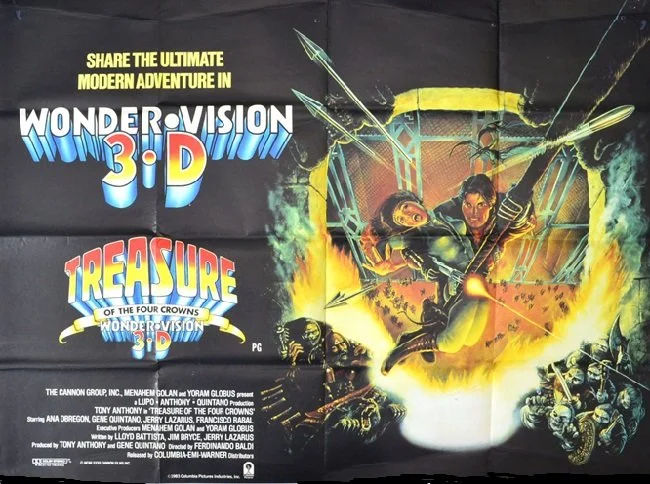
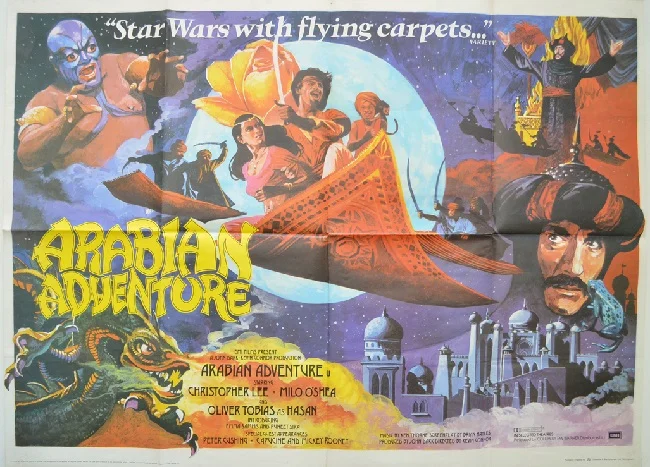
Evil caliph Alquazar (Christopher Lee) offers the hand of his daughter Princess Zuleira (Emma Samms) in marriage to Prince Hasan (Oliver Tobias) if he can complete a perilous quest for a magical rose. With the help of a young street urchin Majeed (Puneet Sira) and his faithful pet monkey, the pair have to face fire breathing monsters, a malevolent genie (Milton Reid) and treacherous swamps to reach their prize. The plot is very simplistic and generic. No archetype is left unturned. Lee smoulders, Tobias is heroic and Samms is just there to look good (it is a shockingly vacuous role for a female lead). Every conceivable cliché associated with Western interpretations of traditional Eastern tales is present and it all comes across as a pastiche of Sinbad, Ali Baba and Aladdin. The cast is conspicuously Caucasian and the production is mainly set bound at Pinewood studios. The optical, miniature and matte painting effects by veterans such as George Gibbs and Cliff Culley are simplistic, entertaining but hardly convincing.
The film was the last of several fantasy movies directed by Kevin Connor and produced by John Dark during the seventies. The previous being The Land That Time Forgot, At the Earth's Core and Warlords of Atlantis. However, despite having the biggest budget of all these productions, it failed to find an audience at the box office. In a post Star Wars world, it all seems a bit twee, lacking in scope and excitement. There’s little to recommend it to modern audiences as it all seems dated, cheap and a little awkward due to the racial and cultural stereotyping. From a movie buffs perspective, Arabian Adventure is a veritable who’s who of stalwarts of the UK film industry from the late seventies. The cinematography is by Alan Hume who would go onto film Return of the Jedi and several Roger Moore Bond films. It’s always nice to see such genre favourites as Shane Rimmer and the great Peter Cushing. But overall the movie is a far cry from Zoltan Korda’s The Thief of Bagdad and its box office failure is mainly due to being in the wrong place at the wrong time, just as audiences taste were changing.


American Sniper (2014)
It was hardly surprising that the movie adaptation of Chris Kyle's autobiography American Sniper, would cause controversy. The Iraq war, US Foreign Policy and national pride are seldom subjects that are discussed in a calm and measured fashion. And then there are the personal politics of director Clint Eastwood to consider. Hence there were claims from some quarters upon the movie’s release, that it was Islamophobic and counter claims that criticisms of the late Chris Kyle were unpatriotic. There still remain issues regarding the authenticity of events depicted in the source text and subsequently the movies screenplay by Jason Hall. Yet none of these factors have in anyway impacted upon the film's box office returns which currently stands at $247,900,417 worldwide.
It was hardly surprising that the movie adaptation of Chris Kyle's autobiography American Sniper, would cause controversy. The Iraq war, US Foreign Policy and national pride are seldom subjects that are discussed in a calm and measured fashion. And then there are the personal politics of director Clint Eastwood to consider. Hence there were claims from some quarters upon the movie’s release, that it was Islamophobic and counter claims that criticisms of the late Chris Kyle were unpatriotic. There still remain issues regarding the authenticity of events depicted in the source text and subsequently the movies screenplay by Jason Hall. Yet none of these factors have in anyway impacted upon the film's box office returns which currently stands at $247,900,417 worldwide.
American Sniper is directed by Clint Eastwood in his customary minimalist and no-nonsense fashion, allowing us to focus on the subject matter without any unnecessary embellishment. Tom Stern's cinematography is far from flamboyant and appropriately stark. The central performances by Bradley Cooper as Chris Kyle and Sienna Miller as his wife Taya Renae Kyle are both strong and clearly defined. Criticisms about a lack of depth and balance are misplaced as far as I'm concerned. If real people have strong views or convictions should that reality not be reflected in the script? Furthermore this is not a movie about the Iraq War itself and an exploration of the geo-political ramifications. It is simply a soldier’s story, told from his perspective. It is also a drama and not a documentary.
Eastwood has often explored within his movies the theme of violence and the impact it has upon all involved. In this instance he has chosen to focus upon one particular individual. Steven Spielberg, who was at one point associated with adapting this work, has indicated that he would have approached the subject differently. He intended to explore the curious duality between Chris Kyle and "Mustafa", his Iraqi rival and ex-Olympic marksman. Eastwood takes a different path depicting the emotional toll four tours of duty has upon Kyle and his family. Contrary to some opinions there is no triumphalist tone to the proceedings, nor are the action sequences overblown spectacles. They are straight forward and functional, very much in accord with the director’s approach to film making. The Iraqi's that are depicted in the movie are combatants and are treated as such. Beyond that there is no overt agenda against Islam nor does the film adopt any major political stance. The characters on screen certainly have their own views but American Sniper simply depicts them, rather than endorses them.
There are some flaws in the narrative but they are mainly procedural, rather than ideological. I would have liked to have seen more of Kyles home life between tours, as well as some exploration of the controversies surrounding his book. As for the codicil at the movies end regarding the news coverage of his subsequent death and funeral, again I see this as just a reflection of events rather than a specific commentary upon them. Overall these criticisms do not undermine the movie nor detract from the strong performances. However due to the emotive nature of US politics and even the reputation of its director, perceptions and opinions may well possibly have been skewed regarding the movie’s merits and its perspective.
A notable aspect regarding American Sniper is its soundtrack or virtual lack of one. Beyond three credited pieces of music used at strategic points in the story the movie has no overall score. However many viewers have drawn attention to the montage of news footage regarding Chris Kyles funeral shown at the end of the film. It plays out to a track called "The Funeral", composed by the great Ennio Morricone. The piece is a subtle variation of Taps, a tune played at dusk by the US military. The cue called Il Funerale was first used in the spaghetti Western “Il Ritorno di Ringo” AKA The Return of Ringo in 1965. Like so much of the composer’s work, its inherent beauty lends itself to intelligent use in other movies, thus it greatly compliments the final scenes of American Sniper.
Selma (2014)
Rather than overreach itself by striving to dramatize the entire career of Martin Luther King, Selma very sensibly focuses on the key event that took in Alabama in 1965. In doing so it provides a snapshot of the internal politics of the civil rights movement, as well as the personal concerns and doubts of Dr. King. Rather than placing key figures upon pedestals, Selma realistically show the complexity both legally and politically of the cultural changes that were taking place. It also shows the human flaws of many of the key protagonists.
Rather than overreach itself by striving to dramatize the entire career of Martin Luther King, Selma very sensibly focuses on the key event that took in Alabama in 1965. In doing so it provides a snapshot of the internal politics of the civil rights movement, as well as the personal concerns and doubts of Dr. King. Rather than placing key figures upon pedestals, Selma realistically show the complexity both legally and politically of the cultural changes that were taking place. It also shows the human flaws of many of the key protagonists.
Directed by Ava DuVernay, Selma is meticulously crafted in every way. It provides a fascinating breakdown of Dr. King’s political manoeuvrings with President Lyndon B. Johnson as well as his dealings with the internal hierarchy of the SCLC. The set pieces are both accurate and compelling showing the brutality that the peaceful protesters faced. Selma also highlights the difference between the press and media of the time and the twenty-four-hour news cultures that we currently live with. The importance of the evening news and the morning papers are shown to be key features to the campaigning. Popular opinion is shown to be galvanised over weeks rather than days.
Selma features a powerful ensemble cast in David Oyelowo, Tom Wilkinson, Tim Roth, Carmen Ejogo and Oprah Winfrey. Their performances are measured and strong, as is the screenplay by Paul Webb. Yet it has to be said that David Oyelowo’s portrayal of Dr. King is the foundation of the movie. He captures the civil rights leader’s oratory style and cadence perfectly and breathes life into a figure we know mainly through his historical legacy. Composer Jason Moran also deserves recognition for his soundtrack which intelligently underpins the unfolding story.
One of greatest strengths of Selma is that it does not lecture its audience. The events shown are largely left to speak for themselves, with any superfluous moral exposition. The murder of Jimmie Lee Jackson is a powerful example of this, playing out with an unflinching sense of inevitability. Director Ava DuVernay also boldly chooses to show a high-profile star such as Oprah Winfrey being beaten by State Troopers. On this occasion the presence of such a well-known figure helps audience connect to the power of the scene and its appalling barbarity.
Selma ends with a traditional postscript in which a summary of subsequent events plays out over a montage of original stills and footage. This succinctly shows that although progress was made as a result of the marches, resulting in new legislation, it still took further work, lobbying and campaigning to achieve all the desired results. Some would argue that the fight for equality in the US is still ongoing. Either way, Selma provides us with a timely reminder regarding the human cost of the day-to-day freedoms that we take for granted and is a fine piece of film making.
Men in Black: International (2019)
I was very surprised when I saw a trailer for a fourth instalment on the MiB franchise, based on Lowell Cunningham’s 1990 comic book series about secret government agents battling alien infiltration of earth. The third movie from 2012 managed to keep its head above water despite a very troubled production. At the time of its release, I like everyone else, pretty much thought that the series had run its course. Yet we live in the age of belated sequels as well as hard and soft reboots. And although Will Smith’s star may well be waning, Chris Hemsworth is still box office gold. Hence, we saw the release of Men in Black: International this summer. The basic concept of the franchise remains the same but this time the action begins in the London Office and then takes a more international journey with such locations as Marrakesh and Naples. Emma Thompson returns as Agent O and Liam Neeson joins the cast as agent High T.
I was very surprised when I saw a trailer for a fourth instalment on the MiB franchise, based on Lowell Cunningham’s 1990 comic book series about secret government agents battling alien infiltration of earth. The third movie from 2012 managed to keep its head above water despite a very troubled production. At the time of its release, I like everyone else, pretty much thought that the series had run its course. Yet we live in the age of belated sequels as well as hard and soft reboots. And although Will Smith’s star may well be waning, Chris Hemsworth is still box office gold. Hence, we saw the release of Men in Black: International this summer. The basic concept of the franchise remains the same but this time the action begins in the London Office and then takes a more international journey with such locations as Marrakesh and Naples. Emma Thompson returns as Agent O and Liam Neeson joins the cast as agent High T.
After encountering aliens and avoiding having her memory wiped by MiB, Molly Wright (Tessa Thompson) spends years trying to track down the organisation. After infiltrating New York headquarters she is surprisingly given probationary agent status and teamed with Agent H (Chris Hemsworth) The pair find themselves assigned to London, when a duo of shape-shifting intergalactic assassins, known as the Twins, kill a member of alien royalty. Investigations uncovers a missing crystal that may well be a devastating super-weapon of mass destruction. However, it would appear that the Twins may be getting information from within MiB, allowing them to stay one step ahead and avoid capture. Is there a well-placed mole in their midst? Cue copious amounts of chases, CGI driven set pieces and noise. Lots of noise.
Men in Black: International earnestly tries to change the mix and embrace change. Tessa Thompson’s addition to the cast breaks the gender stereotype of the MiB. The screenplay by Arthur Marcum and Matthew Holloway (Iron Man, Punisher: War Zone) explores the idea of aliens as migrants, rather than hostile invaders by default. Yet this interesting concept goes nowhere and the film soon abandons it to focus on the nuts and bolts of its remit. Equally Tessa Thompson who gave an accomplished performance in Boots Riley’s satire Sorry to Bother You, is hardly given anything of note to do. Her character arc follows a similar path to that of Eggsy in Kingsman: The Secret Service. Rafe Spall does his best with a supporting role as the nerdy agent H, sparring with alpha male Hemsworth to provide some comic relief. Everything about Men in Black: International is polished but perfunctory. It has all the ingredients but somehow lacks any originality or vital spark.
I was expecting Chris Hemsworth to carry this movie but all the enthusiasm and spirit that he’s previously shown in the Avengers movies and in the Ghostbusters remake is conspicuously absent. And then there is the spectre of Liam Neeson who fell from grace after making ill-conceived comments at a press conference just prior to the films release. Although I am happy to separate the film from the man, others may not. Overall Men in Black: International is a superfluous entry into the series. It is watchable and can provide a modicum of entertainment if you have some time to kill. But it really has little of note to offer and it doesn’t leave much of an impression. Where viewers may be able to recollect keys moments from the previous instalment with Will Smith and Tommy Lee Jones, I doubt they’ll be able to do the same within a few days of watching Men in Black: International.
Men in Black III (2012)
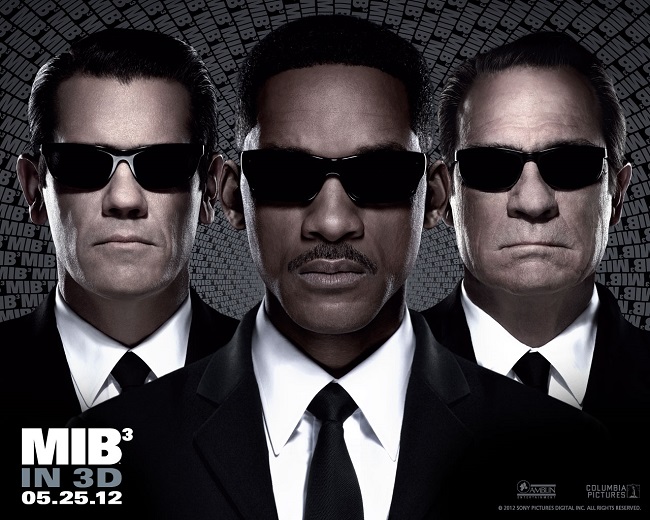
The original Men in Black movie hit our screens back in 1997. It was a box office success and was therefore followed by a mediocre sequel in 2002. It took a decade before we got a third instalment in the franchise. However, the popularity of the two lead actors contributed greatly to the success of this series and so despite well documented production problems Men in Black III was released in 2012. However, the delay between movies did have consequences. Will Smith, despite being an Oscar winner and box office star, had lost his way during this time and was not as popular with audiences. Men in Black III was a timely opportunity to reconnect with his core fans. So to ensure that the film hit all the required beats and stand a better chance of being a success, the Columbia Pictures brought back previous director Barry Sonnenfeld, in hopes of warding off the Hollywood curse of third movie instalments.
The original Men in Black movie hit our screens back in 1997. It was a box office success and was therefore followed by a mediocre sequel in 2002. It took a decade before we got a third instalment in the franchise. However, the popularity of the two lead actors contributed greatly to the success of this series and so despite well documented production problems Men in Black III was released in 2012. However, the delay between movies did have consequences. Will Smith, despite being an Oscar winner and box office star, had lost his way during this time and was not as popular with audiences. Men in Black III was a timely opportunity to reconnect with his core fans. So to ensure that the film hit all the required beats and stand a better chance of being a success, the Columbia Pictures brought back previous director Barry Sonnenfeld, in hopes of warding off the Hollywood curse of third movie instalments.
So how well does this third movie fair? Well the basic formula remain the same. Tommy Lee Jones’ Agent K is dry, irascible and set ups the jokes and Smith’s Agent J provides the pithy punchlines. This time round the plot follows intergalactic criminal Boris the Animal (Jemaine Clement) who escapes from a maximum-security facility and seeks revenge on his arch enemy, Agent K. Using that cinematic get out of jail card, time travel, Boris messes with the present, thus eliminating Tommy Lee Jones from the current timeline. This forces Agent J heading to travel back to the sixties and thus interact with an earlier incarnation of K (Josh Brolin) in an attempt to restore history. This leads to an enjoyable re-iteration of the MiB universe, viewed through the social prism of the 1969.
Now these ideas are all very good on paper, but it soon becomes self-evident that Men in Black III had indeed the production and script problems, throughout the course of its development. The pacing is a little off at times and the focus of the narrative is inconsistent. We get a story that offers many good opportunities and then spends time developing the least of them. However, it is the constant barrage of background details, sight gags, witty asides and pop culture references that save the proceedings. Both in the present and in 1969. That and the fact that although we are deprived of Tommy Lee Jones (he is not in the movie as long as you may think), we are compensated by a note perfect replacement in Josh Brolin. Emma Thompson is as always eminently watchable as Agent O.
Men in Black III is by no means a masterpiece and shows signs of studio interference. But due to the competence of all those involved it manages to rise above its flaws and is a deliver an entertaining and enjoyable experiences. The production quality is still top notch. The effects work is very good and once gain the movie showcases the talents of the great Rick Baker, although some of his remarkable physical effects work was replaced at the last moment with digital alternatives. The dependable charm and charisma of the two leads along with the multiple layers of content are sufficient compensation for the movie’s plot holes and inconsistencies. The fashionable use of the sixties as a setting also gives this third movie a shot in the arm. I don't think this is destined to be considered the best in the franchise but it is by no means the worst.
More Cult Movie Soundtracks
A few years ago, I wrote a post about cult movie soundtracks and how many of these movies are often blessed with a high quality score from an established composer. The subject came up again recently when I was visiting the British Film Institute with friends, and several other examples were discussed. Hence, I thought it would be prudent to write a follow up post with another selection of material, as it continues to amaze me how often the most appalling films can still have outstanding soundtracks. With this idea in mind I've collated five films that are for various reasons are labelled “cult” and have suffered the “slings and arrows of outrageous fortune” over the years. All have scores of interests and note, though for different reasons. I have chosen a track from each soundtrack which I think highlights the musical excellence and integrity of the composers involved. The genres are varied as are the musical styles and nuances of each piece. All clearly demonstrate how a well-conceived score can embellish and enhance a movie, effectively becoming a character in its own right.
A few years ago, I wrote a post about cult movie soundtracks and how many of these movies are often blessed with a high quality score from an established composer. The subject came up again recently when I was visiting the British Film Institute with friends, and several other examples were discussed. Hence, I thought it would be prudent to write a follow up post with another selection of material, as it continues to amaze me how often the most appalling films can still have outstanding soundtracks. With this idea in mind I've collated five films that are for various reasons are labelled “cult” and have suffered the “slings and arrows of outrageous fortune” over the years. All have scores of interests and note, though for different reasons. I have chosen a track from each soundtrack which I think highlights the musical excellence and integrity of the composers involved. The genres are varied as are the musical styles and nuances of each piece. All clearly demonstrate how a well-conceived score can embellish and enhance a movie, effectively becoming a character in its own right.
I've always found it paradoxical that a movie such as Ruggero Deodato's notorious Cannibal Holocaust (1980), features such a haunting score by Riz Ortolani. I won't debate the merits of Cannibal Holocaust here but it’s a very morally ambiguous and controversial piece of cinema. It’s certainly not for those who are easily shocked. Yet its soundtrack underpins the narrative superbly. The opening theme, set against aerial shots of the Amazon rain forest, features a very gentle and haunting refrain. You would think such a piece would be more at home in a romantic drama or even a late seventies commercial. However, it is further repeated at various times during the film, often juxtaposed against scenes of abject barbarity.
Solomon Kane (2009), based on Robert E. Howard’s fictional "dour English Puritan and redresser of wrongs", is an underrated action horror movie. It manages to bely its modest production values to blend atmospheric European locations with a strong cast. The action is robust and James Purefoy carries the story forward and compensates for some of the film’s logistical failings. The tone and spirit of the proceedings is very much in the idiom of Hammer movies such as Captain Kronos. The score by German composer Klaus Badelt is grandiose and focuses on the central character of Kane. The main theme is used with suitable variations to reflect both the bombastic fights sequences and the moments of quiet religious reflection.
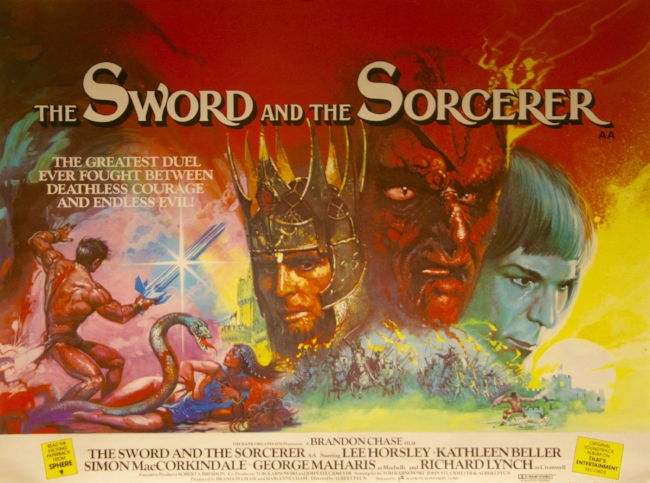
How can I possibly write about cult, obscure and trash movie soundtracks without at least one piece by the legendary Ennio Morricone. The maestro seems to have a knack of writing quality material for some awful films. Hundra (1984) is an Italian-Spanish fantasy film co-written and directed by Matt Cimber and starring Laurene Landon. It’s a kind of female Conaneque, sword and sorcery movie with a bogus feminist agenda. Beneath a wafer-thin veneer of gender politics is a generic exploitation movie. The actions scenes are weak, the story is formulaic and the performances are negligible due to the ADR inherent in such international co-productions. Yet the Morricone score stands out. Hundra’s main theme is simple and effective and there’s a chase scene with a whimsical accompaniment.
Lucio Fulci’s first instalment of his “Gates of Hell” trilogy is an atmospheric, off kilter horror outing. City of the Living Dead (1980) features his hallmark excessive gore but unlike his previous movie Zombie 2, the linear narrative is replace with a more dream like story line. Many scenes are visually striking but the plot doesn’t really make logical sense. However there are sufficient maggots raining from the ceiling and actors vomiting up their intestines to keep the audience focused elsewhere. The soundtrack by Italian composer Fabio Frizzi is creepy and uniquely European. The scene in the crypt at the climax of the movie has a great cue that plays as zombies stagger around burning.
If you are not familiar with Michael Mann’s The Keep (1983), then it’s difficult to know where to start. The film is based upon a gothic horror novel by F. Paul Wilson about a group on German soldiers based in a Romanian fortress during World War II, who are picked off one by one by a vampire like creature. Mann’s second feature film took this tale and adapted it into a curious science fiction horror movie. The production was “difficult”, ran over budget and studio executives panicked at the kind of experimental film making that ensued. The movie was taken away from the director, re-edited and released in a very truncated form. It failed at the box office and Mann has subsequently disowned it. It boasts a sophisticated soundtrack by German electronic music band Tangerine Dream. Like the film itself, the score just has to be experienced and digested to be fully appreciated. Similarly, the score has had a troubled life and there has never been an official release that contains all music used. But what remains is intriguing even when listened to outside of the context of the film itself.
Apocalypse Now Final Cut (1979)
Writing a review of Apocalypse Now is a somewhat redundant exercise, unless you have never seen the any of the previous versions of the movie, or your analysis is offering a unique and wholly original perspective. It is one of the most scrutinised, dissected and studied films in the history of cinema. Furthermore, the stories associated with the films tumultuous production have become as equally legendary as the movie itself. There is as much apocrypha associated with Apocalypse Now as there are legitimate anecdotes. In many respects the documentary Hearts of Darkness: A Filmmaker's Apocalypse, which was shot during the films production, is equally as fascinating as the iconic movie. So with all this in mind, I will simply try to succinctly summarise my thoughts on this third version of Francis Ford Coppola’s magnum opus, which has been officially labelled “Final Cut” by the director.
Writing a review of Apocalypse Now is a somewhat redundant exercise, unless you have never seen the any of the previous versions of the movie, or your analysis is offering a unique and wholly original perspective. It is one of the most scrutinised, dissected and studied films in the history of cinema. Furthermore, the stories associated with the films tumultuous production have become as equally legendary as the movie itself. There is as much apocrypha associated with Apocalypse Now as there are legitimate anecdotes. In many respects the documentary Hearts of Darkness: A Filmmaker's Apocalypse, which was shot during the films production, is equally as fascinating as the iconic movie. So with all this in mind, I will simply try to succinctly summarise my thoughts on this third version of Francis Ford Coppola’s magnum opus, which has been officially labelled “Final Cut” by the director.
Apocalypse Now Final Cut has been restored from the original camera negative via a 4K scan. Previous transfers used for the Redux version, were made from an interpositive. The new version has a runtime of 183 minutes, with Coppola having cut 20 minutes of the added material from Redux print. The original theatrical release in 1979 ran for 147 minutes. As for changes in scenes, the extended plot detour that takes place on the de Marais family's rubber plantation remains. Some critics consider this to be an unnecessary digression that slows the narrative. I see it more as an interesting statement on imperialism and its failures, which are subsequently being repeated by the United States and their interventionist foreign policies. The extended episode with Lieutenant Colonel Kilgore (Robert Duvall) culminating in the theft of his surfboard also remains. However, the scene in which Willard (Martin Sheen) and his men find the Playboy Bunnies, marooned after their helicopter transport has run out of fuel, has been removed. So has one of few daylight scenes showing Kurtz (Marlon Brando) reading aloud from Time Magazine to a group of Cambodian children. No further new footage has been restored to the film either.
Upon mature reflection, I would say that Apocalypse Now Final Cut is the most polished and substantial version of the film out of all three edits. It makes its points about the nature of war, its inherent absurdity, as well as contradictions and does so at the right pace. This time round Willard’s journeys upriver to both a metaphorical and literal place of insanity, is done at exactly the right pace. There no longer feels like they’re narrative gaps or changes of pace. For those familiar with the bootleg VHS assembly print that was in circulation in the early eighties, there are still several legendary scenes missing. But I would argue that they wouldn’t really add anything to the overall film. If any still exist then they would better serve as “extras” on the Blu-ray release. The beautifully restored print is also a timely reminder of how complex action scenes use to constructed in the pre-digital age. The helicopter attack on the coastal village is still a staggering feat of logistical organisation and co-ordination.
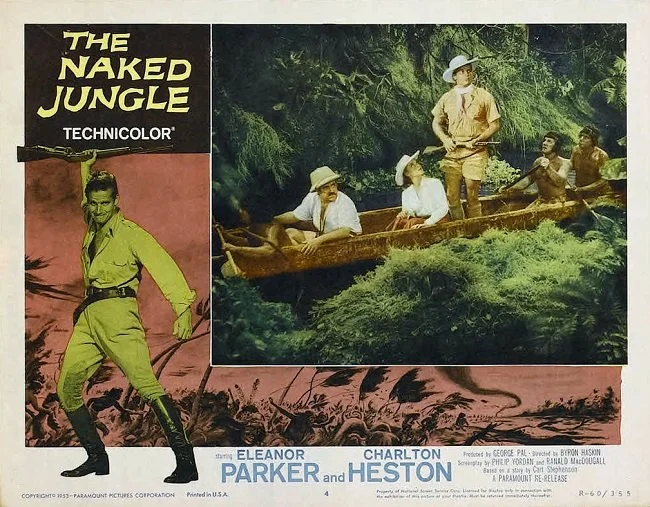
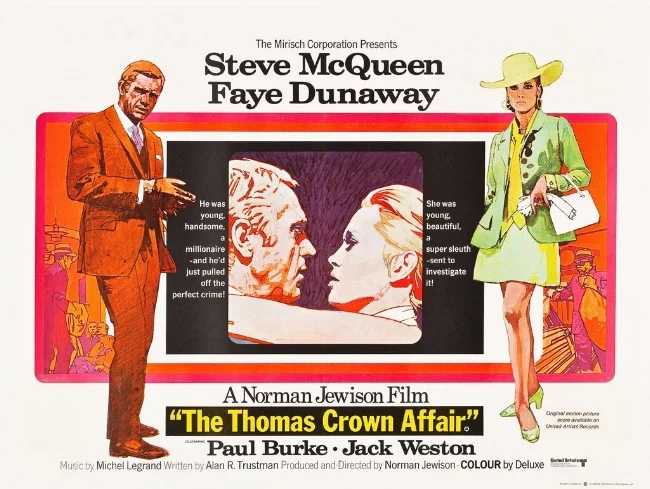
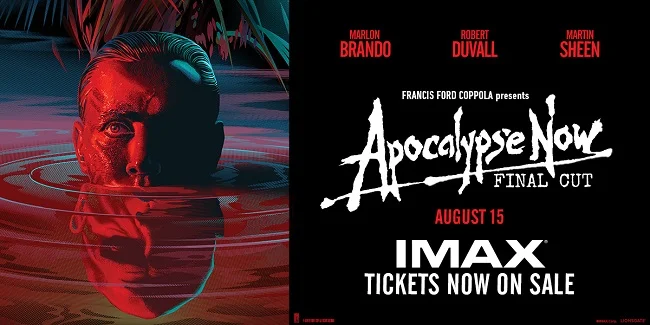
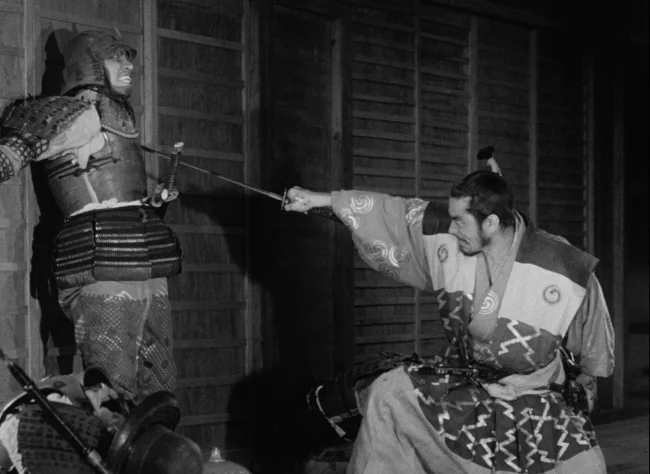
Transporter 3 (2008)
Do I really need to present you with some sort of plot synopsis for Transporter 3? No, I didn’t think so. More of the same as Frank Martin (Jason Statham) and his police chum, Inspector Tarconi (Francois Berleand) become embroiled in yet another high-octane escapade. There's fights, car stunts, exotic international locations and a strong sense of humour. This time, the disposable love interest is a Ukrainian girl named Valentina (Natalya Rudakova) who fulfils her role succinctly. The film benefits by being set back in Europe, after the mistake of basing Transporter 2 in the US. This time, the story takes us to such locations as Budapest and Odessa. The international film crew once again bring a veneer of panache to the production that is conspicuously absent in US action movies. For a modest budget fil, Transporter 3 it looks very good. Again the proceedings are given a boost by a pertinent soundtrack by Alexandre Azaria and a selection of European “tunes”.
Do I really need to present you with some sort of plot synopsis for Transporter 3? No, I didn’t think so. More of the same as Frank Martin (Jason Statham) and his police chum, Inspector Tarconi (Francois Berleand) become embroiled in yet another high-octane escapade. There's fights, car stunts, exotic international locations and a strong sense of humour. This time, the disposable love interest is a Ukrainian girl named Valentina (Natalya Rudakova) who fulfils her role succinctly. The film benefits by being set back in Europe, after the mistake of basing Transporter 2 in the US. This time, the story takes us to such locations as Budapest and Odessa. The international film crew once again bring a veneer of panache to the production that is conspicuously absent in US action movies. For a modest budget fil, Transporter 3 it looks very good. Again the proceedings are given a boost by a pertinent soundtrack by Alexandre Azaria and a selection of European “tunes”.
The fight scenes and car chases are well crafted and pitched at the right level for a PG-13 rated action-fest. The devil is in the editing, which is done in a very modern idiom, as you would expect. It is this fast pace style that allows the film to be get away with some of the content. The violence is strong but not dwelt upon. There are also some subtle references within the fight sequences to other classic films. Particularly Fist of Fury and Game of Death. Film buffs will know them when they see them. The dry banter between Statham and the sundry heavies he dispatches works well and embellishes the action. The franchise by this instalment has developed a sense of self-parody and there’s an amusing scene in which Frank give chase, not via some high-performance car but by bicycle instead. The joke works well, which is a surprising for a film that is derivative of a genre, that in itself, is self-plagiarising.
Transporter 3 has no pretensions to be anything else, other than what it is. It is very dumb, stylised and no cliché is left unturned. Its tone is pitched just right for this sort of movie. There is a running joke about Frank not liking to get his suit dirty when fighting and his disrobing becomes a potential weapon. The underlying homoeroticism of previous movies is openly explored this time (“You’re the gay?”) and is rather amusing. All in all, this film delivers perfectly what you expect in such a genre offering. Director Olivier Megaton (Taken 2 and Taken 3) thrives on this sort of material and seems to know inherently how to handle it. For once the movies rating and content do not work against it. The Transporter franchise may well be commercial and disposable, but it is also very entertaining. This in some respects, is the best sequel. The TV series that followed was lacklustre and the 2015 reboot failed to ignite audiences’ interest, despite Ed Skrein doing his best. The shadow of Jason Statham looms large in this franchise.
The Pirates! In an Adventure with Scientists! (2012)
The Pirates! In an Adventure with Scientists! is Aardman Animations fifth feature film and is based on the first two books in the Pirates! series by Gideon Defoe. For reasons known only to the marketing department, this movie has been retitled The Pirates! Band of Misfits! for its US release. When, I first saw the trailer for this movie way back in 2012, I thought that it had the potential to be a witty, inventive, quirky, and entertaining piece of film making, because that's what Aardman Animations does. The day they produce an inferior product is the day to quit watching movies, right? But let us not forget that even the most exemplary studio record can be blemished by the occasional wrong step (Yes, I'm looking at you Pixar after Cars 2). Happily that is not the case here. Having seen The Pirates! In an Adventure with Scientists! twice now, it is an extremely droll and clever animated movie. The film was nominated for the 2013 Academy Award for Best Animated Feature but lost to Pixar's Brave.
The Pirates! In an Adventure with Scientists! is Aardman Animations fifth feature film and is based on the first two books in the Pirates! series by Gideon Defoe. For reasons known only to the marketing department, this movie has been retitled The Pirates! Band of Misfits! for its US release. When, I first saw the trailer for this movie way back in 2012, I thought that it had the potential to be a witty, inventive, quirky, and entertaining piece of film making, because that's what Aardman Animations does. The day they produce an inferior product is the day to quit watching movies, right? But let us not forget that even the most exemplary studio record can be blemished by the occasional wrong step (Yes, I'm looking at you Pixar after Cars 2). Happily that is not the case here. Having seen The Pirates! In an Adventure with Scientists! twice now, it is an extremely droll and clever animated movie. The film was nominated for the 2013 Academy Award for Best Animated Feature but lost to Pixar's Brave.
The Pirates! In an Adventure with Scientists! is a finely tooled, richly embellished, genuinely funny piece of film making. It works on so many levels and once again succinctly demonstrates that Aardman Animations totally "get" the art of film making in every possible way. Furthermore you have a movie that can genuinely appeal to all age groups. There's none of your contrived focus group driven, age or gender specific targeting here. Just an engaging film that is accessible to all and entertaining on multiple levels. Hollywood take note. You don't need a bunch of bean counters pawing over market research and surveys to make a successful and quality film. You simply need to have an abiding love and respect for the medium, as well as a good screenplay. It also helps if you credit your audience with some degree of intelligence. Plus make sure you have Jokes. Lots of jokes. Sight gags, slapstick and verbal humour.
Okay, for those who insist on a plot synopsis, the narrative focuses on the Pirate Captain (Hugh Grant) who is desperately trying to win the much-coveted Pirate of the Year Award. But he's not exactly at the top of his game and is often ridiculed by fellow Pirates Peg Leg Hastings, Cutlass Liz and Black Bellamy. Furthermore the Pirate Captain's crew are somewhat lacklustre, being named after their personal attributes and foibles. These include such individuals as the Pirate with Gout (voiced by Brendan Gleeson and looking suspiciously like the actor to), the Pirate with a Scarf, the Albino Pirate and the Surprisingly Curvaceous Pirate (who is in fact a woman). After boarding the Beagle and capturing naturalist Charles Darwin (voiced by David Tennant) in a desperate attempt to improve his reputation, the Pirate captain discovers that his new parrot Polly is actually the last Dodo. Darwin convinces him that such a discovery could be invaluable to all concerned. I shall say no more than that. The plot even manages to have a few twists that may surprise the audience.
It is a cliché to say "hilarity ensures" after providing a plot summary. In fact it is often a prefix which carries a degree of derision or irony, as so many comedy films confuse hilarity with being crass. However in the case of The Pirates! In an Adventure with Scientists! The phrase can be genuinely used. The humour is subtlety different from Aardman Animations usual Wallace and Gromit fare, but is no less charming or emotive for it. There is a strong streak of traditional English humour throughout the movie that reflects a strong understanding and love of the UK's comedic heritage. From Monty Python and Douglas Adams to the Goons. It manifests itself in both overt and subtle ways. From Darwin’s chimpanzee butler Mr Bobo (who sports a monocle and communicates with cure cards) to the underlying fixation with ham. Every scene is packed with visual embellishments and throwaway gags. Certainly, this is a film that can happily sustain multiple viewings and still offer up new surprises.
The craft involved in this cinematic undertaking is staggering. There is CGI in places, usually to deal with wider environmental aspects such as the ocean and the weather. But pretty much everything else that you see is traditional hand-crafted stop motion animation and it works beautifully. The range of expressions along with the pathos and drama that is created via the medium puts a lot of contemporary Hollywood fodder to shame. If you watch any of the “making of” extras found on the DVD and Blu-ray release of the film, you'll see and appreciate the minute attention to detail that the animators have lavished on every aspect of the production. Often it only registers fleetingly on the screen, but it’s all done due to a consummate love of their craft and its presence enhances every single frame.
As film making is a financial endeavour as well as an artistic one, Sony Pictures decided to temper some of the British excesses of this production and create a separate version for the US market. As previously mentioned, the title of the film was changed and some minor jokes that referenced foibles of UK culture were removed. Furthermore, there have been some alterations to the voice acting. The Albino Pirate, voiced in the UK version by Russell Tovey, was replaced by Anton Yelchin. Similarly, Ben Whitehead's performance as The Pirate who likes Sunsets and Kittens, has been replaced by Al Roker. Overall these changes do not undermine the film in any major way. However, if you’re a cinematic “purist” then I would recommend the UK print over the US version. Either way, if you enjoy animated movies then The Pirates! In an Adventure with Scientists! is well worth viewing. Aardman Animations are an exemplar of all that is best in film production and standout like an oasis of talent in the current desert of Hollywood mediocrity. Plus any movie that features Swords of a Thousand Men by Tenpole Tudor on the soundtrack can’t be bad.
The Bourne Legacy (2012)
Jason Bourne originally graced our screens for the first time seventeen years ago. The Bourne Identity was a gritty, minimalist take on the espionage genre and a welcome change from the excesses of the Pierce Brosnan Bond era. The story arc was sustained over three movies and ended efficiently and succinctly. After which Matt Damon moved on, as did the director of two of the movies, Paul Greengrass. Which leaves us with The Bourne Legacy; the tangential sequel that arrived in 2012. A film that exists because the money men and bean counters hate to pass up on a franchise until it has been squeezed utterly dry. Hence, they commissioned the writer of the series, Tony Gilroy, to come up with a screenplay and direct a spinoff movie. Jeremy Renner was cast in the lead role. Yet despite narrative and production continuity, The Bourne Legacy was not a Jason Bourne movie with the star appeal of Matt Damon. Although the film turned a profit, it had the lowest box office returns out of the entire franchise.
Jason Bourne originally graced our screens for the first time seventeen years ago. The Bourne Identity was a gritty, minimalist take on the espionage genre and a welcome change from the excesses of the Pierce Brosnan Bond era. The story arc was sustained over three movies and ended efficiently and succinctly. After which Matt Damon moved on, as did the director of two of the movies, Paul Greengrass. Which leaves us with The Bourne Legacy; the tangential sequel that arrived in 2012. A film that exists because the money men and bean counters hate to pass up on a franchise until it has been squeezed utterly dry. Hence, they commissioned the writer of the series, Tony Gilroy, to come up with a screenplay and direct a spinoff movie. Jeremy Renner was cast in the lead role. Yet despite narrative and production continuity, The Bourne Legacy was not a Jason Bourne movie with the star appeal of Matt Damon. Although the film turned a profit, it had the lowest box office returns out of the entire franchise.
The plot is constructed in such a way to dovetail nicely into the existing storyline. Whether its clever or contrived, I'll leave you to judge. Aaron Cross (Jeremy Renner) is an enhanced soldier from the Outcome program. This is the military's equivalent to CIA’s Treadstone project. After the events of The Bourne Ultimatum, Colonel Byer (Edward Norton) decides to eliminate all traces of Outcome. Not just the agents, but all medical researchers and admin staff. I wouldn't be surprised if that included the cleaners and stationery suppliers as well. So it's not long before Cross goes on the run the run with Dr Marta (Rachel Weisz), the one scientist who designed the physically and mentally enhancing "chems" that cross must take daily. Cue two hours plus of chase scenes, followed by plot exposition by character actors such as Stacy Keach and Scott Glen, followed by more chase scenes. Rinse and repeat.
It’s all very professionally made and somewhat soulless. One of the main selling points of the original Bourne trilogy was the lead character’s amnesia, struggle for identity and possible redemption. This plot device is absent from this movie and thus we’re much less emotionally connected with our hero. The concept of chemically altering a person into a Nietzchean superman is initially intriguing, portraying Cross as an addict. However it is conveniently dispensed with when we discovers that going cold turkey reveals that the drug’s effects are permanent. The ending leaves matters conveniently open for yet further exploration. Overall, The Bourne Legacy is somewhat perfunctory with its matter of fact, A to B style of film making. The movie lacks any dramatic focus.
The Bourne Legacy will provide you with adequate entertainment if you want nothing more than a technically competent chase movie for two hours or so. If you like your fight scenes edited so quickly you haven't a clue who just wupped who, then you're in for a treat. Yet considering the strength of the cast, this is a somewhat grey action movie. Apart from The Hurt Locker and The Town, I have yet to see Jeremy Renner in a role that he excels in. Certainly not any of his performances as Hawkeye, the dullest member of The Avengers. Overall, fans of the entire franchise can easily skip this instalment. It is worth noting that Matt Damon returned for a fourth movie in 2016 which provided a codicil to the Jason Bourne story arc. However, even this may not be the definitive end to the franchise. A further spinoff television show called Treadstone is due to be broadcast in October this year.
Tinker Tailor Soldier Spy (2011)
John le Carré's Cold War thriller Tinker Tailor Soldier Spy, is not only a good example of the spy novel genre, but a fine piece of seventies British literature per se. Therefore I was most surprised when I learned back in 2011 that it was to be made as a film. Could the complexities and subtleties of this cerebral and deliberately slowly paced book be adequately brought to the big screen, by today’s studio system? Could it compete with the previous BBC television adaptation starring Alec Guiness that was made in 1979? Thankfully, director Thomas Alfredson and Working Title films have successfully managed to distil the complex plot into the film’s 127-minute running time. Furthermore, the ensemble cast have a quality script to work with and the entire production benefits from the flair of a quality European director who brings an interesting outsiders dynamic to this very British tale.
John le Carré's Cold War thriller Tinker Tailor Soldier Spy, is not only a good example of the spy novel genre, but a fine piece of seventies British literature per se. Therefore I was most surprised when I learned back in 2011 that it was to be made as a film. Could the complexities and subtleties of this cerebral and deliberately slowly paced book be adequately brought to the big screen, by today’s studio system? Could it compete with the previous BBC television adaptation starring Alec Guiness that was made in 1979? Thankfully, director Thomas Alfredson and Working Title films have successfully managed to distil the complex plot into the film’s 127-minute running time. Furthermore, the ensemble cast have a quality script to work with and the entire production benefits from the flair of a quality European director who brings an interesting outsiders dynamic to this very British tale.
In October 1973, the head of British Intelligence, Control (Sir John Hurt), resigns after an operation in Budapest, Hungary goes seriously wrong. It transpires that Control believed one of four senior figures in the service was in fact a Russian Agent. The Hungary operation was an attempt to identify which of them was the mole. George Smiley (Gary Oldman), who had been forced into retirement by the departure of Control and changes within the corridors of power, is returned to office and tasked with the investigation into the alleged spy and preventing a major scandal. Rogue Agent Ricky Tarr (Tom Hardy) has evidence to suggest that the claims are true. Smiley also considers that the failure of the Hungary operation and the continuing success of Operation Witchcraft, which appears to be yielding significant Soviet Intelligence, may be linked. As smiley digs deeper into the affair he finds that much within British Intelligence is not what it seems.
Modern mainstream cinema is fast, frenetic and often fun. Yet it can also be bombastic, self-indulgent and lacking in depth. Although the technical aspects of film making is continuously advancing, I often feel that art of writing a tight, engaging and credible screenplay is in decline. Plot detail, character development and credible dialogue is frequently sidelined so that a narrative can be expedited. Fortunately, that is not the case with Tinker Tailor Soldier Spy. The skilful screenplay by Bridget O'Connor and Peter Straughan credits the audience with the necessary intelligence to keep up with the plot. The viewer has to be attentive to the dialogue, connect the dots myself and do a degree of thinking. Tinker Tailor Soldier Spy also requires an overview of the political status quo of the Cold War. However, those who engage with the ongoing story are rewarded with a high-quality, narrative driven film. It’s been a while since my brain was given such quality fodder as this.
Purists will be happy to know that Tinker Tailor Soldier Spy has not made any major plot alterations to their beloved source text. There have been some reordering of events for cinematic effect but by and large the story remains intact and true to the source text. Performances are outstanding and Gary Oldman makes the iconic role of George Smiley his own within minutes of being on screen. The look and feel of the time is suitably captured, especially the grimy down at heel world of the intelligence community. This is not the faux, stylised depiction of the era you’ve seen on television shows which still strive to make this decade chic in some fashion. It is ironic that such a quintessentially British product has been successfully brought to the screen, by Swedish director Alfredson. His Scandinavian sense of style and clinical attention to detail, previously shown in Let the Right One In, is ideal in realising this sort of period production.
I could extol the merits of many aspects of this film, such as the cinematography, soundtrack, production design and editing. But frankly it is much better for potential viewers to discover these things for themselves without any advance notification. Tinker Tailor Soldier Spy was rather arbitrarily and obviously labelled "old school" by some film critics upon its theatrical release. It is not. It is simply a succinct reminder of how quality cinema should be made. If you start with a good story, that is written well then you have a solid foundation for a good movie. That is as pertinent now as it was when film making was in its infancy. If you like strong stories and quality performances that play out over a measured running time, then Tinker Tailor Soldier Spy will be of interest to you. If you do not like having to think of yourself, listening or paying attention and prefer style over substance, then you may want to look for entertainment elsewhere.