
Ad Blockers
I am not going to discuss the history of internet advertising, or the moral or ethical concerns that go hand in hand with it. There is a basic argument that people who make content want to get paid and I suspect that most people appreciate this, at least in principle. However, there is a counter argument regarding the way advertising is managed. For example, how many adverts is acceptable during the course of say a live stream of a YouTube video. Also there is a discussion to be had about what kind of adverts are shown and whether they need to be integrated into the content in a more equitable manner. However, that is not what this post is about. I am going to start from the logical and honest position that many of us use ad blockers. We do so because we find advertising crass and invasive. I guess there is a degree of cognitive dissonance regarding their use, versus the ethics of the matter but humans are like that. We are contradictory by nature.
I am not going to discuss the history of internet advertising, or the moral or ethical concerns that go hand in hand with it. There is a basic argument that people who make content want to get paid and I suspect that most people appreciate this, at least in principle. However, there is a counter argument regarding the way advertising is managed. For example, how many adverts is acceptable during the course of say a live stream of a YouTube video. Also there is a discussion to be had about what kind of adverts are shown and whether they need to be integrated into the content in a more equitable manner. However, that is not what this post is about. I am going to start from the logical and honest position that many of us use ad blockers. We do so because we find advertising crass and invasive. I guess there is a degree of cognitive dissonance regarding their use, versus the ethics of the matter but humans are like that. We are contradictory by nature.
I have four different web browsers installed on my PC. I mainly use Chrome and Firefox for everyday use and they both have ad blockers installed. Specifically AdBlocker Ultimate. I use this particular extension because I found that others had an adverse effect upon Google Drives functionality, which I use a lot. I whitelist a few websites that I know need the revenue but overall, I am not concerned about the impact that ad blockers have on corporate giants. In fact I would say to anyone smitten with a fit of conscience regarding them, try using a popular website without some sort of means to stop the advertising, pop ups and auto playing videos and other intrusive content. You’ll soon change your mind. As far as I’m concerned the worst offender is YouTube. Not because of the variety of interruptions they throw at you but because of the sheer quantity of adverts they shoe horn into a video. It is frankly egregious and makes the viewing experience shit.
As of Friday 27th September YouTube obviously rolled out an upgrade to their infrastructure. One that negated a lot of existing ad blockers. I, like many others, immediately looked around for a temporary alternative until the developers of AdBlocker Ultimate can put out a patch to circumnavigate YouTube’s shenanigans. I have managed to find an extension called Adblock but it doesn’t appear to actually block advertising, so much as hide it. You still have to endure 10 to 15 seconds or so of a black screen before the video that you actually want to watch begins to play. Fortunately I have SmartTube installed on the media player in our lounge. This is an advanced player for Android TVs and TV boxes which is free and open source. You can play content from different public sources including YouTube, sans adverts, naturally. It would appear that the latest changes made by YouTube have not affected this app at present.
Ultimately, there are long term issues that need to be resolved with regard to the financing of platforms such as Twitch TV and YouTube, as well as more traditional websites. A lot of smaller content creators prefer donation and optional subscription services such as Patreon. However, the public cannot be expected to pay for everything. Hence the point of advertising in the first place. It is a question of implementing a policy that is measured as opposed to just greedy. Sadly, advertising is at most just tolerated. Many people, including myself, find advertising pervasive, trite and frankly insulting. Often the way it is clumsily integrated into content ruins it. Despite paying for both Netflix and Amazon Prime, both companies have seen fit to add advertising to their basic tariffs. Subsequently, I won’t watch content on these platforms any longer and will instead watch “copies” sourced elsewhere. In the meantime, this tit-for-tat battle between big business and ad blockers, drags on. A tiresome diversion from the real problem.










Google Pixel Watch
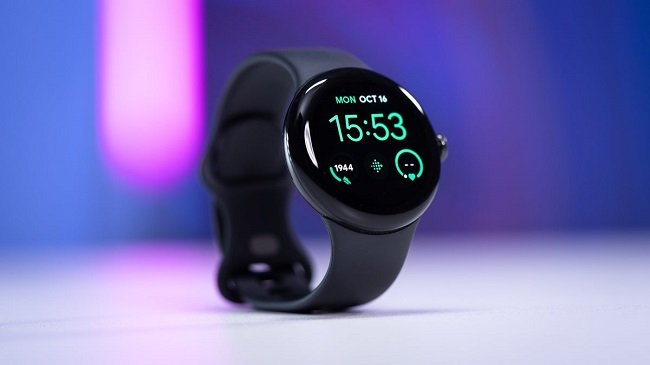
Four years ago I bought a Huawei Band 4 Pro smart band. At the time, I quite liked the idea of tracking health data and thought it would be useful as part of an exercise regime. I also bought a Fitbit Inspire 2 for Mrs P. However, after a while we both felt that our relationship with these devices, specifically the data they generated, was somewhat “arse about face”. IE We would find ourselves, walking around the lounge just to reach our step count target. We also felt that our smart bands were effectively nagging us rather than encouraging us. Needless to say, we both ended up ignoring a lot of the information that was being collated. Eventually Mrs P went back to using a regular wristwatch, while I soldiered on using my Huawei Band 4 Pro just as a timepiece. Then I started having problems with the strap. Or to be more precise the plastic clips that attached it kept breaking. I ended up buying about five replacements over a year and half.
Four years ago I bought a Huawei Band 4 Pro smart band. At the time, I quite liked the idea of tracking health data and thought it would be useful as part of an exercise regime. I also bought a Fitbit Inspire 2 for Mrs P. However, after a while we both felt that our relationship with these devices, specifically the data they generated, was somewhat “arse about face”. IE We would find ourselves, walking around the lounge just to reach our step count target. We also felt that our smart bands were effectively nagging us rather than encouraging us. Needless to say, we both ended up ignoring a lot of the information that was being collated. Eventually Mrs P went back to using a regular wristwatch, while I soldiered on using my Huawei Band 4 Pro just as a timepiece. Then I started having problems with the strap. Or to be more precise the plastic clips that attached it kept breaking. I ended up buying about five replacements over a year and half.
So about a fortnight ago I decided to replace it. This was done on a whim without any major research. I wanted something closer to a traditional wristwatch, preferring that shape to the more rectangular smart band. So I read a few reviews on Amazon and decided upon a Google Pixel watch as I already have a Pixel 6 phone. Plus there was a good deal to be had at the time, so I bought the watch without much more thought. It arrived promptly and I then went about the process of setting it up, which judging by the simple diagrams in the accompanying literature, was supposed to be a proverbial “piece of cake”. Lies. Utter lies. To begin with, just pairing the watch with my phone was not as “quick and easy” as Google would have you believe. I have often found that Bluetooth is as temperamental as a cat deciding whether it wants to go outside or not. On this occasion that was exactly the case.
Next came updating the watch software. This too was a time consuming process. The software was downloaded via my phone (which was connected to the home wifi) and then transferred to the watch via Bluetooth. The phrase dawdling springs to mind. However, after an hour or two, these issues were all addressed and I finally put the damn thing on my wrist so I could tell the time. Then all the beeping started. This is because Google in their infinite wisdom has enabled every alert that the watch can possibly generate by default. Hence I was assailed by a litany of messages congratulating me on my ability to walk, having oxygen in my bloodstream and generally not being dead. Next, when the watch synchronised with my phone, I was bombarded further by every alert that infernal device produces. Oh how we laughed.
Finally, I opened the app for the watch on my phone and decided to tweak a few settings. This meant having a few YouTube videos beforehand, which is always a source of deep joy for me, due to my untrammelled love of humanity. We are truly blessed that so many fine orators and critical thinkers dain to share their wisdom with us lesser mortals via this medium. But I digress. Two week’s on I have a functional watch that tracks a multitude of data but doesn’t badger me about it incessantly. It does alert me of new emails , X and Mastodon notifications and new replies on Discord but I have chosen these notifications. So now instead of me endless checking my phone, I lavish attention on my watch instead. I feel like a Dick Tracy tribute act. Oh did I mention it needs charging every 24 hours? I could get 5 days or so out of my old smart band. But at least the strap doesn’t keep breaking.
Photography and the Camp Snap
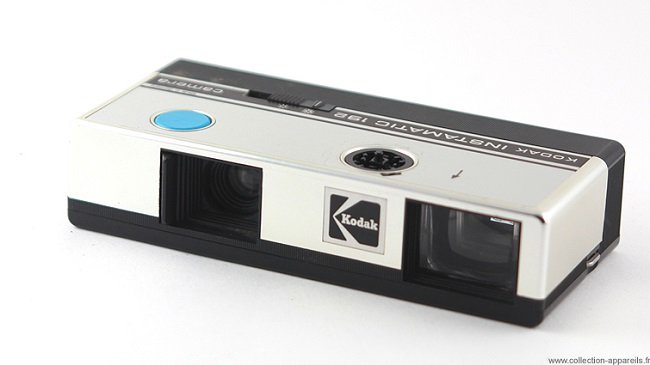
Like most children in the seventies, I was introduced to photography through the medium of “holiday snaps”. I was given a basic camera that used 110 film cartridges as a birthday present and quickly grew to love the uncomplicated nature of the device. You just looked through the basic viewfinder and pressed the shutter button. It really didn’t require much more thought than that. Once you had used your film, you had the additional fun of sending it off to be developed and either collecting your photos a few days later, or having them sent via the post. Like most hobbies, my interest led to further research and I quickly became aware that photography was a far more complex and formal undertaking. One that was expensive and riddled with snobbery. And so just like my youthful flirtation with painting, the technicalities and accepted protocols associated with photography ultimately killed my interest.
Kodak Pocket Instamatic camera
Like most children in the seventies, I was introduced to photography through the medium of “holiday snaps”. I was given a basic camera that used 110 film cartridges as a birthday present and quickly grew to love the uncomplicated nature of the device. You just looked through the basic viewfinder and pressed the shutter button. It really didn’t require much more thought than that. Once you had used your film, you had the additional fun of sending it off to be developed and either collecting your photos a few days later, or having them sent via the post. Like most hobbies, my interest led to further research and I quickly became aware that photography was a far more complex and formal undertaking. One that was expensive and riddled with snobbery. And so just like my youthful flirtation with painting, the technicalities and accepted protocols associated with photography ultimately killed my interest.
Thirty years later, photography for the masses got a reset with the advent of the digital camera and their incorporation into the mobile/cell phone. It certainly has been liberating with regard to making photography more accessible to the masses. Its immediate nature means that pictures can be shared easily and reproduced physically quickly and cheaply. Yet, as ever with technological advancements, when one set of problems are solved, others are created. Having a high resolution screen means that prior to taking a photo, you have the option of obsessing over composing the image. Then once taken, you can edit the picture with a myriad of tools. You can remove elements from photos on the fly and even add people to an event they didn’t even attend. Hence, many images posted online are not an authentic reflection of what they apparently depict.
Camp Snap digital camera
Which brings me neatly onto the Camp Snap digital camera. A simple point and shoot device which has no complex settings and most importantly a screen. The philosophy behind the Camp Snap is very straightforward as the following quote from the company website makes clear. “Camp Snap cameras are designed to help you stay present in the moment and fully engage with their surroundings, without being distracted by screen time. Our innovative camera technology provides a fun and interactive way for you to capture your memories, while encouraging a focus on socialising and exploring the great outdoors. At Camp Snap, we are committed to creating products that inspire adventure, foster creativity, and encourage you to unplug and experience the world around them”.
I recently bought a Camp Snap camera and have found the lack of a screen very liberating. It fits easily in a pocket and has accompanied me on several day trips to places of interest. If something interests me I just look through the viewfinder and snap away. The results have been interesting. Although I like formality and structure, I do find that it can be an impediment at times. More complex cameras require a lot more thought and experience to be used effectively. It is this high benchmark that is a potential barrier to entry and can discourage people from photography per se. The Camp Snap bypasses much of this and puts you and not the technology in charge. Yes, the cameras respective specifications are somewhat limited (Vintage Film Style quality vibrant colour digital or printable photos. 8MP F/1.8 f=4.8mm (35mm equiv.) 1/3.2" sensor) but that was exactly the case in my youth when using Kodak Pocket Instamatic cameras.
Furthermore, I recently discovered an online photography club, based around Camp Snap. The Crap Camera Club created by actor, writer and comedian Marek Larwood, is a forum for uncomplicated and spontaneous photography with an aim of having fun, sharing your photos and building a like minded community. They have an active Facebook group where you can share photos and take part in bi-monthly themed challenges. It’s a friendly place and a lot of fun. The complete opposite of many of the more formal photographic based communities you find online. For legal reasons it is important to stress that it is the club that is crap and not the camera in any way, shape or form. It should also be noted the Crap Camera Club has a superb theme tune. More clubs need theme tunes.
Hobbies do not have to become Iron Man challenges but modern pop culture seems to have a nasty habit of turning things that are intended to be fun, into ponderous chores. The Camp Snap flies in the face of this. I recently took a trip out to the village of Shorne in Kent and took a few pictures of St Peter’s and Paul’s Church and the surrounding grounds, as well as the Turner Gallery in Margate. I found it easy to take a few pictures on the fly. If I saw something I found visually interesting, rather than over analyse things, I just looked through the viewfinder and took the shot. Being a digital camera, you don’t have to worry about taking multiple pictures, affording those new to photography a fighting chance of getting at least one good shot. I was happy with the results which I have posted in the gallery below. The Camp Snap will not be for everyone but I think it fills a gap in the market, offering both young and old alike, a means to recapture the casual freedom of “holiday snaps” and hassle free photography.











Thinking Out Loud
Simply put, I got fed up with my ongoing diet last week, so I came off the wagon. There were a few glasses of wine too many and a couple of meals that were larger than the new prescribed portion size. As a result, my weight has remained the same as last week’s. On mature reflection, I am glad it didn’t gain weight as that would be very counterproductive. Weight loss and trying to change your diet are difficult tasks and somewhat joyless. Mainly because you are denying yourself pleasure. However, I don’t like what I see when I look in the mirror, so if I wish to regain my former status as a minor deity and sexual Tyrannosaurus (in my mind), then I need to get back on track.
This is yet another post where I write a series of random thoughts, gathered under the title “Thinking Out Loud”. The fourth, if we’re counting, which we’re not. I tend to do this on Mondays but that’s not legally binding.
The Diet (Again)
Simply put, I got fed up with my ongoing diet last week, so I came off the wagon. There were a few glasses of wine too many and a couple of meals that were larger than the new prescribed portion size. As a result, my weight has remained the same as last week’s. On mature reflection, I am glad it didn’t gain weight as that would be very counterproductive. Weight loss and trying to change your diet are difficult tasks and somewhat joyless. Mainly because you are denying yourself pleasure. However, I don’t like what I see when I look in the mirror, so if I wish to regain my former status as a minor deity and sexual Tyrannosaurus (in my mind), then I need to get back on track.
Digital Terrestrial Television
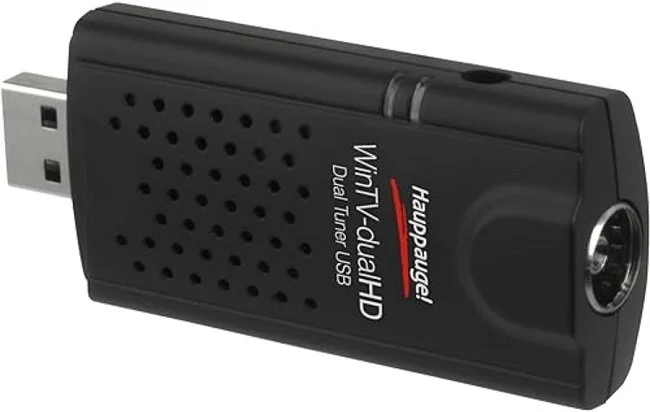
I seldom watch live television these days, although it is something I did all the time as a child. However, there was no other option at the time until the advent of the VCR. Nowadays I use on demand, streaming services most of the time. Especially those paid services without any advertising and on screen graphics. However, because I am a “belt and braces” sort of person, I recently bought a USB digital terrestrial TV tuner for my PC, in case the internet ever goes down. We still have a roof antenna (although it is in the loft) and there’s an outlet in the spare room that I use as an office. Hence, it was no effort to run a cable from the socket, to the USB device and then to my PC.
I don’t know how bad digital terrestrial TV is in your country but it is pretty poor here in the UK. I’m not talking about the prestige channels such as BBC or Channel 4. I mean the cheap, filler stations that fill the extremities of the TV guide. Most of these channels are in standard definition, with poor digital compression and colour grading. There are far too many adverts, so you sometimes only get 9 minutes of actual content before the next commercial break. As for the actual programs, they tend to be low grade reality shows such as “cooking with ghosts”, or cheap cosy crime dramas about a barista who solves murders by night. If these channels broadcast old classic shows, they’re often edited for content so they can be shown at any time of day. Such is the reality of so-called “free” content. If you’re not paying, this is what you get.
Cleaning the Wheelie Bins
Upon adulthood, regardless of whether you cohabitate or live alone, you quickly discover that there are chores that need to be done. Clothes don’t miraculously wash themselves. You have to go grocery shopping to some degree. If you don’t clean your home, it will become verminous. Hence, we usually get into a routine of dealing with these tasks. How effective this is comes down to you as a person. However, not all chores are immediately apparent or even expected. We have 4 wheelie bins provided by the local council, to handle our rubbish and recycling requirements. Due to the hot weather we’ve had of late, these have all needed cleaning because they contained more maggots than a Lucio Fulci movie. Needless to say this chore fell to me.
Armed with a garden hose, an old mop and a couple litres of disinfectant, I set about keeping this sinister plague at bay. It certainly wasn’t a glamorous job. Nor was it something I ever envisaged doing when younger. Along with unblocking toilets, cleaning up fox shit, removing all spiders from the house, clearing leaves from the guttering and expressing the cat’s anal glands when they’re blocked. No wonder kids don’t want to grow up these days. Due to the internet, they know that adulthood isn’t half as good as it’s cracked up to be.
The Ubiquity of AI
I built a new PC in January which meant a fresh install of Windows 10. My policy regarding this operating system is comparable to one I have regarding my own body. Namely, I don’t install anything that isn’t necessary (I’m not sure if that analogy quite works). Hence I tend to check the various updates that Microsoft regularly shunts out, to ensure that I’m only installing essential patches, rather than superfluous new features. Sadly, this is not a process you can 100% control. Which explains how I found Microsoft Copilot installed on my PC, after an alleged minor update,
Now I am not at present pathologically against AI. Artificial intelligence is a tool and like any tool, it is the manner in which it is used which foremost dictates how it is perceived. Currently, AI seems to be running rampant like a schoolyard craze among kids. The world and his wife is trying to crowbar such services into their business model. All too often the results are not good and are subsequently withdrawn. Take courier company DPD for example and its customer service chatbot. AI is also saturating other markets. Take the freelance marketplace Fiverr. A lot of the design work on offer is now AI generated and frankly shit. YouTube is awash with AI generated content which is generic, simplistic and utterly bland. As for AI voiceovers, they are excruciatingly stilted.
I make it my business now to opt out of any potential AI scraping of material that I produce. Today, I went into my Twitter/X settings to ensure that the Grok AI couldn’t parse my tweets for training purposes. I have done the same with my Squarespace website. Again, I want to keep a level head about AI but suspect that senior management in a lot of major businesses see it as a means of bypassing services that previously they’d have to pay for. It’s not so much AI per se that’s the problem but AI in the hands of unreconstructed capitalism.








Thinking Out Loud
With Blaugust: Festival of Blogging fast approaching, I have decided to close several side projects I started last November (which rapidly ran out of momentum) and focus all my writing endeavours back on Contains Moderate Peril. I have taken a 9 month break which has served its purpose. I have decided to make some minor changes to the base template I am currently using for the blog, as it has remained essentially unchanged since summer 2015. I did toy with the idea of involving a third party developer to improve the site but employing such a company with specific Squarespace experience meant spending between £2000 and £3000, which is far more than my initial budget.
This post is another collection of random thoughts, thrown together in no particular order. All of which is gathered under the functional title “Thinking Out Loud”, which is a recurring blog post that tends to be published on Mondays.
Tweaking Your Blog
With Blaugust: Festival of Blogging fast approaching, I have decided to close several side projects I started last November (which rapidly ran out of momentum) and focus all my writing endeavours back on Contains Moderate Peril. I have taken a 9 month break which has served its purpose. I have decided to make some minor changes to the base template I am currently using for the blog, as it has remained essentially unchanged since summer 2015. I did toy with the idea of involving a third party developer to improve the site but employing such a company with specific Squarespace experience meant spending between £2000 and £3000, which is far more than my initial budget.
I appreciate that such rates are the market standard at present but I simply don’t want to spend such sums of money on a hobby that in principle should not have excessive operating costs. If I was pursuing a business related blog, then it would be a different matter. My advice to new bloggers is to avail themselves of free services or 30 day trials of established products, before committing to any major costs. It is best to determine whether blogging is for you before spending a dime. If you decide that you wish to maintain an online presence and develop your own brand, then the costs have the potential to increase exponentially, the more you do. I wrote a post about the cost of keeping a blog back in 2019. Naturally the prices referenced have gone up but the basic ideas remain the same.
Total Hours Played
Setting aside the MMO genre which is predicated upon its continuous playability based upon the release of regular new content, I usually don’t keep track of the total amount of time I have invested into a video game. I will have a broad approximate notion but if I need specifics, I will go and check the numbers on Steam or whatever platform is pertinent. It can be quite surprising sometimes and often my assumptions are wrong. For example, it felt like I had spent a lot of time playing Starfield upon its release last Autumn. In total it was 136 hours, which may sound a lot but is far short of other RPGs, such as Middle-earth: Shadow of Mordor (186 hours) or The Elder Scrolls V: Skyrim (286 hours). Perhaps that was due to the rather ponderous nature of Starfield, which despite its superficial modernity, ultimately was structured and played like a much older RPG.
I recently returned to Sniper Elite 5 which I have been playing on and off over the last two years plus. Having played through the main campaign, DLC, co-op and multiplayer modes, what brought me back was a renewed interest among the wider gaming community in the so-called “invasion” mode. This interesting variation of PVP, allows another player to enter your ongoing campaign and try to hunt you down while you are battling the various NPC in the game’s story missions. It is purely optional but certainly adds a fascinating and absorbing spin on the proceedings. As the invading Sniper Jäger you have the advantage of being on the same side as the enemy NPC and can tag them. If they subsequently encounter the enemy, their change in status on the mini-map alerts you. However, playing the campaign and having your game invaded can be immense fun as well. There is scope to clear areas of the map and set traps or an ambush for invaders. I find this especially satisfying. It certainly has given the game a new lease of life which is why I discovered last week that I had played 317 hours in total. Seldom does a modern game provide such value.
Alexa Doesn’t Swear
I’ve had some form of Amazon Echo smart speaker since 2016. I have always found these devices useful for timers, general questions such as weather, traffic and train times and for reminders. Its main use in our house is playing music. I probably don’t use a third of its total functionality but I still consider it an asset. However, despite 8 years of ownership, I only recently discovered one of Alexa’s curious foibles. She seems incapable of swearing. Upon reflection, I see the merit in this design choice. Especially if you have young children using the device. I certainly don’t see it as an infringement of free speech. I found out about Alexa’s puritanical streak when I requested specific songs to be played. Usually I request various playlists that I’ve curated but on this occasion I asked for a few songs by name. To my surprise and amusement, the profanities in their titles were “bleeped out” when Alexa confirmed the selection. The songs in question were “Too Drunk to Fuck” by Dead Kennedys and “Pussy” by Rammstein.
Diet Update
When I stood on the scales this morning, I appear to have lost another 2.2 lbs, which is steady progress. At present I weigh 196.4 lbs. I had to cut down a great deal last Wednesday to compensate for the fact that I was going for a meal at a French brasserie on Thursday and I felt obliged to try and ensure that my metaphorical food intake ledger was balanced accordingly. Mrs P and I have decided to not eschew wine completely so it has been incorporated into our weekend “indulgences”. Whether this has a detrimental effect on the overall program, I will find out next Monday.
Thinking Out Loud
First of all let’s begin with an activity that I have a love hate relationship with. Namely, tinkering with your PC. I’ve been looking at the specs of my computer and it would appear that its performance Achilles heel is the graphic card. In a perfect world, I would just buy the latest top of the range model and be done with it. However, I am not sufficiently wealthy to do such things. Hence, I have to set a budget and then search for what is considered the best option within it. This is a tedious, contradictory and wearisome task. It involves trawling through reviews written by people who often do not understand the concept of a budget and figurative lines in the sand. They are infuriating, but that’s people for you.
This post is a collection of random thoughts, expressed as a stream of consciousness. Put less pretentiously, a few words about the various things that are occurring in my life. Alternatively, they may also be ephemeral talking points from the never-ending news cycle, or even those obscure thoughts you experience while laying awake in your bed. Either way, they are not the sort of material that requires a full blog post. A paragraph or two is sufficient to express a thought or make a point. All of which is collectively gathered under the title “Thinking Out Loud”, which will no doubt become a recurring blog post.
Tinkering With Your PC
First of all let’s begin with an activity that I have a love hate relationship with. Namely, tinkering with your PC. I’ve been looking at the specs of my computer and it would appear that its performance Achilles heel is the graphic card. In a perfect world, I would just buy the latest top of the range model and be done with it. However, I am not sufficiently wealthy to do such things. Hence, I have to set a budget and then search for what is considered the best option within it. This is a tedious, contradictory and wearisome task. It involves trawling through reviews written by people who often do not understand the concept of a budget and figurative lines in the sand. They are infuriating, but that’s people for you.
To cut a long story short, I have ordered the following AMD graphics card. Powercolor AMD Radeon RX 6650 XT Fighter 8GB GDDR6. The reviews are acceptable, my current PC is based around an AMD Ryzen 7 5700X 8-Core Processor so there should be some synergy there, and I got offered a very good price. If this is not to the liking of the selfappointed “Graphics Card Police”, then they can fuck off into the sea. It’s the best I can do for £204 plus postage. Hopefully it will arrive on Tuesday and then I can have the usual fun and games trying to fit it. I can also “defluff” the interior of my PC case. The fun is endless.
Games Should be Fun
I stopped playing Call of Duty in June because it was becoming too much of a treadmill. Playing both Warzone and Multiplayer essentially boiled down to the following. Buy the 2 month Season Pass, grind out the weapons and aftermarket parts, adapt your existing weapons builds to the latest meta, endure the endless succession of unbalanced multiplayer games and swarms of cheaters. Rinse and repeat while being bombarded with endless new novelty skins and weapon blueprints. It all became a dull chore, lacking in fun. So I’ve moved on.
It seems that the notion that a game should at some fundamental level be fun, is no longer a primary consideration. In fact it seems pretty low on the list of requirements, at least with mainstream, triple A titles. Obviously there are still entertaining and enjoyable titles out there but I feel that you just have to look a lot harder to find them, these days. Too many games feel generic, soulless and obvious products rather than interactive mediums for entertainment and enjoyment.
I recently bought a few new games, because why would I want to play any that I had in my library for years? Insane isn’t it? I bought The Stanley Parable: Ultra Deluxe version which is most amusing and incredibly intelligent in its satire of so many video game tropes and idiosyncrasies. It lends itself to binge gameplay until you’ve achieved several of the alternate endings. I also bought the submarine game Cold Waters mainly because I recently watched the 1958 classic movies, Run Silent, Run Deep with Clark Gable and Burt Lancaster. It’s not a full blown submarine simulator but still offers complex gameplay. I also purchased Dragon’s Dogma 2, as I had a hankering for an RPG. Sadly, I’m struggling to find the fun in this game as it is proving confusing both narratively and with its gameplay. I’m also struggling with the keyboard and mouse controls for the PC. I suspect this title plays better on consoles.
Diet (Who Ate All the Pies?)
My diet is far from healthy and has contributed to my gaining a lot of weight. I drink too often as well, which makes matters worse. I have managed to lose weight in the past but this year I have not been so successful mainly because my heart hasn’t been in it. But it is for the sake of my heart that I need to resolve this matter. So Mrs P and I are both embarking on a diet, based on three meals a day, reduced portion sizes and the elimination of a few specific items, including alcohol. I’m not looking forward to it as I derive a great deal of pleasure from eating and drinking. I shall try and gamify the process and work towards goals and rewards. I shall also post details each Monday as to whether I’ve been successful. As of today, my starting weight is 201 lbs. I am looking to shed 28 lbs (2 stone). It’s on, like Donkey Kong, as they say.
Linus Tech Tips: What Did You Expect?
Another week, another internet “drama”. I don’t actively seek this shit out. It just bleeds through into my social media timeline with tedious regularity. This latest debacle is regarding the popular (by which I mean over 15 million subscribers) technology product review YouTube channel, Linus Tech Tips. There have been claims of factual inaccuracies in recent reviews and a focus in getting content produced quickly at the expense of quality. Then a former employee made allegations of a toxic work environment and sexual harassment. As a result there has been a great deal of “online outrage” from those who assumed up until now that Linus Tech Tips was a bastion of integrity. Then there was the formal reply video from Linus Tech Tips about the allegations, which made matters worse by joking about the situation and running ads. As a result the YouTube channel has suspended video production for a week. You can read more details on this situation on the Forbes website.
Another week, another internet “drama”. I don’t actively seek this shit out. It just bleeds through into my social media timeline with tedious regularity. This latest debacle is regarding the popular (by which I mean over 15 million subscribers) technology product review YouTube channel, Linus Tech Tips. There have been claims of factual inaccuracies in recent reviews and a focus in getting content produced quickly at the expense of quality. Then a former employee made allegations of a toxic work environment and sexual harassment. As a result there has been a great deal of “online outrage” from those who assumed up until now that Linus Tech Tips was a bastion of integrity. Then there was the formal reply video from Linus Tech Tips about the allegations, which made matters worse by joking about the situation and running ads. As a result the YouTube channel has suspended video production for a week. You can read more details on this situation on the Forbes website.
The allegations made against Linus Tech Tips are serious. I therefore hope that due process is followed and if the claims are substantiated, then appropriate action is taken. Setting these specific matters aside, I would like to discuss the wider and more commonplace phenomenon of businesses (especially those in traditional and new media industries) going rogue. If you are in anyway shocked by the revelations about Linus Tech Tips my question to you is “what the fuck did you expect”? And if your reply is “honesty, integrity and professionalism” then please excuse the howls of derision from the galleries. YouTube is a commercial enterprise that is “self regulating”. It has precious few external checks and balances brought to bear against it, compared to mainstream media. Why do so many people still equate the immediate and informal nature of YouTube with somehow being a sign of trust and even friendship?
Once again we find ourselves at the “something, something, capitalism bad” part of the post. You may well roll your eyes at this old cliche but when will people fucking learn? The internet is no longer the utopian frontier, free from the grasp of corporate interests that it aspired to be decades ago. Just like the real world, small businesses have been squeezed out and monopolies have been established. Any successful YouTube channel that is dependent upon ad revenue to survive has a clear hierarchy of needs. One where the viewer is not necessarily the priority and ethics are an obstacle. Capitalism has been around long enough that it has been established that if you expect big business to do the right thing, it won’t. Business doesn’t like rules or being told “no”. Which is why we have regulations in most industries. The internet seems to have escaped these for the present.
When you have an environment where there is no fear of sanction, you’ll continuously get debacles like the one facing Linus Tech Tips. So instead of naively throwing up your hands in horror when such stories break, why not lobby for change instead? Because change is needed. As a society we’re becoming too dependent on information, tools and resources that are controlled by corporate entities that are broadly outside the sphere of governmental control and regulation. Look at how Twitter/X has changed for the worse in the last twelve months. So once again I reiterate, YouTube is not your friend. Neither are the big players who have successful channels. Game developers and publishers aren’t in their line of work for the betterment of humanity and your wellbeing. We really need to stop seeing the internet as something different from other industries and being surprised when the metaphorical bear defecates in its own habitat.


















PC Upgrade Time Again
Reading back through previous blog posts, it would appear that I upgrade my PC every 4 to 5 years, while replacing the various peripherals during the intervening time. Such changes are usually driven by creeping obsolescence, performance issues and on occasion by physical failure. When it comes to replacing a processor, graphics card and other parts, I tend to buy the best that I can get on the budget that I have available. Although I am far from broke, I am not in a position to spend whatever I want when it comes to buying technology. I have to work within the allotted funds available. Hence I don’t necessarily get the PC that I desire but I do end up with one that “gets the job done”. Online benchmark tests tend to show that my desktop PC is usually two thirds of the way up the current performance hierarchy.
Reading back through previous blog posts, it would appear that I upgrade my PC every 4 to 5 years, while replacing the various peripherals during the intervening time. Such changes are usually driven by creeping obsolescence, performance issues and on occasion by physical failure. When it comes to replacing a processor, graphics card and other parts, I tend to buy the best that I can get on the budget that I have available. Although I am far from broke, I am not in a position to spend whatever I want when it comes to buying technology. I have to work within the allotted funds available. Hence I don’t necessarily get the PC that I desire but I do end up with one that “gets the job done”. Online benchmark tests tend to show that my desktop PC is usually two thirds of the way up the current performance hierarchy.
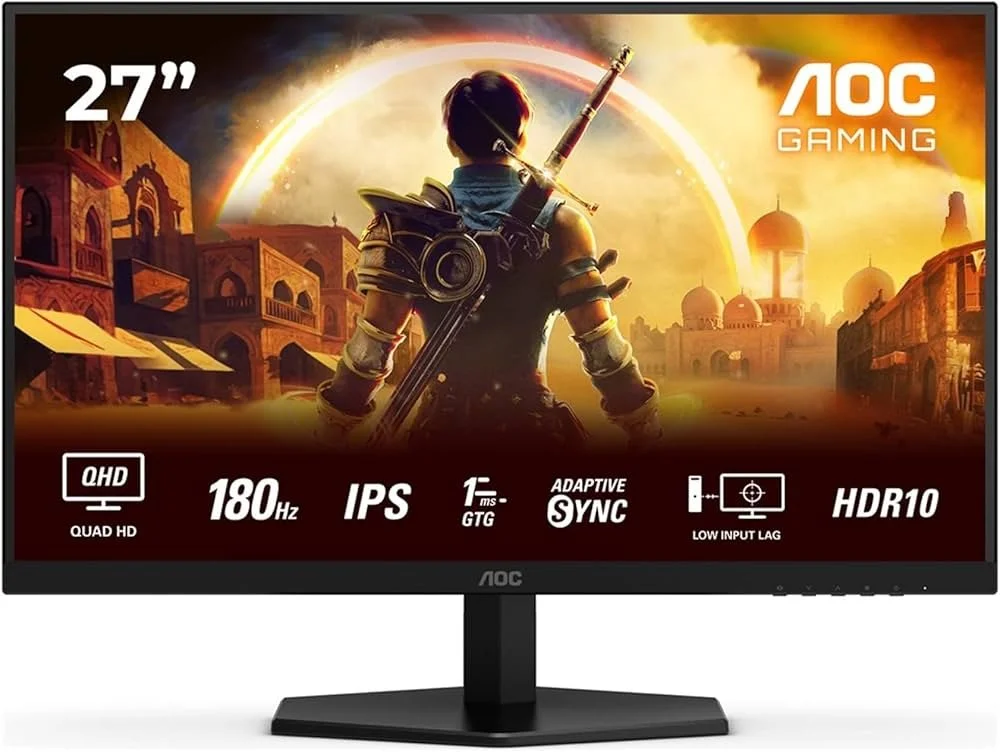
Last November when the latest incarnation of Call of Duty was released (Modern Warfare II), I noticed that when I played the game at 1910 x 1200 on my primary monitor, it looked shit (a technical term). When I ran the game’s benchmark test it showed that the processor was fine but the existing graphics card was underpowered. As this is the primary game that I play at present, I decided to replace the card with a more robust model. Hence I bought an Nvidia GeForce GTX 1660 Super. This was the best model I could get on my budget and it has certainly improved the games performance. I also started playing using my second monitor which has a standard HD resolution of 1920 x 1080, just to squeeze a few more frames per second. I think this reasonable upgrade will prove viable for a while. Warzone 2.0 is by far the most demanding game out of those that I currently play.
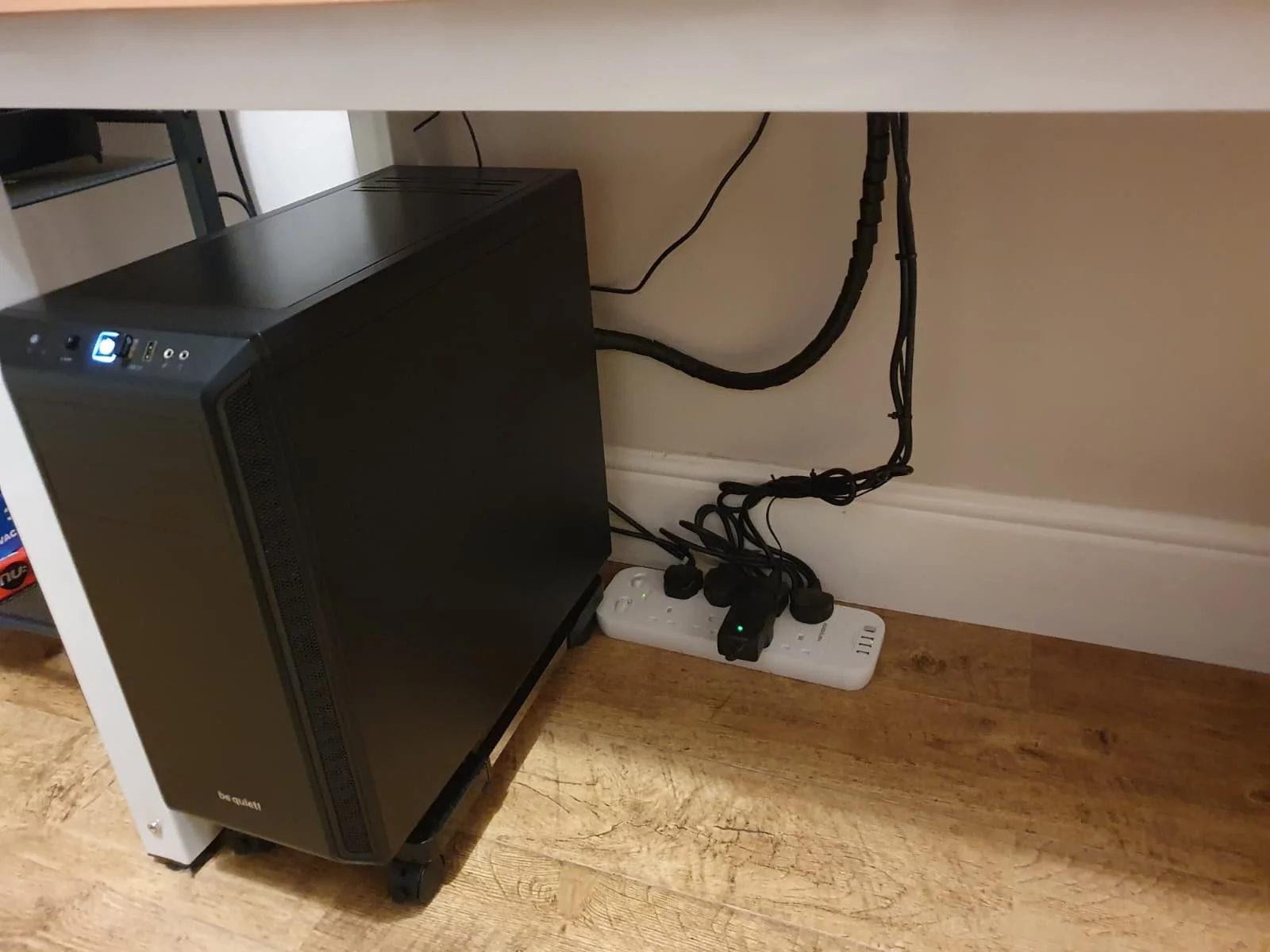
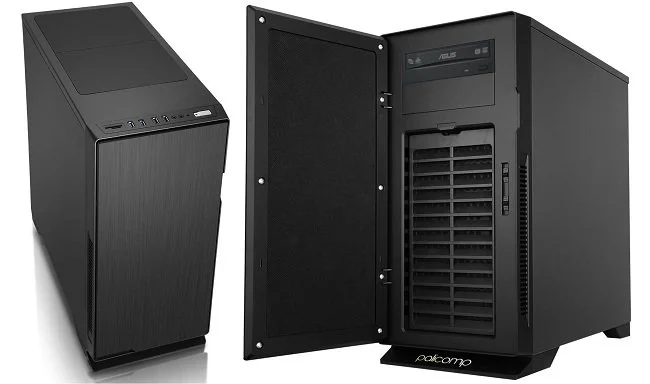
I was hoping that this would be the last upgrade for a while but that has proven not to be the case. A few days ago, my PC shut itself down while I went to make a cup of coffee, and it wouldn’t reboot. I’m not exactly sure what happened but both the bios and the PSU were dead. To cut a long story short, I transferred the motherboard, processor, memory and various peripherals into an old case to determine any damage. The SSD, HDD and graphics card were still working but the rest wasn’t. After perusing Amazon and adding up the cost of replacement parts, I found it was more economical to buy a barebones PC from Palicomp. Hence I replaced my dead AMD Ryzen 5 3600 with Ryzen 7 5800X. The case is well designed to accommodate air flow and there is a substantial heatsink and fan for the processor incorporated in the build.
Fortunately, there were no major issues transferring the existing SSD and HDD into the new PC. The only minor issue I had was the PSU lacking an 8 pin PCIe power connector for the GPU. But there were several unused Molex power cables available, so I bought an adapter which arrived 24 hours later. The barebones PC came with 16GB RAM on a single DIMM which I retained, along with a DVD-RW drive, a GeForce GT 710 graphics card, a USB Bluetooth adaptor and USB Wifi adaptor. The latter 4 items were removed and have been added to my “spare parts” collection. I was inconvenienced for no more than 48 hours and as of now am back to my normal PC setup. However, this unforeseen upgrade has cost me £450 in total. It galls me somewhat that I’ll never know exactly what failed in my previous PC but such is the disposable nature of technology these days.
My Home Entertainment System
The last time I wrote about our home entertainment system was six years ago. Back then I was hoping to upgrade our TV from HD to UHD. However, unless you are fortunate to have a surfeit of cash, most of us tend to soldier on with the hardware we already have until it breaks. Then at least we can justify replacing it. And that is exactly what happened to us last week. It would appear that both the TV and the powerline internet adapters which are in our lounge, suffered electrical induction damage during a recent thunderstorm. One of the powerline adapters was completely dead and the HDMI sockets on the television ceased to function. This meant we had no access to streaming services, the Blu-ray player or our BT TV DVR. We could access a selection of free, terrestrial digital channels via the aerial, but could not pause or record anything. Furthermore all of these were in standard definition.
The last time I wrote about our home entertainment system was six years ago. Back then I was hoping to upgrade our TV from HD to UHD. However, unless you are fortunate to have a surfeit of cash, most of us tend to soldier on with the hardware we already have until it breaks. Then at least we can justify replacing it. And that is exactly what happened to us last week. It would appear that both the TV and the powerline internet adapters which are in our lounge, suffered electrical induction damage during a recent thunderstorm. One of the powerline adapters was completely dead and the HDMI sockets on the television ceased to function. This meant we had no access to streaming services, the Blu-ray player or our BT TV DVR. We could access a selection of free, terrestrial digital channels via the aerial, but could not pause or record anything. Furthermore all of these were in standard definition.
Hence Mrs P and I looked at various TV models online and read a few reviews. As we’ve been happy with our previous Samsung TV we decided to buy another. We ordered a Samsung UE43AU8000 from John Lewis department store for £340 which seems to be the standard price for this model. We chose this one because we didn’t want a TV over 43 inches, due to the size of our lounge (we live in a bungalow). We also had no requirements for excessive functionality. Everything we watch comes from external sources. Our BT TV DVR provides a selection of free and premium TV channels in SD, HD and UHD. We also have a Blu-ray/DVD player for the handful of disks that we still own. And I recently acquired a Zidoo Z10 Pro media player for third party video files. The new TV meets our requirements, having three HDMI inputs and no superfluous extras. We also opted to pay £125 for the installation of the new TV, as I didn’t relish the idea of having to mount it on the wall myself.
This morning, two gentlemen arrived to install the new TV and broadly things went well. There was a problem using the existing wall mount but fortunately the engineers had a spare in their van. This did incur a further £109 cost but needs must when the Devil drives and all that. Another issue arose regarding the HDMI inputs. Two were inset along the right edge of the TV but the third was directly on the back. When a cable was inserted it wouldn’t allow the TV set to hang flush to the wall. I managed to purchase a 90 degree adapter later and so the problem has now been resolved. Replacement powerline adapters were supposed to be delivered in time for today but didn’t arrive until after the two engineers had gone. However, I installed a Netgear wifi extender that I had spare. This has a single ethernet port that I split between the three previously mentioned devices, using a mini switch.
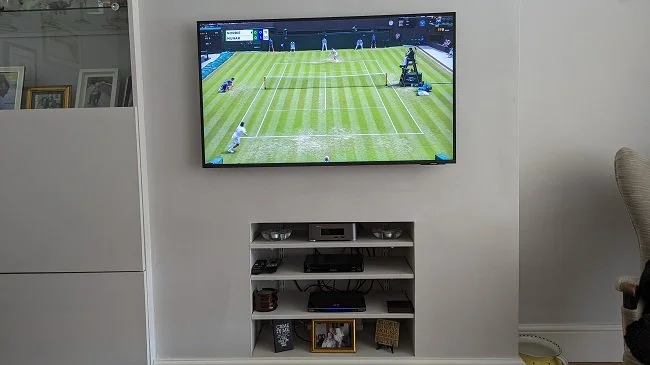
Our TV is mounted on the chimney breast in our lounge and we have a sofa in front of it about 8 feet away. The DVR, Blu-ray and media player are on shelves in the fireplace below. Although practical this is not necessarily convenient from a technological perspective. The roof aerial is in the loft above the lounge so the cabling comes down the chimney. However, providing sufficient power outlets and internet access is a challenge. For safety and cosmetic reasons Mrs P is not keen on long ethernet cables, even if they’re neatly pinned to the skirting board. The wireless bridge solution works and the data transfer rate is sufficient but wifi is not always a reliable means of providing internet access. As and when we next move, a lot more thought will go into ensuring that there are enough electrical sockets and data ports exactly where they’re needed.
I am extremely pleased with the new Zidoo Z10 Pro media player. It runs on Android 9.0 and plays a wide variety of file formats. Files can be stored either in an internal or external drive or streamed from a source on your home network. Most of my film collection is encoded in x264, however I can now play back 2160p content encoded in x265. It has been most interesting to watch The Lord of the Rings and The Hobbit trilogies in 4K. I am still undecided on the aesthetics of the format as it does lose an element of cinematic quality, while gaining visual clarity. Another benefit of the Z10 Pro is how easy it is to install apps for any streaming services that you may use. There are also some interesting customised variants such as Smart Tube; a client for Android TV with additional playback features and a conspicuous lack of adverts. The GUI can be customised, providing thumbnail images of your content, although I find it does misidentify films, especially more obscure titles.
I wrote in my last post, six year ago, that sound was the weak link in my home entertainment system and that remains the case. I still need a sound bar or something similar as the television’s integral speakers are somewhat lacklustre. However, such a purchase will have to wait another month or two for financial reasons. Overall, both Mrs P and I are happy with the new set up. It took a while to disable a few features on the new TV that were being “over helpful” such as HDMI-CEC. We also have a policy of “if it’s not being used, remove it from the home screen” as this tends to reduce confusion and scope for “pressing the wrong button”. Hopefully our current home entertainment system is future proof for the time being. I do tire of the upgrade treadmill sometimes, having seen the rise and fall of so many formats over the years. In the meantime we intend to enjoy what we have.
BT Full Fibre
There is still a major “digital divide” in the UK despite the issue being on the political agenda for the last decade or so. Rural areas still suffer from slow internet speeds and a lack of choice with regards to ISPs. It is the wealthy urban communities that tend to have the best internet infrastructure and thus the best services. There are many third party companies that have been proactively installing fibre and competing against former monopoly holder British Telecommunications in recent years. The borough where I live has already seen Virgin Media roll out its cable services and offer customers 1Gbps internet connections. Hence BT has expedited the implementation of its Full Fibre service over the last twelve months, in a proactive attempt to compete and win back its share of the market. They are currently offering a range of services at very favourable prices. Something I decided to avail myself of.
There is still a major “digital divide” in the UK despite the issue being on the political agenda for the last decade or so. Rural areas still suffer from slow internet speeds and a lack of choice with regards to ISPs. It is the wealthy urban communities that tend to have the best internet infrastructure and thus the best services. There are many third party companies that have been proactively installing fibre and competing against former monopoly holder British Telecommunications in recent years. The borough where I live has already seen Virgin Media roll out its cable services and offer customers 1Gbps internet connections. Hence BT has expedited the implementation of its Full Fibre service over the last twelve months, in a proactive attempt to compete and win back its share of the market. They are currently offering a range of services at very favourable prices. Something I decided to avail myself of.
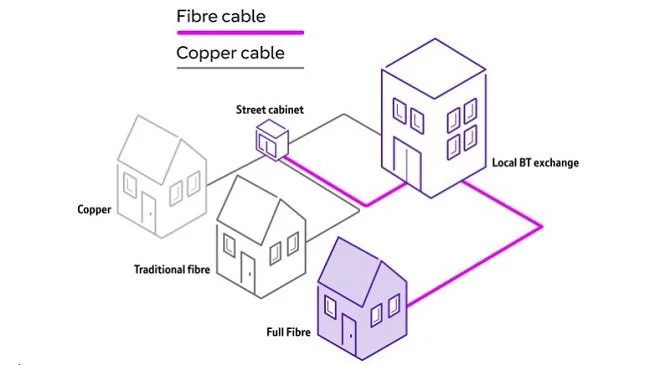
As an existing BT customer, I have recently been paying for a Fibre to the Cabinet broadband service of 50Mbps. Our household’s existing package also includes BT TV; a terrestrial and IP TV package via a bespoke DVR, along with a SIM only mobile call plan and an old school analogue landline. This is hardly a bad service compared to other parts of the UK. However, having access to Fibre to the Premises and potential speeds of 900Mbps is a major selling point so I did some investigating to see what sort of upgrade I could get for a nominal price increase. I was pleasantly surprised by the results. We were offered a deal where we could keep all the extras such as the TV and SIM package exactly as it is and move on to Full Fibre 100 which is the base level FTTP service. It provides speeds of 150Mbps and for the first six month the price is discounted, meaning a saving of £10 a month. When the discount expires, the full price is still reasonable, so we accepted the offer.
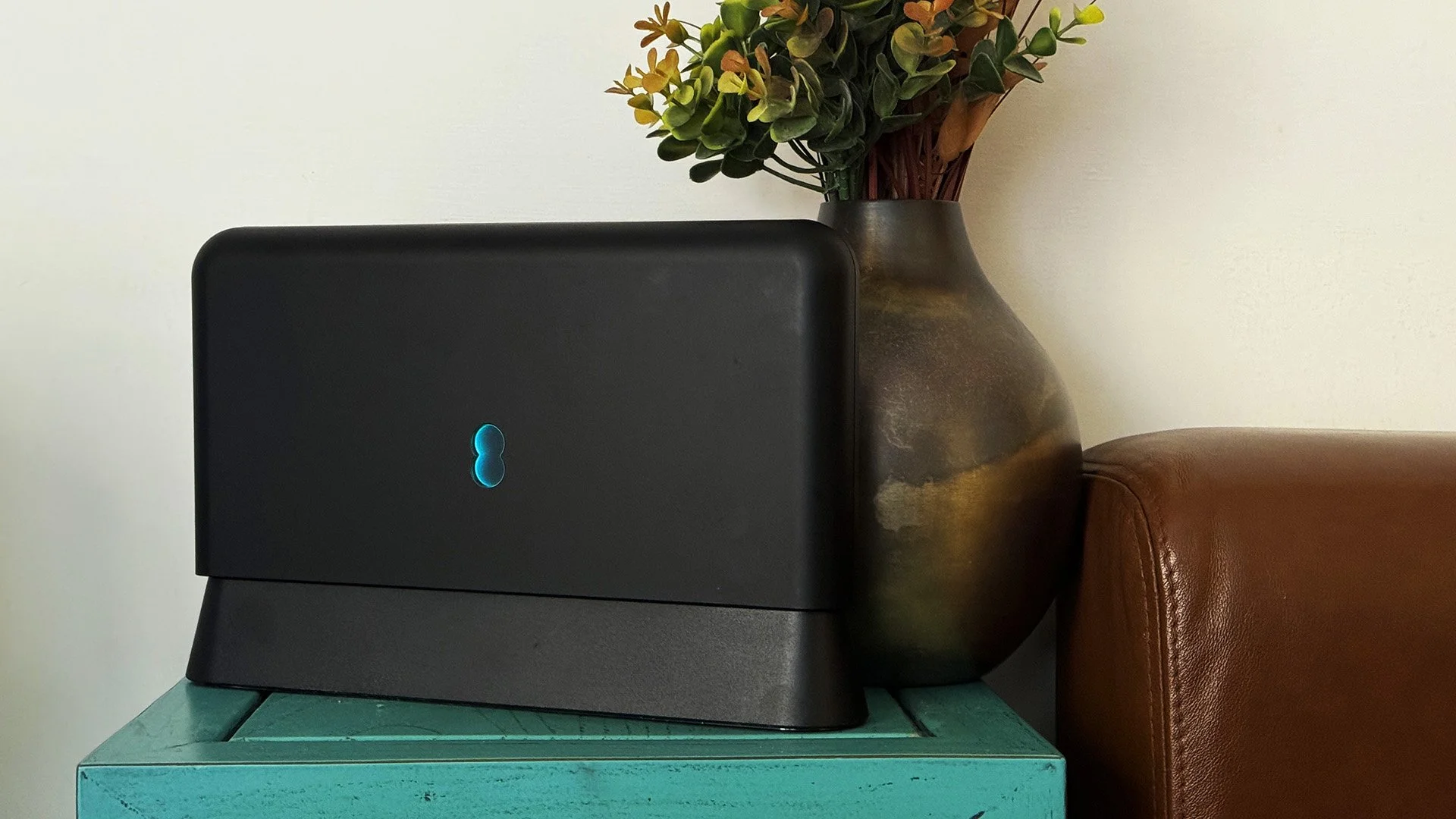
Yesterday, a BT engineer came to our house and installed the new BT Full Fibre service. A new cable was connected to the property from the telephone pole outside. A small junction box was discretely installed on the side of the house and the cabling tidily hidden from view. A small hole was drilled through the outside wall into the corner of the spare room which I use as an office. The world’s smallest modem was then attached above the skirting board, next to my desk. The whole enterprise took less than an hour. I’ve kept my existing router which now connects to the new modem instead of the traditional BT master phone socket. Internet speeds were immediately at the rate specified. The disruption to internet access was minimal. Another change worth mentioning is that our previous telephone handset for the landline has been superseded by a new one which works via voice over IP.
The internet is an integral part of my day to day life. Hence, upgrading my home internet connection to FTTP is no different in my opinion to building an extension to my house or buying a bigger car to accommodate a growing family. I am simply increasing capacity to support increased usage. Nobody ever says “ I need less internet bandwidth”. The cost of this enterprise has been acceptable and within our household budget. We’ve signed another two year contract with BT but as our business relationship with them is equitable, this does not present any problems. Now that FTTP has been installed, the bandwidth can be increased at a future date if it is required. Once again, I consider myself very fortunate to live in an area where such infrastructure is in place and accessible. Should we move house in the future, I suspect that internet access will be a key factor in our search and overall choice.

New Phone, New Tariff
Technically, I don’t need a new phone. The Samsung Galaxy S10 5G I have already works fine and despite being over 2 years old is still a robust handset. However, my current contract with Vodafone has expired. So I have decided not only to upgrade my phone but to revise my phone tariff. The latter was based upon call and data usage from when I was still working fulltime and reflected how I used my phone back in 2015. Nowadays, I have more incoming calls than outgoing and communicate mainly by text and WhatsApp. I use very little data outside of my home and when I do, I use a lot of the free Wi-Fi coverage that is available locally. Hence I have chosen a new package that suits my phone use and doesn’t come with superfluous trinkets and baubles that I’ll never use.
Technically, I don’t need a new phone. The Samsung Galaxy S10 5G I have already works fine and despite being over 2 years old is still a robust handset. However, my current contract with Vodafone has expired. So I have decided not only to upgrade my phone but to revise my phone tariff. The latter was based upon call and data usage from when I was still working fulltime and reflected how I used my phone back in 2015. Nowadays, I have more incoming calls than outgoing and communicate mainly by text and WhatsApp. I use very little data outside of my home and when I do, I use a lot of the free Wi-Fi coverage that is available locally. Hence I have chosen a new package that suits my phone use and doesn’t come with superfluous trinkets and baubles that I’ll never use.
I was paying £52 a month for my previous tariff which came with 5G coverage, 5GB of data and unlimited local calls and texts. I have now managed to cut this down to £24 a month. The data allowance has been reduced to 2GB but as I seldom use this, it makes no difference. I still have the unlimited calls and texts and this tariff is devoid of free subscriptions to Disney + and Spotify. Furthermore, 5G coverage in my local area has improved substantially in the last two years and is still included. I have also broken with my tradition and decided not to get a Samsung handset. I have chosen a Google Pixel 6 mainly out of curiosity. If I find that the handset is not to my liking I can always resume using my old phone and sell the new one. However, from what I’ve read the Google Pixel 6 should suit my needs and not present any major problems.
It is curious how in the space of 15 years, smartphones have gone from functional technology to fashion accessories, as well as an integral part of our daily lives. I must admit, if I do not have my phone with me when I’m out and about, I do feel anxious and “undressed”. It is a similar feeling to when I’m not wearing my watch, although I suspect that may be a generational thing. Overall, I am happy with the new phone tariff I have secured. A saving of this magnitude is beneficial, especially in light of the ongoing cost of living in the UK. If I do find myself returning to the job market later this year, which is a real possibility, then this tariff is sufficiently flexible to accommodate any changes to my call pattern and overall phone usage.
Windows 11
I recently bought a new laptop which shipped with Windows 10 preinstalled. As I use this device mainly for writing and web browsing, I deemed it the perfect test environment for Windows 11. I have very few programs (sorry, I believe we now have to universally refer to them as “apps”, regardless of the platform) installed, there was minimal risk of running into compatibility issues. So I duly installed the free upgrade and to date there’s been no major problems. So far there have been some minor changes associated with contextual menus but nothing that I’d label a deal breaker. I can live with the visual changes and such like. I look forward to experimenting with the installation of Android apps which this version of Windows is supposed to support. Overall, this upgrade has been a success.
I recently bought a new laptop which shipped with Windows 10 preinstalled. As I use this device mainly for writing and web browsing, I deemed it the perfect test environment for Windows 11. I have very few programs (sorry, I believe we now have to universally refer to them as “apps”, regardless of the platform) installed, there was minimal risk of running into compatibility issues. So I duly installed the free upgrade and to date there’s been no major problems. So far there have been some minor changes associated with contextual menus but nothing that I’d label a deal breaker. I can live with the visual changes and such like. I look forward to experimenting with the installation of Android apps which this version of Windows is supposed to support. Overall, this upgrade has been a success.
However, and there always seems to be a however, that was not the case with Mrs P’s new laptop. That model shipped with Windows 11 in S Mode. According to the Microsoft website “Windows 11 in S mode is a version of Windows 11 that's streamlined for security and performance, while providing a familiar Windows experience. To increase security, it allows only apps from the Microsoft Store, and requires Microsoft Edge for safe browsing”. Which explained why I couldn’t install Mozilla Firefox. I suppose I can see the logic of having such a facility, especially for those who are not especially tech savvy. However, for someone like myself who is very particular about how they configure a laptop or desktop PC, this mode was nothing short of infuriating. It requires creating a Microsoft account and changing your settings online to disable this mode. Something else I wasn’t entirely happy about.
From what I’ve learned from some online research, the main differences between Windows 10 and 11 are mainly in advanced features, design and aesthetics. It would appear that the fundamental architecture is the same. A summary of new features and functionality is as follows:
Design and interface
Android app integration
Better virtual desktop support
Easier transition from monitor to laptop
Microsoft Teams added to the Taskbar
Widgets
Enhanced touchscreen, voice and pen support
Xbox tech to improve gaming
As I stated earlier, upgrading my laptop to Windows 11was a calculated risk that paid off with minimal problems. At present my desktop PC in my office is still running Windows 10 and due to the wealth of games and other software that is installed, I am reluctant to upgrade when there is scope for far greater inconvenience if things do not go well. Hence, I shall defer changing operating systems for a while longer, having learned over the years the hard lessons of being an early adopter. At some point I obviously will have to upgrade but by then if there are any “issues” associated with Windows 11, they will hopefully have been rectified. As I’ve stated before, it would be nice if Windows per se had the facility to disable or uninstall the features that you don’t use or need.
Upgrade Culture
Prior to her retirement in 2014, Mrs P bought a HP laptop (HP 15-g094sa). The model was chosen based upon her needs and budget. The fact that it was purple was also a contributory factor. This laptop came with Windows 8 installed and over the years has been upgraded to Windows 10. Being an older model it has a HDD rather than a SSD. However, given what it is used for, IE emails and online shopping and nothing else, it has always been able to cope with the task in hand. 8 years later the specifications should still be adequate to do these specific things (AMD Quad-Core A8-6410 APU). Sadly, the continued growth of Windows 10 has meant that the operating system has gotten bigger and more bloated with features. Hence this laptop struggles with updates, often spending 30 minutes or more each time it’s turned on, which is possibly only once a week. Overall, it is no longer the useful and convenient tool that it was when bought.
Prior to her retirement in 2014, Mrs P bought a HP laptop (HP 15-g094sa). The model was chosen based upon her needs and budget. The fact that it was purple was also a contributory factor. This laptop came with Windows 8 installed and over the years has been upgraded to Windows 10. Being an older model it has a HDD rather than a SSD. However, given what it is used for, IE emails and online shopping and nothing else, it has always been able to cope with the task in hand. 8 years later the specifications should still be adequate to do these specific things (AMD Quad-Core A8-6410 APU). Sadly, the continued growth of Windows 10 has meant that the operating system has gotten bigger and more bloated with features. Hence this laptop struggles with updates, often spending 30 minutes or more each time it’s turned on, which is possibly only once a week. Overall, it is no longer the useful and convenient tool that it was when bought.
Recently, Google sent an email regarding it ceasing support for older email clients that don’t conform to the latest security protocols. Mrs P’s laptop has an installation of Microsoft Office 2010 and Outlook will no longer be able to download directly from her gmail account in May. Combined with the performance issues caused by the ever increasing heft of Windows 10, I recommended that the laptop was replaced and Office 365 installed. To cut a long story short a new HP laptop has been purchased (HP 14s-dq2019na). This new model based on an Intel Core i3 processor is more than adequately specified to run Windows 10 and I will probably take the opportunity to upgrade to Windows 11. However, this costly undertaking, which also comes with a requirement to migrate data, has purely been driven by Microsoft and Google. Considering what the laptop is used for, the original specifications of the first model should still be adequate. This is all down to upgrade culture.
Upgrade culture seems to be driven by several factors. The ever growing software which reduces performance in return for superfluous functionality. The myth that anything new is by default superior, despite the fact that in the mobile phone and tablet market we’ve seen a slow down in significant performance increases between new hardware releases. And then there’s the “accessorisation” of technology. Tech is no longer just functional, it’s fashionable, aspirational and inspirational, as well as other bullshit marketing terms. Apparently, I’m due a mobile phone upgrade roundabout now. There’s nothing wrong with the Samsung Galaxy S10 5G that I currently own. I’ve had this since December 2019 and the phone is in good condition and performs just as well as it did back then. Anything new will simply have a fancier camera, although I dispute claims that I need better than I have already. Other sellings points will more than likely be gimmicks or that is how I perceive them. A screen that folds is not essential for me.
I am aware that I could install an alternative operating system on Mrs P’s laptop and it would potentially run as good as it did back in 2014 but that is not ideal for someone who is not especially confident with tech per se. Ultimately, we’re fortunate to be in the position to afford a replacement laptop although it is somewhat galling when one considers that the requirement to upgrade has been forced upon the user for “questionable” reasons. If Microsoft and other companies insist upon expanding the functionality of their software, it would be nice to be able to selectively remove the “stuff” you don’t want. Especially if it has an impact upon your systems performance. But I suppose that a free product such as Windows is not going to allow that sort of control and empowerment to be available to customers. It would impact hardware sales and upset an established business model. So we continue to upgrade continuously, while our obsolete tech piles up, awaiting recycling. The phrase “unsustainable” comes to mind for some reason.
A Year in Technology
Getting older does have a few benefits. One of them, if you are fortunate enough to embrace the concept, is a degree of self awareness and the ability to be honest with yourself. Over the years I have tried to adjust my technological habits but ultimately I am a creature of habit. My use of technology and consumption of content has been determined by the decades I grew up in. Therefore, I am a PC user and prefer to sit in my office where I write, play games and peruse the internet. I have my desk set up in a way that suits my needs and I can go about my business in comfort. When away from my office, I rely heavily on my phone as an alternative platform. In some instances phone based apps offer a superior experience to the desktop or browser based PC alternatives. Banking being one example. For better or for worse this is how I do things and I am comfortable with these choices.
Getting older does have a few benefits. One of them, if you are fortunate enough to embrace the concept, is a degree of self awareness and the ability to be honest with yourself. Over the years I have tried to adjust my technological habits but ultimately I am a creature of habit. My use of technology and consumption of content has been determined by the decades I grew up in. Therefore, I am a PC user and prefer to sit in my office where I write, play games and peruse the internet. I have my desk set up in a way that suits my needs and I can go about my business in comfort. When away from my office, I rely heavily on my phone as an alternative platform. In some instances phone based apps offer a superior experience to the desktop or browser based PC alternatives. Banking being one example. For better or for worse this is how I do things and I am comfortable with these choices.
At present, possibly the most redundant piece of tech hardware I own is my Amazon Fire HD 10. It’s a nice size tablet and the specs were fairly robust back in Autumn 2018 when I bought it. But on a day to day basis I simply don’t use it. The Kindle book function was its main selling point but Audible has lured me into the world of audiobooks which I prefer. I would hazard a guess that I’ve probably only turned on this device 3 times during the course of 2021. I suspect I may sell this device in 2022, not because I’m averse to mobile “culture” per se but because my phone already meets all my needs in this respect. My Samsung Galaxy S10 5G, which I had since December 2019, is the most robust handset I’ve owned. It has a large screen and a powerful processor and outperforms the tablet in every respect.
Looking back over the last twelve months most of my technology based purchases have been either replacements or upgrades to existing items. I’ve written previously about how I seem to kill PC peripherals and 2021 was no exception. I had to replace an Xbox controller and a USB microphone this year. Sadly the latter still hasn’t been used in conjunction with the Bluetooth Earbuds. However, I am very pleased with the Soundbar I bought in the Summer and am impressed by the quality of the audio. It has certainly improved the cable management of my office desk. My recent acquisition of a laptop has also proven beneficial as I have had to spend an increasing amount of time at my parent house this year. I must reiterate my surprise at how much laptops have improved in recent years with regard to specifications, performance and weight.
As I write this post, the elephant in the room actually resides on the left hand side of my desk. The jury is still out as to whether the Nintendo Switch was a good purchase or not. It gets used for social gameplay, when we have guests (usually my granddaughters). I relocate the device to the lounge and connect it to the TV. However, I seldom use it for handheld gaming and I’m not even sure if this is down to not finding the right game. Fundamentally, I think that playing video games in this way just isn’t for me. Furthermore, if I were to obtain any other form of console, I suspect that I wouldn’t really get on with them either. For me gaming is done on the PC, predominantly with a keyboard and mouse. Anything else just doesn’t feel “right”. However, I shall keep the Switch and possibly buy a few more social games in 2022. Although I don’t use it that often it is very well received by my grandchildren.
At present, I have no immediate plans to buy any more tech in the New Year. A new television may well be required at some point in the next twelve months as the current one is reaching the end of its lifespan. There is also the possibility of our existing Internet Service Provider offering Fibre to the Premises in April. My dreams of a 100Mbps connection could become a reality. Apparently, I’m eligible for a mobile phone handset upgrade in February. A decade ago this would have thrilled me and I would have spent hours pawing over reviews and comparisons websites. At present the prospect elicits no more than a roll of the eyes. All of which is indicative of a shift in my relationship with technology. A relationship which I am now truly comfortable with. After all “the tail doesn’t wag the dog”.





















Internet Service Providers and Choice
I would like to make my point by recounting a tale that hopefully demonstrates it. Are you sitting comfortably? Then let us begin. I am trying to find a new Internet Service Provider for my Mother’s home. The existing one, British Telecom, cannot meet the parameters of the service contract that’s in place. Simply put, the existing fibre to the cabinet (FTTC) connection is unstable and drops 40+ times a day. We’ve had 6 engineer visits in the last 3 months and the problem hasn’t been resolved. It probably won’t because the issue is specifically at the cabinet and I cannot see BT making major changes to such a major piece of infrastructure for the benefits of just one customer. The problem with trying to find another ISP is that they mostly provide FTTC connections, so any new internet connection will still include the “troublesome” cabinet that then links to my Mother’s house. Hence I will more than likely just be swapping one poor quality internet connection for another.
I would like to make my point by recounting a tale that hopefully demonstrates it. Are you sitting comfortably? Then let us begin. I am trying to find a new Internet Service Provider for my Mother’s home. The existing one, British Telecom, cannot meet the parameters of the service contract that’s in place. Simply put, the existing fibre to the cabinet (FTTC) connection is unstable and drops 40+ times a day. We’ve had 6 engineer visits in the last 3 months and the problem hasn’t been resolved. It probably won’t because the issue is specifically at the cabinet and I cannot see BT making major changes to such a major piece of infrastructure for the benefits of just one customer. The problem with trying to find another ISP is that they mostly provide FTTC connections, so any new internet connection will still include the “troublesome” cabinet that then links to my Mother’s house. Hence I will more than likely just be swapping one poor quality internet connection for another.
If I want to bypass this problem, I need a fibre to the premises (FTTP) connection. That means running an additional fibre optic line from the cabinet to my Mother’s home which is two streets away. No ISP in the area currently does this for home connections, due to the installation costs. They will for a new business connection and a long term contract but the price for this is prohibitive for home users. However, cable TV provider Virgin can provide a fibre connection but to do so means digging up the drive in front of the house to connect their network. This is a significant amount of work with a similar cost implication. Plus for ethical reasons I try to avoid doing business with Virgin. The only other alternative is a mobile internet solution using 5G. It has been rolled out in South East London but the coverage is “patchy”. Hence it would appear that no company can provide me with a stable 50Mbps internet connection at present.
Because I live in Greater London it can be argued that I have far more choice with regard to Internet Service Providers compared to other parts of the UK. In principle that is true. I have friends and family that live in more rural areas and they are often stuck with just one possible supplier and that is BT. Often this means that the only services available are low grade ADSL connections and nothing else. However, as my situation demonstrates, the so-called choice available in urban areas is often an illusion, amounting ultimately to nothing more than “same meat, different gravy”. Until fibre to the premises and other wireless solutions becomes commonplace, many ISPs will remain reliant upon legacy BT infrastructure and therefore at risk of being hamstrung by issues arising from it.
What makes this matter far more galling is the fact that the UK allegedly has one of the largest and competitive markets for domestic home internet services in the world. A Google search shows that hundreds of ISPs exist in this sector offering a growing number of alternative network platforms as well. However, although I do not doubt this, many of these companies seem to be concentrated in specific parts of the UK due to population density and existing infrastructure and therefore aren’t accessible to customers elsewhere. It’s the same situation we’ve endured for years with regard to rail, bus and postal services. Businesses naturally favour areas which have the most lucrative potential return on investment. Hence for me and many other UK customers seeking stable, functional internet access at acceptable speeds, choice is still a loaded term and isn’t necessarily available despite advertisements to the contrary.
Laptops Have Changed
I am spending more and more time at my Mother’s house due to my caring duties. Hence I recently determined that I need a laptop so I can continue to write during some of the slacker moments. For a while I’ve been using my sister’s but to put it succinctly it’s an obsolete piece of shit that runs slower than a rusty abacus. So I decided to buy a Chromebook as they offer a means to do what I need to do but on a fiscally prudent budget. However, due to a complicated administrative error that I can’t be bothered to go into here, I have ended up with a more traditional laptop running Windows 10. Mercifully this has not cost me anymore than I initially planned to spend, so ultimately I have come out ahead in this situation. Hence, I now own a Dell Inspiron 15 3000. It has a 15.6” Full HD display, an AMD Ryzen 5 3500U processor, Radeon Vega 8 graphics, 8 GB RAM and a 256 GB SSD. Not a bad spec, considering I was originally intending to get a Chromebook.
I am spending more and more time at my Mother’s house due to my caring duties. Hence I recently determined that I need a laptop so I can continue to write during some of the slacker moments. For a while I’ve been using my sister’s but to put it succinctly it’s an obsolete piece of shit that runs slower than a rusty abacus. So I decided to buy a Chromebook as they offer a means to do what I need to do but on a fiscally prudent budget. However, due to a complicated administrative error that I can’t be bothered to go into here, I have ended up with a more traditional laptop running Windows 10. Mercifully this has not cost me anymore than I initially planned to spend, so ultimately I have come out ahead in this situation. Hence, I now own a Dell Inspiron 15 3000. It has a 15.6” Full HD display, an AMD Ryzen 5 3500U processor, Radeon Vega 8 graphics, 8 GB RAM and a 256 GB SSD. Not a bad spec, considering I was originally intending to get a Chromebook.
I haven’t owned a laptop for about 15 years. Man, how things have changed. My new laptop is a fairly thin and surprisingly quiet device. It is also relatively light. I can remember a time when manufacturers would sometimes attempt to cram a full size, top-of-the-range processor into a huge and ungainly chassis in their pursuit of performance. It would seem that physical media drives are now consigned to the history books, as this laptop is conspicuously lacking any peripherals of this nature. The damn thing also spoke to me when I booted it up for the first time, with Cortana kicking in and making some soothing comment about taking care of configuring things. And then there’s the ubiquity of the internet. It is assumed that this shiny new laptop will be immediately connected to a high speed, wireless internet connection so that the operating system can update itself and I can then have swathes of meaningless bullshit pumped to my desktop.
Therefore, the streamlined modern laptop with its lack of peripherals (beyond an external mouse) is a lightweight affair. I found my Father’s old laptop bag and have started using it. The modest sized AC adapter doesn’t add too much to the overall weight and so carrying the laptop between houses is hardly a chore. In the past I have purchased outsized rucksacks and struggled under the excessive load of my laptop like a Bolivian pack mule. I suppose this improvement in portability is another marketing point, although I don’t feel disposed towards taking my laptop with me everywhere and “working on the fly”. For me a busy McDonalds is hardly a conducive environment for writing but each to their own. Certainly the 1080p display is convenient for watching either YouTube or my own collection of film and TV content. Apparently this laptop also has Bluetooth, so it is easy to connect earbuds. Again functionality such as this or a webcam used to be considered as additional, whereas now it is just standard.
I suppose the biggest change underpinning laptops is their perceived function and more to the point, how they go about providing that. In the past (and by this I mean in my experience between 2000 and 2010) the laptop was a means to provide all the functions of your desktop PC and office network but at home or on the move. Hence there were numerous peripherals that would go hand in hand with a top of the range laptop. Nowadays, the laptop is more of a conduit that assumes by default the presence of the internet, so that the device can connect to the cloud resources we all rely upon these days. Gone are the requirements of local installations of important software, as we now use web based apps. Such an approach certainly takes a load off the laptop per se but it also means that the user is dependent on the internet and any loss of service greatly impacts upon productivity. As the title of this post states, laptops have changed.
Yet More PC Peripherals or How I killed a Game Controller in Under a Year
I bought a new game controller for my PC last September. Specifically a PowerA Spectra Enhanced Xbox One Wired Controller for £35. I chose this model as it has good reviews and is deemed a good alternative to the exorbitantly priced official Microsoft equivalent. I chose a wired controller to further keep the cost down. I mainly use a keyboard and mouse for PC gaming but specifically use a game controller for driving vehicles or for titles with simpler game mechanics like Fall Guys: Ultimate Knockout. Much to my surprise after less than a year this game controller has developed a problematic left thumbstick. It doesn’t register direct forward movement which is a major impediment. I have recalibrated the entire controller via Devices and Printers in Windows 10 but the problem persists indicating a physical fault with the controller.
PowerA Spectra Enhanced Xbox One Wired Controller
I bought a new game controller for my PC last September. Specifically a PowerA Spectra Enhanced Xbox One Wired Controller for £35. I chose this model as it has good reviews and is deemed a good alternative to the exorbitantly priced official Microsoft equivalent. I chose a wired controller to further keep the cost down. I mainly use a keyboard and mouse for PC gaming but specifically use a game controller for driving vehicles or for titles with simpler game mechanics like Fall Guys: Ultimate Knockout. Much to my surprise after less than a year this game controller has developed a problematic left thumbstick. It doesn’t register direct forward movement which is a major impediment. I have recalibrated the entire controller via Devices and Printers in Windows 10 but the problem persists indicating a physical fault with the controller.
It is disappointing that this PC peripheral has failed so soon. What makes it more frustrating is that this particular model feels very robust to the touch. It has a weight to it that implies a solid build and quality. However, after perusing Google, it would appear that thumbstick drift and failure are common problems and can affect most brands of game controllers, including the more expensive models. So rather than attempt a repair (as I did last summer which ultimately proved unsatisfactory), I have elected to buy a replacement. I recently installed Days Gone and so require a game controller for the parts of the game that take place while driving a motorbike. I briefly considered purchasing a USB Bluetooth adaptor and using my Nintendo Switch Pro controller. However, this requires additional software to make it PC compatible and then you have to customise the control settings for each game.
JAMSWALL Xbox 360 Controller
Last night, I spent over an hour trawling through listings for both high end and budget game controllers on various websites. User reviews strike me as capricious to say the least and models at both ends of the spectrum receive both high praise and scathing comments. I often find after reading such customer feedback, that I am none the wiser as to making a decision. However, considering the very specific use I have for a game controller, I eventually decided to purchase a low cost model. If it fails then the initial investment won’t add insult to injury. I ended up buying a generic Xbox 360 style wired controller for £14 from some “no name” brand. It arrives today and it will be interesting to see how it feels and performs. As for the old controller, that has been added to an ever growing pile of PC peripherals and electrical items that are destined to go to my local recycling centre.
Damn Microphones
Back in 2010 there was a video game podcast boom, especially with shows driven by MMORPG fandom. Hence, in a fit of hubris, I decided to add my voice to the growing conversation. Or alternatively jumped on the bandwagon, depending upon your point of view. The accessibility of the tools to create and distribute a podcast eliminated the traditional barriers to producing such material. Technically, the entire process of making a podcast remains quite simple. You record, edit, upload and promote. The quality of the podcast comes down to two factors. Your content and technical presentation. In this post I’d like to focus upon the latter. Podcasts are by their very nature, an audio medium, so it is important that those speaking are recorded clearly. Yes, this post is about microphones. How they can make or break a podcast (or live stream) and that they’re my new fixation.
Back in 2010 there was a video game podcast boom, especially with shows driven by MMORPG fandom. Hence, in a fit of hubris, I decided to add my voice to the growing conversation. Or alternatively jumped on the bandwagon, depending upon your point of view. The accessibility of the tools to create and distribute a podcast eliminated the traditional barriers to producing such material. Technically, the entire process of making a podcast remains quite simple. You record, edit, upload and promote. The quality of the podcast comes down to two factors. Your content and technical presentation. In this post I’d like to focus upon the latter. Podcasts are by their very nature, an audio medium, so it is important that those speaking are recorded clearly. Yes, this post is about microphones. How they can make or break a podcast (or live stream) and that they’re my new fixation.
So let’s begin with some technobabble. Recording audio is a chain of events. You speak into a microphone that picks up the sound. The sound is pre-amplified and is then captured and converted to a digital format. The digital data is then saved, cleaned, edited and mixed into a final recording. This recording is then digitally distributed and consumed by listeners using their respective audio equipment. Like any chain, if there is a weak link then there’s a potential point of failure. Conversely, each step offers an opportunity for improvement. Good audio enhances the overall listening experience for your audience. Ultimately, if those listening are doing so with inferior audio equipment, that is a matter beyond your control. But you can ensure that your audio is the best it can be, prior to its distribution.
Mics on their own cannot produce a signal that is strong enough to just be recorded without going through a "pre-amplifier". This boosts the signal level to get the best quality audio saturation from the mic. However, this boosting affects the sound quality. As you can see, we’re only four paragraphs into this post and there are now both hardware and technical literacy requirements. However, for podcasting the practical solution is to use a USB microphone. These handle the pre-amp requirement and also convert the source audio to a digital format. But like any technology that does multiple tasks, there is a trade off. Like so many things in life you get what you pay for. A decent quality, brand name USB mic will cost between £100 and £200 or thereabouts. But you can also find some interesting “clone” products available which have similar specifications but are not manufactured by known brands.
It should be noted that simply buying the most expensive mic available is not by default going to solve your audio woes. No sir. The acoustics of the room in which you’re recording, the placement of the mic and how far you sit in front of it all have an impact. I was quite surprised how I improved the audio quality of a test recording simply by moving my chair a few inches closer to the desk on which the mic was placed. Pop filters of some kind are also essential. The simple reality is that if you’re using a USB mic on a desk stand or a boom you have to stay close to the mic and remain relatively still. This is a nuisance, if like me, you geticulate and are animated while extemporising. In the past I got away with this because I used a gaming headset to record my podcasts but this was at the expense of audio quality. The mic used to pick up the sound of the plastic creaking as my jaw moved the earphones.
Obviously there’s a lot more technical depth to microphones than I’ve covered. I’m just trying to summarise what I’ve learned of late and I’ve only scratched the surface. Furthermore, when I undertake a project I like it to be done in a professional fashion. Hence I am a hard taskmaster and will spend hours fine tuning software or hardware if I feel it will yield beneficial results. Yet no matter how much you tinker with either software or hardware, there are some things that you cannot change easily, such as how your voice sounds and your diction. I’m constantly horrified by the gulf between how I think I sound and the cold, stark reality of how I actually do. Like mirrors, microphones and not always flattering, damn them. But on the plus side, it is nice to have a requirement to use one again.






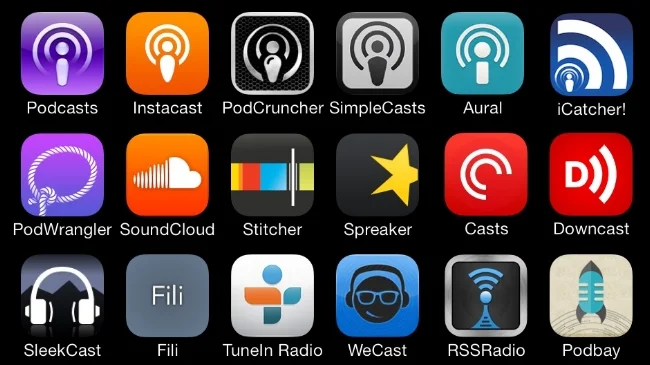











Fear of Missing Out (Again)
On May 20th, John McClane and Rambo were unceremoniously crowbarred into Call of Duty: Warzone as cosmetic skins available from the in-game store. If you felt that your life would be spiritually enriched by such a purchase then it cost about £34 for both, resulting in the community accusing Activision (and not Hans Gruber) of being an exceptional thief. Two weeks later the offer ended and the skins were withdrawn. Those who had missed the proverbial boat were left to cry into their beer and shake their fists at the capricious nature of the gods. Because “fear of missing out” is very real and all leisure industries know this and are happy to capitalise upon it. Never mind children and those adults who have learned to control their sense of compulsion. Capitalism’s reply is simply “am I my brother’s keeper”? Because loot boxes, limited time events and cosmetic products are just surprise mechanics”.
On May 20th, John McClane and Rambo were unceremoniously crowbarred into Call of Duty: Warzone as cosmetic skins available from the in-game store. If you felt that your life would be spiritually enriched by such a purchase then it cost about £34 for both, resulting in the community accusing Activision (and not Hans Gruber) of being an exceptional thief. Two weeks later the offer ended and the skins were withdrawn. Those who had missed the proverbial boat were left to cry into their beer and shake their fists at the capricious nature of the gods. Because “fear of missing out” is very real and all leisure industries know this and are happy to capitalise upon it. Never mind children and those adults who have learned to control their sense of compulsion. Capitalism’s reply is simply “am I my brother’s keeper”? Because loot boxes, limited time events and cosmetic products are just surprise mechanics”.
There is an inherent appeal to being part of something that is currently happening. To be at the cutting edge of something new or at the heart of a major event or talking point. It’s nice to belong, be part of a community and be able to say at a later date “I was there”. If you want to be less generous, it all can at times feel like a throwback to one’s adolescent years and not being excluded from the “in crowd”. One could even stray into the realm of armchair expertise and conjecture about the psychology of FOMO. Is it all part of the ongoing decline of society and the rise of the individual and consumer? Do we long to connect with others or are we just infantilised, emotionally stunted, perpetual teenagers who are incapable of countenancing going without? FOMO is indeed a complex social issue but as a business tool it is as plain as the nose on your face. People don’t like to miss out, so regularly offer them short term deals and watch the money come rolling in.
Is this man missing out or has he been deliberately excluded due to his choice of knitwear?
In my youth, I was often an early adopter. I was enamoured with new technology and would jump in feet first when a new product launched. I did this for a while with video games, often participating in alpha and beta testing and then enduring the iniquities of a bad launch. But I am older and wiser now, having learned the hard way. I’ll wait for an operating system, hand held device or game to be out some time nowadays before contemplating buying it. Let others ensure the bugs, flaws and lack of functionality. Most importantly, I am not fundamentally tormented by the notion that other people are having more fun than me at any time of the day. Doing things I can’t do or can’t afford to do. Because it’s a futile concept that if taken to extremes, will leave you constantly dissatisfied and envious.
A pop culture reference to contracts
Sure there are plenty of people who are currently indulging their personal vices or having a bacon sandwich, while I am not. But there are also people going to bed hungry or being tortured by the secret police, while I am not (although Mrs P does make me take out the recycling). FOMO is very much a first world problem and is very much underpinned by a sense of entitlement. I believe this may be a generational thing as I don’t remember anyone handing me a legally binding contract during my first day of school that stated that I’d always have “everything” and always “get my own way”. Joking aside, for me it is just a practical reality that you can’t do all the things you’d like. Occasionally I will have a pang of envy that I’ve not got that experience of playing World of Warcraft or that I have no association with sports. But these feelings are short-lived. Rather than worry about what I can’t do, I prefer to focus on what I can and therefore enjoy it all the more.
NB: I previously wrote a post about FOMO on 24th of September 2019. When you’ve been blogging for as long as I have some subjects are bound to come around more than once.
Dual Monitors
After years of trying to come up with some sort of half-assed compromise, I’ve finally bought a quality second monitor. A 24 inch 16:9 1080p Dell monitor was delivered on Tuesday and integrated into my existing desktop setup. I bought this model as it had two HDMI inputs and integral speakers. As well as serving as a second monitor for my PC, I also wanted the ability to connect my Nintendo Switch. Needless to say it all works perfectly. My primary monitor is another Dell 24 inch model but with a 16:10 ratio and a resolution of 1920 x 1200. I use this for writing and gaming. The second monitor is for web browsing, Twitter and other stuff that I tend to keep running when either blogging or playing an MMO. I bought new monitor stands and spent some time working out the optimal height for each screen so I don’t have to look up or down continuously while working. Both screens fit well within my field of vision, so do not require me to turn excessively from one to the other.
After years of trying to come up with some sort of half-assed compromise, I’ve finally bought a quality second monitor. A 24 inch 16:9 1080p Dell monitor was delivered on Tuesday and integrated into my existing desktop setup. I bought this model as it had two HDMI inputs and integral speakers. As well as serving as a second monitor for my PC, I also wanted the ability to connect my Nintendo Switch. Needless to say it all works perfectly. My primary monitor is another Dell 24 inch model but with a 16:10 ratio and a resolution of 1920 x 1200. I use this for writing and gaming. The second monitor is for web browsing, Twitter and other stuff that I tend to keep running when either blogging or playing an MMO. I bought new monitor stands and spent some time working out the optimal height for each screen so I don’t have to look up or down continuously while working. Both screens fit well within my field of vision, so do not require me to turn excessively from one to the other.
I started using my Father’s old Acer flat screen monitor a few years ago but it had a low resolution and was not particularly large, so I only used it when I was experimenting with live streaming. I also tried to use my Fire HD 10 tablet as a substitute monitor but it wasn’t a convenient or efficient workaround. My recent purchase of a Switch proved the best incentive as I can’t always use it with the lounge TV. Although I will play games such as Mario Kart in handheld mode, I prefer other titles such as Assassin’s Creed Black Flag to be played via a more substantial screen. Hence I’ve finally embraced the practicality of dual monitors. I also took the opportunity to replace my ageing twin speakers and subwoofer with a convenient soundbar. One particular model appeared in several of the reviews I read, so I ended up buying the Majority Snowden II. It provides the required level of quality without costing a fortune.
These changes have certainly improved the cable management under my desk, although it still remains somewhat complex. Although adding both these items of kit was simple in principle, the reality proved quite different. I had to disconnect every peripheral to accommodate my new desktop layout and it took a couple of hours of scrabbling around in confined spaces to sort it all out. However, I colour codes both ends of all cables in use, so if at some future date I have to unplug things, it will be a lot easier to identify which lead belongs to which device. Overall, I am pleased with my new desk layout. I’ve removed my “in tray”, the piles of notebooks and the mug filled with pens. I have just one of each item discreetly hidden behind my soundbar. Whether these changes will improve my writing productivity remains to be seen. However, they have made me feel better about my work and leisure space, which is half the battle. Perhaps I should have done this a lot sooner.