
The Importance of Voting in the December 12th 2019 UK General Election
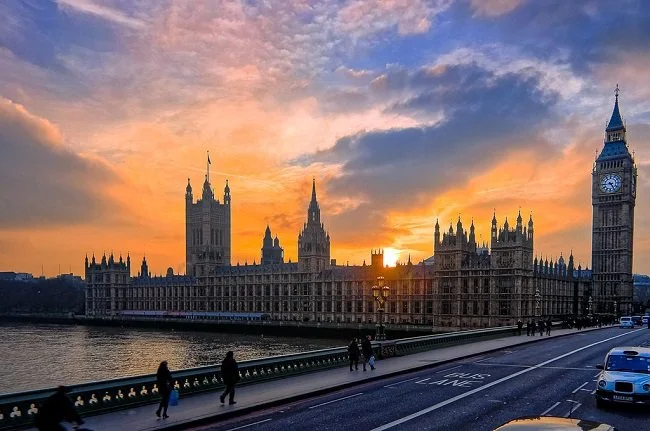
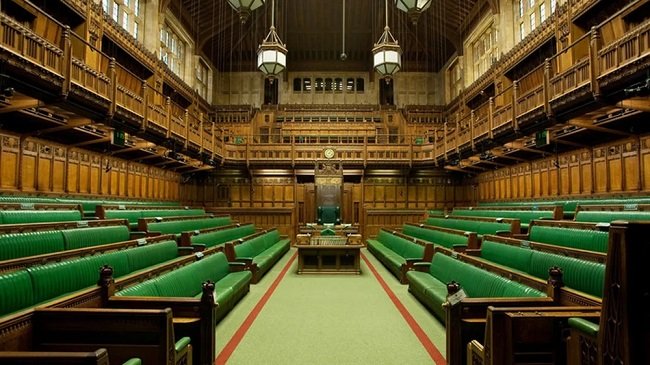
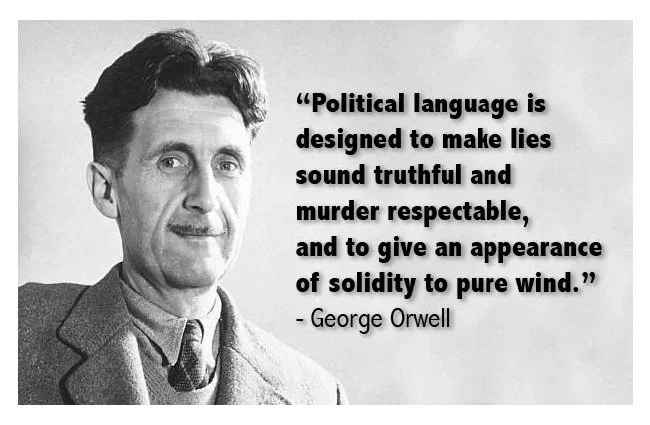
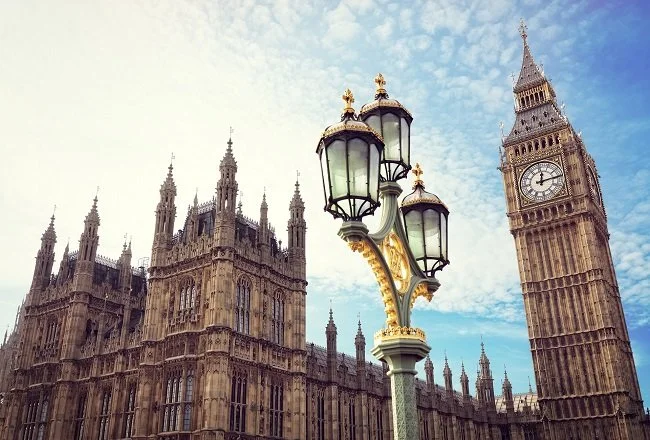
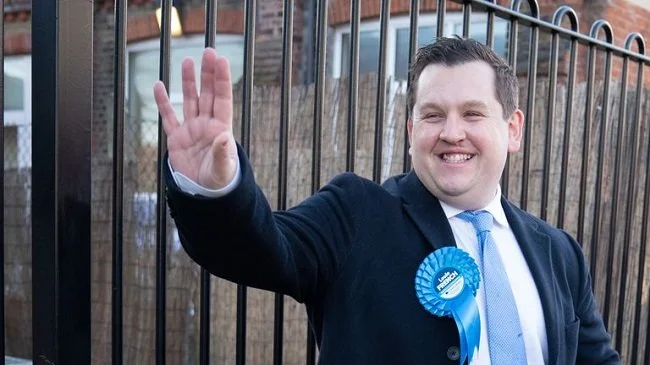
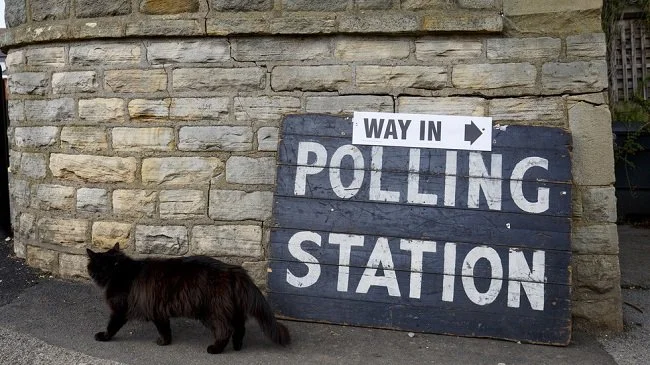
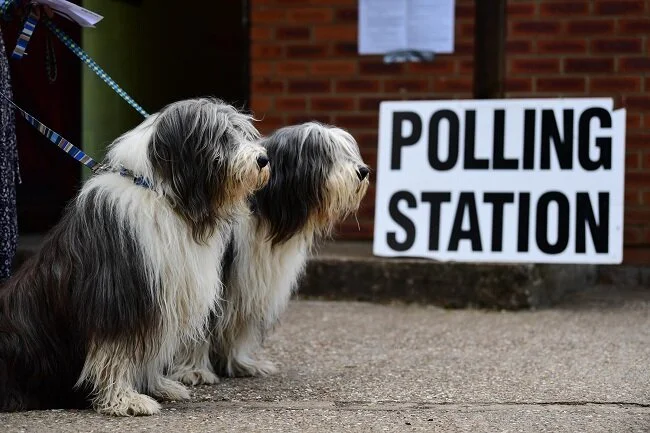
The UK is having a General Election on Thursday, December 12th. The third in five years. Due to the current volatile state of national politics, existing party loyalties are not in anyway guaranteed. The European Election in May of this year showed that many of the UK electorate where voting tactically. Furthermore the shadow of Brexit looms ominously over the forthcoming General Election and will further impact upon existing voting patterns. Simply put, this is an election unlike others we’ve seen in recent times. The outcome will have far reaching consequences. If there is a majority Conservative government, then the UK will leave the EU with the current deal. Trade negotiations will ensue and the country will face a period of transition. There is also scope that the deal on offer is rejected by hard-line Conservative MPs and there could be a “No Deal Brexit”. Alternatively, a majority Labour government could lead to a second referendum on both leaving the EU and Scottish Independence. A hung parliament should also not be ruled out, leading to potential coalitions or a National Unity Government.
The UK is having a General Election on Thursday, December 12th. The third in five years. Due to the current volatile state of national politics, existing party loyalties are not in anyway guaranteed. The European Election in May of this year showed that many of the UK electorate where voting tactically. Furthermore the shadow of Brexit looms ominously over the forthcoming General Election and will further impact upon existing voting patterns. Simply put, this is an election unlike others we’ve seen in recent times. The outcome will have far reaching consequences. If there is a majority Conservative government, then the UK will leave the EU with the current deal. Trade negotiations will ensue and the country will face a period of transition. There is also scope that the deal on offer is rejected by hard-line Conservative MPs and there could be a “No Deal Brexit”. Alternatively, a majority Labour government could lead to a second referendum on both leaving the EU and Scottish Independence. A hung parliament should also not be ruled out, leading to potential coalitions or a National Unity Government.
Voting in December’s General Election is therefore very important. The next parliament will shape the United Kingdom’s long-term social and economic future as well as our relationship with the rest of the world. Yet research by the Electoral Commission has found that 17% of eligible voters in Great Britain, as many as 9.4 million people, are either missing from the electoral register or not registered at their current address. Major errors affect up to 5.6 million people. The Commission also highlighted substantial differences in registration levels between younger people, renters, low-income and black and ethnic minority people, compared with older white people who own their homes. Furthermore, analysis clearly shows that older and wealthier members of the electorate are far more likely to go out to the polling stations to vote or utilise the postal ballot service.
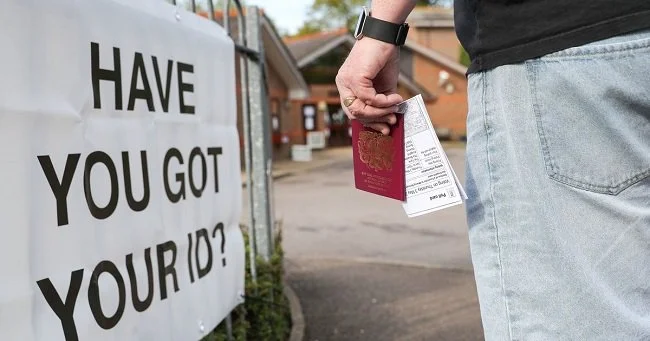
Earlier this year, voter ID was made compulsory in 10 voting districts despite voter impersonation making up just 3% of all alleged electoral offences at the previous local election. This experiment could become a national policy in the UK under a Conservative government. Presented as a means to tackle voter fraud, it has been seen by some as a deliberate way to disenfranchise specific groups of voters. Voters who are perceived not to be traditional Conservative Party supporters. The two specific types of personal ID required are a current UK Driver’s License or a UK Passport. Both of which have a significant cost associated with them and are statistically not so commonly held by certain socioeconomic groups in the UK. The same socioeconomic group that also tends not to vote regularly in elections and who are usually identified by pollsters as “leaning” towards the Labour Party.
The UK has an electorate of 46,843,896. The turnout in the 2017 General Election was 68.7%. However, 14,662,139 registered voters did not participate and chose not to vote. To put this significant number into context, the amount of uncast ballots is greater than the number of votes that any single party received. 13,636,684 people voted for the Conservative Party. 12,877,918 voted for the Labour Party. Simply put if these members of the electorate decide to vote in the forthcoming General Election it could significantly change the outcome. Since the 2016 EU Referendum, the UK electorate has become increasingly politically engaged. Current data doesn’t reflect to what level or how well-informed voters are but certainly people are more disposed towards adopting a political stance and acting upon it. Perhaps polling day on December 12th will have a larger turnout than usual, despite the time of the year. Or will voter apathy play a major role? If you wish to vote in the General Election then you must register by 11:59pm on 26th November.






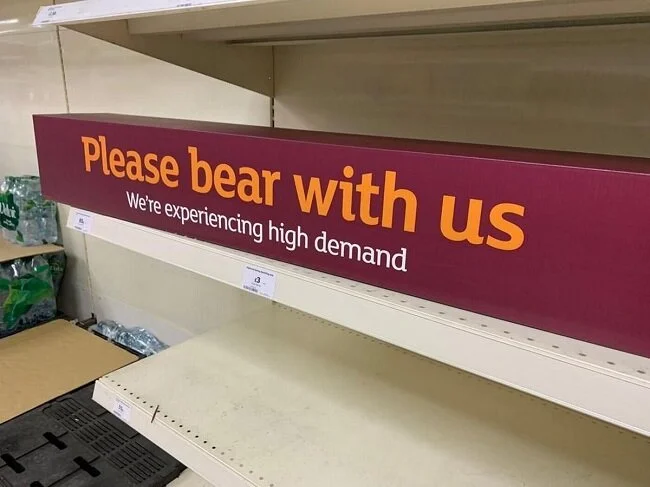


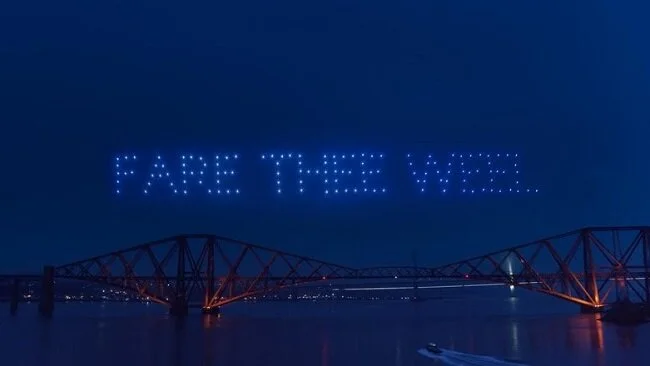
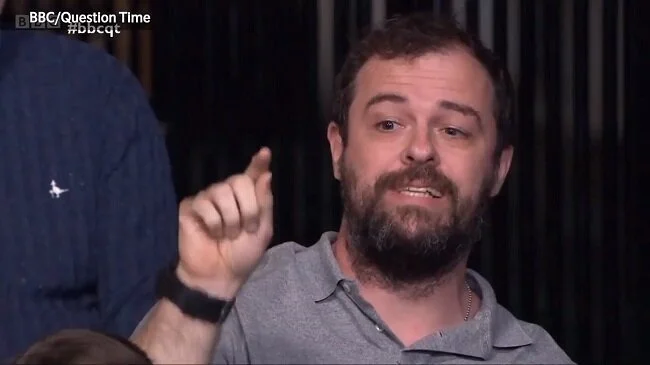

"Good Company"
I have been ruminating upon this writing this post for a long time. One of the reasons I’ve deferred it many times, is that it’s extremely personal and I have strong views on putting such information in the public domain. Another reason is that there is scope for what I’m going to express to be wilfully misconstrued. What I hope to explore is a legitimate point and ongoing aspect of my life. But if it’s not framed in an appropriate manner, it may well come off as snobbish and judgemental. So I shall try to be as succinct as possible. Since 2016, I have been a full-time carer for both my disabled parents. I know longer work in the traditional sense. Therefore, I no longer experience the social dynamic of the work environment. For better or ill, work does offer interaction with others and scope for wider social activities. I now experience a different variation of these. I speak and make small talk with nurses and carers. I go to the shops and quip with the pharmacist along with the staff in the supermarket and newsagent. Due to the litany of doctors and hospital appointment I take my parents to, I spend a lot of time waiting and interacting with “older people”. People the same age as my parents. IE forty years my senior.
A metaphor for friendship and good company
I have been ruminating upon this writing this post for a long time. One of the reasons I’ve deferred it many times, is that it’s extremely personal and I have strong views on putting such information in the public domain. Another reason is that there is scope for what I’m going to express to be wilfully misconstrued. What I hope to explore is a legitimate point and ongoing aspect of my life. But if it’s not framed in an appropriate manner, it may well come off as snobbish and judgemental. So I shall try to be as succinct as possible. Since 2016, I have been a full-time carer for both my disabled parents. I know longer work in the traditional sense. Therefore, I no longer experience the social dynamic of the work environment. For better or ill, work does offer interaction with others and scope for wider social activities. I now experience a different variation of these. I speak and make small talk with nurses and carers. I go to the shops and quip with the pharmacist along with the staff in the supermarket and newsagent. Due to the litany of doctors and hospital appointment I take my parents to, I spend a lot of time waiting and interacting with “older people”. People the same age as my parents. IE forty years my senior.
I make no claim to be “lonely” in the classic sense of the phrase. I live with Mrs P and we have a good relationship and do things toegether. But by not having a traditional work life, I am not mixing with people of a comparable age, nor am I spending time with those from the same academic discipline. I don’t miss the bullshit that is endemic to office politics but I do miss the company of likeminded people, as well as the problem solving that goes hand in hand with complex network infrastructure. I no longer speak with other about the news, science, philosophy or even fandom. I just make superficial small talk with strangers. Chat about the weather or the state of the bus service. I also nod politely but say nothing when someone decides to share their ill-conceived opinion on the latest contentious political issue. Plus I have to endure the cultural entrenched prejudices of the older generations. Something I find particularly unpleasant.
[Insert punchline about entrenched racism here]
I have a small circle of good friends, people I’ve known since college. But they’ve moved, had families and have done all the regular stuff that people do and as a result, we only see each other about three or four times a year. I don’t begrudge this in anyway. It’s all part of life’s rich pageant. So to address this social and what I would define as an “intellectual engagement” gap, I listen to a lot of podcasts and YouTube videos. Digesting the thoughts and musings of Richard Dawkin, Robin Ince, Brian Cox and Mary Beard is great for stimulating the grey matter. I also like to know the back story behind the current news and social talking points. I don’t mean lazy partisan arguments and simply taking a side. I like to understand the complexities that so often underpin all major debates. It’s an unfashionable position but that’s how I’m programmed. But although all these things can provide a great deal of mental stimulation, there can also be a downside. Pondering weighty matters makes me less disposed towards the mundane.
Now I have no intention of abandoning small talk and light weight social interactions as I go about my daily business. Courtesy is hardwired into my personality. Plus some of the old people I share a word with, may not have a great deal of contact with other people and I think it’s important to reflect upon this. It’s an utter cliché but it is still true that a “kind word goes a long way”. However, if I find myself circulating among guests at a family gathering it is often a struggle to find any robust conversation. Some people like to keep it simple because they know certain hot topics are contentious. Others, often those who are the least informed, seem to be the most confident and willing to share their “perspective”. Hence such social occasions are often a chore for me and I tend to avoid them unless I know specific people will be there, with whom I’ve had positive engagement in the past.
This man is clearly an expert
Without getting too much into “armchair expert” territory, let’s embrace a couple of broad universal truths. People are tribal by nature and usually seek company of those who are broadly similar to themselves. That’s not to say that we don’t sometimes have friends who are radically different than ourselves but usually there is a kind of social and intellectual parity within our peer group. To be removed from such a social mechanic is frustrating. As I stated initially, I don’t feel lonely. However, I do feel at times unengaged and like I’m stagnating. That I’m not testing my mettle or using my brain enough. I miss the company of those who can cogently challenge my viewpoint or make me laugh with a well-conceived joke or quip. There’s a Sherlock Holmes quote that springs to mind. I hasten to add I do not consider myself to be in anyway like the great detective but the point made is a good analogy. “My mind is like a racing engine, tearing itself to pieces because it is not connected up with the work for which it was built”. As to what the solution is to this problem, I’m not sure. I believe I have to make things happen and go and seek out some mental stimulation. Exactly what that will involve I cannot say at present. In the meantime, I shall continue to look to my online friendships to fill this gap.














Taking What You Don’t Need
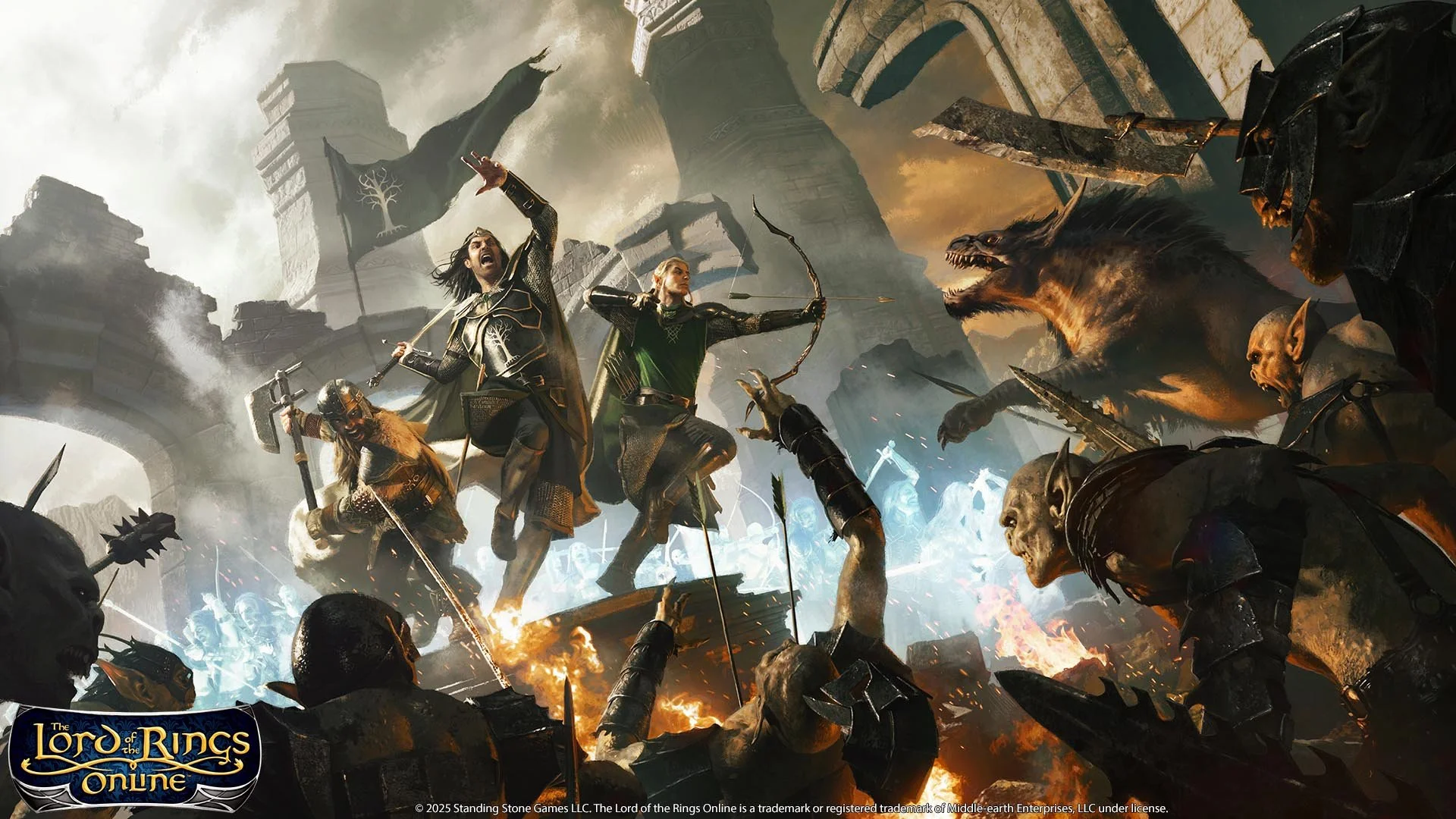
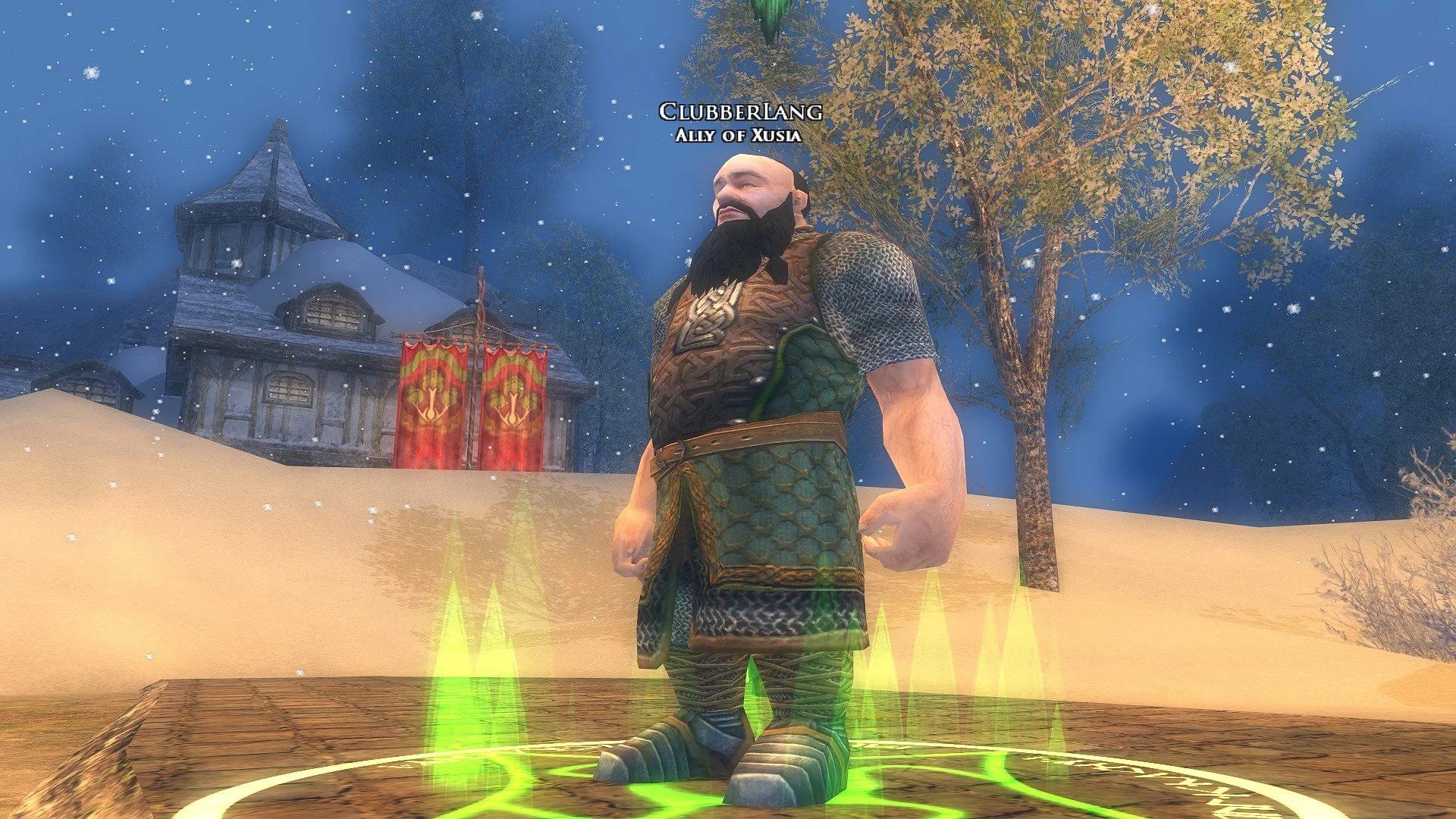
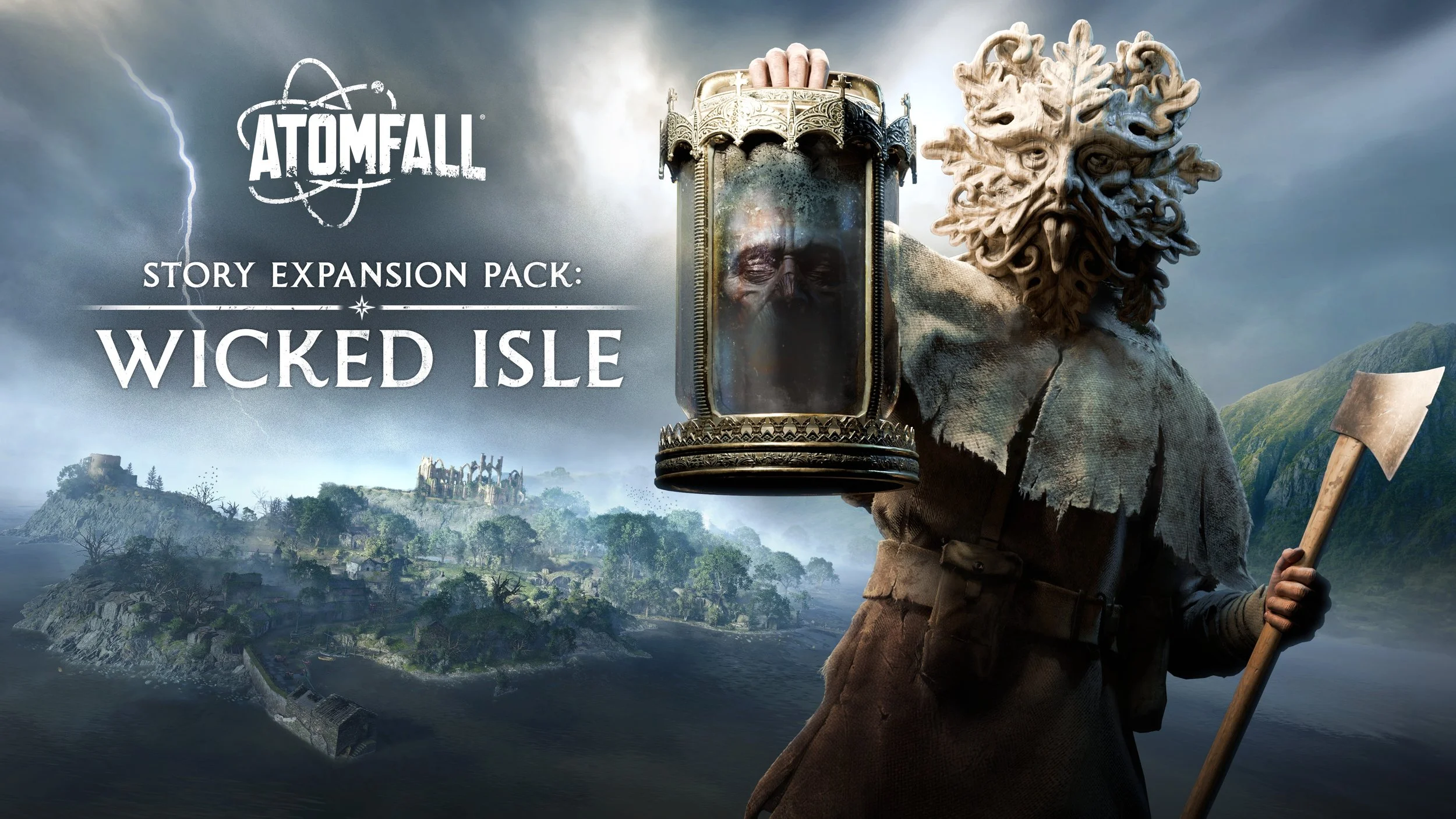
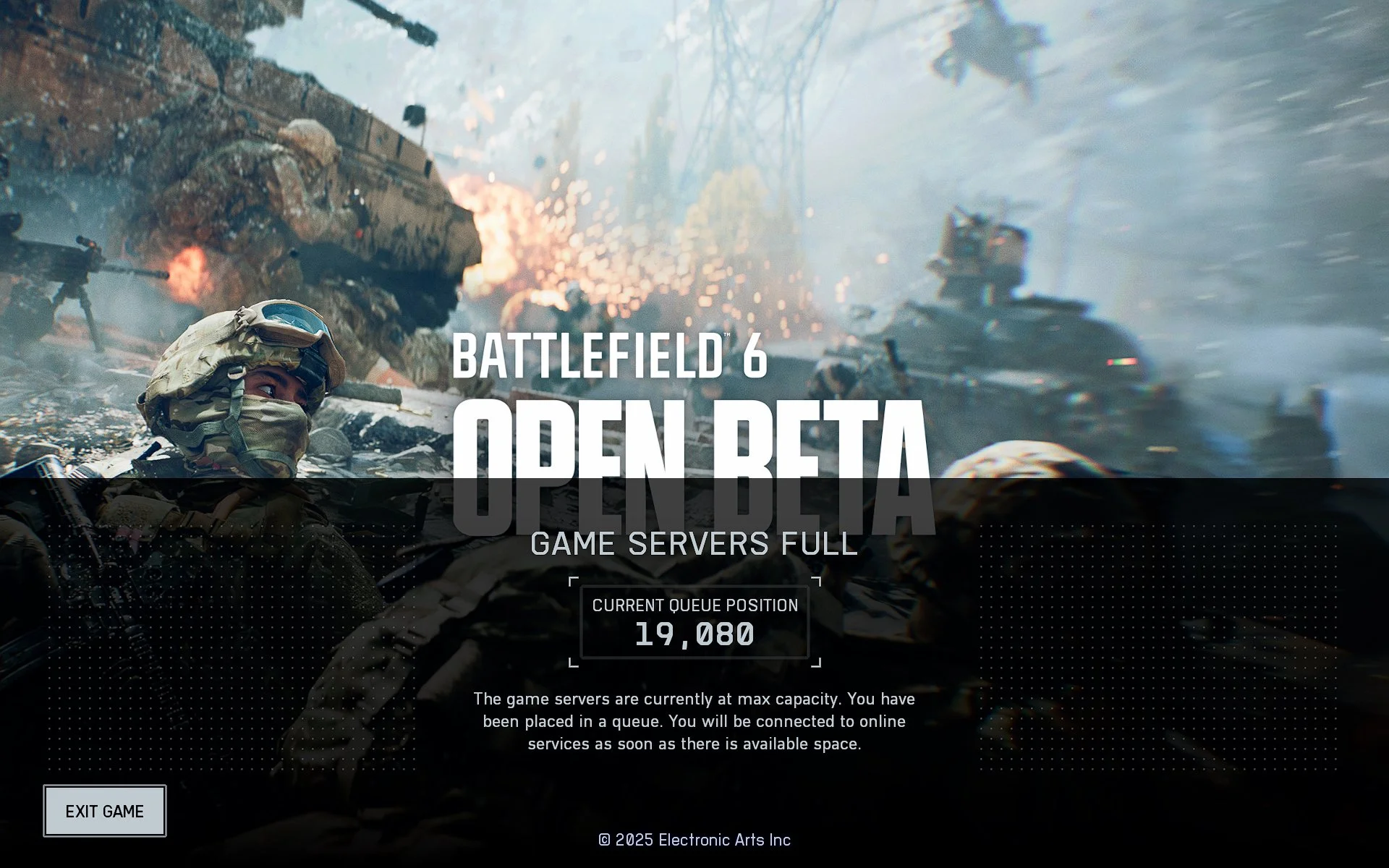
Every couple of weeks, I log into the Epic Store to see what free games they are giving away. As they’re really trying to secure their share of the market and establish themselves as a clear alternative to Steam, there are plenty of exclusives games and freebies to be found. The ethics of this business approach is a separate issue and not one that I shall address in this post. Let it suffice to say that the concept of the “Loss Leader” is a long standing business tactic. When I logged in today, I saw that both Alan Wake’s American Nightmare and Observer were available for free. The latter interested me because it features voice acting by the late Rutger Hauer. So I duly added them to my game library. The same game library that currently consists of 30 games but only one of which I have paid for. A library that despite its size and wide variety of genres, I’ve only played two of the titles therein. Furthermore, there’s a similar story to tell with regard to Twitch Prime. I log in and check to see what freebies are of on offer, so I can also add them to another redundant library.
Another free game courtesy of the Epic Store
Every couple of weeks, I log into the Epic Store to see what free games they are giving away. As they’re really trying to secure their share of the market and establish themselves as a clear alternative to Steam, there are plenty of exclusives games and freebies to be found. The ethics of this business approach is a separate issue and not one that I shall address in this post. Let it suffice to say that the concept of the “Loss Leader” is a long standing business tactic. When I logged in today, I saw that both Alan Wake’s American Nightmare and Observer were available for free. The latter interested me because it features voice acting by the late Rutger Hauer. So I duly added them to my game library. The same game library that currently consists of 30 games but only one of which I have paid for. A library that despite its size and wide variety of genres, I’ve only played two of the titles therein. Furthermore, there’s a similar story to tell with regard to Twitch Prime. I log in and check to see what freebies are of on offer, so I can also add them to another redundant library.
I’ve been playing video games since the eighties when I used to spend too much time playing the arcade version of Asteroids at the local swimming baths. I made the transition to PC gaming in the early nineties. Back then this meant buying a boxed copy of a game from a retail outlet, such as WH Smiths. The pricing at the time and in relation to how much I was earning, meant that I didn’t buy multiple games at once. I’d read reviews meticulously, weigh up the pros and cons for each game and then make a decision based upon what would be the most entertaining experience and offer some degree of longevity. Making purchases within such a framework made the acquisition of a new video game a very exciting process. Video games were from my perspective a luxury. Hence it took a while to build a library of games and due to the size of hard drives at this time, it’s not as if you had every game you owned installed at once. PC gaming was a hobby that required management both financially and logistically. Perhaps that was one of the aspects that made it special.
I was bought Starfleet Academy in 1997 as apart of a leaving present from a job
Twenty years on and the video game market has gone digital. Furthermore that market is now saturated and the premium price model, along with the short lifecycle of games, means that there’s only a limited window of time before prices are slashed. The ubiquity of video games, along with the fact that you can buy them on a whim, has substantially changed our relationship with them. You can purchase a game that you want, download it and play it at any time of day. You don’t have to wait for the store to open to get your hands on it. A new game is no longer a luxury; something to be saved for, then sought out and installed via multiple CD-ROMS. I may even go so far as to say I no longer imbue a new game with any great sense of value. They are transient pleasures, some of which can be bought for pocket change and then dispensed without regret, if they fail to entertain. Effectively some PC games remind me of those items you find on display at your local supermarket, as you queue for the checkout. Indulgence items such as snacks, designed to get you to spend a few extras pounds on something superfluous.
We currently live in the century of “me”, in the midst of a most decadent consumer society. Everyday we’re actively told that buying something will fill the gaping, empty void in our lives and assuage those feelings of loneliness, fear and utter despair. We are culturally conditioned to “like a bargain” regardless of its practicality. “Look what I got. A great deal on this alabaster dog kennel inlaid with depleted uranium”. The fact that you don’t have a dog is irrelevant it would seem, because you got a “deal”. Furthermore, I’m not saying all this from some position of moral superiority. Because I’m also logging on to the Epic Store and claiming all this needless free stuff, just like everyone else. But to be utterly candid, I really don’t need any of this stuff and I really should stop doing this. It reminds me of the “buy one, get one free” culture that leads to terrible food wastage. Something I didn’t realise was so damaging and problematic until recently. I suspect that the ubiquity of games and giving them away for free in this fashion, does more harm than good in the long run.










We Are Our Own Worst Enemy
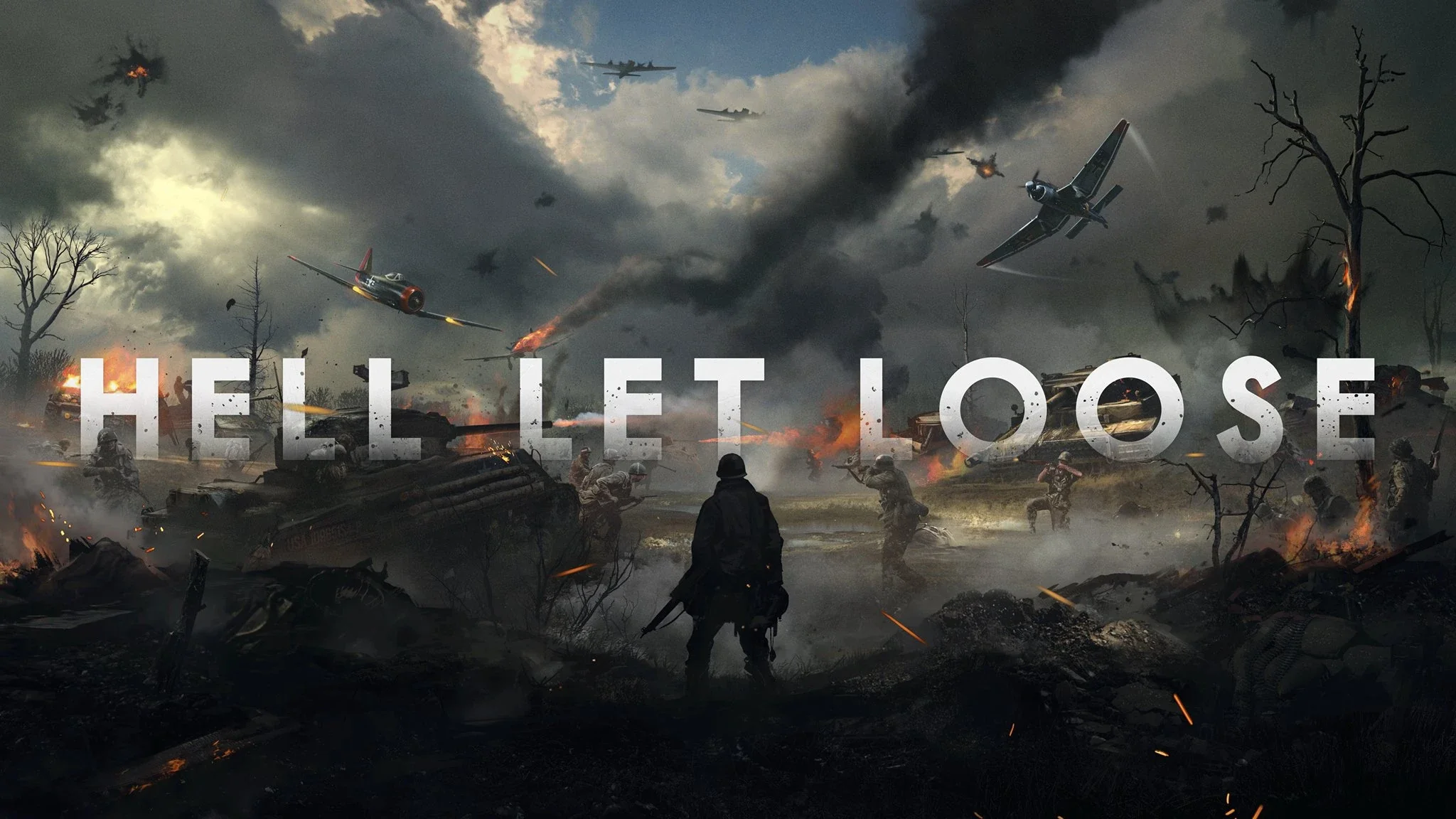
Over the last five years, there has been an ever-increasing degree of monetisation in mainstream video games. The situation has sparked debate not only among gamers but also in the mainstream press. Loot boxes and the entire business model of “pay to start” has finally reached the scrutiny of several national governments. Furthermore, the triple A video games industry has been held to account and pressed to justify such practises. Yet despite the public attention and a degree of pushback from some gamers, the situation doesn’t in anyway look like it’s going to be resolved. In fact sales data seems to show that despite some negative coverage both in the video games media and the traditional press, games with egregious business models are far from being rejected by customers. Quite the opposite. Ironically two of the worst offenders that have recently been held up as games that exploit gamers financially, have just achieved record sales. Both Mario Kart Tour and NBA 2K20 have proven to be massive hits.
Over the last five years, there has been an ever-increasing degree of monetisation in mainstream video games. The situation has sparked debate not only among gamers but also in the mainstream press. Loot boxes and the entire business model of “pay to start” has finally reached the scrutiny of several national governments. Furthermore, the triple A video games industry has been held to account and pressed to justify such practises. Yet despite the public attention and a degree of pushback from some gamers, the situation doesn’t in anyway look like it’s going to be resolved. In fact sales data seems to show that despite some negative coverage both in the video games media and the traditional press, games with egregious business models are far from being rejected by customers. Quite the opposite. Ironically two of the worst offenders that have recently been held up as games that exploit gamers financially, have just achieved record sales. Both Mario Kart Tour and NBA 2K20 have proven to be massive hits.
For those gamers who are looking for change, this is a sad situation. Most reasonable and measured individuals recognise that the video games industry is a commercial endeavour and that developers and publishers needs to make money. The bone of contention is that excessive monetisation is actually spoiling games by impeding gameplay and progression. A game built around monetisation has different priorities to a game primarily designed just to be played. Ultimately there is a contradiction between a game in the traditional sense and a “live service”. Is it therefore unreasonable to try and seek the middle ground where a company can make a healthy profit, without compromising the game or the experience of playing it? We’ll it would appear that the answer is “yes, it is unreasonable” and sadly, the point of failure and source of blame is ultimately not actually the video games industry but gamers themselves. We are our own worst enemy.
It is naïve to expect big corporations to act ethically and sensibly when it comes to accruing wealth. If you want a companies such as Activision Blizzard, 2K Games or Ubisoft to moderate their financial strategy when it comes to video games, you must compel them to do so by law. As for any concerted effort by gamers to “school” these publishers through the old cliché of “voting with your wallet”, it is doomed to failure. Because gamers are not a homogeneous group. For every gamer that thinks that monetisation of gaming has gone too far, there is one who thinks the opposite and yet another who simply doesn’t care. Also, cognitive dissonance seems to be the default setting for most people when it comes to social issues these days. We all too often notionally agree with an ethical principle up to the point where acting upon it requires us to make a sacrifice or go without. Another factor that also impacts upon one’s attitude towards microtransactions, season passes and lootboxes is the generational difference in our attitudes towards money.
Naturally there are gamers with large disposable incomes who don’t concern themselves with the reality of game related monetisation. Any obstacle to enjoyment can be overcome by the application of money. However, in my lifetime there has been major changes in the regulation of consumer borrowing. Simply put, credit is easily accessible (despite the financial crash of 2008) and consumers are encouraged to spend. To put this in perspective, UK credit card debt was at £72.5 billion at the end of July 2019. So when video gamer publishers talk about “whales”, who exactly are they talking about? Those who can genuinely afford too throw money around or those who feel obliged to do so, with money they don’t really have? Over the course of my life, I’ve learned the esoteric and unfashionable act of living within my financial means. I would say that this is a social norm more pertinent to the over fifties. But for many people half my age, they have grown up in a world where ownership has been supplanted by paying for a service and the entire point of credit is to use it to try and live the lifestyle, you think you deserve.
So regardless of the “selective gamer pushback” and a degree of negative PR that is mainly driven by a moral imperative, the video game industry has had its monetisation policies 100% validated by recent sales figures. Hence it is highly unlikely that we shall see any major change in business practises in the immediate future. As a result, I shall continue to avoid many major triple A titles such as Tom Clancy's Ghost Recon Breakpoint (a franchise I had previously enjoyed) and will continue my blanket boycott of mobile games. But the rather unpalatable reality is that future games development is going to be determined by those who are currently enabling the monetisation practises of the video games industry. However there’s a chance that even the most ambivalent gamer may eventually be inconvenienced by some future iniquity of the video games industry. Yet I suspect that even if this tipping point is achieved, many gamers would refuse to acknowledge their involvement in creating the problem in the first place and their respective blame.
The Cost of Doing Business with China
In the last few days, a great deal has been written about Activision Blizzard and their subsequent banning of a Hearthstone player who expressed support for the Hong Kong protestors during a competition live stream. The US-based game developer and publisher has also chosen to withhold the prize money he would have earned from competing in the tournament. As a result of this media coverage, I do not feel obliged to address the rectitude of Blizzard’s decision. It was never going to be anything different than what it was. They made their choice regarding ethics and morality the moment they decided to expand their business operations in mainland China. Because once you decided to enter into a business partnership with a totalitarian regime that actively runs “re-education camps”, you’ve pretty much nailed your colours to the mast and chosen a side. It’s not just business, despite what apologists may tell you. Judge a man or a business by the company they keep.
The moment Chung “blitzchung” Ng Wai made his protest
In the last few days, a great deal has been written about Activision Blizzard and their subsequent banning of a Hearthstone player who expressed support for the Hong Kong protestors during a competition live stream. The US-based game developer and publisher has also chosen to withhold the prize money he would have earned from competing in the tournament. As a result of this media coverage, I do not feel obliged to address the rectitude of Blizzard’s decision. It was never going to be anything different than what it was. They made their choice regarding ethics and morality the moment they decided to expand their business operations in mainland China. Because once you decided to enter into a business partnership with a totalitarian regime that actively runs “re-education camps”, you’ve pretty much nailed your colours to the mast and chosen a side. It’s not just business, despite what apologists may tell you. Judge a man or a business by the company they keep.
However, there are two wider issues that have arisen from this situation that perhaps can be seen as broadly positive. Firstly, parts of the gaming community have finally had the scales lifted from their eyes regarding the true nature of the video games industry. Secondly, people are now becoming more aware of the extent of Chinese business influence both in the US and other countries and to what extent Western business is happy to appease them. Let us take a moment to consider the first of these. I have been banging on for years about how so many gamers erroneously think that the companies that make their favourite games are somehow their friend. In many ways Blizzard has been the embodiment of this fallacious and specious notion. Although there are some developers or community managers who are genuinely reasonable and measured individuals, these are not the people driving the company. Corporate policy is decided at a much higher level by people such as Bobby Kotick. And like a lot of other modern CEOs, ethics, morality and generally being a decent human being are not top priorities. In fact they’re a major hindrance. Do some research of your own on Mr Kotick (or ask Jim Sterling) and decide for yourself what sort of man he is.
Bobby Kotick. Personally worth about $1 Billion plus
So a lot of gamers have suddenly got wise to the fact that the company they used to think was cool because staff don’t wear suits to work and can unicycle around the office, is in fact just another corporate behemoth striving to make as much money as possible, irrespective of the consequences. Blizzard is tainted and now some gamers are worried about guilt by association. It’s an odd situation to be honest. Some gamers are obviously staggeringly naïve but there again, that’s hardly surprising as people are surprisingly politically illiterate these days. I don’t mean this is a pejorative sense, it’s just a simple truth. A lot of people are not in any way credibly informed about domestic politics, let alone the complexities of international relationships. And then there’s another element to this. The gamer who suspects that there’s an unethical wider picture to the video games industry but chooses to not “know about it”. I heard similar arguments regarding eating meat, which go something like this. “I choose to remain wilfully ignorant of the iniquities of the meat industry. I suspect that livestock are treated appallingly but if I choose not to know, I can enjoy eating meat without any moral burden and maintain my claim that I’m a good person”. Yep, gamers have their own version of this, too.
Moving on to the second potentially positive point that’s come out of this whole sorry affair; people have now realised that it is not just Activision Blizzard who are happy to self-censor and generally side with China whenever there’s a conflict of interest between West and East. Over the last few days, several websites and subreddits have compiled substantial lists of companies towing the political line to appease China and keep the revenue flowing. Furthermore, because China is such a big market for mainstream Hollywood movies these days, it’s come to light that a lot of screenplays are being tailormade for its specific “political and social” requirements. And irrespective of the need to “accommodate” China for “business reasons”, people are now beginning to become aware of the scope and reach of Chinese business in the West per se. This isn’t really the place for an in-depth dissection of what they do and do not own but if you do some research, you’ll find China is involved with key US and UK industries such as farming, logistics and utilities. And then there’s the issue of land banking. All of which can be used for political leverage if required.
You get the idea?
Now as a result of this debacle, there has been a plethora of tediously predictable kneejerk reactions. As usual some gamers have been calling for a boycott of Blizzard products. There’s also been the “restless lynch mob” mentality on social media and moral outrage has been turned up to 11. Such hastily contrived bandwagons often fizzle out and can do more harm than good. However, a measured campaign of publicly questioning the cognitive dissonance inherent in being an American business that consorts with a dictatorship, may yield results in the long term. Raising questions via your political representative can take time but the wheels do turn. Now it has been pointed out by the “usual suspects”, that it’s a bit rich getting all “high and mighty” about the ethics of this one issue, when our consumer lives are rife with Chinese products. But I refute the intellectual bankruptcy of this faux argument that seems to think that one can only have an ethical position of worth, if you are 100% morally pure. Bullshit. Yes, we are all to a degree complicit in bolstering China by our consumer choices but that doesn’t mitigate the worth or rectitude of beginning to make a stand. It takes time to inform people and then get them to change their views and habits.
And as for those people who think that this whole situation is just business doing what business does, please stop assuming that your lack of morals and empathy is also the default position of society. It isn’t. People do actually expect a degree of ethical behaviour from corporations. Now that may be foolish but it remains a valid view. And as big business has shown time and time again that it doesn’t have a shred of human decency, the only way we are going to get companies to act in a vaguely appropriate fashion is to legally compel them to do so and sanction them when they do not. Doing business with China is not the same as doing business with any other democratic country. It is a Faustian arrangement which comes with caveats. Caveats that may put a company at odds with the inherent principles of their own country. There is a price to pay for such an arrangement and that is your “corporate reputation”. I still find it odd that people and business that act appallingly try to cultivate an image of “be nice”. I have far more respect for the “bastard” that’s content to be one.
The fate of Tank Man remains unknown to this day
For those who still remain unconvinced that the censoring and sanctioning of Chung “blitzchung” Ng Wai by Blizzard is anything to worry about, let me remind you of what China’s top broadcaster, government-run CCTV, stated recently about the concept of freedom of speech. That it should not be extended to points of view counter to the ruling Communist Party’s. “No comments challenging national sovereignty and social stability fall within the scope of freedom of expression”. Reflect upon that. Blizzard and many other companies are in a business relationship with a regime that is at odds with Western values. Furthermore, these international companies choose to actively collude with a government in its acts of oppression, because of the financial opportunities available. At the very least that is immoral. At the worst they are benefitting from blood money. If you thinks that’s hyperbolic please remember the 1989 Tiananmen Square protests when China mobilised 300,000 troops on the streets of Beijing and fired upon student protesters. A historical event that is still supressed in China itself. And considering the current events in Hong Kong, one that may be soon repeated? Blizzard and many other companies need to reflect upon this, although I suspect they won’t. I’m not sure if they are capable.
Fear of Missing Out
According to Wikipedia Fear of Missing Out (or FOMO) is “a pervasive apprehension that others might be having rewarding experiences from which one is absent". Now that may sound to some as a somewhat trivial concern. One that encapsulates the concept of “first world problems” and “Generation Me”. Yet for many, it is a genuine concern. “Fear of missing out” is a not too distant cousin of “fear of being excluded”. Something that is a common part of bullying culture. FOMO plays to human insecurities and we live in times where people feel increasingly vulnerable. If you want further evidence of the veracity of FOMO, consider how it is something that marketing departments now actively seek to play upon and uses for leverage. A recent leaked document for the Entertainment Software Association (ESA) outlined how they wish to streamline and revitalise the ailing E3 trade show. One suggestion is to make "exclusive/appointment only activations for select attendees who will create buzz and FOMO”.
According to Wikipedia Fear of Missing Out (or FOMO) is “a pervasive apprehension that others might be having rewarding experiences from which one is absent". Now that may sound to some as a somewhat trivial concern. One that encapsulates the concept of “first world problems” and “Generation Me”. Yet for many, it is a genuine concern. “Fear of missing out” is a not too distant cousin of “fear of being excluded”. Something that is a common part of bullying culture. FOMO plays to human insecurities and we live in times where people feel increasingly vulnerable. If you want further evidence of the veracity of FOMO, consider how it is something that marketing departments now actively seek to play upon and uses for leverage. A recent leaked document for the Entertainment Software Association (ESA) outlined how they wish to streamline and revitalise the ailing E3 trade show. One suggestion is to make "exclusive/appointment only activations for select attendees who will create buzz and FOMO”.
For good or ill, it would seem that FOMO is now facet of twentieth century culture. Much like reaction videos, shit posting and the most intellectually bereft member of society being allowed on national television. Furthermore, I cannot claim to be impervious to this malady. I have discussed in the past how I was an avid “early adopter” of technology two decades ago. Something I cannot simply chalk up to just enthusiasm and zeal. FOMO did play a part in this. And then there has been times when fandom has become a job, rather than a leisure activity. I have a friend who still likes to remind me of the numerous times I got up at some ridiculous hour to watch videos that I had to return to Blockbusters, later that day. As a movie fan, it has always been difficult to try and keep up with all the new releases as well as older classics. It’s something I take a far more measured approach to these days but again in the past, FOMO was a factor driving the mentality that I had to “do it all”.
Recently, I took stock of my interests and pastimes. I decided to recalibrate my expectations and aspirations and that meant making some changes. Subsequently, I took to Twitter and spent some time reflecting upon who I was following. I believe the maximum number of people you can follow realistically is about 150. I’m currently over that number by a sizeable amount but I did prune about thirty of so accounts I was following. I based my decision upon how often an account tweeted and whether they were big on interacting with others. I did feel the occasional pang of guilt but ultimately you have to be realistic about what you can and cannot do. Following an excess of people on Twitter just leads to having your timeline swamped and increases the chance of missing something important amid all the white noise. There were also a few people who I couldn’t remember as to why I was following them.
I carried out the same exercise on Feedly and removed several blogs that didn’t seem to be producing any content on a regular basis. As predicted, the drop off rate after Blaugust was noticeable. I also had several blogs on my list that have been dead for a long time and it was merely nostalgia on my part keeping them there. I am also getting somewhat tired of commercial video gaming websites. They have a tendency to regurgitate the same company press releases where it is only the think pieces and long form articles that really interest me. So I have purged many of these. I’ve also shed some of the movie news websites I was following, as these aren’t really broad enough and tend to be too focused on “superhero” movies. And while I’ve been “downsizing” the extent of my online content consumption, I also unsubscribed from numerous YouTube channels. The commercial ones were exceedingly predictable and many of the “non-professional” content creators seemed to have ground to a halt. May be this medium is no longer the cash cow that many assumed it was. And then there’s my gaming “wish lists”. They got kicked into touch as well after a healthy dose of realism.
Here are some fun facts about the “average persons” lifespan. We spend about a third of our lives asleep. That’s 30 years plus. Joe public also spends about five years on the phone during the course of their life. A human brain can store up to a quadrillion separate bit of information in its longterm memory during our “three score years and ten”. Then add to that mix, time spent working, raising children and perhaps most importantly, procrastinating. The bottom line is you’re never going to fit in everything that you want to do. Nope. Not going to happen. The reality of the situation is that FOMO should be logically replaced by AOMO; acceptance of missing out. It’s a mindset I’ve eased myself into over the last decade. Pick what you want to do wisely. Be realistic and honest with yourself about what you can and cannot fit into your schedule. As for FOMO, isn’t it better to do several things well and enjoy them thoroughly, rather than attempting to do too many things at once and doing them badly? You’d think so. But then again people are seldom logical.
Gaming and the Language of "Them Versus Us"
Language is an evolutionary thing. It changes over time, reflecting the needs of the culture that use it. Furthermore, each unique sub-set of society seems to create and utilise its own bespoke lexicon. From business, science, politics, religion, to sports and other leisure activities, all use terminology that is unique to their own group. Overtime some of these terms’ crossover from one niche to another to eventually find broad mainstream acceptance. It is a fascinating process and one I think has accelerated in recent years due to the growth of social media.
I have written before about the subject of gaming semantics and the fact that some terms are so ambiguous and not clearly defined. This subsequently leads to skewed debates and discussion, as there is not a mutually agreed frame of reference of definition. This time I want to focus on another linguistic issue that it currently blighting the discourse surrounding games. That being the proliferation of pejorative terms and ill-conceived labels, which are used not to describe but to discredit. It sadly adds to the increasingly bi-partisan nature of all public debates these days and reinforces my current stance of not defining myself by a pastime that I pursue. The gaming community is becoming increasingly intolerant and I don't wish to be associated with such things.
Language is an evolutionary thing. It changes over time, reflecting the needs of the culture that use it. Furthermore, each unique sub-set of society seems to create and utilise its own bespoke lexicon. From business, science, politics, religion, to sports and other leisure activities, all use terminology that is unique to their own group. Overtime some of these terms’ crossover from one niche to another to eventually find broad mainstream acceptance. It is a fascinating process and one I think has accelerated in recent years due to the growth of social media.
I have written before about the subject of gaming semantics and the fact that some terms are so ambiguous and not clearly defined. This subsequently leads to skewed debates and discussion, as there is not a mutually agreed frame of reference of definition. This time I want to focus on another linguistic issue that it currently blighting the discourse surrounding games. That being the proliferation of pejorative terms and ill-conceived labels, which are used not to describe but to discredit. It sadly adds to the increasingly bi-partisan nature of all public debates these days and reinforces my current stance of not defining myself by a pastime that I pursue. The gaming community is becoming increasingly intolerant and I don't wish to be associated with such things.
Something that often comes up in discussions about PVP, is the term "carebear". Initially this was a term that was jokingly employed to describe players that preferred the social interaction of PVE content and avoided player versus player gameplay. Now it seems to be a routine epithet to negatively label anyone who doesn't advocate any of the competitive aspects of gaming. If you do not like PVP, or end-game raiding, warzones, skirmishes or the like you are a "carebear". The implication being that caring and compassion are negative things and potentially a sign of weakness. It is a blanket term design to be besmirch and standard ammunition in ad hominem attacks.
During the seventies, UK national politics was extremely binary. The right was focused on privatisation, small government and the free market with the left advocating the welfare state, social responsibility and equality. It was during this period that I first became aware of the term "do gooder"; a term broadly meaning a well-meaning but unrealistic or interfering philanthropist or reformer. Yet overtime it simple degenerated into a pejorative label for anyone who's politics were not sufficiently right wing enough. Any sort of policy that advocated fairness or parity was lambasted with this term, to the point where it became nothing but a vacuous buzz word. The reason I mention this is because the exactly the same thing is happening today with the trite label "social justice warrior".
In recent years games discourse has sunk under the weight of these sorts of terms. Any sort of meaningful and mature discussion is obscured under a swath of pointless and ultimately meaningless terms. "Feminazi", "delicate snowflake", "filthy casual gamer" and other such names are bandied about, dragging the debate away from a level playing field and into the playground. Combine this sort of rhetoric with the prevailing mindset that eschews reason, critical thinking and scope to disagree in a civil fashion and all rational discussion ends. The winner is simply those who shout loudest. History has shown us that such groups are seldom the best informed.
When this sort of philosophy prevails it ultimately does more harm than good. Sadly at present, too many gamers are busy indulging in territorial pissing that they are oblivious to the fact that they are befouling their own waterhole. It's only a matter of time before the well is truly poisoned. If gaming culture genuinely wants to improve for everyone's benefits then it needs to start thinking. That begins with the language that we use towards each other. The alternative is to continue down the current road and let those who want to watch Rome burn, do so to the detriment of all. In the meantime there will be those that disassociate themselves from the mainstream and set up isolated safe havens for likeminded gamers. However that doesn't really fix the long-term problems. Are smaller more fragmented markets and communities ultimately good for gaming?
Gamers, Ethics and Boycotts
When I’m at my local supermarket with Mrs P, buying our monthly groceries, we often try and purchase fair trade products. This tends to be fruit, vegetables and wine. It’s a nominal gesture towards ethics, done in good faith. However, I suspect we cancel out any collective good we may do by making other consumer decisions, which aren’t so considerate. It’s a curious paradox that consumerism, something that is couched in untrammelled capitalism, can be tempered by the moral proclivities of customers. Some would argue that this is just an afterthought, lip service or virtue signalling (although the latter is an intellectually bankrupt concept to begin with). I just see it as people trying to do something vaguely decent, within the confines of a system that is rife with dubious practices and unethical tendencies. It is virtually impossible to be morally pure while living in a contemporary democracy. Comedian Frankie Boyle best summed this up when he said, “If you get offended by any jokes, by the way, feel free to Tweet your outrage on a mobile phone made by a ten-year-old in China”.
When I’m at my local supermarket with Mrs P, buying our monthly groceries, we often try and purchase fair trade products. This tends to be fruit, vegetables and wine. It’s a nominal gesture towards ethics, done in good faith. However, I suspect we cancel out any collective good we may do by making other consumer decisions, which aren’t so considerate. It’s a curious paradox that consumerism, something that is couched in untrammelled capitalism, can be tempered by the moral proclivities of customers. Some would argue that this is just an afterthought, lip service or virtue signalling (although the latter is an intellectually bankrupt concept to begin with). I just see it as people trying to do something vaguely decent, within the confines of a system that is rife with dubious practices and unethical tendencies. It is virtually impossible to be morally pure while living in a contemporary democracy. Comedian Frankie Boyle best summed this up when he said, “If you get offended by any jokes, by the way, feel free to Tweet your outrage on a mobile phone made by a ten-year-old in China”.
Moving on to video games, once again commentator Jim Sterling has highlighted how some quarters of the industry are just a complete mess. In the latest episode of the Jimquisition, he explores allegations made against indie developer Chucklefish. To cut along story short, it would appear that this company has not financially compensated all of it staff and taken advantage of the “passion” that younger gamers often have for video games and the wider industry. It’s a familiar story, only this time its an indie developer rather than a big, triple A publisher. It shouldn’t come as a shock that greed, along with manipulative and exploitative behaviour are everywhere. It’s just a shame because the indie scene often positions itself to be the moral opposite of the big corporations. Yet here they are having the same vices. Naturally, as this story has blown up, there has been a degree of pushback from fans who have supported Chucklefish over the years. As I’ve stated in the past, rightly or wrongly, a lot of gamers have an odd relationship with game developers and publishers. Many do not view it within the confines of the traditional consumer/vendor dynamic.
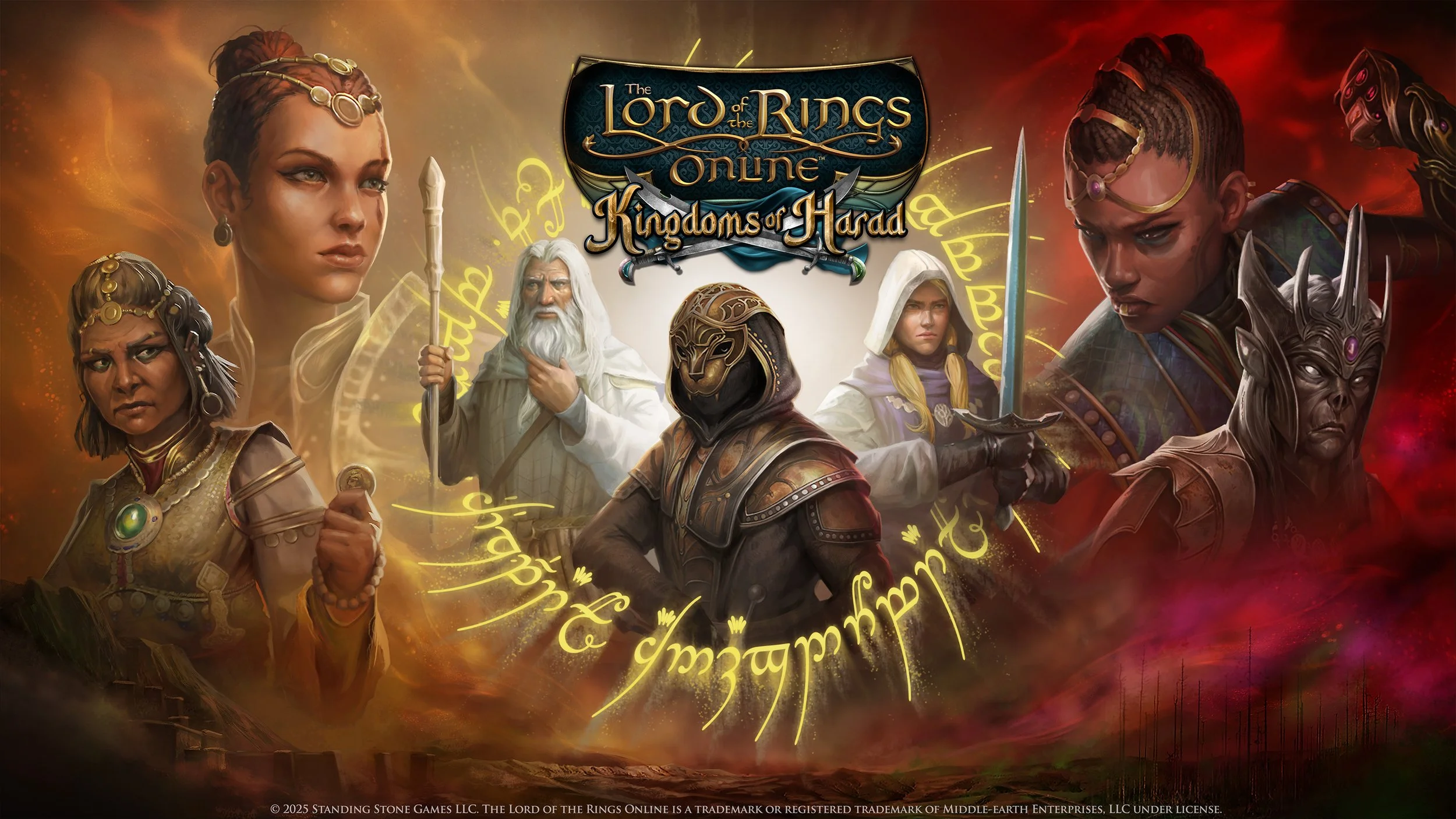
Which brings me to my point. I personally have not yet experienced a situation where I have boycotted a specific publisher or developer on the grounds of their business ethics. There are games that I have chosen not to buy because of their business model and monetisation strategy but I have not yet shunned a company that I have previously done business with. I always find statements such as “I’ll never buy one of your games ever again” or “you’ll never see another penny of my money” from gamers on subreddits and forums, to be somewhat melodramatic and unverifiable. However, Jim Sterling’s video has highlighted the fact that unethical business practises are potentially everywhere. I think it likely that sooner, rather than later, I’m going to find a scandal associated with something much closer to home. If for example, Standing Stone Games were tainted by the iniquities of their publisher Daybreak Game Company, how would I react? Would I abandon LOTRO? Or simply stop paying SSG any money? The latter would impact upon my enjoyment of the game but that is the consequence of protesting. Voting with your wallet denies something from all parties.
Considering that most companies do not like negative publicity and like to maintain a “good guy” image irrespective of whether its deserved, is critical press coverage potentially more effective than player boycotts? Or do player communities have more clout than we think. It certainly appeared that player power was responsible for the removal of “pay to win” microtransactions from Star Wars Battlefront II in January 2018. Yet that story was everywhere and even found its way into the mainstream press. Did either side provide the tipping point for EA or was it a perfect storm of both? In the meantime I’m going to continue to monitor the decline in ethics in the video game industry, as it now seems to have become yet another front upon which the ongoing culture war is being fought. If I do, as I have predicted, find myself in a position where I may have to countenance a moral decision to boycott a company or some similar situation, perhaps discussing it as a blog post will provide an easier solution. But as the old adage says, “I’ll cross that bridge when I come to it”.
Gaming Addiction and the World Health Organisation
The World Health Organisation (WHO) is a specialised agency of the United Nations that is concerned with international public health. It was established on 7th April 1948 and is based in Geneva, Switzerland. As a body it has been instrumental in the eradication of smallpox. Its current priorities include communicable diseases, in particular HIV/AIDS, Ebola, malaria and tuberculosis; the mitigation of the effects of non-communicable diseases; sexual and reproductive health, development, and ageing; nutrition, food security and healthy eating; occupational health; substance abuse; and driving the development of reporting, publications, and networking. Recently, unlike other health institutions, WHO has chosen to address the thorny issue of gaming addiction; a condition that is still heavily disputed and lacks a universally agreed definition.
The World Health Organisation (WHO) is a specialised agency of the United Nations that is concerned with international public health. It was established on 7th April 1948 and is based in Geneva, Switzerland. As a body it has been instrumental in the eradication of smallpox. Its current priorities include communicable diseases, in particular HIV/AIDS, Ebola, malaria and tuberculosis; the mitigation of the effects of non-communicable diseases; sexual and reproductive health, development, and ageing; nutrition, food security and healthy eating; occupational health; substance abuse; and driving the development of reporting, publications, and networking. Recently, unlike other health institutions, WHO has chosen to address the thorny issue of gaming addiction; a condition that is still heavily disputed and lacks a universally agreed definition.
WHO formally listed gaming addiction as a mental health condition in May 2019. According to their criteria based upon extensive research, gaming addiction it as a pattern of persistent or recurrent gaming behaviour so severe that it takes "precedence over other life interests". This definition, as stipulated by WHO, correlates with several other countries that have already identified this addiction as a major health issue. There are already private addiction clinics that “treat” this condition and the actions of WHO have certainly brought this particular health issue to the wider public’s attention. By adding gaming addiction to the latest version of the International Classification of Diseases, it removes some of the incredulity that the condition has met from certain health bodies.
The WHO guide contains codes for diseases, signs and symptoms and is used by doctors and researchers worldwide to track and diagnose disease. The guide suggests that abnormal gaming behaviour should be in evidence over a period of at least 12 months "for a diagnosis to be assigned" but has stipulated that period might be shortened "if symptoms are severe". At present the symptoms for gaming addiction include impaired control over gaming (frequency, intensity, duration), increased priority given to gaming and continuation or escalation of gaming despite negative consequences. Some healthcare professionals have welcomed the decision to recognise the condition. Dr Richard Graham, lead technology addiction specialist at the Nightingale Hospital in London said “It is significant because it creates the opportunity for more specialised services. It puts it on the map as something to take seriously”. However, he also stated that he would have sympathy for those who do not think the condition should be medicalised because he did see scope for misdiagnosis at present. "It could lead to confused parents whose children are just enthusiastic gamers."
It is this point that seems to be the biggest stumbling block for the universal acceptance of a medical condition of this nature. How exactly do you verify that the alleged addiction is actually taking up all available “neurological real-estate” and dominating thinking and becoming a total preoccupation for the patient? Because fandom per se can at time mirror these qualities. Subsequently, many psychiatrists currently refer to the Diagnostic and Statistical Manual of Mental Disorders (DSM), in which internet gaming disorder is listed as a "condition for further study", meaning it is not officially recognised. Because of this reasoning and prevailing attitude, it is clear that WHO may find their perspective challenged for the present. However, irrespective of the medical and semantical disputes, the field of game related addiction is still being scrutinised around the world. South Korea has introduced a legislation banning access for children under 16 from online games between midnight and 6:00 AM although effectively enforcing such regulation is difficult.
There has also been a degree of pushback from those in the video games development and retail industry. Naturally, as interested parties they are concerned about misdiagnosis and scope for ill-conceived legislation that may be rushed to address public concerns and tabloid campaigning. The Entertainment Software Association (ESA) trade group released a statement downplaying the WHO's concerns about addiction to video games and stated "Just like avid sports fans and consumers of all forms of engaging entertainment, gamers are passionate and dedicated with their time. Having captivated gamers for more than four decades, more than 2 billion people around the world enjoy video games. The World Health Organisation knows that common sense and objective research prove video games are not addictive. And, putting that official label on them recklessly trivialises real mental health issues like depression and social anxiety disorder, which deserve treatment and the full attention of the medical community. We strongly encourage the WHO to reverse direction on its proposed action."
It is clear that the video game industry is concerned about regulation and the potential impact the public perception of gaming addiction may have on sales. The problem lies in how to reconcile the positions of both WHO and bodies such as ESA. Both groups have genuine concerns. However, self-regulation and consumer concerns can often conflict with corporate interests and we have seen in the past several industries that do have harmful side effects fight tooth and nail to refute such claims. There is also the issue of once a universal definition for gaming addiction has been established, exactly what needs to be done to address the matter. So far, the most practical ideas are based around labelling and providing health warnings both on physical media, its packaging, as well as via digital platforms. Automated messages based upon time spent in-game as well as FAQs on logon screens are other possible avenues. Raising public awareness through labelling and media campaigns has proven beneficial with other health issues such as diet and alcohol consumption.
Another concern regarding gaming addiction is the creation of yet another “label” that can be either misdiagnosed, appropriated incorrectly or used pejoratively by the tabloid press. The symptoms of gaming addiction according to the WHO as they currently stand, could be ascribed to many children. Yet there are those who would argue such behaviour may be down to poor parenting which is theoretically a lot easier to correct. Using handheld devices and consoles as surrogate babysitters is no different from using the TV thirty years ago. There is also the possibility that gaming addiction could become the new “darling” of compensation culture and personal accident claims. I don’t think it is outside the realm of possibility that we could see a substantial class action against a game major publisher at some point. Then of course there is a risk that the average gamer could find themselves tarnished by fear and prejudice associated with gaming addiction, regardless of whether they personally are or not. Many gamers already do not include gaming as a hobby or pastime of their CV, for exactly that reason. It isn’t too much of a stretch to imagine certain quarters of the press trying to label all gamers as potential addicts and an employment risk.
Irrespective of whether you personally agree with the definition of gaming addiction as stated by WHO, I believe that the very fact that they’ve tried to address the issue is a positive thing and that there will now be a lot more research into the condition. In the fullness of time, we may finally arrive at an agreed and succinct set of criteria or we may find the complete opposite is true. That gaming addiction ultimately stems from an addictive personality per se, and that playing games is merely a conduit. Under such circumstance, addiction may occur via any leisure activity, thus exonerating gaming. Either way it is important that such matters are properly understood so appropriate treatments can be established. Also, fully understanding the situation means that the industry can work to accommodate addiction, rather than ignore it or exploit it directly. We may see some governments implement impractical knee-jerk rules and regulations, but we may also see the matter tackled in a mature and measured way by more progressive administrations.
Separating Art from the Artist
In recent years, the #MeToo movement has made it abundantly clear that the film, TV and video games industries are far from idyllic work environments that pop culture implies that they are. Allegations of rape, sexual assault, bullying and general bullshit abound. There have been convictions and such matters are slowly being given the scrutiny they deserve. But it’s an uphill struggle for the victims because vested interests will always resist potential changes to the status quo. There are wider discussions to be had about many artistic and creative industries being glorified “boys clubs” and then there is the culture of “blaming the victim” but those are for another day. I don’t think they’re going to resolve themselves over night, sadly. On this occasion, I would like to reference the composer Jeremy Soule, because he is the latest artist to have serious allegations made against him. Naturally, this has caused a great deal of discussion among his fans. Soule’s work on The Elder Scrolls and Guild Wars franchises is very well regarded. Hence a common refrain that stems from these sorts of situations is “I now feel conflicted about this individual work”. It raises the old chestnut about separating art from the artist.
In recent years, the #MeToo movement has made it abundantly clear that the film, TV and video games industries are far from idyllic work environments that pop culture implies that they are. Allegations of rape, sexual assault, bullying and general bullshit abound. There have been convictions and such matters are slowly being given the scrutiny they deserve. But it’s an uphill struggle for the victims because vested interests will always resist potential changes to the status quo. There are wider discussions to be had about many artistic and creative industries being glorified “boys clubs” and then there is the culture of “blaming the victim” but those are for another day. I don’t think they’re going to resolve themselves over night, sadly. On this occasion, I would like to reference the composer Jeremy Soule, because he is the latest artist to have serious allegations made against him. Naturally, this has caused a great deal of discussion among his fans. Soule’s work on The Elder Scrolls and Guild Wars franchises is very well regarded. Hence a common refrain that stems from these sorts of situations is “I now feel conflicted about this individual work”. It raises the old chestnut about separating art from the artist.
We can all write a long list of disgraced artists if we think about it. People who at one time produced outstanding music, made great films, staged plays or were great philanthropists and benevolent charitable benefactors. Consider Michael Jackson, Woody Allen, Kevin Spacey and Louie C.K. The list sadly keeps growing. It’s a very rude awakening when you discover that people you admire and revere are in fact monsters. Furthermore, this is not a modern problem. Charles Dickens, William S. Burroughs and Charlie Chaplin all had very chequered pasts. So what are we supposed to do when we discover that something that we enjoy is created by a such a person? Well a common answer is that you must take the art and effectively remove it from the context of the artist that created it. But like many notional concepts, trying to put in to practice is harder to do. It is something that requires a willing sense of cognitive dissonance, as well as being able to govern your passion. That is not going to be easy for many people. And then there’s the issue of fandom, which muddies the waters even further. Fans are not always the most self-aware or emotional literate societal group.
I first encountered the concept of separating art from the artist when at school, studying English literature. T.S Eliot stated, “I have assumed as axiomatic that a creation, a work of art, is autonomous,” in 1923. There subsequently followed a new way of appraising literary work, which attempted to make analysis more like a science. The focus was on the words, their meaning and context and the authors relationship with their work was sidelined. This method and variations of it have prevailed for a long time and where still used when I was being educated in the eighties. French literary theorist and philosopher Roland Barthes declared in 1967 that authors doesn’t create a text. The reader does, by reading it. Each new reading effectively reinvents it. Therefore texts have no fixed or definitive interpretation. Oh and it gets even deeper. I have read arguments that film and music are not owned commodities but cultural gifts bestowed upon society. The viewer or listeners opinion has to trump that of the artists, because they have been solicited to give a personal subjective opinion. This theoretically will negate the auteurs ability to control the interpretation of their work and will therefore tempers their institutional power.
But these ideas tend to mainly exist within the confines of the classroom and academia. They are both abstract and cerebral which therefore limits their practical application. Plus there is another issue that stems from our revulsion against fallen artists. There is an inherent cultural assumption that we expect our artists to be virtuous by default. That is not to say that we should be advocating for them to be the opposite but it reveals a societal propensity to put artist on a pedestal by dint of being an artist. Musicians, actors, writer and film makers begin their careers as everyday people, like you and me. Therefore they will have the flaws and failings that we all share. In fact some would argue that their creative abilities draw upon their flaws, vices and failings. Yet the moment success, fame and personal validation are achieved we seem to give artists a cultural free pass. We cosset them and make excuses. Are we actually contributing to the creation of monsters?
Upon reflection it would appear for many people there is no easy way of separating art from the artist. Because our relationship with art is deeply personal, it seems perfectly reasonable to take it personally when someone you admire transgresses. So if you no longer wish to support an artist, then don’t buy any more of their work. If you cannot bring yourself to listen to their music then purge your CD collections. We are not purely rational beings. Art is emotive, so are artists and so are we. But I believe that we have to confine out emotional responses to the likes of Jeremy Soule and Michael Jackson, to just ourselves. I do not advocate that as a society we try to erase the art of those who are in disgrace, due to some perceived collective moral outrage. Hiding from awful events and the things that they touch does not address them. Also it is usually the art we encounter first and not the artists. Hence, we do not know in advance their human failings. And irrespective of what we may know after the fact, if a piece of art touches you can that truly be retrospectively refuted?
So where do I stand on all this? Well I do strive to separate art form the artist. However, that does not mean that I’m an apologist for their crimes. If you want me to write 2,000 words on the films of Roman Polanski, I will do so and focus purely on that. If you also ask me to write a comparable amount of text on his failings as a person, then I can accommodate that as well. When I’m listening to Billie Jean, watching Manhattan or Jeepers Creepers, I do not by default immediately focus upon the creative artist and their iniquities. Nor do I totally banish them from my thoughts. I find my own personal point of emotional and ethical equilibrium. Because although a singer, actor or director may be tainted, that doesn’t have to transfer to my relationship with their work, which was pure initially. If you allow the artist to spoil the art, it negates the contributions of all of those who were also involved in the creative process, which is inherently unfair. The truth is the myth of an auteur is exactly that. But this is my philosophy and my means of coping. We all have to find our own. Ultimately if this dilemma makes you angry, then that is something else that you can lay at the door of the artist that has gone rogue.
Cheap Beer
I often trot out the old adage “you get what you pay for”. However, upon reflection I think it’s a saying that should be used carefully. If employed when referring to buying a shirt, then it carries weight. I recently bought a double cuff shirt from Hawes & Curtis and the high price reflected the quality of the stitching and material. I could have bought another shirt for a tenth of the cost from Primark but it simply wouldn’t have been comparable. So on this occasion, the phrase was relevant. But if employed with regard to products like biscuits or laundry detergent then it doesn’t always hold up. Because the adage implies that a cheaper product is inferior by default, yet that is patently not the case with the examples I’ve given. Many supermarkets range of store brands can provide good alternatives to well-known premium products. It can be a process of trial and error to discover them but they do exist. Also even though attitudes are changing, there is still a lot of snobbery and brand loyalty associated with grocery shopping. In the UK the is a clear hierarchy of supermarkets.
Cheap and cheerful or a surprisingly good bargain?
I often trot out the old adage “you get what you pay for”. However, upon reflection I think it’s a saying that should be used carefully. If employed when referring to buying a shirt, then it carries weight. I recently bought a double cuff shirt from Hawes & Curtis and the high price reflected the quality of the stitching and material. I could have bought another shirt for a tenth of the cost from Primark but it simply wouldn’t have been comparable. So on this occasion, the phrase was relevant. But if employed with regard to products like biscuits or laundry detergent then it doesn’t always hold up. Because the adage implies that a cheaper product is inferior by default, yet that is patently not the case with the examples I’ve given. Many supermarkets range of store brands can provide good alternatives to well-known premium products. It can be a process of trial and error to discover them but they do exist. Also even though attitudes are changing, there is still a lot of snobbery and brand loyalty associated with grocery shopping. In the UK the is a clear hierarchy of supermarkets.
So where is this all going, I hear you ask? Well, I want to discuss cheap bear. Actually, I specifically want to discuss one particular brand but we’ll come to that in a moment. First, a few words about my drinking habits. I enjoy a wide variety of alcohol and drink several times a week. I’m a bit of a seasonal drinker favouring heavier red wines and stout in autumn and winter, then moving to lager and white wine during the warmer months. I also like gin, vodka and brandy. I have a personal drinking hierarchy. For example I will sometime buy an artisan beer and drink it to savour its flavour. Alternatively, if I’m drinking socially at a barbecue or some similar event, the alcohol consumed tends to be more generic. I’ll happily add lime to a standard mid-tier lager. But I wouldn’t bastardise a fine malt whiskey. And then there’s very cheap alcohol. Strong beer or cider that is specifically manufactured for the purpose of rapid intoxication. I tend not to buy these products.
Michael Caine only drinks beer “in a thin glass”…
Now I was in Aldi today. If you are not familiar with the supermarket, it’s a German chain. They are rapidly increasing their share of the UK market. They sell predominantly their own range of products or have exclusive contracts with European suppliers that are not so well known in the UK. Hence you avoid the mark up associated with premium brands but that doesn’t mean that the quality is inferior. Over time Aldi has managed to swim against the tide of cultural snobbery and now enjoys a very eclectic cliental that straddles several socio-economic groups. As the weather is pleasant at present and looks to stay that way for the bank holiday weekend, I thought I’d buy some beer. So I ended up buying 12 cans of Rheinbacher Premium Pilsner. Each pack of four 500ml cans cost £3, so I spent £9 in total. 500ml fills my favourite pint glass with just a centimetre or so gap at the top. The beer itself is a pale lager in the North American style. It pours with a pale gold body with a light white head. It has a fruity aroma and a mild, sweet malt taste. It’s doesn’t reinvent the wheel but it’s surprisingly pleasant and makes for solid evenings drinking if you stick with it.
Is this man a beer snob? Who knows?
Out of idle curiosity, I did a little digging online and discovered that there are numerous beer aficionados running review websites. Rheinbacher Premium Pilsner scores surprisingly well, although you quickly ascertain that a percentage of beer drinking community are utter snobs. And like most snobs, their prejudice is founded in irrationality. Because the main criticism of this particular beer is its price and where it is sold. Factors that have zero relevance regarding its taste. However, despite the garrulous inanities of the idiot brigade, there were plenty of positive reviews. Which brings me full circle back to my opening gambit and getting what you pay for. Sometimes, something can be inexpensive without compromising on quality. Today’s purchase was a nice reminder to look beyond traditional brand loyalty and try something new. Cheap does not necessarily mean poor quality. I suspect that there are “hidden gems” in all supermarkets. I shall certainly be doing some further experimenting next time I go to Aldi.
Thoughts on Work Part 2
In a previous post I wrote about my own personal employment history and the various ups and downs of my working life (so far). In this post I want to reflect upon the broader concept of work, because it has radically changed since I entered the job market in the late eighties. Contracts, job descriptions, the working environment and even the way in which we find work have evolved rapidly due to the internet and the advent of social media. Some of these changes have been good, but others I feel have been detrimental for job seekers. The job market is always subject to a lot of ebb and flow and depending on the state of the economy, it can either favour of the employer or employee. At present in the UK, it strikes me as being very much the former.
The joys of commuting to work
In a previous post I wrote about my own personal employment history and the various ups and downs of my working life (so far). In this post I want to reflect upon the broader concept of work, because it has radically changed since I entered the job market in the late eighties. Contracts, job descriptions, the working environment and even the way in which we find work have evolved rapidly due to the internet and the advent of social media. Some of these changes have been good, but others I feel have been detrimental for job seekers. The job market is always subject to a lot of ebb and flow and depending on the state of the economy, it can either favour of the employer or employee. At present in the UK, it strikes me as being very much the former.
When I left full time education at the age of eighteen (I didn’t want to go to university as I had no clear career plan), the commonest means to find work were the classified ads of certain regional newspapers. Applications where usually made in writing or you’d request an application form by return of post. You could also visit your local Job Centre (which are part of the Department of Work and Pensions), which not only handled social security benefits but also listed local jobs. However, most of the work advertised at the time, tended to be unskilled labour and traditional “blue collar” positions. However, regardless of how you looked for work, the process was slow and ponderous. Positions were advertised for a fixed period of time and selections for interview often ran to a strict timetable. As I had no specific idea of what I wanted to do, I ended up in a government position, working in the UK Civil Service.
Also known as the “dole office”, “the zoo” and “the social”
During the last major financial crash back in 2008-2009, I found finding contract work a little harder due to the market slowing, so I visited the Job Centre a few times. Twenty years on, the sort of positions available there had changed considerably so it was quite useful to peruse their listings. I spoke to several people during that time who had lost their jobs and it was quite a culture shock to be back in the jobs market. Many had not adjusted to the necessity with registering with online recruitment agencies and learning when the key times were to search and apply for work. Many were still carrying paper copies of their Curriculum vitae (résumé) and trying to find jobs via the press. It was a steep learning curve for them. Many job markets now have preferred ways of presenting your skills and work history. Plus the modern job markets requires applicant to be able to effectively sell themselves. Employers don’t just want the right skills but the right type of person. Some people just can’t handle the “you are your own brand” concept.
Moving on from how one finds work, I would like to reflect upon the actual work environment itself, because when you step back and look at it objectively, it really is an incongruous concept. At its heart it is founded upon the hope and belief that a complete group of strangers are expected to get on. Furthermore, this goes beyond being able to work co-cooperatively. There is usually an expectation of some sort of wider cordial relationship. Hence, we find that birthdays, marriages and other social activities are dragged into the workplace. There are cards to sign, collections to contribute to and drinks after work to go to. The other thing that has struck me, is how despite robust recruitment processes, how so many obviously socially and emotionally dysfunctional people fly under the radar and find gainful employment. Bullies, racists, misogynists, tedious bores and people who are just lazy or shit at their job abound. Over the course of my 30-year working life, I’ve seen so many square pegs in round holes. Considering the friction and drama that arises so often within the work environment, I am genuinely surprised that there isn’t a higher murder rate stemming from work.
“No, I won’t be signing Kendra’s leaving card and if you ask me again, I’ll cut you…”
Another thing that has changed about work culture, is that it is no longer just about being skilled at what you do. Now everyone is trying to be the best they can be, working towards a personal development plan, striving for targets and reaching for goals. This sort of corporate bullshit may be applicable to highfliers and certain types of jobs. But is it relevant to cleaners? Should someone on minimum wage, working a zero hours contract worry about whether they’re bringing value to their work, or upholding the company mission statement while mopping up faecal matter? But where corporate attitudes towards work have changed, so has that of employees and wider society. People of my parent’s generation where sold the myth that if you work hard, you’d be rewarded. Although this can still happen, for many it is no longer true. Too many people have got wise to the fact that they’re doing a pointless or arbitrary job, with no major hopes of advancement. They are neither respected nor valued by their employer, who mainly sees them as an asset. A tool to be used and then put down immediately when it’s no longer required. Social media has shown how the other half lives and popped a lot of bubbles. People now know that their life is pretty much pre-ordained by factors such as where you are born, the quality of your education and the social economic group you belong to. Therefore the modern workplace can be fractious and jobs are sometimes not done well, because why bother?
Co’s this is what cleaning is really like
Despite growing up in the seventies, I do not believe that I am defined by my job (which I perceive to be a very American outlook). I have learnt the true value of leisure time and over the years have worked mainly for my own intellectual stimulation and just for the money. But many people don’t have that luxury. They do the jobs that are available, rather than what they desire and have little say over the salaries they earn. Furthermore, I suspect that this situation will only get worse. AI and globalism will further continue to reshape the employment market. There will be less jobs and those available will require more skills. Governments will need to have plans to address such a state of affairs or there will be consequences. As for me. I sometimes miss the social aspects of work but only because I was very fortunate with most of my colleagues. But commuting and listening to friend’s stories about what goes down where they work, soon makes me appreciate that I’m well out of all this. When my granddaughters get older, I shall try and impress upon them that need to gain skills. As I believe this is the key to successfully navigating the jobs market and ensuring that your working life is something you control, rather than something that happens to you.
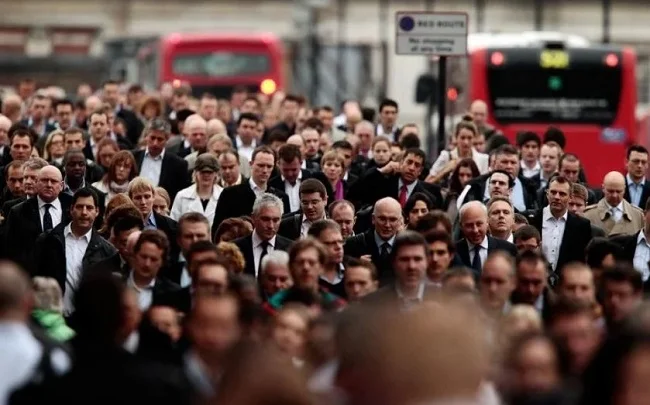


“Have Your Say”, Comments and Online Discourse
This is a big subject and there’s absolutely no way that I can do justice to it in this meagre blog post. I’m going to reference several aspects of online discourse in an attempt to highlight what I see as a major cultural shift that has happened in the last two decades. I’ll be reflecting upon my own experiences which may differ from yours. Geography, communities and culture plays a part in all this and what I observe from my “window upon the world”, may not be identical to yours. But I believe that human interaction is changing; shifting on its axis and will continue to do so. Furthermore, that the liberating benefits of social media have come with several consequences and not all of them good. Am I advocating that things return exactly as they were? No. But I feel that the pendulum has swung from one extreme to another, where the most equitable position is somewhere between these two.
“Unfortunately I don’t respect your opinion Colin, as you’re a barely literate imbecile who has a poor grasp on both contemporary social issues and reality”
This is a big subject and there’s absolutely no way that I can do justice to it in this meagre blog post. I’m going to reference several aspects of online discourse in an attempt to highlight what I see as a major cultural shift that has happened in the last two decades. I’ll be reflecting upon my own experiences which may differ from yours. Geography, communities and culture plays a part in all this and what I observe from my “window upon the world”, may not be identical to yours. But I believe that human interaction is changing; shifting on its axis and will continue to do so. Furthermore, that the liberating benefits of social media have come with several consequences and not all of them good. Am I advocating that things return exactly as they were? No. But I feel that the pendulum has swung from one extreme to another, where the most equitable position is somewhere between these two.
During my youth newspapers were king. Television news was not a 24-hour interactive process, but a passive medium designed to impart data primarily. Leonard Parkin didn’t give a shit whether the story he’d just read had you foaming at the mouth or whooping with delight like a troupe of Mandrills at a watering hole. Nope, he and other news readers were just there to tell you the news. Therefore, if you had something to say, you’d write a letter to your newspaper of choice. It would then be subject to the scruples of an editor with regard to content, tone and length. Thus, those letters published were civil at least in tone. Social etiquette and old-world notions about manners tended to keep any exchange of views relatively polite. Passion could still run high but ultimately no one called each other a cunt. At least not via the letters page. If your age has meant that you missed the era of writing a “strongly worded letter to The Times”, then its importance as a form of debate may be lost on you. But it was such a mainstay of public discourse, that it even became a trope of TV comedy and satire. Monty Python frequently had sketches based upon such angry epistles.
“Dear Sir, I would like to complain in the strongest terms at your inference that writing letters is in some way anachronistic”…
Nowadays, the forum for such debates is either the comments section of a news website or Twitter itself. It’s easy to see how this situation came about. Continuous news coverage has created an appetite for constant content. Input from your audience is a handy form of “filler”. Also, a popular comments section is an added attraction for a website and can in itself be a source of traffic. Initially when this kind of functionality was first rolled out, it usually produced benign content. However, the key to any sort of efficient community management is moderation. When applied in a sober and mature fashion, civilised discourse prevails. If neglected, then you’ll soon find an environment dominated by bellicose, pernicious rhetoric, with no other purpose other than to kill debate. And the thing about moderation is that it needs to be done by people rather than AI. It requires a particular set of social skills and a measured and reasoned mindset. Furthermore, like anything in life, if you want the best you have to pay for it. Sadly, spending money on community moderation is not seen as a priority by those who control budgets.
As well as the above, here are some additional factors that have contributed to where we find ourselves today. Educational standards have changed. There are still schools and exam systems that provide intellectual rigour but there has also been a cultural shift towards learning to pass a specific exam. This is not the same as fostering a questioning mindset and providing the tools to facilitate such a philosophy. This manifests itself mainly as a decline in critical thinking and debating skills which is then further compounded by a growth in emotional dysfunction. Discussing popular topical points has become emotive, tribal and dogmatic. An opposing view is not just a contrary opinion but a personal attack upon you and your values. Social media has extended an unchecked platform to all comers, eliminating the traditional requirement of “knowing what you are talking about” that excluded certain people from older mediums such as TV and print media. Facts and data have been replaced with feelings because they are subjective, personal and far harder to disprove.
The “edifying” comments section of the LBC news radio station website
So where does all this leave us as a society? Well for many it means that they’re less likely to express an opinion, for fear of finding themselves accused of something or in the centre of a major, aggressive and contentious argument. For some that is the desired result, as it effectively puts them in charge of the narrative. It’s a lot easier to drive people away than to have to cogently debate with them. In the long term replacing intelligent, measured discussion with an arbitrary culture war, means that people will simply stay within the confines of likeminded communities. This ultimately leads to social division and compounds matters. And another problem from both a business and socio-political perspective is that the loudest opinion gets heard and acted upon, irrespective of its veracity, rectitude or overall support. Twitter outrage is a far cry from national outrage but the two are often conflated.
But it should be noted that “have your say culture” is very good for business. Content creators of all kinds often feel the need to solicit public opinion under this banner because it generates interest. Are they genuinely interested in the thoughts of opinions of the likes of you and I? I suspect not. But inviting people to “join the debate” is an incentive to visit a site. It generates traffic and is a form of marketing. Would talent-based reality shows be as popular if the public couldn’t vote on the outcome? More than likely not. Social media has had a profound impact upon society in the past decade. It has broken down barriers, removed gate keepers and given everyone a voice. It can be argued that in principle that is a good thing. Yet although everyone is entitled to an opinion, they are not all of equal merit. And some ideas and concepts are best left outside of the spotlight. Yet by inviting all to have their say, many institutions have fallen prey to the fallacy of balance and all views should always be offered with an alternative by default. Therein lies madness
“Please send in your comments, so we can judge you”
This malady blights all communities. I have referenced news websites and political forums but you’ll find the same problem in the gaming community. Write a post about the most inane and innocuous aspects of an MMORPG and there’s a good chance someone will purposely misconstrue your words or simply start an argument because they just don’t like the cut of your jib. As to the solution now that this particular genie is out of the bottle, I suspect it will take a long time to put it back or domesticate it. There is no quick fix, so the best approach is a robust and concerted policy of moderation. “Have your say” culture has in many ways circumnavigated the traditional existing social etiquette so we have to make it the cultural norm again. I am reminded of the campaign against drinking and driving that ran in the UK for nearly two decades. The message through advertising was relentlessly hammered home and over time by a form of cultural osmosis it became broadly the social norm again. Perhaps that’s how we curb the negative aspects of folk having their say. Let us not forget that there are positives to be had from shared experiences.
The New Prime Minister of the United Kingdom
From time to time, I have written what can broadly be classified as political posts. Most of these have been designed to present an overview to those readers who live outside of the UK and may not be familiar with the subtleties of British politics. Furthermore, I am not affiliated to any of the major UK political parties and broadly see myself as politically homeless at present. This post is a brief overview on today’s change in UK Prime Minister and is intended to explain how this situation has occurred and what happens next.
From time to time, I have written what can broadly be classified as political posts. Most of these have been designed to present an overview to those readers who live outside of the UK and may not be familiar with the subtleties of British politics. Furthermore, I am not affiliated to any of the major UK political parties and broadly see myself as politically homeless at present. This post is a brief overview on today’s change in UK Prime Minister and is intended to explain how this situation has occurred and what happens next.
In the 2017 General Election the Conservative Party managed to bolster its reduced numbers in the House of Parliament by doing a deal with the Democratic Unionist Party of Northern Ireland, thus having sufficient seats to form a government. The leader of the Conservative party was at that time Theresa May, so by default she became the 54th Prime Minister of the UK. However, the issue of Brexit currently falls outside of traditional party lines and therefore cannot be seen purely as a “Left versus Right” problem. The Conservative Party has been and remains divided over Brexit and Theresa May has been fighting a running battle not only with opposition parties but with half of her own backbenchers. Due to current parliamentary arithmetic she has been unable to find any support for her Brexit Withdrawal Agreement and effectively lost the ability to lead her own party. Her departure from the office of Prime Minister is down to her own party, who concluded that she couldn’t deliver Brexit in a manner deemed suitable nor win a General Election. Hence, she was politically forced to go.

So in recent weeks there has been a “battle” to become the next leader of the Conservative party because that leader will by default become the next Prime Minister. Needless to say early opinion polls showed the Ex-Foreign Secretary and former Mayor of London Boris Johnson was heading for a substantial victory. Yesterday it was announced that he had won the leadership race against the current Foreign Secretary Jeremy Hunt, by 92,153 to 46,656 votes. Now, it is very important to stress that this was not in anyway, a public vote. This was a vote of Conservative Party members; the members of the general public who are sufficiently engaged politically to pay their subscriptions fees and join the Conservative Party. It wasn’t a vote for Prime Minister but a vote on who would be the new leader of the party. But because that party is currently in government, then that new party leader automatically steps into the role of Prime Minister. Therefore the leader of the 5th largest economy in the world was decided by 138,809 people. The current electorate of the UK is 46.8 million people.
As of this afternoon, Theresa May has visited The Queen and formally resigned her premiership. Boris Johnson will subsequently have an audience with Her Majesty and state his intentions to form a government. Once these formalities have been addressed, he will return to 10 Downing Street and take residence. His next immediate duty is to sign the “letters of last resort”. These are four identically worded handwritten letters from the Prime Minister of the United Kingdom to the commanding officers of the four British ballistic missile submarines. They contain instructions to retaliate or not to retaliate against a nuclear strike, or for the Commander to use their own judgement or to place the vessel under command of an Allied Power. Once this has been done, then it is a question of politics. No doubt the new Prime Minister will make a formal statement to the British public before then proceeding with forming a new cabinet. Political opponents will be dismissed and those loyal, or invaluable will be given new positions. It should be noted that Boris Johnson is a controversial figure within his own party. That combined with current Brexit divisions means that some MPs will not work with him. Several Ministers have already resigned.
What happens in the next few weeks of Prime Minister Johnson’s term of office is much harder to predict. He has stated that he means to return to the EU and “re-open Brexit negotiations, although there is little or no political will from Europe to do such things. There is still very strong political resistance against “no deal” in parliament across all parties. Will there be any tangible movement on Brexit? I’m not so sure. Then there is the issue of international relationships and due to the shadow of Brexit, will there be a shift towards the greater ties with the US and its current incumbent president. There some in the UK that would like to see a Prime Minister that followed suite with President Trump and pursued a similarly unorthodox approach to government. One that is happy to break with tradition and existing perceived wisdom. Yet there are others both at a parliamentary level and as registered voters that are deeply sceptical of Boris Johnson, his political track record, associations and overall approach to politics.
If the new Prime Minster finds himself stymied on all fronts it may well lead to another general election. There is the possibility of a vote of no confidence by MPs or Prime Minister Johnson may well take a calculated risk to hold an election himself to give his position political legitimacy and to seek to increase the Conservative majority in parliament. It should be noted that one of the reasons that Johnson was voted into office by party members, is because he’s one of the few politicians that is recognised nationally. Because a substantial percentage of the UK electorate are not greatly politically engaged, he has the advantage of brand recognition and is perceived as affable and a charismatic. Therefore Conservative party members hope he be able successfully win a further term of office for the current government. Yet the recent Local Council Elections along with the European Election showed that the country remains divided and broadly entrenched in its political positions. I’m not sure if such a gamble would payoff or make any significant difference to the parliamentary landscape.
Effectively it is now just a question of time and waiting to see where Prime Minister tries to go politically. Will he pursue a dogmatic approach to Brexit or will he prove to be more pragmatic and flexible to get this extremely difficult matter resolved? Or will he be politically consumed by his Premiership as his predecessor? As for the man himself and the controversy surrounding him, I will leave that to others to analyse as they have far more information at their disposal than I. Here is a link to an article in today’s Washington Post by Ian Dunt is the editor of Politics.co.uk, in which he scrutinises Boris Johnson and reflects upon both his political and private personas.
Friends, Socialising and Age
This post was inspired by a Tweet on this subject matter. What a topic to explore. Naturally I can’t cover everything I’d like to say. For example people’s definition of friends and friendship may vary with age. Different generations can see common subjects very differently. Then of course there’s the still ongoing debate about whether online friendships are comparable to those in the real world. And there’s also the common experience that age impacts heavily upon our social circles. People get jobs, settle down into relationships and have families. In today’s modern world there are now numerous different permutations of this but the net result is the same. There comes a point where through no fault of your own, you can find yourself without a circle of close friends, like you had as a teenager. This then raises the issue of what do you do if you’d like to do more socialising and meet more people. Because often in later life, a lot of the traditional places and opportunities to meet people, such as work or school, are no longer available. And then there is another matter that some people such as myself face, which is my own “particular” nature. Simply having a pulse and the ability to form a sentence does not necessarily guarantee you being my next bosom buddy.
This post was inspired by a Tweet on this subject matter. What a topic to explore. Naturally I can’t cover everything I’d like to say. For example people’s definition of friends and friendship may vary with age. Different generations can see common subjects very differently. Then of course there’s the still ongoing debate about whether online friendships are comparable to those in the real world. And there’s also the common experience that age impacts heavily upon our social circles. People get jobs, settle down into relationships and have families. In today’s modern world there are now numerous different permutations of this but the net result is the same. There comes a point where through no fault of your own, you can find yourself without a circle of close friends, like you had as a teenager. This then raises the issue of what do you do if you’d like to do more socialising and meet more people. Because often in later life, a lot of the traditional places and opportunities to meet people, such as work or school, are no longer available. And then there is another matter that some people such as myself face, which is my own “particular” nature. Simply having a pulse and the ability to form a sentence does not necessarily guarantee you being my next bosom buddy.
At the age of 51, I find that my circle of friends has reduced over time. Several have emigrated to the US and although we maintain a Facebook Group to stay in touch, it is naturally not the same. Those that remain in the UK have moved further away and we catch up two or three times a year. There is no criticism or blame to be found in this situation, it is simply a fact of life. Having given up full time work to become a carer has also meant that I no longer have work colleagues and the social network that employment can provide. Furthermore, being a self-sufficient individual I do not consider this situation to be a tragedy. However, I do get bored from time to time and crave company on occasions. Mrs Peril (as my partner is referred to on this site) and I try to do social things together and we enjoy these activities when we do. However, at times we would both like to share our respective individual interests with others of a like mind. In my case it would be films and creative writing. So to address these I need to find activities or a group in my local area that can facilitate these hobbies.
Now I am fortunate to live in the south east of one of the most diverse and populace cities in Europe. London certainly doesn’t lack clubs, meeting and social gatherings. So it’ not as difficult to track down a suitable social activity here as it would be in a more rural area. However, finding the right activity is only half the problem solved. You’ve then got to actually go, put on a friendly face and meet people. You may be fortunate to find a great bunch of people and quickly make friends or you may find yourself sitting with people who you struggle to get on with. I think young people try to get on with others a lot more than people of my age. I can remember when I was at college going out with some friends, meeting up with further mutual acquaintances and so the social group expanded. As you get older, I believe we become more risk averse, more cynical and generally less easy going, despite what some people may say. Making friends becomes a little more of a chore because we have learned not to just take things on face value. Plus being sociable can require a lot of energy. Noisy, crowded pubs and generally busy environments can make meeting and greeting people a more taxing experience.
Now I want to address a foible of my own personality that further complicates the process of meeting and making new friends for me. I have never been a particularly easy-going person. I am picky, orderly and I do not suffer fools gladly. Rather than paint a psychological profile of myself as a sociopath, let’s just say that I’m not a fan of light weight small talk nor the superficial. Hence, I may not make friends as easily as others. Let’s also be honest with each other. People usually move in social groups broadly similar to themselves. It is nice to know a wide variety of people but are you are not really going to have close friends who hold totally contrary views, ethics and beliefs to your own. As a carer I seldom meet people of a comparable age to myself, because they are all at work during the day when I’m out doing chores. Most of my minor social interactions are with seniors. I like many of those I talk to but the relationships go no further due to diametrically differing world views and outlooks.
Finally, here’s a minor point but it does have a degree of bearing on the matter. I listen to a lot of podcasts by the likes of Robin Ince, Brian Cox, Lawrence Krauss and Neil deGrasse Tyson. I like scholarly discussions; I like nuanced and measured thinking. Raconteurs’ such as Stephen Fry and Sandi Toksvig are fascinating and amusing. The clinical debating skills of the likes of James O’Brien and Laura Kuenssberg are enviable and engaging. But all these things really skew my expectations. As a result I often find myself at social gatherings, staring into the middle distance with glazed eyes as someone bends my ear about their new car or their “in-depth and analysis” of the major political questions of the day. The lack of witty reposts and puckish epigrams, along with the dearth of anecdotes about Peter Cushing are my cross to bear. But joking aside, I am inadvertently setting the bar very high?
Culture, social etiquette and notions of society are changing and changing fast. Social interaction is already a difficult sea to navigate and the partisan, tribal nature of modern-day life seems to be making it harder. There are times when I look back at my youth and miss its inherent simplicity. Friendship back then seemed to be based on very simple shared “values”. If you liked Thunderbirds, Action Man and then after 1977, Star Wars, then finding a kindred spirit was easy. I think that’s why I enjoy my writing so much. In many ways it is a modern equivalent of that. As to the future I shall strive to widen my social circle and see if I can find some new friends. As I said earlier, I am not a broken man at present due to the lack of company, but it would be nice at times to talk about the decapitation scene at the beginning of The Exterminator, why “the dog” scene in The Fly II breaks my heart and Takeshi’s Castle, with people who also really dig that shit. Let’s see if I can make that happen.
E3 2019
I’ve watched a few presentations from this year’s Electronic Entertainment Expo over the last few nights, mainly out of idle curiosity. Overall, it’s all broadly been what I expected. This is not your run of the mill promotion and advertising. No sir. This is targeted marketing, delivered with all the vigour and verve of “old time religion”, preached by a “fire and brimstone” minister to the faithful. It’s a curious symbiotic relationship between awkward, forty something tech guys as they stand on stage and strive to remember their media training and an audience of fundamentalist gamers who are there to whoop and clap on cue. Information about forthcoming games is not merely imparted but presented as gospel or the party manifesto. I’ll stop there with the religious and political analogies but they come very easily because that’s what E3 reminds me of; a church congregation or a political rally. And when you consider that we now live in an age of “feelings” rather than “thought”, it’s easy to see why enthusiasm for new products has been replaced by an eagerness to climb aboard the hype train and ride all the way to the “promised land”.
I’ve watched a few presentations from this year’s Electronic Entertainment Expo over the last few nights, mainly out of idle curiosity. Overall, it’s all broadly been what I expected. This is not your run of the mill promotion and advertising. No sir. This is targeted marketing, delivered with all the vigour and verve of “old time religion”, preached by a “fire and brimstone” minister to the faithful. It’s a curious symbiotic relationship between awkward, forty something tech guys as they stand on stage and strive to remember their media training and an audience of fundamentalist gamers who are there to whoop and clap on cue. Information about forthcoming games is not merely imparted but presented as gospel or the party manifesto. I’ll stop there with the religious and political analogies but they come very easily because that’s what E3 reminds me of; a church congregation or a political rally. And when you consider that we now live in an age of “feelings” rather than “thought”, it’s easy to see why enthusiasm for new products has been replaced by an eagerness to climb aboard the hype train and ride all the way to the “promised land”.
The Gospel according to Keanu Reeves
E3 follows a clearly established pattern and certainly this year’s show has ticked all the usual boxes. I will now put aside hyperbole and try and articulate what concerns me about this situation. The triple A video game industry has had a very tumultuous relationship with both the gaming press and its core customers in recent years. Early access, broken games, egregious monetisation and a general lack of ethics are just some of the iniquities that are prevalent. Then there’s the broken relationship with the media, “influencers” and a need to “control the message”. And let us not forget that some companies have a track record of institutionalised bullying, sexism, crunch culture and general “douchebaggery”. So I find it somewhat contradictory that such companies have the unmitigated gall to stand on a stage and make out that they’re gamer’s best friend. The very companies that have patented algorithms for trying to squeeze every possible penny from their core customers. It’s also weird that the people who have been burned by such business practises, develop temporary amnesia for the entire duration of E3 and happily participate in this charade.
“Would I lie to you?”
There is a lot of truth in the old adage that politicians are only as good or bad as we allow them to be. We are now seeing a similar race to the bottom spill out of government and become de rigueur in business culture. So unless we call out the video game industry loudly and clearly whenever it lies, acts unethically, abuses customers good will and doggedly perpetuates “bro culture”, we as gamers are just facilitating the ongoing decline of very thing we allegedly love. As for this year’s E3 presentations, sure there do appear to be some good titles coming our way, but if you have a functioning intellect, you’d be well advised to take it all with a pinch of salt. Bear in mind previous games that were much lauded when announced, that subsequently failed to live up to expectations upon release. Do you really want to pay up front purely on the strength of a promise, from “an old liar with honey on his forked tongue”? If gamers truly want the industry to change then they need to stop enabling its failings and encouraging its excesses. Otherwise we are doomed to endure more hysterical, hyperbolic presentations such as those we’ve seen this week.
Identification and Bureaucracy
I spent several hours this week visiting banks, endeavouring to have my personal details added to my Father’s bank accounts. I was recently awarded power of attorney (LPA) and have now got a long list of companies, government departments and organisations that I need to notify so that I can administer his affairs. However, this process has proven a little more difficult than I expected. The problem doesn’t lie with the LPA, which is valid and in order. The main stumbling block lies with me, as I do not have either of the two commonest forms of identification used in the UK; a current passport or a driver’s license.
Luckily, the banks have a list of alternative ID that can be used and I have managed to find two others that I do have. So far, I have used my recent award notice for Carers Allowance from the Department of Work and Pensions (DWP) along with a current bank statement from Santander to verify my identity. However, there were many other alternative forms of ID that I do not have. For example, as I moved in with my partner, utility bills are all in her name. Many of the services that I do pay for myself, such as my mobile phone contract, are administered online and therefore do not provide any paperwork. Needless to say, this situation has given me food for thought about the entire issue of proving my identity.
I spent several hours this week visiting banks, endeavouring to have my personal details added to my Father’s bank accounts. I was recently awarded power of attorney (LPA) and have now got a long list of companies, government departments and organisations that I need to notify so that I can administer his affairs. However, this process has proven a little more difficult than I expected. The problem doesn’t lie with the LPA, which is valid and in order. The main stumbling block lies with me, as I do not have either of the two commonest forms of identification used in the UK; a current passport or a driver’s license.
Luckily, the banks have a list of alternative ID that can be used and I have managed to find two others that I do have. So far, I have used my recent award notice for Carers Allowance from the Department of Work and Pensions (DWP) along with a current bank statement from Santander to verify my identity. However, there were many other alternative forms of ID that I do not have. For example, as I moved in with my partner, utility bills are all in her name. Many of the services that I do pay for myself, such as my mobile phone contract, are administered online and therefore do not provide any paperwork. Needless to say, this situation has given me food for thought about the entire issue of proving my identity.
A cursory search online shows that this is not an uncommon phenomenon and that I’m far from unique. According to the RAC, as of March 2019, the total number of driving licences registered with DVLA in the UK was 48,992,312. The UK population is currently 66.04 million, which means 17.19 million people do not have a driving licence that they can used as ID. It’s a similar story with passports. As of the end of 2018, there were 50,437,362 valid UK passports held by UK citizens. Again that means that 15.66 million people do not currently hold one, again missing out on the commonest form of personal identification.
There are many reasons why a person may not have a driving licence or passport and they tend to be based around age, as well as socioeconomic reasons. The politics of such matters is an entirely different blog post altogether, so I won’t attempt to address that here. In my case, I have written in the past about not being a “driver” which is mainly down to my social circumstances when I was a teenager. I had friends whose employers paid for them to learn how to drive, so they quickly became the designated driver of our group. With regard to work, I’ve always been employed in central London, where public transport is more than adequate. Hence, I’ve never needed to drive and as time has gone by, neither desired to do so. As for a passport I have had one in the past and it expired in 2010. As I have not required to travel outside the UK since then I haven’t renewed it.
We live in a world that is radically different from the one that I grew up in during the seventies. Identity theft has become “a thing” and as we move more towards conducting business online, there is a clear need to be able to easily prove one’s identity easily. Yet the moment western governments raise the subject of identity cards, the public tends to robustly reject such concepts. This is especially the case in the UK. There was legislation brought forward for such a system in 2006 but it was drastically “dialled back” from the original concept. The voluntary system was subsequently repealed in 2010 mainly due to public ill-will. Naturally, there are many cogent arguments regarding personal freedom. Yet on the other hand the UK public is regularly tracked via the use of credit cards, pre-paid travel cards for public transport, not to mention smartphones and the likes of Amazon certainly know what you’re up to. So I find this resolute objection to an identity card system somewhat contradictory.
Returning to the matter of my own personal situation, I have decided to renew my passport and keep this primarily as a form of ID. As it has been under ten years, this renewal can be easily facilitated by the Passport Office and the application carried out online. It comes with a cost of £75.50 which is quite a lot if you are on a low income, but the passport is valid for 10 years so it does present itself as a worthwhile investment. I feel that it is important to ensure that I have all the necessary tools to be able to conduct my day to day business online, as I believe that romantic notions of living “off the grid” will become increasingly unlikely in the years ahead. I’ve read several reports recently regarding increasing levels of “digital exclusion” in the UK which is now seen as a major indicator of social inequality. In the recent EU elections there were several areas in the UK that were testing new voter identification systems. I suspect that in the years ahead photo ID will become mandatory for such activities as voting. The worst scenario could be that if you cannot verify who you are, then you will find yourself marginalised from society.
Nothing Has Changed
On the 23rd of June 2016, the UK held a referendum on whether to remain or leave the European Union. The results were 51.89% to leave and 48.11% to remain. Due to the significance of the subject matter and the way the European question has been discussed in the media over the past decade, there was a high voter turnout of 72.21%. 33,577,342 people cast their vote out of a total electorate of 46,500,001. The levels of public engagement were far higher than those seen with local or general elections. However, despite a binary question yielding a binary result, the issue of Brexit has not been laid to rest. It can be cogently argued that the entire referendum was rushed, poorly thought through, with neither side running campaigns that provided all the relevant facts of the impact of leaving the EU. As ever the entire matter has been driven first and foremost by party politics and remains so today. Perhaps the biggest issue that stems from the 2016 vote is the size of the leave victory. A “win” of 1.89% is far from decisive and makes a nonsense of political rhetoric such as “the will of the people”. At the time, Nigel Farage, then leader of the UK Independence Party, stated that “a 52-48 referendum this would be unfinished business by a long way. If the Remain campaign win two-thirds to one-third that ends it”. Unfortunately, nearly three years on Brexit shows no sign of ending.
On the 23rd of June 2016, the UK held a referendum on whether to remain or leave the European Union. The results were 51.89% to leave and 48.11% to remain. Due to the significance of the subject matter and the way the European question has been discussed in the media over the past decade, there was a high voter turnout of 72.21%. 33,577,342 people cast their vote out of a total electorate of 46,500,001. The levels of public engagement were far higher than those seen with local or general elections. However, despite a binary question yielding a binary result, the issue of Brexit has not been laid to rest. It can be cogently argued that the entire referendum was rushed, poorly thought through, with neither side running campaigns that provided all the relevant facts of the impact of leaving the EU. As ever the entire matter has been driven first and foremost by party politics and remains so today. Perhaps the biggest issue that stems from the 2016 vote is the size of the leave victory. A “win” of 1.89% is far from decisive and makes a nonsense of political rhetoric such as “the will of the people”. At the time, Nigel Farage, then leader of the UK Independence Party, stated that “a 52-48 referendum this would be unfinished business by a long way. If the Remain campaign win two-thirds to one-third that ends it”. Unfortunately, nearly three years on Brexit shows no sign of ending.
Traditionally, UK politics is mainly driven by two major parties, which hail from different ends of the political spectrum. Major socioeconomic issues are usually championed or opposed by each of these groups. The UK electorate are broadly tribal and due to the first past the post voting, deciding outcomes on the big issues such as taxation, the economy and social matters is fairly straightforward. However, Brexit has thrown a major spanner in the works, as it has fallen outside of this existing methodology. The choice of whether to remain or leave has divided both the Conservative and Labour parties, therefore neither are fully invested in one particular position. Parliament is therefore split on Brexit which is why it has been unable to deliver a definitive outcome. The referendum asked a very simple question and the results were then handed to parliament to implement. But parliament has not managed to do this and it would appear that this inertia will prevail for the immediate future. There is no majority view on either side of the debate and more importantly, parliamentary numbers to back a specific position and force it through.
The entire Brexit debate has also seen a shift in UK politics away from evidenced based, factual driven policy and measured reasoned debate. In many ways Brexit has been co-opted into a broader political cause that encompasses many long-standing grievances. Regional inequality, a decade of austerity and fears over globalisation and social change have resulted in a major sense of pushback against a political system and traditional parties that do not appear to serve any interest other than their own. Societal changes have seen broadly held political ideologies erode and the rise of consumerism and individualism means that many now view politics as a mechanic for facilitating one’s own needs, rather than the collective “good” of the nation. Hence Brexit is a very dogmatic and tribal driven debate. Contemporary politics has always been up until now about compromise and what can be achieved over what is hoped for. Yet attempts to compromise over Brexit have failed in parliament and certainly the public appears to have no stomach for it. It’s very much a case of all or nothing.
Last week, the UK voted in the European Parliamentary Elections. Due to the ongoing Brexit impasse, the country was legally bound to participate. As many of the electorate were deeply unhappy with the status quo there was a strong show of support for the newly formed Brexit Party, which has campaigned on a single issue and has at present no other distinct policies. Hence the traditional parties of Labour and the Conservatives suffered an unparalleled loss of public support. Again this stems from neither having a clear policy on the matter. At first glance, it would appear that the Brexit Party was the major success story of these elections. As ever politicians interviewed across multiple news outlets fought to put their own unique spin on the results, to either validate their own positions or to mollify the political fallout. But if one looks beyond the rhetoric and consider the results in a measured analytical fashion, they offer a rather stark conclusion. It is broadly agreed that these elections where fought predominantly on one issue alone; the question of Brexit. Therefore if the results are viewed from such a perspective you find that leave voters predominantly supported the Brexit Party which polled 31.6% of the vote. Remain voters backed the Liberal Democrats and the Green Party who collectively made up 32.4% of the vote share. If you then consider the Scottish and Welsh Nationalist votes, as both parties have a clear remain agenda, then that adds a further 4.6% to that position.
The question of where the two big parties stand is more ambiguous so it is hard to assign their numbers to either of the two sides of the Brexit debate. Ultimately these numbers show that there is still no majority view in the UK of the subject of leaving the EU. Furthermore, the electorate appear to be becoming more entrenched in their position and have simply transferred their votes to those parties that have a clear policy on the subject. Therefore the conclusion is that after nearly three years, despite numerous debates in parliament, new facts and details about the reality of Brexit becoming apparent and continual public discourse on the matter, nothing has changed. This conclusion is certainly food for thought.
For those who wish to see a speedy resolution to Brexit, these results are a clear sign that such a thing is not going to happen any time soon. The question of Europe and our relationship with the continent has claimed yet another Conservative leader and we now face the prospect of an acrimonious battle for the position. Currently the next leader will become Prime Minister by default, yet regardless of whether that individual adopts a tougher stance on Brexit, favouring a no deal resolution, it doesn’t alter the current parliamentary reality. There is still no prevailing consensus among MPs and no one political party has sufficient numbers to force through any kind of definitive decision. Furthermore, the divide within the Conservative party is such that some MPs are preparing to vote against their own government and party to initiate no confidence proceedings if a no deal scenario becomes likely. Simply put, last night’s election results have made the Brexit conundrum even harder to resolve.
So what happens next? If both Labour and the Conservative parties wish to survive as functioning political entities, then they need to rethink their positions and effectively pick a side very quickly. It will more than likely be a case that the Conservatives will now pursue a no-deal stance and go all in on concluding our exit from the EU by the current October 31st deadline. Labour will now have to clearly adopt a confirmatory vote policy that includes a remain option, on any proposal that parliament agrees upon. Again, the notion of compromise is jettisoned. There will naturally be consequences for picking a side, as much as there will be for not doing so.
Brexit remains the most impossible political circle to square in current peace time politics. And due to the lack of a clear consensus among the electorate, no single outcome will “heal the nation”. The UK is not only going to remain an angry divided nation, it is more than likely going to get a lot worse. For those outside of the UK with an interest in global politics, I’m sure the Brexit issue may well provide fascinating viewing and much to consider. Yet for those living and enduring the ongoing Brexit debacle it is becoming a major source of worry and concern. There is scope for a no deal Brexit to have calamitous results upon the UK economy, potentially of the kind you cannot just ignore. Similarly, overturning Brexit and revoking Article 50 could also lead to the implosion of nation politics and the collapse of the “perception” of democracy. A political “Kobayashi Maru test” if you will. What happens next is anyone’s guess.
Personal Health
It’s hard to write about ones own personal health issues and how one addresses them without coming across as smug, sanctimonious or oblivious to the fact that it’s all relative. I wrote back in early March about how I was going to try and get my “house in order” by losing weight and also undertaking the NHS Health Check. A six weeks on and progress is being made. However, I would just like to re-iterate that what has proven to work for me, may not do so for others. We all have our own unique relationship with our own health and therefore there is a need to find ways that work for us as individuals. Therefore my dietary regime which seems some what easy to me, may prove to be far too draconian for others. Similarly my exercise targets are also suited to my temperament and limitations. But I hope that by sharing my progress I can at least provide some encouragement to others.
I don’t know why but images like this just annoy me…
It’s hard to write about ones own personal health issues and how one addresses them without coming across as smug, sanctimonious or oblivious to the fact that it’s all relative. I wrote back in early March about how I was going to try and get my “house in order” by losing weight and also undertaking the NHS Health Check. A six weeks on and progress is being made. However, I would just like to re-iterate that what has proven to work for me, may not do so for others. We all have our own unique relationship with our own health and therefore there is a need to find ways that work for us as individuals. Therefore my dietary regime which seems some what easy to me, may prove to be far too draconian for others. Similarly my exercise targets are also suited to my temperament and limitations. But I hope that by sharing my progress I can at least provide some encouragement to others.
I started March weighing 180.6 lbs (82 kg) which is not excessively obese but is still the wrong side of the line for my personal liking. I am just under six foot and this excess weight has been mainly around the waist. So I decided to remove all random snacking and excessive alcohol from my daily diet. I have structured meals at specific times of the day. Breakfast mainly consists of either eggs, toast and Marmite or some tediously healthy form of cereal. I then have a substantial meal in the late afternoon which is based around fish or chicken along with vegetables. Rice or beans are used as an alternative to potatoes and chips. If I feel hungry in the mid-evening, I now have fruit (mainly apples or pears) as a snack. I drink mainly coffee (with sweeteners) or diet drinks continuously throughout the day. Alcohol is now limited to Wednesday and Saturday evenings.
Kebabs are now verboten . Bummer…
What this regime achieves is a reduction in calorie intake. And let’s face it, the kind of food that’s now eliminated from my daily diet was certainly high in calories. There is also scope within my current eating habits for the occasional treat once a week, such as a takeaway meal or a visit to a restaurant but no more than that. I have also found that years of recreational eating has impaired my personal perception of when I’m hungry. All too often I get the urge to eat “out of habit”, rather than because I’m genuinely in need of sustenance. However, recognising this state of mind is an invaluable step towards addressing the problem. I find that if I keep myself busy (and my life certainly does that) I can effectively ignore this faux sense of hunger. Drinking a beverage can also temporarily assuage thoughts of “being hungry”. And of course the most practical thing one can do to avoid the temptation of snacking is to just not have any in the home.
Controlling food intake is just half of the solution when it comes to weight loss. The other part of the equation is exercise. My exercise of choice is walking. I do a great deal of chores and tend to shop locally, thus providing a reason for daily visits to the shops and carry shopping home. I track my step count with my phone and have a daily step count of 10,000, which I achieve more often than not. On a side note, I bought two new pairs of trainers at the beginning of December, I decided to by alternative brands from that which I usually buy. Sadly the true cost of buying cheap has become clear, as I have worn one pair complete through in just four and a half months, but I digress. I recently had a “NHS Health Check” and was very pleased to find that everything is in order. My kidney and liver function are fine. There’s no signs of heart disease, cancer or insipient dementia. I just need to get my cholesterol level down from 5.3 mmol/l to about 4.0 mmol/l.
Science and stuff…
So overall, the first month of my new health regime has been a success. As of Monday I now weigh 174.2 lbs (79 kg); a loss of 6.4 lbs (2.9 kg) in 5 weeks which isn’t bad going. So I just need to keep going. Ideally, I would like to get my weight down to about 168 lbs (76.2 kg) and keep it there. However, weight loss is one issue. Keeping static at a target weight is another matter altogether. I shall continue to write about this subject from time to time, again in the hope of sharing information and encouraging others. Good luck to all who are currently seeking to lose weight or generally improve their overall health. It is a hard task to initiate and then stick with and there is no “one size fits all” solution. Everyone has to find the way that is right for them. As ever, feel free to comment and share your own perspective on what is a difficult subject.








April Fool's Day
According to Wikipedia "April Fools' Day or April Fool's Day (sometimes called All Fools' Day) is an annual celebration commemorated on April 1 by playing practical jokes and spreading hoaxes. The jokes and their victims are called April Fools". It appears to be a pan-european custom, with many countries having a broadly similar tradition of playing pranks of creating bogus events. However, little is known about the origins of April Fools and what was its initial historical or social meaning. April Fool’s Day is another tradition that has been subsumed into the mainstream over time. Today various websites, TV stations and newspapers will be churning out faux stories and photoshopped pictures in an attempt to be amusing and join in the "fun". All to varying degrees of success. It can be seen as either mildly amusing or yet another example of the Pavlovian, emotional push button culture that we live in these days. Organised "fun" run by big business, which is soulless, aimed at the lowest common denominator and often achieving the opposite of what is seeks to do.
According to Wikipedia "April Fools' Day or April Fool's Day (sometimes called All Fools' Day) is an annual celebration commemorated on April 1 by playing practical jokes and spreading hoaxes. The jokes and their victims are called April Fools". It appears to be a pan-european custom, with many countries having a broadly similar tradition of playing pranks of creating bogus events. However, little is known about the origins of April Fools and what was its initial historical or social meaning. April Fool’s Day is another tradition that has been subsumed into the mainstream over time. Today various websites, TV stations and newspapers will be churning out faux stories and photoshopped pictures in an attempt to be amusing and join in the "fun". All to varying degrees of success. It can be seen as either mildly amusing or yet another example of the Pavlovian, emotional push button culture that we live in these days. Organised "fun" run by big business, which is soulless, aimed at the lowest common denominator and often achieving the opposite of what is seeks to do.
Many of the traditions that we maintain as a society, began with honest intentions. Such things as public holidays, religious observance or the simple celebration of a group or ideal are prime examples of this. Inevitably the meaning of many of these traditions can become diluted over time. They can become exercises in marketing or tedious institutions perpetuated by those with an agenda. For me April Fool's Day is the embodiment of this concept. An exquisitely unfunny ritual that is inflicted upon us by those who don't realise (or care) that the activity is totally arbitrary. Furthermore, if you criticise it or point out its short comings you are frequently derided. “Don’t you have a sense of humour?” or “why are you being such a kill joy?” But these are pointless deflectionary statements that fail to address legitimate complaint. Sadly such rhetorical tactics are common place these days.
From my perspective, fun, humour and laughter are organic things. I hate the concept of organised corporate fun. That it is something to be martialled and stage managed by self-appointed arbiters. However, one can argue that if you don’t like the hoaxes and false headlines that will no doubts be widespread today, simply limit your online activity. Ultimately, this sort of low-level April Fool’s “japery” is not the main problem. You can argue that it contributes to the infantilization of society and lowers the cultural bar, but it is not alone in doing that. No, what really concerns and infuriates me is that in various offices, schools and other institutions today, people will be using the bogus cover of April Fool’s to “prank” colleagues. And by “prank”, I mean bully, humiliate and just generally harm someone else for their own amusement. In my thirty-year working career, I’ve seen this happen numerous times. Usually in all male environments. It may start with hiding possessions or sabotaging equipment; things designed to inconvenience or confuse. But I’ve also seen people tied to a window pole with roller towel and left.
I despise, loath and abhor "prank culture". It is founded upon psychological torture and bullying, but disingenuously tries to justify itself by usurping the cultural acceptance of humour. The go to mantra of prank perpetrators that "it's just a joke" is an utter lie. Something arbitrarily trotted out to justify being cruel to someone. Any alleged "humorous" endeavour that seeks to take away someone's dignity, holds them up to ridicule or make them feel small is patently not a joke. It is simply recreational spite. Humour, wit and satire are powerful tools and in an unequal society should be used to punch up and not down. Pranking of the type I’ve described can also have a more sinister dimension. It can be motivated by prejudice and bigotry and therefore weaponised. In the case of the individual who was mummified with roller towel, they were ultimately targeted because they were a Jehovah’s Witness.
We live in an age where if someone’s experience does not correlate with our own, there is a tendency to be dismissive of it. I’m sure there are those who will say “I like don’t mind the website hoaxes and the funny news headlines. I’ve never seen or been on the receiving end of an unpleasant prank”. The erroneous conclusion is that I’m over reacting or simply trying to be some sort of “fun police”. But the reality is there are people who have dreaded the approach of April 1st for several weeks now, because they know that someone is planning to mess with them. Conversely there are also appalling people who have been counting down the days to this point in time, because it provides them with a semi-legitimate excuse to persecute someone for their own personal pleasure. April Fool’s Day is frankly one tradition I’d quite happily like to see wither on the vine. It has out lived any usefulness it ever had and is now just a liability.