
MMO Tropes: Running All the Way
“The MMO genre is rife with its own set of tropes; recurring themes and motifs that have become established and ubiquitous. All of which are ideal material for a hastily produced, lazily conceived, recurring blog post”. I was in London recently, idly walking to the Natural History Museum in South Kensington, when a group of tourists started running for no discernable reason. Someone I was with asked “ I wonder why they’re running” and I replied “perhaps they think they’re in an MMO”. The quips fell on deaf ears but that is a cross I often have to bear. This anecdote highlights one of the points of this post. Namely, why do our avatars in the MMORPG genre run by default? I would also like to discuss the manner in which MMOs address the issue of travel around an ever expanding virtual world. Is fast travel lazy? Our mounts a boon or a bane?
“The MMO genre is rife with its own set of tropes; recurring themes and motifs that have become established and ubiquitous. All of which are ideal material for a hastily produced, lazily conceived, recurring blog post”. I was in London recently, idly walking to the Natural History Museum in South Kensington, when a group of tourists started running for no discernable reason. Someone I was with asked “ I wonder why they’re running” and I replied “perhaps they think they’re in an MMO”. The quips fell on deaf ears but that is a cross I often have to bear. This anecdote highlights one of the points of this post. Namely, why do our avatars in the MMORPG genre run by default? I would also like to discuss the manner in which MMOs address the issue of travel around an ever expanding virtual world. Is fast travel lazy? Our mounts a boon or a bane?
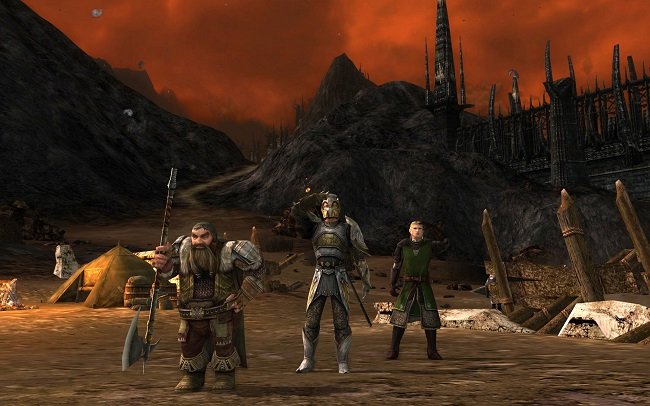
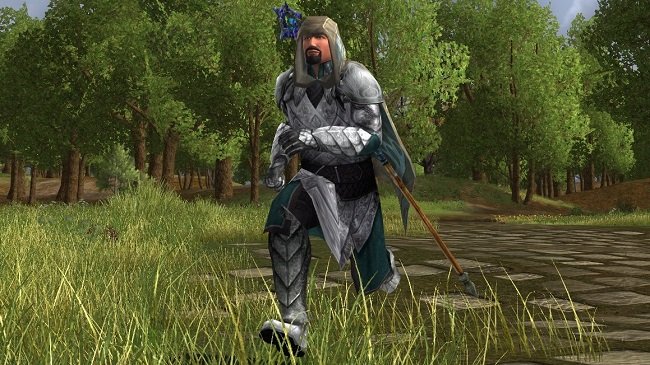
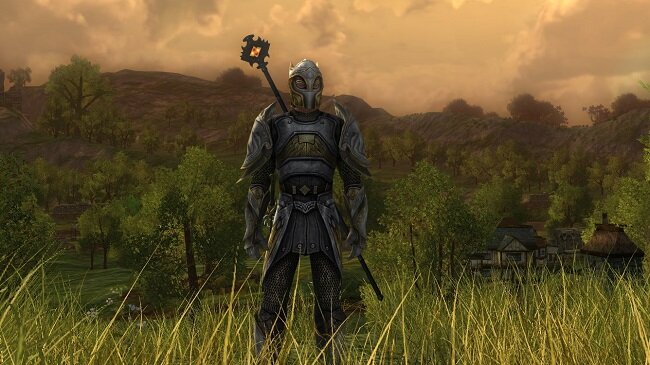
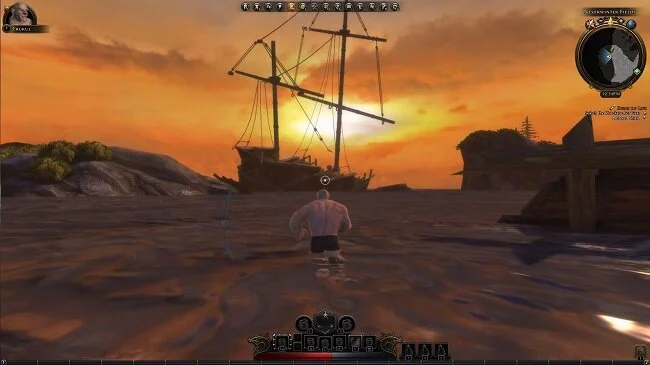
Although MMOs are often proud of the size and scale of the virtual world’s they’ve created, getting around is time consuming and at times a chore. Hence, running in an MMO is usually the most expedient way of travelling. It’s not mandatory though, which is why you will sometimes see role players walking everywhere for realism. The trade off is that it takes longer and you look like a fool doing it. Each to their own. When you’re new to a game, discovering and exploring a major quest hub, such as Minas Tirith in The Lord of the Rings Online, is a source of enjoyment. However, roll on a few weeks and it soon becomes a nuisance that has to be managed and endured. Mercifully, most MMOs have various means of fast travel, via waypoints, shrines, or stables. This is done for convenience, although some will argue it comes at the expense of immersion.
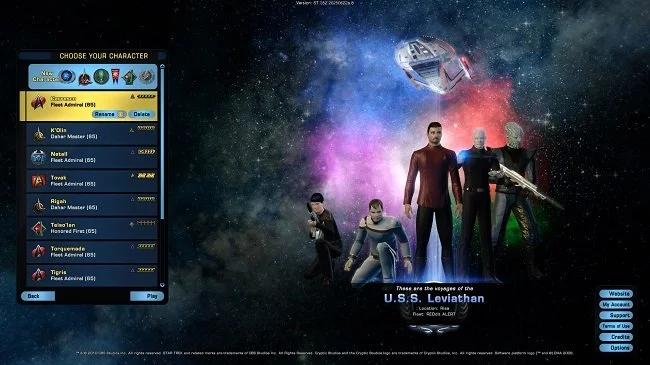
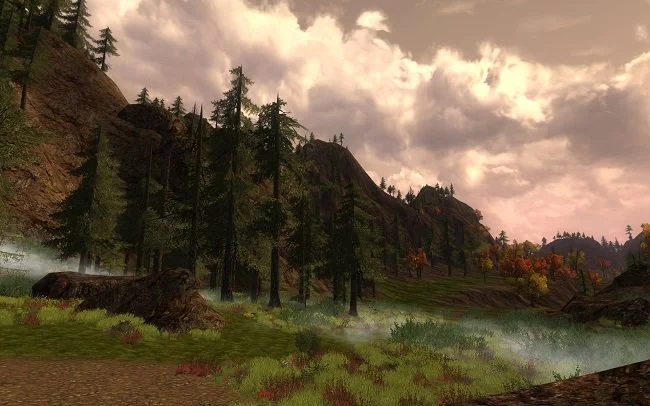
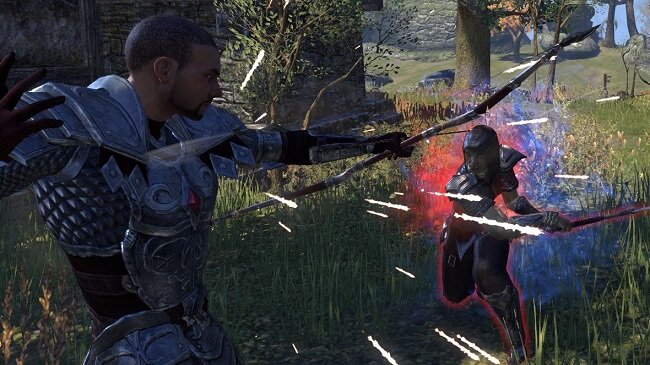
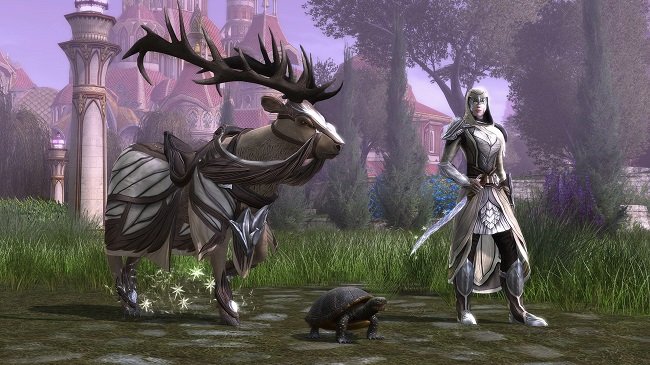
As many MMOs are fantasy based, animal or beast themed mounts can provide a suitable, lore friendly means to travel around. Although fast travel from point to point is convenient, riding around and exploring the immediate environment can be a major point of appeal for an MMO. LOTRO does this very well as Standing Stone Games’ virtual Middle-earth is one of the biggest gaming maps available. The world is diverse and richly designed and there are many iconic places to discover. The Elder Scrolls Online similarly offers a varied and immersive open world to explore. Cryptic’s Star Trek Online handles the vastness of the galaxy well. Sector Space is big and takes a degree of time to traverse. This situation does improve once you hit the level cap and can access Quantum Slipstream drive which allows for much faster short bursts of speed. Star Wars: The Old Republic has a far more practical point to point, hyperspace travel system but I never liked the way it cost you money for fuel.
Another thing to consider about running in MMOs is that it does have some tactical applications beyond its functional use. For example, depending upon “aggro mechanics” it is possible in some games to run past or even through a group of mobs without alerting them. Even if you do trigger enemies, in many MMOs you can outrun them although such things do come with an element of risk. For example, in LOTRO it is entirely possible to run through Moria (with an alt at the same level of the content) from the West to East gates and survive, as long as you know the most expedient route. Then there are the practical benefits of a strategic withdrawal. Remember, “he who fights and runs away, lives to fight another day”. Temporary running buffs can also be useful when “retreating to victory”.
Single player games seem to handle travel differently and certainly have some advantages. I envy the fact that a game like Grand Theft Auto V or Red Dead Redemption 2 provide the players with access to public transport. I especially like riding the train between towns in RDR2 as it is very restful and highlights for a few minutes the detail of the open world. Similarly, using the L Train in GTA V adds to the illusion of a living city. It would be nice to see something like that in the MMOs genre. I also liked the way in LA Noire, if you don’t want to drive the car yourself from case to case, you simply use the passenger door and your NPC companion would be the designated driver. All goes to show that you can approach the matter of getting from A to B with a degree of creativity, rather than just running all the way.


DMZ and "Pay to Win"
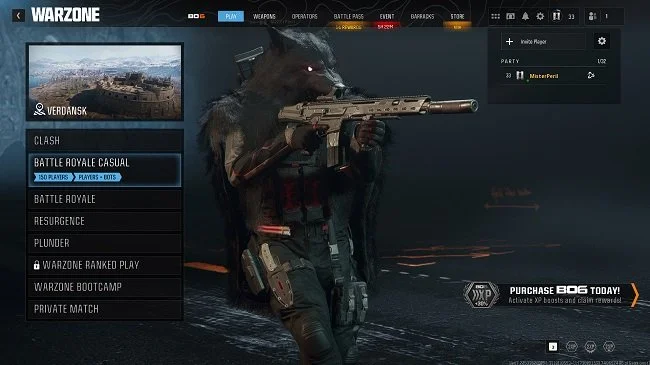
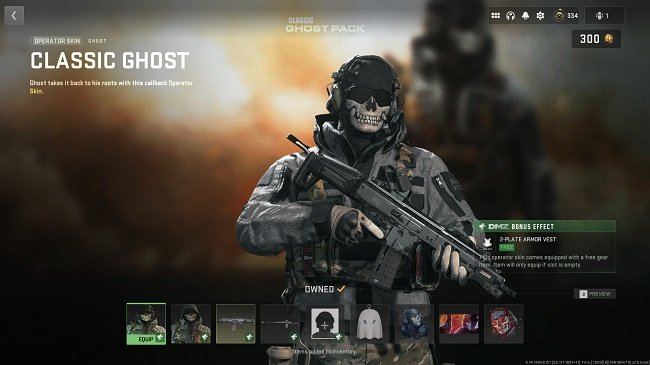
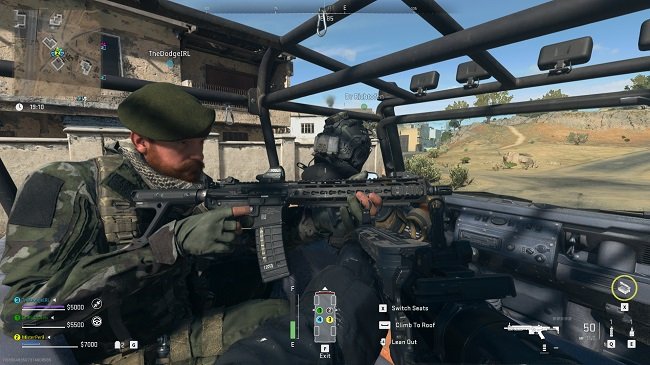
For those who are not familiar with this latest niche piece of “gaming outrage”, it regards the extraction shooter Warzone 2.0 DMZ, which is part of the Call of Duty franchise. When you enter the game (either solo or in a squad), you use gear that you have previously collected. A key part of the game is looting and upgrading your weapon, bullet proof vest (there are 3 tiers) and sundry support items. If you die, then you lose all the equipment you are currently carrying. With this in mind, Activision have recently added two purchasable gear bundles to the game store. One comes with a medium size backpack by default. The other comes with a 2 plate vest (tier 2) and two weapons that only have a 15 minute cooldown. This does offer a degree of convenience. Furthermore, the second bundle is tied to the Ghost operator skin, who within the game’s canon is an iconic figure. Hence there has been a great deal of debate over the rectitude of these bundles.
For those who are not familiar with this latest niche piece of “gaming outrage”, it regards the extraction shooter Warzone 2.0 DMZ, which is part of the Call of Duty franchise. When you enter the game (either solo or in a squad), you use gear that you have previously collected. A key part of the game is looting and upgrading your weapon, bullet proof vest (there are 3 tiers) and sundry support items. If you die, then you lose all the equipment you are currently carrying. With this in mind, Activision have recently added two purchasable gear bundles to the game store. One comes with a medium size backpack by default. The other comes with a 2 plate vest (tier 2) and two weapons that only have a 15 minute cooldown. This does offer a degree of convenience. Furthermore, the second bundle is tied to the Ghost operator skin, who within the game’s canon is an iconic figure. Hence there has been a great deal of debate over the rectitude of these bundles.
Like many multiplayer games, there is a broad spectrum of player skill in DMZ. If you are at one end, then these so-called “pay to win” bundles are not required. Skilled players will maintain multiple operator slots (you can have up to 5) with appropriate gear for a variety of tasks. If you’re at the other end or approaching the middle of the skill spectrum, then the 2 plate vest, 15 minute cooldown weapons and medium bag cosmetic skins offer a practical benefit. And that benefit is one of convenience. A player doesn’t start the game immediately feeling vulnerable and having to search for better gear. However, I seriously doubt that the benefits offered matter little to top tier players. In my experience high end players and those of lesser skill seldom cross paths. When I play DMZ I find myself grouped with players of commensurate skill to my own. IE Distinctly average.
Ultimately, I find that the arguments against these “pay to win” bundles are mainly ideological. Objections are usually made by players that consider the game to be primarily about skill, leaderboards, hierarchies and perceived status. The sort of gamers that see DMZ as competitive and treat it like a sport, with the assumption of associated rules and player etiquette. Although players who think this way are entitled to their opinion, they need to realise that not all the playerbase feel the same way. Many, myself included, consider online gaming a recreational service. I play for entertainment and fun. I also pay money for this service and therefore expect a degree of “quid pro quo”. That’s not to say I want frictionless gaming, but I don’t expect my fun to metaphorically be sacrificed on the altar of more skillful players’ philosophy.
I therefore fully expect Activision to continue to monetise the game in this fashion and to take it as far as they can before there is a genuine mutiny. In a perfect world there would be no “pay to win” and players would be far more appropriately segregated to ensure that they were provided with a more equitable gaming experience. But we live in an imperfect world, and developers always prefer the path of least resistance as opposed to doing something labour intensive. So it is pointless to expect anything so egalitarian as a removal of “pay to win” items.
Finally, it never ceases to amaze me how so many gamers temporarily suspend their default consumerism and libertarian outlook and expect a meritocratic and altruistic approach from the video game industry. An industry that in many ways is the embodiment of the worst excesses of modern capitalism. They will complain about fairness, morality and ethics in the video games they play righteous indignation. Something they fail to do in other aspects of their real lives on a daily basis. Say no to “pay to win” in Warzone 2.0 DMZ but fuck universal healthcare because that’s “socialism”. Such is the cognitive dissonance of Gamers (™).



The Hunter: Call of the Wild
I have always dismissed hunting games as “not my thing”. Perhaps that stems from my ambivalent views about hunting per se. Yet after recently watching a YouTube video for The Hunter: Call of the Wild, I revised my opinion. The footage showed a slow and thoughtful game and I was also surprised to see that there was a campaign with a story. Hence I decided to step outside of my comfort zone and give the game a try. The base edition can be purchased for £20 on Steam and there is a wealth of optional DLC. I bought a bundle that included some additional maps, weapons packs and a dog that can be used for tracking. I also bought a quad bike as this is invaluable for traversing the open world, which is enormous. As ever with steam, the installation was easy and hassle free and within an hour I found myself exploring Layton Lake District, which is based upon the Pacific Northwest geographic region.
I have always dismissed hunting games as “not my thing”. Perhaps that stems from my ambivalent views about hunting per se. Yet after recently watching a YouTube video for The Hunter: Call of the Wild, I revised my opinion. The footage showed a slow and thoughtful game and I was also surprised to see that there was a campaign with a story. Hence I decided to step outside of my comfort zone and give the game a try. The base edition can be purchased for £20 on Steam and there is a wealth of optional DLC. I bought a bundle that included some additional maps, weapons packs and a dog that can be used for tracking. I also bought a quad bike as this is invaluable for traversing the open world, which is enormous. As ever with steam, the installation was easy and hassle free and within an hour I found myself exploring Layton Lake District, which is based upon the Pacific Northwest geographic region.
The Hunter: Call of the Wild was released in 2017, yet has been continuously supported by developers Expansive Worlds since then. Over the last five years the game has received new content and had its systems revised. The last patch was 14th March this year and it appears that there is a robust community of players. The game, much to my surprise, supports multiplayer gameplay and does something most unusual in so far as you can play on maps you don’t own while in co-op mode. This “try before you buy” approach is most equitable. Furthermore, the DLC seems to be functional and doesn’t fall into the “pay to win” category. There are cosmetic skins, weapons packs and most significantly, new maps featuring locations from all over the world. The prices are reasonable, although if you do decide to be a completionist and buy everything, you will end up spending an additional £115 on top of the base game.
Upon starting The Hunter: Call of the Wild, the player finds themselves on a jetty in the Layton Lake District, armed with an entry level rifle, revolver and shotgun. The tutorial (more on this later) and story is supplied via the Huntermate handheld device. This is a cross between a GPS tracker and a cell phone. You receive updates, missions and back story details via the reserve warden Colton “Doc” Locke. The Huntermate can display details of tracks, droppings and blood trails. It is also a means of taking screen captures in-game as it has a photo mode. From here the game quickly has you learning the basics of tracking, using lookout points which open up locations of note on the map and finding outposts. The latter are bases where the player can purchase resources, change their loadout, access their dog and quad bike, if purchased. Outposts also facilitate quick travel.
Hunting games are by their very nature, stealth games and The Hunter: Call of the Wild is no exception. This is a genre where it is beneficial to take a slow and methodical approach. Tracking is simple in principle but far trickier in reality. The player has to keep their noise level down (this is tracked by an in-game meter) and be aware of the wind direction as their scent can give their presence away (again there is a HUD display for this). Lures can be used to attract animals and the optional dog is great for tracking wildlife. Animals are also subject to a night and day cycle. There are also specific locations to be found where wildlife graze and drink water. All these factors come to bear when hunting. Due to the expansive open world, the quad bike is invaluable, although it is also noisy so has to be abandoned when you get near your quarry.
Talking of noise, sound design is an integral part of The Hunter: Call of the Wild. The ambient sounds are both atmospheric and functional. Footsteps alter depending upon where you walk and what you walk upon. Animal sounds can alert you to their presence but conversely, they may also tip you off when they have detected you. Wind, rain and moving water all contribute to the overall environmental atmosphere. At night, the sound design becomes positively alarming at times, utilising animal sounds that you may not immediately expect from such creatures as deers and rabbits. The game uses ambient music sparingly but each map does have its own bespoke theme which is appropriate. There is also support for Dolby Atmos and it showcases all the aforementioned attributes well. Sound is so often the one aspect of game design that gamers are inattentive of, turning it down or even off.
When it comes to actually shooting an animal, the game offers a similar amount of complexity to tracking. An appropriate calibre firearm has to be selected depending on the prey. Ammunition also is a key factor offering improved accuracy or penetration. Lying prone stabilises your shot but sway is still a factor, so the game uses a “hold your breath” mechanic found in most FPS games. However, perhaps the most important skill is choosing where to aim for a “quick, clean kill”. This requires the player to learn about animal anatomy and how shots to vital organs are the most desirable. Be warned, most of your initial kills will not be instantaneous and will require the player to track a blood trail to find their deceased target. Animals that you have successfully killed can be examined to determine where the bullets penetrated and what damage they did. There’s even a posthumous x-ray mode.
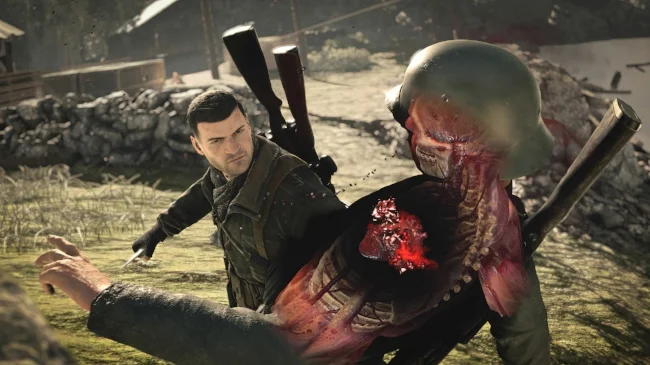
Now some may find all of this distasteful but I would point out that a game such as Sniper Elite does all the above but the target of choice are people, so I am not going to debate the morality of this particular game here. So far, The Hunter: Call of the Wild has proven absorbing, leisurely and at times quite impressive in the scope of its virtual world. I was pleasantly surprised by the narrative campaign and love my dog, which has skills that you can level up. The game is mainly in first person but can optionally switch to third when riding on a quad bike. Sadly, the tutorial is woefully lacking, leaving you dependent on internet searches. Also running and walking seem a little off and akin to wading through molasses. But these quibbles aside, the game’s greatest appeal is its pacing, which eschews the boisterous nature of so many other genres. The Hunter: Call of the Wild rewards the player who wants to take their time and consider their plan of action.







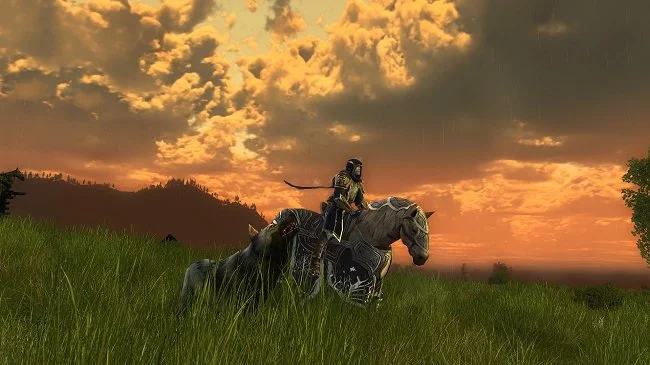
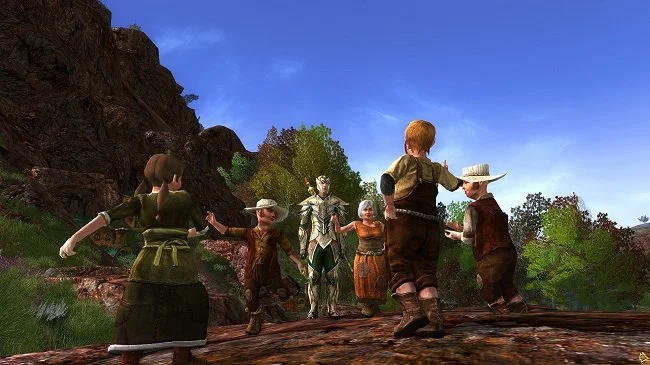
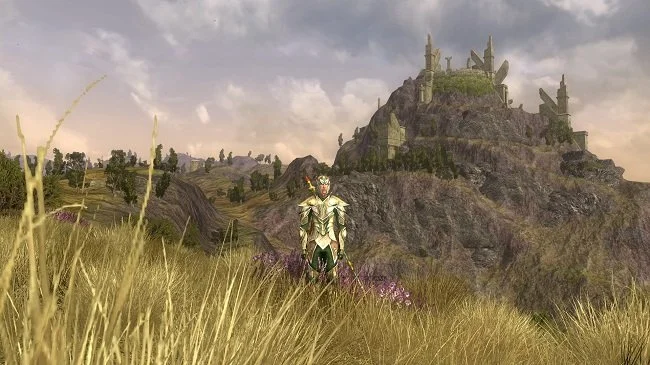
More Games We Cannot Play
Nearly six years ago, I wrote a post about games that I wanted to play but couldn’t due to my inherent lack of skill and coordination. Since then I have also written about several games that I would like to enjoy but can’t, because they’re multiplayer and I do not know anyone else that plays them. I have also pointed out in subsequent posts that my personal experience of some games is nothing like that shown in the promotional videos. This is often due to the two aforementioned reasons. C’est la vie. Such is the nature of video games. Some you can play, others you can’t. Fortunately the latter doesn’t happen that often and by and large, I get by just fine. However, recently the phenomenon of “games we cannot play” has raised its ugly head once again. So I thought I’d share my latest thoughts on the matter.
Nearly six years ago, I wrote a post about games that I wanted to play but couldn’t due to my inherent lack of skill and coordination. Since then I have also written about several games that I would like to enjoy but can’t, because they’re multiplayer and I do not know anyone else that plays them. I have also pointed out in subsequent posts that my personal experience of some games is nothing like that shown in the promotional videos. This is often due to the two aforementioned reasons. C’est la vie. Such is the nature of video games. Some you can play, others you can’t. Fortunately the latter doesn’t happen that often and by and large, I get by just fine. However, recently the phenomenon of “games we cannot play” has raised its ugly head once again. So I thought I’d share my latest thoughts on the matter.
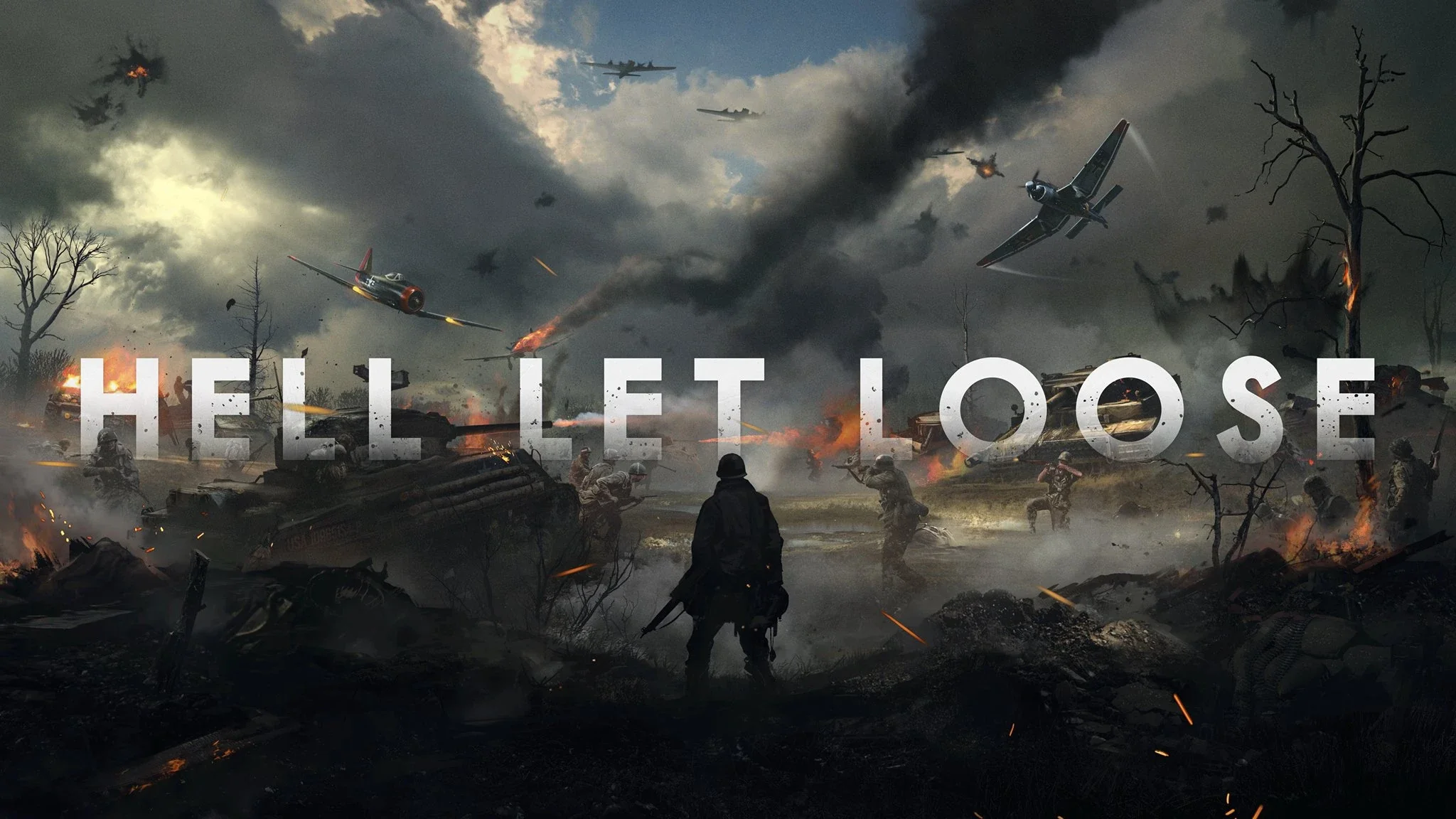
The First Person Shooter genre is no easy ride. The most popular titles are the embodiment of twitch gaming, where the nimble fingered and quick witted rule and those adjusting their Pince-nez and squinting at their monitors are destroyed. But they can be very entertaining and often the developers will build mitigations into the various game systems to help those on a “death streak”. Also if you can’t out gun other players you can sometimes out think them, so even the slower gamer can still enjoy such franchises as Call of Duty, Battlefield and Fortnite. However, if you want a really hardcore FPS which focuses on realism and with minimal perks, then there is Hell Let Loose. This World War II themed game features 50 vs. 50 battles between two teams of either Germans, Americans and Soviets forces.
The Tactical Brit plays Hell Let Loose
Hell Let Loose is a tough FPS with no regenerating health, weapons with iron sights and squad based dynamics. It requires coordination, situational awareness and skill. The maps feel authentic and combat is compelling and intense. No matter how good a player you are, you will die. Frequently. Sadly, I find the game so punishing as a whole, I cannot enjoy it personally. If you wish to succeed in Hell Let Loose, then you have to commit to the game and dedicate yourself to learning the maps, honing your skills and cultivating a group of like minded friends. For me that is too steep a learning curve and I don’t think the “journey” would be fun. So for the present I have relegated Hell Let Loose from a game I play to a game I watch other play on Twitch or YouTube.
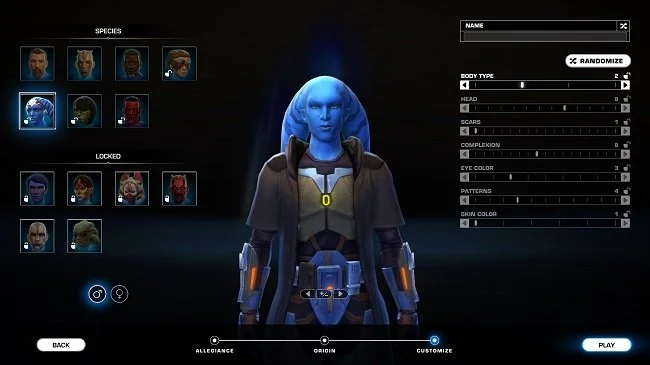
Another title that I recently tried is Dark and Darker. If you’ve ever wondered what would happen if you took an extraction shooter such as Escape From Tarkov and crossed it with Morrowind, then you end up with Dark and Darker. You create your character from a selection of classic fantasy classes, then form a group either with friends or “random players” and then enter the dungeon. You undertake missions, cross swords with other players and then you exit. This is another game where the reality of playing is different from what you think it may be. The first person perspective is difficult when it comes to swordplay and using a bow. The maps are hard to learn and at present in the game’s development (early access), the segregation of new and seasoned players is not always effective. This can lead to unbalanced encounters with other players. Dark and Darker is also a game where if you play with a group of friends you will enjoy a far superior experience to simply playing solo or with random players.
Character creation in Dark and Darker
Finally, I wish to return to the matter of my Nintendo Switch. There are a wealth of good games available for this handheld device but I have now concluded after two years that buying this was a mistake. It’s not just a question of not enjoying games via a handheld device, I think it is entirely down to being institutionalised by my existing gaming habits. I equate gaming with playing via my PC. I also spend a great deal of my time sitting at my desk reading, writing and perusing the internet. The PC is the hub of these activities. I even connected my Nintendo Switch to one of my monitors so I could play while at my desk but to no avail. It remains this adjunct to my existing status quo and despite trying, I can’t change my perspective. But ultimately, that’s okay. You can’t accommodate and embrace everything, be it in gaming or in real life. There are games we cannot play and indeed consoles we can’t either.
Red Dead Redemption 2: A Genre Milestone
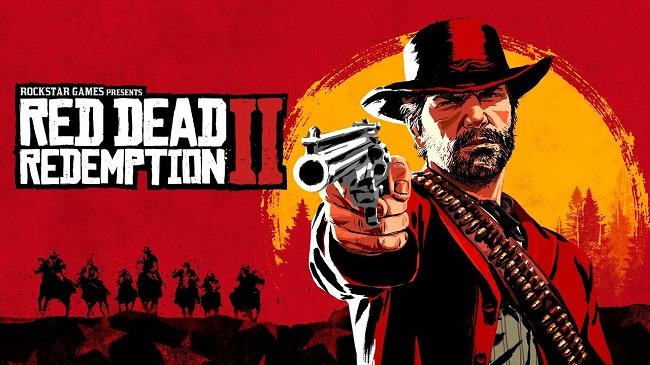
I started playing Red Dead Redemption 2 on the PC upon its release in late 2019. Although I enjoyed it, I was distracted by other matters at the time and so I drifted away in early 2020. To cut a long story short, I recently picked up exactly where I left off, because I felt the need for a big, narrative driven, RPG gaming experience. Red Dead Redemption 2 certainly meets those requirements. A few days ago I finished the main story and having played through sufficient side quests and challenges, decided to call it quits. Since then I have been musing on both the game itself and the experience I had while playing through it. Simply put, I consider Red Dead Redemption 2 to be a genre milestone and one of the most significant and impressive examples of video games that I have experienced over the course of my life, along with the likes of The Elder Scrolls V: Skyrim and The Witcher III: Wild Hunt.
I started playing Red Dead Redemption 2 on the PC upon its release in late 2019. Although I enjoyed it, I was distracted by other matters at the time and so I drifted away in early 2020. To cut a long story short, I recently picked up exactly where I left off, because I felt the need for a big, narrative driven, RPG gaming experience. Red Dead Redemption 2 certainly meets those requirements. A few days ago I finished the main story and having played through sufficient side quests and challenges, decided to call it quits. Since then I have been musing on both the game itself and the experience I had while playing through it. Simply put, I consider Red Dead Redemption 2 to be a genre milestone and one of the most significant and impressive examples of video games that I have experienced over the course of my life, along with the likes of The Elder Scrolls V: Skyrim and The Witcher III: Wild Hunt.
In film, TV or literature, the quality of writing as well as the depth and accessibility of the characters are key elements in determining a consensus upon quality. For example Conan Doyle’s Sherlock Holmes is such an enduring and much loved fictional character due to his rich and relatable personality. He is both aloof, yet compassionate, complex and intriguing. Readers of Sherlock Holmes quickly become invested in his character and care about his actions and deeds. A well written character transcends the text and feels like someone real. And that is exactly how I feel about Arthur Morgan in Red Dead Redemption 2. After over 75 hours of gameplay, I feel that I have travelled on Arthur’s emotional journey as he transcends his life of petty crime and cruelty and learns the value of empathy as he seeks to make his life count for something.
Sumptuous graphics
The Western genre is a superb medium for exploring and analysing the human condition and Rockstar Games have done exactly that in Red Dead Redemption 2. The technical aspects of the game are certainly a major contributory factor to the games critical and commercial success (which I’ll leave to others to analyse). But the other half of the equation is the story, its characters and the themes that are explored and presented to the player to consider. Red Dead Redemption 2 is a tale of a changing world and a group of people whose lifestyle is fast becoming an anachronism. It examines what happens when the right of the individual to live their life in their own way comes into conflict with society and all its cultural and political baggage. And most of all, it is about reassessing your world view and personal values and learning that there are things of value and worth outside of one’s own life and experience. It is also about redemption.
Writers Dan Houser, Michael Unsworth and Rupert Humphries utilise many of the classic tropes, associated with the genre throughout Red Dead Redemption 2. Especially those found in classic Western cinema. The Van der Linde gang in the game are in many ways similar to Pike Bishops crew in Sam Pekinpah’s The Wild Bunch (1969). Both are trying to live an “independent” lifestyle in a rapidly modernising world, driven by a libertarian philosophy and notions of honour among thieves. The clash of cultures in Red Dead Redemption 2 leads to betrayal and inevitably to death at the hands of former allies, again reminiscent of Peckinpah's Pat Garrett and Billy the Kid (1973). Against this background there are several intense character studies. Charismatic gang leader Dutch Van der Linde is one, as he slowly slides from ideological certainty into psychosis, like Colonel Kurtz in Apocalypse Now (1979). Yet the other gang members are no less interesting.
John Marston
Hosea Matthews, a senior gang member and ageing conman and Rains Fall, the head of a defeated Native American tribe, represent those who are fully aware of the change that is fast approaching. Both see resistance to modernity as a pointless endeavour that will only lead to death. Furthermore, they are troubled by the unwillingness of those they love to accept reality. Gang member John Marston is caught between the lifestyle he’s only ever known and the need to leave it for the sake of his wife and son. Then there is Sadie Adler, a widow who in her own words becomes a monster for the sake of revenge. Her story arc is made more poignant by the fact that she knows what is happening to her yet seems powerless to stop it. Black Indian Charles Smith is in many ways the gang’s conscience. His racial heritage makes him the most marginalised of all characters and yet he is the most humane, being profoundly wise and pragmatic.
But it is Arthur Morgan’s story arc which is the fulcrum of the narrative in Red Dead Redemption 2. Within the first few missions he is seen to be a paradoxical character. He is fiercely loyal and supportive of his fellow gang members but dispassionate and brutal to those outside. Yet his world view and behaviour begins to change when he becomes aware of the consequences of his actions. His encounter with an ill debtor who he beats, has grave consequences for both parties and it starts a chain of events which causes him to question the point of his life. Arthur finds that acts of compassion have merit. He encounters organised religion and sees people of faith and although they don’t quite convince him of their ideology, they stir in him a need to atone. As his gang faces extinction at the hands of the Pinkerton Agency he feels that some have to at least survive, despite knowing that he is personally doomed.
Arthur Morgan
Red Dead Redemption 2 allows the player to experience Arthur’s journey in a very practical way. The facial animations and the voice acting greatly enhance the dialogue. Arthur’s actions are relatable, especially when his conscience gets the better of him and he sighs and returns to a situation he would rather walk away from, such as helping someone who has been robbed and abandoned. His kindness toward Jake, John Marston’s son, is also touching. His relationship with his horse is genuine and loving. When it is shot at the end of the story, it is especially moving when Arthur embraces the dying animal and just says “thank you”. Arthur’s fate is partly determined by the player’s choices throughout the game. If his honour rating is high at the end, then his demise is fitting. You kind of expect “Knockin’ on Heaven’s Door” by Bob Dylan to play.
The killcam in Red Dead Redemption 2 is somewhat Walter Hill-esque
Some films, TV shows and video games will cynically try to manipulate the players feelings in an attempt to establish a well rounded character. Standard tropes and themes will be applied in a “push button” fashion. A bad guy does something unspeakable just to establish his credentials. A hero will do something selfless because that is what they do. Quality writing stands out when it goes the extra mile and tries to explore a character’s motive. Red Dead Redemption 2 achieves this through an intelligent and accessible narrative that doesn’t deal in absolutes or present life as a binary choice. Its characters exhibit personality traits that we may have seen or experienced ourselves. It has light, shade and at times ambiguity. It is a genuinely moving story that lingers after the player has completed the game. It is this ability to elicit a truly emotional response and a degree of contemplation that is a hallmark of genuine art.







Hogwarts Legacy: Initial Thoughts
Before we begin let me address the issue of the “baggage” that accompanies anything associated with the author J.K. Rowling. I don’t like it when complex social or political issues are framed as a simple binary choice, usually with one side claiming righteousness and the other being presented as an anathema. I believe in equality and personal freedoms but such matters are often complex and rife with nuance and subtleties. Anyone who suggests otherwise is either misinformed or deliberately misleading you. Hence I won’t be drawn into the arbitrary nature of the protests that surround the “Wizarding World” as they strike me as a Hobson’s Choice which do little to address the real points of debate. I am a great fan of H.P. Lovecraft’s Cthulhu Mythos, but I reject his position on eugenics. Thus, I believe it is possible to be able to separate an artist or their personal worldview, from their work. But this is a personal decision and people can choose to do the opposite.
Before we begin let me address the issue of the “baggage” that accompanies anything associated with the author J.K. Rowling. I don’t like it when complex social or political issues are framed as a simple binary choice, usually with one side claiming righteousness and the other being presented as an anathema. I believe in equality and personal freedoms but such matters are often complex and rife with nuance and subtleties. Anyone who suggests otherwise is either misinformed or deliberately misleading you. Hence I won’t be drawn into the arbitrary nature of the protests that surround the “Wizarding World” as they strike me as a Hobson’s Choice which do little to address the real points of debate. I am a great fan of H.P. Lovecraft’s Cthulhu Mythos, but I reject his position on eugenics. Thus, I believe it is possible to be able to separate an artist or their personal worldview, from their work. But this is a personal decision and people can choose to do the opposite.
Moving on to the matter in hand, it is interesting that it has taken so long to produce a game with the scope of Hogwarts Legacy. I suspect that during the height of Harry Potter mania in the mid 2000s, the technology didn’t exist to support such a project. I always thought that the MMO genre would be the best fit to provide a virtual Hogwarts where players could choose a house, learn magic and fight dark wizards. Yet the heyday of the MMO has now been and gone. However, open world gaming has evolved significantly in recent years, providing the tools necessary to create a suitable home for the franchise. Hence, Hogwarts Legacy offers much that fans wish from the iconic school of wizardry. An interactive Hogwarts simulator that allows the player to experience the intricacies of the school, complete with moving staircases, sentient painting and all its hidden secrets.
Hogwarts itself is a stone labyrinth that accurately reflects the depictions we’ve all seen in the eight feature films. The Great Hall is beautifully realised and the enchanted ceiling is stunning. You can also spend several hours customising the Room of Requirement. Then, when outside, you can mount a broom and explore all the turrets and battlements of Hogwarts, along with the grounds, local forests and lake. All of which are not immediately accessible but are made available at a measured pace so the player is not overwhelmed. Considering these aspects of the game, Hogwarts Legacy is a fascinating example of virtually satisfying the wish fulfilment that arises from popular culture nostalgia. Game developers Avalanche Software have demonstrated a keen eye for discerning what players want from such a game and have succinctly tapped into the essence of the franchise.
If a player is not content with roaming around Hogwarts in the small hours of the night seeking out its secrets via the use of stealth and lockpicking spells, they can visit the nearby town of Hogsmeade. This also provides substantial fan service as it hits all the associated beats from the books and films. Vendors, quests and points of interest abound and the untamed countryside is filled with threats, ruins and magical artefacts. The threat to one’s safety is quite real and so players must not allow their joy of the environment to cloud their judgement. Trolls, goblins and other creatures pose a real challenge even on the default game setting. Fortunately, the combat system feels very appropriate. Offensive and defensive spells work well when chained in the right combination, as long as the player moves and maintains situational awareness.
Overall combat in Hogwarts Legacy is reminiscent of both Warner Bros. Middle-earth and Batman games. There is a fluidity and rhythm to fighting an enemy where using minor skills will continuously build power to unleash a more potent one. Standing your ground and mashing keys is not really a wise policy. To get the most out of the game it is best to learn the advanced version of certain spells to make unlocking doors, stealth and other tactical skills more viable. Prioritise what best suits your style of gameplay when unlocking the skills tree. If you wish to gain XP so you can level your character quicker, using the Battle Arenas is the most effective method. Here you fight waves of enemies which provide the best XP outside of quests. For players who have bought the Digital Deluxe version of the game, there is access to the exclusive Dark Arts Battle Arena.
The main story of Hogwarts Legacy is functional, atmospheric but not really remarkable. It explores a Goblin insurrection which although well acted, doesn’t really impart a greater insight into the complexities of the established, canonical world. The central character that the player directs through the game is merely a conduit and nothing more. You can customise their appearance but beyond that, they are not a landmark gaming character such as Geralt of Rivia or Arthur Morgan. Many of the NPCs are purely functional as well. They serve their purpose but do little else. Also, at times, the inherent Britishness of Hogwarts is replaced with an international game developer’s perception of Britishness which is not the same thing. Some players will find that the game doesn’t offer enough interaction with other students and staff. It is not a school simulator per se with a requirement to attend regular lessons. Again I must reiterate that Hogwarts Legacy aim is to create a Hogwarts experience in totality .
Having played for a day, I think that the game finds the right balance to a very difficult gaming equation. Compromises have had to be made to produce a manageable virtual Hogwarts. Setting the game in a different period of history also avoids getting caught up in canonical baggage from the source text. I also feel that the omission of Quidditch was a sad but wise decision. To do justice to the sport would essentially require a game of its own. Rendering it to a basic mini-game in Hogwarts Legacy would be very disappointing. However, it would appear that Hogwarts Legacy has been very well received so far and I suspect that sales figures are going to be substantial. There is scope therefore that developers Avalanche Software may create further DLC for the game and may revisit some of the aspects that may be perceived as lacking.
I in the meantime will continue to play through the game and soak up the ambience. So far my character, Telemachus Musgrave, has joined Slytherin House and I suspect he may pursue a path, indirectly or directly toward the Dark Arts. Overall, Hogwarts Legacy gets more right than it does wrong. It’s an open-world adventure that distils the charm and character of the Wizarding World and offers challenging combat. The story, although straight forward, feels right and fits the source material well. Frequently when you feel the game has no further surprises to offer it springs another dose of nostalgic charm that makes you smile. It gets the tone just right and manages to tap into what it is that fans enjoy. I had forgotten quite how much I have enjoyed this franchise over the years and it would appear that I am not alone in this. Its appeal seems to be surprisingly enduring, irrespective of the wider controversies that dog it.
Warzone 2.0 DMZ
I like an analogy as a literary device, so here’s one for you. Video games are like parties. How so? In the following ways. They quite never live up to your expectations. The best ones are the ones you never go to, according to the “anecdotes” you’re told afterwards. And there’s always someone crying and throwing up at 2:00 AM. Okay, the last one isn’t quite relevant but the overall sentiment of the first two is sound. The reason I have used this visual metaphor is because both parties and multiplayer video games sell themselves on the alleged quality of their respective social dynamic. They supposedly offer you fun with your friends and a unique, memorable experience. However, the reality is a lot more lacklustre. Warzone 2.0 DMZ is a prime example. What enjoyment there is to be had in playing this game is offset by the iniquities of many of its players as they race to the proverbial bottom.
I like an analogy as a literary device, so here’s one for you. Video games are like parties. How so? In the following ways. They quite never live up to your expectations. The best ones are the ones you never go to, according to the “anecdotes” you’re told afterwards. And there’s always someone crying and throwing up at 2:00 AM. Okay, the last one isn’t quite relevant but the overall sentiment of the first two is sound. The reason I have used this visual metaphor is because both parties and multiplayer video games sell themselves on the alleged quality of their respective social dynamic. They supposedly offer you fun with your friends and a unique, memorable experience. However, the reality is a lot more lacklustre. Warzone 2.0 DMZ is a prime example. What enjoyment there is to be had in playing this game is offset by the iniquities of many of its players as they race to the proverbial bottom.
For those who are unfamiliar with this latest permutation of Call of Duty: Warzone, DMZ is a squad or solo based incursion into a large open world map. You enter with basic gear and weapons and loot on the fly as you travel the zone. There are contracts that award both cash and weapons. These may be securing and uploading intel, rescuing a hostage or eliminating other squads. The map is populated by AI bots that are no joke and there are also vehicles that can be used to traverse the region. Each round lasts 25 minutes and once a player has gained sufficient loot or completed what they wish to achieve, there are “exfil” locations on the map where the player can summon air transport and leave. These are often contested by AI bots and other players looking for easy pickings. It’s a well conceived gaming scenario with a lot of scope for fun. Theoretically.
If you peruse YouTube, you’ll find plenty of videos showing top tier gamers playing Warzone 2.0 DMZ very effectively in squads. They complete lots of contracts, run rings round the AI bots and eliminate any other operators (other players) they encounter. It can be very entertaining to watch the game played well. However (and there is always a however) I, and many other players, will never get to experience the game in such a fashion. I don’t know anyone who plays Warzone 2.0 DMZ and hence I have to join squads with random players or go solo. The latter is fun but does put you at a disadvantage. There is safety in numbers and squadmates can revive you if you are “downed”. But random squads are exactly that, random, and therefore an utter lottery. If you use voice chat (not everyone does), then there's no guarantee that everyone speaks the same language. Even if you do, there’s a good chance that not everyone wants to do the same thing, hence making the group invalid. Hence random squads are often a massive gamble.
I’ve played a lot of Warzone 2.0 DMZ recently and have kept a simple log of how well each game has gone. After a hundred plus games, about 1 in 10 has proven to be a positive experience. By this I mean that players have been communicative (IE we agreed where to go and what to do), helpful and very mindful that not everyone has the same level of skill. Gear and weapons were shared and we successfully extracted from the DMZ. So far I had about ten games in which I felt I experienced Warzone 2.0 DMZ as the developers intended. For the other ninety or so times, it has been chaotic and ended in someone picking a unnecessary fight with the AI bots or another squad of operators. Yes XP has been earned, but it is frustrating to lose a decent loadout due to poor planning or someone just biting off more than they can chew. IE charging into an area before spotting the AI bots or driving a vehicle when you’re not especially good at it. Some games have lasted no more than five minutes.
I’ve written in the past about whether it is realistic to have expectations of other players when “pugging”. I believe I used Task Force Operations in Star Trek Online as an example and I concluded that it’s best to expect the worst. The difference in this case is that grouping is an optional extra in STO, where in Warzone 2.0 DMZ it is pretty much the raison d'etre of the entire game. Playing collaboratively with others yields superior results than going it alone. Yet “pugging” in Warzone 2.0 DMZ is often an awful experience, especially if you have voice and proximity chat enabled. So many of the players are puerile, bellicose, unco-operative and socially dysfunctional that it leeches a great deal of joy out of the gameplay. Text chat is equally as bad filled with abuse, prejudice and the arrogant hubris and ill manners that so often goes hand in hand with youth. The community has very little class and even its ubiquitous victory cry of “let’s go” is as vacuous as it is trite.
Warzone 2.0 DMZ can still be a source of enjoyment and entertainment. Even if you “pug” and expect the worst, you can still sometimes be pleasantly surprised when another player does bother to revive you or drives back to pick you up when you’re separate from the group in a firefight. Running 20 or 30 indifferent or bad games still presents an opportunity to learn the map and to become familiar with key locations such as ammunition depots etc. You quickly learn not to be hamstrung by your own high standards. That’s not to say you should be an asshole like most other players, but if your squadmates are making poor decisions or being a liability it is perfectly okay to go do your own thing. Overall, if you’re not in a position to play with friends, then temper your expectations about Warzone 2.0 DMZ and autogroup. Turn off voice chat and expect the worst. Anything more is an added bonus. Warzone 2.0 DMZ can be a good game, in spite of its players.
LOTRO: Cardolan and Swanfleet Preview
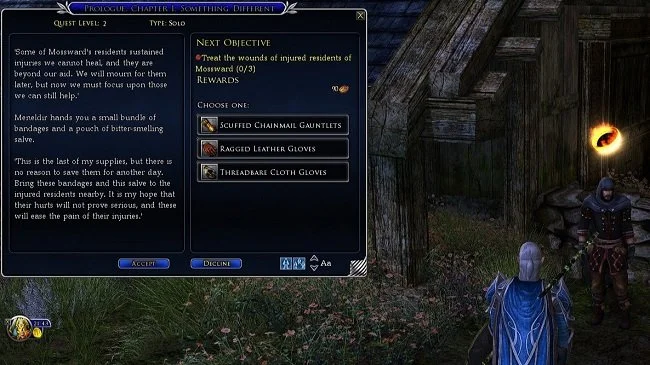
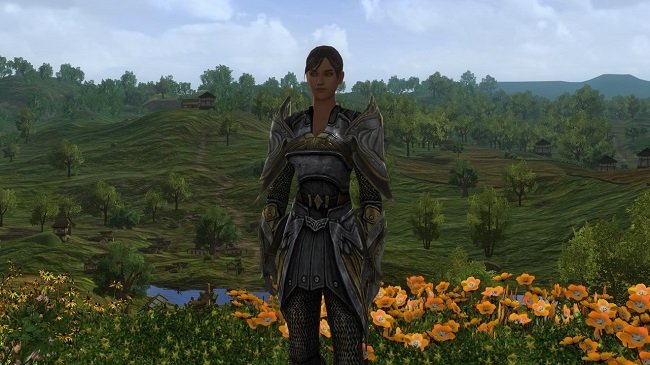
The Bullroarer test server for the MMORPG The Lord of the Rings Online, recently had a three day preview for Update 34: Before the Shadow. Beta #1 provided an opportunity to explore the new regions of Cardolan and Swanfleet, as well as the new tutorial which starts in the village of Mossward. I shall write a separate article about the latter as it merits more than just a cursory paragraph. This post however, is specifically about the new zones themselves. The test held between Wednesday 19th and Friday 21st October, presented a fairly complete version of Cardolan and Swanfleet, which provide level 1- 32 content. The “mob” density was somewhat low in open areas. However, as this was a beta test there is scope that this will change in the final live release on Wednesday 9th November.
The Bullroarer test server for the MMORPG The Lord of the Rings Online, recently had a three day preview for Update 34: Before the Shadow. Beta #1 provided an opportunity to explore the new regions of Cardolan and Swanfleet, as well as the new tutorial which starts in the village of Mossward. I shall write a separate article about the latter as it merits more than just a cursory paragraph. This post however, is specifically about the new zones themselves. The test held between Wednesday 19th and Friday 21st October, presented a fairly complete version of Cardolan and Swanfleet, which provide level 1- 32 content. The “mob” density was somewhat low in open areas. However, as this was a beta test there is scope that this will change in the final live release on Wednesday 9th November.
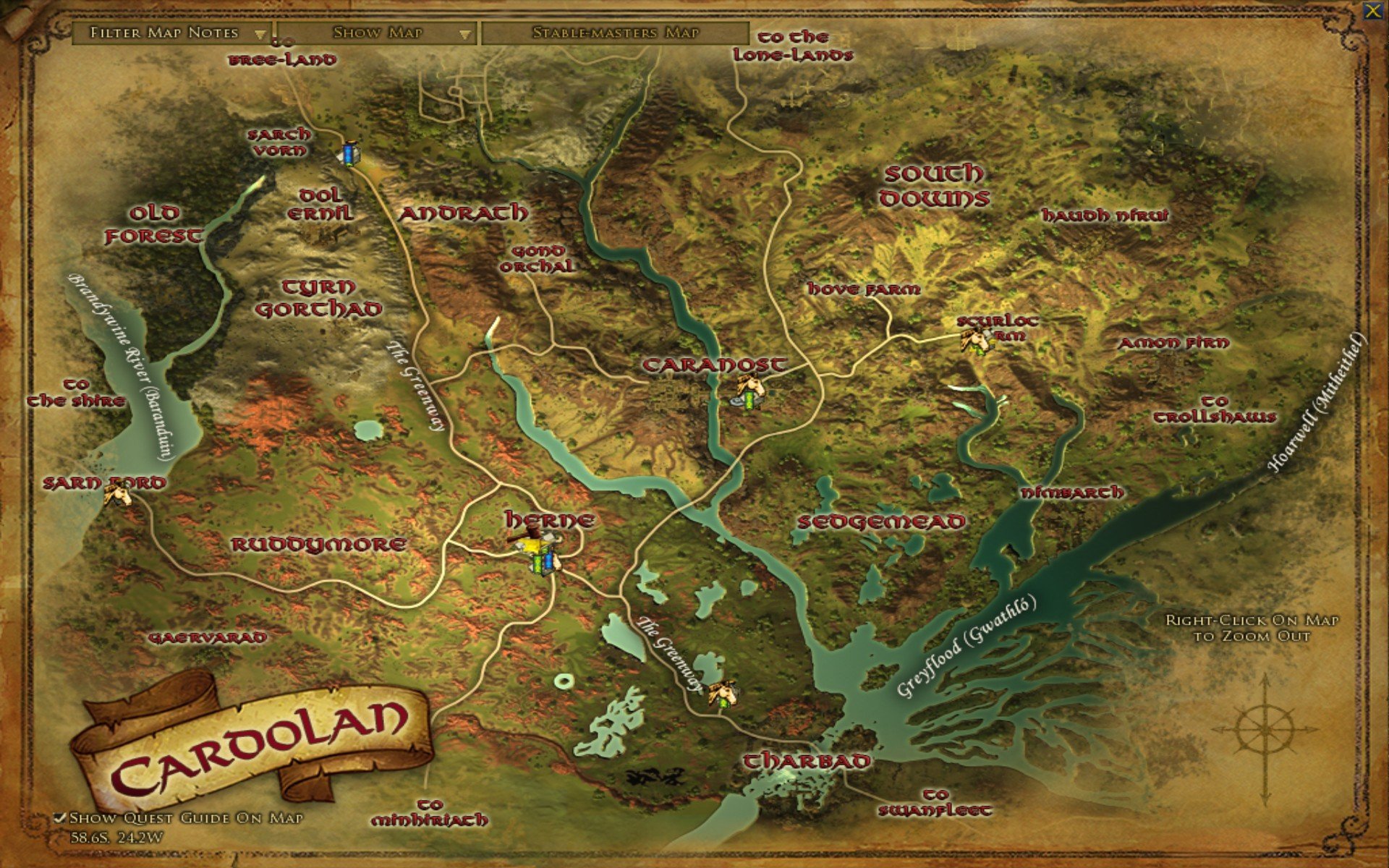
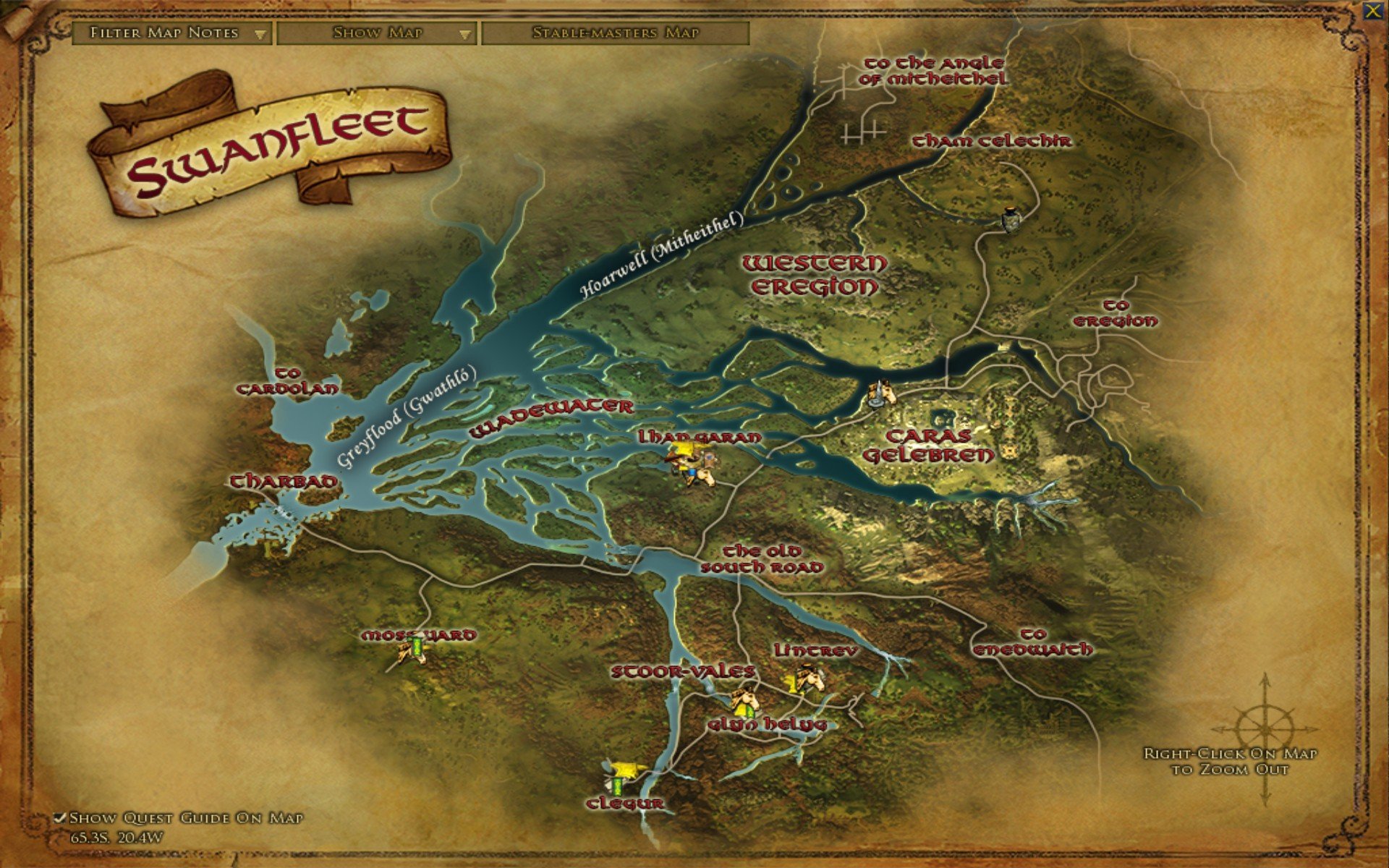
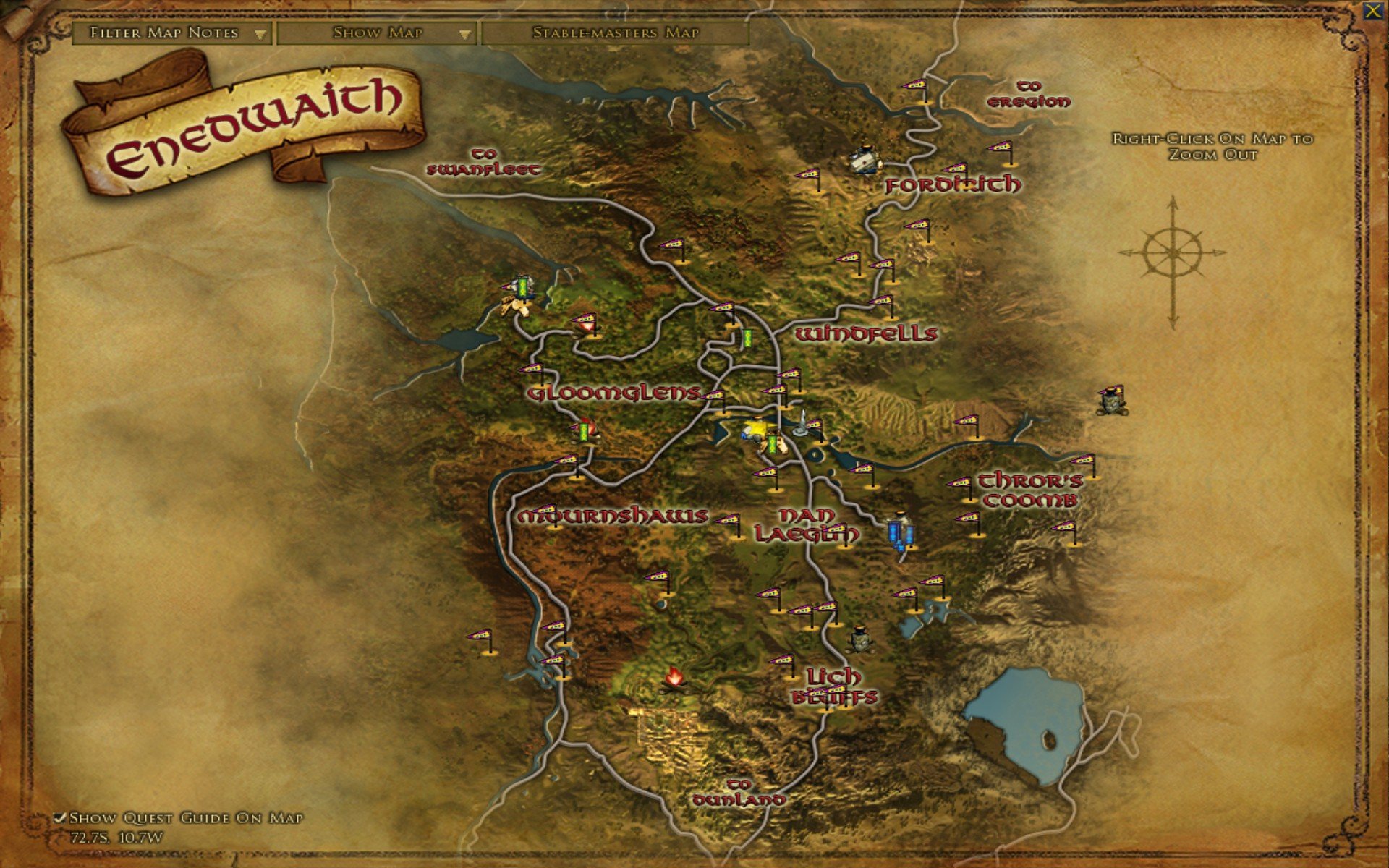
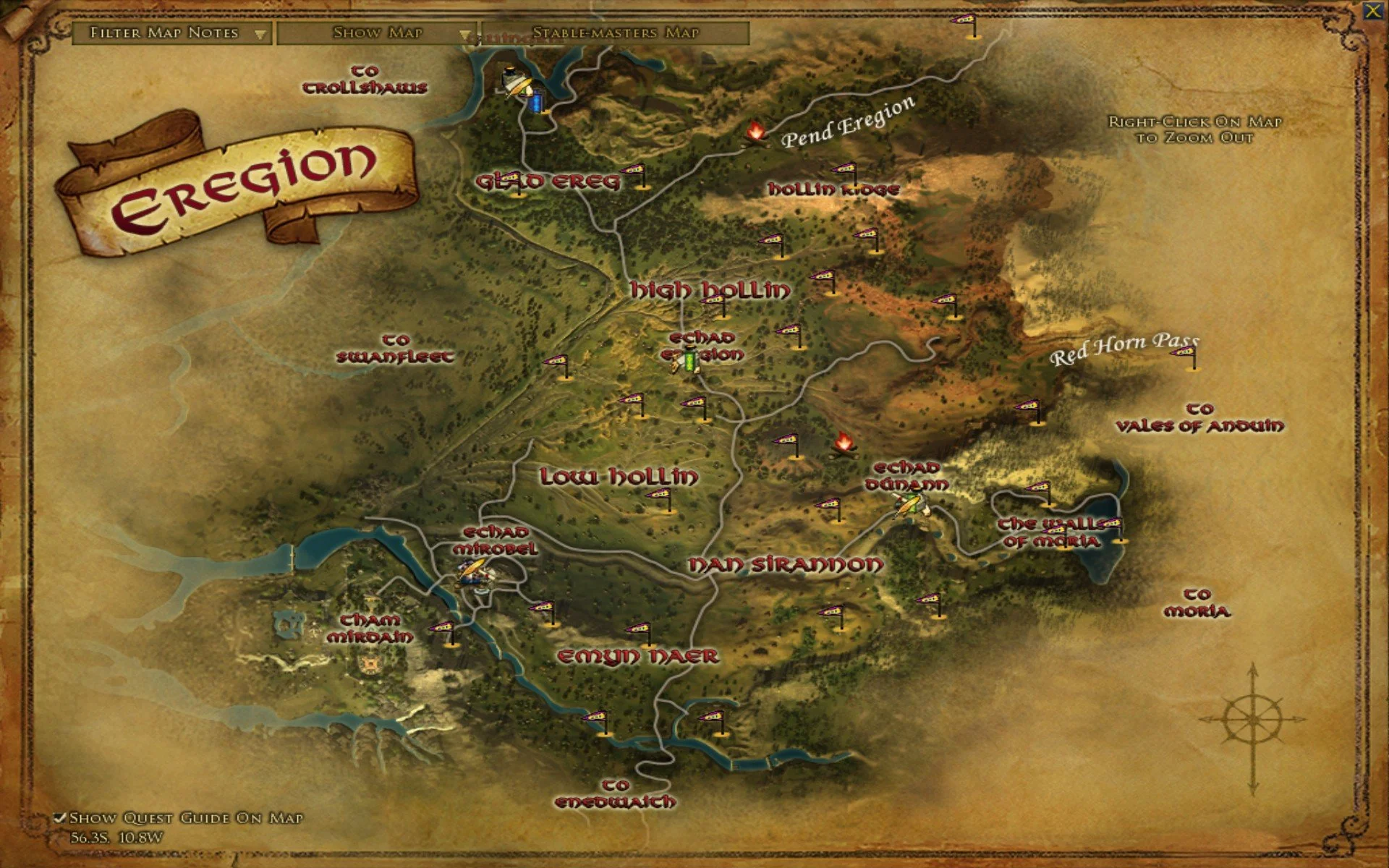
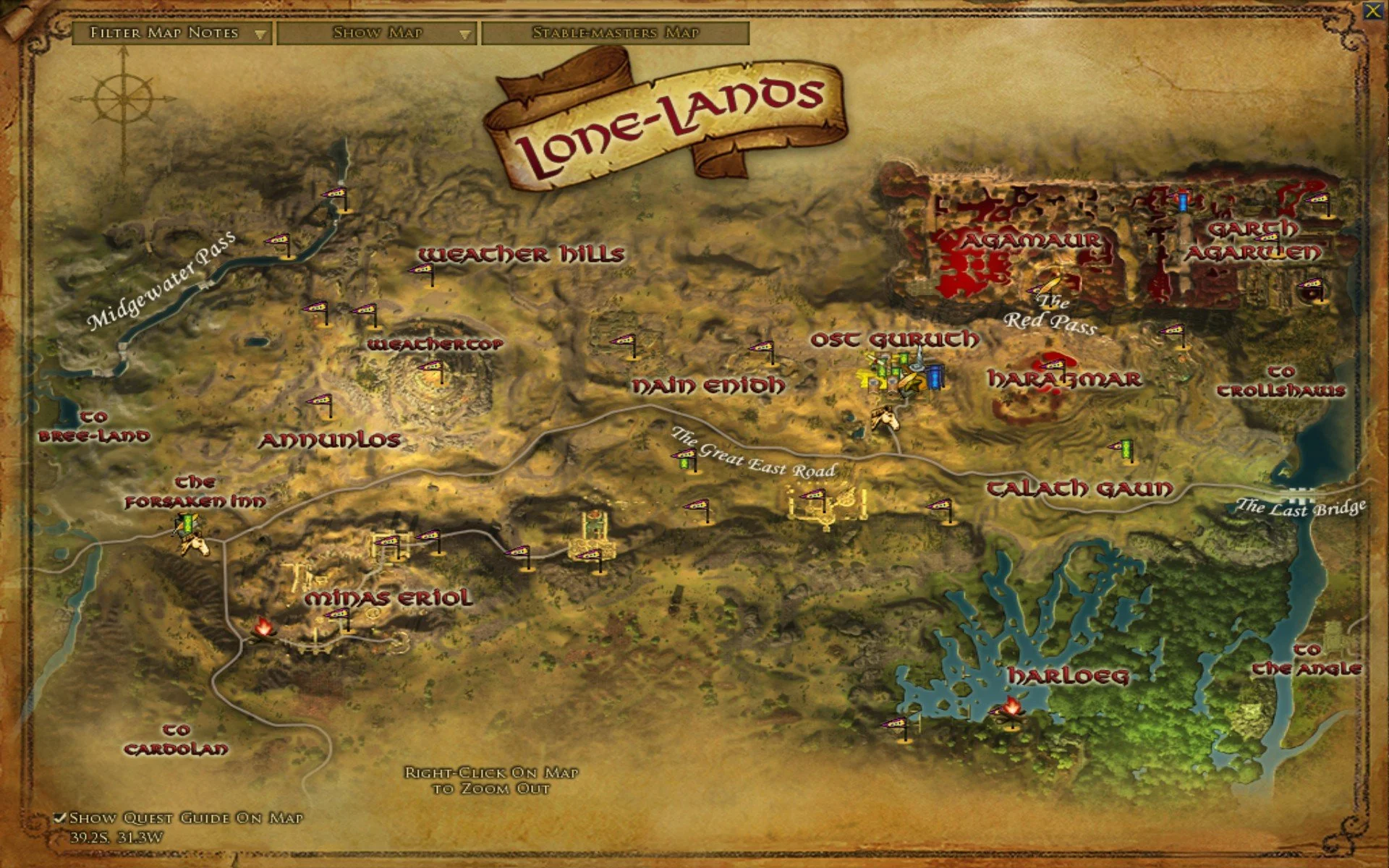
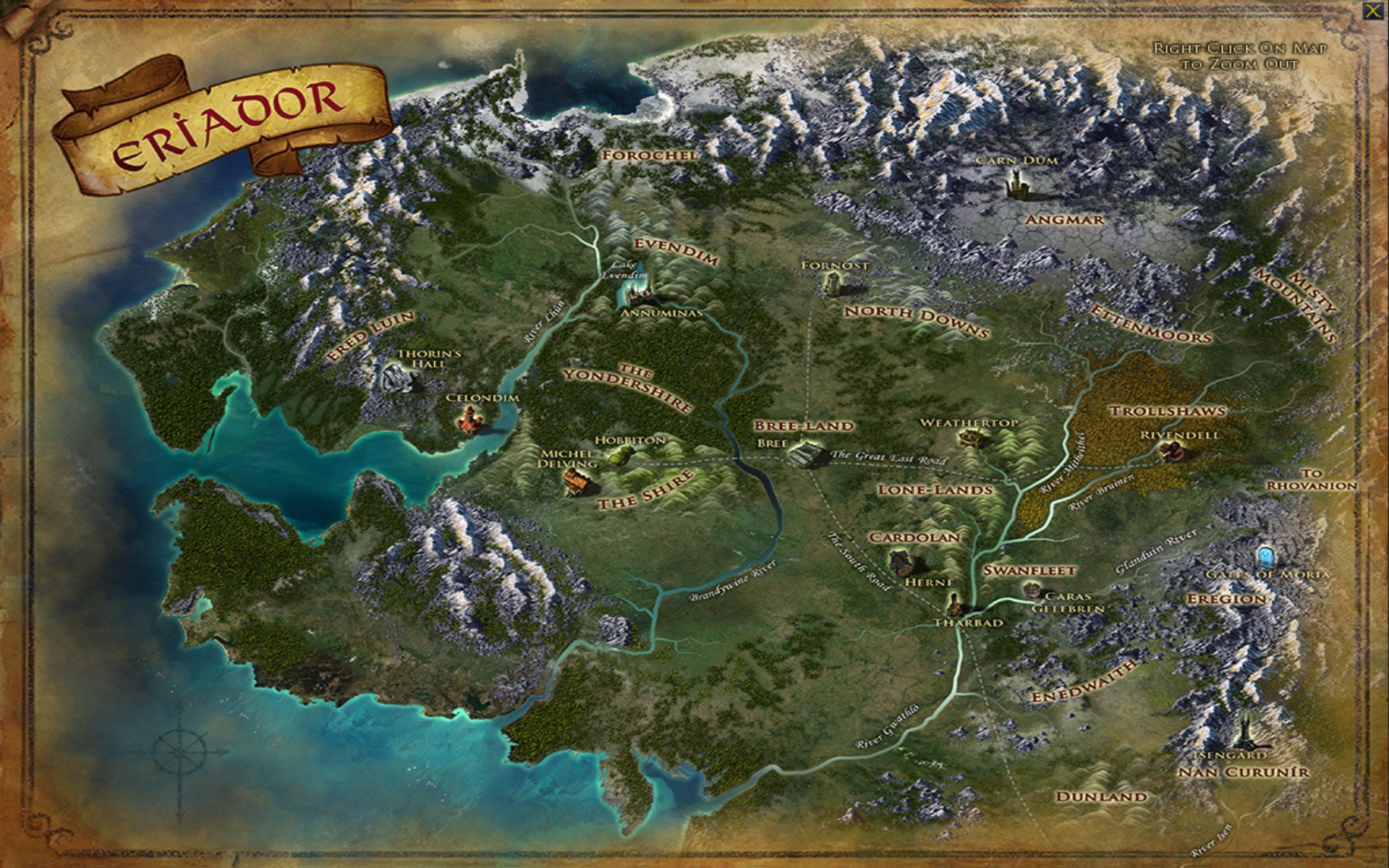
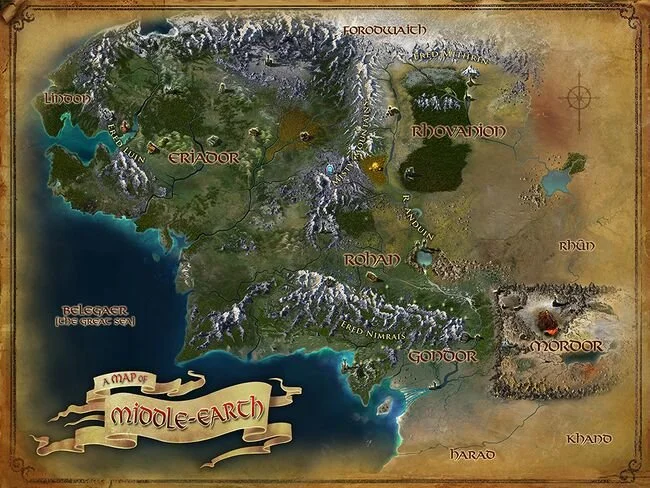
Perhaps the most significant aspect of the addition of Cardolan and Swanfleet is the way these new zones fit so well into the existing LOTRO world map. The new zones fill in a major geographical gap in Middle-earth and link The Shire, Bree, The Lone-lands, The Angle of Mitheithel, Eregion and Enedwaith seamlessly. As a result, the Lonelands, Eregion and Enedwaith maps have now been updated and reflect the new visual style that has been established in recent years. Overall, there is little left of Eridor now that isn’t included in the MMO. The two regions of Lindon and the Grey Havens being the most prominent locations that remain outstanding. It will be interesting to see if these areas feature in any future updates.
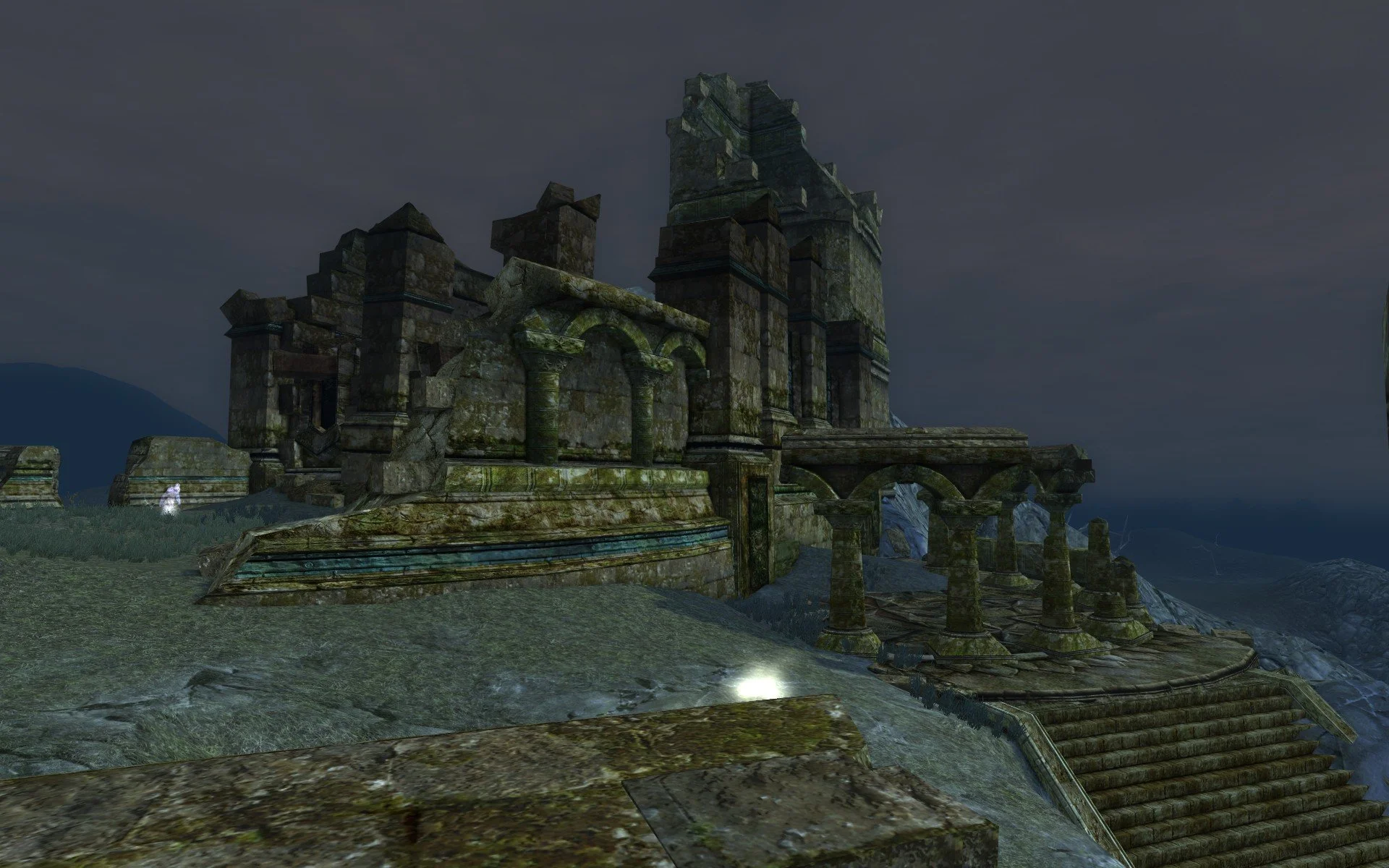
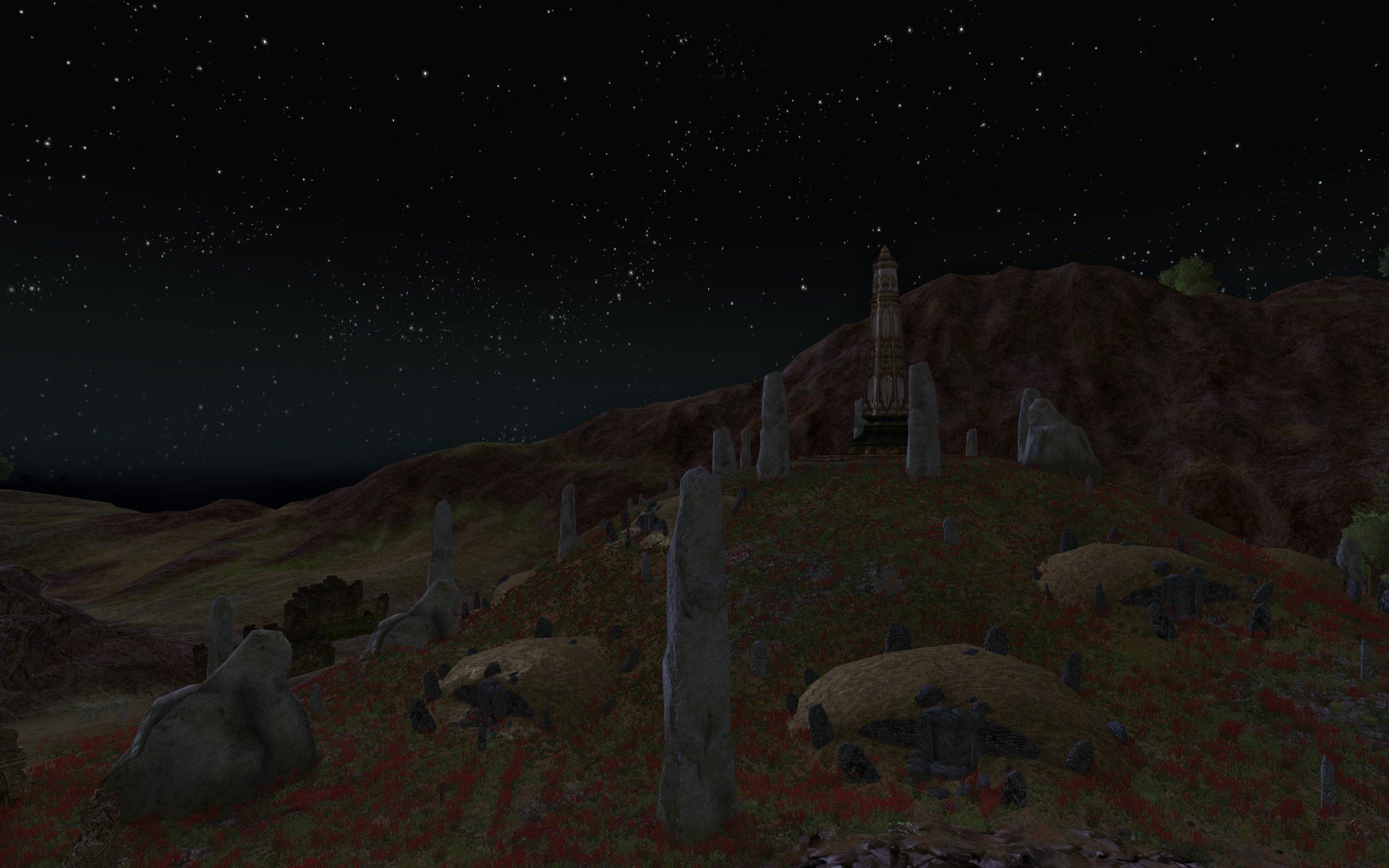
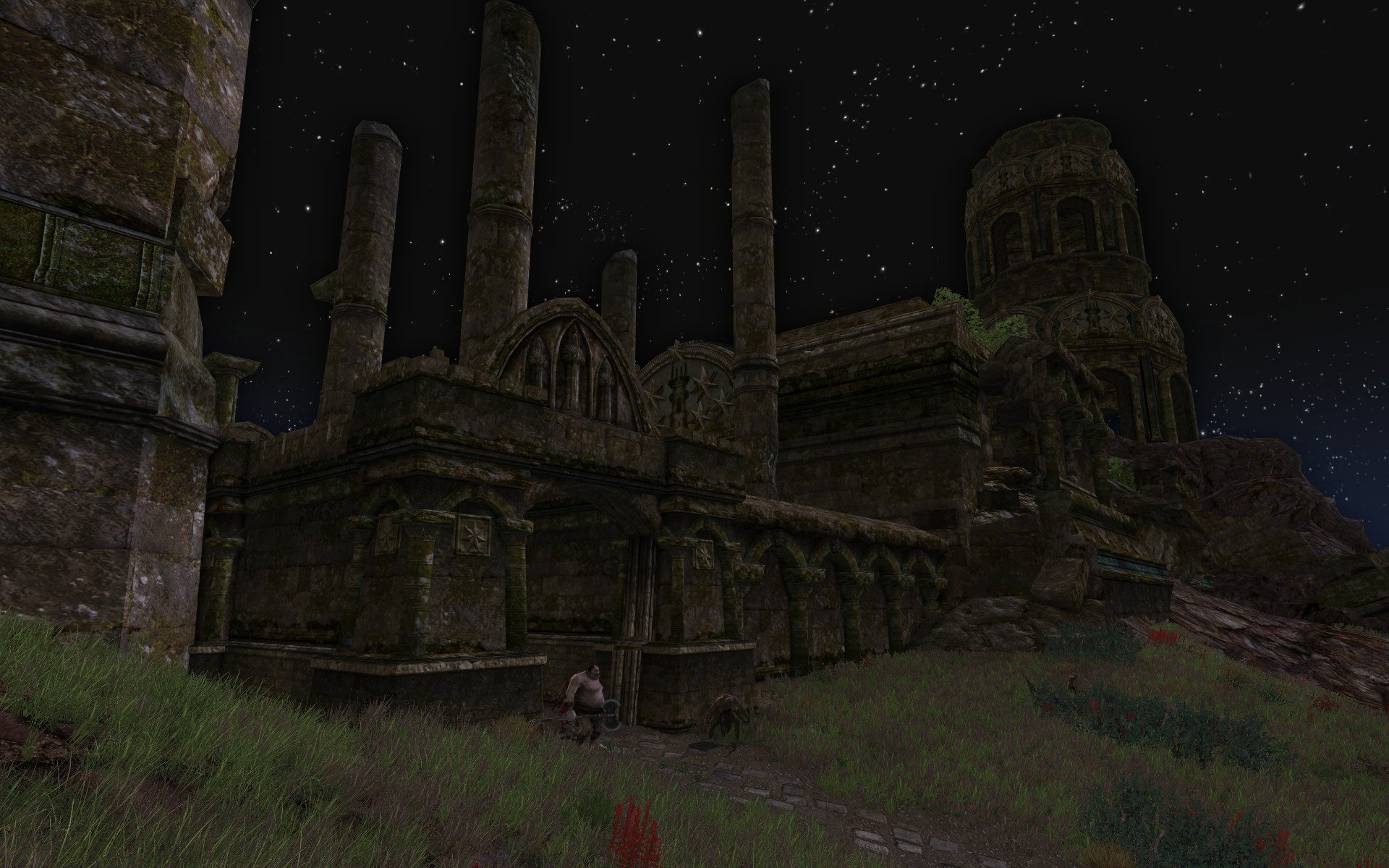
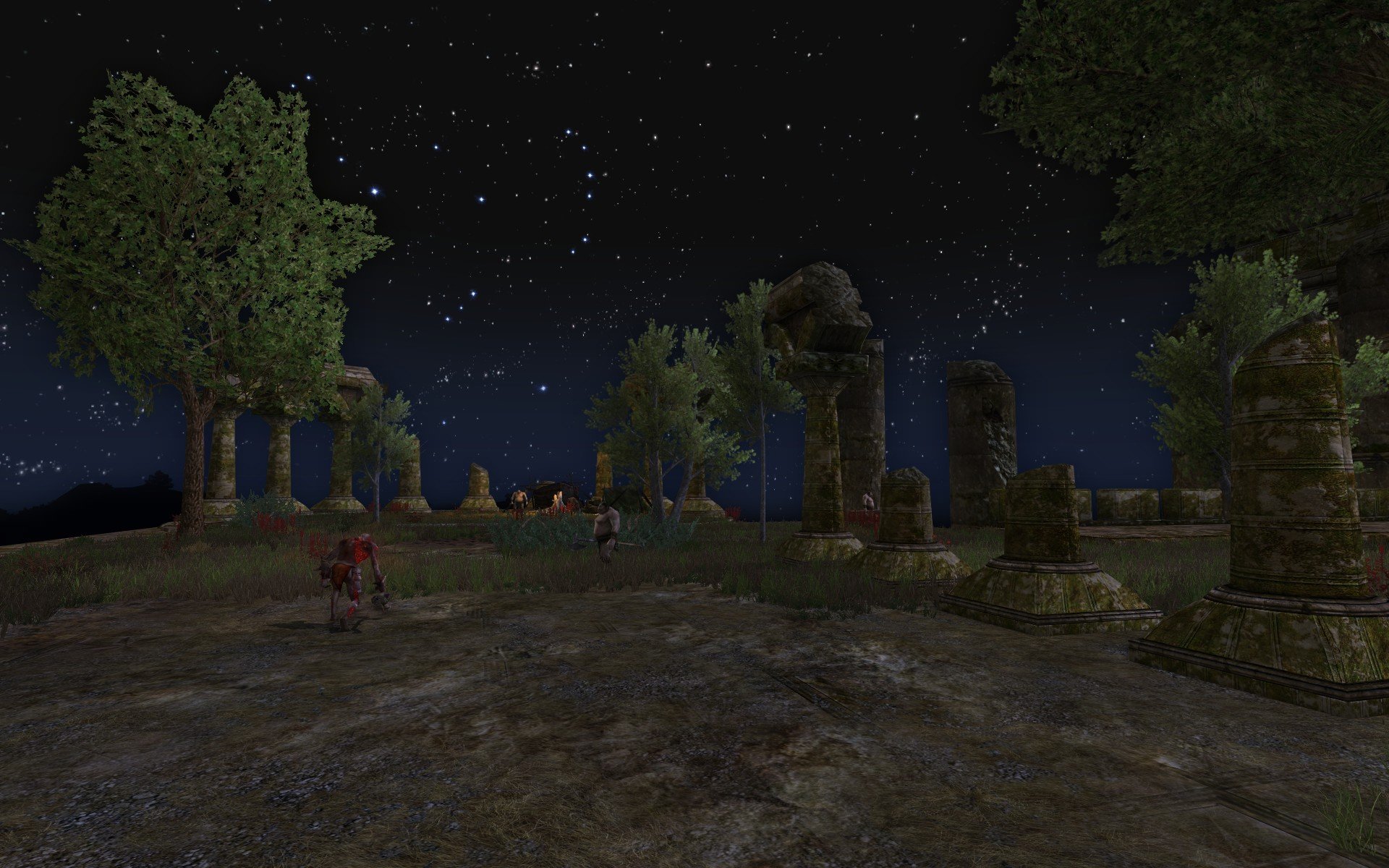
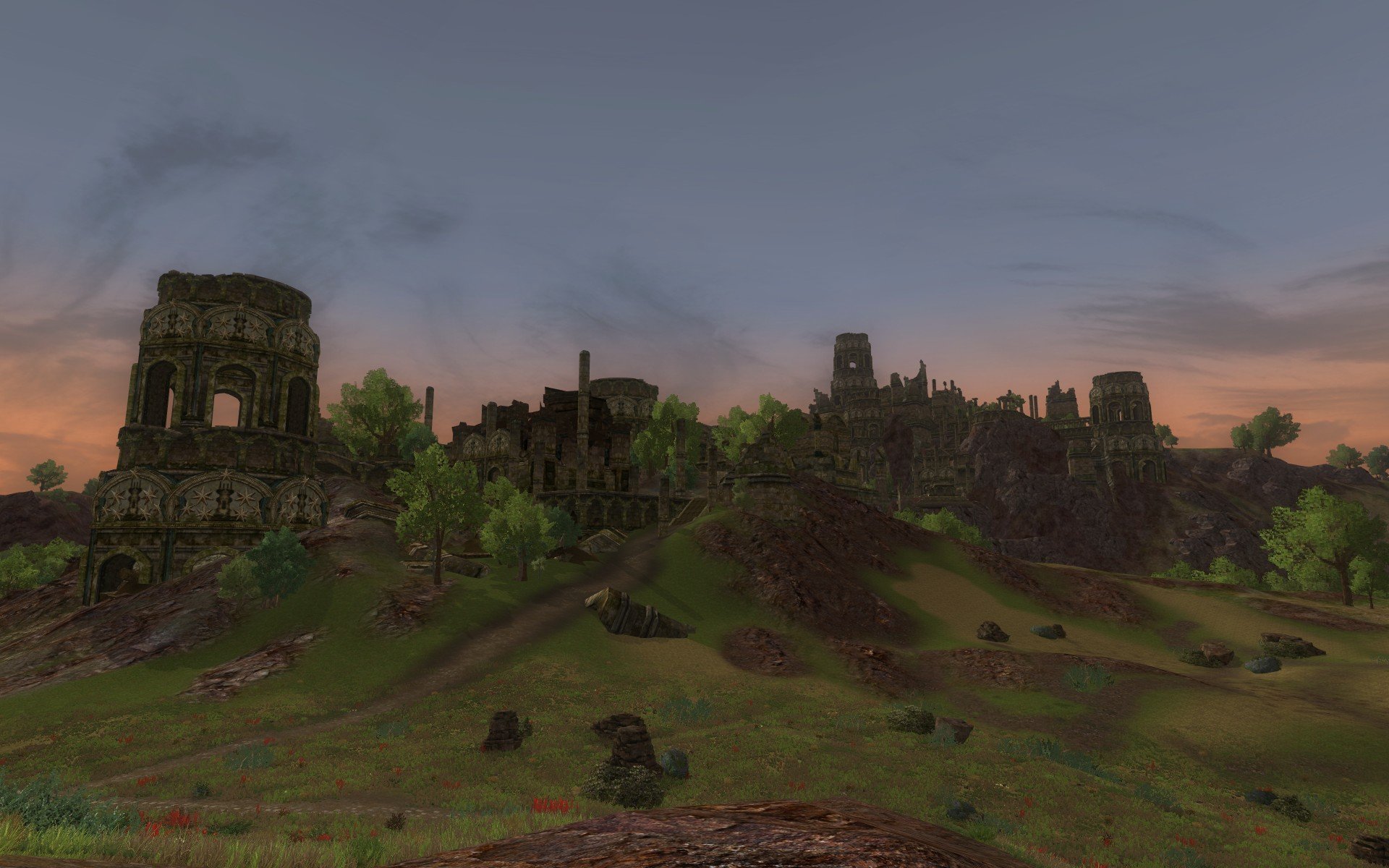
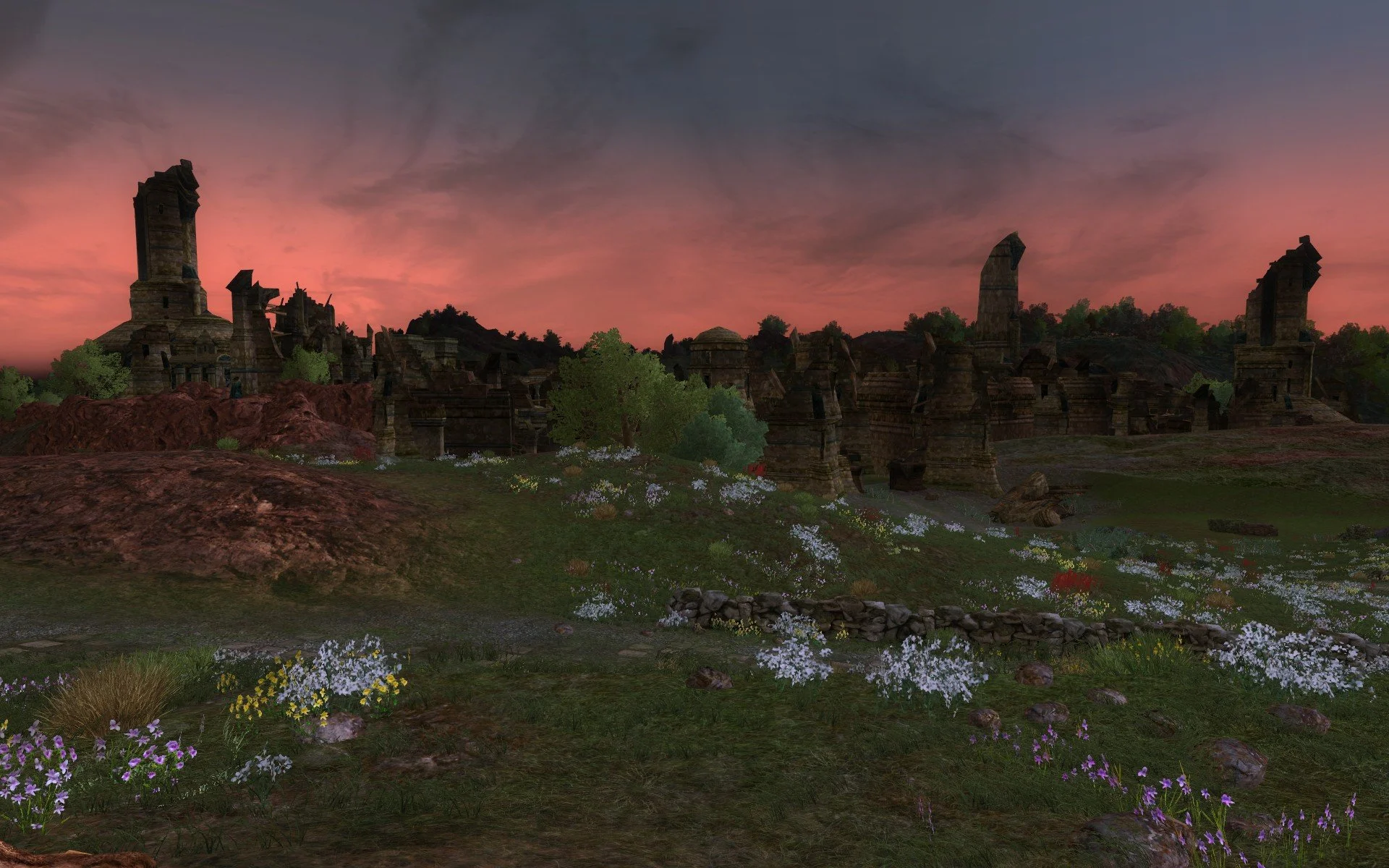
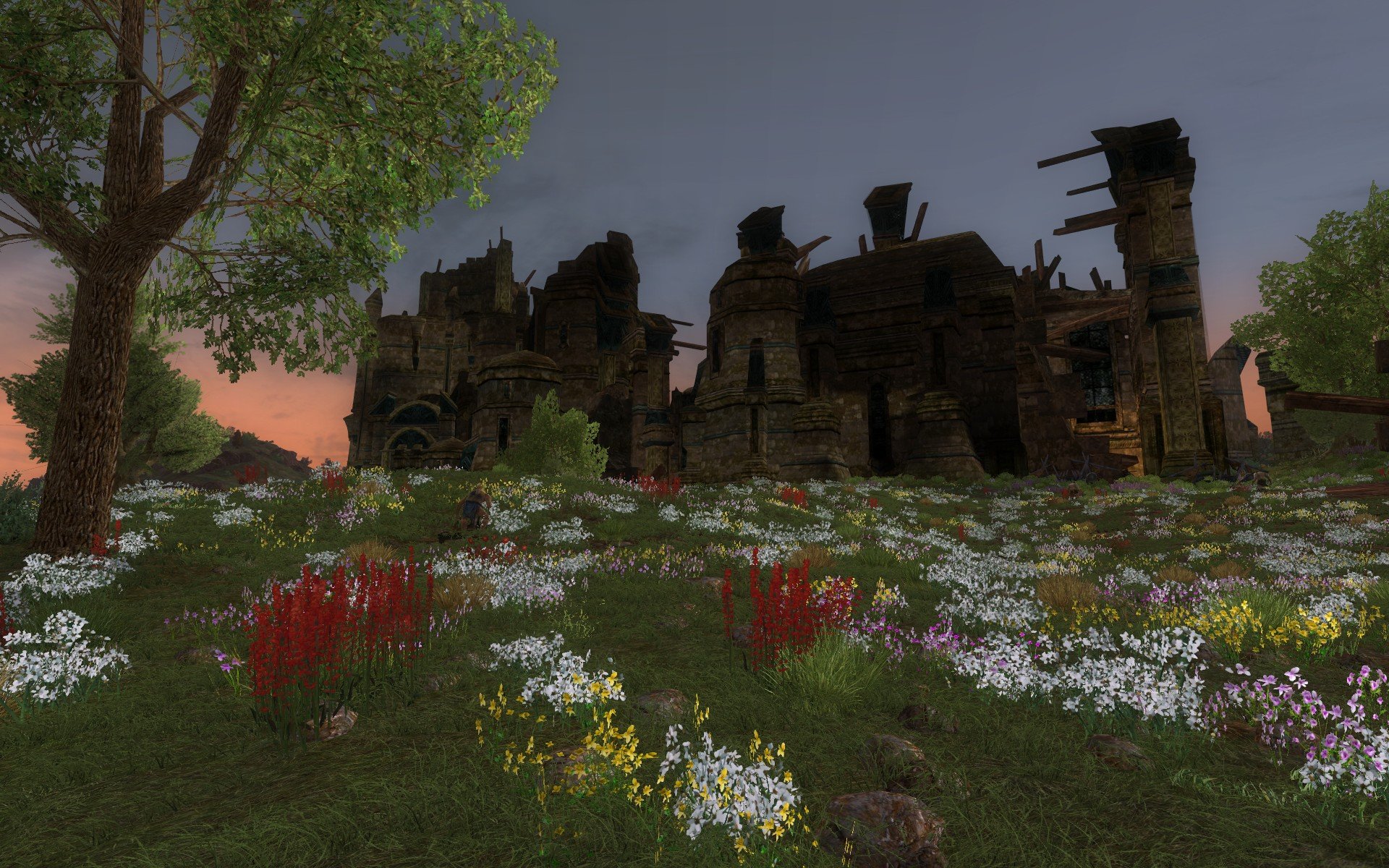
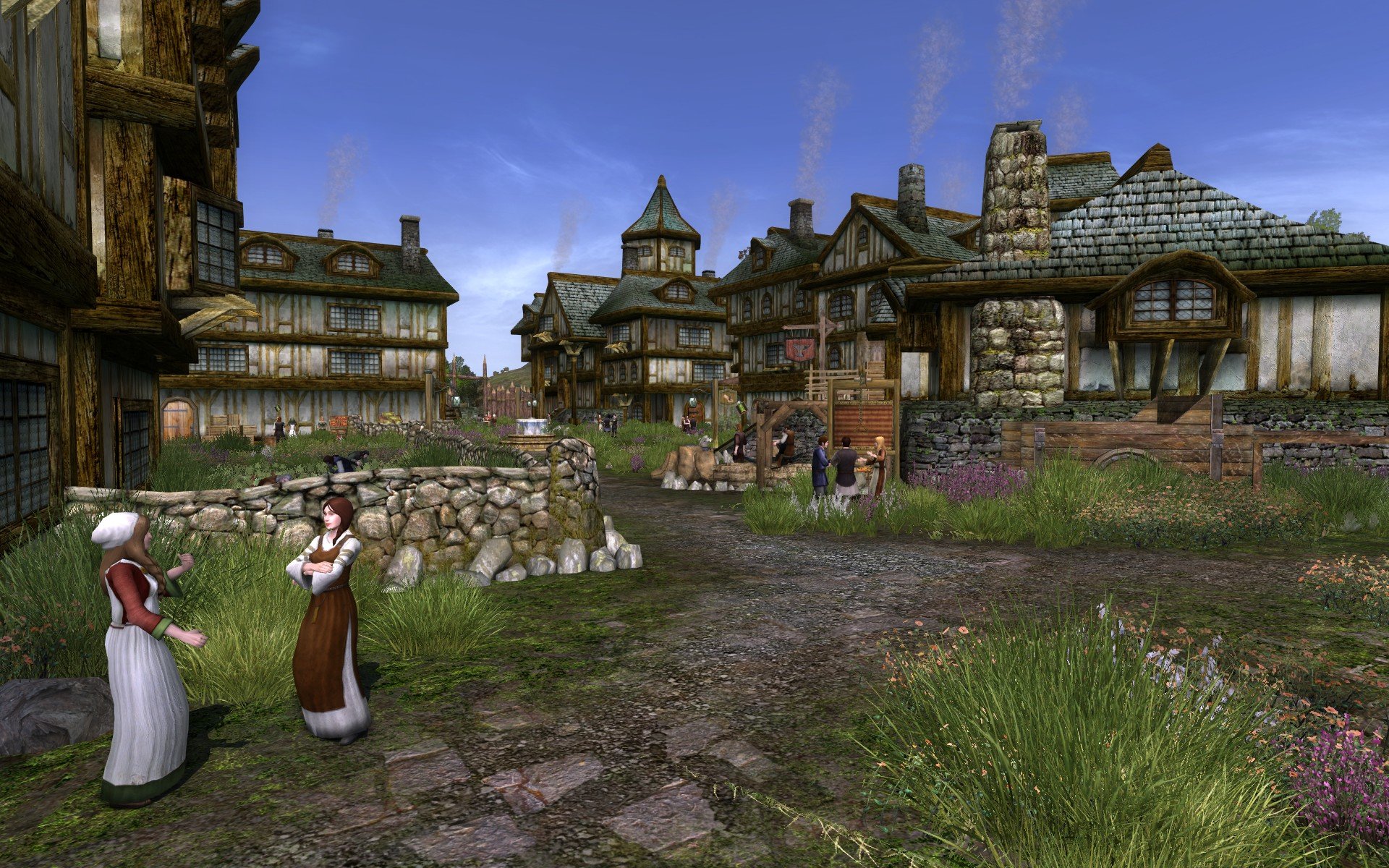
Players can enter Cardolan, the first of the two new zones, via the South Farthing in The Shire. This leads to Sarn Ford. Alternatively, access can be gained via the Andrath Gate in Southern Bree. This will take the player to Southern Andrath. There is also a road South from Lone-lands which passes Minas Eriol. There is also access from The Angle of Mitheithel and the Southern Trollshaws. Cardolan has five areas. The first is Ruddymore which extends from Sarn Ford on the borders of The Shire, Eastward to the town of Herne. This area is filled with Ruffians and the environment is similar to that of The Iron Hill, with a lock of dark brown rock formation. To the North of Ruddymore lies the area of Tyrn Gorthad. This is filled with Cardolan ruins, the most substantive of which is Dol Ernil on the borders of the Old Forest. The area is home to Wights and Gaunt men and is in a similar idiom to the North Downs.
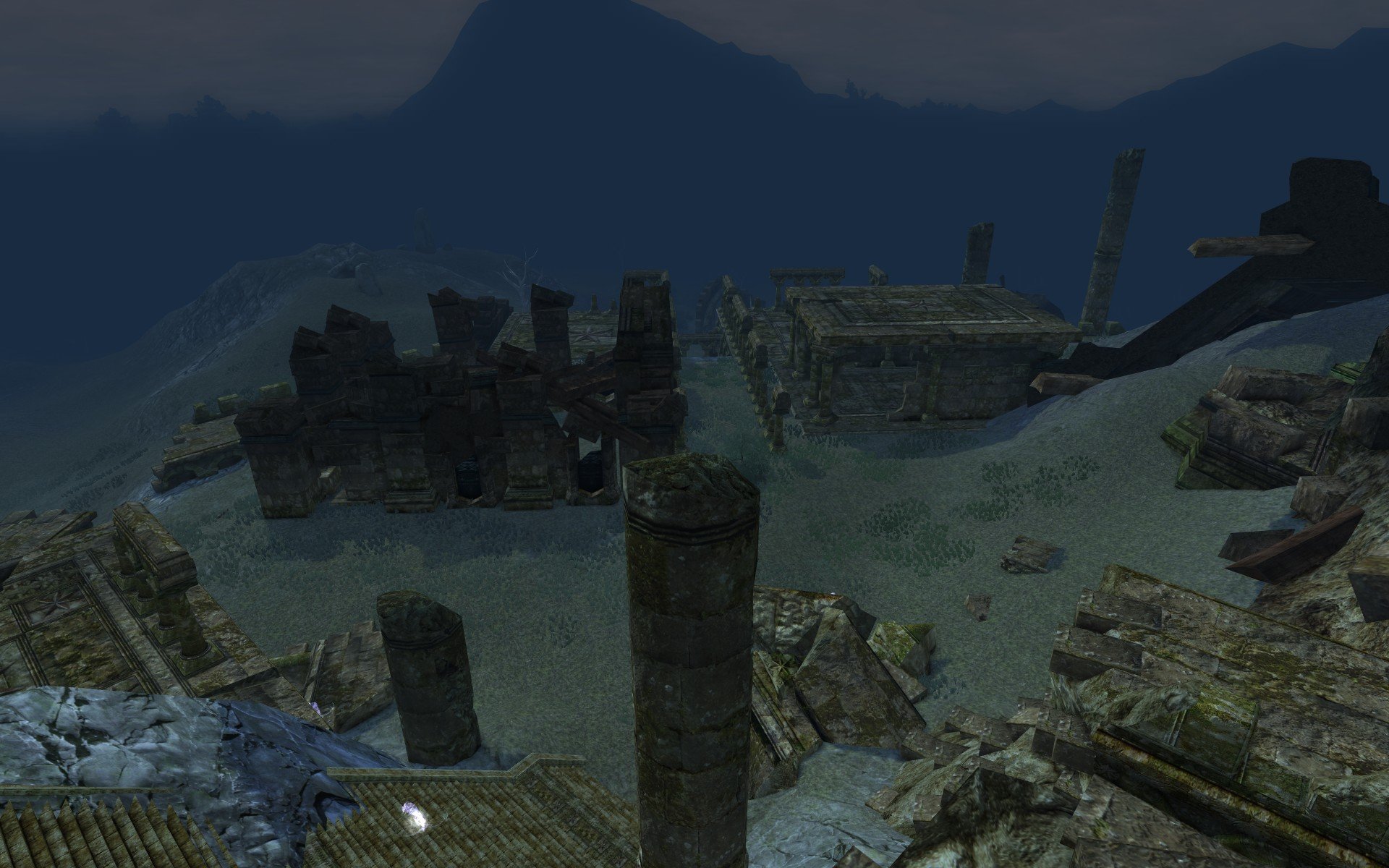
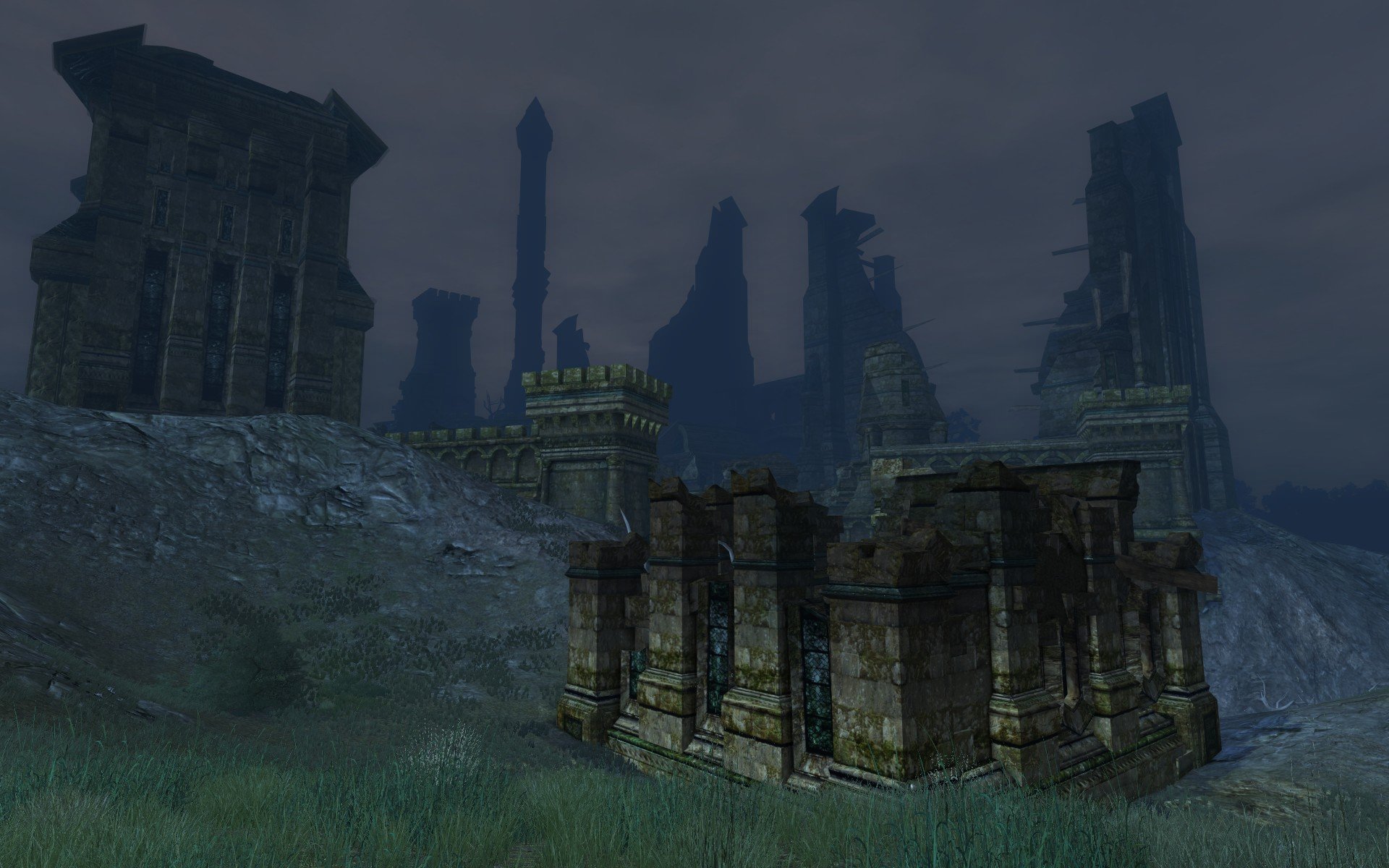
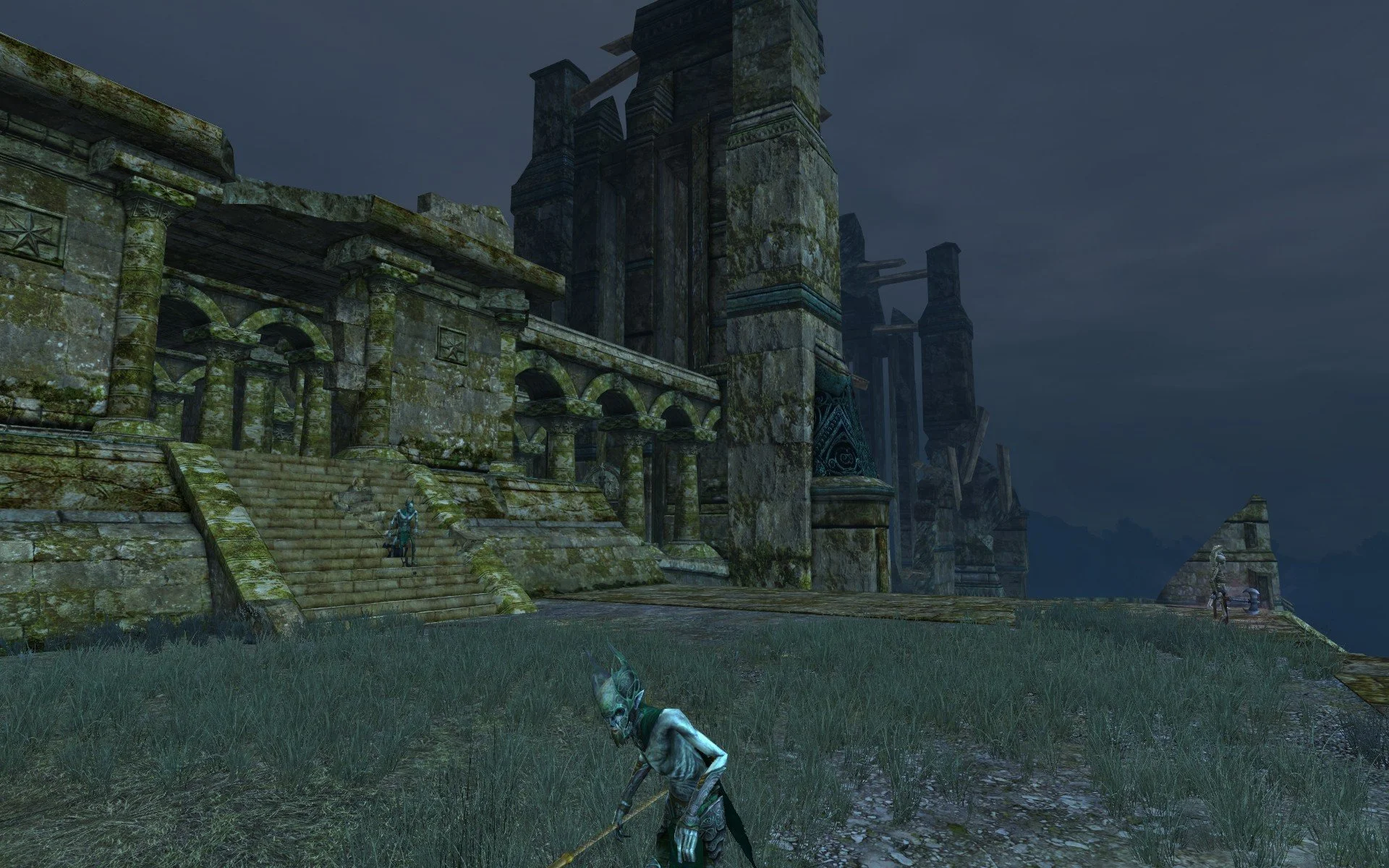
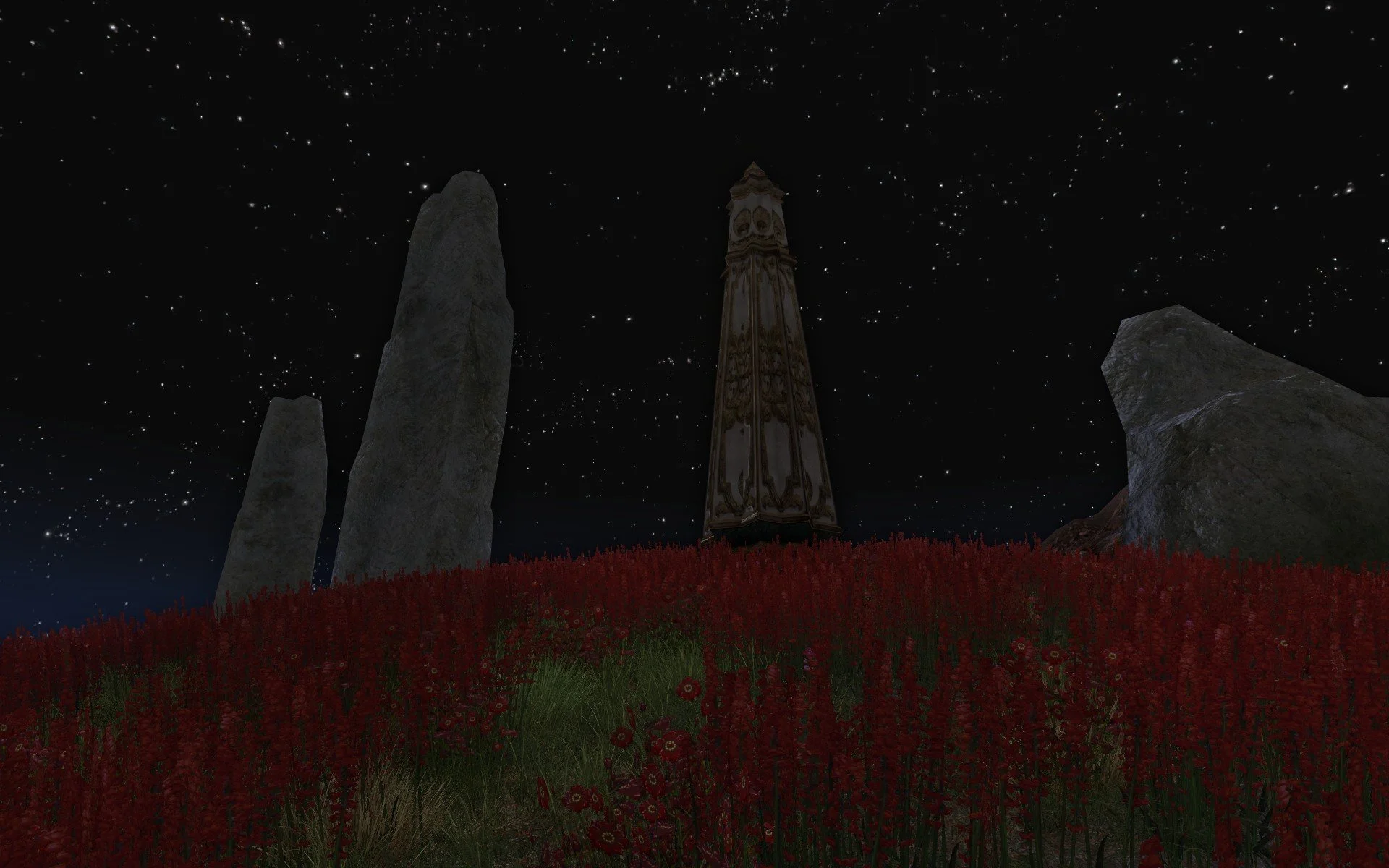
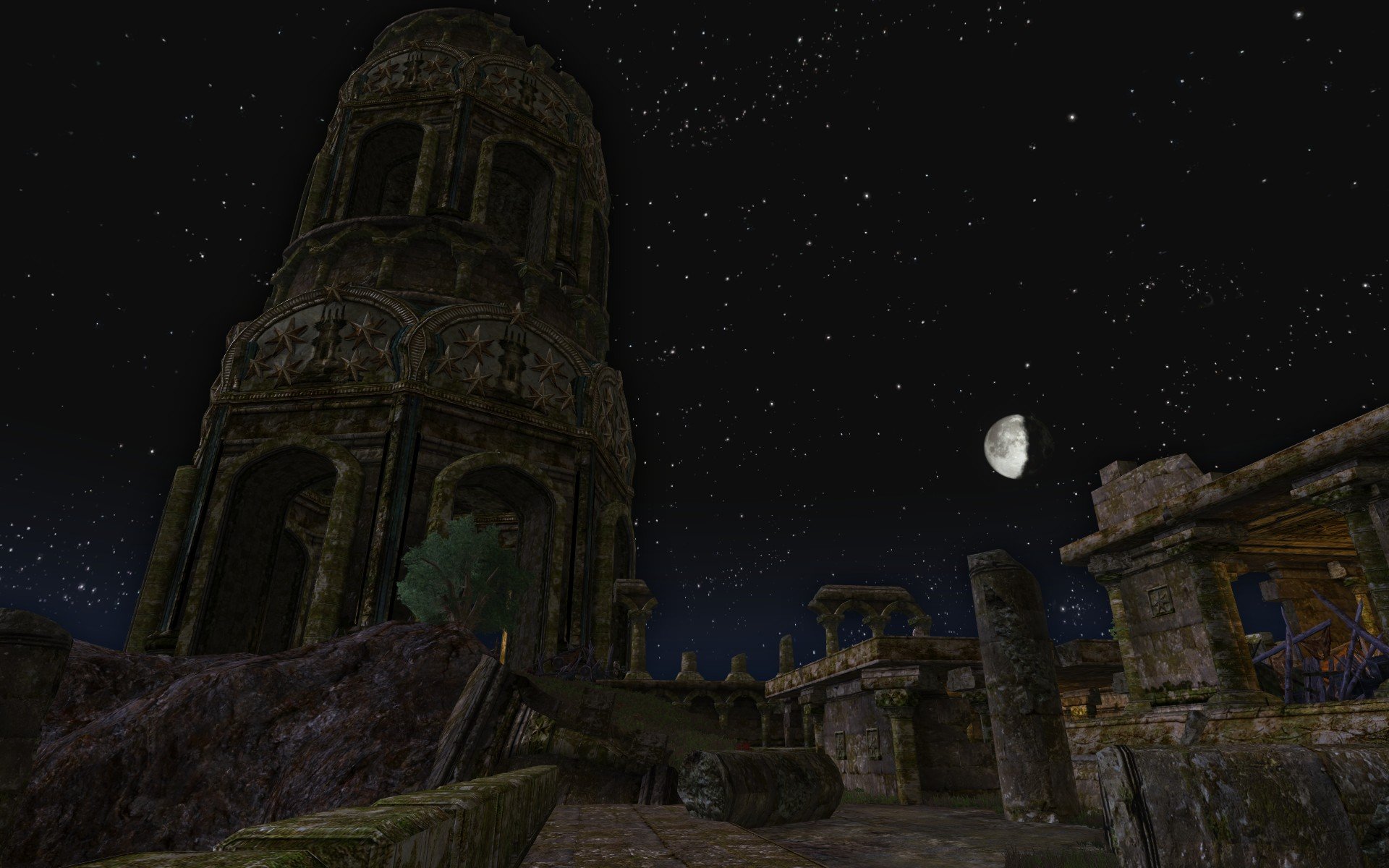
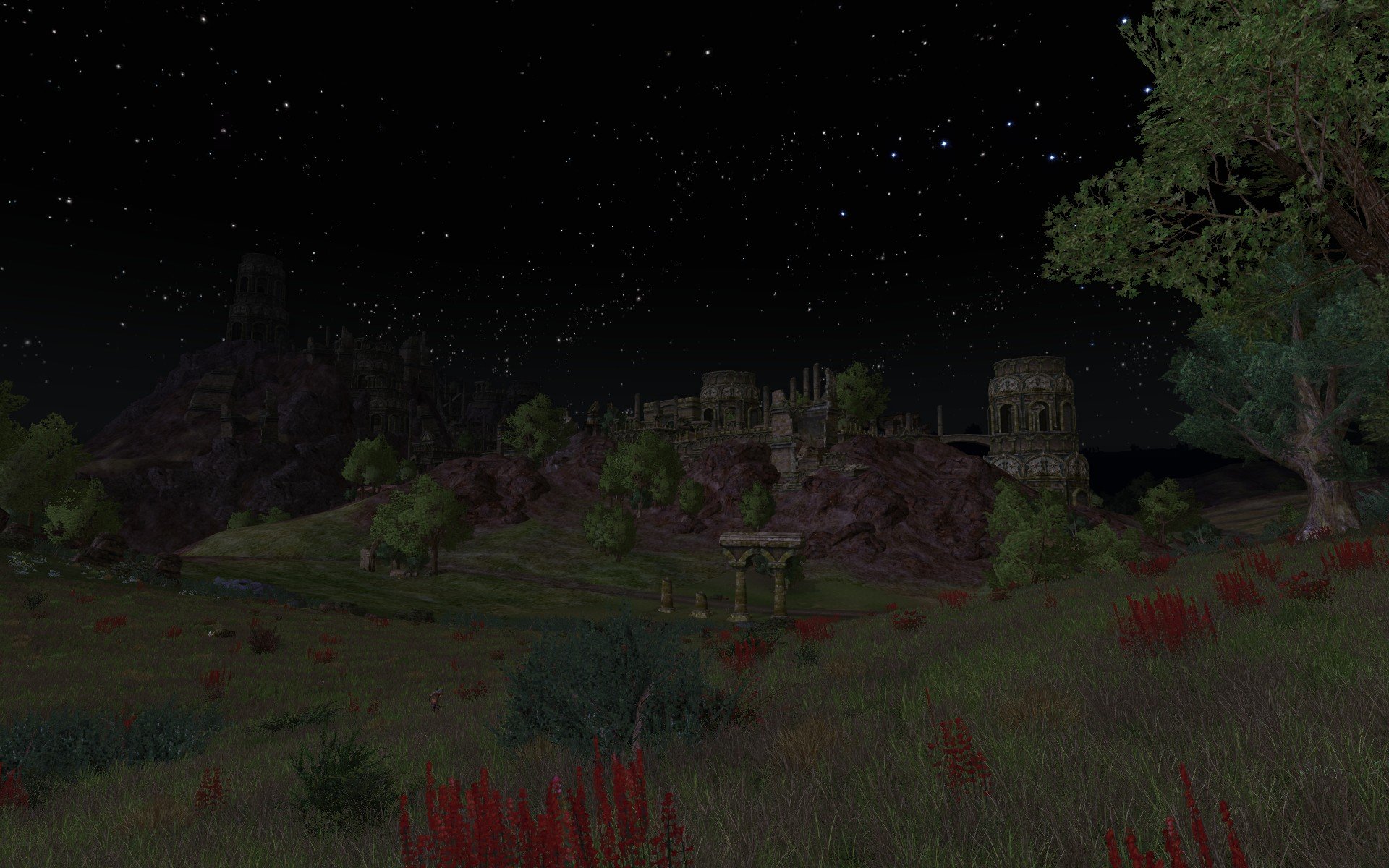
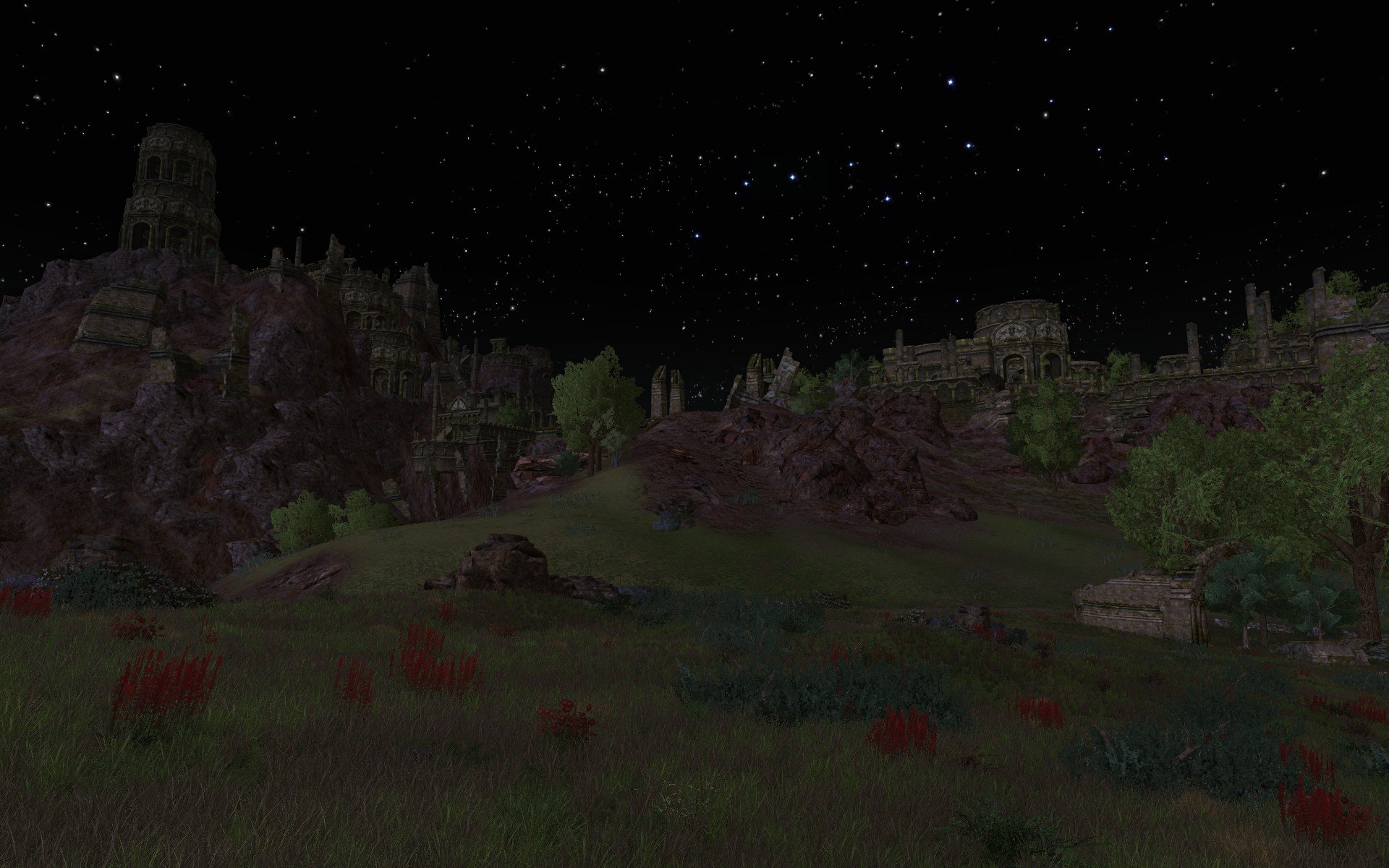
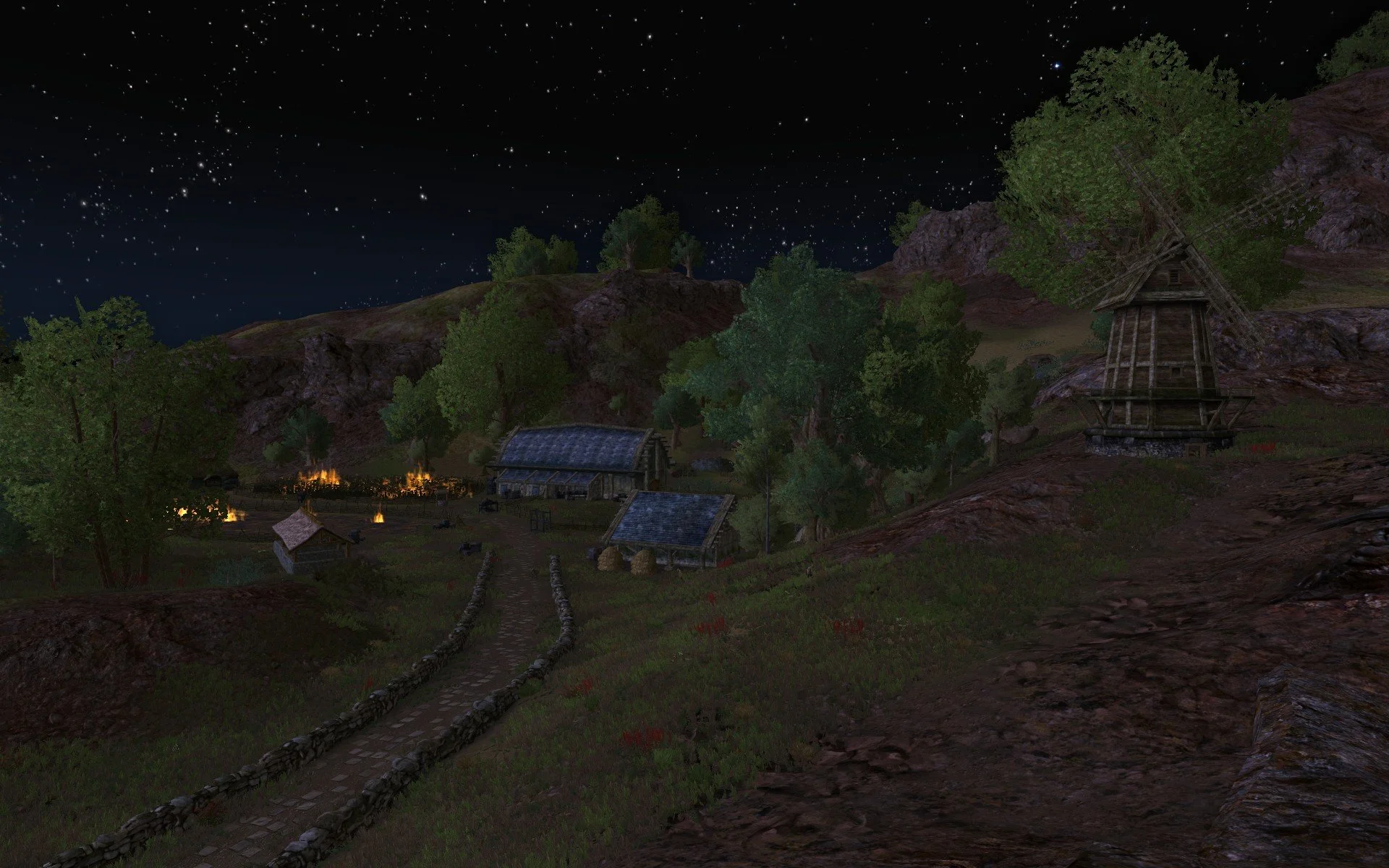
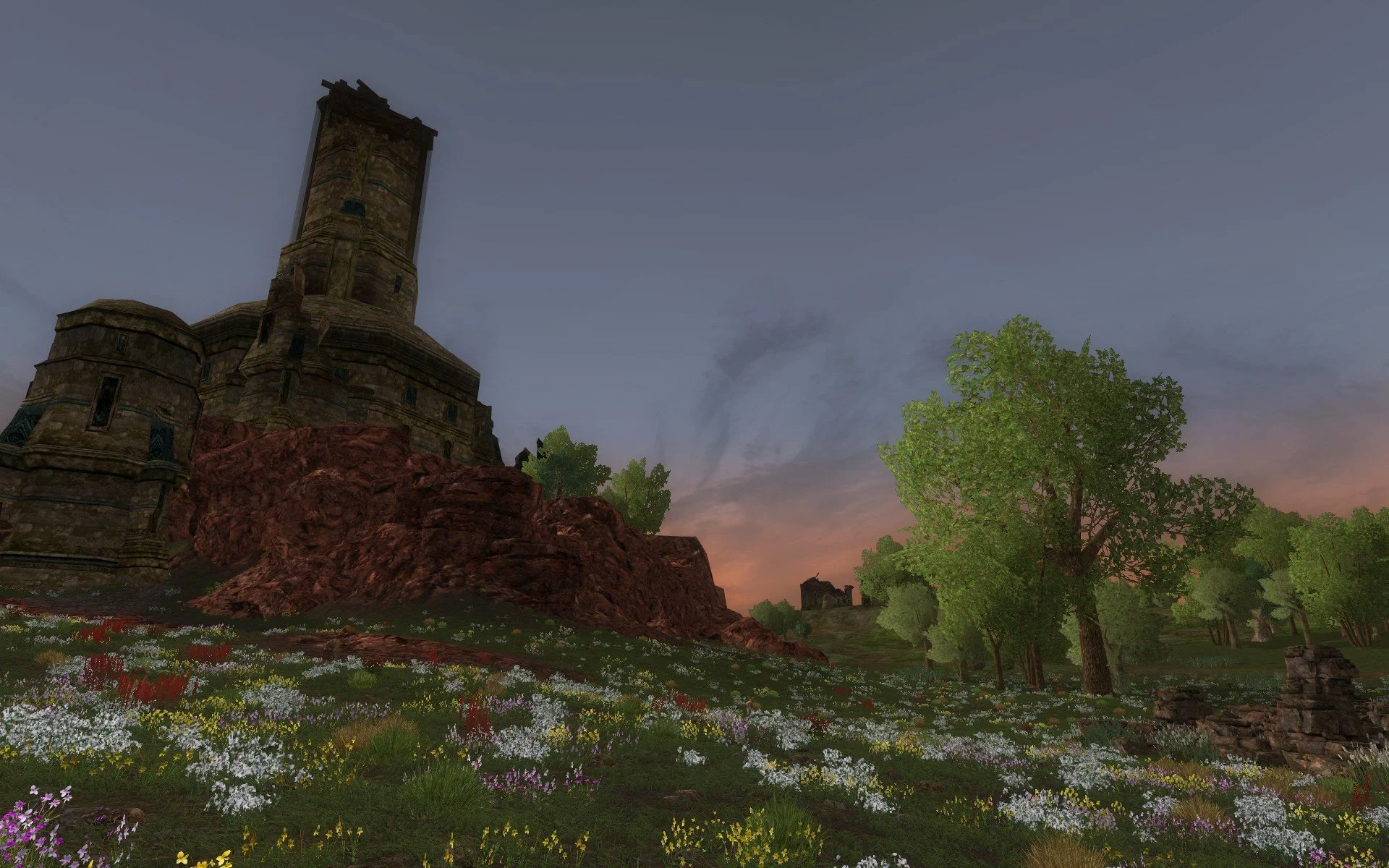
The next area is Andrath. The Northern hills in this location afford views of Bree-land Homesteads, Midgewater Marshes and Weathertop (depending on your draw distance setting). Moving to the East, Cardolan is separated from the Lone-land by the South Downs. There are two remote farming communities, Scurloc and Hove, which are similar to those we see around Bree. The Barrow of Gond Orchal and the Cardolan ruins of Haudh Nirui are home to Wights and Orcs respectively. Travelling further East to the borders of The Angle of Mitheithel, there is Amon Firn. This area is filled with both Wights and Spirits and overlooks the river Hoarwell. At the heart of the Cardolan map is the decaying fortress of Caranost. Orc infest the Western side. Rangers and Elves have an enclave on the East side. I suspect that due to the size of Caranost it may be the epicentre of several major quests or instances. The area of Sedgemead lies to the South East of Cardolan, along the banks of the river Greyflood. It is wild and overgrown with flowering plants and bushes (Like Ithilien).The ruins of Nimbarth and the Nagenstones are found here. The latter being a former Elven settlement
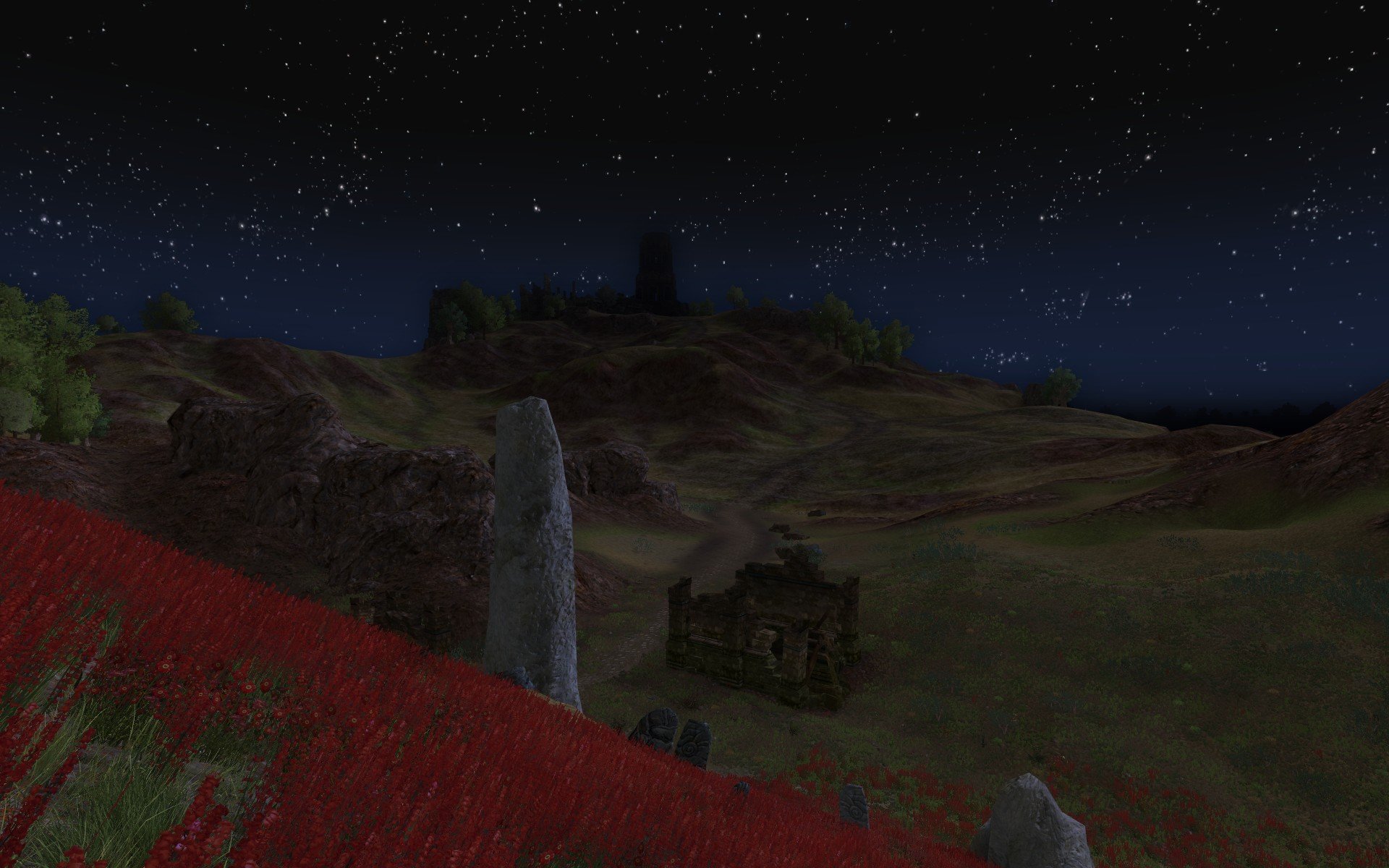
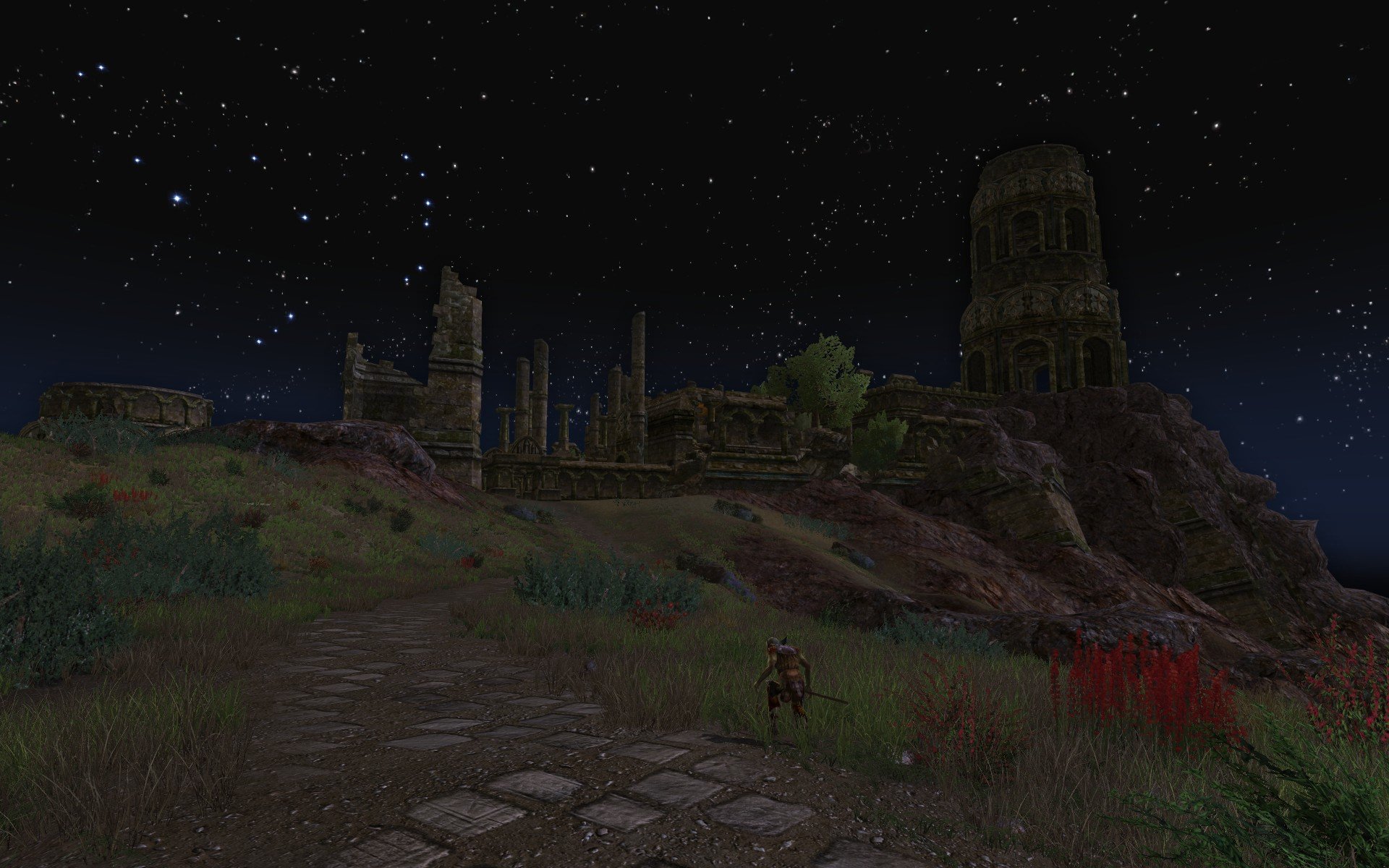
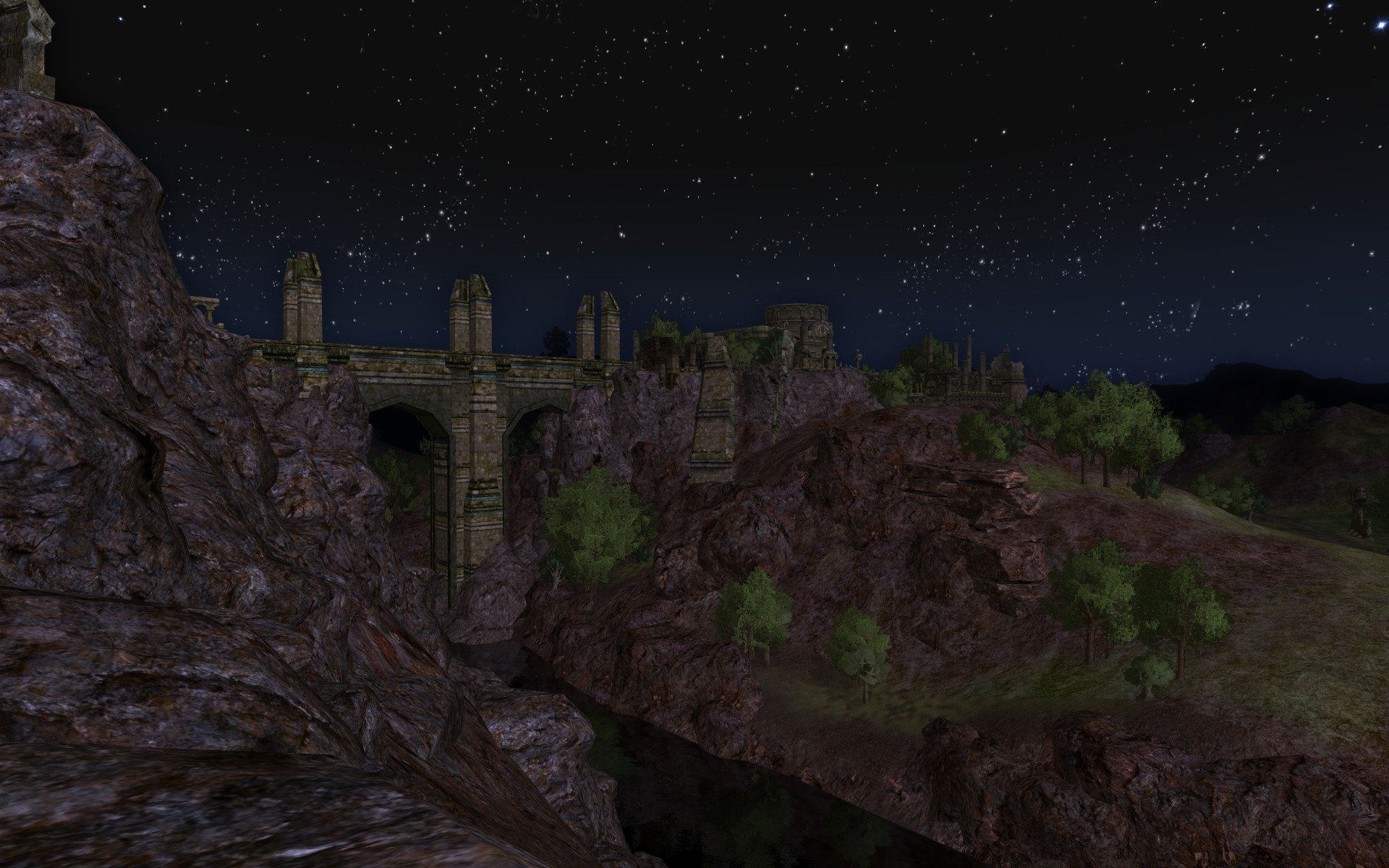
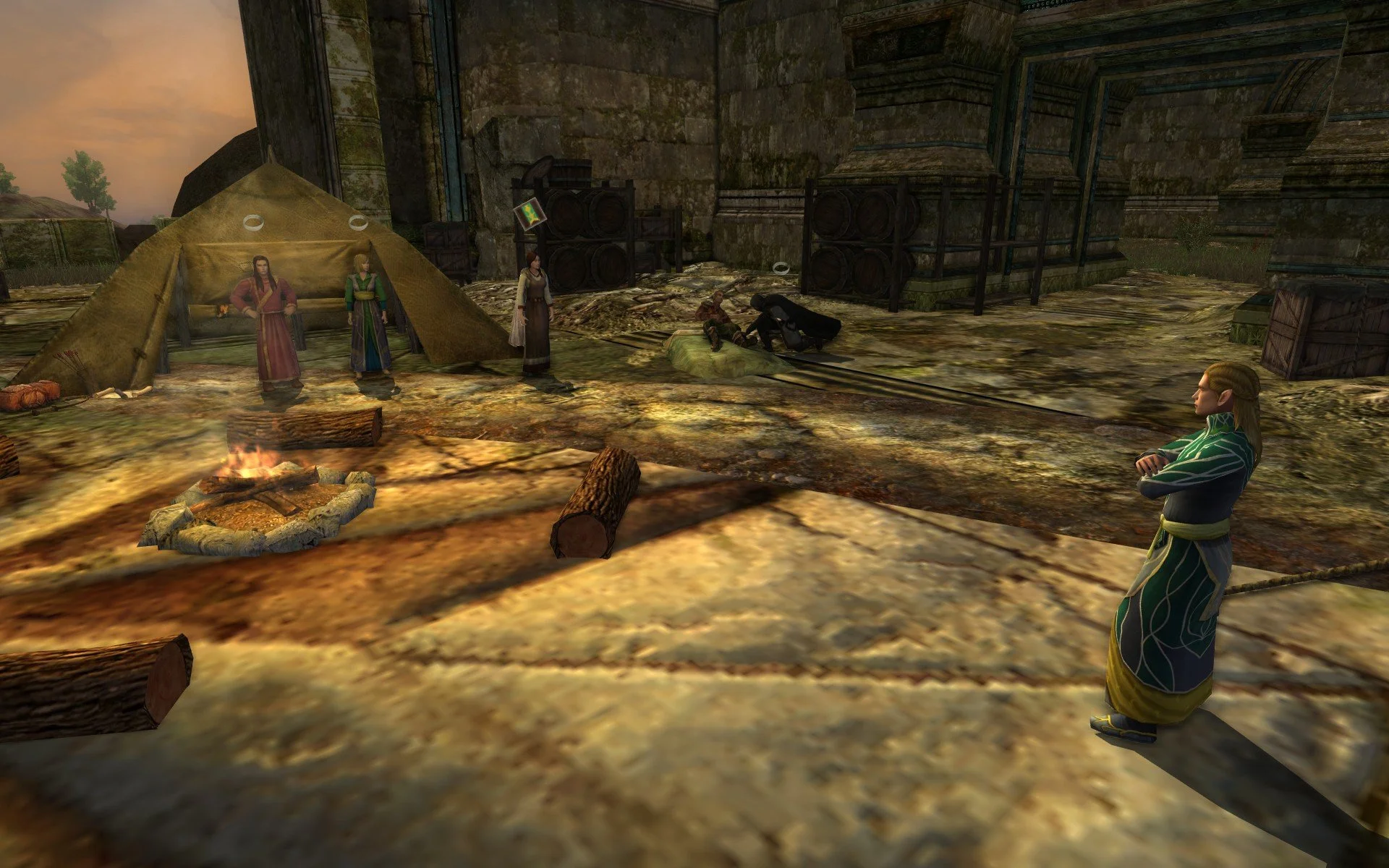
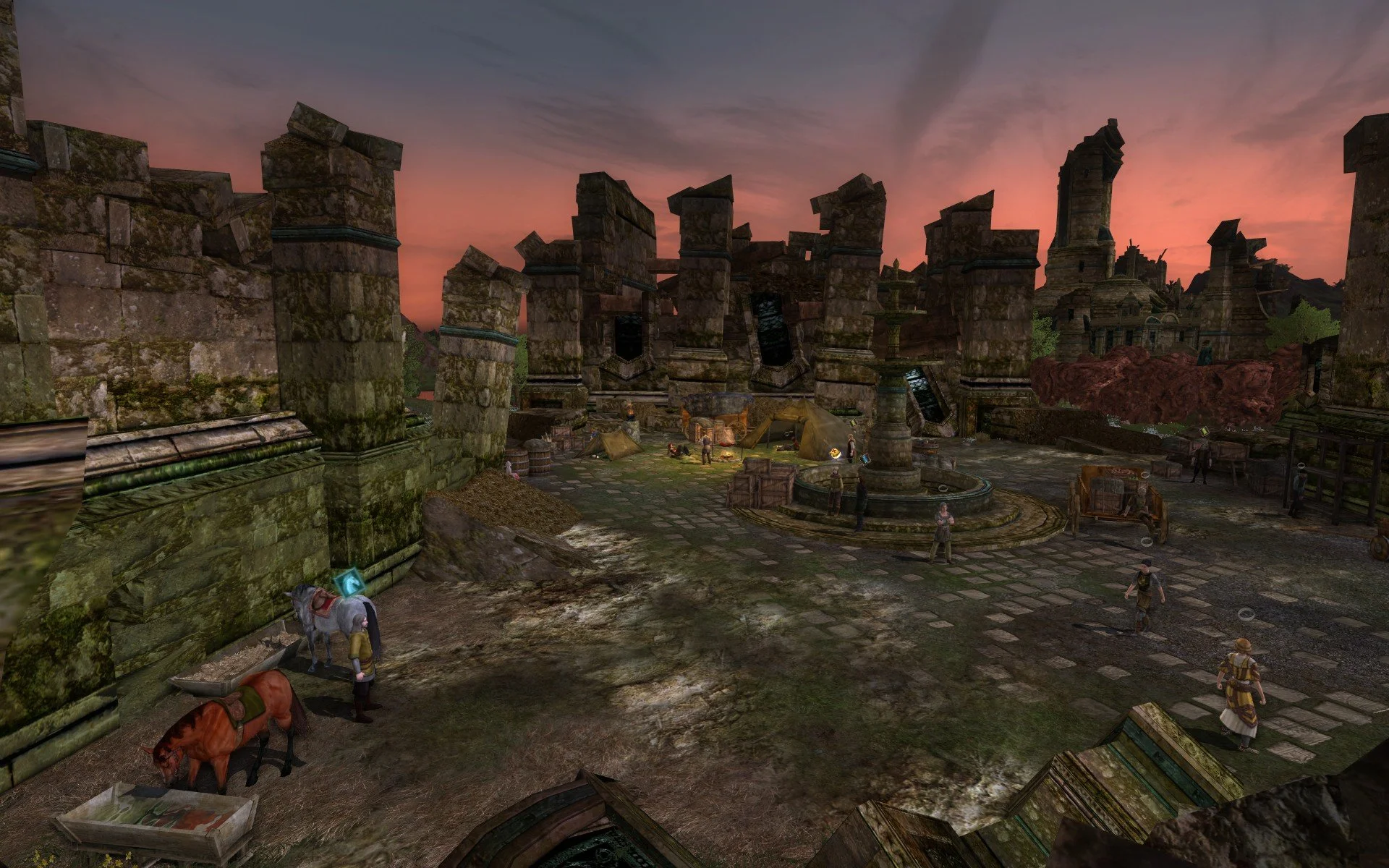
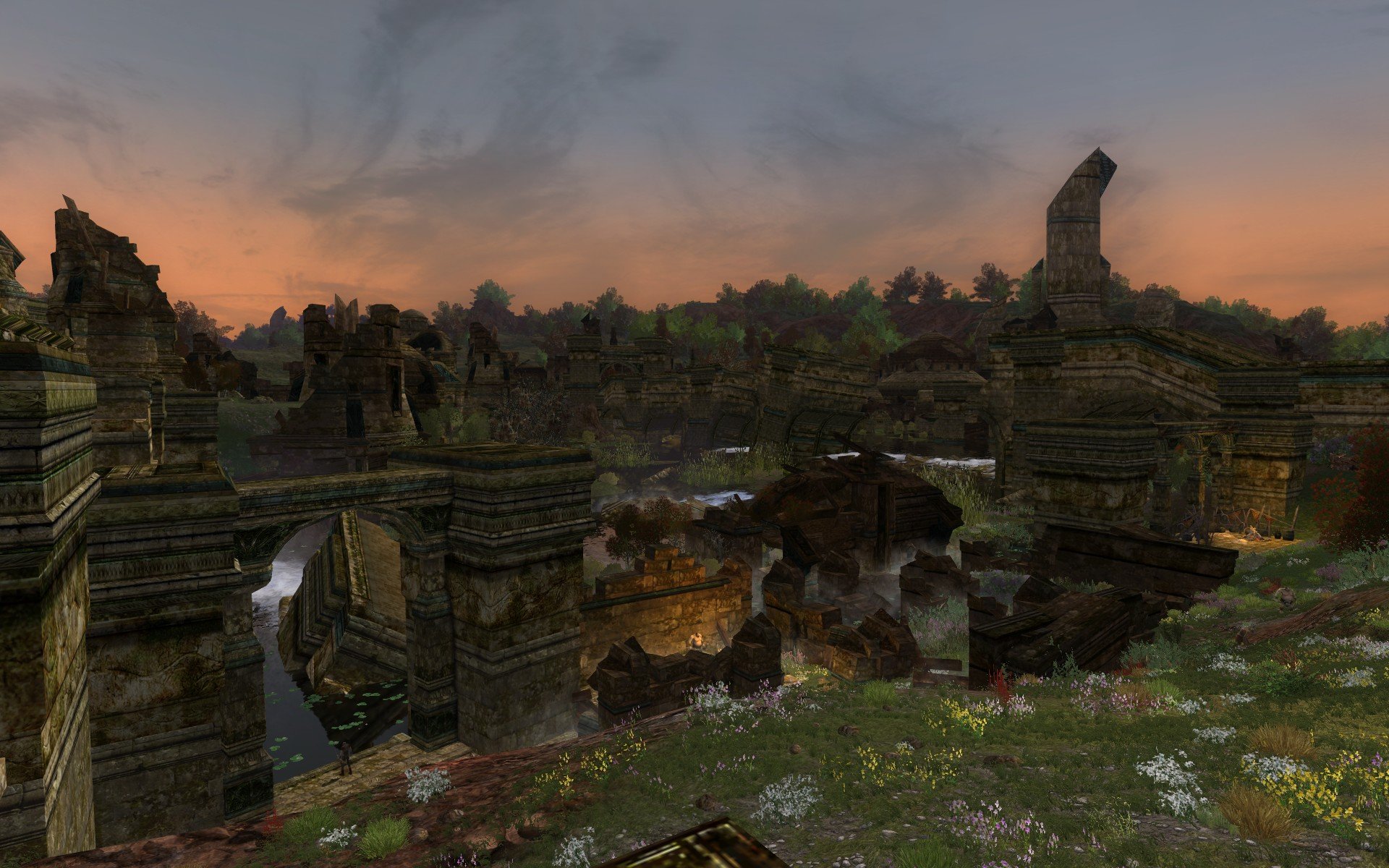
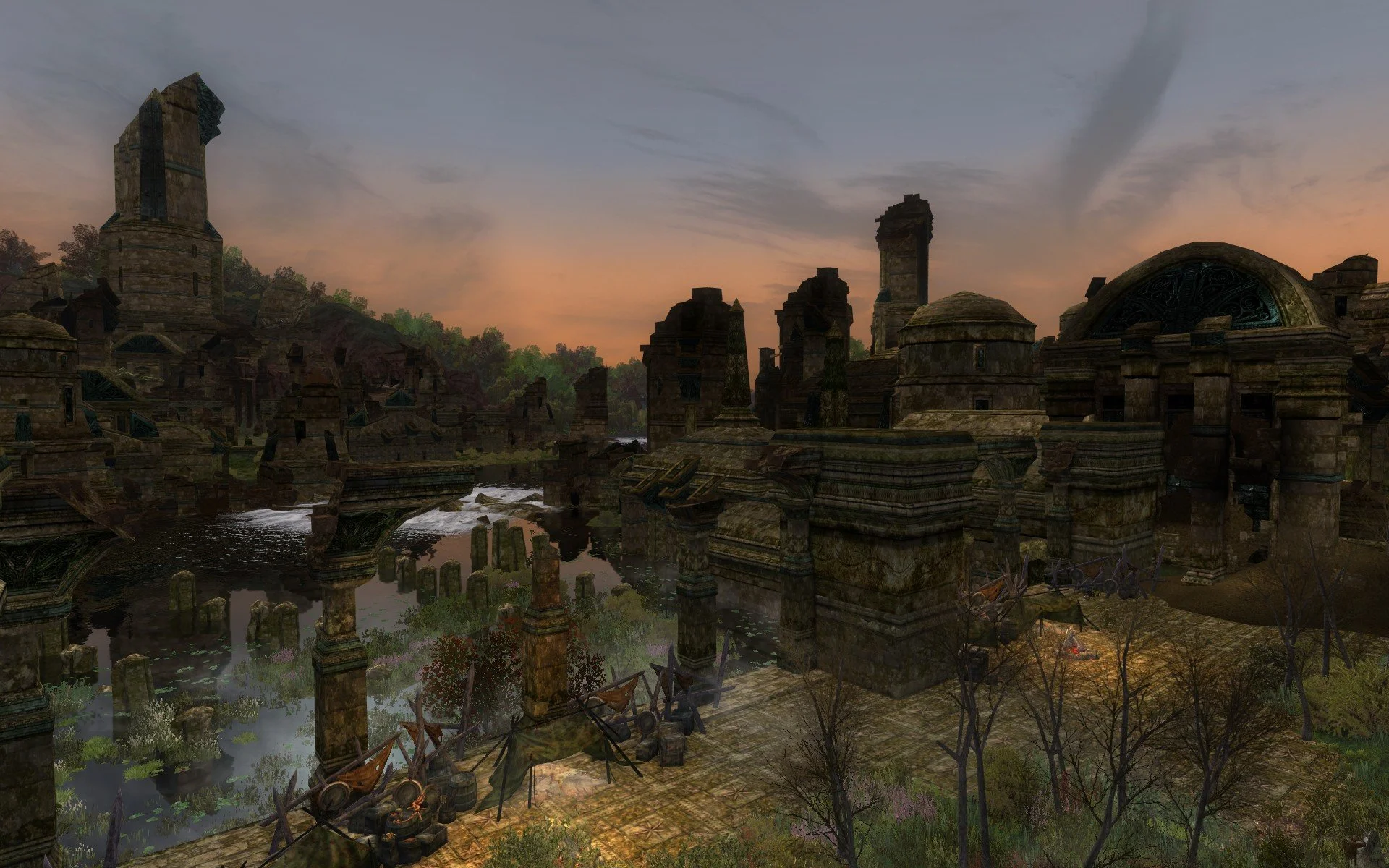
Herne is a major settlement of Men and main quest hub that lies on The Greenway road that runs diagonally through Cardolan. It seems to be the equivalent of Combe. The Crossway House Inn is a prominent feature and the architecture in Herne is once again similar to Bree. The road South out of the town leads to an area marked on the map as Minhiriath but you cannot access it due to an invisible barrier in ruins. To the East of Minhiriath there is the Cardolan ruins of Gaervarad and a stronghold of ruffians. The Greenway runs down to the Greyflood and the expansive ruins of Tharbad. There is an encampment here of Rangers and Elves but Tharbad itself is a major enemy stronghold. The bridges across the river are broken but there is a ford across the Greyflood into the neighbouring zone of Swanfleet.
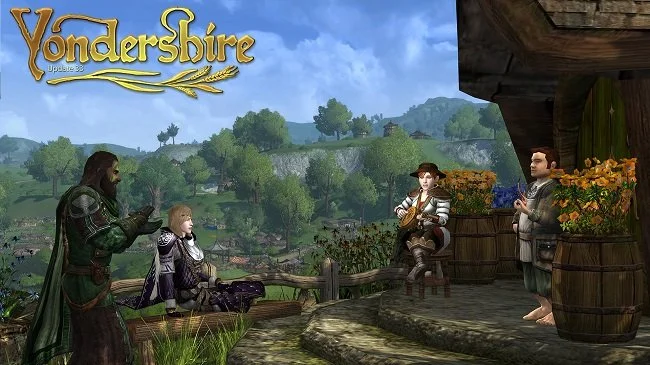
Upon crossing the Greyflood you find The Old South Road, which spans the zone from the West to the East of Swanfleet. Mossward is the first settlement you encounter and it is a small town like Archet. This is the new starter area featured in the new tutorial included in Update 34: Before the Shadow. To the North of the town are the fens and wetlands of Wadewater. So named as the water levels are navigable by foot or on horse. This is filled with water fowl, insects and Bog Lurkers. The area is reminiscent of Enedwaith and features the village of Lhan Garan which is similar to Galtrev. Nearby are the Elven ruins of Caras Gelebren. The road East leads to Echad Mirobel in Eregion. Western Eregion lies North of Caras Gelebren and is adjacent to The Angle of Mitheithel, so shares a similar environment. Tham Lasgol and Thamn Celechir are additional Elven ruins populated by Wood Trolls and Huorns.
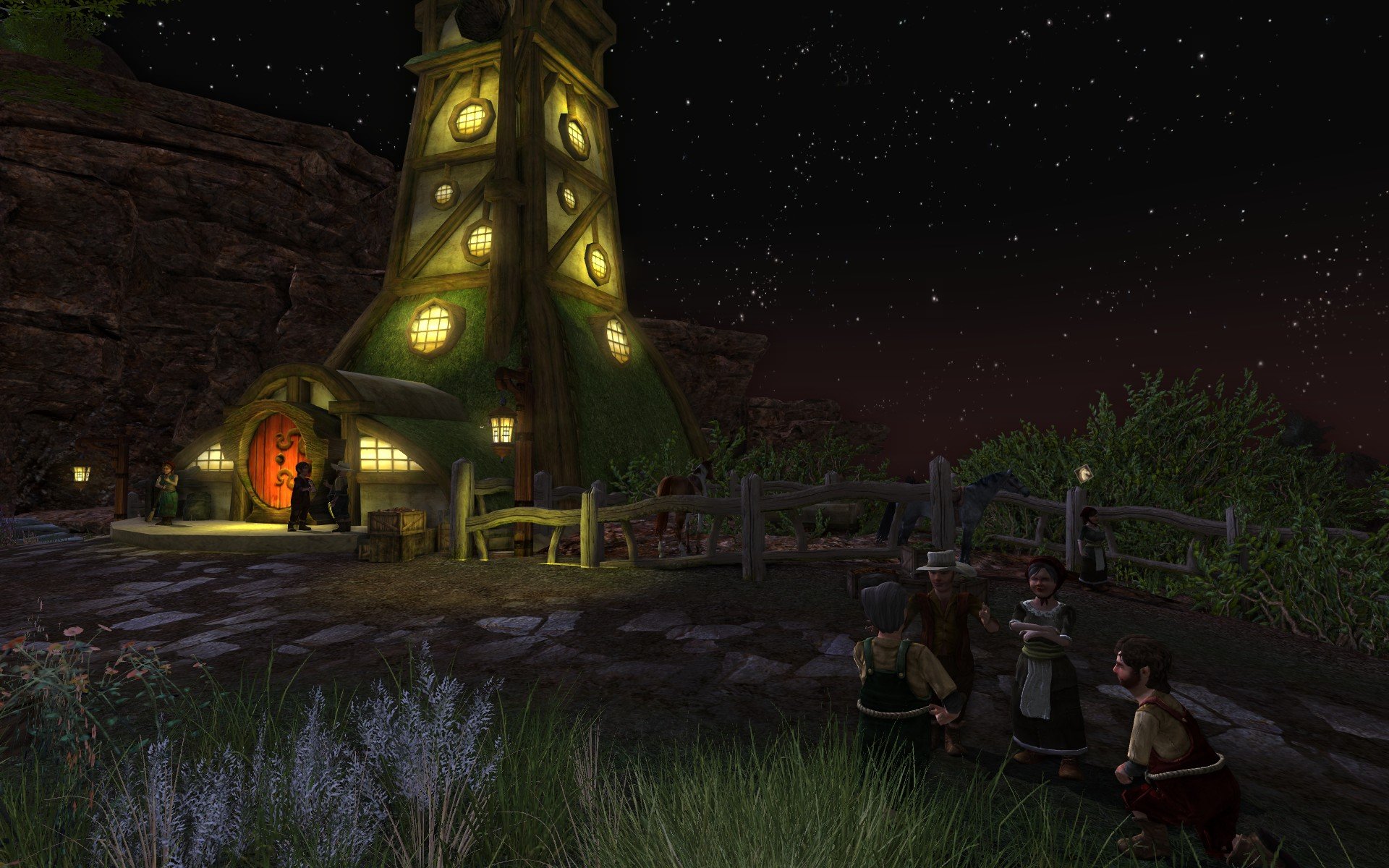
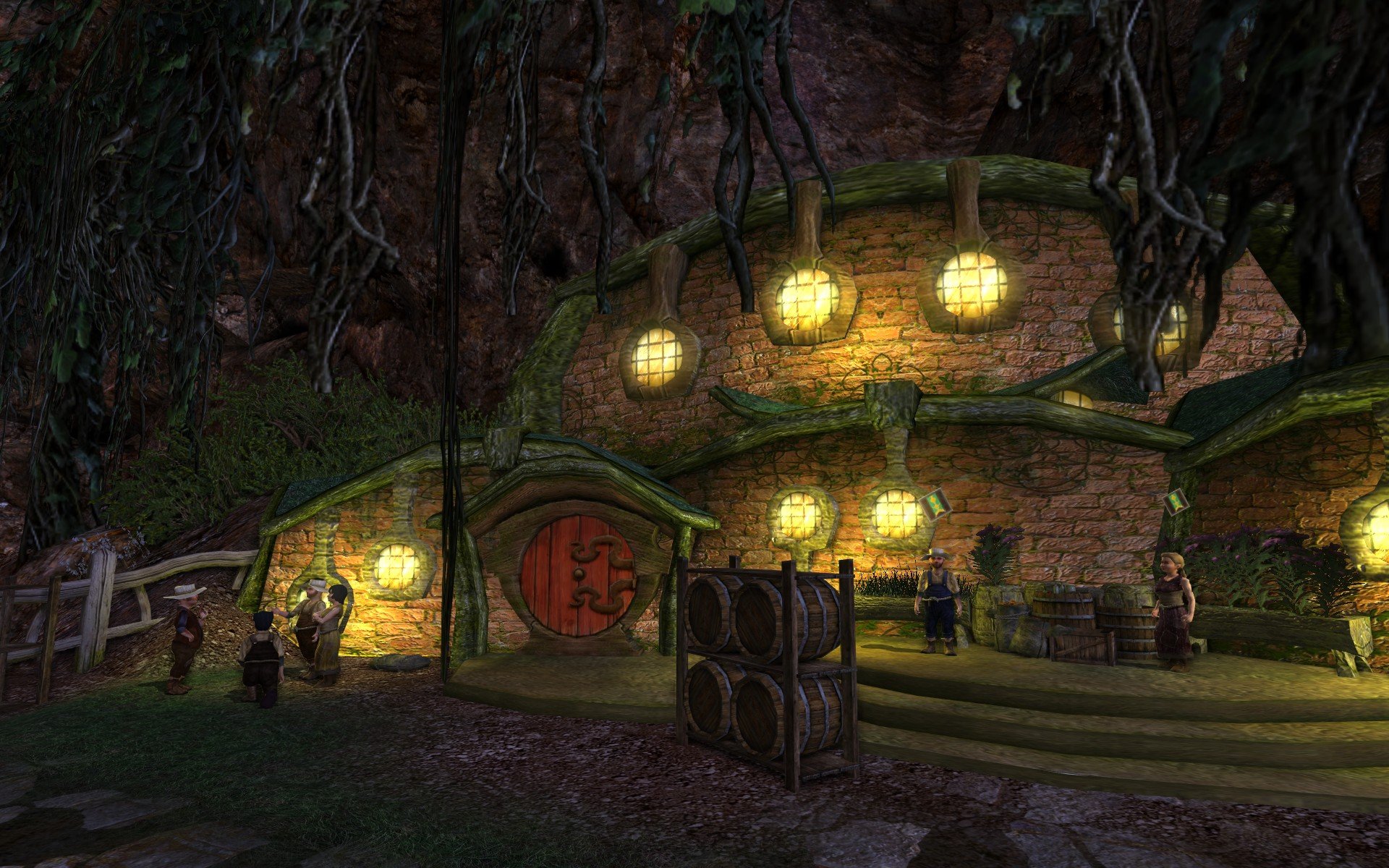
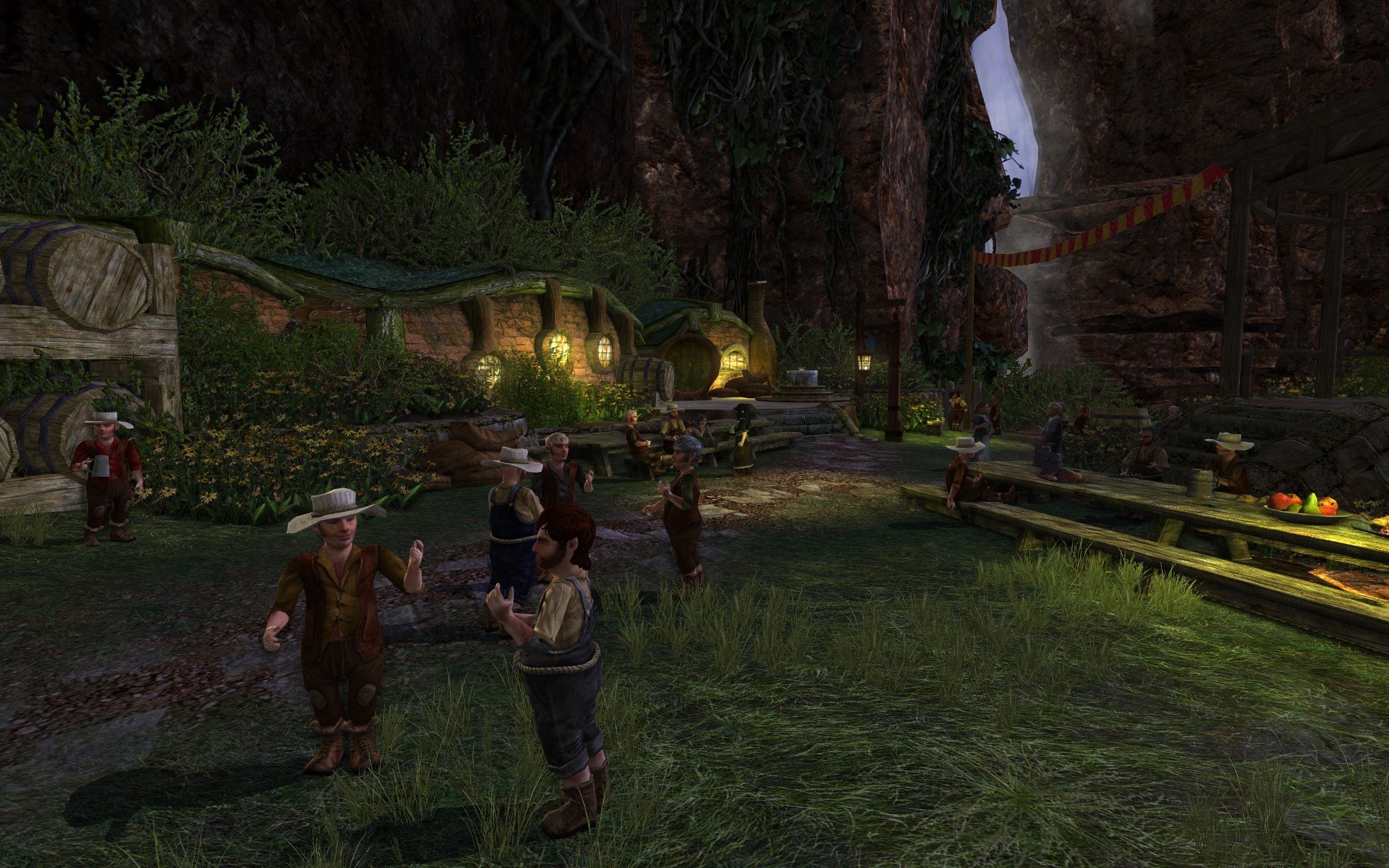
Perhaps the most entertaining area in Swanfleet is the Stoor-vales. This area includes three settlements quite close to each other. Glen Helyg, Clegur and Lintrev are Stoor villages set among the hills away from The Old South Road and hidden from prying eyes. Aesthetically, they are similar to Maur Talhau in Enedwaith, which they link to. Hobbit settlements have a tendency to be whimsical areas and these are no different. They also provide the practical benefits of being a major crafting hub. With regard to The Old South Road, this leads to Gloomglens and Windfells in Enedwaith. It should be noted that despite its substantive in-game map appearance, Swanfleet is another region where a lot of the terrain is inaccessible and the player is funnelled to specific areas. In reality it is not a big and open zone as Cardolan. However, it does have an immersive environment.
To conclude, Cardolan and Swanfleet provide a great sense of in-game continuity. There are lots of repeated assets from other locations, but that makes perfect sense when you consider that the new zones have borders with six other existing regions. I would like to draw special attention to the ambient music for Cardolan and Swanfleet, composed by Bill Champagne. It is very appropriate and memorable. Whatever criticisms you may raise against LOTRO, its musical score is not one of them. It remains the one to beat within the MMO genre. Overall, Cardolan and Swanfleet offer an interesting addition to LOTRO, filling in a long time gap in SSG’s virtual Middle-earth. Having a new tutorial set in these zones makes creating new alts a far more appealing prospect.
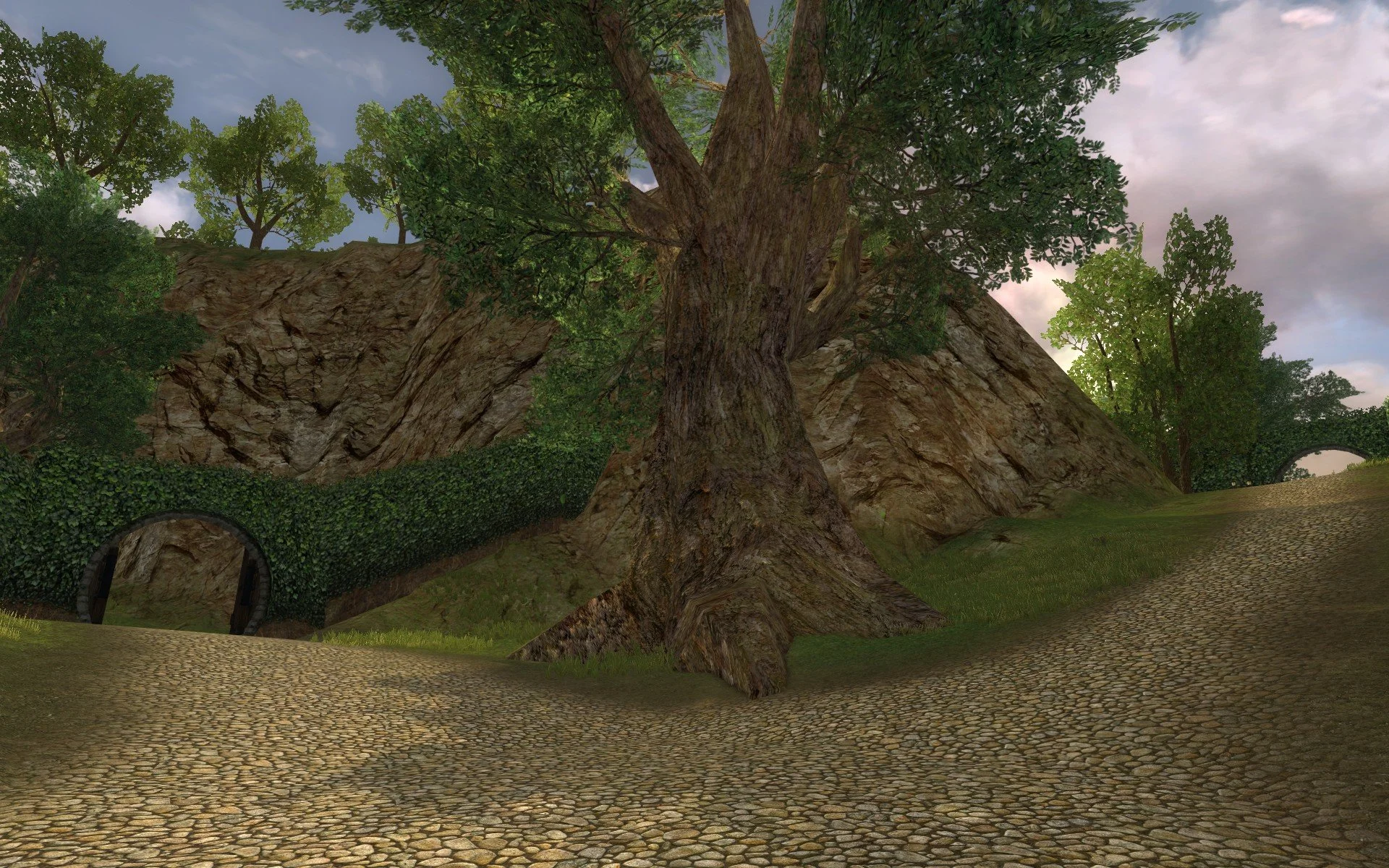
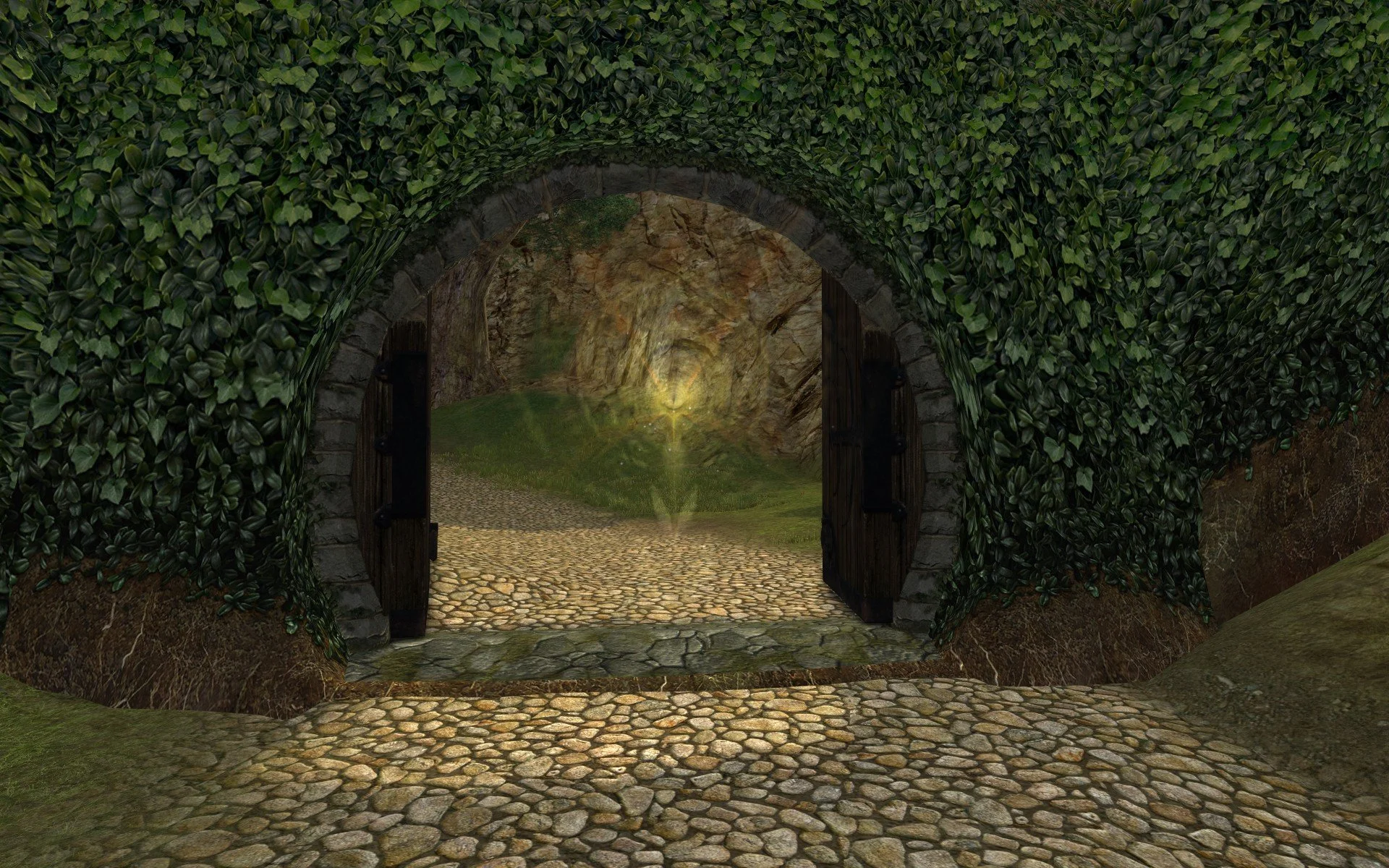
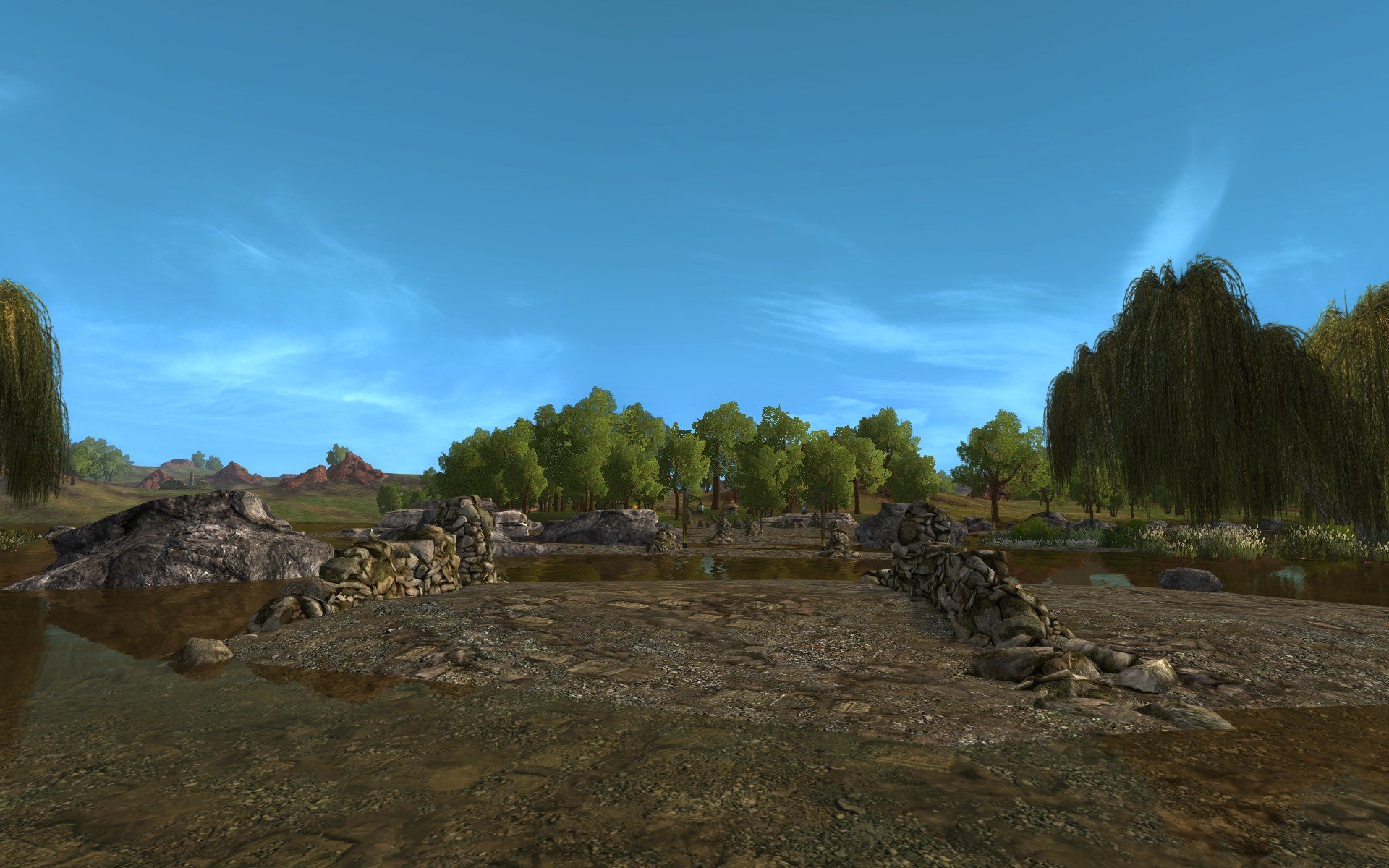
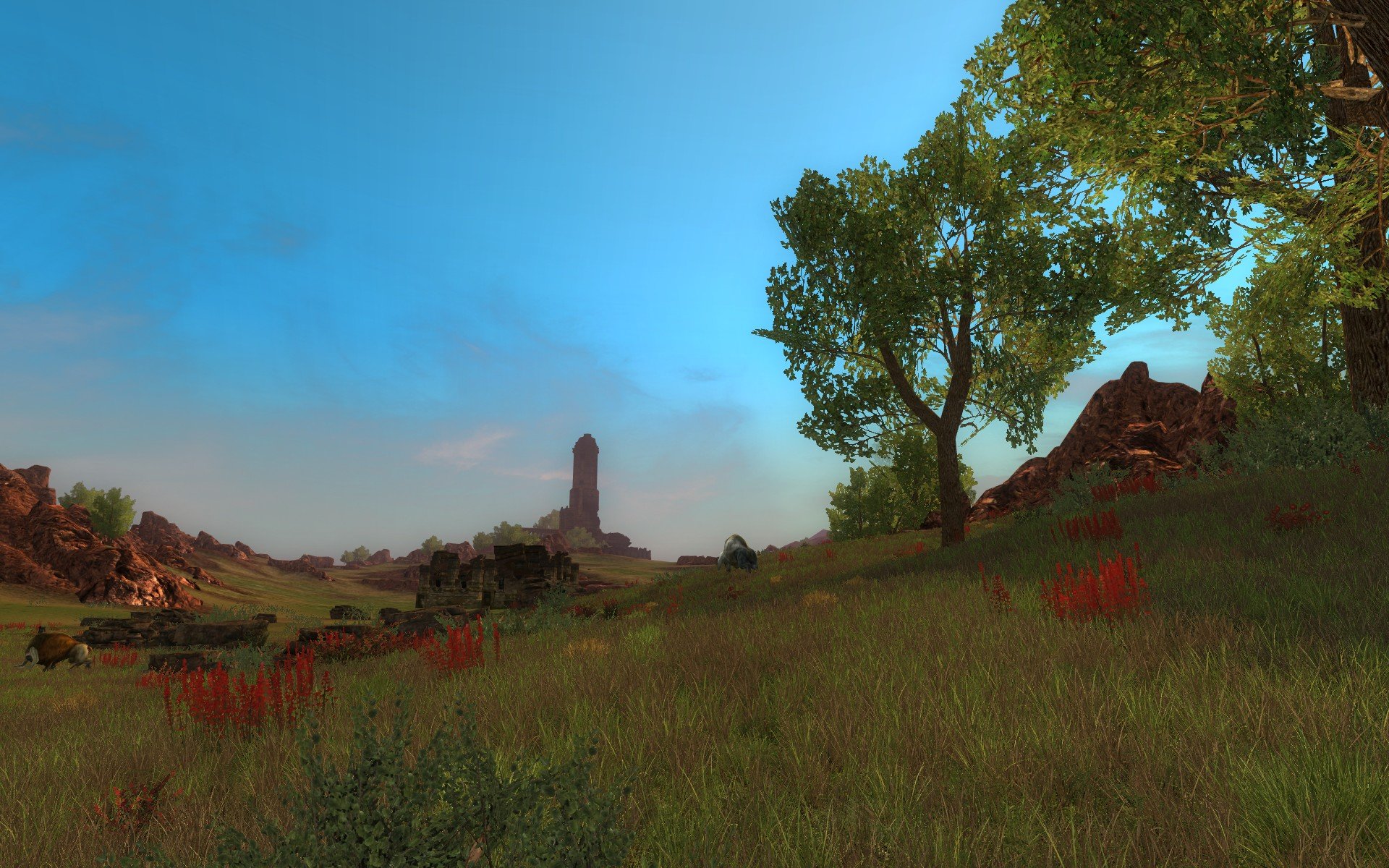
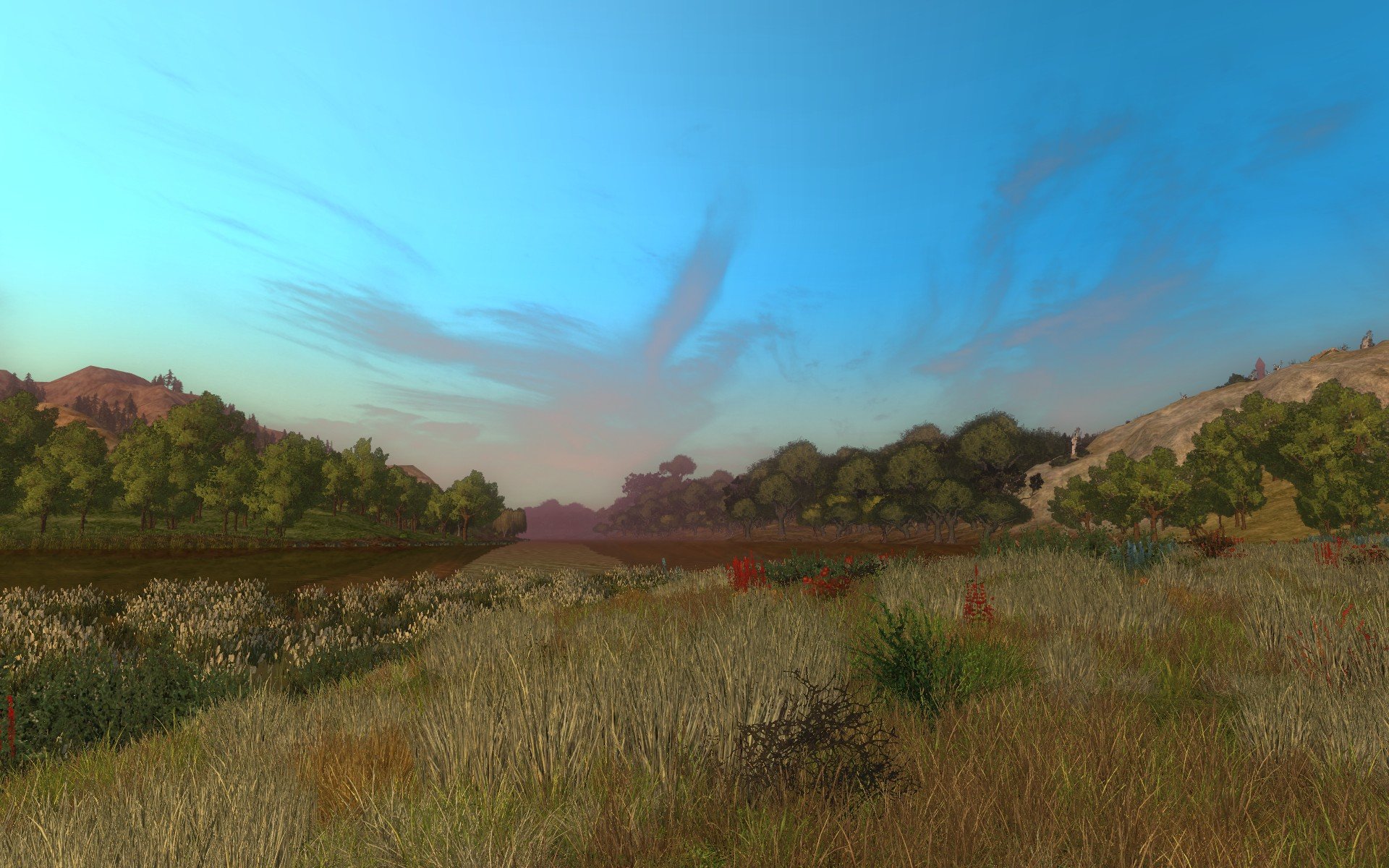
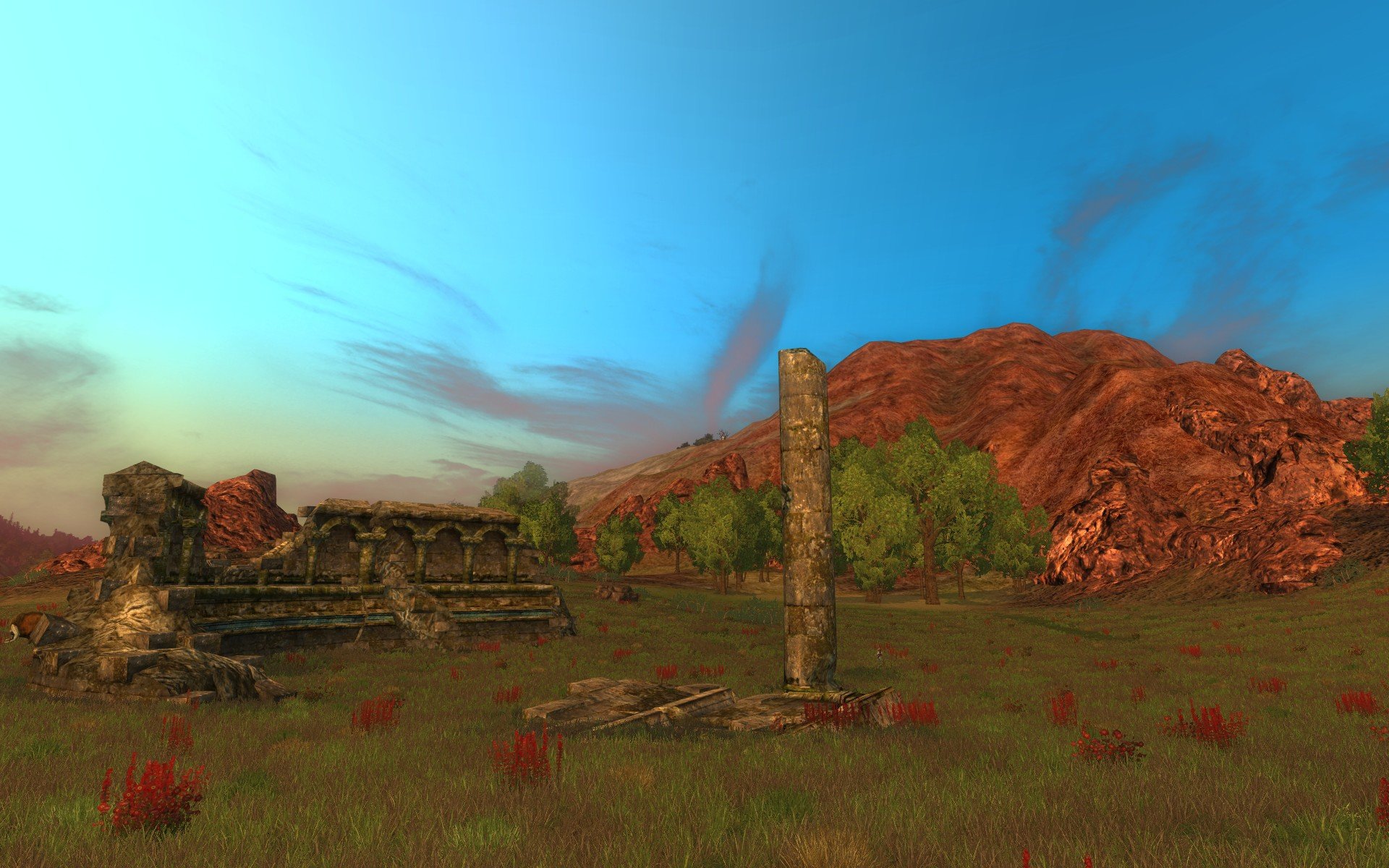
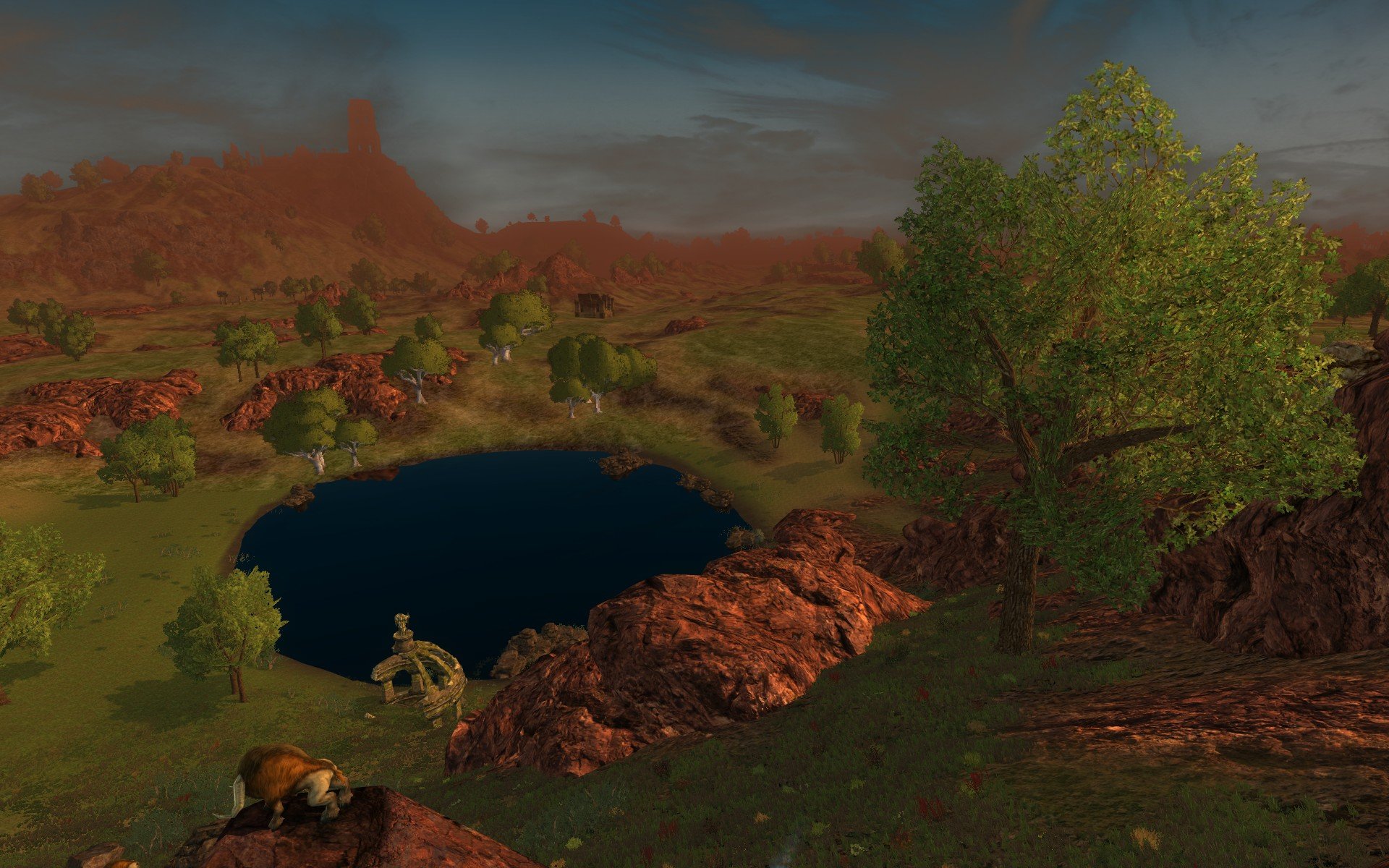
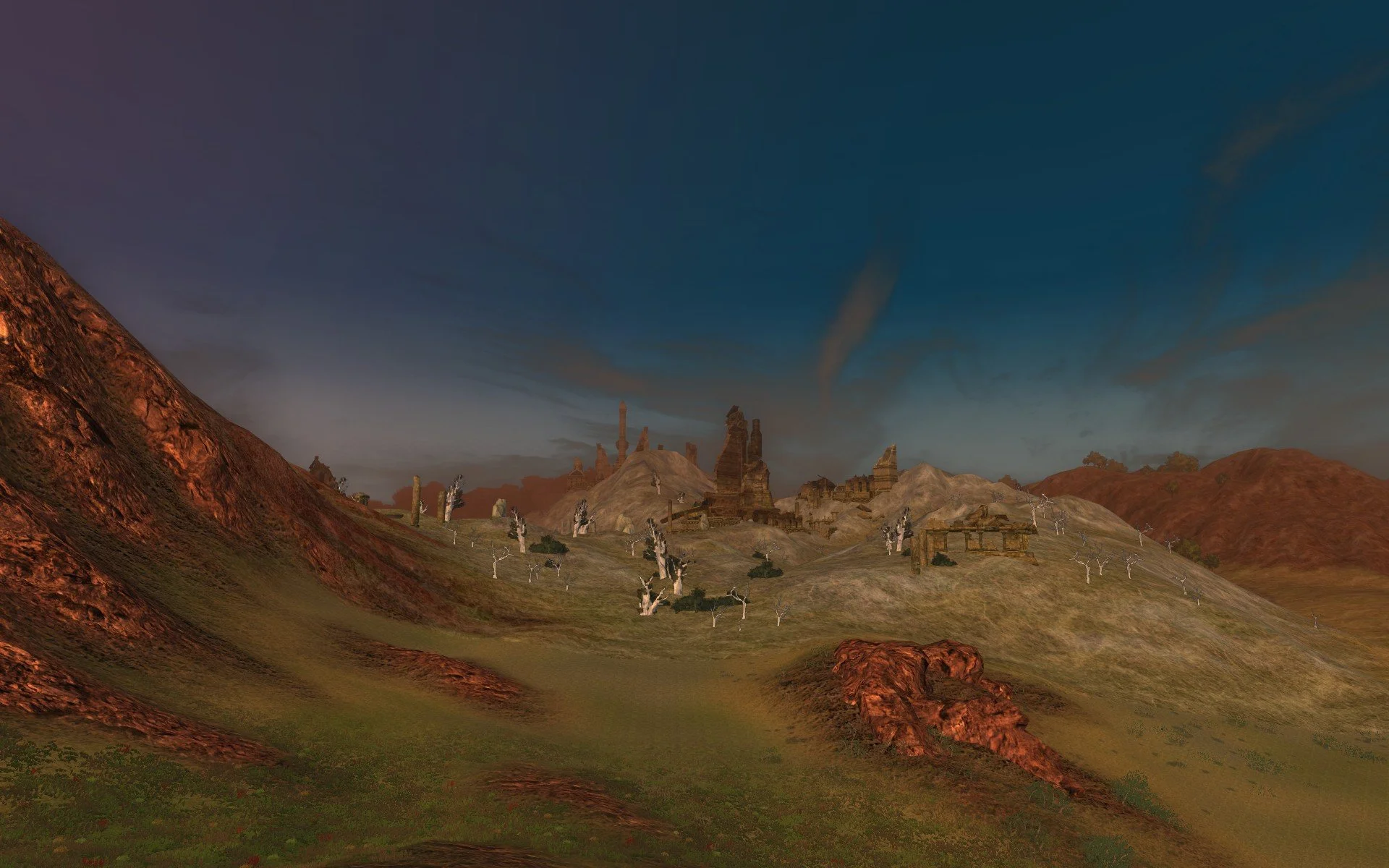
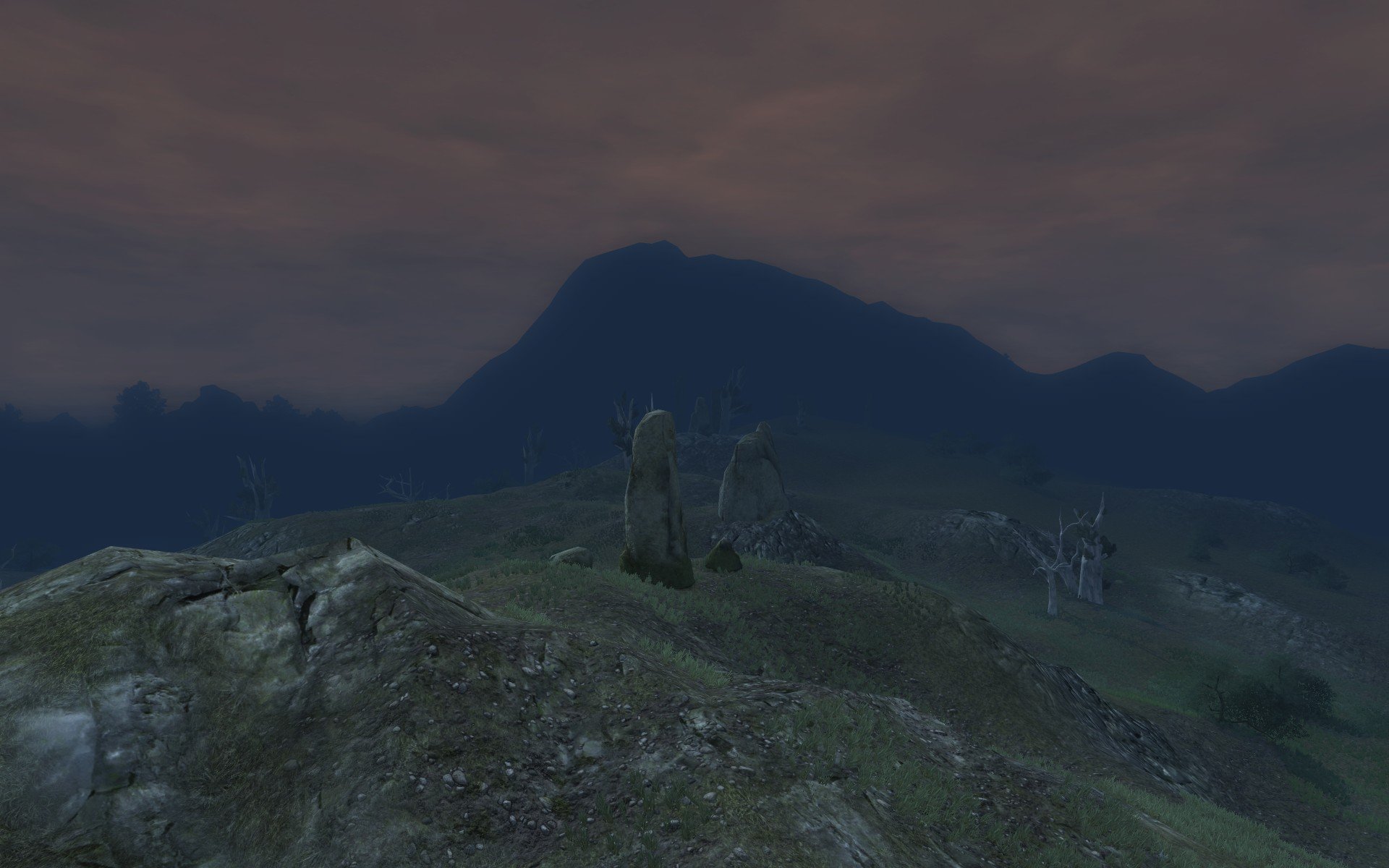
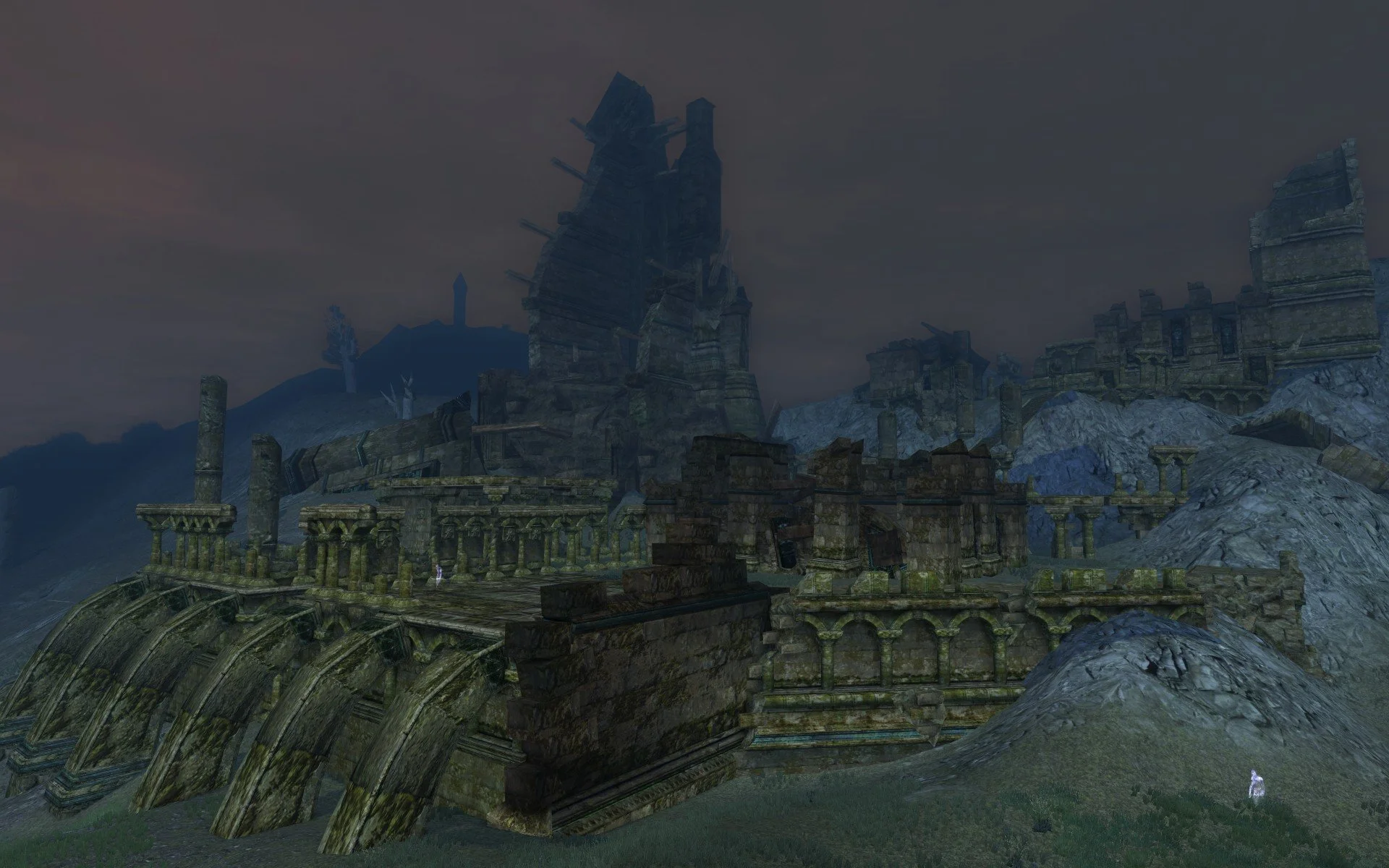
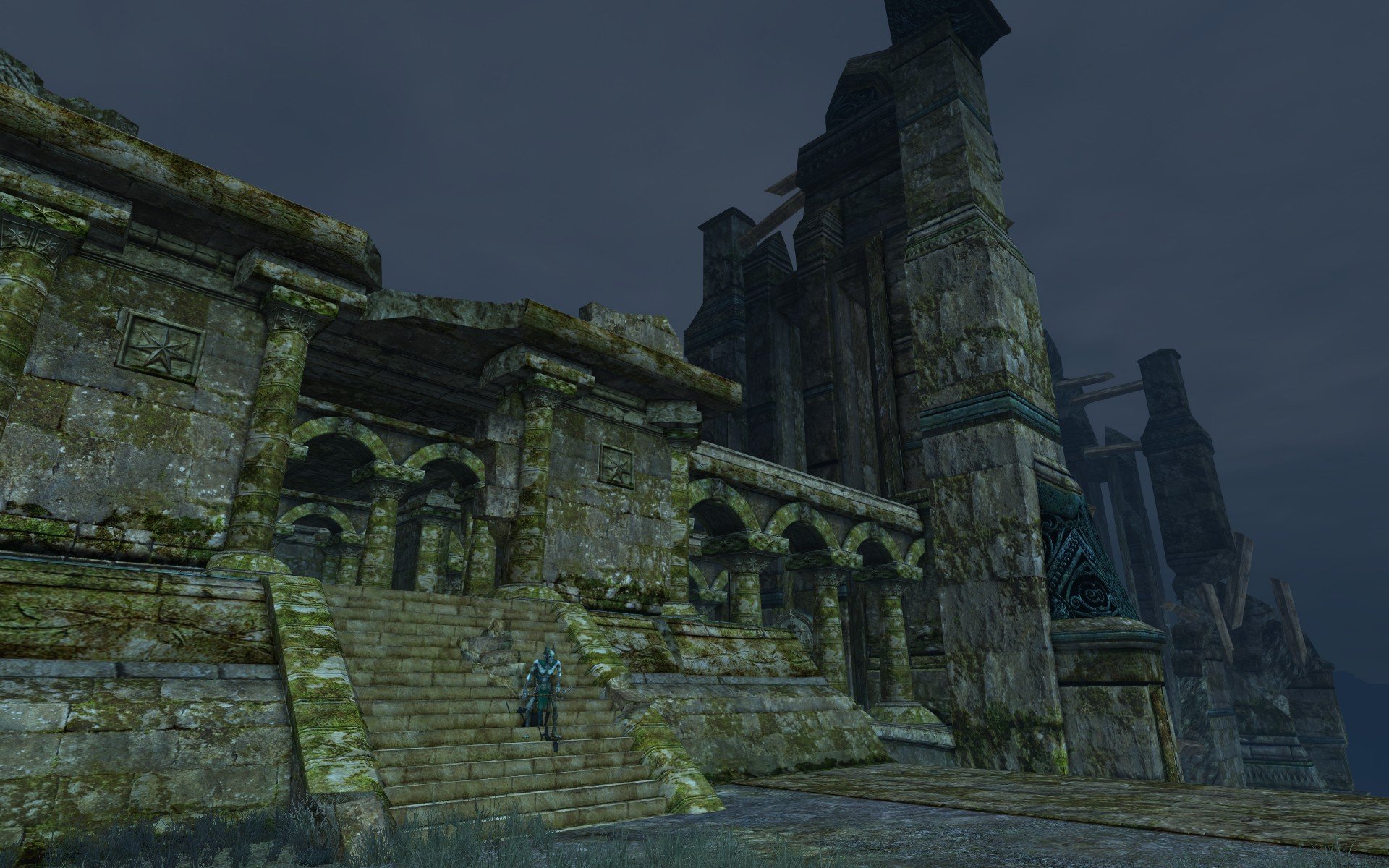
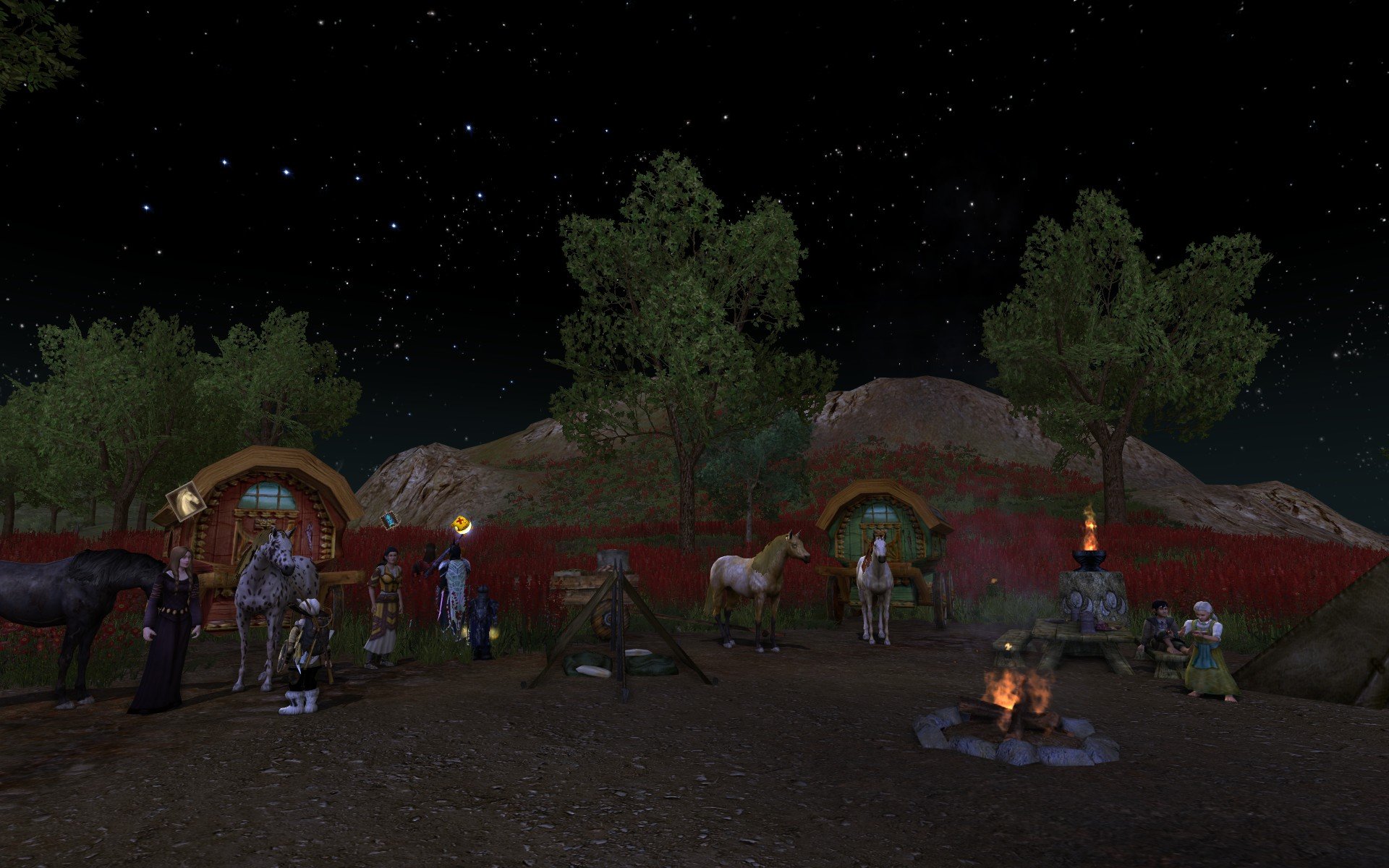
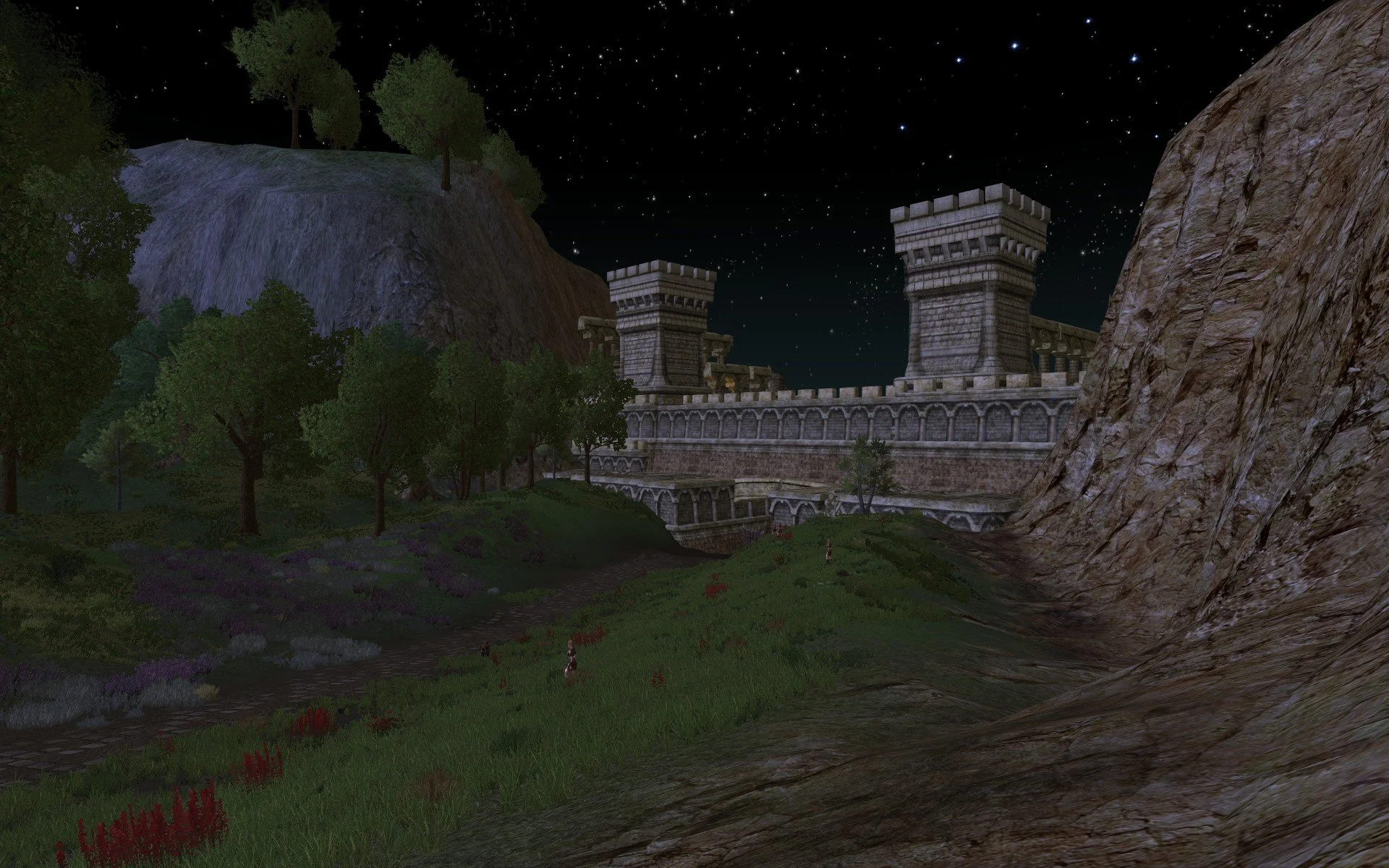
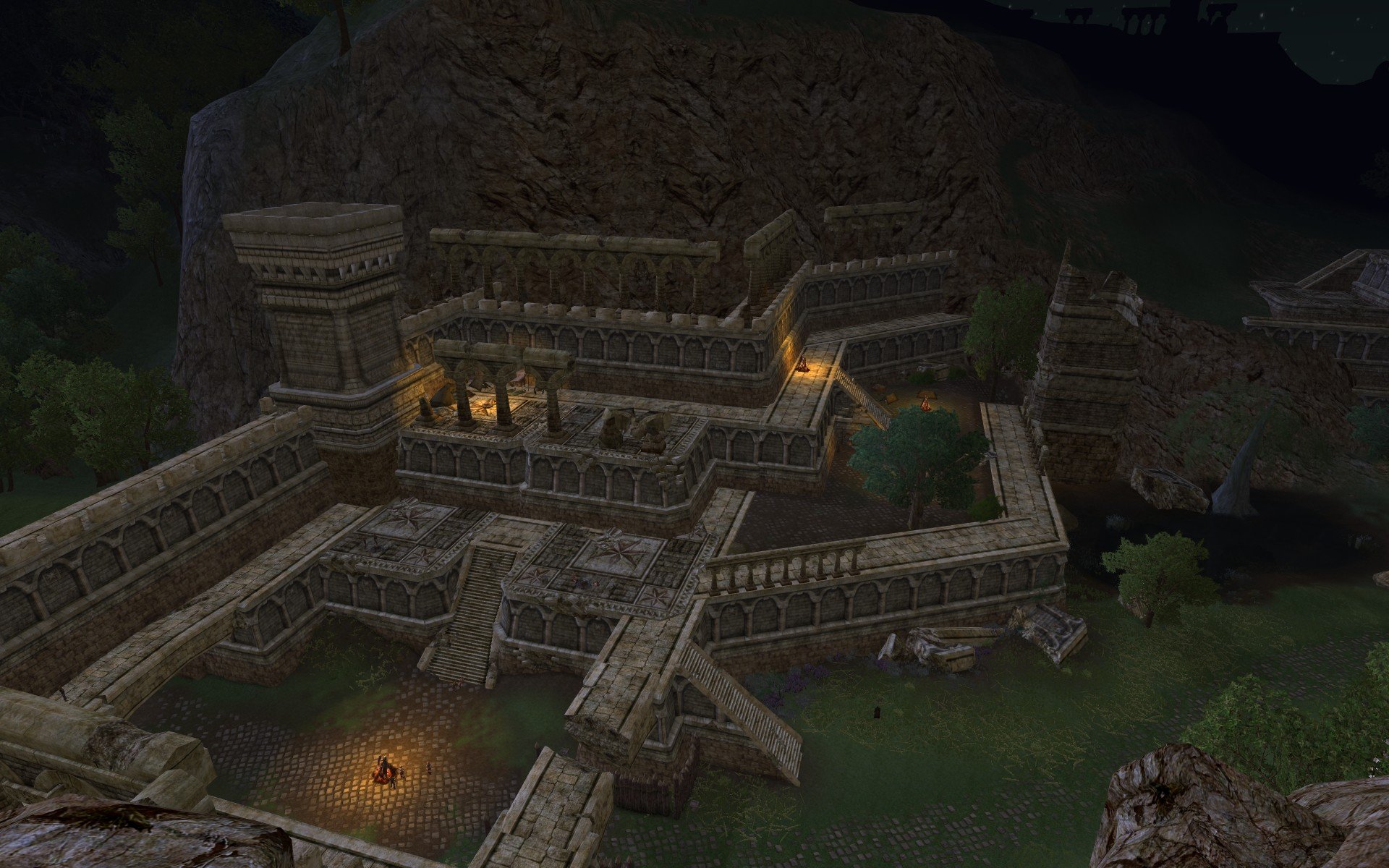
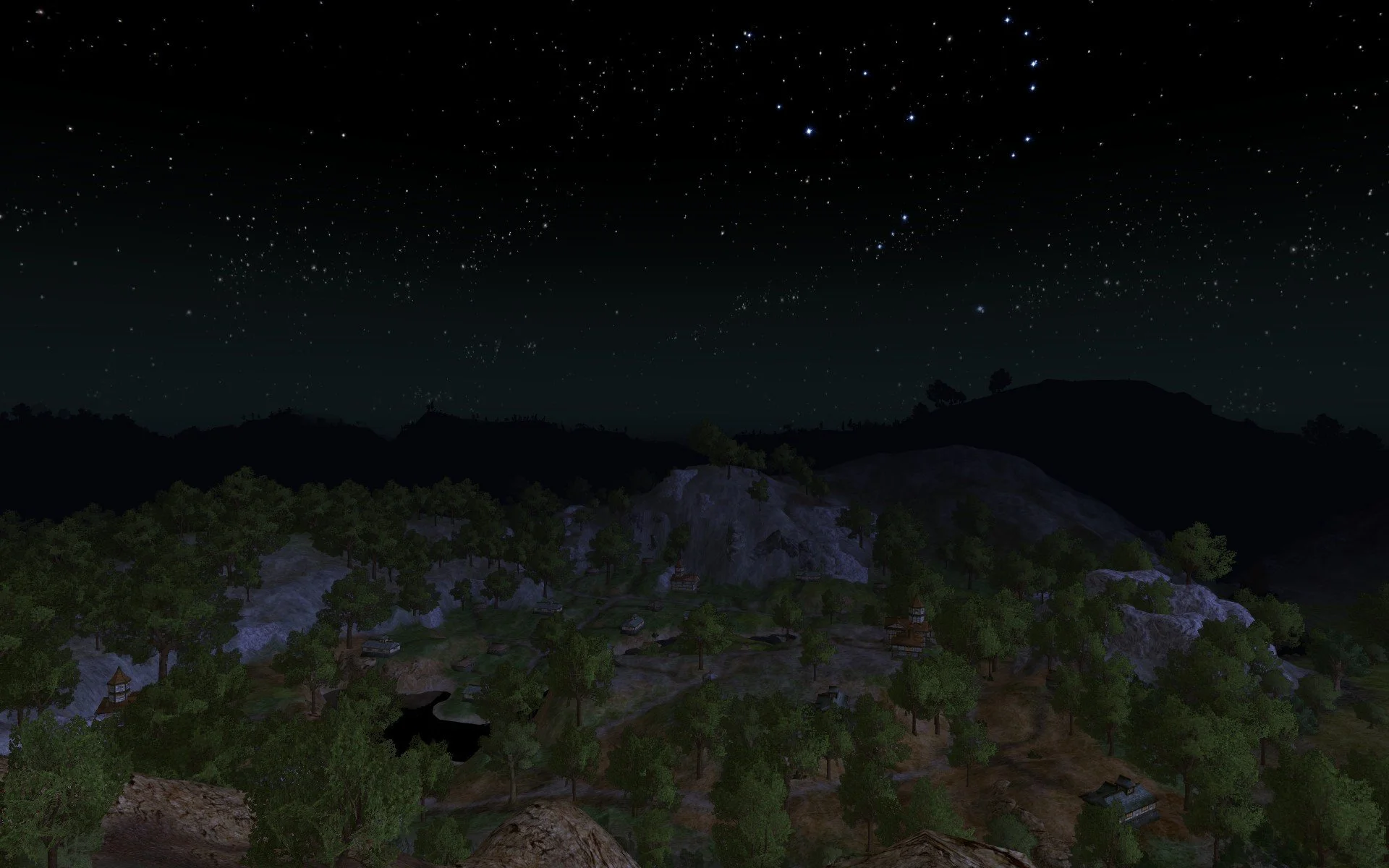
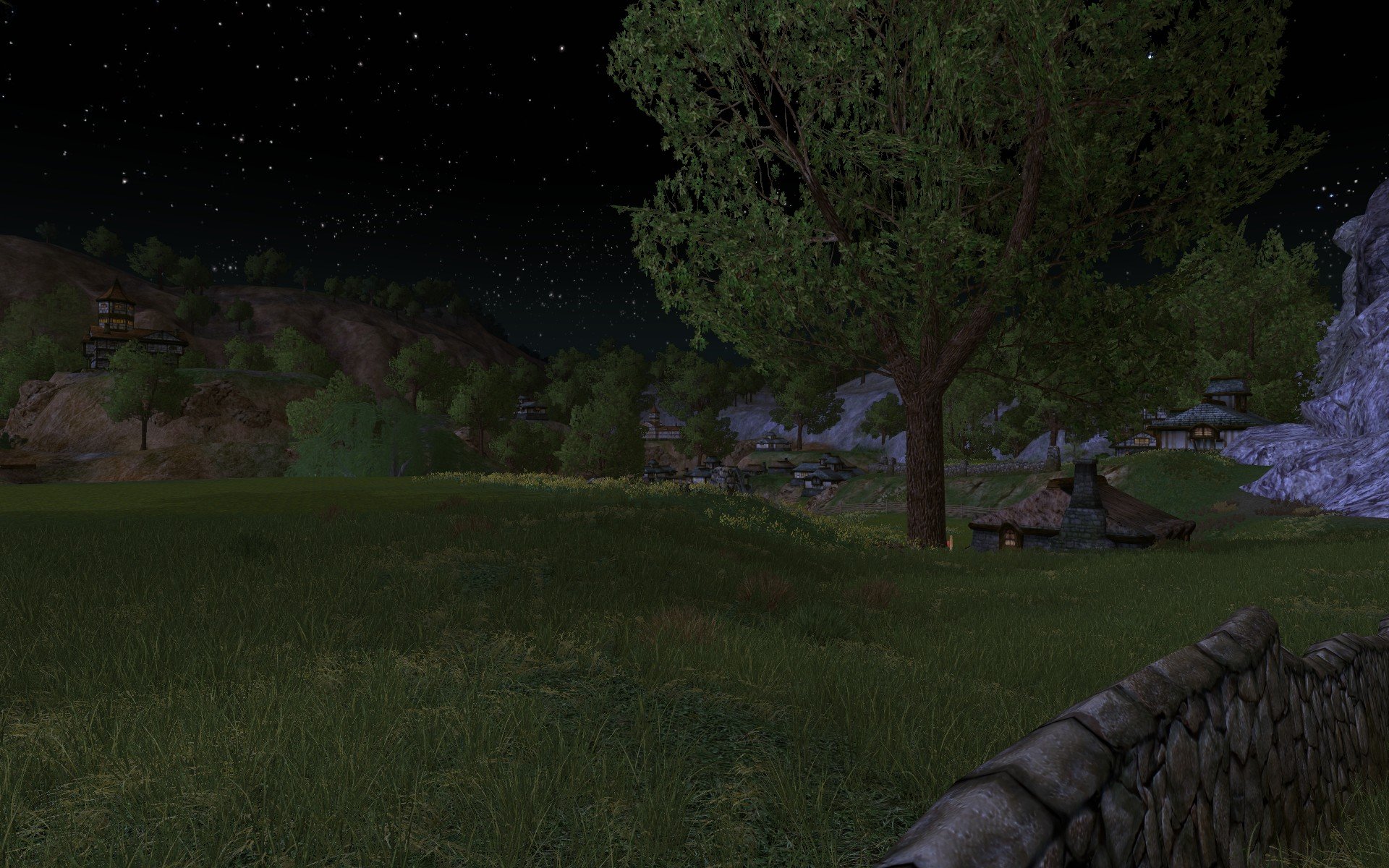
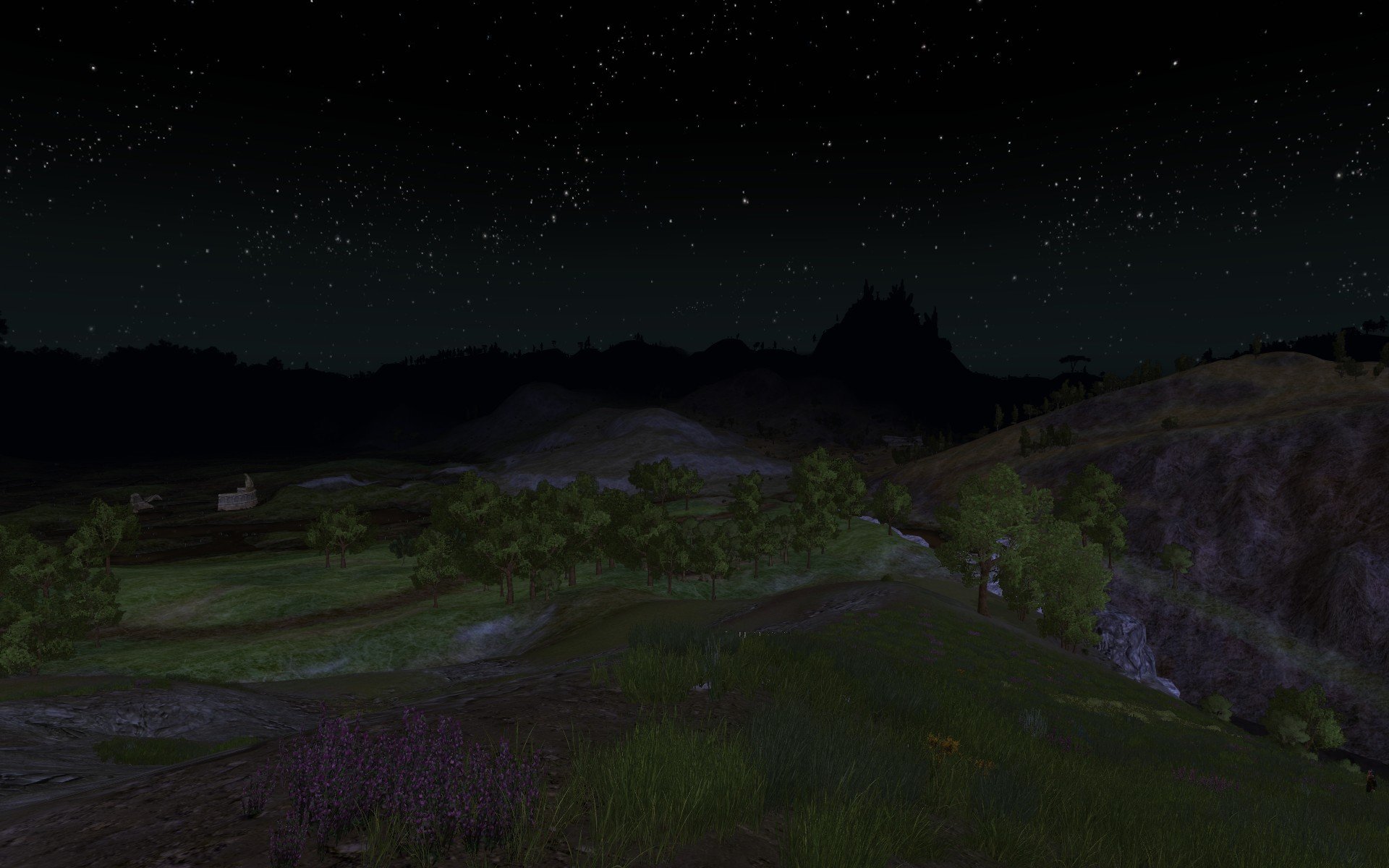
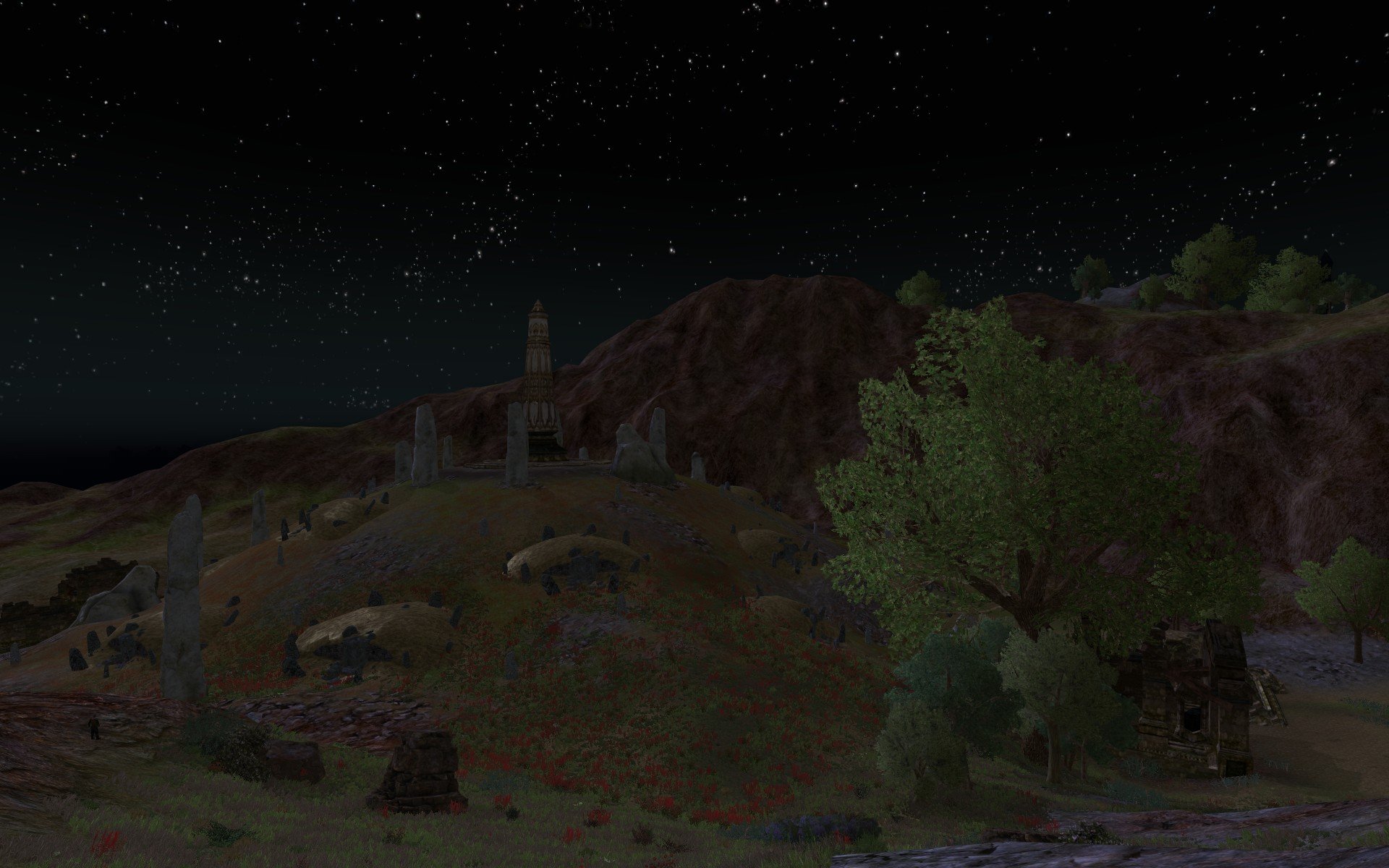
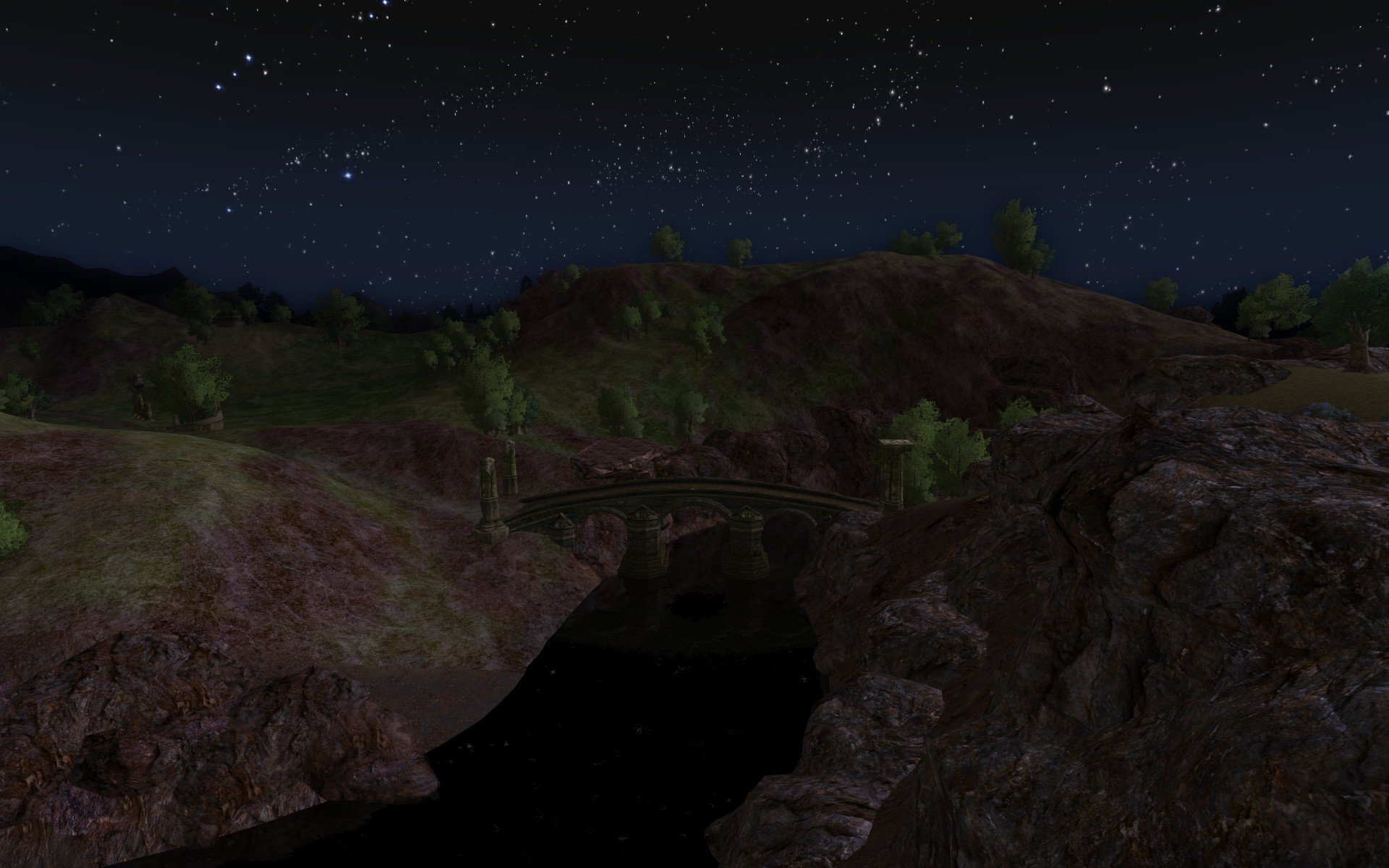
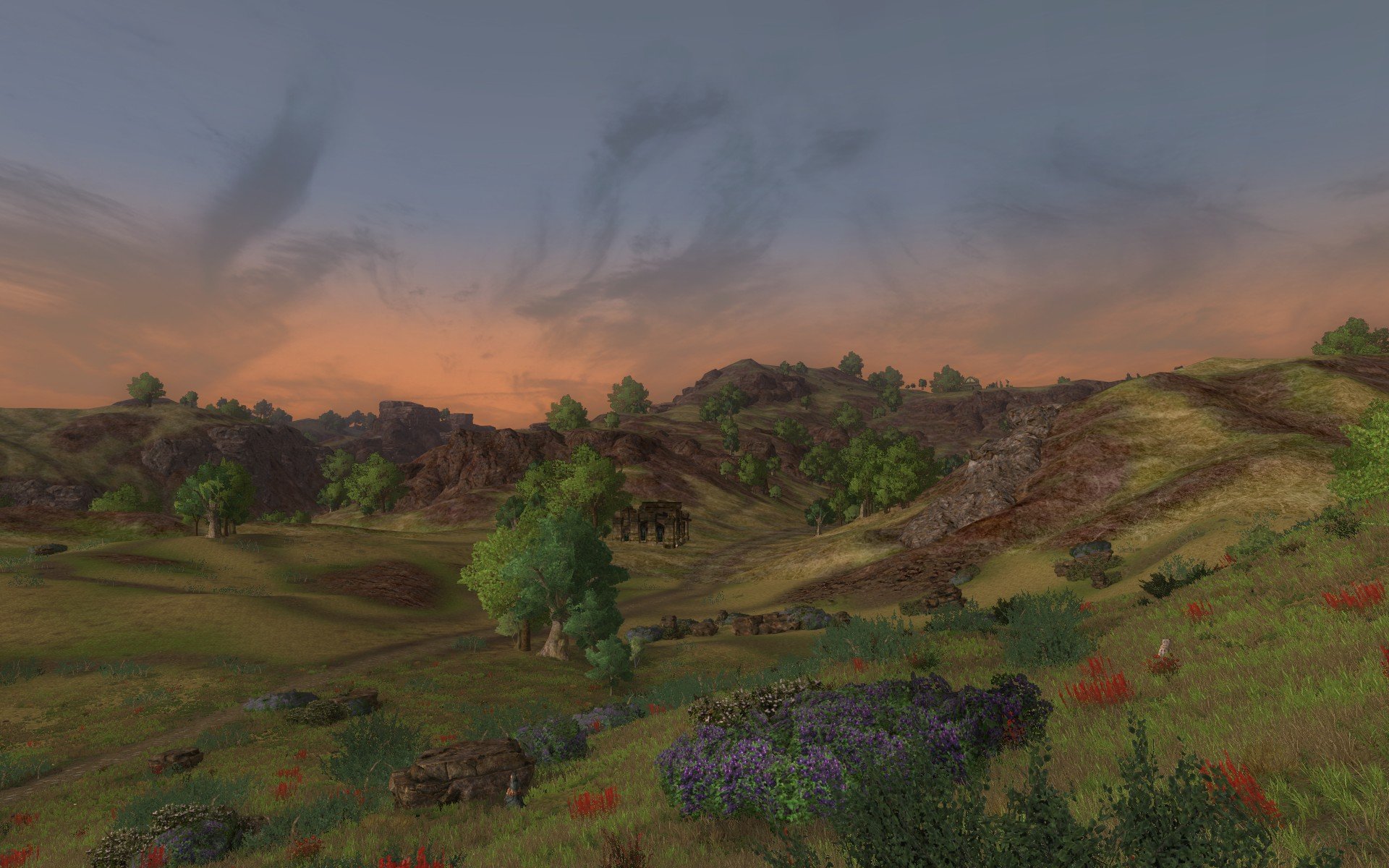
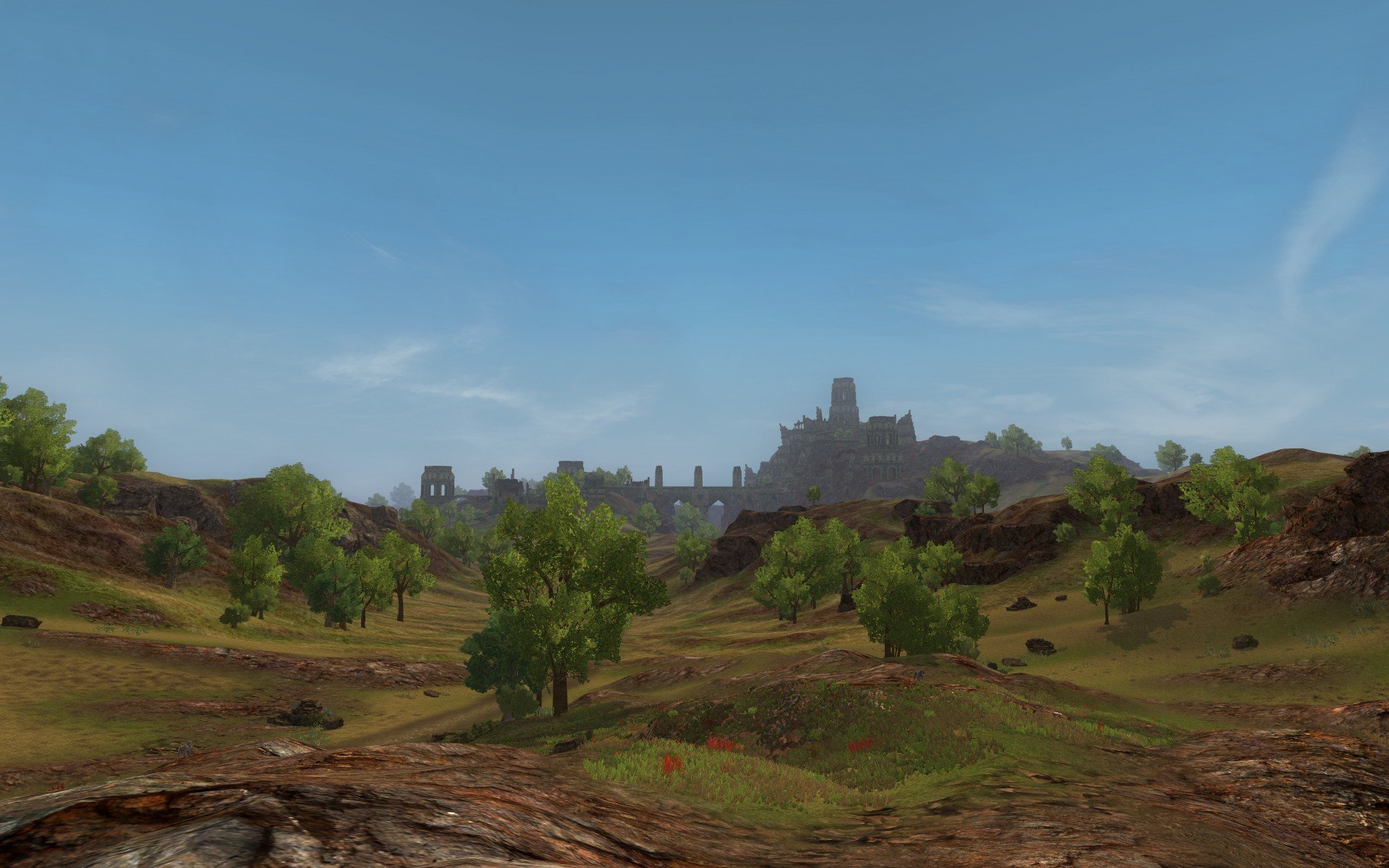
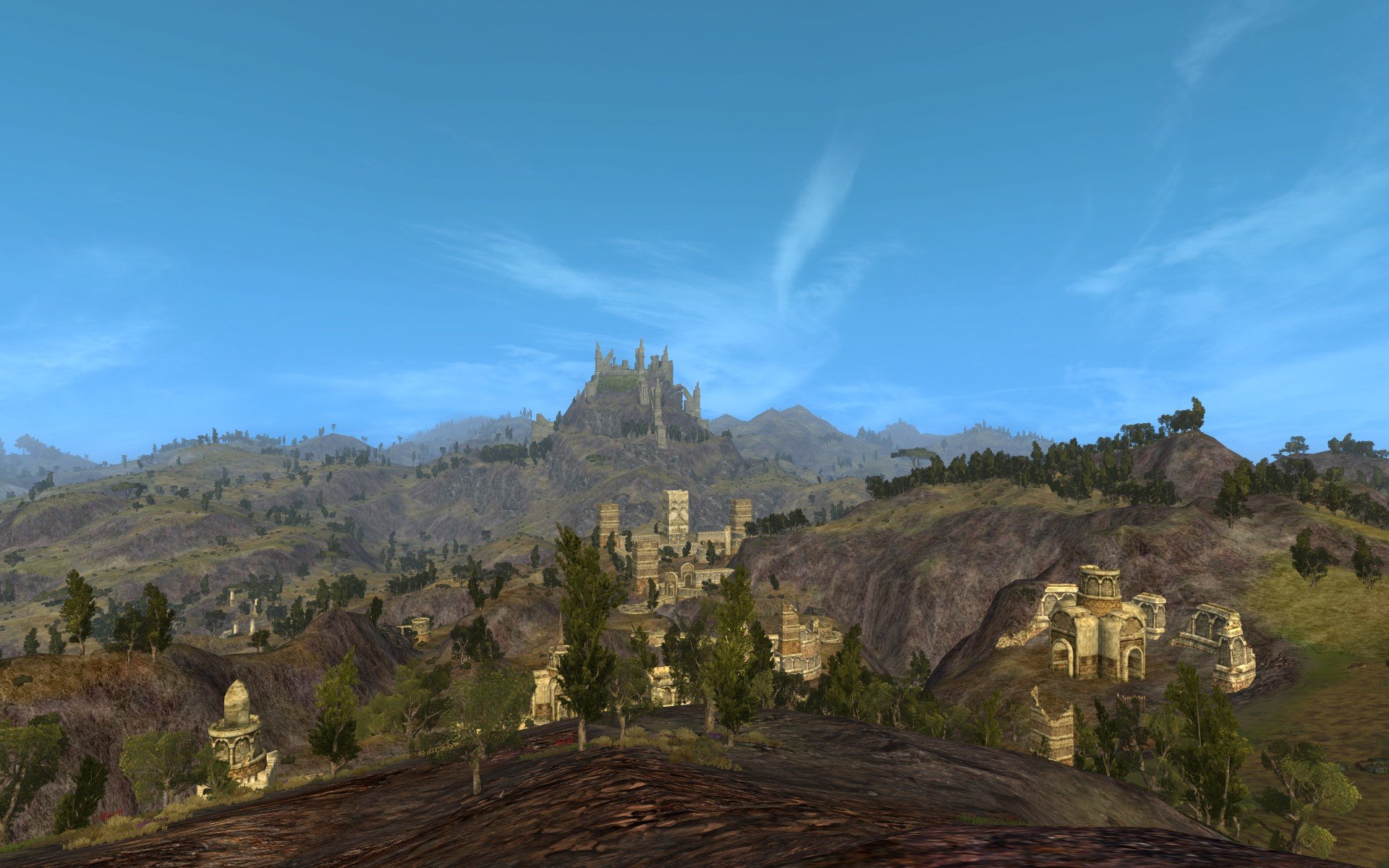
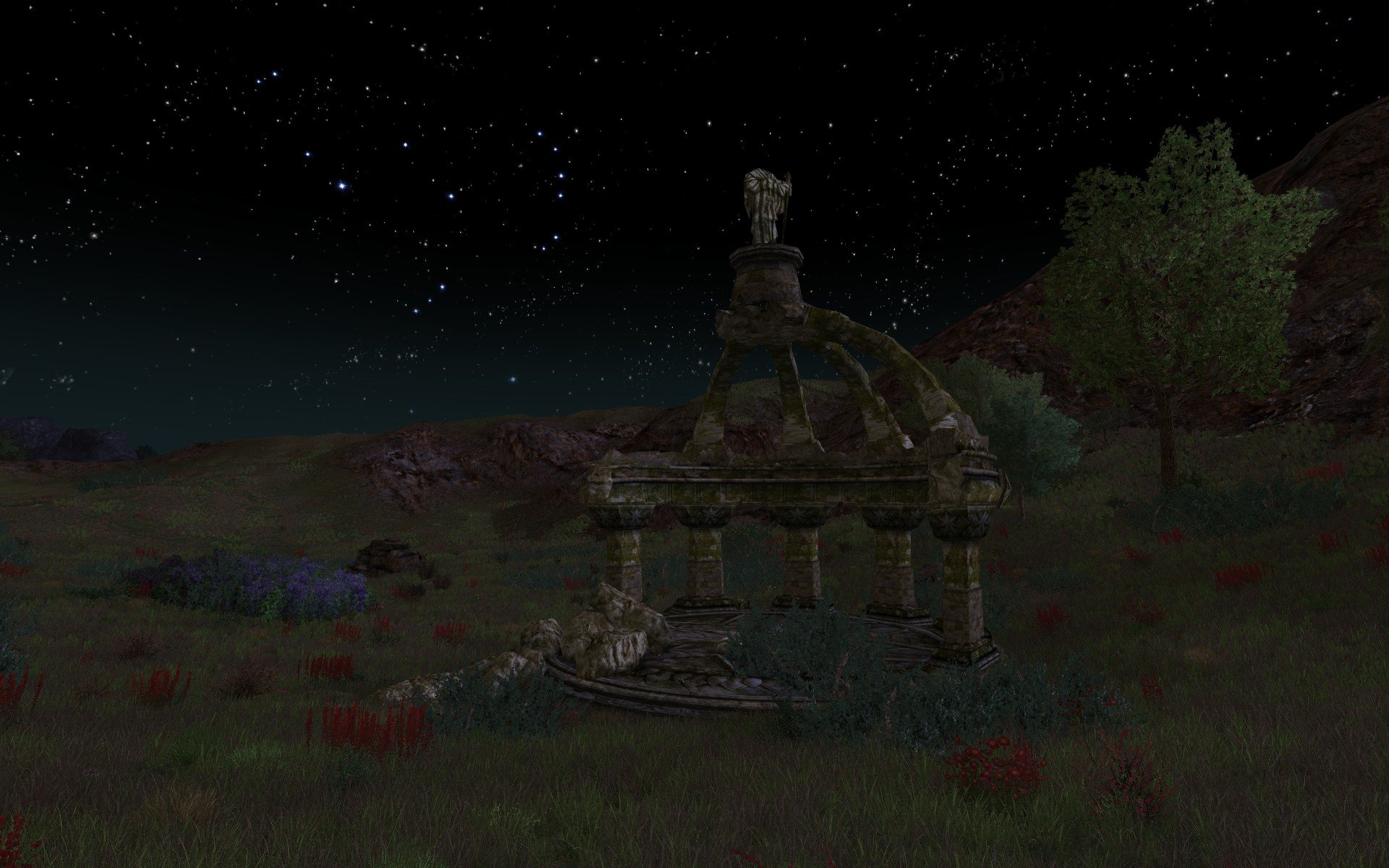
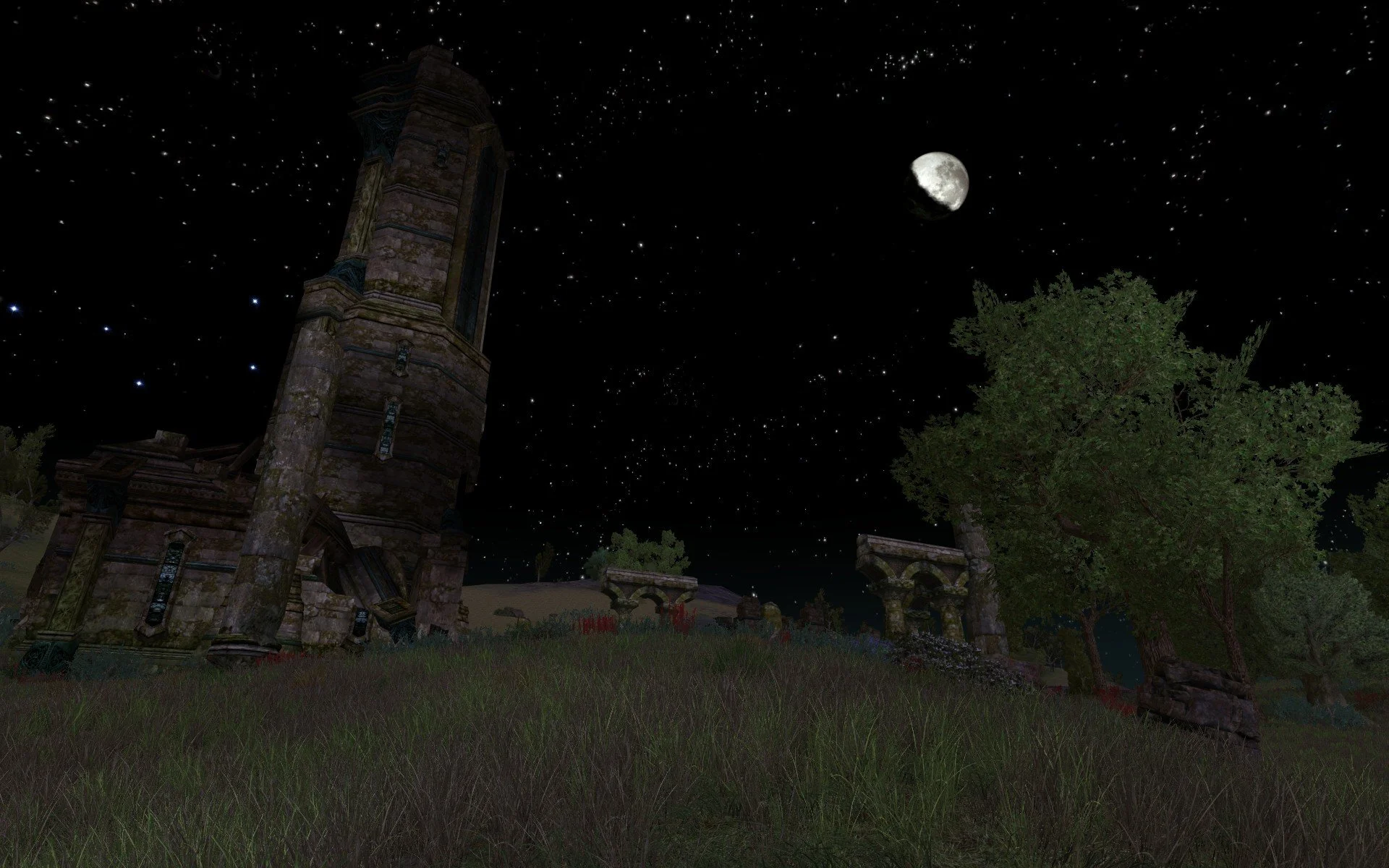
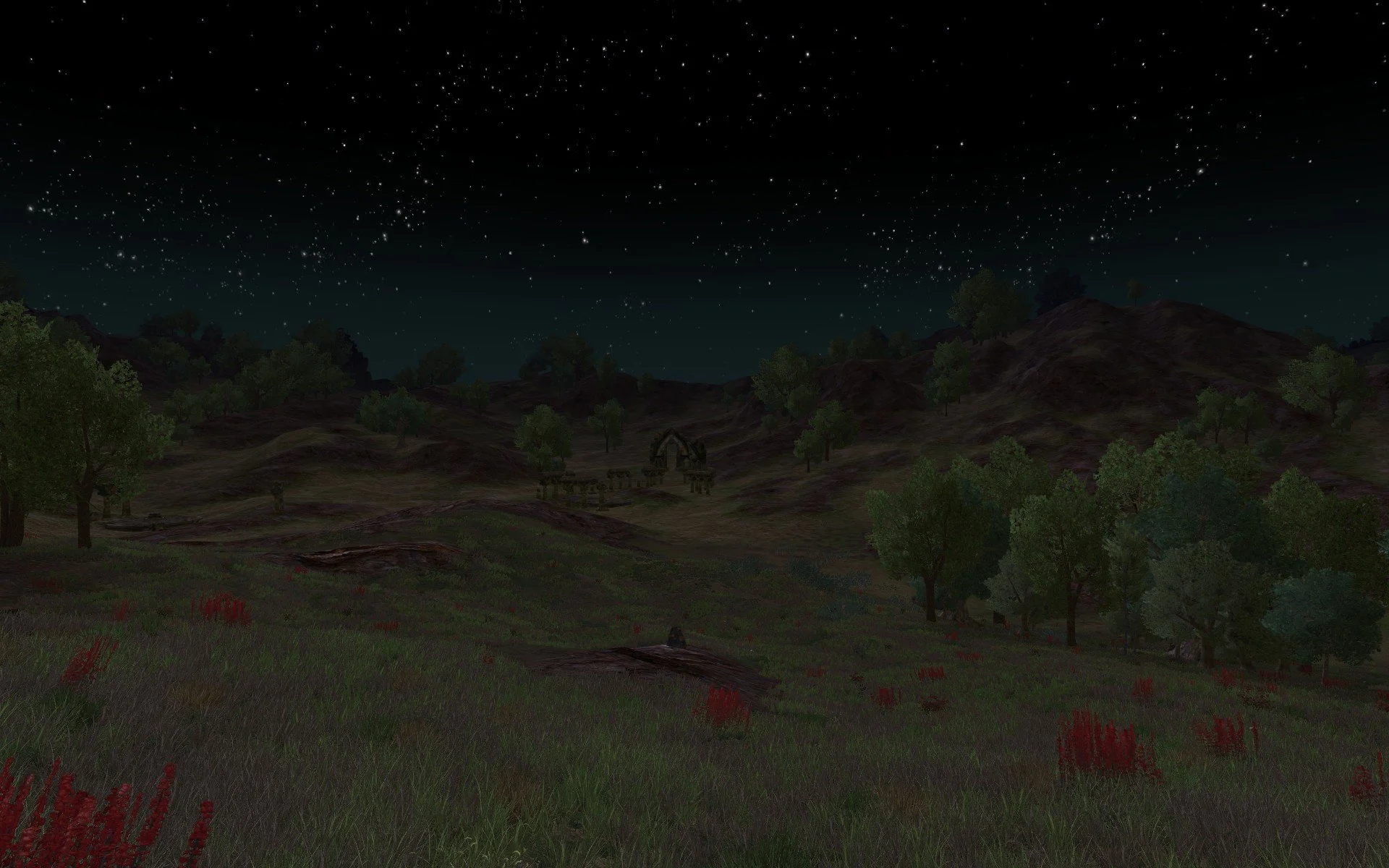
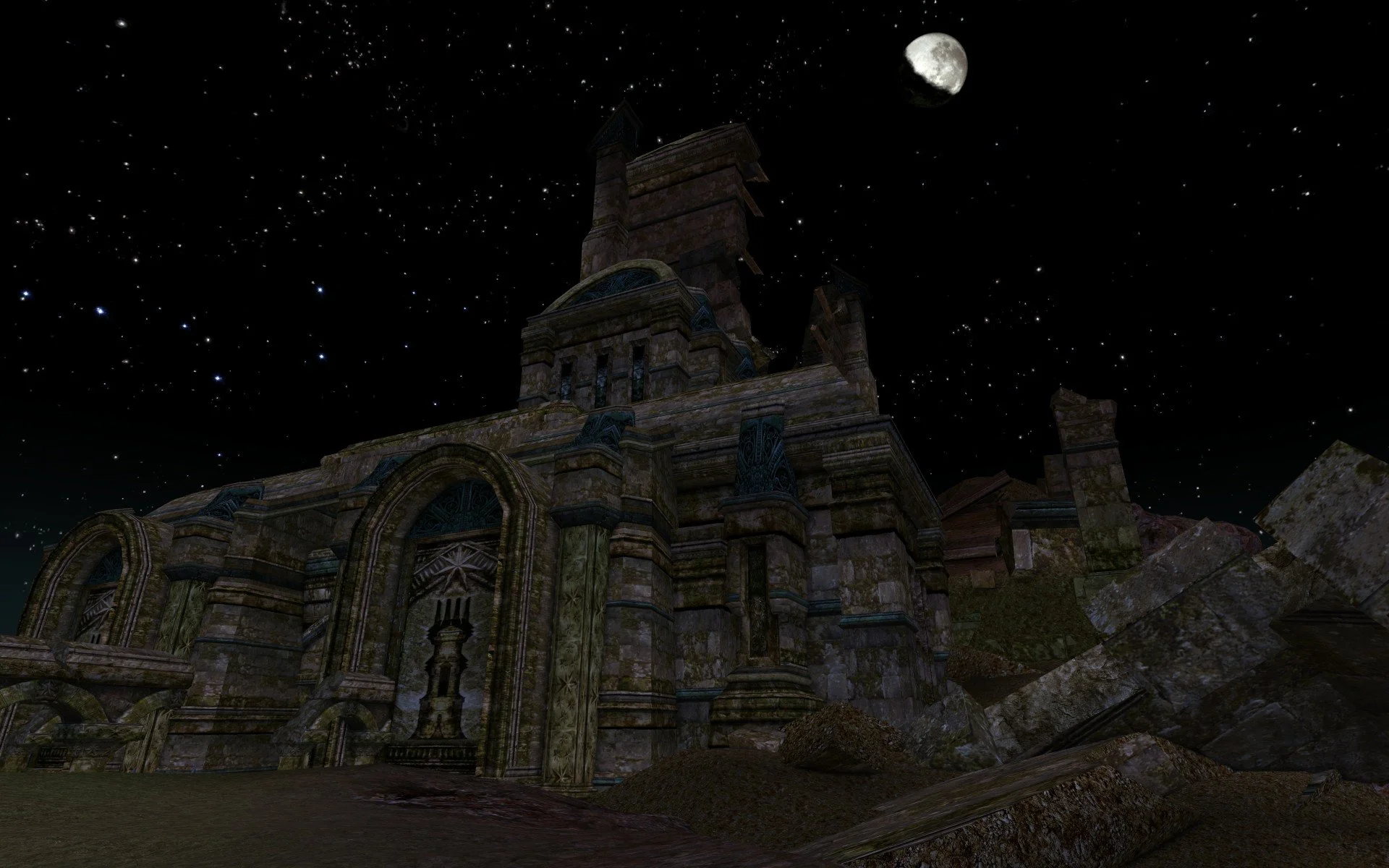
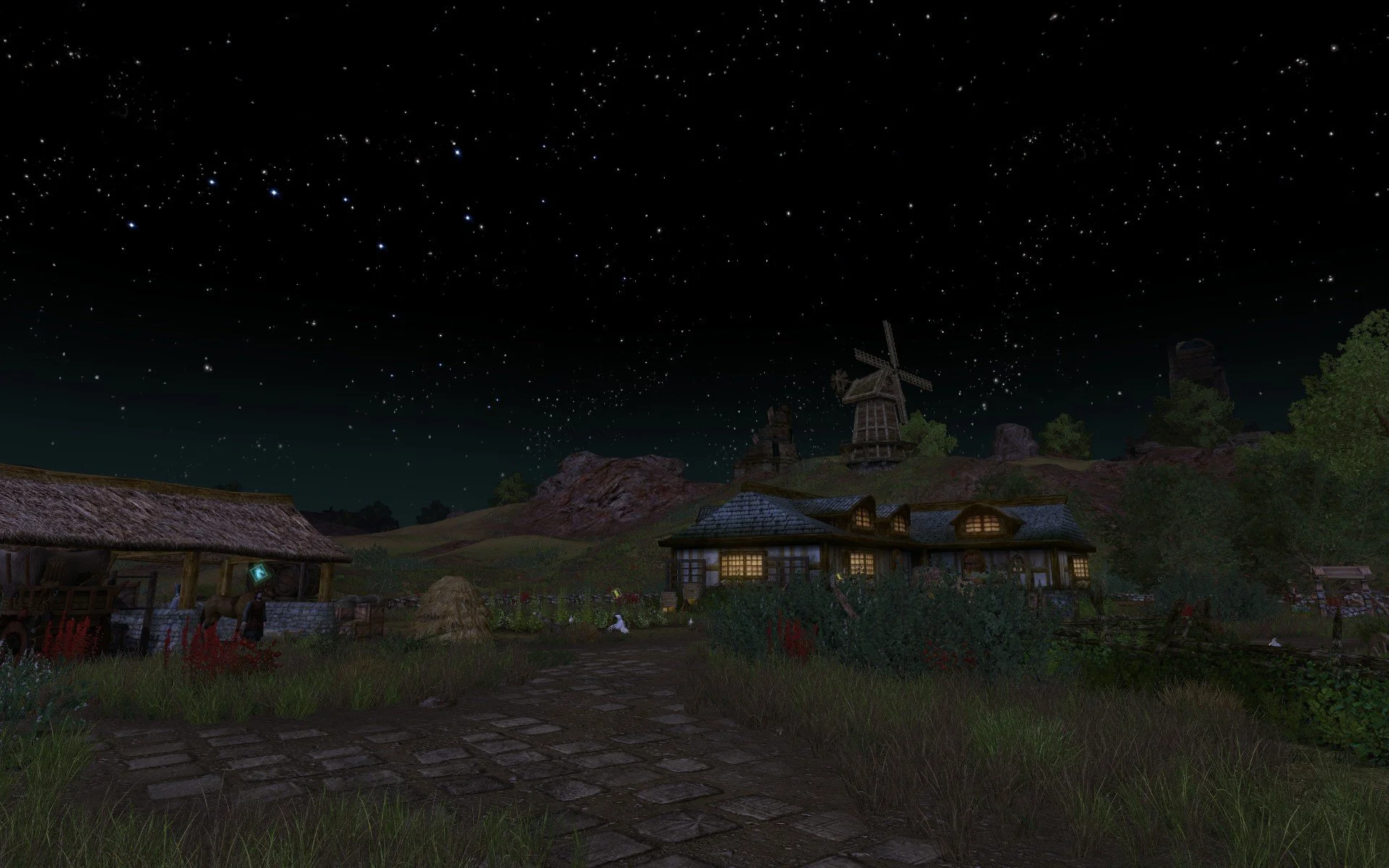
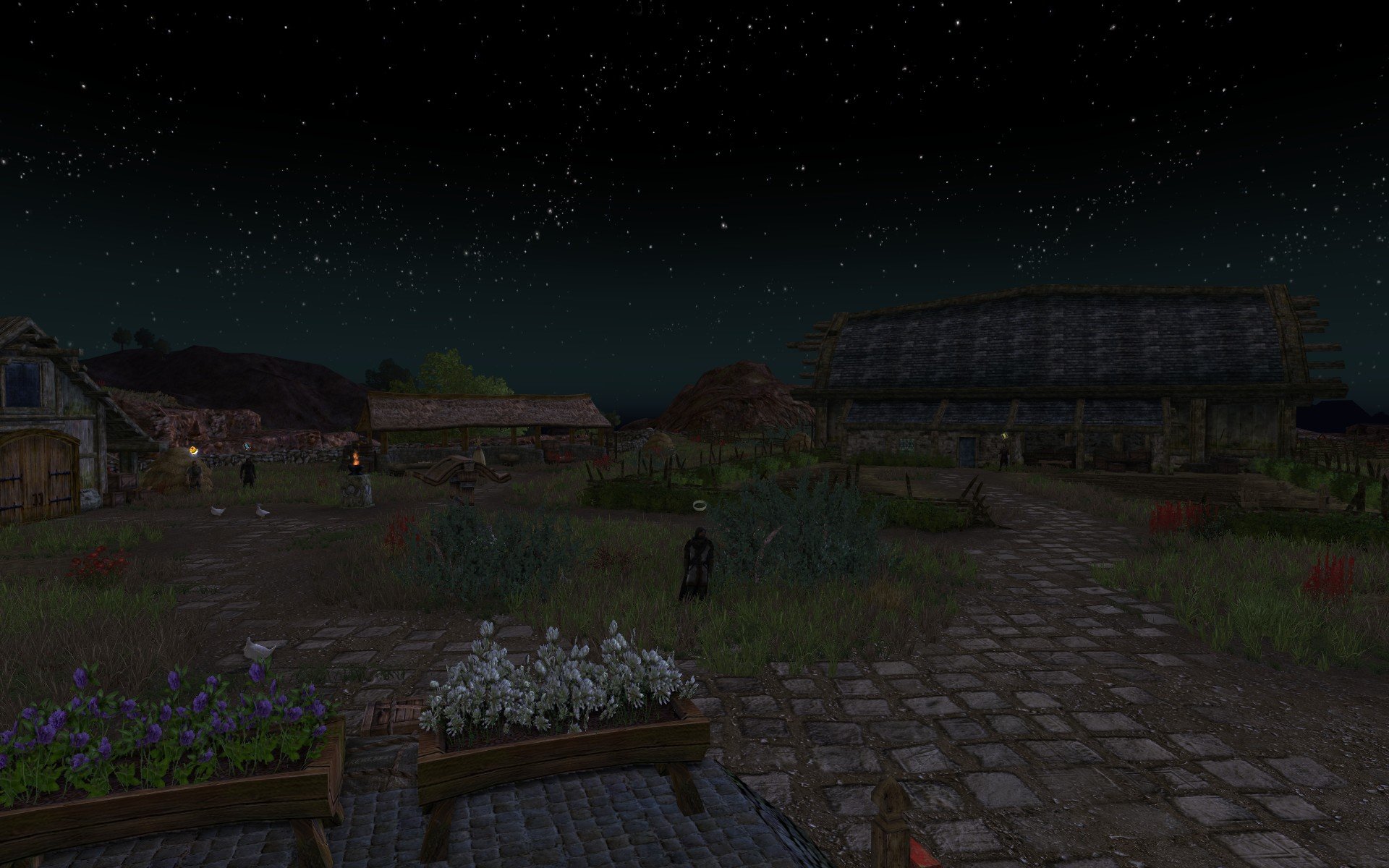
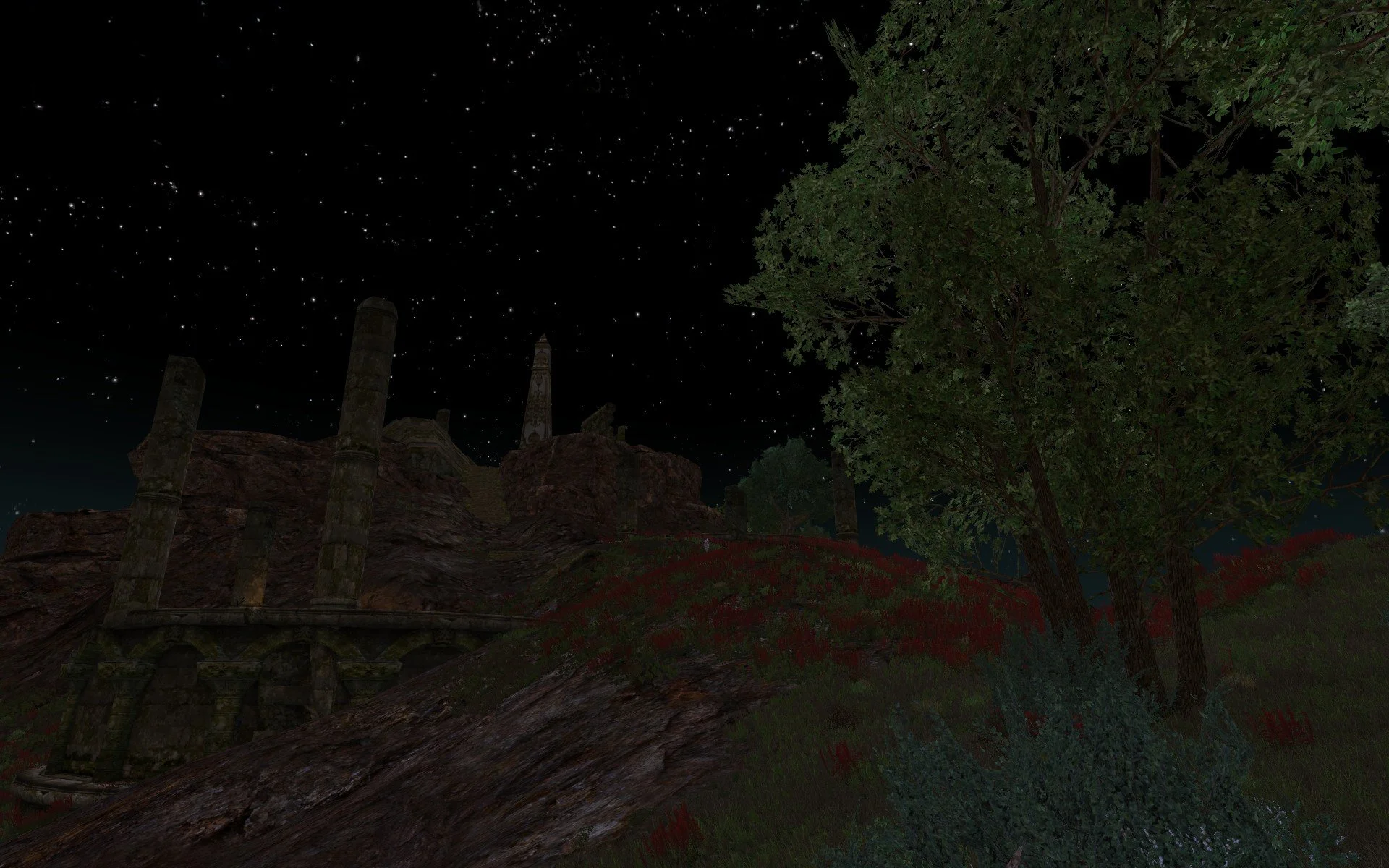
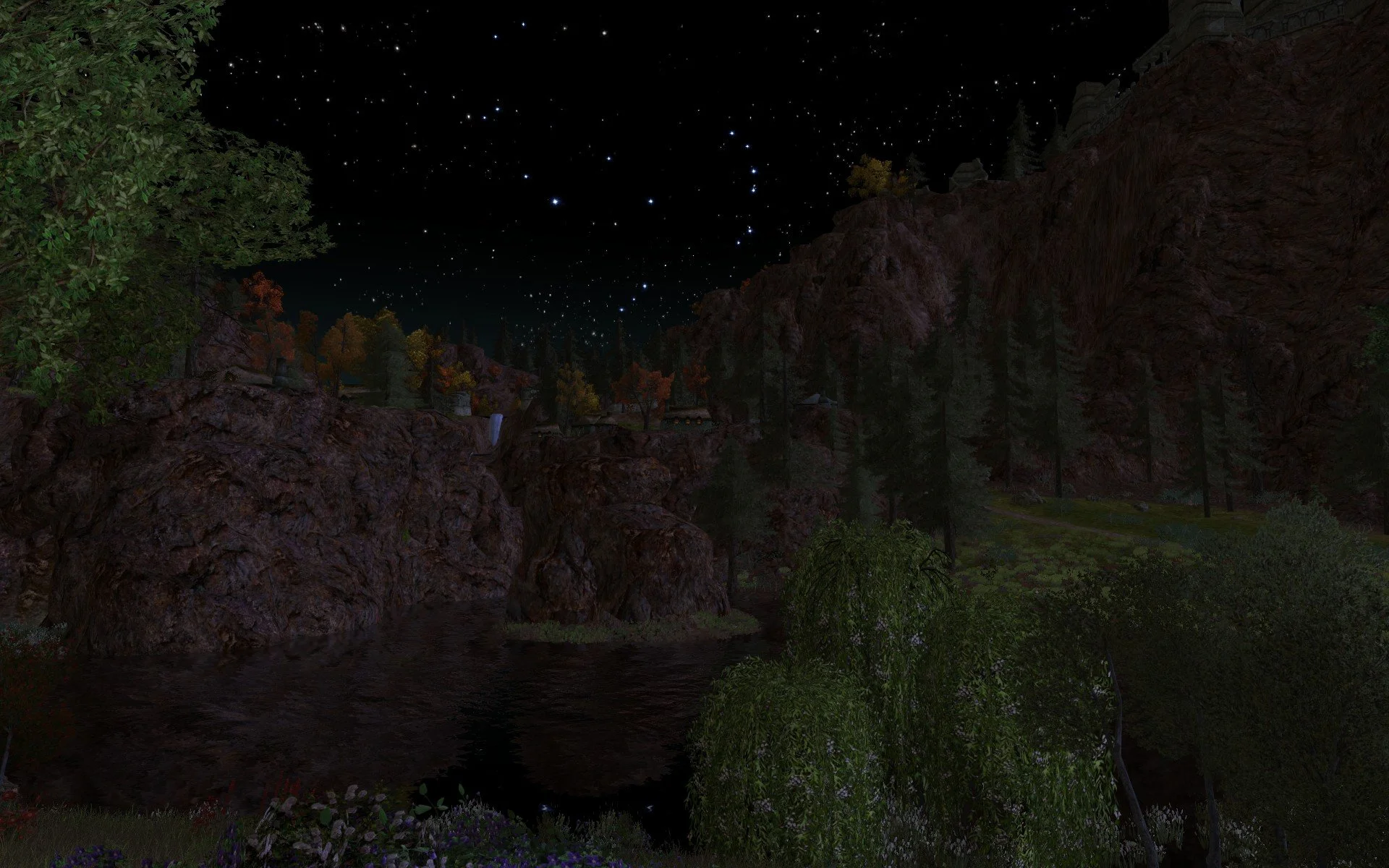
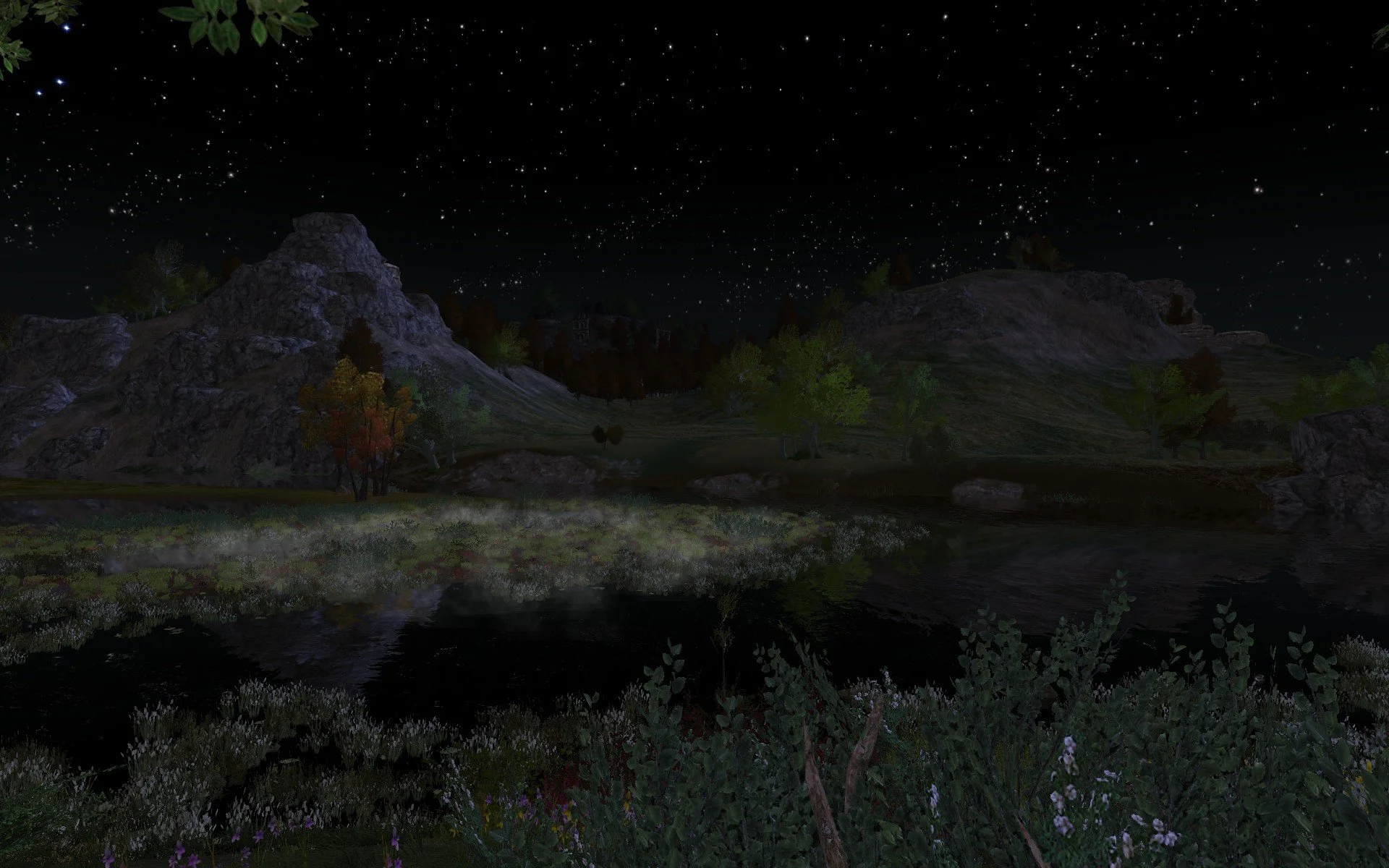
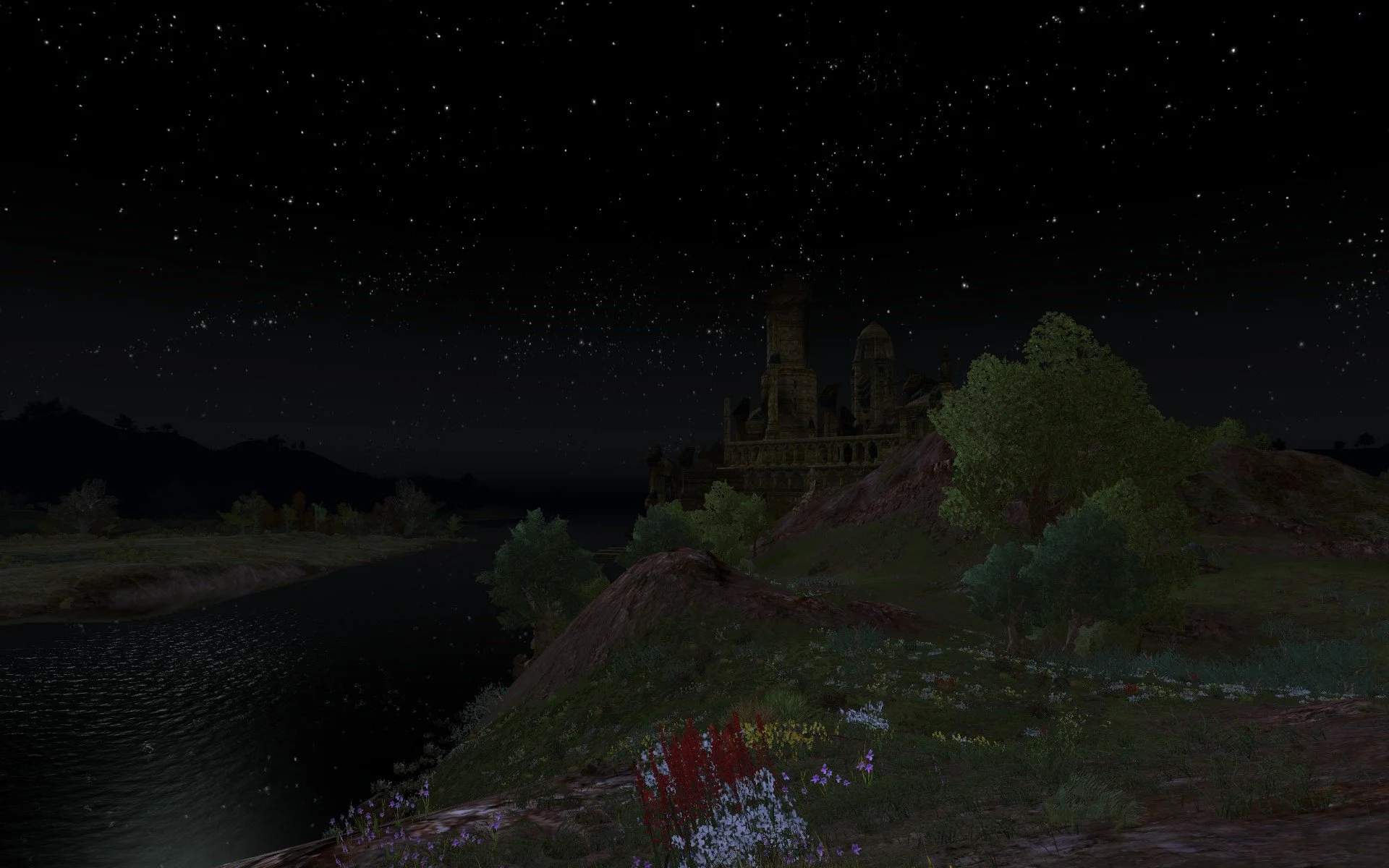
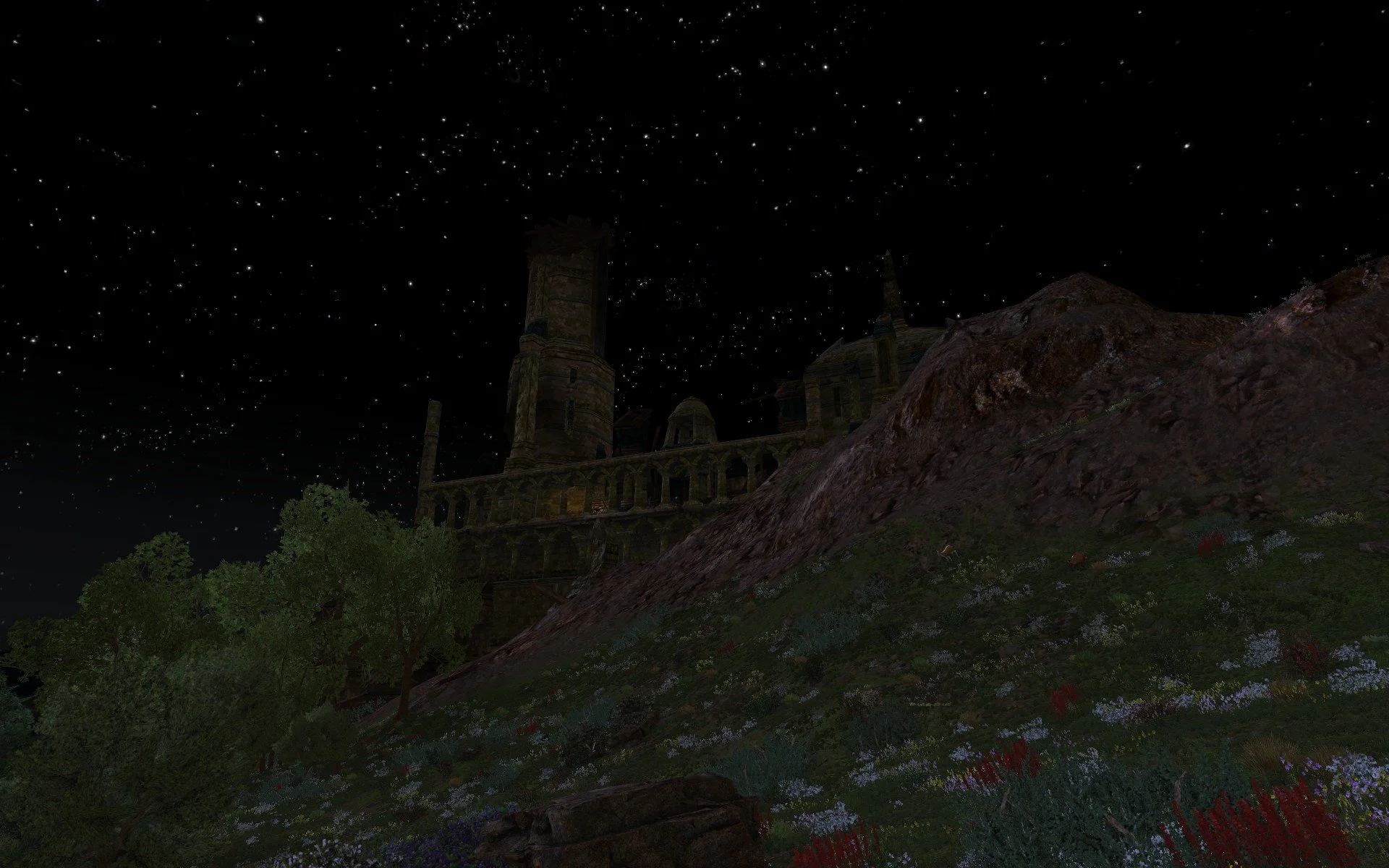
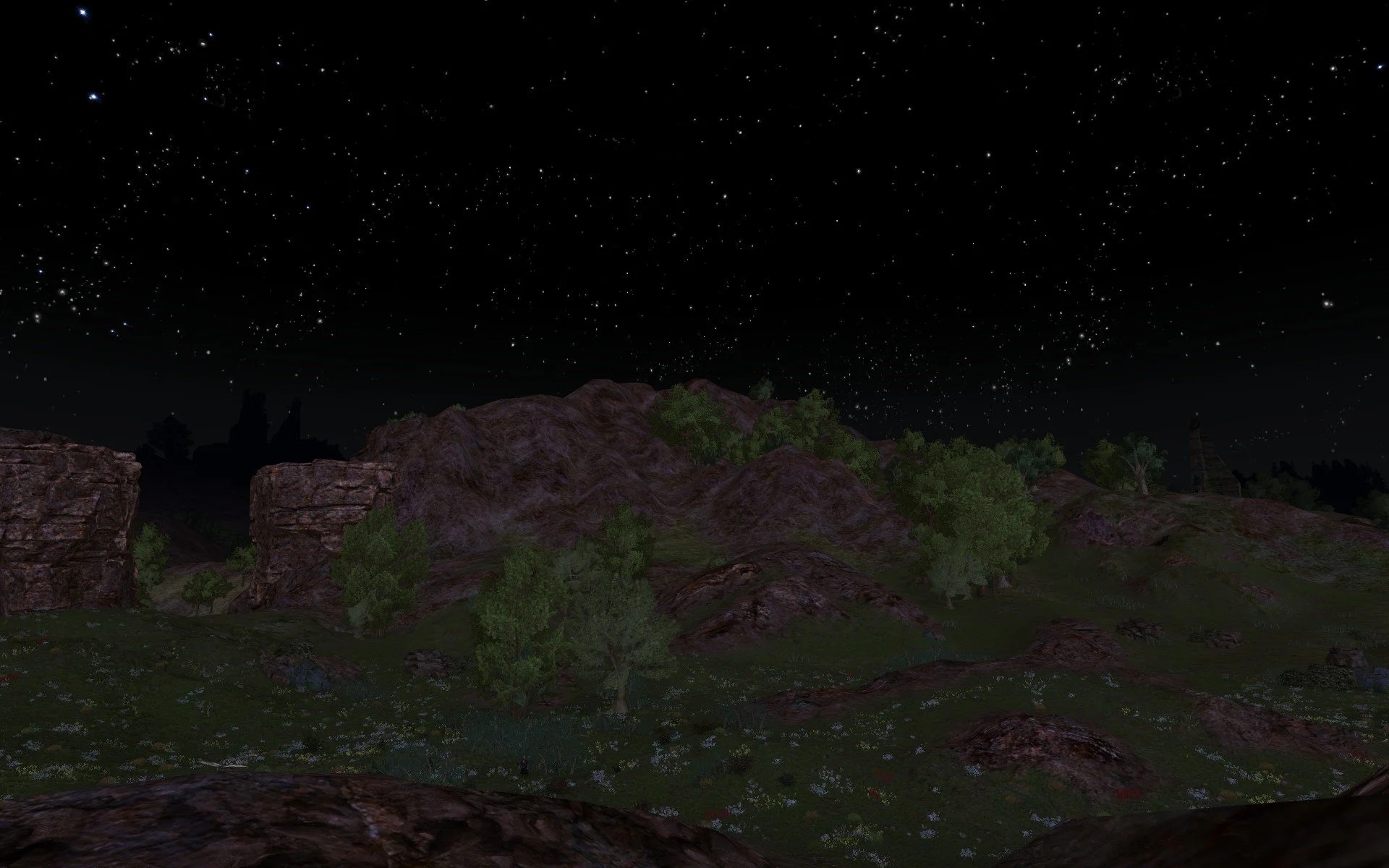
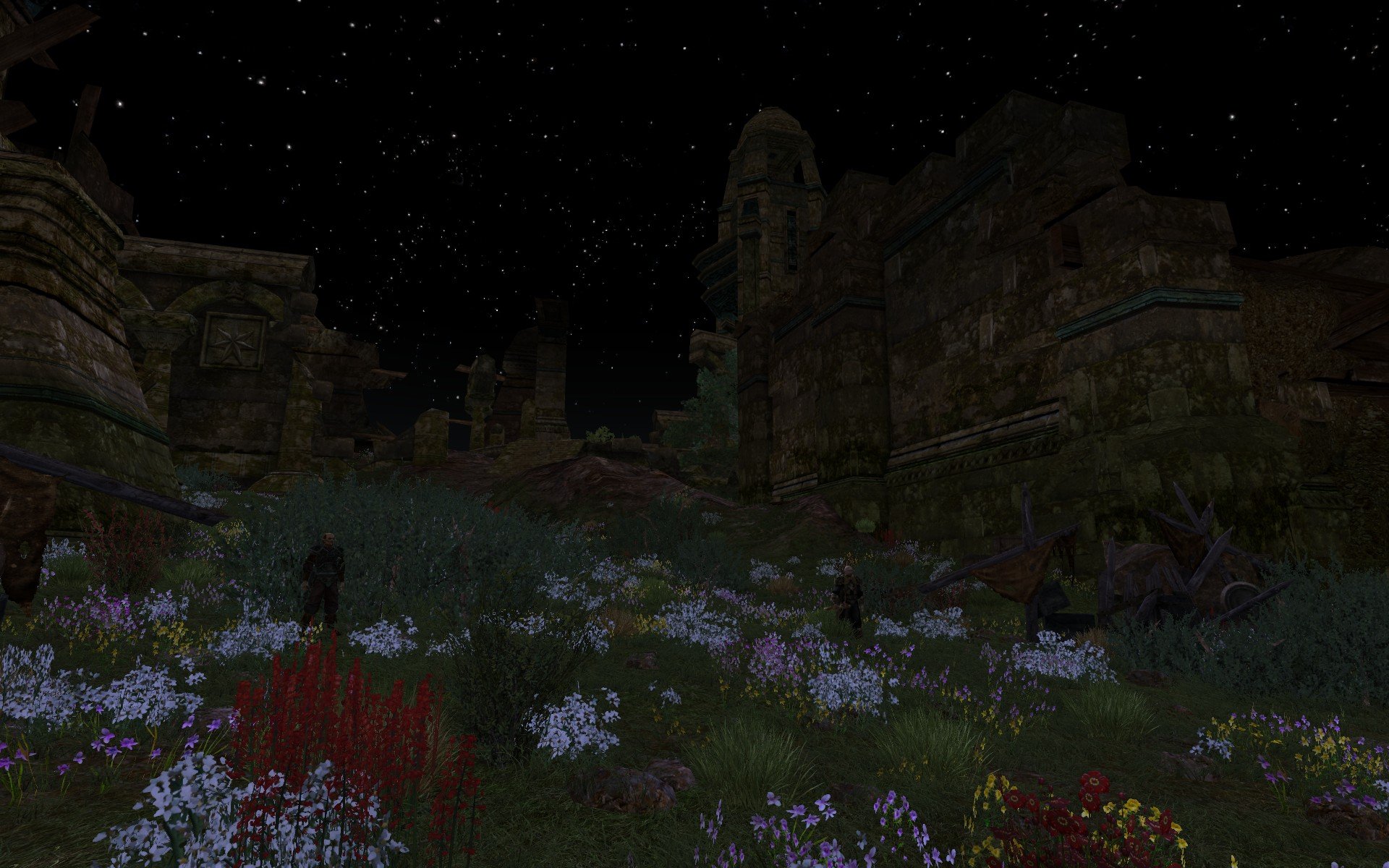
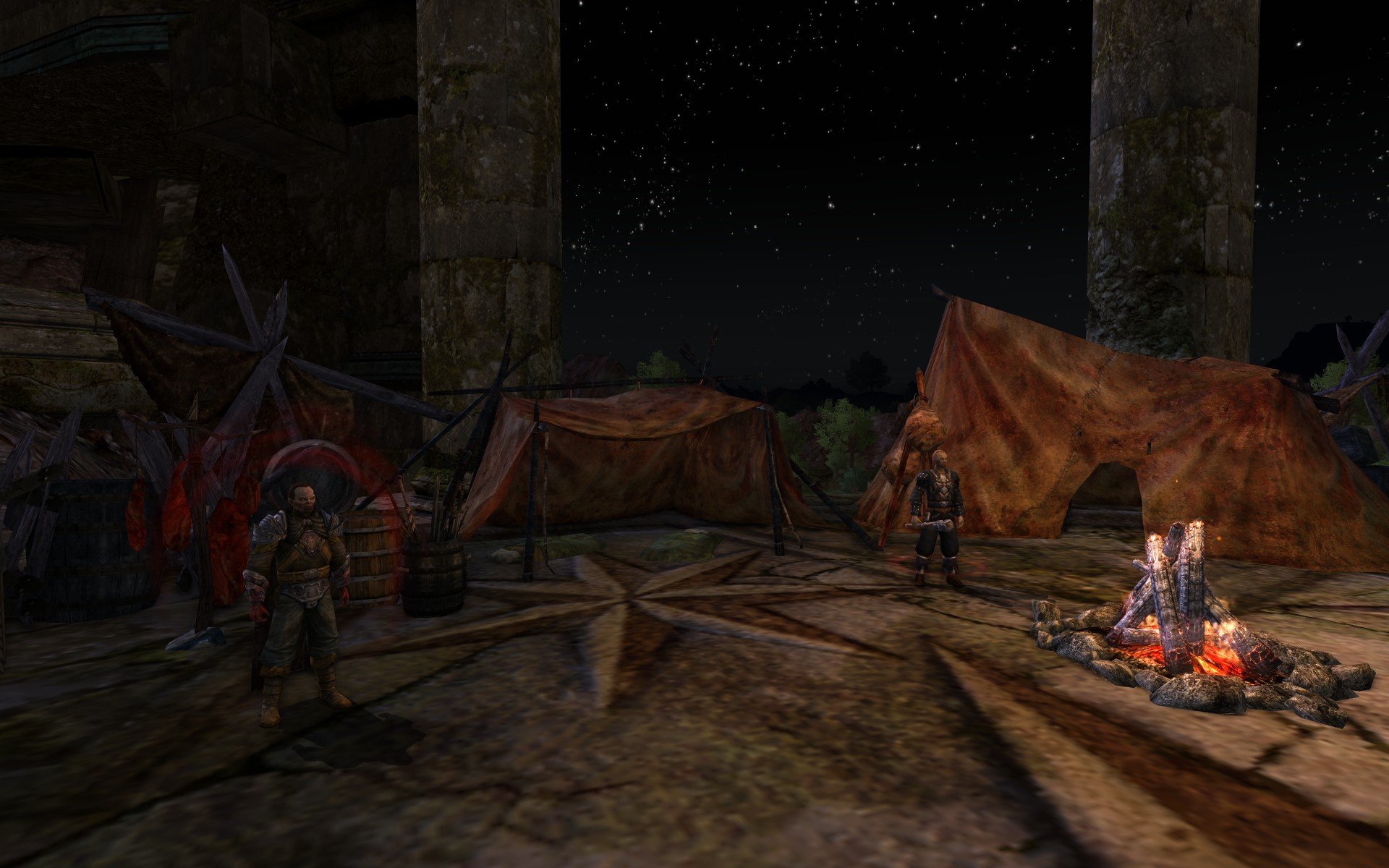
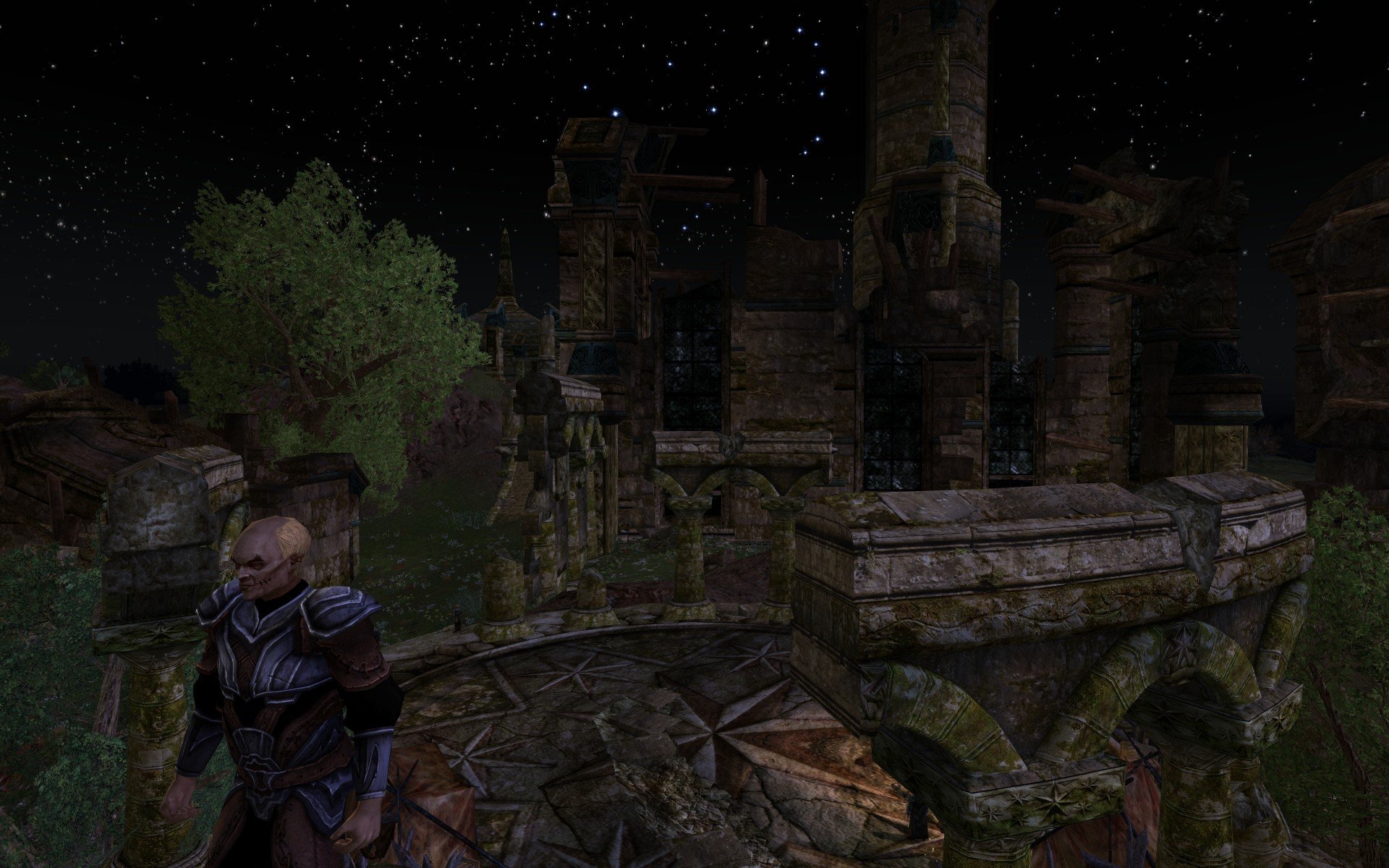
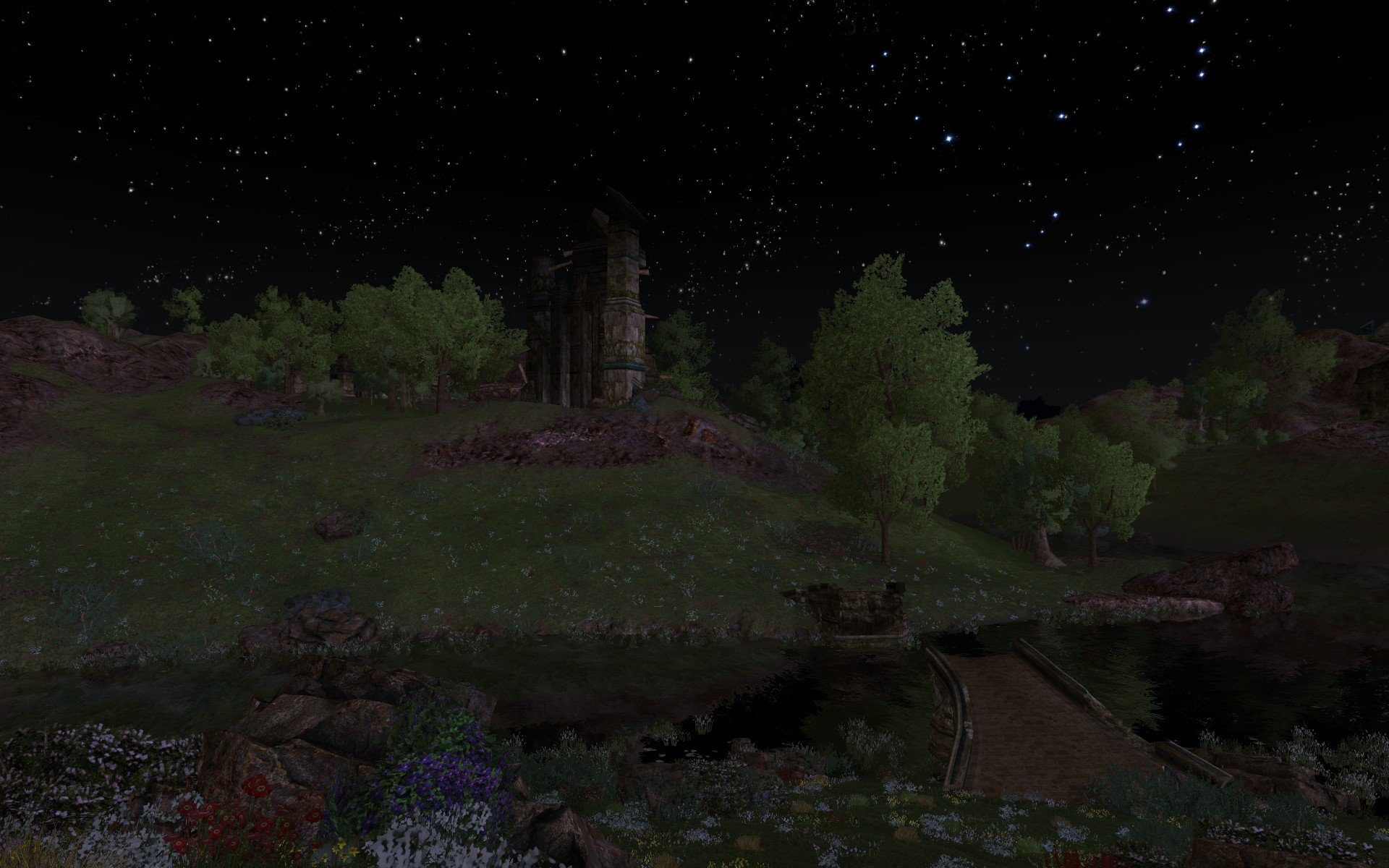
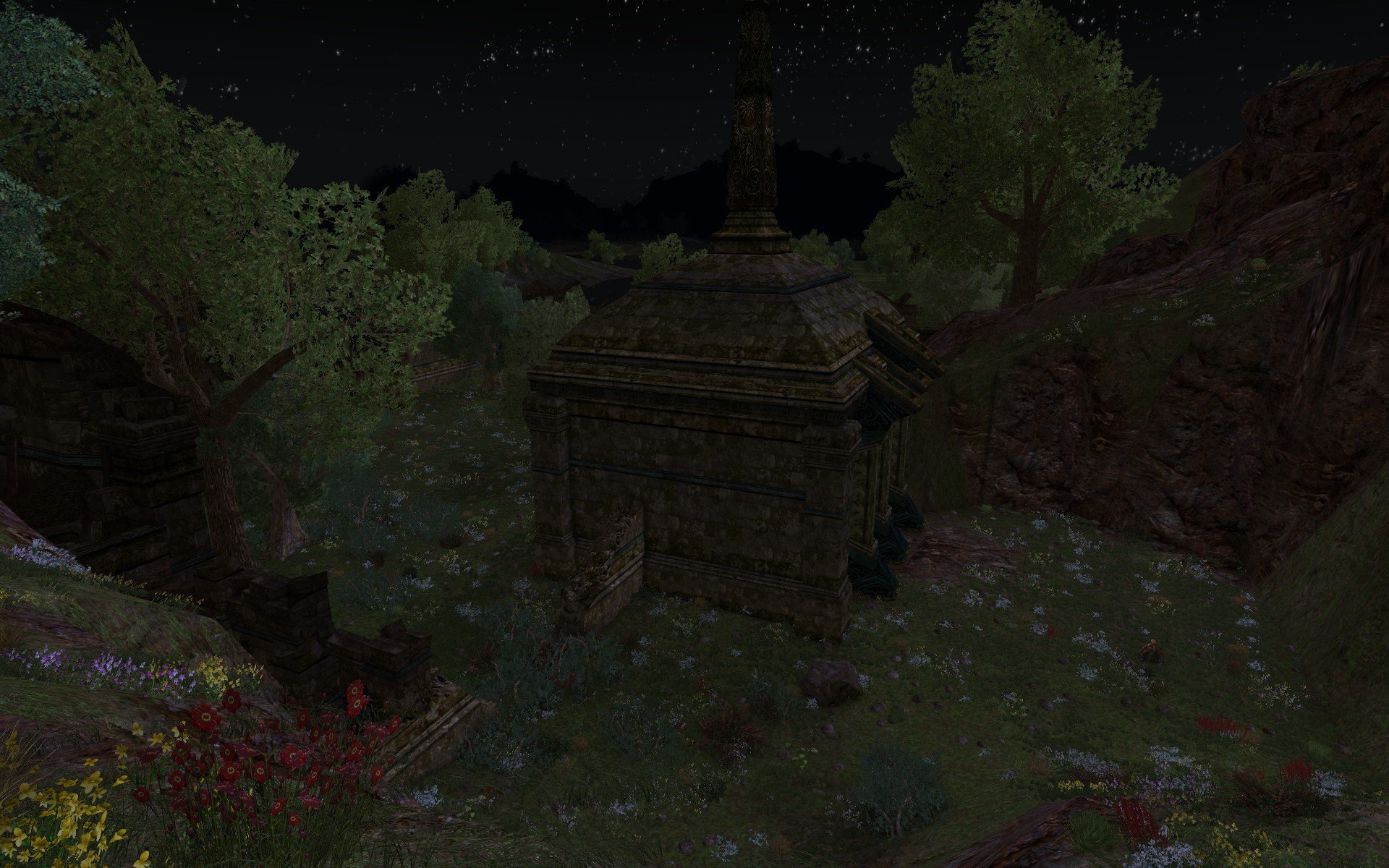
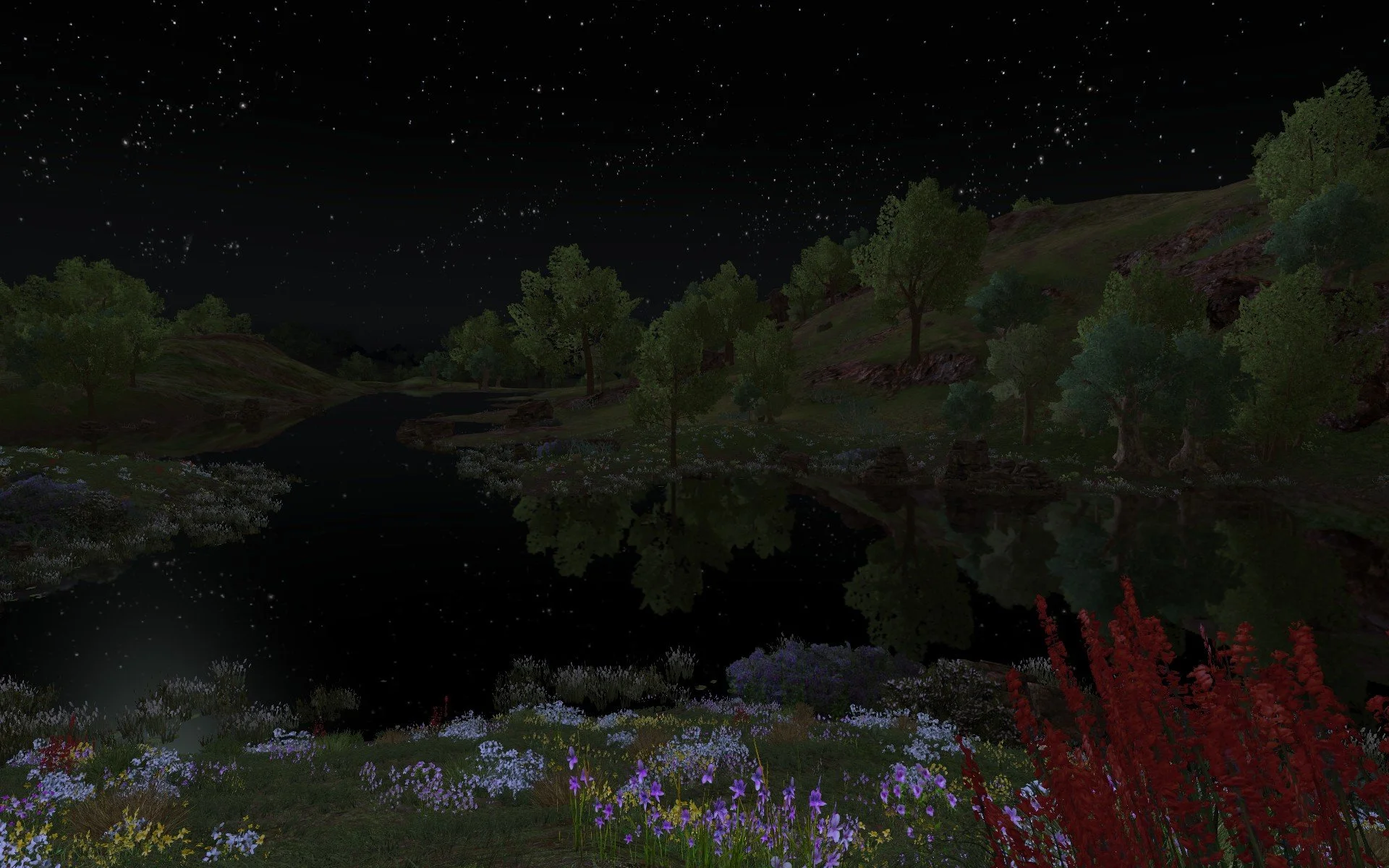
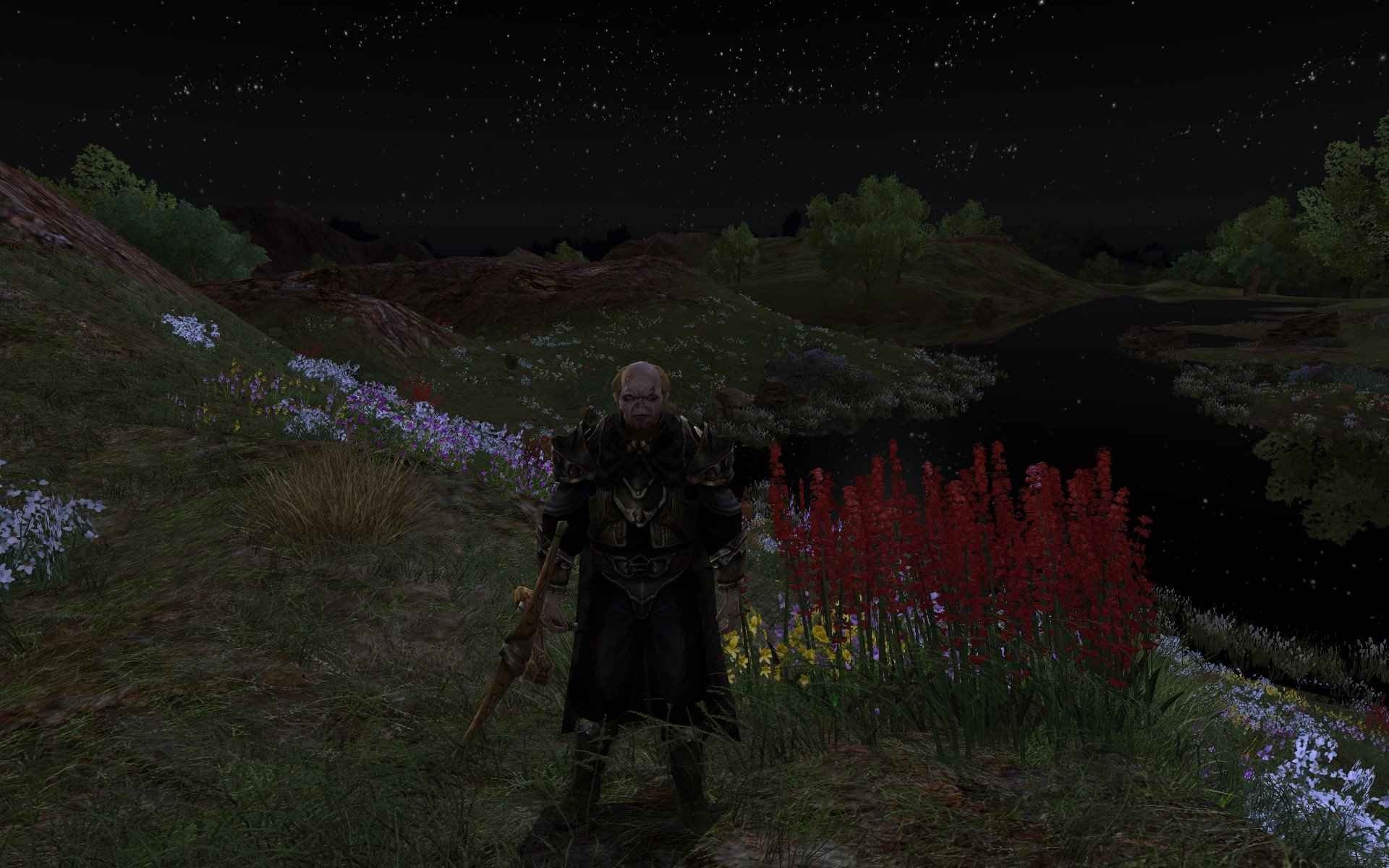
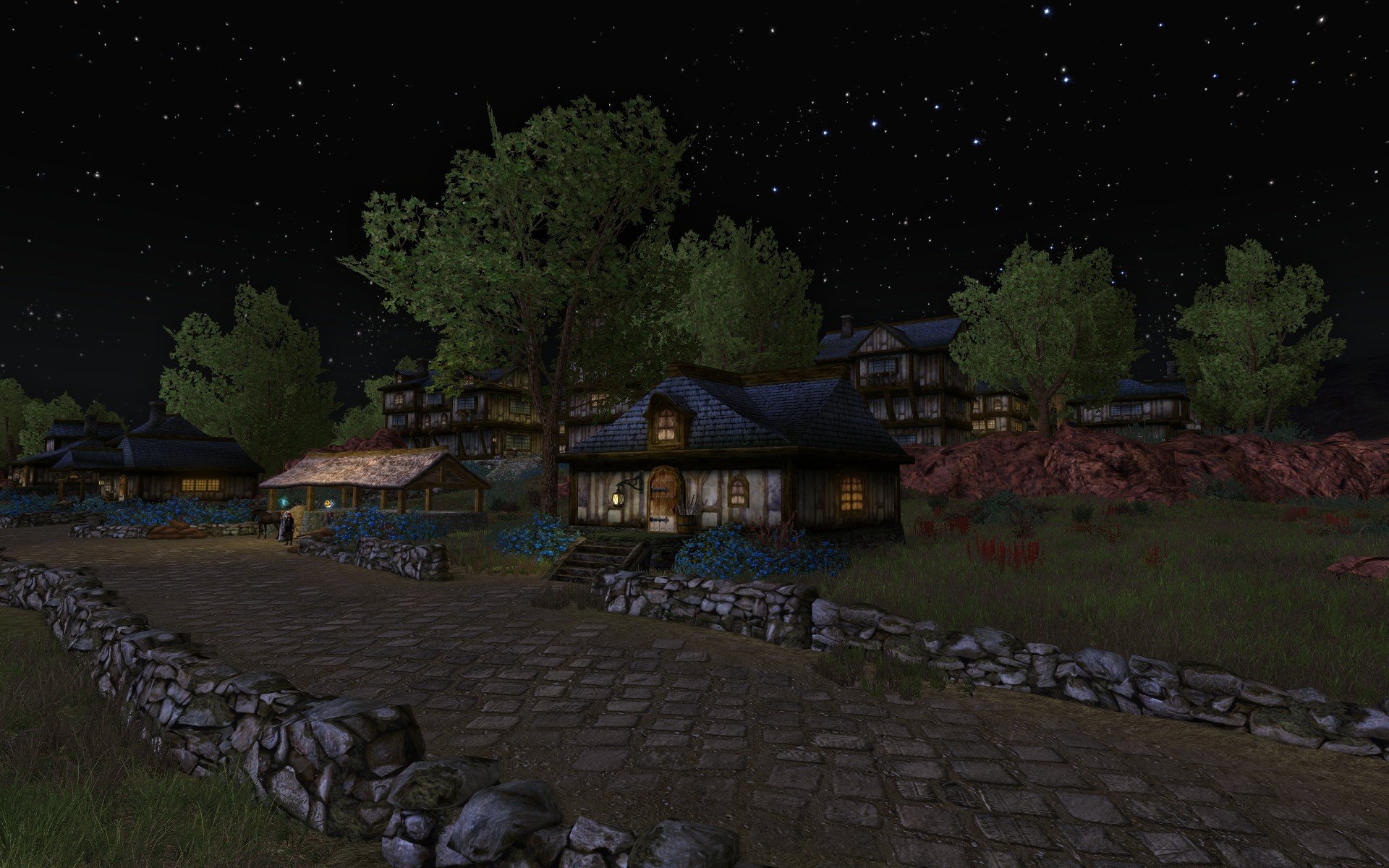
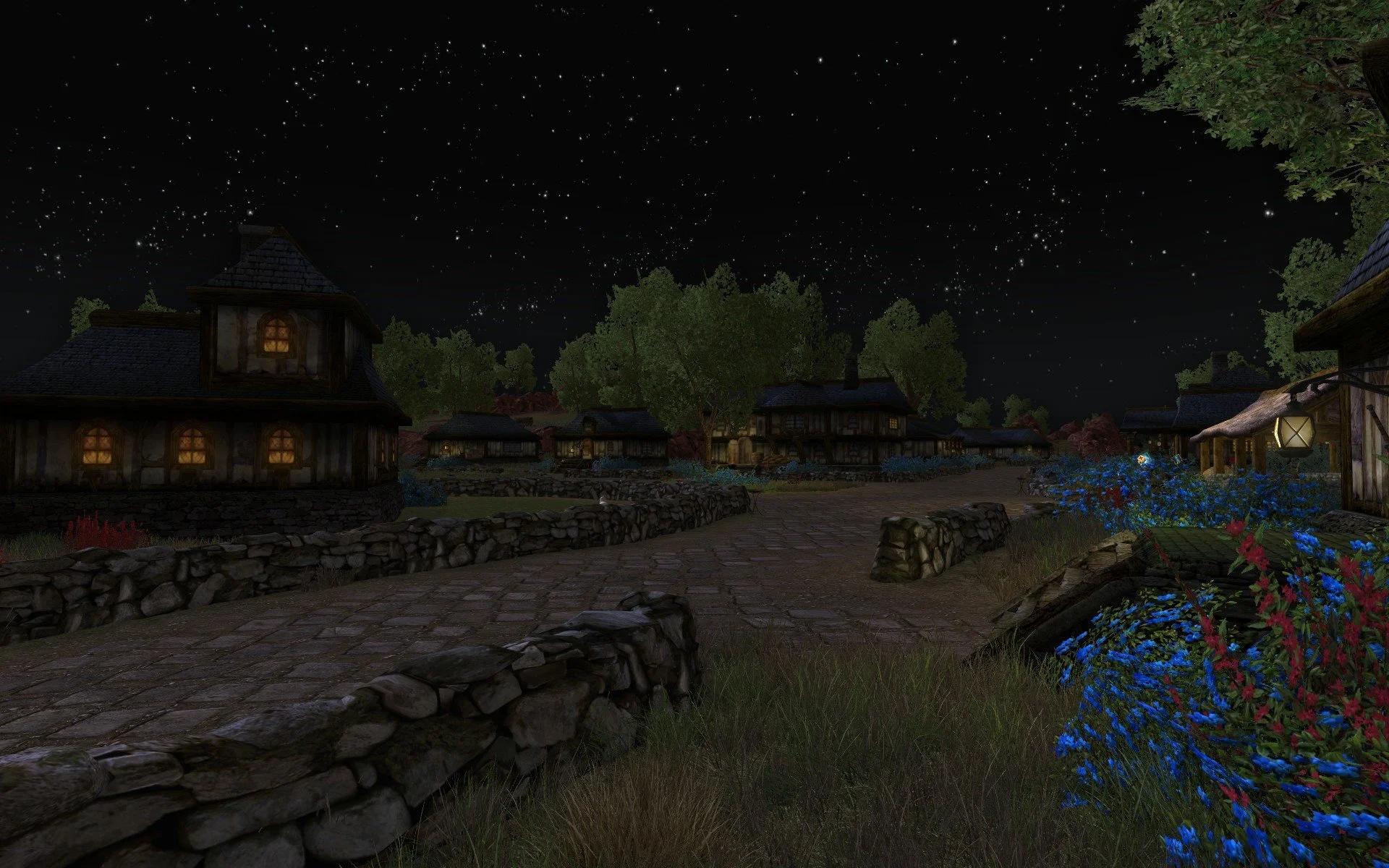
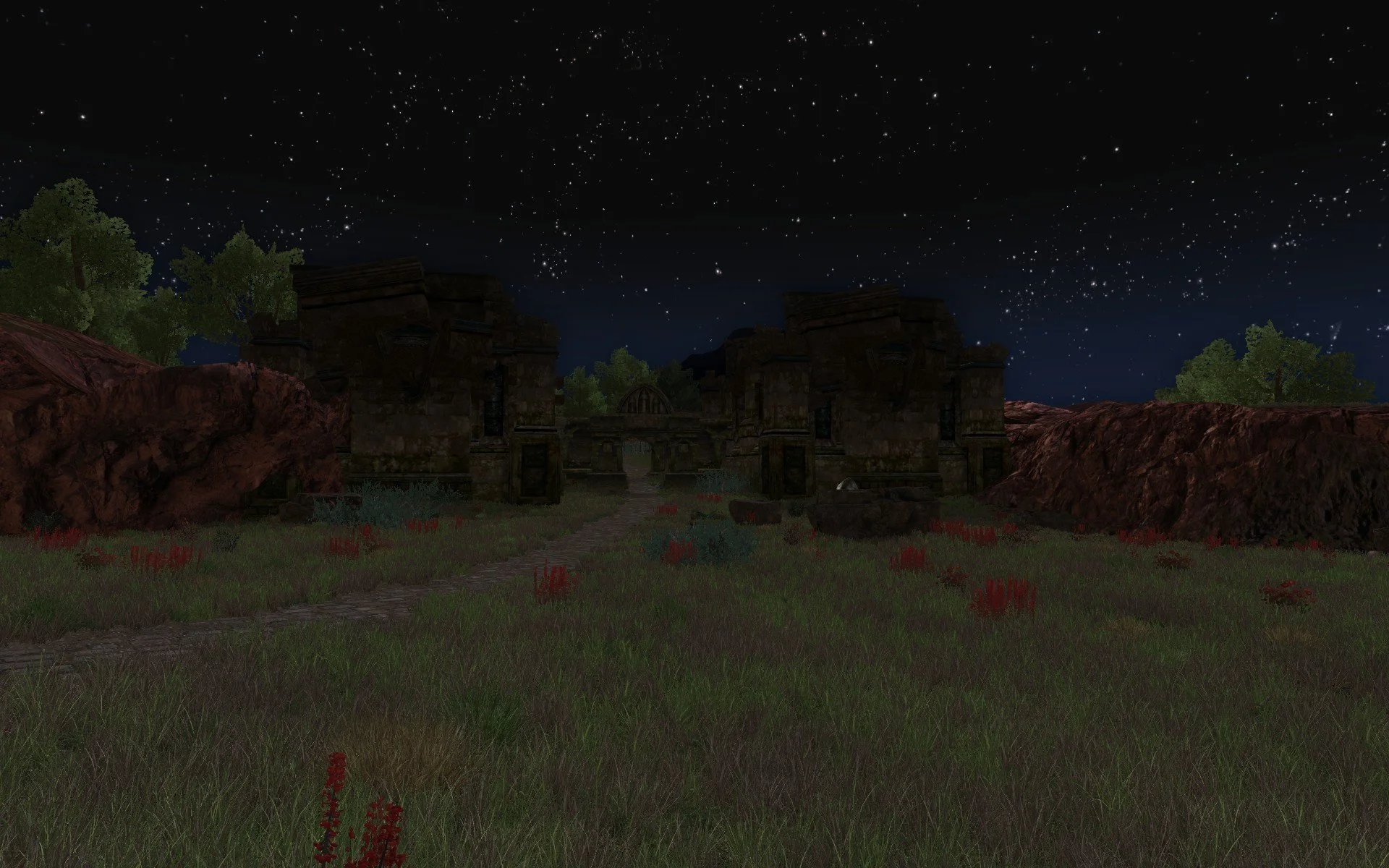
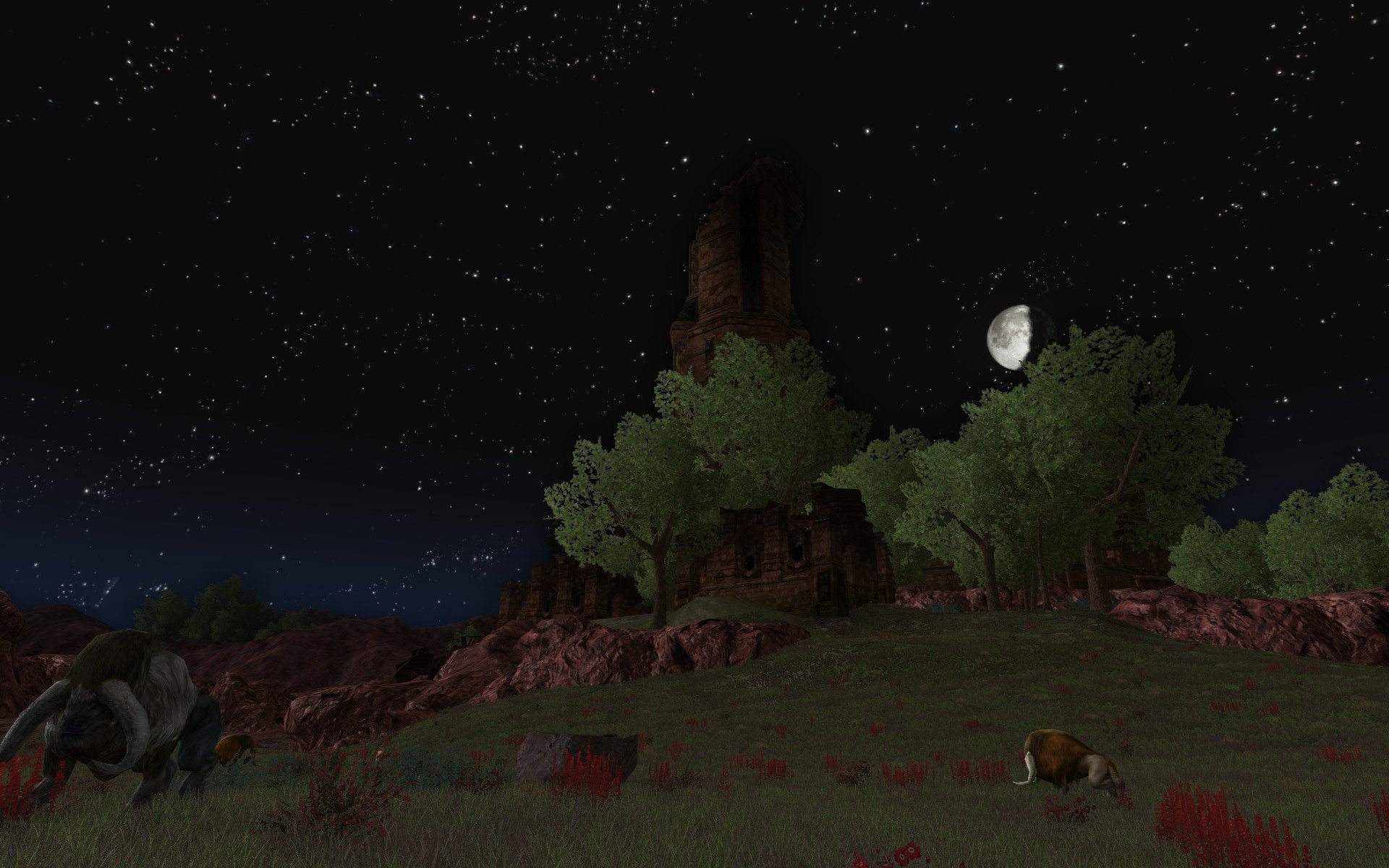
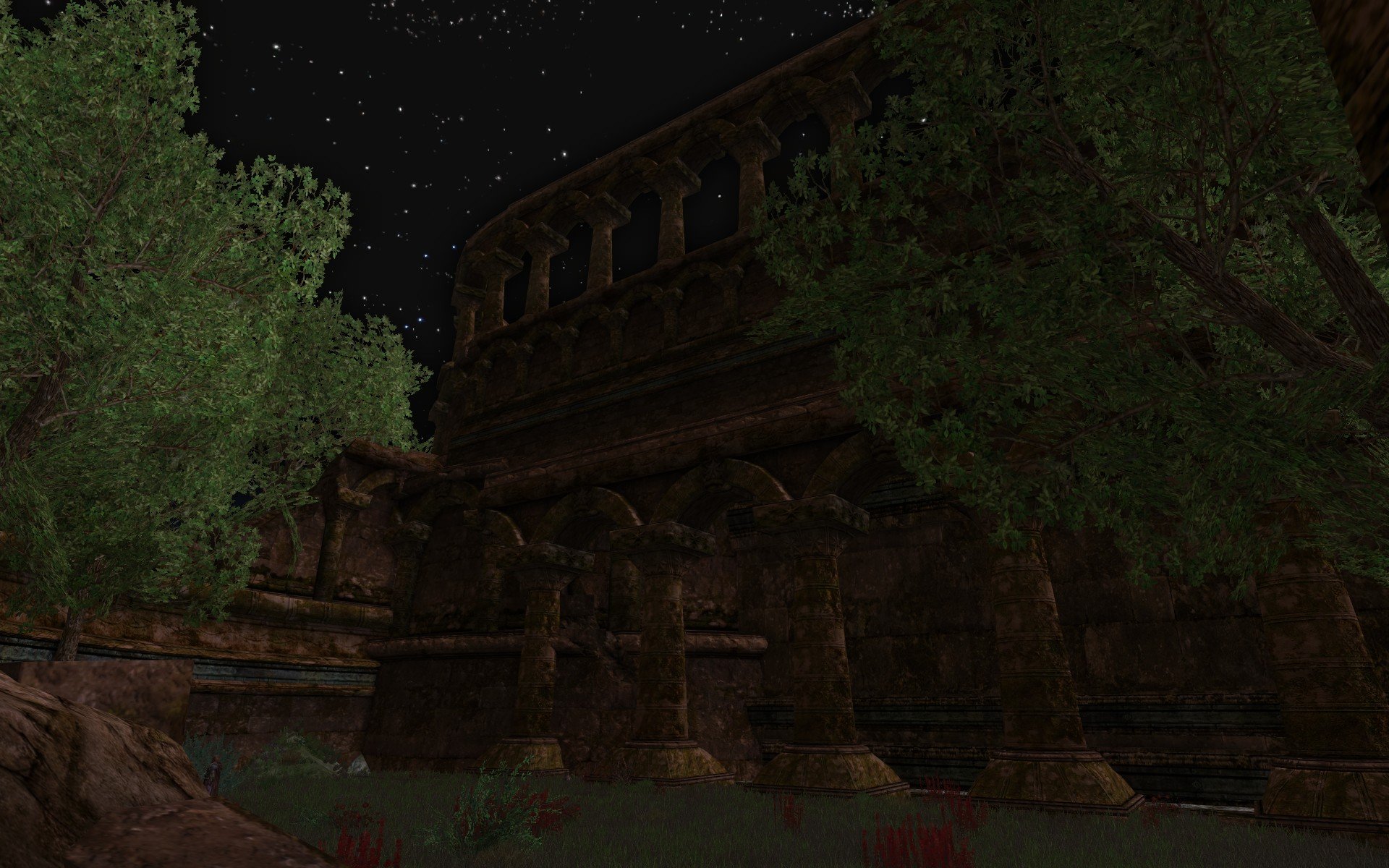
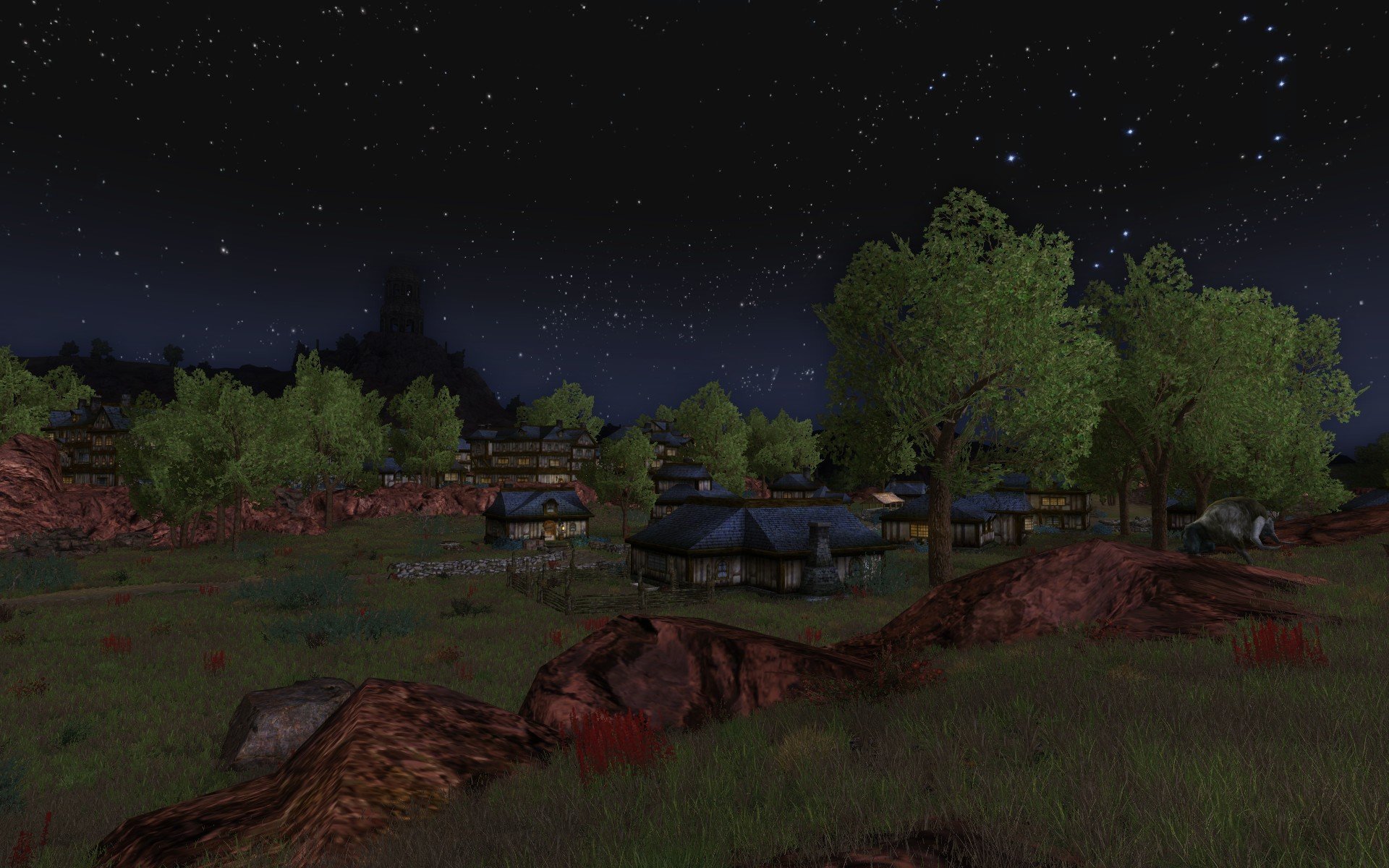
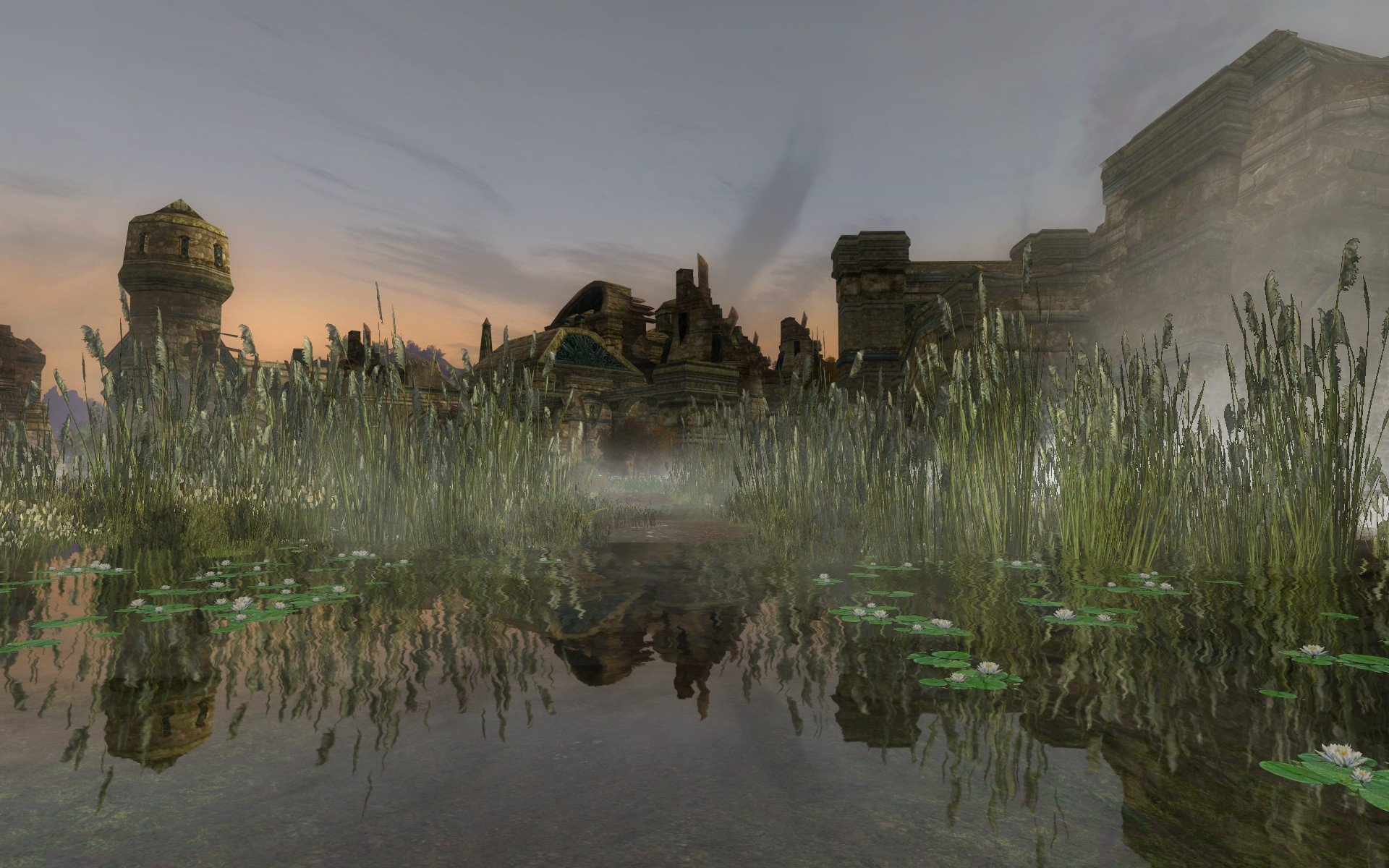
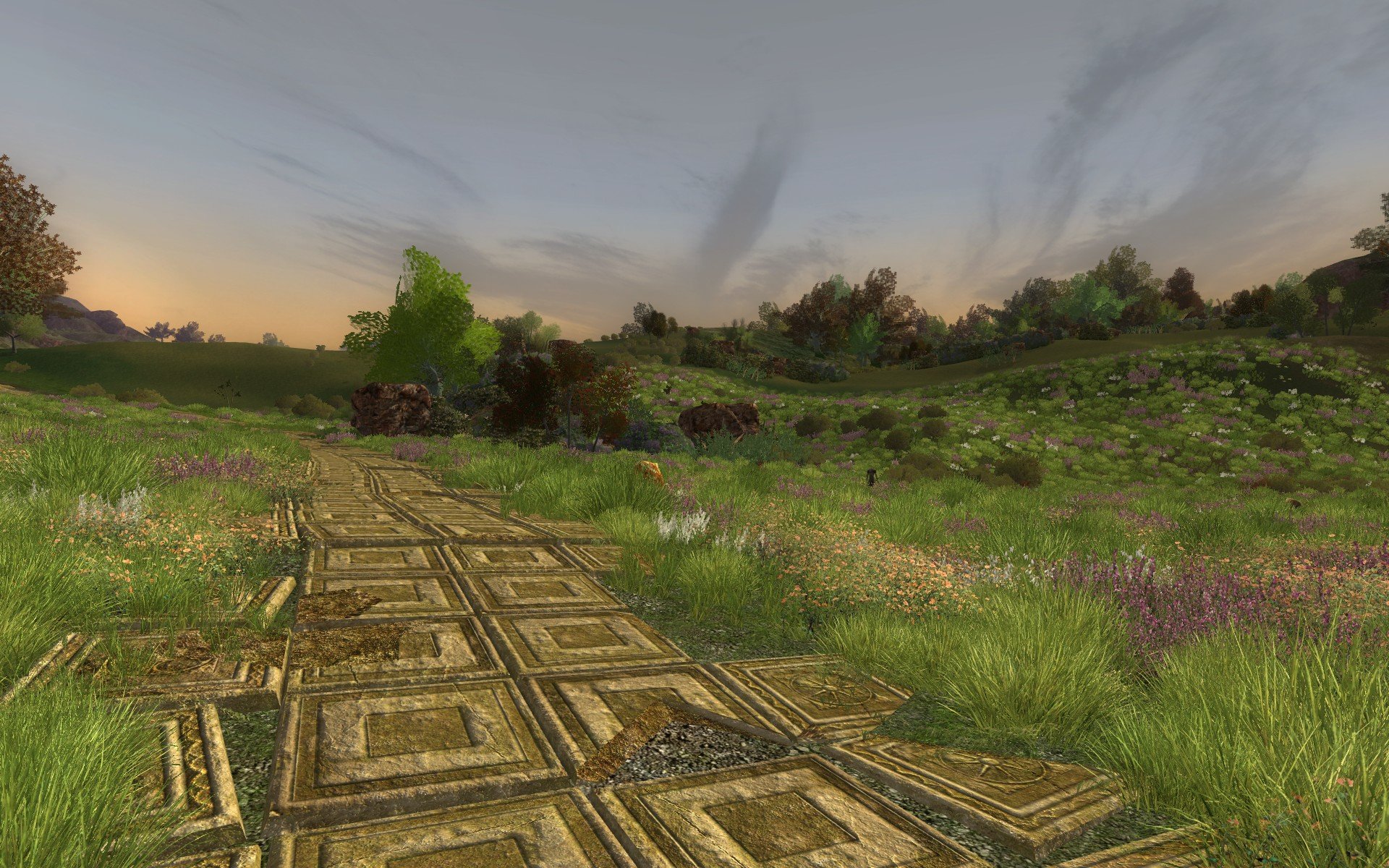
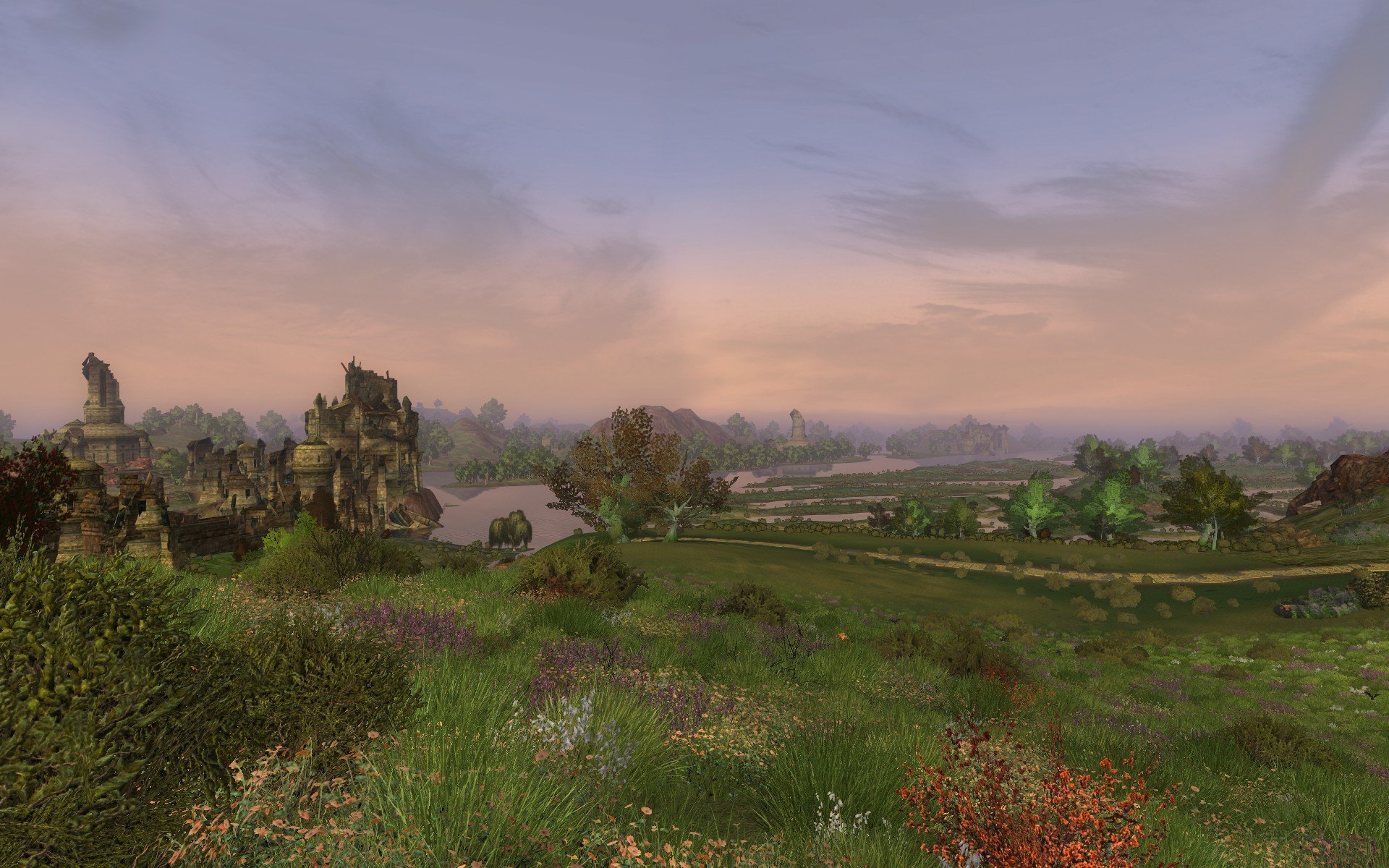
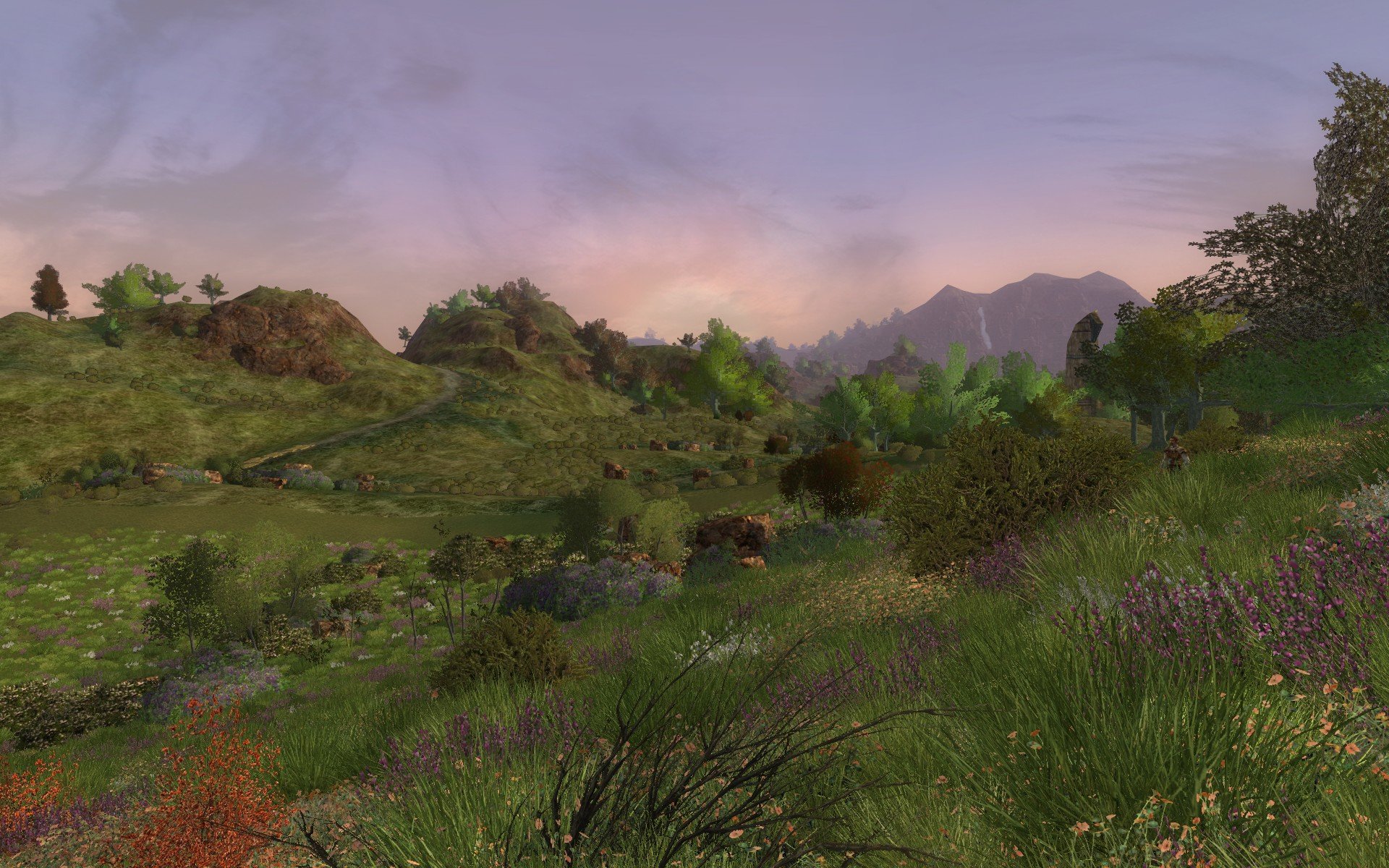
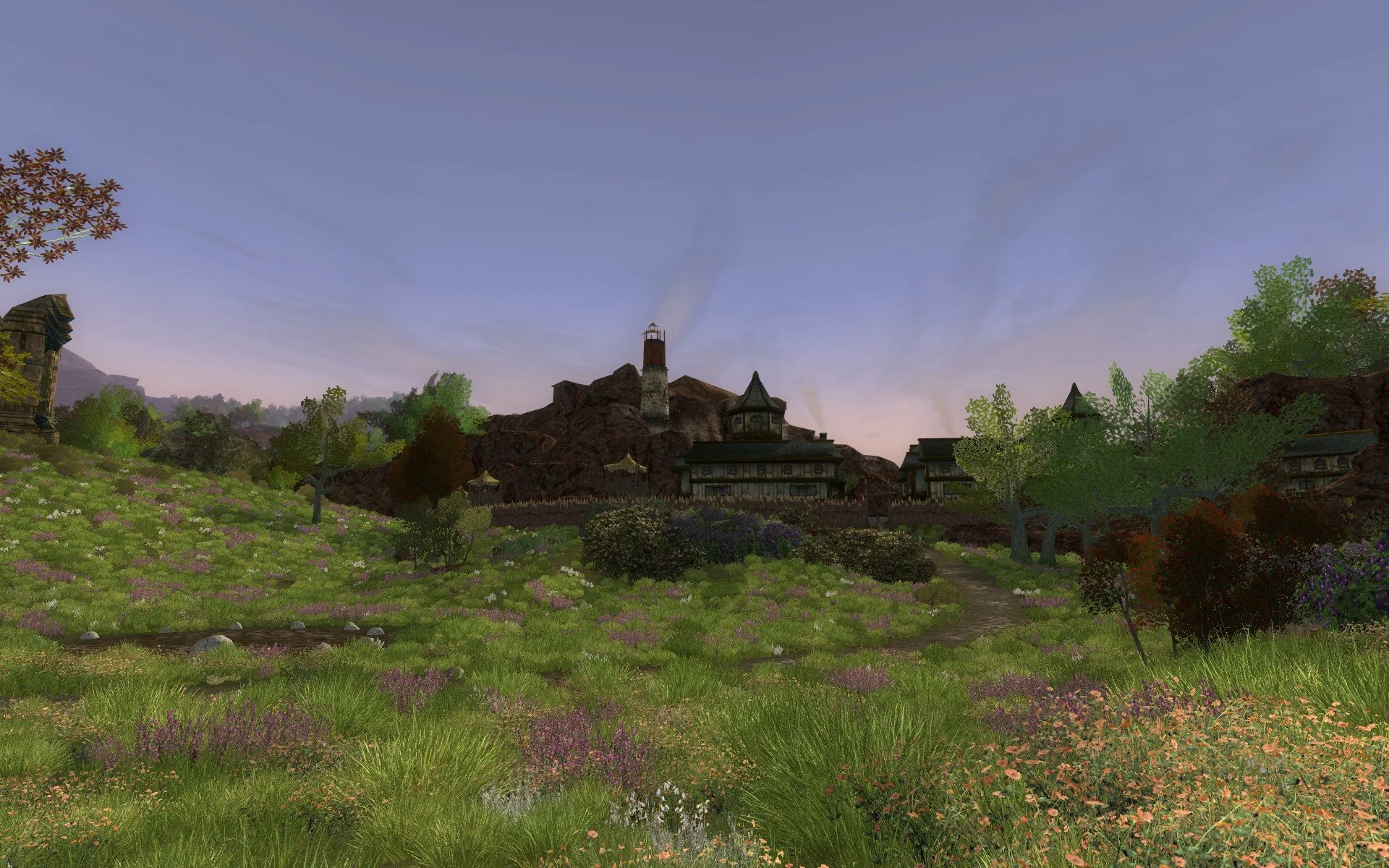
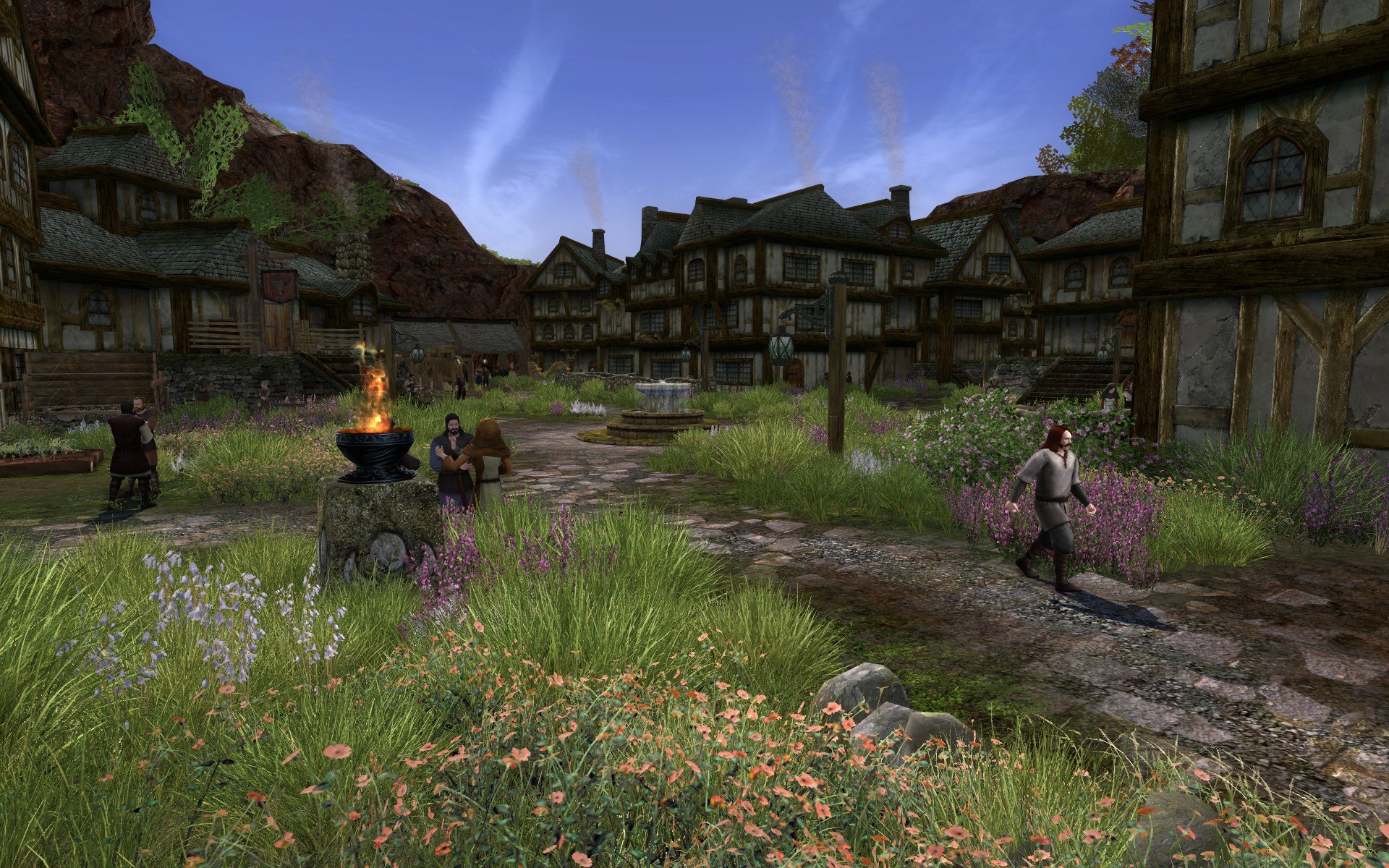
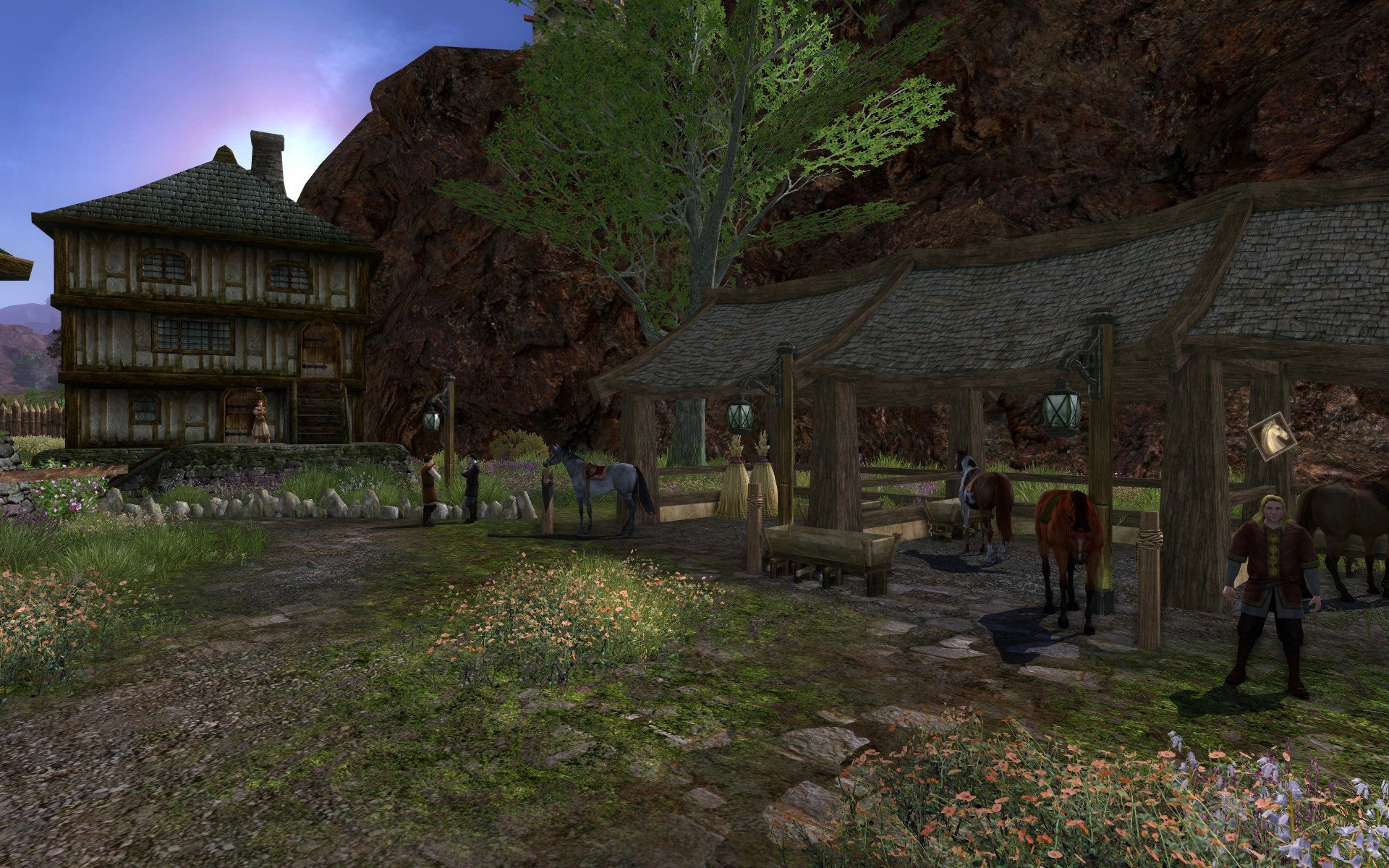
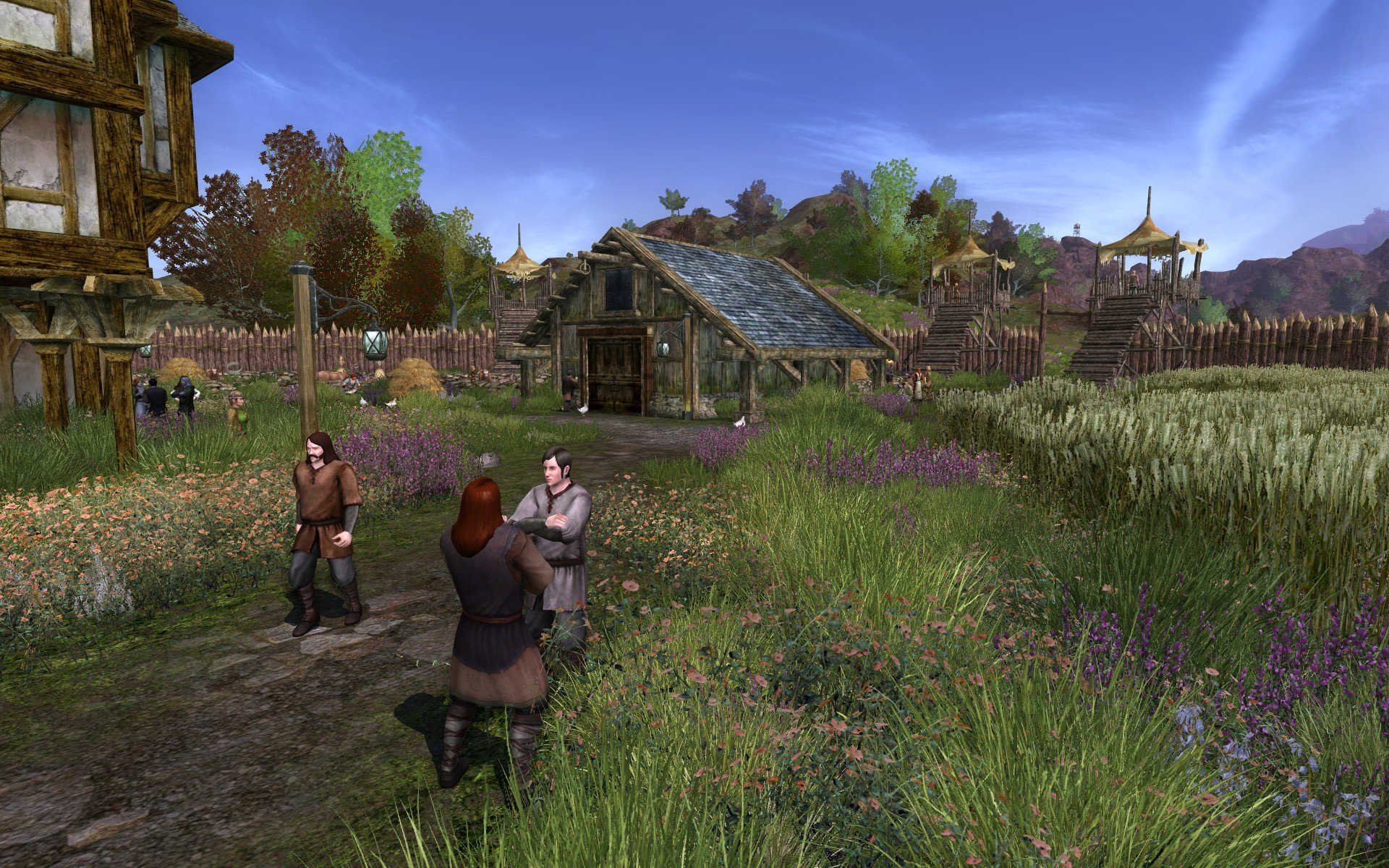
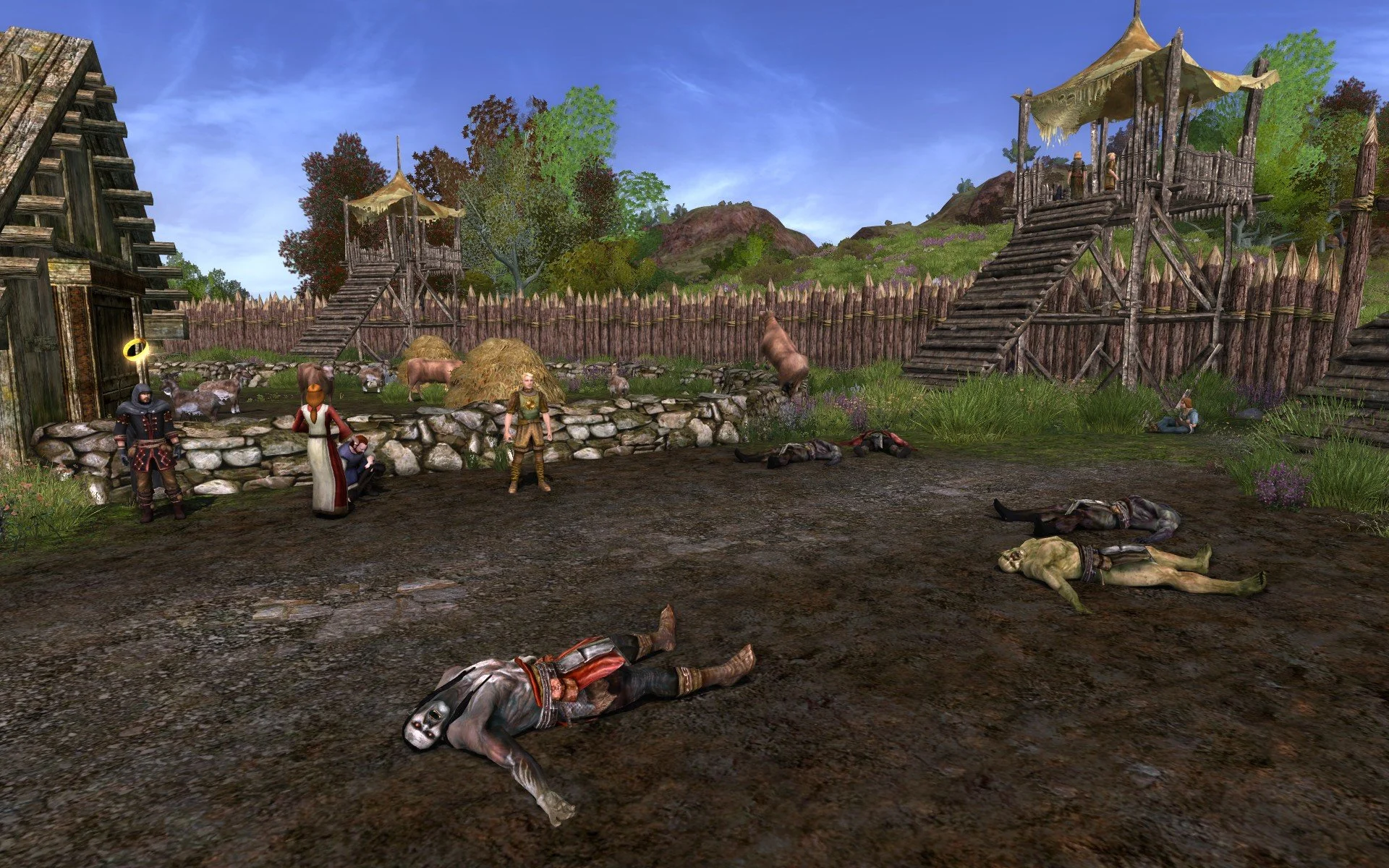
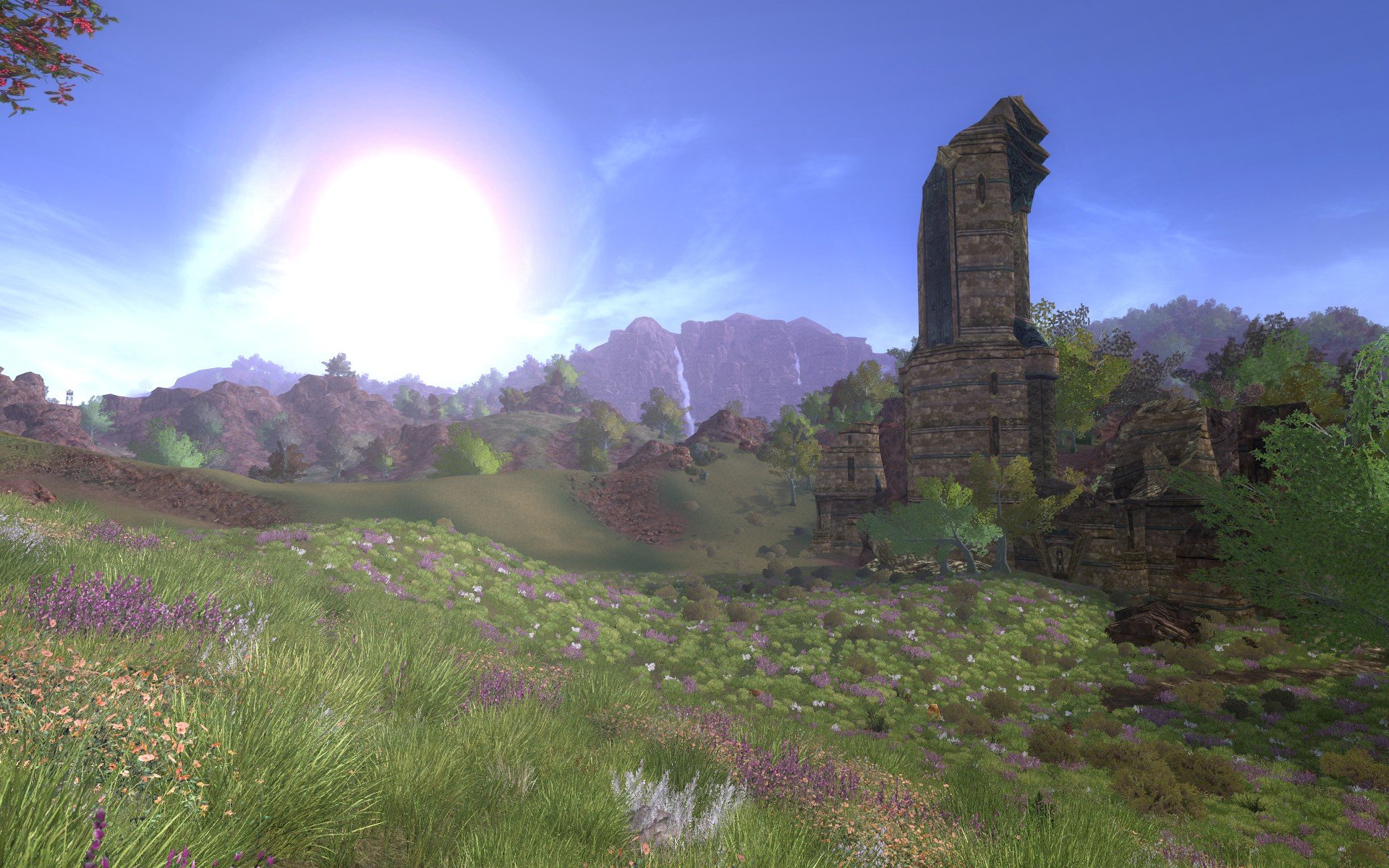
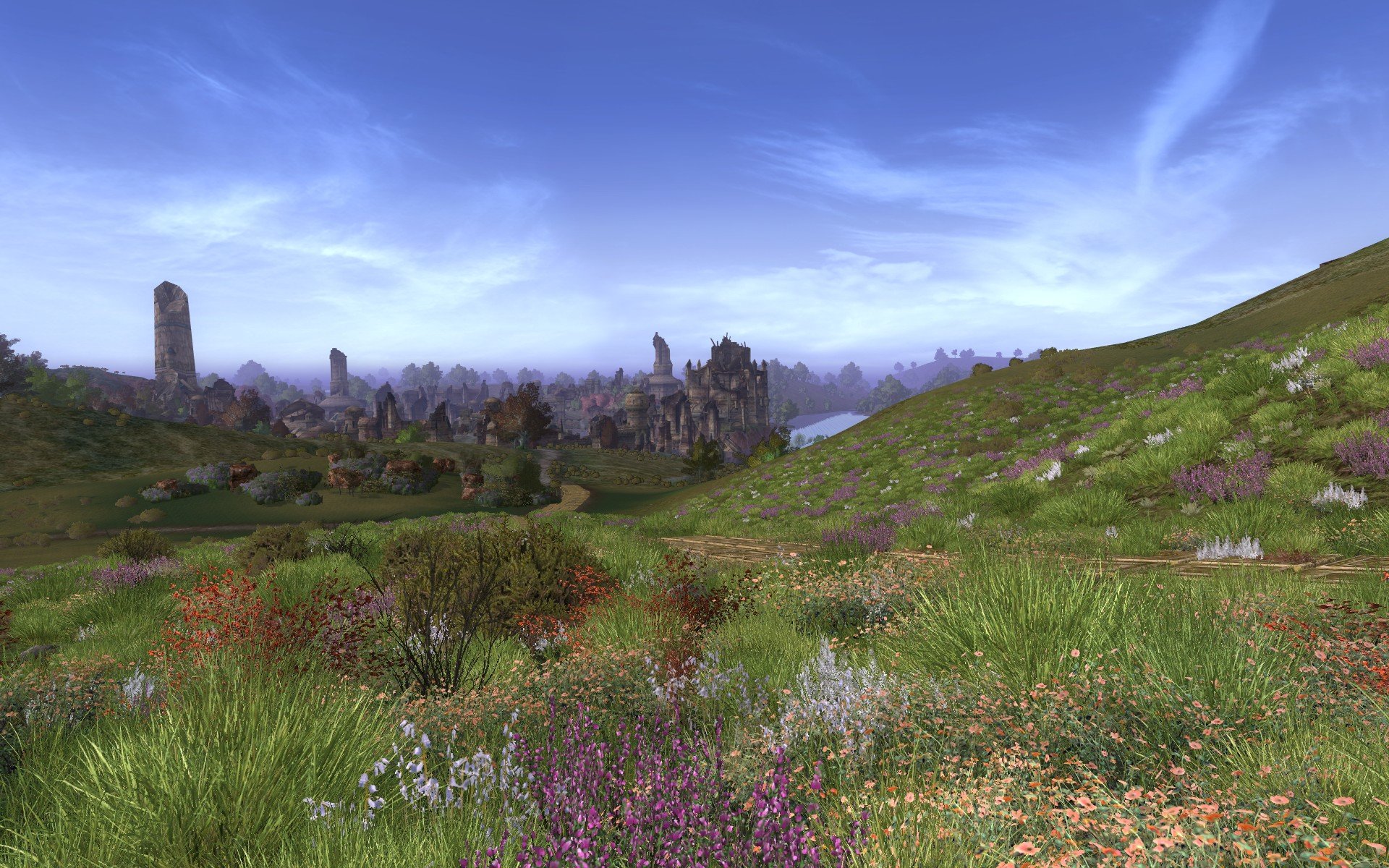
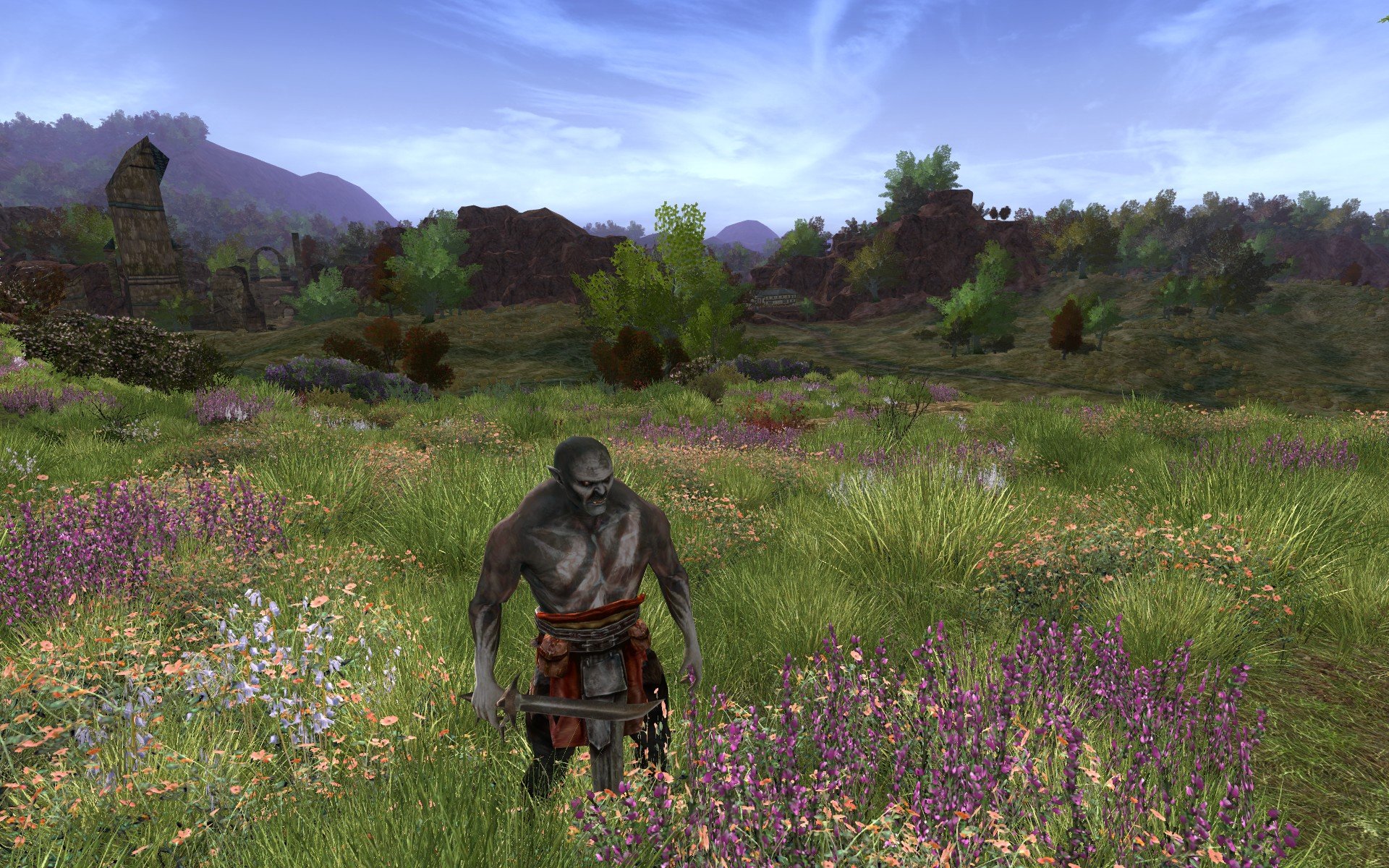
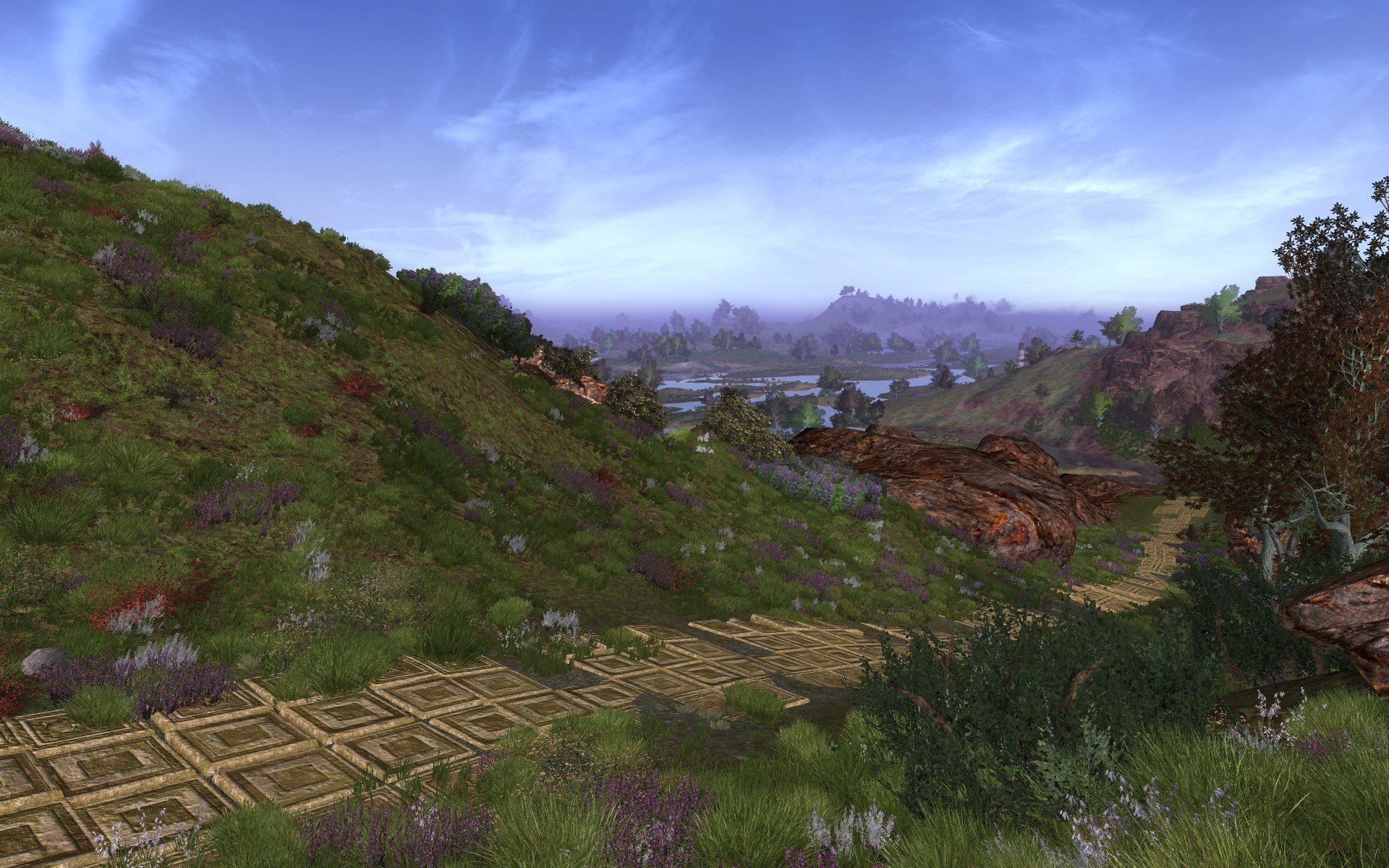
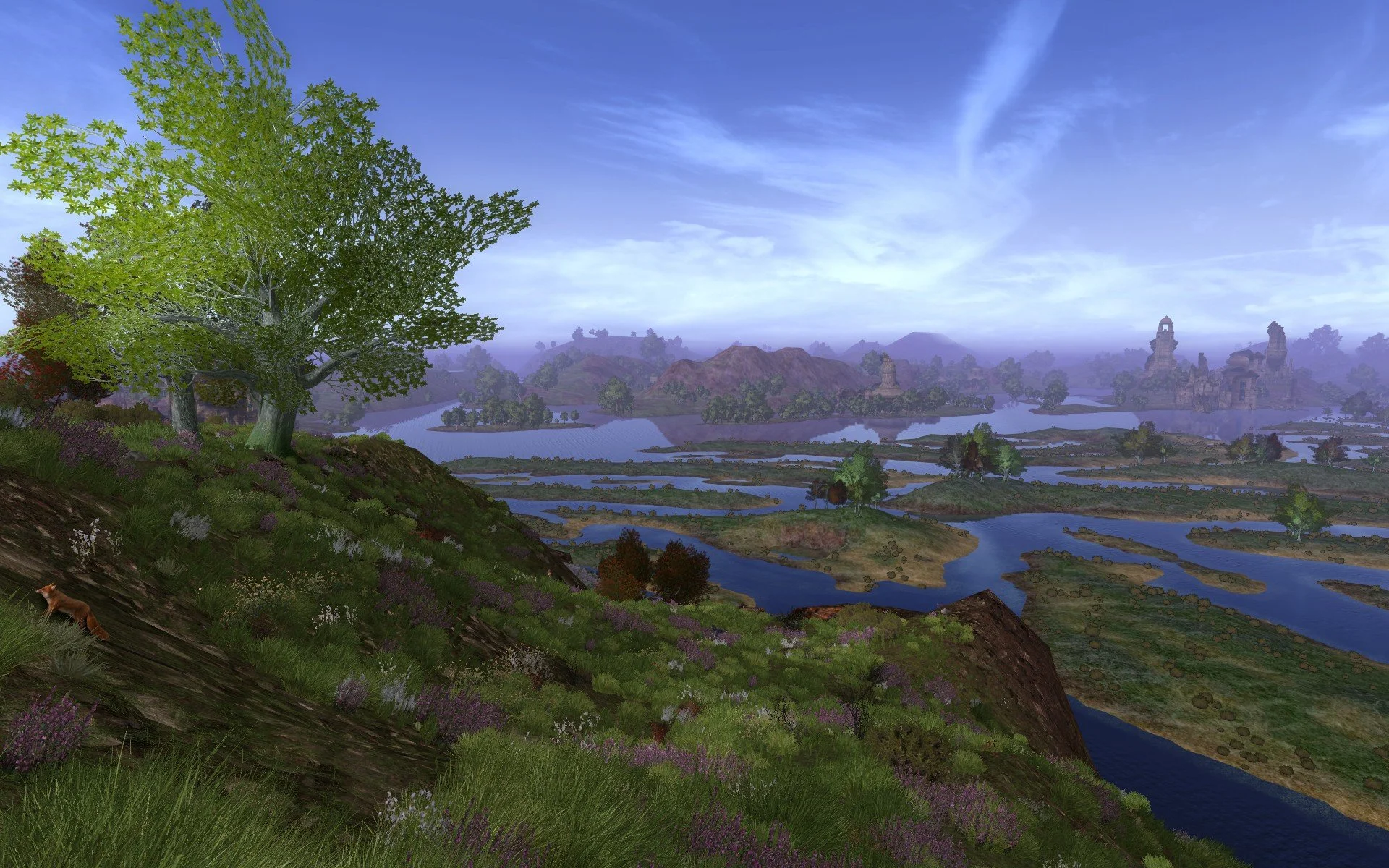
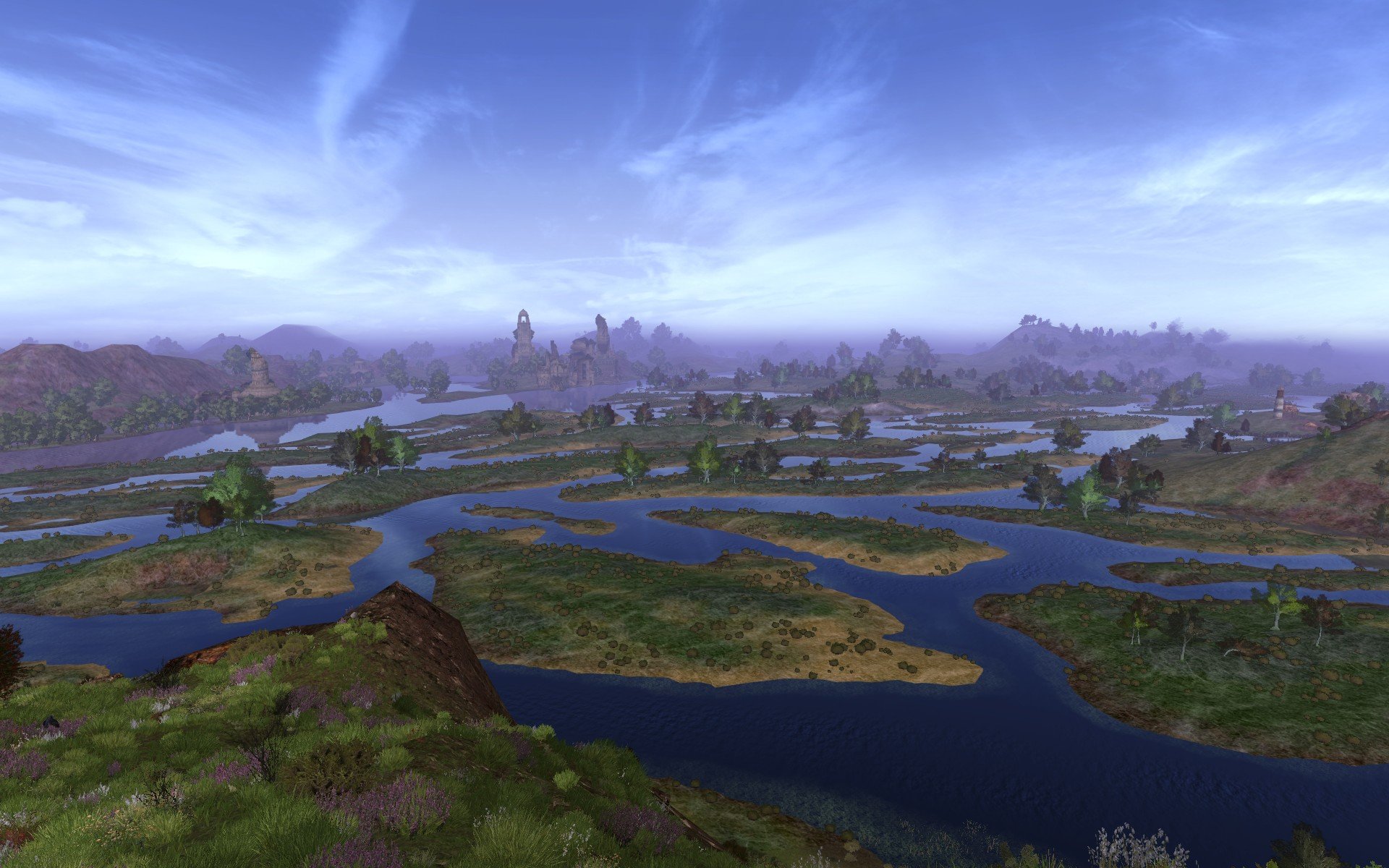
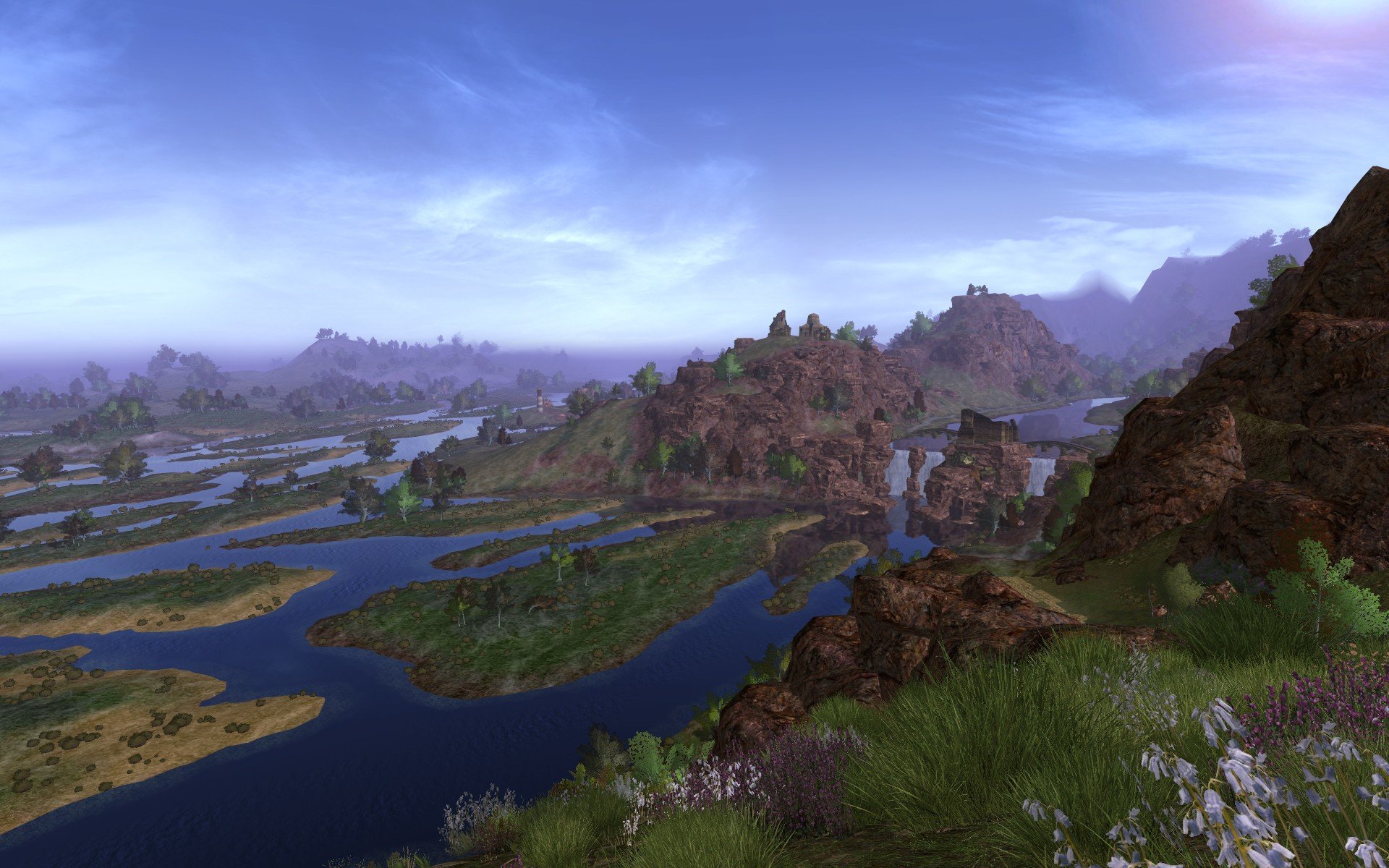
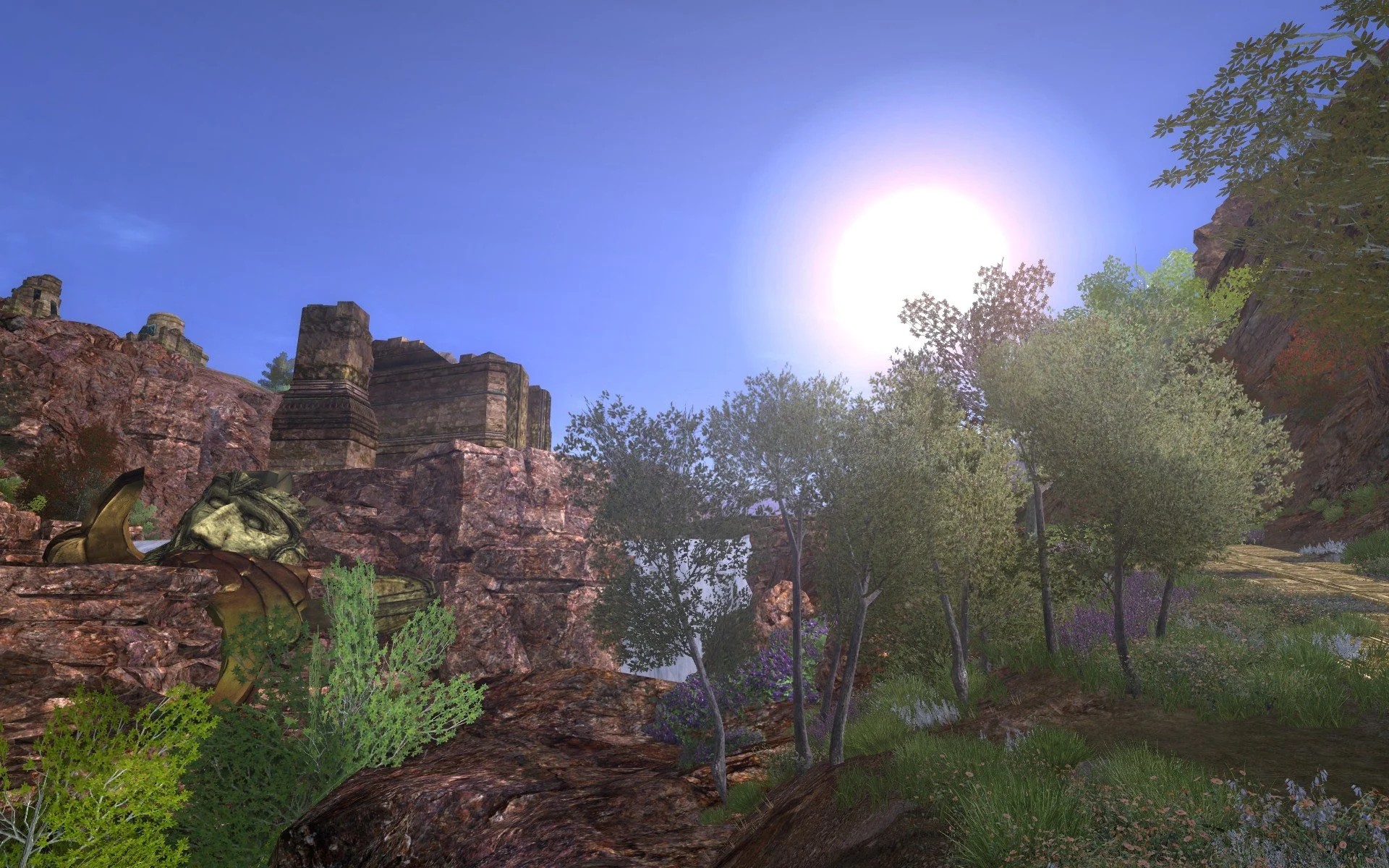
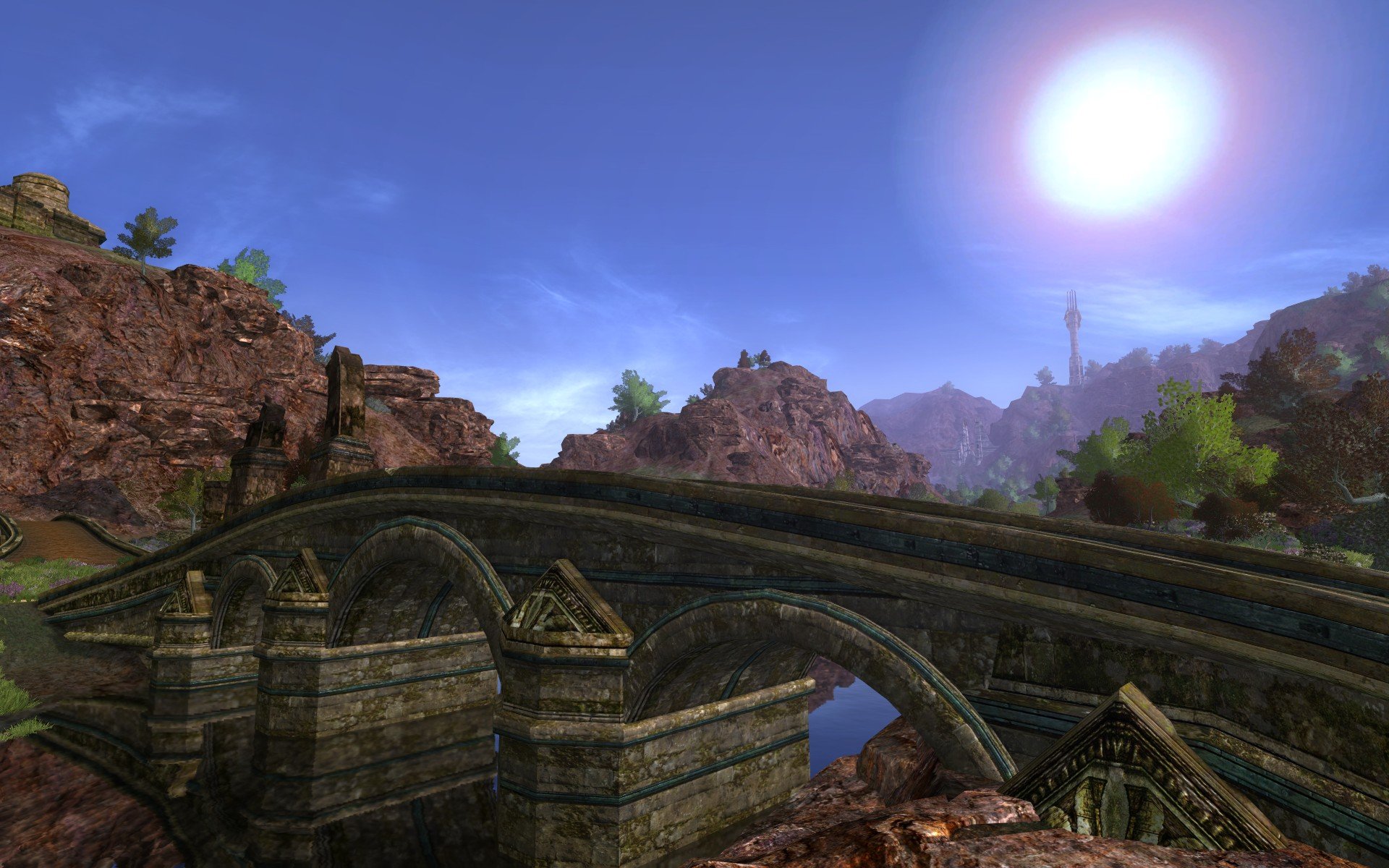
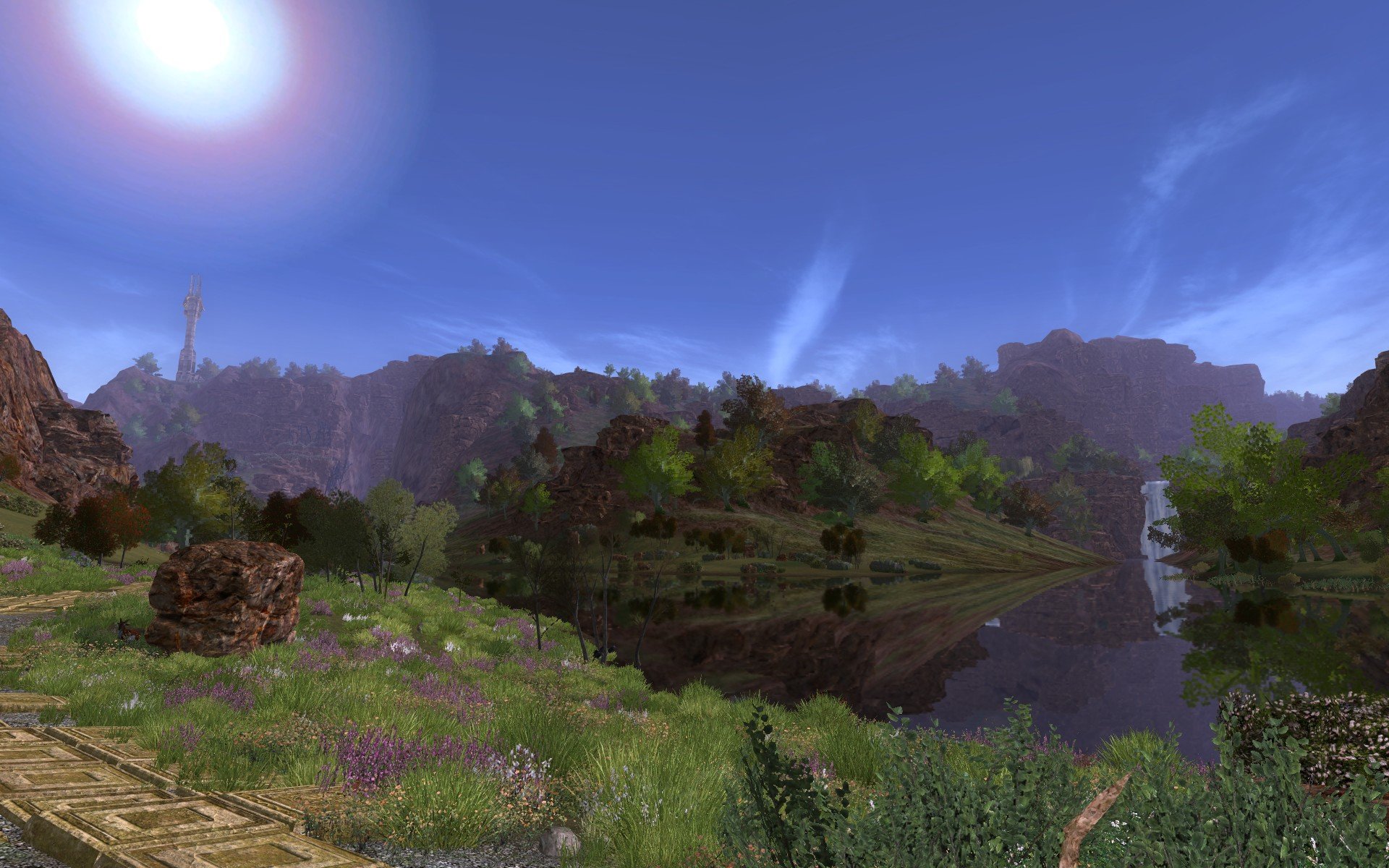
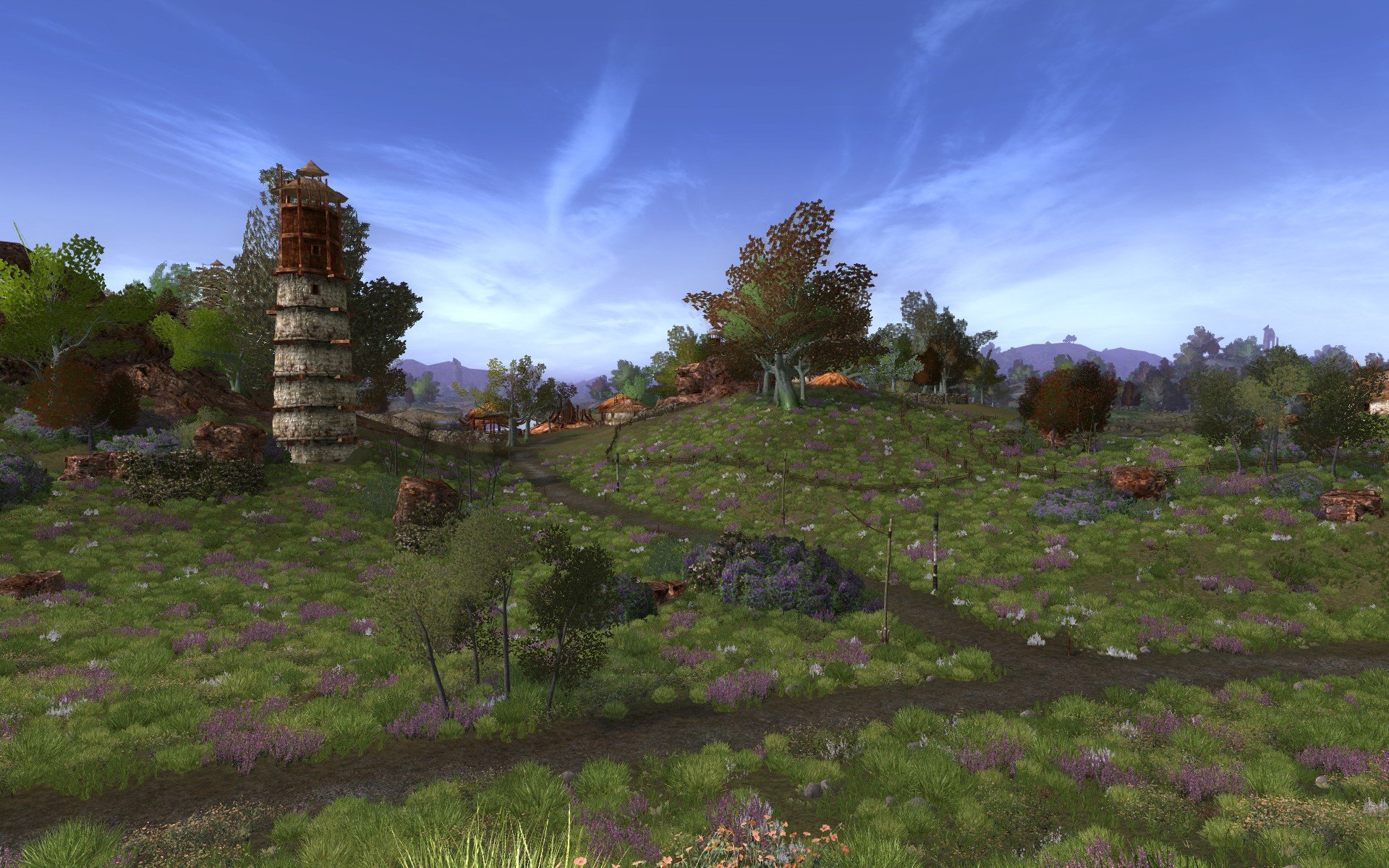
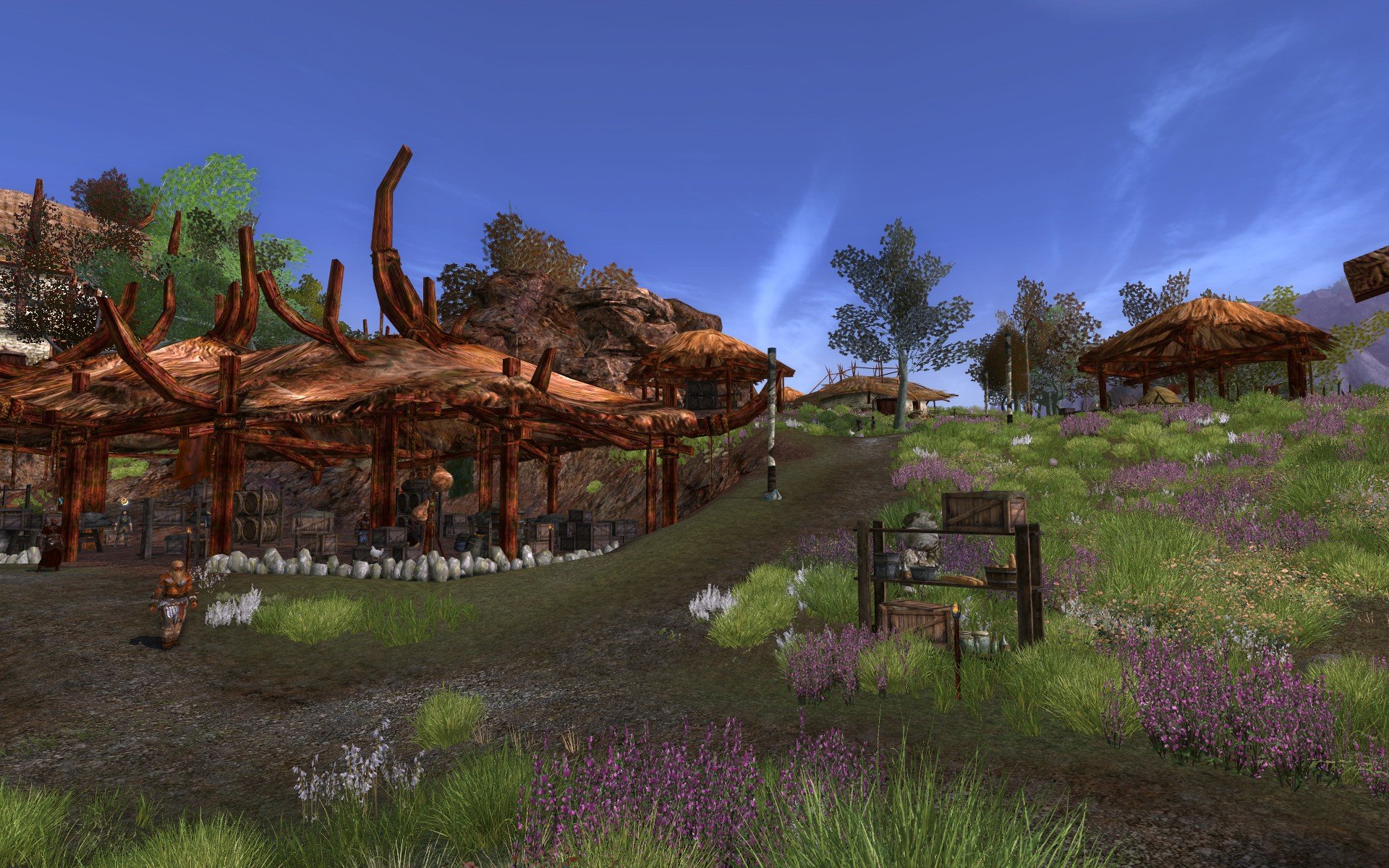
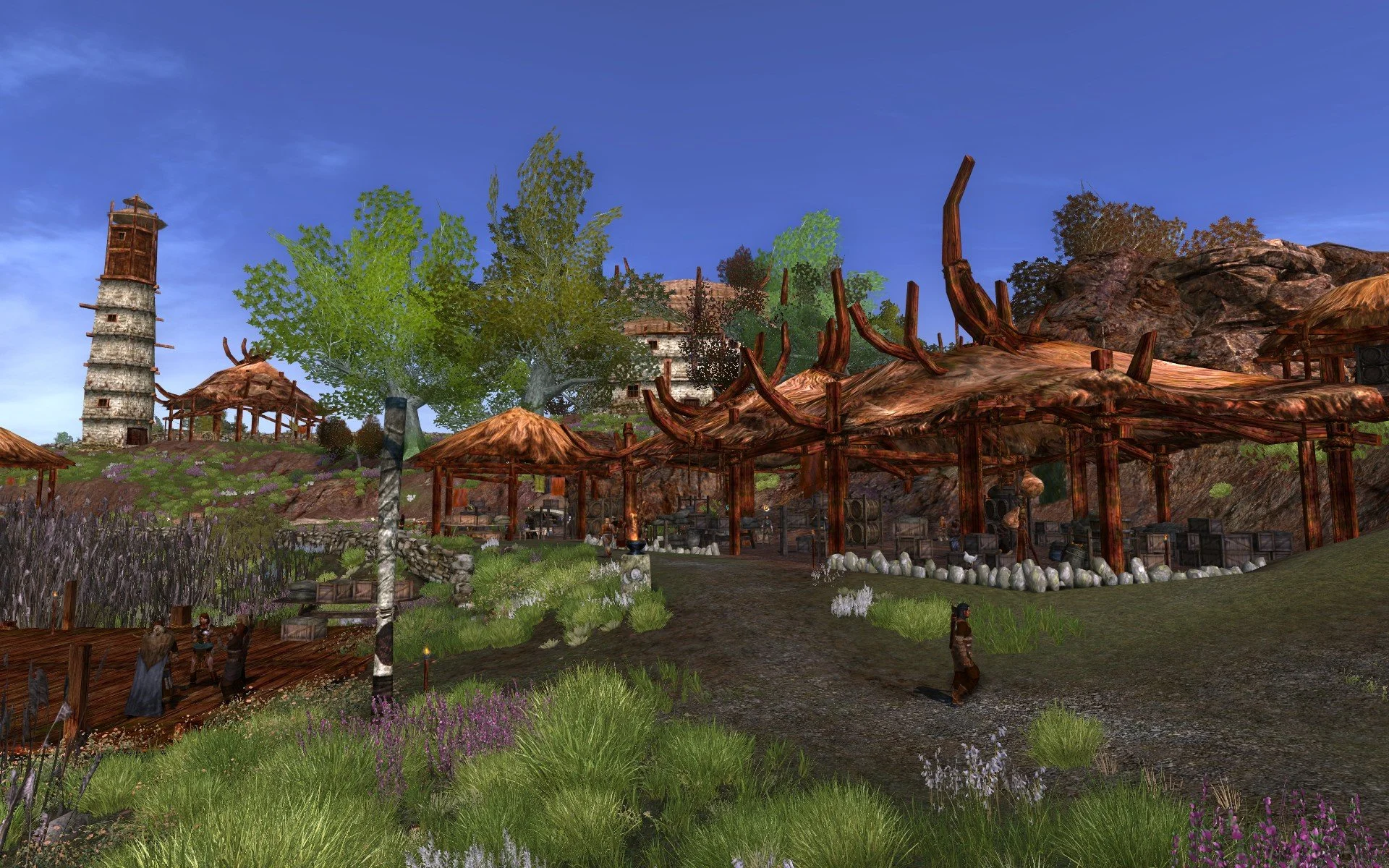
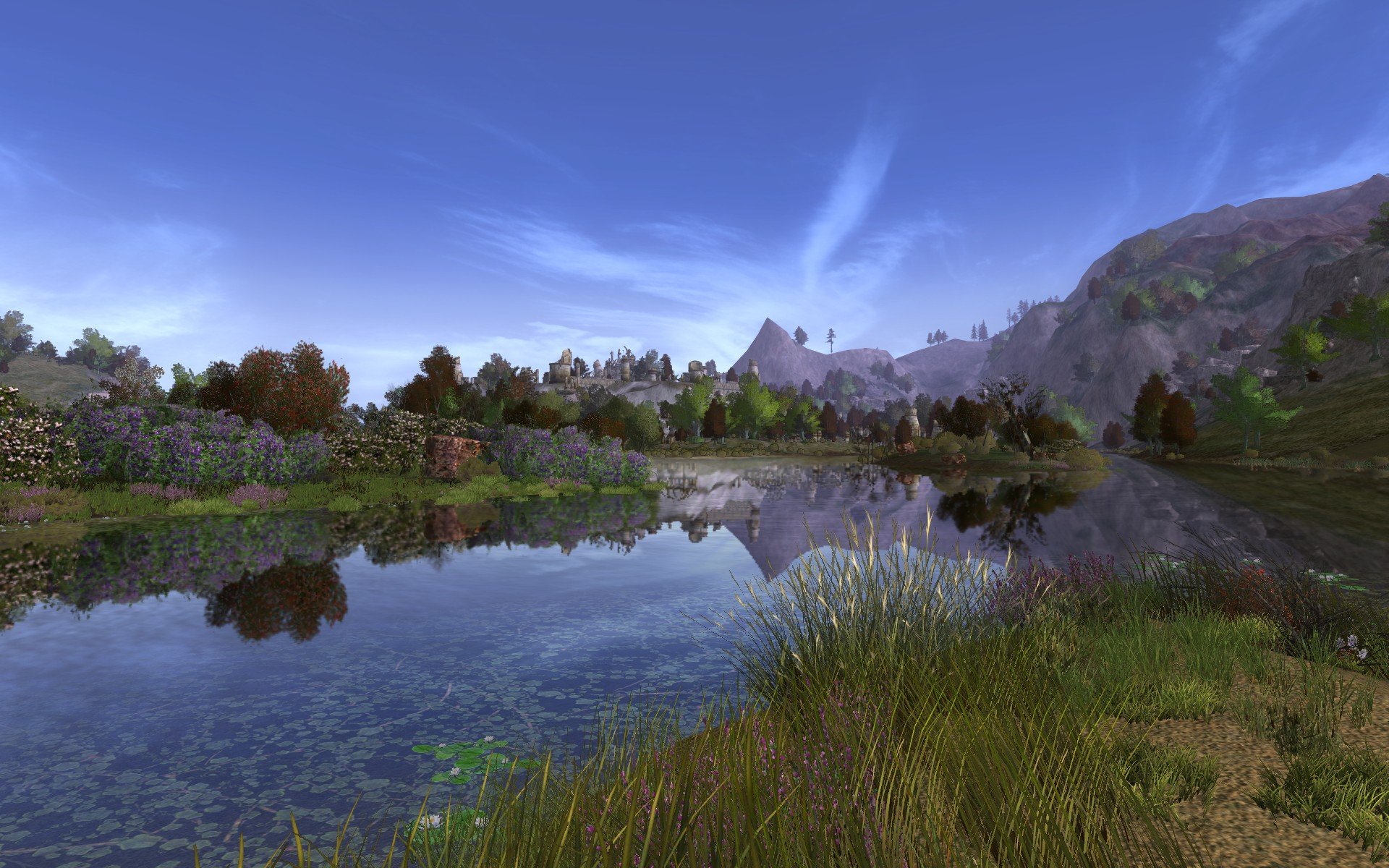
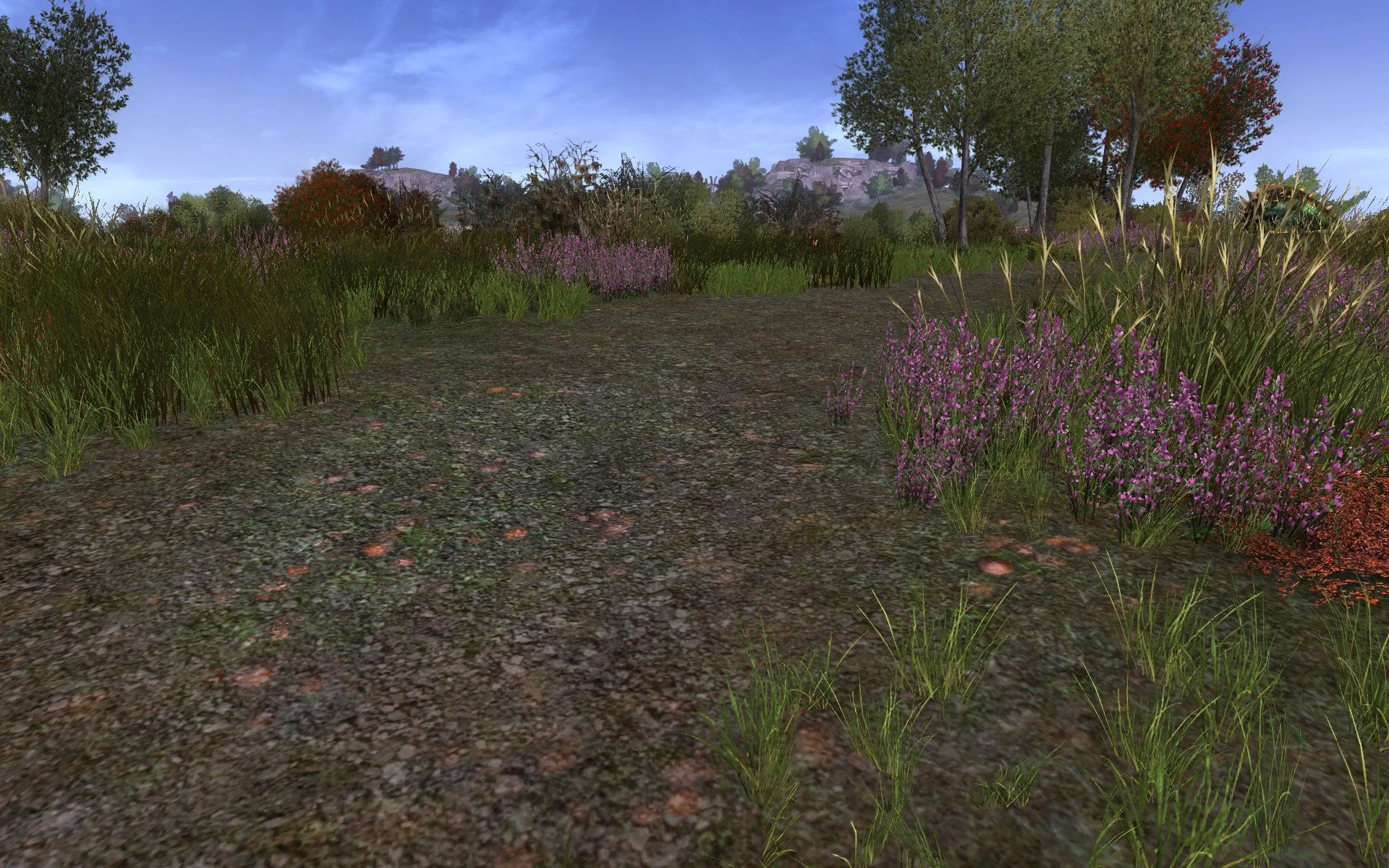
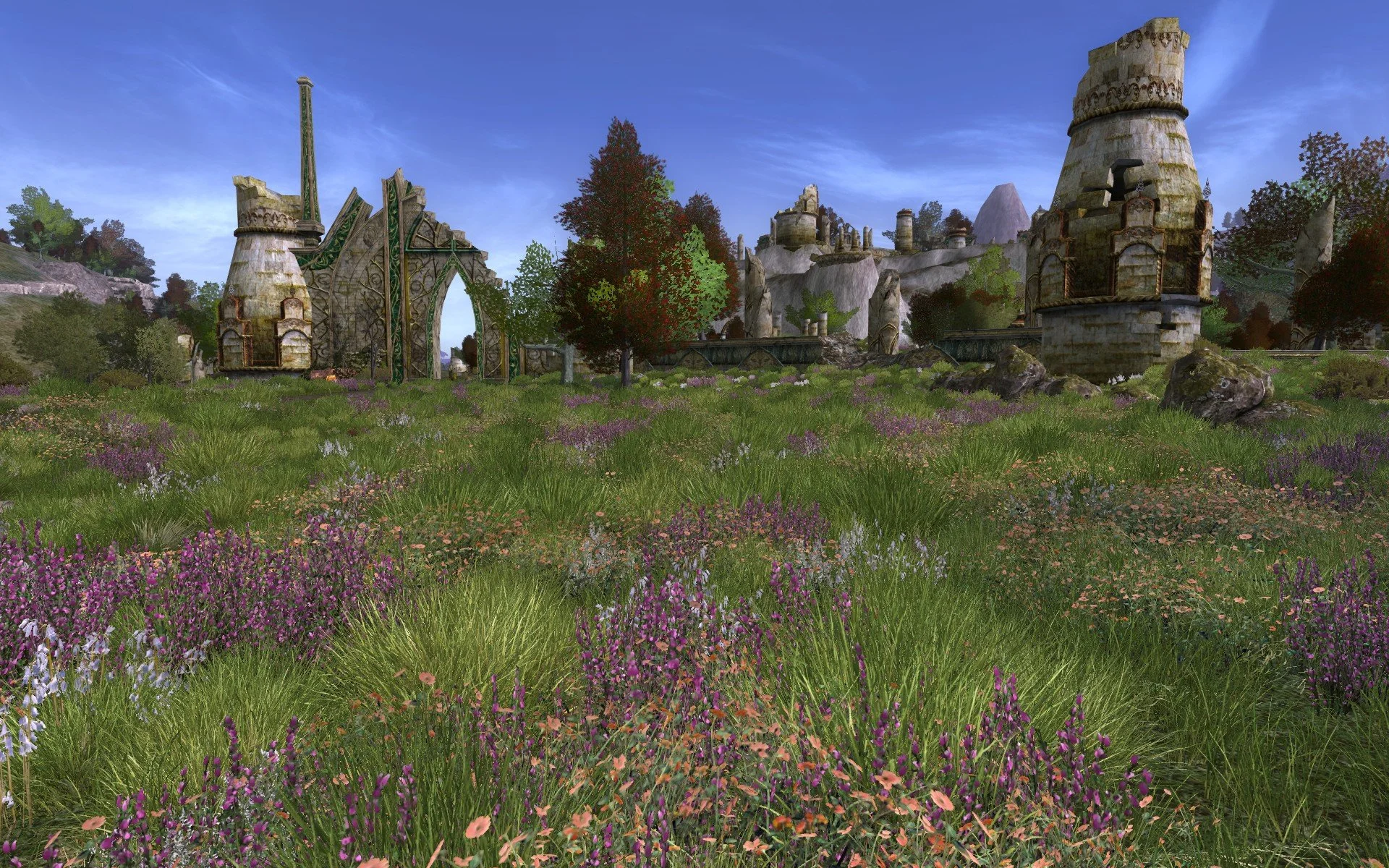
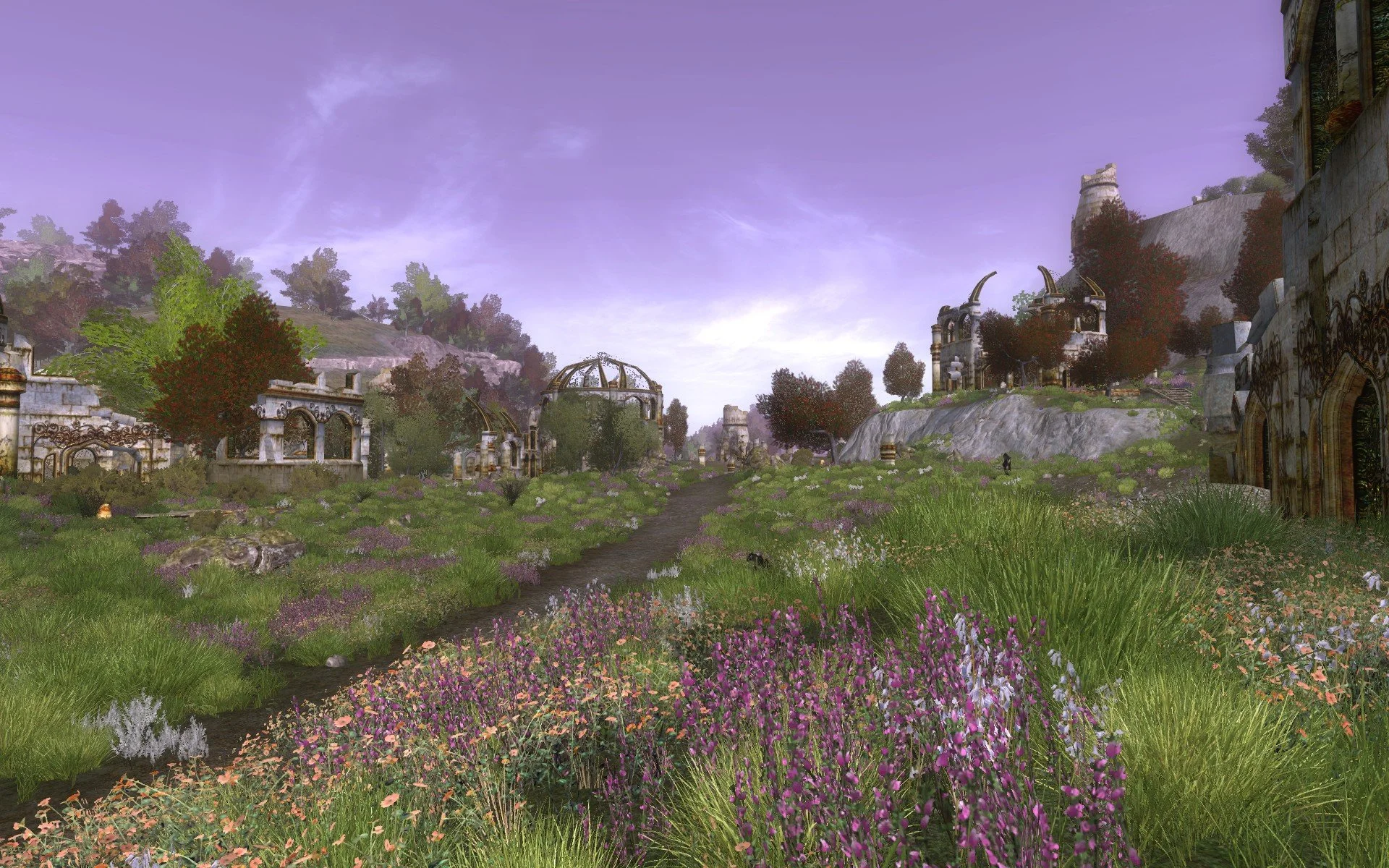
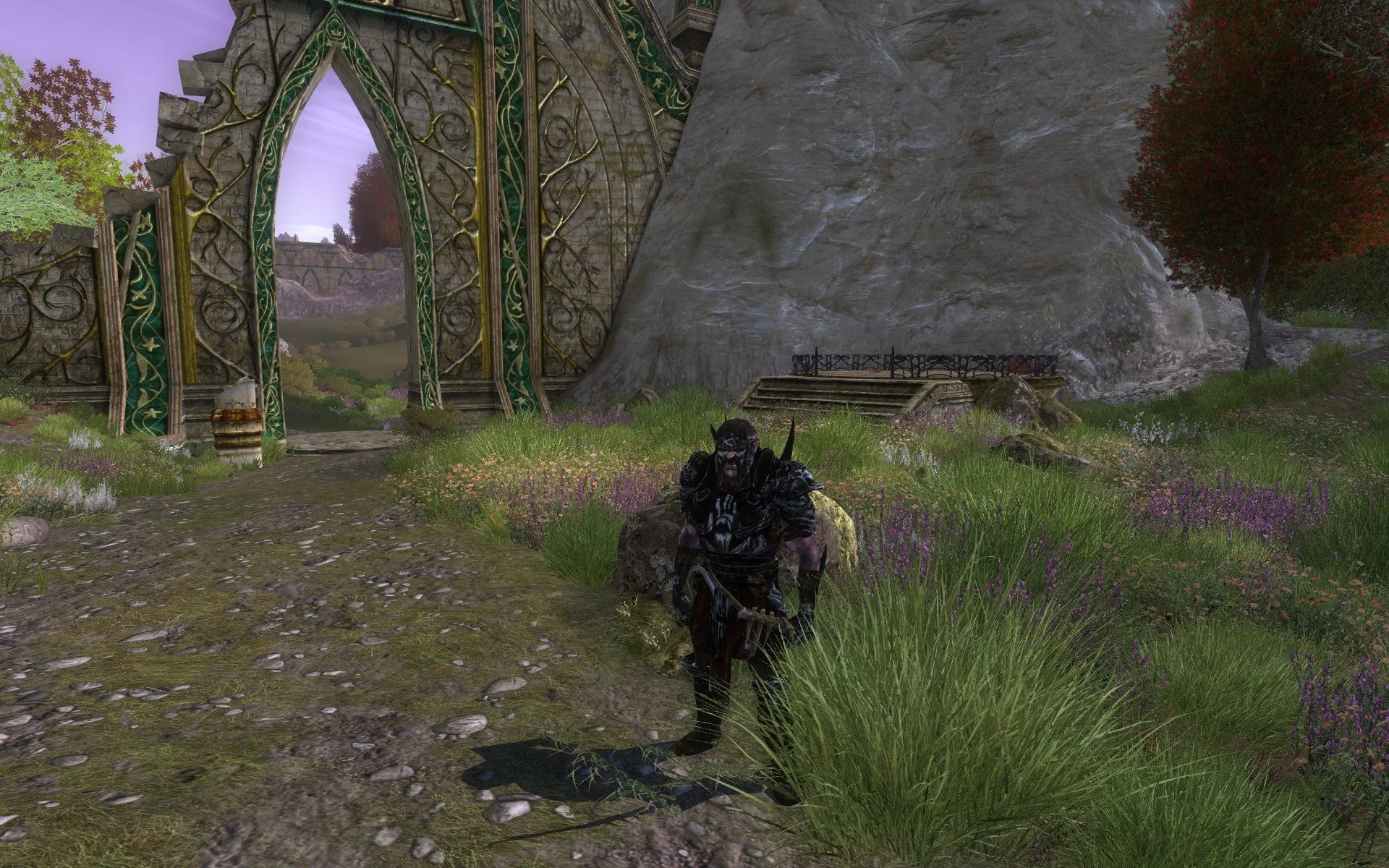
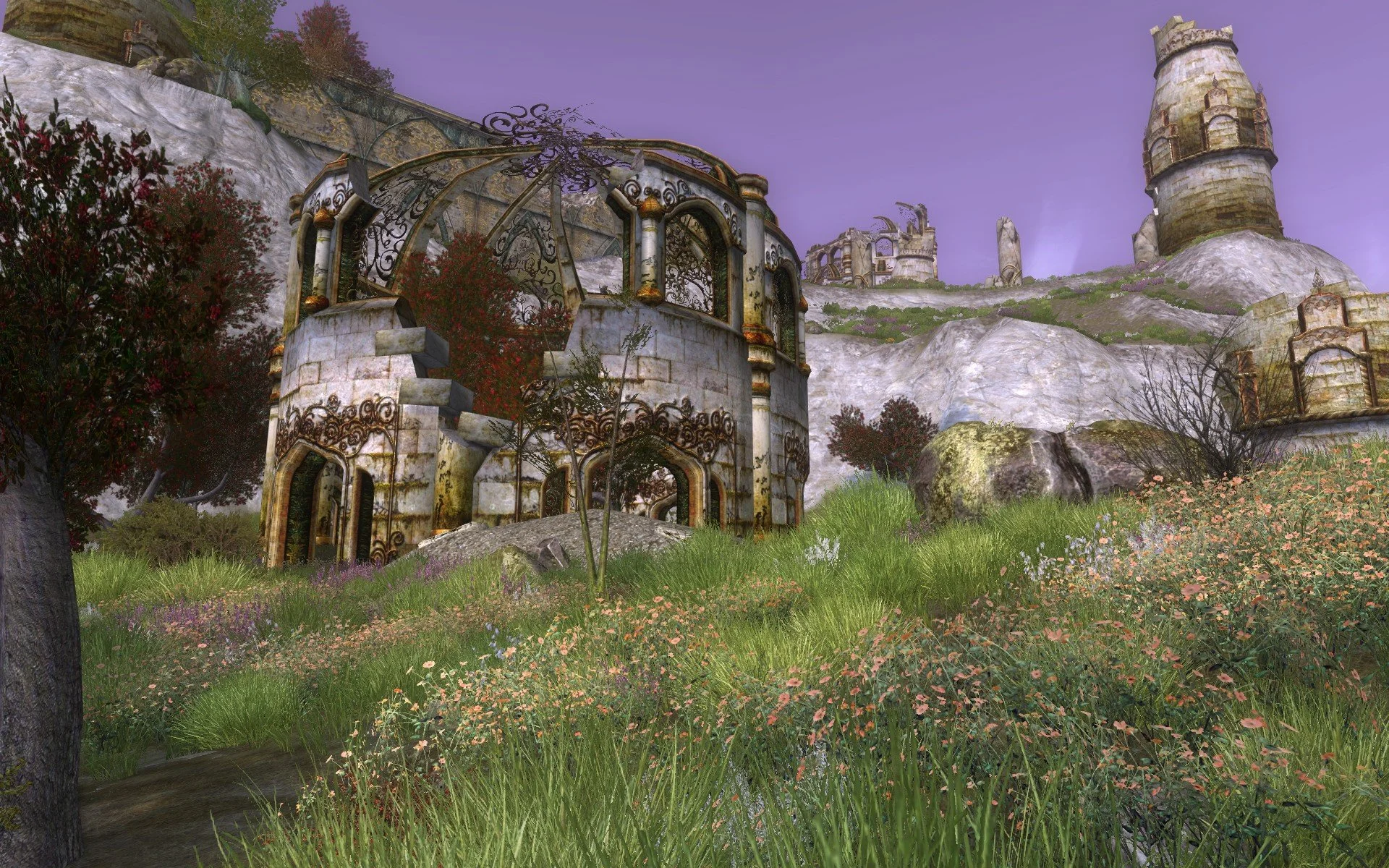
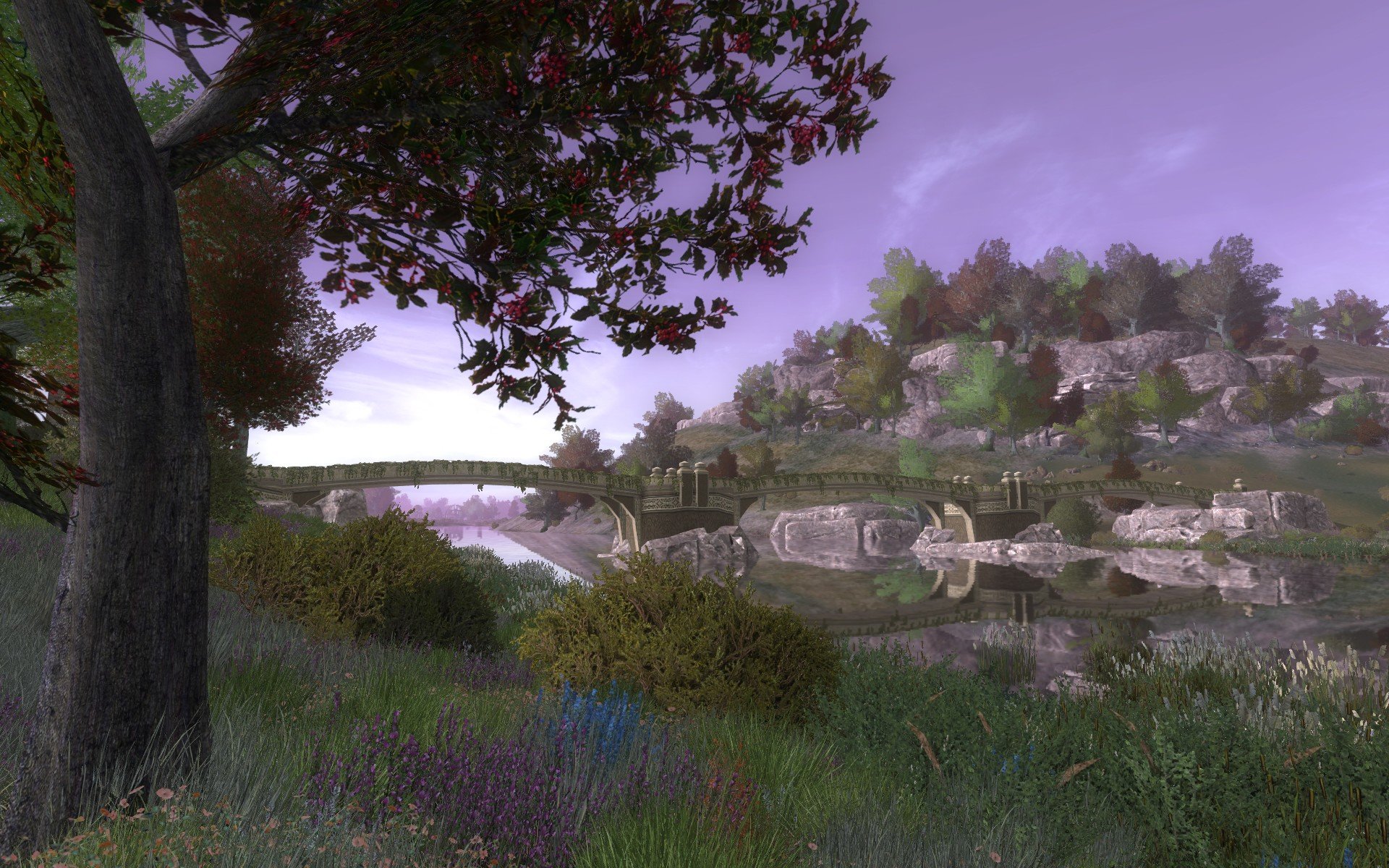
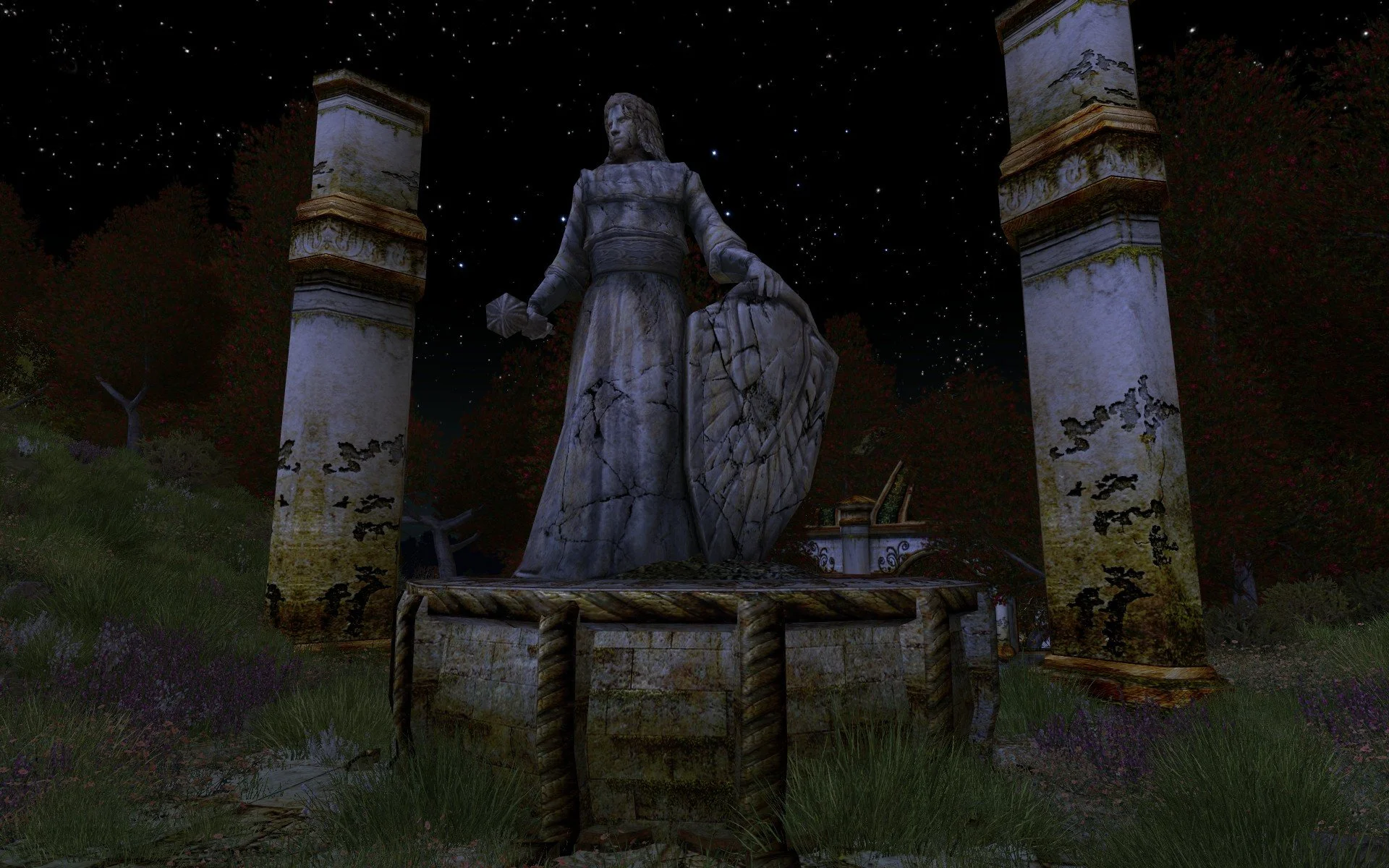
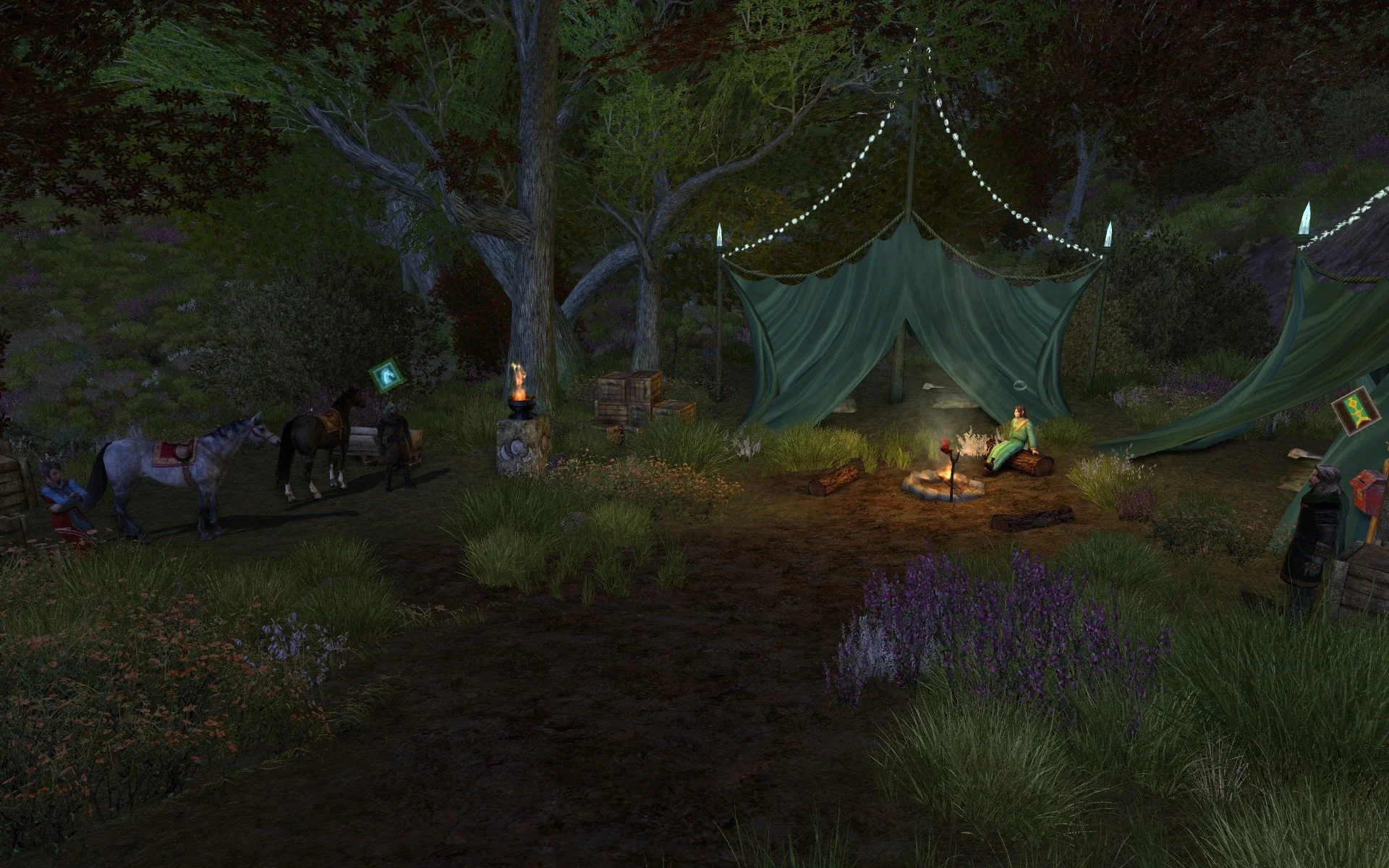
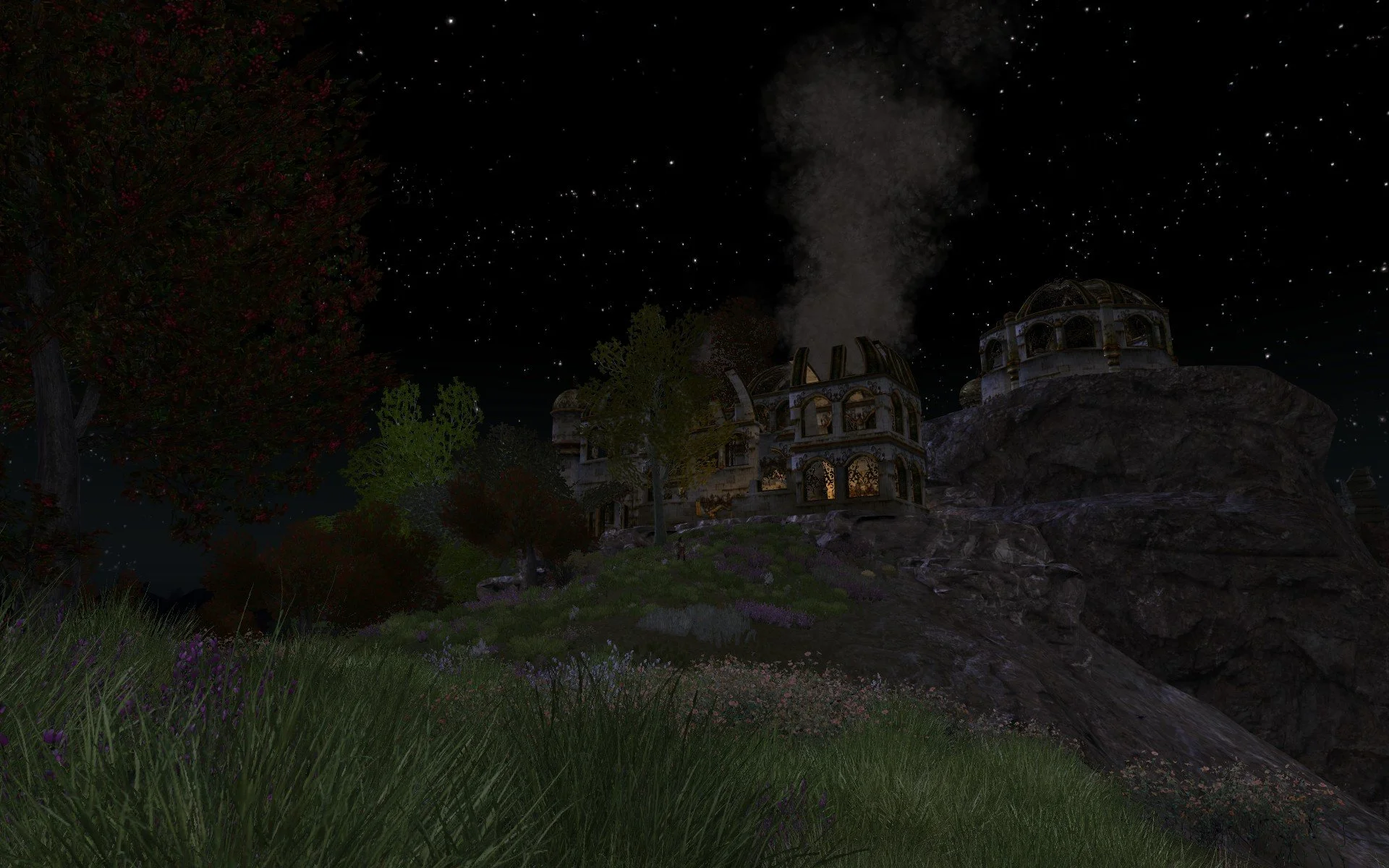
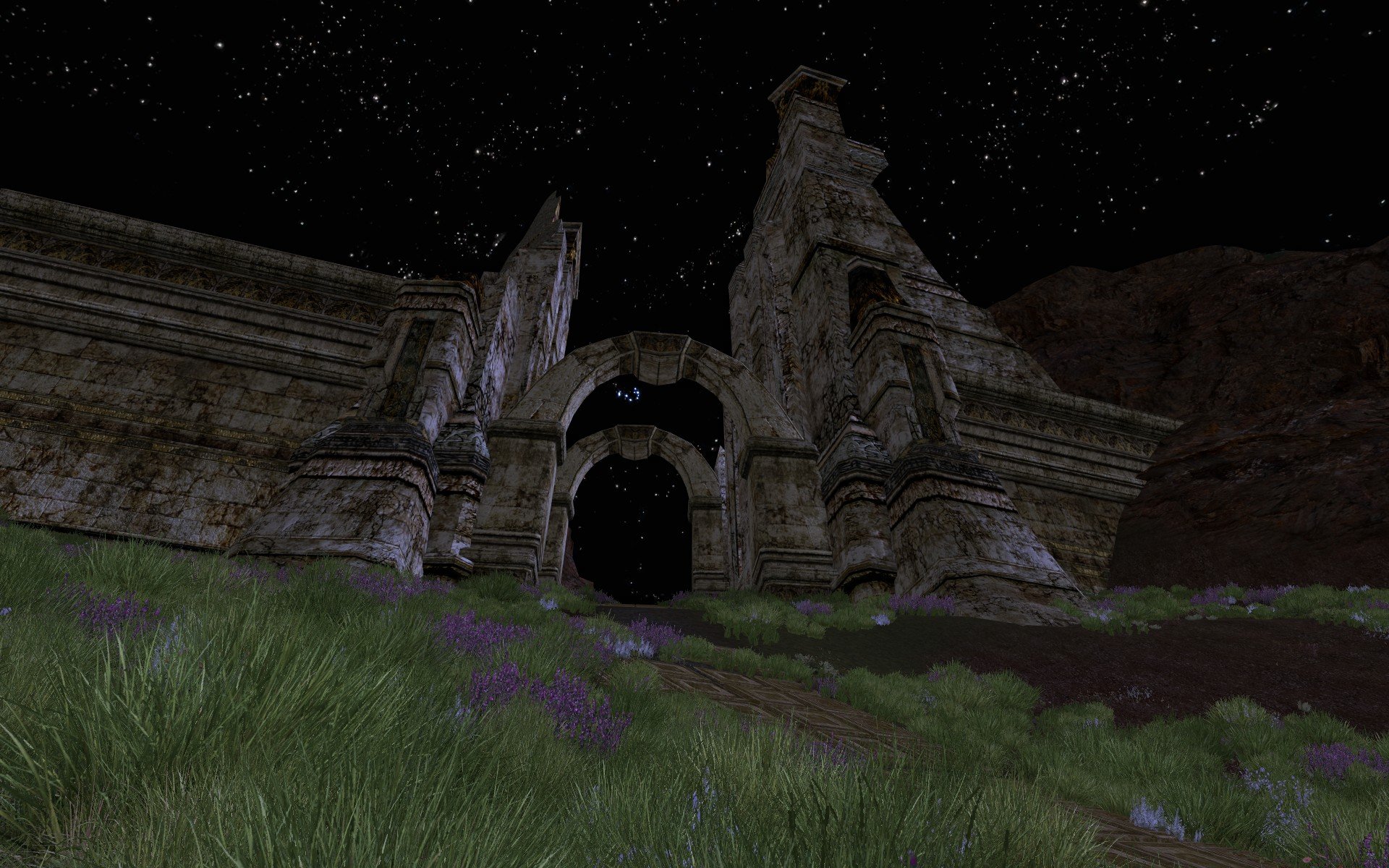
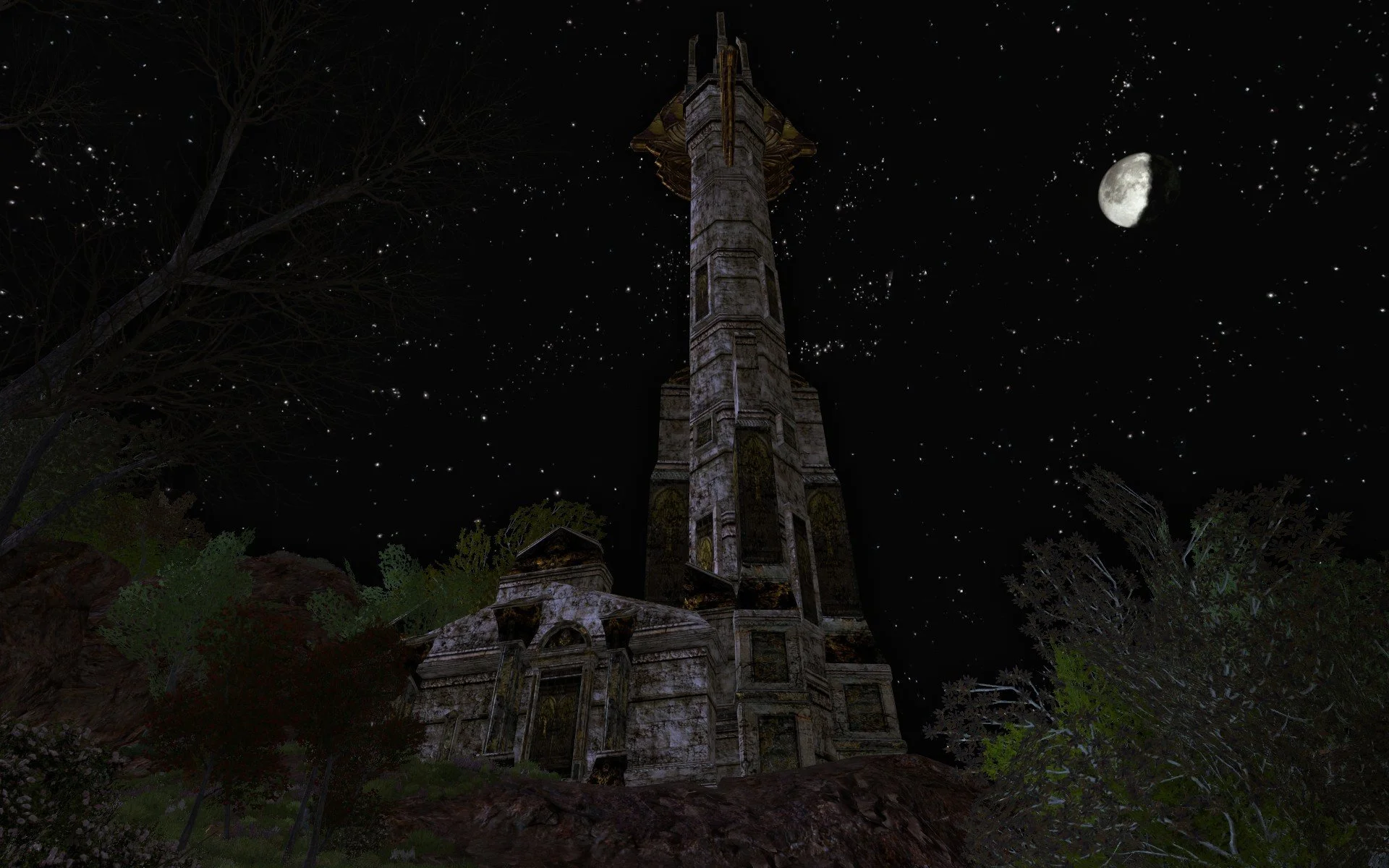
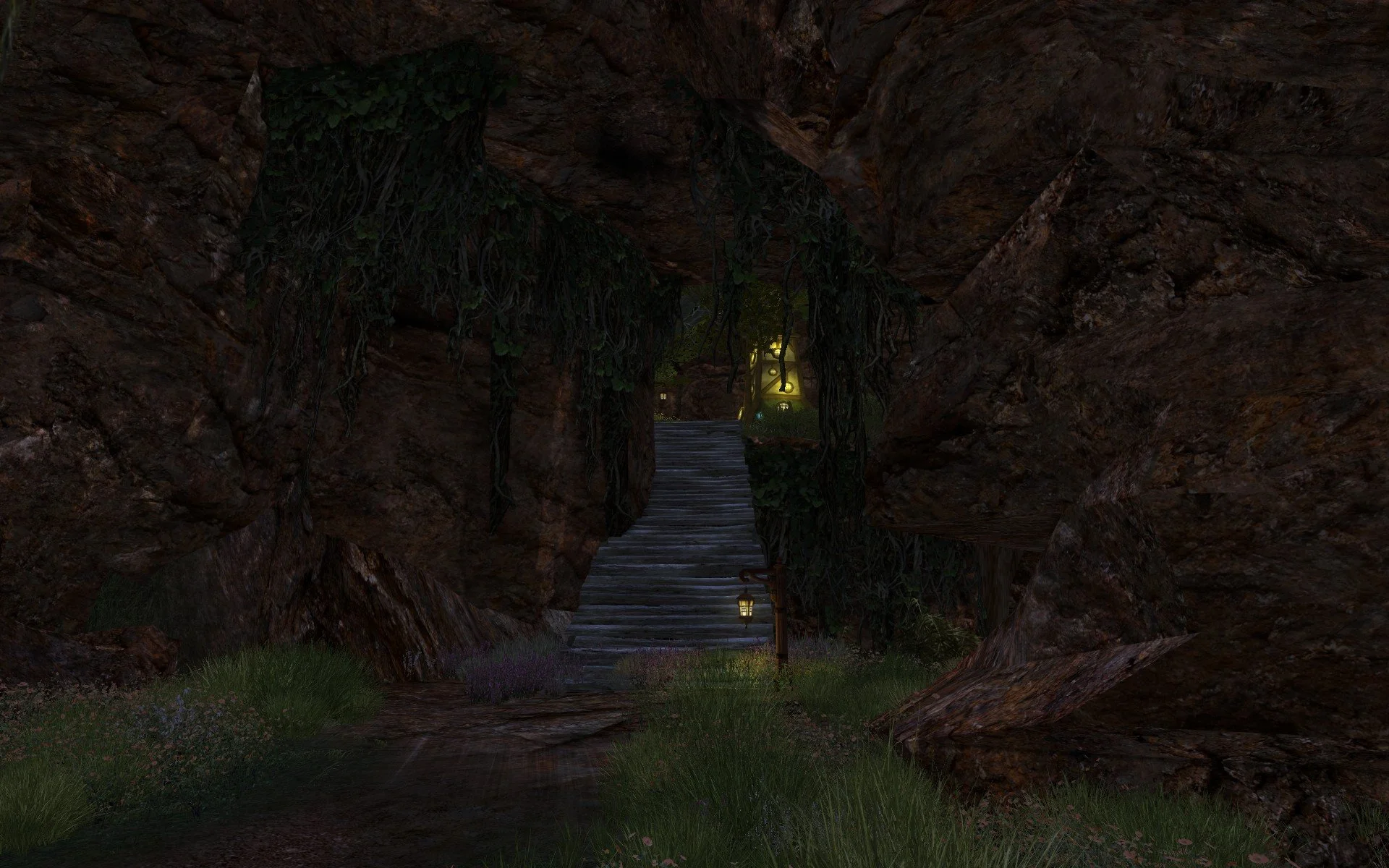
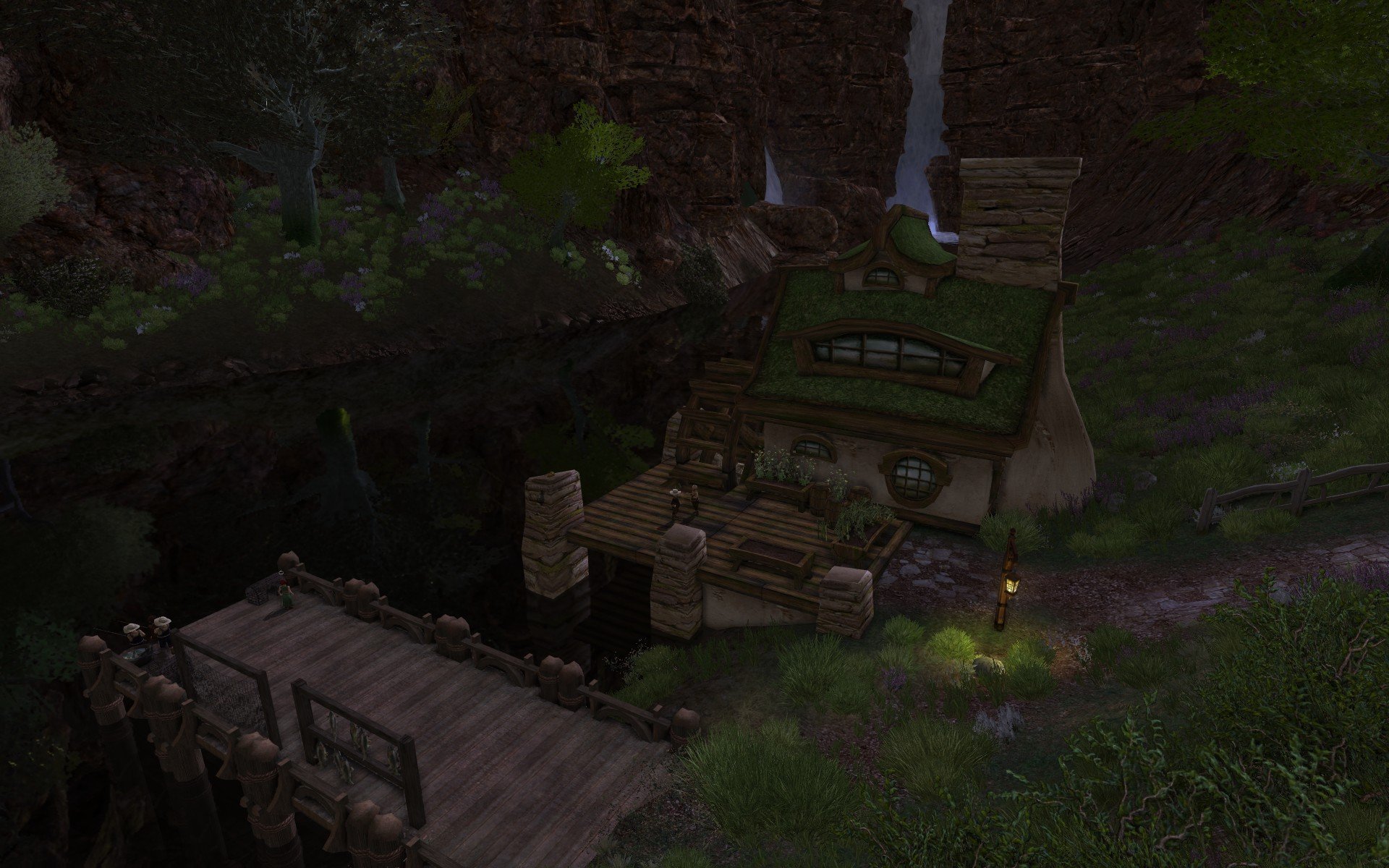
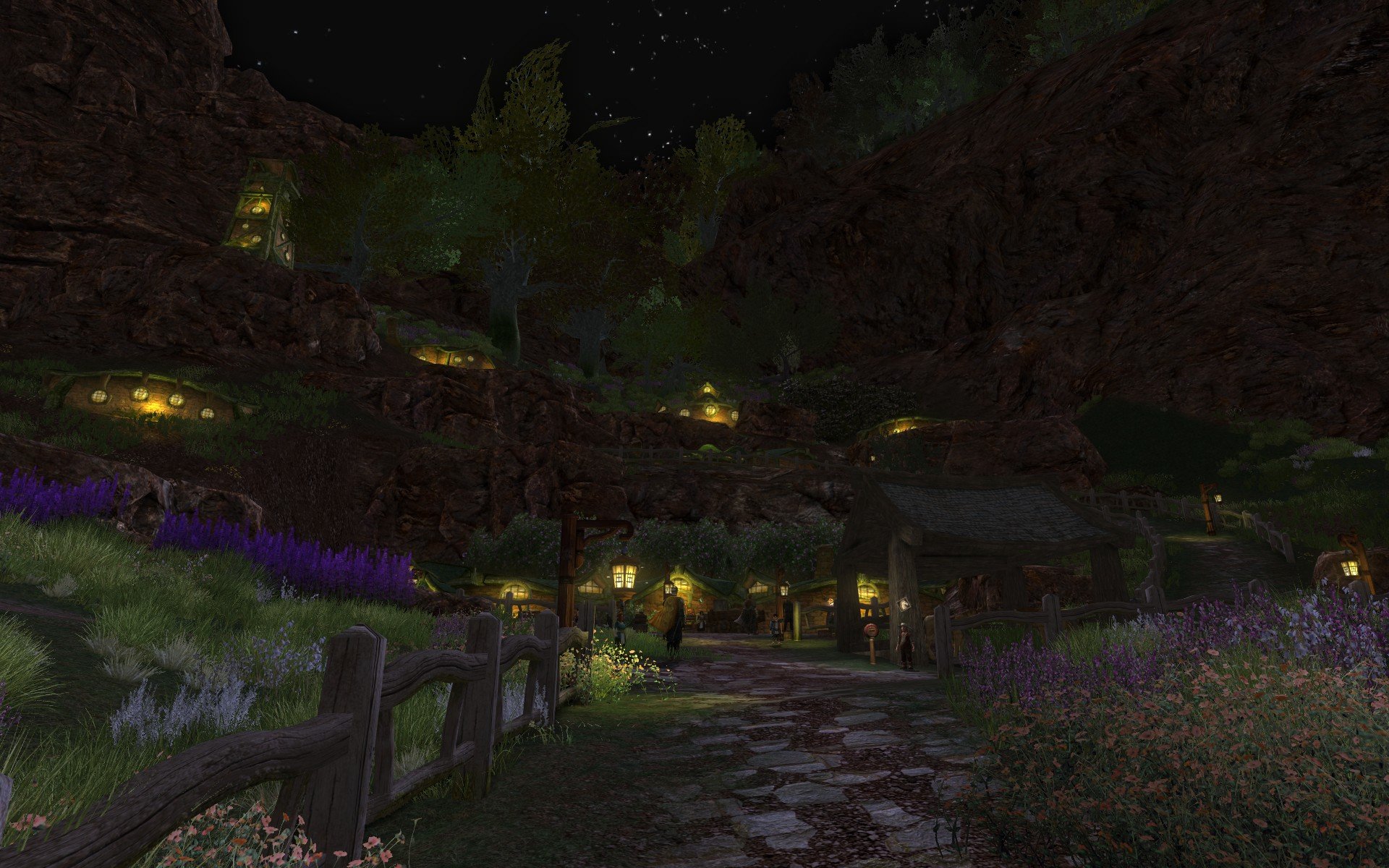
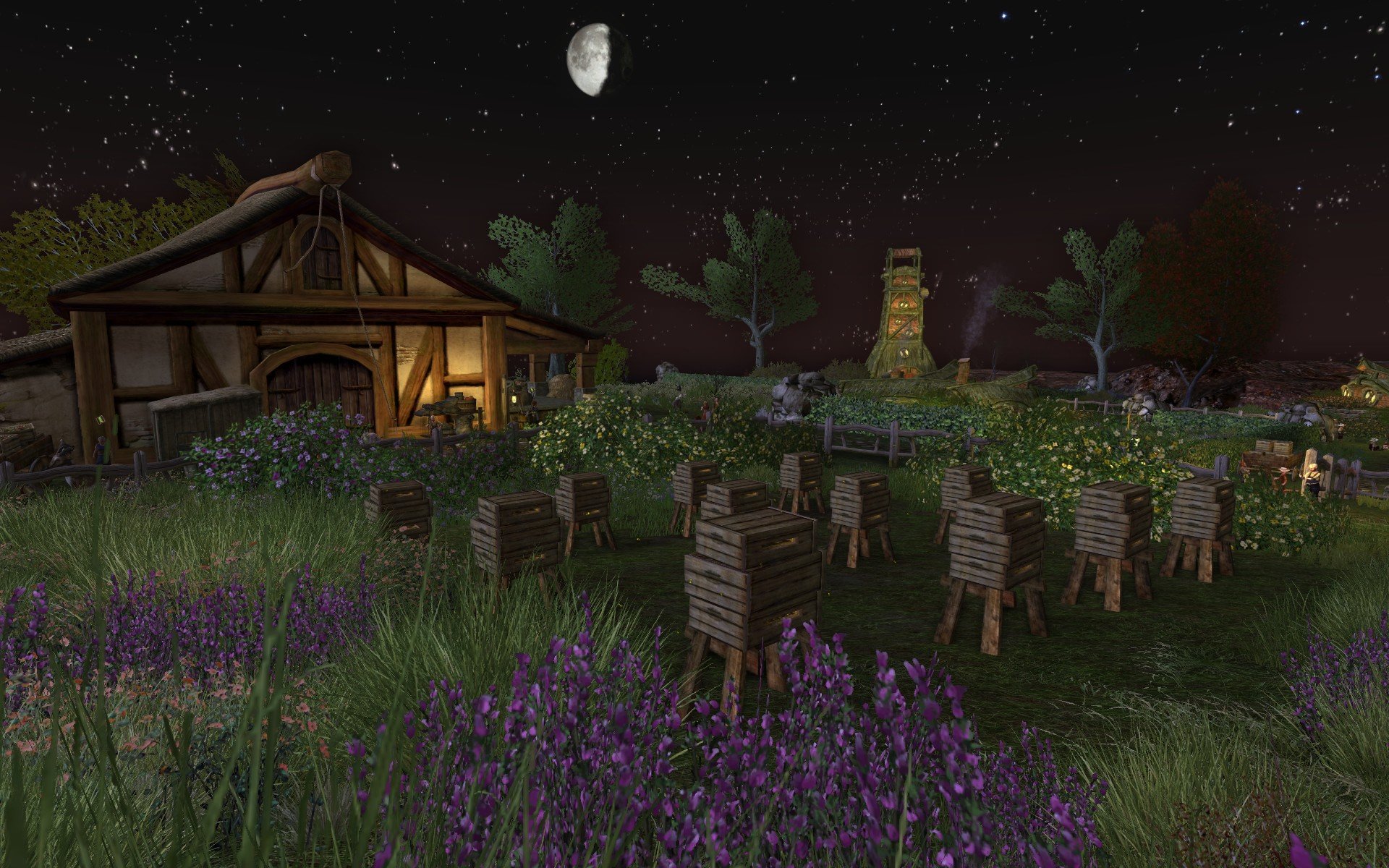
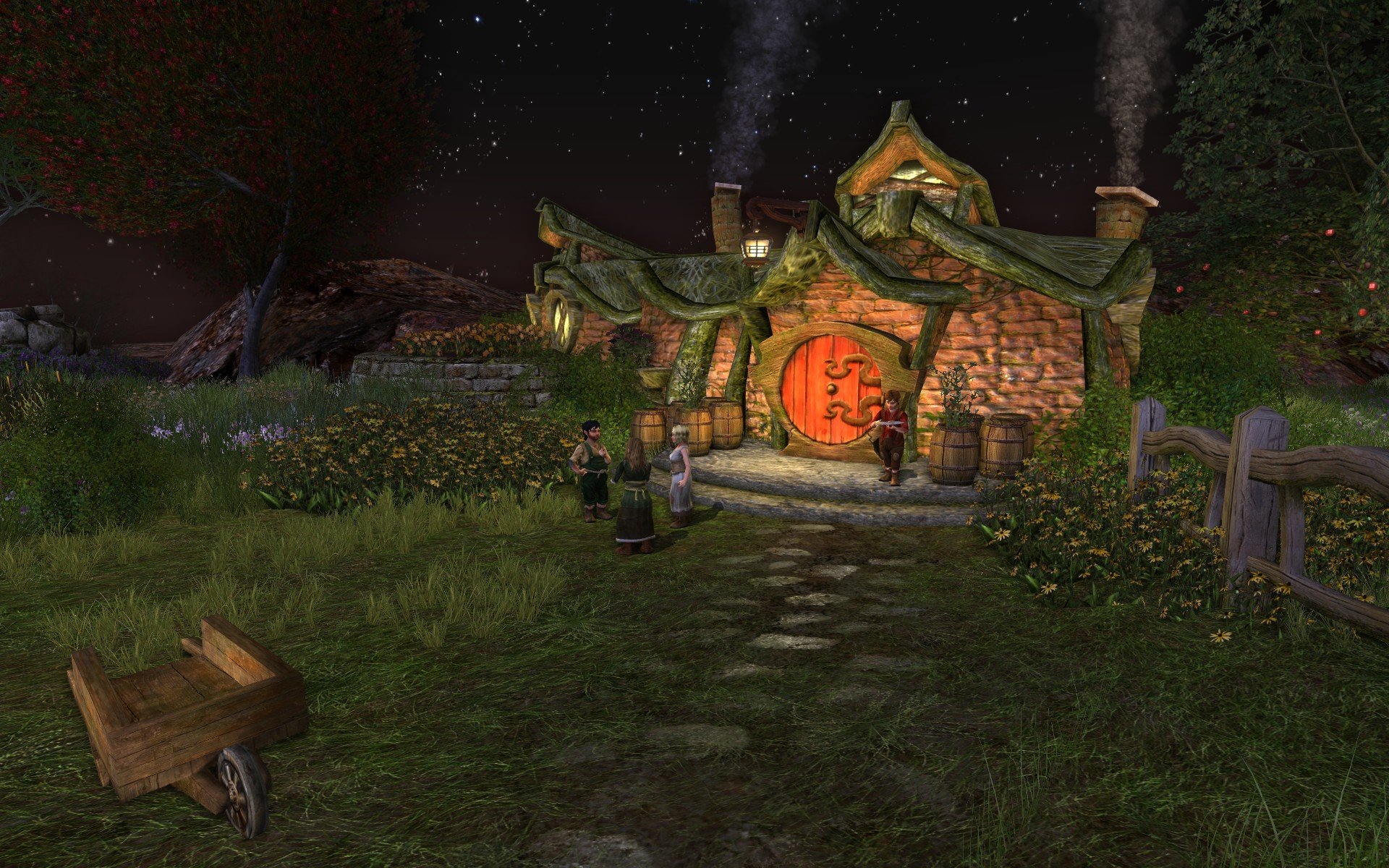
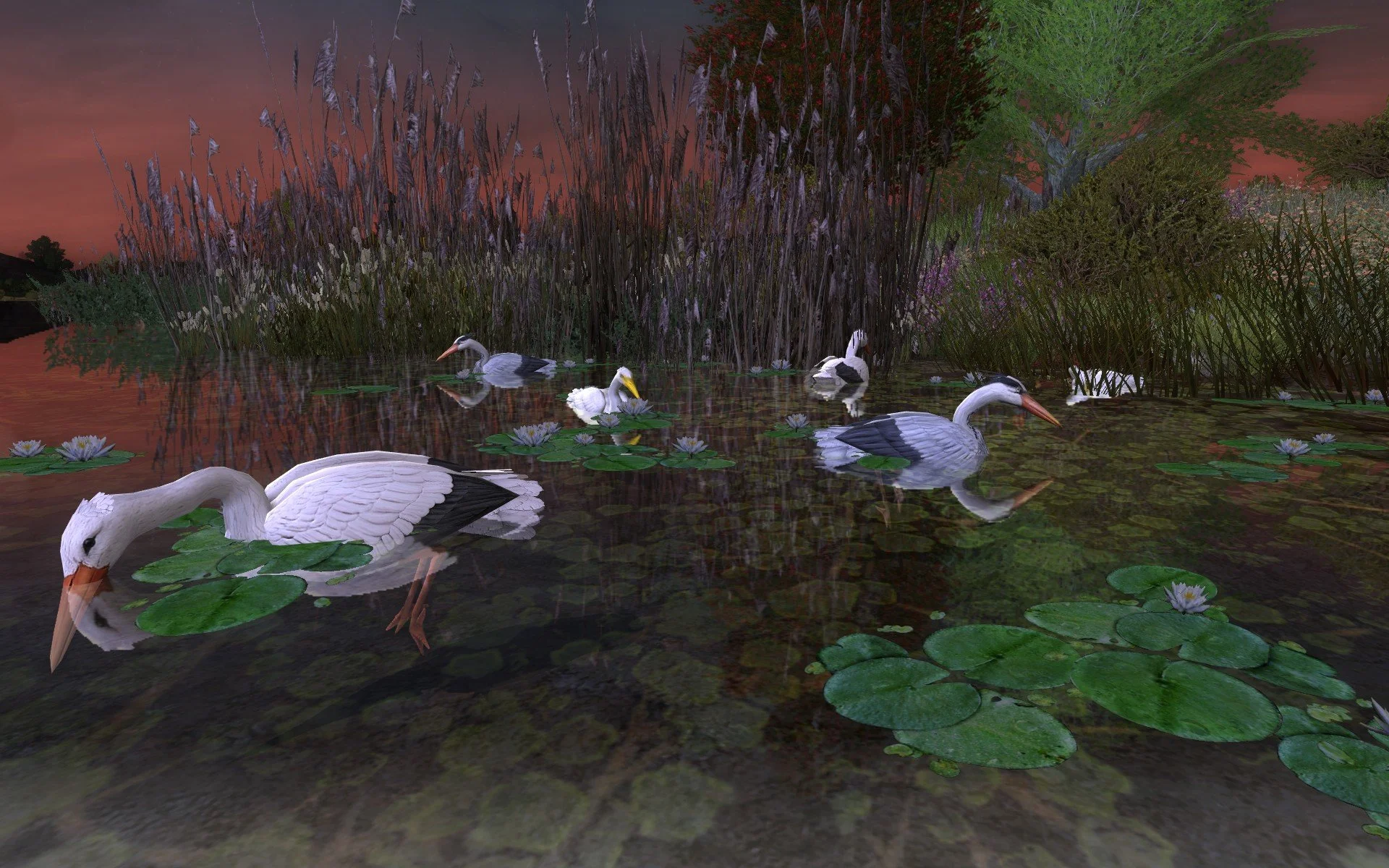
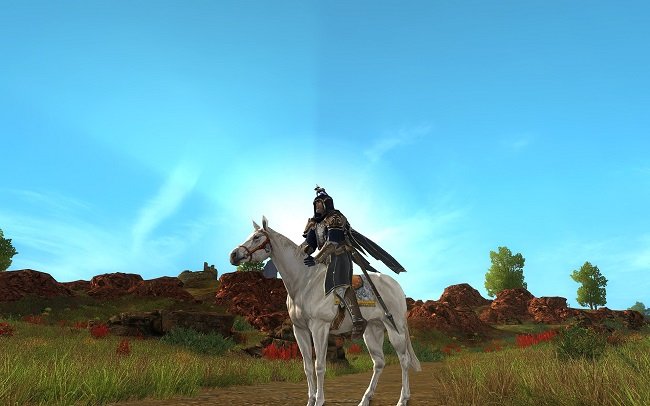
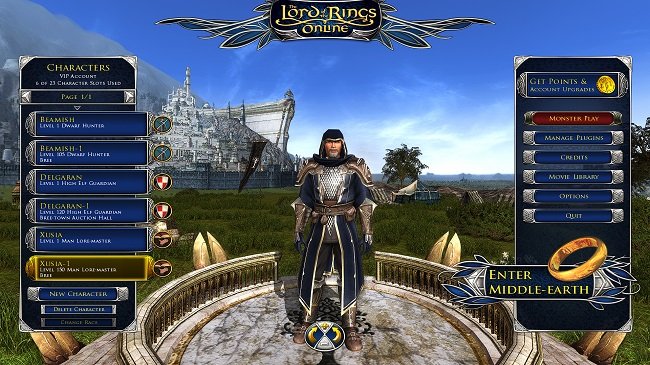
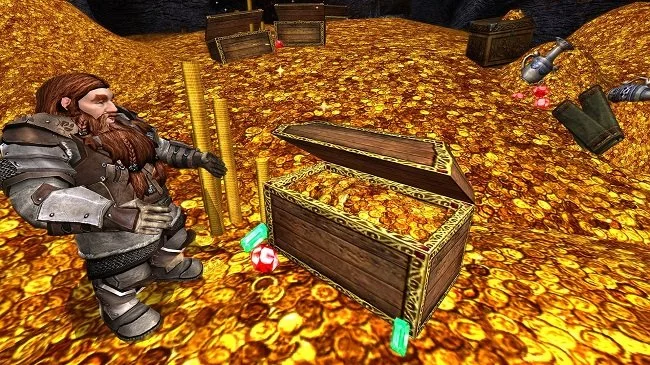
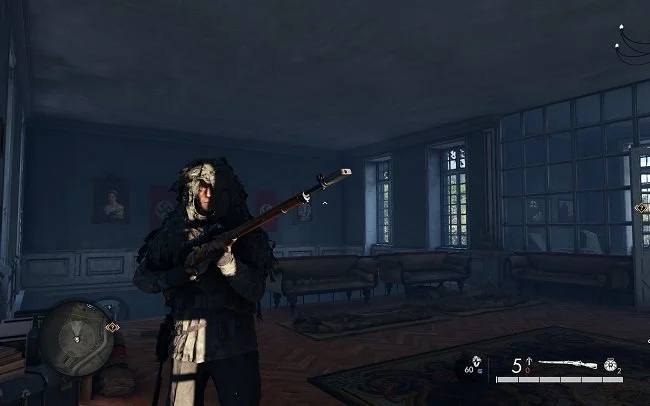
In addition to the pictures in this post, here is a link to a gallery of screenshots via Google Photos. All are available at the original screen resolution of 1920 x 1200.






Star Trek Online: Ascension
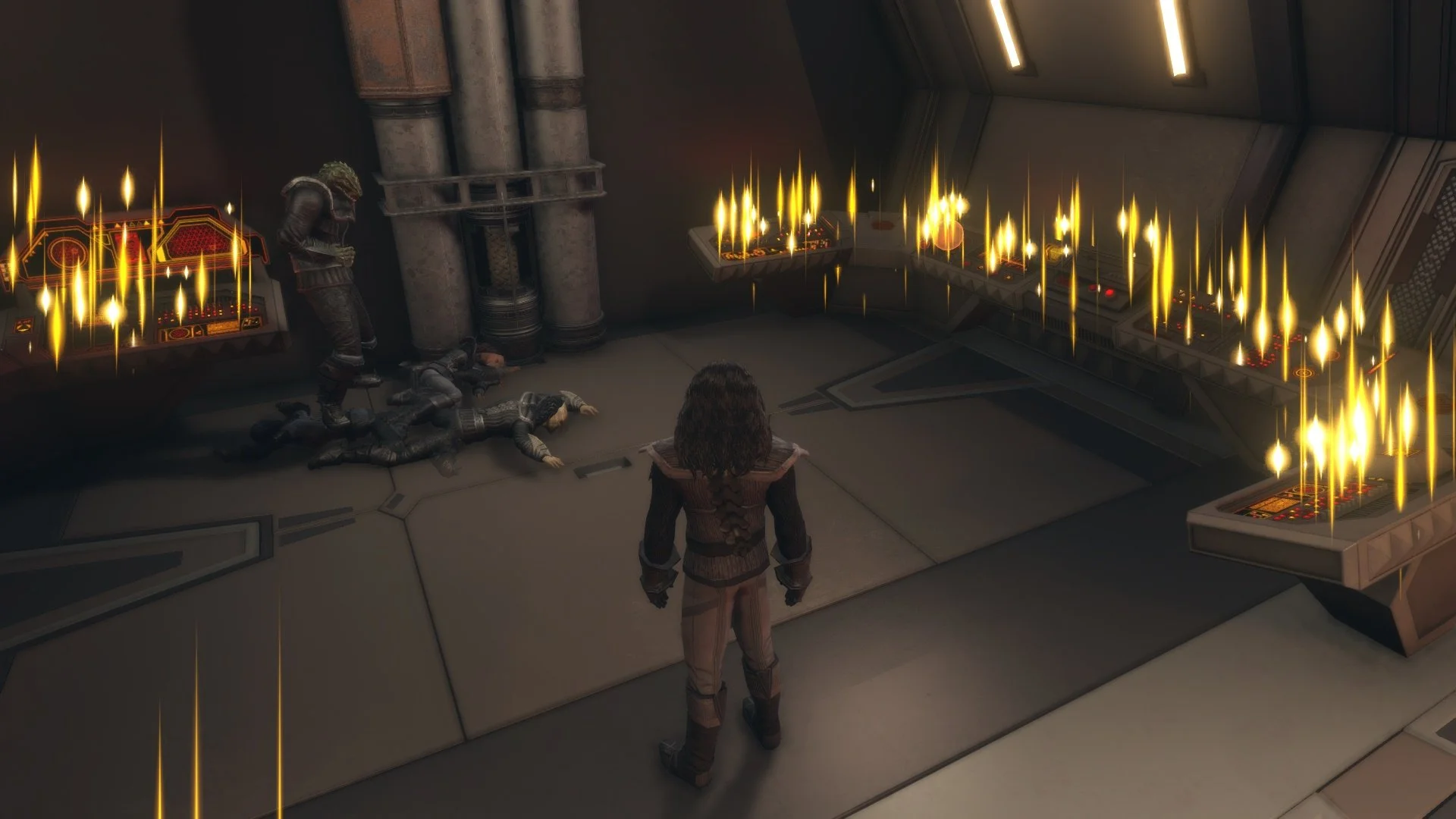
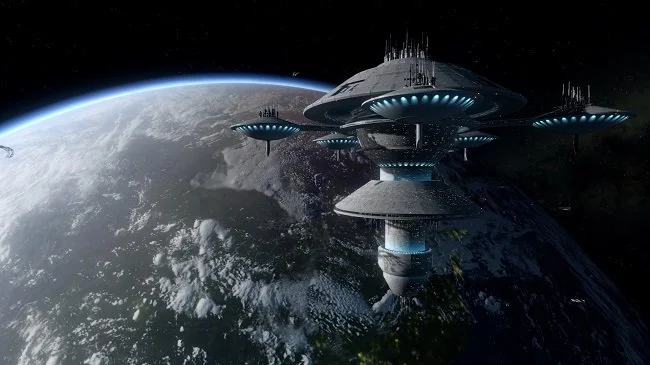
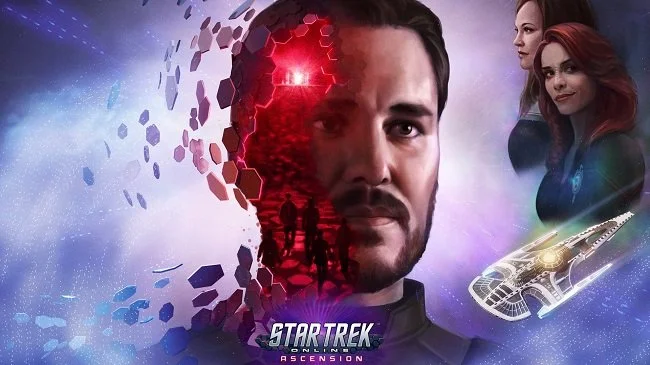
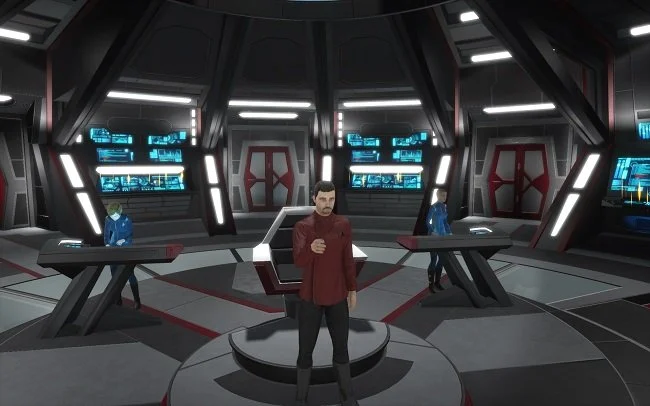
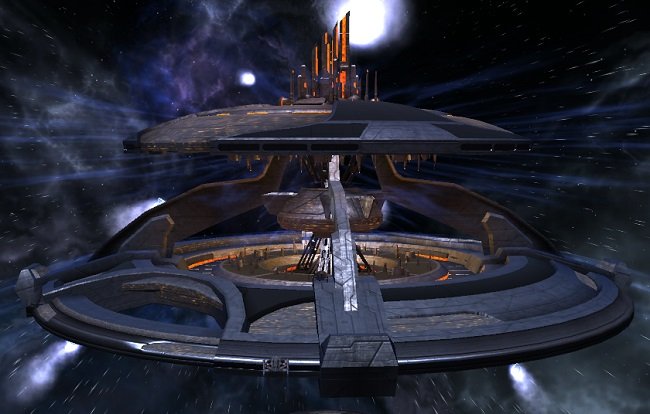
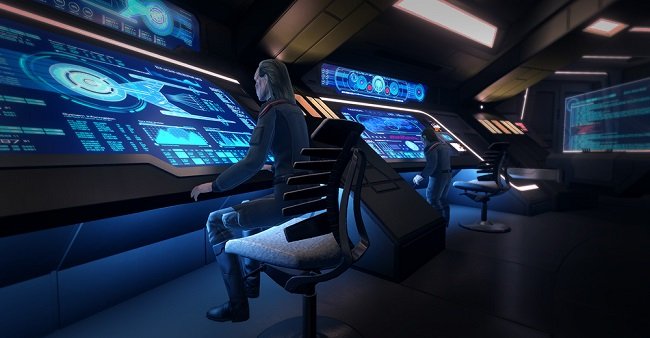
This afternoon Cryptic launched the latest season update, Ascension, for the MMORPG Star Trek Online. Furthermore, I’m sure it will not come as a shock to long term players that it was broken and an emergency patch had to be applied. Oh how we all laughed. Even after being “fixed” players are still experiencing bugs with the new content, especially the ground mission part of the update, but this sadly is just par for the course. Personally speaking, it is not the bugs that I have a problem with as they are just part of the overall gaming experience when playing STO. What I am saddened about is the actual gameplay found in Ascension. The space combat section of the game is simply “more of the same”. Destroy some specific vessels and once the goal has been met, watch the cutscene. But the ground combat is especially uninspired and repetitive, despite its interesting setting.
This afternoon Cryptic launched the latest season update, Ascension, for the MMORPG Star Trek Online. Furthermore, I’m sure it will not come as a shock to long term players that it was broken and an emergency patch had to be applied. Oh how we all laughed. Even after being “fixed” players are still experiencing bugs with the new content, especially the ground mission part of the update, but this sadly is just par for the course. Personally speaking, it is not the bugs that I have a problem with as they are just part of the overall gaming experience when playing STO. What I am saddened about is the actual gameplay found in Ascension. The space combat section of the game is simply “more of the same”. Destroy some specific vessels and once the goal has been met, watch the cutscene. But the ground combat is especially uninspired and repetitive, despite its interesting setting.
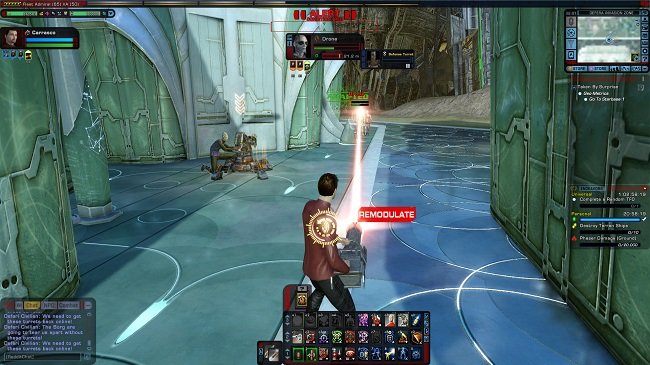
Warning: Plot Spoilers (although Cryptic have given away all these details themselves, already). The Terran Emperor of the Mirror Universe, Wesley Crusher and yes you did read that correctly, is planning to join with the Mirror version of V’Ger, known as The Other. Obviously such a “melding” will not lead to such benevolent results as it did in Star Trek: The Motion Picture. During the course of Ascension, is a ground mission set within the core of The Other, where you play a Mirror version of your own alt. This character called The Inquisitor assists the Emperor’s away team. However, as this is some form of session play, you only have access to a bespoke and somewhat basic set of skills on your quickbar. So say goodbye to your own personal build and kit skills. And if that wasn’t a sufficient pain in the ass, you can’t even toggle your weapon to autofire.
Thus, while in this “gimped” state you then have to contend with a set of lacklustre tasks, such as turning off six power nodes before worker drones can bring them back online. It is a race that can be successfully done if you can figure out the shortest and most efficient route. If you don’t, then multiple drones will spawn and interrupt you, while you desperately try to catch up. The key to success is not to stand next to the power nodes but to get as close to them until the power off button appears on your screen. Hence there is a shorter optimal route that will allow you to complete the task before too many drones spawn. However, all of this still has to be undertaken with STO’s janky aim controls, while getting caught up in the environment for no discernible reason (a common bug in the game). It is far from fun and if you don’t know the workaround, very, very repetitive.
There’s nothing wrong with the story and as always, the voice acting by original cast members (in this case Wil Wheaton) is top notch. It’s just that the nuts and bolts of the game is incredibly uninventive. The V’ger, sorry The Other, environments are very well realised but just shooting wave after wave of generic drones is as dull as ditch water. It is a fact of life about the MMO genre that there is a limited amount of interactions you can make within gameplay. The key is in the creative way you “dress up” these interactions, so although they may be simple, they don’t come across that way within the context of the wider story. It is this specific element that is missing in Ascension. I do hope that Cryptic tries better than this next time. There is so much content in STO, such as the entire Agents of Yesterday expansion, that is exemplary. This is the standard that should be aimed for.
LOTRO: Coming Changes to Race and Class Choice
Standing Stone Games are currently testing the second beta build of Update 33.2 on their The Bullroarer Test Server. The latest patch notes indicate that there are some major changes coming to the MMORPG, The Lord of the Rings Online. The proposed Minstrel class changes are proving controversial and I suspect that there will be a strong degree of pushback from players. As I have not played this particular class, I am not in a position to express an informed opinion but reading comments both on the official forums and on Reddit, I think players have legitimate concerns. Changing and rebalancing class skills and in any way altering the status quo, never goes down well as you can never please everyone. It will be interesting to see if SSG take on board player comments or push ahead with their proposed changes regardless.
Standing Stone Games are currently testing the second beta build of Update 33.2 on their The Bullroarer Test Server. The latest patch notes indicate that there are some major changes coming to the MMORPG, The Lord of the Rings Online. The proposed Minstrel class changes are proving controversial and I suspect that there will be a strong degree of pushback from players. As I have not played this particular class, I am not in a position to express an informed opinion but reading comments both on the official forums and on Reddit, I think players have legitimate concerns. Changing and rebalancing class skills and in any way altering the status quo, never goes down well as you can never please everyone. It will be interesting to see if SSG take on board player comments or push ahead with their proposed changes regardless.
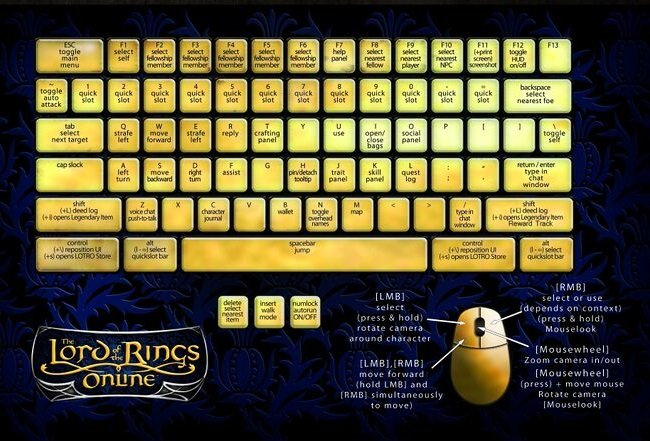
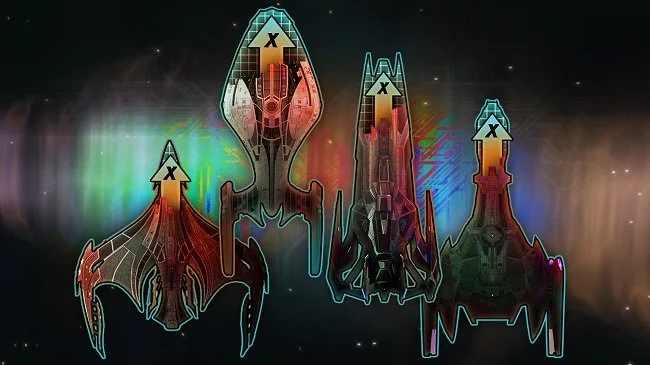
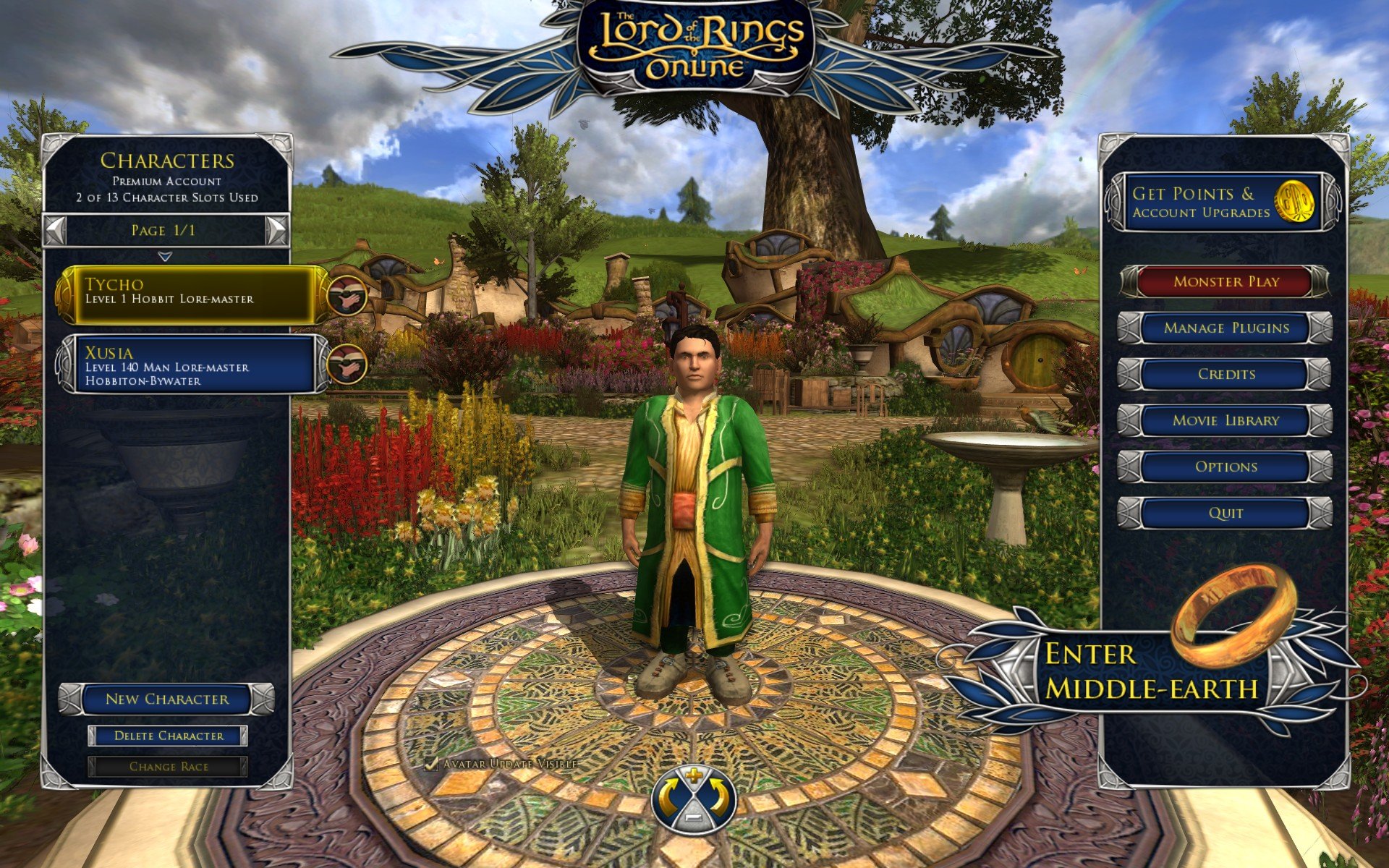
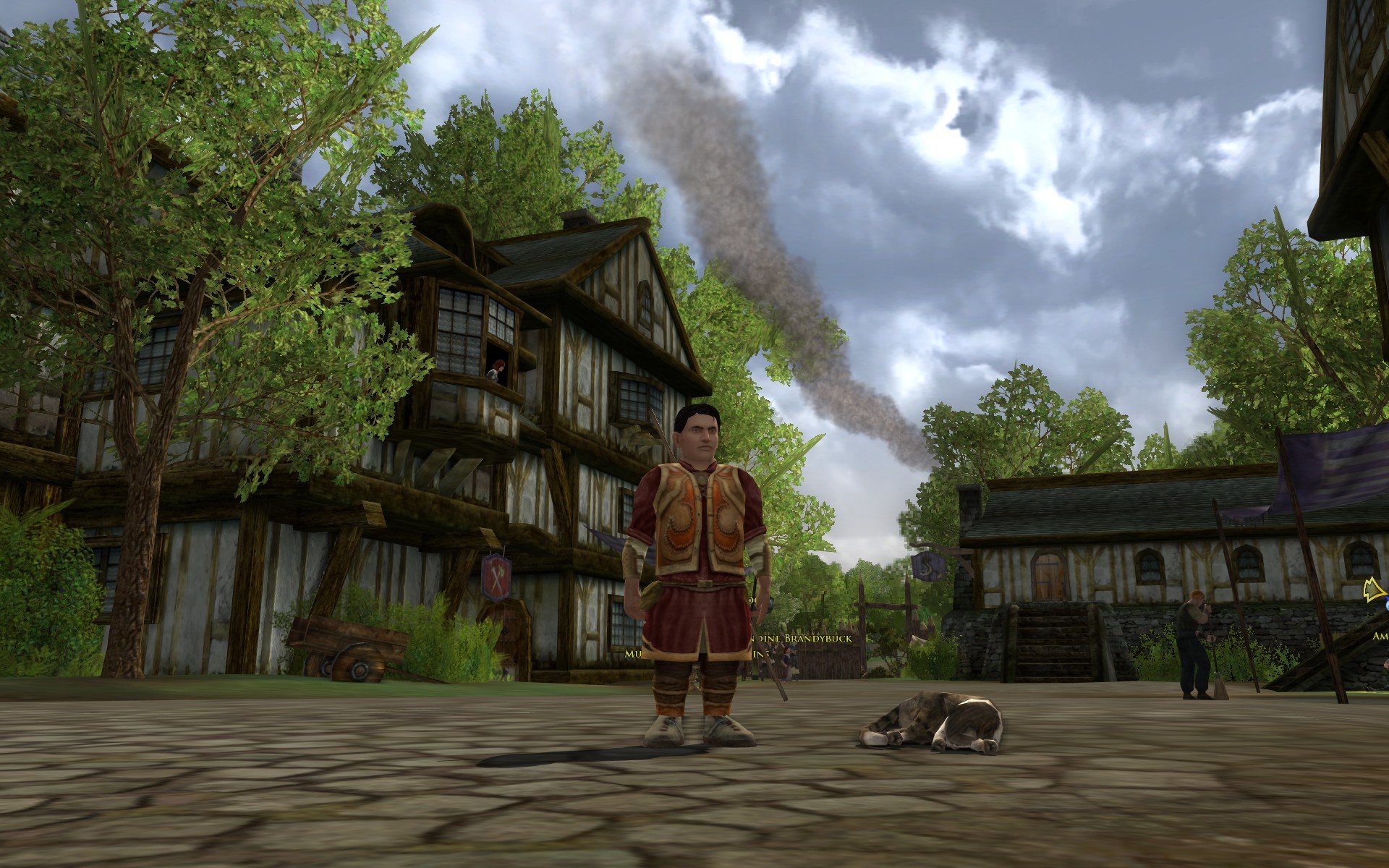
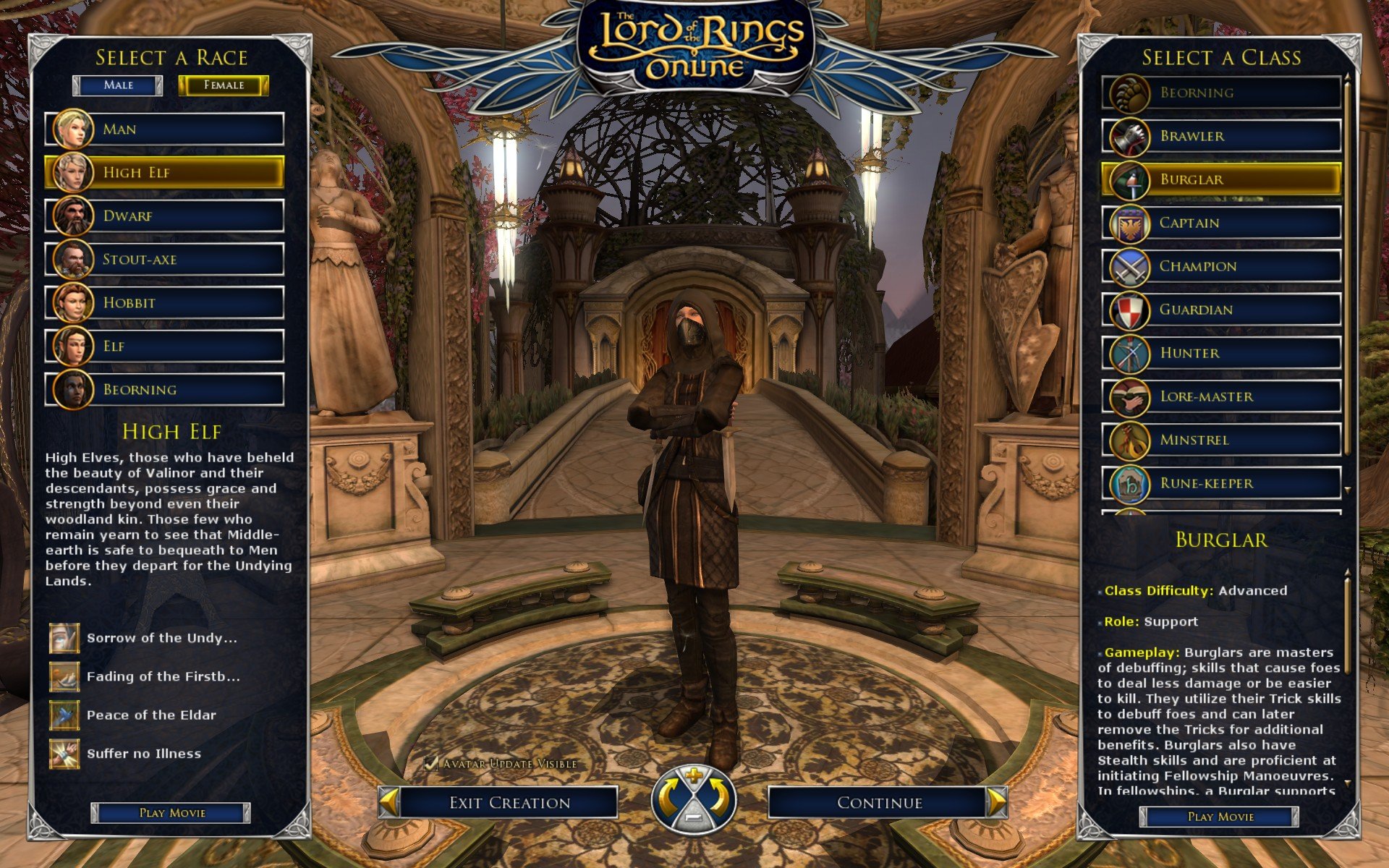
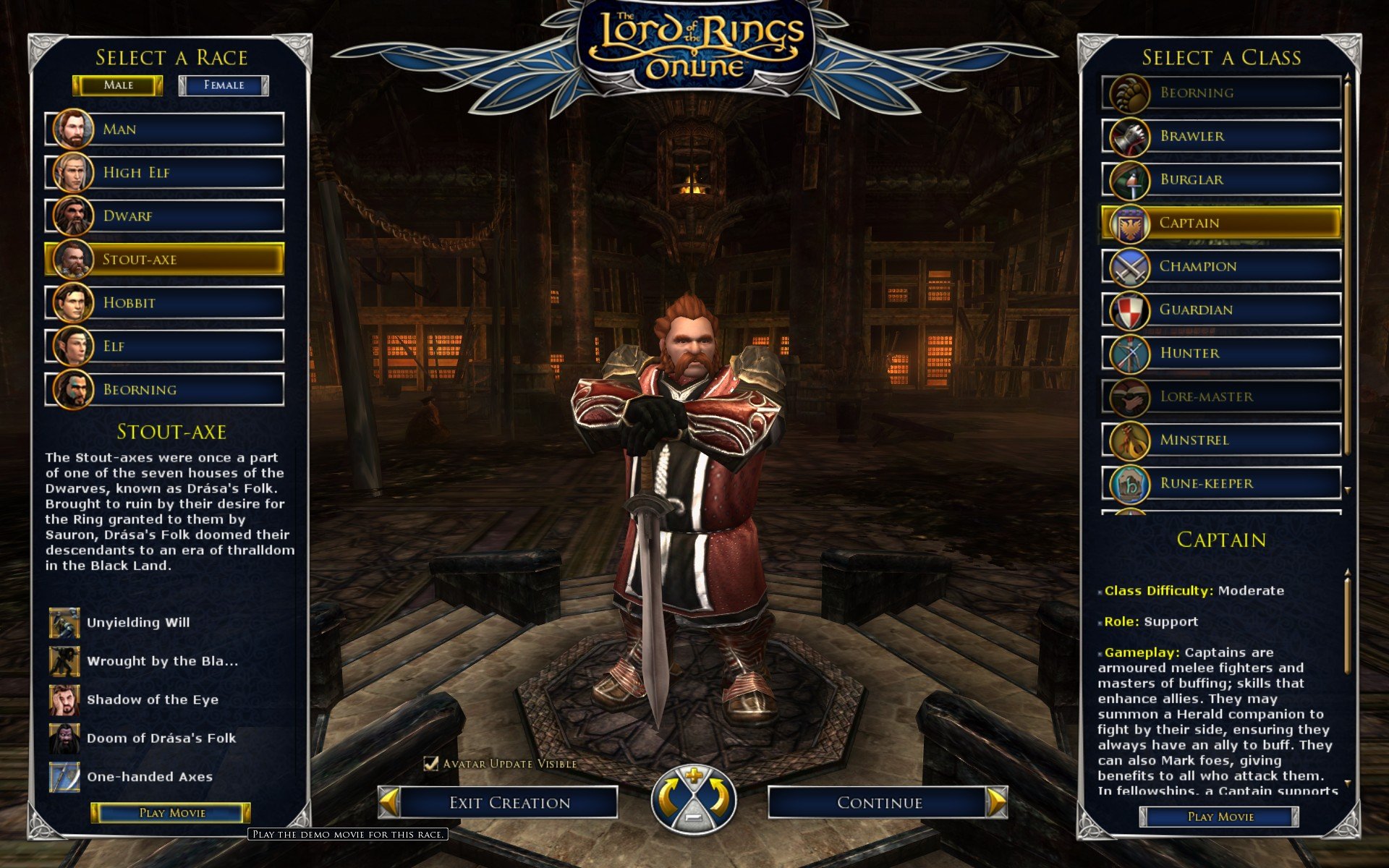
However, there are some positive changes included in Update 33.2 such as the removal of racial restrictions to the class system. To date the various classes in LOTRO have been subject to a specific set of race restrictions (please see the image below), which have been justified over the years on lore grounds by SSG. This has always been debated by some of the player community, who feel if the game can be “flexible” with the lore in some areas, why not in others? It would appear that SSG have listened and the update now allows for the following race and class permutations. Dwarf/Stout-axe Captain and Warden. Elf/High Elf Burglar. Hobbit Lore-master and Champion. Human Rune-keeper. The Beorning race remains unique These changes bring the remaining classes inline with the Brawler which is available to all permutations of Elf, Dwarf, Hobbit and Man.
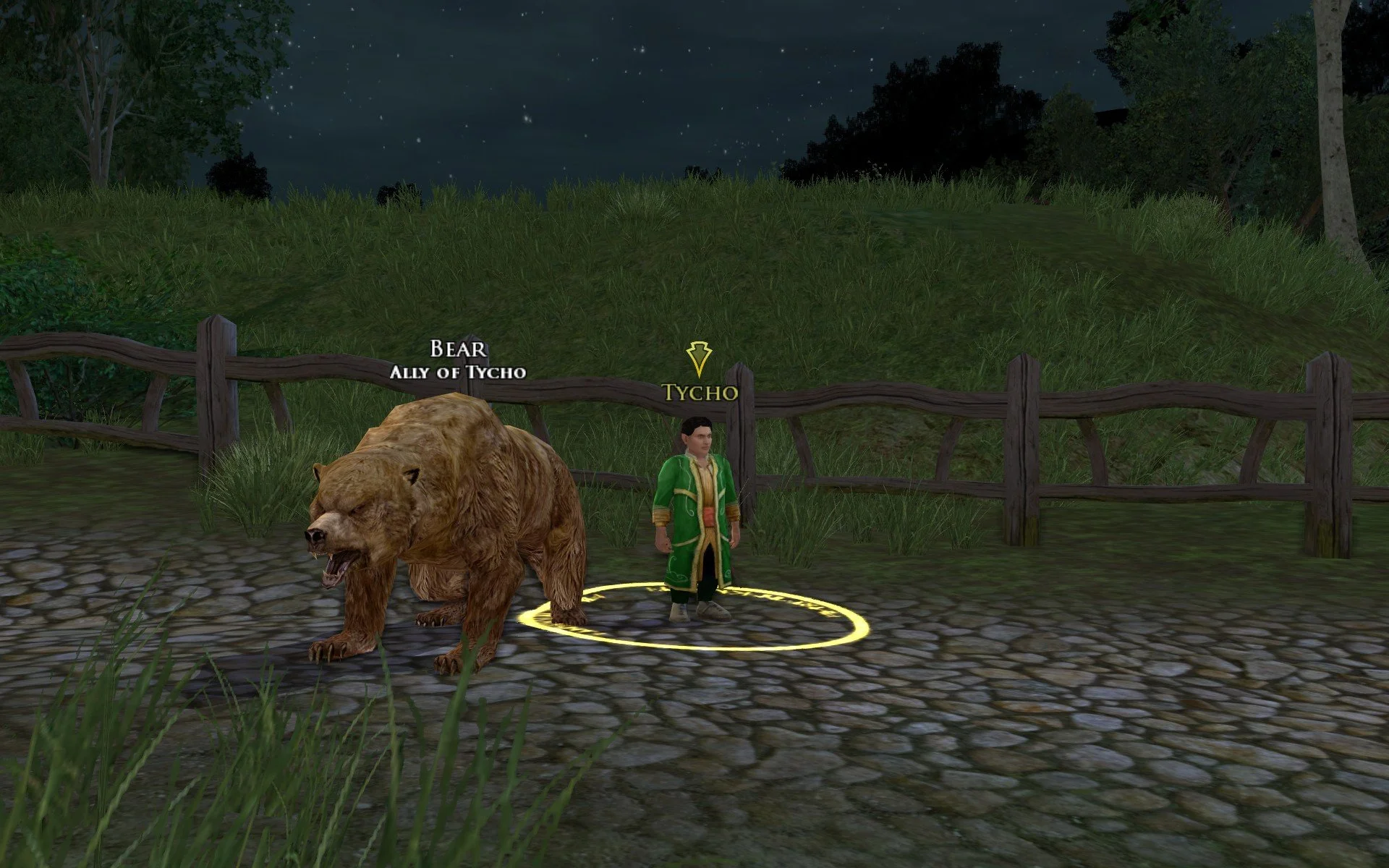
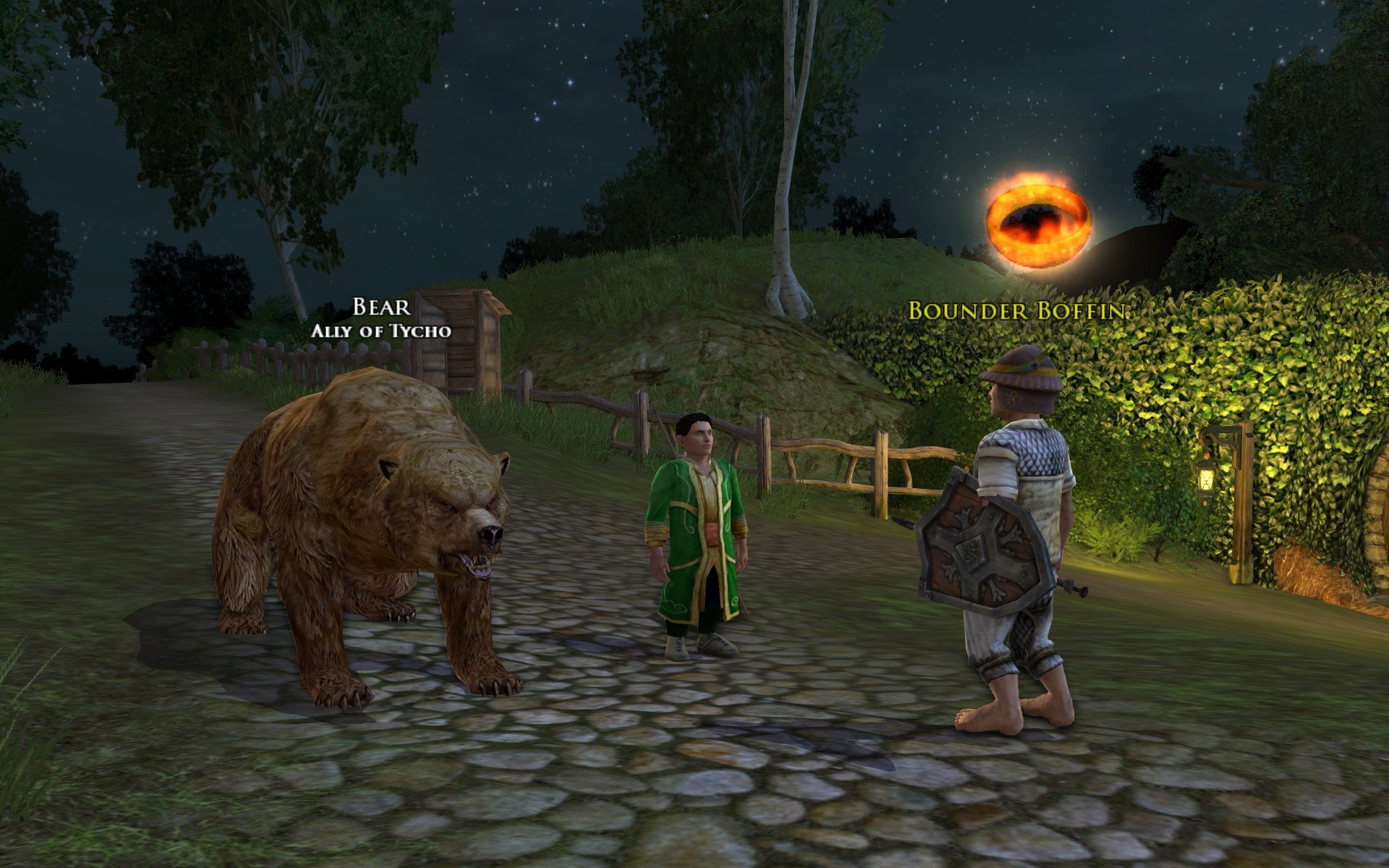
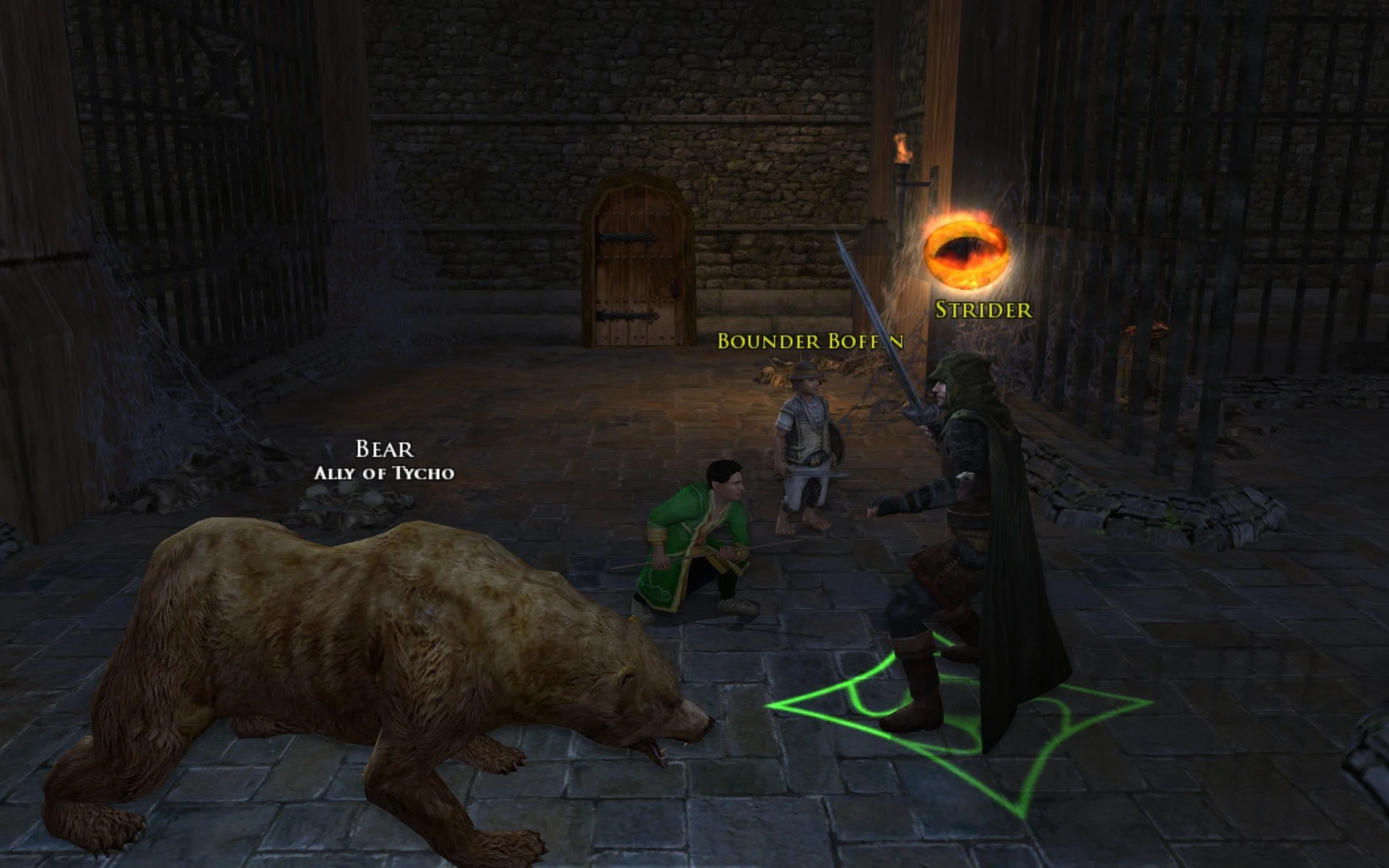
Naturally, there are some players who object to these changes, considering them non-canonical, but I feel that LOTRO departed from lore purity a long time ago. I am just happy that players are getting more choice. Hence, in the spirit of such change, I created a Hobbit Lore-master on Bullroarer last night and played through the first few levels of the game. It was interesting to see all the bespoke Lore-master skills induction animations as a Hobbit and I really didn’t think it an odd addition to the game. The first Lore-master pet is the bear and it is rather comical the way it towers over its Hobbit companion. So far I haven’t encountered any issues, although other players have found some minor anomalies when playing the new Dwarf/Stout-axe class variants. But that is the entire point of beta testing.
Navigating in MMORPGs
The Lord of the Rings Online was my first major MMORPG. I started playing in late 2008 and quickly discovered that there was a necessity to become familiar with the game world. Although the game provides quick travel options they were not ubiquitous at that point and often a player would simply travel on foot to travel costs down and to take the most direct route. Back in 2008 you could not own a mount until level 30. Hence I began “learning the maps” in the game and to this day still remember how to travel from one side of Moria, to another. The maps in the base game remain clear in my mind as they were so well trodden. Not so those in the regions. There are far more stables with fast mounts present in the game now and so convenience trumps any requirement to become so familiar with newly added zones. Nowadays Standing Stone Games designs new zones that tend to funnel players through them from quest hub to quest hub.
The Lord of the Rings Online was my first major MMORPG. I started playing in late 2008 and quickly discovered that there was a necessity to become familiar with the game world. Although the game provides quick travel options they were not ubiquitous at that point and often a player would simply travel on foot to travel costs down and to take the most direct route. Back in 2008 you could not own a mount until level 30. Hence I began “learning the maps” in the game and to this day still remember how to travel from one side of Moria, to another. The maps in the base game remain clear in my mind as they were so well trodden. Not so those in the regions. There are far more stables with fast mounts present in the game now and so convenience trumps any requirement to become so familiar with newly added zones. Nowadays Standing Stone Games designs new zones that tend to funnel players through them from quest hub to quest hub.
After considering the wider matter of maps in general in the MMO genre, it seems that most of them seem to be lacking in some fashion. The biggest problem is that traditional in-game maps are two dimensional views of three dimensional environments. LOTRO, Star Wars: The Old Republic and Guild Wars 2 are prime examples of this. Furthermore maps in this genre tend to be initially devoid of specific detail. This is to encourage exploration which then populates a map with NPC, fast travel points, crafting stations etc after they’re discovered. Another issue, especially in fantasy games, is that the maps themselves are designed in a stylised manner and are frequently not accurate in the sense that an Ordnance Survey map is in real life. The Elder Scrolls Online at least addresses the issue of multi-layers maps, allowing players to switch between levels. But it is far from perfect. The MMO does allow you to set a waypoint which can be a godsend.
As maps can prove so “unhelpful”, I find the most practical thing a game can do to help me with navigation is to provide a highly visible landmark which can be used to orientate players. Weathertop is a prime example of this in the Loneland region of LOTRO. The crumbling fortress on the highest hill in the region dominates the map. Having line of sight helps you make quick decisions when travelling and find the direction you need. Guild Wars 2 has gone all in on the concept of verticality and three dimensional environments. Does it make for interesting and complex world design? Yes. But the main problem is you cannot easily set a destination and travel there. As you seldom have any line of sight, often the only way to a location is through trial and error. Usually through “bandit territory”. It is intensely frustrating especially as there is much XP gain to be had via discovery. It makes me miss Neverwinter and its sparkly trails that can optionally lead you to your destination.
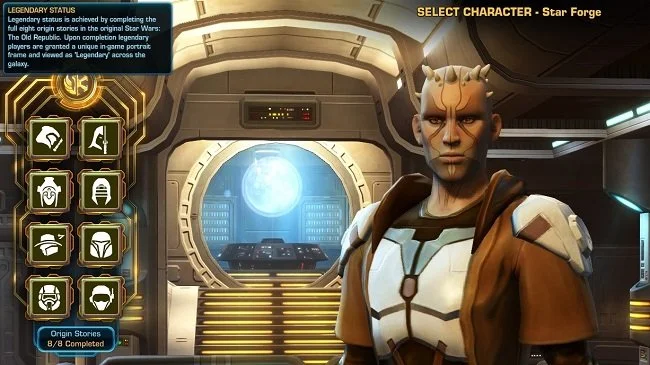
Navigating in Star Trek Online is the polar opposite of most other fantasy based MMOs and a very straightforward process. Especially after 2015 when developers Cryptic revised the galaxy map dividing it into four clearly defined quadrants, rather than sectors which were separate instances. The point and click navigation between planetary systems in sector space is simple and easy. If you wish to navigate by hand you can manually fly around at your own leisure. However, until you earn the transwarp travel skill it can take some time to get from one side of the map to another as a low level player. There is no cost associated with travel in STO. Unlike SWTOR which charges the player for the fuel used to travel across space. Both approaches are compliant with their respective lore of each franchise.
I find travelling and exploration a major source of enjoyment in MMOs. If I’m confronted with a blank map, then the first thing I want to do is open it up and see its details. I’ll often go exploring first off, rather than playing through mission or quest content. This isn’t always a shrewd decision as I can find myself in zones I am ill equipped to travel. Bu for me, looking around the game world is part of a game attraction, especially if it has a rich and diverse environment. Sometimes I will log into LOTRO and ride around Middle-earth just for the pleasure of it. Sadly, that is not the case for all MMOs. Take SWTOR, which has some industrial themed, city based maps that are a never ending maze of corridors and walkways. Overall I would like to see more games in the MMO genre having some sort of Grand Tour option or game mechanic. A means for peaceful exploration as an alternative to the usual narrative driven progression.
Star Trek Online: Five Tips
I’ve been playing Star Trek Online on and off for about 8 years. During that time I read a lot of Wikis and watched a lot of videos on YouTube that explore the game’s various systems and mechanics. I find a lot of the recommendations made by “expert” players to be impractical. The commonest being builds that include traits and consoles that you can only obtain from buying specific ships. Or using resources in quantities that take months of grinding to build up. This is hardly what I’d call handy advice for a new player. So I thought I’d give five tips of my own in no particular order, that I feel are useful. Some are glaringly obvious. Others not so. But hopefully they will prove useful to both new and returning players.
I’ve been playing Star Trek Online on and off for about 8 years. During that time I read a lot of Wikis and watched a lot of videos on YouTube that explore the game’s various systems and mechanics. I find a lot of the recommendations made by “expert” players to be impractical. The commonest being builds that include traits and consoles that you can only obtain from buying specific ships. Or using resources in quantities that take months of grinding to build up. This is hardly what I’d call handy advice for a new player. So I thought I’d give five tips of my own in no particular order, that I feel are useful. Some are glaringly obvious. Others not so. But hopefully they will prove useful to both new and returning players.
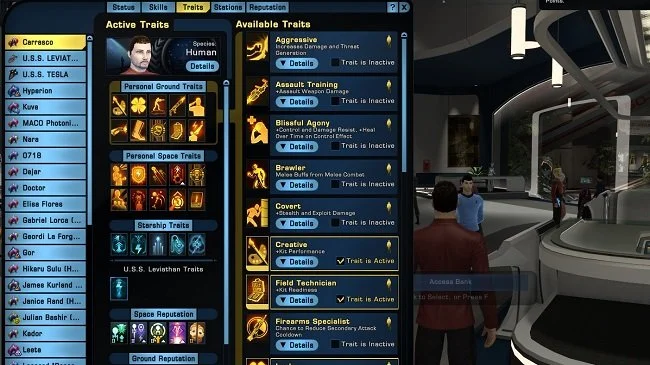
1.) Like many other MMORPGs, STO allows players to customise their character. However, if you pick a specific race such as Vulcan or Klingon, there are limits to what you can do. Fortunately, there is another option that offers players a lot more creative choice. If you create an “alien” species you have access to a lot more customisation options. Hence an alien can be made to look like a Vulcan, Andorian etc. Furthermore, with some creativity you can also make a character that looks like a Cardassian, which is a cheaper option than paying to unlock the official playable version of the Cardassian race. STO also supports the ability to save custom character builds as a .jpg file. These can be exported and shared for others to use. You can find examples here.
2.) A perennial problem in MMOs is running out of storage space and STO is no different. If you find this an issue then make use of the in-game mail system simply by mailing unbound items to yourself. You can leave unread mail indefinitely and also access it from other alts, making this a very useful secondary storage system. Mail terminals can be found in most social areas such as Starfleet Academy, Earth Spacedock and DS9 (and similar areas for other factions).
3.) Bridge Officer or Boffs as many players refer to them can be a thorny issue. Some are only available via fleet resources, some from lockboxes and others are quest rewards. You can also buy a lot of generic Boff from vendors. You’ll often find a lot of discussion around which ones are “the best”. Ultimately, it is not the respective colour quality (white/green/blue/purple) that counts the most but their unique racial traits. Cardassian Boffs provide an accuracy, defence and +2% damage boosts. Very useful if pursuing a DPS build. Romulan Tactical Boffs have the Superior Operative Trait and are available via the Fleet Embassy, providing critical chance and severity boost. The Hierarchy Science Boff has the Pirate trait providing a further damage and stealth boost. It can be obtained from the mission “Alliances”. These are not expensive options.
4.) In ground combat, players can adopt a mobile approach or alternatively crouch and aim. The advantage of the latter is that crouching presents a smaller target and aiming down the sights awards a damage buff. Some players do not like the hassle of having to press several additional keys while in combat to crouch and aim. However, when in combat on a ground map, you can use a macro by copying the following into the chat bar: /Bind x ” crouch 1 $$ aim 2 “ If you then press x you will simultaneously crouch and enter aim/sniper mode. Note this tactic is not a “get out of jail card” that makes you invincible. You still need to maintain situational awareness. But if used appropriately, then crouching and aiming makes mob clearance a lot quicker.
5.) The final tips I have for new STO players is to play the game at your own pace and in a way that suits you. There is no traditional endgame as such and therefore, fine tuning your build becomes the main pursuit for long term players. If you’ve played any of the Task Force Operations in STO at some point you’ll have auto-grouped with a high DPS player who effectively destroys everything before you’ve even blinked. This can inspire you (or play on your FOMO) to pursue a fancy build yourself. The only trouble with this is players who have high end builds usually have invested a lot of time and money into the game. It is not a casual or cheap undertaking. There are plenty of budget builds that work and the main story content is manageable with average gear. Worrying about stats can leach all the fun out of STO. So only get on the DPS treadmill if that is what motivates you as a player.
Game Developers and Gamers Need to Learn to Express Themselves Better
I shall begin with an anecdote. In my youth when I was at junior school (that’s 7 to 11 years of age in the UK) I was formally introduced to team sports. At that time, I had no prejudice against them and was happy to participate. However, the sports teacher (a curious breed of human per se) often assumed that we knew the rules of all the most popular sports by default. I can remember the guy getting frustrated regarding the “Leg before Wicket” rule in cricket and that some of us didn’t understand it. “What does it mean?” I asked. “It means leg before wicket” he answered in an exasperated tone. He simply didn’t grasp that I wanted a specific answer that explained why this rule was this way . Since then, I’ve encountered many other examples where people assume that you know what they know.
A pop culture reference about communication
I shall begin with an anecdote. In my youth when I was at junior school (that’s 7 to 11 years of age in the UK) I was formally introduced to team sports. At that time, I had no prejudice against them and was happy to participate. However, the sports teacher (a curious breed of human per se) often assumed that we knew the rules of all the most popular sports by default. I can remember the guy getting frustrated regarding the “Leg before Wicket” rule in cricket and that some of us didn’t understand it. “What does it mean?” I asked. “It means leg before wicket” he answered in an exasperated tone. He simply didn’t grasp that I wanted a specific answer that explained why this rule was this way . Since then, I’ve encountered many other examples where people assume that you know what they know.
Which segues nicely into video games and gaming culture. Games themselves are filled with common mechanics and systems, often running on shared principles and concepts. Like any other industry it has its own buzzwords and terminology, however this is often complicated by gamer’s own unique slang. Terms such as hit box, DPS, DoT, “aggro”, zerg and other such examples are bandied about like they are part of everyday parlance. I suppose you can argue that high end players who are well versed in game theory, use these terms frequently, as part of their standard lexicon. But once again I must remind everyone that high end players are often not the majority of any gaming community. The average player is not steeped in gaming culture to the same degree and often blithely bumbles about having fun, without knowing “shit about shit” to coin a phrase.
Today I was reading a Star Trek Online build website, trying to see if I could improve the DPS of my primary ship in that MMO. The article used a great deal of acronyms to refer to game skills and systems. Now I don’t know about you but I don’t know the names of every skill I use in STO or any other MMO that I play. I know some like Beam Overload or Fire and Will but many of the others I recognise and use by their icons. I know broadly what they do but I don’t know the specific names. The same can be said for game systems and different types of builds. I am familiar with a common set up like Auxiliary to Battery but not all other permutations in the game. Let it suffice to say that digesting the article’s contents took three times as long because I had to look up every other term being used.
A while ago I discovered a YouTube channel that decided to explore this very phenomenon. Razbuten has created several videos for “non-gamers”, with the assistance of his wife. She has until recently no prior gaming experience and therefore did not have a default grasp of many of the standard gaming mechanics we take for granted. It has proven to be a most illuminating series and often highlights how video games are terrible at explaining themselves. Moving a character in-game using the WASD keys is not as intuitive as you may think. The lack of consistency between games further compounds this problem, especially if the next game you play requires you to use the mouse to move your character and navigate the game world. Furthermore, the days of physical media and instruction manuals are long gone. There’s too much reliance on third party websites to explain stuff these days which raises another problem.
The ability to record game footage and yourself talking and to subsequently upload the results to YouTube does not necessarily mean that you are good at explaining things and communicating with others. It is a course of constant frustration having to search YouTube for a helpful nugget of information for a game such as Guild Wars 2 and having to endure the inarticulate, garrulous inanities of a semi-iterate moron, who sounds like they’re recovering from a major head injury. It’s one of the reasons I prefer written Wikis for gaming information, as I can read quickly and often determine what I need far more efficiently. Imparting correct information, promptly and clearly is a skill. It’s why newsreaders and TV presenters are chosen for their verbal, vocal and presentation skills. Being able to explain complex systems is not something we can all do well.
Another pop culture reference about slang
I was listening to the author Michael Rosen being interviewed recently and he spoke of how his parents would often use Yiddish phrases but never explain them. “You’re acting like a schlemiel. What’s a schlemiel? It’s how you’re acting!” being one such example. I still find that this happens when gamers communicate. Yet considering how gaming has become such a widespread pastime, you’d think that there’d be a similar degree of democratisation regarding the associated terminology. I suspect that certain gamers who consider themselves “gatekeepers” maintain this esoteric approach on purpose, as a way of maintaining some exclusivity and separating themselves from those they disdain. They may not wish to change their ways, but I see no reason why game developers shouldn’t use more accessible terminology. But as common sense hasn’t prevailed for the past three decades, I see no reason why it should now.
Star Trek Online: The Timeline Needs You (Again)
Cryptic are once again running the Temporal Agent Recruitment event in Star Trek Online from Tuesday 6th September 2022. Players who create a TOS (The original series) era character during this time are eligible for bonus dilithium, equipment and special traits as they play through the game. Progression also unlocks rewards for existing alts which can prove very useful. There are also unique tasks associated with Temporal Agents such as finding and unlocking Temporal Probes, which are hidden throughout the game’s story content. Once a player has created a 23rd century Starfleet character, completed the tutorial and received their special Temporal Agent transceiver device, they will gain the title Temporal Agent. The goals and bonus content associated with the event can be completed anytime, even after it ends on October 4th.
Cryptic are once again running the Temporal Agent Recruitment event in Star Trek Online from Tuesday 6th September 2022. Players who create a TOS (The original series) era character during this time are eligible for bonus dilithium, equipment and special traits as they play through the game. Progression also unlocks rewards for existing alts which can prove very useful. There are also unique tasks associated with Temporal Agents such as finding and unlocking Temporal Probes, which are hidden throughout the game’s story content. Once a player has created a 23rd century Starfleet character, completed the tutorial and received their special Temporal Agent transceiver device, they will gain the title Temporal Agent. The goals and bonus content associated with the event can be completed anytime, even after it ends on October 4th.
The Temporal Agent Event was originally linked to the launch of the third expansion for Star Trek Online, Agents of Yesterday which was released in July 2016. This content update added a new 23rd century faction with a bespoke starter zone set in that era. Several of the story arcs featured refer to specific TV episodes from the TOS era. Hence players will cross swords with the Gorn, neural parasites and the Romulans. The game aesthetic captures the look and feel of the original series perfectly and features a wealth of sound effects that are lore appropriate. There’s also voice acting from Walter Koenig and Chris Doohan (James Doohan’s son). The opening story that takes place on Taurus II does a good job of orienting new players. If there is any complaint to be had it’s that it’s all too short.
Once a player has completed the story arc of Agents of Yesterday, a lore based plot device is used to bring them to the current Star Trek Online era, so they can continue through the main episodic content. If you are a Trek fan then STO has a lot to offer. The game licence is fully supported by the CBS and Paramount which is why so many of the original cast from the various TV shows continue to voice their own characters. As an MMO STO lends itself well to both short and lengthy game play sessions. But if you are old enough to have grown up watching Star Trek TOS, then the forthcoming Temporal Agent Event affords a perfect opportunity to revel in nostalgia as well as a neat point of entry into STO. The game’s free-to-play business model affords new players plenty of time to determine whether they like this particular MMO and there’s certainly no reason to immediately spend money on ships or other items.
Echoes of Angmar and “Classic” LOTRO
Video games are evolutionary products that change over time, driven by technology, consumer preference and market trends. Furthermore, change is not always for the better. Video games are consumer products and all too often artistic and creative decisions are overruled by commercial considerations. Irrespective of the rectitude of such things, video games do not stay static. If you want a clear example of this, consider the MMORPG genre as it is today, as opposed to how it was in the late nineties. Compare the likes of Ultima Online with Guild Wars 2 of The Elder Scrolls Online and they are very different beasts. If you prefer a more specific example, then how about The Lord of the Rings Online as it is today with the game as it launched in 2007, fifteen years previous. Because the private LOTRO server Echoes of Angmar provides exactly that.
Video games are evolutionary products that change over time, driven by technology, consumer preference and market trends. Furthermore, change is not always for the better. Video games are consumer products and all too often artistic and creative decisions are overruled by commercial considerations. Irrespective of the rectitude of such things, video games do not stay static. If you want a clear example of this, consider the MMORPG genre as it is today, as opposed to how it was in the late nineties. Compare the likes of Ultima Online with Guild Wars 2 of The Elder Scrolls Online and they are very different beasts. If you prefer a more specific example, then how about The Lord of the Rings Online as it is today with the game as it launched in 2007, fifteen years previous. Because the private LOTRO server Echoes of Angmar provides exactly that.
Echoes of Angmar is currently undertaking stress tests. At present the server offers a version of LOTRO from November 2007. That is all content upto and including Book 11: Defenders of Eriador. For want of a catchy name and for convenience sake I shall refer to the game from this period as classic LOTRO. If you currently play this popular Middle-earth based MMO but have only done so in recent years, then the classic version differs greatly from the game as it stands today. Although running on an old game engine, LOTRO today still features a lot of contemporary, quality of life functionality that players expect from an MMO. Such things are conspicuously absent from classic LOTRO. Although released in 2007, LOTRO started development four years earlier and therefore was designed around the prevailing MMO trends of that time.
When playing on the Echoes of Angmar server, after creating a character you log into one of the game’s three starter zones, Ered Luin (Elves and Dwarves), Bree-land (Man), and The Shire (Hobbits). The tutorial is currently disabled. By default the regional maps are subject to the “fog of war” and devoid of detail. You have to explore to reveal detail. Players do not get a mount until level 35 and the current test is capped at level 15. It costs a lot of gold in classic LOTRO to purchase a mount and is also tied to the successful completion of a specific series of quests. With regard to quests, the quest tracker simply lists what tasks you are undertaking and does not provide a waypoint on the in-game map. Players are given a broad location such as “visit southern Chetwood” and have to search to find the specific object or NPC. It is quite noticeable compared to the current version of LOTRO, how emptier the classic game world is. There are fewer buildings in Bree and The Shire as well as less cosmetic NPCs, designed to to create a sense of activity. The game textures, especially flora and terrain, are lower in detail.
Another very noticeable difference between old and new LOTRO is the acquisition of class skills as your character levels. Rather than automatically being bestowed the player has to buy them individually from an appropriate class trainer. Furthermore there are only seven classes available. Burglar, Captain, Champion, Guardian, Hunter, Lore-master and Minstrel. Levelling is also far slower. Gear comes primarily from quests, crafting or players trading via the auction house. Vendor gear is also an important stopgap. The trait system is also different, allowing for choices from different lines. Hence certain skills are not dependent on you solely following a specific trait line. There is no barter wallet so storage is more of a pressing issue. The current cosmetic system didn’t exist back in 2007, so the level of sartorial elegance in classic LOTRO is lower. Players often wear identical gear earned from the same quests. It’s worth noting that there’s no “autoloot” either. You have to manually collect dropped items.
But classic LOTRO is not just about cataloguing the differences in game mechanics and systems. There is a major difference in the game’s pacing and play style. Although mobs are not quite so plentiful, they are far harder to deal with, even at lower levels. Hence even in the starter zones on Echoes of Angmar server, players will readily assist each other if they encounter a signature mob at level 5 because it is not a foregone conclusion that they’ll faceroll the fight. LOTRO in 2007 was heavily focused on group play and not all PVE content was designed to be soloable. There are also some other logistical benefits to be had from classic LOTRO. There is no skills lag or in fact any server lag. Having to travel the world on foot also means you tend to stay within the zones that you’re currently questing in. The slower pace of progression fosters greater focus on where you are and what you’re doing.
I have no idea whether Echoes of Angmar has a future or whether the legal reach of the Embracer Group will inevitably shut down the project. If the server does persist it will offer an interesting counter experience to the current iteration of LOTRO. Classic LOTRO is certainly not for everyone and will not necessarily excite the casual player who is looking for a quick and convenient gaming fix. In its original format, LOTRO was designed to be a game that you invest your time and effort into. A collaborative exploration of Middle-earth where you played through content at a measured pace, as it was presented to you. An MMO where you were dependent upon others but rather than that being a chore, it was part of the journey and a tangible selling point. There was no race to cap because it could take a year or so. Goals were long term and not immediately in reach. That is the difference between classic LOTRO and the game that exists today. Both represent the prevailing MMO ethos of their respective time.
Echoes of Angmar Stress Test Begins
On Saturday 20th August the stress test began for the private LOTRO server Echoes of Angmar. This project is offering a version of the MMORPG The Lord of the Rings Online as it were in late November 2007. I have spoken to several players who have participated in this and other tests and so far the results have been positive. The server crashed on several occasions and the longest uninterrupted period of stability was two hours. Character creation is proving to be a slow process and some players have found that they cannot see other players when logging in. However, the majority of players could create alts and progress through the game as normal. The data generated from these tests has proven useful and the team overseeing the project are currently working on a revised build to improve stability. Further server tests are scheduled for Friday 26th August.
On Saturday 20th August the stress test began for the private LOTRO server Echoes of Angmar. This project is offering a version of the MMORPG The Lord of the Rings Online as it were in late November 2007. I have spoken to several players who have participated in this and other tests and so far the results have been positive. The server crashed on several occasions and the longest uninterrupted period of stability was two hours. Character creation is proving to be a slow process and some players have found that they cannot see other players when logging in. However, the majority of players could create alts and progress through the game as normal. The data generated from these tests has proven useful and the team overseeing the project are currently working on a revised build to improve stability. Further server tests are scheduled for Friday 26th August.
All information regarding these tests and the private server Echoes of Angmar is in the public domain and can be found via a simple Google search. The recent cease and desist request from Middle-earth Enterprises seems to have had little or no impact upon the project which is continuing with its testing schedule. It will be interesting to see if the new owners of Middle-earth Enterprises, Embracer Group, escalate the matter or whether this grey project will continue unhindered, like many other private servers. There certainly appears to be a lot more interest in this “original” version of LOTRO than some may have initially thought, judging by the activity on the Echoes of Angmar Discord Server and subreddit. As and when the stability issues are resolved, I am curious to see what sort of population this private server sustains and whether people will be content with the original base version of the game
Making Your Own Fun in Guild Wars 2
It’s a curious thing but despite there being a wealth of story content available for me to do in Guild Wars 2, I don’t feel disposed towards doing any of it. I think this all stems from the fact that it’s an original intellectual property, rather than one based upon an established franchise. Looking back through my achievements and story journal on my primary character, I played through quite a lot of narrative content when I first started playing this MMO at launch. Sadly none of it has made a sufficient impression upon me to have stuck in my memory. This is not a reflection of the quality of the storyline of Guild Wars 2 but more a case of how I tend to prefer known quantities such as Tolkien and Star Trek. Curiously, I have not encountered this problem with The Elder Scrolls Online which is equally an original intellectual property. It all seems very much a case of horses for courses.
It’s a curious thing but despite there being a wealth of story content available for me to do in Guild Wars 2, I don’t feel disposed towards doing any of it. I think this all stems from the fact that it’s an original intellectual property, rather than one based upon an established franchise. Looking back through my achievements and story journal on my primary character, I played through quite a lot of narrative content when I first started playing this MMO at launch. Sadly none of it has made a sufficient impression upon me to have stuck in my memory. This is not a reflection of the quality of the storyline of Guild Wars 2 but more a case of how I tend to prefer known quantities such as Tolkien and Star Trek. Curiously, I have not encountered this problem with The Elder Scrolls Online which is equally an original intellectual property. It all seems very much a case of horses for courses.
Having returned to Guild Wars 2 and rolled a new Necromancer with Reaper Elite Specialisation, I’ve been trying to keep myself occupied while minimising my interaction with the central stories associated with the base game and the subsequent expansions. However, you have to do some of this content to be granted access to the various zones. I decided to bypass the Heart of Thorns content which I didn’t especially enjoy when first released and instead began Path of Fire. I benefited from playing this MMO again, just as they’ve recently given all players a Raptor mount when they reach level 10. Hence, I thought it would be fun to set about collecting all the other kinds of mount. I’ve also set myself the goal of completing all points of interest, vistas and heart quests, as well as Mastery and Hero points. So far this has proven sufficiently engaging, along with exploring the new maps I’ve not seen before.
Another aspect about PVE story content in Guild Wars 2 is that it’s far from easy and not the faceroll that many players are used to in games such as The Lord of the Rings Online. You have to be well geared and well versed in playing your class to undertake it without “incident”. Many play through it with friends or guild mates, which makes it a lot easier. However, that comes with the organisational and social complexities associated with playing as a group. I recently reached a point in the story near the Makali Outpost where I had to clear the surrounding desert of three groups of mobs, each of which had a Champion boss among them. This fight is long, hard and not especially exciting. Finding the sweet spot for combat duration is a difficult task as different people have different levels of patience. Mercifully, I was assisted by a friend.
At present, I can effectively make my own fun in Guild Wars 2 and keep myself engaged with the game, rather than following the formal structure that is already there. For example, tonight I decided to just follow any zergs I encountered and this proved a fun and useful strategy. I was in the Maguuma Jungle at the time which proved beneficial by opening up some points of interest along the way. Hopefully, this approach to the game will keep me going for a while. Now that this MMO is available via Steam there seems to be an influx of new players and lots of zones in the base game are well populated at present. I’m sure my approach to Guild Wars 2 is not unique and that other players follow suit not only in this game but also in other MMOs. Naturally, there are “purists” that will consider my approach an anathema, but that is of no importance to me. Having fun on your own terms is my maxim.
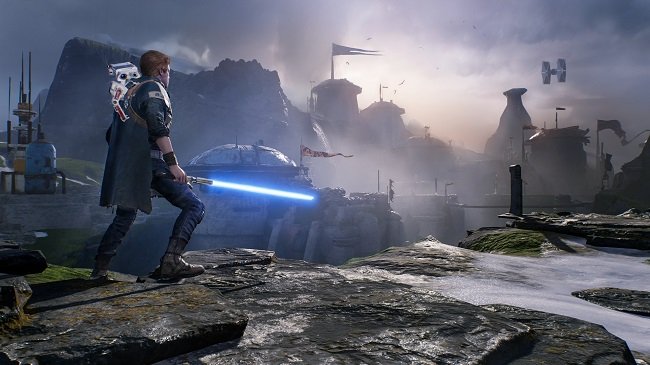
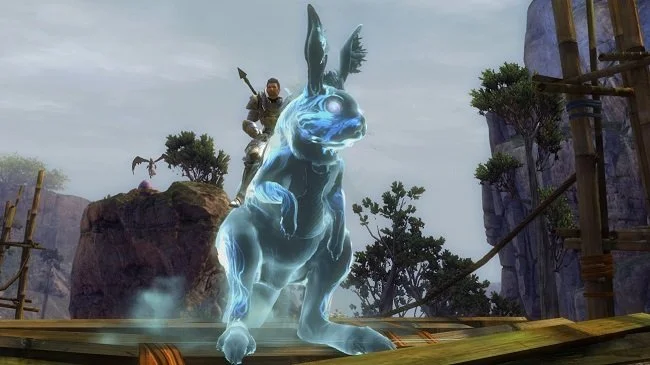
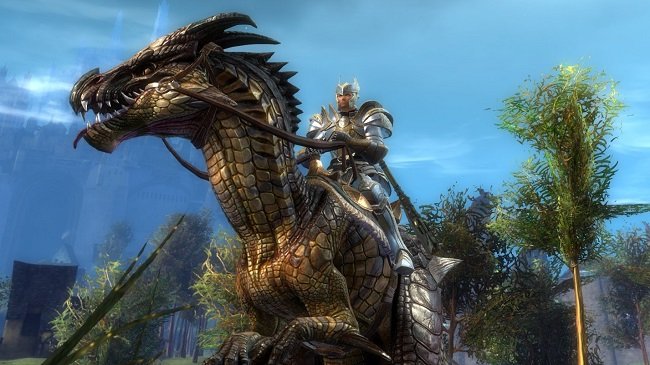
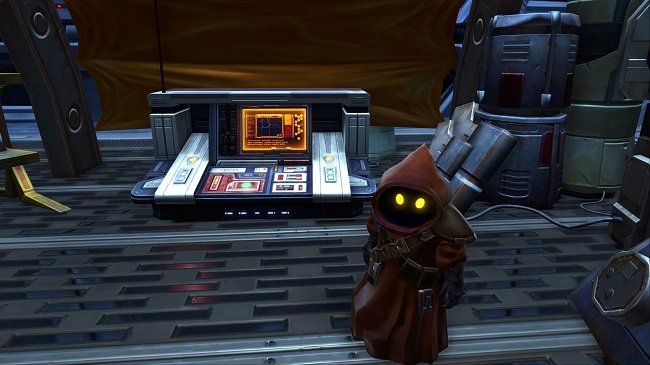
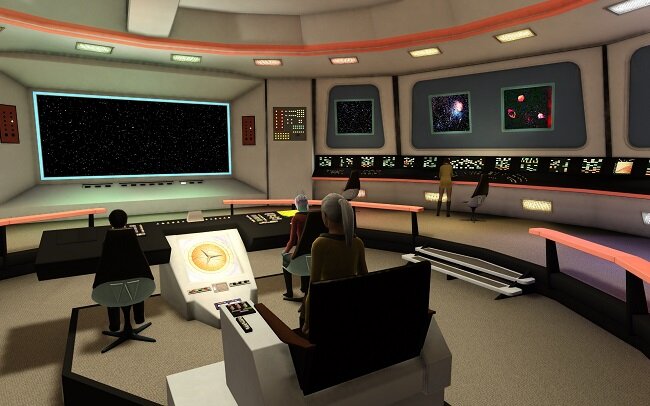
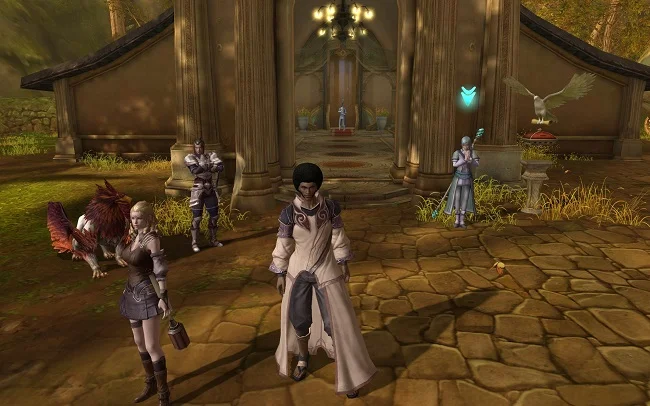
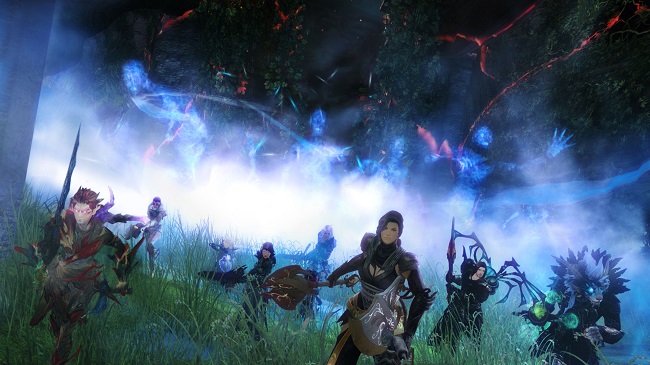
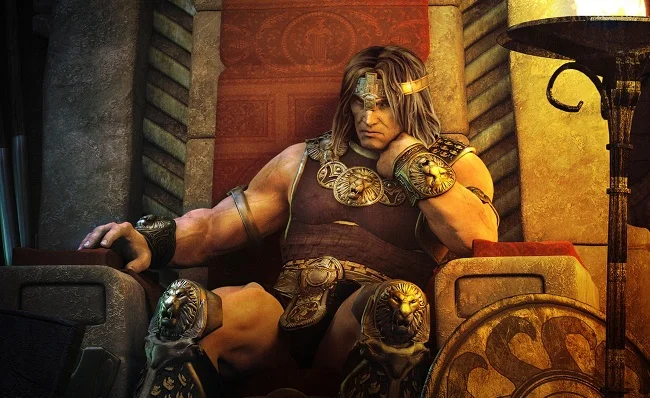

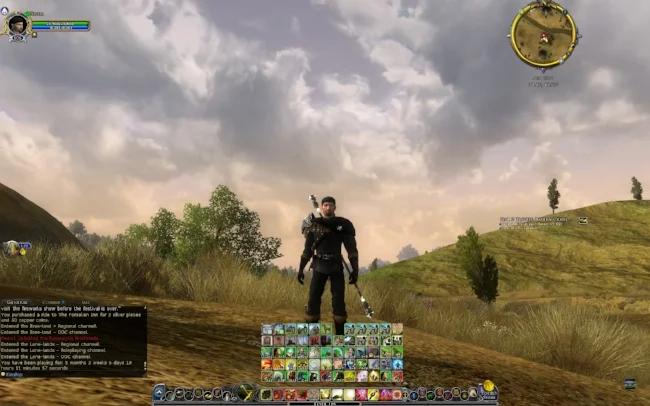
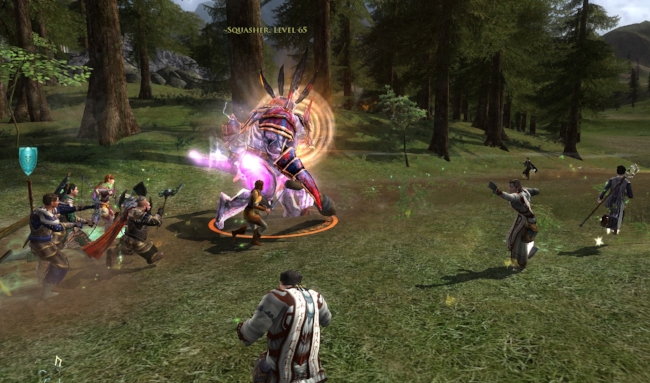
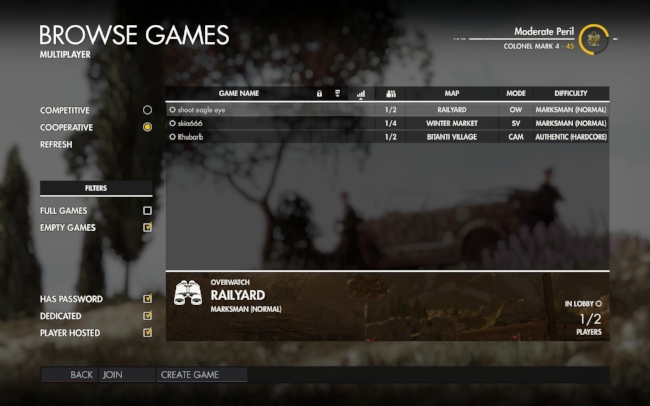
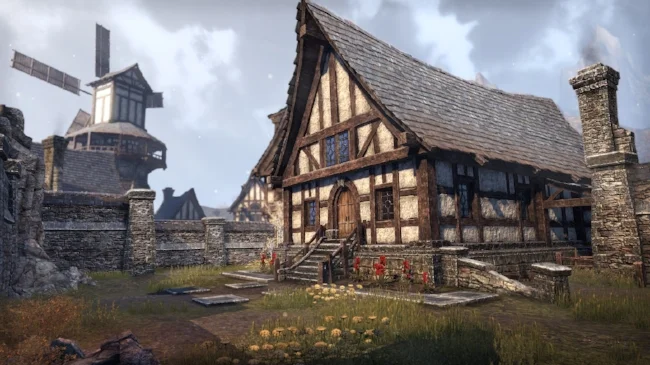
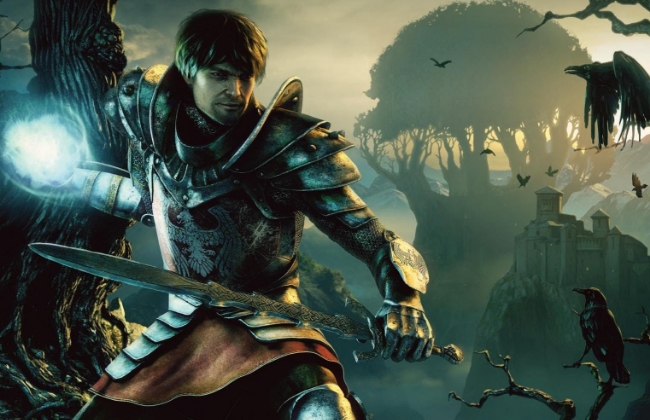
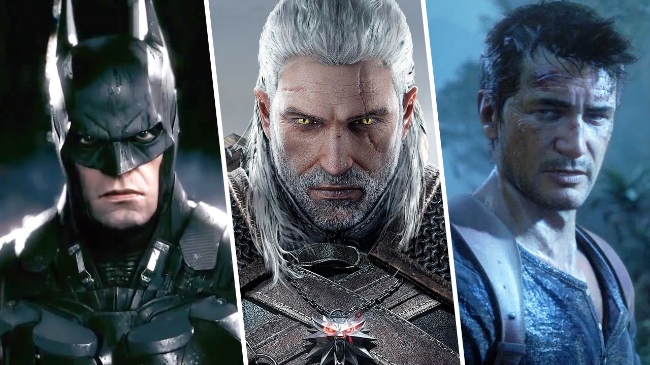
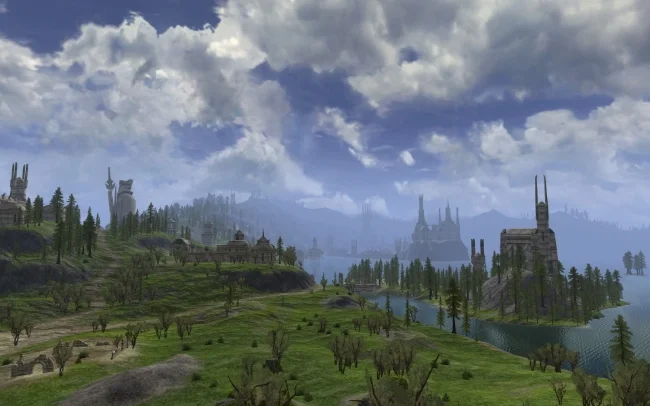

New Mini-expansion Coming to LOTRO in September
Today Standing Stone Games formally announced their next mini-expansion for the MMORPG The Lord of the Rings Online. Before the Shadow will be available in September and as recent leaks have shown, will include Cardolan and Swanfleet as new zones for the game. The new content will be between levels 1 and 32. SSG press release stated “Before the Shadow will send players into two new regions, Swanfleet and Cardolan, as Boromir makes his way north to Rivendell ahead of the meeting of what will eventually become the Fellowship of the Ring while the Nazgûl search for “Baggins” in the peaceful land of the Shire. Players will discover the threat rising from Mordor and Saruman's Uruks as they explore the far history of Middle-earth!”
Today Standing Stone Games formally announced their next mini-expansion for the MMORPG The Lord of the Rings Online. Before the Shadow will be available in September and as recent leaks have shown, will include Cardolan and Swanfleet as new zones for the game. The new content will be between levels 1 and 32. SSG press release stated “Before the Shadow will send players into two new regions, Swanfleet and Cardolan, as Boromir makes his way north to Rivendell ahead of the meeting of what will eventually become the Fellowship of the Ring while the Nazgûl search for “Baggins” in the peaceful land of the Shire. Players will discover the threat rising from Mordor and Saruman's Uruks as they explore the far history of Middle-earth!”
In addition to the new zones, Before the Shadow offers four new Epic Books for new characters. There is also a new six-person Instance for players with high end alts. Plus there is the addition of a new Skirmish to the game, something that hasn’t happened for a while. The press release also refers to a “Delving difficulty system that will offer new rewards and challenges”, although exactly what this is I am not sure. SSG have not at present clarified as to whether the mini-expansion will feature the River-hobbits race and that the new zone is a new starter area, although it is reasonable to assume so. Further information will become available as the pre-order date comes closer. At present, it may be relevant to consider the previous mini-expansion pre-order, War of Three Peaks, to determine what additional type of content and bonuses may be included.
Over the course of the last fifteen years, there have only ever been two content releases formally designated as mini-expansions for The Lord of the Rings Online. The first Siege of Mirkwood was released in December 2009 and the second War of Three Peaks launched in October 2020. Both were met with a degree of controversy, not so much over the quality of their content, but more so over their respective value for money. It will be interesting to see if the usual three tier price model is still used and whether prices will remain the same or increase. If this mini-expansion does offer a new starter zone, are developers SSG expecting an influx of new players due to interest stemming from The Lord of the Rings: The Rings of Power? Such a thing was mentioned by owners EG7 in their investor presentation nearly 2 years ago. I look forward to learning more about Before the Shadow in the immediate future.
Cardolan and Swanfleet Are Coming to LOTRO
While perusing the The Lord of the Rings Online subreddit today, I stumbled upon an alleged leak from the Palantir Test Server. Palantir hosts material that Standing Stones Games is currently in “Alpha Testing”. Those invited to preview such content are subject to an NDA. However, leaks happen because one of the defining characteristics of human beings is that they can’t keep their mouths shut. Setting aside the ethics of such matters, it would appear that regions coming to the game are Cardolan and Swanfleet. Maps have been posted on the LOTRO subreddit and one enterprising individual, CMuenzen, has gone so far as to use photoshop to see how well they integrate into the existing game world. As you can see from the picture, Cardolan and Swanfleet fill the gap between Sarn Ford to the West, The Angle of Mitheithel to the North and Enedwaith to the East.
While perusing the The Lord of the Rings Online subreddit today, I stumbled upon an alleged leak from the Palantir Test Server. Palantir hosts material that Standing Stones Games is currently in “Alpha Testing”. Those invited to preview such content are subject to an NDA. However, leaks happen because one of the defining characteristics of human beings is that they can’t keep their mouths shut. Setting aside the ethics of such matters, it would appear that regions coming to the game are Cardolan and Swanfleet. Maps have been posted on the LOTRO subreddit and one enterprising individual, CMuenzen, has gone so far as to use photoshop to see how well they integrate into the existing game world. As you can see from the picture, Cardolan and Swanfleet fill the gap between Sarn Ford to the West, The Angle of Mitheithel to the North and Enedwaith to the East.
Apparently the maps have been leaked for a while but pretty much contained within the subreddit and therefore not necessarily known to the wider LOTRO community. Naturally, when information is in the public domain without any specific explanation or context, speculation becomes rife. There is plenty of such to be found on the LOTRO subreddit and I must say, not all of it is fanciful or founded purely in a fan’s boundless optimism. Game Producer Rob Ciccolini (AKA Severlin) referenced a "new 1 -30 levelling experience" coming to the game in a recent live stream. Players are also aware that the race of River-hobbits is coming to the game. As Swanfleet features an area called Stoorvales, it is a reasonable assumption to make that this could be a new starter zone. It is also worth remembering that new races or classes have been included in recent LOTRO expansions.
There are some other theories being discussed regarding a new Ranger Class being added to the game. Cardolan is part of Arnor and territory of the Dúnedain. And as this region is the route that Boromir took to get to Rivendell, perhaps new players will meet him as part of the new levelling story arc. However, these speculative musings remain just that. It is best to remember that anything that hails from a test server is potentially subject to change and alteration. But there is some comfort to be found in the fact that there is major new LOTRO content in development. Will there be an expansion this year after all or are these new zones destined for a 2023 release? Does SSG have something up its sleeve to capitalise upon the release of The Lord of the Rings: The Rings of Power this September? Quarter 4 of the year has just got a lot more interesting.
NB. Other LOTRO players have written about these leaks. A similar post to this one has been published on the website Ferrets of Gondor. Great minds think alike or fools seldom differ. Take your pick.
MMO Tropes: Exploration
“The MMO genre is rife with its own set of tropes; recurring themes and motifs that have become established and ubiquitous. All of which are ideal material for a hastily produced, lazily conceived, recurring blog post”. Many MMORPGs are set in open worlds that are designed to mimic a real and living reality. Beautiful fantasy or science fiction themed environments, rich with diverse fauna and flora. Settlements are filled with people that go about their daily routine. There is often a day and night cycle and changing weather. All of which is intended to make the game world feel alive. Furthermore, these open worlds become a source of content of their own. Not only do they provide the environment for the various quests and missions that players undertake but a source of exploration and discovery. Something that many players value more than other types of game content.
“The MMO genre is rife with its own set of tropes; recurring themes and motifs that have become established and ubiquitous. All of which are ideal material for a hastily produced, lazily conceived, recurring blog post”. Many MMORPGs are set in open worlds that are designed to mimic a real and living reality. Beautiful fantasy or science fiction themed environments, rich with diverse fauna and flora. Settlements are filled with people that go about their daily routine. There is often a day and night cycle and changing weather. All of which is intended to make the game world feel alive. Furthermore, these open worlds become a source of content of their own. Not only do they provide the environment for the various quests and missions that players undertake but a source of exploration and discovery. Something that many players value more than other types of game content.
Over the last 20 plus years, the MMO genre has refined this notion of exploration, capitalising upon the fact that humans are curious animals and that they’ll happily set aside a story to simply go and see what is out there in a virtual world. Hence many games of this kind now make exploration a source of rewards. Achievements and accolades encourage players to look in every nook and cranny and leave no stone unturned in the hope of finding everything there is to discover in the game. The Lord of the Rings Online does this very well, drawing heavily upon established lore from the Tolkien Legendarium. Hence a player travelling through a canonical region such as the Trollshaws, will seek to find the Three Stone Trolls that captured Bilbo and the Dwarves. Similarly, an enthusiastic fan can marvel at the way Deep Space Nine has been faithfully recreated in Star Trek Online.
Guild Wars 2 takes an interesting approach to the way in which it presents its zone maps to the player. By default they’re vague and indistinct, giving the player a notion of the type of environment present, but nothing more. They are devoid of specific detail until you start travelling through the region and speaking to NPCs. Then the details appear. LOTRO used to do this upon release, calling the intentional obscuring “the fog of war” but it was later removed as a feature. Now the maps show the terrain clearly. Star Wars: The Old Republic similarly withholds map data but I find that this particular MMO’s environments are not as uniformly engaging as other MMOs. Some are certainly better than others. But for every character rich environment such as Alderaan, there are generic featureless wastes such as Tatooine and Hoth. Guild Wars 2 excels at making verticality interesting, especially now that they’ve introduced specialist mounts allowing players to reach obscure topographical features.
Curiously Star Trek Online, a game based upon a franchise predicated upon space exploration, doesn’t offer players a great deal of planetary content to discover. Only a small percentage of planets can be visited and these are usually small and self contained instances. However, space travel is substantive with the galaxy being divided into four quadrants, as referenced in the various TV shows. Another game that has interesting regional zones but which are heavily compartmentalised is The Elder Scrolls Online. Although they are visually diverse, I’ve never felt that Tamriel comes across as a coherent wider world, in the same way as Middle-earth does in LOTRO. Instancing, invisible walls and carefully constructed mountain ranges that funnel players in specific directions are a necessary evil in the MMO genre. However, some games just do it better than others maintaining the illusion of an open world.
My recent return to Guild Wars 2 has been greatly aided by the games focus on exploration. Perhaps lessons were learned from the Heart of Thorns expansion which introduced verticality into the game but relied on jumping and gliding skills to explore. Mounts address this mechanic in a far more practical and entertaining way. Exploration also compensates those not especially engaged by the lore of the game. The ability to reach obscure parts of the world map is very addictive and challenging. I begin to see the appeal of going “off map” which some players delight in doing. Exploration is now an integral aspect of the MMO genre and as such, players expect their searching to be rewarded by Easter Eggs and pop culture homages. Like the “killer rabbit” in a cave reference in LOTRO which is a nod to Monty Python and the Holy Grail. It raises the question as to whether this aspect of gameplay could become the foundation of an entire MMO. Something that No Man’s Sky has come close to over time.