
Making Your Own Fun in Guild Wars 2
It’s a curious thing but despite there being a wealth of story content available for me to do in Guild Wars 2, I don’t feel disposed towards doing any of it. I think this all stems from the fact that it’s an original intellectual property, rather than one based upon an established franchise. Looking back through my achievements and story journal on my primary character, I played through quite a lot of narrative content when I first started playing this MMO at launch. Sadly none of it has made a sufficient impression upon me to have stuck in my memory. This is not a reflection of the quality of the storyline of Guild Wars 2 but more a case of how I tend to prefer known quantities such as Tolkien and Star Trek. Curiously, I have not encountered this problem with The Elder Scrolls Online which is equally an original intellectual property. It all seems very much a case of horses for courses.
Having returned to Guild Wars 2 and rolled a new Necromancer with Reaper Elite Specialisation, I’ve been trying to keep myself occupied while minimising my interaction with the central stories associated with the base game and the subsequent expansions. However, you have to do some of this content to be granted access to the various zones. I decided to bypass the Heart of Thorns content which I didn’t especially enjoy when first released and instead began Path of Fire. I benefited from playing this MMO again, just as they’ve recently given all players a Raptor mount when they reach level 10. Hence, I thought it would be fun to set about collecting all the other kinds of mount. I’ve also set myself the goal of completing all points of interest, vistas and heart quests, as well as Mastery and Hero points. So far this has proven sufficiently engaging, along with exploring the new maps I’ve not seen before.
Another aspect about PVE story content in Guild Wars 2 is that it’s far from easy and not the faceroll that many players are used to in games such as The Lord of the Rings Online. You have to be well geared and well versed in playing your class to undertake it without “incident”. Many play through it with friends or guild mates, which makes it a lot easier. However, that comes with the organisational and social complexities associated with playing as a group. I recently reached a point in the story near the Makali Outpost where I had to clear the surrounding desert of three groups of mobs, each of which had a Champion boss among them. This fight is long, hard and not especially exciting. Finding the sweet spot for combat duration is a difficult task as different people have different levels of patience. Mercifully, I was assisted by a friend.
At present, I can effectively make my own fun in Guild Wars 2 and keep myself engaged with the game, rather than following the formal structure that is already there. For example, tonight I decided to just follow any zergs I encountered and this proved a fun and useful strategy. I was in the Maguuma Jungle at the time which proved beneficial by opening up some points of interest along the way. Hopefully, this approach to the game will keep me going for a while. Now that this MMO is available via Steam there seems to be an influx of new players and lots of zones in the base game are well populated at present. I’m sure my approach to Guild Wars 2 is not unique and that other players follow suit not only in this game but also in other MMOs. Naturally, there are “purists” that will consider my approach an anathema, but that is of no importance to me. Having fun on your own terms is my maxim.
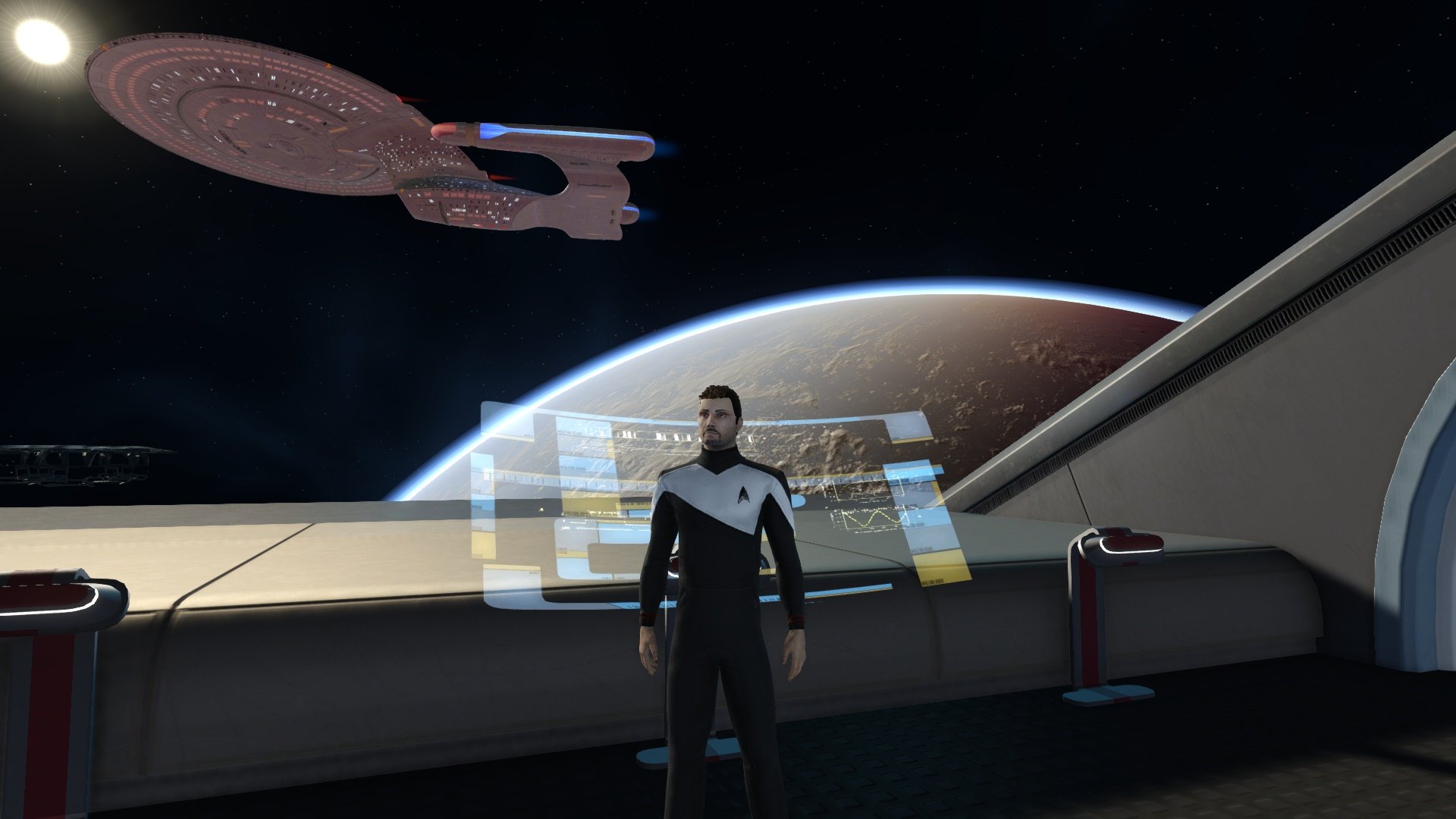
I was recently perusing my archive of old blog posts, when it struck me how much I’ve written about the MMORPG genre over the years. Naturally, there was far more material from between 2008 and 2012 as that was period when I immersed myself in the genre and was very enthusiastic about it. I was at a point in my life when I had the time to dedicate to such games and I was happy to participate in the social aspect of they offered. I would regularly play through group content and spend time socialising online with fellow guild members. My experience remains a textbook example of how online games can be more than the sum of their parts and that where you are at in your life has a major impact upon your overall enjoyment. As I read though various old posts it became clear that my experiences where specific to this particular part of my life and that they cannot be repeated. My relationship with the genre is very different now and that’s fine.
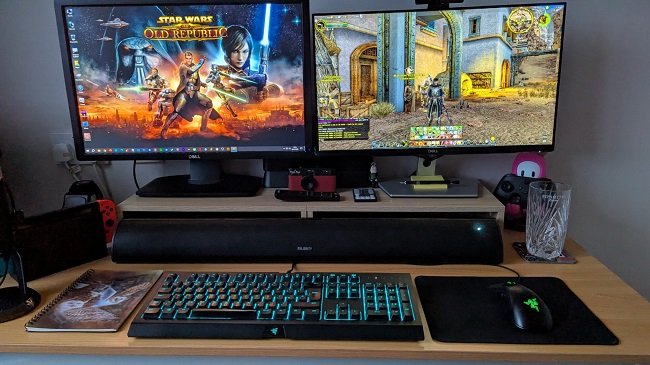
I have two monitors on my desk. The first (which is the primary monitor as far as my PC is concerned), is on the left and the second is on the right. The primary monitor is a 24 Dell U2412M, which has a resolution of 1920 x 1200. It therefore has an aspect ratio of 16:10 which adds a little extra desktop real estate, which I prefer when writing. The second monitor is a 24 inch Dell S2421H with a screen resolution of 1920 x 1080. It has an aspect ratio of 16:9 which is standard FHD. My chair is adjacent to the middle of my desk and I can turn according to each monitor I’m using. I tend to use the primary, larger monitor on the left for tasks such as writing via Google Docs and emails. The second monitor on the right is used for YouTube and gaming. This is because of its FHD format. I also have a Nintendo Switch connected to the second monitor for the same reason.
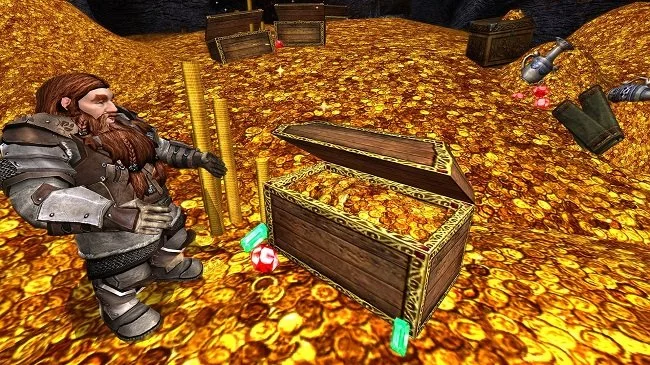
Bree Royce, editor-in chief at Massively Overpowered, recently asked the question “what is the most expensive MMORPG right now”. My first thought was to search through my old draft blog posts and track down an MMO cost analysis I wrote circa 2019. It includes data such as subscription rates and the price of current expansions. There was also information on what were the most popular cash shop items at the time. However, I then read some of the comments that had been left on Bree’s post and I quickly realised that this wasn’t just a matter of financial expenditure. Whether or not an MMO is expensive is also determined by one’s disposable income, respective wealth and personal relationship with money. The latter is perhaps the most important, irrespective whether you consider yourself rich or poor.
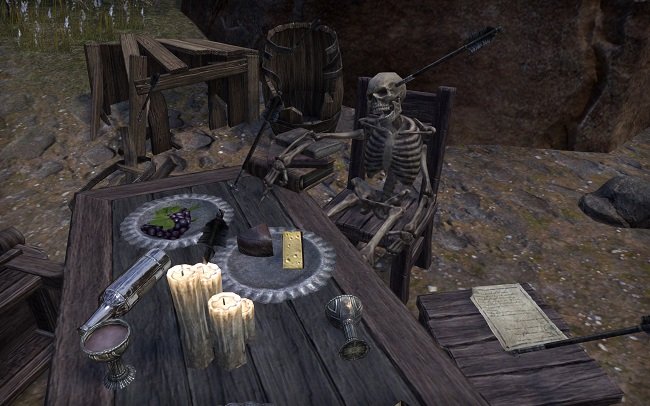
“The MMO genre is rife with its own set of tropes; recurring themes and motifs that have become established and ubiquitous. All of which are ideal material for a hastily produced, lazily conceived, recurring blog post”. Dying in an Massively Multiplayer Online Role-Playing Game is a clear and unambiguous fail state. A means by which to teach the player that they’re doing something wrong and that they need to rethink their strategy. IE Don’t mess with the foul Marmydons unless you have back up and are wielding the Sword of Kagnazax. Dying is a reminder to not get overconfident and maintain situational awareness. It teaches us to ensure you have the right gear and consumables, to be au fait with the mechanics of any fight you’re about to get into and that winning is not a given. Any enterprise that offers a tangible reward will come with potential risks and consequences. If you’re playing in a group then death provides a timely reminder not to rely on Colin.
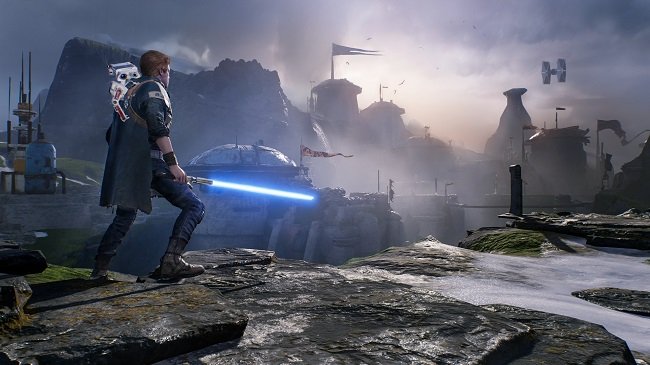
I last wrote a post in this series in June. Back then I wanted a break from MMOs as I had invested heavily in Star wars: the Old Republic and The Lord of the Rings Online. Because I was still enjoying the Star Wars vibe, I decided to try Jedi: Fallen Order. Sadly, despite the story showing a lot of promise, the PC version of the game handles poorly and the controls are sluggish. Often it felt like my character was wading through mud and there was a tangible amount of skills lag. So I uninstalled it and moved on to something else. One of the odd things about gaming is that despite amassing a library of free and discounted titles, we often end up buying something new, instead of playing that which we already own. And that is exactly what I did. I purchased Stray amid all the excitement surrounding the game, but to date I still haven’t played it. Make of that what you will.
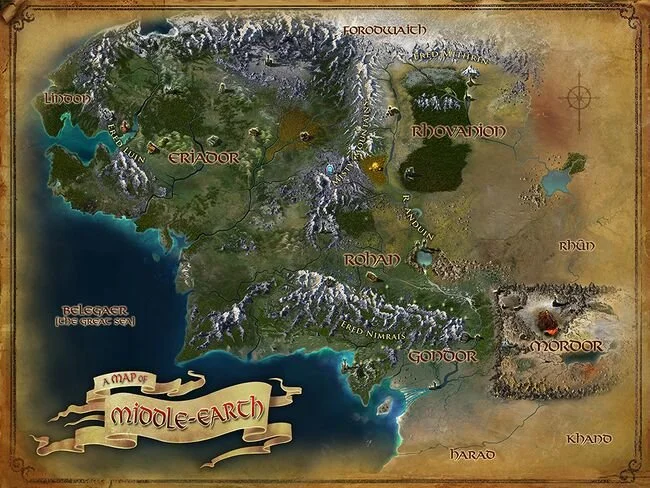
The Lord of the Rings Online was my first major MMORPG. I started playing in late 2008 and quickly discovered that there was a necessity to become familiar with the game world. Although the game provides quick travel options they were not ubiquitous at that point and often a player would simply travel on foot to travel costs down and to take the most direct route. Back in 2008 you could not own a mount until level 30. Hence I began “learning the maps” in the game and to this day still remember how to travel from one side of Moria, to another. The maps in the base game remain clear in my mind as they were so well trodden. Not so those in the regions. There are far more stables with fast mounts present in the game now and so convenience trumps any requirement to become so familiar with newly added zones. Nowadays Standing Stone Games designs new zones that tend to funnel players through them from quest hub to quest hub.
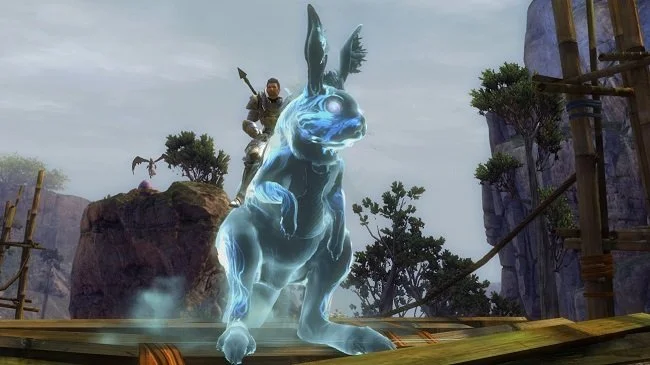
It’s a curious thing but despite there being a wealth of story content available for me to do in Guild Wars 2, I don’t feel disposed towards doing any of it. I think this all stems from the fact that it’s an original intellectual property, rather than one based upon an established franchise. Looking back through my achievements and story journal on my primary character, I played through quite a lot of narrative content when I first started playing this MMO at launch. Sadly none of it has made a sufficient impression upon me to have stuck in my memory. This is not a reflection of the quality of the storyline of Guild Wars 2 but more a case of how I tend to prefer known quantities such as Tolkien and Star Trek. Curiously, I have not encountered this problem with The Elder Scrolls Online which is equally an original intellectual property. It all seems very much a case of horses for courses.
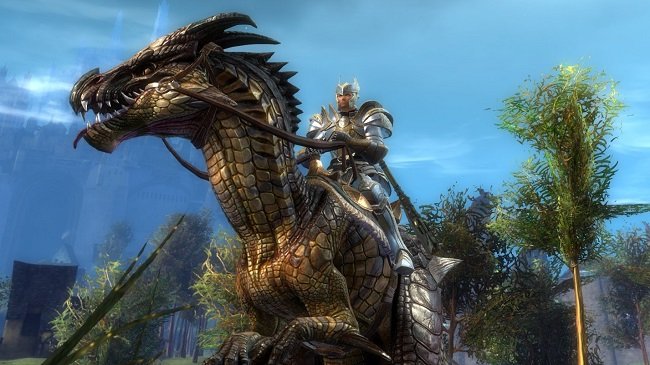
Last night I had some spare time, so I watched a Guild Wars 2 live stream from Massively Overpowered. I stopped playing this particular MMORPG in late 2015, a few months after the second expansion Heart of Thorns was released. To say that it changed the game is an understatement and sadly they were not changes that I especially liked. Since then I have occasionally logged into the game but never done anything more than potter about the starter zones. However, after watching this live stream I felt disposed towards giving the game another go. I wanted to try a new class and swan about casting spells, looking like Ming the Merciless from Flash Gordon because that’s the way all Mages look in MMOs. Today I logged into the game with hopes of rolling a Necromancer and questing in Tyria. However, the game had other plans.
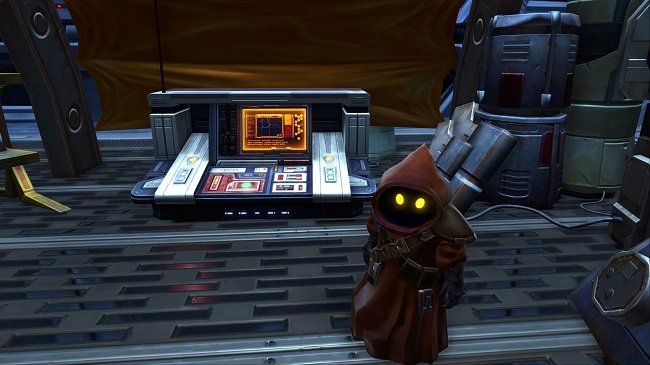
Usually I keep subscribing to an MMORPG, even if I’m not playing it that much. I like to have options in case I decide to log in on a whim. Especially if an absent friend returns to a particular game presenting an opportunity to catch up. However, the current economic climate is no longer something that I can ignore. Although far from having a low income, the current ongoing increase in the cost of living is becoming apparent, so I have been fiscally prudent and cancelled my monthly subscriptions to Star Wars: The Old Republic and The Lord of the Rings Online. Both have provided me with a lot of entertainment over the last three to four months but until new content becomes available, I can happily dispense with them for the meantime. Not only have I saved £17.98 on subscriptions, I shall no longer be making ad hoc purchases of in-game currencies. Something I have been doing a lot more than usual of late.
When Guild Wars 2 launched in the summer of 2012, I was very enthusiastic about the game on the Contains Moderate Peril podcast. I had participated in the beta and was impressed by many of the game's mechanics and its overall accessibility. Although I did not expect the game to be the focal point of my gaming activities, I (and many others I suspect) felt that this casual MMO had a lot to offer and would become a firm favourite. And that was pretty much the case up until 2015 when the first expansion, Heat of Thorns, was released. I have written in the past about how this new content changed the nature of Guild Wars 2 and contradicted its existing laissez-faire approach to solo game play. I didn’t want content gated behind skills I didn’t enjoy earning, Nor did I want my access to zones subject to player unlocks and thus making my gaming activities dependent on others. Hence I parted company with the MMO and have not returned.
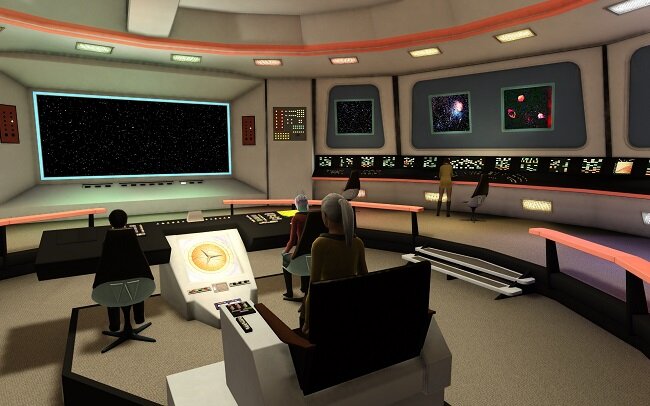
Last year I wrote a post about several “quality-of-life mechanics” found in MMOs. Systems and functionality that just make a game more manageable or convenient. Despite having many features in common, MMOs are far from identical in their interface and controls. If you’re a genre aficionado, then you can usually bluff your way through a new game and decipher how to play it. But for new players, often just trying to figure out how to do a simple thing, like find your skill points, can be an uphill struggle. However, every now and then, you’ll come across some simple functionality in a game that is useful and makes a task much easier. So I have collated another five “quality-of-life mechanics” that I feel are significant and beneficial to the player. Some are very minor but that does not diminish their value. Sometimes, less can indeed be more.
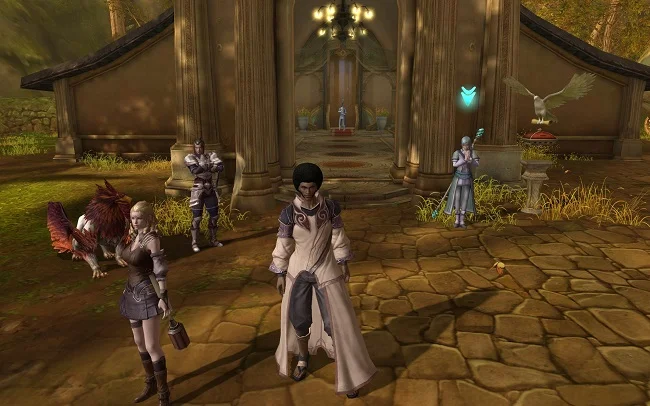
When I first started playing MMOs, it was very easy to maintain a degree of “gaming monogamy”. The Lord of the Rings held my attention for two years, without any distractions because everything was new to me at the time. But eventually, the allure of other genre titles became too great that I moved on to pastures new. And so I spent between 2009 and 2014 trying numerous other games. Star Trek Online, Age of Conan, Aion, Guild Wars 2, Star Wars: The Old Republic, The Secret World, Neverwinter, WildStar and The Elder Scrolls Online to name but a few. If a game took my fancy, I would invest a great deal of time and make substantial progress. Conversely, if the “shoe didn’t fit”, it was quickly dispensed with. For example World of Warcraft never “clicked with me. It’s no reflection on the game itself. I just didn’t warm to any aspect of it. Similarly, the reality of EVE Online was vastly different to what I had imagined and expected.
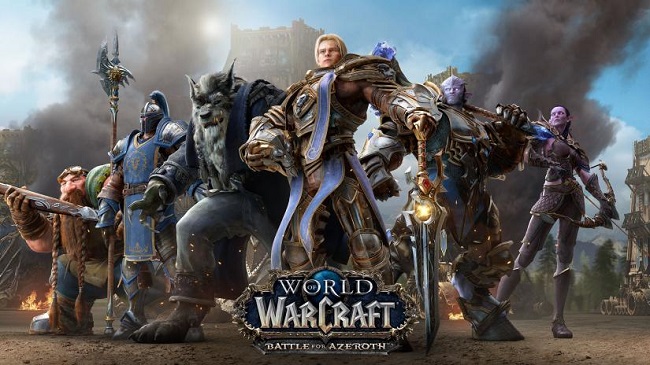
World of Warcraft was the MMO that broke the mould. The reasons for its success are too numerous and complex for this blog post, so let it suffice to say that it rode a perfect storm of factors and has maintained a strong presence for fifteen years. And as a result, subsequent developers have often sought to duplicate its success. Yet frequently the opposite has happened. In fact several MMOs have launched and experienced a brief time “in the sun” only for things to come crashing down thereafter. Perhaps the most well-known example of this was SWTOR which experienced a triumphant launch in December 2011, yet within three months the majority of players had left for pastures new. It took the game going F2P and a lot of hard work by BioWare to claw back the playerbase. It has also been argued that many MMOs have grown too big for their own good? It is true that a new player starting a game such as LOTRO today has a long slog ahead of them and some may simply find that too daunting.
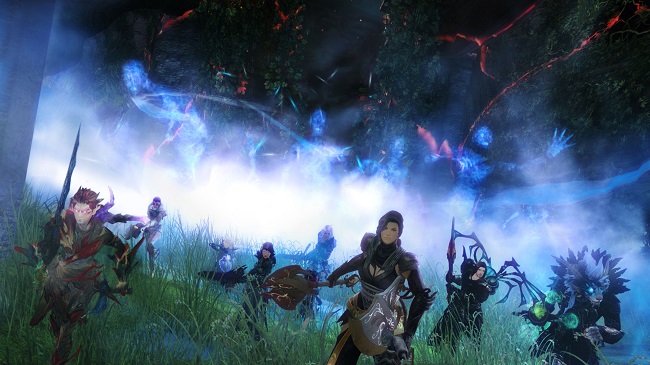
The above promotional video for Guild Wars 2 (dated July 19th, 2011) came up in an online discussion recently. The game as it exists today is radically different to this eight-year-old marketing presentation. It got me thinking about MMOs, how they evolve and those that have fallen from grace. Naturally the spectre of World of Warcraft looms large in such a discussion, because for many years this was the game to beat. Subsequently the market was awash with clones, which proved to be an unwise business tactic. The tumultuous life of Star Wars: The Old Republic along with the closure of Warhammer: Online, Vanguard and recently WildStar indicates that more of the same is not necessarily what players want or at the least, insufficient to keep them engaged. Guild Wars 2 initially deviated noticeably from the perceived wisdom but then contradicted its own ideology out of necessity to remain financially viable. Subsequent expansions have proven far more “traditional”. A decade on from the MMO boom, the genre has had to become far more niche to survive. MMOs exist and make money, but the are no longer seen as cash cows.
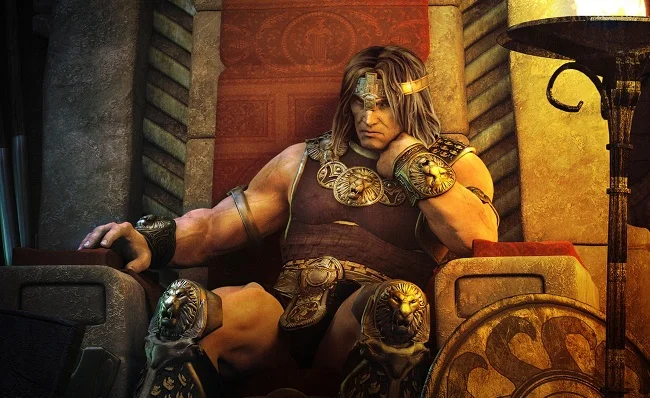
I started playing MMORPGs over a decade ago, at a point when the genre was growing. It seemed at one point that every developer wanted to produce the game that usurped World of Warcrafts crown. I therefore ended up trying many of these massively multiplayer online games yet ended up sticking with few. All too often many of these titles were too generic or had an inherent flaw or flaws that killed my enjoyment. Sometimes it was just a case that the game just didn’t chime with me. Naturally over time, I have revisited some of these MMOs and a few have become a mainstay of my gaming activities. The Lord of the Rings Online, Star Trek Online and The Elder Scrolls online are three such examples. Yet there are numerous other games from this genre that I have not returned to or if I have, I still found them to be problematic, so they have not become part of my leisure activities.
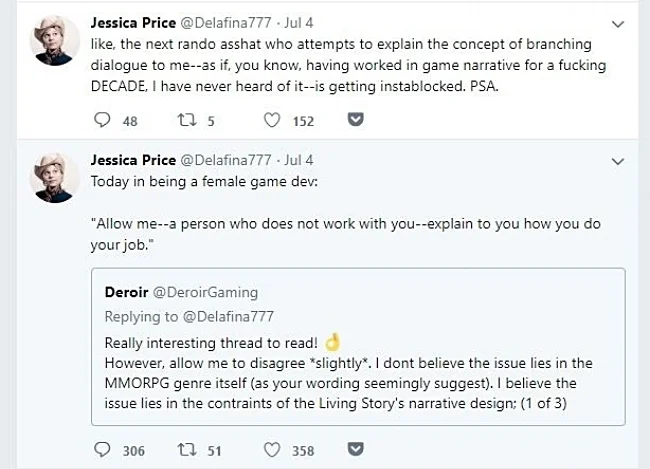
When I first read about the furore caused by Jessica Price’s comments yesterday, I knew it wouldn’t end well. There’s a tedious inevitability to the outcome of most video game related “outrages” these days. For example, a senior member of staff from a major developer will same something crass, double down, dig a hole and then finally after being bitten on the ass by reality, will put out a mealy-mouthed half ass apology. The other scenario is that an employee affiliated to a studio says something completely left field, is presented with short window of opportunity to retract it and blame it on over the counter flu medication, before they get fired due to the ensuing PR shit storm. This particular controversy falls into the latter category. However, if you take a step back from the Jessica Price debacle you quickly notice it raises a lot of questions beyond her obvious transgression. Namely, the problem of always being “on the clock” when you work in certain professions, the need to separate your work and personal social media presence and the place “influencers have in the video games industry.

It would appear that lockboxes are being discussed once again. Bhagpuss wrote a post over at Inventory Full yesterday, which subsequently got used as a talking point on Massively Overpowered today. What made the debate a little different this time around, was that Bhagpuss doesn’t object to lockboxses per se, merely that in most games that have them, the content is frequently lacklustre and uninspiring. A point I am compelled to concur with. I too have no major objection to lockboxes in principle and partake of them from time to time in various games. However, they seldom seem to contain anything that I consider to be of tangible benefit to me. I want pets, gear and weapons. But because of vocal complaints from certain quarters, we are more often than not saddled with inconsequential convenience items and minor cosmetics baubles and trinkets.
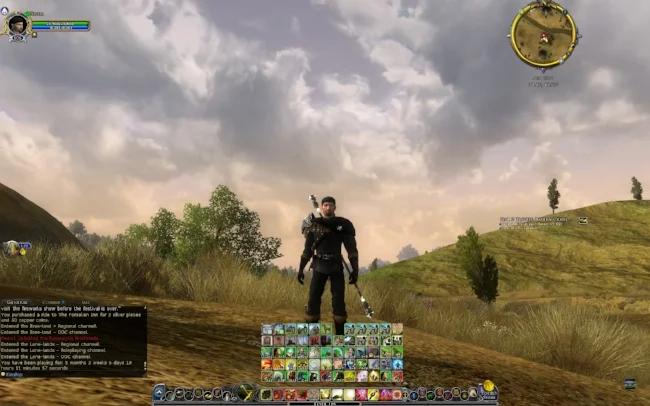
Although I have played numerous other online games, LOTRO has been my main MMO for the last nine years years. I have invested a great deal of time into it, which is hardly surprising as that is the entire raison d'etre of the genre. I recently purchased the Mordor expansion for the game which offers a wealth of new content. Yet despite having all this available I have done precious little in the game of late and have made no significant progress. Currently, I have Guilds Wars 2, The Elder Scrolls Online, Secret World Legends and Star Trek Online installed on my PC. I have dabbled with them all over the last few weeks, trying to rekindle a sense of enjoyment and pursue content that I have not completed. Sadly, none of them seem to hold my interest. I log in to them in the hope that something will grab my attention but I always seem to find myself just kicking my heels and aimlessly wandering through zones with no sense of focus.
Jeremy Soule's score for Guild Wars 2 is an integral part of the games charm and appeal. It enhances the world of Tyria and is a character in its own right. As a player, whenever you visit one of the vast cities or travel the rolling countryside, it is Soule's music that breathes life into the finely crafted world that ArenaNet have made. Upon the games launch in 2012, the soundtrack for Guild Wars 2 was released in a four-disc box set, via Soule's own record label DirectSong. Sadly, this was a limited pressing and is now out of print. Copies now change hands for exceedingly large sums of money.
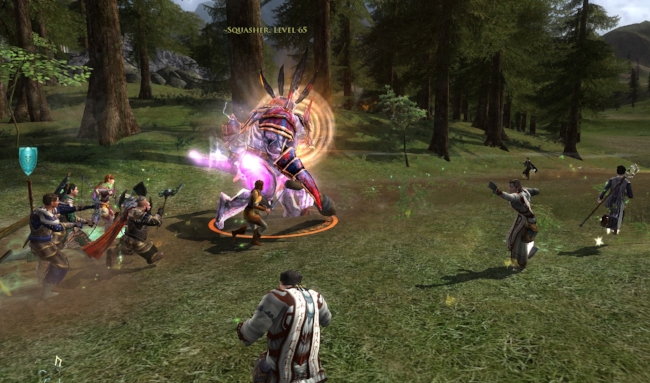
There’s one particular topic that appears with tedious regularity on MMO subreddits and forums. That old chestnut about how the genre has become too solo friendly and that it’s to the ruination of the genre. It usually hails from the raiding community and follows a predictable path about high end gear and those who do and don’t deserve it. When you look beyond the initial arguments, you’ll frequently find that such positions are very emotive, couched in judgemental terms and often end in the sentiment “why even play an MMO?” or something comparable. The reason I mention this perennial debate is because it appeared recently on a forum that I still occasionally visit. It saddens me to a degree because, this point has been debunked so many times, yet it still persists (a bit like many political talking points). It also smacks of that attitude I see all too frequently these days. A concern and borderline resentment of what others are doing, irrespective of whether it impacts upon you or not.
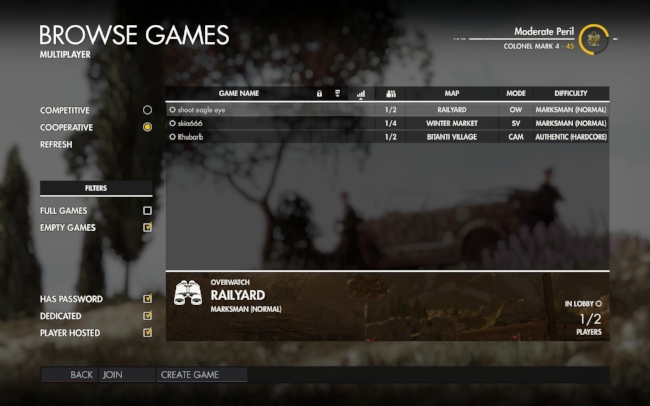
Out of all my recent gaming, Sniper Elite 4 has proved the most entertaining. The engaging mechanics and stealthy gameplay have held my attention and kept me engaged. So far, I spent over seventy-two hours playing through the campaign and DLC. After watching several You Tube videos I was tempted to try the co-operative mode, something that I don’t always do in these sorts of games. Overwatch allows two players to work together as sniper and spotter respectively, to complete objectives within a custom map. It requires communication and co-ordination. It should also be noted that multiplayer in Sniper Elite 4, is dependent on peer-to-peer connection rather than dedicated servers, with the players hosting the games themselves.
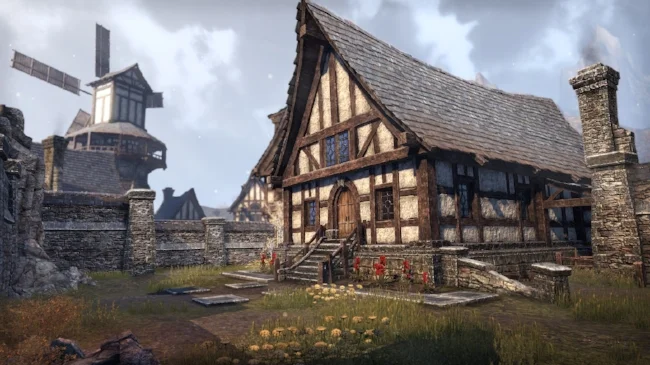
Having recently returned to The Elder Scrolls Online, there is a lot of excitement within the community regarding the introduction of housing in the next major game update in February. So far from the information that is available, there’s a wide variety of house styles and customisation options available. Properties can be bought furnished or unfurnished and players can further embellish their respective dwellings by crafting specific items for them. Housing also includes the usual fast travel options to and from their location and access can be shared among friends and alts. There’s a more detailed breakdown at The Elder Scrolls Online website and so far, ZeniMax seem to be offering all a comprehensive version of the current popular MMO mechanic.
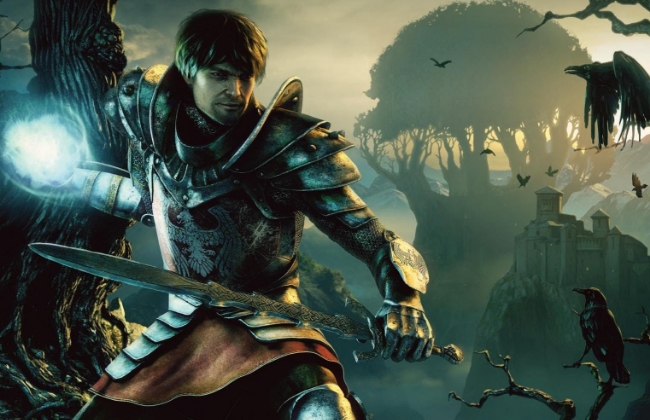
I started 2015 playing RPGs. Despite becoming bored with Dragon Age: Inquisition and its ponderous storyline, I still found this particular genre engaging. January and February are often slows months in my line of work, so it’s a good time of year to immerse oneself in games of this type. I played through both Arcania : Gothic 4 and Rise of the Argonauts and found them both to be enjoyable. Neither of these titles was revolutionary, being mainly “business as usual” RPGs. However both were bought as part of gaming bundles and the discounted price does have an impact upon my gaming expectations. For what they were, I enjoyed them.
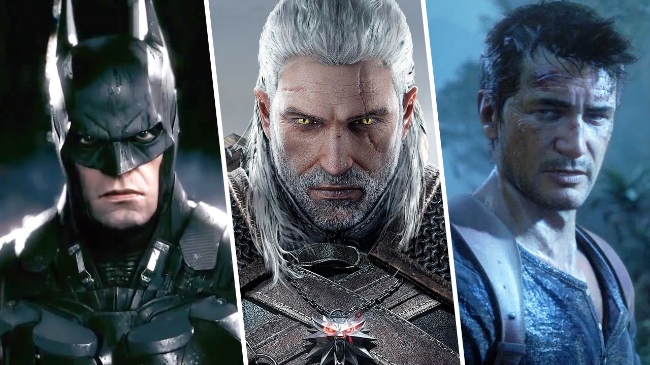
This time last year I wrote a two part post called A Year in MMOs. Twelve months later I find myself writing a similar round-up of my gaming activities. However this time round the title has now become A Year in Gaming. One of the most significant changes for me over the course of 2015 has been my step away with the MMO genre. Where in the past I would seek out new titles and stay abreast of those in development, I now find myself no longer drawn to the genre by default. Traditional titles such as LOTRO have been sidelined. This is because both MMOs and I have changed over recent years. Although I still play this genre (mainly STO), I do so sparingly and it is no longer the apple of my eye or the mainstay of my gaming time.
Guild Wars 2 has always been a game that’s easy to return to. In many ways this has been the game’s biggest selling point for me. The lore doesn’t appeal to me that much but the games frictionless approach to combat and character stats have always made it easy to jump back into after being away. So for the last three years I have been a regular visitor to Tyria. However, many of the changes that came with the October expansion, Heart of Thorns, were not to my liking. That’s not to say that they were bad. They seem to have found favour in some quarters. But from my perspective the changes made to Guild Wars 2 have not improved or enhanced it and took the game in a direction contrary to my tastes. As a result I have stopped playing the game entirely.
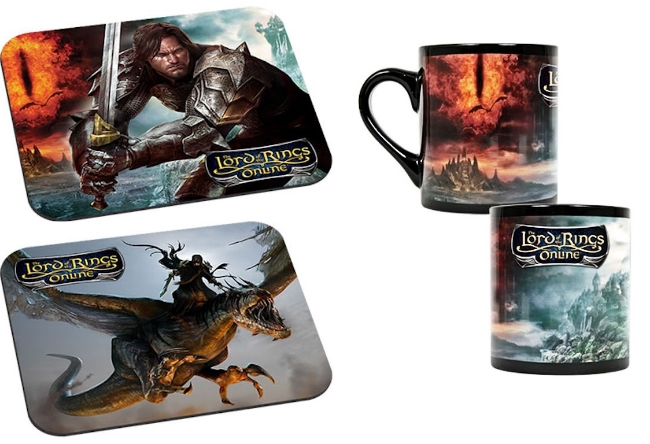
While watching the official LOTROstream recently, I noted that there was still a lot of LOTRO related merchandise adorning staff desks at Turbine’s offices. I recollect in the past that mouse mats, mugs and other items use to be available for sale in the Warner Bros. store. There was an initial marketing campaign associated with the launch of the game in 2007 and another in 2010 when the game converted to F2P, both of which required a stock of merchandise for promotional reasons. Sadly a search of the Warner Bros. store has shown that no such material is available any longer. Furthermore considering where LOTRO is in its lifespan, there is not likely to be any further stock produced.
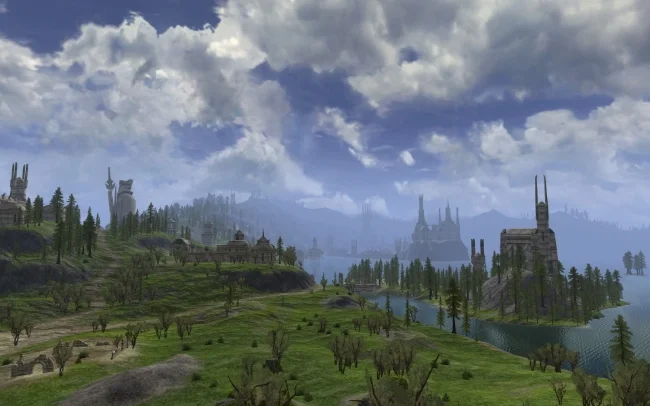
I started playing my first MMO in late 2008. Until then it was the one genre that I had never tried. I initially considered buying World of Warcraft but when I found out there was a virtual version of Middle-Earth I chose to purchase The Lord of the Rings Online instead. Right from the outset I was hooked. My working pattern and domestic arrangements afforded me plenty of time to invest into this game and I did so willingly.
 Roger Edwards
I don’t keep up with gaming news as much as I use to but several noteworthy announcement have come to my attention of late. Firstly, there’s an expansion, Songs of the Past, coming for the Witcher III: Wild Hunt in 2027. No doubt this is to pave the way for the Witcher IV. Next, I also found out about Hand of Fate: Horde. I liked this franchise and was saddened to learn that the original studio, Defiant Development, closed. Hence is was a pleasant surprise to see this new game being developed by members of the original studio. The third announcement was regarding Guild Wars 3. A new MMORPG in active development by a major studio is no small feat and is certainly good news for fans of this franchise and the genre per se. However, once you look beyond this news this announcement raises several questions and has certainly given me pause for thought. Let us take a few moments to consider them.