
The Tedium of April Fool's Day
Many of the traditions that we maintain as a society, started off with honest intentions. Such things as public holidays, religious observance or the simple celebration of a particular group or ideal are prime examples. Inevitably the meaning of these traditions becomes diluted over time and they more often than not become exercises in marketing or tedious institutions perpetuated by those with a specific agenda. For me April Fool's Day is the embodiment of this concept. An exquisitely unfunny ritual that is inflicted upon us by those who don't realise (or care) that the activity is totally arbitrary. I hate the concept of organised fun. And that it’s something to be martialled and stage managed by self-appointed arbiters. Furthermore, I despise the accompanying mindset that if you somehow don't enjoy yourself, or wish to participate in the ensuing charade, you are somehow lacking or a "killjoy". Both concepts are flawed and morally oppressive. For me fun is something that occurs organically, and its dynamic nature eschews control and shepherding. It should not be at someone else’s expense either.
Many of the traditions that we maintain as a society, started off with honest intentions. Such things as public holidays, religious observance or the simple celebration of a particular group or ideal are prime examples. Inevitably the meaning of these traditions becomes diluted over time and they more often than not become exercises in marketing or tedious institutions perpetuated by those with a specific agenda. For me April Fool's Day is the embodiment of this concept. An exquisitely unfunny ritual that is inflicted upon us by those who don't realise (or care) that the activity is totally arbitrary. I hate the concept of organised fun. And that it’s something to be martialled and stage managed by self-appointed arbiters. Furthermore, I despise the accompanying mindset that if you somehow don't enjoy yourself, or wish to participate in the ensuing charade, you are somehow lacking or a "killjoy". Both concepts are flawed and morally oppressive. For me fun is something that occurs organically and its dynamic nature eschews control and shepherding. It should not be at someone else’s expense either.
However, the video game industry loves a bandwagon and any event that they can crow bar into a game (and monetise if possible). April Fool’s Day has become yet another of these arbitrary occasions. Thus, we have everything from bogus or “prank” press releases, novelty tweets from community managers, “humorous videos” and even themed events. So far, I’ve encountered the following. An “fun” email from Niantic about a graphical upgrade coming to Pokémon GO. A press release about the upcoming Black Desert Online theme park. And a tweet from the official Path of Exile twitter account stating that they’re abandoning the development of their game as an action RPG and that it will be repurposed as a 100 player Battle Royale experience. However, it should be noted that all the above, although annoying, are things that can be avoided. But the developers of the MMORPG Rift, have decided to go so far as to have a little April Fool’s humour at their players expense. The game usually has no fall damage but today they’ve turned it on. Oh, the endless joy.
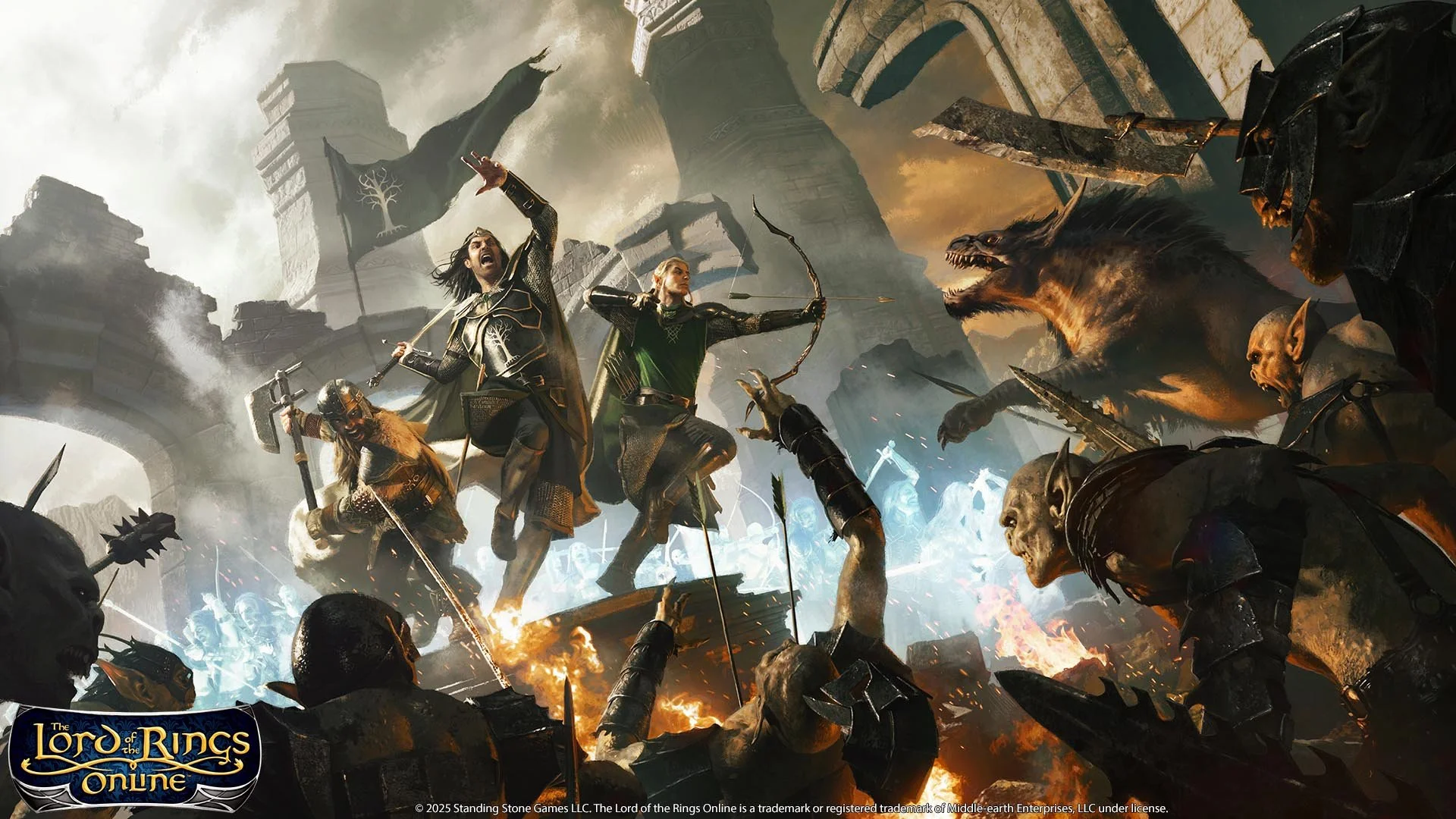
There are many things in life that are inflicted upon us, often against our will and without any form of redress. Governments, taxes, kids playing music on their phones out loud and the iniquities of [insert name of tediously predictable You Tuber here], to name but a few. So, I really don't want to see more of the same in gaming. If developers do feel the need to “join in the fun” of the season and insert some joke or novelty event (as with the example from Rift), then they should at least give players the option to disable it. The same way that SSG allows players to opt out of forced emotes from other players in LOTRO. That would cover all bases and buy the devs a lot of goodwill. Those who like this sort of thing can split their sides with mirth and the rest of us can be left in peace. The reason I mention this is because it’s never a good idea to upset paying customers. As for April Fool's Day, well it’s a tradition that really needs laying to rest. Does it promote comic genius or simply perpetuate uninspired, thoughtless, ubiquitous mediocrity? (No shouting out, hands up, please). If you want another cogent argument as to why this annual celebration is a cultural blight, then watch the video below by comedian and satirist John Oliver.



The Next Big Thing
I was chatting with a few fellow gamers recently and was asked if I had pre-ordered any new up and coming titles, such as The Crew 2 and Anthem. They seemed surprised when I responded "no". I subsequently explained that I had reached a stage in my life where I was beginning to tire of hype, false expectations, the continual internet chatter and the crap that accompanies being an early adopter. I think that the whole Star Wars: Battlefront II debacle pretty much put it all into perspective for me and I just don't see the point in going through all that again. Then the subject of early access and soft launches came up and I similarly pointed out that I wouldn’t be jumping on the Sea of Thieves bandwagon either. I like to buy a game when it’s finished and therefore get an entire product. I don’t have to be part of the crowd that’s playing any game on day one of launch.
I was chatting with a few fellow gamers recently and was asked if I had pre-ordered any new up and coming titles, such as The Crew 2 and Anthem. They seemed surprised when I responded "no". I subsequently explained that I had reached a stage in my life where I was beginning to tire of hype, false expectations, the continual internet chatter and the crap that accompanies being an early adopter. I think that the whole Star Wars: Battlefront II debacle pretty much put it all into perspective for me and I just don't see the point in going through all that again. Then the subject of early access and soft launches came up and I similarly pointed out that I wouldn’t be jumping on the Sea of Thieves bandwagon either. I like to buy a game when it’s finished and therefore get an entire product. I don’t have to be part of the crowd that’s playing any game on day one of launch.
I’m frequently unimpressed with the pre-order bonus items associated with buying in advance, as they’re seldom of any real benefit and often smack too much of a cash grab. I appreciate that game developers need to get cash up front, but if I am to spend money prior to a game’s release I want a tangible incentive, not just baubles and trinkets. Plus linking beta testing to pre-orders strikes me too much like hedging your bets. I think it is important to try before you buy these days, as gaming often requires a sizeable cash outlay if you want the full product. To gate beta testing behind a pre-order does seem counter intuitive, potentially alienating many of those who would under other circumstances, be happily testing your product for free. $60 (or more if you want a season pass as well) is a lot to spend on a product that may not eventually be to your liking. I beta tested many MMOs in the past and didn’t buy all of them.
I also have doubts over the future of the MMO genre, so would rather wait a while before purchasing any of the new titles currently in early access. Hence Project: Gorgon and Crowfall remain on my radar through news feeds rather than first-hand experience. I want to see if they succeed or fail and what sort of community grows around them. In the meantime, there are plenty of smaller releases that I am interested in. However, these are not MMOs so do not have the any of the potential risks or problems. I am eagerly awaiting Frogware’s The Sinking City, for example. It won't have the any of the hype and marketing impetus of any of the major studio releases this year, but it will arrive on time and in good order, doing hopefully everything that it's more measured sales campaign promises. I find that many of the smaller game developers still have a sense of perspective and tend not to over sell their products.
The cult of "the next big thing" and the early adopter is really a state of mind. I recently spent some time perusing old titles via Steam and Origin, looking at established games that were over two years old. Such products have usually been patched and fine-tuned, eliminating any bugs. There is also a wealth of online resources should a player require any assistance. Then of course there is the massive price differential. The latter is a very important factor. The net result of my search was that I found the RPG The Witcher 3: Wild Hunt GOTY Edition available via for £15, if you shop around online. Let it suffice to say that unless you need to be at the cutting edge of gaming, you can avoid the respective baggage that accompanies “the next big thing” and find comfort and satisfaction with last year’s titles. Sadly, too many people still are enamoured by pre-order culture and “being there” on day one. Until this culture changes, the egregious bonuses and tat that come with premium pre-orders will continue to blight the industry.
Let the Gamer Beware
Gaming is a very interesting and unique industry. It has evolved a great deal over the last three decades and now deals in virtual products. It’s a far cry from traditional notions of business. Yet despite its modern trappings it is still driven by the same processes and imperatives of any other sector. Therefore, should a customer really treat it any differently? The reason I ask is because it seems to me that gamers have a very different relationship with their respective vendors, compared to other groups of consumers. It is a relationship that I believe to be somewhat skewed and therefore detrimental to both parties.
Gaming is a very interesting and unique industry. It has evolved a great deal over the last three decades and now deals in virtual products. It’s a far cry from traditional notions of business. Yet despite its modern trappings it is still driven by the same processes and imperatives of any other sector. Therefore, should a customer really treat it any differently? The reason I ask is because it seems to me that gamers have a very different relationship with their respective vendors, compared to other groups of consumers. It is a relationship that I believe to be somewhat skewed and therefore detrimental to both parties.
Whether you are buying a house, a new TV or loaf of bread at the supermarket, all business transactions are governed by a basic contract. Goods or services are exchanged for money. Furthermore, those goods and services must abide by a set of pre-agreed criterion. If these are not met, then the goods or services are not fit for purpose and the contract is null and void. The transaction is subsequently cancelled. If funds were paid in advance, then they are returned. There is a logical purity to the process. As a consumer this procedure should be your abiding philosophy and caveat emptor (“let the buyer beware”) your personal mantra. Obviously, consumer legislation has layers of complexity and may vary from region to region, but the basic tenets are universal.
Bearing this in mind let us turn our attention to the gaming genre, specifically MMOs. They are a curious product to begin with. Until recently, initial payment only allowed you to use the client software for first thirty days. To continue using it, a subscription was required. This has changed recently, and the basic product is now given away free, with revenue coming from the sale of enhancements and premium services. Yet despite all this, the business model is still subject to the traditional contract. Therefore, if the vendor defaults in anyway on their obligations, then the buyer has appropriate legal recourse, within the terms and conditions of the service.
Unfortunately, gamers do not simply buy a product and view the transaction with dispassionate and logical legal acumen. Gamers bring enthusiasm and fandom to the equation. Games evolve, and player participation and feedback contribute to that process. The love and time that gamers invest into an MMO elevates the process above a simple business transaction. This is a very big factor in shaping the way gamers perceive their business relationship with the developers. In fact, some lose sight that it is an actual business relationship and see it more as some sort of reciprocal partnership. This is where the problems begin.
Because MMOs are so dependent on customer feedback there is a requirement for forums and an overall dialogue with the player base. This in some ways transcends traditional customer services and takes on a broader role. There is a practical need for a centralised point of information and therefore the role of community manager arises. I consider this to be a contributory factor to the blurring of customer, vendor relationship. Most other businesses have customer service or support. They serve their purpose in providing paying customers with the ancillary service they are due, but they do not alter the dynamics of the relationship. A community manager by their very title infers a community that needs to be "managed", which in turn changes customers with statutory rights into a different group altogether.
Communities in the wider world have a voice. Often, they are solicited by politicians and as such, have power as a lobby group. When this sort of terminology is used with regards to gamers, there is the risk of that they will assume a wider degree of involvement and of their own importance. It is this misinterpretation of what each respective group’s role is, that causes problems. Now consider the gamers above average emotional investment into the products that they are buying. People seldom have a comparable bond with the company that manufactured their fridge. Some fans therefore confuse support and interaction with a vicarious form of co-ownership. Because of roles like community manager and the personalities associated with them, the business relationship then blurs and a more personal one replaces it. It may be well meant initially, but it distorts matters and not for the better. Game developers are commercial entities and making money is their raison d'etre. This should never be forgotten. Ultimately "community management" and other "soft skills" are done out of necessity. They are not driven by altruistic notions and are not providing some sort of benevolent social service for the "greater good". They want your money and will do whatever is required to get it. The vendor is not a friend.
If you use a supermarket and get poor service, you will either complain or more than likely just vote with your feet and never return there again. If you buy a high value electrical item from an established company and find the product faulty as well as the customer support wanting, again you will probably just refrain from purchasing from them in future. As a consumer you may tell others of your bad experience, but you will ultimately get over the matter. After all it is a question of maintaining a degree of perspective. Exactly how much damage has this negative experience done too your life? It not as if your family or a Shaolin Temple has been offended? Now obviously with gaming it is important to consider the time that is invested by the players into the product. This does mean that the consumer has possibly more invested and at stake than the casual shopper that I previously described. However, ultimately the personal investment is something the consumer has brought to the proceedings of their own free will. It has no bearing on the basic business contract that both groups of customers are governed by.
The closure of City of Heroes by NCSoft back in 2012, clearly illustrates this situation. Naturally fans of the game were up in arms and far from happy with its demise. There was a great deal of vocal protest and I have read such statements as "I will never by another NCSoft product" or "they'll never see a red cent of my money again". Emotions were extremely high and some of the opinions expressed seemed to be disproportionate with regard to what had actually happened. It is this type of reaction that I see all too often manifest itself across numerous fans bases. Terms like "betrayal" and "traitor" are used. I have seen these in relation to LOTRO for example. Authors such as George R. R. Martin and Jean M. Auel get hectored by fans who are far from happy with the direction the writers have taken their own creations and work. Again, this all stems from the fact that fans feel that they have some sort of collective ownership or claim to the material they love. Dare I even mention Star Wars?
Passion, fandom and a love of a particular thing can be very positive experience. Ask any scientist, musician or film makers and you'll often find that they were influenced by popular culture. Star Trek has inspired a wealth of our best current achievers. But fandom can also lead to a false entitlement and a very blinkered view of the customer, vendor relationship. Consumers are not the same as creative consultants, nor do they share equal status to those that make the products. This is especially relevant for gamers. The recent launch of Sea of Thieves is a perfect opportunity to reflect upon this matter. If you purchase this game at this point in it's lifecycle, then you need to consider the following.
The game has a finite lifespan, which is governed by its capacity to make money and what other future products the manufacturer has in its portfolio. Buying and playing the game, sinking hours of time and passion into it guarantees nothing. Being active within the wider scene, running a website, hanging out with the community manager at PAX or whatever, does not mean you have more say or clout. Your consumer rights have not altered from what they were on day one. It is very depressing to do so, but my advice is to read the terms and conditions that accompany any MMO (or any other genre of game). They often succinctly tell you exactly where you stand, which is not necessarily where you think. Therefore, let the gamer beware.
007 Legends
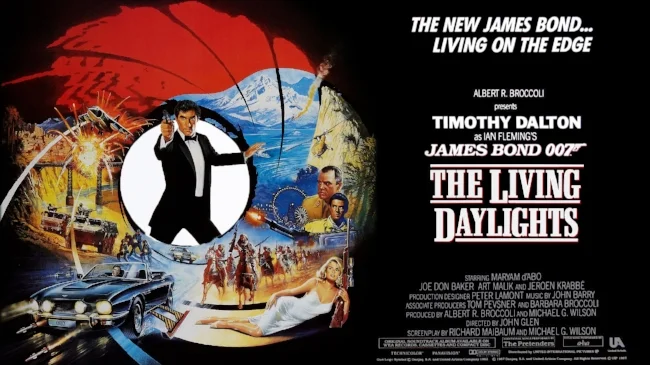
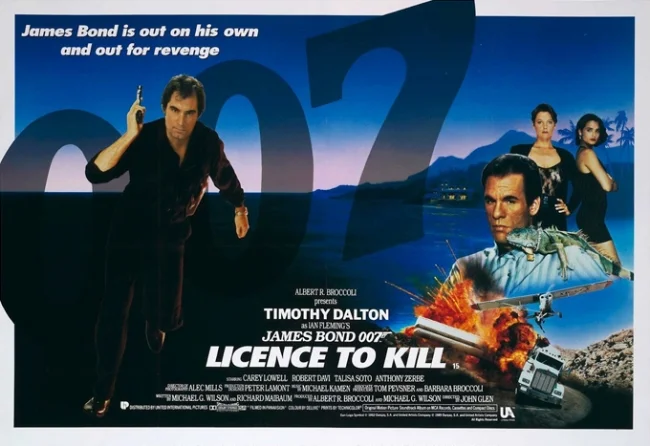
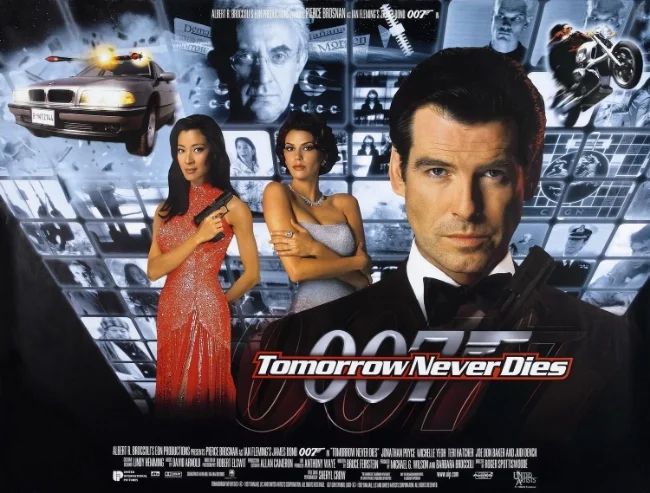
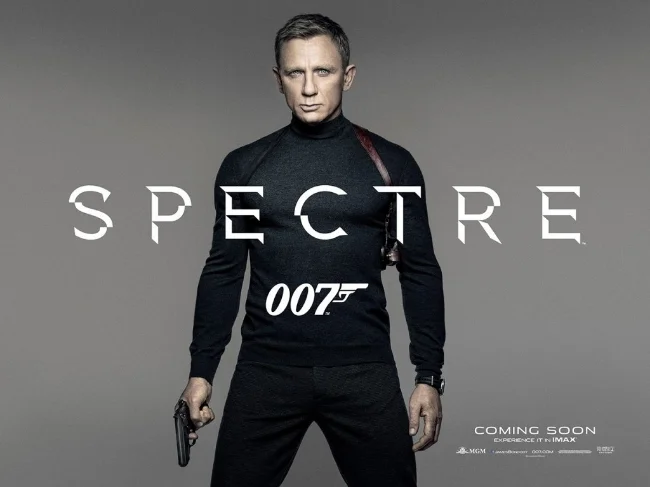
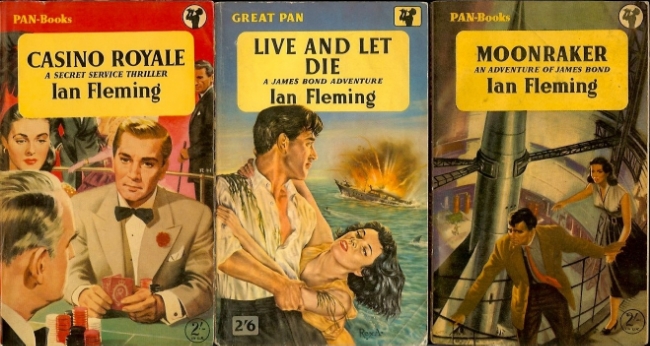
It's a curious thing that some of the most popular movie, TV and book franchises end up being made into the most tedious games. 007 Legends (released 2012) falls squarely into this category. It is woefully uninspired and lacking in any real substance. The previous game in the franchise, James Bond 007: Blood Stone released in 2010, was far from a masterpiece, but shines compared to the ineptitude of 007 Legends. Developers Eurocom seemed to have completely misjudged what it is about this particular intellectual property that the public enjoy. The results are a bastard hybrid FPS with just a thin veneer of 007 added to the proceedings. Curiously enough, this was the last game that Eurocom made before going out of business. Subsequently, 007 Legends has vanished from shelves and has been withdrawn from Steam. However, I still have a “hard” copy for the PC.
It's a curious thing that some of the most popular movie, TV and book franchises end up being made into the most tedious games. 007 Legends (released 2012) falls squarely into this category. It is woefully uninspired and lacking in any real substance. The previous game in the franchise, James Bond 007: Blood Stone released in 2010, was far from a masterpiece, but shines compared to the ineptitude of 007 Legends. Developers Eurocom seemed to have completely misjudged what it is about this particular intellectual property that the public enjoy. The results are a bastard hybrid FPS with just a thin veneer of 007 added to the proceedings. Curiously enough, this was the last game that Eurocom made before going out of business. Subsequently, 007 Legends has vanished from shelves and has been withdrawn from Steam. However, I still have a “hard” copy for the PC.
So where exactly does 007 Legends go wrong? Well to start it’s a formulaic FPS, with arbitrary stealth mechanics. The game engine is inadequate, and the game looks dated (even within the context of 2012). Like James Bond 007: Blood Stone there is a reliance on your in-game smart phone to crack security doors and hack computer systems. It’s hardly the most exciting gadget from Q branch. But it’s the narrative that’s the biggest failing. The game takes classic storylines from past Bond movies and re-imagines them as previous missions undertaken by the Daniel Craig's incarnation of Bond. Unfortunately taking such iconic enemies such as Goldfinger, Odd Job and Jaws out of their respective context doesn't really work. The banter and interaction all seem contrived and modernising these stories robs them of their period charm. It’s a real shame because there’s a grain of a good idea present, but its lost due to the poor realisation.
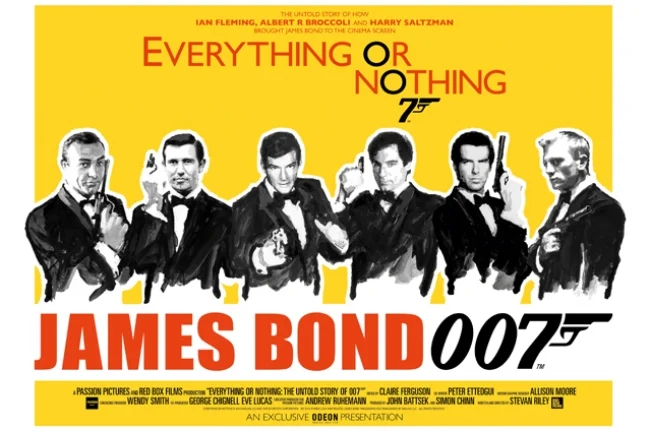
007 Legends is a who's who from the last fifty years of the Bond franchise, but its utterly lacking in emotional impact. Rather than capturing the spirit of Bond it simply feels like a 007 themed mod for another game. Uninspired character animation, repetitive use of similarly designed locations and appalling AI, culminate in a very dull gaming experience. Like many others, I was very disappointed with 007 Legends upon release and six years on, a second play through has not improved my overall opinion. Many of the levels are so generic, I once again found myself trying to bypass or skip content by simply running to the next checkpoint. Overall, this is a text book example of a product born of think tanks, focus groups and bean counters, who confuse bullet point summaries with true understanding. It is hardly a surprise that this game killed the Activision Bond franchise stone dead. Its subsequent disappearance may indicate that there were long term repercussions from the rights holders.



A Question of Time and Patience
Every couple of days or so, I log into Dauntless and spend an hour or two hunting beasties. I really enjoy the monster hunting but certainly feel that the quests, crafting and the general ancillary mechanics of the game still need working on. From what I can see the EU server appears to be pretty busy and there are certainly a lot of players in the main quest hub area. Yet despite this, I struggle at times in finding a group. It’s not that other player aren’t available. It’s that they seem unable to endure the five minutes it takes to form a four-man team. Often other players will join the group and immediately indicate that they’re good to go. However, I like to wait to see if we can get at least three players out of four, to improve the odds of combat going well. And it is this short period of waiting that seems to be a massive stumbling block for some. Hence it is all too common that some players will disappear within seconds of joining, if the game is not launched immediately.
Every couple of days or so, I log into Dauntless and spend an hour or two hunting beasties. I really enjoy the monster hunting but certainly feel that the quests, crafting and the general ancillary mechanics of the game still need working on. From what I can see the EU server appears to be pretty busy and there are certainly a lot of players in the main quest hub area. Yet despite this, I struggle at times in finding a group. It’s not that other player aren’t available. It’s that they seem unable to endure the five minutes it takes to form a four-man team. Often other players will join the group and immediately indicate that they’re good to go. However, I like to wait to see if we can get at least three players out of four, to improve the odds of combat going well. And it is this short period of waiting that seems to be a massive stumbling block for some. Hence it is all too common that some players will disappear within seconds of joining, if the game is not launched immediately.
As ever, this has got me pondering the nature of countdown timers, as well as time penalties and the whole matter of player patience in gaming. Despite the fact that match making software has to parse huge quantities of data simultaneously and still manages to collate groups within a reasonable amount of time (five minutes), players just don’t seem to have any patience. I’ve noticed the same phenomenon in other games such as Friday the 13th: The Game and Overwatch. Players will quit a group because it isn’t filling up quick enough for them, only to return a few seconds later when they hit “auto group” again and the software reconnects them. It’s curious the way that even a short wait is considered an anathema to some gamers. Often these will be the same individuals that will abandon a game, once they’re dead and unable to respawn. They’re obviously happy to forgo the XP they’ll receive at the end of the round, if they can get straight back into another alternative game. I worry that such an impatient attitude is a contributory factor towards the fractious nature of co-op games.
However, I cannot claim a position of moral rectitude on this subject as I’m far from a big fan of time penalties in games. Although I understand the logic of not instantly respawning a player back at the exact same location of where they just died, I always tend to grind my teeth while waiting to return to a game. I guess it’s comes down to the fact that the adrenaline is flowing, and you’re fired up to get back into combat. In such circumstances, measured and reasonable attitudes seldom prevail. Mercifully, I have mainly avoided most MMORPGs that have any sort of corpse run, death mechanic as I consider this to be an egregious waste of time and an unnecessary delay. There is a fine line between a sensible penalty brought about by specific events and pissing your player base off. LOTRO has a hybrid system that mixes the new with old school mechanics. If you are “defeated” you get one free “rez” on the spot which has an hour cool down. If it happens again you can either respawn using in-game currency or at the nearest rally point on the map. These have become few and far between in recent updates, resulting in further lost time as you ride back to your desired location.
Because time is the key to success in most multiplayer or co-op games as well as a finite commodity for most gamers, I guess that’s why its something that people are sensitive about. I often feel that if I only have a ninety-minute window to play an MMO, I want to use that time efficiently and ensure that it yields some results, or I achieve some goal. However, I am aware that such a mindset can slowly turn a leisure activity into a chore and leech all the pleasure from it. I’m also sufficiently old enough to have had the old adage “time is money” drummed into me. To a certain degree that is the case with the MMO genre if you subscribe or pay in some other fashion. However, as a carer and a grandparent, I like to think I can counter these feeling with a degree of patience that I’ve had to cultivate in recent years for practical reasons. It’s at this point I usually end a blog post with a quip such as “only time will tell”. However, in light of the discussion, I shall decline in this instance.
Gold!
I shall be using the term “Gold” in this post for two reasons. First off, it’s a catch-all, generic phrase that encompasses the primary currency used in most MMOs (irrespective of whether it really is called gold or not). Secondly, it means I can gratuitously crow bar Spandau Ballet references into the proceedings if I see fit. Moving on, I currently have four traditional MMOs installed on my PC, all of which have a main currency that is earned through completing quests and the vendoring of loot. Some of these games make the acquisition of gold relatively easy and others do not. Furthermore, like real life, there are rich and poor players in any MMO and usually for the same reasons. IE Investment of time, at which point you enter the economy, fiscal prudence and the old adage of money going to money. Once you’ve accumulated wealth in an MMO it’s a lot easier to maintain the flow of revenue.
I shall be using the term “Gold” in this post for two reasons. First off, it’s a catch-all, generic phrase that encompasses the primary currency used in most MMOs (irrespective of whether it really is called gold or not). Secondly, it means I can gratuitously crow bar Spandau Ballet references into the proceedings if I see fit. Moving on, I currently have four traditional MMOs installed on my PC, all of which have a main currency that is earned through completing quests and the vendoring of loot. Some of these games make the acquisition of gold relatively easy and others do not. Furthermore, like real life, there are rich and poor players in any MMO and usually for the same reasons. IE Investment of time, at which point you enter the economy, fiscal prudence and the old adage of money going to money. Once you’ve accumulated wealth in an MMO it’s a lot easier to maintain the flow of revenue.
Back in 2008 when I started playing LOTRO, earning gold was a relatively slow but balanced process. Progressing through the game, collecting quest rewards and selling your loot brought in a slow but steady stream of revenue. Occasionally obtaining a rare drop would help increase your personal wealth, once it was sold via the auction house. Furthermore, crafting gear and selling it on could prove lucrative. Then there was playing the in-game economy. One such example would involve buying health potions cheap during the middle of the week only to sell them late on Friday or Saturday evening, when players were busy raiding and demand was high. I’m sure broadly similar scenarios are applicable to other MMOs. However, these processes are not always sustainable because game economies evolve, and dedicated players end up accumulating immense in-game wealth. All of which have a knock-on effect.
In STO, the ability to earn energy credits, the games equivalent of gold, has diminished over time. Vendoring the content of your bags after running several Red Alerts (group instances), does not yield much these days. Yet because the game has a core player base that have maintained multiple alts over the last eight years, there is a lot of concentrated wealth among high achievement players. Many lockbox items are not bound and so desirable items such as ships, weapons and traits are sold at massively inflated prices on the exchange (auction house). If a new player wants a rare Tier 6 vessel they will be looking at a price of 200 to 300 million energy credits. To raise such capital would take a strategy of logging in daily on multiple alts, to run specific events. It may possibly take a year to earn such a sum. Again, you’ll find similar situations in other MMOs. It’s also the reason why gold sellers are still a thing. One year versus a few hours waiting for “Tommy” to drop off your cash.
Interestingly, I did not have any issues earning gold in ESO. I recently created a new character and spent about a month progressing to level cap. During that time, I was able to generate over 150,000 gold which is a tidy sum. It will not kit a player out in legendary quality gear, but it will cover the cost of buying equipment from the next tier down and make them ready to start grinding better gear from the endgame. Although I haven’t played Guild Wars 2 for a while, gold was not in short supply in that game, mainly due to the fact that you could buy a specific in-game currency, gems, with real world money and then convert it back into gold. Obviously, such a system does discriminate against players who don’t wish to or can’t afford to spend real money, but the exchange rate is not especially egregious. Other MMOs have a similar system that let’s player effectively buy gold legitimately. Although some would argue it cures one problem and creates another.
My last point is based more upon a hunch and a feeling, rather than something I can tangibly measure; therefore, I won’t frame it as a fact. When I started playing MMOs a decade or more ago, having a lot of gold was a demonstrable benefit. It was often (not always) a key to getting something that you needed to improve your build or something that aided your gameplay. Nowadays, the in-game store seems to be of more importance and in-game gold is not the currency you need to worry about. The role of gold seems to have diminished because its function cannot easily be monetised in an ageing game economy. Hence the focus on convenience items that can be bought for real money via purchasable currencies. Turns out that maybe gold isn’t necessarily “indestructible” and we shouldn’t “always believe in” it, now we have “the power to know”. Cue Steve Norman saxophone break and accompanying bongos.
The Power of Nostalgia
Due to blog posts by Wilhelm Arcturus and Bhagpuss, I discovered that the MMORPG EverQuest has recently reached its nineteenth anniversary. That’s quite a prodigious feat, all things considered, that a genre title can endure so long. Especially when other similar titles have gone to the wall after far shorter life cycles. The games current owner, Daybreak Game Company have just launched a new progression server, proving that EverQuest is still making money and thus is worth investing in. Beyond this, I can’t comment any further specifically about this game as it’s a one I’ve never played in the past and its highly unlikely that I ever will. What I want from a game and what this one has to offer are two very different things. However, a story such as this will often instigate a debate regarding the key to a video games longevity. One of the most common explanations is nostalgia and many gamers urge to try and recapture the halcyons days of a much beloved, prior experience.
Due to blog posts by Wilhelm Arcturus and Bhagpuss, I discovered that the MMORPG EverQuest has recently reached its nineteenth anniversary. That’s quite a prodigious feat, all things considered, that a genre title can endure so long. Especially when other similar titles have gone to the wall after far shorter life cycles. The games current owner, Daybreak Game Company have just launched a new progression server, proving that EverQuest is still making money and thus is worth investing in. Beyond this, I can’t comment any further specifically about this game as it’s a one I’ve never played in the past and its highly unlikely that I ever will. What I want from a game and what this one has to offer are two very different things. However, a story such as this will often instigate a debate regarding the key to a video games longevity. One of the most common explanations is nostalgia and many gamers urge to try and recapture the halcyons days of a much beloved, prior experience.
Nostalgia is a double-edged sword and it often polarises opinion. In certain quarters it is pooh-poohed and even sneered at but from a business and marketing standpoint, it should not be underestimated. Take the NES and SNES Classic Mini consoles for example. Their merit and viability were questioned by some game pundits, yet they went to sell like hot cakes, proving that people like updated version of stuff they use to have. The thing is nostalgia is far more than just revisiting something from your past. It’s a far more emotional experience. It’s about reconnecting with a trusted product. It’s about the comfort of familiarity and the feeling of being in control with something you know inside out. It isn’t a threat, it doesn’t flummox you by asking you to learn new things and you don’t have to take a gamble on the end results. This is the appeal of the old console or an ageing MMO such as EverQuest. They’re both the gaming equivalent of a comfortable old pair of slippers.
Two other things have crossed my mind of late that are tangentially relevant to this discussion. The first is my Dad at 88, still watching old episodes of Quincy M.E. on TV. I was surprised to find that this show that ran from 1976 to 1983 has been digitally remastered and reframed from 4:3 to 16:9; all of which are an expensive undertaking. Yet some bean counter somewhere obviously did a cost analysis and determined that the price of retrofitting an old show such as this to modern broadcasting standards, was a worthwhile investment when offset against global back catalogue sales. The second point is the buzz around the MMO Project: Gorgon that has just launched on Steam early access. Having watched numerous videos about this titles merits, it is clear that it is aiming to tap into older gamers sense of nostalgia and fill a gap in the market. Judging by my twitter timeline and the chattering of my peers it looks like its working. Hence, once again we must conclude that nostalgia is a powerful force and that it should be underestimated.
The Importance of Bots
The inclusion of AI bots in any multiplayer game is always an added bonus. Playing against bots is a great way of learning the basics of a game and practising your strategy. It also provides a welcome break from the human element of any game, which can become wearisome at times. It’s also a good insurance policy for the future, when a games popularity may have waned and finding an online game may prove difficult. Therefore, I am pleased to see this facility present in titles such as Call of Duty: Black Ops franchise, Overwatch, For Honor, and Friday the 13th: The Game. Bots are also present within the MMO genre. For example, these include your skirmish soldier in LOTRO or your away team in STO. When I played SWTOR I found that some companions were invaluable due to their role as a healer. And let us not forget combat pets. They may well be fluffy and cute or have large pointy teeth, but they’re bots no less.
The inclusion of AI bots in any multiplayer game is always an added bonus. Playing against bots is a great way of learning the basics of a game and practising your strategy. It also provides a welcome break from the human element of any game, which can become wearisome at times. It’s also a good insurance policy for the future, when a games popularity may have waned and finding an online game may prove difficult. Therefore, I am pleased to see this facility present in titles such as Call of Duty: Black Ops franchise, Overwatch, For Honor, and Friday the 13th: The Game. Bots are also present within the MMO genre. For example, these include your skirmish soldier in LOTRO or your away team in STO. When I played SWTOR I found that some companions were invaluable due to their role as a healer. And let us not forget combat pets. They may well be fluffy and cute or have large pointy teeth, but they’re bots no less.
As an advocate of bots, I would like to see them present in a lot more games. One of the main reasons for this, is that I see them as a solution to player toxicity. At least half of all the games I experience in Friday the 13th: The Game are unsatisfactory due to my fellow players fooling around, trolling or simply trying to pursue their own agenda. I stopped playing Overwatch because too many players have become self-appointed arbiters of how to do things “correctly”. And I ceased playing For Honor online due to the proliferation of “lag switch” cheating. Bots resolve all these issues and conspicuously lack a propensity for continuous garrulous inanities. Obviously, if you are a top tier player you may find bots an unsatisfactory opponent. Plus, there’s little fun to be had crowing or taunting a defeated AI opponent. But for the average player, bots can offer an entertaining and enjoyable experience free from stupidity and annoyance.
I would also like to see a greater presence of bots in the MMO genre. Often due to the culture of racing to level cap, if you’re absent from a game for a while, you’ll find yourself in a level appropriate region devoid of other players. If you’re part of a big enough and helpful guild, you’ll may find others to help you through instances and dungeons. But that isn’t always the case and personally, I don’t want to have to be dependent on the good will of other players. I would like to have access to multiple AI companions from different classes that would allow me to tackle what is usually group content. Now some players would consider this an anathema, stating that it mitigates the point of an MMO. However, the Achilles Heel of the genre is the very inter-dependency upon other players. Irrespective of ideological arguments, from a business perspective it is not wise to inconvenience your player base. If I cannot progress, then I will go find something else to do.
I believe that bots may well become more common place in gaming because they ultimately fit into the “live services” mindset that is currently on the rise within the industry. Bots offer convenience and convenience is a marketable commodity. Unlocking a bot healer, DPS class or tank that would allow me to clear content in MMOs that I currently cannot currently do or more to the point, clear more quickly, is something I would pay for. AI technology is also something that is constantly improving, so may be existing prejudice against it will diminish over time. Certainly, the inclusion of AI bots in a game increases its longevity and that therefore impacts positively upon its financial lifecycle. And if we’ve learned anything from the games industry in recent years is that fiscal imperatives drive the market. So, don’t be surprised if the next big thing is the proliferation of bots. I for one will welcome it.
LOTRO: Out of the Frying Pan, Into the Fire
Considering that the Mordor expansion for LOTRO was released on August 2nd last year, I’ve made precious little progress. I don’t like the zone for reasons I’ve mentioned in a previous blog post, yet I now find myself in a position where I need to clear through its content, so I can move on to the new regions that have become available with Update 22 – Legacy of the Necromancer. So, I decided to see if I could just get away with just completing the central Epic Story and ignoring the secondary quest lines. However, I have once again ground to a halt due to what I consider to be excessive grind. Having entered the fortress of Durthang, I found that rather than offer any sort of meaningful tactical challenge, I was instead just confronted with a series of rooms which are all densely packed with mobs. Furthermore, as the Mordor is effectively a gear check due to the additional ten levels that Standing Stone Games have added to the MMO, all mobs in Mordor have been arbitrarily adjusted. As a result, they are demonstrably harder to kill than those in the Dagorlad Waste or North Ithilien.
Considering that the Mordor expansion for LOTRO was released on August 2nd last year, I’ve made precious little progress. I don’t like the zone for reasons I’ve mentioned in a previous blog post, yet I now find myself in a position where I need to clear through its content, so I can move on to the new regions that have become available with Update 22 – Legacy of the Necromancer. So, I decided to see if I could just get away with just completing the central Epic Story and ignoring the secondary quest lines. However, I have once again ground to a halt due to what I consider to be excessive grind. Having entered the fortress of Durthang, I found that rather than offer any sort of meaningful tactical challenge, I was instead just confronted with a series of rooms which are all densely packed with mobs. Furthermore, as the Mordor is effectively a gear check due to the additional ten levels that Standing Stone Games have added to the MMO, all mobs in Mordor have been arbitrarily adjusted. As a result, they are demonstrably harder to kill than those in the Dagorlad Waste or North Ithilien.
Gear checks and difficulty adjustments are frequently necessary in the MMO genre and I have no problem in principle as to what SSG have done with Mordor. You can justify making the region more difficult just on lore alone. However, the developers have not upped the ante through a new mechanic or by grouping particular types of mobs together to offer a tactical challenge. It would appear that enemies have simply had their moral and defensive attributes “turned up”. The net result is that combat isn’t any more taxing in so far as planning and skill. It just takes longer to burn down an enemy. Therein lies the rub. All players have different tolerance levels and degrees of patience when it comes to combat, as it is such a fundamental aspect of the MMO genre. There is a fine and subjective line between what is challenging and what is tedious. Combat in Mordor doesn’t require a new strategy, it just requires time. A lot of time. And as regular readers know, I tend to view my gaming through the prism of an equation. Time and effort plus sundry other variables offset against the expected results. In a nutshell, Mordor is taking too long and thus negating any enjoyment.
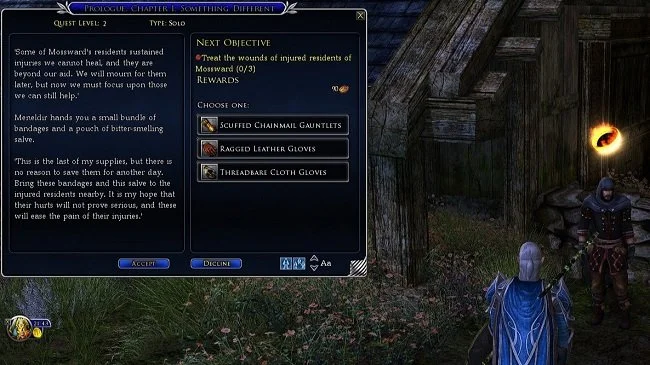
I wrote a post about alternative ways of levelling recently but ultimately it solves one problem only to cause another. It is possible to hit the new level cap outside of Mordor, however such a strategy will leave you without any suitable new gear. I received a new pair of Gloves as a quest reward and although they are only uncommon quality, they have an 100% increase in armour value to those I had equipped. The stats are not to be sneezed at either. What this demonstrates is that SSG expect players to progress through Mordor to acquire more robust gear. If you then play through the endgame content, you’ll receive top tier items to further improve your build. Furthermore, Dale, Erebor and the other new areas in Update 22 are of a comparable difficulty to Mordor. Hence if you go directly to the new region without acquiring any new Mordor related gear, you’ll have seriously gimped yourself. Thus, it presents players struggling to catch up with an interesting dilemma. Do you gird your loins and “endure” the grind of Mordor, or go to new zone and slog through quests there in an underpowered state? It does seem a case of “out of the frying pan, into the fire”. However, there is also a third option. Go play something else, which is what I shall do while I considering a solution to this current problem.





Has World of Warcraft's Success Been Detrimental to the MMO Genre?
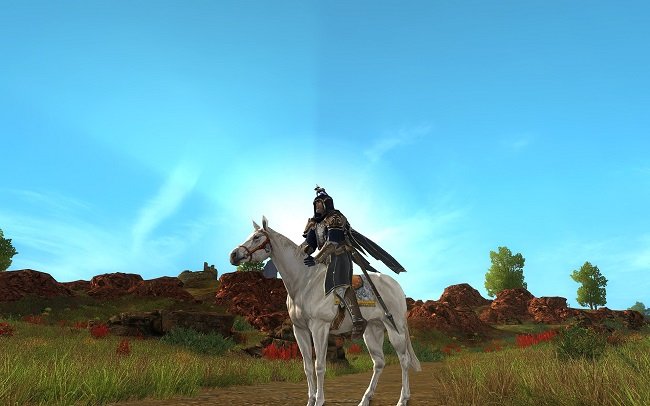
With the release of Battle of Azeroth due this autumn, I’ve been reflecting upon that MMO heavyweight World of Warcraft. I am not an active player of player of the game but have an interest based more upon its industry standing. I’ve tried World of Warcraft in the past and endeavoured to cultivate an interest in it for the sake of friends and colleagues, but the reality is that I’ve simply never warmed to this particular MMORPG. I don’t especially care for the games aesthetic, have no real interest in its lore or pop culture references and there are plenty of alternative MMOs that are far more appealing to me. So, let me state clearly, that I have no major prejudice against the game; it is just a question of personal taste. The same way I like horror movies, but I don't care for those that have an excess of humour or are dependent upon jump scares. I also fully recognise why World of Warcraft is such a successful MMORPG and appreciate its numerous merit, as well as the impact it has had upon shaping the MMO genre. The game is just not for me and I am content with that.
With the release of Battle of Azeroth due this autumn, I’ve been reflecting upon that MMO heavyweight World of Warcraft. I am not an active player of player of the game but have an interest based more upon its industry standing. I’ve tried World of Warcraft in the past and endeavoured to cultivate an interest in it for the sake of friends and colleagues, but the reality is that I’ve simply never warmed to this particular MMORPG. I don’t especially care for the games aesthetic, have no real interest in its lore or pop culture references and there are plenty of alternative MMOs that are far more appealing to me. So, let me state clearly, that I have no major prejudice against the game; it is just a question of personal taste. The same way I like horror movies, but I don't care for those that have an excess of humour or are dependent upon jump scares. I also fully recognise why World of Warcraft is such a successful MMORPG and appreciate its numerous merit, as well as the impact it has had upon shaping the MMO genre. The game is just not for me and I am content with that.
During the course of researching this blog post, I’ve found many forum and subreddit threads that expressed the view that World of Warcraft has effectively ruined MMO gaming. It’s a common point of discussion. Most of these posts credit the game with the refinement and simplification of many traditional game mechanics which thereby brought MMO genre to a wider audience. However, this is countered with the assertion that the by-product of this process has been the erosion of the social imperative that was at the heart of the genre at the time. This particular point if often explored in detail with clear examples of MMO rulesets prior to World of Warcraft, offset against what are the prevailing current trends. When framed in such terms I think the argument has merit. However, I would ask readers to consider the following. Although World of Warcraft may have been instrumental in setting a trend that deviated from the existing status quo, it doesn't necessarily mean that the established status quo was right or perfect.
My first MMO was The Lord of the Rings Online and I quickly grasped the necessity of social gaming back in 2008 to get ahead. I didn't especially mind this collaborative element, but it is fair to say that there was no choice regarding it. If you balked at team play you got nowhere fast. That was the rule of thumb for most MMOs up until then. So, I tolerated it rather than embraced it. In fact, this very aspect that enthused some players kept others away. Although I can get on with other players and work collaboratively with them, it is seldom done through love of my fellow man. It is simply a means to an end. That may not be a popular sentiment, but it’s is an accurate appraisal of my feeling. I thinks it's fair to say I am not by nature a care bear. However, it should be noted that when I discovered the genre, it had already moved on substantially from the days of EverQuest and Ultima Online. Both of which had far tougher game mechanics and systems. Personally, I am glad that I missed this period of time because, I wouldn’t have found such spartan rulesets to my liking.
Therefore, the tectonic shift in the genre that World of Warcraft pioneered certainly hasn’t inconvenienced players such as me. When I initially played LOTRO I didn't mind the social aspect and was happy to talk in chat and be amiable, as well as actively participate in a guild (or kinship as it is known in that game). However, back in 2008 the social element of the game was waning and by 2010, it was further altered when the game was retooled for the free-to-play market, amking it far more solo friendly. Nowadays I approach most of my MMOs from the position of a single player working towards personal goals. That is what drives me. Although I will group and still hang out with old friends and guild mates, I am not primarily looking for a broader social experience. However, some people still are, and they are the ones who feel displaced by the changes to the genre and possibly the most aggrieved. I understand and respect that, because it is our point of entry with any new leisure activity that usually shapes our experience, expectations and subsequent preferences. Change highlights this. I miss the days of discussing at work the previous nights television programs. I miss writing and receiving letters. But the most human activities are subject to change and progression. Furthermore, we mustn't forget that gaming is a business and ultimately goes wherever the money leads.
What I do believe is true is that the success of World of Warcraft has hindered innovation in the MMORPG genre per se. Too many developers in recent years have wasted precious time simply trying to emulate its formula. Sadly, this has all too often resulted in weak and uninspiring clones. As a result, MMOs in their traditional sense have lost their lustre and many developers are shying away from them. We still do not have a title that has fully broken from the standard mechanics of the genre, although I think Guild Wars 2 and The Elder Scrolls Online have been a step in the right direction. Yet it is this indecision surrounding the future of established MMO, that has led to the tangential rise of MMO variants such as the MOBA and Battle Royale genre. Destiny 2, GTA Online, Overwatch and the like have all thrived by combining the elements of the MMO with other types of games. It would appear that developers think that adding a co-op element to most genres of games is where the future lies, so we shall see more hybrid titles in the months ahead. Sadly, this just highlights the feeling of being disenfranchised by those longing for the old school MMO days.
Pretty much everything in life is about change. Although many gamers would like to see a return to old school MMOS, the casual market is bigger and more lucrative. It really is a numbers game, yet gamers are often blind to the practicality of economics. Perhaps one of the numerous crowd funded projects that are currently under development will provide a solution, although their track record has been somewhat poor of late. Perhaps this particular group of old school gamers needs can be met by a small to medium sized project, which is happy to pitch at a smaller niche market. Then of course there is the emerging trend for vanilla MMO servers, that offer a gameplay experience closer to that of the respective original launch. Rift Prime seems to have met with success and Blizzard clearly think there’s money to be had in World of Warcraft Classic. Will projects such as this satisfy those on the MMO margins? In the meantime, World of Warcraft marches on and although it has lost customers, the next expansion will more than likely bring many absentee players back into the fold.
Although World of Warcraft has caused much change, I do not think that it is the ruination of the MMO genre that some would claim. That can be laid at the door of various developers, who abandoned experimentation and became risk averse. Money may well talk but it also drowns out potential change and innovation. World of Warcraft is ultimately a symptom and not the actual root cause. Then of course there is the old adage that one man’s meat is another man’s poison. For every person who feels that World of Warcraft is the Doctor Beeching of the MMORPG, there are equally those who feel that the game fixed the problems associated with genre. Then of course while you are waiting for a shift in the industry, you can always implement your own. Many people will play MMOs with their own personal ironman rule sets. It is also important to consider that if World of Warcraft hadn’t broken the mould, surely someone else would have? “Convenient” coffee is not the exclusive prerogative of Starbucks. The traditional MMO that emerged from the nineties was the product of a perfect storm of events. Technology and the inherent novelty of the internet certainly had a bearing on the way the genre evolved. But that does not mean that what existed at the time was the optimum or best model. Therefore, considering all these points I suspect that this debate will never truly go away. Nostalgia and sadly recrimination are strong motivators. In the meantime, the market will more than likely allow for both groups to co-exist. Unfortunately for some that is not the desired outcome, as they see things as an ideological issue and a subset of a wider culture war. MMOs are not mere games but a hobby. I’m sure Simon Quinlank would have something to say about that.
Lifeless Planet
When I first saw the trailer for Lifeless Planet, I found its initial premise very intriguing. It put me in mind of seventies science fiction movies, especially the idea of travelling to a distant planet only to find evidence of human culture. Its minimalist approach also seemed a positive factor, as I tire of games with an excess of controls. So, I placed the title on my wishlist and waited for a suitable sale. It appeared recently as part of a bundle, so I ended up buying it for £4.12 which is ridiculously cheap. Now many of the reviews that I have read seem to be upset by the lack of game play within Lifeless Planet. It is fair to say that navigating the world and solving the puzzles certainly does take second place to the narrative. In fact, it may be better to classify Lifeless Planet as an interactive story. However, I am more than happy with this approach and do not feel that every title should be an arduous struggle of skill and twitch gaming. Things do get a little more taxing as you progress through the levels and advance through the story.
When I first saw the trailer for Lifeless Planet, I found its initial premise very intriguing. It put me in mind of seventies science fiction movies, especially the idea of travelling to a distant planet only to find evidence of human culture. Its minimalist approach also seemed a positive factor, as I tire of games with an excess of controls. So, I placed the title on my wishlist and waited for a suitable sale. It appeared recently as part of a bundle, so I ended up buying it for £4.12 which is ridiculously cheap. Now many of the reviews that I have read seem to be upset by the lack of game play within Lifeless Planet. It is fair to say that navigating the world and solving the puzzles certainly does take second place to the narrative. In fact, it may be better to classify Lifeless Planet as an interactive story. However, I am more than happy with this approach and do not feel that every title should be an arduous struggle of skill and twitch gaming. Things do get a little more taxing as you progress through the levels and advance through the story.
The game follows an Astrobiologist on a trip to a remote planet that is supposed to be rich with life. After a fifteen-year journey the ship unexpectedly crashes on the planet surface. Our protagonist awakes to find his crew missing and the new world a wasteland. As he journeys through the wilderness he finds traces of a Soviet Colony that appears to have been deserted decades ago. Is it all part of some sort of psychological test or has he sustained a head injury? Furthermore, is he alone on the planet or is the elusive female he keeps glimpsing, more than just a hallucination?
Beyond running, jumping and navigating environmental hazards, Lifeless Planet asks very little from the player. Occasionally there are puzzles to solve but they are far from taxing. Obstructions mean that explosives are often nearby. Power cores for the alien generators are never too hard to find. Jumping in the low gravity requires some judgement but is quickly learned. From time to time your jet pack gets a minor boost but it is somewhat perfunctory. As is using the robot arm, which turns up midway through the game. The controls can be a little sluggish at times but rather than this be a deal breaker, I just consider it part of the ambience. Your avatar is after all wearing a cumbersome space suit.
The main selling point of this game is the story, ambience, soundtrack and vistas. Lifeless Planet is more interested in playing with your emotions than taxing your gaming skills. There is no combat, dismemberment or overpowered melee skills. Just a atmospheric tale that slowly builds the intrigue over time. The minimalist dialogue, mainly from flash backs and computer log entries are strangely melancholic. The game's use of music is sparing and often arrives to bolster the drama. However, it does not telegraph or mitigate the plot. The environment itself is also a major character. Although the right path is often easy to find, players are constantly drawn away by an urge to explore.
Lifeless Planet provides five or so hours of entertainment if you take a leisurely approach. The story is enjoyable and despite having a somewhat obvious message, it is earnest and relevant. This is a game to be experienced, rather than franticly "played" through. It oozes atmosphere and is satisfactorily different from standard indie fodder. If you are only interested in the traditional definition of a game, then it may well not be for you. For those that like the science fiction genre and strong narratives that make you think, then Lifeless Planet may well prove to be a very entertaining experience.
Mortal Kombat - Finish Him!
I have fond memories of the original Mortal Kombat game. Upon its release for consoles in 1992, I promptly purchased the Sega Genesis/Mega Drive version, as this version featured all the fatality moves in their full and uncensored glory (The SNES version did not). I spent hours trying to learn the various key combinations to unlock the death blows. Often whenever the game uttered the phrase "Finish him" I would descend into a panic driven frenzy of random button mashing, in the pious hope that I would unleash the torrent of extreme violence that the game was so vilified for. Sadly, even at such a young age my reactions were still lousy, and my “technique” seldom worked. On the few occasions that it did it was a major cause of celebration. Bearing all this in mind, I recently I acquired Mortal Kombat XL for PC from a discount internet key seller. At the time of writing this post, you can pick up this version of the game for as little as £10.53 which is very cheap. Furthermore, this version includes all the DLC bonus characters for the game such as Jason Voorhees, Leatherface, the Alien Xenomorph and the Predator.
I have fond memories of the original Mortal Kombat game. Upon its release for consoles in 1992, I promptly purchased the Sega Genesis/Mega Drive version, as this version featured all the fatality moves in their full and uncensored glory (The SNES version did not). I spent hours trying to learn the various key combinations to unlock the death blows. Often whenever the game uttered the phrase "Finish him" I would descend into a panic driven frenzy of random button mashing, in the pious hope that I would unleash the torrent of extreme violence that the game was so vilified for. Sadly, even at such a young age my reactions were still lousy, and my “technique” seldom worked. On the few occasions that it did it was a major cause of celebration. Bearing all this in mind, I recently I acquired Mortal Kombat XL for PC from a discount internet key seller. At the time of writing this post, you can pick up this version of the game for as little as £10.53 which is very cheap. Furthermore, this version includes all the DLC bonus characters for the game such as Jason Voorhees, Leatherface, the Alien Xenomorph and the Predator.
So, after twenty-six years has anything really changed with regard to Mortal Kombat as a franchise? Overall no. Apart from the obvious graphical improvements that technology brings, this is still very much an in your face, über violent and proudly exploitative fighting game. Bad guys and heroes alike spout faux Sun Tzu wisdom, sport generic "bad ass names" and have incomprehensible back stories. No one ever gets the least bit phased when encountering the supernatural or particularly worries when a fellow contestant dies horribly in a tournament. All female characters still have outsized chests, although they've gotten over their pathological loathing of sports bras in this instalment of the game. The crass giggle physics have been dialled back as well. Yet because Mortal Kombat is such an utter caricature of so many pop culture tropes, it is somewhat hard to take umbrage with it. The game is what it is and lacks any pretentions. If you want to play competitively, then you can pit your wits and more importantly reflexes, against other players online. If like me, your twitch gaming days are behind you, then you can fool about in the “shallow end” and simply spar against bots with the difficulty set low.
Furthermore, not only has Mortal Kombat remained consistent over the years, but so has my lack of skill and manual dexterity. I still struggle with executing the kill moves and my failure has become even more pronounced. Earlier today, fuelled with a nostalgic sense of bloodlust and a bottle of indifferent Merlot, I spent several hours working my way through Tournament mode in Mortal Kombat XL. My frantic contortions sadly ended in disaster. After desperately button mashing my way through a fight with Scorpion, I finally bested him. Yet as soon as the game announced, “Finish Him”, my mind went completely blank as to the what was the key combination of my special kill. As frustration and panic kicked in, I rose from my chair and started randomly pressing controller buttons with great vigour, while uttering old Anglo-Saxon colloquialisms. It did not end well. The net result was a knocked over a glass of wine, a ripped a T-shirt and unplugged Xbox controller. I found myself on the floor, confused, bruised and feeling very old. Walter was also unseated (he's the Panda) and the only fatality that ensued was to my dignity. Be warned people. Mortal Kombat can be as equally dangerous to the player as it can be to the in-game characters.
Do Other People Spoil Multiplayer Games?
Despite its numerous flaws, I really like Friday the 13th: The Game. I enjoy the basic premise and have a great deal of love for the intellectual property. Sadly, like so many multiplayer games of this nature, its Achilles Heel is its player base. Every 20-minute round in Friday the 13th: The Game is a total lottery. Trouble often starts while waiting in the lobby for 8 people to join the game. By default, those with gaming headsets and mics are automatically “live”. Hence the garrulous inanities, trolling and abuse starts almost immediately. Thus, the first thing you have to do to make matters tolerable is to mute all those present. Once the game begins, again it’s a gamble as to whether anyone is interested in working collaboratively and actually achieving any of the in-game goals. If more than one player spawns near a building, it becomes a race to see who can plunder potential resources first. Use of the four-man vehicle can also be a bone of contention. It is not unusual to see one player abandon those that have contributed to repairing the car and just make off with it. Some players will subsequently runover their comrades just to steal their loot.
Despite its numerous flaws, I really like Friday the 13th: The Game. I enjoy the basic premise and have a great deal of love for the intellectual property. Sadly, like so many multiplayer games of this nature, its Achilles Heel is its player base. Every 20-minute round in Friday the 13th: The Game is a total lottery. Trouble often starts while waiting in the lobby for 8 people to join the game. By default, those with gaming headsets and mics are automatically “live”. Hence the garrulous inanities, trolling and abuse starts almost immediately. Thus, the first thing you have to do to make matters tolerable is to mute all those present. Once the game begins, again it’s a gamble as to whether anyone is interested in working collaboratively and actually achieving any of the in-game goals. If more than one player spawns near a building, it becomes a race to see who can plunder potential resources first. Use of the four-man vehicle can also be a bone of contention. It is not unusual to see one player abandon those that have contributed to repairing the car and just make off with it. Some players will subsequently runover their comrades just to steal their loot.
None of this is unique to just Friday the 13th: The Game. This sort of behaviour has existed for years in the FPS genre and is also common place in games such as PUBG and Overwatch. However, what concerns me is that this appears to be a growing problem. It’s a blight that spreads from game to game, forum to forum. It’s no longer something that can just be written off as a vocal minority who revel in the anonymity of the internet. Large swathes of gamers are happy to behave poorly when online so perhaps it is time to consider that “being nice” is not a universally held default position. If the politics of western society has taught us anything in recent years, it’s that the prevailing social conventions that exist are not unanimously upheld or believed in. The present backlash against the mainstream has shown that many do not want to be constrained by the status quo in other areas of their life. Emboldened and free from the “shackles” of last centuries manners, anger and distain have bled through into the mainstream. If politics, public debate and social etiquette are giving way to the lowest common denominator, why should gaming be any different?
The problem with gaming toxicity is that its seldom addressed, due to its associated cost. To effectively identify and investigate problem players in any genre of game, requires a human agency. It is time consuming and expensive. If it was something that could be administered efficiently via algorithms or cheap outsourced labour, then it would more than likely be done. It would possibly even be used as a selling point. However, at present we are just left with a problem that no one wishes to address. As a result, we have a choice to either cultivate a thick skin and endure trolls and abhorrent behaviour or rely upon what tools we have to circumnavigate such issues. Hence muting all other players by default and such like. However, rather than resolve the issue, it just normalises such behaviour. It’s a classic example of treat the symptoms, not the cause. It also fosters an attitude of distrust of others, which is paradoxical when many co-op games are dependent on other players to fulfil their remit. Furthermore, continuously encountering and enduring unpleasant players slowly leeches the enjoyment out of any game.
Unfortunately, I cannot end this post on a positive note or with a proposed solution. This problem is part of a wider change that has taken part within society. Some believe removing internet anonymity is the solution, but I think that may be a classic example of a knee-jerk solution and throwing the baby out with the bath water. Reducing rights and freedoms should always be a last resort, done under the auspices of the wise with numerous checks and balances. Sadly, the wise are ever growing minority in most western governments. Another “workaround” is to migrate to different genres of games. MMOs still have pockets of civilised players and have a reputation for cordial community relationships. But why should I have to limit myself to specific types of games, just to avoid malcontents and troublemakers? Or is there a kernel of truth in such advice.
My next point is purely a case of thinking out loud, but is there a relationship between toxicity and the kind of games that you gravitate to? I’ve heard cogent arguments that certain personality types thrive in certain professions. The morally unscrupulous and those lacking in empathy apparently do well in highly competitive business environments and the financial sector. Can the same be said about gaming? Are certain genres which revolve around competition, league tables and bragging rights effectively magnets for the emotionally maladjusted? It’s food for thought. Whatever the reasons, I do wonder if in the future, whether some games will eventually collapse under the weight of their own problem player base? Multiplayer games are dependent on social variation. A game filled exclusively with trolls does not strike me as a recipe for growth or financial success.
Player Created Content
Seven years ago, Cryptic Studios released the Foundry toolset for players of Star Trek Online. The software is used to create custom missions, which are then submitted to a database for the community to review. Needless to say, over the years hundreds of new bespoke missions have been created. Despite concerns, the overall quality of content has been very high. Popular and notable creations are now showcased by Cryptic. A sensible ruleset has ensured that poor quality, lore-breaking or exploitative material is filtered out or prevented. Broadly this this works and works well, adding a great deal of new content to the game and effectively extending the life cycle of the MMO. The Foundry system can also be found in Cryptic’ other MMO, Neverwinter, where it has met with similar success.
Seven years ago, Cryptic Studios released the Foundry toolset for players of Star Trek Online. The software is used to create custom missions, which are then submitted to a database for the community to review. Needless to say, over the years hundreds of new bespoke missions have been created. Despite concerns, the overall quality of content has been very high. Popular and notable creations are now showcased by Cryptic. A sensible ruleset has ensured that poor quality, lore-breaking or exploitative material is filtered out or prevented. Broadly this this works and works well, adding a great deal of new content to the game and effectively extending the life cycle of the MMO. The Foundry system can also be found in Cryptic’ other MMO, Neverwinter, where it has met with similar success.
This is not a new idea and many games in the past have had the capacity for players to edit and create material themselves. Some of the best content for Unreal Tournament was created by its fans. Superhero MMO City of Heroes had a comparable editor called the Mission Architect. Users apparently created more quests on its launch date, than the development team had in five years. Needless to say, such facilities do have a positive proven track record with certain games. Then there is there are add-ons and UI customisations that many RPGs and MMOs support. The Elder Scrolls Online is quite challenging to play unless the player adds various mods that customise the interface and improve systems management. At the very least, players will often seek to customise the HUD of whatever game they are playing. LUA scripting facilitates this and subsequently, you’ll often see a great variety of UIs when watching Twitch streams of games such as WoW or LOTRO.
Now of course there are some who will argue that this is nothing more than the gaming community doing the game developers job for them. However, when it comes to systems such as The Foundry, who better than gamers themselves to know and produce, exactly the right sort of content that they require? Concerns over quality control have been addressed over the years and what actually makes it to the live game is often very well written and paced. I certainly think that this degree of player involvement can certainly extend the lifespan of a game. Is not the most common complaint levelled at any MMO, the lack of regular new content? Therefore, is not player created content a potential solution?
Sadly, this is not a binary question. The use of player created content has a multitude of consequences. There are issues of copyright, ownership and other legal issues to consider. It is more than likely that these are currently weighted in favour of the developers and publishers at present. Then there is the financial side of things to consider. Allowing players to create content may be beneficial in attracting a new audience but will it generate sufficient revenue? Some may suggest charging for player created content but that has proven a PR disaster in the past. Then of course there are differing types of player created content. For example, LOTRO has a community that regularly organises its own events and social gatherings. It’s a process that runs mainly on goodwill. Yet to try and formalise or monetise such activities would be difficult and potentially disastrous.
With the MMO market becoming extremely competitive and “live services” emerging as the latest industry buzzword, it will be interesting to see if there will be a wider flirtation with player created content. Putting aside morals and ethics and looking at things from a purely business perspective, the idea of players making game content that can then be sold back to them is surely an appealing concept. The only obstacles that logically stand in the way are ones of marketing and PR. Landmark experimented with something of this kind before it was closed, and it would be fascinating to see what the internal memos had to say about the experience. But the games industry is reticent to risk another debacle such as the one caused by Star Wars: Battlefront II. For the meantime, I suspect that player generated content will remain as it is in games such as STO and Neverwinter. But if we have learned anything from contemporary society it is that nothing is truly off the table.
This is Why We Can't Have Nice Things
"This is why we can't have nice things" is a well-established internet meme. Over time it has been over used and has become a bit of a cliché. Yet under certain conditions it can still be utilised in a pertinent fashion to make a salient point. Recently, something somewhat innocuous and trivial occurred that caused me to recollect this saying. The incident itself is not of any major importance but it resulted in me realising that this sort of thing happens more and more often these days. Allow me to explain myself. I like many of you frequent a few forums and subreddits. On one particular site, a thread was derailed by someone who decided to just simply name call. Nothing unusual there I hear you say. But for me personally, it was one time too many. Name calling serves no purpose in an adult debate, so I decided to point this out. Eventually, the problem post was removed as there were others that thought that such behaviour was crass. However, the person in question who posted the remark, would not concede the point in any way shape or form. They either did not want to or what was more likely, were totally incapable of comprehending their own transgression.
"This is why we can't have nice things" is a well-established internet meme. Over time it has been over used and has become a bit of a cliché. Yet under certain conditions it can still be utilised in a pertinent fashion to make a salient point. Recently, something somewhat innocuous and trivial occurred that caused me to recollect this saying. The incident itself is not of any major importance but it resulted in me realising that this sort of thing happens more and more often these days. Allow me to explain myself. I like many of you frequent a few forums and subreddits. On one particular site, a thread was derailed by someone who decided to just simply name call. Nothing unusual there I hear you say. But for me personally, it was one time too many. Name calling serves no purpose in an adult debate, so I decided to point this out. Eventually, the problem post was removed as there were others that thought that such behaviour was crass. However, the person in question who posted the remark, would not concede the point in any way shape or form. They either did not want to or what was more likely, were totally incapable of comprehending their own transgression.
Whether they were trolling, or utterly convinced of the certainty of their position remains unknown. As they were only sanctioned and not banned, they will no doubt continue to pursue their "unique style" of social interaction. I am left considering whether I wish to continue to participate in such an environment. Hence my recourse to the titular meme, because this always seems to be the pattern. It appears that any medium that is designed for social interaction is eventually usurped by the lowest common denominator. Furthermore, the problem elements who often cause these problems are sufficiently savvy to keep within the rules (although they are often a moderator’s nightmare), thus remaining relatively unassailable.
Now I'm sure we've all experienced this sort of behaviour in some shape or form, during our excursions online. It’s quite common place. Here are a few examples of the usual sort of tactics that are used to derail or hijack any conversation:
- Straw man and Ad hominen arguments. Pretty much the oldest two tricks in the book. Argue against something that wasn't said or attack the person to discredit their opinions or position.
- Gaslighting.
- Whataboutery.
- Grammar Nazis. If you can't win an argument then why not criticise someone's spelling. A classic act of misdirection.
- The Wall of Text. This is often done by minutely dissecting a previous post and is a tool designed to wear an opponent down. If the wall of text is not replied to in kind, a victory is claim by default.
- "Freedom of speech". This nebulous ideological concept (which so often erroneously interpreted) is the "get out of jail card" of choice for many online malcontents. Allegedly it affords people the right to be racist, sexist, and pretty much any other sort of "ist" that you can name. Sometimes it is seen as a justification to simply be bellicose and ill mannered, affording the individual the option to abdicate from normal social conventions.
For those who would like to explore further examples of these esoteric arts, try the following links. How to Win Online Arguments and The Subtle Art of Trolling. Also checkout Graham's Hierarchy of Disagreement. It seems that there is little scope for a civilised debate and social interaction anywhere on the internet these days. In researching this post, I picked three random articles that were linked on Twitter and read their respective comments section. All descended into chaos within a short period of time. Furthermore, this seems to be the standard mode of debate in all walks of life these days. TV shows and news channels seem to favour it, as does the press. Politics has fully embraced the Punch and Judy approach to public discourse. It no longer seems to be about having an intelligent debate. Now it's simply about shouting someone down, not blinking while lying through your teeth and revelling in the perceived glory of your victory. All of which is far easier than having a proper discussion based around critical thinking and decorum, because that obviously takes too much effort and more importantly skill.
So, what do people such as you and I do about this problem? Well it would appear the common solution is to simply withdraw. Thus, we see forums and websites become havens for trolls and gain the label "toxic". Just go and look at the small cadre of malcontents on the LBC website. It’s a sad reality of modern life that regular people frequently have to manage their affairs around avoiding problems and conflict, rather than the problems and troublemakers being dealt with. Yet withdrawing is ultimately counterproductive. So what can we do. Well rather than wade in and make a potential slanging match worse, why not simply use the facilities that are in place? Use the moderation procedures that are available to you. If you are unhappy with the way a debate is being conducted, then flag it for moderation and give cogent and succinct reasons as to why you have done so. Encourage other users to do so. However, this doesn’t guarantee results. Moderation comes with a cost attached and thus often gets neglected. If that’s the case, then escalate matter further up the chain of command. Email the owners, or domain holders. Complain publicly via Twitter. Negative publicity can often attract attention.
If you find yourself in a situation where you write or provide a forum or subreddit, then it is essential to have a clear policy with regard to comments and interaction. I take a fairly liberal approach to policing comments on Contains Moderate Peril and often allow the crass and trolling posts to remain, as their stupidity is often self-evident. Occasionally I will delete a comment if it is simply of no value. As it is my site I reserve the right to determine exactly what the definition of "value" is. I would again encourage others to do the same regardless of what platform they are maintaining. Decide your rules, be clear about them and enforce them rigorously. You are not obliged to have an "off topic" channel on your Discord server if you don’t want one. If you do, then enforce an adherence to standards of behaviour that are commonly held.
It is very difficult to counter the negative effects that alleged internet anonymity generates. Broadly speaking freedom means we have to endure a degree of unpalatable behaviour and that it is the price that we pay for liberty. However, I see no reason not to attempt to re-educate those who troll and rile. We should more often use the existing procedures to sanction problem individuals and re-iterate the fact that there are consequences to certain actions. In some respects, it is similar to the recent debate had in the UK regarding regulation of the press. It was argued that there are sufficient rules in place at present that can deal with transgressions without the need for further legislation. The current rules just need to be enforced. The same is applicable to Twitter. Prosecute those that breech the current laws with regard to threat and libel. As for general bad behaviour, the responsibility lies with you and I to state are displeasure.
I am very interested at present with the way that some games developers are dealing with this problem. Community decisions on a troll’s punishment, temporary exile of problems players to specific servers and other sanctions do seem to have an impact. It would seem attempted rehabilitation is a more beneficial approach to simply banning. Perhaps this is the future and a way to stop the spread of the rot. Hopefully these methods can be brought to bear on other mediums and platforms. The first step on this road is for regular folk to remain robust, express their displeasure and not to withdraw. I know that’s hard and a big ask. But the only truly effective way to counter bad ideas and ideologies is to tackle them head on. No-platforming simply doesn’t work. Stupidity should be exposed and ridiculed. You don’t have to be like Peter Tatchell and fight every battle. But calling someone out who says something racist or such like, helps reinforce the notion that some behaviour in not acceptable. It’s the weight of all the smaller battles that often eventually tip the scales.
But it takes time for things to change. It’s not going to happen overnight. Technology, human behaviour, and ethics have not kept in step with each other. The law is also lagging behid in some areas. However, if we're persistant, then we will be able to bring about change. During the seventies, there started i the UK, a long campaign against drinking and driving. By the mid-nineties the message finally got traction and the culture begin to shift accordingly. I believe if we take a similar long-term approach with social media can "have nice things" eventually. It may not ever be perfect but hopefully it can be better than it is now. Because the alternative simply doesn’t bear thinking about. Therein lies madness.























The Dilemma of Skill Points
This post stems from an issue that came up recently while progressing through The Elder Scrolls Online. However, similar situations have occurred in other MMOs that I’ve played over the years. Most games of this genre have a standard mechanic in which the player is awarded skill points as they level up through the game. These points are subsequently spent unlocking new abilities or improving existing skills. Often there are a finite amount of skill points to earn in the game. Naturally, at some point, even the most casual MMO player will have to consider how they intend to spend their skills points, because they do have an impact upon your build. That is the entire point of the skills point mechanic. You customise your skills according to how you play and what type of build you wish to achieve. More often than not, the new player who is still at a relatively low level, will simply read what abilities can be unlocked and make an intuitive choice. At this stage, putting a few skill points into health, stamina, or increasing your DPS seems a sensible choice.
This post stems from an issue that came up recently while progressing through The Elder Scrolls Online. However, similar situations have occurred in other MMOs that I’ve played over the years. Most games of this genre have a standard mechanic in which the player is awarded skill points as they level up through the game. These points are subsequently spent unlocking new abilities or improving existing skills. Often there are a finite amount of skill points to earn in the game. Naturally, at some point, even the most casual MMO player will have to consider how they intend to spend their skills points, because they do have an impact upon your build. That is the entire point of the skills point mechanic. You customise your skills according to how you play and what type of build you wish to achieve. More often than not, the new player who is still at a relatively low level, will simply read what abilities can be unlocked and make an intuitive choice. At this stage, putting a few skill points into health, stamina, or increasing your DPS seems a sensible choice.
But then there reaches a point in the game, where you find yourself hoarding a lot of skills points and faced with a multitude of options. Suddenly, its no longer simple. Unless you have a very clear idea about how you intend to develop your build, it becomes a very confusing prospect. Do you put points into flower arranging, so you can increase you Lupin attack, or do you go for heavy embroidery? The fear is that you’ll make the wrong choice and gimp yourself, further down the line. Now most MMOs have a system in which you can refund skill points, should you require to change your allocation. However, this often involves a significant expenditure of in-game currency or worse still, a purchase from the cash shop. As a result, this potentially punitive system will often dissuade players from experimenting. This was certainly the case with me recently, while I was levelling through ESO. I also had a similar experience in STO when the revised the skill tree system was introduced. The only MMO that I currently play that allows a greater degree of choice is LOTRO. By default, the game offers three skill point slots, allowing you to create bespoke builds to swap between.
Now, the easiest resolution to this dilemma is to find a specific build online and to slavishly copy it. I have done this myself both with STO and ESO, but I resent it on some level. Yes, it is quick and easy solution, but it is also robbing the player of the opportunity to learn and experiment in the game. And buying gating the ability to reset your skill points behind some sort of financial penalty, the developers are contributing to creating a culture of risk aversion among players. Don’t get me wrong, I’m not advocating turning an MMO into a job and I am not a fan of having to watch hours of videos to discover the esoteric intricacies of a game (yes, I’m looking at you ESO). However, it is beneficial to allow the player to experiment within reason, without imposing a penalty for the luxury of change. Hence, I believe that the LOTRO option of having three skill points slots is an equitable compromise.
Choice is always a good thing but there’s also a wise old adage about having “too much of a good thing”. Games such as MMOs need to encourage the player to try different builds and embrace experimentation. However, I appreciate that this is a fine line to tread. If you offer too much assistance, then it’s only a matter of time before the usual suspects throw their toys out of the pram, claim that everything is being dumbed down and that their life has once again “been ruined”. I think that this “dilemma” as I’ve described, is just a symptom of a wider problem associated with the MMO genre. That of providing optional information, advice and suggestions to the player, so they can get the most out of the game. Few games have adequate tutorials and “tip” systems. However, that is another blog post altogether (insert Airplane gag here). Returning to ESO, I must applaud ZeniMax for including their Skills Advisor system in the last patch. It provides exactly the sort of broad guidance I was looking for. Other MMOs please take note.
Jason vs. Bots
I returned to Friday the 13th: The Game today, only to find a substantial 3GB patch waiting to be downloaded. I last played in late December when I bought the game in a Steam sale. I stated in a blog post at the time, that the game was flawed and very much a work in progress. The patch has addressed several issues with the game; the most important one being offline play. You can now play Friday the 13th: The Game offline as Jason Voorhees against seven bot camp counsellors. It should be noted that you cannot play offline as a counsellor against a bot Jason. However, playing as Jason has a more complex learning curve, whereas playing as one of his potential victims is a lot easier to figure out. So I can understand why the developers opted for this arrangement. Hence, I spent a few hours this evening, fooling around offline, slicing and dicing various camp counsellors and trying to master the basics of playing a Jason. It did prove quite useful and I found myself far more prepared for online play as a result.
I returned to Friday the 13th: The Game today, only to find a substantial 3GB patch waiting to be downloaded. I last played in late December when I bought the game in a Steam sale. I stated in a blog post at the time, that the game was flawed and very much a work in progress. The patch has addressed several issues with the game; the most important one being offline play. You can now play Friday the 13th: The Game offline as Jason Voorhees against seven bot camp counsellors. It should be noted that you cannot play offline as a counsellor against a bot Jason. However, playing as Jason has a more complex learning curve, whereas playing as one of his potential victims is a lot easier to figure out. So I can understand why the developers opted for this arrangement. Hence, I spent a few hours this evening, fooling around offline, slicing and dicing various camp counsellors and trying to master the basics of playing a Jason. It did prove quite useful and I found myself far more prepared for online play as a result.
The bots have three settings, which broadly scale. On easy mode the bot counsellors tend to panic and run around ineptly. They’re often oblivious to Jason until he’s really close. On hard mode the bots are more proactive and will actively defend themselves. However, regardless of the settings, the bots at times can get stuck in loops or simply make incredibly poor decisions. On one occasion a counsellor threw themselves through a window to avoid Jason, only to then exit the hut and run straight back into him. I allowed this cycle to repeat a few times before I dispatched them. At present as I haven’t played much of the game, I only have a few Jason skins unlocked. I’m currently using the Jason from Friday the 13th: Part III. One of the advantages of this skin is that Jason has improved run skills. The bots on easy setting allowed me to experiment with the various grab kills such as Jaw Rip, Crotch Chop, Head Chop and Heart Punch. All were quite satisfying but there was no real challenge at this level. Hard mode facilitated a more credible gameplay experience. Offline play also affords you a great opportunity to learn the maps which is key to being successful in the game.
I was also surprised that offline play counted towards your levelling and progression in the game. You can therefore unlock new counsellors and Jason skins by playing in this mode. But playing with bots does have its limitations. The AI is still somewhat erratic, so you never get a 100% comparable experience to playing with other people. However, Friday the 13th: The Game attracts a lot of pubescent imbeciles which can make online play a little tedious. You find yourself having to mute everyone by default and abandoning games where players are more interested in pursuing their own agenda. Bots offer a welcome alternative to this. I suspect that later this year when this game finds its way into a discount bundle of some kind, the overall player population may be a lot lower. Thus, offline play may well prove to be a god send for those in time zones outside North America and Europe. Hopefully, the developers will expand this functionality further in future patches. It would certainly improve the longevity of a game that is essentially a one-trick pony at present.
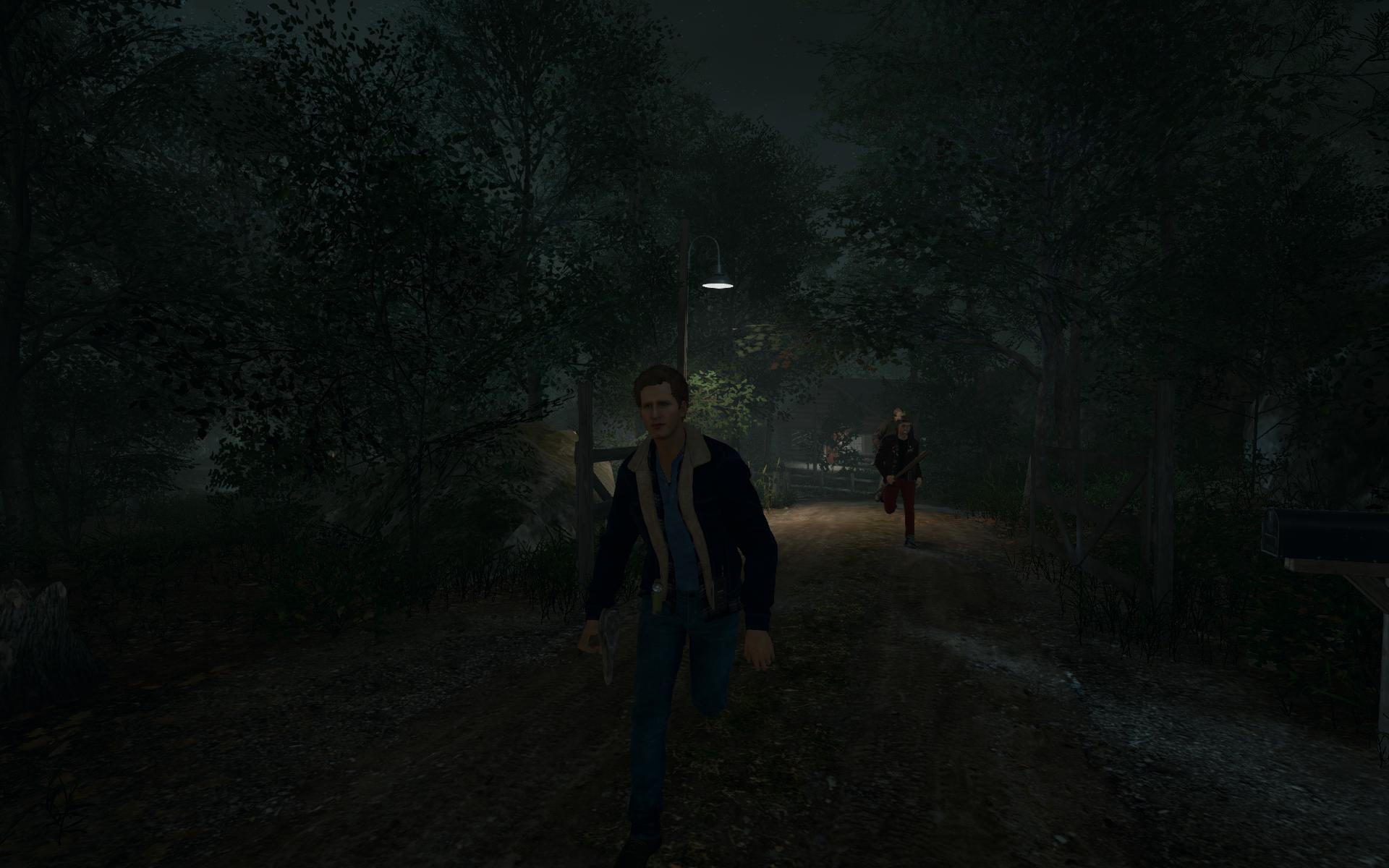
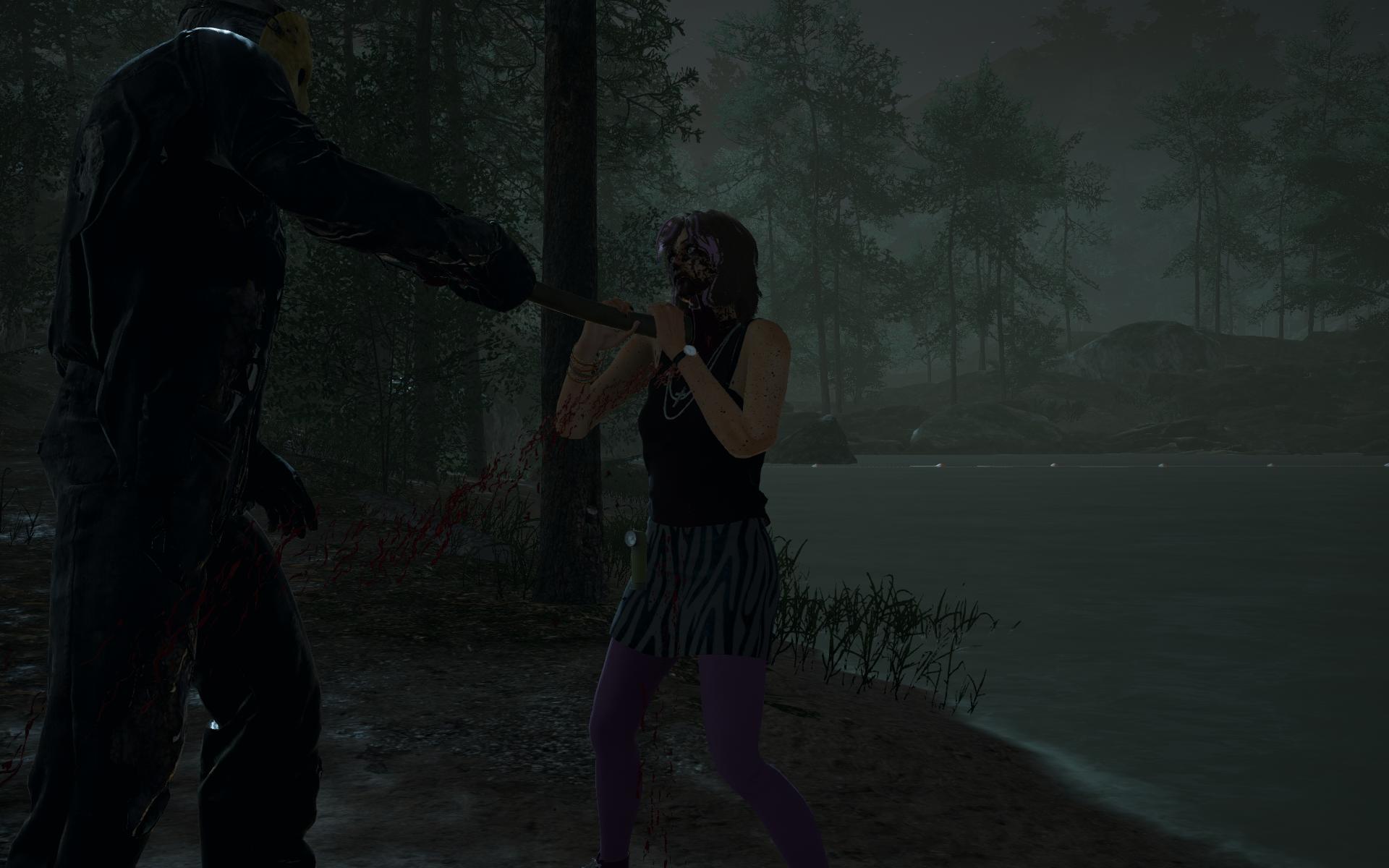
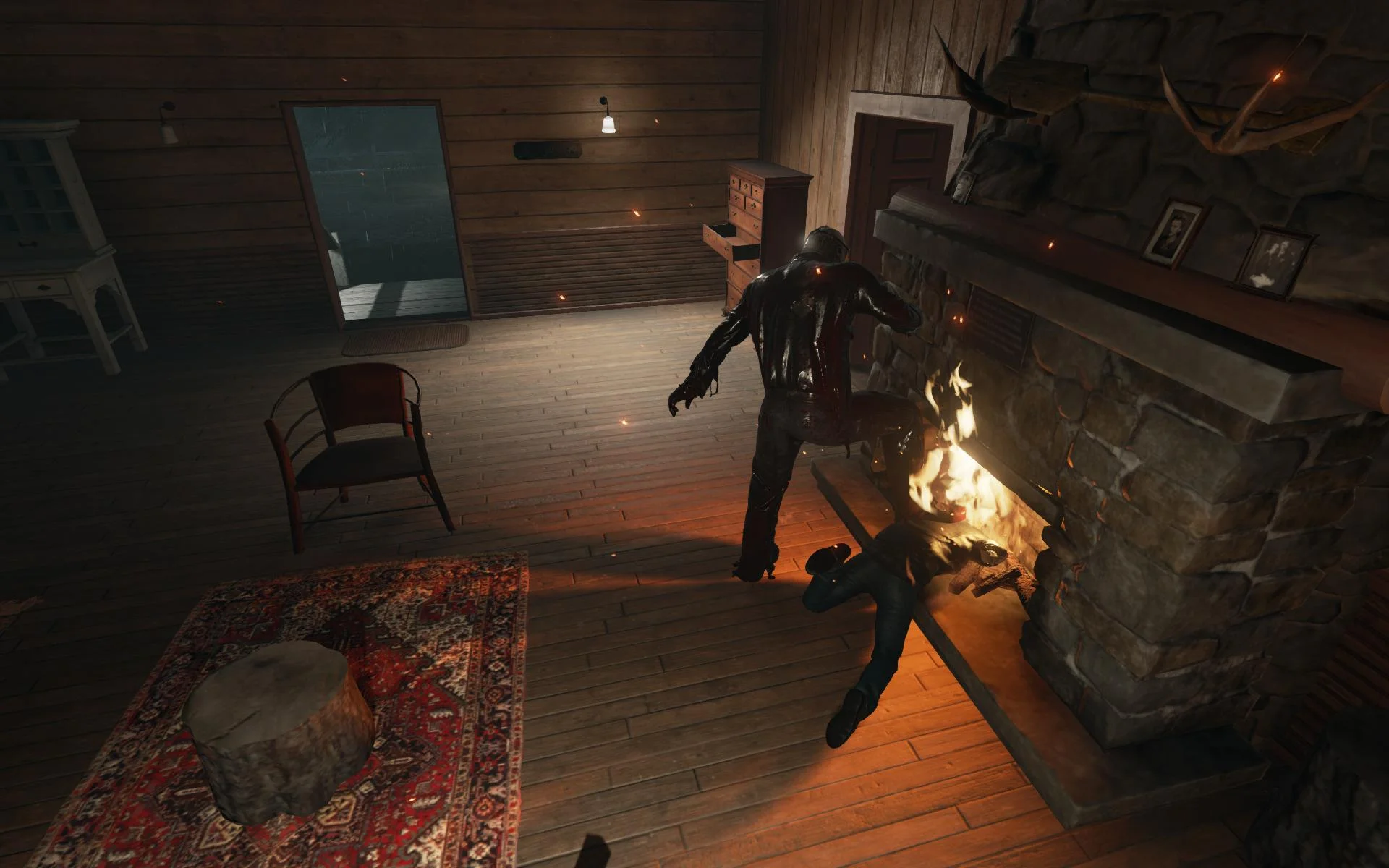
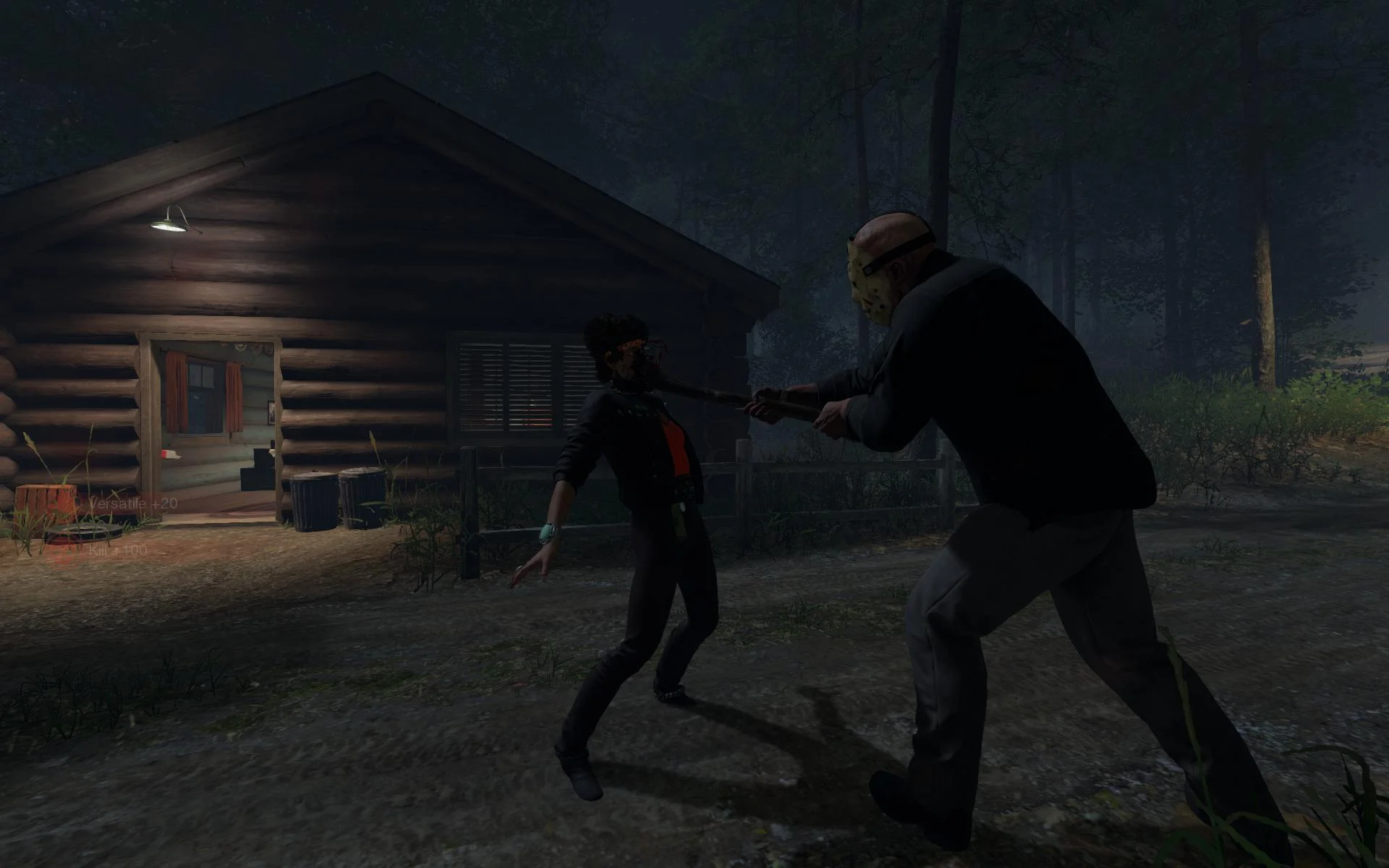
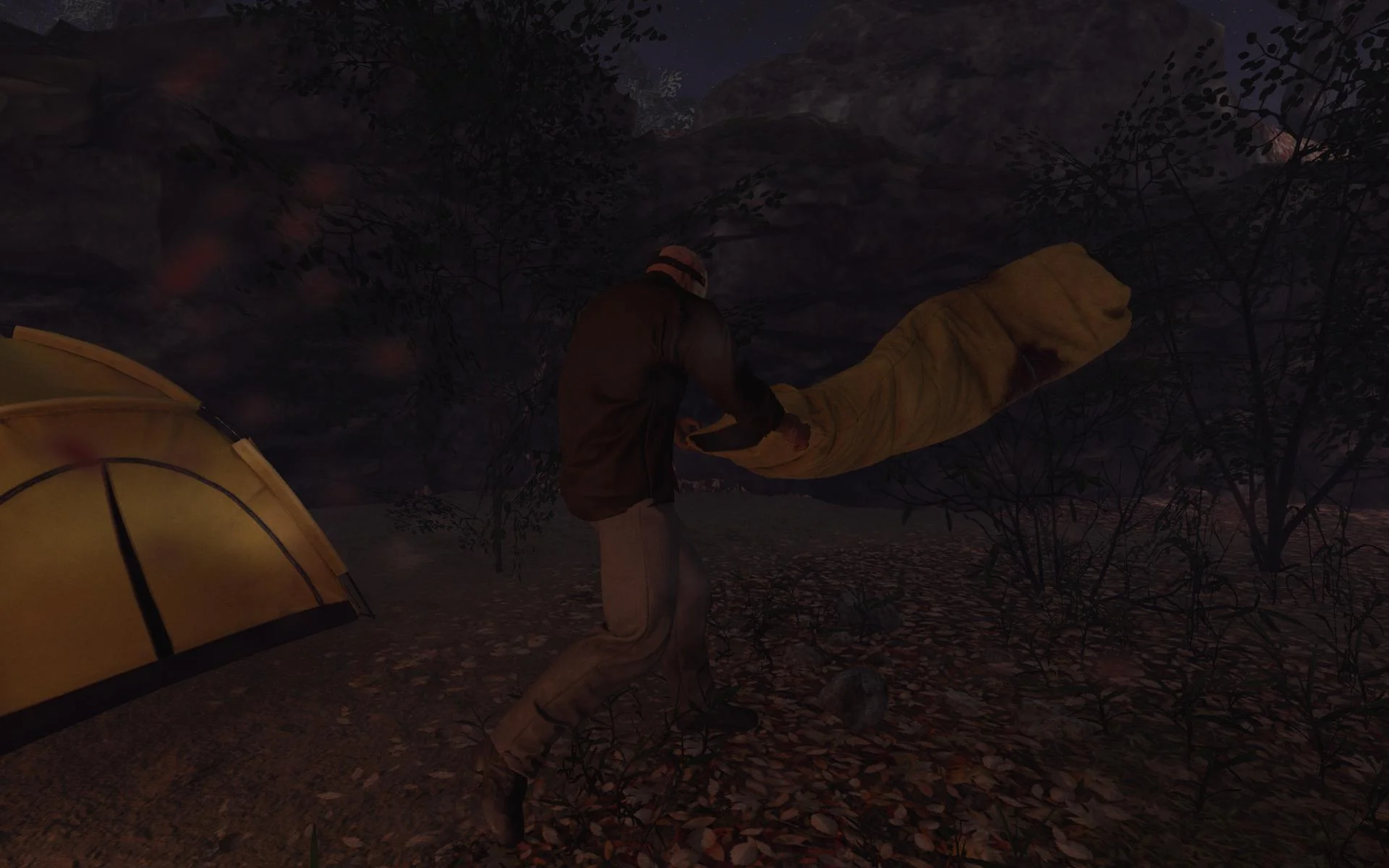
A Lack of Consensus
One of the things that stands out about the reader comments over at Massively Overpowered is that there is seldom any sort of consensus. Regardless of the subject it become quickly apparent that views differ greatly and clearly reflect the fact that gamers do not want the same things. The only point that most agree upon in principle is that everyone wants “good” games. However, this is a nebulous term, devoid of a universally agreed definition. What one gamer deems as being a good or an essential mechanic, another will consider a complete anathema, leaving us with a divided player base. In fact, the gaming community seems to reflect a wider trend that manifests itself in politics, religion and other social issues at present. There simply isn’t a prevailing majority consensus. A lot of the assumed sacred cows and alleged shared values associated with all these communities are either waning or have proven to be bogus. Naturally, many would argue that such differences are simply human nature and a foible of the human condition. However, it does present a difficult problem for the games industry.
One of the things that stands out about the reader comments over at Massively Overpowered is that there is seldom any sort of consensus. Regardless of the subject it become quickly apparent that views differ greatly and clearly reflect the fact that gamers do not want the same things. The only point that most agree upon in principle is that everyone wants “good” games. However, this is a nebulous term, devoid of a universally agreed definition. What one gamer deems as being a good or an essential mechanic, another will consider a complete anathema, leaving us with a divided player base. In fact, the gaming community seems to reflect a wider trend that manifests itself in politics, religion and other social issues at present. There simply isn’t a prevailing majority consensus. A lot of the assumed sacred cows and alleged shared values associated with all these communities are either waning or have proven to be bogus. Naturally, many would argue that such differences are simply human nature and a foible of the human condition. However, it does present a difficult problem for the games industry.
Gaming, like the music and film industry, is frequently driven by established formulas and pursuing known quantities that work. Hence, most major triple A developers tend to not stray from the known path when dealing with high budget projects. As a result, the market is subsequently dominated by sequels, remasters and variations on proven themes. Now this approach doesn’t necessarily please everyone, but it undeniably keeps the money rolling in. However, one of the commonest complaints you’ll hear from gamers is a lack of innovation and it is justified to a degree. Theoretically, there should be a big enough market of gamers seeking new experiences to merit some experimentation. Sadly, the big dogs of the industry are not too keen on taking such risks. In the past there have been a few high-profile games that have sought to cater for this gap in the market, but it never seems to be the roaring success that was expected. Thus, like the music and movie business, experimentation and straying from the accepted norm in games development is the prerogative of smaller, independent producers.
It is ironic that as gamers, we find ourselves at this point. Because, as in contemporary politics, there is a broad appetite for something different at present, or at the least a rejection of the status quo. Surely such an atmosphere should be conducive towards change. But history shows us that change is seldom embraced by those with vested interests and only a few ever have the courage or vision seize the day. This is why in gaming (and in politics), the public will gravitate toward that which appears to be different, or superficially wears the trappings of change and innovation. Games like PlayerUnknown's Battlegrounds are currently having their moment in the sun, but sooner or later the player-base will see through its “alternative appeal” and see it for simply a variation on a theme. Again, social ideas and politicians also risk the same fate. Gamers may not know exactly what they want, but they do at times know what they do not. EA is still nursing it wounds after the recent loot crate debacle. They may even lose their license as a result, which will certainly put a dent in their bottom line.
The reality of the situation is that simply wanting something different is not enough. It is not incumbent solely on the games industry to read our minds and come up with the next big thing exclusively on their own. We as gamers need to figure out about what we want and then be realistic as to whether it’s achievable. The latter requires compromise, which is sadly a quality that is absent from most mindsets at the present. If the triple A gaming sector is dragging its heels, or more to the point is opposed to change, then surely this is the time for the independent sector to step up. Where is the video games industries equivalent of Punk Rock? And by that, I mean proper Punk like The Clash and Dead Kennedys (please insert appropriate and equivalent game developers into this metaphor). Or has rampant consumerism and the commodification of all leisure activities extinguished the idea and possibility of organic, real change. Is the next big thing or any new approach, simply another product to be assimilated by market forces to be bought and sold? If that is true, can there be any sort of consensus ever again?
LOTRO: Bullroarer Update 22 Build #2
A week on and Standing Stone Games have revised the latest test iteration of Update 22 for LOTRO, on the Bullroarer server. Build #2 now has a proper map that explains exactly where I went last Sunday. It seems that I visited all locations of note apart from Caras Tilion, a deserted Elven stronghold to the South of Eryn Lasgalen, at the foot of the Mountains of Mirkwood. So, I promptly went there tonight and found it inhabited by Fell Spirits and such like. I suspect that this will be the location for a group event as the mobs all seem high level. Like other areas in the test build, the terrain is unstable, and you can find yourself falling through what are supposed to be solid surfaces. Although there are roads marked on the map, trying to find them on the ground and follow them is somewhat harder. However, I suspect that this is meant to reflect the source text of The Hobbit in which the path through Mirkwood was often overgrown and difficult to track, hence the Dwarves got lost.
A week on and Standing Stone Games have revised the latest test iteration of Update 22 for LOTRO, on the Bullroarer server. Build #2 now has a proper map that explains exactly where I went last Sunday. It seems that I visited all locations of note apart from Caras Tilion, a deserted Elven stronghold to the South of Eryn Lasgalen, at the foot of the Mountains of Mirkwood. So, I promptly went there tonight and found it inhabited by Fell Spirits and such like. I suspect that this will be the location for a group event as the mobs all seem high level. Like other areas in the test build, the terrain is unstable, and you can find yourself falling through what are supposed to be solid surfaces. Although there are roads marked on the map, trying to find them on the ground and follow them is somewhat harder. However, I suspect that this is meant to reflect the source text of The Hobbit in which the path through Mirkwood was often overgrown and difficult to track, hence the Dwarves got lost.
I revisited Lake-town and found that there are now more NPCs and sundry embellishments. On the end of some of the piers, you will find locals queuing to use the privies, which I found rather amusing. The only other’s I’ve ever seen in LOTRO are in Rohan and are indirectly involved in a quest. It would also appear that I was broadly correct in my assumptions about the three entrances on the map and where they lead. The eastern door is now clearly marked opening to the Iron Hills and the Forest Gate to the west does lead to Beorning-land. The third entry (or exit point) to the South of Lake-town lead to an area called the Fields of Celduin. Celduin is the Elven name for the Running River, which flow ultimately to the sea of Sea of Rhûn. Perhap SSG have plans to develop Dorwinion as part of LOTRO. Dorwinion, was a land in the vales of the Celduin, northwest of the Sea of Rhûn. It was famous for its great gardens and as the home of the finest wines in all of Middle-earth. Its people were descendants of the Edain, and they had close ties to the Northmen of Dale in genealogy as well as Avari Elves.
Again, I spent my time this evening simply investigating the immediate area in this latest test build and have not undertaken any of the quests in the region. I prefer to wait for the final release of the update, so as not to spoil my enjoyment of it all. My overall opinion of Eryn Lasgalen and the Dale-lands remains the same as I stated in my previous post. This is a well realised and quite striking zone and Lake-town is a stand out location. It certainly is a welcome relief after the dour and oppressive atmosphere of Mordor. I hope that the quests featured in update 22 are as equally creative as the area itself. It just remains to see when SSG intends to release this update. If past events have any bearing on the matter, we may well see a formal release of this area within a few weeks of three or four test builds. Therefore, we may have a live version of this new area by the middle of March.
Levelling and Gear Progression in ESO
One of the most trying old adages associated with the MMORPG genre is “endgame is where the real game begins”, or some variation thereof. It’s a stupid dogma that is happily negates all that the player has done while levelling. It usually goes hand in hand with the mindset that the only worthwhile pursuit at level cap is raiding, but I digress. For many MMOs, it’s a real challenge to make the levelling experience feel tangible and relevant, so players don’t get the impression that their just treading water when it comes to gear and skill points. However, some games do manage to get this right. LOTRO has several sets of armour that you can acquire at early stages in the game that are worth holding onto for at least ten levels. The Armour of Fém is a good example. It can be obtained at level 42 in Aughaire and can last the player right into Moria, ten levels later, before it needs to be replaced. STO proactively negates this problems by allowing gear to be upgraded but again I digress. My point is, much of what we acquire and use as we progress through an MMO is transient, but if the developers have done their job properly, it doesn’t seem that way.
One of the most trying old adages associated with the MMORPG genre is “endgame is where the real game begins”, or some variation thereof. It’s a stupid dogma that is happily negates all that the player has done while levelling. It usually goes hand in hand with the mindset that the only worthwhile pursuit at level cap is raiding, but I digress. For many MMOs, it’s a real challenge to make the levelling experience feel tangible and relevant, so players don’t get the impression that their just treading water when it comes to gear and skill points. However, some games do manage to get this right. LOTRO has several sets of armour that you can acquire at early stages in the game that are worth holding onto for at least ten levels. The Armour of Fém is a good example. It can be obtained at level 42 in Aughaire and can last the player right into Moria, ten levels later, before it needs to be replaced. STO proactively negates this problems by allowing gear to be upgraded but again I digress. My point is, much of what we acquire and use as we progress through an MMO is transient, but if the developers have done their job properly, it doesn’t seem that way.
Sadly, this is not the case in The Elder Scrolls Online. The game has many virtues and selling points, but the gear grind is clearly an irrelevance until you reach a specific point in the game. Namely level 50 with 160 champion points. Until then, finding adequate gear is very difficult and players are “encouraged” by the prevailing dogma of the game, to just slum it with items from quest drops, irrespective as to whether they’re optimum for your characters build. The alternative is to simply buy armour and jewellery from vendors and to apply glyphs to enchant it to your chosen specifications, but this is an expensive option and the gear itself is of the lowest tier of quality. Of course, there is the option of running delves to find suitable gear, but the task is made more difficult by the fact that your character will frequently be underpowered, due to the lack of quality gear they have equipped. As you can see, it’s a chicken and egg situation. The only other alternative is Dolmen farming but then this is not always the most enjoyable way to play ESO. Plus, if you do it for a few hours at a time, you’ll find you’ve out levelled half of what you’ve acquired.
In other MMOs, there are often several alternative ways of acquiring gear sets, other than depending on standard quest rewards. LOTRO has the skirmish system which provides the player with barter currency to buy specific sets. Furthermore, the sets are available to a variety of levels. The reputation system in STO also allows you to buy a variety of gear sets for your ship. And of course, most games also have an auction house system that allow for the buying and selling of all non-bound items. This is where most players look first to fill the gaps in their build or to buy something passable while levelling. Sadly, there is no server wide auction house system in ESO. Individual guilds buy and sell gear. They have store fronts littered round Tamriel. The range of items they sell is dependent upon the guild size, how prodigiously they craft or farm quests. More often than not, most guild traders only have smattering of items below level 50 with 160 champion points because that’s not where the money and market is. Due to there being multiple outlets, checking stock is time consuming. The only option left therefore is to craft gear yourself. However, like everything else in ESO, this only becomes a viable option at level cap.
Exactly how did ESO arrive at this point? Well the One Tamriel Update removed the level restriction on content, scaling everything according to the player, which obviously didn’t help the gear situation. With delves and story quests scaling to your level, there isn’t the surplus of gear generated by content fixed at a specific level. The lack of a server wide auction system is also a major contributor. Finding specific gear, even with addons to help the search process, is time consuming task that requires you to visit a multitude of outlets. Joining a guild may help and there is the chance that fellow guildmates will help you out with gear acquisition. But ESO strikes me as a game with a substantial player population with alts at level cap. Levelling is not seen as a journey in itself but more of an obstacle to be overcome. It’s a shame. This issue certainly doesn’t mitigate the positive aspects of ESO as an MMO, but it does impact upon the way you play until you approach the level cap. Now that I’ve reached level 50 and have amassed over 100 champion points, I can certainly play more effectively. I can now focus on what gear I would like; something I couldn’t do at the start of the game. Perhaps ZeniMax will address this issue in a future update.