
Losing Interest in Mainstream Cinema
Before I begin, allow me to clarify the title of this post. I am still very passionate about movies and the film industry per se. And it’s not as if I’m going to run out of content to watch over night. There’s a wealth of older material to watch and the film industry still produces a broad spectrum of new films each year. However, for several years now I have found myself increasingly disinterested in the majority of mainstream films showcased at my local cinema. In 2014 I went to Cineworld in Bexleyheath over a dozen times. The following year that number had halved, and this pattern has continued to the present. In 2017, I went to the cinema just three times. I saw Guardians of the Galaxy Vol. 2, Dunkirk and Star Wars: The Last Jedi. Yet I watched over 150 movies at home the same year. For me the problem lies with the dominance of specific movie franchises and the way they monopolise the major cinema chains.
Before I begin, allow me to clarify the title of this post. I am still very passionate about movies and the film industry per se. And it’s not as if I’m going to run out of content to watch over night. There’s a wealth of older material to watch and the film industry still produces a broad spectrum of new films each year. However, for several years now I have found myself increasingly disinterested in the majority of mainstream films showcased at my local cinema. In 2014 I went to Cineworld in Bexleyheath over a dozen times. The following year that number had halved, and this pattern has continued to the present. In 2017, I went to the cinema just three times. I saw Guardians of the Galaxy Vol. 2, Dunkirk and Star Wars: The Last Jedi. Yet I watched over 150 movies at home the same year. For me the problem lies with the dominance of specific movie franchises and the way they monopolise the major cinema chains.
Allegedly, “choice” goes hand-in-hand with the free market, or so its advocates would have you believe. However, the reality is that box office success is analysed and distilled into a homogeneous formula, leading to the dominance of immaculately produced, yet generic products. Hence, we’ve seen in the last decade, the rise of the franchise movie and every studio desperately trying to establish a sprawling cinematic universe. Reboots strive to capitalise on iconic established movies, although they are seldom interested in doing anything inventive or creative with them. Studios simply see them as hooks or brands, that are already ensconced in popular culture, which means there’s less marketing to do. Films are seldom viewed as a standalone, single piece of entertainment. Sequels can and are frequently retrofitted anywhere where they are “needed”.
During my life, there have been numerous specific movie cycles that have been and gone. All have been successful, but none of them ever seemed to dominate the movie theatres to the detriment of other genres. That seems to have changed with the current fantasy and space opera boom. Disney have robustly maintained the Marvel Cinematic Universe for a decade and are looking to do the same with Star Wars. Other major studio franchises such as Harry Potter, Jurassic Park and DC Extended Universe show no sign of abating. Furthermore, there are also plenty of new ones waiting in the wings, such as the Dark Universe, the MonsterVerse and the Conjuring Universe. Yet despite the current financial success, history shows that the law of diminishing box office returns eventually comes home to roost. Ultimately even the most ardent fans can have too much of a good thing. I would argue that part of the enduring appeal of the original Star Wars Trilogy and to a degree the prequels, stemmed from their infrequency and unique place in cinematic history. Saturating the market is a risk and familiarity breeds contempt.
Another concern I have about this matter is that an entire generation of cinemagoers are being deprived of a wider choice of movies and are subsequently learning about film making as well as establishing their tastes and preferences, solely by watching a limited spectrum of genre movies. I am not trying to pooh-pooh the merits of the MCU, as it has managed to be entertaining and a little more intellectually stimulating that some other movies. However, it does not provide you with an especially broad level of cinematic literacy. It is also raises the debate about the Disneyfication and infantilization of the medium of film, although that is a complex and nuanced discussion. Another thing to consider is the greater variety of platforms that are actively competing with traditional cinema viewing and thus fragmenting the market. The net results are multiple, independent and separate communities both creating art, that are oblivious to each other and their respective work.
Finally, I would like to address the cultural arguments that are often made regarding the “artistic sanctity” of showing films in a traditional cinema and idea of the importance of the “shared viewing experience”. Both of these concepts are notional, born of an age of commonly held social values and etiquette. For good or ill, society has changed, and cinemas are no longer quiet spaces, where the audience are purely there to focus on the film being screened. Inattentive, bored and noisy audience members regularly disrupt others and the ubiquitous mobile phone also impacts upon proceedings. The consumption of food and drink also spoils the overall experience, as far as I’m concerned yet it too financially lucrative to be abandoned. All too often, technical issues also impair a screening of a film with issues such as excessive ambient lighting, films shown in the wrong aspect ratio and loss of sound. The only time I ever have a truly acceptable cinematic experience these days, is when I go to a “specialist” outlet such as the British Film Institute or a genre film festival such as FrightFest.
So, all things considered, I fully expect my visits to my local cinema to remain infrequent for the immediate future. I recently saw Deadpool 2 and although I broadly enjoyed it, I haven’t felt compelled to write about it yet. On mature reflection, I would have equally enjoyed the film three months from now when it becomes available on VOD. A lot of films make me feel this way. There’s a tendency for such movies to be adequate but no more and which really doesn’t justify the increasing cost. I had to cancel my tickets for Solo: A Star Wars Story this week, due to a family illness. I can honestly say I wasn’t that upset by this and will avoid the media circus surrounding the film and see in August or September, in the comfort of my own home free from any disturbance. In the meantime, VOD and retail releases will continue afford me a far broader and varied home cinema experience. Westerns, musicals and human dramas are just some of the genres available to me. I can choose between populist and “highbrow” viewing because both have their respective merits. I just wish that the modern cinemas chains understood this.
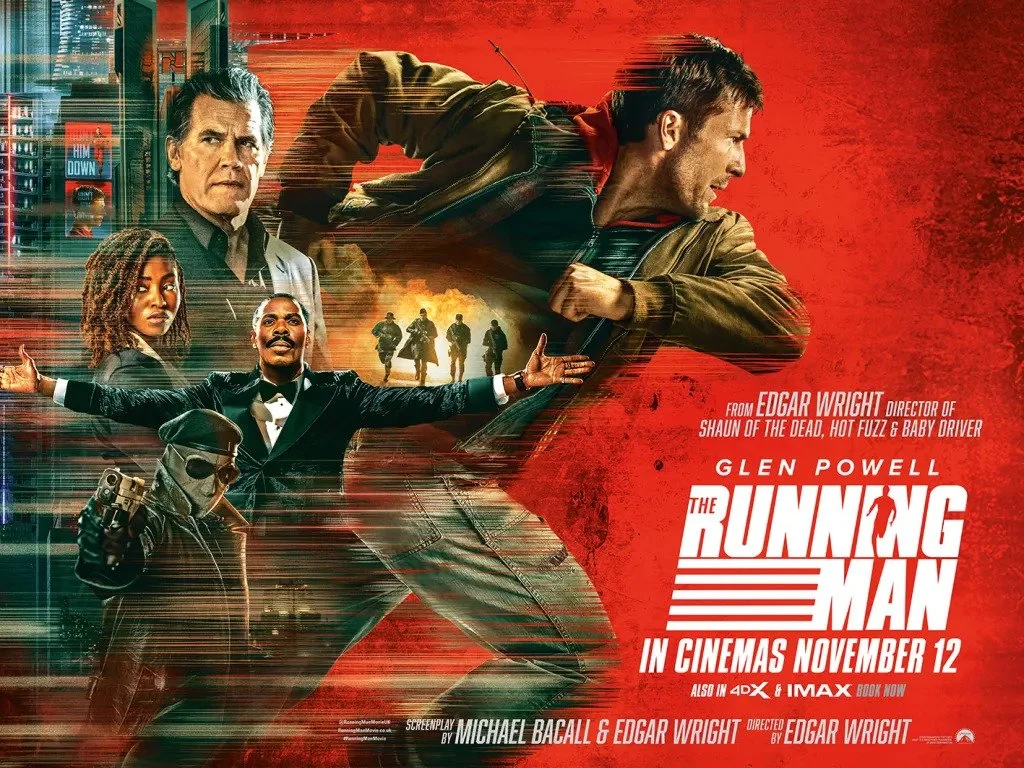
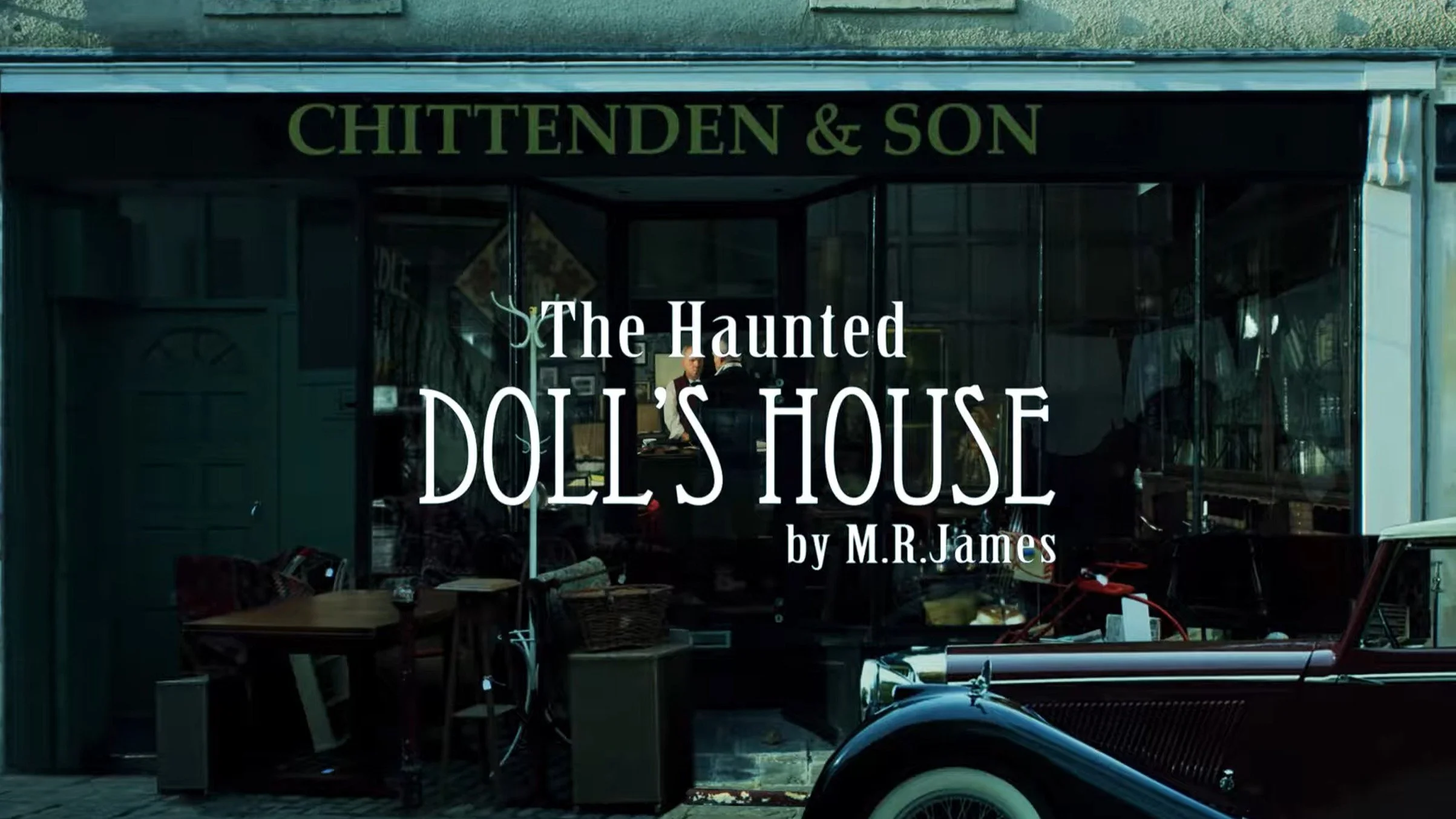
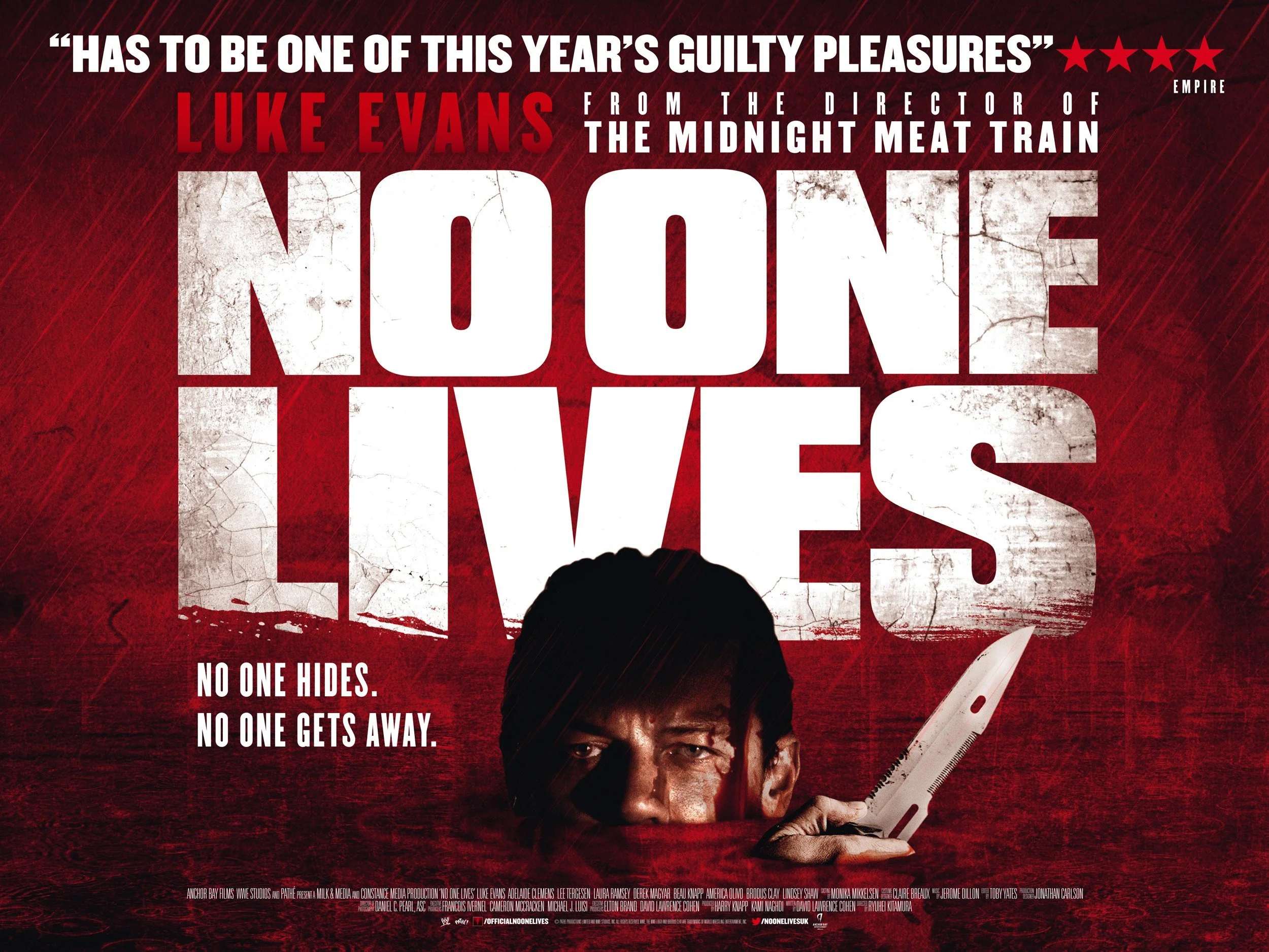
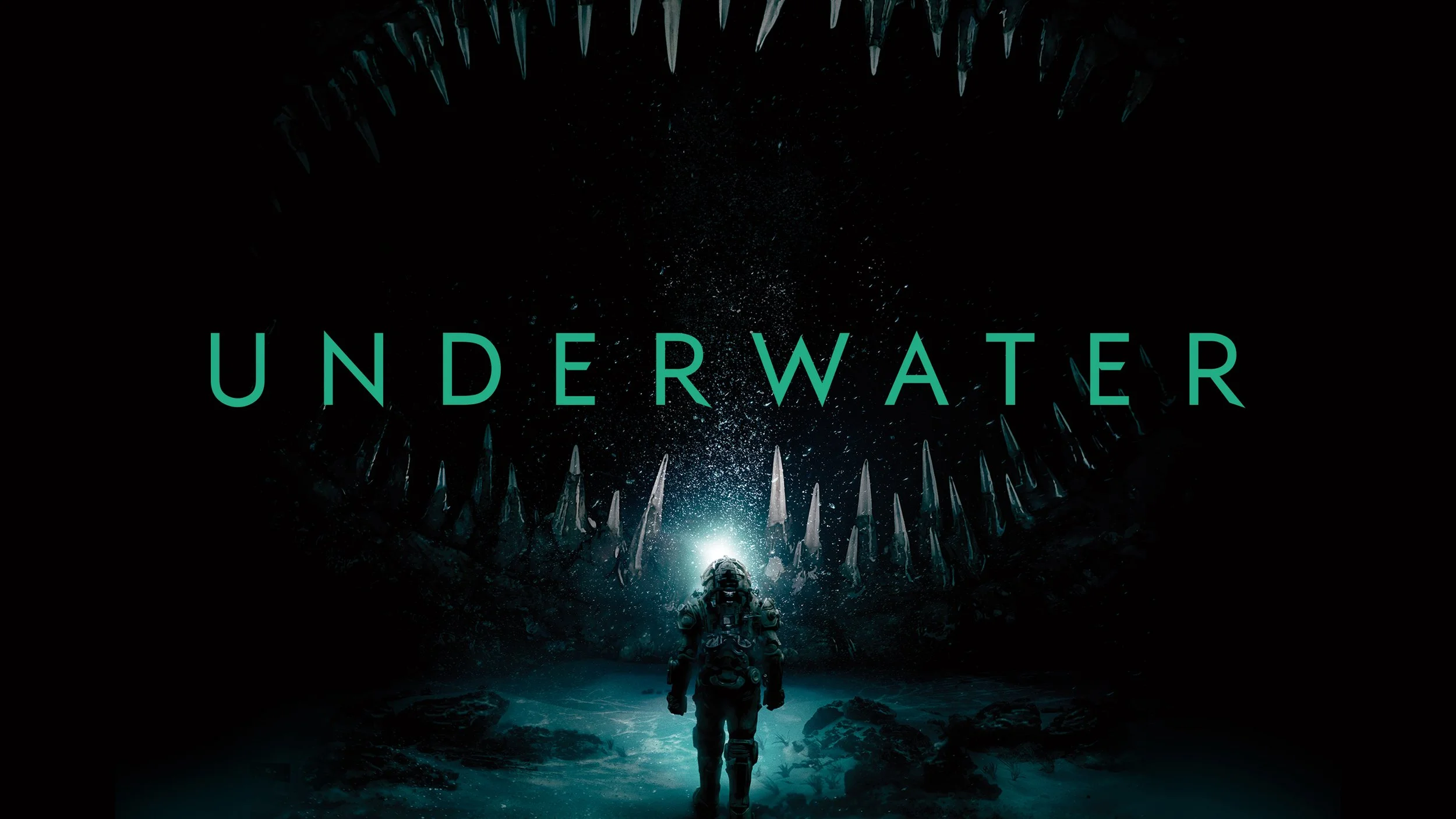





Throne of Blood (1957)
When I first saw Throne of Blood as a teenager I was ill in bed with a fever. I found the brooding atmosphere and the use of fog, very hypnotic and was never quite sure if this ethereal quality was down to my state of health or the way the film had been crafted. Subsequent viewings have established that the dream like aspect of the film is indeed due to the creative talents of it's great director. Akira Kurosawa remains the best-known Japanese director to Western audiences, while other luminaries, such as Mikio Naruse, Yasujiro Ozu and Kenji Mizoguchi, are known mainly to aficionados and scholars of cinema. Kurosawa’s work maintains a critical consensus, although he was at one point rejected in his native country for being too entrenched in obsolete traditions and themes. On a technical level his film making credentials remain unparalleled and in many ways, Throne of Blood is a text book example of his style and technique.
When I first saw Throne of Blood as a teenager I was ill in bed with a fever. I found the brooding atmosphere and the use of fog, very hypnotic and was never quite sure if this ethereal quality was down to my state of health or the way the film had been crafted. Subsequent viewings have established that the dream like aspect of the film is indeed due to the creative talents of it's great director. Akira Kurosawa remains the best-known Japanese director to Western audiences, while other luminaries, such as Mikio Naruse, Yasujiro Ozu and Kenji Mizoguchi, are known mainly to aficionados and scholars of cinema. Kurosawa’s work maintains a critical consensus, although he was at one point rejected in his native country for being too entrenched in obsolete traditions and themes. On a technical level his film making credentials remain unparalleled and in many ways, Throne of Blood is a text book example of his style and technique.
The story focuses on Washizu and Miki, two captains that have just successfully suppressed a rebellion for their warlord Lord Tsuzuki. While riding through Cobweb Forest, they encounter an old woman who prophesies that Washizu will usurp castle, but that his reign will be brief, and his throne soon will be occupied by Miki's son. Both warriors initially laugh at these predictions, but there are soon indications that the prophesy may be true. When Washizu reveals his thoughts to his scheming wife Asaji, she urges him to take the initiative and kill Lord Tsuzuki who is to visit their home. Washizu subsequently murders his Lord and blames his bodyguards, thus usurping the throne. Yet he is plagued by guilt for betraying his honour and slowly descends into madness as he sees supernatural visions and portentous signs. However, despite concerns over his fitness to rule along with his increasing abuse of his power, Washizu has no intention of relinquishing his position.
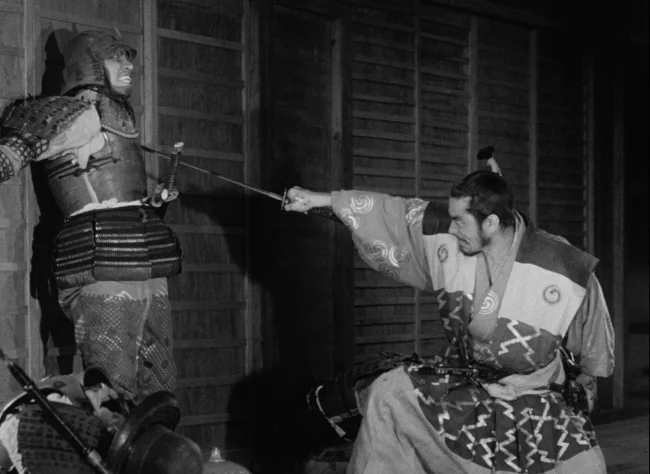
This 1957 retelling of “the Scottish play” translates perfectly into 16th century feudal Japan. It retains much of the Shakespeare's brooding atmosphere and to this Kurosawa adds the formality and cultural intrigue of his native country. The adaptation omits most of the minor characters and transforms the witches' scenes into a supernatural encounter with an old woman spinning in a forest glade. Acted in the classic Kabuki tradition, the central performances, particularly that of Toshiro Mifune, are superb in spite of their economy of words. Intent and feelings are often conveyed by body language and deportment. The black and white cinematography, the imposing production design, striking costumes and jolting use of violence all work to create a sinister and esoteric world; an attitude still held about Japan by the West in the post war era. Kurosawa uses the camera masterfully, alternating between lengthy static takes and fluid tracking shots. There are many visually arresting scenes both big and small, such as Cobweb Forest slowly advancing towards the castle through a sea of fog as well as the sudden invasion of the throne room by a flock of birds.
Modern audiences may have to adjust their expectations, as Throne of Blood is made in the Noh drama style which relies on visual, non-verbal means convey characters feelings and the underlying mood. But it is the cultural differences of Japanese cinema that make this film so engaging, atmospheric and compelling. Along with its high contrast black and white photography, extraordinary images of rain, galloping horses, and highly charged performances. All of which contribute to an atmosphere of self-destructive inevitability for the tragic Captain Washizu. As for the ending, let it suffice to say that it is justifiably legendary and a visual triumph. As a piece of cinema, Throne of Blood goes beyond being a mere adaptation Shakespeare or even a Samurai movie. It remains a film making landmark and bastion of visual creativity, underpinned by a particularly Japanese sensibility. It is singularly thought provoking and stylish, and once seen it leaves an indelible impression.
Classic Movie Themes: Thunderbird 6
Despite the popularity of the TV show in 1965, the two spinoff Thunderbirds feature films were both box offices failures. This has often been attributed to the indifferently written screenplays that seem to have completely missed the sense of suspense that the fifty-minute episodes achieved. Both feature films feel rather slow and like extended episodes rather than big budget extravaganzas. They fail to do anything different with established characters and apart from showcasing more extensive miniature effects in a widescreen format, don’t really have much more to offer. It’s curious that the winning, character driven formula that worked on television was overlooked for these big screen outings.
Despite the popularity of the TV show in 1965, the two spinoff Thunderbirds feature films were both box offices failures. This has often been attributed to the indifferently written screenplays that seem to have completely missed the sense of suspense that the fifty-minute episodes achieved. Both feature films feel rather slow and like extended episodes rather than big budget extravaganzas. They fail to do anything different with established characters and apart from showcasing more extensive miniature effects in a widescreen format, don’t really have much more to offer. It’s curious that the winning, character driven formula that worked on television was overlooked for these big screen outings.
However, there is one aspect of both film productions that is flawless. Composer Barry Gray’s musical scores. Thunderbird 6 was his favourite of the two, as it afforded him a wider range of musical themes with its globetrotting storyline. Through the use of a 56-piece orchestra he successfully managed to vary many of the classic Thunderbird themes, using them as motifs to reflect either impending danger or regional locations. All of this is done with a generous helping of typically 1960s lounge jazz. The various locations visited throughout the film also provide local ethnic idioms to further embellish the score. As usual there are humorous pastiches to underpin comic moments by Parker or Brains, all of which are interpreted in Barry Gray’s very literal musical style.
It's all very well crafted and ingeniously orchestrated as you would expect from a master composer at the peak of his career. It may lack some of the more urgent style of the TV series, but this is down to the somewhat ponderous narrative that drive the score. Below are two musical cues that are my personal favourites. The first is the main opening theme from Thunderbird 6. It is not the traditional tune associated with the series, but a bespoke track designed to capture the spirit of international travel which was still considered “glamourous” at the time.
The next track was written for when Skyship 1 travels over the Grand Canyon. It is designed to reflect the beauty and awe of this geographical feature. It then segues into a more mysterious piece as the villains’ plot against International Rescue. The cue again embodies the class and flamboyance of Barry Gray’s talent.

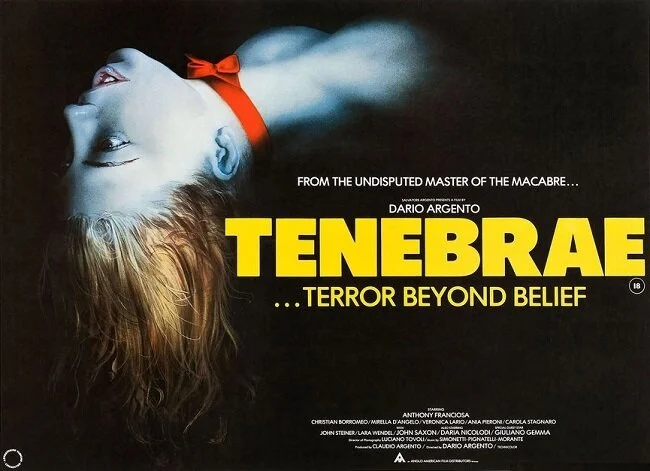
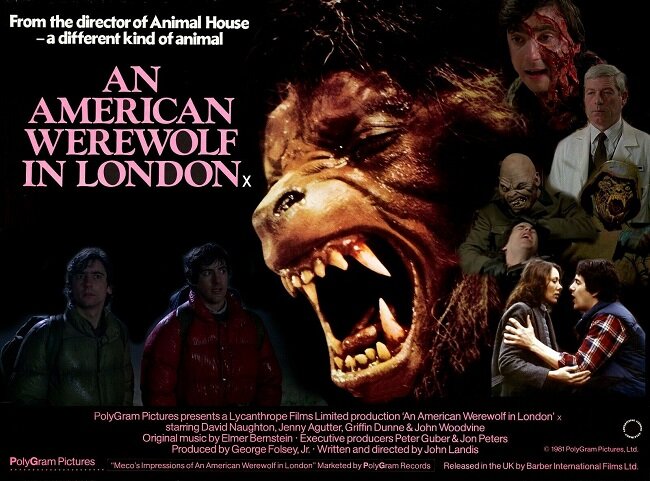
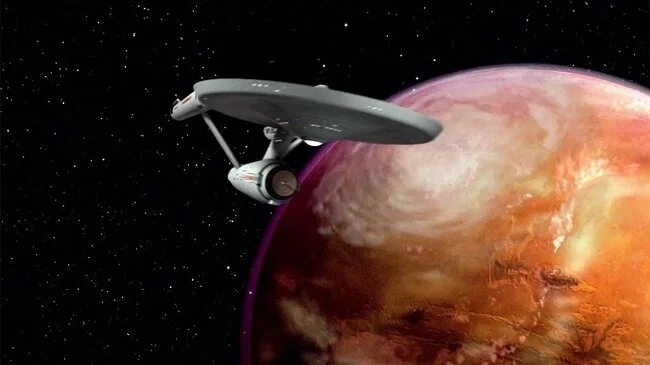

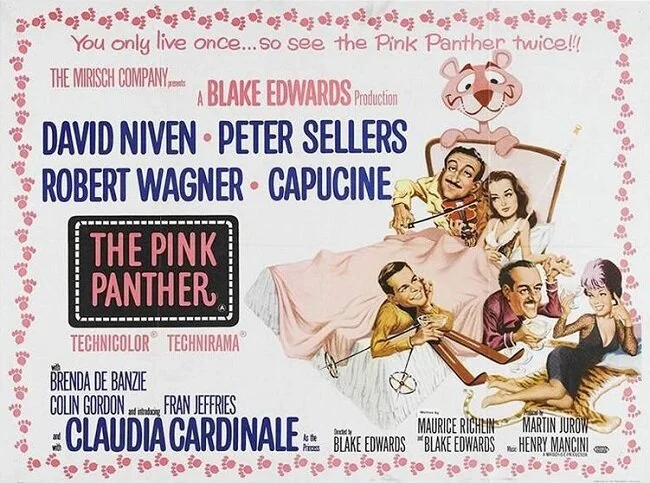




Ghost Stories (2017)
Adapting a stage play into a feature film can be a difficult task. If done poorly you’re left with a movie that feels stilted and confined due to its theatrically designed narrative. However, that is not the case with Ghost Stories, whose portmanteau format is inherently cinematic to begin with and has more than a whiff about it of the Amicus compendium horror movie from the seventies. Furthermore, the film adaptation provides even greater scope for genre references and homages to other classic supernatural movies. Director of photography Ole Bratt Birkeland creatively expands and embellishes the central story against a wider visual canvas. The shocks and scares are lovingly contrived, skilfully executed and genuinely unsettling. The film also maintains a very foreboding tone.
Adapting a stage play into a feature film can be a difficult task. If done poorly you’re left with a movie that feels stilted and confined due to its theatrically designed narrative. However, that is not the case with Ghost Stories, whose portmanteau format is inherently cinematic to begin with and has more than a whiff about it of the Amicus compendium horror movie from the seventies. Furthermore, the film adaptation provides even greater scope for genre references and homages to other classic supernatural movies. Director of photography Ole Bratt Birkeland creatively expands and embellishes the central story against a wider visual canvas. The shocks and scares are lovingly contrived, skilfully executed and genuinely unsettling. The film also maintains a very foreboding tone.
Co-writer and co-director, Andy Nyman, star’s as paranormal investigator (and debunker) Professor Phillip Goodman. After being informed of three potential cases that may well defy rational explanation, the Professor sets out to explore them further. The first incident involves a night watchman working in an old factory. The second focuses on a teenager whose car breaks down in a remote location and the last is about business man who is awaiting the birth of his child. Naturally the fourth story is the framing tale of Professor Goodman’s investigation which also serves as the films denouement. To say any more would be to give away the plot and spoil the film. Let it suffice to say that Ghost Stories exudes its horror pedigree and is littered with references to delight genre devotees.
Nyman and Dyson, direct assuredly and the movie maintains a measured pace. Performances are notably good, especially Paul Whithouse as the depressed and perturbed nightwatchman. He gives a very natural and credible performance as blue-collar worker struggling to rationalise his experience. Alex Lawther’s (Black Mirror: Shut Up and Dance) gives us a worryingly good turn as a man on the edge of hysteria. Perhaps it is the third story starring Martin Freeman that is the least thrilling. It’s not that this tale of a nursery-based poltergeist is lacking, but the fact it is used a segue into the final act, that robs it a little of its narrative power. However, the film boasts a suitably grimy production design with such locations as a decaying asylum, a distinctly down at heel working men's club and even the dreary childhood bedroom of one of our protagonists. There is also attention to detail to be found in each scene, from period wood cuts featuring the supernatural to the obligatory tomes and grimoires of the occult, lining bookshelves.
Ghost Stories, like many projects driven by those with a strong affinity to the genre and the influences of their youth, steers a fine line between homage and reference as well as fanboy adulation and cliché attribution. It’s is a bold and creative expansion of the stage play with sufficient difference for the broader visual medium of cinema. It successfully manages to scare, unsettle and bother the audience and in doing so, misdirect attention away from the slightly contrived framing story. It is also a welcome relief to experience genre cinema that hasn’t been exclusively tailor made and refined to fit a specific rating and appeal to a particular demographic. Ghost Stories is far from a gorefest but it is wonderfully creepy and atmospheric and makes no concessions to back pedal or make itself more appealing to wider audiences. It is scary, well-crafted and distinctly British. More please.







Parker (2013)
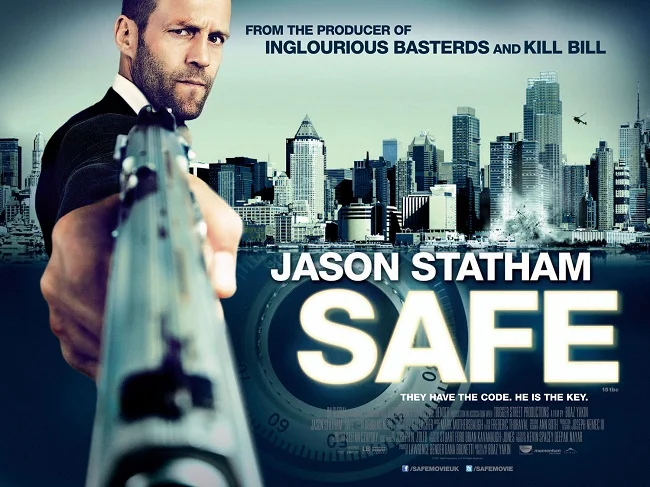
Parker is somewhat of a departure from Jason Statham's usual style of action movie. Based upon the character created by author Richard Stark (AKA Donald E. Westlake), Parker has an emphasis on plot and old school hard-boiled dialogue, over fights and mayhem. Although those elements are present in the film, they do sit rather awkwardly with the modern action idiom. Director Taylor Hackford seems to struggle in finding the right style for Parker and the indecision results in a very uneven movie. However, it should be noted that bringing this particular character to the screen has proven difficult in the past, although John Boorman successfully achieved this with Point Blank, starring Lee Marvin.
Parker is somewhat of a departure from Jason Statham's usual style of action movie. Based upon the character created by author Richard Stark (AKA Donald E. Westlake), Parker has an emphasis on plot and old school hard-boiled dialogue, over fights and mayhem. Although those elements are present in the film, they do sit rather awkwardly with the modern action idiom. Director Taylor Hackford seems to struggle in finding the right style for Parker and the indecision results in a very uneven movie. However, it should be noted that bringing this particular character to the screen has proven difficult in the past, although John Boorman successfully achieved this with Point Blank, starring Lee Marvin.
Like the recent adaptation of Jack Reacher, Parker has a simple story that seems decidedly low-key in this day and age of Hollywood excess. Rather than being subjected to an over reaching plot filed with implausible deeds, we simply get a tale of a heist gone bad, a betrayal and the subsequent quest for of revenge. Michael Chiklis has little to do as the double-crossing gang leader Melander and his crew are simply bad by default. The movie is also punctuated with some quite jolting scenes of violence, which for some reason just seem to be out-of-place with the rest of the narrative. It as if screenwriter John J. McLaughlin felt obliged to cater for regular Statham fans.
The only real character that shows promise is Jennifer Lopez as an aspiring Real Estate Agent Leslie Rodgers, who throws her lot in with Parker in a last-ditch attempt to better her ailing career. Playing against type she gives a solid performance, doing her best with a role that could have been a lot better if developed further. As for Mr. Statham, he fills the role of Parker, the crook with a moral code, adequately. Yet despite the positive vibe between the two leads the movie struggles to find the right tone. The pacing is somewhat slow and despite the focus on story, there is still a great deal of plot points that are simply glossed over. Providing a greater insight as to why Parker is the way he is would have certainly been worth exploring.
Parker is a curious movie and not without good points, but it ultimately falls between two stools. It neither satisfies the hardcore action fan, nor does it truly embrace the role of a traditional thriller. It also squander's a good cast (including a brief cameo by Nick Nolte) by giving them little to do. However, it is nice to see Jason Statham expand his repertoire, as he is quite a charismatic actor in his own unique way. It will be interesting to see if there will be any further outings for this character. Several studios have tried to launch this franchise before and have failed. Perhaps the boat has sailed for Parker and he remains a relic of the decade that spawned him and simply isn't suited to today's cinematic tastes. If we do get to see Parker again, I would rather see the one from Thunderbirds.
The Truth Is Out There (2011)
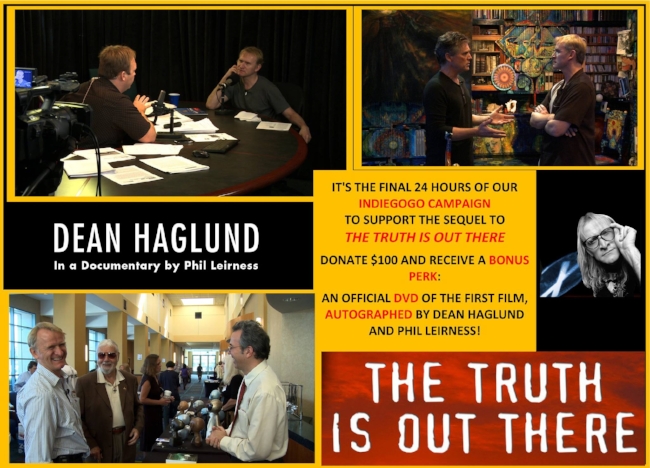
Dean Haglund is best known for playing Richard Langly, one of the Lone Gunmen on The X-Files. In recent years has capitalised upon that role and has become closely identified with the realm of the paranormal and the world of conspiracy theories. The documentary The Truth Is Out There follows Dean as he travels the US and attempts to discover just what it means to search for the truth in a world where conspiracies theories, untruths and fake news abound. The documentary directed by Phil Leirness, humorously takes the viewer on a journey of discovery, talking to those who believe that the world is not what it seems.
Dean Haglund is best known for playing Richard Langly, one of the Lone Gunmen on The X-Files. In recent years has capitalised upon that role and has become closely identified with the realm of the paranormal and the world of conspiracy theories. The documentary The Truth Is Out There follows Dean as he travels the US and attempts to discover just what it means to search for the truth in a world where conspiracies theories, untruths and fake news abound. The documentary directed by Phil Leirness, humorously takes the viewer on a journey of discovery, talking to those who believe that the world is not what it seems.
It takes a while for The Truth Is Out There to find its feet. The first ten minutes or so focuses on Dean Haglund visiting various conventions and fringe groups. Due to Dean's exuberant personality, it is difficult to initally predict exactly what tone the documentary will take to its subject. However, after a while it becomes very clear that his persona and rapport with those he talks to is an invaluable asset. The scientists, authors, mediums, journalists that he interviews warm to his charm and express themselves in very relaxed way. There is little conflict during their discussions as they’re afforded a great deal of respect and not treated as “nuts”.
Director Phil Leirness has edited together from hours of material, a very fair and measured documentary. In some instances, I felt that possibly too much time was given to certain parties, but that may just be me. Those with a greater interest in this topic may feel that the running time of 141 minutes is too short. My only other complaint was that the accompanying soundtrack was a little too intrusive at times and detracted from what was happening on screen.
As the documentary progresses and the audience meet a wider group of individuals with increasingly complex views of the world, the film cross cuts to Dean in discussion with psychotherapist, Dr. Nicki Monti. I personally found this to be one of the most engaging aspects of the film. By nature, I am sceptical of this facet of contemporary medicine, but on this occasion felt that the observations that were spot one and very pertinent to the discussion. It is also important to point out that Phil Leirness has been very even handed in his treatment of all interviewees. If any of them proceed to shoot themselves and their respective arguments in the foot, it is by their own hands and not his.
The Truth Is Out There potentially appeals to a multitude of demographics. A great deal of this hinges of the charm of Dean Haglund and his amusing and dry quips. There is much food for thought in the ideas and concepts discussed, from Area 51 to the 9/11 conspiracies, as well as our fascination as a society for this sort of material. For the past fifty years, conspiracy theories have become an increasingly popular topic of debate. Whether you consider them genuine or merely the delusional conceits of those ill-equipped to deal with reality, it is a phenomenon that is not going to go away.




The X-Files: I Want to Believe (2008)
I always enjoyed watching The X-Files and was bitterly disappointed by the way the series ended. It was abrupt, lacklustre and inconclusive. So naturally I was interested when I heard that the franchise was to be resurrected for another cinematic outing in 2008. I, like so many fans, was curious to see how the characters would be developed and whether if any of the more famous story lines would be developed for this second cinematic outing. The fact that series creator, Chris carter, was to direct the film increased my expectations. However, the film that was finally released (at the height of the summer, amid so much competition) was quite different from what the public were expecting.
I always enjoyed watching The X-Files and was bitterly disappointed by the way the series ended. It was abrupt, lacklustre and inconclusive. So naturally I was interested when I heard that the franchise was to be resurrected for another cinematic outing in 2008. I, like so many fans, was curious to see how the characters would be developed and whether if any of the more famous story lines would be developed for this second cinematic outing. The fact that series creator, Chris carter, was to direct the film increased my expectations. However, the film that was finally released (at the height of the summer, amid so much competition) was quite different from what the public were expecting.
Former FBI spooks Mulder (David Duchovny) and Scully (Gillian Anderson) are reinstated to investigate the mysterious abduction of a young female agent. They are assisted by a psychic ex-priest who has been defrocked over child molestation (Billy Connolly). As the agents struggle to unravel the secrets of Father Joseph's visions they also have to confront some personal demons of their own. Whilst unravelling a plot involving bizarre experimentation, Mulder and Scully struggle with their relationship and a sceptical pair of FBI colleagues. There are no conspiracies, shoot outs, alien activity, CGI, or major explosions. The film is curiously low key in both its plot and production.
Unlike the first feature film, the plot does not focus on the series' established "mythos" and instead works as a standalone story, similar to many of the "monster of the week" episodes that were frequently seen in the TV series. This has been done in an attempt to appeal to a broader audience, but ultimately works against the film. It all seems a little too understated and un X-Files-ish. The only above average aspect of the movie is Billy Connolly's performance. But one good performance is not enough to sustain this sort of movie. Also, the major selling point of the original series was the unrequited relationship between the leads. This film ruins this mystique by finally settling the storyline. Mulder and Scully together as an item simply does not work.
The X-Files: I Want to Believe has a strong degree of moralising and religious debate, which is far from subtle. Connolly's character raises several ethical issues, but the script seems ill equipped to explore them to any satisfaction. All things considered, this really is a bit of a misfire. It does seem strange that a major studio such as Fox would bring a franchise out of retirement simply for such a basic film. I'm sure writer and director Carter was attempting to go back to basics and not be artistically fenced in by previous material. Unfortunately, I think he took too many steps back on this one and we are left with a film that is content to be no more in-depth than an average TV episode.





The Tree of Life (2011)
Having missed the film on its original theatrical release, I recently saw The Tree of Life as part of a retrospective of the director’s work. Contrary to what some may expect, I am not going to lambast Terrence Malick’s existential reverie. Frankly I applaud the fact that he has endeavoured to do something very different and more importantly very personal. Furthermore, the movie continues to polarise the wider cinematic community, which pleases me greatly. Sometimes there's nothing worse for contemporary cinema than popular consensus. The film certainly elicits an emotional response from viewers, often leading to a debate of the movies respective merits. Yet I consider this to be a good thing, compared to the overall indifference I often feel these days towards an increasing infantilised medium.
Having missed the film on its original theatrical release, I recently saw The Tree of Life as part of a retrospective of the director’s work. Contrary to what some may expect, I am not going to lambast Terrence Malick’s existential reverie. Frankly I applaud the fact that he has endeavoured to do something very different and more importantly very personal. Furthermore, the movie continues to polarise the wider cinematic community, which pleases me greatly. Sometimes there's nothing worse for contemporary cinema than popular consensus. The film certainly elicits an emotional response from viewers, often leading to a debate of the movies respective merits. Yet I consider this to be a good thing, compared to the overall indifference I often feel these days towards an increasing infantilised medium.
Did I enjoy The Tree of Life? No. Did I find myself in accordance with Mr Malick's sentiments, themes and ideas? No. But there again as they are somewhat nebulous, who is to say that I accurately ascertained them. I may well have ended up basing my opinion on my own assumptions and potential prejudices. To be honest, I found myself increasingly more interested in the reaction of other members of the audience as the film unfolded. Being broadly agnostic on matters of faith and spirituality, I was not strongly engaged by the director’s vision. For me the great virtue of the film is the debate that it generates. It raises far more questions than it answers. Something that has been lacking in contemporary cinema for a while.
Narrative cinema is only one approach to film making. Malick certainly does not travel from A to B in a straight line. In fact, he may not be travelling between two points at all. Some may argue that you need to engage your brain to appreciate this film. Others state the opposite and that you simply allow it to lead you through a personal emotional experience. Bear this in mind if and when you see The Tree of Life. If you are still not sure as to whether this film is for you, then consider the following press release that succinctly summarises the proceedings.
From Terrence Malick, the acclaimed director of such classic films as Badlands, Days of Heaven and The Thin Red Line, The Tree of Life is the impressionistic story of a Midwestern family in the 1950s. The film follows the life journey of the eldest son, Jack, through the innocence of childhood to his disillusioned adult years as he tries to reconcile a complicated relationship with his father (Brad Pitt). Jack (played as an adult by Sean Penn) finds himself a lost soul in the modern world, seeking answers to the origins and meaning of life while questioning the existence of faith. Through Malick’s signature imagery, we see how both brute nature and spiritual grace shape not only our lives as individuals and families, but all life.
Filled with religious imagery, philosophical musings over the creation, the birth of morality and visions of the afterlife, The Tree of Life sprawls over a two hour plus running time and pursues its themes in a very erratic fashion. The performances from Sean penn and especially the child actors are strong, although I felt Brad Pitt was somewhat lost in the proceedings. There is also a curious sound design that reflects the enigmatic nature of the film. Some of the imagery will stick with the viewer but the CGI dinosaur section was ill advised. Not because of its technical quality (which is fine) but because of the point it strives to make. Curiously enough, some of the other special effects sequences are filmed using more traditional practical effects. Supervised by Douglas Trumbull, these are somewhat reminiscent in style of Kubrick's 2001: A Space Odyssey, although that is where the similarity ends.
The rampant commercialisation of cinema, particularly in the last thirty years, has certainly reduced the public’s perception of what cinema is and what it can do, down to a very basic level. Expectations are set low and when someone dares to do something different, then it really does throw a spanner in the works. Terence Malick has created something contrary to the current game plan. Admittedly his artistic status affords him an opportunity to do so. It would not be as easy to for a fledgling director to secure the backing of a studio or such a wide distribution deal, to make such a movie. But regardless of the rights or wrongs of The Tree of Life, it continues to remind both the industry and the public alike, of the notion of that cinema can still be art. It is up to you to decide if that is the case in this instance.
Interstellar (2014)
I have a suspicion that Interstellar is destined to be a movie that will polarise opinions for years to come. A quick visit to the IMDB already shows a divide between who hailed it as a masterpiece upon release in 2014 and others who left the movie theatre bitterly disappointed. I had mixed feeling about the film when I first saw it but was prepared to put aside its annoying foibles and embrace the bigger narrative picture. A recent second viewing has negated some of the problems I encountered first time round but overall, I still think it’s an enjoyable but cumbersome motion picture. Despite its science heavy plot and dialogue, Interstellar is very much a film about human nature. Director Christopher Nolan cleverly explores the perennial theme of how these two themes are seldom in accord.
I have a suspicion that Interstellar is destined to be a movie that will polarise opinions for years to come. A quick visit to the IMDB already shows a divide between who hailed it as a masterpiece upon release in 2014 and others who left the movie theatre bitterly disappointed. I had mixed feeling about the film when I first saw it but was prepared to put aside its annoying foibles and embrace the bigger narrative picture. A recent second viewing has negated some of the problems I encountered first time round but overall, I still think it’s an enjoyable but cumbersome motion picture. Despite its science heavy plot and dialogue, Interstellar is very much a film about human nature. Director Christopher Nolan cleverly explores the perennial theme of how these two themes are seldom in accord.
There is much to praise about Interstellar. The production design and effects are outstanding. The movie succeeds in visually realising the abstract nature of such phenomena as Black Holes, singularities and temporal anomalies. The robots that aid the crew are especially interesting as they are conspicuously non-anthropomorphic. Their design is functional as are their personalities. Christopher Nolan also wisely chooses to explore a very personal Father and Daughter relationship, set against the back drop of an ongoing global disaster. Although there are moments of spectacle in Interstellar, it is not at the expense of the human element that is essential to the story.
However, the film is flawed and at times struggles under the weight of its aspirations. The pace is languid, and where the leads get plenty of onscreen time, certain characters are woefully neglected and under developed. The final act cannot sustain itself and paints itself into a corner plot wise. After all its intellectual posturing, Interstellar settles for a rather generic Sci-fi plot device to resolve the story. There is a noticeable tonal shift and it may not sit comfortably with some viewers expectations. Imagine being beaten around the head with a science text book for two hours, only for it to be replaced by a philosophical tome at the last moment.
As with Inception, Christopher Nolan once again tries to raise the intellectual horizons of the blockbuster genre. Interstellar at time struggles to render its complex scientific themes into digestible dialogue but as experimental pictures of this nature are so few and far between, it would be short sighted to dismiss the film out of hand on these grounds. It deserves praise for trying to explore weighty themes with greater intellectual rigour than the average Hollywood movie. It should also be applauded for placing science at the heart of the plot. Especially as we live in times when critical thinking and rational thought are in decline. Knowledge and expertise are no longer exclusively viewed as laudable attributes and the “obsessed” scientist is no longer movie common movie trope.
It should be noted that Interstellar is not 2001: A Space Odyssey and doesn't strive to be so. Unlike Kubrick's movie, Christopher Nolan's is far more enamoured with the human condition. It's fundamentally about people and our nature as a species. However, it’s definitely not a movie for everyone and I would not recommend it as such. Don’t see it if you are expecting a space opera or just a story about exploration. Interstellar seeks to engage both your mind and emotions. Furthermore, it expects the audience to think. Although I found as much to dislike as I did to like, within the movie one hundred and sixty-nine-minute running time, I am glad that there are still film makers who are prepared to try something as bold as Interstellar. Sometimes a film that is imperfect can be just as engaging as one that is not.
Dredd (2012)
Dredd is clearly a movie that has been made by people who fully understand and respect the source material. This is by far the films strongest asset and helps carry the production through some of its short comings. It should also be noted that this is one of the most gritty and violent comic adaptation you're likely to see. It was rated R in the US went so far as to achieve an 18 certificate in the UK. The 3D process that accompanied the theatrical release and which is also available on the Blu-ray disc does add a rather sensationalist element to the proceedings with bullets passing through people’s faces in slow motion and blood spattering across the screen. Yet it works quite well and is reminiscent of Judge Dredd's origin on the luridly coloured pages of 2000 AD.
Dredd is clearly a movie that has been made by people who fully understand and respect the source material. This is by far the films strongest asset and helps carry the production through some of its short comings. It should also be noted that this is one of the most gritty and violent comic adaptation you're likely to see. It was rated R in the US went so far as to achieve an 18 certificate in the UK. The 3D process that accompanied the theatrical release and which is also available on the Blu-ray disc does add a rather sensationalist element to the proceedings with bullets passing through people’s faces in slow motion and blood spattering across the screen. Yet it works quite well and is reminiscent of Judge Dredd's origin on the luridly coloured pages of 2000 AD.
As soon as the movie starts viewers are dragged into the decaying, overcrowded and squalid world of Mega-City One. Crime is rampant among the 800 million strong population and the Judges provide summary justice among the city's denizens. A new drug Slo-Mo is rife on the streets, with its reality slowing side effects. Judge Dredd (Karl Urban) along with rookie partner Judge Anderson (Olivia Thirby) investigate the source of the new narcotic. The trail leads to them to a two hundred storey tower block controlled by drug baron Ma-Ma (Lena Headey). After a violent confrontation begins, the judges face having to fight their way out through an army of criminals and killers.
The story is simple and totally in accord with its central character. It is a very targeted production which after opening with establishing shots of Cape Town doubling as Mega-City One, becomes confined mainly to the tower block and surrounding locations. The production design by Mark Digby is very creative and certainly does as much as it can with the movies modest budget. Cinematographer Anthony Dod Mantle creates an interesting visual style by contrasting the overall decay and squalor with the beauty of the slow-motion scenes when people partake of the drug Slo-Mo. The visual effects are stylised and better than I was expecting. CGI violence seldom can compete with physical effects, but it mainly works within this production, suiting the required style.
Alex Garland's script is minimalist and very much in the right idiom. As a result, we get a Judge Dredd who has little to say and remains somewhat of an enigma. The jury is still out as to whether he is an iconic old west style hero or an über fascist. Karl urban excels in the role and firmly keeps his helmet on, which will please the purists. For those looking for a greater character development, Olivia Thirby has somewhat more to do, but overall the narrative is lean on both plot and back story. One can argue that this is all that is required for such a movie, although I would point out that John Carpenter's Assault on Precinct 13 managed to explore similar themes with much more rounded protagonists.
Pete Travis directs with confidence an does not shy away from the nature of the central character. The main reason the 1995 adaptation of Judge Dredd failed, was because it stripped away all the harsher elements of the plot and replaced them with humour, pathos and optimism. It also made the star the focus of the movie and not the character. You'll find none of that here. However, despite all its good points, Dredd does have areas of weakness. Some of the location shots in Cape Town are populated with contemporary vehicles and props that break the immersion. The use of slow motion in some of the action scenes does become a little repetitive at times. The opening narration could have been better and perhaps a little more back story on some of the characters would have been beneficial for narrative reasons. Also, through no fault of its own, the storyline of Dredd bares a similarity to the action movie The Raid, which was released earlier the same year. Sadly this stole some of its thunder.
Ultimately, Dredd is a very solid action film and a rare example of a good comic adaptation. It sticks to its guns (no pun intended) and give the fan base what it wants. There was upon release and remains now, scope for a franchise, although to date this has not happened. As is stand Dredd is a commendable, honest and old school action movie that dares to buck the trend and go for a higher rating, rather than dilute its content in pursuit of wider commercial success. It once again proves that if you want to adapt a comic-based franchise successfully, you need to understand it fully and stay true to its core ethos. Hollywood take note. This is how it's done properly.






Ask a Policeman (1939)
I was raised on old black and white films as a child. My parents age and personal tastes meant that I had exposure to a lot of material that people today may be oblivious to. This was especially true with regard to pre-war UK comic luminaries such as Arthur Askey, Old Mother Riley and Will Hay. I am very grateful in a way, as it has afforded me the opportunity to broaden my cinematic horizons and cultural references. Comedy is also an interesting social barometer of the times and can be quite a useful tool for historians. Its curious how something change there are certain comic tropes that are timeless. Often these are fundamental aspects of the human character but not necessarily the best ones.
I was raised on old black and white films as a child. My parents age and personal tastes meant that I had exposure to a lot of material that people today may be oblivious to. This was especially true with regard to pre-war UK comic luminaries such as Arthur Askey, Old Mother Riley and Will Hay. I am very grateful in a way, as it has afforded me the opportunity to broaden my cinematic horizons and cultural references. Comedy is also an interesting social barometer of the times and can be quite a useful tool for historians. Its curious how something change there are certain comic tropes that are timeless. Often these are fundamental aspects of the human character but not necessarily the best ones.
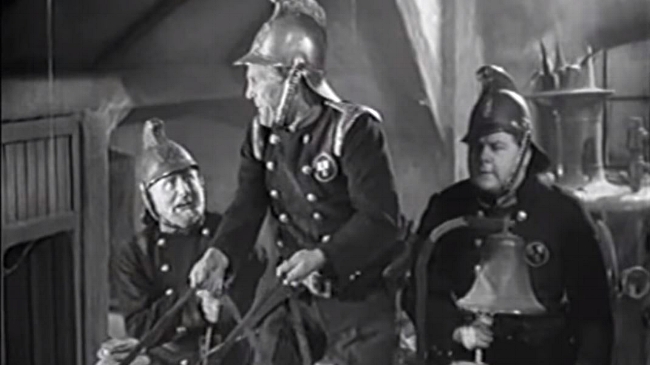
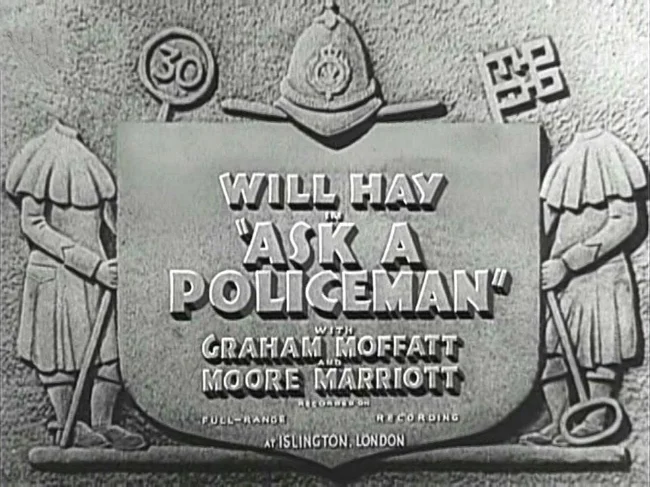
As a result of my youth, I am a consummate Will Hay fan. I find the seedy, incompetent characters that he created to be timeless. There often a lot of substance to his various incarnations, along with cynicism and moral ambiguity. Unlike US comedies of the time, there is also a conspicuous lack of sentiment. The humour is often linguistic, self-deprecating and sarcastic rather than physical and is more sedately paced, compared to the hard-hitting style of today. Although many consider Hay's finest work to be Oh, Mr. Porter! or My Learned Friend, I have a soft spot for the formulaic but enjoyable Ask A Policeman from 1939. It’s a very accessible example of Hay's work and exhibits many of the traits I have listed.
The first half of Ask A Policeman is vintage Hay, which concentrates on the superbly scripted verbal sparring between himself and his usual associates Graham Marriott and Moore Moffatt. The banter is very well observed, and its dry quality still makes it easily accessible. Take for example the following scene where Dudfoot and his two constables have made an arrest.
Sergeant Samuel Dudfoot: Did you search him?
Constable Albert Brown: One pocket book, one watch, one pen-knife and no money.
Sergeant Samuel Dudfoot: One pen-knife and no what?
Constable Albert Brown: No money.
Sergeant Samuel Dudfoot: Come on, turn out your pockets.
Constable Albert Brown: Oh, alright. One pen-knife and fifteen bob.
Sergeant Samuel Dudfoot: Blimey! Will you never learn to be honest? He's as much our prisoner as he is yours... Here you are, five bob each.
The story then broadens to encompass smugglers, headless horsemen, and a poorly conceived bus chase, which unfortunately bears to many similarities with Oh, Mr. Porter! However, these changes in pace and direction do not spoil the film overall and it still remains engaging during it's relatively short eighty-minute running time. I would recommend Ask A Policeman to those who have an interest in classic British comedy and vintage acts that have their roots in music hall and variety.
Oddly enough, the film was remade in 1982 by British comic duo, Canon and Ball, under the title The Boys in Blue. Unfortunately, it was rather poorly implemented and lacked the subtly of the original, mainly due to the stars somewhat limited comic abilities. Some folk have tenuously tried to link Edgar Wright's 2007 movie Hot Fuzz to the Hay original, but I believe that is stretching a point.



The Borderlands (2013)
I audibly groaned when I discovered that The Borderlands was a found footage movie, as this is a genre that really has been flogged to death of late. However, I subsequently found out that the movie had seen the involvement of writer James Moran, albeit in a non-credited capacity, which piqued my interest. A subsequent positive review by UK critic Mark Kermode led me to seek out a copy of the film and I must concur with his sentiments. Low budgets often produce binary results when it comes to movies. They can either be derivative, formulaic and safe or they can revisit an established idea but do so with innovation and flair. The Borderlands strives to do something more with the confines of the genre and is a little more than the some of its parts.
I audibly groaned when I discovered that The Borderlands was a found footage movie, as this is a genre that really has been flogged to death of late. However, I subsequently found out that the movie had seen the involvement of writer James Moran, albeit in a non-credited capacity, which piqued my interest. A subsequent positive review by UK critic Mark Kermode led me to seek out a copy of the film and I must concur with his sentiments. Low budgets often produce binary results when it comes to movies. They can either be derivative, formulaic and safe or they can revisit an established idea but do so with innovation and flair. The Borderlands strives to do something more with the confines of the genre and is a little more than the some of its parts.
The plot is very straight forward with a team of two Vatican investigators and a technical support engineer exploring allegations of a miracle at a remote country church in Devon, Southwest England. Writer and director Elliot Goldner, keeps the setting and unfolding events distinctly low key which works in the movies favour. There are no overtly contrived jolts initially, just a very clever and subtle use of sound design to create an atmosphere of unease. The movies greatest asset by far is the interaction between Deacon (Gordon Kennedy) and techie Gray (Robin Hill). The dialogue is priceless and very credible. The movie also takes a plausible stance in so far that both Vatican investigators are extremely cynical about their work and through experience naturally expect fraud and deceit.
The film builds nicely, with a few deliberate acts of misdirection. There's a rather unpleasant sequence involving some bored youths setting fire to a sheep that has more than a ring of truth about it. The use of technology is credible and at one point indicates that perhaps some of the strange events are not faked. Yet once the resident priest kills himself, the story then starts heading into the realms of the genuine supernatural. The movie climaxes with the arrival of an expert from the Vatican, Father Calvino (Patrick Godfrey), who finally expedites the plot and performs a banishment ritual. It is at this point that the story takes a leap of faith and asks the viewer to come with them. Ones enjoyment of the ending is very much dependent on whether you are prepared to do that.
The final denouement is most certainly an unpleasant experience for claustrophobes and also has a hint of The Blair Witch Project about it. The final payoff does have its own internal logic and I must admit I quite enjoyed the rather off the wall concept. Given that this was a very low budget movie, it is nice to see the writers trying to rise above the obvious limitations imposed upon them and striving to do something "shocking" as the genre's rules demand. The Borderlands is a destined to gain a cult following and is an enjoyable curiosity as well as a distinctly British variation of a tried and tested theme. As a directorial debut it is a promising first step and a welcome change from mainstream Hollywood horror output.
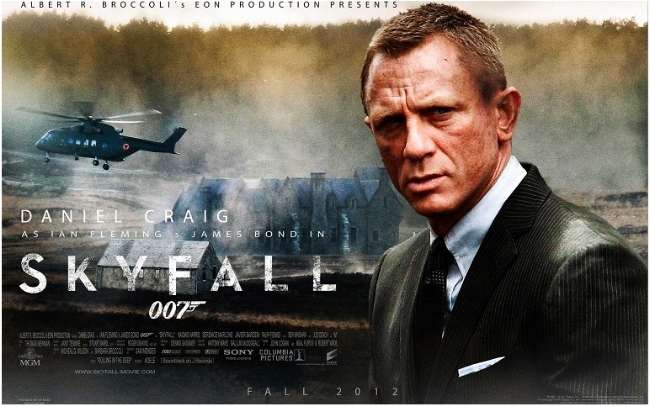
Skyfall (2012)
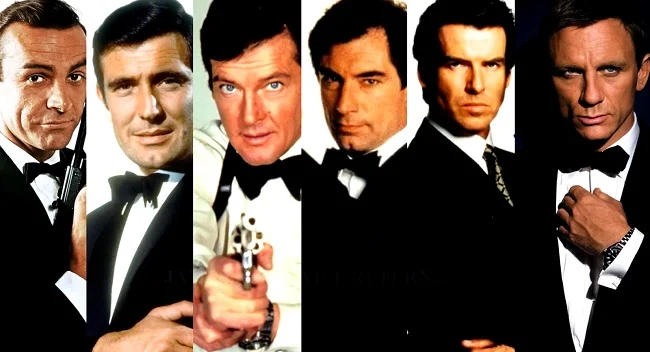
There's nothing better than being proved wrong and having your fears allayed. Sam Mendes was absolutely the right choice to direct the twenty third James Bond movie and delivered a film that embraces both the old and the new. Skyfall was an outstanding way to celebrate fiftieth anniversary of the franchise. This is one of the few occasions when the actual movie managed to live up to the respective hype and marketing. Skyfall is 143 minutes of pure Bond and much more. Seldom has series had this depth of story, characterisation and intelligence. It is a lot closer to Goldfinger than it is Moonraker and offers a fresh perspective on the iconic agent. This is not about defeating some villain in his volcano lair. Skyfall is about the very nature of espionage and the effects upon those who work in its twilight world.
There's nothing better than being proved wrong and having your fears allayed. Sam Mendes was absolutely the right choice to direct the twenty third James Bond movie and delivered a film that embraces both the old and the new. Skyfall was an outstanding way to celebrate fiftieth anniversary of the franchise. This is one of the few occasions when the actual movie managed to live up to the respective hype and marketing. Skyfall is 143 minutes of pure Bond and much more. Seldom has series had this depth of story, characterisation and intelligence. It is a lot closer to Goldfinger than it is Moonraker and offers a fresh perspective on the iconic agent. This is not about defeating some villain in his volcano lair. Skyfall is about the very nature of espionage and the effects upon those who work in its twilight world.
After an exhilarating chase scene set in Turkey, which is totally free from shaky cam and lightning editing that still plagues contemporary cinema, the iconic title credits roll. There are many familiar names that have long been associated with the series over the previous decades. Stunts co-ordinator Gary Powell, miniature and physical effects by Chris Corbould for example. Veteran editor Stuart Baird ensures that you get to see what is actually going on (thank you Mr. Baird). The stunning titles, once again created by Daniel Kleinman. There is also a lot of new talent. Production designer Dennis Gassner brings a fresh and exciting feel to the movie. Roger Deakins' photography is stunning with a vivid colour palette. London has seldom looked so good. The only aspect of the film that didn’t quite chime with me is Thomas Newman contemporary score. It does however touch upon the traditional bond themes and musical idioms.
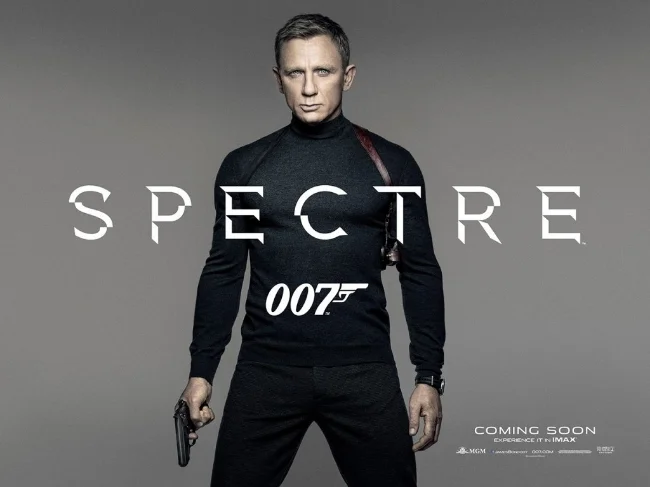
The plot is simple yet provides a far greater degree of character development and exploration of wider themes. M (Judi Dench) is thrown to the wolves after losing a vital hard drive containing operational data, along with one of her best filed agents. Her replacement Gareth Mallory (Ralph Fiennes) is already waiting in the wings to reform the department. Matters get worse when M becomes the target of vengeful agent Silva (Javier Bardom). Enter 007 (Daniel Craig) returning to MI6 after being presumed dead. However, Bond is not at the top of his game, yet is the only operative that M can trust to resolve the situation. The trail takes Bond from Shanghai, to Macau and then on to London. It becomes clear that Bond must take charge of the fight and returns to his family home of Skyfall to await a final confrontation with Silva.
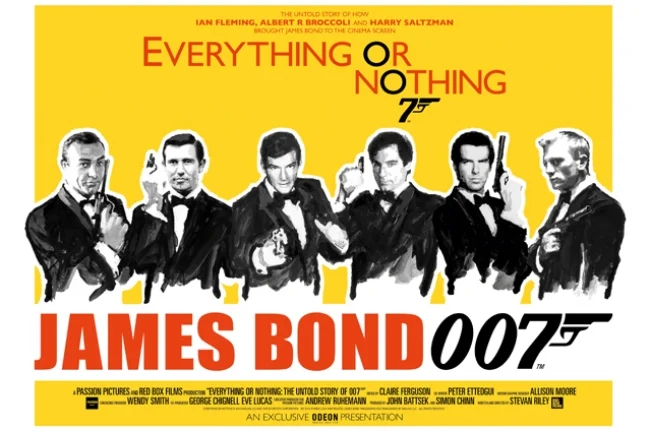
Sam Mendes crafts a Bond movie that includes all the best aspects of the franchise. The locations, set pieces and glamour are all present. He also manages to bring Bond into the twenty-first century and make MI6 relevant in the current political climate. Skyfall succeeds in being quite thought provoking and showcases exceptionally strong performances from Dame Judi Dench and Daniel Craig. The dynamic between these two characters comes full circle and is both touching and sad. The original gallows humour that Connery brought to the series and that Moore turned into high camp, is present and exceedingly dry. There are moments of self-reference but rather than being indulgences work very well. Adele's theme song is also a welcome throwback.
Javier Bardom is a charismatic villain. His charm and flamboyance are deceptive and when he descends into violence, it is all the more disturbing. Whilst on the subject of content, it should be noted that Skyfall is quite a hard PG-13 (12 certificate) movie. The fights are superbly choreographed and shot. Violence is not trivialised or mitigated with a crass quip. The new Q (Ben Wishaw) is engaging and the film is not smothered by an excess of gadgetry, although it clearly shows the role that technology plays in the world of espionage. It would be a crime for me not to mention the outstanding cameo made by Albert Finney. Let it suffice to say only an actor of his calibre could play such a part.
Considering the evolution of the action movie genre over the last four decades, Skyfall is a prime example of quality film making in an old school idiom. It works so well because all involved truly understand the material and the nature of the audience. Skyfall is in many ways Bond finally coming of age. Is it the best entry in the series? Very possibly. It has so much more to offer than just the superficial, featuring robust performances and a strong narrative arc. Furthermore, the movie's resolution offers a great deal of scope for further exploration of this new and revitalised James Bond. The franchise has been markedly changed by Skyfall successfully combining populist entertainment with quality acting and new found narrative depth.

A Good Day to Die Hard (2013)
Having passed at the chance to see A Good Day to Die Hard during its theatrical I finally caught up with the movie recently. The version I saw was the US theatrical version and not the extended edition that includes three and a half minutes of additional material. It's a curious thing that in an age when blockbuster movies become ever longer and more bloated, frequently running over two and a half hours, that the latest instalment of Die Hard is a brief ninety-nine minutes. That's about an hour and a half once you remove ten minutes or so of CGI credits. Is such brevity to the benefit of the movie? In a nutshell, no. A Good Day to Die Hard is light on plot, character development and viewer engagement. Frankly it’s a caricature of its former self. The notion of the likeable every-man, out of his depth and fighting against incredible odds has given way to a loud-mouth, bullet proof xenophobic who effortlessly moves from one improbable CGI action sequence to another.
Having passed at the chance to see A Good Day to Die Hard during its theatrical I finally caught up with the movie recently. The version I saw was the US theatrical version and not the extended edition that includes three and a half minutes of additional material. It's a curious thing that in an age when blockbuster movies become ever longer and more bloated, frequently running over two and a half hours, that the latest instalment of Die Hard is a brief ninety-nine minutes. That's about an hour and a half once you remove ten minutes or so of CGI credits. Is such brevity to the benefit of the movie? In a nutshell, no. A Good Day to Die Hard is light on plot, character development and viewer engagement. Frankly it’s a caricature of its former self. The notion of the likeable every-man, out of his depth and fighting against incredible odds has given way to a loud-mouth, bullet proof xenophobic who effortlessly moves from one improbable CGI action sequence to another.
The movies first major action spectacle is a lengthy car chase through Moscow, involving an armoured car that destroys pretty much every vehicle that it encounters. The sequence quickly becomes tedious due to its excess and is further tainted by some rather unpleasant moral ambiguity. John McClane dodges an RPG which then destroys an innocent civilian’s vehicle. But of course, in Hollywood terms this doesn't matter at all, as it wasn't an US citizen. Once again, we see a sovereign nation treated with contempt as our hero simply swans around doing whatever he sees fit, irrespective of local law and authority. Well it's their own fault, they don't speak English.
For a movie that hinges on a father and son dynamic, there is no tangible chemistry between Jai Courtney and Bruce Willis. It's all rather perfunctory. I initially assumed that the theatrical version of the movie had been edited down to be low on dialogue high on action. When I heard that the Blu-ray release would include an extended edition I hoped that this would fill some of the narrative gaps. Unfortunately, the extra material is simply a few nominal dialogue scenes and an even longer version of the tiresome car chase. No further plot, or expositionary scenes. But I guess that's my fault for expecting anything more from director John Moore, who previously brought us the pointless remake of The Omen and the inextricable film adaptation of the video game Max Payne.
A Good Day to Die Hard has flashes of interest with villain Alik (Rasha Bukvic) who has a few curious quirks. Unfortunately, he is then effectively side-lined and removed from the narrative far too quickly. The denouement is both excessive and totally implausible, even by the standards of this particular genre. When will film makers learn that once you step over the line and the audience cease to suspend their sense of disbelief, then the battle to hold their attention is lost. We also happen to know by now that the most vulnerable part of a helicopter are both its rotors and that they are not the equivalent of industrial blenders. How dumb do you think we are? On mature reflection, perhaps it’s best not to answer that, as I was the one watching this movie through choice. Sometimes, brand loyalty is a double-edged sword.
There is little good to say about A Good Day to Die Hard. The only thing that made me sit up and take notice was the inclusion of some faux BBC new reports featuring real life news presenter Sophie Raworth. Remember in the nineties how it was always CNN or Sky News that were used in this way? However, overall the movie had nothing new to offer and even its R rating was disappointing. A few profanities and some minor bullet hits cannot recreate the hard edge and elegance of the original movie. Even Bruce Willis' signature kiss off line "Yippee-ki-yay, Motherfucker" is laboured. In all honesty Olympus Has Fallen is closer to the 1988 Die Hard than this shallow cinematic outing. I think it's time for this particular Cowboy to hang up his spurs and retire. Until the inevitable reboot.
Olympus Has Fallen (2013)
Where film makers of note will often take the bull by the horns and address difficult aspects of US history and culture, Hollywood tends to do the complete opposite. Events are simply re-imagined having a more popular, and box office friendly outcomes. Olympus Has Fallen fits squarely into this category, being a post 9/11 denial movie. In this case, the White House, that national symbol of American power and democracy is ruthlessly attacked by evil North Koreans (are there any other kind?), resulting in another sub Die Hard scenario. This movie holds no surprises and seeks to offer nothing more than what is on the poster. However, contrary to what you might think, that is not a bad thing at all.
Where film makers of note will often take the bull by the horns and address difficult aspects of US history and culture, Hollywood tends to do the complete opposite. Events are simply re-imagined having a more popular, and box office friendly outcomes. Olympus Has Fallen fits squarely into this category, being a post 9/11 denial movie. In this case, the White House, that national symbol of American power and democracy is ruthlessly attacked by evil North Koreans (are there any other kind?), resulting in another sub Die Hard scenario. This movie holds no surprises and seeks to offer nothing more than what is on the poster. However, contrary to what you might think, that is not a bad thing at all.
Gerard Butler scowls his way through the movies two hour running time as Secret Service Agent Mike Banning. He is bullet proof and blessed with the marksmanship of a minor deity, while everyone else can't shoot for shit. President Benjamin Asher (Aaron Eckhart) struggles to maintain the dignity of his office while chained to a metal railing. Quality character actors such as Morgan Freeman, Angela Bassett and the great Robert Forster sit around the war room conference table and look as serious as their fees and conscience allow. The only real weak link in the chain are some sub-standard digital effects which diminish the impact of the White House attack. It’s somewhat odd considering that Olympus Has Fallen had a production budget of $70 million.
One aspect of the movie that does leave a somewhat unpleasant taste in the mouth, is the generic nature of the villains. At present due to prevailing economic and political reasons it is the North Koreans. The days of lambasting the Russians and Chinese seem to be long gone, especially as they now constitute lucrative markets for the film studios. Rick Yune's depiction of the movies North Korean bad guy Kang, is arbitrary to say the least. Although the movie is now five years old and has already had a sequel, current diplomatic events in the Korean peninsula put a different spin on the proceedings. As a result, Olympus Has Fallen now appears to have a rather unwholesome warmongering undercurrent.
Unlike so many action movies these days, Olympus Has Fallen has an old school R rating with its bloody body count and liberal use of profanities. Despite being an extremely dumb movie, at least it is content in its own skin. Shamelessly nationalistic, filled with clichéd tropes and generic action movie conventions, Olympus Has Fallen is generic box office fodder. But it doesn't make the mistake of pretentious naval gazing or pontificating on geo-political issues it is ill equipped to debate. Director Antoine Fuqua delivers a bombastic movie with all the subtly of a Rhinoceros horn up the backside. Yet considering the premise, could we really expect anything else? Would we even want it?
The Equalizer (2014)
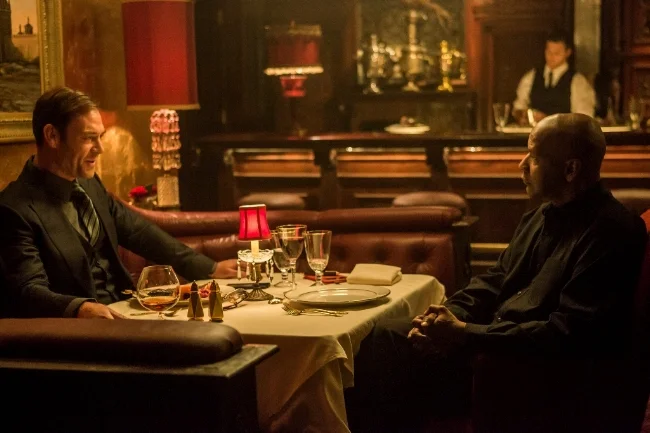
Denzel Washington is one of those rare actors who can elevate a movie by his screen presence. It is his star quality, along with a better than average story that makes The Equalizer a cut above your average action movie. There is a half decent attempt to transcend the usual alpha male, revenge bullshit that permeates the vigilante sub-genre and explore deeper themes. The film takes it's time to focus on Robert McCall's wider motivation, philosophy and personal morality. It ponders the nature of ethics and alludes to the notion of "knights" in a time when they're no longer required or desirable. However rather than wallow in the notion of an existential crisis, the central theme is self-determinism. On top of all this weighty pondering there's also some very hard-edged violence and death by power tools.
Denzel Washington is one of those rare actors who can elevate a movie by his screen presence. It is his star quality, along with a better than average story that makes The Equalizer a cut above your average action movie. There is a half decent attempt to transcend the usual alpha male, revenge bullshit that permeates the vigilante sub-genre and explore deeper themes. The film takes it's time to focus on Robert McCall's wider motivation, philosophy and personal morality. It ponders the nature of ethics and alludes to the notion of "knights" in a time when they're no longer required or desirable. However rather than wallow in the notion of an existential crisis, the central theme is self-determinism. On top of all this weighty pondering there's also some very hard-edged violence and death by power tools.
Director Antoine Fuqua, who previously worked with Washington on Training Day, crafts a rather languid but in-depth thriller, which takes time out to play to his leads great acting strength. McCall is not just a two-dimensional special forces cliché but a man with a soul and a strong personal philosophy. Whenever Steven Seagal strayed from action into personal musing and introspection, the audience quite justifiably told him to fuck right off. But in the case of The Equalizer, it greatly enhances the film. There is a real sense of purpose and meaning to Denzel Washington's actions which makes a welcome change, as this genre is not usually known for its depth. His character also sports some credible OCD foibles such as a tendency to time everything and a propensity to tidy.
Of course, in films such as these, there is a requirement for a suitable nemesis. On this occasion it is supplied with relish by Marton Csokas, who oozes malevolence as a Russian enforcer and once again utilises his wonderful metered diction to great effect. The film takes an unusual approach by setting the story in a distinctly blue-collar world. McCall works in a hardware and building supplies warehouse and champions the causes of his fellow workers as well as local prostitute Teri (Chloë Grace Moretz). Director Fuqua does not try and glamorise the criminal fraternity either, choosing to portray it as monolithic, perfunctory and soulless. He also wrong foots certain viewers when McCall visits his former governmental handlers. He is greeted by Bill Pullman and Melissa Leo and the person he seeks is not necessarily the one you automatically assume it to be.
One of the strongest aspects of The Equalizer are the action sequences which are extremely hard hitting and brutal. Because of the above average calibre of acting and film making, the violence is quite disturbing and may have more than a few viewers squirming in their seats (especially the shot glass in the eye). When McCall initially kills a group of Russian gangsters I was surprised at the way the carnage was dwelt on both before and after. The film also has a very strong contemporary soundtrack by Harry Gregson Williams, as well as utilising several songs to great effect. I was also impressed by Denzel Washington's succinct distillation of Ernest Hemmingway's The Old Man and the Sea. You don't expect to find literary criticism in a movie that also sports IEDs and stabbings with corkscrews.
The Equalizer ends with a rather positive message and leaves scope for a further outing for Robert McCall. Overall, the film does run a little too long and could have easily lost twenty minutes or so with tighter editing, but this seems to be a common problem with contemporary cinema. However, running time notwithstanding, The Equalizer remains an above average thriller which has additional appeal to wider audiences due to the popularity of its star and the slightly more cerebral subtext to the proceedings. At present, a second instalment is in production featuring many of the original cast and crew. The Equalizer 2 is scheduled for a release on July 20th 2018.
Star Trek Into Darkness (2013)
After a prodigious marketing campaign and a great deal of internet speculation about one specific character, Star Trek Into Darkness was released to broadly strong reviews and solid box office returns in early May 2013. Finally, all the questions that had kept fans and website pundits endlessly theorising, were answered. For a second time running, Paramount Pictures managed to produce an action-filled blockbuster which still offered a strong plot, with complex and adult themes, explored by well-rounded characters. Batman Begins seems to have set a trend of framing material from a traditional pulp background, within broader intellectual parameters. Star Trek: Into Darkness managed to do this while cleverly re-imagining iconic material from its own lore. However, as with any substantial franchise movies, not everyone was satisfied or pleased. Many fans railed against the new Kelvin Timeline and continue to do so.
After a prodigious marketing campaign and a great deal of internet speculation about one specific character, Star Trek Into Darkness was released to broadly strong reviews and solid box office returns in early May 2013. Finally, all the questions that had kept fans and website pundits endlessly theorising, were answered. For a second time running, Paramount Pictures managed to produce an action-filled blockbuster which still offered a strong plot, with complex and adult themes, explored by well-rounded characters. Batman Begins seems to have set a trend of framing material from a traditional pulp background, within broader intellectual parameters. Star Trek: Into Darkness managed to do this while cleverly re-imagining iconic material from its own lore. However, as with any substantial franchise movies, not everyone was satisfied or pleased. Many fans railed against the new Kelvin Timeline and continue to do so.
After breaking the prime directive whilst rescuing Spock (Zachary Quinto), Captain Kirk finds himself demoted to first officer and the command of the Enterprise is returned to Christopher Pike (Bruce Greenwood). A Terrorist attack by a former section 31 agent, John Harrison (Benedict Cumberbatch), sees him promptly reinstated. Yet Kirk's propensity for headstrong decisions and his obstinate refusal to accept "no win" scenarios quickly puts his crew at risk. He soon finds out that there is more to John Harrison than meets the eye. And is the new science officer, Carol Marcus (Alice Eve) the daughter of Starfleet Admiral Marcus, to be trusted?
There are strong moral themes explored in Star Trek Into Darkness. Seeing the emotional growth of Jim Kirk is very intriguing as he learns first hand that there are direct consequences to his devil may care attitude. Spock also struggles with his human and emotional heritage, but this handled in a subtly different fashion to how it has been in the past. All other major characters are given roles to explore and broadly they work. Checkov seems to come off worst in this instalment but Simon Pegg's Scotty has improved no end. The friendship that exists between the classic trilogy is strengthened remains the foundation of the story. Spock’s brief interaction with his older self is intelligently explored and as ever a highlight of the movie. His love interest works surprisingly well with Uhura (Zoe Saldana). McCoy has as ever a monopoly on dry quips and Karl Urban delivers them with aplomb. His casting is truly sublime.
It is fair to say that a familiarity with the existing canon helps in getting the most from Star Trek Into Darkness. Where The Hobbit movies diluted their source material to make them accessible to a wider audience, Star Trek Into Darkness does the opposite and is aimed squarely at fans first. Although Benedict Cumberbatch fairs well as Khan there should have been a further exposition of the importance of character and his place in History. As it is, the situation does lead to some gaps the plot. Also references to Section 31 and its significance are glossed over. Perhaps, like so many movies these days, the narrative was pruned to accommodate a focus on action. There are certainly lines in all three trailers that are not in the final cut of the movie.
I believe the movies greatest asset is its ability to turn existing lore completely on its head, yet it does so in a manner that isn't disrespectful or undermines it. Towards the end of Star Trek Into Darkness the plot parallels some very iconic scenes from Star Trek II: The Wrath of Khan. Yet because we know what happened in that context, it cannot be replicated in this new time stream. Writers Roberto Orci, Alex Kurtzman and Damon Lindelof manage to come up with an innovative new spin on proceedings. They succeed in raising a wry smile and touching an emotional nerve simultaneously. It is this approach along with the traditional focus on character and story that elevates this second movie above standard multiplex fare.
It would be wrong of me not to mention Michael Giacchino's score, which is exceptionally good. The main theme that was introduced in the 2009 movie is back and works well with multiple arrangements. It stands on its own two feet and is the equal of Jerry Goldsmith's classic motif. It is also beautifully interwoven with Alexander Courage's original Star Trek theme over the end credits. The piano piece London Calling, played during the introduction of Thomas Harewood (Noel Clarke) and his sick child, is beautiful and underpins the silent montage perfectly. This is how cinematic scoring should be done and demonstrates its clear contribution to the movie.
For those looking forward to a major Klingon subplot, there may be some disappointment. Their involvement with the proceedings is brief but action packed. They have also been subject to a makeover of their traditional iconic appearance. It is changes such this as well as alterations to the Enterprise's design that purists balk at. The fact that director J. J. Abrams does not claim to be a fully-fledged fan boy but simply has a grounded appreciation of the franchise, has both positive and negative aspects to it. It gives him freedom to experiment but the potential to tread on toes as well. Yet all these matters of debate are mainly window dressing for core fans to argue over. Overall, I do not think any harm was been done to the central themes we expect from Star Trek.


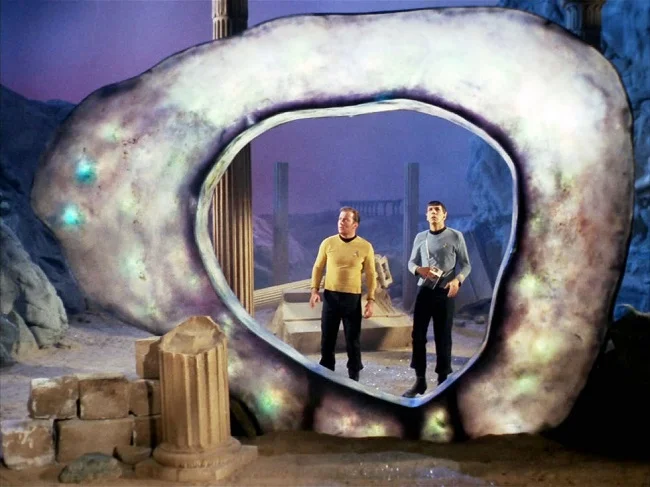
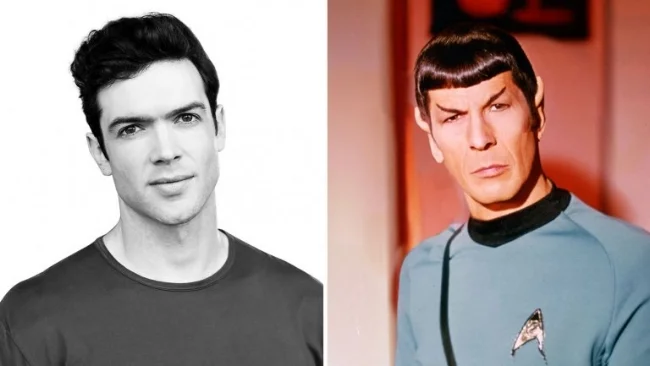


![Star Trek Discovery S01E01 The Vulcan Hello.mkv_snapshot_07.19_[2017.09.25_17.54.13].jpg](https://images.squarespace-cdn.com/content/v1/54e310f0e4b0f4a6ba3ac899/1506359625650-D976K1OBW47HSSSFN2S2/Star+Trek+Discovery+S01E01+The+Vulcan+Hello.mkv_snapshot_07.19_%5B2017.09.25_17.54.13%5D.jpg)


Star Trek (2009)
The reinvention of any popular franchise certainly comes with many risks. Twelve years ago, Casino Royale was hailed as a triumph in rebooting the 007 brand. It was hard edged, back to basics movie that made the spy genre relevant to a contemporary audience, without diluting its source material excessively. Yet this process went a step too far with Quantum of Solace, with a film that simply didn't feel Bond enough. Needless to say, the rights holders corrected this error. The success of the BBC's relaunch of Doctor Who hinged on making the formula accessible to modern viewers. Yet the new format of standalone episodes, celebrity guest stars and an emphasis on action over story, can be difficult to maintain and requires the involvement of top writers to keep the momentum going. Then of course there are the fans.
The reinvention of any popular franchise certainly comes with many risks. Twelve years ago, Casino Royale was hailed as a triumph in rebooting the 007 brand. It was hard edged, back to basics movie that made the spy genre relevant to a contemporary audience, without diluting its source material excessively. Yet this process went a step too far with Quantum of Solace, with a film that simply didn't feel Bond enough. Needless to say, the rights holders corrected this error. The success of the BBC's relaunch of Doctor Who hinged on making the formula accessible to modern viewers. Yet the new format of standalone episodes, celebrity guest stars and an emphasis on action over story, can be difficult to maintain and requires the involvement of top writers to keep the momentum going. Then of course there are the fans.
Considering these points, the 2009 reboot of the Star Trek franchise was a substantial risk. Yet a recent third viewing has verified my initial assessment of a job well done. I personally thought that writers Roberto Orci and Alex Kurtzman, were quite inventive in finding a way to circumnavigate the enormous wealth of existing lore and sundry baggage associated with the iconic franchise. The alternative time line concept certainly allows future sequels to wipe the slate clean if they so choose. Yet reinventing the wheel can be a double-edged sword and although purist fans do not determine the box office success of a movie, they can prove to be a very vocal and negative group to deal with. Hence despite a worldwide gross of $385,680,446 and broad mainstream critical approval, Star Trek has a clear group of detractors.
J.J. Abram certainly succeeded in casting actors that do more than just mimic the performances of the original series. The cast find the right balance between homage to the original cast and defining their own roles and making their own mark. This aspect of the production seems the least disputed and has managed to satisfy a lot of fans expectations. I personally felt that Karl Urban's Leornard "Bones"McCoy, was perhaps the most successful performance getting the tone exactly right. Zachary Quinto was a solid match fro Spock and I could not fault his interpretation of the role. However, the late Leonard Nimoy still remains the focus of every scene he is in. I don't know if it because the man and the character have become so interwoven, or because Spock is simply one of the most intriguing, well written and iconic fictional creations of the last forty years.
One of the outstanding aspects of the previous films in the franchise has been the superb scores, by such great composers as Jerry Goldsmith and James Horner. Michael Giacchino new soundtrack is bold and different but compliments the film exceptionally. He defies the obvious pitfall of utilising Alexander Courage's iconic original theme, too frequently in the movie and chooses to use it at the end. His new main theme is both dignified and portentous. It reinforces the sense of starting anew. The audio design for the entire film is very modern, yet veteran sound engineer Ben Burt still managed to ensure that certain aspects maintained a retro quality.
Star Trek is an integral part of popular culture and it its remarkable that the franchise has been revived so successfully, when you consider how much scope there was to get it wrong. However, the frenetic style of modern cinema is quite evident and the there’s predilection towards resolving conflicts by violence, which potentially flies in the face of Gene Roddenberry's original ideology. But the underlying theme of relationships, friendships, discovering ourselves though others and finding our place in the world still remain. I'm sure in the weeks to come the internet will be filled with information, dissections and pondering over the latest entry in the series, currently being developed by Quentin Tarantino. In the meantime, I am very pleased that something I have always enjoyed has so far been treated with respect and has remained thoroughly entertaining.
Ironclad (2011)
Upon its release in 2011, reviews of Ironclad were mixed. Criticism mainly focused on a lack of historical accuracy, an excess of violence and some questionable casting decisions. Hasn’t this always been standard operational procedure for countless Hollywood historical epic? For example, El Cid, Cleopatra and more recently Alexander. It seems somewhat counter intuitive to berate a film over the very elements that define its particular sub-genre. Ironclad is an action drama inspired by historical events. It certainly does to claim to be a Starkeyesque depiction of the period. You only have to watch the trailer to see exactly how the film was marketed and the demographic the producers were trying to woo. If you’re looking for quality acting, period detail and a dissection of the geo-politics of the era, then you may want to watch something else like A Man for All Seasons or The Lion in Winter. Ironclad is more hitting people with big swords and chewing the scenery.
Upon its release in 2011, reviews of Ironclad were mixed. Criticism mainly focused on a lack of historical accuracy, an excess of violence and some questionable casting decisions. Hasn’t this always been standard operational procedure for countless Hollywood historical epic? For example, El Cid, Cleopatra and more recently Alexander. It seems somewhat counter intuitive to berate a film over the very elements that define its particular sub-genre. Ironclad is an action drama inspired by historical events. It certainly does to claim to be a Starkeyesque depiction of the period. You only have to watch the trailer to see exactly how the film was marketed and the demographic the producers were trying to woo. If you’re looking for quality acting, period detail and a dissection of the geo-politics of the era, then you may want to watch something else like A Man for All Seasons or The Lion in Winter. Ironclad is more hitting people with big swords and chewing the scenery.
Plot wise, Ironclad explores the events of the siege of Rochester Castle in 1215. The story begins after a three-year war between the barons of England (aided by the Knights Templar), and the tyrannical King John (Paul Giamatti). Having been defeated the King is forced to sign the Magna Carta, a document granting rights to all English freemen. However, King John resents succumbing to the pressure of the barons and being politically outmanoeuvred. He subsequently hires an army of pagan Danish mercenaries, to restore his absolute authority over the kingdom. The author of the Magna Carta, and Baron William d'Aubigny (Brian Cox), along with Archbishop Langton (Charles Dance) and Templar knight Thomas Marshall (James Purefoy) decide that King John must be stopped.The best place to do so is Rochester Castle, the seat of Baron Cornhill (Derek Jacobi) and a strategic stronghold that controls southern England and allows access to London and the rest of the country.
The main shortcoming of Ironclad is the script, which lacks any historical depth or accuracy. Its primary function is to expedite the plot between action scenes. Hence, we have several notable character actors who appear from time to time to provide expositionary dialogue and keep the viewer appraised of events. The screenplay certainly doesn’t give the likes of Brian Cox, Charles Dance or Derek Jacobi, anything more to do, so sadly their presence is somewhat wasted. I suspect that the somewhat incongruous casting of Paul Giamatti, was simply a ploy to improve US exposure and ensure a release. His performance is somewhat formulaic but again this really comes down to the arbitrary nature of the script. The subtleties of the period politics are not explored in any depth; thus, we are left with a King who is evil purely because he does bad things and sneers a lot. It should also be noted that Ironclad has a rather overt digital look and feel, due to the way it was filmed. This rather contemporary style at times seems at odds with the period setting and historical idiom of the story.
Despite being only adequate narratively, Ironclad does spend a lot more time and effort on its set pieces. There are frequent battle scenes which feature bloody injury, as people are killed by blows from swords and axes. The matter of fact manner in which violence and brutality are met out as standard practise, are starkly shown. This is not a film for the faint hearted. Considering the budgetary restrictions, the fight scenes are quite well staged and have a gritty feel to them. Furthermore, Ironclad depicts castle life well and does not take any major historical liberties in this respect. For practical reasons the filming was not done on location, as Rochester Castle is now a major tourist attraction all year round. Wales doubled for the Medway in South East England and CGI is used judiciously to recreate the 13th century garrison town and port. Overall Ironclad is the sum of its parts and provides two hours of action-based drama set to historic event. It is traditional cinematic high adventure and should not to be confused with a history lesson. If you bear this in mind it will entertain.
Don't Be Afraid of the Dark (2010)
Don’t Be Afraid of the Dark is a remake of the cult television movie from 1973. Directed by comic artist Troy Nixie and written by Guillermo del Toro, this new version is an old school supernatural horror film, with an emphasis on scares rather than shocks and gore. That’s not to say that it doesn’t have its ghoulish moments and it is plain to see why this film didn’t secure the PG-13 rating it initially sought. What is unusual about Don’t Be Afraid of the Dark, is its traditional approach to its subject matter. It is a far cry from the found footage horror movies such as Paranormal Activity that were dominating the box office at the time. In many ways it’s a homage to the halcyon days of studios-based horror from the likes of Amicus, Hammer and American International Pictures. The initial theatrical release of Don’t Be Afraid of the Dark was delayed due to the sale of Miramax pictures in 2010, and the film did not secure a US and UK distribution deals until late 2011. Despite the having Guillermo del Toro associated with the production, the movie didn’t gain the traction it deserved.
Don’t Be Afraid of the Dark is a remake of the cult television movie from 1973. Directed by comic artist Troy Nixie and written by Guillermo del Toro, this new version is an old school supernatural horror film, with an emphasis on scares rather than shocks and gore. That’s not to say that it doesn’t have its ghoulish moments and it is plain to see why this film didn’t secure the PG-13 rating it initially sought. What is unusual about Don’t Be Afraid of the Dark, is its traditional approach to its subject matter. It is a far cry from the found footage horror movies such as Paranormal Activity that were dominating the box office at the time. In many ways it’s a homage to the halcyon days of studios-based horror from the likes of Amicus, Hammer and American International Pictures. The initial theatrical release of Don’t Be Afraid of the Dark was delayed due to the sale of Miramax pictures in 2010, and the film did not secure a US and UK distribution deals until late 2011. Despite the having Guillermo del Toro associated with the production, the movie didn’t gain the traction it deserved.
Interior designers Alex (Guy Pearce) and his girlfriend Kim (Katie Holmes) are busy renovating Blackwood Manor in Rhode Island, the former home of the artist Lord Blackwood. The aristocrat vanished along with his son, under mysterious circumstances years before. Alex’s ex-wife unexpectedly sends their daughter Sally (Bailee Madison) to live with them it which causes problems for both Alex and Kim. Sally does not get on with Kim and feels that her father does not want her living with him. Despondent and alone, Sally finds a hidden basement while exploring the old house. Alex's employee William Harris, who is a descendant of Blackwood, warns Sally to stay away from the basement but Sally is drawn to the room by hushed voices calling to her. After removing the cover of the ash pit strange events begin to occur in the house and grounds. Kim’s clothes are slashed, and Harris is attacked. Sally claims it is the work of the creatures that live in the ash pit, however, Alex and Kim believe that it is only her imagination and that she is traumatised by her parents’ divorce.
Don’t Be Afraid of the Dark is a mainstream horror film which features a quality cast of character actors as well as good production values. The photography and production design are borderline gothic and the characters are unusually well defined by genre standards, thanks to the Guillermo del Toro’s intelligent screenplay. There were some complaints upon release that the story’s weakest element were the two adult leads and their inability to deal with unfolding events. However, I felt the opposite and thought that their inaction just added credibility to the plot. So many career parents are oblivious to their children’s needs these days and seem to think that most problem can be medicated away or dealt with my a few counselling sessions. The CGI beasties are suitably unpleasant and are a good example of computer effects that works well. They remain relatively discrete throughout the film through clever lighting and editing. Some critics balked at what they saw as “emotional and physical torture” of a young girl as entertainment. But I think this is a misjudgement and a failure to understand this nature of the horror genre. The central character of Sally, shows a great deal of courage and resourcefulness in confounding her attackers. Yet the screenplay doesn’t make the mistake of making her invincible. She is after all a child and is therefore restricted by a child’s mindset and abilities.
The central theme of Don’t Be Afraid of the Dark is one that is common to Guillermo del Toro’s other movies; that many legends about supernatural creature such as fairies, sprites, gnomes and other elementals have a credible basis in reality. Furthermore, our romanticised ideas of such beings are frequently wrong and the reality of the situation is far more sinister. Hinting at ancient races and forces that pre-date human civilisation has always been an interesting theme for the horror genre to explore, both in film and literature. Similar ideas can be found in Clive Barker’s much maligned feature film, Nightbreed. There is a nice reference in Don’t Be Afraid of the Dark to a deal that was brokered between the malevolent ancient race and the Catholic Church. This faux history adds an enjoyable facet to the story.

Don’t Be Afraid of the Dark is not without flaws, though. There are a few logical plot holes (as there often are for the horror genre to work effectively) and certain aspects of the story are not developed sufficiently. As ever the observant viewer will wonder why some characters vanished from the plot or question why a specific course of action wasn’t taken. Yet overall this is a creative and genuinely creepy movie that is a welcome change from many contemporary genre offerings. With its strong screenplay and a traditional quasi-gothic approach, it manages to offer tension, suspense and a few unpleasant jolts. The ending is suitably melancholic as you’d expect from Guillermo del Toro. There is also a very pleasing and atmospheric soundtrack by Marco Beltrami and Buck Sanders. Eight years on, and after only performing adequately at the box office, Don’t Be Afraid of the Dark seems to have already been forgotten which, is a shame. This genre throwback merits a second look as it does have far more to offer than other horror movies.