Strictly Come Dancing 2019: Part 2
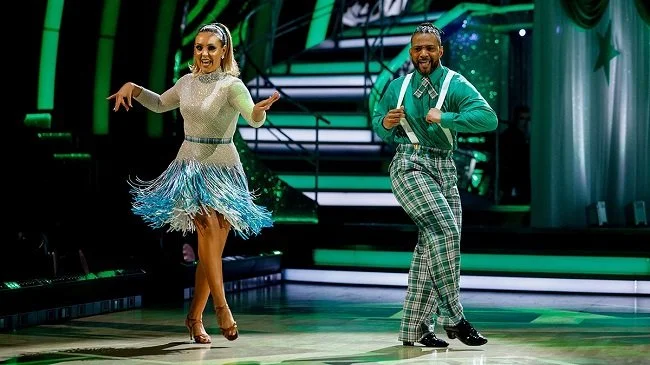
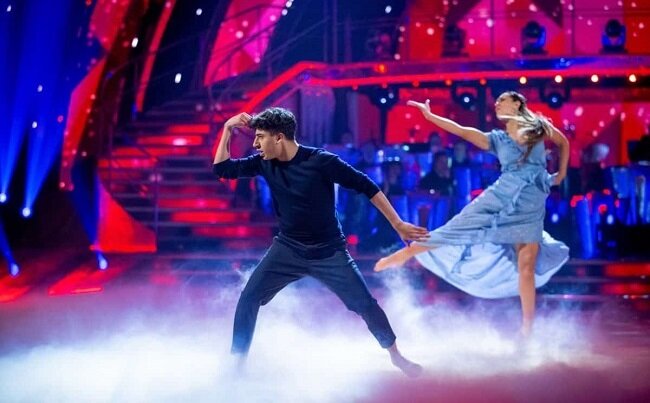
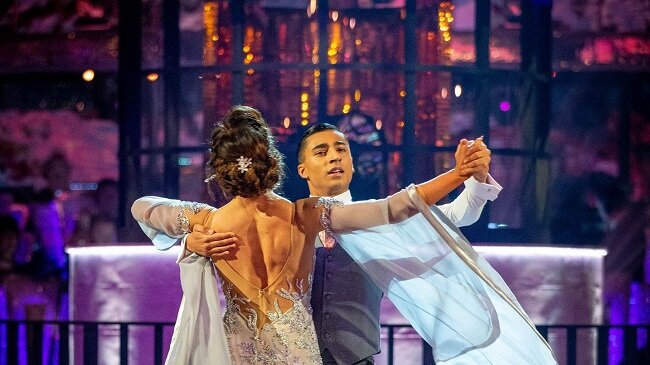
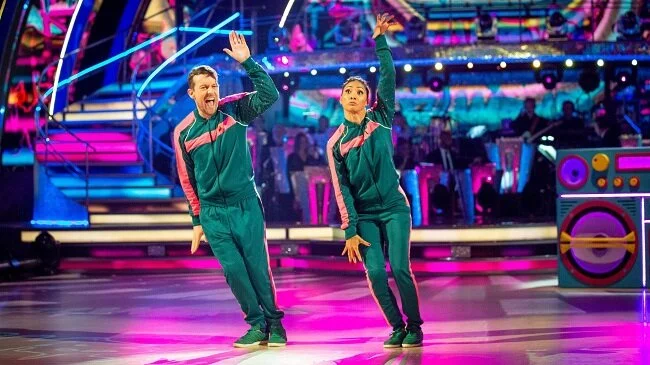
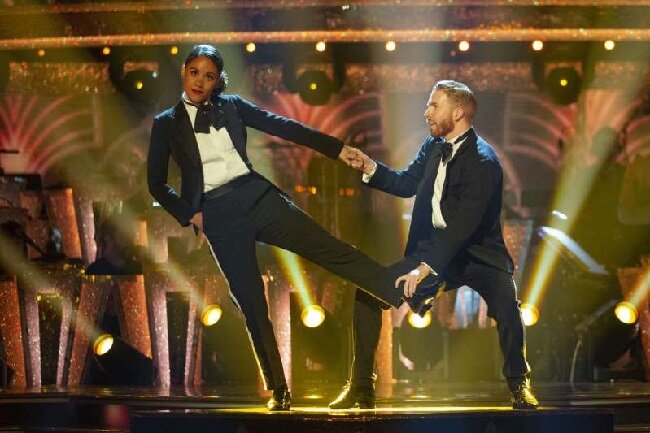
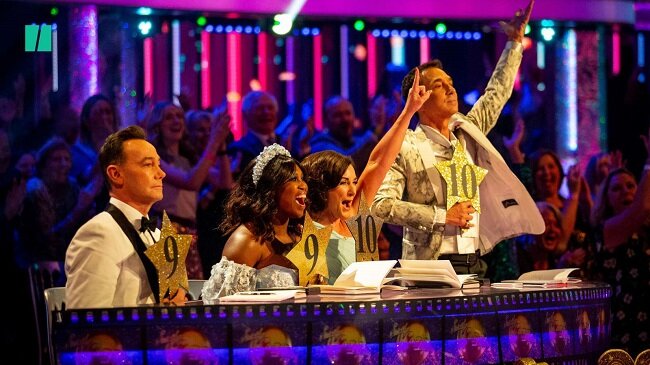
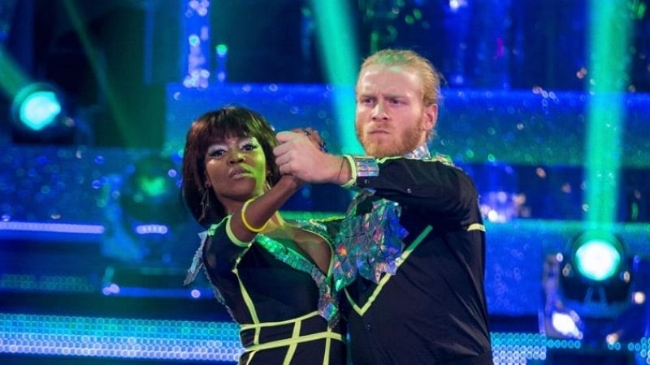
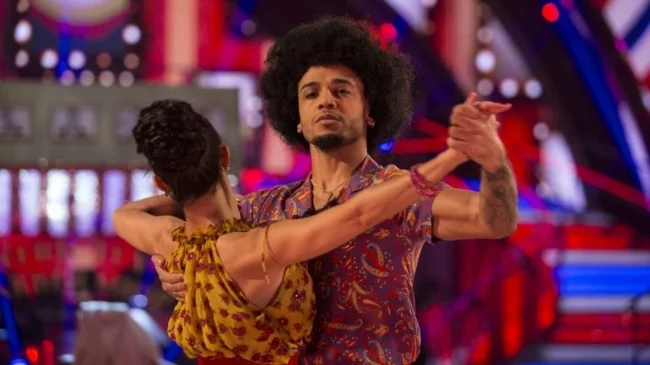
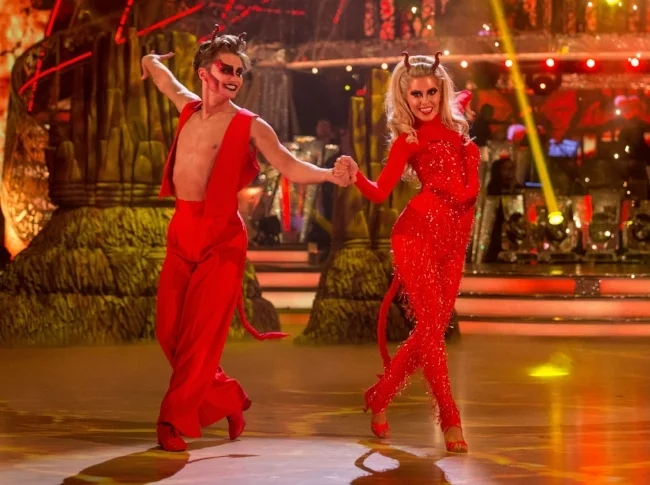
There really is an excess of genuine talent in this year’s show. It’s week three and the standard has been raised yet again. Michelle Visage and Giovanni Pernice delivered a smouldering Quickstep to Cabaret, proving once again that it is unwise to write anyone off based purely on age. Furthermore actress Catherine Tyldesley dancing with Johannes Radebe stunned the audience and judges alike with a Rumba to the ballad Shallow from the film A Star is Born. The Rumba is a notoriously difficult dance to perform and to pull off such a feat so early on in the season was quite incredible. And we were also treated to our first Street Dance, with Dev Griffin and Diane Buswell performing an outstanding Aladdin themed routine. Considering that Diane had an accident during the week, it made such an assured performance even more remarkable. And let us not forget Kelvin Fletcher and Oti Mabuse’s robust Charleston.
There really is an excess of genuine talent in this year’s show. It’s week three and the standard has been raised yet again. Michelle Visage and Giovanni Pernice delivered a smouldering Quickstep to Cabaret, proving once again that it is unwise to write anyone off based purely on age. Furthermore actress Catherine Tyldesley dancing with Johannes Radebe stunned the audience and judges alike with a Rumba to the ballad Shallow from the film A Star is Born. The Rumba is a notoriously difficult dance to perform and to pull off such a feat so early on in the season was quite incredible. And we were also treated to our first Street Dance, with Dev Griffin and Diane Buswell performing an outstanding Aladdin themed routine. Considering that Diane had an accident during the week, it made such an assured performance even more remarkable. And let us not forget Kelvin Fletcher and Oti Mabuse’s robust Charleston.
Mike Bushell once again gave a frenetic and entertaining turn on Saturday’s show. What he lacks in technique is made up for with his commitment to the routine and the spirit of Strictly. It is obvious to all and sundry that he’s really enjoying himself and giving his all. I often find such celebrities of similar ability, somewhat trying but I’m warming to Mike because he just takes everything on board and gives one hundred percent (and you can’t give anything more can you?). I think he can achieve a higher standard if things are kept simple and he focuses on technique. Katya often comes up with rather theatrical routines designed to play to her partners strengths. However, I suspect it would be in Mike’s best interest to have a simple and more traditional routine that gives him some straightforward moves that he can not only learn but master. He can do better.
Which brings me on to David James. His American Smooth to Seal's Kiss from a Rose with professional partner Nadiya Bychkova was a significant improvement over his previous two dances. His progress was also reflected in the judge’s comments, all of which indicated that he is finally finding his feet and moving forward. Now let us be realistic about reality of his Strictly journey. I do not think we will see an miraculous improvement and a surprise seizing of the trophy. But I feel he deserves a few more weeks to up his game. There’s nothing viewers like more than persistence and a contestant finding their dancing mojo. I just hope that another week of being in the dance off doesn’t dampen his spirits. As for Anneka Rice well she thoroughly deserved to be there. Her Charleston with Kevin Clifton lacked any distinct classic moves and often her partner seemed to be simply providing a diversion for her woeful lack of musicality. It was an act of kindness to vote her off and set her free.
Finally, the BBC appears to be struggling with keeping the results of the show secret. At present, after the main competition is broadcast live on Saturday evening, the votes and the dance off are recorded and broadcast 24 hours later. It’s all seems a little unnecessary to me as the show use to have the main competition and results in one evening. The bottom line is that there’s a 24-hour period during which the BBC has to rely upon the goodwill of audience members and production staff to keep the quiet. However, in recent years, several dedicated websites have started posting the results roundabout midnight. It would appear now that some folk are openly sharing the outcome of Saturday’s show on Twitter, while travelling home, thus undermining the pretence of the Sunday show. You can argue until you’re blue in the face as to the moral rectitude of such behaviour but that doesn’t solve the matter. Perhaps it’s time to simply shelve the Sunday show and just extend Saturday’s coverage to include the results.





The Idiot Box
Thoughts on TV shows and my current viewing habits.
In August Elementary finally came to an end after seven years. The last season spanned a tighter than usual 13 episodes and introduced a new and very contemporary archnemesis; tech giant Odin Reichenbach (James Frain). Although it can be argued that the story arc was very formulaic, it also drew upon many elements of Conan Doyle’s original stories. Holmes realises that he may have to sacrifice himself to take down a foe and protect those nearest to him. Then there is the issues of his “death”. For many viewers such as myself, the final season wasn’t so much about a clever narrative but simply seeing what happened to all the major cast members. Broadly, it was all very satisfactory. Spoiler Alert. Captain Gregson retired and Marcus remained at the NYPD instead of taking his position with the US Marshal service. Joan finally adopted a child and Morland was killed while trying to broker one of his high-level deals. All story lines were brought to a neat and acceptable end. Furthermore the door was clearly left open for a future revival of the show if required.
Thoughts on TV shows and my current viewing habits.
In August Elementary finally came to an end after seven years. The last season spanned a tighter than usual 13 episodes and introduced a new and very contemporary archnemesis; tech giant Odin Reichenbach (James Frain). Although it can be argued that the story arc was very formulaic, it also drew upon many elements of Conan Doyle’s original stories. Holmes realises that he may have to sacrifice himself to take down a foe and protect those nearest to him. Then there is the issues of his “death”. For many viewers such as myself, the final season wasn’t so much about a clever narrative but simply seeing what happened to all the major cast members. Broadly, it was all very satisfactory. Spoiler Alert. Captain Gregson retired and Marcus remained at the NYPD instead of taking his position with the US Marshal service. Joan finally adopted a child and Morland was killed while trying to broker one of his high-level deals. All story lines were brought to a neat and acceptable end. Furthermore the door was clearly left open for a future revival of the show if required.
Mindhunter Season 2 has proved to be an improvement over the first series. The focus has moved away from FBI Special Agent Holden Ford (Jonathan Groff) and now Bill Tench (Holt McCallany) and Professor Wendy Carr (Anna Torv) have been given more scope to develop. Bill’s young son was inadvertently involved in the killing of another child which has put his marriage under a lot of strain. Wendy continues to navigate the male dominated corridors of power and struggles with her own closeted sexuality. As with the first season the interviews with the various serial killers prove absolutely hair raising, with much of the dialogue coming from original FBI transcripts. Season 2 also benefitted from a continuous story arc exploring the Atlanta child murders. It was both harrowing and depressing to see countless children’s deaths ignored by the authorities due to entrenched racism and the way in which politics and business colluded to sweep matters under the carpet once a potential culprit was found.
Although there has been plenty to watch over the last four months since I last wrote an instalment of The Idiot Box, I am getting a little tired at the way that successful genres quickly become popular band wagons. After years of the fantasy genre being underrepresented, we now find a glut of such material. I was briefly interested in Carnival Row as I initially thought it was simply going to be a period set, police procedural like Ripper Street. But then it became clear that it was just another “fantasy” based drama with little originality. I’m also completely over anything about superheroes, so have given The Boys a wide berth, despite it getting good reviews. The basic premise is just so uninspiring. However, I am looking forward to Star Trek: Picard when it’s released in early 2020 because it is part of a long-established franchise. I’m curiously optimistic about The Witcher series which looks more promising than expected.
Here’s a summary of what else I’ve been watching:
Dead Pixels. A UK sitcom about a fictitious MMORPG called Kingdom Scrolls and an eclectic group of players. After years of perpetuating stereotypes about gamers, Dead Pixels is possibly the first major comedy that successfully captures some of the quirky foibles of the gaming community. It’s funny and honest as it’s not afraid to show some of the less positive attributes associated with gamers.
The Shining (1997). A two-part miniseries directed by Mick Garris, that follows Stephen Kings source text a lot more closely than the Kubrick movie. It is functional and adequate but suffers from a low budget and some poor CGI. The grandeur of the 1980 version is lost. There’s a nice performance from Steven Weber who has a far more measured decent into insanity than Jack Nicholson. I enjoyed the cameo from Melvin Van Peebles as Dick Hallorann.
Chernobyl. This is an utterly compelling docudrama that just reeks of authenticity. The science is chilling, as is the myopic nature of the Soviet authorities’ response to the unfolding crisis. The performances are measured and the tone is tragic. However, it’s a difficult watch as it quickly becomes apparent that many of the cast have doomed themselves to a singularly unpleasant demise.
The Twilight Zone Season 5. I started watching the first season of The Twilight Zone April 2018 and over recent months have slowly worked my way through the entire back catalogue. The first three seasons certainly have the best episodes. Season 4 moved from a 25-minute format to 50 minutes and some of the stories cannot sustain that running time and are ponderous. Season 5 saw a return to the original duration but the stories are not so strong. Still, I am glad that I’ve taken the time to fully acquaint myself with this iconic show. It may be a cliché but this was ahead of its time and although various other shows have tried to replicate its success, few have succeeded.
The Terror: Infamy. The first season of The Terror was the big television surprise of 2018. A curious blend of fact, historical conjecture and mysticism. It was a delightful slow burn drama and a solid analysis of mental disintegration in adverse conditions. Season 2 is a radically different beast but no less fascinating. Set during the internment of Japanese Americans citizens during World War II, this is another measured foray into horror. The ghost story being told is relatively straight forward but it is the cultural trappings that make it quite different and compelling. Plus its always a pleasure to see George Takei in anything.
Instinct. I was most surprised this show got a second season. It’s a curious hybrid of police procedural, forensic psychology with Alan Cumming starring as Dr. Dylan Reinhart; an author, university professor and former CIA operative who now consults for the NYPD. The show also focuses on Reinhart’s relationship with his husband Andy (Daniel Ings), a lawyer-turned-bar owner who still uses his law skills to help their mutual friends when needed. It’s all somewhat contrived and tries to cover a little too much ground but I watch it mainly because of Cummings, who holds it all together and sports some wonderfully flamboyant suits.
TV To Do List:
Evil. I stumbled across this show while looking for reviews of another. The plot sounded intriguing; a sceptical forensic psychologist allies with a priest and a contractor to investigate purported supernatural incidents. So I’ve decided to give it a go. Robert and Michelle King who created the show have an established pedigree with titles such as The Good Wife and The good Fight. And I'm a sucker for anything with Michael Emerson in. So let’s see how it pans out.
The Dark Crystal: Age of Resistance. I really want to catch up with this show. The Dark Crystal is a grossly underrated movie. The sort of experimental film making that thrived briefly during the post Star Wars period. Plus anything with puppets and animatronics caters to my tastes. I suspect I’ll binge this show over a couple of nights in October.




Strictly Come Dancing 2019: Part 1
There is obviously some sort of psychological comfort in being spoon fed the same content, again and again and again. Because that is what Strictly Come Dancing, the BBC’s flagship Autumn entertainment show, definitely does. And I don’t mean that in a derogatory way, because once again, I am one of the 8 million viewers avidly watching this seasonal ritual. But is must be said, that the show is incredibly formulaic and that the production team are expert at playing upon all the foibles of the format. Hence every September we get a wide spectrum of “celebrities” eager to learn how to dance. All of whom fall neatly into the various categories that have been established over the last 15 years. There are those who display an innate ability right from the start. Then there are the determined improvers. We also have wild cards whose content wildly changes in quality. Another favourite are the rhythmically challenged whose embarrassing failures are deemed “entertaining”. And let us not forget those who are just hopelessly out of their depth and you know are going to fall at the very first hurdle.
There is obviously some sort of psychological comfort in being spoon fed the same content, again and again and again. Because that is what Strictly Come Dancing, the BBC’s flagship Autumn entertainment show, definitely does. And I don’t mean that in a derogatory way, because once again, I am one of the 8 million viewers avidly watching this seasonal ritual. But is must be said, that the show is incredibly formulaic and that the production team are expert at playing upon all the foibles of the format. Hence every September we get a wide spectrum of “celebrities” eager to learn how to dance. All of whom fall neatly into the various categories that have been established over the last 15 years. There are those who display an innate ability right from the start. Then there are the determined improvers. We also have wild cards whose content wildly changes in quality. Another favourite are the rhythmically challenged whose embarrassing failures are deemed “entertaining”. And let us not forget those who are just hopelessly out of their depth and you know are going to fall at the very first hurdle.
Which leads me very neatly onto this evening result show. After two episodes a clear hierarchy has been established and at present, everyone respective position on the leaderboard is justifiable. The top five have all shown a degree of talent and have worked diligently to do so well after just a few weeks. Those at the bottom may well have put in the hours but do not seem to have a comparable amount of talent. And therefore it was absolutely no surprise to find the bottom two celebrity contenders, David James and James Cracknell in the dance off. Furthermore, James was a dead cert to go out and has now done so. Now I admire anyone who has the courage to stand in front of a live TV audience and attempt to do something as deeply personal as dancing. It is a complex skill that is both physically and mentally demanding. It also requires a degree of bravado. So fare play to James for trying his best, especially in light of his recent recovery from a brain injury. But you have to question the wisdom of embarking upon such an enterprise, when you patently cannot clap in time or have any semblance of musicality. James was both physically and emotionally awkward and it was clear from the get-go that dancing in public simply wasn’t for him.
Another interesting facet of this year’s Strictly pantomime is the perceived “rewarding and punishing” of the various celebrity dancers. Kevin Clifton has always been a firm favourite with the core audience for a while but his personal life seems to have prejudice this perception. Since his popular win with celebrity Stacey Dooley last year, the UK tabloids have been filled with salacious gossip about their relationship and the collateral damage it has caused to others. Hence Kevin has been partnered with Anneka Rice, who although is a popular figure with the public, is not likely to progress too far into the competition. Conversely, Anton Du Beke, a pro dancer who has far too often been saddled with the most hopeless partners, has been blessed this year with actress Emma Barton. Emma has already demonstrated a degree of ability and now needs to find her dancing mojo. She’s definitely one to file under “wild card” and I expect her to have a textbook “Strictly journey”.
Finally, the BBC has decided to go all in with Strictly in its annual ratings battle with commercial broadcaster ITV. Apart from the weekly show on Saturday evening there’s Strictly Come Dancing: It Takes Two, an analytical companion show that runs from Monday to Friday. Hosted by Zoe Ball and now Rylan Clark-Neal, this behind the scenes and gossip program has been expanded from 30 minutes to 45 and has also been moved from BBC Two to BBC One. The Beeb have also ramped up the online components of the show. All dances can be revisited on YouTube and there is a Strictly presence on all social media platforms. This is also the second year where some of the celebrity dancers have been drawn from social media personalities and influencers. This is a direct attempt to widen the demographic appeal of the show and reach a younger audience. Last year it was Joe Sugg, this time round it’s Saffron Barker. Both have sizeable online followings. It should be noted that Saffron Barker has shown some talent and is currently one of the bookies favourites. However, things don’t always go to plan with Strictly. There’s always scope for upsets. As the expression goes, watch this space.
Childhood's End (2015)
For anyone with a passing interest in literary science fiction, Arthur C. Clarke’s Childhood’s End is a seminal novel and considered an essential read. The story of humanity being shepherded into a utopian golden age by allegedly benevolent alien Overlords and the consequences it has upon society, was a radical departure from prevailing science fiction norms of the time. Over the years several film makers have expressed interest in adapting the story, but it has proven difficult to come to grips with. Stanley Kubrick initially wished to develop the novel but his subsequent collaboration with the author eventually lead to the making of 2001: A Space Odyssey. Since then there have been radio adaptations and audiobook versions, all of which seem to be a better medium for this episodic and contemplative tale. In late 2015 US cable and satellite channel Syfy broadcast a three-part miniseries based upon the 1953 story; something that past me by at the time. I recently caught up with this adaptation which seems to have provoked very mixed reactions among viewers. As ever, the controversy seems to stem from purists who favour a more slavish interpretation of the book.
For anyone with a passing interest in literary science fiction, Arthur C. Clarke’s Childhood’s End is a seminal novel and considered an essential read. The story of humanity being shepherded into a utopian golden age by allegedly benevolent alien Overlords and the consequences it has upon society, was a radical departure from prevailing science fiction norms of the time. Over the years several film makers have expressed interest in adapting the story, but it has proven difficult to come to grips with. Stanley Kubrick initially wished to develop the novel but his subsequent collaboration with the author eventually lead to the making of 2001: A Space Odyssey. Since then there have been radio adaptations and audiobook versions, all of which seem to be a better medium for this episodic and contemplative tale. In late 2015 US cable and satellite channel Syfy broadcast a three-part miniseries based upon the 1953 story; something that past me by at the time. I recently caught up with this adaptation which seems to have provoked very mixed reactions among viewers. As ever, the controversy seems to stem from purists who favour a more slavish interpretation of the book.
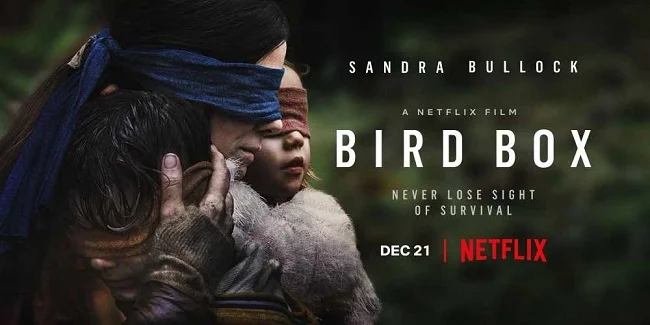
Childhood’s End has been updated and embellished to suit the requirements of contemporary television. The cold war setting has been replaced with our modern era, along with all its associated political and corporate problems. The opening scenes of the Overlords spaceships arriving at all the world’s major cities is very reminiscent of Independence Day, which itself was derived from Clarke’s original novel. It’s a classic situation of art imitating art. But far from being a hostile invasion, the visitors signify their intent by lowering all air traffic from the skies. They subsequently contact key personnel via manifestations of their deceased loved one and explain how they are here to eliminate disease, war, hunger, and pollution, setting the stage for the "Golden Age of Humanity". Midwestern farmer, Ricky Stormgren (Mike Vogel) is chosen by the supervising alien, Karellen (Charles Dance), and becomes his spokesman and go-between and facilitate the forthcoming changes.
However, not everyone views the alien intervention in earthly affairs as a good thing. Vested interests resent their loss of power and influence. Media mogul Hugo Wainwright (Colm Meaney) secretly organizes a counter-group dubbed the Freedom League which uses social media to spread distrust about the Overlords. However the broader public, especially the poor and disenfranchised welcome the seismic societal changes. When Milo Rodericks, a disabled youth from a poor neighbourhood, is shot and killed by a drug dealer, the Overlords intervene killing the attacker. Not only do they resurrect Milo but they cure him of his ailments and restore his ability to walk. And while the rest of the world begins to question longstanding religious beliefs, Peretta Jones still maintains her views on a Higher Power and becomes committed to finding answers about the Overlords. Exactly why have they chosen to share so much with humanity and why do they choose not to reveal themselves directly to the world, acting instead through intermediaries.
Clarke’s book has three distinct phases to its narrative structure. The Earth and the Overlords, The Golden Age and The Last Generation. These are broadly used to as the basis of each of the three instalments of this miniseries. The first and possibly best episode deals with the arrival of the Overlords and the way humanity reacts to the situation. The second part focuses on how the Earth has become a utopia with an end to war, poverty and social injustice. Yet it is a society that some feel is culturally stagnating. Adversity is often the driving force of progress. And it is at this point that the story begins to reveal the Overlords agenda, although it would be more accurate to describe it as an agenda they are tasked with implementing. The sting in the tail is far more subtle than The Twilight Zone episode, To Serve Man. It is an act of cosmic social engineering in which a new generation of humans with clairvoyance and telekinetic powers are born, with the ultimate goal of joining the Overmind, a collective intelligence made up of numerous intergalactic species. The final part sees the literal ascendency of these new humans and the collapse of the earth society as the Overlords prepare to leave. The ending is stark and whether it is a triumph or a tragedy depends on your perspective.
Writer Matthew Graham tries hard to try and put some meat on the bones of the human characters, as Clarke’s book is very much one of ideas and concepts, rather than immaculately penned individuals. Dragging the black and white, Cold War setting of the source text, into the modern world is a difficult task. Despite the inclusion of modern social issues and politics, the human element in this adaptation is still a little stilted. Osy Ikhile plays the disabled boy Milo who grows to be the scientist that bears witness to the great transition. His role is a little more interesting than others who are essentially archetypes of different aspects of human society. There’s no denying that Charles Dance steals the show as the alien, yet ultimately paternal Karellen. He masters all of the subtle aspects of the iconic character that are found in the book. Despite the multitude of practical and CGI effects, his performance shines through. The handsome production design also offers some much-needed visual imagery to try and make the weighty plot more accessible to causal viewers.
Childhood's End, like the book is a somewhat dour undertaking. Despite its modern sense of style and slick presentation is still dealing in deep existential, philosophical themes. It’s refutation of religion and beliefs, along with its penchant for societal Darwinism on a global scale may not sit well with those viewers who are governed more by their feelings. Yet it does successfully capture the core themes and ideas of Clarke’s novel and tries to present them in a positive fashion. Although the miniseries never maintains the strengths of the first episode and subsequently tries to counter the science and philosophy with emotional character journeys, the overall strength of the Clarke’s vision is maintained. Despite the pyrrhic ending in which mankind as we know it is lost, the thematic requiem is tempered with the knowledge that some of our species have transcended the material and joined the Overmind. Such ideas were quite radical back in 1953 and remain so today, especially in light of the growth of the consumerism and individualism. Childhood's End is a flawed but worthy adaptation of a novel that is objectively hard to dramatise and humanise.







The Andromeda Strain (2008)
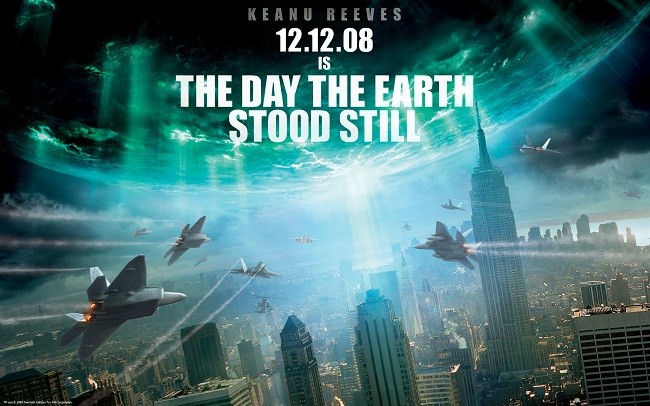
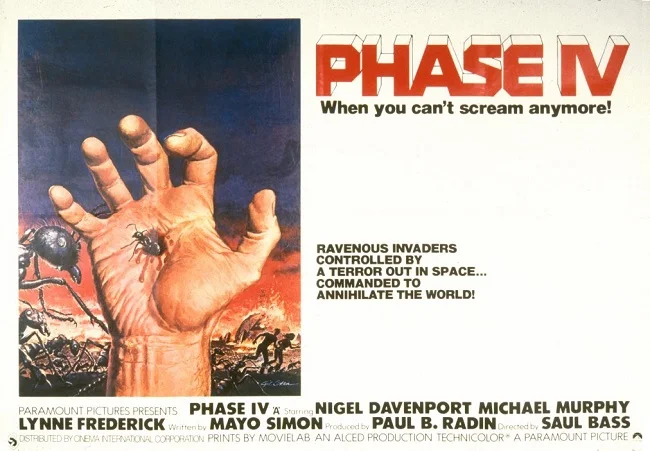
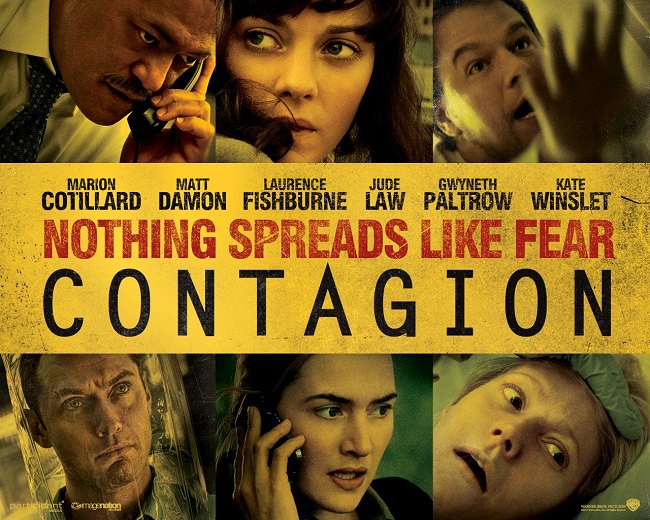
I always cringe when I hear the phrase re-imagining. It's yet another contrived expression created by marketing bodies to justify the somewhat arbitrary process of remaking an established title. Often the re-imagined product has little to do with the source material and was chosen simply because of brand awareness. If you want a textbook example of a recent example of this somewhat cynical process then look no further than last year’s Death Wish reboot. It had nothing new to say on the subject and simply trotted out a generic and bland revenge thriller. So, when I discovered that Robert Wise's classic science fiction film, The Andromeda Strain had been remade as a TV miniseries (that had completely passed me by), I had great reservations as to whether this would be worth watching. However, the involvement of Tony and Ridley Scott piqued my interest, so I decided to take a calculated risk and give this 2008 A&E Network production a go.
I always cringe when I hear the phrase re-imagining. It's yet another contrived expression created by marketing bodies to justify the somewhat arbitrary process of remaking an established title. Often the re-imagined product has little to do with the source material and was chosen simply because of brand awareness. If you want a textbook example of a recent example of this somewhat cynical process then look no further than last year’s Death Wish reboot. It had nothing new to say on the subject and simply trotted out a generic and bland revenge thriller. So, when I discovered that Robert Wise's classic science fiction film, The Andromeda Strain had been remade as a TV miniseries (that had completely passed me by), I had great reservations as to whether this would be worth watching. However, the involvement of Tony and Ridley Scott piqued my interest, so I decided to take a calculated risk and give this 2008 A&E Network production a go.
This new version stays fairly true to basic premise of Michael Crichton’s novel, with a satellite returning to earth bringing with it a mystery virus of possible extraterrestrial origin. The small town of Piedmont soon falls victim to the contagion, leaving only two survivors, an alcoholic and a baby. The "wildfire" team of scientists are brought in by the government to tackle the outbreak and find a potential cure. There work is hampered by the virus’s ability to mutate to find new ways of spreading. The writer, Robert Schenkkan, has also added new elements that reflect contemporary culture and politics. The question of the virus' origin is intriguing and of course there are factions within the government who are not to be trusted. There is also a journalist seeking to expose the ongoing conspiracies. It is all somewhat generic but it is not a lazy as it sounds. Due to the credentials of those involved in the production, it offers a little more tension and drama than one expects from such miniseries.
The cast is robust, featuring Benjamin Bratt (Law & Order, Love in a time of Cholera), Rick Schroder (24, NYPD Blue), Eric McCormack (Will &Grace), Daniel Dae Kim (Lost) and Andre Braugher (City of Angels). Performances are okay given the inevitable formula of the vehicle. There are a lot more characters in this adaptation, given the need to expand the story over two episodes. Hence there are times when cast members come and go simply to facilitate moving the story forward. Production values are adequate with the confines of the budget, with creative set designs and interesting use of locations. The action is quite hard for a television miniseries, though some of these scenes do seem a little tonally out of place. Perhaps the director Mikael Salomon (who has been involved with several miniseries such as Rome, Salem’s Lot and Band of Brothers) feared making an excessively narrative driven drama, like the original feature film, so felt obliged to overstate certain plot elements to keep the interest of easily bored viewers. Admittedly by the end, there is a decline into cliché and several events that were obviously telegraphed earlier in the proceedings inevitably occur.
Those who have seen the 1970 feature film may well see this new version as somewhat intellectually diluted. Personally, I think one has to bear in mind historical context. The seventies were a time when the cinematic audience was more sophisticated and willing to invest in stories that made them think for themselves. The new version simply reflects what “sells” with today’s viewers and although there is more focus upon action, this adaptation still tries to keep the underlying science of story front and centre. All things considered The Andromeda Strain is better than expected. Given the nature of the system that made it, this actually exceeded my expectations, which I must admit were initially very low. It offers a different perspective on the source material and doesn’t outstay its welcome. Its two-part format is an appropriate length and is able to sustain the story. As ever with such productions some of the CGI is a little cheap and I’m not a fan of blood spatter added in post-production. Overall this is adequate entertainment. If you want something weightier then by all means watch the original, but this version fills a niche.
The Idiot Box
Thoughts on TV shows and my current viewing habits.
Our Planet is the first major wildlife documentary to be made by Netflix. Presented and narrated by David Attenborough the series is produced by Silverback Films, who also created BBC documentary series Planet Earth, Frozen Planet and The Blue Planet. As you would expect with such outstanding credentials, Our Planet is a visually impressive, thought provoking exploration of our world’s respective ecosystems and a damning indictment of how we as a species are causing immense damage. If you watch this show and are still in denial afterwards about climate change, then “you need your bumps felt”. The show doesn’t shy away from showing the reality of nature. Something that some viewers struggle to come to terms, due to the ongoing infantilization of our relationship with pets and wild life. Netflix went so far as to produce a list of scenes to skip for the feint hearted. However, the sight of the Walruses plummeting to their death from a cliff was genuinely shocking. However given the nature of the show and its underlying message, this was totally justified.
Thoughts on TV shows and my current viewing habits.
Our Planet is the first major wildlife documentary to be made by Netflix. Presented and narrated by David Attenborough the series is produced by Silverback Films, who also created BBC documentary series Planet Earth, Frozen Planet and The Blue Planet. As you would expect with such outstanding credentials, Our Planet is a visually impressive, thought provoking exploration of our world’s respective ecosystems and a damning indictment of how we as a species are causing immense damage. If you watch this show and are still in denial afterwards about climate change, then “you need your bumps felt”. The show doesn’t shy away from showing the reality of nature. Something that some viewers struggle to come to terms, due to the ongoing infantilization of our relationship with pets and wild life. Netflix went so far as to produce a list of scenes to skip for the feint hearted. However, the sight of the Walruses plummeting to their death from a cliff was genuinely shocking. However given the nature of the show and its underlying message, this was totally justified.
I recently managed to catch up with Elementary Season 6 as I somehow fell behind in my viewing of this show. Elementary continues to maintain its high standard with regard to odd and off kilter cases. Many of Holmes and Watson’s investigations have parallels with contemporary news stories. The robotic sex doll with it’s always listening AI, was a wry exploration of current technology versus privacy fears. The show also continues to sensitively explore the nature of addiction and has story threads regarding adoption and Alzheimer’s. But the foundation of this show is the relationship between Holmes (Johnny Lee Miller) and Watson (Lucy Lui) and their platonic love for each other. The denouement of the season saw the pair relocating to London, although I suspect that the show will contrive a reason to return to New York. With Season 7 due to on 23rd May, it will be interesting to see if this is the final season. There is already the possibility of Detective Bell (Jon Michael Hill) taking a job with the US Marshalls service. Will Holmes also repair his relationship with Captain Gregson (Aidan Quinn). I look forward to watching more of this quirky variation on the police procedural.
Here’s a summary of what else I’ve been watching:
I finally got around to watching the 2004 version of Salem’s Lot. Made by TNT this two-part miniseries broadly mirrors the 1979 adaptation but updates the proceeding to current times and adds several contemporary themes and interpretations of events. I was led to believe that this version of Stephen King’s weighty novel was a disaster, but it certainly wasn’t as bad as that. Rob Lowe is relatively sympathetic as traumatised novelist Ben Mears. There are some good soliloquys about the iniquities of small towns and their hidden depth. Sadly, Rutger Hauer is not given a lot to do as the Master Vampire Kurt Barlow and is subsequently not really a threat. It’s also a somewhat restrained affair, with the production going for jump scares, rather than graphic violence. Overall, I found this a mildly engaging curiosity. However Tobe Hooper’s adaptation remains the one to beat.
As for my planned viewing during the month of March, the docudrama Chernobyl appears to be very interesting. This authentic account of the 1986 disaster addresses not only the technical causes of the reactor fire, but the long-term health and environmental ramifications for the region. It also delves into the political machinations of the Soviet Union as they first struggle to accept the magnitude of the crisis and then falter over managing the political consequences of the situation. Bolstered by a cast of quality character actors I suspect this will be most illuminating and enthralling.
Finally, I want to briefly mention the Japanese game show Takeshi’s Castle. I won’t get bogged down in a lengthy account of the show’s history, as I’m considering writing a much longer post on the matter. To summarise the show was first broadcast in Japan between 1986-90. In the early 2000’s other countries re-edited the content and condensed the hour-long show into a shorter thirty-minute format. Often humorous commentary was added. In the UK the show was shown on the Challenge TV channel and narration was supplied by actor and comedian, Craig Charles. Being regionalised to UK tastes, there was a lot of innuendo and double-entendres. Much of the banter and quips may not survive a PC sniff test these days. I used to watch this show with my son and enjoy it for what is was. I recently managed to “find” copies of all 120 episodes and now watch these late at night when I want some easy viewing to relax and unwind.
The Idiot Box
Thoughts on TV shows and my current viewing habits.
Broadly speaking I think season 2 of Star Trek: Discovery has been an improvement on season1, and I didn’t think that was a dog’s dinner. There were some very good ideas in the first series but it did stray a little too far canonically speaking in both some major and minor aspects of the production. The second season seems to be reining some of these issues in and I love the continuity the writers have shown with Captain Christopher Pike’s back story. There are times when the need to expedite the narrative comes at the expense of character development. For example it would have it would have been nice to have had an extra episode of two to get to know Airiam (Hannah Cheesman) a little better. It would have heightened the emotional impact of her death a little more. But this propensity to rush is hardly unique to Star Trek: Discovery. I am curious to see where the story is going as I like many other viewers suspect this may be an origin story for a major Federation nemesis. We shall have to see. I’m always cautious about plot devices that explain away an “enigma”. There is the risk that you rob it of its narrative potency.
Thoughts on TV shows and my current viewing habits.
Broadly speaking I think season 2 of Star Trek: Discovery has been an improvement on season1, and I didn’t think that was a dog’s dinner. There were some very good ideas in the first series but it did stray a little too far canonically speaking in both some major and minor aspects of the production. The second season seems to be reining some of these issues in and I love the continuity the writers have shown with Captain Christopher Pike’s back story. There are times when the need to expedite the narrative comes at the expense of character development. For example it would have it would have been nice to have had an extra episode of two to get to know Airiam (Hannah Cheesman) a little better. It would have heightened the emotional impact of her death a little more. But this propensity to rush is hardly unique to Star Trek: Discovery. I am curious to see where the story is going as I like many other viewers suspect this may be an origin story for a major Federation nemesis. We shall have to see. I’m always cautious about plot devices that explain away an “enigma”. There is the risk that you rob it of its narrative potency.
I recently had the opportunity to see the first two episodes in the latest revival of The Twilight Zone. The first instalment, The Comedian, was an interesting and well-intentioned exploration of the disposable nature of modern comedy and celebrity culture. Humour is a powerful tool and writer Alex Rubens (Rick and Morty, Key & Peele) focuses on the perennial choice of whether a successful exponent should punch up or down. However, this episode was 55 minutes long and couldn’t adequately fill that running time. With some judicious editing it could have achieved a lot more powerful. However the second story, Nightmare at 30,000 Feet, totally hit the mark, containing all the beats you’d expect from the show. This clever, contemporary re-working of the classic 1963-episode Nightmare at 20,000 Feet starring Bill Shatner, was tense, well written and had a double sting in the tail. There were also some very subtle visual homages to the original show. Overall, I think this is going to be a very modern interpretation of The Twilight Zone and show runner Jordan Peele is certainly not going to shy away from hot topics. For those already decrying this, I suggest they revisit the original five seasons of the show. Rod Serling was no stranger to taking on the big social issues of his time.

Here’s a summary of what else I’ve been watching:
It would be remiss of me not to mention After Life, which I said I was going to watch in the previous instalment of The Idiot Box. This was an extremely well observed, moving exploration of bereavement and grief from Ricky Gervais. As ever the humour was stark and pushed a few boundaries but the laughs were genuine as was the sentiment. The supporting cast was outstanding as they always are in his productions. Hopefully the success of this show will contribute to a wider, more candid public discourse about death.
The ever dependable NCIS reaches the final three episodes of season 16. As ever there have been some weekly instalments that have been just “filler” but there’s also been some quite strong stories. Will we get a resolution to the potential “will they, won’t they” romance between agents Torres and Bishop? Is Ziva David really alive or is it some sort of ruse? Will Doctor Mallard please just retire! (Nope he’s now the NCIS Historian). Unlike other shows, NCIS weathers cast changes well. It certainly has a high mortality rate among its lead characters. I wonder if anyone is going to die this season?
Finally, series 57 of the popular BBC satirical comedy panel show, Have I Got News for You, has just started in the UK. Although still an amusing diversion, HIGNFY has lost its impact and has in many ways simply become part of the “establishment” landscape. The show that started off being merciless to its political guests now seems to indirectly facilitate them. Even TV viewing has now become a partisan activity, so the shows message is very much a case of “preaching to the choir”.
The Idiot Box
Thoughts on TV shows and my current viewing habits.
Tonight’s season finale of Endeavour was possibly the best episode to date. All the outstanding plot lines were resolved and despite my concerns that a tragedy may occur with regards to one of the central characters, the ending saw the prevailing status quo of previous seasons restored. This series has been exceedingly creative with regard to the subjects and themes it has explored and there have been some exceptional performances from Anton Lesser and Roger Allam. Writer Russell Lewis (a very interesting person in his own right) continues to embellish the proceeding with “metatextuality” which is always a source of joy for me. Recent references to Gordon Murray’s Trumpton, Camberwick Green and Chigley were exceeding droll, yet if the causal viewer missed them, there is still plenty of practical story and historical referencesfor all to get their teeth into. I also thought that the final episodes exploration of a tower block collapse was particularly brave and relevant, considering that the Grenfell Tower Inquiry is still proceeding.
Thoughts on TV shows and my current viewing habits.
Tonight’s season finale of Endeavour was possibly the best episode to date. All the outstanding plot lines were resolved and despite my concerns that a tragedy may occur with regards to one of the central characters, the ending saw the prevailing status quo of previous seasons restored. This series has been exceedingly creative with regard to the subjects and themes it has explored and there have been some exceptional performances from Anton Lesser and Roger Allam. Writer Russell Lewis (a very interesting person in his own right) continues to embellish the proceeding with “metatextuality” which is always a source of joy for me. Recent references to Gordon Murray’s Trumpton, Camberwick Green and Chigley were exceeding droll, yet if the causal viewer missed them, there is still plenty of practical story and historical referencesfor all to get their teeth into. I also thought that the final episodes exploration of a tower block collapse was particularly brave and relevant, considering that the Grenfell Tower Inquiry is still proceeding.
Ricky Gervais is a controversial figure and opinions surrounding him are often binary. His work is often challenging, and I fully understand why some find it such difficult viewing. However, comedy and satire can be incredibly astute vehicles for analysis and criticism of the human condition, and I believe that is something Mr Gervais does well when his work hits the mark. So having seen the various trailers for his new show After Life, I am cautiously optimistic. After Life follows Tony, who enjoys a good life until his wife suddenly dies. After considering suicide, he subsequently decides to live long enough to punish the world for his wife's death by literally saying and doing whatever he wants to. His behaviour has unexpected results. I suspect that this show will touch upon numerous subjects close to my heart, such as the superficial nature of modern life, social etiquette and pointlessness of many contemporary jobs. The entire season of eight episodes is released on Netflix on 8th March.
In between my other viewing commitments, when ever I have a spare hour, I try to catch up with Star Trek: Voyager. It is one of the few Trek shows I neglected upon release as I only watched the first season. Like other shows in the franchise, it took a few seasons to get going and find its feet but by late season three, it started to reach its potential. I am currently watching this via Netflix (UK) which has the rights to all Star Trek shows. Sadly, unlike TOS and TNG, Star Trek: Voyager has not been remastered and is not available at present in High Definition (The same is true for Star Trek: Deep Space Nine). Therefore the image does look a little “soft” at times which is especially noticeable in some of the FX shots. Like TNG, although the live action was shot on film, the show was edited via video and so there are no trational master negatives of each episode. A full restoration means remastering the live action and recombining it with the FX elements and credits, making it a very costly endeavour. I suspect that the right holders will have to think long and hard before financing such a project. In the meantime, what is available on Netflix will have to suffice.
Finally, as a grandparent I end up watching a lot of children’s TV either directly, or by being around when it is on in the background. Surprisingly enough, a lot of it is inoffensive and usually has some lesson to impart to its young audience. I do find the associated toy marketing a nuisance as I have spent about a year now having to endure Paw Patrol both on and off the screen. However, one show I do admit to enjoying is Hey Duggee. This animated program is set in The Squirrel Club, an activity group for children, similar to The Scouts. The children take part in all kinds of activities, have adventures and earn badges for their accomplishments. The novelty lies in the fact that the children are an Octopus, Rhino, Crocodile, Mouse and Hippo. Duggee, the leader of The Squirrel Club, is a big floppy eared dog who communicates via the onomatopoeia "Woof". Yet everybody understands him perfectly. This is another show that smuggles a great deal of pop culture references into the short seven-minute stories. A simple journey in a river boat to find a missing sheep quickly alludes to both Joseph Conrad’s Heart of Darkness and Coppola’s Apocalypse Now. Who would have thought that children’s TV could become so “meta” and clever.
Taking It Too Seriously?
In the past I’ve often been left somewhat flummoxed when I’ve read stories about fans knitting baby clothes for pregnant characters in soap operas. I’ve also been bemused when reading about actors being berated in the streets by members of the public, who seem incapable of separating the person from the fictional character they play. Such anecdotes have always been met with tutting and shaking of the head from myself. However, I have recently had to temper this rationalist outlook, due to a sudden fit of emotional investment in certain TV dramas. This curious epiphany has led me to conclude that it’s not just a case of good writing and acting (although these are key reasons), but ultimately a question of identifying with a character and empathising with them. Furthermore, who we identify with possibly says something about us to.
In the past I’ve often been left somewhat flummoxed when I’ve read stories about fans knitting baby clothes for pregnant characters in soap operas. I’ve also been bemused when reading about actors being berated in the streets by members of the public, who seem incapable of separating the person from the fictional character they play. Such anecdotes have always been met with tutting and shaking of the head from myself. However, I have recently had to temper this rationalist outlook, due to a sudden fit of emotional investment in certain TV dramas. This curious epiphany has led me to conclude that it’s not just a case of good writing and acting (although these are key reasons), but ultimately a question of identifying with a character and empathising with them. Furthermore, who we identify with possibly says something about us to.
To give the previous statement some context, I was watching Endeavour last night which is now in its sixth season. One longstanding character, Chief Superintendent Reginald Bright, a senior officer who is coming to the end of his career has had more than his share of woes of late. His command was merged with a larger regional neighbour and he has been side lined to head of traffic. His core team have all be reassigned and the murder of one of his officers remains unsolved. Played with great dignity by Anton Lesser, Bright is an anachronism, representing the old guard in a Police force that is modernising to address the social and political change of the late sixties. He is a refined man, steeped in old world manners and social etiquette. But he’s also a loyal and open-minded policeman who commands the respect of those who truly know him.
Perhaps my description already shows that I have become invested in this character, although the show has many more similarly compelling protagonists. So when the Sunday evening’s episode revealed that PCS Bright’s wife (Carol Royale) had lung cancer and that she had only a short amount of time left, it was a crushing development. This plot development was underpinned by the calibre of the understated acting and minimalist script. The emotion of this turn of events was carried by the actor’s non-verbal performance and our emotional connection to him. I was genuinely moved and even tweeted such. A little later I reflected upon how a drama could have such a strong emotional impact upon me, and judging from my Twitter timeline, numerous other viewers.
I think the reason we connect, identify or feel some sense of rapport with a fictional character ultimately is down to being able to relate to their experiences or agreeing with what they represent and extoll. The moment you make a personal connection, see parallels to your own life or just find yourself in some state of accord, then a character becomes more than the sum of their parts. Perhaps the concept of the Imago is relevant here? I’m not trained in such scholarly study, so I best not focus on too much armchair psychology. But as I’ve got older, I have found that well written dramas can strike this strong emotional chord and now I can see why people take fictional characters to their heart so. Perhaps I’ve felt this way before and just haven’t recognised it. Spock being a prime example. As for PCS Reginald Bright, I shall see where the story takes us both and no doubt I’ll be further saddened. Yet it will at least be a journey I care about. As for the criticism of “taking it too seriously”, I shall think long and hard before I say such a thing again.
General Rock Renton and the Moon Rangers
I am a big fan of the detective drama Endeavour, considering it to be one of the best UK shows currently in production. It has well rounded, interesting characters and their journey through the sixties affords the writer, Russell Lewis, plenty of opportunity to explore the political and social issues of the time. Lewis further embellishes the scripts with numerous period and contemporary pop culture references, all of which add to the shows charm and appeal. Tonight’s episode “Apollo” set against the historical moon landings of Apollo 11, saw Morse and Thursday investigating the death of a promising young astrophysicist and his girlfriend. Initially thought to be a car accident, it becomes clear that there is foul play. As ever the plot was complex and established story arcs were moved forward. Shaun Evans also made his directorial debut with this episode.
General Rock Renton and the Moon Rangers.
I am a big fan of the detective drama Endeavour, considering it to be one of the best UK shows currently in production. It has well rounded, interesting characters and their journey through the sixties affords the writer, Russell Lewis, plenty of opportunity to explore the political and social issues of the time. Lewis further embellishes the scripts with numerous period and contemporary pop culture references, all of which add to the shows charm and appeal. Tonight’s episode “Apollo” set against the historical moon landings of Apollo 11, saw Morse and Thursday investigating the death of a promising young astrophysicist and his girlfriend. Initially thought to be a car accident, it becomes clear that there is foul play. As ever the plot was complex and established story arcs were moved forward. Shaun Evans also made his directorial debut with this episode.
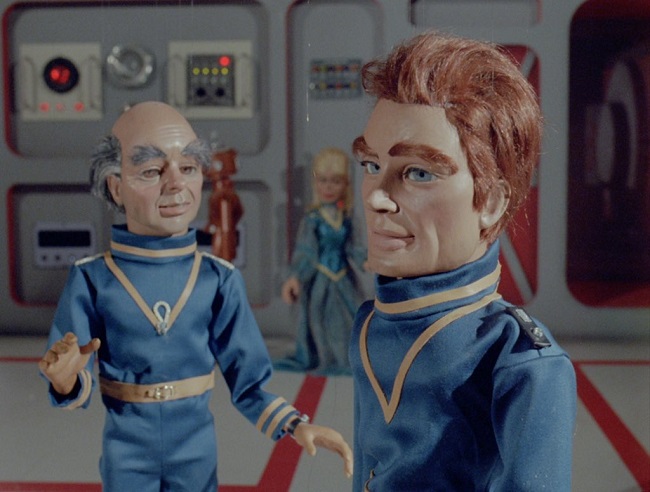
What made “Apollo” especially enjoyable for me, was the story featuring a pair of television producers who bore more than a passing resemblance to Gerry and Sylvia Anderson of Thunderbirds fame. Jeff and Hildegard Slayton (Matthew Cottle and Mary Stockley) ran a studio producing puppet shows very much in the “Supermarionation” idiom. As the murder victim was a scientific advisor on their latest show, Moon Rangers, Morse and Thursday had reason to visit the production studios which were not to dissimilar to those of Century 21 Television at Slough. Hence viewers were treated to footage of the Slayton’s watching daily rushes of a model car crash, the miniature crew blowing up a rocket on a replica moon surface and the puppeteers on a gantry over a miniature set operating marionettes. All of which lovingly referenced the halcyon days of Stingray and Thunderbirds.
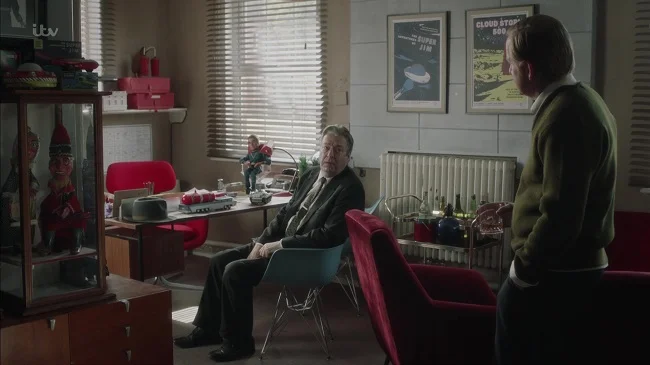
Note posters for faux shows “The Adventures of Super Jim” and “Cloud Stop 500”.
And how were such wonders so lovingly recreated? Via the talented folk over at Century 21 Films, the spiritual successor to the original Anderson production company. Having recreated several puppets for their 2014 documentary Filmed in Supermarionation, the team of talent staff subsequently formed a multi-faceted production company providing documentary services as well as miniature and other practical effects. In 2015 to celebrate the 50th anniversary of Thunderbirds, they produced three brand new episodes of the show using all the classic techniques. The series, produced in association with copyright holders ITV, was based upon three original 1960s voice recordings. With such talent available who else were Mammoth Screen, the producers of Endeavour, going contract to create the fictitious General Rock Renton and the Moon Rangers?
This possibly is the biggest and most complex, pop culture reference and homage to feature in Endeavour to date. However, I don’t see it as self-indulgent but an accurate portrayal of the public interest in science at the time. The real shows that the Anderson’s produced reflected and capitalised upon the optimistic attitude towards the space race. Therefore, having characters such as the Slaytons in Endeavour is a historically relevant. As for the Moon Rangers, for the casual viewer this was a nice period aside. For the Supermarionation aficionados, it was hog heaven. Miniatures, explosions, very familiar looking puppets and the voice talents of Justin Lee and the wonderful David Graham (Parker, Grandpa Pig and The Wise Old Elf). Even Century 21 Films director, Stephen La Rivière, got a cameo appearance as part of the puppet crew on the gantry. As a fan all I can really say is well done to all involved. You made one of my favourite shows, even better.


Project Blue Book (2019)
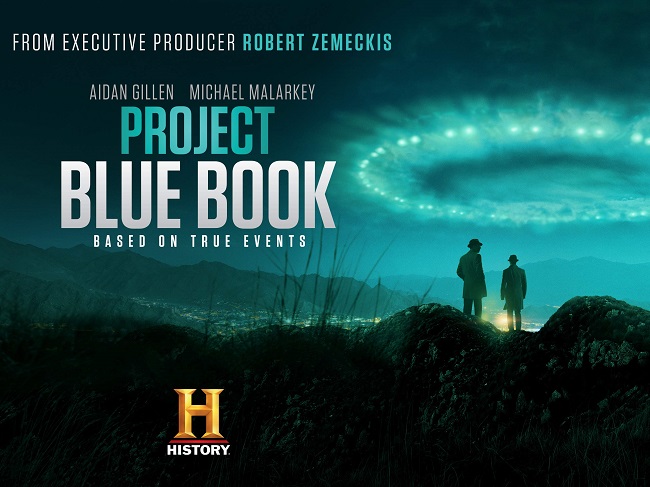
Many years ago, I use to rush home from school to watch Project UFO. Based loosely on the real-life Project Blue Book, this show from 1978 featured two U.S. Air Force investigators, Maj. Jake Gatlin (William Jordan) and Staff Sgt. Harry Fitz (Caskey Swaim) and their subsequent investigation into alleged UFO sightings. Sometimes there would be rational explanations and on other occasions, there was clearly extraterrestrial involvement. By the second season out protagonists experienced a close encounter of their own. It wasn’t the most densely plotted of dramas and was produced and presented in the idiom of mainstream television of the time. However, for a ten-year-old boy it had some excellent miniature work (Brick Price Movie Miniatures) and anything about UFOs was always a source of interest. There was also a great and very seventies theme tune by Nelson Riddle. So when I discovered that History (formerly The History Channel) had produced a science fiction drama series called Project Blue Book, I became somewhat nostalgic and equally intrigued.
Many years ago, I use to rush home from school to watch Project UFO. Based loosely on the real-life Project Blue Book, this show from 1978 featured two U.S. Air Force investigators, Maj. Jake Gatlin (William Jordan) and Staff Sgt. Harry Fitz (Caskey Swaim) and their subsequent investigation into alleged UFO sightings. Sometimes there would be rational explanations and on other occasions, there was clearly extraterrestrial involvement. By the second season out protagonists experienced a close encounter of their own. It wasn’t the most densely plotted of dramas and was produced and presented in the idiom of mainstream television of the time. However, for a ten-year-old boy it had some excellent miniature work (Brick Price Movie Miniatures) and anything about UFOs was always a source of interest. There was also a great and very seventies theme tune by Nelson Riddle. So when I discovered that History (formerly The History Channel) had produced a science fiction drama series called Project Blue Book, I became somewhat nostalgic and equally intrigued.
Set in the early fifties and loosely (now there's an understatement) based on the US government's real-life Project Blue Book investigations, the show centres on Captain Michael Quinn (Michael Malarkey) and Dr. Allen Hynek (Aidan Gillen). The pair are tasked by the US Air Force to investigate reports of UFOs and debunk them, or at least come up with rational explanations for them as a means to quash growing public concern. While Quinn, a career serviceman, doesn't care beyond carrying out his superiors’ instructions, the sceptical Hynek quickly becomes convinced that not everything is as it first appears. This brings him into conflict with General James Harding (Neal McDonough) whose involvement with the project is far more complex. Meanwhile, as Cold War paranoia spreads among the US population, Hynek's lonely wife Mimi (Laura Mennell) is befriended by a charismatic blonde Susie Miller (Ksenia Solo) who appears to be more than interested in her husbands work. As Quinn and Hynek investigate further cases, they encounter traumatised “encounter victims”, secret military experiments and are shadowed by a sinister man in black.
Having now watched the first six episodes of Project Blue Book, I do find myself somewhat conflicted with regard to the show. This is a high budget, quality production with great period detail, surprisingly good digital visual effects and a cast of reliable character actors. It ticks pretty much all the boxes you’d expect from this kind of TV show. Are there rational explanations for UFOs or is it all a government cover up? Are the military tinkering with recovered alien technology? Are extraterrestrials drawn to earth due to the human’s first tentative steps into space and the dawn of the nuclear age? Project Blue Book also adds some new elements such as focusing on Dr Hynek’s wife, who is frequently left alone and shut out of his work. The role of a “wife” from this era could easily sustain a drama in itself and is an interesting angle. So is the inclusion of Soviet spies in the local neighbourhood. Yet despite all these elements, it still feels like something is missing and then there is my over familiarity with this genre. Hence, I am still waiting for the show to reach a key moment where everything falls into place for me. At present each episode just increases the number of dramatic loose ends that are outstanding.
The old adage “there is nothing new under the sun” is particularly pertinent to television. However, the key to success when revisiting tried and tested territory, is to put a sufficiently new spin on things. Tell an old story from a new perspective, find new ways to explore and interpret the themes. Reverse roles, think outside the box and generally try not to simply do “more of the same”. So far there is precious little of this in Project Blue Book which seems to be falling into the standard, deep conspiracy plot device that was done to death in The X-Files. This leaves me with a choice to make. Cut my loses now and spend my time watching something else, or soldier on with the remaining episodes of season one (there are four more I believe) in the hope that it will improve and offer something new. I cannot say that I’m confident of the latter and I get frustrated with shows that chase their own tails or make it up as they go along (Lost and again The X-files). Still nostalgia is a powerful motivator and every now and then, Project Blue Book provides a fix. So I suspect I shall watch the remaining episodes and see if things improve, yet I have a nagging doubt that this may be the wrong choice.
"TV Poverty"
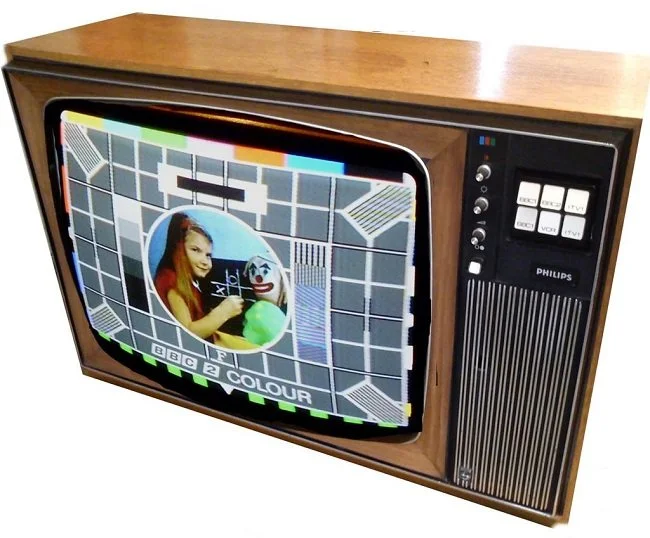
Here’s a quick history lesson for those too young to remember or who reside elsewhere. During the seventies, there were only three analogue, terrestrial television stations available in the UK. BBC One, BBC Two and ITV. Actually, ITV at the time was a network of separate regional commercial television channels. Television stations usually only broadcast for 16 or so hours a day and home video recorders only started to become common place towards the end of the decade. Therefore, as a ten-year-old in 1977, if I wanted to watch something, I had to be physically present to do so. Furthermore, as there was at that time only one television set in the home and I was a child, my viewing was pretty much at my parent’s pleasure and discretion. “Viewing rights” were often used as a bargaining chip. But there were some positive sides to viewing TV in this fashion. Popular programs enjoyed viewing figures unheard of today. And television was a far more shared experience than it is now. Saturday evening’s episode of Doctor Who was naturally a major topic of discussion at school the following Monday. If you missed it or any other “essential viewing, you were effectively a social outcast.
Here’s a quick history lesson for those too young to remember or who reside elsewhere. During the seventies, there were only three analogue, terrestrial television stations available in the UK. BBC One, BBC Two and ITV. Actually, ITV at the time was a network of separate regional commercial television channels. Television stations usually only broadcast for 16 or so hours a day and home video recorders only started to become common place towards the end of the decade. Therefore, as a ten-year-old in 1977, if I wanted to watch something, I had to be physically present to do so. Furthermore, as there was at that time only one television set in the home and I was a child, my viewing was pretty much at my parent’s pleasure and discretion. “Viewing rights” were often used as a bargaining chip. But there were some positive sides to viewing TV in this fashion. Popular programs enjoyed viewing figures unheard of today. And television was a far more shared experience than it is now. Saturday evening’s episode of Doctor Who was naturally a major topic of discussion at school the following Monday. If you missed it or any other “essential viewing, you were effectively a social outcast.
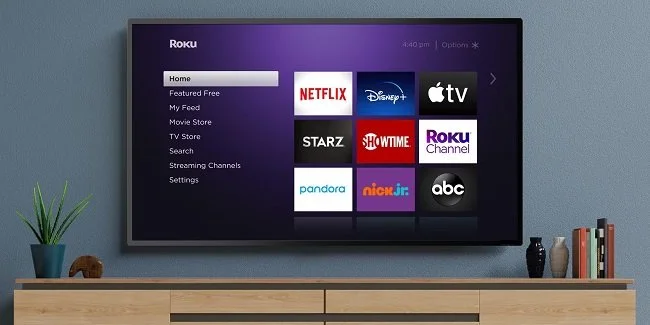
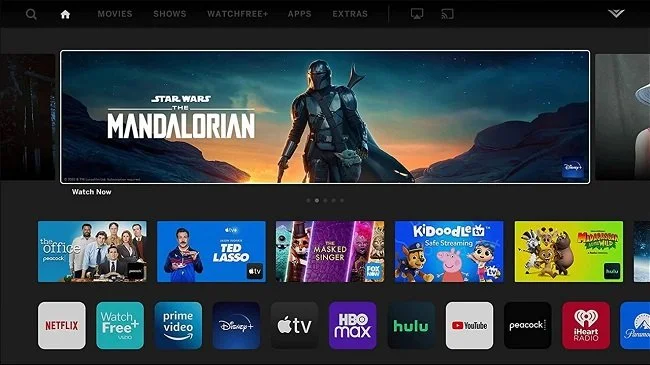
Contemporary viewing habits have changed radically in the last forty years. We may all still watch popular shows, but we often do it in different ways because there is no longer just one single path of access. There are still viewers that like to watch a show as it is broadcast. Other will record and watch later using some form of PVR. Then of course there is VOD and other streaming services. And to complicate things further the market is fragmented, and a lot of content is specific to a platform or outlet. If you do not have access to particular channel that is showing the latest episodes of your favourite show, then you may have to wait a year or more for older seasons to be syndicated to a station you do have. But this doesn’t always happen nowadays especially with shows that have been created specifically for streaming services such as Amazon Prime and Netflix. In such circumstances if you wish to see Stranger Things and are not a Netflix subscriber, then your only recourse is to purchase a boxset on DVD or Blu-ray. However, due to licensing issues, some of these shows do not get released on home media.
Despite living in a time where there is a wealth of quality television to watch, the way much of it is tied to specific platforms and outlets, means that if you wish to legally view a dozen or so of the most popular show, you have to subscribe to multiple services. For example, currently in the UK if you want to watch Game of Thrones, The Haunting of Hill House, Jack Ryan and Star Trek: Discovery then you’ll need to subscribe to either a satellite, cable or IPTV service such a Sky, Virgin of BT TV as well as Amazon Prime and Netflix. That’s a monthly spend of about £65 or so. Considering the current economic climate in the UK, that is not a sum of money that every household can or wishes to pay. Hence people will either simply opt for what they can afford or result to piracy. The latter is a big subject and not one I intend to address in this post. And so there exists a situation where if you only have access to free-to-air, terrestrial television via either a rooftop aerial or Freesat, you are going to have limited or no access to what may be deemed as premium content. In fact, I have seen the phrase “TV Poverty” used in this context, on a television marketing website.
Returning briefly to my reminiscences from the seventies, rightly or wrongly, socio-economic distinctions were often made here in the UK, according to which TV channels you watched and what were your favourite shows. Nowadays, I’d say that perhaps what platforms you have access to would be a more contemporary indicator. I’m certainly not going to suggest that having limited access to specific TV content is an impediment or social handicap in some way, but it does reflect a growing societal divide. However, in the UK if you only have access to terrestrial TV, then at least that includes BBC content, which is still of a very high standard, despite what some quarters may say. Yet, while recently visiting a family member in hospital, I spent some time waiting in “The Family Room” which had a bog-standard LCD TV with a simple aerial connection. It was a reminder that much of the free content is old and presented in the poorest of fashions. IE numerous onscreen graphics, material shown in the wrong aspect ratio and of course twelve to eighteen minutes of advertisements in each hour of content. It is does not make for an enjoyable viewing experience. Although the phrase “TV Poverty” does seem somewhat hyperbolic, it does indicate that there are clear and legitimate economic distinctions in the industry. Furthermore, I suspect they’ll become more prevalent in the years ahead.
The Idiot Box
There are many aspects of TV and film that I wish to discuss here on Contains Moderate Peril, but they don’t all require and in-depth post or detailed review. Therefore, it seems practical to create a recurring editorial piece in which I can address these more concise and conversational pieces. Hence you are reading “The Idiot Box” which is my new means to quickly summarise and touch upon what I’m currently watching. Because I do the bulk of my film viewing at home now via VOD and no longer that much at the cinema, this recurring post will deal with movies as well as television. I’ll still be producing long form reviews because I enjoy doing so and they also constitutes a substantial percentage of traffic to this site. This virtual column is more of a “friendly chat” about my viewing habits as well as what’s popular, as you would have with your friends down the pub. So, let us begin with a few thoughts about some of the shows I’m currently enjoying.
There are many aspects of TV and film that I wish to discuss here on Contains Moderate Peril, but they don’t all require and in-depth post or detailed review. Therefore, it seems practical to create a recurring editorial piece in which I can address these more concise and conversational pieces. Hence you are reading “The Idiot Box” which is my new means to quickly summarise and touch upon what I’m currently watching. Because I do the bulk of my film viewing at home now via VOD and no longer that much at the cinema, this recurring post will deal with movies as well as television. I’ll still be producing long form reviews because I enjoy doing so and they also constitutes a substantial percentage of traffic to this site. This virtual column is more of a “friendly chat” about my viewing habits as well as what’s popular, as you would have with your friends down the pub. So, let us begin with a few thoughts about some of the shows I’m currently enjoying.
Season 2 of Star Trek: Discovery is proving very entertaining and certainly seems to be pulling the show back towards what I’d broadly describe as classic Trek territory. And by classic, I mean the broader themes and idiom of TNG, DS9 and Voyager. There is sufficient information in the public domain to show that there was a lot of creative differences behind the scenes during the production of season one. All things considered it’s surprising that the first 15 episodes came out as well as they did. Now that the show appears to be enjoying a more stable environment, it seems to be returning to the fold with regard to narrative and intent, while maintaining its aesthetic differences. And I like it. I like it a lot. I also managed to catch up with Star Trek: Short Treks and found these to be entertaining and informative. “The Brightest Star” episode was particularly poignant, exploring how Saru made first contact with Starfleet and the ramifications that act had upon his own future.
The Punisher is also enjoying its second season and once again it is proving that the key to successfully exploring vigilantism is to focus on character, motive and consequences. Some episodes are deliberately slow but that’s fine with me. I like knowing the backstory of key characters such as Krista Dumont, Billy Russo's Therapist and John Pilgrim, the shows new antagonist. The show also maintains it’s hard hitting action scenes, with Castle meeting out a particularly vicious beating to a Russian thug, using gym weights. It really made me wince. I am, however, curious to see if there will be a third season and if so whether it can sustain the quality of the narrative. There have been doubts of late as to whether Disney will claw back the rights from Netflix (along with others) and seek to develop them for their own pending VOD service.
Finally, I wanted to reference Amazon prime’s Homecoming with Julia Roberts, as I found this such a fascinating show. I especially liked they way the production used different aspect ratios to denote separate timelines in the plot. It was a very clever device that further embellished the ending of the story. Another facet of the show that was unusual was the varying lengths of each episode. Some ran for an hour, where others only half that time. Yet the plot was demonstrably advanced forward in each instalment. Rather than compose an original score for the entire season, the showrunners decided to used cues from classic films to suit the mood of each episode. For me, a consummate fan of film soundtracks, it was a delight to try and workout each episode where the music came from. Homecoming was a well written, thought provoking production bolstered by solid performances. It was also a self-contained story, so I find it odd that there is talk of a further season, unless it is a tangential sequel.
Classic TV Themes: Star Trek Enterprise
Star Trek: Enterprise was the first show in the Star Trek pantheon to have a song performed by an established artist play over the opening credits, rather than a traditional theme tune. Up until 2001, the franchise had maintained a more formal approach, established with the iconic introduction to the original series composed by Alexander Courage. Needless to say, such a radical departure from established practise brought about consternation and debate among fans. In some respects, you can argue that point about the entire show itself, but that as they say, is an entirely different blog post. Needless to say, the dislike and hatred that the song Where My Heart Will Take Me engendered in certain quarters, lead to a petition to have it removed. Needless to say, this movement failed, and the show continued using it for four seasons. Seventeen years on this particular debacle has now died down and the song is often just referenced ironically by fans as an amusing anecdote and piece of Trek trivia.
Star Trek: Enterprise was the first show in the Star Trek pantheon to have a song performed by an established artist play over the opening credits, rather than a traditional theme tune. Up until 2001, the franchise had maintained a more formal approach, established with the iconic introduction to the original series composed by Alexander Courage. Needless to say, such a radical departure from established practise brought about consternation and debate among fans. In some respects, you can argue that point about the entire show itself, but that as they say, is an entirely different blog post. Needless to say, the dislike and hatred that the song Where My Heart Will Take Me engendered in certain quarters, lead to a petition to have it removed. Needless to say, this movement failed, and the show continued using it for four seasons. Seventeen years on this particular debacle has now died down and the song is often just referenced ironically by fans as an amusing anecdote and piece of Trek trivia.
As for the song itself, it has quite an interesting history. It was originally called Faith of the Heart and was written by songwriter Dianne warren, who has a history of penning songs for the likes of Whitney Houston, Barbara Streisand and Aretha Franklin. Faith of the Heart was originally recorded by Rod Stewart and featured in the Robin Williams movie Patch Adams in 1999. It was subsequently covered by country artist Susan Ashton. Broadly both these versions were well received. English tenor Russell Watson then covered the song on his 2001 album Encore under the title Where My Heart Will Take Me. It is this version that is used on the first two seasons of Star Trek: Enterprise albeit in an edited version, reducing a 4.14-minute recording to a more appropriate 1:28-minutes to accommodate the opening credits. This version is very much a power ballad and very much wears its heart on its sleeve, candidly extoling the sort of sentiment and philosophy of Starfleet. The song is intended to be a metaphor for earth struggle to reach the stars and the challenges ahead. Curiously, from season three onwards, the song was re-recorded again with Russell Watson but with a more upbeat tempo. It is quite a different arrangement.
Executive producer, Rick Berman, praised Where My Heart Will Take Me, saying that it was a song "that's got a lot of hopefulness and uplifting qualities to it. And I like it. I've met a lot of other people who like it, but I've also heard a tremendous amount of banter about people who don't”. Enterprise co-creator Brannon Braga also defended the song, saying of the criticisms, "There are some people who love the song and there are people who think it's cheesy. They came with a petition with 1,000 signatures. But plenty of people find the song very uplifting”. Watson also said in response to the reaction to the song, "Something new happens, and people aren't quite sure of it. But they'll get used to it. By the time they've watched the 20th episode, they'll be thinking, well, it's not that bad after all".
After the strong themes from established artists used on previous shows, especially those from the iconic composer Jerry Goldsmith, was a song of this idiom a step too far? The medium of the power ballad has its place in musical styles and when done well can provide a unifying anthem, but was Star Trek an appropriate vehicle? When one considers the grandeur and dignity of previous themes (take for example the beauty and scope of the Star Trek: Voyager) was such a seismic shift a good choice? Replacing the subtle emotional resonance of an orchestral piece with the more arbitrary, less sophisticated manipulation of a power ballad designed to hit you hard in “feels”, does seem a little cheap. However, despite initially feeling this way, Where My Heart Will Take Me has indeed grown on me as Russell Watson surmised. Star Trek: Enterprise was itself quite a radical change in the franchise and the song does reflect the aspirations of an incipient Starfleet and the core themes of the show. It may not be the most nuanced of songs, but it certainly captures the essential principles of Star Trek with its optimism and hope. For that I kind of grudgingly respect it. However, some remain implacably opposed to it. Simon peg allegedly won’t watch the show due to theme, but it can be argued that some won’t watch the Kelvin Timeline movies due to his portrayal of Scotty. As for the song, perhaps the best thing to do is to decide for yourself.

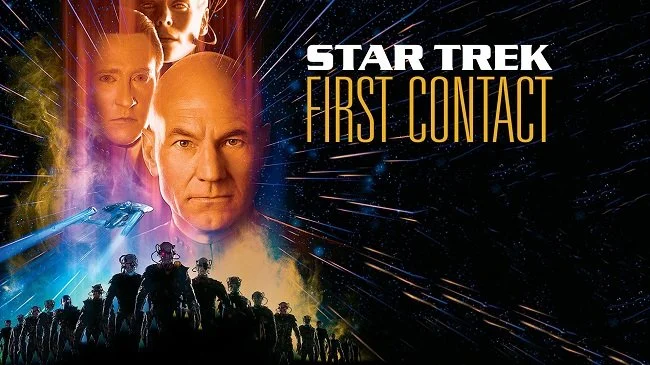
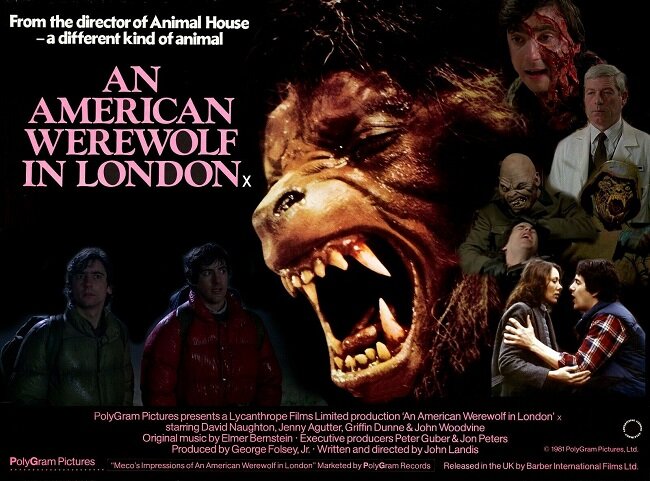
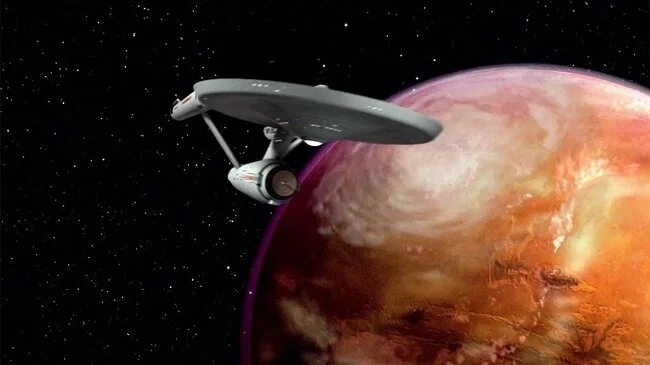

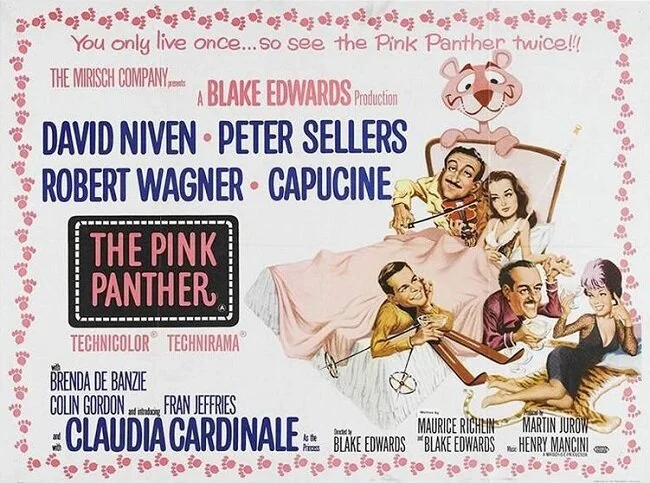
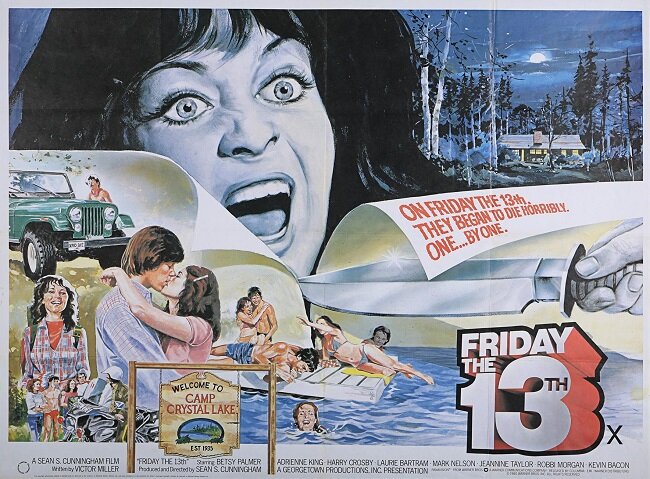

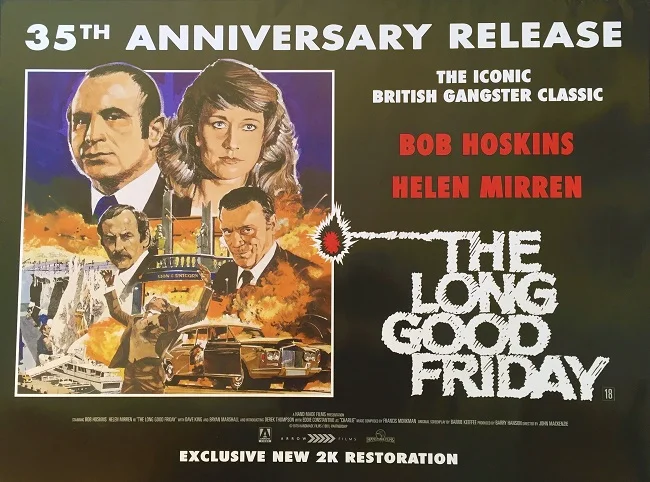
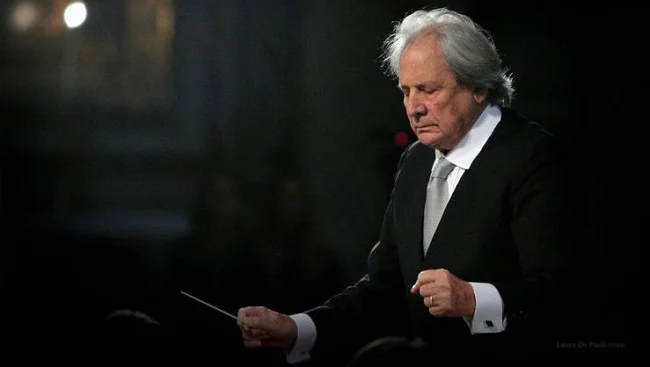
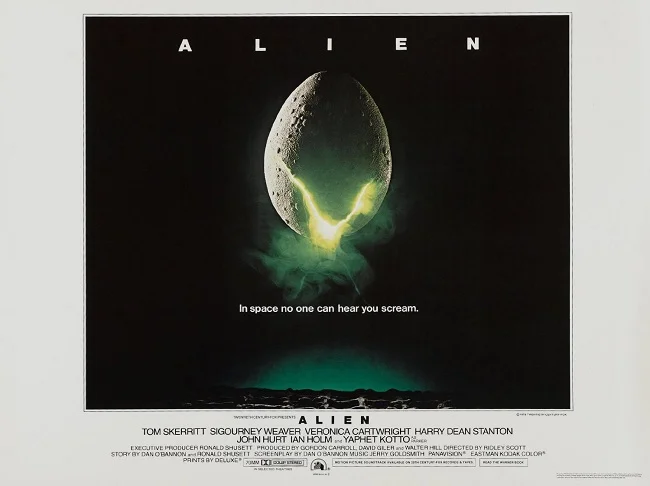

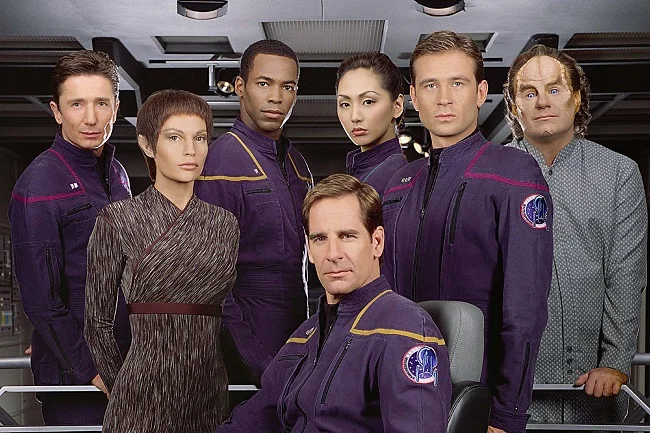
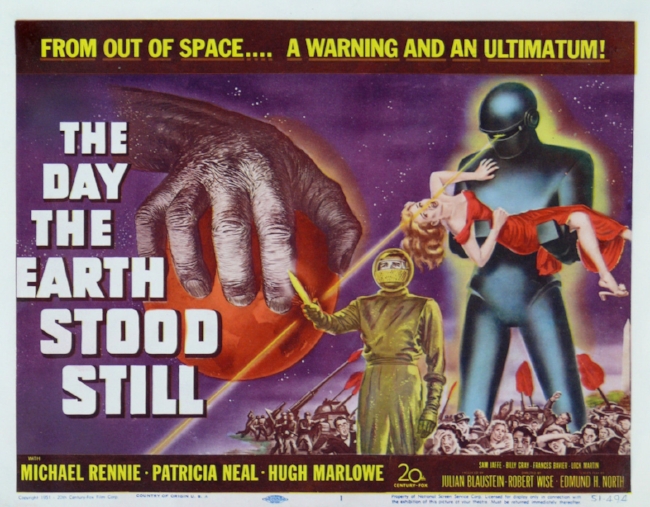

The Christmas Edition of the Radio Times
For those outside of the UK, The Radio Times is one of the most popular TV guide magazines in the country. It was the world's first broadcast listings magazine when it was founded in 1923 by John Reith, then general manager of the BBC. It used to exclusively cover only BBC TV and radio content but over the years has expanded its listing to cover all terrestrial, satellite, cable and internet TV channels. As well as printing the various TV schedules it also contains articles, reviews and interviews associated with most forms of UK media. It is broadly deemed to be in good standing with the population and still boasts a high standard of journalism. However, over recent years The Radio Times has suffered a decline in readership the same way that all traditional print media has. Hence the bulk of its current readership are mainly those who have grown up with it and have a strong bond with it.
For those outside of the UK, The Radio Times is one of the most popular TV guide magazines in the country. It was the world's first broadcast listings magazine when it was founded in 1923 by John Reith, then general manager of the BBC. It used to exclusively cover only BBC TV and radio content but over the years has expanded its listing to cover all terrestrial, satellite, cable and internet TV channels. As well as printing the various TV schedules it also contains articles, reviews and interviews associated with most forms of UK media. It is broadly deemed to be in good standing with the population and still boasts a high standard of journalism. However, over recent years The Radio Times has suffered a decline in readership the same way that all traditional print media has. Hence the bulk of its current readership are mainly those who have grown up with it and have a strong bond with it.
Which leads me nicely on to the point of this post. Every year, The Radio Times publishes a double edition that spans the Christmas and New Year period. It naturally has a seasonal cover and for many people, marks the imminent arrival of Christmas itself. For as long as I can remember, I have always bought or at least had access to this bumper festive publication. Pawing over it, checking the remote and obscure reaches of the TV schedules for hidden gems has always been a Christmas ritual for myself and many others. The significance of this process was especially important during my youth in the seventies. As I have mentioned in previous posts, watching TV as a family, especially films were a major part of our leisure time. It nurtured my love of cinema, film making and broadened my cultural horizons. The Radio Times Christmas edition exemplified this as it represented a two-week period in which I was off from school, most of the shops were closed and the days were cold and short. This presented an ideal opportunity to curl up on the sofa and watch TV (which consisted initially of just three channels).
It’s difficult to convey to a generation that is used to having access to a wide variety of content across multiple platforms and devices, the excitement brought about by the Christmas TV schedules in seventies Britain. There was a far greater quantity and variety of content aged at children as the broadcasters new the schools were closed. Hence you could often start the day with a Disney Classic such as The Aristocats or The Love Bug. There would also be frequent classic films throughout the days, often with a seasonal flavour, such as Alistair Sim as Scrooge. It was also more likely that fantasy films would make the schedules, so movies such as Jason and the Argonauts or At the Earth Core were warmly welcomed. Then as I got older and TV expanded into late night and twenty-four hours programming, I frequently found that my taste for seasonal supernatural content was catered for, with repeats of classic MR James adaptations or by actors of note such as Tom Baker or Christopher Lee reading a spooky tale. For decades, this time of year was also the only chance you would get to see various Laurel and Hardy shorts.
Sadly, the march of time and progress has changed the TV scheduling landscape and the very way we consume television. Gone are the days were the Christmas Special episode of a popular sitcom or variety show would garner audiences of over 20 million viewers. The other major change with respect to films, is that I’ve seen most recent releases long before they reach terrestrial channels in the UK. Unfortunately, the Christmas Edition of The Radio Times, no longer holds any substantial surprises or hidden gems. Naturally there are some new shows of merit to look forward to, but it doesn’t require me to circle titles in the magazine itself anymore. Nor do I have to write a detailed list and program multiple VCRs. If I now miss anything of note I simply watch it via an on-demand player. Or if I see that The Devil Rides Out is showing in the small hours of a commercial station, I simply put on my Blu-ray copy and enjoy it in high definition, in the right aspect ratio and without the annoyance of adverts every ten minutes. Times change and there comes appoint where tradition and ritual are abandoned. I have just read through the latest Christmas Edition of The Radio Times, but the process now serves as an exercise in nostalgia rather than practical necessity. However, I’m not quite ready to let go yet (mainly due to Talking Pictures TV). Perhaps next year or the one after.


Strictly Come Dancing 2018: Part 2
Series 16 of Strictly Come Dancing has been in many ways the most predictable season to date. It became clear within a matter of weeks as to which couples were the front runners, who had potential to grow and who would only go so far. Apart from the slight anomaly of Vick Hope going out early in week 5 due to a poorly conceived dance (blame Graziano for that), the show has followed a fairly unsurprising route. Therefore, it really comes as no shock to find Joes and Diane, Stacey and Kevin, Ashley and Pasha as well as Faye and Giovanni are going through to next week’s final. Nor should we be astonished by the subtle distinction between the judge’s favourites, and the couples that the public related to and take to their hearts.
Series 16 of Strictly Come Dancing has been in many ways the most predictable season to date. It became clear within a matter of weeks as to which couples were the front runners, who had potential to grow and who would only go so far. Apart from the slight anomaly of Vick Hope going out early in week 5 due to a poorly conceived dance (blame Graziano for that), the show has followed a fairly unsurprising route. Therefore, it really comes as no shock to find Joes and Diane, Stacey and Kevin, Ashley and Pasha as well as Faye and Giovanni are going through to next week’s final. Nor should we be astonished by the subtle distinction between the judge’s favourites, and the couples that the public related to and take to their hearts.
I must admit, I do feel a degree of sympathy for Ashley Roberts and her professional dance partner, Pasha Kovalev. She is a singularly talented and it is clear that she and Pasha spend numerous hours rehearsing and perfecting their routines. Sadly, it is obvious that the lady does not have a substantial fan base, unlike Stacey Dooley and Joe Sugg. It must be incredibly disheartening to find oneself continuously in the dance off despite being top of the leaderboard. I wonder if similar doubts will cross her mind about the final. Irrespective of how good their performances are next week, I do not believe that the public is sufficiently invested in them as a couple. Sadly, this is often the case with couples that are clearly “good”, right from the get-go. The public much prefer those celebrities that go on a traditional “strictly journey”.
Sadly, tonight saw the departure of Paralympian Lauren Steadman. Lauren has been a tenacious and diligent contestant throughout the weeks, along with her professional partner AJ Pritchard. I also feel that she has often been undermarked and given a harder time compared to fellow sportsman Graeme Swann. But such is the nature of Strictly Come Dancing. It is not a pure dance competition and the public vote changes the dynamics of the proceedings greatly. I think its fair to say that Lauren won a great deal of public support which compensated for the lack of marks from the celebrity judges. However, once she found herself in the dance-off tonight against Ashley, the outcome was inevitable. Nevertheless, I feel she can leave feeling proud of her achievements, once again clearly showing that “its about ability and not disability”.
As to the obvious question of who will win next week, I have mixed feelings on the matter. I think that on a purely technical level, it should be either Faye or Ashley. But personality and “the journey” are also key factors. Plus, the public are often governed by their feelings and can be very tribal. Joe Sugg has a strong internet-based fan base and I think it will certainly mobilise to support him. Yet if I were to go to the bookies and place a bet, I put my money on Stacey Dooley. She very much “one of the people” and possibly reflects a lot of the core Strictly fan demographics. Also, she is partnered with Kevin Clifton who is a firm favourite with viewers. He’s been in the final four times and so there’s the question of “always the bridesmaid, never the bride”. And we also are living in times when the general public are not so deferential towards experts or in this case judges. However, this time next week we’ll know for certain. Regardless of the outcome, it’s been a very entertaining season and once again the bar has been raised.
The Tractate Middoth (2013)
The BBC has a long and illustrious history of commissioning innovative adaptations of the works of M R James. Consider a moment the likes of Jonathan Miller's Whistle and I'll Come to You or The Ash Tree by Lawrence Gordon Clark. If you are unfamiliar with these short television dramas, then I strongly advise you to seek them out. They are the epitome of quality television forays into the world of the supernatural. The Tractate Middoth, written and directed by Mark Gatiss, once again demonstrates how well the finely crafted short stories of Monty James lend themselves to the medium of film. Mr. Gatiss has a clear understanding and passion for the horror genre and proves (as he did with Sherlock) that "adaptation" does not have to mean "bastardisation".
The BBC has a long and illustrious history of commissioning innovative adaptations of the works of M R James. Consider a moment the likes of Jonathan Miller's Whistle and I'll Come to You or The Ash Tree by Lawrence Gordon Clark. If you are unfamiliar with these short television dramas, then I strongly advise you to seek them out. They are the epitome of quality television forays into the world of the supernatural. The Tractate Middoth, written and directed by Mark Gatiss, once again demonstrates how well the finely crafted short stories of Monty James lend themselves to the medium of film. Mr. Gatiss has a clear understanding and passion for the horror genre and proves (as he did with Sherlock) that "adaptation" does not have to mean "bastardisation".
The Tractate Middoth relocates the events of the story from the Edwardian era, to the early Fifties but apart from this change the production remains remarkably faithful to the text. We meet young librarian Mr. Garnett (Sacha Dhawan) who has a rather disturbing experience while searching for an old tome of Hebrew text for an irascible academic John Eldred (John Castle). It would appear that a mysterious third part may have an interest in the book. While recovering from his shock, with a dose of country air, Mr. Garnett meets Mrs. Simpson (Louise Jameson) and her daughter Anne (Charlie Clemmow). They tell a strange tale of a missing last will and testament that would make them heir to a sizeable inheritance. Unfortunately, the document has been written in an obscure book. Could it be the very same volume that lead to Mr. Garnett's supernatural experience?
This delightful adaptation blends the erudition and macabre atmosphere of M R James with the wit and intelligence of Mark Gatiss. The two complement each other very well. M R James's liking for comedic minor officials and bureaucrats is embellished by Mark Gatiss, leading to some clever observational humour and comic asides. However, this is not done to the detriment of the brooding atmosphere or the central supernatural plot. The thirty-minute adaptation has a minimum of superfluous CGI, keeping as much effects work as possible in-camera, thanks to the stylish cinematography of Steve Lawes. The prosthetics for the central ghost are suitably ghoulish and very much in accord with the original story.
The period feel is authentic and still maintains M R James cardinal rule that a good ghost story should always be set in the past and related by those who have indirectly experienced it. Performances are universally good ensuring that characters do not descend in to genre caricatures. The handsome production design and art direction reflect the architectural and topographical detail that is synonymous with all of James's short stories. It is to the director’s credit that the supernatural climax is effectively carried out in broad daylight without losing any dramatic impact. The final sting in the tail, although a whim of Mark Gatiss, is far from out-of-place.
As with the BBC adaptations from the seventies, this latest production has a distinguished pedigree, sporting such names as Una Stubbs, Eleanor Bron and John Castle. There is also a clear sense that everyone involved has a love and respect for the work of Montague Rhodes James. The Tractate Middoth is text-book example of the sort of quality television that can be produced when the right people are involved and deferred to. Mark Gatiss has spoken of the freedom afford to him by the BBC Arts Department and it is clear that their trust in him has paid off. The Tractate Middoth, is well paced and lovingly crafted, delightfully unsettling. There are several jolts leading to a classic Jamesian Wallop (Thank you Will Ross and Mike Taylor for coining that phrase).



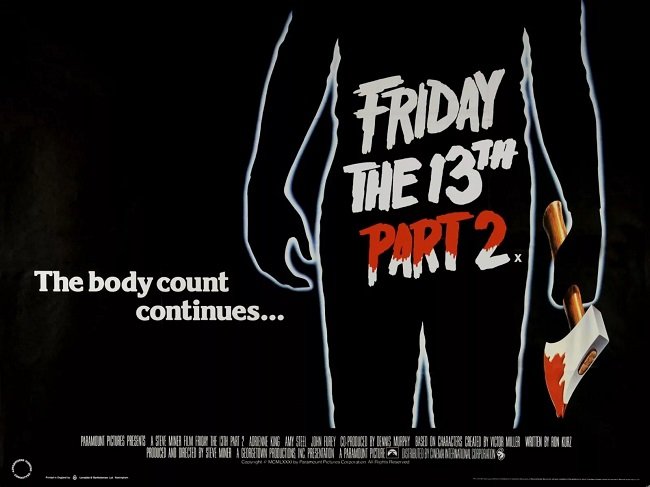


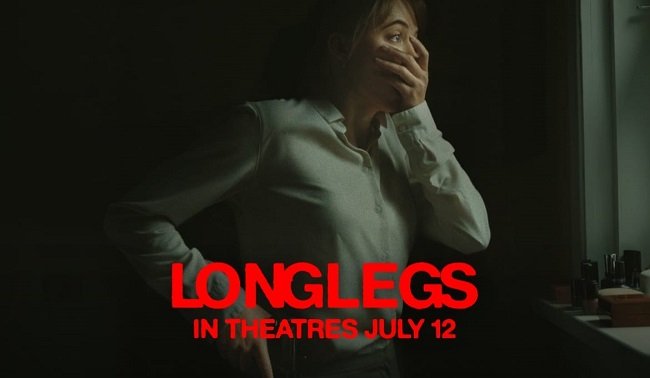


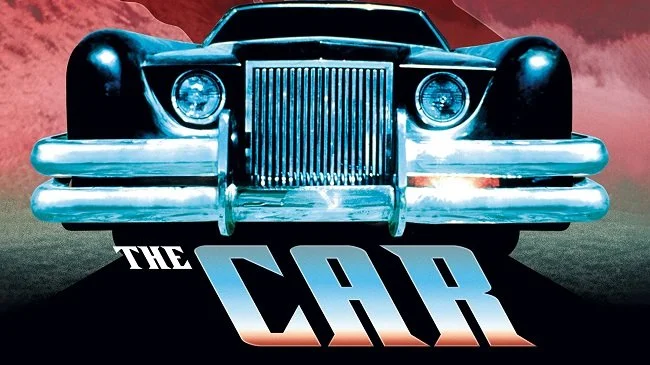
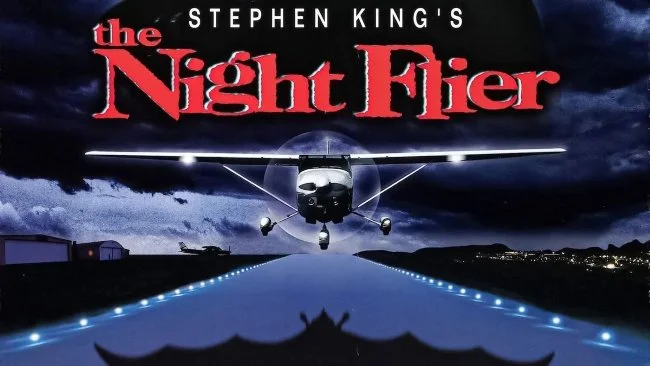
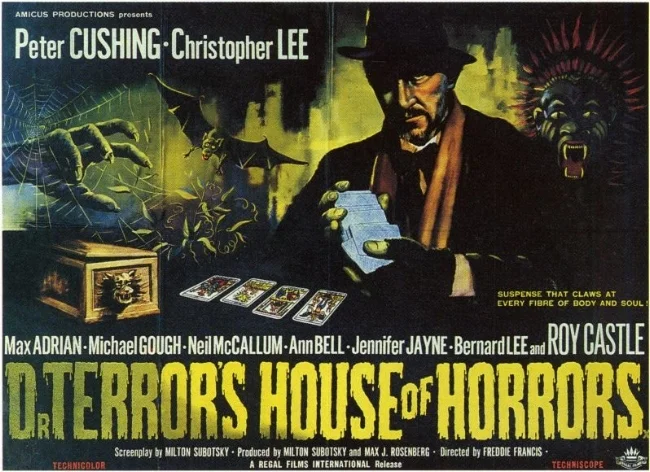

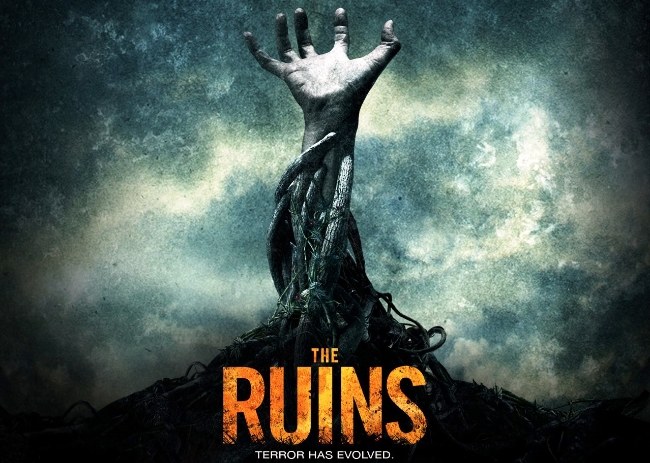
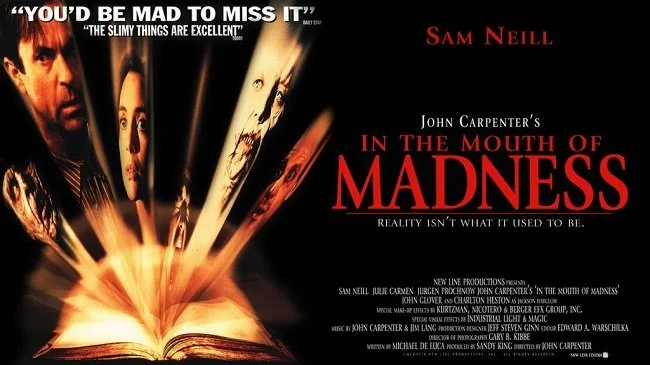
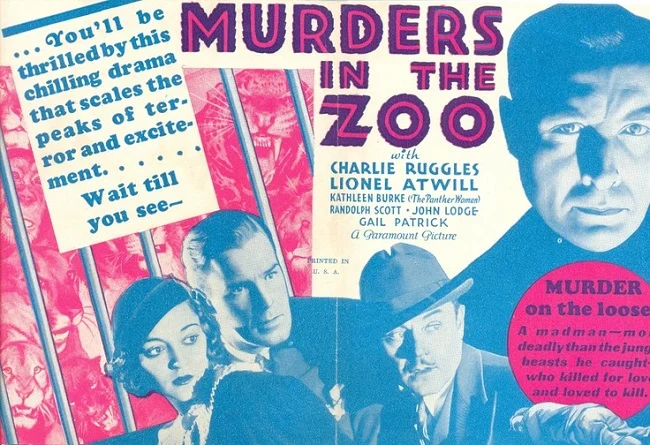
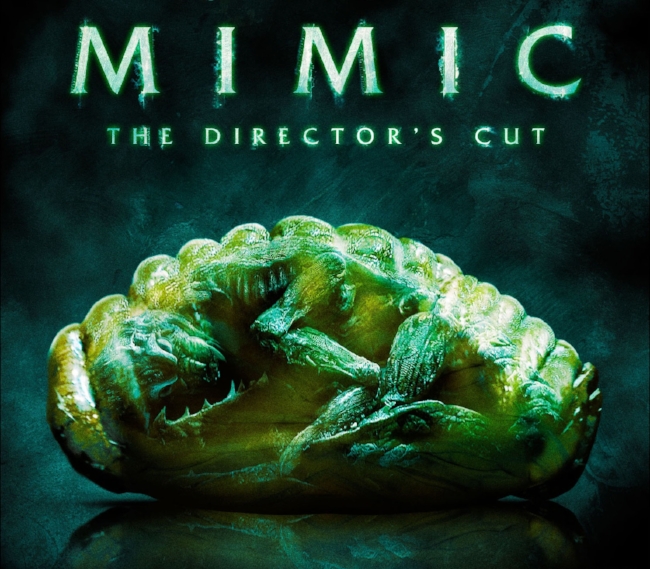
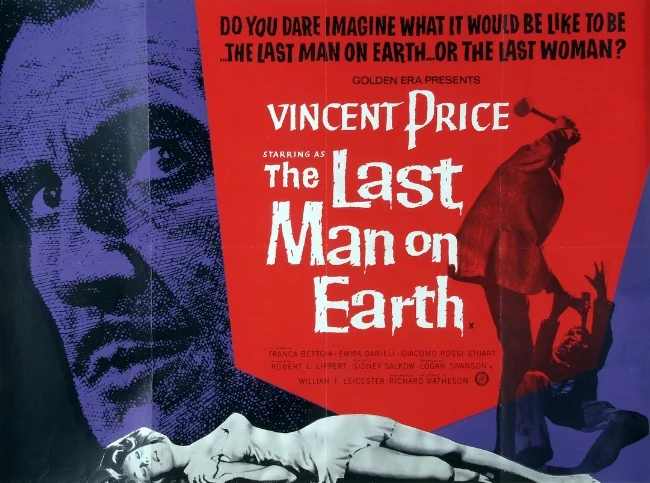

Gerry Anderson’s Firestorm
Firestorm originally started as a Japanese anime series co-created by Gerry Anderson and John Needham back in 2003. The show combined CGI animation for mecha and traditional cel animation for characters and the environment. Despite the quality of the production and an emphasis on the futuristic hardware that has always been a core tenet of Gerry Anderson productions, the anime version of Firestorm didn’t find an audience in Japan. The show subsequently failed to secure a wider release and so became a more obscure part of Anderson Canon. However, in 2014 Anderson Entertainment (under the auspices of Jamie Anderson, Gerry’s son) announced a crowdfunding campaign to produce a pilot episode for a new television series of Firestorm using practical film-making techniques including miniature effects and puppetry. It’s been a long road since then but today a debut “minisode” was shown at MCM Comic-Con London and simultaneously released on You Tube.
Firestorm originally started as a Japanese anime series co-created by Gerry Anderson and John Needham back in 2003. The show combined CGI animation for mecha and traditional cel animation for characters and the environment. Despite the quality of the production and an emphasis on the futuristic hardware that has always been a core tenet of Gerry Anderson productions, the anime version of Firestorm didn’t find an audience in Japan. The show subsequently failed to secure a wider release and so became a more obscure part of Anderson Canon. However, in 2014 Anderson Entertainment (under the auspices of Jamie Anderson, Gerry’s son) announced a crowdfunding campaign to produce a pilot episode for a new television series of Firestorm using practical film-making techniques including miniature effects and puppetry. It’s been a long road since then but today a debut “minisode” was shown at MCM Comic-Con London and simultaneously released on You Tube.
While making Firestorm, the production team returned Gerry Anderson’s original documents. The story is set in the year 2102 and follows the adventures of Firestorm, an elite international team comprising of Sam Scott, Nagisa Kisaragi and Drew McAllister. They battle ongoing acts of sabotage by the elusive Black Orchid organisations. The miniature effects crew includes film industry veterans Steve Begg, Bill Pearson and Mike Tucker (whose collective body of work include Bond films and Doctor Who). The puppets are produced by the company Mackinnon and Saunders. Firestorm is made in “Ultramarionation” (the spiritual successor to “Supermarionation”), which features rod operated and animatronic puppets, physical sets, and actual explosions. The debut “minisode” marks the first new Anderson production since 2005. If all goes to plan, there is the possibility of full series of 26 episodes of 22 minutes apiece, which will hopefully begin full production in 2019.
According to Jamie Anderson, Managing Director of Anderson Entertainment who will be producing the new series "We've updated the Firestorm concept my father created with the development of “Ultramarionation”, the next generation of production techniques to really bring the wow factor back to the small screen”. The short but succinct “minisode” certainly showcases all the major selling points of the new show. The puppetry is incredibly detailed, allowing the characters to walk, run and emote. The physical effects and miniatures are of the highest calibre. And most importantly of all, there is scope to give the characters interesting back stories and explore their lives. This was always the big selling point of previous Gerry Anderson productions, especially Thunderbirds. I hope that a suitable backer can be secured so we see a full and expanded series for this franchise. In the past Anderson productions have had a close business association with ITV, yet a show such a Firestorm would be a real catch for the likes of Netflix or Amazon Prime.
The Haunting of Hill House (2018)
Shirley Jackson’s 1959 novel The Haunting of Hill House is considered one of the best literary ghost stories published during the 20th century. It was adapted for film in 1963 by Nelson Gidding and directed by Robert Wise under the title The Haunting. Although only doing moderate box office upon release, the movie was moderately well received at the time and over the years has gained a critical reassessment. Contemporary critics consider it one of the finest genre movies of its era. Hence the prospect of a new ten-part television adaptation made exclusively for Netflix, was initially met with a great deal of scepticism. However, writer and director Mike Flanagan has wisely chosen not to retell the original story, but instead taken its themes and concepts and woven them into a compelling and very contemporary tale of a dysfunctional family traumatised by their collective experience at Hill House. Jettisoning the classic trope of a paranormal investigation into a haunted house, he instead presents us with two narratives that run in parallel and regular intersect with startling results.
Shirley Jackson’s 1959 novel The Haunting of Hill House is considered one of the best literary ghost stories published during the 20th century. It was adapted for film in 1963 by Nelson Gidding and directed by Robert Wise under the title The Haunting. Although only doing moderate box office upon release, the movie was moderately well received at the time and over the years has gained a critical reassessment. Contemporary critics consider it one of the finest genre movies of its era. Hence the prospect of a new ten-part television adaptation made exclusively for Netflix, was initially met with a great deal of scepticism. However, writer and director Mike Flanagan has wisely chosen not to retell the original story, but instead taken its themes and concepts and woven them into a compelling and very contemporary tale of a dysfunctional family traumatised by their collective experience at Hill House. Jettisoning the classic trope of a paranormal investigation into a haunted house, he instead presents us with two narratives that run in parallel and regular intersect with startling results.
Hugh and Olivia Crain (Henry Thomas and Carla Gugino) professionally renovate and refurbish dilapidated houses and “flip” them for resale. Both are gifted professionals; Hugh being the consummate problem solver and Olivia the creative and sensitive interior designer. The couple move into Hill House with their five children, Steve, Shirley, Theo, Luke and Nell only to find the building problematic in several ways. There are no accurate plans, there’s a hidden basement and a locked room that remains resolutely inaccessible. The children start to experience disquieting nocturnal phenomenon that their parents at first ignore or rationalise away. Yet over time Olivia begins to succumb to the malign atmosphere, culminating in a tragedy and the family fleeing the house. Years later each surviving member of the Crain family are dealing with the fallout of their respective experience. Nell suffers night terrors and sleep paralysis, while Luke struggles with drug addiction. Theo is a child therapist and Shirley has become a mortician. Steve the eldest who believes he never actually experience the supernatural and that his family is blighted by hereditary mental illness has become a successful author specialising in writing about the paranormal. Events start to occur which then draw them all inexorably back to Hill House.
The Haunting of Hill House unfold at a measured pace to facilitate focus upon the central characters. The first five episodes are designed to explore the backstory of each family member both in the present and in the past. Over time, several key events are shown from different perspectives, each adding another layer of complexity and nuance to the proceedings. The adults cast, and their child counterparts are universally good, providing strong and credible performances. Viewers need to keep the wits about them as there is often a lot going on at key moments, both front and centre and in the periphery of shots. There is often a palpable air of tension and the jump scare and shocks are well crafted. Several spectral characters such a “bent neck lady” and “bowler hat man” are well conceived and suitable ghoulish. Hill House itself has a grim and morose presence and although largely digital, the illusion of a decaying, malevolent and possibly sentient structure is well maintained. The screenplay frequently uses passages of classic dialogue from the source text at exactly the right moment. Iconic scenes are also expressed in interesting new ways, such as “who’s hand was I holding” and the seminal wall pounding sequence.
But the productions real strength is the way it uses the family in crisis trope as the foundation of the story. Not everyone is a sympathetic character but they’re all relatable. The female leads are especially strong, and their story arcs have the most substance to them. There are several genuinely emotional revelations that have real weight, rather than being just arbitrary kicks in the “feels”. The final resolution of the Crain family’s trial and tribulations is complex and dares to explore the paradoxical symbiosis between the supernatural and those who experience it. The only major criticism I can level against this production is that the languid pace may not be to everyone’s taste. Some viewers may want a more concise story, where I was content to let matters unfold at their own pace. This point notwithstanding, The Haunting of Hill House is a superior piece of dramatic, cerebral genre fare. It successfully takes something old, established and much loved and revitalises it with a healthy dose of imagination, creativity and human insight. It is features robust scares as well as moments of note and is superior to a great deal of its current cinematic counterparts.

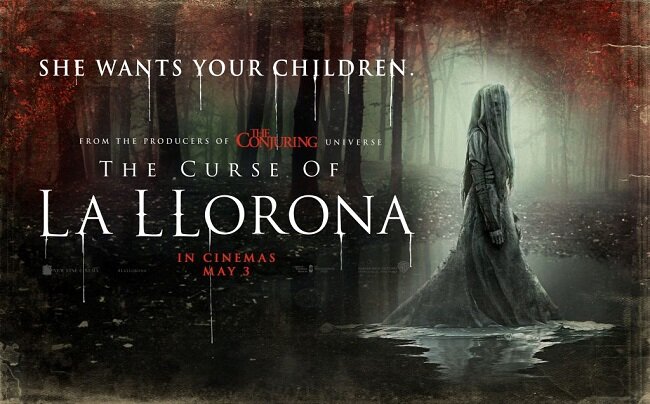
The Thirteenth Doctor
Last night Jodie Whittaker made her debut as the thirteenth incarnation of that iconic Time Lord known as The Doctor. And despite eighteen months of negative comments, criticism and bile from those who disliked the idea of a female lead, the first episode, The Woman Who Fell to Earth was watched in the UK by 8 million people. At this point, popular opinion appears to be broadly positive and the franchise has weathered the storm. Naturally, there are some fans who have elected not to continue watching and there are those who intend to remain in the wings spouting disproportionate criticisms because they feel that something has been taken away from them. However, churn is a common facet of all industries and TV entertainment is no different. The BBC may well lose some long-time viewers due to this casting change, but I think it will gain far more new ones. I say this with some confidence because I too have chosen to return to the Doctor Who fold.
Last night Jodie Whittaker made her debut as the thirteenth incarnation of that iconic Time Lord known as The Doctor. And despite eighteen months of negative comments, criticism and bile from those who disliked the idea of a female lead, the first episode, The Woman Who Fell to Earth was watched in the UK by 8 million people. At this point, popular opinion appears to be broadly positive and the franchise has weathered the storm. Naturally, there are some fans who have elected not to continue watching and there are those who intend to remain in the wings spouting disproportionate criticisms because they feel that something has been taken away from them. However, churn is a common facet of all industries and TV entertainment is no different. The BBC may well lose some long-time viewers due to this casting change, but I think it will gain far more new ones. I say this with some confidence because I too have chosen to return to the Doctor Who fold.
I started watching Doctor Who upon its return in 2005 and enjoyed the first couple of seasons. Despite growing up in the glory days of the Pertwee and Baker era, I happily made the transition to the new, modern and contemporary Doctor. However, as time progressed I felt that the show and the wider fan community were becoming a little too inward gazing. Furthermore, under Steven Moffat’s auspices, the show started to become excessively narratively convoluted, self-referential and frankly a little too smug for its own good. In many ways it came across as a massive fans service first and frequently felt like a big “in-joke” shared among fans but to the exclusion of the wider public. For many Doctor Who ceased to be a show that you could easily return to. Something that was reflected in the viewing figures, which more or less halved from the initial halcyon days of Russell T Davies’ creative tenure.
I suspect that the arrival of new show runner Chris Chibnall will address these issues. I am certainly not going to theorise in-depth about the long-term direction that the franchise will now take, purely on the strength of one episode. However, I think it gives viewers an indication of Mr. Chibnall’s approach. It was stripped back, immediate and very accessible. Yes, there was the signature techno-babble but it was an embellishment, rather than pivotal plot device that required viewers to take notes. The new companions were plausible, coming from a diverse city such as Sheffield. Although I do not doubt that the new season will honour many of the classic tropes and facets of established lore, I like the way that this fresh start has not thrown up any obvious barriers to entry. This is something that Star Trek: Discovery has managed to achieve. Perhaps it is this choice to shun exclusivity that has upset some fans. Regardless of the anger that is still raging in some quarters, I am happy to watch this new season of Doctor Who as it has seen fit to offer the wider public an olive branch. I suspect that if handled well, the new Doctor will settle in to the existing cannon just fine.