
Two Worlds II: The Game That Keeps on Giving?
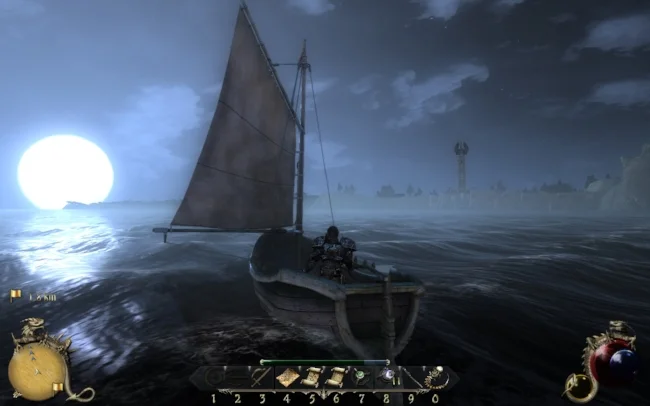
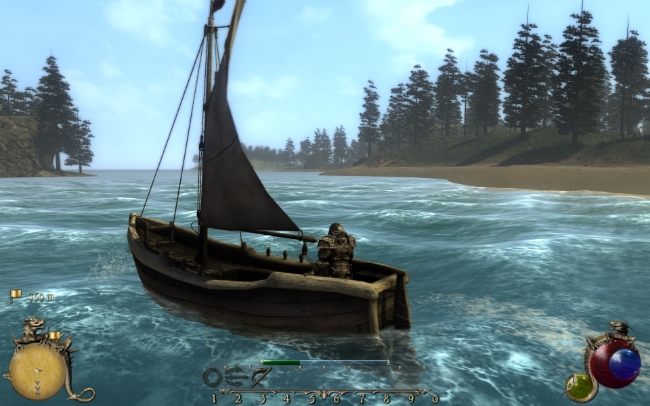
I’m suffering from a distinct sense of déjà vu as I write this post, as feel I’ve written something very similar before. Actually, I know perfectly well that I have and here’s the previous blog post. So, once again let’s recapitulate what was previously discussed. Back in 2014, I was searching for another RPG to fill that post Skyrim vacuum. I ended up buying Two Worlds II and its expansion, Pirates of the Flying Fortress. There was an exceptionally well-priced bundle available at the time. Furthermore, a little research showed that this game by German developers Reality Pump Studios, had quite a following. So I invested about 90 hours of my time into this franchise and enjoyed it far more than I expected. The game visually has a lot of rough edges. There are weird character models and a rather ponderous propensity of using faux "Olde English" in all dialogue. But the games core systems are great. Crafting and spells have a great deal of depth. There’s a wide variety of weapons and armour. Plus there’s sailing. I really dig this aspect of the game.
I’m suffering from a distinct sense of déjà vu as I write this post, as feel I’ve written something very similar before. Actually, I know perfectly well that I have and here’s the previous blog post. So, once again let’s recapitulate what was previously discussed. Back in 2014, I was searching for another RPG to fill that post Skyrim vacuum. I ended up buying Two Worlds II and its expansion, Pirates of the Flying Fortress. There was an exceptionally well-priced bundle available at the time. Furthermore, a little research showed that this game by German developers Reality Pump Studios, had quite a following. So I invested about 90 hours of my time into this franchise and enjoyed it far more than I expected. The game visually has a lot of rough edges. There are weird character models and a rather ponderous propensity of using faux "Olde English" in all dialogue. But the games core systems are great. Crafting and spells have a great deal of depth. There’s a wide variety of weapons and armour. Plus there’s sailing. I really dig this aspect of the game.
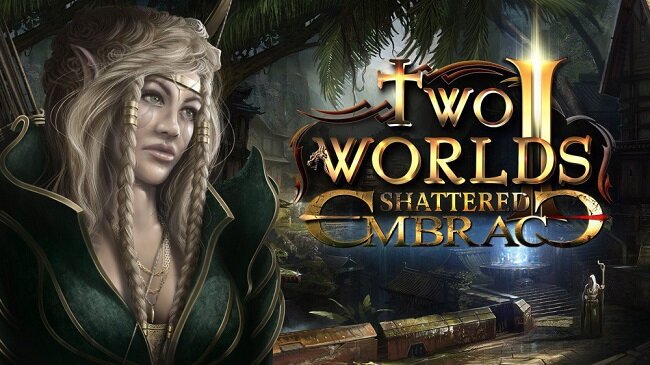
Circa June 2017, I and many other gamers were surprised to learn that there was further DLC coming to Two Worlds II. As well as some additional multiplayer maps, a standalone story Call of the Tenebrae was to be released in Q2 and another, Shattered Embrace, was to become available in Q3. Because I had fond memories of the game, I bought a season pass and dutifully installed the first of the new DLC. However, due to the fluid nature of “life”, I never made much progress with Call of the Tenebrae. Eventually, when I had more leisure time available, other games took priority and so I forgot about Two Worlds II. Until today. To cut along story short I was looking for a discount key for a specific game and I found myself perusing the TopWare Interactive online store. And there, as bold as brass, was a banner for Shattered Embrace. Turns out it wasn’t released back in 2017 due to “reasons” and is scheduled to come out this November. As I have a season pass, I should get this free of charge, so I duly re-installed all of Two Worlds II. It didn’t take long for the games niche market charms to come flooding back.
If you like open world RPGs and are prepared to try a flawed but interesting game, then why not give Two Worlds II a try. If you shop around you can get the base edition for an absolute song on numerous key seller sites. The GUI and combat mechanics are intuitive and fairly simple to master. The tutorial is integrated into the prologue quests which helps a lot. The dialogue is frequently droll and self-referential and it curiously mitigates some of the game’s rough edges. Some of the human character models are a bit weak and look quite awkward, where others such as the various beats and monsters are quite pleasing. The lighting is especially good and helps make the open world more atmospheric. The game is very good at servicing the players immediate needs, presenting them with many key RPG tropes and systems. The story itself is not anything special and is merely a narrative MacGuffin, rather than a major selling point. But not every game can be as well written as the Dragon Age franchise.
One of the most appealing aspects of Two Worlds 2 is the fact that you're not tied to a specific class. You can switch between melee, ranged and sorcery on the fly and the spell customisation process is based upon cards. It's very flexible and allows for a very diverse set of skills. The multiplayer element of the game supports co-operative play through specifically designed content; a sort of MMO-lite mode. I have never got around to exploring this aspect of the game but it would seem that the developers, Reality Pump Studios, are at least trying. There are numerous collaborative modes and it’s not just generic death matches. If you want a more in-depth analysis, then here’s a link to an episode of the Angry Joe Show in which he casts a critical eye over the game. In the meantime, I intend to slowly replay the game or at the least catch up with Call of the Tenebrae before the release of the final DLC Shattered Embrace next month. In an age when the lifecycle of a game can be comparatively short, it’s nice to see a developer still producing content nine years after the original release.

The Lord of the Rings: Gollum in Development
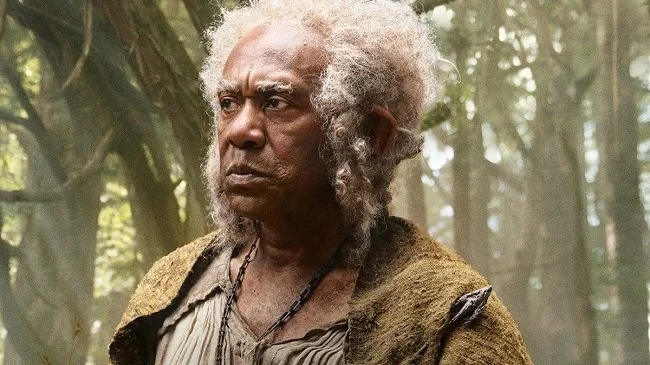
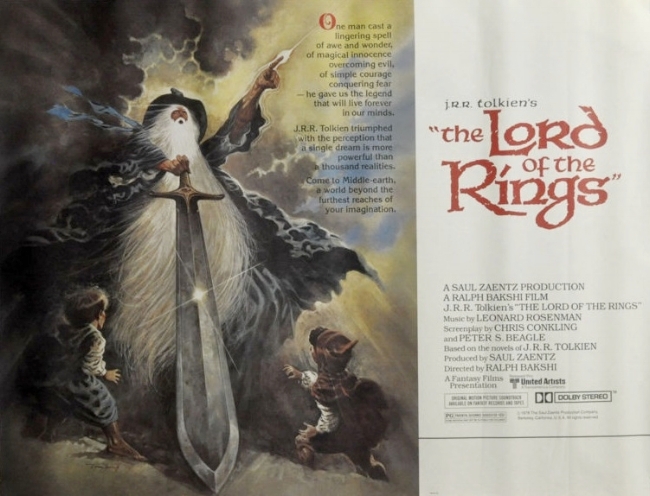
In recent years there has been a shift in position of both Middle-earth Enterprises and the Tolkien Estate. Saul Zaentz died in 2014 leading to a relaxing in licensing requirements and Christopher Tolkien stepped down as the director of his father’s estate in late 2017, further contributing to increased commercial use of Tolkien’s intellectual property. Since then we have learned that Athlon Games are developing a new MMORPG set in Middle-earth and that Amazon Prime is producing a major TV show set in the Second Age. It would appear that the firm grip that has prevailed over the last forty years is now waning and that Middle-earth Enterprises and the Tolkien Estate are more disposed towards expanding the reach and financial potential of the Tolkien franchise.
In recent years there has been a shift in position of both Middle-earth Enterprises and the Tolkien Estate. Saul Zaentz died in 2014 leading to a relaxing in licensing requirements and Christopher Tolkien stepped down as the director of his father’s estate in late 2017, further contributing to increased commercial use of Tolkien’s intellectual property. Since then we have learned that Athlon Games are developing a new MMORPG set in Middle-earth and that Amazon Prime is producing a major TV show set in the Second Age. It would appear that the firm grip that has prevailed over the last forty years is now waning and that Middle-earth Enterprises and the Tolkien Estate are more disposed towards expanding the reach and financial potential of the Tolkien franchise.
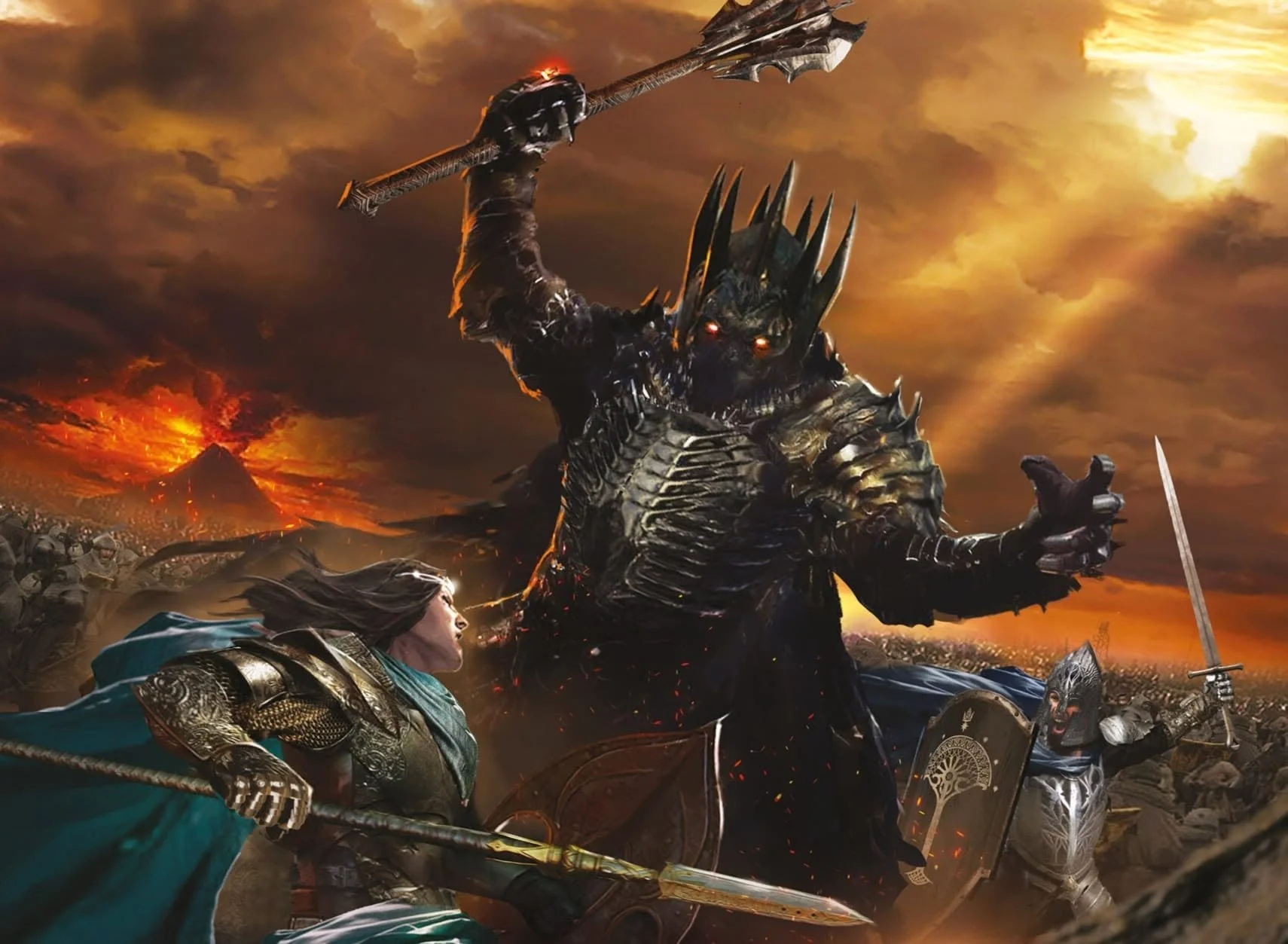
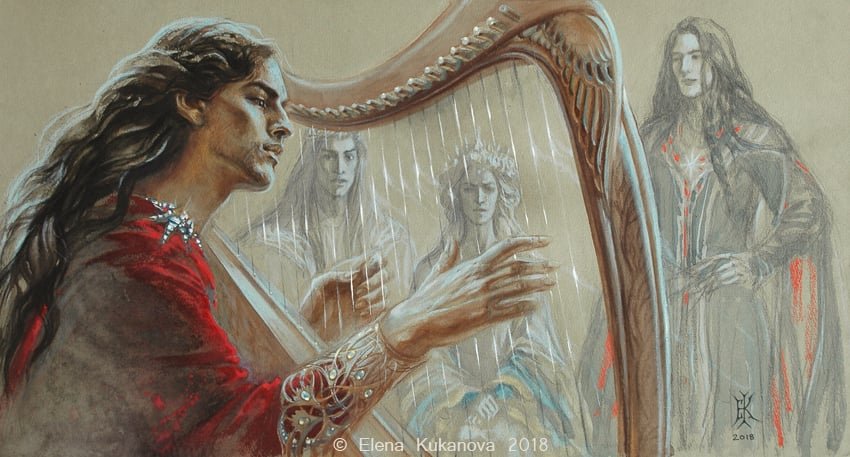
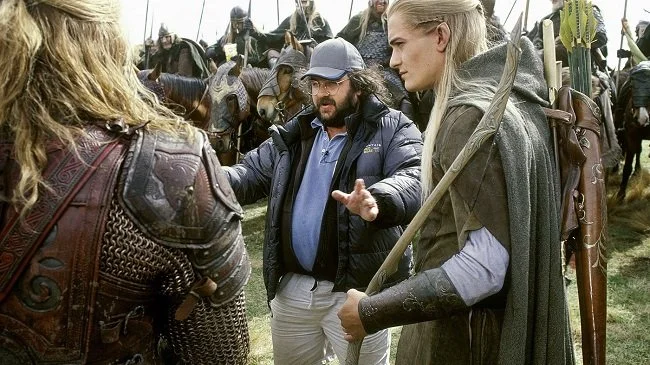
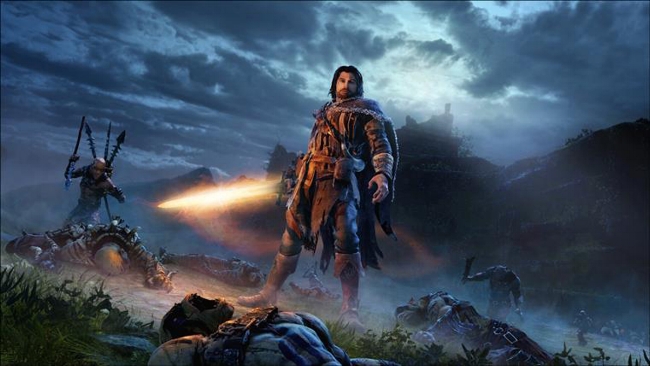
Despite the major canonical deviations made by Monolith Productions with both Middle-earth: Shadow of Mordor and its sequel Shadow of War, both games were substantial commercial and critical successes. Perhaps other studios have seen the creative possibilities that the Middle-earth IP can finally offer, now that both controlling parties are being more flexible in their approach to licensing. That is my pet theory, and perhaps it might explain the recently announced Gollum themed role-playing game that is currently in development by German video game studio Daedalic Entertainment. Of all the characters and scenarios they could have picked, the studio have elected to create a narrative driven game based upon the life of Frodo Baggins’s nemesis and former ring bearer, Sméagol. I’m not sure if this is a bold or insane move.
According to Carsten Fichtelmann, CEO and Co-Founder of Daedalic, “The Lord of the Rings is one of the most epic and renowned stories of all time - it's an honour for us to have the opportunity to work on our own contribution to this universe. In Gollum, players will assume the role of one of the most iconic characters in Middle-earth. We tell Gollum's story from a perspective never seen before, in any storytelling medium, all the while staying true to the legendary books of J.R.R. Tolkien. At a time when the games industry is undergoing structural changes and seeing new business models evolve, we are excited to realize a huge new production based on a story that has stayed fresh and relevant for more than 60 years”. As with most soundbites, it tells us very little about the game itself. Den of Geek managed to speak to Carsten Fichtelmann and Jonas Hüsges (Project Manager and Head of Business Development), although there still isn’t much to tell.
Ken Follett's The Pillars of the Earth
Due to the terms of the licensing agreement, Daedalic Entertainment will be creating their own unique Middle-earth aesthetic and are not pursuing photorealism or the visual style established by the film trilogies. Perhaps they will take the same stylised approach they did with their adaptation of Ken Follet’s Pillars of the Earth. I personally would have no issue with such a choice. The game play will potentially involve stealth, as this is an integral part of Gollum’s character (both with and without The One Ring). So maybe we will see a game mechanic similar to that of Sniper Elite or Ghost of a Tale? It has also been indicated by Daedalic Entertainment that there may be further games to follow as their license covers more that just The Lord of the Rings: Gollum. Tentatively, the game is scheduled for a release in 2021. If this title does bear any similarity of Pillars of the Earth, then it could be released on Linux, macOS, Microsoft Windows, PlayStation 4, Xbox One and iOS.
Age has greatly tempered my position on fandom and I look back at my former zealous, lore-based fundamentalism of multiple popular IPs with a degree of embarrassment and mirth. For example, did Middle-earth: Shadow of Mordor and Shadow of War take massive liberties with the source material? Yes. Did they ruin my enjoyment of Tolkien’s work? No. Did I have fun and enjoy both games? Again, yes. Therefore, however incongruous a Gollum themed role-playing game may sound, I believe there is scope for it to be of interest. Narratively speaking there’s a lot that can be done with the character with and some noticeable gaps in his back story to explore. As for a video game based around stealth and silent kills, we know that if done right, such a concept can definitely work. So I am happy to extend the benefit of the doubt to Daedalic Entertainment and remain cautiously optimistic for The Lord of the Rings: Gollum.







Cyberpunk 2077 Gameplay Reveal: 48-Minute Walkthrough
Two months ago, those attending E3 tradeshow were afforded a behind-the-scenes demo of Cyberpunk 2077 by developer CD Projekt Red. Finally, that same footage has been made available to the general public today. Here is the link. I do recommend that you watch the entire video and assimilate the details. Because, I’m sure there’s going to be a great deal of hyperbole, bluster and hype going around in the next 48 hours regarding the Cyberpunk 2077 Gameplay Reveal on You Tube. I’m sure there’ll also be a handful of professional malcontents who’ll immediately look to find fault or take a critical posture because, hey, that’s what some folks do. Speaking as a mature player of games, who takes a calm and measured approach to marketing and tries not to get sucked into the hysteria that can sometimes arise from the wider community, I must say I am intrigued by what I’ve seen so far.
Two months ago, those attending E3 tradeshow were afforded a behind-the-scenes demo of Cyberpunk 2077 by developer CD Projekt Red. Finally, that same footage has been made available to the general public today. Here is the link. I do recommend that you watch the entire video and assimilate the details. Because, I’m sure there’s going to be a great deal of hyperbole, bluster and hype going around in the next 48 hours regarding the Cyberpunk 2077 Gameplay Reveal on You Tube. I’m sure there’ll also be a handful of professional malcontents who’ll immediately look to find fault or take a critical posture because, hey, that’s what some folks do. Speaking as a mature player of games, who takes a calm and measured approach to marketing and tries not to get sucked into the hysteria that can sometimes arise from the wider community, I must say I am intrigued by what I’ve seen so far.
I was very impressed by CD Projekt Red’s last game, The Witcher III: Wild Hunt. I liked the open world, the aesthetic of the game and its level of complexity. It managed to balance the technical requirements of an RPG, with gear, skills points and system progression and ensure that it didn’t tip over into an excess of resource management. But above all I loved the story. It eschewed the binary morals of other games and offered us a world of hard decisions, complexity and consequences. And this is what appears to be at the heart of Cyberpunk 2077. Furthermore, the Gameplay Reveal seems to indicate that there are multiple paths to take with each mission that shape the outcome of content later in the game. Again, the balance between systems, the complexity of combat and narrative progression seems to be appropriate. As for the issue of first person perspective that has already been hotly debated, it seems to be justified from what I’ve seen. The way it reverts to third person for cutscenes and exposition looks like a good compromise.
I suspect that as well as a lot of hype, Cyberpunk 2077 is also going to encounter a lot of controversy as it’s release date gets close. The game is overtly political (by the developers own admission) and will explore a great deal of adult and challenging themes. Violence, transhumanism and evolving human identity will not be welcome in some quarters. And anything of a sexual nature always ruffles the feathers of the usual suspects. Oh, I’m certain that Cyberpunk 2077 will be pilloried in corners of the gaming community. Another potential issue is going to be the games minimum specifications. I think this may be the title that will force me finally replace my current four-year-old PC. However, I shall temper my modest enthusiasm, with a pinch of cynicism that I’ve learned the hard way after thirty plus years of gaming. “There’s many a slip between cup and lip” as the old saying goes. So, for the immediate future, I’ll remain just “interested” and content to just, watch, wait and reflect upon Cyberpunk 2077.
Story Driven Gaming
This is a collaborative post debating merits of emergent storytelling vs. static storytelling between myself and TheBro from MMOBro. After reading this, make sure to check out his side of the debate!
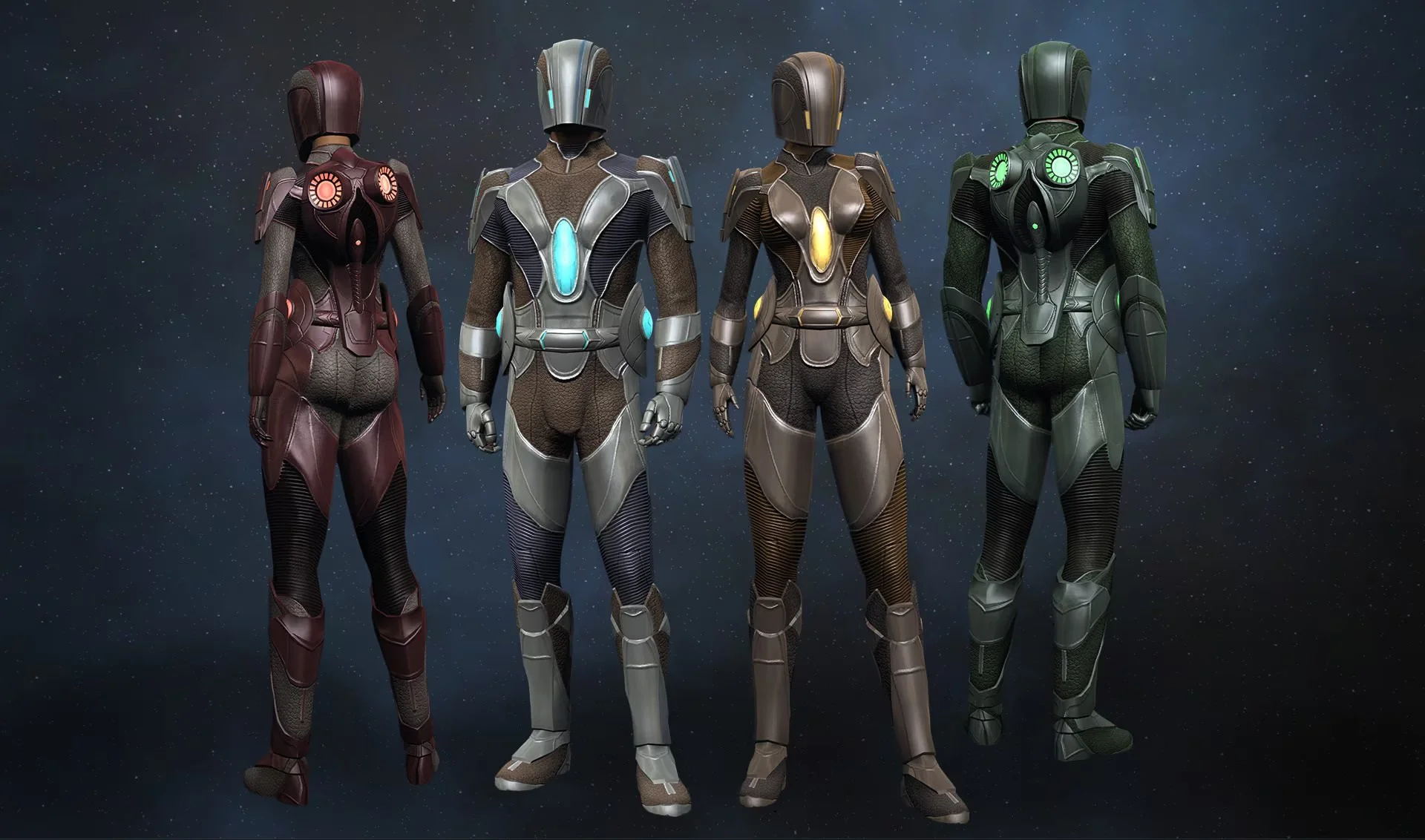
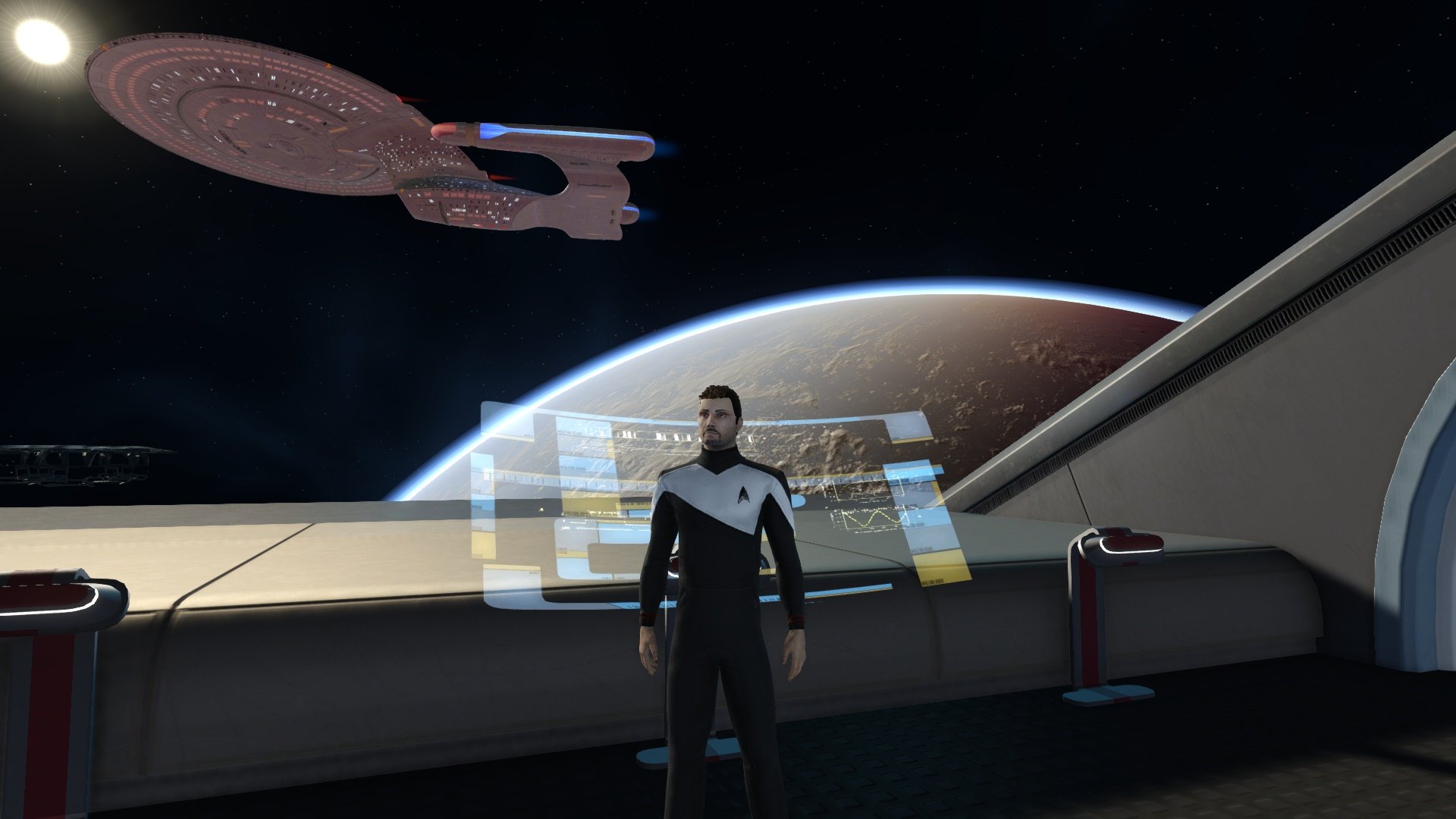
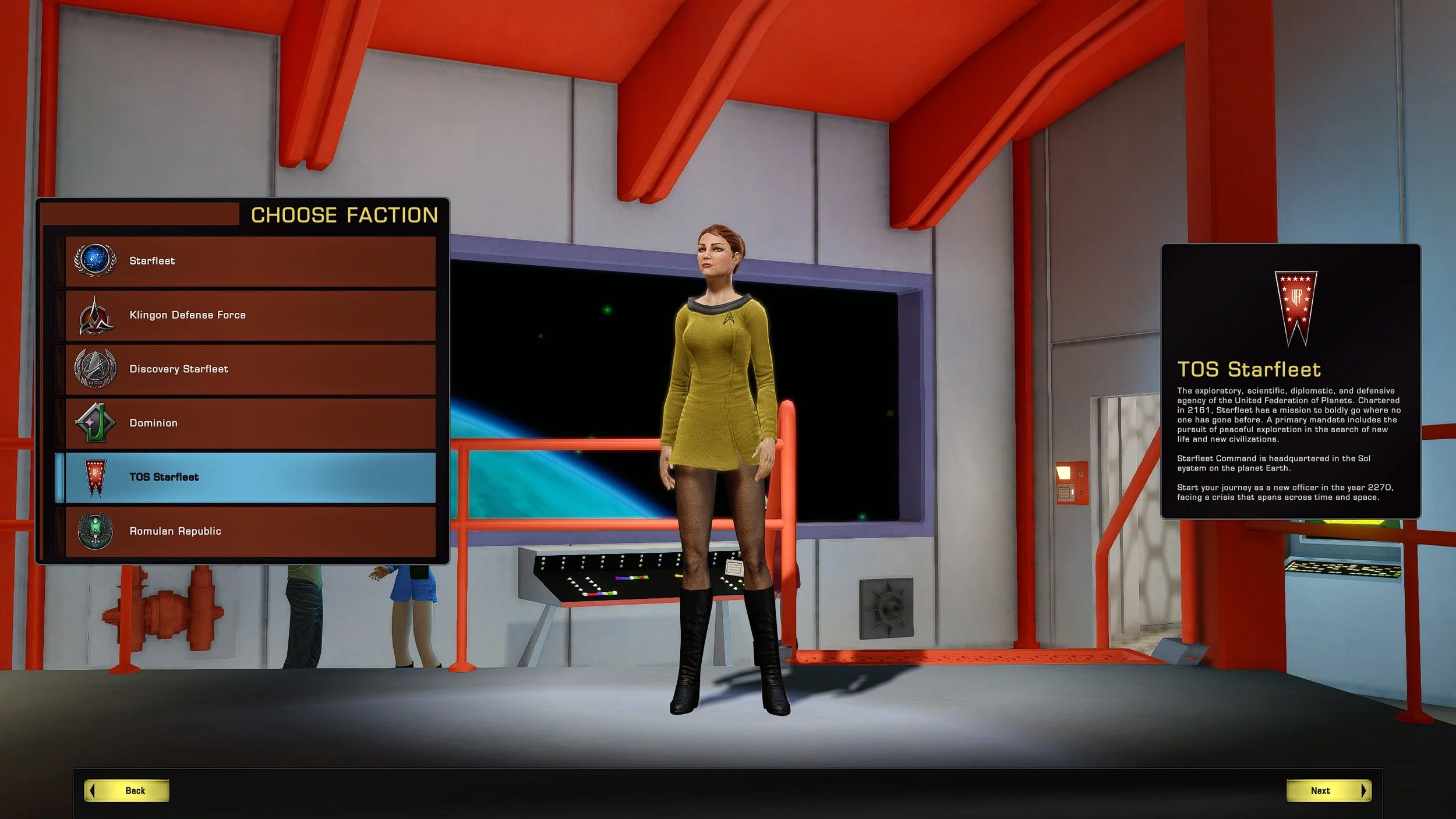
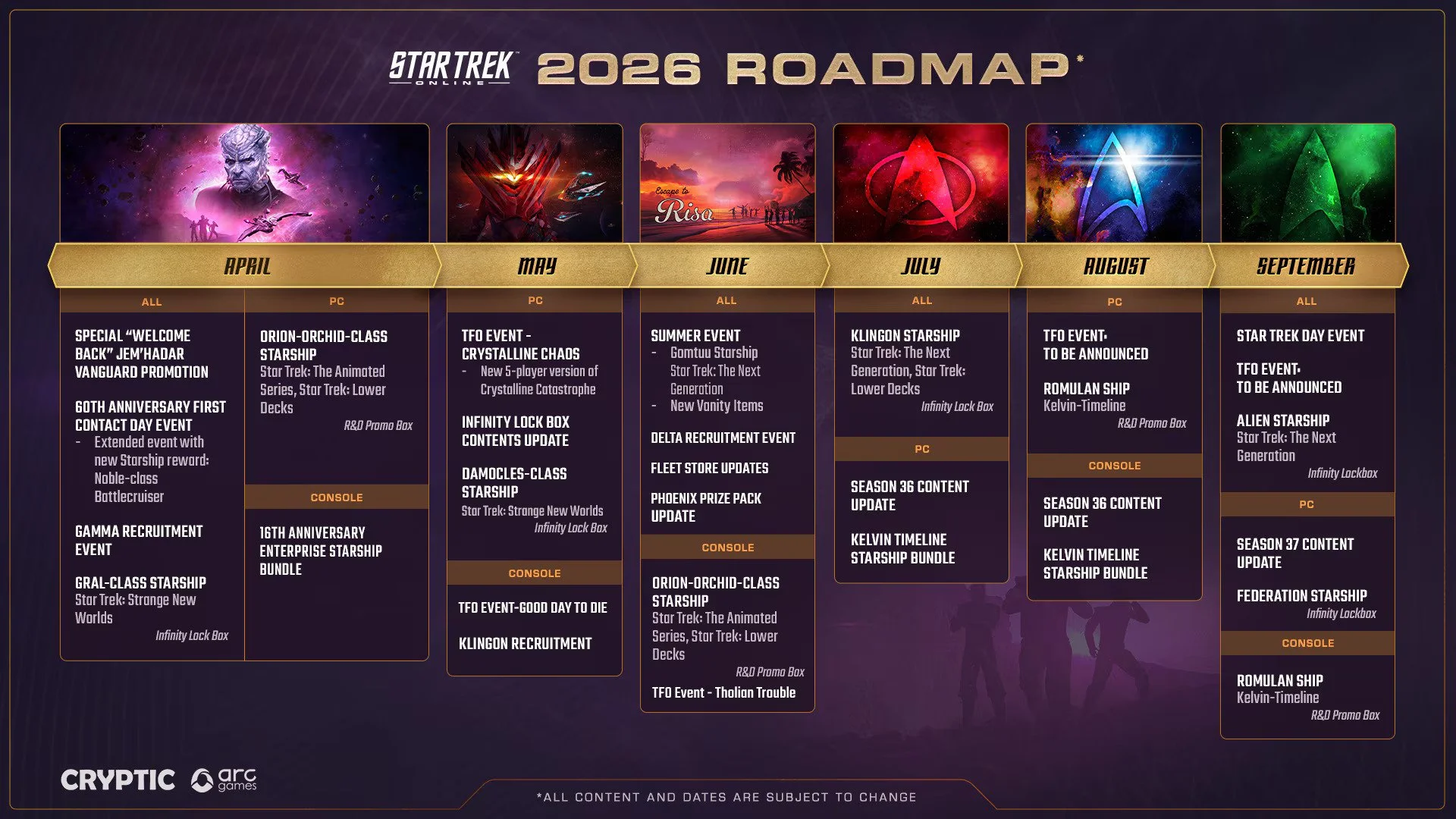
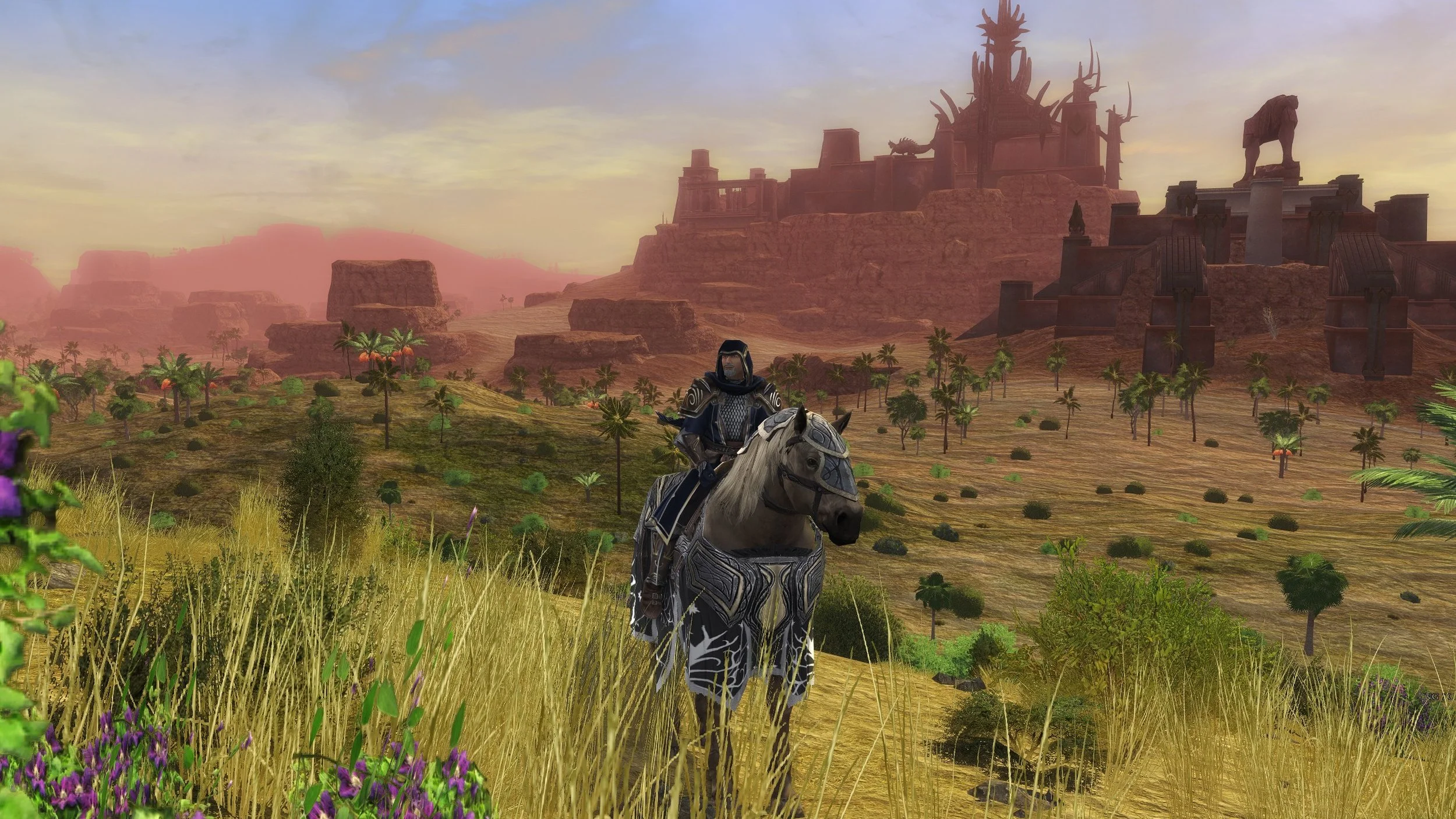
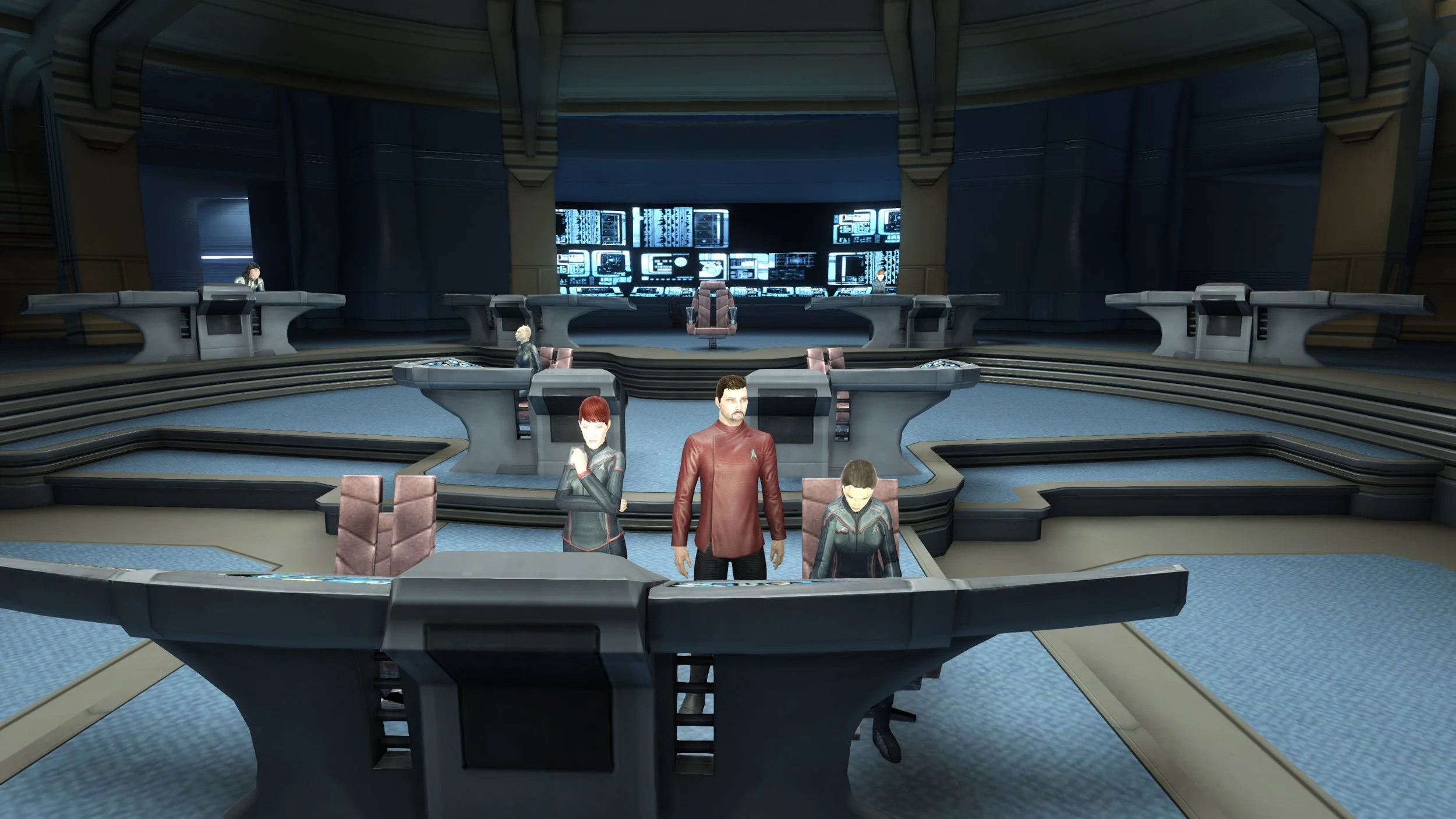
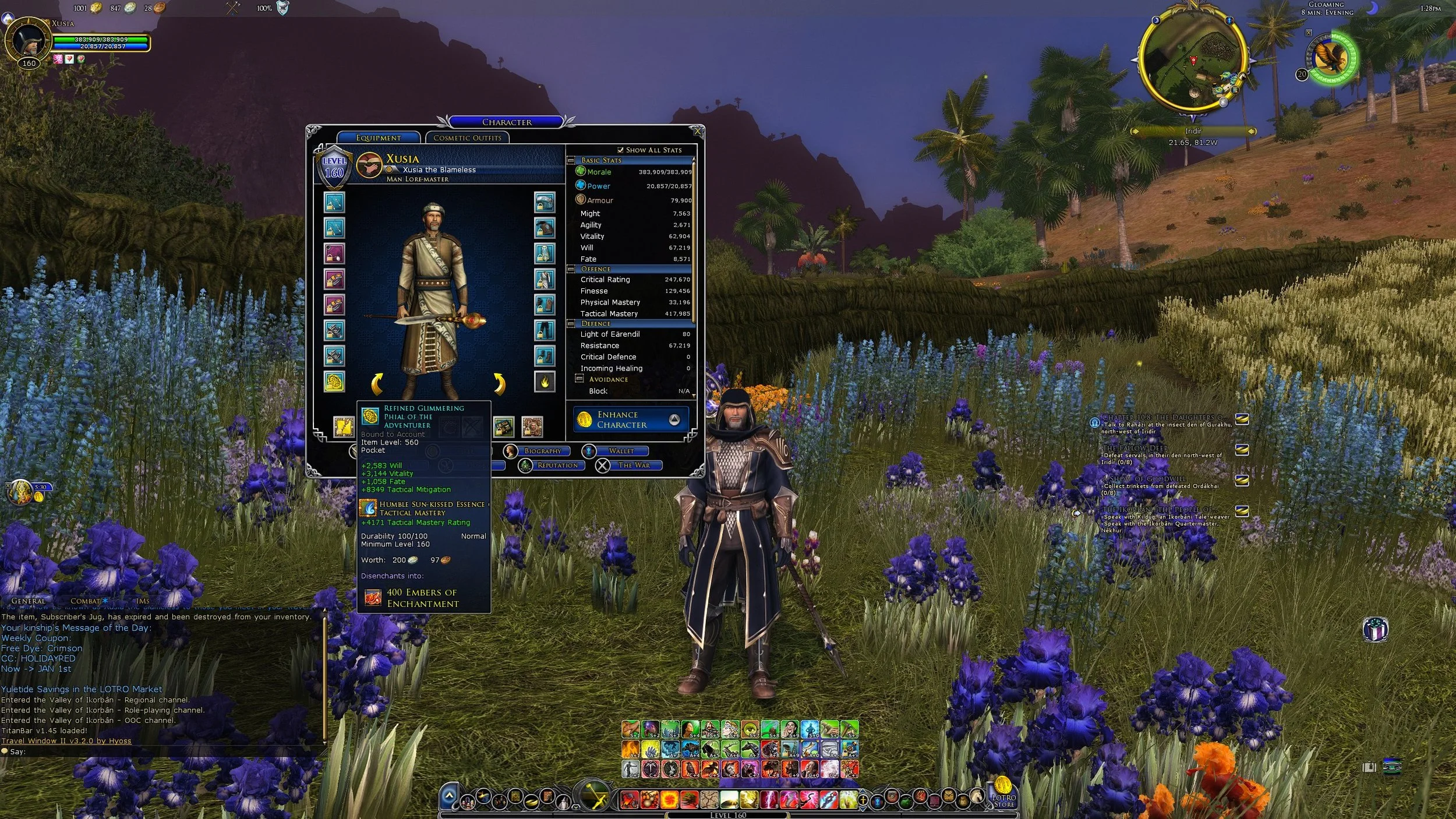
As I peruse my Steam library, it becomes very apparent that the titles I’ve spent the most time playing are those with complex and involving traditional, linear narratives. This is hardly surprising as I’ve always liked stories and have a strong affection for books with in-depth lore and complex faux histories. It is one of the reasons I enjoy Professor Tolkien’s work and therefore gravitate towards games that expand upon these intellectual properties. Games such as LOTRO and even Middle-earth: Shadow of War. Both endeavour to explore the mythology of Third Age from an alternative perspective. Through the Elder Scrolls V: Skyrim, I discovered a wealth of lore and entered a living, breathing world. Then of course there is the MMORPG Star Trek Online, that until recently has been the only source of new Star Trek content. All these diverse titles from multiple genres have one thing in common. A strong narrative that underpins each game.
This is a collaborative post debating merits of emergent storytelling vs. static storytelling between myself and TheBro from MMOBro. After reading this, make sure to check out his side of the debate!
As I peruse my Steam library, it becomes very apparent that the titles I’ve spent the most time playing are those with complex and involving traditional, linear narratives. This is hardly surprising as I’ve always liked stories and have a strong affection for books with in-depth lore and complex faux histories. It is one of the reasons I enjoy Professor Tolkien’s work and therefore gravitate towards games that expand upon these intellectual properties. Games such as LOTRO and even Middle-earth: Shadow of War. Both endeavour to explore the mythology of Third Age from an alternative perspective. Through the Elder Scrolls V: Skyrim, I discovered a wealth of lore and entered a living, breathing world. Then of course there is the MMORPG Star Trek Online, that until recently has been the only source of new Star Trek content. All these diverse titles from multiple genres have one thing in common. A strong narrative that underpins each game.
Often when gaming, once the player looks beyond the scope and setting of the title, they will find a set of repeatable tasks, endeavours and targets to achieve. RPGs and especially the MMORPG genre are built upon such systems. If I am to shoot, explore or resource farm within a game, all of which can be quite arbitrary at times, then I do like to have some motivation or narrative explanation as to why I am doing these things. These game mechanics actually become less arduous if I am provided with an interesting enough narrative and a world with its own internal logic. Star Trek Online for example can justify the most innocuous of tasks with a healthy dose of its unique technobabble. The grinding nature of the rebuilding of Hytbold, a major quest line in LOTRO back in 2012, was eased considerably by the well-crafted storyline that accompanied the undertaking.
However, a strong story can achieve more than simply justifying repeatable daily quests or progression grinds. Take an RPG such as The Witcher 3: Wild Hunt. I cannot remember a game that tackled adult themes and socially complex issues, so well. The central characters were very well defined with flaws and common foibles, making them extremely credible and identifiable. As a result, the player becomes thoroughly invested in the characters and has a clear emotional stake in their fate. For me The Witcher 3: Wild Hunt often felt like taking part in an interactive novel. Now such a concept may not be to all gamers liking, however when you consider the cultural significance of the story it is hardly surprising that they are an intrinsic part of gaming. We as a society reflect upon our history, politics and ethics through fictional narrative. I see games with epic linear narratives to be an extension of this concept. Furthermore, as games are not locked into a single outcome, as with a book, there is scope for interaction and to have multiple outcomes.
However, although I am a big advocate for strong stories and complex plots in gaming, I am not dismissing the alternative out of hand. Emergent storylines and player created content is ideal for certain genres and can add a very human element to gameplay, especially in the MMO genre. But emergent content is a very broad term and therefore one has to be careful to make appropriate comparisons. Early MMOs often took a less structured approach in terms of narrative. Ultima Online being a clear example of this. The narrative experience where shaped by the activities of player guilds and their interactions. High profile betrayals and assassinations would alter power struggles. Economic manipulation would also have an impact upon persistent worlds. We still see all these aspects today in EVE Online with its territorial wars, bank heists and political subterfuge.
However, these events and emergent stories have several disadvantages. They are unique and time specific. For those who were present and participated, they may well be exceptionally gripping and entertaining but if you weren’t their then you missed it all. An embedded narrative has no expiry date. Another consideration is that emergent stories and interaction often stem from the players being active in the community beyond the game itself. Guilds socialise, plot and scheme outside of the game via forums and subreddits. Social groups have hierarchies with people playing specific roles. Yet MMOs are filled with “average players” who are not always involved with the wider aspects of a game. For them, emergent stories and events are something that happen to other people, assuming they get to hear about them at all. These more passive players only experience the outcome, rather than shape it. Perhaps it can therefore be argued that player generated content is really only of benefit to the more involved player. The player with the time and inclination to devote a great many hours to a single game.
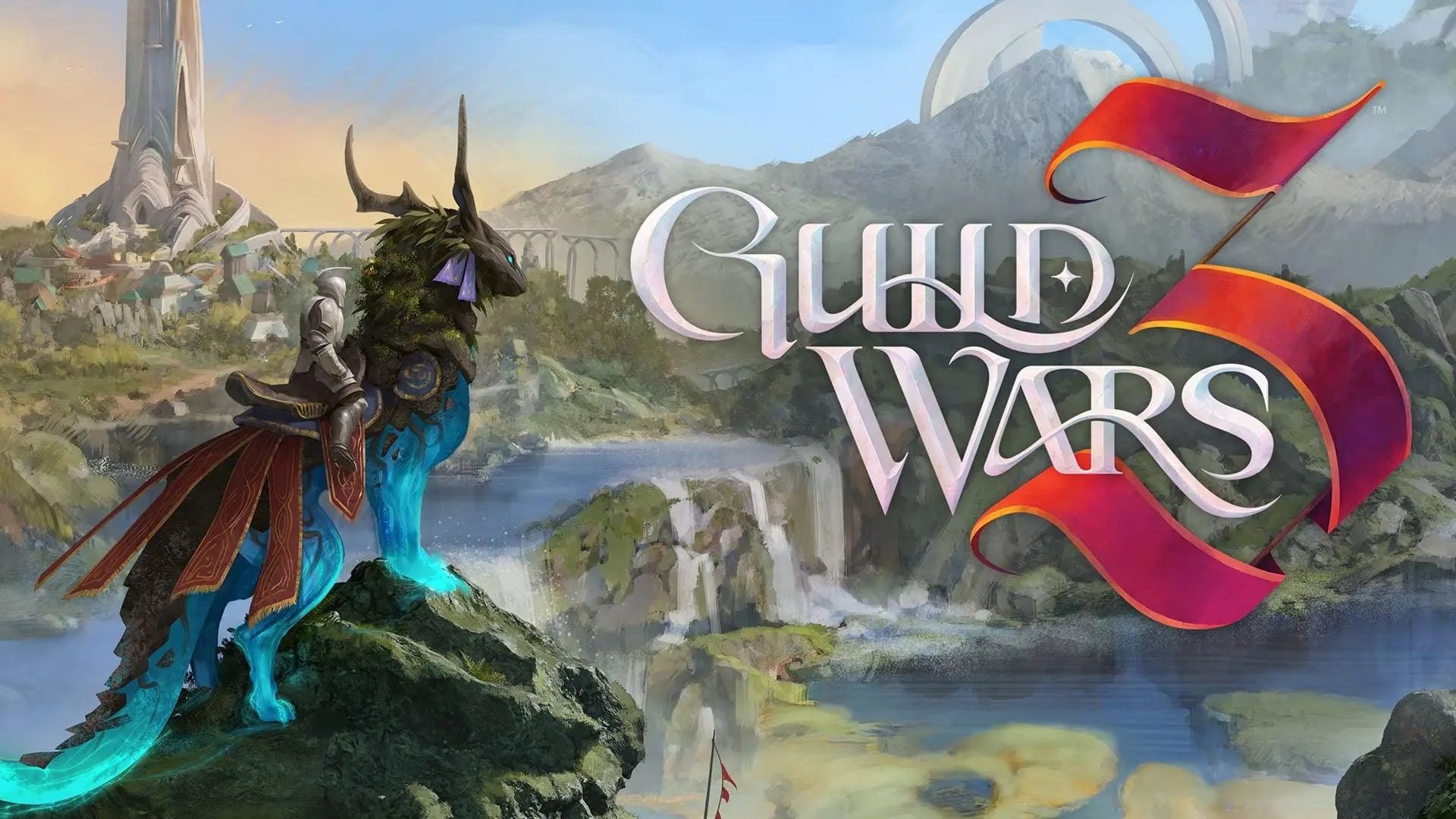
Another concern I have regarding players shaping the narrative and direction of events in a game such as EVE Online, is that the driving force may not always be a positive or pleasant one. The socio-political dynamic of games of this ilk too often manifests as betrayal, hostile acquisition or economic chaos. Although these are good themes narratively, I tire of the continual race to the bottom that such behaviour encourages. We have enough of this in real life and I do not always wish to find such thing reflected in games, especially MMOs. It is also worth considering that the open world environment that encourages emergent gameplay is an incentive to some and a source of confusion to others. I have spoken to players in both Guild Wars 2 and The Elder Scrolls Online, who are lost without the structure of clear cut quest hubs and mission objective. Choice is not always a good thing and suits all taste. And let us not forget that player generated content in such games as LOTRO. This is often roleplay driven and centred around telling tales, reading poetry and playing in a band. For those of a creative persuasion this is hog heaven. For others it again proves to be a somewhat passive or even exclusionary experience.
Then there are those players who are never going to be interested in a story based narrative of any kind. They are not motivated by plot or characters and will skip all quest explanations and in-game cutscenes. This is the kind of gamer whose pleasure hinges upon achievement, leader boards and the actual process of playing. Competitive games do not need a narrative, although there is a backstory to titles such as Overwatch. Games of this idiom are driven by league tables and success. The reward is pride and bragging rights. In fact, you could strip back the details regarding some games setting and who the various factions are, choosing to present them as simply the red and blue team in arena number three. Because if the gameplay is fun and challenging, then that will suffice for some gamers.
Like novels and movies, a narrative driven game can provide more than just an enjoyable ride. It can focus and raise awareness of complex moral, social and political issues. MMOs and RPGs can inform and make us think about difficult matters. Of course, that is not to everyone liking and some wish games to be entirely free of such elements. But for me, I find narrative games to be the next step in our ongoing evolving relationship with storytelling. Although I am not averse to MMOs and other genres that focus on player generated narratives, I favour the traditional story based approach. Hardly surprising from someone who enjoys writing. However, there are many views on this matter other than my own perspective and ass ever there is no definitive right or wrong answer. For an alternative take on this subject, The Bro over at MMOBro has written an interesting piece favouring emergent storytelling.
Mafia 3
As I’m between MMOs at present, I decided to purchase a single player game to keep me occupied, until Middle-earth: Shadow of War is released. I settled on Mafia 3 as I had played the previous instalment of the franchise and enjoyed it. As this title came out last October it can now be picked up at a substantial discount if you’re prepared to shop around. There is no game of the year edition at present but I did manage to buy the digital deluxe version for £22, which is a good price. This includes a season pass so I have all the currently released DLC. There is sufficient content available to keep me busy for a month or so. So far, I’ve clocked up 40 hours in-game according to Steam.
As I’m between MMOs at present, I decided to purchase a single player game to keep me occupied, until Middle-earth: Shadow of War is released. I settled on Mafia 3 as I had played the previous instalment of the franchise and enjoyed it. As this title came out last October it can now be picked up at a substantial discount if you’re prepared to shop around. There is no game of the year edition at present but I did manage to buy the digital deluxe version for £22, which is a good price. This includes a season pass so I have all the currently released DLC. There is sufficient content available to keep me busy for a month or so. So far, I’ve clocked up 40 hours in-game according to Steam.
The most striking aspect of Mafia 3 is the story. The game has a very strong narrative that is well written and researched. Set in New Bordeaux, a fictitious version of New Orleans, in 1968 the plot plays out against a background of unrest, civil rights activism and entrenched racism. The writers haven’t shied away from exploring the big socio-political issues of the time. Lincoln Clay is a great protagonist and the supporting characters such as Father James and John Donovan are far from two dimensional. It’s also nice to see the return of Vito Scaletta from Mafia 2. Overall the performances from all the voice actors are good. Although the revenge story is formulaic, the gold is in the depth of characters and the credible reflection of the era, politics and mood of the time.
Mafia 3 offers a very diverse open world environment. There are modern business and civil districts, along with rich and poor residential areas. The game sports a sense of contemporary sixties architecture, as well as colonial elegance. However, if you journey into the bayou you’ll find an abandoned amusement park and decaying shanty towns. As with most games of this genre, there’s a well-defined network of roads and players are encouraged to travel by a wide range of vehicles. The game radio stations are an interesting mixture of music, talk shows, news and faux adverts. The developers have paid top dollar to get the licenses for numerous high profile sixties hits. The game features songs by Jimi Hendrix, The Rolling Stones, Sam and Dave, James Brown and Jefferson Airplane.
However, where the game setting, environment and narrative are all top drawer, the nuts and bolts of Mafia 3 are somewhat formulaic. The third person, cover based combat system is nothing unusual. It’s functional but not sufficiently different or innovative. Once you’ve completed the first act of the story, the game settles down into a series of repetitive quests. To secure each district you have to do the same things, namely destroy or disrupt existing operations, take out key intermediate figures then dispose of the zone boss. Takedown animations also lack variations. The AI is somewhat wonky. Mobs will openly hunt you down which can be a little taxing at the beginning but once you have the right weapons and perks, it becomes a turkey shoot. There are other minor niggles such as no fast travel and a limitation on the number of weapons you carry.
However, the failings of some of the game mechanics are offset by the collectables system and mini games such as racing. These offer a sense of variety. Collectables include albums, Playboy magazines, various types of posters and even religious literature. The Playboy magazines are actually reproductions of genuine issues from the time. I was surprised to find that the old cliché about them featuring “good articles” was actually true. There was an extensive four-page discussion with Stanley Kubrick which was very informative. However, collecting offers no tangible benefit other than the fun of acquiring items. It doesn’t impact upon the game in any way.
From what I’ve seen so far after a week of playing the Mafia 3, the game has pretty much all the same pros and cons as it predecessor Mafia 2. The story and characters are by far the best aspect of the game and if that was lacking, you’d be left with a somewhat average and undistinguished game. But because I favour games with strong story based narratives, I am happy to play through some of the more grindy content to access the major set pieces that punctuate the proceedings. As gamers, I think there is often an unrealistic expectation for ever new game to be a unique experience. For me Mafia 3 is flawed with good and bad points but overall the good outweighs the bad. I enjoy the RPG elements of the game the best. Trying to secure the outcome I want is certainly an amusing challenge. And because of the price I paid, the fun to cost ratio is satisfactory.
Game Maps
I've been pondering of late the subject of game maps and how they can vary quite radically from title to title. Size, content and instancing can all have an impact on a maps accessibility and the way they are perceived. Then there is the issue of individual player tastes and preferences. Those who like to explore will happily spend time attempting to access remote nooks and crannies. Others will quickly become frustrated if there is no direct route to their goal, as with Guild Wars 2: Heart of Thorns. A games genre also has a significant impact upon map design. A FPS or MOBA has different requirements from it virtual environment that an MMO. I'm sure there are far more variables involved in a maps creation. However, I think most gamers seem to inherently know when the developers have got it right.
I've been pondering of late the subject of game maps and how they can vary quite radically from title to title. Size, content and instancing can all have an impact on a maps accessibility and the way they are perceived. Then there is the issue of individual player tastes and preferences. Those who like to explore will happily spend time attempting to access remote nooks and crannies. Others will quickly become frustrated if there is no direct route to their goal, as with Guild Wars 2: Heart of Thorns. A games genre also has a significant impact upon map design. A FPS or MOBA has different requirements from it virtual environment that an MMO. I'm sure there are far more variables involved in a maps creation. However, I think most gamers seem to inherently know when the developers have got it right.
For me one such example of a map being "just so" is Skyrim. The landmass is about sixteen square miles, which is big but pales into significance when compared to Just Cause 2 which clocks in at four hundred square miles. However, the thing that Bethesda has got right with Skyrim is the balance between the size of the area, the amount of content and aesthetics. The day and night cycle, coupled with procedurally driven events makes it feel like a living environment. You can watch as villagers go about their tasks and farm animals graze for food. The fact that there's no instancing when travelling above ground until you entered a building, also provides an air of authenticity.
In the halcyon days of LOTRO, Bree-Land was prime example of a rich and varied MMO game map. Although it doesn't have the faux living dynamic of other games, it remains a large and varied landmass with plenty of content to seek out. It also makes a half decent attempt at realising the geography as written in Tolkien's source text. LOTRO still remains a game with a handsome world design but the regions that have subsequently been added of late are far more functional in their construction. Players often cannot access certain areas due to rivers and mountains and find themselves funnelled through pleasant zones on the way to the next quest hub. However more recent MMO's such as ArcheAge and Guild Wars 2 still encourage the exploration of their game worlds and have devised content around players desire to do so.
The open world cities of Mafia 3 or GTA V can also be compelling environments to immerse oneself in. Like their real-world counterparts, both New Bordeaux and Los Santos have distinct zones such as commercial and residential areas. Again random events occur to the citizens as you travel through the map. Weather systems and a customisable day and night cycle again lend credibility to the setting. Unlike fantasy games, these titles have the advantage of contemporary embellishments such as radio stations, roadside advertising and inner-city congestion; all adding to the overall ambience. You can visit bars and diners and watch “life rich pageant” unfold, or at least the developers nearest approximation of it.
However, game maps are still very much determined by the prevailing technology and although things are progressively getting better, there are still limitations. The MMO genre not only has to consider such factors as draw distances and texture loading but there is the question of the players themselves. The game engine has to accommodate both the environment and the population. Unless you have a very high-end gaming PC, then you will often notice system foibles such as "pop-in" as objects appear as you get closer to them. SWTOR and LOTRO are two older MMOs that suffer from this technical idiosyncrasy. Often developers will try to fudge this by blocking line of sight or introducing haze, fog or some other environmental workaround. Single player games have different demands upon them, allowing titles such as Crysis to have draw distance of over nine miles.
Irrespective of a maps design, its success ultimately depends upon how well it is integrated into the game. The two zones of Mordor and Nurn in Middle-earth: Shadow of Mordor are relatively small but diverse and well implemented. There is a wealth of topographical features that break up the landscape in a very organic way. Unlike some MMOs, this is not done is such an arbitrary and linear fashion. North Africa is well realised in Sniper Elite III, affording the player multiple routes to various targets, across varied terrain. This greatly enhances the re-playability of the game. In Sniper Elite IV, the Sicilian villages and seaports are extremely credible and authentic. The rolling fields and forests of The Witcher 3: Wild Hunt are expansive and atmospheric with a distinctly Eastern European feel to them. Furthermore, the landscape is populated in a credible fashion. Bandits will make use of remote and covered areas. Regions of Wilderness are appropriately empty with minimal amounts of NPCs.
Conversely the London maps in a game such as Sherlock Holmes: Crimes and Punishments are far less dynamic and more functional. They are mainly there for ambience and provide little more than a conduit between each crime scene. The maps in both FPS and MOBA genres, have additional criteria to consider. The fluid nature of their game play requires a different approach to their construction. Multiple routes and chokepoints are common place in such designs. Snipers require vantage points but these need to be relatively exposed to ensure that a single location doesn’t dominate the game. The Battlefield franchise takes map design a stage further, with a mechanic that allows players to destroy the environment and thus change the dynamics of the game. This was to be an integral feature of the now defunct EverQuest Next, although I suspect would have been subject to a wealth of caveats.
As players, we also bring a human element when we interact with game maps and there are many factors that shape our perceptions. Ambient music or when or who we’re playing with, influence how we feel about specific in-game zones. As a result, we often have personal favourites. Evendim in LOTRO is an example of a map that I have fond affection for. More recently the region of Toussaint in the Blood and Wine expansion for The Witcher 3, attracted my interest. It’s a sunny and luxuriant zone and a radical change from the usual ice or desert archetypes you find in so many games. Hopefully, as game technology and the hardware it runs on evolves, we will see map design advance accordingly. I look forward to experiencing larger, more detailed open world environments populated with flora and fauna that have their own lifecycles.
Two Worlds II: New DLC After Seven Years
I bought a bundle of games in August 2014, which included the RPG Two Worlds II and its expansion, Pirates of the Flying Fortress. With such purchases, there is a tendency to adjust your expectations in accordance to your financial investment. However, I pleasantly surprised to find Two Worlds II a quirky and enjoyable role-playing game. The animations and combat are somewhat clunky but the loot system that allows you to break down every item into upgrade components, is useful. The game also boasts a customisable spell system, that utilises collectable cards as modifiers. It is quite an innovative mechanic and certainly allows players to create builds that suit their tastes. Two Worlds II benefits from a pleasing soundtrack and a standalone expansion that offers a superior story to the base game. Not every RPG can be a Skyrim or Witcher 3. Two Worlds II is an acceptable genre title to play between such releases.
I bought a bundle of games in August 2014, which included the RPG Two Worlds II and its expansion, Pirates of the Flying Fortress. With such purchases, there is a tendency to adjust your expectations in accordance to your financial investment. However, I pleasantly surprised to find Two Worlds II a quirky and enjoyable role-playing game. The animations and combat are somewhat clunky but the loot system that allows you to break down every item into upgrade components, is useful. The game also boasts a customisable spell system, that utilises collectable cards as modifiers. It is quite an innovative mechanic and certainly allows players to create builds that suit their tastes. Two Worlds II benefits from a pleasing soundtrack and a standalone expansion that offers a superior story to the base game. Not every RPG can be a Skyrim or Witcher 3. Two Worlds II is an acceptable genre title to play between such releases.
After playing through Two Worlds II and the subsequent expansion I deleted the game from my hard drive. After all, this was a title that was originally released in late 2010 and as far as I was concerned the game’s life cycle had come to an end. Turns out I was wrong. Not only about the games life cycle but in my assumptions about the franchises popularity. Because over the weekend I received a marketing email from publishers TopWare regarding new DLC for Two Worlds II. Here is some of the promotional blurb. “After the blockbuster success of Two Worlds II: Pirates of the Flying Fortress, TopWare Interactive and Reality Pump Studios have created a brand new chapter in the phenomenal RPG series! With an all new HD graphics engine, new enemies, weapons and a completely revamped alchemy system, Two Worlds II: Call of the Tenebrae will take you on yet another immersive adventure through the world of Antaloor! But the adventure doesn’t stop there for season pass holders! The Season Pass also includes the follow-up DLC, Two Worlds II, Shattered Embrace, which will launch during Q4 of 2017. Don’t miss out on the chance to continue the fight in Antaloor!”
The first thing that ran through my mind was “who resurrects a game after six years” but the more I thought about it, the more I realised that there are examples of this happening before. Star Wars: Knights of the Old Republic 2 and Anarchy Online are two that immediately spring to mind. Then of course there is the vogue for "remasters" with older titles being given graphical overhauls. Modern warfare, Bio-Shock and Skyrim have all had such revisions made to them. Then there is the issue of sales and the dreaded “number of units sold”. It turns out that Two Worlds II has quite a following in Europe and has shifted over two million copies. North American and international sales add a further million to the total. As developers and publishers are not known for their charitable tendencies, one must assume that the new DLC has viable sales potential.
As I’m between RPGs at present and still mourning the end (for the immediate future) of The Witcher franchise, I decided that developers Reality Pump have sufficient goodwill in my eyes, for me to take a punt on the new content for Two Worlds II. So, I bought a season pass at the discounted price of €29.99 as I’m apparently such a “loyal customer”. Although I’ve read some marketing material, I’m going to try and dive in to this game relatively blind upon its release on June 15th. Hopefully the DLC will be as unusual and fun as the previous content. Furthermore, in light of this development, perhaps my hopes for a third instalment of the World War II co-op shooter, Hidden & Dangerous, are not as misplaced as I initially thought.
Looking for the Right RPG
Sometimes when you try something new, you can inadvertently enter the market at the top end. For example, if the first fantasy novel you read may be The Lord of the Rings or the first RPG game you play is either Skyrim or The Witcher 3: Wild Hunt, then you’re definitely dealing with A list products. Although this has the benefit of providing a high quality personal experience, it also comes with a downside. The bar for such content has now been set extremely high and subsequent forays into similar territory may not be as good or enjoyable. To use a clumsy analogy, once you’ve had Châteauneuf-du-Pape, your local stores economy brand may no longer suffice.
Sometimes when you try something new, you can inadvertently enter the market at the top end. For example, if the first fantasy novel you read may be The Lord of the Rings or the first RPG game you play is either Skyrim or The Witcher 3: Wild Hunt, then you’re definitely dealing with A list products. Although this has the benefit of providing a high quality personal experience, it also comes with a downside. The bar for such content has now been set extremely high and subsequent forays into similar territory may not be as good or enjoyable. To use a clumsy analogy, once you’ve had Châteauneuf-du-Pape, your local stores economy brand may no longer suffice.
I have grown to like RPGs in recent years. I enjoy the open world environments and the scope they offer for epic story telling. When done well an RPG creates the illusion of a living world. This can range from major events that have an impact upon the landscape, all the way down to the banter that is exchanged between NPCs in the town centres. For me the most important factor in all of this is the underlying narrative. I want to like the central character and participate in an engaging story. Effectively, The Witcher 3: Wild Hunt has spoilt me rotten and I would very much like to have a comparable experience with another title. However, finding such a game can prove difficult.
Recently I revisited Arcania: Gothic 4 and played through the main game as well as the expansion, Fall of Setarrif. The game's mechanics are perfectly adequate and the combat, crafting and skills point allocation have been straight forward. The game engine is not too shabby and ingame world looks quite vivid. The climate changes from sunshine to rain and the wind sways the foliage, producing a pleasant and credible environment to explore. The different zones do feel a little to artificially hemmed in at times, which can break the illusion that this is a true open world but it’s not a deal breaker. Sadly the sea is not accessible and you cannot swim from the coastline due to invisible walls
The character models are acceptable but upon closer inspection are repeated quite a lot within the game. You cannot customise the look of the character that you play, which is a little disappointing. The voice acting is also somewhat patchy and there are dialogue glitches that occur from time to time. The subtitles do not always match what is said, which can be both confusing and hilarious. Which leads me to the games overall story which is sadly an arbitrary fantasy adventure. It not excruciatingly bad and I've endured far worse in the past. It's just very generic with the usual tropes, faux lore and geographical locations. The dialogue is a very stylised form of "Olde English" with liberal use of UK colloquial slang.
It's a shame that there aren't more open world games based in different settings. The RPGs, despite having some high-profile forays in to the science fiction genre, still seems to be predominantly, fantasy-centric. Can we not have a change? This is one of the reasons I like Sherlock Homes: Crimes & Punishment and The Testament of Sherlock Holmes. I love the authentic Victorian world that developers Frogwares have created with its attention to detail and period atmosphere. Such an environment would be ideal for an RPG but sadly these games are not technically of that genre and merely hint at the potential of true open world. The bottom line is that fantasy sells, having a tried and tested track record, so it takes a bold vision to do something different.
Even with the latest technological resources, creating an expansive open world game which simulates a living world, as well as populating it with well-defined NPCs, is time consuming and expensive. As a result, game’s such a Skyrim and The Witcher 3 are few and far between. The PC port of Grand Theft Auto V, despite sporting a fantastically detailed sandbox environment sadly lacked the depth of narrative that I look for. It was a similar story with Watch Dogs. It makes me wonder if the RPG genre will ever reach its full potential, due to the fact that gamers aspirations and developers financial imperatives seem to be at odds with each other. In the meantime, I'll soldier on and try another of the RPGs I have in my Steam catalogue. Let’s see if there’s any mileage in Risen 3: Titan Lords.
New Content or Rinse and Repeat?
Over the weekend I finally finished the Blood and Wine DLC for The Witcher 3: Wild Hunt. By which I mean I’ve completed the main story (and achieved the “best” of three possible outcomes) and all (allegedly) of the secondary quests. It’s hard to tell with this game; it may well still have surprises to spring within its open world. However pedantry aside, to all intents and purposes I’ve played through the game. This got me thinking about the thorny issue of game content because The Witcher 3: Wild Hunt and all its DLC contains a lot. Playable content is a subject that frequently comes up when discussing games because there is no standard quantity. Furthermore the nature of content itself varies. Some is meant to be unique where other is specifically designed to be repeated. Whatever a developers approach to this issue, a game’s content is certainly a key selling point.
Over the weekend I finally finished the Blood and Wine DLC for The Witcher 3: Wild Hunt. By which I mean I’ve completed the main story (and achieved the “best” of three possible outcomes) and all (allegedly) of the secondary quests. It’s hard to tell with this game; it may well still have surprises to spring within its open world. However pedantry aside, to all intents and purposes I’ve played through the game. This got me thinking about the thorny issue of game content because The Witcher 3: Wild Hunt and all its DLC contains a lot. Playable content is a subject that frequently comes up when discussing games because there is no standard quantity. Furthermore the nature of content itself varies. Some is meant to be unique where other is specifically designed to be repeated. Whatever a developers approach to this issue, a game’s content is certainly a key selling point.
Both the RPG and MMO genres are very much dependent on the volume of content that they contain. New releases need to ensure that the player has a viable amount of content to work through. It’s the same with expansions and DLC. Players want to feel they are getting “value for money” although that can prove a somewhat nebulous term to quantify. However creating quality new content for both these genres, is both expensive and time consuming. It requires input from writers, programmers and a plethora of other creative artists. Furthermore regardless how much is produced, players always seems to burn through it too quickly. Consumption and demand simply cannot be met.
One solution to this conundrum is to encourage players to replay old content. This is common in the MMO genre and is also applicable to RPGs. With a game such as The Witcher 3: Wild Hunt, due to the multiple story outcomes, there is a sufficient incentive to play again. Some MMOs will offer you a degree of new content if you play through old content with a new class or faction. SWTOR does this well, offering a bespoke central regardless of what character you choose to play. Guild Wars 2 also provides a similar degree of variety. Star Trek Online also does this to a degree, offering unique stories to each faction for the first third of the game. After that the remainder of content available is standardised. However Cryptic have cunningly devised ways to encourage players to repeat content. Last year saw the Delta Recruitment event and the current expansion, Agents of Yesterday, provides further incentives. Enhanced XP, bonus Dilithium, improved loot drops and account wide unlocks can encourage even the most reticent of STO players to do it all again.
Sadly there are many examples of games that are far from generous with their content. Star Wars Battlefront for example launched with a woefully poor amount of maps and game modes. Subsequent DLC has addressed this to a degree but that didn’t benefit those playing on day one of the game’s launch. Also many of the ageing MMOs suffer from a lack of new content. A declining player base means less revenue which inevitably means less frequent new content. LOTRO is a prime example of this. Since the game moved from paid expansions to free updates, most new content has just been variations on existing themes. It keeps the faithful quiet but does not bring new players to the game. Guild Wars 2 has also suffered from lack of regular new content. Last year’s expansion was aimed squarely at those players at level cap and the new content was far from universally well received. Beyond that the base game endured without any significant update for several years.
As a player, a simple solution to this problem is to not be an early adopter. Starting an MMO a year or so after launch often ensures a fair amount of content will be available. Once the game of the year edition of an RPG is released, twelve months after the initial launch, players often find the game bundled with all DLC and a lot of bug fixes. I tackled Skyrim in 2013, eighteen months after it’s release and as a result got over three hundred hours of enjoyment out of the game. However the issue of repeating content is a more difficult matter. Some players simply don’t like to play through material they’re already familiar with. It’s a position I have a degree of sympathy with as it’s not something I always enjoy. Certainly there is no incentive when it comes to older MMOs unless the games developers make it so. At present replaying through Rift, or Age of Conan: Unchained will not be significantly different experience to how it was five years ago.
Conversely music, books, films and TV can all be revisited at a later date after their original consumption, to varying degrees of success. This may be due to the respective depths of these mediums and the fact that content of these genres can be multi-layered and nuanced. Each visit can potentially yield something new or a broader meaning. The fact that we change with age and experience may also aid this process. Games may not necessarily follow suite. Gaming mechanics do not always offers such varied outcomes and unfortunately many games still suffer from poor narratives, especially the RPG and MMO genres. Overall I think that for the immediate future there is no long term solution to this problem. Content availability is still going to be a sticking point for both developers and gamers. Perhaps the future lies with games that side step this issue. Procedurally generated content is one option as is simply relying on non-narrative driven genres. Perhaps Pokémon GO and Overwatch ultimately offer greater longevity, due to their non-narrative nature. The content in these cases is the unique experience of actually playing the game. If that is the case we may need to rethink exactly what the definition of content is.