
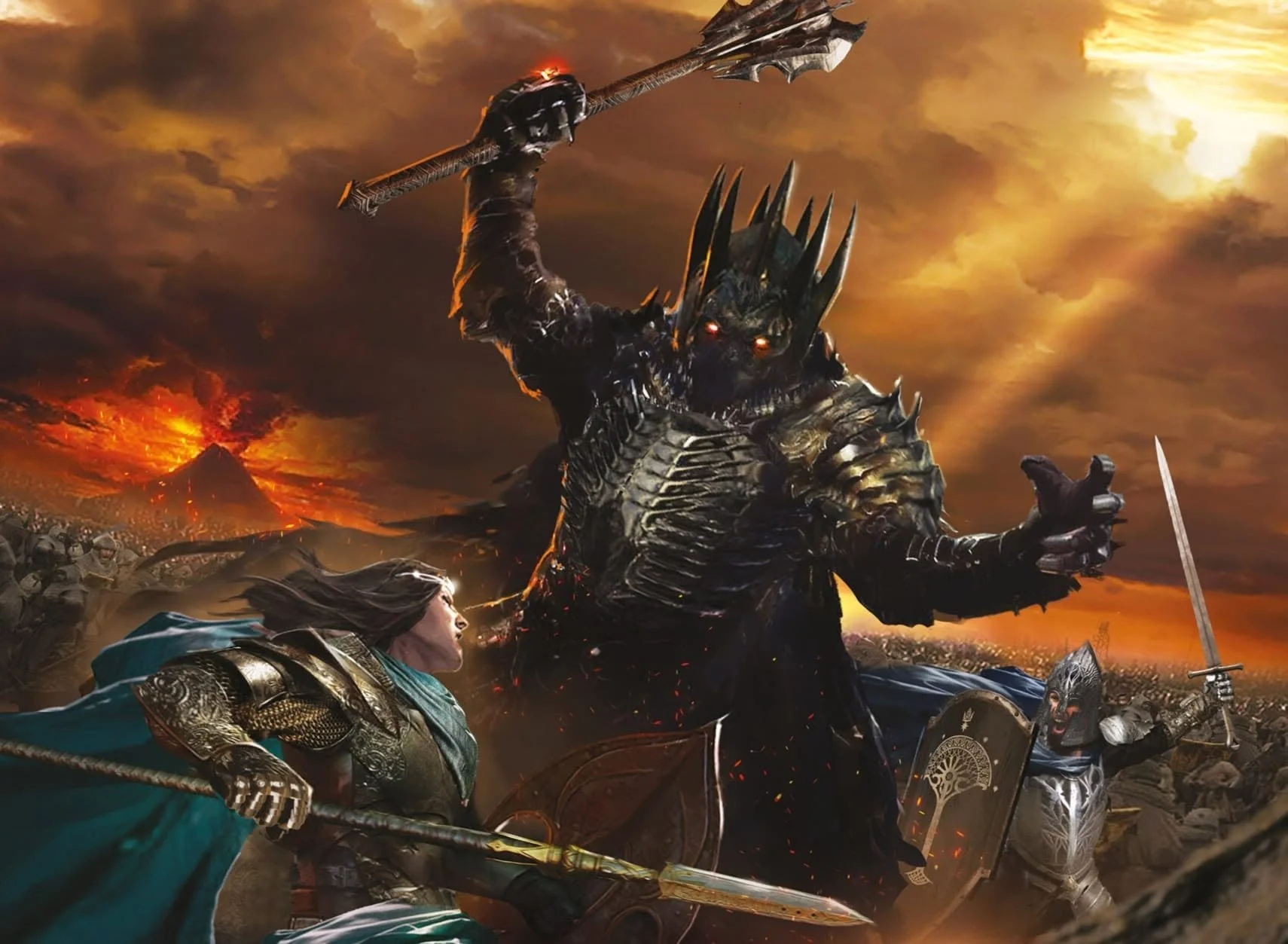
Exploring Tolkien’s Legendarium: The Defeat of Sauron
At the start of the 2001 film, The Fellowship of the Rings, director Peter Jackson has crafted a compelling and visual stunning prologue. It distils a great deal of Tolkien’s text and conveys the essential history of the One Ring succinctly. Cinematically it works extremely well but it is sadly far from canonical due to all the practical considerations a film maker has to make when adapting a lore dense text. I have often wondered exactly how Sauron was defeated at the end of the Second Age because Tolkien is somewhat vague in The Lord of the Rings. Gil-galad, Elendil and Isildur all seem to be involved in physically fighting the Dark Lord. Gil-galad died due to being burned by Sauron’s touch. Elendil also died in combat and his sword Narsil broke beneath him. Isildur claimed to have delivered the killing blow after his father was defeated. However, no character in the story provides a definite, linear account of these event.
At the start of the 2001 film, The Fellowship of the Rings, director Peter Jackson has crafted a compelling and visual stunning prologue. It distils a great deal of Tolkien’s text and conveys the essential history of the One Ring succinctly. Cinematically it works extremely well but it is sadly far from canonical due to all the practical considerations a film maker has to make when adapting a lore dense text. I have often wondered exactly how Sauron was defeated at the end of the Second Age because Tolkien is somewhat vague in The Lord of the Rings. Gil-galad, Elendil and Isildur all seem to be involved in physically fighting the Dark Lord. Gil-galad died due to being burned by Sauron’s touch. Elendil also died in combat and his sword Narsil broke beneath him. Isildur claimed to have delivered the killing blow after his father was defeated. However, no character in the story provides a definite, linear account of these event.
Instead we have various characters making guarded statements about this battle at various points throughout the story. As ever, Tolkien is deliberately ambiguous and chooses his words very carefully. All of which builds a sense of legend around the events. However, if one draws upon Tolkien’s writing in other texts, such as his letters to his editor and readers, the comprehensive History of Middle-earth and the various appendices to The Lord of the Rings, there is enough information to reconstruct the broad sequence of events with reasonable confidence that provides a clearer picture of what happened. It should be noted that there is insufficient data to choreograph the combat blow by blow. Tolkien states who accomplished what but never described precisely how the three combatants fought or fell. That is left to the readers imagination and is perhaps all the better for it.
A deleted scene from The Fellowship of the Rings prologue depicting Elrond and Gil-galad
After reading and cross referencing the various sources I previously stated, here is my interpretation of the sequence of events that happened on the slopes of Mount Doom as Gil-galad, Elendil, Isildur and Sauron fought.
Sauron makes a sortie from Barad-dûr
After seven years of siege, Sauron personally breaks out of the Dark Tower and drives the fighting towards the slopes of Orodruin. Gil-galad and Elendil confront him there. Isildur, Elrond and Círdan are also present at the final encounter but the texts explicitly name Gil-galad and Elendil as the two who directly engage or “wrestle” with Sauron. “Wrestle” in Tolkien’s elevated, archaic language means a close and desperate physical struggle. Gil-galad presumably still had Aeglos his spear and Elendil had his sword Narsil. Both are imbued with “power”. Tolkien was intentionally vague about “magic” in his writing and it is very much a soft system with a quasi-spiritual aspect.
Gil-galad and Elendil overthrow Sauron
This is the most consistent point across various accounts. Gandalf says that Gil-galad and Elendil “overthrew Sauron”. Elrond states that Sauron was already “overthrown” before mentioning Isildur cutting off the Ring. Furthermore The Silmarillion says that after Sauron wrestled with the two kings, “Sauron also was thrown down”. Finally in Letter 131, Tolkien says that Gil-galad and Elendil perished “in the act of slaying Sauron”. The cumulative evidence therefore attributes Sauron’s actual defeat principally to Gil-galad and Elendil acting together. However, Sauron kills both kings during the same struggle. We know that Gil-galad was burnt. This probably happened during the close physical struggle, perhaps through Sauron seizing him but Tolkien never describes the exact action. Similarly, the details regarding Elendil death are absent. Nor can we determine whether Gil-galad or Elendil died first, or whether the events were effectively simultaneous. But in one respect the text is unambiguous. The outcome is mutually destructive. A pyrrhic victory.
Is Sauron physically dead at this point or just incapacitated?
This is a particularly ambiguous aspect of the tale. When Tolkien says Sauron was “thrown down” or “overthrown”, that could mean that his physical body was dead or that he was incapacitated and unable to continue fighting. However, I think it is certainly a case that the final separation of spirit from body had not yet occurred. The second possibility provides the neatest reconciliation of the accounts. Gil-galad and Elendil defeat and mortally wound Sauron, leaving him helpless or dying. They subsequently die achieving this. Isildur then performs the final physical act of “defeating Sauron” delivering the “killing blow”.
Isildur cuts off the Ring
Elrond says that Isildur alone stood beside his father during the “last mortal contest”, while Elrond and Círdan stood beside Gil-galad. That establishes Isildur’s presence at extremely close quarters. It does not, however, explicitly state that Isildur exchanged blows with Sauron before the two kings fell. Isildur takes the broken hilt-shard of Narsil and cuts the One Ring from Sauron’s hand. Only after narrating the overthrow by Gil-galad and Elendil do the principal accounts describe this action. At this point Sauron’s power wanes and his spirit flees, although precisely whether Ring-removal caused the bodily death or merely completed an already accomplished defeat is not explained. Isildur may well have delivered a “coup de grâce” to Sauron, finally killing his physical body, before cutting the One Ring from his hand. Either way, this deed makes Isildur’s action enormously important but it does not make him the warrior who single-handedly defeated Sauron. However, Isildur uses this act as justification for keeping the ring. “Was it not I that dealt the Enemy his death-blow?” This leads to the subject of Weregild, which is a complex matter in itself and best explored in a separate blog post.
A possible sequence of events
After due consideration of all the data available I interpret the most likely sequence of events regarding the defeat of Sauron to be as follows. Gil-galad and Elendil fight Sauron together at close quarters, with Isildur, Elrond and Círdan nearby but unable to intervene effectively. Both kings wound Sauron severely. Sauron seizes and burns Gil-galad, but in doing so leaves himself open to Elendil. Elendil delivers another terrible wound before Sauron strikes him down. Elendil falls upon Narsil and breaks it. Sauron, grievously injured and exhausted, falls beside them but still retains bodily life and the terrible heat of the Ring. Isildur takes up the shard and severs the Ring from his hand. Sauron’s body then finally relinquishes his spirit. That is a partly imaginative reconstruction but it accommodates virtually every significant statement Tolkien made. The order of responsibility is clearer than the exact physical events
A cutscene from the MMORPG The Lord of the Rings Online depicting Gil-galad wounding Sauron
The depiction in The Lord of the Rings Online
The MMORPG The Lord of the Rings Online features a cutscene version of these events and it is appreciably closer to the text than Peter Jackson’s prologue. It shows Gil-galad and Elendil both injuring Sauron, Sauron killing them through his fiery power and Sauron collapsing from the wounds and effort before Isildur cuts away the Ring. This captures Tolkien’s essential structure. The kings fight Sauron, all three are mortally overcome. Sauron falls. Isildur removes the Ring. LOTRO still invents necessary visual details. Tolkien does not say that Elendil is burned, that each king lands a particular wound, or that Sauron collapses from expending the Ring’s power. Only Gil-galad’s death by fiery heat is specifically attested to. Nevertheless, I think the LOTRO cutscene is probably the most credible dramatic visualisation of the surviving textual evidence. It understands that the victory belongs collectively to Gil-galad and Elendil, while still allowing Isildur’s severing of the Ring to function as the concluding “death-blow”.
Concluding thoughts
Upon further reflection it can be cogently argued that it is not essential to clarify this matter and many others that arise in Tolkien’s writing. As a writer whose work evolved over decades, he would often revise his writings and occasionality contradict himself. Thematically, much of The Lord of the Rings is about distant past events shaping the future. Much of this history is shared orally from characters from different races, with different perspectives. As such these dialogue exchanges can be open to interpretation and can be plausibly different. Plus Tolkien knew that it isn’t always essential or indeed desirable to clarify everything. His Legendarium drew heavily from existing European mythology which in itself is not one hundred percent coherent, linear or without contradiction. However, fans of Tolkien’s lore and of lore per se tend to like continuity. In its absence there is “headcanon” and artistic interpretation. In many respects that is what keeps Tolkien’s work evergreen.

On Tuesday 11th April, Aspyr Media rather surprisingly re-released The Lord of the Rings: War in the North, a co-op action-RPG from 2011. This game was delisted in late 2019, possibly due to changing rights ownership or a license expiring. Hence, I was somewhat discombobulated by the return of this title to all major gaming platforms. Mind you, the Embracer Group (through its subsidiary Middle-earth Enterprises) still controls the worldwide commercial and video game licensing rights for The Lord of the Rings and The Hobbit. Furthermore they have explicitly stated that they have plans for more games. It would appear this also means re-releasing and updating old favourites. It is also worth noting that they own Aspyr Media, which is also a bit of a giveaway. Let it suffice to say that this re-release and sparked enthusiastic online debate as to whether any other he Lord of the Rings themed games from the same era will receive a similar makeover. Judging by the internet chatter, there’s potentially a market for them.
At the start of the 2001 film, The Fellowship of the Rings, director Peter Jackson has crafted a compelling and visual stunning prologue. It distils a great deal of Tolkien’s text and conveys the essential history of the One Ring succinctly. Cinematically it works extremely well but it is sadly far from canonical due to all the practical considerations a film maker has to make when adapting a lore dense text. I have often wondered exactly how Sauron was defeated at the end of the Second Age because Tolkien is somewhat vague in The Lord of the Rings. Gil-galad, Elendil and Isildur all seem to be involved in physically fighting the Dark Lord. Gil-galad died due to being burned by Sauron’s touch. Elendil also died in combat and his sword Narsil broke beneath him. Isildur claimed to have delivered the killing blow after his father was defeated. However, no character in the story provides a definite, linear account of these event.
Tolkien enthusiasts may recollect Athlon Games, a subsidiary of Leyou Technologies, announcing that it was developing a new MMORPG, based upon The Lord of the Rings, back in September 2018. The following summer, it was revealed that Amazon Game Studios was the partner developer for the project. In late 2020, Leyou Technologies (a Hong Kong-based company), was acquired by the Chinese conglomerate Tencent. This triggered a contract clause with the license holder, Middle-earth Enterprises, allowing them to terminate the existing arrangement if a new deal could not be met. Amazon and Tencent were unable to agree upon how to proceed with the project, leading Amazon to withdraw from negotiations. The project was subsequently scrapped. No details or images of the MMO have been released.
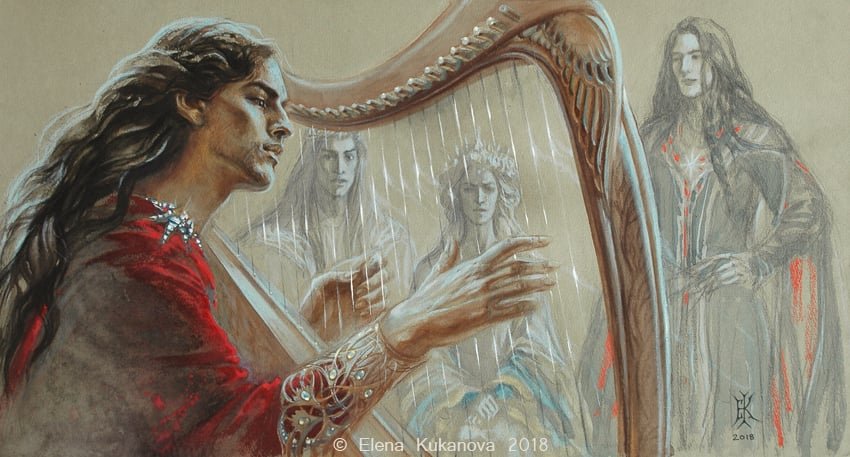
Song is a fundamental aspect of Tolkien's writing, serving the same role as it does in our own cultures. It is a means of documenting history, expressing cultural heritage and maintaining traditions for the people of Middle-earth. The Ents sing lists of lore. The Rohirrim sing of battle and heroic deeds and the Shire folk, of ale and frivolity. Let us not forget that Tolkien’s fictitious world, Arda, was effectively sung into existence via the Ainulindalë, the divine music of creation sung by the Ainur. The cultural significance of song is also a key element of Tolkien’s world building. The songs within the narrative bolster the authenticity of the various cultures of Middle-earth, embedding their history and heritage into the story. Music, rhymes and songs also help define characters. The lighter ones sung by hobbits, provide lighthearted moments, contrasting with the dark and dangerous tones of the larger narrative. It also reinforced their rustic heritage.

I have always found it curious that there haven't been more feature films set in Middle-earth, after the success of Peter Jackson’s The Lord of the Rings trilogy. However, a little research shows a very complex set of rights regarding Tolkien’s work, with different material being controlled and administered by different bodies. Hence, the market has not been saturated with officially licensed material. Thus, when The Lord of the Rings: The War of the Rohirrim was announced to be in production, it aroused a great deal of curiosity both among fans and those with an interest in the wider film industry. To base an entire feature film on something that is effectively just a few paragraphs in the appendices of The Lord of the Rings is quite intriguing. The producers claimed it afforded them greater artistic freedom not to be constrained by an excess of lore. Industry pundits theorised that the film was being produced solely to ensure that wider rights were retained.

Two years ago, The Lord of the Rings: The Rings of Power premiered on Amazon Prime to mixed reviews and a tedious and predictable internet brouhaha. I have no interest in that debacle as I consider it spurious, to say the least. Representation is a commercial imperative for any big budget television production. As for any deviation from the established canon, that’s due to the show being an “adaptation” of Tolkien’s work. At no point were viewers promised a literal interpretation of the source text. Therefore I am only interested in legitimate critiques of the show based upon its production, writing and acting. As far as I’m concerned, the first season was broadly entertaining and had outstanding production values. Overall I enjoyed The Lord of the Rings: The Rings of Power as an exciting and inventive take on Tolkien’s legendarium. Hence, I have been looking forward to the second season, which began today.
Having watched the first two episodes of The Lord of the Rings: The Rings of Power, I wish to express my thoughts on what I’ve seen and my overall impressions so far. I do not think it would be fair to frame this post as a review as the two episodes only constitute 25% of the show’s total content. A formal review of the first season seems more appropriate when I have seen it in its entirety. Before I begin commenting on specific points about the two premier episodes, I wish to point out that I have no problem with “representation” and have expressed my thoughts on this matter in a previous post. It also covers the matter of “adaptation” and how complex texts can at times require augmenting to be made accessible to wider audiences. Hence those viewers who want 100% canonical purity are unrealistic in their expectations. Objections based in racism and sexism can simply be ignored. NB I shall endeavour to keep my thoughts spoiler free.

In February this year, I wrote a blog post about how Middle-earth Enterprises were seeking to auction off the various rights they hold for the works of J.R.R. Tolkien. Today the Embracer Group announced that it was buying these rights as part of an ongoing acquisition strategy. The Swedish video game and media holding company has also purchased Limited Run Games, Tripwire Interactive as well as Middle-earth Enterprises portfolio. They recently acquired premium titles such as Tomb Raider, Deus Ex, and Thief. The Embracer Group currently owns more than 100 studios including Borderlands developer Gearbox, Saber Interactive, and THQ Nordic. Saudi Arabia recently bought a $1 billion stake in Embracer, which is around 8% of the company’s total shares. Embracer’s recent purchasing spree comes months after it acquired Square Enix’s three major Western game studios. In a press release the cost of buying the right to Tolkien’s work is £653,000,000 ($786,000,000).
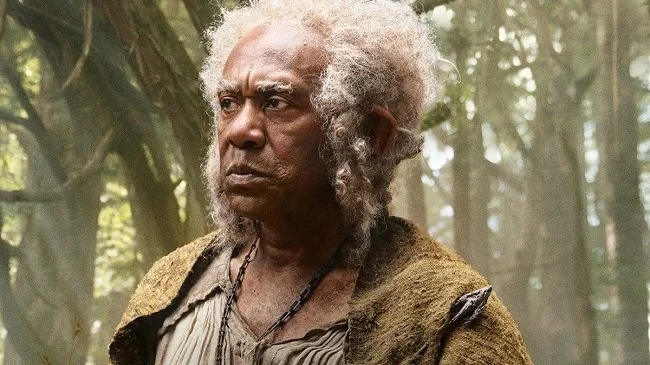
I was perusing my Twitter timeline last night and a tweet appeared from someone who doesn’t seem to care for the casting of Lenny Henry as a hobbit in the upcoming Amazon Prime TV show The Lord of the Rings: The Rings of Power. If you’re not familiar with Lenny Henry he’s a British comedian and actor of Jamaican heritage, who was one of first people of colour to establish himself as part of the cultural mainstream in the UK. He’s funny, smart and well respected. However, this particular individual on social media (we will not dignify them with a name check) was not happy about canonical authenticity being subject to the whims of representation. They tried to portray their objections as legitimate criticism based on a good faith argument, but some of the terminology they used clearly showed their true intent was passive aggressive dog whistle racism.
In 1969 J.R.R. Tolkien sold the motion picture, merchandising, stage and other rights to The Hobbit, The Lord of the Rings and other literary works to United Artists. UA were riding high at the time with the success of In the Heat of the Night and The Graduate. Allegedly Tolkien made the deal to pay off a tax debt, although this may be apocryphal. He was paid £100,000 which is equivalent to £1,680,000 today. He also retained a 7.5% royalty interest that has now been transferred to the Tolkien Estate. UA toyed with the idea of adapting The Lord of the Rings and many cinematic luminaries were associated with the project. In the early seventies British film director John Boorman was tasked with writing a screenplay. Boorman, an established director with a track record of being experimental, set about developing a script with his long term collaborator, Rospo Pallenberg. However, the project was cancelled due to costs and the studio getting “cold feet”.
Finally the first teaser trailer for Amazon Prime’s forthcoming TV show set in the Second Age of Middle-earth has been released. The Lord Of The Rings: The Rings of Power will be released weekly on Amazon’s streaming service commencing September 2nd 2022. The first season consists of eight episodes. The series is a prequel to the events of The Lord of the Rings, depicting "previously unexplored stories" based on Tolkien's works. The show will include such iconic locations as the Misty Mountains, the elf-capital Lindon, and the island kingdom of Númenor. The Lord Of The Rings: The Rings of Power maintains the visual and design aesthetic of the existing Peter Jackson movies. Furthermore, composer Howard Shaw maintains his involvement as does artists and designer John Howe. Apparently, due to the Tolkien Estate being happy with the development of the show, Amazon had gained access to certain elements and passages from The Silmarillion and Unfinished Tales to include in the narrative arc.
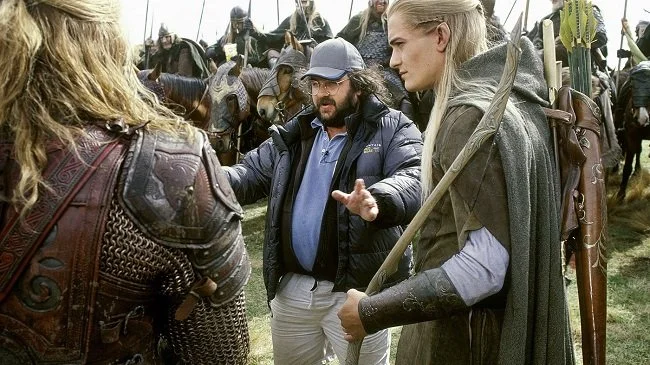
In December it will be the twenty year anniversary of the release of The Fellowship of the Ring. The first entry in Peter Jackson’s trilogy of film adaptations of Professor Tolkien’s iconic novel, The Lord of the Rings. I was utterly swept up in the hype and media frenzy that persisted for three years around these movies between 2001 and 2003. I certainly have fond memories of seeing each film on the first day of its release at the prestigious Leicester Square Odeon in London. Broadly speaking I was very impressed with all three films at the time of their release. However, over the years excitement and fandom has been tempered with a greater degree of critical analysis and appraisal. Having recently watched the Extended Editions of all three films, remastered in 4K, I now think it would be pertinent to revise my thoughts on them and repost them here on Contains Moderate Peril. This initial post is intended more as an overview on the trilogy. I shall write three new in depth reviews in due course.

I have reviewed several audio recordings of J.R.R. Tolkien’s The Lord of the Rings over the years. My personal favourite is the BBC Radio adaptation from 1981, which has a superb cast of British character actors and does a wonderful job of adapting the text without diminishing the scope of the narrative. This is a dramatisation, rather than a straightforward reading of the book. However, if the latter is what you are looking for then the go to version is 1990 recording by Robert Inglis. He provides unique voices for all characters and even sings the songs included in the source text. And then there is the quirky Mind’s Eye Production from 1979, which is another dramatisation. This is a flawed version with a focus upon the character dialogue with much of the lore removed. Yet it has its charm and includes the often omitted Tom Bombadil. However, quite recently I accidentally stumbled upon a fourth adaptation and was surprised not only by the quality of the production but the curious history associated with it.
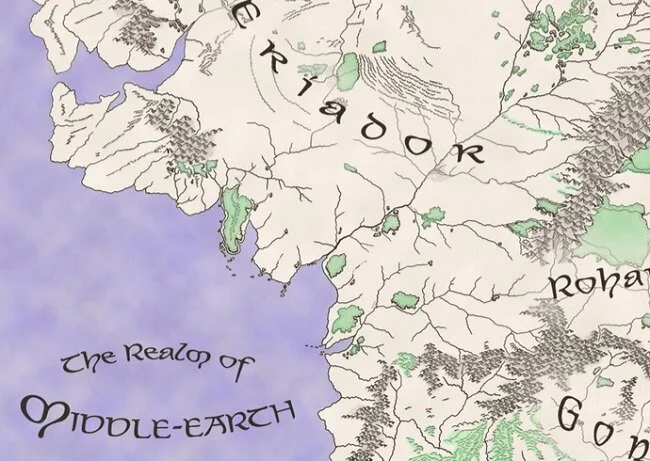
In late 2018 it was announced that Amazon Game Studios and Leyou were collaborating on massively multiplayer online game for PC and consoles set in Middle-earth. Ongoing development is being handled by Athlon Games, a global developer and publisher of free-to-play console and PC games. The studio is a subsidiary of Leyou Technologies Holdings Limited. But beyond the fairly vague press releases that can be found on the Athlon Games website (the last was posted in July 2019), little detail has emerged about the project. There has been unsubstantiated rumours that the project may well tie-in with the forthcoming Amazon Prime TV show that is set in the Second Age of Middle Earth. However, there is little information at present in the public domain to fully substantiate this or any of the other ongoing speculation. Hence, the entire situation raises some interesting questions and I’m sure like me, you have probably pondered some of them. Here are just a few that have crossed my mind.
In recent years there has been a shift in position of both Middle-earth Enterprises and the Tolkien Estate. Saul Zaentz died in 2014 leading to a relaxing in licensing requirements and Christopher Tolkien stepped down as the director of his father’s estate in late 2017, further contributing to increased commercial use of Tolkien’s intellectual property. Since then we have learned that Athlon Games are developing a new MMORPG set in Middle-earth and that Amazon Prime is producing a major TV show set in the Second Age. It would appear that the firm grip that has prevailed over the last forty years is now waning and that Middle-earth Enterprises and the Tolkien Estate are more disposed towards expanding the reach and financial potential of the Tolkien franchise.
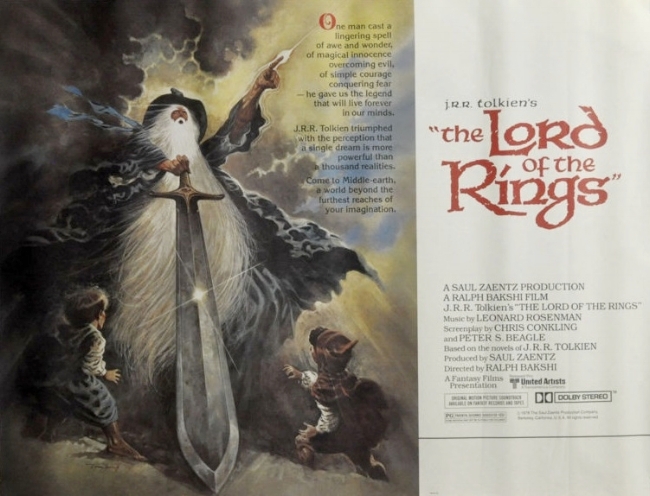
Ralph Bakshi’s 1978 adaptation of Tolkien’s The Lord of the Rings often polarises fan opinion. There is much to admire and there is also much to dislike in this 133-minute animated feature film. However, for many of us, this was our first visual foray into Middle-earth and for good or ill, it had an impact. You’ll certainly see several homages to it in Peter Jackson’s trilogy. And like so many cinematic adaptations of iconic books, The Lord of the Rings journey to the big screen was far from easy. Here are ten anecdotes regarding the film and its production.

The Hobbit (1977) is a curious beast. It’s a made for television animated film, which despite its budgetary constraints, strives to comprehensively adapted one of the most beloved children’s books of the last century. I remember reading an article about this television adaptation of The Hobbit, in Starburst Magazine during the late seventies. There were rumours that this Rankin/Bass production, which had already premièred on US network television, would gain a European cinema release. This was presumably to cash in on the success of Ralph Bakshi's animated feature film adaptation of The Lord of The Rings. However, this never happened to my knowledge. In fact, The Hobbit was not commercially available in the UK until 2001, when Warner Bros. released it on DVD to capitalise on the success of Peter Jackson’s The Fellowship of the Ring.
There are and always will be books that have a clear political agenda or make a very particular statement. Orwell’s 1984 springs to mind as an obvious example. Then there are also books that attract political interpretations by the nature of their plot or the subjects that they explore. Whether the author intended such a debate about the work or not, is a secondary issue. I have always taken Tolkien’s work at face value and to be what he stated they were. Epic and intricate faux histories, free from allegory. Furthermore, I appreciate that the moral position and themes of his work stem from the authors world view, personal experiences as well as the prevailing social dogma of the time. I find it interesting how his work attracts praise and adulation from a wide variety of groups. Catholics will naturally gravitate towards Tolkien’s writings due to his faith and that is the prism through which they will critically view his work. There are of course other examples about how The Hobbit and The Lord of the Rings appeals to different people in different ways. It is a common aspect of fandom.
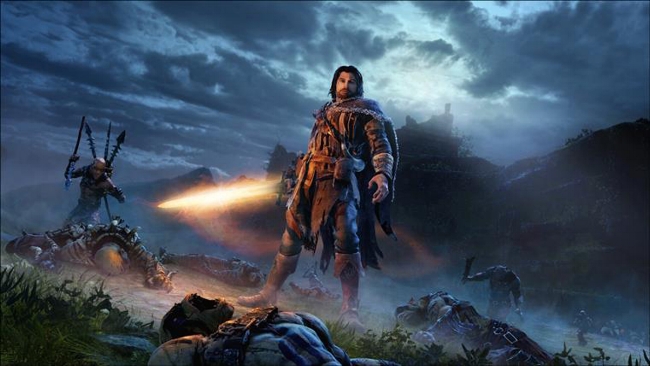
Canon and lore are sacred cows to many fans. Any deviation from the clearly established is met with scepticism and on occasions outrage. It is the hill they are prepared to die, defending. In the past I have felt equally as strong about this matter as others but over the years I have become increasingly relaxed about such things. I guess once you realise that your childhood memories cannot be ruined, despite what some claim, then you cease to worry as much. If you do not like an adaptation, extrapolation or continuation beyond the canon of a particular IP, then you simply say, “it’s not for me” and move on. Not liking an idea or concept because it doesn’t conform your preconceptions and personal tastes does not give you the right to try and quash it. So overall, I don’t mind Tom Cruise being Jack Reacher. A female Doctor Who is fine with me. I even like the movie adaptation of Raise the Titanic.
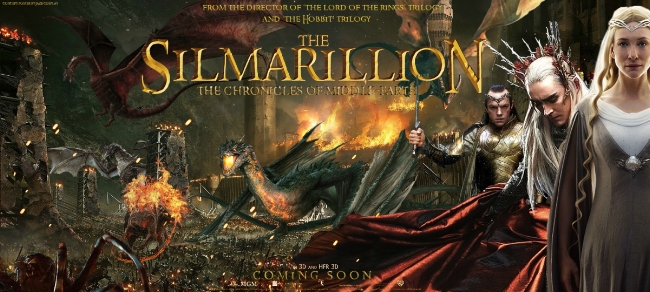
When Peter Jackson finished filming The Hobbit trilogy, there was some idle speculation by fans as to the possibility of a movie adaptation of The Silmarillion. It was meant mainly as a talking point, rather than a serious proposition and there certainly was an enthusiastic response from some quarters. Three years on, the fantasy genre is still a commercially successful genre both at Cinemas and on TV. Furthermore, production studios are regularly looking to existing literary properties that they can convert into viable long term franchises. Bearing all this in mind, is it possible that Tolkien’s complex mythopoeic work could be adapted for either the big or little screen?
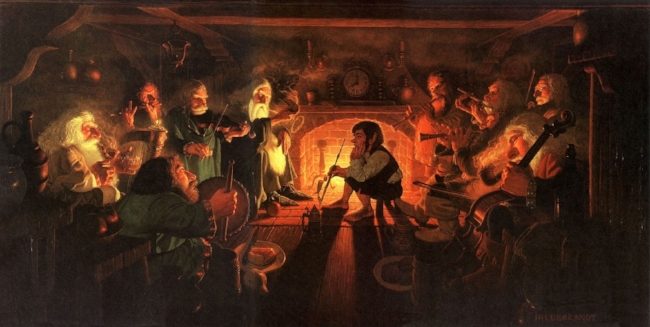
Tolkien's use of song and verse are an integral part of his writings. I am not musically talented myself, nor am I a scholar of song structure but I appreciate how he uses them for plot exposition and character development. In The Lord of the Rings, the medium of song is also used as a means of conveying the enormity of Middle Earth and the wealth of history therein. They give us a sense of the realms lore and heritage, stretching back over millennia. The respective sophistication of each song also reflects the culture that created them. Songs from The Shire are rustic and quaint. The songs of Men are bombastic and bold. Whereas Elven music is often melancholy and complex.
In a fit of nostalgia I recently found myself perusing several retro gaming websites, pondering on some of the titles that I use to play on the Super Nintendo Entertainment. During the early nineties when this platform was my primary source of gaming I use to meticulously research new titles before purchasing. This was the pre-internet age and console cartridges came at a premium price, so you did not want to waste valuable money on a poor game. Magazines featuring previews and in-depth reviews were the main source of information. The other would be your local gaming boutique where you could hang out and discuss such matters with fellow gamers. Broadly this system worked and I enjoyed most of the games I played on the SNES.
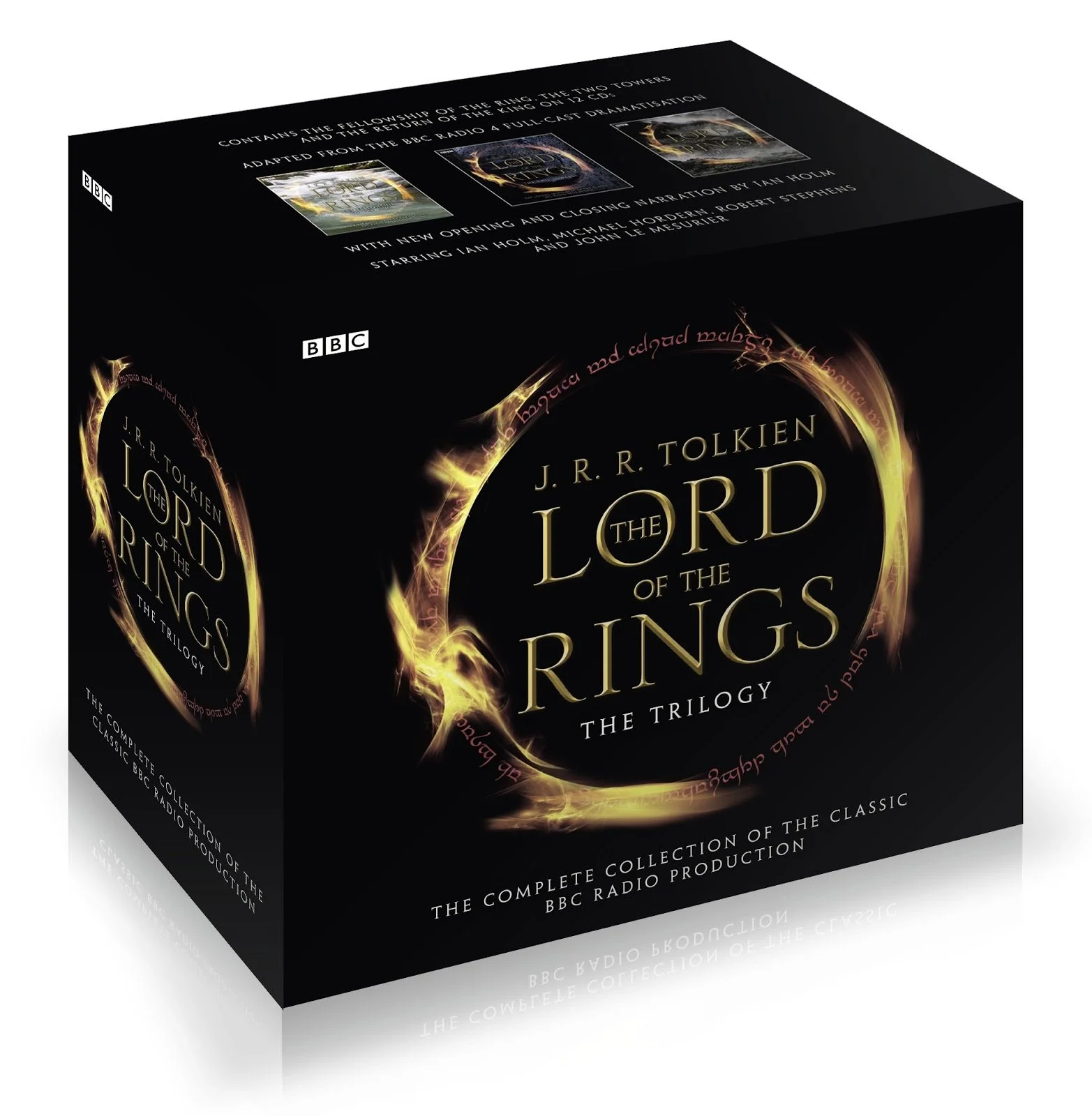
In 1981 BBC Radio 4 produced an ambitious adaptation of The Lord of the Rings, presenting Tolkien’s novel in twenty six, thirty minute episodes. As with all adaptations some material had to be removed, but overall the BBC production was not excessively abridged and followed the plot faithfully. The characterisations and dialogue were extremely well realised and music by composer Stephen Oliver was very much in the style and idiom of Tolkien. This was a production of the highest pedigree and a major event for the BBC at the time. The series was heavily promoted, receiving front page status in The Radio Times, the UK’s premier TV guide and bestselling magazine. Although initial reviews were varied, the series immediately gained a cult following with fans trading episodes recorded on cassette tape. Word of mouth and substantial listening figures soon lead to revised opinions from the press, along with the immortal slogan "Radio is Hobbit 4-ming".
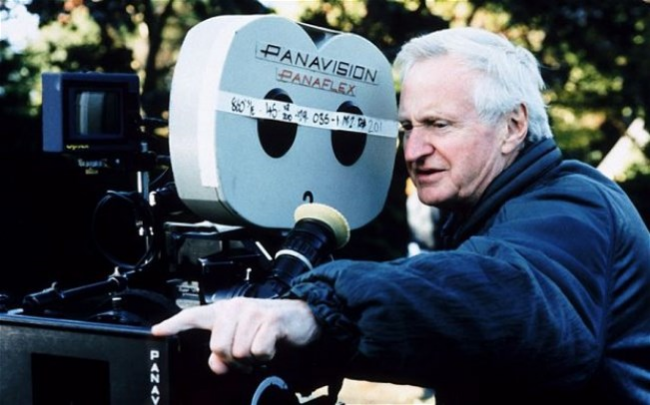
n 1969 JRR Tolkien finally sold the film and merchandising rights of The Lord of the Rings to United Artists for approximately £104,000. A year later the studio asked director John Boorman if he could make the books into a viable film. Boorman, an established director with a track record of being experimental, set about developing a screenplay with his long term collaborator, Rospo Pallenberg. What emerged was a one hundred and fifty minute script and possibly the most radical adaptation of Tolkien's work. Some of the ideas and concepts it contained were extremely innovative but others where simply too radical a divergence from the source text. I’ve collated a few of these for your consideration. If you are familiar with Boorman's 1973 film Zardoz, then you will note both similarities and re-occurring themes.

When discussing the various audio dramatizations of J. R. R. Tolkien's The Lord of the Rings, people often think of the BBC Radio adaptation by default. However it should be noted that it was not the first. An earlier version was made and broadcast in 1979 on US National Public Radio and was subsequently released as an audiobook. It was produced by The Mind's Eye, a company who were responsible for numerous adaptations of classic literature for radio at the time. The script written by Bernard Mayes is a somewhat abridged version of the book. The eleven hour running time focuses significantly on the dialogue, with much of the back history, lore and expositionary narration removed.
The Songs of Middle-earth: Part Two
Song is a fundamental aspect of Tolkien's writing, serving the same role as it does in our own cultures. It is a means of documenting history, expressing cultural heritage and maintaining traditions for the people of Middle-earth. The Ents sing lists of lore. The Rohirrim sing of battle and heroic deeds and the Shire folk, of ale and frivolity. Let us not forget that Tolkien’s fictitious world, Arda, was effectively sung into existence via the Ainulindalë, the divine music of creation sung by the Ainur. The cultural significance of song is also a key element of Tolkien’s world building. The songs within the narrative bolster the authenticity of the various cultures of Middle-earth, embedding their history and heritage into the story. Music, rhymes and songs also help define characters. The lighter ones sung by hobbits, provide lighthearted moments, contrasting with the dark and dangerous tones of the larger narrative. It also reinforced their rustic heritage.
Song is a fundamental aspect of Tolkien's writing, serving the same role as it does in our own cultures. It is a means of documenting history, expressing cultural heritage and maintaining traditions for the people of Middle-earth. The Ents sing lists of lore. The Rohirrim sing of battle and heroic deeds and the Shire folk, of ale and frivolity. Let us not forget that Tolkien’s fictitious world, Arda, was effectively sung into existence via the Ainulindalë, the divine music of creation sung by the Ainur. The cultural significance of song is also a key element of Tolkien’s world building. The songs within the narrative bolster the authenticity of the various cultures of Middle-earth, embedding their history and heritage into the story. Music, rhymes and songs also help define characters. The lighter ones sung by hobbits, provide lighthearted moments, contrasting with the dark and dangerous tones of the larger narrative. It also reinforced their rustic heritage.
Eight years ago I collated three songs that were either inspired by Tolkien’s writings or were indeed specific songs from the source text that had been set to music. These can be found here; The Songs of Middle-earth: Part One. The post was originally intended to be part of a series, so I therefore thought it was high time that I wrote about another three, as there is still so much material to choose from. Once again I have chosen two which are clear adaptations of songs in The Hobbit and The Lord of the Rings and have been set to music. Then there is one which is an original piece, though clearly inspired by Tolkien’s Legendarium and sung in Quenya. I have also added the lyrics and where necessary an English translation.
Gil-galad was an Elven king is a poem consisting of three stanzas, spoken aloud by Sam Gamgee in The Fellowship of the Ring. It is a brief account of Gil-galad, the last High King of the Noldor and his death during the siege of Barad-dûr at the hands of Sauron. Sam states that he learned the verse from Bilbo Baggins but Strider then asserts that it is part of a larger, older piece, written in an ancient tongue (probably Quenya) and that Bilbo no doubt translated it into the common speech. The song version presented here is from the BBC radio adaptation of The Lord of the Rings. The music is by Stephen Oliver and composed in the English pastoral tradition, The vocalist is actor and singer Oz Clarke who adopts a baritone style.
Gil-galad was an Elven king
Of him the harpers sadly sing
The last whose realm was fair and free
Between the mountains and the sea
His sword was long, his lance was keen
His shining helm afar was seen
And all the stars of heaven's field
Were mirrored in his silver shield
But long ago he rode away
And where he dwelleth none can say
For into darkness fell his star
In Mordor where the shadows are
Misty Mountains features in Peter Jackson’s The Hobbit: An Unexpected Journey. The music is written by Howard Shore and the words are an abbreviated version of the original song written by J.R.R. Tolkien in the book The Hobbit. Sung by the character Thorin Oakenshield, played by actor Richard Armitage, the rest of the cast provide additional vocals. The song itself is an oral history of how the kingdom of Erebor was attacked by the Dragon Smaug and how the dwarves were driven from their home. It is sung “a cappella” and has an almost “Gregorian chant” religious quality to it. The song was subsequently used as a leitmotif throughout the remainder of the film.
Far over the Misty Mountains cold
To dungeons deep and caverns old
We must away, ere break of day
To find our long forgotten gold
The pines were roaring on the height
The winds were moaning in the night
The fire was red, it flaming spread
The trees like torches blazed with light
Golden Leaves is an original song composed by Bear McCreary for the first episode of the second season of the Amazon Prime series The Lord of the Rings: The Rings of Power. It features lyrics sung in Quenya by actor Benjamin Walker, who plays Gil-galad, the last High King of the Noldor. The song is a lament for the fading of the Elves in Middle-earth and how it is time to return to Valinor. According to Bear McCreary, the lyrics were created by John D. Payne and were inspired in part by the lyrics Tolkien wrote for Galadriel’s Song in The Fellowship of the Ring. Dialect coach Leith McPherson guided Benjamin Walker’s pronunciation of the Quenya text. Characters expressing themselves in song is a core tenet of Tolkien’s writing and Golden Leaves reflects that admirably.
Sís laurië lassi taiter,
yénin linwavandië.
Anpalla Vai Ahtalëa,
sí lantar Eldaniër.
Eldalié! Eldalié!
Hrívë túla helda ré úlassëa.
Eldalié! Eldalié!
I lassi lantar celumenna.
(Children’s choir:) Cormar nelde aranin Eldaron
Eldalié and’ amárielvë
ambena solor.
Sí néca riëmancan,
viliën an Valinor
Eldalié! Eldalié!
Hrívë túla helda ré úlassëa.
Eldalié! Eldalié!
I lassi lantar celumenna.
Here long the golden leaves grew,
on years branching.
For beyond the Sundering Seas,
now fall Elven-tears.
O’ Elven-kind! O’ Elven-kind!
Winter is coming, bare leafless day.
O’ Elven-kind! O’ Elven-kind!
The leaves are falling in the stream.
(Children's choir:) Three rings for the Elven kings
Elven-kind long have we dwelt
upon this hither shore.
Now fading crown I trade,
to sail to Valinor.
O’ Elven-kind! O’ Elven-kind!
Winter is coming, bare leafless day.
O’ Elven-kind! O’ Elven-kind!
The leaves are falling in the stream.

Sometime in August 1979, I was travelling with my father by train to London, when I first saw posters advertising the Ralph Bakshi animated version of J. R. R. Tolkien’s The Lord of the Rings. The film had been released in the US the previous November and I aware of its existence because I had read articles about it production in Starburst magazine. Even at the age of 11 I was interested in genre films and television, having been raised on Doctor Who and Ray Harryhausen’s back catalogue of fantasy movies. Furthermore, I was familiar with Tolkien’s first novel, The Hobbit, as my father had read it to me when I was younger. I was impressed by the poster in that way that only an 11 year old can be. Why was Gandalf do gigantic? Also the A rating was enigmatic. Most animated films were usually rated U. Yet despite my interest, I didn’t see The Lord of the Rings at the cinema during the summer holidays.
On Tuesday 11th April, Aspyr Media rather surprisingly re-released The Lord of the Rings: War in the North, a co-op action-RPG from 2011. This game was delisted in late 2019, possibly due to changing rights ownership or a license expiring. Hence, I was somewhat discombobulated by the return of this title to all major gaming platforms. Mind you, the Embracer Group (through its subsidiary Middle-earth Enterprises) still controls the worldwide commercial and video game licensing rights for The Lord of the Rings and The Hobbit. Furthermore they have explicitly stated that they have plans for more games. It would appear this also means re-releasing and updating old favourites. It is also worth noting that they own Aspyr Media, which is also a bit of a giveaway. Let it suffice to say that this re-release and sparked enthusiastic online debate as to whether any other he Lord of the Rings themed games from the same era will receive a similar makeover. Judging by the internet chatter, there’s potentially a market for them.
At the start of the 2001 film, The Fellowship of the Rings, director Peter Jackson has crafted a compelling and visual stunning prologue. It distils a great deal of Tolkien’s text and conveys the essential history of the One Ring succinctly. Cinematically it works extremely well but it is sadly far from canonical due to all the practical considerations a film maker has to make when adapting a lore dense text. I have often wondered exactly how Sauron was defeated at the end of the Second Age because Tolkien is somewhat vague in The Lord of the Rings. Gil-galad, Elendil and Isildur all seem to be involved in physically fighting the Dark Lord. Gil-galad died due to being burned by Sauron’s touch. Elendil also died in combat and his sword Narsil broke beneath him. Isildur claimed to have delivered the killing blow after his father was defeated. However, no character in the story provides a definite, linear account of these event.
Tolkien enthusiasts may recollect Athlon Games, a subsidiary of Leyou Technologies, announcing that it was developing a new MMORPG, based upon The Lord of the Rings, back in September 2018. The following summer, it was revealed that Amazon Game Studios was the partner developer for the project. In late 2020, Leyou Technologies (a Hong Kong-based company), was acquired by the Chinese conglomerate Tencent. This triggered a contract clause with the license holder, Middle-earth Enterprises, allowing them to terminate the existing arrangement if a new deal could not be met. Amazon and Tencent were unable to agree upon how to proceed with the project, leading Amazon to withdraw from negotiations. The project was subsequently scrapped. No details or images of the MMO have been released.
Song is a fundamental aspect of Tolkien's writing, serving the same role as it does in our own cultures. It is a means of documenting history, expressing cultural heritage and maintaining traditions for the people of Middle-earth. The Ents sing lists of lore. The Rohirrim sing of battle and heroic deeds and the Shire folk, of ale and frivolity. Let us not forget that Tolkien’s fictitious world, Arda, was effectively sung into existence via the Ainulindalë, the divine music of creation sung by the Ainur. The cultural significance of song is also a key element of Tolkien’s world building. The songs within the narrative bolster the authenticity of the various cultures of Middle-earth, embedding their history and heritage into the story. Music, rhymes and songs also help define characters. The lighter ones sung by hobbits, provide lighthearted moments, contrasting with the dark and dangerous tones of the larger narrative. It also reinforced their rustic heritage.
I have always found it curious that there haven't been more feature films set in Middle-earth, after the success of Peter Jackson’s The Lord of the Rings trilogy. However, a little research shows a very complex set of rights regarding Tolkien’s work, with different material being controlled and administered by different bodies. Hence, the market has not been saturated with officially licensed material. Thus, when The Lord of the Rings: The War of the Rohirrim was announced to be in production, it aroused a great deal of curiosity both among fans and those with an interest in the wider film industry. To base an entire feature film on something that is effectively just a few paragraphs in the appendices of The Lord of the Rings is quite intriguing. The producers claimed it afforded them greater artistic freedom not to be constrained by an excess of lore. Industry pundits theorised that the film was being produced solely to ensure that wider rights were retained.
Two years ago, The Lord of the Rings: The Rings of Power premiered on Amazon Prime to mixed reviews and a tedious and predictable internet brouhaha. I have no interest in that debacle as I consider it spurious, to say the least. Representation is a commercial imperative for any big budget television production. As for any deviation from the established canon, that’s due to the show being an “adaptation” of Tolkien’s work. At no point were viewers promised a literal interpretation of the source text. Therefore I am only interested in legitimate critiques of the show based upon its production, writing and acting. As far as I’m concerned, the first season was broadly entertaining and had outstanding production values. Overall I enjoyed The Lord of the Rings: The Rings of Power as an exciting and inventive take on Tolkien’s legendarium. Hence, I have been looking forward to the second season, which began today.
Having watched the first two episodes of The Lord of the Rings: The Rings of Power, I wish to express my thoughts on what I’ve seen and my overall impressions so far. I do not think it would be fair to frame this post as a review as the two episodes only constitute 25% of the show’s total content. A formal review of the first season seems more appropriate when I have seen it in its entirety. Before I begin commenting on specific points about the two premier episodes, I wish to point out that I have no problem with “representation” and have expressed my thoughts on this matter in a previous post. It also covers the matter of “adaptation” and how complex texts can at times require augmenting to be made accessible to wider audiences. Hence those viewers who want 100% canonical purity are unrealistic in their expectations. Objections based in racism and sexism can simply be ignored. NB I shall endeavour to keep my thoughts spoiler free.
In February this year, I wrote a blog post about how Middle-earth Enterprises were seeking to auction off the various rights they hold for the works of J.R.R. Tolkien. Today the Embracer Group announced that it was buying these rights as part of an ongoing acquisition strategy. The Swedish video game and media holding company has also purchased Limited Run Games, Tripwire Interactive as well as Middle-earth Enterprises portfolio. They recently acquired premium titles such as Tomb Raider, Deus Ex, and Thief. The Embracer Group currently owns more than 100 studios including Borderlands developer Gearbox, Saber Interactive, and THQ Nordic. Saudi Arabia recently bought a $1 billion stake in Embracer, which is around 8% of the company’s total shares. Embracer’s recent purchasing spree comes months after it acquired Square Enix’s three major Western game studios. In a press release the cost of buying the right to Tolkien’s work is £653,000,000 ($786,000,000).
I was perusing my Twitter timeline last night and a tweet appeared from someone who doesn’t seem to care for the casting of Lenny Henry as a hobbit in the upcoming Amazon Prime TV show The Lord of the Rings: The Rings of Power. If you’re not familiar with Lenny Henry he’s a British comedian and actor of Jamaican heritage, who was one of first people of colour to establish himself as part of the cultural mainstream in the UK. He’s funny, smart and well respected. However, this particular individual on social media (we will not dignify them with a name check) was not happy about canonical authenticity being subject to the whims of representation. They tried to portray their objections as legitimate criticism based on a good faith argument, but some of the terminology they used clearly showed their true intent was passive aggressive dog whistle racism.
In 1969 J.R.R. Tolkien sold the motion picture, merchandising, stage and other rights to The Hobbit, The Lord of the Rings and other literary works to United Artists. UA were riding high at the time with the success of In the Heat of the Night and The Graduate. Allegedly Tolkien made the deal to pay off a tax debt, although this may be apocryphal. He was paid £100,000 which is equivalent to £1,680,000 today. He also retained a 7.5% royalty interest that has now been transferred to the Tolkien Estate. UA toyed with the idea of adapting The Lord of the Rings and many cinematic luminaries were associated with the project. In the early seventies British film director John Boorman was tasked with writing a screenplay. Boorman, an established director with a track record of being experimental, set about developing a script with his long term collaborator, Rospo Pallenberg. However, the project was cancelled due to costs and the studio getting “cold feet”.
Finally the first teaser trailer for Amazon Prime’s forthcoming TV show set in the Second Age of Middle-earth has been released. The Lord Of The Rings: The Rings of Power will be released weekly on Amazon’s streaming service commencing September 2nd 2022. The first season consists of eight episodes. The series is a prequel to the events of The Lord of the Rings, depicting "previously unexplored stories" based on Tolkien's works. The show will include such iconic locations as the Misty Mountains, the elf-capital Lindon, and the island kingdom of Númenor. The Lord Of The Rings: The Rings of Power maintains the visual and design aesthetic of the existing Peter Jackson movies. Furthermore, composer Howard Shaw maintains his involvement as does artists and designer John Howe. Apparently, due to the Tolkien Estate being happy with the development of the show, Amazon had gained access to certain elements and passages from The Silmarillion and Unfinished Tales to include in the narrative arc.
In December it will be the twenty year anniversary of the release of The Fellowship of the Ring. The first entry in Peter Jackson’s trilogy of film adaptations of Professor Tolkien’s iconic novel, The Lord of the Rings. I was utterly swept up in the hype and media frenzy that persisted for three years around these movies between 2001 and 2003. I certainly have fond memories of seeing each film on the first day of its release at the prestigious Leicester Square Odeon in London. Broadly speaking I was very impressed with all three films at the time of their release. However, over the years excitement and fandom has been tempered with a greater degree of critical analysis and appraisal. Having recently watched the Extended Editions of all three films, remastered in 4K, I now think it would be pertinent to revise my thoughts on them and repost them here on Contains Moderate Peril. This initial post is intended more as an overview on the trilogy. I shall write three new in depth reviews in due course.
I have reviewed several audio recordings of J.R.R. Tolkien’s The Lord of the Rings over the years. My personal favourite is the BBC Radio adaptation from 1981, which has a superb cast of British character actors and does a wonderful job of adapting the text without diminishing the scope of the narrative. This is a dramatisation, rather than a straightforward reading of the book. However, if the latter is what you are looking for then the go to version is 1990 recording by Robert Inglis. He provides unique voices for all characters and even sings the songs included in the source text. And then there is the quirky Mind’s Eye Production from 1979, which is another dramatisation. This is a flawed version with a focus upon the character dialogue with much of the lore removed. Yet it has its charm and includes the often omitted Tom Bombadil. However, quite recently I accidentally stumbled upon a fourth adaptation and was surprised not only by the quality of the production but the curious history associated with it.
In late 2018 it was announced that Amazon Game Studios and Leyou were collaborating on massively multiplayer online game for PC and consoles set in Middle-earth. Ongoing development is being handled by Athlon Games, a global developer and publisher of free-to-play console and PC games. The studio is a subsidiary of Leyou Technologies Holdings Limited. But beyond the fairly vague press releases that can be found on the Athlon Games website (the last was posted in July 2019), little detail has emerged about the project. There has been unsubstantiated rumours that the project may well tie-in with the forthcoming Amazon Prime TV show that is set in the Second Age of Middle Earth. However, there is little information at present in the public domain to fully substantiate this or any of the other ongoing speculation. Hence, the entire situation raises some interesting questions and I’m sure like me, you have probably pondered some of them. Here are just a few that have crossed my mind.
In recent years there has been a shift in position of both Middle-earth Enterprises and the Tolkien Estate. Saul Zaentz died in 2014 leading to a relaxing in licensing requirements and Christopher Tolkien stepped down as the director of his father’s estate in late 2017, further contributing to increased commercial use of Tolkien’s intellectual property. Since then we have learned that Athlon Games are developing a new MMORPG set in Middle-earth and that Amazon Prime is producing a major TV show set in the Second Age. It would appear that the firm grip that has prevailed over the last forty years is now waning and that Middle-earth Enterprises and the Tolkien Estate are more disposed towards expanding the reach and financial potential of the Tolkien franchise.
Ralph Bakshi’s 1978 adaptation of Tolkien’s The Lord of the Rings often polarises fan opinion. There is much to admire and there is also much to dislike in this 133-minute animated feature film. However, for many of us, this was our first visual foray into Middle-earth and for good or ill, it had an impact. You’ll certainly see several homages to it in Peter Jackson’s trilogy. And like so many cinematic adaptations of iconic books, The Lord of the Rings journey to the big screen was far from easy. Here are ten anecdotes regarding the film and its production.
The Hobbit (1977) is a curious beast. It’s a made for television animated film, which despite its budgetary constraints, strives to comprehensively adapted one of the most beloved children’s books of the last century. I remember reading an article about this television adaptation of The Hobbit, in Starburst Magazine during the late seventies. There were rumours that this Rankin/Bass production, which had already premièred on US network television, would gain a European cinema release. This was presumably to cash in on the success of Ralph Bakshi's animated feature film adaptation of The Lord of The Rings. However, this never happened to my knowledge. In fact, The Hobbit was not commercially available in the UK until 2001, when Warner Bros. released it on DVD to capitalise on the success of Peter Jackson’s The Fellowship of the Ring.
There are and always will be books that have a clear political agenda or make a very particular statement. Orwell’s 1984 springs to mind as an obvious example. Then there are also books that attract political interpretations by the nature of their plot or the subjects that they explore. Whether the author intended such a debate about the work or not, is a secondary issue. I have always taken Tolkien’s work at face value and to be what he stated they were. Epic and intricate faux histories, free from allegory. Furthermore, I appreciate that the moral position and themes of his work stem from the authors world view, personal experiences as well as the prevailing social dogma of the time. I find it interesting how his work attracts praise and adulation from a wide variety of groups. Catholics will naturally gravitate towards Tolkien’s writings due to his faith and that is the prism through which they will critically view his work. There are of course other examples about how The Hobbit and The Lord of the Rings appeals to different people in different ways. It is a common aspect of fandom.
Canon and lore are sacred cows to many fans. Any deviation from the clearly established is met with scepticism and on occasions outrage. It is the hill they are prepared to die, defending. In the past I have felt equally as strong about this matter as others but over the years I have become increasingly relaxed about such things. I guess once you realise that your childhood memories cannot be ruined, despite what some claim, then you cease to worry as much. If you do not like an adaptation, extrapolation or continuation beyond the canon of a particular IP, then you simply say, “it’s not for me” and move on. Not liking an idea or concept because it doesn’t conform your preconceptions and personal tastes does not give you the right to try and quash it. So overall, I don’t mind Tom Cruise being Jack Reacher. A female Doctor Who is fine with me. I even like the movie adaptation of Raise the Titanic.
When Peter Jackson finished filming The Hobbit trilogy, there was some idle speculation by fans as to the possibility of a movie adaptation of The Silmarillion. It was meant mainly as a talking point, rather than a serious proposition and there certainly was an enthusiastic response from some quarters. Three years on, the fantasy genre is still a commercially successful genre both at Cinemas and on TV. Furthermore, production studios are regularly looking to existing literary properties that they can convert into viable long term franchises. Bearing all this in mind, is it possible that Tolkien’s complex mythopoeic work could be adapted for either the big or little screen?
Tolkien's use of song and verse are an integral part of his writings. I am not musically talented myself, nor am I a scholar of song structure but I appreciate how he uses them for plot exposition and character development. In The Lord of the Rings, the medium of song is also used as a means of conveying the enormity of Middle Earth and the wealth of history therein. They give us a sense of the realms lore and heritage, stretching back over millennia. The respective sophistication of each song also reflects the culture that created them. Songs from The Shire are rustic and quaint. The songs of Men are bombastic and bold. Whereas Elven music is often melancholy and complex.
In a fit of nostalgia I recently found myself perusing several retro gaming websites, pondering on some of the titles that I use to play on the Super Nintendo Entertainment. During the early nineties when this platform was my primary source of gaming I use to meticulously research new titles before purchasing. This was the pre-internet age and console cartridges came at a premium price, so you did not want to waste valuable money on a poor game. Magazines featuring previews and in-depth reviews were the main source of information. The other would be your local gaming boutique where you could hang out and discuss such matters with fellow gamers. Broadly this system worked and I enjoyed most of the games I played on the SNES.
In 1981 BBC Radio 4 produced an ambitious adaptation of The Lord of the Rings, presenting Tolkien’s novel in twenty six, thirty minute episodes. As with all adaptations some material had to be removed, but overall the BBC production was not excessively abridged and followed the plot faithfully. The characterisations and dialogue were extremely well realised and music by composer Stephen Oliver was very much in the style and idiom of Tolkien. This was a production of the highest pedigree and a major event for the BBC at the time. The series was heavily promoted, receiving front page status in The Radio Times, the UK’s premier TV guide and bestselling magazine. Although initial reviews were varied, the series immediately gained a cult following with fans trading episodes recorded on cassette tape. Word of mouth and substantial listening figures soon lead to revised opinions from the press, along with the immortal slogan "Radio is Hobbit 4-ming".
n 1969 JRR Tolkien finally sold the film and merchandising rights of The Lord of the Rings to United Artists for approximately £104,000. A year later the studio asked director John Boorman if he could make the books into a viable film. Boorman, an established director with a track record of being experimental, set about developing a screenplay with his long term collaborator, Rospo Pallenberg. What emerged was a one hundred and fifty minute script and possibly the most radical adaptation of Tolkien's work. Some of the ideas and concepts it contained were extremely innovative but others where simply too radical a divergence from the source text. I’ve collated a few of these for your consideration. If you are familiar with Boorman's 1973 film Zardoz, then you will note both similarities and re-occurring themes.
When discussing the various audio dramatizations of J. R. R. Tolkien's The Lord of the Rings, people often think of the BBC Radio adaptation by default. However it should be noted that it was not the first. An earlier version was made and broadcast in 1979 on US National Public Radio and was subsequently released as an audiobook. It was produced by The Mind's Eye, a company who were responsible for numerous adaptations of classic literature for radio at the time. The script written by Bernard Mayes is a somewhat abridged version of the book. The eleven hour running time focuses significantly on the dialogue, with much of the back history, lore and expositionary narration removed.
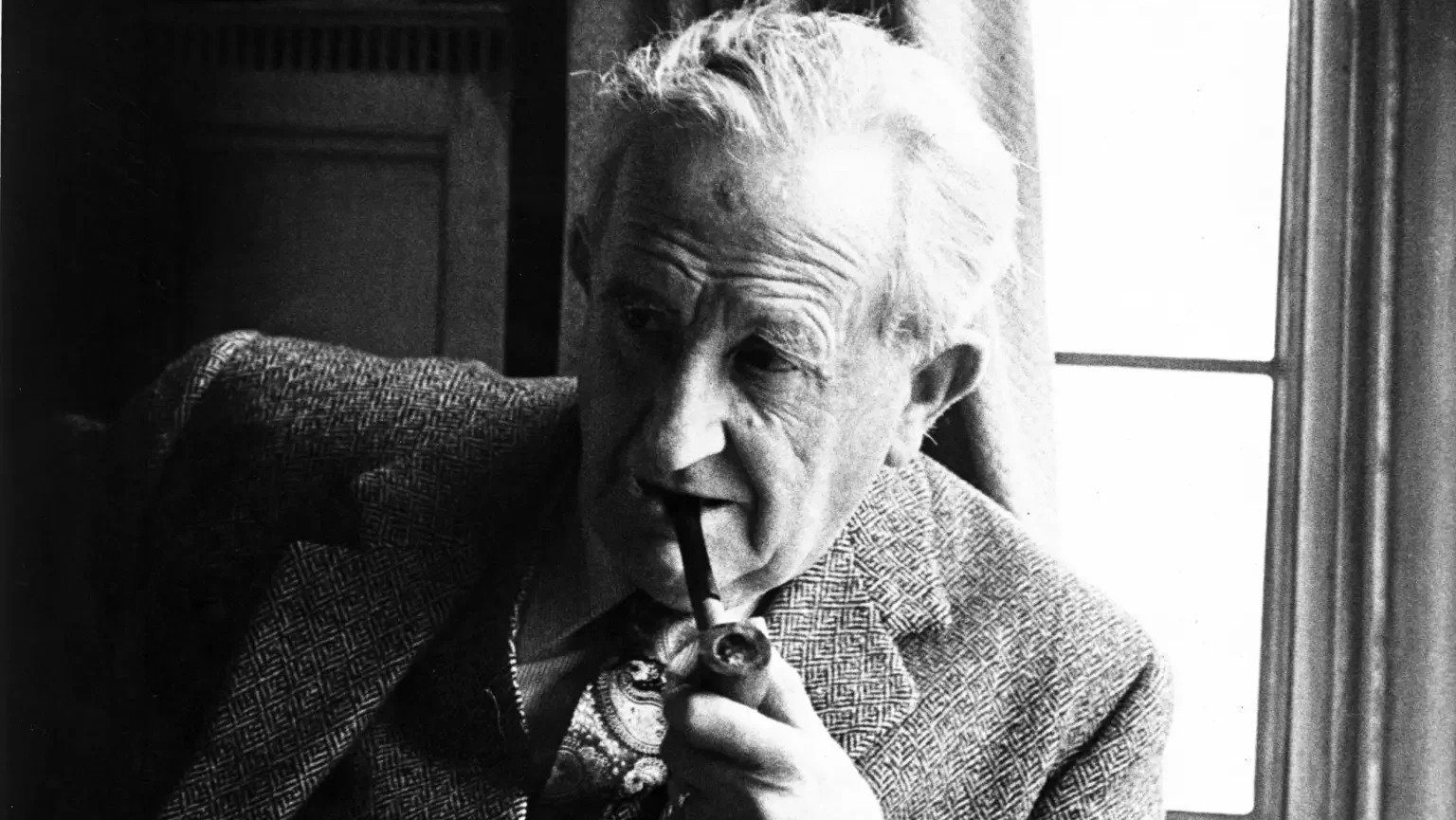
Conservatives and Tolkien
I don’t know if you have noticed that there are quite a lot of companies that have names taken from Tolkien’s Legendarium. At first glance, this seems innocuous enough. Tolkien’s writings grew in popularity over the seventies and eighties but since the release of the film trilogy at the start of the twenty-first century, his work has become more well known and been assimilated into our wider pop culture. Hence, it seems quite logical that a startup tech company, for example, would choose a name from his writings. No doubt the founders grew up reading The Lord of the Rings and are fans. That all seems plausible. However if you take a further look, it gets somewhat more complex. Here are four companies that have Tolkien based names.
I don’t know if you have noticed that there are quite a lot of companies that have names taken from Tolkien’s Legendarium. At first glance, this seems innocuous enough. Tolkien’s writings grew in popularity over the seventies and eighties but since the release of the film trilogy at the start of the twenty-first century, his work has become more well known and been assimilated into our wider pop culture. Hence, it seems quite logical that a startup tech company, for example, would choose a name from his writings. No doubt the founders grew up reading The Lord of the Rings and are fans. That all seems plausible. However if you take a further look, it gets somewhat more complex. Here are four companies that have Tolkien based names.
Palantir Technologies is a private American software and services company, specializing in data analysis. Named after the “seeing stones” from Tolkien's legendarium, Palantir's original clients were federal agencies of the United States Intelligence Community like CIA and NSA.
Lembas Capital is a San Francisco-based investment firm named after the Elven waybread that appears in The Lord of the Rings and The Silmarillion. The company invests in both public equity and private equity.
Valar Ventures, named after the Valar, is a US-based venture capital fund founded by Andrew McCormack.
Anduril Industries, named after Aragorn' sword, is an American defence technology company that specializes in autonomous systems.
I don’t consider banks, armaments suppliers and intelligence gatherers to be benign. Yes there are other companies with Tolkieneque names that are doing benevolent things but there are enough doing the opposite for me to consider that there’s something else going on. In this case, the common thread is that political conservatism embraces and feels an affinity to the writings of Professor Tolkien. In fact conservatives from both the US and Europe often cite The Lord of the Rings as a source of inspiration.
Why is this you may ask? Mainly because right-wing politicians are drawn to Tolkien's themes of the heroic struggle against corrupt systems, the return of a legitimate ruler to restore social order and a conservatively hierarchical worldview that reflects medieval Catholic ideas. There is also a suspicion of social modernity. The appeal lies in the narrative of a righteous hero or group challenging a “moribund establishment” to build a “brave new world that reflects a former past glory”. Such ideas resonate with right-wing figures who see themselves as fighting for traditional values against societal collapse. Politicians such as US Vice President J.D. Vance, former Member of theEuropean Parliament Lord Hannan and the Italian Prime Minister Giorgia Meloni.
Here are some of the key themes and interpretations that appeal to conservatives.
Heroic Mission and World-Making: Politicians see a parallel between their own political aspirations and Tolkien's heroes, who feel a "duty to save the world" and build a better future.
"Return of the King" and Feudal Order: The core narrative of both The Hobbit and The Lord of the Rings involves the re-establishment of a rightful monarch and the restoration of a pre-existing feudal social structure after a period of chaos. This narrative strongly appeals to conservative viewpoints.
Conservative Values and Hierarchy: Tolkien's work is seen by some as aligning with conservative principles due to its depiction of a divinely ordained natural hierarchy, echoing medieval Catholic notions of the "Great Chain of Being" and a worldview that favors traditional social orders over modernity.
Critique of Modernity: Influenced by his experiences and his devout, pre-Vatican II Catholic faith, Tolkien harbored a deep suspicion of modernity, a sentiment that resonates with many on the right who view modern trends as destructive.
Anti-Totalitarianism: While some interpretations of Tolkien focus on conservative themes, others emphasise his opposition to totalitarian systems. This could also appeal to those who view themselves as fighting against oppressive governments or ideologies.
Like many things political, there is an inherent contradiction to much of the above. The drive to build a better world usually means a better world for that specific political class. The restoration of a prior status quo seldom means it is an equitable one. Critiques of modernity are usually against changes in social attitudes, though not technology as that is a useful tool. As for opposing totalitarianism, this usually means circumnavigating legitimate opposing views or institutions that don’t allow conservatives a free hand. But such is the nature of politics and its use of semantics. As for the question of whether these specific interpretations of Tolkien’s work are actually there in the source text, that is highly subjective.
It helps us understand things much better if we can actually determine what were Tolkien’s own personal politics? Well he most certainly was a conservative both politically and socially but within the context of the times he grew up in. Hence despite the sharing of the term, I don’t really think there is a great similarity between Tolkien’s form of Catholic conservatism and his post WWI social sensibilities and a modern American neocon. Tolkien by his own admission disliked political organisations and institutions, claiming an affinity to non-violent anarchism. He was also anti-fascist and sceptical of industrial capitalism, albeit from a romantic perspective. He was also an ardent environmentalist.
Perhaps Tolkien’s biggest appeal to conservatives is his passion for mythology. Myths are a lens through which we explore the mysteries of the world around us and then use to codify and quantify it. Change the myth and you can change the world, as JRR Tolkien well knew. Which is why he spent his life creating new myths to help us better understand the modern world. An understanding tempered by his own world views. It is this that attracts many politicians on the right, who see mythology as means to frame their populist ideas. Political narrative and mythology have many similarities and are rife with archetypes and heroes.
I’m sure we’re now at the point where some readers may argue “so what if the right finds inspiration in Tolkien’s work” as well as “many fans will interpret things in that which they hold dear, irrespective of whether it is truly there or not”. All of which is true. We all see things through the prism or our own passions, or bias if you prefer. However we live in a world where nuance is in decline. The claiming of aspects of pop culture by specific groups can sometimes have negative consequences, mainly for that which is being claimed. Already because conservatives have stated an affinity for Tolkien’s work, some on the left are already seeking to find content connecting it to the right. Hence there have been claims, unsubstantiated in my view, that The Lord of the Rings is inherently racist and therefore by extension, so was the author and those who read it. There is a risk that the failings of the right may inadvertently blight the cultural standing of Tolkien work, simply by an act of non consensual association.
Which is why I feel the need to push back against the risk of such a thing. I do not believe that Tolkien’s work should just be surrendered to the politically and socially conservative. I’d also prefer not to see certain types of companies usurping Tolkien’s work for their own agendas and chronically misinterpreting his work. Or worse still, doing so just to be associated with something that is “cool”. Perhaps Robert T. Tally Jr. professor of English at Texas State University, said it best “In 2024, a number of prominent right-wingers embrace Tolkien’s work as the inspiration for their own ultraconservative worldview. While some Marxists may look upon this scene with bemusement, fantasy as a mode and a genre is far too important to allow the right-wingers to take for themselves, and that includes the works of Tolkien”.

I recently stopped taking beta blockers after a consultation with my Doctor. Seven weeks on and I feel substantially better without them. I strongly advocate prescription reviews, as often the medication you’re taking does not necessarily need to be taken indefinitely. That was certainly the case with me and beta blockers. At the end of my last consultation, my GP asked me to keep a daily record of my blood pressure for a month. I could either do this at home or come into the surgery where there is a suitable device that is free to use. Fortunately I inherited an old but functional OMRON blood pressure monitor from my parents, so I was able to take readings each morning myself. It was while doing this for a month that it struck me; what exactly does all the data that I’m making note of mean exactly? What do systolic and diastolic mean and what is the difference between them? Also, where my readings good or bad?
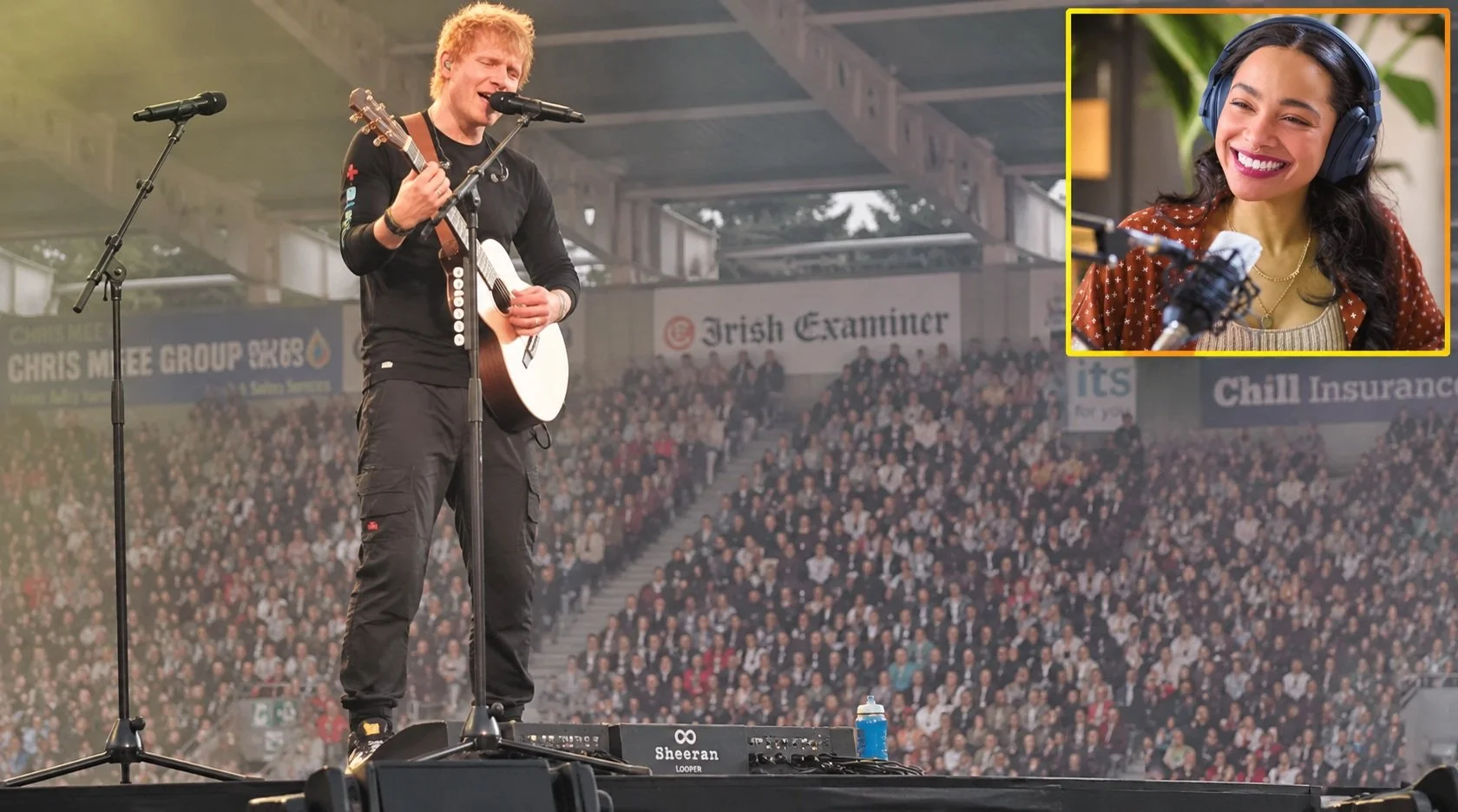
I made a throwaway quip yesterday on social media about reaction videos on YouTube. I was specifically complaining about those made about music videos and how there is a growing trend among “content creators” to mute the audio and obscure the video of the very material they are reacting to. This is due to concerns over a copyright strike by the rights holders of the original content and the threat of potential demonetisation to those making the reaction video. What you are left with is 5 minutes of a rather tiresome, charisma vacuum watching a blurred video while listening to “elevator music”. What a world we live in. Why even bother posting such content? If there is any value to be found in reaction videos, then surely it lies in the shared experience of both the person in the video reacting and their viewers?

When I last wrote about the thorny subject of weight loss, I weighed 188 lbs (13 stone 6 lbs or 85.3 kg). That was in Spring 2022. Let it suffice to say the the optimistic health plan I subsequently embarked upon fell apart like a cheap suit, solely due to me not committing to it in any meaningful way. Since then my weight has slowly and steadily increased. I will avoid any long and tortuous explanations and quasi-justifications. I like my food and lots of it. The fact that my lifestyle has contributed to my ill health, is something that I have willingly tolerated. The pleasure outweighed the consequences. However, in early August a tipping point was finally reached. It wasn’t a theatrical epiphany or anything that can be framed dramatically. I simply woke up one morning and said to myself, “I am tired of constantly feeling like shit”.
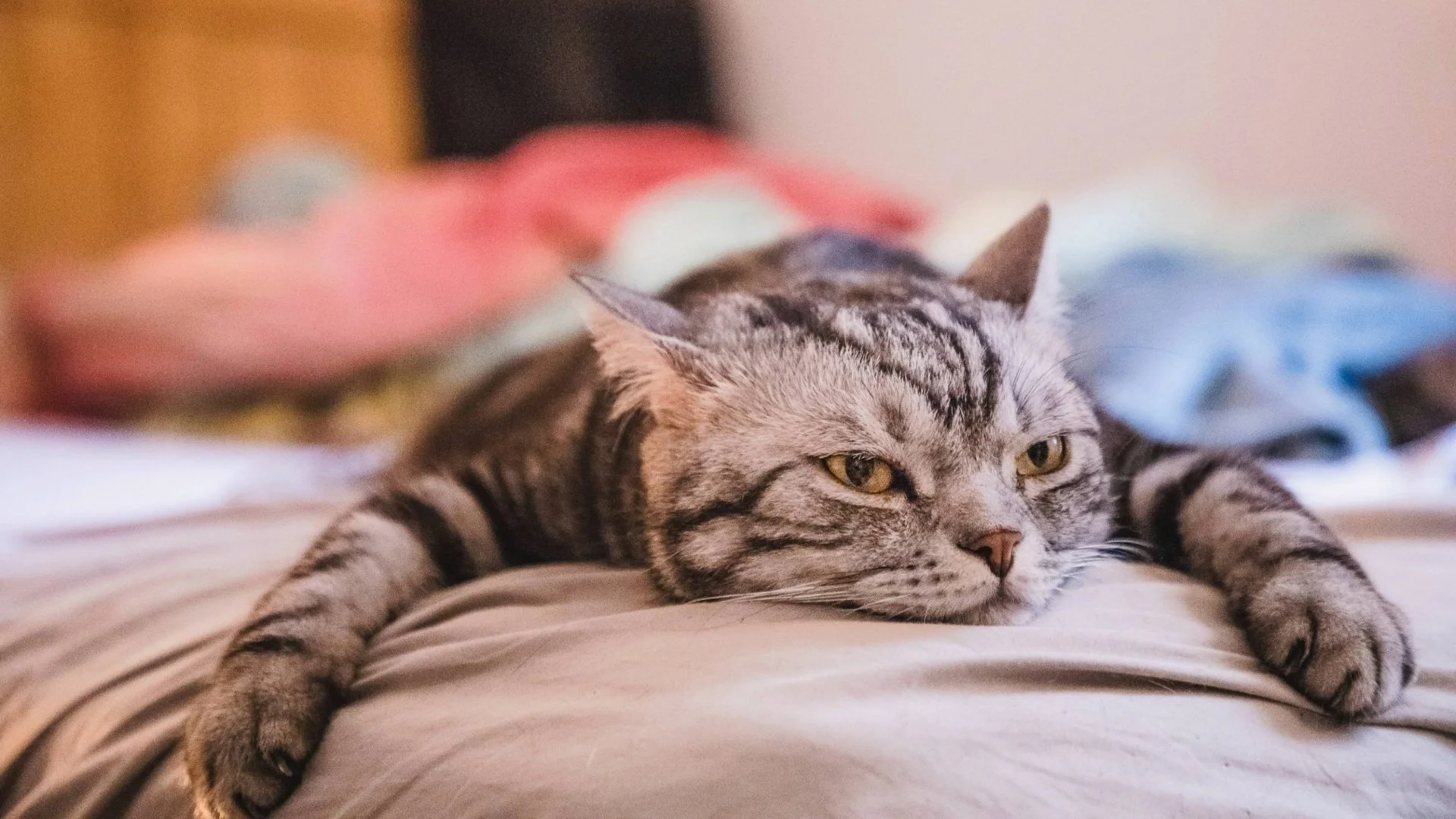
When I was a child, I quickly learned never to say within earshot of my parents that I was bored. It was quickly met with a response along the lines of “an intelligent mind is never bored” or more worryingly “if you’ve got nothing to do, I’ll find you something” which meant a chore or Herculean task. Being a child of the seventies and due to my parents fundamentalist approach to declarations of boredom, I quickly discovered numerous ways to occupy myself. The default solution was a book or comic. I always liked reading as a child and had plenty of books to choose from. I also had numerous of comics as an alternative to a hefty tome. I would also draw and paint. My father use to work during the summer holidays as a design draftsman and as a result, we always had plenty of paper in our house. Then of course there were toys and such like. Hence I learned the art of keeping myself busy.
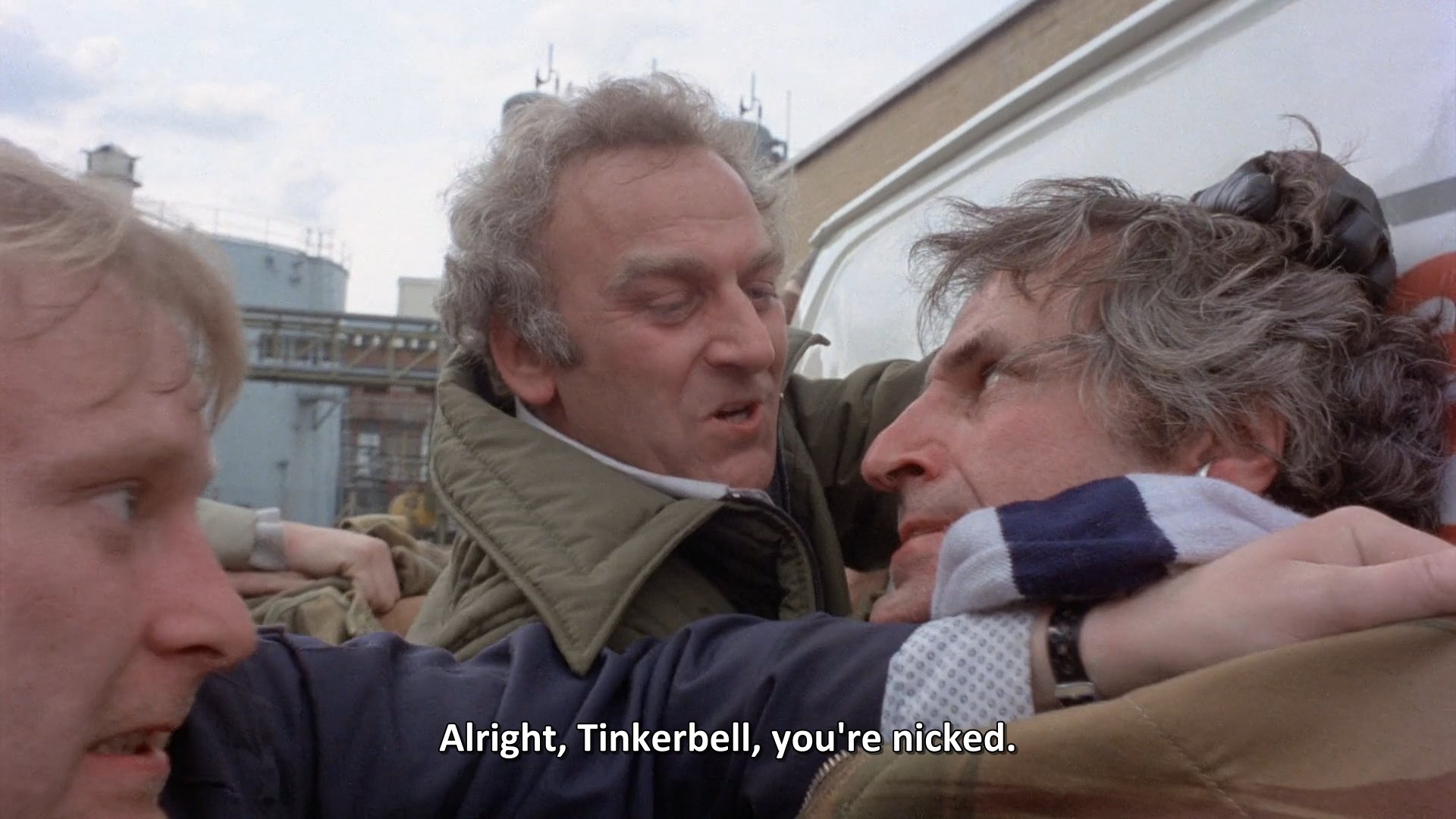
When I first started this series of posts back in 2023, they were originally intended to provide a useful overview into UK (mainly British) slang. US slang is ubiquitous globally due to the pervasive nature of American culture. Hence most people have a good grasp of its nuances. However, the proverbial door does not swing both ways. Hence most people will watch British TV dramas or read popular novels and can be quite bamboozled by some of the phrases that are used. That is what I was trying to address. However, over time this entire enterprise now reads like a some sort of Guy Ritchie film with Colin as the anti-hero. That notwithstanding, hopefully the list of slang phrases below will prove useful to know, if you ever visit the UK or tour around London. As ever I have given an example of their respective use. Feel free to ask questions if anything needs clarifying, or you wish to leave a comment with examples of you’re own national and regional slang.
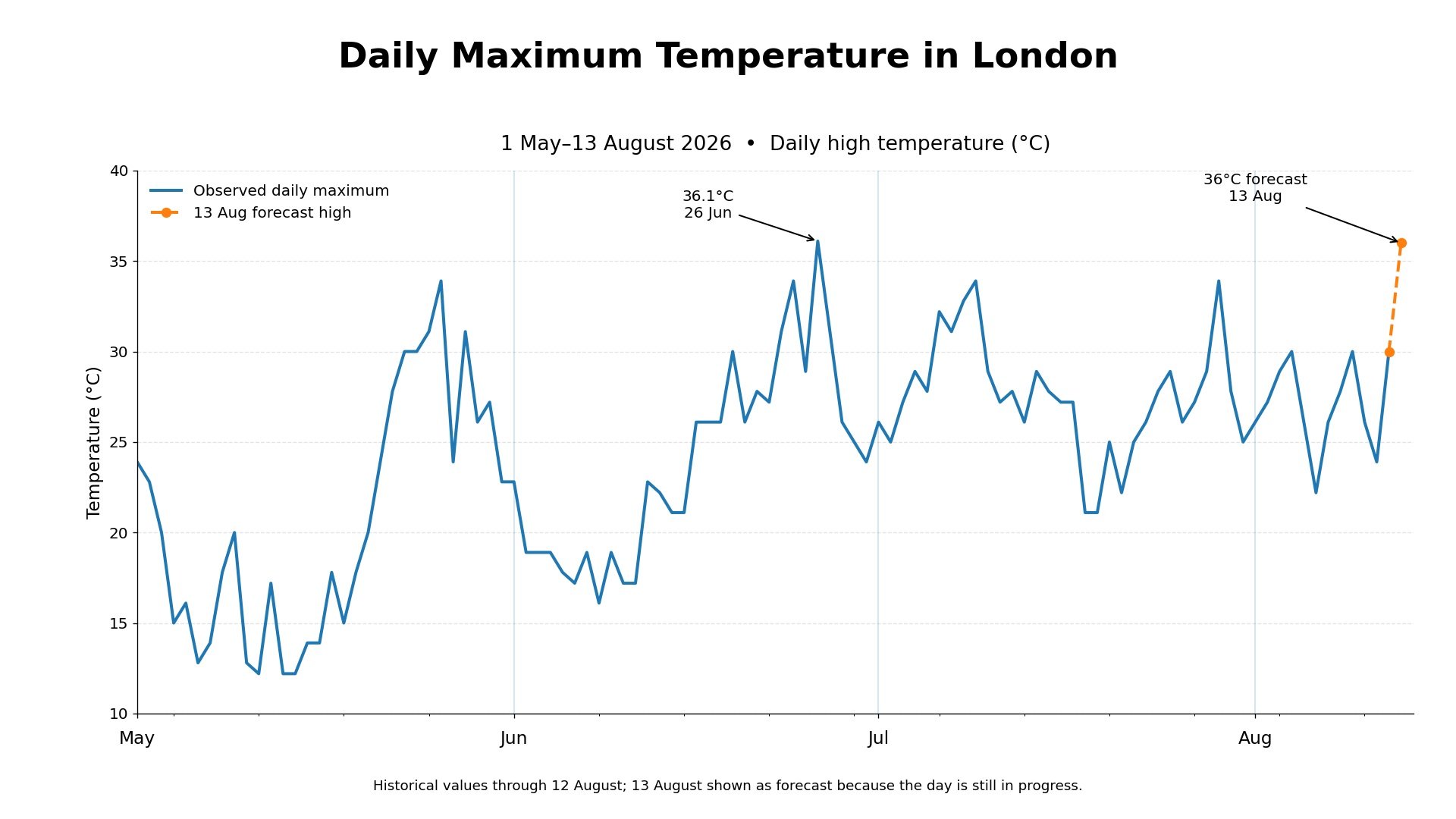
As I write this post, the temperature in Greater London is 33°C (91.4°F). This has become a regular occurrence since the middle of May onwards. High temperatures are fine when you’re on holiday mainly because you’re off work and at your leisure. You don’t have to perform the usual daily task that life requires of you such as work, shop, cook, clean etc. Furthermore, if you’re on vacation you’ll probably be staying at a resort or hotel that is fully air conditioned and you’re dressed accordingly. However, if you’re still performing you’re daily routine such as commuting to work and spending time in an office that wasn’t built with such external temperatures in mind, then 33°C is frankly a pain in the ass. Oh and if you’re one of those people who always respond to discussions such as this with “well I live in Riyadh and it’s 40°C here”, please sod off. You live in a desert which is dumb to begin with. Plus this is not a commensurate comparison. Temperatures are rising in the UK. It’s always hot in Saudi Arabia.
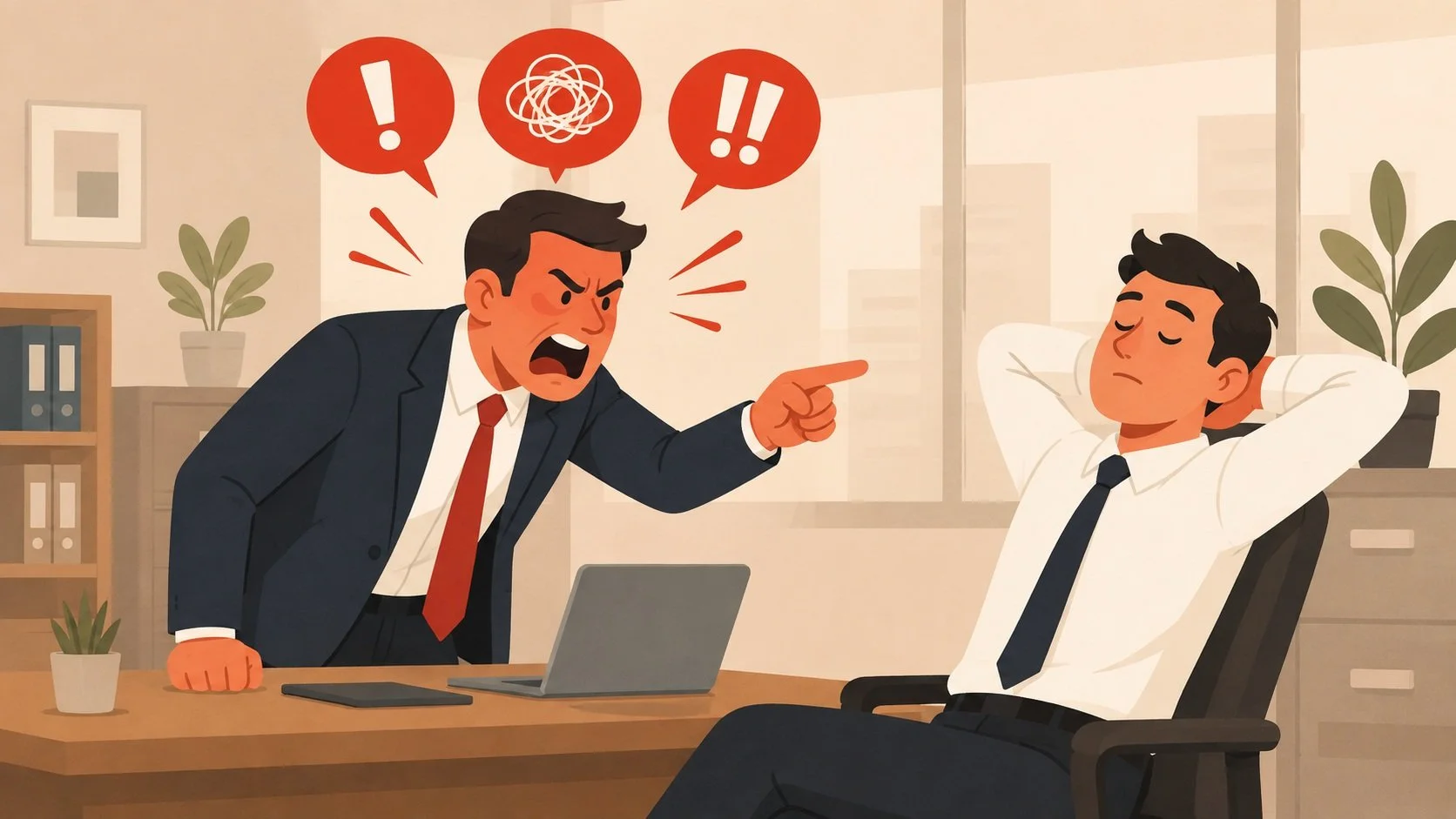
If you visit the websites for such UK tabloid newspapers as the Daily Express or the Daily Mail you will no doubt encounter prominent stories about Megan Markle, Nigel Farage and “immigrants”. If these two august institutions are short of column inches, they’ll run a piece about how some former celebrity has had the unmitigated gall and temerity to get old. I mean WTF? How dare they do what human beings are genetically disposed to do. It’s outrageous. Similarly, head over to the Unherd website and you’ll find foam flecked tirades regarding spurious points of contention over dubious subjects. Often the topic being harangued is incredibly niche and I’ve never heard of it before or even considered it being a thing. These sort of talking points are not about informing, debating and most certainly aren’t about thinking. They exist to provoke reactions.
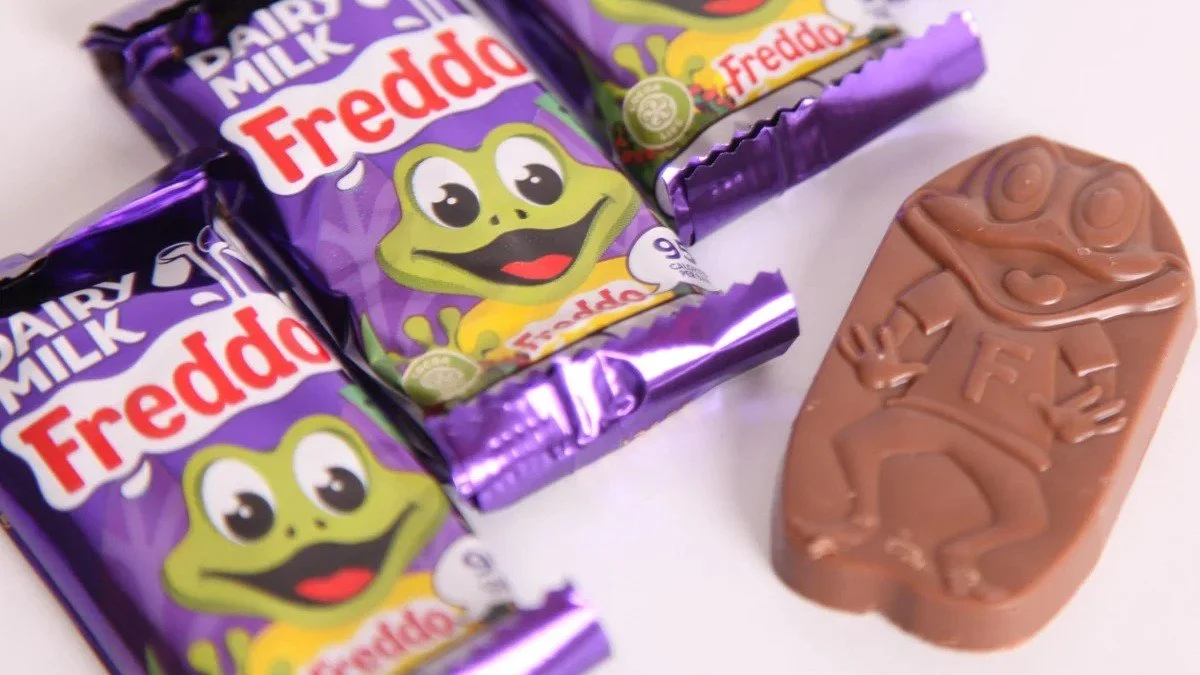
Before we start, let me explain to those readers outside of the UK, the significance of a Dairy Milk Freddo chocolate bar and its relevance to this post. The “Freddo” is an 18g (0.63 oz) chocolate bar, in the shape of an anthropomorphic frog. When it was re-launched by Cadbury in 1990 (it had previously been manufactured by an Australian confectionery company in the seventies), it was priced at 10p (£0.10). It remained at that price until 2005 when a 1p to 2p increase began to occur each year. By 2016 Freddos were retailing at 25p. However, the following year the price “lept” to 30p with an increase that was double its usual yearly rise. This led to public outrage across social media. Since then the price of a Freddo has waxed and waned. Tesco supermarket reduced the price back to 10p as part of their centenary celebrations. The post COVID price in 2022 hit 49p. At present, the average price of a Freddo in the UK is somewhere around 35p.
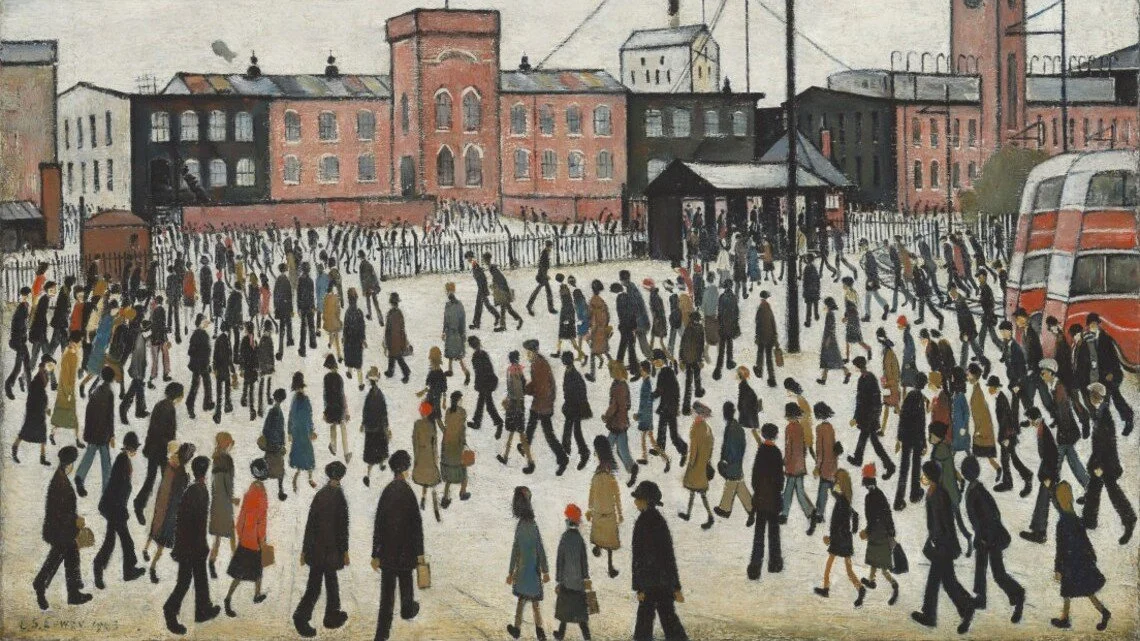
Over the last 10 years, I’ve written several blog posts about my personal working experiences and my career, such as it was. I touched upon working specifically in IT and how that industry changed over time, both technically and in the way that other people perceived it. I have also given my thoughts on the social dynamics of the modern work environment and the way we interact with our colleagues and employers. That is another area that has changed dramatically. Naturally my retirement from full time work has been written about, as it is such a radical change in one’s life. Especially if you’re the sort of person who is clearly defined by their job, which I personally was not. This time, I want to share a few thoughts I have about what I miss about “going to work” and “having a job”. I’m not sure if “miss” is the right word. Perhaps it is more a question of things being absent. Either way, there are some aspects of being employed that I use to enjoy or at least found beneficial that I now no longer experience.
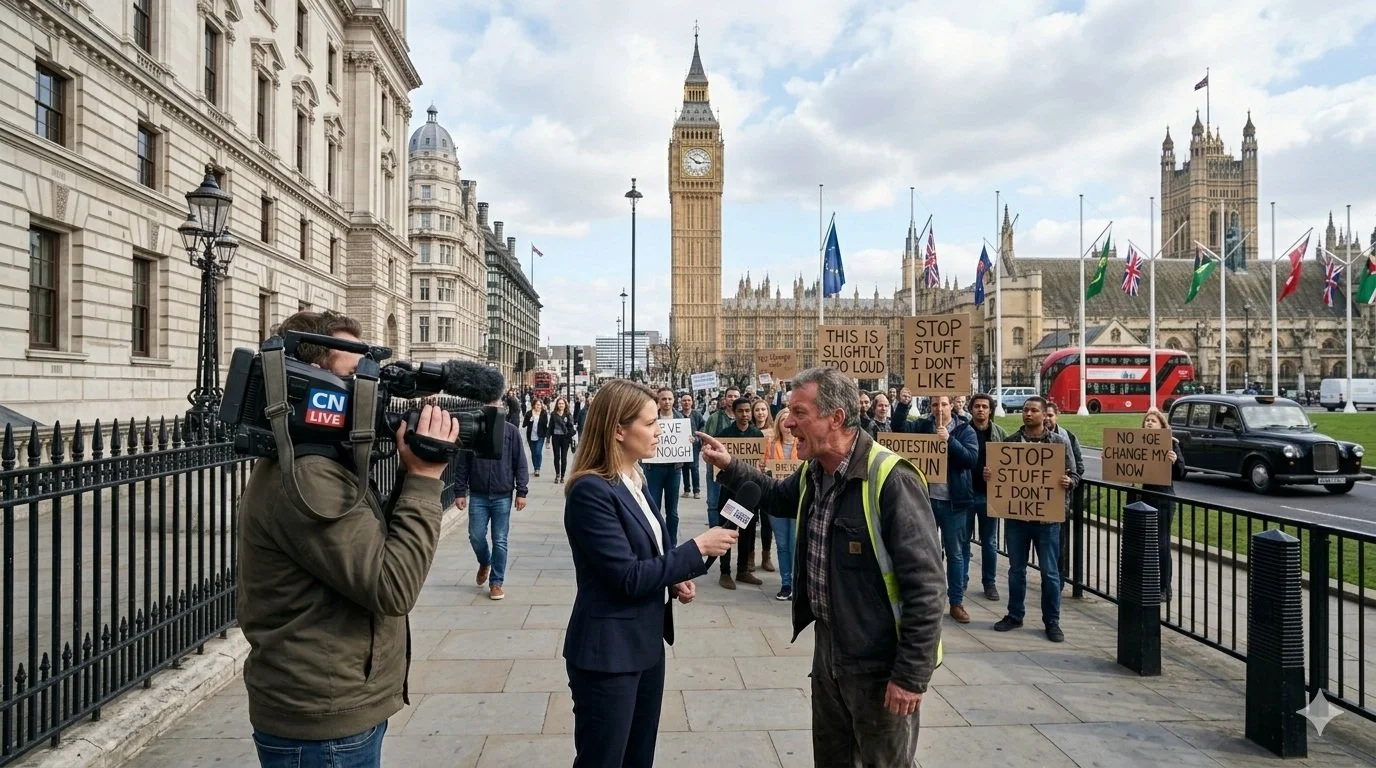
UK Prime Minister, Sir Keir Starmer has resigned and intends to leave office before the parliamentary summer recess. By then Andy Burnham will more than likely be voted leader of the Labour Party and by default will become the new Prime Minister. Due to the current size of the incumbent Government’s majority, there is no pressing reason for a General Election that the UK’s right wing tabloid press is currently calling for. Whether this provides the Government with the reset they’re hoping for when Parliament reconvenes in autumn remains to be seen. With seven Prime Ministers coming and going in a decade, there are some serious questions to be asked about the current state of UK politics. However, the mechanics of contemporary politics, the decline of clearly defined ideologies and the people that seek elected office to be our leaders are only half of the problem. The other major impediment to the UK’s democracy functioning properly is the electorate.

The UK Government has formerly announced its intention to ban under-16s from using social media. This is due to increasing public pressure that “something must be done” about the perceived iniquities of many online platforms. However, as with most complex social problems of this nature, no one has any clear or practical ideas as to what that “something” is. It remains a nebulous, non-specific panacea and clearly someone else’s job to identify and implement. As ever, why choose a nuanced and multifaceted solution to a complex problem, when it is far easier and politically expedient to just “ban” something. The former requires effort and a degree of thinking. If such an approach fails it also means that those who came up with it now carry the can. The latter dumps the problem in the lap of various third parties, who can then be conveniently blamed when the ill conceived policy fails.

Every Thursday, Mrs P volunteers at a food bank that is run from a local church; Avery Hill Christian Fellowship. Today there was a shortage of staff so I agreed to help out. It proved to be an equitable arrangement as she collated the various orders and I packed the bags and took them to the respective clients. The food bank itself is organised and administered by the Trussell Trust, a UK based NGO and charity providing emergency food and support to people locked in poverty. It is open for 2 to 3 hours a week depending upon demand. During today’s session we served just six people. Some weeks its can be triple that amount. Upon closure, a member of staff from the Trussel Trust did a stock take and collated a list of what was needed. This is provided by various local church communities via parishioners donations, as well as local supermarkets who have an arrangement with the trust to provide surplus stock or good approaching the end of their sales window.
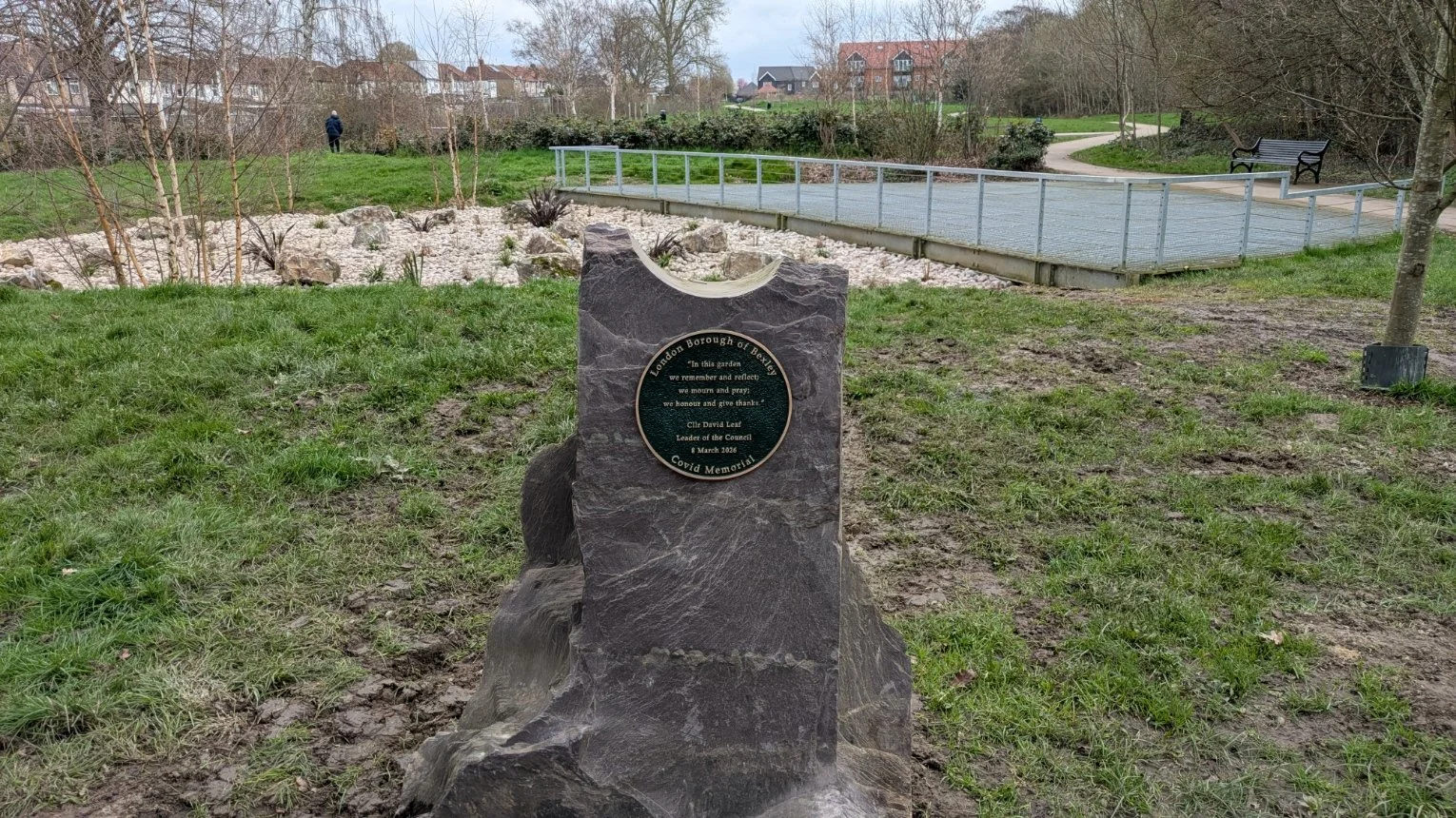
There are approximately 4000 parks and green spaces in Greater London. Bexley Borough alone has over 100. Public parks and green spaces are vital to modern cities, providing essential health, environmental and social benefits. They boost physical and mental wellbeing by reducing stress and providing a place for exercise. Furthermore they enhance urban sustainability, mitigate heat, and provide a sustainable environment for a wildlife. Parks are often a venue for social activities and events and as such are an important part of the local community. Going to the park has always been a part of my life. I live next to Old Farm Park in Sidcup and have made use of this recreational space throughout my life. I used visit with my parents in the seventies, when I was a child. Thirty years later my son, father in-law and I would fly kites there. Now I take my grandchildren to Old Farm Park as it now has a playground.

Being a 58 year old man, I welcome any undertaking which can potentially improve my health. One such thing is proactive screening and testing. The UK National Health Service has started doing a lot more of this in recent years, mainly because diagnosing a problem and treating it early is far more efficient and cost effective than retroactive action. Hence this policy and my age is why I was recently sent a NHS Bowel Cancer Test Kit via the post. This screening service takes place every two years for people aged 50 to 74 in the UK. The kit is very quick and simple to use. A sample of your stool is sent via a prepaid return envelope for testing and the entire process is free of charge. Upon receipt, the laboratory test determines whether there is any blood present in your stool, which is a potential indicator of bowel cancer. If detected, an early diagnosis greatly improves any subsequent treatment outcomes.
I like learning things. I always have. During my middle school years I thought I was a mediocre student and often I wouldn’t apply myself. According to an old school report this was because I was “too busy indulging in Tomfoolery”. Then I had the positive experience of meeting an exceptional teacher. Their lessons were the highlight of the week as they had an ability to make the subject matter, Classical History, utterly compelling and relevant. The teacher in question also treated us like adults and the class benefitted from only having five pupils. This really brought home to me that a lot of disinterest and underachievement in education is linked to the paucity of some teachers. One bad teacher can undermine the good work that all the others can do. Perhaps it has improved nowadays?
I’ve had an interest in the paranormal since I was a child. My mother always got books out of the library about ghosts and UFO phenomenon, so in some respects I was influenced by her reading habits. As a child such tales were by default interesting and any potentially scary element naturally made them more enjoyable. However, my father being an academic had taught me to question everything, so I felt fairly evenly equipped when exploring these subjects. Further to this point, over the years I have learned that humans have a very unique perspective on the world. We are hard wired to see patterns, regardless of whether they’re there or not. Our senses can also be fooled and often are. Perhaps the most important aspect of our nature that impacts upon any analysis we make into the paranormal is our penchant for creating stories. Hence unusual experiences can be subconsciously misremembered and “retconned” to form more precise narratives.
I have lived in Sidcup, in South East London, for most of my life. The first two schools that I went to were local and within 15 minutes walking distance. My Doctor’s Surgery and Dentist are only a few streets away, as is the barbershop that I’ve frequented since 1970. I now have my haircut by the son of the original barber. My point being that Sidcup has everything that residents immediately need. There’s a local hospital, good public transport networks and a broad range of shopping and restaurant facilities. It also has several parks with lakes, sport facilities and children’s play areas. It is a microcosm of the concept of suburbia with its residents commuting into Central London or out into Kent for work. People move here to raise families and end up staying. My parents lived here for 62 years.
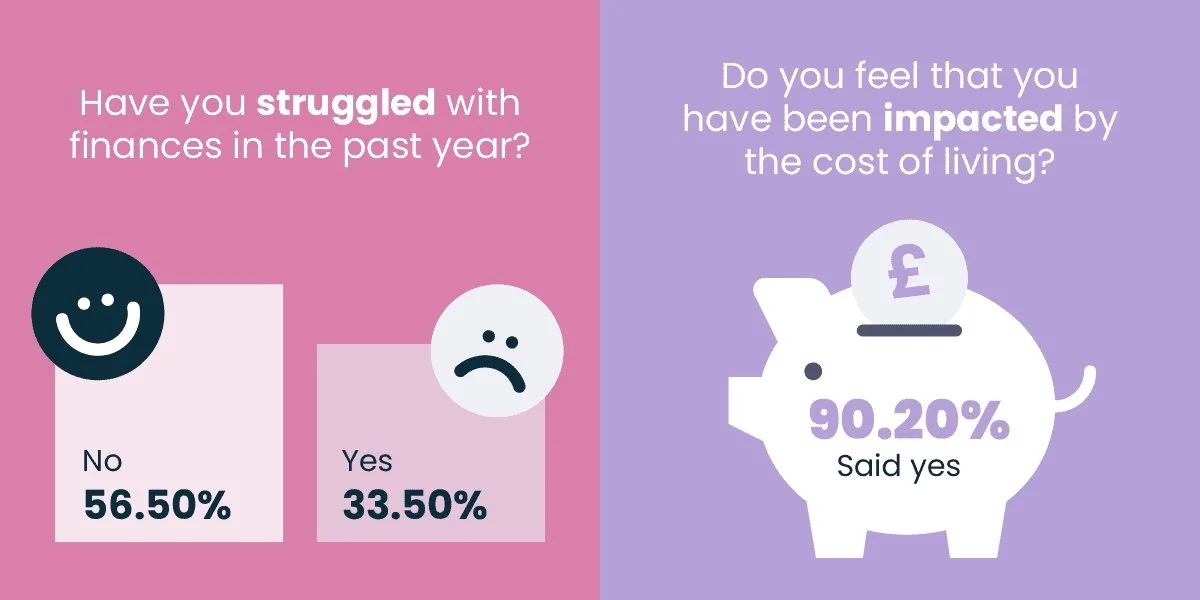
Our household is currently trying to reduce our monthly overheads in response to the ever increasing cost of living. April is not that far away and a great many service providers will increase their rates and tariff as the new financial year begins. Then there is the ongoing effects, both direct and indirect, of inflation to consider. Although the UK inflation rate is dropping, currently sitting at 3.4% in December 2025, food inflation remains higher at 4.5%. Being based in the UK, salaries and billed services tend to be administered monthly. You get paid usually at the end of the months and bills can turn up at any point, depending upon when you started a service. Any payments coming from central government, such as state pension or other benefits, are paid every 4 weeks. This means that there are 13 payments in a year. I thought it pertinent to clarify this point as other countries, such as the USA, favour a fortnightly financial cycle. Hence as a household we work around a monthly budget.

I try not to let the failings of contemporary capitalism get to me but such a mindset is very hard to maintain. From time to time it does just piss you off and you know damn well that there’s nothing you can do about it. So to begin this tale, at the end of November, our Indesit washer/dryer gave up the ghost after a valiant twelve year lifespan. As a result of this household appliance’s stirling work, it was decided to buy another from the same manufacturer. Their website informed me that the model that had just broken was no longer being produced. However, it recommended two newer appliances that had comparable specifications and more importantly the same size. This washer/dryer had to fit into a fitted kitchen unit. To cut a long story short, a model was chosen, purchased, delivered within 48 hours and installed. The broken predecessor was subsequently taken away. The wonders of modern consumer culture!

I was in a pub last night, catching up with friends before Christmas, when I noticed on the wall something I haven’t seen in a pub for a very long time. A jukebox. In my experiences most of the pubs I go to take one of the following two approaches to background music. They either have a sound system and exclusively manage any music via personally curated playlists from behind the bar. Or they have no music at all. The Wetherspoons chain of pubs broadly follow the latter policy and actively use it as a marketing point. Quiet pubs for clientele that just want to talk can be popular. Hence finding an accessible jukebox was a blast from the past. During the late eighties and early nineties, I regularly visited my local pub and often used the jukebox there, which at the time, was operated by an ever changing store of CDs. The jukebox I encountered last night was digital.

Today is my 58th birthday. It would appear that I have existed for nearly six decades. Put another way, I am over half a century old. All of which has given me pause for thought with regard to the passage of time. A phrase that is often bandied about, but what exactly does it mean? As I understand it, the “passage of time” refers to our perception of the flow of time and how we experience its movement. This is something distinct and different from objective time as measured by clocks. Our subjective experience of time can vary due to multiple factors. Two common examples are how time can feel like it's flying by when we're having fun and enjoying something or dragging its feet when you’re enduring something dull. Other factors are whether we are applying ourselves to a task, concentrating and general activity. Such focus can make time pass quickly.

When Mrs P and I moved into our current home, over twenty years ago, we were both working full time. As the garden was poorly maintained and neither of us had any horticultural skills, we decided to employ a gardener. At the time it was a practical solution to the issue of garden maintenance and remains so today. Hence it is a service we continue to use, although our personal health is now the main reason we pay a gardener.
In July the UK Government introduced the Online Safety Act which requires age checks for accessing sexually explicit content online. As a result of this, Pornhub, the 19th most visited site on the internet, has reported a 77% decline in UK traffic. Furthermore, according to the UK regulatory body, OFCOM (The Office of Communications), overall visits to pornographic websites from the UK have fallen by 33%. Naturally, those who championed this legislation are claiming a moral and political victory. However, once you consider what these facts actually mean, they paint a somewhat different and potentially more worrying picture. It would be staggeringly naïve to think that UK visitors to Pornhub have ceased visiting such sites due to the age verification requirements. The more likely explanation is that UK porn consumers are now using VPNs to circumnavigate these restrictions and that this traffic to Pornhub is now recorded as coming from elsewhere.

Formal education in the UK is a structured process, starting at early years learning and continuing through to higher education at university. Some aspects of the educational system are mandatory, whereas others are optional. At present, children in the UK must start full-time education from the age of 5 and remain until the age of 16. After this age, they are no longer required to attend school per se but must remain in some other form of education or training, such as a vocational college or an apprenticeship. Many students remain at school until 18, as there are specific exams to be obtained that are required for a subsequent university placement. Here is a breakdown of the current process as it exists in the UK.
I don’t know if you have noticed that there are quite a lot of companies that have names taken from Tolkien’s Legendarium. At first glance, this seems innocuous enough. Tolkien’s writings grew in popularity over the seventies and eighties but since the release of the film trilogy at the start of the twenty-first century, his work has become more well known and been assimilated into our wider pop culture. Hence, it seems quite logical that a startup tech company, for example, would choose a name from his writings. No doubt the founders grew up reading The Lord of the Rings and are fans. That all seems plausible. However if you take a further look, it gets somewhat more complex. Here are four companies that have Tolkien based names.

Last Wednesday, I woke up with what I thought to be a crick in my neck on the left hand side. I assumed this was simply due to sleeping awkwardly and so I self medicated with some non-prescription pain relief and judicious use of a heat pad. Unfortunately, the problem has persisted and in the last 24 hours it has become much worse. I awoke this morning at about 5:00 AM and as I sat up in bed, an intense pain ran up the left side of my neck and behind my ear. It took several attempts for me to get out of bed because if I turned my head in either direction or inclined my chin, the pain would again run up the side of my neck. Sitting down, getting up and raising my arms caused similar results. While dressing, I attempted to pull a t-shirt over my head. The pain in my neck on this occasion was so severe that I yelled out loud and nearly blacked out.

I am a non-driver. If you wish to know the specifics of how this situation came about, feel free to read the post I wrote about it back in early 2018. To be succinct, I don’t drive, I’ve never learned how and have never owned a car. I don’t feel that I’ve missed out. In fact I feel quite the opposite. I think I’ve dodged a major hassle and expense in life. Mrs P, my significant other, is the designated driver of our household. She owns a car, insures it and maintains it. She also mainly pays for the petrol, whereas I pick up the tab for other things such as lunch or hotels when we travel. All I have to do is make like Iggy Pop if we go anywhere. The most I am ever called upon to do is navigate using Google maps and Android Auto. Fortunately, Mrs P enjoys driving. Always has done. Hence I look upon this situation as an extremely fortunate and equitable arrangement.
I am getting old. I shall be 58 in December. Now, as soon as you say something like that these days, some folk will get uncomfortable and say things like “age is relative” or “you’re as old as you feel”. Well I don’t measure my age in geological terms, so it’s not relative and I’m not feeling anyone especially young at the moment, so both schools or thoughts can sod off. I am getting old by the yardstick we measure human life by, namely years. I have specific, age related health issues and I just don’t feel as energised as I did a decade ago. There are minor signs, such as deciding to go to bed earlier and taking longer to get dressed after taking a shower. I’m not at death’s door but I am slowing up physically. It would also appear that my reactions are also slowing down as I tend to get massacred in any FPS I play these days. So far, my mental faculties seem to be holding up. However, that is the one thing I worry about the most. The potential loss of cognitive abilities scares the shit out of me.
Foots Cray Reuse and Recycling Centre is the fancy name of our local dump. A few decades ago, this was no more than a scrap yard. The rubbish and bric-a-brac left by the public was sorted and scavenged for resaleable scrap. Everything that was left was subsequently sent to landfill or incineration. Much has changed. Today it is the embodiment of the modern recycling ethos. The recycling centre is a well managed, carefully segregated site providing safe disposal of a wide variety of household and garden waste. Wood, metal and hardcore are recycled and there is similar provision for a multitude of electrical goods. Plastics, oils, paint, batteries can be safely disposed of. I have yet to find a home item that they do not have provision to dispose of. The Foots Cray Reuse and Recycling Centre has won awards for the service it provides and is considered one of the best facilities of its kind in the South East of the country.

One of the things I enjoy most about having my own blog is the fact I can write about the mundane and the trivial. Mainly because so much of life falls into this category. Life defining events are all fine and dandy and certainly lend themselves to philosophical musings that make fine blog posts. However, you can get just as much mileage out of those everyday things in life with less gravitas, that we all do. Such as buying new clothes, taking out the recycling and going to buy groceries. I have written about all of these in the past. However, today I wish to broach a subject that both fascinates me but also raises my blood pressure. I believe it to be a social marker and a clear indication of an individual’s personal psychology. Yes, I’m talking about packing your groceries at the supermarket and the various rituals and social etiquette associated with it.
The Lord of the Rings: The Rings of Power Trailer
Finally the first teaser trailer for Amazon Prime’s forthcoming TV show set in the Second Age of Middle-earth has been released. The Lord Of The Rings: The Rings of Power will be released weekly on Amazon’s streaming service commencing September 2nd 2022. The first season consists of eight episodes. The series is a prequel to the events of The Lord of the Rings, depicting "previously unexplored stories" based on Tolkien's works. The show will include such iconic locations as the Misty Mountains, the elf-capital Lindon, and the island kingdom of Númenor. The Lord Of The Rings: The Rings of Power maintains the visual and design aesthetic of the existing Peter Jackson movies. Furthermore, composer Howard Shaw maintains his involvement as does artists and designer John Howe. Apparently, due to the Tolkien Estate being happy with the development of the show, Amazon had gained access to certain elements and passages from The Silmarillion and Unfinished Tales to include in the narrative arc.
Finally the first teaser trailer for Amazon Prime’s forthcoming TV show set in the Second Age of Middle-earth has been released. The Lord Of The Rings: The Rings of Power will be released weekly on Amazon’s streaming service commencing September 2nd 2022. The first season consists of eight episodes. The series is a prequel to the events of The Lord of the Rings, depicting "previously unexplored stories" based on Tolkien's works. The show will include such iconic locations as the Misty Mountains, the elf-capital Lindon, and the island kingdom of Númenor. The Lord Of The Rings: The Rings of Power maintains the visual and design aesthetic of the existing Peter Jackson movies. Furthermore, composer Howard Shaw maintains his involvement as does artists and designer John Howe. Apparently, due to the Tolkien Estate being happy with the development of the show, Amazon had gained access to certain elements and passages from The Silmarillion and Unfinished Tales to include in the narrative arc.
The trailer itself reveals no footage from The Lord Of The Rings: The Rings of Power. Its primary purpose is to formally announce the new TV show’s name and to set out its stall. However, it is worth noting that like the TV show itself, Amazon went all in with the actual trailer. The first season is alleged to have had a production cost of $465 million. Although no data appears to be available on the budget for the trailer, it features the talents of director Klaus Obermeyer, legendary special effects supervisor Douglas Trumbull renowned foundryman Landon Ryan. I’m sure such an ensemble production team does not come cheap. As for the teaser trailer itself, it is suitably evocative of ring forging and the threat of dark powers. The lush soundtrack is certainly in the established idiom of “the sound of Middle-earth”. It has piqued both mine and a good many other people's curiosity.
I recently discovered both of the original theatrical trailers for the 1978 animated version of The Lord of the Rings created by Ralph Bakshi. One is simply a portentous narration but the second is far more interesting. It features a montage of still images. Some of them are background paintings used in the movie, while others seem to be production art. The voice-over descends into hyperbole and is somewhat misleading, but you have to remember that the fantasy genre was not a common staple of the box office of the times. Like many films the pre-production process can often produce an inordinate amount of material that never makes it into the final edit. Some of this can be seen in the trailer. It’s interesting to see how Tolkien’s work has grown in popularity within popular culture over the last forty years and how that is reflected in the difference between the two trailers.
Sometime in August 1979, I was travelling with my father by train to London, when I first saw posters advertising the Ralph Bakshi animated version of J. R. R. Tolkien’s The Lord of the Rings. The film had been released in the US the previous November and I aware of its existence because I had read articles about it production in Starburst magazine. Even at the age of 11 I was interested in genre films and television, having been raised on Doctor Who and Ray Harryhausen’s back catalogue of fantasy movies. Furthermore, I was familiar with Tolkien’s first novel, The Hobbit, as my father had read it to me when I was younger. I was impressed by the poster in that way that only an 11 year old can be. Why was Gandalf do gigantic? Also the A rating was enigmatic. Most animated films were usually rated U. Yet despite my interest, I didn’t see The Lord of the Rings at the cinema during the summer holidays.
On Tuesday 11th April, Aspyr Media rather surprisingly re-released The Lord of the Rings: War in the North, a co-op action-RPG from 2011. This game was delisted in late 2019, possibly due to changing rights ownership or a license expiring. Hence, I was somewhat discombobulated by the return of this title to all major gaming platforms. Mind you, the Embracer Group (through its subsidiary Middle-earth Enterprises) still controls the worldwide commercial and video game licensing rights for The Lord of the Rings and The Hobbit. Furthermore they have explicitly stated that they have plans for more games. It would appear this also means re-releasing and updating old favourites. It is also worth noting that they own Aspyr Media, which is also a bit of a giveaway. Let it suffice to say that this re-release and sparked enthusiastic online debate as to whether any other he Lord of the Rings themed games from the same era will receive a similar makeover. Judging by the internet chatter, there’s potentially a market for them.
At the start of the 2001 film, The Fellowship of the Rings, director Peter Jackson has crafted a compelling and visual stunning prologue. It distils a great deal of Tolkien’s text and conveys the essential history of the One Ring succinctly. Cinematically it works extremely well but it is sadly far from canonical due to all the practical considerations a film maker has to make when adapting a lore dense text. I have often wondered exactly how Sauron was defeated at the end of the Second Age because Tolkien is somewhat vague in The Lord of the Rings. Gil-galad, Elendil and Isildur all seem to be involved in physically fighting the Dark Lord. Gil-galad died due to being burned by Sauron’s touch. Elendil also died in combat and his sword Narsil broke beneath him. Isildur claimed to have delivered the killing blow after his father was defeated. However, no character in the story provides a definite, linear account of these event.
Tolkien enthusiasts may recollect Athlon Games, a subsidiary of Leyou Technologies, announcing that it was developing a new MMORPG, based upon The Lord of the Rings, back in September 2018. The following summer, it was revealed that Amazon Game Studios was the partner developer for the project. In late 2020, Leyou Technologies (a Hong Kong-based company), was acquired by the Chinese conglomerate Tencent. This triggered a contract clause with the license holder, Middle-earth Enterprises, allowing them to terminate the existing arrangement if a new deal could not be met. Amazon and Tencent were unable to agree upon how to proceed with the project, leading Amazon to withdraw from negotiations. The project was subsequently scrapped. No details or images of the MMO have been released.
Song is a fundamental aspect of Tolkien's writing, serving the same role as it does in our own cultures. It is a means of documenting history, expressing cultural heritage and maintaining traditions for the people of Middle-earth. The Ents sing lists of lore. The Rohirrim sing of battle and heroic deeds and the Shire folk, of ale and frivolity. Let us not forget that Tolkien’s fictitious world, Arda, was effectively sung into existence via the Ainulindalë, the divine music of creation sung by the Ainur. The cultural significance of song is also a key element of Tolkien’s world building. The songs within the narrative bolster the authenticity of the various cultures of Middle-earth, embedding their history and heritage into the story. Music, rhymes and songs also help define characters. The lighter ones sung by hobbits, provide lighthearted moments, contrasting with the dark and dangerous tones of the larger narrative. It also reinforced their rustic heritage.
I have always found it curious that there haven't been more feature films set in Middle-earth, after the success of Peter Jackson’s The Lord of the Rings trilogy. However, a little research shows a very complex set of rights regarding Tolkien’s work, with different material being controlled and administered by different bodies. Hence, the market has not been saturated with officially licensed material. Thus, when The Lord of the Rings: The War of the Rohirrim was announced to be in production, it aroused a great deal of curiosity both among fans and those with an interest in the wider film industry. To base an entire feature film on something that is effectively just a few paragraphs in the appendices of The Lord of the Rings is quite intriguing. The producers claimed it afforded them greater artistic freedom not to be constrained by an excess of lore. Industry pundits theorised that the film was being produced solely to ensure that wider rights were retained.
Two years ago, The Lord of the Rings: The Rings of Power premiered on Amazon Prime to mixed reviews and a tedious and predictable internet brouhaha. I have no interest in that debacle as I consider it spurious, to say the least. Representation is a commercial imperative for any big budget television production. As for any deviation from the established canon, that’s due to the show being an “adaptation” of Tolkien’s work. At no point were viewers promised a literal interpretation of the source text. Therefore I am only interested in legitimate critiques of the show based upon its production, writing and acting. As far as I’m concerned, the first season was broadly entertaining and had outstanding production values. Overall I enjoyed The Lord of the Rings: The Rings of Power as an exciting and inventive take on Tolkien’s legendarium. Hence, I have been looking forward to the second season, which began today.
Having watched the first two episodes of The Lord of the Rings: The Rings of Power, I wish to express my thoughts on what I’ve seen and my overall impressions so far. I do not think it would be fair to frame this post as a review as the two episodes only constitute 25% of the show’s total content. A formal review of the first season seems more appropriate when I have seen it in its entirety. Before I begin commenting on specific points about the two premier episodes, I wish to point out that I have no problem with “representation” and have expressed my thoughts on this matter in a previous post. It also covers the matter of “adaptation” and how complex texts can at times require augmenting to be made accessible to wider audiences. Hence those viewers who want 100% canonical purity are unrealistic in their expectations. Objections based in racism and sexism can simply be ignored. NB I shall endeavour to keep my thoughts spoiler free.
In February this year, I wrote a blog post about how Middle-earth Enterprises were seeking to auction off the various rights they hold for the works of J.R.R. Tolkien. Today the Embracer Group announced that it was buying these rights as part of an ongoing acquisition strategy. The Swedish video game and media holding company has also purchased Limited Run Games, Tripwire Interactive as well as Middle-earth Enterprises portfolio. They recently acquired premium titles such as Tomb Raider, Deus Ex, and Thief. The Embracer Group currently owns more than 100 studios including Borderlands developer Gearbox, Saber Interactive, and THQ Nordic. Saudi Arabia recently bought a $1 billion stake in Embracer, which is around 8% of the company’s total shares. Embracer’s recent purchasing spree comes months after it acquired Square Enix’s three major Western game studios. In a press release the cost of buying the right to Tolkien’s work is £653,000,000 ($786,000,000).
I was perusing my Twitter timeline last night and a tweet appeared from someone who doesn’t seem to care for the casting of Lenny Henry as a hobbit in the upcoming Amazon Prime TV show The Lord of the Rings: The Rings of Power. If you’re not familiar with Lenny Henry he’s a British comedian and actor of Jamaican heritage, who was one of first people of colour to establish himself as part of the cultural mainstream in the UK. He’s funny, smart and well respected. However, this particular individual on social media (we will not dignify them with a name check) was not happy about canonical authenticity being subject to the whims of representation. They tried to portray their objections as legitimate criticism based on a good faith argument, but some of the terminology they used clearly showed their true intent was passive aggressive dog whistle racism.
In 1969 J.R.R. Tolkien sold the motion picture, merchandising, stage and other rights to The Hobbit, The Lord of the Rings and other literary works to United Artists. UA were riding high at the time with the success of In the Heat of the Night and The Graduate. Allegedly Tolkien made the deal to pay off a tax debt, although this may be apocryphal. He was paid £100,000 which is equivalent to £1,680,000 today. He also retained a 7.5% royalty interest that has now been transferred to the Tolkien Estate. UA toyed with the idea of adapting The Lord of the Rings and many cinematic luminaries were associated with the project. In the early seventies British film director John Boorman was tasked with writing a screenplay. Boorman, an established director with a track record of being experimental, set about developing a script with his long term collaborator, Rospo Pallenberg. However, the project was cancelled due to costs and the studio getting “cold feet”.
Finally the first teaser trailer for Amazon Prime’s forthcoming TV show set in the Second Age of Middle-earth has been released. The Lord Of The Rings: The Rings of Power will be released weekly on Amazon’s streaming service commencing September 2nd 2022. The first season consists of eight episodes. The series is a prequel to the events of The Lord of the Rings, depicting "previously unexplored stories" based on Tolkien's works. The show will include such iconic locations as the Misty Mountains, the elf-capital Lindon, and the island kingdom of Númenor. The Lord Of The Rings: The Rings of Power maintains the visual and design aesthetic of the existing Peter Jackson movies. Furthermore, composer Howard Shaw maintains his involvement as does artists and designer John Howe. Apparently, due to the Tolkien Estate being happy with the development of the show, Amazon had gained access to certain elements and passages from The Silmarillion and Unfinished Tales to include in the narrative arc.
In December it will be the twenty year anniversary of the release of The Fellowship of the Ring. The first entry in Peter Jackson’s trilogy of film adaptations of Professor Tolkien’s iconic novel, The Lord of the Rings. I was utterly swept up in the hype and media frenzy that persisted for three years around these movies between 2001 and 2003. I certainly have fond memories of seeing each film on the first day of its release at the prestigious Leicester Square Odeon in London. Broadly speaking I was very impressed with all three films at the time of their release. However, over the years excitement and fandom has been tempered with a greater degree of critical analysis and appraisal. Having recently watched the Extended Editions of all three films, remastered in 4K, I now think it would be pertinent to revise my thoughts on them and repost them here on Contains Moderate Peril. This initial post is intended more as an overview on the trilogy. I shall write three new in depth reviews in due course.
I have reviewed several audio recordings of J.R.R. Tolkien’s The Lord of the Rings over the years. My personal favourite is the BBC Radio adaptation from 1981, which has a superb cast of British character actors and does a wonderful job of adapting the text without diminishing the scope of the narrative. This is a dramatisation, rather than a straightforward reading of the book. However, if the latter is what you are looking for then the go to version is 1990 recording by Robert Inglis. He provides unique voices for all characters and even sings the songs included in the source text. And then there is the quirky Mind’s Eye Production from 1979, which is another dramatisation. This is a flawed version with a focus upon the character dialogue with much of the lore removed. Yet it has its charm and includes the often omitted Tom Bombadil. However, quite recently I accidentally stumbled upon a fourth adaptation and was surprised not only by the quality of the production but the curious history associated with it.
In late 2018 it was announced that Amazon Game Studios and Leyou were collaborating on massively multiplayer online game for PC and consoles set in Middle-earth. Ongoing development is being handled by Athlon Games, a global developer and publisher of free-to-play console and PC games. The studio is a subsidiary of Leyou Technologies Holdings Limited. But beyond the fairly vague press releases that can be found on the Athlon Games website (the last was posted in July 2019), little detail has emerged about the project. There has been unsubstantiated rumours that the project may well tie-in with the forthcoming Amazon Prime TV show that is set in the Second Age of Middle Earth. However, there is little information at present in the public domain to fully substantiate this or any of the other ongoing speculation. Hence, the entire situation raises some interesting questions and I’m sure like me, you have probably pondered some of them. Here are just a few that have crossed my mind.
In recent years there has been a shift in position of both Middle-earth Enterprises and the Tolkien Estate. Saul Zaentz died in 2014 leading to a relaxing in licensing requirements and Christopher Tolkien stepped down as the director of his father’s estate in late 2017, further contributing to increased commercial use of Tolkien’s intellectual property. Since then we have learned that Athlon Games are developing a new MMORPG set in Middle-earth and that Amazon Prime is producing a major TV show set in the Second Age. It would appear that the firm grip that has prevailed over the last forty years is now waning and that Middle-earth Enterprises and the Tolkien Estate are more disposed towards expanding the reach and financial potential of the Tolkien franchise.
Ralph Bakshi’s 1978 adaptation of Tolkien’s The Lord of the Rings often polarises fan opinion. There is much to admire and there is also much to dislike in this 133-minute animated feature film. However, for many of us, this was our first visual foray into Middle-earth and for good or ill, it had an impact. You’ll certainly see several homages to it in Peter Jackson’s trilogy. And like so many cinematic adaptations of iconic books, The Lord of the Rings journey to the big screen was far from easy. Here are ten anecdotes regarding the film and its production.
The Hobbit (1977) is a curious beast. It’s a made for television animated film, which despite its budgetary constraints, strives to comprehensively adapted one of the most beloved children’s books of the last century. I remember reading an article about this television adaptation of The Hobbit, in Starburst Magazine during the late seventies. There were rumours that this Rankin/Bass production, which had already premièred on US network television, would gain a European cinema release. This was presumably to cash in on the success of Ralph Bakshi's animated feature film adaptation of The Lord of The Rings. However, this never happened to my knowledge. In fact, The Hobbit was not commercially available in the UK until 2001, when Warner Bros. released it on DVD to capitalise on the success of Peter Jackson’s The Fellowship of the Ring.
There are and always will be books that have a clear political agenda or make a very particular statement. Orwell’s 1984 springs to mind as an obvious example. Then there are also books that attract political interpretations by the nature of their plot or the subjects that they explore. Whether the author intended such a debate about the work or not, is a secondary issue. I have always taken Tolkien’s work at face value and to be what he stated they were. Epic and intricate faux histories, free from allegory. Furthermore, I appreciate that the moral position and themes of his work stem from the authors world view, personal experiences as well as the prevailing social dogma of the time. I find it interesting how his work attracts praise and adulation from a wide variety of groups. Catholics will naturally gravitate towards Tolkien’s writings due to his faith and that is the prism through which they will critically view his work. There are of course other examples about how The Hobbit and The Lord of the Rings appeals to different people in different ways. It is a common aspect of fandom.
Canon and lore are sacred cows to many fans. Any deviation from the clearly established is met with scepticism and on occasions outrage. It is the hill they are prepared to die, defending. In the past I have felt equally as strong about this matter as others but over the years I have become increasingly relaxed about such things. I guess once you realise that your childhood memories cannot be ruined, despite what some claim, then you cease to worry as much. If you do not like an adaptation, extrapolation or continuation beyond the canon of a particular IP, then you simply say, “it’s not for me” and move on. Not liking an idea or concept because it doesn’t conform your preconceptions and personal tastes does not give you the right to try and quash it. So overall, I don’t mind Tom Cruise being Jack Reacher. A female Doctor Who is fine with me. I even like the movie adaptation of Raise the Titanic.
When Peter Jackson finished filming The Hobbit trilogy, there was some idle speculation by fans as to the possibility of a movie adaptation of The Silmarillion. It was meant mainly as a talking point, rather than a serious proposition and there certainly was an enthusiastic response from some quarters. Three years on, the fantasy genre is still a commercially successful genre both at Cinemas and on TV. Furthermore, production studios are regularly looking to existing literary properties that they can convert into viable long term franchises. Bearing all this in mind, is it possible that Tolkien’s complex mythopoeic work could be adapted for either the big or little screen?
Tolkien's use of song and verse are an integral part of his writings. I am not musically talented myself, nor am I a scholar of song structure but I appreciate how he uses them for plot exposition and character development. In The Lord of the Rings, the medium of song is also used as a means of conveying the enormity of Middle Earth and the wealth of history therein. They give us a sense of the realms lore and heritage, stretching back over millennia. The respective sophistication of each song also reflects the culture that created them. Songs from The Shire are rustic and quaint. The songs of Men are bombastic and bold. Whereas Elven music is often melancholy and complex.
In a fit of nostalgia I recently found myself perusing several retro gaming websites, pondering on some of the titles that I use to play on the Super Nintendo Entertainment. During the early nineties when this platform was my primary source of gaming I use to meticulously research new titles before purchasing. This was the pre-internet age and console cartridges came at a premium price, so you did not want to waste valuable money on a poor game. Magazines featuring previews and in-depth reviews were the main source of information. The other would be your local gaming boutique where you could hang out and discuss such matters with fellow gamers. Broadly this system worked and I enjoyed most of the games I played on the SNES.
In 1981 BBC Radio 4 produced an ambitious adaptation of The Lord of the Rings, presenting Tolkien’s novel in twenty six, thirty minute episodes. As with all adaptations some material had to be removed, but overall the BBC production was not excessively abridged and followed the plot faithfully. The characterisations and dialogue were extremely well realised and music by composer Stephen Oliver was very much in the style and idiom of Tolkien. This was a production of the highest pedigree and a major event for the BBC at the time. The series was heavily promoted, receiving front page status in The Radio Times, the UK’s premier TV guide and bestselling magazine. Although initial reviews were varied, the series immediately gained a cult following with fans trading episodes recorded on cassette tape. Word of mouth and substantial listening figures soon lead to revised opinions from the press, along with the immortal slogan "Radio is Hobbit 4-ming".
n 1969 JRR Tolkien finally sold the film and merchandising rights of The Lord of the Rings to United Artists for approximately £104,000. A year later the studio asked director John Boorman if he could make the books into a viable film. Boorman, an established director with a track record of being experimental, set about developing a screenplay with his long term collaborator, Rospo Pallenberg. What emerged was a one hundred and fifty minute script and possibly the most radical adaptation of Tolkien's work. Some of the ideas and concepts it contained were extremely innovative but others where simply too radical a divergence from the source text. I’ve collated a few of these for your consideration. If you are familiar with Boorman's 1973 film Zardoz, then you will note both similarities and re-occurring themes.
When discussing the various audio dramatizations of J. R. R. Tolkien's The Lord of the Rings, people often think of the BBC Radio adaptation by default. However it should be noted that it was not the first. An earlier version was made and broadcast in 1979 on US National Public Radio and was subsequently released as an audiobook. It was produced by The Mind's Eye, a company who were responsible for numerous adaptations of classic literature for radio at the time. The script written by Bernard Mayes is a somewhat abridged version of the book. The eleven hour running time focuses significantly on the dialogue, with much of the back history, lore and expositionary narration removed.
Sometime in August 1979, I was travelling with my father by train to London, when I first saw posters advertising the Ralph Bakshi animated version of J. R. R. Tolkien’s The Lord of the Rings. The film had been released in the US the previous November and I aware of its existence because I had read articles about it production in Starburst magazine. Even at the age of 11 I was interested in genre films and television, having been raised on Doctor Who and Ray Harryhausen’s back catalogue of fantasy movies. Furthermore, I was familiar with Tolkien’s first novel, The Hobbit, as my father had read it to me when I was younger. I was impressed by the poster in that way that only an 11 year old can be. Why was Gandalf do gigantic? Also the A rating was enigmatic. Most animated films were usually rated U. Yet despite my interest, I didn’t see The Lord of the Rings at the cinema during the summer holidays.