
MMO Tropes: Loot
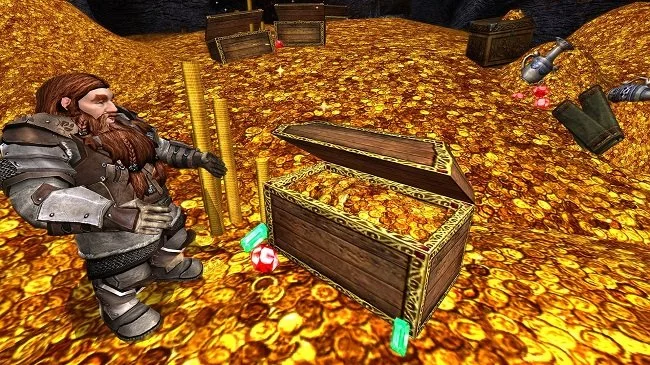
“The MMO genre is rife with its own set of tropes; recurring themes and motifs that have become established and ubiquitous. All of which are ideal material for a hastily produced, lazily conceived, recurring blog post”. One of the integral game mechanics of the MMORPG genre is the acquisition of loot. As you travel your virtual world of choice, committing random murder against all forms of flora and fauna, you acquire miscellaneous items by looting the corpses of the slain or stealing from houses and NPCs. Oh it’s a glamorous genre, the MMORPG. These random items can be crafting resources such as hides or ore. They may be food items or healing potions that provide some kind of statistical buff. If you’re fortunate, they may be gear that corresponds with your class or specific build, providing a much needed upgrade. Loot may also be the in-game currency, thus boosting your respective wealth. As you can see, loot comes in all shapes and sizes but how important is it?
Where is the phat loot?
“The MMO genre is rife with its own set of tropes; recurring themes and motifs that have become established and ubiquitous. All of which are ideal material for a hastily produced, lazily conceived, recurring blog post”. One of the integral game mechanics of the MMORPG genre is the acquisition of loot. As you travel your virtual world of choice, committing random murder against all forms of flora and fauna, you acquire miscellaneous items by looting the corpses of the slain or stealing from houses and NPCs. Oh it’s a glamorous genre, the MMORPG. These random items can be crafting resources such as hides or ore. They may be food items or healing potions that provide some kind of statistical buff. If you’re fortunate, they may be gear that corresponds with your class or specific build, providing a much needed upgrade. Loot may also be the in-game currency, thus boosting your respective wealth. As you can see, loot comes in all shapes and sizes but how important is it?
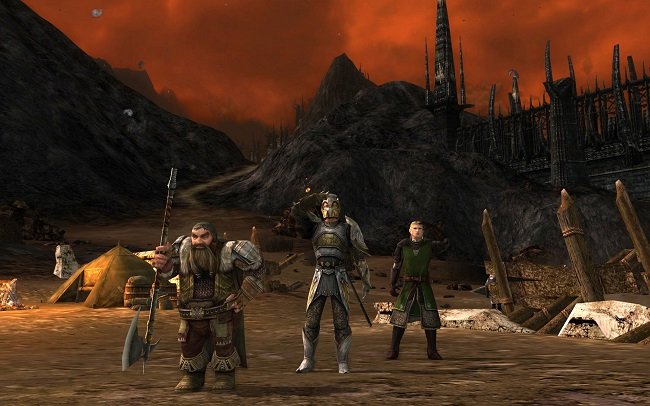
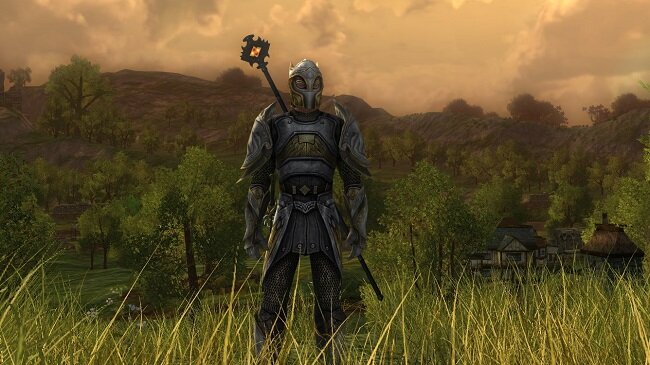
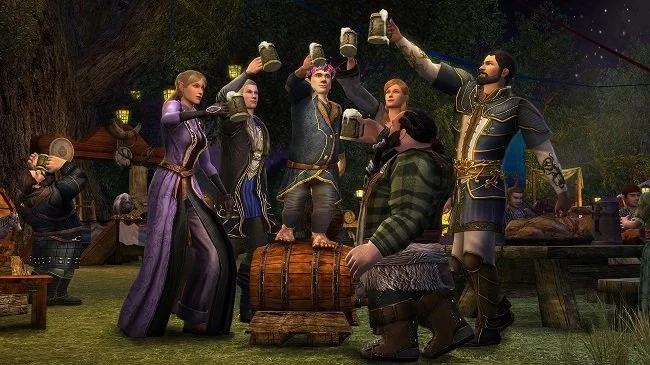
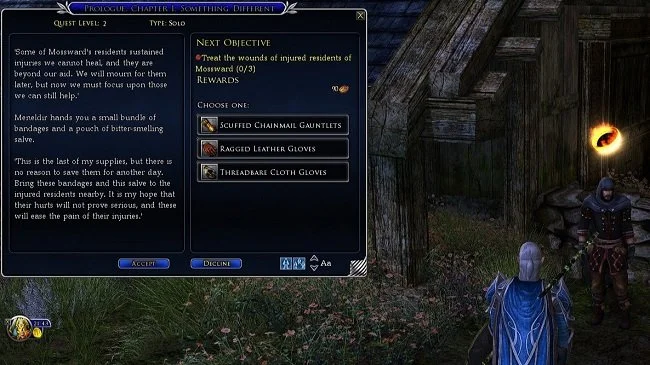
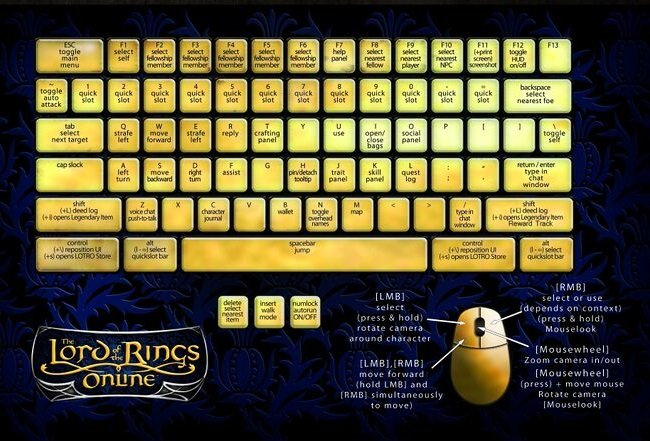
Loot has multiple purposes as a game mechanic. For many players of MMOs, looting is their primary means of earning in-game currency. Loot is farmed and then sold, providing “gold” that can be spent on other requirements. It is a cornerstone of MMO economies. Many of which are fair and equitable when a game is launched, only to go off the rails as players learn how to game the system. But that is another blog post. Returning to the matter of loot, its acquisition goes beyond the practical in some games, instead providing the actual raison d'etre for playing. Games such as the Diablo franchise are an exemplar of this concept and let us not forget that there is an entire genre of games that falls under the banner of “looter shooters”. There is something that appeals to many gamers on a very fundamental level, with regard to acquiring what is colloquially called “phat loot”. I can remember grinding for ages to get a 1st age weapon in The Lord of the Rings Online circa 2009. I was beside myself when I finally got one. I enjoyed it for a week until an expansion invalidated it with new and superior gear.
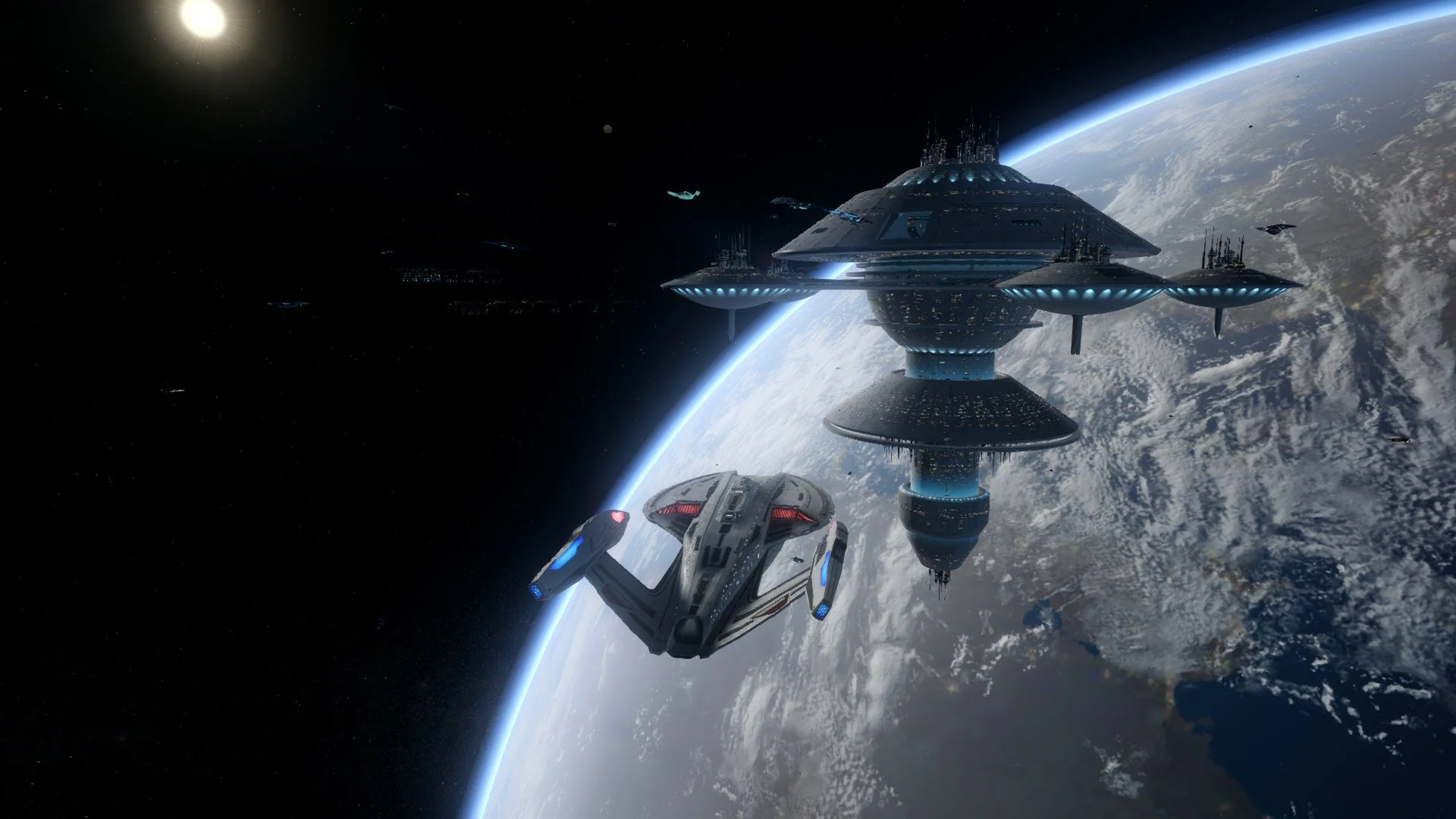
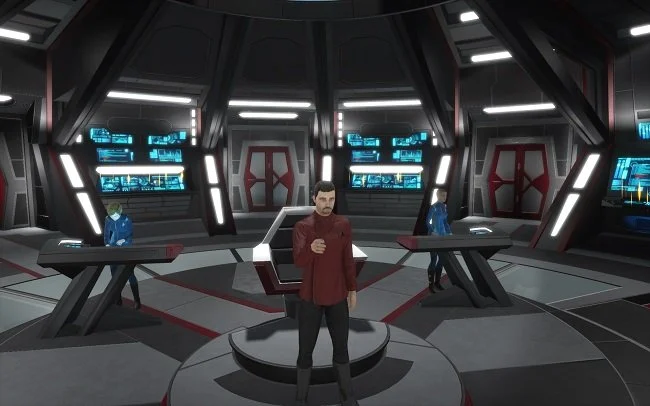
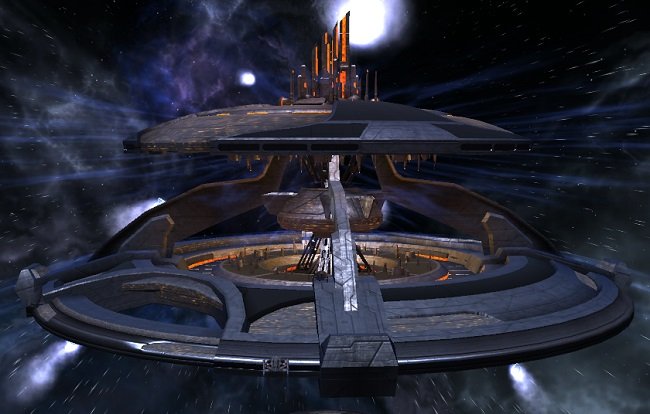
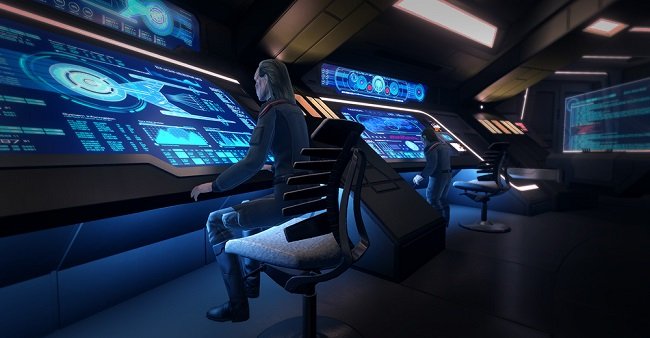
The Captain wasn’t happy with the quality of the loot
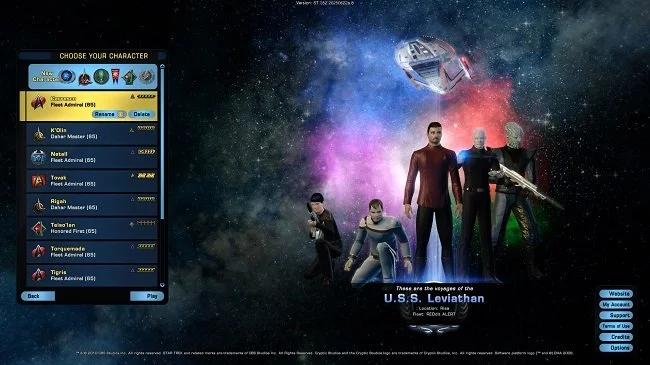
However, not all loot is equal. MMOs usually have various types of loot on an ever increasing scale of rarity and importance. Quality gear and useful item upgrades tend to be scarce, often tied to high level bosses or harder missions. Low value items are commonplace and are accurately labelled “vendor trash”. Many MMOs struggle to get the balance right when it comes to the quality and frequency of loot drops. Star Trek Online is a terrible offender when it comes to this. Specific missions have very good gear rewards but random loot acquired while fighting random mobs is usually of no value at all. It is often pointless low level items and selling them yields little financial reward. Conversely, in The Lord of the Rings Online, a level cap player can make a lot of gold, just by farming zones ten or so levels below them. Especially if they are pursuing deeds, such as killing 200 of a particular species.
MMOs also have another source of loot. Namely raids. These complex, time consuming group events have always been the favoured means for game developers of this genre, to gate the best quality gear. For many years MMO players would invest hours of their time, participating in raids in the hope of getting an opportunity to roll on a unique item. Yes, you read that right. Often there was only one item of high end gear in the loot. It may not have even been relevant to your class at all. If so you got nothing. If it was something you could use, then there was usually a random number generating facility in the chat window and you rolled a virtual dice. The person with the highest number got the item. Everyone else went home with nothing. Assuming the raid leader didn’t steal it for themselves, and then quit the game and the guild. As you can imagine this was the very definition of “fun”. If any old school gamer tries to convince you that MMOs were meritocracies back in the day, tell them to remove themselves to the nearest body of water.
Cheech and Chong themed cosmetic skins and weapon blueprint
However, things change. Video games have become more popular and game developers have gotten wise to the fact that a lot of their paying customers are buying an experience and an entertainment service. They don’t care about punishing rules and failure conditions. Hence we now live in an era where quality loot can be bought. It is a phenomenon that isn’t to everyone’s liking but again we need to step back from our own preferences and see video games as the transactional business that they are. Call of Duty sells weapon blueprints that are often superior to those available in the base game. Star Trek Online has a multitude of ships available in-game but the most desirable are those from lock boxes. As for me, whenever The Lord of the Rings Online raises the level cap, thus invalidating your current gear, I just spend my monthly subscriber stipend on loot boxes and be done with it, rather than re-gear by grinding.
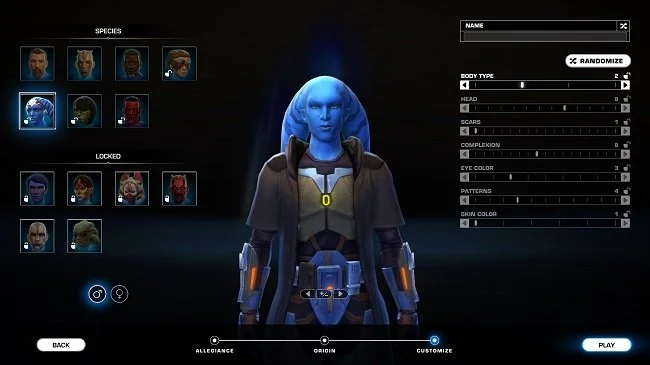
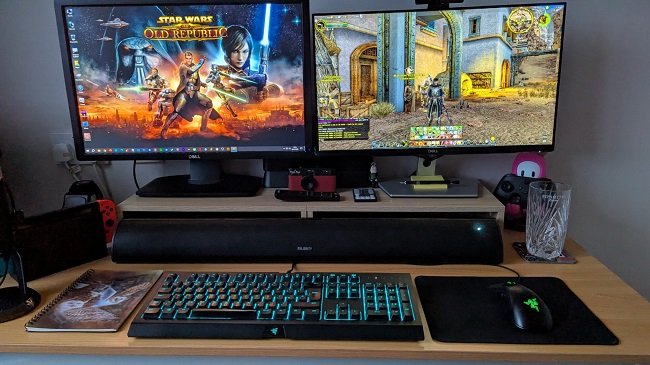
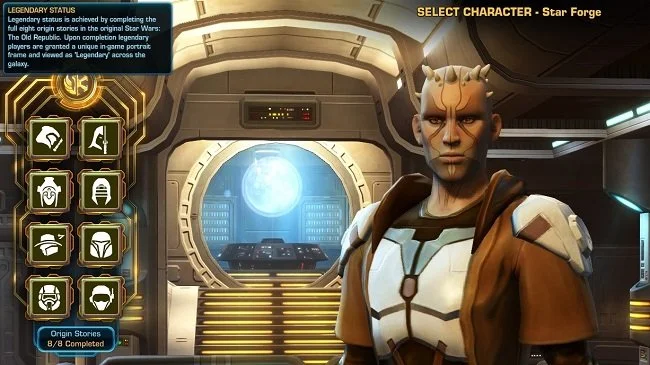
Most people like getting loot when playing MMOs. Or at least they like the concept. Not necessarily the way the mechanic is implemented. I have often thought that we get superior gear at the wrong time. You don’t need it when you hit level cap (unless you buy into the maxim that the real game only begins at level cap) but rather as you’re levelling. Personally, I like upgradeable loot and the ability to keep a much loved item, as seen in Star War: The Old Republic. However it is implemented, loot is a constant in the MMO genre and that is unlikely to change. I don’t think any specific game has a system that is 100% perfect. Perhaps that all seeing oracle and minor deity, Raph Koster, will bring forth a definitive loot related game mechanic in his up and coming game, Stars Reach. Until then we’ll just have to endure the systems that we have. Now please excuse me, I have to sell 3 hides, a kumquat and a rusty ear trumpet for 4 gold.

Thinking Out Loud
With Blaugust: Festival of Blogging fast approaching, I have decided to close several side projects I started last November (which rapidly ran out of momentum) and focus all my writing endeavours back on Contains Moderate Peril. I have taken a 9 month break which has served its purpose. I have decided to make some minor changes to the base template I am currently using for the blog, as it has remained essentially unchanged since summer 2015. I did toy with the idea of involving a third party developer to improve the site but employing such a company with specific Squarespace experience meant spending between £2000 and £3000, which is far more than my initial budget.
This post is another collection of random thoughts, thrown together in no particular order. All of which is gathered under the functional title “Thinking Out Loud”, which is a recurring blog post that tends to be published on Mondays.
Tweaking Your Blog
With Blaugust: Festival of Blogging fast approaching, I have decided to close several side projects I started last November (which rapidly ran out of momentum) and focus all my writing endeavours back on Contains Moderate Peril. I have taken a 9 month break which has served its purpose. I have decided to make some minor changes to the base template I am currently using for the blog, as it has remained essentially unchanged since summer 2015. I did toy with the idea of involving a third party developer to improve the site but employing such a company with specific Squarespace experience meant spending between £2000 and £3000, which is far more than my initial budget.
I appreciate that such rates are the market standard at present but I simply don’t want to spend such sums of money on a hobby that in principle should not have excessive operating costs. If I was pursuing a business related blog, then it would be a different matter. My advice to new bloggers is to avail themselves of free services or 30 day trials of established products, before committing to any major costs. It is best to determine whether blogging is for you before spending a dime. If you decide that you wish to maintain an online presence and develop your own brand, then the costs have the potential to increase exponentially, the more you do. I wrote a post about the cost of keeping a blog back in 2019. Naturally the prices referenced have gone up but the basic ideas remain the same.
Total Hours Played
Setting aside the MMO genre which is predicated upon its continuous playability based upon the release of regular new content, I usually don’t keep track of the total amount of time I have invested into a video game. I will have a broad approximate notion but if I need specifics, I will go and check the numbers on Steam or whatever platform is pertinent. It can be quite surprising sometimes and often my assumptions are wrong. For example, it felt like I had spent a lot of time playing Starfield upon its release last Autumn. In total it was 136 hours, which may sound a lot but is far short of other RPGs, such as Middle-earth: Shadow of Mordor (186 hours) or The Elder Scrolls V: Skyrim (286 hours). Perhaps that was due to the rather ponderous nature of Starfield, which despite its superficial modernity, ultimately was structured and played like a much older RPG.
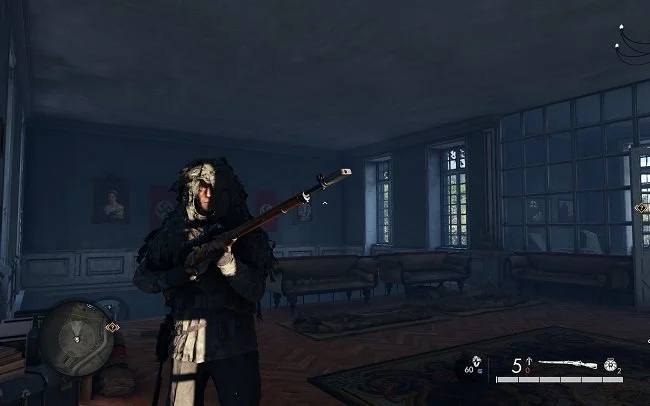
I recently returned to Sniper Elite 5 which I have been playing on and off over the last two years plus. Having played through the main campaign, DLC, co-op and multiplayer modes, what brought me back was a renewed interest among the wider gaming community in the so-called “invasion” mode. This interesting variation of PVP, allows another player to enter your ongoing campaign and try to hunt you down while you are battling the various NPC in the game’s story missions. It is purely optional but certainly adds a fascinating and absorbing spin on the proceedings. As the invading Sniper Jäger you have the advantage of being on the same side as the enemy NPC and can tag them. If they subsequently encounter the enemy, their change in status on the mini-map alerts you. However, playing the campaign and having your game invaded can be immense fun as well. There is scope to clear areas of the map and set traps or an ambush for invaders. I find this especially satisfying. It certainly has given the game a new lease of life which is why I discovered last week that I had played 317 hours in total. Seldom does a modern game provide such value.
Alexa Doesn’t Swear
I’ve had some form of Amazon Echo smart speaker since 2016. I have always found these devices useful for timers, general questions such as weather, traffic and train times and for reminders. Its main use in our house is playing music. I probably don’t use a third of its total functionality but I still consider it an asset. However, despite 8 years of ownership, I only recently discovered one of Alexa’s curious foibles. She seems incapable of swearing. Upon reflection, I see the merit in this design choice. Especially if you have young children using the device. I certainly don’t see it as an infringement of free speech. I found out about Alexa’s puritanical streak when I requested specific songs to be played. Usually I request various playlists that I’ve curated but on this occasion I asked for a few songs by name. To my surprise and amusement, the profanities in their titles were “bleeped out” when Alexa confirmed the selection. The songs in question were “Too Drunk to Fuck” by Dead Kennedys and “Pussy” by Rammstein.
Diet Update
When I stood on the scales this morning, I appear to have lost another 2.2 lbs, which is steady progress. At present I weigh 196.4 lbs. I had to cut down a great deal last Wednesday to compensate for the fact that I was going for a meal at a French brasserie on Thursday and I felt obliged to try and ensure that my metaphorical food intake ledger was balanced accordingly. Mrs P and I have decided to not eschew wine completely so it has been incorporated into our weekend “indulgences”. Whether this has a detrimental effect on the overall program, I will find out next Monday.









Thinking Out Loud
First of all let’s begin with an activity that I have a love hate relationship with. Namely, tinkering with your PC. I’ve been looking at the specs of my computer and it would appear that its performance Achilles heel is the graphic card. In a perfect world, I would just buy the latest top of the range model and be done with it. However, I am not sufficiently wealthy to do such things. Hence, I have to set a budget and then search for what is considered the best option within it. This is a tedious, contradictory and wearisome task. It involves trawling through reviews written by people who often do not understand the concept of a budget and figurative lines in the sand. They are infuriating, but that’s people for you.
This post is a collection of random thoughts, expressed as a stream of consciousness. Put less pretentiously, a few words about the various things that are occurring in my life. Alternatively, they may also be ephemeral talking points from the never-ending news cycle, or even those obscure thoughts you experience while laying awake in your bed. Either way, they are not the sort of material that requires a full blog post. A paragraph or two is sufficient to express a thought or make a point. All of which is collectively gathered under the title “Thinking Out Loud”, which will no doubt become a recurring blog post.
Tinkering With Your PC
First of all let’s begin with an activity that I have a love hate relationship with. Namely, tinkering with your PC. I’ve been looking at the specs of my computer and it would appear that its performance Achilles heel is the graphic card. In a perfect world, I would just buy the latest top of the range model and be done with it. However, I am not sufficiently wealthy to do such things. Hence, I have to set a budget and then search for what is considered the best option within it. This is a tedious, contradictory and wearisome task. It involves trawling through reviews written by people who often do not understand the concept of a budget and figurative lines in the sand. They are infuriating, but that’s people for you.
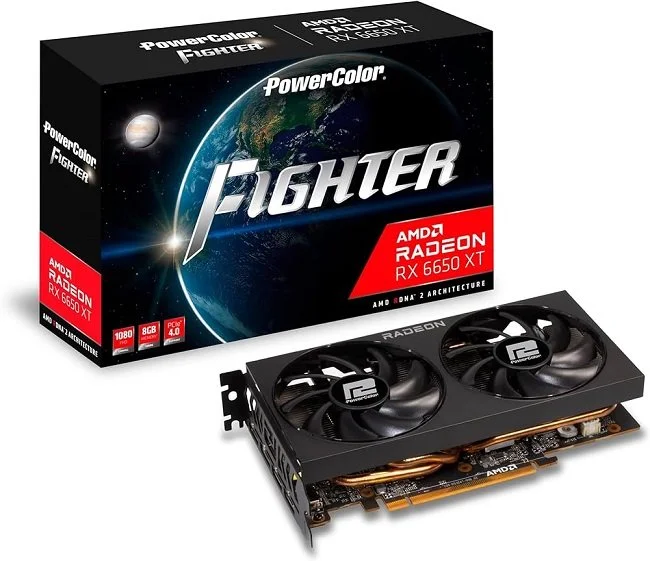
To cut a long story short, I have ordered the following AMD graphics card. Powercolor AMD Radeon RX 6650 XT Fighter 8GB GDDR6. The reviews are acceptable, my current PC is based around an AMD Ryzen 7 5700X 8-Core Processor so there should be some synergy there, and I got offered a very good price. If this is not to the liking of the selfappointed “Graphics Card Police”, then they can fuck off into the sea. It’s the best I can do for £204 plus postage. Hopefully it will arrive on Tuesday and then I can have the usual fun and games trying to fit it. I can also “defluff” the interior of my PC case. The fun is endless.
Games Should be Fun
I stopped playing Call of Duty in June because it was becoming too much of a treadmill. Playing both Warzone and Multiplayer essentially boiled down to the following. Buy the 2 month Season Pass, grind out the weapons and aftermarket parts, adapt your existing weapons builds to the latest meta, endure the endless succession of unbalanced multiplayer games and swarms of cheaters. Rinse and repeat while being bombarded with endless new novelty skins and weapon blueprints. It all became a dull chore, lacking in fun. So I’ve moved on.
It seems that the notion that a game should at some fundamental level be fun, is no longer a primary consideration. In fact it seems pretty low on the list of requirements, at least with mainstream, triple A titles. Obviously there are still entertaining and enjoyable titles out there but I feel that you just have to look a lot harder to find them, these days. Too many games feel generic, soulless and obvious products rather than interactive mediums for entertainment and enjoyment.
I recently bought a few new games, because why would I want to play any that I had in my library for years? Insane isn’t it? I bought The Stanley Parable: Ultra Deluxe version which is most amusing and incredibly intelligent in its satire of so many video game tropes and idiosyncrasies. It lends itself to binge gameplay until you’ve achieved several of the alternate endings. I also bought the submarine game Cold Waters mainly because I recently watched the 1958 classic movies, Run Silent, Run Deep with Clark Gable and Burt Lancaster. It’s not a full blown submarine simulator but still offers complex gameplay. I also purchased Dragon’s Dogma 2, as I had a hankering for an RPG. Sadly, I’m struggling to find the fun in this game as it is proving confusing both narratively and with its gameplay. I’m also struggling with the keyboard and mouse controls for the PC. I suspect this title plays better on consoles.
Diet (Who Ate All the Pies?)
My diet is far from healthy and has contributed to my gaining a lot of weight. I drink too often as well, which makes matters worse. I have managed to lose weight in the past but this year I have not been so successful mainly because my heart hasn’t been in it. But it is for the sake of my heart that I need to resolve this matter. So Mrs P and I are both embarking on a diet, based on three meals a day, reduced portion sizes and the elimination of a few specific items, including alcohol. I’m not looking forward to it as I derive a great deal of pleasure from eating and drinking. I shall try and gamify the process and work towards goals and rewards. I shall also post details each Monday as to whether I’ve been successful. As of today, my starting weight is 201 lbs. I am looking to shed 28 lbs (2 stone). It’s on, like Donkey Kong, as they say.
LOTRO: What You See Is What You Get
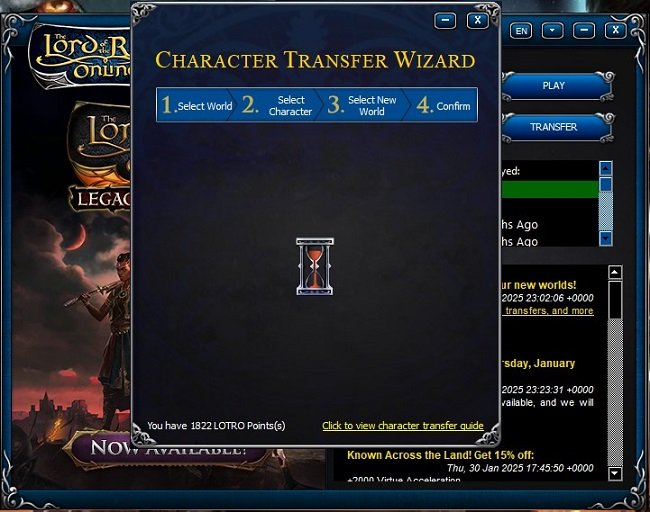
As many of us suspected, the proposed “remaster” of the MMORPG The Lord of the Rings Online has been formally cancelled. Daybreak boss Ji Ham touched upon this project in EG7’s latest investors pitch video and stated that the proposal was a poor return on investment. The estimated cost of $30 million could well be spent more effectively elsewhere, possibly the development of new games. As a console release of LOTRO would be dependent upon a remaster, I think it is safe to say that idea is similarly no longer an ongoing concern. Sadly, it would appear that all the ideas regarding LOTRO that were floated during Robin Flodin’s tenure as EG7 CEO, have now all been quashed. It will be interesting to see if developers Standing Stone Games push ahead with support for 4K gaming and revisions to the game’s GUI or whether that also will be abandoned.
As many of us suspected, the proposed “remaster” of the MMORPG The Lord of the Rings Online has been formally cancelled. Daybreak boss Ji Ham touched upon this project in EG7’s latest investors pitch video and stated that the proposal was a poor return on investment. The estimated cost of $30 million could well be spent more effectively elsewhere, possibly the development of new games. As a console release of LOTRO would be dependent upon a remaster, I think it is safe to say that idea is similarly no longer an ongoing concern. Sadly, it would appear that all the ideas regarding LOTRO that were floated during Robin Flodin’s tenure as EG7 CEO, have now all been quashed. It will be interesting to see if developers Standing Stone Games push ahead with support for 4K gaming and revisions to the game’s GUI or whether that also will be abandoned.
16 years on from its launch LOTRO remains a money-making concern due to its relatively stable playerbase. The licensing arrangement is as secure as it can be and so the game continues. There is an ebb and flow to player engagement with LOTRO, usually centred around the release of new content. The release of Amazon Prime’s The Lord of the Rings: The Rings of Power certainly produced a spike in activity around the MMO. This will no doubt happen again when the next update is released. However, LOTRO appears to have a finite capacity to yield revenue and as a result of this fiscal limitation, it would appear that Daybreak has no interest investing any further in the game. Hence the scope of future development for LOTRO is fixed. The MMO will continue to get new updates, expansions and monetised content. But there will not be anything outside of existing parameters.
Having played LOTRO since 2008, the game has changed significantly over the years. It has tried to embrace some of the attributes of modern MMOs and that has not been to everyone's liking. However, the loyal, steadfast, playerbase yields sufficient revenue to keep the lights on. It reminds me of a popular TV show that maintains an audience and so gets continued funding but never enough to break out of its creative lane. The steady release of new story content, new classes and races is sufficient to keep loyalists engaged. But the “more of the same” business model is also the reason why a percentage of players leave. New players arrive to find a dated game that offers a huge amount of old school, progressive, narrative content that they need to catch up on. However, it is clear now that this is the way LOTRO is going to be until the servers are closed. These are the terms that you play the game.





Playing Starfield Part 6: Outposts
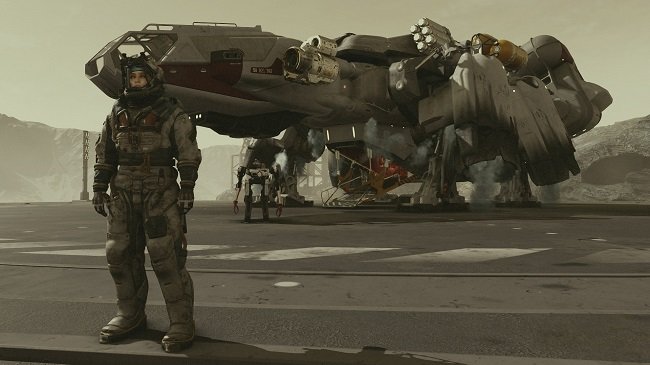
I struggle with certain types of game mechanics in RPGs and MMOs. Especially those involving crafting, building or any other form of gated, time based, resource dependent creation. Outposts in Starfield is a textbook example of this. I love the notion of having a fancy base on some remote planet, with all the necessary facilities for my starship and crew. I also like, in principle, the idea of being able to customise it so that it looks exactly how I want it. However, the reality is always very different. Building an outpost in Starfield is slow and the UI that you have to use is ponderous. You have to sink a great deal of time and effort into building one and ultimately, beyond the cosmetic, your completed outpost offers very few benefits. Which raises the question as to why I’ve spent so much time recently, watching YouTube videos about constructing outposts?
I struggle with certain types of game mechanics in RPGs and MMOs. Especially those involving crafting, building or any other form of gated, time based, resource dependent creation. Outposts in Starfield is a textbook example of this. I love the notion of having a fancy base on some remote planet, with all the necessary facilities for my starship and crew. I also like, in principle, the idea of being able to customise it so that it looks exactly how I want it. However, the reality is always very different. Building an outpost in Starfield is slow and the UI that you have to use is ponderous. You have to sink a great deal of time and effort into building one and ultimately, beyond the cosmetic, your completed outpost offers very few benefits. Which raises the question as to why I’ve spent so much time recently, watching YouTube videos about constructing outposts?
Setting aside my own feelings on the matter, having watched a lot of content about outposts in Starfield, I think they offer different things to different players. Some are happy with the cosmetic and collectible elements that they bring to the game. Creating a home then spending time decorating it has always been a major source of entertainment in both the RPG and MMORPG genres. But outposts offer a technical conundrum as well, which potentially attracts a different type of player. There is a logistical element to creating an outpost. There are some planets that yield better resources or that have superior day and night cycles. If you pick the right one, you can potentially start producing the resources that you need to build a robust outpost, without spending a lot of in-game credits. Essentially, if you’re the sort of player that enjoys crunching numbers then creating and managing an outpost can be “spreadsheet heaven”.
Despite my ambivalence towards the mechanics of creating an outpost, I did spend an evening building one. I followed a specific YouTube video and the instructions therein. The outpost is on the moon Bessell III-B in the Bessell system. Specifically, because there is an area on the moon surface that has access to Aluminum, Iron, Nickel and Cobalt. Their extraction is further optimised by the day and night cycle of the moon, where one hour of moon time equates to nearly sixty hours of universal time. Hence if you sleep, upon waking the extraction process has produced a substantial amount of each ore. This generates XP and the ore can be traded for credits. Furthermore, if you install an industrial workbench, you have all the raw materials you need for making most common construction components, such as adaptive frames. Again this process will generate further XP. So, in this instance, building an outpost has multiple benefits including helping you level up your character.
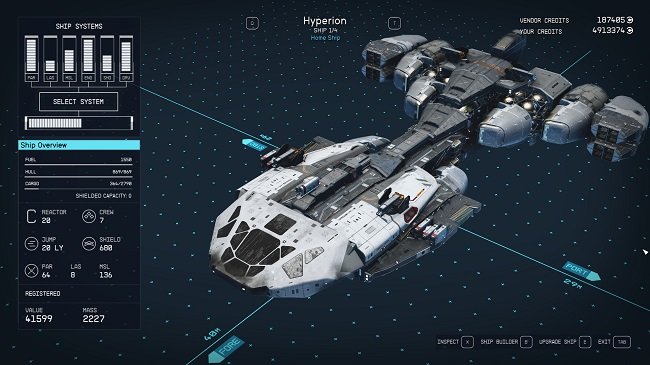
Having built my outpost in Starfield and assigned my companions Lin and Heller there to maintain it, I don’t think I’ll be returning that often, apart from collecting the various extracted resources. I’m curious to see if there are any random attacks or whether the game provides any incentives to go back there. At present I am making credits quite easily and resources can be purchased for reasonable prices. Hence for a player such as myself, outposts don’t really offer anything beyond the immediate fun of building them. As I’ve mentioned in a previous post, I think the most enjoyable creative aspect of the game is building your own starship. Not only is it a fun process, it has a technical aspect that engages players that like number crunching. It also offers a tangible benefit upon completion. Overall, outposts don’t seem to offer as much. However, that is a subjective statement and I’m sure other players may feel differently.




Star Trek Online: Frequency Remodulation
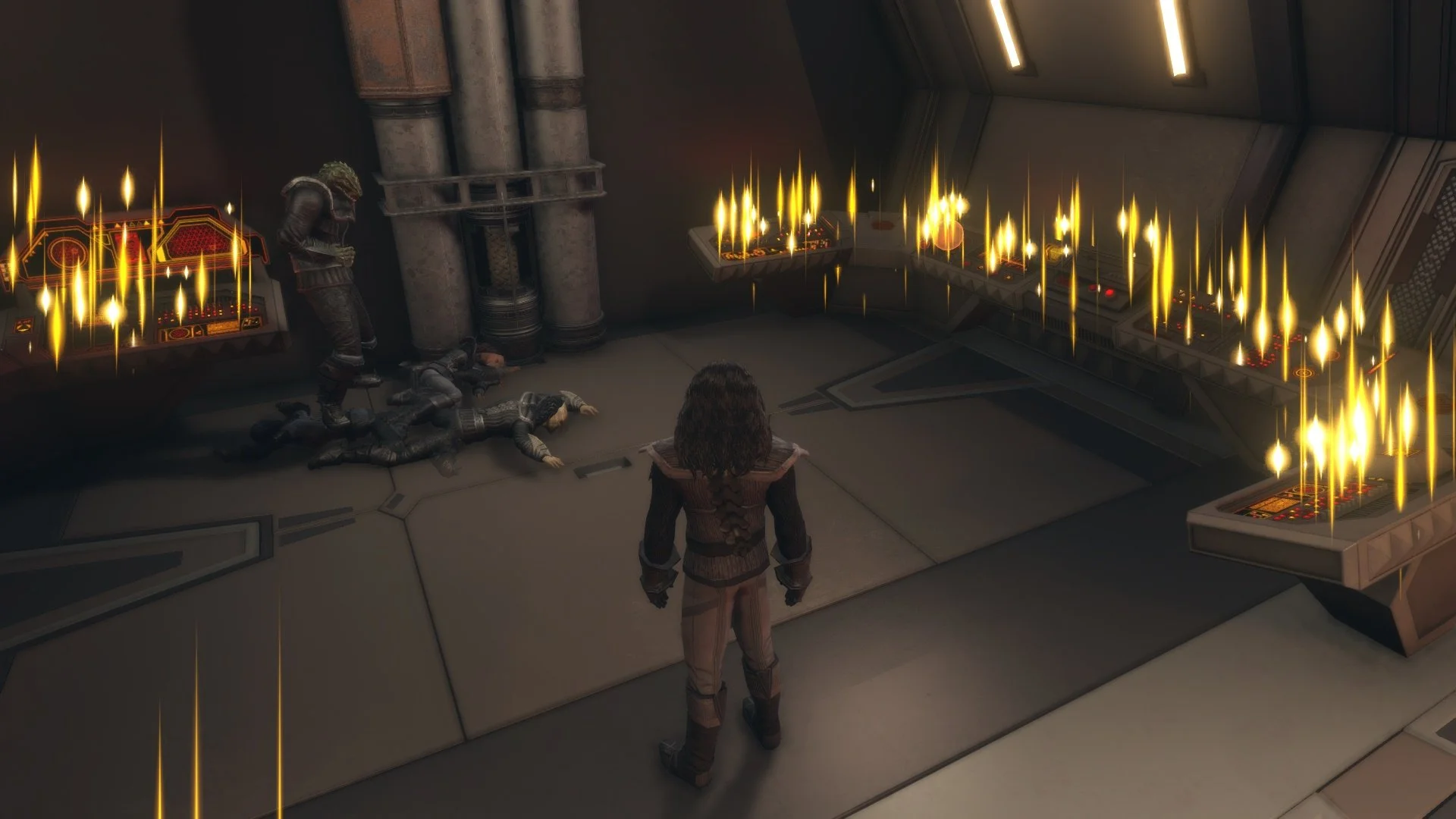
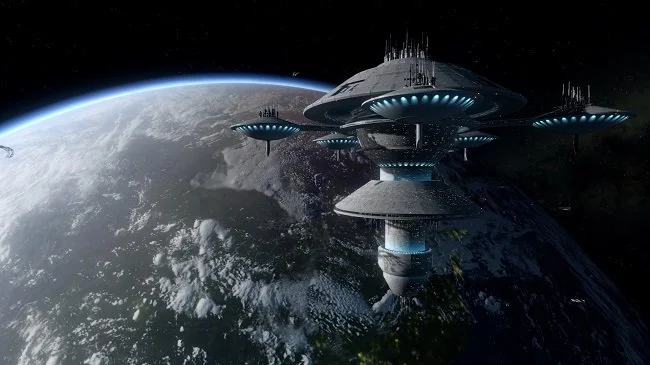
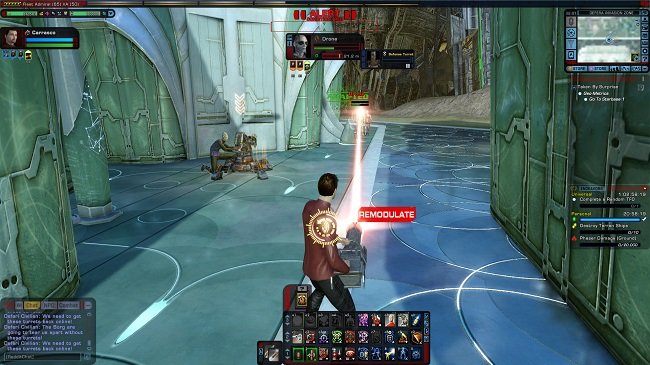
Ever since the Borg have been part of the MMORPG Star Trek Online, players have had to equip a Frequency Remodulator. The Borg adapt to damage from beam weapons after a few minutes and so players have to recalibrate their rifles or pistols, accordingly, using a Frequency Remodulator. This takes 5 seconds to perform and so has to be timed carefully to ensure that the player is not vulnerable to attack during this period. An upgraded version called a Fractal Remodulator, has been available from Federation and Klingon vendors in the Base Camp of the Defera Invasion Zone. It can be crafted for 50 Nanopower Capacitors, 50 Fibro-Neural Interface Cabling and 50 Cybernetic Armatures. It is quicker than the standard model, taking 3 seconds to apply new frequencies. Kinetic weapons do not require remodulation and the Borg cannot adapt to them.
Ever since the Borg have been part of the MMORPG Star Trek Online, players have had to equip a Frequency Remodulator. The Borg adapt to damage from beam weapons after a few minutes and so players have to recalibrate their rifles or pistols, accordingly, using a Frequency Remodulator. This takes 5 seconds to perform and so has to be timed carefully to ensure that the player is not vulnerable to attack during this period. An upgraded version called a Fractal Remodulator, has been available from Federation and Klingon vendors in the Base Camp of the Defera Invasion Zone. It can be crafted for 50 Nanopower Capacitors, 50 Fibro-Neural Interface Cabling and 50 Cybernetic Armatures. It is quicker than the standard model, taking 3 seconds to apply new frequencies. Kinetic weapons do not require remodulation and the Borg cannot adapt to them.
However, STO developers Cryptic recently introduced some practical changes regarding the frequency remodulation system in the game. First off, the standard Frequency Remodulator that has to be equipped as a ground device, has been removed altogether. Beam weapons now have this functionality built in. A new remodulation button appears over the power tray (hotbar) that works in an identical fashion to the old remodulator. Furthermore, the button can be toggled on and off, if you do not want it showing on your UI permanently. Secondly, the faster Fractal Remodulator is still available but is now crafted via the R&D panel for the same cost in materials. The Omega Force, 3-piece ground gear reputation set still has an Integral Frequency Remodulator. This instantly overcomes Borg adaptation and prepares the next remodulation as a background process that requires 15 seconds to recharge. It is not affected by the changes made by Cryptic.
These changes were introduced to STO on Tuesday 12th September with the launch of the latest content update Incursion. After travelling to the Defera Invasion Zone I noticed that the Borg were slower to adapt to beam weapons than previously, especially with those weapons with a rapid-fire secondary attack. Now the pace of combat and adaptation by the Borg feels a lot closer to how it is portrayed in the various TV shows and films. Having the ability to frequency remodulate built into your weapons frees up a ground device slot, which is beneficial and saves you the inconvenience of confronting the Borg without a remodulator and getting caught out. Just remember to look to the right-hand side of your power tray for the switch to toggle the remodulation button. As always, Cryptic posted a press release but provided no in-game instructions.


Playing Starfield Part 5: Companions
I like the concept of companions in video games. They can offer tactical support in combat, be assigned research or crafting jobs and often provide beneficial buffs and such like. There’s also the option for “romance” if you wish. More importantly, companions can sometimes offer unique quest lines. Extra content is always welcome. Starfield, being a Bethesda game, offers all of these with its companion system. However, as ever there is also a downside. Companions can get in the way during combat or wander off and cause aggro when it is not required. They will also judge your decisions which can be problematic, and they sometimes never stop talking. Sometimes, it can be useful to have a companion with you. But on other occasions it’s a pain in the ass. Hence, your style of gameplay should dictate how you use them.
I like the concept of companions in video games. They can offer tactical support in combat, be assigned research or crafting jobs and often provide beneficial buffs and such like. There’s also the option for “romance” if you wish. More importantly, companions can sometimes offer unique quest lines. Extra content is always welcome. Starfield, being a Bethesda game, offers all of these with its companion system. However, as ever there is also a downside. Companions can get in the way during combat or wander off and cause aggro when it is not required. They will also judge your decisions which can be problematic, and they sometimes never stop talking. Sometimes, it can be useful to have a companion with you. But on other occasions it’s a pain in the ass. Hence, your style of gameplay should dictate how you use them.
There are three categories of companions in Starfield. Constellation companions, unique companions, and recruitable companions. Constellation companions sustain more detailed conversations, can be “romanced” and have side missions associated with them. They can approve or disapprove of your actions and will abandon you if you become too wayward. Unique companions include Lin and Heller from the introductory mission in Starfield. They can be recruited but are less significant compared to your fellow Constellation members. There are others to be found in the various bars and clubs on all the major settlements. You may sometimes encounter them as part of a side mission. They will have names to distinguish them from generic citizens. Moara Otero is a good example, who you may meet while playing through the main story. The lowest tier of recruitable companions are usually identified by having a functional name such as “Laser Weapons Specialist”. Unique companions can be assigned to your ship or outpost and their skills provide buffs.
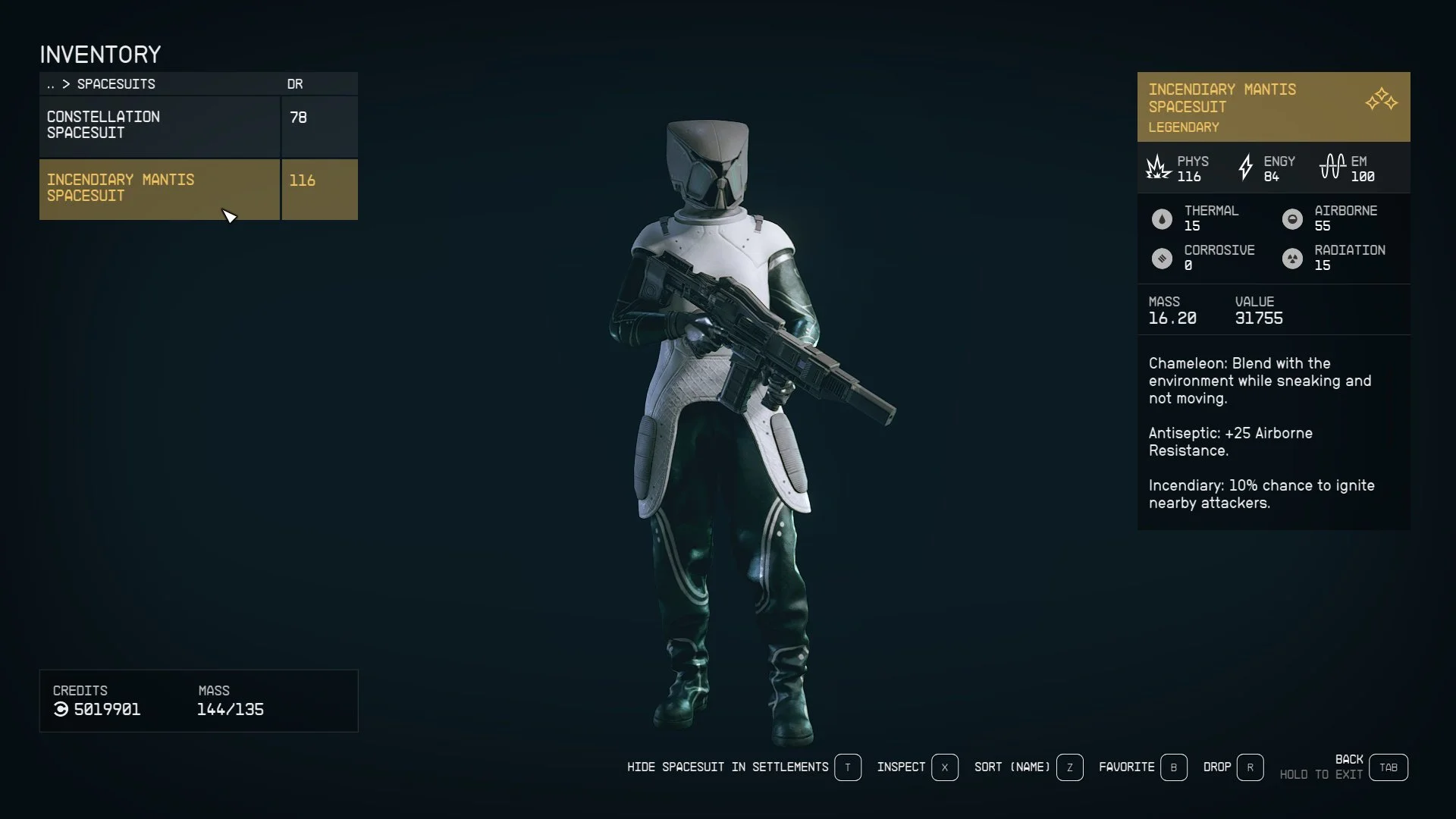
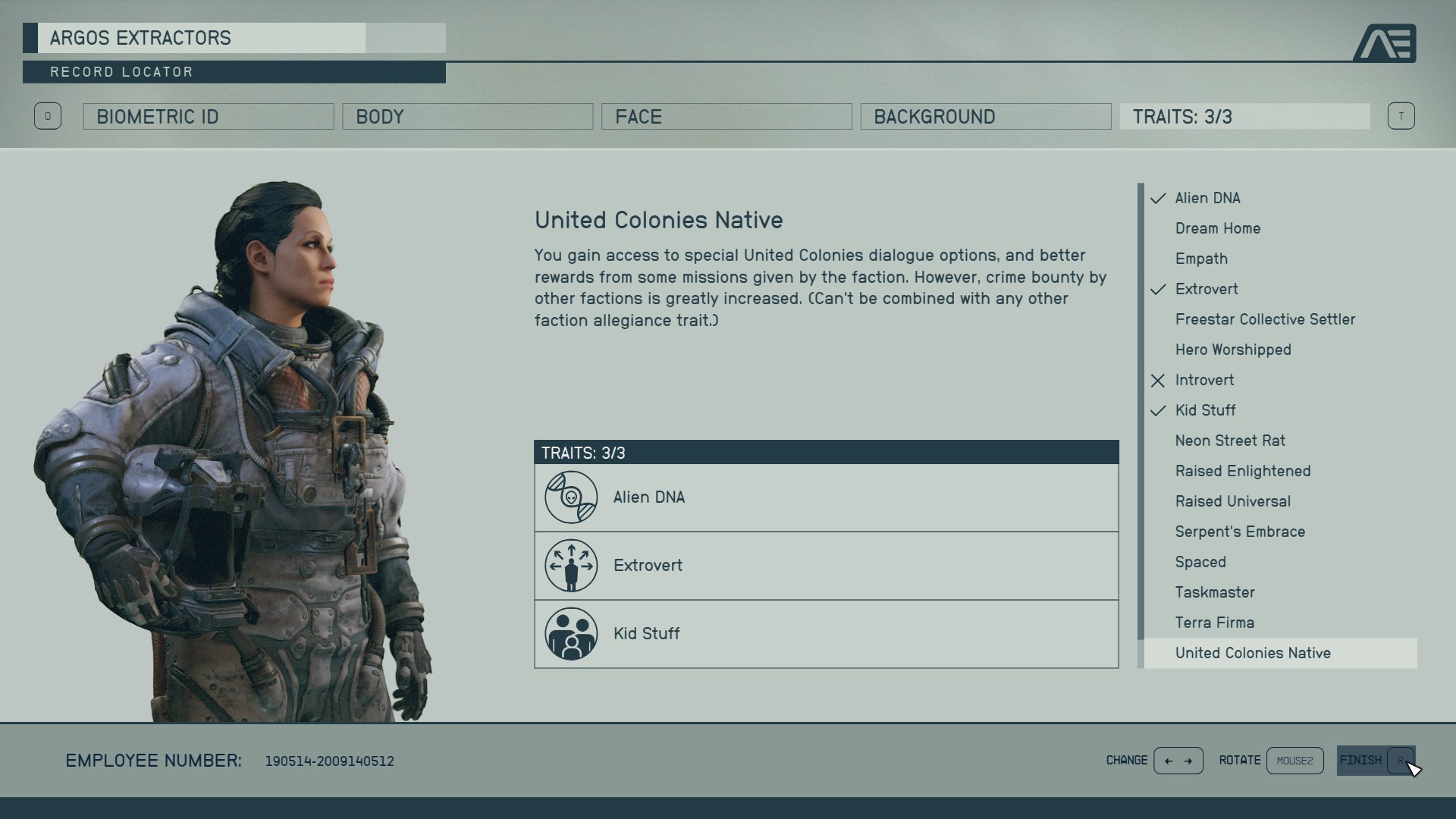
Only the four Constellation companions can accompany you on missions. Sadly, there is no ability to give them tactical instructions. The most you can do is ask them to wait where they are and you need to ensure that if you do, that there are no enemy NPCs or alien lifeforms about as they will go “walkabout” if the fancy takes them. However, you can upgrade your companions’ weapons and spacesuits, simply by giving them superior gear to carry. They will by default use items with the best stats. So far from my in-game experience, companions cannot die. They are temporarily incapacitated and will cease to participate in combat. After a while they recover and resume normal activities. Namely, getting in the way and smothering you in overlapping dialogue. Players who prefer solo gameplay can choose to travel without companions. There’s a trait that you can choose initially, that buffs you for this, as a means of compensation for your choice.
"Hiding" Other Players in MMORPGs
Massively Overpowered posed an interesting question today regarding the MMORPG genre. “A while back, an MOP commenter opined that MMOs should always offer players the option to fully block – that is to say, mute their speech and hide their avatars and entire presence – from the game – owing to the supposition that “the worst part of every MMO is the players.” In other words, you’d be able to blink all other players en masse right out of existence, from your point of view, unless you chose otherwise (for example, toggling other people back on for dungeoneering)”. First off, I have a worrying suspicion that the commenter may have been me, as this is the sort of irascible thing that I say. However, I’m sure I’m not the only person to have thought this out loud. However, now that it’s being fully debated, upon mature reflection I don’t think that this is a good option. No, not in the least.
Massively Overpowered posed an interesting question today regarding the MMORPG genre. “A while back, an MOP commenter opined that MMOs should always offer players the option to fully block – that is to say, mute their speech and hide their avatars and entire presence – from the game – owing to the supposition that “the worst part of every MMO is the players.” In other words, you’d be able to blink all other players en masse right out of existence, from your point of view, unless you chose otherwise (for example, toggling other people back on for dungeoneering)”. First off, I have a worrying suspicion that the commenter may have been me, as this is the sort of irascible thing that I say. However, I’m sure I’m not the only person to have thought this out loud. However, now that it’s being fully debated, upon mature reflection I don’t think that this is a good option. No, not in the least.
From a purely gaming perspective, not having other players about would significantly improve the performance of some games. It would also address differing opinions about immersion. Lore purists would no longer clash with the casual player with the “jovial” name. If this toggling on and off of other players had some degree of control, then role play guilds could segregate themselves from potential trolls and general indifference of non-role players. As could any player or group of players from a minority background, who regularly encounter harassment and prejudice. However, I think in the long term and when considered as part of a wider perspective, this could be a very troubling option. Segregation, be it voluntary or involuntary, has consequences. Blocking other players is more than just visually removing them from a game. It is making a statement. One that can righteous or steeped in bigotry.
At present, real-world politics (although I use the term loosely) and the so-called culture wars are present in video games and its associated culture. Like it or not, there are a substantial percentage of players that don’t like equality and representation, be it in the in-game character creation or within gaming guilds. Hence the ability to block and remove from sight specific groups of people would be deemed advantageous to such people. But doing such a thing, for such reasons would be more than just removing people visually. It would be an act of denying peoples existence and their right to exist. A denial of equality. In essence the first step along the road of “othering” and dehumanisation. It starts with not wanting to see specific people and groups and denying them. But often this will not be sufficient for those who espouse such prejudices.
I would assume that implementing such technology in an existing MMO would come with quite a significant cost. However, market research may indicate that there is sufficient support for such things. I don’t think it unreasonable to speculate that someone may suggest that a cheaper option would be to simply set up separate servers based around demographics, other than language and region. I don’t like such a scenario. The ideology associated with it stinks. MMOs are communities and like wider society, they work because everyone has to exist within a set of rules designed to make that society functional and broadly tolerable. It’s far from perfect but it tends to work. We encounter (well some of us do) people from all walks of life and this for the majority, breeds tolerance at the very least. Tinkering with this by confining, segregating, or removing people from a shared space is a proverbial slippery slope.
Playing Starfield Part 4: Upgrading Your Ship
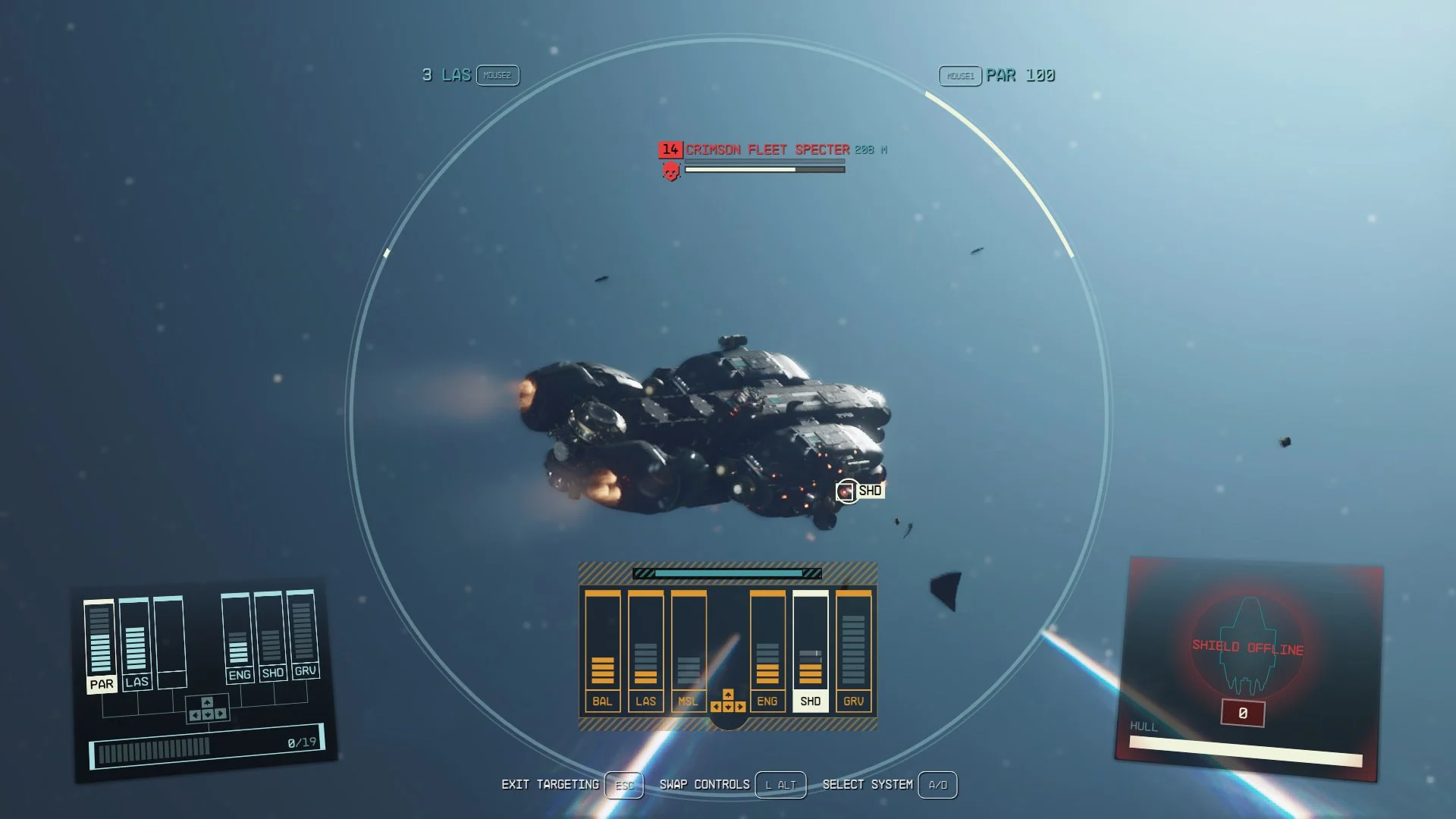
These posts are all written after playing a lengthy session of Starfield. Often some of the points raised are clarified later. So, it would be remiss of me not to revise a comment I made previously about scanning when surveying a planet. It turns out that there is a surveying skill that you can invest points into that improve the efficiency of the process. Let it suffice to say that it does make things easier. Now that’s out of the way, I want to focus upon the necessity to replace your ship as soon as possible in Starfield. The Frontier, which is the first vessel you’re given access to in the game, has a lot of character but it doesn’t have much else. It is lacking in damage output and is therefore a bit of a liability in space combat, even after you’ve unlocked targeting in the skills tree. I therefore made it a priority to replace it as soon as possible.
These posts are all written after playing a lengthy session of Starfield. Often some of the points raised are clarified later. So, it would be remiss of me not to revise a comment I made previously about scanning when surveying a planet. It turns out that there is a surveying skill that you can invest points into that improve the efficiency of the process. Let it suffice to say that it does make things easier. Now that’s out of the way, I want to focus upon the necessity to replace your ship as soon as possible in Starfield. The Frontier, which is the first vessel you’re given access to in the game, has a lot of character but it doesn’t have much else. It is lacking in damage output and is therefore a bit of a liability in space combat, even after you’ve unlocked targeting in the skills tree. I therefore made it a priority to replace it as soon as possible.
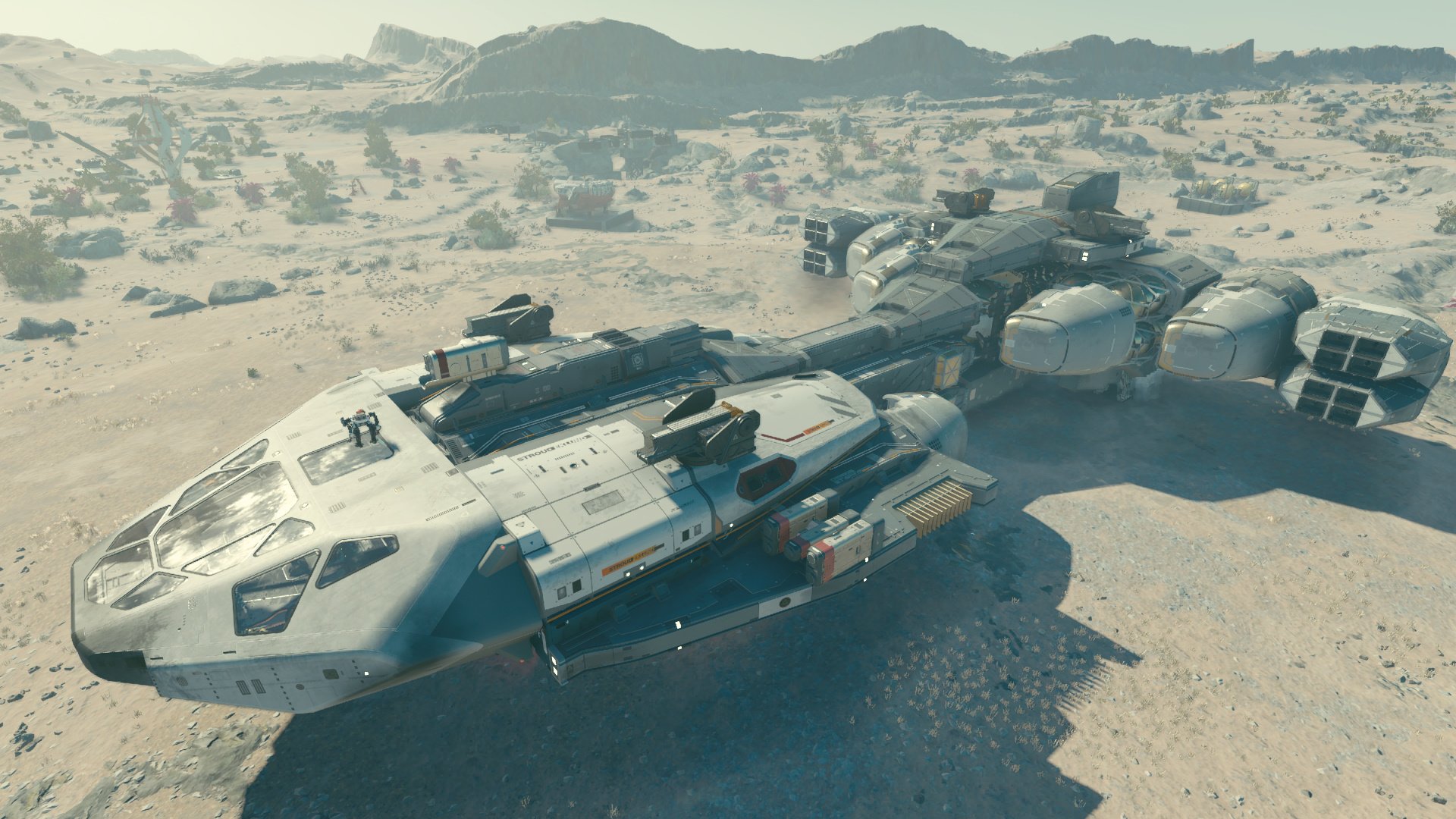
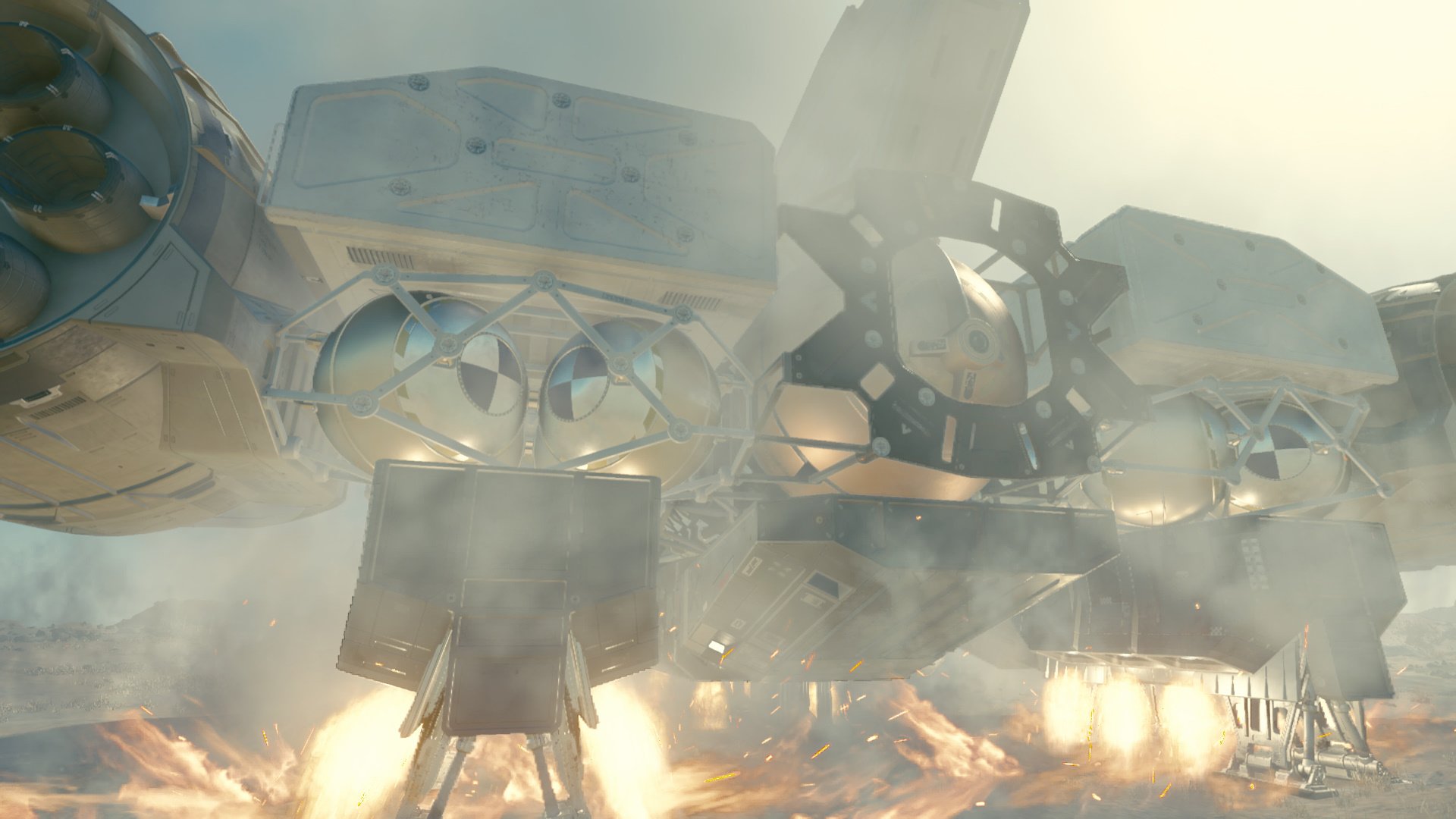
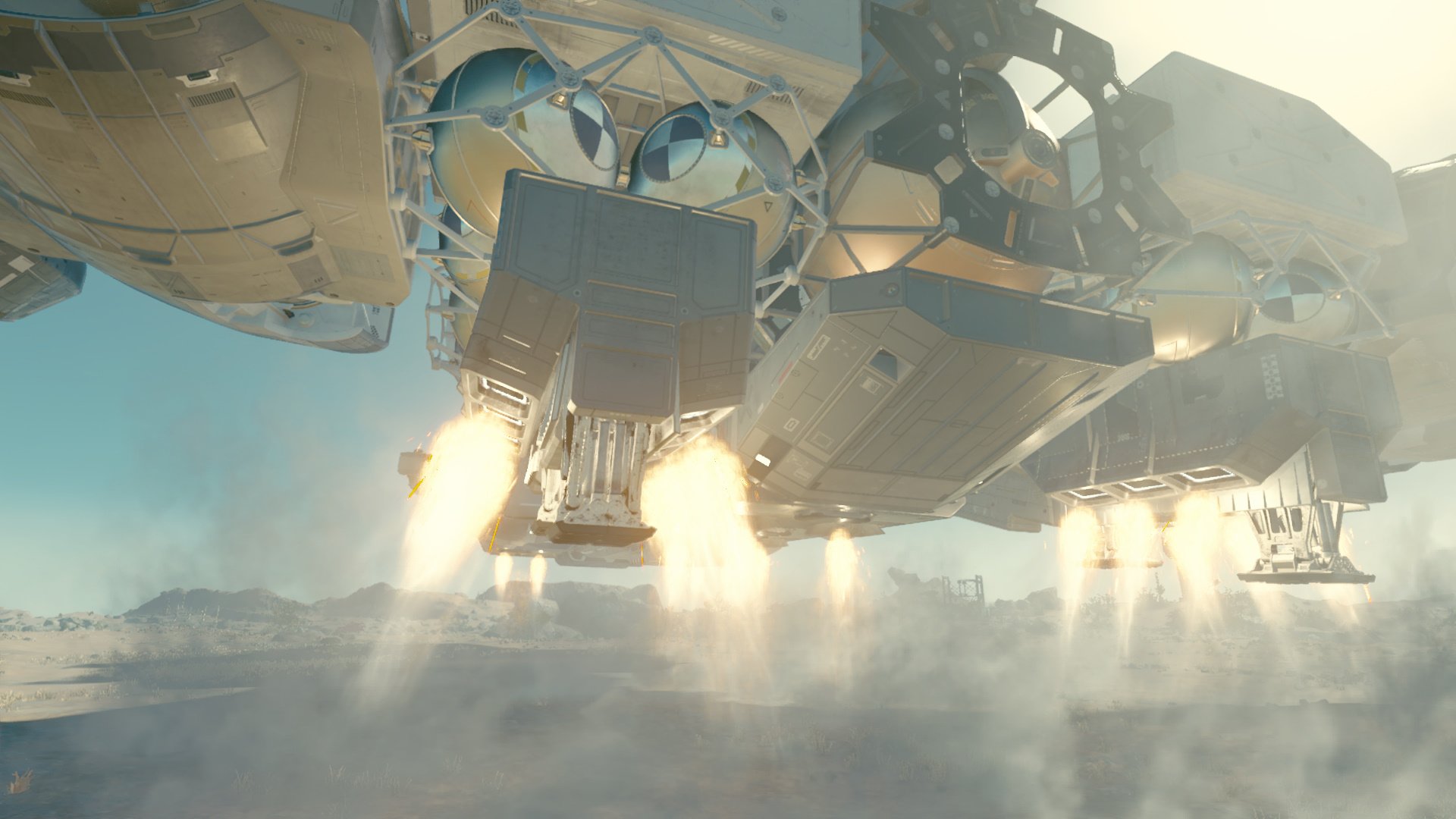
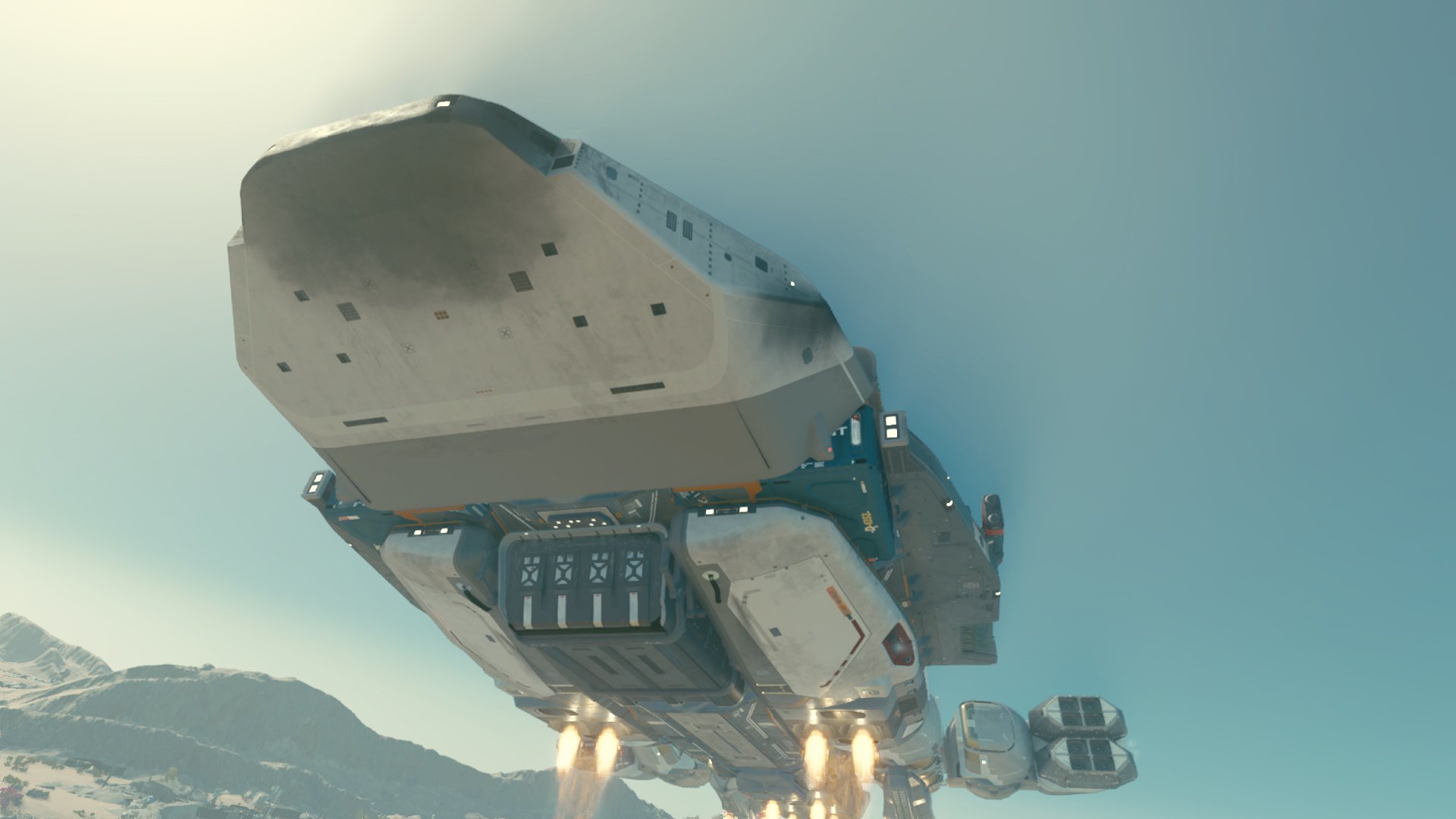
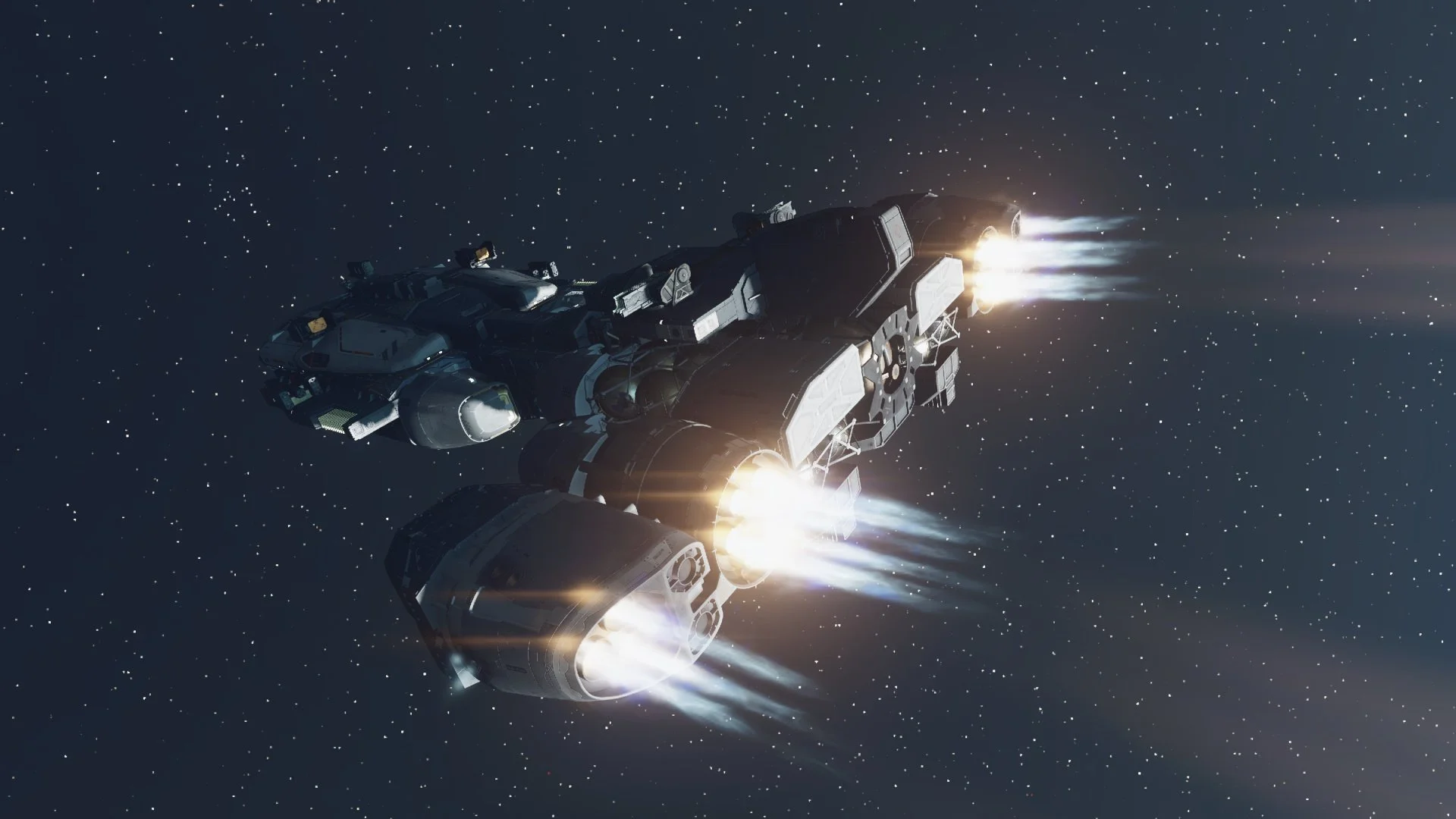
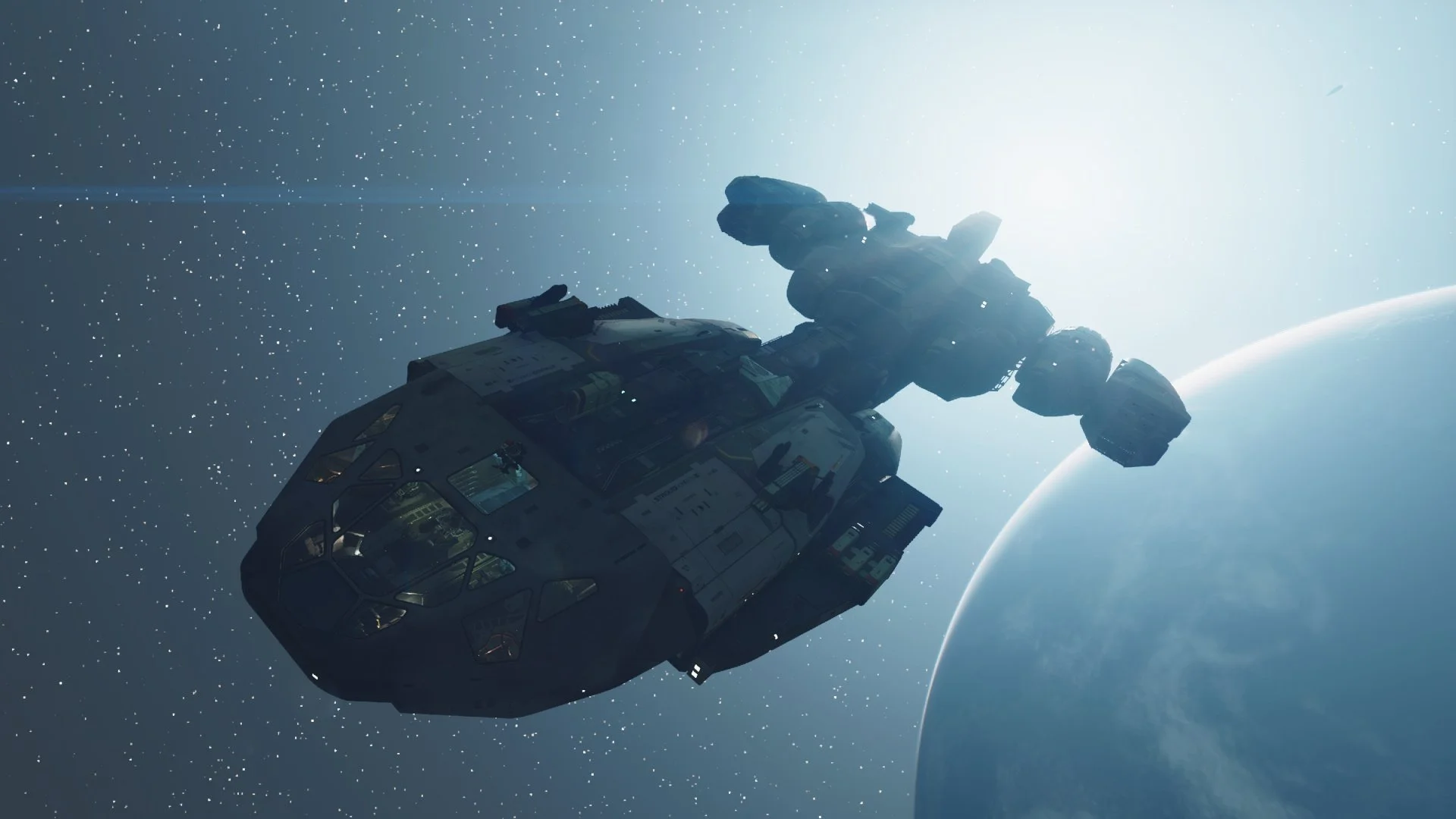
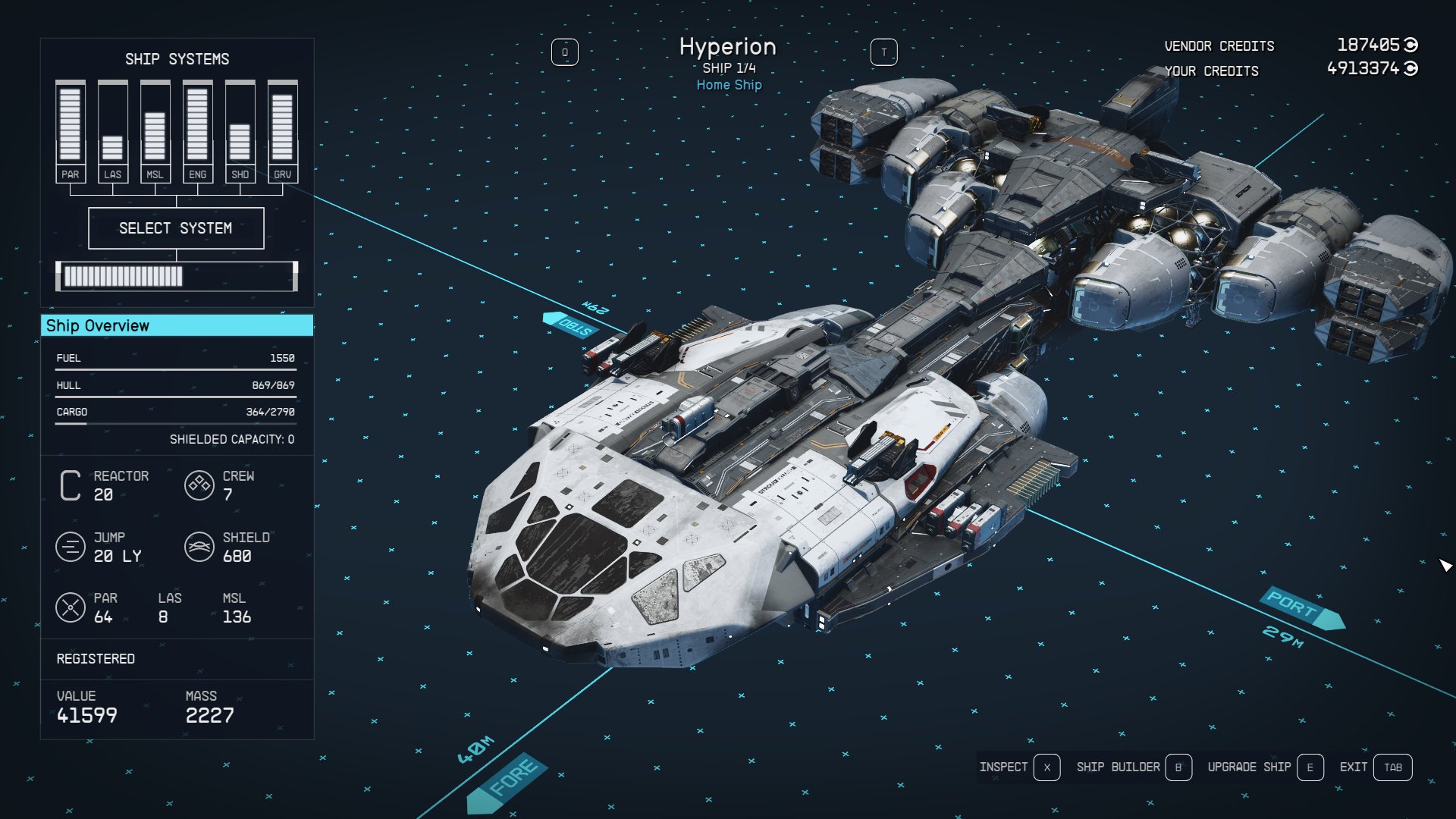
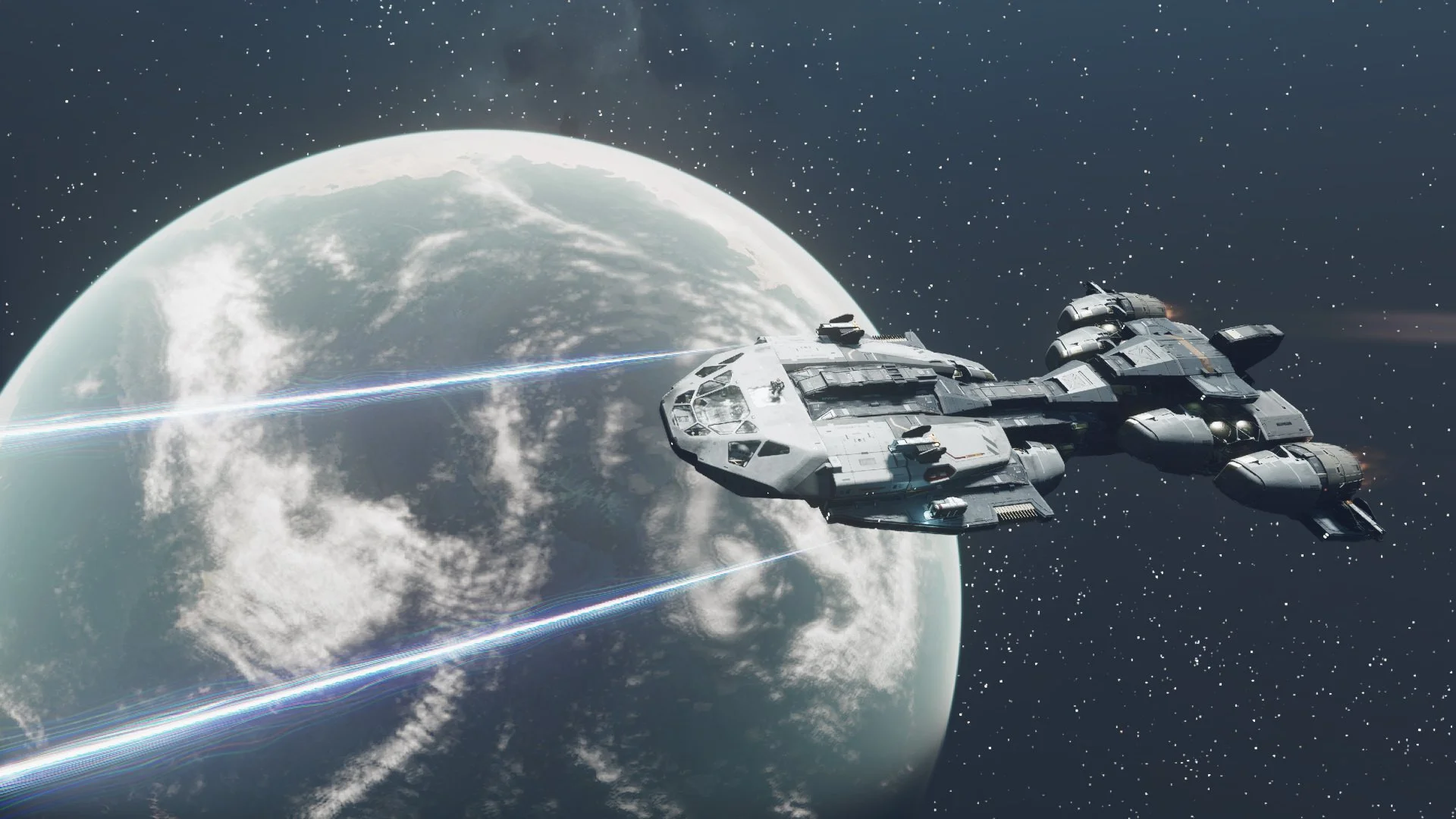
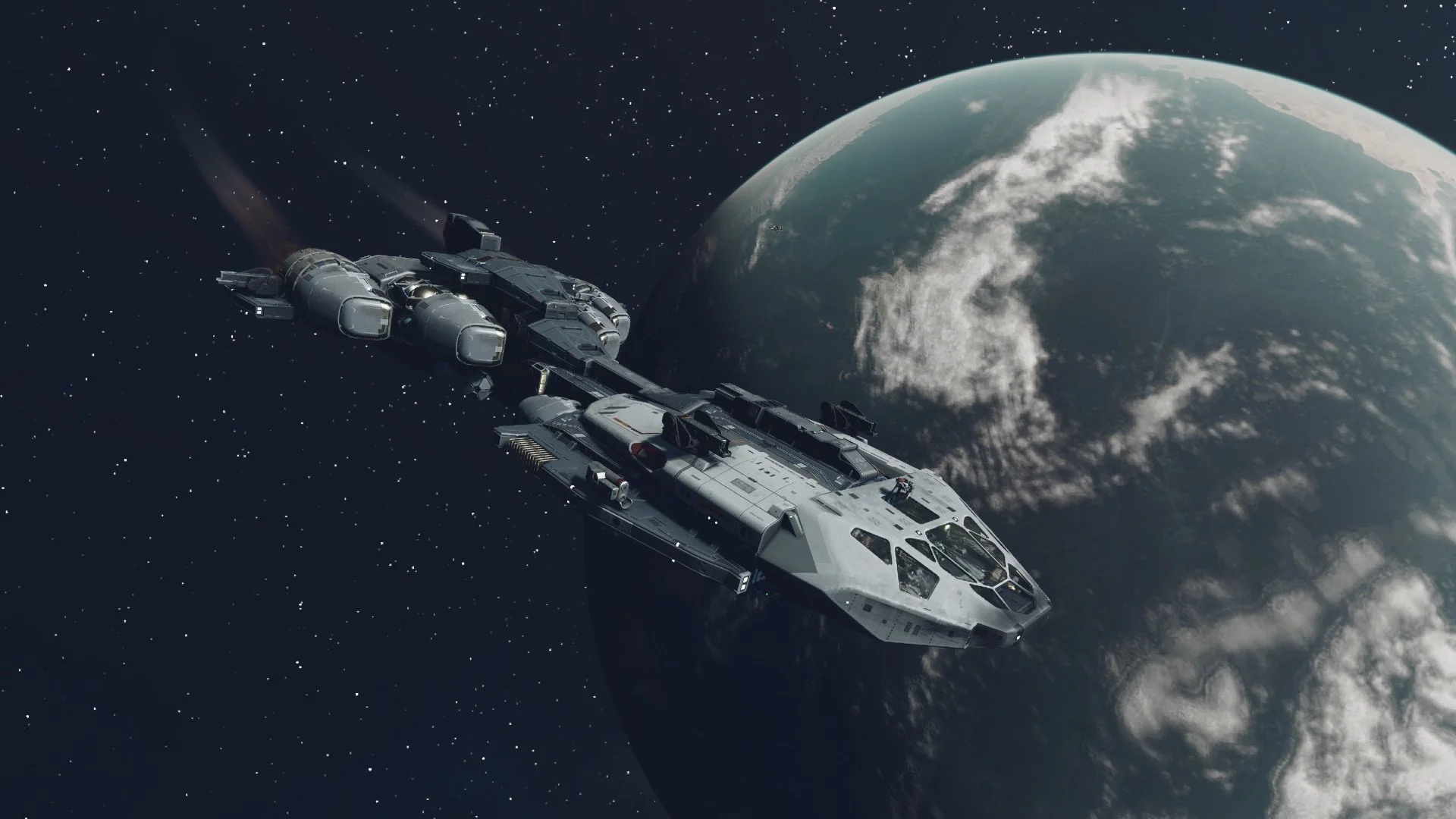
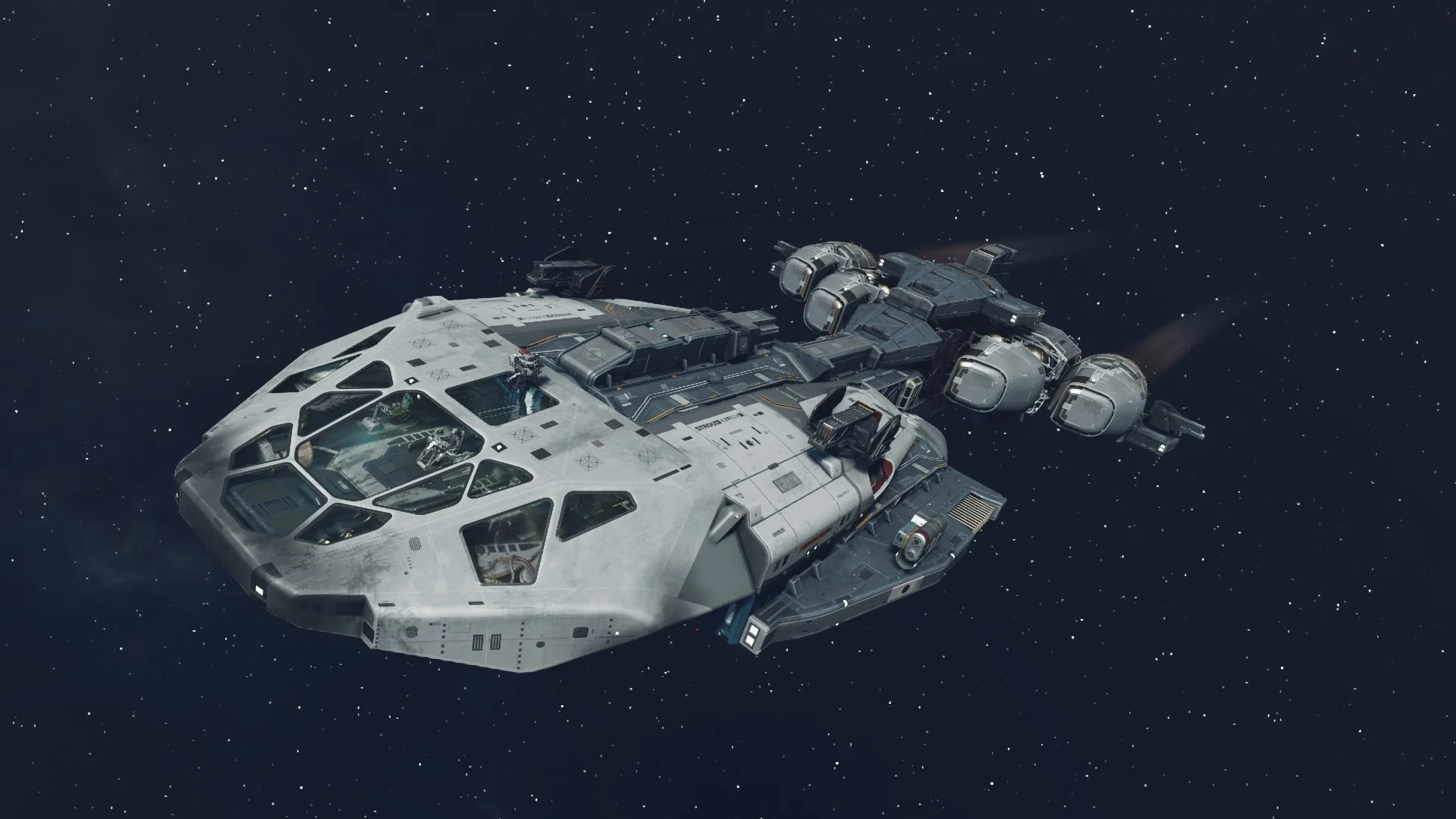
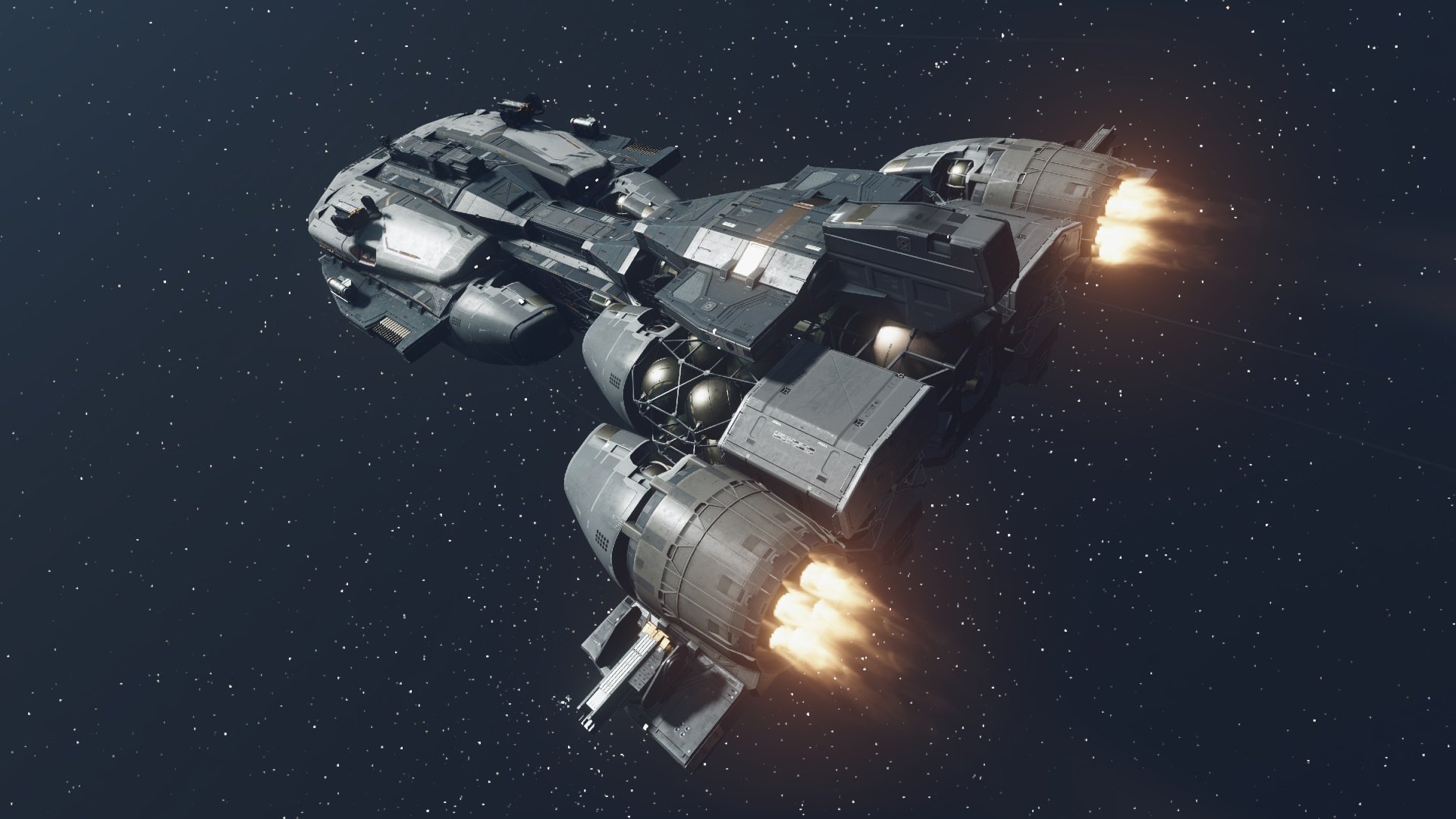
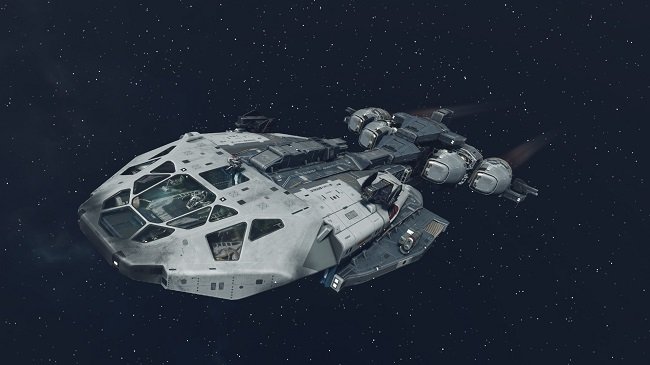
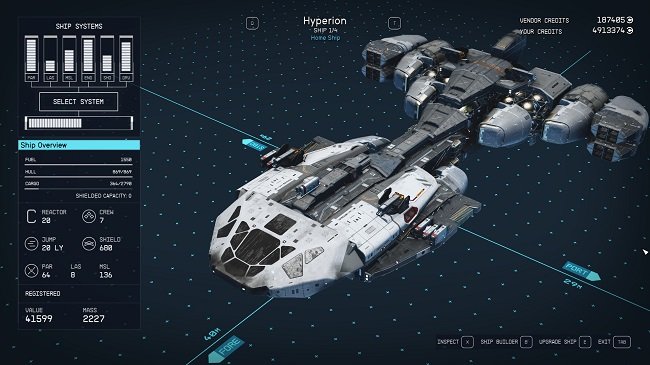
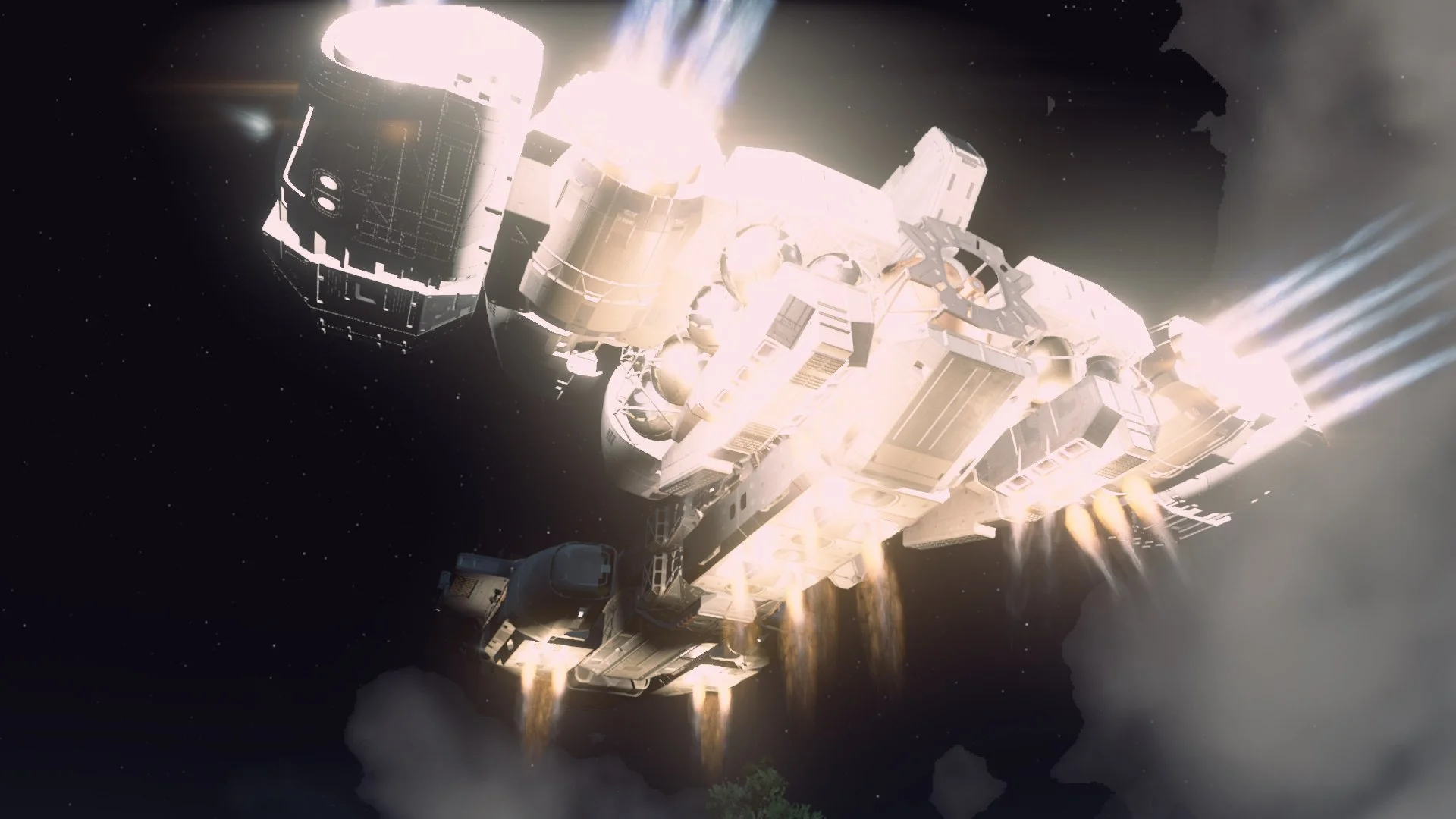
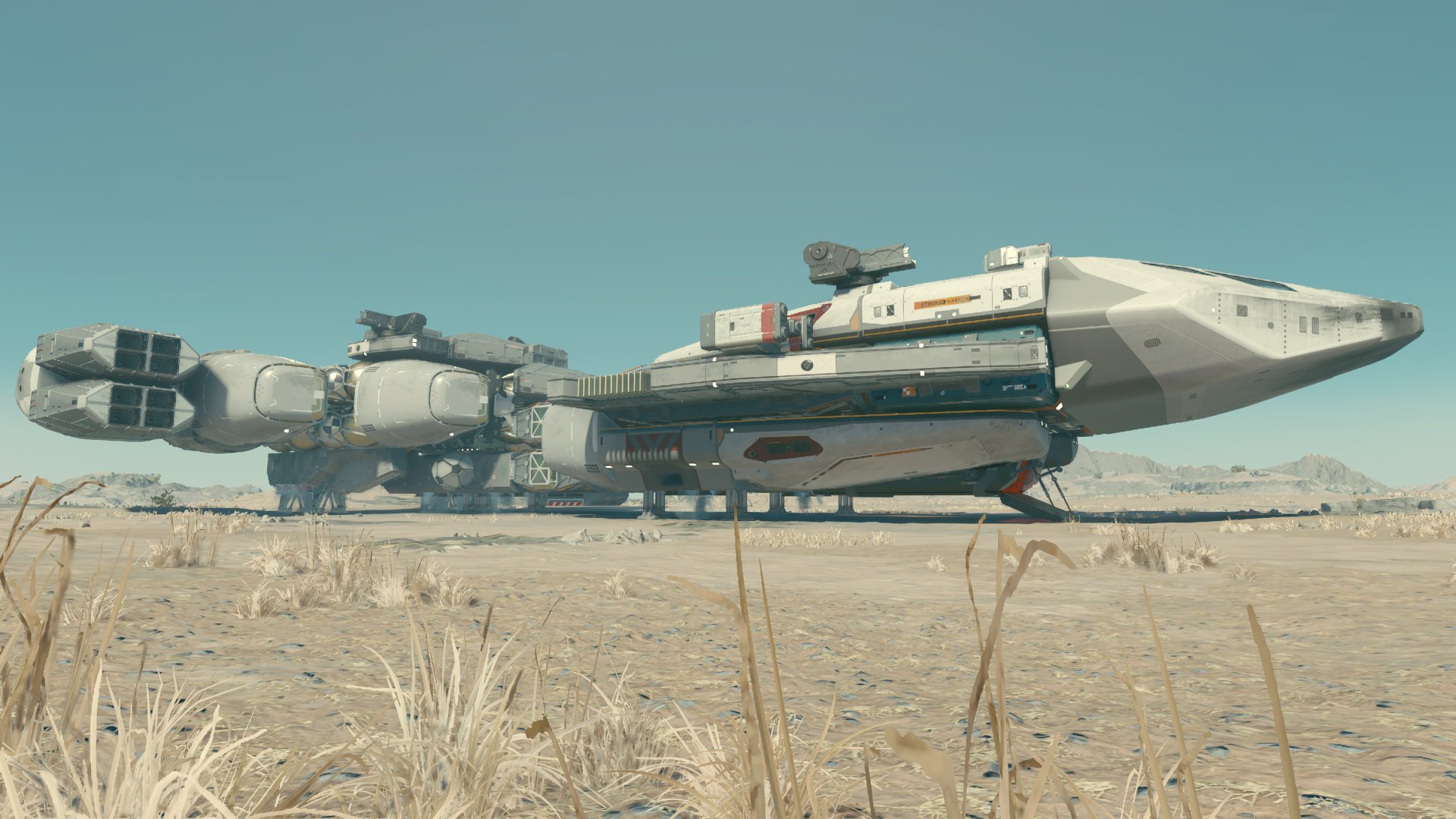
There are three ship categories in Starfield. A, B and C. A is the default, B the intermediate class and C being the largest and most powerful vessels with the biggest cargo capacity. The categories are accessed via the piloting skill, and it requires 4 skill points to fully unlock. Upgrading your existing ship is the quick and easy way to improve your weapons, shields and engines. Highlighting any potential upgrade clearly shows if it offers any statistical improvements over your current item. Building is a more involved process where you can customise your ship in far more detail. However, each ship category has specific parameters, so you cannot add items indefinitely. Sometimes adding equipment means you have to relocate other items. You also have to consider how adding to your vessel affects overall power management. However, it is worth the time and effort as all the ships in the game have a very functional and industrial aesthetic. Like the Eagle transporters in Space: 1999 and the USCSS Nostromo from Alien.
I’m sure it comes as no surprise that tinkering with your ship or buying a new one comes at a significant cost of credits. So if you are low on in-game funds, you can always play some specific missions that reward the player with a free new ship. Alternatively, you can steal them. So far, during planetary exploration, I have encountered three Crimson Fleet vessels that have landed for nefarious reasons. I subsequently boarded them, made my way to the cockpit, and killed the captain as well as the crew. I then claimed the ships. This is a good way to make money, but you must register a ship before selling it, so there’s a fee to be paid in advance that reduces your overall profit. However, it does not negate the value of this source of credits. Plus stealing “bad guy” ships does not upset the authorities. Another point to remember is that you can rename any of your ships. Go to the ship builder menu and you’ll find the rename option within the flight check window.
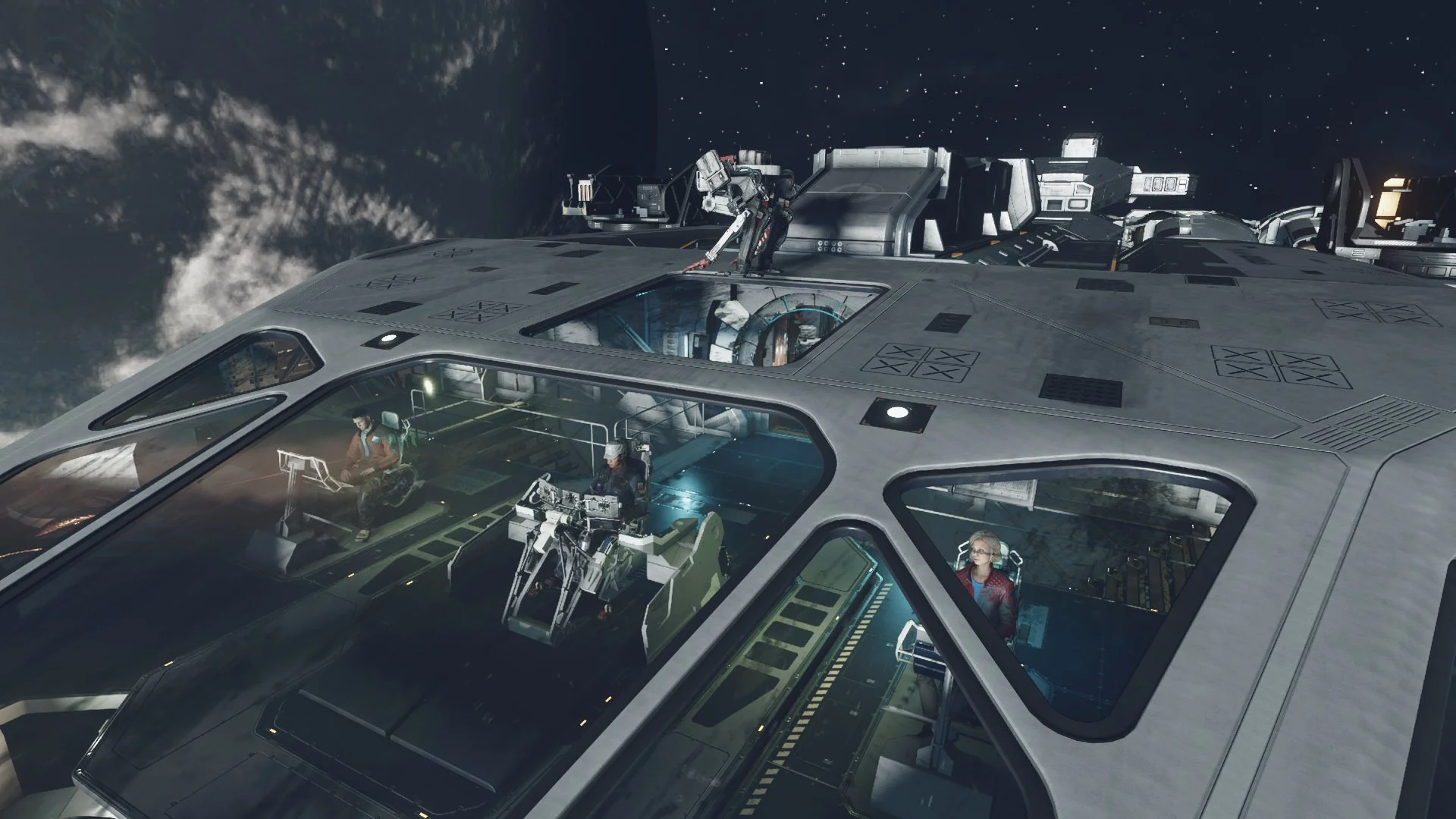
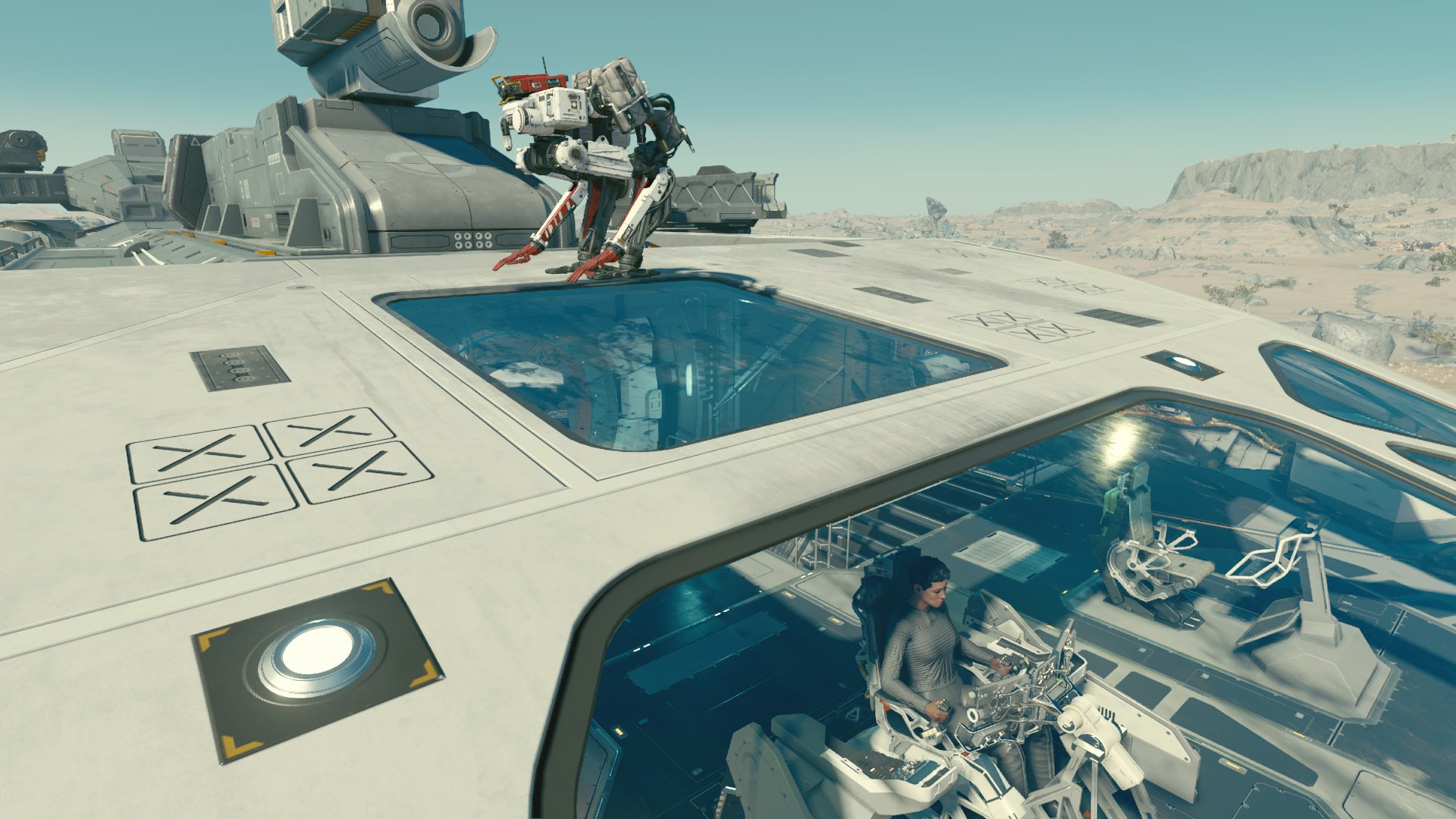
Don’t forget to assign crew members to your ship as each has skills that will buff specific systems. You can use your existing companions for this or go to a bar and recruit the local “scum and villainy”. These non-companion crew members must be paid. Remember, the bigger the ship the bigger the crew. My current ship requires seven and for some reason, when the ship is travelling, Vasco resides outside on the hull. As for the ship itself, it acts like a house, in so far as offering storage and research facilities. You can also decorate the interior by placing items on desks, shelves etc. However, this is a Bethesda game so it’s just as fiddly as in Skyrim. Personally, I advise decluttering your ship or else the crew and you will be forever knocking items on the floor. Finally, don’t forget to have a “look-see” around any new vessel. I found some weapons cases that came with it and they contained some fairly good gear.

Star Trek Online: Upgrade Your Ship Even Further?
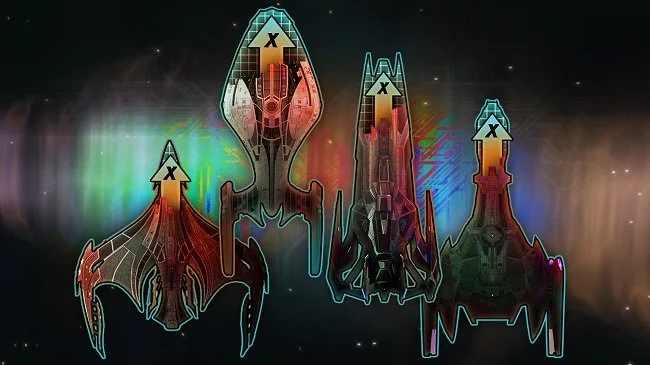
Cryptic used the same statement on their recent news release. Except they ended it with an exclamation mark whereas I’ve chosen a question mark instead. Because I really do question the wisdom of expanding the Experimental Ship Upgrade path and the benefits of applying additional tokens to your ships, unlocking further device, console and trait slots. This is a classic example of doing something because you can, as opposed because you should. Do players at level cap who have already upgraded their ship(s) from Tier 6 to Tier 6-X really need to augment it further? Beyond the immediate stats boost, does it offer any significant benefit to the player or the game in the long run? Or does this situation simply boil down to the fact that it’s another cynically contrived excuse for Star Trek Online developers, Cryptic, to sell you something. For the record, Experimental Ship Upgrade tokens are available for sale in the Zen Store (for money) or can be purchased via Phoenix Prize Pack (for dilithium).
Regarding the title of this post, Cryptic used the same statement on their recent news release. Except they ended it with an exclamation mark whereas I’ve chosen a question mark instead. Because I really do question the wisdom of expanding the Experimental Ship Upgrade path and the benefits of applying additional tokens to your ships, unlocking further device, console and trait slots. This is a classic example of doing something because you can, as opposed because you should. Do players at level cap who have already upgraded their ship(s) from Tier 6 to Tier 6-X really need to augment it further? Beyond the immediate stats boost, does it offer any significant benefit to the player or the game in the long run? Or does this situation simply boil down to the fact that it’s another cynically contrived excuse for Star Trek Online developers, Cryptic, to sell you something. For the record, Experimental Ship Upgrade tokens are available for sale in the Zen Store (for money) or can be purchased via Phoenix Prize Pack (for dilithium).
Levelling to cap in STO is not such an arduous struggle as it is in other MMORPGs. Furthermore, the average player can gain acceptable gear for their starship via PVE content, the reputation system or joining a fleet. There are guides available online that show that you can throw together the most basic gear and traits and still have a perfectly serviceable vessel that can adequately play through endgame content. However, for a percentage of players the endgame in STO is all about increasing their DPS statistics via bespoke builds. At present, such a player can assemble the right selection of gear resulting in substantial DPS output. The introduction of Tier 6-X Experimental Ship Upgrade tokens in late 2020, provided an interesting steppingstone for all players. Those playing casually with average gear, benefitted from the additional device, console and ship trait slots. High end players could tweak their builds further and perfect them. Players could also choose not to use them.
Therefore, it can be argued that the introduction of the Tier 6-X upgrade system was justified and equitable. The same arguments don’t seem so applicable with regard to Tier 6-X2. The benefits no longer seem to be couched in terms of levelling the playing field and seem to be simply about purchasing an optional and possibly superfluous statistical upgrade. Cynics will also note that to receive the benefits of a Tier 6-X2 upgrade, the player has to use a further two Experimental Ship Upgrade tokens. Yet despite paying twice the cost, you still only get the same unlocks as with the first upgrade. All of which makes me wonder whether this is worth it. I suspect not and I certainly don’t think I will be hobbling myself if I choose not to. Furthermore, this situation highlights the problem all MMOs have with power creep and the fact that it would be more appropriate for Cryptic to find a comprehensive solution to that problem, rather than offering this money making stop gap..
Playing Starfield Part 3: Play Randomly or Follow a Guide?
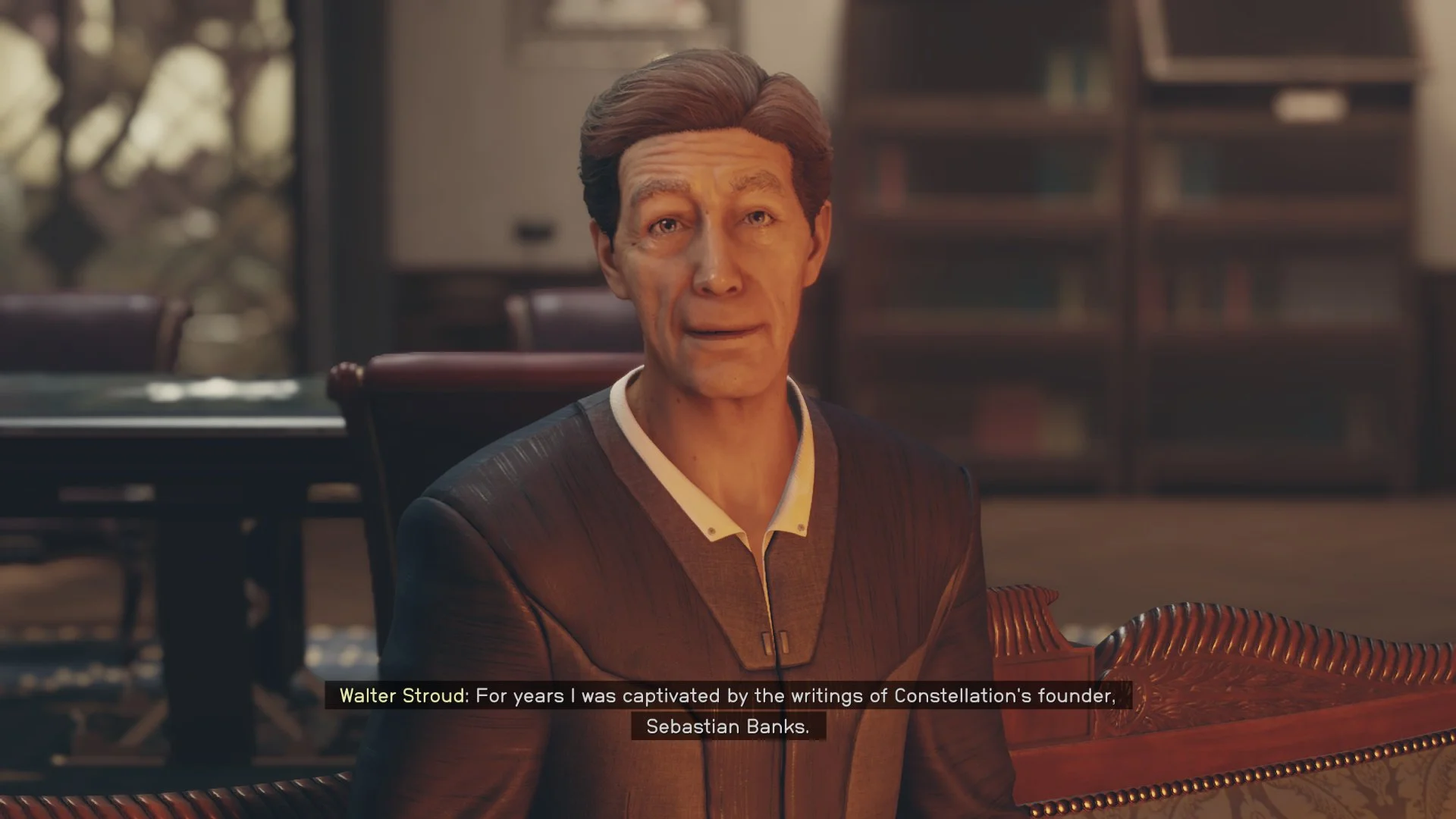
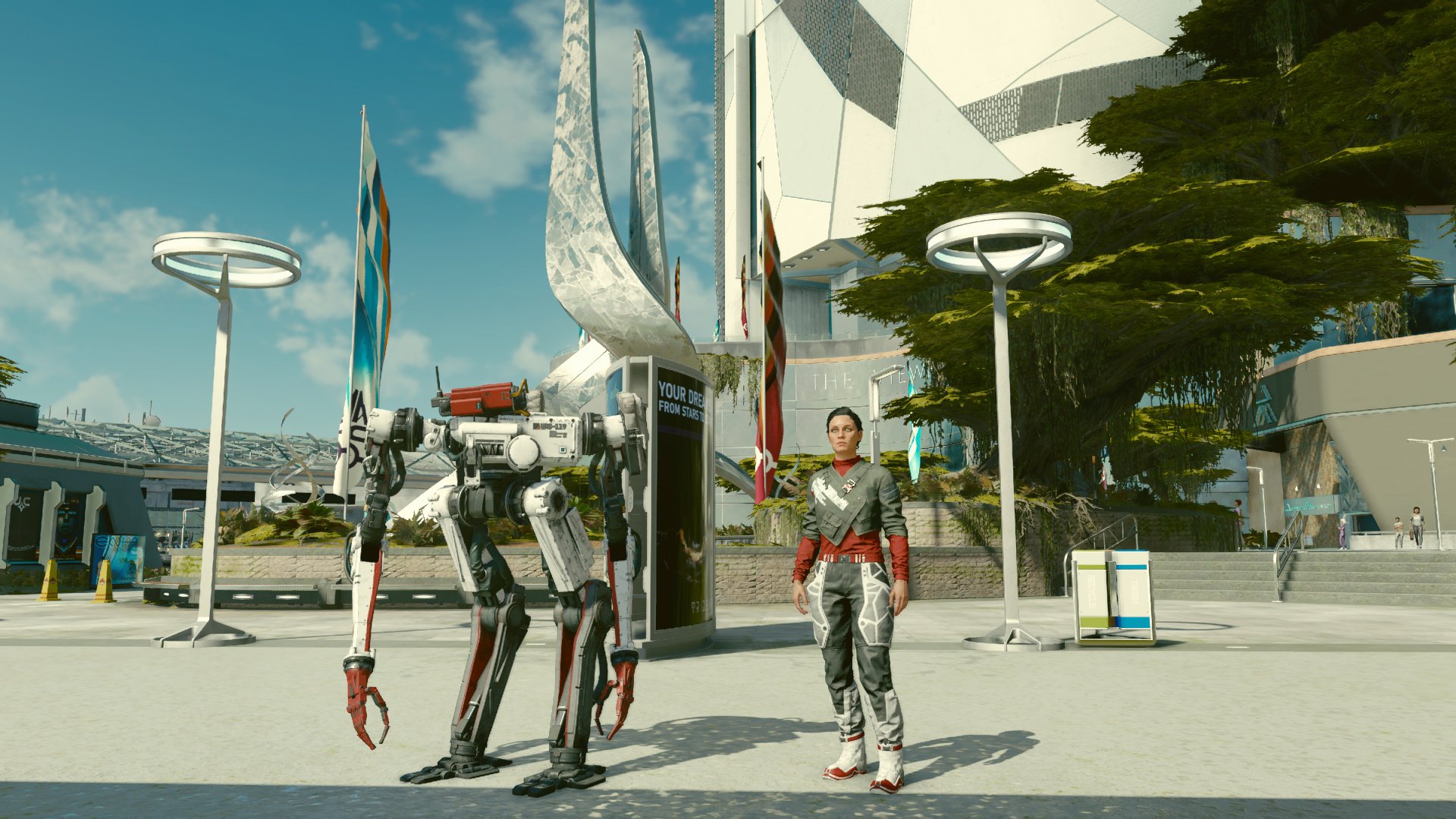
It is quite easy to get overwhelmed by the sheer quantity of things to do in Starfield. You can be walking through the plaza in New Atlantis, pass a pair of NPCs talking about something and the next thing you know you have a new mission to complete. As with most video games, there is a hierarchy of importance when it comes to the various tasks you are asked to undertake. Players may feel obliged to focus upon the main story during their initial first six hours or so. Such a strategy usually provides players with an overview of the game’s mechanics as well as providing some essential items such as gear. But it can feel a little smothering to have content continuously added to your mission journal. Especially if you’re the sort of player that likes to impose structure upon your gaming and likes to undertake tasks in an orderly and methodical fashion.
It is quite easy to get overwhelmed by the sheer quantity of things to do in Starfield. You can be walking through the plaza in New Atlantis, pass a pair of NPCs talking about something and the next thing you know you have a new mission to complete. As with most video games, there is a hierarchy of importance when it comes to the various tasks you are asked to undertake. Players may feel obliged to focus upon the main story during their initial first six hours or so. Such a strategy usually provides players with an overview of the game’s mechanics as well as providing some essential items such as gear. But it can feel a little smothering to have content continuously added to your mission journal. Especially if you’re the sort of player that likes to impose structure upon your gaming and likes to undertake tasks in an orderly and methodical fashion.
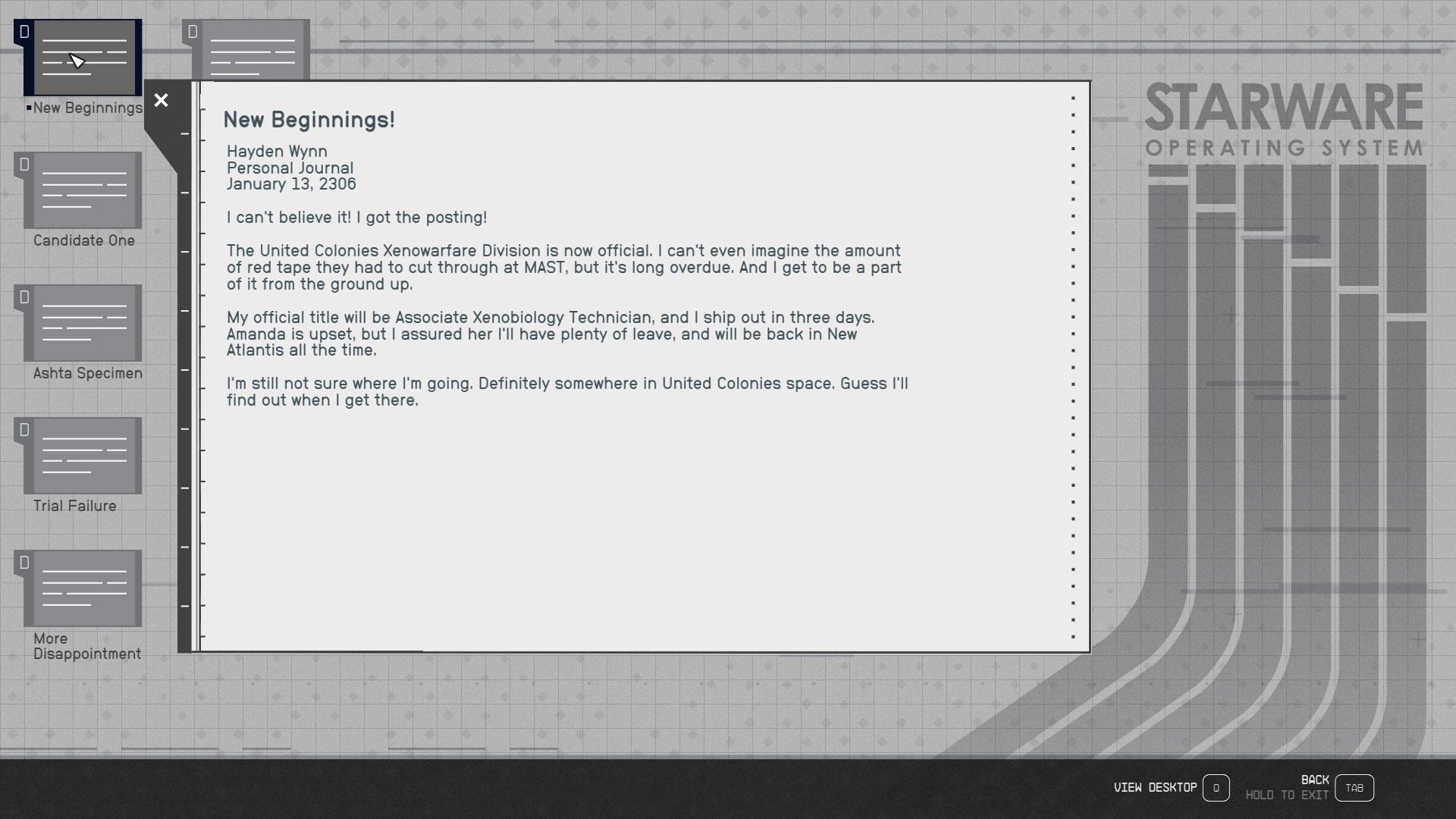
This can lead to a minor dilemma. If you play through Starfield randomly, going where you want and dealing with missions as and when you encounter them, you may unintentionally miss content that yields beneficial results. Especially at lower levels. For example, after an early encounter with pirates, there’s a good chance that you’ll end up with a datapad with a message titled “secret outpost!” in your inventory. Let it suffice to say, reading it starts a mission that is well worth pursuing early on in the game. Doing so when you’ve sixty or seventy hours in may not yield such good results. And it is this sense of not knowing, “am I making bad decisions” and “am I playing this wrong” that can lead to a kind of gaming paralysis for some players. Especially if you later feel that you’ve inadvertently “gimped” yourself.
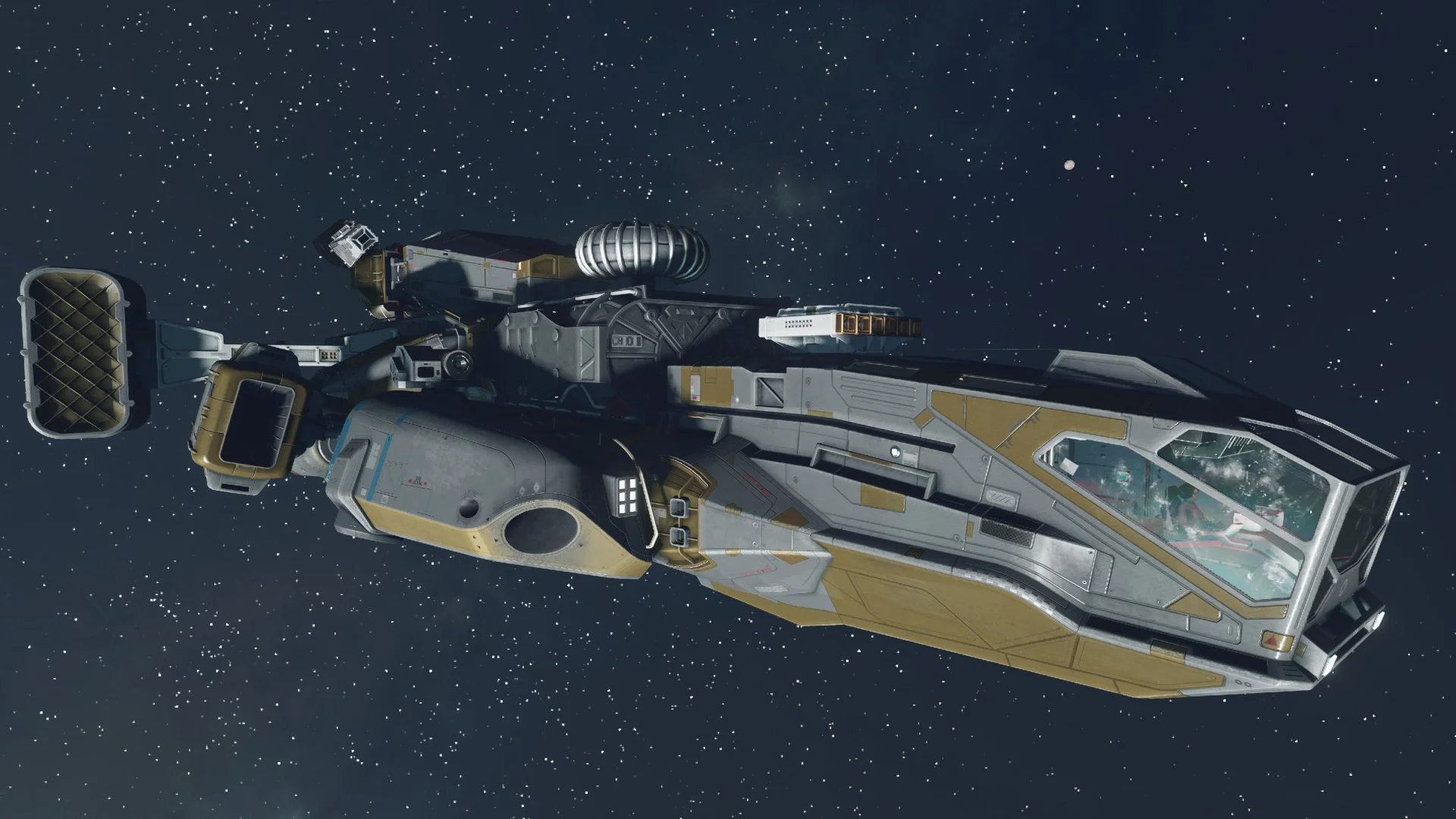
The alternative to this situation (if it is something that personally affects you) is to watch videos and use Google for information. Already there is a wealth of Starfield gaming guides available which opine about the best traits, weapons and ships, as well as a which order to complete the various missions. However, it can be argued that once you opt to go down this road the game may lose some of its mystery, as its overall experience is rendered structural by the player. Yet, some are happy with this trade off compared to the worry of making a suboptimal choice and FOMO. I have watched a few YouTube videos from creators I trust and have picked up a few useful tips, without any major spoilers. And I proactively researched how and when I could get a new ship, as the Frontier is woefully underpowered. However, this again raises the point that I am managing my experience of the game.
At the time of writing this post, I have played Starfield for 20 hours. I have resolved all performance issues and am happy with the current graphics settings. The story and side missions are well written and the voice acting is very good. I have mastered the basics of the game and can now shoot and navigate ground combat competently. Space combat has improved immensely after putting a skills point into Targeting Control Systems and replacing my starter ship with something more robust. Here are a few more bullet points of things to consider about Starfield.
The lack of a viable ground map is very inconvenient. Trying to find vendors without any guidance is a nuisance.
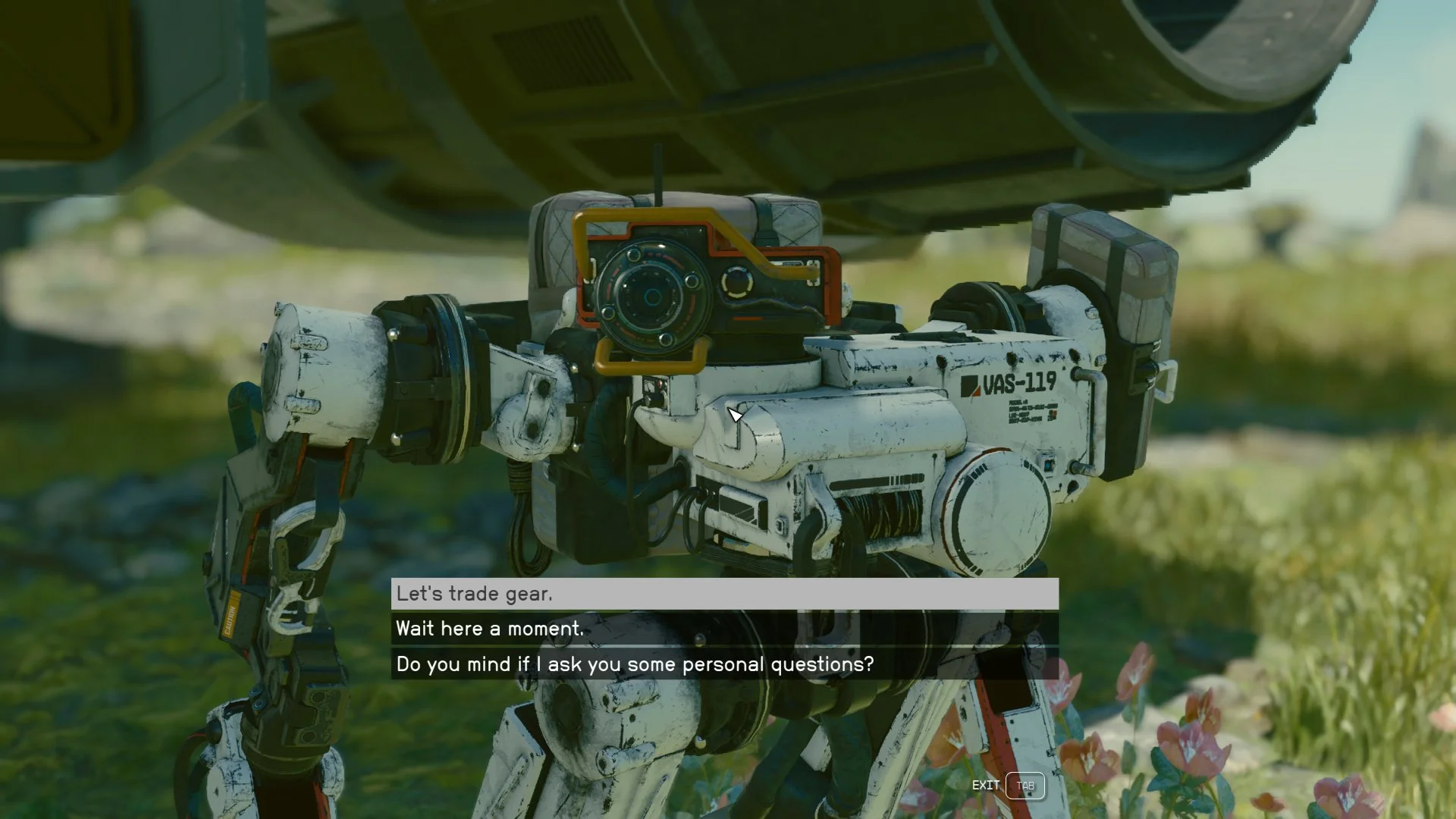
There is little or no detail regarding the weapon select wheel. I only realised there was one when I saw it on a YouTube video. This is essential to be able to hot swap weapons on the fly.
Inventory management is slow and complex. You can store items on your character, or with a companion or in your ship’s hold. You have to manually trawl through all of these entries to use or trade. It is an inefficient process.
Do not make the mistake of looting too much and becoming overburdened while exploring a planet. You cannot use swift travel back to your ship when overburdened and it makes the journey back long and tedious.
Surveying a planet is an arduous chore. It would be greatly improved if your scanner could detect more from a distance, so you didn’t have to run around trying to find a few elusive flora and fauna to get 100% completion. Some sort of vehicle would improve this process.

Playing Starfield Part 2: Installation and Early Access
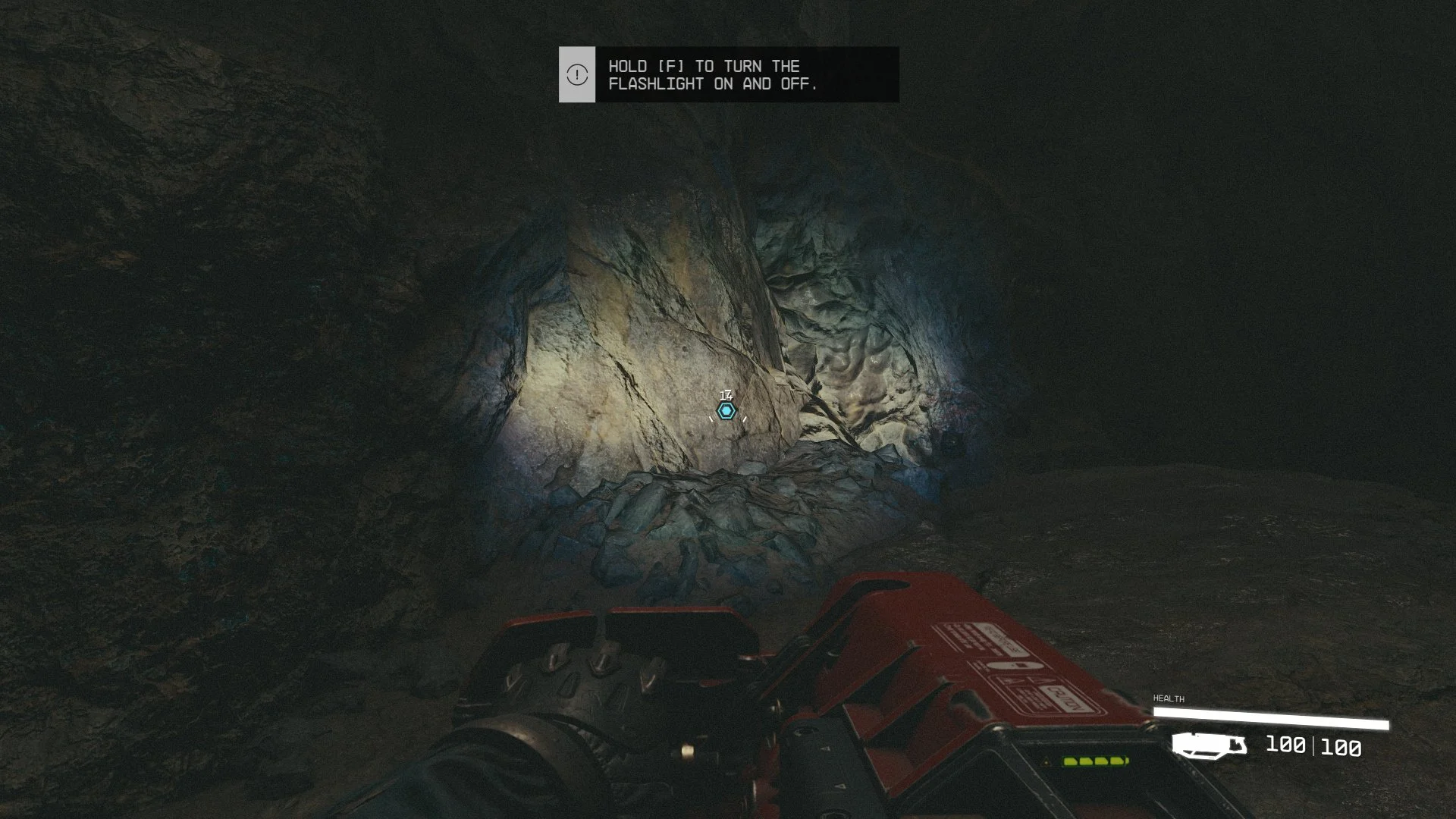
I pre-installed Starfield, via Steam, on Wednesday 30th August. Early access started in the UK at 1:00 AM today. However, I didn’t get around to playing until about 10:00 AM this morning. It took about an hour or so to unpack the pre-installed game. It currently occupies a little over 116GB of space. As I wasn’t sure how well my PC would handle Starfield, I decided to use my second monitor to play the game at a resolution of 1920x1080 (16:9). I have an Nvidia GTX 1660 Super GPU. Initially, I turned all the graphics to “high” and set the game to render at full resolution. Initially the game seemed to run well. I got through the initial story which takes place in a mine. I also got to the character customisation, which in true Bethesda style takes place after the story has progressed for a while. However, the moment I entered space in my ship, the game started running poorly. The graphics stuttered and the audio desynced.
I pre-installed Starfield, via Steam, on Wednesday 30th August. Early access started in the UK at 1:00 AM today. However, I didn’t get around to playing until about 10:00 AM this morning. It took about an hour or so to unpack the pre-installed game. It currently occupies a little over 116GB of space. As I wasn’t sure how well my PC would handle Starfield, I decided to use my second monitor to play the game at a resolution of 1920x1080 (16:9). I have an Nvidia GTX 1660 Super GPU. Initially, I turned all the graphics to “high” and set the game to render at full resolution. Initially the game seemed to run well. I got through the initial story which takes place in a mine. I also got to the character customisation, which in true Bethesda style takes place after the story has progressed for a while. However, the moment I entered space in my ship, the game started running poorly. The graphics stuttered and the audio desynced.
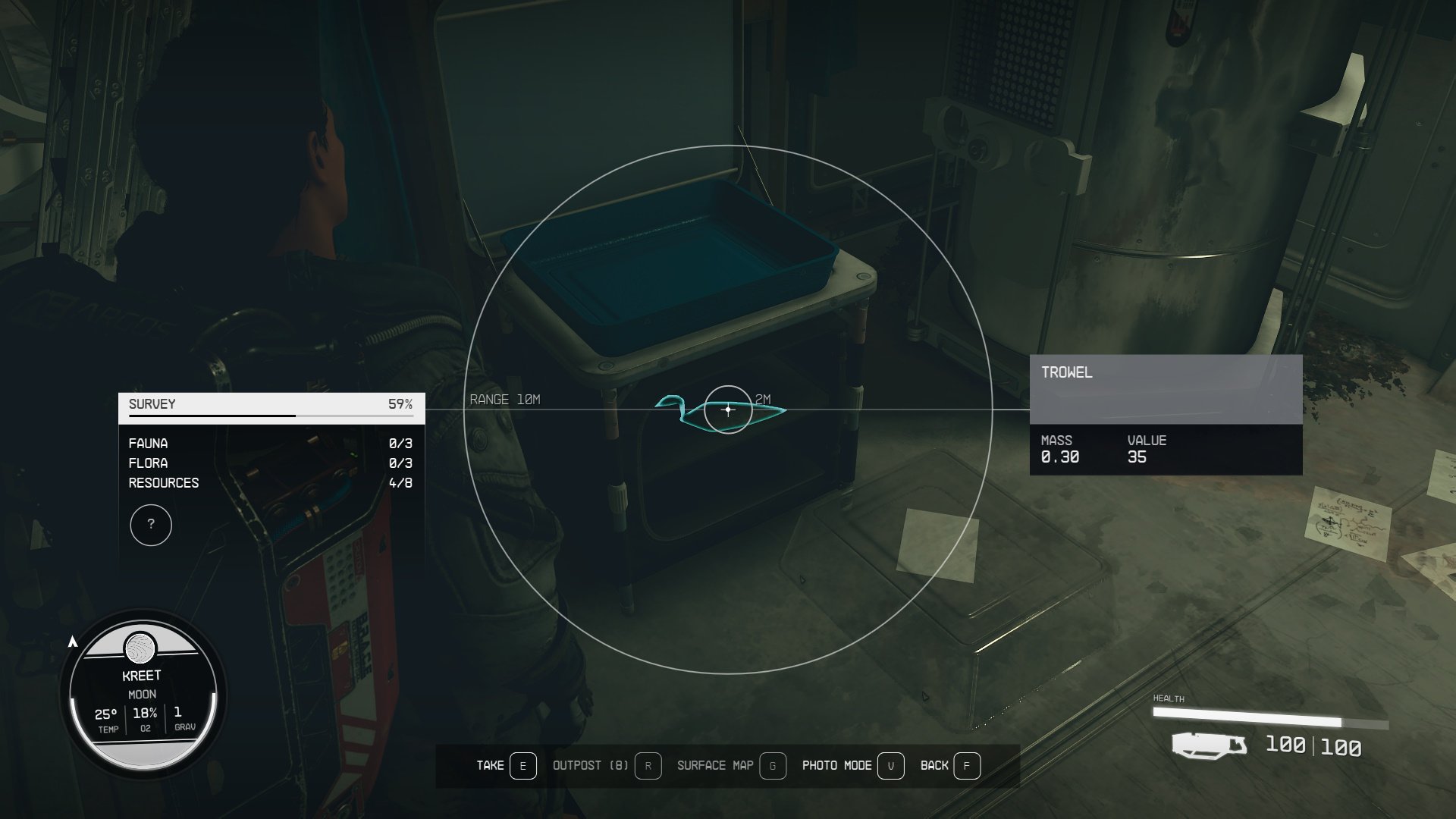
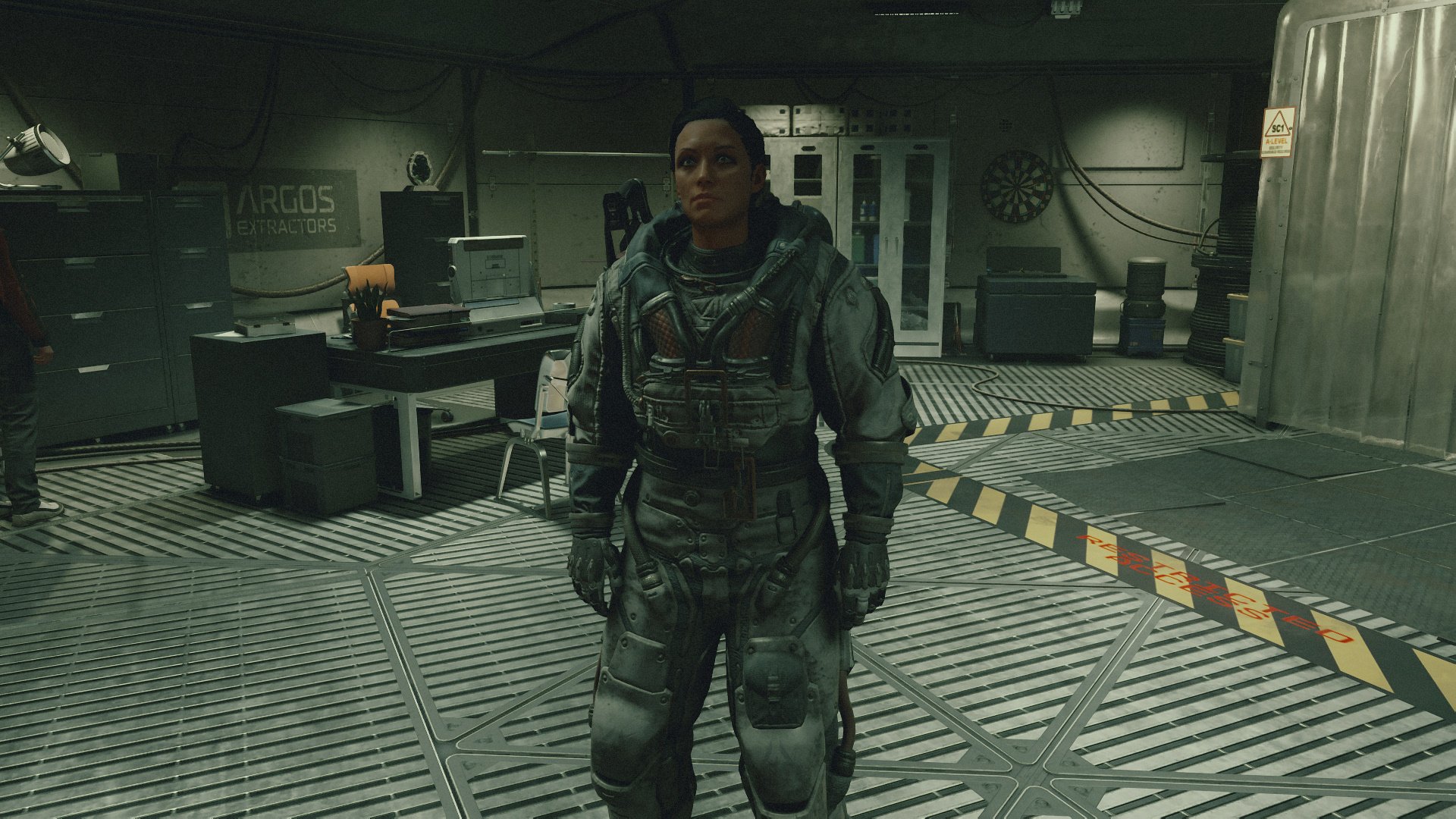
I made a few tweaks, dropping some settings but as I played through the first mission on the planet Kreet, I found that random lag spikes were making the game unplayable. They often occurred during combat. So I soldiered on until I had completed the main mission and then I elected to leave and move on to the primary quest hub of New Atlantis. I then immediately saved the game and spent some time looking for solutions online. After reading several posts regarding the game’s performance, I adjusted my graphics settings accordingly. It would appear that unless you have a top of the range GPU, then most systems should use the render resolution facility. I set it to 75% and then dropped a few further settings to medium. I also migrated the game installation from the 4TB hard drive I have for games, onto the 1TB SSD I use for the PC operating system. These changes improved performance significantly.
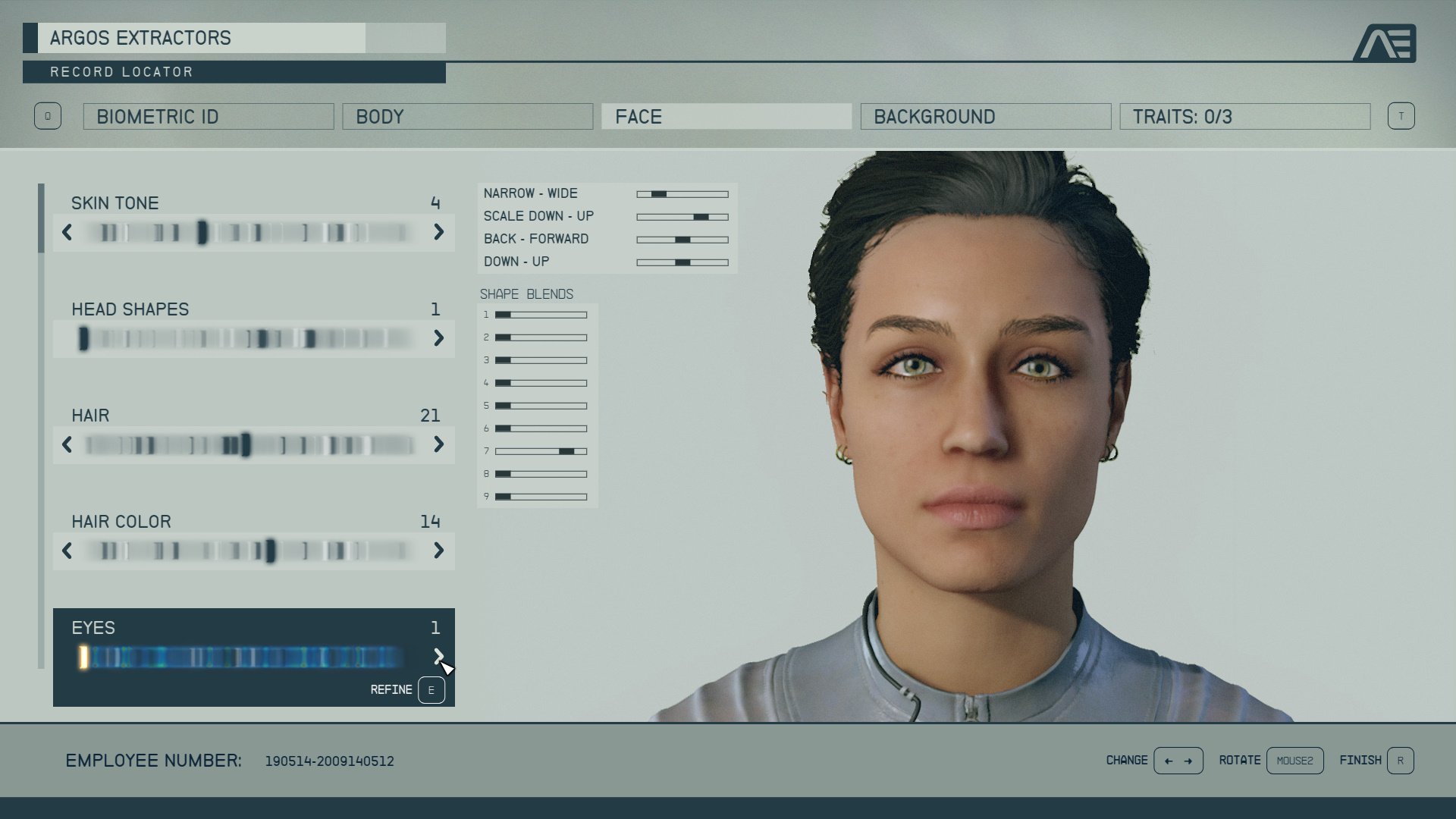
Having addressed the performance issues, I then continued the game and progressed through the story as far as joining the Constellation group. I then stopped for a break and to collate my thoughts. I shall now present my initial thoughts on the gameplay, mechanics and the central story as bullet points, for reasons of brevity. I may well revise some of these thoughts and opinions as I progress and become more familiar with the things.
First and foremost, the game lacks a coherent tutorial. A few basic skills are imparted via the game’s opening but if you are distracted, then you will miss the information.
I therefore had to continuously tab out of the game and search online for instructions and clarification of how to do basic things. This is not acceptable.
Space combat and operating your ship are introduced quite quickly. Again, if you miss any on screen information you have to “improvise” and assume that things work in a similar fashion to space combat in other games. Fortunately, they do.
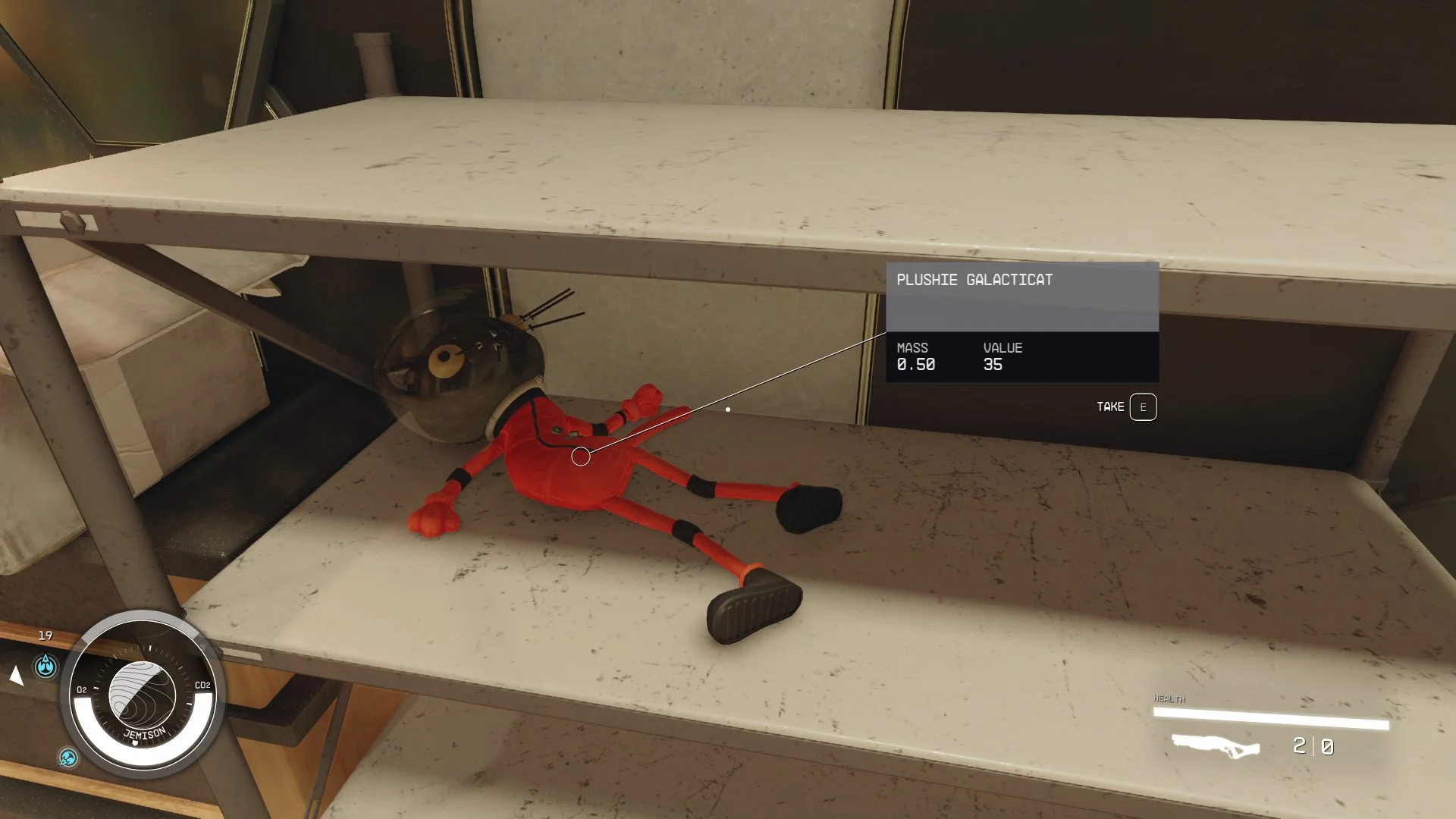
Being a Bethesda game, there is a wealth of lootable items, littering the game’s initial zone. Most of it is irrelevant and inconsequential. However, some items appear important so there is a risk of hoarding material that later turns out to be of no value.
Combat feels about right but requires sensible use of cover and accurate fire. Check the range of your weapon of choice, to ensure it is appropriate to the situation.
Learn to use your scanner correctly. Some flora and fauna need to be scanned multiple times to register as “collected”. This is how it is supposed to work.
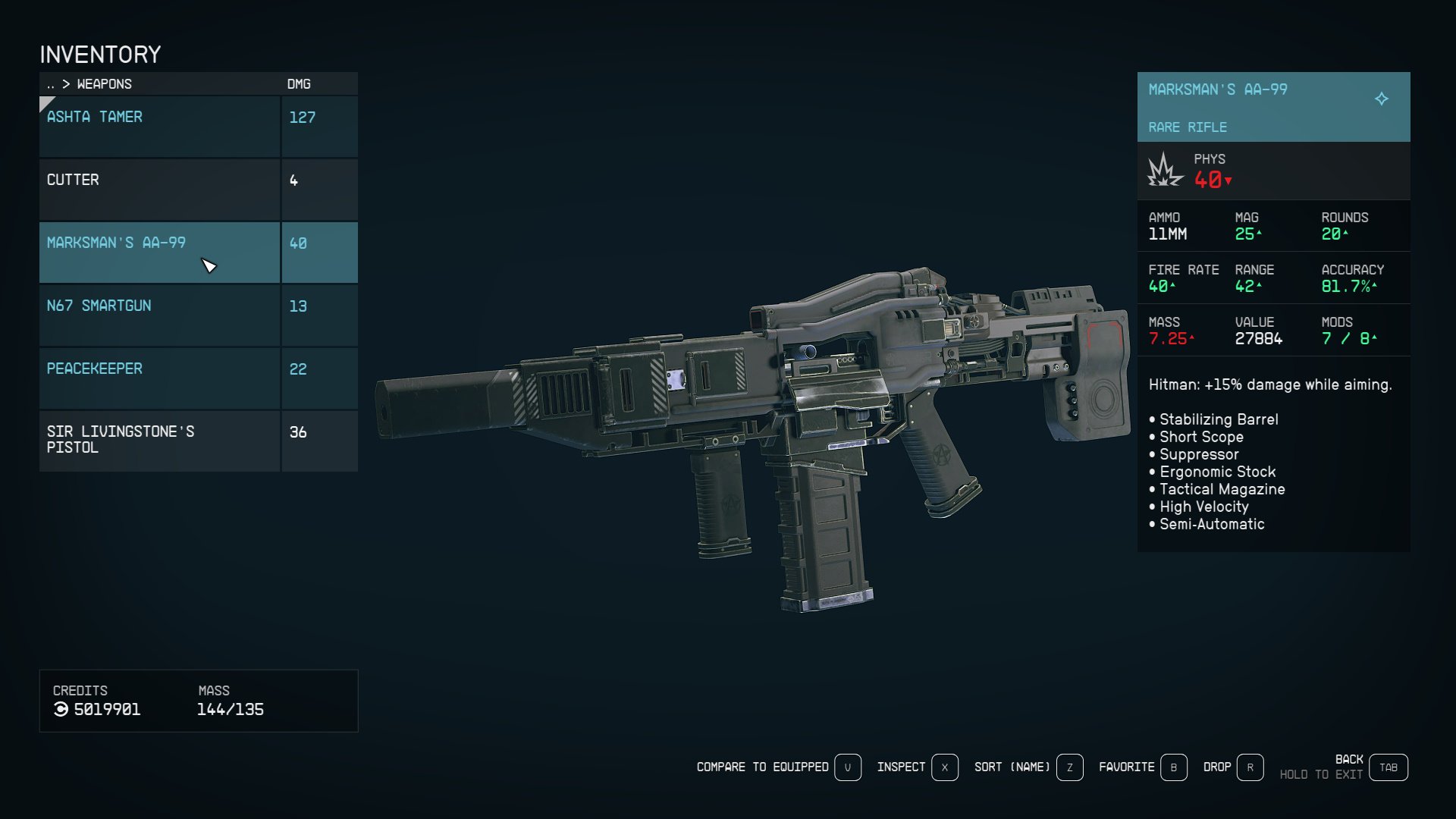
Look for means to make money as soon as possible. Weapons sell well. Ensure you loot fallen foes.
Take time to learn the new locking picking system. It requires a degree of thought.
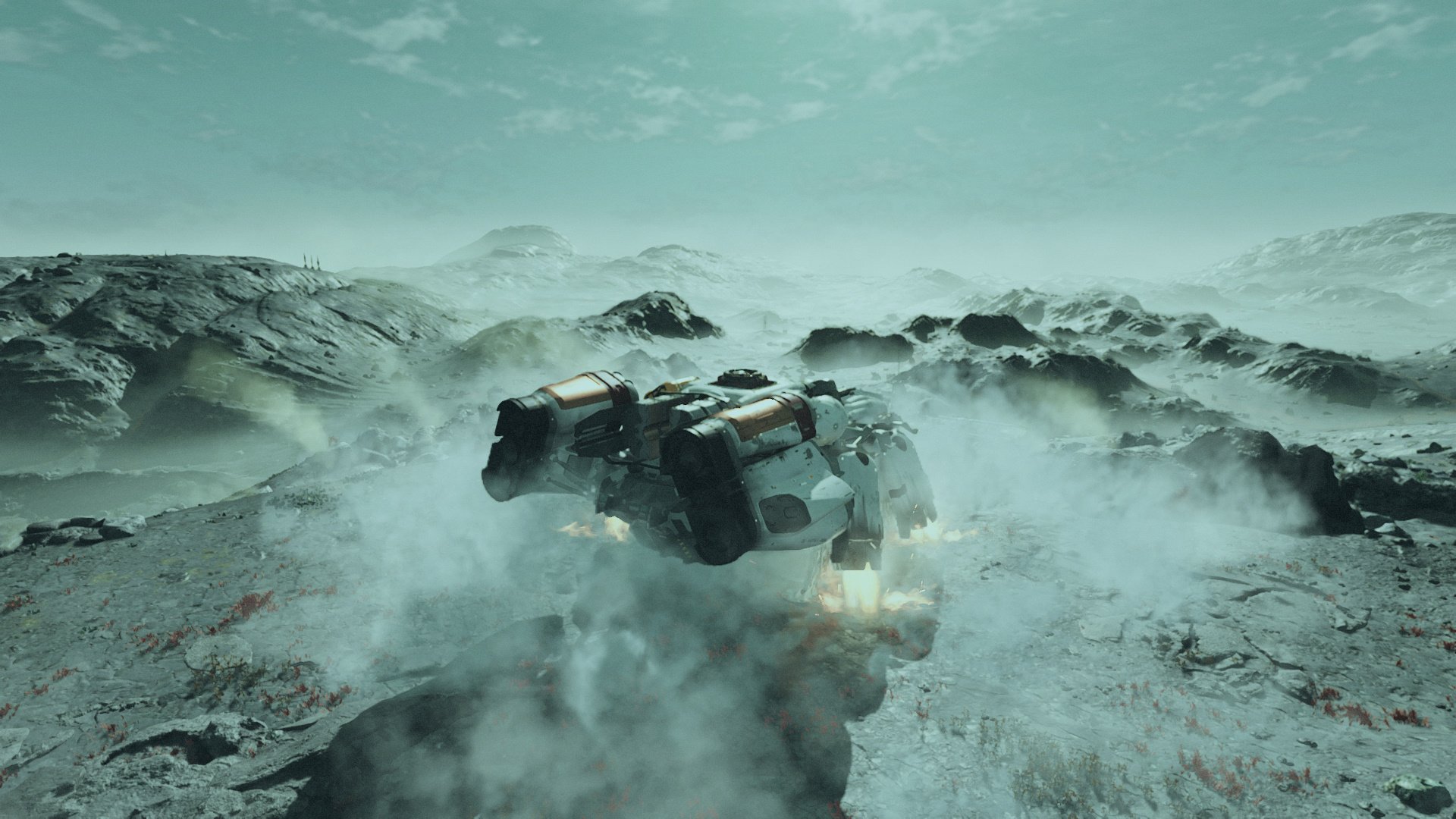
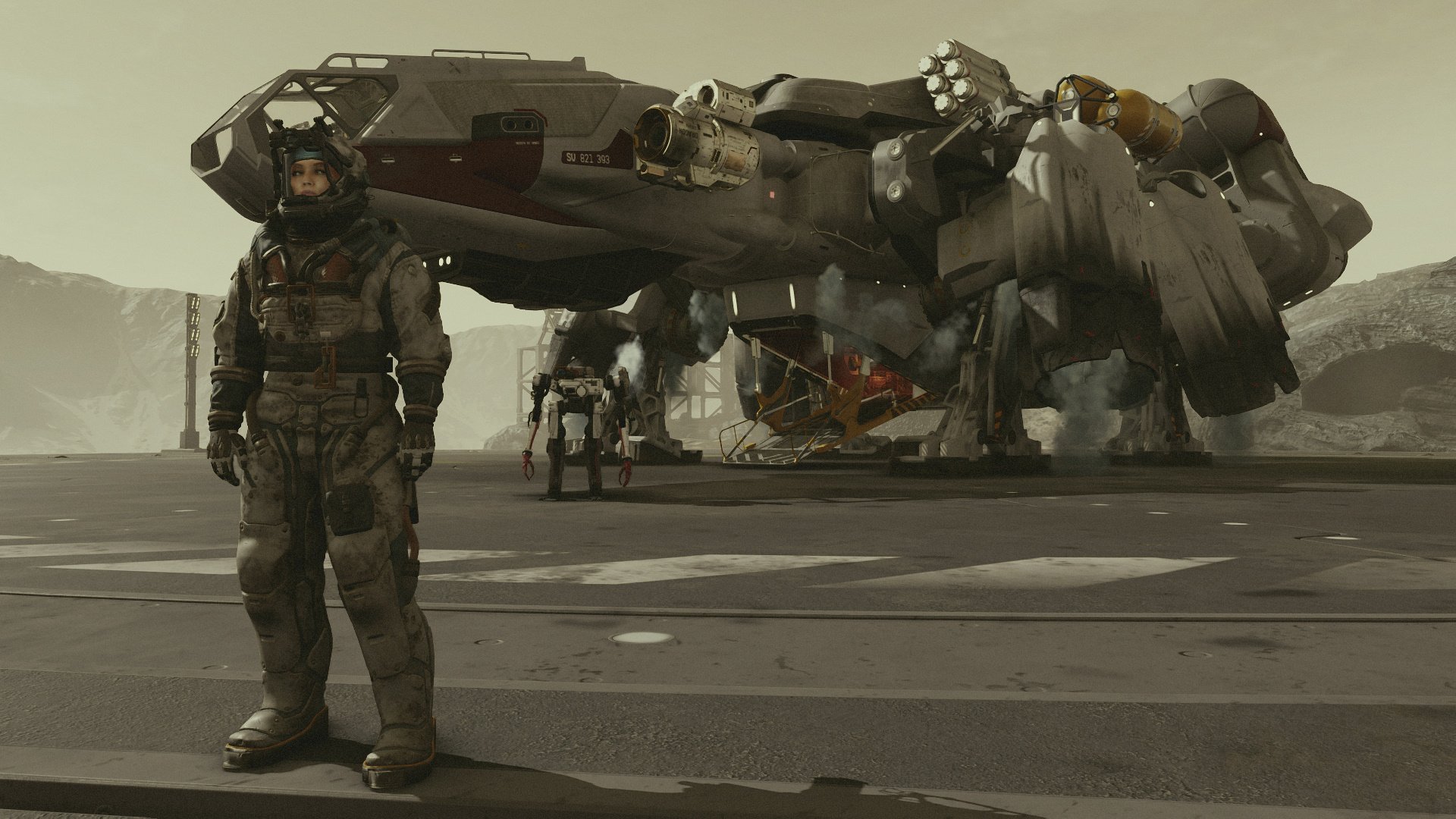
Overall, I have enjoyed Starfield so far. It is epic in scope but not necessarily as revolutionary in its gameplay. You cannot for example fly your ship from the surface of a planet, through the atmosphere and out into space. Getting from space to the surface of a planet involves cutscenes. Also, once the initial sense of awe has worn off, you will find that Starfield has many of the tropes and foibles associated with Bethesda games. Dialogue trees are quite rich and varied and so far I haven’t encountered a scripted response I don’t like. I don’t feel that I’ve been forced into a “stupid” response. I suspect that the main appeal of Starfield will lie in the characters and story. It will be interesting to see whether my opinions change after another day of playing and exploring. I am still a little annoyed at the lack of information the game provides but sadly that seems to be the industry standard these days.
Playing Starfield Part 1: The Purchase
I have already written about the hype associated with the forthcoming RPG Starfield and my thoughts on that particular issue have not changed. However, regardless of the iniquities of the marketing industry and the unrealistic expectations of some gamers, Starfield is a significant release from an established developer with a proven track record. Hence there is a great deal of interest in this game due to the scope of its content and breadth of vision. Plus many of Bethesda’s competitors will be watching the launch on September 6th very closely, especially those with similar products in development. Whatever your perspective on the game, there’s going to be a lot of interest in it, so I’ve decided to document my experiences with Starfield.
I have already written about the hype associated with the forthcoming RPG Starfield and my thoughts on that particular issue have not changed. However, regardless of the iniquities of the marketing industry and the unrealistic expectations of some gamers, Starfield is a significant release from an established developer with a proven track record. Hence there is a great deal of interest in this game due to the scope of its content and breadth of vision. Plus many of Bethesda’s competitors will be watching the launch on September 6th very closely, especially those with similar products in development. Whatever your perspective on the game, there’s going to be a lot of interest in it, so I’ve decided to document my experiences with Starfield.
Let’s start at the very beginning, which according to Julie Andrews, is a very good place to start. Yesterday I received an email from an online vendor with a significant discount coupon for Starfield. I have used this company before and they are legitimate. However, it is always wise to be sceptical of these sorts of deals and some key sellers, as there are some iffy websites out there. This vendor was not only offering a good discount but also allowed me to apply another code based upon prior purchases. I therefore bought the Digital Premium Edition of Starfield (PC) for £67 and received the key within minutes. For comparison the same edition costs £100 for Windows and £85 on Steam. The Digital Premium Edition contains the base game, “Shattered Space” story expansion, some cosmetic items and 5 days early access. The Standard Edition retails at £70 for Windows and £60 on Steam.
Having activated the aforementioned key and secured a copy of Starfield, I then checked to see when I could install the game in preparation for the early access that begins on 1st September for Digital Premium Edition owners. If you have bought this edition via the Xbox store you can start preloading the game now. PC owners who have purchased via Windows or Steam can download the game on August 30th. Steam has indicated that the installation requires 120GB of space and is best hosted on an SSD. I shall endeavour to download the game over night, ready for early access on September 1st. I have already adjusted my expectations accordingly, having participated in the launch of many games in the past. I shall document how well these things go (or not as the case may be) in my next post.
Star Trek Online: Trait Bug
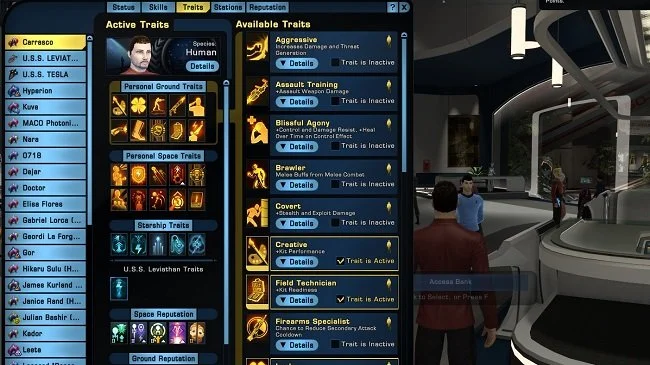
All MMORPGs have bugs. It is a certainty in life, just like death and taxes. However, some have more than others. I’m sure we could argue for hours as to which particular game has the most but I’ll leave that discussion to others. Star Trek Online has its share, many of which have persisted for years. But there is one that stands out, due to its longevity and sheer annoyance. To be specific, the “trait bug”. Like many MMO’s STO has a trait system that offers a range of passive or active buffs, skill boosts and statistical tweaks. STO is very much a number game, especially if you are chasing a high DPS output, which lots of players do. The trait bug is the random “unslotting” of some of your characters traits. It can affect any of the seven categories of traits but tends to most often happen to Personal Space Traits and Starship Traits. Unless you regularly check, most players will not immediately know this has happened.
All MMORPGs have bugs. It is a certainty in life, just like death and taxes. However, some have more than others. I’m sure we could argue for hours as to which particular game has the most but I’ll leave that discussion to others. Star Trek Online has its share, many of which have persisted for years. But there is one that stands out, due to its longevity and sheer annoyance. To be specific, the “trait bug”. Like many MMO’s STO has a trait system that offers a range of passive or active buffs, skill boosts and statistical tweaks. STO is very much a number game, especially if you are chasing a high DPS output, which lots of players do. The trait bug is the random “unslotting” of some of your characters traits. It can affect any of the seven categories of traits but tends to most often happen to Personal Space Traits and Starship Traits. Unless you regularly check, most players will not immediately know this has happened.
The trait bug tends to happen when changing instances within STO. IE When transitioning from sector space to system space or when travelling to a planet surface or visiting a space station. It can also happen after the release of any content update. As STO rotates through a schedule of yearly events, the bug manifests itself quite regularly. However, despite it persisting in the game years, it is hard to pin down a specific set of factors that cause it. It is capricious by nature, which makes it more frustrating. The “unslotting” of traits will impact upon space and ground combat and it is often the feeling that your current build feels “gimped” that leads players to discover that a selection of random traits have vanished from their existing setup. A further source of annoyance is the fact that there isn’t a permanent fix or a workaround that is 100% effective.
At present, the nearest I have got to a solution is as follows. Clear all existing traits and save to a new loadout. Overwrite existing loadouts to remove them. Log out of the game and close the client. Then log back in. Go to system space above the homeworld of your faction. Set all your traits as you desire and save the loadout. I would also advise taking a screenshot or making a written note of your trait selection. This broadly works but can fail after a content update. This bug is an especially poor reflection upon Cryptic because it has been around so long. I would happily forgo a content update, if the developers spent time and resources on a comprehensive bug fix. Sadly, I suspect that is not going to happen. In the meantime, if anyone has any other workarounds, I’d be interested to know them.
Save Scumming
Throughout history, there’s always some asshole who confuses their own personal opinion for some undeniable, unassailable, universal truth. This misconception often ends in tragedy. Sadly it is the doom of men (especially Colin) that they forget. Hence, life continues to be regularly assailed by the following cycle. An asshole talks bollocks and advocates an erroneous position or philosophical stance that is unsustainable in the face of reality. A shit storm ensues. The asshole’s position is utterly and unequivocally demolished by facts and data. Everyone else then has to pick up the pieces, while the asshole, due to a lack of critical thinking and emotional literacy, still thinks that they’re right and that “they’re the victim”. This scenario manifests itself in many aspects of day-to-day life. Domestic politics, your places of employment etc. It is also an integral part of gaming culture and a core tenet of Gamers (™).
Throughout history, there’s always some asshole who confuses their own personal opinion for some undeniable, unassailable, universal truth. This misconception often ends in tragedy. Sadly it is the doom of men (especially Colin) that they forget. Hence, life continues to be regularly assailed by the following cycle. An asshole talks bollocks and advocates an erroneous position or philosophical stance that is unsustainable in the face of reality. A shit storm ensues. The asshole’s position is utterly and unequivocally demolished by facts and data. Everyone else then has to pick up the pieces, while the asshole, due to a lack of critical thinking and emotional literacy, still thinks that they’re right and that “they’re the victim”. This scenario manifests itself in many aspects of day-to-day life. Domestic politics, your places of employment etc. It is also an integral part of gaming culture and a core tenet of Gamers (™).
The latest poorly conceived and intellectually questionable outrage is about “save scumming”. The act of saving a video game just before you embark on a potentially risky in-game undertaking. Hence, if you fail or incur consequences that you deem suboptimal, you can simply reload the game and try once again with the benefit of foresight and knowledge. Apparently this “belt and braces” approach to gaming, usually in single player RPGs, is an appalling act of self abasement and a rejection of the “gaming code” as espoused by Gamers (™). It is apparently a worse crime than pissing in the Queen’s handbag and offending a Shaolin Temple. Those that indulge in such questionable gaming practices are members of the “Guardian-reading, tofu-eating wokerati” who undermine traditional values and lower property prices. It clearly ruins gaming and won’t someone please think of the children?
This perennial debacle has raised its head once again, mainly due to the success of Baldur’s Gate 3. That game is based upon the Dungeons & Dragons 5th edition ruleset and many actions in the game are dependent upon the rolling of dice. Therefore failure is not necessarily due to poor strategy or lack of skill but the capricious nature of the random number generator. However, “save scumming” has been a thing for decades so let’s not lose sight of the big picture. The so-called pushback against saving and reloading is just another manifestation of the hubris and ignorance of Gamers (™), who seem to think that gaming per se is a pastime that should exclusively cater to their specific wants and needs. How they play is the only correct way to do so, and their views are evangelised with the all fervour that their zealotry can muster.
Back in the real world, functioning adults that enjoy gaming for fun, larks, relaxation and the social aspect, go about their business happily saving and reloading single player games. Why? Because games are perceived as a leisure activity by many gamers. They do not want a reality simulator with a comparable chance of an inequitable outcome, nor do they desire the labours of Hercules. They do not seek to test themselves or deem games to be “the fire in which they forge their own destiny” or some such similar “untermensch” bullshit. So called “save scumming” is a legitimate option available in most games by design. It is also purely optional but the lunatic fringe seldom has the emotional literacy to comprehend the subtlety of this distinction. So carry on saving and reloading and ignore the usual suspects along with their tiresome argument. “Certainty ends inquiry” as Jacob Bronowski wisely said.


Not Playing Baldur’s Gate 3
I have written in the past about games that have proved popular or critically successful that pass you by. You simply weren’t aware of them or their success at the time of their release. You missed all the marketing and hype. It’s easily enough done as there’s so much white noise associated with gaming these days. You subsequently stumble across these popular games later and much to your surprise, discover their merits long after everyone else has. I have also written about what it is like to be the proverbial “odd one out” by not being part of a major gaming group. Not playing World of Warcraft is a prime example of this phenomenon. Exploring both these subjects inevitably leads to discussions about hype, gaming consensus and FOMO. This time I want to talk about a game that has recently gained a great deal of traction in the gaming community and has also caused a great deal of debate. A game that some of its more enthusiastic supporters are calling a new “industry standard”.
I have written in the past about games that have proved popular or critically successful that pass you by. You simply weren’t aware of them or their success at the time of their release. You missed all the marketing and hype. It’s easily enough done as there’s so much white noise associated with gaming these days. You subsequently stumble across these popular games later and much to your surprise, discover their merits long after everyone else has. I have also written about what it is like to be the proverbial “odd one out” by not being part of a major gaming group. Not playing World of Warcraft is a prime example of this phenomenon. Exploring both these subjects inevitably leads to discussions about hype, gaming consensus and FOMO. This time I want to talk about a game that has recently gained a great deal of traction in the gaming community and has also caused a great deal of debate. A game that some of its more enthusiastic supporters are calling a new “industry standard”.
I am of course talking about Baldur’s Gate 3, the role-playing video game developed and published by Larian Studios. It would appear that this third instalment in this popular franchise has found universal acclaim, with a Metacritic score of 97/100. Critics and gamers alike have praised the quality of the writing as well as the in-depth depiction of the continent of Faerûn from Dungeons & Dragons. The degree in which the players can make their own choices and the complexity of the dialogue trees has become a focal point of praise, as it offers (or appears to offer) the player an immense amount of freedom. The production quality, voice acting, character animations and environmental detail have all been cited as being groundbreaking. Then there is the game's implementation of the Dungeons & Dragons 5th edition ruleset, which has been well received. Many thought this would be hard to implement effectively.
I only really started paying attention to the buzz associated with Baldur’s Gate 3 a few days ago. I read some reviews from websites that I deem “sound”, then I watched some gameplay footage on YouTube. I also watched this week’s Jimquisition, as I find James Stephanie Sterling’s take on the video games industry to be in accord with my own. From what I have seen and understood, it would appear that Baldur’s Gate 3 has a lot going for it and offers a many of the things that I like in the RPG genre. I enjoy being able to customise and fine tune my avatar in a game. I also really like the dynamics and practical benefits that companions bring. The more dialogue options a game has the better. If a game forces me into a choice I’m not entirely invested in, it quickly kills my sense of immersion and mitigates my enjoyment. And I also love games that have a good story, told well. So many triple A titles these days shoot themselves in the foot due to piss poor writing.
In many respects Baldur’s Gate 3 seems like a game that I would like. Sadly, upon further inspection, there are some key elements of the game that aren’t for me. The turn based combat, which is a standout feature of the game, is not something I like at all. The dice rolling mechanic to determine the outcome of specific activities is another aspect that I feel is too random and unjust. Dungeons & Dragons was never a major aspect of my childhood and so I have no emotional attachment to it. In light of which, viewed as a whole Baldur’s Gate 3 is not for me. Despite the many pros, there are also some fundamental cons. About 50% of the game’s core mechanics fall outside of what I enjoy or am interested in. That is not a minor obstacle. Therefore, this entire gaming phenomenon will pass me by as a result of my own personal choice and that is absolutely fine by me.
One of the benefits of being an older gamer, is that I am now more discerning and less susceptible to hype, peer pressure and FOMO. I’ve bought too many games on a whim over the years, often because others were playing them and there was an emerging “scene” associated with these titles that I wanted to experience. I would persist at a game to see if I could overcome my “dislike” of it and mitigate whatever the barriers were to enjoyment. Such a strategy never worked. Sometimes you have to listen to your gut and go with your initial reaction. You can’t like everything. You can’t play everything. In fact I’d argue that sometimes being detached from specific genres, iconic titles and types of fandom has distinct benefits. As does just letting things pass you by and not being on the gaming news cycle treadmill. If you’re currently enjoying Baldur’s Gate 3, then that’s fine. I’m doing something else and that’s fine too.
LOTRO: River-hobbits Preview
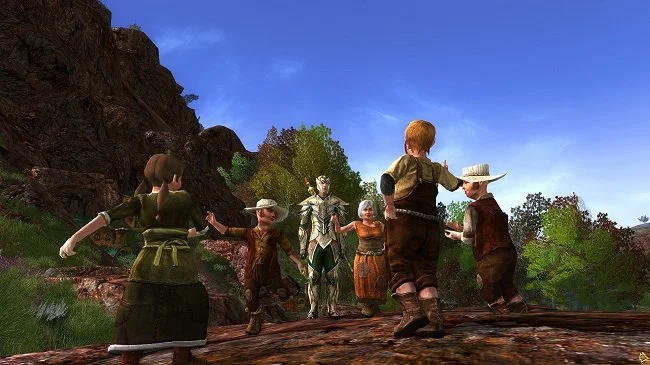
There have been four test previews of Update 37 for the MMORPG, The Lord of the Rings Online, recently on the Bullroarer test server. I only managed to briefly log in on the 1st of August, specifically to check out the new River-hobbit race. During my brief time on Bullroarer I investigated their respective character creation options and after quickly throwing together a new alt, logged into the game itself. Because I have been absent from both LOTRO and the official forums of late, I was not aware of any of the details surrounding River-hobbits. I was somewhat surprised that they hailed from Lyndelby in the Wells of Langflood. As I was short on time, I didn’t play through the new bespoke starter story associated with the new race. I logged out with the intention of returning during the next beta test but sadly I missed it. Hence I have spent the last few days reading several blogs and the official game forums to find out more about River-hobbits and how well they’ve been received so far.
There have been four test previews of Update 37 for the MMORPG, The Lord of the Rings Online, recently on the Bullroarer test server. I only managed to briefly log in on the 1st of August, specifically to check out the new River-hobbit race. During my brief time on Bullroarer I investigated their respective character creation options and after quickly throwing together a new alt, logged into the game itself. Because I have been absent from both LOTRO and the official forums of late, I was not aware of any of the details surrounding River-hobbits. I was somewhat surprised that they hailed from Lyndelby in the Wells of Langflood. As I was short on time, I didn’t play through the new bespoke starter story associated with the new race. I logged out with the intention of returning during the next beta test but sadly I missed it. Hence I have spent the last few days reading several blogs and the official game forums to find out more about River-hobbits and how well they’ve been received so far.
Let it suffice to say, River-hobbits as they exist after 4 rounds of testing, have not met with universal acclaim. Broadly speaking I would say opinion on the official forums is equally divided on the matter. However, I tend to be ambivalent of this particular platform as it is not sufficiently representative of the wider LOTRO community. There are a lot of personalities who regularly contribute and participate in the various discussions there who struggle with objective criticism and acceptance of contrary opinions. That notwithstanding, based upon what I’ve seen and more importantly read so far, the objections raised are as follows.
The current River-hobbit character models are not sufficiently “hobbit” like. They look more akin to scaled down human assets.
The representation of River-hobbits seems to be canonically problematic and the associated in-game lore seems deliberately ambiguous.
The overall level and quality of development of this new race seems to be “minimal”. IE Too many reused and repurposed in-game assets. Indifferent writing and insufficient effort being put into the undertaking.
All of which tallies with what I’ve seen so far of River-hobbits. I was surprised to see how “un-hobbit like” the character models were when I logged into the test server at the beginning of the month. I was somewhat disappointed that Lyndelby had been chosen as the starter location for the new race. This remote and deliberately hidden village is already established via a prior update and is clearly an agrarian settlement. There is a river for irrigation purposes but the environment does not immediately seem an ideal fit for this new race. For me, River-hobbits conjures up images of a community specifically linked with waterways. IE One that uses boats, fishes and has homes on the river bank or on a boardwalk. Perhaps even a few adventurous denizens have houseboats.
One of the reasons that I have drifted away from LOTRO is that it never seems to be able to step beyond the technical and creative confines it has made for itself. I applaud wholeheartedly the fact that new content is continuously added to the game. But it is always “more of the same”. No more, no less. I appreciate that trying to do something radical with a game running on code from before 2007 is not easy. Yet, the developers seem to have a mindset of not even trying to think outside the box. Using the blanket excuse of “old code and technical difficulties” to absolve themselves from trying anything new is far from edifying. But it can be argued that Standing Stone Games have always been their own worst enemy. In the meantime let us wait and see if any further meaningful changes are made to River-hobbits. I suspect that after 4 beta tests, apart from some aesthetic tweaks, what you currently see will be what you get in the final release. How it is received by regular players will be interesting.
Reinstalling a Game to Recapture the Past
Think of a game that you’ve played in the past that impressed you greatly and left a marked impression upon you. A game which you feel is a real genre milestone or is at the very least, a personal favourite out of all the games that you’ve played in your lifetime. A game that has a special space in your heart. Of which you have many fond memories that are as clear to you now as when you first played it. A game in which you invested a significant amount of time, potentially at the expense of other hobbies and pastimes. Time you gave freely because you were so enamoured by what you were experiencing. In the context of this blog post, I shall be referring to The Elder Scrolls V: Skyrim for the PC. However, that is simply a point of reference for the benefit of my writing. Hopefully, the points that I make will be just as relevant and applicable for any other title you may have in mind.
Think of a game that you’ve played in the past that impressed you greatly and left a marked impression upon you. A game which you feel is a real genre milestone or is at the very least, a personal favourite out of all the games that you’ve played in your lifetime. A game that has a special space in your heart. Of which you have many fond memories that are as clear to you now as when you first played it. A game in which you invested a significant amount of time, potentially at the expense of other hobbies and pastimes. Time you gave freely because you were so enamoured by what you were experiencing. In the context of this blog post, I shall be referring to The Elder Scrolls V: Skyrim for the PC. However, that is simply a point of reference for the benefit of my writing. Hopefully, the points that I make will be just as relevant and applicable for any other title you may have in mind.
I started playing Skyrim about 18 months after its original release. I bought the Legendary Edition which included all the DLC. This delay meant that I also benefited from a wealth of online guides and wikis, ensuring that I had a smooth and problem free gaming experience. I had played other RPGs prior to Skyrim but it became immediately apparent to me that this game was unique. It offered an enigmatic and expansive open world to explore, filled with a multitude of quests and interesting characters. Every story, no matter how simple, always seemed to have the scope to become something much bigger and it often did. The NPCs were charismatic and compelling. I still remember when I first encountered M'aiq the Liar in a remote mountain region. I was so surprised to find him there and was immediately drawn into the quirky dialogue options.
Such things and much more contributed to Skyrim’s spell. Like encountering the Dark Brotherhood, your first battle with a dragon and exploring the streets and alleyways of Whiterun. Then there were the NPCs following their daily routine. They would haggle with you and remember your custom. Then as night fell, they will shut their shops and return to their homes. The wildlife would then come out. The herbivores would graze and the predators would hunt them. Enemies lurked in the shadows if you went exploring. If you remain in the safety of a tavern, minstrels sang and strangers told tall tales. All of which made you feel that the world was alive. It was immersive and enthralling. And then you were hit by the technical mastery of it all. And when I realised that Christopher Plummer and Max Von Sydow were providing voices for two of the main characters, I realised that video games were just as significant as film.
I spent over 300 hours playing Skyrim. When I finally finished I had played through pretty much all the story content available in the game and the only material left were procedurally generated quests. Like many others before me, I extended the lifespan of the game by adding multiple mods and playing through fan generated material. It was wild and exciting to be able to customise an RPG in such a fashion. To be able to make tangible changes that would improve your gaming experience, such as redesigning the UI, or to just have fun adding a top hat to a mud crab. Yet despite all this potential, I eventually moved on to another game. For gamers the grass is always greener elsewhere and there’s always something new just around the corner. Skyrim became a revered memory in my personal gaming history. A genre classic whose virtues and merits I’d happily extol.
The other day I was scrolling through the list of recommendations that YouTube in its infinite wisdom thinks are of interest to me. I saw an instructional video that showed you how to install what are considered to be the most essential mods for Skyrim. These included changes to lighting, textures, UI and such like. The thrust of the video was if you wish to return to Skyrim, just install the base game, add the mods in bulk and you will be able to play a contemporary iteration of the game, quickly and efficiently. To cut a long story short the video elicited a strong sense of nostalgia and I felt a tangible craving to be able to play Skyrim and recapture those feelings that I had previously experienced. It was like remembering a past lover and briefly tapping into the associated emotions. I actually went to bed that night musing on a video game and the way it had made me feel. I wondered whether it could do so again.
The reality of a new day brought fresh clarity to my thoughts and I was able to see beyond my own cravings for the past. I concluded that after downloading the base game of Skyrim and then adding the wealth of mods, I was going to log into the game on a high of nostalgia. But I surmised that shortly afterwards, I would find myself faced with familiar content and nothing more. The nostalgia would vanish because it is not solely tied to the game itself. It was born of a multitude of other factors that existed when I first played. The fact that I was relatively new to the RPG genre and hadn't played other Elder Scrolls games. Then there were more esoteric aspects to consider. Where I was in my life at the time. The time I had at my disposal. The fact that I still had a very naive relationship with games and projected much of myself upon them. Skyrim was and remains special but it was the experience of playing it in its totality that was unique and not just the game. Like a long, hot and eventful summer of my youth, it could not be recaptured.
And so I decided not to install the game and attempt to recapture my past. I had a feeling that to do so would be a fool’s errand. A lot of time and effort spent to arrive at a conclusion that was glaringly obvious already. I think this was indeed the right choice for me and I am content to leave things as they are. Skyrim will remain a fond memory. Unsullied, undiluted but a memory no less. Life is predicated upon change, which is why memories are so important. I console myself that I shouldn’t worry about not being able to re-experience the enjoyment I got from Skyrim, because there will be new experiences to come in the future. Other games that will feel equally as revolutionary and comparable milestones. The entire process is cyclical. Furthermore, I shall adopt the same policy with regard to The Witcher III: Wild Hunt and Red Dead Redemption 2. Let the past remain the past. Strive too hard for nostalgia and you risk breaking its illusion.
Hype and Starfield
Hype.
Noun: Extravagant or intensive publicity or promotion.” His first album hit the stores amid a storm of hype”.
Verb: Promote or publicise (a product or idea) intensively, often exaggerating its benefits.
“An industry quick to hype its products”,
Until recently I have gone out of my way to avoid any promotional material regarding Starfield, the forthcoming RPG from Bethesda Game Studios. However, as the September 6th release date is approaching, I finally decided to watch the following YouTube video in order to make a measured judgement about exactly what the game has to offer. Let it suffice to say that if you take the video at face value, then Starfield is potentially a revolutionary video game. However, upon mature reflection and sober consideration, I have chosen not to take the claims made in the video as gospel. As far as I’m concerned this is not regular marketing, as it goes beyond the scope of briefing potential buyers about the product. Instead I would define the videos as pure and unabashed hype, as specified in the two definitions at the start of this post. And hype is a very problematic phenomenon.
Hype.
Noun: Extravagant or intensive publicity or promotion.” His first album hit the stores amid a storm of hype”.
Verb: Promote or publicise (a product or idea) intensively, often exaggerating its benefits. “An industry quick to hype its products”,
Until recently I have gone out of my way to avoid any promotional material regarding Starfield, the forthcoming RPG from Bethesda Game Studios. However, as the September 6th release date is approaching, I finally decided to watch the following YouTube video in order to make a measured judgement about exactly what the game has to offer. Let it suffice to say that if you take the video at face value, then Starfield is potentially a revolutionary video game. However, upon mature reflection and sober consideration, I have chosen not to take the claims made in the video as gospel. As far as I’m concerned this is not regular marketing, as it goes beyond the scope of briefing potential buyers about the product. Instead I would define the videos as pure and unabashed hype, as specified in the two definitions at the start of this post. And hype is a very problematic phenomenon.
Marketing video games has always been dependent upon effectively generating and harnessing fan expectation. The game that doesn’t elicit any player excitement has a pretty steep hill to climb. However, most games can be marketed by a mixture of in-game footage and invoking the aspirational qualities the advertising company seeks to imbue it with. Sadly in recent years there has been an increasing propensity to over promise and under deliver. Bogus claims are made about the scope of a game, in respect of what it does and doesn’t include. Sometimes, bespoke demos are released that are of a different quality to the final product. Hence the past decade has seen a litany of underwhelming, incomplete and at times plain broken video games. Some haven’t even been released beyond alpha testing, despite languishing in development for years. Therefore it is not surprising that many gamers feel that Starfield will follow suit.
But the blame for the current culture of excessive marketing hype cannot be laid solely at the door of advertising agencies. Gamers themselves are also culpable in this symbiotic process. After numerous examples of games that promised the earth and delivered little and the resulting fallout, you would think that a canny customer base would be more sceptical and unwilling to buy into any new false narrative. Yet as The Amazing Randi found out, debunking a bogus claim does not necessarily result in a consumer epiphany. Despite the debacle of No Man’s Sky and Cyberpunk 2077, many gamers will temporarily cease to function as reasoning adults and will work themselves up into a frenzy of hysterical expectation, like a child on Christmas Eve. It is a staggeringly unedifying spectacle and incredibly self defeating.
When writing about such a subject and a cycle of events that is broadly acknowledged to be counterproductive to all concerned, it is customary to end on a positive note. Usually this takes the form of an expectation of change for the better. There is a hope that one day, all parties will learn from their experience and adjust their behaviour accordingly. However, I do not think we are at that point yet or that it is going to happen any time soon. There is a strong chance that Starfield is not going to live up to the hype. Bethesda Game Studios may well end up with egg on its face yet again, as it did with Fallout 76 and the infamous “canvas bag” debacle. If that is the case, it will be virtually impossible to feel any sympathy for those gamers who decry the potential lacklustre nature of the game, having embraced the hype. In such a situation the phrase “a plague upon both your houses” comes to mind. As does “rinse and repeat”.
MMO Tropes: Death
“The MMO genre is rife with its own set of tropes; recurring themes and motifs that have become established and ubiquitous. All of which are ideal material for a hastily produced, lazily conceived, recurring blog post”. Dying in an Massively Multiplayer Online Role-Playing Game is a clear and unambiguous fail state. A means by which to teach the player that they’re doing something wrong and that they need to rethink their strategy. IE Don’t mess with the foul Marmydons unless you have back up and are wielding the Sword of Kagnazax. Dying is a reminder to not get overconfident and maintain situational awareness. It teaches us to ensure you have the right gear and consumables, to be au fait with the mechanics of any fight you’re about to get into and that winning is not a given. Any enterprise that offers a tangible reward will come with potential risks and consequences. If you’re playing in a group then death provides a timely reminder not to rely on Colin.
I use to be alive until I took an arrow to the cerebral cortex
“The MMO genre is rife with its own set of tropes; recurring themes and motifs that have become established and ubiquitous. All of which are ideal material for a hastily produced, lazily conceived, recurring blog post”. Dying in an Massively Multiplayer Online Role-Playing Game is a clear and unambiguous fail state. A means by which to teach the player that they’re doing something wrong and that they need to rethink their strategy. IE Don’t mess with the foul Marmydons unless you have back up and are wielding the Sword of Kagnazax. Dying is a reminder to not get overconfident and maintain situational awareness. It teaches us to ensure you have the right gear and consumables, to be au fait with the mechanics of any fight you’re about to get into and that winning is not a given. Any enterprise that offers a tangible reward will come with potential risks and consequences. If you’re playing in a group then death provides a timely reminder not to rely on Colin.
Over the course of its evolution, the MMORPG genre has handled death in many different ways. There’s the scorched earth policy of permadeath, in which your in-game character dies for good. You lose everything you’ve accrued and have to create a new character and start from scratch. Then there was the infamous “corpse run”, in which your character’s spirit spawns at a designated point on the in-game map and has to return to their own dead body to re-animate it. In the meantime, any passing player can pilfer your loot from your unattended cadaver. However, such draconian rules have fallen out of favour with modern MMOs, although you will still find them in many classic games that still linger online. Death is now treated as a minor penalty that temporarily inconveniences you. It may incur damage to your gear but it is no longer the setback that it used to be.
I’ve spent many a happy hour plummeting to my death in LOTRO
In the Lord of the Rings Online, death is politely called “defeat” and occurs when your morale reaches zero. While defeated your character remains immobile, unable to use any skills. You may then use a self-revive which has a two hour cooldown by default, assuming that the immediate area is safe. If however you cannot or do not wish to self-revive, you may “retreat” which will teleport you to the nearest rally point, which is a circle of stones in a safe area. This disadvantage of “retreating” is that it may take you a substantial distance from your previous location. This is particularly problematic if you are in an instance. However, if you are playing in a group you may be revived by a fellow player, if they are of a class that can revive others. It is not the best or worst example of death mechanics in an MMO but it can be managed. You can purchase an account unlock that reduces the two hour cooldown on “revive” to one or purchase additional consumable “revives” by using in-game currency.
Death is managed in a far more equitable fashion in Star Trek Online. During ground combat, if you are inconvenienced by dying you can simply respawn at the last unlocked respawn point. However, more often than not, your character is accompanied by your “away team”. This is a group of four NPC companions or “bridge officers”. While dead you may request “help”, in which case one will come and revive you. Depending upon the intensity of the ongoing combat, your companions may well all heroically die trying to save you. However, if you ensure that you have a holographic or android NPC on your away team, these have the ability to self-reboot. Hence if your entire group is wiped out, one will self-revive and then revive everyone else. Conversely, space combat in STO handles dying far more simply. There is a short 10 second cooldown and then you can opt to respawn in the combat zone.
“He’s dead, Jim. Oh shit, it is Jim”
I have always liked the way that Guild Wars 2 has made reviving others a key social aspect of the game. Each player can use a self-revive when “downed”, the stage between zero health and “defeat”. Alternatively, while “downed” if you manage to kill an enemy you will “rally” back to a state of health. However, once dead, they can either retreat to the nearest waypoint or look to an ally or the kindness of passing strangers to revive you. In dynamic events, where there are lots of players, it is commonplace to help players who are “downed” or “defeated” as it is practical to have as many functional players attacking a target as possible. There are traits in the game that improve reviving speed and potency. Gear can be augmented with runes, some of which can improve revival mechanics.
The Elder Scrolls Online dispenses with the intermediate stage of being “downed” and once your health is exhausted, you are officially dead. At this point, you can retreat to the nearest wayshrine or self-revive using a soul gem. Soul gems are consumable items that are initially empty. However, if the player slots the right skills, they are filled with the souls of enemies they defeat. Hence soul gems come with a cost. The player has to either make them themselves or buy them pre-made from the in-game store. Reviving yourself with a soul gem will grant you a spectral form for a short time that is unable to attack or be attacked, before returning to full health. This allows the player to strategically reposition themselves. Soul gems can also be used to revive other players. However, unlike Guild Wars 2, as you are using a resource with a value, players may not always be disposed to help you.
A poultry-geist
Most people are not overly enamoured by death mechanics. However, during solo PVE gameplay, it is broadly tolerated. However, in my experience, this changes significantly during group content. I jokingly mentioned earlier about death in instances or raids. It is a fact that players do not warm to dying in an MMO when it is due to the incompetence of another player. Group content in MMOs requires a substantial investment of time and resources. Death may lead to a wipe and failure to obtain the loot you desire. Which means when Colin fucks up and you all die, tempers will flare. It can ruin a game. Colin notwithstanding, death is a legacy penalty left over from the original hardcore days of MMOs. Its relevance seems to have diminished with age and continues to do so in this era of “live services”. It may eventually vanish from the genre as it ultimately stands in the way of player gratification. Unhappy players tend not to play or pay. Business doesn’t like that.